window.__IS_SSR__=true
window.__INITIAL_STATE__={
"attachmentsReducer": {
"audio_0": {
"type": "attachments",
"id": "audio_0",
"imgSizes": {
"kqedFullSize": {
"file": "https://ww2.kqed.org/news/wp-content/themes/KQED-unified/img/audio_bgs/background0.jpg"
}
}
},
"audio_1": {
"type": "attachments",
"id": "audio_1",
"imgSizes": {
"kqedFullSize": {
"file": "https://ww2.kqed.org/news/wp-content/themes/KQED-unified/img/audio_bgs/background1.jpg"
}
}
},
"audio_2": {
"type": "attachments",
"id": "audio_2",
"imgSizes": {
"kqedFullSize": {
"file": "https://ww2.kqed.org/news/wp-content/themes/KQED-unified/img/audio_bgs/background2.jpg"
}
}
},
"audio_3": {
"type": "attachments",
"id": "audio_3",
"imgSizes": {
"kqedFullSize": {
"file": "https://ww2.kqed.org/news/wp-content/themes/KQED-unified/img/audio_bgs/background3.jpg"
}
}
},
"audio_4": {
"type": "attachments",
"id": "audio_4",
"imgSizes": {
"kqedFullSize": {
"file": "https://ww2.kqed.org/news/wp-content/themes/KQED-unified/img/audio_bgs/background4.jpg"
}
}
},
"placeholder": {
"type": "attachments",
"id": "placeholder",
"imgSizes": {
"thumbnail": {
"file": "https://cdn.kqed.org/wp-content/uploads/2024/12/KQED-Default-Image-816638274-2000x1333-1-160x107.jpg",
"width": 160,
"height": 107,
"mimeType": "image/jpeg"
},
"medium": {
"file": "https://cdn.kqed.org/wp-content/uploads/2024/12/KQED-Default-Image-816638274-2000x1333-1-800x533.jpg",
"width": 800,
"height": 533,
"mimeType": "image/jpeg"
},
"medium_large": {
"file": "https://cdn.kqed.org/wp-content/uploads/2024/12/KQED-Default-Image-816638274-2000x1333-1-768x512.jpg",
"width": 768,
"height": 512,
"mimeType": "image/jpeg"
},
"large": {
"file": "https://cdn.kqed.org/wp-content/uploads/2024/12/KQED-Default-Image-816638274-2000x1333-1-1020x680.jpg",
"width": 1020,
"height": 680,
"mimeType": "image/jpeg"
},
"1536x1536": {
"file": "https://cdn.kqed.org/wp-content/uploads/2024/12/KQED-Default-Image-816638274-2000x1333-1-1536x1024.jpg",
"width": 1536,
"height": 1024,
"mimeType": "image/jpeg"
},
"fd-lrg": {
"file": "https://cdn.kqed.org/wp-content/uploads/2024/12/KQED-Default-Image-816638274-2000x1333-1-1536x1024.jpg",
"width": 1536,
"height": 1024,
"mimeType": "image/jpeg"
},
"fd-med": {
"file": "https://cdn.kqed.org/wp-content/uploads/2024/12/KQED-Default-Image-816638274-2000x1333-1-1020x680.jpg",
"width": 1020,
"height": 680,
"mimeType": "image/jpeg"
},
"fd-sm": {
"file": "https://cdn.kqed.org/wp-content/uploads/2024/12/KQED-Default-Image-816638274-2000x1333-1-800x533.jpg",
"width": 800,
"height": 533,
"mimeType": "image/jpeg"
},
"post-thumbnail": {
"file": "https://cdn.kqed.org/wp-content/uploads/2024/12/KQED-Default-Image-816638274-2000x1333-1-672x372.jpg",
"width": 672,
"height": 372,
"mimeType": "image/jpeg"
},
"twentyfourteen-full-width": {
"file": "https://cdn.kqed.org/wp-content/uploads/2024/12/KQED-Default-Image-816638274-2000x1333-1-1038x576.jpg",
"width": 1038,
"height": 576,
"mimeType": "image/jpeg"
},
"xxsmall": {
"file": "https://cdn.kqed.org/wp-content/uploads/2024/12/KQED-Default-Image-816638274-2000x1333-1-160x107.jpg",
"width": 160,
"height": 107,
"mimeType": "image/jpeg"
},
"xsmall": {
"file": "https://cdn.kqed.org/wp-content/uploads/2024/12/KQED-Default-Image-816638274-2000x1333-1-672x372.jpg",
"width": 672,
"height": 372,
"mimeType": "image/jpeg"
},
"small": {
"file": "https://cdn.kqed.org/wp-content/uploads/2024/12/KQED-Default-Image-816638274-2000x1333-1-672x372.jpg",
"width": 672,
"height": 372,
"mimeType": "image/jpeg"
},
"xlarge": {
"file": "https://cdn.kqed.org/wp-content/uploads/2024/12/KQED-Default-Image-816638274-2000x1333-1-1020x680.jpg",
"width": 1020,
"height": 680,
"mimeType": "image/jpeg"
},
"full-width": {
"file": "https://cdn.kqed.org/wp-content/uploads/2024/12/KQED-Default-Image-816638274-2000x1333-1-1920x1280.jpg",
"width": 1920,
"height": 1280,
"mimeType": "image/jpeg"
},
"guest-author-32": {
"file": "https://cdn.kqed.org/wp-content/uploads/2025/01/KQED-Default-Image-816638274-1333x1333-1-160x160.jpg",
"width": 32,
"height": 32,
"mimeType": "image/jpeg"
},
"guest-author-50": {
"file": "https://cdn.kqed.org/wp-content/uploads/2025/01/KQED-Default-Image-816638274-1333x1333-1-160x160.jpg",
"width": 50,
"height": 50,
"mimeType": "image/jpeg"
},
"guest-author-64": {
"file": "https://cdn.kqed.org/wp-content/uploads/2025/01/KQED-Default-Image-816638274-1333x1333-1-160x160.jpg",
"width": 64,
"height": 64,
"mimeType": "image/jpeg"
},
"guest-author-96": {
"file": "https://cdn.kqed.org/wp-content/uploads/2025/01/KQED-Default-Image-816638274-1333x1333-1-160x160.jpg",
"width": 96,
"height": 96,
"mimeType": "image/jpeg"
},
"guest-author-128": {
"file": "https://cdn.kqed.org/wp-content/uploads/2025/01/KQED-Default-Image-816638274-1333x1333-1-160x160.jpg",
"width": 128,
"height": 128,
"mimeType": "image/jpeg"
},
"detail": {
"file": "https://cdn.kqed.org/wp-content/uploads/2025/01/KQED-Default-Image-816638274-1333x1333-1-160x160.jpg",
"width": 160,
"height": 160,
"mimeType": "image/jpeg"
},
"kqedFullSize": {
"file": "https://cdn.kqed.org/wp-content/uploads/2024/12/KQED-Default-Image-816638274-2000x1333-1.jpg",
"width": 2000,
"height": 1333
}
}
},
"arts_10135006": {
"type": "attachments",
"id": "arts_10135006",
"meta": {
"index": "attachments_1716263798",
"site": "arts",
"id": "10135006",
"found": true
},
"parent": 10135003,
"imgSizes": {
"thumbnail": {
"file": "https://ww2.kqed.org/app/uploads/sites/2/2014/04/El_Floridita_-_Vista_exterior-400x234.jpg",
"width": 400,
"mimeType": "image/jpeg",
"height": 234
},
"post-thumbnail": {
"file": "https://ww2.kqed.org/app/uploads/sites/2/2014/04/El_Floridita_-_Vista_exterior-672x372.jpg",
"width": 672,
"mimeType": "image/jpeg",
"height": 372
},
"kqedFullSize": {
"file": "https://ww2.kqed.org/app/uploads/sites/2/2014/04/El_Floridita_-_Vista_exterior.jpg",
"width": 800,
"height": 468
},
"guest-author-96": {
"file": "https://ww2.kqed.org/app/uploads/sites/2/2014/04/El_Floridita_-_Vista_exterior-96x96.jpg",
"width": 96,
"mimeType": "image/jpeg",
"height": 96
},
"medium": {
"file": "https://ww2.kqed.org/app/uploads/sites/2/2014/04/El_Floridita_-_Vista_exterior-300x175.jpg",
"width": 300,
"mimeType": "image/jpeg",
"height": 175
},
"guest-author-64": {
"file": "https://ww2.kqed.org/app/uploads/sites/2/2014/04/El_Floridita_-_Vista_exterior-64x64.jpg",
"width": 64,
"mimeType": "image/jpeg",
"height": 64
},
"detail": {
"file": "https://ww2.kqed.org/app/uploads/sites/2/2014/04/El_Floridita_-_Vista_exterior-75x75.jpg",
"width": 75,
"mimeType": "image/jpeg",
"height": 75
},
"guest-author-32": {
"file": "https://ww2.kqed.org/app/uploads/sites/2/2014/04/El_Floridita_-_Vista_exterior-32x32.jpg",
"width": 32,
"mimeType": "image/jpeg",
"height": 32
},
"guest-author-128": {
"file": "https://ww2.kqed.org/app/uploads/sites/2/2014/04/El_Floridita_-_Vista_exterior-128x128.jpg",
"width": 128,
"mimeType": "image/jpeg",
"height": 128
}
},
"publishDate": 1397846208,
"modified": 1397846208,
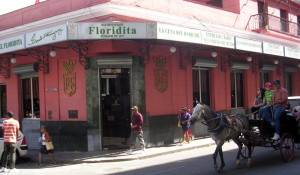
"caption": "Exterior view of the bar and restaurante Floridita, La Habana, Cuba. Courtesy of WikiMedia Commons",
"description": "Exterior view of the bar and restaurante Floridita, La Habana, Cuba. Courtesy of WikiMedia Commons",
"title": "El_Floridita_-_Vista_exterior",
"credit": "Hernán Maglione",
"status": "inherit",
"isLoading": false,
"fetchFailed": false
},
"pop_11877": {
"type": "attachments",
"id": "pop_11877",
"meta": {
"index": "attachments_1716263798",
"site": "pop",
"id": "11877",
"found": true
},
"parent": 11875,
"imgSizes": {
"twentyfourteen-full-width": {
"file": "https://ww2.kqed.org/app/uploads/sites/12/2014/04/gabriel_garcia_marquez_by_grendelsagrav-d6bqcev-419x576.jpg",
"width": 419,
"mimeType": "image/jpeg",
"height": 576
},
"thumbnail": {
"file": "https://ww2.kqed.org/app/uploads/sites/12/2014/04/gabriel_garcia_marquez_by_grendelsagrav-d6bqcev-400x569.jpg",
"width": 400,
"mimeType": "image/jpeg",
"height": 569
},
"post-thumbnail": {
"file": "https://ww2.kqed.org/app/uploads/sites/12/2014/04/gabriel_garcia_marquez_by_grendelsagrav-d6bqcev-419x372.jpg",
"width": 419,
"mimeType": "image/jpeg",
"height": 372
},
"kqedFullSize": {
"file": "https://ww2.kqed.org/app/uploads/sites/12/2014/04/gabriel_garcia_marquez_by_grendelsagrav-d6bqcev.jpg",
"width": 419,
"height": 597
},
"guest-author-96": {
"file": "https://ww2.kqed.org/app/uploads/sites/12/2014/04/gabriel_garcia_marquez_by_grendelsagrav-d6bqcev-96x96.jpg",
"width": 96,
"mimeType": "image/jpeg",
"height": 96
},
"guest-author-64": {
"file": "https://ww2.kqed.org/app/uploads/sites/12/2014/04/gabriel_garcia_marquez_by_grendelsagrav-d6bqcev-64x64.jpg",
"width": 64,
"mimeType": "image/jpeg",
"height": 64
},
"detail": {
"file": "https://ww2.kqed.org/app/uploads/sites/12/2014/04/gabriel_garcia_marquez_by_grendelsagrav-d6bqcev-75x75.jpg",
"width": 75,
"mimeType": "image/jpeg",
"height": 75
},
"guest-author-32": {
"file": "https://ww2.kqed.org/app/uploads/sites/12/2014/04/gabriel_garcia_marquez_by_grendelsagrav-d6bqcev-32x32.jpg",
"width": 32,
"mimeType": "image/jpeg",
"height": 32
},
"guest-author-128": {
"file": "https://ww2.kqed.org/app/uploads/sites/12/2014/04/gabriel_garcia_marquez_by_grendelsagrav-d6bqcev-128x128.jpg",
"width": 128,
"mimeType": "image/jpeg",
"height": 128
}
},
"publishDate": 1397769507,
"modified": 1397769507,
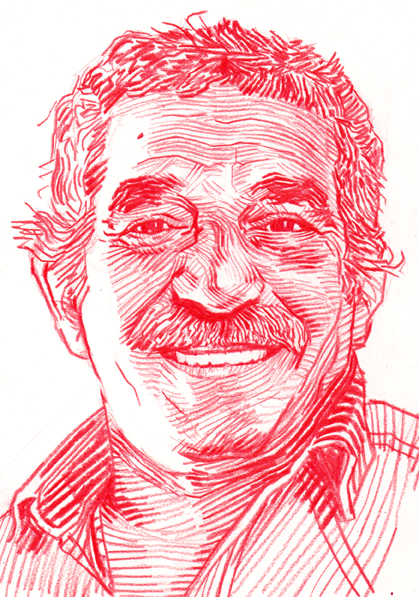
"caption": "Photo: \u003ca href=\"http://grendelsagrav.deviantart.com/art/Gabriel-Garcia-Marquez-382501975\">deviantart, via GrendelSagrav\n\u003c/a>",
"description": null,
"title": "gabriel_garcia_marquez_by_grendelsagrav-d6bqcev",
"credit": null,
"status": "inherit",
"isLoading": false,
"fetchFailed": false
},
"arts_10134978": {
"type": "attachments",
"id": "arts_10134978",
"meta": {
"index": "attachments_1716263798",
"site": "arts",
"id": "10134978",
"found": true
},
"parent": 10134977,
"imgSizes": {
"twentyfourteen-full-width": {
"file": "https://ww2.kqed.org/app/uploads/sites/2/2014/04/ap983524024617-0f16c4d592cb9a1c85f7dcf5dfc401859e07f571-1038x576.jpg",
"width": 1038,
"mimeType": "image/jpeg",
"height": 576
},
"thumbnail": {
"file": "https://ww2.kqed.org/app/uploads/sites/2/2014/04/ap983524024617-0f16c4d592cb9a1c85f7dcf5dfc401859e07f571-400x299.jpg",
"width": 400,
"mimeType": "image/jpeg",
"height": 299
},
"post-thumbnail": {
"file": "https://ww2.kqed.org/app/uploads/sites/2/2014/04/ap983524024617-0f16c4d592cb9a1c85f7dcf5dfc401859e07f571-672x372.jpg",
"width": 672,
"mimeType": "image/jpeg",
"height": 372
},
"kqedFullSize": {
"file": "https://ww2.kqed.org/app/uploads/sites/2/2014/04/ap983524024617-0f16c4d592cb9a1c85f7dcf5dfc401859e07f571.jpg",
"width": 3896,
"height": 2919
},
"large": {
"file": "https://ww2.kqed.org/app/uploads/sites/2/2014/04/ap983524024617-0f16c4d592cb9a1c85f7dcf5dfc401859e07f571-1440x1078.jpg",
"width": 1440,
"mimeType": "image/jpeg",
"height": 1078
},
"guest-author-96": {
"file": "https://ww2.kqed.org/app/uploads/sites/2/2014/04/ap983524024617-0f16c4d592cb9a1c85f7dcf5dfc401859e07f571-96x96.jpg",
"width": 96,
"mimeType": "image/jpeg",
"height": 96
},
"medium": {
"file": "https://ww2.kqed.org/app/uploads/sites/2/2014/04/ap983524024617-0f16c4d592cb9a1c85f7dcf5dfc401859e07f571-300x224.jpg",
"width": 300,
"mimeType": "image/jpeg",
"height": 224
},
"guest-author-64": {
"file": "https://ww2.kqed.org/app/uploads/sites/2/2014/04/ap983524024617-0f16c4d592cb9a1c85f7dcf5dfc401859e07f571-64x64.jpg",
"width": 64,
"mimeType": "image/jpeg",
"height": 64
},
"detail": {
"file": "https://ww2.kqed.org/app/uploads/sites/2/2014/04/ap983524024617-0f16c4d592cb9a1c85f7dcf5dfc401859e07f571-75x75.jpg",
"width": 75,
"mimeType": "image/jpeg",
"height": 75
},
"guest-author-32": {
"file": "https://ww2.kqed.org/app/uploads/sites/2/2014/04/ap983524024617-0f16c4d592cb9a1c85f7dcf5dfc401859e07f571-32x32.jpg",
"width": 32,
"mimeType": "image/jpeg",
"height": 32
},
"guest-author-128": {
"file": "https://ww2.kqed.org/app/uploads/sites/2/2014/04/ap983524024617-0f16c4d592cb9a1c85f7dcf5dfc401859e07f571-128x128.jpg",
"width": 128,
"mimeType": "image/jpeg",
"height": 128
}
},
"publishDate": 1397768484,
"modified": 1397768484,
"caption": null,
"description": "Nobel Literature laureate Gabriel Garcia Marquez greets fans and reporters outside his home on his birthday in Mexico City, on March 6, 2014.",
"title": "Nobel Literature laureate Gabriel Garcia Marquez greets fans and reporters outside his home on his birthday in Mexico City, on March 6, 2014.",
"credit": null,
"status": "inherit",
"isLoading": false,
"fetchFailed": false
},
"arts_10135334": {
"type": "attachments",
"id": "arts_10135334",
"meta": {
"index": "attachments_1716263798",
"site": "arts",
"id": "10135334",
"found": true
},
"parent": 10135333,
"imgSizes": {
"thumbnail": {
"file": "https://ww2.kqed.org/app/uploads/sites/2/2014/04/10135333-thumb-400x225.jpg",
"width": 400,
"mimeType": "image/jpeg",
"height": 225
},
"kqedFullSize": {
"file": "https://ww2.kqed.org/app/uploads/sites/2/2014/04/10135333-thumb.jpg",
"width": 640,
"height": 360
},
"guest-author-96": {
"file": "https://ww2.kqed.org/app/uploads/sites/2/2014/04/10135333-thumb-96x96.jpg",
"width": 96,
"mimeType": "image/jpeg",
"height": 96
},
"medium": {
"file": "https://ww2.kqed.org/app/uploads/sites/2/2014/04/10135333-thumb-300x168.jpg",
"width": 300,
"mimeType": "image/jpeg",
"height": 168
},
"guest-author-64": {
"file": "https://ww2.kqed.org/app/uploads/sites/2/2014/04/10135333-thumb-64x64.jpg",
"width": 64,
"mimeType": "image/jpeg",
"height": 64
},
"detail": {
"file": "https://ww2.kqed.org/app/uploads/sites/2/2014/04/10135333-thumb-75x75.jpg",
"width": 75,
"mimeType": "image/jpeg",
"height": 75
},
"guest-author-32": {
"file": "https://ww2.kqed.org/app/uploads/sites/2/2014/04/10135333-thumb-32x32.jpg",
"width": 32,
"mimeType": "image/jpeg",
"height": 32
},
"guest-author-128": {
"file": "https://ww2.kqed.org/app/uploads/sites/2/2014/04/10135333-thumb-128x128.jpg",
"width": 128,
"mimeType": "image/jpeg",
"height": 128
}
},
"publishDate": 1398892952,
"modified": 1398892952,
"caption": null,
"description": null,
"title": "Thumbnail for 10135333",
"credit": null,
"status": "inherit",
"isLoading": false,
"fetchFailed": false
},
"arts_10134794": {
"type": "attachments",
"id": "arts_10134794",
"meta": {
"index": "attachments_1716263798",
"site": "arts",
"id": "10134794",
"found": true
},
"parent": 10134793,
"imgSizes": {
"twentyfourteen-full-width": {
"file": "https://ww2.kqed.org/app/uploads/sites/2/2014/04/portrait-1038x576.jpg",
"width": 1038,
"mimeType": "image/jpeg",
"height": 576
},
"thumbnail": {
"file": "https://ww2.kqed.org/app/uploads/sites/2/2014/04/portrait-400x488.jpg",
"width": 400,
"mimeType": "image/jpeg",
"height": 488
},
"post-thumbnail": {
"file": "https://ww2.kqed.org/app/uploads/sites/2/2014/04/portrait-672x372.jpg",
"width": 672,
"mimeType": "image/jpeg",
"height": 372
},
"kqedFullSize": {
"file": "https://ww2.kqed.org/app/uploads/sites/2/2014/04/portrait-e1397590027869.jpg",
"width": 3099,
"height": 2329
},
"large": {
"file": "https://ww2.kqed.org/app/uploads/sites/2/2014/04/portrait-e1397590027869-1440x1082.jpg",
"width": 1440,
"mimeType": "image/jpeg",
"height": 1082
},
"guest-author-96": {
"file": "https://ww2.kqed.org/app/uploads/sites/2/2014/04/portrait-96x96.jpg",
"width": 96,
"mimeType": "image/jpeg",
"height": 96
},
"medium": {
"file": "https://ww2.kqed.org/app/uploads/sites/2/2014/04/portrait-e1397590027869-300x225.jpg",
"width": 300,
"mimeType": "image/jpeg",
"height": 225
},
"guest-author-64": {
"file": "https://ww2.kqed.org/app/uploads/sites/2/2014/04/portrait-64x64.jpg",
"width": 64,
"mimeType": "image/jpeg",
"height": 64
},
"detail": {
"file": "https://ww2.kqed.org/app/uploads/sites/2/2014/04/portrait-75x75.jpg",
"width": 75,
"mimeType": "image/jpeg",
"height": 75
},
"guest-author-32": {
"file": "https://ww2.kqed.org/app/uploads/sites/2/2014/04/portrait-32x32.jpg",
"width": 32,
"mimeType": "image/jpeg",
"height": 32
},
"guest-author-128": {
"file": "https://ww2.kqed.org/app/uploads/sites/2/2014/04/portrait-128x128.jpg",
"width": 128,
"mimeType": "image/jpeg",
"height": 128
}
},
"publishDate": 1397589882,
"modified": 1397589882,
"caption": "Thomas Jefferson portrait from \u003ci>Thomas Jefferson: Life, Liberty and the Pursuit of Everything\u003c/i> by Maira Kalman",
"description": null,
"title": "portrait",
"credit": null,
"status": "inherit",
"isLoading": false,
"fetchFailed": false
},
"arts_10134590": {
"type": "attachments",
"id": "arts_10134590",
"meta": {
"index": "attachments_1716263798",
"site": "arts",
"id": "10134590",
"found": true
},
"parent": 10134587,
"imgSizes": {
"thumbnail": {
"file": "https://ww2.kqed.org/app/uploads/sites/2/2014/04/nationalpoetrymonth360-400x225.jpg",
"width": 400,
"mimeType": "image/jpeg",
"height": 225
},
"kqedFullSize": {
"file": "https://ww2.kqed.org/app/uploads/sites/2/2014/04/nationalpoetrymonth360.jpg",
"width": 640,
"height": 360
},
"guest-author-96": {
"file": "https://ww2.kqed.org/app/uploads/sites/2/2014/04/nationalpoetrymonth360-96x96.jpg",
"width": 96,
"mimeType": "image/jpeg",
"height": 96
},
"medium": {
"file": "https://ww2.kqed.org/app/uploads/sites/2/2014/04/nationalpoetrymonth360-300x168.jpg",
"width": 300,
"mimeType": "image/jpeg",
"height": 168
},
"guest-author-64": {
"file": "https://ww2.kqed.org/app/uploads/sites/2/2014/04/nationalpoetrymonth360-64x64.jpg",
"width": 64,
"mimeType": "image/jpeg",
"height": 64
},
"detail": {
"file": "https://ww2.kqed.org/app/uploads/sites/2/2014/04/nationalpoetrymonth360-75x75.jpg",
"width": 75,
"mimeType": "image/jpeg",
"height": 75
},
"guest-author-32": {
"file": "https://ww2.kqed.org/app/uploads/sites/2/2014/04/nationalpoetrymonth360-32x32.jpg",
"width": 32,
"mimeType": "image/jpeg",
"height": 32
},
"guest-author-128": {
"file": "https://ww2.kqed.org/app/uploads/sites/2/2014/04/nationalpoetrymonth360-128x128.jpg",
"width": 128,
"mimeType": "image/jpeg",
"height": 128
}
},
"publishDate": 1397068717,
"modified": 1397068717,
"caption": null,
"description": null,
"title": "nationalpoetrymonth360",
"credit": null,
"status": "inherit",
"isLoading": false,
"fetchFailed": false
},
"arts_10135344": {
"type": "attachments",
"id": "arts_10135344",
"meta": {
"index": "attachments_1716263798",
"site": "arts",
"id": "10135344",
"found": true
},
"parent": 10135342,
"imgSizes": {
"thumbnail": {
"file": "https://ww2.kqed.org/app/uploads/sites/2/2014/04/10135342-thumb-400x225.jpg",
"width": 400,
"mimeType": "image/jpeg",
"height": 225
},
"kqedFullSize": {
"file": "https://ww2.kqed.org/app/uploads/sites/2/2014/04/10135342-thumb.jpg",
"width": 640,
"height": 360
},
"guest-author-96": {
"file": "https://ww2.kqed.org/app/uploads/sites/2/2014/04/10135342-thumb-96x96.jpg",
"width": 96,
"mimeType": "image/jpeg",
"height": 96
},
"medium": {
"file": "https://ww2.kqed.org/app/uploads/sites/2/2014/04/10135342-thumb-300x168.jpg",
"width": 300,
"mimeType": "image/jpeg",
"height": 168
},
"guest-author-64": {
"file": "https://ww2.kqed.org/app/uploads/sites/2/2014/04/10135342-thumb-64x64.jpg",
"width": 64,
"mimeType": "image/jpeg",
"height": 64
},
"detail": {
"file": "https://ww2.kqed.org/app/uploads/sites/2/2014/04/10135342-thumb-75x75.jpg",
"width": 75,
"mimeType": "image/jpeg",
"height": 75
},
"guest-author-32": {
"file": "https://ww2.kqed.org/app/uploads/sites/2/2014/04/10135342-thumb-32x32.jpg",
"width": 32,
"mimeType": "image/jpeg",
"height": 32
},
"guest-author-128": {
"file": "https://ww2.kqed.org/app/uploads/sites/2/2014/04/10135342-thumb-128x128.jpg",
"width": 128,
"mimeType": "image/jpeg",
"height": 128
}
},
"publishDate": 1398892967,
"modified": 1398892967,
"caption": null,
"description": null,
"title": "Thumbnail for 10135342",
"credit": null,
"status": "inherit",
"isLoading": false,
"fetchFailed": false
},
"arts_10135349": {
"type": "attachments",
"id": "arts_10135349",
"meta": {
"index": "attachments_1716263798",
"site": "arts",
"id": "10135349",
"found": true
},
"parent": 10135346,
"imgSizes": {
"thumbnail": {
"file": "https://ww2.kqed.org/app/uploads/sites/2/2014/04/10135346-thumb-400x225.jpg",
"width": 400,
"mimeType": "image/jpeg",
"height": 225
},
"kqedFullSize": {
"file": "https://ww2.kqed.org/app/uploads/sites/2/2014/04/10135346-thumb.jpg",
"width": 640,
"height": 360
},
"guest-author-96": {
"file": "https://ww2.kqed.org/app/uploads/sites/2/2014/04/10135346-thumb-96x96.jpg",
"width": 96,
"mimeType": "image/jpeg",
"height": 96
},
"medium": {
"file": "https://ww2.kqed.org/app/uploads/sites/2/2014/04/10135346-thumb-300x168.jpg",
"width": 300,
"mimeType": "image/jpeg",
"height": 168
},
"guest-author-64": {
"file": "https://ww2.kqed.org/app/uploads/sites/2/2014/04/10135346-thumb-64x64.jpg",
"width": 64,
"mimeType": "image/jpeg",
"height": 64
},
"detail": {
"file": "https://ww2.kqed.org/app/uploads/sites/2/2014/04/10135346-thumb-75x75.jpg",
"width": 75,
"mimeType": "image/jpeg",
"height": 75
},
"guest-author-32": {
"file": "https://ww2.kqed.org/app/uploads/sites/2/2014/04/10135346-thumb-32x32.jpg",
"width": 32,
"mimeType": "image/jpeg",
"height": 32
},
"guest-author-128": {
"file": "https://ww2.kqed.org/app/uploads/sites/2/2014/04/10135346-thumb-128x128.jpg",
"width": 128,
"mimeType": "image/jpeg",
"height": 128
}
},
"publishDate": 1398892977,
"modified": 1398892977,
"caption": null,
"description": null,
"title": "Thumbnail for 10135346",
"credit": null,
"status": "inherit",
"isLoading": false,
"fetchFailed": false
},
"arts_10135351": {
"type": "attachments",
"id": "arts_10135351",
"meta": {
"index": "attachments_1716263798",
"site": "arts",
"id": "10135351",
"found": true
},
"parent": 10135348,
"imgSizes": {
"thumbnail": {
"file": "https://ww2.kqed.org/app/uploads/sites/2/2014/04/10135348-thumb-400x225.jpg",
"width": 400,
"mimeType": "image/jpeg",
"height": 225
},
"kqedFullSize": {
"file": "https://ww2.kqed.org/app/uploads/sites/2/2014/04/10135348-thumb.jpg",
"width": 640,
"height": 360
},
"guest-author-96": {
"file": "https://ww2.kqed.org/app/uploads/sites/2/2014/04/10135348-thumb-96x96.jpg",
"width": 96,
"mimeType": "image/jpeg",
"height": 96
},
"medium": {
"file": "https://ww2.kqed.org/app/uploads/sites/2/2014/04/10135348-thumb-300x168.jpg",
"width": 300,
"mimeType": "image/jpeg",
"height": 168
},
"guest-author-64": {
"file": "https://ww2.kqed.org/app/uploads/sites/2/2014/04/10135348-thumb-64x64.jpg",
"width": 64,
"mimeType": "image/jpeg",
"height": 64
},
"detail": {
"file": "https://ww2.kqed.org/app/uploads/sites/2/2014/04/10135348-thumb-75x75.jpg",
"width": 75,
"mimeType": "image/jpeg",
"height": 75
},
"guest-author-32": {
"file": "https://ww2.kqed.org/app/uploads/sites/2/2014/04/10135348-thumb-32x32.jpg",
"width": 32,
"mimeType": "image/jpeg",
"height": 32
},
"guest-author-128": {
"file": "https://ww2.kqed.org/app/uploads/sites/2/2014/04/10135348-thumb-128x128.jpg",
"width": 128,
"mimeType": "image/jpeg",
"height": 128
}
},
"publishDate": 1398892979,
"modified": 1398892979,
"caption": null,
"description": null,
"title": "Thumbnail for 10135348",
"credit": null,
"status": "inherit",
"isLoading": false,
"fetchFailed": false
},
"arts_10134803": {
"type": "attachments",
"id": "arts_10134803",
"meta": {
"index": "attachments_1716263798",
"site": "arts",
"id": "10134803",
"found": true
},
"parent": 10134765,
"imgSizes": {
"thumbnail": {
"file": "https://ww2.kqed.org/app/uploads/sites/2/2014/03/readwomen360-400x225.jpg",
"width": 400,
"mimeType": "image/jpeg",
"height": 225
},
"kqedFullSize": {
"file": "https://ww2.kqed.org/app/uploads/sites/2/2014/03/readwomen360.jpg",
"width": 640,
"height": 360
},
"guest-author-96": {
"file": "https://ww2.kqed.org/app/uploads/sites/2/2014/03/readwomen360-96x96.jpg",
"width": 96,
"mimeType": "image/jpeg",
"height": 96
},
"medium": {
"file": "https://ww2.kqed.org/app/uploads/sites/2/2014/03/readwomen360-300x168.jpg",
"width": 300,
"mimeType": "image/jpeg",
"height": 168
},
"guest-author-64": {
"file": "https://ww2.kqed.org/app/uploads/sites/2/2014/03/readwomen360-64x64.jpg",
"width": 64,
"mimeType": "image/jpeg",
"height": 64
},
"detail": {
"file": "https://ww2.kqed.org/app/uploads/sites/2/2014/03/readwomen360-75x75.jpg",
"width": 75,
"mimeType": "image/jpeg",
"height": 75
},
"guest-author-32": {
"file": "https://ww2.kqed.org/app/uploads/sites/2/2014/03/readwomen360-32x32.jpg",
"width": 32,
"mimeType": "image/jpeg",
"height": 32
},
"guest-author-128": {
"file": "https://ww2.kqed.org/app/uploads/sites/2/2014/03/readwomen360-128x128.jpg",
"width": 128,
"mimeType": "image/jpeg",
"height": 128
}
},
"publishDate": 1397592282,
"modified": 1397592282,
"caption": "Detail from the cover of \u003ci>Ripper\u003c/i> by Isabel Allende",
"description": null,
"title": "readwomen360",
"credit": null,
"status": "inherit",
"isLoading": false,
"fetchFailed": false
},
"arts_10135355": {
"type": "attachments",
"id": "arts_10135355",
"meta": {
"index": "attachments_1716263798",
"site": "arts",
"id": "10135355",
"found": true
},
"parent": 10135354,
"imgSizes": {
"thumbnail": {
"file": "https://ww2.kqed.org/app/uploads/sites/2/2014/04/10135354-thumb-400x225.jpg",
"width": 400,
"mimeType": "image/jpeg",
"height": 225
},
"kqedFullSize": {
"file": "https://ww2.kqed.org/app/uploads/sites/2/2014/04/10135354-thumb.jpg",
"width": 640,
"height": 360
},
"guest-author-96": {
"file": "https://ww2.kqed.org/app/uploads/sites/2/2014/04/10135354-thumb-96x96.jpg",
"width": 96,
"mimeType": "image/jpeg",
"height": 96
},
"medium": {
"file": "https://ww2.kqed.org/app/uploads/sites/2/2014/04/10135354-thumb-300x168.jpg",
"width": 300,
"mimeType": "image/jpeg",
"height": 168
},
"guest-author-64": {
"file": "https://ww2.kqed.org/app/uploads/sites/2/2014/04/10135354-thumb-64x64.jpg",
"width": 64,
"mimeType": "image/jpeg",
"height": 64
},
"detail": {
"file": "https://ww2.kqed.org/app/uploads/sites/2/2014/04/10135354-thumb-75x75.jpg",
"width": 75,
"mimeType": "image/jpeg",
"height": 75
},
"guest-author-32": {
"file": "https://ww2.kqed.org/app/uploads/sites/2/2014/04/10135354-thumb-32x32.jpg",
"width": 32,
"mimeType": "image/jpeg",
"height": 32
},
"guest-author-128": {
"file": "https://ww2.kqed.org/app/uploads/sites/2/2014/04/10135354-thumb-128x128.jpg",
"width": 128,
"mimeType": "image/jpeg",
"height": 128
}
},
"publishDate": 1398892990,
"modified": 1398892990,
"caption": null,
"description": null,
"title": "Thumbnail for 10135354",
"credit": null,
"status": "inherit",
"isLoading": false,
"fetchFailed": false
}
},
"audioPlayerReducer": {
"postId": "stream_live",
"isPaused": true,
"isPlaying": false,
"pfsActive": false,
"pledgeModalIsOpen": true,
"playerDrawerIsOpen": false,
"liveAudioPlayStartedAt": 0,
"liveAudioPlayContext": ""
},
"authorsReducer": {
"byline_arts_10135003": {
"type": "authors",
"id": "byline_arts_10135003",
"meta": {
"override": true
},
"slug": "byline_arts_10135003",
"name": "David Markus",
"isLoading": false
},
"byline_arts_10134977": {
"type": "authors",
"id": "byline_arts_10134977",
"meta": {
"override": true
},
"slug": "byline_arts_10134977",
"name": "Scott Neuman",
"isLoading": false
},
"ehapsis": {
"type": "authors",
"id": "27",
"meta": {
"index": "authors_1716337520",
"id": "27",
"found": true
},
"name": "Emmanuel Hapsis",
"firstName": "Emmanuel",
"lastName": "Hapsis",
"slug": "ehapsis",
"email": "ehapsis@kqed.org",
"display_author_email": false,
"staff_mastheads": [],
"title": "KQED Contributor",
"bio": "Emmanuel Hapsis is the creator and editor of KQED Pop and also the host of \u003cem>\u003ca href=\"https://itunes.apple.com/us/podcast/the-cooler/id1041117499?mt=2\">The Cooler\u003c/a>\u003c/em>. He studied creative writing at University of Maryland and went on to receive his MFA in the field from California College of the Arts. In his free time, he sings his heart out at karaoke.",
"avatar": "https://secure.gravatar.com/avatar/6302b6f7ef8b2dcd3acd9e2c6bc570b7?s=600&d=blank&r=g",
"twitter": "xcusemybeauty",
"facebook": null,
"instagram": null,
"linkedin": null,
"sites": [
{
"site": "arts",
"roles": [
"Contributor",
"subscriber"
]
},
{
"site": "pop",
"roles": [
"contributor"
]
}
],
"headData": {
"title": "Emmanuel Hapsis | KQED",
"description": "KQED Contributor",
"ogImgSrc": "https://secure.gravatar.com/avatar/6302b6f7ef8b2dcd3acd9e2c6bc570b7?s=600&d=blank&r=g",
"twImgSrc": "https://secure.gravatar.com/avatar/6302b6f7ef8b2dcd3acd9e2c6bc570b7?s=600&d=blank&r=g"
},
"isLoading": false,
"link": "/author/ehapsis"
},
"irojascontreras": {
"type": "authors",
"id": "78",
"meta": {
"index": "authors_1716337520",
"id": "78",
"found": true
},
"name": "Ingrid Rojas Contreras",
"firstName": "Ingrid",
"lastName": "Rojas Contreras",
"slug": "irojascontreras",
"email": "ingrid.rojas.c@gmail.com",
"display_author_email": false,
"staff_mastheads": [],
"title": null,
"bio": "Ingrid Rojas Contreras lives in San Francisco with her books. Her debut novel\u003cem> Fruit of the Drunken Tree \u003c/em>is forthcoming from Doubleday (Summer 2018). Find more at \u003ca href=\"http://www.ingridrojascontreras.com\">www.ingridrojascontreras.com\u003c/a>.",
"avatar": "https://secure.gravatar.com/avatar/908d94de9342e71b9d5ceaa8152a16a0?s=600&d=blank&r=g",
"twitter": null,
"facebook": null,
"instagram": null,
"linkedin": null,
"sites": [
{
"site": "arts",
"roles": [
"Contributor",
"contributor"
]
}
],
"headData": {
"title": "Ingrid Rojas Contreras | KQED",
"description": null,
"ogImgSrc": "https://secure.gravatar.com/avatar/908d94de9342e71b9d5ceaa8152a16a0?s=600&d=blank&r=g",
"twImgSrc": "https://secure.gravatar.com/avatar/908d94de9342e71b9d5ceaa8152a16a0?s=600&d=blank&r=g"
},
"isLoading": false,
"link": "/author/irojascontreras"
},
"rkleffel": {
"type": "authors",
"id": "88",
"meta": {
"index": "authors_1716337520",
"id": "88",
"found": true
},
"name": "Rick Kleffel",
"firstName": "Rick",
"lastName": "Kleffel",
"slug": "rkleffel",
"email": "editor@bookotron.com",
"display_author_email": false,
"staff_mastheads": [],
"title": null,
"bio": "Rick Kleffel has been reading for more than half a century. He lives in Aptos, near the Palo Alto, a cement boat built at the end of World War I. He writes about books and podcasts interviews with authors at \u003ca href=\"http://agonycolumn.com\">The Agony Column\u003c/a>.",
"avatar": "https://secure.gravatar.com/avatar/179f850e768733fdeabc3c0c48ebf0e9?s=600&d=blank&r=g",
"twitter": null,
"facebook": null,
"instagram": null,
"linkedin": null,
"sites": [
{
"site": "arts",
"roles": [
"Contributor",
"contributor"
]
}
],
"headData": {
"title": "Rick Kleffel | KQED",
"description": null,
"ogImgSrc": "https://secure.gravatar.com/avatar/179f850e768733fdeabc3c0c48ebf0e9?s=600&d=blank&r=g",
"twImgSrc": "https://secure.gravatar.com/avatar/179f850e768733fdeabc3c0c48ebf0e9?s=600&d=blank&r=g"
},
"isLoading": false,
"link": "/author/rkleffel"
},
"kqedarts": {
"type": "authors",
"id": "92",
"meta": {
"index": "authors_1716337520",
"id": "92",
"found": true
},
"name": "KQED Arts",
"firstName": "KQED",
"lastName": "Arts",
"slug": "kqedarts",
"email": "arts@kqed.org",
"display_author_email": false,
"staff_mastheads": [],
"title": "KQED Staff",
"bio": null,
"avatar": "https://secure.gravatar.com/avatar/321c9ebfeb7736f9e55366a6d3399ab0?s=600&d=blank&r=g",
"twitter": null,
"facebook": null,
"instagram": "https://www.instagram.com/kqed_arts/",
"linkedin": null,
"sites": [
{
"site": "arts",
"roles": [
"contributor"
]
},
{
"site": "pop",
"roles": [
"contributor"
]
},
{
"site": "science",
"roles": [
"author"
]
},
{
"site": "food",
"roles": [
"contributor"
]
}
],
"headData": {
"title": "KQED Arts | KQED",
"description": "KQED Staff",
"ogImgSrc": "https://secure.gravatar.com/avatar/321c9ebfeb7736f9e55366a6d3399ab0?s=600&d=blank&r=g",
"twImgSrc": "https://secure.gravatar.com/avatar/321c9ebfeb7736f9e55366a6d3399ab0?s=600&d=blank&r=g"
},
"isLoading": false,
"link": "/author/kqedarts"
}
},
"pagesReducer": {
"arts_category_literature": {
"type": "terms",
"id": "arts_73",
"meta": {
"index": "terms_1716263798",
"site": "arts",
"id": "73",
"score": 12.797728
},
"featImg": null,
"name": "Books",
"description": null,
"taxonomy": "category",
"headData": {
"twImgId": null,
"twTitle": null,
"ogTitle": null,
"ogImgId": null,
"twDescription": null,
"description": null,
"title": "Books Archives | KQED Arts",
"ogDescription": null
},
"ttid": 74,
"slug": "literature",
"isLoading": false,
"title": "Books",
"pageMeta": {
"site": "arts",
"WpPageTemplate": "page-topic-editorial",
"currentPage": 108
},
"blocks": [
{
"blockName": "kqed/post-list",
"attrs": {
"layout": "cardArticle2",
"query": "posts/arts?category=literature",
"seeMore": false,
"paginated": true,
"page": 108
}
},
{
"blockName": "kqed/ad"
}
]
}
},
"pfsSessionReducer": {},
"postsReducer": {
"stream_live": {
"type": "live",
"id": "stream_live",
"audioUrl": "https://streams.kqed.org/kqedradio",
"title": "Live Stream",
"excerpt": "Live Stream information currently unavailable.",
"link": "/radio",
"featImg": "",
"label": {
"name": "KQED Live",
"link": "/"
}
},
"stream_kqedNewscast": {
"type": "posts",
"id": "stream_kqedNewscast",
"audioUrl": "https://www.kqed.org/.stream/anon/radio/RDnews/newscast.mp3?_=1",
"title": "KQED Newscast",
"featImg": "",
"label": {
"name": "88.5 FM",
"link": "/"
}
},
"arts_10135003": {
"type": "posts",
"id": "arts_10135003",
"meta": {
"index": "posts_1716263798",
"site": "arts",
"id": "10135003",
"score": null,
"sort": [
1397846806000
]
},
"parent": 0,
"labelTerm": {
"site": "arts"
},
"blocks": [],
"publishDate": 1397846806,
"format": "standard",
"title": "A Moment: 60 Minutes in a Bar with Gabriel Garcia Marquez",
"headTitle": "A Moment: 60 Minutes in a Bar with Gabriel Garcia Marquez | KQED",
"content": "\u003cp>The Date: December 1985\u003c/p>\n\u003cp>The Place: A very cool watering hole in Havana, Cuba called \u003ca href=\"http://en.wikipedia.org/wiki/Floridita\" target=\"_blank\" rel=\"noopener\">the Floridita.\u003c/a>\u003c/p>\n\u003cp>The occasion: The seventh annual \u003ca href=\"http://en.wikipedia.org/wiki/Havana_Film_Festival\" target=\"_blank\" rel=\"noopener\">Latin American Film Festival.\u003c/a>\u003c/p>\n\u003cp>Background: I am on assignment for two American publications covering the film fest. American screen star Jack Lemmon, and singer, actor and social activist Harry Belafonte are being honored.\u003c/p>\n\u003cp>Clarification: It isn’t just me and the Nobel prize winner in the bar. I am part of an entourage; he wanted to hang with \u003ca href=\"https://www.google.com/search?q=Jac+Lemmon&ie=utf-8&oe=utf-8&aq=t&rls=org.mozilla:en-US:official&client=firefox-a&channel=sb\" target=\"_blank\" rel=\"noopener\">Lemmon\u003c/a> and \u003ca href=\"http://en.wikipedia.org/wiki/Harry_Belafonte\" target=\"_blank\" rel=\"noopener\">Belafonte,\u003c/a> and I was able wheedle my way into the group.\u003c/p>\n\u003cfigure id=\"attachment_10135008\" class=\"wp-caption alignright\" style=\"max-width: 400px\">\u003ca href=\"http://ww2.kqed.org/arts/wp-content/uploads/sites/2/2014/04/485458141.jpg\">\u003cimg decoding=\"async\" src=\"http://ww2.kqed.org/arts/wp-content/uploads/sites/2/2014/04/485458141-232x300.jpg\" alt=\"Colombian writer Gabriel Garcia Marquez, literature Nobel prize arrives, on December 7, 1982, at the airport in Stockholm.\" width=\"400\" class=\"size-medium wp-image-10135008\" srcset=\"https://cdn.kqed.org/wp-content/uploads/sites/2/2014/04/485458141-232x300.jpg 232w, https://cdn.kqed.org/wp-content/uploads/sites/2/2014/04/485458141-400x515.jpg 400w, https://cdn.kqed.org/wp-content/uploads/sites/2/2014/04/485458141-1117x1440.jpg 1117w\" sizes=\"(max-width: 232px) 100vw, 232px\">\u003c/a>\u003cfigcaption class=\"wp-caption-text\">Colombian writer Gabriel Garcia Marquez, literature Nobel prize arrives, on December 7, 1982, at the airport in Stockholm. \u003ccite>( JAN COLLSIOO/AFP/Getty Images)\u003c/cite>\u003c/figcaption>\u003c/figure>\n\u003cp>The Floridita is an old-school saloon where artists, writers and other luminaries came before the Cuban Revolution to imbibe the establishment’s \u003ca href=\"http://www.drinkswap.com/la-floridita-cocktail.htm#.U1E7Ecd0G_s\" target=\"_blank\" rel=\"noopener\">cocktail of the same name.\u003c/a> That day “Gabo,” as everyone called him, is the definition of cool. He looks like a cross between Anthony Quinn and Jean Paul Belmondo, fit, strong, proudly middle aged. He speaks pretty good English in what appears to me as his unofficial role as minister of charisma for the festival—meeting, greeting, charming all kinds of folks. In the bar, accompanied by an interpreter, he is speaking intently with Lemmon (a super guy), who had vouched for me to join the group when Gabo’s cars and drivers came by our hotel to take us to the bar.\u003c/p>\n\u003cp>[ad fullwidth]\u003c/p>\n\u003cp>They talk about movies and literature. I had recently read a \u003ca href=\"http://allreaders.com/book-review-summary/chronicle-death-foretold-25778\" target=\"_blank\" rel=\"noopener\">\u003ci>Chronicle of a Death Foretold\u003c/i>\u003c/a> and chirp in a couple times with questions about the book (an unusually constructed, almost- journalistic-but-not tale of a small town murder). He speaks as you would expect a master writer to speak: precise and decisive—and mostly cheery. His hands and fingers punctuate and guide you through his discourse, moving right and left, up and down (much like his friend Fidel Castro whom I observe from a distance the next night, also chatting energetically with the American honorees). Gabo and Lemmon get into the politics of the times (Reagan years). I am surprised and impressed that neither man directly trashes the USA (gallant restraint) but agree that the North American impact on Latin America had been harsh (Lemmon was being honored at the festival for his lead role in the film \u003ca href=\"http://en.wikipedia.org/wiki/Missing_%28film%29\" target=\"_blank\" rel=\"noopener\">\u003ci>Missing\u003c/i>\u003c/a> about the US backed military coup in Chile in 1973).\u003c/p>\n\u003cp>https://www.youtube.com/watch?v=v7rMVneWfto\u003c/p>\n\u003cp>At one point Gabo looks at me, in my perch in the peanut gallery a table away, and asks what else I am reading besides “lesser known Colombian writers.” Everyone laughs (he had won his Nobel just a few years earlier). I tell him \u003ca href=\"http://www.jaymcinerney.com/\" target=\"_blank\" rel=\"noopener\">Jay McInerney\u003c/a>, \u003ci>Bright Lights, Big City\u003c/i> and \u003ci>Ransom.\u003c/i> He nods seeming to know the still emerging New York City-based novelist.\u003c/p>\n\u003cp>Then, looking at our group, he says that here in Havana, as everywhere, they cherish \u003ca href=\"http://www.ernesthemingwaycollection.com/About-Hemingway/Ernest-Hemingway-in-Cuba.aspx\" target=\"_blank\" rel=\"noopener\">Ernest Hemingway\u003c/a> (who owned a home in Cuba in the ’40s and ’50s). Then he points to a barstool with a special velvet cordon around it. “No one sits there,” he said. “No one will. Papa was the last one. It is still his stool.” (Now apparently there is a full-sized bronze statue of Hemingway in the spot; don’t know about the stool.)\u003c/p>\n\u003cp>The memory of that simple homage, one titan story teller to another, in that place, at that time, at that still tender period in my life as a journalist and fledgling devotee of the literary arts, still sends sensations up my spine. I’m not sure we will see another like Gabo, able to intertwine into a single tapestry, the same finely crafted narratives of family, friends, lovers and foes, glimpsed through his inimitable veil of fantasy, dream and hard reality.\u003c/p>\n\u003cp>He sleeps with Hemingway and the other greats now.\u003c/p>\n\u003cp>\u003c/p>\n\u003cp>And I will remember my brush with him in Havana.\u003c/p>\n\n",
"stats": {
"hasVideo": true,
"hasChartOrMap": false,
"hasAudio": false,
"hasPolis": false,
"wordCount": 674,
"hasGoogleForm": false,
"hasGallery": false,
"hasHearkenModule": false,
"iframeSrcs": [],
"paragraphCount": 14
},
"modified": 1705049098,
"excerpt": "David Markus, executive-in-charge of KQED's arts department, recounts the time he spent talking at a bar in Cuba with Nobel Prize-winning author Gabriel Garcia Marquez and actor Jack Lemmon back in the mid 1980s. Marquez died Thursday at the age of 87.",
"headData": {
"twImgId": "",
"twTitle": "",
"ogTitle": "",
"ogImgId": "",
"twDescription": "",
"description": "David Markus, executive-in-charge of KQED's arts department, recounts the time he spent talking at a bar in Cuba with Nobel Prize-winning author Gabriel Garcia Marquez and actor Jack Lemmon back in the mid 1980s. Marquez died Thursday at the age of 87.",
"title": "A Moment: 60 Minutes in a Bar with Gabriel Garcia Marquez | KQED",
"ogDescription": "",
"schema": {
"@context": "https://schema.org",
"@type": "Article",
"headline": "A Moment: 60 Minutes in a Bar with Gabriel Garcia Marquez",
"datePublished": "2014-04-18T11:46:46-07:00",
"dateModified": "2024-01-12T00:44:58-08:00",
"image": "https://cdn.kqed.org/wp-content/uploads/2020/02/KQED-OG-Image@1x.png"
}
},
"guestAuthors": [],
"slug": "a-moment-60-minutes-in-a-bar-with-gabriel-garcia-marquez",
"status": "publish",
"nprByline": "David Markus",
"sticky": false,
"path": "/arts/10135003/a-moment-60-minutes-in-a-bar-with-gabriel-garcia-marquez",
"audioTrackLength": null,
"parsedContent": [
{
"type": "contentString",
"content": "\u003cdiv class=\"post-body\">\u003cp>\u003cp>The Date: December 1985\u003c/p>\n\u003cp>The Place: A very cool watering hole in Havana, Cuba called \u003ca href=\"http://en.wikipedia.org/wiki/Floridita\" target=\"_blank\" rel=\"noopener\">the Floridita.\u003c/a>\u003c/p>\n\u003cp>The occasion: The seventh annual \u003ca href=\"http://en.wikipedia.org/wiki/Havana_Film_Festival\" target=\"_blank\" rel=\"noopener\">Latin American Film Festival.\u003c/a>\u003c/p>\n\u003cp>Background: I am on assignment for two American publications covering the film fest. American screen star Jack Lemmon, and singer, actor and social activist Harry Belafonte are being honored.\u003c/p>\n\u003cp>Clarification: It isn’t just me and the Nobel prize winner in the bar. I am part of an entourage; he wanted to hang with \u003ca href=\"https://www.google.com/search?q=Jac+Lemmon&ie=utf-8&oe=utf-8&aq=t&rls=org.mozilla:en-US:official&client=firefox-a&channel=sb\" target=\"_blank\" rel=\"noopener\">Lemmon\u003c/a> and \u003ca href=\"http://en.wikipedia.org/wiki/Harry_Belafonte\" target=\"_blank\" rel=\"noopener\">Belafonte,\u003c/a> and I was able wheedle my way into the group.\u003c/p>\n\u003cfigure id=\"attachment_10135008\" class=\"wp-caption alignright\" style=\"max-width: 400px\">\u003ca href=\"http://ww2.kqed.org/arts/wp-content/uploads/sites/2/2014/04/485458141.jpg\">\u003cimg decoding=\"async\" src=\"http://ww2.kqed.org/arts/wp-content/uploads/sites/2/2014/04/485458141-232x300.jpg\" alt=\"Colombian writer Gabriel Garcia Marquez, literature Nobel prize arrives, on December 7, 1982, at the airport in Stockholm.\" width=\"400\" class=\"size-medium wp-image-10135008\" srcset=\"https://cdn.kqed.org/wp-content/uploads/sites/2/2014/04/485458141-232x300.jpg 232w, https://cdn.kqed.org/wp-content/uploads/sites/2/2014/04/485458141-400x515.jpg 400w, https://cdn.kqed.org/wp-content/uploads/sites/2/2014/04/485458141-1117x1440.jpg 1117w\" sizes=\"(max-width: 232px) 100vw, 232px\">\u003c/a>\u003cfigcaption class=\"wp-caption-text\">Colombian writer Gabriel Garcia Marquez, literature Nobel prize arrives, on December 7, 1982, at the airport in Stockholm. \u003ccite>( JAN COLLSIOO/AFP/Getty Images)\u003c/cite>\u003c/figcaption>\u003c/figure>\n\u003cp>The Floridita is an old-school saloon where artists, writers and other luminaries came before the Cuban Revolution to imbibe the establishment’s \u003ca href=\"http://www.drinkswap.com/la-floridita-cocktail.htm#.U1E7Ecd0G_s\" target=\"_blank\" rel=\"noopener\">cocktail of the same name.\u003c/a> That day “Gabo,” as everyone called him, is the definition of cool. He looks like a cross between Anthony Quinn and Jean Paul Belmondo, fit, strong, proudly middle aged. He speaks pretty good English in what appears to me as his unofficial role as minister of charisma for the festival—meeting, greeting, charming all kinds of folks. In the bar, accompanied by an interpreter, he is speaking intently with Lemmon (a super guy), who had vouched for me to join the group when Gabo’s cars and drivers came by our hotel to take us to the bar.\u003c/p>\n\u003cp>\u003c/p>\u003c/div>",
"attributes": {
"named": {},
"numeric": []
}
},
{
"type": "component",
"content": "",
"name": "ad",
"attributes": {
"named": {
"label": "fullwidth"
},
"numeric": [
"fullwidth"
]
}
},
{
"type": "contentString",
"content": "\u003cdiv class=\"post-body\">\u003cp>\u003c/p>\n\u003cp>They talk about movies and literature. I had recently read a \u003ca href=\"http://allreaders.com/book-review-summary/chronicle-death-foretold-25778\" target=\"_blank\" rel=\"noopener\">\u003ci>Chronicle of a Death Foretold\u003c/i>\u003c/a> and chirp in a couple times with questions about the book (an unusually constructed, almost- journalistic-but-not tale of a small town murder). He speaks as you would expect a master writer to speak: precise and decisive—and mostly cheery. His hands and fingers punctuate and guide you through his discourse, moving right and left, up and down (much like his friend Fidel Castro whom I observe from a distance the next night, also chatting energetically with the American honorees). Gabo and Lemmon get into the politics of the times (Reagan years). I am surprised and impressed that neither man directly trashes the USA (gallant restraint) but agree that the North American impact on Latin America had been harsh (Lemmon was being honored at the festival for his lead role in the film \u003ca href=\"http://en.wikipedia.org/wiki/Missing_%28film%29\" target=\"_blank\" rel=\"noopener\">\u003ci>Missing\u003c/i>\u003c/a> about the US backed military coup in Chile in 1973).\u003c/p>\u003c/p>\u003cp>\u003cspan class='utils-parseShortcode-shortcodes-__youtubeShortcode__embedYoutube'>\n \u003cspan class='utils-parseShortcode-shortcodes-__youtubeShortcode__embedYoutubeInside'>\n \u003ciframe\n loading='lazy'\n class='utils-parseShortcode-shortcodes-__youtubeShortcode__youtubePlayer'\n type='text/html'\n src='//www.youtube.com/embed/v7rMVneWfto'\n title='//www.youtube.com/embed/v7rMVneWfto'\n allowfullscreen='true'\n style='border:0;'>\u003c/iframe>\n \u003c/span>\n \u003c/span>\u003c/p>\u003cp>\u003cp>At one point Gabo looks at me, in my perch in the peanut gallery a table away, and asks what else I am reading besides “lesser known Colombian writers.” Everyone laughs (he had won his Nobel just a few years earlier). I tell him \u003ca href=\"http://www.jaymcinerney.com/\" target=\"_blank\" rel=\"noopener\">Jay McInerney\u003c/a>, \u003ci>Bright Lights, Big City\u003c/i> and \u003ci>Ransom.\u003c/i> He nods seeming to know the still emerging New York City-based novelist.\u003c/p>\n\u003cp>Then, looking at our group, he says that here in Havana, as everywhere, they cherish \u003ca href=\"http://www.ernesthemingwaycollection.com/About-Hemingway/Ernest-Hemingway-in-Cuba.aspx\" target=\"_blank\" rel=\"noopener\">Ernest Hemingway\u003c/a> (who owned a home in Cuba in the ’40s and ’50s). Then he points to a barstool with a special velvet cordon around it. “No one sits there,” he said. “No one will. Papa was the last one. It is still his stool.” (Now apparently there is a full-sized bronze statue of Hemingway in the spot; don’t know about the stool.)\u003c/p>\n\u003cp>The memory of that simple homage, one titan story teller to another, in that place, at that time, at that still tender period in my life as a journalist and fledgling devotee of the literary arts, still sends sensations up my spine. I’m not sure we will see another like Gabo, able to intertwine into a single tapestry, the same finely crafted narratives of family, friends, lovers and foes, glimpsed through his inimitable veil of fantasy, dream and hard reality.\u003c/p>\n\u003cp>He sleeps with Hemingway and the other greats now.\u003c/p>\n\u003cp>\u003c/p>\n\u003cp>And I will remember my brush with him in Havana.\u003c/p>\n\n\u003c/div>\u003c/p>",
"attributes": {
"named": {},
"numeric": []
}
}
],
"link": "/arts/10135003/a-moment-60-minutes-in-a-bar-with-gabriel-garcia-marquez",
"authors": [
"byline_arts_10135003"
],
"categories": [
"arts_73"
],
"featImg": "arts_10135006",
"label": "arts"
},
"pop_11875": {
"type": "posts",
"id": "pop_11875",
"meta": {
"index": "posts_1716263798",
"site": "pop",
"id": "11875",
"score": null,
"sort": [
1397770184000
]
},
"parent": 0,
"labelTerm": {
"site": "pop"
},
"blocks": [],
"publishDate": 1397770184,
"format": "aside",
"disqusTitle": "Gabriel García Márquez, Magic Realism Icon, Dies at 87",
"title": "Gabriel García Márquez, Magic Realism Icon, Dies at 87",
"headTitle": "KQED Pop | KQED Arts",
"content": "\u003cfigure id=\"attachment_11877\" class=\"wp-caption aligncenter\" style=\"max-width: 335px\">\u003ca href=\"http://blogs.kqed.org/pop/2014/04/17/gabriel-garcia-marquez-magic-realism-pioneer-dies-at-87-100-years-of-solitude/gabriel_garcia_marquez_by_grendelsagrav-d6bqcev/\" rel=\"attachment wp-att-11877\">\u003cimg class=\" wp-image-11877 \" src=\"http://ww2.kqed.org/pop/wp-content/uploads/sites/12/2014/04/gabriel_garcia_marquez_by_grendelsagrav-d6bqcev.jpg\" alt=\"Photo: deviantart, via GrendelSagrav \" width=\"335\" height=\"478\" srcset=\"https://ww2.kqed.org/app/uploads/sites/12/2014/04/gabriel_garcia_marquez_by_grendelsagrav-d6bqcev.jpg 419w, https://ww2.kqed.org/app/uploads/sites/12/2014/04/gabriel_garcia_marquez_by_grendelsagrav-d6bqcev-400x569.jpg 400w\" sizes=\"(max-width: 335px) 100vw, 335px\">\u003c/a>\u003cfigcaption class=\"wp-caption-text\">Photo: \u003ca href=\"http://grendelsagrav.deviantart.com/art/Gabriel-Garcia-Marquez-382501975\">deviantart, via GrendelSagrav\u003cbr>\u003c/a>\u003c/figcaption>\u003c/figure>\n\u003cp>Learning how to read is one of our first feelings of pride. And finding a book that ignites a fire in our guts and changes the way we see and move through the world is another treasured milestone.\u003cem> 100 Years of Solitude\u003c/em> was that kind of novel for me and for countless others (it sold more than 50 million copies in 25 languages). Gabriel García Márquez, who died today at the age of 87, blended the real with the fantastical, reminding readers that, whether we can see it or bring ourselves to believe in it, there is magic in this world.\u003c/p>\n\u003cp>The man affectionately called \"Gabo\" and considered to be the greatest writer in the Spanish language since Miguel de Cervantes didn't receive recognition until his 40s. He was so strapped for cash when he finished his first novel that he had to send it to his publisher in two packages. He went on to win the Nobel Prize and make fan boys out of Pablo Neruda and Bill Clinton, among others. In \u003cem>100 Years of Solitude\u003c/em>, Márquez writes, \"It's enough for me to be sure that you and I exist at this moment.\" And for millions of people hearing the news of his passing today, it will be enough to know that he existed at all.\u003c/p>\n\u003cdiv>\n\u003cdiv class=\"embedly\">\n\u003cp>\u003cimg class=\"thumb embedly-thumbnail-small\" src=\"http://static01.nyt.com/images/2013/08/01/automobiles/Marquez-Gabriel-adv-obit-slide-VTSE/Marquez-Gabriel-adv-obit-slide-VTSE-videoLarge.jpg\" alt=\"\">\u003ca class=\"embedly-title\" href=\"http://www.nytimes.com/2014/04/18/books/gabriel-garcia-marquez-literary-pioneer-dies-at-87.html?hp&_r=0\" target=\"_blank\">Gabriel García Márquez, Literary Pioneer, Dies at 87\u003c/a>Gabriel García Márquez, the Colombian novelist whose \"One Hundred Years of Solitude\" established him as a giant of 20th-century literature, died on Thursday at his home in Mexico City. He was 87. His death was confirmed by Cristóbal Pera, his former editor at Random House.\u003c/p>\n\u003cdiv class=\"embedly-clear\">\u003c/div>\n\u003cp>\u003cspan class=\"embedly-powered\" style=\"float: right\">\u003ca title=\"Powered by Embedly\" href=\"http://embed.ly/code?url=http%3A%2F%2Fwww.nytimes.com%2F2014%2F04%2F18%2Fbooks%2Fgabriel-garcia-marquez-literary-pioneer-dies-at-87.html%3Fhp%26_r%3D0\" target=\"_blank\">\u003cimg src=\"http://static.embed.ly/images/logos/embedly-powered-small-light.png\" alt=\"Embedly Powered\">\u003c/a>\u003c/span>\u003c/p>\n\u003cdiv class=\"media-attribution\">via \u003ca class=\"media-attribution-link\" href=\"http://www.nytimes.com\" target=\"_blank\">Nytimes\u003c/a>\u003c/div>\n\u003cdiv class=\"embedly-clear\">\u003c/div>\n\u003c/div>\n\u003c/div>\n\u003cp>[ad fullwidth]\u003c/p>\u003cp>\u003c/p>\n",
"disqusIdentifier": "11875 http://blogs.kqed.org/pop/?p=11875",
"disqusUrl": "https://ww2.kqed.org/pop/2014/04/17/gabriel-garcia-marquez-magic-realism-pioneer-dies-at-87-100-years-of-solitude/",
"stats": {
"hasVideo": false,
"hasChartOrMap": false,
"hasAudio": false,
"hasPolis": false,
"wordCount": 298,
"hasGoogleForm": false,
"hasGallery": false,
"hasHearkenModule": false,
"iframeSrcs": [],
"paragraphCount": 6
},
"modified": 1397770188,
"excerpt": "Remembering the 100 Years of Solitude author who made so many believe in the power of imagination and magic.",
"headData": {
"twImgId": "",
"twTitle": "",
"ogTitle": "",
"ogImgId": "",
"twDescription": "",
"description": "Remembering the 100 Years of Solitude author who made so many believe in the power of imagination and magic.",
"title": "Gabriel García Márquez, Magic Realism Icon, Dies at 87 | KQED",
"ogDescription": "",
"schema": {
"@context": "https://schema.org",
"@type": "Article",
"headline": "Gabriel García Márquez, Magic Realism Icon, Dies at 87",
"datePublished": "2014-04-17T14:29:44-07:00",
"dateModified": "2014-04-17T14:29:48-07:00",
"image": "https://cdn.kqed.org/wp-content/uploads/2020/02/KQED-OG-Image@1x.png"
}
},
"guestAuthors": [],
"slug": "gabriel-garcia-marquez-magic-realism-pioneer-dies-at-87-100-years-of-solitude",
"status": "publish",
"path": "/pop/11875/gabriel-garcia-marquez-magic-realism-pioneer-dies-at-87-100-years-of-solitude",
"audioTrackLength": null,
"parsedContent": [
{
"type": "contentString",
"content": "\u003cdiv class=\"post-body\">\u003cp>\u003cfigure id=\"attachment_11877\" class=\"wp-caption aligncenter\" style=\"max-width: 335px\">\u003ca href=\"http://blogs.kqed.org/pop/2014/04/17/gabriel-garcia-marquez-magic-realism-pioneer-dies-at-87-100-years-of-solitude/gabriel_garcia_marquez_by_grendelsagrav-d6bqcev/\" rel=\"attachment wp-att-11877\">\u003cimg class=\" wp-image-11877 \" src=\"http://ww2.kqed.org/pop/wp-content/uploads/sites/12/2014/04/gabriel_garcia_marquez_by_grendelsagrav-d6bqcev.jpg\" alt=\"Photo: deviantart, via GrendelSagrav \" width=\"335\" height=\"478\" srcset=\"https://ww2.kqed.org/app/uploads/sites/12/2014/04/gabriel_garcia_marquez_by_grendelsagrav-d6bqcev.jpg 419w, https://ww2.kqed.org/app/uploads/sites/12/2014/04/gabriel_garcia_marquez_by_grendelsagrav-d6bqcev-400x569.jpg 400w\" sizes=\"(max-width: 335px) 100vw, 335px\">\u003c/a>\u003cfigcaption class=\"wp-caption-text\">Photo: \u003ca href=\"http://grendelsagrav.deviantart.com/art/Gabriel-Garcia-Marquez-382501975\">deviantart, via GrendelSagrav\u003cbr>\u003c/a>\u003c/figcaption>\u003c/figure>\n\u003cp>Learning how to read is one of our first feelings of pride. And finding a book that ignites a fire in our guts and changes the way we see and move through the world is another treasured milestone.\u003cem> 100 Years of Solitude\u003c/em> was that kind of novel for me and for countless others (it sold more than 50 million copies in 25 languages). Gabriel García Márquez, who died today at the age of 87, blended the real with the fantastical, reminding readers that, whether we can see it or bring ourselves to believe in it, there is magic in this world.\u003c/p>\n\u003cp>The man affectionately called \"Gabo\" and considered to be the greatest writer in the Spanish language since Miguel de Cervantes didn't receive recognition until his 40s. He was so strapped for cash when he finished his first novel that he had to send it to his publisher in two packages. He went on to win the Nobel Prize and make fan boys out of Pablo Neruda and Bill Clinton, among others. In \u003cem>100 Years of Solitude\u003c/em>, Márquez writes, \"It's enough for me to be sure that you and I exist at this moment.\" And for millions of people hearing the news of his passing today, it will be enough to know that he existed at all.\u003c/p>\n\u003cdiv>\n\u003cdiv class=\"embedly\">\n\u003cp>\u003cimg class=\"thumb embedly-thumbnail-small\" src=\"http://static01.nyt.com/images/2013/08/01/automobiles/Marquez-Gabriel-adv-obit-slide-VTSE/Marquez-Gabriel-adv-obit-slide-VTSE-videoLarge.jpg\" alt=\"\">\u003ca class=\"embedly-title\" href=\"http://www.nytimes.com/2014/04/18/books/gabriel-garcia-marquez-literary-pioneer-dies-at-87.html?hp&_r=0\" target=\"_blank\">Gabriel García Márquez, Literary Pioneer, Dies at 87\u003c/a>Gabriel García Márquez, the Colombian novelist whose \"One Hundred Years of Solitude\" established him as a giant of 20th-century literature, died on Thursday at his home in Mexico City. He was 87. His death was confirmed by Cristóbal Pera, his former editor at Random House.\u003c/p>\n\u003cdiv class=\"embedly-clear\">\u003c/div>\n\u003cp>\u003cspan class=\"embedly-powered\" style=\"float: right\">\u003ca title=\"Powered by Embedly\" href=\"http://embed.ly/code?url=http%3A%2F%2Fwww.nytimes.com%2F2014%2F04%2F18%2Fbooks%2Fgabriel-garcia-marquez-literary-pioneer-dies-at-87.html%3Fhp%26_r%3D0\" target=\"_blank\">\u003cimg src=\"http://static.embed.ly/images/logos/embedly-powered-small-light.png\" alt=\"Embedly Powered\">\u003c/a>\u003c/span>\u003c/p>\n\u003cdiv class=\"media-attribution\">via \u003ca class=\"media-attribution-link\" href=\"http://www.nytimes.com\" target=\"_blank\">Nytimes\u003c/a>\u003c/div>\n\u003cdiv class=\"embedly-clear\">\u003c/div>\n\u003c/div>\n\u003c/div>\n\u003cp>\u003c/p>\u003c/div>",
"attributes": {
"named": {},
"numeric": []
}
},
{
"type": "component",
"content": "",
"name": "ad",
"attributes": {
"named": {
"label": "fullwidth"
},
"numeric": [
"fullwidth"
]
}
},
{
"type": "contentString",
"content": "\u003cdiv class=\"post-body\">\u003cp>\u003c/p>\u003cp>\u003c/p>\n\u003c/div>\u003c/p>",
"attributes": {
"named": {},
"numeric": []
}
}
],
"link": "/pop/11875/gabriel-garcia-marquez-magic-realism-pioneer-dies-at-87-100-years-of-solitude",
"authors": [
"27"
],
"categories": [
"pop_1536"
],
"tags": [
"pop_108",
"pop_1546",
"pop_516"
],
"featImg": "pop_11877",
"label": "pop"
},
"arts_10134977": {
"type": "posts",
"id": "arts_10134977",
"meta": {
"index": "posts_1716263798",
"site": "arts",
"id": "10134977",
"score": null,
"sort": [
1397768589000
]
},
"parent": 0,
"labelTerm": {
"site": "arts",
"term": 137
},
"blocks": [],
"publishDate": 1397768589,
"format": "standard",
"title": "Nobel Prize-Winning Author Gabriel Garcia Marquez Dies At 87",
"headTitle": "Nobel Prize-Winning Author Gabriel Garcia Marquez Dies At 87 | KQED",
"content": "\u003cp>Nobel Prize-winning Colombian novelist Gabriel Garcia Marquez, author of \u003cem>One Hundred Years of Solitude\u003c/em>, has died in Mexico City. He was 87.\u003c/p>\n\u003cp>The Associated Press says “Garcia Marquez’s magical realist novels and short stories exposed tens of millions of readers to Latin America’s passion, superstition, violence and inequality.”\u003c/p>\n\u003cblockquote>\n\u003cp>“Widely considered the most popular Spanish-language writer since Miguel de Cervantes in the 17th century, Garcia Marquez achieved literary celebrity that spawned comparisons to Mark Twain and Charles Dickens.”\u003c/p>\n\u003cp>“His flamboyant and melancholy works outsold everything published in Spanish except the Bible. The epic 1967 novel “One Hundred Years of Solitude sold more than 50 million copies in more than 25 languages.”\u003c/p>\n\u003c/blockquote>\n\u003cp>\u003ca href=\"http://www.latimes.com/books/jacketcopy/la-et-jc-gabriel-garcia-marquez-nobel-prize-winning-author-dies-20140405,0,3445782.story#ixzz2zB6GPLmt\">The Los Angeles Times says:\u003c/a>\u003c/p>\n\u003cblockquote>\n\u003cp>“A cause of death was not immediately annnounced, but Garcia Marquez had been in failing health for some time. He was released from the hospital just over a week ago.\u003c/p>\n\u003cp>“Garcia Marquez’s death represents the passing of one of the world’s greatest living authors, and the loss of a powerful public intellectual whose opinions on Cuba, military dictatorship and Latin American cultural autonomy made front-page news.\u003c/p>\n\u003cp>“The news was met with an outpouring of grief and reverence for the writer known to his admirers simply as ‘Gabo,’ and who was often compared to Hispanic literature’s other titan, ‘Don Quixote’ author Miguel de Cervantes. More than any other author, Garcia Marquez fueled the post-World War II popularizing of Latin America literature known as the ‘Boom.'”\u003c/p>\n\u003c/blockquote>\n\u003cp>NPR’s Mandalit Del Barco has a more detailed portrait of the author and his life \u003ca href=\"http://preview.npr.org/templates/story/story.php?live=1&storyId=156561881\">here.\u003c/a> \u003c/p>\n\u003cdiv class=\"fullattribution\">Copyright 2014 NPR. To see more, visit http://www.npr.org/.\u003cimg decoding=\"async\" src=\"http://www.google-analytics.com/__utm.gif?utmac=UA-5828686-4&utmdt=Nobel+Prize-Winning+Author+Gabriel+Garcia+Marquez+Dies+At+87&utme=8(APIKey)9(MDAxOTAwOTE4MDEyMTkxMDAzNjczZDljZA004)\">\u003c/div>\n\u003cp>[ad fullwidth]\u003c/p>\u003cp>\u003c/p>\n",
"stats": {
"hasVideo": false,
"hasChartOrMap": false,
"hasAudio": false,
"hasPolis": false,
"wordCount": 300,
"hasGoogleForm": false,
"hasGallery": false,
"hasHearkenModule": false,
"iframeSrcs": [],
"paragraphCount": 11
},
"modified": 1705049110,
"excerpt": "The Colombian-born author of \u003cem>One Hundred Years of Solitude\u003c/em> had been in failing health for some time.",
"headData": {
"twImgId": "",
"twTitle": "",
"ogTitle": "",
"ogImgId": "",
"twDescription": "",
"description": "The Colombian-born author of One Hundred Years of Solitude had been in failing health for some time.",
"title": "Nobel Prize-Winning Author Gabriel Garcia Marquez Dies At 87 | KQED",
"ogDescription": "",
"schema": {
"@context": "https://schema.org",
"@type": "Article",
"headline": "Nobel Prize-Winning Author Gabriel Garcia Marquez Dies At 87",
"datePublished": "2014-04-17T14:03:09-07:00",
"dateModified": "2024-01-12T00:45:10-08:00",
"image": "https://cdn.kqed.org/wp-content/uploads/2020/02/KQED-OG-Image@1x.png"
}
},
"guestAuthors": [],
"slug": "nobel-prize-winning-author-gabriel-garcia-marquez-dies-at-87",
"status": "publish",
"nprApiLink": "http://api.npr.org/query?id=304194584&apiKey=MDAxOTAwOTE4MDEyMTkxMDAzNjczZDljZA004",
"nprByline": "Scott Neuman",
"nprStoryDate": "Thu, 17 Apr 2014 16:47:00 -0400",
"nprLastModifiedDate": "Thu, 17 Apr 2014 16:53:24 -0400",
"sticky": false,
"nprHtmlLink": "http://www.npr.org/blogs/thetwo-way/2014/04/17/304194584/nobel-prize-winning-author-gabriel-garcia-marquez-dies-at-87?ft=3&f=304194584",
"nprStoryId": "304194584",
"nprRetrievedStory": "1",
"nprPubDate": "Thu, 17 Apr 2014 16:53:00 -0400",
"path": "/arts/10134977/nobel-prize-winning-author-gabriel-garcia-marquez-dies-at-87",
"audioTrackLength": null,
"parsedContent": [
{
"type": "contentString",
"content": "\u003cdiv class=\"post-body\">\u003cp>\u003cp>Nobel Prize-winning Colombian novelist Gabriel Garcia Marquez, author of \u003cem>One Hundred Years of Solitude\u003c/em>, has died in Mexico City. He was 87.\u003c/p>\n\u003cp>The Associated Press says “Garcia Marquez’s magical realist novels and short stories exposed tens of millions of readers to Latin America’s passion, superstition, violence and inequality.”\u003c/p>\n\u003cblockquote>\n\u003cp>“Widely considered the most popular Spanish-language writer since Miguel de Cervantes in the 17th century, Garcia Marquez achieved literary celebrity that spawned comparisons to Mark Twain and Charles Dickens.”\u003c/p>\n\u003cp>“His flamboyant and melancholy works outsold everything published in Spanish except the Bible. The epic 1967 novel “One Hundred Years of Solitude sold more than 50 million copies in more than 25 languages.”\u003c/p>\n\u003c/blockquote>\n\u003cp>\u003ca href=\"http://www.latimes.com/books/jacketcopy/la-et-jc-gabriel-garcia-marquez-nobel-prize-winning-author-dies-20140405,0,3445782.story#ixzz2zB6GPLmt\">The Los Angeles Times says:\u003c/a>\u003c/p>\n\u003cblockquote>\n\u003cp>“A cause of death was not immediately annnounced, but Garcia Marquez had been in failing health for some time. He was released from the hospital just over a week ago.\u003c/p>\n\u003cp>“Garcia Marquez’s death represents the passing of one of the world’s greatest living authors, and the loss of a powerful public intellectual whose opinions on Cuba, military dictatorship and Latin American cultural autonomy made front-page news.\u003c/p>\n\u003cp>“The news was met with an outpouring of grief and reverence for the writer known to his admirers simply as ‘Gabo,’ and who was often compared to Hispanic literature’s other titan, ‘Don Quixote’ author Miguel de Cervantes. More than any other author, Garcia Marquez fueled the post-World War II popularizing of Latin America literature known as the ‘Boom.'”\u003c/p>\n\u003c/blockquote>\n\u003cp>NPR’s Mandalit Del Barco has a more detailed portrait of the author and his life \u003ca href=\"http://preview.npr.org/templates/story/story.php?live=1&storyId=156561881\">here.\u003c/a> \u003c/p>\n\u003cdiv class=\"fullattribution\">Copyright 2014 NPR. To see more, visit http://www.npr.org/.\u003cimg decoding=\"async\" src=\"http://www.google-analytics.com/__utm.gif?utmac=UA-5828686-4&utmdt=Nobel+Prize-Winning+Author+Gabriel+Garcia+Marquez+Dies+At+87&utme=8(APIKey)9(MDAxOTAwOTE4MDEyMTkxMDAzNjczZDljZA004)\">\u003c/div>\n\u003cp>\u003c/p>\u003c/div>",
"attributes": {
"named": {},
"numeric": []
}
},
{
"type": "component",
"content": "",
"name": "ad",
"attributes": {
"named": {
"label": "fullwidth"
},
"numeric": [
"fullwidth"
]
}
},
{
"type": "contentString",
"content": "\u003cdiv class=\"post-body\">\u003cp>\u003c/p>\u003cp>\u003c/p>\n\u003c/div>\u003c/p>",
"attributes": {
"named": {},
"numeric": []
}
}
],
"link": "/arts/10134977/nobel-prize-winning-author-gabriel-garcia-marquez-dies-at-87",
"authors": [
"byline_arts_10134977"
],
"categories": [
"arts_73",
"arts_235"
],
"affiliates": [
"arts_137"
],
"featImg": "arts_10134978",
"label": "arts_137"
},
"arts_10135333": {
"type": "posts",
"id": "arts_10135333",
"meta": {
"index": "posts_1716263798",
"site": "arts",
"id": "10135333",
"score": null,
"sort": [
1397510486000
]
},
"parent": 0,
"labelTerm": {
"site": "forum"
},
"blocks": [],
"publishDate": 1397510486,
"format": "standard",
"title": "'The Grapes of Wrath' Turns 75",
"headTitle": "‘The Grapes of Wrath’ Turns 75 | KQED",
"content": "\u003cp>In 1936, a reporter named John Steinbeck wrote a series of articles for the San Francisco News about the struggles of California migrant farmworkers. Three years later, the Salinas native published “The Grapes of Wrath,” a novel based in part on those investigations. The best-selling book sparked literary and political \u003ca class=\"rssmi_more\" href=\"http://www.kqed.org/epArchive/R201404141000?pid=RD19\" target=\"_self\" rel=\"noopener\"> …read more\u003c/a>\u003c/p>\n\u003cp>Source: \u003ca title=\"'The Grapes of Wrath' Turns 75\" href=\"http://www.kqed.org/epArchive/R201404141000?pid=RD19\" target=\"_self\" rel=\"noopener\">Forum Books\u003c/a>\u003c/p>\n\u003cp>[ad fullwidth]\u003c/p>\u003cp>\u003c/p>\n",
"stats": {
"hasVideo": false,
"hasChartOrMap": false,
"hasAudio": false,
"hasPolis": false,
"wordCount": 61,
"hasGoogleForm": false,
"hasGallery": false,
"hasHearkenModule": false,
"iframeSrcs": [],
"paragraphCount": 4
},
"modified": 1705049123,
"excerpt": "In 1936, a reporter named John Steinbeck wrote a series of articles for the San Francisco News about the struggles of California migrant farmworkers. Three years later, the Salinas native published \"The Grapes of Wrath,\" a novel based in part on those investigations. The best-selling book sparked literary and political \u003ca href=\"http://www.kqed.org/epArchive/R201404141000?pid=RD19\" target=\"_self\" class=\"rssmi_more\" rel=\"noopener\"> ...read more\u003c/a>",
"headData": {
"twImgId": "",
"twTitle": "",
"ogTitle": "",
"ogImgId": "",
"twDescription": "",
"description": "In 1936, a reporter named John Steinbeck wrote a series of articles for the San Francisco News about the struggles of California migrant farmworkers. Three years later, the Salinas native published "The Grapes of Wrath," a novel based in part on those investigations. The best-selling book sparked literary and political ...read more",
"title": "'The Grapes of Wrath' Turns 75 | KQED",
"ogDescription": "",
"schema": {
"@context": "https://schema.org",
"@type": "Article",
"headline": "'The Grapes of Wrath' Turns 75",
"datePublished": "2014-04-14T14:21:26-07:00",
"dateModified": "2024-01-12T00:45:23-08:00",
"image": "https://cdn.kqed.org/wp-content/uploads/2020/02/KQED-OG-Image@1x.png"
}
},
"guestAuthors": [],
"slug": "the-grapes-of-wrath-turns-75",
"status": "publish",
"redirect": {
"type": "external",
"url": "http://www.kqed.org/epArchive/R201404141000?pid=RD19"
},
"rssmiSourceLink": "http://www.kqed.org/epArchive/R201404141000?pid=RD19",
"sticky": false,
"path": "/arts/10135333/the-grapes-of-wrath-turns-75",
"audioTrackLength": null,
"parsedContent": [
{
"type": "contentString",
"content": "\u003cdiv class=\"post-body\">\u003cp>\u003cp>In 1936, a reporter named John Steinbeck wrote a series of articles for the San Francisco News about the struggles of California migrant farmworkers. Three years later, the Salinas native published “The Grapes of Wrath,” a novel based in part on those investigations. The best-selling book sparked literary and political \u003ca class=\"rssmi_more\" href=\"http://www.kqed.org/epArchive/R201404141000?pid=RD19\" target=\"_self\" rel=\"noopener\"> …read more\u003c/a>\u003c/p>\n\u003cp>Source: \u003ca title=\"'The Grapes of Wrath' Turns 75\" href=\"http://www.kqed.org/epArchive/R201404141000?pid=RD19\" target=\"_self\" rel=\"noopener\">Forum Books\u003c/a>\u003c/p>\n\u003cp>\u003c/p>\u003c/div>",
"attributes": {
"named": {},
"numeric": []
}
},
{
"type": "component",
"content": "",
"name": "ad",
"attributes": {
"named": {
"label": "fullwidth"
},
"numeric": [
"fullwidth"
]
}
},
{
"type": "contentString",
"content": "\u003cdiv class=\"post-body\">\u003cp>\u003c/p>\u003cp>\u003c/p>\n\u003c/div>\u003c/p>",
"attributes": {
"named": {},
"numeric": []
}
}
],
"link": "http://www.kqed.org/epArchive/R201404141000?pid=RD19",
"authors": [
"92"
],
"categories": [
"arts_73"
],
"featImg": "arts_10135334",
"label": "arts"
},
"arts_10134793": {
"type": "posts",
"id": "arts_10134793",
"meta": {
"index": "posts_1716263798",
"site": "arts",
"id": "10134793",
"score": null,
"sort": [
1397394036000
]
},
"parent": 0,
"labelTerm": {
"site": "arts"
},
"blocks": [],
"publishDate": 1397394036,
"format": "standard",
"title": "Happy Birthday Thomas Jefferson: Q+A with Maira Kalman",
"headTitle": "Happy Birthday Thomas Jefferson: Q+A with Maira Kalman | KQED",
"content": "\u003cp>Abraham Lincoln? Boyfriend material. George Washington? A wise man, even as a teen (he wrote a list of rules for decent behavior — “Rule 100: Cleanse not your teeth with the table cloth”). Thomas Jefferson? The puzzle piece to understanding America. Today is Jefferson’s birthday. Had he been immortal, he would now be 271 years old. Author and illustrator Maira Kalman would have definitely welcomed this. The newest in her series of books for young readers about U.S. presidents, \u003ci>Thomas Jefferson: Life, Liberty and the Pursuit of Everything\u003c/i>, is a whimsical and hypnotic look into Jefferson’s life and accomplishments. “Thomas Jefferson is perhaps best known for writing the Declaration of Independence,” reads the inside flap of this book. “But there’s so much more to discover.” Indeed. He had many freckles (twenty, Kalman thinks); he could not live without books; he repaired the lining of his jackets with socks; and he grew over fifteen types of peas. After reading \u003ci>Thomas Jefferson: Life, Liberty and the Pursuit of Everything\u003c/i>, I couldn’t wait to e-mail Kalman to ask her about it. \u003c/p>\n\u003cp>\u003cb>What’s the importance of reading about Thomas Jefferson? Why now?\u003c/b>\u003c/p>\n\u003cp>It is always encouraging and inspiring to learn about people in the past who were both brilliant and very human at the same time. Thomas Jefferson is one of the people that actually created this country as we know it. We are all, in some way, products of the development of this land with all the good and bad. So it is interesting to look at who we are now in relation to who they were then. It gives perspective on the changes that keep coming at you. It helps to cope.\u003c/p>\n\u003cfigure id=\"attachment_10134796\" class=\"wp-caption aligncenter\" style=\"max-width: 1200px\">\u003ca href=\"http://ww2.kqed.org/arts/wp-content/uploads/sites/2/2014/04/monticello.jpg\">\u003cimg loading=\"lazy\" decoding=\"async\" src=\"http://ww2.kqed.org/arts/wp-content/uploads/sites/2/2014/04/monticello.jpg\" alt=\"monticello by Maira Kalman\" width=\"1200\" height=\"733\" class=\"size-full wp-image-10134796\" srcset=\"https://cdn.kqed.org/wp-content/uploads/sites/2/2014/04/monticello.jpg 1200w, https://cdn.kqed.org/wp-content/uploads/sites/2/2014/04/monticello-400x244.jpg 400w, https://cdn.kqed.org/wp-content/uploads/sites/2/2014/04/monticello-300x183.jpg 300w\" sizes=\"(max-width: 1200px) 100vw, 1200px\">\u003c/a>\u003cfigcaption class=\"wp-caption-text\">From \u003ci>Thomas Jefferson: Life, Liberty and the Pursuit of Everything\u003c/i> by Maira Kalman\u003c/figcaption>\u003c/figure>\n\u003cp>\u003cb>You wrote this about Jefferson’s house, “If you want to understand this country and its people and what it means to be optimistic and complex and tragic and wrong and courageous, you need to go to his home in Virginia. Monticello.” What moment from your visit to Monticello has stayed with you?\u003c/b>\u003c/p>\n\u003cp>If there was one moment, it was standing in his bedroom and looking at the room. His bed, his boots, his study on one side of the bed. I felt like I was looking at his brain. But in the bigger picture, I was constantly overwhelmed by the breadth of Jefferson’s passions. Architecture. Art. Music. Industrial design. Inventions. Farming. Flora. Fauna. History. Science. And his love of books, books, books. You really see curiosity as a guiding force.\u003c/p>\n\u003cp>[ad fullwidth]\u003c/p>\n\u003cp>\u003cb>Curiosity is for me the thread that connects all your books. You’ve \u003ca href=\"http://www.brainpickings.org/index.php/2014/02/12/maira-kalman-ink-talk/\">said\u003c/a>, “You don’t really have to have knowledge — what you have to have is curiosity.” You possess such a sublime sense of wonder I have to ask, what advice can you give on this front?\u003c/b>\u003c/p>\n\u003cp>The process of losing curiosity is amazing to me. We all have it when we are children. Then little by little, some people decide that it is not vital for their life or work. I am not sure why. My only advice is that if you can connect to the sense of innocence and wonder you had when you were a child that is a very joyous place to be. It brings you into a love of the moment and of what that moment can bring in terms of insight and humor.\u003c/p>\n\u003cfigure id=\"attachment_10134797\" class=\"wp-caption aligncenter\" style=\"max-width: 1200px\">\u003ca href=\"http://ww2.kqed.org/arts/wp-content/uploads/sites/2/2014/04/bed.jpg\">\u003cimg loading=\"lazy\" decoding=\"async\" src=\"http://ww2.kqed.org/arts/wp-content/uploads/sites/2/2014/04/bed.jpg\" alt=\"Jefferson's bed by Maira Kalman\" width=\"1200\" height=\"733\" class=\"size-full wp-image-10134797\" srcset=\"https://cdn.kqed.org/wp-content/uploads/sites/2/2014/04/bed.jpg 1200w, https://cdn.kqed.org/wp-content/uploads/sites/2/2014/04/bed-400x244.jpg 400w, https://cdn.kqed.org/wp-content/uploads/sites/2/2014/04/bed-300x183.jpg 300w\" sizes=\"(max-width: 1200px) 100vw, 1200px\">\u003c/a>\u003cfigcaption class=\"wp-caption-text\">From \u003ci>Thomas Jefferson: Life, Liberty and the Pursuit of Everything\u003c/i> by Maira Kalman\u003c/figcaption>\u003c/figure>\n\u003cp>\u003cb>I was floored with how you handled the controversy of Thomas Jefferson in connection to slavery and Sally Hemings. “The monumental man had monumental flaws.” It’s a striking sentence, because it speaks to all ages. How did you arrive at it?\u003c/b>\u003c/p>\n\u003cp>If you write every day, a lot of what is written needs to be rewritten and edited and rewritten. But sometimes a very nice sentence appears from nowhere. And you take it.\u003c/p>\n\u003cp>\u003cb>How has your experience as an immigrant affected your telling of American history?\u003c/b>\u003c/p>\n\u003cp>It has always felt like an asset to be an immigrant. Though I was certainly not underprivileged. I came with a certain amount of pride and good nature. And a sense of humor that was part of the family makeup. That helped me believe in myself and enjoy the new place that I came to. Reading about American history has become a real pleasure in the last ten years or so. So now I have fresh, curious, amazed eyes.\u003c/p>\n\u003cp>\u003cb>Has your inquiry into looking at the lives of presidents changed the way you look at Barack Obama?\u003c/b>\u003c/p>\n\u003cp>I am still not equipped to answer a question like that. The complexity of a president’s tenure takes decades to analyze. I would say though, that the delusional idea that he would solve all problems, was just that.\u003c/p>\n\u003cp>\u003cb>Are there any contemporary presidents you want to write about in the future?\u003c/b>\u003c/p>\n\u003cp>Not that I can think of. George Washington is the next president that I might write about for children.\u003c/p>\n\u003cp>\u003cb>How do you change your writing when you’re taking on a project for a young audience?\u003c/b>\u003c/p>\n\u003cp>There is always a desire to be as succinct as possible, no matter who the audience. So it works well for children. I may simplify the language some, but not too much.\u003c/p>\n\u003cp>\u003c/p>\n\u003cp>Maira Kalman is the author of \u003ci>And the Pursuit of Happiness\u003c/i> (which, if you’re looking for an adult version of \u003ci>Thomas Jefferson: Life, Liberty and the Pursuit of Everything\u003c/i> you are in luck — this book is divine. \u003ca href=\"http://kalman.blogs.nytimes.com/2009/06/25/time-wastes-too-fast/\">Read an excerpt\u003c/a>). \u003ca href=\"http://www.mairakalman.com/\">Keep up with Maira Kalman\u003c/a> at mairakalman.com. \u003c/p>\n\n",
"stats": {
"hasVideo": false,
"hasChartOrMap": false,
"hasAudio": false,
"hasPolis": false,
"wordCount": 968,
"hasGoogleForm": false,
"hasGallery": false,
"hasHearkenModule": false,
"iframeSrcs": [],
"paragraphCount": 20
},
"modified": 1705049126,
"excerpt": "Author and illustrator Maira Kalman latest book, \u003ci>Thomas Jefferson: Life, Liberty and the Pursuit of Everything\u003c/i>, is a whimsical and hypnotic look into one Founding Father's life and accomplishments.",
"headData": {
"twImgId": "",
"twTitle": "",
"ogTitle": "",
"ogImgId": "",
"twDescription": "",
"description": "Author and illustrator Maira Kalman latest book, Thomas Jefferson: Life, Liberty and the Pursuit of Everything, is a whimsical and hypnotic look into one Founding Father's life and accomplishments.",
"title": "Happy Birthday Thomas Jefferson: Q+A with Maira Kalman | KQED",
"ogDescription": "",
"schema": {
"@context": "https://schema.org",
"@type": "Article",
"headline": "Happy Birthday Thomas Jefferson: Q+A with Maira Kalman",
"datePublished": "2014-04-13T06:00:36-07:00",
"dateModified": "2024-01-12T00:45:26-08:00",
"image": "https://cdn.kqed.org/wp-content/uploads/2020/02/KQED-OG-Image@1x.png"
}
},
"guestAuthors": [],
"slug": "happy-birthday-thomas-jefferson-qa-with-maira-kalman",
"status": "publish",
"sticky": false,
"path": "/arts/10134793/happy-birthday-thomas-jefferson-qa-with-maira-kalman",
"audioTrackLength": null,
"parsedContent": [
{
"type": "contentString",
"content": "\u003cdiv class=\"post-body\">\u003cp>\u003cp>Abraham Lincoln? Boyfriend material. George Washington? A wise man, even as a teen (he wrote a list of rules for decent behavior — “Rule 100: Cleanse not your teeth with the table cloth”). Thomas Jefferson? The puzzle piece to understanding America. Today is Jefferson’s birthday. Had he been immortal, he would now be 271 years old. Author and illustrator Maira Kalman would have definitely welcomed this. The newest in her series of books for young readers about U.S. presidents, \u003ci>Thomas Jefferson: Life, Liberty and the Pursuit of Everything\u003c/i>, is a whimsical and hypnotic look into Jefferson’s life and accomplishments. “Thomas Jefferson is perhaps best known for writing the Declaration of Independence,” reads the inside flap of this book. “But there’s so much more to discover.” Indeed. He had many freckles (twenty, Kalman thinks); he could not live without books; he repaired the lining of his jackets with socks; and he grew over fifteen types of peas. After reading \u003ci>Thomas Jefferson: Life, Liberty and the Pursuit of Everything\u003c/i>, I couldn’t wait to e-mail Kalman to ask her about it. \u003c/p>\n\u003cp>\u003cb>What’s the importance of reading about Thomas Jefferson? Why now?\u003c/b>\u003c/p>\n\u003cp>It is always encouraging and inspiring to learn about people in the past who were both brilliant and very human at the same time. Thomas Jefferson is one of the people that actually created this country as we know it. We are all, in some way, products of the development of this land with all the good and bad. So it is interesting to look at who we are now in relation to who they were then. It gives perspective on the changes that keep coming at you. It helps to cope.\u003c/p>\n\u003cfigure id=\"attachment_10134796\" class=\"wp-caption aligncenter\" style=\"max-width: 1200px\">\u003ca href=\"http://ww2.kqed.org/arts/wp-content/uploads/sites/2/2014/04/monticello.jpg\">\u003cimg loading=\"lazy\" decoding=\"async\" src=\"http://ww2.kqed.org/arts/wp-content/uploads/sites/2/2014/04/monticello.jpg\" alt=\"monticello by Maira Kalman\" width=\"1200\" height=\"733\" class=\"size-full wp-image-10134796\" srcset=\"https://cdn.kqed.org/wp-content/uploads/sites/2/2014/04/monticello.jpg 1200w, https://cdn.kqed.org/wp-content/uploads/sites/2/2014/04/monticello-400x244.jpg 400w, https://cdn.kqed.org/wp-content/uploads/sites/2/2014/04/monticello-300x183.jpg 300w\" sizes=\"(max-width: 1200px) 100vw, 1200px\">\u003c/a>\u003cfigcaption class=\"wp-caption-text\">From \u003ci>Thomas Jefferson: Life, Liberty and the Pursuit of Everything\u003c/i> by Maira Kalman\u003c/figcaption>\u003c/figure>\n\u003cp>\u003cb>You wrote this about Jefferson’s house, “If you want to understand this country and its people and what it means to be optimistic and complex and tragic and wrong and courageous, you need to go to his home in Virginia. Monticello.” What moment from your visit to Monticello has stayed with you?\u003c/b>\u003c/p>\n\u003cp>If there was one moment, it was standing in his bedroom and looking at the room. His bed, his boots, his study on one side of the bed. I felt like I was looking at his brain. But in the bigger picture, I was constantly overwhelmed by the breadth of Jefferson’s passions. Architecture. Art. Music. Industrial design. Inventions. Farming. Flora. Fauna. History. Science. And his love of books, books, books. You really see curiosity as a guiding force.\u003c/p>\n\u003cp>\u003c/p>\u003c/div>",
"attributes": {
"named": {},
"numeric": []
}
},
{
"type": "component",
"content": "",
"name": "ad",
"attributes": {
"named": {
"label": "fullwidth"
},
"numeric": [
"fullwidth"
]
}
},
{
"type": "contentString",
"content": "\u003cdiv class=\"post-body\">\u003cp>\u003c/p>\n\u003cp>\u003cb>Curiosity is for me the thread that connects all your books. You’ve \u003ca href=\"http://www.brainpickings.org/index.php/2014/02/12/maira-kalman-ink-talk/\">said\u003c/a>, “You don’t really have to have knowledge — what you have to have is curiosity.” You possess such a sublime sense of wonder I have to ask, what advice can you give on this front?\u003c/b>\u003c/p>\n\u003cp>The process of losing curiosity is amazing to me. We all have it when we are children. Then little by little, some people decide that it is not vital for their life or work. I am not sure why. My only advice is that if you can connect to the sense of innocence and wonder you had when you were a child that is a very joyous place to be. It brings you into a love of the moment and of what that moment can bring in terms of insight and humor.\u003c/p>\n\u003cfigure id=\"attachment_10134797\" class=\"wp-caption aligncenter\" style=\"max-width: 1200px\">\u003ca href=\"http://ww2.kqed.org/arts/wp-content/uploads/sites/2/2014/04/bed.jpg\">\u003cimg loading=\"lazy\" decoding=\"async\" src=\"http://ww2.kqed.org/arts/wp-content/uploads/sites/2/2014/04/bed.jpg\" alt=\"Jefferson's bed by Maira Kalman\" width=\"1200\" height=\"733\" class=\"size-full wp-image-10134797\" srcset=\"https://cdn.kqed.org/wp-content/uploads/sites/2/2014/04/bed.jpg 1200w, https://cdn.kqed.org/wp-content/uploads/sites/2/2014/04/bed-400x244.jpg 400w, https://cdn.kqed.org/wp-content/uploads/sites/2/2014/04/bed-300x183.jpg 300w\" sizes=\"(max-width: 1200px) 100vw, 1200px\">\u003c/a>\u003cfigcaption class=\"wp-caption-text\">From \u003ci>Thomas Jefferson: Life, Liberty and the Pursuit of Everything\u003c/i> by Maira Kalman\u003c/figcaption>\u003c/figure>\n\u003cp>\u003cb>I was floored with how you handled the controversy of Thomas Jefferson in connection to slavery and Sally Hemings. “The monumental man had monumental flaws.” It’s a striking sentence, because it speaks to all ages. How did you arrive at it?\u003c/b>\u003c/p>\n\u003cp>If you write every day, a lot of what is written needs to be rewritten and edited and rewritten. But sometimes a very nice sentence appears from nowhere. And you take it.\u003c/p>\n\u003cp>\u003cb>How has your experience as an immigrant affected your telling of American history?\u003c/b>\u003c/p>\n\u003cp>It has always felt like an asset to be an immigrant. Though I was certainly not underprivileged. I came with a certain amount of pride and good nature. And a sense of humor that was part of the family makeup. That helped me believe in myself and enjoy the new place that I came to. Reading about American history has become a real pleasure in the last ten years or so. So now I have fresh, curious, amazed eyes.\u003c/p>\n\u003cp>\u003cb>Has your inquiry into looking at the lives of presidents changed the way you look at Barack Obama?\u003c/b>\u003c/p>\n\u003cp>I am still not equipped to answer a question like that. The complexity of a president’s tenure takes decades to analyze. I would say though, that the delusional idea that he would solve all problems, was just that.\u003c/p>\n\u003cp>\u003cb>Are there any contemporary presidents you want to write about in the future?\u003c/b>\u003c/p>\n\u003cp>Not that I can think of. George Washington is the next president that I might write about for children.\u003c/p>\n\u003cp>\u003cb>How do you change your writing when you’re taking on a project for a young audience?\u003c/b>\u003c/p>\n\u003cp>There is always a desire to be as succinct as possible, no matter who the audience. So it works well for children. I may simplify the language some, but not too much.\u003c/p>\n\u003cp>\u003c/p>\n\u003cp>Maira Kalman is the author of \u003ci>And the Pursuit of Happiness\u003c/i> (which, if you’re looking for an adult version of \u003ci>Thomas Jefferson: Life, Liberty and the Pursuit of Everything\u003c/i> you are in luck — this book is divine. \u003ca href=\"http://kalman.blogs.nytimes.com/2009/06/25/time-wastes-too-fast/\">Read an excerpt\u003c/a>). \u003ca href=\"http://www.mairakalman.com/\">Keep up with Maira Kalman\u003c/a> at mairakalman.com. \u003c/p>\n\n\u003c/div>\u003c/p>",
"attributes": {
"named": {},
"numeric": []
}
}
],
"link": "/arts/10134793/happy-birthday-thomas-jefferson-qa-with-maira-kalman",
"authors": [
"78"
],
"categories": [
"arts_73"
],
"featImg": "arts_10134794",
"label": "arts"
},
"arts_10134587": {
"type": "posts",
"id": "arts_10134587",
"meta": {
"index": "posts_1716263798",
"site": "arts",
"id": "10134587",
"score": null,
"sort": [
1396789220000
]
},
"parent": 0,
"labelTerm": {
"site": "arts"
},
"blocks": [],
"publishDate": 1396789220,
"format": "aside",
"title": "How to Celebrate National Poetry Month",
"headTitle": "How to Celebrate National Poetry Month | KQED",
"content": "\u003cp>\u003ca href=\"http://ww2.kqed.org/arts/wp-content/uploads/sites/2/2014/04/poster.jpg\">\u003cimg decoding=\"async\" src=\"http://ww2.kqed.org/arts/wp-content/uploads/sites/2/2014/04/poster.jpg\" alt=\"national poetry month poster\" width=\"400\" class=\"alignleft size-full wp-image-10134591\" srcset=\"https://cdn.kqed.org/wp-content/uploads/sites/2/2014/04/poster.jpg 500w, https://cdn.kqed.org/wp-content/uploads/sites/2/2014/04/poster-400x456.jpg 400w, https://cdn.kqed.org/wp-content/uploads/sites/2/2014/04/poster-262x300.jpg 262w\" sizes=\"(max-width: 500px) 100vw, 500px\">\u003c/a>\u003c/p>\n\u003cp>You know that feeling when something amazing happens and you think, “I can die now?” Poetry makes me want to die. Sometimes a line brings me to such a level of satisfaction that an aneurysm seems the only ensuing viable option. Poets are geniuses. Their ability to pack the mush of our everyday experience into a line of text is just one hairbreadth short of miraculous.\u003c/p>\n\u003cp>\nFor example, the opening lines of W.S. Di Piero’s \u003ci>Tombo\u003c/i>\u003cbr>\n“Life, as you say, my friend,\u003cbr>\nis lived in its transitions.”\u003c/p>\n\u003cp>Even now I am filled with the desire to kick back and savor the chiseled edges of this thought, close my eyes and keel over. Just be done. Because, who can keep living after such a thing has been said?\u003c/p>\n\u003cp>\u003ci>Tombo\u003c/i> is my favorite poetry collection out by a \u003ca href=\"https://store.mcsweeneys.net/products/tombo\">local publisher\u003c/a> this year. The syntax is languid, and one gets the feeling of being taken by the hand on a jazzy tour of the Bay, looking into windows, hearing the late night fog horns, watching the oystercatchers, staring at young lovers in the Mission. Stay with me awhile and see how majestically Di Piero unfolds the poem I quoted above (titled “The Running Dog”):\u003cbr>\n“A breakfast of poached eggs, \u003cbr>\nspiked coffee, newsy talk, \u003cbr>\ncrushed sun behind the clouds, \u003cbr>\nmarine layer vapors phasing\u003cbr>\nblue to green, and the body\u003cbr>\nquivers through its days\u003cbr>\nunawares but sensate, \u003cbr>\nlike a dreaming dog\u003cbr>\nin the still, marbled air\u003cbr>\nof its own running …”\u003c/p>\n\u003cfigure id=\"attachment_10134589\" class=\"wp-caption aligncenter\" style=\"max-width: 640px\">\u003ca href=\"http://ww2.kqed.org/arts/wp-content/uploads/sites/2/2014/04/lyric.jpg\">\u003cimg loading=\"lazy\" decoding=\"async\" src=\"http://ww2.kqed.org/arts/wp-content/uploads/sites/2/2014/04/lyric.jpg\" alt=\"Henry Oliver Walker, Lyric Poetry 1896; Mural, South Corridor, Great Hall, Library of Congress Thomas Jefferson Building; Photo by Carol Highsmith, 2007\" width=\"640\" height=\"254\" class=\"size-full wp-image-10134589\" srcset=\"https://cdn.kqed.org/wp-content/uploads/sites/2/2014/04/lyric.jpg 640w, https://cdn.kqed.org/wp-content/uploads/sites/2/2014/04/lyric-400x158.jpg 400w, https://cdn.kqed.org/wp-content/uploads/sites/2/2014/04/lyric-300x119.jpg 300w\" sizes=\"(max-width: 640px) 100vw, 640px\">\u003c/a>\u003cfigcaption class=\"wp-caption-text\">Henry Oliver Walker, \u003ci>Lyric Poetry\u003c/i> 1896; Mural, South Corridor, Great Hall, Library of Congress Thomas Jefferson Building; Photo by Carol Highsmith, 2007 \u003ccite>(via Wikimedia Commons)\u003c/cite>\u003c/figcaption>\u003c/figure>\n\u003cp>Even if you’re not in the mood for this most excellent book (\u003ci>I mean…\u003c/i>), the opportunities to brush up on poetry are everywhere this month. One wishes that all months were like this, with poets gracing all the pages of everything all the time in perpetuity and forever, but alas.\u003c/p>\n\u003cp>[ad fullwidth]\u003c/p>\n\u003cp>\u003cimg decoding=\"async\" src=\"http://u.s.kqed.net/2014/04/04/steinpoetry.jpg\" style=\"margin-bottom: 10px;margin-left: 10px;float: right\" alt=\"Gertrude Stein\">\u003c/p>\n\u003cp>Celebrate the centennial of Gertrude Stein’s \u003ci>Tender Buttons\u003c/i> April 23, 2014 at San Francisco’s Main Library. Editor Seth Perlow, poet Juliana Spahr, Stein biographer Renate Stendhal, and the incredible Michelle Tea will read and discuss from this new correction that incorporates Stein’s own handwritten edits. Yay modernist classics! For \u003ca href=\"http://sfpl.org/index.php?pg=1015413001\">more information\u003c/a> visit sfpl.org.\u003c/p>\n\u003cp>Thursday, April 24 is \u003ca href=\"http://www.poets.org/page.php/prmID/406\">Poem in Your Pocket Day\u003c/a>. Select your favorite poem, put it in your pocket and share it with the people in your life. You can also share your selection on Twitter #pocketpoem.\u003c/p>\n\u003cp>If you want something contemporary, \u003ci>An evening of Poetry and Education in Resistance to Eviction and Removal\u003c/i> (April 25, 2014) at the International Hotel promises to be not only amazing but constructive. Local poets and activists (including San Francisco’s Poet Laureate Alejandro Murguía and rabble-rouser Jack Hirschman) will serenade you with their poetry and then discuss advancing gentrification and strategies for resistance. For \u003ca href=\"http://www.citylights.com/info/?fa=event&event_id=2085\">more information\u003c/a> visit citylights.com.\u003c/p>\n\u003cp>\u003c/p>\n\u003cp>If all else fails, and the rain keeps you in, make sure you \u003ca href=\"http://nyti.ms/1mFDKZg\">watch Kevin Young\u003c/a> in this mini-doc over at the \u003ci>New York Times\u003c/i>. His new collection, \u003ci>Book of Hours\u003c/i>, is a beautiful and poised meditation on grief and birth. \u003c/p>\n\n",
"stats": {
"hasVideo": false,
"hasChartOrMap": false,
"hasAudio": false,
"hasPolis": false,
"wordCount": 548,
"hasGoogleForm": false,
"hasGallery": false,
"hasHearkenModule": false,
"iframeSrcs": [],
"paragraphCount": 13
},
"modified": 1705049151,
"excerpt": "A handful of things to do for National Poetry Month.",
"headData": {
"twImgId": "",
"twTitle": "",
"ogTitle": "",
"ogImgId": "",
"twDescription": "",
"description": "A handful of things to do for National Poetry Month.",
"title": "How to Celebrate National Poetry Month | KQED",
"ogDescription": "",
"schema": {
"@context": "https://schema.org",
"@type": "Article",
"headline": "How to Celebrate National Poetry Month",
"datePublished": "2014-04-06T06:00:20-07:00",
"dateModified": "2024-01-12T00:45:51-08:00",
"image": "https://cdn.kqed.org/wp-content/uploads/2020/02/KQED-OG-Image@1x.png"
}
},
"guestAuthors": [],
"slug": "how-to-celebrate-national-poetry-month",
"status": "publish",
"sticky": false,
"path": "/arts/10134587/how-to-celebrate-national-poetry-month",
"audioTrackLength": null,
"parsedContent": [
{
"type": "contentString",
"content": "\u003cdiv class=\"post-body\">\u003cp>\u003cp>\u003ca href=\"http://ww2.kqed.org/arts/wp-content/uploads/sites/2/2014/04/poster.jpg\">\u003cimg decoding=\"async\" src=\"http://ww2.kqed.org/arts/wp-content/uploads/sites/2/2014/04/poster.jpg\" alt=\"national poetry month poster\" width=\"400\" class=\"alignleft size-full wp-image-10134591\" srcset=\"https://cdn.kqed.org/wp-content/uploads/sites/2/2014/04/poster.jpg 500w, https://cdn.kqed.org/wp-content/uploads/sites/2/2014/04/poster-400x456.jpg 400w, https://cdn.kqed.org/wp-content/uploads/sites/2/2014/04/poster-262x300.jpg 262w\" sizes=\"(max-width: 500px) 100vw, 500px\">\u003c/a>\u003c/p>\n\u003cp>You know that feeling when something amazing happens and you think, “I can die now?” Poetry makes me want to die. Sometimes a line brings me to such a level of satisfaction that an aneurysm seems the only ensuing viable option. Poets are geniuses. Their ability to pack the mush of our everyday experience into a line of text is just one hairbreadth short of miraculous.\u003c/p>\n\u003cp>\nFor example, the opening lines of W.S. Di Piero’s \u003ci>Tombo\u003c/i>\u003cbr>\n“Life, as you say, my friend,\u003cbr>\nis lived in its transitions.”\u003c/p>\n\u003cp>Even now I am filled with the desire to kick back and savor the chiseled edges of this thought, close my eyes and keel over. Just be done. Because, who can keep living after such a thing has been said?\u003c/p>\n\u003cp>\u003ci>Tombo\u003c/i> is my favorite poetry collection out by a \u003ca href=\"https://store.mcsweeneys.net/products/tombo\">local publisher\u003c/a> this year. The syntax is languid, and one gets the feeling of being taken by the hand on a jazzy tour of the Bay, looking into windows, hearing the late night fog horns, watching the oystercatchers, staring at young lovers in the Mission. Stay with me awhile and see how majestically Di Piero unfolds the poem I quoted above (titled “The Running Dog”):\u003cbr>\n“A breakfast of poached eggs, \u003cbr>\nspiked coffee, newsy talk, \u003cbr>\ncrushed sun behind the clouds, \u003cbr>\nmarine layer vapors phasing\u003cbr>\nblue to green, and the body\u003cbr>\nquivers through its days\u003cbr>\nunawares but sensate, \u003cbr>\nlike a dreaming dog\u003cbr>\nin the still, marbled air\u003cbr>\nof its own running …”\u003c/p>\n\u003cfigure id=\"attachment_10134589\" class=\"wp-caption aligncenter\" style=\"max-width: 640px\">\u003ca href=\"http://ww2.kqed.org/arts/wp-content/uploads/sites/2/2014/04/lyric.jpg\">\u003cimg loading=\"lazy\" decoding=\"async\" src=\"http://ww2.kqed.org/arts/wp-content/uploads/sites/2/2014/04/lyric.jpg\" alt=\"Henry Oliver Walker, Lyric Poetry 1896; Mural, South Corridor, Great Hall, Library of Congress Thomas Jefferson Building; Photo by Carol Highsmith, 2007\" width=\"640\" height=\"254\" class=\"size-full wp-image-10134589\" srcset=\"https://cdn.kqed.org/wp-content/uploads/sites/2/2014/04/lyric.jpg 640w, https://cdn.kqed.org/wp-content/uploads/sites/2/2014/04/lyric-400x158.jpg 400w, https://cdn.kqed.org/wp-content/uploads/sites/2/2014/04/lyric-300x119.jpg 300w\" sizes=\"(max-width: 640px) 100vw, 640px\">\u003c/a>\u003cfigcaption class=\"wp-caption-text\">Henry Oliver Walker, \u003ci>Lyric Poetry\u003c/i> 1896; Mural, South Corridor, Great Hall, Library of Congress Thomas Jefferson Building; Photo by Carol Highsmith, 2007 \u003ccite>(via Wikimedia Commons)\u003c/cite>\u003c/figcaption>\u003c/figure>\n\u003cp>Even if you’re not in the mood for this most excellent book (\u003ci>I mean…\u003c/i>), the opportunities to brush up on poetry are everywhere this month. One wishes that all months were like this, with poets gracing all the pages of everything all the time in perpetuity and forever, but alas.\u003c/p>\n\u003cp>\u003c/p>\u003c/div>",
"attributes": {
"named": {},
"numeric": []
}
},
{
"type": "component",
"content": "",
"name": "ad",
"attributes": {
"named": {
"label": "fullwidth"
},
"numeric": [
"fullwidth"
]
}
},
{
"type": "contentString",
"content": "\u003cdiv class=\"post-body\">\u003cp>\u003c/p>\n\u003cp>\u003cimg decoding=\"async\" src=\"http://u.s.kqed.net/2014/04/04/steinpoetry.jpg\" style=\"margin-bottom: 10px;margin-left: 10px;float: right\" alt=\"Gertrude Stein\">\u003c/p>\n\u003cp>Celebrate the centennial of Gertrude Stein’s \u003ci>Tender Buttons\u003c/i> April 23, 2014 at San Francisco’s Main Library. Editor Seth Perlow, poet Juliana Spahr, Stein biographer Renate Stendhal, and the incredible Michelle Tea will read and discuss from this new correction that incorporates Stein’s own handwritten edits. Yay modernist classics! For \u003ca href=\"http://sfpl.org/index.php?pg=1015413001\">more information\u003c/a> visit sfpl.org.\u003c/p>\n\u003cp>Thursday, April 24 is \u003ca href=\"http://www.poets.org/page.php/prmID/406\">Poem in Your Pocket Day\u003c/a>. Select your favorite poem, put it in your pocket and share it with the people in your life. You can also share your selection on Twitter #pocketpoem.\u003c/p>\n\u003cp>If you want something contemporary, \u003ci>An evening of Poetry and Education in Resistance to Eviction and Removal\u003c/i> (April 25, 2014) at the International Hotel promises to be not only amazing but constructive. Local poets and activists (including San Francisco’s Poet Laureate Alejandro Murguía and rabble-rouser Jack Hirschman) will serenade you with their poetry and then discuss advancing gentrification and strategies for resistance. For \u003ca href=\"http://www.citylights.com/info/?fa=event&event_id=2085\">more information\u003c/a> visit citylights.com.\u003c/p>\n\u003cp>\u003c/p>\n\u003cp>If all else fails, and the rain keeps you in, make sure you \u003ca href=\"http://nyti.ms/1mFDKZg\">watch Kevin Young\u003c/a> in this mini-doc over at the \u003ci>New York Times\u003c/i>. His new collection, \u003ci>Book of Hours\u003c/i>, is a beautiful and poised meditation on grief and birth. \u003c/p>\n\n\u003c/div>\u003c/p>",
"attributes": {
"named": {},
"numeric": []
}
}
],
"link": "/arts/10134587/how-to-celebrate-national-poetry-month",
"authors": [
"78"
],
"categories": [
"arts_73"
],
"featImg": "arts_10134590",
"label": "arts"
},
"arts_10135342": {
"type": "posts",
"id": "arts_10135342",
"meta": {
"index": "posts_1716263798",
"site": "arts",
"id": "10135342",
"score": null,
"sort": [
1396458026000
]
},
"parent": 0,
"labelTerm": {
"site": "forum"
},
"blocks": [],
"publishDate": 1396458026,
"format": "standard",
"title": "Ben Tarnoff on 'Mark Twain and the San Francisco Writers Who Reinvented American Literature'",
"headTitle": "Ben Tarnoff on ‘Mark Twain and the San Francisco Writers Who Reinvented American Literature’ | KQED",
"content": "\u003cp>Mark Twain’s move to the Bay Area at the beginning of the Civil War sparked a writer’s renaissance in San Francisco. Ben Tarnoff’s latest book, “The Bohemians,” chronicles this golden age in literature through the adventures of Twain, his friend-turned-adversary Bret Harte, essayist Charles Warren Stoddard and forgotten poet Ina \u003ca href=\"http://www.kqed.org/epArchive/R201404021000?pid=RD19\" target=\"_self\" class=\"rssmi_more\" rel=\"noopener\"> …read more\u003c/a> \u003c/p>\n\u003cp>Source: \u003ca href=\"http://www.kqed.org/epArchive/R201404021000?pid=RD19\" target=\"_self\" title=\"Ben Tarnoff on 'Mark Twain and the San Francisco Writers Who Reinvented American Literature'\" rel=\"noopener\">Forum Books\u003c/a>\u003c/p>\n\u003cp>[ad fullwidth]\u003c/p>\u003cp>\u003c/p>\n",
"stats": {
"hasVideo": false,
"hasChartOrMap": false,
"hasAudio": false,
"hasPolis": false,
"wordCount": 68,
"hasGoogleForm": false,
"hasGallery": false,
"hasHearkenModule": false,
"iframeSrcs": [],
"paragraphCount": 4
},
"modified": 1705049174,
"excerpt": "Mark Twain's move to the Bay Area at the beginning of the Civil War sparked a writer's renaissance in San Francisco. Ben Tarnoff's latest book, \"The Bohemians,\" chronicles this golden age in literature through the adventures of Twain, his friend-turned-adversary Bret Harte, essayist Charles Warren Stoddard and forgotten poet Ina \u003ca href=\"http://www.kqed.org/epArchive/R201404021000?pid=RD19\" target=\"_self\" class=\"rssmi_more\" rel=\"noopener\"> ...read more\u003c/a>",
"headData": {
"twImgId": "",
"twTitle": "",
"ogTitle": "",
"ogImgId": "",
"twDescription": "",
"description": "Mark Twain's move to the Bay Area at the beginning of the Civil War sparked a writer's renaissance in San Francisco. Ben Tarnoff's latest book, "The Bohemians," chronicles this golden age in literature through the adventures of Twain, his friend-turned-adversary Bret Harte, essayist Charles Warren Stoddard and forgotten poet Ina ...read more",
"title": "Ben Tarnoff on 'Mark Twain and the San Francisco Writers Who Reinvented American Literature' | KQED",
"ogDescription": "",
"schema": {
"@context": "https://schema.org",
"@type": "Article",
"headline": "Ben Tarnoff on 'Mark Twain and the San Francisco Writers Who Reinvented American Literature'",
"datePublished": "2014-04-02T10:00:26-07:00",
"dateModified": "2024-01-12T00:46:14-08:00",
"image": "https://cdn.kqed.org/wp-content/uploads/2020/02/KQED-OG-Image@1x.png"
}
},
"guestAuthors": [],
"slug": "ben-tarnoff-on-mark-twain-and-the-san-francisco-writers-who-reinvented-american-literature",
"status": "publish",
"redirect": {
"type": "external",
"url": "http://www.kqed.org/epArchive/R201404021000?pid=RD19"
},
"rssmiSourceLink": "http://www.kqed.org/epArchive/R201404021000?pid=RD19",
"sticky": false,
"path": "/arts/10135342/ben-tarnoff-on-mark-twain-and-the-san-francisco-writers-who-reinvented-american-literature",
"audioTrackLength": null,
"parsedContent": [
{
"type": "contentString",
"content": "\u003cdiv class=\"post-body\">\u003cp>\u003cp>Mark Twain’s move to the Bay Area at the beginning of the Civil War sparked a writer’s renaissance in San Francisco. Ben Tarnoff’s latest book, “The Bohemians,” chronicles this golden age in literature through the adventures of Twain, his friend-turned-adversary Bret Harte, essayist Charles Warren Stoddard and forgotten poet Ina \u003ca href=\"http://www.kqed.org/epArchive/R201404021000?pid=RD19\" target=\"_self\" class=\"rssmi_more\" rel=\"noopener\"> …read more\u003c/a> \u003c/p>\n\u003cp>Source: \u003ca href=\"http://www.kqed.org/epArchive/R201404021000?pid=RD19\" target=\"_self\" title=\"Ben Tarnoff on 'Mark Twain and the San Francisco Writers Who Reinvented American Literature'\" rel=\"noopener\">Forum Books\u003c/a>\u003c/p>\n\u003cp>\u003c/p>\u003c/div>",
"attributes": {
"named": {},
"numeric": []
}
},
{
"type": "component",
"content": "",
"name": "ad",
"attributes": {
"named": {
"label": "fullwidth"
},
"numeric": [
"fullwidth"
]
}
},
{
"type": "contentString",
"content": "\u003cdiv class=\"post-body\">\u003cp>\u003c/p>\u003cp>\u003c/p>\n\u003c/div>\u003c/p>",
"attributes": {
"named": {},
"numeric": []
}
}
],
"link": "http://www.kqed.org/epArchive/R201404021000?pid=RD19",
"authors": [
"92"
],
"categories": [
"arts_73"
],
"featImg": "arts_10135344",
"label": "arts"
},
"arts_10135346": {
"type": "posts",
"id": "arts_10135346",
"meta": {
"index": "posts_1716263798",
"site": "arts",
"id": "10135346",
"score": null,
"sort": [
1396285226000
]
},
"parent": 0,
"labelTerm": {
"site": "forum"
},
"blocks": [],
"publishDate": 1396285226,
"format": "standard",
"title": "Kelly Corrigan on the Lessons of Motherhood",
"headTitle": "Kelly Corrigan on the Lessons of Motherhood | KQED",
"content": "\u003cp>“Your father is the glitter, and I am the glue.” That’s what Kelly Corrigan’s mother used to tell her about her mother’s ability to keep the family together. In her new memoir, “Glitter and Glue,” Corrigan reflects on her complicated relationship with her mother, and what she learned about motherhood \u003ca href=\"http://www.kqed.org/epArchive/R201403311000?pid=RD19\" target=\"_self\" class=\"rssmi_more\" rel=\"noopener\"> …read more\u003c/a> \u003c/p>\n\u003cp>Source: \u003ca href=\"http://www.kqed.org/epArchive/R201403311000?pid=RD19\" target=\"_self\" title=\"Kelly Corrigan on the Lessons of Motherhood\" rel=\"noopener\">Forum Books\u003c/a>\u003c/p>\n\u003cp>[ad fullwidth]\u003c/p>\u003cp>\u003c/p>\n",
"stats": {
"hasVideo": false,
"hasChartOrMap": false,
"hasAudio": false,
"hasPolis": false,
"wordCount": 68,
"hasGoogleForm": false,
"hasGallery": false,
"hasHearkenModule": false,
"iframeSrcs": [],
"paragraphCount": 4
},
"modified": 1705049185,
"excerpt": "\"Your father is the glitter, and I am the glue.\" That's what Kelly Corrigan's mother used to tell her about her mother's ability to keep the family together. In her new memoir, \"Glitter and Glue,\" Corrigan reflects on her complicated relationship with her mother, and what she learned about motherhood \u003ca href=\"http://www.kqed.org/epArchive/R201403311000?pid=RD19\" target=\"_self\" class=\"rssmi_more\" rel=\"noopener\"> ...read more\u003c/a>",
"headData": {
"twImgId": "",
"twTitle": "",
"ogTitle": "",
"ogImgId": "",
"twDescription": "",
"description": ""Your father is the glitter, and I am the glue." That's what Kelly Corrigan's mother used to tell her about her mother's ability to keep the family together. In her new memoir, "Glitter and Glue," Corrigan reflects on her complicated relationship with her mother, and what she learned about motherhood ...read more",
"title": "Kelly Corrigan on the Lessons of Motherhood | KQED",
"ogDescription": "",
"schema": {
"@context": "https://schema.org",
"@type": "Article",
"headline": "Kelly Corrigan on the Lessons of Motherhood",
"datePublished": "2014-03-31T10:00:26-07:00",
"dateModified": "2024-01-12T00:46:25-08:00",
"image": "https://cdn.kqed.org/wp-content/uploads/2020/02/KQED-OG-Image@1x.png"
}
},
"guestAuthors": [],
"slug": "kelly-corrigan-on-the-lessons-of-motherhood",
"status": "publish",
"redirect": {
"type": "external",
"url": "http://www.kqed.org/epArchive/R201403311000?pid=RD19"
},
"rssmiSourceLink": "http://www.kqed.org/epArchive/R201403311000?pid=RD19",
"sticky": false,
"path": "/arts/10135346/kelly-corrigan-on-the-lessons-of-motherhood",
"audioTrackLength": null,
"parsedContent": [
{
"type": "contentString",
"content": "\u003cdiv class=\"post-body\">\u003cp>\u003cp>“Your father is the glitter, and I am the glue.” That’s what Kelly Corrigan’s mother used to tell her about her mother’s ability to keep the family together. In her new memoir, “Glitter and Glue,” Corrigan reflects on her complicated relationship with her mother, and what she learned about motherhood \u003ca href=\"http://www.kqed.org/epArchive/R201403311000?pid=RD19\" target=\"_self\" class=\"rssmi_more\" rel=\"noopener\"> …read more\u003c/a> \u003c/p>\n\u003cp>Source: \u003ca href=\"http://www.kqed.org/epArchive/R201403311000?pid=RD19\" target=\"_self\" title=\"Kelly Corrigan on the Lessons of Motherhood\" rel=\"noopener\">Forum Books\u003c/a>\u003c/p>\n\u003cp>\u003c/p>\u003c/div>",
"attributes": {
"named": {},
"numeric": []
}
},
{
"type": "component",
"content": "",
"name": "ad",
"attributes": {
"named": {
"label": "fullwidth"
},
"numeric": [
"fullwidth"
]
}
},
{
"type": "contentString",
"content": "\u003cdiv class=\"post-body\">\u003cp>\u003c/p>\u003cp>\u003c/p>\n\u003c/div>\u003c/p>",
"attributes": {
"named": {},
"numeric": []
}
}
],
"link": "http://www.kqed.org/epArchive/R201403311000?pid=RD19",
"authors": [
"92"
],
"categories": [
"arts_73"
],
"featImg": "arts_10135349",
"label": "arts"
},
"arts_10135348": {
"type": "posts",
"id": "arts_10135348",
"meta": {
"index": "posts_1716263798",
"site": "arts",
"id": "10135348",
"score": null,
"sort": [
1396041745000
]
},
"parent": 0,
"labelTerm": {
"site": "forum"
},
"blocks": [],
"publishDate": 1396041745,
"format": "standard",
"title": "How 'Flow' Unlocks Heights of Human Performance",
"headTitle": "How ‘Flow’ Unlocks Heights of Human Performance | KQED",
"content": "\u003cdiv>\u003cstrong> \u003ca title=\"The Rise of Superman: 17 Flow Triggers\" href=\"https://www.slideshare.net/StevenKotler/17-flow-triggers\" target=\"_self\" rel=\"noopener\">The Rise of Superman: 17 Flow Triggers\u003c/a> \u003c/strong> from \u003cstrong>\u003ca href=\"http://www.slideshare.net/StevenKotler\" target=\"_self\" rel=\"noopener\">Steven Kotler\u003c/a>\u003c/strong>\u003c/div>\n\u003cp>\u003ca class=\"rssmi_more\" href=\"http://www.kqed.org/epArchive/R201403281000?pid=RD19\" target=\"_self\" rel=\"noopener\"> …read more\u003c/a>\u003c/p>\n\u003cp>Source: \u003ca title=\"How 'Flow' Unlocks Heights of Human Performance\" href=\"http://www.kqed.org/epArchive/R201403281000?pid=RD19\" target=\"_self\" rel=\"noopener\">Forum Books\u003c/a>\u003c/p>\n\u003cp>[ad fullwidth]\u003c/p>\u003cp>\u003c/p>\n",
"stats": {
"hasVideo": false,
"hasChartOrMap": false,
"hasAudio": false,
"hasPolis": false,
"wordCount": 18,
"hasGoogleForm": false,
"hasGallery": false,
"hasHearkenModule": false,
"iframeSrcs": [],
"paragraphCount": 4
},
"modified": 1705049194,
"excerpt": " \u003cdiv> \u003cstrong> \u003ca target=\"_self\" href=\"https://www.slideshare.net/StevenKotler/17-flow-triggers\" title=\"The Rise of Superman: 17 Flow Triggers\" rel=\"noopener\">The Rise of Superman: 17 Flow Triggers\u003c/a> \u003c/strong> from \u003cstrong>\u003ca target=\"_self\" href=\"http://www.slideshare.net/StevenKotler\" rel=\"noopener\">Steven Kotler\u003c/a>\u003c/strong> \u003c/div>\r\n\u003cp>\r\n\t\u003c/p>\r\n \u003ca href=\"http://www.kqed.org/epArchive/R201403281000?pid=RD19\" target=\"_self\" class=\"rssmi_more\" rel=\"noopener\"> ...read more\u003c/a>",
"headData": {
"twImgId": "",
"twTitle": "",
"ogTitle": "",
"ogImgId": "",
"twDescription": "",
"description": " The Rise of Superman: 17 Flow Triggers from Steven Kotler \r\n\r\n\t\r\n ...read more",
"title": "How 'Flow' Unlocks Heights of Human Performance | KQED",
"ogDescription": "",
"schema": {
"@context": "https://schema.org",
"@type": "Article",
"headline": "How 'Flow' Unlocks Heights of Human Performance",
"datePublished": "2014-03-28T14:22:25-07:00",
"dateModified": "2024-01-12T00:46:34-08:00",
"image": "https://cdn.kqed.org/wp-content/uploads/2020/02/KQED-OG-Image@1x.png"
}
},
"guestAuthors": [],
"slug": "how-flow-unlocks-heights-of-human-performance",
"status": "publish",
"redirect": {
"type": "external",
"url": "http://www.kqed.org/epArchive/R201403281000?pid=RD19"
},
"rssmiSourceLink": "http://www.kqed.org/epArchive/R201403281000?pid=RD19",
"sticky": false,
"path": "/arts/10135348/how-flow-unlocks-heights-of-human-performance",
"audioTrackLength": null,
"parsedContent": [
{
"type": "contentString",
"content": "\u003cdiv class=\"post-body\">\u003cp>\u003cdiv>\u003cstrong> \u003ca title=\"The Rise of Superman: 17 Flow Triggers\" href=\"https://www.slideshare.net/StevenKotler/17-flow-triggers\" target=\"_self\" rel=\"noopener\">The Rise of Superman: 17 Flow Triggers\u003c/a> \u003c/strong> from \u003cstrong>\u003ca href=\"http://www.slideshare.net/StevenKotler\" target=\"_self\" rel=\"noopener\">Steven Kotler\u003c/a>\u003c/strong>\u003c/div>\n\u003cp>\u003ca class=\"rssmi_more\" href=\"http://www.kqed.org/epArchive/R201403281000?pid=RD19\" target=\"_self\" rel=\"noopener\"> …read more\u003c/a>\u003c/p>\n\u003cp>Source: \u003ca title=\"How 'Flow' Unlocks Heights of Human Performance\" href=\"http://www.kqed.org/epArchive/R201403281000?pid=RD19\" target=\"_self\" rel=\"noopener\">Forum Books\u003c/a>\u003c/p>\n\u003cp>\u003c/p>\u003c/div>",
"attributes": {
"named": {},
"numeric": []
}
},
{
"type": "component",
"content": "",
"name": "ad",
"attributes": {
"named": {
"label": "fullwidth"
},
"numeric": [
"fullwidth"
]
}
},
{
"type": "contentString",
"content": "\u003cdiv class=\"post-body\">\u003cp>\u003c/p>\u003cp>\u003c/p>\n\u003c/div>\u003c/p>",
"attributes": {
"named": {},
"numeric": []
}
}
],
"link": "http://www.kqed.org/epArchive/R201403281000?pid=RD19",
"authors": [
"92"
],
"categories": [
"arts_73"
],
"featImg": "arts_10135351",
"label": "arts"
},
"arts_10134765": {
"type": "posts",
"id": "arts_10134765",
"meta": {
"index": "posts_1716263798",
"site": "arts",
"id": "10134765",
"score": null,
"sort": [
1395864048000
]
},
"parent": 0,
"labelTerm": {
"site": "arts"
},
"blocks": [],
"publishDate": 1395864048,
"format": "standard",
"title": "Read Women in 2014: Ten Bay Area Picks",
"headTitle": "Read Women in 2014: Ten Bay Area Picks | KQED",
"content": "\u003cp>“It’s a truth universally acknowledged that, although women read more than men, and books by female authors are published in roughly the same numbers, they are more easily overlooked.” — \u003ca href=\"http://www.theguardian.com/lifeandstyle/womens-blog/2014/jan/20/read-women-2014-change-sexist-reading-habits\">Joanna Walsh in \u003ci>The Guardian\u003c/i>\u003c/a>\u003c/p>\n\u003cp>There’s more than a touch of irony in Joanna Walsh’s social media call to arms for the \u003ci>Guardian\u003c/i> — #readwomenin2014 — especially if you live in the Bay Area. Perhaps in the UK, women authors are more easily overlooked, but I’d be remiss not to mention that Jojo Moyes, arguably the world’s top romance novelist, is married to \u003ci>Guardian\u003c/i> editor and columnist, Charles Arthur. As an exercise for our readers, seek out her latest, \u003ci>The Girl You Left Behind\u003c/i>, a gripping and engaging combination of World War II drama backstopping a modern search for the owner of a now-valuable painting.\u003c/p>\n\u003cp>In the Bay Area, the question becomes even more diffuse. After all, social media titan Facebook, where much of the book-sharing will unfold, is run by Sheryl Sandberg, the author of \u003ci>Lean In\u003c/i>, a bestselling executive bio and new feminist manifesto. It’s hard to claim that bestsellers and literary prize nominees (which you’ll find in the list below) are easily overlooked.\u003c/p>\n\u003cp>But book lists are fun to read, because they allow the readers to experience a proximity that might otherwise be missed. Yes, we’re lucky enough to live amidst an embarrassment of riches. The variety you’ll find here reflects our West Coast melting pot. Take any of these books home and paint your memory with vivid new colors. If you were able to overlook titles by women in bookstores before, you won’t anymore.\u003c/p>\n\u003cp>\u003cimg decoding=\"async\" src=\"http://u.s.kqed.net/2014/03/26/ripper.jpg\" width=\"200\" alt=\"isabelle allende, ripper\" style=\"margin-bottom: 10px;margin-right: 10px;float: left\">\u003c/p>\n\u003cp>[ad fullwidth]\u003c/p>\n\u003cp>Isabelle Allende, \u003ci>Ripper\u003c/i>\u003cbr>\nIsabelle Allende is becoming more and more chameleonic, and her latest, \u003ci>Ripper\u003c/i>, is a great example of her ability to fuse any genre she chooses to write in with her own themes, to the benefit of both. As the title suggests, Allende enters serial killer and ripping yarn territory here. Seventeen-year-old Amanda Martin is a master of the online game “Ripper,” who decides to enlist her friends in an effort to solve a series of seemingly unconnected murders. The real connections here are those of family and friendship, woven through a nicely understated mystery. It’s truly thrilling to read a thriller where realistically-drawn women use both mind and heart to confront the worst the world has to offer. Tension and attention are mixed with Allende’s unique vision, with the result that readers will be in terrified suspense about what’s going to happen — because they will feel they know exactly those to whom it is happening.\u003c/p>\n\u003cp>\u003cimg decoding=\"async\" src=\"http://u.s.kqed.net/2014/03/26/pigalle.jpg\" width=\"200\" alt=\"cara black, murder in pigalle\" style=\"margin-bottom: 10px;margin-right: 10px;float: left\">\u003c/p>\n\u003cp>Cara Black, \u003ci>Murder in Pigalle\u003c/i>\u003cbr>\nIn the 14th Aimée Leduc investigation from Cara Black, \u003ci>Murder in Pigalle\u003c/i>, the 5-months pregnant detective is scaling back. She’s trying to stick with cybercrime. But when her would-be protégé, 13-year-old Zazie Duclos, disappears while looking for a local rapist, Aimée’s on the job. The 1998 World Cup final, a high-wire robbery, and an intense sense of place help ratchet up the tension, while Leduc’s intimations of motherhood are tested by her involvement in the case. Cara Black has been at this for long enough to create stories that offer a superbly-crafted aspect of the mystery series that is often overlooked — the character arcs and what might be called “soap operatic” elements. But make no mistake, she’s a great mystery writer and there are twists here you’ll not see coming before you read the book, but will be unable to forget after.\u003c/p>\n\u003cp>\u003cimg decoding=\"async\" src=\"http://u.s.kqed.net/2014/03/26/glitterglue.jpg\" width=\"200\" alt=\"kelly corrigan, glitter and glue\" style=\"margin-bottom: 10px;margin-right: 10px;float: left\">\u003c/p>\n\u003cp>Kelly Corrigan, \u003ci>Glitter and Glue\u003c/i>\u003cbr>\nAfter Kelly Corrigan wrote \u003ci>The Middle Place\u003c/i>, the story of her relatioship with her father and the experience of both with cancer, the question was: “What about your mother?” She answers that question with eloquence and a craft so superb it’s nearly invisible in \u003ci>Glitter and Glue\u003c/i>. She tells the story of her youth, leaving for an adventure in Australia that turns into a job caring for the children of a widower. It’s an unusual houseful; the quiet-man husband, a very young boy, a precocious pre-teen girl, the late wife’s much older son by a previous marriage and the late wife’s father. Corrigan navigates her own memories and her current day relationship with her mother, with whom she has little in common, with a sense of concise precision. “Your father’s the glitter — and I’m the glue,” her mother tells her. “It takes both.” Corrigan’s sense of story is strong and subtle. \u003ci>Glitter and Glue\u003c/i> offers readers an enticing vision of many complicated relationships, capturing the subtle nuance of life both inside and outside a family. \u003ca href=\"http://bookotron.com/agony/audio/2014/2014-interviews/kelly_corrigan-2014.mp3\">Hear a conversation with the author\u003c/a> at bookotron.com.\u003c/p>\n\u003cp>\u003cimg decoding=\"async\" src=\"http://u.s.kqed.net/2014/03/26/besideourselves.jpg\" width=\"200\" alt=\"karen joy fowler, we are all completely beside ourselves\" style=\"margin-bottom: 10px;margin-right: 10px;float: left\">\u003c/p>\n\u003cp>Karen Joy Fowler, \u003ci>We Are All Completely Beside Ourselves\u003c/i>\u003cbr>\nKaren Joy Fowler’s \u003ci>We Are All Completely Beside Ourselves\u003c/i> was recently nominated for a Best Novel Nebula Award by the Science Fiction Writers of America. Don’t expect aliens, though; this is fiction about science, and how it is both used and abused to study what is human and what is not. At heart, Fowler’s novel is about family, unfolding from the 1960s to the present. Rosemary Cooke has a story to tell, and she insists on doing so by starting in the middle. It’s good advice, often given to writers — just jump in, start with the action, let the explanations take care of themselves. In Rosemary’s case, we do start with the action. She’s a troubled young woman who gets herself needlessly tossed in jail. This presents her with problems, but nothing like those she encounters when she looks at herself in the mirror. She’s the daughter of a scientist who works with animals, including humans. Differentiating between our species and the rest of the animal kingdom becomes problematic. Fowler’s powerful story demonstrates just what is possible with an invention that is not even unique. But we’re better at language than the other creatures of this planet, or so we’d like to believe. \u003ca href=\"http://bookotron.com/agony/audio/2013/2013-interviews/karen_joy_fowler-2013.mp3\">Hear a conversation with the author\u003c/a> at bookotron.com.\u003c/p>\n\u003cp>\u003cimg decoding=\"async\" src=\"http://u.s.kqed.net/2014/03/26/heartplate.jpg\" width=\"200\" alt=\"mollie katzen, the heart of the plate\" style=\"margin-bottom: 10px;margin-right: 10px;float: left\">\u003c/p>\n\u003cp>Mollie Katzen, \u003ci>The Heart of the Plate\u003c/i>\u003cbr>\nCookbooks can be generational events. In 1977, \u003ci>The Moosewood Cookbook\u003c/i> introduced mainstream America to the joy of vegetarian cooking. It was hand-lettered and illustrated by the author, and ushered in a new vision of what we could eat and how we craft our meals. With \u003ci>The Heart of the Plate\u003c/i>, Katzen takes on a new generation of home cooking. Our meals have been informed by her vision for almost forty years now, and her new book is a lush celebration of what she has accomplished in the past and where we can go in the future. It’s a complete and comprehensive collection of recipes that offers a range of tastes — from soups and salads to stews and burgers, and yes, of course, desserts. There’s a lot of material in here, so Katzen has taken to typesetting her recipes and photographing them, with illustrations as flourishes and grace notes. There’s something here for every taste. \u003ci>The Heart of the Plate\u003c/i> is the kind of book that gets handed down from one generation to the next. Think about buying two copies, so your children can have one of their own to start early.\u003ca href=\"http://bookotron.com/agony/audio/2007/2007-news/110107-mollie_katzen.mp3\">Hear a conversation with the author\u003c/a> bookotron.com. \u003c/p>\n\u003cp>\u003cimg decoding=\"async\" src=\"http://u.s.kqed.net/2014/03/26/bonesofparis.jpg\" width=\"200\" alt=\"laure r king the bones of paris\" style=\"margin-bottom: 10px;margin-right: 10px;float: left\">\u003c/p>\n\u003cp>Laurie R. King, \u003ci>The Bones of Paris\u003c/i>\u003cbr>\nBeware readers — in the second Harris Stuyvesant/Bennett Grey novel by Laurie R. King, the writing is so fine that you will be able to taste the scent of death in the air beneath the streets of Paris. The sequel to 2008’s \u003ci>Touchstone\u003c/i> explores Paris in 1929, where Stuyvesant seems to be living the dream. On bad terms with Hoover, he’s been sent to Paris to find a pretty young girl, one he’s had intimate relations with. But Paris is not all glittering cafés and nightlife. Underneath the streets, the Théâtre du Grand-Guignol is creating unimaginable images of horror, and artists are creating new work with the bones of human beings. King has found her strongest and most durable creation here; the world of Stuyvesant and Grey is dark and richly textured. King knows her history and is able to craft a story as compelling as the world in which it transpires. She has a grand arc planned for these stories, and each builds nicely on the last. You can hear her discuss the importance of religion in her book in this interview.\u003c/p>\n\u003cp>\u003cimg decoding=\"async\" src=\"http://u.s.kqed.net/2014/03/26/houseofglass.jpg\" width=\"200\" alt=\"sophie littlefield, house of glass\" style=\"margin-bottom: 10px;margin-right: 10px;float: left\">\u003c/p>\n\u003cp>Sophie Littlefield, \u003ci>House of Glass\u003c/i>\u003cbr>\nWe prefer our terrors to be unrealistic. Vampires, zombies, giant monsters, and all the flavors of the apocalypse are in large supply. And while the externalizing exhilaration these horrors offer is welcome, sometimes we need to bring the fear closer to home — or even inside it. Sophie Littlefield’s \u003ci>House of Glass\u003c/i> begins in deceptively familiar territory; Jen Glass is living a pretty good life, even though her husband Ted lost his job six months ago. They can still afford their nice house, but Ted is acting a bit dodgy, and the marriage is getting creaky. Her fifteen-year-old daughter Livvy, is going after the new girlfriend of her ex-boyfriend. Her four-year-old boy Teddy suffers from selective mutism. When two men invade their home and lock them in the basement, she thinks they’ll take what money the family has and run. But the men know more than about the Glass family than they should, and their intentions are becoming disturbingly unclear. Littlefield works her way into our hearts and then brings our own worst nightmares to life. \u003ci>House of Glass\u003c/i> is intense and as unfortunately believable as the real events it’s based on. You may be married to the monster, or be one yourself.\u003c/p>\n\u003cp>\u003cimg decoding=\"async\" src=\"http://u.s.kqed.net/2014/03/26/leanin.jpg\" width=\"200\" alt=\"sheryl sandberg lean in\" style=\"margin-bottom: 10px;margin-right: 10px;float: left\">\u003c/p>\n\u003cp>Sheryl Sandberg, \u003ci>Lean In\u003c/i>\u003cbr>\nThe cure for pallet-loads of chest-thumping capitalist executive biographies is this life-affirming, intelligent and engaging look at women, business, family and Sandberg herself. Based on a TED talk, Sandberg’s book expands the range and power of her message, quite simply, to “lean in” and lead. But the power of this book, as opposed to the TED and other presentations, is that in written form, Sandberg can flesh out her message and use language to make her themes more memorable, to equate the stories in and of her life into the readers’ lives. This is a book to be read with a highlighter and sticky tabs, because there are points you will want to remember and places you will want to return to for advice. Sandberg is as rich, powerful and successful as any silverback entrepreneur, but in spite of this, she manages to make herself likable and down-to-earth. And her thoughts are not just useful to those of her own sex. We can all learn from somebody as smart and articulate as Sheryl Sandberg; just lean in and listen.\u003c/p>\n\u003cp>\u003cimg decoding=\"async\" src=\"http://u.s.kqed.net/2014/03/26/tanamazement.jpg\" width=\"200\" alt=\"amy tan, the valley of amazement\" style=\"margin-bottom: 10px;margin-right: 10px;float: left\">\u003c/p>\n\u003cp>Amy Tan, \u003ci>The Valley of Amazement\u003c/i>\u003cbr>\nLooking for your historical epic to be gripping, intense, emotional and immersive? Let Amy Tan sweep you away into \u003ci>The Valley of Amazement\u003c/i>. In Shanghai, 1905, seven-year-old Violet, an American child, lives with her mother at a first-class courtesan house called Hidden Jade Path. She’s not an easy child, but neither is her life, nor are the lives of any of the women in this richly-imagined novel. If anything, Tan takes a page from world-building manuals of science fiction writers, crafting a one so complete that her characters naturally come to life within that world. This is a huge, multi-generational epic, but Tan has a style of writing that feels very intimate and detailed. She also manages to keep a brisk pace with crisp prose that allows her to seamlessly weave the stories of mothers and daughters into the kind of tapestry that readers can revisit long after they finish the book.\u003c/p>\n\u003cp>\u003cimg decoding=\"async\" src=\"http://u.s.kqed.net/2014/03/26/golemjinni.jpg\" width=\"200\" alt=\"helene wecker the golem and the jinni\" style=\"margin-bottom: 10px;margin-right: 10px;float: left\">\u003c/p>\n\u003cp>Helene Wecker, \u003ci>The Golem and the Jinni\u003c/i>\u003cbr>\nIn \u003ci>The Golem and the Jinni\u003c/i>, Helene Wecker offers an enchantment similar to that of Amy Tan, but with elements of the fantastic that have earned her a Best Novel Nebula Award nomination by the Science Fiction Writers of America. In 1899 New York, two very different supernatural creatures cross paths. A golem, created as a bride for an immigrant, comes ashore alone, where she eventually meets a Jinni, freed from captivity by a Syrian immigrant, polishing of course, an old brass bottle. Recognizing their supernatural similarity, they are more outcast than other immigrants and become friends. But their natures are not unknown to at least some around them, and danger lurks everywhere. By turns gritty, imaginative, joyous and always entertaining, \u003ci>The Golem and the Jinni\u003c/i> imagines the supernatural very carefully. Wecker’s penchant for relevant details grounds the fantasy so as to let the narrative soar. Working at the edges of our world, she creates it anew. She’s a unique voice, so assured it’s hard to believe this is her first novel. \u003ca href=\"http://bookotron.com/agony/audio/2013/2013-interviews/helene_wecker-2013.mp3\">Hear a conversation with the author\u003c/a> at bookotron.com. \u003c/p>\n\u003cp>[ad floatright]\u003c/p>\n\u003cp>What’s important to remember about these books — and the Bay Area as a hotbed of great writing — is that by the time you finish these titles, ten more of equal quality will have appeared. Fortunately, a number of equally great bookstores are still standing. Where you find these, you’re certain to find more.\u003c/p>\n\n",
"stats": {
"hasVideo": false,
"hasChartOrMap": false,
"hasAudio": false,
"hasPolis": false,
"wordCount": 2341,
"hasGoogleForm": false,
"hasGallery": false,
"hasHearkenModule": false,
"iframeSrcs": [],
"paragraphCount": 27
},
"modified": 1705049207,
"excerpt": "In response to Joanna Walsh's #readwomenin2014 campaign, choose one of these books by 10 Bay Area authors to read next.",
"headData": {
"twImgId": "",
"twTitle": "",
"ogTitle": "",
"ogImgId": "",
"twDescription": "",
"description": "In response to Joanna Walsh's #readwomenin2014 campaign, choose one of these books by 10 Bay Area authors to read next.",
"title": "Read Women in 2014: Ten Bay Area Picks | KQED",
"ogDescription": "",
"schema": {
"@context": "https://schema.org",
"@type": "Article",
"headline": "Read Women in 2014: Ten Bay Area Picks",
"datePublished": "2014-03-26T13:00:48-07:00",
"dateModified": "2024-01-12T00:46:47-08:00",
"image": "https://cdn.kqed.org/wp-content/uploads/2020/02/KQED-OG-Image@1x.png"
}
},
"guestAuthors": [],
"slug": "read-women-in-2014-ten-bay-area-picks",
"status": "publish",
"sticky": false,
"path": "/arts/10134765/read-women-in-2014-ten-bay-area-picks",
"audioUrl": "http://bookotron.com/agony/audio/2014/2014-interviews/kelly_corrigan-2014.mp3",
"audioDuration": null,
"audioTrackLength": null,
"parsedContent": [
{
"type": "contentString",
"content": "\u003cdiv class=\"post-body\">\u003cp>\u003cp>“It’s a truth universally acknowledged that, although women read more than men, and books by female authors are published in roughly the same numbers, they are more easily overlooked.” — \u003ca href=\"http://www.theguardian.com/lifeandstyle/womens-blog/2014/jan/20/read-women-2014-change-sexist-reading-habits\">Joanna Walsh in \u003ci>The Guardian\u003c/i>\u003c/a>\u003c/p>\n\u003cp>There’s more than a touch of irony in Joanna Walsh’s social media call to arms for the \u003ci>Guardian\u003c/i> — #readwomenin2014 — especially if you live in the Bay Area. Perhaps in the UK, women authors are more easily overlooked, but I’d be remiss not to mention that Jojo Moyes, arguably the world’s top romance novelist, is married to \u003ci>Guardian\u003c/i> editor and columnist, Charles Arthur. As an exercise for our readers, seek out her latest, \u003ci>The Girl You Left Behind\u003c/i>, a gripping and engaging combination of World War II drama backstopping a modern search for the owner of a now-valuable painting.\u003c/p>\n\u003cp>In the Bay Area, the question becomes even more diffuse. After all, social media titan Facebook, where much of the book-sharing will unfold, is run by Sheryl Sandberg, the author of \u003ci>Lean In\u003c/i>, a bestselling executive bio and new feminist manifesto. It’s hard to claim that bestsellers and literary prize nominees (which you’ll find in the list below) are easily overlooked.\u003c/p>\n\u003cp>But book lists are fun to read, because they allow the readers to experience a proximity that might otherwise be missed. Yes, we’re lucky enough to live amidst an embarrassment of riches. The variety you’ll find here reflects our West Coast melting pot. Take any of these books home and paint your memory with vivid new colors. If you were able to overlook titles by women in bookstores before, you won’t anymore.\u003c/p>\n\u003cp>\u003cimg decoding=\"async\" src=\"http://u.s.kqed.net/2014/03/26/ripper.jpg\" width=\"200\" alt=\"isabelle allende, ripper\" style=\"margin-bottom: 10px;margin-right: 10px;float: left\">\u003c/p>\n\u003cp>\u003c/p>\u003c/div>",
"attributes": {
"named": {},
"numeric": []
}
},
{
"type": "component",
"content": "",
"name": "ad",
"attributes": {
"named": {
"label": "fullwidth"
},
"numeric": [
"fullwidth"
]
}
},
{
"type": "contentString",
"content": "\u003cdiv class=\"post-body\">\u003cp>\u003c/p>\n\u003cp>Isabelle Allende, \u003ci>Ripper\u003c/i>\u003cbr>\nIsabelle Allende is becoming more and more chameleonic, and her latest, \u003ci>Ripper\u003c/i>, is a great example of her ability to fuse any genre she chooses to write in with her own themes, to the benefit of both. As the title suggests, Allende enters serial killer and ripping yarn territory here. Seventeen-year-old Amanda Martin is a master of the online game “Ripper,” who decides to enlist her friends in an effort to solve a series of seemingly unconnected murders. The real connections here are those of family and friendship, woven through a nicely understated mystery. It’s truly thrilling to read a thriller where realistically-drawn women use both mind and heart to confront the worst the world has to offer. Tension and attention are mixed with Allende’s unique vision, with the result that readers will be in terrified suspense about what’s going to happen — because they will feel they know exactly those to whom it is happening.\u003c/p>\n\u003cp>\u003cimg decoding=\"async\" src=\"http://u.s.kqed.net/2014/03/26/pigalle.jpg\" width=\"200\" alt=\"cara black, murder in pigalle\" style=\"margin-bottom: 10px;margin-right: 10px;float: left\">\u003c/p>\n\u003cp>Cara Black, \u003ci>Murder in Pigalle\u003c/i>\u003cbr>\nIn the 14th Aimée Leduc investigation from Cara Black, \u003ci>Murder in Pigalle\u003c/i>, the 5-months pregnant detective is scaling back. She’s trying to stick with cybercrime. But when her would-be protégé, 13-year-old Zazie Duclos, disappears while looking for a local rapist, Aimée’s on the job. The 1998 World Cup final, a high-wire robbery, and an intense sense of place help ratchet up the tension, while Leduc’s intimations of motherhood are tested by her involvement in the case. Cara Black has been at this for long enough to create stories that offer a superbly-crafted aspect of the mystery series that is often overlooked — the character arcs and what might be called “soap operatic” elements. But make no mistake, she’s a great mystery writer and there are twists here you’ll not see coming before you read the book, but will be unable to forget after.\u003c/p>\n\u003cp>\u003cimg decoding=\"async\" src=\"http://u.s.kqed.net/2014/03/26/glitterglue.jpg\" width=\"200\" alt=\"kelly corrigan, glitter and glue\" style=\"margin-bottom: 10px;margin-right: 10px;float: left\">\u003c/p>\n\u003cp>Kelly Corrigan, \u003ci>Glitter and Glue\u003c/i>\u003cbr>\nAfter Kelly Corrigan wrote \u003ci>The Middle Place\u003c/i>, the story of her relatioship with her father and the experience of both with cancer, the question was: “What about your mother?” She answers that question with eloquence and a craft so superb it’s nearly invisible in \u003ci>Glitter and Glue\u003c/i>. She tells the story of her youth, leaving for an adventure in Australia that turns into a job caring for the children of a widower. It’s an unusual houseful; the quiet-man husband, a very young boy, a precocious pre-teen girl, the late wife’s much older son by a previous marriage and the late wife’s father. Corrigan navigates her own memories and her current day relationship with her mother, with whom she has little in common, with a sense of concise precision. “Your father’s the glitter — and I’m the glue,” her mother tells her. “It takes both.” Corrigan’s sense of story is strong and subtle. \u003ci>Glitter and Glue\u003c/i> offers readers an enticing vision of many complicated relationships, capturing the subtle nuance of life both inside and outside a family. \u003ca href=\"http://bookotron.com/agony/audio/2014/2014-interviews/kelly_corrigan-2014.mp3\">Hear a conversation with the author\u003c/a> at bookotron.com.\u003c/p>\n\u003cp>\u003cimg decoding=\"async\" src=\"http://u.s.kqed.net/2014/03/26/besideourselves.jpg\" width=\"200\" alt=\"karen joy fowler, we are all completely beside ourselves\" style=\"margin-bottom: 10px;margin-right: 10px;float: left\">\u003c/p>\n\u003cp>Karen Joy Fowler, \u003ci>We Are All Completely Beside Ourselves\u003c/i>\u003cbr>\nKaren Joy Fowler’s \u003ci>We Are All Completely Beside Ourselves\u003c/i> was recently nominated for a Best Novel Nebula Award by the Science Fiction Writers of America. Don’t expect aliens, though; this is fiction about science, and how it is both used and abused to study what is human and what is not. At heart, Fowler’s novel is about family, unfolding from the 1960s to the present. Rosemary Cooke has a story to tell, and she insists on doing so by starting in the middle. It’s good advice, often given to writers — just jump in, start with the action, let the explanations take care of themselves. In Rosemary’s case, we do start with the action. She’s a troubled young woman who gets herself needlessly tossed in jail. This presents her with problems, but nothing like those she encounters when she looks at herself in the mirror. She’s the daughter of a scientist who works with animals, including humans. Differentiating between our species and the rest of the animal kingdom becomes problematic. Fowler’s powerful story demonstrates just what is possible with an invention that is not even unique. But we’re better at language than the other creatures of this planet, or so we’d like to believe. \u003ca href=\"http://bookotron.com/agony/audio/2013/2013-interviews/karen_joy_fowler-2013.mp3\">Hear a conversation with the author\u003c/a> at bookotron.com.\u003c/p>\n\u003cp>\u003cimg decoding=\"async\" src=\"http://u.s.kqed.net/2014/03/26/heartplate.jpg\" width=\"200\" alt=\"mollie katzen, the heart of the plate\" style=\"margin-bottom: 10px;margin-right: 10px;float: left\">\u003c/p>\n\u003cp>Mollie Katzen, \u003ci>The Heart of the Plate\u003c/i>\u003cbr>\nCookbooks can be generational events. In 1977, \u003ci>The Moosewood Cookbook\u003c/i> introduced mainstream America to the joy of vegetarian cooking. It was hand-lettered and illustrated by the author, and ushered in a new vision of what we could eat and how we craft our meals. With \u003ci>The Heart of the Plate\u003c/i>, Katzen takes on a new generation of home cooking. Our meals have been informed by her vision for almost forty years now, and her new book is a lush celebration of what she has accomplished in the past and where we can go in the future. It’s a complete and comprehensive collection of recipes that offers a range of tastes — from soups and salads to stews and burgers, and yes, of course, desserts. There’s a lot of material in here, so Katzen has taken to typesetting her recipes and photographing them, with illustrations as flourishes and grace notes. There’s something here for every taste. \u003ci>The Heart of the Plate\u003c/i> is the kind of book that gets handed down from one generation to the next. Think about buying two copies, so your children can have one of their own to start early.\u003ca href=\"http://bookotron.com/agony/audio/2007/2007-news/110107-mollie_katzen.mp3\">Hear a conversation with the author\u003c/a> bookotron.com. \u003c/p>\n\u003cp>\u003cimg decoding=\"async\" src=\"http://u.s.kqed.net/2014/03/26/bonesofparis.jpg\" width=\"200\" alt=\"laure r king the bones of paris\" style=\"margin-bottom: 10px;margin-right: 10px;float: left\">\u003c/p>\n\u003cp>Laurie R. King, \u003ci>The Bones of Paris\u003c/i>\u003cbr>\nBeware readers — in the second Harris Stuyvesant/Bennett Grey novel by Laurie R. King, the writing is so fine that you will be able to taste the scent of death in the air beneath the streets of Paris. The sequel to 2008’s \u003ci>Touchstone\u003c/i> explores Paris in 1929, where Stuyvesant seems to be living the dream. On bad terms with Hoover, he’s been sent to Paris to find a pretty young girl, one he’s had intimate relations with. But Paris is not all glittering cafés and nightlife. Underneath the streets, the Théâtre du Grand-Guignol is creating unimaginable images of horror, and artists are creating new work with the bones of human beings. King has found her strongest and most durable creation here; the world of Stuyvesant and Grey is dark and richly textured. King knows her history and is able to craft a story as compelling as the world in which it transpires. She has a grand arc planned for these stories, and each builds nicely on the last. You can hear her discuss the importance of religion in her book in this interview.\u003c/p>\n\u003cp>\u003cimg decoding=\"async\" src=\"http://u.s.kqed.net/2014/03/26/houseofglass.jpg\" width=\"200\" alt=\"sophie littlefield, house of glass\" style=\"margin-bottom: 10px;margin-right: 10px;float: left\">\u003c/p>\n\u003cp>Sophie Littlefield, \u003ci>House of Glass\u003c/i>\u003cbr>\nWe prefer our terrors to be unrealistic. Vampires, zombies, giant monsters, and all the flavors of the apocalypse are in large supply. And while the externalizing exhilaration these horrors offer is welcome, sometimes we need to bring the fear closer to home — or even inside it. Sophie Littlefield’s \u003ci>House of Glass\u003c/i> begins in deceptively familiar territory; Jen Glass is living a pretty good life, even though her husband Ted lost his job six months ago. They can still afford their nice house, but Ted is acting a bit dodgy, and the marriage is getting creaky. Her fifteen-year-old daughter Livvy, is going after the new girlfriend of her ex-boyfriend. Her four-year-old boy Teddy suffers from selective mutism. When two men invade their home and lock them in the basement, she thinks they’ll take what money the family has and run. But the men know more than about the Glass family than they should, and their intentions are becoming disturbingly unclear. Littlefield works her way into our hearts and then brings our own worst nightmares to life. \u003ci>House of Glass\u003c/i> is intense and as unfortunately believable as the real events it’s based on. You may be married to the monster, or be one yourself.\u003c/p>\n\u003cp>\u003cimg decoding=\"async\" src=\"http://u.s.kqed.net/2014/03/26/leanin.jpg\" width=\"200\" alt=\"sheryl sandberg lean in\" style=\"margin-bottom: 10px;margin-right: 10px;float: left\">\u003c/p>\n\u003cp>Sheryl Sandberg, \u003ci>Lean In\u003c/i>\u003cbr>\nThe cure for pallet-loads of chest-thumping capitalist executive biographies is this life-affirming, intelligent and engaging look at women, business, family and Sandberg herself. Based on a TED talk, Sandberg’s book expands the range and power of her message, quite simply, to “lean in” and lead. But the power of this book, as opposed to the TED and other presentations, is that in written form, Sandberg can flesh out her message and use language to make her themes more memorable, to equate the stories in and of her life into the readers’ lives. This is a book to be read with a highlighter and sticky tabs, because there are points you will want to remember and places you will want to return to for advice. Sandberg is as rich, powerful and successful as any silverback entrepreneur, but in spite of this, she manages to make herself likable and down-to-earth. And her thoughts are not just useful to those of her own sex. We can all learn from somebody as smart and articulate as Sheryl Sandberg; just lean in and listen.\u003c/p>\n\u003cp>\u003cimg decoding=\"async\" src=\"http://u.s.kqed.net/2014/03/26/tanamazement.jpg\" width=\"200\" alt=\"amy tan, the valley of amazement\" style=\"margin-bottom: 10px;margin-right: 10px;float: left\">\u003c/p>\n\u003cp>Amy Tan, \u003ci>The Valley of Amazement\u003c/i>\u003cbr>\nLooking for your historical epic to be gripping, intense, emotional and immersive? Let Amy Tan sweep you away into \u003ci>The Valley of Amazement\u003c/i>. In Shanghai, 1905, seven-year-old Violet, an American child, lives with her mother at a first-class courtesan house called Hidden Jade Path. She’s not an easy child, but neither is her life, nor are the lives of any of the women in this richly-imagined novel. If anything, Tan takes a page from world-building manuals of science fiction writers, crafting a one so complete that her characters naturally come to life within that world. This is a huge, multi-generational epic, but Tan has a style of writing that feels very intimate and detailed. She also manages to keep a brisk pace with crisp prose that allows her to seamlessly weave the stories of mothers and daughters into the kind of tapestry that readers can revisit long after they finish the book.\u003c/p>\n\u003cp>\u003cimg decoding=\"async\" src=\"http://u.s.kqed.net/2014/03/26/golemjinni.jpg\" width=\"200\" alt=\"helene wecker the golem and the jinni\" style=\"margin-bottom: 10px;margin-right: 10px;float: left\">\u003c/p>\n\u003cp>Helene Wecker, \u003ci>The Golem and the Jinni\u003c/i>\u003cbr>\nIn \u003ci>The Golem and the Jinni\u003c/i>, Helene Wecker offers an enchantment similar to that of Amy Tan, but with elements of the fantastic that have earned her a Best Novel Nebula Award nomination by the Science Fiction Writers of America. In 1899 New York, two very different supernatural creatures cross paths. A golem, created as a bride for an immigrant, comes ashore alone, where she eventually meets a Jinni, freed from captivity by a Syrian immigrant, polishing of course, an old brass bottle. Recognizing their supernatural similarity, they are more outcast than other immigrants and become friends. But their natures are not unknown to at least some around them, and danger lurks everywhere. By turns gritty, imaginative, joyous and always entertaining, \u003ci>The Golem and the Jinni\u003c/i> imagines the supernatural very carefully. Wecker’s penchant for relevant details grounds the fantasy so as to let the narrative soar. Working at the edges of our world, she creates it anew. She’s a unique voice, so assured it’s hard to believe this is her first novel. \u003ca href=\"http://bookotron.com/agony/audio/2013/2013-interviews/helene_wecker-2013.mp3\">Hear a conversation with the author\u003c/a> at bookotron.com. \u003c/p>\n\u003cp>\u003c/p>\u003c/div>",
"attributes": {
"named": {},
"numeric": []
}
},
{
"type": "component",
"content": "",
"name": "ad",
"attributes": {
"named": {
"label": "floatright"
},
"numeric": [
"floatright"
]
}
},
{
"type": "contentString",
"content": "\u003cdiv class=\"post-body\">\u003cp>\u003c/p>\n\u003cp>What’s important to remember about these books — and the Bay Area as a hotbed of great writing — is that by the time you finish these titles, ten more of equal quality will have appeared. Fortunately, a number of equally great bookstores are still standing. Where you find these, you’re certain to find more.\u003c/p>\n\n\u003c/div>\u003c/p>",
"attributes": {
"named": {},
"numeric": []
}
}
],
"link": "/arts/10134765/read-women-in-2014-ten-bay-area-picks",
"authors": [
"88"
],
"categories": [
"arts_73"
],
"featImg": "arts_10134803",
"label": "arts"
},
"arts_10135354": {
"type": "posts",
"id": "arts_10135354",
"meta": {
"index": "posts_1716263798",
"site": "arts",
"id": "10135354",
"score": null,
"sort": [
1395436945000
]
},
"parent": 0,
"labelTerm": {
"site": "forum"
},
"blocks": [],
"publishDate": 1395436945,
"format": "standard",
"title": "How Pot Went Legit",
"headTitle": "How Pot Went Legit | KQED",
"content": "\u003cp>In a recent interview, California Governor Jerry Brown expressed skepticism about marijuana legalization. “How many people can get stoned and still have a great state or a great nation?” Brown asked. Even so, public acceptance of marijuana and support for legalization are on the rise. Sacramento Bee reporter Peter Hecht \u003ca class=\"rssmi_more\" href=\"http://www.kqed.org/epArchive/R201403210900?pid=RD19\" target=\"_self\" rel=\"noopener\"> …read more\u003c/a>\u003c/p>\n\u003cp>Source: \u003ca title=\"How Pot Went Legit\" href=\"http://www.kqed.org/epArchive/R201403210900?pid=RD19\" target=\"_self\" rel=\"noopener\">Forum Books\u003c/a>\u003c/p>\n\u003cp>[ad fullwidth]\u003c/p>\u003cp>\u003c/p>\n",
"stats": {
"hasVideo": false,
"hasChartOrMap": false,
"hasAudio": false,
"hasPolis": false,
"wordCount": 60,
"hasGoogleForm": false,
"hasGallery": false,
"hasHearkenModule": false,
"iframeSrcs": [],
"paragraphCount": 4
},
"modified": 1705049224,
"excerpt": "In a recent interview, California Governor Jerry Brown expressed skepticism about marijuana legalization. \"How many people can get stoned and still have a great state or a great nation?\" Brown asked. Even so, public acceptance of marijuana and support for legalization are on the rise. Sacramento Bee reporter Peter Hecht \u003ca href=\"http://www.kqed.org/epArchive/R201403210900?pid=RD19\" target=\"_self\" class=\"rssmi_more\" rel=\"noopener\"> ...read more\u003c/a>",
"headData": {
"twImgId": "",
"twTitle": "",
"ogTitle": "",
"ogImgId": "",
"twDescription": "",
"description": "In a recent interview, California Governor Jerry Brown expressed skepticism about marijuana legalization. "How many people can get stoned and still have a great state or a great nation?" Brown asked. Even so, public acceptance of marijuana and support for legalization are on the rise. Sacramento Bee reporter Peter Hecht ...read more",
"title": "How Pot Went Legit | KQED",
"ogDescription": "",
"schema": {
"@context": "https://schema.org",
"@type": "Article",
"headline": "How Pot Went Legit",
"datePublished": "2014-03-21T14:22:25-07:00",
"dateModified": "2024-01-12T00:47:04-08:00",
"image": "https://cdn.kqed.org/wp-content/uploads/2020/02/KQED-OG-Image@1x.png"
}
},
"guestAuthors": [],
"slug": "how-pot-went-legit",
"status": "publish",
"redirect": {
"type": "external",
"url": "http://www.kqed.org/epArchive/R201403210900?pid=RD19"
},
"rssmiSourceLink": "http://www.kqed.org/epArchive/R201403210900?pid=RD19",
"sticky": false,
"path": "/arts/10135354/how-pot-went-legit",
"audioTrackLength": null,
"parsedContent": [
{
"type": "contentString",
"content": "\u003cdiv class=\"post-body\">\u003cp>\u003cp>In a recent interview, California Governor Jerry Brown expressed skepticism about marijuana legalization. “How many people can get stoned and still have a great state or a great nation?” Brown asked. Even so, public acceptance of marijuana and support for legalization are on the rise. Sacramento Bee reporter Peter Hecht \u003ca class=\"rssmi_more\" href=\"http://www.kqed.org/epArchive/R201403210900?pid=RD19\" target=\"_self\" rel=\"noopener\"> …read more\u003c/a>\u003c/p>\n\u003cp>Source: \u003ca title=\"How Pot Went Legit\" href=\"http://www.kqed.org/epArchive/R201403210900?pid=RD19\" target=\"_self\" rel=\"noopener\">Forum Books\u003c/a>\u003c/p>\n\u003cp>\u003c/p>\u003c/div>",
"attributes": {
"named": {},
"numeric": []
}
},
{
"type": "component",
"content": "",
"name": "ad",
"attributes": {
"named": {
"label": "fullwidth"
},
"numeric": [
"fullwidth"
]
}
},
{
"type": "contentString",
"content": "\u003cdiv class=\"post-body\">\u003cp>\u003c/p>\u003cp>\u003c/p>\n\u003c/div>\u003c/p>",
"attributes": {
"named": {},
"numeric": []
}
}
],
"link": "http://www.kqed.org/epArchive/R201403210900?pid=RD19",
"authors": [
"92"
],
"categories": [
"arts_73"
],
"featImg": "arts_10135355",
"label": "arts"
}
},
"podcastsReducer": {
"isFetching": false,
"fetchFailed": false,
"hasFetched": false,
"podcasts": {}
},
"radioProgramsReducer": {
"isFetching": false,
"fetchFailed": false,
"hasFetched": false,
"radioPrograms": {}
},
"radioSearchSegmentsReducer": {},
"programsReducer": {
"all-things-considered": {
"id": "all-things-considered",
"title": "All Things Considered",
"info": "Every weekday, \u003cem>All Things Considered\u003c/em> hosts Robert Siegel, Audie Cornish, Ari Shapiro, and Kelly McEvers present the program's trademark mix of news, interviews, commentaries, reviews, and offbeat features. Michel Martin hosts on the weekends.",
"airtime": "MON-FRI 1pm-2pm, 4:30pm-6:30pm\u003cbr />SAT-SUN 5pm-6pm",
"imageSrc": "https://cdn.kqed.org/wp-content/uploads/2024/04/All-Things-Considered-Podcast-Tile-360x360-1.jpg",
"officialWebsiteLink": "https://www.npr.org/programs/all-things-considered/",
"meta": {
"site": "news",
"source": "npr"
},
"link": "/radio/program/all-things-considered"
},
"american-suburb-podcast": {
"id": "american-suburb-podcast",
"title": "American Suburb: The Podcast",
"tagline": "The flip side of gentrification, told through one town",
"info": "Gentrification is changing cities across America, forcing people from neighborhoods they have long called home. Call them the displaced. Now those priced out of the Bay Area are looking for a better life in an unlikely place. American Suburb follows this migration to one California town along the Delta, 45 miles from San Francisco. But is this once sleepy suburb ready for them?",
"imageSrc": "https://cdn.kqed.org/wp-content/uploads/2024/04/American-Suburb-Podcast-Tile-703x703-1.jpg",
"officialWebsiteLink": "/news/series/american-suburb-podcast",
"meta": {
"site": "news",
"source": "kqed",
"order": 19
},
"link": "/news/series/american-suburb-podcast/",
"subscribe": {
"npr": "https://rpb3r.app.goo.gl/RBrW",
"apple": "https://itunes.apple.com/WebObjects/MZStore.woa/wa/viewPodcast?mt=2&id=1287748328",
"tuneIn": "https://tunein.com/radio/American-Suburb-p1086805/",
"rss": "https://ww2.kqed.org/news/series/american-suburb-podcast/feed/podcast",
"google": "https://podcasts.google.com/feed/aHR0cHM6Ly9mZWVkcy5tZWdhcGhvbmUuZm0vS1FJTkMzMDExODgxNjA5"
}
},
"baycurious": {
"id": "baycurious",
"title": "Bay Curious",
"tagline": "Exploring the Bay Area, one question at a time",
"info": "KQED’s new podcast, Bay Curious, gets to the bottom of the mysteries — both profound and peculiar — that give the Bay Area its unique identity. And we’ll do it with your help! You ask the questions. You decide what Bay Curious investigates. And you join us on the journey to find the answers.",
"imageSrc": "https://cdn.kqed.org/wp-content/uploads/2024/04/Bay-Curious-Podcast-Tile-703x703-1.jpg",
"imageAlt": "KQED Bay Curious",
"officialWebsiteLink": "/news/series/baycurious",
"meta": {
"site": "news",
"source": "kqed",
"order": 3
},
"link": "/podcasts/baycurious",
"subscribe": {
"apple": "https://podcasts.apple.com/us/podcast/bay-curious/id1172473406",
"npr": "https://www.npr.org/podcasts/500557090/bay-curious",
"rss": "https://ww2.kqed.org/news/category/bay-curious-podcast/feed/podcast",
"amazon": "https://music.amazon.com/podcasts/9a90d476-aa04-455d-9a4c-0871ed6216d4/bay-curious",
"stitcher": "https://www.stitcher.com/podcast/kqed/bay-curious",
"spotify": "https://open.spotify.com/show/6O76IdmhixfijmhTZLIJ8k"
}
},
"bbc-world-service": {
"id": "bbc-world-service",
"title": "BBC World Service",
"info": "The day's top stories from BBC News compiled twice daily in the week, once at weekends.",
"airtime": "MON-FRI 9pm-10pm, TUE-FRI 1am-2am",
"imageSrc": "https://cdn.kqed.org/wp-content/uploads/2024/04/BBC-World-Service-Podcast-Tile-360x360-1.jpg",
"officialWebsiteLink": "https://www.bbc.co.uk/sounds/play/live:bbc_world_service",
"meta": {
"site": "news",
"source": "BBC World Service"
},
"link": "/radio/program/bbc-world-service",
"subscribe": {
"apple": "https://itunes.apple.com/us/podcast/global-news-podcast/id135067274?mt=2",
"tuneIn": "https://tunein.com/radio/BBC-World-Service-p455581/",
"rss": "https://podcasts.files.bbci.co.uk/p02nq0gn.rss"
}
},
"californiareport": {
"id": "californiareport",
"title": "The California Report",
"tagline": "California, day by day",
"info": "KQED’s statewide radio news program providing daily coverage of issues, trends and public policy decisions.",
"imageSrc": "https://cdn.kqed.org/wp-content/uploads/2024/04/The-California-Report-Podcast-Tile-703x703-1.jpg",
"imageAlt": "KQED The California Report",
"officialWebsiteLink": "/californiareport",
"meta": {
"site": "news",
"source": "kqed",
"order": 8
},
"link": "/californiareport",
"subscribe": {
"apple": "https://podcasts.apple.com/us/podcast/kqeds-the-california-report/id79681292",
"amazon": "https://music.amazon.com/podcasts/26099305-72af-4542-9dde-ac1807fe36d5/kqed-s-the-california-report",
"npr": "https://www.npr.org/podcasts/432285393/the-california-report",
"stitcher": "https://www.stitcher.com/podcast/kqedfm-kqeds-the-california-report-podcast-8838",
"rss": "https://ww2.kqed.org/news/tag/tcram/feed/podcast"
}
},
"californiareportmagazine": {
"id": "californiareportmagazine",
"title": "The California Report Magazine",
"tagline": "Your state, your stories",
"info": "Every week, The California Report Magazine takes you on a road trip for the ears: to visit the places and meet the people who make California unique. The in-depth storytelling podcast from the California Report.",
"airtime": "FRI 4:30pm-5pm, 6:30pm-7pm, 11pm-11:30pm",
"imageSrc": "https://cdn.kqed.org/wp-content/uploads/2024/04/The-California-Report-Magazine-Podcast-Tile-703x703-1.jpg",
"imageAlt": "KQED The California Report Magazine",
"officialWebsiteLink": "/californiareportmagazine",
"meta": {
"site": "news",
"source": "kqed",
"order": 10
},
"link": "/californiareportmagazine",
"subscribe": {
"apple": "https://podcasts.apple.com/us/podcast/the-california-report-magazine/id1314750545",
"google": "https://podcasts.google.com/feed/aHR0cHM6Ly9mZWVkcy5tZWdhcGhvbmUuZm0vS1FJTkM3NjkwNjk1OTAz",
"npr": "https://www.npr.org/podcasts/564733126/the-california-report-magazine",
"stitcher": "https://www.stitcher.com/podcast/kqed/the-california-report-magazine",
"rss": "https://ww2.kqed.org/news/tag/tcrmag/feed/podcast"
}
},
"city-arts": {
"id": "city-arts",
"title": "City Arts & Lectures",
"info": "A one-hour radio program to hear celebrated writers, artists and thinkers address contemporary ideas and values, often discussing the creative process. Please note: tapes or transcripts are not available",
"imageSrc": "https://ww2.kqed.org/radio/wp-content/uploads/sites/50/2018/05/cityartsandlecture-300x300.jpg",
"officialWebsiteLink": "https://www.cityarts.net/",
"airtime": "SUN 1pm-2pm, TUE 10pm, WED 1am",
"meta": {
"site": "news",
"source": "City Arts & Lectures"
},
"link": "https://www.cityarts.net",
"subscribe": {
"tuneIn": "https://tunein.com/radio/City-Arts-and-Lectures-p692/",
"rss": "https://www.cityarts.net/feed/"
}
},
"closealltabs": {
"id": "closealltabs",
"title": "Close All Tabs",
"tagline": "Your irreverent guide to the trends redefining our world",
"info": "Close All Tabs breaks down how digital culture shapes our world through thoughtful insights and irreverent humor.",
"imageSrc": "https://cdn.kqed.org/wp-content/uploads/2025/02/CAT_2_Tile-scaled.jpg",
"imageAlt": "KQED Close All Tabs",
"officialWebsiteLink": "/podcasts/closealltabs",
"meta": {
"site": "news",
"source": "kqed",
"order": 1
},
"link": "/podcasts/closealltabs",
"subscribe": {
"apple": "https://podcasts.apple.com/us/podcast/close-all-tabs/id214663465",
"rss": "https://feeds.megaphone.fm/KQINC6993880386",
"amazon": "https://music.amazon.com/podcasts/92d9d4ac-67a3-4eed-b10a-fb45d45b1ef2/close-all-tabs",
"spotify": "https://open.spotify.com/show/6LAJFHnGK1pYXYzv6SIol6?si=deb0cae19813417c"
}
},
"code-switch-life-kit": {
"id": "code-switch-life-kit",
"title": "Code Switch / Life Kit",
"info": "\u003cem>Code Switch\u003c/em>, which listeners will hear in the first part of the hour, has fearless and much-needed conversations about race. Hosted by journalists of color, the show tackles the subject of race head-on, exploring how it impacts every part of society — from politics and pop culture to history, sports and more.\u003cbr />\u003cbr />\u003cem>Life Kit\u003c/em>, which will be in the second part of the hour, guides you through spaces and feelings no one prepares you for — from finances to mental health, from workplace microaggressions to imposter syndrome, from relationships to parenting. The show features experts with real world experience and shares their knowledge. Because everyone needs a little help being human.\u003cbr />\u003cbr />\u003ca href=\"https://www.npr.org/podcasts/510312/codeswitch\">\u003cem>Code Switch\u003c/em> offical site and podcast\u003c/a>\u003cbr />\u003ca href=\"https://www.npr.org/lifekit\">\u003cem>Life Kit\u003c/em> offical site and podcast\u003c/a>\u003cbr />",
"airtime": "SUN 9pm-10pm",
"imageSrc": "https://cdn.kqed.org/wp-content/uploads/2024/04/Code-Switch-Life-Kit-Podcast-Tile-360x360-1.jpg",
"meta": {
"site": "radio",
"source": "npr"
},
"link": "/radio/program/code-switch-life-kit",
"subscribe": {
"apple": "https://podcasts.apple.com/podcast/1112190608?mt=2&at=11l79Y&ct=nprdirectory",
"google": "https://podcasts.google.com/feed/aHR0cHM6Ly93d3cubnByLm9yZy9yc3MvcG9kY2FzdC5waHA_aWQ9NTEwMzEy",
"spotify": "https://open.spotify.com/show/3bExJ9JQpkwNhoHvaIIuyV",
"rss": "https://feeds.npr.org/510312/podcast.xml"
}
},
"commonwealth-club": {
"id": "commonwealth-club",
"title": "Commonwealth Club of California Podcast",
"info": "The Commonwealth Club of California is the nation's oldest and largest public affairs forum. As a non-partisan forum, The Club brings to the public airwaves diverse viewpoints on important topics. The Club's weekly radio broadcast - the oldest in the U.S., dating back to 1924 - is carried across the nation on public radio stations and is now podcasting. Our website archive features audio of our recent programs, as well as selected speeches from our long and distinguished history. This podcast feed is usually updated twice a week and is always un-edited.",
"airtime": "THU 10pm, FRI 1am",
"imageSrc": "https://cdn.kqed.org/wp-content/uploads/2024/04/Commonwealth-Club-Podcast-Tile-360x360-1.jpg",
"officialWebsiteLink": "https://www.commonwealthclub.org/podcasts",
"meta": {
"site": "news",
"source": "Commonwealth Club of California"
},
"link": "/radio/program/commonwealth-club",
"subscribe": {
"apple": "https://itunes.apple.com/us/podcast/commonwealth-club-of-california-podcast/id976334034?mt=2",
"google": "https://podcasts.google.com/feed/aHR0cDovL3d3dy5jb21tb253ZWFsdGhjbHViLm9yZy9hdWRpby9wb2RjYXN0L3dlZWtseS54bWw",
"tuneIn": "https://tunein.com/radio/Commonwealth-Club-of-California-p1060/"
}
},
"forum": {
"id": "forum",
"title": "Forum",
"tagline": "The conversation starts here",
"info": "KQED’s live call-in program discussing local, state, national and international issues, as well as in-depth interviews.",
"airtime": "MON-FRI 9am-11am, 10pm-11pm",
"imageSrc": "https://cdn.kqed.org/wp-content/uploads/2024/04/Forum-Podcast-Tile-703x703-1.jpg",
"imageAlt": "KQED Forum with Mina Kim and Alexis Madrigal",
"officialWebsiteLink": "/forum",
"meta": {
"site": "news",
"source": "kqed",
"order": 9
},
"link": "/forum",
"subscribe": {
"apple": "https://podcasts.apple.com/us/podcast/kqeds-forum/id73329719",
"google": "https://podcasts.google.com/feed/aHR0cHM6Ly9mZWVkcy5tZWdhcGhvbmUuZm0vS1FJTkM5NTU3MzgxNjMz",
"npr": "https://www.npr.org/podcasts/432307980/forum",
"stitcher": "https://www.stitcher.com/podcast/kqedfm-kqeds-forum-podcast",
"rss": "https://feeds.megaphone.fm/KQINC9557381633"
}
},
"freakonomics-radio": {
"id": "freakonomics-radio",
"title": "Freakonomics Radio",
"info": "Freakonomics Radio is a one-hour award-winning podcast and public-radio project hosted by Stephen Dubner, with co-author Steve Levitt as a regular guest. It is produced in partnership with WNYC.",
"imageSrc": "https://ww2.kqed.org/news/wp-content/uploads/sites/10/2018/05/freakonomicsRadio.png",
"officialWebsiteLink": "http://freakonomics.com/",
"airtime": "SUN 1am-2am, SAT 3pm-4pm",
"meta": {
"site": "radio",
"source": "WNYC"
},
"link": "/radio/program/freakonomics-radio",
"subscribe": {
"npr": "https://rpb3r.app.goo.gl/4s8b",
"apple": "https://itunes.apple.com/us/podcast/freakonomics-radio/id354668519",
"tuneIn": "https://tunein.com/podcasts/WNYC-Podcasts/Freakonomics-Radio-p272293/",
"rss": "https://feeds.feedburner.com/freakonomicsradio"
}
},
"fresh-air": {
"id": "fresh-air",
"title": "Fresh Air",
"info": "Hosted by Terry Gross, \u003cem>Fresh Air from WHYY\u003c/em> is the Peabody Award-winning weekday magazine of contemporary arts and issues. One of public radio's most popular programs, Fresh Air features intimate conversations with today's biggest luminaries.",
"airtime": "MON-FRI 7pm-8pm",
"imageSrc": "https://cdn.kqed.org/wp-content/uploads/2024/04/Fresh-Air-Podcast-Tile-360x360-1.jpg",
"officialWebsiteLink": "https://www.npr.org/programs/fresh-air/",
"meta": {
"site": "radio",
"source": "npr"
},
"link": "/radio/program/fresh-air",
"subscribe": {
"npr": "https://rpb3r.app.goo.gl/4s8b",
"apple": "https://itunes.apple.com/WebObjects/MZStore.woa/wa/viewPodcast?s=143441&mt=2&id=214089682&at=11l79Y&ct=nprdirectory",
"tuneIn": "https://tunein.com/radio/Fresh-Air-p17/",
"rss": "https://feeds.npr.org/381444908/podcast.xml"
}
},
"here-and-now": {
"id": "here-and-now",
"title": "Here & Now",
"info": "A live production of NPR and WBUR Boston, in collaboration with stations across the country, Here & Now reflects the fluid world of news as it's happening in the middle of the day, with timely, in-depth news, interviews and conversation. Hosted by Robin Young, Jeremy Hobson and Tonya Mosley.",
"airtime": "MON-THU 11am-12pm",
"imageSrc": "https://cdn.kqed.org/wp-content/uploads/2024/04/Here-And-Now-Podcast-Tile-360x360-1.jpg",
"officialWebsiteLink": "http://www.wbur.org/hereandnow",
"meta": {
"site": "news",
"source": "npr"
},
"link": "/radio/program/here-and-now",
"subsdcribe": {
"apple": "https://itunes.apple.com/WebObjects/MZStore.woa/wa/viewPodcast?mt=2&id=426698661",
"tuneIn": "https://tunein.com/radio/Here--Now-p211/",
"rss": "https://feeds.npr.org/510051/podcast.xml"
}
},
"hidden-brain": {
"id": "hidden-brain",
"title": "Hidden Brain",
"info": "Shankar Vedantam uses science and storytelling to reveal the unconscious patterns that drive human behavior, shape our choices and direct our relationships.",
"imageSrc": "https://ww2.kqed.org/radio/wp-content/uploads/sites/50/2018/05/hiddenbrain.jpg",
"officialWebsiteLink": "https://www.npr.org/series/423302056/hidden-brain",
"airtime": "SUN 7pm-8pm",
"meta": {
"site": "news",
"source": "NPR"
},
"link": "/radio/program/hidden-brain",
"subscribe": {
"apple": "https://itunes.apple.com/us/podcast/hidden-brain/id1028908750?mt=2",
"tuneIn": "https://tunein.com/podcasts/Science-Podcasts/Hidden-Brain-p787503/",
"rss": "https://feeds.npr.org/510308/podcast.xml"
}
},
"how-i-built-this": {
"id": "how-i-built-this",
"title": "How I Built This with Guy Raz",
"info": "Guy Raz dives into the stories behind some of the world's best known companies. How I Built This weaves a narrative journey about innovators, entrepreneurs and idealists—and the movements they built.",
"imageSrc": "https://ww2.kqed.org/news/wp-content/uploads/sites/10/2018/05/howIBuiltThis.png",
"officialWebsiteLink": "https://www.npr.org/podcasts/510313/how-i-built-this",
"airtime": "SUN 7:30pm-8pm",
"meta": {
"site": "news",
"source": "npr"
},
"link": "/radio/program/how-i-built-this",
"subscribe": {
"npr": "https://rpb3r.app.goo.gl/3zxy",
"apple": "https://itunes.apple.com/us/podcast/how-i-built-this-with-guy-raz/id1150510297?mt=2",
"tuneIn": "https://tunein.com/podcasts/Arts--Culture-Podcasts/How-I-Built-This-p910896/",
"rss": "https://feeds.npr.org/510313/podcast.xml"
}
},
"hyphenacion": {
"id": "hyphenacion",
"title": "Hyphenación",
"tagline": "Where conversation and cultura meet",
"info": "What kind of no sabo word is Hyphenación? For us, it’s about living within a hyphenation. Like being a third-gen Mexican-American from the Texas border now living that Bay Area Chicano life. Like Xorje! Each week we bring together a couple of hyphenated Latinos to talk all about personal life choices: family, careers, relationships, belonging … everything is on the table. ",
"imageSrc": "https://cdn.kqed.org/wp-content/uploads/2025/03/Hyphenacion_FinalAssets_PodcastTile.png",
"imageAlt": "KQED Hyphenación",
"officialWebsiteLink": "/podcasts/hyphenacion",
"meta": {
"site": "news",
"source": "kqed",
"order": 15
},
"link": "/podcasts/hyphenacion",
"subscribe": {
"apple": "https://podcasts.apple.com/us/podcast/hyphenaci%C3%B3n/id1191591838",
"spotify": "https://open.spotify.com/show/2p3Fifq96nw9BPcmFdIq0o?si=39209f7b25774f38",
"youtube": "https://www.youtube.com/c/kqedarts",
"amazon": "https://music.amazon.com/podcasts/6c3dd23c-93fb-4aab-97ba-1725fa6315f1/hyphenaci%C3%B3n",
"rss": "https://feeds.megaphone.fm/KQINC2275451163"
}
},
"jerrybrown": {
"id": "jerrybrown",
"title": "The Political Mind of Jerry Brown",
"tagline": "Lessons from a lifetime in politics",
"info": "The Political Mind of Jerry Brown brings listeners the wisdom of the former Governor, Mayor, and presidential candidate. Scott Shafer interviewed Brown for more than 40 hours, covering the former governor's life and half-century in the political game – and Brown has some lessons he'd like to share. ",
"imageSrc": "https://cdn.kqed.org/wp-content/uploads/2024/04/The-Political-Mind-of-Jerry-Brown-Podcast-Tile-703x703-1.jpg",
"imageAlt": "KQED The Political Mind of Jerry Brown",
"officialWebsiteLink": "/podcasts/jerrybrown",
"meta": {
"site": "news",
"source": "kqed",
"order": 18
},
"link": "/podcasts/jerrybrown",
"subscribe": {
"npr": "https://www.npr.org/podcasts/790253322/the-political-mind-of-jerry-brown",
"apple": "https://itunes.apple.com/us/podcast/id1492194549",
"rss": "https://ww2.kqed.org/news/series/jerrybrown/feed/podcast/",
"tuneIn": "http://tun.in/pjGcK",
"stitcher": "https://www.stitcher.com/podcast/kqed/the-political-mind-of-jerry-brown",
"spotify": "https://open.spotify.com/show/54C1dmuyFyKMFttY6X2j6r?si=K8SgRCoISNK6ZbjpXrX5-w",
"amazon": "https://music.amazon.com/podcasts/44420f75-3b0e-4301-ab3b-16da6b09e543/the-political-mind-of-jerry-brown"
}
},
"latino-usa": {
"id": "latino-usa",
"title": "Latino USA",
"airtime": "MON 1am-2am, SUN 6pm-7pm",
"info": "Latino USA, the radio journal of news and culture, is the only national, English-language radio program produced from a Latino perspective.",
"imageSrc": "https://ww2.kqed.org/radio/wp-content/uploads/sites/50/2018/04/latinoUsa.jpg",
"officialWebsiteLink": "http://latinousa.org/",
"meta": {
"site": "news",
"source": "npr"
},
"link": "/radio/program/latino-usa",
"subscribe": {
"npr": "https://rpb3r.app.goo.gl/xtTd",
"apple": "https://itunes.apple.com/WebObjects/MZStore.woa/wa/viewPodcast?s=143441&mt=2&id=79681317&at=11l79Y&ct=nprdirectory",
"tuneIn": "https://tunein.com/radio/Latino-USA-p621/",
"rss": "https://feeds.npr.org/510016/podcast.xml"
}
},
"marketplace": {
"id": "marketplace",
"title": "Marketplace",
"info": "Our flagship program, helmed by Kai Ryssdal, examines what the day in money delivered, through stories, conversations, newsworthy numbers and more. Updated Monday through Friday at about 3:30 p.m. PT.",
"airtime": "MON-FRI 4pm-4:30pm, MON-WED 6:30pm-7pm",
"imageSrc": "https://cdn.kqed.org/wp-content/uploads/2024/04/Marketplace-Podcast-Tile-360x360-1.jpg",
"officialWebsiteLink": "https://www.marketplace.org/",
"meta": {
"site": "news",
"source": "American Public Media"
},
"link": "/radio/program/marketplace",
"subscribe": {
"apple": "https://itunes.apple.com/WebObjects/MZStore.woa/wa/viewPodcast?s=143441&mt=2&id=201853034&at=11l79Y&ct=nprdirectory",
"tuneIn": "https://tunein.com/radio/APM-Marketplace-p88/",
"rss": "https://feeds.publicradio.org/public_feeds/marketplace-pm/rss/rss"
}
},
"masters-of-scale": {
"id": "masters-of-scale",
"title": "Masters of Scale",
"info": "Masters of Scale is an original podcast in which LinkedIn co-founder and Greylock Partner Reid Hoffman sets out to describe and prove theories that explain how great entrepreneurs take their companies from zero to a gazillion in ingenious fashion.",
"airtime": "Every other Wednesday June 12 through October 16 at 8pm (repeats Thursdays at 2am)",
"imageSrc": "https://cdn.kqed.org/wp-content/uploads/2024/04/Masters-of-Scale-Podcast-Tile-360x360-1.jpg",
"officialWebsiteLink": "https://mastersofscale.com/",
"meta": {
"site": "radio",
"source": "WaitWhat"
},
"link": "/radio/program/masters-of-scale",
"subscribe": {
"apple": "http://mastersofscale.app.link/",
"rss": "https://rss.art19.com/masters-of-scale"
}
},
"mindshift": {
"id": "mindshift",
"title": "MindShift",
"tagline": "A podcast about the future of learning and how we raise our kids",
"info": "The MindShift podcast explores the innovations in education that are shaping how kids learn. Hosts Ki Sung and Katrina Schwartz introduce listeners to educators, researchers, parents and students who are developing effective ways to improve how kids learn. We cover topics like how fed-up administrators are developing surprising tactics to deal with classroom disruptions; how listening to podcasts are helping kids develop reading skills; the consequences of overparenting; and why interdisciplinary learning can engage students on all ends of the traditional achievement spectrum. This podcast is part of the MindShift education site, a division of KQED News. KQED is an NPR/PBS member station based in San Francisco. You can also visit the MindShift website for episodes and supplemental blog posts or tweet us \u003ca href=\"https://twitter.com/MindShiftKQED\">@MindShiftKQED\u003c/a> or visit us at \u003ca href=\"/mindshift\">MindShift.KQED.org\u003c/a>",
"imageSrc": "https://cdn.kqed.org/wp-content/uploads/2024/04/Mindshift-Podcast-Tile-703x703-1.jpg",
"imageAlt": "KQED MindShift: How We Will Learn",
"officialWebsiteLink": "/mindshift/",
"meta": {
"site": "news",
"source": "kqed",
"order": 12
},
"link": "/podcasts/mindshift",
"subscribe": {
"apple": "https://podcasts.apple.com/us/podcast/mindshift-podcast/id1078765985",
"google": "https://podcasts.google.com/feed/aHR0cHM6Ly9mZWVkcy5tZWdhcGhvbmUuZm0vS1FJTkM1NzY0NjAwNDI5",
"npr": "https://www.npr.org/podcasts/464615685/mind-shift-podcast",
"stitcher": "https://www.stitcher.com/podcast/kqed/stories-teachers-share",
"spotify": "https://open.spotify.com/show/0MxSpNYZKNprFLCl7eEtyx"
}
},
"morning-edition": {
"id": "morning-edition",
"title": "Morning Edition",
"info": "\u003cem>Morning Edition\u003c/em> takes listeners around the country and the world with multi-faceted stories and commentaries every weekday. Hosts Steve Inskeep, David Greene and Rachel Martin bring you the latest breaking news and features to prepare you for the day.",
"airtime": "MON-FRI 3am-9am",
"imageSrc": "https://cdn.kqed.org/wp-content/uploads/2024/04/Morning-Edition-Podcast-Tile-360x360-1.jpg",
"officialWebsiteLink": "https://www.npr.org/programs/morning-edition/",
"meta": {
"site": "news",
"source": "npr"
},
"link": "/radio/program/morning-edition"
},
"onourwatch": {
"id": "onourwatch",
"title": "On Our Watch",
"tagline": "Deeply-reported investigative journalism",
"info": "For decades, the process for how police police themselves has been inconsistent – if not opaque. In some states, like California, these proceedings were completely hidden. After a new police transparency law unsealed scores of internal affairs files, our reporters set out to examine these cases and the shadow world of police discipline. On Our Watch brings listeners into the rooms where officers are questioned and witnesses are interrogated to find out who this system is really protecting. Is it the officers, or the public they've sworn to serve?",
"imageSrc": "https://cdn.kqed.org/wp-content/uploads/2024/04/On-Our-Watch-Podcast-Tile-703x703-1.jpg",
"imageAlt": "On Our Watch from NPR and KQED",
"officialWebsiteLink": "/podcasts/onourwatch",
"meta": {
"site": "news",
"source": "kqed",
"order": 11
},
"link": "/podcasts/onourwatch",
"subscribe": {
"apple": "https://podcasts.apple.com/podcast/id1567098962",
"google": "https://podcasts.google.com/feed/aHR0cHM6Ly9mZWVkcy5ucHIub3JnLzUxMDM2MC9wb2RjYXN0LnhtbD9zYz1nb29nbGVwb2RjYXN0cw",
"npr": "https://rpb3r.app.goo.gl/onourwatch",
"spotify": "https://open.spotify.com/show/0OLWoyizopu6tY1XiuX70x",
"tuneIn": "https://tunein.com/radio/On-Our-Watch-p1436229/",
"stitcher": "https://www.stitcher.com/show/on-our-watch",
"rss": "https://feeds.npr.org/510360/podcast.xml"
}
},
"on-the-media": {
"id": "on-the-media",
"title": "On The Media",
"info": "Our weekly podcast explores how the media 'sausage' is made, casts an incisive eye on fluctuations in the marketplace of ideas, and examines threats to the freedom of information and expression in America and abroad. For one hour a week, the show tries to lift the veil from the process of \"making media,\" especially news media, because it's through that lens that we see the world and the world sees us",
"airtime": "SUN 2pm-3pm, MON 12am-1am",
"imageSrc": "https://ww2.kqed.org/radio/wp-content/uploads/sites/50/2018/04/onTheMedia.png",
"officialWebsiteLink": "https://www.wnycstudios.org/shows/otm",
"meta": {
"site": "news",
"source": "wnyc"
},
"link": "/radio/program/on-the-media",
"subscribe": {
"apple": "https://itunes.apple.com/us/podcast/on-the-media/id73330715?mt=2",
"tuneIn": "https://tunein.com/radio/On-the-Media-p69/",
"rss": "http://feeds.wnyc.org/onthemedia"
}
},
"pbs-newshour": {
"id": "pbs-newshour",
"title": "PBS NewsHour",
"info": "Analysis, background reports and updates from the PBS NewsHour putting today's news in context.",
"airtime": "MON-FRI 3pm-4pm",
"imageSrc": "https://cdn.kqed.org/wp-content/uploads/2024/04/PBS-News-Hour-Podcast-Tile-360x360-1.jpg",
"officialWebsiteLink": "https://www.pbs.org/newshour/",
"meta": {
"site": "news",
"source": "pbs"
},
"link": "/radio/program/pbs-newshour",
"subscribe": {
"apple": "https://itunes.apple.com/us/podcast/pbs-newshour-full-show/id394432287?mt=2",
"tuneIn": "https://tunein.com/radio/PBS-NewsHour---Full-Show-p425698/",
"rss": "https://www.pbs.org/newshour/feeds/rss/podcasts/show"
}
},
"perspectives": {
"id": "perspectives",
"title": "Perspectives",
"tagline": "KQED's series of daily listener commentaries since 1991",
"info": "KQED's series of daily listener commentaries since 1991.",
"imageSrc": "https://cdn.kqed.org/wp-content/uploads/2025/01/Perspectives_Tile_Final.jpg",
"imageAlt": "KQED Perspectives",
"officialWebsiteLink": "/perspectives/",
"meta": {
"site": "radio",
"source": "kqed",
"order": 14
},
"link": "/perspectives",
"subscribe": {
"apple": "https://podcasts.apple.com/us/podcast/id73801135",
"npr": "https://www.npr.org/podcasts/432309616/perspectives",
"rss": "https://ww2.kqed.org/perspectives/category/perspectives/feed/",
"google": "https://podcasts.google.com/feed/aHR0cHM6Ly93dzIua3FlZC5vcmcvcGVyc3BlY3RpdmVzL2NhdGVnb3J5L3BlcnNwZWN0aXZlcy9mZWVkLw"
}
},
"planet-money": {
"id": "planet-money",
"title": "Planet Money",
"info": "The economy explained. Imagine you could call up a friend and say, Meet me at the bar and tell me what's going on with the economy. Now imagine that's actually a fun evening.",
"airtime": "SUN 3pm-4pm",
"imageSrc": "https://ww2.kqed.org/radio/wp-content/uploads/sites/50/2018/04/planetmoney.jpg",
"officialWebsiteLink": "https://www.npr.org/sections/money/",
"meta": {
"site": "news",
"source": "npr"
},
"link": "/radio/program/planet-money",
"subscribe": {
"npr": "https://rpb3r.app.goo.gl/M4f5",
"apple": "https://itunes.apple.com/us/podcast/planet-money/id290783428?mt=2",
"tuneIn": "https://tunein.com/podcasts/Business--Economics-Podcasts/Planet-Money-p164680/",
"rss": "https://feeds.npr.org/510289/podcast.xml"
}
},
"politicalbreakdown": {
"id": "politicalbreakdown",
"title": "Political Breakdown",
"tagline": "Politics from a personal perspective",
"info": "Political Breakdown is a new series that explores the political intersection of California and the nation. Each week hosts Scott Shafer and Marisa Lagos are joined with a new special guest to unpack politics -- with personality — and offer an insider’s glimpse at how politics happens.",
"airtime": "THU 6:30pm-7pm",
"imageSrc": "https://cdn.kqed.org/wp-content/uploads/2024/04/Political-Breakdown-2024-Podcast-Tile-703x703-1.jpg",
"imageAlt": "KQED Political Breakdown",
"officialWebsiteLink": "/podcasts/politicalbreakdown",
"meta": {
"site": "radio",
"source": "kqed",
"order": 5
},
"link": "/podcasts/politicalbreakdown",
"subscribe": {
"apple": "https://podcasts.apple.com/us/podcast/political-breakdown/id1327641087",
"amazon": "https://music.amazon.com/podcasts/e0c2d153-ad36-4c8d-901d-f1da6a724824/political-breakdown",
"npr": "https://www.npr.org/podcasts/572155894/political-breakdown",
"stitcher": "https://www.stitcher.com/podcast/kqed/political-breakdown",
"spotify": "https://open.spotify.com/show/07RVyIjIdk2WDuVehvBMoN",
"rss": "https://ww2.kqed.org/news/tag/political-breakdown/feed/podcast"
}
},
"possible": {
"id": "possible",
"title": "Possible",
"info": "Possible is hosted by entrepreneur Reid Hoffman and writer Aria Finger. Together in Possible, Hoffman and Finger lead enlightening discussions about building a brighter collective future. The show features interviews with visionary guests like Trevor Noah, Sam Altman and Janette Sadik-Khan. Possible paints an optimistic portrait of the world we can create through science, policy, business, art and our shared humanity. It asks: What if everything goes right for once? How can we get there? Each episode also includes a short fiction story generated by advanced AI GPT-4, serving as a thought-provoking springboard to speculate how humanity could leverage technology for good.",
"airtime": "SUN 2pm",
"imageSrc": "https://cdn.kqed.org/wp-content/uploads/2024/04/Possible-Podcast-Tile-360x360-1.jpg",
"officialWebsiteLink": "https://www.possible.fm/",
"meta": {
"site": "news",
"source": "Possible"
},
"link": "/radio/program/possible",
"subscribe": {
"apple": "https://podcasts.apple.com/us/podcast/possible/id1677184070",
"spotify": "https://open.spotify.com/show/730YpdUSNlMyPQwNnyjp4k"
}
},
"pri-the-world": {
"id": "pri-the-world",
"title": "PRI's The World: Latest Edition",
"info": "Each weekday, host Marco Werman and his team of producers bring you the world's most interesting stories in an hour of radio that reminds us just how small our planet really is.",
"airtime": "MON-FRI 2pm-3pm",
"imageSrc": "https://cdn.kqed.org/wp-content/uploads/2024/04/The-World-Podcast-Tile-360x360-1.jpg",
"officialWebsiteLink": "https://www.pri.org/programs/the-world",
"meta": {
"site": "news",
"source": "PRI"
},
"link": "/radio/program/pri-the-world",
"subscribe": {
"apple": "https://itunes.apple.com/us/podcast/pris-the-world-latest-edition/id278196007?mt=2",
"tuneIn": "https://tunein.com/podcasts/News--Politics-Podcasts/PRIs-The-World-p24/",
"rss": "http://feeds.feedburner.com/pri/theworld"
}
},
"radiolab": {
"id": "radiolab",
"title": "Radiolab",
"info": "A two-time Peabody Award-winner, Radiolab is an investigation told through sounds and stories, and centered around one big idea. In the Radiolab world, information sounds like music and science and culture collide. Hosted by Jad Abumrad and Robert Krulwich, the show is designed for listeners who demand skepticism, but appreciate wonder. WNYC Studios is the producer of other leading podcasts including Freakonomics Radio, Death, Sex & Money, On the Media and many more.",
"airtime": "SUN 12am-1am, SAT 2pm-3pm",
"imageSrc": "https://ww2.kqed.org/radio/wp-content/uploads/sites/50/2018/04/radiolab1400.png",
"officialWebsiteLink": "https://www.wnycstudios.org/shows/radiolab/",
"meta": {
"site": "science",
"source": "WNYC"
},
"link": "/radio/program/radiolab",
"subscribe": {
"apple": "https://itunes.apple.com/us/podcast/radiolab/id152249110?mt=2",
"tuneIn": "https://tunein.com/radio/RadioLab-p68032/",
"rss": "https://feeds.wnyc.org/radiolab"
}
},
"reveal": {
"id": "reveal",
"title": "Reveal",
"info": "Created by The Center for Investigative Reporting and PRX, Reveal is public radios first one-hour weekly radio show and podcast dedicated to investigative reporting. Credible, fact based and without a partisan agenda, Reveal combines the power and artistry of driveway moment storytelling with data-rich reporting on critically important issues. The result is stories that inform and inspire, arming our listeners with information to right injustices, hold the powerful accountable and improve lives.Reveal is hosted by Al Letson and showcases the award-winning work of CIR and newsrooms large and small across the nation. In a radio and podcast market crowded with choices, Reveal focuses on important and often surprising stories that illuminate the world for our listeners.",
"airtime": "SAT 4pm-5pm",
"imageSrc": "https://ww2.kqed.org/radio/wp-content/uploads/sites/50/2018/04/reveal300px.png",
"officialWebsiteLink": "https://www.revealnews.org/episodes/",
"meta": {
"site": "news",
"source": "npr"
},
"link": "/radio/program/reveal",
"subscribe": {
"apple": "https://itunes.apple.com/us/podcast/reveal/id886009669",
"tuneIn": "https://tunein.com/radio/Reveal-p679597/",
"rss": "http://feeds.revealradio.org/revealpodcast"
}
},
"rightnowish": {
"id": "rightnowish",
"title": "Rightnowish",
"tagline": "Art is where you find it",
"info": "Rightnowish digs into life in the Bay Area right now… ish. Journalist Pendarvis Harshaw takes us to galleries painted on the sides of liquor stores in West Oakland. We'll dance in warehouses in the Bayview, make smoothies with kids in South Berkeley, and listen to classical music in a 1984 Cutlass Supreme in Richmond. Every week, Pen talks to movers and shakers about how the Bay Area shapes what they create, and how they shape the place we call home.",
"imageSrc": "https://cdn.kqed.org/wp-content/uploads/2024/04/Rightnowish-Podcast-Tile-500x500-1.jpg",
"imageAlt": "KQED Rightnowish with Pendarvis Harshaw",
"officialWebsiteLink": "/podcasts/rightnowish",
"meta": {
"site": "arts",
"source": "kqed",
"order": 16
},
"link": "/podcasts/rightnowish",
"subscribe": {
"npr": "https://www.npr.org/podcasts/721590300/rightnowish",
"rss": "https://ww2.kqed.org/arts/programs/rightnowish/feed/podcast",
"apple": "https://podcasts.apple.com/us/podcast/rightnowish/id1482187648",
"stitcher": "https://www.stitcher.com/podcast/kqed/rightnowish",
"google": "https://podcasts.google.com/feed/aHR0cHM6Ly9mZWVkcy5tZWdhcGhvbmUuZm0vS1FJTkMxMjU5MTY3NDc4",
"spotify": "https://open.spotify.com/show/7kEJuafTzTVan7B78ttz1I"
}
},
"science-friday": {
"id": "science-friday",
"title": "Science Friday",
"info": "Science Friday is a weekly science talk show, broadcast live over public radio stations nationwide. Each week, the show focuses on science topics that are in the news and tries to bring an educated, balanced discussion to bear on the scientific issues at hand. Panels of expert guests join host Ira Flatow, a veteran science journalist, to discuss science and to take questions from listeners during the call-in portion of the program.",
"airtime": "FRI 11am-1pm",
"imageSrc": "https://cdn.kqed.org/wp-content/uploads/2024/04/Science-Friday-Podcast-Tile-360x360-1.jpg",
"officialWebsiteLink": "https://www.wnycstudios.org/shows/science-friday",
"meta": {
"site": "news",
"source": "npr"
},
"link": "/radio/program/science-friday",
"subscribe": {
"apple": "https://itunes.apple.com/WebObjects/MZStore.woa/wa/viewPodcast?s=143441&mt=2&id=73329284&at=11l79Y&ct=nprdirectory",
"tuneIn": "https://tunein.com/radio/Science-Friday-p394/",
"rss": "http://feeds.wnyc.org/science-friday"
}
},
"snap-judgment": {
"id": "snap-judgment",
"title": "Snap Judgment",
"tagline": "Real stories with killer beats",
"info": "The Snap Judgment radio show and podcast mixes real stories with killer beats to produce cinematic, dramatic radio. Snap's musical brand of storytelling dares listeners to see the world through the eyes of another. This is storytelling... with a BEAT!! Snap first aired on public radio stations nationwide in July 2010. Today, Snap Judgment airs on over 450 public radio stations and is brought to the airwaves by KQED & PRX.",
"airtime": "SAT 1pm-2pm, 9pm-10pm",
"imageSrc": "https://cdn.kqed.org/wp-content/uploads/2024/05/Snap-Judgment-Podcast-Tile-703x703-1.jpg",
"imageAlt": "KQED Snap Judgment",
"officialWebsiteLink": "https://snapjudgment.org",
"meta": {
"site": "arts",
"source": "kqed",
"order": 4
},
"link": "https://snapjudgment.org",
"subscribe": {
"apple": "https://podcasts.apple.com/us/podcast/snap-judgment/id283657561",
"npr": "https://www.npr.org/podcasts/449018144/snap-judgment",
"stitcher": "https://www.pandora.com/podcast/snap-judgment/PC:241?source=stitcher-sunset",
"spotify": "https://open.spotify.com/show/3Cct7ZWmxHNAtLgBTqjC5v",
"rss": "https://snap.feed.snapjudgment.org/"
}
},
"soldout": {
"id": "soldout",
"title": "SOLD OUT: Rethinking Housing in America",
"tagline": "A new future for housing",
"info": "Sold Out: Rethinking Housing in America",
"imageSrc": "https://cdn.kqed.org/wp-content/uploads/2024/04/Sold-Out-Podcast-Tile-703x703-1.jpg",
"imageAlt": "KQED Sold Out: Rethinking Housing in America",
"officialWebsiteLink": "/podcasts/soldout",
"meta": {
"site": "news",
"source": "kqed",
"order": 13
},
"link": "/podcasts/soldout",
"subscribe": {
"npr": "https://www.npr.org/podcasts/911586047/s-o-l-d-o-u-t-a-new-future-for-housing",
"apple": "https://podcasts.apple.com/us/podcast/introducing-sold-out-rethinking-housing-in-america/id1531354937",
"rss": "https://feeds.megaphone.fm/soldout",
"spotify": "https://open.spotify.com/show/38dTBSk2ISFoPiyYNoKn1X",
"stitcher": "https://www.stitcher.com/podcast/kqed/sold-out-rethinking-housing-in-america",
"tunein": "https://tunein.com/radio/SOLD-OUT-Rethinking-Housing-in-America-p1365871/"
}
},
"spooked": {
"id": "spooked",
"title": "Spooked",
"tagline": "True-life supernatural stories",
"info": "",
"imageSrc": "https://cdn.kqed.org/wp-content/uploads/2024/10/Spooked-Podcast-Tile-703x703-1.jpg",
"imageAlt": "KQED Spooked",
"officialWebsiteLink": "https://spookedpodcast.org/",
"meta": {
"site": "news",
"source": "kqed",
"order": 7
},
"link": "https://spookedpodcast.org/",
"subscribe": {
"apple": "https://podcasts.apple.com/us/podcast/spooked/id1279361017",
"npr": "https://www.npr.org/podcasts/549547848/snap-judgment-presents-spooked",
"spotify": "https://open.spotify.com/show/76571Rfl3m7PLJQZKQIGCT",
"rss": "https://feeds.simplecast.com/TBotaapn"
}
},
"tech-nation": {
"id": "tech-nation",
"title": "Tech Nation Radio Podcast",
"info": "Tech Nation is a weekly public radio program, hosted by Dr. Moira Gunn. Founded in 1993, it has grown from a simple interview show to a multi-faceted production, featuring conversations with noted technology and science leaders, and a weekly science and technology-related commentary.",
"airtime": "FRI 10pm",
"imageSrc": "https://cdn.kqed.org/wp-content/uploads/2024/04/Tech-Nation-Radio-Podcast-Tile-360x360-1.jpg",
"officialWebsiteLink": "http://technation.podomatic.com/",
"meta": {
"site": "science",
"source": "Tech Nation Media"
},
"link": "/radio/program/tech-nation",
"subscribe": {
"rss": "https://technation.podomatic.com/rss2.xml"
}
},
"ted-radio-hour": {
"id": "ted-radio-hour",
"title": "TED Radio Hour",
"info": "The TED Radio Hour is a journey through fascinating ideas, astonishing inventions, fresh approaches to old problems, and new ways to think and create.",
"airtime": "SUN 3pm-4pm, SAT 10pm-11pm",
"imageSrc": "https://ww2.kqed.org/radio/wp-content/uploads/sites/50/2018/04/tedRadioHour.jpg",
"officialWebsiteLink": "https://www.npr.org/programs/ted-radio-hour/?showDate=2018-06-22",
"meta": {
"site": "news",
"source": "npr"
},
"link": "/radio/program/ted-radio-hour",
"subscribe": {
"npr": "https://rpb3r.app.goo.gl/8vsS",
"apple": "https://itunes.apple.com/WebObjects/MZStore.woa/wa/viewPodcast?s=143441&mt=2&id=523121474&at=11l79Y&ct=nprdirectory",
"tuneIn": "https://tunein.com/radio/TED-Radio-Hour-p418021/",
"rss": "https://feeds.npr.org/510298/podcast.xml"
}
},
"thebay": {
"id": "thebay",
"title": "The Bay",
"tagline": "Local news to keep you rooted",
"info": "Host Devin Katayama walks you through the biggest story of the day with reporters and newsmakers.",
"imageSrc": "https://cdn.kqed.org/wp-content/uploads/2024/04/The-Bay-Podcast-Tile-703x703-1.jpg",
"imageAlt": "KQED The Bay",
"officialWebsiteLink": "/podcasts/thebay",
"meta": {
"site": "radio",
"source": "kqed",
"order": 2
},
"link": "/podcasts/thebay",
"subscribe": {
"apple": "https://podcasts.apple.com/us/podcast/the-bay/id1350043452",
"amazon": "https://music.amazon.com/podcasts/d800ea4c-7a2c-42f2-b861-edaf78a5db0b/the-bay",
"npr": "https://www.npr.org/podcasts/586725995/the-bay",
"stitcher": "https://www.stitcher.com/podcast/kqed/the-bay",
"spotify": "https://open.spotify.com/show/4BIKBKIujizLHlIlBNaAqQ",
"rss": "https://feeds.megaphone.fm/KQINC8259786327"
}
},
"thelatest": {
"id": "thelatest",
"title": "The Latest",
"tagline": "Trusted local news in real time",
"info": "",
"imageSrc": "https://cdn.kqed.org/wp-content/uploads/2025/05/The-Latest-2025-Podcast-Tile-703x703-1.jpg",
"imageAlt": "KQED The Latest",
"officialWebsiteLink": "/thelatest",
"meta": {
"site": "news",
"source": "kqed",
"order": 6
},
"link": "/thelatest",
"subscribe": {
"apple": "https://podcasts.apple.com/us/podcast/the-latest-from-kqed/id1197721799",
"npr": "https://www.npr.org/podcasts/1257949365/the-latest-from-k-q-e-d",
"spotify": "https://open.spotify.com/show/5KIIXMgM9GTi5AepwOYvIZ?si=bd3053fec7244dba",
"rss": "https://feeds.megaphone.fm/KQINC9137121918"
}
},
"theleap": {
"id": "theleap",
"title": "The Leap",
"tagline": "What if you closed your eyes, and jumped?",
"info": "Stories about people making dramatic, risky changes, told by award-winning public radio reporter Judy Campbell.",
"imageSrc": "https://cdn.kqed.org/wp-content/uploads/2024/04/The-Leap-Podcast-Tile-703x703-1.jpg",
"imageAlt": "KQED The Leap",
"officialWebsiteLink": "/podcasts/theleap",
"meta": {
"site": "news",
"source": "kqed",
"order": 17
},
"link": "/podcasts/theleap",
"subscribe": {
"apple": "https://podcasts.apple.com/us/podcast/the-leap/id1046668171",
"npr": "https://www.npr.org/podcasts/447248267/the-leap",
"stitcher": "https://www.stitcher.com/podcast/kqed/the-leap",
"spotify": "https://open.spotify.com/show/3sSlVHHzU0ytLwuGs1SD1U",
"rss": "https://ww2.kqed.org/news/programs/the-leap/feed/podcast"
}
},
"the-moth-radio-hour": {
"id": "the-moth-radio-hour",
"title": "The Moth Radio Hour",
"info": "Since its launch in 1997, The Moth has presented thousands of true stories, told live and without notes, to standing-room-only crowds worldwide. Moth storytellers stand alone, under a spotlight, with only a microphone and a roomful of strangers. The storyteller and the audience embark on a high-wire act of shared experience which is both terrifying and exhilarating. Since 2008, The Moth podcast has featured many of our favorite stories told live on Moth stages around the country. For information on all of our programs and live events, visit themoth.org.",
"airtime": "SAT 8pm-9pm and SUN 11am-12pm",
"imageSrc": "https://ww2.kqed.org/radio/wp-content/uploads/sites/50/2018/04/theMoth.jpg",
"officialWebsiteLink": "https://themoth.org/",
"meta": {
"site": "arts",
"source": "prx"
},
"link": "/radio/program/the-moth-radio-hour",
"subscribe": {
"apple": "https://itunes.apple.com/us/podcast/the-moth-podcast/id275699983?mt=2",
"tuneIn": "https://tunein.com/radio/The-Moth-p273888/",
"rss": "http://feeds.themoth.org/themothpodcast"
}
},
"the-new-yorker-radio-hour": {
"id": "the-new-yorker-radio-hour",
"title": "The New Yorker Radio Hour",
"info": "The New Yorker Radio Hour is a weekly program presented by the magazine's editor, David Remnick, and produced by WNYC Studios and The New Yorker. Each episode features a diverse mix of interviews, profiles, storytelling, and an occasional burst of humor inspired by the magazine, and shaped by its writers, artists, and editors. This isn't a radio version of a magazine, but something all its own, reflecting the rich possibilities of audio storytelling and conversation. Theme music for the show was composed and performed by Merrill Garbus of tUnE-YArDs.",
"airtime": "SAT 10am-11am",
"imageSrc": "https://cdn.kqed.org/wp-content/uploads/2024/04/The-New-Yorker-Podcast-Tile-360x360-1.jpg",
"officialWebsiteLink": "https://www.wnycstudios.org/shows/tnyradiohour",
"meta": {
"site": "arts",
"source": "WNYC"
},
"link": "/radio/program/the-new-yorker-radio-hour",
"subscribe": {
"apple": "https://itunes.apple.com/us/podcast/id1050430296",
"tuneIn": "https://tunein.com/podcasts/WNYC-Podcasts/New-Yorker-Radio-Hour-p803804/",
"rss": "https://feeds.feedburner.com/newyorkerradiohour"
}
},
"the-sam-sanders-show": {
"id": "the-sam-sanders-show",
"title": "The Sam Sanders Show",
"info": "One of public radio's most dynamic voices, Sam Sanders helped launch The NPR Politics Podcast and hosted NPR's hit show It's Been A Minute. Now, the award-winning host returns with something brand new, The Sam Sanders Show. Every week, Sam Sanders and friends dig into the culture that shapes our lives: what's driving the biggest trends, how artists really think, and even the memes you can't stop scrolling past. Sam is beloved for his way of unpacking the world and bringing you up close to fresh currents and engaging conversations. The Sam Sanders Show is smart, funny and always a good time.",
"airtime": "FRI 12-1pm AND SAT 11am-12pm",
"imageSrc": "https://cdn.kqed.org/wp-content/uploads/2025/11/The-Sam-Sanders-Show-Podcast-Tile-400x400-1.jpg",
"officialWebsiteLink": "https://www.kcrw.com/shows/the-sam-sanders-show/latest",
"meta": {
"site": "arts",
"source": "KCRW"
},
"link": "https://www.kcrw.com/shows/the-sam-sanders-show/latest",
"subscribe": {
"rss": "https://feed.cdnstream1.com/zjb/feed/download/ac/28/59/ac28594c-e1d0-4231-8728-61865cdc80e8.xml"
}
},
"the-splendid-table": {
"id": "the-splendid-table",
"title": "The Splendid Table",
"info": "\u003cem>The Splendid Table\u003c/em> hosts our nation's conversations about cooking, sustainability and food culture.",
"imageSrc": "https://cdn.kqed.org/wp-content/uploads/2024/04/The-Splendid-Table-Podcast-Tile-360x360-1.jpg",
"officialWebsiteLink": "https://www.splendidtable.org/",
"airtime": "SUN 10-11 pm",
"meta": {
"site": "radio",
"source": "npr"
},
"link": "/radio/program/the-splendid-table"
},
"this-american-life": {
"id": "this-american-life",
"title": "This American Life",
"info": "This American Life is a weekly public radio show, heard by 2.2 million people on more than 500 stations. Another 2.5 million people download the weekly podcast. It is hosted by Ira Glass, produced in collaboration with Chicago Public Media, delivered to stations by PRX The Public Radio Exchange, and has won all of the major broadcasting awards.",
"airtime": "SAT 12pm-1pm, 7pm-8pm",
"imageSrc": "https://ww2.kqed.org/radio/wp-content/uploads/sites/50/2018/04/thisAmericanLife.png",
"officialWebsiteLink": "https://www.thisamericanlife.org/",
"meta": {
"site": "news",
"source": "wbez"
},
"link": "/radio/program/this-american-life",
"subscribe": {
"apple": "https://itunes.apple.com/WebObjects/MZStore.woa/wa/viewPodcast?s=143441&mt=2&id=201671138&at=11l79Y&ct=nprdirectory",
"rss": "https://www.thisamericanlife.org/podcast/rss.xml"
}
},
"tinydeskradio": {
"id": "tinydeskradio",
"title": "Tiny Desk Radio",
"info": "We're bringing the best of Tiny Desk to the airwaves, only on public radio.",
"airtime": "SUN 8pm and SAT 9pm",
"imageSrc": "https://cdn.kqed.org/wp-content/uploads/2025/04/300x300-For-Member-Station-Logo-Tiny-Desk-Radio-@2x.png",
"officialWebsiteLink": "https://www.npr.org/series/g-s1-52030/tiny-desk-radio",
"meta": {
"site": "news",
"source": "npr"
},
"link": "/radio/program/tinydeskradio",
"subscribe": {
"rss": "https://feeds.npr.org/g-s1-52030/rss.xml"
}
},
"wait-wait-dont-tell-me": {
"id": "wait-wait-dont-tell-me",
"title": "Wait Wait... Don't Tell Me!",
"info": "Peter Sagal and Bill Kurtis host the weekly NPR News quiz show alongside some of the best and brightest news and entertainment personalities.",
"airtime": "SUN 10am-11am, SAT 11am-12pm, SAT 6pm-7pm",
"imageSrc": "https://cdn.kqed.org/wp-content/uploads/2024/04/Wait-Wait-Podcast-Tile-300x300-1.jpg",
"officialWebsiteLink": "https://www.npr.org/programs/wait-wait-dont-tell-me/",
"meta": {
"site": "news",
"source": "npr"
},
"link": "/radio/program/wait-wait-dont-tell-me",
"subscribe": {
"npr": "https://rpb3r.app.goo.gl/Xogv",
"apple": "https://itunes.apple.com/WebObjects/MZStore.woa/wa/viewPodcast?s=143441&mt=2&id=121493804&at=11l79Y&ct=nprdirectory",
"tuneIn": "https://tunein.com/radio/Wait-Wait-Dont-Tell-Me-p46/",
"rss": "https://feeds.npr.org/344098539/podcast.xml"
}
},
"weekend-edition-saturday": {
"id": "weekend-edition-saturday",
"title": "Weekend Edition Saturday",
"info": "Weekend Edition Saturday wraps up the week's news and offers a mix of analysis and features on a wide range of topics, including arts, sports, entertainment, and human interest stories. The two-hour program is hosted by NPR's Peabody Award-winning Scott Simon.",
"airtime": "SAT 5am-10am",
"imageSrc": "https://cdn.kqed.org/wp-content/uploads/2024/04/Weekend-Edition-Podcast-Tile-360x360-1.jpg",
"officialWebsiteLink": "https://www.npr.org/programs/weekend-edition-saturday/",
"meta": {
"site": "news",
"source": "npr"
},
"link": "/radio/program/weekend-edition-saturday"
},
"weekend-edition-sunday": {
"id": "weekend-edition-sunday",
"title": "Weekend Edition Sunday",
"info": "Weekend Edition Sunday features interviews with newsmakers, artists, scientists, politicians, musicians, writers, theologians and historians. The program has covered news events from Nelson Mandela's 1990 release from a South African prison to the capture of Saddam Hussein.",
"airtime": "SUN 5am-10am",
"imageSrc": "https://cdn.kqed.org/wp-content/uploads/2024/04/Weekend-Edition-Podcast-Tile-360x360-1.jpg",
"officialWebsiteLink": "https://www.npr.org/programs/weekend-edition-sunday/",
"meta": {
"site": "news",
"source": "npr"
},
"link": "/radio/program/weekend-edition-sunday"
}
},
"racesReducer": {},
"racesGenElectionReducer": {},
"racesGenElection2026Reducer": {},
"racesGenElection2026PresidentialReducer": {},
"radioSchedulesReducer": {},
"listsReducer": {
"posts/arts?category=literature": {
"isFetching": false,
"latestQuery": {
"from": 1284,
"size": 12
},
"vitalsOnly": false,
"totalRequested": 12,
"isLoading": false,
"isLoadingMore": true,
"total": {
"value": 1928,
"relation": "eq"
},
"items": [
"arts_10135003",
"pop_11875",
"arts_10134977",
"pop_11875",
"arts_10135333",
"arts_10134793",
"arts_10134587",
"arts_10135342",
"arts_10135346",
"arts_10135348",
"arts_10134765",
"arts_10135354"
],
"complete": true
}
},
"recallGuideReducer": {
"intros": {},
"policy": {},
"candidates": {}
},
"savedArticleReducer": {
"articles": [],
"status": {}
},
"newslettersReducer": {
"isFetching": false,
"fetchFailed": false,
"hasFetched": false,
"newsletters": {},
"isSubscribing": false,
"isUnsubscribing": false,
"subscribedNewsletters": {}
},
"termsReducer": {
"about": {
"name": "About",
"type": "terms",
"id": "about",
"slug": "about",
"link": "/about",
"taxonomy": "site"
},
"arts": {
"name": "Arts & Culture",
"grouping": [
"arts",
"pop",
"trulyca"
],
"description": "KQED Arts provides daily in-depth coverage of the Bay Area's music, art, film, performing arts, literature and arts news, as well as cultural commentary and criticism.",
"type": "terms",
"id": "arts",
"slug": "arts",
"link": "/arts",
"taxonomy": "site"
},
"artschool": {
"name": "Art School",
"parent": "arts",
"type": "terms",
"id": "artschool",
"slug": "artschool",
"link": "/artschool",
"taxonomy": "site"
},
"bayareabites": {
"name": "KQED food",
"grouping": [
"food",
"bayareabites",
"checkplease"
],
"parent": "food",
"type": "terms",
"id": "bayareabites",
"slug": "bayareabites",
"link": "/food",
"taxonomy": "site"
},
"bayareahiphop": {
"name": "Bay Area Hiphop",
"type": "terms",
"id": "bayareahiphop",
"slug": "bayareahiphop",
"link": "/bayareahiphop",
"taxonomy": "site"
},
"campaign21": {
"name": "Campaign 21",
"type": "terms",
"id": "campaign21",
"slug": "campaign21",
"link": "/campaign21",
"taxonomy": "site"
},
"careers": {
"name": "Careers",
"type": "terms",
"id": "careers",
"slug": "careers",
"link": "/careers",
"taxonomy": "site"
},
"checkplease": {
"name": "KQED food",
"grouping": [
"food",
"bayareabites",
"checkplease"
],
"parent": "food",
"type": "terms",
"id": "checkplease",
"slug": "checkplease",
"link": "/food",
"taxonomy": "site"
},
"education": {
"name": "Education",
"grouping": [
"education"
],
"type": "terms",
"id": "education",
"slug": "education",
"link": "/education",
"taxonomy": "site"
},
"elections": {
"name": "Elections",
"type": "terms",
"id": "elections",
"slug": "elections",
"link": "/elections",
"taxonomy": "site"
},
"events": {
"name": "Events",
"type": "terms",
"id": "events",
"slug": "events",
"link": "/events",
"taxonomy": "site"
},
"event": {
"name": "Event",
"alias": "events",
"type": "terms",
"id": "event",
"slug": "event",
"link": "/event",
"taxonomy": "site"
},
"filmschoolshorts": {
"name": "Film School Shorts",
"type": "terms",
"id": "filmschoolshorts",
"slug": "filmschoolshorts",
"link": "/filmschoolshorts",
"taxonomy": "site"
},
"food": {
"name": "KQED food",
"grouping": [
"food",
"bayareabites",
"checkplease"
],
"type": "terms",
"id": "food",
"slug": "food",
"link": "/food",
"taxonomy": "site"
},
"forum": {
"name": "Forum",
"relatedContentQuery": "posts/forum?",
"parent": "news",
"type": "terms",
"id": "forum",
"slug": "forum",
"link": "/forum",
"taxonomy": "site"
},
"futureofyou": {
"name": "Future of You",
"grouping": [
"science",
"futureofyou"
],
"parent": "science",
"type": "terms",
"id": "futureofyou",
"slug": "futureofyou",
"link": "/futureofyou",
"taxonomy": "site"
},
"jpepinheart": {
"name": "KQED food",
"relatedContentQuery": "posts/food,bayareabites,checkplease",
"parent": "food",
"type": "terms",
"id": "jpepinheart",
"slug": "jpepinheart",
"link": "/food",
"taxonomy": "site"
},
"liveblog": {
"name": "Live Blog",
"type": "terms",
"id": "liveblog",
"slug": "liveblog",
"link": "/liveblog",
"taxonomy": "site"
},
"livetv": {
"name": "Live TV",
"parent": "tv",
"type": "terms",
"id": "livetv",
"slug": "livetv",
"link": "/livetv",
"taxonomy": "site"
},
"lowdown": {
"name": "The Lowdown",
"relatedContentQuery": "posts/lowdown?",
"parent": "news",
"type": "terms",
"id": "lowdown",
"slug": "lowdown",
"link": "/lowdown",
"taxonomy": "site"
},
"mindshift": {
"name": "Mindshift",
"parent": "news",
"description": "MindShift explores the future of education by highlighting the innovative – and sometimes counterintuitive – ways educators and parents are helping all children succeed.",
"type": "terms",
"id": "mindshift",
"slug": "mindshift",
"link": "/mindshift",
"taxonomy": "site"
},
"news": {
"name": "News",
"grouping": [
"news",
"forum"
],
"type": "terms",
"id": "news",
"slug": "news",
"link": "/news",
"taxonomy": "site"
},
"newsletters": {
"name": "newsletters",
"type": "terms",
"id": "newsletters",
"slug": "newsletters",
"link": "/newsletters",
"taxonomy": "site"
},
"perspectives": {
"name": "Perspectives",
"parent": "radio",
"type": "terms",
"id": "perspectives",
"slug": "perspectives",
"link": "/perspectives",
"taxonomy": "site"
},
"podcasts": {
"name": "Podcasts",
"type": "terms",
"id": "podcasts",
"slug": "podcasts",
"link": "/podcasts",
"taxonomy": "site"
},
"pop": {
"name": "Pop",
"parent": "arts",
"type": "terms",
"id": "pop",
"slug": "pop",
"link": "/pop",
"taxonomy": "site"
},
"pressroom": {
"name": "Pressroom",
"type": "terms",
"id": "pressroom",
"slug": "pressroom",
"link": "/pressroom",
"taxonomy": "site"
},
"quest": {
"name": "Quest",
"parent": "science",
"type": "terms",
"id": "quest",
"slug": "quest",
"link": "/quest",
"taxonomy": "site"
},
"radio": {
"name": "Radio",
"grouping": [
"forum",
"perspectives"
],
"description": "Listen to KQED Public Radio – home of Forum and The California Report – on 88.5 FM in San Francisco, 89.3 FM in Sacramento, 88.3 FM in Santa Rosa and 88.1 FM in Martinez.",
"type": "terms",
"id": "radio",
"slug": "radio",
"link": "/radio",
"taxonomy": "site"
},
"root": {
"name": "KQED",
"image": "https://ww2.kqed.org/app/uploads/2020/02/KQED-OG-Image@1x.png",
"imageWidth": 1200,
"imageHeight": 630,
"headData": {
"title": "KQED | News, Radio, Podcasts, TV | Public Media for Northern California",
"description": "KQED provides public radio, television, and independent reporting on issues that matter to the Bay Area. We’re the NPR and PBS member station for Northern California."
},
"type": "terms",
"id": "root",
"slug": "root",
"link": "/root",
"taxonomy": "site"
},
"science": {
"name": "Science",
"grouping": [
"science",
"futureofyou"
],
"description": "KQED Science brings you award-winning science and environment coverage from the Bay Area and beyond.",
"type": "terms",
"id": "science",
"slug": "science",
"link": "/science",
"taxonomy": "site"
},
"stateofhealth": {
"name": "State of Health",
"parent": "science",
"type": "terms",
"id": "stateofhealth",
"slug": "stateofhealth",
"link": "/stateofhealth",
"taxonomy": "site"
},
"support": {
"name": "Support",
"type": "terms",
"id": "support",
"slug": "support",
"link": "/support",
"taxonomy": "site"
},
"thedolist": {
"name": "The Do List",
"parent": "arts",
"type": "terms",
"id": "thedolist",
"slug": "thedolist",
"link": "/thedolist",
"taxonomy": "site"
},
"trulyca": {
"name": "Truly CA",
"grouping": [
"arts",
"pop",
"trulyca"
],
"parent": "arts",
"type": "terms",
"id": "trulyca",
"slug": "trulyca",
"link": "/trulyca",
"taxonomy": "site"
},
"tv": {
"name": "TV",
"type": "terms",
"id": "tv",
"slug": "tv",
"link": "/tv",
"taxonomy": "site"
},
"voterguide": {
"name": "Voter Guide",
"parent": "elections",
"alias": "elections",
"type": "terms",
"id": "voterguide",
"slug": "voterguide",
"link": "/voterguide",
"taxonomy": "site"
},
"guiaelectoral": {
"name": "Guia Electoral",
"parent": "elections",
"alias": "elections",
"type": "terms",
"id": "guiaelectoral",
"slug": "guiaelectoral",
"link": "/guiaelectoral",
"taxonomy": "site"
},
"arts_category_literature": {
"isLoading": true
},
"arts_73": {
"type": "terms",
"id": "arts_73",
"meta": {
"index": "terms_1716263798",
"site": "arts",
"id": "73",
"found": true
},
"relationships": {},
"featImg": null,
"name": "Books",
"description": null,
"taxonomy": "category",
"headData": {
"twImgId": null,
"twTitle": null,
"ogTitle": null,
"ogImgId": null,
"twDescription": null,
"description": null,
"title": "Books Archives | KQED Arts",
"ogDescription": null
},
"ttid": 74,
"slug": "literature",
"isLoading": false,
"link": "/arts/category/literature"
},
"pop_1536": {
"type": "terms",
"id": "pop_1536",
"meta": {
"index": "terms_1716263798",
"site": "pop",
"id": "1536",
"found": true
},
"relationships": {},
"featImg": null,
"name": "News",
"description": null,
"taxonomy": "category",
"headData": {
"twImgId": null,
"twTitle": null,
"ogTitle": null,
"ogImgId": null,
"twDescription": null,
"description": null,
"title": "News Archives | KQED Arts",
"ogDescription": null
},
"ttid": 1539,
"slug": "news-2",
"isLoading": false,
"link": "/pop/category/news-2"
},
"pop_108": {
"type": "terms",
"id": "pop_108",
"meta": {
"index": "terms_1716263798",
"site": "pop",
"id": "108",
"found": true
},
"relationships": {},
"featImg": null,
"name": "books",
"description": null,
"taxonomy": "tag",
"headData": {
"twImgId": null,
"twTitle": null,
"ogTitle": null,
"ogImgId": null,
"twDescription": null,
"description": null,
"title": "books Archives | KQED Arts",
"ogDescription": null
},
"ttid": 108,
"slug": "books",
"isLoading": false,
"link": "/pop/tag/books"
},
"pop_1546": {
"type": "terms",
"id": "pop_1546",
"meta": {
"index": "terms_1716263798",
"site": "pop",
"id": "1546",
"found": true
},
"relationships": {},
"featImg": null,
"name": "Gabriel Garcia Marquez",
"description": null,
"taxonomy": "tag",
"headData": {
"twImgId": null,
"twTitle": null,
"ogTitle": null,
"ogImgId": null,
"twDescription": null,
"description": null,
"title": "Gabriel Garcia Marquez Archives | KQED Arts",
"ogDescription": null
},
"ttid": 1550,
"slug": "gabriel-garcia-marquez",
"isLoading": false,
"link": "/pop/tag/gabriel-garcia-marquez"
},
"pop_516": {
"type": "terms",
"id": "pop_516",
"meta": {
"index": "terms_1716263798",
"site": "pop",
"id": "516",
"found": true
},
"relationships": {},
"featImg": null,
"name": "literature",
"description": null,
"taxonomy": "tag",
"headData": {
"twImgId": null,
"twTitle": null,
"ogTitle": null,
"ogImgId": null,
"twDescription": null,
"description": null,
"title": "literature Archives | KQED Arts",
"ogDescription": null
},
"ttid": 516,
"slug": "literature",
"isLoading": false,
"link": "/pop/tag/literature"
},
"arts_235": {
"type": "terms",
"id": "arts_235",
"meta": {
"index": "terms_1716263798",
"site": "arts",
"id": "235",
"found": true
},
"relationships": {},
"featImg": null,
"name": "News",
"description": null,
"taxonomy": "category",
"headData": {
"twImgId": null,
"twTitle": null,
"ogTitle": null,
"ogImgId": null,
"twDescription": null,
"description": null,
"title": "News Archives | KQED Arts",
"ogDescription": null
},
"ttid": 236,
"slug": "news",
"isLoading": false,
"link": "/arts/category/news"
},
"arts_137": {
"type": "terms",
"id": "arts_137",
"meta": {
"index": "terms_1716263798",
"site": "arts",
"id": "137",
"found": true
},
"relationships": {},
"featImg": "https://ww2.kqed.org/app/uploads/sites/2/2014/04/logo-npr-lg1.png",
"name": "NPR",
"description": null,
"taxonomy": "affiliate",
"headData": {
"twImgId": null,
"twTitle": null,
"ogTitle": null,
"ogImgId": null,
"twDescription": null,
"description": null,
"title": "NPR Archives | KQED Arts",
"ogDescription": null
},
"ttid": 138,
"slug": "npr",
"isLoading": false,
"link": "/arts/affiliate/npr"
}
},
"userPermissionsReducer": {
"wpLoggedIn": false
},
"eventsReducer": {},
"fssReducer": {},
"tvDailyScheduleReducer": {},
"tvWeeklyScheduleReducer": {},
"tvPrimetimeScheduleReducer": {},
"tvMonthlyScheduleReducer": {},
"userAccountReducer": {
"user": {
"email": null,
"emailStatus": "EMAIL_UNVALIDATED",
"loggedStatus": "LOGGED_OUT",
"loggingChecked": false,
"articles": [],
"firstName": null,
"lastName": null,
"phoneNumber": null,
"fetchingMembership": false,
"membershipError": false,
"memberships": [
{
"id": null,
"startDate": null,
"firstName": null,
"lastName": null,
"familyNumber": null,
"memberNumber": null,
"memberSince": null,
"expirationDate": null,
"pfsEligible": false,
"isSustaining": false,
"membershipLevel": "Prospect",
"membershipStatus": "Non Member",
"lastGiftDate": null,
"renewalDate": null,
"lastDonationAmount": null
}
]
},
"authModal": {
"isOpen": false,
"view": "LANDING_VIEW"
},
"error": null
},
"youthMediaReducer": {},
"checkPleaseReducer": {
"filterData": {
"region": {
"key": "Restaurant Region",
"filters": [
"Any Region"
]
},
"cuisine": {
"key": "Restaurant Cuisine",
"filters": [
"Any Cuisine"
]
}
},
"restaurantDataById": {},
"restaurantIdsSorted": [],
"error": null
},
"userAgentReducer": {
"userAgent": "Mozilla/5.0 AppleWebKit/537.36 (KHTML, like Gecko; compatible; ClaudeBot/1.0; +claudebot@anthropic.com)",
"isBot": true
},
"requestOutcomesReducer": {
"notFound": []
}
}