window.__IS_SSR__=true
window.__INITIAL_STATE__={
"attachmentsReducer": {
"audio_0": {
"type": "attachments",
"id": "audio_0",
"imgSizes": {
"kqedFullSize": {
"file": "https://ww2.kqed.org/news/wp-content/themes/KQED-unified/img/audio_bgs/background0.jpg"
}
}
},
"audio_1": {
"type": "attachments",
"id": "audio_1",
"imgSizes": {
"kqedFullSize": {
"file": "https://ww2.kqed.org/news/wp-content/themes/KQED-unified/img/audio_bgs/background1.jpg"
}
}
},
"audio_2": {
"type": "attachments",
"id": "audio_2",
"imgSizes": {
"kqedFullSize": {
"file": "https://ww2.kqed.org/news/wp-content/themes/KQED-unified/img/audio_bgs/background2.jpg"
}
}
},
"audio_3": {
"type": "attachments",
"id": "audio_3",
"imgSizes": {
"kqedFullSize": {
"file": "https://ww2.kqed.org/news/wp-content/themes/KQED-unified/img/audio_bgs/background3.jpg"
}
}
},
"audio_4": {
"type": "attachments",
"id": "audio_4",
"imgSizes": {
"kqedFullSize": {
"file": "https://ww2.kqed.org/news/wp-content/themes/KQED-unified/img/audio_bgs/background4.jpg"
}
}
},
"placeholder": {
"type": "attachments",
"id": "placeholder",
"imgSizes": {
"thumbnail": {
"file": "https://cdn.kqed.org/wp-content/uploads/2024/12/KQED-Default-Image-816638274-2000x1333-1-160x107.jpg",
"width": 160,
"height": 107,
"mimeType": "image/jpeg"
},
"medium": {
"file": "https://cdn.kqed.org/wp-content/uploads/2024/12/KQED-Default-Image-816638274-2000x1333-1-800x533.jpg",
"width": 800,
"height": 533,
"mimeType": "image/jpeg"
},
"medium_large": {
"file": "https://cdn.kqed.org/wp-content/uploads/2024/12/KQED-Default-Image-816638274-2000x1333-1-768x512.jpg",
"width": 768,
"height": 512,
"mimeType": "image/jpeg"
},
"large": {
"file": "https://cdn.kqed.org/wp-content/uploads/2024/12/KQED-Default-Image-816638274-2000x1333-1-1020x680.jpg",
"width": 1020,
"height": 680,
"mimeType": "image/jpeg"
},
"1536x1536": {
"file": "https://cdn.kqed.org/wp-content/uploads/2024/12/KQED-Default-Image-816638274-2000x1333-1-1536x1024.jpg",
"width": 1536,
"height": 1024,
"mimeType": "image/jpeg"
},
"fd-lrg": {
"file": "https://cdn.kqed.org/wp-content/uploads/2024/12/KQED-Default-Image-816638274-2000x1333-1-1536x1024.jpg",
"width": 1536,
"height": 1024,
"mimeType": "image/jpeg"
},
"fd-med": {
"file": "https://cdn.kqed.org/wp-content/uploads/2024/12/KQED-Default-Image-816638274-2000x1333-1-1020x680.jpg",
"width": 1020,
"height": 680,
"mimeType": "image/jpeg"
},
"fd-sm": {
"file": "https://cdn.kqed.org/wp-content/uploads/2024/12/KQED-Default-Image-816638274-2000x1333-1-800x533.jpg",
"width": 800,
"height": 533,
"mimeType": "image/jpeg"
},
"post-thumbnail": {
"file": "https://cdn.kqed.org/wp-content/uploads/2024/12/KQED-Default-Image-816638274-2000x1333-1-672x372.jpg",
"width": 672,
"height": 372,
"mimeType": "image/jpeg"
},
"twentyfourteen-full-width": {
"file": "https://cdn.kqed.org/wp-content/uploads/2024/12/KQED-Default-Image-816638274-2000x1333-1-1038x576.jpg",
"width": 1038,
"height": 576,
"mimeType": "image/jpeg"
},
"xxsmall": {
"file": "https://cdn.kqed.org/wp-content/uploads/2024/12/KQED-Default-Image-816638274-2000x1333-1-160x107.jpg",
"width": 160,
"height": 107,
"mimeType": "image/jpeg"
},
"xsmall": {
"file": "https://cdn.kqed.org/wp-content/uploads/2024/12/KQED-Default-Image-816638274-2000x1333-1-672x372.jpg",
"width": 672,
"height": 372,
"mimeType": "image/jpeg"
},
"small": {
"file": "https://cdn.kqed.org/wp-content/uploads/2024/12/KQED-Default-Image-816638274-2000x1333-1-672x372.jpg",
"width": 672,
"height": 372,
"mimeType": "image/jpeg"
},
"xlarge": {
"file": "https://cdn.kqed.org/wp-content/uploads/2024/12/KQED-Default-Image-816638274-2000x1333-1-1020x680.jpg",
"width": 1020,
"height": 680,
"mimeType": "image/jpeg"
},
"full-width": {
"file": "https://cdn.kqed.org/wp-content/uploads/2024/12/KQED-Default-Image-816638274-2000x1333-1-1920x1280.jpg",
"width": 1920,
"height": 1280,
"mimeType": "image/jpeg"
},
"guest-author-32": {
"file": "https://cdn.kqed.org/wp-content/uploads/2025/01/KQED-Default-Image-816638274-1333x1333-1-160x160.jpg",
"width": 32,
"height": 32,
"mimeType": "image/jpeg"
},
"guest-author-50": {
"file": "https://cdn.kqed.org/wp-content/uploads/2025/01/KQED-Default-Image-816638274-1333x1333-1-160x160.jpg",
"width": 50,
"height": 50,
"mimeType": "image/jpeg"
},
"guest-author-64": {
"file": "https://cdn.kqed.org/wp-content/uploads/2025/01/KQED-Default-Image-816638274-1333x1333-1-160x160.jpg",
"width": 64,
"height": 64,
"mimeType": "image/jpeg"
},
"guest-author-96": {
"file": "https://cdn.kqed.org/wp-content/uploads/2025/01/KQED-Default-Image-816638274-1333x1333-1-160x160.jpg",
"width": 96,
"height": 96,
"mimeType": "image/jpeg"
},
"guest-author-128": {
"file": "https://cdn.kqed.org/wp-content/uploads/2025/01/KQED-Default-Image-816638274-1333x1333-1-160x160.jpg",
"width": 128,
"height": 128,
"mimeType": "image/jpeg"
},
"detail": {
"file": "https://cdn.kqed.org/wp-content/uploads/2025/01/KQED-Default-Image-816638274-1333x1333-1-160x160.jpg",
"width": 160,
"height": 160,
"mimeType": "image/jpeg"
},
"kqedFullSize": {
"file": "https://cdn.kqed.org/wp-content/uploads/2024/12/KQED-Default-Image-816638274-2000x1333-1.jpg",
"width": 2000,
"height": 1333
}
}
},
"arts_10143659": {
"type": "attachments",
"id": "arts_10143659",
"meta": {
"index": "attachments_1716263798",
"site": "arts",
"id": "10143659",
"found": true
},
"parent": 10143610,
"imgSizes": {
"thumbnail": {
"file": "https://ww2.kqed.org/app/uploads/sites/2/2014/10/toddswindel-400x243.jpg",
"width": 400,
"mimeType": "image/jpeg",
"height": 243
},
"post-thumbnail": {
"file": "https://ww2.kqed.org/app/uploads/sites/2/2014/10/toddswindel-672x372.jpg",
"width": 672,
"mimeType": "image/jpeg",
"height": 372
},
"kqedFullSize": {
"file": "https://ww2.kqed.org/app/uploads/sites/2/2014/10/toddswindel.jpg",
"width": 800,
"height": 487
},
"guest-author-96": {
"file": "https://ww2.kqed.org/app/uploads/sites/2/2014/10/toddswindel-96x96.jpg",
"width": 96,
"mimeType": "image/jpeg",
"height": 96
},
"guest-author-64": {
"file": "https://ww2.kqed.org/app/uploads/sites/2/2014/10/toddswindel-64x64.jpg",
"width": 64,
"mimeType": "image/jpeg",
"height": 64
},
"detail": {
"file": "https://ww2.kqed.org/app/uploads/sites/2/2014/10/toddswindel-75x75.jpg",
"width": 75,
"mimeType": "image/jpeg",
"height": 75
},
"guest-author-32": {
"file": "https://ww2.kqed.org/app/uploads/sites/2/2014/10/toddswindel-32x32.jpg",
"width": 32,
"mimeType": "image/jpeg",
"height": 32
},
"guest-author-128": {
"file": "https://ww2.kqed.org/app/uploads/sites/2/2014/10/toddswindel-128x128.jpg",
"width": 128,
"mimeType": "image/jpeg",
"height": 128
}
},
"publishDate": 1412882456,
"modified": 1412882456,
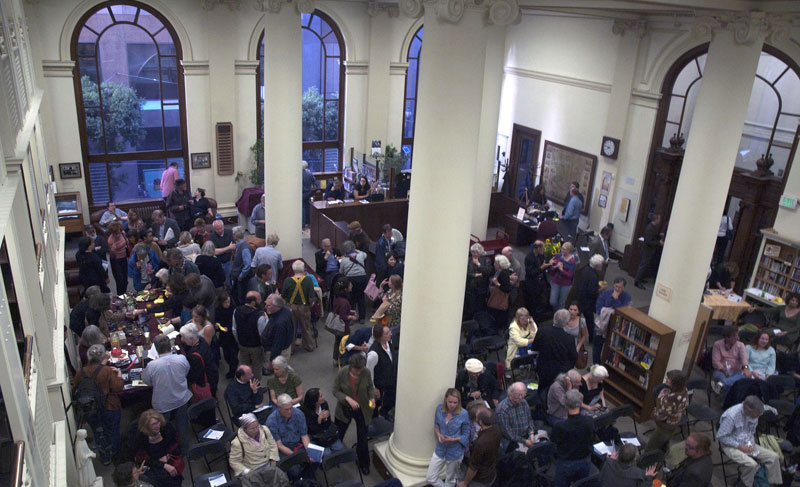
"caption": "The Mechanics Institute Library; Photo by Todd Swindel",
"description": null,
"title": "toddswindel",
"credit": null,
"status": "inherit",
"isLoading": false,
"fetchFailed": false
},
"arts_10143607": {
"type": "attachments",
"id": "arts_10143607",
"meta": {
"index": "attachments_1716263798",
"site": "arts",
"id": "10143607",
"found": true
},
"parent": 10143528,
"imgSizes": {
"thumbnail": {
"file": "https://ww2.kqed.org/app/uploads/sites/2/2014/10/Michelle-Tea-Litquake-crop2-400x225.jpg",
"width": 400,
"mimeType": "image/jpeg",
"height": 225
},
"post-thumbnail": {
"file": "https://ww2.kqed.org/app/uploads/sites/2/2014/10/Michelle-Tea-Litquake-crop2-672x372.jpg",
"width": 672,
"mimeType": "image/jpeg",
"height": 372
},
"kqedFullSize": {
"file": "https://ww2.kqed.org/app/uploads/sites/2/2014/10/Michelle-Tea-Litquake-crop2.jpg",
"width": 800,
"height": 450
},
"guest-author-96": {
"file": "https://ww2.kqed.org/app/uploads/sites/2/2014/10/Michelle-Tea-Litquake-crop2-96x96.jpg",
"width": 96,
"mimeType": "image/jpeg",
"height": 96
},
"guest-author-64": {
"file": "https://ww2.kqed.org/app/uploads/sites/2/2014/10/Michelle-Tea-Litquake-crop2-64x64.jpg",
"width": 64,
"mimeType": "image/jpeg",
"height": 64
},
"detail": {
"file": "https://ww2.kqed.org/app/uploads/sites/2/2014/10/Michelle-Tea-Litquake-crop2-75x75.jpg",
"width": 75,
"mimeType": "image/jpeg",
"height": 75
},
"guest-author-32": {
"file": "https://ww2.kqed.org/app/uploads/sites/2/2014/10/Michelle-Tea-Litquake-crop2-32x32.jpg",
"width": 32,
"mimeType": "image/jpeg",
"height": 32
},
"guest-author-128": {
"file": "https://ww2.kqed.org/app/uploads/sites/2/2014/10/Michelle-Tea-Litquake-crop2-128x128.jpg",
"width": 128,
"mimeType": "image/jpeg",
"height": 128
}
},
"publishDate": 1412717327,
"modified": 1474350442,
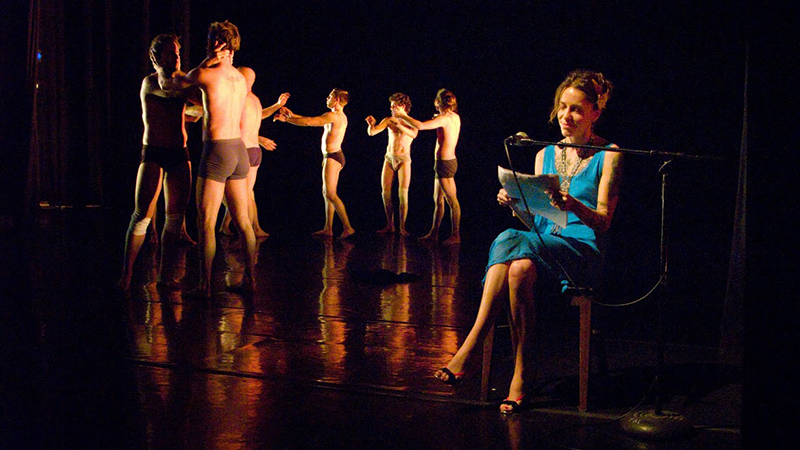
"caption": "Author Michelle Tea reads during 2008's Litquake at ODC Theater ",
"description": "Author Michelle Tea reads during 2008's Litquake & ODC Theater collaboration, \"Off Book.\" Courtesy of Litquake",
"title": "Michelle Tea Litquake crop2",
"credit": "Photo: Courtesy of Litquake",
"status": "inherit",
"isLoading": false,
"fetchFailed": false
},
"arts_10143633": {
"type": "attachments",
"id": "arts_10143633",
"meta": {
"index": "attachments_1716263798",
"site": "arts",
"id": "10143633",
"found": true
},
"parent": 10143632,
"imgSizes": {
"twentyfourteen-full-width": {
"file": "https://ww2.kqed.org/app/uploads/sites/2/2014/10/BJNovak-800x576.jpg",
"width": 800,
"mimeType": "image/jpeg",
"height": 576
},
"thumbnail": {
"file": "https://ww2.kqed.org/app/uploads/sites/2/2014/10/BJNovak-400x293.jpg",
"width": 400,
"mimeType": "image/jpeg",
"height": 293
},
"post-thumbnail": {
"file": "https://ww2.kqed.org/app/uploads/sites/2/2014/10/BJNovak-672x372.jpg",
"width": 672,
"mimeType": "image/jpeg",
"height": 372
},
"kqedFullSize": {
"file": "https://ww2.kqed.org/app/uploads/sites/2/2014/10/BJNovak.jpg",
"width": 800,
"height": 587
},
"guest-author-96": {
"file": "https://ww2.kqed.org/app/uploads/sites/2/2014/10/BJNovak-96x96.jpg",
"width": 96,
"mimeType": "image/jpeg",
"height": 96
},
"guest-author-64": {
"file": "https://ww2.kqed.org/app/uploads/sites/2/2014/10/BJNovak-64x64.jpg",
"width": 64,
"mimeType": "image/jpeg",
"height": 64
},
"detail": {
"file": "https://ww2.kqed.org/app/uploads/sites/2/2014/10/BJNovak-75x75.jpg",
"width": 75,
"mimeType": "image/jpeg",
"height": 75
},
"guest-author-32": {
"file": "https://ww2.kqed.org/app/uploads/sites/2/2014/10/BJNovak-32x32.jpg",
"width": 32,
"mimeType": "image/jpeg",
"height": 32
},
"guest-author-128": {
"file": "https://ww2.kqed.org/app/uploads/sites/2/2014/10/BJNovak-128x128.jpg",
"width": 128,
"mimeType": "image/jpeg",
"height": 128
}
},
"publishDate": 1412798334,
"modified": 1412798334,
"caption": null,
"description": null,
"title": "BJNovak",
"credit": "Jennifer Rocholl",
"status": "inherit",
"isLoading": false,
"fetchFailed": false
},
"pop_13831": {
"type": "attachments",
"id": "pop_13831",
"meta": {
"index": "attachments_1716263798",
"site": "pop",
"id": "13831",
"found": true
},
"parent": 13817,
"imgSizes": {
"thumbnail": {
"file": "https://ww2.kqed.org/app/uploads/sites/12/2014/10/jack-london-house-400x225.jpg",
"width": 400,
"mimeType": "image/jpeg",
"height": 225
},
"post-thumbnail": {
"file": "https://ww2.kqed.org/app/uploads/sites/12/2014/10/jack-london-house-672x372.jpg",
"width": 672,
"mimeType": "image/jpeg",
"height": 372
},
"kqedFullSize": {
"file": "https://ww2.kqed.org/app/uploads/sites/12/2014/10/jack-london-house.jpg",
"width": 800,
"height": 450
},
"guest-author-96": {
"file": "https://ww2.kqed.org/app/uploads/sites/12/2014/10/jack-london-house-96x96.jpg",
"width": 96,
"mimeType": "image/jpeg",
"height": 96
},
"guest-author-64": {
"file": "https://ww2.kqed.org/app/uploads/sites/12/2014/10/jack-london-house-64x64.jpg",
"width": 64,
"mimeType": "image/jpeg",
"height": 64
},
"detail": {
"file": "https://ww2.kqed.org/app/uploads/sites/12/2014/10/jack-london-house-75x75.jpg",
"width": 75,
"mimeType": "image/jpeg",
"height": 75
},
"guest-author-32": {
"file": "https://ww2.kqed.org/app/uploads/sites/12/2014/10/jack-london-house-32x32.jpg",
"width": 32,
"mimeType": "image/jpeg",
"height": 32
},
"guest-author-128": {
"file": "https://ww2.kqed.org/app/uploads/sites/12/2014/10/jack-london-house-128x128.jpg",
"width": 128,
"mimeType": "image/jpeg",
"height": 128
}
},
"publishDate": 1412560373,
"modified": 1412560373,
"caption": "Photo: \u003ca href=\"https://www.facebook.com/jacklondonpark/photos/a.309183579144899.74956.277945038935420/706309299432323/?type=1&theater\">Jack London State Historic Park\u003c/a>, via Facebook",
"description": null,
"title": "jack-london-house",
"credit": null,
"status": "inherit",
"isLoading": false,
"fetchFailed": false
},
"arts_10143525": {
"type": "attachments",
"id": "arts_10143525",
"meta": {
"index": "attachments_1716263798",
"site": "arts",
"id": "10143525",
"found": true
},
"parent": 10143524,
"imgSizes": {
"thumbnail": {
"file": "https://ww2.kqed.org/app/uploads/sites/2/2014/10/10143524-thumb-400x225.jpg",
"width": 400,
"mimeType": "image/jpeg",
"height": 225
},
"post-thumbnail": {
"file": "https://ww2.kqed.org/app/uploads/sites/2/2014/10/10143524-thumb-672x372.jpg",
"width": 672,
"mimeType": "image/jpeg",
"height": 372
},
"kqedFullSize": {
"file": "https://ww2.kqed.org/app/uploads/sites/2/2014/10/10143524-thumb.jpg",
"width": 800,
"height": 450
},
"guest-author-96": {
"file": "https://ww2.kqed.org/app/uploads/sites/2/2014/10/10143524-thumb-96x96.jpg",
"width": 96,
"mimeType": "image/jpeg",
"height": 96
},
"guest-author-64": {
"file": "https://ww2.kqed.org/app/uploads/sites/2/2014/10/10143524-thumb-64x64.jpg",
"width": 64,
"mimeType": "image/jpeg",
"height": 64
},
"detail": {
"file": "https://ww2.kqed.org/app/uploads/sites/2/2014/10/10143524-thumb-75x75.jpg",
"width": 75,
"mimeType": "image/jpeg",
"height": 75
},
"guest-author-32": {
"file": "https://ww2.kqed.org/app/uploads/sites/2/2014/10/10143524-thumb-32x32.jpg",
"width": 32,
"mimeType": "image/jpeg",
"height": 32
},
"guest-author-128": {
"file": "https://ww2.kqed.org/app/uploads/sites/2/2014/10/10143524-thumb-128x128.jpg",
"width": 128,
"mimeType": "image/jpeg",
"height": 128
}
},
"publishDate": 1412579303,
"modified": 1412579303,
"caption": null,
"description": null,
"title": "Thumbnail for 10143524",
"credit": null,
"status": "inherit",
"isLoading": false,
"fetchFailed": false
},
"pop_13603": {
"type": "attachments",
"id": "pop_13603",
"meta": {
"index": "attachments_1716263798",
"site": "pop",
"id": "13603",
"found": true
},
"parent": 13596,
"imgSizes": {
"thumbnail": {
"file": "https://ww2.kqed.org/app/uploads/sites/12/2014/09/biblio-400x225.jpg",
"width": 400,
"mimeType": "image/jpeg",
"height": 225
},
"kqedFullSize": {
"file": "https://ww2.kqed.org/app/uploads/sites/12/2014/09/biblio.jpg",
"width": 640,
"height": 360
},
"guest-author-96": {
"file": "https://ww2.kqed.org/app/uploads/sites/12/2014/09/biblio-96x96.jpg",
"width": 96,
"mimeType": "image/jpeg",
"height": 96
},
"guest-author-64": {
"file": "https://ww2.kqed.org/app/uploads/sites/12/2014/09/biblio-64x64.jpg",
"width": 64,
"mimeType": "image/jpeg",
"height": 64
},
"detail": {
"file": "https://ww2.kqed.org/app/uploads/sites/12/2014/09/biblio-75x75.jpg",
"width": 75,
"mimeType": "image/jpeg",
"height": 75
},
"guest-author-32": {
"file": "https://ww2.kqed.org/app/uploads/sites/12/2014/09/biblio-32x32.jpg",
"width": 32,
"mimeType": "image/jpeg",
"height": 32
},
"guest-author-128": {
"file": "https://ww2.kqed.org/app/uploads/sites/12/2014/09/biblio-128x128.jpg",
"width": 128,
"mimeType": "image/jpeg",
"height": 128
}
},
"publishDate": 1411494846,
"modified": 1411494846,
"caption": null,
"description": null,
"title": "biblio",
"credit": null,
"status": "inherit",
"isLoading": false,
"fetchFailed": false
},
"arts_10142568": {
"type": "attachments",
"id": "arts_10142568",
"meta": {
"index": "attachments_1716263798",
"site": "arts",
"id": "10142568",
"found": true
},
"parent": 10142325,
"imgSizes": {
"twentyfourteen-full-width": {
"file": "https://ww2.kqed.org/app/uploads/sites/2/2014/09/fault-800-800x576.jpg",
"width": 800,
"mimeType": "image/jpeg",
"height": 576
},
"thumbnail": {
"file": "https://ww2.kqed.org/app/uploads/sites/2/2014/09/fault-800-400x295.jpg",
"width": 400,
"mimeType": "image/jpeg",
"height": 295
},
"post-thumbnail": {
"file": "https://ww2.kqed.org/app/uploads/sites/2/2014/09/fault-800-672x372.jpg",
"width": 672,
"mimeType": "image/jpeg",
"height": 372
},
"kqedFullSize": {
"file": "https://ww2.kqed.org/app/uploads/sites/2/2014/09/fault-800.jpg",
"width": 800,
"height": 591
},
"guest-author-96": {
"file": "https://ww2.kqed.org/app/uploads/sites/2/2014/09/fault-800-96x96.jpg",
"width": 96,
"mimeType": "image/jpeg",
"height": 96
},
"medium": {
"file": "https://ww2.kqed.org/app/uploads/sites/2/2014/09/fault-800-300x221.jpg",
"width": 300,
"mimeType": "image/jpeg",
"height": 221
},
"guest-author-64": {
"file": "https://ww2.kqed.org/app/uploads/sites/2/2014/09/fault-800-64x64.jpg",
"width": 64,
"mimeType": "image/jpeg",
"height": 64
},
"detail": {
"file": "https://ww2.kqed.org/app/uploads/sites/2/2014/09/fault-800-75x75.jpg",
"width": 75,
"mimeType": "image/jpeg",
"height": 75
},
"guest-author-32": {
"file": "https://ww2.kqed.org/app/uploads/sites/2/2014/09/fault-800-32x32.jpg",
"width": 32,
"mimeType": "image/jpeg",
"height": 32
},
"guest-author-128": {
"file": "https://ww2.kqed.org/app/uploads/sites/2/2014/09/fault-800-128x128.jpg",
"width": 128,
"mimeType": "image/jpeg",
"height": 128
}
},
"publishDate": 1411082782,
"modified": 1411082782,
"caption": "Photo by Rick Diamond/Getty Images for Allied",
"description": null,
"title": "fault-800",
"credit": null,
"status": "inherit",
"isLoading": false,
"fetchFailed": false
},
"arts_10142421": {
"type": "attachments",
"id": "arts_10142421",
"meta": {
"index": "attachments_1716263798",
"site": "arts",
"id": "10142421",
"found": true
},
"parent": 10142418,
"imgSizes": {
"thumbnail": {
"file": "https://ww2.kqed.org/app/uploads/sites/2/2014/09/PatriciaLockwood-400x250.jpg",
"width": 400,
"mimeType": "image/jpeg",
"height": 250
},
"post-thumbnail": {
"file": "https://ww2.kqed.org/app/uploads/sites/2/2014/09/PatriciaLockwood-672x372.jpg",
"width": 672,
"mimeType": "image/jpeg",
"height": 372
},
"kqedFullSize": {
"file": "https://ww2.kqed.org/app/uploads/sites/2/2014/09/PatriciaLockwood.jpg",
"width": 800,
"height": 500
},
"guest-author-96": {
"file": "https://ww2.kqed.org/app/uploads/sites/2/2014/09/PatriciaLockwood-96x96.jpg",
"width": 96,
"mimeType": "image/jpeg",
"height": 96
},
"medium": {
"file": "https://ww2.kqed.org/app/uploads/sites/2/2014/09/PatriciaLockwood-300x187.jpg",
"width": 300,
"mimeType": "image/jpeg",
"height": 187
},
"guest-author-64": {
"file": "https://ww2.kqed.org/app/uploads/sites/2/2014/09/PatriciaLockwood-64x64.jpg",
"width": 64,
"mimeType": "image/jpeg",
"height": 64
},
"detail": {
"file": "https://ww2.kqed.org/app/uploads/sites/2/2014/09/PatriciaLockwood-75x75.jpg",
"width": 75,
"mimeType": "image/jpeg",
"height": 75
},
"guest-author-32": {
"file": "https://ww2.kqed.org/app/uploads/sites/2/2014/09/PatriciaLockwood-32x32.jpg",
"width": 32,
"mimeType": "image/jpeg",
"height": 32
},
"guest-author-128": {
"file": "https://ww2.kqed.org/app/uploads/sites/2/2014/09/PatriciaLockwood-128x128.jpg",
"width": 128,
"mimeType": "image/jpeg",
"height": 128
}
},
"publishDate": 1410817764,
"modified": 1410817764,
"caption": null,
"description": null,
"title": "PatriciaLockwood",
"credit": "Jason Kendall",
"status": "inherit",
"isLoading": false,
"fetchFailed": false
},
"arts_10142359": {
"type": "attachments",
"id": "arts_10142359",
"meta": {
"index": "attachments_1716263798",
"site": "arts",
"id": "10142359",
"found": true
},
"parent": 10142341,
"imgSizes": {
"thumbnail": {
"file": "https://ww2.kqed.org/app/uploads/sites/2/2014/09/NayomiMunaweera-400x231.jpg",
"width": 400,
"mimeType": "image/jpeg",
"height": 231
},
"post-thumbnail": {
"file": "https://ww2.kqed.org/app/uploads/sites/2/2014/09/NayomiMunaweera-672x372.jpg",
"width": 672,
"mimeType": "image/jpeg",
"height": 372
},
"kqedFullSize": {
"file": "https://ww2.kqed.org/app/uploads/sites/2/2014/09/NayomiMunaweera.jpg",
"width": 800,
"height": 463
},
"guest-author-96": {
"file": "https://ww2.kqed.org/app/uploads/sites/2/2014/09/NayomiMunaweera-96x96.jpg",
"width": 96,
"mimeType": "image/jpeg",
"height": 96
},
"medium": {
"file": "https://ww2.kqed.org/app/uploads/sites/2/2014/09/NayomiMunaweera-300x173.jpg",
"width": 300,
"mimeType": "image/jpeg",
"height": 173
},
"guest-author-64": {
"file": "https://ww2.kqed.org/app/uploads/sites/2/2014/09/NayomiMunaweera-64x64.jpg",
"width": 64,
"mimeType": "image/jpeg",
"height": 64
},
"detail": {
"file": "https://ww2.kqed.org/app/uploads/sites/2/2014/09/NayomiMunaweera-75x75.jpg",
"width": 75,
"mimeType": "image/jpeg",
"height": 75
},
"guest-author-32": {
"file": "https://ww2.kqed.org/app/uploads/sites/2/2014/09/NayomiMunaweera-32x32.jpg",
"width": 32,
"mimeType": "image/jpeg",
"height": 32
},
"guest-author-128": {
"file": "https://ww2.kqed.org/app/uploads/sites/2/2014/09/NayomiMunaweera-128x128.jpg",
"width": 128,
"mimeType": "image/jpeg",
"height": 128
}
},
"publishDate": 1410559306,
"modified": 1410559306,
"caption": null,
"description": null,
"title": "NayomiMunaweera",
"credit": "Nathanael F. Trimboli",
"status": "inherit",
"isLoading": false,
"fetchFailed": false
},
"arts_10142204": {
"type": "attachments",
"id": "arts_10142204",
"meta": {
"index": "attachments_1716263798",
"site": "arts",
"id": "10142204",
"found": true
},
"parent": 0,
"imgSizes": {
"thumbnail": {
"file": "https://ww2.kqed.org/app/uploads/sites/2/2014/09/Khaled.Large_-400x274.jpg",
"width": 400,
"mimeType": "image/jpeg",
"height": 274
},
"post-thumbnail": {
"file": "https://ww2.kqed.org/app/uploads/sites/2/2014/09/Khaled.Large_-672x372.jpg",
"width": 672,
"mimeType": "image/jpeg",
"height": 372
},
"kqedFullSize": {
"file": "https://ww2.kqed.org/app/uploads/sites/2/2014/09/Khaled.Large_.jpg",
"width": 800,
"height": 549
},
"guest-author-96": {
"file": "https://ww2.kqed.org/app/uploads/sites/2/2014/09/Khaled.Large_-96x96.jpg",
"width": 96,
"mimeType": "image/jpeg",
"height": 96
},
"medium": {
"file": "https://ww2.kqed.org/app/uploads/sites/2/2014/09/Khaled.Large_-300x205.jpg",
"width": 300,
"mimeType": "image/jpeg",
"height": 205
},
"guest-author-64": {
"file": "https://ww2.kqed.org/app/uploads/sites/2/2014/09/Khaled.Large_-64x64.jpg",
"width": 64,
"mimeType": "image/jpeg",
"height": 64
},
"detail": {
"file": "https://ww2.kqed.org/app/uploads/sites/2/2014/09/Khaled.Large_-75x75.jpg",
"width": 75,
"mimeType": "image/jpeg",
"height": 75
},
"guest-author-32": {
"file": "https://ww2.kqed.org/app/uploads/sites/2/2014/09/Khaled.Large_-32x32.jpg",
"width": 32,
"mimeType": "image/jpeg",
"height": 32
},
"guest-author-128": {
"file": "https://ww2.kqed.org/app/uploads/sites/2/2014/09/Khaled.Large_-128x128.jpg",
"width": 128,
"mimeType": "image/jpeg",
"height": 128
}
},
"publishDate": 1410311588,
"modified": 1410311588,
"caption": null,
"description": null,
"title": "Khaled.Large",
"credit": null,
"status": "inherit",
"isLoading": false,
"fetchFailed": false
}
},
"audioPlayerReducer": {
"postId": "stream_live",
"isPaused": true,
"isPlaying": false,
"pfsActive": false,
"pledgeModalIsOpen": true,
"playerDrawerIsOpen": false,
"liveAudioPlayStartedAt": 0,
"liveAudioPlayContext": ""
},
"authorsReducer": {
"byline_arts_10143610": {
"type": "authors",
"id": "byline_arts_10143610",
"meta": {
"override": true
},
"slug": "byline_arts_10143610",
"name": "Ransom Stephens",
"isLoading": false
},
"cmusiker": {
"type": "authors",
"id": "32",
"meta": {
"index": "authors_1716337520",
"id": "32",
"found": true
},
"name": "Cy Musiker",
"firstName": "Cy",
"lastName": "Musiker",
"slug": "cmusiker",
"email": "cmusiker@kqed.org",
"display_author_email": false,
"staff_mastheads": [],
"title": "KQED Contributor",
"bio": "Cy Musiker is a former co-host of The Do List and a former reporter covering the arts for KQED News and The California Report. He loves live performance, especially great theater, jazz, roots music, anything by Mahler. Cy has an MJ from UC Berkeley's School of Journalism, and got his BA from Hampshire College. His work has been recognized by the Society for Professional Journalists with their Sigma Delta Chi Award for Public Service in Journalism. When he can, Cy likes to swim in Tomales Bay, run with his dog in the East Bay Hills, and hike the Sierra.",
"avatar": "https://secure.gravatar.com/avatar/05eaba5c5696ce8f062e4ea2df428a43?s=600&d=blank&r=g",
"twitter": null,
"facebook": null,
"instagram": null,
"linkedin": null,
"sites": [
{
"site": "arts",
"roles": [
"Contributor",
"subscriber"
]
},
{
"site": "news",
"roles": [
"author"
]
},
{
"site": "bayareabites",
"roles": [
"contributor"
]
}
],
"headData": {
"title": "Cy Musiker | KQED",
"description": "KQED Contributor",
"ogImgSrc": "https://secure.gravatar.com/avatar/05eaba5c5696ce8f062e4ea2df428a43?s=600&d=blank&r=g",
"twImgSrc": "https://secure.gravatar.com/avatar/05eaba5c5696ce8f062e4ea2df428a43?s=600&d=blank&r=g"
},
"isLoading": false,
"link": "/author/cmusiker"
},
"rkleffel": {
"type": "authors",
"id": "88",
"meta": {
"index": "authors_1716337520",
"id": "88",
"found": true
},
"name": "Rick Kleffel",
"firstName": "Rick",
"lastName": "Kleffel",
"slug": "rkleffel",
"email": "editor@bookotron.com",
"display_author_email": false,
"staff_mastheads": [],
"title": null,
"bio": "Rick Kleffel has been reading for more than half a century. He lives in Aptos, near the Palo Alto, a cement boat built at the end of World War I. He writes about books and podcasts interviews with authors at \u003ca href=\"http://agonycolumn.com\">The Agony Column\u003c/a>.",
"avatar": "https://secure.gravatar.com/avatar/179f850e768733fdeabc3c0c48ebf0e9?s=600&d=blank&r=g",
"twitter": null,
"facebook": null,
"instagram": null,
"linkedin": null,
"sites": [
{
"site": "arts",
"roles": [
"Contributor",
"contributor"
]
}
],
"headData": {
"title": "Rick Kleffel | KQED",
"description": null,
"ogImgSrc": "https://secure.gravatar.com/avatar/179f850e768733fdeabc3c0c48ebf0e9?s=600&d=blank&r=g",
"twImgSrc": "https://secure.gravatar.com/avatar/179f850e768733fdeabc3c0c48ebf0e9?s=600&d=blank&r=g"
},
"isLoading": false,
"link": "/author/rkleffel"
},
"kqedarts": {
"type": "authors",
"id": "92",
"meta": {
"index": "authors_1716337520",
"id": "92",
"found": true
},
"name": "KQED Arts",
"firstName": "KQED",
"lastName": "Arts",
"slug": "kqedarts",
"email": "arts@kqed.org",
"display_author_email": false,
"staff_mastheads": [],
"title": null,
"bio": "\u003ca href=\"https://www.kqed.org/arts\">Please see the KQED Arts homepage here\u003c/a>.",
"avatar": "https://secure.gravatar.com/avatar/f79c2ffd1cd9c3a0b9951773c3fe7844fccadefaaf84672bcb414c784d7180cb?s=600&d=blank&r=g",
"twitter": null,
"bluesky": null,
"facebook": null,
"instagram": "https://www.instagram.com/kqedarts/",
"linkedin": null,
"sites": [
{
"site": "arts",
"roles": [
"contributor"
]
},
{
"site": "pop",
"roles": [
"contributor"
]
},
{
"site": "science",
"roles": [
"author"
]
},
{
"site": "food",
"roles": [
"contributor"
]
}
],
"headData": {
"title": "KQED Arts | KQED",
"description": null,
"ogImgSrc": "https://secure.gravatar.com/avatar/f79c2ffd1cd9c3a0b9951773c3fe7844fccadefaaf84672bcb414c784d7180cb?s=600&d=blank&r=g",
"twImgSrc": "https://secure.gravatar.com/avatar/f79c2ffd1cd9c3a0b9951773c3fe7844fccadefaaf84672bcb414c784d7180cb?s=600&d=blank&r=g"
},
"isLoading": false,
"link": "/author/kqedarts"
},
"kjones": {
"type": "authors",
"id": "93",
"meta": {
"index": "authors_1716337520",
"id": "93",
"found": true
},
"name": "Kevin L. Jones",
"firstName": "Kevin",
"lastName": "Jones",
"slug": "kjones",
"email": "kjones@kqed.org",
"display_author_email": false,
"staff_mastheads": [],
"title": null,
"bio": null,
"avatar": "https://secure.gravatar.com/avatar/12c65b5633ed39d0a59bb7f497eff645?s=600&d=blank&r=g",
"twitter": null,
"facebook": null,
"instagram": null,
"linkedin": null,
"sites": [
{
"site": "arts",
"roles": [
"subscriber"
]
},
{
"site": "styleguide",
"roles": [
"contributor"
]
},
{
"site": "artschool",
"roles": [
"subscriber"
]
},
{
"site": "news",
"roles": [
"subscriber"
]
},
{
"site": "pop",
"roles": [
"subscriber"
]
}
],
"headData": {
"title": "Kevin L. Jones | KQED",
"description": null,
"ogImgSrc": "https://secure.gravatar.com/avatar/12c65b5633ed39d0a59bb7f497eff645?s=600&d=blank&r=g",
"twImgSrc": "https://secure.gravatar.com/avatar/12c65b5633ed39d0a59bb7f497eff645?s=600&d=blank&r=g"
},
"isLoading": false,
"link": "/author/kjones"
},
"gmeline": {
"type": "authors",
"id": "185",
"meta": {
"index": "authors_1716337520",
"id": "185",
"found": true
},
"name": "Gabe Meline",
"firstName": "Gabe",
"lastName": "Meline",
"slug": "gmeline",
"email": "gmeline@kqed.org",
"display_author_email": true,
"staff_mastheads": [
"arts"
],
"title": "Senior Editor, KQED Arts & Culture",
"bio": "Gabe Meline entered journalism at age 15 making photocopied zines, and has since earned awards from the Edward R. Murrow Awards, the Society for Professional Journalists, the Online Journalism Awards, the Association of Alternative Newsweeklies and the California Newspaper Publishers Association. Prior to KQED, he was the editor of the \u003cem>North Bay Bohemian\u003c/em> and a touring musician. He lives with his wife and daughter in his hometown of Santa Rosa, CA.",
"avatar": "https://secure.gravatar.com/avatar/5bebe57be0d8bc2dd318934feb47299e2d2d10cba28d09d8d7afb389a2ce2bdd?s=600&d=blank&r=g",
"twitter": null,
"bluesky": null,
"facebook": null,
"instagram": null,
"linkedin": null,
"sites": [
{
"site": "",
"roles": [
"editor"
]
},
{
"site": "arts",
"roles": [
"administrator"
]
},
{
"site": "artschool",
"roles": [
"editor"
]
},
{
"site": "news",
"roles": [
"author"
]
},
{
"site": "pop",
"roles": [
"editor"
]
},
{
"site": "bayareabites",
"roles": [
"editor"
]
},
{
"site": "food",
"roles": [
"editor"
]
},
{
"site": "forum",
"roles": [
"administrator"
]
},
{
"site": "liveblog",
"roles": [
"editor"
]
},
{
"site": "hiphop",
"roles": [
"editor"
]
}
],
"headData": {
"title": "Gabe Meline | KQED",
"description": "Senior Editor, KQED Arts & Culture",
"ogImgSrc": "https://secure.gravatar.com/avatar/5bebe57be0d8bc2dd318934feb47299e2d2d10cba28d09d8d7afb389a2ce2bdd?s=600&d=blank&r=g",
"twImgSrc": "https://secure.gravatar.com/avatar/5bebe57be0d8bc2dd318934feb47299e2d2d10cba28d09d8d7afb389a2ce2bdd?s=600&d=blank&r=g"
},
"isLoading": false,
"link": "/author/gmeline"
},
"mariajudnick": {
"type": "authors",
"id": "3218",
"meta": {
"index": "authors_1716337520",
"id": "3218",
"found": true
},
"name": "Maria Judnick",
"firstName": "Maria",
"lastName": "Judnick",
"slug": "mariajudnick",
"email": "mjudnick@gmail.com",
"display_author_email": false,
"staff_mastheads": [],
"title": "KQED Contributor",
"bio": "Maria Judnick is a proud Bay Area native. With a MA in English from SJSU and a MFA in Creative Nonfiction from St. Mary's College of California, Maria spends much of her time talking about John Steinbeck and writing a young adult mystery novel. She teaches at a local college.",
"avatar": "https://secure.gravatar.com/avatar/744e72d7e8c420482aa430f404201d532cbcb5ad31f7240182ebf71dafefc2ea?s=600&d=blank&r=g",
"twitter": null,
"bluesky": null,
"facebook": null,
"instagram": null,
"linkedin": null,
"sites": [
{
"site": "pop",
"roles": [
"subscriber"
]
}
],
"headData": {
"title": "Maria Judnick | KQED",
"description": "KQED Contributor",
"ogImgSrc": "https://secure.gravatar.com/avatar/744e72d7e8c420482aa430f404201d532cbcb5ad31f7240182ebf71dafefc2ea?s=600&d=blank&r=g",
"twImgSrc": "https://secure.gravatar.com/avatar/744e72d7e8c420482aa430f404201d532cbcb5ad31f7240182ebf71dafefc2ea?s=600&d=blank&r=g"
},
"isLoading": false,
"link": "/author/mariajudnick"
}
},
"pagesReducer": {
"arts_category_literature": {
"type": "terms",
"id": "arts_73",
"meta": {
"index": "terms_1716263798",
"site": "arts",
"id": "73",
"score": 12.795155
},
"featImg": null,
"name": "Books",
"description": null,
"taxonomy": "category",
"headData": {
"twImgId": null,
"twTitle": null,
"ogTitle": null,
"ogImgId": null,
"twDescription": null,
"description": null,
"title": "Books Archives | KQED Arts",
"ogDescription": null
},
"ttid": 74,
"slug": "literature",
"isLoading": false,
"title": "Books",
"pageMeta": {
"site": "arts",
"WpPageTemplate": "page-topic-editorial",
"currentPage": 103
},
"blocks": [
{
"blockName": "kqed/post-list",
"attrs": {
"layout": "cardArticle2",
"query": "posts/arts?category=literature",
"seeMore": false,
"paginated": true,
"page": 103
}
},
{
"blockName": "kqed/ad"
}
]
}
},
"pfsSessionReducer": {},
"postsReducer": {
"stream_live": {
"type": "live",
"id": "stream_live",
"audioUrl": "https://hls.kqed.org/hls/kqed_app/playlist.m3u8",
"title": "Live Stream",
"excerpt": "Live Stream information currently unavailable.",
"link": "/radio",
"featImg": "",
"label": {
"name": "KQED Live",
"link": "/"
}
},
"stream_kqedNewscast": {
"type": "posts",
"id": "stream_kqedNewscast",
"audioUrl": "https://www.kqed.org/.stream/anon/radio/RDnews/newscast.mp3?_=1",
"title": "KQED Newscast",
"featImg": "",
"label": {
"name": "88.5 FM",
"link": "/"
}
},
"arts_10143661": {
"type": "posts",
"id": "arts_10143661",
"meta": {
"index": "posts_1716263798",
"site": "arts",
"id": "10143661",
"score": null,
"sort": [
1412902805000
]
},
"parent": 0,
"labelTerm": {
"site": "arts",
"term": 140
},
"blocks": [],
"publishDate": 1412902805,
"format": "audio",
"title": "Radio Show: Facing Demons",
"headTitle": "Radio Show: Facing Demons | KQED",
"content": "\u003caside class=\"aligncenter\">\n\u003ch4>This week, David Wiegand and Suzie Racho share their picks for great events around the Bay Area.\u003c/h4>\n\u003cp>http://www.kqed.org/.stream/anon/radio/thedolist/2014/10/20141010tdl.mp3\u003c/p>\n\u003c/aside>\n\u003cdiv class=\"callout aligncenter noborder\">\n\u003ch3>\u003cimg loading=\"lazy\" decoding=\"async\" class=\"alignleft size-thumbnail wp-image-10143665\" src=\"http://ww2.kqed.org/arts/wp-content/uploads/sites/2/2014/10/robertfrancisc.jpg\" alt=\"Robert Francis\" width=\"400\" height=\"265\">Robert Francis & the Night Tide\u003c/h3>\n\u003cp>Overcoming a near-breakdown after his last record, the prodigiously talented Robert Francis is back with a new album, \u003cem>Heaven\u003c/em>, and a new backing band, the Night Tide. Catch him as part of a larger bill at Brick & Mortar on Saturday, Oct. 11. \u003ca href=\"http://ww2.kqed.org/events/pick/robert-francis-the-night-tide/\">Details and ticket information here\u003c/a>.\u003c/p>\n\u003cp>https://www.youtube.com/watch?v=bywAl0Lnxew\u003c/p>\n\u003c/div>\n\u003cdiv class=\"callout aligncenter noborder\">\n\u003ch3>‘Sweeney Todd’\u003c/h3>\n\u003cp>This wicked musical has been a repertory staple since its debut in 1979, owing largely to lyrics and music by Stephen Sondheim. In this staging, Theatreworks Silicon Valley updates the time period to World War II, placing the story of the demon barber firmly within the “Keep Calm and Carry On” era. \u003ca href=\"http://ww2.kqed.org/events/pick/sweeney-todd/\">Details and ticket information here\u003c/a>.\u003c/p>\n\u003cp>https://www.youtube.com/watch?v=qmtcHvkRHT0\u003c/p>\n\u003c/div>\n\u003cdiv class=\"callout aligncenter noborder\">\n\u003ch3>\u003cimg loading=\"lazy\" decoding=\"async\" class=\"alignleft size-full wp-image-10143670\" src=\"http://ww2.kqed.org/arts/wp-content/uploads/sites/2/2014/10/Haden-e1412892938847.jpg\" alt=\"Charlie Haden\" width=\"300\" height=\"202\">‘Remembering Charlie Haden’\u003c/h3>\n\u003cp>The great jazz bassist Charlie Haden died this year, leaving behind an incredible canon of music and a lifetime of memories. As a longtime repeat guest of the Healdsburg Jazz Festival—he performed there five separate times—Haden is honored in a free evening of music, stories, and a screening of the biography film \u003cem>Ramblin’ Boy\u003c/em>, which tracks his life from rural Shenandoah to central Los Angeles, where he joined Ornette Coleman’s pioneering avant-garde quartet. Expect a warm tribute to a dear musician and friend. \u003ca href=\"http://ww2.kqed.org/events/pick/remembering-charlie-haden/\">RSVP for free tickets here\u003c/a>; also, be sure to read \u003ca href=\"http://www.californiareport.org/archive/R201407181630/e\">California Report’s remembrance of Haden\u003c/a>.\u003c/p>\n\u003c/div>\n\u003cdiv class=\"callout aligncenter noborder\">\n\u003ch3>\u003cimg loading=\"lazy\" decoding=\"async\" class=\"alignleft size-full wp-image-10143668\" src=\"http://ww2.kqed.org/arts/wp-content/uploads/sites/2/2014/10/marc-maron-e1412893101634.jpg\" alt=\"Marc Maron\" width=\"400\" height=\"300\">Litquake 2014\u003c/h3>\n\u003cp>Now in its 15th year, San Francisco’s massive festival of all things lit returns with another excellent lineup. Among the fiction authors, comic artists, travel writers, poets, \u003cem>New Yorker\u003c/em> illustrators and more, there are appearances by Marc Maron (pictured), Rebecca Solnit, Piper Kerman, Boots Riley and many, many others. \u003ca href=\"http://ww2.kqed.org/events/pick/litquake-2014/\">Details and ticket information here\u003c/a>.\u003c/p>\n\u003c/div>\n\u003cdiv class=\"callout aligncenter noborder\">\n\u003ch3>\u003cimg loading=\"lazy\" decoding=\"async\" class=\"alignleft size-thumbnail wp-image-10143673\" src=\"http://ww2.kqed.org/arts/wp-content/uploads/sites/2/2014/10/exhex-400x266.jpg\" alt=\"Ex Hex\" width=\"400\" height=\"266\" srcset=\"https://cdn.kqed.org/wp-content/uploads/sites/2/2014/10/exhex-400x266.jpg 400w, https://cdn.kqed.org/wp-content/uploads/sites/2/2014/10/exhex-800x533.jpg 800w, https://cdn.kqed.org/wp-content/uploads/sites/2/2014/10/exhex-1180x786.jpg 1180w, https://cdn.kqed.org/wp-content/uploads/sites/2/2014/10/exhex.jpg 1280w\" sizes=\"(max-width: 400px) 100vw, 400px\">Ex Hex\u003c/h3>\n\u003cp>Indie-rock stalwart Mary Timony made a splash in the ’90s with the band Helium, and after a spin as a solo artist, she joined members of Sleater-Kinney and Quasi to form Wild Flag. Her new band, Ex Hex, just dropped their debut record, \u003cem>Rips\u003c/em>, on Merge. On Tuesday, they’ll be opening for Speedy Ortiz at the Rickshaw Stop. \u003ca href=\"http://ww2.kqed.org/events/pick/ex-hex/\">Details and ticket information here\u003c/a>.\u003c/p>\n\u003cp>https://www.youtube.com/watch?v=2bhLw3v_tiY\u003c/p>\n\u003c/div>\n\u003cp>[ad fullwidth]\u003c/p>\u003cp>\u003c/p>\n",
"stats": {
"hasVideo": true,
"hasChartOrMap": false,
"hasAudio": true,
"hasPolis": false,
"wordCount": 411,
"hasGoogleForm": false,
"hasGallery": false,
"hasHearkenModule": false,
"iframeSrcs": [],
"paragraphCount": 7
},
"modified": 1705048140,
"excerpt": null,
"headData": {
"twImgId": "",
"twTitle": "",
"ogTitle": "",
"ogImgId": "",
"twDescription": "",
"description": "This week, David Wiegand and Suzie Racho share their picks for great events around the Bay Area. http://www.kqed.org/.stream/anon/radio/thedolist/2014/10/20141010tdl.mp3 Robert Francis & the Night Tide Overcoming a near-breakdown after his last record, the prodigiously talented Robert Francis is back with a new album, Heaven, and a new backing band, the Night Tide. Catch him as part",
"title": "Radio Show: Facing Demons | KQED",
"ogDescription": "",
"schema": {
"@context": "https://schema.org",
"@type": "Article",
"headline": "Radio Show: Facing Demons",
"datePublished": "2014-10-09T18:00:05-07:00",
"dateModified": "2024-01-12T00:29:00-08:00",
"image": "https://cdn.kqed.org/wp-content/uploads/2020/02/KQED-OG-Image@1x.png"
}
},
"guestAuthors": [],
"slug": "radio-show-facing-the-demons",
"status": "publish",
"sticky": false,
"path": "/arts/10143661/radio-show-facing-the-demons",
"audioUrl": "http://www.kqed.org/.stream/anon/radio/thedolist/2014/10/20141010tdl.mp3",
"audioDuration": null,
"audioTrackLength": null,
"parsedContent": [
{
"type": "contentString",
"content": "\u003cdiv class=\"post-body\">\u003cp>\u003caside class=\"aligncenter\">\n\u003ch4>This week, David Wiegand and Suzie Racho share their picks for great events around the Bay Area.\u003c/h4>\u003c/p>\u003c/div>",
"attributes": {
"named": {},
"numeric": []
}
},
{
"type": "component",
"content": "",
"name": "audioLink",
"attributes": {
"named": {
"src": "http://www.kqed.org/.stream/anon/radio/thedolist/2014/10/20141010tdl.mp3"
},
"numeric": []
}
},
{
"type": "contentString",
"content": "\u003cdiv class=\"post-body\">\u003cp>\u003c/aside>\n\u003cdiv class=\"callout aligncenter noborder\">\n\u003ch3>\u003cimg loading=\"lazy\" decoding=\"async\" class=\"alignleft size-thumbnail wp-image-10143665\" src=\"http://ww2.kqed.org/arts/wp-content/uploads/sites/2/2014/10/robertfrancisc.jpg\" alt=\"Robert Francis\" width=\"400\" height=\"265\">Robert Francis & the Night Tide\u003c/h3>\n\u003cp>Overcoming a near-breakdown after his last record, the prodigiously talented Robert Francis is back with a new album, \u003cem>Heaven\u003c/em>, and a new backing band, the Night Tide. Catch him as part of a larger bill at Brick & Mortar on Saturday, Oct. 11. \u003ca href=\"http://ww2.kqed.org/events/pick/robert-francis-the-night-tide/\">Details and ticket information here\u003c/a>.\u003c/p>\u003c/p>\u003cp>\u003cspan class='utils-parseShortcode-shortcodes-__youtubeShortcode__embedYoutube'>\n \u003cspan class='utils-parseShortcode-shortcodes-__youtubeShortcode__embedYoutubeInside'>\n \u003ciframe\n loading='lazy'\n class='utils-parseShortcode-shortcodes-__youtubeShortcode__youtubePlayer'\n type='text/html'\n src='//www.youtube.com/embed/bywAl0Lnxew'\n title='//www.youtube.com/embed/bywAl0Lnxew'\n allowfullscreen='true'\n style='border:0;'>\u003c/iframe>\n \u003c/span>\n \u003c/span>\u003c/p>\u003cp>\u003c/div>\n\u003cdiv class=\"callout aligncenter noborder\">\n\u003ch3>‘Sweeney Todd’\u003c/h3>\n\u003cp>This wicked musical has been a repertory staple since its debut in 1979, owing largely to lyrics and music by Stephen Sondheim. In this staging, Theatreworks Silicon Valley updates the time period to World War II, placing the story of the demon barber firmly within the “Keep Calm and Carry On” era. \u003ca href=\"http://ww2.kqed.org/events/pick/sweeney-todd/\">Details and ticket information here\u003c/a>.\u003c/p>\u003c/p>\u003cp>\u003cspan class='utils-parseShortcode-shortcodes-__youtubeShortcode__embedYoutube'>\n \u003cspan class='utils-parseShortcode-shortcodes-__youtubeShortcode__embedYoutubeInside'>\n \u003ciframe\n loading='lazy'\n class='utils-parseShortcode-shortcodes-__youtubeShortcode__youtubePlayer'\n type='text/html'\n src='//www.youtube.com/embed/qmtcHvkRHT0'\n title='//www.youtube.com/embed/qmtcHvkRHT0'\n allowfullscreen='true'\n style='border:0;'>\u003c/iframe>\n \u003c/span>\n \u003c/span>\u003c/p>\u003cp>\u003c/div>\n\u003cdiv class=\"callout aligncenter noborder\">\n\u003ch3>\u003cimg loading=\"lazy\" decoding=\"async\" class=\"alignleft size-full wp-image-10143670\" src=\"http://ww2.kqed.org/arts/wp-content/uploads/sites/2/2014/10/Haden-e1412892938847.jpg\" alt=\"Charlie Haden\" width=\"300\" height=\"202\">‘Remembering Charlie Haden’\u003c/h3>\n\u003cp>The great jazz bassist Charlie Haden died this year, leaving behind an incredible canon of music and a lifetime of memories. As a longtime repeat guest of the Healdsburg Jazz Festival—he performed there five separate times—Haden is honored in a free evening of music, stories, and a screening of the biography film \u003cem>Ramblin’ Boy\u003c/em>, which tracks his life from rural Shenandoah to central Los Angeles, where he joined Ornette Coleman’s pioneering avant-garde quartet. Expect a warm tribute to a dear musician and friend. \u003ca href=\"http://ww2.kqed.org/events/pick/remembering-charlie-haden/\">RSVP for free tickets here\u003c/a>; also, be sure to read \u003ca href=\"http://www.californiareport.org/archive/R201407181630/e\">California Report’s remembrance of Haden\u003c/a>.\u003c/p>\n\u003c/div>\n\u003cdiv class=\"callout aligncenter noborder\">\n\u003ch3>\u003cimg loading=\"lazy\" decoding=\"async\" class=\"alignleft size-full wp-image-10143668\" src=\"http://ww2.kqed.org/arts/wp-content/uploads/sites/2/2014/10/marc-maron-e1412893101634.jpg\" alt=\"Marc Maron\" width=\"400\" height=\"300\">Litquake 2014\u003c/h3>\n\u003cp>Now in its 15th year, San Francisco’s massive festival of all things lit returns with another excellent lineup. Among the fiction authors, comic artists, travel writers, poets, \u003cem>New Yorker\u003c/em> illustrators and more, there are appearances by Marc Maron (pictured), Rebecca Solnit, Piper Kerman, Boots Riley and many, many others. \u003ca href=\"http://ww2.kqed.org/events/pick/litquake-2014/\">Details and ticket information here\u003c/a>.\u003c/p>\n\u003c/div>\n\u003cdiv class=\"callout aligncenter noborder\">\n\u003ch3>\u003cimg loading=\"lazy\" decoding=\"async\" class=\"alignleft size-thumbnail wp-image-10143673\" src=\"http://ww2.kqed.org/arts/wp-content/uploads/sites/2/2014/10/exhex-400x266.jpg\" alt=\"Ex Hex\" width=\"400\" height=\"266\" srcset=\"https://cdn.kqed.org/wp-content/uploads/sites/2/2014/10/exhex-400x266.jpg 400w, https://cdn.kqed.org/wp-content/uploads/sites/2/2014/10/exhex-800x533.jpg 800w, https://cdn.kqed.org/wp-content/uploads/sites/2/2014/10/exhex-1180x786.jpg 1180w, https://cdn.kqed.org/wp-content/uploads/sites/2/2014/10/exhex.jpg 1280w\" sizes=\"(max-width: 400px) 100vw, 400px\">Ex Hex\u003c/h3>\n\u003cp>Indie-rock stalwart Mary Timony made a splash in the ’90s with the band Helium, and after a spin as a solo artist, she joined members of Sleater-Kinney and Quasi to form Wild Flag. Her new band, Ex Hex, just dropped their debut record, \u003cem>Rips\u003c/em>, on Merge. On Tuesday, they’ll be opening for Speedy Ortiz at the Rickshaw Stop. \u003ca href=\"http://ww2.kqed.org/events/pick/ex-hex/\">Details and ticket information here\u003c/a>.\u003c/p>\u003c/p>\u003cp>\u003cspan class='utils-parseShortcode-shortcodes-__youtubeShortcode__embedYoutube'>\n \u003cspan class='utils-parseShortcode-shortcodes-__youtubeShortcode__embedYoutubeInside'>\n \u003ciframe\n loading='lazy'\n class='utils-parseShortcode-shortcodes-__youtubeShortcode__youtubePlayer'\n type='text/html'\n src='//www.youtube.com/embed/2bhLw3v_tiY'\n title='//www.youtube.com/embed/2bhLw3v_tiY'\n allowfullscreen='true'\n style='border:0;'>\u003c/iframe>\n \u003c/span>\n \u003c/span>\u003c/p>\u003cp>\u003c/div>\n\u003cp>\u003c/p>\u003c/div>",
"attributes": {
"named": {},
"numeric": []
}
},
{
"type": "component",
"content": "",
"name": "ad",
"attributes": {
"named": {
"label": "fullwidth"
},
"numeric": [
"fullwidth"
]
}
},
{
"type": "contentString",
"content": "\u003cdiv class=\"post-body\">\u003cp>\u003c/p>\u003cp>\u003c/p>\n\u003c/div>\u003c/p>",
"attributes": {
"named": {},
"numeric": []
}
}
],
"link": "/arts/10143661/radio-show-facing-the-demons",
"authors": [
"32",
"185",
"92"
],
"programs": [
"arts_140"
],
"categories": [
"arts_73",
"arts_69",
"arts_967"
],
"featImg": "arts_10143662",
"label": "arts_140"
},
"arts_10143610": {
"type": "posts",
"id": "arts_10143610",
"meta": {
"index": "posts_1716263798",
"site": "arts",
"id": "10143610",
"score": null,
"sort": [
1412884802000
]
},
"parent": 0,
"labelTerm": {
"site": "arts"
},
"blocks": [],
"publishDate": 1412884802,
"format": "standard",
"title": "Does Literature Make You Empathic?",
"headTitle": "Does Literature Make You Empathic? | KQED",
"content": "\u003cp>Have you ever hated a book that kept you awake all night? Has a book you didn’t enjoy ever brought you to tears? An author’s job is to make you cry, make you laugh, and make you late for work.\u003c/p>\n\u003cp>An article published last year in \u003ci>Science\u003c/i> presented evidence that literary fiction makes readers more empathic than popular fiction; that is, it claims LitFic is better for you than mystery, romance, thrillers, or science fiction. The paper, “\u003ca href=\"http://www.npr.org/blogs/health/2013/10/04/229190837/want-to-read-others-thoughts-try-reading-literary-fiction\" target=\"_blank\" rel=\"noopener\">Reading Literary Fiction Improves Theory of Mind\u003c/a>,” reported results from psychology researchers \u003ca href=\"http://www.newschool.edu/nssr/faculty.aspx?id=16180\" target=\"_blank\" rel=\"noopener\">Emanuele Castano\u003c/a> and David Kidd of New York’s New School.\u003c/p>\n\u003cp>The paper caused such a clamor among the \u003ca href=\"http://www.litquake.org/litquake-committee\" target=\"_blank\" rel=\"noopener\">Litquake committee\u003c/a>, the people who produce San Francisco’s week-long literary festival — a group with passion for all types and genres of written, spoken, sung, and even bad literature (c.f., Litquake’s first anthology, \u003ca href=\"http://www.indiebound.org/book/9780399168888?aff=litquake\" target=\"_blank\" rel=\"noopener\">\u003ci>Drivel\u003c/i>\u003c/a>) — that I decided to make it the topic of this year’s science and literature panel. I’ve assembled a research psychologist, the program director of UC Berkeley’s Greater Good Science Center, authors of LitFic, romance, and mystery. I’ll moderate and represent science fiction. And you? You’ll ask questions.\u003c/p>\n\u003cfigure id=\"attachment_10143656\" class=\"wp-caption alignright\" style=\"max-width: 640px\">\u003ca href=\"http://ww2.kqed.org/arts/wp-content/uploads/sites/2/2014/10/ransomstephens.jpg\">\u003cimg loading=\"lazy\" decoding=\"async\" src=\"http://ww2.kqed.org/arts/wp-content/uploads/sites/2/2014/10/ransomstephens.jpg\" alt=\"Ransom Stephens\" width=\"640\" height=\"426\" class=\"size-full wp-image-10143656\" srcset=\"https://cdn.kqed.org/wp-content/uploads/sites/2/2014/10/ransomstephens.jpg 640w, https://cdn.kqed.org/wp-content/uploads/sites/2/2014/10/ransomstephens-400x266.jpg 400w\" sizes=\"(max-width: 640px) 100vw, 640px\">\u003c/a>\u003cfigcaption class=\"wp-caption-text\">Ransom Stephens\u003c/figcaption>\u003c/figure>\n\u003cp>My aim here isn’t merely to convince you to mark your calendar; it’s to prepare you to participate in Litquake’s \u003cb>Does Literature Make You an Empath?\u003c/b> event next Tuesday at the Mechanics’ Institute Library in San Francisco. \u003c/p>\n\u003cp>Let’s go back to the title of the article, “Reading Literary Fiction Improves Theory of Mind.” The “theory of mind” is the basis for how we experience empathy. Our psychologist, \u003ca href=\"http://scholar.berkeley.edu/carenwalker\" target=\"_blank\" rel=\"noopener\">Caren Walker\u003c/a>, points out that it really is a theory. She says, “Knowledge captured in a theory of mind is like any intuitive theory: a set of coherent, abstract causal representations that allow us to make predictions about the world.” I think it should be called “your theory of other minds” because it represents your unique concept of how other people think and experience feelings, sensations, urges, and appetites. \u003c/p>\n\u003cp>[ad fullwidth]\u003c/p>\n\u003cp>The Oxford English Dictionary has an uncharacteristically short but wonderfully arcane definition of empathy: “The power of projecting one’s personality into (and so fully comprehending) the object of contemplation.” When you read a novel, you create your own version of the author’s fictitious reality. As you visualize a setting, your visual processing centers light up in a way similar to how they would if you were actually there. In other words, novels preceded Oculus Rift as virtual reality equipment by about 500 years. When a novelist does a good job portraying a character in a rose garden, you’ll catch a hint of the scent; an act of fictitious injustice makes you feel outrage; a good sex scene perks you right up, as it were.\u003c/p>\n\u003cp>So how does reading fiction improve our ability to empathize? The Greater Good Science Center’s \u003ca href=\"http://greatergood.berkeley.edu/author/jason_marsh\" target=\"_blank\" rel=\"noopener\">Jason Marsh\u003c/a> says, “Fiction writers deliberately encourage us to see the world through someone else’s point of view, or experience characters’ emotions in a visceral way — and that’s the essence of empathy.”\u003c/p>\n\u003cp>Bestselling romance author \u003ca href=\"http://www.julieannelong.com/\" target=\"_blank\" rel=\"noopener\">Julie Anne Long\u003c/a> says, “I do my best to inhabit every character — see through their eyes, feel everything that they’re feeling, translate that into just the right words. And if I do it right, readers are already living my story and invested in the outcome before they’ve reached chapter two.”\u003c/p>\n\u003cp>But does LitFic work better than romance? Critically acclaimed novelist \u003ca href=\"http://www.elizabethrosner.com\" target=\"_blank\" rel=\"noopener\">Elizabeth Rosner\u003c/a>, author of just-released \u003ci>Electric City\u003c/i>, says, “Literary fiction is much more often character-driven than plot-driven. Writers and readers of literary fiction are more likely to be asking why a character is behaving or thinking or feeling a certain way. In romance or thriller or sci-fi books, there is more emphasis on what and how.”\u003c/p>\n\u003cp>Readers of \u003ca href=\"http://www.carablack.com\" target=\"_blank\" rel=\"noopener\">Cara Black\u003c/a>’s Aimée LeDuc Parisian mystery series, make their empathy clear: “Readers ask: when will she find the right guy? Won’t she settle down and find happiness with someone? Once at a reading, a woman got down on her knees and begged me to let Aimée hook up with Mr. Right. She spoke as if Aimée was her girlfriend who needed an ‘intervention’. I think they also see themselves in Aimee — it’s a universal thing.”\u003c/p>\n\u003cp>Licensed therapist and author of \u003ci>Don’t Try to Find Me\u003c/i>, \u003ca href=\"http://www.facebook.com/hollybrownauthor\" target=\"_blank\" rel=\"noopener\">Holly Brown\u003c/a> says, “A lot of the suspense in my novels derives from the fear, love, and anger that the characters don’t want to admit that they feel. So the reader knows things about the characters that they don’t yet know about themselves, and the reader is saying, ‘No, don’t open that door! Don’t make that choice!’”\u003c/p>\n\u003cp>In \u003ci>The Sensory Deception\u003c/i>, I use the theory of mind to generate empathy by putting my readers in the first person perspective of endangered animals. Not coincidentally, my characters develop immersive virtual reality technology and use the same trick to alter people’s politics and recruit activists (trouble ensues).\u003c/p>\n\u003cp>Consider the statement: “I know how you feel.” While separate, our models of the world have to be similar enough for us to agree on pretty much all factual information. Red is red, after all. Maybe what you and I perceive differs, still we agree it’s red. \u003c/p>\n\u003cp>But feelings? Theory of mind is a form of internal mimicry that begets empathy and empathy is all-powerful in culture, art, and, ultimately, morality. The sensory excitations we experience from stories, music, paintings, even architecture and engineering, can resonate in our minds in such a way that we respond with visceral intimacy.\u003c/p>\n\u003cp>Here’s your homework assignment, due on October 14, 2014: When you read, not just fiction, but news, essays, and biography, even Facebook and Twitter posts, pay attention to your emotions. When something makes you angry, surprised, or frightened, try to figure out where those emotions came from. Do you remember the experiences that, in the words of the OED, empowered you to project your personality into that which you are contemplating? Can you see how your empathy varies with different types of media? Can you isolate what the author did to you — because it was personal!\u003c/p>\n\u003cp>Litquake’s \u003cb>Does Literature Make You an Empath?\u003c/b> panel is Tuesday, Oct. 14, 6:30pm at the Mechanics’ Institute Library in San Francisco. For \u003ca href=\"http://www.litquake.org/events/does-literature-make-you-empath\" target=\"_blank\" rel=\"noopener\">more information\u003c/a>, visit litquake.org.\u003c/p>\n\u003cp>[ad floatright]\u003c/p>\n\u003cp>\u003ci>\u003ca href=\"http://ransomstephens.com\" target=\"_blank\" rel=\"noopener\">Ransom Stephens\u003c/a>, Ph.D., is a science writer, physicist, the author of two novels, \u003ci>The Sensory Deception\u003c/i> and \u003ci>The God Patent\u003c/i>, and an irreverent but accurate take on neuroscience,\u003ci> The Left Brain Speaks but the Right Brain Laughs\u003c/i>, coming from Viva Editions in Autumn 2015.\u003c/i>\u003c/p>\n\n",
"stats": {
"hasVideo": false,
"hasChartOrMap": false,
"hasAudio": false,
"hasPolis": false,
"wordCount": 1197,
"hasGoogleForm": false,
"hasGallery": false,
"hasHearkenModule": false,
"iframeSrcs": [],
"paragraphCount": 19
},
"modified": 1705048142,
"excerpt": "An article published last year in \u003ci>Science\u003c/i> presented evidence that literary fiction makes readers more empathic than popular fiction; that is, it claims LitFic is better for you than mystery, romance, thrillers, or science fiction. Author Ransom Stephens offers a primer to prepare you to participate in Litquake's \u003cb>Does Literature Make You an Empath?\u003c/b> event next week. ",
"headData": {
"twImgId": "",
"twTitle": "",
"ogTitle": "",
"ogImgId": "",
"twDescription": "",
"description": "An article published last year in Science presented evidence that literary fiction makes readers more empathic than popular fiction; that is, it claims LitFic is better for you than mystery, romance, thrillers, or science fiction. Author Ransom Stephens offers a primer to prepare you to participate in Litquake's Does Literature Make You an Empath? event next week. ",
"title": "Does Literature Make You Empathic? | KQED",
"ogDescription": "",
"schema": {
"@context": "https://schema.org",
"@type": "Article",
"headline": "Does Literature Make You Empathic?",
"datePublished": "2014-10-09T13:00:02-07:00",
"dateModified": "2024-01-12T00:29:02-08:00",
"image": "https://cdn.kqed.org/wp-content/uploads/2020/02/KQED-OG-Image@1x.png"
}
},
"guestAuthors": [],
"slug": "does-literature-make-you-empathic",
"status": "publish",
"nprByline": "Ransom Stephens",
"sticky": false,
"path": "/arts/10143610/does-literature-make-you-empathic",
"audioTrackLength": null,
"parsedContent": [
{
"type": "contentString",
"content": "\u003cdiv class=\"post-body\">\u003cp>\u003cp>Have you ever hated a book that kept you awake all night? Has a book you didn’t enjoy ever brought you to tears? An author’s job is to make you cry, make you laugh, and make you late for work.\u003c/p>\n\u003cp>An article published last year in \u003ci>Science\u003c/i> presented evidence that literary fiction makes readers more empathic than popular fiction; that is, it claims LitFic is better for you than mystery, romance, thrillers, or science fiction. The paper, “\u003ca href=\"http://www.npr.org/blogs/health/2013/10/04/229190837/want-to-read-others-thoughts-try-reading-literary-fiction\" target=\"_blank\" rel=\"noopener\">Reading Literary Fiction Improves Theory of Mind\u003c/a>,” reported results from psychology researchers \u003ca href=\"http://www.newschool.edu/nssr/faculty.aspx?id=16180\" target=\"_blank\" rel=\"noopener\">Emanuele Castano\u003c/a> and David Kidd of New York’s New School.\u003c/p>\n\u003cp>The paper caused such a clamor among the \u003ca href=\"http://www.litquake.org/litquake-committee\" target=\"_blank\" rel=\"noopener\">Litquake committee\u003c/a>, the people who produce San Francisco’s week-long literary festival — a group with passion for all types and genres of written, spoken, sung, and even bad literature (c.f., Litquake’s first anthology, \u003ca href=\"http://www.indiebound.org/book/9780399168888?aff=litquake\" target=\"_blank\" rel=\"noopener\">\u003ci>Drivel\u003c/i>\u003c/a>) — that I decided to make it the topic of this year’s science and literature panel. I’ve assembled a research psychologist, the program director of UC Berkeley’s Greater Good Science Center, authors of LitFic, romance, and mystery. I’ll moderate and represent science fiction. And you? You’ll ask questions.\u003c/p>\n\u003cfigure id=\"attachment_10143656\" class=\"wp-caption alignright\" style=\"max-width: 640px\">\u003ca href=\"http://ww2.kqed.org/arts/wp-content/uploads/sites/2/2014/10/ransomstephens.jpg\">\u003cimg loading=\"lazy\" decoding=\"async\" src=\"http://ww2.kqed.org/arts/wp-content/uploads/sites/2/2014/10/ransomstephens.jpg\" alt=\"Ransom Stephens\" width=\"640\" height=\"426\" class=\"size-full wp-image-10143656\" srcset=\"https://cdn.kqed.org/wp-content/uploads/sites/2/2014/10/ransomstephens.jpg 640w, https://cdn.kqed.org/wp-content/uploads/sites/2/2014/10/ransomstephens-400x266.jpg 400w\" sizes=\"(max-width: 640px) 100vw, 640px\">\u003c/a>\u003cfigcaption class=\"wp-caption-text\">Ransom Stephens\u003c/figcaption>\u003c/figure>\n\u003cp>My aim here isn’t merely to convince you to mark your calendar; it’s to prepare you to participate in Litquake’s \u003cb>Does Literature Make You an Empath?\u003c/b> event next Tuesday at the Mechanics’ Institute Library in San Francisco. \u003c/p>\n\u003cp>Let’s go back to the title of the article, “Reading Literary Fiction Improves Theory of Mind.” The “theory of mind” is the basis for how we experience empathy. Our psychologist, \u003ca href=\"http://scholar.berkeley.edu/carenwalker\" target=\"_blank\" rel=\"noopener\">Caren Walker\u003c/a>, points out that it really is a theory. She says, “Knowledge captured in a theory of mind is like any intuitive theory: a set of coherent, abstract causal representations that allow us to make predictions about the world.” I think it should be called “your theory of other minds” because it represents your unique concept of how other people think and experience feelings, sensations, urges, and appetites. \u003c/p>\n\u003cp>\u003c/p>\u003c/div>",
"attributes": {
"named": {},
"numeric": []
}
},
{
"type": "component",
"content": "",
"name": "ad",
"attributes": {
"named": {
"label": "fullwidth"
},
"numeric": [
"fullwidth"
]
}
},
{
"type": "contentString",
"content": "\u003cdiv class=\"post-body\">\u003cp>\u003c/p>\n\u003cp>The Oxford English Dictionary has an uncharacteristically short but wonderfully arcane definition of empathy: “The power of projecting one’s personality into (and so fully comprehending) the object of contemplation.” When you read a novel, you create your own version of the author’s fictitious reality. As you visualize a setting, your visual processing centers light up in a way similar to how they would if you were actually there. In other words, novels preceded Oculus Rift as virtual reality equipment by about 500 years. When a novelist does a good job portraying a character in a rose garden, you’ll catch a hint of the scent; an act of fictitious injustice makes you feel outrage; a good sex scene perks you right up, as it were.\u003c/p>\n\u003cp>So how does reading fiction improve our ability to empathize? The Greater Good Science Center’s \u003ca href=\"http://greatergood.berkeley.edu/author/jason_marsh\" target=\"_blank\" rel=\"noopener\">Jason Marsh\u003c/a> says, “Fiction writers deliberately encourage us to see the world through someone else’s point of view, or experience characters’ emotions in a visceral way — and that’s the essence of empathy.”\u003c/p>\n\u003cp>Bestselling romance author \u003ca href=\"http://www.julieannelong.com/\" target=\"_blank\" rel=\"noopener\">Julie Anne Long\u003c/a> says, “I do my best to inhabit every character — see through their eyes, feel everything that they’re feeling, translate that into just the right words. And if I do it right, readers are already living my story and invested in the outcome before they’ve reached chapter two.”\u003c/p>\n\u003cp>But does LitFic work better than romance? Critically acclaimed novelist \u003ca href=\"http://www.elizabethrosner.com\" target=\"_blank\" rel=\"noopener\">Elizabeth Rosner\u003c/a>, author of just-released \u003ci>Electric City\u003c/i>, says, “Literary fiction is much more often character-driven than plot-driven. Writers and readers of literary fiction are more likely to be asking why a character is behaving or thinking or feeling a certain way. In romance or thriller or sci-fi books, there is more emphasis on what and how.”\u003c/p>\n\u003cp>Readers of \u003ca href=\"http://www.carablack.com\" target=\"_blank\" rel=\"noopener\">Cara Black\u003c/a>’s Aimée LeDuc Parisian mystery series, make their empathy clear: “Readers ask: when will she find the right guy? Won’t she settle down and find happiness with someone? Once at a reading, a woman got down on her knees and begged me to let Aimée hook up with Mr. Right. She spoke as if Aimée was her girlfriend who needed an ‘intervention’. I think they also see themselves in Aimee — it’s a universal thing.”\u003c/p>\n\u003cp>Licensed therapist and author of \u003ci>Don’t Try to Find Me\u003c/i>, \u003ca href=\"http://www.facebook.com/hollybrownauthor\" target=\"_blank\" rel=\"noopener\">Holly Brown\u003c/a> says, “A lot of the suspense in my novels derives from the fear, love, and anger that the characters don’t want to admit that they feel. So the reader knows things about the characters that they don’t yet know about themselves, and the reader is saying, ‘No, don’t open that door! Don’t make that choice!’”\u003c/p>\n\u003cp>In \u003ci>The Sensory Deception\u003c/i>, I use the theory of mind to generate empathy by putting my readers in the first person perspective of endangered animals. Not coincidentally, my characters develop immersive virtual reality technology and use the same trick to alter people’s politics and recruit activists (trouble ensues).\u003c/p>\n\u003cp>Consider the statement: “I know how you feel.” While separate, our models of the world have to be similar enough for us to agree on pretty much all factual information. Red is red, after all. Maybe what you and I perceive differs, still we agree it’s red. \u003c/p>\n\u003cp>But feelings? Theory of mind is a form of internal mimicry that begets empathy and empathy is all-powerful in culture, art, and, ultimately, morality. The sensory excitations we experience from stories, music, paintings, even architecture and engineering, can resonate in our minds in such a way that we respond with visceral intimacy.\u003c/p>\n\u003cp>Here’s your homework assignment, due on October 14, 2014: When you read, not just fiction, but news, essays, and biography, even Facebook and Twitter posts, pay attention to your emotions. When something makes you angry, surprised, or frightened, try to figure out where those emotions came from. Do you remember the experiences that, in the words of the OED, empowered you to project your personality into that which you are contemplating? Can you see how your empathy varies with different types of media? Can you isolate what the author did to you — because it was personal!\u003c/p>\n\u003cp>Litquake’s \u003cb>Does Literature Make You an Empath?\u003c/b> panel is Tuesday, Oct. 14, 6:30pm at the Mechanics’ Institute Library in San Francisco. For \u003ca href=\"http://www.litquake.org/events/does-literature-make-you-empath\" target=\"_blank\" rel=\"noopener\">more information\u003c/a>, visit litquake.org.\u003c/p>\n\u003cp>\u003c/p>\u003c/div>",
"attributes": {
"named": {},
"numeric": []
}
},
{
"type": "component",
"content": "",
"name": "ad",
"attributes": {
"named": {
"label": "floatright"
},
"numeric": [
"floatright"
]
}
},
{
"type": "contentString",
"content": "\u003cdiv class=\"post-body\">\u003cp>\u003c/p>\n\u003cp>\u003ci>\u003ca href=\"http://ransomstephens.com\" target=\"_blank\" rel=\"noopener\">Ransom Stephens\u003c/a>, Ph.D., is a science writer, physicist, the author of two novels, \u003ci>The Sensory Deception\u003c/i> and \u003ci>The God Patent\u003c/i>, and an irreverent but accurate take on neuroscience,\u003ci> The Left Brain Speaks but the Right Brain Laughs\u003c/i>, coming from Viva Editions in Autumn 2015.\u003c/i>\u003c/p>\n\n\u003c/div>\u003c/p>",
"attributes": {
"named": {},
"numeric": []
}
}
],
"link": "/arts/10143610/does-literature-make-you-empathic",
"authors": [
"byline_arts_10143610"
],
"categories": [
"arts_73"
],
"tags": [
"arts_596"
],
"featImg": "arts_10143659",
"label": "arts"
},
"arts_10143528": {
"type": "posts",
"id": "arts_10143528",
"meta": {
"index": "posts_1716263798",
"site": "arts",
"id": "10143528",
"score": null,
"sort": [
1412859656000
]
},
"parent": 0,
"labelTerm": {},
"blocks": [],
"publishDate": 1412859656,
"format": "standard",
"title": "Litquake Turns 15",
"headTitle": "Litquake Turns 15 | KQED",
"content": "\u003caside class=\"event-info alignright\">\n\u003cfigure>\u003ca href=\"http://ww2.kqed.org/arts/programs/the-do-list/\">\u003cimg decoding=\"async\" src=\"http://ww2.kqed.org/wp-content/themes/KQED-unified/img/thedolist_icon.png\" alt=\"\" width=\"100\">\u003c/a>\u003c/figure>\n\u003ch3>\u003ca href=\"http://ww2.kqed.org/events/pick/litquake-2014/\">Event Information\u003c/a>\u003c/h3>\n\u003ch4>Litquake 2014\u003c/h4>\n\u003cdiv class=\"event-desc\">Massive celebration of writing.\u003c/div>\n\u003cdiv class=\"event-dates\">\n\u003ch4>Oct. 10-18, 2014\u003c/h4>\n\u003c/div>\n\u003cdiv class=\"event-venue\">Various Venues\u003c/div>\n\u003cul>\n\u003cli>\u003ca href=\"http://ww2.kqed.org/events/pick/litquake-2014/\">Details and tickets\u003c/a>\u003c/li>\n\u003c/ul>\n\u003c/aside>\n\u003cp>It’s surprising to think that \u003ca href=\"http://www.litquake.org/\" target=\"_blank\" rel=\"noopener\">Litquake,\u003c/a> the Bay Area’s now-venerable annual celebration of literature, began as a do-it-yourself affair. When founders Jack Boulware and Jane Ganahl started the festival \u003ca href=\"http://maryjournal.org/boulware.html\" target=\"_blank\" rel=\"noopener\">back in 1999\u003c/a> — it was originally called Litstock and lasted only a day — there was barely a scene of budding writers, and careers in writing came in many (often suspect) forms.\u003c/p>\n\u003cp>“You’d meet people at parties and they’d say ‘Oh I’m a writer,’ and I remember asking this one woman, ‘Well what do you write?’ She says, ‘Right now? I write for Pampers.com,’ Boulware told \u003ca href=\"http://maryjournal.org/contents.html\" target=\"_blank\" rel=\"noopener\">\u003ci>MARY: A Journal of New Writing\u003c/i>\u003c/a> early this year. “Clearly those were the options people were considering if they wanted to be a writer.”\u003c/p>\n\u003cp>Flash forward 15 years and the festival has expanded from one day to over a week, with each day packed with events ranging from readings to lunches with famous authors to \u003ca href=\"http://www.litquake.org/event-series/kidquake-and-teenquake\" target=\"_blank\" rel=\"noopener\">writing workshops for kids.\u003c/a> Also, the events are no longer limited to San Francisco — several Litquake readings now occur in \u003ca href=\"http://www.litquake.org/event-series/litquake-san-rafael\" target=\"_blank\" rel=\"noopener\">San Rafael\u003c/a> — and \u003ca href=\"http://www.litquake.org/event-series/lit-crawl-san-francisco\" target=\"_blank\" rel=\"noopener\">Lit Crawl\u003c/a>, the festival-sponsored pub crawl with readings, is held in places as far away as Manhattan, Miami and Seattle.\u003c/p>\n\u003cfigure id=\"attachment_10143580\" class=\"wp-caption alignright\" style=\"max-width: 640px\">\u003ca href=\"http://ww2.kqed.org/arts/wp-content/uploads/sites/2/2014/10/mommy-lit-during-lit-crawl-2007_credit-shelly-eadescrop.jpg\">\u003cimg loading=\"lazy\" decoding=\"async\" class=\"size-full wp-image-10143580\" src=\"http://ww2.kqed.org/arts/wp-content/uploads/sites/2/2014/10/mommy-lit-during-lit-crawl-2007_credit-shelly-eadescrop.jpg\" alt=\"An evening of Mommy Lit during Litquake's Lit Crawl held in San Francisco's Mission District. Photo by Shelley Eades\" width=\"640\" height=\"360\" srcset=\"https://cdn.kqed.org/wp-content/uploads/sites/2/2014/10/mommy-lit-during-lit-crawl-2007_credit-shelly-eadescrop.jpg 640w, https://cdn.kqed.org/wp-content/uploads/sites/2/2014/10/mommy-lit-during-lit-crawl-2007_credit-shelly-eadescrop-400x225.jpg 400w\" sizes=\"(max-width: 640px) 100vw, 640px\">\u003c/a>\u003cfigcaption class=\"wp-caption-text\">An evening of Mommy Lit during Litquake’s Lit Crawl held in San Francisco’s Mission District. Photo by Shelley Eades\u003c/figcaption>\u003c/figure>\n\u003cp>This year the festival reaches a serious milestone: its 15th anniversary. In true Litquake tradition, its founders are celebrating by not only throwing a \u003ca href=\"http://www.litquake.org/events/viva-fifteen-litquakes-quinceanera-15th-anniversary-bash\" target=\"_blank\" rel=\"noopener\">quinceañera,\u003c/a> but are publishing the first Litquake-related book, \u003ca href=\"http://www.litquake.org/drivel\" target=\"_blank\" rel=\"noopener\">\u003ci>Drivel: Deliciously Bad Writing by Your Favorite Authors,\u003c/i>\u003c/a> which is a collection of awful writing from notable writers such as Mary Roach, Dave Eggers and Chuck Palahniuk.\u003c/p>\n\u003cp>With such a big celebration coming up and so many years of doing Litquake under his belt, we begged Boulware to answer some questions we had about the festival and luckily he had a little free time to do so.\u003c/p>\n\u003cp>[ad fullwidth]\u003c/p>\n\u003cp>\u003cstrong>You’ve been doing Litquake for 15 years – has it gotten any easier?\u003c/strong>\u003c/p>\n\u003cp>Some of it gets easier, because we learn more shortcuts over the years. But as the festival and organization keep growing, some of it just takes more time and care and feeding.\u003c/p>\n\u003cp>\u003cstrong>What are some favorite memories of past Litquakes?\u003c/strong>\u003c/p>\n\u003cp>Besides all of the fantastic readings, even hearing an author read that single sentence that could send sparks through your brain? There’s been plenty of crazy things. The first year of Lit Crawl, an unnamed Valencia St. bar refused to turn down their music, so we all filed outside with a chair, and started the readings right on the sidewalk, in front of a janitorial supply store. Authors stood on the chair and read their work, people were clustered around holding beers, cars were driving by and honking their horns. It was really raw and authentic.\u003c/p>\n\u003cfigure id=\"attachment_10143584\" class=\"wp-caption alignright\" style=\"max-width: 640px\">\u003ca href=\"http://ww2.kqed.org/arts/wp-content/uploads/sites/2/2014/10/a-classic-litquake-moment-crop.jpg\">\u003cimg loading=\"lazy\" decoding=\"async\" class=\"size-full wp-image-10143584\" src=\"http://ww2.kqed.org/arts/wp-content/uploads/sites/2/2014/10/a-classic-litquake-moment-crop.jpg\" alt=\"The scene from the first Lit Crawl in 2004, when the reading was held outside a Mission district bar because employees wouldn't turn the televisions off. Courtesy of Litquake\" width=\"640\" height=\"496\" srcset=\"https://cdn.kqed.org/wp-content/uploads/sites/2/2014/10/a-classic-litquake-moment-crop.jpg 640w, https://cdn.kqed.org/wp-content/uploads/sites/2/2014/10/a-classic-litquake-moment-crop-400x310.jpg 400w\" sizes=\"(max-width: 640px) 100vw, 640px\">\u003c/a>\u003cfigcaption class=\"wp-caption-text\">The scene from the first Lit Crawl in 2004, when the reading was held outside a Mission district bar because employees wouldn’t turn the televisions off; Courtesy of Litquake\u003c/figcaption>\u003c/figure>\n\u003cp>Authors have taken off their clothes and jumped in swimming pools. Someone sent us a furious email canceling our newsletter because it had a typo. At our annual female writers’ event one year, during the Q&A, a man stood up and said, “Why would I want to date any of you?” That did not go over well. Some of the touring authors who live in other states, or other countries, come to Litquake and can’t believe the unique flavor of the festival. U.S. Poet Laureate Kay Ryan did a reading at the Lit Crawl one year, and was visibly amazed at the hordes of people running down the street to see authors, programs clutched in their hands.\u003c/p>\n\u003cp>Our 2010 Barbary Coast Award show for Lawrence Ferlinghetti and City Lights, at a sold-out Herbst Theater… Tom Waits sitting at the piano, with Marcus Shelby looking over his shoulder and picking out notes on the stand-up bass, and Waits cracking jokes and then performing his original musical accompaniment as he sang the words of Ferlinghetti’s poem “Coney Island of the Mind.” People were freaking out. I was on the side of the stage, and thought, “It’s never going to be like this again.”\u003c/p>\n\u003cp>\u003cstrong>What led to publishing \u003ci>Drivel\u003c/i>? Why now, after doing Litquake for 15 years?\u003c/strong>\u003c/p>\n\u003cp>We’ve toyed with the idea of doing book projects, but the industry has changed a great deal in the past 15 years. Anthologies are not being published as much anymore. The \u003ci>Drivel\u003c/i> book was a happy and organic accident, which came out of our annual “Regreturature” benefit shows. One of the participants, journalist Julia Scott, immediately saw the live show as a possible book, so we helped her put together a proposal, and it ended up being a wonderful thing.\u003c/p>\n\u003cp>\u003cstrong>How has hosting Litquake in the Bay Area been beneficial? Is there any aspect of being here that makes it difficult?\u003c/strong>\u003c/p>\n\u003cp>The Bay Area is a brilliant incubator for new ideas, and you could argue that traces back to the early beginnings of San Francisco. There’s always been a restless spirit for innovation, unique ways of looking at things, finding solutions, creating communities, and upsetting the status quo. And it’s a fantastically literate pocket of humanity.\u003c/p>\n\u003cfigure id=\"attachment_10143541\" class=\"wp-caption alignright\" style=\"max-width: 800px\">\u003ca href=\"http://ww2.kqed.org/arts/wp-content/uploads/sites/2/2014/10/Litquake-Crop.jpg\">\u003cimg loading=\"lazy\" decoding=\"async\" class=\"size-full wp-image-10143541\" src=\"http://ww2.kqed.org/arts/wp-content/uploads/sites/2/2014/10/Litquake-Crop.jpg\" alt=\"SF Writer's Grotto holds court at Ritual Roasters during the 2008 Lit Crawl. Credit: Christine Krieg\" width=\"800\" height=\"450\" srcset=\"https://cdn.kqed.org/wp-content/uploads/sites/2/2014/10/Litquake-Crop.jpg 800w, https://cdn.kqed.org/wp-content/uploads/sites/2/2014/10/Litquake-Crop-400x225.jpg 400w\" sizes=\"(max-width: 800px) 100vw, 800px\">\u003c/a>\u003cfigcaption class=\"wp-caption-text\">SF Writer’s Grotto holds court at Ritual Roasters during the 2008 Lit Crawl. Credit: Christine Krieg \u003ccite>(Photo Credit: Christine Krieg)\u003c/cite>\u003c/figcaption>\u003c/figure>\n\u003cp>That said, it’s increasingly difficult for any arts organization, or individual, to remain based here, especially in San Francisco. Many of us get evicted from our offices and spaces, in favor of startups with plenty of money to burn. In the not-so-distant past, arts nonprofits have enjoyed great support from the local community’s companies and individuals who place value on keeping the city’s arts scene alive and healthy. Unfortunately, many of the current wealthiest corporations in San Francisco (as well as the U.S.) do not think this way. There is a deepening economic chasm between the newer tech money and the ability of artists and art organizations to survive. It’s drastic. The city is losing vast amounts of creative individuals who can’t afford the rents, or who have been evicted. Many of the newer corporations don’t think in terms of donating funding to the arts. To them, their tech tools are free to anyone to use and that should be enough. Tech employees picking up trash in the Tenderloin may look good on paper, but it’s not giving back to the creative community. It would be a very sad San Francisco indeed if the city were simply a collection of overpriced housing, overpriced restaurants, and tech parties and conferences, with no literary, film, theater, fine arts, or music festivals to remind us all of what it means to be human.\u003c/p>\n\u003cp>All of us in the arts feel conflicted. It’s fun to have such a surge of money and youth and fresh ideas wash through the city. And Litquake does partner with many of these companies, and many of their employees love Litquake and the arts. But on the other hand, it’s very difficult to raise money to be able to stay here.\u003c/p>\n\u003cp>\u003cstrong>How did your friendship with Marc Maron begin?\u003c/strong>\u003c/p>\n\u003cp>We met each other in the early 1990s, when he was living in SF. He was doing standup, and I was editing a satirical investigative magazine called \u003cem>The Nose\u003c/em>. I think we met backstage at the old Improv comedy club downtown, which is now the Biscuits & Blues club.\u003c/p>\n\u003cp>\u003cstrong>He’s well-known for his interviews – Ira Glass once described his show as being the \u003ca href=\"http://www.thisamericanlife.org/radio-archives/episode/524/i-was-so-high?act=4#play\" target=\"_blank\" rel=\"noopener\">“\u003ci>New York Times\u003c/i> of comedy podcasting.”\u003c/a> Are you nervous about interviewing him for the \u003ca href=\"http://www.litquake.org/events/attempting-normal-marc-maron-conversation\" target=\"_blank\" rel=\"noopener\">\u003ci>Attempting Normal\u003c/i>\u003c/a> event at Z Space? Do you think you could get him to cry?\u003c/strong>\u003c/p>\n\u003cp>No and no.\u003c/p>\n\u003cp>\u003cem>\u003cstrong>Bonus:\u003c/strong> Here are five events worth noting that, unlike Boulware’s interview with Maron, still have tickets available.\u003c/em>\u003c/p>\n\u003cp>\u003cb>Best American Non-Required Reading, Oct. 12:\u003c/b> This long-running collection of stories and essays never fails in its mission to highlight amazing writing that you might’ve missed. And with the affable Daniel Handler AKA Lemony Snicket as the MC, expect to laugh out loud a few times during the evening. \u003ca href=\"http://www.litquake.org/events/best-american-nonrequired-reading\" target=\"_blank\" rel=\"noopener\">Tickets and Information\u003c/a>\u003c/p>\n\u003cp>\u003cb>I Watched the World…30 Years After Brautigan, Oct. 13:\u003c/b> It’s been 30 years since Richard Brautigan took his own life and his work is due for a comeback. Learn more about this writer from friends and family, and see why authors as talented as Haruki Murakami cite him as an influence. \u003ca href=\"http://www.litquake.org/events/i-watched-world%E2%80%A630-years-after-brautigan\" target=\"_blank\" rel=\"noopener\">Tickets and Information\u003c/a>\u003c/p>\n\u003cp>\u003cb>Literary Death Match, Oct. 14:\u003c/b> Well there’s a bit of false-advertising in the title as no one is ever LITERALLY killed, but I bet having your writing judged by authors as highly-regarded as Christopher Moore would make some of us want to die. Still, you know it’s gonna be a blast! \u003ca href=\"http://www.litquake.org/events/best-american-nonrequired-reading\" target=\"_blank\" rel=\"noopener\">Tickets and Information\u003c/a>\u003c/p>\n\u003cp>\u003cb>the best of craigslist, Oct. 15:\u003c/b> If you’ve never read the \u003ca href=\"http://www.craigslist.org/about/best/all\" target=\"_blank\" rel=\"noopener\">best of craigslist,\u003c/a> you should be ashamed of yourself. Treat yourself to this event. \u003ca href=\"http://www.litquake.org/events/best-craigslist\" target=\"_blank\" rel=\"noopener\">Tickets and Information\u003c/a>\u003c/p>\n\u003cp>\u003cb>Rock’n’Soul Circus: A Cavalcade of Stars, Oct. 17:\u003c/b> Writing about music is an under-appreciated art (if I do say so \u003ca href=\"http://ww2.kqed.org/arts/author/kjones/\" target=\"_blank\" rel=\"noopener\">myself\u003c/a>) and the writers featured in this event are some real “arteests,” who will not only be reading some great examples of music journalism, but will probably have some wonderful stories too. \u003ca href=\"http://www.litquake.org/events/rock%E2%80%99n%E2%80%99soul-circus-cavalcade-stars\" target=\"_blank\" rel=\"noopener\">Tickets and Information\u003c/a>\u003c/p>\n\u003cp>[ad floatright]\u003c/p>\n\u003cp>\u003cem>Litquake runs Oct. 10-18, 2014 in various San Francisco and San Rafael venues. For \u003ca href=\"http://www.litquake.org/calendar\" target=\"_blank\" rel=\"noopener\">tickets and information,\u003c/a> visit litquake.org\u003c/em>\u003c/p>\n\n",
"stats": {
"hasVideo": false,
"hasChartOrMap": false,
"hasAudio": false,
"hasPolis": false,
"wordCount": 1697,
"hasGoogleForm": false,
"hasGallery": false,
"hasHearkenModule": false,
"iframeSrcs": [],
"paragraphCount": 30
},
"modified": 1705048146,
"excerpt": "San Francisco's homegrown literary festival turns 15 this year and the event is reaching epic proportions. We spoke with co-founder Jack Boulware about the history of the fest and what he's learned over the years.",
"headData": {
"twImgId": "",
"twTitle": "",
"ogTitle": "",
"ogImgId": "",
"twDescription": "",
"description": "San Francisco's homegrown literary festival turns 15 this year and the event is reaching epic proportions. We spoke with co-founder Jack Boulware about the history of the fest and what he's learned over the years.",
"title": "Litquake Turns 15 | KQED",
"ogDescription": "",
"schema": {
"@context": "https://schema.org",
"@type": "Article",
"headline": "Litquake Turns 15",
"datePublished": "2014-10-09T06:00:56-07:00",
"dateModified": "2024-01-12T00:29:06-08:00",
"image": "https://cdn.kqed.org/wp-content/uploads/2020/02/KQED-OG-Image@1x.png"
}
},
"guestAuthors": [],
"slug": "san-franciscos-celebration-of-literature-litquake-turns-15",
"status": "publish",
"sourceUrl": "http://ww2.kqed.org/arts/category/literature/literature-event/",
"sticky": false,
"source": "Literature: Event",
"path": "/arts/10143528/san-franciscos-celebration-of-literature-litquake-turns-15",
"audioTrackLength": null,
"parsedContent": [
{
"type": "contentString",
"content": "\u003cdiv class=\"post-body\">\u003cp>\u003caside class=\"event-info alignright\">\n\u003cfigure>\u003ca href=\"http://ww2.kqed.org/arts/programs/the-do-list/\">\u003cimg decoding=\"async\" src=\"http://ww2.kqed.org/wp-content/themes/KQED-unified/img/thedolist_icon.png\" alt=\"\" width=\"100\">\u003c/a>\u003c/figure>\n\u003ch3>\u003ca href=\"http://ww2.kqed.org/events/pick/litquake-2014/\">Event Information\u003c/a>\u003c/h3>\n\u003ch4>Litquake 2014\u003c/h4>\n\u003cdiv class=\"event-desc\">Massive celebration of writing.\u003c/div>\n\u003cdiv class=\"event-dates\">\n\u003ch4>Oct. 10-18, 2014\u003c/h4>\n\u003c/div>\n\u003cdiv class=\"event-venue\">Various Venues\u003c/div>\n\u003cul>\n\u003cli>\u003ca href=\"http://ww2.kqed.org/events/pick/litquake-2014/\">Details and tickets\u003c/a>\u003c/li>\n\u003c/ul>\n\u003c/aside>\n\u003cp>It’s surprising to think that \u003ca href=\"http://www.litquake.org/\" target=\"_blank\" rel=\"noopener\">Litquake,\u003c/a> the Bay Area’s now-venerable annual celebration of literature, began as a do-it-yourself affair. When founders Jack Boulware and Jane Ganahl started the festival \u003ca href=\"http://maryjournal.org/boulware.html\" target=\"_blank\" rel=\"noopener\">back in 1999\u003c/a> — it was originally called Litstock and lasted only a day — there was barely a scene of budding writers, and careers in writing came in many (often suspect) forms.\u003c/p>\n\u003cp>“You’d meet people at parties and they’d say ‘Oh I’m a writer,’ and I remember asking this one woman, ‘Well what do you write?’ She says, ‘Right now? I write for Pampers.com,’ Boulware told \u003ca href=\"http://maryjournal.org/contents.html\" target=\"_blank\" rel=\"noopener\">\u003ci>MARY: A Journal of New Writing\u003c/i>\u003c/a> early this year. “Clearly those were the options people were considering if they wanted to be a writer.”\u003c/p>\n\u003cp>Flash forward 15 years and the festival has expanded from one day to over a week, with each day packed with events ranging from readings to lunches with famous authors to \u003ca href=\"http://www.litquake.org/event-series/kidquake-and-teenquake\" target=\"_blank\" rel=\"noopener\">writing workshops for kids.\u003c/a> Also, the events are no longer limited to San Francisco — several Litquake readings now occur in \u003ca href=\"http://www.litquake.org/event-series/litquake-san-rafael\" target=\"_blank\" rel=\"noopener\">San Rafael\u003c/a> — and \u003ca href=\"http://www.litquake.org/event-series/lit-crawl-san-francisco\" target=\"_blank\" rel=\"noopener\">Lit Crawl\u003c/a>, the festival-sponsored pub crawl with readings, is held in places as far away as Manhattan, Miami and Seattle.\u003c/p>\n\u003cfigure id=\"attachment_10143580\" class=\"wp-caption alignright\" style=\"max-width: 640px\">\u003ca href=\"http://ww2.kqed.org/arts/wp-content/uploads/sites/2/2014/10/mommy-lit-during-lit-crawl-2007_credit-shelly-eadescrop.jpg\">\u003cimg loading=\"lazy\" decoding=\"async\" class=\"size-full wp-image-10143580\" src=\"http://ww2.kqed.org/arts/wp-content/uploads/sites/2/2014/10/mommy-lit-during-lit-crawl-2007_credit-shelly-eadescrop.jpg\" alt=\"An evening of Mommy Lit during Litquake's Lit Crawl held in San Francisco's Mission District. Photo by Shelley Eades\" width=\"640\" height=\"360\" srcset=\"https://cdn.kqed.org/wp-content/uploads/sites/2/2014/10/mommy-lit-during-lit-crawl-2007_credit-shelly-eadescrop.jpg 640w, https://cdn.kqed.org/wp-content/uploads/sites/2/2014/10/mommy-lit-during-lit-crawl-2007_credit-shelly-eadescrop-400x225.jpg 400w\" sizes=\"(max-width: 640px) 100vw, 640px\">\u003c/a>\u003cfigcaption class=\"wp-caption-text\">An evening of Mommy Lit during Litquake’s Lit Crawl held in San Francisco’s Mission District. Photo by Shelley Eades\u003c/figcaption>\u003c/figure>\n\u003cp>This year the festival reaches a serious milestone: its 15th anniversary. In true Litquake tradition, its founders are celebrating by not only throwing a \u003ca href=\"http://www.litquake.org/events/viva-fifteen-litquakes-quinceanera-15th-anniversary-bash\" target=\"_blank\" rel=\"noopener\">quinceañera,\u003c/a> but are publishing the first Litquake-related book, \u003ca href=\"http://www.litquake.org/drivel\" target=\"_blank\" rel=\"noopener\">\u003ci>Drivel: Deliciously Bad Writing by Your Favorite Authors,\u003c/i>\u003c/a> which is a collection of awful writing from notable writers such as Mary Roach, Dave Eggers and Chuck Palahniuk.\u003c/p>\n\u003cp>With such a big celebration coming up and so many years of doing Litquake under his belt, we begged Boulware to answer some questions we had about the festival and luckily he had a little free time to do so.\u003c/p>\n\u003cp>\u003c/p>\u003c/div>",
"attributes": {
"named": {},
"numeric": []
}
},
{
"type": "component",
"content": "",
"name": "ad",
"attributes": {
"named": {
"label": "fullwidth"
},
"numeric": [
"fullwidth"
]
}
},
{
"type": "contentString",
"content": "\u003cdiv class=\"post-body\">\u003cp>\u003c/p>\n\u003cp>\u003cstrong>You’ve been doing Litquake for 15 years – has it gotten any easier?\u003c/strong>\u003c/p>\n\u003cp>Some of it gets easier, because we learn more shortcuts over the years. But as the festival and organization keep growing, some of it just takes more time and care and feeding.\u003c/p>\n\u003cp>\u003cstrong>What are some favorite memories of past Litquakes?\u003c/strong>\u003c/p>\n\u003cp>Besides all of the fantastic readings, even hearing an author read that single sentence that could send sparks through your brain? There’s been plenty of crazy things. The first year of Lit Crawl, an unnamed Valencia St. bar refused to turn down their music, so we all filed outside with a chair, and started the readings right on the sidewalk, in front of a janitorial supply store. Authors stood on the chair and read their work, people were clustered around holding beers, cars were driving by and honking their horns. It was really raw and authentic.\u003c/p>\n\u003cfigure id=\"attachment_10143584\" class=\"wp-caption alignright\" style=\"max-width: 640px\">\u003ca href=\"http://ww2.kqed.org/arts/wp-content/uploads/sites/2/2014/10/a-classic-litquake-moment-crop.jpg\">\u003cimg loading=\"lazy\" decoding=\"async\" class=\"size-full wp-image-10143584\" src=\"http://ww2.kqed.org/arts/wp-content/uploads/sites/2/2014/10/a-classic-litquake-moment-crop.jpg\" alt=\"The scene from the first Lit Crawl in 2004, when the reading was held outside a Mission district bar because employees wouldn't turn the televisions off. Courtesy of Litquake\" width=\"640\" height=\"496\" srcset=\"https://cdn.kqed.org/wp-content/uploads/sites/2/2014/10/a-classic-litquake-moment-crop.jpg 640w, https://cdn.kqed.org/wp-content/uploads/sites/2/2014/10/a-classic-litquake-moment-crop-400x310.jpg 400w\" sizes=\"(max-width: 640px) 100vw, 640px\">\u003c/a>\u003cfigcaption class=\"wp-caption-text\">The scene from the first Lit Crawl in 2004, when the reading was held outside a Mission district bar because employees wouldn’t turn the televisions off; Courtesy of Litquake\u003c/figcaption>\u003c/figure>\n\u003cp>Authors have taken off their clothes and jumped in swimming pools. Someone sent us a furious email canceling our newsletter because it had a typo. At our annual female writers’ event one year, during the Q&A, a man stood up and said, “Why would I want to date any of you?” That did not go over well. Some of the touring authors who live in other states, or other countries, come to Litquake and can’t believe the unique flavor of the festival. U.S. Poet Laureate Kay Ryan did a reading at the Lit Crawl one year, and was visibly amazed at the hordes of people running down the street to see authors, programs clutched in their hands.\u003c/p>\n\u003cp>Our 2010 Barbary Coast Award show for Lawrence Ferlinghetti and City Lights, at a sold-out Herbst Theater… Tom Waits sitting at the piano, with Marcus Shelby looking over his shoulder and picking out notes on the stand-up bass, and Waits cracking jokes and then performing his original musical accompaniment as he sang the words of Ferlinghetti’s poem “Coney Island of the Mind.” People were freaking out. I was on the side of the stage, and thought, “It’s never going to be like this again.”\u003c/p>\n\u003cp>\u003cstrong>What led to publishing \u003ci>Drivel\u003c/i>? Why now, after doing Litquake for 15 years?\u003c/strong>\u003c/p>\n\u003cp>We’ve toyed with the idea of doing book projects, but the industry has changed a great deal in the past 15 years. Anthologies are not being published as much anymore. The \u003ci>Drivel\u003c/i> book was a happy and organic accident, which came out of our annual “Regreturature” benefit shows. One of the participants, journalist Julia Scott, immediately saw the live show as a possible book, so we helped her put together a proposal, and it ended up being a wonderful thing.\u003c/p>\n\u003cp>\u003cstrong>How has hosting Litquake in the Bay Area been beneficial? Is there any aspect of being here that makes it difficult?\u003c/strong>\u003c/p>\n\u003cp>The Bay Area is a brilliant incubator for new ideas, and you could argue that traces back to the early beginnings of San Francisco. There’s always been a restless spirit for innovation, unique ways of looking at things, finding solutions, creating communities, and upsetting the status quo. And it’s a fantastically literate pocket of humanity.\u003c/p>\n\u003cfigure id=\"attachment_10143541\" class=\"wp-caption alignright\" style=\"max-width: 800px\">\u003ca href=\"http://ww2.kqed.org/arts/wp-content/uploads/sites/2/2014/10/Litquake-Crop.jpg\">\u003cimg loading=\"lazy\" decoding=\"async\" class=\"size-full wp-image-10143541\" src=\"http://ww2.kqed.org/arts/wp-content/uploads/sites/2/2014/10/Litquake-Crop.jpg\" alt=\"SF Writer's Grotto holds court at Ritual Roasters during the 2008 Lit Crawl. Credit: Christine Krieg\" width=\"800\" height=\"450\" srcset=\"https://cdn.kqed.org/wp-content/uploads/sites/2/2014/10/Litquake-Crop.jpg 800w, https://cdn.kqed.org/wp-content/uploads/sites/2/2014/10/Litquake-Crop-400x225.jpg 400w\" sizes=\"(max-width: 800px) 100vw, 800px\">\u003c/a>\u003cfigcaption class=\"wp-caption-text\">SF Writer’s Grotto holds court at Ritual Roasters during the 2008 Lit Crawl. Credit: Christine Krieg \u003ccite>(Photo Credit: Christine Krieg)\u003c/cite>\u003c/figcaption>\u003c/figure>\n\u003cp>That said, it’s increasingly difficult for any arts organization, or individual, to remain based here, especially in San Francisco. Many of us get evicted from our offices and spaces, in favor of startups with plenty of money to burn. In the not-so-distant past, arts nonprofits have enjoyed great support from the local community’s companies and individuals who place value on keeping the city’s arts scene alive and healthy. Unfortunately, many of the current wealthiest corporations in San Francisco (as well as the U.S.) do not think this way. There is a deepening economic chasm between the newer tech money and the ability of artists and art organizations to survive. It’s drastic. The city is losing vast amounts of creative individuals who can’t afford the rents, or who have been evicted. Many of the newer corporations don’t think in terms of donating funding to the arts. To them, their tech tools are free to anyone to use and that should be enough. Tech employees picking up trash in the Tenderloin may look good on paper, but it’s not giving back to the creative community. It would be a very sad San Francisco indeed if the city were simply a collection of overpriced housing, overpriced restaurants, and tech parties and conferences, with no literary, film, theater, fine arts, or music festivals to remind us all of what it means to be human.\u003c/p>\n\u003cp>All of us in the arts feel conflicted. It’s fun to have such a surge of money and youth and fresh ideas wash through the city. And Litquake does partner with many of these companies, and many of their employees love Litquake and the arts. But on the other hand, it’s very difficult to raise money to be able to stay here.\u003c/p>\n\u003cp>\u003cstrong>How did your friendship with Marc Maron begin?\u003c/strong>\u003c/p>\n\u003cp>We met each other in the early 1990s, when he was living in SF. He was doing standup, and I was editing a satirical investigative magazine called \u003cem>The Nose\u003c/em>. I think we met backstage at the old Improv comedy club downtown, which is now the Biscuits & Blues club.\u003c/p>\n\u003cp>\u003cstrong>He’s well-known for his interviews – Ira Glass once described his show as being the \u003ca href=\"http://www.thisamericanlife.org/radio-archives/episode/524/i-was-so-high?act=4#play\" target=\"_blank\" rel=\"noopener\">“\u003ci>New York Times\u003c/i> of comedy podcasting.”\u003c/a> Are you nervous about interviewing him for the \u003ca href=\"http://www.litquake.org/events/attempting-normal-marc-maron-conversation\" target=\"_blank\" rel=\"noopener\">\u003ci>Attempting Normal\u003c/i>\u003c/a> event at Z Space? Do you think you could get him to cry?\u003c/strong>\u003c/p>\n\u003cp>No and no.\u003c/p>\n\u003cp>\u003cem>\u003cstrong>Bonus:\u003c/strong> Here are five events worth noting that, unlike Boulware’s interview with Maron, still have tickets available.\u003c/em>\u003c/p>\n\u003cp>\u003cb>Best American Non-Required Reading, Oct. 12:\u003c/b> This long-running collection of stories and essays never fails in its mission to highlight amazing writing that you might’ve missed. And with the affable Daniel Handler AKA Lemony Snicket as the MC, expect to laugh out loud a few times during the evening. \u003ca href=\"http://www.litquake.org/events/best-american-nonrequired-reading\" target=\"_blank\" rel=\"noopener\">Tickets and Information\u003c/a>\u003c/p>\n\u003cp>\u003cb>I Watched the World…30 Years After Brautigan, Oct. 13:\u003c/b> It’s been 30 years since Richard Brautigan took his own life and his work is due for a comeback. Learn more about this writer from friends and family, and see why authors as talented as Haruki Murakami cite him as an influence. \u003ca href=\"http://www.litquake.org/events/i-watched-world%E2%80%A630-years-after-brautigan\" target=\"_blank\" rel=\"noopener\">Tickets and Information\u003c/a>\u003c/p>\n\u003cp>\u003cb>Literary Death Match, Oct. 14:\u003c/b> Well there’s a bit of false-advertising in the title as no one is ever LITERALLY killed, but I bet having your writing judged by authors as highly-regarded as Christopher Moore would make some of us want to die. Still, you know it’s gonna be a blast! \u003ca href=\"http://www.litquake.org/events/best-american-nonrequired-reading\" target=\"_blank\" rel=\"noopener\">Tickets and Information\u003c/a>\u003c/p>\n\u003cp>\u003cb>the best of craigslist, Oct. 15:\u003c/b> If you’ve never read the \u003ca href=\"http://www.craigslist.org/about/best/all\" target=\"_blank\" rel=\"noopener\">best of craigslist,\u003c/a> you should be ashamed of yourself. Treat yourself to this event. \u003ca href=\"http://www.litquake.org/events/best-craigslist\" target=\"_blank\" rel=\"noopener\">Tickets and Information\u003c/a>\u003c/p>\n\u003cp>\u003cb>Rock’n’Soul Circus: A Cavalcade of Stars, Oct. 17:\u003c/b> Writing about music is an under-appreciated art (if I do say so \u003ca href=\"http://ww2.kqed.org/arts/author/kjones/\" target=\"_blank\" rel=\"noopener\">myself\u003c/a>) and the writers featured in this event are some real “arteests,” who will not only be reading some great examples of music journalism, but will probably have some wonderful stories too. \u003ca href=\"http://www.litquake.org/events/rock%E2%80%99n%E2%80%99soul-circus-cavalcade-stars\" target=\"_blank\" rel=\"noopener\">Tickets and Information\u003c/a>\u003c/p>\n\u003cp>\u003c/p>\u003c/div>",
"attributes": {
"named": {},
"numeric": []
}
},
{
"type": "component",
"content": "",
"name": "ad",
"attributes": {
"named": {
"label": "floatright"
},
"numeric": [
"floatright"
]
}
},
{
"type": "contentString",
"content": "\u003cdiv class=\"post-body\">\u003cp>\u003c/p>\n\u003cp>\u003cem>Litquake runs Oct. 10-18, 2014 in various San Francisco and San Rafael venues. For \u003ca href=\"http://www.litquake.org/calendar\" target=\"_blank\" rel=\"noopener\">tickets and information,\u003c/a> visit litquake.org\u003c/em>\u003c/p>\n\n\u003c/div>\u003c/p>",
"attributes": {
"named": {},
"numeric": []
}
}
],
"link": "/arts/10143528/san-franciscos-celebration-of-literature-litquake-turns-15",
"authors": [
"93"
],
"programs": [
"arts_140"
],
"categories": [
"arts_73"
],
"tags": [
"arts_596"
],
"featImg": "arts_10143607",
"label": "source_arts_10143528"
},
"arts_10143632": {
"type": "posts",
"id": "arts_10143632",
"meta": {
"index": "posts_1716263798",
"site": "arts",
"id": "10143632",
"score": null,
"sort": [
1412802045000
]
},
"parent": 0,
"labelTerm": {
"site": "arts",
"term": 140
},
"blocks": [],
"publishDate": 1412802045,
"format": "standard",
"title": "Is There Anything B.J. Novak Can't Do?",
"headTitle": "Is There Anything B.J. Novak Can’t Do? | KQED",
"content": "\u003caside class=\"event-info alignright\">\n\u003cfigure>\u003ca href=\"http://ww2.kqed.org/arts/programs/the-do-list/\">\u003cimg decoding=\"async\" src=\"http://ww2.kqed.org/wp-content/themes/KQED-unified/img/thedolist_icon.png\" alt=\"\" width=\"100\">\u003c/a>\u003c/figure>\n\u003ch3>\u003ca href=\"http://ww2.kqed.org/events/pick/b-j-novak/\">Event Information\u003c/a>\u003c/h3>\n\u003ch4>B.J. Novak\u003c/h4>\n\u003cdiv class=\"event-desc\">Multitalented humorist discusses new children’s book.\u003c/div>\n\u003cdiv class=\"event-dates\">\n\u003ch4>Oct. 11, 2014\u003c/h4>\n\u003c/div>\n\u003cdiv class=\"event-venue\">JCCSF\u003c/div>\n\u003cul>\n\u003cli>\u003ca href=\"http://ww2.kqed.org/events/pick/b-j-novak/\">Details and tickets\u003c/a>\u003c/li>\n\u003c/ul>\n\u003c/aside>\n\u003cp>My wife and I read a lot of books to our five-year-old daughter. Some of them are newer, like \u003ca href=\"http://mowillemsstuff.blogspot.com/2011/04/should-i-share-my-ice-cream.html\" target=\"_blank\" rel=\"noopener noreferrer\">\u003cem>Should I Share My Ice Cream?\u003c/em>\u003c/a>, while others hail from the faraway time of our own childhood, like \u003ca href=\"http://www.goodreads.com/book/show/904812.The_Giant_Jam_Sandwich\" target=\"_blank\" rel=\"noopener noreferrer\">\u003cem>The Giant Jam Sandwich\u003c/em>\u003c/a> or \u003cem>\u003ca href=\"http://www.paperbackswap.com/Sweet-Pickles/tag/32215/\" target=\"_blank\" rel=\"noopener noreferrer\">Me Too Iguana\u003c/a>.\u003c/em> But what they have in common is they all contain pictures. Because we want to instill in her that reading is fun, I’ll often point to a picture mid-page, to crack a joke and make her laugh.\u003c/p>\n\u003cp>And yet I have never heard my daughter laugh \u003ca href=\"http://instagram.com/p/tl6EM3pcsF/\" target=\"_blank\" rel=\"noopener noreferrer\">so long and loud\u003c/a> than at \u003cem>The Book With No Pictures\u003c/em> (Penguin; $17.99). The title doesn’t lie: the book contains no pictures whatsoever. And it has the same rolling-on-the-floor effect on every single kid I’ve read it to.\u003c/p>\n\u003cp>Written by actor, screenwriter, producer, comedian and author B.J. Novak, who appears Oct. 11 at the JCCSF, the book is less a story and more a meta bonding experience. The book first admits that a book with no pictures might sound boring, but then explains that when an adult reads a book, they \u003cem>have\u003c/em> to say each and every word printed in its pages. You can imagine what comes next: through a series of nonsense phrases and silly onomatopoeias, Novak forces the adult reading the book to make a complete fool of themselves.\u003c/p>\n\u003cp>[youtube http://www.youtube.com/watch?v=cREyQJO9EPs]\u003c/p>\n\u003cp>“There’s nothing more satisfying than getting a laugh from a kid,” Novak \u003ca href=\"http://www.vanityfair.com/vf-hollywood/2014/09/bj-novak-the-book-with-no-pictures\" target=\"_blank\" rel=\"noopener noreferrer\">told \u003cem>Vanity Fair\u003c/em>\u003c/a> upon the book’s release, and I’m telling you, the laughter from \u003cem>The Book With No Pictures\u003c/em> is especially delectable. Kids go from thinking the joke’s on them—\u003cem>a book with no pictures, really?\u003c/em>—to realizing the joke’s on the grownup…. and boy, do kids ever love to see grownups royally clowned.\u003c/p>\n\u003cp>[ad fullwidth]\u003c/p>\n\u003cp>Novak appears in conversation at the JCCSF on Oct. 11, and he’ll surely discuss different aspects from his hugely varied career: starring on \u003cem>The Office\u003c/em>, writing and starring on \u003cem>The Mindy Project\u003c/em>, the brilliant short-story collection \u003cem>One More Thing: Stories and Other Stories\u003c/em> and more. Is there anything he can’t do?\u003c/p>\n\u003cp>\u003c/p>\n\u003cp>Actually, there is. As Novak told \u003cem>Vanity Fair\u003c/em>: “I can’t draw.”\u003c/p>\n\n",
"stats": {
"hasVideo": true,
"hasChartOrMap": false,
"hasAudio": false,
"hasPolis": false,
"wordCount": 418,
"hasGoogleForm": false,
"hasGallery": false,
"hasHearkenModule": false,
"iframeSrcs": [],
"paragraphCount": 9
},
"modified": 1705048147,
"excerpt": null,
"headData": {
"twImgId": "",
"twTitle": "",
"ogTitle": "",
"ogImgId": "",
"twDescription": "",
"description": "Event Information B.J. Novak Multitalented humorist discusses new children's book. Oct. 11, 2014 JCCSF Details and tickets My wife and I read a lot of books to our five-year-old daughter. Some of them are newer, like Should I Share My Ice Cream?, while others hail from the faraway time of our own childhood, like The",
"title": "Is There Anything B.J. Novak Can't Do? | KQED",
"ogDescription": "",
"schema": {
"@context": "https://schema.org",
"@type": "Article",
"headline": "Is There Anything B.J. Novak Can't Do?",
"datePublished": "2014-10-08T14:00:45-07:00",
"dateModified": "2024-01-12T00:29:07-08:00",
"image": "https://cdn.kqed.org/wp-content/uploads/2020/02/KQED-OG-Image@1x.png"
}
},
"guestAuthors": [],
"slug": "is-there-anything-b-j-novak-cant-do",
"status": "publish",
"templateType": "standard",
"featuredImageType": "standard",
"sticky": false,
"path": "/arts/10143632/is-there-anything-b-j-novak-cant-do",
"audioTrackLength": null,
"parsedContent": [
{
"type": "contentString",
"content": "\u003cdiv class=\"post-body\">\u003cp>\u003caside class=\"event-info alignright\">\n\u003cfigure>\u003ca href=\"http://ww2.kqed.org/arts/programs/the-do-list/\">\u003cimg decoding=\"async\" src=\"http://ww2.kqed.org/wp-content/themes/KQED-unified/img/thedolist_icon.png\" alt=\"\" width=\"100\">\u003c/a>\u003c/figure>\n\u003ch3>\u003ca href=\"http://ww2.kqed.org/events/pick/b-j-novak/\">Event Information\u003c/a>\u003c/h3>\n\u003ch4>B.J. Novak\u003c/h4>\n\u003cdiv class=\"event-desc\">Multitalented humorist discusses new children’s book.\u003c/div>\n\u003cdiv class=\"event-dates\">\n\u003ch4>Oct. 11, 2014\u003c/h4>\n\u003c/div>\n\u003cdiv class=\"event-venue\">JCCSF\u003c/div>\n\u003cul>\n\u003cli>\u003ca href=\"http://ww2.kqed.org/events/pick/b-j-novak/\">Details and tickets\u003c/a>\u003c/li>\n\u003c/ul>\n\u003c/aside>\n\u003cp>My wife and I read a lot of books to our five-year-old daughter. Some of them are newer, like \u003ca href=\"http://mowillemsstuff.blogspot.com/2011/04/should-i-share-my-ice-cream.html\" target=\"_blank\" rel=\"noopener noreferrer\">\u003cem>Should I Share My Ice Cream?\u003c/em>\u003c/a>, while others hail from the faraway time of our own childhood, like \u003ca href=\"http://www.goodreads.com/book/show/904812.The_Giant_Jam_Sandwich\" target=\"_blank\" rel=\"noopener noreferrer\">\u003cem>The Giant Jam Sandwich\u003c/em>\u003c/a> or \u003cem>\u003ca href=\"http://www.paperbackswap.com/Sweet-Pickles/tag/32215/\" target=\"_blank\" rel=\"noopener noreferrer\">Me Too Iguana\u003c/a>.\u003c/em> But what they have in common is they all contain pictures. Because we want to instill in her that reading is fun, I’ll often point to a picture mid-page, to crack a joke and make her laugh.\u003c/p>\n\u003cp>And yet I have never heard my daughter laugh \u003ca href=\"http://instagram.com/p/tl6EM3pcsF/\" target=\"_blank\" rel=\"noopener noreferrer\">so long and loud\u003c/a> than at \u003cem>The Book With No Pictures\u003c/em> (Penguin; $17.99). The title doesn’t lie: the book contains no pictures whatsoever. And it has the same rolling-on-the-floor effect on every single kid I’ve read it to.\u003c/p>\n\u003cp>Written by actor, screenwriter, producer, comedian and author B.J. Novak, who appears Oct. 11 at the JCCSF, the book is less a story and more a meta bonding experience. The book first admits that a book with no pictures might sound boring, but then explains that when an adult reads a book, they \u003cem>have\u003c/em> to say each and every word printed in its pages. You can imagine what comes next: through a series of nonsense phrases and silly onomatopoeias, Novak forces the adult reading the book to make a complete fool of themselves.\u003c/p>\n\u003cp>\u003c/p>\u003cp>\u003cspan class='utils-parseShortcode-shortcodes-__youtubeShortcode__embedYoutube'>\n \u003cspan class='utils-parseShortcode-shortcodes-__youtubeShortcode__embedYoutubeInside'>\n \u003ciframe\n loading='lazy'\n class='utils-parseShortcode-shortcodes-__youtubeShortcode__youtubePlayer'\n type='text/html'\n src='//www.youtube.com/embed/cREyQJO9EPs'\n title='//www.youtube.com/embed/cREyQJO9EPs'\n allowfullscreen='true'\n style='border:0;'>\u003c/iframe>\n \u003c/span>\n \u003c/span>\u003c/p>\u003cp>\u003c/p>\n\u003cp>“There’s nothing more satisfying than getting a laugh from a kid,” Novak \u003ca href=\"http://www.vanityfair.com/vf-hollywood/2014/09/bj-novak-the-book-with-no-pictures\" target=\"_blank\" rel=\"noopener noreferrer\">told \u003cem>Vanity Fair\u003c/em>\u003c/a> upon the book’s release, and I’m telling you, the laughter from \u003cem>The Book With No Pictures\u003c/em> is especially delectable. Kids go from thinking the joke’s on them—\u003cem>a book with no pictures, really?\u003c/em>—to realizing the joke’s on the grownup…. and boy, do kids ever love to see grownups royally clowned.\u003c/p>\n\u003cp>\u003c/p>\u003c/div>",
"attributes": {
"named": {},
"numeric": []
}
},
{
"type": "component",
"content": "",
"name": "ad",
"attributes": {
"named": {
"label": "fullwidth"
},
"numeric": [
"fullwidth"
]
}
},
{
"type": "contentString",
"content": "\u003cdiv class=\"post-body\">\u003cp>\u003c/p>\n\u003cp>Novak appears in conversation at the JCCSF on Oct. 11, and he’ll surely discuss different aspects from his hugely varied career: starring on \u003cem>The Office\u003c/em>, writing and starring on \u003cem>The Mindy Project\u003c/em>, the brilliant short-story collection \u003cem>One More Thing: Stories and Other Stories\u003c/em> and more. Is there anything he can’t do?\u003c/p>\n\u003cp>\u003c/p>\n\u003cp>Actually, there is. As Novak told \u003cem>Vanity Fair\u003c/em>: “I can’t draw.”\u003c/p>\n\n\u003c/div>\u003c/p>",
"attributes": {
"named": {},
"numeric": []
}
}
],
"link": "/arts/10143632/is-there-anything-b-j-novak-cant-do",
"authors": [
"185"
],
"programs": [
"arts_140"
],
"categories": [
"arts_73"
],
"featImg": "arts_10143633",
"label": "arts_140"
},
"pop_13817": {
"type": "posts",
"id": "pop_13817",
"meta": {
"index": "posts_1716263798",
"site": "pop",
"id": "13817",
"score": null,
"sort": [
1412688639000
]
},
"parent": 0,
"labelTerm": {
"site": "pop"
},
"blocks": [],
"publishDate": 1412688639,
"format": "standard",
"disqusTitle": "A Tour of Famous Writers’ Homes in the Greater Bay Area",
"title": "A Tour of Famous Writers’ Homes in the Greater Bay Area",
"headTitle": "KQED Pop | KQED Arts",
"content": "\u003cp class=\"Normal\" style=\"color: #000000\">\u003cstrong>By Maria Judnick\u003c/strong>\u003c/p>\n\u003cp class=\"Normal\" style=\"color: #000000\">Virginia Woolf famously said women need a room of one’s own, but many California writers also found it necessary to build one-of-a-kind homes. From towers to charred ruins to spectacular views, these are just a few of the literary riches you can visit within driving distance of the Bay Area:\u003c/p>\n\u003cfigure id=\"attachment_13822\" class=\"wp-caption alignleft\" style=\"max-width: 400px\">\u003ca href=\"http://ww2.kqed.org/pop/wp-content/uploads/sites/12/2014/10/640px-Robinson_Jeffers_Hawk_Tower_Tor_House_Carmel_CA_2008_Photo_by_Celeste_Davison.jpg\">\u003cimg class=\"wp-image-13822 size-thumbnail\" src=\"http://ww2.kqed.org/pop/wp-content/uploads/sites/12/2014/10/640px-Robinson_Jeffers_Hawk_Tower_Tor_House_Carmel_CA_2008_Photo_by_Celeste_Davison-400x533.jpg\" alt=\"Hawk Tower, Tor House, Carmel, CA. Photo: Wiki Commons\" width=\"400\" height=\"533\" srcset=\"https://ww2.kqed.org/app/uploads/sites/12/2014/10/640px-Robinson_Jeffers_Hawk_Tower_Tor_House_Carmel_CA_2008_Photo_by_Celeste_Davison-400x533.jpg 400w, https://ww2.kqed.org/app/uploads/sites/12/2014/10/640px-Robinson_Jeffers_Hawk_Tower_Tor_House_Carmel_CA_2008_Photo_by_Celeste_Davison.jpg 640w\" sizes=\"(max-width: 400px) 100vw, 400px\">\u003c/a>\u003cfigcaption class=\"wp-caption-text\">Hawk Tower, Tor House, Carmel, CA. Photo: \u003ca href=\"http://en.wikipedia.org/wiki/Tor_House_and_Hawk_Tower#mediaviewer/File:Robinson_Jeffers_Hawk_Tower,_Tor_House,_Carmel,_CA_2008_Photo_by_Celeste_Davison.JPG\">Wiki Commons\u003c/a>\u003c/figcaption>\u003c/figure>\n\u003cp class=\"Normal\" style=\"color: #000000\">\u003cspan class=\"Normal__Char\" style=\"font-weight: bold\">Robinson Jeffers’ \u003c/span>\u003ca href=\"http://www.torhouse.org/\">\u003cspan class=\"Hyperlink__Char\" style=\"color: #0000ff\">\u003cspan class=\"Hyperlink__Char\" style=\"font-weight: bold\">Tor House\u003c/span>\u003c/span>\u003c/a>\u003cspan class=\"Normal__Char\" style=\"font-weight: bold\">: Carmel-by-the-Sea, CA\u003c/span>\u003c/p>\n\u003cp class=\"Normal\" style=\"color: #000000\">\u003cspan class=\"apple__style__span__Char\">\u003cspan class=\"apple__style__span__Char\">“My fingers had the art to make stone love stone,” wrote Robinson Jeffers in his eponymous poem about his home, which he built from 1919 until about 1925. Jeffers’ poetry (he is most well-known for the epic poem \"\u003cspan class=\"apple__style__span__Char\">Roan Stallion\u003c/span>\u003cspan class=\"apple__style__span__Char\" style=\"font-style: italic\">\" \u003c/span>and the collection \u003cspan class=\"apple__style__span__Char\" style=\"font-style: italic\">Tamar and Other Poems\u003c/span>) is infused with a deep appreciation of the natural world and so is the home he built himself after an apprenticeship with a stonemason. \u003c/span>\u003c/span>\u003c/p>\n\u003cp class=\"Normal\" style=\"color: #000000\">\u003cspan class=\"apple__style__span__Char\">\u003cspan class=\"apple__style__span__Char\"> Visitors can climb the steep steps of Hawk Tower to see the unicorns and hawks (personal symbols of Jeffers and his wife, Una) along with other treasures associated with Irish folklore embedded between the stones. (There’s also a secret staircase inside that Jeffers built for his sons.) Inside his cottage-like home, guests can find rocks and treasures inserted in the walls from around the world (including pieces rumored to be from an Egyptian pyramid). \u003c/span>\u003c/span>\u003c/p>\n\u003cp>[ad fullwidth]\u003c/p>\n\u003cp class=\"Normal\" style=\"color: #000000\">\u003cspan class=\"apple__style__span__Char\">\u003cspan class=\"apple__style__span__Char\">In this intimate tour, guests are asked to read his poem “The Bed by the Window” and to gaze at the very bed in which Jeffers wanted to – and did – pass away in in 1962. While Jeffers was, at first, well-appreciated in his time (gracing the cover of \u003cspan class=\"apple__style__span__Char\" style=\"font-style: italic\">Time Magazine \u003c/span>in 1932), he was later disregarded due to his belief in \u003ca href=\"http://en.wikipedia.org/wiki/Robinson_Jeffers#Inhumanism\">inhumanism\u003c/a> and opposition to U.S. involvement in WWII\u003cspan class=\"apple__style__span__Char\" style=\"font-style: italic\">.\u003c/span>\u003c/span>\u003c/span>\u003c/p>\n\u003cfigure id=\"attachment_13823\" class=\"wp-caption alignright\" style=\"max-width: 400px\">\u003ca href=\"http://ww2.kqed.org/pop/wp-content/uploads/sites/12/2014/10/13407835925_63e3983a47_z.jpg\">\u003cimg class=\"wp-image-13823 size-thumbnail\" src=\"http://ww2.kqed.org/pop/wp-content/uploads/sites/12/2014/10/13407835925_63e3983a47_z-400x300.jpg\" alt=\"Photo: Ken Lund, via Flickr\" width=\"400\" height=\"300\" srcset=\"https://ww2.kqed.org/app/uploads/sites/12/2014/10/13407835925_63e3983a47_z-400x300.jpg 400w, https://ww2.kqed.org/app/uploads/sites/12/2014/10/13407835925_63e3983a47_z.jpg 640w\" sizes=\"(max-width: 400px) 100vw, 400px\">\u003c/a>\u003cfigcaption class=\"wp-caption-text\">Photo: Ken Lund, via \u003ca href=\"https://www.flickr.com/photos/kenlund/13407835925/\">Flickr\u003c/a>\u003c/figcaption>\u003c/figure>\n\u003cp>\u003cstrong>Steinbeck Country, Monterey County\u003c/strong>\u003c/p>\n\u003cp style=\"color: #000000\">\u003cspan class=\"apple__style__span__Char\">\u003cspan class=\"apple__style__span__Char\">Of course, if you’re in Carmel, thoughts drift towards the other, incredibly popular writers of the area – especially \u003cspan class=\"apple__style__span__Char\" style=\"font-weight: bold\">John Steinbeck. \u003c/span>There’s a wealth of riches in “Steinbeck Country,” including the \u003c/span>\u003c/span>\u003ca href=\"http://www.steinbeck.org/\" target=\"_blank\">\u003cspan class=\"Hyperlink__Char\" style=\"color: #0000ff\">\u003cspan class=\"Hyperlink__Char\">National Steinbeck Center\u003c/span>\u003c/span>\u003c/a>\u003cspan class=\"apple__style__span__Char\">\u003cspan class=\"apple__style__span__Char\">, his \u003c/span>\u003c/span>\u003ca href=\"http://www.mtycounty.com/pgs-steinbeck/memories.html\" target=\"_blank\">\u003cspan class=\"Hyperlink__Char\" style=\"color: #0000ff\">\u003cspan class=\"Hyperlink__Char\">final resting place\u003c/span>\u003c/span>\u003c/a>\u003cspan class=\"apple__style__span__Char\">\u003cspan class=\"apple__style__span__Char\">, and his \u003c/span>\u003c/span>\u003ca href=\"http://steinbeckhouse.com/\" target=\"_blank\">\u003cspan class=\"Hyperlink__Char\" style=\"color: #0000ff\">\u003cspan class=\"Hyperlink__Char\">childhood home \u003c/span>\u003c/span>\u003c/a>\u003cspan class=\"apple__style__span__Char\">\u003cspan class=\"apple__style__span__Char\">(now a restaurant – I highly recommend the Steinbeck lasagna!) in Salinas. In Monterey, Steinbeck fans can look at his best friend \u003c/span>\u003c/span>\u003ca href=\"http://www.monterey.org/museums/CityMuseums/PacificBiologicalLaboratories.aspx\" target=\"_blank\">\u003cspan class=\"Hyperlink__Char\" style=\"color: #0000ff\">\u003cspan class=\"Hyperlink__Char\">Ed Rickett’s lab\u003c/span>\u003c/span>\u003c/a>\u003cspan class=\"apple__style__span__Char\">\u003cspan class=\"apple__style__span__Char\"> (the inspiration for the character Doc in \u003cspan class=\"apple__style__span__Char\" style=\"font-style: italic\">Cannery Row\u003c/span>) or even stay in one of his \u003c/span>\u003c/span>\u003ca href=\"http://ww2.kqed.org/pop/2014/08/06/stay-at-the-homes-of-your-favorite-writers-thanks-to-airbnb/\" target=\"_blank\">\u003cspan class=\"Hyperlink__Char\" style=\"color: #0000ff\">\u003cspan class=\"Hyperlink__Char\">family’s homes\u003c/span>\u003c/span>\u003c/a>\u003cspan class=\"apple__style__span__Char\">\u003cspan class=\"apple__style__span__Char\">. \u003c/span>\u003c/span>\u003c/p>\n\u003cp style=\"color: #000000\">\u003cspan class=\"apple__style__span__Char\">\u003cspan class=\"apple__style__span__Char\">Other local highlights include the \u003cspan class=\"apple__style__span__Char\" style=\"font-weight: bold\">Robert Louis Stevenson\u003c/span> \u003c/span>\u003c/span>\u003ca href=\"http://www.historicmonterey.org/hb/stevenson_house.html\" target=\"_blank\">\u003cspan class=\"Hyperlink__Char\" style=\"color: #0000ff\">\u003cspan class=\"Hyperlink__Char\">tribute\u003c/span>\u003c/span>\u003c/a>\u003cspan class=\"apple__style__span__Char\">\u003cspan class=\"apple__style__span__Char\"> in Monterey and the \u003cspan class=\"apple__style__span__Char\" style=\"font-weight: bold\">Henry Miller \u003c/span>memorial \u003c/span>\u003c/span>\u003ca href=\"http://www.henrymiller.org/\" target=\"_blank\">\u003cspan class=\"Hyperlink__Char\" style=\"color: #0000ff\">\u003cspan class=\"Hyperlink__Char\">library \u003c/span>\u003c/span>\u003c/a>\u003cspan class=\"apple__style__span__Char\">\u003cspan class=\"apple__style__span__Char\">in Big Sur. \u003c/span>\u003c/span>\u003c/p>\n\u003cfigure id=\"attachment_13824\" class=\"wp-caption alignleft\" style=\"max-width: 400px\">\u003ca href=\"http://ww2.kqed.org/pop/wp-content/uploads/sites/12/2014/10/1024px-Wolf_House_ruins_1.jpg\">\u003cimg class=\"wp-image-13824 size-thumbnail\" src=\"http://ww2.kqed.org/pop/wp-content/uploads/sites/12/2014/10/1024px-Wolf_House_ruins_1-400x300.jpg\" alt=\"Photo: Wiki Commons\" width=\"400\" height=\"300\" srcset=\"https://ww2.kqed.org/app/uploads/sites/12/2014/10/1024px-Wolf_House_ruins_1-400x300.jpg 400w, https://ww2.kqed.org/app/uploads/sites/12/2014/10/1024px-Wolf_House_ruins_1-800x600.jpg 800w, https://ww2.kqed.org/app/uploads/sites/12/2014/10/1024px-Wolf_House_ruins_1.jpg 1024w\" sizes=\"(max-width: 400px) 100vw, 400px\">\u003c/a>\u003cfigcaption class=\"wp-caption-text\">Photo: \u003ca href=\"http://en.wikipedia.org/wiki/Wolf_House#mediaviewer/File:Wolf_House_ruins_1.jpg\">Wiki Commons\u003c/a>\u003c/figcaption>\u003c/figure>\n\u003cp class=\"Normal\" style=\"color: #000000\">\u003cspan class=\"apple__style__span__Char\">\u003cspan class=\"apple__style__span__Char\" style=\"font-weight: bold\">Jack London’s \u003c/span>\u003c/span>\u003ca href=\"http://jacklondonpark.com/jack-london-wolf-house.html\" target=\"_blank\">\u003cspan class=\"Hyperlink__Char\" style=\"color: #0000ff\">\u003cspan class=\"Hyperlink__Char\" style=\"font-weight: bold\">Wolf House\u003c/span>\u003c/span>\u003c/a>\u003cspan class=\"apple__style__span__Char\">\u003cspan class=\"apple__style__span__Char\" style=\"font-weight: bold\">: Glen Ellen, CA\u003c/span>\u003c/span>\u003c/p>\n\u003cp class=\"Normal\" style=\"color: #000000\">\u003cspan class=\"apple__style__span__Char\">\u003cspan class=\"apple__style__span__Char\">Sure, it’s fun to visit Jack London’s favorite watering hole – \u003c/span>\u003c/span>\u003ca href=\"http://heinolds.com/hew/bar_info.html\" target=\"_blank\">\u003cspan class=\"Hyperlink__Char\" style=\"color: #0000ff\">\u003cspan class=\"Hyperlink__Char\">Heinold’s First and Last Chance Saloon \u003c/span>\u003c/span>\u003c/a>\u003cspan class=\"apple__style__span__Char\">\u003cspan class=\"apple__style__span__Char\">-- in Oakland’s \u003c/span>\u003c/span>\u003ca href=\"http://www.jacklondonsquare.com/about-us/about-jack-london-square\" target=\"_blank\">\u003cspan class=\"Hyperlink__Char\" style=\"color: #0000ff\">\u003cspan class=\"Hyperlink__Char\">Jack London Square\u003c/span>\u003c/span>\u003c/a>\u003cspan class=\"apple__style__span__Char\">\u003cspan class=\"apple__style__span__Char\">, but London’s real home was in Glen Ellen, CA, not far from the heart of Sonoma’s Wine Country. London, the thrill-seeking early 20\u003csup>th\u003c/sup> Century writer most known for the adventure stories \u003cspan class=\"apple__style__span__Char\" style=\"font-style: italic\">The Call of the Wild\u003c/span>, \u003cspan class=\"apple__style__span__Char\" style=\"font-style: italic\">White Fang, \u003c/span>and \u003cspan class=\"apple__style__span__Char\" style=\"font-style: italic\">The Sea Wolf, \u003c/span>\u003cspan class=\"apple__style__span__Char\">ultimately\u003c/span> craved tranquility. \u003c/span>\u003c/span>\u003cspan class=\"Emphasis__Char\">\u003cspan class=\"Emphasis__Char\">“\u003c/span>\u003c/span>\u003cspan class=\"Emphasis__Char\">\u003cspan class=\"Emphasis__Char\">\u003cspan class=\"Emphasis__Char\">All I wanted,” \u003c/span>\u003c/span>\u003c/span>\u003cspan class=\"Normal__Char\">London wrote\u003cspan class=\"Normal__Char\">, \u003c/span>\u003c/span>\u003cspan class=\"Emphasis__Char\">\u003cspan class=\"Emphasis__Char\">“was a quiet place in the country to write and loaf in and get out of Nature that something which we all need, only the most of us don't know it.” \u003c/span>\u003c/span>\u003c/p>\n\u003cp class=\"Normal\" style=\"color: #000000\">\u003cspan class=\"Emphasis__Char\">\u003cspan class=\"Emphasis__Char\">After visiting the mountains of Sonoma with his second wife, Charmian, London set out to create his retreat. Once he built Beauty Ranch (a large, working ranch along with a cottage where the Londons lived), the writer decided to create a permanent stone house, named after the animals he was so often identified with – wolves. \u003c/span>\u003c/span>\u003c/p>\n\u003cp class=\"Normal\" style=\"color: #000000\">\u003cspan class=\"Emphasis__Char\">\u003cspan class=\"Emphasis__Char\">Unfortunately, this grand house designed by San Francisco architect Albert Farr burned to the ground in 1913, only days before the Londons could inhabit it. Today, the area is a state historic park where viewers can hike to London’s grave, visit the Museum Charmian designed that includes much of the furniture and books never moved into Wolf House, and, of course, tour the charred ruins of the home. While the effervescent London lived only a few years after the fire (he died at age 40 in 1916), these tributes to the larger-than-life man still thrill visitors nearly a century later. \u003c/span>\u003c/span>\u003c/p>\n\u003cp class=\"Normal\" style=\"color: #000000\">\u003cspan class=\"Emphasis__Char\">\u003cspan class=\"Emphasis__Char\">Tourists in Glen Ellen can also visit the \u003c/span>\u003c/span>\u003ca href=\"http://www.jacklondon.com/\" target=\"_blank\">\u003cspan class=\"Hyperlink__Char\" style=\"color: #0000ff\">\u003cspan class=\"Hyperlink__Char\">Jack London Research Center and Jack London Lodge\u003c/span>\u003c/span>\u003c/a>\u003cspan class=\"Emphasis__Char\">\u003cspan class=\"Emphasis__Char\">.\u003c/span>\u003c/span>\u003c/p>\n\u003cfigure id=\"attachment_13825\" class=\"wp-caption alignright\" style=\"max-width: 400px\">\u003ca href=\"http://ww2.kqed.org/pop/wp-content/uploads/sites/12/2014/10/800px-STUDY_IN_TAO_HOUSE_EUGENE_ONEILL_NATL_HISTORIC_SITE_CALIFORNIA.jpg\">\u003cimg class=\"wp-image-13825 size-thumbnail\" src=\"http://ww2.kqed.org/pop/wp-content/uploads/sites/12/2014/10/800px-STUDY_IN_TAO_HOUSE_EUGENE_ONEILL_NATL_HISTORIC_SITE_CALIFORNIA-400x266.jpg\" alt=\"Study in Tao House. Photo: Wiki Commons\" width=\"400\" height=\"266\" srcset=\"https://ww2.kqed.org/app/uploads/sites/12/2014/10/800px-STUDY_IN_TAO_HOUSE_EUGENE_ONEILL_NATL_HISTORIC_SITE_CALIFORNIA-400x266.jpg 400w, https://ww2.kqed.org/app/uploads/sites/12/2014/10/800px-STUDY_IN_TAO_HOUSE_EUGENE_ONEILL_NATL_HISTORIC_SITE_CALIFORNIA.jpg 800w\" sizes=\"(max-width: 400px) 100vw, 400px\">\u003c/a>\u003cfigcaption class=\"wp-caption-text\">Study in Tao House. Photo: \u003ca href=\"http://en.wikipedia.org/wiki/Wolf_House#mediaviewer/File:Wolf_House_ruins_1.jpg\">Wiki Commons\u003c/a>\u003c/figcaption>\u003c/figure>\n\u003cp class=\"Normal\" style=\"color: #000000\">\u003cspan class=\"Emphasis__Char\">\u003cspan class=\"Emphasis__Char\" style=\"font-weight: bold\">Eugene O’Neill’s \u003c/span>\u003c/span>\u003ca href=\"http://www.nps.gov/euon/index.htm\" target=\"_blank\">\u003cspan class=\"Hyperlink__Char\" style=\"color: #0000ff\">\u003cspan class=\"Hyperlink__Char\" style=\"font-weight: bold\">Tao House\u003c/span>\u003c/span>\u003c/a>\u003cspan class=\"Emphasis__Char\">\u003cspan class=\"Emphasis__Char\" style=\"font-weight: bold\">: Danville, CA\u003c/span>\u003c/span>\u003c/p>\n\u003cp class=\"Normal\" style=\"color: #000000\">\u003cspan class=\"Emphasis__Char\">\u003cspan class=\"Emphasis__Char\">In 1914, America’s most honored playwright wrote, “I want to be an artist or nothing.” By the 1920s, he was awarded three Pulitzer Prizes for his plays, all of which tried to uncover the mysterious forces “behind life,” which helped to shape human destiny. \u003c/span>\u003c/span>\u003c/p>\n\u003cp class=\"Normal\" style=\"color: #000000\">\u003cspan class=\"Emphasis__Char\">\u003cspan class=\"Emphasis__Char\">After being awarded the Nobel Prize in Literature in 1936 (still the only American\u003c/span>\u003c/span>\u003cspan class=\"Emphasis__Char\">\u003cspan class=\"Emphasis__Char\"> playwright to have received that honor), the Irish-American artist was restless. After traveling and living all over the world, he and third wife, Carlotta Monterey, bought the 158 acre site that was eventually to become Tao House (inspired by the great Chinese Taoist religious traditions) and a National Historic Site. \u003c/span>\u003c/span>\u003c/p>\n\u003cp class=\"Normal\" style=\"color: #000000\">\u003cspan class=\"Emphasis__Char\">\u003cspan class=\"Emphasis__Char\">Carlotta’s deep love for Spanish-colonial architecture and Chinese furniture is evident throughout the house. While O’Neill was sickly during his seven-year stint at Tao House (the longest period he ever lived in one place), he completed first drafts of some of his most famous plays – \u003c/span>\u003c/span>\u003cspan class=\"Normal__Char\">\u003cem>The Iceman Cometh\u003c/em>, \u003cem>Long Day's Journey into Night\u003c/em> \u003c/span>\u003cspan class=\"Normal__Char\">(for which he posthumously received a fourth Pulitzer)\u003cspan class=\"Normal__Char\">, \u003c/span>and\u003cspan class=\"Normal__Char\"> \u003cem>A Moon for the Misbegotten\u003c/em>\u003c/span>\u003c/span>\u003cspan class=\"Emphasis__Char\">\u003cspan class=\"Emphasis__Char\">. \u003c/span>\u003c/span>\u003c/p>\n\u003cp class=\"Normal\" style=\"color: #000000\">\u003cspan class=\"Emphasis__Char\">\u003cspan class=\"Emphasis__Char\">Visitors to the remote site get a sense of the great tranquility O’Neill must have felt as he spent the morning working in a study closed off by three separate doors before a quiet evening at home listening to jazz and blues records with his beloved dog, Blemie. While O’Neill died in 1953, the legacy of what he had hoped would be his “final harbor” lives on. Apart from the stunning views of the San Ramon Valley, Tao House hosts a great many events for artists and the public.\u003c/span>\u003c/span>\u003c/p>\n\u003cp>\u003c/p>\n\u003cp class=\"Normal\" style=\"color: #000000\">\u003cspan class=\"Emphasis__Char\">\u003cspan class=\"Emphasis__Char\">Since the tour only takes about two and a half hours (including the shuttle ride from Danville), visitors can also take in the \u003c/span>\u003c/span>\u003ca href=\"http://www.nps.gov/jomu/planyourvisit/index.htm\" target=\"_blank\">\u003cspan class=\"Hyperlink__Char\" style=\"color: #0000ff\">\u003cspan class=\"Hyperlink__Char\">John Muir Historic Site\u003c/span>\u003c/span>\u003c/a>\u003cspan class=\"Emphasis__Char\">\u003cspan class=\"Emphasis__Char\"> in Martinez, CA. \u003c/span>\u003c/span>\u003c/p>\n\n",
"disqusIdentifier": "13817 http://ww2.kqed.org/pop/?p=13817",
"disqusUrl": "https://ww2.kqed.org/pop/2014/10/07/a-tour-of-famous-writers-homes-in-the-greater-bay-area/",
"stats": {
"hasVideo": false,
"hasChartOrMap": false,
"hasAudio": false,
"hasPolis": false,
"wordCount": 1142,
"hasGoogleForm": false,
"hasGallery": false,
"hasHearkenModule": false,
"iframeSrcs": [],
"paragraphCount": 3
},
"modified": 1418162774,
"excerpt": "From towers to charred ruins to spectacular views, these are just a few of the literary riches you can visit within driving distance of the Bay Area.",
"headData": {
"twImgId": "",
"twTitle": "",
"ogTitle": "",
"ogImgId": "",
"twDescription": "",
"description": "From towers to charred ruins to spectacular views, these are just a few of the literary riches you can visit within driving distance of the Bay Area.",
"title": "A Tour of Famous Writers’ Homes in the Greater Bay Area | KQED",
"ogDescription": "",
"schema": {
"@context": "https://schema.org",
"@type": "Article",
"headline": "A Tour of Famous Writers’ Homes in the Greater Bay Area",
"datePublished": "2014-10-07T06:30:39-07:00",
"dateModified": "2014-12-09T14:06:14-08:00",
"image": "https://cdn.kqed.org/wp-content/uploads/2020/02/KQED-OG-Image@1x.png"
}
},
"guestAuthors": [],
"slug": "a-tour-of-famous-writers-homes-in-the-greater-bay-area",
"status": "publish",
"path": "/pop/13817/a-tour-of-famous-writers-homes-in-the-greater-bay-area",
"audioTrackLength": null,
"parsedContent": [
{
"type": "contentString",
"content": "\u003cdiv class=\"post-body\">\u003cp>\u003cp class=\"Normal\" style=\"color: #000000\">\u003cstrong>By Maria Judnick\u003c/strong>\u003c/p>\n\u003cp class=\"Normal\" style=\"color: #000000\">Virginia Woolf famously said women need a room of one’s own, but many California writers also found it necessary to build one-of-a-kind homes. From towers to charred ruins to spectacular views, these are just a few of the literary riches you can visit within driving distance of the Bay Area:\u003c/p>\n\u003cfigure id=\"attachment_13822\" class=\"wp-caption alignleft\" style=\"max-width: 400px\">\u003ca href=\"http://ww2.kqed.org/pop/wp-content/uploads/sites/12/2014/10/640px-Robinson_Jeffers_Hawk_Tower_Tor_House_Carmel_CA_2008_Photo_by_Celeste_Davison.jpg\">\u003cimg class=\"wp-image-13822 size-thumbnail\" src=\"http://ww2.kqed.org/pop/wp-content/uploads/sites/12/2014/10/640px-Robinson_Jeffers_Hawk_Tower_Tor_House_Carmel_CA_2008_Photo_by_Celeste_Davison-400x533.jpg\" alt=\"Hawk Tower, Tor House, Carmel, CA. Photo: Wiki Commons\" width=\"400\" height=\"533\" srcset=\"https://ww2.kqed.org/app/uploads/sites/12/2014/10/640px-Robinson_Jeffers_Hawk_Tower_Tor_House_Carmel_CA_2008_Photo_by_Celeste_Davison-400x533.jpg 400w, https://ww2.kqed.org/app/uploads/sites/12/2014/10/640px-Robinson_Jeffers_Hawk_Tower_Tor_House_Carmel_CA_2008_Photo_by_Celeste_Davison.jpg 640w\" sizes=\"(max-width: 400px) 100vw, 400px\">\u003c/a>\u003cfigcaption class=\"wp-caption-text\">Hawk Tower, Tor House, Carmel, CA. Photo: \u003ca href=\"http://en.wikipedia.org/wiki/Tor_House_and_Hawk_Tower#mediaviewer/File:Robinson_Jeffers_Hawk_Tower,_Tor_House,_Carmel,_CA_2008_Photo_by_Celeste_Davison.JPG\">Wiki Commons\u003c/a>\u003c/figcaption>\u003c/figure>\n\u003cp class=\"Normal\" style=\"color: #000000\">\u003cspan class=\"Normal__Char\" style=\"font-weight: bold\">Robinson Jeffers’ \u003c/span>\u003ca href=\"http://www.torhouse.org/\">\u003cspan class=\"Hyperlink__Char\" style=\"color: #0000ff\">\u003cspan class=\"Hyperlink__Char\" style=\"font-weight: bold\">Tor House\u003c/span>\u003c/span>\u003c/a>\u003cspan class=\"Normal__Char\" style=\"font-weight: bold\">: Carmel-by-the-Sea, CA\u003c/span>\u003c/p>\n\u003cp class=\"Normal\" style=\"color: #000000\">\u003cspan class=\"apple__style__span__Char\">\u003cspan class=\"apple__style__span__Char\">“My fingers had the art to make stone love stone,” wrote Robinson Jeffers in his eponymous poem about his home, which he built from 1919 until about 1925. Jeffers’ poetry (he is most well-known for the epic poem \"\u003cspan class=\"apple__style__span__Char\">Roan Stallion\u003c/span>\u003cspan class=\"apple__style__span__Char\" style=\"font-style: italic\">\" \u003c/span>and the collection \u003cspan class=\"apple__style__span__Char\" style=\"font-style: italic\">Tamar and Other Poems\u003c/span>) is infused with a deep appreciation of the natural world and so is the home he built himself after an apprenticeship with a stonemason. \u003c/span>\u003c/span>\u003c/p>\n\u003cp class=\"Normal\" style=\"color: #000000\">\u003cspan class=\"apple__style__span__Char\">\u003cspan class=\"apple__style__span__Char\"> Visitors can climb the steep steps of Hawk Tower to see the unicorns and hawks (personal symbols of Jeffers and his wife, Una) along with other treasures associated with Irish folklore embedded between the stones. (There’s also a secret staircase inside that Jeffers built for his sons.) Inside his cottage-like home, guests can find rocks and treasures inserted in the walls from around the world (including pieces rumored to be from an Egyptian pyramid). \u003c/span>\u003c/span>\u003c/p>\n\u003cp>\u003c/p>\u003c/div>",
"attributes": {
"named": {},
"numeric": []
}
},
{
"type": "component",
"content": "",
"name": "ad",
"attributes": {
"named": {
"label": "fullwidth"
},
"numeric": [
"fullwidth"
]
}
},
{
"type": "contentString",
"content": "\u003cdiv class=\"post-body\">\u003cp>\u003c/p>\n\u003cp class=\"Normal\" style=\"color: #000000\">\u003cspan class=\"apple__style__span__Char\">\u003cspan class=\"apple__style__span__Char\">In this intimate tour, guests are asked to read his poem “The Bed by the Window” and to gaze at the very bed in which Jeffers wanted to – and did – pass away in in 1962. While Jeffers was, at first, well-appreciated in his time (gracing the cover of \u003cspan class=\"apple__style__span__Char\" style=\"font-style: italic\">Time Magazine \u003c/span>in 1932), he was later disregarded due to his belief in \u003ca href=\"http://en.wikipedia.org/wiki/Robinson_Jeffers#Inhumanism\">inhumanism\u003c/a> and opposition to U.S. involvement in WWII\u003cspan class=\"apple__style__span__Char\" style=\"font-style: italic\">.\u003c/span>\u003c/span>\u003c/span>\u003c/p>\n\u003cfigure id=\"attachment_13823\" class=\"wp-caption alignright\" style=\"max-width: 400px\">\u003ca href=\"http://ww2.kqed.org/pop/wp-content/uploads/sites/12/2014/10/13407835925_63e3983a47_z.jpg\">\u003cimg class=\"wp-image-13823 size-thumbnail\" src=\"http://ww2.kqed.org/pop/wp-content/uploads/sites/12/2014/10/13407835925_63e3983a47_z-400x300.jpg\" alt=\"Photo: Ken Lund, via Flickr\" width=\"400\" height=\"300\" srcset=\"https://ww2.kqed.org/app/uploads/sites/12/2014/10/13407835925_63e3983a47_z-400x300.jpg 400w, https://ww2.kqed.org/app/uploads/sites/12/2014/10/13407835925_63e3983a47_z.jpg 640w\" sizes=\"(max-width: 400px) 100vw, 400px\">\u003c/a>\u003cfigcaption class=\"wp-caption-text\">Photo: Ken Lund, via \u003ca href=\"https://www.flickr.com/photos/kenlund/13407835925/\">Flickr\u003c/a>\u003c/figcaption>\u003c/figure>\n\u003cp>\u003cstrong>Steinbeck Country, Monterey County\u003c/strong>\u003c/p>\n\u003cp style=\"color: #000000\">\u003cspan class=\"apple__style__span__Char\">\u003cspan class=\"apple__style__span__Char\">Of course, if you’re in Carmel, thoughts drift towards the other, incredibly popular writers of the area – especially \u003cspan class=\"apple__style__span__Char\" style=\"font-weight: bold\">John Steinbeck. \u003c/span>There’s a wealth of riches in “Steinbeck Country,” including the \u003c/span>\u003c/span>\u003ca href=\"http://www.steinbeck.org/\" target=\"_blank\">\u003cspan class=\"Hyperlink__Char\" style=\"color: #0000ff\">\u003cspan class=\"Hyperlink__Char\">National Steinbeck Center\u003c/span>\u003c/span>\u003c/a>\u003cspan class=\"apple__style__span__Char\">\u003cspan class=\"apple__style__span__Char\">, his \u003c/span>\u003c/span>\u003ca href=\"http://www.mtycounty.com/pgs-steinbeck/memories.html\" target=\"_blank\">\u003cspan class=\"Hyperlink__Char\" style=\"color: #0000ff\">\u003cspan class=\"Hyperlink__Char\">final resting place\u003c/span>\u003c/span>\u003c/a>\u003cspan class=\"apple__style__span__Char\">\u003cspan class=\"apple__style__span__Char\">, and his \u003c/span>\u003c/span>\u003ca href=\"http://steinbeckhouse.com/\" target=\"_blank\">\u003cspan class=\"Hyperlink__Char\" style=\"color: #0000ff\">\u003cspan class=\"Hyperlink__Char\">childhood home \u003c/span>\u003c/span>\u003c/a>\u003cspan class=\"apple__style__span__Char\">\u003cspan class=\"apple__style__span__Char\">(now a restaurant – I highly recommend the Steinbeck lasagna!) in Salinas. In Monterey, Steinbeck fans can look at his best friend \u003c/span>\u003c/span>\u003ca href=\"http://www.monterey.org/museums/CityMuseums/PacificBiologicalLaboratories.aspx\" target=\"_blank\">\u003cspan class=\"Hyperlink__Char\" style=\"color: #0000ff\">\u003cspan class=\"Hyperlink__Char\">Ed Rickett’s lab\u003c/span>\u003c/span>\u003c/a>\u003cspan class=\"apple__style__span__Char\">\u003cspan class=\"apple__style__span__Char\"> (the inspiration for the character Doc in \u003cspan class=\"apple__style__span__Char\" style=\"font-style: italic\">Cannery Row\u003c/span>) or even stay in one of his \u003c/span>\u003c/span>\u003ca href=\"http://ww2.kqed.org/pop/2014/08/06/stay-at-the-homes-of-your-favorite-writers-thanks-to-airbnb/\" target=\"_blank\">\u003cspan class=\"Hyperlink__Char\" style=\"color: #0000ff\">\u003cspan class=\"Hyperlink__Char\">family’s homes\u003c/span>\u003c/span>\u003c/a>\u003cspan class=\"apple__style__span__Char\">\u003cspan class=\"apple__style__span__Char\">. \u003c/span>\u003c/span>\u003c/p>\n\u003cp style=\"color: #000000\">\u003cspan class=\"apple__style__span__Char\">\u003cspan class=\"apple__style__span__Char\">Other local highlights include the \u003cspan class=\"apple__style__span__Char\" style=\"font-weight: bold\">Robert Louis Stevenson\u003c/span> \u003c/span>\u003c/span>\u003ca href=\"http://www.historicmonterey.org/hb/stevenson_house.html\" target=\"_blank\">\u003cspan class=\"Hyperlink__Char\" style=\"color: #0000ff\">\u003cspan class=\"Hyperlink__Char\">tribute\u003c/span>\u003c/span>\u003c/a>\u003cspan class=\"apple__style__span__Char\">\u003cspan class=\"apple__style__span__Char\"> in Monterey and the \u003cspan class=\"apple__style__span__Char\" style=\"font-weight: bold\">Henry Miller \u003c/span>memorial \u003c/span>\u003c/span>\u003ca href=\"http://www.henrymiller.org/\" target=\"_blank\">\u003cspan class=\"Hyperlink__Char\" style=\"color: #0000ff\">\u003cspan class=\"Hyperlink__Char\">library \u003c/span>\u003c/span>\u003c/a>\u003cspan class=\"apple__style__span__Char\">\u003cspan class=\"apple__style__span__Char\">in Big Sur. \u003c/span>\u003c/span>\u003c/p>\n\u003cfigure id=\"attachment_13824\" class=\"wp-caption alignleft\" style=\"max-width: 400px\">\u003ca href=\"http://ww2.kqed.org/pop/wp-content/uploads/sites/12/2014/10/1024px-Wolf_House_ruins_1.jpg\">\u003cimg class=\"wp-image-13824 size-thumbnail\" src=\"http://ww2.kqed.org/pop/wp-content/uploads/sites/12/2014/10/1024px-Wolf_House_ruins_1-400x300.jpg\" alt=\"Photo: Wiki Commons\" width=\"400\" height=\"300\" srcset=\"https://ww2.kqed.org/app/uploads/sites/12/2014/10/1024px-Wolf_House_ruins_1-400x300.jpg 400w, https://ww2.kqed.org/app/uploads/sites/12/2014/10/1024px-Wolf_House_ruins_1-800x600.jpg 800w, https://ww2.kqed.org/app/uploads/sites/12/2014/10/1024px-Wolf_House_ruins_1.jpg 1024w\" sizes=\"(max-width: 400px) 100vw, 400px\">\u003c/a>\u003cfigcaption class=\"wp-caption-text\">Photo: \u003ca href=\"http://en.wikipedia.org/wiki/Wolf_House#mediaviewer/File:Wolf_House_ruins_1.jpg\">Wiki Commons\u003c/a>\u003c/figcaption>\u003c/figure>\n\u003cp class=\"Normal\" style=\"color: #000000\">\u003cspan class=\"apple__style__span__Char\">\u003cspan class=\"apple__style__span__Char\" style=\"font-weight: bold\">Jack London’s \u003c/span>\u003c/span>\u003ca href=\"http://jacklondonpark.com/jack-london-wolf-house.html\" target=\"_blank\">\u003cspan class=\"Hyperlink__Char\" style=\"color: #0000ff\">\u003cspan class=\"Hyperlink__Char\" style=\"font-weight: bold\">Wolf House\u003c/span>\u003c/span>\u003c/a>\u003cspan class=\"apple__style__span__Char\">\u003cspan class=\"apple__style__span__Char\" style=\"font-weight: bold\">: Glen Ellen, CA\u003c/span>\u003c/span>\u003c/p>\n\u003cp class=\"Normal\" style=\"color: #000000\">\u003cspan class=\"apple__style__span__Char\">\u003cspan class=\"apple__style__span__Char\">Sure, it’s fun to visit Jack London’s favorite watering hole – \u003c/span>\u003c/span>\u003ca href=\"http://heinolds.com/hew/bar_info.html\" target=\"_blank\">\u003cspan class=\"Hyperlink__Char\" style=\"color: #0000ff\">\u003cspan class=\"Hyperlink__Char\">Heinold’s First and Last Chance Saloon \u003c/span>\u003c/span>\u003c/a>\u003cspan class=\"apple__style__span__Char\">\u003cspan class=\"apple__style__span__Char\">-- in Oakland’s \u003c/span>\u003c/span>\u003ca href=\"http://www.jacklondonsquare.com/about-us/about-jack-london-square\" target=\"_blank\">\u003cspan class=\"Hyperlink__Char\" style=\"color: #0000ff\">\u003cspan class=\"Hyperlink__Char\">Jack London Square\u003c/span>\u003c/span>\u003c/a>\u003cspan class=\"apple__style__span__Char\">\u003cspan class=\"apple__style__span__Char\">, but London’s real home was in Glen Ellen, CA, not far from the heart of Sonoma’s Wine Country. London, the thrill-seeking early 20\u003csup>th\u003c/sup> Century writer most known for the adventure stories \u003cspan class=\"apple__style__span__Char\" style=\"font-style: italic\">The Call of the Wild\u003c/span>, \u003cspan class=\"apple__style__span__Char\" style=\"font-style: italic\">White Fang, \u003c/span>and \u003cspan class=\"apple__style__span__Char\" style=\"font-style: italic\">The Sea Wolf, \u003c/span>\u003cspan class=\"apple__style__span__Char\">ultimately\u003c/span> craved tranquility. \u003c/span>\u003c/span>\u003cspan class=\"Emphasis__Char\">\u003cspan class=\"Emphasis__Char\">“\u003c/span>\u003c/span>\u003cspan class=\"Emphasis__Char\">\u003cspan class=\"Emphasis__Char\">\u003cspan class=\"Emphasis__Char\">All I wanted,” \u003c/span>\u003c/span>\u003c/span>\u003cspan class=\"Normal__Char\">London wrote\u003cspan class=\"Normal__Char\">, \u003c/span>\u003c/span>\u003cspan class=\"Emphasis__Char\">\u003cspan class=\"Emphasis__Char\">“was a quiet place in the country to write and loaf in and get out of Nature that something which we all need, only the most of us don't know it.” \u003c/span>\u003c/span>\u003c/p>\n\u003cp class=\"Normal\" style=\"color: #000000\">\u003cspan class=\"Emphasis__Char\">\u003cspan class=\"Emphasis__Char\">After visiting the mountains of Sonoma with his second wife, Charmian, London set out to create his retreat. Once he built Beauty Ranch (a large, working ranch along with a cottage where the Londons lived), the writer decided to create a permanent stone house, named after the animals he was so often identified with – wolves. \u003c/span>\u003c/span>\u003c/p>\n\u003cp class=\"Normal\" style=\"color: #000000\">\u003cspan class=\"Emphasis__Char\">\u003cspan class=\"Emphasis__Char\">Unfortunately, this grand house designed by San Francisco architect Albert Farr burned to the ground in 1913, only days before the Londons could inhabit it. Today, the area is a state historic park where viewers can hike to London’s grave, visit the Museum Charmian designed that includes much of the furniture and books never moved into Wolf House, and, of course, tour the charred ruins of the home. While the effervescent London lived only a few years after the fire (he died at age 40 in 1916), these tributes to the larger-than-life man still thrill visitors nearly a century later. \u003c/span>\u003c/span>\u003c/p>\n\u003cp class=\"Normal\" style=\"color: #000000\">\u003cspan class=\"Emphasis__Char\">\u003cspan class=\"Emphasis__Char\">Tourists in Glen Ellen can also visit the \u003c/span>\u003c/span>\u003ca href=\"http://www.jacklondon.com/\" target=\"_blank\">\u003cspan class=\"Hyperlink__Char\" style=\"color: #0000ff\">\u003cspan class=\"Hyperlink__Char\">Jack London Research Center and Jack London Lodge\u003c/span>\u003c/span>\u003c/a>\u003cspan class=\"Emphasis__Char\">\u003cspan class=\"Emphasis__Char\">.\u003c/span>\u003c/span>\u003c/p>\n\u003cfigure id=\"attachment_13825\" class=\"wp-caption alignright\" style=\"max-width: 400px\">\u003ca href=\"http://ww2.kqed.org/pop/wp-content/uploads/sites/12/2014/10/800px-STUDY_IN_TAO_HOUSE_EUGENE_ONEILL_NATL_HISTORIC_SITE_CALIFORNIA.jpg\">\u003cimg class=\"wp-image-13825 size-thumbnail\" src=\"http://ww2.kqed.org/pop/wp-content/uploads/sites/12/2014/10/800px-STUDY_IN_TAO_HOUSE_EUGENE_ONEILL_NATL_HISTORIC_SITE_CALIFORNIA-400x266.jpg\" alt=\"Study in Tao House. Photo: Wiki Commons\" width=\"400\" height=\"266\" srcset=\"https://ww2.kqed.org/app/uploads/sites/12/2014/10/800px-STUDY_IN_TAO_HOUSE_EUGENE_ONEILL_NATL_HISTORIC_SITE_CALIFORNIA-400x266.jpg 400w, https://ww2.kqed.org/app/uploads/sites/12/2014/10/800px-STUDY_IN_TAO_HOUSE_EUGENE_ONEILL_NATL_HISTORIC_SITE_CALIFORNIA.jpg 800w\" sizes=\"(max-width: 400px) 100vw, 400px\">\u003c/a>\u003cfigcaption class=\"wp-caption-text\">Study in Tao House. Photo: \u003ca href=\"http://en.wikipedia.org/wiki/Wolf_House#mediaviewer/File:Wolf_House_ruins_1.jpg\">Wiki Commons\u003c/a>\u003c/figcaption>\u003c/figure>\n\u003cp class=\"Normal\" style=\"color: #000000\">\u003cspan class=\"Emphasis__Char\">\u003cspan class=\"Emphasis__Char\" style=\"font-weight: bold\">Eugene O’Neill’s \u003c/span>\u003c/span>\u003ca href=\"http://www.nps.gov/euon/index.htm\" target=\"_blank\">\u003cspan class=\"Hyperlink__Char\" style=\"color: #0000ff\">\u003cspan class=\"Hyperlink__Char\" style=\"font-weight: bold\">Tao House\u003c/span>\u003c/span>\u003c/a>\u003cspan class=\"Emphasis__Char\">\u003cspan class=\"Emphasis__Char\" style=\"font-weight: bold\">: Danville, CA\u003c/span>\u003c/span>\u003c/p>\n\u003cp class=\"Normal\" style=\"color: #000000\">\u003cspan class=\"Emphasis__Char\">\u003cspan class=\"Emphasis__Char\">In 1914, America’s most honored playwright wrote, “I want to be an artist or nothing.” By the 1920s, he was awarded three Pulitzer Prizes for his plays, all of which tried to uncover the mysterious forces “behind life,” which helped to shape human destiny. \u003c/span>\u003c/span>\u003c/p>\n\u003cp class=\"Normal\" style=\"color: #000000\">\u003cspan class=\"Emphasis__Char\">\u003cspan class=\"Emphasis__Char\">After being awarded the Nobel Prize in Literature in 1936 (still the only American\u003c/span>\u003c/span>\u003cspan class=\"Emphasis__Char\">\u003cspan class=\"Emphasis__Char\"> playwright to have received that honor), the Irish-American artist was restless. After traveling and living all over the world, he and third wife, Carlotta Monterey, bought the 158 acre site that was eventually to become Tao House (inspired by the great Chinese Taoist religious traditions) and a National Historic Site. \u003c/span>\u003c/span>\u003c/p>\n\u003cp class=\"Normal\" style=\"color: #000000\">\u003cspan class=\"Emphasis__Char\">\u003cspan class=\"Emphasis__Char\">Carlotta’s deep love for Spanish-colonial architecture and Chinese furniture is evident throughout the house. While O’Neill was sickly during his seven-year stint at Tao House (the longest period he ever lived in one place), he completed first drafts of some of his most famous plays – \u003c/span>\u003c/span>\u003cspan class=\"Normal__Char\">\u003cem>The Iceman Cometh\u003c/em>, \u003cem>Long Day's Journey into Night\u003c/em> \u003c/span>\u003cspan class=\"Normal__Char\">(for which he posthumously received a fourth Pulitzer)\u003cspan class=\"Normal__Char\">, \u003c/span>and\u003cspan class=\"Normal__Char\"> \u003cem>A Moon for the Misbegotten\u003c/em>\u003c/span>\u003c/span>\u003cspan class=\"Emphasis__Char\">\u003cspan class=\"Emphasis__Char\">. \u003c/span>\u003c/span>\u003c/p>\n\u003cp class=\"Normal\" style=\"color: #000000\">\u003cspan class=\"Emphasis__Char\">\u003cspan class=\"Emphasis__Char\">Visitors to the remote site get a sense of the great tranquility O’Neill must have felt as he spent the morning working in a study closed off by three separate doors before a quiet evening at home listening to jazz and blues records with his beloved dog, Blemie. While O’Neill died in 1953, the legacy of what he had hoped would be his “final harbor” lives on. Apart from the stunning views of the San Ramon Valley, Tao House hosts a great many events for artists and the public.\u003c/span>\u003c/span>\u003c/p>\n\u003cp>\u003c/p>\n\u003cp class=\"Normal\" style=\"color: #000000\">\u003cspan class=\"Emphasis__Char\">\u003cspan class=\"Emphasis__Char\">Since the tour only takes about two and a half hours (including the shuttle ride from Danville), visitors can also take in the \u003c/span>\u003c/span>\u003ca href=\"http://www.nps.gov/jomu/planyourvisit/index.htm\" target=\"_blank\">\u003cspan class=\"Hyperlink__Char\" style=\"color: #0000ff\">\u003cspan class=\"Hyperlink__Char\">John Muir Historic Site\u003c/span>\u003c/span>\u003c/a>\u003cspan class=\"Emphasis__Char\">\u003cspan class=\"Emphasis__Char\"> in Martinez, CA. \u003c/span>\u003c/span>\u003c/p>\n\n\u003c/div>\u003c/p>",
"attributes": {
"named": {},
"numeric": []
}
}
],
"link": "/pop/13817/a-tour-of-famous-writers-homes-in-the-greater-bay-area",
"authors": [
"3218"
],
"categories": [
"pop_131",
"pop_1548"
],
"tags": [
"pop_108"
],
"featImg": "pop_13831",
"label": "pop"
},
"arts_10143524": {
"type": "posts",
"id": "arts_10143524",
"meta": {
"index": "posts_1716263798",
"site": "arts",
"id": "10143524",
"score": null,
"sort": [
1412382300000
]
},
"parent": 0,
"labelTerm": {
"site": "forum"
},
"blocks": [],
"publishDate": 1412382300,
"format": "standard",
"title": "John Lahr Explores the 'Mad Pilgrimage' of Tennessee Williams",
"headTitle": "John Lahr Explores the ‘Mad Pilgrimage’ of Tennessee Williams | KQED",
"content": "\u003cp>Playwright Tennessee Williams brought explosive characters to life who often mirrored his own troubled past. In a new biography pieced together from a decade worth of Williams’ diaries and letters, theater critic John Lahr explores the forces that influenced the playwright, including an abusive childhood, dangerous addictions and tumultuous love \u003ca href=\"http://www.kqed.org/epArchive/R201410061000?pid=RD19\" target=\"_self\" class=\"rssmi_more\" rel=\"noopener\"> …read more\u003c/a> \u003c/p>\n\u003cp>Source: \u003ca href=\"http://www.kqed.org/epArchive/R201410061000?pid=RD19\" target=\"_self\" title=\"John Lahr Explores the 'Mad Pilgrimage' of Tennessee Williams\" rel=\"noopener\">Forum Books\u003c/a>\u003c/p>\n\u003cp>[ad fullwidth]\u003c/p>\u003cp>\u003c/p>\n",
"stats": {
"hasVideo": false,
"hasChartOrMap": false,
"hasAudio": false,
"hasPolis": false,
"wordCount": 59,
"hasGoogleForm": false,
"hasGallery": false,
"hasHearkenModule": false,
"iframeSrcs": [],
"paragraphCount": 4
},
"modified": 1705048168,
"excerpt": "Playwright Tennessee Williams brought explosive characters to life who often mirrored his own troubled past. In a new biography pieced together from a decade worth of Williams' diaries and letters, theater critic John Lahr explores the forces that influenced the playwright, including an abusive childhood, dangerous addictions and tumultuous love \u003ca href=\"http://www.kqed.org/epArchive/R201410061000?pid=RD19\" target=\"_self\" class=\"rssmi_more\" rel=\"noopener\"> ...read more\u003c/a>",
"headData": {
"twImgId": "",
"twTitle": "",
"ogTitle": "",
"ogImgId": "",
"twDescription": "",
"description": "Playwright Tennessee Williams brought explosive characters to life who often mirrored his own troubled past. In a new biography pieced together from a decade worth of Williams' diaries and letters, theater critic John Lahr explores the forces that influenced the playwright, including an abusive childhood, dangerous addictions and tumultuous love ...read more",
"title": "John Lahr Explores the 'Mad Pilgrimage' of Tennessee Williams | KQED",
"ogDescription": "",
"schema": {
"@context": "https://schema.org",
"@type": "Article",
"headline": "John Lahr Explores the 'Mad Pilgrimage' of Tennessee Williams",
"datePublished": "2014-10-03T17:25:00-07:00",
"dateModified": "2024-01-12T00:29:28-08:00",
"image": "https://cdn.kqed.org/wp-content/uploads/2020/02/KQED-OG-Image@1x.png"
}
},
"guestAuthors": [],
"slug": "john-lahr-explores-the-mad-pilgrimage-of-tennessee-williams",
"status": "publish",
"redirect": {
"type": "external",
"url": "http://www.kqed.org/epArchive/R201410061000?pid=RD19"
},
"rssmiSourceLink": "http://www.kqed.org/epArchive/R201410061000?pid=RD19",
"sticky": false,
"path": "/arts/10143524/john-lahr-explores-the-mad-pilgrimage-of-tennessee-williams",
"audioTrackLength": null,
"parsedContent": [
{
"type": "contentString",
"content": "\u003cdiv class=\"post-body\">\u003cp>\u003cp>Playwright Tennessee Williams brought explosive characters to life who often mirrored his own troubled past. In a new biography pieced together from a decade worth of Williams’ diaries and letters, theater critic John Lahr explores the forces that influenced the playwright, including an abusive childhood, dangerous addictions and tumultuous love \u003ca href=\"http://www.kqed.org/epArchive/R201410061000?pid=RD19\" target=\"_self\" class=\"rssmi_more\" rel=\"noopener\"> …read more\u003c/a> \u003c/p>\n\u003cp>Source: \u003ca href=\"http://www.kqed.org/epArchive/R201410061000?pid=RD19\" target=\"_self\" title=\"John Lahr Explores the 'Mad Pilgrimage' of Tennessee Williams\" rel=\"noopener\">Forum Books\u003c/a>\u003c/p>\n\u003cp>\u003c/p>\u003c/div>",
"attributes": {
"named": {},
"numeric": []
}
},
{
"type": "component",
"content": "",
"name": "ad",
"attributes": {
"named": {
"label": "fullwidth"
},
"numeric": [
"fullwidth"
]
}
},
{
"type": "contentString",
"content": "\u003cdiv class=\"post-body\">\u003cp>\u003c/p>\u003cp>\u003c/p>\n\u003c/div>\u003c/p>",
"attributes": {
"named": {},
"numeric": []
}
}
],
"link": "http://www.kqed.org/epArchive/R201410061000?pid=RD19",
"authors": [
"92"
],
"categories": [
"arts_73"
],
"featImg": "arts_10143525",
"label": "arts"
},
"pop_13596": {
"type": "posts",
"id": "pop_13596",
"meta": {
"index": "posts_1716263798",
"site": "pop",
"id": "13596",
"score": null,
"sort": [
1411498367000
]
},
"parent": 0,
"labelTerm": {
"site": "pop"
},
"blocks": [],
"publishDate": 1411498367,
"format": "aside",
"disqusTitle": "Little Free Libraries: The Perfect Way to Celebrate Banned Books Week",
"title": "Little Free Libraries: The Perfect Way to Celebrate Banned Books Week",
"headTitle": "KQED Pop | KQED Arts",
"content": "\u003cfigure id=\"attachment_13603\" class=\"wp-caption aligncenter\" style=\"max-width: 640px\">\u003cimg class=\"wp-image-13603 size-full\" src=\"http://ww2.kqed.org/pop/wp-content/uploads/sites/12/2014/09/biblio.jpg\" alt=\"biblio\" width=\"640\" height=\"360\" srcset=\"https://ww2.kqed.org/app/uploads/sites/12/2014/09/biblio.jpg 640w, https://ww2.kqed.org/app/uploads/sites/12/2014/09/biblio-400x225.jpg 400w\" sizes=\"(max-width: 640px) 100vw, 640px\">\u003cfigcaption class=\"wp-caption-text\">\u003ca href=\"http://bibliobicicleta.com/\">Bibliobicicleta\u003c/a>\u003c/figcaption>\u003c/figure>\n\u003cp>\u003cstrong>By Maria Judnick\u003c/strong>\u003c/p>\n\u003cp>Fitzgerald. Salinger. Steinbeck. Three of the most popular American writers, but they’re also the three most frequently challenged authors in the United States. It’s late September again -- a time to order overpriced pumpkin spice lattes, post heavily-filtered photos of falling leaves on Instagram, and pull colorful scarves out of our closets. But, more importantly, it’s also time to think about America’s long, uneasy history with our rights as readers.\u003c/p>\n\u003cfigure id=\"attachment_13604\" class=\"wp-caption alignright\" style=\"max-width: 270px\">\u003cimg class=\"wp-image-13604 size-thumbnail\" src=\"http://ww2.kqed.org/pop/wp-content/uploads/sites/12/2014/09/Untitledcastro-270x360.png\" alt=\"Untitledcastro\" width=\"270\" height=\"360\">\u003cfigcaption class=\"wp-caption-text\">Little Free Library (Sutter Street, SF)\u003c/figcaption>\u003c/figure>\n\u003cp>The Office for Intellectual Freedom of the American Library Association hosts Banned Books Week in the last week of September each year to increase “awareness of challenges to library materials and celebrate freedom of speech.” Their \u003ca href=\"http://www.ala.org/bbooks/\" target=\"_blank\">website\u003c/a> provides great resources about the most challenged books in America, both historically and currently, detailing the specific complaints about the text that led to a challenge or outright ban. The ALA also shows how libraries (and individuals) can help promote thoughtful literacy during this week from read-outs to petitions to supporting various specific battles across the country. And while the ALA raises important questions about what materials should be accessible in libraries and in schools, ultimately, Banned Books Week is also a useful, yearly reminder of the pleasures of reading.\u003c/p>\n\u003cp>But there’s more than one way to celebrate – and share – a joy of reading. The \u003ca href=\"https://www.facebook.com/LittleFreeLibrary\" target=\"_blank\">Little Free Library\u003c/a> movement, started in 2009 by Todd Bol and Rick Brooks in Wisconsin, is based on a simple, yet powerful idea. Build a small library in your front yard and share books you love with your friends and neighbors. Although inspired by various sources -- Andrew Carnegie’s support of 2,509 free public libraries in the 19th and 20th centuries; a Wisconsin librarian named Miss Lutie Stearns who brought books to more than 1,400 locations through her “little traveling library” program; and grassroots projects around the world – the Little Free Library is inspiring more than a few people to start their own small, local programs. This “take a book, leave a book” model might be modest, but the results are certainly impressive. By January of 2014, it’s estimated that there are more than 15,000 registered Little Free Libraries around the world with thousands more being built each year.\u003c/p>\n\u003cfigure id=\"attachment_13605\" class=\"wp-caption alignleft\" style=\"max-width: 300px\">\u003cimg class=\"wp-image-13605\" src=\"http://ww2.kqed.org/pop/wp-content/uploads/sites/12/2014/09/10708508_375479889272643_6228305318926334075_o.jpg\" alt=\"10708508_375479889272643_6228305318926334075_o\" width=\"300\" height=\"450\" srcset=\"https://ww2.kqed.org/app/uploads/sites/12/2014/09/10708508_375479889272643_6228305318926334075_o.jpg 667w, https://ww2.kqed.org/app/uploads/sites/12/2014/09/10708508_375479889272643_6228305318926334075_o-400x599.jpg 400w\" sizes=\"(max-width: 300px) 100vw, 300px\">\u003cfigcaption class=\"wp-caption-text\">Alicia Tapia, founder of \u003ca href=\"http://bibliobicicleta.com/\">Bibliobicicleta\u003c/a>. Photo: Megan Moura\u003c/figcaption>\u003c/figure>\n\u003cp>The highly literate Bay Area, of course, is host to hundreds of Little Free Libraries (LFLs). With more than 30 in the East Bay alone, it’s hard not to find one in a neighborhood close by, whether you live in Mountain View, San Francisco, or San Jose. While the \u003ca href=\"https://maps.google.com/maps/ms?msa=0&msid=201860500793147213935.0004ac6e854ff1e35e434&hl=en&ie=UTF8&ll=43.834527,-89.824219&spn=32.912703,76.113281&t=m&z=4&vpsrc=6&dg=feature\" target=\"_blank\">\u003cspan class=\"Hyperlink__Char\" style=\"color: #0000ff\">Google Map of Libraries\u003c/span>\u003c/a> can no longer accommodate the sheer number of participants across the country, the \u003ca href=\"http://littlefreelibrary.org/wp-content/uploads/2012/10/World-Map-Appendix-1.1-9.15.14-545pm.pdf\" target=\"_blank\">Library Appendix\u003c/a> tells the stories of many of these libraries. There are local ones created by eager Eagle Scouts, retired teachers or people just hoping to meet some more of their neighbors. While some are large (carved out of old phone booths), small (the size of a doghouse) or even mobile (at the end of a bicycle), all help their communities to thrive. Even better, the libraries are often made of recycled materials and filled with books sure to be popular during Banned Books Week in particular.\u003c/p>\n\u003cp>[ad fullwidth]\u003c/p>\n\u003cp>But while the LFLs strive to remain apolitical, they do end up serving an even bigger purpose than sharing a love of reading. By seeing what’s stocked in a LFL, you get a chance to see a community’s passions -- from mysteries to children’s literature to works in translation. And, since there are no regulatory commissions or rules about what can be stocked, readers get exposed to books they might not ever get to enjoy otherwise.\u003c/p>\n\u003cp>So during this week of reflection about whether series like \u003cem>Captain Underpants\u003c/em> by Dav Pilkey (#1 Banned Book in 2013) or \u003cem>Harry Potter\u003c/em> by J.K. Rowling (#1 Banned Book in 2002) should be shared with young minds, I challenge you to explore these ideas yourself. Maybe you won’t end up building your own little free library, but maybe you’ll explore a new book instead and celebrate the ability to lose yourself for a few hours in someone else’s story and world.\u003c/p>\n\u003cp>\u003c/p>\n\u003cp>But don’t take my word for it – as Steinbeck himself once said, “Learning to read is probably the most difficult and revolutionary thing that happens to the human brain.”\u003c/p>\n\n",
"disqusIdentifier": "13596 http://blogs.kqed.org/pop/?p=13596",
"disqusUrl": "https://ww2.kqed.org/pop/2014/09/23/little-free-libraries-the-perfect-way-to-celebrate-banned-books-week/",
"stats": {
"hasVideo": false,
"hasChartOrMap": false,
"hasAudio": false,
"hasPolis": false,
"wordCount": 786,
"hasGoogleForm": false,
"hasGallery": false,
"hasHearkenModule": false,
"iframeSrcs": [],
"paragraphCount": 10
},
"modified": 1443469083,
"excerpt": "With 15,000 registered Little Free Libraries and counting, the \"take a book, leave a book\" model is changing the world, one reader at a time.",
"headData": {
"twImgId": "",
"twTitle": "",
"ogTitle": "",
"ogImgId": "",
"twDescription": "",
"description": "With 15,000 registered Little Free Libraries and counting, the "take a book, leave a book" model is changing the world, one reader at a time.",
"title": "Little Free Libraries: The Perfect Way to Celebrate Banned Books Week | KQED",
"ogDescription": "",
"schema": {
"@context": "https://schema.org",
"@type": "Article",
"headline": "Little Free Libraries: The Perfect Way to Celebrate Banned Books Week",
"datePublished": "2014-09-23T11:52:47-07:00",
"dateModified": "2015-09-28T12:38:03-07:00",
"image": "https://cdn.kqed.org/wp-content/uploads/2020/02/KQED-OG-Image@1x.png"
}
},
"guestAuthors": [],
"slug": "little-free-libraries-the-perfect-way-to-celebrate-banned-books-week",
"status": "publish",
"path": "/pop/13596/little-free-libraries-the-perfect-way-to-celebrate-banned-books-week",
"audioTrackLength": null,
"parsedContent": [
{
"type": "contentString",
"content": "\u003cdiv class=\"post-body\">\u003cp>\u003cfigure id=\"attachment_13603\" class=\"wp-caption aligncenter\" style=\"max-width: 640px\">\u003cimg class=\"wp-image-13603 size-full\" src=\"http://ww2.kqed.org/pop/wp-content/uploads/sites/12/2014/09/biblio.jpg\" alt=\"biblio\" width=\"640\" height=\"360\" srcset=\"https://ww2.kqed.org/app/uploads/sites/12/2014/09/biblio.jpg 640w, https://ww2.kqed.org/app/uploads/sites/12/2014/09/biblio-400x225.jpg 400w\" sizes=\"(max-width: 640px) 100vw, 640px\">\u003cfigcaption class=\"wp-caption-text\">\u003ca href=\"http://bibliobicicleta.com/\">Bibliobicicleta\u003c/a>\u003c/figcaption>\u003c/figure>\n\u003cp>\u003cstrong>By Maria Judnick\u003c/strong>\u003c/p>\n\u003cp>Fitzgerald. Salinger. Steinbeck. Three of the most popular American writers, but they’re also the three most frequently challenged authors in the United States. It’s late September again -- a time to order overpriced pumpkin spice lattes, post heavily-filtered photos of falling leaves on Instagram, and pull colorful scarves out of our closets. But, more importantly, it’s also time to think about America’s long, uneasy history with our rights as readers.\u003c/p>\n\u003cfigure id=\"attachment_13604\" class=\"wp-caption alignright\" style=\"max-width: 270px\">\u003cimg class=\"wp-image-13604 size-thumbnail\" src=\"http://ww2.kqed.org/pop/wp-content/uploads/sites/12/2014/09/Untitledcastro-270x360.png\" alt=\"Untitledcastro\" width=\"270\" height=\"360\">\u003cfigcaption class=\"wp-caption-text\">Little Free Library (Sutter Street, SF)\u003c/figcaption>\u003c/figure>\n\u003cp>The Office for Intellectual Freedom of the American Library Association hosts Banned Books Week in the last week of September each year to increase “awareness of challenges to library materials and celebrate freedom of speech.” Their \u003ca href=\"http://www.ala.org/bbooks/\" target=\"_blank\">website\u003c/a> provides great resources about the most challenged books in America, both historically and currently, detailing the specific complaints about the text that led to a challenge or outright ban. The ALA also shows how libraries (and individuals) can help promote thoughtful literacy during this week from read-outs to petitions to supporting various specific battles across the country. And while the ALA raises important questions about what materials should be accessible in libraries and in schools, ultimately, Banned Books Week is also a useful, yearly reminder of the pleasures of reading.\u003c/p>\n\u003cp>But there’s more than one way to celebrate – and share – a joy of reading. The \u003ca href=\"https://www.facebook.com/LittleFreeLibrary\" target=\"_blank\">Little Free Library\u003c/a> movement, started in 2009 by Todd Bol and Rick Brooks in Wisconsin, is based on a simple, yet powerful idea. Build a small library in your front yard and share books you love with your friends and neighbors. Although inspired by various sources -- Andrew Carnegie’s support of 2,509 free public libraries in the 19th and 20th centuries; a Wisconsin librarian named Miss Lutie Stearns who brought books to more than 1,400 locations through her “little traveling library” program; and grassroots projects around the world – the Little Free Library is inspiring more than a few people to start their own small, local programs. This “take a book, leave a book” model might be modest, but the results are certainly impressive. By January of 2014, it’s estimated that there are more than 15,000 registered Little Free Libraries around the world with thousands more being built each year.\u003c/p>\n\u003cfigure id=\"attachment_13605\" class=\"wp-caption alignleft\" style=\"max-width: 300px\">\u003cimg class=\"wp-image-13605\" src=\"http://ww2.kqed.org/pop/wp-content/uploads/sites/12/2014/09/10708508_375479889272643_6228305318926334075_o.jpg\" alt=\"10708508_375479889272643_6228305318926334075_o\" width=\"300\" height=\"450\" srcset=\"https://ww2.kqed.org/app/uploads/sites/12/2014/09/10708508_375479889272643_6228305318926334075_o.jpg 667w, https://ww2.kqed.org/app/uploads/sites/12/2014/09/10708508_375479889272643_6228305318926334075_o-400x599.jpg 400w\" sizes=\"(max-width: 300px) 100vw, 300px\">\u003cfigcaption class=\"wp-caption-text\">Alicia Tapia, founder of \u003ca href=\"http://bibliobicicleta.com/\">Bibliobicicleta\u003c/a>. Photo: Megan Moura\u003c/figcaption>\u003c/figure>\n\u003cp>The highly literate Bay Area, of course, is host to hundreds of Little Free Libraries (LFLs). With more than 30 in the East Bay alone, it’s hard not to find one in a neighborhood close by, whether you live in Mountain View, San Francisco, or San Jose. While the \u003ca href=\"https://maps.google.com/maps/ms?msa=0&msid=201860500793147213935.0004ac6e854ff1e35e434&hl=en&ie=UTF8&ll=43.834527,-89.824219&spn=32.912703,76.113281&t=m&z=4&vpsrc=6&dg=feature\" target=\"_blank\">\u003cspan class=\"Hyperlink__Char\" style=\"color: #0000ff\">Google Map of Libraries\u003c/span>\u003c/a> can no longer accommodate the sheer number of participants across the country, the \u003ca href=\"http://littlefreelibrary.org/wp-content/uploads/2012/10/World-Map-Appendix-1.1-9.15.14-545pm.pdf\" target=\"_blank\">Library Appendix\u003c/a> tells the stories of many of these libraries. There are local ones created by eager Eagle Scouts, retired teachers or people just hoping to meet some more of their neighbors. While some are large (carved out of old phone booths), small (the size of a doghouse) or even mobile (at the end of a bicycle), all help their communities to thrive. Even better, the libraries are often made of recycled materials and filled with books sure to be popular during Banned Books Week in particular.\u003c/p>\n\u003cp>\u003c/p>\u003c/div>",
"attributes": {
"named": {},
"numeric": []
}
},
{
"type": "component",
"content": "",
"name": "ad",
"attributes": {
"named": {
"label": "fullwidth"
},
"numeric": [
"fullwidth"
]
}
},
{
"type": "contentString",
"content": "\u003cdiv class=\"post-body\">\u003cp>\u003c/p>\n\u003cp>But while the LFLs strive to remain apolitical, they do end up serving an even bigger purpose than sharing a love of reading. By seeing what’s stocked in a LFL, you get a chance to see a community’s passions -- from mysteries to children’s literature to works in translation. And, since there are no regulatory commissions or rules about what can be stocked, readers get exposed to books they might not ever get to enjoy otherwise.\u003c/p>\n\u003cp>So during this week of reflection about whether series like \u003cem>Captain Underpants\u003c/em> by Dav Pilkey (#1 Banned Book in 2013) or \u003cem>Harry Potter\u003c/em> by J.K. Rowling (#1 Banned Book in 2002) should be shared with young minds, I challenge you to explore these ideas yourself. Maybe you won’t end up building your own little free library, but maybe you’ll explore a new book instead and celebrate the ability to lose yourself for a few hours in someone else’s story and world.\u003c/p>\n\u003cp>\u003c/p>\n\u003cp>But don’t take my word for it – as Steinbeck himself once said, “Learning to read is probably the most difficult and revolutionary thing that happens to the human brain.”\u003c/p>\n\n\u003c/div>\u003c/p>",
"attributes": {
"named": {},
"numeric": []
}
}
],
"link": "/pop/13596/little-free-libraries-the-perfect-way-to-celebrate-banned-books-week",
"authors": [
"3218"
],
"categories": [
"pop_1548",
"pop_46"
],
"featImg": "pop_13603",
"label": "pop"
},
"arts_10142325": {
"type": "posts",
"id": "arts_10142325",
"meta": {
"index": "posts_1716263798",
"site": "arts",
"id": "10142325",
"score": null,
"sort": [
1411477231000
]
},
"parent": 0,
"labelTerm": {
"site": "arts"
},
"blocks": [],
"publishDate": 1411477231,
"format": "standard",
"title": "Keep Up With Your Kids: Back-to-School Reading for Parents",
"headTitle": "Keep Up With Your Kids: Back-to-School Reading for Parents | KQED",
"content": "\u003cp>These are boom times for anyone who reads. There are so many great books out there that it helps to have a way to narrow down your choices, while at the same time, getting out of your usual reading habits. If you’re a parent, there’s an added wrinkle; your children may be reading books that you haven’t read, but would enjoy. Moreover, if you’re reading the same books as your children, that gives you a chance to demonstrate that reading is not a solitary experience. When you read a book, you’re connected with everyone else who has read that book. If you’re related, that gives you something to talk about.\u003c/p>\n\u003cp>This was brought to mind when my sister-in-law, an English teacher in southern California, told me that the book they could not keep in her library was \u003cem>Fight Club\u003c/em> by Chuck Palahniuk. No matter how many copies they bought, they’d eventually be checked out but not returned. That makes \u003cem>Fight Club\u003c/em> a serious first suggestion as back-to-school reading for parents. Only time will tell if Tyler Durden ends up being the Holden Caulfield for the 21st century, but Palahniuk’s novel speaks directly to the rebellious spirit in any teenaged boy, as well as to his middle-aged father. The prose anticipated the how-to and maker speak so common on the Internet today, and Palahniuk’s tale of cubicle rebellion seems pertinent to both students and their parents. Buy one, hang on to it and read for yourself, then see if your teenager doesn’t make it disappear. It helps that most of the best lines in the movie come directly from the novel. For parents, the first rule of \u003cem>Fight Club\u003c/em> is buy the book. Everything else will take care of itself.\u003c/p>\n\u003cp>I made a few phone calls to school districts and teachers in northern California to hear what their students are reading. These recommendations demonstrate the range of what’s out there and what’s important to students and teachers.\u003c/p>\n\u003cp>\u003ca href=\"http://ww2.kqed.org/arts/wp-content/uploads/sites/2/2014/09/FaultinOurStarsveronica_zahela-e1411083092572.jpg\">\u003cimg loading=\"lazy\" decoding=\"async\" src=\"http://ww2.kqed.org/arts/wp-content/uploads/sites/2/2014/09/FaultinOurStarsveronica_zahela-400x400.jpg\" alt=\"FaultinOurStarsveronica_zahela\" width=\"400\" height=\"400\" class=\"alignleft size-thumbnail wp-image-10142331\">\u003c/a>\u003c/p>\n\u003cp>Veronica Daley Zaleha, Teacher Librarian at Santa Cruz High School says, “[We} can’t keep \u003cem>The Fault in Our Stars\u003c/em> by John Green on our shelves! Since being made into a movie, its popularity has increased, and that’s a good thing! Students reading TFIOS are demonstrating a taste for writing that is compassionate and funny, filled with rich language and smart literary references. The story of Hazel and Augustus, two star-crossed lovers who meet at a support group for teens with cancer, is honest and realistic without over-sentimentalizing. Hazel measures her life in half-years, and Augustus is determined to live a life that is significant, worthy of being remembered. If the story of two kids with cancer isn’t heartbreaking enough, any parent will appreciate the recognition Hazel expresses in the first chapter: “There is only one thing in this world shittier than biting it from cancer when you’re sixteen, and that’s having a kid who bites it from cancer.” Without being maudlin, this story takes us on an excellent adventure with these two likeable characters. Green is a tremendous author with a following of “nerdfighters” who fight “world suck” and #DFTBA. Parents should check out his novels and the crash courses the “\u003ca href=\"https://www.youtube.com/user/vlogbrothershttp://\" target=\"_blank\" rel=\"noopener\">vlogbrothers\u003c/a>” offer on YouTube!”\u003c/p>\n\u003cp>[ad fullwidth]\u003c/p>\n\u003cp>Lara Trale, English Teacher and School Newspaper Advisor at Oakland High School, says, “I first read Angela Johnson’s \u003cem>The First Part Last\u003c/em> when it was new and I didn’t have kids yet, when I still felt like I was closer in life to my students than to their parents. I loved it, especially protagonist Bobby, who bounces off the page, full and thoughtful and impetuous, in very sixteen-year-old ways.\u003c/p>\n\u003cp>“Then I had children of my own. Now when I read this book, I notice the tenderness in Bobby’s relationships with his own parents. They take a trip through the wringer when Bobby becomes a young father, and though they emerge creased and battered, they remain intact. Their love holds Bobby together when everything else falls apart. It’s one of the first books I shove at reluctant student readers. In its perfect 132 little pages, a likable kid comes of age and in a way, his likable parents do too.”\u003c/p>\n\u003cp>\u003ca href=\"http://ww2.kqed.org/arts/wp-content/uploads/sites/2/2014/09/lisa_bishop-backtoschool-e1411083196851.jpg\">\u003cimg loading=\"lazy\" decoding=\"async\" src=\"http://ww2.kqed.org/arts/wp-content/uploads/sites/2/2014/09/lisa_bishop-backtoschool-400x476.jpg\" alt=\"lisa_bishop-backtoschool\" width=\"400\" height=\"476\" class=\"alignleft size-thumbnail wp-image-10142334\">\u003c/a>\u003c/p>\n\u003cp>Lisa Bishop, Teacher Librarian/Media Teacher at Aptos Middle School, says, “I have tons of books for students in the middle years to read but this stuff is DEEP! I highly recommend parents and teachers/teacher librarians to read Donalyn Miller’s two books, \u003ci>The Book Whisperer\u003c/i> and \u003ci>Reading in the Wild\u003c/i>. They are both about cultivating lifelong reading habits from a young age. Parents and teachers need to know what Donalyn Miller writes about and practices with her 4th and 5th grade students in Texas. Her advice is applicable to all students and children of all ages.\u003c/p>\n\u003cp>“In these books, you learn these golden nuggets: 1. Reading is its own reward. 2. Every reader has a voice and value. 3. The VOLUME of reading is the predictor of achievement (as per Dr. Stephen Krashen’s research). 4. Make it a rite of passage when your child gets his/her first library card. 5. Create a reading community, like your family of readers, friends, family members and blogs like \u003ca href=\"http://bookwhisperer.com/blog/\" target=\"_blank\" rel=\"noopener\">Donalyn’s blog\u003c/a>. It matters WHO is in your reading community for engagement, enjoyment and to help students find other places to get book recommendations. 6. Reading inspires you to write, inhaling is when you read and exhaling is writing! 7. Expect your children and students to read a lot more than you think they can. 8. Help students find texts that they can own, give them CHOICE, this sometimes means a negotiated choice. Remember, Graphic Novels and magazines are NOT compromised reading! Choice increases reading motivation. 9. Get your children and students reading WIDELY! Have them keep a top 10 list of “must reads” and create a FOMO syndrome or a Fear of Missing Out of the latest greatest books! Always make sure the lists have a poetry book, a non-fiction author, historical fiction, popular titles and classics. Read all genres. Try one genre that jazzes you. 10. What do \u003ci>Diary of a Wimpy Kid\u003c/i> and \u003ci>Fahrenheit 451\u003c/i> have in common? The same \u003ca href=\"http://en.wikipedia.org/wiki/Lexile\" target=\"_blank\" rel=\"noopener\">Lexile\u003c/a> band of reading! What this is saying is do not limit a child or student to reading only his/her lexile level. I highly recommend these two books.”\u003c/p>\n\u003cp>Rick Hanford, Library Media Specialist at Lynbrook High School, says, “The third installment in author Rick Perlstein’s examination of the rise of issue conservatism in the 20th century, \u003cem>The Invisible Bridge\u003c/em>, checks in at over 800 pages. I enjoyed every one of them. Perlstein’s dedication to combing through newspapers, periodicals, and AP wire stories in order to give the reader a richer context of the social currents that began to gain force in the mid-1970s, and surge in our present times, allows the reader a comfortable perch to examine the muddy political waters that existed during the fall of Nixon and the rise of Reagan.\u003c/p>\n\u003cp>“The title refers to a comment that Khrushchev made to Nixon regarding giving the public what it wants; even if it’s not necessarily what it needs. From POWs to school busing to the ERA, and perhaps most importantly from my point of view, the control of school curricula, Perlstein illustrates how single-issue concerns can trump all other voter considerations.\u003c/p>\n\u003cp>“The author also reminds us that the mid-‘70s were a wrenching time for American self-examination because of Watergate, and subsequent congressional hearings that exposed the lack of integrity in America’s treatment of foreign governments. For any teacher, student, or parent who wishes to gain better understanding of the origins of modern campaigning and politics, and why personality matters so much in politics, this book will get you from the recent past to 2014 walking across a solid framework.”\u003c/p>\n\u003cp>Molly Lazarus, Teacher and Librarian at Balboa High School, says, “\u003cem>Wonder\u003c/em> by R.J. Palacios is a quick, touching, and insightful read for anyone 8 years old and up. It explores how we fit in the world when we are different. August Pullman was born with severe facial deformities, requiring 27 surgeries to date. He is starting 5th grade after being home schooled for his early years. The story is narrated alternately by August, his sister, and his classmates, and each child’s view is expressed with compelling honesty. There is so much here to discuss with your teen about how we treat each other, peer pressure, bullying, and what it means to be a friend.\u003c/p>\n\u003cp>“A more challenging book that would be great to read with your teen is \u003cem>A Tale for the Time Being\u003c/em> by Ruth Ozeki. This intriguing novel interconnects three stories — a lonely teen in Tokyo coping with her parents’ despair and bullied by her peers, her 104-year-old great-grand-mother who is a Zen Buddhist monk in a mountain monastery, and an author on a remote island in the Pacific Northwest who finds Nao’s diary washed up in a Hello Kitty lunch box after a tsunami. Told fearlessly, Ozeki has written an alternately heartbreaking and funny book about being true to yourself in the face of great uncertainty and adversity.”\u003c/p>\n\u003cp>[ad floatright]\u003c/p>\n\u003cp>Did you note a distinct lack of teen dystopias? The diversity you find in this list is just a hint that your children are reading on their own and being asked to read a much wider range of literature than you might ever have imagined. School has started; it’s time — and fun — to keep up with your kids.\u003c/p>\n\n",
"stats": {
"hasVideo": false,
"hasChartOrMap": false,
"hasAudio": false,
"hasPolis": false,
"wordCount": 1714,
"hasGoogleForm": false,
"hasGallery": false,
"hasHearkenModule": false,
"iframeSrcs": [],
"paragraphCount": 18
},
"modified": 1705048227,
"excerpt": "Local school teachers and librarians offer their picks for books that kids and parents will enjoy reading together. ",
"headData": {
"twImgId": "",
"twTitle": "",
"ogTitle": "",
"ogImgId": "",
"twDescription": "",
"description": "Local school teachers and librarians offer their picks for books that kids and parents will enjoy reading together. ",
"title": "Keep Up With Your Kids: Back-to-School Reading for Parents | KQED",
"ogDescription": "",
"schema": {
"@context": "https://schema.org",
"@type": "Article",
"headline": "Keep Up With Your Kids: Back-to-School Reading for Parents",
"datePublished": "2014-09-23T06:00:31-07:00",
"dateModified": "2024-01-12T00:30:27-08:00",
"image": "https://cdn.kqed.org/wp-content/uploads/2020/02/KQED-OG-Image@1x.png"
}
},
"guestAuthors": [],
"slug": "keep-up-with-your-kids-back-to-school-reading-for-parents",
"status": "publish",
"sticky": false,
"path": "/arts/10142325/keep-up-with-your-kids-back-to-school-reading-for-parents",
"audioTrackLength": null,
"parsedContent": [
{
"type": "contentString",
"content": "\u003cdiv class=\"post-body\">\u003cp>\u003cp>These are boom times for anyone who reads. There are so many great books out there that it helps to have a way to narrow down your choices, while at the same time, getting out of your usual reading habits. If you’re a parent, there’s an added wrinkle; your children may be reading books that you haven’t read, but would enjoy. Moreover, if you’re reading the same books as your children, that gives you a chance to demonstrate that reading is not a solitary experience. When you read a book, you’re connected with everyone else who has read that book. If you’re related, that gives you something to talk about.\u003c/p>\n\u003cp>This was brought to mind when my sister-in-law, an English teacher in southern California, told me that the book they could not keep in her library was \u003cem>Fight Club\u003c/em> by Chuck Palahniuk. No matter how many copies they bought, they’d eventually be checked out but not returned. That makes \u003cem>Fight Club\u003c/em> a serious first suggestion as back-to-school reading for parents. Only time will tell if Tyler Durden ends up being the Holden Caulfield for the 21st century, but Palahniuk’s novel speaks directly to the rebellious spirit in any teenaged boy, as well as to his middle-aged father. The prose anticipated the how-to and maker speak so common on the Internet today, and Palahniuk’s tale of cubicle rebellion seems pertinent to both students and their parents. Buy one, hang on to it and read for yourself, then see if your teenager doesn’t make it disappear. It helps that most of the best lines in the movie come directly from the novel. For parents, the first rule of \u003cem>Fight Club\u003c/em> is buy the book. Everything else will take care of itself.\u003c/p>\n\u003cp>I made a few phone calls to school districts and teachers in northern California to hear what their students are reading. These recommendations demonstrate the range of what’s out there and what’s important to students and teachers.\u003c/p>\n\u003cp>\u003ca href=\"http://ww2.kqed.org/arts/wp-content/uploads/sites/2/2014/09/FaultinOurStarsveronica_zahela-e1411083092572.jpg\">\u003cimg loading=\"lazy\" decoding=\"async\" src=\"http://ww2.kqed.org/arts/wp-content/uploads/sites/2/2014/09/FaultinOurStarsveronica_zahela-400x400.jpg\" alt=\"FaultinOurStarsveronica_zahela\" width=\"400\" height=\"400\" class=\"alignleft size-thumbnail wp-image-10142331\">\u003c/a>\u003c/p>\n\u003cp>Veronica Daley Zaleha, Teacher Librarian at Santa Cruz High School says, “[We} can’t keep \u003cem>The Fault in Our Stars\u003c/em> by John Green on our shelves! Since being made into a movie, its popularity has increased, and that’s a good thing! Students reading TFIOS are demonstrating a taste for writing that is compassionate and funny, filled with rich language and smart literary references. The story of Hazel and Augustus, two star-crossed lovers who meet at a support group for teens with cancer, is honest and realistic without over-sentimentalizing. Hazel measures her life in half-years, and Augustus is determined to live a life that is significant, worthy of being remembered. If the story of two kids with cancer isn’t heartbreaking enough, any parent will appreciate the recognition Hazel expresses in the first chapter: “There is only one thing in this world shittier than biting it from cancer when you’re sixteen, and that’s having a kid who bites it from cancer.” Without being maudlin, this story takes us on an excellent adventure with these two likeable characters. Green is a tremendous author with a following of “nerdfighters” who fight “world suck” and #DFTBA. Parents should check out his novels and the crash courses the “\u003ca href=\"https://www.youtube.com/user/vlogbrothershttp://\" target=\"_blank\" rel=\"noopener\">vlogbrothers\u003c/a>” offer on YouTube!”\u003c/p>\n\u003cp>\u003c/p>\u003c/div>",
"attributes": {
"named": {},
"numeric": []
}
},
{
"type": "component",
"content": "",
"name": "ad",
"attributes": {
"named": {
"label": "fullwidth"
},
"numeric": [
"fullwidth"
]
}
},
{
"type": "contentString",
"content": "\u003cdiv class=\"post-body\">\u003cp>\u003c/p>\n\u003cp>Lara Trale, English Teacher and School Newspaper Advisor at Oakland High School, says, “I first read Angela Johnson’s \u003cem>The First Part Last\u003c/em> when it was new and I didn’t have kids yet, when I still felt like I was closer in life to my students than to their parents. I loved it, especially protagonist Bobby, who bounces off the page, full and thoughtful and impetuous, in very sixteen-year-old ways.\u003c/p>\n\u003cp>“Then I had children of my own. Now when I read this book, I notice the tenderness in Bobby’s relationships with his own parents. They take a trip through the wringer when Bobby becomes a young father, and though they emerge creased and battered, they remain intact. Their love holds Bobby together when everything else falls apart. It’s one of the first books I shove at reluctant student readers. In its perfect 132 little pages, a likable kid comes of age and in a way, his likable parents do too.”\u003c/p>\n\u003cp>\u003ca href=\"http://ww2.kqed.org/arts/wp-content/uploads/sites/2/2014/09/lisa_bishop-backtoschool-e1411083196851.jpg\">\u003cimg loading=\"lazy\" decoding=\"async\" src=\"http://ww2.kqed.org/arts/wp-content/uploads/sites/2/2014/09/lisa_bishop-backtoschool-400x476.jpg\" alt=\"lisa_bishop-backtoschool\" width=\"400\" height=\"476\" class=\"alignleft size-thumbnail wp-image-10142334\">\u003c/a>\u003c/p>\n\u003cp>Lisa Bishop, Teacher Librarian/Media Teacher at Aptos Middle School, says, “I have tons of books for students in the middle years to read but this stuff is DEEP! I highly recommend parents and teachers/teacher librarians to read Donalyn Miller’s two books, \u003ci>The Book Whisperer\u003c/i> and \u003ci>Reading in the Wild\u003c/i>. They are both about cultivating lifelong reading habits from a young age. Parents and teachers need to know what Donalyn Miller writes about and practices with her 4th and 5th grade students in Texas. Her advice is applicable to all students and children of all ages.\u003c/p>\n\u003cp>“In these books, you learn these golden nuggets: 1. Reading is its own reward. 2. Every reader has a voice and value. 3. The VOLUME of reading is the predictor of achievement (as per Dr. Stephen Krashen’s research). 4. Make it a rite of passage when your child gets his/her first library card. 5. Create a reading community, like your family of readers, friends, family members and blogs like \u003ca href=\"http://bookwhisperer.com/blog/\" target=\"_blank\" rel=\"noopener\">Donalyn’s blog\u003c/a>. It matters WHO is in your reading community for engagement, enjoyment and to help students find other places to get book recommendations. 6. Reading inspires you to write, inhaling is when you read and exhaling is writing! 7. Expect your children and students to read a lot more than you think they can. 8. Help students find texts that they can own, give them CHOICE, this sometimes means a negotiated choice. Remember, Graphic Novels and magazines are NOT compromised reading! Choice increases reading motivation. 9. Get your children and students reading WIDELY! Have them keep a top 10 list of “must reads” and create a FOMO syndrome or a Fear of Missing Out of the latest greatest books! Always make sure the lists have a poetry book, a non-fiction author, historical fiction, popular titles and classics. Read all genres. Try one genre that jazzes you. 10. What do \u003ci>Diary of a Wimpy Kid\u003c/i> and \u003ci>Fahrenheit 451\u003c/i> have in common? The same \u003ca href=\"http://en.wikipedia.org/wiki/Lexile\" target=\"_blank\" rel=\"noopener\">Lexile\u003c/a> band of reading! What this is saying is do not limit a child or student to reading only his/her lexile level. I highly recommend these two books.”\u003c/p>\n\u003cp>Rick Hanford, Library Media Specialist at Lynbrook High School, says, “The third installment in author Rick Perlstein’s examination of the rise of issue conservatism in the 20th century, \u003cem>The Invisible Bridge\u003c/em>, checks in at over 800 pages. I enjoyed every one of them. Perlstein’s dedication to combing through newspapers, periodicals, and AP wire stories in order to give the reader a richer context of the social currents that began to gain force in the mid-1970s, and surge in our present times, allows the reader a comfortable perch to examine the muddy political waters that existed during the fall of Nixon and the rise of Reagan.\u003c/p>\n\u003cp>“The title refers to a comment that Khrushchev made to Nixon regarding giving the public what it wants; even if it’s not necessarily what it needs. From POWs to school busing to the ERA, and perhaps most importantly from my point of view, the control of school curricula, Perlstein illustrates how single-issue concerns can trump all other voter considerations.\u003c/p>\n\u003cp>“The author also reminds us that the mid-‘70s were a wrenching time for American self-examination because of Watergate, and subsequent congressional hearings that exposed the lack of integrity in America’s treatment of foreign governments. For any teacher, student, or parent who wishes to gain better understanding of the origins of modern campaigning and politics, and why personality matters so much in politics, this book will get you from the recent past to 2014 walking across a solid framework.”\u003c/p>\n\u003cp>Molly Lazarus, Teacher and Librarian at Balboa High School, says, “\u003cem>Wonder\u003c/em> by R.J. Palacios is a quick, touching, and insightful read for anyone 8 years old and up. It explores how we fit in the world when we are different. August Pullman was born with severe facial deformities, requiring 27 surgeries to date. He is starting 5th grade after being home schooled for his early years. The story is narrated alternately by August, his sister, and his classmates, and each child’s view is expressed with compelling honesty. There is so much here to discuss with your teen about how we treat each other, peer pressure, bullying, and what it means to be a friend.\u003c/p>\n\u003cp>“A more challenging book that would be great to read with your teen is \u003cem>A Tale for the Time Being\u003c/em> by Ruth Ozeki. This intriguing novel interconnects three stories — a lonely teen in Tokyo coping with her parents’ despair and bullied by her peers, her 104-year-old great-grand-mother who is a Zen Buddhist monk in a mountain monastery, and an author on a remote island in the Pacific Northwest who finds Nao’s diary washed up in a Hello Kitty lunch box after a tsunami. Told fearlessly, Ozeki has written an alternately heartbreaking and funny book about being true to yourself in the face of great uncertainty and adversity.”\u003c/p>\n\u003cp>\u003c/p>\u003c/div>",
"attributes": {
"named": {},
"numeric": []
}
},
{
"type": "component",
"content": "",
"name": "ad",
"attributes": {
"named": {
"label": "floatright"
},
"numeric": [
"floatright"
]
}
},
{
"type": "contentString",
"content": "\u003cdiv class=\"post-body\">\u003cp>\u003c/p>\n\u003cp>Did you note a distinct lack of teen dystopias? The diversity you find in this list is just a hint that your children are reading on their own and being asked to read a much wider range of literature than you might ever have imagined. School has started; it’s time — and fun — to keep up with your kids.\u003c/p>\n\n\u003c/div>\u003c/p>",
"attributes": {
"named": {},
"numeric": []
}
}
],
"link": "/arts/10142325/keep-up-with-your-kids-back-to-school-reading-for-parents",
"authors": [
"88"
],
"categories": [
"arts_73"
],
"featImg": "arts_10142568",
"label": "arts"
},
"arts_10142418": {
"type": "posts",
"id": "arts_10142418",
"meta": {
"index": "posts_1716263798",
"site": "arts",
"id": "10142418",
"score": null,
"sort": [
1410894032000
]
},
"parent": 0,
"labelTerm": {
"site": "arts"
},
"blocks": [],
"publishDate": 1410894032,
"format": "standard",
"title": "Patricia Lockwood, the Surreal, Smart 'Poet Laureate of Twitter,' Comes to SF",
"headTitle": "Patricia Lockwood, the Surreal, Smart ‘Poet Laureate of Twitter,’ Comes to SF | KQED",
"content": "\u003caside class=\"event-info alignright\">\n\u003cfigure>\u003ca href=\"http://ww2.kqed.org/arts/programs/the-do-list/\">\u003cimg decoding=\"async\" src=\"http://ww2.kqed.org/wp-content/themes/KQED-unified/img/thedolist_icon.png\" alt=\"\" width=\"100\">\u003c/a>\u003c/figure>\n\u003ch3>\u003ca href=\"http://ww2.kqed.org/events/pick/patricia-lockwood/\">Event Information\u003c/a>\u003c/h3>\n\u003ch4>Patricia Lockwood\u003c/h4>\n\u003cdiv class=\"event-desc\">Funny, insightful poet of modernity.\u003c/div>\n\u003cdiv class=\"event-dates\">\n\u003ch4>Sept. 22, 2014\u003c/h4>\n\u003c/div>\n\u003cdiv class=\"event-venue\">SF Jewish Community Center\u003c/div>\n\u003cul>\n\u003cli>\u003ca href=\"http://ww2.kqed.org/events/pick/patricia-lockwood/\">Details and tickets\u003c/a>\u003c/li>\n\u003c/ul>\n\u003c/aside>\n\u003cp>The year was 2013 A.D., and yet another comedian \u003ca href=\"http://www.thedailybeast.com/articles/2012/07/11/why-daniel-tosh-s-rape-joke-at-the-laugh-factory-wasn-t-funny.html\">was trying\u003c/a>, and failing, to defend himself, after trying, and failing, to make rape funny. Yet another tsunami of internet chatterers tried, and failed, to get in the last word.\u003c/p>\n\u003cp>And then Patricia Lockwood showed up.\u003c/p>\n\u003cp>In the wake of Daniel Tosh’s rape-joke scandal, Lockwood simply told the story of her own rape, substituted the words “rape joke” in place of the word “rape” and other phrases, and \u003ca href=\"http://www.theawl.com/2013/07/rape-joke-patricia-lockwood\" target=\"_blank\" rel=\"noopener\">published it on The Awl\u003c/a>. The effect at large was instantly mesmerizing, heartbreaking, and discombobulating. Amid its harrowing description of events, “Rape Joke,” after all, contained some genuinely funny lines. That Lockwood was able to so easily shut down the nattering discourse about rape jokes \u003cem>and\u003c/em> get in a few jokes of her own? That’s damn impressive.\u003c/p>\n\u003cp>“Rape Joke” did another thing, too: it awakened a blog-reading, Twitter-obsessed population’s interest in poetry, which, let’s face it, can use all the awakening it can get. Often called the “poet laureate of Twitter,” Lockwood’s talent with words is perfect for the 140-character form; she often, in just a handful of words, can turn their meanings and relationships to each other completely on end. Her newest collection of poems, titled \u003ca href=\"http://www.penguin.com/book/motherland-fatherland-homelandsexuals-by-patricia-lockwood/9780143126522\" target=\"_blank\" rel=\"noopener\">\u003cem>Motherland Fatherland Homelandsexuals\u003c/em>\u003c/a>, interweaves geography, sex, nature, history, pornography and onomastics in deliciously uncouth fashion.\u003c/p>\n\u003cp>For her appearance at the San Francisco Jewish Community Center on Sept. 22, Lockwood has promised—\u003ca href=\"https://twitter.com/TriciaLockwood/status/510509370967613440\" target=\"_blank\" rel=\"noopener\">on Twitter\u003c/a>, naturally—to read “SECRET NEW WORKS-IN-PROGRESS.” But whatever words she strings together, she does so with curiosity, wit, and intelligence. Expect a stimulating and surreal evening with a true original.\u003c/p>\n\u003cp>[ad fullwidth]\u003c/p>\u003cp>\u003c/p>\n",
"stats": {
"hasVideo": false,
"hasChartOrMap": false,
"hasAudio": false,
"hasPolis": false,
"wordCount": 319,
"hasGoogleForm": false,
"hasGallery": false,
"hasHearkenModule": false,
"iframeSrcs": [],
"paragraphCount": 7
},
"modified": 1705048253,
"excerpt": "The \"poet laureate of Twitter\" reads from her new collection 'MotherlandFatherland Homelandsexuals' as well as new material at the SFJCC.",
"headData": {
"twImgId": "",
"twTitle": "",
"ogTitle": "",
"ogImgId": "",
"twDescription": "",
"description": "The "poet laureate of Twitter" reads from her new collection 'MotherlandFatherland Homelandsexuals' as well as new material at the SFJCC.",
"title": "Patricia Lockwood, the Surreal, Smart 'Poet Laureate of Twitter,' Comes to SF | KQED",
"ogDescription": "",
"schema": {
"@context": "https://schema.org",
"@type": "Article",
"headline": "Patricia Lockwood, the Surreal, Smart 'Poet Laureate of Twitter,' Comes to SF",
"datePublished": "2014-09-16T12:00:32-07:00",
"dateModified": "2024-01-12T00:30:53-08:00",
"image": "https://cdn.kqed.org/wp-content/uploads/2020/02/KQED-OG-Image@1x.png"
}
},
"guestAuthors": [],
"slug": "patricia-lockwood-the-surreal-smart-poet-laureate-of-twitter-comes-to-sf",
"status": "publish",
"sticky": false,
"path": "/arts/10142418/patricia-lockwood-the-surreal-smart-poet-laureate-of-twitter-comes-to-sf",
"audioTrackLength": null,
"parsedContent": [
{
"type": "contentString",
"content": "\u003cdiv class=\"post-body\">\u003cp>\u003caside class=\"event-info alignright\">\n\u003cfigure>\u003ca href=\"http://ww2.kqed.org/arts/programs/the-do-list/\">\u003cimg decoding=\"async\" src=\"http://ww2.kqed.org/wp-content/themes/KQED-unified/img/thedolist_icon.png\" alt=\"\" width=\"100\">\u003c/a>\u003c/figure>\n\u003ch3>\u003ca href=\"http://ww2.kqed.org/events/pick/patricia-lockwood/\">Event Information\u003c/a>\u003c/h3>\n\u003ch4>Patricia Lockwood\u003c/h4>\n\u003cdiv class=\"event-desc\">Funny, insightful poet of modernity.\u003c/div>\n\u003cdiv class=\"event-dates\">\n\u003ch4>Sept. 22, 2014\u003c/h4>\n\u003c/div>\n\u003cdiv class=\"event-venue\">SF Jewish Community Center\u003c/div>\n\u003cul>\n\u003cli>\u003ca href=\"http://ww2.kqed.org/events/pick/patricia-lockwood/\">Details and tickets\u003c/a>\u003c/li>\n\u003c/ul>\n\u003c/aside>\n\u003cp>The year was 2013 A.D., and yet another comedian \u003ca href=\"http://www.thedailybeast.com/articles/2012/07/11/why-daniel-tosh-s-rape-joke-at-the-laugh-factory-wasn-t-funny.html\">was trying\u003c/a>, and failing, to defend himself, after trying, and failing, to make rape funny. Yet another tsunami of internet chatterers tried, and failed, to get in the last word.\u003c/p>\n\u003cp>And then Patricia Lockwood showed up.\u003c/p>\n\u003cp>In the wake of Daniel Tosh’s rape-joke scandal, Lockwood simply told the story of her own rape, substituted the words “rape joke” in place of the word “rape” and other phrases, and \u003ca href=\"http://www.theawl.com/2013/07/rape-joke-patricia-lockwood\" target=\"_blank\" rel=\"noopener\">published it on The Awl\u003c/a>. The effect at large was instantly mesmerizing, heartbreaking, and discombobulating. Amid its harrowing description of events, “Rape Joke,” after all, contained some genuinely funny lines. That Lockwood was able to so easily shut down the nattering discourse about rape jokes \u003cem>and\u003c/em> get in a few jokes of her own? That’s damn impressive.\u003c/p>\n\u003cp>“Rape Joke” did another thing, too: it awakened a blog-reading, Twitter-obsessed population’s interest in poetry, which, let’s face it, can use all the awakening it can get. Often called the “poet laureate of Twitter,” Lockwood’s talent with words is perfect for the 140-character form; she often, in just a handful of words, can turn their meanings and relationships to each other completely on end. Her newest collection of poems, titled \u003ca href=\"http://www.penguin.com/book/motherland-fatherland-homelandsexuals-by-patricia-lockwood/9780143126522\" target=\"_blank\" rel=\"noopener\">\u003cem>Motherland Fatherland Homelandsexuals\u003c/em>\u003c/a>, interweaves geography, sex, nature, history, pornography and onomastics in deliciously uncouth fashion.\u003c/p>\n\u003cp>For her appearance at the San Francisco Jewish Community Center on Sept. 22, Lockwood has promised—\u003ca href=\"https://twitter.com/TriciaLockwood/status/510509370967613440\" target=\"_blank\" rel=\"noopener\">on Twitter\u003c/a>, naturally—to read “SECRET NEW WORKS-IN-PROGRESS.” But whatever words she strings together, she does so with curiosity, wit, and intelligence. Expect a stimulating and surreal evening with a true original.\u003c/p>\n\u003cp>\u003c/p>\u003c/div>",
"attributes": {
"named": {},
"numeric": []
}
},
{
"type": "component",
"content": "",
"name": "ad",
"attributes": {
"named": {
"label": "fullwidth"
},
"numeric": [
"fullwidth"
]
}
},
{
"type": "contentString",
"content": "\u003cdiv class=\"post-body\">\u003cp>\u003c/p>\u003cp>\u003c/p>\n\u003c/div>\u003c/p>",
"attributes": {
"named": {},
"numeric": []
}
}
],
"link": "/arts/10142418/patricia-lockwood-the-surreal-smart-poet-laureate-of-twitter-comes-to-sf",
"authors": [
"185"
],
"categories": [
"arts_73"
],
"featImg": "arts_10142421",
"label": "arts"
},
"arts_10142341": {
"type": "posts",
"id": "arts_10142341",
"meta": {
"index": "posts_1716263798",
"site": "arts",
"id": "10142341",
"score": null,
"sort": [
1410634839000
]
},
"parent": 0,
"labelTerm": {
"site": "arts"
},
"blocks": [],
"publishDate": 1410634839,
"format": "standard",
"title": "Nayomi Munaweera's Compelling Meditation on War-Torn Sri Lanka",
"headTitle": "Nayomi Munaweera’s Compelling Meditation on War-Torn Sri Lanka | KQED",
"content": "\u003caside class=\"event-info alignright\">\n\u003cfigure>\u003ca href=\"http://ww2.kqed.org/arts/programs/the-do-list/\">\u003cimg decoding=\"async\" src=\"http://ww2.kqed.org/wp-content/themes/KQED-unified/img/thedolist_icon.png\" alt=\"\" width=\"100\">\u003c/a>\u003c/figure>\n\u003ch3>Event Information\u003c/h3>\n\u003ch4>Nayomi Munaweera\u003c/h4>\n\u003cdiv class=\"event-desc\">Three appearances in September.\u003c/div>\n\u003cdiv class=\"event-dates\">\n\u003ch4>Sept. 18, 2014\u003c/h4>\n\u003c/div>\n\u003cdiv class=\"event-venue\">Book Passage, Corte Madera\u003c/div>\n\u003cul>\n\u003cli>\u003ca href=\"http://ww2.kqed.org/events/pick/nayomi-munaweera/\">Details and tickets\u003c/a>\u003c/li>\n\u003c/ul>\n\u003cdiv class=\"event-dates\">\n\u003ch4>Sept. 22, 2014\u003c/h4>\n\u003c/div>\n\u003cdiv class=\"event-venue\">City Lights, San Francisco\u003c/div>\n\u003cul>\n\u003cli>\u003ca href=\"http://ww2.kqed.org/events/pick/nayomi-munaweera-2/\">Details and tickets\u003c/a>\u003c/li>\n\u003c/ul>\n\u003cdiv class=\"event-dates\">\n\u003ch4>Sept. 30, 2014\u003c/h4>\n\u003c/div>\n\u003cdiv class=\"event-venue\">Mrs. Dalloway’s, Berkeley\u003c/div>\n\u003cul>\n\u003cli>\u003ca href=\"http://ww2.kqed.org/events/pick/nayomi-munaweera-3/\">Details and tickets\u003c/a>\u003c/li>\n\u003c/ul>\n\u003c/aside>\n\u003cp>Nayomi Munaweera’s family fled Sri Lanka when she was just three — first to Nigeria, and then, in 1984, to Los Angeles. But the civil war between the Sinhalese and Tamils that started in 1983 serves as the backdrop for her excellent debut novel, \u003cem>Island of a Thousand Mirrors. \u003c/em>Narrated by two different characters, Saraswathie and Yasodhara (one girl Tamil, the other Sinhalese), the story is a compelling, beautifully written meditation of the impact of war.\u003c/p>\n\u003cp>Munaweera describes Sri Lanka’s culture of war with vivid detail, partially the result of memories shared by her family. As Dani Burlison writes in the \u003cem>Los Angeles Review\u003c/em>: “Even the scenes of horror—and there are relatively few—are written in such a poetic voice that instead of closing the cover and walking away, the reader wants to dive deeper in discovering what other horrible beauty lies ahead for the young women of Sri Lanka.”\u003c/p>\n\u003cp>Munaweera had almost given up on the book when it got picked up by a publisher in Sri Lanka, through a friend of a friend, in 2012. After being long-listed for the Man Asian Literary Prize, and winning the 2013 Commonwealth Book Prize for the Asian Region, \u003cem>Island of a Thousand Mirrors\u003c/em> finally saw publication in the U.S. two weeks ago through St. Martin’s Press. Munaweera, now living in Oakland, reads excerpts and discusses the book in three separate Bay Area events this month.\u003c/p>\n\u003cp>Read an excerpt from Island of a Thousand Mirrors \u003ca href=\"http://us.macmillan.com/excerpt?isbn=9781250043931\" target=\"_blank\" rel=\"noopener\">here\u003c/a>, and hear an interview with Munaweera on NPR’s \u003ca href=\"http://www.npr.org/2014/08/31/343674910/a-thousand-mirrors-shows-two-views-of-one-long-brutal-war\" target=\"_blank\" rel=\"noopener\">\u003cem>Weekend All Things Considered\u003c/em>\u003c/a>.\u003c/p>\n\u003cp>[ad fullwidth]\u003c/p>\u003cp>\u003c/p>\n",
"stats": {
"hasVideo": false,
"hasChartOrMap": false,
"hasAudio": false,
"hasPolis": false,
"wordCount": 312,
"hasGoogleForm": false,
"hasGallery": false,
"hasHearkenModule": false,
"iframeSrcs": [],
"paragraphCount": 6
},
"modified": 1705048265,
"excerpt": "Author reads from debut novel set in Sri Lanka's civil war.",
"headData": {
"twImgId": "",
"twTitle": "",
"ogTitle": "",
"ogImgId": "",
"twDescription": "",
"description": "Author reads from debut novel set in Sri Lanka's civil war.",
"title": "Nayomi Munaweera's Compelling Meditation on War-Torn Sri Lanka | KQED",
"ogDescription": "",
"schema": {
"@context": "https://schema.org",
"@type": "Article",
"headline": "Nayomi Munaweera's Compelling Meditation on War-Torn Sri Lanka",
"datePublished": "2014-09-13T12:00:39-07:00",
"dateModified": "2024-01-12T00:31:05-08:00",
"image": "https://cdn.kqed.org/wp-content/uploads/2020/02/KQED-OG-Image@1x.png"
}
},
"guestAuthors": [],
"slug": "nayomi-munaweeras-compelling-meditation-on-war-torn-sri-lanka",
"status": "publish",
"sticky": false,
"path": "/arts/10142341/nayomi-munaweeras-compelling-meditation-on-war-torn-sri-lanka",
"audioTrackLength": null,
"parsedContent": [
{
"type": "contentString",
"content": "\u003cdiv class=\"post-body\">\u003cp>\u003caside class=\"event-info alignright\">\n\u003cfigure>\u003ca href=\"http://ww2.kqed.org/arts/programs/the-do-list/\">\u003cimg decoding=\"async\" src=\"http://ww2.kqed.org/wp-content/themes/KQED-unified/img/thedolist_icon.png\" alt=\"\" width=\"100\">\u003c/a>\u003c/figure>\n\u003ch3>Event Information\u003c/h3>\n\u003ch4>Nayomi Munaweera\u003c/h4>\n\u003cdiv class=\"event-desc\">Three appearances in September.\u003c/div>\n\u003cdiv class=\"event-dates\">\n\u003ch4>Sept. 18, 2014\u003c/h4>\n\u003c/div>\n\u003cdiv class=\"event-venue\">Book Passage, Corte Madera\u003c/div>\n\u003cul>\n\u003cli>\u003ca href=\"http://ww2.kqed.org/events/pick/nayomi-munaweera/\">Details and tickets\u003c/a>\u003c/li>\n\u003c/ul>\n\u003cdiv class=\"event-dates\">\n\u003ch4>Sept. 22, 2014\u003c/h4>\n\u003c/div>\n\u003cdiv class=\"event-venue\">City Lights, San Francisco\u003c/div>\n\u003cul>\n\u003cli>\u003ca href=\"http://ww2.kqed.org/events/pick/nayomi-munaweera-2/\">Details and tickets\u003c/a>\u003c/li>\n\u003c/ul>\n\u003cdiv class=\"event-dates\">\n\u003ch4>Sept. 30, 2014\u003c/h4>\n\u003c/div>\n\u003cdiv class=\"event-venue\">Mrs. Dalloway’s, Berkeley\u003c/div>\n\u003cul>\n\u003cli>\u003ca href=\"http://ww2.kqed.org/events/pick/nayomi-munaweera-3/\">Details and tickets\u003c/a>\u003c/li>\n\u003c/ul>\n\u003c/aside>\n\u003cp>Nayomi Munaweera’s family fled Sri Lanka when she was just three — first to Nigeria, and then, in 1984, to Los Angeles. But the civil war between the Sinhalese and Tamils that started in 1983 serves as the backdrop for her excellent debut novel, \u003cem>Island of a Thousand Mirrors. \u003c/em>Narrated by two different characters, Saraswathie and Yasodhara (one girl Tamil, the other Sinhalese), the story is a compelling, beautifully written meditation of the impact of war.\u003c/p>\n\u003cp>Munaweera describes Sri Lanka’s culture of war with vivid detail, partially the result of memories shared by her family. As Dani Burlison writes in the \u003cem>Los Angeles Review\u003c/em>: “Even the scenes of horror—and there are relatively few—are written in such a poetic voice that instead of closing the cover and walking away, the reader wants to dive deeper in discovering what other horrible beauty lies ahead for the young women of Sri Lanka.”\u003c/p>\n\u003cp>Munaweera had almost given up on the book when it got picked up by a publisher in Sri Lanka, through a friend of a friend, in 2012. After being long-listed for the Man Asian Literary Prize, and winning the 2013 Commonwealth Book Prize for the Asian Region, \u003cem>Island of a Thousand Mirrors\u003c/em> finally saw publication in the U.S. two weeks ago through St. Martin’s Press. Munaweera, now living in Oakland, reads excerpts and discusses the book in three separate Bay Area events this month.\u003c/p>\n\u003cp>Read an excerpt from Island of a Thousand Mirrors \u003ca href=\"http://us.macmillan.com/excerpt?isbn=9781250043931\" target=\"_blank\" rel=\"noopener\">here\u003c/a>, and hear an interview with Munaweera on NPR’s \u003ca href=\"http://www.npr.org/2014/08/31/343674910/a-thousand-mirrors-shows-two-views-of-one-long-brutal-war\" target=\"_blank\" rel=\"noopener\">\u003cem>Weekend All Things Considered\u003c/em>\u003c/a>.\u003c/p>\n\u003cp>\u003c/p>\u003c/div>",
"attributes": {
"named": {},
"numeric": []
}
},
{
"type": "component",
"content": "",
"name": "ad",
"attributes": {
"named": {
"label": "fullwidth"
},
"numeric": [
"fullwidth"
]
}
},
{
"type": "contentString",
"content": "\u003cdiv class=\"post-body\">\u003cp>\u003c/p>\u003cp>\u003c/p>\n\u003c/div>\u003c/p>",
"attributes": {
"named": {},
"numeric": []
}
}
],
"link": "/arts/10142341/nayomi-munaweeras-compelling-meditation-on-war-torn-sri-lanka",
"authors": [
"185"
],
"categories": [
"arts_73"
],
"featImg": "arts_10142359",
"label": "arts"
},
"arts_10142205": {
"type": "posts",
"id": "arts_10142205",
"meta": {
"index": "posts_1716263798",
"site": "arts",
"id": "10142205",
"score": null,
"sort": [
1410375642000
]
},
"parent": 0,
"labelTerm": {
"site": "arts"
},
"blocks": [],
"publishDate": 1410375642,
"format": "standard",
"title": "Author Events: On Wednesday, the Cup Runneth Over",
"headTitle": "Author Events: On Wednesday, the Cup Runneth Over | KQED",
"content": "\u003cp>Sometimes, there are just so many things going on that we here in the Bay Area face the oh-so-crippling decision of which one to attend. For lit fans, this Wednesday is one of those days. Three separate author events occur on Sept. 10th, and they’re all incredibly tempting.\u003c/p>\n\u003cdiv class=\"callout aligncenter noborder\">\n \n\u003ch3>\u003cimg loading=\"lazy\" decoding=\"async\" class=\"alignleft wp-image-10142203 size-full\" src=\"http://ww2.kqed.org/arts/wp-content/uploads/sites/2/2014/09/NealStephenson.jpg\" alt=\"NealStephenson\" width=\"400\" height=\"268\" srcset=\"https://cdn.kqed.org/wp-content/uploads/sites/2/2014/09/NealStephenson.jpg 400w, https://cdn.kqed.org/wp-content/uploads/sites/2/2014/09/NealStephenson-300x201.jpg 300w\" sizes=\"(max-width: 400px) 100vw, 400px\">Neal Stephenson & Friends\u003c/h3>\n\u003cp>One need look no further than \u003cem>Walking Dead\u003c/em> and \u003cem>The Hunger Games\u003c/em> to know that future dystopias are a hot theme right now, and in the realm of science fiction, this bothered Neal Stephenson. So he founded the Heiroglyph Project, an initiative to restore optimism in the genre and envision a future of innovation and good works instead of plague and decay. Pairing acclaimed authors with real-life scientists, the project climaxes with this week’s release of \u003cem>Heiroglyph: Stories and Visions for a Better Future\u003c/em>. At Kepler’s Books, Stephenson discusses the book, and his own vision for science fiction, with an excellent panel including Annalee Newitz, Rudy Rucker, Keith Hjelmstad, and Charlie Jane Anders. VIP tickets include a copy of the book. \u003ca href=\"http://ww2.kqed.org/events/pick/neal-stephenson-friends/\">Details and ticket information here\u003c/a>.\u003c/p>\u003c/div>\n\u003cdiv class=\"callout aligncenter noborder\">\n\u003cp> \u003c/p>\n\u003ch3>\u003cimg loading=\"lazy\" decoding=\"async\" class=\"alignleft size-full wp-image-10142201\" src=\"http://ww2.kqed.org/arts/wp-content/uploads/sites/2/2014/09/PeterOrner.jpg\" alt=\"PeterOrner\" width=\"400\" height=\"268\" srcset=\"https://cdn.kqed.org/wp-content/uploads/sites/2/2014/09/PeterOrner.jpg 400w, https://cdn.kqed.org/wp-content/uploads/sites/2/2014/09/PeterOrner-300x201.jpg 300w\" sizes=\"(max-width: 400px) 100vw, 400px\">Peter Orner\u003c/h3>\n\u003cp>A master of the short story, Peter Orner appears at Book Passage in the Ferry Building this Wednesday in conversation with author Tom Barbash. Since his breakthrough \u003cem>Esther Stories\u003c/em> was issued 14 years ago, Orner has honed the voice of his recurring characters and locales. \u003cem>Last Car Over the Sagamore Bridge\u003c/em>, his latest collection, is comprised of 52 stories, some just one or two pages long, adding to their intimacy. With tight composure, Orner careens through his native Illinois to Chappaquiddick Bridge and the Czech Republic and back, bringing his gift for interior monologue to another acclaimed collection. The event at Book Passage is free. \u003ca href=\"http://ww2.kqed.org/events/pick/peter-orner/\">Details here\u003c/a>.\u003c/p>\n\u003c/div>\n\u003cdiv class=\"callout aligncenter noborder\">\n\u003cp> \u003c/p>\n\u003ch3>\u003cimg loading=\"lazy\" decoding=\"async\" class=\"alignleft size-full wp-image-10142202\" src=\"http://ww2.kqed.org/arts/wp-content/uploads/sites/2/2014/09/KhaledHosseini.jpg\" alt=\"KhaledHosseini\" width=\"400\" height=\"268\" srcset=\"https://cdn.kqed.org/wp-content/uploads/sites/2/2014/09/KhaledHosseini.jpg 400w, https://cdn.kqed.org/wp-content/uploads/sites/2/2014/09/KhaledHosseini-300x201.jpg 300w\" sizes=\"(max-width: 400px) 100vw, 400px\">Khaled Hosseini Discusses ‘The Grapes of Wrath’\u003c/h3>\n\u003cp>Long before \u003cem>The Kite Runner\u003c/em>, Khaled Hosseini was a teenage Afghan immigrant attending school at Independence High in San Jose when an English teacher turned the budding author on to \u003cem>The Grapes of Wrath\u003c/em>. Hosseini would later declare it among his biggest influences as a writer: “John Steinbeck’s book was the first book I read in English where I had an ‘a-ha!’ moment,” he once remarked. At San Jose State on Wednesday, Hosseini discusses the book’s longevity (it celebrates its 75th year in 2014) and impact with longtime KGO radio host Pat Thurston. Hosseini will also be presented with the John Steinbeck Award at this Commonwealth Club event. \u003ca href=\"http://ww2.kqed.org/events/pick/khaled-hosseini/\">Details and ticket information here\u003c/a>.\u003c/p>\n\u003c/div>\n\u003cp>[ad fullwidth]\u003c/p>\u003cp>\u003c/p>\n",
"stats": {
"hasVideo": false,
"hasChartOrMap": false,
"hasAudio": false,
"hasPolis": false,
"wordCount": 433,
"hasGoogleForm": false,
"hasGallery": false,
"hasHearkenModule": false,
"iframeSrcs": [],
"paragraphCount": 6
},
"modified": 1705048297,
"excerpt": "Khaled Hosseini, Peter Orner and Neal Stephenson all hit the Bay Area on Sept. 10.",
"headData": {
"twImgId": "",
"twTitle": "",
"ogTitle": "",
"ogImgId": "",
"twDescription": "",
"description": "Khaled Hosseini, Peter Orner and Neal Stephenson all hit the Bay Area on Sept. 10.",
"title": "Author Events: On Wednesday, the Cup Runneth Over | KQED",
"ogDescription": "",
"schema": {
"@context": "https://schema.org",
"@type": "Article",
"headline": "Author Events: On Wednesday, the Cup Runneth Over",
"datePublished": "2014-09-10T12:00:42-07:00",
"dateModified": "2024-01-12T00:31:37-08:00",
"image": "https://cdn.kqed.org/wp-content/uploads/2020/02/KQED-OG-Image@1x.png"
}
},
"guestAuthors": [],
"slug": "author-events-on-wednesday-the-cup-runneth-over",
"status": "publish",
"sticky": false,
"path": "/arts/10142205/author-events-on-wednesday-the-cup-runneth-over",
"audioTrackLength": null,
"parsedContent": [
{
"type": "contentString",
"content": "\u003cdiv class=\"post-body\">\u003cp>\u003cp>Sometimes, there are just so many things going on that we here in the Bay Area face the oh-so-crippling decision of which one to attend. For lit fans, this Wednesday is one of those days. Three separate author events occur on Sept. 10th, and they’re all incredibly tempting.\u003c/p>\n\u003cdiv class=\"callout aligncenter noborder\">\n \n\u003ch3>\u003cimg loading=\"lazy\" decoding=\"async\" class=\"alignleft wp-image-10142203 size-full\" src=\"http://ww2.kqed.org/arts/wp-content/uploads/sites/2/2014/09/NealStephenson.jpg\" alt=\"NealStephenson\" width=\"400\" height=\"268\" srcset=\"https://cdn.kqed.org/wp-content/uploads/sites/2/2014/09/NealStephenson.jpg 400w, https://cdn.kqed.org/wp-content/uploads/sites/2/2014/09/NealStephenson-300x201.jpg 300w\" sizes=\"(max-width: 400px) 100vw, 400px\">Neal Stephenson & Friends\u003c/h3>\n\u003cp>One need look no further than \u003cem>Walking Dead\u003c/em> and \u003cem>The Hunger Games\u003c/em> to know that future dystopias are a hot theme right now, and in the realm of science fiction, this bothered Neal Stephenson. So he founded the Heiroglyph Project, an initiative to restore optimism in the genre and envision a future of innovation and good works instead of plague and decay. Pairing acclaimed authors with real-life scientists, the project climaxes with this week’s release of \u003cem>Heiroglyph: Stories and Visions for a Better Future\u003c/em>. At Kepler’s Books, Stephenson discusses the book, and his own vision for science fiction, with an excellent panel including Annalee Newitz, Rudy Rucker, Keith Hjelmstad, and Charlie Jane Anders. VIP tickets include a copy of the book. \u003ca href=\"http://ww2.kqed.org/events/pick/neal-stephenson-friends/\">Details and ticket information here\u003c/a>.\u003c/p>\u003c/div>\n\u003cdiv class=\"callout aligncenter noborder\">\n\u003cp> \u003c/p>\n\u003ch3>\u003cimg loading=\"lazy\" decoding=\"async\" class=\"alignleft size-full wp-image-10142201\" src=\"http://ww2.kqed.org/arts/wp-content/uploads/sites/2/2014/09/PeterOrner.jpg\" alt=\"PeterOrner\" width=\"400\" height=\"268\" srcset=\"https://cdn.kqed.org/wp-content/uploads/sites/2/2014/09/PeterOrner.jpg 400w, https://cdn.kqed.org/wp-content/uploads/sites/2/2014/09/PeterOrner-300x201.jpg 300w\" sizes=\"(max-width: 400px) 100vw, 400px\">Peter Orner\u003c/h3>\n\u003cp>A master of the short story, Peter Orner appears at Book Passage in the Ferry Building this Wednesday in conversation with author Tom Barbash. Since his breakthrough \u003cem>Esther Stories\u003c/em> was issued 14 years ago, Orner has honed the voice of his recurring characters and locales. \u003cem>Last Car Over the Sagamore Bridge\u003c/em>, his latest collection, is comprised of 52 stories, some just one or two pages long, adding to their intimacy. With tight composure, Orner careens through his native Illinois to Chappaquiddick Bridge and the Czech Republic and back, bringing his gift for interior monologue to another acclaimed collection. The event at Book Passage is free. \u003ca href=\"http://ww2.kqed.org/events/pick/peter-orner/\">Details here\u003c/a>.\u003c/p>\n\u003c/div>\n\u003cdiv class=\"callout aligncenter noborder\">\n\u003cp> \u003c/p>\n\u003ch3>\u003cimg loading=\"lazy\" decoding=\"async\" class=\"alignleft size-full wp-image-10142202\" src=\"http://ww2.kqed.org/arts/wp-content/uploads/sites/2/2014/09/KhaledHosseini.jpg\" alt=\"KhaledHosseini\" width=\"400\" height=\"268\" srcset=\"https://cdn.kqed.org/wp-content/uploads/sites/2/2014/09/KhaledHosseini.jpg 400w, https://cdn.kqed.org/wp-content/uploads/sites/2/2014/09/KhaledHosseini-300x201.jpg 300w\" sizes=\"(max-width: 400px) 100vw, 400px\">Khaled Hosseini Discusses ‘The Grapes of Wrath’\u003c/h3>\n\u003cp>Long before \u003cem>The Kite Runner\u003c/em>, Khaled Hosseini was a teenage Afghan immigrant attending school at Independence High in San Jose when an English teacher turned the budding author on to \u003cem>The Grapes of Wrath\u003c/em>. Hosseini would later declare it among his biggest influences as a writer: “John Steinbeck’s book was the first book I read in English where I had an ‘a-ha!’ moment,” he once remarked. At San Jose State on Wednesday, Hosseini discusses the book’s longevity (it celebrates its 75th year in 2014) and impact with longtime KGO radio host Pat Thurston. Hosseini will also be presented with the John Steinbeck Award at this Commonwealth Club event. \u003ca href=\"http://ww2.kqed.org/events/pick/khaled-hosseini/\">Details and ticket information here\u003c/a>.\u003c/p>\n\u003c/div>\n\u003cp>\u003c/p>\u003c/div>",
"attributes": {
"named": {},
"numeric": []
}
},
{
"type": "component",
"content": "",
"name": "ad",
"attributes": {
"named": {
"label": "fullwidth"
},
"numeric": [
"fullwidth"
]
}
},
{
"type": "contentString",
"content": "\u003cdiv class=\"post-body\">\u003cp>\u003c/p>\u003cp>\u003c/p>\n\u003c/div>\u003c/p>",
"attributes": {
"named": {},
"numeric": []
}
}
],
"link": "/arts/10142205/author-events-on-wednesday-the-cup-runneth-over",
"authors": [
"185"
],
"categories": [
"arts_73"
],
"featImg": "arts_10142204",
"label": "arts"
}
},
"podcastsReducer": {
"isFetching": false,
"fetchFailed": false,
"hasFetched": false,
"podcasts": {}
},
"radioProgramsReducer": {
"isFetching": false,
"fetchFailed": false,
"hasFetched": false,
"radioPrograms": {}
},
"radioSearchSegmentsReducer": {},
"programsReducer": {
"all-things-considered": {
"id": "all-things-considered",
"title": "All Things Considered",
"info": "Every weekday, \u003cem>All Things Considered\u003c/em> hosts Robert Siegel, Audie Cornish, Ari Shapiro, and Kelly McEvers present the program's trademark mix of news, interviews, commentaries, reviews, and offbeat features. Michel Martin hosts on the weekends.",
"airtime": "MON-FRI 1pm-2pm, 4:30pm-6:30pm\u003cbr />SAT-SUN 5pm-6pm",
"imageSrc": "https://cdn.kqed.org/wp-content/uploads/2024/04/All-Things-Considered-Podcast-Tile-360x360-1.jpg",
"officialWebsiteLink": "https://www.npr.org/programs/all-things-considered/",
"meta": {
"site": "news",
"source": "npr"
},
"link": "/radio/program/all-things-considered"
},
"american-suburb-podcast": {
"id": "american-suburb-podcast",
"title": "American Suburb: The Podcast",
"tagline": "The flip side of gentrification, told through one town",
"info": "Gentrification is changing cities across America, forcing people from neighborhoods they have long called home. Call them the displaced. Now those priced out of the Bay Area are looking for a better life in an unlikely place. American Suburb follows this migration to one California town along the Delta, 45 miles from San Francisco. But is this once sleepy suburb ready for them?",
"imageSrc": "https://cdn.kqed.org/wp-content/uploads/2024/04/American-Suburb-Podcast-Tile-703x703-1.jpg",
"officialWebsiteLink": "/news/series/american-suburb-podcast",
"meta": {
"site": "news",
"source": "kqed",
"order": 19
},
"link": "/news/series/american-suburb-podcast/",
"subscribe": {
"npr": "https://rpb3r.app.goo.gl/RBrW",
"apple": "https://itunes.apple.com/WebObjects/MZStore.woa/wa/viewPodcast?mt=2&id=1287748328",
"tuneIn": "https://tunein.com/radio/American-Suburb-p1086805/",
"rss": "https://ww2.kqed.org/news/series/american-suburb-podcast/feed/podcast",
"google": "https://podcasts.google.com/feed/aHR0cHM6Ly9mZWVkcy5tZWdhcGhvbmUuZm0vS1FJTkMzMDExODgxNjA5"
}
},
"baycurious": {
"id": "baycurious",
"title": "Bay Curious",
"tagline": "Exploring the Bay Area, one question at a time",
"info": "KQED’s new podcast, Bay Curious, gets to the bottom of the mysteries — both profound and peculiar — that give the Bay Area its unique identity. And we’ll do it with your help! You ask the questions. You decide what Bay Curious investigates. And you join us on the journey to find the answers.",
"imageSrc": "https://cdn.kqed.org/wp-content/uploads/2024/04/Bay-Curious-Podcast-Tile-703x703-1.jpg",
"imageAlt": "KQED Bay Curious",
"officialWebsiteLink": "/news/series/baycurious",
"meta": {
"site": "news",
"source": "kqed",
"order": 3
},
"link": "/podcasts/baycurious",
"subscribe": {
"apple": "https://podcasts.apple.com/us/podcast/bay-curious/id1172473406",
"npr": "https://www.npr.org/podcasts/500557090/bay-curious",
"rss": "https://ww2.kqed.org/news/category/bay-curious-podcast/feed/podcast",
"amazon": "https://music.amazon.com/podcasts/9a90d476-aa04-455d-9a4c-0871ed6216d4/bay-curious",
"stitcher": "https://www.stitcher.com/podcast/kqed/bay-curious",
"spotify": "https://open.spotify.com/show/6O76IdmhixfijmhTZLIJ8k"
}
},
"bbc-world-service": {
"id": "bbc-world-service",
"title": "BBC World Service",
"info": "The day's top stories from BBC News compiled twice daily in the week, once at weekends.",
"airtime": "MON-FRI 9pm-10pm, TUE-FRI 1am-2am",
"imageSrc": "https://cdn.kqed.org/wp-content/uploads/2024/04/BBC-World-Service-Podcast-Tile-360x360-1.jpg",
"officialWebsiteLink": "https://www.bbc.co.uk/sounds/play/live:bbc_world_service",
"meta": {
"site": "news",
"source": "BBC World Service"
},
"link": "/radio/program/bbc-world-service",
"subscribe": {
"apple": "https://itunes.apple.com/us/podcast/global-news-podcast/id135067274?mt=2",
"tuneIn": "https://tunein.com/radio/BBC-World-Service-p455581/",
"rss": "https://podcasts.files.bbci.co.uk/p02nq0gn.rss"
}
},
"californiareport": {
"id": "californiareport",
"title": "The California Report",
"tagline": "California, day by day",
"info": "KQED’s statewide radio news program providing daily coverage of issues, trends and public policy decisions.",
"imageSrc": "https://cdn.kqed.org/wp-content/uploads/2024/04/The-California-Report-Podcast-Tile-703x703-1.jpg",
"imageAlt": "KQED The California Report",
"officialWebsiteLink": "/californiareport",
"meta": {
"site": "news",
"source": "kqed",
"order": 8
},
"link": "/californiareport",
"subscribe": {
"apple": "https://podcasts.apple.com/us/podcast/kqeds-the-california-report/id79681292",
"amazon": "https://music.amazon.com/podcasts/26099305-72af-4542-9dde-ac1807fe36d5/kqed-s-the-california-report",
"npr": "https://www.npr.org/podcasts/432285393/the-california-report",
"stitcher": "https://www.stitcher.com/podcast/kqedfm-kqeds-the-california-report-podcast-8838",
"rss": "https://ww2.kqed.org/news/tag/tcram/feed/podcast"
}
},
"californiareportmagazine": {
"id": "californiareportmagazine",
"title": "The California Report Magazine",
"tagline": "Your state, your stories",
"info": "Every week, The California Report Magazine takes you on a road trip for the ears: to visit the places and meet the people who make California unique. The in-depth storytelling podcast from the California Report.",
"airtime": "FRI 4:30pm-5pm, 6:30pm-7pm, 11pm-11:30pm",
"imageSrc": "https://cdn.kqed.org/wp-content/uploads/2024/04/The-California-Report-Magazine-Podcast-Tile-703x703-1.jpg",
"imageAlt": "KQED The California Report Magazine",
"officialWebsiteLink": "/californiareportmagazine",
"meta": {
"site": "news",
"source": "kqed",
"order": 10
},
"link": "/californiareportmagazine",
"subscribe": {
"apple": "https://podcasts.apple.com/us/podcast/the-california-report-magazine/id1314750545",
"google": "https://podcasts.google.com/feed/aHR0cHM6Ly9mZWVkcy5tZWdhcGhvbmUuZm0vS1FJTkM3NjkwNjk1OTAz",
"npr": "https://www.npr.org/podcasts/564733126/the-california-report-magazine",
"stitcher": "https://www.stitcher.com/podcast/kqed/the-california-report-magazine",
"rss": "https://ww2.kqed.org/news/tag/tcrmag/feed/podcast"
}
},
"city-arts": {
"id": "city-arts",
"title": "City Arts & Lectures",
"info": "A one-hour radio program to hear celebrated writers, artists and thinkers address contemporary ideas and values, often discussing the creative process. Please note: tapes or transcripts are not available",
"imageSrc": "https://ww2.kqed.org/radio/wp-content/uploads/sites/50/2018/05/cityartsandlecture-300x300.jpg",
"officialWebsiteLink": "https://www.cityarts.net/",
"airtime": "SUN 1pm-2pm, TUE 10pm, WED 1am",
"meta": {
"site": "news",
"source": "City Arts & Lectures"
},
"link": "https://www.cityarts.net",
"subscribe": {
"tuneIn": "https://tunein.com/radio/City-Arts-and-Lectures-p692/",
"rss": "https://www.cityarts.net/feed/"
}
},
"closealltabs": {
"id": "closealltabs",
"title": "Close All Tabs",
"tagline": "Your irreverent guide to the trends redefining our world",
"info": "Close All Tabs breaks down how digital culture shapes our world through thoughtful insights and irreverent humor.",
"imageSrc": "https://cdn.kqed.org/wp-content/uploads/2025/02/CAT_2_Tile-scaled.jpg",
"imageAlt": "KQED Close All Tabs",
"officialWebsiteLink": "/podcasts/closealltabs",
"meta": {
"site": "news",
"source": "kqed",
"order": 1
},
"link": "/podcasts/closealltabs",
"subscribe": {
"apple": "https://podcasts.apple.com/us/podcast/close-all-tabs/id214663465",
"rss": "https://feeds.megaphone.fm/KQINC6993880386",
"amazon": "https://music.amazon.com/podcasts/92d9d4ac-67a3-4eed-b10a-fb45d45b1ef2/close-all-tabs",
"spotify": "https://open.spotify.com/show/6LAJFHnGK1pYXYzv6SIol6?si=deb0cae19813417c"
}
},
"code-switch-life-kit": {
"id": "code-switch-life-kit",
"title": "Code Switch / Life Kit",
"info": "\u003cem>Code Switch\u003c/em>, which listeners will hear in the first part of the hour, has fearless and much-needed conversations about race. Hosted by journalists of color, the show tackles the subject of race head-on, exploring how it impacts every part of society — from politics and pop culture to history, sports and more.\u003cbr />\u003cbr />\u003cem>Life Kit\u003c/em>, which will be in the second part of the hour, guides you through spaces and feelings no one prepares you for — from finances to mental health, from workplace microaggressions to imposter syndrome, from relationships to parenting. The show features experts with real world experience and shares their knowledge. Because everyone needs a little help being human.\u003cbr />\u003cbr />\u003ca href=\"https://www.npr.org/podcasts/510312/codeswitch\">\u003cem>Code Switch\u003c/em> offical site and podcast\u003c/a>\u003cbr />\u003ca href=\"https://www.npr.org/lifekit\">\u003cem>Life Kit\u003c/em> offical site and podcast\u003c/a>\u003cbr />",
"airtime": "SUN 9pm-10pm",
"imageSrc": "https://cdn.kqed.org/wp-content/uploads/2024/04/Code-Switch-Life-Kit-Podcast-Tile-360x360-1.jpg",
"meta": {
"site": "radio",
"source": "npr"
},
"link": "/radio/program/code-switch-life-kit",
"subscribe": {
"apple": "https://podcasts.apple.com/podcast/1112190608?mt=2&at=11l79Y&ct=nprdirectory",
"google": "https://podcasts.google.com/feed/aHR0cHM6Ly93d3cubnByLm9yZy9yc3MvcG9kY2FzdC5waHA_aWQ9NTEwMzEy",
"spotify": "https://open.spotify.com/show/3bExJ9JQpkwNhoHvaIIuyV",
"rss": "https://feeds.npr.org/510312/podcast.xml"
}
},
"commonwealth-club": {
"id": "commonwealth-club",
"title": "Commonwealth Club of California Podcast",
"info": "The Commonwealth Club of California is the nation's oldest and largest public affairs forum. As a non-partisan forum, The Club brings to the public airwaves diverse viewpoints on important topics. The Club's weekly radio broadcast - the oldest in the U.S., dating back to 1924 - is carried across the nation on public radio stations and is now podcasting. Our website archive features audio of our recent programs, as well as selected speeches from our long and distinguished history. This podcast feed is usually updated twice a week and is always un-edited.",
"airtime": "THU 10pm, FRI 1am",
"imageSrc": "https://cdn.kqed.org/wp-content/uploads/2024/04/Commonwealth-Club-Podcast-Tile-360x360-1.jpg",
"officialWebsiteLink": "https://www.commonwealthclub.org/podcasts",
"meta": {
"site": "news",
"source": "Commonwealth Club of California"
},
"link": "/radio/program/commonwealth-club",
"subscribe": {
"apple": "https://itunes.apple.com/us/podcast/commonwealth-club-of-california-podcast/id976334034?mt=2",
"google": "https://podcasts.google.com/feed/aHR0cDovL3d3dy5jb21tb253ZWFsdGhjbHViLm9yZy9hdWRpby9wb2RjYXN0L3dlZWtseS54bWw",
"tuneIn": "https://tunein.com/radio/Commonwealth-Club-of-California-p1060/"
}
},
"forum": {
"id": "forum",
"title": "Forum",
"tagline": "The conversation starts here",
"info": "KQED’s live call-in program discussing local, state, national and international issues, as well as in-depth interviews.",
"airtime": "MON-FRI 9am-11am, 10pm-11pm",
"imageSrc": "https://cdn.kqed.org/wp-content/uploads/2024/04/Forum-Podcast-Tile-703x703-1.jpg",
"imageAlt": "KQED Forum with Mina Kim and Alexis Madrigal",
"officialWebsiteLink": "/forum",
"meta": {
"site": "news",
"source": "kqed",
"order": 9
},
"link": "/forum",
"subscribe": {
"apple": "https://podcasts.apple.com/us/podcast/kqeds-forum/id73329719",
"google": "https://podcasts.google.com/feed/aHR0cHM6Ly9mZWVkcy5tZWdhcGhvbmUuZm0vS1FJTkM5NTU3MzgxNjMz",
"npr": "https://www.npr.org/podcasts/432307980/forum",
"stitcher": "https://www.stitcher.com/podcast/kqedfm-kqeds-forum-podcast",
"rss": "https://feeds.megaphone.fm/KQINC9557381633"
}
},
"freakonomics-radio": {
"id": "freakonomics-radio",
"title": "Freakonomics Radio",
"info": "Freakonomics Radio is a one-hour award-winning podcast and public-radio project hosted by Stephen Dubner, with co-author Steve Levitt as a regular guest. It is produced in partnership with WNYC.",
"imageSrc": "https://ww2.kqed.org/news/wp-content/uploads/sites/10/2018/05/freakonomicsRadio.png",
"officialWebsiteLink": "http://freakonomics.com/",
"airtime": "SUN 1am-2am, SAT 3pm-4pm",
"meta": {
"site": "radio",
"source": "WNYC"
},
"link": "/radio/program/freakonomics-radio",
"subscribe": {
"npr": "https://rpb3r.app.goo.gl/4s8b",
"apple": "https://itunes.apple.com/us/podcast/freakonomics-radio/id354668519",
"tuneIn": "https://tunein.com/podcasts/WNYC-Podcasts/Freakonomics-Radio-p272293/",
"rss": "https://feeds.feedburner.com/freakonomicsradio"
}
},
"fresh-air": {
"id": "fresh-air",
"title": "Fresh Air",
"info": "Hosted by Terry Gross, \u003cem>Fresh Air from WHYY\u003c/em> is the Peabody Award-winning weekday magazine of contemporary arts and issues. One of public radio's most popular programs, Fresh Air features intimate conversations with today's biggest luminaries.",
"airtime": "MON-FRI 7pm-8pm",
"imageSrc": "https://cdn.kqed.org/wp-content/uploads/2024/04/Fresh-Air-Podcast-Tile-360x360-1.jpg",
"officialWebsiteLink": "https://www.npr.org/programs/fresh-air/",
"meta": {
"site": "radio",
"source": "npr"
},
"link": "/radio/program/fresh-air",
"subscribe": {
"npr": "https://rpb3r.app.goo.gl/4s8b",
"apple": "https://itunes.apple.com/WebObjects/MZStore.woa/wa/viewPodcast?s=143441&mt=2&id=214089682&at=11l79Y&ct=nprdirectory",
"tuneIn": "https://tunein.com/radio/Fresh-Air-p17/",
"rss": "https://feeds.npr.org/381444908/podcast.xml"
}
},
"here-and-now": {
"id": "here-and-now",
"title": "Here & Now",
"info": "A live production of NPR and WBUR Boston, in collaboration with stations across the country, Here & Now reflects the fluid world of news as it's happening in the middle of the day, with timely, in-depth news, interviews and conversation. Hosted by Robin Young, Jeremy Hobson and Tonya Mosley.",
"airtime": "MON-THU 11am-12pm",
"imageSrc": "https://cdn.kqed.org/wp-content/uploads/2024/04/Here-And-Now-Podcast-Tile-360x360-1.jpg",
"officialWebsiteLink": "http://www.wbur.org/hereandnow",
"meta": {
"site": "news",
"source": "npr"
},
"link": "/radio/program/here-and-now",
"subsdcribe": {
"apple": "https://itunes.apple.com/WebObjects/MZStore.woa/wa/viewPodcast?mt=2&id=426698661",
"tuneIn": "https://tunein.com/radio/Here--Now-p211/",
"rss": "https://feeds.npr.org/510051/podcast.xml"
}
},
"hidden-brain": {
"id": "hidden-brain",
"title": "Hidden Brain",
"info": "Shankar Vedantam uses science and storytelling to reveal the unconscious patterns that drive human behavior, shape our choices and direct our relationships.",
"imageSrc": "https://ww2.kqed.org/radio/wp-content/uploads/sites/50/2018/05/hiddenbrain.jpg",
"officialWebsiteLink": "https://www.npr.org/series/423302056/hidden-brain",
"airtime": "SUN 7pm-8pm",
"meta": {
"site": "news",
"source": "NPR"
},
"link": "/radio/program/hidden-brain",
"subscribe": {
"apple": "https://itunes.apple.com/us/podcast/hidden-brain/id1028908750?mt=2",
"tuneIn": "https://tunein.com/podcasts/Science-Podcasts/Hidden-Brain-p787503/",
"rss": "https://feeds.npr.org/510308/podcast.xml"
}
},
"how-i-built-this": {
"id": "how-i-built-this",
"title": "How I Built This with Guy Raz",
"info": "Guy Raz dives into the stories behind some of the world's best known companies. How I Built This weaves a narrative journey about innovators, entrepreneurs and idealists—and the movements they built.",
"imageSrc": "https://ww2.kqed.org/news/wp-content/uploads/sites/10/2018/05/howIBuiltThis.png",
"officialWebsiteLink": "https://www.npr.org/podcasts/510313/how-i-built-this",
"airtime": "SUN 7:30pm-8pm",
"meta": {
"site": "news",
"source": "npr"
},
"link": "/radio/program/how-i-built-this",
"subscribe": {
"npr": "https://rpb3r.app.goo.gl/3zxy",
"apple": "https://itunes.apple.com/us/podcast/how-i-built-this-with-guy-raz/id1150510297?mt=2",
"tuneIn": "https://tunein.com/podcasts/Arts--Culture-Podcasts/How-I-Built-This-p910896/",
"rss": "https://feeds.npr.org/510313/podcast.xml"
}
},
"hyphenacion": {
"id": "hyphenacion",
"title": "Hyphenación",
"tagline": "Where conversation and cultura meet",
"info": "What kind of no sabo word is Hyphenación? For us, it’s about living within a hyphenation. Like being a third-gen Mexican-American from the Texas border now living that Bay Area Chicano life. Like Xorje! Each week we bring together a couple of hyphenated Latinos to talk all about personal life choices: family, careers, relationships, belonging … everything is on the table. ",
"imageSrc": "https://cdn.kqed.org/wp-content/uploads/2025/03/Hyphenacion_FinalAssets_PodcastTile.png",
"imageAlt": "KQED Hyphenación",
"officialWebsiteLink": "/podcasts/hyphenacion",
"meta": {
"site": "news",
"source": "kqed",
"order": 15
},
"link": "/podcasts/hyphenacion",
"subscribe": {
"apple": "https://podcasts.apple.com/us/podcast/hyphenaci%C3%B3n/id1191591838",
"spotify": "https://open.spotify.com/show/2p3Fifq96nw9BPcmFdIq0o?si=39209f7b25774f38",
"youtube": "https://www.youtube.com/c/kqedarts",
"amazon": "https://music.amazon.com/podcasts/6c3dd23c-93fb-4aab-97ba-1725fa6315f1/hyphenaci%C3%B3n",
"rss": "https://feeds.megaphone.fm/KQINC2275451163"
}
},
"jerrybrown": {
"id": "jerrybrown",
"title": "The Political Mind of Jerry Brown",
"tagline": "Lessons from a lifetime in politics",
"info": "The Political Mind of Jerry Brown brings listeners the wisdom of the former Governor, Mayor, and presidential candidate. Scott Shafer interviewed Brown for more than 40 hours, covering the former governor's life and half-century in the political game – and Brown has some lessons he'd like to share. ",
"imageSrc": "https://cdn.kqed.org/wp-content/uploads/2024/04/The-Political-Mind-of-Jerry-Brown-Podcast-Tile-703x703-1.jpg",
"imageAlt": "KQED The Political Mind of Jerry Brown",
"officialWebsiteLink": "/podcasts/jerrybrown",
"meta": {
"site": "news",
"source": "kqed",
"order": 18
},
"link": "/podcasts/jerrybrown",
"subscribe": {
"npr": "https://www.npr.org/podcasts/790253322/the-political-mind-of-jerry-brown",
"apple": "https://itunes.apple.com/us/podcast/id1492194549",
"rss": "https://ww2.kqed.org/news/series/jerrybrown/feed/podcast/",
"tuneIn": "http://tun.in/pjGcK",
"stitcher": "https://www.stitcher.com/podcast/kqed/the-political-mind-of-jerry-brown",
"spotify": "https://open.spotify.com/show/54C1dmuyFyKMFttY6X2j6r?si=K8SgRCoISNK6ZbjpXrX5-w",
"amazon": "https://music.amazon.com/podcasts/44420f75-3b0e-4301-ab3b-16da6b09e543/the-political-mind-of-jerry-brown"
}
},
"latino-usa": {
"id": "latino-usa",
"title": "Latino USA",
"airtime": "MON 1am-2am, SUN 6pm-7pm",
"info": "Latino USA, the radio journal of news and culture, is the only national, English-language radio program produced from a Latino perspective.",
"imageSrc": "https://ww2.kqed.org/radio/wp-content/uploads/sites/50/2018/04/latinoUsa.jpg",
"officialWebsiteLink": "http://latinousa.org/",
"meta": {
"site": "news",
"source": "npr"
},
"link": "/radio/program/latino-usa",
"subscribe": {
"npr": "https://rpb3r.app.goo.gl/xtTd",
"apple": "https://itunes.apple.com/WebObjects/MZStore.woa/wa/viewPodcast?s=143441&mt=2&id=79681317&at=11l79Y&ct=nprdirectory",
"tuneIn": "https://tunein.com/radio/Latino-USA-p621/",
"rss": "https://feeds.npr.org/510016/podcast.xml"
}
},
"marketplace": {
"id": "marketplace",
"title": "Marketplace",
"info": "Our flagship program, helmed by Kai Ryssdal, examines what the day in money delivered, through stories, conversations, newsworthy numbers and more. Updated Monday through Friday at about 3:30 p.m. PT.",
"airtime": "MON-FRI 4pm-4:30pm, MON-WED 6:30pm-7pm",
"imageSrc": "https://cdn.kqed.org/wp-content/uploads/2024/04/Marketplace-Podcast-Tile-360x360-1.jpg",
"officialWebsiteLink": "https://www.marketplace.org/",
"meta": {
"site": "news",
"source": "American Public Media"
},
"link": "/radio/program/marketplace",
"subscribe": {
"apple": "https://itunes.apple.com/WebObjects/MZStore.woa/wa/viewPodcast?s=143441&mt=2&id=201853034&at=11l79Y&ct=nprdirectory",
"tuneIn": "https://tunein.com/radio/APM-Marketplace-p88/",
"rss": "https://feeds.publicradio.org/public_feeds/marketplace-pm/rss/rss"
}
},
"masters-of-scale": {
"id": "masters-of-scale",
"title": "Masters of Scale",
"info": "Masters of Scale is an original podcast in which LinkedIn co-founder and Greylock Partner Reid Hoffman sets out to describe and prove theories that explain how great entrepreneurs take their companies from zero to a gazillion in ingenious fashion.",
"airtime": "Every other Wednesday June 12 through October 16 at 8pm (repeats Thursdays at 2am)",
"imageSrc": "https://cdn.kqed.org/wp-content/uploads/2024/04/Masters-of-Scale-Podcast-Tile-360x360-1.jpg",
"officialWebsiteLink": "https://mastersofscale.com/",
"meta": {
"site": "radio",
"source": "WaitWhat"
},
"link": "/radio/program/masters-of-scale",
"subscribe": {
"apple": "http://mastersofscale.app.link/",
"rss": "https://rss.art19.com/masters-of-scale"
}
},
"mindshift": {
"id": "mindshift",
"title": "MindShift",
"tagline": "A podcast about the future of learning and how we raise our kids",
"info": "The MindShift podcast explores the innovations in education that are shaping how kids learn. Hosts Ki Sung and Katrina Schwartz introduce listeners to educators, researchers, parents and students who are developing effective ways to improve how kids learn. We cover topics like how fed-up administrators are developing surprising tactics to deal with classroom disruptions; how listening to podcasts are helping kids develop reading skills; the consequences of overparenting; and why interdisciplinary learning can engage students on all ends of the traditional achievement spectrum. This podcast is part of the MindShift education site, a division of KQED News. KQED is an NPR/PBS member station based in San Francisco. You can also visit the MindShift website for episodes and supplemental blog posts or tweet us \u003ca href=\"https://twitter.com/MindShiftKQED\">@MindShiftKQED\u003c/a> or visit us at \u003ca href=\"/mindshift\">MindShift.KQED.org\u003c/a>",
"imageSrc": "https://cdn.kqed.org/wp-content/uploads/2024/04/Mindshift-Podcast-Tile-703x703-1.jpg",
"imageAlt": "KQED MindShift: How We Will Learn",
"officialWebsiteLink": "/mindshift/",
"meta": {
"site": "news",
"source": "kqed",
"order": 12
},
"link": "/podcasts/mindshift",
"subscribe": {
"apple": "https://podcasts.apple.com/us/podcast/mindshift-podcast/id1078765985",
"google": "https://podcasts.google.com/feed/aHR0cHM6Ly9mZWVkcy5tZWdhcGhvbmUuZm0vS1FJTkM1NzY0NjAwNDI5",
"npr": "https://www.npr.org/podcasts/464615685/mind-shift-podcast",
"stitcher": "https://www.stitcher.com/podcast/kqed/stories-teachers-share",
"spotify": "https://open.spotify.com/show/0MxSpNYZKNprFLCl7eEtyx"
}
},
"morning-edition": {
"id": "morning-edition",
"title": "Morning Edition",
"info": "\u003cem>Morning Edition\u003c/em> takes listeners around the country and the world with multi-faceted stories and commentaries every weekday. Hosts Steve Inskeep, David Greene and Rachel Martin bring you the latest breaking news and features to prepare you for the day.",
"airtime": "MON-FRI 3am-9am",
"imageSrc": "https://cdn.kqed.org/wp-content/uploads/2024/04/Morning-Edition-Podcast-Tile-360x360-1.jpg",
"officialWebsiteLink": "https://www.npr.org/programs/morning-edition/",
"meta": {
"site": "news",
"source": "npr"
},
"link": "/radio/program/morning-edition"
},
"onourwatch": {
"id": "onourwatch",
"title": "On Our Watch",
"tagline": "Deeply-reported investigative journalism",
"info": "For decades, the process for how police police themselves has been inconsistent – if not opaque. In some states, like California, these proceedings were completely hidden. After a new police transparency law unsealed scores of internal affairs files, our reporters set out to examine these cases and the shadow world of police discipline. On Our Watch brings listeners into the rooms where officers are questioned and witnesses are interrogated to find out who this system is really protecting. Is it the officers, or the public they've sworn to serve?",
"imageSrc": "https://cdn.kqed.org/wp-content/uploads/2024/04/On-Our-Watch-Podcast-Tile-703x703-1.jpg",
"imageAlt": "On Our Watch from NPR and KQED",
"officialWebsiteLink": "/podcasts/onourwatch",
"meta": {
"site": "news",
"source": "kqed",
"order": 11
},
"link": "/podcasts/onourwatch",
"subscribe": {
"apple": "https://podcasts.apple.com/podcast/id1567098962",
"google": "https://podcasts.google.com/feed/aHR0cHM6Ly9mZWVkcy5ucHIub3JnLzUxMDM2MC9wb2RjYXN0LnhtbD9zYz1nb29nbGVwb2RjYXN0cw",
"npr": "https://rpb3r.app.goo.gl/onourwatch",
"spotify": "https://open.spotify.com/show/0OLWoyizopu6tY1XiuX70x",
"tuneIn": "https://tunein.com/radio/On-Our-Watch-p1436229/",
"stitcher": "https://www.stitcher.com/show/on-our-watch",
"rss": "https://feeds.npr.org/510360/podcast.xml"
}
},
"on-the-media": {
"id": "on-the-media",
"title": "On The Media",
"info": "Our weekly podcast explores how the media 'sausage' is made, casts an incisive eye on fluctuations in the marketplace of ideas, and examines threats to the freedom of information and expression in America and abroad. For one hour a week, the show tries to lift the veil from the process of \"making media,\" especially news media, because it's through that lens that we see the world and the world sees us",
"airtime": "SUN 2pm-3pm, MON 12am-1am",
"imageSrc": "https://ww2.kqed.org/radio/wp-content/uploads/sites/50/2018/04/onTheMedia.png",
"officialWebsiteLink": "https://www.wnycstudios.org/shows/otm",
"meta": {
"site": "news",
"source": "wnyc"
},
"link": "/radio/program/on-the-media",
"subscribe": {
"apple": "https://itunes.apple.com/us/podcast/on-the-media/id73330715?mt=2",
"tuneIn": "https://tunein.com/radio/On-the-Media-p69/",
"rss": "http://feeds.wnyc.org/onthemedia"
}
},
"pbs-newshour": {
"id": "pbs-newshour",
"title": "PBS NewsHour",
"info": "Analysis, background reports and updates from the PBS NewsHour putting today's news in context.",
"airtime": "MON-FRI 3pm-4pm",
"imageSrc": "https://cdn.kqed.org/wp-content/uploads/2024/04/PBS-News-Hour-Podcast-Tile-360x360-1.jpg",
"officialWebsiteLink": "https://www.pbs.org/newshour/",
"meta": {
"site": "news",
"source": "pbs"
},
"link": "/radio/program/pbs-newshour",
"subscribe": {
"apple": "https://itunes.apple.com/us/podcast/pbs-newshour-full-show/id394432287?mt=2",
"tuneIn": "https://tunein.com/radio/PBS-NewsHour---Full-Show-p425698/",
"rss": "https://www.pbs.org/newshour/feeds/rss/podcasts/show"
}
},
"perspectives": {
"id": "perspectives",
"title": "Perspectives",
"tagline": "KQED's series of daily listener commentaries since 1991",
"info": "KQED's series of daily listener commentaries since 1991.",
"imageSrc": "https://cdn.kqed.org/wp-content/uploads/2025/01/Perspectives_Tile_Final.jpg",
"imageAlt": "KQED Perspectives",
"officialWebsiteLink": "/perspectives/",
"meta": {
"site": "radio",
"source": "kqed",
"order": 14
},
"link": "/perspectives",
"subscribe": {
"apple": "https://podcasts.apple.com/us/podcast/id73801135",
"npr": "https://www.npr.org/podcasts/432309616/perspectives",
"rss": "https://ww2.kqed.org/perspectives/category/perspectives/feed/",
"google": "https://podcasts.google.com/feed/aHR0cHM6Ly93dzIua3FlZC5vcmcvcGVyc3BlY3RpdmVzL2NhdGVnb3J5L3BlcnNwZWN0aXZlcy9mZWVkLw"
}
},
"planet-money": {
"id": "planet-money",
"title": "Planet Money",
"info": "The economy explained. Imagine you could call up a friend and say, Meet me at the bar and tell me what's going on with the economy. Now imagine that's actually a fun evening.",
"airtime": "SUN 3pm-4pm",
"imageSrc": "https://ww2.kqed.org/radio/wp-content/uploads/sites/50/2018/04/planetmoney.jpg",
"officialWebsiteLink": "https://www.npr.org/sections/money/",
"meta": {
"site": "news",
"source": "npr"
},
"link": "/radio/program/planet-money",
"subscribe": {
"npr": "https://rpb3r.app.goo.gl/M4f5",
"apple": "https://itunes.apple.com/us/podcast/planet-money/id290783428?mt=2",
"tuneIn": "https://tunein.com/podcasts/Business--Economics-Podcasts/Planet-Money-p164680/",
"rss": "https://feeds.npr.org/510289/podcast.xml"
}
},
"politicalbreakdown": {
"id": "politicalbreakdown",
"title": "Political Breakdown",
"tagline": "Politics from a personal perspective",
"info": "Political Breakdown is a new series that explores the political intersection of California and the nation. Each week hosts Scott Shafer and Marisa Lagos are joined with a new special guest to unpack politics -- with personality — and offer an insider’s glimpse at how politics happens.",
"airtime": "THU 6:30pm-7pm",
"imageSrc": "https://cdn.kqed.org/wp-content/uploads/2024/04/Political-Breakdown-2024-Podcast-Tile-703x703-1.jpg",
"imageAlt": "KQED Political Breakdown",
"officialWebsiteLink": "/podcasts/politicalbreakdown",
"meta": {
"site": "radio",
"source": "kqed",
"order": 5
},
"link": "/podcasts/politicalbreakdown",
"subscribe": {
"apple": "https://podcasts.apple.com/us/podcast/political-breakdown/id1327641087",
"amazon": "https://music.amazon.com/podcasts/e0c2d153-ad36-4c8d-901d-f1da6a724824/political-breakdown",
"npr": "https://www.npr.org/podcasts/572155894/political-breakdown",
"stitcher": "https://www.stitcher.com/podcast/kqed/political-breakdown",
"spotify": "https://open.spotify.com/show/07RVyIjIdk2WDuVehvBMoN",
"rss": "https://ww2.kqed.org/news/tag/political-breakdown/feed/podcast"
}
},
"possible": {
"id": "possible",
"title": "Possible",
"info": "Possible is hosted by entrepreneur Reid Hoffman and writer Aria Finger. Together in Possible, Hoffman and Finger lead enlightening discussions about building a brighter collective future. The show features interviews with visionary guests like Trevor Noah, Sam Altman and Janette Sadik-Khan. Possible paints an optimistic portrait of the world we can create through science, policy, business, art and our shared humanity. It asks: What if everything goes right for once? How can we get there? Each episode also includes a short fiction story generated by advanced AI GPT-4, serving as a thought-provoking springboard to speculate how humanity could leverage technology for good.",
"airtime": "SUN 2pm",
"imageSrc": "https://cdn.kqed.org/wp-content/uploads/2024/04/Possible-Podcast-Tile-360x360-1.jpg",
"officialWebsiteLink": "https://www.possible.fm/",
"meta": {
"site": "news",
"source": "Possible"
},
"link": "/radio/program/possible",
"subscribe": {
"apple": "https://podcasts.apple.com/us/podcast/possible/id1677184070",
"spotify": "https://open.spotify.com/show/730YpdUSNlMyPQwNnyjp4k"
}
},
"pri-the-world": {
"id": "pri-the-world",
"title": "PRI's The World: Latest Edition",
"info": "Each weekday, host Marco Werman and his team of producers bring you the world's most interesting stories in an hour of radio that reminds us just how small our planet really is.",
"airtime": "MON-FRI 2pm-3pm",
"imageSrc": "https://cdn.kqed.org/wp-content/uploads/2024/04/The-World-Podcast-Tile-360x360-1.jpg",
"officialWebsiteLink": "https://www.pri.org/programs/the-world",
"meta": {
"site": "news",
"source": "PRI"
},
"link": "/radio/program/pri-the-world",
"subscribe": {
"apple": "https://itunes.apple.com/us/podcast/pris-the-world-latest-edition/id278196007?mt=2",
"tuneIn": "https://tunein.com/podcasts/News--Politics-Podcasts/PRIs-The-World-p24/",
"rss": "http://feeds.feedburner.com/pri/theworld"
}
},
"radiolab": {
"id": "radiolab",
"title": "Radiolab",
"info": "A two-time Peabody Award-winner, Radiolab is an investigation told through sounds and stories, and centered around one big idea. In the Radiolab world, information sounds like music and science and culture collide. Hosted by Jad Abumrad and Robert Krulwich, the show is designed for listeners who demand skepticism, but appreciate wonder. WNYC Studios is the producer of other leading podcasts including Freakonomics Radio, Death, Sex & Money, On the Media and many more.",
"airtime": "SUN 12am-1am, SAT 2pm-3pm",
"imageSrc": "https://ww2.kqed.org/radio/wp-content/uploads/sites/50/2018/04/radiolab1400.png",
"officialWebsiteLink": "https://www.wnycstudios.org/shows/radiolab/",
"meta": {
"site": "science",
"source": "WNYC"
},
"link": "/radio/program/radiolab",
"subscribe": {
"apple": "https://itunes.apple.com/us/podcast/radiolab/id152249110?mt=2",
"tuneIn": "https://tunein.com/radio/RadioLab-p68032/",
"rss": "https://feeds.wnyc.org/radiolab"
}
},
"reveal": {
"id": "reveal",
"title": "Reveal",
"info": "Created by The Center for Investigative Reporting and PRX, Reveal is public radios first one-hour weekly radio show and podcast dedicated to investigative reporting. Credible, fact based and without a partisan agenda, Reveal combines the power and artistry of driveway moment storytelling with data-rich reporting on critically important issues. The result is stories that inform and inspire, arming our listeners with information to right injustices, hold the powerful accountable and improve lives.Reveal is hosted by Al Letson and showcases the award-winning work of CIR and newsrooms large and small across the nation. In a radio and podcast market crowded with choices, Reveal focuses on important and often surprising stories that illuminate the world for our listeners.",
"airtime": "SAT 4pm-5pm",
"imageSrc": "https://ww2.kqed.org/radio/wp-content/uploads/sites/50/2018/04/reveal300px.png",
"officialWebsiteLink": "https://www.revealnews.org/episodes/",
"meta": {
"site": "news",
"source": "npr"
},
"link": "/radio/program/reveal",
"subscribe": {
"apple": "https://itunes.apple.com/us/podcast/reveal/id886009669",
"tuneIn": "https://tunein.com/radio/Reveal-p679597/",
"rss": "http://feeds.revealradio.org/revealpodcast"
}
},
"rightnowish": {
"id": "rightnowish",
"title": "Rightnowish",
"tagline": "Art is where you find it",
"info": "Rightnowish digs into life in the Bay Area right now… ish. Journalist Pendarvis Harshaw takes us to galleries painted on the sides of liquor stores in West Oakland. We'll dance in warehouses in the Bayview, make smoothies with kids in South Berkeley, and listen to classical music in a 1984 Cutlass Supreme in Richmond. Every week, Pen talks to movers and shakers about how the Bay Area shapes what they create, and how they shape the place we call home.",
"imageSrc": "https://cdn.kqed.org/wp-content/uploads/2024/04/Rightnowish-Podcast-Tile-500x500-1.jpg",
"imageAlt": "KQED Rightnowish with Pendarvis Harshaw",
"officialWebsiteLink": "/podcasts/rightnowish",
"meta": {
"site": "arts",
"source": "kqed",
"order": 16
},
"link": "/podcasts/rightnowish",
"subscribe": {
"npr": "https://www.npr.org/podcasts/721590300/rightnowish",
"rss": "https://ww2.kqed.org/arts/programs/rightnowish/feed/podcast",
"apple": "https://podcasts.apple.com/us/podcast/rightnowish/id1482187648",
"stitcher": "https://www.stitcher.com/podcast/kqed/rightnowish",
"google": "https://podcasts.google.com/feed/aHR0cHM6Ly9mZWVkcy5tZWdhcGhvbmUuZm0vS1FJTkMxMjU5MTY3NDc4",
"spotify": "https://open.spotify.com/show/7kEJuafTzTVan7B78ttz1I"
}
},
"science-friday": {
"id": "science-friday",
"title": "Science Friday",
"info": "Science Friday is a weekly science talk show, broadcast live over public radio stations nationwide. Each week, the show focuses on science topics that are in the news and tries to bring an educated, balanced discussion to bear on the scientific issues at hand. Panels of expert guests join host Ira Flatow, a veteran science journalist, to discuss science and to take questions from listeners during the call-in portion of the program.",
"airtime": "FRI 11am-1pm",
"imageSrc": "https://cdn.kqed.org/wp-content/uploads/2024/04/Science-Friday-Podcast-Tile-360x360-1.jpg",
"officialWebsiteLink": "https://www.wnycstudios.org/shows/science-friday",
"meta": {
"site": "news",
"source": "npr"
},
"link": "/radio/program/science-friday",
"subscribe": {
"apple": "https://itunes.apple.com/WebObjects/MZStore.woa/wa/viewPodcast?s=143441&mt=2&id=73329284&at=11l79Y&ct=nprdirectory",
"tuneIn": "https://tunein.com/radio/Science-Friday-p394/",
"rss": "http://feeds.wnyc.org/science-friday"
}
},
"snap-judgment": {
"id": "snap-judgment",
"title": "Snap Judgment",
"tagline": "Real stories with killer beats",
"info": "The Snap Judgment radio show and podcast mixes real stories with killer beats to produce cinematic, dramatic radio. Snap's musical brand of storytelling dares listeners to see the world through the eyes of another. This is storytelling... with a BEAT!! Snap first aired on public radio stations nationwide in July 2010. Today, Snap Judgment airs on over 450 public radio stations and is brought to the airwaves by KQED & PRX.",
"airtime": "SAT 1pm-2pm, 9pm-10pm",
"imageSrc": "https://cdn.kqed.org/wp-content/uploads/2024/05/Snap-Judgment-Podcast-Tile-703x703-1.jpg",
"imageAlt": "KQED Snap Judgment",
"officialWebsiteLink": "https://snapjudgment.org",
"meta": {
"site": "arts",
"source": "kqed",
"order": 4
},
"link": "https://snapjudgment.org",
"subscribe": {
"apple": "https://podcasts.apple.com/us/podcast/snap-judgment/id283657561",
"npr": "https://www.npr.org/podcasts/449018144/snap-judgment",
"stitcher": "https://www.pandora.com/podcast/snap-judgment/PC:241?source=stitcher-sunset",
"spotify": "https://open.spotify.com/show/3Cct7ZWmxHNAtLgBTqjC5v",
"rss": "https://snap.feed.snapjudgment.org/"
}
},
"soldout": {
"id": "soldout",
"title": "SOLD OUT: Rethinking Housing in America",
"tagline": "A new future for housing",
"info": "Sold Out: Rethinking Housing in America",
"imageSrc": "https://cdn.kqed.org/wp-content/uploads/2024/04/Sold-Out-Podcast-Tile-703x703-1.jpg",
"imageAlt": "KQED Sold Out: Rethinking Housing in America",
"officialWebsiteLink": "/podcasts/soldout",
"meta": {
"site": "news",
"source": "kqed",
"order": 13
},
"link": "/podcasts/soldout",
"subscribe": {
"npr": "https://www.npr.org/podcasts/911586047/s-o-l-d-o-u-t-a-new-future-for-housing",
"apple": "https://podcasts.apple.com/us/podcast/introducing-sold-out-rethinking-housing-in-america/id1531354937",
"rss": "https://feeds.megaphone.fm/soldout",
"spotify": "https://open.spotify.com/show/38dTBSk2ISFoPiyYNoKn1X",
"stitcher": "https://www.stitcher.com/podcast/kqed/sold-out-rethinking-housing-in-america",
"tunein": "https://tunein.com/radio/SOLD-OUT-Rethinking-Housing-in-America-p1365871/"
}
},
"spooked": {
"id": "spooked",
"title": "Spooked",
"tagline": "True-life supernatural stories",
"info": "",
"imageSrc": "https://cdn.kqed.org/wp-content/uploads/2024/10/Spooked-Podcast-Tile-703x703-1.jpg",
"imageAlt": "KQED Spooked",
"officialWebsiteLink": "https://spookedpodcast.org/",
"meta": {
"site": "news",
"source": "kqed",
"order": 7
},
"link": "https://spookedpodcast.org/",
"subscribe": {
"apple": "https://podcasts.apple.com/us/podcast/spooked/id1279361017",
"npr": "https://www.npr.org/podcasts/549547848/snap-judgment-presents-spooked",
"spotify": "https://open.spotify.com/show/76571Rfl3m7PLJQZKQIGCT",
"rss": "https://feeds.simplecast.com/TBotaapn"
}
},
"tech-nation": {
"id": "tech-nation",
"title": "Tech Nation Radio Podcast",
"info": "Tech Nation is a weekly public radio program, hosted by Dr. Moira Gunn. Founded in 1993, it has grown from a simple interview show to a multi-faceted production, featuring conversations with noted technology and science leaders, and a weekly science and technology-related commentary.",
"airtime": "FRI 10pm",
"imageSrc": "https://cdn.kqed.org/wp-content/uploads/2024/04/Tech-Nation-Radio-Podcast-Tile-360x360-1.jpg",
"officialWebsiteLink": "http://technation.podomatic.com/",
"meta": {
"site": "science",
"source": "Tech Nation Media"
},
"link": "/radio/program/tech-nation",
"subscribe": {
"rss": "https://technation.podomatic.com/rss2.xml"
}
},
"ted-radio-hour": {
"id": "ted-radio-hour",
"title": "TED Radio Hour",
"info": "The TED Radio Hour is a journey through fascinating ideas, astonishing inventions, fresh approaches to old problems, and new ways to think and create.",
"airtime": "SUN 3pm-4pm, SAT 10pm-11pm",
"imageSrc": "https://ww2.kqed.org/radio/wp-content/uploads/sites/50/2018/04/tedRadioHour.jpg",
"officialWebsiteLink": "https://www.npr.org/programs/ted-radio-hour/?showDate=2018-06-22",
"meta": {
"site": "news",
"source": "npr"
},
"link": "/radio/program/ted-radio-hour",
"subscribe": {
"npr": "https://rpb3r.app.goo.gl/8vsS",
"apple": "https://itunes.apple.com/WebObjects/MZStore.woa/wa/viewPodcast?s=143441&mt=2&id=523121474&at=11l79Y&ct=nprdirectory",
"tuneIn": "https://tunein.com/radio/TED-Radio-Hour-p418021/",
"rss": "https://feeds.npr.org/510298/podcast.xml"
}
},
"thebay": {
"id": "thebay",
"title": "The Bay",
"tagline": "Local news to keep you rooted",
"info": "Host Devin Katayama walks you through the biggest story of the day with reporters and newsmakers.",
"imageSrc": "https://cdn.kqed.org/wp-content/uploads/2024/04/The-Bay-Podcast-Tile-703x703-1.jpg",
"imageAlt": "KQED The Bay",
"officialWebsiteLink": "/podcasts/thebay",
"meta": {
"site": "radio",
"source": "kqed",
"order": 2
},
"link": "/podcasts/thebay",
"subscribe": {
"apple": "https://podcasts.apple.com/us/podcast/the-bay/id1350043452",
"amazon": "https://music.amazon.com/podcasts/d800ea4c-7a2c-42f2-b861-edaf78a5db0b/the-bay",
"npr": "https://www.npr.org/podcasts/586725995/the-bay",
"stitcher": "https://www.stitcher.com/podcast/kqed/the-bay",
"spotify": "https://open.spotify.com/show/4BIKBKIujizLHlIlBNaAqQ",
"rss": "https://feeds.megaphone.fm/KQINC8259786327"
}
},
"thelatest": {
"id": "thelatest",
"title": "The Latest",
"tagline": "Trusted local news in real time",
"info": "",
"imageSrc": "https://cdn.kqed.org/wp-content/uploads/2025/05/The-Latest-2025-Podcast-Tile-703x703-1.jpg",
"imageAlt": "KQED The Latest",
"officialWebsiteLink": "/thelatest",
"meta": {
"site": "news",
"source": "kqed",
"order": 6
},
"link": "/thelatest",
"subscribe": {
"apple": "https://podcasts.apple.com/us/podcast/the-latest-from-kqed/id1197721799",
"npr": "https://www.npr.org/podcasts/1257949365/the-latest-from-k-q-e-d",
"spotify": "https://open.spotify.com/show/5KIIXMgM9GTi5AepwOYvIZ?si=bd3053fec7244dba",
"rss": "https://feeds.megaphone.fm/KQINC9137121918"
}
},
"theleap": {
"id": "theleap",
"title": "The Leap",
"tagline": "What if you closed your eyes, and jumped?",
"info": "Stories about people making dramatic, risky changes, told by award-winning public radio reporter Judy Campbell.",
"imageSrc": "https://cdn.kqed.org/wp-content/uploads/2024/04/The-Leap-Podcast-Tile-703x703-1.jpg",
"imageAlt": "KQED The Leap",
"officialWebsiteLink": "/podcasts/theleap",
"meta": {
"site": "news",
"source": "kqed",
"order": 17
},
"link": "/podcasts/theleap",
"subscribe": {
"apple": "https://podcasts.apple.com/us/podcast/the-leap/id1046668171",
"npr": "https://www.npr.org/podcasts/447248267/the-leap",
"stitcher": "https://www.stitcher.com/podcast/kqed/the-leap",
"spotify": "https://open.spotify.com/show/3sSlVHHzU0ytLwuGs1SD1U",
"rss": "https://ww2.kqed.org/news/programs/the-leap/feed/podcast"
}
},
"the-moth-radio-hour": {
"id": "the-moth-radio-hour",
"title": "The Moth Radio Hour",
"info": "Since its launch in 1997, The Moth has presented thousands of true stories, told live and without notes, to standing-room-only crowds worldwide. Moth storytellers stand alone, under a spotlight, with only a microphone and a roomful of strangers. The storyteller and the audience embark on a high-wire act of shared experience which is both terrifying and exhilarating. Since 2008, The Moth podcast has featured many of our favorite stories told live on Moth stages around the country. For information on all of our programs and live events, visit themoth.org.",
"airtime": "SAT 8pm-9pm and SUN 11am-12pm",
"imageSrc": "https://ww2.kqed.org/radio/wp-content/uploads/sites/50/2018/04/theMoth.jpg",
"officialWebsiteLink": "https://themoth.org/",
"meta": {
"site": "arts",
"source": "prx"
},
"link": "/radio/program/the-moth-radio-hour",
"subscribe": {
"apple": "https://itunes.apple.com/us/podcast/the-moth-podcast/id275699983?mt=2",
"tuneIn": "https://tunein.com/radio/The-Moth-p273888/",
"rss": "http://feeds.themoth.org/themothpodcast"
}
},
"the-new-yorker-radio-hour": {
"id": "the-new-yorker-radio-hour",
"title": "The New Yorker Radio Hour",
"info": "The New Yorker Radio Hour is a weekly program presented by the magazine's editor, David Remnick, and produced by WNYC Studios and The New Yorker. Each episode features a diverse mix of interviews, profiles, storytelling, and an occasional burst of humor inspired by the magazine, and shaped by its writers, artists, and editors. This isn't a radio version of a magazine, but something all its own, reflecting the rich possibilities of audio storytelling and conversation. Theme music for the show was composed and performed by Merrill Garbus of tUnE-YArDs.",
"airtime": "SAT 10am-11am",
"imageSrc": "https://cdn.kqed.org/wp-content/uploads/2024/04/The-New-Yorker-Podcast-Tile-360x360-1.jpg",
"officialWebsiteLink": "https://www.wnycstudios.org/shows/tnyradiohour",
"meta": {
"site": "arts",
"source": "WNYC"
},
"link": "/radio/program/the-new-yorker-radio-hour",
"subscribe": {
"apple": "https://itunes.apple.com/us/podcast/id1050430296",
"tuneIn": "https://tunein.com/podcasts/WNYC-Podcasts/New-Yorker-Radio-Hour-p803804/",
"rss": "https://feeds.feedburner.com/newyorkerradiohour"
}
},
"the-sam-sanders-show": {
"id": "the-sam-sanders-show",
"title": "The Sam Sanders Show",
"info": "One of public radio's most dynamic voices, Sam Sanders helped launch The NPR Politics Podcast and hosted NPR's hit show It's Been A Minute. Now, the award-winning host returns with something brand new, The Sam Sanders Show. Every week, Sam Sanders and friends dig into the culture that shapes our lives: what's driving the biggest trends, how artists really think, and even the memes you can't stop scrolling past. Sam is beloved for his way of unpacking the world and bringing you up close to fresh currents and engaging conversations. The Sam Sanders Show is smart, funny and always a good time.",
"airtime": "FRI 12-1pm AND SAT 11am-12pm",
"imageSrc": "https://cdn.kqed.org/wp-content/uploads/2025/11/The-Sam-Sanders-Show-Podcast-Tile-400x400-1.jpg",
"officialWebsiteLink": "https://www.kcrw.com/shows/the-sam-sanders-show/latest",
"meta": {
"site": "arts",
"source": "KCRW"
},
"link": "https://www.kcrw.com/shows/the-sam-sanders-show/latest",
"subscribe": {
"rss": "https://feed.cdnstream1.com/zjb/feed/download/ac/28/59/ac28594c-e1d0-4231-8728-61865cdc80e8.xml"
}
},
"the-splendid-table": {
"id": "the-splendid-table",
"title": "The Splendid Table",
"info": "\u003cem>The Splendid Table\u003c/em> hosts our nation's conversations about cooking, sustainability and food culture.",
"imageSrc": "https://cdn.kqed.org/wp-content/uploads/2024/04/The-Splendid-Table-Podcast-Tile-360x360-1.jpg",
"officialWebsiteLink": "https://www.splendidtable.org/",
"airtime": "SUN 10-11 pm",
"meta": {
"site": "radio",
"source": "npr"
},
"link": "/radio/program/the-splendid-table"
},
"this-american-life": {
"id": "this-american-life",
"title": "This American Life",
"info": "This American Life is a weekly public radio show, heard by 2.2 million people on more than 500 stations. Another 2.5 million people download the weekly podcast. It is hosted by Ira Glass, produced in collaboration with Chicago Public Media, delivered to stations by PRX The Public Radio Exchange, and has won all of the major broadcasting awards.",
"airtime": "SAT 12pm-1pm, 7pm-8pm",
"imageSrc": "https://ww2.kqed.org/radio/wp-content/uploads/sites/50/2018/04/thisAmericanLife.png",
"officialWebsiteLink": "https://www.thisamericanlife.org/",
"meta": {
"site": "news",
"source": "wbez"
},
"link": "/radio/program/this-american-life",
"subscribe": {
"apple": "https://itunes.apple.com/WebObjects/MZStore.woa/wa/viewPodcast?s=143441&mt=2&id=201671138&at=11l79Y&ct=nprdirectory",
"rss": "https://www.thisamericanlife.org/podcast/rss.xml"
}
},
"tinydeskradio": {
"id": "tinydeskradio",
"title": "Tiny Desk Radio",
"info": "We're bringing the best of Tiny Desk to the airwaves, only on public radio.",
"airtime": "SUN 8pm and SAT 9pm",
"imageSrc": "https://cdn.kqed.org/wp-content/uploads/2025/04/300x300-For-Member-Station-Logo-Tiny-Desk-Radio-@2x.png",
"officialWebsiteLink": "https://www.npr.org/series/g-s1-52030/tiny-desk-radio",
"meta": {
"site": "news",
"source": "npr"
},
"link": "/radio/program/tinydeskradio",
"subscribe": {
"rss": "https://feeds.npr.org/g-s1-52030/rss.xml"
}
},
"wait-wait-dont-tell-me": {
"id": "wait-wait-dont-tell-me",
"title": "Wait Wait... Don't Tell Me!",
"info": "Peter Sagal and Bill Kurtis host the weekly NPR News quiz show alongside some of the best and brightest news and entertainment personalities.",
"airtime": "SUN 10am-11am, SAT 11am-12pm, SAT 6pm-7pm",
"imageSrc": "https://cdn.kqed.org/wp-content/uploads/2024/04/Wait-Wait-Podcast-Tile-300x300-1.jpg",
"officialWebsiteLink": "https://www.npr.org/programs/wait-wait-dont-tell-me/",
"meta": {
"site": "news",
"source": "npr"
},
"link": "/radio/program/wait-wait-dont-tell-me",
"subscribe": {
"npr": "https://rpb3r.app.goo.gl/Xogv",
"apple": "https://itunes.apple.com/WebObjects/MZStore.woa/wa/viewPodcast?s=143441&mt=2&id=121493804&at=11l79Y&ct=nprdirectory",
"tuneIn": "https://tunein.com/radio/Wait-Wait-Dont-Tell-Me-p46/",
"rss": "https://feeds.npr.org/344098539/podcast.xml"
}
},
"weekend-edition-saturday": {
"id": "weekend-edition-saturday",
"title": "Weekend Edition Saturday",
"info": "Weekend Edition Saturday wraps up the week's news and offers a mix of analysis and features on a wide range of topics, including arts, sports, entertainment, and human interest stories. The two-hour program is hosted by NPR's Peabody Award-winning Scott Simon.",
"airtime": "SAT 5am-10am",
"imageSrc": "https://cdn.kqed.org/wp-content/uploads/2024/04/Weekend-Edition-Podcast-Tile-360x360-1.jpg",
"officialWebsiteLink": "https://www.npr.org/programs/weekend-edition-saturday/",
"meta": {
"site": "news",
"source": "npr"
},
"link": "/radio/program/weekend-edition-saturday"
},
"weekend-edition-sunday": {
"id": "weekend-edition-sunday",
"title": "Weekend Edition Sunday",
"info": "Weekend Edition Sunday features interviews with newsmakers, artists, scientists, politicians, musicians, writers, theologians and historians. The program has covered news events from Nelson Mandela's 1990 release from a South African prison to the capture of Saddam Hussein.",
"airtime": "SUN 5am-10am",
"imageSrc": "https://cdn.kqed.org/wp-content/uploads/2024/04/Weekend-Edition-Podcast-Tile-360x360-1.jpg",
"officialWebsiteLink": "https://www.npr.org/programs/weekend-edition-sunday/",
"meta": {
"site": "news",
"source": "npr"
},
"link": "/radio/program/weekend-edition-sunday"
}
},
"racesReducer": {},
"racesGenElectionReducer": {},
"racesGenElection2026Reducer": {},
"racesGeneralEl2026Reducer": {},
"radioSchedulesReducer": {},
"listsReducer": {
"posts/arts?category=literature": {
"isFetching": false,
"latestQuery": {
"from": 1224,
"size": 12
},
"vitalsOnly": false,
"totalRequested": 12,
"isLoading": false,
"isLoadingMore": true,
"total": {
"value": 1936,
"relation": "eq"
},
"items": [
"arts_10143661",
"arts_10143610",
"arts_10143528",
"arts_10143632",
"pop_13817",
"arts_10143524",
"pop_13596",
"pop_13596",
"arts_10142325",
"arts_10142418",
"arts_10142341",
"arts_10142205"
],
"complete": true
}
},
"recallGuideReducer": {
"intros": {},
"policy": {},
"candidates": {}
},
"savedArticleReducer": {
"articles": [],
"status": {}
},
"newslettersReducer": {
"isFetching": false,
"fetchFailed": false,
"hasFetched": false,
"newsletters": {},
"isSubscribing": false,
"isUnsubscribing": false,
"subscribedNewsletters": {}
},
"termsReducer": {
"about": {
"name": "About",
"type": "terms",
"id": "about",
"slug": "about",
"link": "/about",
"taxonomy": "site"
},
"arts": {
"name": "Arts & Culture",
"grouping": [
"arts",
"pop",
"trulyca"
],
"description": "KQED Arts provides daily in-depth coverage of the Bay Area's music, art, film, performing arts, literature and arts news, as well as cultural commentary and criticism.",
"type": "terms",
"id": "arts",
"slug": "arts",
"link": "/arts",
"taxonomy": "site"
},
"artschool": {
"name": "Art School",
"parent": "arts",
"type": "terms",
"id": "artschool",
"slug": "artschool",
"link": "/artschool",
"taxonomy": "site"
},
"bayareabites": {
"name": "KQED food",
"grouping": [
"food",
"bayareabites",
"checkplease"
],
"parent": "food",
"type": "terms",
"id": "bayareabites",
"slug": "bayareabites",
"link": "/food",
"taxonomy": "site"
},
"bayareahiphop": {
"name": "Bay Area Hiphop",
"type": "terms",
"id": "bayareahiphop",
"slug": "bayareahiphop",
"link": "/bayareahiphop",
"taxonomy": "site"
},
"campaign21": {
"name": "Campaign 21",
"type": "terms",
"id": "campaign21",
"slug": "campaign21",
"link": "/campaign21",
"taxonomy": "site"
},
"careers": {
"name": "Careers",
"type": "terms",
"id": "careers",
"slug": "careers",
"link": "/careers",
"taxonomy": "site"
},
"checkplease": {
"name": "KQED food",
"grouping": [
"food",
"bayareabites",
"checkplease"
],
"parent": "food",
"type": "terms",
"id": "checkplease",
"slug": "checkplease",
"link": "/food",
"taxonomy": "site"
},
"education": {
"name": "Education",
"grouping": [
"education"
],
"type": "terms",
"id": "education",
"slug": "education",
"link": "/education",
"taxonomy": "site"
},
"elections": {
"name": "Elections",
"type": "terms",
"id": "elections",
"slug": "elections",
"link": "/elections",
"taxonomy": "site"
},
"events": {
"name": "Events",
"type": "terms",
"id": "events",
"slug": "events",
"link": "/events",
"taxonomy": "site"
},
"event": {
"name": "Event",
"alias": "events",
"type": "terms",
"id": "event",
"slug": "event",
"link": "/event",
"taxonomy": "site"
},
"filmschoolshorts": {
"name": "Film School Shorts",
"type": "terms",
"id": "filmschoolshorts",
"slug": "filmschoolshorts",
"link": "/filmschoolshorts",
"taxonomy": "site"
},
"food": {
"name": "KQED food",
"grouping": [
"food",
"bayareabites",
"checkplease"
],
"type": "terms",
"id": "food",
"slug": "food",
"link": "/food",
"taxonomy": "site"
},
"forum": {
"name": "Forum",
"relatedContentQuery": "posts/forum?",
"parent": "news",
"type": "terms",
"id": "forum",
"slug": "forum",
"link": "/forum",
"taxonomy": "site"
},
"futureofyou": {
"name": "Future of You",
"grouping": [
"science",
"futureofyou"
],
"parent": "science",
"type": "terms",
"id": "futureofyou",
"slug": "futureofyou",
"link": "/futureofyou",
"taxonomy": "site"
},
"jpepinheart": {
"name": "KQED food",
"relatedContentQuery": "posts/food,bayareabites,checkplease",
"parent": "food",
"type": "terms",
"id": "jpepinheart",
"slug": "jpepinheart",
"link": "/food",
"taxonomy": "site"
},
"liveblog": {
"name": "Live Blog",
"type": "terms",
"id": "liveblog",
"slug": "liveblog",
"link": "/liveblog",
"taxonomy": "site"
},
"livetv": {
"name": "Live TV",
"parent": "tv",
"type": "terms",
"id": "livetv",
"slug": "livetv",
"link": "/livetv",
"taxonomy": "site"
},
"lowdown": {
"name": "The Lowdown",
"relatedContentQuery": "posts/lowdown?",
"parent": "news",
"type": "terms",
"id": "lowdown",
"slug": "lowdown",
"link": "/lowdown",
"taxonomy": "site"
},
"mindshift": {
"name": "Mindshift",
"parent": "news",
"description": "MindShift explores the future of education by highlighting the innovative – and sometimes counterintuitive – ways educators and parents are helping all children succeed.",
"type": "terms",
"id": "mindshift",
"slug": "mindshift",
"link": "/mindshift",
"taxonomy": "site"
},
"news": {
"name": "News",
"grouping": [
"news",
"forum"
],
"type": "terms",
"id": "news",
"slug": "news",
"link": "/news",
"taxonomy": "site"
},
"newsletters": {
"name": "newsletters",
"type": "terms",
"id": "newsletters",
"slug": "newsletters",
"link": "/newsletters",
"taxonomy": "site"
},
"perspectives": {
"name": "Perspectives",
"parent": "radio",
"type": "terms",
"id": "perspectives",
"slug": "perspectives",
"link": "/perspectives",
"taxonomy": "site"
},
"podcasts": {
"name": "Podcasts",
"type": "terms",
"id": "podcasts",
"slug": "podcasts",
"link": "/podcasts",
"taxonomy": "site"
},
"pop": {
"name": "Pop",
"parent": "arts",
"type": "terms",
"id": "pop",
"slug": "pop",
"link": "/pop",
"taxonomy": "site"
},
"pressroom": {
"name": "Pressroom",
"type": "terms",
"id": "pressroom",
"slug": "pressroom",
"link": "/pressroom",
"taxonomy": "site"
},
"quest": {
"name": "Quest",
"parent": "science",
"type": "terms",
"id": "quest",
"slug": "quest",
"link": "/quest",
"taxonomy": "site"
},
"radio": {
"name": "Radio",
"grouping": [
"forum",
"perspectives"
],
"description": "Listen to KQED Public Radio – home of Forum and The California Report – on 88.5 FM in San Francisco, 89.3 FM in Sacramento, 88.3 FM in Santa Rosa and 88.1 FM in Martinez.",
"type": "terms",
"id": "radio",
"slug": "radio",
"link": "/radio",
"taxonomy": "site"
},
"root": {
"name": "KQED",
"image": "https://ww2.kqed.org/app/uploads/2020/02/KQED-OG-Image@1x.png",
"imageWidth": 1200,
"imageHeight": 630,
"headData": {
"title": "KQED | News, Radio, Podcasts, TV | Public Media for Northern California",
"description": "KQED provides public radio, television, and independent reporting on issues that matter to the Bay Area. We’re the NPR and PBS member station for Northern California."
},
"type": "terms",
"id": "root",
"slug": "root",
"link": "/root",
"taxonomy": "site"
},
"science": {
"name": "Science",
"grouping": [
"science",
"futureofyou"
],
"description": "KQED Science brings you award-winning science and environment coverage from the Bay Area and beyond.",
"type": "terms",
"id": "science",
"slug": "science",
"link": "/science",
"taxonomy": "site"
},
"stateofhealth": {
"name": "State of Health",
"parent": "science",
"type": "terms",
"id": "stateofhealth",
"slug": "stateofhealth",
"link": "/stateofhealth",
"taxonomy": "site"
},
"support": {
"name": "Support",
"type": "terms",
"id": "support",
"slug": "support",
"link": "/support",
"taxonomy": "site"
},
"thedolist": {
"name": "The Do List",
"parent": "arts",
"type": "terms",
"id": "thedolist",
"slug": "thedolist",
"link": "/thedolist",
"taxonomy": "site"
},
"trulyca": {
"name": "Truly CA",
"grouping": [
"arts",
"pop",
"trulyca"
],
"parent": "arts",
"type": "terms",
"id": "trulyca",
"slug": "trulyca",
"link": "/trulyca",
"taxonomy": "site"
},
"tv": {
"name": "TV",
"type": "terms",
"id": "tv",
"slug": "tv",
"link": "/tv",
"taxonomy": "site"
},
"voterguide": {
"name": "Voter Guide",
"parent": "elections",
"alias": "elections",
"type": "terms",
"id": "voterguide",
"slug": "voterguide",
"link": "/voterguide",
"taxonomy": "site"
},
"guiaelectoral": {
"name": "Guia Electoral",
"parent": "elections",
"alias": "elections",
"type": "terms",
"id": "guiaelectoral",
"slug": "guiaelectoral",
"link": "/guiaelectoral",
"taxonomy": "site"
},
"arts_category_literature": {
"isLoading": true
},
"arts_73": {
"type": "terms",
"id": "arts_73",
"meta": {
"index": "terms_1716263798",
"site": "arts",
"id": "73",
"found": true
},
"relationships": {},
"featImg": null,
"name": "Books",
"description": null,
"taxonomy": "category",
"headData": {
"twImgId": null,
"twTitle": null,
"ogTitle": null,
"ogImgId": null,
"twDescription": null,
"description": null,
"title": "Books Archives | KQED Arts",
"ogDescription": null
},
"ttid": 74,
"slug": "literature",
"isLoading": false,
"link": "/arts/category/literature"
},
"source_arts_10143528": {
"type": "terms",
"id": "source_arts_10143528",
"meta": {
"override": true
},
"name": "Literature: Event",
"link": "http://ww2.kqed.org/arts/category/literature/literature-event/",
"isLoading": false
},
"arts_140": {
"type": "terms",
"id": "arts_140",
"meta": {
"index": "terms_1716263798",
"site": "arts",
"id": "140",
"found": true
},
"relationships": {},
"name": "The Do List",
"slug": "the-do-list",
"taxonomy": "program",
"description": null,
"featImg": "https://cdn.kqed.org/wp-content/uploads/sites/2/2015/11/The-Do-LIst-logo-2014-horizontal-015.png",
"headData": {
"title": "The Do List Archives | KQED Arts",
"description": null,
"ogTitle": null,
"ogDescription": null,
"ogImgId": null,
"twTitle": null,
"twDescription": null,
"twImgId": null
},
"ttid": 141,
"isLoading": false,
"link": "/arts/program/the-do-list"
},
"arts_69": {
"type": "terms",
"id": "arts_69",
"meta": {
"index": "terms_1716263798",
"site": "arts",
"id": "69",
"found": true
},
"relationships": {},
"featImg": null,
"name": "Music",
"description": null,
"taxonomy": "category",
"headData": {
"twImgId": null,
"twTitle": null,
"ogTitle": null,
"ogImgId": null,
"twDescription": null,
"description": null,
"title": "Music Archives | KQED Arts",
"ogDescription": null
},
"ttid": 70,
"slug": "music",
"isLoading": false,
"link": "/arts/category/music"
},
"arts_967": {
"type": "terms",
"id": "arts_967",
"meta": {
"index": "terms_1716263798",
"site": "arts",
"id": "967",
"found": true
},
"relationships": {},
"featImg": null,
"name": "Theater",
"description": null,
"taxonomy": "category",
"headData": {
"twImgId": null,
"twTitle": null,
"ogTitle": null,
"ogImgId": null,
"twDescription": null,
"description": null,
"title": "Theater Archives | KQED Arts",
"ogDescription": null
},
"ttid": 985,
"slug": "theater",
"isLoading": false,
"link": "/arts/category/theater"
},
"arts_596": {
"type": "terms",
"id": "arts_596",
"meta": {
"index": "terms_1716263798",
"site": "arts",
"id": "596",
"found": true
},
"relationships": {},
"featImg": null,
"name": "ntv",
"description": null,
"taxonomy": "tag",
"headData": {
"twImgId": null,
"twTitle": null,
"ogTitle": null,
"ogImgId": null,
"twDescription": null,
"description": null,
"title": "ntv Archives | KQED Arts",
"ogDescription": null
},
"ttid": 602,
"slug": "ntv",
"isLoading": false,
"link": "/arts/tag/ntv"
},
"pop_131": {
"type": "terms",
"id": "pop_131",
"meta": {
"index": "terms_1716263798",
"site": "pop",
"id": "131",
"found": true
},
"relationships": {},
"featImg": null,
"name": "Bay Area",
"description": null,
"taxonomy": "category",
"headData": {
"twImgId": null,
"twTitle": null,
"ogTitle": null,
"ogImgId": null,
"twDescription": null,
"description": null,
"title": "Bay Area Archives | KQED Arts",
"ogDescription": null
},
"ttid": 2698,
"slug": "bay-area",
"isLoading": false,
"link": "/pop/category/bay-area"
},
"pop_1548": {
"type": "terms",
"id": "pop_1548",
"meta": {
"index": "terms_1716263798",
"site": "pop",
"id": "1548",
"found": true
},
"relationships": {},
"featImg": null,
"name": "Books",
"description": null,
"taxonomy": "category",
"headData": {
"twImgId": null,
"twTitle": null,
"ogTitle": null,
"ogImgId": null,
"twDescription": null,
"description": null,
"title": "Books Archives | KQED Arts",
"ogDescription": null
},
"ttid": 1552,
"slug": "books-2",
"isLoading": false,
"link": "/pop/category/books-2"
},
"pop_108": {
"type": "terms",
"id": "pop_108",
"meta": {
"index": "terms_1716263798",
"site": "pop",
"id": "108",
"found": true
},
"relationships": {},
"featImg": null,
"name": "books",
"description": null,
"taxonomy": "tag",
"headData": {
"twImgId": null,
"twTitle": null,
"ogTitle": null,
"ogImgId": null,
"twDescription": null,
"description": null,
"title": "books Archives | KQED Arts",
"ogDescription": null
},
"ttid": 108,
"slug": "books",
"isLoading": false,
"link": "/pop/tag/books"
},
"pop_46": {
"type": "terms",
"id": "pop_46",
"meta": {
"index": "terms_1716263798",
"site": "pop",
"id": "46",
"found": true
},
"relationships": {},
"featImg": null,
"name": "San Francisco",
"description": null,
"taxonomy": "category",
"headData": {
"twImgId": null,
"twTitle": null,
"ogTitle": null,
"ogImgId": null,
"twDescription": null,
"description": null,
"title": "San Francisco Archives | KQED Arts",
"ogDescription": null
},
"ttid": 1549,
"slug": "san-francisco",
"isLoading": false,
"link": "/pop/category/san-francisco"
}
},
"userPermissionsReducer": {
"wpLoggedIn": false
},
"eventsReducer": {},
"fssReducer": {},
"tvDailyScheduleReducer": {},
"tvWeeklyScheduleReducer": {},
"tvPrimetimeScheduleReducer": {},
"tvMonthlyScheduleReducer": {},
"userAccountReducer": {
"user": {
"email": null,
"emailStatus": "EMAIL_UNVALIDATED",
"loggedStatus": "LOGGED_OUT",
"loggingChecked": false,
"articles": [],
"firstName": null,
"lastName": null,
"phoneNumber": null,
"fetchingMembership": false,
"membershipError": false,
"memberships": [
{
"id": null,
"startDate": null,
"firstName": null,
"lastName": null,
"familyNumber": null,
"memberNumber": null,
"memberSince": null,
"expirationDate": null,
"pfsEligible": false,
"isSustaining": false,
"membershipLevel": "Prospect",
"membershipStatus": "Non Member",
"lastGiftDate": null,
"renewalDate": null,
"lastDonationAmount": null
}
]
},
"authModal": {
"isOpen": false,
"view": "LANDING_VIEW"
},
"error": null
},
"youthMediaReducer": {},
"checkPleaseReducer": {
"filterData": {
"region": {
"key": "Restaurant Region",
"filters": [
"Any Region"
]
},
"cuisine": {
"key": "Restaurant Cuisine",
"filters": [
"Any Cuisine"
]
}
},
"restaurantDataById": {},
"restaurantIdsSorted": [],
"error": null
},
"userAgentReducer": {
"userAgent": "Mozilla/5.0 AppleWebKit/537.36 (KHTML, like Gecko; compatible; ClaudeBot/1.0; +claudebot@anthropic.com)",
"isBot": true
},
"requestOutcomesReducer": {
"notFound": []
},
"navPromosReducer": {
"isFetching": false,
"fetchFailed": false,
"hasFetched": true,
"promos": {
"news": {},
"podcasts-radio": {},
"video-tv": {},
"events": {},
"support": {
"name": "Shop exclusive Bay Area offers",
"link": "https://shop.kqed.org/",
"imageURL": "https://cdn.kqed.org/wp-content/uploads/2026/11/Nav-Support-KQED-Marketplace@2x-e29b8111.png",
"description": "100% of net proceeds go to support KQED’s mission."
}
}
}
}