window.__IS_SSR__=true
window.__INITIAL_STATE__={
"attachmentsReducer": {
"audio_0": {
"type": "attachments",
"id": "audio_0",
"imgSizes": {
"kqedFullSize": {
"file": "https://ww2.kqed.org/news/wp-content/themes/KQED-unified/img/audio_bgs/background0.jpg"
}
}
},
"audio_1": {
"type": "attachments",
"id": "audio_1",
"imgSizes": {
"kqedFullSize": {
"file": "https://ww2.kqed.org/news/wp-content/themes/KQED-unified/img/audio_bgs/background1.jpg"
}
}
},
"audio_2": {
"type": "attachments",
"id": "audio_2",
"imgSizes": {
"kqedFullSize": {
"file": "https://ww2.kqed.org/news/wp-content/themes/KQED-unified/img/audio_bgs/background2.jpg"
}
}
},
"audio_3": {
"type": "attachments",
"id": "audio_3",
"imgSizes": {
"kqedFullSize": {
"file": "https://ww2.kqed.org/news/wp-content/themes/KQED-unified/img/audio_bgs/background3.jpg"
}
}
},
"audio_4": {
"type": "attachments",
"id": "audio_4",
"imgSizes": {
"kqedFullSize": {
"file": "https://ww2.kqed.org/news/wp-content/themes/KQED-unified/img/audio_bgs/background4.jpg"
}
}
},
"placeholder": {
"type": "attachments",
"id": "placeholder",
"imgSizes": {
"thumbnail": {
"file": "https://cdn.kqed.org/wp-content/uploads/2024/12/KQED-Default-Image-816638274-2000x1333-1-160x107.jpg",
"width": 160,
"height": 107,
"mimeType": "image/jpeg"
},
"medium": {
"file": "https://cdn.kqed.org/wp-content/uploads/2024/12/KQED-Default-Image-816638274-2000x1333-1-800x533.jpg",
"width": 800,
"height": 533,
"mimeType": "image/jpeg"
},
"medium_large": {
"file": "https://cdn.kqed.org/wp-content/uploads/2024/12/KQED-Default-Image-816638274-2000x1333-1-768x512.jpg",
"width": 768,
"height": 512,
"mimeType": "image/jpeg"
},
"large": {
"file": "https://cdn.kqed.org/wp-content/uploads/2024/12/KQED-Default-Image-816638274-2000x1333-1-1020x680.jpg",
"width": 1020,
"height": 680,
"mimeType": "image/jpeg"
},
"1536x1536": {
"file": "https://cdn.kqed.org/wp-content/uploads/2024/12/KQED-Default-Image-816638274-2000x1333-1-1536x1024.jpg",
"width": 1536,
"height": 1024,
"mimeType": "image/jpeg"
},
"fd-lrg": {
"file": "https://cdn.kqed.org/wp-content/uploads/2024/12/KQED-Default-Image-816638274-2000x1333-1-1536x1024.jpg",
"width": 1536,
"height": 1024,
"mimeType": "image/jpeg"
},
"fd-med": {
"file": "https://cdn.kqed.org/wp-content/uploads/2024/12/KQED-Default-Image-816638274-2000x1333-1-1020x680.jpg",
"width": 1020,
"height": 680,
"mimeType": "image/jpeg"
},
"fd-sm": {
"file": "https://cdn.kqed.org/wp-content/uploads/2024/12/KQED-Default-Image-816638274-2000x1333-1-800x533.jpg",
"width": 800,
"height": 533,
"mimeType": "image/jpeg"
},
"post-thumbnail": {
"file": "https://cdn.kqed.org/wp-content/uploads/2024/12/KQED-Default-Image-816638274-2000x1333-1-672x372.jpg",
"width": 672,
"height": 372,
"mimeType": "image/jpeg"
},
"twentyfourteen-full-width": {
"file": "https://cdn.kqed.org/wp-content/uploads/2024/12/KQED-Default-Image-816638274-2000x1333-1-1038x576.jpg",
"width": 1038,
"height": 576,
"mimeType": "image/jpeg"
},
"xxsmall": {
"file": "https://cdn.kqed.org/wp-content/uploads/2024/12/KQED-Default-Image-816638274-2000x1333-1-160x107.jpg",
"width": 160,
"height": 107,
"mimeType": "image/jpeg"
},
"xsmall": {
"file": "https://cdn.kqed.org/wp-content/uploads/2024/12/KQED-Default-Image-816638274-2000x1333-1-672x372.jpg",
"width": 672,
"height": 372,
"mimeType": "image/jpeg"
},
"small": {
"file": "https://cdn.kqed.org/wp-content/uploads/2024/12/KQED-Default-Image-816638274-2000x1333-1-672x372.jpg",
"width": 672,
"height": 372,
"mimeType": "image/jpeg"
},
"xlarge": {
"file": "https://cdn.kqed.org/wp-content/uploads/2024/12/KQED-Default-Image-816638274-2000x1333-1-1020x680.jpg",
"width": 1020,
"height": 680,
"mimeType": "image/jpeg"
},
"full-width": {
"file": "https://cdn.kqed.org/wp-content/uploads/2024/12/KQED-Default-Image-816638274-2000x1333-1-1920x1280.jpg",
"width": 1920,
"height": 1280,
"mimeType": "image/jpeg"
},
"guest-author-32": {
"file": "https://cdn.kqed.org/wp-content/uploads/2025/01/KQED-Default-Image-816638274-1333x1333-1-160x160.jpg",
"width": 32,
"height": 32,
"mimeType": "image/jpeg"
},
"guest-author-50": {
"file": "https://cdn.kqed.org/wp-content/uploads/2025/01/KQED-Default-Image-816638274-1333x1333-1-160x160.jpg",
"width": 50,
"height": 50,
"mimeType": "image/jpeg"
},
"guest-author-64": {
"file": "https://cdn.kqed.org/wp-content/uploads/2025/01/KQED-Default-Image-816638274-1333x1333-1-160x160.jpg",
"width": 64,
"height": 64,
"mimeType": "image/jpeg"
},
"guest-author-96": {
"file": "https://cdn.kqed.org/wp-content/uploads/2025/01/KQED-Default-Image-816638274-1333x1333-1-160x160.jpg",
"width": 96,
"height": 96,
"mimeType": "image/jpeg"
},
"guest-author-128": {
"file": "https://cdn.kqed.org/wp-content/uploads/2025/01/KQED-Default-Image-816638274-1333x1333-1-160x160.jpg",
"width": 128,
"height": 128,
"mimeType": "image/jpeg"
},
"detail": {
"file": "https://cdn.kqed.org/wp-content/uploads/2025/01/KQED-Default-Image-816638274-1333x1333-1-160x160.jpg",
"width": 160,
"height": 160,
"mimeType": "image/jpeg"
},
"kqedFullSize": {
"file": "https://cdn.kqed.org/wp-content/uploads/2024/12/KQED-Default-Image-816638274-2000x1333-1.jpg",
"width": 2000,
"height": 1333
}
}
},
"arts_13860899": {
"type": "attachments",
"id": "arts_13860899",
"meta": {
"index": "attachments_1716263798",
"site": "arts",
"id": "13860899",
"found": true
},
"parent": 13860602,
"imgSizes": {
"thumbnail": {
"file": "https://ww2.kqed.org/app/uploads/sites/2/2019/07/Marshawn.Fam1st-160x90.jpg",
"width": 160,
"mimeType": "image/jpeg",
"height": 90
},
"post-thumbnail": {
"file": "https://ww2.kqed.org/app/uploads/sites/2/2019/07/Marshawn.Fam1st-672x372.jpg",
"width": 672,
"mimeType": "image/jpeg",
"height": 372
},
"kqedFullSize": {
"file": "https://ww2.kqed.org/app/uploads/sites/2/2019/07/Marshawn.Fam1st.jpg",
"width": 800,
"height": 450
},
"medium": {
"file": "https://ww2.kqed.org/app/uploads/sites/2/2019/07/Marshawn.Fam1st-800x450.jpg",
"width": 800,
"mimeType": "image/jpeg",
"height": 450
},
"medium_large": {
"file": "https://ww2.kqed.org/app/uploads/sites/2/2019/07/Marshawn.Fam1st-768x432.jpg",
"width": 768,
"mimeType": "image/jpeg",
"height": 432
}
},
"publishDate": 1562617513,
"modified": 1562617591,
"caption": "Marshawn Lynch mentors a young athlete at Fam 1st's annual football camp, running in July.",
"description": "Marshawn Lynch mentors a young athlete at Fam 1st's annual football camp, running in July.",
"title": "Marshawn.Fam1st",
"credit": "Courtesy Fam 1st Foundation",
"status": "inherit",
"isLoading": false,
"fetchFailed": false
},
"arts_13859664": {
"type": "attachments",
"id": "arts_13859664",
"meta": {
"index": "attachments_1716263798",
"site": "arts",
"id": "13859664",
"found": true
},
"parent": 13859642,
"imgSizes": {
"twentyfourteen-full-width": {
"file": "https://ww2.kqed.org/app/uploads/sites/2/2019/06/TheSingingBois_3_FRESHMEATFEST_CourtesyPhoto-1038x576.jpg",
"width": 1038,
"mimeType": "image/jpeg",
"height": 576
},
"thumbnail": {
"file": "https://ww2.kqed.org/app/uploads/sites/2/2019/06/TheSingingBois_3_FRESHMEATFEST_CourtesyPhoto-160x90.jpg",
"width": 160,
"mimeType": "image/jpeg",
"height": 90
},
"post-thumbnail": {
"file": "https://ww2.kqed.org/app/uploads/sites/2/2019/06/TheSingingBois_3_FRESHMEATFEST_CourtesyPhoto-672x372.jpg",
"width": 672,
"mimeType": "image/jpeg",
"height": 372
},
"kqedFullSize": {
"file": "https://ww2.kqed.org/app/uploads/sites/2/2019/06/TheSingingBois_3_FRESHMEATFEST_CourtesyPhoto.jpg",
"width": 1920,
"height": 1080
},
"large": {
"file": "https://ww2.kqed.org/app/uploads/sites/2/2019/06/TheSingingBois_3_FRESHMEATFEST_CourtesyPhoto-1020x574.jpg",
"width": 1020,
"mimeType": "image/jpeg",
"height": 574
},
"complete_open_graph": {
"file": "https://ww2.kqed.org/app/uploads/sites/2/2019/06/TheSingingBois_3_FRESHMEATFEST_CourtesyPhoto-1200x675.jpg",
"width": 1200,
"mimeType": "image/jpeg",
"height": 675
},
"full-width": {
"file": "https://ww2.kqed.org/app/uploads/sites/2/2019/06/TheSingingBois_3_FRESHMEATFEST_CourtesyPhoto-1920x1080.jpg",
"width": 1920,
"mimeType": "image/jpeg",
"height": 1080
},
"medium": {
"file": "https://ww2.kqed.org/app/uploads/sites/2/2019/06/TheSingingBois_3_FRESHMEATFEST_CourtesyPhoto-800x450.jpg",
"width": 800,
"mimeType": "image/jpeg",
"height": 450
},
"medium_large": {
"file": "https://ww2.kqed.org/app/uploads/sites/2/2019/06/TheSingingBois_3_FRESHMEATFEST_CourtesyPhoto-768x432.jpg",
"width": 768,
"mimeType": "image/jpeg",
"height": 432
}
},
"publishDate": 1560552749,
"modified": 1560552862,
"caption": "The Singing Bois perform at the 2019 Fresh Meat Festival June 20-22 at Z Space.",
"description": "The Singing Bois perform at the 2019 Fresh Meat Festival June 20-22 at Z Space.",
"title": "The Singing Bois",
"credit": "Courtesy of the Singing Bois",
"status": "inherit",
"isLoading": false,
"fetchFailed": false
},
"arts_13857956": {
"type": "attachments",
"id": "arts_13857956",
"meta": {
"index": "attachments_1716263798",
"site": "arts",
"id": "13857956",
"found": true
},
"parent": 13857809,
"imgSizes": {
"twentyfourteen-full-width": {
"file": "https://ww2.kqed.org/app/uploads/sites/2/2019/05/JAGAH1_COVER-1038x576.jpg",
"width": 1038,
"mimeType": "image/jpeg",
"height": 576
},
"thumbnail": {
"file": "https://ww2.kqed.org/app/uploads/sites/2/2019/05/JAGAH1_COVER-160x90.jpg",
"width": 160,
"mimeType": "image/jpeg",
"height": 90
},
"post-thumbnail": {
"file": "https://ww2.kqed.org/app/uploads/sites/2/2019/05/JAGAH1_COVER-672x372.jpg",
"width": 672,
"mimeType": "image/jpeg",
"height": 372
},
"kqedFullSize": {
"file": "https://ww2.kqed.org/app/uploads/sites/2/2019/05/JAGAH1_COVER.jpg",
"width": 1920,
"height": 1080
},
"large": {
"file": "https://ww2.kqed.org/app/uploads/sites/2/2019/05/JAGAH1_COVER-1020x574.jpg",
"width": 1020,
"mimeType": "image/jpeg",
"height": 574
},
"complete_open_graph": {
"file": "https://ww2.kqed.org/app/uploads/sites/2/2019/05/JAGAH1_COVER-1200x675.jpg",
"width": 1200,
"mimeType": "image/jpeg",
"height": 675
},
"full-width": {
"file": "https://ww2.kqed.org/app/uploads/sites/2/2019/05/JAGAH1_COVER-1920x1080.jpg",
"width": 1920,
"mimeType": "image/jpeg",
"height": 1080
},
"medium": {
"file": "https://ww2.kqed.org/app/uploads/sites/2/2019/05/JAGAH1_COVER-800x450.jpg",
"width": 800,
"mimeType": "image/jpeg",
"height": 450
},
"medium_large": {
"file": "https://ww2.kqed.org/app/uploads/sites/2/2019/05/JAGAH1_COVER-768x432.jpg",
"width": 768,
"mimeType": "image/jpeg",
"height": 432
}
},
"publishDate": 1558483864,
"modified": 1558717606,
"caption": "DJ Eddemami performs spoken word at JAGAH // JADOO on May 17, 2019 at San Francisco's Mission Cultural Center.",
"description": "DJ Eddemami performs spoken word at JAGAH // JADOO on May 17, 2019 at San Francisco's Mission Cultural Center.",
"title": "JAGAH1_COVER",
"credit": "Audrey Garces/KQED",
"status": "inherit",
"isLoading": false,
"fetchFailed": false
},
"arts_13857371": {
"type": "attachments",
"id": "arts_13857371",
"meta": {
"index": "attachments_1716263798",
"site": "arts",
"id": "13857371",
"found": true
},
"parent": 13857351,
"imgSizes": {
"twentyfourteen-full-width": {
"file": "https://ww2.kqed.org/app/uploads/sites/2/2019/05/MIAMI-THUMB-1038x576.jpg",
"width": 1038,
"mimeType": "image/jpeg",
"height": 576
},
"thumbnail": {
"file": "https://ww2.kqed.org/app/uploads/sites/2/2019/05/MIAMI-THUMB-160x90.jpg",
"width": 160,
"mimeType": "image/jpeg",
"height": 90
},
"post-thumbnail": {
"file": "https://ww2.kqed.org/app/uploads/sites/2/2019/05/MIAMI-THUMB-672x372.jpg",
"width": 672,
"mimeType": "image/jpeg",
"height": 372
},
"kqedFullSize": {
"file": "https://ww2.kqed.org/app/uploads/sites/2/2019/05/MIAMI-THUMB.jpg",
"width": 1920,
"height": 1079
},
"large": {
"file": "https://ww2.kqed.org/app/uploads/sites/2/2019/05/MIAMI-THUMB-1020x573.jpg",
"width": 1020,
"mimeType": "image/jpeg",
"height": 573
},
"complete_open_graph": {
"file": "https://ww2.kqed.org/app/uploads/sites/2/2019/05/MIAMI-THUMB-1200x674.jpg",
"width": 1200,
"mimeType": "image/jpeg",
"height": 674
},
"full-width": {
"file": "https://ww2.kqed.org/app/uploads/sites/2/2019/05/MIAMI-THUMB-1920x1079.jpg",
"width": 1920,
"mimeType": "image/jpeg",
"height": 1079
},
"medium": {
"file": "https://ww2.kqed.org/app/uploads/sites/2/2019/05/MIAMI-THUMB-800x450.jpg",
"width": 800,
"mimeType": "image/jpeg",
"height": 450
},
"medium_large": {
"file": "https://ww2.kqed.org/app/uploads/sites/2/2019/05/MIAMI-THUMB-768x432.jpg",
"width": 768,
"mimeType": "image/jpeg",
"height": 432
}
},
"publishDate": 1557961038,
"modified": 1557961604,
"caption": "Members of Alma Dance Theater (from left to right): Cyles Barnes, Jahzel Dotel and Katrina Rose Tandy in front of Martin Whatson's \"Sweeper\" mural in Miami, FL.",
"description": "Members of Alma Dance Theater (from left to right): Cyles Barnes, Jahzel Dotel and Katrina Rose Tandy in front of Martin Whatson's \"Sweeper\" mural in Miami, FL.",
"title": "MIAMI THUMB",
"credit": null,
"status": "inherit",
"isLoading": false,
"fetchFailed": false
},
"arts_13856843": {
"type": "attachments",
"id": "arts_13856843",
"meta": {
"index": "attachments_1716263798",
"site": "arts",
"id": "13856843",
"found": true
},
"parent": 13856748,
"imgSizes": {
"twentyfourteen-full-width": {
"file": "https://ww2.kqed.org/app/uploads/sites/2/2019/05/BARTDancingMAIN-1038x576.jpg",
"width": 1038,
"mimeType": "image/jpeg",
"height": 576
},
"thumbnail": {
"file": "https://ww2.kqed.org/app/uploads/sites/2/2019/05/BARTDancingMAIN-160x100.jpg",
"width": 160,
"mimeType": "image/jpeg",
"height": 100
},
"post-thumbnail": {
"file": "https://ww2.kqed.org/app/uploads/sites/2/2019/05/BARTDancingMAIN-672x372.jpg",
"width": 672,
"mimeType": "image/jpeg",
"height": 372
},
"kqedFullSize": {
"file": "https://ww2.kqed.org/app/uploads/sites/2/2019/05/BARTDancingMAIN.jpg",
"width": 1340,
"height": 838
},
"large": {
"file": "https://ww2.kqed.org/app/uploads/sites/2/2019/05/BARTDancingMAIN-1020x638.jpg",
"width": 1020,
"mimeType": "image/jpeg",
"height": 638
},
"complete_open_graph": {
"file": "https://ww2.kqed.org/app/uploads/sites/2/2019/05/BARTDancingMAIN-1200x750.jpg",
"width": 1200,
"mimeType": "image/jpeg",
"height": 750
},
"medium": {
"file": "https://ww2.kqed.org/app/uploads/sites/2/2019/05/BARTDancingMAIN-800x500.jpg",
"width": 800,
"mimeType": "image/jpeg",
"height": 500
},
"medium_large": {
"file": "https://ww2.kqed.org/app/uploads/sites/2/2019/05/BARTDancingMAIN-768x480.jpg",
"width": 768,
"mimeType": "image/jpeg",
"height": 480
}
},
"publishDate": 1557335240,
"modified": 1557335257,
"caption": "East Bay hip-hop group Trey Coastal at BART in downtown Oakland.",
"description": "East Bay hip-hop group Trey Coastal at BART in downtown Oakland.",
"title": "BARTDancingMAIN",
"credit": "Photo by Shawn Washington",
"status": "inherit",
"isLoading": false,
"fetchFailed": false
},
"arts_13856815": {
"type": "attachments",
"id": "arts_13856815",
"meta": {
"index": "attachments_1716263798",
"site": "arts",
"id": "13856815",
"found": true
},
"parent": 13856811,
"imgSizes": {
"twentyfourteen-full-width": {
"file": "https://ww2.kqed.org/app/uploads/sites/2/2019/05/ICCD_Memphis-1038x576.jpg",
"width": 1038,
"mimeType": "image/jpeg",
"height": 576
},
"thumbnail": {
"file": "https://ww2.kqed.org/app/uploads/sites/2/2019/05/ICCD_Memphis-160x90.jpg",
"width": 160,
"mimeType": "image/jpeg",
"height": 90
},
"post-thumbnail": {
"file": "https://ww2.kqed.org/app/uploads/sites/2/2019/05/ICCD_Memphis-672x372.jpg",
"width": 672,
"mimeType": "image/jpeg",
"height": 372
},
"kqedFullSize": {
"file": "https://ww2.kqed.org/app/uploads/sites/2/2019/05/ICCD_Memphis.jpg",
"width": 1920,
"height": 1079
},
"large": {
"file": "https://ww2.kqed.org/app/uploads/sites/2/2019/05/ICCD_Memphis-1020x573.jpg",
"width": 1020,
"mimeType": "image/jpeg",
"height": 573
},
"complete_open_graph": {
"file": "https://ww2.kqed.org/app/uploads/sites/2/2019/05/ICCD_Memphis-1200x674.jpg",
"width": 1200,
"mimeType": "image/jpeg",
"height": 674
},
"full-width": {
"file": "https://ww2.kqed.org/app/uploads/sites/2/2019/05/ICCD_Memphis-1920x1079.jpg",
"width": 1920,
"mimeType": "image/jpeg",
"height": 1079
},
"medium": {
"file": "https://ww2.kqed.org/app/uploads/sites/2/2019/05/ICCD_Memphis-800x450.jpg",
"width": 800,
"mimeType": "image/jpeg",
"height": 450
},
"medium_large": {
"file": "https://ww2.kqed.org/app/uploads/sites/2/2019/05/ICCD_Memphis-768x432.jpg",
"width": 768,
"mimeType": "image/jpeg",
"height": 432
}
},
"publishDate": 1557268395,
"modified": 1558567001,
"caption": "G-Nerd jookin in Memphis, TN.",
"description": "G-Nerd jookin in Memphis, TN.",
"title": "ICCD_Memphis",
"credit": null,
"status": "inherit",
"isLoading": false,
"fetchFailed": false
},
"arts_13856345": {
"type": "attachments",
"id": "arts_13856345",
"meta": {
"index": "attachments_1716263798",
"site": "arts",
"id": "13856345",
"found": true
},
"parent": 13856335,
"imgSizes": {
"twentyfourteen-full-width": {
"file": "https://ww2.kqed.org/app/uploads/sites/2/2019/04/ICCD_Oakland-1-1038x576.jpg",
"width": 1038,
"mimeType": "image/jpeg",
"height": 576
},
"thumbnail": {
"file": "https://ww2.kqed.org/app/uploads/sites/2/2019/04/ICCD_Oakland-1-160x90.jpg",
"width": 160,
"mimeType": "image/jpeg",
"height": 90
},
"post-thumbnail": {
"file": "https://ww2.kqed.org/app/uploads/sites/2/2019/04/ICCD_Oakland-1-672x372.jpg",
"width": 672,
"mimeType": "image/jpeg",
"height": 372
},
"kqedFullSize": {
"file": "https://ww2.kqed.org/app/uploads/sites/2/2019/04/ICCD_Oakland-1.jpg",
"width": 1920,
"height": 1079
},
"large": {
"file": "https://ww2.kqed.org/app/uploads/sites/2/2019/04/ICCD_Oakland-1-1020x573.jpg",
"width": 1020,
"mimeType": "image/jpeg",
"height": 573
},
"complete_open_graph": {
"file": "https://ww2.kqed.org/app/uploads/sites/2/2019/04/ICCD_Oakland-1-1200x674.jpg",
"width": 1200,
"mimeType": "image/jpeg",
"height": 674
},
"full-width": {
"file": "https://ww2.kqed.org/app/uploads/sites/2/2019/04/ICCD_Oakland-1-1920x1079.jpg",
"width": 1920,
"mimeType": "image/jpeg",
"height": 1079
},
"medium": {
"file": "https://ww2.kqed.org/app/uploads/sites/2/2019/04/ICCD_Oakland-1-800x450.jpg",
"width": 800,
"mimeType": "image/jpeg",
"height": 450
},
"medium_large": {
"file": "https://ww2.kqed.org/app/uploads/sites/2/2019/04/ICCD_Oakland-1-768x432.jpg",
"width": 768,
"mimeType": "image/jpeg",
"height": 432
}
},
"publishDate": 1556664310,
"modified": 1558567142,
"caption": "Turf Feinz member Garion \"Icecold3000\" Morgan in Oakland",
"description": "Turf Feinz member Garion \"Icecold3000\" Morgan in Oakland",
"title": "ICCD_Oakland",
"credit": null,
"status": "inherit",
"isLoading": false,
"fetchFailed": false
},
"arts_13856268": {
"type": "attachments",
"id": "arts_13856268",
"meta": {
"index": "attachments_1716263798",
"site": "arts",
"id": "13856268",
"found": true
},
"parent": 13855947,
"imgSizes": {
"thumbnail": {
"file": "https://ww2.kqed.org/app/uploads/sites/2/2019/04/MerceC.MAIN_-160x90.jpg",
"width": 160,
"mimeType": "image/jpeg",
"height": 90
},
"post-thumbnail": {
"file": "https://ww2.kqed.org/app/uploads/sites/2/2019/04/MerceC.MAIN_-672x372.jpg",
"width": 672,
"mimeType": "image/jpeg",
"height": 372
},
"kqedFullSize": {
"file": "https://ww2.kqed.org/app/uploads/sites/2/2019/04/MerceC.MAIN_.jpg",
"width": 900,
"height": 506
},
"medium": {
"file": "https://ww2.kqed.org/app/uploads/sites/2/2019/04/MerceC.MAIN_-800x450.jpg",
"width": 800,
"mimeType": "image/jpeg",
"height": 450
},
"medium_large": {
"file": "https://ww2.kqed.org/app/uploads/sites/2/2019/04/MerceC.MAIN_-768x432.jpg",
"width": 768,
"mimeType": "image/jpeg",
"height": 432
}
},
"publishDate": 1556576428,
"modified": 1556576450,
"caption": "Merce Cunningham Dance Company, 'Assemblage,' 1968.",
"description": "Merce Cunningham Dance Company, 'Assemblage,' 1968.",
"title": "MerceC.MAIN",
"credit": "Photo courtesy Dance Film SF",
"status": "inherit",
"isLoading": false,
"fetchFailed": false
},
"arts_13856069": {
"type": "attachments",
"id": "arts_13856069",
"meta": {
"index": "attachments_1716263798",
"site": "arts",
"id": "13856069",
"found": true
},
"parent": 13856025,
"imgSizes": {
"twentyfourteen-full-width": {
"file": "https://ww2.kqed.org/app/uploads/sites/2/2019/04/RasikaKumar-1038x576.jpeg",
"width": 1038,
"mimeType": "image/jpeg",
"height": 576
},
"thumbnail": {
"file": "https://ww2.kqed.org/app/uploads/sites/2/2019/04/RasikaKumar-160x106.jpeg",
"width": 160,
"mimeType": "image/jpeg",
"height": 106
},
"post-thumbnail": {
"file": "https://ww2.kqed.org/app/uploads/sites/2/2019/04/RasikaKumar-672x372.jpeg",
"width": 672,
"mimeType": "image/jpeg",
"height": 372
},
"kqedFullSize": {
"file": "https://ww2.kqed.org/app/uploads/sites/2/2019/04/RasikaKumar.jpeg",
"width": 2048,
"height": 1360
},
"large": {
"file": "https://ww2.kqed.org/app/uploads/sites/2/2019/04/RasikaKumar-1020x677.jpeg",
"width": 1020,
"mimeType": "image/jpeg",
"height": 677
},
"complete_open_graph": {
"file": "https://ww2.kqed.org/app/uploads/sites/2/2019/04/RasikaKumar-1200x797.jpeg",
"width": 1200,
"mimeType": "image/jpeg",
"height": 797
},
"full-width": {
"file": "https://ww2.kqed.org/app/uploads/sites/2/2019/04/RasikaKumar-1920x1275.jpeg",
"width": 1920,
"mimeType": "image/jpeg",
"height": 1275
},
"medium": {
"file": "https://ww2.kqed.org/app/uploads/sites/2/2019/04/RasikaKumar-800x531.jpeg",
"width": 800,
"mimeType": "image/jpeg",
"height": 531
},
"medium_large": {
"file": "https://ww2.kqed.org/app/uploads/sites/2/2019/04/RasikaKumar-768x510.jpeg",
"width": 768,
"mimeType": "image/jpeg",
"height": 510
}
},
"publishDate": 1556373605,
"modified": 1556373775,
"caption": "Rasika Kumar of the Abhinaya Dance Company of San Jose plays Rosa Parks in a Bharatanatyam exploration of the civil rights hero's epic moment on a Montgomery bus.",
"description": "Rasika Kumar of the Abhinaya Dance Company of San Jose plays Rosa Parks in a Bharatanatyam exploration of the civil rights hero's epic moment on a Montgomery bus.",
"title": "RasikaKumar",
"credit": "Photo: Courtesy of Santhosh Selvara",
"status": "inherit",
"isLoading": false,
"fetchFailed": false
},
"arts_13855967": {
"type": "attachments",
"id": "arts_13855967",
"meta": {
"index": "attachments_1716263798",
"site": "arts",
"id": "13855967",
"found": true
},
"parent": 13855960,
"imgSizes": {
"twentyfourteen-full-width": {
"file": "https://ww2.kqed.org/app/uploads/sites/2/2019/04/DancingInThePark-1038x576.jpg",
"width": 1038,
"mimeType": "image/jpeg",
"height": 576
},
"thumbnail": {
"file": "https://ww2.kqed.org/app/uploads/sites/2/2019/04/DancingInThePark-160x90.jpg",
"width": 160,
"mimeType": "image/jpeg",
"height": 90
},
"post-thumbnail": {
"file": "https://ww2.kqed.org/app/uploads/sites/2/2019/04/DancingInThePark-672x372.jpg",
"width": 672,
"mimeType": "image/jpeg",
"height": 372
},
"kqedFullSize": {
"file": "https://ww2.kqed.org/app/uploads/sites/2/2019/04/DancingInThePark.jpg",
"width": 1100,
"height": 619
},
"large": {
"file": "https://ww2.kqed.org/app/uploads/sites/2/2019/04/DancingInThePark-1020x574.jpg",
"width": 1020,
"mimeType": "image/jpeg",
"height": 574
},
"medium": {
"file": "https://ww2.kqed.org/app/uploads/sites/2/2019/04/DancingInThePark-800x450.jpg",
"width": 800,
"mimeType": "image/jpeg",
"height": 450
},
"medium_large": {
"file": "https://ww2.kqed.org/app/uploads/sites/2/2019/04/DancingInThePark-768x432.jpg",
"width": 768,
"mimeType": "image/jpeg",
"height": 432
}
},
"publishDate": 1556299112,
"modified": 1556299163,
"caption": "The annual 'Dancing in the Park' event at the Golden Gate Park bandshell.",
"description": "The annual 'Dancing in the Park' event at the Golden Gate Park bandshell.",
"title": "DancingInThePark",
"credit": "via Mark Foehringer Dance Project",
"status": "inherit",
"isLoading": false,
"fetchFailed": false
},
"arts_13855883": {
"type": "attachments",
"id": "arts_13855883",
"meta": {
"index": "attachments_1716263798",
"site": "arts",
"id": "13855883",
"found": true
},
"parent": 13855686,
"imgSizes": {
"twentyfourteen-full-width": {
"file": "https://ww2.kqed.org/app/uploads/sites/2/2019/04/ICCD_Fresno_Thumb-1038x576.jpg",
"width": 1038,
"mimeType": "image/jpeg",
"height": 576
},
"thumbnail": {
"file": "https://ww2.kqed.org/app/uploads/sites/2/2019/04/ICCD_Fresno_Thumb-160x90.jpg",
"width": 160,
"mimeType": "image/jpeg",
"height": 90
},
"post-thumbnail": {
"file": "https://ww2.kqed.org/app/uploads/sites/2/2019/04/ICCD_Fresno_Thumb-672x372.jpg",
"width": 672,
"mimeType": "image/jpeg",
"height": 372
},
"kqedFullSize": {
"file": "https://ww2.kqed.org/app/uploads/sites/2/2019/04/ICCD_Fresno_Thumb.jpg",
"width": 1920,
"height": 1079
},
"large": {
"file": "https://ww2.kqed.org/app/uploads/sites/2/2019/04/ICCD_Fresno_Thumb-1020x573.jpg",
"width": 1020,
"mimeType": "image/jpeg",
"height": 573
},
"complete_open_graph": {
"file": "https://ww2.kqed.org/app/uploads/sites/2/2019/04/ICCD_Fresno_Thumb-1200x674.jpg",
"width": 1200,
"mimeType": "image/jpeg",
"height": 674
},
"full-width": {
"file": "https://ww2.kqed.org/app/uploads/sites/2/2019/04/ICCD_Fresno_Thumb-1920x1079.jpg",
"width": 1920,
"mimeType": "image/jpeg",
"height": 1079
},
"medium": {
"file": "https://ww2.kqed.org/app/uploads/sites/2/2019/04/ICCD_Fresno_Thumb-800x450.jpg",
"width": 800,
"mimeType": "image/jpeg",
"height": 450
},
"medium_large": {
"file": "https://ww2.kqed.org/app/uploads/sites/2/2019/04/ICCD_Fresno_Thumb-768x432.jpg",
"width": 768,
"mimeType": "image/jpeg",
"height": 432
}
},
"publishDate": 1556229013,
"modified": 1558567343,
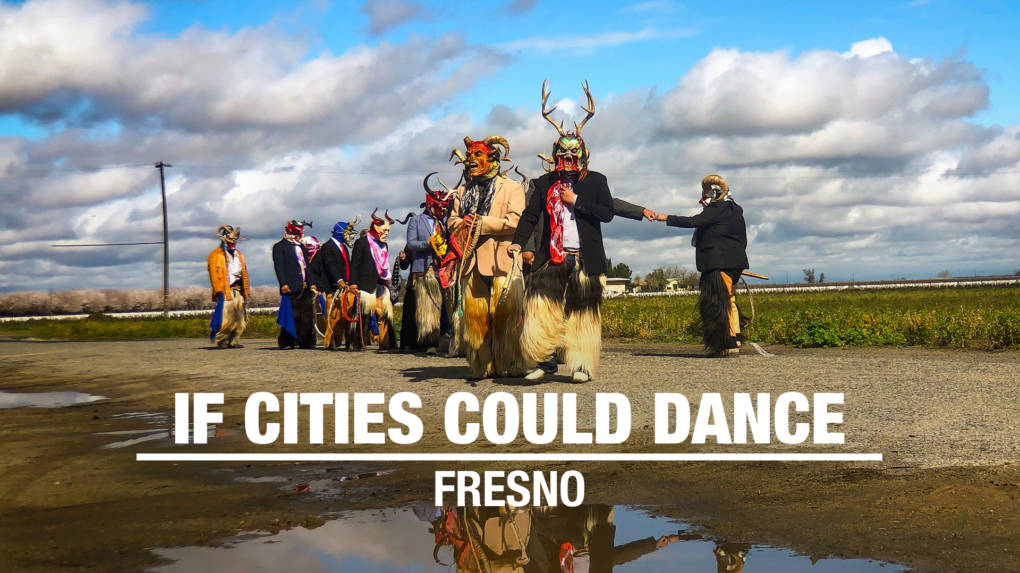
"caption": "Los diablos de Juxtlahuaca Oaxaca in the fields in Fresno, CA.",
"description": "Los diablos de Juxtlahuaca Oaxaca in the fields in Fresno, CA.",
"title": "ICCD_Fresno_Thumb",
"credit": null,
"status": "inherit",
"isLoading": false,
"fetchFailed": false
},
"arts_13855213": {
"type": "attachments",
"id": "arts_13855213",
"meta": {
"index": "attachments_1716263798",
"site": "arts",
"id": "13855213",
"found": true
},
"parent": 13855209,
"imgSizes": {
"twentyfourteen-full-width": {
"file": "https://ww2.kqed.org/app/uploads/sites/2/2019/04/ICCD_Seattle4-copy-1038x576.jpg",
"width": 1038,
"mimeType": "image/jpeg",
"height": 576
},
"thumbnail": {
"file": "https://ww2.kqed.org/app/uploads/sites/2/2019/04/ICCD_Seattle4-copy-160x90.jpg",
"width": 160,
"mimeType": "image/jpeg",
"height": 90
},
"post-thumbnail": {
"file": "https://ww2.kqed.org/app/uploads/sites/2/2019/04/ICCD_Seattle4-copy-672x372.jpg",
"width": 672,
"mimeType": "image/jpeg",
"height": 372
},
"kqedFullSize": {
"file": "https://ww2.kqed.org/app/uploads/sites/2/2019/04/ICCD_Seattle4-copy.jpg",
"width": 1920,
"height": 1079
},
"large": {
"file": "https://ww2.kqed.org/app/uploads/sites/2/2019/04/ICCD_Seattle4-copy-1020x573.jpg",
"width": 1020,
"mimeType": "image/jpeg",
"height": 573
},
"complete_open_graph": {
"file": "https://ww2.kqed.org/app/uploads/sites/2/2019/04/ICCD_Seattle4-copy-1200x674.jpg",
"width": 1200,
"mimeType": "image/jpeg",
"height": 674
},
"full-width": {
"file": "https://ww2.kqed.org/app/uploads/sites/2/2019/04/ICCD_Seattle4-copy-1920x1079.jpg",
"width": 1920,
"mimeType": "image/jpeg",
"height": 1079
},
"medium": {
"file": "https://ww2.kqed.org/app/uploads/sites/2/2019/04/ICCD_Seattle4-copy-800x450.jpg",
"width": 800,
"mimeType": "image/jpeg",
"height": 450
},
"medium_large": {
"file": "https://ww2.kqed.org/app/uploads/sites/2/2019/04/ICCD_Seattle4-copy-768x432.jpg",
"width": 768,
"mimeType": "image/jpeg",
"height": 432
}
},
"publishDate": 1555452951,
"modified": 1558567436,
"caption": "Moonyeka and Seattle dancers on the Jose Rizal Bridge",
"description": "Moonyeka and Seattle dancers on the Jose Rizal Bridge",
"title": "ICCD_Seattle4 copy",
"credit": null,
"status": "inherit",
"isLoading": false,
"fetchFailed": false
}
},
"audioPlayerReducer": {
"postId": "stream_live",
"isPaused": true,
"isPlaying": false,
"pfsActive": false,
"pledgeModalIsOpen": true,
"playerDrawerIsOpen": false,
"liveAudioPlayStartedAt": 0,
"liveAudioPlayContext": ""
},
"authorsReducer": {
"byline_arts_13856811": {
"type": "authors",
"id": "byline_arts_13856811",
"meta": {
"override": true
},
"slug": "byline_arts_13856811",
"name": "Jessica Jones",
"isLoading": false
},
"byline_arts_13856335": {
"type": "authors",
"id": "byline_arts_13856335",
"meta": {
"override": true
},
"slug": "byline_arts_13856335",
"name": "Yoram Savion, Elie Khadra and Kelly Whalen",
"isLoading": false
},
"byline_arts_13855209": {
"type": "authors",
"id": "byline_arts_13855209",
"meta": {
"override": true
},
"slug": "byline_arts_13855209",
"name": "Melanie Ruiz and Masha Pershay",
"isLoading": false
},
"gmeline": {
"type": "authors",
"id": "185",
"meta": {
"index": "authors_1716337520",
"id": "185",
"found": true
},
"name": "Gabe Meline",
"firstName": "Gabe",
"lastName": "Meline",
"slug": "gmeline",
"email": "gmeline@kqed.org",
"display_author_email": true,
"staff_mastheads": [
"arts"
],
"title": "Senior Editor, KQED Arts & Culture",
"bio": "Gabe Meline entered journalism at age 15 making photocopied zines, and has since earned awards from the Edward R. Murrow Awards, the Society for Professional Journalists, the Online Journalism Awards, the Association of Alternative Newsweeklies and the California Newspaper Publishers Association. Prior to KQED, he was the editor of the \u003cem>North Bay Bohemian\u003c/em> and a touring musician. He lives with his wife and daughter in his hometown of Santa Rosa, CA.",
"avatar": "https://secure.gravatar.com/avatar/5bebe57be0d8bc2dd318934feb47299e2d2d10cba28d09d8d7afb389a2ce2bdd?s=600&d=blank&r=g",
"twitter": null,
"bluesky": null,
"facebook": null,
"instagram": null,
"linkedin": null,
"sites": [
{
"site": "",
"roles": [
"editor"
]
},
{
"site": "arts",
"roles": [
"administrator"
]
},
{
"site": "artschool",
"roles": [
"editor"
]
},
{
"site": "news",
"roles": [
"author"
]
},
{
"site": "pop",
"roles": [
"editor"
]
},
{
"site": "bayareabites",
"roles": [
"editor"
]
},
{
"site": "food",
"roles": [
"editor"
]
},
{
"site": "forum",
"roles": [
"administrator"
]
},
{
"site": "liveblog",
"roles": [
"editor"
]
},
{
"site": "hiphop",
"roles": [
"editor"
]
}
],
"headData": {
"title": "Gabe Meline | KQED",
"description": "Senior Editor, KQED Arts & Culture",
"ogImgSrc": "https://secure.gravatar.com/avatar/5bebe57be0d8bc2dd318934feb47299e2d2d10cba28d09d8d7afb389a2ce2bdd?s=600&d=blank&r=g",
"twImgSrc": "https://secure.gravatar.com/avatar/5bebe57be0d8bc2dd318934feb47299e2d2d10cba28d09d8d7afb389a2ce2bdd?s=600&d=blank&r=g"
},
"isLoading": false,
"link": "/author/gmeline"
},
"rachael-myrow": {
"type": "authors",
"id": "251",
"meta": {
"index": "authors_1716337520",
"id": "251",
"found": true
},
"name": "Rachael Myrow",
"firstName": "Rachael",
"lastName": "Myrow",
"slug": "rachael-myrow",
"email": "rmyrow@kqed.org",
"display_author_email": true,
"staff_mastheads": [
"news"
],
"title": "Senior Editor of KQED's Silicon Valley News Desk",
"bio": "• I write and edit stories about how Silicon Valley power and policies shape everyday life in California. I’m also passionate about making Bay Area history and culture more accessible to a broad public. • I’ve been a journalist for most of my life, starting in high school with The Franklin Press in Los Angeles, where I grew up. While earning my first degree in English at UC Berkeley, I got my start in public radio at KALX-FM. After completing a second degree in journalism at Cal, I landed my first professional job at Marketplace, then moved on to KPCC (now LAist), and then KQED, where I hosted The California Report for more than seven years. • My reporting has appeared on NPR, The World, WBUR’s \u003ci>Here & Now\u003c/i>, and the BBC. I also guest host for KQED’s \u003ci>Forum\u003c/i>, as well as the Commonwealth Club in San Francisco. • I speak periodically on media, democracy and technology issues, and do voiceover work for documentaries and educational video projects. • Outside of the studio, you'll find me hiking Bay Area trails and whipping up Insta-ready meals in my kitchen. • I do not accept gifts, money, or favors from anyone connected to my reporting, I don't pay people for information, and I do not support or donate to political causes. • I strive to treat the people I report on with fairness, honesty, and respect. I also recognize there are often multiple sides to a story and work to verify information through multiple sources and documentation. If I get something wrong, I correct it.",
"avatar": "https://secure.gravatar.com/avatar/3ed8a3c5f26025e4a805ba634cda8cd764906b97438a6d9ce216b044e340da4e?s=600&d=blank&r=g",
"twitter": "rachaelmyrow",
"bluesky": null,
"facebook": null,
"instagram": null,
"linkedin": "https://www.linkedin.com/in/rachaelmyrow/",
"sites": [
{
"site": "arts",
"roles": [
"administrator"
]
},
{
"site": "news",
"roles": [
"edit_others_posts",
"editor"
]
},
{
"site": "futureofyou",
"roles": [
"editor"
]
},
{
"site": "bayareabites",
"roles": [
"editor"
]
},
{
"site": "stateofhealth",
"roles": [
"editor"
]
},
{
"site": "science",
"roles": [
"editor"
]
},
{
"site": "food",
"roles": [
"editor"
]
},
{
"site": "forum",
"roles": [
"editor"
]
},
{
"site": "liveblog",
"roles": [
"author"
]
}
],
"headData": {
"title": "Rachael Myrow | KQED",
"description": "Senior Editor of KQED's Silicon Valley News Desk",
"ogImgSrc": "https://secure.gravatar.com/avatar/3ed8a3c5f26025e4a805ba634cda8cd764906b97438a6d9ce216b044e340da4e?s=600&d=blank&r=g",
"twImgSrc": "https://secure.gravatar.com/avatar/3ed8a3c5f26025e4a805ba634cda8cd764906b97438a6d9ce216b044e340da4e?s=600&d=blank&r=g"
},
"isLoading": false,
"link": "/author/rachael-myrow"
},
"kwhalen": {
"type": "authors",
"id": "3248",
"meta": {
"index": "authors_1716337520",
"id": "3248",
"found": true
},
"name": "Kelly Whalen",
"firstName": "Kelly",
"lastName": "Whalen",
"slug": "kwhalen",
"email": "kwhalen@kqed.org",
"display_author_email": false,
"staff_mastheads": [],
"title": "Senior Video Producer",
"bio": "Kelly Whalen is a filmmaker and educator who directs and produces social justice documentaries and award-winning arts and culture web series. She is the creator of KQED Arts’ three-time Webby Award-winning YouTube series \u003cem>If Cities Could Dance\u003c/em>, featuring dancers across the country representing their cities’ signature moves, and the director of \u003cem>When the Waters Get Deep\u003c/em>, a documentary about Oakland-based artists SOL Development and their work toward healing their communities’ trauma from gun violence.",
"avatar": "https://secure.gravatar.com/avatar/1a2b57e8a13abdcfc3d4966d9c0e1512?s=600&d=blank&r=g",
"twitter": "kellyfilmmaker",
"facebook": null,
"instagram": null,
"linkedin": null,
"sites": [
{
"site": "arts",
"roles": [
"subscriber"
]
}
],
"headData": {
"title": "Kelly Whalen | KQED",
"description": "Senior Video Producer",
"ogImgSrc": "https://secure.gravatar.com/avatar/1a2b57e8a13abdcfc3d4966d9c0e1512?s=600&d=blank&r=g",
"twImgSrc": "https://secure.gravatar.com/avatar/1a2b57e8a13abdcfc3d4966d9c0e1512?s=600&d=blank&r=g"
},
"isLoading": false,
"link": "/author/kwhalen"
},
"cescoda": {
"type": "authors",
"id": "11206",
"meta": {
"index": "authors_1716337520",
"id": "11206",
"found": true
},
"name": "Carla Escoda",
"firstName": "Carla",
"lastName": "Escoda",
"slug": "cescoda",
"email": "ballettothepeople@gmail.com",
"display_author_email": false,
"staff_mastheads": [],
"title": null,
"bio": "Carla can most often be found in theatres, airports and on airplanes, writing about dance and the arts for various websites whenever she can find wi-fi. Her blog Ballet to the People<\u003ca href=\"http://ballettothepeople.com/\" target=\"_blank\" rel=\"noreferrer\">http://\u003cwbr />ballettothepeople.com\u003c/a>> has become a street corner where dance-lovers enjoy loitering and plotting the revolution which will renew the populist roots of ballet.\r\n\u003cspan class=\"im\">\r\nIn her previous lives, Carla worked in scientific research, then in project finance in Asia. Prior to that, she trained as a ballet and modern dancer, and performed with the Yaledancers while getting her undergraduate degrees in Engineering and Applied Science and French Literature, and her graduate degree in Engineering.\u003c/span>",
"avatar": "https://secure.gravatar.com/avatar/3a012eb3749d4353e3e28aab414dd815?s=600&d=blank&r=g",
"twitter": null,
"facebook": null,
"instagram": null,
"linkedin": null,
"sites": [
{
"site": "arts",
"roles": [
"author"
]
}
],
"headData": {
"title": "Carla Escoda | KQED",
"description": null,
"ogImgSrc": "https://secure.gravatar.com/avatar/3a012eb3749d4353e3e28aab414dd815?s=600&d=blank&r=g",
"twImgSrc": "https://secure.gravatar.com/avatar/3a012eb3749d4353e3e28aab414dd815?s=600&d=blank&r=g"
},
"isLoading": false,
"link": "/author/cescoda"
},
"cescobar": {
"type": "authors",
"id": "11241",
"meta": {
"index": "authors_1716337520",
"id": "11241",
"found": true
},
"name": "Claudia Escobar",
"firstName": "Claudia",
"lastName": "Escobar",
"slug": "cescobar",
"email": "cescobar@kqed.org",
"display_author_email": false,
"staff_mastheads": [],
"title": "KQED Contributor",
"bio": "Tropical latin visual story teller extraordinaire! bread maker apprentice.",
"avatar": "https://secure.gravatar.com/avatar/39af590a0e19126bafbf121ec9d891a77a3d680061d7cc03d720efe706992707?s=600&d=blank&r=g",
"twitter": null,
"bluesky": null,
"facebook": null,
"instagram": null,
"linkedin": null,
"sites": [
{
"site": "arts",
"roles": [
"subscriber"
]
},
{
"site": "news",
"roles": [
"author"
]
}
],
"headData": {
"title": "Claudia Escobar | KQED",
"description": "KQED Contributor",
"ogImgSrc": "https://secure.gravatar.com/avatar/39af590a0e19126bafbf121ec9d891a77a3d680061d7cc03d720efe706992707?s=600&d=blank&r=g",
"twImgSrc": "https://secure.gravatar.com/avatar/39af590a0e19126bafbf121ec9d891a77a3d680061d7cc03d720efe706992707?s=600&d=blank&r=g"
},
"isLoading": false,
"link": "/author/cescobar"
},
"mpershay": {
"type": "authors",
"id": "11261",
"meta": {
"index": "authors_1716337520",
"id": "11261",
"found": true
},
"name": "Masha Pershay",
"firstName": "Masha",
"lastName": "Pershay",
"slug": "mpershay",
"email": "mpershay@KQED.org",
"display_author_email": false,
"staff_mastheads": [],
"title": "Digital Video Producer",
"bio": "Masha Pershay is an associate video producer for KQED Arts. Masha got her start in media production in 2009, when she joined college station KUSF as a radio host. She holds a B.A. in Broadcasting and Electronic Communication Arts from San Francisco State University and a certificate in sound recording from City College of San Francisco. In her spare time, she's an avid record collector and a DJ in San Francisco's Italo disco DJ collective Galaxy Radio.",
"avatar": "https://secure.gravatar.com/avatar/0dadfc89413a2219896bb9cfda408bf8?s=600&d=mm&r=g",
"twitter": null,
"facebook": null,
"instagram": null,
"linkedin": null,
"sites": [
{
"site": "",
"roles": [
"editor"
]
},
{
"site": "arts",
"roles": []
},
{
"site": "education",
"roles": []
},
{
"site": "food",
"roles": []
}
],
"headData": {
"title": "Masha Pershay | KQED",
"description": "Digital Video Producer",
"ogImgSrc": "https://secure.gravatar.com/avatar/0dadfc89413a2219896bb9cfda408bf8?s=600&d=mm&r=g",
"twImgSrc": "https://secure.gravatar.com/avatar/0dadfc89413a2219896bb9cfda408bf8?s=600&d=mm&r=g"
},
"isLoading": false,
"link": "/author/mpershay"
},
"agarces": {
"type": "authors",
"id": "11367",
"meta": {
"index": "authors_1716337520",
"id": "11367",
"found": true
},
"name": "Audrey Garces",
"firstName": "Audrey",
"lastName": "Garces",
"slug": "agarces",
"email": "agarces@kqed.org",
"display_author_email": false,
"staff_mastheads": [
"news"
],
"title": "Digital Producer",
"bio": "Audrey is a former digital producer at KQED News. Previously, she was a KQED Raul Ramirez Diversity Fund intern where she developed stories that focused on highlighting diverse voices in journalism. Prior to her work at KQED, she worked as a news intern at the San Francisco Examiner. Audrey graduated from San Francisco State University with a B.A. in journalism and a minor in political science.",
"avatar": "https://secure.gravatar.com/avatar/5211bc2e6a809b9956da169e35ce63d5?s=600&d=blank&r=g",
"twitter": "audgar",
"facebook": null,
"instagram": null,
"linkedin": null,
"sites": [
{
"site": "arts",
"roles": []
},
{
"site": "news",
"roles": [
"subscriber"
]
},
{
"site": "science",
"roles": [
"editor"
]
},
{
"site": "forum",
"roles": [
"editor"
]
},
{
"site": "perspectives",
"roles": [
"administrator"
]
}
],
"headData": {
"title": "Audrey Garces | KQED",
"description": "Digital Producer",
"ogImgSrc": "https://secure.gravatar.com/avatar/5211bc2e6a809b9956da169e35ce63d5?s=600&d=blank&r=g",
"twImgSrc": "https://secure.gravatar.com/avatar/5211bc2e6a809b9956da169e35ce63d5?s=600&d=blank&r=g"
},
"isLoading": false,
"link": "/author/agarces"
},
"nvoynovskaya": {
"type": "authors",
"id": "11387",
"meta": {
"index": "authors_1716337520",
"id": "11387",
"found": true
},
"name": "Nastia Voynovskaya",
"firstName": "Nastia",
"lastName": "Voynovskaya",
"slug": "nvoynovskaya",
"email": "nvoynovskaya@kqed.org",
"display_author_email": false,
"staff_mastheads": [
"arts"
],
"title": "Editor and reporter",
"bio": "Nastia Voynovskaya is a reporter, editor and host at KQED Arts & Culture. She's been covering the arts in the Bay Area for over a decade, with a focus on music, queer culture, labor issues and grassroots organizing. She has edited KQED story series such as Trans Bay: A History of San Francisco's Gender-Diverse Community, and co-created KQED's Bay Area hip-hop history project, That's My Word. Nastia's work has been recognized by the Society of Professional Journalists and San Francisco Press Club. She regularly appears on podcasts and radio programs, including NPR's All Songs Considered, and hosts live events where music, culture and conversation meet.",
"avatar": "https://secure.gravatar.com/avatar/5025ee460e5a85d69ca20ea6c6f2f80d7e17795c828f61ea3aecfcd924e9042e?s=600&d=blank&r=g",
"twitter": null,
"bluesky": null,
"facebook": null,
"instagram": "https://www.instagram.com/nananastia/",
"linkedin": null,
"sites": [
{
"site": "",
"roles": [
"editor"
]
},
{
"site": "arts",
"roles": [
"administrator"
]
},
{
"site": "news",
"roles": [
"editor"
]
},
{
"site": "pop",
"roles": [
"administrator"
]
},
{
"site": "bayareabites",
"roles": [
"editor"
]
},
{
"site": "podcasts",
"roles": [
"editor"
]
},
{
"site": "hiphop",
"roles": [
"editor"
]
}
],
"headData": {
"title": "Nastia Voynovskaya | KQED",
"description": "Editor and reporter",
"ogImgSrc": "https://secure.gravatar.com/avatar/5025ee460e5a85d69ca20ea6c6f2f80d7e17795c828f61ea3aecfcd924e9042e?s=600&d=blank&r=g",
"twImgSrc": "https://secure.gravatar.com/avatar/5025ee460e5a85d69ca20ea6c6f2f80d7e17795c828f61ea3aecfcd924e9042e?s=600&d=blank&r=g"
},
"isLoading": false,
"link": "/author/nvoynovskaya"
},
"ogpenn": {
"type": "authors",
"id": "11491",
"meta": {
"index": "authors_1716337520",
"id": "11491",
"found": true
},
"name": "Pendarvis Harshaw",
"firstName": "Pendarvis",
"lastName": "Harshaw",
"slug": "ogpenn",
"email": "ogpenn@gmail.com",
"display_author_email": false,
"staff_mastheads": [
"arts"
],
"title": "Community Engagement Reporter",
"bio": "Pendarvis Harshaw is an educator, host and writer with KQED Arts.",
"avatar": "https://secure.gravatar.com/avatar/972b77ee8e3f346ae2b00622661187fbfabd059b5693bbdc1475ea7a722fd4cd?s=600&d=blank&r=g",
"twitter": null,
"bluesky": null,
"facebook": null,
"instagram": "ogpenn",
"linkedin": null,
"sites": [
{
"site": "arts",
"roles": [
"administrator"
]
},
{
"site": "news",
"roles": [
"editor"
]
},
{
"site": "bayareabites",
"roles": [
"author"
]
},
{
"site": "hiphop",
"roles": [
"editor"
]
}
],
"headData": {
"title": "Pendarvis Harshaw | KQED",
"description": "Community Engagement Reporter",
"ogImgSrc": "https://secure.gravatar.com/avatar/972b77ee8e3f346ae2b00622661187fbfabd059b5693bbdc1475ea7a722fd4cd?s=600&d=blank&r=g",
"twImgSrc": "https://secure.gravatar.com/avatar/972b77ee8e3f346ae2b00622661187fbfabd059b5693bbdc1475ea7a722fd4cd?s=600&d=blank&r=g"
},
"isLoading": false,
"link": "/author/ogpenn"
}
},
"pagesReducer": {
"arts_category_dance": {
"type": "terms",
"id": "arts_966",
"meta": {
"index": "terms_1716263798",
"site": "arts",
"id": "966",
"score": 12.286901
},
"featImg": null,
"name": "Dance",
"description": null,
"taxonomy": "category",
"headData": {
"twImgId": null,
"twTitle": null,
"ogTitle": null,
"ogImgId": null,
"twDescription": null,
"description": null,
"title": "Dance Archives | KQED Arts",
"ogDescription": null
},
"ttid": 984,
"slug": "dance",
"isLoading": false,
"title": "Dance",
"pageMeta": {
"site": "arts",
"WpPageTemplate": "page-topic-editorial",
"currentPage": 13
},
"blocks": [
{
"blockName": "kqed/post-list",
"attrs": {
"layout": "cardArticle2",
"query": "posts/arts?category=dance",
"seeMore": false,
"paginated": true,
"page": 13
}
},
{
"blockName": "kqed/ad"
}
]
}
},
"pfsSessionReducer": {},
"postsReducer": {
"stream_live": {
"type": "live",
"id": "stream_live",
"audioUrl": "https://streams.kqed.org/kqedradio",
"title": "Live Stream",
"excerpt": "Live Stream information currently unavailable.",
"link": "/radio",
"featImg": "",
"label": {
"name": "KQED Live",
"link": "/"
}
},
"stream_kqedNewscast": {
"type": "posts",
"id": "stream_kqedNewscast",
"audioUrl": "https://www.kqed.org/.stream/anon/radio/RDnews/newscast.mp3?_=1",
"title": "KQED Newscast",
"featImg": "",
"label": {
"name": "88.5 FM",
"link": "/"
}
},
"arts_13860602": {
"type": "posts",
"id": "arts_13860602",
"meta": {
"index": "posts_1716263798",
"site": "arts",
"id": "13860602",
"score": null,
"sort": [
1562618861000
]
},
"guestAuthors": [],
"slug": "star-power-youth-empowerment-at-fam-1st-family-celebrity-week",
"title": "Star Power, Youth Empowerment at Fam 1st Family Celebrity Week",
"publishDate": 1562618861,
"format": "standard",
"headTitle": "Star Power, Youth Empowerment at Fam 1st Family Celebrity Week | KQED",
"labelTerm": {
"term": 140,
"site": "arts"
},
"content": "\u003cp>The Fam 1st Family Foundation isn’t your usual nonprofit—it’s led by famed professional football players Marshawn Lynch, Marcus Peters and Josh Johnson. And this week, they’re throwing a week’s worth of events for kids and families.\u003c/p>\n\u003cp>I recently talked to the foundation’s Executive Director, Brije Gammage, who says that Fam 1st’s \u003ca href=\"http://www.fam1stfamilyfoundation.org/\" rel=\"noopener\" target=\"_blank\">Family Celebrity Week\u003c/a> has been going on for about a dozen years. After its inaugural year as a football camp and barbecue, it’s evolved to be much more. \u003c/p>\n\u003cp>But even with its growth and success, it hasn’t lost its purpose. “It’s about having a week of community coming together,” says Gammage. “And it’s also a chance to have the people who are a part of the foundation give back, and also bring out celebrities and players, and have them give something back.”\u003c/p>\n\u003cp>Looking at the schedule, it seems like the stars and the community will be aligned.\u003c/p>\n\u003cp>On Monday and Tuesday, July 8 and 9, the foundation gives away free tickets to Six Flags Hurricane Harbor in Concord for folks under 18. The passes can be claimed at the \u003ca href=\"https://www.beastmodeonline.com/pages/locations\" rel=\"noopener\" target=\"_blank\">Beast Mode store in downtown Oakland\u003c/a>, or at the front desk of the \u003ca href=\"http://www.westoaklandyouthcenter.org/\" rel=\"noopener\" target=\"_blank\">West Oakland Youth Center\u003c/a>. Tickets are good for admission to the park on Wednesday, July 10, and are limited to the first 2,000 kids to claim them.\u003c/p>\n\u003cp>[ad fullwidth]\u003c/p>\n\u003cp>On Tuesday, July 9, Los Angeles Rams star cornerback Marcus Peters hosts his 4th annual “It Take A Village” carnival at his alma mater, \u003ca href=\"https://www.ousd.org/mcclymonds\" rel=\"noopener\" target=\"_blank\">McClymonds High School\u003c/a> in West Oakland, from 2pm-8pm. There’ll be food, games and music; everything is free.\u003c/p>\n\u003cp>On Thursday, July 11, a talent show gets underway at \u003ca href=\"https://oaklandtech.com/staff/about/overview/\" rel=\"noopener\" target=\"_blank\">Oakland Tech\u003c/a> for ages 4-18. The event runs 5pm-9pm, and costs $5 to attend. This first-place winner of the talent show pockets $1,500, with second- and third-place cash prizes as well.\u003c/p>\n\u003cp>Friday night, July 12, is bowling night at \u003ca href=\"http://www.thealbanybowl.com/\" rel=\"noopener\" target=\"_blank\">Albany Bowl\u003c/a>. General tickets are $10–$35, with presale tickets available \u003ca href=\"http://www.fam1stfamilyfoundation.org/\" rel=\"noopener\" target=\"_blank\">online\u003c/a>.\u003c/p>\n\u003cp>On Saturday, July 13, a dance camp for youth runs from 8am–noon for youth ages 6-12, and 1pm–4pm for ages 13-18. The free event is held at the Oakland Raiders Headquarters at \u003ca href=\"https://www.google.com/maps/place/1220+Harbor+Bay+Pkwy,+Alameda,+CA+94502/@37.7658055,-122.3061658,13z/data=!4m5!3m4!1s0x808f84453943be59:0x975160d8992a8afe!8m2!3d37.7250838!4d-122.2330381\" rel=\"noopener\" target=\"_blank\">1220 Harbor Bay Parkway in Alameda\u003c/a>.\u003c/p>\n\u003cp>At the same time and in the same place as the dance event, there’s a free youth football camp. For young people ages 6–12, the event runs from 8am–noon. And for folks ages 13–18, the event goes from 1pm–4pm.\u003c/p>\n\u003cp>\u003c/p>\n\u003cp>For more information on the week’s events, check the \u003ca href=\"http://www.fam1stfamilyfoundation.org/\" target=\"_blank\" rel=\"noopener\">Fam 1st Foundation’s website\u003c/a>.\u003c/p>\n\n",
"blocks": [],
"excerpt": "Marshawn Lynch, Marcus Peters and Josh Johnson lead the annual activities, including waterslides, football camp, a talent show, bowling, a dance camp and more.",
"status": "publish",
"parent": 0,
"modified": 1726766694,
"stats": {
"hasAudio": false,
"hasVideo": false,
"hasChartOrMap": false,
"iframeSrcs": [],
"hasGoogleForm": false,
"hasGallery": false,
"hasHearkenModule": false,
"hasPolis": false,
"paragraphCount": 13,
"wordCount": 476
},
"headData": {
"title": "Star Power, Youth Empowerment at Fam 1st Family Celebrity Week | KQED",
"description": "Marshawn Lynch, Marcus Peters and Josh Johnson lead the annual activities, including waterslides, football camp, a talent show, bowling, a dance camp and more.",
"ogTitle": "",
"ogDescription": "",
"ogImgId": "",
"twTitle": "",
"twDescription": "",
"twImgId": "",
"schema": {
"@context": "https://schema.org",
"@type": "Article",
"headline": "Star Power, Youth Empowerment at Fam 1st Family Celebrity Week",
"datePublished": "2019-07-08T13:47:41-07:00",
"dateModified": "2024-09-19T10:24:54-07:00",
"image": "https://cdn.kqed.org/wp-content/uploads/2020/02/KQED-OG-Image@1x.png"
}
},
"sticky": false,
"templateType": "event",
"featuredImageType": "standard",
"startTime": 1562688000,
"endTime": 1563170400,
"startTimeString": "July 9–July 13",
"venueName": "East Bay",
"eventLink": "http://www.fam1stfamilyfoundation.org/",
"path": "/arts/13860602/star-power-youth-empowerment-at-fam-1st-family-celebrity-week",
"audioTrackLength": null,
"parsedContent": [
{
"type": "contentString",
"content": "\u003cdiv class=\"post-body\">\u003cp>\u003cp>The Fam 1st Family Foundation isn’t your usual nonprofit—it’s led by famed professional football players Marshawn Lynch, Marcus Peters and Josh Johnson. And this week, they’re throwing a week’s worth of events for kids and families.\u003c/p>\n\u003cp>I recently talked to the foundation’s Executive Director, Brije Gammage, who says that Fam 1st’s \u003ca href=\"http://www.fam1stfamilyfoundation.org/\" rel=\"noopener\" target=\"_blank\">Family Celebrity Week\u003c/a> has been going on for about a dozen years. After its inaugural year as a football camp and barbecue, it’s evolved to be much more. \u003c/p>\n\u003cp>But even with its growth and success, it hasn’t lost its purpose. “It’s about having a week of community coming together,” says Gammage. “And it’s also a chance to have the people who are a part of the foundation give back, and also bring out celebrities and players, and have them give something back.”\u003c/p>\n\u003cp>Looking at the schedule, it seems like the stars and the community will be aligned.\u003c/p>\n\u003cp>On Monday and Tuesday, July 8 and 9, the foundation gives away free tickets to Six Flags Hurricane Harbor in Concord for folks under 18. The passes can be claimed at the \u003ca href=\"https://www.beastmodeonline.com/pages/locations\" rel=\"noopener\" target=\"_blank\">Beast Mode store in downtown Oakland\u003c/a>, or at the front desk of the \u003ca href=\"http://www.westoaklandyouthcenter.org/\" rel=\"noopener\" target=\"_blank\">West Oakland Youth Center\u003c/a>. Tickets are good for admission to the park on Wednesday, July 10, and are limited to the first 2,000 kids to claim them.\u003c/p>\n\u003cp>\u003c/p>\u003c/div>",
"attributes": {
"named": {},
"numeric": []
}
},
{
"type": "component",
"content": "",
"name": "ad",
"attributes": {
"named": {
"label": "fullwidth"
},
"numeric": [
"fullwidth"
]
}
},
{
"type": "contentString",
"content": "\u003cdiv class=\"post-body\">\u003cp>\u003c/p>\n\u003cp>On Tuesday, July 9, Los Angeles Rams star cornerback Marcus Peters hosts his 4th annual “It Take A Village” carnival at his alma mater, \u003ca href=\"https://www.ousd.org/mcclymonds\" rel=\"noopener\" target=\"_blank\">McClymonds High School\u003c/a> in West Oakland, from 2pm-8pm. There’ll be food, games and music; everything is free.\u003c/p>\n\u003cp>On Thursday, July 11, a talent show gets underway at \u003ca href=\"https://oaklandtech.com/staff/about/overview/\" rel=\"noopener\" target=\"_blank\">Oakland Tech\u003c/a> for ages 4-18. The event runs 5pm-9pm, and costs $5 to attend. This first-place winner of the talent show pockets $1,500, with second- and third-place cash prizes as well.\u003c/p>\n\u003cp>Friday night, July 12, is bowling night at \u003ca href=\"http://www.thealbanybowl.com/\" rel=\"noopener\" target=\"_blank\">Albany Bowl\u003c/a>. General tickets are $10–$35, with presale tickets available \u003ca href=\"http://www.fam1stfamilyfoundation.org/\" rel=\"noopener\" target=\"_blank\">online\u003c/a>.\u003c/p>\n\u003cp>On Saturday, July 13, a dance camp for youth runs from 8am–noon for youth ages 6-12, and 1pm–4pm for ages 13-18. The free event is held at the Oakland Raiders Headquarters at \u003ca href=\"https://www.google.com/maps/place/1220+Harbor+Bay+Pkwy,+Alameda,+CA+94502/@37.7658055,-122.3061658,13z/data=!4m5!3m4!1s0x808f84453943be59:0x975160d8992a8afe!8m2!3d37.7250838!4d-122.2330381\" rel=\"noopener\" target=\"_blank\">1220 Harbor Bay Parkway in Alameda\u003c/a>.\u003c/p>\n\u003cp>At the same time and in the same place as the dance event, there’s a free youth football camp. For young people ages 6–12, the event runs from 8am–noon. And for folks ages 13–18, the event goes from 1pm–4pm.\u003c/p>\n\u003cp>\u003c/p>\n\u003cp>For more information on the week’s events, check the \u003ca href=\"http://www.fam1stfamilyfoundation.org/\" target=\"_blank\" rel=\"noopener\">Fam 1st Foundation’s website\u003c/a>.\u003c/p>\n\n\u003c/div>\u003c/p>",
"attributes": {
"named": {},
"numeric": []
}
}
],
"link": "/arts/13860602/star-power-youth-empowerment-at-fam-1st-family-celebrity-week",
"authors": [
"11491"
],
"programs": [
"arts_140"
],
"categories": [
"arts_966",
"arts_69"
],
"tags": [
"arts_1143",
"arts_4506"
],
"featImg": "arts_13860899",
"label": "arts_140"
},
"arts_13859642": {
"type": "posts",
"id": "arts_13859642",
"meta": {
"index": "posts_1716263798",
"site": "arts",
"id": "13859642",
"score": null,
"sort": [
1560553369000
]
},
"guestAuthors": [],
"slug": "fresh-meat-festival-brings-top-notch-lgbtq-performers-to-z-space",
"title": "Fresh Meat Festival Brings Top-Notch LGBTQ+ Performers to Z Space",
"publishDate": 1560553369,
"format": "standard",
"headTitle": "Fresh Meat Festival Brings Top-Notch LGBTQ+ Performers to Z Space | KQED",
"labelTerm": {
"term": 140,
"site": "arts"
},
"content": "\u003cp>Acclaimed choreographer and trans activist Sean Dorsey’s \u003ca href=\"http://freshmeatproductions.org/fresh-meat-festival-2019/\" target=\"_blank\" rel=\"noopener\">Fresh Meat Festival\u003c/a> is an opportunity to experience the cutting edge of Bay Area dance, music, comedy, theater and more, featuring a slate of diverse artists from the LGBTQ+ community.\u003c/p>\n\u003cp>This year’s edition takes place June 20–22 at \u003ca href=\"http://www.zspace.org/\" target=\"_blank\" rel=\"noopener\">Z Space\u003c/a> in San Francisco, and stars vogue ensemble \u003ca href=\"https://www.facebook.com/kNOwSHADEdance/\" target=\"_blank\" rel=\"noopener\">kNOwShade\u003c/a>; \u003ca href=\"https://www.kqed.org/arts/11506238/community-dance-jams-get-disabled-and-able-bodied-dancers-sweating-together\" target=\"_blank\" rel=\"noopener\">Axis Dance\u003c/a>, which spotlights dancers with disabilities; bachata champions (and life partners) \u003ca href=\"https://www.inlakechdance.com/about/\" target=\"_blank\" rel=\"noopener\">Jahaira Fajardo and Angelica Medina\u003c/a>; deaf dance trailblazer \u003ca href=\"https://www.kqed.org/arts/11899367/antoine-hunter-empowers-deaf-community-through-dance\" target=\"_blank\" rel=\"noopener\">Antoine Hunter\u003c/a>; and, of course, \u003ca href=\"http://seandorseydance.com/\" target=\"_blank\" rel=\"noopener\">Sean Dorsey Dance\u003c/a>. On the musical front, electro-pop singer-songwriter \u003ca href=\"https://www.kqed.org/arts/13844019/ah-mer-ah-sus-major-soundtrack-feeds-the-spirit-of-trans-resistance\" target=\"_blank\" rel=\"noopener\">Ah Mer Ah Su\u003c/a> performs her spellbinding, synth-driven tracks. Audiences will also hear from retro quartet \u003ca href=\"https://www.thesingingbois.com/\" target=\"_blank\" rel=\"noopener\">the Singing Bois\u003c/a>, folk-punk artist \u003ca href=\"http://shawnavirago.com/\" target=\"_blank\" rel=\"noopener\">Shawna Virago\u003c/a>, R&B singer \u003ca href=\"https://www.tajahj.com/\" target=\"_blank\" rel=\"noopener\">Tajah J\u003c/a>, \u003ca href=\"http://gapamc.org/know-us/\" target=\"_blank\" rel=\"noopener\">Gay Asian Pacific Alliance Men’s Chorus \u003c/a>and \u003ca href=\"https://sfcmc.org/new-voices-bay-area-tigq-chorus/\" target=\"_blank\" rel=\"noopener\">New Voices Bay Area TIGQ Chorus\u003c/a>.\u003c/p>\n\u003cp>\u003ca href=\"https://jmaseiii.com/\" target=\"_blank\" rel=\"noopener\">J Mase III\u003c/a> and \u003ca href=\"https://www.therandyford.com/\" target=\"_blank\" rel=\"noopener\">Randy Ford\u003c/a> take on topics like colonial and domenstic violence through poetry and dance; \u003ca href=\"http://counterpulse.org/house-artist/javier-stell-fresquez/\" target=\"_blank\" rel=\"noopener\">Javier Stell-Fresquez\u003c/a> and \u003ca href=\"https://www.ivanmonteiro.net\" target=\"_blank\" rel=\"noopener\">Ivy Monteiro\u003c/a> team up for a gender-bending performance art piece; and Lottie Riot takes the mic for a stand-up comedy set.\u003c/p>\n\u003cp>All three evenings are hosted by filmmaker Annalise Ophelian, director of \u003ca href=\"https://www.missmajorfilm.com/\" target=\"_blank\" rel=\"noopener\">\u003cem>Major!\u003c/em>\u003c/a>, a documentary about the legendary trans activist Miss Major Griffin-Gracy. \u003ca href=\"https://soundcloud.com/lafrida333\" target=\"_blank\" rel=\"noopener\">DJ Frida Ibarra\u003c/a> spins house, cumbia, techno, pop and more for the after party.\u003c/p>\n\u003cp>\u003cimg loading=\"lazy\" decoding=\"async\" class=\"aligncenter size-medium wp-image-12127869\" src=\"https://ww2.kqed.org/arts/wp-content/uploads/sites/2/2016/09/Q.Logo_.Break_-800x78.jpg\" alt=\"\" width=\"800\" height=\"78\" srcset=\"https://cdn.kqed.org/wp-content/uploads/sites/2/2016/09/Q.Logo_.Break_.jpg 800w, https://cdn.kqed.org/wp-content/uploads/sites/2/2016/09/Q.Logo_.Break_-400x39.jpg 400w, https://cdn.kqed.org/wp-content/uploads/sites/2/2016/09/Q.Logo_.Break_-768x75.jpg 768w\" sizes=\"auto, (max-width: 800px) 100vw, 800px\">\u003c/p>\n\u003cp>[ad fullwidth]\u003c/p>\n\u003cp>\u003c/p>\n\u003cp>\u003cem>The performances feature ASL interpretation and are wheelchair accessible, and there is a scent-reduced seating area. More details about Fresh Meat Festival can be found \u003ca href=\"http://freshmeatproductions.org/fresh-meat-festival-2019/\" target=\"_blank\" rel=\"noopener\">here\u003c/a>.\u003c/em>\u003c/p>\n\n",
"blocks": [],
"excerpt": "Curated by renowned choreographer Sean Dorsey, it features music, dance, comedy and more. ",
"status": "publish",
"parent": 0,
"modified": 1741366785,
"stats": {
"hasAudio": false,
"hasVideo": false,
"hasChartOrMap": false,
"iframeSrcs": [],
"hasGoogleForm": false,
"hasGallery": false,
"hasHearkenModule": false,
"hasPolis": false,
"paragraphCount": 8,
"wordCount": 258
},
"headData": {
"title": "Fresh Meat Festival Brings Top-Notch LGBTQ+ Performers to Z Space | KQED",
"description": "Curated by renowned choreographer Sean Dorsey, it features music, dance, comedy and more. ",
"ogTitle": "",
"ogDescription": "",
"ogImgId": "",
"twTitle": "",
"twDescription": "",
"twImgId": "",
"schema": {
"@context": "https://schema.org",
"@type": "Article",
"headline": "Fresh Meat Festival Brings Top-Notch LGBTQ+ Performers to Z Space",
"datePublished": "2019-06-14T16:02:49-07:00",
"dateModified": "2025-03-07T08:59:45-08:00",
"image": "https://cdn.kqed.org/wp-content/uploads/2020/02/KQED-OG-Image@1x.png"
}
},
"sticky": false,
"path": "/arts/13859642/fresh-meat-festival-brings-top-notch-lgbtq-performers-to-z-space",
"audioTrackLength": null,
"parsedContent": [
{
"type": "contentString",
"content": "\u003cdiv class=\"post-body\">\u003cp>\u003cp>Acclaimed choreographer and trans activist Sean Dorsey’s \u003ca href=\"http://freshmeatproductions.org/fresh-meat-festival-2019/\" target=\"_blank\" rel=\"noopener\">Fresh Meat Festival\u003c/a> is an opportunity to experience the cutting edge of Bay Area dance, music, comedy, theater and more, featuring a slate of diverse artists from the LGBTQ+ community.\u003c/p>\n\u003cp>This year’s edition takes place June 20–22 at \u003ca href=\"http://www.zspace.org/\" target=\"_blank\" rel=\"noopener\">Z Space\u003c/a> in San Francisco, and stars vogue ensemble \u003ca href=\"https://www.facebook.com/kNOwSHADEdance/\" target=\"_blank\" rel=\"noopener\">kNOwShade\u003c/a>; \u003ca href=\"https://www.kqed.org/arts/11506238/community-dance-jams-get-disabled-and-able-bodied-dancers-sweating-together\" target=\"_blank\" rel=\"noopener\">Axis Dance\u003c/a>, which spotlights dancers with disabilities; bachata champions (and life partners) \u003ca href=\"https://www.inlakechdance.com/about/\" target=\"_blank\" rel=\"noopener\">Jahaira Fajardo and Angelica Medina\u003c/a>; deaf dance trailblazer \u003ca href=\"https://www.kqed.org/arts/11899367/antoine-hunter-empowers-deaf-community-through-dance\" target=\"_blank\" rel=\"noopener\">Antoine Hunter\u003c/a>; and, of course, \u003ca href=\"http://seandorseydance.com/\" target=\"_blank\" rel=\"noopener\">Sean Dorsey Dance\u003c/a>. On the musical front, electro-pop singer-songwriter \u003ca href=\"https://www.kqed.org/arts/13844019/ah-mer-ah-sus-major-soundtrack-feeds-the-spirit-of-trans-resistance\" target=\"_blank\" rel=\"noopener\">Ah Mer Ah Su\u003c/a> performs her spellbinding, synth-driven tracks. Audiences will also hear from retro quartet \u003ca href=\"https://www.thesingingbois.com/\" target=\"_blank\" rel=\"noopener\">the Singing Bois\u003c/a>, folk-punk artist \u003ca href=\"http://shawnavirago.com/\" target=\"_blank\" rel=\"noopener\">Shawna Virago\u003c/a>, R&B singer \u003ca href=\"https://www.tajahj.com/\" target=\"_blank\" rel=\"noopener\">Tajah J\u003c/a>, \u003ca href=\"http://gapamc.org/know-us/\" target=\"_blank\" rel=\"noopener\">Gay Asian Pacific Alliance Men’s Chorus \u003c/a>and \u003ca href=\"https://sfcmc.org/new-voices-bay-area-tigq-chorus/\" target=\"_blank\" rel=\"noopener\">New Voices Bay Area TIGQ Chorus\u003c/a>.\u003c/p>\n\u003cp>\u003ca href=\"https://jmaseiii.com/\" target=\"_blank\" rel=\"noopener\">J Mase III\u003c/a> and \u003ca href=\"https://www.therandyford.com/\" target=\"_blank\" rel=\"noopener\">Randy Ford\u003c/a> take on topics like colonial and domenstic violence through poetry and dance; \u003ca href=\"http://counterpulse.org/house-artist/javier-stell-fresquez/\" target=\"_blank\" rel=\"noopener\">Javier Stell-Fresquez\u003c/a> and \u003ca href=\"https://www.ivanmonteiro.net\" target=\"_blank\" rel=\"noopener\">Ivy Monteiro\u003c/a> team up for a gender-bending performance art piece; and Lottie Riot takes the mic for a stand-up comedy set.\u003c/p>\n\u003cp>All three evenings are hosted by filmmaker Annalise Ophelian, director of \u003ca href=\"https://www.missmajorfilm.com/\" target=\"_blank\" rel=\"noopener\">\u003cem>Major!\u003c/em>\u003c/a>, a documentary about the legendary trans activist Miss Major Griffin-Gracy. \u003ca href=\"https://soundcloud.com/lafrida333\" target=\"_blank\" rel=\"noopener\">DJ Frida Ibarra\u003c/a> spins house, cumbia, techno, pop and more for the after party.\u003c/p>\n\u003cp>\u003cimg loading=\"lazy\" decoding=\"async\" class=\"aligncenter size-medium wp-image-12127869\" src=\"https://ww2.kqed.org/arts/wp-content/uploads/sites/2/2016/09/Q.Logo_.Break_-800x78.jpg\" alt=\"\" width=\"800\" height=\"78\" srcset=\"https://cdn.kqed.org/wp-content/uploads/sites/2/2016/09/Q.Logo_.Break_.jpg 800w, https://cdn.kqed.org/wp-content/uploads/sites/2/2016/09/Q.Logo_.Break_-400x39.jpg 400w, https://cdn.kqed.org/wp-content/uploads/sites/2/2016/09/Q.Logo_.Break_-768x75.jpg 768w\" sizes=\"auto, (max-width: 800px) 100vw, 800px\">\u003c/p>\n\u003cp>\u003c/p>\u003c/div>",
"attributes": {
"named": {},
"numeric": []
}
},
{
"type": "component",
"content": "",
"name": "ad",
"attributes": {
"named": {
"label": "fullwidth"
},
"numeric": [
"fullwidth"
]
}
},
{
"type": "contentString",
"content": "\u003cdiv class=\"post-body\">\u003cp>\u003c/p>\n\u003cp>\u003c/p>\n\u003cp>\u003cem>The performances feature ASL interpretation and are wheelchair accessible, and there is a scent-reduced seating area. More details about Fresh Meat Festival can be found \u003ca href=\"http://freshmeatproductions.org/fresh-meat-festival-2019/\" target=\"_blank\" rel=\"noopener\">here\u003c/a>.\u003c/em>\u003c/p>\n\n\u003c/div>\u003c/p>",
"attributes": {
"named": {},
"numeric": []
}
}
],
"link": "/arts/13859642/fresh-meat-festival-brings-top-notch-lgbtq-performers-to-z-space",
"authors": [
"11387"
],
"programs": [
"arts_140"
],
"categories": [
"arts_966",
"arts_69",
"arts_967"
],
"tags": [
"arts_879",
"arts_3226",
"arts_924"
],
"featImg": "arts_13859664",
"label": "arts_140"
},
"arts_13857809": {
"type": "posts",
"id": "arts_13857809",
"meta": {
"index": "posts_1716263798",
"site": "arts",
"id": "13857809",
"score": null,
"sort": [
1558663243000
]
},
"guestAuthors": [],
"slug": "we-can-just-be-jagah-collective-creates-home-for-south-asian-artists",
"title": "‘We Can Just Be’: JAGAH Collective Creates Home for South Asian Artists",
"publishDate": 1558663243,
"format": "standard",
"headTitle": "‘We Can Just Be’: JAGAH Collective Creates Home for South Asian Artists | KQED",
"labelTerm": {
"site": "arts"
},
"content": "\u003cp>Before entering “the magic place,” \u003ca href=\"https://www.snjv.co/\" target=\"_blank\" rel=\"noopener\">SNJV\u003c/a> swipes pink pigment across his eyelids. His sister adorns his slender wrists with clinking, colorful bangles. His mother pins her sparkling clothing to fit her son’s body.\u003c/p>\n\u003cp>He’s gearing up to perform—a feat he’s no stranger to. Growing up, he watched the women in his family transform their domestic gatherings as they danced to glamorous musical sequences seen in Bollywood films, known as \u003ca href=\"https://en.wikipedia.org/wiki/Item_number\" target=\"_blank\" rel=\"noopener\">item numbers\u003c/a>. At the age of three, he joined in as the only male-identified participant, but that never held him back.\u003c/p>\n\u003cp>Now, SNJV is preparing for a drag performance in a much more public space, the opening reception of \u003ci>\u003ca href=\"http://missionculturalcenter.org/event/jagah-jadoo/\" target=\"_blank\" rel=\"noopener\">JAGAH//JADOO\u003c/a>\u003c/i>, a group exhibition at San Francisco’s Mission Cultural Center. But there’s a comfortable familiarity to the gathering. “To be at a place that reminds me so much of family parties and \u003ca href=\"https://en.wikipedia.org/wiki/Puja_(Hinduism)\" target=\"_blank\" rel=\"noopener\">puja\u003c/a> I go to, and just hanging out with my cousins and my aunties and my uncles and dancing for them, is beautiful,” he says.\u003c/p>\n\u003cp>“And these are extensions of that love and that connection,” he adds, looking around the room at his fellow artists.\u003c/p>\n\u003cfigure id=\"attachment_13857837\" class=\"wp-caption alignnone\" style=\"max-width: 2048px\">\u003ca href=\"https://ww2.kqed.org/arts/wp-content/uploads/sites/2/2019/05/IMG_1117.jpg\">\u003cimg loading=\"lazy\" decoding=\"async\" class=\"size-full wp-image-13857837\" src=\"https://ww2.kqed.org/arts/wp-content/uploads/sites/2/2019/05/IMG_1117.jpg\" alt=\"\" width=\"2048\" height=\"1365\" srcset=\"https://cdn.kqed.org/wp-content/uploads/sites/2/2019/05/IMG_1117.jpg 2048w, https://cdn.kqed.org/wp-content/uploads/sites/2/2019/05/IMG_1117-160x107.jpg 160w, https://cdn.kqed.org/wp-content/uploads/sites/2/2019/05/IMG_1117-800x533.jpg 800w, https://cdn.kqed.org/wp-content/uploads/sites/2/2019/05/IMG_1117-768x512.jpg 768w, https://cdn.kqed.org/wp-content/uploads/sites/2/2019/05/IMG_1117-1020x680.jpg 1020w, https://cdn.kqed.org/wp-content/uploads/sites/2/2019/05/IMG_1117-1200x800.jpg 1200w, https://cdn.kqed.org/wp-content/uploads/sites/2/2019/05/IMG_1117-1920x1280.jpg 1920w\" sizes=\"(max-width: 2048px) 100vw, 2048px\">\u003c/a>\u003cfigcaption class=\"wp-caption-text\">SNJV performs at JAGAH//JADOO on May 17, 2019. \u003ccite>(Audrey Garces/KQED)\u003c/cite>\u003c/figcaption>\u003c/figure>\n\u003cp>In Sanskrit, “Jagah” means place, home or sanctuary; “jadoo” means magic. The exhibition \u003ci>JAGAH//JADOO\u003c/i>, or “magic place,” is a collaboration between two Bay Area-based South Asian artist collectives, JAGAH and S//M Productions—a partnership that has created a platform for artists to reimagine their identities without the erasure of colonization.\u003c/p>\n\u003cp>[ad fullwidth]\u003c/p>\n\u003cp>\u003ca href=\"http://natakohli.com\" target=\"_blank\" rel=\"noopener\">Natasha Kohli\u003c/a> and \u003ca href=\"http://www.vasudhaa.com/\" target=\"_blank\" rel=\"noopener\">Vasudhaa Narayanan\u003c/a> founded \u003ca href=\"https://jagah-collective.com/\" target=\"_blank\" rel=\"noopener\">JAGAH Collective\u003c/a> in 2018 to explore their own multidimensional identities and empower other artists to uncover the complex stories of the South Asian diaspora through collaborative, community-building practices. South Asian artists, specifically those from Afghanistan, Bangladesh, Bhutan, Maldives, Nepal, India, Pakistan and Sri Lanka, are often underrepresented in artistic spaces and beyond, they say.\u003c/p>\n\u003cp>“Art spaces are traditionally for and by white people, and it’s hard for us to show our work, talk about our work, talk about things that we share, in spaces where we feel misunderstood, where we feel exotified or fetishized,” Kohli says. “We really wanted to create our own seat at the table and a place to share our stories and memories in a way that is sacred and safe.”\u003c/p>\n\u003cfigure id=\"attachment_13857833\" class=\"wp-caption alignnone\" style=\"max-width: 1920px\">\u003ca href=\"https://ww2.kqed.org/arts/wp-content/uploads/sites/2/2019/05/IMG_0921-e1558408422908.jpg\">\u003cimg loading=\"lazy\" decoding=\"async\" class=\"size-full wp-image-13857833\" src=\"https://ww2.kqed.org/arts/wp-content/uploads/sites/2/2019/05/IMG_0921-e1558408422908.jpg\" alt=\"\" width=\"1920\" height=\"1280\">\u003c/a>\u003cfigcaption class=\"wp-caption-text\">Natasha Kohli and Vasudhaa Narayanan are joined by other artists at JAGAH//JADOO on May 17, 2019. \u003ccite>(Audrey Garces/KQED)\u003c/cite>\u003c/figcaption>\u003c/figure>\n\u003cp>When they issued an open call for the show, on view at the Mission Cultural Center through May 25, Kohli and Narayanan were overwhelmed by the amount of applicants. Most were from the Bay Area, but some hailed from as far away as the East Coast. The show features 33 South Asian artists’ works from a wide variety of disciplines, all exploring nuanced perspectives of identity and home.\u003c/p>\n\u003cp>“Our goal was to create a platform where we don’t have to explain ourselves,” Narayanan says. “We don’t have to apologize for ourselves. We don’t have to do any of those things, but we can just be.”\u003c/p>\n\u003cp>“And we realized there’s so many others out there who are also searching for the same thing we were searching for,” Kohli adds.\u003c/p>\n\u003cfigure id=\"attachment_13857838\" class=\"wp-caption aligncenter\" style=\"max-width: 1920px\">\u003cimg loading=\"lazy\" decoding=\"async\" class=\"size-full wp-image-13857838\" src=\"https://ww2.kqed.org/arts/wp-content/uploads/sites/2/2019/05/IMG_1228-e1558408336197.jpg\" alt=\"Shannon Prasad and madhvi trivedi-pathak embrace as they watch a performance on May 17, 2019.\" width=\"1920\" height=\"1280\">\u003cfigcaption class=\"wp-caption-text\">Shannon Prasad and madhvi trivedi-pathak embrace as they watch a performance on May 17, 2019. \u003ccite>(Audrey Garces/KQED)\u003c/cite>\u003c/figcaption>\u003c/figure>\n\u003cp>Kohli and Narayanan met through a mutual friend a few years ago, but reconnected in the summer of 2018 when their work was displayed side by side at a group art show. They began dreaming up the collective over shared stories of their ancestries, which they quickly discovered to be intertwined yet vastly different.\u003c/p>\n\u003cp>Kohli, who recently took her mother’s maiden name to connect to her Indian roots, grew up in Southern California but moved to the Bay Area six years ago. Narayanan was born in India and came to the Bay Area three years ago to pursue her MFA. As the two discussed topics like feeling physically disconnected from their shared place of origin, and the migratory patterns of their families’ movements, JAGAH evolved organically.\u003c/p>\n\u003cp>With a December 2018 grant from the \u003ca href=\"https://www.apiculturalcenter.org/\" target=\"_blank\" rel=\"noopener\">Asian Pacific Islander Cultural Center\u003c/a>, JAGAH began to plan the show as part of the \u003ca href=\"https://www.apiculturalcenter.org/usaaf2019\" target=\"_blank\" rel=\"noopener\">United States of Asian America Festival\u003c/a>. At their first grant meeting, Kohli and Narayanan met the founders of S//M Productions, Shannon Prasad and madhvi trivedi-pathak, who were simultaneously developing a project focused on highlighting queer and trans South Asian artists.\u003c/p>\n\u003cp>They put their heads together and developed the idea for the \u003ci>JAGAH//JADOO\u003c/i> showcase.\u003c/p>\n\u003cp>“Our focus was always about having collaborative community practices and artist exhibitions, and having group discussions or critique sessions where South Asian folks can present themselves without always having to second-guess, and question whether the feedback that they’re getting is from a white person’s perspective because they lack the understanding culturally and emotionally,” Narayanan says. All four individuals helped curate the show in addition to having their works featured in it.\u003c/p>\n\u003cfigure id=\"attachment_13857831\" class=\"wp-caption alignnone\" style=\"max-width: 1920px\">\u003ca href=\"https://ww2.kqed.org/arts/wp-content/uploads/sites/2/2019/05/IMG_0874-e1558407939874.jpg\">\u003cimg loading=\"lazy\" decoding=\"async\" class=\"size-full wp-image-13857831\" src=\"https://ww2.kqed.org/arts/wp-content/uploads/sites/2/2019/05/IMG_0874-e1558407939874.jpg\" alt=\"\" width=\"1920\" height=\"1370\">\u003c/a>\u003cfigcaption class=\"wp-caption-text\">Two attendees gaze upon “Menstrual Bindi,” a self-portrait by Vasudhaa Narayanan. \u003ccite>(Audrey Garces/KQED)\u003c/cite>\u003c/figcaption>\u003c/figure>\n\u003cp>Narayanan and Kohli display their pieces on adjacent walls at Mission Cultural Center. Kohli honors her late grandfather with a journal entry and a self portrait with mirrors, text and video stills to explore death, grieving and healing. Narayanan’s photograph is also a self-portrait, titled \u003ci>Menstrual Bindi\u003c/i>; it confronts the shame she experienced from menstruation while growing up in the south of India.\u003c/p>\n\u003cp>The duo plans to continue their collaborative work by curating more group exhibitions, creating a series of podcasts and a publication to highlight individuals in the collective.\u003c/p>\n\u003cp>As artists arrive before the show begins on May 17, the energy in the gallery feels like a family homecoming. It’s the type of greeting you can hear before you see: shrieks of laughter, smooches, tight embraces and, in some cases, the giddiness of meeting a stranger with whom you already share feelings of kinship.\u003c/p>\n\u003cp>“Let’s be what we want to see: joy, happiness, radical kindness, family. That’s what it is,” SNJV says as he prepares for his performance. “Come eat, have a seat, let me hear about your day. That’s the joy, that’s what we live for.”\u003c/p>\n\u003cfigure id=\"attachment_13857828\" class=\"wp-caption alignnone\" style=\"max-width: 1920px\">\u003ca href=\"https://ww2.kqed.org/arts/wp-content/uploads/sites/2/2019/05/IMG_1101-e1558408186893.jpg\">\u003cimg loading=\"lazy\" decoding=\"async\" class=\"size-full wp-image-13857828\" src=\"https://ww2.kqed.org/arts/wp-content/uploads/sites/2/2019/05/IMG_1101-e1558408186893.jpg\" alt=\"\" width=\"1920\" height=\"1466\">\u003c/a>\u003cfigcaption class=\"wp-caption-text\">SNJV electrifies the crowd at JAGAH//JADOO on May 17, 2019. \u003ccite>(Audrey Garces/KQED)\u003c/cite>\u003c/figcaption>\u003c/figure>\n\u003cp>As SNJV glides to the center of the room, oversized flower in hand, he “disconnects from the physical and starts moving to the rhythm of the universe,” as he told me before the show. He takes inspiration from \u003ca href=\"https://en.wikipedia.org/wiki/Aarti\" target=\"_blank\" rel=\"noopener\">aarti\u003c/a> in Hindu puja, a place of blessing within worship where his spirit is cleansed with fire.\u003c/p>\n\u003cp>A melody from his childhood reverberates throughout the room as he flings light pink petals all over the floor and bursts into energetic movements: voguing meets Old Bollywood. As each improvised step intertwines SNJV’s past and future, his fellow artists and community members clap and cheer along in celebration.\u003c/p>\n\u003cp>“This showcase is such a celebration of a narrative that’s often hidden behind shame and culture and success,” SNJV said. “I’m just so grateful to do what I do and be this visible.”\u003c/p>\n\u003cp>In other words, welcome to the magic place.\u003c/p>\n\u003cp>\u003cimg loading=\"lazy\" decoding=\"async\" class=\"aligncenter size-full wp-image-12127869\" src=\"https://ww2.kqed.org/arts/wp-content/uploads/sites/2/2016/09/Q.Logo_.Break_.jpg\" alt=\"\" width=\"800\" height=\"78\" srcset=\"https://cdn.kqed.org/wp-content/uploads/sites/2/2016/09/Q.Logo_.Break_.jpg 800w, https://cdn.kqed.org/wp-content/uploads/sites/2/2016/09/Q.Logo_.Break_-400x39.jpg 400w, https://cdn.kqed.org/wp-content/uploads/sites/2/2016/09/Q.Logo_.Break_-768x75.jpg 768w\" sizes=\"(max-width: 800px) 100vw, 800px\">\u003c/p>\n\u003cp>[ad floatright]\u003c/p>\n\u003cp>\u003ci>‘JAGAH//JADOO’ is on view at San Francisco’s Mission Cultural Center through May 25. \u003ca href=\"http://missionculturalcenter.org/event/jagah-jadoo/\" target=\"_blank\" rel=\"noopener\">Details here\u003c/a>.\u003c/i>\u003c/p>\n\n",
"blocks": [],
"excerpt": "The Bay Area-based collective supports South Asian artists looking to create and discuss work without feeling exotified or fetishized.",
"status": "publish",
"parent": 0,
"modified": 1726766919,
"stats": {
"hasAudio": false,
"hasVideo": false,
"hasChartOrMap": false,
"iframeSrcs": [],
"hasGoogleForm": false,
"hasGallery": false,
"hasHearkenModule": false,
"hasPolis": false,
"paragraphCount": 27,
"wordCount": 1298
},
"headData": {
"title": "‘We Can Just Be’: JAGAH Collective Creates Home for South Asian Artists | KQED",
"description": "The Bay Area-based collective supports South Asian artists looking to create and discuss work without feeling exotified or fetishized.",
"ogTitle": "",
"ogDescription": "",
"ogImgId": "",
"twTitle": "",
"twDescription": "",
"twImgId": "",
"schema": {
"@context": "https://schema.org",
"@type": "Article",
"headline": "‘We Can Just Be’: JAGAH Collective Creates Home for South Asian Artists",
"datePublished": "2019-05-23T19:00:43-07:00",
"dateModified": "2024-09-19T10:28:39-07:00",
"image": "https://cdn.kqed.org/wp-content/uploads/2020/02/KQED-OG-Image@1x.png"
}
},
"sticky": false,
"path": "/arts/13857809/we-can-just-be-jagah-collective-creates-home-for-south-asian-artists",
"audioTrackLength": null,
"parsedContent": [
{
"type": "contentString",
"content": "\u003cdiv class=\"post-body\">\u003cp>\u003cp>Before entering “the magic place,” \u003ca href=\"https://www.snjv.co/\" target=\"_blank\" rel=\"noopener\">SNJV\u003c/a> swipes pink pigment across his eyelids. His sister adorns his slender wrists with clinking, colorful bangles. His mother pins her sparkling clothing to fit her son’s body.\u003c/p>\n\u003cp>He’s gearing up to perform—a feat he’s no stranger to. Growing up, he watched the women in his family transform their domestic gatherings as they danced to glamorous musical sequences seen in Bollywood films, known as \u003ca href=\"https://en.wikipedia.org/wiki/Item_number\" target=\"_blank\" rel=\"noopener\">item numbers\u003c/a>. At the age of three, he joined in as the only male-identified participant, but that never held him back.\u003c/p>\n\u003cp>Now, SNJV is preparing for a drag performance in a much more public space, the opening reception of \u003ci>\u003ca href=\"http://missionculturalcenter.org/event/jagah-jadoo/\" target=\"_blank\" rel=\"noopener\">JAGAH//JADOO\u003c/a>\u003c/i>, a group exhibition at San Francisco’s Mission Cultural Center. But there’s a comfortable familiarity to the gathering. “To be at a place that reminds me so much of family parties and \u003ca href=\"https://en.wikipedia.org/wiki/Puja_(Hinduism)\" target=\"_blank\" rel=\"noopener\">puja\u003c/a> I go to, and just hanging out with my cousins and my aunties and my uncles and dancing for them, is beautiful,” he says.\u003c/p>\n\u003cp>“And these are extensions of that love and that connection,” he adds, looking around the room at his fellow artists.\u003c/p>\n\u003cfigure id=\"attachment_13857837\" class=\"wp-caption alignnone\" style=\"max-width: 2048px\">\u003ca href=\"https://ww2.kqed.org/arts/wp-content/uploads/sites/2/2019/05/IMG_1117.jpg\">\u003cimg loading=\"lazy\" decoding=\"async\" class=\"size-full wp-image-13857837\" src=\"https://ww2.kqed.org/arts/wp-content/uploads/sites/2/2019/05/IMG_1117.jpg\" alt=\"\" width=\"2048\" height=\"1365\" srcset=\"https://cdn.kqed.org/wp-content/uploads/sites/2/2019/05/IMG_1117.jpg 2048w, https://cdn.kqed.org/wp-content/uploads/sites/2/2019/05/IMG_1117-160x107.jpg 160w, https://cdn.kqed.org/wp-content/uploads/sites/2/2019/05/IMG_1117-800x533.jpg 800w, https://cdn.kqed.org/wp-content/uploads/sites/2/2019/05/IMG_1117-768x512.jpg 768w, https://cdn.kqed.org/wp-content/uploads/sites/2/2019/05/IMG_1117-1020x680.jpg 1020w, https://cdn.kqed.org/wp-content/uploads/sites/2/2019/05/IMG_1117-1200x800.jpg 1200w, https://cdn.kqed.org/wp-content/uploads/sites/2/2019/05/IMG_1117-1920x1280.jpg 1920w\" sizes=\"(max-width: 2048px) 100vw, 2048px\">\u003c/a>\u003cfigcaption class=\"wp-caption-text\">SNJV performs at JAGAH//JADOO on May 17, 2019. \u003ccite>(Audrey Garces/KQED)\u003c/cite>\u003c/figcaption>\u003c/figure>\n\u003cp>In Sanskrit, “Jagah” means place, home or sanctuary; “jadoo” means magic. The exhibition \u003ci>JAGAH//JADOO\u003c/i>, or “magic place,” is a collaboration between two Bay Area-based South Asian artist collectives, JAGAH and S//M Productions—a partnership that has created a platform for artists to reimagine their identities without the erasure of colonization.\u003c/p>\n\u003cp>\u003c/p>\u003c/div>",
"attributes": {
"named": {},
"numeric": []
}
},
{
"type": "component",
"content": "",
"name": "ad",
"attributes": {
"named": {
"label": "fullwidth"
},
"numeric": [
"fullwidth"
]
}
},
{
"type": "contentString",
"content": "\u003cdiv class=\"post-body\">\u003cp>\u003c/p>\n\u003cp>\u003ca href=\"http://natakohli.com\" target=\"_blank\" rel=\"noopener\">Natasha Kohli\u003c/a> and \u003ca href=\"http://www.vasudhaa.com/\" target=\"_blank\" rel=\"noopener\">Vasudhaa Narayanan\u003c/a> founded \u003ca href=\"https://jagah-collective.com/\" target=\"_blank\" rel=\"noopener\">JAGAH Collective\u003c/a> in 2018 to explore their own multidimensional identities and empower other artists to uncover the complex stories of the South Asian diaspora through collaborative, community-building practices. South Asian artists, specifically those from Afghanistan, Bangladesh, Bhutan, Maldives, Nepal, India, Pakistan and Sri Lanka, are often underrepresented in artistic spaces and beyond, they say.\u003c/p>\n\u003cp>“Art spaces are traditionally for and by white people, and it’s hard for us to show our work, talk about our work, talk about things that we share, in spaces where we feel misunderstood, where we feel exotified or fetishized,” Kohli says. “We really wanted to create our own seat at the table and a place to share our stories and memories in a way that is sacred and safe.”\u003c/p>\n\u003cfigure id=\"attachment_13857833\" class=\"wp-caption alignnone\" style=\"max-width: 1920px\">\u003ca href=\"https://ww2.kqed.org/arts/wp-content/uploads/sites/2/2019/05/IMG_0921-e1558408422908.jpg\">\u003cimg loading=\"lazy\" decoding=\"async\" class=\"size-full wp-image-13857833\" src=\"https://ww2.kqed.org/arts/wp-content/uploads/sites/2/2019/05/IMG_0921-e1558408422908.jpg\" alt=\"\" width=\"1920\" height=\"1280\">\u003c/a>\u003cfigcaption class=\"wp-caption-text\">Natasha Kohli and Vasudhaa Narayanan are joined by other artists at JAGAH//JADOO on May 17, 2019. \u003ccite>(Audrey Garces/KQED)\u003c/cite>\u003c/figcaption>\u003c/figure>\n\u003cp>When they issued an open call for the show, on view at the Mission Cultural Center through May 25, Kohli and Narayanan were overwhelmed by the amount of applicants. Most were from the Bay Area, but some hailed from as far away as the East Coast. The show features 33 South Asian artists’ works from a wide variety of disciplines, all exploring nuanced perspectives of identity and home.\u003c/p>\n\u003cp>“Our goal was to create a platform where we don’t have to explain ourselves,” Narayanan says. “We don’t have to apologize for ourselves. We don’t have to do any of those things, but we can just be.”\u003c/p>\n\u003cp>“And we realized there’s so many others out there who are also searching for the same thing we were searching for,” Kohli adds.\u003c/p>\n\u003cfigure id=\"attachment_13857838\" class=\"wp-caption aligncenter\" style=\"max-width: 1920px\">\u003cimg loading=\"lazy\" decoding=\"async\" class=\"size-full wp-image-13857838\" src=\"https://ww2.kqed.org/arts/wp-content/uploads/sites/2/2019/05/IMG_1228-e1558408336197.jpg\" alt=\"Shannon Prasad and madhvi trivedi-pathak embrace as they watch a performance on May 17, 2019.\" width=\"1920\" height=\"1280\">\u003cfigcaption class=\"wp-caption-text\">Shannon Prasad and madhvi trivedi-pathak embrace as they watch a performance on May 17, 2019. \u003ccite>(Audrey Garces/KQED)\u003c/cite>\u003c/figcaption>\u003c/figure>\n\u003cp>Kohli and Narayanan met through a mutual friend a few years ago, but reconnected in the summer of 2018 when their work was displayed side by side at a group art show. They began dreaming up the collective over shared stories of their ancestries, which they quickly discovered to be intertwined yet vastly different.\u003c/p>\n\u003cp>Kohli, who recently took her mother’s maiden name to connect to her Indian roots, grew up in Southern California but moved to the Bay Area six years ago. Narayanan was born in India and came to the Bay Area three years ago to pursue her MFA. As the two discussed topics like feeling physically disconnected from their shared place of origin, and the migratory patterns of their families’ movements, JAGAH evolved organically.\u003c/p>\n\u003cp>With a December 2018 grant from the \u003ca href=\"https://www.apiculturalcenter.org/\" target=\"_blank\" rel=\"noopener\">Asian Pacific Islander Cultural Center\u003c/a>, JAGAH began to plan the show as part of the \u003ca href=\"https://www.apiculturalcenter.org/usaaf2019\" target=\"_blank\" rel=\"noopener\">United States of Asian America Festival\u003c/a>. At their first grant meeting, Kohli and Narayanan met the founders of S//M Productions, Shannon Prasad and madhvi trivedi-pathak, who were simultaneously developing a project focused on highlighting queer and trans South Asian artists.\u003c/p>\n\u003cp>They put their heads together and developed the idea for the \u003ci>JAGAH//JADOO\u003c/i> showcase.\u003c/p>\n\u003cp>“Our focus was always about having collaborative community practices and artist exhibitions, and having group discussions or critique sessions where South Asian folks can present themselves without always having to second-guess, and question whether the feedback that they’re getting is from a white person’s perspective because they lack the understanding culturally and emotionally,” Narayanan says. All four individuals helped curate the show in addition to having their works featured in it.\u003c/p>\n\u003cfigure id=\"attachment_13857831\" class=\"wp-caption alignnone\" style=\"max-width: 1920px\">\u003ca href=\"https://ww2.kqed.org/arts/wp-content/uploads/sites/2/2019/05/IMG_0874-e1558407939874.jpg\">\u003cimg loading=\"lazy\" decoding=\"async\" class=\"size-full wp-image-13857831\" src=\"https://ww2.kqed.org/arts/wp-content/uploads/sites/2/2019/05/IMG_0874-e1558407939874.jpg\" alt=\"\" width=\"1920\" height=\"1370\">\u003c/a>\u003cfigcaption class=\"wp-caption-text\">Two attendees gaze upon “Menstrual Bindi,” a self-portrait by Vasudhaa Narayanan. \u003ccite>(Audrey Garces/KQED)\u003c/cite>\u003c/figcaption>\u003c/figure>\n\u003cp>Narayanan and Kohli display their pieces on adjacent walls at Mission Cultural Center. Kohli honors her late grandfather with a journal entry and a self portrait with mirrors, text and video stills to explore death, grieving and healing. Narayanan’s photograph is also a self-portrait, titled \u003ci>Menstrual Bindi\u003c/i>; it confronts the shame she experienced from menstruation while growing up in the south of India.\u003c/p>\n\u003cp>The duo plans to continue their collaborative work by curating more group exhibitions, creating a series of podcasts and a publication to highlight individuals in the collective.\u003c/p>\n\u003cp>As artists arrive before the show begins on May 17, the energy in the gallery feels like a family homecoming. It’s the type of greeting you can hear before you see: shrieks of laughter, smooches, tight embraces and, in some cases, the giddiness of meeting a stranger with whom you already share feelings of kinship.\u003c/p>\n\u003cp>“Let’s be what we want to see: joy, happiness, radical kindness, family. That’s what it is,” SNJV says as he prepares for his performance. “Come eat, have a seat, let me hear about your day. That’s the joy, that’s what we live for.”\u003c/p>\n\u003cfigure id=\"attachment_13857828\" class=\"wp-caption alignnone\" style=\"max-width: 1920px\">\u003ca href=\"https://ww2.kqed.org/arts/wp-content/uploads/sites/2/2019/05/IMG_1101-e1558408186893.jpg\">\u003cimg loading=\"lazy\" decoding=\"async\" class=\"size-full wp-image-13857828\" src=\"https://ww2.kqed.org/arts/wp-content/uploads/sites/2/2019/05/IMG_1101-e1558408186893.jpg\" alt=\"\" width=\"1920\" height=\"1466\">\u003c/a>\u003cfigcaption class=\"wp-caption-text\">SNJV electrifies the crowd at JAGAH//JADOO on May 17, 2019. \u003ccite>(Audrey Garces/KQED)\u003c/cite>\u003c/figcaption>\u003c/figure>\n\u003cp>As SNJV glides to the center of the room, oversized flower in hand, he “disconnects from the physical and starts moving to the rhythm of the universe,” as he told me before the show. He takes inspiration from \u003ca href=\"https://en.wikipedia.org/wiki/Aarti\" target=\"_blank\" rel=\"noopener\">aarti\u003c/a> in Hindu puja, a place of blessing within worship where his spirit is cleansed with fire.\u003c/p>\n\u003cp>A melody from his childhood reverberates throughout the room as he flings light pink petals all over the floor and bursts into energetic movements: voguing meets Old Bollywood. As each improvised step intertwines SNJV’s past and future, his fellow artists and community members clap and cheer along in celebration.\u003c/p>\n\u003cp>“This showcase is such a celebration of a narrative that’s often hidden behind shame and culture and success,” SNJV said. “I’m just so grateful to do what I do and be this visible.”\u003c/p>\n\u003cp>In other words, welcome to the magic place.\u003c/p>\n\u003cp>\u003cimg loading=\"lazy\" decoding=\"async\" class=\"aligncenter size-full wp-image-12127869\" src=\"https://ww2.kqed.org/arts/wp-content/uploads/sites/2/2016/09/Q.Logo_.Break_.jpg\" alt=\"\" width=\"800\" height=\"78\" srcset=\"https://cdn.kqed.org/wp-content/uploads/sites/2/2016/09/Q.Logo_.Break_.jpg 800w, https://cdn.kqed.org/wp-content/uploads/sites/2/2016/09/Q.Logo_.Break_-400x39.jpg 400w, https://cdn.kqed.org/wp-content/uploads/sites/2/2016/09/Q.Logo_.Break_-768x75.jpg 768w\" sizes=\"(max-width: 800px) 100vw, 800px\">\u003c/p>\n\u003cp>\u003c/p>\u003c/div>",
"attributes": {
"named": {},
"numeric": []
}
},
{
"type": "component",
"content": "",
"name": "ad",
"attributes": {
"named": {
"label": "floatright"
},
"numeric": [
"floatright"
]
}
},
{
"type": "contentString",
"content": "\u003cdiv class=\"post-body\">\u003cp>\u003c/p>\n\u003cp>\u003ci>‘JAGAH//JADOO’ is on view at San Francisco’s Mission Cultural Center through May 25. \u003ca href=\"http://missionculturalcenter.org/event/jagah-jadoo/\" target=\"_blank\" rel=\"noopener\">Details here\u003c/a>.\u003c/i>\u003c/p>\n\n\u003c/div>\u003c/p>",
"attributes": {
"named": {},
"numeric": []
}
}
],
"link": "/arts/13857809/we-can-just-be-jagah-collective-creates-home-for-south-asian-artists",
"authors": [
"11367"
],
"categories": [
"arts_966",
"arts_70"
],
"tags": [
"arts_1118",
"arts_3649",
"arts_596"
],
"featImg": "arts_13857956",
"label": "arts"
},
"arts_13857351": {
"type": "posts",
"id": "arts_13857351",
"meta": {
"index": "posts_1716263798",
"site": "arts",
"id": "13857351",
"score": null,
"sort": [
1557964456000
]
},
"guestAuthors": [],
"slug": "if-cities-could-dance-miami",
"title": "Miami’s Alma Dance Theater Shapes Feminist Messages into Sensual Moves",
"publishDate": 1557964456,
"format": "video",
"headTitle": "Miami’s Alma Dance Theater Shapes Feminist Messages into Sensual Moves | KQED",
"labelTerm": {
"term": 4422,
"site": "arts"
},
"content": "\u003cp>\u003ci>Editor’s Note: Step into the shoes of dancers from across the country who dare to imagine what it would look like if their city could dance with KQED’s \u003c/i>If Cities Could Dance\u003ci>. Watch a new episode from season two of the video series every week through May 15, 2019.\u003c/i>\u003c/p>\n\u003cp>Starting her own dance company was always part of the plan for Miami-born artist Marissa Alma Nick. Even as early as middle school, she knew she wanted to be a choreographer. “That’s how you have power,” she remembers thinking. “Like Martha Graham.”\u003c/p>\n\u003cp>With training in ballet, jazz, hip-hop and contemporary dance, Nick worked for five years as a professional dancer in Los Angeles, but she still wasn’t sure of her own voice—or where she would put down roots to achieve that childhood goal.\u003c/p>\n\u003cp>In 2011, while filming the rock and roll musical \u003cem>Rock of Ages\u003c/em> in her hometown, she couldn’t resist the pull to move back to Miami. The city had a funding infrastructure for dance, space to rehearse and perform, and Nick says, “people who were open, willing to support artists and let you in their doors and just explore.”\u003c/p>\n\u003cp>She founded \u003ca href=\"https://www.almadancetheater.com/\" target=\"_blank\" rel=\"noopener noreferrer\">Alma Dance Theater\u003c/a> in 2014 as an all-female company, providing a platform for her dancers to be unapologetically powerful and sensual. “For women, to express ourselves and have control and say over our body—especially in dance, it’s so cathartic,” Nick says. “The relationship between me and the dancers, it’s such an intimate and beautiful journey.”\u003c/p>\n\u003cp>[ad fullwidth]\u003c/p>\n\u003cp>Miami critics and audiences seem to agree. Nick is a recipient of the \u003ca href=\"https://www.miamidade.gov/govaction/legistarfiles/Matters/Y2018/182028.pdf\" target=\"_blank\" rel=\"noopener noreferrer\">2018/2019 Dance Miami Choreographer (DMC) Award\u003c/a>. \u003cem>Miami New Times\u003c/em> named Alma Dance Theater \u003ca href=\"https://www.miaminewtimes.com/best-of/2018/arts-and-entertainment/best-dance-company-10392689\" target=\"_blank\" rel=\"noopener noreferrer\">the “Best Dance Company” of the year\u003c/a>. And the \u003cem>Miami Herald\u003c/em> calls her\u003ca href=\"https://www.miamiherald.com/entertainment/performing-arts/article223213985.html\" target=\"_blank\" rel=\"noopener noreferrer\"> “one of Miami’s most vibrant dancemakers.” \u003c/a>\u003c/p>\n\u003cp>\u003c/p>\n\u003cp>Recent Alma Dance Theater projects include an adaptation of Edgar Allan Poe’s “The Cask of Amontillado,” and \u003ca href=\"https://www.almadancetheater.com/rebelinvenus\" target=\"_blank\" rel=\"noopener noreferrer\">\u003cem>Rebel in Venus\u003c/em>\u003c/a>, a millennial response to the #MeToo and #TimesUp movements.\u003cbr>\nAs Nick says, “It’s sex-positive feminism. We’re here on stage because we’re choosing to be.”\u003cbr>\nWatch Nick and fellow Alma Dance Theater dancers Cyles Barnes, Reshma Anwar, Marisa Turner, Briana Mendez, Katrina Rose Tandy, and Jahzel Dotel perform on Virginia Key beach, in North Miami Beach, and in the Wynwood arts district to the music of \u003ca href=\"http://hopelittwin.com/\" target=\"_blank\" rel=\"noopener noreferrer\">Hope Littwin\u003c/a> and \u003ca href=\"https://www.afrobeta.com/welcome\">Afrobeta\u003c/a>. \u003cem>— Text by Sarah Hotchkiss\u003c/em>\u003c/p>\n\n",
"blocks": [],
"excerpt": "Watch members of the all-female company dance on the city's beaches through its art district and night clubs.",
"status": "publish",
"parent": 0,
"modified": 1726792553,
"stats": {
"hasAudio": false,
"hasVideo": false,
"hasChartOrMap": false,
"iframeSrcs": [],
"hasGoogleForm": false,
"hasGallery": false,
"hasHearkenModule": false,
"hasPolis": false,
"paragraphCount": 9,
"wordCount": 441
},
"headData": {
"title": "Miami’s Alma Dance Theater Shapes Feminist Messages into Sensual Moves | KQED",
"description": "Watch members of the all-female company dance on the city's beaches through its art district and night clubs.",
"ogTitle": "",
"ogDescription": "",
"ogImgId": "",
"twTitle": "",
"twDescription": "",
"twImgId": "",
"schema": {
"@context": "https://schema.org",
"@type": "Article",
"headline": "Miami’s Alma Dance Theater Shapes Feminist Messages into Sensual Moves",
"datePublished": "2019-05-15T16:54:16-07:00",
"dateModified": "2024-09-19T17:35:53-07:00",
"image": "https://cdn.kqed.org/wp-content/uploads/2020/02/KQED-OG-Image@1x.png"
}
},
"videoEmbed": "https://youtu.be/7a0Z9_TcFeA",
"pbsMediaId": "3029063313",
"sticky": false,
"excludeFromSiteSearch": "Include",
"path": "/arts/13857351/if-cities-could-dance-miami",
"audioTrackLength": null,
"parsedContent": [
{
"type": "contentString",
"content": "\u003cdiv class=\"post-body\">\u003cp>\u003cp>\u003ci>Editor’s Note: Step into the shoes of dancers from across the country who dare to imagine what it would look like if their city could dance with KQED’s \u003c/i>If Cities Could Dance\u003ci>. Watch a new episode from season two of the video series every week through May 15, 2019.\u003c/i>\u003c/p>\n\u003cp>Starting her own dance company was always part of the plan for Miami-born artist Marissa Alma Nick. Even as early as middle school, she knew she wanted to be a choreographer. “That’s how you have power,” she remembers thinking. “Like Martha Graham.”\u003c/p>\n\u003cp>With training in ballet, jazz, hip-hop and contemporary dance, Nick worked for five years as a professional dancer in Los Angeles, but she still wasn’t sure of her own voice—or where she would put down roots to achieve that childhood goal.\u003c/p>\n\u003cp>In 2011, while filming the rock and roll musical \u003cem>Rock of Ages\u003c/em> in her hometown, she couldn’t resist the pull to move back to Miami. The city had a funding infrastructure for dance, space to rehearse and perform, and Nick says, “people who were open, willing to support artists and let you in their doors and just explore.”\u003c/p>\n\u003cp>She founded \u003ca href=\"https://www.almadancetheater.com/\" target=\"_blank\" rel=\"noopener noreferrer\">Alma Dance Theater\u003c/a> in 2014 as an all-female company, providing a platform for her dancers to be unapologetically powerful and sensual. “For women, to express ourselves and have control and say over our body—especially in dance, it’s so cathartic,” Nick says. “The relationship between me and the dancers, it’s such an intimate and beautiful journey.”\u003c/p>\n\u003cp>\u003c/p>\u003c/div>",
"attributes": {
"named": {},
"numeric": []
}
},
{
"type": "component",
"content": "",
"name": "ad",
"attributes": {
"named": {
"label": "fullwidth"
},
"numeric": [
"fullwidth"
]
}
},
{
"type": "contentString",
"content": "\u003cdiv class=\"post-body\">\u003cp>\u003c/p>\n\u003cp>Miami critics and audiences seem to agree. Nick is a recipient of the \u003ca href=\"https://www.miamidade.gov/govaction/legistarfiles/Matters/Y2018/182028.pdf\" target=\"_blank\" rel=\"noopener noreferrer\">2018/2019 Dance Miami Choreographer (DMC) Award\u003c/a>. \u003cem>Miami New Times\u003c/em> named Alma Dance Theater \u003ca href=\"https://www.miaminewtimes.com/best-of/2018/arts-and-entertainment/best-dance-company-10392689\" target=\"_blank\" rel=\"noopener noreferrer\">the “Best Dance Company” of the year\u003c/a>. And the \u003cem>Miami Herald\u003c/em> calls her\u003ca href=\"https://www.miamiherald.com/entertainment/performing-arts/article223213985.html\" target=\"_blank\" rel=\"noopener noreferrer\"> “one of Miami’s most vibrant dancemakers.” \u003c/a>\u003c/p>\n\u003cp>\u003c/p>\n\u003cp>Recent Alma Dance Theater projects include an adaptation of Edgar Allan Poe’s “The Cask of Amontillado,” and \u003ca href=\"https://www.almadancetheater.com/rebelinvenus\" target=\"_blank\" rel=\"noopener noreferrer\">\u003cem>Rebel in Venus\u003c/em>\u003c/a>, a millennial response to the #MeToo and #TimesUp movements.\u003cbr>\nAs Nick says, “It’s sex-positive feminism. We’re here on stage because we’re choosing to be.”\u003cbr>\nWatch Nick and fellow Alma Dance Theater dancers Cyles Barnes, Reshma Anwar, Marisa Turner, Briana Mendez, Katrina Rose Tandy, and Jahzel Dotel perform on Virginia Key beach, in North Miami Beach, and in the Wynwood arts district to the music of \u003ca href=\"http://hopelittwin.com/\" target=\"_blank\" rel=\"noopener noreferrer\">Hope Littwin\u003c/a> and \u003ca href=\"https://www.afrobeta.com/welcome\">Afrobeta\u003c/a>. \u003cem>— Text by Sarah Hotchkiss\u003c/em>\u003c/p>\n\n\u003c/div>\u003c/p>",
"attributes": {
"named": {},
"numeric": []
}
}
],
"link": "/arts/13857351/if-cities-could-dance-miami",
"authors": [
"3248",
"11261"
],
"series": [
"arts_4422"
],
"categories": [
"arts_966",
"arts_22189"
],
"tags": [
"arts_7409",
"arts_879",
"arts_1118",
"arts_1962",
"arts_4522",
"arts_7113",
"arts_4524",
"arts_7408",
"arts_596",
"arts_3371",
"arts_1007"
],
"featImg": "arts_13857371",
"label": "arts_4422"
},
"arts_13856748": {
"type": "posts",
"id": "arts_13856748",
"meta": {
"index": "posts_1716263798",
"site": "arts",
"id": "13856748",
"score": null,
"sort": [
1557335827000
]
},
"guestAuthors": [],
"slug": "bart-turf-dancers-oakland",
"title": "Where BART Goes, the Bay Goes",
"publishDate": 1557335827,
"format": "standard",
"headTitle": "Where BART Goes, the Bay Goes | KQED",
"labelTerm": {
"site": "arts"
},
"content": "\u003cp>\u003cspan style=\"font-size: 4.6875em;float: left;line-height: 0.733em;padding: 0.05em 0.1em 0 0;font-family: times, serif, georgia\">L\u003c/span>ast week, BART was under fire again, as an \u003ca href=\"https://www.kqed.org/news/11744106/bart-releases-report-with-new-details-of-officers-roles-in-oscar-grant-killing\">investigation into what truly occurred\u003c/a> leading up to the shooting of Oscar Grant by former BART officer Johannes Mehserle on the morning of Jan. 1, 2009 was made public.\u003c/p>\n\u003cp>\u003cimg loading=\"lazy\" decoding=\"async\" class=\"alignright size-thumbnail wp-image-13833985\" src=\"https://ww2.kqed.org/arts/wp-content/uploads/sites/2/2018/05/OGPenn.Cap_-160x184.jpg\" alt=\"\" width=\"160\" height=\"184\" srcset=\"https://cdn.kqed.org/wp-content/uploads/sites/2/2018/05/OGPenn.Cap_-160x184.jpg 160w, https://cdn.kqed.org/wp-content/uploads/sites/2/2018/05/OGPenn.Cap_.jpg 180w\" sizes=\"(max-width: 160px) 100vw, 160px\">\u003c/p>\n\u003cp>Meanwhile, in the same week, the culture within BART’s car doors got some shine by Oakland-based rap trio \u003ca href=\"https://www.treycoastal.com/\" target=\"_blank\" rel=\"noopener noreferrer\">Trey Coastal\u003c/a> as they dropped their single “\u003ca href=\"https://www.youtube.com/watch?v=G_nN5O2EZcE&feature=youtu.be\">End Of The Line\u003c/a>“—an ode to the folks who dance on BART.\u003c/p>\n\u003cp>Granted, the revelations around Grant’s killing and the music video are mostly unrelated. But after reading the news report and then watching the music video, it hit me: BART is essentially one big 121-mile, 1000-volt barometer of the Bay Area’s culture.\u003c/p>\n\u003cp>BART is \u003ca href=\"//www.bart.gov/sites/default/files/docs/2018_BART%20Factsheet.pdf\">a big deal\u003c/a>: 679 trains that take riders from 48 different stations on over 126 million trips annually. Just last year, \u003ca href=\"https://www.kqed.org/news/11689230/assembly-votes-to-send-bart-development-bill-to-governor\">Governor Brown approved a bill\u003c/a> allowing BART to develop land around their stations for higher-density housing. And in 2016, BART got a \u003ca href=\"https://www.bart.gov/news/articles/2016/news20161013\">$3.5 billion bond\u003c/a> through the voter-passed Measure RR, aimed at rebuilding and maintaining key aspects of the system’s infrastructure.\u003c/p>\n\u003cp>[ad fullwidth]\u003c/p>\n\u003cp>Around that same time, BART was found to have an overwhelming amount of \u003ca href=\"https://www.sfgate.com/crime/article/BART-admits-77-percent-of-train-cameras-are-fake-6818459.php\">non-functioning cameras\u003c/a>, which adds to the fear some riders have around safety, especially considering the amount of crime on BART property. Two months ago, a teenage girl was \u003ca href=\"https://www.sfchronicle.com/crime/article/Woman-killed-in-shooting-at-West-Oakland-BART-13726137.php\">shot at West Oakland BART\u003c/a>; in July of last year, a woman was \u003ca href=\"https://www.eastbaytimes.com/2018/07/28/woman-recently-released-from-santa-rita-jail-found-dead-in-dublin-bart/\">killed at Pleasanton BART\u003c/a>; and of course, last year, the heinous \u003ca href=\"https://www.kqed.org/arts/13837639/nia-wilson-and-the-war-on-black-women\">murder of Nia Wilson\u003c/a> occurred on a platform at MacArthur BART.\u003c/p>\n\u003cp>Add that to the somewhat comical but obviously classist \u003ca href=\"https://www.youtube.com/watch?v=W2cQlejay3M\">video\u003c/a> of the guy calling the cops on someone for eating on the train, plus news reports about “\u003ca href=\"https://www.youtube.com/watch?v=5gT5NULvRSk\">junkies taking over the Civic Center station\u003c/a>,” and rumors about \u003ca href=\"http://cbslocal.com/2018/02/22/bart-considers-constructing-second-transbay-tube/\">burrowing another Transbay Tube\u003c/a> because the current system is at capacity, and you can see why I say: where BART goes, the Bay goes.\u003c/p>\n\u003cfigure id=\"attachment_13856838\" class=\"wp-caption aligncenter\" style=\"max-width: 800px\">\u003cimg loading=\"lazy\" decoding=\"async\" class=\"size-medium wp-image-13856838\" src=\"https://ww2.kqed.org/arts/wp-content/uploads/sites/2/2019/05/BARTDancers1-800x409.jpg\" alt=\"A still from Trey Coastal's 'End of the Line' video.\" width=\"800\" height=\"409\" srcset=\"https://cdn.kqed.org/wp-content/uploads/sites/2/2019/05/BARTDancers1-800x409.jpg 800w, https://cdn.kqed.org/wp-content/uploads/sites/2/2019/05/BARTDancers1-160x82.jpg 160w, https://cdn.kqed.org/wp-content/uploads/sites/2/2019/05/BARTDancers1-768x393.jpg 768w, https://cdn.kqed.org/wp-content/uploads/sites/2/2019/05/BARTDancers1-1020x522.jpg 1020w, https://cdn.kqed.org/wp-content/uploads/sites/2/2019/05/BARTDancers1.jpg 1065w\" sizes=\"(max-width: 800px) 100vw, 800px\">\u003cfigcaption class=\"wp-caption-text\">A still from Trey Coastal’s ‘End of the Line’ video. \u003ccite>(Director: Noah Coogler)\u003c/cite>\u003c/figcaption>\u003c/figure>\n\u003cp>\u003cspan style=\"font-size: 4.6875em;float: left;line-height: 0.733em;padding: 0.05em 0.1em 0 0;font-family: times, serif, georgia\">B\u003c/span>ut before last week, I don’t think I’ve ever taken a moment to really appreciate how much BART reflects the Bay as a whole. From the \u003ca href=\"https://eastbaysol.files.wordpress.com/2014/01/evict-this1.pdf\" target=\"_blank\" rel=\"noopener noreferrer\">1950s photos\u003c/a> of the state taking people’s property under eminent domain to construct West Oakland BART to the \u003ca href=\"https://www.sfchronicle.com/oursf/article/Nixon-s-futuristic-BART-ride-It-does-look-7025172.php#photo-9691143\">photos of President Nixon\u003c/a> riding the newly opened BART in 1972, it’s all a sign of the times. Even BART’s recent expansion into Antioch and Silicon Valley reflects the population growth and lack of affordable housing in traditional city centers.\u003c/p>\n\u003cp>People dressed in wild costumes headed to Bay To Breakers show the Bay Area’s kooky-creative side. The \u003ca href=\"https://www.youtube.com/watch?v=j_2RRapKxeg\">protests that blocked the trains on Black Friday in 2014\u003c/a> show the Bay Area’s strong political will. And although the shooting of Oscar Grant was over 10 years ago, the new revelations around that case illustrate the importance of AB 1421, the police transparency bill.\u003c/p>\n\u003cp>So when I see Trey Coastal’s song dedicated to the dancers who use BART as their stage, I can’t help but also see the significance in something some see as mundane.\u003c/p>\n\u003cp>“That’s what makes it so special,” says Anshil Popli, the director of photography on Trey Coastal’s video. “BART is something that we take every day… dancing is a huge part of that. It’s one of those things we look past every day, but to have that on video makes it special to me.”\u003c/p>\n\u003cp>https://www.youtube.com/watch?v=G_nN5O2EZcE\u003c/p>\n\u003cp>Popli tells me he was blown away at some of the responses he got at certain stops while filming. “I call them ‘white stops’—places where you know you’re going to see an upscale crowd in a changing Oakland. To bring back something that’s so simple, art in its rarest form, is what it’s about,” says Popli. “And the people I thought wouldn’t appreciate the dancing and the music actually did. Man, we live in a strange time. It’s good to see that art alleviates the pain.”\u003c/p>\n\u003cp>For some, BART dancers are artwork. For others, they’re annoying. And to BART officers, dancing for money on BART is illegal.\u003c/p>\n\u003cp>The issues around BART dancers aren’t new. Five years ago, \u003ca href=\"https://postnewsgroup.com/2014/04/25/girl-suspected-dancing-bart-arrested-assaulted-officer/\">Nubia Bowe\u003c/a> was abused and aggressively arrested for reportedly dancing on BART and soliciting money. I’ve personally seen people dancing on BART since the years when base fare was $1.10. It’s part of a long tradition, and part of the larger picture of artists navigating the Bay’s high cost of living.\u003c/p>\n\u003cp>“Dancing on BART been poppin’ since I was in high school,” says “End of the Line” director Noah Coogler. “Every time I look at the video, I think we captured a piece of history.”\u003c/p>\n\u003cp>Coogler, the brother of director Ryan Coogler, says they shot the dance routines in about three hours. “While we were there, I felt like nobody felt off-put… I even saw a couple of white folks give out dubs,” Coogler tells me.\u003c/p>\n\u003cfigure id=\"attachment_13856839\" class=\"wp-caption aligncenter\" style=\"max-width: 800px\">\u003cimg loading=\"lazy\" decoding=\"async\" class=\"size-medium wp-image-13856839\" src=\"https://ww2.kqed.org/arts/wp-content/uploads/sites/2/2019/05/BARTDancers2-800x408.jpg\" alt=\"A still from Trey Coastal's 'End of the Line' video.\" width=\"800\" height=\"408\" srcset=\"https://cdn.kqed.org/wp-content/uploads/sites/2/2019/05/BARTDancers2-800x408.jpg 800w, https://cdn.kqed.org/wp-content/uploads/sites/2/2019/05/BARTDancers2-160x82.jpg 160w, https://cdn.kqed.org/wp-content/uploads/sites/2/2019/05/BARTDancers2-768x392.jpg 768w, https://cdn.kqed.org/wp-content/uploads/sites/2/2019/05/BARTDancers2-1020x520.jpg 1020w, https://cdn.kqed.org/wp-content/uploads/sites/2/2019/05/BARTDancers2.jpg 1069w\" sizes=\"(max-width: 800px) 100vw, 800px\">\u003cfigcaption class=\"wp-caption-text\">A still from Trey Coastal’s ‘End of the Line’ video. \u003ccite>(Director: Noah Coogler)\u003c/cite>\u003c/figcaption>\u003c/figure>\n\u003cp>Yung Phil, one of the dancers in Trey Coastal’s video (as well as several other Bay Area music videos, including KQED’s recently released \u003ca href=\"https://vimeo.com/333239269\">\u003cem>If Cities Could Dance: Oakland\u003c/em>\u003c/a>), tells me the reception on BART is about 50/50. And even with his success in videos, he still regularly gets on trains and performs. “It’s like representing the culture, the underground culture that the Bay has,” he says.\u003c/p>\n\u003cp>Yung Phil also explains that there’s a safety aspect to dancers on BART. “The fact that we dance, it takes people’s minds off of being so tense, or thinking that someone is going to run up and rob them,” he says. (I hadn’t thought about it before, but as people film the dancers, it doubles as a surveillance mechanism.)\u003c/p>\n\u003cp>You can look into a train car on any given day and see the nationalities of the local population, the fashion of the time and even the technology of the age. BART is a microcosm of us, a crystal ball of change: in 2019, AirPods show our attachment to detachment, and cashless tickets show our momentum toward digital currency.\u003c/p>\n\u003cp>That said, there’s also things like Marshawn Lynch and Marcus Peters \u003ca href=\"https://www.youtube.com/watch?v=R_vv7IufrnU\" target=\"_blank\" rel=\"noopener noreferrer\">riding BART back from the Coliseum\u003c/a> after a Thursday night Raiders game. A prime example that it’s possible to keep it lit for the Town, even when the Town is changing.\u003c/p>\n\u003cfigure id=\"attachment_13856841\" class=\"wp-caption aligncenter\" style=\"max-width: 800px\">\u003cimg loading=\"lazy\" decoding=\"async\" class=\"size-medium wp-image-13856841\" src=\"https://ww2.kqed.org/arts/wp-content/uploads/sites/2/2019/05/BARTDancers4-800x411.jpg\" alt=\"A still from Trey Coastal's 'End of the Line' video.\" width=\"800\" height=\"411\" srcset=\"https://cdn.kqed.org/wp-content/uploads/sites/2/2019/05/BARTDancers4-800x411.jpg 800w, https://cdn.kqed.org/wp-content/uploads/sites/2/2019/05/BARTDancers4-160x82.jpg 160w, https://cdn.kqed.org/wp-content/uploads/sites/2/2019/05/BARTDancers4-768x395.jpg 768w, https://cdn.kqed.org/wp-content/uploads/sites/2/2019/05/BARTDancers4-1020x524.jpg 1020w, https://cdn.kqed.org/wp-content/uploads/sites/2/2019/05/BARTDancers4.jpg 1064w\" sizes=\"(max-width: 800px) 100vw, 800px\">\u003cfigcaption class=\"wp-caption-text\">A still from Trey Coastal’s ‘End of the Line’ video. \u003ccite>(Director: Noah Coogler)\u003c/cite>\u003c/figcaption>\u003c/figure>\n\u003cp>\u003cspan style=\"font-size: 4.6875em;float: left;line-height: 0.733em;padding: 0.05em 0.1em 0 0;font-family: times, serif, georgia\">T\u003c/span>here’s \u003ca href=\"https://ww2.kqed.org/arts/wp-content/uploads/sites/2/2019/05/IMG_0640.jpg\" target=\"_blank\" rel=\"noopener noreferrer\">a photo\u003c/a> of Trey Coastal in Oakland, sitting on a BART platform. The image has become a special one: it was captured by \u003ca href=\"https://www.mercedsunstar.com/sports/article229958344.html\">Shawn Washington\u003c/a>, a friend of the crew and talented photographer from the Bay. Washington \u003ca href=\"https://www.mercedsunstar.com/sports/article229958344.html\" target=\"_blank\" rel=\"noopener noreferrer\">recently passed\u003c/a>, and now the photo is a snapshot of the group’s moment in time with their friend.\u003c/p>\n\u003cp>Cam Moss, one-third of the Trey Coastal crew, tells me that the intention behind “End Of The Line” is to exude Bay Area pride. When asked about BART dancing seen a nuisance, Moss says that the dancers are “young cats that are out here, expressing themselves and not harming you in any way. This art. This is the same thing as going to museum and seeing a painting.”\u003c/p>\n\u003cp>[ad floatright]\u003c/p>\n\u003cp>Adds Moss: “Some people may look down on public transportation, but that’s really where it all starts.”\u003c/p>\n\n",
"blocks": [],
"excerpt": "A tribute to BART dancers by hip-hop group Trey Coastal evokes BART's status as a barometer of Bay Area culture.",
"status": "publish",
"parent": 0,
"modified": 1726767009,
"stats": {
"hasAudio": false,
"hasVideo": true,
"hasChartOrMap": false,
"iframeSrcs": [],
"hasGoogleForm": false,
"hasGallery": false,
"hasHearkenModule": false,
"hasPolis": false,
"paragraphCount": 25,
"wordCount": 1347
},
"headData": {
"title": "Where BART Goes, the Bay Goes | KQED",
"description": "A tribute to BART dancers by hip-hop group Trey Coastal evokes BART's status as a barometer of Bay Area culture.",
"ogTitle": "",
"ogDescription": "",
"ogImgId": "",
"twTitle": "",
"twDescription": "",
"twImgId": "",
"schema": {
"@context": "https://schema.org",
"@type": "Article",
"headline": "Where BART Goes, the Bay Goes",
"datePublished": "2019-05-08T10:17:07-07:00",
"dateModified": "2024-09-19T10:30:09-07:00",
"image": "https://cdn.kqed.org/wp-content/uploads/2020/02/KQED-OG-Image@1x.png"
}
},
"sticky": false,
"excludeFromSiteSearch": "Include",
"articleAge": "0",
"path": "/arts/13856748/bart-turf-dancers-oakland",
"audioTrackLength": null,
"parsedContent": [
{
"type": "contentString",
"content": "\u003cdiv class=\"post-body\">\u003cp>\u003cp>\u003cspan style=\"font-size: 4.6875em;float: left;line-height: 0.733em;padding: 0.05em 0.1em 0 0;font-family: times, serif, georgia\">L\u003c/span>ast week, BART was under fire again, as an \u003ca href=\"https://www.kqed.org/news/11744106/bart-releases-report-with-new-details-of-officers-roles-in-oscar-grant-killing\">investigation into what truly occurred\u003c/a> leading up to the shooting of Oscar Grant by former BART officer Johannes Mehserle on the morning of Jan. 1, 2009 was made public.\u003c/p>\n\u003cp>\u003cimg loading=\"lazy\" decoding=\"async\" class=\"alignright size-thumbnail wp-image-13833985\" src=\"https://ww2.kqed.org/arts/wp-content/uploads/sites/2/2018/05/OGPenn.Cap_-160x184.jpg\" alt=\"\" width=\"160\" height=\"184\" srcset=\"https://cdn.kqed.org/wp-content/uploads/sites/2/2018/05/OGPenn.Cap_-160x184.jpg 160w, https://cdn.kqed.org/wp-content/uploads/sites/2/2018/05/OGPenn.Cap_.jpg 180w\" sizes=\"(max-width: 160px) 100vw, 160px\">\u003c/p>\n\u003cp>Meanwhile, in the same week, the culture within BART’s car doors got some shine by Oakland-based rap trio \u003ca href=\"https://www.treycoastal.com/\" target=\"_blank\" rel=\"noopener noreferrer\">Trey Coastal\u003c/a> as they dropped their single “\u003ca href=\"https://www.youtube.com/watch?v=G_nN5O2EZcE&feature=youtu.be\">End Of The Line\u003c/a>“—an ode to the folks who dance on BART.\u003c/p>\n\u003cp>Granted, the revelations around Grant’s killing and the music video are mostly unrelated. But after reading the news report and then watching the music video, it hit me: BART is essentially one big 121-mile, 1000-volt barometer of the Bay Area’s culture.\u003c/p>\n\u003cp>BART is \u003ca href=\"//www.bart.gov/sites/default/files/docs/2018_BART%20Factsheet.pdf\">a big deal\u003c/a>: 679 trains that take riders from 48 different stations on over 126 million trips annually. Just last year, \u003ca href=\"https://www.kqed.org/news/11689230/assembly-votes-to-send-bart-development-bill-to-governor\">Governor Brown approved a bill\u003c/a> allowing BART to develop land around their stations for higher-density housing. And in 2016, BART got a \u003ca href=\"https://www.bart.gov/news/articles/2016/news20161013\">$3.5 billion bond\u003c/a> through the voter-passed Measure RR, aimed at rebuilding and maintaining key aspects of the system’s infrastructure.\u003c/p>\n\u003cp>\u003c/p>\u003c/div>",
"attributes": {
"named": {},
"numeric": []
}
},
{
"type": "component",
"content": "",
"name": "ad",
"attributes": {
"named": {
"label": "fullwidth"
},
"numeric": [
"fullwidth"
]
}
},
{
"type": "contentString",
"content": "\u003cdiv class=\"post-body\">\u003cp>\u003c/p>\n\u003cp>Around that same time, BART was found to have an overwhelming amount of \u003ca href=\"https://www.sfgate.com/crime/article/BART-admits-77-percent-of-train-cameras-are-fake-6818459.php\">non-functioning cameras\u003c/a>, which adds to the fear some riders have around safety, especially considering the amount of crime on BART property. Two months ago, a teenage girl was \u003ca href=\"https://www.sfchronicle.com/crime/article/Woman-killed-in-shooting-at-West-Oakland-BART-13726137.php\">shot at West Oakland BART\u003c/a>; in July of last year, a woman was \u003ca href=\"https://www.eastbaytimes.com/2018/07/28/woman-recently-released-from-santa-rita-jail-found-dead-in-dublin-bart/\">killed at Pleasanton BART\u003c/a>; and of course, last year, the heinous \u003ca href=\"https://www.kqed.org/arts/13837639/nia-wilson-and-the-war-on-black-women\">murder of Nia Wilson\u003c/a> occurred on a platform at MacArthur BART.\u003c/p>\n\u003cp>Add that to the somewhat comical but obviously classist \u003ca href=\"https://www.youtube.com/watch?v=W2cQlejay3M\">video\u003c/a> of the guy calling the cops on someone for eating on the train, plus news reports about “\u003ca href=\"https://www.youtube.com/watch?v=5gT5NULvRSk\">junkies taking over the Civic Center station\u003c/a>,” and rumors about \u003ca href=\"http://cbslocal.com/2018/02/22/bart-considers-constructing-second-transbay-tube/\">burrowing another Transbay Tube\u003c/a> because the current system is at capacity, and you can see why I say: where BART goes, the Bay goes.\u003c/p>\n\u003cfigure id=\"attachment_13856838\" class=\"wp-caption aligncenter\" style=\"max-width: 800px\">\u003cimg loading=\"lazy\" decoding=\"async\" class=\"size-medium wp-image-13856838\" src=\"https://ww2.kqed.org/arts/wp-content/uploads/sites/2/2019/05/BARTDancers1-800x409.jpg\" alt=\"A still from Trey Coastal's 'End of the Line' video.\" width=\"800\" height=\"409\" srcset=\"https://cdn.kqed.org/wp-content/uploads/sites/2/2019/05/BARTDancers1-800x409.jpg 800w, https://cdn.kqed.org/wp-content/uploads/sites/2/2019/05/BARTDancers1-160x82.jpg 160w, https://cdn.kqed.org/wp-content/uploads/sites/2/2019/05/BARTDancers1-768x393.jpg 768w, https://cdn.kqed.org/wp-content/uploads/sites/2/2019/05/BARTDancers1-1020x522.jpg 1020w, https://cdn.kqed.org/wp-content/uploads/sites/2/2019/05/BARTDancers1.jpg 1065w\" sizes=\"(max-width: 800px) 100vw, 800px\">\u003cfigcaption class=\"wp-caption-text\">A still from Trey Coastal’s ‘End of the Line’ video. \u003ccite>(Director: Noah Coogler)\u003c/cite>\u003c/figcaption>\u003c/figure>\n\u003cp>\u003cspan style=\"font-size: 4.6875em;float: left;line-height: 0.733em;padding: 0.05em 0.1em 0 0;font-family: times, serif, georgia\">B\u003c/span>ut before last week, I don’t think I’ve ever taken a moment to really appreciate how much BART reflects the Bay as a whole. From the \u003ca href=\"https://eastbaysol.files.wordpress.com/2014/01/evict-this1.pdf\" target=\"_blank\" rel=\"noopener noreferrer\">1950s photos\u003c/a> of the state taking people’s property under eminent domain to construct West Oakland BART to the \u003ca href=\"https://www.sfchronicle.com/oursf/article/Nixon-s-futuristic-BART-ride-It-does-look-7025172.php#photo-9691143\">photos of President Nixon\u003c/a> riding the newly opened BART in 1972, it’s all a sign of the times. Even BART’s recent expansion into Antioch and Silicon Valley reflects the population growth and lack of affordable housing in traditional city centers.\u003c/p>\n\u003cp>People dressed in wild costumes headed to Bay To Breakers show the Bay Area’s kooky-creative side. The \u003ca href=\"https://www.youtube.com/watch?v=j_2RRapKxeg\">protests that blocked the trains on Black Friday in 2014\u003c/a> show the Bay Area’s strong political will. And although the shooting of Oscar Grant was over 10 years ago, the new revelations around that case illustrate the importance of AB 1421, the police transparency bill.\u003c/p>\n\u003cp>So when I see Trey Coastal’s song dedicated to the dancers who use BART as their stage, I can’t help but also see the significance in something some see as mundane.\u003c/p>\n\u003cp>“That’s what makes it so special,” says Anshil Popli, the director of photography on Trey Coastal’s video. “BART is something that we take every day… dancing is a huge part of that. It’s one of those things we look past every day, but to have that on video makes it special to me.”\u003c/p>\u003c/p>\u003cp>\u003cspan class='utils-parseShortcode-shortcodes-__youtubeShortcode__embedYoutube'>\n \u003cspan class='utils-parseShortcode-shortcodes-__youtubeShortcode__embedYoutubeInside'>\n \u003ciframe\n loading='lazy'\n class='utils-parseShortcode-shortcodes-__youtubeShortcode__youtubePlayer'\n type='text/html'\n src='//www.youtube.com/embed/G_nN5O2EZcE'\n title='//www.youtube.com/embed/G_nN5O2EZcE'\n allowfullscreen='true'\n style='border:0;'>\u003c/iframe>\n \u003c/span>\n \u003c/span>\u003c/p>\u003cp>\u003cp>Popli tells me he was blown away at some of the responses he got at certain stops while filming. “I call them ‘white stops’—places where you know you’re going to see an upscale crowd in a changing Oakland. To bring back something that’s so simple, art in its rarest form, is what it’s about,” says Popli. “And the people I thought wouldn’t appreciate the dancing and the music actually did. Man, we live in a strange time. It’s good to see that art alleviates the pain.”\u003c/p>\n\u003cp>For some, BART dancers are artwork. For others, they’re annoying. And to BART officers, dancing for money on BART is illegal.\u003c/p>\n\u003cp>The issues around BART dancers aren’t new. Five years ago, \u003ca href=\"https://postnewsgroup.com/2014/04/25/girl-suspected-dancing-bart-arrested-assaulted-officer/\">Nubia Bowe\u003c/a> was abused and aggressively arrested for reportedly dancing on BART and soliciting money. I’ve personally seen people dancing on BART since the years when base fare was $1.10. It’s part of a long tradition, and part of the larger picture of artists navigating the Bay’s high cost of living.\u003c/p>\n\u003cp>“Dancing on BART been poppin’ since I was in high school,” says “End of the Line” director Noah Coogler. “Every time I look at the video, I think we captured a piece of history.”\u003c/p>\n\u003cp>Coogler, the brother of director Ryan Coogler, says they shot the dance routines in about three hours. “While we were there, I felt like nobody felt off-put… I even saw a couple of white folks give out dubs,” Coogler tells me.\u003c/p>\n\u003cfigure id=\"attachment_13856839\" class=\"wp-caption aligncenter\" style=\"max-width: 800px\">\u003cimg loading=\"lazy\" decoding=\"async\" class=\"size-medium wp-image-13856839\" src=\"https://ww2.kqed.org/arts/wp-content/uploads/sites/2/2019/05/BARTDancers2-800x408.jpg\" alt=\"A still from Trey Coastal's 'End of the Line' video.\" width=\"800\" height=\"408\" srcset=\"https://cdn.kqed.org/wp-content/uploads/sites/2/2019/05/BARTDancers2-800x408.jpg 800w, https://cdn.kqed.org/wp-content/uploads/sites/2/2019/05/BARTDancers2-160x82.jpg 160w, https://cdn.kqed.org/wp-content/uploads/sites/2/2019/05/BARTDancers2-768x392.jpg 768w, https://cdn.kqed.org/wp-content/uploads/sites/2/2019/05/BARTDancers2-1020x520.jpg 1020w, https://cdn.kqed.org/wp-content/uploads/sites/2/2019/05/BARTDancers2.jpg 1069w\" sizes=\"(max-width: 800px) 100vw, 800px\">\u003cfigcaption class=\"wp-caption-text\">A still from Trey Coastal’s ‘End of the Line’ video. \u003ccite>(Director: Noah Coogler)\u003c/cite>\u003c/figcaption>\u003c/figure>\n\u003cp>Yung Phil, one of the dancers in Trey Coastal’s video (as well as several other Bay Area music videos, including KQED’s recently released \u003ca href=\"https://vimeo.com/333239269\">\u003cem>If Cities Could Dance: Oakland\u003c/em>\u003c/a>), tells me the reception on BART is about 50/50. And even with his success in videos, he still regularly gets on trains and performs. “It’s like representing the culture, the underground culture that the Bay has,” he says.\u003c/p>\n\u003cp>Yung Phil also explains that there’s a safety aspect to dancers on BART. “The fact that we dance, it takes people’s minds off of being so tense, or thinking that someone is going to run up and rob them,” he says. (I hadn’t thought about it before, but as people film the dancers, it doubles as a surveillance mechanism.)\u003c/p>\n\u003cp>You can look into a train car on any given day and see the nationalities of the local population, the fashion of the time and even the technology of the age. BART is a microcosm of us, a crystal ball of change: in 2019, AirPods show our attachment to detachment, and cashless tickets show our momentum toward digital currency.\u003c/p>\n\u003cp>That said, there’s also things like Marshawn Lynch and Marcus Peters \u003ca href=\"https://www.youtube.com/watch?v=R_vv7IufrnU\" target=\"_blank\" rel=\"noopener noreferrer\">riding BART back from the Coliseum\u003c/a> after a Thursday night Raiders game. A prime example that it’s possible to keep it lit for the Town, even when the Town is changing.\u003c/p>\n\u003cfigure id=\"attachment_13856841\" class=\"wp-caption aligncenter\" style=\"max-width: 800px\">\u003cimg loading=\"lazy\" decoding=\"async\" class=\"size-medium wp-image-13856841\" src=\"https://ww2.kqed.org/arts/wp-content/uploads/sites/2/2019/05/BARTDancers4-800x411.jpg\" alt=\"A still from Trey Coastal's 'End of the Line' video.\" width=\"800\" height=\"411\" srcset=\"https://cdn.kqed.org/wp-content/uploads/sites/2/2019/05/BARTDancers4-800x411.jpg 800w, https://cdn.kqed.org/wp-content/uploads/sites/2/2019/05/BARTDancers4-160x82.jpg 160w, https://cdn.kqed.org/wp-content/uploads/sites/2/2019/05/BARTDancers4-768x395.jpg 768w, https://cdn.kqed.org/wp-content/uploads/sites/2/2019/05/BARTDancers4-1020x524.jpg 1020w, https://cdn.kqed.org/wp-content/uploads/sites/2/2019/05/BARTDancers4.jpg 1064w\" sizes=\"(max-width: 800px) 100vw, 800px\">\u003cfigcaption class=\"wp-caption-text\">A still from Trey Coastal’s ‘End of the Line’ video. \u003ccite>(Director: Noah Coogler)\u003c/cite>\u003c/figcaption>\u003c/figure>\n\u003cp>\u003cspan style=\"font-size: 4.6875em;float: left;line-height: 0.733em;padding: 0.05em 0.1em 0 0;font-family: times, serif, georgia\">T\u003c/span>here’s \u003ca href=\"https://ww2.kqed.org/arts/wp-content/uploads/sites/2/2019/05/IMG_0640.jpg\" target=\"_blank\" rel=\"noopener noreferrer\">a photo\u003c/a> of Trey Coastal in Oakland, sitting on a BART platform. The image has become a special one: it was captured by \u003ca href=\"https://www.mercedsunstar.com/sports/article229958344.html\">Shawn Washington\u003c/a>, a friend of the crew and talented photographer from the Bay. Washington \u003ca href=\"https://www.mercedsunstar.com/sports/article229958344.html\" target=\"_blank\" rel=\"noopener noreferrer\">recently passed\u003c/a>, and now the photo is a snapshot of the group’s moment in time with their friend.\u003c/p>\n\u003cp>Cam Moss, one-third of the Trey Coastal crew, tells me that the intention behind “End Of The Line” is to exude Bay Area pride. When asked about BART dancing seen a nuisance, Moss says that the dancers are “young cats that are out here, expressing themselves and not harming you in any way. This art. This is the same thing as going to museum and seeing a painting.”\u003c/p>\n\u003cp>\u003c/p>\u003c/div>",
"attributes": {
"named": {},
"numeric": []
}
},
{
"type": "component",
"content": "",
"name": "ad",
"attributes": {
"named": {
"label": "floatright"
},
"numeric": [
"floatright"
]
}
},
{
"type": "contentString",
"content": "\u003cdiv class=\"post-body\">\u003cp>\u003c/p>\n\u003cp>Adds Moss: “Some people may look down on public transportation, but that’s really where it all starts.”\u003c/p>\n\n\u003c/div>\u003c/p>",
"attributes": {
"named": {},
"numeric": []
}
}
],
"link": "/arts/13856748/bart-turf-dancers-oakland",
"authors": [
"11491"
],
"categories": [
"arts_2303",
"arts_966",
"arts_69"
],
"tags": [
"arts_5814",
"arts_2767",
"arts_879",
"arts_1118",
"arts_5355",
"arts_1143",
"arts_6252",
"arts_5939"
],
"featImg": "arts_13856843",
"label": "arts"
},
"arts_13856811": {
"type": "posts",
"id": "arts_13856811",
"meta": {
"index": "posts_1716263798",
"site": "arts",
"id": "13856811",
"score": null,
"sort": [
1557270573000
]
},
"guestAuthors": [],
"slug": "if-cities-could-dance-memphis",
"title": "Memphis Jookin: A Ballet for the Streets",
"publishDate": 1557270573,
"format": "video",
"headTitle": "Memphis Jookin: A Ballet for the Streets | KQED",
"labelTerm": {
"term": 4422,
"site": "arts"
},
"content": "\u003cp>\u003ci>Editor’s Note: Step into the shoes of dancers from across the country who dare to imagine what it would look like if their city could dance with KQED’s \u003c/i>If Cities Could Dance\u003ci>. Watch a new episode from season two of the video series every Tuesday through May 14, 2019.\u003c/i>\u003c/p>\n\u003cp>“Memphis jookin is called urban ballet for a reason,” says Terrance Smith (a.k.a. \u003ca href=\"https://youtu.be/wTo0AmPWKDQ\" target=\"_blank\" rel=\"noopener noreferrer\">G-Nerd\u003c/a>). Performed in sneakers as opposed to pointe shoes, the dance is all about footwork: graceful slides, dizzying toe spins and impossible-looking ankle breaks.\u003c/p>\n\u003cp>The dance style emerged from the local rap scene in Memphis in the ’90s. Young dancers would gather at the Crystal Palace, a skating rink in South Memphis, smoothing the steps of Gangsta Walking into fluid, precisely controlled movements. Some of its biggest stars, like Smith and \u003ca href=\"https://www.dancemagazine.com/lil-buck-memphis-jookin-2565578752.html\" target=\"_blank\" rel=\"noopener noreferrer\">Lil Buck\u003c/a>, are known in dance circles around the world, and locally, the jookin scene continues to thrive. Today, a number of schools in Memphis teach the dance style, and the new generation of jookers meet up in “bump sessions” at parking lots and home garages to practice their moves.\u003c/p>\n\u003cp>Ten years ago, Smith started the Memphis Jookin Warz, an annual battle where dancers have an opportunity to showcase their skills and connect with the jookin community. “We don’t have a lot of platforms, so it’s like we had to build this one from the ground up,” Smith says.\u003c/p>\n\u003cp>Now Smith (only 30) is part of the “older generation,” watching young dancers like 16-year-old Dra’em Hines—whose dad introduced him to jookin—rise through the scene. “The new generation is bringing originality and just crazy moves,” he says. “They have ability out of this world.”\u003c/p>\n\u003cp>[ad fullwidth]\u003c/p>\n\u003cp>\u003c/p>\n\u003cp>Watch G-Nerd and Jookin Warz winners Bryann Rashadd Alexander (a.k.a. Toe Disciple) and Dra’em dance across Memphis—in the parking lots of Hickory Hill, under an I-40 overpass and on the Riverside Drive basketball courts. \u003cem>— Text by Sarah Hotchkiss\u003c/em>\u003c/p>\n\n",
"blocks": [],
"excerpt": "Watch jookin legends and emerging stars in the scene slide, ankle break and spin through their city.",
"status": "publish",
"parent": 0,
"modified": 1725920603,
"stats": {
"hasAudio": false,
"hasVideo": false,
"hasChartOrMap": false,
"iframeSrcs": [],
"hasGoogleForm": false,
"hasGallery": false,
"hasHearkenModule": false,
"hasPolis": false,
"paragraphCount": 8,
"wordCount": 359
},
"headData": {
"title": "Memphis Jookin: A Ballet for the Streets | KQED",
"description": "Watch jookin legends and emerging stars in the scene slide, ankle break and spin through their city.",
"ogTitle": "",
"ogDescription": "",
"ogImgId": "",
"twTitle": "",
"twDescription": "",
"twImgId": "",
"schema": {
"@context": "https://schema.org",
"@type": "Article",
"headline": "Memphis Jookin: A Ballet for the Streets",
"datePublished": "2019-05-07T16:09:33-07:00",
"dateModified": "2024-09-09T15:23:23-07:00",
"image": "https://cdn.kqed.org/wp-content/uploads/2020/02/KQED-OG-Image@1x.png"
}
},
"videoEmbed": "https://youtu.be/KmDbwZWmU7o",
"pbsMediaId": "3029062702",
"sticky": false,
"nprByline": "Jessica Jones",
"excludeFromSiteSearch": "Include",
"showOnAuthorArchivePages": "No",
"path": "/arts/13856811/if-cities-could-dance-memphis",
"audioTrackLength": null,
"parsedContent": [
{
"type": "contentString",
"content": "\u003cdiv class=\"post-body\">\u003cp>\u003cp>\u003ci>Editor’s Note: Step into the shoes of dancers from across the country who dare to imagine what it would look like if their city could dance with KQED’s \u003c/i>If Cities Could Dance\u003ci>. Watch a new episode from season two of the video series every Tuesday through May 14, 2019.\u003c/i>\u003c/p>\n\u003cp>“Memphis jookin is called urban ballet for a reason,” says Terrance Smith (a.k.a. \u003ca href=\"https://youtu.be/wTo0AmPWKDQ\" target=\"_blank\" rel=\"noopener noreferrer\">G-Nerd\u003c/a>). Performed in sneakers as opposed to pointe shoes, the dance is all about footwork: graceful slides, dizzying toe spins and impossible-looking ankle breaks.\u003c/p>\n\u003cp>The dance style emerged from the local rap scene in Memphis in the ’90s. Young dancers would gather at the Crystal Palace, a skating rink in South Memphis, smoothing the steps of Gangsta Walking into fluid, precisely controlled movements. Some of its biggest stars, like Smith and \u003ca href=\"https://www.dancemagazine.com/lil-buck-memphis-jookin-2565578752.html\" target=\"_blank\" rel=\"noopener noreferrer\">Lil Buck\u003c/a>, are known in dance circles around the world, and locally, the jookin scene continues to thrive. Today, a number of schools in Memphis teach the dance style, and the new generation of jookers meet up in “bump sessions” at parking lots and home garages to practice their moves.\u003c/p>\n\u003cp>Ten years ago, Smith started the Memphis Jookin Warz, an annual battle where dancers have an opportunity to showcase their skills and connect with the jookin community. “We don’t have a lot of platforms, so it’s like we had to build this one from the ground up,” Smith says.\u003c/p>\n\u003cp>Now Smith (only 30) is part of the “older generation,” watching young dancers like 16-year-old Dra’em Hines—whose dad introduced him to jookin—rise through the scene. “The new generation is bringing originality and just crazy moves,” he says. “They have ability out of this world.”\u003c/p>\n\u003cp>\u003c/p>\u003c/div>",
"attributes": {
"named": {},
"numeric": []
}
},
{
"type": "component",
"content": "",
"name": "ad",
"attributes": {
"named": {
"label": "fullwidth"
},
"numeric": [
"fullwidth"
]
}
},
{
"type": "contentString",
"content": "\u003cdiv class=\"post-body\">\u003cp>\u003c/p>\n\u003cp>\u003c/p>\n\u003cp>Watch G-Nerd and Jookin Warz winners Bryann Rashadd Alexander (a.k.a. Toe Disciple) and Dra’em dance across Memphis—in the parking lots of Hickory Hill, under an I-40 overpass and on the Riverside Drive basketball courts. \u003cem>— Text by Sarah Hotchkiss\u003c/em>\u003c/p>\n\n\u003c/div>\u003c/p>",
"attributes": {
"named": {},
"numeric": []
}
}
],
"link": "/arts/13856811/if-cities-could-dance-memphis",
"authors": [
"byline_arts_13856811"
],
"series": [
"arts_4422"
],
"categories": [
"arts_966",
"arts_22189"
],
"tags": [
"arts_879",
"arts_1118",
"arts_7083",
"arts_831",
"arts_4522",
"arts_7113",
"arts_4524",
"arts_5266",
"arts_596",
"arts_1007"
],
"featImg": "arts_13856815",
"label": "arts_4422"
},
"arts_13856335": {
"type": "posts",
"id": "arts_13856335",
"meta": {
"index": "posts_1716263798",
"site": "arts",
"id": "13856335",
"score": null,
"sort": [
1556666454000
]
},
"guestAuthors": [],
"slug": "if-cities-could-dance-oakland",
"title": "How Turfing Became Synonymous with Oakland",
"publishDate": 1556666454,
"format": "video",
"headTitle": "How Turfing Became Synonymous with Oakland | KQED",
"labelTerm": {
"term": 4422,
"site": "arts"
},
"content": "\u003cp>\u003ci>Editor’s Note: Step into the shoes of dancers from across the country who dare to imagine what it would look like if their city could dance with KQED’s \u003c/i>\u003ca href=\"https://www.kqed.org/arts/series/ifcitiescoulddance\" target=\"_blank\" rel=\"noopener noreferrer\">If Cities Could Dance\u003c/a>\u003ci>. Watch a new episode from season two of the video series every Tuesday through May 14, 2019.\u003c/i>\u003c/p>\n\u003cp>If you’ve spent any time in Oakland, you’ve probably witnessed some turfing. The homegrown dance happens everywhere: on BART, at the First Friday art walk, at the Warriors’ Oracle Arena and even in music videos for Bay Area rap stars like E-40 and G-Eazy.\u003c/p>\n\u003cp>“Turfin, it’s just a part of our culture\u003cem>—\u003c/em>a way of life,” says Jesus El, aka Zeus, a member of The Animaniakz.\u003c/p>\n\u003cp>Turfing emerged on Oakland streets in the early 2000s, and has become synonymous with regional urban culture. Combining abrupt, angular movements like popping, tutting and bone breaking with graceful, ballet-like footwork, turfing stands for “taking up room on the floor.” Dancers credit Jeriel Bey for coining the term in 2006—he’s a co-founder of the Architeckz, the first organized turfing crew to come out of West Oakland.\u003c/p>\n\u003cp>In the mid-2000s, other crews came along, including \u003ca href=\"https://www.facebook.com/LegendaryTurfFeinz/\" target=\"_blank\" rel=\"noopener noreferrer\">Turf Feinz\u003c/a>, whose work was critical in taking turfing to the international stage. Turf Feinz worked with local production company \u003ca href=\"https://vimeo.com/yak\" target=\"_blank\" rel=\"noopener noreferrer\">Yak Films\u003c/a> to create dance videos, including ones paying homage to fallen friends during a spike in homicides. One particularly moving video, “\u003ca href=\"https://youtu.be/JQRRnAhmB58\" target=\"_blank\" rel=\"noopener noreferrer\">Dancing in the Rain\u003c/a>,” a tribute to the late RichD, went viral across the world. Soon, Turf Feinz and Yak Films were flying out to Paris and collaborating with internationally renowned dancers like Les Twins (who were recently featured in Beyoncé’s \u003cem>Homecoming\u003c/em>).\u003c/p>\n\u003cp>[ad fullwidth]\u003c/p>\n\u003cp>\u003c/p>\n\u003cp>Now, turf dance crews like Turf Feinz are in their second generation of dancers, and their members continue to pass down the craft through all-ages battles and after-school workshops. In this Oakland episode of \u003cem>If Cities Could Dance\u003c/em>, directed by Yak Film’s Yoram Savion, we meet Oakland dance stars Zeus, Yung Phil and Icecold3000. Watch as they dance in front of the Creators Gone Create turfing mural in West Oakland, MacArthur BART station and \u003ca href=\"https://www.youthuprising.org/\" target=\"_blank\" rel=\"noopener noreferrer\">Youth UpRising teen center\u003c/a> in East Oakland to the music of \u003ca href=\"https://www.kqed.org/arts/13811320/behind-the-beats-drew-banga\" target=\"_blank\" rel=\"noopener noreferrer\">Drew Banga\u003c/a> and \u003ca href=\"https://soundcloud.com/jwalt-official\" target=\"_blank\" rel=\"noopener noreferrer\">Jwalt\u003c/a>, also featuring Mistah Fab. \u003cem>— Text by Nastia Voynovskaya\u003c/em>\u003c/p>\n\n",
"blocks": [],
"excerpt": "Meet the dancers taking the Oakland style to the international stage, and passing it down to younger generations.",
"status": "publish",
"parent": 0,
"modified": 1725920606,
"stats": {
"hasAudio": false,
"hasVideo": false,
"hasChartOrMap": false,
"iframeSrcs": [],
"hasGoogleForm": false,
"hasGallery": false,
"hasHearkenModule": false,
"hasPolis": false,
"paragraphCount": 8,
"wordCount": 410
},
"headData": {
"title": "How Turfing Became Synonymous with Oakland | KQED",
"description": "Meet the dancers taking the Oakland style to the international stage, and passing it down to younger generations.",
"ogTitle": "",
"ogDescription": "",
"ogImgId": "",
"twTitle": "",
"twDescription": "",
"twImgId": "",
"schema": {
"@context": "https://schema.org",
"@type": "Article",
"headline": "How Turfing Became Synonymous with Oakland",
"datePublished": "2019-04-30T16:20:54-07:00",
"dateModified": "2024-09-09T15:23:26-07:00",
"image": "https://cdn.kqed.org/wp-content/uploads/2020/02/KQED-OG-Image@1x.png"
}
},
"videoEmbed": "https://youtu.be/uaFImAw3C0M",
"pbsMediaId": "3029060280",
"sticky": false,
"nprByline": "Yoram Savion, Elie Khadra and Kelly Whalen",
"excludeFromSiteSearch": "Include",
"showOnAuthorArchivePages": "No",
"path": "/arts/13856335/if-cities-could-dance-oakland",
"audioTrackLength": null,
"parsedContent": [
{
"type": "contentString",
"content": "\u003cdiv class=\"post-body\">\u003cp>\u003cp>\u003ci>Editor’s Note: Step into the shoes of dancers from across the country who dare to imagine what it would look like if their city could dance with KQED’s \u003c/i>\u003ca href=\"https://www.kqed.org/arts/series/ifcitiescoulddance\" target=\"_blank\" rel=\"noopener noreferrer\">If Cities Could Dance\u003c/a>\u003ci>. Watch a new episode from season two of the video series every Tuesday through May 14, 2019.\u003c/i>\u003c/p>\n\u003cp>If you’ve spent any time in Oakland, you’ve probably witnessed some turfing. The homegrown dance happens everywhere: on BART, at the First Friday art walk, at the Warriors’ Oracle Arena and even in music videos for Bay Area rap stars like E-40 and G-Eazy.\u003c/p>\n\u003cp>“Turfin, it’s just a part of our culture\u003cem>—\u003c/em>a way of life,” says Jesus El, aka Zeus, a member of The Animaniakz.\u003c/p>\n\u003cp>Turfing emerged on Oakland streets in the early 2000s, and has become synonymous with regional urban culture. Combining abrupt, angular movements like popping, tutting and bone breaking with graceful, ballet-like footwork, turfing stands for “taking up room on the floor.” Dancers credit Jeriel Bey for coining the term in 2006—he’s a co-founder of the Architeckz, the first organized turfing crew to come out of West Oakland.\u003c/p>\n\u003cp>In the mid-2000s, other crews came along, including \u003ca href=\"https://www.facebook.com/LegendaryTurfFeinz/\" target=\"_blank\" rel=\"noopener noreferrer\">Turf Feinz\u003c/a>, whose work was critical in taking turfing to the international stage. Turf Feinz worked with local production company \u003ca href=\"https://vimeo.com/yak\" target=\"_blank\" rel=\"noopener noreferrer\">Yak Films\u003c/a> to create dance videos, including ones paying homage to fallen friends during a spike in homicides. One particularly moving video, “\u003ca href=\"https://youtu.be/JQRRnAhmB58\" target=\"_blank\" rel=\"noopener noreferrer\">Dancing in the Rain\u003c/a>,” a tribute to the late RichD, went viral across the world. Soon, Turf Feinz and Yak Films were flying out to Paris and collaborating with internationally renowned dancers like Les Twins (who were recently featured in Beyoncé’s \u003cem>Homecoming\u003c/em>).\u003c/p>\n\u003cp>\u003c/p>\u003c/div>",
"attributes": {
"named": {},
"numeric": []
}
},
{
"type": "component",
"content": "",
"name": "ad",
"attributes": {
"named": {
"label": "fullwidth"
},
"numeric": [
"fullwidth"
]
}
},
{
"type": "contentString",
"content": "\u003cdiv class=\"post-body\">\u003cp>\u003c/p>\n\u003cp>\u003c/p>\n\u003cp>Now, turf dance crews like Turf Feinz are in their second generation of dancers, and their members continue to pass down the craft through all-ages battles and after-school workshops. In this Oakland episode of \u003cem>If Cities Could Dance\u003c/em>, directed by Yak Film’s Yoram Savion, we meet Oakland dance stars Zeus, Yung Phil and Icecold3000. Watch as they dance in front of the Creators Gone Create turfing mural in West Oakland, MacArthur BART station and \u003ca href=\"https://www.youthuprising.org/\" target=\"_blank\" rel=\"noopener noreferrer\">Youth UpRising teen center\u003c/a> in East Oakland to the music of \u003ca href=\"https://www.kqed.org/arts/13811320/behind-the-beats-drew-banga\" target=\"_blank\" rel=\"noopener noreferrer\">Drew Banga\u003c/a> and \u003ca href=\"https://soundcloud.com/jwalt-official\" target=\"_blank\" rel=\"noopener noreferrer\">Jwalt\u003c/a>, also featuring Mistah Fab. \u003cem>— Text by Nastia Voynovskaya\u003c/em>\u003c/p>\n\n\u003c/div>\u003c/p>",
"attributes": {
"named": {},
"numeric": []
}
}
],
"link": "/arts/13856335/if-cities-could-dance-oakland",
"authors": [
"byline_arts_13856335"
],
"series": [
"arts_4422"
],
"categories": [
"arts_966",
"arts_22189"
],
"tags": [
"arts_879",
"arts_5569",
"arts_1118",
"arts_977",
"arts_4522",
"arts_7113",
"arts_4524",
"arts_5266",
"arts_1737",
"arts_596",
"arts_1143",
"arts_1007"
],
"featImg": "arts_13856345",
"label": "arts_4422"
},
"arts_13855947": {
"type": "posts",
"id": "arts_13855947",
"meta": {
"index": "posts_1716263798",
"site": "arts",
"id": "13855947",
"score": null,
"sort": [
1556577039000
]
},
"parent": 0,
"labelTerm": {
"site": "arts",
"term": 140
},
"blocks": [],
"publishDate": 1556577039,
"format": "standard",
"title": "100 Years of Merce Cunningham, Celebrated in San Francisco",
"headTitle": "100 Years of Merce Cunningham, Celebrated in San Francisco | KQED",
"content": "\u003cp>The oft-revered yet enigmatic choreographer \u003ca href=\"https://www.mercecunningham.org/about/merce-cunningham/\" target=\"_blank\" rel=\"noopener\">Merce Cunningham\u003c/a> would have turned 100 in April, and an explosion of tributes by dance institutions \u003ca href=\"https://bachtrack.com/review-merce-cunningham-centennial-joyce-theater-new-york-april-2019\" target=\"_blank\" rel=\"noopener\">large\u003c/a> and \u003ca href=\"http://ballettothepeople.com/2019/03/22/scramble-the-seasons-and-the-elements-of-style-from-the-ever-stylish-new-york-theatre-ballet/\" target=\"_blank\" rel=\"noopener\">small\u003c/a> include events \u003ca href=\"https://www.npr.org/2019/04/20/715224514/100-dances-for-100-years-of-merce-cunningham\" target=\"_blank\" rel=\"noopener\">as imaginative and quixotic\u003c/a> as his own. Cunningham was a disruptor and a pioneer, whose (non)collaborations with composer \u003ca href=\"https://www.wfmt.com/2017/02/24/composer-john-cage-choreographer-merce-cunningham-changed-art-collaboration/\" target=\"_blank\" rel=\"noopener\">John Cage\u003c/a> and artists like \u003ca href=\"https://frieze.com/article/bride-bachelors-and-robert-rauschenberg\" target=\"_blank\" rel=\"noopener\">Robert Rauschenberg\u003c/a>, \u003ca href=\"https://www.theguardian.com/stage/2005/jun/06/dance\" target=\"_blank\" rel=\"noopener\">Andy Warhol\u003c/a>, and \u003ca href=\"https://news.artnet.com/exhibitions/merce-cunningham-common-time-869543\" target=\"_blank\" rel=\"noopener\">Jasper Johns\u003c/a> unmoored dance from music, narrative, and scenic design, sometimes \u003ca href=\"https://www.theguardian.com/stage/2016/nov/24/merce-cunningham-review-variations-v-1966\" target=\"_blank\" rel=\"noopener\">mystifying\u003c/a> and even \u003ca href=\"https://www.weeklystandard.com/robert-greskovic/merce-cunningham\" target=\"_blank\" rel=\"noopener\">infuriating\u003c/a> audiences.\u003c/p>\n\u003cp>Perhaps more than any other 20th century choreographer, Cunningham inspired those who danced with him to experiment and take risks in the creation of their own work, which usually looked nothing like his. As the Bay Area choreographer \u003ca href=\"https://charlesmoulton.com\" target=\"_blank\" rel=\"noopener\">Charles Moulton\u003c/a>, who \u003ca href=\"http://charlesmoulton.com/on-joining-the-merce-cunningham-company/\" target=\"_blank\" rel=\"noopener\">danced with Cunningham\u003c/a> from 1973 to 1976, told me, “The root of his work was his love of dance, of the form. His own work was his own – uncompromising, beautiful, crystalline – but he loved other choreography as well. He had this extremely refined, elegant, and in many ways difficult aesthetic and yet he was a huge fan of dance of all kinds. There was a great openness which influenced me.”\u003c/p>\n\u003cfigure id=\"attachment_13856030\" class=\"wp-caption alignnone\" style=\"max-width: 800px\">\u003cimg loading=\"lazy\" decoding=\"async\" class=\"size-medium wp-image-13856030\" src=\"https://ww2.kqed.org/arts/wp-content/uploads/sites/2/2019/04/TV-Rerun.-Jack-Mitchell_1972-800x799.jpg\" alt=\"\" width=\"800\" height=\"799\" srcset=\"https://cdn.kqed.org/wp-content/uploads/sites/2/2019/04/TV-Rerun.-Jack-Mitchell_1972-800x799.jpg 800w, https://cdn.kqed.org/wp-content/uploads/sites/2/2019/04/TV-Rerun.-Jack-Mitchell_1972-160x160.jpg 160w, https://cdn.kqed.org/wp-content/uploads/sites/2/2019/04/TV-Rerun.-Jack-Mitchell_1972-768x767.jpg 768w, https://cdn.kqed.org/wp-content/uploads/sites/2/2019/04/TV-Rerun.-Jack-Mitchell_1972-1020x1018.jpg 1020w, https://cdn.kqed.org/wp-content/uploads/sites/2/2019/04/TV-Rerun.-Jack-Mitchell_1972-1200x1198.jpg 1200w, https://cdn.kqed.org/wp-content/uploads/sites/2/2019/04/TV-Rerun.-Jack-Mitchell_1972-1920x1917.jpg 1920w, https://cdn.kqed.org/wp-content/uploads/sites/2/2019/04/TV-Rerun.-Jack-Mitchell_1972.jpg 2048w\" sizes=\"(max-width: 800px) 100vw, 800px\">\u003cfigcaption class=\"wp-caption-text\">Julie Roess-Smith, Karen Attix, Robert Kovich, and Merce Cunningham in ‘TV Rerun,’ 1972. Score by Gordon Mumma, costumes by Jasper Johns. (Photo by Jack Mitchell)\u003c/figcaption>\u003c/figure>\n\u003cp>Though Cunningham’s company was based in New York, a 1955 West Coast tour sparked a long \u003ca href=\"https://dancersgroup.org/2011/03/musing-on-merce-the-bay-area-remembers-cunningham/\" target=\"_blank\" rel=\"noopener\">love affair\u003c/a> with California. In recent years, though, you might not know it: the Bay Area hasn’t seen a revival of a Cunningham work since the (now-defunct) Ballet San Jose gave a crisp account of his \u003cem>\u003ca href=\"https://www.huffpost.com/entry/ballet-san-jose-bows-to-modern-masters_b_3139627\" target=\"_blank\" rel=\"noopener\">Duets\u003c/a> \u003c/em>in 2013.\u003c/p>\n\u003cp>In a nod to Cunningham’s innovations with technology and film, Dance Film SF—presenters of the San Francisco Dance Film Festival—will \u003ca href=\"https://www.sfdancefilmfest.org/merce-cunningham-at-100/assemblage/\" target=\"_blank\" rel=\"noopener\">screen\u003c/a> \u003cem>Assemblage\u003c/em>, his very first extended work created expressly for film, alongside \u003cem>If the Dancer Dances\u003c/em>, a new documentary that illuminates the challenges of restaging one of his iconic works.\u003c/p>\n\u003cfigure id=\"attachment_13855999\" class=\"wp-caption alignnone\" style=\"max-width: 800px\">\u003cimg loading=\"lazy\" decoding=\"async\" class=\"size-medium wp-image-13855999\" src=\"https://ww2.kqed.org/arts/wp-content/uploads/sites/2/2019/04/Assemblage5-800x584.jpg\" alt=\"\" width=\"800\" height=\"584\" srcset=\"https://cdn.kqed.org/wp-content/uploads/sites/2/2019/04/Assemblage5-800x584.jpg 800w, https://cdn.kqed.org/wp-content/uploads/sites/2/2019/04/Assemblage5-160x117.jpg 160w, https://cdn.kqed.org/wp-content/uploads/sites/2/2019/04/Assemblage5-768x561.jpg 768w, https://cdn.kqed.org/wp-content/uploads/sites/2/2019/04/Assemblage5.jpg 900w\" sizes=\"(max-width: 800px) 100vw, 800px\">\u003cfigcaption class=\"wp-caption-text\">Merce Cunningham Dance Company in ‘Assemblage,’ 1968. (Photo courtesy Dance Film SF)\u003c/figcaption>\u003c/figure>\n\u003ch3>‘Assemblage’: “Everyone could have an idea”\u003c/h3>\n\u003cp>In 1968, Cunningham’s company was coming off a disaster-ridden South American tour. Though they had broken out of obscurity after a triumphant London season in 1964, and had recently been appointed a resident company at the Brooklyn Academy of Music, company finances remained dire. The filming of a three-week caper on the sunny streets of San Francisco in October reinvigorated the company, wrote dancer Carolyn Brown in her \u003ca href=\"https://www.newyorker.com/magazine/2007/06/04/chance-and-circumstance\" target=\"_blank\" rel=\"noopener\">memoir\u003c/a>.\u003c/p>\n\u003cp>[ad fullwidth]\u003c/p>\n\u003cp>That film was \u003cem>Assemblage\u003c/em>, produced by KQED-TV and directed by Richard O. Moore, who, with Cunningham, masterminded a cinematic collision of dance and architecture set in and around the newly redeveloped \u003ca href=\"https://www.ghirardellisq.com/history\" target=\"_blank\" rel=\"noopener\">Ghirardelli Square\u003c/a>. The concept behind that redevelopment, with its echoes of an industrial past, would soon be mimicked in urban restoration projects across America. But in 1968, it was a \u003ca href=\"http://experiments.californiahistoricalsociety.org/urban-renaissance-with-mermaids-lawrence-halprins-ghirardelli-square/\" target=\"_blank\" rel=\"noopener\">pioneer\u003c/a>, not unlike the Merce Cunningham Dance Company.\u003c/p>\n\u003cfigure id=\"attachment_13856026\" class=\"wp-caption alignnone\" style=\"max-width: 800px\">\u003cimg loading=\"lazy\" decoding=\"async\" class=\"size-medium wp-image-13856026\" src=\"https://ww2.kqed.org/arts/wp-content/uploads/sites/2/2019/04/CBrown_Young1968-800x648.jpg\" alt=\"\" width=\"800\" height=\"648\" srcset=\"https://cdn.kqed.org/wp-content/uploads/sites/2/2019/04/CBrown_Young1968-800x648.jpg 800w, https://cdn.kqed.org/wp-content/uploads/sites/2/2019/04/CBrown_Young1968-160x130.jpg 160w, https://cdn.kqed.org/wp-content/uploads/sites/2/2019/04/CBrown_Young1968-768x622.jpg 768w, https://cdn.kqed.org/wp-content/uploads/sites/2/2019/04/CBrown_Young1968-1020x826.jpg 1020w, https://cdn.kqed.org/wp-content/uploads/sites/2/2019/04/CBrown_Young1968-1200x972.jpg 1200w, https://cdn.kqed.org/wp-content/uploads/sites/2/2019/04/CBrown_Young1968-1920x1555.jpg 1920w, https://cdn.kqed.org/wp-content/uploads/sites/2/2019/04/CBrown_Young1968.jpg 2048w\" sizes=\"(max-width: 800px) 100vw, 800px\">\u003cfigcaption class=\"wp-caption-text\">Carolyn Brown at Ghirardelli Square, filming Merce Cunningham’s ‘Assemblage,’ 1968. (Photo: Bill Young)\u003c/figcaption>\u003c/figure>\n\u003cp>When the dancers showed up for filming, sculptor Ruth Asawa’s bronze mermaids had just splashed down in a courtyard fountain. Asawa’s image of bare-breasted mermaids nursing mer-babies provoked some \u003ca href=\"https://www.artandarchitecture-sf.com/ruth-asawa-at-ghirardelli-square.html\" target=\"_blank\" rel=\"noopener\">controversy\u003c/a>, but the radical feminist statement made a striking backdrop to the dancers’ escapades—as did the frequent glimpses of Alcatraz, of modernist architectural elements juxtaposed against rosy brick façades, and the American flag buffeted by a brisk wind.\u003c/p>\n\u003cp>I spoke with \u003ca href=\"https://www.newyorker.com/magazine/2016/02/22/valda-setterfield-in-lear\" target=\"_blank\" rel=\"noopener\">Valda Setterfield\u003c/a>, the celebrated dancer-actor and an early company stalwart, who recalled, “It was the first film that I’d worked in, and what I was immediately struck with was the work of the technicians on the film—and the gear that they had to lug around, which they did with great grace.” Three cameramen moved in and around the dancers, at distances both intimate and remote, with no fixed blueprint. “There was a kind of ease about it,” Setterfield noted, “an ease borne out of an unknown-ness, for me at any rate.” Although the company had rehearsed a few sequences, Cunningham or one of the dancers would frequently get an idea on the spot, and the company and crew would just go with it. Amid the playful improvisations, she stressed, “We were very attentive to where the crew were and what they needed.”\u003c/p>\n\u003cp>https://vimeo.com/332732849\u003c/p>\n\u003cp>“I loved those kind of moments that could happen with Merce,” she went on, “particularly in a situation like this which wasn’t fully structured.” Setterfield remarked on how unusual it was for the dancers to be performing in the daytime, and for the crew to be shooting in natural light, frequently capturing passers-by in the frame. She embraced the experience: “I love the sea, and it smelled of the sea. There was a kind of freedom and pleasure about what we did.”\u003c/p>\n\u003cp>Much of the film reflects that spirit—very much a ’60s vibe, especially when the women shed their ‘uniforms’ of tights and leotards for geometric-patterned mini-dresses and silver go-go boots. There are also meditative moments and images of poignant, otherworldly beauty, as the dancers, each so distinctive, negotiate the rigor of Cunningham’s prescribed movements. Most striking are those scenes in which structures like stair railings are stripped of their material presence, becoming screens onto which outbursts of dance are projected—and conversely, when dancers’ bodies become screens for projected images of rolling clouds and the splashing fountain. Then there was Cunningham, racing wildly around the complex like a fugitive, dropping and rolling as if shots had been fired.\u003c/p>\n\u003cfigure id=\"attachment_13856027\" class=\"wp-caption alignnone\" style=\"max-width: 800px\">\u003cimg loading=\"lazy\" decoding=\"async\" class=\"size-medium wp-image-13856027\" src=\"https://ww2.kqed.org/arts/wp-content/uploads/sites/2/2019/04/MHarperJSlayton_Young1968-800x570.jpg\" alt=\"\" width=\"800\" height=\"570\" srcset=\"https://cdn.kqed.org/wp-content/uploads/sites/2/2019/04/MHarperJSlayton_Young1968-800x570.jpg 800w, https://cdn.kqed.org/wp-content/uploads/sites/2/2019/04/MHarperJSlayton_Young1968-160x114.jpg 160w, https://cdn.kqed.org/wp-content/uploads/sites/2/2019/04/MHarperJSlayton_Young1968-768x547.jpg 768w, https://cdn.kqed.org/wp-content/uploads/sites/2/2019/04/MHarperJSlayton_Young1968-1020x727.jpg 1020w, https://cdn.kqed.org/wp-content/uploads/sites/2/2019/04/MHarperJSlayton_Young1968-1200x855.jpg 1200w, https://cdn.kqed.org/wp-content/uploads/sites/2/2019/04/MHarperJSlayton_Young1968-1920x1368.jpg 1920w, https://cdn.kqed.org/wp-content/uploads/sites/2/2019/04/MHarperJSlayton_Young1968.jpg 2048w\" sizes=\"(max-width: 800px) 100vw, 800px\">\u003cfigcaption class=\"wp-caption-text\">Meg Harper and Jeff Slayton at Ghirardelli Square filming of Merce Cunningham’s ‘Assemblage,’ 1968. (Photo: Bill Young)\u003c/figcaption>\u003c/figure>\n\u003cp>I also caught up with Bill Yahraus, who operated one of the three cameras for \u003cem>Assemblage\u003c/em>. He was a newbie on the KQED team but, in that egalitarian unit, while they were shooting, “everyone could have an idea,” he said. He ended up in sole charge of post-production, though, which took months, he said, to achieve the special effects—the intricate fragmenting and superimposing of imagery that make the film so startling and immediate.\u003c/p>\n\u003cp>“Every effect was a surprise,” Yahraus explained, “because each involved multiple passes, either with an overhead camera or through a printer, before the film was processed. So I never knew exactly what they would look like until they came back from the lab. There was a large element of randomness to all of it.” That spirit spilled into the soundtrack, developed independently from the dance by John Cage, Gordon Mumma, and David Tudor, who ran around the Square and farther afield, taping the drone of traffic, the clackety-clack of trains, desultory sidewalk conversations, birdsong, the groaning of the Golden Gate Bridge and the static of urban life.\u003c/p>\n\u003cfigure id=\"attachment_13856016\" class=\"wp-caption alignnone\" style=\"max-width: 800px\">\u003cimg loading=\"lazy\" decoding=\"async\" class=\"size-medium wp-image-13856016\" src=\"https://ww2.kqed.org/arts/wp-content/uploads/sites/2/2019/04/Dava-and-Nick-800x450.jpg\" alt=\"\" width=\"800\" height=\"450\" srcset=\"https://cdn.kqed.org/wp-content/uploads/sites/2/2019/04/Dava-and-Nick-800x450.jpg 800w, https://cdn.kqed.org/wp-content/uploads/sites/2/2019/04/Dava-and-Nick-160x90.jpg 160w, https://cdn.kqed.org/wp-content/uploads/sites/2/2019/04/Dava-and-Nick-768x432.jpg 768w, https://cdn.kqed.org/wp-content/uploads/sites/2/2019/04/Dava-and-Nick-1020x574.jpg 1020w, https://cdn.kqed.org/wp-content/uploads/sites/2/2019/04/Dava-and-Nick-1200x676.jpg 1200w, https://cdn.kqed.org/wp-content/uploads/sites/2/2019/04/Dava-and-Nick.jpg 1522w\" sizes=\"(max-width: 800px) 100vw, 800px\">\u003cfigcaption class=\"wp-caption-text\">Davalois Fearon and Nicholas Sciscione in ‘If the Dancer Dances.’ (Photo courtesy Monument Releasing)\u003c/figcaption>\u003c/figure>\n\u003ch3>‘If the Dancer Dances’: “How does ephemeral work live on?”\u003c/h3>\n\u003cp>Among the nine dancers in \u003cem>Assemblage\u003c/em> was a young Meg Harper, who had joined the company barely a year before. She appears again, nearly 50 years later, as a luminous presence in \u003ca href=\"https://ifthedancer.com\" target=\"_blank\" rel=\"noopener\">\u003cem>If the Dancer Dances\u003c/em>\u003c/a>, which will screen in San Francisco on the same day as \u003cem>Assemblage\u003c/em>.\u003c/p>\n\u003cp>The \u003ca href=\"https://vimeo.com/323308357\" rel=\"noopener\" target=\"_blank\">new documentary\u003c/a> follows the 2015 restaging of Cunningham’s darkly mysterious \u003cem>RainForest\u003c/em> on the \u003ca href=\"https://walkerart.org/magazine/performance-thoughts-stephen-petronio-dance-company-rainforest-2\" target=\"_blank\" rel=\"noopener\">Stephen Petronio Company\u003c/a>. Unusually, three stagers were involved: Harper, Rashaun Mitchell, and Andrea Weber, who each belonged to different generations of the Merce Cunningham Dance Company. A fourth Cunningham alumna, Melissa Toogood, joined the cast as a guest dancer, bringing a bullets-whizzing-by energy to this revival.\u003c/p>\n\u003cp>I sat down in New York with filmmakers Lise Friedman and Maia Wechsler, who talked about the hard labor and inherent frustrations in transmitting dance down to new generations. It’s a task that requires the “transferring of movement, body-to-body,” as Friedman put it. She herself danced with Cunningham from 1977 to 1984. After his death in 2009 and the \u003ca href=\"https://www.npr.org/2011/08/06/139021889/merce-cunninghams-legacy-the-dance-goes-on\" target=\"_blank\" rel=\"noopener\">disbanding\u003c/a> of his company, on his instructions, two years later, she teamed up with Wechsler to tackle the question, “How does ephemeral work live on?”\u003c/p>\n\u003cfigure id=\"attachment_13856011\" class=\"wp-caption alignnone\" style=\"max-width: 800px\">\u003cimg loading=\"lazy\" decoding=\"async\" class=\"size-medium wp-image-13856011\" src=\"https://ww2.kqed.org/arts/wp-content/uploads/sites/2/2019/04/Dava-and-Meg-800x450.jpg\" alt=\"\" width=\"800\" height=\"450\" srcset=\"https://cdn.kqed.org/wp-content/uploads/sites/2/2019/04/Dava-and-Meg-800x450.jpg 800w, https://cdn.kqed.org/wp-content/uploads/sites/2/2019/04/Dava-and-Meg-160x90.jpg 160w, https://cdn.kqed.org/wp-content/uploads/sites/2/2019/04/Dava-and-Meg-768x432.jpg 768w, https://cdn.kqed.org/wp-content/uploads/sites/2/2019/04/Dava-and-Meg-1020x574.jpg 1020w, https://cdn.kqed.org/wp-content/uploads/sites/2/2019/04/Dava-and-Meg-1200x675.jpg 1200w, https://cdn.kqed.org/wp-content/uploads/sites/2/2019/04/Dava-and-Meg.jpg 1920w\" sizes=\"(max-width: 800px) 100vw, 800px\">\u003cfigcaption class=\"wp-caption-text\">Meg Harper and Stephen Petronio Company dancer Davalois Fearon in ‘If the Dancer Dances.’ (Photo courtesy Monument Releasing)\u003c/figcaption>\u003c/figure>\n\u003cp>In the film, Mitchell, who danced in the company from 2004 until it disbanded, reflects: “It was always really clear to us that he [Cunningham] did not want us to be the people who came before. He did not want us to emulate something that had already happened. He wanted us to find our own self within this movement.”\u003c/p>\n\u003cp>Echoing a sentiment expressed by Harper in the film, Friedman noted, “Staging doesn’t usually settle in the bodies of the dancers until after [the stagers] are gone, until after they’ve done it for a while. When you can sense the sense of ownership, that these dancers feel they have the right to dance these roles.”\u003c/p>\n\u003cfigure id=\"attachment_13856038\" class=\"wp-caption alignnone\" style=\"max-width: 800px\">\u003cimg loading=\"lazy\" decoding=\"async\" class=\"wp-image-13856038 size-medium\" src=\"https://ww2.kqed.org/arts/wp-content/uploads/sites/2/2019/04/Night-of-100-Solos_07-1-800x533.jpg\" alt=\"\" width=\"800\" height=\"533\" srcset=\"https://cdn.kqed.org/wp-content/uploads/sites/2/2019/04/Night-of-100-Solos_07-1-800x533.jpg 800w, https://cdn.kqed.org/wp-content/uploads/sites/2/2019/04/Night-of-100-Solos_07-1-160x107.jpg 160w, https://cdn.kqed.org/wp-content/uploads/sites/2/2019/04/Night-of-100-Solos_07-1-768x512.jpg 768w, https://cdn.kqed.org/wp-content/uploads/sites/2/2019/04/Night-of-100-Solos_07-1-1020x680.jpg 1020w, https://cdn.kqed.org/wp-content/uploads/sites/2/2019/04/Night-of-100-Solos_07-1-1200x800.jpg 1200w, https://cdn.kqed.org/wp-content/uploads/sites/2/2019/04/Night-of-100-Solos_07-1.jpg 1800w\" sizes=\"(max-width: 800px) 100vw, 800px\">\u003cfigcaption class=\"wp-caption-text\">Jermaine Maurice Spivey in ‘Night of 100 Solos’ at CAP UCLA. (Photo: Reed Hutchinson)\u003c/figcaption>\u003c/figure>\n\u003ch3>‘Night of 100 Solos’: “A dancer has to find a way to begin again each day”\u003c/h3>\n\u003cp>On what would have been Cunningham’s 100th birthday, on April 16, much of the dance world was riveted by back-to-back performances \u003ca href=\"https://www.npr.org/2019/04/20/715224514/100-dances-for-100-years-of-merce-cunningham\" target=\"_blank\" rel=\"noopener\">livestreamed\u003c/a> from London, New York and Los Angeles, each an absorbing jumble of solos from six decades of his career. Like the one-off ‘events’ for which Cunningham would repurpose bits and pieces of rep, the \u003cem>\u003ca href=\"https://www.mercecunningham.org/activities/night-of-100-solos/\" target=\"_blank\" rel=\"noopener\">Night of 100 Solos\u003c/a> \u003c/em>scaled the concept up and took it global.\u003c/p>\n\u003cp>The 100 solos were performed by 75 dancers from diverse backgrounds, none of whom had ever danced with the Cunningham company but who were coached for this occasion by former Cunningham dancers. They ranged widely in age, physique, and training, from classical ballet to modern and street dance, and included many more dancers of color than have danced Cunningham’s work in the past.\u003c/p>\n\u003cfigure id=\"attachment_13856033\" class=\"wp-caption alignnone\" style=\"max-width: 800px\">\u003cimg loading=\"lazy\" decoding=\"async\" class=\"wp-image-13856033 size-medium\" src=\"https://ww2.kqed.org/arts/wp-content/uploads/sites/2/2019/04/Night-of-100-Solos_17-800x450.jpg\" alt=\"\" width=\"800\" height=\"450\" srcset=\"https://cdn.kqed.org/wp-content/uploads/sites/2/2019/04/Night-of-100-Solos_17-800x450.jpg 800w, https://cdn.kqed.org/wp-content/uploads/sites/2/2019/04/Night-of-100-Solos_17-160x90.jpg 160w, https://cdn.kqed.org/wp-content/uploads/sites/2/2019/04/Night-of-100-Solos_17-768x432.jpg 768w, https://cdn.kqed.org/wp-content/uploads/sites/2/2019/04/Night-of-100-Solos_17-1020x573.jpg 1020w, https://cdn.kqed.org/wp-content/uploads/sites/2/2019/04/Night-of-100-Solos_17-1200x675.jpg 1200w, https://cdn.kqed.org/wp-content/uploads/sites/2/2019/04/Night-of-100-Solos_17.jpg 1800w\" sizes=\"(max-width: 800px) 100vw, 800px\">\u003cfigcaption class=\"wp-caption-text\">Merce Cunningham Centennial ‘Night of 100 Solos’ at CAP UCLA. (Photo: Reed Hutchinson)\u003c/figcaption>\u003c/figure>\n\u003cp>Sometimes a soloist would be truly alone on stage. More often, dancers would cross paths companionably, and ensembles of three or four would tackle their assignments in close proximity, though they would rarely interact. Movement passages that have no common thread but happened to take place at the same time suddenly seemed to invite conversation, intimacy, or battle. (\u003ca href=\"https://www.mercecunningham.org/activities/night-of-100-solos/\" target=\"_blank\" rel=\"noopener\">The entire \u003cem>Night of 100 Solos\u003c/em> can be viewed here until July 19, 2019\u003c/a>.)\u003c/p>\n\u003cp>When I asked her about \u003cem>100 Solos\u003c/em>, Lise Friedman commented, “Merce’s work can withstand this mutability. There are so many ways in which his work can be seen.”\u003c/p>\n\u003cp>A few of the solos were repeated in all three cities, in a charming round-the-world handoff. These included the high-octane solo from \u003cem>Travelogue \u003c/em>in which the dancer jumps around with clanking tin cans strapped to his legs (courtesy of Robert Rauschenberg), and John Cage’s infamous \u003ca href=\"https://www.npr.org/2000/05/08/1073885/4-33\" target=\"_blank\" rel=\"noopener\">\u003cem>4’33”\u003c/em>\u003c/a>—in which the musician is instructed not to play anything for four minutes and 33 seconds—which was reinterpreted for dance in all three cities, with all 25 dancers on stage each time, to hypnotic effect.\u003c/p>\n\u003cfigure id=\"attachment_13856040\" class=\"wp-caption alignnone\" style=\"max-width: 800px\">\u003cimg loading=\"lazy\" decoding=\"async\" class=\"wp-image-13856040 size-medium\" src=\"https://ww2.kqed.org/arts/wp-content/uploads/sites/2/2019/04/Night-of-100-Solos_67-1-800x533.jpg\" alt=\"\" width=\"800\" height=\"533\" srcset=\"https://cdn.kqed.org/wp-content/uploads/sites/2/2019/04/Night-of-100-Solos_67-1-800x533.jpg 800w, https://cdn.kqed.org/wp-content/uploads/sites/2/2019/04/Night-of-100-Solos_67-1-160x107.jpg 160w, https://cdn.kqed.org/wp-content/uploads/sites/2/2019/04/Night-of-100-Solos_67-1-768x512.jpg 768w, https://cdn.kqed.org/wp-content/uploads/sites/2/2019/04/Night-of-100-Solos_67-1-1020x680.jpg 1020w, https://cdn.kqed.org/wp-content/uploads/sites/2/2019/04/Night-of-100-Solos_67-1-1200x800.jpg 1200w, https://cdn.kqed.org/wp-content/uploads/sites/2/2019/04/Night-of-100-Solos_67-1.jpg 1800w\" sizes=\"(max-width: 800px) 100vw, 800px\">\u003cfigcaption class=\"wp-caption-text\">Lorrin Brubaker in ‘Night of 100 Solos’ at CAP UCLA. (Photo: Reed Hutchinson)\u003c/figcaption>\u003c/figure>\n\u003cp>As \u003cem>100 Solos \u003c/em>rolled on with no climax or resolution, an extraordinary serenity settled in, with wave after wave of performers signaling to us and to each other, “I got this.” Some, like New York City Ballet’s Sara Mearns, wrestled more visibly with the knotty technique; others, like the Royal Ballet’s Joseph Sissens and Francesca Hayward, former Bill T. Jones/Arnie Zane Company member Shayla-Vie Jenkins, and José Limón dancer Savannah Spratt, conquered and stretched it.\u003c/p>\n\u003cp>Friedman told me: “Merce loved to see the struggle, loved to see awkwardness in a dancer. He appreciated the risk-taking.” It reminded me of something Cunningham once said in an \u003ca href=\"https://brooklynrail.org/2019/04/dance/MERCES-WAY\" target=\"_blank\" rel=\"noopener\">interview\u003c/a>.\u003c/p>\n\u003cp>“A dancer,” he said, “has to find a way to begin again each day.”\u003c/p>\n\u003cp>\u003cimg loading=\"lazy\" decoding=\"async\" src=\"https://ww2.kqed.org/arts/wp-content/uploads/sites/2/2016/09/Q.Logo_.Break_-800x78.jpg\" alt=\"\" width=\"800\" height=\"78\" class=\"aligncenter size-medium wp-image-12127869\" srcset=\"https://cdn.kqed.org/wp-content/uploads/sites/2/2016/09/Q.Logo_.Break_.jpg 800w, https://cdn.kqed.org/wp-content/uploads/sites/2/2016/09/Q.Logo_.Break_-400x39.jpg 400w, https://cdn.kqed.org/wp-content/uploads/sites/2/2016/09/Q.Logo_.Break_-768x75.jpg 768w\" sizes=\"(max-width: 800px) 100vw, 800px\">\u003c/p>\n\u003cp>[ad floatright]\u003c/p>\n\u003cp>\u003cem>Dance Film SF airs ‘Assemblage’ and ‘If the Dancer Dances’ on Saturday, May 4, at the Delancey Street Screening Room. Tickets and information \u003ca href=\"https://www.sfdancefilmfest.org/merce-cunningham-at-100/assemblage/\" target=\"_blank\" rel=\"noopener\">here\u003c/a>.\u003c/em>\u003c/p>\n\n",
"stats": {
"hasVideo": false,
"hasChartOrMap": false,
"hasAudio": false,
"hasPolis": false,
"wordCount": 2143,
"hasGoogleForm": false,
"hasGallery": false,
"hasHearkenModule": false,
"iframeSrcs": [],
"paragraphCount": 29
},
"modified": 1705026261,
"excerpt": "The 'uncompromising, crystalline' dance pioneer is honored with two films—one from KQED's archives, set in Ghirardelli Square in 1968.",
"headData": {
"twImgId": "",
"twTitle": "",
"ogTitle": "",
"ogImgId": "",
"twDescription": "",
"description": "The 'uncompromising, crystalline' dance pioneer is honored with two films—one from KQED's archives, set in Ghirardelli Square in 1968.",
"title": "100 Years of Merce Cunningham, Celebrated in San Francisco | KQED",
"ogDescription": "",
"schema": {
"@context": "https://schema.org",
"@type": "Article",
"headline": "100 Years of Merce Cunningham, Celebrated in San Francisco",
"datePublished": "2019-04-29T15:30:39-07:00",
"dateModified": "2024-01-11T18:24:21-08:00",
"image": "https://cdn.kqed.org/wp-content/uploads/2020/02/KQED-OG-Image@1x.png"
}
},
"guestAuthors": [],
"slug": "100-years-of-merce-cunningham-celebrated-in-san-francisco",
"status": "publish",
"sticky": false,
"path": "/arts/13855947/100-years-of-merce-cunningham-celebrated-in-san-francisco",
"audioTrackLength": null,
"parsedContent": [
{
"type": "contentString",
"content": "\u003cdiv class=\"post-body\">\u003cp>\u003cp>The oft-revered yet enigmatic choreographer \u003ca href=\"https://www.mercecunningham.org/about/merce-cunningham/\" target=\"_blank\" rel=\"noopener\">Merce Cunningham\u003c/a> would have turned 100 in April, and an explosion of tributes by dance institutions \u003ca href=\"https://bachtrack.com/review-merce-cunningham-centennial-joyce-theater-new-york-april-2019\" target=\"_blank\" rel=\"noopener\">large\u003c/a> and \u003ca href=\"http://ballettothepeople.com/2019/03/22/scramble-the-seasons-and-the-elements-of-style-from-the-ever-stylish-new-york-theatre-ballet/\" target=\"_blank\" rel=\"noopener\">small\u003c/a> include events \u003ca href=\"https://www.npr.org/2019/04/20/715224514/100-dances-for-100-years-of-merce-cunningham\" target=\"_blank\" rel=\"noopener\">as imaginative and quixotic\u003c/a> as his own. Cunningham was a disruptor and a pioneer, whose (non)collaborations with composer \u003ca href=\"https://www.wfmt.com/2017/02/24/composer-john-cage-choreographer-merce-cunningham-changed-art-collaboration/\" target=\"_blank\" rel=\"noopener\">John Cage\u003c/a> and artists like \u003ca href=\"https://frieze.com/article/bride-bachelors-and-robert-rauschenberg\" target=\"_blank\" rel=\"noopener\">Robert Rauschenberg\u003c/a>, \u003ca href=\"https://www.theguardian.com/stage/2005/jun/06/dance\" target=\"_blank\" rel=\"noopener\">Andy Warhol\u003c/a>, and \u003ca href=\"https://news.artnet.com/exhibitions/merce-cunningham-common-time-869543\" target=\"_blank\" rel=\"noopener\">Jasper Johns\u003c/a> unmoored dance from music, narrative, and scenic design, sometimes \u003ca href=\"https://www.theguardian.com/stage/2016/nov/24/merce-cunningham-review-variations-v-1966\" target=\"_blank\" rel=\"noopener\">mystifying\u003c/a> and even \u003ca href=\"https://www.weeklystandard.com/robert-greskovic/merce-cunningham\" target=\"_blank\" rel=\"noopener\">infuriating\u003c/a> audiences.\u003c/p>\n\u003cp>Perhaps more than any other 20th century choreographer, Cunningham inspired those who danced with him to experiment and take risks in the creation of their own work, which usually looked nothing like his. As the Bay Area choreographer \u003ca href=\"https://charlesmoulton.com\" target=\"_blank\" rel=\"noopener\">Charles Moulton\u003c/a>, who \u003ca href=\"http://charlesmoulton.com/on-joining-the-merce-cunningham-company/\" target=\"_blank\" rel=\"noopener\">danced with Cunningham\u003c/a> from 1973 to 1976, told me, “The root of his work was his love of dance, of the form. His own work was his own – uncompromising, beautiful, crystalline – but he loved other choreography as well. He had this extremely refined, elegant, and in many ways difficult aesthetic and yet he was a huge fan of dance of all kinds. There was a great openness which influenced me.”\u003c/p>\n\u003cfigure id=\"attachment_13856030\" class=\"wp-caption alignnone\" style=\"max-width: 800px\">\u003cimg loading=\"lazy\" decoding=\"async\" class=\"size-medium wp-image-13856030\" src=\"https://ww2.kqed.org/arts/wp-content/uploads/sites/2/2019/04/TV-Rerun.-Jack-Mitchell_1972-800x799.jpg\" alt=\"\" width=\"800\" height=\"799\" srcset=\"https://cdn.kqed.org/wp-content/uploads/sites/2/2019/04/TV-Rerun.-Jack-Mitchell_1972-800x799.jpg 800w, https://cdn.kqed.org/wp-content/uploads/sites/2/2019/04/TV-Rerun.-Jack-Mitchell_1972-160x160.jpg 160w, https://cdn.kqed.org/wp-content/uploads/sites/2/2019/04/TV-Rerun.-Jack-Mitchell_1972-768x767.jpg 768w, https://cdn.kqed.org/wp-content/uploads/sites/2/2019/04/TV-Rerun.-Jack-Mitchell_1972-1020x1018.jpg 1020w, https://cdn.kqed.org/wp-content/uploads/sites/2/2019/04/TV-Rerun.-Jack-Mitchell_1972-1200x1198.jpg 1200w, https://cdn.kqed.org/wp-content/uploads/sites/2/2019/04/TV-Rerun.-Jack-Mitchell_1972-1920x1917.jpg 1920w, https://cdn.kqed.org/wp-content/uploads/sites/2/2019/04/TV-Rerun.-Jack-Mitchell_1972.jpg 2048w\" sizes=\"(max-width: 800px) 100vw, 800px\">\u003cfigcaption class=\"wp-caption-text\">Julie Roess-Smith, Karen Attix, Robert Kovich, and Merce Cunningham in ‘TV Rerun,’ 1972. Score by Gordon Mumma, costumes by Jasper Johns. (Photo by Jack Mitchell)\u003c/figcaption>\u003c/figure>\n\u003cp>Though Cunningham’s company was based in New York, a 1955 West Coast tour sparked a long \u003ca href=\"https://dancersgroup.org/2011/03/musing-on-merce-the-bay-area-remembers-cunningham/\" target=\"_blank\" rel=\"noopener\">love affair\u003c/a> with California. In recent years, though, you might not know it: the Bay Area hasn’t seen a revival of a Cunningham work since the (now-defunct) Ballet San Jose gave a crisp account of his \u003cem>\u003ca href=\"https://www.huffpost.com/entry/ballet-san-jose-bows-to-modern-masters_b_3139627\" target=\"_blank\" rel=\"noopener\">Duets\u003c/a> \u003c/em>in 2013.\u003c/p>\n\u003cp>In a nod to Cunningham’s innovations with technology and film, Dance Film SF—presenters of the San Francisco Dance Film Festival—will \u003ca href=\"https://www.sfdancefilmfest.org/merce-cunningham-at-100/assemblage/\" target=\"_blank\" rel=\"noopener\">screen\u003c/a> \u003cem>Assemblage\u003c/em>, his very first extended work created expressly for film, alongside \u003cem>If the Dancer Dances\u003c/em>, a new documentary that illuminates the challenges of restaging one of his iconic works.\u003c/p>\n\u003cfigure id=\"attachment_13855999\" class=\"wp-caption alignnone\" style=\"max-width: 800px\">\u003cimg loading=\"lazy\" decoding=\"async\" class=\"size-medium wp-image-13855999\" src=\"https://ww2.kqed.org/arts/wp-content/uploads/sites/2/2019/04/Assemblage5-800x584.jpg\" alt=\"\" width=\"800\" height=\"584\" srcset=\"https://cdn.kqed.org/wp-content/uploads/sites/2/2019/04/Assemblage5-800x584.jpg 800w, https://cdn.kqed.org/wp-content/uploads/sites/2/2019/04/Assemblage5-160x117.jpg 160w, https://cdn.kqed.org/wp-content/uploads/sites/2/2019/04/Assemblage5-768x561.jpg 768w, https://cdn.kqed.org/wp-content/uploads/sites/2/2019/04/Assemblage5.jpg 900w\" sizes=\"(max-width: 800px) 100vw, 800px\">\u003cfigcaption class=\"wp-caption-text\">Merce Cunningham Dance Company in ‘Assemblage,’ 1968. (Photo courtesy Dance Film SF)\u003c/figcaption>\u003c/figure>\n\u003ch3>‘Assemblage’: “Everyone could have an idea”\u003c/h3>\n\u003cp>In 1968, Cunningham’s company was coming off a disaster-ridden South American tour. Though they had broken out of obscurity after a triumphant London season in 1964, and had recently been appointed a resident company at the Brooklyn Academy of Music, company finances remained dire. The filming of a three-week caper on the sunny streets of San Francisco in October reinvigorated the company, wrote dancer Carolyn Brown in her \u003ca href=\"https://www.newyorker.com/magazine/2007/06/04/chance-and-circumstance\" target=\"_blank\" rel=\"noopener\">memoir\u003c/a>.\u003c/p>\n\u003cp>\u003c/p>\u003c/div>",
"attributes": {
"named": {},
"numeric": []
}
},
{
"type": "component",
"content": "",
"name": "ad",
"attributes": {
"named": {
"label": "fullwidth"
},
"numeric": [
"fullwidth"
]
}
},
{
"type": "contentString",
"content": "\u003cdiv class=\"post-body\">\u003cp>\u003c/p>\n\u003cp>That film was \u003cem>Assemblage\u003c/em>, produced by KQED-TV and directed by Richard O. Moore, who, with Cunningham, masterminded a cinematic collision of dance and architecture set in and around the newly redeveloped \u003ca href=\"https://www.ghirardellisq.com/history\" target=\"_blank\" rel=\"noopener\">Ghirardelli Square\u003c/a>. The concept behind that redevelopment, with its echoes of an industrial past, would soon be mimicked in urban restoration projects across America. But in 1968, it was a \u003ca href=\"http://experiments.californiahistoricalsociety.org/urban-renaissance-with-mermaids-lawrence-halprins-ghirardelli-square/\" target=\"_blank\" rel=\"noopener\">pioneer\u003c/a>, not unlike the Merce Cunningham Dance Company.\u003c/p>\n\u003cfigure id=\"attachment_13856026\" class=\"wp-caption alignnone\" style=\"max-width: 800px\">\u003cimg loading=\"lazy\" decoding=\"async\" class=\"size-medium wp-image-13856026\" src=\"https://ww2.kqed.org/arts/wp-content/uploads/sites/2/2019/04/CBrown_Young1968-800x648.jpg\" alt=\"\" width=\"800\" height=\"648\" srcset=\"https://cdn.kqed.org/wp-content/uploads/sites/2/2019/04/CBrown_Young1968-800x648.jpg 800w, https://cdn.kqed.org/wp-content/uploads/sites/2/2019/04/CBrown_Young1968-160x130.jpg 160w, https://cdn.kqed.org/wp-content/uploads/sites/2/2019/04/CBrown_Young1968-768x622.jpg 768w, https://cdn.kqed.org/wp-content/uploads/sites/2/2019/04/CBrown_Young1968-1020x826.jpg 1020w, https://cdn.kqed.org/wp-content/uploads/sites/2/2019/04/CBrown_Young1968-1200x972.jpg 1200w, https://cdn.kqed.org/wp-content/uploads/sites/2/2019/04/CBrown_Young1968-1920x1555.jpg 1920w, https://cdn.kqed.org/wp-content/uploads/sites/2/2019/04/CBrown_Young1968.jpg 2048w\" sizes=\"(max-width: 800px) 100vw, 800px\">\u003cfigcaption class=\"wp-caption-text\">Carolyn Brown at Ghirardelli Square, filming Merce Cunningham’s ‘Assemblage,’ 1968. (Photo: Bill Young)\u003c/figcaption>\u003c/figure>\n\u003cp>When the dancers showed up for filming, sculptor Ruth Asawa’s bronze mermaids had just splashed down in a courtyard fountain. Asawa’s image of bare-breasted mermaids nursing mer-babies provoked some \u003ca href=\"https://www.artandarchitecture-sf.com/ruth-asawa-at-ghirardelli-square.html\" target=\"_blank\" rel=\"noopener\">controversy\u003c/a>, but the radical feminist statement made a striking backdrop to the dancers’ escapades—as did the frequent glimpses of Alcatraz, of modernist architectural elements juxtaposed against rosy brick façades, and the American flag buffeted by a brisk wind.\u003c/p>\n\u003cp>I spoke with \u003ca href=\"https://www.newyorker.com/magazine/2016/02/22/valda-setterfield-in-lear\" target=\"_blank\" rel=\"noopener\">Valda Setterfield\u003c/a>, the celebrated dancer-actor and an early company stalwart, who recalled, “It was the first film that I’d worked in, and what I was immediately struck with was the work of the technicians on the film—and the gear that they had to lug around, which they did with great grace.” Three cameramen moved in and around the dancers, at distances both intimate and remote, with no fixed blueprint. “There was a kind of ease about it,” Setterfield noted, “an ease borne out of an unknown-ness, for me at any rate.” Although the company had rehearsed a few sequences, Cunningham or one of the dancers would frequently get an idea on the spot, and the company and crew would just go with it. Amid the playful improvisations, she stressed, “We were very attentive to where the crew were and what they needed.”\u003c/p>\u003c/p>\u003c/div>",
"attributes": {
"named": {},
"numeric": []
}
},
{
"type": "component",
"content": "",
"name": "vimeoLink",
"attributes": {
"named": {
"vimeoId": "332732849"
},
"numeric": []
}
},
{
"type": "contentString",
"content": "\u003cdiv class=\"post-body\">\u003cp>\u003cp>“I loved those kind of moments that could happen with Merce,” she went on, “particularly in a situation like this which wasn’t fully structured.” Setterfield remarked on how unusual it was for the dancers to be performing in the daytime, and for the crew to be shooting in natural light, frequently capturing passers-by in the frame. She embraced the experience: “I love the sea, and it smelled of the sea. There was a kind of freedom and pleasure about what we did.”\u003c/p>\n\u003cp>Much of the film reflects that spirit—very much a ’60s vibe, especially when the women shed their ‘uniforms’ of tights and leotards for geometric-patterned mini-dresses and silver go-go boots. There are also meditative moments and images of poignant, otherworldly beauty, as the dancers, each so distinctive, negotiate the rigor of Cunningham’s prescribed movements. Most striking are those scenes in which structures like stair railings are stripped of their material presence, becoming screens onto which outbursts of dance are projected—and conversely, when dancers’ bodies become screens for projected images of rolling clouds and the splashing fountain. Then there was Cunningham, racing wildly around the complex like a fugitive, dropping and rolling as if shots had been fired.\u003c/p>\n\u003cfigure id=\"attachment_13856027\" class=\"wp-caption alignnone\" style=\"max-width: 800px\">\u003cimg loading=\"lazy\" decoding=\"async\" class=\"size-medium wp-image-13856027\" src=\"https://ww2.kqed.org/arts/wp-content/uploads/sites/2/2019/04/MHarperJSlayton_Young1968-800x570.jpg\" alt=\"\" width=\"800\" height=\"570\" srcset=\"https://cdn.kqed.org/wp-content/uploads/sites/2/2019/04/MHarperJSlayton_Young1968-800x570.jpg 800w, https://cdn.kqed.org/wp-content/uploads/sites/2/2019/04/MHarperJSlayton_Young1968-160x114.jpg 160w, https://cdn.kqed.org/wp-content/uploads/sites/2/2019/04/MHarperJSlayton_Young1968-768x547.jpg 768w, https://cdn.kqed.org/wp-content/uploads/sites/2/2019/04/MHarperJSlayton_Young1968-1020x727.jpg 1020w, https://cdn.kqed.org/wp-content/uploads/sites/2/2019/04/MHarperJSlayton_Young1968-1200x855.jpg 1200w, https://cdn.kqed.org/wp-content/uploads/sites/2/2019/04/MHarperJSlayton_Young1968-1920x1368.jpg 1920w, https://cdn.kqed.org/wp-content/uploads/sites/2/2019/04/MHarperJSlayton_Young1968.jpg 2048w\" sizes=\"(max-width: 800px) 100vw, 800px\">\u003cfigcaption class=\"wp-caption-text\">Meg Harper and Jeff Slayton at Ghirardelli Square filming of Merce Cunningham’s ‘Assemblage,’ 1968. (Photo: Bill Young)\u003c/figcaption>\u003c/figure>\n\u003cp>I also caught up with Bill Yahraus, who operated one of the three cameras for \u003cem>Assemblage\u003c/em>. He was a newbie on the KQED team but, in that egalitarian unit, while they were shooting, “everyone could have an idea,” he said. He ended up in sole charge of post-production, though, which took months, he said, to achieve the special effects—the intricate fragmenting and superimposing of imagery that make the film so startling and immediate.\u003c/p>\n\u003cp>“Every effect was a surprise,” Yahraus explained, “because each involved multiple passes, either with an overhead camera or through a printer, before the film was processed. So I never knew exactly what they would look like until they came back from the lab. There was a large element of randomness to all of it.” That spirit spilled into the soundtrack, developed independently from the dance by John Cage, Gordon Mumma, and David Tudor, who ran around the Square and farther afield, taping the drone of traffic, the clackety-clack of trains, desultory sidewalk conversations, birdsong, the groaning of the Golden Gate Bridge and the static of urban life.\u003c/p>\n\u003cfigure id=\"attachment_13856016\" class=\"wp-caption alignnone\" style=\"max-width: 800px\">\u003cimg loading=\"lazy\" decoding=\"async\" class=\"size-medium wp-image-13856016\" src=\"https://ww2.kqed.org/arts/wp-content/uploads/sites/2/2019/04/Dava-and-Nick-800x450.jpg\" alt=\"\" width=\"800\" height=\"450\" srcset=\"https://cdn.kqed.org/wp-content/uploads/sites/2/2019/04/Dava-and-Nick-800x450.jpg 800w, https://cdn.kqed.org/wp-content/uploads/sites/2/2019/04/Dava-and-Nick-160x90.jpg 160w, https://cdn.kqed.org/wp-content/uploads/sites/2/2019/04/Dava-and-Nick-768x432.jpg 768w, https://cdn.kqed.org/wp-content/uploads/sites/2/2019/04/Dava-and-Nick-1020x574.jpg 1020w, https://cdn.kqed.org/wp-content/uploads/sites/2/2019/04/Dava-and-Nick-1200x676.jpg 1200w, https://cdn.kqed.org/wp-content/uploads/sites/2/2019/04/Dava-and-Nick.jpg 1522w\" sizes=\"(max-width: 800px) 100vw, 800px\">\u003cfigcaption class=\"wp-caption-text\">Davalois Fearon and Nicholas Sciscione in ‘If the Dancer Dances.’ (Photo courtesy Monument Releasing)\u003c/figcaption>\u003c/figure>\n\u003ch3>‘If the Dancer Dances’: “How does ephemeral work live on?”\u003c/h3>\n\u003cp>Among the nine dancers in \u003cem>Assemblage\u003c/em> was a young Meg Harper, who had joined the company barely a year before. She appears again, nearly 50 years later, as a luminous presence in \u003ca href=\"https://ifthedancer.com\" target=\"_blank\" rel=\"noopener\">\u003cem>If the Dancer Dances\u003c/em>\u003c/a>, which will screen in San Francisco on the same day as \u003cem>Assemblage\u003c/em>.\u003c/p>\n\u003cp>The \u003ca href=\"https://vimeo.com/323308357\" rel=\"noopener\" target=\"_blank\">new documentary\u003c/a> follows the 2015 restaging of Cunningham’s darkly mysterious \u003cem>RainForest\u003c/em> on the \u003ca href=\"https://walkerart.org/magazine/performance-thoughts-stephen-petronio-dance-company-rainforest-2\" target=\"_blank\" rel=\"noopener\">Stephen Petronio Company\u003c/a>. Unusually, three stagers were involved: Harper, Rashaun Mitchell, and Andrea Weber, who each belonged to different generations of the Merce Cunningham Dance Company. A fourth Cunningham alumna, Melissa Toogood, joined the cast as a guest dancer, bringing a bullets-whizzing-by energy to this revival.\u003c/p>\n\u003cp>I sat down in New York with filmmakers Lise Friedman and Maia Wechsler, who talked about the hard labor and inherent frustrations in transmitting dance down to new generations. It’s a task that requires the “transferring of movement, body-to-body,” as Friedman put it. She herself danced with Cunningham from 1977 to 1984. After his death in 2009 and the \u003ca href=\"https://www.npr.org/2011/08/06/139021889/merce-cunninghams-legacy-the-dance-goes-on\" target=\"_blank\" rel=\"noopener\">disbanding\u003c/a> of his company, on his instructions, two years later, she teamed up with Wechsler to tackle the question, “How does ephemeral work live on?”\u003c/p>\n\u003cfigure id=\"attachment_13856011\" class=\"wp-caption alignnone\" style=\"max-width: 800px\">\u003cimg loading=\"lazy\" decoding=\"async\" class=\"size-medium wp-image-13856011\" src=\"https://ww2.kqed.org/arts/wp-content/uploads/sites/2/2019/04/Dava-and-Meg-800x450.jpg\" alt=\"\" width=\"800\" height=\"450\" srcset=\"https://cdn.kqed.org/wp-content/uploads/sites/2/2019/04/Dava-and-Meg-800x450.jpg 800w, https://cdn.kqed.org/wp-content/uploads/sites/2/2019/04/Dava-and-Meg-160x90.jpg 160w, https://cdn.kqed.org/wp-content/uploads/sites/2/2019/04/Dava-and-Meg-768x432.jpg 768w, https://cdn.kqed.org/wp-content/uploads/sites/2/2019/04/Dava-and-Meg-1020x574.jpg 1020w, https://cdn.kqed.org/wp-content/uploads/sites/2/2019/04/Dava-and-Meg-1200x675.jpg 1200w, https://cdn.kqed.org/wp-content/uploads/sites/2/2019/04/Dava-and-Meg.jpg 1920w\" sizes=\"(max-width: 800px) 100vw, 800px\">\u003cfigcaption class=\"wp-caption-text\">Meg Harper and Stephen Petronio Company dancer Davalois Fearon in ‘If the Dancer Dances.’ (Photo courtesy Monument Releasing)\u003c/figcaption>\u003c/figure>\n\u003cp>In the film, Mitchell, who danced in the company from 2004 until it disbanded, reflects: “It was always really clear to us that he [Cunningham] did not want us to be the people who came before. He did not want us to emulate something that had already happened. He wanted us to find our own self within this movement.”\u003c/p>\n\u003cp>Echoing a sentiment expressed by Harper in the film, Friedman noted, “Staging doesn’t usually settle in the bodies of the dancers until after [the stagers] are gone, until after they’ve done it for a while. When you can sense the sense of ownership, that these dancers feel they have the right to dance these roles.”\u003c/p>\n\u003cfigure id=\"attachment_13856038\" class=\"wp-caption alignnone\" style=\"max-width: 800px\">\u003cimg loading=\"lazy\" decoding=\"async\" class=\"wp-image-13856038 size-medium\" src=\"https://ww2.kqed.org/arts/wp-content/uploads/sites/2/2019/04/Night-of-100-Solos_07-1-800x533.jpg\" alt=\"\" width=\"800\" height=\"533\" srcset=\"https://cdn.kqed.org/wp-content/uploads/sites/2/2019/04/Night-of-100-Solos_07-1-800x533.jpg 800w, https://cdn.kqed.org/wp-content/uploads/sites/2/2019/04/Night-of-100-Solos_07-1-160x107.jpg 160w, https://cdn.kqed.org/wp-content/uploads/sites/2/2019/04/Night-of-100-Solos_07-1-768x512.jpg 768w, https://cdn.kqed.org/wp-content/uploads/sites/2/2019/04/Night-of-100-Solos_07-1-1020x680.jpg 1020w, https://cdn.kqed.org/wp-content/uploads/sites/2/2019/04/Night-of-100-Solos_07-1-1200x800.jpg 1200w, https://cdn.kqed.org/wp-content/uploads/sites/2/2019/04/Night-of-100-Solos_07-1.jpg 1800w\" sizes=\"(max-width: 800px) 100vw, 800px\">\u003cfigcaption class=\"wp-caption-text\">Jermaine Maurice Spivey in ‘Night of 100 Solos’ at CAP UCLA. (Photo: Reed Hutchinson)\u003c/figcaption>\u003c/figure>\n\u003ch3>‘Night of 100 Solos’: “A dancer has to find a way to begin again each day”\u003c/h3>\n\u003cp>On what would have been Cunningham’s 100th birthday, on April 16, much of the dance world was riveted by back-to-back performances \u003ca href=\"https://www.npr.org/2019/04/20/715224514/100-dances-for-100-years-of-merce-cunningham\" target=\"_blank\" rel=\"noopener\">livestreamed\u003c/a> from London, New York and Los Angeles, each an absorbing jumble of solos from six decades of his career. Like the one-off ‘events’ for which Cunningham would repurpose bits and pieces of rep, the \u003cem>\u003ca href=\"https://www.mercecunningham.org/activities/night-of-100-solos/\" target=\"_blank\" rel=\"noopener\">Night of 100 Solos\u003c/a> \u003c/em>scaled the concept up and took it global.\u003c/p>\n\u003cp>The 100 solos were performed by 75 dancers from diverse backgrounds, none of whom had ever danced with the Cunningham company but who were coached for this occasion by former Cunningham dancers. They ranged widely in age, physique, and training, from classical ballet to modern and street dance, and included many more dancers of color than have danced Cunningham’s work in the past.\u003c/p>\n\u003cfigure id=\"attachment_13856033\" class=\"wp-caption alignnone\" style=\"max-width: 800px\">\u003cimg loading=\"lazy\" decoding=\"async\" class=\"wp-image-13856033 size-medium\" src=\"https://ww2.kqed.org/arts/wp-content/uploads/sites/2/2019/04/Night-of-100-Solos_17-800x450.jpg\" alt=\"\" width=\"800\" height=\"450\" srcset=\"https://cdn.kqed.org/wp-content/uploads/sites/2/2019/04/Night-of-100-Solos_17-800x450.jpg 800w, https://cdn.kqed.org/wp-content/uploads/sites/2/2019/04/Night-of-100-Solos_17-160x90.jpg 160w, https://cdn.kqed.org/wp-content/uploads/sites/2/2019/04/Night-of-100-Solos_17-768x432.jpg 768w, https://cdn.kqed.org/wp-content/uploads/sites/2/2019/04/Night-of-100-Solos_17-1020x573.jpg 1020w, https://cdn.kqed.org/wp-content/uploads/sites/2/2019/04/Night-of-100-Solos_17-1200x675.jpg 1200w, https://cdn.kqed.org/wp-content/uploads/sites/2/2019/04/Night-of-100-Solos_17.jpg 1800w\" sizes=\"(max-width: 800px) 100vw, 800px\">\u003cfigcaption class=\"wp-caption-text\">Merce Cunningham Centennial ‘Night of 100 Solos’ at CAP UCLA. (Photo: Reed Hutchinson)\u003c/figcaption>\u003c/figure>\n\u003cp>Sometimes a soloist would be truly alone on stage. More often, dancers would cross paths companionably, and ensembles of three or four would tackle their assignments in close proximity, though they would rarely interact. Movement passages that have no common thread but happened to take place at the same time suddenly seemed to invite conversation, intimacy, or battle. (\u003ca href=\"https://www.mercecunningham.org/activities/night-of-100-solos/\" target=\"_blank\" rel=\"noopener\">The entire \u003cem>Night of 100 Solos\u003c/em> can be viewed here until July 19, 2019\u003c/a>.)\u003c/p>\n\u003cp>When I asked her about \u003cem>100 Solos\u003c/em>, Lise Friedman commented, “Merce’s work can withstand this mutability. There are so many ways in which his work can be seen.”\u003c/p>\n\u003cp>A few of the solos were repeated in all three cities, in a charming round-the-world handoff. These included the high-octane solo from \u003cem>Travelogue \u003c/em>in which the dancer jumps around with clanking tin cans strapped to his legs (courtesy of Robert Rauschenberg), and John Cage’s infamous \u003ca href=\"https://www.npr.org/2000/05/08/1073885/4-33\" target=\"_blank\" rel=\"noopener\">\u003cem>4’33”\u003c/em>\u003c/a>—in which the musician is instructed not to play anything for four minutes and 33 seconds—which was reinterpreted for dance in all three cities, with all 25 dancers on stage each time, to hypnotic effect.\u003c/p>\n\u003cfigure id=\"attachment_13856040\" class=\"wp-caption alignnone\" style=\"max-width: 800px\">\u003cimg loading=\"lazy\" decoding=\"async\" class=\"wp-image-13856040 size-medium\" src=\"https://ww2.kqed.org/arts/wp-content/uploads/sites/2/2019/04/Night-of-100-Solos_67-1-800x533.jpg\" alt=\"\" width=\"800\" height=\"533\" srcset=\"https://cdn.kqed.org/wp-content/uploads/sites/2/2019/04/Night-of-100-Solos_67-1-800x533.jpg 800w, https://cdn.kqed.org/wp-content/uploads/sites/2/2019/04/Night-of-100-Solos_67-1-160x107.jpg 160w, https://cdn.kqed.org/wp-content/uploads/sites/2/2019/04/Night-of-100-Solos_67-1-768x512.jpg 768w, https://cdn.kqed.org/wp-content/uploads/sites/2/2019/04/Night-of-100-Solos_67-1-1020x680.jpg 1020w, https://cdn.kqed.org/wp-content/uploads/sites/2/2019/04/Night-of-100-Solos_67-1-1200x800.jpg 1200w, https://cdn.kqed.org/wp-content/uploads/sites/2/2019/04/Night-of-100-Solos_67-1.jpg 1800w\" sizes=\"(max-width: 800px) 100vw, 800px\">\u003cfigcaption class=\"wp-caption-text\">Lorrin Brubaker in ‘Night of 100 Solos’ at CAP UCLA. (Photo: Reed Hutchinson)\u003c/figcaption>\u003c/figure>\n\u003cp>As \u003cem>100 Solos \u003c/em>rolled on with no climax or resolution, an extraordinary serenity settled in, with wave after wave of performers signaling to us and to each other, “I got this.” Some, like New York City Ballet’s Sara Mearns, wrestled more visibly with the knotty technique; others, like the Royal Ballet’s Joseph Sissens and Francesca Hayward, former Bill T. Jones/Arnie Zane Company member Shayla-Vie Jenkins, and José Limón dancer Savannah Spratt, conquered and stretched it.\u003c/p>\n\u003cp>Friedman told me: “Merce loved to see the struggle, loved to see awkwardness in a dancer. He appreciated the risk-taking.” It reminded me of something Cunningham once said in an \u003ca href=\"https://brooklynrail.org/2019/04/dance/MERCES-WAY\" target=\"_blank\" rel=\"noopener\">interview\u003c/a>.\u003c/p>\n\u003cp>“A dancer,” he said, “has to find a way to begin again each day.”\u003c/p>\n\u003cp>\u003cimg loading=\"lazy\" decoding=\"async\" src=\"https://ww2.kqed.org/arts/wp-content/uploads/sites/2/2016/09/Q.Logo_.Break_-800x78.jpg\" alt=\"\" width=\"800\" height=\"78\" class=\"aligncenter size-medium wp-image-12127869\" srcset=\"https://cdn.kqed.org/wp-content/uploads/sites/2/2016/09/Q.Logo_.Break_.jpg 800w, https://cdn.kqed.org/wp-content/uploads/sites/2/2016/09/Q.Logo_.Break_-400x39.jpg 400w, https://cdn.kqed.org/wp-content/uploads/sites/2/2016/09/Q.Logo_.Break_-768x75.jpg 768w\" sizes=\"(max-width: 800px) 100vw, 800px\">\u003c/p>\n\u003cp>\u003c/p>\u003c/div>",
"attributes": {
"named": {},
"numeric": []
}
},
{
"type": "component",
"content": "",
"name": "ad",
"attributes": {
"named": {
"label": "floatright"
},
"numeric": [
"floatright"
]
}
},
{
"type": "contentString",
"content": "\u003cdiv class=\"post-body\">\u003cp>\u003c/p>\n\u003cp>\u003cem>Dance Film SF airs ‘Assemblage’ and ‘If the Dancer Dances’ on Saturday, May 4, at the Delancey Street Screening Room. Tickets and information \u003ca href=\"https://www.sfdancefilmfest.org/merce-cunningham-at-100/assemblage/\" target=\"_blank\" rel=\"noopener\">here\u003c/a>.\u003c/em>\u003c/p>\n\n\u003c/div>\u003c/p>",
"attributes": {
"named": {},
"numeric": []
}
}
],
"link": "/arts/13855947/100-years-of-merce-cunningham-celebrated-in-san-francisco",
"authors": [
"11206"
],
"programs": [
"arts_140"
],
"categories": [
"arts_966"
],
"tags": [
"arts_879",
"arts_3607",
"arts_1119",
"arts_1118",
"arts_5849",
"arts_5710"
],
"featImg": "arts_13856268",
"label": "arts_140"
},
"arts_13856025": {
"type": "posts",
"id": "arts_13856025",
"meta": {
"index": "posts_1716263798",
"site": "arts",
"id": "13856025",
"score": null,
"sort": [
1556377278000
]
},
"guestAuthors": [],
"slug": "the-civil-rights-struggle-in-america-brought-to-life-with-classic-indian-dance-yes",
"title": "The Civil Rights Struggle in America Brought to Life With Classic Indian Dance? Yes!",
"publishDate": 1556377278,
"format": "audio",
"headTitle": "The Civil Rights Struggle in America Brought to Life With Classic Indian Dance? Yes! | KQED",
"labelTerm": {
"site": "arts"
},
"content": "\u003cp>For decades, Mythili Kumar, co-founder and artistic director of the \u003ca href=\"https://abhinaya.org\" target=\"_blank\" rel=\"noopener\">Abhinaya Dance Company\u003c/a> of San Jose, has used the classic South Indian dance form of Bharatanatyam to talk about contemporary topics, like social justice. Because I was in the Bay Area, I’m doing certain things!” she exclaims with enthusiasm.\u003c/p>\n\u003cp>Over the years, Kumar has choreographed dance pieces exploring the work and stories of voices as varied as the Indian author \u003ca href=\"http://www.chitradivakaruni.com\" target=\"_blank\" rel=\"noopener\">Chitra Banerjee Divakaruni\u003c/a>, Nelson Mandela, and Cesar Chavez. The company has also collaborated with modern dance troupes, Japanese Taiko drummers and a Balinese gamelan ensemble\u003c/p>\n\u003cp>Today, Abhinaya Dance performs \u003cem>I Have A Dream: Stories of Rosa Parks and Martin Luther King, Jr\u003c/em>. at the \u003ca href=\"http://oacc.cc\" target=\"_blank\" rel=\"noopener\">Oakland Asian Cultural Center\u003c/a>. It’s a restaging of excerpts from \u003cem>Stories of Justice\u003c/em>, presented in November 2018 in San Jose.\u003c/p>\n\u003cp>Watch Kumar’s daughter, dancer and choreographer Rasika Kumar, perform her work exploring the Rosa Parks’ story:\u003c/p>\n\u003cp>[youtube https://www.youtube.com/watch?v=VmR9ewSehz8]\u003c/p>\n\u003cp>[aside postID='arts_10545681,arts_13837387,arts_11511800' label='Related Coverage']When you think about it, there’s no reason the ancient stylistic vocabulary has to stick to stories of Hindu gods and goddesses. Kumar notes Bharatanatyam is a natural and flexible story-telling medium. “The dancer takes the form of the character, takes the expressions of the character, and with the hands, the story is narrated.”\u003c/p>\n\u003cp>Contemporary costumes and music help, too. Working with original music by \u003ca href=\"https://www.youtube.com/watch?v=izisDG8BpI0\" target=\"_blank\" rel=\"noopener\">Asha Ramesh\u003c/a> of San Jose that blends the Carnatic tradition with jazz, the dancers tackle topics ranging from Rosa Parks refusing to give up her seat on a bus in 1955 Montgomery to the arrest just last year of two African-American men at a Philadelphia Starbucks.\u003c/p>\n\u003cp>To Kumar, it’s all part of a continuum stretching back to the start of civil rights as we understand it today: Mahatma Gandhi’s campaign to free India from British rule.\u003c/p>\n\u003cfigure id=\"attachment_13856072\" class=\"wp-caption aligncenter\" style=\"max-width: 800px\">\u003cimg loading=\"lazy\" decoding=\"async\" class=\"size-medium wp-image-13856072\" src=\"https://ww2.kqed.org/arts/wp-content/uploads/sites/2/2019/04/Chaitanya_Gotur-Manisha_Roy-Hemavathy_Arumugam-Rekha_Nagarajan-Vaishali_Ramachandran-photo-by-Santhosh-Selvaraj-800x450.jpg\" alt=\"Chaitanya Gotur, Manisha Roy, Hemavathy Arumugam, Rekha Nagarajan, and Vaishali Ramachandran perform Si Se Puede — “Yes We Can,” the United Farm Workers’ motto — about the life and activism of Cesar Chavez.\" width=\"800\" height=\"450\" srcset=\"https://cdn.kqed.org/wp-content/uploads/sites/2/2019/04/Chaitanya_Gotur-Manisha_Roy-Hemavathy_Arumugam-Rekha_Nagarajan-Vaishali_Ramachandran-photo-by-Santhosh-Selvaraj-800x450.jpg 800w, https://cdn.kqed.org/wp-content/uploads/sites/2/2019/04/Chaitanya_Gotur-Manisha_Roy-Hemavathy_Arumugam-Rekha_Nagarajan-Vaishali_Ramachandran-photo-by-Santhosh-Selvaraj-160x90.jpg 160w, https://cdn.kqed.org/wp-content/uploads/sites/2/2019/04/Chaitanya_Gotur-Manisha_Roy-Hemavathy_Arumugam-Rekha_Nagarajan-Vaishali_Ramachandran-photo-by-Santhosh-Selvaraj-768x432.jpg 768w, https://cdn.kqed.org/wp-content/uploads/sites/2/2019/04/Chaitanya_Gotur-Manisha_Roy-Hemavathy_Arumugam-Rekha_Nagarajan-Vaishali_Ramachandran-photo-by-Santhosh-Selvaraj-1020x574.jpg 1020w, https://cdn.kqed.org/wp-content/uploads/sites/2/2019/04/Chaitanya_Gotur-Manisha_Roy-Hemavathy_Arumugam-Rekha_Nagarajan-Vaishali_Ramachandran-photo-by-Santhosh-Selvaraj-1200x675.jpg 1200w, https://cdn.kqed.org/wp-content/uploads/sites/2/2019/04/Chaitanya_Gotur-Manisha_Roy-Hemavathy_Arumugam-Rekha_Nagarajan-Vaishali_Ramachandran-photo-by-Santhosh-Selvaraj-1920x1080.jpg 1920w, https://cdn.kqed.org/wp-content/uploads/sites/2/2019/04/Chaitanya_Gotur-Manisha_Roy-Hemavathy_Arumugam-Rekha_Nagarajan-Vaishali_Ramachandran-photo-by-Santhosh-Selvaraj.jpg 2048w\" sizes=\"(max-width: 800px) 100vw, 800px\">\u003cfigcaption class=\"wp-caption-text\">Chaitanya Gotur, Manisha Roy, Hemavathy Arumugam, Rekha Nagarajan, and Vaishali Ramachandran perform Si Se Puede — “Yes We Can,” the United Farm Workers’ motto — about the life and activism of Cesar Chavez. \u003ccite>(Photo: Courtesy of Santhosh Selvaraj)\u003c/cite>\u003c/figcaption>\u003c/figure>\n\u003cp>“Civil resistance came as a result of them following the principle of ahimsa, or non violence that Ghandi propagated in his fight against the British. So we start with Ghandi’s inspiration. Ghandi’s inspiration comes from the Bhagavad Gita. So the spiritual aspect is always there in our dance, in some form or the other,” Kumar said.\u003c/p>\n\u003cp>The company has traveled to New Jersey, New York, Chicago and St. Louis, but Kumar prefers to stay close to home, serving audiences in the San Francisco Bay Area.\u003c/p>\n\u003cp>This region is rich with dance troupes serving up the classics to Indian-Americans who want a taste of home, and want their children to be exposed to this part of their cultural heritage. Kumar says there is also an appetite for dance that reflects the audience’s American heritage, reflected and elevated through the sights and souths of Bharatanatyam.\u003c/p>\n\u003cp>\u003cem>\u003cimg loading=\"lazy\" decoding=\"async\" class=\"aligncenter size-full wp-image-12127869\" src=\"https://ww2.kqed.org/arts/wp-content/uploads/sites/2/2016/09/Q.Logo_.Break_.jpg\" alt=\"\" width=\"800\" height=\"78\" srcset=\"https://cdn.kqed.org/wp-content/uploads/sites/2/2016/09/Q.Logo_.Break_.jpg 800w, https://cdn.kqed.org/wp-content/uploads/sites/2/2016/09/Q.Logo_.Break_-400x39.jpg 400w, https://cdn.kqed.org/wp-content/uploads/sites/2/2016/09/Q.Logo_.Break_-768x75.jpg 768w\" sizes=\"(max-width: 800px) 100vw, 800px\">\u003cstrong>Abhinaya Dance Company\u003c/strong> performs\u003cstrong> I Have A Dream: Stories of Rosa Parks and Martin Luther King, Jr.\u003c/strong> at the Oakland Asian Cultural Center April 27, 2019. For more info, click \u003cstrong>\u003ca href=\"http://www.abhinaya.org/portfolio-item/i-have-a-dream\" target=\"_blank\" rel=\"noopener\">here\u003c/a>\u003c/strong>. Also, at the Cowell Theater as part of the SF International Arts Festival on May 25, 2019. For more info, click \u003ca href=\"https://abhinaya.org/portfolio-item/2019-events/\" target=\"_blank\" rel=\"noopener\">\u003cstrong>here\u003c/strong>\u003c/a>.\u003c/em>\u003c/p>\n\u003cp>[ad fullwidth]\u003c/p>\n\u003cp>\u003c/p>\n",
"blocks": [],
"excerpt": "Abhinaya Dance performs 'I Have A Dream: Stories of Rosa Parks and Martin Luther King Jr,' in Oakland.",
"status": "publish",
"parent": 0,
"modified": 1726767066,
"stats": {
"hasAudio": false,
"hasVideo": true,
"hasChartOrMap": false,
"iframeSrcs": [],
"hasGoogleForm": false,
"hasGallery": false,
"hasHearkenModule": false,
"hasPolis": false,
"paragraphCount": 14,
"wordCount": 584
},
"headData": {
"title": "The Civil Rights Struggle in America Brought to Life With Classic Indian Dance? Yes! | KQED",
"description": "Abhinaya Dance performs 'I Have A Dream: Stories of Rosa Parks and Martin Luther King Jr,' in Oakland.",
"ogTitle": "",
"ogDescription": "",
"ogImgId": "",
"twTitle": "",
"twDescription": "",
"twImgId": "",
"schema": {
"@context": "https://schema.org",
"@type": "Article",
"headline": "The Civil Rights Struggle in America Brought to Life With Classic Indian Dance? Yes!",
"datePublished": "2019-04-27T08:01:18-07:00",
"dateModified": "2024-09-19T10:31:06-07:00",
"image": "https://cdn.kqed.org/wp-content/uploads/2020/02/KQED-OG-Image@1x.png"
}
},
"audioUrl": "https://www.kqed.org/.stream/anon/radio/RDnews/2019/04/DanceStory.mp3",
"sticky": false,
"audioTrackLength": 102,
"templateType": "standard",
"featuredImageType": "standard",
"path": "/arts/13856025/the-civil-rights-struggle-in-america-brought-to-life-with-classic-indian-dance-yes",
"parsedContent": [
{
"type": "contentString",
"content": "\u003cdiv class=\"post-body\">\u003cp>\u003cp>For decades, Mythili Kumar, co-founder and artistic director of the \u003ca href=\"https://abhinaya.org\" target=\"_blank\" rel=\"noopener\">Abhinaya Dance Company\u003c/a> of San Jose, has used the classic South Indian dance form of Bharatanatyam to talk about contemporary topics, like social justice. Because I was in the Bay Area, I’m doing certain things!” she exclaims with enthusiasm.\u003c/p>\n\u003cp>Over the years, Kumar has choreographed dance pieces exploring the work and stories of voices as varied as the Indian author \u003ca href=\"http://www.chitradivakaruni.com\" target=\"_blank\" rel=\"noopener\">Chitra Banerjee Divakaruni\u003c/a>, Nelson Mandela, and Cesar Chavez. The company has also collaborated with modern dance troupes, Japanese Taiko drummers and a Balinese gamelan ensemble\u003c/p>\n\u003cp>Today, Abhinaya Dance performs \u003cem>I Have A Dream: Stories of Rosa Parks and Martin Luther King, Jr\u003c/em>. at the \u003ca href=\"http://oacc.cc\" target=\"_blank\" rel=\"noopener\">Oakland Asian Cultural Center\u003c/a>. It’s a restaging of excerpts from \u003cem>Stories of Justice\u003c/em>, presented in November 2018 in San Jose.\u003c/p>\n\u003cp>Watch Kumar’s daughter, dancer and choreographer Rasika Kumar, perform her work exploring the Rosa Parks’ story:\u003c/p>\n\u003cp>\u003c/p>\u003cp>\u003cspan class='utils-parseShortcode-shortcodes-__youtubeShortcode__embedYoutube'>\n \u003cspan class='utils-parseShortcode-shortcodes-__youtubeShortcode__embedYoutubeInside'>\n \u003ciframe\n loading='lazy'\n class='utils-parseShortcode-shortcodes-__youtubeShortcode__youtubePlayer'\n type='text/html'\n src='//www.youtube.com/embed/VmR9ewSehz8'\n title='//www.youtube.com/embed/VmR9ewSehz8'\n allowfullscreen='true'\n style='border:0;'>\u003c/iframe>\n \u003c/span>\n \u003c/span>\u003c/p>\u003cp>\u003c/p>\n\u003cp>\u003c/p>\u003c/div>",
"attributes": {
"named": {},
"numeric": []
}
},
{
"type": "component",
"content": "",
"name": "aside",
"attributes": {
"named": {
"postid": "arts_10545681,arts_13837387,arts_11511800",
"label": "Related Coverage "
},
"numeric": []
}
},
{
"type": "contentString",
"content": "\u003cdiv class=\"post-body\">\u003cp>When you think about it, there’s no reason the ancient stylistic vocabulary has to stick to stories of Hindu gods and goddesses. Kumar notes Bharatanatyam is a natural and flexible story-telling medium. “The dancer takes the form of the character, takes the expressions of the character, and with the hands, the story is narrated.”\u003c/p>\n\u003cp>Contemporary costumes and music help, too. Working with original music by \u003ca href=\"https://www.youtube.com/watch?v=izisDG8BpI0\" target=\"_blank\" rel=\"noopener\">Asha Ramesh\u003c/a> of San Jose that blends the Carnatic tradition with jazz, the dancers tackle topics ranging from Rosa Parks refusing to give up her seat on a bus in 1955 Montgomery to the arrest just last year of two African-American men at a Philadelphia Starbucks.\u003c/p>\n\u003cp>To Kumar, it’s all part of a continuum stretching back to the start of civil rights as we understand it today: Mahatma Gandhi’s campaign to free India from British rule.\u003c/p>\n\u003cfigure id=\"attachment_13856072\" class=\"wp-caption aligncenter\" style=\"max-width: 800px\">\u003cimg loading=\"lazy\" decoding=\"async\" class=\"size-medium wp-image-13856072\" src=\"https://ww2.kqed.org/arts/wp-content/uploads/sites/2/2019/04/Chaitanya_Gotur-Manisha_Roy-Hemavathy_Arumugam-Rekha_Nagarajan-Vaishali_Ramachandran-photo-by-Santhosh-Selvaraj-800x450.jpg\" alt=\"Chaitanya Gotur, Manisha Roy, Hemavathy Arumugam, Rekha Nagarajan, and Vaishali Ramachandran perform Si Se Puede — “Yes We Can,” the United Farm Workers’ motto — about the life and activism of Cesar Chavez.\" width=\"800\" height=\"450\" srcset=\"https://cdn.kqed.org/wp-content/uploads/sites/2/2019/04/Chaitanya_Gotur-Manisha_Roy-Hemavathy_Arumugam-Rekha_Nagarajan-Vaishali_Ramachandran-photo-by-Santhosh-Selvaraj-800x450.jpg 800w, https://cdn.kqed.org/wp-content/uploads/sites/2/2019/04/Chaitanya_Gotur-Manisha_Roy-Hemavathy_Arumugam-Rekha_Nagarajan-Vaishali_Ramachandran-photo-by-Santhosh-Selvaraj-160x90.jpg 160w, https://cdn.kqed.org/wp-content/uploads/sites/2/2019/04/Chaitanya_Gotur-Manisha_Roy-Hemavathy_Arumugam-Rekha_Nagarajan-Vaishali_Ramachandran-photo-by-Santhosh-Selvaraj-768x432.jpg 768w, https://cdn.kqed.org/wp-content/uploads/sites/2/2019/04/Chaitanya_Gotur-Manisha_Roy-Hemavathy_Arumugam-Rekha_Nagarajan-Vaishali_Ramachandran-photo-by-Santhosh-Selvaraj-1020x574.jpg 1020w, https://cdn.kqed.org/wp-content/uploads/sites/2/2019/04/Chaitanya_Gotur-Manisha_Roy-Hemavathy_Arumugam-Rekha_Nagarajan-Vaishali_Ramachandran-photo-by-Santhosh-Selvaraj-1200x675.jpg 1200w, https://cdn.kqed.org/wp-content/uploads/sites/2/2019/04/Chaitanya_Gotur-Manisha_Roy-Hemavathy_Arumugam-Rekha_Nagarajan-Vaishali_Ramachandran-photo-by-Santhosh-Selvaraj-1920x1080.jpg 1920w, https://cdn.kqed.org/wp-content/uploads/sites/2/2019/04/Chaitanya_Gotur-Manisha_Roy-Hemavathy_Arumugam-Rekha_Nagarajan-Vaishali_Ramachandran-photo-by-Santhosh-Selvaraj.jpg 2048w\" sizes=\"(max-width: 800px) 100vw, 800px\">\u003cfigcaption class=\"wp-caption-text\">Chaitanya Gotur, Manisha Roy, Hemavathy Arumugam, Rekha Nagarajan, and Vaishali Ramachandran perform Si Se Puede — “Yes We Can,” the United Farm Workers’ motto — about the life and activism of Cesar Chavez. \u003ccite>(Photo: Courtesy of Santhosh Selvaraj)\u003c/cite>\u003c/figcaption>\u003c/figure>\n\u003cp>“Civil resistance came as a result of them following the principle of ahimsa, or non violence that Ghandi propagated in his fight against the British. So we start with Ghandi’s inspiration. Ghandi’s inspiration comes from the Bhagavad Gita. So the spiritual aspect is always there in our dance, in some form or the other,” Kumar said.\u003c/p>\n\u003cp>The company has traveled to New Jersey, New York, Chicago and St. Louis, but Kumar prefers to stay close to home, serving audiences in the San Francisco Bay Area.\u003c/p>\n\u003cp>This region is rich with dance troupes serving up the classics to Indian-Americans who want a taste of home, and want their children to be exposed to this part of their cultural heritage. Kumar says there is also an appetite for dance that reflects the audience’s American heritage, reflected and elevated through the sights and souths of Bharatanatyam.\u003c/p>\n\u003cp>\u003cem>\u003cimg loading=\"lazy\" decoding=\"async\" class=\"aligncenter size-full wp-image-12127869\" src=\"https://ww2.kqed.org/arts/wp-content/uploads/sites/2/2016/09/Q.Logo_.Break_.jpg\" alt=\"\" width=\"800\" height=\"78\" srcset=\"https://cdn.kqed.org/wp-content/uploads/sites/2/2016/09/Q.Logo_.Break_.jpg 800w, https://cdn.kqed.org/wp-content/uploads/sites/2/2016/09/Q.Logo_.Break_-400x39.jpg 400w, https://cdn.kqed.org/wp-content/uploads/sites/2/2016/09/Q.Logo_.Break_-768x75.jpg 768w\" sizes=\"(max-width: 800px) 100vw, 800px\">\u003cstrong>Abhinaya Dance Company\u003c/strong> performs\u003cstrong> I Have A Dream: Stories of Rosa Parks and Martin Luther King, Jr.\u003c/strong> at the Oakland Asian Cultural Center April 27, 2019. For more info, click \u003cstrong>\u003ca href=\"http://www.abhinaya.org/portfolio-item/i-have-a-dream\" target=\"_blank\" rel=\"noopener\">here\u003c/a>\u003c/strong>. Also, at the Cowell Theater as part of the SF International Arts Festival on May 25, 2019. For more info, click \u003ca href=\"https://abhinaya.org/portfolio-item/2019-events/\" target=\"_blank\" rel=\"noopener\">\u003cstrong>here\u003c/strong>\u003c/a>.\u003c/em>\u003c/p>\n\u003cp>\u003c/p>\u003c/div>",
"attributes": {
"named": {},
"numeric": []
}
},
{
"type": "component",
"content": "",
"name": "ad",
"attributes": {
"named": {
"label": "fullwidth"
},
"numeric": [
"fullwidth"
]
}
},
{
"type": "contentString",
"content": "\u003cdiv class=\"post-body\">\u003cp>\u003c/p>\n\u003cp>\u003c/p>\n\u003c/div>\u003c/p>",
"attributes": {
"named": {},
"numeric": []
}
}
],
"link": "/arts/13856025/the-civil-rights-struggle-in-america-brought-to-life-with-classic-indian-dance-yes",
"authors": [
"251"
],
"categories": [
"arts_1",
"arts_966",
"arts_235"
],
"tags": [
"arts_879",
"arts_1118",
"arts_596",
"arts_4642"
],
"featImg": "arts_13856069",
"label": "arts"
},
"arts_13855960": {
"type": "posts",
"id": "arts_13855960",
"meta": {
"index": "posts_1716263798",
"site": "arts",
"id": "13855960",
"score": null,
"sort": [
1556299272000
]
},
"parent": 0,
"labelTerm": {
"site": "arts",
"term": 140
},
"blocks": [],
"publishDate": 1556299272,
"format": "standard",
"title": "25 Free Dance Performances in Golden Gate Park This Weekend",
"headTitle": "25 Free Dance Performances in Golden Gate Park This Weekend | KQED",
"content": "\u003cp>It’s Bay Area Dance Week again, which means you never know where you’ll run into a surprise dance performance: it could be in a plaza, a street, or even on the sides of tall buildings. \u003c/p>\n\u003cp>On Saturday, though, it’s the Golden Gate Park bandshell where you’ll find the biggest concentration of dance companies giving free performances in an all-day festival called Dancing in the Park. Running from 1pm-4:30pm, the event contains performances from 25 different companies and artists, including LINES Ballet, Robert Moses’ KIN, the AXIS Dance Company, Mark Foehringer Dance Project and many, many others. \u003c/p>\n\u003cp>For the hardcore fan and the curious newcomer alike, it’s a simple, free way to be exposed to the region’s dance offerings. \u003ca href=\"http://mfdpsf.org/dancing-in-the-park-sf/\" rel=\"noopener\" target=\"_blank\">Event page here\u003c/a>.\u003c/p>\n\u003cp>[ad fullwidth]\u003c/p>\u003cp>\u003c/p>\n",
"stats": {
"hasVideo": false,
"hasChartOrMap": false,
"hasAudio": false,
"hasPolis": false,
"wordCount": 139,
"hasGoogleForm": false,
"hasGallery": false,
"hasHearkenModule": false,
"iframeSrcs": [],
"paragraphCount": 5
},
"modified": 1705026275,
"excerpt": "LINES Ballet, Robert Moses' KIN, the AXIS Dance Company, Mark Foehringer Dance Project and many, many others perform.",
"headData": {
"twImgId": "",
"twTitle": "",
"ogTitle": "",
"ogImgId": "",
"twDescription": "",
"description": "LINES Ballet, Robert Moses' KIN, the AXIS Dance Company, Mark Foehringer Dance Project and many, many others perform.",
"title": "25 Free Dance Performances in Golden Gate Park This Weekend | KQED",
"ogDescription": "",
"schema": {
"@context": "https://schema.org",
"@type": "Article",
"headline": "25 Free Dance Performances in Golden Gate Park This Weekend",
"datePublished": "2019-04-26T10:21:12-07:00",
"dateModified": "2024-01-11T18:24:35-08:00",
"image": "https://cdn.kqed.org/wp-content/uploads/2020/02/KQED-OG-Image@1x.png"
}
},
"guestAuthors": [],
"slug": "25-free-dance-performances-in-golden-gate-park-this-weekend",
"status": "publish",
"sticky": false,
"path": "/arts/13855960/25-free-dance-performances-in-golden-gate-park-this-weekend",
"audioTrackLength": null,
"parsedContent": [
{
"type": "contentString",
"content": "\u003cdiv class=\"post-body\">\u003cp>\u003cp>It’s Bay Area Dance Week again, which means you never know where you’ll run into a surprise dance performance: it could be in a plaza, a street, or even on the sides of tall buildings. \u003c/p>\n\u003cp>On Saturday, though, it’s the Golden Gate Park bandshell where you’ll find the biggest concentration of dance companies giving free performances in an all-day festival called Dancing in the Park. Running from 1pm-4:30pm, the event contains performances from 25 different companies and artists, including LINES Ballet, Robert Moses’ KIN, the AXIS Dance Company, Mark Foehringer Dance Project and many, many others. \u003c/p>\n\u003cp>For the hardcore fan and the curious newcomer alike, it’s a simple, free way to be exposed to the region’s dance offerings. \u003ca href=\"http://mfdpsf.org/dancing-in-the-park-sf/\" rel=\"noopener\" target=\"_blank\">Event page here\u003c/a>.\u003c/p>\n\u003cp>\u003c/p>\u003c/div>",
"attributes": {
"named": {},
"numeric": []
}
},
{
"type": "component",
"content": "",
"name": "ad",
"attributes": {
"named": {
"label": "fullwidth"
},
"numeric": [
"fullwidth"
]
}
},
{
"type": "contentString",
"content": "\u003cdiv class=\"post-body\">\u003cp>\u003c/p>\u003cp>\u003c/p>\n\u003c/div>\u003c/p>",
"attributes": {
"named": {},
"numeric": []
}
}
],
"link": "/arts/13855960/25-free-dance-performances-in-golden-gate-park-this-weekend",
"authors": [
"185"
],
"programs": [
"arts_140"
],
"categories": [
"arts_966"
],
"tags": [
"arts_659",
"arts_596"
],
"featImg": "arts_13855967",
"label": "arts_140"
},
"arts_13855686": {
"type": "posts",
"id": "arts_13855686",
"meta": {
"index": "posts_1716263798",
"site": "arts",
"id": "13855686",
"score": null,
"sort": [
1556057618000
]
},
"guestAuthors": [],
"slug": "if-cities-could-dance-fresno",
"title": "Mexican Folk Dance Keeps Oaxacan Culture Alive in Fresno",
"publishDate": 1556057618,
"format": "video",
"headTitle": "Mexican Folk Dance Keeps Oaxacan Culture Alive in Fresno | KQED",
"labelTerm": {
"term": 4422,
"site": "arts"
},
"content": "\u003cp>\u003ci>Editor’s Note: Step into the shoes of dancers from across the country who dare to imagine what it would look like if their city could dance with KQED’s \u003c/i>If Cities Could Dance\u003ci>. Watch a new episode from season two of the video series every Tuesday through May 14, 2019.\u003c/i>\u003c/p>\n\u003cp>Behind handmade masks and under animal furs, the Oaxacan community of Casa San Miguel in Fresno, California perform a folk dance that hails from Spain, Mexico and now, the San Joaquin Valley.\u003c/p>\n\u003cp>Raymundo Guzmán started dancing with Los diablos de Juxtlahuaca Oaxaca when he was just 15. “When you come in, you are like a different character,” he says. “You can be someone else.” For Guzmán and his fellow dancers, their movements tell the story of an ancient fight between Christians and Muslims, of a man on his deathbed who offers his body up to devils. The dancers stomp and spin to the thumping beat of bass drums and horn blasts.\u003c/p>\n\u003cp>Today, agricultural workers from the town of San Miguel Cuevas who emigrated to Fresno gather to don the traditional masks and costumes, all made in Oaxaca, and move in the whip-wielding, barely controlled frenzy that is the Danza de los Diablos. Dancers range in age from children to grandparents.\u003c/p>\n\u003cp>San Miguel Cuevas will always be their home; anyone who can returns home for festivals and celebrations, Guzmán says, “but for those who can’t, then the other half of the town is here.”\u003c/p>\n\u003cp>[ad fullwidth]\u003c/p>\n\u003cp>“Fresno is Oaxaca!”\u003c/p>\n\u003cp>\u003c/p>\n\u003cp>Watch Los diablos de Juxtlahuaca Oaxaca dance to the sounds of local chilenas band Tamborazo Junior—in nearby almond orchards through Fresno’s downtown into the city’s neighborhoods. \u003cem>— Text by Sarah Hotchkiss\u003c/em>\u003c/p>\n\n",
"blocks": [],
"excerpt": "Wearing handmade masks and under animal furs, Fresno’s Oaxacan diaspora knows home is where the devils dance.",
"status": "publish",
"parent": 0,
"modified": 1725920607,
"stats": {
"hasAudio": false,
"hasVideo": false,
"hasChartOrMap": false,
"iframeSrcs": [],
"hasGoogleForm": false,
"hasGallery": false,
"hasHearkenModule": false,
"hasPolis": false,
"paragraphCount": 9,
"wordCount": 306
},
"headData": {
"title": "Mexican Folk Dance Keeps Oaxacan Culture Alive in Fresno | KQED",
"description": "Wearing handmade masks and under animal furs, Fresno’s Oaxacan diaspora knows home is where the devils dance.",
"ogTitle": "",
"ogDescription": "",
"ogImgId": "",
"twTitle": "",
"twDescription": "",
"twImgId": "",
"schema": {
"@context": "https://schema.org",
"@type": "Article",
"headline": "Mexican Folk Dance Keeps Oaxacan Culture Alive in Fresno",
"datePublished": "2019-04-23T15:13:38-07:00",
"dateModified": "2024-09-09T15:23:27-07:00",
"image": "https://cdn.kqed.org/wp-content/uploads/2020/02/KQED-OG-Image@1x.png"
}
},
"videoEmbed": "https://youtu.be/ndhCv9PLfH8",
"pbsMediaId": "3028326129",
"sticky": false,
"excludeFromSiteSearch": "Include",
"path": "/arts/13855686/if-cities-could-dance-fresno",
"audioTrackLength": null,
"parsedContent": [
{
"type": "contentString",
"content": "\u003cdiv class=\"post-body\">\u003cp>\u003cp>\u003ci>Editor’s Note: Step into the shoes of dancers from across the country who dare to imagine what it would look like if their city could dance with KQED’s \u003c/i>If Cities Could Dance\u003ci>. Watch a new episode from season two of the video series every Tuesday through May 14, 2019.\u003c/i>\u003c/p>\n\u003cp>Behind handmade masks and under animal furs, the Oaxacan community of Casa San Miguel in Fresno, California perform a folk dance that hails from Spain, Mexico and now, the San Joaquin Valley.\u003c/p>\n\u003cp>Raymundo Guzmán started dancing with Los diablos de Juxtlahuaca Oaxaca when he was just 15. “When you come in, you are like a different character,” he says. “You can be someone else.” For Guzmán and his fellow dancers, their movements tell the story of an ancient fight between Christians and Muslims, of a man on his deathbed who offers his body up to devils. The dancers stomp and spin to the thumping beat of bass drums and horn blasts.\u003c/p>\n\u003cp>Today, agricultural workers from the town of San Miguel Cuevas who emigrated to Fresno gather to don the traditional masks and costumes, all made in Oaxaca, and move in the whip-wielding, barely controlled frenzy that is the Danza de los Diablos. Dancers range in age from children to grandparents.\u003c/p>\n\u003cp>San Miguel Cuevas will always be their home; anyone who can returns home for festivals and celebrations, Guzmán says, “but for those who can’t, then the other half of the town is here.”\u003c/p>\n\u003cp>\u003c/p>\u003c/div>",
"attributes": {
"named": {},
"numeric": []
}
},
{
"type": "component",
"content": "",
"name": "ad",
"attributes": {
"named": {
"label": "fullwidth"
},
"numeric": [
"fullwidth"
]
}
},
{
"type": "contentString",
"content": "\u003cdiv class=\"post-body\">\u003cp>\u003c/p>\n\u003cp>“Fresno is Oaxaca!”\u003c/p>\n\u003cp>\u003c/p>\n\u003cp>Watch Los diablos de Juxtlahuaca Oaxaca dance to the sounds of local chilenas band Tamborazo Junior—in nearby almond orchards through Fresno’s downtown into the city’s neighborhoods. \u003cem>— Text by Sarah Hotchkiss\u003c/em>\u003c/p>\n\n\u003c/div>\u003c/p>",
"attributes": {
"named": {},
"numeric": []
}
}
],
"link": "/arts/13855686/if-cities-could-dance-fresno",
"authors": [
"11241"
],
"series": [
"arts_4422"
],
"categories": [
"arts_966",
"arts_22189"
],
"tags": [
"arts_879",
"arts_1118",
"arts_4522",
"arts_7113",
"arts_4524",
"arts_5266",
"arts_7234",
"arts_7240",
"arts_7239",
"arts_596",
"arts_7233",
"arts_1007"
],
"featImg": "arts_13855883",
"label": "arts_4422"
},
"arts_13855209": {
"type": "posts",
"id": "arts_13855209",
"meta": {
"index": "posts_1716263798",
"site": "arts",
"id": "13855209",
"score": null,
"sort": [
1555453351000
]
},
"guestAuthors": [],
"slug": "if-cities-could-dance-seattle",
"title": "Dancer Moonyeka Creates Safe Spaces in Seattle’s Popping Scene and Beyond",
"publishDate": 1555453351,
"format": "video",
"headTitle": "Dancer Moonyeka Creates Safe Spaces in Seattle’s Popping Scene and Beyond | KQED",
"labelTerm": {
"term": 4422,
"site": "arts"
},
"content": "\u003cp>\u003ci>Editor’s Note: Step into the shoes of dancers from across the country who dare to imagine what it would look like if their city could dance with KQED’s \u003c/i>If Cities Could Dance\u003ci>. Watch a new episode from season two of the video series every Tuesday through May 14, 2019.\u003c/i>\u003c/p>\n\u003cp>When Angel Alviar-Langley was growing up, she didn’t see many women of color at Seattle dance battles. But on the occasions she witnessed female poppers holding their own, she was in awe. Now, the dancer, who also goes by \u003ca href=\"https://www.moonyeka.com/home\" target=\"_blank\" rel=\"noopener noreferrer\">Moonyeka\u003c/a>, is dedicated to fostering inclusive spaces with projects like \u003ca href=\"https://www.moonyeka.com/lilbrowngirlsclub\" target=\"_blank\" rel=\"noopener noreferrer\">Lil Brown Girls Club\u003c/a>, a movement-based mentorship program she founded for black and brown girls.\u003c/p>\n\u003cp>“I don’t see enough spaces that are intergenerational,” she says. “[I’m] passing on whatever tools I know to other girls of color, other queer people of color.”\u003c/p>\n\u003cp>Moonyeka, who reps South King County, first fell in love with dance at her Filipinx family’s parties, where people of all ages got together to move, eat and sing karaoke. Later she gravitated towards street dance, and eventually found a home in popping—whose organic, expressive feel stood out from the eurocentric styles she studied as a dance major at the University of Washington.\u003c/p>\n\u003cp>Amid the male-dominated battle scene, Moonyeka found community with other like-minded women and LGBTQ+ people. Creating spaces for them to express themselves has become a core part of her practice. In addition to Lil Brown Girls Club, she organizes the \u003ca href=\"https://www.patreon.com/whatspoppinladiez\" target=\"_blank\" rel=\"noopener noreferrer\">‘What’s Poppin Ladiez?!’\u003c/a> street dance convention, as well as Werkshop, a dance, drag and performance open mic for femmes.\u003c/p>\n\u003cp>[ad fullwidth]\u003c/p>\n\u003cp>For Moonyeka, dance is a form of community-building and healing. “It’s about finding your own power, and reflecting with each other, and holding each other, and knowing how to witness each other and how to stand in your own power alone or together,” she says.\u003c/p>\n\u003cp>\u003c/p>\n\u003cp>Watch Moonyeka and other Seattle dancers pop, strut and waack at the Seattle Center, across the Jose Rizal Bridge and in the alleyways of the International district. —\u003cem>text by Nastia Voynovskaya\u003c/em>\u003c/p>\n\n",
"blocks": [],
"excerpt": "Meet the queer, Filipinx street-style dancer using her art for community-building and healing.",
"status": "publish",
"parent": 0,
"modified": 1725920609,
"stats": {
"hasAudio": false,
"hasVideo": false,
"hasChartOrMap": false,
"iframeSrcs": [],
"hasGoogleForm": false,
"hasGallery": false,
"hasHearkenModule": false,
"hasPolis": false,
"paragraphCount": 9,
"wordCount": 375
},
"headData": {
"title": "Dancer Moonyeka Creates Safe Spaces in Seattle’s Popping Scene and Beyond | KQED",
"description": "Meet the queer, Filipinx street-style dancer using her art for community-building and healing.",
"ogTitle": "",
"ogDescription": "",
"ogImgId": "",
"twTitle": "",
"twDescription": "",
"twImgId": "",
"schema": {
"@context": "https://schema.org",
"@type": "Article",
"headline": "Dancer Moonyeka Creates Safe Spaces in Seattle’s Popping Scene and Beyond",
"datePublished": "2019-04-16T15:22:31-07:00",
"dateModified": "2024-09-09T15:23:29-07:00",
"image": "https://cdn.kqed.org/wp-content/uploads/2020/02/KQED-OG-Image@1x.png"
}
},
"videoEmbed": "https://youtu.be/UBBSDC_ncUU",
"pbsMediaId": "3028312158",
"sticky": false,
"nprByline": "Melanie Ruiz and Masha Pershay",
"excludeFromSiteSearch": "Include",
"showOnAuthorArchivePages": "No",
"path": "/arts/13855209/if-cities-could-dance-seattle",
"audioTrackLength": null,
"parsedContent": [
{
"type": "contentString",
"content": "\u003cdiv class=\"post-body\">\u003cp>\u003cp>\u003ci>Editor’s Note: Step into the shoes of dancers from across the country who dare to imagine what it would look like if their city could dance with KQED’s \u003c/i>If Cities Could Dance\u003ci>. Watch a new episode from season two of the video series every Tuesday through May 14, 2019.\u003c/i>\u003c/p>\n\u003cp>When Angel Alviar-Langley was growing up, she didn’t see many women of color at Seattle dance battles. But on the occasions she witnessed female poppers holding their own, she was in awe. Now, the dancer, who also goes by \u003ca href=\"https://www.moonyeka.com/home\" target=\"_blank\" rel=\"noopener noreferrer\">Moonyeka\u003c/a>, is dedicated to fostering inclusive spaces with projects like \u003ca href=\"https://www.moonyeka.com/lilbrowngirlsclub\" target=\"_blank\" rel=\"noopener noreferrer\">Lil Brown Girls Club\u003c/a>, a movement-based mentorship program she founded for black and brown girls.\u003c/p>\n\u003cp>“I don’t see enough spaces that are intergenerational,” she says. “[I’m] passing on whatever tools I know to other girls of color, other queer people of color.”\u003c/p>\n\u003cp>Moonyeka, who reps South King County, first fell in love with dance at her Filipinx family’s parties, where people of all ages got together to move, eat and sing karaoke. Later she gravitated towards street dance, and eventually found a home in popping—whose organic, expressive feel stood out from the eurocentric styles she studied as a dance major at the University of Washington.\u003c/p>\n\u003cp>Amid the male-dominated battle scene, Moonyeka found community with other like-minded women and LGBTQ+ people. Creating spaces for them to express themselves has become a core part of her practice. In addition to Lil Brown Girls Club, she organizes the \u003ca href=\"https://www.patreon.com/whatspoppinladiez\" target=\"_blank\" rel=\"noopener noreferrer\">‘What’s Poppin Ladiez?!’\u003c/a> street dance convention, as well as Werkshop, a dance, drag and performance open mic for femmes.\u003c/p>\n\u003cp>\u003c/p>\u003c/div>",
"attributes": {
"named": {},
"numeric": []
}
},
{
"type": "component",
"content": "",
"name": "ad",
"attributes": {
"named": {
"label": "fullwidth"
},
"numeric": [
"fullwidth"
]
}
},
{
"type": "contentString",
"content": "\u003cdiv class=\"post-body\">\u003cp>\u003c/p>\n\u003cp>For Moonyeka, dance is a form of community-building and healing. “It’s about finding your own power, and reflecting with each other, and holding each other, and knowing how to witness each other and how to stand in your own power alone or together,” she says.\u003c/p>\n\u003cp>\u003c/p>\n\u003cp>Watch Moonyeka and other Seattle dancers pop, strut and waack at the Seattle Center, across the Jose Rizal Bridge and in the alleyways of the International district. —\u003cem>text by Nastia Voynovskaya\u003c/em>\u003c/p>\n\n\u003c/div>\u003c/p>",
"attributes": {
"named": {},
"numeric": []
}
}
],
"link": "/arts/13855209/if-cities-could-dance-seattle",
"authors": [
"byline_arts_13855209"
],
"series": [
"arts_4422"
],
"categories": [
"arts_966",
"arts_22189"
],
"tags": [
"arts_4523",
"arts_879",
"arts_1118",
"arts_1176",
"arts_7113",
"arts_596",
"arts_5498",
"arts_7084",
"arts_7085",
"arts_1007"
],
"featImg": "arts_13855213",
"label": "arts_4422"
}
},
"podcastsReducer": {
"isFetching": false,
"fetchFailed": false,
"hasFetched": false,
"podcasts": {}
},
"radioProgramsReducer": {
"isFetching": false,
"fetchFailed": false,
"hasFetched": false,
"radioPrograms": {}
},
"radioSearchSegmentsReducer": {},
"programsReducer": {
"all-things-considered": {
"id": "all-things-considered",
"title": "All Things Considered",
"info": "Every weekday, \u003cem>All Things Considered\u003c/em> hosts Robert Siegel, Audie Cornish, Ari Shapiro, and Kelly McEvers present the program's trademark mix of news, interviews, commentaries, reviews, and offbeat features. Michel Martin hosts on the weekends.",
"airtime": "MON-FRI 1pm-2pm, 4:30pm-6:30pm\u003cbr />SAT-SUN 5pm-6pm",
"imageSrc": "https://cdn.kqed.org/wp-content/uploads/2024/04/All-Things-Considered-Podcast-Tile-360x360-1.jpg",
"officialWebsiteLink": "https://www.npr.org/programs/all-things-considered/",
"meta": {
"site": "news",
"source": "npr"
},
"link": "/radio/program/all-things-considered"
},
"american-suburb-podcast": {
"id": "american-suburb-podcast",
"title": "American Suburb: The Podcast",
"tagline": "The flip side of gentrification, told through one town",
"info": "Gentrification is changing cities across America, forcing people from neighborhoods they have long called home. Call them the displaced. Now those priced out of the Bay Area are looking for a better life in an unlikely place. American Suburb follows this migration to one California town along the Delta, 45 miles from San Francisco. But is this once sleepy suburb ready for them?",
"imageSrc": "https://cdn.kqed.org/wp-content/uploads/2024/04/American-Suburb-Podcast-Tile-703x703-1.jpg",
"officialWebsiteLink": "/news/series/american-suburb-podcast",
"meta": {
"site": "news",
"source": "kqed",
"order": 19
},
"link": "/news/series/american-suburb-podcast/",
"subscribe": {
"npr": "https://rpb3r.app.goo.gl/RBrW",
"apple": "https://itunes.apple.com/WebObjects/MZStore.woa/wa/viewPodcast?mt=2&id=1287748328",
"tuneIn": "https://tunein.com/radio/American-Suburb-p1086805/",
"rss": "https://ww2.kqed.org/news/series/american-suburb-podcast/feed/podcast",
"google": "https://podcasts.google.com/feed/aHR0cHM6Ly9mZWVkcy5tZWdhcGhvbmUuZm0vS1FJTkMzMDExODgxNjA5"
}
},
"baycurious": {
"id": "baycurious",
"title": "Bay Curious",
"tagline": "Exploring the Bay Area, one question at a time",
"info": "KQED’s new podcast, Bay Curious, gets to the bottom of the mysteries — both profound and peculiar — that give the Bay Area its unique identity. And we’ll do it with your help! You ask the questions. You decide what Bay Curious investigates. And you join us on the journey to find the answers.",
"imageSrc": "https://cdn.kqed.org/wp-content/uploads/2024/04/Bay-Curious-Podcast-Tile-703x703-1.jpg",
"imageAlt": "KQED Bay Curious",
"officialWebsiteLink": "/news/series/baycurious",
"meta": {
"site": "news",
"source": "kqed",
"order": 3
},
"link": "/podcasts/baycurious",
"subscribe": {
"apple": "https://podcasts.apple.com/us/podcast/bay-curious/id1172473406",
"npr": "https://www.npr.org/podcasts/500557090/bay-curious",
"rss": "https://ww2.kqed.org/news/category/bay-curious-podcast/feed/podcast",
"amazon": "https://music.amazon.com/podcasts/9a90d476-aa04-455d-9a4c-0871ed6216d4/bay-curious",
"stitcher": "https://www.stitcher.com/podcast/kqed/bay-curious",
"spotify": "https://open.spotify.com/show/6O76IdmhixfijmhTZLIJ8k"
}
},
"bbc-world-service": {
"id": "bbc-world-service",
"title": "BBC World Service",
"info": "The day's top stories from BBC News compiled twice daily in the week, once at weekends.",
"airtime": "MON-FRI 9pm-10pm, TUE-FRI 1am-2am",
"imageSrc": "https://cdn.kqed.org/wp-content/uploads/2024/04/BBC-World-Service-Podcast-Tile-360x360-1.jpg",
"officialWebsiteLink": "https://www.bbc.co.uk/sounds/play/live:bbc_world_service",
"meta": {
"site": "news",
"source": "BBC World Service"
},
"link": "/radio/program/bbc-world-service",
"subscribe": {
"apple": "https://itunes.apple.com/us/podcast/global-news-podcast/id135067274?mt=2",
"tuneIn": "https://tunein.com/radio/BBC-World-Service-p455581/",
"rss": "https://podcasts.files.bbci.co.uk/p02nq0gn.rss"
}
},
"californiareport": {
"id": "californiareport",
"title": "The California Report",
"tagline": "California, day by day",
"info": "KQED’s statewide radio news program providing daily coverage of issues, trends and public policy decisions.",
"imageSrc": "https://cdn.kqed.org/wp-content/uploads/2024/04/The-California-Report-Podcast-Tile-703x703-1.jpg",
"imageAlt": "KQED The California Report",
"officialWebsiteLink": "/californiareport",
"meta": {
"site": "news",
"source": "kqed",
"order": 8
},
"link": "/californiareport",
"subscribe": {
"apple": "https://podcasts.apple.com/us/podcast/kqeds-the-california-report/id79681292",
"amazon": "https://music.amazon.com/podcasts/26099305-72af-4542-9dde-ac1807fe36d5/kqed-s-the-california-report",
"npr": "https://www.npr.org/podcasts/432285393/the-california-report",
"stitcher": "https://www.stitcher.com/podcast/kqedfm-kqeds-the-california-report-podcast-8838",
"rss": "https://ww2.kqed.org/news/tag/tcram/feed/podcast"
}
},
"californiareportmagazine": {
"id": "californiareportmagazine",
"title": "The California Report Magazine",
"tagline": "Your state, your stories",
"info": "Every week, The California Report Magazine takes you on a road trip for the ears: to visit the places and meet the people who make California unique. The in-depth storytelling podcast from the California Report.",
"airtime": "FRI 4:30pm-5pm, 6:30pm-7pm, 11pm-11:30pm",
"imageSrc": "https://cdn.kqed.org/wp-content/uploads/2024/04/The-California-Report-Magazine-Podcast-Tile-703x703-1.jpg",
"imageAlt": "KQED The California Report Magazine",
"officialWebsiteLink": "/californiareportmagazine",
"meta": {
"site": "news",
"source": "kqed",
"order": 10
},
"link": "/californiareportmagazine",
"subscribe": {
"apple": "https://podcasts.apple.com/us/podcast/the-california-report-magazine/id1314750545",
"google": "https://podcasts.google.com/feed/aHR0cHM6Ly9mZWVkcy5tZWdhcGhvbmUuZm0vS1FJTkM3NjkwNjk1OTAz",
"npr": "https://www.npr.org/podcasts/564733126/the-california-report-magazine",
"stitcher": "https://www.stitcher.com/podcast/kqed/the-california-report-magazine",
"rss": "https://ww2.kqed.org/news/tag/tcrmag/feed/podcast"
}
},
"city-arts": {
"id": "city-arts",
"title": "City Arts & Lectures",
"info": "A one-hour radio program to hear celebrated writers, artists and thinkers address contemporary ideas and values, often discussing the creative process. Please note: tapes or transcripts are not available",
"imageSrc": "https://ww2.kqed.org/radio/wp-content/uploads/sites/50/2018/05/cityartsandlecture-300x300.jpg",
"officialWebsiteLink": "https://www.cityarts.net/",
"airtime": "SUN 1pm-2pm, TUE 10pm, WED 1am",
"meta": {
"site": "news",
"source": "City Arts & Lectures"
},
"link": "https://www.cityarts.net",
"subscribe": {
"tuneIn": "https://tunein.com/radio/City-Arts-and-Lectures-p692/",
"rss": "https://www.cityarts.net/feed/"
}
},
"closealltabs": {
"id": "closealltabs",
"title": "Close All Tabs",
"tagline": "Your irreverent guide to the trends redefining our world",
"info": "Close All Tabs breaks down how digital culture shapes our world through thoughtful insights and irreverent humor.",
"imageSrc": "https://cdn.kqed.org/wp-content/uploads/2025/02/CAT_2_Tile-scaled.jpg",
"imageAlt": "KQED Close All Tabs",
"officialWebsiteLink": "/podcasts/closealltabs",
"meta": {
"site": "news",
"source": "kqed",
"order": 1
},
"link": "/podcasts/closealltabs",
"subscribe": {
"apple": "https://podcasts.apple.com/us/podcast/close-all-tabs/id214663465",
"rss": "https://feeds.megaphone.fm/KQINC6993880386",
"amazon": "https://music.amazon.com/podcasts/92d9d4ac-67a3-4eed-b10a-fb45d45b1ef2/close-all-tabs",
"spotify": "https://open.spotify.com/show/6LAJFHnGK1pYXYzv6SIol6?si=deb0cae19813417c"
}
},
"code-switch-life-kit": {
"id": "code-switch-life-kit",
"title": "Code Switch / Life Kit",
"info": "\u003cem>Code Switch\u003c/em>, which listeners will hear in the first part of the hour, has fearless and much-needed conversations about race. Hosted by journalists of color, the show tackles the subject of race head-on, exploring how it impacts every part of society — from politics and pop culture to history, sports and more.\u003cbr />\u003cbr />\u003cem>Life Kit\u003c/em>, which will be in the second part of the hour, guides you through spaces and feelings no one prepares you for — from finances to mental health, from workplace microaggressions to imposter syndrome, from relationships to parenting. The show features experts with real world experience and shares their knowledge. Because everyone needs a little help being human.\u003cbr />\u003cbr />\u003ca href=\"https://www.npr.org/podcasts/510312/codeswitch\">\u003cem>Code Switch\u003c/em> offical site and podcast\u003c/a>\u003cbr />\u003ca href=\"https://www.npr.org/lifekit\">\u003cem>Life Kit\u003c/em> offical site and podcast\u003c/a>\u003cbr />",
"airtime": "SUN 9pm-10pm",
"imageSrc": "https://cdn.kqed.org/wp-content/uploads/2024/04/Code-Switch-Life-Kit-Podcast-Tile-360x360-1.jpg",
"meta": {
"site": "radio",
"source": "npr"
},
"link": "/radio/program/code-switch-life-kit",
"subscribe": {
"apple": "https://podcasts.apple.com/podcast/1112190608?mt=2&at=11l79Y&ct=nprdirectory",
"google": "https://podcasts.google.com/feed/aHR0cHM6Ly93d3cubnByLm9yZy9yc3MvcG9kY2FzdC5waHA_aWQ9NTEwMzEy",
"spotify": "https://open.spotify.com/show/3bExJ9JQpkwNhoHvaIIuyV",
"rss": "https://feeds.npr.org/510312/podcast.xml"
}
},
"commonwealth-club": {
"id": "commonwealth-club",
"title": "Commonwealth Club of California Podcast",
"info": "The Commonwealth Club of California is the nation's oldest and largest public affairs forum. As a non-partisan forum, The Club brings to the public airwaves diverse viewpoints on important topics. The Club's weekly radio broadcast - the oldest in the U.S., dating back to 1924 - is carried across the nation on public radio stations and is now podcasting. Our website archive features audio of our recent programs, as well as selected speeches from our long and distinguished history. This podcast feed is usually updated twice a week and is always un-edited.",
"airtime": "THU 10pm, FRI 1am",
"imageSrc": "https://cdn.kqed.org/wp-content/uploads/2024/04/Commonwealth-Club-Podcast-Tile-360x360-1.jpg",
"officialWebsiteLink": "https://www.commonwealthclub.org/podcasts",
"meta": {
"site": "news",
"source": "Commonwealth Club of California"
},
"link": "/radio/program/commonwealth-club",
"subscribe": {
"apple": "https://itunes.apple.com/us/podcast/commonwealth-club-of-california-podcast/id976334034?mt=2",
"google": "https://podcasts.google.com/feed/aHR0cDovL3d3dy5jb21tb253ZWFsdGhjbHViLm9yZy9hdWRpby9wb2RjYXN0L3dlZWtseS54bWw",
"tuneIn": "https://tunein.com/radio/Commonwealth-Club-of-California-p1060/"
}
},
"forum": {
"id": "forum",
"title": "Forum",
"tagline": "The conversation starts here",
"info": "KQED’s live call-in program discussing local, state, national and international issues, as well as in-depth interviews.",
"airtime": "MON-FRI 9am-11am, 10pm-11pm",
"imageSrc": "https://cdn.kqed.org/wp-content/uploads/2024/04/Forum-Podcast-Tile-703x703-1.jpg",
"imageAlt": "KQED Forum with Mina Kim and Alexis Madrigal",
"officialWebsiteLink": "/forum",
"meta": {
"site": "news",
"source": "kqed",
"order": 9
},
"link": "/forum",
"subscribe": {
"apple": "https://podcasts.apple.com/us/podcast/kqeds-forum/id73329719",
"google": "https://podcasts.google.com/feed/aHR0cHM6Ly9mZWVkcy5tZWdhcGhvbmUuZm0vS1FJTkM5NTU3MzgxNjMz",
"npr": "https://www.npr.org/podcasts/432307980/forum",
"stitcher": "https://www.stitcher.com/podcast/kqedfm-kqeds-forum-podcast",
"rss": "https://feeds.megaphone.fm/KQINC9557381633"
}
},
"freakonomics-radio": {
"id": "freakonomics-radio",
"title": "Freakonomics Radio",
"info": "Freakonomics Radio is a one-hour award-winning podcast and public-radio project hosted by Stephen Dubner, with co-author Steve Levitt as a regular guest. It is produced in partnership with WNYC.",
"imageSrc": "https://ww2.kqed.org/news/wp-content/uploads/sites/10/2018/05/freakonomicsRadio.png",
"officialWebsiteLink": "http://freakonomics.com/",
"airtime": "SUN 1am-2am, SAT 3pm-4pm",
"meta": {
"site": "radio",
"source": "WNYC"
},
"link": "/radio/program/freakonomics-radio",
"subscribe": {
"npr": "https://rpb3r.app.goo.gl/4s8b",
"apple": "https://itunes.apple.com/us/podcast/freakonomics-radio/id354668519",
"tuneIn": "https://tunein.com/podcasts/WNYC-Podcasts/Freakonomics-Radio-p272293/",
"rss": "https://feeds.feedburner.com/freakonomicsradio"
}
},
"fresh-air": {
"id": "fresh-air",
"title": "Fresh Air",
"info": "Hosted by Terry Gross, \u003cem>Fresh Air from WHYY\u003c/em> is the Peabody Award-winning weekday magazine of contemporary arts and issues. One of public radio's most popular programs, Fresh Air features intimate conversations with today's biggest luminaries.",
"airtime": "MON-FRI 7pm-8pm",
"imageSrc": "https://cdn.kqed.org/wp-content/uploads/2024/04/Fresh-Air-Podcast-Tile-360x360-1.jpg",
"officialWebsiteLink": "https://www.npr.org/programs/fresh-air/",
"meta": {
"site": "radio",
"source": "npr"
},
"link": "/radio/program/fresh-air",
"subscribe": {
"npr": "https://rpb3r.app.goo.gl/4s8b",
"apple": "https://itunes.apple.com/WebObjects/MZStore.woa/wa/viewPodcast?s=143441&mt=2&id=214089682&at=11l79Y&ct=nprdirectory",
"tuneIn": "https://tunein.com/radio/Fresh-Air-p17/",
"rss": "https://feeds.npr.org/381444908/podcast.xml"
}
},
"here-and-now": {
"id": "here-and-now",
"title": "Here & Now",
"info": "A live production of NPR and WBUR Boston, in collaboration with stations across the country, Here & Now reflects the fluid world of news as it's happening in the middle of the day, with timely, in-depth news, interviews and conversation. Hosted by Robin Young, Jeremy Hobson and Tonya Mosley.",
"airtime": "MON-THU 11am-12pm",
"imageSrc": "https://cdn.kqed.org/wp-content/uploads/2024/04/Here-And-Now-Podcast-Tile-360x360-1.jpg",
"officialWebsiteLink": "http://www.wbur.org/hereandnow",
"meta": {
"site": "news",
"source": "npr"
},
"link": "/radio/program/here-and-now",
"subsdcribe": {
"apple": "https://itunes.apple.com/WebObjects/MZStore.woa/wa/viewPodcast?mt=2&id=426698661",
"tuneIn": "https://tunein.com/radio/Here--Now-p211/",
"rss": "https://feeds.npr.org/510051/podcast.xml"
}
},
"hidden-brain": {
"id": "hidden-brain",
"title": "Hidden Brain",
"info": "Shankar Vedantam uses science and storytelling to reveal the unconscious patterns that drive human behavior, shape our choices and direct our relationships.",
"imageSrc": "https://ww2.kqed.org/radio/wp-content/uploads/sites/50/2018/05/hiddenbrain.jpg",
"officialWebsiteLink": "https://www.npr.org/series/423302056/hidden-brain",
"airtime": "SUN 7pm-8pm",
"meta": {
"site": "news",
"source": "NPR"
},
"link": "/radio/program/hidden-brain",
"subscribe": {
"apple": "https://itunes.apple.com/us/podcast/hidden-brain/id1028908750?mt=2",
"tuneIn": "https://tunein.com/podcasts/Science-Podcasts/Hidden-Brain-p787503/",
"rss": "https://feeds.npr.org/510308/podcast.xml"
}
},
"how-i-built-this": {
"id": "how-i-built-this",
"title": "How I Built This with Guy Raz",
"info": "Guy Raz dives into the stories behind some of the world's best known companies. How I Built This weaves a narrative journey about innovators, entrepreneurs and idealists—and the movements they built.",
"imageSrc": "https://ww2.kqed.org/news/wp-content/uploads/sites/10/2018/05/howIBuiltThis.png",
"officialWebsiteLink": "https://www.npr.org/podcasts/510313/how-i-built-this",
"airtime": "SUN 7:30pm-8pm",
"meta": {
"site": "news",
"source": "npr"
},
"link": "/radio/program/how-i-built-this",
"subscribe": {
"npr": "https://rpb3r.app.goo.gl/3zxy",
"apple": "https://itunes.apple.com/us/podcast/how-i-built-this-with-guy-raz/id1150510297?mt=2",
"tuneIn": "https://tunein.com/podcasts/Arts--Culture-Podcasts/How-I-Built-This-p910896/",
"rss": "https://feeds.npr.org/510313/podcast.xml"
}
},
"hyphenacion": {
"id": "hyphenacion",
"title": "Hyphenación",
"tagline": "Where conversation and cultura meet",
"info": "What kind of no sabo word is Hyphenación? For us, it’s about living within a hyphenation. Like being a third-gen Mexican-American from the Texas border now living that Bay Area Chicano life. Like Xorje! Each week we bring together a couple of hyphenated Latinos to talk all about personal life choices: family, careers, relationships, belonging … everything is on the table. ",
"imageSrc": "https://cdn.kqed.org/wp-content/uploads/2025/03/Hyphenacion_FinalAssets_PodcastTile.png",
"imageAlt": "KQED Hyphenación",
"officialWebsiteLink": "/podcasts/hyphenacion",
"meta": {
"site": "news",
"source": "kqed",
"order": 15
},
"link": "/podcasts/hyphenacion",
"subscribe": {
"apple": "https://podcasts.apple.com/us/podcast/hyphenaci%C3%B3n/id1191591838",
"spotify": "https://open.spotify.com/show/2p3Fifq96nw9BPcmFdIq0o?si=39209f7b25774f38",
"youtube": "https://www.youtube.com/c/kqedarts",
"amazon": "https://music.amazon.com/podcasts/6c3dd23c-93fb-4aab-97ba-1725fa6315f1/hyphenaci%C3%B3n",
"rss": "https://feeds.megaphone.fm/KQINC2275451163"
}
},
"jerrybrown": {
"id": "jerrybrown",
"title": "The Political Mind of Jerry Brown",
"tagline": "Lessons from a lifetime in politics",
"info": "The Political Mind of Jerry Brown brings listeners the wisdom of the former Governor, Mayor, and presidential candidate. Scott Shafer interviewed Brown for more than 40 hours, covering the former governor's life and half-century in the political game – and Brown has some lessons he'd like to share. ",
"imageSrc": "https://cdn.kqed.org/wp-content/uploads/2024/04/The-Political-Mind-of-Jerry-Brown-Podcast-Tile-703x703-1.jpg",
"imageAlt": "KQED The Political Mind of Jerry Brown",
"officialWebsiteLink": "/podcasts/jerrybrown",
"meta": {
"site": "news",
"source": "kqed",
"order": 18
},
"link": "/podcasts/jerrybrown",
"subscribe": {
"npr": "https://www.npr.org/podcasts/790253322/the-political-mind-of-jerry-brown",
"apple": "https://itunes.apple.com/us/podcast/id1492194549",
"rss": "https://ww2.kqed.org/news/series/jerrybrown/feed/podcast/",
"tuneIn": "http://tun.in/pjGcK",
"stitcher": "https://www.stitcher.com/podcast/kqed/the-political-mind-of-jerry-brown",
"spotify": "https://open.spotify.com/show/54C1dmuyFyKMFttY6X2j6r?si=K8SgRCoISNK6ZbjpXrX5-w",
"amazon": "https://music.amazon.com/podcasts/44420f75-3b0e-4301-ab3b-16da6b09e543/the-political-mind-of-jerry-brown"
}
},
"latino-usa": {
"id": "latino-usa",
"title": "Latino USA",
"airtime": "MON 1am-2am, SUN 6pm-7pm",
"info": "Latino USA, the radio journal of news and culture, is the only national, English-language radio program produced from a Latino perspective.",
"imageSrc": "https://ww2.kqed.org/radio/wp-content/uploads/sites/50/2018/04/latinoUsa.jpg",
"officialWebsiteLink": "http://latinousa.org/",
"meta": {
"site": "news",
"source": "npr"
},
"link": "/radio/program/latino-usa",
"subscribe": {
"npr": "https://rpb3r.app.goo.gl/xtTd",
"apple": "https://itunes.apple.com/WebObjects/MZStore.woa/wa/viewPodcast?s=143441&mt=2&id=79681317&at=11l79Y&ct=nprdirectory",
"tuneIn": "https://tunein.com/radio/Latino-USA-p621/",
"rss": "https://feeds.npr.org/510016/podcast.xml"
}
},
"marketplace": {
"id": "marketplace",
"title": "Marketplace",
"info": "Our flagship program, helmed by Kai Ryssdal, examines what the day in money delivered, through stories, conversations, newsworthy numbers and more. Updated Monday through Friday at about 3:30 p.m. PT.",
"airtime": "MON-FRI 4pm-4:30pm, MON-WED 6:30pm-7pm",
"imageSrc": "https://cdn.kqed.org/wp-content/uploads/2024/04/Marketplace-Podcast-Tile-360x360-1.jpg",
"officialWebsiteLink": "https://www.marketplace.org/",
"meta": {
"site": "news",
"source": "American Public Media"
},
"link": "/radio/program/marketplace",
"subscribe": {
"apple": "https://itunes.apple.com/WebObjects/MZStore.woa/wa/viewPodcast?s=143441&mt=2&id=201853034&at=11l79Y&ct=nprdirectory",
"tuneIn": "https://tunein.com/radio/APM-Marketplace-p88/",
"rss": "https://feeds.publicradio.org/public_feeds/marketplace-pm/rss/rss"
}
},
"masters-of-scale": {
"id": "masters-of-scale",
"title": "Masters of Scale",
"info": "Masters of Scale is an original podcast in which LinkedIn co-founder and Greylock Partner Reid Hoffman sets out to describe and prove theories that explain how great entrepreneurs take their companies from zero to a gazillion in ingenious fashion.",
"airtime": "Every other Wednesday June 12 through October 16 at 8pm (repeats Thursdays at 2am)",
"imageSrc": "https://cdn.kqed.org/wp-content/uploads/2024/04/Masters-of-Scale-Podcast-Tile-360x360-1.jpg",
"officialWebsiteLink": "https://mastersofscale.com/",
"meta": {
"site": "radio",
"source": "WaitWhat"
},
"link": "/radio/program/masters-of-scale",
"subscribe": {
"apple": "http://mastersofscale.app.link/",
"rss": "https://rss.art19.com/masters-of-scale"
}
},
"mindshift": {
"id": "mindshift",
"title": "MindShift",
"tagline": "A podcast about the future of learning and how we raise our kids",
"info": "The MindShift podcast explores the innovations in education that are shaping how kids learn. Hosts Ki Sung and Katrina Schwartz introduce listeners to educators, researchers, parents and students who are developing effective ways to improve how kids learn. We cover topics like how fed-up administrators are developing surprising tactics to deal with classroom disruptions; how listening to podcasts are helping kids develop reading skills; the consequences of overparenting; and why interdisciplinary learning can engage students on all ends of the traditional achievement spectrum. This podcast is part of the MindShift education site, a division of KQED News. KQED is an NPR/PBS member station based in San Francisco. You can also visit the MindShift website for episodes and supplemental blog posts or tweet us \u003ca href=\"https://twitter.com/MindShiftKQED\">@MindShiftKQED\u003c/a> or visit us at \u003ca href=\"/mindshift\">MindShift.KQED.org\u003c/a>",
"imageSrc": "https://cdn.kqed.org/wp-content/uploads/2024/04/Mindshift-Podcast-Tile-703x703-1.jpg",
"imageAlt": "KQED MindShift: How We Will Learn",
"officialWebsiteLink": "/mindshift/",
"meta": {
"site": "news",
"source": "kqed",
"order": 12
},
"link": "/podcasts/mindshift",
"subscribe": {
"apple": "https://podcasts.apple.com/us/podcast/mindshift-podcast/id1078765985",
"google": "https://podcasts.google.com/feed/aHR0cHM6Ly9mZWVkcy5tZWdhcGhvbmUuZm0vS1FJTkM1NzY0NjAwNDI5",
"npr": "https://www.npr.org/podcasts/464615685/mind-shift-podcast",
"stitcher": "https://www.stitcher.com/podcast/kqed/stories-teachers-share",
"spotify": "https://open.spotify.com/show/0MxSpNYZKNprFLCl7eEtyx"
}
},
"morning-edition": {
"id": "morning-edition",
"title": "Morning Edition",
"info": "\u003cem>Morning Edition\u003c/em> takes listeners around the country and the world with multi-faceted stories and commentaries every weekday. Hosts Steve Inskeep, David Greene and Rachel Martin bring you the latest breaking news and features to prepare you for the day.",
"airtime": "MON-FRI 3am-9am",
"imageSrc": "https://cdn.kqed.org/wp-content/uploads/2024/04/Morning-Edition-Podcast-Tile-360x360-1.jpg",
"officialWebsiteLink": "https://www.npr.org/programs/morning-edition/",
"meta": {
"site": "news",
"source": "npr"
},
"link": "/radio/program/morning-edition"
},
"onourwatch": {
"id": "onourwatch",
"title": "On Our Watch",
"tagline": "Deeply-reported investigative journalism",
"info": "For decades, the process for how police police themselves has been inconsistent – if not opaque. In some states, like California, these proceedings were completely hidden. After a new police transparency law unsealed scores of internal affairs files, our reporters set out to examine these cases and the shadow world of police discipline. On Our Watch brings listeners into the rooms where officers are questioned and witnesses are interrogated to find out who this system is really protecting. Is it the officers, or the public they've sworn to serve?",
"imageSrc": "https://cdn.kqed.org/wp-content/uploads/2024/04/On-Our-Watch-Podcast-Tile-703x703-1.jpg",
"imageAlt": "On Our Watch from NPR and KQED",
"officialWebsiteLink": "/podcasts/onourwatch",
"meta": {
"site": "news",
"source": "kqed",
"order": 11
},
"link": "/podcasts/onourwatch",
"subscribe": {
"apple": "https://podcasts.apple.com/podcast/id1567098962",
"google": "https://podcasts.google.com/feed/aHR0cHM6Ly9mZWVkcy5ucHIub3JnLzUxMDM2MC9wb2RjYXN0LnhtbD9zYz1nb29nbGVwb2RjYXN0cw",
"npr": "https://rpb3r.app.goo.gl/onourwatch",
"spotify": "https://open.spotify.com/show/0OLWoyizopu6tY1XiuX70x",
"tuneIn": "https://tunein.com/radio/On-Our-Watch-p1436229/",
"stitcher": "https://www.stitcher.com/show/on-our-watch",
"rss": "https://feeds.npr.org/510360/podcast.xml"
}
},
"on-the-media": {
"id": "on-the-media",
"title": "On The Media",
"info": "Our weekly podcast explores how the media 'sausage' is made, casts an incisive eye on fluctuations in the marketplace of ideas, and examines threats to the freedom of information and expression in America and abroad. For one hour a week, the show tries to lift the veil from the process of \"making media,\" especially news media, because it's through that lens that we see the world and the world sees us",
"airtime": "SUN 2pm-3pm, MON 12am-1am",
"imageSrc": "https://ww2.kqed.org/radio/wp-content/uploads/sites/50/2018/04/onTheMedia.png",
"officialWebsiteLink": "https://www.wnycstudios.org/shows/otm",
"meta": {
"site": "news",
"source": "wnyc"
},
"link": "/radio/program/on-the-media",
"subscribe": {
"apple": "https://itunes.apple.com/us/podcast/on-the-media/id73330715?mt=2",
"tuneIn": "https://tunein.com/radio/On-the-Media-p69/",
"rss": "http://feeds.wnyc.org/onthemedia"
}
},
"pbs-newshour": {
"id": "pbs-newshour",
"title": "PBS NewsHour",
"info": "Analysis, background reports and updates from the PBS NewsHour putting today's news in context.",
"airtime": "MON-FRI 3pm-4pm",
"imageSrc": "https://cdn.kqed.org/wp-content/uploads/2024/04/PBS-News-Hour-Podcast-Tile-360x360-1.jpg",
"officialWebsiteLink": "https://www.pbs.org/newshour/",
"meta": {
"site": "news",
"source": "pbs"
},
"link": "/radio/program/pbs-newshour",
"subscribe": {
"apple": "https://itunes.apple.com/us/podcast/pbs-newshour-full-show/id394432287?mt=2",
"tuneIn": "https://tunein.com/radio/PBS-NewsHour---Full-Show-p425698/",
"rss": "https://www.pbs.org/newshour/feeds/rss/podcasts/show"
}
},
"perspectives": {
"id": "perspectives",
"title": "Perspectives",
"tagline": "KQED's series of daily listener commentaries since 1991",
"info": "KQED's series of daily listener commentaries since 1991.",
"imageSrc": "https://cdn.kqed.org/wp-content/uploads/2025/01/Perspectives_Tile_Final.jpg",
"imageAlt": "KQED Perspectives",
"officialWebsiteLink": "/perspectives/",
"meta": {
"site": "radio",
"source": "kqed",
"order": 14
},
"link": "/perspectives",
"subscribe": {
"apple": "https://podcasts.apple.com/us/podcast/id73801135",
"npr": "https://www.npr.org/podcasts/432309616/perspectives",
"rss": "https://ww2.kqed.org/perspectives/category/perspectives/feed/",
"google": "https://podcasts.google.com/feed/aHR0cHM6Ly93dzIua3FlZC5vcmcvcGVyc3BlY3RpdmVzL2NhdGVnb3J5L3BlcnNwZWN0aXZlcy9mZWVkLw"
}
},
"planet-money": {
"id": "planet-money",
"title": "Planet Money",
"info": "The economy explained. Imagine you could call up a friend and say, Meet me at the bar and tell me what's going on with the economy. Now imagine that's actually a fun evening.",
"airtime": "SUN 3pm-4pm",
"imageSrc": "https://ww2.kqed.org/radio/wp-content/uploads/sites/50/2018/04/planetmoney.jpg",
"officialWebsiteLink": "https://www.npr.org/sections/money/",
"meta": {
"site": "news",
"source": "npr"
},
"link": "/radio/program/planet-money",
"subscribe": {
"npr": "https://rpb3r.app.goo.gl/M4f5",
"apple": "https://itunes.apple.com/us/podcast/planet-money/id290783428?mt=2",
"tuneIn": "https://tunein.com/podcasts/Business--Economics-Podcasts/Planet-Money-p164680/",
"rss": "https://feeds.npr.org/510289/podcast.xml"
}
},
"politicalbreakdown": {
"id": "politicalbreakdown",
"title": "Political Breakdown",
"tagline": "Politics from a personal perspective",
"info": "Political Breakdown is a new series that explores the political intersection of California and the nation. Each week hosts Scott Shafer and Marisa Lagos are joined with a new special guest to unpack politics -- with personality — and offer an insider’s glimpse at how politics happens.",
"airtime": "THU 6:30pm-7pm",
"imageSrc": "https://cdn.kqed.org/wp-content/uploads/2024/04/Political-Breakdown-2024-Podcast-Tile-703x703-1.jpg",
"imageAlt": "KQED Political Breakdown",
"officialWebsiteLink": "/podcasts/politicalbreakdown",
"meta": {
"site": "radio",
"source": "kqed",
"order": 5
},
"link": "/podcasts/politicalbreakdown",
"subscribe": {
"apple": "https://podcasts.apple.com/us/podcast/political-breakdown/id1327641087",
"amazon": "https://music.amazon.com/podcasts/e0c2d153-ad36-4c8d-901d-f1da6a724824/political-breakdown",
"npr": "https://www.npr.org/podcasts/572155894/political-breakdown",
"stitcher": "https://www.stitcher.com/podcast/kqed/political-breakdown",
"spotify": "https://open.spotify.com/show/07RVyIjIdk2WDuVehvBMoN",
"rss": "https://ww2.kqed.org/news/tag/political-breakdown/feed/podcast"
}
},
"possible": {
"id": "possible",
"title": "Possible",
"info": "Possible is hosted by entrepreneur Reid Hoffman and writer Aria Finger. Together in Possible, Hoffman and Finger lead enlightening discussions about building a brighter collective future. The show features interviews with visionary guests like Trevor Noah, Sam Altman and Janette Sadik-Khan. Possible paints an optimistic portrait of the world we can create through science, policy, business, art and our shared humanity. It asks: What if everything goes right for once? How can we get there? Each episode also includes a short fiction story generated by advanced AI GPT-4, serving as a thought-provoking springboard to speculate how humanity could leverage technology for good.",
"airtime": "SUN 2pm",
"imageSrc": "https://cdn.kqed.org/wp-content/uploads/2024/04/Possible-Podcast-Tile-360x360-1.jpg",
"officialWebsiteLink": "https://www.possible.fm/",
"meta": {
"site": "news",
"source": "Possible"
},
"link": "/radio/program/possible",
"subscribe": {
"apple": "https://podcasts.apple.com/us/podcast/possible/id1677184070",
"spotify": "https://open.spotify.com/show/730YpdUSNlMyPQwNnyjp4k"
}
},
"pri-the-world": {
"id": "pri-the-world",
"title": "PRI's The World: Latest Edition",
"info": "Each weekday, host Marco Werman and his team of producers bring you the world's most interesting stories in an hour of radio that reminds us just how small our planet really is.",
"airtime": "MON-FRI 2pm-3pm",
"imageSrc": "https://cdn.kqed.org/wp-content/uploads/2024/04/The-World-Podcast-Tile-360x360-1.jpg",
"officialWebsiteLink": "https://www.pri.org/programs/the-world",
"meta": {
"site": "news",
"source": "PRI"
},
"link": "/radio/program/pri-the-world",
"subscribe": {
"apple": "https://itunes.apple.com/us/podcast/pris-the-world-latest-edition/id278196007?mt=2",
"tuneIn": "https://tunein.com/podcasts/News--Politics-Podcasts/PRIs-The-World-p24/",
"rss": "http://feeds.feedburner.com/pri/theworld"
}
},
"radiolab": {
"id": "radiolab",
"title": "Radiolab",
"info": "A two-time Peabody Award-winner, Radiolab is an investigation told through sounds and stories, and centered around one big idea. In the Radiolab world, information sounds like music and science and culture collide. Hosted by Jad Abumrad and Robert Krulwich, the show is designed for listeners who demand skepticism, but appreciate wonder. WNYC Studios is the producer of other leading podcasts including Freakonomics Radio, Death, Sex & Money, On the Media and many more.",
"airtime": "SUN 12am-1am, SAT 2pm-3pm",
"imageSrc": "https://ww2.kqed.org/radio/wp-content/uploads/sites/50/2018/04/radiolab1400.png",
"officialWebsiteLink": "https://www.wnycstudios.org/shows/radiolab/",
"meta": {
"site": "science",
"source": "WNYC"
},
"link": "/radio/program/radiolab",
"subscribe": {
"apple": "https://itunes.apple.com/us/podcast/radiolab/id152249110?mt=2",
"tuneIn": "https://tunein.com/radio/RadioLab-p68032/",
"rss": "https://feeds.wnyc.org/radiolab"
}
},
"reveal": {
"id": "reveal",
"title": "Reveal",
"info": "Created by The Center for Investigative Reporting and PRX, Reveal is public radios first one-hour weekly radio show and podcast dedicated to investigative reporting. Credible, fact based and without a partisan agenda, Reveal combines the power and artistry of driveway moment storytelling with data-rich reporting on critically important issues. The result is stories that inform and inspire, arming our listeners with information to right injustices, hold the powerful accountable and improve lives.Reveal is hosted by Al Letson and showcases the award-winning work of CIR and newsrooms large and small across the nation. In a radio and podcast market crowded with choices, Reveal focuses on important and often surprising stories that illuminate the world for our listeners.",
"airtime": "SAT 4pm-5pm",
"imageSrc": "https://ww2.kqed.org/radio/wp-content/uploads/sites/50/2018/04/reveal300px.png",
"officialWebsiteLink": "https://www.revealnews.org/episodes/",
"meta": {
"site": "news",
"source": "npr"
},
"link": "/radio/program/reveal",
"subscribe": {
"apple": "https://itunes.apple.com/us/podcast/reveal/id886009669",
"tuneIn": "https://tunein.com/radio/Reveal-p679597/",
"rss": "http://feeds.revealradio.org/revealpodcast"
}
},
"rightnowish": {
"id": "rightnowish",
"title": "Rightnowish",
"tagline": "Art is where you find it",
"info": "Rightnowish digs into life in the Bay Area right now… ish. Journalist Pendarvis Harshaw takes us to galleries painted on the sides of liquor stores in West Oakland. We'll dance in warehouses in the Bayview, make smoothies with kids in South Berkeley, and listen to classical music in a 1984 Cutlass Supreme in Richmond. Every week, Pen talks to movers and shakers about how the Bay Area shapes what they create, and how they shape the place we call home.",
"imageSrc": "https://cdn.kqed.org/wp-content/uploads/2024/04/Rightnowish-Podcast-Tile-500x500-1.jpg",
"imageAlt": "KQED Rightnowish with Pendarvis Harshaw",
"officialWebsiteLink": "/podcasts/rightnowish",
"meta": {
"site": "arts",
"source": "kqed",
"order": 16
},
"link": "/podcasts/rightnowish",
"subscribe": {
"npr": "https://www.npr.org/podcasts/721590300/rightnowish",
"rss": "https://ww2.kqed.org/arts/programs/rightnowish/feed/podcast",
"apple": "https://podcasts.apple.com/us/podcast/rightnowish/id1482187648",
"stitcher": "https://www.stitcher.com/podcast/kqed/rightnowish",
"google": "https://podcasts.google.com/feed/aHR0cHM6Ly9mZWVkcy5tZWdhcGhvbmUuZm0vS1FJTkMxMjU5MTY3NDc4",
"spotify": "https://open.spotify.com/show/7kEJuafTzTVan7B78ttz1I"
}
},
"science-friday": {
"id": "science-friday",
"title": "Science Friday",
"info": "Science Friday is a weekly science talk show, broadcast live over public radio stations nationwide. Each week, the show focuses on science topics that are in the news and tries to bring an educated, balanced discussion to bear on the scientific issues at hand. Panels of expert guests join host Ira Flatow, a veteran science journalist, to discuss science and to take questions from listeners during the call-in portion of the program.",
"airtime": "FRI 11am-1pm",
"imageSrc": "https://cdn.kqed.org/wp-content/uploads/2024/04/Science-Friday-Podcast-Tile-360x360-1.jpg",
"officialWebsiteLink": "https://www.wnycstudios.org/shows/science-friday",
"meta": {
"site": "news",
"source": "npr"
},
"link": "/radio/program/science-friday",
"subscribe": {
"apple": "https://itunes.apple.com/WebObjects/MZStore.woa/wa/viewPodcast?s=143441&mt=2&id=73329284&at=11l79Y&ct=nprdirectory",
"tuneIn": "https://tunein.com/radio/Science-Friday-p394/",
"rss": "http://feeds.wnyc.org/science-friday"
}
},
"snap-judgment": {
"id": "snap-judgment",
"title": "Snap Judgment",
"tagline": "Real stories with killer beats",
"info": "The Snap Judgment radio show and podcast mixes real stories with killer beats to produce cinematic, dramatic radio. Snap's musical brand of storytelling dares listeners to see the world through the eyes of another. This is storytelling... with a BEAT!! Snap first aired on public radio stations nationwide in July 2010. Today, Snap Judgment airs on over 450 public radio stations and is brought to the airwaves by KQED & PRX.",
"airtime": "SAT 1pm-2pm, 9pm-10pm",
"imageSrc": "https://cdn.kqed.org/wp-content/uploads/2024/05/Snap-Judgment-Podcast-Tile-703x703-1.jpg",
"imageAlt": "KQED Snap Judgment",
"officialWebsiteLink": "https://snapjudgment.org",
"meta": {
"site": "arts",
"source": "kqed",
"order": 4
},
"link": "https://snapjudgment.org",
"subscribe": {
"apple": "https://podcasts.apple.com/us/podcast/snap-judgment/id283657561",
"npr": "https://www.npr.org/podcasts/449018144/snap-judgment",
"stitcher": "https://www.pandora.com/podcast/snap-judgment/PC:241?source=stitcher-sunset",
"spotify": "https://open.spotify.com/show/3Cct7ZWmxHNAtLgBTqjC5v",
"rss": "https://snap.feed.snapjudgment.org/"
}
},
"soldout": {
"id": "soldout",
"title": "SOLD OUT: Rethinking Housing in America",
"tagline": "A new future for housing",
"info": "Sold Out: Rethinking Housing in America",
"imageSrc": "https://cdn.kqed.org/wp-content/uploads/2024/04/Sold-Out-Podcast-Tile-703x703-1.jpg",
"imageAlt": "KQED Sold Out: Rethinking Housing in America",
"officialWebsiteLink": "/podcasts/soldout",
"meta": {
"site": "news",
"source": "kqed",
"order": 13
},
"link": "/podcasts/soldout",
"subscribe": {
"npr": "https://www.npr.org/podcasts/911586047/s-o-l-d-o-u-t-a-new-future-for-housing",
"apple": "https://podcasts.apple.com/us/podcast/introducing-sold-out-rethinking-housing-in-america/id1531354937",
"rss": "https://feeds.megaphone.fm/soldout",
"spotify": "https://open.spotify.com/show/38dTBSk2ISFoPiyYNoKn1X",
"stitcher": "https://www.stitcher.com/podcast/kqed/sold-out-rethinking-housing-in-america",
"tunein": "https://tunein.com/radio/SOLD-OUT-Rethinking-Housing-in-America-p1365871/"
}
},
"spooked": {
"id": "spooked",
"title": "Spooked",
"tagline": "True-life supernatural stories",
"info": "",
"imageSrc": "https://cdn.kqed.org/wp-content/uploads/2024/10/Spooked-Podcast-Tile-703x703-1.jpg",
"imageAlt": "KQED Spooked",
"officialWebsiteLink": "https://spookedpodcast.org/",
"meta": {
"site": "news",
"source": "kqed",
"order": 7
},
"link": "https://spookedpodcast.org/",
"subscribe": {
"apple": "https://podcasts.apple.com/us/podcast/spooked/id1279361017",
"npr": "https://www.npr.org/podcasts/549547848/snap-judgment-presents-spooked",
"spotify": "https://open.spotify.com/show/76571Rfl3m7PLJQZKQIGCT",
"rss": "https://feeds.simplecast.com/TBotaapn"
}
},
"tech-nation": {
"id": "tech-nation",
"title": "Tech Nation Radio Podcast",
"info": "Tech Nation is a weekly public radio program, hosted by Dr. Moira Gunn. Founded in 1993, it has grown from a simple interview show to a multi-faceted production, featuring conversations with noted technology and science leaders, and a weekly science and technology-related commentary.",
"airtime": "FRI 10pm",
"imageSrc": "https://cdn.kqed.org/wp-content/uploads/2024/04/Tech-Nation-Radio-Podcast-Tile-360x360-1.jpg",
"officialWebsiteLink": "http://technation.podomatic.com/",
"meta": {
"site": "science",
"source": "Tech Nation Media"
},
"link": "/radio/program/tech-nation",
"subscribe": {
"rss": "https://technation.podomatic.com/rss2.xml"
}
},
"ted-radio-hour": {
"id": "ted-radio-hour",
"title": "TED Radio Hour",
"info": "The TED Radio Hour is a journey through fascinating ideas, astonishing inventions, fresh approaches to old problems, and new ways to think and create.",
"airtime": "SUN 3pm-4pm, SAT 10pm-11pm",
"imageSrc": "https://ww2.kqed.org/radio/wp-content/uploads/sites/50/2018/04/tedRadioHour.jpg",
"officialWebsiteLink": "https://www.npr.org/programs/ted-radio-hour/?showDate=2018-06-22",
"meta": {
"site": "news",
"source": "npr"
},
"link": "/radio/program/ted-radio-hour",
"subscribe": {
"npr": "https://rpb3r.app.goo.gl/8vsS",
"apple": "https://itunes.apple.com/WebObjects/MZStore.woa/wa/viewPodcast?s=143441&mt=2&id=523121474&at=11l79Y&ct=nprdirectory",
"tuneIn": "https://tunein.com/radio/TED-Radio-Hour-p418021/",
"rss": "https://feeds.npr.org/510298/podcast.xml"
}
},
"thebay": {
"id": "thebay",
"title": "The Bay",
"tagline": "Local news to keep you rooted",
"info": "Host Devin Katayama walks you through the biggest story of the day with reporters and newsmakers.",
"imageSrc": "https://cdn.kqed.org/wp-content/uploads/2024/04/The-Bay-Podcast-Tile-703x703-1.jpg",
"imageAlt": "KQED The Bay",
"officialWebsiteLink": "/podcasts/thebay",
"meta": {
"site": "radio",
"source": "kqed",
"order": 2
},
"link": "/podcasts/thebay",
"subscribe": {
"apple": "https://podcasts.apple.com/us/podcast/the-bay/id1350043452",
"amazon": "https://music.amazon.com/podcasts/d800ea4c-7a2c-42f2-b861-edaf78a5db0b/the-bay",
"npr": "https://www.npr.org/podcasts/586725995/the-bay",
"stitcher": "https://www.stitcher.com/podcast/kqed/the-bay",
"spotify": "https://open.spotify.com/show/4BIKBKIujizLHlIlBNaAqQ",
"rss": "https://feeds.megaphone.fm/KQINC8259786327"
}
},
"thelatest": {
"id": "thelatest",
"title": "The Latest",
"tagline": "Trusted local news in real time",
"info": "",
"imageSrc": "https://cdn.kqed.org/wp-content/uploads/2025/05/The-Latest-2025-Podcast-Tile-703x703-1.jpg",
"imageAlt": "KQED The Latest",
"officialWebsiteLink": "/thelatest",
"meta": {
"site": "news",
"source": "kqed",
"order": 6
},
"link": "/thelatest",
"subscribe": {
"apple": "https://podcasts.apple.com/us/podcast/the-latest-from-kqed/id1197721799",
"npr": "https://www.npr.org/podcasts/1257949365/the-latest-from-k-q-e-d",
"spotify": "https://open.spotify.com/show/5KIIXMgM9GTi5AepwOYvIZ?si=bd3053fec7244dba",
"rss": "https://feeds.megaphone.fm/KQINC9137121918"
}
},
"theleap": {
"id": "theleap",
"title": "The Leap",
"tagline": "What if you closed your eyes, and jumped?",
"info": "Stories about people making dramatic, risky changes, told by award-winning public radio reporter Judy Campbell.",
"imageSrc": "https://cdn.kqed.org/wp-content/uploads/2024/04/The-Leap-Podcast-Tile-703x703-1.jpg",
"imageAlt": "KQED The Leap",
"officialWebsiteLink": "/podcasts/theleap",
"meta": {
"site": "news",
"source": "kqed",
"order": 17
},
"link": "/podcasts/theleap",
"subscribe": {
"apple": "https://podcasts.apple.com/us/podcast/the-leap/id1046668171",
"npr": "https://www.npr.org/podcasts/447248267/the-leap",
"stitcher": "https://www.stitcher.com/podcast/kqed/the-leap",
"spotify": "https://open.spotify.com/show/3sSlVHHzU0ytLwuGs1SD1U",
"rss": "https://ww2.kqed.org/news/programs/the-leap/feed/podcast"
}
},
"the-moth-radio-hour": {
"id": "the-moth-radio-hour",
"title": "The Moth Radio Hour",
"info": "Since its launch in 1997, The Moth has presented thousands of true stories, told live and without notes, to standing-room-only crowds worldwide. Moth storytellers stand alone, under a spotlight, with only a microphone and a roomful of strangers. The storyteller and the audience embark on a high-wire act of shared experience which is both terrifying and exhilarating. Since 2008, The Moth podcast has featured many of our favorite stories told live on Moth stages around the country. For information on all of our programs and live events, visit themoth.org.",
"airtime": "SAT 8pm-9pm and SUN 11am-12pm",
"imageSrc": "https://ww2.kqed.org/radio/wp-content/uploads/sites/50/2018/04/theMoth.jpg",
"officialWebsiteLink": "https://themoth.org/",
"meta": {
"site": "arts",
"source": "prx"
},
"link": "/radio/program/the-moth-radio-hour",
"subscribe": {
"apple": "https://itunes.apple.com/us/podcast/the-moth-podcast/id275699983?mt=2",
"tuneIn": "https://tunein.com/radio/The-Moth-p273888/",
"rss": "http://feeds.themoth.org/themothpodcast"
}
},
"the-new-yorker-radio-hour": {
"id": "the-new-yorker-radio-hour",
"title": "The New Yorker Radio Hour",
"info": "The New Yorker Radio Hour is a weekly program presented by the magazine's editor, David Remnick, and produced by WNYC Studios and The New Yorker. Each episode features a diverse mix of interviews, profiles, storytelling, and an occasional burst of humor inspired by the magazine, and shaped by its writers, artists, and editors. This isn't a radio version of a magazine, but something all its own, reflecting the rich possibilities of audio storytelling and conversation. Theme music for the show was composed and performed by Merrill Garbus of tUnE-YArDs.",
"airtime": "SAT 10am-11am",
"imageSrc": "https://cdn.kqed.org/wp-content/uploads/2024/04/The-New-Yorker-Podcast-Tile-360x360-1.jpg",
"officialWebsiteLink": "https://www.wnycstudios.org/shows/tnyradiohour",
"meta": {
"site": "arts",
"source": "WNYC"
},
"link": "/radio/program/the-new-yorker-radio-hour",
"subscribe": {
"apple": "https://itunes.apple.com/us/podcast/id1050430296",
"tuneIn": "https://tunein.com/podcasts/WNYC-Podcasts/New-Yorker-Radio-Hour-p803804/",
"rss": "https://feeds.feedburner.com/newyorkerradiohour"
}
},
"the-sam-sanders-show": {
"id": "the-sam-sanders-show",
"title": "The Sam Sanders Show",
"info": "One of public radio's most dynamic voices, Sam Sanders helped launch The NPR Politics Podcast and hosted NPR's hit show It's Been A Minute. Now, the award-winning host returns with something brand new, The Sam Sanders Show. Every week, Sam Sanders and friends dig into the culture that shapes our lives: what's driving the biggest trends, how artists really think, and even the memes you can't stop scrolling past. Sam is beloved for his way of unpacking the world and bringing you up close to fresh currents and engaging conversations. The Sam Sanders Show is smart, funny and always a good time.",
"airtime": "FRI 12-1pm AND SAT 11am-12pm",
"imageSrc": "https://cdn.kqed.org/wp-content/uploads/2025/11/The-Sam-Sanders-Show-Podcast-Tile-400x400-1.jpg",
"officialWebsiteLink": "https://www.kcrw.com/shows/the-sam-sanders-show/latest",
"meta": {
"site": "arts",
"source": "KCRW"
},
"link": "https://www.kcrw.com/shows/the-sam-sanders-show/latest",
"subscribe": {
"rss": "https://feed.cdnstream1.com/zjb/feed/download/ac/28/59/ac28594c-e1d0-4231-8728-61865cdc80e8.xml"
}
},
"the-splendid-table": {
"id": "the-splendid-table",
"title": "The Splendid Table",
"info": "\u003cem>The Splendid Table\u003c/em> hosts our nation's conversations about cooking, sustainability and food culture.",
"imageSrc": "https://cdn.kqed.org/wp-content/uploads/2024/04/The-Splendid-Table-Podcast-Tile-360x360-1.jpg",
"officialWebsiteLink": "https://www.splendidtable.org/",
"airtime": "SUN 10-11 pm",
"meta": {
"site": "radio",
"source": "npr"
},
"link": "/radio/program/the-splendid-table"
},
"this-american-life": {
"id": "this-american-life",
"title": "This American Life",
"info": "This American Life is a weekly public radio show, heard by 2.2 million people on more than 500 stations. Another 2.5 million people download the weekly podcast. It is hosted by Ira Glass, produced in collaboration with Chicago Public Media, delivered to stations by PRX The Public Radio Exchange, and has won all of the major broadcasting awards.",
"airtime": "SAT 12pm-1pm, 7pm-8pm",
"imageSrc": "https://ww2.kqed.org/radio/wp-content/uploads/sites/50/2018/04/thisAmericanLife.png",
"officialWebsiteLink": "https://www.thisamericanlife.org/",
"meta": {
"site": "news",
"source": "wbez"
},
"link": "/radio/program/this-american-life",
"subscribe": {
"apple": "https://itunes.apple.com/WebObjects/MZStore.woa/wa/viewPodcast?s=143441&mt=2&id=201671138&at=11l79Y&ct=nprdirectory",
"rss": "https://www.thisamericanlife.org/podcast/rss.xml"
}
},
"tinydeskradio": {
"id": "tinydeskradio",
"title": "Tiny Desk Radio",
"info": "We're bringing the best of Tiny Desk to the airwaves, only on public radio.",
"airtime": "SUN 8pm and SAT 9pm",
"imageSrc": "https://cdn.kqed.org/wp-content/uploads/2025/04/300x300-For-Member-Station-Logo-Tiny-Desk-Radio-@2x.png",
"officialWebsiteLink": "https://www.npr.org/series/g-s1-52030/tiny-desk-radio",
"meta": {
"site": "news",
"source": "npr"
},
"link": "/radio/program/tinydeskradio",
"subscribe": {
"rss": "https://feeds.npr.org/g-s1-52030/rss.xml"
}
},
"wait-wait-dont-tell-me": {
"id": "wait-wait-dont-tell-me",
"title": "Wait Wait... Don't Tell Me!",
"info": "Peter Sagal and Bill Kurtis host the weekly NPR News quiz show alongside some of the best and brightest news and entertainment personalities.",
"airtime": "SUN 10am-11am, SAT 11am-12pm, SAT 6pm-7pm",
"imageSrc": "https://cdn.kqed.org/wp-content/uploads/2024/04/Wait-Wait-Podcast-Tile-300x300-1.jpg",
"officialWebsiteLink": "https://www.npr.org/programs/wait-wait-dont-tell-me/",
"meta": {
"site": "news",
"source": "npr"
},
"link": "/radio/program/wait-wait-dont-tell-me",
"subscribe": {
"npr": "https://rpb3r.app.goo.gl/Xogv",
"apple": "https://itunes.apple.com/WebObjects/MZStore.woa/wa/viewPodcast?s=143441&mt=2&id=121493804&at=11l79Y&ct=nprdirectory",
"tuneIn": "https://tunein.com/radio/Wait-Wait-Dont-Tell-Me-p46/",
"rss": "https://feeds.npr.org/344098539/podcast.xml"
}
},
"weekend-edition-saturday": {
"id": "weekend-edition-saturday",
"title": "Weekend Edition Saturday",
"info": "Weekend Edition Saturday wraps up the week's news and offers a mix of analysis and features on a wide range of topics, including arts, sports, entertainment, and human interest stories. The two-hour program is hosted by NPR's Peabody Award-winning Scott Simon.",
"airtime": "SAT 5am-10am",
"imageSrc": "https://cdn.kqed.org/wp-content/uploads/2024/04/Weekend-Edition-Podcast-Tile-360x360-1.jpg",
"officialWebsiteLink": "https://www.npr.org/programs/weekend-edition-saturday/",
"meta": {
"site": "news",
"source": "npr"
},
"link": "/radio/program/weekend-edition-saturday"
},
"weekend-edition-sunday": {
"id": "weekend-edition-sunday",
"title": "Weekend Edition Sunday",
"info": "Weekend Edition Sunday features interviews with newsmakers, artists, scientists, politicians, musicians, writers, theologians and historians. The program has covered news events from Nelson Mandela's 1990 release from a South African prison to the capture of Saddam Hussein.",
"airtime": "SUN 5am-10am",
"imageSrc": "https://cdn.kqed.org/wp-content/uploads/2024/04/Weekend-Edition-Podcast-Tile-360x360-1.jpg",
"officialWebsiteLink": "https://www.npr.org/programs/weekend-edition-sunday/",
"meta": {
"site": "news",
"source": "npr"
},
"link": "/radio/program/weekend-edition-sunday"
}
},
"racesReducer": {},
"racesGenElectionReducer": {},
"racesGenElection2026Reducer": {},
"racesGenElection2026PresidentialReducer": {},
"radioSchedulesReducer": {},
"listsReducer": {
"posts/arts?category=dance": {
"isFetching": false,
"latestQuery": {
"from": 144,
"size": 12
},
"vitalsOnly": false,
"totalRequested": 12,
"isLoading": false,
"isLoadingMore": true,
"total": {
"value": 463,
"relation": "eq"
},
"items": [
"arts_13860602",
"arts_13859642",
"arts_13857809",
"arts_13857351",
"arts_13856748",
"arts_13856811",
"arts_13856335",
"arts_13855947",
"arts_13856025",
"arts_13855960",
"arts_13855686",
"arts_13855209"
],
"complete": true
}
},
"recallGuideReducer": {
"intros": {},
"policy": {},
"candidates": {}
},
"savedArticleReducer": {
"articles": [],
"status": {}
},
"newslettersReducer": {
"isFetching": false,
"fetchFailed": false,
"hasFetched": false,
"newsletters": {},
"isSubscribing": false,
"isUnsubscribing": false,
"subscribedNewsletters": {}
},
"termsReducer": {
"about": {
"name": "About",
"type": "terms",
"id": "about",
"slug": "about",
"link": "/about",
"taxonomy": "site"
},
"arts": {
"name": "Arts & Culture",
"grouping": [
"arts",
"pop",
"trulyca"
],
"description": "KQED Arts provides daily in-depth coverage of the Bay Area's music, art, film, performing arts, literature and arts news, as well as cultural commentary and criticism.",
"type": "terms",
"id": "arts",
"slug": "arts",
"link": "/arts",
"taxonomy": "site"
},
"artschool": {
"name": "Art School",
"parent": "arts",
"type": "terms",
"id": "artschool",
"slug": "artschool",
"link": "/artschool",
"taxonomy": "site"
},
"bayareabites": {
"name": "KQED food",
"grouping": [
"food",
"bayareabites",
"checkplease"
],
"parent": "food",
"type": "terms",
"id": "bayareabites",
"slug": "bayareabites",
"link": "/food",
"taxonomy": "site"
},
"bayareahiphop": {
"name": "Bay Area Hiphop",
"type": "terms",
"id": "bayareahiphop",
"slug": "bayareahiphop",
"link": "/bayareahiphop",
"taxonomy": "site"
},
"campaign21": {
"name": "Campaign 21",
"type": "terms",
"id": "campaign21",
"slug": "campaign21",
"link": "/campaign21",
"taxonomy": "site"
},
"careers": {
"name": "Careers",
"type": "terms",
"id": "careers",
"slug": "careers",
"link": "/careers",
"taxonomy": "site"
},
"checkplease": {
"name": "KQED food",
"grouping": [
"food",
"bayareabites",
"checkplease"
],
"parent": "food",
"type": "terms",
"id": "checkplease",
"slug": "checkplease",
"link": "/food",
"taxonomy": "site"
},
"education": {
"name": "Education",
"grouping": [
"education"
],
"type": "terms",
"id": "education",
"slug": "education",
"link": "/education",
"taxonomy": "site"
},
"elections": {
"name": "Elections",
"type": "terms",
"id": "elections",
"slug": "elections",
"link": "/elections",
"taxonomy": "site"
},
"events": {
"name": "Events",
"type": "terms",
"id": "events",
"slug": "events",
"link": "/events",
"taxonomy": "site"
},
"event": {
"name": "Event",
"alias": "events",
"type": "terms",
"id": "event",
"slug": "event",
"link": "/event",
"taxonomy": "site"
},
"filmschoolshorts": {
"name": "Film School Shorts",
"type": "terms",
"id": "filmschoolshorts",
"slug": "filmschoolshorts",
"link": "/filmschoolshorts",
"taxonomy": "site"
},
"food": {
"name": "KQED food",
"grouping": [
"food",
"bayareabites",
"checkplease"
],
"type": "terms",
"id": "food",
"slug": "food",
"link": "/food",
"taxonomy": "site"
},
"forum": {
"name": "Forum",
"relatedContentQuery": "posts/forum?",
"parent": "news",
"type": "terms",
"id": "forum",
"slug": "forum",
"link": "/forum",
"taxonomy": "site"
},
"futureofyou": {
"name": "Future of You",
"grouping": [
"science",
"futureofyou"
],
"parent": "science",
"type": "terms",
"id": "futureofyou",
"slug": "futureofyou",
"link": "/futureofyou",
"taxonomy": "site"
},
"jpepinheart": {
"name": "KQED food",
"relatedContentQuery": "posts/food,bayareabites,checkplease",
"parent": "food",
"type": "terms",
"id": "jpepinheart",
"slug": "jpepinheart",
"link": "/food",
"taxonomy": "site"
},
"liveblog": {
"name": "Live Blog",
"type": "terms",
"id": "liveblog",
"slug": "liveblog",
"link": "/liveblog",
"taxonomy": "site"
},
"livetv": {
"name": "Live TV",
"parent": "tv",
"type": "terms",
"id": "livetv",
"slug": "livetv",
"link": "/livetv",
"taxonomy": "site"
},
"lowdown": {
"name": "The Lowdown",
"relatedContentQuery": "posts/lowdown?",
"parent": "news",
"type": "terms",
"id": "lowdown",
"slug": "lowdown",
"link": "/lowdown",
"taxonomy": "site"
},
"mindshift": {
"name": "Mindshift",
"parent": "news",
"description": "MindShift explores the future of education by highlighting the innovative – and sometimes counterintuitive – ways educators and parents are helping all children succeed.",
"type": "terms",
"id": "mindshift",
"slug": "mindshift",
"link": "/mindshift",
"taxonomy": "site"
},
"news": {
"name": "News",
"grouping": [
"news",
"forum"
],
"type": "terms",
"id": "news",
"slug": "news",
"link": "/news",
"taxonomy": "site"
},
"newsletters": {
"name": "newsletters",
"type": "terms",
"id": "newsletters",
"slug": "newsletters",
"link": "/newsletters",
"taxonomy": "site"
},
"perspectives": {
"name": "Perspectives",
"parent": "radio",
"type": "terms",
"id": "perspectives",
"slug": "perspectives",
"link": "/perspectives",
"taxonomy": "site"
},
"podcasts": {
"name": "Podcasts",
"type": "terms",
"id": "podcasts",
"slug": "podcasts",
"link": "/podcasts",
"taxonomy": "site"
},
"pop": {
"name": "Pop",
"parent": "arts",
"type": "terms",
"id": "pop",
"slug": "pop",
"link": "/pop",
"taxonomy": "site"
},
"pressroom": {
"name": "Pressroom",
"type": "terms",
"id": "pressroom",
"slug": "pressroom",
"link": "/pressroom",
"taxonomy": "site"
},
"quest": {
"name": "Quest",
"parent": "science",
"type": "terms",
"id": "quest",
"slug": "quest",
"link": "/quest",
"taxonomy": "site"
},
"radio": {
"name": "Radio",
"grouping": [
"forum",
"perspectives"
],
"description": "Listen to KQED Public Radio – home of Forum and The California Report – on 88.5 FM in San Francisco, 89.3 FM in Sacramento, 88.3 FM in Santa Rosa and 88.1 FM in Martinez.",
"type": "terms",
"id": "radio",
"slug": "radio",
"link": "/radio",
"taxonomy": "site"
},
"root": {
"name": "KQED",
"image": "https://ww2.kqed.org/app/uploads/2020/02/KQED-OG-Image@1x.png",
"imageWidth": 1200,
"imageHeight": 630,
"headData": {
"title": "KQED | News, Radio, Podcasts, TV | Public Media for Northern California",
"description": "KQED provides public radio, television, and independent reporting on issues that matter to the Bay Area. We’re the NPR and PBS member station for Northern California."
},
"type": "terms",
"id": "root",
"slug": "root",
"link": "/root",
"taxonomy": "site"
},
"science": {
"name": "Science",
"grouping": [
"science",
"futureofyou"
],
"description": "KQED Science brings you award-winning science and environment coverage from the Bay Area and beyond.",
"type": "terms",
"id": "science",
"slug": "science",
"link": "/science",
"taxonomy": "site"
},
"stateofhealth": {
"name": "State of Health",
"parent": "science",
"type": "terms",
"id": "stateofhealth",
"slug": "stateofhealth",
"link": "/stateofhealth",
"taxonomy": "site"
},
"support": {
"name": "Support",
"type": "terms",
"id": "support",
"slug": "support",
"link": "/support",
"taxonomy": "site"
},
"thedolist": {
"name": "The Do List",
"parent": "arts",
"type": "terms",
"id": "thedolist",
"slug": "thedolist",
"link": "/thedolist",
"taxonomy": "site"
},
"trulyca": {
"name": "Truly CA",
"grouping": [
"arts",
"pop",
"trulyca"
],
"parent": "arts",
"type": "terms",
"id": "trulyca",
"slug": "trulyca",
"link": "/trulyca",
"taxonomy": "site"
},
"tv": {
"name": "TV",
"type": "terms",
"id": "tv",
"slug": "tv",
"link": "/tv",
"taxonomy": "site"
},
"voterguide": {
"name": "Voter Guide",
"parent": "elections",
"alias": "elections",
"type": "terms",
"id": "voterguide",
"slug": "voterguide",
"link": "/voterguide",
"taxonomy": "site"
},
"guiaelectoral": {
"name": "Guia Electoral",
"parent": "elections",
"alias": "elections",
"type": "terms",
"id": "guiaelectoral",
"slug": "guiaelectoral",
"link": "/guiaelectoral",
"taxonomy": "site"
},
"arts_category_dance": {
"isLoading": true
},
"arts_966": {
"type": "terms",
"id": "arts_966",
"meta": {
"index": "terms_1716263798",
"site": "arts",
"id": "966",
"found": true
},
"relationships": {},
"featImg": null,
"name": "Dance",
"description": null,
"taxonomy": "category",
"headData": {
"twImgId": null,
"twTitle": null,
"ogTitle": null,
"ogImgId": null,
"twDescription": null,
"description": null,
"title": "Dance Archives | KQED Arts",
"ogDescription": null
},
"ttid": 984,
"slug": "dance",
"isLoading": false,
"link": "/arts/category/dance"
},
"arts_140": {
"type": "terms",
"id": "arts_140",
"meta": {
"index": "terms_1716263798",
"site": "arts",
"id": "140",
"found": true
},
"relationships": {},
"name": "The Do List",
"slug": "the-do-list",
"taxonomy": "program",
"description": null,
"featImg": "https://cdn.kqed.org/wp-content/uploads/sites/2/2015/11/The-Do-LIst-logo-2014-horizontal-015.png",
"headData": {
"title": "The Do List Archives | KQED Arts",
"description": null,
"ogTitle": null,
"ogDescription": null,
"ogImgId": null,
"twTitle": null,
"twDescription": null,
"twImgId": null
},
"ttid": 141,
"isLoading": false,
"link": "/arts/program/the-do-list"
},
"arts_69": {
"type": "terms",
"id": "arts_69",
"meta": {
"index": "terms_1716263798",
"site": "arts",
"id": "69",
"found": true
},
"relationships": {},
"featImg": null,
"name": "Music",
"description": null,
"taxonomy": "category",
"headData": {
"twImgId": null,
"twTitle": null,
"ogTitle": null,
"ogImgId": null,
"twDescription": null,
"description": null,
"title": "Music Archives | KQED Arts",
"ogDescription": null
},
"ttid": 70,
"slug": "music",
"isLoading": false,
"link": "/arts/category/music"
},
"arts_1143": {
"type": "terms",
"id": "arts_1143",
"meta": {
"index": "terms_1716263798",
"site": "arts",
"id": "1143",
"found": true
},
"relationships": {},
"featImg": null,
"name": "Oakland",
"description": null,
"taxonomy": "tag",
"headData": {
"twImgId": null,
"twTitle": null,
"ogTitle": null,
"ogImgId": null,
"twDescription": null,
"description": null,
"title": "Oakland Archives | KQED Arts",
"ogDescription": null
},
"ttid": 692,
"slug": "oakland",
"isLoading": false,
"link": "/arts/tag/oakland"
},
"arts_4506": {
"type": "terms",
"id": "arts_4506",
"meta": {
"index": "terms_1716263798",
"site": "arts",
"id": "4506",
"found": true
},
"relationships": {},
"featImg": null,
"name": "Sports",
"description": null,
"taxonomy": "tag",
"headData": {
"twImgId": null,
"twTitle": null,
"ogTitle": null,
"ogImgId": null,
"twDescription": null,
"description": null,
"title": "Sports Archives | KQED Arts",
"ogDescription": null
},
"ttid": 4518,
"slug": "sports",
"isLoading": false,
"link": "/arts/tag/sports"
},
"arts_967": {
"type": "terms",
"id": "arts_967",
"meta": {
"index": "terms_1716263798",
"site": "arts",
"id": "967",
"found": true
},
"relationships": {},
"featImg": null,
"name": "Theater",
"description": null,
"taxonomy": "category",
"headData": {
"twImgId": null,
"twTitle": null,
"ogTitle": null,
"ogImgId": null,
"twDescription": null,
"description": null,
"title": "Theater Archives | KQED Arts",
"ogDescription": null
},
"ttid": 985,
"slug": "theater",
"isLoading": false,
"link": "/arts/category/theater"
},
"arts_879": {
"type": "terms",
"id": "arts_879",
"meta": {
"index": "terms_1716263798",
"site": "arts",
"id": "879",
"found": true
},
"relationships": {},
"featImg": null,
"name": "dance",
"description": "Covering dance events in the Bay Area and more.",
"taxonomy": "tag",
"headData": {
"twImgId": null,
"twTitle": null,
"ogTitle": null,
"ogImgId": null,
"twDescription": null,
"description": "Covering dance events in the Bay Area and more.",
"title": "dance Archives | KQED Arts",
"ogDescription": null
},
"ttid": 897,
"slug": "dance",
"isLoading": false,
"link": "/arts/tag/dance"
},
"arts_3226": {
"type": "terms",
"id": "arts_3226",
"meta": {
"index": "terms_1716263798",
"site": "arts",
"id": "3226",
"found": true
},
"relationships": {},
"name": "LGBTQ+",
"slug": "lgbtq",
"taxonomy": "tag",
"description": null,
"featImg": null,
"headData": {
"title": "LGBTQ+ | KQED Arts",
"description": null,
"ogTitle": null,
"ogDescription": null,
"ogImgId": null,
"twTitle": null,
"twDescription": null,
"twImgId": null
},
"ttid": 3238,
"isLoading": false,
"link": "/arts/tag/lgbtq"
},
"arts_924": {
"type": "terms",
"id": "arts_924",
"meta": {
"index": "terms_1716263798",
"site": "arts",
"id": "924",
"found": true
},
"relationships": {},
"featImg": null,
"name": "R&B",
"description": null,
"taxonomy": "tag",
"headData": {
"twImgId": null,
"twTitle": null,
"ogTitle": null,
"ogImgId": null,
"twDescription": null,
"description": null,
"title": "R&B Archives | KQED Arts",
"ogDescription": null
},
"ttid": 942,
"slug": "rb",
"isLoading": false,
"link": "/arts/tag/rb"
},
"arts_70": {
"type": "terms",
"id": "arts_70",
"meta": {
"index": "terms_1716263798",
"site": "arts",
"id": "70",
"found": true
},
"relationships": {},
"featImg": null,
"name": "Visual Arts",
"description": null,
"taxonomy": "category",
"headData": {
"twImgId": null,
"twTitle": null,
"ogTitle": null,
"ogImgId": null,
"twDescription": null,
"description": null,
"title": "Visual Arts Archives | KQED Arts",
"ogDescription": null
},
"ttid": 71,
"slug": "visualarts",
"isLoading": false,
"link": "/arts/category/visualarts"
},
"arts_1118": {
"type": "terms",
"id": "arts_1118",
"meta": {
"index": "terms_1716263798",
"site": "arts",
"id": "1118",
"found": true
},
"relationships": {},
"featImg": null,
"name": "featured",
"description": null,
"taxonomy": "tag",
"headData": {
"twImgId": null,
"twTitle": null,
"ogTitle": null,
"ogImgId": null,
"twDescription": null,
"description": null,
"title": "featured Archives | KQED Arts",
"ogDescription": null
},
"ttid": 1135,
"slug": "featured",
"isLoading": false,
"link": "/arts/tag/featured"
},
"arts_3649": {
"type": "terms",
"id": "arts_3649",
"meta": {
"index": "terms_1716263798",
"site": "arts",
"id": "3649",
"found": true
},
"relationships": {},
"featImg": null,
"name": "galleries",
"description": null,
"taxonomy": "tag",
"headData": {
"twImgId": null,
"twTitle": null,
"ogTitle": null,
"ogImgId": null,
"twDescription": null,
"description": null,
"title": "galleries Archives | KQED Arts",
"ogDescription": null
},
"ttid": 3661,
"slug": "galleries",
"isLoading": false,
"link": "/arts/tag/galleries"
},
"arts_596": {
"type": "terms",
"id": "arts_596",
"meta": {
"index": "terms_1716263798",
"site": "arts",
"id": "596",
"found": true
},
"relationships": {},
"featImg": null,
"name": "ntv",
"description": null,
"taxonomy": "tag",
"headData": {
"twImgId": null,
"twTitle": null,
"ogTitle": null,
"ogImgId": null,
"twDescription": null,
"description": null,
"title": "ntv Archives | KQED Arts",
"ogDescription": null
},
"ttid": 602,
"slug": "ntv",
"isLoading": false,
"link": "/arts/tag/ntv"
},
"arts_4422": {
"type": "terms",
"id": "arts_4422",
"meta": {
"index": "terms_1716263798",
"site": "arts",
"id": "4422",
"found": true
},
"relationships": {},
"featImg": null,
"name": "If Cities Could Dance: A Video Series",
"description": null,
"taxonomy": "series",
"headData": {
"twImgId": null,
"twTitle": null,
"ogTitle": null,
"ogImgId": null,
"twDescription": null,
"description": null,
"title": "If Cities Could Dance: A Video Series Archives | KQED Arts",
"ogDescription": null
},
"ttid": 4434,
"slug": "ifcitiescoulddance",
"isLoading": false,
"link": "/arts/series/ifcitiescoulddance"
},
"arts_22189": {
"type": "terms",
"id": "arts_22189",
"meta": {
"index": "terms_1716263798",
"site": "arts",
"id": "22189",
"found": true
},
"relationships": {},
"name": "Video",
"slug": "video",
"taxonomy": "category",
"description": null,
"featImg": null,
"headData": {
"title": "Video Archives | KQED Arts",
"description": null,
"ogTitle": null,
"ogDescription": null,
"ogImgId": null,
"twTitle": null,
"twDescription": null,
"twImgId": null
},
"ttid": 22201,
"isLoading": false,
"link": "/arts/category/video"
},
"arts_7409": {
"type": "terms",
"id": "arts_7409",
"meta": {
"index": "terms_1716263798",
"site": "arts",
"id": "7409",
"found": true
},
"relationships": {},
"featImg": null,
"name": "choreography",
"description": null,
"taxonomy": "tag",
"headData": {
"twImgId": null,
"twTitle": null,
"ogTitle": null,
"ogImgId": null,
"twDescription": null,
"description": null,
"title": "choreography Archives | KQED Arts",
"ogDescription": null
},
"ttid": 7421,
"slug": "choreography",
"isLoading": false,
"link": "/arts/tag/choreography"
},
"arts_1962": {
"type": "terms",
"id": "arts_1962",
"meta": {
"index": "terms_1716263798",
"site": "arts",
"id": "1962",
"found": true
},
"relationships": {},
"featImg": null,
"name": "feminism",
"description": null,
"taxonomy": "tag",
"headData": {
"twImgId": null,
"twTitle": null,
"ogTitle": null,
"ogImgId": null,
"twDescription": null,
"description": null,
"title": "feminism Archives | KQED Arts",
"ogDescription": null
},
"ttid": 1974,
"slug": "feminism",
"isLoading": false,
"link": "/arts/tag/feminism"
},
"arts_4522": {
"type": "terms",
"id": "arts_4522",
"meta": {
"index": "terms_1716263798",
"site": "arts",
"id": "4522",
"found": true
},
"relationships": {},
"featImg": null,
"name": "if cities could dance",
"description": null,
"taxonomy": "tag",
"headData": {
"twImgId": null,
"twTitle": null,
"ogTitle": null,
"ogImgId": null,
"twDescription": null,
"description": null,
"title": "if cities could dance Archives | KQED Arts",
"ogDescription": null
},
"ttid": 4534,
"slug": "if-cities-could-dance",
"isLoading": false,
"link": "/arts/tag/if-cities-could-dance"
},
"arts_7113": {
"type": "terms",
"id": "arts_7113",
"meta": {
"index": "terms_1716263798",
"site": "arts",
"id": "7113",
"found": true
},
"relationships": {},
"featImg": null,
"name": "if cities could dance 2",
"description": null,
"taxonomy": "tag",
"headData": {
"twImgId": null,
"twTitle": null,
"ogTitle": null,
"ogImgId": null,
"twDescription": null,
"description": null,
"title": "if cities could dance 2 Archives | KQED Arts",
"ogDescription": null
},
"ttid": 7125,
"slug": "if-cities-could-dance-2",
"isLoading": false,
"link": "/arts/tag/if-cities-could-dance-2"
},
"arts_4524": {
"type": "terms",
"id": "arts_4524",
"meta": {
"index": "terms_1716263798",
"site": "arts",
"id": "4524",
"found": true
},
"relationships": {},
"featImg": null,
"name": "if-cities-could-dance-featured",
"description": null,
"taxonomy": "tag",
"headData": {
"twImgId": null,
"twTitle": null,
"ogTitle": null,
"ogImgId": null,
"twDescription": null,
"description": null,
"title": "if-cities-could-dance-featured Archives | KQED Arts",
"ogDescription": null
},
"ttid": 4536,
"slug": "if-cities-could-dance-featured",
"isLoading": false,
"link": "/arts/tag/if-cities-could-dance-featured"
},
"arts_7408": {
"type": "terms",
"id": "arts_7408",
"meta": {
"index": "terms_1716263798",
"site": "arts",
"id": "7408",
"found": true
},
"relationships": {},
"featImg": null,
"name": "modern dance",
"description": null,
"taxonomy": "tag",
"headData": {
"twImgId": null,
"twTitle": null,
"ogTitle": null,
"ogImgId": null,
"twDescription": null,
"description": null,
"title": "modern dance Archives | KQED Arts",
"ogDescription": null
},
"ttid": 7420,
"slug": "modern-dance",
"isLoading": false,
"link": "/arts/tag/modern-dance"
},
"arts_3371": {
"type": "terms",
"id": "arts_3371",
"meta": {
"index": "terms_1716263798",
"site": "arts",
"id": "3371",
"found": true
},
"relationships": {},
"featImg": null,
"name": "performing arts",
"description": null,
"taxonomy": "tag",
"headData": {
"twImgId": null,
"twTitle": null,
"ogTitle": null,
"ogImgId": null,
"twDescription": null,
"description": null,
"title": "performing arts Archives | KQED Arts",
"ogDescription": null
},
"ttid": 3383,
"slug": "performing-arts",
"isLoading": false,
"link": "/arts/tag/performing-arts"
},
"arts_1007": {
"type": "terms",
"id": "arts_1007",
"meta": {
"index": "terms_1716263798",
"site": "arts",
"id": "1007",
"found": true
},
"relationships": {},
"featImg": null,
"name": "video",
"description": null,
"taxonomy": "tag",
"headData": {
"twImgId": null,
"twTitle": null,
"ogTitle": null,
"ogImgId": null,
"twDescription": null,
"description": null,
"title": "video Archives | KQED Arts",
"ogDescription": null
},
"ttid": 1024,
"slug": "video",
"isLoading": false,
"link": "/arts/tag/video"
},
"arts_2303": {
"type": "terms",
"id": "arts_2303",
"meta": {
"index": "terms_1716263798",
"site": "arts",
"id": "2303",
"found": true
},
"relationships": {},
"featImg": null,
"name": "Commentary",
"description": null,
"taxonomy": "category",
"headData": {
"twImgId": null,
"twTitle": null,
"ogTitle": null,
"ogImgId": null,
"twDescription": null,
"description": null,
"title": "Commentary Archives | KQED Arts",
"ogDescription": null
},
"ttid": 2315,
"slug": "commentary",
"isLoading": false,
"link": "/arts/category/commentary"
},
"arts_5814": {
"type": "terms",
"id": "arts_5814",
"meta": {
"index": "terms_1716263798",
"site": "arts",
"id": "5814",
"found": true
},
"relationships": {},
"featImg": null,
"name": "BART",
"description": null,
"taxonomy": "tag",
"headData": {
"twImgId": null,
"twTitle": null,
"ogTitle": null,
"ogImgId": null,
"twDescription": null,
"description": null,
"title": "BART Archives | KQED Arts",
"ogDescription": null
},
"ttid": 5826,
"slug": "bart",
"isLoading": false,
"link": "/arts/tag/bart"
},
"arts_2767": {
"type": "terms",
"id": "arts_2767",
"meta": {
"index": "terms_1716263798",
"site": "arts",
"id": "2767",
"found": true
},
"relationships": {},
"featImg": null,
"name": "commentary",
"description": null,
"taxonomy": "tag",
"headData": {
"twImgId": null,
"twTitle": null,
"ogTitle": null,
"ogImgId": null,
"twDescription": null,
"description": null,
"title": "commentary Archives | KQED Arts",
"ogDescription": null
},
"ttid": 2779,
"slug": "commentary",
"isLoading": false,
"link": "/arts/tag/commentary"
},
"arts_5355": {
"type": "terms",
"id": "arts_5355",
"meta": {
"index": "terms_1716263798",
"site": "arts",
"id": "5355",
"found": true
},
"relationships": {},
"featImg": null,
"name": "nia wilson",
"description": null,
"taxonomy": "tag",
"headData": {
"twImgId": null,
"twTitle": null,
"ogTitle": null,
"ogImgId": null,
"twDescription": null,
"description": null,
"title": "nia wilson Archives | KQED Arts",
"ogDescription": null
},
"ttid": 5367,
"slug": "nia-wilson",
"isLoading": false,
"link": "/arts/tag/nia-wilson"
},
"arts_6252": {
"type": "terms",
"id": "arts_6252",
"meta": {
"index": "terms_1716263798",
"site": "arts",
"id": "6252",
"found": true
},
"relationships": {},
"featImg": null,
"name": "oscar grant",
"description": null,
"taxonomy": "tag",
"headData": {
"twImgId": null,
"twTitle": null,
"ogTitle": null,
"ogImgId": null,
"twDescription": null,
"description": null,
"title": "oscar grant Archives | KQED Arts",
"ogDescription": null
},
"ttid": 6264,
"slug": "oscar-grant",
"isLoading": false,
"link": "/arts/tag/oscar-grant"
},
"arts_5939": {
"type": "terms",
"id": "arts_5939",
"meta": {
"index": "terms_1716263798",
"site": "arts",
"id": "5939",
"found": true
},
"relationships": {},
"featImg": null,
"name": "SF",
"description": null,
"taxonomy": "tag",
"headData": {
"twImgId": null,
"twTitle": null,
"ogTitle": null,
"ogImgId": null,
"twDescription": null,
"description": null,
"title": "SF Archives | KQED Arts",
"ogDescription": null
},
"ttid": 5951,
"slug": "sf",
"isLoading": false,
"link": "/arts/tag/sf"
},
"arts_7083": {
"type": "terms",
"id": "arts_7083",
"meta": {
"index": "terms_1716263798",
"site": "arts",
"id": "7083",
"found": true
},
"relationships": {},
"featImg": null,
"name": "footwork",
"description": null,
"taxonomy": "tag",
"headData": {
"twImgId": null,
"twTitle": null,
"ogTitle": null,
"ogImgId": null,
"twDescription": null,
"description": null,
"title": "footwork Archives | KQED Arts",
"ogDescription": null
},
"ttid": 7095,
"slug": "footwork",
"isLoading": false,
"link": "/arts/tag/footwork"
},
"arts_831": {
"type": "terms",
"id": "arts_831",
"meta": {
"index": "terms_1716263798",
"site": "arts",
"id": "831",
"found": true
},
"relationships": {},
"featImg": null,
"name": "Hip Hop",
"description": null,
"taxonomy": "tag",
"headData": {
"twImgId": null,
"twTitle": null,
"socialTitle": "Fresh Off the Streets: Get Amped by the Bay's Hottest Hip-Hop Stories",
"ogTitle": null,
"ogImgId": null,
"twDescription": null,
"description": "Discover rising stars, hidden gems, and live events that'll keep your head nodding. Find your next favorite local hip hop artist right here.",
"metaRobotsNoIndex": "index",
"title": "Fresh Off the Streets: Get Amped by the Bay's Hottest Hip-Hop Stories",
"ogDescription": null
},
"ttid": 849,
"slug": "hip-hop",
"isLoading": false,
"link": "/arts/tag/hip-hop"
},
"arts_5266": {
"type": "terms",
"id": "arts_5266",
"meta": {
"index": "terms_1716263798",
"site": "arts",
"id": "5266",
"found": true
},
"relationships": {},
"featImg": null,
"name": "KQED Arts",
"description": null,
"taxonomy": "tag",
"headData": {
"twImgId": null,
"twTitle": null,
"ogTitle": null,
"ogImgId": null,
"twDescription": null,
"description": null,
"title": "KQED Arts Archives | KQED Arts",
"ogDescription": null
},
"ttid": 5278,
"slug": "kqed-arts",
"isLoading": false,
"link": "/arts/tag/kqed-arts"
},
"arts_5569": {
"type": "terms",
"id": "arts_5569",
"meta": {
"index": "terms_1716263798",
"site": "arts",
"id": "5569",
"found": true
},
"relationships": {},
"featImg": null,
"name": "east bay",
"description": null,
"taxonomy": "tag",
"headData": {
"twImgId": null,
"twTitle": null,
"ogTitle": null,
"ogImgId": null,
"twDescription": null,
"description": null,
"title": "east bay Archives | KQED Arts",
"ogDescription": null
},
"ttid": 5581,
"slug": "east-bay",
"isLoading": false,
"link": "/arts/tag/east-bay"
},
"arts_977": {
"type": "terms",
"id": "arts_977",
"meta": {
"index": "terms_1716263798",
"site": "arts",
"id": "977",
"found": true
},
"relationships": {},
"name": "Film",
"slug": "film",
"taxonomy": "tag",
"description": null,
"featImg": null,
"headData": {
"title": "Film Archives | KQED Arts",
"description": null,
"ogTitle": null,
"ogDescription": null,
"ogImgId": null,
"twTitle": null,
"twDescription": null,
"twImgId": null
},
"ttid": 995,
"isLoading": false,
"link": "/arts/tag/film"
},
"arts_1737": {
"type": "terms",
"id": "arts_1737",
"meta": {
"index": "terms_1716263798",
"site": "arts",
"id": "1737",
"found": true
},
"relationships": {},
"featImg": null,
"name": "murals",
"description": null,
"taxonomy": "tag",
"headData": {
"twImgId": null,
"twTitle": null,
"ogTitle": null,
"ogImgId": null,
"twDescription": null,
"description": null,
"title": "murals Archives | KQED Arts",
"ogDescription": null
},
"ttid": 1749,
"slug": "murals",
"isLoading": false,
"link": "/arts/tag/murals"
},
"arts_3607": {
"type": "terms",
"id": "arts_3607",
"meta": {
"index": "terms_1716263798",
"site": "arts",
"id": "3607",
"found": true
},
"relationships": {},
"featImg": null,
"name": "experimental music",
"description": null,
"taxonomy": "tag",
"headData": {
"twImgId": null,
"twTitle": null,
"ogTitle": null,
"ogImgId": null,
"twDescription": null,
"description": null,
"title": "experimental music Archives | KQED Arts",
"ogDescription": null
},
"ttid": 3619,
"slug": "experimental-music",
"isLoading": false,
"link": "/arts/tag/experimental-music"
},
"arts_1119": {
"type": "terms",
"id": "arts_1119",
"meta": {
"index": "terms_1716263798",
"site": "arts",
"id": "1119",
"found": true
},
"relationships": {},
"featImg": null,
"name": "feature",
"description": null,
"taxonomy": "tag",
"headData": {
"twImgId": null,
"twTitle": null,
"ogTitle": null,
"ogImgId": null,
"twDescription": null,
"description": null,
"title": "feature Archives | KQED Arts",
"ogDescription": null
},
"ttid": 1136,
"slug": "feature",
"isLoading": false,
"link": "/arts/tag/feature"
},
"arts_5849": {
"type": "terms",
"id": "arts_5849",
"meta": {
"index": "terms_1716263798",
"site": "arts",
"id": "5849",
"found": true
},
"relationships": {},
"featImg": null,
"name": "long",
"description": null,
"taxonomy": "tag",
"headData": {
"twImgId": null,
"twTitle": null,
"ogTitle": null,
"ogImgId": null,
"twDescription": null,
"description": null,
"title": "long Archives | KQED Arts",
"ogDescription": null
},
"ttid": 5861,
"slug": "long",
"isLoading": false,
"link": "/arts/tag/long"
},
"arts_5710": {
"type": "terms",
"id": "arts_5710",
"meta": {
"index": "terms_1716263798",
"site": "arts",
"id": "5710",
"found": true
},
"relationships": {},
"featImg": null,
"name": "sf dance film festival",
"description": null,
"taxonomy": "tag",
"headData": {
"twImgId": null,
"twTitle": null,
"ogTitle": null,
"ogImgId": null,
"twDescription": null,
"description": null,
"title": "sf dance film festival Archives | KQED Arts",
"ogDescription": null
},
"ttid": 5722,
"slug": "sf-dance-film-festival",
"isLoading": false,
"link": "/arts/tag/sf-dance-film-festival"
},
"arts_1": {
"type": "terms",
"id": "arts_1",
"meta": {
"index": "terms_1716263798",
"site": "arts",
"id": "1",
"found": true
},
"relationships": {},
"featImg": null,
"name": "Arts",
"description": null,
"taxonomy": "category",
"headData": {
"twImgId": null,
"twTitle": null,
"ogTitle": null,
"ogImgId": null,
"twDescription": null,
"description": null,
"title": "Arts Archives | KQED Arts",
"ogDescription": null
},
"ttid": 1,
"slug": "arts",
"isLoading": false,
"link": "/arts/category/arts"
},
"arts_235": {
"type": "terms",
"id": "arts_235",
"meta": {
"index": "terms_1716263798",
"site": "arts",
"id": "235",
"found": true
},
"relationships": {},
"featImg": null,
"name": "News",
"description": null,
"taxonomy": "category",
"headData": {
"twImgId": null,
"twTitle": null,
"ogTitle": null,
"ogImgId": null,
"twDescription": null,
"description": null,
"title": "News Archives | KQED Arts",
"ogDescription": null
},
"ttid": 236,
"slug": "news",
"isLoading": false,
"link": "/arts/category/news"
},
"arts_4642": {
"type": "terms",
"id": "arts_4642",
"meta": {
"index": "terms_1716263798",
"site": "arts",
"id": "4642",
"found": true
},
"relationships": {},
"featImg": null,
"name": "Rachael Myrow",
"description": null,
"taxonomy": "tag",
"headData": {
"twImgId": null,
"twTitle": null,
"ogTitle": null,
"ogImgId": null,
"twDescription": null,
"description": null,
"title": "Rachael Myrow Archives | KQED Arts",
"ogDescription": null
},
"ttid": 4654,
"slug": "rachael-myrow",
"isLoading": false,
"link": "/arts/tag/rachael-myrow"
},
"arts_659": {
"type": "terms",
"id": "arts_659",
"meta": {
"index": "terms_1716263798",
"site": "arts",
"id": "659",
"found": true
},
"relationships": {},
"featImg": null,
"name": "free",
"description": null,
"taxonomy": "tag",
"headData": {
"twImgId": null,
"twTitle": null,
"ogTitle": null,
"ogImgId": null,
"twDescription": null,
"description": null,
"title": "free Archives | KQED Arts",
"ogDescription": null
},
"ttid": 668,
"slug": "free",
"isLoading": false,
"link": "/arts/tag/free"
},
"arts_7234": {
"type": "terms",
"id": "arts_7234",
"meta": {
"index": "terms_1716263798",
"site": "arts",
"id": "7234",
"found": true
},
"relationships": {},
"featImg": null,
"name": "Mexican traditions",
"description": null,
"taxonomy": "tag",
"headData": {
"twImgId": null,
"twTitle": null,
"ogTitle": null,
"ogImgId": null,
"twDescription": null,
"description": null,
"title": "Mexican traditions Archives | KQED Arts",
"ogDescription": null
},
"ttid": 7246,
"slug": "mexican-traditions",
"isLoading": false,
"link": "/arts/tag/mexican-traditions"
},
"arts_7240": {
"type": "terms",
"id": "arts_7240",
"meta": {
"index": "terms_1716263798",
"site": "arts",
"id": "7240",
"found": true
},
"relationships": {},
"featImg": null,
"name": "migrant farmers",
"description": null,
"taxonomy": "tag",
"headData": {
"twImgId": null,
"twTitle": null,
"ogTitle": null,
"ogImgId": null,
"twDescription": null,
"description": null,
"title": "migrant farmers Archives | KQED Arts",
"ogDescription": null
},
"ttid": 7252,
"slug": "migrant-farmers",
"isLoading": false,
"link": "/arts/tag/migrant-farmers"
},
"arts_7239": {
"type": "terms",
"id": "arts_7239",
"meta": {
"index": "terms_1716263798",
"site": "arts",
"id": "7239",
"found": true
},
"relationships": {},
"featImg": null,
"name": "Mixteco community",
"description": null,
"taxonomy": "tag",
"headData": {
"twImgId": null,
"twTitle": null,
"ogTitle": null,
"ogImgId": null,
"twDescription": null,
"description": null,
"title": "Mixteco community Archives | KQED Arts",
"ogDescription": null
},
"ttid": 7251,
"slug": "mixteco-community",
"isLoading": false,
"link": "/arts/tag/mixteco-community"
},
"arts_7233": {
"type": "terms",
"id": "arts_7233",
"meta": {
"index": "terms_1716263798",
"site": "arts",
"id": "7233",
"found": true
},
"relationships": {},
"featImg": null,
"name": "Oaxacan traditions",
"description": null,
"taxonomy": "tag",
"headData": {
"twImgId": null,
"twTitle": null,
"ogTitle": null,
"ogImgId": null,
"twDescription": null,
"description": null,
"title": "Oaxacan traditions Archives | KQED Arts",
"ogDescription": null
},
"ttid": 7245,
"slug": "oaxacan-traditions",
"isLoading": false,
"link": "/arts/tag/oaxacan-traditions"
},
"arts_4523": {
"type": "terms",
"id": "arts_4523",
"meta": {
"index": "terms_1716263798",
"site": "arts",
"id": "4523",
"found": true
},
"relationships": {},
"featImg": null,
"name": "contemporary dance",
"description": null,
"taxonomy": "tag",
"headData": {
"twImgId": null,
"twTitle": null,
"ogTitle": null,
"ogImgId": null,
"twDescription": null,
"description": null,
"title": "contemporary dance Archives | KQED Arts",
"ogDescription": null
},
"ttid": 4535,
"slug": "contemporary-dance",
"isLoading": false,
"link": "/arts/tag/contemporary-dance"
},
"arts_1176": {
"type": "terms",
"id": "arts_1176",
"meta": {
"index": "terms_1716263798",
"site": "arts",
"id": "1176",
"found": true
},
"relationships": {},
"featImg": null,
"name": "Filipino-American",
"description": null,
"taxonomy": "tag",
"headData": {
"twImgId": null,
"twTitle": null,
"ogTitle": null,
"ogImgId": null,
"twDescription": null,
"description": null,
"title": "Filipino-American Archives | KQED Arts",
"ogDescription": null
},
"ttid": 1188,
"slug": "filipino-american",
"isLoading": false,
"link": "/arts/tag/filipino-american"
},
"arts_5498": {
"type": "terms",
"id": "arts_5498",
"meta": {
"index": "terms_1716263798",
"site": "arts",
"id": "5498",
"found": true
},
"relationships": {},
"featImg": null,
"name": "Queer and Trans Artists of Color",
"description": null,
"taxonomy": "tag",
"headData": {
"twImgId": null,
"twTitle": null,
"ogTitle": null,
"ogImgId": null,
"twDescription": null,
"description": null,
"title": "Queer and Trans Artists of Color Archives | KQED Arts",
"ogDescription": null
},
"ttid": 5510,
"slug": "queer-and-trans-artists-of-color",
"isLoading": false,
"link": "/arts/tag/queer-and-trans-artists-of-color"
},
"arts_7084": {
"type": "terms",
"id": "arts_7084",
"meta": {
"index": "terms_1716263798",
"site": "arts",
"id": "7084",
"found": true
},
"relationships": {},
"featImg": null,
"name": "Street Dance",
"description": null,
"taxonomy": "tag",
"headData": {
"twImgId": null,
"twTitle": null,
"ogTitle": null,
"ogImgId": null,
"twDescription": null,
"description": null,
"title": "Street Dance Archives | KQED Arts",
"ogDescription": null
},
"ttid": 7096,
"slug": "street-dance",
"isLoading": false,
"link": "/arts/tag/street-dance"
},
"arts_7085": {
"type": "terms",
"id": "arts_7085",
"meta": {
"index": "terms_1716263798",
"site": "arts",
"id": "7085",
"found": true
},
"relationships": {},
"featImg": null,
"name": "Travel",
"description": null,
"taxonomy": "tag",
"headData": {
"twImgId": null,
"twTitle": null,
"ogTitle": null,
"ogImgId": null,
"twDescription": null,
"description": null,
"title": "Travel Archives | KQED Arts",
"ogDescription": null
},
"ttid": 7097,
"slug": "travel",
"isLoading": false,
"link": "/arts/tag/travel"
}
},
"userPermissionsReducer": {
"wpLoggedIn": false
},
"eventsReducer": {},
"fssReducer": {},
"tvDailyScheduleReducer": {},
"tvWeeklyScheduleReducer": {},
"tvPrimetimeScheduleReducer": {},
"tvMonthlyScheduleReducer": {},
"userAccountReducer": {
"user": {
"email": null,
"emailStatus": "EMAIL_UNVALIDATED",
"loggedStatus": "LOGGED_OUT",
"loggingChecked": false,
"articles": [],
"firstName": null,
"lastName": null,
"phoneNumber": null,
"fetchingMembership": false,
"membershipError": false,
"memberships": [
{
"id": null,
"startDate": null,
"firstName": null,
"lastName": null,
"familyNumber": null,
"memberNumber": null,
"memberSince": null,
"expirationDate": null,
"pfsEligible": false,
"isSustaining": false,
"membershipLevel": "Prospect",
"membershipStatus": "Non Member",
"lastGiftDate": null,
"renewalDate": null,
"lastDonationAmount": null
}
]
},
"authModal": {
"isOpen": false,
"view": "LANDING_VIEW"
},
"error": null
},
"youthMediaReducer": {},
"checkPleaseReducer": {
"filterData": {
"region": {
"key": "Restaurant Region",
"filters": [
"Any Region"
]
},
"cuisine": {
"key": "Restaurant Cuisine",
"filters": [
"Any Cuisine"
]
}
},
"restaurantDataById": {},
"restaurantIdsSorted": [],
"error": null
},
"userAgentReducer": {
"userAgent": "Mozilla/5.0 AppleWebKit/537.36 (KHTML, like Gecko; compatible; ClaudeBot/1.0; +claudebot@anthropic.com)",
"isBot": true
},
"requestOutcomesReducer": {
"notFound": []
}
}