window.__IS_SSR__=true
window.__INITIAL_STATE__={
"attachmentsReducer": {
"audio_0": {
"type": "attachments",
"id": "audio_0",
"imgSizes": {
"kqedFullSize": {
"file": "https://ww2.kqed.org/news/wp-content/themes/KQED-unified/img/audio_bgs/background0.jpg"
}
}
},
"audio_1": {
"type": "attachments",
"id": "audio_1",
"imgSizes": {
"kqedFullSize": {
"file": "https://ww2.kqed.org/news/wp-content/themes/KQED-unified/img/audio_bgs/background1.jpg"
}
}
},
"audio_2": {
"type": "attachments",
"id": "audio_2",
"imgSizes": {
"kqedFullSize": {
"file": "https://ww2.kqed.org/news/wp-content/themes/KQED-unified/img/audio_bgs/background2.jpg"
}
}
},
"audio_3": {
"type": "attachments",
"id": "audio_3",
"imgSizes": {
"kqedFullSize": {
"file": "https://ww2.kqed.org/news/wp-content/themes/KQED-unified/img/audio_bgs/background3.jpg"
}
}
},
"audio_4": {
"type": "attachments",
"id": "audio_4",
"imgSizes": {
"kqedFullSize": {
"file": "https://ww2.kqed.org/news/wp-content/themes/KQED-unified/img/audio_bgs/background4.jpg"
}
}
},
"placeholder": {
"type": "attachments",
"id": "placeholder",
"imgSizes": {
"thumbnail": {
"file": "https://cdn.kqed.org/wp-content/uploads/2024/12/KQED-Default-Image-816638274-2000x1333-1-160x107.jpg",
"width": 160,
"height": 107,
"mimeType": "image/jpeg"
},
"medium": {
"file": "https://cdn.kqed.org/wp-content/uploads/2024/12/KQED-Default-Image-816638274-2000x1333-1-800x533.jpg",
"width": 800,
"height": 533,
"mimeType": "image/jpeg"
},
"medium_large": {
"file": "https://cdn.kqed.org/wp-content/uploads/2024/12/KQED-Default-Image-816638274-2000x1333-1-768x512.jpg",
"width": 768,
"height": 512,
"mimeType": "image/jpeg"
},
"large": {
"file": "https://cdn.kqed.org/wp-content/uploads/2024/12/KQED-Default-Image-816638274-2000x1333-1-1020x680.jpg",
"width": 1020,
"height": 680,
"mimeType": "image/jpeg"
},
"1536x1536": {
"file": "https://cdn.kqed.org/wp-content/uploads/2024/12/KQED-Default-Image-816638274-2000x1333-1-1536x1024.jpg",
"width": 1536,
"height": 1024,
"mimeType": "image/jpeg"
},
"fd-lrg": {
"file": "https://cdn.kqed.org/wp-content/uploads/2024/12/KQED-Default-Image-816638274-2000x1333-1-1536x1024.jpg",
"width": 1536,
"height": 1024,
"mimeType": "image/jpeg"
},
"fd-med": {
"file": "https://cdn.kqed.org/wp-content/uploads/2024/12/KQED-Default-Image-816638274-2000x1333-1-1020x680.jpg",
"width": 1020,
"height": 680,
"mimeType": "image/jpeg"
},
"fd-sm": {
"file": "https://cdn.kqed.org/wp-content/uploads/2024/12/KQED-Default-Image-816638274-2000x1333-1-800x533.jpg",
"width": 800,
"height": 533,
"mimeType": "image/jpeg"
},
"post-thumbnail": {
"file": "https://cdn.kqed.org/wp-content/uploads/2024/12/KQED-Default-Image-816638274-2000x1333-1-672x372.jpg",
"width": 672,
"height": 372,
"mimeType": "image/jpeg"
},
"twentyfourteen-full-width": {
"file": "https://cdn.kqed.org/wp-content/uploads/2024/12/KQED-Default-Image-816638274-2000x1333-1-1038x576.jpg",
"width": 1038,
"height": 576,
"mimeType": "image/jpeg"
},
"xxsmall": {
"file": "https://cdn.kqed.org/wp-content/uploads/2024/12/KQED-Default-Image-816638274-2000x1333-1-160x107.jpg",
"width": 160,
"height": 107,
"mimeType": "image/jpeg"
},
"xsmall": {
"file": "https://cdn.kqed.org/wp-content/uploads/2024/12/KQED-Default-Image-816638274-2000x1333-1-672x372.jpg",
"width": 672,
"height": 372,
"mimeType": "image/jpeg"
},
"small": {
"file": "https://cdn.kqed.org/wp-content/uploads/2024/12/KQED-Default-Image-816638274-2000x1333-1-672x372.jpg",
"width": 672,
"height": 372,
"mimeType": "image/jpeg"
},
"xlarge": {
"file": "https://cdn.kqed.org/wp-content/uploads/2024/12/KQED-Default-Image-816638274-2000x1333-1-1020x680.jpg",
"width": 1020,
"height": 680,
"mimeType": "image/jpeg"
},
"full-width": {
"file": "https://cdn.kqed.org/wp-content/uploads/2024/12/KQED-Default-Image-816638274-2000x1333-1-1920x1280.jpg",
"width": 1920,
"height": 1280,
"mimeType": "image/jpeg"
},
"guest-author-32": {
"file": "https://cdn.kqed.org/wp-content/uploads/2025/01/KQED-Default-Image-816638274-1333x1333-1-160x160.jpg",
"width": 32,
"height": 32,
"mimeType": "image/jpeg"
},
"guest-author-50": {
"file": "https://cdn.kqed.org/wp-content/uploads/2025/01/KQED-Default-Image-816638274-1333x1333-1-160x160.jpg",
"width": 50,
"height": 50,
"mimeType": "image/jpeg"
},
"guest-author-64": {
"file": "https://cdn.kqed.org/wp-content/uploads/2025/01/KQED-Default-Image-816638274-1333x1333-1-160x160.jpg",
"width": 64,
"height": 64,
"mimeType": "image/jpeg"
},
"guest-author-96": {
"file": "https://cdn.kqed.org/wp-content/uploads/2025/01/KQED-Default-Image-816638274-1333x1333-1-160x160.jpg",
"width": 96,
"height": 96,
"mimeType": "image/jpeg"
},
"guest-author-128": {
"file": "https://cdn.kqed.org/wp-content/uploads/2025/01/KQED-Default-Image-816638274-1333x1333-1-160x160.jpg",
"width": 128,
"height": 128,
"mimeType": "image/jpeg"
},
"detail": {
"file": "https://cdn.kqed.org/wp-content/uploads/2025/01/KQED-Default-Image-816638274-1333x1333-1-160x160.jpg",
"width": 160,
"height": 160,
"mimeType": "image/jpeg"
},
"kqedFullSize": {
"file": "https://cdn.kqed.org/wp-content/uploads/2024/12/KQED-Default-Image-816638274-2000x1333-1.jpg",
"width": 2000,
"height": 1333
}
}
},
"arts_13963411": {
"type": "attachments",
"id": "arts_13963411",
"meta": {
"index": "attachments_1716263798",
"site": "arts",
"id": "13963411",
"found": true
},
"title": "‘How Albert Fell Down the Rabbit Hole and Came Up With the Universe,’ by Ken Krimstein.",
"publishDate": 1724960095,
"status": "inherit",
"parent": 13963406,
"modified": 1724960205,
"caption": "‘How Albert Fell Down the Rabbit Hole and Came Up With the Universe,’ by Ken Krimstein.",
"credit": "Bloomsbury Publishing",
"altTag": "A book cover illustration depicts a Einstein, pipe in mouth, falling over backwards.",
"description": null,
"imgSizes": {
"medium": {
"file": "https://cdn.kqed.org/wp-content/uploads/sites/2/2024/08/piece-800x527.png",
"width": 800,
"height": 527,
"mimeType": "image/png"
},
"large": {
"file": "https://cdn.kqed.org/wp-content/uploads/sites/2/2024/08/piece-1020x672.png",
"width": 1020,
"height": 672,
"mimeType": "image/png"
},
"thumbnail": {
"file": "https://cdn.kqed.org/wp-content/uploads/sites/2/2024/08/piece-160x105.png",
"width": 160,
"height": 105,
"mimeType": "image/png"
},
"medium_large": {
"file": "https://cdn.kqed.org/wp-content/uploads/sites/2/2024/08/piece-768x506.png",
"width": 768,
"height": 506,
"mimeType": "image/png"
},
"1536x1536": {
"file": "https://cdn.kqed.org/wp-content/uploads/sites/2/2024/08/piece-1536x1012.png",
"width": 1536,
"height": 1012,
"mimeType": "image/png"
},
"post-thumbnail": {
"file": "https://cdn.kqed.org/wp-content/uploads/sites/2/2024/08/piece-672x372.png",
"width": 672,
"height": 372,
"mimeType": "image/png"
},
"twentyfourteen-full-width": {
"file": "https://cdn.kqed.org/wp-content/uploads/sites/2/2024/08/piece-1038x576.png",
"width": 1038,
"height": 576,
"mimeType": "image/png"
},
"full-width": {
"file": "https://cdn.kqed.org/wp-content/uploads/sites/2/2024/08/piece-1920x1265.png",
"width": 1920,
"height": 1265,
"mimeType": "image/png"
},
"kqedFullSize": {
"file": "https://cdn.kqed.org/wp-content/uploads/sites/2/2024/08/piece.png",
"width": 2000,
"height": 1318
}
},
"isLoading": false,
"fetchFailed": false
},
"arts_13963313": {
"type": "attachments",
"id": "arts_13963313",
"meta": {
"index": "attachments_1716263798",
"site": "arts",
"id": "13963313",
"found": true
},
"title": "A scene from ‘Stranger Things’ in which Eddie goes full D&D.",
"publishDate": 1724826039,
"status": "inherit",
"parent": 13963269,
"modified": 1724826124,
"caption": "A scene from ‘Stranger Things’ in which Eddie goes full D&D.",
"credit": "Netflix",
"altTag": "A man with long curly hair sits at a table behind large musty books.",
"description": null,
"imgSizes": {
"medium": {
"file": "https://cdn.kqed.org/wp-content/uploads/sites/2/2024/08/eddie-800x519.png",
"width": 800,
"height": 519,
"mimeType": "image/png"
},
"large": {
"file": "https://cdn.kqed.org/wp-content/uploads/sites/2/2024/08/eddie-1020x662.png",
"width": 1020,
"height": 662,
"mimeType": "image/png"
},
"thumbnail": {
"file": "https://cdn.kqed.org/wp-content/uploads/sites/2/2024/08/eddie-160x104.png",
"width": 160,
"height": 104,
"mimeType": "image/png"
},
"medium_large": {
"file": "https://cdn.kqed.org/wp-content/uploads/sites/2/2024/08/eddie-768x498.png",
"width": 768,
"height": 498,
"mimeType": "image/png"
},
"1536x1536": {
"file": "https://cdn.kqed.org/wp-content/uploads/sites/2/2024/08/eddie-1536x997.png",
"width": 1536,
"height": 997,
"mimeType": "image/png"
},
"post-thumbnail": {
"file": "https://cdn.kqed.org/wp-content/uploads/sites/2/2024/08/eddie-672x372.png",
"width": 672,
"height": 372,
"mimeType": "image/png"
},
"twentyfourteen-full-width": {
"file": "https://cdn.kqed.org/wp-content/uploads/sites/2/2024/08/eddie-1038x576.png",
"width": 1038,
"height": 576,
"mimeType": "image/png"
},
"full-width": {
"file": "https://cdn.kqed.org/wp-content/uploads/sites/2/2024/08/eddie-1920x1246.png",
"width": 1920,
"height": 1246,
"mimeType": "image/png"
},
"kqedFullSize": {
"file": "https://cdn.kqed.org/wp-content/uploads/sites/2/2024/08/eddie.png",
"width": 2000,
"height": 1298
}
},
"isLoading": false,
"fetchFailed": false
},
"arts_13963148": {
"type": "attachments",
"id": "arts_13963148",
"meta": {
"index": "attachments_1716263798",
"site": "arts",
"id": "13963148",
"found": true
},
"title": "José Coronado plays film star Julio Arenas in ‘Close Your Eyes.’",
"publishDate": 1724437117,
"status": "inherit",
"parent": 13963147,
"modified": 1724437422,
"caption": "José Coronado plays film star Julio Arenas in ‘Close Your Eyes.’",
"credit": "Film Movement",
"altTag": "A man sits dejected outdoors, pouring water out of a leather shoe.",
"description": null,
"imgSizes": {
"medium": {
"file": "https://cdn.kqed.org/wp-content/uploads/sites/2/2024/08/closeyoureyes-800x450.jpeg",
"width": 800,
"height": 450,
"mimeType": "image/jpeg"
},
"large": {
"file": "https://cdn.kqed.org/wp-content/uploads/sites/2/2024/08/closeyoureyes-1020x574.jpeg",
"width": 1020,
"height": 574,
"mimeType": "image/jpeg"
},
"thumbnail": {
"file": "https://cdn.kqed.org/wp-content/uploads/sites/2/2024/08/closeyoureyes-160x90.jpeg",
"width": 160,
"height": 90,
"mimeType": "image/jpeg"
},
"medium_large": {
"file": "https://cdn.kqed.org/wp-content/uploads/sites/2/2024/08/closeyoureyes-768x432.jpeg",
"width": 768,
"height": 432,
"mimeType": "image/jpeg"
},
"post-thumbnail": {
"file": "https://cdn.kqed.org/wp-content/uploads/sites/2/2024/08/closeyoureyes-672x372.jpeg",
"width": 672,
"height": 372,
"mimeType": "image/jpeg"
},
"twentyfourteen-full-width": {
"file": "https://cdn.kqed.org/wp-content/uploads/sites/2/2024/08/closeyoureyes-1038x576.jpeg",
"width": 1038,
"height": 576,
"mimeType": "image/jpeg"
},
"kqedFullSize": {
"file": "https://cdn.kqed.org/wp-content/uploads/sites/2/2024/08/closeyoureyes.jpeg",
"width": 1084,
"height": 610
}
},
"isLoading": false,
"fetchFailed": false
},
"arts_13963124": {
"type": "attachments",
"id": "arts_13963124",
"meta": {
"index": "attachments_1716263798",
"site": "arts",
"id": "13963124",
"found": true
},
"title": "The 8G Band on February 24, 2014 — the very first episode of ‘Late Night with Seth Meyers.’ Left to right: Eli Janney, Fred Armisen, Kim Thompson, Syd Butler and Seth Jabour.",
"publishDate": 1724377466,
"status": "inherit",
"parent": 13963123,
"modified": 1724378435,
"caption": "The 8G Band on February 24, 2014 — the very first episode of ‘Late Night with Seth Meyers.’ Left to right: Eli Janney, Fred Armisen, Kim Thompson, Syd Butler and Seth Jabour.",
"credit": "Peter Kramer/NBC/Getty Images",
"altTag": "Four men and one woman wearing smart casual clothes play on a television studio stage.",
"description": null,
"imgSizes": {
"medium": {
"file": "https://cdn.kqed.org/wp-content/uploads/sites/2/2024/08/gettyimages-474715097-800x533.jpeg",
"width": 800,
"height": 533,
"mimeType": "image/jpeg"
},
"large": {
"file": "https://cdn.kqed.org/wp-content/uploads/sites/2/2024/08/gettyimages-474715097-1020x680.jpeg",
"width": 1020,
"height": 680,
"mimeType": "image/jpeg"
},
"thumbnail": {
"file": "https://cdn.kqed.org/wp-content/uploads/sites/2/2024/08/gettyimages-474715097-160x107.jpeg",
"width": 160,
"height": 107,
"mimeType": "image/jpeg"
},
"medium_large": {
"file": "https://cdn.kqed.org/wp-content/uploads/sites/2/2024/08/gettyimages-474715097-768x512.jpeg",
"width": 768,
"height": 512,
"mimeType": "image/jpeg"
},
"1536x1536": {
"file": "https://cdn.kqed.org/wp-content/uploads/sites/2/2024/08/gettyimages-474715097-1536x1024.jpeg",
"width": 1536,
"height": 1024,
"mimeType": "image/jpeg"
},
"2048x2048": {
"file": "https://cdn.kqed.org/wp-content/uploads/sites/2/2024/08/gettyimages-474715097-2048x1365.jpeg",
"width": 2048,
"height": 1365,
"mimeType": "image/jpeg"
},
"post-thumbnail": {
"file": "https://cdn.kqed.org/wp-content/uploads/sites/2/2024/08/gettyimages-474715097-672x372.jpeg",
"width": 672,
"height": 372,
"mimeType": "image/jpeg"
},
"twentyfourteen-full-width": {
"file": "https://cdn.kqed.org/wp-content/uploads/sites/2/2024/08/gettyimages-474715097-1038x576.jpeg",
"width": 1038,
"height": 576,
"mimeType": "image/jpeg"
},
"full-width": {
"file": "https://cdn.kqed.org/wp-content/uploads/sites/2/2024/08/gettyimages-474715097-1920x1280.jpeg",
"width": 1920,
"height": 1280,
"mimeType": "image/jpeg"
},
"kqedFullSize": {
"file": "https://cdn.kqed.org/wp-content/uploads/sites/2/2024/08/gettyimages-474715097-scaled-e1724378318194.jpeg",
"width": 1920,
"height": 1280
}
},
"isLoading": false,
"fetchFailed": false
},
"arts_13963042": {
"type": "attachments",
"id": "arts_13963042",
"meta": {
"index": "attachments_1716263798",
"site": "arts",
"id": "13963042",
"found": true
},
"title": "With her hundreds of millions of social media followers and fans, Taylor Swift has the power to influence how people vote in the upcoming presidential election.",
"publishDate": 1724363053,
"status": "inherit",
"parent": 13963041,
"modified": 1724364036,
"caption": "With her hundreds of millions of social media followers and fans, Taylor Swift has the power to influence how people vote in the upcoming presidential election.",
"credit": "Evan Agostini/Invision/AP",
"altTag": "A woman with long blonde hair sings on stage. She is wearing a short purple jumpsuit.",
"description": null,
"imgSizes": {
"medium": {
"file": "https://cdn.kqed.org/wp-content/uploads/sites/2/2024/08/ap19297490626521-800x505.jpeg",
"width": 800,
"height": 505,
"mimeType": "image/jpeg"
},
"large": {
"file": "https://cdn.kqed.org/wp-content/uploads/sites/2/2024/08/ap19297490626521-1020x643.jpeg",
"width": 1020,
"height": 643,
"mimeType": "image/jpeg"
},
"thumbnail": {
"file": "https://cdn.kqed.org/wp-content/uploads/sites/2/2024/08/ap19297490626521-160x101.jpeg",
"width": 160,
"height": 101,
"mimeType": "image/jpeg"
},
"medium_large": {
"file": "https://cdn.kqed.org/wp-content/uploads/sites/2/2024/08/ap19297490626521-768x484.jpeg",
"width": 768,
"height": 484,
"mimeType": "image/jpeg"
},
"1536x1536": {
"file": "https://cdn.kqed.org/wp-content/uploads/sites/2/2024/08/ap19297490626521-1536x969.jpeg",
"width": 1536,
"height": 969,
"mimeType": "image/jpeg"
},
"2048x2048": {
"file": "https://cdn.kqed.org/wp-content/uploads/sites/2/2024/08/ap19297490626521-2048x1292.jpeg",
"width": 2048,
"height": 1292,
"mimeType": "image/jpeg"
},
"post-thumbnail": {
"file": "https://cdn.kqed.org/wp-content/uploads/sites/2/2024/08/ap19297490626521-672x372.jpeg",
"width": 672,
"height": 372,
"mimeType": "image/jpeg"
},
"twentyfourteen-full-width": {
"file": "https://cdn.kqed.org/wp-content/uploads/sites/2/2024/08/ap19297490626521-1038x576.jpeg",
"width": 1038,
"height": 576,
"mimeType": "image/jpeg"
},
"full-width": {
"file": "https://cdn.kqed.org/wp-content/uploads/sites/2/2024/08/ap19297490626521-1920x1211.jpeg",
"width": 1920,
"height": 1211,
"mimeType": "image/jpeg"
},
"kqedFullSize": {
"file": "https://cdn.kqed.org/wp-content/uploads/sites/2/2024/08/ap19297490626521-scaled-e1724363954274.jpeg",
"width": 1920,
"height": 1211
}
},
"isLoading": false,
"fetchFailed": false
},
"arts_13962972": {
"type": "attachments",
"id": "arts_13962972",
"meta": {
"index": "attachments_1716263798",
"site": "arts",
"id": "13962972",
"found": true
},
"title": "Portrait of Robert Louis Stevenson (1850-1894), 1887.",
"publishDate": 1724264844,
"status": "inherit",
"parent": 13962965,
"modified": 1724264956,
"caption": "Portrait of Robert Louis Stevenson (1850-1894), 1887.",
"credit": "Fine Art Images/Heritage Images/Getty Images",
"altTag": "A grand painting of a slight white man sitting cross-legged in an armchair.",
"description": null,
"imgSizes": {
"medium": {
"file": "https://cdn.kqed.org/wp-content/uploads/sites/2/2024/08/GettyImages-918893566-800x664.jpg",
"width": 800,
"height": 664,
"mimeType": "image/jpeg"
},
"large": {
"file": "https://cdn.kqed.org/wp-content/uploads/sites/2/2024/08/GettyImages-918893566-1020x847.jpg",
"width": 1020,
"height": 847,
"mimeType": "image/jpeg"
},
"thumbnail": {
"file": "https://cdn.kqed.org/wp-content/uploads/sites/2/2024/08/GettyImages-918893566-160x133.jpg",
"width": 160,
"height": 133,
"mimeType": "image/jpeg"
},
"medium_large": {
"file": "https://cdn.kqed.org/wp-content/uploads/sites/2/2024/08/GettyImages-918893566-768x638.jpg",
"width": 768,
"height": 638,
"mimeType": "image/jpeg"
},
"1536x1536": {
"file": "https://cdn.kqed.org/wp-content/uploads/sites/2/2024/08/GettyImages-918893566-1536x1275.jpg",
"width": 1536,
"height": 1275,
"mimeType": "image/jpeg"
},
"2048x2048": {
"file": "https://cdn.kqed.org/wp-content/uploads/sites/2/2024/08/GettyImages-918893566-2048x1700.jpg",
"width": 2048,
"height": 1700,
"mimeType": "image/jpeg"
},
"post-thumbnail": {
"file": "https://cdn.kqed.org/wp-content/uploads/sites/2/2024/08/GettyImages-918893566-672x372.jpg",
"width": 672,
"height": 372,
"mimeType": "image/jpeg"
},
"twentyfourteen-full-width": {
"file": "https://cdn.kqed.org/wp-content/uploads/sites/2/2024/08/GettyImages-918893566-1038x576.jpg",
"width": 1038,
"height": 576,
"mimeType": "image/jpeg"
},
"full-width": {
"file": "https://cdn.kqed.org/wp-content/uploads/sites/2/2024/08/GettyImages-918893566-1920x1594.jpg",
"width": 1920,
"height": 1594,
"mimeType": "image/jpeg"
},
"kqedFullSize": {
"file": "https://cdn.kqed.org/wp-content/uploads/sites/2/2024/08/GettyImages-918893566-scaled-e1724264894207.jpg",
"width": 1920,
"height": 1594
}
},
"isLoading": false,
"fetchFailed": false
},
"arts_13962568": {
"type": "attachments",
"id": "arts_13962568",
"meta": {
"index": "attachments_1716263798",
"site": "arts",
"id": "13962568",
"found": true
},
"title": "SNOW WHITE",
"publishDate": 1723478575,
"status": "inherit",
"parent": 13962567,
"modified": 1723480317,
"caption": "Rachel Zegler as Snow White in Disney’s live-action ‘Snow White.’ ",
"credit": "Disney",
"altTag": "The silhouette of a girl reaching up to the branches of a tree as the sun retreats in the background.",
"description": "Rachel Zegler as Snow White in Disney’s live-action ‘Snow White.’ ",
"imgSizes": {
"medium": {
"file": "https://cdn.kqed.org/wp-content/uploads/sites/2/2024/08/snowwhite-dtlr1-4k-r709f-stills-240801-087574-800x335.jpeg",
"width": 800,
"height": 335,
"mimeType": "image/jpeg"
},
"large": {
"file": "https://cdn.kqed.org/wp-content/uploads/sites/2/2024/08/snowwhite-dtlr1-4k-r709f-stills-240801-087574-1020x427.jpeg",
"width": 1020,
"height": 427,
"mimeType": "image/jpeg"
},
"thumbnail": {
"file": "https://cdn.kqed.org/wp-content/uploads/sites/2/2024/08/snowwhite-dtlr1-4k-r709f-stills-240801-087574-160x67.jpeg",
"width": 160,
"height": 67,
"mimeType": "image/jpeg"
},
"medium_large": {
"file": "https://cdn.kqed.org/wp-content/uploads/sites/2/2024/08/snowwhite-dtlr1-4k-r709f-stills-240801-087574-768x322.jpeg",
"width": 768,
"height": 322,
"mimeType": "image/jpeg"
},
"1536x1536": {
"file": "https://cdn.kqed.org/wp-content/uploads/sites/2/2024/08/snowwhite-dtlr1-4k-r709f-stills-240801-087574-1536x644.jpeg",
"width": 1536,
"height": 644,
"mimeType": "image/jpeg"
},
"2048x2048": {
"file": "https://cdn.kqed.org/wp-content/uploads/sites/2/2024/08/snowwhite-dtlr1-4k-r709f-stills-240801-087574-2048x858.jpeg",
"width": 2048,
"height": 858,
"mimeType": "image/jpeg"
},
"post-thumbnail": {
"file": "https://cdn.kqed.org/wp-content/uploads/sites/2/2024/08/snowwhite-dtlr1-4k-r709f-stills-240801-087574-672x372.jpeg",
"width": 672,
"height": 372,
"mimeType": "image/jpeg"
},
"twentyfourteen-full-width": {
"file": "https://cdn.kqed.org/wp-content/uploads/sites/2/2024/08/snowwhite-dtlr1-4k-r709f-stills-240801-087574-1038x576.jpeg",
"width": 1038,
"height": 576,
"mimeType": "image/jpeg"
},
"full-width": {
"file": "https://cdn.kqed.org/wp-content/uploads/sites/2/2024/08/snowwhite-dtlr1-4k-r709f-stills-240801-087574-1920x804.jpeg",
"width": 1920,
"height": 804,
"mimeType": "image/jpeg"
},
"kqedFullSize": {
"file": "https://cdn.kqed.org/wp-content/uploads/sites/2/2024/08/snowwhite-dtlr1-4k-r709f-stills-240801-087574-scaled-e1723480224935.jpeg",
"width": 1920,
"height": 805
}
},
"isLoading": false,
"fetchFailed": false
},
"arts_13962389": {
"type": "attachments",
"id": "arts_13962389",
"meta": {
"index": "attachments_1716263798",
"site": "arts",
"id": "13962389",
"found": true
},
"title": "Who might play the VP candidates on ‘SNL’? A few ideas: Jim Gaffigan (clockwise from left), Melissa McCarthy, Will Ferrell, Jason Sudeikis, Zach Galifianakis and Jon Hamm.",
"publishDate": 1723231077,
"status": "inherit",
"parent": 13962388,
"modified": 1723232714,
"caption": "Who might play the VP candidates on ‘SNL’? A few ideas: Jim Gaffigan (clockwise from left), Melissa McCarthy, Will Ferrell, Jason Sudeikis, Zach Galifianakis and Jon Hamm.",
"credit": "Emma McIntyre/Getty Images for IMDb; Jeff Spicer/Getty Images; Lia Toby/Getty Images for Warner Bros.; Christopher Polk/Getty Images; Monica Schipper/Getty Images for IMDb; Matt Winkelmeyer/Getty Images for SXSW",
"altTag": "Six images, each featuring a comedic actor. 5 male, 1 female.",
"description": null,
"imgSizes": {
"medium": {
"file": "https://cdn.kqed.org/wp-content/uploads/sites/2/2024/08/6-images-6-800x450.jpeg",
"width": 800,
"height": 450,
"mimeType": "image/jpeg"
},
"large": {
"file": "https://cdn.kqed.org/wp-content/uploads/sites/2/2024/08/6-images-6-1020x574.jpeg",
"width": 1020,
"height": 574,
"mimeType": "image/jpeg"
},
"thumbnail": {
"file": "https://cdn.kqed.org/wp-content/uploads/sites/2/2024/08/6-images-6-160x90.jpeg",
"width": 160,
"height": 90,
"mimeType": "image/jpeg"
},
"medium_large": {
"file": "https://cdn.kqed.org/wp-content/uploads/sites/2/2024/08/6-images-6-768x432.jpeg",
"width": 768,
"height": 432,
"mimeType": "image/jpeg"
},
"1536x1536": {
"file": "https://cdn.kqed.org/wp-content/uploads/sites/2/2024/08/6-images-6-1536x864.jpeg",
"width": 1536,
"height": 864,
"mimeType": "image/jpeg"
},
"2048x2048": {
"file": "https://cdn.kqed.org/wp-content/uploads/sites/2/2024/08/6-images-6-2048x1152.jpeg",
"width": 2048,
"height": 1152,
"mimeType": "image/jpeg"
},
"post-thumbnail": {
"file": "https://cdn.kqed.org/wp-content/uploads/sites/2/2024/08/6-images-6-672x372.jpeg",
"width": 672,
"height": 372,
"mimeType": "image/jpeg"
},
"twentyfourteen-full-width": {
"file": "https://cdn.kqed.org/wp-content/uploads/sites/2/2024/08/6-images-6-1038x576.jpeg",
"width": 1038,
"height": 576,
"mimeType": "image/jpeg"
},
"full-width": {
"file": "https://cdn.kqed.org/wp-content/uploads/sites/2/2024/08/6-images-6-1920x1080.jpeg",
"width": 1920,
"height": 1080,
"mimeType": "image/jpeg"
},
"kqedFullSize": {
"file": "https://cdn.kqed.org/wp-content/uploads/sites/2/2024/08/6-images-6.jpeg",
"width": 2400,
"height": 1350
}
},
"isLoading": false,
"fetchFailed": false
},
"arts_13962357": {
"type": "attachments",
"id": "arts_13962357",
"meta": {
"index": "attachments_1716263798",
"site": "arts",
"id": "13962357",
"found": true
},
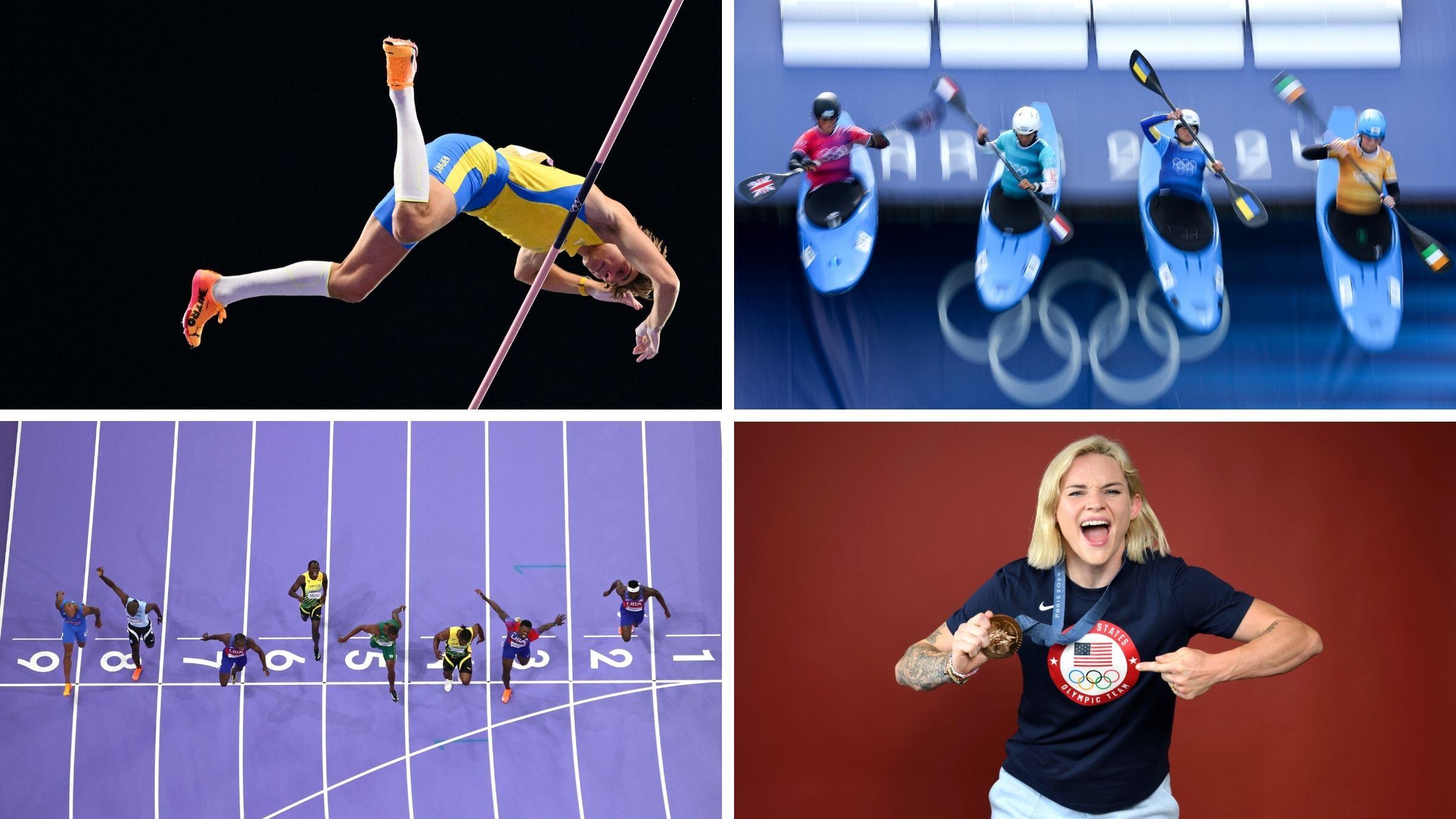
"title": "Clockwise from left, pole vaulter Armand Duplantis, the Canoe Slalom Women's Kayak Cross, women's rugby player Sammy Sullivan, and the Men's 100m Final.",
"publishDate": 1723226601,
"status": "inherit",
"parent": 13962356,
"modified": 1723229584,
"caption": "Clockwise from left, pole vaulter Armand Duplantis, the Canoe Slalom Women's Kayak Cross, women's rugby player Sammy Sullivan, and the Men's 100m Final.",
"credit": "Kirill Kudrtavtsev/AFP via Getty Images; Alex Davidson/Getty Images; Kristy Sparow/Getty Images; Richard Heathcote/Getty Images",
"altTag": "Four sports-related images from the Paris 2024 Olympics.",
"description": null,
"imgSizes": {
"kqedFullSize": {
"file": "https://cdn.kqed.org/wp-content/uploads/sites/2/2024/08/4-images-horizontal-1.jpeg",
"width": 2400,
"height": 1350
}
},
"isLoading": false,
"fetchFailed": false
},
"arts_13962205": {
"type": "attachments",
"id": "arts_13962205",
"meta": {
"index": "attachments_1716263798",
"site": "arts",
"id": "13962205",
"found": true
},
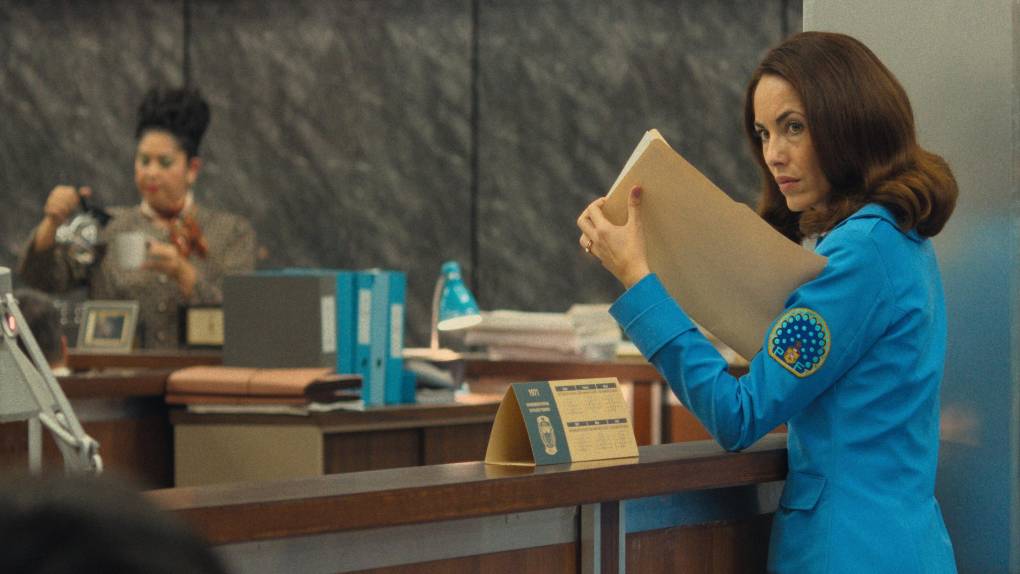
"title": "Bárbara Mori plays María in ‘Women in Blue.’",
"publishDate": 1723052847,
"status": "inherit",
"parent": 13962204,
"modified": 1723053852,
"caption": "Bárbara Mori plays María in ‘Women in Blue.’",
"credit": "Apple TV+",
"altTag": "A woman in a 1960s-style blue dress sneaks a look inside a brown file filled with papers.",
"description": null,
"imgSizes": {
"medium": {
"file": "https://cdn.kqed.org/wp-content/uploads/sites/2/2024/08/women-in-blue-las-azules-photo-010207-800x451.jpeg",
"width": 800,
"height": 451,
"mimeType": "image/jpeg"
},
"large": {
"file": "https://cdn.kqed.org/wp-content/uploads/sites/2/2024/08/women-in-blue-las-azules-photo-010207-1020x574.jpeg",
"width": 1020,
"height": 574,
"mimeType": "image/jpeg"
},
"thumbnail": {
"file": "https://cdn.kqed.org/wp-content/uploads/sites/2/2024/08/women-in-blue-las-azules-photo-010207-160x90.jpeg",
"width": 160,
"height": 90,
"mimeType": "image/jpeg"
},
"medium_large": {
"file": "https://cdn.kqed.org/wp-content/uploads/sites/2/2024/08/women-in-blue-las-azules-photo-010207-768x433.jpeg",
"width": 768,
"height": 433,
"mimeType": "image/jpeg"
},
"1536x1536": {
"file": "https://cdn.kqed.org/wp-content/uploads/sites/2/2024/08/women-in-blue-las-azules-photo-010207-1536x865.jpeg",
"width": 1536,
"height": 865,
"mimeType": "image/jpeg"
},
"2048x2048": {
"file": "https://cdn.kqed.org/wp-content/uploads/sites/2/2024/08/women-in-blue-las-azules-photo-010207-2048x1153.jpeg",
"width": 2048,
"height": 1153,
"mimeType": "image/jpeg"
},
"post-thumbnail": {
"file": "https://cdn.kqed.org/wp-content/uploads/sites/2/2024/08/women-in-blue-las-azules-photo-010207-672x372.jpeg",
"width": 672,
"height": 372,
"mimeType": "image/jpeg"
},
"twentyfourteen-full-width": {
"file": "https://cdn.kqed.org/wp-content/uploads/sites/2/2024/08/women-in-blue-las-azules-photo-010207-1038x576.jpeg",
"width": 1038,
"height": 576,
"mimeType": "image/jpeg"
},
"full-width": {
"file": "https://cdn.kqed.org/wp-content/uploads/sites/2/2024/08/women-in-blue-las-azules-photo-010207-1920x1081.jpeg",
"width": 1920,
"height": 1081,
"mimeType": "image/jpeg"
},
"kqedFullSize": {
"file": "https://cdn.kqed.org/wp-content/uploads/sites/2/2024/08/women-in-blue-las-azules-photo-010207-scaled-e1723053874312.jpeg",
"width": 1920,
"height": 1082
}
},
"isLoading": false,
"fetchFailed": false
},
"arts_13961968": {
"type": "attachments",
"id": "arts_13961968",
"meta": {
"index": "attachments_1716263798",
"site": "arts",
"id": "13961968",
"found": true
},
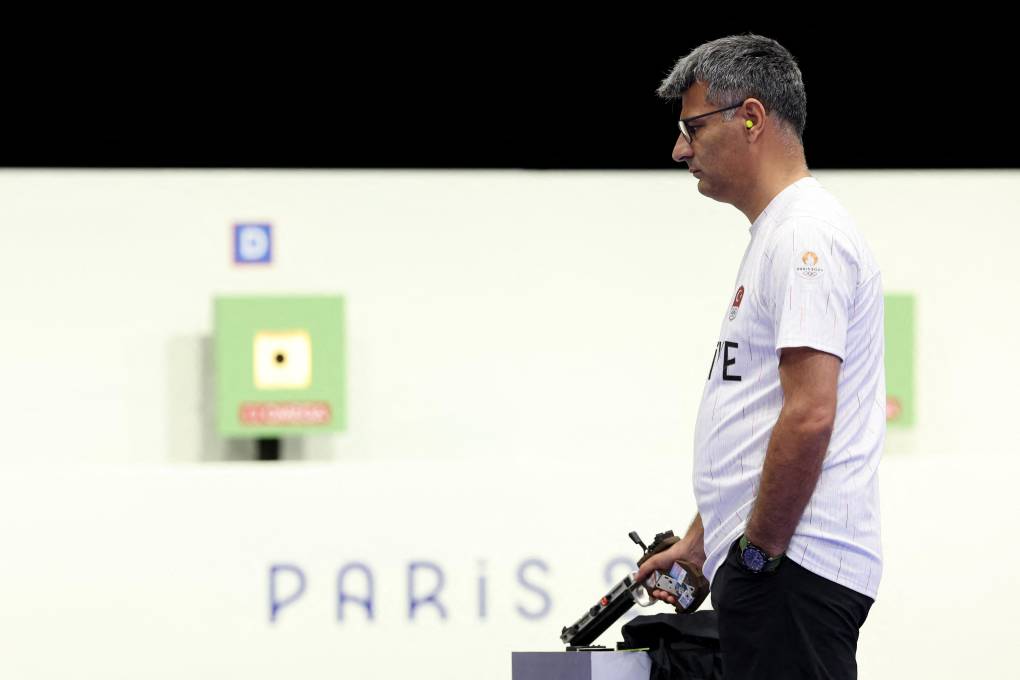
"title": "SHOOTING-OLY-PARIS-2024",
"publishDate": 1722557455,
"status": "inherit",
"parent": 13961967,
"modified": 1722558940,
"caption": "Turkey's Yusuf Dikec, competing in the shooting 10m air pistol mixed team went viral for his casual look.",
"credit": "Alain Jocard/AFP",
"altTag": "A man with one hand in his pocket, wearing a white t-shirt stands in front of a 'Paris' sign holding a gun.",
"description": "Turkey's Yusuf Dikec, competing in the shooting 10m air pistol mixed team went viral for his casual look.",
"imgSizes": {
"medium": {
"file": "https://cdn.kqed.org/wp-content/uploads/sites/2/2024/08/gettyimages-2163848592-800x533.jpeg",
"width": 800,
"height": 533,
"mimeType": "image/jpeg"
},
"large": {
"file": "https://cdn.kqed.org/wp-content/uploads/sites/2/2024/08/gettyimages-2163848592-1020x680.jpeg",
"width": 1020,
"height": 680,
"mimeType": "image/jpeg"
},
"thumbnail": {
"file": "https://cdn.kqed.org/wp-content/uploads/sites/2/2024/08/gettyimages-2163848592-160x107.jpeg",
"width": 160,
"height": 107,
"mimeType": "image/jpeg"
},
"medium_large": {
"file": "https://cdn.kqed.org/wp-content/uploads/sites/2/2024/08/gettyimages-2163848592-768x512.jpeg",
"width": 768,
"height": 512,
"mimeType": "image/jpeg"
},
"1536x1536": {
"file": "https://cdn.kqed.org/wp-content/uploads/sites/2/2024/08/gettyimages-2163848592-1536x1024.jpeg",
"width": 1536,
"height": 1024,
"mimeType": "image/jpeg"
},
"2048x2048": {
"file": "https://cdn.kqed.org/wp-content/uploads/sites/2/2024/08/gettyimages-2163848592-2048x1365.jpeg",
"width": 2048,
"height": 1365,
"mimeType": "image/jpeg"
},
"post-thumbnail": {
"file": "https://cdn.kqed.org/wp-content/uploads/sites/2/2024/08/gettyimages-2163848592-672x372.jpeg",
"width": 672,
"height": 372,
"mimeType": "image/jpeg"
},
"twentyfourteen-full-width": {
"file": "https://cdn.kqed.org/wp-content/uploads/sites/2/2024/08/gettyimages-2163848592-1038x576.jpeg",
"width": 1038,
"height": 576,
"mimeType": "image/jpeg"
},
"full-width": {
"file": "https://cdn.kqed.org/wp-content/uploads/sites/2/2024/08/gettyimages-2163848592-1920x1280.jpeg",
"width": 1920,
"height": 1280,
"mimeType": "image/jpeg"
},
"kqedFullSize": {
"file": "https://cdn.kqed.org/wp-content/uploads/sites/2/2024/08/gettyimages-2163848592-scaled-e1722558821733.jpeg",
"width": 1920,
"height": 1280
}
},
"isLoading": false,
"fetchFailed": false
},
"arts_13961862": {
"type": "attachments",
"id": "arts_13961862",
"meta": {
"index": "attachments_1716263798",
"site": "arts",
"id": "13961862",
"found": true
},
"title": "Brazil’s Gabriel Medina reacts after catching a large wave in the men’s surfing competition during the Paris Olympics on July 29, 2024.",
"publishDate": 1722459085,
"status": "inherit",
"parent": 13961861,
"modified": 1722459822,
"caption": "Brazil’s Gabriel Medina reacts after catching a large wave in the men’s surfing competition during the Paris Olympics on July 29, 2024. ",
"credit": "JEROME BROUILLET/AFP via Getty Images",
"altTag": "A surfer stands upright in midair, with one arm extended aloft. Behind him trails his surfboard, tethered to his ankle, also in midair. The ocean waves roll several feet below.",
"description": null,
"imgSizes": {
"medium": {
"file": "https://cdn.kqed.org/wp-content/uploads/sites/2/2024/07/gettyimages-2163817418-800x532.jpeg",
"width": 800,
"height": 532,
"mimeType": "image/jpeg"
},
"large": {
"file": "https://cdn.kqed.org/wp-content/uploads/sites/2/2024/07/gettyimages-2163817418-1020x678.jpeg",
"width": 1020,
"height": 678,
"mimeType": "image/jpeg"
},
"thumbnail": {
"file": "https://cdn.kqed.org/wp-content/uploads/sites/2/2024/07/gettyimages-2163817418-160x106.jpeg",
"width": 160,
"height": 106,
"mimeType": "image/jpeg"
},
"medium_large": {
"file": "https://cdn.kqed.org/wp-content/uploads/sites/2/2024/07/gettyimages-2163817418-768x510.jpeg",
"width": 768,
"height": 510,
"mimeType": "image/jpeg"
},
"1536x1536": {
"file": "https://cdn.kqed.org/wp-content/uploads/sites/2/2024/07/gettyimages-2163817418-1536x1021.jpeg",
"width": 1536,
"height": 1021,
"mimeType": "image/jpeg"
},
"2048x2048": {
"file": "https://cdn.kqed.org/wp-content/uploads/sites/2/2024/07/gettyimages-2163817418-2048x1361.jpeg",
"width": 2048,
"height": 1361,
"mimeType": "image/jpeg"
},
"post-thumbnail": {
"file": "https://cdn.kqed.org/wp-content/uploads/sites/2/2024/07/gettyimages-2163817418-672x372.jpeg",
"width": 672,
"height": 372,
"mimeType": "image/jpeg"
},
"twentyfourteen-full-width": {
"file": "https://cdn.kqed.org/wp-content/uploads/sites/2/2024/07/gettyimages-2163817418-1038x576.jpeg",
"width": 1038,
"height": 576,
"mimeType": "image/jpeg"
},
"full-width": {
"file": "https://cdn.kqed.org/wp-content/uploads/sites/2/2024/07/gettyimages-2163817418-1920x1276.jpeg",
"width": 1920,
"height": 1276,
"mimeType": "image/jpeg"
},
"kqedFullSize": {
"file": "https://cdn.kqed.org/wp-content/uploads/sites/2/2024/07/gettyimages-2163817418-scaled-e1722459255521.jpeg",
"width": 1920,
"height": 1277
}
},
"isLoading": false,
"fetchFailed": false
}
},
"audioPlayerReducer": {
"postId": "stream_live",
"isPaused": true,
"isPlaying": false,
"pfsActive": false,
"pledgeModalIsOpen": true,
"playerDrawerIsOpen": false,
"liveAudioPlayStartedAt": 0,
"liveAudioPlayContext": ""
},
"authorsReducer": {
"byline_arts_13963406": {
"type": "authors",
"id": "byline_arts_13963406",
"meta": {
"override": true
},
"slug": "byline_arts_13963406",
"name": "Tahneer Oksman, NPR",
"isLoading": false
},
"byline_arts_13963269": {
"type": "authors",
"id": "byline_arts_13963269",
"meta": {
"override": true
},
"slug": "byline_arts_13963269",
"name": "Glen Weldon, NPR",
"isLoading": false
},
"byline_arts_13963147": {
"type": "authors",
"id": "byline_arts_13963147",
"meta": {
"override": true
},
"slug": "byline_arts_13963147",
"name": "Justin Chang, NPR",
"isLoading": false
},
"byline_arts_13963123": {
"type": "authors",
"id": "byline_arts_13963123",
"meta": {
"override": true
},
"slug": "byline_arts_13963123",
"name": "Eric Deggans, NPR",
"isLoading": false
},
"byline_arts_13963041": {
"type": "authors",
"id": "byline_arts_13963041",
"meta": {
"override": true
},
"slug": "byline_arts_13963041",
"name": "Chloe Veltman, NPR",
"isLoading": false
},
"byline_arts_13962965": {
"type": "authors",
"id": "byline_arts_13962965",
"meta": {
"override": true
},
"slug": "byline_arts_13962965",
"name": "Maureen Corrigan, NPR",
"isLoading": false
},
"byline_arts_13962567": {
"type": "authors",
"id": "byline_arts_13962567",
"meta": {
"override": true
},
"slug": "byline_arts_13962567",
"name": "Rebecca Rosman, NPR",
"isLoading": false
},
"byline_arts_13962388": {
"type": "authors",
"id": "byline_arts_13962388",
"meta": {
"override": true
},
"slug": "byline_arts_13962388",
"name": "Eric Deggans",
"isLoading": false
},
"byline_arts_13962356": {
"type": "authors",
"id": "byline_arts_13962356",
"meta": {
"override": true
},
"slug": "byline_arts_13962356",
"name": "Linda Holmes, NPR",
"isLoading": false
},
"byline_arts_13962204": {
"type": "authors",
"id": "byline_arts_13962204",
"meta": {
"override": true
},
"slug": "byline_arts_13962204",
"name": "John Powers, NPR",
"isLoading": false
},
"byline_arts_13961967": {
"type": "authors",
"id": "byline_arts_13961967",
"meta": {
"override": true
},
"slug": "byline_arts_13961967",
"name": "Rachel Treisman, NPR",
"isLoading": false
},
"byline_arts_13961861": {
"type": "authors",
"id": "byline_arts_13961861",
"meta": {
"override": true
},
"slug": "byline_arts_13961861",
"name": "Natalie Escobar",
"isLoading": false
}
},
"pagesReducer": {
"arts_affiliate_npr": {
"type": "terms",
"id": "arts_137",
"meta": {
"index": "terms_1716263798",
"site": "arts",
"id": "137",
"score": 14.257248
},
"featImg": "https://ww2.kqed.org/app/uploads/sites/2/2014/04/logo-npr-lg1.png",
"name": "NPR",
"description": null,
"taxonomy": "affiliate",
"headData": {
"twImgId": null,
"twTitle": null,
"ogTitle": null,
"ogImgId": null,
"twDescription": null,
"description": null,
"title": "NPR Archives | KQED Arts",
"ogDescription": null
},
"ttid": 138,
"slug": "npr",
"isLoading": false,
"title": "NPR",
"pageMeta": {
"site": "arts",
"WpPageTemplate": "page-topic-editorial",
"currentPage": 24
},
"blocks": [
{
"blockName": "kqed/post-list",
"attrs": {
"layout": "cardArticle2",
"query": "posts/arts?affiliate=npr",
"seeMore": false,
"paginated": true,
"page": 24
}
},
{
"blockName": "kqed/ad"
}
]
}
},
"pfsSessionReducer": {},
"postsReducer": {
"stream_live": {
"type": "live",
"id": "stream_live",
"audioUrl": "https://streams.kqed.org/kqedradio",
"title": "Live Stream",
"excerpt": "Live Stream information currently unavailable.",
"link": "/radio",
"featImg": "",
"label": {
"name": "KQED Live",
"link": "/"
}
},
"stream_kqedNewscast": {
"type": "posts",
"id": "stream_kqedNewscast",
"audioUrl": "https://www.kqed.org/.stream/anon/radio/RDnews/newscast.mp3?_=1",
"title": "KQED Newscast",
"featImg": "",
"label": {
"name": "88.5 FM",
"link": "/"
}
},
"arts_13963406": {
"type": "posts",
"id": "arts_13963406",
"meta": {
"index": "posts_1716263798",
"site": "arts",
"id": "13963406",
"score": null,
"sort": [
1724961794000
]
},
"guestAuthors": [],
"slug": "einstein-in-kafkaland-graphic-novel-review-history-genius-ken-krimstein",
"title": "This is Genius: A New Graphic Novel Imagines Conversations Between Einstein and Kafka",
"publishDate": 1724961794,
"format": "aside",
"headTitle": "This is Genius: A New Graphic Novel Imagines Conversations Between Einstein and Kafka | KQED",
"labelTerm": {
"term": 140,
"site": "arts"
},
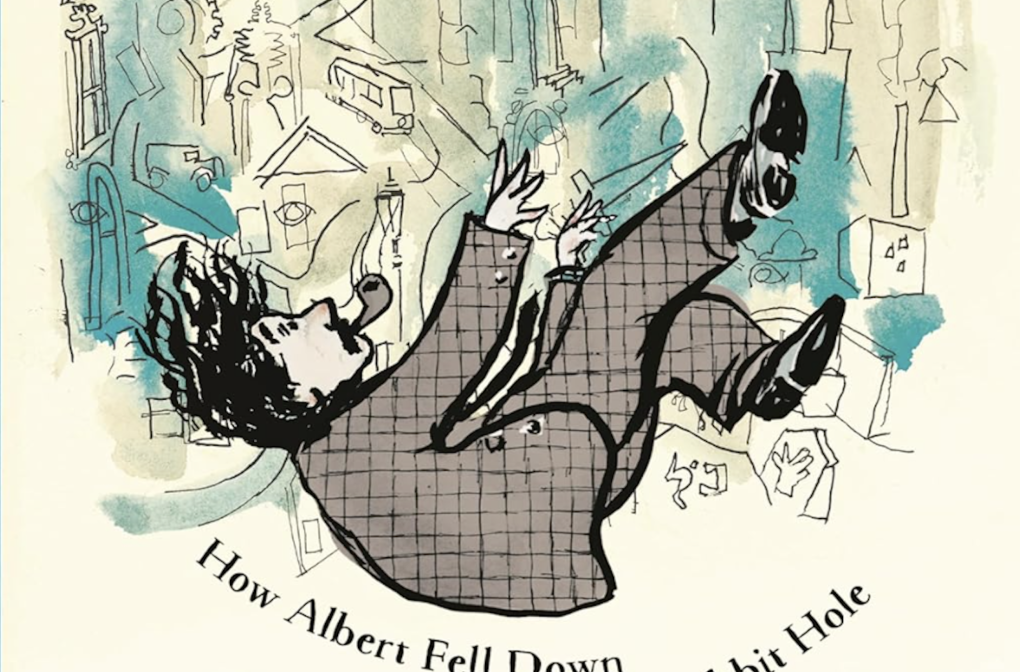
"content": "\u003cfigure id=\"attachment_13963408\" class=\"wp-caption aligncenter\" style=\"max-width: 1558px\">\u003cimg loading=\"lazy\" decoding=\"async\" class=\"size-full wp-image-13963408\" src=\"https://cdn.kqed.org/wp-content/uploads/sites/2/2024/08/kafkaland-cover.png\" alt=\"A book cover featuring an illustration of a man with wild hair, smoking a pipe and tumbling backwards.\" width=\"1558\" height=\"2000\" srcset=\"https://cdn.kqed.org/wp-content/uploads/sites/2/2024/08/kafkaland-cover.png 1558w, https://cdn.kqed.org/wp-content/uploads/sites/2/2024/08/kafkaland-cover-800x1027.png 800w, https://cdn.kqed.org/wp-content/uploads/sites/2/2024/08/kafkaland-cover-1020x1309.png 1020w, https://cdn.kqed.org/wp-content/uploads/sites/2/2024/08/kafkaland-cover-160x205.png 160w, https://cdn.kqed.org/wp-content/uploads/sites/2/2024/08/kafkaland-cover-768x986.png 768w, https://cdn.kqed.org/wp-content/uploads/sites/2/2024/08/kafkaland-cover-1197x1536.png 1197w\" sizes=\"(max-width: 1558px) 100vw, 1558px\">\u003cfigcaption class=\"wp-caption-text\">‘How Albert Fell Down the Rabbit Hole and Came Up With the Universe,’ by Ken Krimstein. \u003ccite>(Bloomsbury Publishing)\u003c/cite>\u003c/figcaption>\u003c/figure>\n\u003cp>It’s April 1, 1911, and 32-year-old Albert Einstein — former bureaucrat at the Swiss Patent Office, with a half-decade old doctorate in physics from the University of Zurich — sits in a train car with his two sons and his wife, fellow physicist and mathematician Mileva Marić. They are traveling from Zurich to Prague, where Einstein has landed a job as a full professor in theoretical physics, teaching in the German section of what is now Charles University. He has a few things on his mind, including money troubles, but most critical is his unfinished theory of relativity. When they leave the city 15 months later, Einstein will have cracked the code.\u003c/p>\n\u003cp>What happens over the course of this long, mysterious year in Prague is the question driving Ken Krimstein’s new graphic novel \u003cem>Einstein in Kafkaland\u003c/em>. Part biography, part historical fiction, Krimstein playfully explores the possibilities, building, with footnotes, on a thorough archive of letters, diaries, and other research. The result, a thought-provoking work made up of comics suffused in a gentle mix of aquamarine watercolors, is equal parts joyful and ruminative. (Think: \u003cem>Alice in Wonderland \u003c/em>meets \u003cem>The Lives of the Poets \u003c/em>meets \u003cem>Krazy Kat.\u003c/em>) The full subtitle to the book — \u003cem>How Albert Fell Down the Rabbit Hole and Came Up with the Universe\u003c/em> — signals the lavish whimsy that goes a long way towards making this such a delightful, inspiring read.\u003c/p>\n\u003cfigure id=\"attachment_13963410\" class=\"wp-caption aligncenter\" style=\"max-width: 1482px\">\u003cimg loading=\"lazy\" decoding=\"async\" class=\"size-full wp-image-13963410\" src=\"https://cdn.kqed.org/wp-content/uploads/sites/2/2024/08/ein-2.png\" alt=\"An illustration of a small figure standing at a huge window frame where there is the enormous bearded face of a man talking.\" width=\"1482\" height=\"2000\" srcset=\"https://cdn.kqed.org/wp-content/uploads/sites/2/2024/08/ein-2.png 1482w, https://cdn.kqed.org/wp-content/uploads/sites/2/2024/08/ein-2-800x1080.png 800w, https://cdn.kqed.org/wp-content/uploads/sites/2/2024/08/ein-2-1020x1377.png 1020w, https://cdn.kqed.org/wp-content/uploads/sites/2/2024/08/ein-2-160x216.png 160w, https://cdn.kqed.org/wp-content/uploads/sites/2/2024/08/ein-2-768x1036.png 768w, https://cdn.kqed.org/wp-content/uploads/sites/2/2024/08/ein-2-1138x1536.png 1138w\" sizes=\"(max-width: 1482px) 100vw, 1482px\">\u003cfigcaption class=\"wp-caption-text\">Turns out that Albert Einstein and Franz Kafka lived in Prague at the same time and had the same circle of friends. \u003ccite>(Ken Krimstein/Bloomsbury Publishing)\u003c/cite>\u003c/figcaption>\u003c/figure>\n\u003cp>Throughout, cartoon-Einstein sports his characteristic pipe alongside a signature frizzy head of hair. But it’s his obsessive ruminations that perhaps most effectively signal what has become Einstein-the-character, a culmination of all the gossip, public appearances, private words, and first-hand accounts of one of the best-known scientists to have ever lived.\u003c/p>\n\u003cp>[aside postid='arts_13963016']Krimstein pairs Einstein’s story with that of Franz Kafka, who was 28, virtually unpublished, and living with his parents in a house in Prague when Einstein arrived for his short but impactful stay. What binds the two together, in addition to an alleged one-time meeting at a weekly salon, is a complementary preoccupation with getting at the truth — “the true truth” — against all odds, and against many other people’s better judgements. For both, a journey to find this truth, whether in science or literature, is one that will sometimes alienate as painfully as it may ultimately bind them to others.\u003c/p>\n\u003cp>During Einstein’s time in Prague, a time in which he works out his theory of relativity, Kafka will have his own breakthrough. In one long feverish night he will pen the short story, most often known in English as “The Judgment,” which will launch an unparalleled writing career forever transforming art and literature. Like Einstein’s completed theory of relativity, Kafka, too, will offer the world a new way of thinking. It’s a way of thinking that, our narrator assures us, “we’re all still struggling to catch up to.”\u003c/p>\n\u003cfigure id=\"attachment_13963409\" class=\"wp-caption aligncenter\" style=\"max-width: 1441px\">\u003cimg loading=\"lazy\" decoding=\"async\" class=\"size-full wp-image-13963409\" src=\"https://cdn.kqed.org/wp-content/uploads/sites/2/2024/08/ein.png\" alt=\"A page of watercolored panels depicting Albert Einstein gazing pensively out of a window.\" width=\"1441\" height=\"2000\" srcset=\"https://cdn.kqed.org/wp-content/uploads/sites/2/2024/08/ein.png 1441w, https://cdn.kqed.org/wp-content/uploads/sites/2/2024/08/ein-800x1110.png 800w, https://cdn.kqed.org/wp-content/uploads/sites/2/2024/08/ein-1020x1416.png 1020w, https://cdn.kqed.org/wp-content/uploads/sites/2/2024/08/ein-160x222.png 160w, https://cdn.kqed.org/wp-content/uploads/sites/2/2024/08/ein-768x1066.png 768w, https://cdn.kqed.org/wp-content/uploads/sites/2/2024/08/ein-1107x1536.png 1107w\" sizes=\"(max-width: 1441px) 100vw, 1441px\">\u003cfigcaption class=\"wp-caption-text\">A moment from ‘Einstein in Kafkaland.’ \u003ccite>(Ken Krimstein/Bloomsbury Publishing)\u003c/cite>\u003c/figcaption>\u003c/figure>\n\u003cp>Despite his title, Krimstein centers his book unevenly, focusing mainly on Einstein, and taking us step by step through the meditations that lead to his discovery. Nonetheless, along the way he also provides readers with glimpses into the life of the perpetually melancholic insomniac insurance clerk, Kafka. We witness, for example, an early morning swimming routine with his best bud — and future literary executor — Max Brod. But what Kafka’s presence in the narrative most crucially enables are imagined conversations between him and Einstein. In these, the two puzzle, and sometimes commiserate, over what it means to see the world differently from everyone else. What happens when you believe so confidently in your own hard-won perceptions that you risk killing the heroes that brought you there?\u003c/p>\n\u003cp>[ad fullwidth]\u003c/p>\n\u003cp>Krimstein, a well-published cartoonist whose previous work includes another delightful graphic biography, \u003cem>The Three Escapes of Hannah Arendt\u003c/em>, luxuriates in intellectual history shoulder to shoulder with juicy biographical details. He depicts Einstein debating with his foe, Max Abraham; taking fantastical trips into a four-dimensional world with Euclid; and walking and talking with Austrian physicist, and dear friend, Paul Ehrenfest. And he exposes, too, scenes of the future Nobel Prize winner in the bath, trying to kill off bedbugs; or engaging with his young children, and wife, in Gedankenexperiments (thought experiments), to help him think through the problems that continually occupy him.\u003c/p>\n\u003cp>[aside postid='arts_13962965']At its heart, \u003cem>Einstein in Kafkaland \u003c/em>is the story of ordinary genius. It unwraps the ways in which genius so often arises out of ordinary circumstances. Perhaps even more compellingly, the book tracks how unimaginable discoveries develop following exchanges with others — friends and family, colleagues and nemeses, neighbors and role models. Aberrations aside, works of genius most wholly emerge in dialogue.\u003c/p>\n\u003chr>\n\u003cp>\u003cem>‘Einstein in Kafkaland: How Albert Fell Down the Rabbit Hole and Came Up With the Universe’ by Ken Krimstein is out now, via Bloomsbury Publishing.\u003c/em>\u003c/p>\n\u003cp>\u003c/p>\n\u003cp>\u003cem>Tahneer Oksman is a writer, teacher, and scholar specializing in memoir as well as graphic novels and comics. She lives in Brooklyn, N.Y.\u003c/em>\u003c/p>\n\n",
"blocks": [],
"excerpt": "Albert Einstein and Franz Kafka had the same circle of friends. In a new graphic novel, Ken Krimstein puts us in the room.",
"status": "publish",
"parent": 0,
"modified": 1726700788,
"stats": {
"hasAudio": false,
"hasVideo": false,
"hasChartOrMap": false,
"iframeSrcs": [],
"hasGoogleForm": false,
"hasGallery": false,
"hasHearkenModule": false,
"hasPolis": false,
"paragraphCount": 12,
"wordCount": 920
},
"headData": {
"title": "Graphic Novel Review: ‘Einstein in Kafkaland’ Ken Krimstein | KQED",
"description": "Albert Einstein and Franz Kafka had the same circle of friends. In a new graphic novel, Ken Krimstein puts us in the room.",
"ogTitle": "This is Genius: A New Graphic Novel Imagines Conversations Between Einstein and Kafka",
"ogDescription": "",
"ogImgId": "",
"twTitle": "This is Genius: A New Graphic Novel Imagines Conversations Between Einstein and Kafka",
"twDescription": "",
"twImgId": "",
"socialTitle": "Graphic Novel Review: ‘Einstein in Kafkaland’ Ken Krimstein %%page%% %%sep%% KQED",
"schema": {
"@context": "https://schema.org",
"@type": "Article",
"headline": "This is Genius: A New Graphic Novel Imagines Conversations Between Einstein and Kafka",
"datePublished": "2024-08-29T13:03:14-07:00",
"dateModified": "2024-09-18T16:06:28-07:00",
"image": "https://cdn.kqed.org/wp-content/uploads/2020/02/KQED-OG-Image@1x.png"
}
},
"sticky": false,
"nprByline": "Tahneer Oksman, NPR",
"nprStoryId": "nx-s1-5090981",
"nprHtmlLink": "https://www.npr.org/2024/08/28/nx-s1-5090981/einstein-in-kafkaland-ken-krimstein-graphic-novel",
"nprRetrievedStory": "1",
"nprPubDate": "2024-08-28T12:20:56.875-04:00",
"nprStoryDate": "2024-08-28T12:20:56.875-04:00",
"nprLastModifiedDate": "2024-08-28T12:20:56.875-04:00",
"templateType": "standard",
"featuredImageType": "standard",
"excludeFromSiteSearch": "Include",
"showOnAuthorArchivePages": "No",
"articleAge": "0",
"path": "/arts/13963406/einstein-in-kafkaland-graphic-novel-review-history-genius-ken-krimstein",
"audioTrackLength": null,
"parsedContent": [
{
"type": "contentString",
"content": "\u003cdiv class=\"post-body\">\u003cp>\u003cfigure id=\"attachment_13963408\" class=\"wp-caption aligncenter\" style=\"max-width: 1558px\">\u003cimg loading=\"lazy\" decoding=\"async\" class=\"size-full wp-image-13963408\" src=\"https://cdn.kqed.org/wp-content/uploads/sites/2/2024/08/kafkaland-cover.png\" alt=\"A book cover featuring an illustration of a man with wild hair, smoking a pipe and tumbling backwards.\" width=\"1558\" height=\"2000\" srcset=\"https://cdn.kqed.org/wp-content/uploads/sites/2/2024/08/kafkaland-cover.png 1558w, https://cdn.kqed.org/wp-content/uploads/sites/2/2024/08/kafkaland-cover-800x1027.png 800w, https://cdn.kqed.org/wp-content/uploads/sites/2/2024/08/kafkaland-cover-1020x1309.png 1020w, https://cdn.kqed.org/wp-content/uploads/sites/2/2024/08/kafkaland-cover-160x205.png 160w, https://cdn.kqed.org/wp-content/uploads/sites/2/2024/08/kafkaland-cover-768x986.png 768w, https://cdn.kqed.org/wp-content/uploads/sites/2/2024/08/kafkaland-cover-1197x1536.png 1197w\" sizes=\"(max-width: 1558px) 100vw, 1558px\">\u003cfigcaption class=\"wp-caption-text\">‘How Albert Fell Down the Rabbit Hole and Came Up With the Universe,’ by Ken Krimstein. \u003ccite>(Bloomsbury Publishing)\u003c/cite>\u003c/figcaption>\u003c/figure>\n\u003cp>It’s April 1, 1911, and 32-year-old Albert Einstein — former bureaucrat at the Swiss Patent Office, with a half-decade old doctorate in physics from the University of Zurich — sits in a train car with his two sons and his wife, fellow physicist and mathematician Mileva Marić. They are traveling from Zurich to Prague, where Einstein has landed a job as a full professor in theoretical physics, teaching in the German section of what is now Charles University. He has a few things on his mind, including money troubles, but most critical is his unfinished theory of relativity. When they leave the city 15 months later, Einstein will have cracked the code.\u003c/p>\n\u003cp>What happens over the course of this long, mysterious year in Prague is the question driving Ken Krimstein’s new graphic novel \u003cem>Einstein in Kafkaland\u003c/em>. Part biography, part historical fiction, Krimstein playfully explores the possibilities, building, with footnotes, on a thorough archive of letters, diaries, and other research. The result, a thought-provoking work made up of comics suffused in a gentle mix of aquamarine watercolors, is equal parts joyful and ruminative. (Think: \u003cem>Alice in Wonderland \u003c/em>meets \u003cem>The Lives of the Poets \u003c/em>meets \u003cem>Krazy Kat.\u003c/em>) The full subtitle to the book — \u003cem>How Albert Fell Down the Rabbit Hole and Came Up with the Universe\u003c/em> — signals the lavish whimsy that goes a long way towards making this such a delightful, inspiring read.\u003c/p>\n\u003cfigure id=\"attachment_13963410\" class=\"wp-caption aligncenter\" style=\"max-width: 1482px\">\u003cimg loading=\"lazy\" decoding=\"async\" class=\"size-full wp-image-13963410\" src=\"https://cdn.kqed.org/wp-content/uploads/sites/2/2024/08/ein-2.png\" alt=\"An illustration of a small figure standing at a huge window frame where there is the enormous bearded face of a man talking.\" width=\"1482\" height=\"2000\" srcset=\"https://cdn.kqed.org/wp-content/uploads/sites/2/2024/08/ein-2.png 1482w, https://cdn.kqed.org/wp-content/uploads/sites/2/2024/08/ein-2-800x1080.png 800w, https://cdn.kqed.org/wp-content/uploads/sites/2/2024/08/ein-2-1020x1377.png 1020w, https://cdn.kqed.org/wp-content/uploads/sites/2/2024/08/ein-2-160x216.png 160w, https://cdn.kqed.org/wp-content/uploads/sites/2/2024/08/ein-2-768x1036.png 768w, https://cdn.kqed.org/wp-content/uploads/sites/2/2024/08/ein-2-1138x1536.png 1138w\" sizes=\"(max-width: 1482px) 100vw, 1482px\">\u003cfigcaption class=\"wp-caption-text\">Turns out that Albert Einstein and Franz Kafka lived in Prague at the same time and had the same circle of friends. \u003ccite>(Ken Krimstein/Bloomsbury Publishing)\u003c/cite>\u003c/figcaption>\u003c/figure>\n\u003cp>Throughout, cartoon-Einstein sports his characteristic pipe alongside a signature frizzy head of hair. But it’s his obsessive ruminations that perhaps most effectively signal what has become Einstein-the-character, a culmination of all the gossip, public appearances, private words, and first-hand accounts of one of the best-known scientists to have ever lived.\u003c/p>\n\u003cp>\u003c/p>\u003c/div>",
"attributes": {
"named": {},
"numeric": []
}
},
{
"type": "component",
"content": "",
"name": "aside",
"attributes": {
"named": {
"postid": "arts_13963016",
"label": ""
},
"numeric": []
}
},
{
"type": "contentString",
"content": "\u003cdiv class=\"post-body\">\u003cp>Krimstein pairs Einstein’s story with that of Franz Kafka, who was 28, virtually unpublished, and living with his parents in a house in Prague when Einstein arrived for his short but impactful stay. What binds the two together, in addition to an alleged one-time meeting at a weekly salon, is a complementary preoccupation with getting at the truth — “the true truth” — against all odds, and against many other people’s better judgements. For both, a journey to find this truth, whether in science or literature, is one that will sometimes alienate as painfully as it may ultimately bind them to others.\u003c/p>\n\u003cp>During Einstein’s time in Prague, a time in which he works out his theory of relativity, Kafka will have his own breakthrough. In one long feverish night he will pen the short story, most often known in English as “The Judgment,” which will launch an unparalleled writing career forever transforming art and literature. Like Einstein’s completed theory of relativity, Kafka, too, will offer the world a new way of thinking. It’s a way of thinking that, our narrator assures us, “we’re all still struggling to catch up to.”\u003c/p>\n\u003cfigure id=\"attachment_13963409\" class=\"wp-caption aligncenter\" style=\"max-width: 1441px\">\u003cimg loading=\"lazy\" decoding=\"async\" class=\"size-full wp-image-13963409\" src=\"https://cdn.kqed.org/wp-content/uploads/sites/2/2024/08/ein.png\" alt=\"A page of watercolored panels depicting Albert Einstein gazing pensively out of a window.\" width=\"1441\" height=\"2000\" srcset=\"https://cdn.kqed.org/wp-content/uploads/sites/2/2024/08/ein.png 1441w, https://cdn.kqed.org/wp-content/uploads/sites/2/2024/08/ein-800x1110.png 800w, https://cdn.kqed.org/wp-content/uploads/sites/2/2024/08/ein-1020x1416.png 1020w, https://cdn.kqed.org/wp-content/uploads/sites/2/2024/08/ein-160x222.png 160w, https://cdn.kqed.org/wp-content/uploads/sites/2/2024/08/ein-768x1066.png 768w, https://cdn.kqed.org/wp-content/uploads/sites/2/2024/08/ein-1107x1536.png 1107w\" sizes=\"(max-width: 1441px) 100vw, 1441px\">\u003cfigcaption class=\"wp-caption-text\">A moment from ‘Einstein in Kafkaland.’ \u003ccite>(Ken Krimstein/Bloomsbury Publishing)\u003c/cite>\u003c/figcaption>\u003c/figure>\n\u003cp>Despite his title, Krimstein centers his book unevenly, focusing mainly on Einstein, and taking us step by step through the meditations that lead to his discovery. Nonetheless, along the way he also provides readers with glimpses into the life of the perpetually melancholic insomniac insurance clerk, Kafka. We witness, for example, an early morning swimming routine with his best bud — and future literary executor — Max Brod. But what Kafka’s presence in the narrative most crucially enables are imagined conversations between him and Einstein. In these, the two puzzle, and sometimes commiserate, over what it means to see the world differently from everyone else. What happens when you believe so confidently in your own hard-won perceptions that you risk killing the heroes that brought you there?\u003c/p>\n\u003cp>\u003c/p>\u003c/div>",
"attributes": {
"named": {},
"numeric": []
}
},
{
"type": "component",
"content": "",
"name": "ad",
"attributes": {
"named": {
"label": "fullwidth"
},
"numeric": [
"fullwidth"
]
}
},
{
"type": "contentString",
"content": "\u003cdiv class=\"post-body\">\u003cp>\u003c/p>\n\u003cp>Krimstein, a well-published cartoonist whose previous work includes another delightful graphic biography, \u003cem>The Three Escapes of Hannah Arendt\u003c/em>, luxuriates in intellectual history shoulder to shoulder with juicy biographical details. He depicts Einstein debating with his foe, Max Abraham; taking fantastical trips into a four-dimensional world with Euclid; and walking and talking with Austrian physicist, and dear friend, Paul Ehrenfest. And he exposes, too, scenes of the future Nobel Prize winner in the bath, trying to kill off bedbugs; or engaging with his young children, and wife, in Gedankenexperiments (thought experiments), to help him think through the problems that continually occupy him.\u003c/p>\n\u003cp>\u003c/p>\u003c/div>",
"attributes": {
"named": {},
"numeric": []
}
},
{
"type": "component",
"content": "",
"name": "aside",
"attributes": {
"named": {
"postid": "arts_13962965",
"label": ""
},
"numeric": []
}
},
{
"type": "contentString",
"content": "\u003cdiv class=\"post-body\">\u003cp>At its heart, \u003cem>Einstein in Kafkaland \u003c/em>is the story of ordinary genius. It unwraps the ways in which genius so often arises out of ordinary circumstances. Perhaps even more compellingly, the book tracks how unimaginable discoveries develop following exchanges with others — friends and family, colleagues and nemeses, neighbors and role models. Aberrations aside, works of genius most wholly emerge in dialogue.\u003c/p>\n\u003chr>\n\u003cp>\u003cem>‘Einstein in Kafkaland: How Albert Fell Down the Rabbit Hole and Came Up With the Universe’ by Ken Krimstein is out now, via Bloomsbury Publishing.\u003c/em>\u003c/p>\n\u003cp>\u003c/p>\n\u003cp>\u003cem>Tahneer Oksman is a writer, teacher, and scholar specializing in memoir as well as graphic novels and comics. She lives in Brooklyn, N.Y.\u003c/em>\u003c/p>\n\n\u003c/div>\u003c/p>",
"attributes": {
"named": {},
"numeric": []
}
}
],
"link": "/arts/13963406/einstein-in-kafkaland-graphic-novel-review-history-genius-ken-krimstein",
"authors": [
"byline_arts_13963406"
],
"programs": [
"arts_140"
],
"categories": [
"arts_1",
"arts_73",
"arts_7862",
"arts_75"
],
"tags": [
"arts_10629",
"arts_769",
"arts_585"
],
"affiliates": [
"arts_137"
],
"featImg": "arts_13963411",
"label": "arts_140"
},
"arts_13963269": {
"type": "posts",
"id": "arts_13963269",
"meta": {
"index": "posts_1716263798",
"site": "arts",
"id": "13963269",
"score": null,
"sort": [
1724855566000
]
},
"guestAuthors": [],
"slug": "dungeons-and-dragons-lgbtq-1980s-satanic-panic-dd",
"title": "Dungeons, Dragons and Shoulder Pads: Why I loved D&D as a Closeted Teen",
"publishDate": 1724855566,
"format": "standard",
"headTitle": "Dungeons, Dragons and Shoulder Pads: Why I loved D&D as a Closeted Teen | KQED",
"labelTerm": {
"term": 137,
"site": "arts"
},
"content": "\u003cp>\u003cem>Dungeons & Dragons\u003c/em> turns 50 this year. The tabletop role playing game (TTRPG) has gone through a slew of revised editions, expansions and hack ‘n’ slay imitators, weathered a Satanic panic or two, seen itself replaced in the hearts and minds of the nation’s nerds by games like \u003cem>Magic: The Gathering\u003c/em> and \u003cem>Pokemon\u003c/em>, only to experience a bold popular resurgence in recent years, thanks in no small part to so-called Actual Play TTRPG podcasts and web series like \u003ca href=\"https://www.youtube.com/c/criticalrole\">\u003cem>\u003cu>Critical Role\u003c/u>\u003c/em>\u003c/a>, \u003ca href=\"https://www.youtube.com/dimension20show\">\u003cem>\u003cu>Dimension 20\u003c/u>\u003c/em>\u003c/a> and \u003ca href=\"https://maximumfun.org/podcasts/adventure-zone/\">\u003cem>\u003cu>The Adventure Zone\u003c/u>\u003c/em>\u003c/a>.\u003c/p>\n\u003cp>[aside postid='arts_13960471']In other words: As a pop culture phenomenon, it’s been hacked, but it still slays.\u003c/p>\n\u003cp>I played my first game of D&D in 1978, just four years after its launch. I was 10 years old; it was summer. My friend down the street invited me over to his house, which usually meant forcing me to play catch with him in his backyard (read: He’d whip a baseball at my face, I’d flinch and let it bounce off me, I’d pick it up and toss it back so it landed in the grass 3 feet in front of him with a woeful thud; repeat until dinner time). On this occasion, to my surprise and delight, we sat on his screened-in porch as he took out what I have since learned was the box of rulebooks and polyhedral dice known as the \u003ca href=\"https://en.wikipedia.org/wiki/Dungeons_%26_Dragons_Basic_Set\">\u003cem>\u003cu>Dungeons & Dragons Basic Set\u003c/u>\u003c/em>\u003c/a>.\u003c/p>\n\u003cfigure id=\"attachment_13963312\" class=\"wp-caption aligncenter\" style=\"max-width: 2000px\">\u003cimg loading=\"lazy\" decoding=\"async\" class=\"size-full wp-image-13963312\" src=\"https://cdn.kqed.org/wp-content/uploads/sites/2/2024/08/old-game.png\" alt=\"A grainy photo of a miniature figures and two books with covers featuring demonic looking figures. \" width=\"2000\" height=\"1529\" srcset=\"https://cdn.kqed.org/wp-content/uploads/sites/2/2024/08/old-game.png 2000w, https://cdn.kqed.org/wp-content/uploads/sites/2/2024/08/old-game-800x612.png 800w, https://cdn.kqed.org/wp-content/uploads/sites/2/2024/08/old-game-1020x780.png 1020w, https://cdn.kqed.org/wp-content/uploads/sites/2/2024/08/old-game-160x122.png 160w, https://cdn.kqed.org/wp-content/uploads/sites/2/2024/08/old-game-768x587.png 768w, https://cdn.kqed.org/wp-content/uploads/sites/2/2024/08/old-game-1536x1174.png 1536w, https://cdn.kqed.org/wp-content/uploads/sites/2/2024/08/old-game-1920x1468.png 1920w\" sizes=\"(max-width: 2000px) 100vw, 2000px\">\u003cfigcaption class=\"wp-caption-text\">Dungeons and Dragons game pieces, photographed in 1986. \u003ccite>(Joel Congdon/Getty Images)\u003c/cite>\u003c/figcaption>\u003c/figure>\n\u003cp>I loved it from the jump, largely because everything about the game was so deeply indebted to my beloved Tolkien (Wizards! Halflings! Orcs! That titular dragon on the box cover, atop its pile of gold!). But it didn’t last; my neighbor started at a new school in the fall, and we lost touch.\u003c/p>\n\u003cp>[aside postid='pop_10178']I didn’t start playing my first real, sustained D&D campaign until three years later. My friend David wanted to try his hand at being a dungeon master and invited me and three other kids I didn’t know to form an adventuring party. When I arrived at that very first session in David’s bedroom, they’d already created their characters — a fighter, a thief and a ranger. They urged me to play as a cleric, who could hang back and heal them whenever they got beaten up. I liked the idea of staying out of the heat of battle and just being the guy who patched my friends up, earning their deep and abiding gratitude. Feeling needed, appreciated. It was tempting, I admit. But then destiny, in the form of my nascent queerness, intervened.\u003c/p>\n\u003cp>[ad fullwidth]\u003c/p>\n\u003cp>David invited me to look through a thin paperback D&D supplemental rulebook called \u003cem>The Rogues Gallery\u003c/em> — page after page of ready-made characters I could choose from. I flipped through the clerics, but nothing grabbed me. But then, on page 12, just above the chart of a class of characters called Illusionists, I saw it. Him.\u003c/p>\n\u003cfigure id=\"attachment_13963310\" class=\"wp-caption aligncenter\" style=\"max-width: 1298px\">\u003cimg loading=\"lazy\" decoding=\"async\" class=\"size-full wp-image-13963310\" src=\"https://cdn.kqed.org/wp-content/uploads/sites/2/2024/08/Screenshot-2024-08-27-at-10.56.52%E2%80%AFPM.png\" alt=\"A line drawing of a flamboyant and slender man appearing from mist surrounded by mythical creatures.\" width=\"1298\" height=\"976\" srcset=\"https://cdn.kqed.org/wp-content/uploads/sites/2/2024/08/Screenshot-2024-08-27-at-10.56.52 PM.png 1298w, https://cdn.kqed.org/wp-content/uploads/sites/2/2024/08/Screenshot-2024-08-27-at-10.56.52 PM-800x602.png 800w, https://cdn.kqed.org/wp-content/uploads/sites/2/2024/08/Screenshot-2024-08-27-at-10.56.52 PM-1020x767.png 1020w, https://cdn.kqed.org/wp-content/uploads/sites/2/2024/08/Screenshot-2024-08-27-at-10.56.52 PM-160x120.png 160w, https://cdn.kqed.org/wp-content/uploads/sites/2/2024/08/Screenshot-2024-08-27-at-10.56.52 PM-768x577.png 768w\" sizes=\"(max-width: 1298px) 100vw, 1298px\">\u003cfigcaption class=\"wp-caption-text\">The Illusionist in question from ‘Advanced Dungeons & Dragons: The Rogues Gallery,’ by Brian Blume with Dave Cook and Jean Wells. \u003ccite>(1980, TSR Games.)\u003c/cite>\u003c/figcaption>\u003c/figure>\n\u003cp>It was a pencil sketch by illustrator Jeff Dee. A tall, thin male figure stands facing the viewer. In his right hand he holds a staff, while his left is open, palm up. He holds his arms slightly away from his body, and sets his shoulders at a rakish tilt — the resulting stance is somewhere between that of an insouciant shrug and a hearty “ta-DAHHH!” He is surrounded by a thick fog — the spell he is presumably casting — out of which leer several monstrous faces.\u003c/p>\n\u003cp>I liked that. But what I \u003cem>loved\u003c/em>, what moved me, what sealed the deal for my young, closeted, queer self, was his outfit.\u003c/p>\n\u003cp>Thigh boots, for one thing. I mean, what was I, made of \u003cem>stone\u003c/em>?\u003c/p>\n\u003cp>Plus, scandalously tight pants set off by a belt and dagger. And clinging to every ridge of his slim, muscular torso, a sleeveless tunic — a tank-top, basically — that still somehow managed to boast kicky shoulder pads.\u003c/p>\n\u003cp>[aside postid='arts_13960838']This is the important bit, the part you must understand: I’m not just talking thin, epaulet-like shoulder bumps. No, these were dramatic, flared, Ming the Merciless meets Julia Sugarbaker \u003cem>shoulder pads\u003c/em>.\u003c/p>\n\u003cp>The other stuff — the parted-down-the-middle blowout, the cheekbones, the diadem, the big chunky necklace? Icing on the cake. Superfluous. I’m self-aware enough to know that it was that tank top with shoulder pads that did it.\u003c/p>\n\u003cp>“I want to be an Illusionist,” I said, firmly, which caused my fellow players to roll their eyes and mutter the first of what would turn out to be a sustained pattern of homophobic slurs in my general direction. I didn’t, and still don’t, care. I was fierce, and I was \u003cem>fabulous\u003c/em>.\u003c/p>\n\u003cp>I fell hard for the game, then. I subscribed to \u003cem>Dragon \u003c/em>magazine, and regularly pestered my mom to schlep me to \u003ca href=\"https://www.google.com/search?q=%22Dragon%27s+lair%22+%22independence+mall%22&rlz=1C1GCEJ_enUS1083US1083&oq=%22Dragon%27s+lair%22+%22independence+mall%22&gs_lcrp=EgZjaHJvbWUyBggAEEUYOTIHCAEQIRigATIHCAIQIRigATIHCAMQIRigATIHCAQQIRigATIHCAUQIRigATIHCAYQIRirAtIBCTEyOTI5ajBqNKgCALACAA&sourceid=chrome&ie=UTF-8#fpstate=ive&vld=cid:7e8f5c94,vid:KnSlDFn3Zxg,st:0\">\u003cu>Dragon’s Lair, in a sad strip mall just north of Wilmington, Del.\u003c/u>\u003c/a>, where I dutifully bought more rulebooks, more dice, more dungeon modules and a steady stream of lead miniatures that I painted very, very, \u003cem>very \u003c/em>badly.\u003c/p>\n\u003cp>It wasn’t easy. Just as I was entering my heedless, full-bore devotion to the game, the Philly paper ran an article in its Sunday magazine which cited “experts” about the game’s purported Satanic roots. An article that, the following Sunday, caused the sweet, kindly pastor at our sleepy suburban Grove United Methodist Church to launch into what was (for him, anyway) a fire-and-brimstone sermon decrying the game. About the same time, novelist Rona Jaffe published \u003cem>Mazes & Monsters\u003c/em>, an extended bout of literary hand-wringing over the game’s supposed deleterious effect on the youth of America, which was promptly made into a \u003ca href=\"https://www.youtube.com/watch?v=yX5ClJ1Y1ik\">\u003cu>profoundly cheesy, absolute hoot-and-a-half of a TV movie\u003c/u>\u003c/a> starring a young Tom Hanks as a dude who suffers a psychotic break attributed to the game.\u003c/p>\n\u003cfigure id=\"attachment_13963311\" class=\"wp-caption aligncenter\" style=\"max-width: 1600px\">\u003cimg loading=\"lazy\" decoding=\"async\" class=\"size-full wp-image-13963311\" src=\"https://cdn.kqed.org/wp-content/uploads/sites/2/2024/08/dandd.png\" alt=\"A newspaper cover featuring a fire-breathing dragon with wings.\" width=\"1600\" height=\"2000\" srcset=\"https://cdn.kqed.org/wp-content/uploads/sites/2/2024/08/dandd.png 1600w, https://cdn.kqed.org/wp-content/uploads/sites/2/2024/08/dandd-800x1000.png 800w, https://cdn.kqed.org/wp-content/uploads/sites/2/2024/08/dandd-1020x1275.png 1020w, https://cdn.kqed.org/wp-content/uploads/sites/2/2024/08/dandd-160x200.png 160w, https://cdn.kqed.org/wp-content/uploads/sites/2/2024/08/dandd-768x960.png 768w, https://cdn.kqed.org/wp-content/uploads/sites/2/2024/08/dandd-1229x1536.png 1229w\" sizes=\"(max-width: 1600px) 100vw, 1600px\">\u003cfigcaption class=\"wp-caption-text\">This ‘Philadelphia Inquirer’ article from July 1981 included psychologists fretting that players used it to escape reality, and religious figures who warned that the game was a work of Satan. \u003ccite>(Today, the Philadelphia Inquirer Magazine/ via Newspapers.com)\u003c/cite>\u003c/figcaption>\u003c/figure>\n\u003cp>Over the handful of years I played D&D in earnest, back then, I had to talk my parents off the ledge every time some new magazine article or \u003ca href=\"https://www.youtube.com/watch?v=yShqF1YSfDs\">\u003cem>\u003cu>60 Minutes\u003c/u>\u003c/em>\u003cu> segment\u003c/u>\u003c/a> came out spotlighting the entirely manufactured “controversy” around the game. It was exhausting. But I kept at it; I had to. I \u003cem>needed \u003c/em>to.\u003c/p>\n\u003cp>[aside postid='arts_13962783']Because there was this one time? When my friends and I were being rushed by a phalanx of orcs, and I cast an illusion of a deep pit on the ground in front of us, filled with bubbling acid and metal spikes, and the orcs failed their saving throws and believed they fell into said illusory pit, and impaled themselves on the illusory spikes, and dissolved in the illusory acid and thus died actual deaths?\u003c/p>\n\u003cp>That? That was cool. And, for just those few fleeting seconds, down there in the deepest, most tortured throes of my closeted, excruciatingly awkward puberty, so was I.\u003c/p>\n\u003cp>Ta-dah.\u003c/p>\n\u003chr>\n\u003cp>\u003cem>This piece also appeared in NPR’s Pop Culture Happy Hour newsletter. \u003c/em>\u003ca href=\"https://www.npr.org/newsletter/pop-culture\">\u003cem>Sign up for the newsletter\u003c/em>\u003c/a>\u003cem>, plus get weekly recommendations about what’s making us happy.\u003c/em>\u003c/p>\n\u003cp>[ad floatright]\u003c/p>\n\u003cp>\u003cem>Listen to Pop Culture Happy Hour on \u003c/em>\u003ca href=\"http://n.pr/3xNgYt9\">\u003cem>Apple Podcasts\u003c/em>\u003c/a>\u003cem> and \u003c/em>\u003ca href=\"http://n.pr/3ELR3n6\">\u003cem>Spotify\u003c/em>\u003c/a>\u003cem>.\u003c/em>\u003c/p>\n\n",
"blocks": [],
"excerpt": "As Dungeons & Dragons turns 50, critic Glen Weldon looks back on the fierce illusionist that would become his first character.",
"status": "publish",
"parent": 0,
"modified": 1724826891,
"stats": {
"hasAudio": false,
"hasVideo": false,
"hasChartOrMap": false,
"iframeSrcs": [],
"hasGoogleForm": false,
"hasGallery": false,
"hasHearkenModule": false,
"hasPolis": false,
"paragraphCount": 23,
"wordCount": 1308
},
"headData": {
"title": "‘Dungeons & Dragons’ Is 50 — and Queerer Than You Know | KQED",
"description": "As Dungeons & Dragons turns 50, critic Glen Weldon looks back on the fierce illusionist that would become his first character.",
"ogTitle": "Dungeons, Dragons and Shoulder Pads: Why I loved D&D as a Closeted Teen",
"ogDescription": "",
"ogImgId": "",
"twTitle": "Dungeons, Dragons and Shoulder Pads: Why I loved D&D as a Closeted Teen",
"twDescription": "",
"twImgId": "",
"socialTitle": "‘Dungeons & Dragons’ Is 50 — and Queerer Than You Know %%page%% %%sep%% KQED",
"schema": {
"@context": "https://schema.org",
"@type": "Article",
"headline": "Dungeons, Dragons and Shoulder Pads: Why I loved D&D as a Closeted Teen",
"datePublished": "2024-08-28T07:32:46-07:00",
"dateModified": "2024-08-27T23:34:51-07:00",
"image": "https://cdn.kqed.org/wp-content/uploads/2020/02/KQED-OG-Image@1x.png"
}
},
"sticky": false,
"nprByline": "Glen Weldon, NPR",
"nprStoryId": "nx-s1-5087506",
"nprHtmlLink": "https://www.npr.org/2024/08/26/nx-s1-5087506/dungeons-and-dragons-50th-anniversary",
"nprRetrievedStory": "1",
"nprPubDate": "2024-08-26T06:00:00-04:00",
"nprStoryDate": "2024-08-26T06:00:00-04:00",
"nprLastModifiedDate": "2024-08-26T06:00:34.775-04:00",
"templateType": "standard",
"featuredImageType": "standard",
"excludeFromSiteSearch": "Include",
"showOnAuthorArchivePages": "No",
"articleAge": "0",
"path": "/arts/13963269/dungeons-and-dragons-lgbtq-1980s-satanic-panic-dd",
"audioTrackLength": null,
"parsedContent": [
{
"type": "contentString",
"content": "\u003cdiv class=\"post-body\">\u003cp>\u003cp>\u003cem>Dungeons & Dragons\u003c/em> turns 50 this year. The tabletop role playing game (TTRPG) has gone through a slew of revised editions, expansions and hack ‘n’ slay imitators, weathered a Satanic panic or two, seen itself replaced in the hearts and minds of the nation’s nerds by games like \u003cem>Magic: The Gathering\u003c/em> and \u003cem>Pokemon\u003c/em>, only to experience a bold popular resurgence in recent years, thanks in no small part to so-called Actual Play TTRPG podcasts and web series like \u003ca href=\"https://www.youtube.com/c/criticalrole\">\u003cem>\u003cu>Critical Role\u003c/u>\u003c/em>\u003c/a>, \u003ca href=\"https://www.youtube.com/dimension20show\">\u003cem>\u003cu>Dimension 20\u003c/u>\u003c/em>\u003c/a> and \u003ca href=\"https://maximumfun.org/podcasts/adventure-zone/\">\u003cem>\u003cu>The Adventure Zone\u003c/u>\u003c/em>\u003c/a>.\u003c/p>\n\u003cp>\u003c/p>\u003c/div>",
"attributes": {
"named": {},
"numeric": []
}
},
{
"type": "component",
"content": "",
"name": "aside",
"attributes": {
"named": {
"postid": "arts_13960471",
"label": ""
},
"numeric": []
}
},
{
"type": "contentString",
"content": "\u003cdiv class=\"post-body\">\u003cp>In other words: As a pop culture phenomenon, it’s been hacked, but it still slays.\u003c/p>\n\u003cp>I played my first game of D&D in 1978, just four years after its launch. I was 10 years old; it was summer. My friend down the street invited me over to his house, which usually meant forcing me to play catch with him in his backyard (read: He’d whip a baseball at my face, I’d flinch and let it bounce off me, I’d pick it up and toss it back so it landed in the grass 3 feet in front of him with a woeful thud; repeat until dinner time). On this occasion, to my surprise and delight, we sat on his screened-in porch as he took out what I have since learned was the box of rulebooks and polyhedral dice known as the \u003ca href=\"https://en.wikipedia.org/wiki/Dungeons_%26_Dragons_Basic_Set\">\u003cem>\u003cu>Dungeons & Dragons Basic Set\u003c/u>\u003c/em>\u003c/a>.\u003c/p>\n\u003cfigure id=\"attachment_13963312\" class=\"wp-caption aligncenter\" style=\"max-width: 2000px\">\u003cimg loading=\"lazy\" decoding=\"async\" class=\"size-full wp-image-13963312\" src=\"https://cdn.kqed.org/wp-content/uploads/sites/2/2024/08/old-game.png\" alt=\"A grainy photo of a miniature figures and two books with covers featuring demonic looking figures. \" width=\"2000\" height=\"1529\" srcset=\"https://cdn.kqed.org/wp-content/uploads/sites/2/2024/08/old-game.png 2000w, https://cdn.kqed.org/wp-content/uploads/sites/2/2024/08/old-game-800x612.png 800w, https://cdn.kqed.org/wp-content/uploads/sites/2/2024/08/old-game-1020x780.png 1020w, https://cdn.kqed.org/wp-content/uploads/sites/2/2024/08/old-game-160x122.png 160w, https://cdn.kqed.org/wp-content/uploads/sites/2/2024/08/old-game-768x587.png 768w, https://cdn.kqed.org/wp-content/uploads/sites/2/2024/08/old-game-1536x1174.png 1536w, https://cdn.kqed.org/wp-content/uploads/sites/2/2024/08/old-game-1920x1468.png 1920w\" sizes=\"(max-width: 2000px) 100vw, 2000px\">\u003cfigcaption class=\"wp-caption-text\">Dungeons and Dragons game pieces, photographed in 1986. \u003ccite>(Joel Congdon/Getty Images)\u003c/cite>\u003c/figcaption>\u003c/figure>\n\u003cp>I loved it from the jump, largely because everything about the game was so deeply indebted to my beloved Tolkien (Wizards! Halflings! Orcs! That titular dragon on the box cover, atop its pile of gold!). But it didn’t last; my neighbor started at a new school in the fall, and we lost touch.\u003c/p>\n\u003cp>\u003c/p>\u003c/div>",
"attributes": {
"named": {},
"numeric": []
}
},
{
"type": "component",
"content": "",
"name": "aside",
"attributes": {
"named": {
"postid": "pop_10178",
"label": ""
},
"numeric": []
}
},
{
"type": "contentString",
"content": "\u003cdiv class=\"post-body\">\u003cp>I didn’t start playing my first real, sustained D&D campaign until three years later. My friend David wanted to try his hand at being a dungeon master and invited me and three other kids I didn’t know to form an adventuring party. When I arrived at that very first session in David’s bedroom, they’d already created their characters — a fighter, a thief and a ranger. They urged me to play as a cleric, who could hang back and heal them whenever they got beaten up. I liked the idea of staying out of the heat of battle and just being the guy who patched my friends up, earning their deep and abiding gratitude. Feeling needed, appreciated. It was tempting, I admit. But then destiny, in the form of my nascent queerness, intervened.\u003c/p>\n\u003cp>\u003c/p>\u003c/div>",
"attributes": {
"named": {},
"numeric": []
}
},
{
"type": "component",
"content": "",
"name": "ad",
"attributes": {
"named": {
"label": "fullwidth"
},
"numeric": [
"fullwidth"
]
}
},
{
"type": "contentString",
"content": "\u003cdiv class=\"post-body\">\u003cp>\u003c/p>\n\u003cp>David invited me to look through a thin paperback D&D supplemental rulebook called \u003cem>The Rogues Gallery\u003c/em> — page after page of ready-made characters I could choose from. I flipped through the clerics, but nothing grabbed me. But then, on page 12, just above the chart of a class of characters called Illusionists, I saw it. Him.\u003c/p>\n\u003cfigure id=\"attachment_13963310\" class=\"wp-caption aligncenter\" style=\"max-width: 1298px\">\u003cimg loading=\"lazy\" decoding=\"async\" class=\"size-full wp-image-13963310\" src=\"https://cdn.kqed.org/wp-content/uploads/sites/2/2024/08/Screenshot-2024-08-27-at-10.56.52%E2%80%AFPM.png\" alt=\"A line drawing of a flamboyant and slender man appearing from mist surrounded by mythical creatures.\" width=\"1298\" height=\"976\" srcset=\"https://cdn.kqed.org/wp-content/uploads/sites/2/2024/08/Screenshot-2024-08-27-at-10.56.52 PM.png 1298w, https://cdn.kqed.org/wp-content/uploads/sites/2/2024/08/Screenshot-2024-08-27-at-10.56.52 PM-800x602.png 800w, https://cdn.kqed.org/wp-content/uploads/sites/2/2024/08/Screenshot-2024-08-27-at-10.56.52 PM-1020x767.png 1020w, https://cdn.kqed.org/wp-content/uploads/sites/2/2024/08/Screenshot-2024-08-27-at-10.56.52 PM-160x120.png 160w, https://cdn.kqed.org/wp-content/uploads/sites/2/2024/08/Screenshot-2024-08-27-at-10.56.52 PM-768x577.png 768w\" sizes=\"(max-width: 1298px) 100vw, 1298px\">\u003cfigcaption class=\"wp-caption-text\">The Illusionist in question from ‘Advanced Dungeons & Dragons: The Rogues Gallery,’ by Brian Blume with Dave Cook and Jean Wells. \u003ccite>(1980, TSR Games.)\u003c/cite>\u003c/figcaption>\u003c/figure>\n\u003cp>It was a pencil sketch by illustrator Jeff Dee. A tall, thin male figure stands facing the viewer. In his right hand he holds a staff, while his left is open, palm up. He holds his arms slightly away from his body, and sets his shoulders at a rakish tilt — the resulting stance is somewhere between that of an insouciant shrug and a hearty “ta-DAHHH!” He is surrounded by a thick fog — the spell he is presumably casting — out of which leer several monstrous faces.\u003c/p>\n\u003cp>I liked that. But what I \u003cem>loved\u003c/em>, what moved me, what sealed the deal for my young, closeted, queer self, was his outfit.\u003c/p>\n\u003cp>Thigh boots, for one thing. I mean, what was I, made of \u003cem>stone\u003c/em>?\u003c/p>\n\u003cp>Plus, scandalously tight pants set off by a belt and dagger. And clinging to every ridge of his slim, muscular torso, a sleeveless tunic — a tank-top, basically — that still somehow managed to boast kicky shoulder pads.\u003c/p>\n\u003cp>\u003c/p>\u003c/div>",
"attributes": {
"named": {},
"numeric": []
}
},
{
"type": "component",
"content": "",
"name": "aside",
"attributes": {
"named": {
"postid": "arts_13960838",
"label": ""
},
"numeric": []
}
},
{
"type": "contentString",
"content": "\u003cdiv class=\"post-body\">\u003cp>This is the important bit, the part you must understand: I’m not just talking thin, epaulet-like shoulder bumps. No, these were dramatic, flared, Ming the Merciless meets Julia Sugarbaker \u003cem>shoulder pads\u003c/em>.\u003c/p>\n\u003cp>The other stuff — the parted-down-the-middle blowout, the cheekbones, the diadem, the big chunky necklace? Icing on the cake. Superfluous. I’m self-aware enough to know that it was that tank top with shoulder pads that did it.\u003c/p>\n\u003cp>“I want to be an Illusionist,” I said, firmly, which caused my fellow players to roll their eyes and mutter the first of what would turn out to be a sustained pattern of homophobic slurs in my general direction. I didn’t, and still don’t, care. I was fierce, and I was \u003cem>fabulous\u003c/em>.\u003c/p>\n\u003cp>I fell hard for the game, then. I subscribed to \u003cem>Dragon \u003c/em>magazine, and regularly pestered my mom to schlep me to \u003ca href=\"https://www.google.com/search?q=%22Dragon%27s+lair%22+%22independence+mall%22&rlz=1C1GCEJ_enUS1083US1083&oq=%22Dragon%27s+lair%22+%22independence+mall%22&gs_lcrp=EgZjaHJvbWUyBggAEEUYOTIHCAEQIRigATIHCAIQIRigATIHCAMQIRigATIHCAQQIRigATIHCAUQIRigATIHCAYQIRirAtIBCTEyOTI5ajBqNKgCALACAA&sourceid=chrome&ie=UTF-8#fpstate=ive&vld=cid:7e8f5c94,vid:KnSlDFn3Zxg,st:0\">\u003cu>Dragon’s Lair, in a sad strip mall just north of Wilmington, Del.\u003c/u>\u003c/a>, where I dutifully bought more rulebooks, more dice, more dungeon modules and a steady stream of lead miniatures that I painted very, very, \u003cem>very \u003c/em>badly.\u003c/p>\n\u003cp>It wasn’t easy. Just as I was entering my heedless, full-bore devotion to the game, the Philly paper ran an article in its Sunday magazine which cited “experts” about the game’s purported Satanic roots. An article that, the following Sunday, caused the sweet, kindly pastor at our sleepy suburban Grove United Methodist Church to launch into what was (for him, anyway) a fire-and-brimstone sermon decrying the game. About the same time, novelist Rona Jaffe published \u003cem>Mazes & Monsters\u003c/em>, an extended bout of literary hand-wringing over the game’s supposed deleterious effect on the youth of America, which was promptly made into a \u003ca href=\"https://www.youtube.com/watch?v=yX5ClJ1Y1ik\">\u003cu>profoundly cheesy, absolute hoot-and-a-half of a TV movie\u003c/u>\u003c/a> starring a young Tom Hanks as a dude who suffers a psychotic break attributed to the game.\u003c/p>\n\u003cfigure id=\"attachment_13963311\" class=\"wp-caption aligncenter\" style=\"max-width: 1600px\">\u003cimg loading=\"lazy\" decoding=\"async\" class=\"size-full wp-image-13963311\" src=\"https://cdn.kqed.org/wp-content/uploads/sites/2/2024/08/dandd.png\" alt=\"A newspaper cover featuring a fire-breathing dragon with wings.\" width=\"1600\" height=\"2000\" srcset=\"https://cdn.kqed.org/wp-content/uploads/sites/2/2024/08/dandd.png 1600w, https://cdn.kqed.org/wp-content/uploads/sites/2/2024/08/dandd-800x1000.png 800w, https://cdn.kqed.org/wp-content/uploads/sites/2/2024/08/dandd-1020x1275.png 1020w, https://cdn.kqed.org/wp-content/uploads/sites/2/2024/08/dandd-160x200.png 160w, https://cdn.kqed.org/wp-content/uploads/sites/2/2024/08/dandd-768x960.png 768w, https://cdn.kqed.org/wp-content/uploads/sites/2/2024/08/dandd-1229x1536.png 1229w\" sizes=\"(max-width: 1600px) 100vw, 1600px\">\u003cfigcaption class=\"wp-caption-text\">This ‘Philadelphia Inquirer’ article from July 1981 included psychologists fretting that players used it to escape reality, and religious figures who warned that the game was a work of Satan. \u003ccite>(Today, the Philadelphia Inquirer Magazine/ via Newspapers.com)\u003c/cite>\u003c/figcaption>\u003c/figure>\n\u003cp>Over the handful of years I played D&D in earnest, back then, I had to talk my parents off the ledge every time some new magazine article or \u003ca href=\"https://www.youtube.com/watch?v=yShqF1YSfDs\">\u003cem>\u003cu>60 Minutes\u003c/u>\u003c/em>\u003cu> segment\u003c/u>\u003c/a> came out spotlighting the entirely manufactured “controversy” around the game. It was exhausting. But I kept at it; I had to. I \u003cem>needed \u003c/em>to.\u003c/p>\n\u003cp>\u003c/p>\u003c/div>",
"attributes": {
"named": {},
"numeric": []
}
},
{
"type": "component",
"content": "",
"name": "aside",
"attributes": {
"named": {
"postid": "arts_13962783",
"label": ""
},
"numeric": []
}
},
{
"type": "contentString",
"content": "\u003cdiv class=\"post-body\">\u003cp>Because there was this one time? When my friends and I were being rushed by a phalanx of orcs, and I cast an illusion of a deep pit on the ground in front of us, filled with bubbling acid and metal spikes, and the orcs failed their saving throws and believed they fell into said illusory pit, and impaled themselves on the illusory spikes, and dissolved in the illusory acid and thus died actual deaths?\u003c/p>\n\u003cp>That? That was cool. And, for just those few fleeting seconds, down there in the deepest, most tortured throes of my closeted, excruciatingly awkward puberty, so was I.\u003c/p>\n\u003cp>Ta-dah.\u003c/p>\n\u003chr>\n\u003cp>\u003cem>This piece also appeared in NPR’s Pop Culture Happy Hour newsletter. \u003c/em>\u003ca href=\"https://www.npr.org/newsletter/pop-culture\">\u003cem>Sign up for the newsletter\u003c/em>\u003c/a>\u003cem>, plus get weekly recommendations about what’s making us happy.\u003c/em>\u003c/p>\n\u003cp>\u003c/p>\u003c/div>",
"attributes": {
"named": {},
"numeric": []
}
},
{
"type": "component",
"content": "",
"name": "ad",
"attributes": {
"named": {
"label": "floatright"
},
"numeric": [
"floatright"
]
}
},
{
"type": "contentString",
"content": "\u003cdiv class=\"post-body\">\u003cp>\u003c/p>\n\u003cp>\u003cem>Listen to Pop Culture Happy Hour on \u003c/em>\u003ca href=\"http://n.pr/3xNgYt9\">\u003cem>Apple Podcasts\u003c/em>\u003c/a>\u003cem> and \u003c/em>\u003ca href=\"http://n.pr/3ELR3n6\">\u003cem>Spotify\u003c/em>\u003c/a>\u003cem>.\u003c/em>\u003c/p>\n\n\u003c/div>\u003c/p>",
"attributes": {
"named": {},
"numeric": []
}
}
],
"link": "/arts/13963269/dungeons-and-dragons-lgbtq-1980s-satanic-panic-dd",
"authors": [
"byline_arts_13963269"
],
"categories": [
"arts_1",
"arts_75"
],
"tags": [
"arts_8530",
"arts_10493",
"arts_22282",
"arts_3226",
"arts_8291"
],
"affiliates": [
"arts_137"
],
"featImg": "arts_13963313",
"label": "arts_137"
},
"arts_13963147": {
"type": "posts",
"id": "arts_13963147",
"meta": {
"index": "posts_1716263798",
"site": "arts",
"id": "13963147",
"score": null,
"sort": [
1724442491000
]
},
"guestAuthors": [],
"slug": "close-your-eyes-best-films-of-2024-victor-erice-manolo-solo",
"title": "Quietly Transcendent ‘Close Your Eyes’ May Be Among the Best Films You See All Year",
"publishDate": 1724442491,
"format": "standard",
"headTitle": "Quietly Transcendent ‘Close Your Eyes’ May Be Among the Best Films You See All Year | KQED",
"labelTerm": {
"term": 140,
"site": "arts"
},
"content": "\u003cp>The Spanish director Víctor Erice is one of our most revered, yet least prolific, European filmmakers. Over the past 50 years or so, he’s directed just four features, starting with his masterful debut, \u003cem>The Spirit of the Beehive\u003c/em>.\u003c/p>\n\u003cp>That movie was a haunting family drama set in 1940, during the early days of the Franco dictatorship. It was also a passionate ode to cinema from a filmmaker who’s always loved the movies, even when the movies haven’t loved him back.\u003c/p>\n\u003cp>[aside postid='arts_13962666']Erice had a rough time with his 1983 film \u003cem>El Sur\u003c/em>, a beautiful yet truncated work that was released in its unfinished form. In the years since, Erice has directed a number of projects, including the 1992 documentary \u003cem>The Quince Tree Sun\u003c/em> and several shorts.\u003c/p>\n\u003cp>But he has struggled to get another fiction feature off the ground — until now. The arrival of Erice’s new movie, \u003cem>Close Your Eyes\u003c/em>, would be welcome news even if it weren’t one of the best things I’ve seen this year. Manolo Solo plays a long-retired director named Miguel, who quit the biz in 1990, after one of his films shut down production. The circumstances were mysterious: His star, a handsome actor named Julio Arenas, vanished without explanation and was presumed dead. Now, it’s 2012, and a Madrid-based TV journalist is investigating Julio’s disappearance.\u003c/p>\n\u003cp>After he’s interviewed, Miguel stays in Madrid and makes inquiries of his own. While \u003cem>Close Your Eyes \u003c/em>unfolds at a leisurely pace over nearly three hours, it has the pull of a well-crafted detective story. Miguel reaches out to old friends and colleagues, like his longtime editor, Max, a hardcore cinephile who still has the never-screened footage from that halted production.\u003c/p>\n\u003cp>[ad fullwidth]\u003c/p>\n\u003cp>Miguel also gets back in touch with Julio’s daughter, who knew little about her father even before he went missing. She’s played, exquisitely, by Ana Torrent, who was just a young girl when she starred in \u003cem>The Spirit of the Beehive\u003c/em> decades ago. It’s a glorious full-circle moment.\u003c/p>\n\u003cp>https://www.youtube.com/watch?v=HRsn2-bNiGQ\u003c/p>\n\u003cp>Miguel’s investigation doesn’t yield any immediate answers, and he returns, wistfully, to his home on the Spanish coast. It’s here that the action briefly pauses and settles into a simply magical interlude. One night, while hanging out under the stars, Miguel picks up a guitar and performs a duet with his friend Toni. You’ll recognize the song if you’ve seen Howard Hawks’ 1959 western, \u003cem>Rio Bravo\u003c/em>, which is one of my own favorite movies.\u003c/p>\n\u003cp>Maybe it’s one of Erice’s, too. Like \u003cem>Rio Bravo\u003c/em>, \u003cem>Close Your Eyes\u003c/em> turns out to be a story about community, about friendships forged under unlikely circumstances. Miguel’s mission to solve the mystery of Julio’s disappearance becomes a group effort, as old and new friends come together to help him.\u003c/p>\n\u003cp>[aside postid='arts_13962724']You don’t have to know Erice’s work to get swept up in \u003cem>Close Your Eyes\u003c/em>. But those who \u003cem>do\u003c/em> know his work will find the new film an almost unbearably moving experience. Erice is, in many ways, telling his own story: Miguel could be his stand-in, just as Miguel’s unfinished film feels like a meta-commentary on some of Erice’s own abandoned projects. Miguel and his old editor, Max, reminisce about earlier, better times for the film industry and grouse about the changes wrought by digital technology.\u003c/p>\n\u003cp>But despite his characters’ pessimism, Erice continues to show a hard-won faith in the movies. He knows that they can move us in ways that no other art form can. At one point, Erice ushers all his characters into a dilapidated old movie theatre, which is where \u003cem>Close Your Eyes\u003c/em> becomes not just an engaging film, but a quietly transcendent one. I don’t want to say too much about what happens, but it’s worth discovering for yourself, in a movie theatre of your own.\u003c/p>\n\u003chr>\n\u003cp>\u003c/p>\n\u003cp>\u003cem>‘Close Your Eyes’ is released nationwide on Aug. 23, 2024.\u003c/em>\u003c/p>\n\n",
"blocks": [],
"excerpt": "Víctor Erice has directed just four features in 50 years. His latest has the pull of a well-crafted detective story.",
"status": "publish",
"parent": 0,
"modified": 1724447958,
"stats": {
"hasAudio": false,
"hasVideo": true,
"hasChartOrMap": false,
"iframeSrcs": [],
"hasGoogleForm": false,
"hasGallery": false,
"hasHearkenModule": false,
"hasPolis": false,
"paragraphCount": 13,
"wordCount": 715
},
"headData": {
"title": "Movie Review: ‘Close Your Eyes’ Is Quietly Transcendent | KQED",
"description": "Víctor Erice has directed just four features in 50 years. His latest has the pull of a well-crafted detective story.",
"ogTitle": "Quietly Transcendent ‘Close Your Eyes’ May Be Among the Best Films You See All Year",
"ogDescription": "",
"ogImgId": "",
"twTitle": "Quietly Transcendent ‘Close Your Eyes’ May Be Among the Best Films You See All Year",
"twDescription": "",
"twImgId": "",
"socialTitle": "Movie Review: ‘Close Your Eyes’ Is Quietly Transcendent%%page%% %%sep%% KQED",
"schema": {
"@context": "https://schema.org",
"@type": "Article",
"headline": "Quietly Transcendent ‘Close Your Eyes’ May Be Among the Best Films You See All Year",
"datePublished": "2024-08-23T12:48:11-07:00",
"dateModified": "2024-08-23T14:19:18-07:00",
"image": "https://cdn.kqed.org/wp-content/uploads/2020/02/KQED-OG-Image@1x.png"
}
},
"sticky": false,
"nprByline": "Justin Chang, NPR",
"nprStoryId": "nx-s1-5081401",
"nprHtmlLink": "https://www.npr.org/2024/08/23/nx-s1-5081401/close-your-eyes-victor-erice-review",
"nprRetrievedStory": "1",
"nprPubDate": "2024-08-23T11:36:01.115-04:00",
"nprStoryDate": "2024-08-23T11:36:01.115-04:00",
"nprLastModifiedDate": "2024-08-23T13:26:08.458-04:00",
"nprAudio": "https://ondemand.npr.org/anon.npr-mp3/npr/fa/2024/08/20240823_fa_03.mp3?d=272166&e=nx-s1-5081401",
"templateType": "standard",
"featuredImageType": "standard",
"excludeFromSiteSearch": "Include",
"showOnAuthorArchivePages": "No",
"articleAge": "0",
"path": "/arts/13963147/close-your-eyes-best-films-of-2024-victor-erice-manolo-solo",
"audioUrl": "https://ondemand.npr.org/anon.npr-mp3/npr/fa/2024/08/20240823_fa_03.mp3?d=272166&e=nx-s1-5081401",
"audioTrackLength": null,
"parsedContent": [
{
"type": "contentString",
"content": "\u003cdiv class=\"post-body\">\u003cp>\u003cp>The Spanish director Víctor Erice is one of our most revered, yet least prolific, European filmmakers. Over the past 50 years or so, he’s directed just four features, starting with his masterful debut, \u003cem>The Spirit of the Beehive\u003c/em>.\u003c/p>\n\u003cp>That movie was a haunting family drama set in 1940, during the early days of the Franco dictatorship. It was also a passionate ode to cinema from a filmmaker who’s always loved the movies, even when the movies haven’t loved him back.\u003c/p>\n\u003cp>\u003c/p>\u003c/div>",
"attributes": {
"named": {},
"numeric": []
}
},
{
"type": "component",
"content": "",
"name": "aside",
"attributes": {
"named": {
"postid": "arts_13962666",
"label": ""
},
"numeric": []
}
},
{
"type": "contentString",
"content": "\u003cdiv class=\"post-body\">\u003cp>Erice had a rough time with his 1983 film \u003cem>El Sur\u003c/em>, a beautiful yet truncated work that was released in its unfinished form. In the years since, Erice has directed a number of projects, including the 1992 documentary \u003cem>The Quince Tree Sun\u003c/em> and several shorts.\u003c/p>\n\u003cp>But he has struggled to get another fiction feature off the ground — until now. The arrival of Erice’s new movie, \u003cem>Close Your Eyes\u003c/em>, would be welcome news even if it weren’t one of the best things I’ve seen this year. Manolo Solo plays a long-retired director named Miguel, who quit the biz in 1990, after one of his films shut down production. The circumstances were mysterious: His star, a handsome actor named Julio Arenas, vanished without explanation and was presumed dead. Now, it’s 2012, and a Madrid-based TV journalist is investigating Julio’s disappearance.\u003c/p>\n\u003cp>After he’s interviewed, Miguel stays in Madrid and makes inquiries of his own. While \u003cem>Close Your Eyes \u003c/em>unfolds at a leisurely pace over nearly three hours, it has the pull of a well-crafted detective story. Miguel reaches out to old friends and colleagues, like his longtime editor, Max, a hardcore cinephile who still has the never-screened footage from that halted production.\u003c/p>\n\u003cp>\u003c/p>\u003c/div>",
"attributes": {
"named": {},
"numeric": []
}
},
{
"type": "component",
"content": "",
"name": "ad",
"attributes": {
"named": {
"label": "fullwidth"
},
"numeric": [
"fullwidth"
]
}
},
{
"type": "contentString",
"content": "\u003cdiv class=\"post-body\">\u003cp>\u003c/p>\n\u003cp>Miguel also gets back in touch with Julio’s daughter, who knew little about her father even before he went missing. She’s played, exquisitely, by Ana Torrent, who was just a young girl when she starred in \u003cem>The Spirit of the Beehive\u003c/em> decades ago. It’s a glorious full-circle moment.\u003c/p>\u003c/p>\u003cp>\u003cspan class='utils-parseShortcode-shortcodes-__youtubeShortcode__embedYoutube'>\n \u003cspan class='utils-parseShortcode-shortcodes-__youtubeShortcode__embedYoutubeInside'>\n \u003ciframe\n loading='lazy'\n class='utils-parseShortcode-shortcodes-__youtubeShortcode__youtubePlayer'\n type='text/html'\n src='//www.youtube.com/embed/HRsn2-bNiGQ'\n title='//www.youtube.com/embed/HRsn2-bNiGQ'\n allowfullscreen='true'\n style='border:0;'>\u003c/iframe>\n \u003c/span>\n \u003c/span>\u003c/p>\u003cp>\u003cp>Miguel’s investigation doesn’t yield any immediate answers, and he returns, wistfully, to his home on the Spanish coast. It’s here that the action briefly pauses and settles into a simply magical interlude. One night, while hanging out under the stars, Miguel picks up a guitar and performs a duet with his friend Toni. You’ll recognize the song if you’ve seen Howard Hawks’ 1959 western, \u003cem>Rio Bravo\u003c/em>, which is one of my own favorite movies.\u003c/p>\n\u003cp>Maybe it’s one of Erice’s, too. Like \u003cem>Rio Bravo\u003c/em>, \u003cem>Close Your Eyes\u003c/em> turns out to be a story about community, about friendships forged under unlikely circumstances. Miguel’s mission to solve the mystery of Julio’s disappearance becomes a group effort, as old and new friends come together to help him.\u003c/p>\n\u003cp>\u003c/p>\u003c/div>",
"attributes": {
"named": {},
"numeric": []
}
},
{
"type": "component",
"content": "",
"name": "aside",
"attributes": {
"named": {
"postid": "arts_13962724",
"label": ""
},
"numeric": []
}
},
{
"type": "contentString",
"content": "\u003cdiv class=\"post-body\">\u003cp>You don’t have to know Erice’s work to get swept up in \u003cem>Close Your Eyes\u003c/em>. But those who \u003cem>do\u003c/em> know his work will find the new film an almost unbearably moving experience. Erice is, in many ways, telling his own story: Miguel could be his stand-in, just as Miguel’s unfinished film feels like a meta-commentary on some of Erice’s own abandoned projects. Miguel and his old editor, Max, reminisce about earlier, better times for the film industry and grouse about the changes wrought by digital technology.\u003c/p>\n\u003cp>But despite his characters’ pessimism, Erice continues to show a hard-won faith in the movies. He knows that they can move us in ways that no other art form can. At one point, Erice ushers all his characters into a dilapidated old movie theatre, which is where \u003cem>Close Your Eyes\u003c/em> becomes not just an engaging film, but a quietly transcendent one. I don’t want to say too much about what happens, but it’s worth discovering for yourself, in a movie theatre of your own.\u003c/p>\n\u003chr>\n\u003cp>\u003c/p>\n\u003cp>\u003cem>‘Close Your Eyes’ is released nationwide on Aug. 23, 2024.\u003c/em>\u003c/p>\n\n\u003c/div>\u003c/p>",
"attributes": {
"named": {},
"numeric": []
}
}
],
"link": "/arts/13963147/close-your-eyes-best-films-of-2024-victor-erice-manolo-solo",
"authors": [
"byline_arts_13963147"
],
"programs": [
"arts_140"
],
"categories": [
"arts_1",
"arts_74",
"arts_75"
],
"tags": [
"arts_21927",
"arts_769",
"arts_585"
],
"affiliates": [
"arts_137"
],
"featImg": "arts_13963148",
"label": "arts_140"
},
"arts_13963123": {
"type": "posts",
"id": "arts_13963123",
"meta": {
"index": "posts_1716263798",
"site": "arts",
"id": "13963123",
"score": null,
"sort": [
1724421809000
]
},
"guestAuthors": [
{
"ID": "13818263",
"displayName": "Eric Deggans",
"firstName": "Eric",
"lastName": "Deggans",
"userLogin": "eric-deggans",
"userEmail": "",
"linkedAccount": "",
"website": "https://www.npr.org/people/243254424/eric-deggans",
"description": "",
"userNicename": "eric-deggans",
"type": "guest-author",
"nickname": ""
}
],
"slug": "as-late-night-loses-its-band-we-rank-the-best-groups-ever-on-late-night-tv",
"title": "As ‘Late Night’ Loses Its Band, We Rank the Best Groups Ever on Late Night TV",
"publishDate": 1724421809,
"format": "standard",
"headTitle": "As ‘Late Night’ Loses Its Band, We Rank the Best Groups Ever on Late Night TV | KQED",
"labelTerm": {
"term": 137,
"site": "arts"
},
"content": "\u003cp>When producers at \u003cem>Late Night with Seth Meyers\u003c/em> told keyboardist and associate musical director Eli Janney the show would eliminate its live backing group, The 8G Band, due to budget cuts, he wasn’t all that surprised.\u003c/p>\n\u003cp>“This was a moment, honestly, we all saw coming,” said Janney, who made his name as a bassist and keyboardist for the indie rock band Girls Against Boys — and as a producer with artists like James Blunt — before musical director Fred Armisen asked him to join \u003cem>Late Night\u003c/em>’s backing group in 2014.\u003c/p>\n\u003cp>[aside postid='arts_13912923']Janney says Armisen was looking to bring an indie rock band into the world of late night TV.\u003c/p>\n\u003cp>Along with Janney on keyboards and Armisen on guitar, they had Seth Jabour on guitar, Marnie Stern on guitar, Syd Butler on bass and Kimberly Thompson on drums. But when Armisen’s performing career took off, he wound up leaving Janney in charge — returning for short stints as a guest drummer several times a year.\u003c/p>\n\u003cp>“About six months into the show, [Armisen] was like, ‘Hey I have to go work on the next season of \u003cem>Portlandia\u003c/em>, I should be back in about 30 days,” Janney said, laughing. “And then he just never came back [full time].”\u003c/p>\n\u003cp>[ad fullwidth]\u003c/p>\n\u003cp>Thompson and Stern eventually left the band, and 8G began playing with a succession of guest drummers, including Iron Maiden’s Nicko McBrain, Styx’s Todd Sucherman and Queens of the Stone Age’s Jon Theodore. Janney said they likely performed with over 300 drummers; Taylor Hawkins of the Foo Fighters was on their schedule to appear when he died in 2022.\u003c/p>\n\u003cp>The group’s last appearance in a new episode is Thursday, with Armisen back playing drums for their final week. Ironically, Janney and Armisen were just nominated for an Emmy this year for best musical direction.\u003c/p>\n\u003cp>“I think we knew broadcast TV was shrinking in general…[and] there’s just a limit to how many people are watching after 12:30 [a.m.] at night on broadcast,” he added. “Everybody’s moving to streaming. But I thought we had a couple more years, at least.”\u003c/p>\n\u003cp>When I caught up with Janney on a Zoom call last week, he was philosophical and relatively upbeat, stressing that producers and star Seth Meyers had fought to keep the band. Instead, they’ll pre-record music that the show can use in future episodes.\u003c/p>\n\u003ch3>Looking back on more late-night bands worth remembering\u003c/h3>\n\u003cp>[aside postid='arts_13867505']As a musician and late night TV nerd, I have an accompanying obsession with the bands who back the shows, and I’ve seen lots of them live. Late night bands often embody and amplify the tone of a show — Johnny Carson’s \u003cem>Tonight Show\u003c/em> had a rollicking, old school big band, while Jimmy Fallon’s version has the urbane cool of rap/soul/funk stars The Roots.\u003c/p>\n\u003cp>Now that 8G joins the ranks of bands of the past, I’m reflecting on more late night bands that have — or will one day — go down in history. Here’s a list of the best.\u003c/p>\n\u003ch3>#1: The World’s Most Dangerous Band/CBS Orchestra\u003c/h3>\n\u003cp>\u003cem>Late Night with David Letterman (NBC) and The Late Show with David Letterman (CBS)\u003c/em>\u003c/p>\n\u003cfigure class=\"wp-block-embed is-type-video\">\u003c/figure>\n\u003cp>https://www.youtube.com/watch?v=RUPSilcJFrQ\u003c/p>\n\u003cp>This group was squarely in my generation — a band I was hooked on from their early days with Letterman on NBC in the mid 1980s, right up until his retirement on CBS in 2015. It began as a hip four piece packed with the best session musicians in New York, including drummer Steve Jordan (now with the Rolling Stones), bassist Will Lee and often-barefoot guitarist Hiram Bullock, led by keyboardist and \u003cem>Saturday Night Live\u003c/em> alum Paul Shaffer. Their stripped-down, funky sound was a welcome change from Carson’s massive, more traditional jazz band.\u003c/p>\n\u003cp>Over the years, the group evolved into a much larger unit with two guitar players and a horn section; P-Funk keyboard legend Bernie Worrell even played with them for a time. And the band was capable of everything from skin-tight backing of James Brown to including guest musicians like David Sanborn and trading quips with Letterman himself.\u003c/p>\n\u003cp>“I watched them all the time … and just felt like they were on another level from what I was doing,” Janney said. “Also, they seemed to be having the best f—ing time. It wasn’t uptight at all.”\u003c/p>\n\u003ch3>#2: The NBC Orchestra\u003c/h3>\n\u003cp>\u003cem>The Tonight Show Starring Johnny Carson (NBC)\u003c/em>\u003c/p>\n\u003cfigure class=\"wp-block-embed is-type-video\">\u003c/figure>\n\u003cp>https://www.youtube.com/watch?v=1QXdi25469U\u003c/p>\n\u003cp>So many of the traditions we associate with late night TV and music started with Carson’s big band, from a flashy, signature theme song to a group packed with ace musicians — like jazz trumpeters Clark Terry and Snooky Young. Trumpeter Carl “Doc” Severinsen led the group, wearing flashy clothes and bantering with Carson while occasionally leading bits like “Stump the Band,” where audience members tried to name songs they couldn’t play.\u003c/p>\n\u003ch3>#3: The Roots\u003c/h3>\n\u003cp>\u003cem>Late Night with Jimmy Fallon and The Tonight Show with Jimmy Fallon (NBC)\u003c/em>\u003c/p>\n\u003cfigure class=\"wp-block-embed is-type-video\">\u003c/figure>\n\u003cp>https://www.youtube.com/watch?v=ziwYbVx_-qg\u003c/p>\n\u003cp>It may have seemed odd to some for a rap band from Philadelphia to join \u003cem>Late Night\u003c/em> when \u003cem>SNL\u003c/em> alum Fallon took over the show from Conan O’Brien in 2009. But it made perfect sense to me — bringing a modern, genre-blending attitude to the show while featuring one of the best bands in any category. And their “Slow Jam the News” segments are still a classic. Still, NBC took a little while to agree: bandleader Questlove \u003ca href=\"https://www.npr.org/2014/07/03/328167474/questlove-and-the-roots-how-a-hip-hop-band-conquered-late-night\">\u003cu>told me they were originally signed\u003c/u>\u003c/a> to a succession of 13-week contracts, in case the network decided to make a change quickly.\u003c/p>\n\u003ch3>#4: Jon Batiste and Stay Human\u003c/h3>\n\u003cp>\u003cem>The Late Show with Stephen Colbert (CBS)\u003c/em>\u003c/p>\n\u003cfigure class=\"wp-block-embed is-type-video\">\u003c/figure>\n\u003cp>https://www.youtube.com/watch?v=1HiBKSOeqvg\u003c/p>\n\u003cp>No shade to current Colbert bandleader/guitarist Louis Cato — an amazing multi-instrumentalist who I first saw playing drums with David Sanborn, George Duke and Marcus Miller years ago — but the first version of Colbert’s band led by piano prodigy Batiste was a breath of fresh, innovative air. The band, which Batiste had put together with classmates from Julliard well before they landed on Colbert‘s show, effortlessly moved from jazz and R&B to pop and even classical — with a cool way of playing while walking through the audience that recalled the Second Line marching bands from Batiste’s native New Orleans.\u003c/p>\n\u003ch3>#5: David Sanborn and friends\u003c/h3>\n\u003cp>\u003cem>Sunday Night/Night Music (NBC)\u003c/em>\u003c/p>\n\u003cfigure class=\"wp-block-embed is-type-video\">\u003c/figure>\n\u003cp>https://www.youtube.com/watch?v=gwgOUzodS6E\u003c/p>\n\u003cp>Executive produced by \u003cem>SNL \u003c/em>showrunner Lorne Michaels, this show was an offbeat experiment which aired for two seasons beginning in 1988, featuring the late jazz saxophonist Sanborn and co-host Jools Holland with a band of ace backing musicians, performing with a wide array of different artists in one show. Bassist Marcus Miller (Miles Davis/Luther Vandross) was the musical director, with guitarist Hiram Bullock, drummer Omar Hakim (Sting/David Bowie), keyboardist Philippe Saisse and many more.\u003c/p>\n\u003cp>[ad floatright]\u003c/p>\n\u003cp>Sanborn loved to bring different types of musicians together, having jazzers Carla Bley and Steve Swallow perform with funk master Bootsy Collins. And the band’s rocking take on “See the Light” with Jeff Healey remains one of my favorite performances by the late guitar god.\u003c/p>\n\n",
"blocks": [],
"excerpt": "8G appears in their last ‘Late Night’ episode on Thursday. It joins the ranks of groundbreaking late night bands.",
"status": "publish",
"parent": 0,
"modified": 1724378677,
"stats": {
"hasAudio": false,
"hasVideo": true,
"hasChartOrMap": false,
"iframeSrcs": [],
"hasGoogleForm": false,
"hasGallery": false,
"hasHearkenModule": false,
"hasPolis": false,
"paragraphCount": 26,
"wordCount": 1286
},
"headData": {
"title": "The 5 Best Bands of Late Night TV | KQED",
"description": "8G appears in their last ‘Late Night’ episode on Thursday. It joins the ranks of groundbreaking late night bands.",
"ogTitle": "As ‘Late Night’ Loses Its Band, We Rank the Best Groups Ever on Late Night TV",
"ogDescription": "",
"ogImgId": "",
"twTitle": "As ‘Late Night’ Loses Its Band, We Rank the Best Groups Ever on Late Night TV",
"twDescription": "",
"twImgId": "",
"socialTitle": "The 5 Best Bands of Late Night TV %%page%% %%sep%% KQED",
"schema": {
"@context": "https://schema.org",
"@type": "Article",
"headline": "As ‘Late Night’ Loses Its Band, We Rank the Best Groups Ever on Late Night TV",
"datePublished": "2024-08-23T07:03:29-07:00",
"dateModified": "2024-08-22T19:04:37-07:00",
"image": "https://cdn.kqed.org/wp-content/uploads/2020/02/KQED-OG-Image@1x.png"
}
},
"sticky": false,
"nprByline": "Eric Deggans, NPR",
"nprStoryId": "nx-s1-5081255",
"nprHtmlLink": "https://www.npr.org/2024/08/22/nx-s1-5081255/8g-late-night-with-seth-meyers-late-night-bands",
"nprRetrievedStory": "1",
"nprPubDate": "2024-08-22T19:49:46.513-04:00",
"nprStoryDate": "2024-08-22T19:49:46.513-04:00",
"nprLastModifiedDate": "2024-08-22T19:49:46.513-04:00",
"templateType": "standard",
"featuredImageType": "standard",
"excludeFromSiteSearch": "Include",
"showOnAuthorArchivePages": "No",
"articleAge": "0",
"path": "/arts/13963123/as-late-night-loses-its-band-we-rank-the-best-groups-ever-on-late-night-tv",
"audioTrackLength": null,
"parsedContent": [
{
"type": "contentString",
"content": "\u003cdiv class=\"post-body\">\u003cp>\u003cp>When producers at \u003cem>Late Night with Seth Meyers\u003c/em> told keyboardist and associate musical director Eli Janney the show would eliminate its live backing group, The 8G Band, due to budget cuts, he wasn’t all that surprised.\u003c/p>\n\u003cp>“This was a moment, honestly, we all saw coming,” said Janney, who made his name as a bassist and keyboardist for the indie rock band Girls Against Boys — and as a producer with artists like James Blunt — before musical director Fred Armisen asked him to join \u003cem>Late Night\u003c/em>’s backing group in 2014.\u003c/p>\n\u003cp>\u003c/p>\u003c/div>",
"attributes": {
"named": {},
"numeric": []
}
},
{
"type": "component",
"content": "",
"name": "aside",
"attributes": {
"named": {
"postid": "arts_13912923",
"label": ""
},
"numeric": []
}
},
{
"type": "contentString",
"content": "\u003cdiv class=\"post-body\">\u003cp>Janney says Armisen was looking to bring an indie rock band into the world of late night TV.\u003c/p>\n\u003cp>Along with Janney on keyboards and Armisen on guitar, they had Seth Jabour on guitar, Marnie Stern on guitar, Syd Butler on bass and Kimberly Thompson on drums. But when Armisen’s performing career took off, he wound up leaving Janney in charge — returning for short stints as a guest drummer several times a year.\u003c/p>\n\u003cp>“About six months into the show, [Armisen] was like, ‘Hey I have to go work on the next season of \u003cem>Portlandia\u003c/em>, I should be back in about 30 days,” Janney said, laughing. “And then he just never came back [full time].”\u003c/p>\n\u003cp>\u003c/p>\u003c/div>",
"attributes": {
"named": {},
"numeric": []
}
},
{
"type": "component",
"content": "",
"name": "ad",
"attributes": {
"named": {
"label": "fullwidth"
},
"numeric": [
"fullwidth"
]
}
},
{
"type": "contentString",
"content": "\u003cdiv class=\"post-body\">\u003cp>\u003c/p>\n\u003cp>Thompson and Stern eventually left the band, and 8G began playing with a succession of guest drummers, including Iron Maiden’s Nicko McBrain, Styx’s Todd Sucherman and Queens of the Stone Age’s Jon Theodore. Janney said they likely performed with over 300 drummers; Taylor Hawkins of the Foo Fighters was on their schedule to appear when he died in 2022.\u003c/p>\n\u003cp>The group’s last appearance in a new episode is Thursday, with Armisen back playing drums for their final week. Ironically, Janney and Armisen were just nominated for an Emmy this year for best musical direction.\u003c/p>\n\u003cp>“I think we knew broadcast TV was shrinking in general…[and] there’s just a limit to how many people are watching after 12:30 [a.m.] at night on broadcast,” he added. “Everybody’s moving to streaming. But I thought we had a couple more years, at least.”\u003c/p>\n\u003cp>When I caught up with Janney on a Zoom call last week, he was philosophical and relatively upbeat, stressing that producers and star Seth Meyers had fought to keep the band. Instead, they’ll pre-record music that the show can use in future episodes.\u003c/p>\n\u003ch3>Looking back on more late-night bands worth remembering\u003c/h3>\n\u003cp>\u003c/p>\u003c/div>",
"attributes": {
"named": {},
"numeric": []
}
},
{
"type": "component",
"content": "",
"name": "aside",
"attributes": {
"named": {
"postid": "arts_13867505",
"label": ""
},
"numeric": []
}
},
{
"type": "contentString",
"content": "\u003cdiv class=\"post-body\">\u003cp>As a musician and late night TV nerd, I have an accompanying obsession with the bands who back the shows, and I’ve seen lots of them live. Late night bands often embody and amplify the tone of a show — Johnny Carson’s \u003cem>Tonight Show\u003c/em> had a rollicking, old school big band, while Jimmy Fallon’s version has the urbane cool of rap/soul/funk stars The Roots.\u003c/p>\n\u003cp>Now that 8G joins the ranks of bands of the past, I’m reflecting on more late night bands that have — or will one day — go down in history. Here’s a list of the best.\u003c/p>\n\u003ch3>#1: The World’s Most Dangerous Band/CBS Orchestra\u003c/h3>\n\u003cp>\u003cem>Late Night with David Letterman (NBC) and The Late Show with David Letterman (CBS)\u003c/em>\u003c/p>\n\u003cfigure class=\"wp-block-embed is-type-video\">\u003c/figure>\u003c/p>\u003cp>\u003cspan class='utils-parseShortcode-shortcodes-__youtubeShortcode__embedYoutube'>\n \u003cspan class='utils-parseShortcode-shortcodes-__youtubeShortcode__embedYoutubeInside'>\n \u003ciframe\n loading='lazy'\n class='utils-parseShortcode-shortcodes-__youtubeShortcode__youtubePlayer'\n type='text/html'\n src='//www.youtube.com/embed/RUPSilcJFrQ'\n title='//www.youtube.com/embed/RUPSilcJFrQ'\n allowfullscreen='true'\n style='border:0;'>\u003c/iframe>\n \u003c/span>\n \u003c/span>\u003c/p>\u003cp>\u003cp>This group was squarely in my generation — a band I was hooked on from their early days with Letterman on NBC in the mid 1980s, right up until his retirement on CBS in 2015. It began as a hip four piece packed with the best session musicians in New York, including drummer Steve Jordan (now with the Rolling Stones), bassist Will Lee and often-barefoot guitarist Hiram Bullock, led by keyboardist and \u003cem>Saturday Night Live\u003c/em> alum Paul Shaffer. Their stripped-down, funky sound was a welcome change from Carson’s massive, more traditional jazz band.\u003c/p>\n\u003cp>Over the years, the group evolved into a much larger unit with two guitar players and a horn section; P-Funk keyboard legend Bernie Worrell even played with them for a time. And the band was capable of everything from skin-tight backing of James Brown to including guest musicians like David Sanborn and trading quips with Letterman himself.\u003c/p>\n\u003cp>“I watched them all the time … and just felt like they were on another level from what I was doing,” Janney said. “Also, they seemed to be having the best f—ing time. It wasn’t uptight at all.”\u003c/p>\n\u003ch3>#2: The NBC Orchestra\u003c/h3>\n\u003cp>\u003cem>The Tonight Show Starring Johnny Carson (NBC)\u003c/em>\u003c/p>\n\u003cfigure class=\"wp-block-embed is-type-video\">\u003c/figure>\u003c/p>\u003cp>\u003cspan class='utils-parseShortcode-shortcodes-__youtubeShortcode__embedYoutube'>\n \u003cspan class='utils-parseShortcode-shortcodes-__youtubeShortcode__embedYoutubeInside'>\n \u003ciframe\n loading='lazy'\n class='utils-parseShortcode-shortcodes-__youtubeShortcode__youtubePlayer'\n type='text/html'\n src='//www.youtube.com/embed/1QXdi25469U'\n title='//www.youtube.com/embed/1QXdi25469U'\n allowfullscreen='true'\n style='border:0;'>\u003c/iframe>\n \u003c/span>\n \u003c/span>\u003c/p>\u003cp>\u003cp>So many of the traditions we associate with late night TV and music started with Carson’s big band, from a flashy, signature theme song to a group packed with ace musicians — like jazz trumpeters Clark Terry and Snooky Young. Trumpeter Carl “Doc” Severinsen led the group, wearing flashy clothes and bantering with Carson while occasionally leading bits like “Stump the Band,” where audience members tried to name songs they couldn’t play.\u003c/p>\n\u003ch3>#3: The Roots\u003c/h3>\n\u003cp>\u003cem>Late Night with Jimmy Fallon and The Tonight Show with Jimmy Fallon (NBC)\u003c/em>\u003c/p>\n\u003cfigure class=\"wp-block-embed is-type-video\">\u003c/figure>\u003c/p>\u003cp>\u003cspan class='utils-parseShortcode-shortcodes-__youtubeShortcode__embedYoutube'>\n \u003cspan class='utils-parseShortcode-shortcodes-__youtubeShortcode__embedYoutubeInside'>\n \u003ciframe\n loading='lazy'\n class='utils-parseShortcode-shortcodes-__youtubeShortcode__youtubePlayer'\n type='text/html'\n src='//www.youtube.com/embed/ziwYbVx_-qg'\n title='//www.youtube.com/embed/ziwYbVx_-qg'\n allowfullscreen='true'\n style='border:0;'>\u003c/iframe>\n \u003c/span>\n \u003c/span>\u003c/p>\u003cp>\u003cp>It may have seemed odd to some for a rap band from Philadelphia to join \u003cem>Late Night\u003c/em> when \u003cem>SNL\u003c/em> alum Fallon took over the show from Conan O’Brien in 2009. But it made perfect sense to me — bringing a modern, genre-blending attitude to the show while featuring one of the best bands in any category. And their “Slow Jam the News” segments are still a classic. Still, NBC took a little while to agree: bandleader Questlove \u003ca href=\"https://www.npr.org/2014/07/03/328167474/questlove-and-the-roots-how-a-hip-hop-band-conquered-late-night\">\u003cu>told me they were originally signed\u003c/u>\u003c/a> to a succession of 13-week contracts, in case the network decided to make a change quickly.\u003c/p>\n\u003ch3>#4: Jon Batiste and Stay Human\u003c/h3>\n\u003cp>\u003cem>The Late Show with Stephen Colbert (CBS)\u003c/em>\u003c/p>\n\u003cfigure class=\"wp-block-embed is-type-video\">\u003c/figure>\u003c/p>\u003cp>\u003cspan class='utils-parseShortcode-shortcodes-__youtubeShortcode__embedYoutube'>\n \u003cspan class='utils-parseShortcode-shortcodes-__youtubeShortcode__embedYoutubeInside'>\n \u003ciframe\n loading='lazy'\n class='utils-parseShortcode-shortcodes-__youtubeShortcode__youtubePlayer'\n type='text/html'\n src='//www.youtube.com/embed/1HiBKSOeqvg'\n title='//www.youtube.com/embed/1HiBKSOeqvg'\n allowfullscreen='true'\n style='border:0;'>\u003c/iframe>\n \u003c/span>\n \u003c/span>\u003c/p>\u003cp>\u003cp>No shade to current Colbert bandleader/guitarist Louis Cato — an amazing multi-instrumentalist who I first saw playing drums with David Sanborn, George Duke and Marcus Miller years ago — but the first version of Colbert’s band led by piano prodigy Batiste was a breath of fresh, innovative air. The band, which Batiste had put together with classmates from Julliard well before they landed on Colbert‘s show, effortlessly moved from jazz and R&B to pop and even classical — with a cool way of playing while walking through the audience that recalled the Second Line marching bands from Batiste’s native New Orleans.\u003c/p>\n\u003ch3>#5: David Sanborn and friends\u003c/h3>\n\u003cp>\u003cem>Sunday Night/Night Music (NBC)\u003c/em>\u003c/p>\n\u003cfigure class=\"wp-block-embed is-type-video\">\u003c/figure>\u003c/p>\u003cp>\u003cspan class='utils-parseShortcode-shortcodes-__youtubeShortcode__embedYoutube'>\n \u003cspan class='utils-parseShortcode-shortcodes-__youtubeShortcode__embedYoutubeInside'>\n \u003ciframe\n loading='lazy'\n class='utils-parseShortcode-shortcodes-__youtubeShortcode__youtubePlayer'\n type='text/html'\n src='//www.youtube.com/embed/gwgOUzodS6E'\n title='//www.youtube.com/embed/gwgOUzodS6E'\n allowfullscreen='true'\n style='border:0;'>\u003c/iframe>\n \u003c/span>\n \u003c/span>\u003c/p>\u003cp>\u003cp>Executive produced by \u003cem>SNL \u003c/em>showrunner Lorne Michaels, this show was an offbeat experiment which aired for two seasons beginning in 1988, featuring the late jazz saxophonist Sanborn and co-host Jools Holland with a band of ace backing musicians, performing with a wide array of different artists in one show. Bassist Marcus Miller (Miles Davis/Luther Vandross) was the musical director, with guitarist Hiram Bullock, drummer Omar Hakim (Sting/David Bowie), keyboardist Philippe Saisse and many more.\u003c/p>\n\u003cp>\u003c/p>\u003c/div>",
"attributes": {
"named": {},
"numeric": []
}
},
{
"type": "component",
"content": "",
"name": "ad",
"attributes": {
"named": {
"label": "floatright"
},
"numeric": [
"floatright"
]
}
},
{
"type": "contentString",
"content": "\u003cdiv class=\"post-body\">\u003cp>\u003c/p>\n\u003cp>Sanborn loved to bring different types of musicians together, having jazzers Carla Bley and Steve Swallow perform with funk master Bootsy Collins. And the band’s rocking take on “See the Light” with Jeff Healey remains one of my favorite performances by the late guitar god.\u003c/p>\n\n\u003c/div>\u003c/p>",
"attributes": {
"named": {},
"numeric": []
}
}
],
"link": "/arts/13963123/as-late-night-loses-its-band-we-rank-the-best-groups-ever-on-late-night-tv",
"authors": [
"byline_arts_13963123"
],
"categories": [
"arts_1",
"arts_69",
"arts_75",
"arts_990"
],
"tags": [
"arts_8805"
],
"affiliates": [
"arts_137"
],
"featImg": "arts_13963124",
"label": "arts_137"
},
"arts_13963041": {
"type": "posts",
"id": "arts_13963041",
"meta": {
"index": "posts_1716263798",
"site": "arts",
"id": "13963041",
"score": null,
"sort": [
1724364885000
]
},
"guestAuthors": [],
"slug": "presidential-election-celebrity-endorsements-2024-trump-harris-taylor-swift",
"title": "Everyone Wants Taylor Swift’s Vote — But Celebrity Endorsements Are Complicated",
"publishDate": 1724364885,
"format": "standard",
"headTitle": "Everyone Wants Taylor Swift’s Vote — But Celebrity Endorsements Are Complicated | KQED",
"labelTerm": {
"term": 137,
"site": "arts"
},
"content": "\u003cp>There’s been a lot of wishful thinking lately about who Taylor Swift might endorse for President.\u003c/p>\n\u003cp>“You cannot make this up!” said TikToker Johnny Palmadessa in one of the many hopeful — if not fact-based — social media videos posted recently. “Taylor Swift is getting ready to endorse Kamala Harris!”\u003c/p>\n\u003cblockquote class=\"tiktok-embed\" style=\"max-width: 605px;min-width: 325px\" cite=\"https://www.tiktok.com/@johnnypalmadessa/video/7400430047162666282\" data-video-id=\"7400430047162666282\">\n\u003csection>\u003ca title=\"@johnnypalmadessa\" href=\"https://www.tiktok.com/@johnnypalmadessa?refer=embed\" target=\"_blank\" rel=\"noopener\">@johnnypalmadessa\u003c/a> Taylor Swift might be endorsing Kamala Harris soon! She picked this photo for a reason. \u003ca title=\"kamalaharris\" href=\"https://www.tiktok.com/tag/kamalaharris?refer=embed\" target=\"_blank\" rel=\"noopener\">#KamalaHarris\u003c/a> \u003ca title=\"taylorswift\" href=\"https://www.tiktok.com/tag/taylorswift?refer=embed\" target=\"_blank\" rel=\"noopener\">#TaylorSwift\u003c/a> \u003ca title=\"legal\" href=\"https://www.tiktok.com/tag/legal?refer=embed\" target=\"_blank\" rel=\"noopener\">#Legal\u003c/a> \u003ca title=\"law\" href=\"https://www.tiktok.com/tag/law?refer=embed\" target=\"_blank\" rel=\"noopener\">#Law\u003c/a> \u003ca title=\"donaldtrump\" href=\"https://www.tiktok.com/tag/donaldtrump?refer=embed\" target=\"_blank\" rel=\"noopener\">#DonaldTrump\u003c/a> \u003ca title=\"♬ original sound - Johnny Palmadessa\" href=\"https://www.tiktok.com/music/original-sound-7400429951364729643?refer=embed\" target=\"_blank\" rel=\"noopener\">♬ original sound – Johnny Palmadessa\u003c/a>\u003c/section>\n\u003c/blockquote>\n\u003cp>[tiktok]\u003c/p>\n\u003cp>And Republican presidential nominee Donald Trump \u003ca href=\"https://truthsocial.com/@realDonaldTrump/posts/112984762512136574\">reposted an AI-generated image\u003c/a> of the pop star wearing an Uncle Sam outfit, in which he accepted her seeming endorsement of his campaign. The post appeared on the politician’s Truth Social network earlier this week. (He’s since \u003ca href=\"https://x.com/Grady_Trimble/status/1826405658172031219\">denied \u003c/a>he knows anything about the images.)\u003c/p>\n\u003cp>In reality, Swift has not endorsed Trump or any other candidate in this election cycle so far.\u003c/p>\n\u003cfigure class=\"wp-block-image size-large\">\u003cimg decoding=\"async\" src=\"https://npr.brightspotcdn.com/dims3/default/strip/false/crop/606x888+0+0/resize/1200/quality/75/format/jpeg/?url=http%3A%2F%2Fnpr-brightspot.s3.amazonaws.com%2Fa9%2Fa7%2Fcd83044743528cce61c49c6484d9%2Fscreenshot-2024-08-22-at-09-26-18.png\" alt=\"Donald Trump reposted this AI-generated image of Taylor Swift on social media.\">\u003cfigcaption>Donald Trump reposted this AI-generated image of Taylor Swift on social media. \u003ccite> (Truth Social)\u003c/cite>\u003c/figcaption>\u003c/figure>\n\u003cp>But other celebrities have already come out in support of Harris and Trump in the run-up to the November election.\u003c/p>\n\u003cp>[ad fullwidth]\u003c/p>\n\u003cp>“The best chance we have to give our babies a better life is to elect Donald Trump President of the United States,” said Amber Rose in a speech at the Republican National Convention.\u003c/p>\n\u003cp>Meanwhile, Megan Thee Stallion shared her enthusiasm for Kamala Harris in a performance at a recent rally. “We’re about to make history with the first female president!” she said.\u003c/p>\n\u003ch3>Why celebrity endorsements matter\u003c/h3>\n\u003cp>Celebrity endorsements are as much a thing in politics as they are in consumer products.\u003c/p>\n\u003cp>[aside postid='news_11999092']“Celebrities draw increased engagement, increased attention, and they increase conversation,” said Ashley Spillane, the author of a \u003ca href=\"https://ash.harvard.edu/resources/celebrities-strengthening-our-culture-of-democracy/\">new study\u003c/a> from Harvard’s Kennedy School on celebrity engagement in politics — focusing on civic participation. “And no matter the political party or the candidate, there is a real hunger to be affiliated with the celebrities that can do that.”\u003c/p>\n\u003cp>Spillane said her research shows you don’t have to be a star as big as Swift to influence voters.\u003c/p>\n\u003cp>“Some of the other folks with a smaller base were having just as significant an impact because they have an incredibly engaged base of support as well,” she said.\u003cstrong> \u003c/strong>\u003c/p>\n\u003cp>There’s a long history of big names throwing their weight behind White House hopefuls. It extends back to 1920 when film stars Mary Pickford and Al Jolson endorsed Warren G. Harding.\u003c/p>\n\u003cp>Frank Sinatra \u003ca href=\"https://www.youtube.com/watch?v=RBeIZN8pYK8\">explained his support\u003c/a> of future president Ronald Reagan at a fundraising event in Boston in 1979.\u003c/p>\n\u003cp>“Why do I support Governor Reagan?” Sinatra said. “Because I think he’s the proper man to be President of the United States. Because it’s so screwed up now, we need someone to straighten it out.”\u003c/p>\n\u003cp>[aside postid='arts_13961732']Oprah Winfrey \u003ca href=\"https://www.youtube.com/watch?v=_atVBYMW0AY\">offered her reasons\u003c/a> for backing Barack Obama on \u003cem>The\u003c/em> \u003cem>Larry King Show\u003c/em> in 2007. “What he stands for, what he has proven he can stand for, what he has shown, was worth me going out on a limb for,” Winfrey said.\u003c/p>\n\u003cp>A \u003ca href=\"https://www.kellogg.northwestern.edu/faculty/garthwaite/htm/celebrityendorsements_garthwaitemoore.pdf\">2008 study\u003c/a> from Northwestern University assessed the impact of Winfrey’s endorsement of Obama. It showed the media star was responsible for around one million additional votes for the 44th president.\u003c/p>\n\u003ch3>Celebrity endorsements can be tricky\u003c/h3>\n\u003cp>But other research tells a different story.\u003c/p>\n\u003cp>For instance, a \u003ca href=\"https://news.ncsu.edu/2010/04/wmscobbcelebrity/\">2010 report\u003c/a> from North Carolina State University found celebrity endorsements by George Clooney and Angelina Jolie did not help political candidates.\u003c/p>\n\u003cp>And having famous people cheerleading for your political campaign isn’t foolproof.\u003c/p>\n\u003cp>“It could backfire,” said Wharton School of Business professor of neuroscience, psychology, and marketing Michael Platt, the author of a \u003ca href=\"https://knowledge.wharton.upenn.edu/article/the-marketing-psychology-behind-celebrity-endorsements/\">2023 study\u003c/a> on celebrity endorsement. “Maybe it’s a celebrity that you don’t like or is not aligned with you politically.”\u003c/p>\n\u003cp>There’s also the potential problem of the celebrity being \u003cem>too\u003c/em> famous. Platt calls this the “Vampire Effect.”\u003c/p>\n\u003cp>“They suck up all our attention, right?” he said. “Which means there’s less attention, less processing, that’s given to the candidate that you might be endorsing.”\u003c/p>\n\u003ch3>The rise of fake AI celebrity endorsements\u003c/h3>\n\u003cp>The rise of social media and deep-fakes created by artificial intelligence, such as those of Swift falsely appearing to endorse Trump, is also an issue.\u003c/p>\n\u003cp>[aside postid='arts_13962624']“There have been manipulated celebrity photographs since the beginning of photography, certainly, but the rampant use of AI and its ubiquity are what is new,” said Douglas Mirell, an entertainment lawyer with the Los Angeles firm Greenberg Glusker who works to curb unauthorized uses of AI. “It is so pervasive and so potentially manipulable, that people can’t tell what’s true and what’s not true. So AI really does create a much more serious threat to the fundamental touchstone of democracy, which is truth-telling.”\u003c/p>\n\u003cp>Mirell said the impact of AI-generated images on election results remains to be seen.\u003c/p>\n\u003cp>\u003c/p>\n\u003cp>“When we’re talking about people like Taylor Swift or Beyoncé, their endorsements would be potentially very important,” he said. “And that’s why I think everyone really needs to be concerned about this issue.”\u003c/p>\n\n",
"blocks": [],
"excerpt": "How much sway do stars really have when it comes to putting the next President in the White House?",
"status": "publish",
"parent": 0,
"modified": 1726700813,
"stats": {
"hasAudio": false,
"hasVideo": false,
"hasChartOrMap": false,
"iframeSrcs": [],
"hasGoogleForm": false,
"hasGallery": false,
"hasHearkenModule": false,
"hasPolis": false,
"paragraphCount": 29,
"wordCount": 915
},
"headData": {
"title": "Do Celebrity Endorsements Help Presidential Candidates? | KQED",
"description": "How much sway do stars really have when it comes to putting the next President in the White House?",
"ogTitle": "Everyone Wants Taylor Swift’s Vote — But Celebrity Endorsements Are Complicated",
"ogDescription": "",
"ogImgId": "",
"twTitle": "Everyone Wants Taylor Swift’s Vote — But Celebrity Endorsements Are Complicated",
"twDescription": "",
"twImgId": "",
"socialTitle": "Do Celebrity Endorsements Help Presidential Candidates? %%page%% %%sep%% KQED",
"schema": {
"@context": "https://schema.org",
"@type": "Article",
"headline": "Everyone Wants Taylor Swift’s Vote — But Celebrity Endorsements Are Complicated",
"datePublished": "2024-08-22T15:14:45-07:00",
"dateModified": "2024-09-18T16:06:53-07:00",
"image": "https://cdn.kqed.org/wp-content/uploads/2020/02/KQED-OG-Image@1x.png"
}
},
"sticky": false,
"nprByline": "Chloe Veltman, NPR",
"nprStoryId": "nx-s1-5082376",
"nprHtmlLink": "https://www.npr.org/2024/08/22/nx-s1-5082376/celebrity-endorsements-of-presidential-nominees-complicated",
"nprRetrievedStory": "1",
"nprPubDate": "2024-08-22T14:38:58.075-04:00",
"nprStoryDate": "2024-08-22T14:38:58.075-04:00",
"nprLastModifiedDate": "2024-08-22T17:40:32.223-04:00",
"nprAudio": "https://traffic.megaphone.fm/BUR4570070830.mp3",
"templateType": "standard",
"featuredImageType": "standard",
"excludeFromSiteSearch": "Include",
"showOnAuthorArchivePages": "No",
"articleAge": "0",
"path": "/arts/13963041/presidential-election-celebrity-endorsements-2024-trump-harris-taylor-swift",
"audioUrl": "https://traffic.megaphone.fm/BUR4570070830.mp3",
"audioTrackLength": null,
"parsedContent": [
{
"type": "contentString",
"content": "\u003cdiv class=\"post-body\">\u003cp>\u003cp>There’s been a lot of wishful thinking lately about who Taylor Swift might endorse for President.\u003c/p>\n\u003cp>“You cannot make this up!” said TikToker Johnny Palmadessa in one of the many hopeful — if not fact-based — social media videos posted recently. “Taylor Swift is getting ready to endorse Kamala Harris!”\u003c/p>\n\u003cblockquote class=\"tiktok-embed\" style=\"max-width: 605px;min-width: 325px\" cite=\"https://www.tiktok.com/@johnnypalmadessa/video/7400430047162666282\" data-video-id=\"7400430047162666282\">\n\u003csection>\u003ca title=\"@johnnypalmadessa\" href=\"https://www.tiktok.com/@johnnypalmadessa?refer=embed\" target=\"_blank\" rel=\"noopener\">@johnnypalmadessa\u003c/a> Taylor Swift might be endorsing Kamala Harris soon! She picked this photo for a reason. \u003ca title=\"kamalaharris\" href=\"https://www.tiktok.com/tag/kamalaharris?refer=embed\" target=\"_blank\" rel=\"noopener\">#KamalaHarris\u003c/a> \u003ca title=\"taylorswift\" href=\"https://www.tiktok.com/tag/taylorswift?refer=embed\" target=\"_blank\" rel=\"noopener\">#TaylorSwift\u003c/a> \u003ca title=\"legal\" href=\"https://www.tiktok.com/tag/legal?refer=embed\" target=\"_blank\" rel=\"noopener\">#Legal\u003c/a> \u003ca title=\"law\" href=\"https://www.tiktok.com/tag/law?refer=embed\" target=\"_blank\" rel=\"noopener\">#Law\u003c/a> \u003ca title=\"donaldtrump\" href=\"https://www.tiktok.com/tag/donaldtrump?refer=embed\" target=\"_blank\" rel=\"noopener\">#DonaldTrump\u003c/a> \u003ca title=\"♬ original sound - Johnny Palmadessa\" href=\"https://www.tiktok.com/music/original-sound-7400429951364729643?refer=embed\" target=\"_blank\" rel=\"noopener\">♬ original sound – Johnny Palmadessa\u003c/a>\u003c/section>\n\u003c/blockquote>\n\u003cp>\u003c/p>\u003c/div>",
"attributes": {
"named": {},
"numeric": []
}
},
{
"type": "component",
"content": "",
"name": "tiktok",
"attributes": {
"named": {
"label": ""
},
"numeric": []
}
},
{
"type": "contentString",
"content": "\u003cdiv class=\"post-body\">\u003cp>\u003c/p>\n\u003cp>And Republican presidential nominee Donald Trump \u003ca href=\"https://truthsocial.com/@realDonaldTrump/posts/112984762512136574\">reposted an AI-generated image\u003c/a> of the pop star wearing an Uncle Sam outfit, in which he accepted her seeming endorsement of his campaign. The post appeared on the politician’s Truth Social network earlier this week. (He’s since \u003ca href=\"https://x.com/Grady_Trimble/status/1826405658172031219\">denied \u003c/a>he knows anything about the images.)\u003c/p>\n\u003cp>In reality, Swift has not endorsed Trump or any other candidate in this election cycle so far.\u003c/p>\n\u003cfigure class=\"wp-block-image size-large\">\u003cimg decoding=\"async\" src=\"https://npr.brightspotcdn.com/dims3/default/strip/false/crop/606x888+0+0/resize/1200/quality/75/format/jpeg/?url=http%3A%2F%2Fnpr-brightspot.s3.amazonaws.com%2Fa9%2Fa7%2Fcd83044743528cce61c49c6484d9%2Fscreenshot-2024-08-22-at-09-26-18.png\" alt=\"Donald Trump reposted this AI-generated image of Taylor Swift on social media.\">\u003cfigcaption>Donald Trump reposted this AI-generated image of Taylor Swift on social media. \u003ccite> (Truth Social)\u003c/cite>\u003c/figcaption>\u003c/figure>\n\u003cp>But other celebrities have already come out in support of Harris and Trump in the run-up to the November election.\u003c/p>\n\u003cp>\u003c/p>\u003c/div>",
"attributes": {
"named": {},
"numeric": []
}
},
{
"type": "component",
"content": "",
"name": "ad",
"attributes": {
"named": {
"label": "fullwidth"
},
"numeric": [
"fullwidth"
]
}
},
{
"type": "contentString",
"content": "\u003cdiv class=\"post-body\">\u003cp>\u003c/p>\n\u003cp>“The best chance we have to give our babies a better life is to elect Donald Trump President of the United States,” said Amber Rose in a speech at the Republican National Convention.\u003c/p>\n\u003cp>Meanwhile, Megan Thee Stallion shared her enthusiasm for Kamala Harris in a performance at a recent rally. “We’re about to make history with the first female president!” she said.\u003c/p>\n\u003ch3>Why celebrity endorsements matter\u003c/h3>\n\u003cp>Celebrity endorsements are as much a thing in politics as they are in consumer products.\u003c/p>\n\u003cp>\u003c/p>\u003c/div>",
"attributes": {
"named": {},
"numeric": []
}
},
{
"type": "component",
"content": "",
"name": "aside",
"attributes": {
"named": {
"postid": "news_11999092",
"label": ""
},
"numeric": []
}
},
{
"type": "contentString",
"content": "\u003cdiv class=\"post-body\">\u003cp>“Celebrities draw increased engagement, increased attention, and they increase conversation,” said Ashley Spillane, the author of a \u003ca href=\"https://ash.harvard.edu/resources/celebrities-strengthening-our-culture-of-democracy/\">new study\u003c/a> from Harvard’s Kennedy School on celebrity engagement in politics — focusing on civic participation. “And no matter the political party or the candidate, there is a real hunger to be affiliated with the celebrities that can do that.”\u003c/p>\n\u003cp>Spillane said her research shows you don’t have to be a star as big as Swift to influence voters.\u003c/p>\n\u003cp>“Some of the other folks with a smaller base were having just as significant an impact because they have an incredibly engaged base of support as well,” she said.\u003cstrong> \u003c/strong>\u003c/p>\n\u003cp>There’s a long history of big names throwing their weight behind White House hopefuls. It extends back to 1920 when film stars Mary Pickford and Al Jolson endorsed Warren G. Harding.\u003c/p>\n\u003cp>Frank Sinatra \u003ca href=\"https://www.youtube.com/watch?v=RBeIZN8pYK8\">explained his support\u003c/a> of future president Ronald Reagan at a fundraising event in Boston in 1979.\u003c/p>\n\u003cp>“Why do I support Governor Reagan?” Sinatra said. “Because I think he’s the proper man to be President of the United States. Because it’s so screwed up now, we need someone to straighten it out.”\u003c/p>\n\u003cp>\u003c/p>\u003c/div>",
"attributes": {
"named": {},
"numeric": []
}
},
{
"type": "component",
"content": "",
"name": "aside",
"attributes": {
"named": {
"postid": "arts_13961732",
"label": ""
},
"numeric": []
}
},
{
"type": "contentString",
"content": "\u003cdiv class=\"post-body\">\u003cp>Oprah Winfrey \u003ca href=\"https://www.youtube.com/watch?v=_atVBYMW0AY\">offered her reasons\u003c/a> for backing Barack Obama on \u003cem>The\u003c/em> \u003cem>Larry King Show\u003c/em> in 2007. “What he stands for, what he has proven he can stand for, what he has shown, was worth me going out on a limb for,” Winfrey said.\u003c/p>\n\u003cp>A \u003ca href=\"https://www.kellogg.northwestern.edu/faculty/garthwaite/htm/celebrityendorsements_garthwaitemoore.pdf\">2008 study\u003c/a> from Northwestern University assessed the impact of Winfrey’s endorsement of Obama. It showed the media star was responsible for around one million additional votes for the 44th president.\u003c/p>\n\u003ch3>Celebrity endorsements can be tricky\u003c/h3>\n\u003cp>But other research tells a different story.\u003c/p>\n\u003cp>For instance, a \u003ca href=\"https://news.ncsu.edu/2010/04/wmscobbcelebrity/\">2010 report\u003c/a> from North Carolina State University found celebrity endorsements by George Clooney and Angelina Jolie did not help political candidates.\u003c/p>\n\u003cp>And having famous people cheerleading for your political campaign isn’t foolproof.\u003c/p>\n\u003cp>“It could backfire,” said Wharton School of Business professor of neuroscience, psychology, and marketing Michael Platt, the author of a \u003ca href=\"https://knowledge.wharton.upenn.edu/article/the-marketing-psychology-behind-celebrity-endorsements/\">2023 study\u003c/a> on celebrity endorsement. “Maybe it’s a celebrity that you don’t like or is not aligned with you politically.”\u003c/p>\n\u003cp>There’s also the potential problem of the celebrity being \u003cem>too\u003c/em> famous. Platt calls this the “Vampire Effect.”\u003c/p>\n\u003cp>“They suck up all our attention, right?” he said. “Which means there’s less attention, less processing, that’s given to the candidate that you might be endorsing.”\u003c/p>\n\u003ch3>The rise of fake AI celebrity endorsements\u003c/h3>\n\u003cp>The rise of social media and deep-fakes created by artificial intelligence, such as those of Swift falsely appearing to endorse Trump, is also an issue.\u003c/p>\n\u003cp>\u003c/p>\u003c/div>",
"attributes": {
"named": {},
"numeric": []
}
},
{
"type": "component",
"content": "",
"name": "aside",
"attributes": {
"named": {
"postid": "arts_13962624",
"label": ""
},
"numeric": []
}
},
{
"type": "contentString",
"content": "\u003cdiv class=\"post-body\">\u003cp>“There have been manipulated celebrity photographs since the beginning of photography, certainly, but the rampant use of AI and its ubiquity are what is new,” said Douglas Mirell, an entertainment lawyer with the Los Angeles firm Greenberg Glusker who works to curb unauthorized uses of AI. “It is so pervasive and so potentially manipulable, that people can’t tell what’s true and what’s not true. So AI really does create a much more serious threat to the fundamental touchstone of democracy, which is truth-telling.”\u003c/p>\n\u003cp>Mirell said the impact of AI-generated images on election results remains to be seen.\u003c/p>\n\u003cp>\u003c/p>\n\u003cp>“When we’re talking about people like Taylor Swift or Beyoncé, their endorsements would be potentially very important,” he said. “And that’s why I think everyone really needs to be concerned about this issue.”\u003c/p>\n\n\u003c/div>\u003c/p>",
"attributes": {
"named": {},
"numeric": []
}
}
],
"link": "/arts/13963041/presidential-election-celebrity-endorsements-2024-trump-harris-taylor-swift",
"authors": [
"byline_arts_13963041"
],
"categories": [
"arts_1",
"arts_75"
],
"tags": [
"arts_11323",
"arts_4949",
"arts_5826",
"arts_3026"
],
"affiliates": [
"arts_137"
],
"featImg": "arts_13963042",
"label": "arts_137"
},
"arts_13962965": {
"type": "posts",
"id": "arts_13962965",
"meta": {
"index": "posts_1716263798",
"site": "arts",
"id": "13962965",
"score": null,
"sort": [
1724265660000
]
},
"guestAuthors": [],
"slug": "a-wilder-shore-book-review-biography-fanny-robert-louis-stevenson",
"title": "‘A Wilder Shore’ Charts the Course of a Famous Bohemian Marriage",
"publishDate": 1724265660,
"format": "standard",
"headTitle": "‘A Wilder Shore’ Charts the Course of a Famous Bohemian Marriage | KQED",
"labelTerm": {
"term": 140,
"site": "arts"
},
"content": "\u003cp>As a portrait of a marriage, it’s bizarre. I’m talking about the \u003ca href=\"https://www.metmuseum.org/art/collection/search/21403\">dual portrait\u003c/a> John Singer Sargent painted in 1885 of Fanny and Robert Louis Stevenson.\u003c/p>\n\u003cp>Louis, whose first novel, \u003cem>Treasure Island\u003c/em>, had been published two years earlier, is captured pacing in a darkened room. Tall and thin, Louis looks every inch like an “insane stork,” which is how fellow writer Henry Adams described him. Louis stares out beyond the confines of the portrait at us, the viewers, as if to share an idea he’s just had.\u003c/p>\n\u003cp>[aside postid='arts_13962615']Fanny sits barefoot on a chair at the opposite end of the room, all but shrouded, like a piece of furniture, in a golden Indian sari. No fool, Fanny recognized Sargent’s depiction as yet another attempt by an admirer of her husband’s to diminish her. “I am but a cipher under the shadow,” she complained to Sargent.\u003c/p>\n\u003cp>Camille Peri’s lively and substantive dual biography of the Stevensons, called \u003cem>A Wilder Shore\u003c/em>, whisks those obscuring draperies off Fanny and restores her to full personhood. But, Peri aims for something even more ambitious than a feminist recovery of a mostly forgotten wife of a famous writer. In her “Introduction,” Peri describes her book as: “an intimate window into how [the Stevensons] lived and loved — a story that is at once a travel adventure, a journey into the literary creative process, and, I hope, an inspiration for anyone seeking a freer, more unconventional life.”\u003c/p>\n\u003cfigure id=\"attachment_13962966\" class=\"wp-caption aligncenter\" style=\"max-width: 1695px\">\u003cimg loading=\"lazy\" decoding=\"async\" class=\"size-full wp-image-13962966\" src=\"https://cdn.kqed.org/wp-content/uploads/sites/2/2024/08/9780670786190-scaled.jpeg\" alt=\"A book cover featuring a photograph of a 19th century couple and, separately, an exotic landscape.\" width=\"1695\" height=\"2560\" srcset=\"https://cdn.kqed.org/wp-content/uploads/sites/2/2024/08/9780670786190-scaled.jpeg 1695w, https://cdn.kqed.org/wp-content/uploads/sites/2/2024/08/9780670786190-800x1208.jpeg 800w, https://cdn.kqed.org/wp-content/uploads/sites/2/2024/08/9780670786190-1020x1540.jpeg 1020w, https://cdn.kqed.org/wp-content/uploads/sites/2/2024/08/9780670786190-160x242.jpeg 160w, https://cdn.kqed.org/wp-content/uploads/sites/2/2024/08/9780670786190-768x1160.jpeg 768w, https://cdn.kqed.org/wp-content/uploads/sites/2/2024/08/9780670786190-1017x1536.jpeg 1017w, https://cdn.kqed.org/wp-content/uploads/sites/2/2024/08/9780670786190-1356x2048.jpeg 1356w, https://cdn.kqed.org/wp-content/uploads/sites/2/2024/08/9780670786190-1920x2900.jpeg 1920w\" sizes=\"auto, (max-width: 1695px) 100vw, 1695px\">\u003cfigcaption class=\"wp-caption-text\">‘A Wilder Shore’ by Camille Peri. \u003ccite>(Penguin Random House)\u003c/cite>\u003c/figcaption>\u003c/figure>\n\u003cp>“Inspiration” is something of a quaint term these days in lit crit circles and, yet, it’s always been an abiding draw of biographies. Speaking for myself, after reading \u003cem>A Wilder Shore\u003c/em>, I’m inspired to do two things: I want to reread Robert Louis Stevenson’s three great works of fiction: \u003cem>Treasure Island\u003c/em>, \u003cem>Kidnapped\u003c/em> and \u003ca href=\"https://www.npr.org/2010/01/01/272028836/excerpt-the-strange-case-of-dr-jekyll-and-mr-hyde\">\u003cem>The Strange Case of Dr. Jekyll and Mr. Hyde\u003c/em>\u003c/a>\u003cem>. \u003c/em>And, I want to schedule a séance with Fanny to get some one-on-one instruction on how to live more fearlessly as a woman.\u003c/p>\n\u003cp>[ad fullwidth]\u003c/p>\n\u003cp>Peri opens \u003cem>A Wilder Shore \u003c/em>with a scene that could have been written by Louis but, instead, was lived by Fanny: In the summer of 1875, she and her three children and their governess rushed aboard a train in San Francisco to cross the country and catch a ship in New York harbor that would carry them to Belgium.\u003c/p>\n\u003cp>[aside postid='arts_13962625']This was no pleasure trip: To reach their destination the little band rode a wagon through floodwaters, but Fanny was desperate to escape her humiliating marriage to a prospector who lived openly with his mistress. With the little money she’d earned by sewing, Fanny planned to enroll herself and her teenaged daughter in art school.\u003c/p>\n\u003cp>Hurtling into the unknown put the 36-year-old, still-married mother of three in the orbit of Robert Louis Stevenson — a sickly Scottish writer who was 10 years her junior. It was love at first sight, at least for Louis. Peri says that:\u003c/p>\n\u003cblockquote>\n\u003cdiv>\n\u003cp>Fanny likely saw their affair as something that could not last. For him, though, sexual intimacy with Fanny was not simply a romp with an older woman. It cemented his emotional commitment to her — a kind of role reversal that is striking for a Victorian man.\u003c/p>\n\u003c/div>\n\u003c/blockquote>\n\u003cp>Peri details how the bohemian relationship that evolved between Fanny and Louis included other such gender role reversals: The frail “Louis was what the Scots call a “handless” man,” she writes. During the couple’s honeymoon spent squatting in an abandoned silver mine in California, it was Fanny who “out of scraps of wood and packing crates … nailed together furniture.” Of course, the Stevensons’ union caused dismay among Louis’ friends who disparaged Fanny for her age, her American-ness, her short hair and cigarette smoking, and, most virulently, her olive skin.\u003c/p>\n\u003cp>[aside postid='arts_13962885']As convincing as she is about the progressive relationship between the Stevensons, Peri is also clear-eyed about the fact that Fanny still got the somewhat shorter end of the stick. While Louis respected Fanny as his best critic, he also assumed she would handle the mundane household routine and provide nursing care.\u003c/p>\n\u003cp>Louis’ undiagnosed illness — he chronically coughed up blood — did have the “upside” of broadening the couple’s life through travel in search of a healthier climate. They spent their final years together before Louis’ death in 1894 at the age of 44, in Samoa. Fanny lived on for 20 more years, writing, traveling and attracting male protégés. No doubt her contemporaries derided her for that, too; but, thanks to Peri’s vivid biography, Fanny has the last fearless laugh.\u003c/p>\n\u003chr>\n\u003cp>\u003c/p>\n\u003cp>\u003cem>‘A Wilder Shore: The Romantic Odyssey of Fanny and Robert Louis Stevenson’ by Camille Peri is out now, via Viking.\u003c/em>\u003c/p>\n\n",
"blocks": [],
"excerpt": "Camille Peri's lively dual biography of Fanny and Robert Louis Stevenson offers inspiration for living fearlessly.",
"status": "publish",
"parent": 0,
"modified": 1741715494,
"stats": {
"hasAudio": false,
"hasVideo": false,
"hasChartOrMap": false,
"iframeSrcs": [],
"hasGoogleForm": false,
"hasGallery": false,
"hasHearkenModule": false,
"hasPolis": false,
"paragraphCount": 15,
"wordCount": 853
},
"headData": {
"title": "Book Review: ‘A Wilder Shore’ by Camille Peri | KQED",
"description": "Camille Peri's lively dual biography of Fanny and Robert Louis Stevenson offers inspiration for living fearlessly.",
"ogTitle": "‘A Wilder Shore’ Charts the Course of a Famous Bohemian Marriage",
"ogDescription": "",
"ogImgId": "",
"twTitle": "‘A Wilder Shore’ Charts the Course of a Famous Bohemian Marriage",
"twDescription": "",
"twImgId": "",
"socialTitle": "Book Review: ‘A Wilder Shore’ by Camille Peri %%page%% %%sep%% KQED",
"schema": {
"@context": "https://schema.org",
"@type": "Article",
"headline": "‘A Wilder Shore’ Charts the Course of a Famous Bohemian Marriage",
"datePublished": "2024-08-21T11:41:00-07:00",
"dateModified": "2025-03-11T10:51:34-07:00",
"image": "https://cdn.kqed.org/wp-content/uploads/2020/02/KQED-OG-Image@1x.png"
}
},
"sticky": false,
"nprByline": "Maureen Corrigan, NPR",
"nprStoryId": "nx-s1-5081139",
"nprHtmlLink": "https://www.npr.org/2024/08/19/nx-s1-5081139/a-wilder-shore-charts-the-course-of-a-famous-bohemian-marriage",
"nprRetrievedStory": "1",
"nprPubDate": "2024-08-19T13:06:48.834-04:00",
"nprStoryDate": "2024-08-19T13:06:48.834-04:00",
"nprLastModifiedDate": "2024-08-19T16:25:06.827-04:00",
"nprAudio": "https://ondemand.npr.org/anon.npr-mp3/npr/fa/2024/08/20240819_fa_3d08e84f-db60-4000-9306-60860abc7238.mp3?d=430000&e=nx-s1-5081139",
"templateType": "standard",
"featuredImageType": "standard",
"excludeFromSiteSearch": "Include",
"showOnAuthorArchivePages": "No",
"articleAge": "0",
"path": "/arts/13962965/a-wilder-shore-book-review-biography-fanny-robert-louis-stevenson",
"audioUrl": "https://ondemand.npr.org/anon.npr-mp3/npr/fa/2024/08/20240819_fa_3d08e84f-db60-4000-9306-60860abc7238.mp3?d=430000&e=nx-s1-5081139",
"audioTrackLength": null,
"parsedContent": [
{
"type": "contentString",
"content": "\u003cdiv class=\"post-body\">\u003cp>\u003cp>As a portrait of a marriage, it’s bizarre. I’m talking about the \u003ca href=\"https://www.metmuseum.org/art/collection/search/21403\">dual portrait\u003c/a> John Singer Sargent painted in 1885 of Fanny and Robert Louis Stevenson.\u003c/p>\n\u003cp>Louis, whose first novel, \u003cem>Treasure Island\u003c/em>, had been published two years earlier, is captured pacing in a darkened room. Tall and thin, Louis looks every inch like an “insane stork,” which is how fellow writer Henry Adams described him. Louis stares out beyond the confines of the portrait at us, the viewers, as if to share an idea he’s just had.\u003c/p>\n\u003cp>\u003c/p>\u003c/div>",
"attributes": {
"named": {},
"numeric": []
}
},
{
"type": "component",
"content": "",
"name": "aside",
"attributes": {
"named": {
"postid": "arts_13962615",
"label": ""
},
"numeric": []
}
},
{
"type": "contentString",
"content": "\u003cdiv class=\"post-body\">\u003cp>Fanny sits barefoot on a chair at the opposite end of the room, all but shrouded, like a piece of furniture, in a golden Indian sari. No fool, Fanny recognized Sargent’s depiction as yet another attempt by an admirer of her husband’s to diminish her. “I am but a cipher under the shadow,” she complained to Sargent.\u003c/p>\n\u003cp>Camille Peri’s lively and substantive dual biography of the Stevensons, called \u003cem>A Wilder Shore\u003c/em>, whisks those obscuring draperies off Fanny and restores her to full personhood. But, Peri aims for something even more ambitious than a feminist recovery of a mostly forgotten wife of a famous writer. In her “Introduction,” Peri describes her book as: “an intimate window into how [the Stevensons] lived and loved — a story that is at once a travel adventure, a journey into the literary creative process, and, I hope, an inspiration for anyone seeking a freer, more unconventional life.”\u003c/p>\n\u003cfigure id=\"attachment_13962966\" class=\"wp-caption aligncenter\" style=\"max-width: 1695px\">\u003cimg loading=\"lazy\" decoding=\"async\" class=\"size-full wp-image-13962966\" src=\"https://cdn.kqed.org/wp-content/uploads/sites/2/2024/08/9780670786190-scaled.jpeg\" alt=\"A book cover featuring a photograph of a 19th century couple and, separately, an exotic landscape.\" width=\"1695\" height=\"2560\" srcset=\"https://cdn.kqed.org/wp-content/uploads/sites/2/2024/08/9780670786190-scaled.jpeg 1695w, https://cdn.kqed.org/wp-content/uploads/sites/2/2024/08/9780670786190-800x1208.jpeg 800w, https://cdn.kqed.org/wp-content/uploads/sites/2/2024/08/9780670786190-1020x1540.jpeg 1020w, https://cdn.kqed.org/wp-content/uploads/sites/2/2024/08/9780670786190-160x242.jpeg 160w, https://cdn.kqed.org/wp-content/uploads/sites/2/2024/08/9780670786190-768x1160.jpeg 768w, https://cdn.kqed.org/wp-content/uploads/sites/2/2024/08/9780670786190-1017x1536.jpeg 1017w, https://cdn.kqed.org/wp-content/uploads/sites/2/2024/08/9780670786190-1356x2048.jpeg 1356w, https://cdn.kqed.org/wp-content/uploads/sites/2/2024/08/9780670786190-1920x2900.jpeg 1920w\" sizes=\"auto, (max-width: 1695px) 100vw, 1695px\">\u003cfigcaption class=\"wp-caption-text\">‘A Wilder Shore’ by Camille Peri. \u003ccite>(Penguin Random House)\u003c/cite>\u003c/figcaption>\u003c/figure>\n\u003cp>“Inspiration” is something of a quaint term these days in lit crit circles and, yet, it’s always been an abiding draw of biographies. Speaking for myself, after reading \u003cem>A Wilder Shore\u003c/em>, I’m inspired to do two things: I want to reread Robert Louis Stevenson’s three great works of fiction: \u003cem>Treasure Island\u003c/em>, \u003cem>Kidnapped\u003c/em> and \u003ca href=\"https://www.npr.org/2010/01/01/272028836/excerpt-the-strange-case-of-dr-jekyll-and-mr-hyde\">\u003cem>The Strange Case of Dr. Jekyll and Mr. Hyde\u003c/em>\u003c/a>\u003cem>. \u003c/em>And, I want to schedule a séance with Fanny to get some one-on-one instruction on how to live more fearlessly as a woman.\u003c/p>\n\u003cp>\u003c/p>\u003c/div>",
"attributes": {
"named": {},
"numeric": []
}
},
{
"type": "component",
"content": "",
"name": "ad",
"attributes": {
"named": {
"label": "fullwidth"
},
"numeric": [
"fullwidth"
]
}
},
{
"type": "contentString",
"content": "\u003cdiv class=\"post-body\">\u003cp>\u003c/p>\n\u003cp>Peri opens \u003cem>A Wilder Shore \u003c/em>with a scene that could have been written by Louis but, instead, was lived by Fanny: In the summer of 1875, she and her three children and their governess rushed aboard a train in San Francisco to cross the country and catch a ship in New York harbor that would carry them to Belgium.\u003c/p>\n\u003cp>\u003c/p>\u003c/div>",
"attributes": {
"named": {},
"numeric": []
}
},
{
"type": "component",
"content": "",
"name": "aside",
"attributes": {
"named": {
"postid": "arts_13962625",
"label": ""
},
"numeric": []
}
},
{
"type": "contentString",
"content": "\u003cdiv class=\"post-body\">\u003cp>This was no pleasure trip: To reach their destination the little band rode a wagon through floodwaters, but Fanny was desperate to escape her humiliating marriage to a prospector who lived openly with his mistress. With the little money she’d earned by sewing, Fanny planned to enroll herself and her teenaged daughter in art school.\u003c/p>\n\u003cp>Hurtling into the unknown put the 36-year-old, still-married mother of three in the orbit of Robert Louis Stevenson — a sickly Scottish writer who was 10 years her junior. It was love at first sight, at least for Louis. Peri says that:\u003c/p>\n\u003cblockquote>\n\u003cdiv>\n\u003cp>Fanny likely saw their affair as something that could not last. For him, though, sexual intimacy with Fanny was not simply a romp with an older woman. It cemented his emotional commitment to her — a kind of role reversal that is striking for a Victorian man.\u003c/p>\n\u003c/div>\n\u003c/blockquote>\n\u003cp>Peri details how the bohemian relationship that evolved between Fanny and Louis included other such gender role reversals: The frail “Louis was what the Scots call a “handless” man,” she writes. During the couple’s honeymoon spent squatting in an abandoned silver mine in California, it was Fanny who “out of scraps of wood and packing crates … nailed together furniture.” Of course, the Stevensons’ union caused dismay among Louis’ friends who disparaged Fanny for her age, her American-ness, her short hair and cigarette smoking, and, most virulently, her olive skin.\u003c/p>\n\u003cp>\u003c/p>\u003c/div>",
"attributes": {
"named": {},
"numeric": []
}
},
{
"type": "component",
"content": "",
"name": "aside",
"attributes": {
"named": {
"postid": "arts_13962885",
"label": ""
},
"numeric": []
}
},
{
"type": "contentString",
"content": "\u003cdiv class=\"post-body\">\u003cp>As convincing as she is about the progressive relationship between the Stevensons, Peri is also clear-eyed about the fact that Fanny still got the somewhat shorter end of the stick. While Louis respected Fanny as his best critic, he also assumed she would handle the mundane household routine and provide nursing care.\u003c/p>\n\u003cp>Louis’ undiagnosed illness — he chronically coughed up blood — did have the “upside” of broadening the couple’s life through travel in search of a healthier climate. They spent their final years together before Louis’ death in 1894 at the age of 44, in Samoa. Fanny lived on for 20 more years, writing, traveling and attracting male protégés. No doubt her contemporaries derided her for that, too; but, thanks to Peri’s vivid biography, Fanny has the last fearless laugh.\u003c/p>\n\u003chr>\n\u003cp>\u003c/p>\n\u003cp>\u003cem>‘A Wilder Shore: The Romantic Odyssey of Fanny and Robert Louis Stevenson’ by Camille Peri is out now, via Viking.\u003c/em>\u003c/p>\n\n\u003c/div>\u003c/p>",
"attributes": {
"named": {},
"numeric": []
}
}
],
"link": "/arts/13962965/a-wilder-shore-book-review-biography-fanny-robert-louis-stevenson",
"authors": [
"byline_arts_13962965"
],
"programs": [
"arts_140"
],
"categories": [
"arts_1",
"arts_73"
],
"tags": [
"arts_22115",
"arts_4566",
"arts_22296",
"arts_769",
"arts_585"
],
"affiliates": [
"arts_137"
],
"featImg": "arts_13962972",
"label": "arts_140"
},
"arts_13962567": {
"type": "posts",
"id": "arts_13962567",
"meta": {
"index": "posts_1716263798",
"site": "arts",
"id": "13962567",
"score": null,
"sort": [
1723481247000
]
},
"guestAuthors": [],
"slug": "disneys-snow-white-reasons-for-controversy-woke-dwarfism-racism",
"title": "The Trailer for Disney’s ‘Snow White’ Remake Has Some People Very Grumpy",
"publishDate": 1723481247,
"format": "standard",
"headTitle": "The Trailer for Disney’s ‘Snow White’ Remake Has Some People Very Grumpy | KQED",
"labelTerm": {
"term": 137,
"site": "arts"
},
"content": "\u003cp>Heigh-ho, heigh-ho, it’s off to online uproar factory we go. The first teaser trailer for the upcoming live-action remake of \u003cem>Disney’s\u003c/em> \u003cem>Snow White\u003c/em> is here.\u003c/p>\n\u003cp>Starring Rachel Zegler as Snow White and Gal Gadot as the Evil Queen, the pair introduced the highly anticipated teaser at Disney’s D23 Expo Friday evening, with a release scheduled for March 21, 2025. Featuring first glimpses of Zegler singing “Whistle While You Work” and Gadot talking to her mirror, mirror, the trailer also showcased seven CGI dwarfs.\u003c/p>\n\u003cp>https://www.youtube.com/watch?v=TbiPcMCz0Ek\u003c/p>\n\u003cp>Written by Greta Gerwig (\u003cem>Barbie\u003c/em>) and Erin Cressida Wilson (\u003cem>The Girl on the Train\u003c/em>) and directed by Marc Webb ((\u003cem>500) Days of Summer, The Amazing Spider-Man\u003c/em>), the people behind the film have emphasized that this latest adaptation features several ‘modern’ twists, alongside new songs from the duo Benj Pasek and Justin Paul (\u003cem>Dear Evan Hansen, The Greatest Showman\u003c/em>).\u003c/p>\n\u003cp>Could this update to the 1937 classic be the — erm — fairest of them all? It may be a tough sell for Disney fans and other extremely online critics, whose scrutiny of the latest adaptation began years before the trailer dropped.\u003c/p>\n\u003cp>[ad fullwidth]\u003c/p>\n\u003cp>Here is a brief overview of their grievances, explained.\u003c/p>\n\u003cp>\u003cstrong>A Snow White who’s not white enough\u003c/strong>\u003c/p>\n\u003cp>When news broke in 2021 that Zegler, who had her breakout role as Maria in Steven Spielberg’s \u003ca href=\"https://www.kqed.org/arts/13907124/steven-spielbergs-west-side-story-will-make-you-believe-in-movies-again\">\u003cem>West Side Story \u003c/em>\u003c/a>remake, would be playing the titular character, it \u003ca href=\"https://www.npr.org/2023/08/18/1194702228/rachel-zegler-snow-white-disney-remake\">provoked\u003c/a> a string of racist comments on social media. People questioned why an actress of Latin descent would be playing a character with “skin white as snow.”\u003c/p>\n\u003cp>[aside postid='arts_13919105']Zegler, who is of Polish-Colombian background, \u003ca href=\"https://twitter.com/rachelzegler/status/1680225020772057088\">responded to the comments on X\u003c/a> by saying she didn’t want to be dragged into the “nonsensical discourse”about her casting.\u003c/p>\n\u003cp>“I really, truly do not want to see it,” Zegler wrote in a post that included photos of her as a child dressed as a princess. “I hope every child knows they can be a princess no matter what.”\u003c/p>\n\u003cp>\u003cstrong>A reimagination deemed too “woke” by some critics\u003c/strong>\u003c/p>\n\u003cp>In another \u003ca href=\"https://www.youtube.com/watch?v=2RVg3yetTE4\">interview with \u003cem>Variety\u003c/em>\u003c/a> in 2022, Zegler and Gadot talked about how the story of \u003cem>Snow White \u003c/em>was being adapted with a “modern edge” — one that would nix the part about Snow White being saved by a prince.\u003c/p>\n\u003cp>“She’s the proactive one,” Gadot said. “She’s the one who sets the terms. It’s [these factors] that make it so relevant to today.”\u003c/p>\n\u003cp>“She’s not going to be dreaming about true love. She’s dreaming about becoming the leader she knows she can be, and the leader that her late father told her that she could be if she was fearless, fair, brave and true,” Zegler said.\u003c/p>\n\u003cp>[aside postid='pop_112736']In another interview, Zegler referred to the prince as a “stalker” and said the messaging would be updated to reference a woman’s power in the modern world.\u003c/p>\n\u003cp>“The cartoon was made 85 years ago, and therefore it’s extremely dated when it comes to ideas of women being in roles of power and what a woman is fit for in the world,” Zegler said. “So, when we came to reimagining the actual role of Snow White, it became about the ‘fairest of them all’ meaning who is the most just and who can become a fantastic leader, and the reality is Snow White has to learn a lot of lessons about coming in to her own power before she can come into power over a kingdom.”\u003c/p>\n\u003cp>The comments provoked a wave of backlash on social media, notably from “anti-woke” accounts and from several conservative media outlets including the Daily Wire, which responded by saying it was \u003ca href=\"https://www.dailywire.com/news/brett-cooper-drops-new-details-about-bentkeys-snow-white-and-the-evil-queen\">producing its own version of the classic\u003c/a> that would be written “in line with the values in which it was written.”\u003c/p>\n\u003cp>https://twitter.com/EndWokeness/status/1690588204603215872\u003c/p>\n\u003cp>Others, like TikTok user @reubenwoodall, criticized Disney’s attempt to turn Snow White into a “girl boss.”\u003c/p>\n\u003cp>“The point of Snow White’s fairytale isn’t that she’s going to try and become a leader,” Woodall said in a video that amassed more than 1.3 million likes. “She’s not supposed to be this girl boss, leader, queen, feminist icon. And I don’t know why every reimagining, it has to be that the woman is in a position of power, otherwise it’s not feminist.”\u003c/p>\n\u003cp>[aside postid='pop_112074']In an \u003ca href=\"https://www.telegraph.co.uk/world-news/2023/08/18/disney-snow-white-seven-dwarfs-remake-woke-backlash/\">interview\u003c/a> with the British newspaper \u003cem>The Daily Telegraph\u003c/em> in 2023, David Hand — the son of the 1937 animation’s original director — told the paper he felt it was a “disgrace” that Disney was “trying to do something new with something that was such a great success earlier.”\u003c/p>\n\u003cp>“There’s no respect for what Disney did and what my dad did … I think Walt [Disney] and he would be turning in their graves,” Hand said.\u003c/p>\n\u003cp>\u003cstrong>A “backward” story about seven dwarfs\u003c/strong>\u003c/p>\n\u003cp>In a 2022 \u003ca href=\"https://www.npr.org/2022/01/26/1075761231/peter-dinklage-disney\">interview, the actor Peter Dinklage\u003c/a> criticized Disney over its plan to release the live-action remake, stating he was “taken aback” by the studio’s celebration of casting Zegler as a Latina lead while revisiting a story with an unflattering representation of dwarfs.\u003c/p>\n\u003cp>“It makes no sense to me. You’re progressive in one way and you’re still making that f—ing backwards story about seven dwarfs living in a cave together, what the f— are you doing, man?” said Dinklage, who has a form of dwarfism called achondroplasia, during an interview on the \u003cem>WTF With Marc Maron\u003c/em> podcast.\u003c/p>\n\u003cp>\u003c/p>\n\u003cp>Dinklage’s comments prompted Disney to release a statement saying it had decided to take a “different approach” with the seven characters. “To avoid reinforcing stereotypes from the original animated film, we … have been consulting with members of the dwarfism community,” a Disney spokesperson told \u003cem>Variety\u003c/em>.\u003c/p>\n\n",
"blocks": [],
"excerpt": "The film, expected in March 2025, has been mired by controversies on everything from being “woke” to its depiction of dwarfism.",
"status": "publish",
"parent": 0,
"modified": 1726700900,
"stats": {
"hasAudio": false,
"hasVideo": true,
"hasChartOrMap": false,
"iframeSrcs": [],
"hasGoogleForm": false,
"hasGallery": false,
"hasHearkenModule": false,
"hasPolis": false,
"paragraphCount": 26,
"wordCount": 1060
},
"headData": {
"title": "‘Disney’s Snow White’: Controversies Explained | KQED",
"description": "The film, expected in March 2025, has been mired by controversies on everything from being “woke” to its depiction of dwarfism.",
"ogTitle": "The Trailer for Disney’s ‘Snow White’ Remake Has Some People Very Grumpy",
"ogDescription": "",
"ogImgId": "",
"twTitle": "The Trailer for Disney’s ‘Snow White’ Remake Has Some People Very Grumpy",
"twDescription": "",
"twImgId": "",
"socialTitle": "‘Disney’s Snow White’: Controversies Explained %%page%% %%sep%% KQED",
"schema": {
"@context": "https://schema.org",
"@type": "Article",
"headline": "The Trailer for Disney’s ‘Snow White’ Remake Has Some People Very Grumpy",
"datePublished": "2024-08-12T09:47:27-07:00",
"dateModified": "2024-09-18T16:08:20-07:00",
"image": "https://cdn.kqed.org/wp-content/uploads/2020/02/KQED-OG-Image@1x.png"
}
},
"sticky": false,
"nprByline": "Rebecca Rosman, NPR",
"nprStoryId": "nx-s1-5070560",
"nprHtmlLink": "https://www.npr.org/2024/08/10/nx-s1-5070560/snow-white-remake-trailer-zegler-gadot-controversy-woke-racism-dwarfs",
"nprRetrievedStory": "1",
"nprPubDate": "2024-08-10T20:16:01.667-04:00",
"nprStoryDate": "2024-08-10T20:16:01.667-04:00",
"nprLastModifiedDate": "2024-08-11T11:49:50.489-04:00",
"templateType": "standard",
"featuredImageType": "standard",
"excludeFromSiteSearch": "Include",
"showOnAuthorArchivePages": "No",
"articleAge": "0",
"path": "/arts/13962567/disneys-snow-white-reasons-for-controversy-woke-dwarfism-racism",
"audioTrackLength": null,
"parsedContent": [
{
"type": "contentString",
"content": "\u003cdiv class=\"post-body\">\u003cp>\u003cp>Heigh-ho, heigh-ho, it’s off to online uproar factory we go. The first teaser trailer for the upcoming live-action remake of \u003cem>Disney’s\u003c/em> \u003cem>Snow White\u003c/em> is here.\u003c/p>\n\u003cp>Starring Rachel Zegler as Snow White and Gal Gadot as the Evil Queen, the pair introduced the highly anticipated teaser at Disney’s D23 Expo Friday evening, with a release scheduled for March 21, 2025. Featuring first glimpses of Zegler singing “Whistle While You Work” and Gadot talking to her mirror, mirror, the trailer also showcased seven CGI dwarfs.\u003c/p>\u003c/p>\u003cp>\u003cspan class='utils-parseShortcode-shortcodes-__youtubeShortcode__embedYoutube'>\n \u003cspan class='utils-parseShortcode-shortcodes-__youtubeShortcode__embedYoutubeInside'>\n \u003ciframe\n loading='lazy'\n class='utils-parseShortcode-shortcodes-__youtubeShortcode__youtubePlayer'\n type='text/html'\n src='//www.youtube.com/embed/TbiPcMCz0Ek'\n title='//www.youtube.com/embed/TbiPcMCz0Ek'\n allowfullscreen='true'\n style='border:0;'>\u003c/iframe>\n \u003c/span>\n \u003c/span>\u003c/p>\u003cp>\u003cp>Written by Greta Gerwig (\u003cem>Barbie\u003c/em>) and Erin Cressida Wilson (\u003cem>The Girl on the Train\u003c/em>) and directed by Marc Webb ((\u003cem>500) Days of Summer, The Amazing Spider-Man\u003c/em>), the people behind the film have emphasized that this latest adaptation features several ‘modern’ twists, alongside new songs from the duo Benj Pasek and Justin Paul (\u003cem>Dear Evan Hansen, The Greatest Showman\u003c/em>).\u003c/p>\n\u003cp>Could this update to the 1937 classic be the — erm — fairest of them all? It may be a tough sell for Disney fans and other extremely online critics, whose scrutiny of the latest adaptation began years before the trailer dropped.\u003c/p>\n\u003cp>\u003c/p>\u003c/div>",
"attributes": {
"named": {},
"numeric": []
}
},
{
"type": "component",
"content": "",
"name": "ad",
"attributes": {
"named": {
"label": "fullwidth"
},
"numeric": [
"fullwidth"
]
}
},
{
"type": "contentString",
"content": "\u003cdiv class=\"post-body\">\u003cp>\u003c/p>\n\u003cp>Here is a brief overview of their grievances, explained.\u003c/p>\n\u003cp>\u003cstrong>A Snow White who’s not white enough\u003c/strong>\u003c/p>\n\u003cp>When news broke in 2021 that Zegler, who had her breakout role as Maria in Steven Spielberg’s \u003ca href=\"https://www.kqed.org/arts/13907124/steven-spielbergs-west-side-story-will-make-you-believe-in-movies-again\">\u003cem>West Side Story \u003c/em>\u003c/a>remake, would be playing the titular character, it \u003ca href=\"https://www.npr.org/2023/08/18/1194702228/rachel-zegler-snow-white-disney-remake\">provoked\u003c/a> a string of racist comments on social media. People questioned why an actress of Latin descent would be playing a character with “skin white as snow.”\u003c/p>\n\u003cp>\u003c/p>\u003c/div>",
"attributes": {
"named": {},
"numeric": []
}
},
{
"type": "component",
"content": "",
"name": "aside",
"attributes": {
"named": {
"postid": "arts_13919105",
"label": ""
},
"numeric": []
}
},
{
"type": "contentString",
"content": "\u003cdiv class=\"post-body\">\u003cp>Zegler, who is of Polish-Colombian background, \u003ca href=\"https://twitter.com/rachelzegler/status/1680225020772057088\">responded to the comments on X\u003c/a> by saying she didn’t want to be dragged into the “nonsensical discourse”about her casting.\u003c/p>\n\u003cp>“I really, truly do not want to see it,” Zegler wrote in a post that included photos of her as a child dressed as a princess. “I hope every child knows they can be a princess no matter what.”\u003c/p>\n\u003cp>\u003cstrong>A reimagination deemed too “woke” by some critics\u003c/strong>\u003c/p>\n\u003cp>In another \u003ca href=\"https://www.youtube.com/watch?v=2RVg3yetTE4\">interview with \u003cem>Variety\u003c/em>\u003c/a> in 2022, Zegler and Gadot talked about how the story of \u003cem>Snow White \u003c/em>was being adapted with a “modern edge” — one that would nix the part about Snow White being saved by a prince.\u003c/p>\n\u003cp>“She’s the proactive one,” Gadot said. “She’s the one who sets the terms. It’s [these factors] that make it so relevant to today.”\u003c/p>\n\u003cp>“She’s not going to be dreaming about true love. She’s dreaming about becoming the leader she knows she can be, and the leader that her late father told her that she could be if she was fearless, fair, brave and true,” Zegler said.\u003c/p>\n\u003cp>\u003c/p>\u003c/div>",
"attributes": {
"named": {},
"numeric": []
}
},
{
"type": "component",
"content": "",
"name": "aside",
"attributes": {
"named": {
"postid": "pop_112736",
"label": ""
},
"numeric": []
}
},
{
"type": "contentString",
"content": "\u003cdiv class=\"post-body\">\u003cp>In another interview, Zegler referred to the prince as a “stalker” and said the messaging would be updated to reference a woman’s power in the modern world.\u003c/p>\n\u003cp>“The cartoon was made 85 years ago, and therefore it’s extremely dated when it comes to ideas of women being in roles of power and what a woman is fit for in the world,” Zegler said. “So, when we came to reimagining the actual role of Snow White, it became about the ‘fairest of them all’ meaning who is the most just and who can become a fantastic leader, and the reality is Snow White has to learn a lot of lessons about coming in to her own power before she can come into power over a kingdom.”\u003c/p>\n\u003cp>The comments provoked a wave of backlash on social media, notably from “anti-woke” accounts and from several conservative media outlets including the Daily Wire, which responded by saying it was \u003ca href=\"https://www.dailywire.com/news/brett-cooper-drops-new-details-about-bentkeys-snow-white-and-the-evil-queen\">producing its own version of the classic\u003c/a> that would be written “in line with the values in which it was written.”\u003c/p>\u003c/p>\u003c/div>",
"attributes": {
"named": {},
"numeric": []
}
},
{
"type": "component",
"content": "",
"name": "singleTwitterStatus",
"attributes": {
"named": {
"id": "1690588204603215872"
},
"numeric": []
}
},
{
"type": "contentString",
"content": "\u003cdiv class=\"post-body\">\u003cp>\n\u003cp>Others, like TikTok user @reubenwoodall, criticized Disney’s attempt to turn Snow White into a “girl boss.”\u003c/p>\n\u003cp>“The point of Snow White’s fairytale isn’t that she’s going to try and become a leader,” Woodall said in a video that amassed more than 1.3 million likes. “She’s not supposed to be this girl boss, leader, queen, feminist icon. And I don’t know why every reimagining, it has to be that the woman is in a position of power, otherwise it’s not feminist.”\u003c/p>\n\u003cp>\u003c/p>\u003c/div>",
"attributes": {
"named": {},
"numeric": []
}
},
{
"type": "component",
"content": "",
"name": "aside",
"attributes": {
"named": {
"postid": "pop_112074",
"label": ""
},
"numeric": []
}
},
{
"type": "contentString",
"content": "\u003cdiv class=\"post-body\">\u003cp>In an \u003ca href=\"https://www.telegraph.co.uk/world-news/2023/08/18/disney-snow-white-seven-dwarfs-remake-woke-backlash/\">interview\u003c/a> with the British newspaper \u003cem>The Daily Telegraph\u003c/em> in 2023, David Hand — the son of the 1937 animation’s original director — told the paper he felt it was a “disgrace” that Disney was “trying to do something new with something that was such a great success earlier.”\u003c/p>\n\u003cp>“There’s no respect for what Disney did and what my dad did … I think Walt [Disney] and he would be turning in their graves,” Hand said.\u003c/p>\n\u003cp>\u003cstrong>A “backward” story about seven dwarfs\u003c/strong>\u003c/p>\n\u003cp>In a 2022 \u003ca href=\"https://www.npr.org/2022/01/26/1075761231/peter-dinklage-disney\">interview, the actor Peter Dinklage\u003c/a> criticized Disney over its plan to release the live-action remake, stating he was “taken aback” by the studio’s celebration of casting Zegler as a Latina lead while revisiting a story with an unflattering representation of dwarfs.\u003c/p>\n\u003cp>“It makes no sense to me. You’re progressive in one way and you’re still making that f—ing backwards story about seven dwarfs living in a cave together, what the f— are you doing, man?” said Dinklage, who has a form of dwarfism called achondroplasia, during an interview on the \u003cem>WTF With Marc Maron\u003c/em> podcast.\u003c/p>\n\u003cp>\u003c/p>\n\u003cp>Dinklage’s comments prompted Disney to release a statement saying it had decided to take a “different approach” with the seven characters. “To avoid reinforcing stereotypes from the original animated film, we … have been consulting with members of the dwarfism community,” a Disney spokesperson told \u003cem>Variety\u003c/em>.\u003c/p>\n\n\u003c/div>\u003c/p>",
"attributes": {
"named": {},
"numeric": []
}
}
],
"link": "/arts/13962567/disneys-snow-white-reasons-for-controversy-woke-dwarfism-racism",
"authors": [
"byline_arts_13962567"
],
"categories": [
"arts_1",
"arts_74",
"arts_75"
],
"tags": [
"arts_3114",
"arts_9559"
],
"affiliates": [
"arts_137"
],
"featImg": "arts_13962568",
"label": "arts_137"
},
"arts_13962388": {
"type": "posts",
"id": "arts_13962388",
"meta": {
"index": "posts_1716263798",
"site": "arts",
"id": "13962388",
"score": null,
"sort": [
1723233710000
]
},
"guestAuthors": [
{
"ID": "13818263",
"displayName": "Eric Deggans",
"firstName": "Eric",
"lastName": "Deggans",
"userLogin": "eric-deggans",
"userEmail": "",
"linkedAccount": "",
"website": "https://www.npr.org/people/243254424/eric-deggans",
"description": "",
"userNicename": "eric-deggans",
"type": "guest-author",
"nickname": ""
}
],
"slug": "a-pressing-question-about-tim-walz-and-jd-vance-who-should-play-them-on-snl",
"title": "A Pressing Question About Tim Walz and JD Vance: Who Should Play Them on ‘SNL’?",
"publishDate": 1723233710,
"format": "standard",
"headTitle": "A Pressing Question About Tim Walz and JD Vance: Who Should Play Them on ‘SNL’? | KQED",
"labelTerm": {
"term": 137,
"site": "arts"
},
"content": "\u003cp>Now that Tim Walz has been named the Democratic candidate for vice president, it’s time to tackle the most pressing question left in media and politics: Who will play the earnest ex-schoolteacher-turned-governor-turned-dad jokes magnet on \u003cem>Saturday Night Live\u003c/em>?\u003c/p>\n\u003cp>One favorite has already dropped out: comic actor Steve Martin told \u003cem>The Los Angeles Times\u003c/em> \u003ca href=\"https://www.latimes.com/entertainment-arts/tv/story/2024-08-07/steve-martin-will-not-play-tim-walz-on-saturday-night-live\">he turned down an offer\u003c/a> from SNL executive producer Lorne Michaels to play the Minnesota governor, a fellow balding, white-haired guy with a wide smile.\u003c/p>\n\u003cp>[aside postid='arts_13955101']“I said, ‘Lorne, I’m not an impressionist,’” Martin told \u003cem>Times\u003c/em> columnist Glenn Whipp. “You need someone who can really nail the guy.’ I was picked because I have gray hair and glasses.”\u003c/p>\n\u003cp>Fans had been circulating pictures of Martin online with \u003cem>SNL\u003c/em> alum Maya Rudolph, \u003ca href=\"https://www.npr.org/2024/07/23/nx-s1-5049585/maya-rudolph-kamala-harris-snl\">adding to buzz\u003c/a> she may reprise playing Vice President Harris — this time as the Democratic presidential nominee — when the show returns to new episodes this fall.\u003c/p>\n\u003ch3>Why this discussion matters\u003c/h3>\n\u003cp>Excitement over Martin reminded me of the moment Sarah Palin was named a vice presidential candidate in 2008, prompting loads of comedy nerds to send around emails noting how much Palin looked like another \u003cem>SNL\u003c/em> alum, Tina Fey.\u003c/p>\n\u003cp>[ad fullwidth]\u003c/p>\n\u003cp>Fey’s \u003ca href=\"https://www.youtube.com/watch?v=vSOLz1YBFG0\">impression of Palin\u003c/a> eventually dominated pop culture so much, people believed the politician — then Alaska’s governor — really said, “I can see Russia from my house,” a line that Fey actually dropped during \u003cem>SNL\u003c/em>’s season premiere in September 2008.\u003c/p>\n\u003cp>https://www.youtube.com/watch?v=vSOLz1YBFG0&t=118s\u003c/p>\n\u003cp>Images of Gerald Ford as a clumsy doofus, George H.W. Bush as a patrician so stiff his words sounded like gibberish, and Al Gore as a stuffy know-it-all obsessed with the word “lockbox,” all come from devastating \u003cem>SNL\u003c/em> parodies. So who plays Walz — and how — may affect how history remembers him more than anything he actually does.\u003c/p>\n\u003cp>(Ditto for GOP vice presidential candidate JD Vance, whose selection didn’t quite inspire the same level of \u003cem>SNL\u003c/em> fancasting online).\u003c/p>\n\u003cp>I sympathize with purists who insist one of the show’s castmembers should get a shot at playing new figures like Walz or Vance — in the same way James Austin Johnson has electrified viewers with his amazing take on former President Donald Trump.\u003c/p>\n\u003cp>https://www.youtube.com/watch?v=Izukxr-SfsM\u003c/p>\n\u003cp>But Michaels discovered long ago that stunt casting celebrities brings attention and ratings. Even if they don’t really bother trying to imitate the people they’re playing, like Robert DeNiro and Ben Stiller (as Robert Mueller and Michael Cohen, respectively).\u003c/p>\n\u003cp>So here’s my short list of the folks left who Michaels should consider casting as Walz — along with a couple recommendations for Vance. Because teaching us how to laugh at these people just might help us understand them — or at least learn to tolerate them.\u003c/p>\n\u003ch3>Jim Gaffigan\u003c/h3>\n\u003cp>\u003cstrong>PROS: \u003c/strong>He’s a brilliant standup comic, with multiple Grammy nominations and specials aired or about to debut on Netflix, Prime Video and Hulu. He’s from the Midwest — raised in Indiana, championed by fellow Hoosier David Letterman — with bits centered on being a father of five, married to a wife so devout he calls her a “Shiite Catholic.” He’s got the stocky build and blonde, thinning hair, along with acting chops from loads of TV and film work, including TV Land’s \u003cem>The Jim Gaffigan Show\u003c/em>, \u003cem>Law & Order\u003c/em> and, recently, pal Jerry Seinfeld’s Netflix movie \u003cem>Unfrosted\u003c/em>.\u003c/p>\n\u003cp>[aside postid='arts_13886669']\u003cstrong>CONS:\u003c/strong> He doesn’t seem to be down with the \u003cem>SNL\u003c/em> crew; despite a long career in comedy, he’s never hosted the show.\u003c/p>\n\u003ch3>Tracy Letts\u003c/h3>\n\u003cp>\u003cstrong>PROS:\u003c/strong> A consummate actor and playwright who has won Tony awards and a Pulitzer prize, he’s better known for his self-described specialty playing “a—holes in suits” in films and TV shows like \u003cem>Ford v. Ferrari, Lady Bird\u003c/em> and \u003cem>Winning Time\u003c/em>.\u003c/p>\n\u003cp>\u003cstrong>CONS:\u003c/strong> Though he had early roles in sitcoms like \u003cem>Seinfeld \u003c/em>and \u003cem>The Drew Carey Show\u003c/em>, he’s not really known for comedy.\u003c/p>\n\u003ch3>Melissa McCarthy\u003c/h3>\n\u003cp>\u003cstrong>PROS:\u003c/strong> Hear me out. She’s a brilliant comedic actor with a long history of guesting on the show. And she delivered a sidesplitting take on Trump’s former spokesperson Sean Spicer that perfectly captured his clueless bluster.\u003c/p>\n\u003cp>https://www.youtube.com/watch?v=UWuc18xISwI\u003c/p>\n\u003cp>\u003cstrong>CONS:\u003c/strong> Despite his Big Dad Energy, Walz is such a masculine guy — hunter, former football coach ex-military — that, funny as it might be to see McCarthy give it a shot, \u003cem>SNL\u003c/em> may just want a guy in the role.\u003c/p>\n\u003ch3>Will Ferrell\u003c/h3>\n\u003cp>\u003cstrong>PROS:\u003c/strong> Amazing at improvisational and sketch comedy, he’s an SNL alum who has played everyone from George W. Bush to former Attorney General Janet Reno.\u003c/p>\n\u003cp>\u003cstrong>CONS:\u003c/strong> His oddball energy is a little eccentric and sharp for playing a guy who comes off as America’s goofy father figure.\u003c/p>\n\u003ch3>The ghost of Chris Farley\u003c/h3>\n\u003cp>[aside postid='arts_13961732']\u003cstrong>PROS:\u003c/strong> The \u003cem>SNL\u003c/em> star had an over-the-top exuberance, unkempt blonde hair and talent for self-deprecating humor that seemed like a cartoonishly exaggerated version of Walz’s vibe — perfect for a parody sketch.\u003c/p>\n\u003cp>\u003cstrong>CONS: \u003c/strong>Just another reminder of what the comedy world lost in 1997 when he died at age 33 after an overdose. (Though his younger brother, comic and actor Kevin Farley, might also be an able contender).\u003c/p>\n\u003ch3>Jason Sudeikis — as Walz and/or Vance\u003c/h3>\n\u003cp>\u003cstrong>PROS:\u003c/strong> An alum of the show, he knows his way around sketch comedy and political impressions — he played Joe Biden and Mitt Romney at different times. He’s also got a facility with corny, dad-style humor, as evidenced by his time playing the earnest, fictional coach on \u003cem>Ted Lasso\u003c/em>. Anyone who remembers his work as one half of a self-centered yuppie couple in the “Two A-holes” sketches (with another \u003cem>SNL\u003c/em> ace, Kristen Wiig), also knows he has a knack for playing haughty, entitled white guys.\u003c/p>\n\u003cp>https://www.youtube.com/watch?v=gUCaOV5nbyk\u003c/p>\n\u003cp>\u003cstrong>CONS\u003c/strong>: He doesn’t quite look like Walz — frankly, he’s a little too thin and good looking. And his success as Vance might be directly proportional to the quality of the fake beard and hairpiece they can slap on him.\u003c/p>\n\u003ch3>My first choice for Vance: Zach Galifianakis\u003c/h3>\n\u003cp>\u003cstrong>PROS\u003c/strong>: He’s got the bushy brown beard, the shock of thick hair and a talent for playing clueless egotists honed on his interview parody show, \u003cem>Between Two Ferns\u003c/em>.\u003c/p>\n\u003cp>\u003cstrong>CONS:\u003c/strong> He’ll be so good we may forget how odd Vance is in real life.\u003c/p>\n\u003ch3>Another great Vance: Jon Hamm\u003c/h3>\n\u003cp>\u003cstrong>PROS: \u003c/strong>An ace dramatic actor whose secret weapon is a sharp knack for comedy (see \u003cem>30 Rock, Bridesmaids\u003c/em>), he’s also great at making audiences love difficult people (see \u003cem>Mad Men\u003c/em>). His turn as a cult leader on \u003cem>The Unbreakable Kimmy Schmidt\u003c/em> proves he can make great comedy out of playing quirky big shots. And he’s also a friend of \u003cem>SNL\u003c/em>, hosting the show three times and making cameos in multiple skits.\u003c/p>\n\u003cp>[ad floatright]\u003c/p>\n\u003cp>\u003cstrong>CONS: \u003c/strong>Hamm will also need a convincing wig or two to make this work. And given all the other cool roles he’s been in recently — from \u003cem>Fargo\u003c/em> to \u003cem>The Morning Show\u003c/em> — \u003cem>SNL\u003c/em> might have to work hard to keep him in the mix.\u003c/p>\n\n",
"blocks": [],
"excerpt": "Steve Martin may have turned down an offer from ‘SNL’ to play Walz, but there are plenty of excellent alternatives.",
"status": "publish",
"parent": 0,
"modified": 1723233710,
"stats": {
"hasAudio": false,
"hasVideo": true,
"hasChartOrMap": false,
"iframeSrcs": [],
"hasGoogleForm": false,
"hasGallery": false,
"hasHearkenModule": false,
"hasPolis": false,
"paragraphCount": 29,
"wordCount": 1276
},
"headData": {
"title": "Who Should Play Tim Walz and JD Vance on ‘SNL’? | KQED",
"description": "Steve Martin may have turned down an offer from ‘SNL’ to play Walz, but there are plenty of excellent alternatives.",
"ogTitle": "",
"ogDescription": "",
"ogImgId": "",
"twTitle": "",
"twDescription": "",
"twImgId": "",
"socialTitle": "Who Should Play Tim Walz and JD Vance on ‘SNL’? %%page%% %%sep%% KQED",
"schema": {
"@context": "https://schema.org",
"@type": "Article",
"headline": "A Pressing Question About Tim Walz and JD Vance: Who Should Play Them on ‘SNL’?",
"datePublished": "2024-08-09T13:01:50-07:00",
"dateModified": "2024-08-09T13:01:50-07:00",
"image": "https://cdn.kqed.org/wp-content/uploads/2020/02/KQED-OG-Image@1x.png"
}
},
"sticky": false,
"nprByline": "Eric Deggans",
"nprStoryId": "nx-s1-5066895",
"nprHtmlLink": "https://www.npr.org/2024/08/08/nx-s1-5066895/tim-walz-jd-vance-snl-casting",
"nprRetrievedStory": "1",
"nprPubDate": "2024-08-09T07:00:00-04:00",
"nprStoryDate": "2024-08-09T07:00:00-04:00",
"nprLastModifiedDate": "2024-08-09T08:10:22.851-04:00",
"templateType": "standard",
"featuredImageType": "standard",
"excludeFromSiteSearch": "Include",
"showOnAuthorArchivePages": "No",
"articleAge": "0",
"path": "/arts/13962388/a-pressing-question-about-tim-walz-and-jd-vance-who-should-play-them-on-snl",
"audioTrackLength": null,
"parsedContent": [
{
"type": "contentString",
"content": "\u003cdiv class=\"post-body\">\u003cp>\u003cp>Now that Tim Walz has been named the Democratic candidate for vice president, it’s time to tackle the most pressing question left in media and politics: Who will play the earnest ex-schoolteacher-turned-governor-turned-dad jokes magnet on \u003cem>Saturday Night Live\u003c/em>?\u003c/p>\n\u003cp>One favorite has already dropped out: comic actor Steve Martin told \u003cem>The Los Angeles Times\u003c/em> \u003ca href=\"https://www.latimes.com/entertainment-arts/tv/story/2024-08-07/steve-martin-will-not-play-tim-walz-on-saturday-night-live\">he turned down an offer\u003c/a> from SNL executive producer Lorne Michaels to play the Minnesota governor, a fellow balding, white-haired guy with a wide smile.\u003c/p>\n\u003cp>\u003c/p>\u003c/div>",
"attributes": {
"named": {},
"numeric": []
}
},
{
"type": "component",
"content": "",
"name": "aside",
"attributes": {
"named": {
"postid": "arts_13955101",
"label": ""
},
"numeric": []
}
},
{
"type": "contentString",
"content": "\u003cdiv class=\"post-body\">\u003cp>“I said, ‘Lorne, I’m not an impressionist,’” Martin told \u003cem>Times\u003c/em> columnist Glenn Whipp. “You need someone who can really nail the guy.’ I was picked because I have gray hair and glasses.”\u003c/p>\n\u003cp>Fans had been circulating pictures of Martin online with \u003cem>SNL\u003c/em> alum Maya Rudolph, \u003ca href=\"https://www.npr.org/2024/07/23/nx-s1-5049585/maya-rudolph-kamala-harris-snl\">adding to buzz\u003c/a> she may reprise playing Vice President Harris — this time as the Democratic presidential nominee — when the show returns to new episodes this fall.\u003c/p>\n\u003ch3>Why this discussion matters\u003c/h3>\n\u003cp>Excitement over Martin reminded me of the moment Sarah Palin was named a vice presidential candidate in 2008, prompting loads of comedy nerds to send around emails noting how much Palin looked like another \u003cem>SNL\u003c/em> alum, Tina Fey.\u003c/p>\n\u003cp>\u003c/p>\u003c/div>",
"attributes": {
"named": {},
"numeric": []
}
},
{
"type": "component",
"content": "",
"name": "ad",
"attributes": {
"named": {
"label": "fullwidth"
},
"numeric": [
"fullwidth"
]
}
},
{
"type": "contentString",
"content": "\u003cdiv class=\"post-body\">\u003cp>\u003c/p>\n\u003cp>Fey’s \u003ca href=\"https://www.youtube.com/watch?v=vSOLz1YBFG0\">impression of Palin\u003c/a> eventually dominated pop culture so much, people believed the politician — then Alaska’s governor — really said, “I can see Russia from my house,” a line that Fey actually dropped during \u003cem>SNL\u003c/em>’s season premiere in September 2008.\u003c/p>\u003c/p>\u003cp>\u003cspan class='utils-parseShortcode-shortcodes-__youtubeShortcode__embedYoutube'>\n \u003cspan class='utils-parseShortcode-shortcodes-__youtubeShortcode__embedYoutubeInside'>\n \u003ciframe\n loading='lazy'\n class='utils-parseShortcode-shortcodes-__youtubeShortcode__youtubePlayer'\n type='text/html'\n src='//www.youtube.com/embed/vSOLz1YBFG0'\n title='//www.youtube.com/embed/vSOLz1YBFG0'\n allowfullscreen='true'\n style='border:0;'>\u003c/iframe>\n \u003c/span>\n \u003c/span>\u003c/p>\u003cp>\u003cp>Images of Gerald Ford as a clumsy doofus, George H.W. Bush as a patrician so stiff his words sounded like gibberish, and Al Gore as a stuffy know-it-all obsessed with the word “lockbox,” all come from devastating \u003cem>SNL\u003c/em> parodies. So who plays Walz — and how — may affect how history remembers him more than anything he actually does.\u003c/p>\n\u003cp>(Ditto for GOP vice presidential candidate JD Vance, whose selection didn’t quite inspire the same level of \u003cem>SNL\u003c/em> fancasting online).\u003c/p>\n\u003cp>I sympathize with purists who insist one of the show’s castmembers should get a shot at playing new figures like Walz or Vance — in the same way James Austin Johnson has electrified viewers with his amazing take on former President Donald Trump.\u003c/p>\u003c/p>\u003cp>\u003cspan class='utils-parseShortcode-shortcodes-__youtubeShortcode__embedYoutube'>\n \u003cspan class='utils-parseShortcode-shortcodes-__youtubeShortcode__embedYoutubeInside'>\n \u003ciframe\n loading='lazy'\n class='utils-parseShortcode-shortcodes-__youtubeShortcode__youtubePlayer'\n type='text/html'\n src='//www.youtube.com/embed/Izukxr-SfsM'\n title='//www.youtube.com/embed/Izukxr-SfsM'\n allowfullscreen='true'\n style='border:0;'>\u003c/iframe>\n \u003c/span>\n \u003c/span>\u003c/p>\u003cp>\u003cp>But Michaels discovered long ago that stunt casting celebrities brings attention and ratings. Even if they don’t really bother trying to imitate the people they’re playing, like Robert DeNiro and Ben Stiller (as Robert Mueller and Michael Cohen, respectively).\u003c/p>\n\u003cp>So here’s my short list of the folks left who Michaels should consider casting as Walz — along with a couple recommendations for Vance. Because teaching us how to laugh at these people just might help us understand them — or at least learn to tolerate them.\u003c/p>\n\u003ch3>Jim Gaffigan\u003c/h3>\n\u003cp>\u003cstrong>PROS: \u003c/strong>He’s a brilliant standup comic, with multiple Grammy nominations and specials aired or about to debut on Netflix, Prime Video and Hulu. He’s from the Midwest — raised in Indiana, championed by fellow Hoosier David Letterman — with bits centered on being a father of five, married to a wife so devout he calls her a “Shiite Catholic.” He’s got the stocky build and blonde, thinning hair, along with acting chops from loads of TV and film work, including TV Land’s \u003cem>The Jim Gaffigan Show\u003c/em>, \u003cem>Law & Order\u003c/em> and, recently, pal Jerry Seinfeld’s Netflix movie \u003cem>Unfrosted\u003c/em>.\u003c/p>\n\u003cp>\u003c/p>\u003c/div>",
"attributes": {
"named": {},
"numeric": []
}
},
{
"type": "component",
"content": "",
"name": "aside",
"attributes": {
"named": {
"postid": "arts_13886669",
"label": ""
},
"numeric": []
}
},
{
"type": "contentString",
"content": "\u003cdiv class=\"post-body\">\u003cp>\u003cstrong>CONS:\u003c/strong> He doesn’t seem to be down with the \u003cem>SNL\u003c/em> crew; despite a long career in comedy, he’s never hosted the show.\u003c/p>\n\u003ch3>Tracy Letts\u003c/h3>\n\u003cp>\u003cstrong>PROS:\u003c/strong> A consummate actor and playwright who has won Tony awards and a Pulitzer prize, he’s better known for his self-described specialty playing “a—holes in suits” in films and TV shows like \u003cem>Ford v. Ferrari, Lady Bird\u003c/em> and \u003cem>Winning Time\u003c/em>.\u003c/p>\n\u003cp>\u003cstrong>CONS:\u003c/strong> Though he had early roles in sitcoms like \u003cem>Seinfeld \u003c/em>and \u003cem>The Drew Carey Show\u003c/em>, he’s not really known for comedy.\u003c/p>\n\u003ch3>Melissa McCarthy\u003c/h3>\n\u003cp>\u003cstrong>PROS:\u003c/strong> Hear me out. She’s a brilliant comedic actor with a long history of guesting on the show. And she delivered a sidesplitting take on Trump’s former spokesperson Sean Spicer that perfectly captured his clueless bluster.\u003c/p>\u003c/p>\u003cp>\u003cspan class='utils-parseShortcode-shortcodes-__youtubeShortcode__embedYoutube'>\n \u003cspan class='utils-parseShortcode-shortcodes-__youtubeShortcode__embedYoutubeInside'>\n \u003ciframe\n loading='lazy'\n class='utils-parseShortcode-shortcodes-__youtubeShortcode__youtubePlayer'\n type='text/html'\n src='//www.youtube.com/embed/UWuc18xISwI'\n title='//www.youtube.com/embed/UWuc18xISwI'\n allowfullscreen='true'\n style='border:0;'>\u003c/iframe>\n \u003c/span>\n \u003c/span>\u003c/p>\u003cp>\u003cp>\u003cstrong>CONS:\u003c/strong> Despite his Big Dad Energy, Walz is such a masculine guy — hunter, former football coach ex-military — that, funny as it might be to see McCarthy give it a shot, \u003cem>SNL\u003c/em> may just want a guy in the role.\u003c/p>\n\u003ch3>Will Ferrell\u003c/h3>\n\u003cp>\u003cstrong>PROS:\u003c/strong> Amazing at improvisational and sketch comedy, he’s an SNL alum who has played everyone from George W. Bush to former Attorney General Janet Reno.\u003c/p>\n\u003cp>\u003cstrong>CONS:\u003c/strong> His oddball energy is a little eccentric and sharp for playing a guy who comes off as America’s goofy father figure.\u003c/p>\n\u003ch3>The ghost of Chris Farley\u003c/h3>\n\u003cp>\u003c/p>\u003c/div>",
"attributes": {
"named": {},
"numeric": []
}
},
{
"type": "component",
"content": "",
"name": "aside",
"attributes": {
"named": {
"postid": "arts_13961732",
"label": ""
},
"numeric": []
}
},
{
"type": "contentString",
"content": "\u003cdiv class=\"post-body\">\u003cp>\u003cstrong>PROS:\u003c/strong> The \u003cem>SNL\u003c/em> star had an over-the-top exuberance, unkempt blonde hair and talent for self-deprecating humor that seemed like a cartoonishly exaggerated version of Walz’s vibe — perfect for a parody sketch.\u003c/p>\n\u003cp>\u003cstrong>CONS: \u003c/strong>Just another reminder of what the comedy world lost in 1997 when he died at age 33 after an overdose. (Though his younger brother, comic and actor Kevin Farley, might also be an able contender).\u003c/p>\n\u003ch3>Jason Sudeikis — as Walz and/or Vance\u003c/h3>\n\u003cp>\u003cstrong>PROS:\u003c/strong> An alum of the show, he knows his way around sketch comedy and political impressions — he played Joe Biden and Mitt Romney at different times. He’s also got a facility with corny, dad-style humor, as evidenced by his time playing the earnest, fictional coach on \u003cem>Ted Lasso\u003c/em>. Anyone who remembers his work as one half of a self-centered yuppie couple in the “Two A-holes” sketches (with another \u003cem>SNL\u003c/em> ace, Kristen Wiig), also knows he has a knack for playing haughty, entitled white guys.\u003c/p>\u003c/p>\u003cp>\u003cspan class='utils-parseShortcode-shortcodes-__youtubeShortcode__embedYoutube'>\n \u003cspan class='utils-parseShortcode-shortcodes-__youtubeShortcode__embedYoutubeInside'>\n \u003ciframe\n loading='lazy'\n class='utils-parseShortcode-shortcodes-__youtubeShortcode__youtubePlayer'\n type='text/html'\n src='//www.youtube.com/embed/gUCaOV5nbyk'\n title='//www.youtube.com/embed/gUCaOV5nbyk'\n allowfullscreen='true'\n style='border:0;'>\u003c/iframe>\n \u003c/span>\n \u003c/span>\u003c/p>\u003cp>\u003cp>\u003cstrong>CONS\u003c/strong>: He doesn’t quite look like Walz — frankly, he’s a little too thin and good looking. And his success as Vance might be directly proportional to the quality of the fake beard and hairpiece they can slap on him.\u003c/p>\n\u003ch3>My first choice for Vance: Zach Galifianakis\u003c/h3>\n\u003cp>\u003cstrong>PROS\u003c/strong>: He’s got the bushy brown beard, the shock of thick hair and a talent for playing clueless egotists honed on his interview parody show, \u003cem>Between Two Ferns\u003c/em>.\u003c/p>\n\u003cp>\u003cstrong>CONS:\u003c/strong> He’ll be so good we may forget how odd Vance is in real life.\u003c/p>\n\u003ch3>Another great Vance: Jon Hamm\u003c/h3>\n\u003cp>\u003cstrong>PROS: \u003c/strong>An ace dramatic actor whose secret weapon is a sharp knack for comedy (see \u003cem>30 Rock, Bridesmaids\u003c/em>), he’s also great at making audiences love difficult people (see \u003cem>Mad Men\u003c/em>). His turn as a cult leader on \u003cem>The Unbreakable Kimmy Schmidt\u003c/em> proves he can make great comedy out of playing quirky big shots. And he’s also a friend of \u003cem>SNL\u003c/em>, hosting the show three times and making cameos in multiple skits.\u003c/p>\n\u003cp>\u003c/p>\u003c/div>",
"attributes": {
"named": {},
"numeric": []
}
},
{
"type": "component",
"content": "",
"name": "ad",
"attributes": {
"named": {
"label": "floatright"
},
"numeric": [
"floatright"
]
}
},
{
"type": "contentString",
"content": "\u003cdiv class=\"post-body\">\u003cp>\u003c/p>\n\u003cp>\u003cstrong>CONS: \u003c/strong>Hamm will also need a convincing wig or two to make this work. And given all the other cool roles he’s been in recently — from \u003cem>Fargo\u003c/em> to \u003cem>The Morning Show\u003c/em> — \u003cem>SNL\u003c/em> might have to work hard to keep him in the mix.\u003c/p>\n\n\u003c/div>\u003c/p>",
"attributes": {
"named": {},
"numeric": []
}
}
],
"link": "/arts/13962388/a-pressing-question-about-tim-walz-and-jd-vance-who-should-play-them-on-snl",
"authors": [
"byline_arts_13962388"
],
"categories": [
"arts_1",
"arts_968",
"arts_75",
"arts_990"
],
"tags": [
"arts_4949",
"arts_8480",
"arts_5826",
"arts_9247"
],
"affiliates": [
"arts_137"
],
"featImg": "arts_13962389",
"label": "arts_137"
},
"arts_13962356": {
"type": "posts",
"id": "arts_13962356",
"meta": {
"index": "posts_1716263798",
"site": "arts",
"id": "13962356",
"score": null,
"sort": [
1723230118000
]
},
"guestAuthors": [],
"slug": "made-up-olympic-medals-for-paris-athletes-that-deserve-them",
"title": "9 Imaginary Olympic Medals That Paris 2024 Needed",
"publishDate": 1723230118,
"format": "standard",
"headTitle": "9 Imaginary Olympic Medals That Paris 2024 Needed | KQED",
"labelTerm": {
"term": 137,
"site": "arts"
},
"content": "\u003cp>The real Olympic medals are given out according to rules about speed, scores, perfection, actually defeating your opponent, all that boring stuff. But what if they weren’t?\u003c/p>\n\u003cp>What if there were another set of medals we could give to some of the best achievements of the games, even if they weren’t in officially recognized sports? We tried to think of what we’d hand out. So here are nine additional medals — call them the Extra Golds — for some of the additional feats of strength and cleverness that have delighted us in the last two weeks.\u003c/p>\n\u003ch3>The one-man lift of one man\u003c/h3>\n\u003cfigure id=\"attachment_13962361\" class=\"wp-caption aligncenter\" style=\"max-width: 1296px\">\u003cimg loading=\"lazy\" decoding=\"async\" class=\"size-full wp-image-13962361\" src=\"https://cdn.kqed.org/wp-content/uploads/sites/2/2024/08/wrestler.png\" alt=\"A gleeful looking wrestler falls to the ground dragging his coach with him.\" width=\"1296\" height=\"860\" srcset=\"https://cdn.kqed.org/wp-content/uploads/sites/2/2024/08/wrestler.png 1296w, https://cdn.kqed.org/wp-content/uploads/sites/2/2024/08/wrestler-800x531.png 800w, https://cdn.kqed.org/wp-content/uploads/sites/2/2024/08/wrestler-1020x677.png 1020w, https://cdn.kqed.org/wp-content/uploads/sites/2/2024/08/wrestler-160x106.png 160w, https://cdn.kqed.org/wp-content/uploads/sites/2/2024/08/wrestler-768x510.png 768w\" sizes=\"auto, (max-width: 1296px) 100vw, 1296px\">\u003cfigcaption class=\"wp-caption-text\">Mijain Lopez Nunez (R) celebrates with his coach on Aug. 6, 2024. \u003ccite>(Punit Paranjpe/AFP via Getty Images)\u003c/cite>\u003c/figcaption>\u003c/figure>\n\u003cp>It would have been enough that Cuba’s Mijain Lopez Nunez won his fifth consecutive gold medal for Greco-Roman wrestling — becoming the first Summer Olympian ever to hit that milestone. After he finished, he unlaced his shoes and set them on the mat to mark his retirement. But it wasn’t all poignancy — he also playfully flipped one coach onto his back, then lifted another and carried him a few steps. It’s one thing to win your match; it’s another to set a record in a grueling event and then celebrate by picking up an entire wrestling coach and carrying him around.\u003c/p>\n\u003ch3>The 400-meter WHAAAAT?\u003c/h3>\n\u003cfigure id=\"attachment_13962362\" class=\"wp-caption aligncenter\" style=\"max-width: 1292px\">\u003cimg loading=\"lazy\" decoding=\"async\" class=\"size-full wp-image-13962362\" src=\"https://cdn.kqed.org/wp-content/uploads/sites/2/2024/08/Quincy-Hall.png\" alt=\"Five Olympic runners sprinting down a track.\" width=\"1292\" height=\"858\" srcset=\"https://cdn.kqed.org/wp-content/uploads/sites/2/2024/08/Quincy-Hall.png 1292w, https://cdn.kqed.org/wp-content/uploads/sites/2/2024/08/Quincy-Hall-800x531.png 800w, https://cdn.kqed.org/wp-content/uploads/sites/2/2024/08/Quincy-Hall-1020x677.png 1020w, https://cdn.kqed.org/wp-content/uploads/sites/2/2024/08/Quincy-Hall-160x106.png 160w, https://cdn.kqed.org/wp-content/uploads/sites/2/2024/08/Quincy-Hall-768x510.png 768w\" sizes=\"auto, (max-width: 1292px) 100vw, 1292px\">\u003cfigcaption class=\"wp-caption-text\">Quincy Hall on the home straight in the Men’s 400m final on Aug. 7, 2024. \u003ccite>(Richard Heathcote/Getty Images)\u003c/cite>\u003c/figcaption>\u003c/figure>\n\u003cp>Team USA sprinter Quincy Hall was going to lose the men’s 400 meters. It was obvious. Heading into the last 150 meters or so, he seemed to have been bested by not one, not two, but three of the other guys in the race. And then \u003ca href=\"https://www.npr.org/2024/08/07/g-s1-15858/quincy-hall-olympic-400m-gold-paris\">he just accelerated.\u003c/a> It looked magical. One of the curious things about sprinters is that when they’re speeding up, it can almost look like they’re slowing down.\u003c/p>\n\u003cp>As Hall pushed toward the finish line, if you were watching him in a vacuum, you might think he was \u003cem>more \u003c/em>spent, \u003cem>more \u003c/em>tapped out. But he was somehow passing everybody! And he leaned at the finish line and just edged out Matthew Hudson-Smith of Great Britain to win the gold medal. We still have to admit: We don’t entirely get what happened.\u003c/p>\n\u003ch3>The athlete drop\u003c/h3>\n\u003cfigure id=\"attachment_13962365\" class=\"wp-caption aligncenter\" style=\"max-width: 1296px\">\u003cimg loading=\"lazy\" decoding=\"async\" class=\"size-full wp-image-13962365\" src=\"https://cdn.kqed.org/wp-content/uploads/sites/2/2024/08/athlete-drop.png\" alt=\"Four canoes with people in them being dropped from a great height.\" width=\"1296\" height=\"810\" srcset=\"https://cdn.kqed.org/wp-content/uploads/sites/2/2024/08/athlete-drop.png 1296w, https://cdn.kqed.org/wp-content/uploads/sites/2/2024/08/athlete-drop-800x500.png 800w, https://cdn.kqed.org/wp-content/uploads/sites/2/2024/08/athlete-drop-1020x638.png 1020w, https://cdn.kqed.org/wp-content/uploads/sites/2/2024/08/athlete-drop-160x100.png 160w, https://cdn.kqed.org/wp-content/uploads/sites/2/2024/08/athlete-drop-768x480.png 768w\" sizes=\"auto, (max-width: 1296px) 100vw, 1296px\">\u003cfigcaption class=\"wp-caption-text\">The beginning of the Canoe Slalom Women’s Kayak Cross heats on Aug. 4, 2024. \u003ccite>(Alex Davidson/Getty Images)\u003c/cite>\u003c/figcaption>\u003c/figure>\n\u003cp>Olympic sports begin in a lot of ways. A whistle blows, or a pistol bangs, or an athlete runs or serves or jumps. But the gold medal in athlete-dropping can only go to \u003ca href=\"https://www.npr.org/2024/08/02/nx-s1-4927314/kayak-cross-olympic-debut-paris\">the kayak cross.\u003c/a> In this event, several competitors are kept suspended above the course they are about to paddle through. Then they are dropped. Yes, they are flat-out indifferently dumped into the water the way you would release an undersized fish. And, crowded together, they have to navigate a course of buoys and get to the finish line. Anybody can run when a whistle blows or start a game when the referee says so. This is something entirely different.\u003c/p>\n\u003ch3>The 6.25-meter maximum flex\u003c/h3>\n\u003cfigure id=\"attachment_13962367\" class=\"wp-caption aligncenter\" style=\"max-width: 1294px\">\u003cimg loading=\"lazy\" decoding=\"async\" class=\"size-full wp-image-13962367\" src=\"https://cdn.kqed.org/wp-content/uploads/sites/2/2024/08/Armand-Duplantis.png\" alt=\"A high-jumper glides over the top of a high jump pole.\" width=\"1294\" height=\"862\" srcset=\"https://cdn.kqed.org/wp-content/uploads/sites/2/2024/08/Armand-Duplantis.png 1294w, https://cdn.kqed.org/wp-content/uploads/sites/2/2024/08/Armand-Duplantis-800x533.png 800w, https://cdn.kqed.org/wp-content/uploads/sites/2/2024/08/Armand-Duplantis-1020x679.png 1020w, https://cdn.kqed.org/wp-content/uploads/sites/2/2024/08/Armand-Duplantis-160x107.png 160w, https://cdn.kqed.org/wp-content/uploads/sites/2/2024/08/Armand-Duplantis-768x512.png 768w\" sizes=\"auto, (max-width: 1294px) 100vw, 1294px\">\u003cfigcaption class=\"wp-caption-text\">Armand Duplantis set the new Olympic record in the men’s pole vault final on Aug. 5, 2024. \u003ccite>(Kirill Kudrtavtsev/AFP via Getty Images)\u003c/cite>\u003c/figcaption>\u003c/figure>\n\u003cp>Swedish-American pole vaulter Armand Duplantis — Mondo — already was guaranteed a gold medal. He didn’t need to jump anymore. But Mondo does not jump because he needs to. No, Mondo jumps because he \u003cem>wishes \u003c/em>to. And at the Paris finals, even when he already knew he had won, he wished to do something more: swipe the world record held by his greatest rival … [checks notes] himself.\u003c/p>\n\u003cp>[ad fullwidth]\u003c/p>\n\u003cp>Earlier this year, Duplantis jumped 6.24 meters. So what was next? \u003ca href=\"https://www.npr.org/2024/08/05/g-s1-15440/mondo-pole-vault-gold-sweden-paris-olympics\">6.25 meters, obviously.\u003c/a> Never one to deny his loyal audience the drama they crave, he took three jumps to clear the bar at that height, but on that last one, he nailed it. Who knows what he’ll do next? Dare we hope for … 6.26 meters?\u003c/p>\n\u003ch3>Audience participation\u003c/h3>\n\u003cfigure id=\"attachment_13962369\" class=\"wp-caption aligncenter\" style=\"max-width: 1294px\">\u003cimg loading=\"lazy\" decoding=\"async\" class=\"size-full wp-image-13962369\" src=\"https://cdn.kqed.org/wp-content/uploads/sites/2/2024/08/Le%CC%81on-Marchand.png\" alt=\"A male Olympic swimmer props himself up on a lane divider in a swimming pool and smiles broadly.\" width=\"1294\" height=\"832\" srcset=\"https://cdn.kqed.org/wp-content/uploads/sites/2/2024/08/Léon-Marchand.png 1294w, https://cdn.kqed.org/wp-content/uploads/sites/2/2024/08/Léon-Marchand-800x514.png 800w, https://cdn.kqed.org/wp-content/uploads/sites/2/2024/08/Léon-Marchand-1020x656.png 1020w, https://cdn.kqed.org/wp-content/uploads/sites/2/2024/08/Léon-Marchand-160x103.png 160w, https://cdn.kqed.org/wp-content/uploads/sites/2/2024/08/Léon-Marchand-768x494.png 768w\" sizes=\"auto, (max-width: 1294px) 100vw, 1294px\">\u003cfigcaption class=\"wp-caption-text\">Léon Marchand reacts after competing in the Men’s 400m Individual Medley Heats on July 28, 2024. \u003ccite>(Sarah Stier/Getty Images)\u003c/cite>\u003c/figcaption>\u003c/figure>\n\u003cp>The Paris crowds have been thrilling to listen to, overall. Particularly in support of French athletes, they cheer, they yell, they chant, they roar. But they may have peaked when swimmer Léon Marchand was in the pool. Marchand swam in four individual races, and \u003ca href=\"https://www.npr.org/2024/08/03/nx-s1-5062365/leon-marchand-france-swimmer-olympic-gold\">he won four gold medals\u003c/a>. And every time, the crowd didn’t just yell for him; they \u003cem>pulsated \u003c/em>for him. Whenever he was doing a stroke that brought him rhythmically up out of the water, the crowd made sure that every time they saw his head, they gave him a fresh shout. Let’s be honest: It’s hard to know whether any of this is intelligible to a guy whose head is still mostly underwater and who is hyperfocused on things like his own arms and legs. But it was as if the people watching his races wanted you to be \u003cem>sure \u003c/em>they were cheering for no one else, \u003cem>sure \u003c/em>they were there for him. And indeed, we knew.\u003c/p>\n\u003ch3>The out of left field leader\u003c/h3>\n\u003cfigure id=\"attachment_13962370\" class=\"wp-caption aligncenter\" style=\"max-width: 1296px\">\u003cimg loading=\"lazy\" decoding=\"async\" class=\"size-full wp-image-13962370\" src=\"https://cdn.kqed.org/wp-content/uploads/sites/2/2024/08/Kristen-Faulkner.png\" alt=\"A cycling finish line filmed from above. A lone female cyclist crosses without any other competitors in sight.\" width=\"1296\" height=\"950\" srcset=\"https://cdn.kqed.org/wp-content/uploads/sites/2/2024/08/Kristen-Faulkner.png 1296w, https://cdn.kqed.org/wp-content/uploads/sites/2/2024/08/Kristen-Faulkner-800x586.png 800w, https://cdn.kqed.org/wp-content/uploads/sites/2/2024/08/Kristen-Faulkner-1020x748.png 1020w, https://cdn.kqed.org/wp-content/uploads/sites/2/2024/08/Kristen-Faulkner-160x117.png 160w, https://cdn.kqed.org/wp-content/uploads/sites/2/2024/08/Kristen-Faulkner-768x563.png 768w\" sizes=\"auto, (max-width: 1296px) 100vw, 1296px\">\u003cfigcaption class=\"wp-caption-text\">Kristen Faulkner passes the finish line during the women’s road race of cycling on Aug. 4, 2024. \u003ccite>(Wu Huiwo/Xinhua - Pool/Getty Images)\u003c/cite>\u003c/figcaption>\u003c/figure>\n\u003cp>U.S. competitor Kristen Faulkner didn’t think until relatively recently that she was going to compete in the women’s road race that runs almost 100 miles through the streets of Paris and surrounding towns. She didn’t even think she was coming to the Olympics until \u003ca href=\"https://www.thecut.com/article/2024-olympics-kristen-faulkner-is-the-underdog-of-the-games.html\">another competitor resigned from the team\u003c/a> in July. As in, this July, last month. But things happen, and there she was.\u003c/p>\n\u003cp>[aside postid='arts_13961967']Late in the road race, she was in a chasing pair with another cyclist, separated by a few seconds from the leading pair. The announcers talked about whether the chasing pair could make a move — did they have enough left to get close? Could they close the gap? Well, they did close the gap. But almost as soon as the two pairs met and became four competitors together, Faulkner \u003cem>took off\u003c/em>. Nobody followed. The announcer yelled, “Nobody is chasing! Nobody is chasing the American, Kristen Faulkner, the gap is exploding!”\u003c/p>\n\u003cp>Faulkner — who only picked up cycling in \u003cem>2016 —\u003c/em> started her move with about two miles to go, and she ultimately won by almost a full minute. She was simply gone. Oh — and a couple days later, she won a gold medal in the track cycling team pursuit, making her the first U.S. woman to win gold medals in \u003ca href=\"https://www.teamusa.com/news/2024/august/07/team-usa-is-golden-in-women-s-team-pursuit-kristen-faulkner-becomes-first-u-s-woman-to-win-olympic-gold-in-two-different-disciplines\">two different disciplines\u003c/a>. Not the August she thought she was going to have in July, huh?\u003c/p>\n\u003ch3>The last-minute lean\u003c/h3>\n\u003cfigure id=\"attachment_13962372\" class=\"wp-caption aligncenter\" style=\"max-width: 1290px\">\u003cimg loading=\"lazy\" decoding=\"async\" class=\"size-full wp-image-13962372\" src=\"https://cdn.kqed.org/wp-content/uploads/sites/2/2024/08/Noah-Lyles.png\" alt=\"A race track viewed from above as 8 runners all cross the finish line close together.\" width=\"1290\" height=\"734\" srcset=\"https://cdn.kqed.org/wp-content/uploads/sites/2/2024/08/Noah-Lyles.png 1290w, https://cdn.kqed.org/wp-content/uploads/sites/2/2024/08/Noah-Lyles-800x455.png 800w, https://cdn.kqed.org/wp-content/uploads/sites/2/2024/08/Noah-Lyles-1020x580.png 1020w, https://cdn.kqed.org/wp-content/uploads/sites/2/2024/08/Noah-Lyles-160x91.png 160w, https://cdn.kqed.org/wp-content/uploads/sites/2/2024/08/Noah-Lyles-768x437.png 768w\" sizes=\"auto, (max-width: 1290px) 100vw, 1290px\">\u003cfigcaption class=\"wp-caption-text\">Noah Lyles crosses the finish line to win the Men’s 100m Final on Aug. 4, 2024. \u003ccite>(Richard Heathcote/Getty Images)\u003c/cite>\u003c/figcaption>\u003c/figure>\n\u003cp>All of the sprinting events rely on the lean, for the simple reason that the rules state that you cross the finish line with your torso, not your head or your foot. (Quincy Hall, noted above, leaned, too.) Even after the men’s 100-meter dash, many of us believed that Team USA’s Noah Lyles had not won it. We were not even sure he had medaled. When they said he had, in fact, won the gold by five one-thousandths of a second, it felt like … no, he didn’t. He didn’t, did he? As it turned out, he did. Kishane Thompson of Jamaica looked like his essence, his general being, was ahead of Lyles. Your eyes might have told you he was the winner — at least one commentator’s eyes told her he was. Ah, but Lyles has the lean. \u003ca href=\"https://www.npr.org/2024/08/04/g-s1-15308/noah-lyles-gold-100m-final-paris\">He won\u003c/a> by pushing his chest forward just enough. Lyles ran a remarkable race overall; he’d been in last place at the 40-yard mark. But you have to respect the lean that ultimately sealed the deal.\u003c/p>\n\u003cp>A note: It was only after I first added Lyles to this list that the news broke that he had competed in the 200 meters after \u003ca href=\"https://www.npr.org/2024/08/08/nx-s1-5068339/botswanas-letsile-tebogo-noah-lyles-olympic-gold-200-meter\">testing positive for COVID.\u003c/a> It was a sobering reminder of the lingering effects of COVID on these games that what had been such a uniformly great story turned troubling. Lyles is \u003ca href=\"https://www.npr.org/2024/07/29/nx-s1-5055889/covid-british-olympic-swimmer-adam-peaty\">far from the only athlete\u003c/a> who has gotten COVID or competed with COVID. But he has asthma, and particularly given what we know about long COVID, the sight of him leaving the field in a wheelchair was a reminder of the risks that remain, especially in the absence of meaningful precautions.\u003c/p>\n\u003ch3>Use of an accessory\u003c/h3>\n\u003cfigure id=\"attachment_13962373\" class=\"wp-caption aligncenter\" style=\"max-width: 1296px\">\u003cimg loading=\"lazy\" decoding=\"async\" class=\"size-full wp-image-13962373\" src=\"https://cdn.kqed.org/wp-content/uploads/sites/2/2024/08/Stephen-Nedoroscik.png\" alt=\"A man wearing a track jacket waves a pair of spectacles over his head.\" width=\"1296\" height=\"920\" srcset=\"https://cdn.kqed.org/wp-content/uploads/sites/2/2024/08/Stephen-Nedoroscik.png 1296w, https://cdn.kqed.org/wp-content/uploads/sites/2/2024/08/Stephen-Nedoroscik-800x568.png 800w, https://cdn.kqed.org/wp-content/uploads/sites/2/2024/08/Stephen-Nedoroscik-1020x724.png 1020w, https://cdn.kqed.org/wp-content/uploads/sites/2/2024/08/Stephen-Nedoroscik-160x114.png 160w, https://cdn.kqed.org/wp-content/uploads/sites/2/2024/08/Stephen-Nedoroscik-768x545.png 768w\" sizes=\"auto, (max-width: 1296px) 100vw, 1296px\">\u003cfigcaption class=\"wp-caption-text\">Stephen Nedoroscik celebrates after the Artistic Gymnastics Men’s Pommel Horse Final on Aug. 3, 2024. \u003ccite>(Jamie Squire/Getty Images)\u003c/cite>\u003c/figcaption>\u003c/figure>\n\u003cp>Look, by now we all know about Stephen Nedoroscik, \u003ca href=\"https://www.npr.org/2024/07/30/nx-s1-5057146/pommel-horse-stephen-nedoroscik-olympics\">“Pommel Horse Guy,”\u003c/a> who helped clinch the bronze medal for the U.S. men’s gymnastics team. We know that he is great at pommel horse — a specialist, in fact. We know that he was the last to go, that he had to hit and hit hard in order to win the bronze that was obviously so special to those guys that it might as well have been gold. But we must also recognize the power of his accessory game. Nedoroscik has a couple conditions — coloboma and strabismus — that affect his eyesight, and he says that when he competes on pommel horse, he’s doing it by feel, so he leaves his glasses behind. We (his fans) got to the point where the sight of his glasses hanging on the chalk bowl — as they did during the team final, and as they did when he won an individual bronze medal in pommel horse — had an unmistakable, “Oh, it’s HAPPENING” feeling. Like lots of us, he doesn’t wear his glasses for fashion, but that doesn’t mean they can’t be cool.\u003c/p>\n\u003ch3>Enthusiasm management\u003c/h3>\n\u003cfigure id=\"attachment_13962374\" class=\"wp-caption aligncenter\" style=\"max-width: 1296px\">\u003cimg loading=\"lazy\" decoding=\"async\" class=\"size-full wp-image-13962374\" src=\"https://cdn.kqed.org/wp-content/uploads/sites/2/2024/08/Sammy-Sullivan.png\" alt=\"A blonde woman wearing an Olympic USA t-shirt points at a medal hanging around her neck and looks overjoyed.\" width=\"1296\" height=\"860\" srcset=\"https://cdn.kqed.org/wp-content/uploads/sites/2/2024/08/Sammy-Sullivan.png 1296w, https://cdn.kqed.org/wp-content/uploads/sites/2/2024/08/Sammy-Sullivan-800x531.png 800w, https://cdn.kqed.org/wp-content/uploads/sites/2/2024/08/Sammy-Sullivan-1020x677.png 1020w, https://cdn.kqed.org/wp-content/uploads/sites/2/2024/08/Sammy-Sullivan-160x106.png 160w, https://cdn.kqed.org/wp-content/uploads/sites/2/2024/08/Sammy-Sullivan-768x510.png 768w\" sizes=\"auto, (max-width: 1296px) 100vw, 1296px\">\u003cfigcaption class=\"wp-caption-text\">Sammy Sullivan wasn’t ready to celebrate until the win was official. \u003ccite>(Kristy Sparow/Getty Images)\u003c/cite>\u003c/figcaption>\u003c/figure>\n\u003cp>When \u003ca href=\"https://www.npr.org/2024/08/01/nx-s1-5059158/olympics-womens-rugby-sevens-appreciation\">the U.S. women won a bronze medal\u003c/a> by beating Australia in rugby sevens, it was an absolutely classic last-minute sports moment. With Team USA down 12-7 in the closing seconds, Alex Sedrick ran all the way down the field from almost the opposite end and scored a “try,” tying the match at 12. Team USA would still need a conversion — a pretty easy-looking one, but still — in order to actually win. And so, as the team celebrated Sedrick’s score, one face on the sideline was not ready to celebrate. Sammy Sullivan served the very important function of jinx avoider, because as they waited to see whether they would actually get that conversion, she told her teammates: \u003ca href=\"https://www.tiktok.com/@seekclarity.friends/video/7397491452995063082\">“SHUT UP.”\u003c/a>\u003c/p>\n\u003cp>[aside postid='arts_13962267']We’ve all been there, teetering on the edge of jubilation, afraid that other people will ruin it just by admitting it’s happening. We have all lived with the fear that our moment of victory is impossibly fragile and hubris will make it shatter. Sammy Sullivan was all of us: “SHUT UP.”\u003c/p>\n\u003cp>\u003cem>This piece also appeared in NPR’s Pop Culture Happy Hour newsletter. \u003ca href=\"https://www.npr.org/newsletter/pop-culture\">Sign up for the newsletter\u003c/a> so you don’t miss the next one, plus get weekly recommendations about what’s making us happy.\u003c/em>\u003c/p>\n\u003cp>[ad floatright]\u003c/p>\n\u003cp>\u003cem>Listen to Pop Culture Happy Hour on \u003ca href=\"http://n.pr/3xNgYt9\">Apple Podcasts\u003c/a> and \u003ca href=\"http://n.pr/3ELR3n6\">Spotify\u003c/a>.\u003c/em>\u003c/p>\n\n",
"blocks": [],
"excerpt": "What if there were Olympic medals for audience participation, or the best use of an accessory? Let's dole them out!",
"status": "publish",
"parent": 0,
"modified": 1741726068,
"stats": {
"hasAudio": false,
"hasVideo": false,
"hasChartOrMap": false,
"iframeSrcs": [],
"hasGoogleForm": false,
"hasGallery": false,
"hasHearkenModule": false,
"hasPolis": false,
"paragraphCount": 21,
"wordCount": 2005
},
"headData": {
"title": "Olympic Medals That Don’t Exist ... But Should | KQED",
"description": "What if there were Olympic medals for audience participation, or the best use of an accessory? Let's dole them out!",
"ogTitle": "9 Imaginary Olympic Medals That Paris 2024 Needed",
"ogDescription": "",
"ogImgId": "",
"twTitle": "9 Imaginary Olympic Medals That Paris 2024 Needed",
"twDescription": "",
"twImgId": "",
"socialTitle": "Olympic Medals That Don’t Exist ... But Should%%page%% %%sep%% KQED",
"schema": {
"@context": "https://schema.org",
"@type": "Article",
"headline": "9 Imaginary Olympic Medals That Paris 2024 Needed",
"datePublished": "2024-08-09T12:01:58-07:00",
"dateModified": "2025-03-11T13:47:48-07:00",
"image": "https://cdn.kqed.org/wp-content/uploads/2020/02/KQED-OG-Image@1x.png"
}
},
"sticky": false,
"nprByline": "Linda Holmes, NPR",
"nprStoryId": "nx-s1-5060368",
"nprHtmlLink": "https://www.npr.org/2024/08/09/nx-s1-5060368/olympics-2024-unofficial-gold-medals",
"nprRetrievedStory": "1",
"nprPubDate": "2024-08-09T13:46:09.581-04:00",
"nprStoryDate": "2024-08-09T13:46:09.581-04:00",
"nprLastModifiedDate": "2024-08-09T13:58:37.932-04:00",
"templateType": "standard",
"featuredImageType": "standard",
"excludeFromSiteSearch": "Include",
"showOnAuthorArchivePages": "No",
"articleAge": "0",
"path": "/arts/13962356/made-up-olympic-medals-for-paris-athletes-that-deserve-them",
"audioTrackLength": null,
"parsedContent": [
{
"type": "contentString",
"content": "\u003cdiv class=\"post-body\">\u003cp>\u003cp>The real Olympic medals are given out according to rules about speed, scores, perfection, actually defeating your opponent, all that boring stuff. But what if they weren’t?\u003c/p>\n\u003cp>What if there were another set of medals we could give to some of the best achievements of the games, even if they weren’t in officially recognized sports? We tried to think of what we’d hand out. So here are nine additional medals — call them the Extra Golds — for some of the additional feats of strength and cleverness that have delighted us in the last two weeks.\u003c/p>\n\u003ch3>The one-man lift of one man\u003c/h3>\n\u003cfigure id=\"attachment_13962361\" class=\"wp-caption aligncenter\" style=\"max-width: 1296px\">\u003cimg loading=\"lazy\" decoding=\"async\" class=\"size-full wp-image-13962361\" src=\"https://cdn.kqed.org/wp-content/uploads/sites/2/2024/08/wrestler.png\" alt=\"A gleeful looking wrestler falls to the ground dragging his coach with him.\" width=\"1296\" height=\"860\" srcset=\"https://cdn.kqed.org/wp-content/uploads/sites/2/2024/08/wrestler.png 1296w, https://cdn.kqed.org/wp-content/uploads/sites/2/2024/08/wrestler-800x531.png 800w, https://cdn.kqed.org/wp-content/uploads/sites/2/2024/08/wrestler-1020x677.png 1020w, https://cdn.kqed.org/wp-content/uploads/sites/2/2024/08/wrestler-160x106.png 160w, https://cdn.kqed.org/wp-content/uploads/sites/2/2024/08/wrestler-768x510.png 768w\" sizes=\"auto, (max-width: 1296px) 100vw, 1296px\">\u003cfigcaption class=\"wp-caption-text\">Mijain Lopez Nunez (R) celebrates with his coach on Aug. 6, 2024. \u003ccite>(Punit Paranjpe/AFP via Getty Images)\u003c/cite>\u003c/figcaption>\u003c/figure>\n\u003cp>It would have been enough that Cuba’s Mijain Lopez Nunez won his fifth consecutive gold medal for Greco-Roman wrestling — becoming the first Summer Olympian ever to hit that milestone. After he finished, he unlaced his shoes and set them on the mat to mark his retirement. But it wasn’t all poignancy — he also playfully flipped one coach onto his back, then lifted another and carried him a few steps. It’s one thing to win your match; it’s another to set a record in a grueling event and then celebrate by picking up an entire wrestling coach and carrying him around.\u003c/p>\n\u003ch3>The 400-meter WHAAAAT?\u003c/h3>\n\u003cfigure id=\"attachment_13962362\" class=\"wp-caption aligncenter\" style=\"max-width: 1292px\">\u003cimg loading=\"lazy\" decoding=\"async\" class=\"size-full wp-image-13962362\" src=\"https://cdn.kqed.org/wp-content/uploads/sites/2/2024/08/Quincy-Hall.png\" alt=\"Five Olympic runners sprinting down a track.\" width=\"1292\" height=\"858\" srcset=\"https://cdn.kqed.org/wp-content/uploads/sites/2/2024/08/Quincy-Hall.png 1292w, https://cdn.kqed.org/wp-content/uploads/sites/2/2024/08/Quincy-Hall-800x531.png 800w, https://cdn.kqed.org/wp-content/uploads/sites/2/2024/08/Quincy-Hall-1020x677.png 1020w, https://cdn.kqed.org/wp-content/uploads/sites/2/2024/08/Quincy-Hall-160x106.png 160w, https://cdn.kqed.org/wp-content/uploads/sites/2/2024/08/Quincy-Hall-768x510.png 768w\" sizes=\"auto, (max-width: 1292px) 100vw, 1292px\">\u003cfigcaption class=\"wp-caption-text\">Quincy Hall on the home straight in the Men’s 400m final on Aug. 7, 2024. \u003ccite>(Richard Heathcote/Getty Images)\u003c/cite>\u003c/figcaption>\u003c/figure>\n\u003cp>Team USA sprinter Quincy Hall was going to lose the men’s 400 meters. It was obvious. Heading into the last 150 meters or so, he seemed to have been bested by not one, not two, but three of the other guys in the race. And then \u003ca href=\"https://www.npr.org/2024/08/07/g-s1-15858/quincy-hall-olympic-400m-gold-paris\">he just accelerated.\u003c/a> It looked magical. One of the curious things about sprinters is that when they’re speeding up, it can almost look like they’re slowing down.\u003c/p>\n\u003cp>As Hall pushed toward the finish line, if you were watching him in a vacuum, you might think he was \u003cem>more \u003c/em>spent, \u003cem>more \u003c/em>tapped out. But he was somehow passing everybody! And he leaned at the finish line and just edged out Matthew Hudson-Smith of Great Britain to win the gold medal. We still have to admit: We don’t entirely get what happened.\u003c/p>\n\u003ch3>The athlete drop\u003c/h3>\n\u003cfigure id=\"attachment_13962365\" class=\"wp-caption aligncenter\" style=\"max-width: 1296px\">\u003cimg loading=\"lazy\" decoding=\"async\" class=\"size-full wp-image-13962365\" src=\"https://cdn.kqed.org/wp-content/uploads/sites/2/2024/08/athlete-drop.png\" alt=\"Four canoes with people in them being dropped from a great height.\" width=\"1296\" height=\"810\" srcset=\"https://cdn.kqed.org/wp-content/uploads/sites/2/2024/08/athlete-drop.png 1296w, https://cdn.kqed.org/wp-content/uploads/sites/2/2024/08/athlete-drop-800x500.png 800w, https://cdn.kqed.org/wp-content/uploads/sites/2/2024/08/athlete-drop-1020x638.png 1020w, https://cdn.kqed.org/wp-content/uploads/sites/2/2024/08/athlete-drop-160x100.png 160w, https://cdn.kqed.org/wp-content/uploads/sites/2/2024/08/athlete-drop-768x480.png 768w\" sizes=\"auto, (max-width: 1296px) 100vw, 1296px\">\u003cfigcaption class=\"wp-caption-text\">The beginning of the Canoe Slalom Women’s Kayak Cross heats on Aug. 4, 2024. \u003ccite>(Alex Davidson/Getty Images)\u003c/cite>\u003c/figcaption>\u003c/figure>\n\u003cp>Olympic sports begin in a lot of ways. A whistle blows, or a pistol bangs, or an athlete runs or serves or jumps. But the gold medal in athlete-dropping can only go to \u003ca href=\"https://www.npr.org/2024/08/02/nx-s1-4927314/kayak-cross-olympic-debut-paris\">the kayak cross.\u003c/a> In this event, several competitors are kept suspended above the course they are about to paddle through. Then they are dropped. Yes, they are flat-out indifferently dumped into the water the way you would release an undersized fish. And, crowded together, they have to navigate a course of buoys and get to the finish line. Anybody can run when a whistle blows or start a game when the referee says so. This is something entirely different.\u003c/p>\n\u003ch3>The 6.25-meter maximum flex\u003c/h3>\n\u003cfigure id=\"attachment_13962367\" class=\"wp-caption aligncenter\" style=\"max-width: 1294px\">\u003cimg loading=\"lazy\" decoding=\"async\" class=\"size-full wp-image-13962367\" src=\"https://cdn.kqed.org/wp-content/uploads/sites/2/2024/08/Armand-Duplantis.png\" alt=\"A high-jumper glides over the top of a high jump pole.\" width=\"1294\" height=\"862\" srcset=\"https://cdn.kqed.org/wp-content/uploads/sites/2/2024/08/Armand-Duplantis.png 1294w, https://cdn.kqed.org/wp-content/uploads/sites/2/2024/08/Armand-Duplantis-800x533.png 800w, https://cdn.kqed.org/wp-content/uploads/sites/2/2024/08/Armand-Duplantis-1020x679.png 1020w, https://cdn.kqed.org/wp-content/uploads/sites/2/2024/08/Armand-Duplantis-160x107.png 160w, https://cdn.kqed.org/wp-content/uploads/sites/2/2024/08/Armand-Duplantis-768x512.png 768w\" sizes=\"auto, (max-width: 1294px) 100vw, 1294px\">\u003cfigcaption class=\"wp-caption-text\">Armand Duplantis set the new Olympic record in the men’s pole vault final on Aug. 5, 2024. \u003ccite>(Kirill Kudrtavtsev/AFP via Getty Images)\u003c/cite>\u003c/figcaption>\u003c/figure>\n\u003cp>Swedish-American pole vaulter Armand Duplantis — Mondo — already was guaranteed a gold medal. He didn’t need to jump anymore. But Mondo does not jump because he needs to. No, Mondo jumps because he \u003cem>wishes \u003c/em>to. And at the Paris finals, even when he already knew he had won, he wished to do something more: swipe the world record held by his greatest rival … [checks notes] himself.\u003c/p>\n\u003cp>\u003c/p>\u003c/div>",
"attributes": {
"named": {},
"numeric": []
}
},
{
"type": "component",
"content": "",
"name": "ad",
"attributes": {
"named": {
"label": "fullwidth"
},
"numeric": [
"fullwidth"
]
}
},
{
"type": "contentString",
"content": "\u003cdiv class=\"post-body\">\u003cp>\u003c/p>\n\u003cp>Earlier this year, Duplantis jumped 6.24 meters. So what was next? \u003ca href=\"https://www.npr.org/2024/08/05/g-s1-15440/mondo-pole-vault-gold-sweden-paris-olympics\">6.25 meters, obviously.\u003c/a> Never one to deny his loyal audience the drama they crave, he took three jumps to clear the bar at that height, but on that last one, he nailed it. Who knows what he’ll do next? Dare we hope for … 6.26 meters?\u003c/p>\n\u003ch3>Audience participation\u003c/h3>\n\u003cfigure id=\"attachment_13962369\" class=\"wp-caption aligncenter\" style=\"max-width: 1294px\">\u003cimg loading=\"lazy\" decoding=\"async\" class=\"size-full wp-image-13962369\" src=\"https://cdn.kqed.org/wp-content/uploads/sites/2/2024/08/Le%CC%81on-Marchand.png\" alt=\"A male Olympic swimmer props himself up on a lane divider in a swimming pool and smiles broadly.\" width=\"1294\" height=\"832\" srcset=\"https://cdn.kqed.org/wp-content/uploads/sites/2/2024/08/Léon-Marchand.png 1294w, https://cdn.kqed.org/wp-content/uploads/sites/2/2024/08/Léon-Marchand-800x514.png 800w, https://cdn.kqed.org/wp-content/uploads/sites/2/2024/08/Léon-Marchand-1020x656.png 1020w, https://cdn.kqed.org/wp-content/uploads/sites/2/2024/08/Léon-Marchand-160x103.png 160w, https://cdn.kqed.org/wp-content/uploads/sites/2/2024/08/Léon-Marchand-768x494.png 768w\" sizes=\"auto, (max-width: 1294px) 100vw, 1294px\">\u003cfigcaption class=\"wp-caption-text\">Léon Marchand reacts after competing in the Men’s 400m Individual Medley Heats on July 28, 2024. \u003ccite>(Sarah Stier/Getty Images)\u003c/cite>\u003c/figcaption>\u003c/figure>\n\u003cp>The Paris crowds have been thrilling to listen to, overall. Particularly in support of French athletes, they cheer, they yell, they chant, they roar. But they may have peaked when swimmer Léon Marchand was in the pool. Marchand swam in four individual races, and \u003ca href=\"https://www.npr.org/2024/08/03/nx-s1-5062365/leon-marchand-france-swimmer-olympic-gold\">he won four gold medals\u003c/a>. And every time, the crowd didn’t just yell for him; they \u003cem>pulsated \u003c/em>for him. Whenever he was doing a stroke that brought him rhythmically up out of the water, the crowd made sure that every time they saw his head, they gave him a fresh shout. Let’s be honest: It’s hard to know whether any of this is intelligible to a guy whose head is still mostly underwater and who is hyperfocused on things like his own arms and legs. But it was as if the people watching his races wanted you to be \u003cem>sure \u003c/em>they were cheering for no one else, \u003cem>sure \u003c/em>they were there for him. And indeed, we knew.\u003c/p>\n\u003ch3>The out of left field leader\u003c/h3>\n\u003cfigure id=\"attachment_13962370\" class=\"wp-caption aligncenter\" style=\"max-width: 1296px\">\u003cimg loading=\"lazy\" decoding=\"async\" class=\"size-full wp-image-13962370\" src=\"https://cdn.kqed.org/wp-content/uploads/sites/2/2024/08/Kristen-Faulkner.png\" alt=\"A cycling finish line filmed from above. A lone female cyclist crosses without any other competitors in sight.\" width=\"1296\" height=\"950\" srcset=\"https://cdn.kqed.org/wp-content/uploads/sites/2/2024/08/Kristen-Faulkner.png 1296w, https://cdn.kqed.org/wp-content/uploads/sites/2/2024/08/Kristen-Faulkner-800x586.png 800w, https://cdn.kqed.org/wp-content/uploads/sites/2/2024/08/Kristen-Faulkner-1020x748.png 1020w, https://cdn.kqed.org/wp-content/uploads/sites/2/2024/08/Kristen-Faulkner-160x117.png 160w, https://cdn.kqed.org/wp-content/uploads/sites/2/2024/08/Kristen-Faulkner-768x563.png 768w\" sizes=\"auto, (max-width: 1296px) 100vw, 1296px\">\u003cfigcaption class=\"wp-caption-text\">Kristen Faulkner passes the finish line during the women’s road race of cycling on Aug. 4, 2024. \u003ccite>(Wu Huiwo/Xinhua - Pool/Getty Images)\u003c/cite>\u003c/figcaption>\u003c/figure>\n\u003cp>U.S. competitor Kristen Faulkner didn’t think until relatively recently that she was going to compete in the women’s road race that runs almost 100 miles through the streets of Paris and surrounding towns. She didn’t even think she was coming to the Olympics until \u003ca href=\"https://www.thecut.com/article/2024-olympics-kristen-faulkner-is-the-underdog-of-the-games.html\">another competitor resigned from the team\u003c/a> in July. As in, this July, last month. But things happen, and there she was.\u003c/p>\n\u003cp>\u003c/p>\u003c/div>",
"attributes": {
"named": {},
"numeric": []
}
},
{
"type": "component",
"content": "",
"name": "aside",
"attributes": {
"named": {
"postid": "arts_13961967",
"label": ""
},
"numeric": []
}
},
{
"type": "contentString",
"content": "\u003cdiv class=\"post-body\">\u003cp>Late in the road race, she was in a chasing pair with another cyclist, separated by a few seconds from the leading pair. The announcers talked about whether the chasing pair could make a move — did they have enough left to get close? Could they close the gap? Well, they did close the gap. But almost as soon as the two pairs met and became four competitors together, Faulkner \u003cem>took off\u003c/em>. Nobody followed. The announcer yelled, “Nobody is chasing! Nobody is chasing the American, Kristen Faulkner, the gap is exploding!”\u003c/p>\n\u003cp>Faulkner — who only picked up cycling in \u003cem>2016 —\u003c/em> started her move with about two miles to go, and she ultimately won by almost a full minute. She was simply gone. Oh — and a couple days later, she won a gold medal in the track cycling team pursuit, making her the first U.S. woman to win gold medals in \u003ca href=\"https://www.teamusa.com/news/2024/august/07/team-usa-is-golden-in-women-s-team-pursuit-kristen-faulkner-becomes-first-u-s-woman-to-win-olympic-gold-in-two-different-disciplines\">two different disciplines\u003c/a>. Not the August she thought she was going to have in July, huh?\u003c/p>\n\u003ch3>The last-minute lean\u003c/h3>\n\u003cfigure id=\"attachment_13962372\" class=\"wp-caption aligncenter\" style=\"max-width: 1290px\">\u003cimg loading=\"lazy\" decoding=\"async\" class=\"size-full wp-image-13962372\" src=\"https://cdn.kqed.org/wp-content/uploads/sites/2/2024/08/Noah-Lyles.png\" alt=\"A race track viewed from above as 8 runners all cross the finish line close together.\" width=\"1290\" height=\"734\" srcset=\"https://cdn.kqed.org/wp-content/uploads/sites/2/2024/08/Noah-Lyles.png 1290w, https://cdn.kqed.org/wp-content/uploads/sites/2/2024/08/Noah-Lyles-800x455.png 800w, https://cdn.kqed.org/wp-content/uploads/sites/2/2024/08/Noah-Lyles-1020x580.png 1020w, https://cdn.kqed.org/wp-content/uploads/sites/2/2024/08/Noah-Lyles-160x91.png 160w, https://cdn.kqed.org/wp-content/uploads/sites/2/2024/08/Noah-Lyles-768x437.png 768w\" sizes=\"auto, (max-width: 1290px) 100vw, 1290px\">\u003cfigcaption class=\"wp-caption-text\">Noah Lyles crosses the finish line to win the Men’s 100m Final on Aug. 4, 2024. \u003ccite>(Richard Heathcote/Getty Images)\u003c/cite>\u003c/figcaption>\u003c/figure>\n\u003cp>All of the sprinting events rely on the lean, for the simple reason that the rules state that you cross the finish line with your torso, not your head or your foot. (Quincy Hall, noted above, leaned, too.) Even after the men’s 100-meter dash, many of us believed that Team USA’s Noah Lyles had not won it. We were not even sure he had medaled. When they said he had, in fact, won the gold by five one-thousandths of a second, it felt like … no, he didn’t. He didn’t, did he? As it turned out, he did. Kishane Thompson of Jamaica looked like his essence, his general being, was ahead of Lyles. Your eyes might have told you he was the winner — at least one commentator’s eyes told her he was. Ah, but Lyles has the lean. \u003ca href=\"https://www.npr.org/2024/08/04/g-s1-15308/noah-lyles-gold-100m-final-paris\">He won\u003c/a> by pushing his chest forward just enough. Lyles ran a remarkable race overall; he’d been in last place at the 40-yard mark. But you have to respect the lean that ultimately sealed the deal.\u003c/p>\n\u003cp>A note: It was only after I first added Lyles to this list that the news broke that he had competed in the 200 meters after \u003ca href=\"https://www.npr.org/2024/08/08/nx-s1-5068339/botswanas-letsile-tebogo-noah-lyles-olympic-gold-200-meter\">testing positive for COVID.\u003c/a> It was a sobering reminder of the lingering effects of COVID on these games that what had been such a uniformly great story turned troubling. Lyles is \u003ca href=\"https://www.npr.org/2024/07/29/nx-s1-5055889/covid-british-olympic-swimmer-adam-peaty\">far from the only athlete\u003c/a> who has gotten COVID or competed with COVID. But he has asthma, and particularly given what we know about long COVID, the sight of him leaving the field in a wheelchair was a reminder of the risks that remain, especially in the absence of meaningful precautions.\u003c/p>\n\u003ch3>Use of an accessory\u003c/h3>\n\u003cfigure id=\"attachment_13962373\" class=\"wp-caption aligncenter\" style=\"max-width: 1296px\">\u003cimg loading=\"lazy\" decoding=\"async\" class=\"size-full wp-image-13962373\" src=\"https://cdn.kqed.org/wp-content/uploads/sites/2/2024/08/Stephen-Nedoroscik.png\" alt=\"A man wearing a track jacket waves a pair of spectacles over his head.\" width=\"1296\" height=\"920\" srcset=\"https://cdn.kqed.org/wp-content/uploads/sites/2/2024/08/Stephen-Nedoroscik.png 1296w, https://cdn.kqed.org/wp-content/uploads/sites/2/2024/08/Stephen-Nedoroscik-800x568.png 800w, https://cdn.kqed.org/wp-content/uploads/sites/2/2024/08/Stephen-Nedoroscik-1020x724.png 1020w, https://cdn.kqed.org/wp-content/uploads/sites/2/2024/08/Stephen-Nedoroscik-160x114.png 160w, https://cdn.kqed.org/wp-content/uploads/sites/2/2024/08/Stephen-Nedoroscik-768x545.png 768w\" sizes=\"auto, (max-width: 1296px) 100vw, 1296px\">\u003cfigcaption class=\"wp-caption-text\">Stephen Nedoroscik celebrates after the Artistic Gymnastics Men’s Pommel Horse Final on Aug. 3, 2024. \u003ccite>(Jamie Squire/Getty Images)\u003c/cite>\u003c/figcaption>\u003c/figure>\n\u003cp>Look, by now we all know about Stephen Nedoroscik, \u003ca href=\"https://www.npr.org/2024/07/30/nx-s1-5057146/pommel-horse-stephen-nedoroscik-olympics\">“Pommel Horse Guy,”\u003c/a> who helped clinch the bronze medal for the U.S. men’s gymnastics team. We know that he is great at pommel horse — a specialist, in fact. We know that he was the last to go, that he had to hit and hit hard in order to win the bronze that was obviously so special to those guys that it might as well have been gold. But we must also recognize the power of his accessory game. Nedoroscik has a couple conditions — coloboma and strabismus — that affect his eyesight, and he says that when he competes on pommel horse, he’s doing it by feel, so he leaves his glasses behind. We (his fans) got to the point where the sight of his glasses hanging on the chalk bowl — as they did during the team final, and as they did when he won an individual bronze medal in pommel horse — had an unmistakable, “Oh, it’s HAPPENING” feeling. Like lots of us, he doesn’t wear his glasses for fashion, but that doesn’t mean they can’t be cool.\u003c/p>\n\u003ch3>Enthusiasm management\u003c/h3>\n\u003cfigure id=\"attachment_13962374\" class=\"wp-caption aligncenter\" style=\"max-width: 1296px\">\u003cimg loading=\"lazy\" decoding=\"async\" class=\"size-full wp-image-13962374\" src=\"https://cdn.kqed.org/wp-content/uploads/sites/2/2024/08/Sammy-Sullivan.png\" alt=\"A blonde woman wearing an Olympic USA t-shirt points at a medal hanging around her neck and looks overjoyed.\" width=\"1296\" height=\"860\" srcset=\"https://cdn.kqed.org/wp-content/uploads/sites/2/2024/08/Sammy-Sullivan.png 1296w, https://cdn.kqed.org/wp-content/uploads/sites/2/2024/08/Sammy-Sullivan-800x531.png 800w, https://cdn.kqed.org/wp-content/uploads/sites/2/2024/08/Sammy-Sullivan-1020x677.png 1020w, https://cdn.kqed.org/wp-content/uploads/sites/2/2024/08/Sammy-Sullivan-160x106.png 160w, https://cdn.kqed.org/wp-content/uploads/sites/2/2024/08/Sammy-Sullivan-768x510.png 768w\" sizes=\"auto, (max-width: 1296px) 100vw, 1296px\">\u003cfigcaption class=\"wp-caption-text\">Sammy Sullivan wasn’t ready to celebrate until the win was official. \u003ccite>(Kristy Sparow/Getty Images)\u003c/cite>\u003c/figcaption>\u003c/figure>\n\u003cp>When \u003ca href=\"https://www.npr.org/2024/08/01/nx-s1-5059158/olympics-womens-rugby-sevens-appreciation\">the U.S. women won a bronze medal\u003c/a> by beating Australia in rugby sevens, it was an absolutely classic last-minute sports moment. With Team USA down 12-7 in the closing seconds, Alex Sedrick ran all the way down the field from almost the opposite end and scored a “try,” tying the match at 12. Team USA would still need a conversion — a pretty easy-looking one, but still — in order to actually win. And so, as the team celebrated Sedrick’s score, one face on the sideline was not ready to celebrate. Sammy Sullivan served the very important function of jinx avoider, because as they waited to see whether they would actually get that conversion, she told her teammates: \u003ca href=\"https://www.tiktok.com/@seekclarity.friends/video/7397491452995063082\">“SHUT UP.”\u003c/a>\u003c/p>\n\u003cp>\u003c/p>\u003c/div>",
"attributes": {
"named": {},
"numeric": []
}
},
{
"type": "component",
"content": "",
"name": "aside",
"attributes": {
"named": {
"postid": "arts_13962267",
"label": ""
},
"numeric": []
}
},
{
"type": "contentString",
"content": "\u003cdiv class=\"post-body\">\u003cp>We’ve all been there, teetering on the edge of jubilation, afraid that other people will ruin it just by admitting it’s happening. We have all lived with the fear that our moment of victory is impossibly fragile and hubris will make it shatter. Sammy Sullivan was all of us: “SHUT UP.”\u003c/p>\n\u003cp>\u003cem>This piece also appeared in NPR’s Pop Culture Happy Hour newsletter. \u003ca href=\"https://www.npr.org/newsletter/pop-culture\">Sign up for the newsletter\u003c/a> so you don’t miss the next one, plus get weekly recommendations about what’s making us happy.\u003c/em>\u003c/p>\n\u003cp>\u003c/p>\u003c/div>",
"attributes": {
"named": {},
"numeric": []
}
},
{
"type": "component",
"content": "",
"name": "ad",
"attributes": {
"named": {
"label": "floatright"
},
"numeric": [
"floatright"
]
}
},
{
"type": "contentString",
"content": "\u003cdiv class=\"post-body\">\u003cp>\u003c/p>\n\u003cp>\u003cem>Listen to Pop Culture Happy Hour on \u003ca href=\"http://n.pr/3xNgYt9\">Apple Podcasts\u003c/a> and \u003ca href=\"http://n.pr/3ELR3n6\">Spotify\u003c/a>.\u003c/em>\u003c/p>\n\n\u003c/div>\u003c/p>",
"attributes": {
"named": {},
"numeric": []
}
}
],
"link": "/arts/13962356/made-up-olympic-medals-for-paris-athletes-that-deserve-them",
"authors": [
"byline_arts_13962356"
],
"categories": [
"arts_1",
"arts_75",
"arts_13238"
],
"tags": [
"arts_3920"
],
"affiliates": [
"arts_137"
],
"featImg": "arts_13962357",
"label": "arts_137"
},
"arts_13962204": {
"type": "posts",
"id": "arts_13962204",
"meta": {
"index": "posts_1716263798",
"site": "arts",
"id": "13962204",
"score": null,
"sort": [
1723058856000
]
},
"guestAuthors": [],
"slug": "women-in-blue-fight-sexism-and-a-serial-killer-in-this-mexican-drama",
"title": "‘Women in Blue’ Fight Sexism — and a Serial Killer — in This Mexican Drama",
"publishDate": 1723058856,
"format": "standard",
"headTitle": "‘Women in Blue’ Fight Sexism — and a Serial Killer — in This Mexican Drama | KQED",
"labelTerm": {
"term": 140,
"site": "arts"
},
"content": "\u003cp>Over the years, TV has offered up an entire precinct worth of women cops — from Angie Dickinson’s spicy Pepper Anderson in the ‘70s hit \u003cem>Police Woman,\u003c/em> to Helen Mirren’s flinty Jane Tennison in the great ’90s series \u003cem>Prime Suspect,\u003c/em> to Mariska Hargitay’s driven Olivia Benson, who will doubtless still be solving sex crimes on \u003cem>Law & Order: SVU\u003c/em> long after the oceans have swallowed New York City. We’ve watched so many women with badges that it’s easy to forget there was a time when most men believed there shouldn’t be any.\u003c/p>\n\u003cp>That belief is the starting point of a new Mexican-made TV series, \u003cem>Women in Blue\u003c/em> which is streaming on AppleTV+. Set in the hyper-conservative Mexico of 1971, this lively 10-part drama focuses on four vastly different women who go to work for the police and discover that it’s easier to capture a serial killer than to deal with the assorted misogynies of the men around them.\u003c/p>\n\u003cp>[aside postid='arts_13960144']As the story begins, Mexico City is being terrorized by a woman-killing maniac known as the Undresser, for the way he leaves his victims. To distract from the force’s failure to catch this killer, the police chief cooks up a publicity stunt. He announces that he’s opening up the police department to women, an idea he feels sure will get scads of upbeat coverage.\u003c/p>\n\u003cp>We follow four new recruits. Foremost among them is María, who once dreamed of being a detective but wound up an elegant bourgeois mother with a husband you know is cheating the instant you see him. There’s her sister Valentina, a revved-up feminist who hates the government. There’s Ángeles, a loner who does most of the actual crime solving. And finally there’s Gabina, a born cop whose policeman father slaps her face for joining the force against his wishes.\u003c/p>\n\u003cp>These four shine in training, but when it comes time to do the job — dressed in blue mini-skirts! — they’re treated as a joke. Sent out to patrol a park, they’re given not weapons but a bag with coins — to call the cops if they uncover a crime. Naturally, they \u003cem>do\u003c/em> uncover one — they find the Undresser’s latest victim. And even though they’re ordered not to, they throw themselves into tracking down the killer.\u003c/p>\n\u003cp>[ad fullwidth]\u003c/p>\n\u003cp>https://www.youtube.com/watch?v=KqHDHnGq2O0\u003c/p>\n\u003cp>Early on, I got a bit bored watching the relentless sexism faced by our heroines. I don’t doubt its realism, but nothing is more tiresome than having to watch people be bigoted in stupid ways that the world has passed by. This is 2024, and hearing some macho detective snarl that women can’t be cops made me fear that \u003cem>Women in Blue\u003c/em> might be one of those shows that simply flatters its audience by letting us feel more enlightened than the people from an earlier era.\u003c/p>\n\u003cp>Happily, the show grows more interesting, with each of the quartet facing a different form of misogyny, even within their own families. And like them, we discover some startling wrinkles in Mexican law back then — like Article 169 of the country’s civil code. It held that a Mexican woman could be forced to quit a job if it affects the “integrity” of her family — and the person who got to decide on this was her husband. It’s since been repealed.\u003c/p>\n\u003cp>[aside postid='arts_13960317']Although there are original works about the shocking level of femicide in Mexico — most famously \u003ca href=\"https://www.npr.org/2007/04/28/9852989/poets-and-gangsters-discovering-roberto-bolano\">Roberto Bolaño\u003c/a>’s great novel \u003ca href=\"https://www.npr.org/2009/01/27/99517680/a-final-epic-work-from-roberto-bolano\">\u003cem>2666\u003c/em>\u003c/a> — \u003cem>Women in Blue\u003c/em>’s crime plot is pretty generic. It resorts to such tired standbys as the cultivated serial killer who gives them brainy tips from his prison cell and the murderer deciding to target the women in blue who are investigating him.\u003c/p>\n\u003cp>The show’s real strength lies in showing how each of the heroines is transformed by joining the force, be it Ángeles breaking free of her emotional isolation or the idealistic Gabina discovering the brutal, corrupt truth about policing in Mexico. The story’s feminist angle is clearest in María, who, with her nice house, fancy clothes and George Clooney-looking husband, is the one who would seem to have it made. She’s the one who must decide whether she’ll sacrifice comfort to work in a police department whose men don’t want women in it.\u003c/p>\n\u003cp>By the end of \u003cem>Women in Blue\u003c/em>, its heroines — and its audience — come face to face with a radical truth: What drives the Undresser to kill women is grounded in the ingrained patriarchal values that ordinary women lived with every single day.\u003c/p>\n\u003chr>\n\u003cp>\u003c/p>\n\u003cp>\u003cem>‘Women in Blue’ is streaming on Apple TV+ now.\u003c/em>\u003c/p>\n\n",
"blocks": [],
"excerpt": "Set in 1971 Mexico City, this Apple TV+ drama is about four women hunting for a serial killer — and some modicum of equality.",
"status": "publish",
"parent": 0,
"modified": 1723054248,
"stats": {
"hasAudio": false,
"hasVideo": true,
"hasChartOrMap": false,
"iframeSrcs": [],
"hasGoogleForm": false,
"hasGallery": false,
"hasHearkenModule": false,
"hasPolis": false,
"paragraphCount": 13,
"wordCount": 845
},
"headData": {
"title": "‘Women in Blue’ Fight Sexism — and a Serial Killer — in This Mexican Drama | KQED",
"description": "Set in 1971 Mexico City, this Apple TV+ drama is about four women hunting for a serial killer — and some modicum of equality.",
"ogTitle": "",
"ogDescription": "",
"ogImgId": "",
"twTitle": "",
"twDescription": "",
"twImgId": "",
"schema": {
"@context": "https://schema.org",
"@type": "Article",
"headline": "‘Women in Blue’ Fight Sexism — and a Serial Killer — in This Mexican Drama",
"datePublished": "2024-08-07T12:27:36-07:00",
"dateModified": "2024-08-07T11:10:48-07:00",
"image": "https://cdn.kqed.org/wp-content/uploads/2020/02/KQED-OG-Image@1x.png"
}
},
"sticky": false,
"nprByline": "John Powers, NPR",
"nprStoryId": "g-s1-15377",
"nprHtmlLink": "https://www.npr.org/2024/08/06/g-s1-15377/women-in-blue-review",
"nprRetrievedStory": "1",
"nprPubDate": "2024-08-06T11:48:09.988-04:00",
"nprStoryDate": "2024-08-06T11:48:09.988-04:00",
"nprLastModifiedDate": "2024-08-06T17:05:07.095-04:00",
"nprAudio": "https://ondemand.npr.org/anon.npr-mp3/npr/fa/2024/08/20240806_fa_787a4831-7d54-4740-973b-40641c615d86.mp3?d=363000&e=g-s1-15377",
"templateType": "standard",
"featuredImageType": "standard",
"excludeFromSiteSearch": "Include",
"showOnAuthorArchivePages": "No",
"articleAge": "0",
"path": "/arts/13962204/women-in-blue-fight-sexism-and-a-serial-killer-in-this-mexican-drama",
"audioUrl": "https://ondemand.npr.org/anon.npr-mp3/npr/fa/2024/08/20240806_fa_787a4831-7d54-4740-973b-40641c615d86.mp3?d=363000&e=g-s1-15377",
"audioTrackLength": null,
"parsedContent": [
{
"type": "contentString",
"content": "\u003cdiv class=\"post-body\">\u003cp>\u003cp>Over the years, TV has offered up an entire precinct worth of women cops — from Angie Dickinson’s spicy Pepper Anderson in the ‘70s hit \u003cem>Police Woman,\u003c/em> to Helen Mirren’s flinty Jane Tennison in the great ’90s series \u003cem>Prime Suspect,\u003c/em> to Mariska Hargitay’s driven Olivia Benson, who will doubtless still be solving sex crimes on \u003cem>Law & Order: SVU\u003c/em> long after the oceans have swallowed New York City. We’ve watched so many women with badges that it’s easy to forget there was a time when most men believed there shouldn’t be any.\u003c/p>\n\u003cp>That belief is the starting point of a new Mexican-made TV series, \u003cem>Women in Blue\u003c/em> which is streaming on AppleTV+. Set in the hyper-conservative Mexico of 1971, this lively 10-part drama focuses on four vastly different women who go to work for the police and discover that it’s easier to capture a serial killer than to deal with the assorted misogynies of the men around them.\u003c/p>\n\u003cp>\u003c/p>\u003c/div>",
"attributes": {
"named": {},
"numeric": []
}
},
{
"type": "component",
"content": "",
"name": "aside",
"attributes": {
"named": {
"postid": "arts_13960144",
"label": ""
},
"numeric": []
}
},
{
"type": "contentString",
"content": "\u003cdiv class=\"post-body\">\u003cp>As the story begins, Mexico City is being terrorized by a woman-killing maniac known as the Undresser, for the way he leaves his victims. To distract from the force’s failure to catch this killer, the police chief cooks up a publicity stunt. He announces that he’s opening up the police department to women, an idea he feels sure will get scads of upbeat coverage.\u003c/p>\n\u003cp>We follow four new recruits. Foremost among them is María, who once dreamed of being a detective but wound up an elegant bourgeois mother with a husband you know is cheating the instant you see him. There’s her sister Valentina, a revved-up feminist who hates the government. There’s Ángeles, a loner who does most of the actual crime solving. And finally there’s Gabina, a born cop whose policeman father slaps her face for joining the force against his wishes.\u003c/p>\n\u003cp>These four shine in training, but when it comes time to do the job — dressed in blue mini-skirts! — they’re treated as a joke. Sent out to patrol a park, they’re given not weapons but a bag with coins — to call the cops if they uncover a crime. Naturally, they \u003cem>do\u003c/em> uncover one — they find the Undresser’s latest victim. And even though they’re ordered not to, they throw themselves into tracking down the killer.\u003c/p>\n\u003cp>\u003c/p>\u003c/div>",
"attributes": {
"named": {},
"numeric": []
}
},
{
"type": "component",
"content": "",
"name": "ad",
"attributes": {
"named": {
"label": "fullwidth"
},
"numeric": [
"fullwidth"
]
}
},
{
"type": "contentString",
"content": "\u003cdiv class=\"post-body\">\u003cp>\u003c/p>\u003c/p>\u003cp>\u003cspan class='utils-parseShortcode-shortcodes-__youtubeShortcode__embedYoutube'>\n \u003cspan class='utils-parseShortcode-shortcodes-__youtubeShortcode__embedYoutubeInside'>\n \u003ciframe\n loading='lazy'\n class='utils-parseShortcode-shortcodes-__youtubeShortcode__youtubePlayer'\n type='text/html'\n src='//www.youtube.com/embed/KqHDHnGq2O0'\n title='//www.youtube.com/embed/KqHDHnGq2O0'\n allowfullscreen='true'\n style='border:0;'>\u003c/iframe>\n \u003c/span>\n \u003c/span>\u003c/p>\u003cp>\u003cp>Early on, I got a bit bored watching the relentless sexism faced by our heroines. I don’t doubt its realism, but nothing is more tiresome than having to watch people be bigoted in stupid ways that the world has passed by. This is 2024, and hearing some macho detective snarl that women can’t be cops made me fear that \u003cem>Women in Blue\u003c/em> might be one of those shows that simply flatters its audience by letting us feel more enlightened than the people from an earlier era.\u003c/p>\n\u003cp>Happily, the show grows more interesting, with each of the quartet facing a different form of misogyny, even within their own families. And like them, we discover some startling wrinkles in Mexican law back then — like Article 169 of the country’s civil code. It held that a Mexican woman could be forced to quit a job if it affects the “integrity” of her family — and the person who got to decide on this was her husband. It’s since been repealed.\u003c/p>\n\u003cp>\u003c/p>\u003c/div>",
"attributes": {
"named": {},
"numeric": []
}
},
{
"type": "component",
"content": "",
"name": "aside",
"attributes": {
"named": {
"postid": "arts_13960317",
"label": ""
},
"numeric": []
}
},
{
"type": "contentString",
"content": "\u003cdiv class=\"post-body\">\u003cp>Although there are original works about the shocking level of femicide in Mexico — most famously \u003ca href=\"https://www.npr.org/2007/04/28/9852989/poets-and-gangsters-discovering-roberto-bolano\">Roberto Bolaño\u003c/a>’s great novel \u003ca href=\"https://www.npr.org/2009/01/27/99517680/a-final-epic-work-from-roberto-bolano\">\u003cem>2666\u003c/em>\u003c/a> — \u003cem>Women in Blue\u003c/em>’s crime plot is pretty generic. It resorts to such tired standbys as the cultivated serial killer who gives them brainy tips from his prison cell and the murderer deciding to target the women in blue who are investigating him.\u003c/p>\n\u003cp>The show’s real strength lies in showing how each of the heroines is transformed by joining the force, be it Ángeles breaking free of her emotional isolation or the idealistic Gabina discovering the brutal, corrupt truth about policing in Mexico. The story’s feminist angle is clearest in María, who, with her nice house, fancy clothes and George Clooney-looking husband, is the one who would seem to have it made. She’s the one who must decide whether she’ll sacrifice comfort to work in a police department whose men don’t want women in it.\u003c/p>\n\u003cp>By the end of \u003cem>Women in Blue\u003c/em>, its heroines — and its audience — come face to face with a radical truth: What drives the Undresser to kill women is grounded in the ingrained patriarchal values that ordinary women lived with every single day.\u003c/p>\n\u003chr>\n\u003cp>\u003c/p>\n\u003cp>\u003cem>‘Women in Blue’ is streaming on Apple TV+ now.\u003c/em>\u003c/p>\n\n\u003c/div>\u003c/p>",
"attributes": {
"named": {},
"numeric": []
}
}
],
"link": "/arts/13962204/women-in-blue-fight-sexism-and-a-serial-killer-in-this-mexican-drama",
"authors": [
"byline_arts_13962204"
],
"programs": [
"arts_140"
],
"categories": [
"arts_1",
"arts_75",
"arts_990"
],
"tags": [
"arts_9222",
"arts_769",
"arts_585"
],
"affiliates": [
"arts_137"
],
"featImg": "arts_13962205",
"label": "arts_140"
},
"arts_13961967": {
"type": "posts",
"id": "arts_13961967",
"meta": {
"index": "posts_1716263798",
"site": "arts",
"id": "13961967",
"score": null,
"sort": [
1722616996000
]
},
"guestAuthors": [],
"slug": "olympic-shooter-meme-turkey-protection-gear-dressed-down-silver-medal-viral",
"title": "A Conspicuously Dressed-Down Olympic Shooter Won Silver, Then Went Viral",
"publishDate": 1722616996,
"format": "standard",
"headTitle": "A Conspicuously Dressed-Down Olympic Shooter Won Silver, Then Went Viral | KQED",
"labelTerm": {
"term": 137,
"site": "arts"
},
"content": "\u003cp>Olympic shooters have been getting lots of attention for their \u003ca href=\"https://www.npr.org/2024/07/31/g-s1-14616/olympics-paris-sharpshooter-style-kim-yeji\">cyberpunk-looking gear\u003c/a>. But one is standing out for his decidedly lower-tech look — and the fact that he got to the podium nonetheless.\u003c/p>\n\u003cp>On Tuesday, Turkey’s Yusuf Dikec shot his way to a silver medal in the air pistol mixed team competition, and to instant online fame. His winning quality, the internet decided, was his seeming nonchalance.\u003c/p>\n\u003cp>[aside postid='arts_13961861']While many of Dikec’s competitors were decked out in large ear protectors, visors and sci fi-esque shooting glasses, he played it a different kind of cool with regular eyeglasses and barely visible ear plugs.\u003c/p>\n\u003cp>Wearing a jersey that looked like an ordinary T-shirt, and shooting with his free hand tucked in his pants pocket, the 51-year-old gave off a noticeably casual vibe.\u003c/p>\n\u003cp>So casual, in fact, that scores of social media users jokingly wondered whether Turkey had \u003ca href=\"https://x.com/boredpanda/status/1818939728558764274\">sent a hitman\u003c/a> to the Olympics. Some praised his aura as “\u003ca href=\"https://x.com/RVCJ_FB/status/1818846267960709585\">infinite\u003c/a>,” others as “\u003ca href=\"https://x.com/SharpFootball/status/1818753649574551747\">insane\u003c/a>.”\u003c/p>\n\u003cp>[ad fullwidth]\u003c/p>\n\u003cp>https://twitter.com/DD_Geopolitics/status/1818714460829462904\u003c/p>\n\u003cp>And many drew a contrast between Dikec and South Korean shooter Kim Yeji, whose futuristic aesthetic and unflappable demeanor made her an \u003ca href=\"https://www.npr.org/2024/07/31/g-s1-14616/olympics-paris-sharpshooter-style-kim-yeji\">overnight style sensation\u003c/a> earlier this week.\u003c/p>\n\u003cp>Memes joked that the two embodied the contrast between \u003ca href=\"https://x.com/ExcelHumor/status/1818800216465649933\">Google Sheets vs. Microsoft Excel\u003c/a>, men vs. women \u003ca href=\"https://x.com/nonpoccafe/status/1818729033296916618\">packing for a trip\u003c/a> and anime protagonist vs. \u003ca href=\"https://x.com/creatine_cycle/status/1818725351314370807\">recently divorced engineer\u003c/a>, to name a few.\u003c/p>\n\u003cp>https://twitter.com/Olympics/status/1818909520661278729\u003c/p>\n\u003cp>“South Korea sent a fully-kitted out player for the Olympic shooting,” read \u003ca href=\"https://x.com/creepydotorg/status/1818776262036607328\">one viral tweet\u003c/a>. “Turkey sent [a] guy with no specialized lenses, eye cover or ear protection and got the silver medal.”\u003c/p>\n\u003cp>Dikec and his teammate, Sevval Ilayda Tarhan, won silver in the mixed team 10-meter air pistol event, bringing home Turkey’s first-ever medal in Olympic shooting.\u003c/p>\n\u003cp>He placed 13th in his individual event, and is already looking ahead to his next Olympics.\u003c/p>\n\u003cp>“I hope next in Los Angeles (for) a gold medal,” he said afterward, according to the \u003ca href=\"https://apnews.com/article/olympics-2024-yusuf-dikec-turkish-shooter-a7890124304080a48e7ee4294004d306\">Associated Press\u003c/a>.\u003c/p>\n\u003ch3>The former officer loves dancing and cats\u003c/h3>\n\u003cp>This is Dikec’s \u003ca href=\"https://olympics.com/en/athletes/yusuf-dikec\">fifth Olympics\u003c/a> — he has competed in shooting events in every Summer Games since 2008.\u003c/p>\n\u003cp>He’s also a seven-time European champion and 2014 double world champion in the 25m standard pistol and 25m centerfire pistol, according to his \u003ca href=\"https://olympics.com/en/paris-2024/athlete/yusuf-dikec_1564893\">Olympics biography\u003c/a>.\u003c/p>\n\u003cp>https://twitter.com/PunchingCat/status/1818913609592062046\u003c/p>\n\u003cp>Dikec’s bio says he took up shooting in 2001 after he started working as a non-commissioned officer for the Gendarmerie General Command (an armed law enforcement organization in Turkey).\u003c/p>\n\u003cp>His current occupation is listed as “athlete,” and \u003ca href=\"https://www.euronews.com/2024/08/01/the-star-we-didnt-know-we-needed-turkish-olympic-shooter-yusuf-dikec-takes-the-internet-by\">EuroNews reports\u003c/a> that he retired from the Gendarmerie.\u003c/p>\n\u003cp>Dikec lists exactly one hobby on his bio page: dancing. He’s also a cat lover, as social media sleuths quickly discovered.\u003c/p>\n\u003cp>His philosophy, ironically, is, “Success doesn’t come with your hands in your pockets.”\u003c/p>\n\u003ch3>His unique style comes down to personal preference\u003c/h3>\n\u003cfigure id=\"attachment_13961972\" class=\"wp-caption aligncenter\" style=\"max-width: 1290px\">\u003cimg loading=\"lazy\" decoding=\"async\" class=\"size-full wp-image-13961972\" src=\"https://cdn.kqed.org/wp-content/uploads/sites/2/2024/08/Screenshot-2024-08-01-at-5.23.54%E2%80%AFPM.png\" alt=\"A woman and man in red polo shirts stand in front of the Eiffel Tower, which is decorated with Olympic rings. The pair are both wearing silver medals.\" width=\"1290\" height=\"862\" srcset=\"https://cdn.kqed.org/wp-content/uploads/sites/2/2024/08/Screenshot-2024-08-01-at-5.23.54 PM.png 1290w, https://cdn.kqed.org/wp-content/uploads/sites/2/2024/08/Screenshot-2024-08-01-at-5.23.54 PM-800x535.png 800w, https://cdn.kqed.org/wp-content/uploads/sites/2/2024/08/Screenshot-2024-08-01-at-5.23.54 PM-1020x682.png 1020w, https://cdn.kqed.org/wp-content/uploads/sites/2/2024/08/Screenshot-2024-08-01-at-5.23.54 PM-160x107.png 160w, https://cdn.kqed.org/wp-content/uploads/sites/2/2024/08/Screenshot-2024-08-01-at-5.23.54 PM-768x513.png 768w\" sizes=\"(max-width: 1290px) 100vw, 1290px\">\u003cfigcaption class=\"wp-caption-text\">Sevval Ilayda Tarhan and Yusuf Dikec pose with the Turkish flag and their silver medals. \u003ccite>(Miguel Medina/AFP via Getty Images)\u003c/cite>\u003c/figcaption>\u003c/figure>\n\u003cp>Shooting glasses — a \u003ca href=\"https://www.nbcphiladelphia.com/paris-2024-summer-olympics/watch-olympic-shooting-glasses-explained/3929746/\">customizable combo\u003c/a> of a lens, mechanical iris and blinders that together can help athletes better line up their mark — have become pretty standard in recent years, though clearly not all athletes are required to use them.\u003c/p>\n\u003cp>Dikec told Turkish radio station Radyo Gol that while most shooters use one eye, he prefers to use both.\u003c/p>\n\u003cp>“Shooting with two eyes — I believe that it’s better,” he said, according to a \u003ca href=\"https://www.cnn.com/2024/08/01/sport/yusuf-dikec-turkey-olympics-shooter-viral-spt/index.html\">translation from CNN\u003c/a>. “I’ve done a lot of research on it, so I didn’t need the equipment.”\u003c/p>\n\u003cp>[aside postid='news_11993783']Chinese rifle shooter Liu Yukun won a gold medal Thursday with a similarly sparse set of gear, the AP notes — just earplugs, with no blinder or visor.\u003c/p>\n\u003cp>And Dikec is \u003ca href=\"https://x.com/womenpostingws/status/1818740025166901373\">not the only athlete\u003c/a> who shoots with his other hand in his pocket. He told the radio station that it’s a matter of feeling more motivated and comfortable.\u003c/p>\n\u003cp>The stance “is actually about bringing the body to equilibrium and focusing and concentrating,” he added.\u003c/p>\n\u003cp>Dikec seems to be taking his social media stardom in stride, reposting several memes to \u003ca href=\"https://www.instagram.com/yusufdikecofficial/\">his Instagram page\u003c/a> (and, of course, a \u003ca href=\"https://www.instagram.com/yusufdikecofficial/\">photo of his silver medal\u003c/a>). He has also continued to defend his style.\u003c/p>\n\u003cp>\u003c/p>\n\u003cp>EuroNews reports that he told the Turkish press: “I did not need special equipment. I’m a natural, a natural shooter.”\u003c/p>\n\n",
"blocks": [],
"excerpt": "Five-time Olympian Yusuf Dikec's casual style had many viewers jokingly wondering if he might be a hitman.",
"status": "publish",
"parent": 0,
"modified": 1722616996,
"stats": {
"hasAudio": false,
"hasVideo": false,
"hasChartOrMap": false,
"iframeSrcs": [],
"hasGoogleForm": false,
"hasGallery": false,
"hasHearkenModule": false,
"hasPolis": false,
"paragraphCount": 27,
"wordCount": 776
},
"headData": {
"title": "A Conspicuously Dressed-Down Olympic Shooter Won Silver, Then Went Viral | KQED",
"description": "Five-time Olympian Yusuf Dikec's casual style had many viewers jokingly wondering if he might be a hitman.",
"ogTitle": "",
"ogDescription": "",
"ogImgId": "",
"twTitle": "",
"twDescription": "",
"twImgId": "",
"schema": {
"@context": "https://schema.org",
"@type": "Article",
"headline": "A Conspicuously Dressed-Down Olympic Shooter Won Silver, Then Went Viral",
"datePublished": "2024-08-02T09:43:16-07:00",
"dateModified": "2024-08-02T09:43:16-07:00",
"image": "https://cdn.kqed.org/wp-content/uploads/2020/02/KQED-OG-Image@1x.png"
}
},
"sticky": false,
"nprByline": "Rachel Treisman, NPR",
"nprStoryId": "nx-s1-5060078",
"nprHtmlLink": "https://www.npr.org/2024/08/01/nx-s1-5060078/turkey-shooter-olympics-glasses-gear-silver",
"nprRetrievedStory": "1",
"nprPubDate": "2024-08-01T10:23:54.8-04:00",
"nprStoryDate": "2024-08-01T10:23:54.8-04:00",
"nprLastModifiedDate": "2024-08-01T10:23:54.8-04:00",
"templateType": "standard",
"featuredImageType": "standard",
"excludeFromSiteSearch": "Include",
"showOnAuthorArchivePages": "No",
"articleAge": "0",
"path": "/arts/13961967/olympic-shooter-meme-turkey-protection-gear-dressed-down-silver-medal-viral",
"audioTrackLength": null,
"parsedContent": [
{
"type": "contentString",
"content": "\u003cdiv class=\"post-body\">\u003cp>\u003cp>Olympic shooters have been getting lots of attention for their \u003ca href=\"https://www.npr.org/2024/07/31/g-s1-14616/olympics-paris-sharpshooter-style-kim-yeji\">cyberpunk-looking gear\u003c/a>. But one is standing out for his decidedly lower-tech look — and the fact that he got to the podium nonetheless.\u003c/p>\n\u003cp>On Tuesday, Turkey’s Yusuf Dikec shot his way to a silver medal in the air pistol mixed team competition, and to instant online fame. His winning quality, the internet decided, was his seeming nonchalance.\u003c/p>\n\u003cp>\u003c/p>\u003c/div>",
"attributes": {
"named": {},
"numeric": []
}
},
{
"type": "component",
"content": "",
"name": "aside",
"attributes": {
"named": {
"postid": "arts_13961861",
"label": ""
},
"numeric": []
}
},
{
"type": "contentString",
"content": "\u003cdiv class=\"post-body\">\u003cp>While many of Dikec’s competitors were decked out in large ear protectors, visors and sci fi-esque shooting glasses, he played it a different kind of cool with regular eyeglasses and barely visible ear plugs.\u003c/p>\n\u003cp>Wearing a jersey that looked like an ordinary T-shirt, and shooting with his free hand tucked in his pants pocket, the 51-year-old gave off a noticeably casual vibe.\u003c/p>\n\u003cp>So casual, in fact, that scores of social media users jokingly wondered whether Turkey had \u003ca href=\"https://x.com/boredpanda/status/1818939728558764274\">sent a hitman\u003c/a> to the Olympics. Some praised his aura as “\u003ca href=\"https://x.com/RVCJ_FB/status/1818846267960709585\">infinite\u003c/a>,” others as “\u003ca href=\"https://x.com/SharpFootball/status/1818753649574551747\">insane\u003c/a>.”\u003c/p>\n\u003cp>\u003c/p>\u003c/div>",
"attributes": {
"named": {},
"numeric": []
}
},
{
"type": "component",
"content": "",
"name": "ad",
"attributes": {
"named": {
"label": "fullwidth"
},
"numeric": [
"fullwidth"
]
}
},
{
"type": "contentString",
"content": "\u003cdiv class=\"post-body\">\u003cp>\u003c/p>\u003c/p>\u003c/div>",
"attributes": {
"named": {},
"numeric": []
}
},
{
"type": "component",
"content": "",
"name": "singleTwitterStatus",
"attributes": {
"named": {
"id": "1818714460829462904"
},
"numeric": []
}
},
{
"type": "contentString",
"content": "\u003cdiv class=\"post-body\">\u003cp>\n\u003cp>And many drew a contrast between Dikec and South Korean shooter Kim Yeji, whose futuristic aesthetic and unflappable demeanor made her an \u003ca href=\"https://www.npr.org/2024/07/31/g-s1-14616/olympics-paris-sharpshooter-style-kim-yeji\">overnight style sensation\u003c/a> earlier this week.\u003c/p>\n\u003cp>Memes joked that the two embodied the contrast between \u003ca href=\"https://x.com/ExcelHumor/status/1818800216465649933\">Google Sheets vs. Microsoft Excel\u003c/a>, men vs. women \u003ca href=\"https://x.com/nonpoccafe/status/1818729033296916618\">packing for a trip\u003c/a> and anime protagonist vs. \u003ca href=\"https://x.com/creatine_cycle/status/1818725351314370807\">recently divorced engineer\u003c/a>, to name a few.\u003c/p>\u003c/p>\u003c/div>",
"attributes": {
"named": {},
"numeric": []
}
},
{
"type": "component",
"content": "",
"name": "singleTwitterStatus",
"attributes": {
"named": {
"id": "1818909520661278729"
},
"numeric": []
}
},
{
"type": "contentString",
"content": "\u003cdiv class=\"post-body\">\u003cp>\n\u003cp>“South Korea sent a fully-kitted out player for the Olympic shooting,” read \u003ca href=\"https://x.com/creepydotorg/status/1818776262036607328\">one viral tweet\u003c/a>. “Turkey sent [a] guy with no specialized lenses, eye cover or ear protection and got the silver medal.”\u003c/p>\n\u003cp>Dikec and his teammate, Sevval Ilayda Tarhan, won silver in the mixed team 10-meter air pistol event, bringing home Turkey’s first-ever medal in Olympic shooting.\u003c/p>\n\u003cp>He placed 13th in his individual event, and is already looking ahead to his next Olympics.\u003c/p>\n\u003cp>“I hope next in Los Angeles (for) a gold medal,” he said afterward, according to the \u003ca href=\"https://apnews.com/article/olympics-2024-yusuf-dikec-turkish-shooter-a7890124304080a48e7ee4294004d306\">Associated Press\u003c/a>.\u003c/p>\n\u003ch3>The former officer loves dancing and cats\u003c/h3>\n\u003cp>This is Dikec’s \u003ca href=\"https://olympics.com/en/athletes/yusuf-dikec\">fifth Olympics\u003c/a> — he has competed in shooting events in every Summer Games since 2008.\u003c/p>\n\u003cp>He’s also a seven-time European champion and 2014 double world champion in the 25m standard pistol and 25m centerfire pistol, according to his \u003ca href=\"https://olympics.com/en/paris-2024/athlete/yusuf-dikec_1564893\">Olympics biography\u003c/a>.\u003c/p>\u003c/p>\u003c/div>",
"attributes": {
"named": {},
"numeric": []
}
},
{
"type": "component",
"content": "",
"name": "singleTwitterStatus",
"attributes": {
"named": {
"id": "1818913609592062046"
},
"numeric": []
}
},
{
"type": "contentString",
"content": "\u003cdiv class=\"post-body\">\u003cp>\n\u003cp>Dikec’s bio says he took up shooting in 2001 after he started working as a non-commissioned officer for the Gendarmerie General Command (an armed law enforcement organization in Turkey).\u003c/p>\n\u003cp>His current occupation is listed as “athlete,” and \u003ca href=\"https://www.euronews.com/2024/08/01/the-star-we-didnt-know-we-needed-turkish-olympic-shooter-yusuf-dikec-takes-the-internet-by\">EuroNews reports\u003c/a> that he retired from the Gendarmerie.\u003c/p>\n\u003cp>Dikec lists exactly one hobby on his bio page: dancing. He’s also a cat lover, as social media sleuths quickly discovered.\u003c/p>\n\u003cp>His philosophy, ironically, is, “Success doesn’t come with your hands in your pockets.”\u003c/p>\n\u003ch3>His unique style comes down to personal preference\u003c/h3>\n\u003cfigure id=\"attachment_13961972\" class=\"wp-caption aligncenter\" style=\"max-width: 1290px\">\u003cimg loading=\"lazy\" decoding=\"async\" class=\"size-full wp-image-13961972\" src=\"https://cdn.kqed.org/wp-content/uploads/sites/2/2024/08/Screenshot-2024-08-01-at-5.23.54%E2%80%AFPM.png\" alt=\"A woman and man in red polo shirts stand in front of the Eiffel Tower, which is decorated with Olympic rings. The pair are both wearing silver medals.\" width=\"1290\" height=\"862\" srcset=\"https://cdn.kqed.org/wp-content/uploads/sites/2/2024/08/Screenshot-2024-08-01-at-5.23.54 PM.png 1290w, https://cdn.kqed.org/wp-content/uploads/sites/2/2024/08/Screenshot-2024-08-01-at-5.23.54 PM-800x535.png 800w, https://cdn.kqed.org/wp-content/uploads/sites/2/2024/08/Screenshot-2024-08-01-at-5.23.54 PM-1020x682.png 1020w, https://cdn.kqed.org/wp-content/uploads/sites/2/2024/08/Screenshot-2024-08-01-at-5.23.54 PM-160x107.png 160w, https://cdn.kqed.org/wp-content/uploads/sites/2/2024/08/Screenshot-2024-08-01-at-5.23.54 PM-768x513.png 768w\" sizes=\"(max-width: 1290px) 100vw, 1290px\">\u003cfigcaption class=\"wp-caption-text\">Sevval Ilayda Tarhan and Yusuf Dikec pose with the Turkish flag and their silver medals. \u003ccite>(Miguel Medina/AFP via Getty Images)\u003c/cite>\u003c/figcaption>\u003c/figure>\n\u003cp>Shooting glasses — a \u003ca href=\"https://www.nbcphiladelphia.com/paris-2024-summer-olympics/watch-olympic-shooting-glasses-explained/3929746/\">customizable combo\u003c/a> of a lens, mechanical iris and blinders that together can help athletes better line up their mark — have become pretty standard in recent years, though clearly not all athletes are required to use them.\u003c/p>\n\u003cp>Dikec told Turkish radio station Radyo Gol that while most shooters use one eye, he prefers to use both.\u003c/p>\n\u003cp>“Shooting with two eyes — I believe that it’s better,” he said, according to a \u003ca href=\"https://www.cnn.com/2024/08/01/sport/yusuf-dikec-turkey-olympics-shooter-viral-spt/index.html\">translation from CNN\u003c/a>. “I’ve done a lot of research on it, so I didn’t need the equipment.”\u003c/p>\n\u003cp>\u003c/p>\u003c/div>",
"attributes": {
"named": {},
"numeric": []
}
},
{
"type": "component",
"content": "",
"name": "aside",
"attributes": {
"named": {
"postid": "news_11993783",
"label": ""
},
"numeric": []
}
},
{
"type": "contentString",
"content": "\u003cdiv class=\"post-body\">\u003cp>Chinese rifle shooter Liu Yukun won a gold medal Thursday with a similarly sparse set of gear, the AP notes — just earplugs, with no blinder or visor.\u003c/p>\n\u003cp>And Dikec is \u003ca href=\"https://x.com/womenpostingws/status/1818740025166901373\">not the only athlete\u003c/a> who shoots with his other hand in his pocket. He told the radio station that it’s a matter of feeling more motivated and comfortable.\u003c/p>\n\u003cp>The stance “is actually about bringing the body to equilibrium and focusing and concentrating,” he added.\u003c/p>\n\u003cp>Dikec seems to be taking his social media stardom in stride, reposting several memes to \u003ca href=\"https://www.instagram.com/yusufdikecofficial/\">his Instagram page\u003c/a> (and, of course, a \u003ca href=\"https://www.instagram.com/yusufdikecofficial/\">photo of his silver medal\u003c/a>). He has also continued to defend his style.\u003c/p>\n\u003cp>\u003c/p>\n\u003cp>EuroNews reports that he told the Turkish press: “I did not need special equipment. I’m a natural, a natural shooter.”\u003c/p>\n\n\u003c/div>\u003c/p>",
"attributes": {
"named": {},
"numeric": []
}
}
],
"link": "/arts/13961967/olympic-shooter-meme-turkey-protection-gear-dressed-down-silver-medal-viral",
"authors": [
"byline_arts_13961967"
],
"categories": [
"arts_1",
"arts_75",
"arts_13238"
],
"tags": [
"arts_21823",
"arts_3920",
"arts_22004",
"arts_2137",
"arts_22242"
],
"affiliates": [
"arts_137"
],
"featImg": "arts_13961968",
"label": "arts_137"
},
"arts_13961861": {
"type": "posts",
"id": "arts_13961861",
"meta": {
"index": "posts_1716263798",
"site": "arts",
"id": "13961861",
"score": null,
"sort": [
1722459976000
]
},
"guestAuthors": [],
"slug": "mid-air-olympic-surfer-photo-gabriel-medina-jerome-brouillet-record-breaking",
"title": "This Viral Photo Perfectly Captures an Olympic Surfer’s Record-Breaking Ride",
"publishDate": 1722459976,
"format": "standard",
"headTitle": "This Viral Photo Perfectly Captures an Olympic Surfer’s Record-Breaking Ride | KQED",
"labelTerm": {
"term": 137,
"site": "arts"
},
"content": "\u003cp>When AFP photographer Jerome Brouillet set out to shoot the third day of the \u003ca href=\"https://www.kqed.org/arts/13961675/paris-olympics-team-usa-medal-count-so-far\">Olympic Games\u003c/a>’ surfing competition in Tahiti on Monday, he couldn’t have predicted that he’d capture one of the most iconic moments of the Games so far.\u003c/p>\n\u003cp>In the fifth heat of the day, Brazilian three-time world champion Gabriel Medina \u003ca href=\"https://www.youtube.com/watch?v=H6uUxnAODNM\">rode through a huge wave,\u003c/a> a ride that would nab him a nearly perfect score of 9.90 — an Olympic record. From a boat to the side of the action, Brouillet waited for Medina to surf out of the wave — where he captured the now-viral photo.\u003c/p>\n\u003cp>[aside postid='arts_13961542,arts_13961982']Medina, who’s just soared out from the barrel of a treacherous wave, raises an arm toward the sky, index finger pointed upward. His surfboard, tethered to his ankle, is also careening through the air — and, in this millisecond captured by Brouillet, is perfectly parallel with Medina.\u003c/p>\n\u003cp>“I like to say that taking pictures is a bit like surfing. It’s a mix of preparation, devotion, timing, some experience and a touch of luck,” Brouillet wrote in an \u003ca href=\"https://www.instagram.com/p/C-Dq2nYvnmZ/?img_index=1\">Instagram post featuring the photo.\u003c/a>\u003c/p>\n\u003cp>When Medina first entered the wave, one of the biggest of the day, Brouillet could tell that something special was going to happen, \u003ca href=\"https://www.afp.com/en/inside-afp/backstory-i-number-1-how-afp-photographer-grabbed-perfect-surf-shot\">he told the AFP\u003c/a>. But from his vantage point on a boat with other media covering the event, he said he wasn’t sure what he’d be able to capture. Then, the expert surfing photographer snapped four frames of Medina emerging from the wave, celebrating his run.\u003c/p>\n\u003cp>[ad fullwidth]\u003c/p>\n\u003cp>“Sometimes he makes an acrobatic gesture and this time he did that and so I pushed the button,” he told the AFP.\u003c/p>\n\u003cp>In the meantime, the photo has gone majorly viral; Medina himself posted the photo to Instagram, where it’s received more than 5.7 million likes.\u003c/p>\n\u003cp>[aside postid='news_11993783']The fact that Brouillet was able to snap this photo probably shouldn’t come as much of a surprise — the photographer, who’s worked for the AFP for several years, is a surfer himself and moved to Tahiti about a decade ago, \u003ca href=\"https://time.com/7005239/olympics-surfing-photo-tahiti-gabriel-medina-jerome-brouillet/\">according to \u003cem>Time\u003c/em>.\u003c/a>\u003c/p>\n\u003cfigure class=\"wp-block-embed npr-promo-card insettwocolumn\">\n\u003cdiv class=\"wp-block-embed__wrapper\">\u003c/div>\n\u003c/figure>\n\u003cp>“That day, Gabriel was in the water at the right place, at the right time, and so was I,” Brouillet wrote on Instagram.\u003c/p>\n\u003cp>\u003c/p>\n\u003cp>The Paris Games’ surfing events have been taking place off \u003ca href=\"https://www.npr.org/2024/07/24/nx-s1-5050686/olympics-surfing-tahiti\">the coast of Teahupo’o\u003c/a>, a village on the French Polynesian island of Tahiti. Its waters are notorious for the heavy, powerful waves that break over a large but shallow reef. Accordingly, it’s both unnerved and enticed top surfers for decades: “It’s one of the most beautiful and dangerous waves in the world,” \u003ca href=\"https://www.npr.org/2024/07/29/nx-s1-5055836/olympics-surfing-tahiti-waves-2024-paris\">pro big-wave surfer Garrett McNamara told NPR\u003c/a>.\u003c/p>\n\n",
"blocks": [],
"excerpt": "AFP photographer Jerome Brouillet caught the Brazilian world champion Gabriel Medina seemingly walking over water.",
"status": "publish",
"parent": 0,
"modified": 1741726078,
"stats": {
"hasAudio": false,
"hasVideo": false,
"hasChartOrMap": false,
"iframeSrcs": [],
"hasGoogleForm": false,
"hasGallery": false,
"hasHearkenModule": false,
"hasPolis": false,
"paragraphCount": 12,
"wordCount": 481
},
"headData": {
"title": "The Perfect Surfing Photo Now Exists, Featuring Gabriel Medina | KQED",
"description": "AFP photographer Jerome Brouillet caught the Brazilian world champion Gabriel Medina seemingly walking over water.",
"ogTitle": "A Photographer Captured the Perfect Shot of an Olympic Surfer’s Record-Breaking Ride",
"ogDescription": "",
"ogImgId": "",
"twTitle": "A Photographer Captured the Perfect Shot of an Olympic Surfer’s Record-Breaking Ride",
"twDescription": "",
"twImgId": "",
"socialTitle": "The Perfect Surfing Photo Now Exists, Featuring Gabriel Medina %%page%% %%sep%% KQED",
"schema": {
"@context": "https://schema.org",
"@type": "Article",
"headline": "This Viral Photo Perfectly Captures an Olympic Surfer’s Record-Breaking Ride",
"datePublished": "2024-07-31T14:06:16-07:00",
"dateModified": "2025-03-11T13:47:58-07:00",
"image": "https://cdn.kqed.org/wp-content/uploads/2020/02/KQED-OG-Image@1x.png"
}
},
"sticky": false,
"nprByline": "Natalie Escobar",
"nprStoryId": "g-s1-14395",
"nprHtmlLink": "https://www.npr.org/sections/the-picture-show/2024/07/31/g-s1-14395/olympic-tahiti-surfer-photo",
"nprRetrievedStory": "1",
"nprPubDate": "2024-07-31T05:00:00-04:00",
"nprStoryDate": "2024-07-31T05:00:00-04:00",
"nprLastModifiedDate": "2024-07-31T11:21:49.682-04:00",
"templateType": "standard",
"featuredImageType": "standard",
"excludeFromSiteSearch": "Include",
"showOnAuthorArchivePages": "No",
"articleAge": "0",
"path": "/arts/13961861/mid-air-olympic-surfer-photo-gabriel-medina-jerome-brouillet-record-breaking",
"audioTrackLength": null,
"parsedContent": [
{
"type": "contentString",
"content": "\u003cdiv class=\"post-body\">\u003cp>\u003cp>When AFP photographer Jerome Brouillet set out to shoot the third day of the \u003ca href=\"https://www.kqed.org/arts/13961675/paris-olympics-team-usa-medal-count-so-far\">Olympic Games\u003c/a>’ surfing competition in Tahiti on Monday, he couldn’t have predicted that he’d capture one of the most iconic moments of the Games so far.\u003c/p>\n\u003cp>In the fifth heat of the day, Brazilian three-time world champion Gabriel Medina \u003ca href=\"https://www.youtube.com/watch?v=H6uUxnAODNM\">rode through a huge wave,\u003c/a> a ride that would nab him a nearly perfect score of 9.90 — an Olympic record. From a boat to the side of the action, Brouillet waited for Medina to surf out of the wave — where he captured the now-viral photo.\u003c/p>\n\u003cp>\u003c/p>\u003c/div>",
"attributes": {
"named": {},
"numeric": []
}
},
{
"type": "component",
"content": "",
"name": "aside",
"attributes": {
"named": {
"postid": "arts_13961542,arts_13961982",
"label": ""
},
"numeric": []
}
},
{
"type": "contentString",
"content": "\u003cdiv class=\"post-body\">\u003cp>Medina, who’s just soared out from the barrel of a treacherous wave, raises an arm toward the sky, index finger pointed upward. His surfboard, tethered to his ankle, is also careening through the air — and, in this millisecond captured by Brouillet, is perfectly parallel with Medina.\u003c/p>\n\u003cp>“I like to say that taking pictures is a bit like surfing. It’s a mix of preparation, devotion, timing, some experience and a touch of luck,” Brouillet wrote in an \u003ca href=\"https://www.instagram.com/p/C-Dq2nYvnmZ/?img_index=1\">Instagram post featuring the photo.\u003c/a>\u003c/p>\n\u003cp>When Medina first entered the wave, one of the biggest of the day, Brouillet could tell that something special was going to happen, \u003ca href=\"https://www.afp.com/en/inside-afp/backstory-i-number-1-how-afp-photographer-grabbed-perfect-surf-shot\">he told the AFP\u003c/a>. But from his vantage point on a boat with other media covering the event, he said he wasn’t sure what he’d be able to capture. Then, the expert surfing photographer snapped four frames of Medina emerging from the wave, celebrating his run.\u003c/p>\n\u003cp>\u003c/p>\u003c/div>",
"attributes": {
"named": {},
"numeric": []
}
},
{
"type": "component",
"content": "",
"name": "ad",
"attributes": {
"named": {
"label": "fullwidth"
},
"numeric": [
"fullwidth"
]
}
},
{
"type": "contentString",
"content": "\u003cdiv class=\"post-body\">\u003cp>\u003c/p>\n\u003cp>“Sometimes he makes an acrobatic gesture and this time he did that and so I pushed the button,” he told the AFP.\u003c/p>\n\u003cp>In the meantime, the photo has gone majorly viral; Medina himself posted the photo to Instagram, where it’s received more than 5.7 million likes.\u003c/p>\n\u003cp>\u003c/p>\u003c/div>",
"attributes": {
"named": {},
"numeric": []
}
},
{
"type": "component",
"content": "",
"name": "aside",
"attributes": {
"named": {
"postid": "news_11993783",
"label": ""
},
"numeric": []
}
},
{
"type": "contentString",
"content": "\u003cdiv class=\"post-body\">\u003cp>The fact that Brouillet was able to snap this photo probably shouldn’t come as much of a surprise — the photographer, who’s worked for the AFP for several years, is a surfer himself and moved to Tahiti about a decade ago, \u003ca href=\"https://time.com/7005239/olympics-surfing-photo-tahiti-gabriel-medina-jerome-brouillet/\">according to \u003cem>Time\u003c/em>.\u003c/a>\u003c/p>\n\u003cfigure class=\"wp-block-embed npr-promo-card insettwocolumn\">\n\u003cdiv class=\"wp-block-embed__wrapper\">\u003c/div>\n\u003c/figure>\n\u003cp>“That day, Gabriel was in the water at the right place, at the right time, and so was I,” Brouillet wrote on Instagram.\u003c/p>\n\u003cp>\u003c/p>\n\u003cp>The Paris Games’ surfing events have been taking place off \u003ca href=\"https://www.npr.org/2024/07/24/nx-s1-5050686/olympics-surfing-tahiti\">the coast of Teahupo’o\u003c/a>, a village on the French Polynesian island of Tahiti. Its waters are notorious for the heavy, powerful waves that break over a large but shallow reef. Accordingly, it’s both unnerved and enticed top surfers for decades: “It’s one of the most beautiful and dangerous waves in the world,” \u003ca href=\"https://www.npr.org/2024/07/29/nx-s1-5055836/olympics-surfing-tahiti-waves-2024-paris\">pro big-wave surfer Garrett McNamara told NPR\u003c/a>.\u003c/p>\n\n\u003c/div>\u003c/p>",
"attributes": {
"named": {},
"numeric": []
}
}
],
"link": "/arts/13961861/mid-air-olympic-surfer-photo-gabriel-medina-jerome-brouillet-record-breaking",
"authors": [
"byline_arts_13961861"
],
"categories": [
"arts_1",
"arts_75",
"arts_13238"
],
"tags": [
"arts_3920",
"arts_822",
"arts_22238"
],
"affiliates": [
"arts_137"
],
"featImg": "arts_13961862",
"label": "arts_137"
}
},
"podcastsReducer": {
"isFetching": false,
"fetchFailed": false,
"hasFetched": false,
"podcasts": {}
},
"radioProgramsReducer": {
"isFetching": false,
"fetchFailed": false,
"hasFetched": false,
"radioPrograms": {}
},
"radioSearchSegmentsReducer": {},
"programsReducer": {
"all-things-considered": {
"id": "all-things-considered",
"title": "All Things Considered",
"info": "Every weekday, \u003cem>All Things Considered\u003c/em> hosts Robert Siegel, Audie Cornish, Ari Shapiro, and Kelly McEvers present the program's trademark mix of news, interviews, commentaries, reviews, and offbeat features. Michel Martin hosts on the weekends.",
"airtime": "MON-FRI 1pm-2pm, 4:30pm-6:30pm\u003cbr />SAT-SUN 5pm-6pm",
"imageSrc": "https://cdn.kqed.org/wp-content/uploads/2024/04/All-Things-Considered-Podcast-Tile-360x360-1.jpg",
"officialWebsiteLink": "https://www.npr.org/programs/all-things-considered/",
"meta": {
"site": "news",
"source": "npr"
},
"link": "/radio/program/all-things-considered"
},
"american-suburb-podcast": {
"id": "american-suburb-podcast",
"title": "American Suburb: The Podcast",
"tagline": "The flip side of gentrification, told through one town",
"info": "Gentrification is changing cities across America, forcing people from neighborhoods they have long called home. Call them the displaced. Now those priced out of the Bay Area are looking for a better life in an unlikely place. American Suburb follows this migration to one California town along the Delta, 45 miles from San Francisco. But is this once sleepy suburb ready for them?",
"imageSrc": "https://cdn.kqed.org/wp-content/uploads/2024/04/American-Suburb-Podcast-Tile-703x703-1.jpg",
"officialWebsiteLink": "/news/series/american-suburb-podcast",
"meta": {
"site": "news",
"source": "kqed",
"order": 19
},
"link": "/news/series/american-suburb-podcast/",
"subscribe": {
"npr": "https://rpb3r.app.goo.gl/RBrW",
"apple": "https://itunes.apple.com/WebObjects/MZStore.woa/wa/viewPodcast?mt=2&id=1287748328",
"tuneIn": "https://tunein.com/radio/American-Suburb-p1086805/",
"rss": "https://ww2.kqed.org/news/series/american-suburb-podcast/feed/podcast",
"google": "https://podcasts.google.com/feed/aHR0cHM6Ly9mZWVkcy5tZWdhcGhvbmUuZm0vS1FJTkMzMDExODgxNjA5"
}
},
"baycurious": {
"id": "baycurious",
"title": "Bay Curious",
"tagline": "Exploring the Bay Area, one question at a time",
"info": "KQED’s new podcast, Bay Curious, gets to the bottom of the mysteries — both profound and peculiar — that give the Bay Area its unique identity. And we’ll do it with your help! You ask the questions. You decide what Bay Curious investigates. And you join us on the journey to find the answers.",
"imageSrc": "https://cdn.kqed.org/wp-content/uploads/2024/04/Bay-Curious-Podcast-Tile-703x703-1.jpg",
"imageAlt": "KQED Bay Curious",
"officialWebsiteLink": "/news/series/baycurious",
"meta": {
"site": "news",
"source": "kqed",
"order": 3
},
"link": "/podcasts/baycurious",
"subscribe": {
"apple": "https://podcasts.apple.com/us/podcast/bay-curious/id1172473406",
"npr": "https://www.npr.org/podcasts/500557090/bay-curious",
"rss": "https://ww2.kqed.org/news/category/bay-curious-podcast/feed/podcast",
"amazon": "https://music.amazon.com/podcasts/9a90d476-aa04-455d-9a4c-0871ed6216d4/bay-curious",
"stitcher": "https://www.stitcher.com/podcast/kqed/bay-curious",
"spotify": "https://open.spotify.com/show/6O76IdmhixfijmhTZLIJ8k"
}
},
"bbc-world-service": {
"id": "bbc-world-service",
"title": "BBC World Service",
"info": "The day's top stories from BBC News compiled twice daily in the week, once at weekends.",
"airtime": "MON-FRI 9pm-10pm, TUE-FRI 1am-2am",
"imageSrc": "https://cdn.kqed.org/wp-content/uploads/2024/04/BBC-World-Service-Podcast-Tile-360x360-1.jpg",
"officialWebsiteLink": "https://www.bbc.co.uk/sounds/play/live:bbc_world_service",
"meta": {
"site": "news",
"source": "BBC World Service"
},
"link": "/radio/program/bbc-world-service",
"subscribe": {
"apple": "https://itunes.apple.com/us/podcast/global-news-podcast/id135067274?mt=2",
"tuneIn": "https://tunein.com/radio/BBC-World-Service-p455581/",
"rss": "https://podcasts.files.bbci.co.uk/p02nq0gn.rss"
}
},
"californiareport": {
"id": "californiareport",
"title": "The California Report",
"tagline": "California, day by day",
"info": "KQED’s statewide radio news program providing daily coverage of issues, trends and public policy decisions.",
"imageSrc": "https://cdn.kqed.org/wp-content/uploads/2024/04/The-California-Report-Podcast-Tile-703x703-1.jpg",
"imageAlt": "KQED The California Report",
"officialWebsiteLink": "/californiareport",
"meta": {
"site": "news",
"source": "kqed",
"order": 8
},
"link": "/californiareport",
"subscribe": {
"apple": "https://podcasts.apple.com/us/podcast/kqeds-the-california-report/id79681292",
"amazon": "https://music.amazon.com/podcasts/26099305-72af-4542-9dde-ac1807fe36d5/kqed-s-the-california-report",
"npr": "https://www.npr.org/podcasts/432285393/the-california-report",
"stitcher": "https://www.stitcher.com/podcast/kqedfm-kqeds-the-california-report-podcast-8838",
"rss": "https://ww2.kqed.org/news/tag/tcram/feed/podcast"
}
},
"californiareportmagazine": {
"id": "californiareportmagazine",
"title": "The California Report Magazine",
"tagline": "Your state, your stories",
"info": "Every week, The California Report Magazine takes you on a road trip for the ears: to visit the places and meet the people who make California unique. The in-depth storytelling podcast from the California Report.",
"airtime": "FRI 4:30pm-5pm, 6:30pm-7pm, 11pm-11:30pm",
"imageSrc": "https://cdn.kqed.org/wp-content/uploads/2024/04/The-California-Report-Magazine-Podcast-Tile-703x703-1.jpg",
"imageAlt": "KQED The California Report Magazine",
"officialWebsiteLink": "/californiareportmagazine",
"meta": {
"site": "news",
"source": "kqed",
"order": 10
},
"link": "/californiareportmagazine",
"subscribe": {
"apple": "https://podcasts.apple.com/us/podcast/the-california-report-magazine/id1314750545",
"google": "https://podcasts.google.com/feed/aHR0cHM6Ly9mZWVkcy5tZWdhcGhvbmUuZm0vS1FJTkM3NjkwNjk1OTAz",
"npr": "https://www.npr.org/podcasts/564733126/the-california-report-magazine",
"stitcher": "https://www.stitcher.com/podcast/kqed/the-california-report-magazine",
"rss": "https://ww2.kqed.org/news/tag/tcrmag/feed/podcast"
}
},
"city-arts": {
"id": "city-arts",
"title": "City Arts & Lectures",
"info": "A one-hour radio program to hear celebrated writers, artists and thinkers address contemporary ideas and values, often discussing the creative process. Please note: tapes or transcripts are not available",
"imageSrc": "https://ww2.kqed.org/radio/wp-content/uploads/sites/50/2018/05/cityartsandlecture-300x300.jpg",
"officialWebsiteLink": "https://www.cityarts.net/",
"airtime": "SUN 1pm-2pm, TUE 10pm, WED 1am",
"meta": {
"site": "news",
"source": "City Arts & Lectures"
},
"link": "https://www.cityarts.net",
"subscribe": {
"tuneIn": "https://tunein.com/radio/City-Arts-and-Lectures-p692/",
"rss": "https://www.cityarts.net/feed/"
}
},
"closealltabs": {
"id": "closealltabs",
"title": "Close All Tabs",
"tagline": "Your irreverent guide to the trends redefining our world",
"info": "Close All Tabs breaks down how digital culture shapes our world through thoughtful insights and irreverent humor.",
"imageSrc": "https://cdn.kqed.org/wp-content/uploads/2025/02/CAT_2_Tile-scaled.jpg",
"imageAlt": "KQED Close All Tabs",
"officialWebsiteLink": "/podcasts/closealltabs",
"meta": {
"site": "news",
"source": "kqed",
"order": 1
},
"link": "/podcasts/closealltabs",
"subscribe": {
"apple": "https://podcasts.apple.com/us/podcast/close-all-tabs/id214663465",
"rss": "https://feeds.megaphone.fm/KQINC6993880386",
"amazon": "https://music.amazon.com/podcasts/92d9d4ac-67a3-4eed-b10a-fb45d45b1ef2/close-all-tabs",
"spotify": "https://open.spotify.com/show/6LAJFHnGK1pYXYzv6SIol6?si=deb0cae19813417c"
}
},
"code-switch-life-kit": {
"id": "code-switch-life-kit",
"title": "Code Switch / Life Kit",
"info": "\u003cem>Code Switch\u003c/em>, which listeners will hear in the first part of the hour, has fearless and much-needed conversations about race. Hosted by journalists of color, the show tackles the subject of race head-on, exploring how it impacts every part of society — from politics and pop culture to history, sports and more.\u003cbr />\u003cbr />\u003cem>Life Kit\u003c/em>, which will be in the second part of the hour, guides you through spaces and feelings no one prepares you for — from finances to mental health, from workplace microaggressions to imposter syndrome, from relationships to parenting. The show features experts with real world experience and shares their knowledge. Because everyone needs a little help being human.\u003cbr />\u003cbr />\u003ca href=\"https://www.npr.org/podcasts/510312/codeswitch\">\u003cem>Code Switch\u003c/em> offical site and podcast\u003c/a>\u003cbr />\u003ca href=\"https://www.npr.org/lifekit\">\u003cem>Life Kit\u003c/em> offical site and podcast\u003c/a>\u003cbr />",
"airtime": "SUN 9pm-10pm",
"imageSrc": "https://cdn.kqed.org/wp-content/uploads/2024/04/Code-Switch-Life-Kit-Podcast-Tile-360x360-1.jpg",
"meta": {
"site": "radio",
"source": "npr"
},
"link": "/radio/program/code-switch-life-kit",
"subscribe": {
"apple": "https://podcasts.apple.com/podcast/1112190608?mt=2&at=11l79Y&ct=nprdirectory",
"google": "https://podcasts.google.com/feed/aHR0cHM6Ly93d3cubnByLm9yZy9yc3MvcG9kY2FzdC5waHA_aWQ9NTEwMzEy",
"spotify": "https://open.spotify.com/show/3bExJ9JQpkwNhoHvaIIuyV",
"rss": "https://feeds.npr.org/510312/podcast.xml"
}
},
"commonwealth-club": {
"id": "commonwealth-club",
"title": "Commonwealth Club of California Podcast",
"info": "The Commonwealth Club of California is the nation's oldest and largest public affairs forum. As a non-partisan forum, The Club brings to the public airwaves diverse viewpoints on important topics. The Club's weekly radio broadcast - the oldest in the U.S., dating back to 1924 - is carried across the nation on public radio stations and is now podcasting. Our website archive features audio of our recent programs, as well as selected speeches from our long and distinguished history. This podcast feed is usually updated twice a week and is always un-edited.",
"airtime": "THU 10pm, FRI 1am",
"imageSrc": "https://cdn.kqed.org/wp-content/uploads/2024/04/Commonwealth-Club-Podcast-Tile-360x360-1.jpg",
"officialWebsiteLink": "https://www.commonwealthclub.org/podcasts",
"meta": {
"site": "news",
"source": "Commonwealth Club of California"
},
"link": "/radio/program/commonwealth-club",
"subscribe": {
"apple": "https://itunes.apple.com/us/podcast/commonwealth-club-of-california-podcast/id976334034?mt=2",
"google": "https://podcasts.google.com/feed/aHR0cDovL3d3dy5jb21tb253ZWFsdGhjbHViLm9yZy9hdWRpby9wb2RjYXN0L3dlZWtseS54bWw",
"tuneIn": "https://tunein.com/radio/Commonwealth-Club-of-California-p1060/"
}
},
"forum": {
"id": "forum",
"title": "Forum",
"tagline": "The conversation starts here",
"info": "KQED’s live call-in program discussing local, state, national and international issues, as well as in-depth interviews.",
"airtime": "MON-FRI 9am-11am, 10pm-11pm",
"imageSrc": "https://cdn.kqed.org/wp-content/uploads/2024/04/Forum-Podcast-Tile-703x703-1.jpg",
"imageAlt": "KQED Forum with Mina Kim and Alexis Madrigal",
"officialWebsiteLink": "/forum",
"meta": {
"site": "news",
"source": "kqed",
"order": 9
},
"link": "/forum",
"subscribe": {
"apple": "https://podcasts.apple.com/us/podcast/kqeds-forum/id73329719",
"google": "https://podcasts.google.com/feed/aHR0cHM6Ly9mZWVkcy5tZWdhcGhvbmUuZm0vS1FJTkM5NTU3MzgxNjMz",
"npr": "https://www.npr.org/podcasts/432307980/forum",
"stitcher": "https://www.stitcher.com/podcast/kqedfm-kqeds-forum-podcast",
"rss": "https://feeds.megaphone.fm/KQINC9557381633"
}
},
"freakonomics-radio": {
"id": "freakonomics-radio",
"title": "Freakonomics Radio",
"info": "Freakonomics Radio is a one-hour award-winning podcast and public-radio project hosted by Stephen Dubner, with co-author Steve Levitt as a regular guest. It is produced in partnership with WNYC.",
"imageSrc": "https://ww2.kqed.org/news/wp-content/uploads/sites/10/2018/05/freakonomicsRadio.png",
"officialWebsiteLink": "http://freakonomics.com/",
"airtime": "SUN 1am-2am, SAT 3pm-4pm",
"meta": {
"site": "radio",
"source": "WNYC"
},
"link": "/radio/program/freakonomics-radio",
"subscribe": {
"npr": "https://rpb3r.app.goo.gl/4s8b",
"apple": "https://itunes.apple.com/us/podcast/freakonomics-radio/id354668519",
"tuneIn": "https://tunein.com/podcasts/WNYC-Podcasts/Freakonomics-Radio-p272293/",
"rss": "https://feeds.feedburner.com/freakonomicsradio"
}
},
"fresh-air": {
"id": "fresh-air",
"title": "Fresh Air",
"info": "Hosted by Terry Gross, \u003cem>Fresh Air from WHYY\u003c/em> is the Peabody Award-winning weekday magazine of contemporary arts and issues. One of public radio's most popular programs, Fresh Air features intimate conversations with today's biggest luminaries.",
"airtime": "MON-FRI 7pm-8pm",
"imageSrc": "https://cdn.kqed.org/wp-content/uploads/2024/04/Fresh-Air-Podcast-Tile-360x360-1.jpg",
"officialWebsiteLink": "https://www.npr.org/programs/fresh-air/",
"meta": {
"site": "radio",
"source": "npr"
},
"link": "/radio/program/fresh-air",
"subscribe": {
"npr": "https://rpb3r.app.goo.gl/4s8b",
"apple": "https://itunes.apple.com/WebObjects/MZStore.woa/wa/viewPodcast?s=143441&mt=2&id=214089682&at=11l79Y&ct=nprdirectory",
"tuneIn": "https://tunein.com/radio/Fresh-Air-p17/",
"rss": "https://feeds.npr.org/381444908/podcast.xml"
}
},
"here-and-now": {
"id": "here-and-now",
"title": "Here & Now",
"info": "A live production of NPR and WBUR Boston, in collaboration with stations across the country, Here & Now reflects the fluid world of news as it's happening in the middle of the day, with timely, in-depth news, interviews and conversation. Hosted by Robin Young, Jeremy Hobson and Tonya Mosley.",
"airtime": "MON-THU 11am-12pm",
"imageSrc": "https://cdn.kqed.org/wp-content/uploads/2024/04/Here-And-Now-Podcast-Tile-360x360-1.jpg",
"officialWebsiteLink": "http://www.wbur.org/hereandnow",
"meta": {
"site": "news",
"source": "npr"
},
"link": "/radio/program/here-and-now",
"subsdcribe": {
"apple": "https://itunes.apple.com/WebObjects/MZStore.woa/wa/viewPodcast?mt=2&id=426698661",
"tuneIn": "https://tunein.com/radio/Here--Now-p211/",
"rss": "https://feeds.npr.org/510051/podcast.xml"
}
},
"hidden-brain": {
"id": "hidden-brain",
"title": "Hidden Brain",
"info": "Shankar Vedantam uses science and storytelling to reveal the unconscious patterns that drive human behavior, shape our choices and direct our relationships.",
"imageSrc": "https://ww2.kqed.org/radio/wp-content/uploads/sites/50/2018/05/hiddenbrain.jpg",
"officialWebsiteLink": "https://www.npr.org/series/423302056/hidden-brain",
"airtime": "SUN 7pm-8pm",
"meta": {
"site": "news",
"source": "NPR"
},
"link": "/radio/program/hidden-brain",
"subscribe": {
"apple": "https://itunes.apple.com/us/podcast/hidden-brain/id1028908750?mt=2",
"tuneIn": "https://tunein.com/podcasts/Science-Podcasts/Hidden-Brain-p787503/",
"rss": "https://feeds.npr.org/510308/podcast.xml"
}
},
"how-i-built-this": {
"id": "how-i-built-this",
"title": "How I Built This with Guy Raz",
"info": "Guy Raz dives into the stories behind some of the world's best known companies. How I Built This weaves a narrative journey about innovators, entrepreneurs and idealists—and the movements they built.",
"imageSrc": "https://ww2.kqed.org/news/wp-content/uploads/sites/10/2018/05/howIBuiltThis.png",
"officialWebsiteLink": "https://www.npr.org/podcasts/510313/how-i-built-this",
"airtime": "SUN 7:30pm-8pm",
"meta": {
"site": "news",
"source": "npr"
},
"link": "/radio/program/how-i-built-this",
"subscribe": {
"npr": "https://rpb3r.app.goo.gl/3zxy",
"apple": "https://itunes.apple.com/us/podcast/how-i-built-this-with-guy-raz/id1150510297?mt=2",
"tuneIn": "https://tunein.com/podcasts/Arts--Culture-Podcasts/How-I-Built-This-p910896/",
"rss": "https://feeds.npr.org/510313/podcast.xml"
}
},
"hyphenacion": {
"id": "hyphenacion",
"title": "Hyphenación",
"tagline": "Where conversation and cultura meet",
"info": "What kind of no sabo word is Hyphenación? For us, it’s about living within a hyphenation. Like being a third-gen Mexican-American from the Texas border now living that Bay Area Chicano life. Like Xorje! Each week we bring together a couple of hyphenated Latinos to talk all about personal life choices: family, careers, relationships, belonging … everything is on the table. ",
"imageSrc": "https://cdn.kqed.org/wp-content/uploads/2025/03/Hyphenacion_FinalAssets_PodcastTile.png",
"imageAlt": "KQED Hyphenación",
"officialWebsiteLink": "/podcasts/hyphenacion",
"meta": {
"site": "news",
"source": "kqed",
"order": 15
},
"link": "/podcasts/hyphenacion",
"subscribe": {
"apple": "https://podcasts.apple.com/us/podcast/hyphenaci%C3%B3n/id1191591838",
"spotify": "https://open.spotify.com/show/2p3Fifq96nw9BPcmFdIq0o?si=39209f7b25774f38",
"youtube": "https://www.youtube.com/c/kqedarts",
"amazon": "https://music.amazon.com/podcasts/6c3dd23c-93fb-4aab-97ba-1725fa6315f1/hyphenaci%C3%B3n",
"rss": "https://feeds.megaphone.fm/KQINC2275451163"
}
},
"jerrybrown": {
"id": "jerrybrown",
"title": "The Political Mind of Jerry Brown",
"tagline": "Lessons from a lifetime in politics",
"info": "The Political Mind of Jerry Brown brings listeners the wisdom of the former Governor, Mayor, and presidential candidate. Scott Shafer interviewed Brown for more than 40 hours, covering the former governor's life and half-century in the political game – and Brown has some lessons he'd like to share. ",
"imageSrc": "https://cdn.kqed.org/wp-content/uploads/2024/04/The-Political-Mind-of-Jerry-Brown-Podcast-Tile-703x703-1.jpg",
"imageAlt": "KQED The Political Mind of Jerry Brown",
"officialWebsiteLink": "/podcasts/jerrybrown",
"meta": {
"site": "news",
"source": "kqed",
"order": 18
},
"link": "/podcasts/jerrybrown",
"subscribe": {
"npr": "https://www.npr.org/podcasts/790253322/the-political-mind-of-jerry-brown",
"apple": "https://itunes.apple.com/us/podcast/id1492194549",
"rss": "https://ww2.kqed.org/news/series/jerrybrown/feed/podcast/",
"tuneIn": "http://tun.in/pjGcK",
"stitcher": "https://www.stitcher.com/podcast/kqed/the-political-mind-of-jerry-brown",
"spotify": "https://open.spotify.com/show/54C1dmuyFyKMFttY6X2j6r?si=K8SgRCoISNK6ZbjpXrX5-w",
"amazon": "https://music.amazon.com/podcasts/44420f75-3b0e-4301-ab3b-16da6b09e543/the-political-mind-of-jerry-brown"
}
},
"latino-usa": {
"id": "latino-usa",
"title": "Latino USA",
"airtime": "MON 1am-2am, SUN 6pm-7pm",
"info": "Latino USA, the radio journal of news and culture, is the only national, English-language radio program produced from a Latino perspective.",
"imageSrc": "https://ww2.kqed.org/radio/wp-content/uploads/sites/50/2018/04/latinoUsa.jpg",
"officialWebsiteLink": "http://latinousa.org/",
"meta": {
"site": "news",
"source": "npr"
},
"link": "/radio/program/latino-usa",
"subscribe": {
"npr": "https://rpb3r.app.goo.gl/xtTd",
"apple": "https://itunes.apple.com/WebObjects/MZStore.woa/wa/viewPodcast?s=143441&mt=2&id=79681317&at=11l79Y&ct=nprdirectory",
"tuneIn": "https://tunein.com/radio/Latino-USA-p621/",
"rss": "https://feeds.npr.org/510016/podcast.xml"
}
},
"marketplace": {
"id": "marketplace",
"title": "Marketplace",
"info": "Our flagship program, helmed by Kai Ryssdal, examines what the day in money delivered, through stories, conversations, newsworthy numbers and more. Updated Monday through Friday at about 3:30 p.m. PT.",
"airtime": "MON-FRI 4pm-4:30pm, MON-WED 6:30pm-7pm",
"imageSrc": "https://cdn.kqed.org/wp-content/uploads/2024/04/Marketplace-Podcast-Tile-360x360-1.jpg",
"officialWebsiteLink": "https://www.marketplace.org/",
"meta": {
"site": "news",
"source": "American Public Media"
},
"link": "/radio/program/marketplace",
"subscribe": {
"apple": "https://itunes.apple.com/WebObjects/MZStore.woa/wa/viewPodcast?s=143441&mt=2&id=201853034&at=11l79Y&ct=nprdirectory",
"tuneIn": "https://tunein.com/radio/APM-Marketplace-p88/",
"rss": "https://feeds.publicradio.org/public_feeds/marketplace-pm/rss/rss"
}
},
"masters-of-scale": {
"id": "masters-of-scale",
"title": "Masters of Scale",
"info": "Masters of Scale is an original podcast in which LinkedIn co-founder and Greylock Partner Reid Hoffman sets out to describe and prove theories that explain how great entrepreneurs take their companies from zero to a gazillion in ingenious fashion.",
"airtime": "Every other Wednesday June 12 through October 16 at 8pm (repeats Thursdays at 2am)",
"imageSrc": "https://cdn.kqed.org/wp-content/uploads/2024/04/Masters-of-Scale-Podcast-Tile-360x360-1.jpg",
"officialWebsiteLink": "https://mastersofscale.com/",
"meta": {
"site": "radio",
"source": "WaitWhat"
},
"link": "/radio/program/masters-of-scale",
"subscribe": {
"apple": "http://mastersofscale.app.link/",
"rss": "https://rss.art19.com/masters-of-scale"
}
},
"mindshift": {
"id": "mindshift",
"title": "MindShift",
"tagline": "A podcast about the future of learning and how we raise our kids",
"info": "The MindShift podcast explores the innovations in education that are shaping how kids learn. Hosts Ki Sung and Katrina Schwartz introduce listeners to educators, researchers, parents and students who are developing effective ways to improve how kids learn. We cover topics like how fed-up administrators are developing surprising tactics to deal with classroom disruptions; how listening to podcasts are helping kids develop reading skills; the consequences of overparenting; and why interdisciplinary learning can engage students on all ends of the traditional achievement spectrum. This podcast is part of the MindShift education site, a division of KQED News. KQED is an NPR/PBS member station based in San Francisco. You can also visit the MindShift website for episodes and supplemental blog posts or tweet us \u003ca href=\"https://twitter.com/MindShiftKQED\">@MindShiftKQED\u003c/a> or visit us at \u003ca href=\"/mindshift\">MindShift.KQED.org\u003c/a>",
"imageSrc": "https://cdn.kqed.org/wp-content/uploads/2024/04/Mindshift-Podcast-Tile-703x703-1.jpg",
"imageAlt": "KQED MindShift: How We Will Learn",
"officialWebsiteLink": "/mindshift/",
"meta": {
"site": "news",
"source": "kqed",
"order": 12
},
"link": "/podcasts/mindshift",
"subscribe": {
"apple": "https://podcasts.apple.com/us/podcast/mindshift-podcast/id1078765985",
"google": "https://podcasts.google.com/feed/aHR0cHM6Ly9mZWVkcy5tZWdhcGhvbmUuZm0vS1FJTkM1NzY0NjAwNDI5",
"npr": "https://www.npr.org/podcasts/464615685/mind-shift-podcast",
"stitcher": "https://www.stitcher.com/podcast/kqed/stories-teachers-share",
"spotify": "https://open.spotify.com/show/0MxSpNYZKNprFLCl7eEtyx"
}
},
"morning-edition": {
"id": "morning-edition",
"title": "Morning Edition",
"info": "\u003cem>Morning Edition\u003c/em> takes listeners around the country and the world with multi-faceted stories and commentaries every weekday. Hosts Steve Inskeep, David Greene and Rachel Martin bring you the latest breaking news and features to prepare you for the day.",
"airtime": "MON-FRI 3am-9am",
"imageSrc": "https://cdn.kqed.org/wp-content/uploads/2024/04/Morning-Edition-Podcast-Tile-360x360-1.jpg",
"officialWebsiteLink": "https://www.npr.org/programs/morning-edition/",
"meta": {
"site": "news",
"source": "npr"
},
"link": "/radio/program/morning-edition"
},
"onourwatch": {
"id": "onourwatch",
"title": "On Our Watch",
"tagline": "Deeply-reported investigative journalism",
"info": "For decades, the process for how police police themselves has been inconsistent – if not opaque. In some states, like California, these proceedings were completely hidden. After a new police transparency law unsealed scores of internal affairs files, our reporters set out to examine these cases and the shadow world of police discipline. On Our Watch brings listeners into the rooms where officers are questioned and witnesses are interrogated to find out who this system is really protecting. Is it the officers, or the public they've sworn to serve?",
"imageSrc": "https://cdn.kqed.org/wp-content/uploads/2024/04/On-Our-Watch-Podcast-Tile-703x703-1.jpg",
"imageAlt": "On Our Watch from NPR and KQED",
"officialWebsiteLink": "/podcasts/onourwatch",
"meta": {
"site": "news",
"source": "kqed",
"order": 11
},
"link": "/podcasts/onourwatch",
"subscribe": {
"apple": "https://podcasts.apple.com/podcast/id1567098962",
"google": "https://podcasts.google.com/feed/aHR0cHM6Ly9mZWVkcy5ucHIub3JnLzUxMDM2MC9wb2RjYXN0LnhtbD9zYz1nb29nbGVwb2RjYXN0cw",
"npr": "https://rpb3r.app.goo.gl/onourwatch",
"spotify": "https://open.spotify.com/show/0OLWoyizopu6tY1XiuX70x",
"tuneIn": "https://tunein.com/radio/On-Our-Watch-p1436229/",
"stitcher": "https://www.stitcher.com/show/on-our-watch",
"rss": "https://feeds.npr.org/510360/podcast.xml"
}
},
"on-the-media": {
"id": "on-the-media",
"title": "On The Media",
"info": "Our weekly podcast explores how the media 'sausage' is made, casts an incisive eye on fluctuations in the marketplace of ideas, and examines threats to the freedom of information and expression in America and abroad. For one hour a week, the show tries to lift the veil from the process of \"making media,\" especially news media, because it's through that lens that we see the world and the world sees us",
"airtime": "SUN 2pm-3pm, MON 12am-1am",
"imageSrc": "https://ww2.kqed.org/radio/wp-content/uploads/sites/50/2018/04/onTheMedia.png",
"officialWebsiteLink": "https://www.wnycstudios.org/shows/otm",
"meta": {
"site": "news",
"source": "wnyc"
},
"link": "/radio/program/on-the-media",
"subscribe": {
"apple": "https://itunes.apple.com/us/podcast/on-the-media/id73330715?mt=2",
"tuneIn": "https://tunein.com/radio/On-the-Media-p69/",
"rss": "http://feeds.wnyc.org/onthemedia"
}
},
"pbs-newshour": {
"id": "pbs-newshour",
"title": "PBS NewsHour",
"info": "Analysis, background reports and updates from the PBS NewsHour putting today's news in context.",
"airtime": "MON-FRI 3pm-4pm",
"imageSrc": "https://cdn.kqed.org/wp-content/uploads/2024/04/PBS-News-Hour-Podcast-Tile-360x360-1.jpg",
"officialWebsiteLink": "https://www.pbs.org/newshour/",
"meta": {
"site": "news",
"source": "pbs"
},
"link": "/radio/program/pbs-newshour",
"subscribe": {
"apple": "https://itunes.apple.com/us/podcast/pbs-newshour-full-show/id394432287?mt=2",
"tuneIn": "https://tunein.com/radio/PBS-NewsHour---Full-Show-p425698/",
"rss": "https://www.pbs.org/newshour/feeds/rss/podcasts/show"
}
},
"perspectives": {
"id": "perspectives",
"title": "Perspectives",
"tagline": "KQED's series of daily listener commentaries since 1991",
"info": "KQED's series of daily listener commentaries since 1991.",
"imageSrc": "https://cdn.kqed.org/wp-content/uploads/2025/01/Perspectives_Tile_Final.jpg",
"imageAlt": "KQED Perspectives",
"officialWebsiteLink": "/perspectives/",
"meta": {
"site": "radio",
"source": "kqed",
"order": 14
},
"link": "/perspectives",
"subscribe": {
"apple": "https://podcasts.apple.com/us/podcast/id73801135",
"npr": "https://www.npr.org/podcasts/432309616/perspectives",
"rss": "https://ww2.kqed.org/perspectives/category/perspectives/feed/",
"google": "https://podcasts.google.com/feed/aHR0cHM6Ly93dzIua3FlZC5vcmcvcGVyc3BlY3RpdmVzL2NhdGVnb3J5L3BlcnNwZWN0aXZlcy9mZWVkLw"
}
},
"planet-money": {
"id": "planet-money",
"title": "Planet Money",
"info": "The economy explained. Imagine you could call up a friend and say, Meet me at the bar and tell me what's going on with the economy. Now imagine that's actually a fun evening.",
"airtime": "SUN 3pm-4pm",
"imageSrc": "https://ww2.kqed.org/radio/wp-content/uploads/sites/50/2018/04/planetmoney.jpg",
"officialWebsiteLink": "https://www.npr.org/sections/money/",
"meta": {
"site": "news",
"source": "npr"
},
"link": "/radio/program/planet-money",
"subscribe": {
"npr": "https://rpb3r.app.goo.gl/M4f5",
"apple": "https://itunes.apple.com/us/podcast/planet-money/id290783428?mt=2",
"tuneIn": "https://tunein.com/podcasts/Business--Economics-Podcasts/Planet-Money-p164680/",
"rss": "https://feeds.npr.org/510289/podcast.xml"
}
},
"politicalbreakdown": {
"id": "politicalbreakdown",
"title": "Political Breakdown",
"tagline": "Politics from a personal perspective",
"info": "Political Breakdown is a new series that explores the political intersection of California and the nation. Each week hosts Scott Shafer and Marisa Lagos are joined with a new special guest to unpack politics -- with personality — and offer an insider’s glimpse at how politics happens.",
"airtime": "THU 6:30pm-7pm",
"imageSrc": "https://cdn.kqed.org/wp-content/uploads/2024/04/Political-Breakdown-2024-Podcast-Tile-703x703-1.jpg",
"imageAlt": "KQED Political Breakdown",
"officialWebsiteLink": "/podcasts/politicalbreakdown",
"meta": {
"site": "radio",
"source": "kqed",
"order": 5
},
"link": "/podcasts/politicalbreakdown",
"subscribe": {
"apple": "https://podcasts.apple.com/us/podcast/political-breakdown/id1327641087",
"amazon": "https://music.amazon.com/podcasts/e0c2d153-ad36-4c8d-901d-f1da6a724824/political-breakdown",
"npr": "https://www.npr.org/podcasts/572155894/political-breakdown",
"stitcher": "https://www.stitcher.com/podcast/kqed/political-breakdown",
"spotify": "https://open.spotify.com/show/07RVyIjIdk2WDuVehvBMoN",
"rss": "https://ww2.kqed.org/news/tag/political-breakdown/feed/podcast"
}
},
"possible": {
"id": "possible",
"title": "Possible",
"info": "Possible is hosted by entrepreneur Reid Hoffman and writer Aria Finger. Together in Possible, Hoffman and Finger lead enlightening discussions about building a brighter collective future. The show features interviews with visionary guests like Trevor Noah, Sam Altman and Janette Sadik-Khan. Possible paints an optimistic portrait of the world we can create through science, policy, business, art and our shared humanity. It asks: What if everything goes right for once? How can we get there? Each episode also includes a short fiction story generated by advanced AI GPT-4, serving as a thought-provoking springboard to speculate how humanity could leverage technology for good.",
"airtime": "SUN 2pm",
"imageSrc": "https://cdn.kqed.org/wp-content/uploads/2024/04/Possible-Podcast-Tile-360x360-1.jpg",
"officialWebsiteLink": "https://www.possible.fm/",
"meta": {
"site": "news",
"source": "Possible"
},
"link": "/radio/program/possible",
"subscribe": {
"apple": "https://podcasts.apple.com/us/podcast/possible/id1677184070",
"spotify": "https://open.spotify.com/show/730YpdUSNlMyPQwNnyjp4k"
}
},
"pri-the-world": {
"id": "pri-the-world",
"title": "PRI's The World: Latest Edition",
"info": "Each weekday, host Marco Werman and his team of producers bring you the world's most interesting stories in an hour of radio that reminds us just how small our planet really is.",
"airtime": "MON-FRI 2pm-3pm",
"imageSrc": "https://cdn.kqed.org/wp-content/uploads/2024/04/The-World-Podcast-Tile-360x360-1.jpg",
"officialWebsiteLink": "https://www.pri.org/programs/the-world",
"meta": {
"site": "news",
"source": "PRI"
},
"link": "/radio/program/pri-the-world",
"subscribe": {
"apple": "https://itunes.apple.com/us/podcast/pris-the-world-latest-edition/id278196007?mt=2",
"tuneIn": "https://tunein.com/podcasts/News--Politics-Podcasts/PRIs-The-World-p24/",
"rss": "http://feeds.feedburner.com/pri/theworld"
}
},
"radiolab": {
"id": "radiolab",
"title": "Radiolab",
"info": "A two-time Peabody Award-winner, Radiolab is an investigation told through sounds and stories, and centered around one big idea. In the Radiolab world, information sounds like music and science and culture collide. Hosted by Jad Abumrad and Robert Krulwich, the show is designed for listeners who demand skepticism, but appreciate wonder. WNYC Studios is the producer of other leading podcasts including Freakonomics Radio, Death, Sex & Money, On the Media and many more.",
"airtime": "SUN 12am-1am, SAT 2pm-3pm",
"imageSrc": "https://ww2.kqed.org/radio/wp-content/uploads/sites/50/2018/04/radiolab1400.png",
"officialWebsiteLink": "https://www.wnycstudios.org/shows/radiolab/",
"meta": {
"site": "science",
"source": "WNYC"
},
"link": "/radio/program/radiolab",
"subscribe": {
"apple": "https://itunes.apple.com/us/podcast/radiolab/id152249110?mt=2",
"tuneIn": "https://tunein.com/radio/RadioLab-p68032/",
"rss": "https://feeds.wnyc.org/radiolab"
}
},
"reveal": {
"id": "reveal",
"title": "Reveal",
"info": "Created by The Center for Investigative Reporting and PRX, Reveal is public radios first one-hour weekly radio show and podcast dedicated to investigative reporting. Credible, fact based and without a partisan agenda, Reveal combines the power and artistry of driveway moment storytelling with data-rich reporting on critically important issues. The result is stories that inform and inspire, arming our listeners with information to right injustices, hold the powerful accountable and improve lives.Reveal is hosted by Al Letson and showcases the award-winning work of CIR and newsrooms large and small across the nation. In a radio and podcast market crowded with choices, Reveal focuses on important and often surprising stories that illuminate the world for our listeners.",
"airtime": "SAT 4pm-5pm",
"imageSrc": "https://ww2.kqed.org/radio/wp-content/uploads/sites/50/2018/04/reveal300px.png",
"officialWebsiteLink": "https://www.revealnews.org/episodes/",
"meta": {
"site": "news",
"source": "npr"
},
"link": "/radio/program/reveal",
"subscribe": {
"apple": "https://itunes.apple.com/us/podcast/reveal/id886009669",
"tuneIn": "https://tunein.com/radio/Reveal-p679597/",
"rss": "http://feeds.revealradio.org/revealpodcast"
}
},
"rightnowish": {
"id": "rightnowish",
"title": "Rightnowish",
"tagline": "Art is where you find it",
"info": "Rightnowish digs into life in the Bay Area right now… ish. Journalist Pendarvis Harshaw takes us to galleries painted on the sides of liquor stores in West Oakland. We'll dance in warehouses in the Bayview, make smoothies with kids in South Berkeley, and listen to classical music in a 1984 Cutlass Supreme in Richmond. Every week, Pen talks to movers and shakers about how the Bay Area shapes what they create, and how they shape the place we call home.",
"imageSrc": "https://cdn.kqed.org/wp-content/uploads/2024/04/Rightnowish-Podcast-Tile-500x500-1.jpg",
"imageAlt": "KQED Rightnowish with Pendarvis Harshaw",
"officialWebsiteLink": "/podcasts/rightnowish",
"meta": {
"site": "arts",
"source": "kqed",
"order": 16
},
"link": "/podcasts/rightnowish",
"subscribe": {
"npr": "https://www.npr.org/podcasts/721590300/rightnowish",
"rss": "https://ww2.kqed.org/arts/programs/rightnowish/feed/podcast",
"apple": "https://podcasts.apple.com/us/podcast/rightnowish/id1482187648",
"stitcher": "https://www.stitcher.com/podcast/kqed/rightnowish",
"google": "https://podcasts.google.com/feed/aHR0cHM6Ly9mZWVkcy5tZWdhcGhvbmUuZm0vS1FJTkMxMjU5MTY3NDc4",
"spotify": "https://open.spotify.com/show/7kEJuafTzTVan7B78ttz1I"
}
},
"science-friday": {
"id": "science-friday",
"title": "Science Friday",
"info": "Science Friday is a weekly science talk show, broadcast live over public radio stations nationwide. Each week, the show focuses on science topics that are in the news and tries to bring an educated, balanced discussion to bear on the scientific issues at hand. Panels of expert guests join host Ira Flatow, a veteran science journalist, to discuss science and to take questions from listeners during the call-in portion of the program.",
"airtime": "FRI 11am-1pm",
"imageSrc": "https://cdn.kqed.org/wp-content/uploads/2024/04/Science-Friday-Podcast-Tile-360x360-1.jpg",
"officialWebsiteLink": "https://www.wnycstudios.org/shows/science-friday",
"meta": {
"site": "news",
"source": "npr"
},
"link": "/radio/program/science-friday",
"subscribe": {
"apple": "https://itunes.apple.com/WebObjects/MZStore.woa/wa/viewPodcast?s=143441&mt=2&id=73329284&at=11l79Y&ct=nprdirectory",
"tuneIn": "https://tunein.com/radio/Science-Friday-p394/",
"rss": "http://feeds.wnyc.org/science-friday"
}
},
"snap-judgment": {
"id": "snap-judgment",
"title": "Snap Judgment",
"tagline": "Real stories with killer beats",
"info": "The Snap Judgment radio show and podcast mixes real stories with killer beats to produce cinematic, dramatic radio. Snap's musical brand of storytelling dares listeners to see the world through the eyes of another. This is storytelling... with a BEAT!! Snap first aired on public radio stations nationwide in July 2010. Today, Snap Judgment airs on over 450 public radio stations and is brought to the airwaves by KQED & PRX.",
"airtime": "SAT 1pm-2pm, 9pm-10pm",
"imageSrc": "https://cdn.kqed.org/wp-content/uploads/2024/05/Snap-Judgment-Podcast-Tile-703x703-1.jpg",
"imageAlt": "KQED Snap Judgment",
"officialWebsiteLink": "https://snapjudgment.org",
"meta": {
"site": "arts",
"source": "kqed",
"order": 4
},
"link": "https://snapjudgment.org",
"subscribe": {
"apple": "https://podcasts.apple.com/us/podcast/snap-judgment/id283657561",
"npr": "https://www.npr.org/podcasts/449018144/snap-judgment",
"stitcher": "https://www.pandora.com/podcast/snap-judgment/PC:241?source=stitcher-sunset",
"spotify": "https://open.spotify.com/show/3Cct7ZWmxHNAtLgBTqjC5v",
"rss": "https://snap.feed.snapjudgment.org/"
}
},
"soldout": {
"id": "soldout",
"title": "SOLD OUT: Rethinking Housing in America",
"tagline": "A new future for housing",
"info": "Sold Out: Rethinking Housing in America",
"imageSrc": "https://cdn.kqed.org/wp-content/uploads/2024/04/Sold-Out-Podcast-Tile-703x703-1.jpg",
"imageAlt": "KQED Sold Out: Rethinking Housing in America",
"officialWebsiteLink": "/podcasts/soldout",
"meta": {
"site": "news",
"source": "kqed",
"order": 13
},
"link": "/podcasts/soldout",
"subscribe": {
"npr": "https://www.npr.org/podcasts/911586047/s-o-l-d-o-u-t-a-new-future-for-housing",
"apple": "https://podcasts.apple.com/us/podcast/introducing-sold-out-rethinking-housing-in-america/id1531354937",
"rss": "https://feeds.megaphone.fm/soldout",
"spotify": "https://open.spotify.com/show/38dTBSk2ISFoPiyYNoKn1X",
"stitcher": "https://www.stitcher.com/podcast/kqed/sold-out-rethinking-housing-in-america",
"tunein": "https://tunein.com/radio/SOLD-OUT-Rethinking-Housing-in-America-p1365871/"
}
},
"spooked": {
"id": "spooked",
"title": "Spooked",
"tagline": "True-life supernatural stories",
"info": "",
"imageSrc": "https://cdn.kqed.org/wp-content/uploads/2024/10/Spooked-Podcast-Tile-703x703-1.jpg",
"imageAlt": "KQED Spooked",
"officialWebsiteLink": "https://spookedpodcast.org/",
"meta": {
"site": "news",
"source": "kqed",
"order": 7
},
"link": "https://spookedpodcast.org/",
"subscribe": {
"apple": "https://podcasts.apple.com/us/podcast/spooked/id1279361017",
"npr": "https://www.npr.org/podcasts/549547848/snap-judgment-presents-spooked",
"spotify": "https://open.spotify.com/show/76571Rfl3m7PLJQZKQIGCT",
"rss": "https://feeds.simplecast.com/TBotaapn"
}
},
"tech-nation": {
"id": "tech-nation",
"title": "Tech Nation Radio Podcast",
"info": "Tech Nation is a weekly public radio program, hosted by Dr. Moira Gunn. Founded in 1993, it has grown from a simple interview show to a multi-faceted production, featuring conversations with noted technology and science leaders, and a weekly science and technology-related commentary.",
"airtime": "FRI 10pm",
"imageSrc": "https://cdn.kqed.org/wp-content/uploads/2024/04/Tech-Nation-Radio-Podcast-Tile-360x360-1.jpg",
"officialWebsiteLink": "http://technation.podomatic.com/",
"meta": {
"site": "science",
"source": "Tech Nation Media"
},
"link": "/radio/program/tech-nation",
"subscribe": {
"rss": "https://technation.podomatic.com/rss2.xml"
}
},
"ted-radio-hour": {
"id": "ted-radio-hour",
"title": "TED Radio Hour",
"info": "The TED Radio Hour is a journey through fascinating ideas, astonishing inventions, fresh approaches to old problems, and new ways to think and create.",
"airtime": "SUN 3pm-4pm, SAT 10pm-11pm",
"imageSrc": "https://ww2.kqed.org/radio/wp-content/uploads/sites/50/2018/04/tedRadioHour.jpg",
"officialWebsiteLink": "https://www.npr.org/programs/ted-radio-hour/?showDate=2018-06-22",
"meta": {
"site": "news",
"source": "npr"
},
"link": "/radio/program/ted-radio-hour",
"subscribe": {
"npr": "https://rpb3r.app.goo.gl/8vsS",
"apple": "https://itunes.apple.com/WebObjects/MZStore.woa/wa/viewPodcast?s=143441&mt=2&id=523121474&at=11l79Y&ct=nprdirectory",
"tuneIn": "https://tunein.com/radio/TED-Radio-Hour-p418021/",
"rss": "https://feeds.npr.org/510298/podcast.xml"
}
},
"thebay": {
"id": "thebay",
"title": "The Bay",
"tagline": "Local news to keep you rooted",
"info": "Host Devin Katayama walks you through the biggest story of the day with reporters and newsmakers.",
"imageSrc": "https://cdn.kqed.org/wp-content/uploads/2024/04/The-Bay-Podcast-Tile-703x703-1.jpg",
"imageAlt": "KQED The Bay",
"officialWebsiteLink": "/podcasts/thebay",
"meta": {
"site": "radio",
"source": "kqed",
"order": 2
},
"link": "/podcasts/thebay",
"subscribe": {
"apple": "https://podcasts.apple.com/us/podcast/the-bay/id1350043452",
"amazon": "https://music.amazon.com/podcasts/d800ea4c-7a2c-42f2-b861-edaf78a5db0b/the-bay",
"npr": "https://www.npr.org/podcasts/586725995/the-bay",
"stitcher": "https://www.stitcher.com/podcast/kqed/the-bay",
"spotify": "https://open.spotify.com/show/4BIKBKIujizLHlIlBNaAqQ",
"rss": "https://feeds.megaphone.fm/KQINC8259786327"
}
},
"thelatest": {
"id": "thelatest",
"title": "The Latest",
"tagline": "Trusted local news in real time",
"info": "",
"imageSrc": "https://cdn.kqed.org/wp-content/uploads/2025/05/The-Latest-2025-Podcast-Tile-703x703-1.jpg",
"imageAlt": "KQED The Latest",
"officialWebsiteLink": "/thelatest",
"meta": {
"site": "news",
"source": "kqed",
"order": 6
},
"link": "/thelatest",
"subscribe": {
"apple": "https://podcasts.apple.com/us/podcast/the-latest-from-kqed/id1197721799",
"npr": "https://www.npr.org/podcasts/1257949365/the-latest-from-k-q-e-d",
"spotify": "https://open.spotify.com/show/5KIIXMgM9GTi5AepwOYvIZ?si=bd3053fec7244dba",
"rss": "https://feeds.megaphone.fm/KQINC9137121918"
}
},
"theleap": {
"id": "theleap",
"title": "The Leap",
"tagline": "What if you closed your eyes, and jumped?",
"info": "Stories about people making dramatic, risky changes, told by award-winning public radio reporter Judy Campbell.",
"imageSrc": "https://cdn.kqed.org/wp-content/uploads/2024/04/The-Leap-Podcast-Tile-703x703-1.jpg",
"imageAlt": "KQED The Leap",
"officialWebsiteLink": "/podcasts/theleap",
"meta": {
"site": "news",
"source": "kqed",
"order": 17
},
"link": "/podcasts/theleap",
"subscribe": {
"apple": "https://podcasts.apple.com/us/podcast/the-leap/id1046668171",
"npr": "https://www.npr.org/podcasts/447248267/the-leap",
"stitcher": "https://www.stitcher.com/podcast/kqed/the-leap",
"spotify": "https://open.spotify.com/show/3sSlVHHzU0ytLwuGs1SD1U",
"rss": "https://ww2.kqed.org/news/programs/the-leap/feed/podcast"
}
},
"the-moth-radio-hour": {
"id": "the-moth-radio-hour",
"title": "The Moth Radio Hour",
"info": "Since its launch in 1997, The Moth has presented thousands of true stories, told live and without notes, to standing-room-only crowds worldwide. Moth storytellers stand alone, under a spotlight, with only a microphone and a roomful of strangers. The storyteller and the audience embark on a high-wire act of shared experience which is both terrifying and exhilarating. Since 2008, The Moth podcast has featured many of our favorite stories told live on Moth stages around the country. For information on all of our programs and live events, visit themoth.org.",
"airtime": "SAT 8pm-9pm and SUN 11am-12pm",
"imageSrc": "https://ww2.kqed.org/radio/wp-content/uploads/sites/50/2018/04/theMoth.jpg",
"officialWebsiteLink": "https://themoth.org/",
"meta": {
"site": "arts",
"source": "prx"
},
"link": "/radio/program/the-moth-radio-hour",
"subscribe": {
"apple": "https://itunes.apple.com/us/podcast/the-moth-podcast/id275699983?mt=2",
"tuneIn": "https://tunein.com/radio/The-Moth-p273888/",
"rss": "http://feeds.themoth.org/themothpodcast"
}
},
"the-new-yorker-radio-hour": {
"id": "the-new-yorker-radio-hour",
"title": "The New Yorker Radio Hour",
"info": "The New Yorker Radio Hour is a weekly program presented by the magazine's editor, David Remnick, and produced by WNYC Studios and The New Yorker. Each episode features a diverse mix of interviews, profiles, storytelling, and an occasional burst of humor inspired by the magazine, and shaped by its writers, artists, and editors. This isn't a radio version of a magazine, but something all its own, reflecting the rich possibilities of audio storytelling and conversation. Theme music for the show was composed and performed by Merrill Garbus of tUnE-YArDs.",
"airtime": "SAT 10am-11am",
"imageSrc": "https://cdn.kqed.org/wp-content/uploads/2024/04/The-New-Yorker-Podcast-Tile-360x360-1.jpg",
"officialWebsiteLink": "https://www.wnycstudios.org/shows/tnyradiohour",
"meta": {
"site": "arts",
"source": "WNYC"
},
"link": "/radio/program/the-new-yorker-radio-hour",
"subscribe": {
"apple": "https://itunes.apple.com/us/podcast/id1050430296",
"tuneIn": "https://tunein.com/podcasts/WNYC-Podcasts/New-Yorker-Radio-Hour-p803804/",
"rss": "https://feeds.feedburner.com/newyorkerradiohour"
}
},
"the-sam-sanders-show": {
"id": "the-sam-sanders-show",
"title": "The Sam Sanders Show",
"info": "One of public radio's most dynamic voices, Sam Sanders helped launch The NPR Politics Podcast and hosted NPR's hit show It's Been A Minute. Now, the award-winning host returns with something brand new, The Sam Sanders Show. Every week, Sam Sanders and friends dig into the culture that shapes our lives: what's driving the biggest trends, how artists really think, and even the memes you can't stop scrolling past. Sam is beloved for his way of unpacking the world and bringing you up close to fresh currents and engaging conversations. The Sam Sanders Show is smart, funny and always a good time.",
"airtime": "FRI 12-1pm AND SAT 11am-12pm",
"imageSrc": "https://cdn.kqed.org/wp-content/uploads/2025/11/The-Sam-Sanders-Show-Podcast-Tile-400x400-1.jpg",
"officialWebsiteLink": "https://www.kcrw.com/shows/the-sam-sanders-show/latest",
"meta": {
"site": "arts",
"source": "KCRW"
},
"link": "https://www.kcrw.com/shows/the-sam-sanders-show/latest",
"subscribe": {
"rss": "https://feed.cdnstream1.com/zjb/feed/download/ac/28/59/ac28594c-e1d0-4231-8728-61865cdc80e8.xml"
}
},
"the-splendid-table": {
"id": "the-splendid-table",
"title": "The Splendid Table",
"info": "\u003cem>The Splendid Table\u003c/em> hosts our nation's conversations about cooking, sustainability and food culture.",
"imageSrc": "https://cdn.kqed.org/wp-content/uploads/2024/04/The-Splendid-Table-Podcast-Tile-360x360-1.jpg",
"officialWebsiteLink": "https://www.splendidtable.org/",
"airtime": "SUN 10-11 pm",
"meta": {
"site": "radio",
"source": "npr"
},
"link": "/radio/program/the-splendid-table"
},
"this-american-life": {
"id": "this-american-life",
"title": "This American Life",
"info": "This American Life is a weekly public radio show, heard by 2.2 million people on more than 500 stations. Another 2.5 million people download the weekly podcast. It is hosted by Ira Glass, produced in collaboration with Chicago Public Media, delivered to stations by PRX The Public Radio Exchange, and has won all of the major broadcasting awards.",
"airtime": "SAT 12pm-1pm, 7pm-8pm",
"imageSrc": "https://ww2.kqed.org/radio/wp-content/uploads/sites/50/2018/04/thisAmericanLife.png",
"officialWebsiteLink": "https://www.thisamericanlife.org/",
"meta": {
"site": "news",
"source": "wbez"
},
"link": "/radio/program/this-american-life",
"subscribe": {
"apple": "https://itunes.apple.com/WebObjects/MZStore.woa/wa/viewPodcast?s=143441&mt=2&id=201671138&at=11l79Y&ct=nprdirectory",
"rss": "https://www.thisamericanlife.org/podcast/rss.xml"
}
},
"tinydeskradio": {
"id": "tinydeskradio",
"title": "Tiny Desk Radio",
"info": "We're bringing the best of Tiny Desk to the airwaves, only on public radio.",
"airtime": "SUN 8pm and SAT 9pm",
"imageSrc": "https://cdn.kqed.org/wp-content/uploads/2025/04/300x300-For-Member-Station-Logo-Tiny-Desk-Radio-@2x.png",
"officialWebsiteLink": "https://www.npr.org/series/g-s1-52030/tiny-desk-radio",
"meta": {
"site": "news",
"source": "npr"
},
"link": "/radio/program/tinydeskradio",
"subscribe": {
"rss": "https://feeds.npr.org/g-s1-52030/rss.xml"
}
},
"wait-wait-dont-tell-me": {
"id": "wait-wait-dont-tell-me",
"title": "Wait Wait... Don't Tell Me!",
"info": "Peter Sagal and Bill Kurtis host the weekly NPR News quiz show alongside some of the best and brightest news and entertainment personalities.",
"airtime": "SUN 10am-11am, SAT 11am-12pm, SAT 6pm-7pm",
"imageSrc": "https://cdn.kqed.org/wp-content/uploads/2024/04/Wait-Wait-Podcast-Tile-300x300-1.jpg",
"officialWebsiteLink": "https://www.npr.org/programs/wait-wait-dont-tell-me/",
"meta": {
"site": "news",
"source": "npr"
},
"link": "/radio/program/wait-wait-dont-tell-me",
"subscribe": {
"npr": "https://rpb3r.app.goo.gl/Xogv",
"apple": "https://itunes.apple.com/WebObjects/MZStore.woa/wa/viewPodcast?s=143441&mt=2&id=121493804&at=11l79Y&ct=nprdirectory",
"tuneIn": "https://tunein.com/radio/Wait-Wait-Dont-Tell-Me-p46/",
"rss": "https://feeds.npr.org/344098539/podcast.xml"
}
},
"weekend-edition-saturday": {
"id": "weekend-edition-saturday",
"title": "Weekend Edition Saturday",
"info": "Weekend Edition Saturday wraps up the week's news and offers a mix of analysis and features on a wide range of topics, including arts, sports, entertainment, and human interest stories. The two-hour program is hosted by NPR's Peabody Award-winning Scott Simon.",
"airtime": "SAT 5am-10am",
"imageSrc": "https://cdn.kqed.org/wp-content/uploads/2024/04/Weekend-Edition-Podcast-Tile-360x360-1.jpg",
"officialWebsiteLink": "https://www.npr.org/programs/weekend-edition-saturday/",
"meta": {
"site": "news",
"source": "npr"
},
"link": "/radio/program/weekend-edition-saturday"
},
"weekend-edition-sunday": {
"id": "weekend-edition-sunday",
"title": "Weekend Edition Sunday",
"info": "Weekend Edition Sunday features interviews with newsmakers, artists, scientists, politicians, musicians, writers, theologians and historians. The program has covered news events from Nelson Mandela's 1990 release from a South African prison to the capture of Saddam Hussein.",
"airtime": "SUN 5am-10am",
"imageSrc": "https://cdn.kqed.org/wp-content/uploads/2024/04/Weekend-Edition-Podcast-Tile-360x360-1.jpg",
"officialWebsiteLink": "https://www.npr.org/programs/weekend-edition-sunday/",
"meta": {
"site": "news",
"source": "npr"
},
"link": "/radio/program/weekend-edition-sunday"
}
},
"racesReducer": {},
"racesGenElectionReducer": {},
"racesGenElection2026Reducer": {},
"racesGenElection2026PresidentialReducer": {},
"radioSchedulesReducer": {},
"listsReducer": {
"posts/arts?affiliate=npr": {
"isFetching": false,
"latestQuery": {
"from": 276,
"size": 12
},
"vitalsOnly": false,
"totalRequested": 12,
"isLoading": false,
"isLoadingMore": true,
"total": {
"value": 2513,
"relation": "eq"
},
"items": [
"arts_13963406",
"arts_13963269",
"arts_13963147",
"arts_13963123",
"arts_13963041",
"arts_13962965",
"arts_13962567",
"arts_13962388",
"arts_13962356",
"arts_13962204",
"arts_13961967",
"arts_13961861"
],
"complete": true
}
},
"recallGuideReducer": {
"intros": {},
"policy": {},
"candidates": {}
},
"savedArticleReducer": {
"articles": [],
"status": {}
},
"newslettersReducer": {
"isFetching": false,
"fetchFailed": false,
"hasFetched": false,
"newsletters": {},
"isSubscribing": false,
"isUnsubscribing": false,
"subscribedNewsletters": {}
},
"termsReducer": {
"about": {
"name": "About",
"type": "terms",
"id": "about",
"slug": "about",
"link": "/about",
"taxonomy": "site"
},
"arts": {
"name": "Arts & Culture",
"grouping": [
"arts",
"pop",
"trulyca"
],
"description": "KQED Arts provides daily in-depth coverage of the Bay Area's music, art, film, performing arts, literature and arts news, as well as cultural commentary and criticism.",
"type": "terms",
"id": "arts",
"slug": "arts",
"link": "/arts",
"taxonomy": "site"
},
"artschool": {
"name": "Art School",
"parent": "arts",
"type": "terms",
"id": "artschool",
"slug": "artschool",
"link": "/artschool",
"taxonomy": "site"
},
"bayareabites": {
"name": "KQED food",
"grouping": [
"food",
"bayareabites",
"checkplease"
],
"parent": "food",
"type": "terms",
"id": "bayareabites",
"slug": "bayareabites",
"link": "/food",
"taxonomy": "site"
},
"bayareahiphop": {
"name": "Bay Area Hiphop",
"type": "terms",
"id": "bayareahiphop",
"slug": "bayareahiphop",
"link": "/bayareahiphop",
"taxonomy": "site"
},
"campaign21": {
"name": "Campaign 21",
"type": "terms",
"id": "campaign21",
"slug": "campaign21",
"link": "/campaign21",
"taxonomy": "site"
},
"careers": {
"name": "Careers",
"type": "terms",
"id": "careers",
"slug": "careers",
"link": "/careers",
"taxonomy": "site"
},
"checkplease": {
"name": "KQED food",
"grouping": [
"food",
"bayareabites",
"checkplease"
],
"parent": "food",
"type": "terms",
"id": "checkplease",
"slug": "checkplease",
"link": "/food",
"taxonomy": "site"
},
"education": {
"name": "Education",
"grouping": [
"education"
],
"type": "terms",
"id": "education",
"slug": "education",
"link": "/education",
"taxonomy": "site"
},
"elections": {
"name": "Elections",
"type": "terms",
"id": "elections",
"slug": "elections",
"link": "/elections",
"taxonomy": "site"
},
"events": {
"name": "Events",
"type": "terms",
"id": "events",
"slug": "events",
"link": "/events",
"taxonomy": "site"
},
"event": {
"name": "Event",
"alias": "events",
"type": "terms",
"id": "event",
"slug": "event",
"link": "/event",
"taxonomy": "site"
},
"filmschoolshorts": {
"name": "Film School Shorts",
"type": "terms",
"id": "filmschoolshorts",
"slug": "filmschoolshorts",
"link": "/filmschoolshorts",
"taxonomy": "site"
},
"food": {
"name": "KQED food",
"grouping": [
"food",
"bayareabites",
"checkplease"
],
"type": "terms",
"id": "food",
"slug": "food",
"link": "/food",
"taxonomy": "site"
},
"forum": {
"name": "Forum",
"relatedContentQuery": "posts/forum?",
"parent": "news",
"type": "terms",
"id": "forum",
"slug": "forum",
"link": "/forum",
"taxonomy": "site"
},
"futureofyou": {
"name": "Future of You",
"grouping": [
"science",
"futureofyou"
],
"parent": "science",
"type": "terms",
"id": "futureofyou",
"slug": "futureofyou",
"link": "/futureofyou",
"taxonomy": "site"
},
"jpepinheart": {
"name": "KQED food",
"relatedContentQuery": "posts/food,bayareabites,checkplease",
"parent": "food",
"type": "terms",
"id": "jpepinheart",
"slug": "jpepinheart",
"link": "/food",
"taxonomy": "site"
},
"liveblog": {
"name": "Live Blog",
"type": "terms",
"id": "liveblog",
"slug": "liveblog",
"link": "/liveblog",
"taxonomy": "site"
},
"livetv": {
"name": "Live TV",
"parent": "tv",
"type": "terms",
"id": "livetv",
"slug": "livetv",
"link": "/livetv",
"taxonomy": "site"
},
"lowdown": {
"name": "The Lowdown",
"relatedContentQuery": "posts/lowdown?",
"parent": "news",
"type": "terms",
"id": "lowdown",
"slug": "lowdown",
"link": "/lowdown",
"taxonomy": "site"
},
"mindshift": {
"name": "Mindshift",
"parent": "news",
"description": "MindShift explores the future of education by highlighting the innovative – and sometimes counterintuitive – ways educators and parents are helping all children succeed.",
"type": "terms",
"id": "mindshift",
"slug": "mindshift",
"link": "/mindshift",
"taxonomy": "site"
},
"news": {
"name": "News",
"grouping": [
"news",
"forum"
],
"type": "terms",
"id": "news",
"slug": "news",
"link": "/news",
"taxonomy": "site"
},
"newsletters": {
"name": "newsletters",
"type": "terms",
"id": "newsletters",
"slug": "newsletters",
"link": "/newsletters",
"taxonomy": "site"
},
"perspectives": {
"name": "Perspectives",
"parent": "radio",
"type": "terms",
"id": "perspectives",
"slug": "perspectives",
"link": "/perspectives",
"taxonomy": "site"
},
"podcasts": {
"name": "Podcasts",
"type": "terms",
"id": "podcasts",
"slug": "podcasts",
"link": "/podcasts",
"taxonomy": "site"
},
"pop": {
"name": "Pop",
"parent": "arts",
"type": "terms",
"id": "pop",
"slug": "pop",
"link": "/pop",
"taxonomy": "site"
},
"pressroom": {
"name": "Pressroom",
"type": "terms",
"id": "pressroom",
"slug": "pressroom",
"link": "/pressroom",
"taxonomy": "site"
},
"quest": {
"name": "Quest",
"parent": "science",
"type": "terms",
"id": "quest",
"slug": "quest",
"link": "/quest",
"taxonomy": "site"
},
"radio": {
"name": "Radio",
"grouping": [
"forum",
"perspectives"
],
"description": "Listen to KQED Public Radio – home of Forum and The California Report – on 88.5 FM in San Francisco, 89.3 FM in Sacramento, 88.3 FM in Santa Rosa and 88.1 FM in Martinez.",
"type": "terms",
"id": "radio",
"slug": "radio",
"link": "/radio",
"taxonomy": "site"
},
"root": {
"name": "KQED",
"image": "https://ww2.kqed.org/app/uploads/2020/02/KQED-OG-Image@1x.png",
"imageWidth": 1200,
"imageHeight": 630,
"headData": {
"title": "KQED | News, Radio, Podcasts, TV | Public Media for Northern California",
"description": "KQED provides public radio, television, and independent reporting on issues that matter to the Bay Area. We’re the NPR and PBS member station for Northern California."
},
"type": "terms",
"id": "root",
"slug": "root",
"link": "/root",
"taxonomy": "site"
},
"science": {
"name": "Science",
"grouping": [
"science",
"futureofyou"
],
"description": "KQED Science brings you award-winning science and environment coverage from the Bay Area and beyond.",
"type": "terms",
"id": "science",
"slug": "science",
"link": "/science",
"taxonomy": "site"
},
"stateofhealth": {
"name": "State of Health",
"parent": "science",
"type": "terms",
"id": "stateofhealth",
"slug": "stateofhealth",
"link": "/stateofhealth",
"taxonomy": "site"
},
"support": {
"name": "Support",
"type": "terms",
"id": "support",
"slug": "support",
"link": "/support",
"taxonomy": "site"
},
"thedolist": {
"name": "The Do List",
"parent": "arts",
"type": "terms",
"id": "thedolist",
"slug": "thedolist",
"link": "/thedolist",
"taxonomy": "site"
},
"trulyca": {
"name": "Truly CA",
"grouping": [
"arts",
"pop",
"trulyca"
],
"parent": "arts",
"type": "terms",
"id": "trulyca",
"slug": "trulyca",
"link": "/trulyca",
"taxonomy": "site"
},
"tv": {
"name": "TV",
"type": "terms",
"id": "tv",
"slug": "tv",
"link": "/tv",
"taxonomy": "site"
},
"voterguide": {
"name": "Voter Guide",
"parent": "elections",
"alias": "elections",
"type": "terms",
"id": "voterguide",
"slug": "voterguide",
"link": "/voterguide",
"taxonomy": "site"
},
"guiaelectoral": {
"name": "Guia Electoral",
"parent": "elections",
"alias": "elections",
"type": "terms",
"id": "guiaelectoral",
"slug": "guiaelectoral",
"link": "/guiaelectoral",
"taxonomy": "site"
},
"arts_affiliate_npr": {
"isLoading": true
},
"arts_137": {
"type": "terms",
"id": "arts_137",
"meta": {
"index": "terms_1716263798",
"site": "arts",
"id": "137",
"found": true
},
"relationships": {},
"featImg": "https://ww2.kqed.org/app/uploads/sites/2/2014/04/logo-npr-lg1.png",
"name": "NPR",
"description": null,
"taxonomy": "affiliate",
"headData": {
"twImgId": null,
"twTitle": null,
"ogTitle": null,
"ogImgId": null,
"twDescription": null,
"description": null,
"title": "NPR Archives | KQED Arts",
"ogDescription": null
},
"ttid": 138,
"slug": "npr",
"isLoading": false,
"link": "/arts/affiliate/npr"
},
"arts_140": {
"type": "terms",
"id": "arts_140",
"meta": {
"index": "terms_1716263798",
"site": "arts",
"id": "140",
"found": true
},
"relationships": {},
"name": "The Do List",
"slug": "the-do-list",
"taxonomy": "program",
"description": null,
"featImg": "https://cdn.kqed.org/wp-content/uploads/sites/2/2015/11/The-Do-LIst-logo-2014-horizontal-015.png",
"headData": {
"title": "The Do List Archives | KQED Arts",
"description": null,
"ogTitle": null,
"ogDescription": null,
"ogImgId": null,
"twTitle": null,
"twDescription": null,
"twImgId": null
},
"ttid": 141,
"isLoading": false,
"link": "/arts/program/the-do-list"
},
"arts_1": {
"type": "terms",
"id": "arts_1",
"meta": {
"index": "terms_1716263798",
"site": "arts",
"id": "1",
"found": true
},
"relationships": {},
"featImg": null,
"name": "Arts",
"description": null,
"taxonomy": "category",
"headData": {
"twImgId": null,
"twTitle": null,
"ogTitle": null,
"ogImgId": null,
"twDescription": null,
"description": null,
"title": "Arts Archives | KQED Arts",
"ogDescription": null
},
"ttid": 1,
"slug": "arts",
"isLoading": false,
"link": "/arts/category/arts"
},
"arts_73": {
"type": "terms",
"id": "arts_73",
"meta": {
"index": "terms_1716263798",
"site": "arts",
"id": "73",
"found": true
},
"relationships": {},
"featImg": null,
"name": "Books",
"description": null,
"taxonomy": "category",
"headData": {
"twImgId": null,
"twTitle": null,
"ogTitle": null,
"ogImgId": null,
"twDescription": null,
"description": null,
"title": "Books Archives | KQED Arts",
"ogDescription": null
},
"ttid": 74,
"slug": "literature",
"isLoading": false,
"link": "/arts/category/literature"
},
"arts_7862": {
"type": "terms",
"id": "arts_7862",
"meta": {
"index": "terms_1716263798",
"site": "arts",
"id": "7862",
"found": true
},
"relationships": {},
"featImg": null,
"name": "History",
"description": null,
"taxonomy": "category",
"headData": {
"twImgId": null,
"twTitle": null,
"ogTitle": null,
"ogImgId": null,
"twDescription": null,
"description": null,
"title": "History Archives | KQED Arts",
"ogDescription": null
},
"ttid": 7874,
"slug": "history",
"isLoading": false,
"link": "/arts/category/history"
},
"arts_75": {
"type": "terms",
"id": "arts_75",
"meta": {
"index": "terms_1716263798",
"site": "arts",
"id": "75",
"found": true
},
"relationships": {},
"featImg": null,
"name": "Pop Culture",
"description": null,
"taxonomy": "category",
"headData": {
"twImgId": null,
"twTitle": null,
"ogTitle": null,
"ogImgId": null,
"twDescription": null,
"description": null,
"title": "Pop Culture Archives | KQED Arts",
"ogDescription": null
},
"ttid": 76,
"slug": "popculture",
"isLoading": false,
"link": "/arts/category/popculture"
},
"arts_10629": {
"type": "terms",
"id": "arts_10629",
"meta": {
"index": "terms_1716263798",
"site": "arts",
"id": "10629",
"found": true
},
"relationships": {},
"name": "Graphic Novels",
"slug": "graphic-novels",
"taxonomy": "tag",
"description": null,
"featImg": null,
"headData": {
"title": "Graphic Novels | KQED Arts",
"description": null,
"ogTitle": null,
"ogDescription": null,
"ogImgId": null,
"twTitle": null,
"twDescription": null,
"twImgId": null
},
"ttid": 10641,
"isLoading": false,
"link": "/arts/tag/graphic-novels"
},
"arts_769": {
"type": "terms",
"id": "arts_769",
"meta": {
"index": "terms_1716263798",
"site": "arts",
"id": "769",
"found": true
},
"relationships": {},
"featImg": null,
"name": "review",
"description": null,
"taxonomy": "tag",
"headData": {
"twImgId": null,
"twTitle": null,
"ogTitle": null,
"ogImgId": null,
"twDescription": null,
"description": null,
"title": "review Archives | KQED Arts",
"ogDescription": null
},
"ttid": 787,
"slug": "review",
"isLoading": false,
"link": "/arts/tag/review"
},
"arts_585": {
"type": "terms",
"id": "arts_585",
"meta": {
"index": "terms_1716263798",
"site": "arts",
"id": "585",
"found": true
},
"relationships": {},
"featImg": null,
"name": "thedolist",
"description": null,
"taxonomy": "tag",
"headData": {
"twImgId": null,
"twTitle": null,
"ogTitle": null,
"ogImgId": null,
"twDescription": null,
"description": null,
"title": "thedolist Archives | KQED Arts",
"ogDescription": null
},
"ttid": 590,
"slug": "thedolist",
"isLoading": false,
"link": "/arts/tag/thedolist"
},
"arts_21866": {
"type": "terms",
"id": "arts_21866",
"meta": {
"index": "terms_1716263798",
"site": "arts",
"id": "21866",
"found": true
},
"relationships": {},
"featImg": null,
"name": "Arts and Culture",
"description": null,
"taxonomy": "interest",
"headData": {
"twImgId": null,
"twTitle": null,
"ogTitle": null,
"ogImgId": null,
"twDescription": null,
"description": null,
"title": "Arts and Culture Archives | KQED Arts",
"ogDescription": null
},
"ttid": 21878,
"slug": "arts-and-culture",
"isLoading": false,
"link": "/arts/interest/arts-and-culture"
},
"arts_21879": {
"type": "terms",
"id": "arts_21879",
"meta": {
"index": "terms_1716263798",
"site": "arts",
"id": "21879",
"found": true
},
"relationships": {},
"featImg": null,
"name": "Entertainment",
"description": null,
"taxonomy": "interest",
"headData": {
"twImgId": null,
"twTitle": null,
"ogTitle": null,
"ogImgId": null,
"twDescription": null,
"description": null,
"title": "Entertainment Archives | KQED Arts",
"ogDescription": null
},
"ttid": 21891,
"slug": "entertainment",
"isLoading": false,
"link": "/arts/interest/entertainment"
},
"arts_8530": {
"type": "terms",
"id": "arts_8530",
"meta": {
"index": "terms_1716263798",
"site": "arts",
"id": "8530",
"found": true
},
"relationships": {},
"featImg": null,
"name": "1970s",
"description": null,
"taxonomy": "tag",
"headData": {
"twImgId": null,
"twTitle": null,
"ogTitle": null,
"ogImgId": null,
"twDescription": null,
"description": null,
"title": "1970s Archives | KQED Arts",
"ogDescription": null
},
"ttid": 8542,
"slug": "1970s",
"isLoading": false,
"link": "/arts/tag/1970s"
},
"arts_10493": {
"type": "terms",
"id": "arts_10493",
"meta": {
"index": "terms_1716263798",
"site": "arts",
"id": "10493",
"found": true
},
"relationships": {},
"featImg": null,
"name": "1980s",
"description": null,
"taxonomy": "tag",
"headData": {
"twImgId": null,
"twTitle": null,
"ogTitle": null,
"ogImgId": null,
"twDescription": null,
"description": null,
"title": "1980s Archives | KQED Arts",
"ogDescription": null
},
"ttid": 10505,
"slug": "1980s",
"isLoading": false,
"link": "/arts/tag/1980s"
},
"arts_22282": {
"type": "terms",
"id": "arts_22282",
"meta": {
"index": "terms_1716263798",
"site": "arts",
"id": "22282",
"found": true
},
"relationships": {},
"name": "games",
"slug": "games",
"taxonomy": "tag",
"description": null,
"featImg": null,
"headData": {
"title": "games | KQED Arts",
"description": null,
"ogTitle": null,
"ogDescription": null,
"ogImgId": null,
"twTitle": null,
"twDescription": null,
"twImgId": null
},
"ttid": 22294,
"isLoading": false,
"link": "/arts/tag/games"
},
"arts_3226": {
"type": "terms",
"id": "arts_3226",
"meta": {
"index": "terms_1716263798",
"site": "arts",
"id": "3226",
"found": true
},
"relationships": {},
"name": "LGBTQ+",
"slug": "lgbtq",
"taxonomy": "tag",
"description": null,
"featImg": null,
"headData": {
"title": "LGBTQ+ | KQED Arts",
"description": null,
"ogTitle": null,
"ogDescription": null,
"ogImgId": null,
"twTitle": null,
"twDescription": null,
"twImgId": null
},
"ttid": 3238,
"isLoading": false,
"link": "/arts/tag/lgbtq"
},
"arts_8291": {
"type": "terms",
"id": "arts_8291",
"meta": {
"index": "terms_1716263798",
"site": "arts",
"id": "8291",
"found": true
},
"relationships": {},
"featImg": null,
"name": "subculture",
"description": null,
"taxonomy": "tag",
"headData": {
"twImgId": null,
"twTitle": null,
"ogTitle": null,
"ogImgId": null,
"twDescription": null,
"description": null,
"title": "subculture Archives | KQED Arts",
"ogDescription": null
},
"ttid": 8303,
"slug": "subculture",
"isLoading": false,
"link": "/arts/tag/subculture"
},
"arts_74": {
"type": "terms",
"id": "arts_74",
"meta": {
"index": "terms_1716263798",
"site": "arts",
"id": "74",
"found": true
},
"relationships": {},
"featImg": null,
"name": "Movies",
"description": null,
"taxonomy": "category",
"headData": {
"twImgId": null,
"twTitle": null,
"ogTitle": null,
"ogImgId": null,
"twDescription": null,
"description": null,
"title": "Movies Archives | KQED Arts",
"ogDescription": null
},
"ttid": 75,
"slug": "movies",
"isLoading": false,
"link": "/arts/category/movies"
},
"arts_21927": {
"type": "terms",
"id": "arts_21927",
"meta": {
"index": "terms_1716263798",
"site": "arts",
"id": "21927",
"found": true
},
"relationships": {},
"featImg": null,
"name": "Europe",
"description": null,
"taxonomy": "tag",
"headData": {
"twImgId": null,
"twTitle": null,
"ogTitle": null,
"ogImgId": null,
"twDescription": null,
"description": null,
"title": "Europe Archives | KQED Arts",
"ogDescription": null
},
"ttid": 21939,
"slug": "europe",
"isLoading": false,
"link": "/arts/tag/europe"
},
"arts_69": {
"type": "terms",
"id": "arts_69",
"meta": {
"index": "terms_1716263798",
"site": "arts",
"id": "69",
"found": true
},
"relationships": {},
"featImg": null,
"name": "Music",
"description": null,
"taxonomy": "category",
"headData": {
"twImgId": null,
"twTitle": null,
"ogTitle": null,
"ogImgId": null,
"twDescription": null,
"description": null,
"title": "Music Archives | KQED Arts",
"ogDescription": null
},
"ttid": 70,
"slug": "music",
"isLoading": false,
"link": "/arts/category/music"
},
"arts_990": {
"type": "terms",
"id": "arts_990",
"meta": {
"index": "terms_1716263798",
"site": "arts",
"id": "990",
"found": true
},
"relationships": {},
"featImg": null,
"name": "TV",
"description": null,
"taxonomy": "category",
"headData": {
"twImgId": null,
"twTitle": null,
"ogTitle": null,
"ogImgId": null,
"twDescription": null,
"description": null,
"title": "TV Archives | KQED Arts",
"ogDescription": null
},
"ttid": 1008,
"slug": "tv",
"isLoading": false,
"link": "/arts/category/tv"
},
"arts_8805": {
"type": "terms",
"id": "arts_8805",
"meta": {
"index": "terms_1716263798",
"site": "arts",
"id": "8805",
"found": true
},
"relationships": {},
"featImg": null,
"name": "late night",
"description": null,
"taxonomy": "tag",
"headData": {
"twImgId": null,
"twTitle": null,
"ogTitle": null,
"ogImgId": null,
"twDescription": null,
"description": null,
"title": "late night Archives | KQED Arts",
"ogDescription": null
},
"ttid": 8817,
"slug": "late-night",
"isLoading": false,
"link": "/arts/tag/late-night"
},
"arts_11323": {
"type": "terms",
"id": "arts_11323",
"meta": {
"index": "terms_1716263798",
"site": "arts",
"id": "11323",
"found": true
},
"relationships": {},
"featImg": null,
"name": "celebrities",
"description": null,
"taxonomy": "tag",
"headData": {
"twImgId": null,
"twTitle": null,
"ogTitle": null,
"ogImgId": null,
"twDescription": null,
"description": null,
"title": "celebrities Archives | KQED Arts",
"ogDescription": null
},
"ttid": 11335,
"slug": "celebrities",
"isLoading": false,
"link": "/arts/tag/celebrities"
},
"arts_4949": {
"type": "terms",
"id": "arts_4949",
"meta": {
"index": "terms_1716263798",
"site": "arts",
"id": "4949",
"found": true
},
"relationships": {},
"featImg": null,
"name": "election",
"description": null,
"taxonomy": "tag",
"headData": {
"twImgId": null,
"twTitle": null,
"ogTitle": null,
"ogImgId": null,
"twDescription": null,
"description": null,
"title": "election Archives | KQED Arts",
"ogDescription": null
},
"ttid": 4961,
"slug": "election",
"isLoading": false,
"link": "/arts/tag/election"
},
"arts_5826": {
"type": "terms",
"id": "arts_5826",
"meta": {
"index": "terms_1716263798",
"site": "arts",
"id": "5826",
"found": true
},
"relationships": {},
"featImg": null,
"name": "politics",
"description": null,
"taxonomy": "tag",
"headData": {
"twImgId": null,
"twTitle": null,
"ogTitle": null,
"ogImgId": null,
"twDescription": null,
"description": null,
"title": "politics Archives | KQED Arts",
"ogDescription": null
},
"ttid": 5838,
"slug": "politics",
"isLoading": false,
"link": "/arts/tag/politics"
},
"arts_3026": {
"type": "terms",
"id": "arts_3026",
"meta": {
"index": "terms_1716263798",
"site": "arts",
"id": "3026",
"found": true
},
"relationships": {},
"featImg": null,
"name": "Taylor Swift",
"description": null,
"taxonomy": "tag",
"headData": {
"twImgId": null,
"twTitle": null,
"ogTitle": null,
"ogImgId": null,
"twDescription": null,
"description": null,
"title": "Taylor Swift Archives | KQED Arts",
"ogDescription": null
},
"ttid": 3038,
"slug": "taylor-swift",
"isLoading": false,
"link": "/arts/tag/taylor-swift"
},
"arts_22115": {
"type": "terms",
"id": "arts_22115",
"meta": {
"index": "terms_1716263798",
"site": "arts",
"id": "22115",
"found": true
},
"relationships": {},
"featImg": null,
"name": "biography",
"description": null,
"taxonomy": "tag",
"headData": {
"twImgId": null,
"twTitle": null,
"ogTitle": null,
"ogImgId": null,
"twDescription": null,
"description": null,
"title": "biography Archives | KQED Arts",
"ogDescription": null
},
"ttid": 22127,
"slug": "biography",
"isLoading": false,
"link": "/arts/tag/biography"
},
"arts_4566": {
"type": "terms",
"id": "arts_4566",
"meta": {
"index": "terms_1716263798",
"site": "arts",
"id": "4566",
"found": true
},
"relationships": {},
"featImg": null,
"name": "literature",
"description": null,
"taxonomy": "tag",
"headData": {
"twImgId": null,
"twTitle": null,
"ogTitle": null,
"ogImgId": null,
"twDescription": null,
"description": null,
"title": "literature Archives | KQED Arts",
"ogDescription": null
},
"ttid": 4578,
"slug": "literature",
"isLoading": false,
"link": "/arts/tag/literature"
},
"arts_22296": {
"type": "terms",
"id": "arts_22296",
"meta": {
"index": "terms_1716263798",
"site": "arts",
"id": "22296",
"found": true
},
"relationships": {},
"name": "nonfiction",
"slug": "nonfiction",
"taxonomy": "tag",
"description": null,
"featImg": null,
"headData": {
"title": "nonfiction | KQED Arts",
"description": null,
"ogTitle": null,
"ogDescription": null,
"ogImgId": null,
"twTitle": null,
"twDescription": null,
"twImgId": null
},
"ttid": 22308,
"isLoading": false,
"link": "/arts/tag/nonfiction"
},
"arts_21868": {
"type": "terms",
"id": "arts_21868",
"meta": {
"index": "terms_1716263798",
"site": "arts",
"id": "21868",
"found": true
},
"relationships": {},
"featImg": null,
"name": "California",
"description": null,
"taxonomy": "interest",
"headData": {
"twImgId": null,
"twTitle": null,
"ogTitle": null,
"ogImgId": null,
"twDescription": null,
"description": null,
"title": "California Archives | KQED Arts",
"ogDescription": null
},
"ttid": 21880,
"slug": "california",
"isLoading": false,
"link": "/arts/interest/california"
},
"arts_3114": {
"type": "terms",
"id": "arts_3114",
"meta": {
"index": "terms_1716263798",
"site": "arts",
"id": "3114",
"found": true
},
"relationships": {},
"featImg": null,
"name": "Disney",
"description": null,
"taxonomy": "tag",
"headData": {
"twImgId": null,
"twTitle": null,
"ogTitle": null,
"ogImgId": null,
"twDescription": null,
"description": null,
"title": "Disney Archives | KQED Arts",
"ogDescription": null
},
"ttid": 3126,
"slug": "disney",
"isLoading": false,
"link": "/arts/tag/disney"
},
"arts_9559": {
"type": "terms",
"id": "arts_9559",
"meta": {
"index": "terms_1716263798",
"site": "arts",
"id": "9559",
"found": true
},
"relationships": {},
"featImg": null,
"name": "fairytales",
"description": null,
"taxonomy": "tag",
"headData": {
"twImgId": null,
"twTitle": null,
"ogTitle": null,
"ogImgId": null,
"twDescription": null,
"description": null,
"title": "fairytales Archives | KQED Arts",
"ogDescription": null
},
"ttid": 9571,
"slug": "fairytales",
"isLoading": false,
"link": "/arts/tag/fairytales"
},
"arts_968": {
"type": "terms",
"id": "arts_968",
"meta": {
"index": "terms_1716263798",
"site": "arts",
"id": "968",
"found": true
},
"relationships": {},
"featImg": null,
"name": "Comedy",
"description": null,
"taxonomy": "category",
"headData": {
"twImgId": null,
"twTitle": null,
"ogTitle": null,
"ogImgId": null,
"twDescription": null,
"description": null,
"title": "Comedy Archives | KQED Arts",
"ogDescription": null
},
"ttid": 986,
"slug": "comedy",
"isLoading": false,
"link": "/arts/category/comedy"
},
"arts_8480": {
"type": "terms",
"id": "arts_8480",
"meta": {
"index": "terms_1716263798",
"site": "arts",
"id": "8480",
"found": true
},
"relationships": {},
"featImg": null,
"name": "NBC",
"description": null,
"taxonomy": "tag",
"headData": {
"twImgId": null,
"twTitle": null,
"ogTitle": null,
"ogImgId": null,
"twDescription": null,
"description": null,
"title": "NBC Archives | KQED Arts",
"ogDescription": null
},
"ttid": 8492,
"slug": "nbc",
"isLoading": false,
"link": "/arts/tag/nbc"
},
"arts_9247": {
"type": "terms",
"id": "arts_9247",
"meta": {
"index": "terms_1716263798",
"site": "arts",
"id": "9247",
"found": true
},
"relationships": {},
"featImg": null,
"name": "SNL",
"description": null,
"taxonomy": "tag",
"headData": {
"twImgId": null,
"twTitle": null,
"ogTitle": null,
"ogImgId": null,
"twDescription": null,
"description": null,
"title": "SNL Archives | KQED Arts",
"ogDescription": null
},
"ttid": 9259,
"slug": "snl",
"isLoading": false,
"link": "/arts/tag/snl"
},
"arts_13238": {
"type": "terms",
"id": "arts_13238",
"meta": {
"index": "terms_1716263798",
"site": "arts",
"id": "13238",
"found": true
},
"relationships": {},
"featImg": null,
"name": "Sports",
"description": null,
"taxonomy": "category",
"headData": {
"twImgId": null,
"twTitle": null,
"ogTitle": null,
"ogImgId": null,
"twDescription": null,
"description": null,
"title": "Sports Archives | KQED Arts",
"ogDescription": null
},
"ttid": 13250,
"slug": "sports",
"isLoading": false,
"link": "/arts/category/sports"
},
"arts_3920": {
"type": "terms",
"id": "arts_3920",
"meta": {
"index": "terms_1716263798",
"site": "arts",
"id": "3920",
"found": true
},
"relationships": {},
"featImg": null,
"name": "Olympics",
"description": null,
"taxonomy": "tag",
"headData": {
"twImgId": null,
"twTitle": null,
"ogTitle": null,
"ogImgId": null,
"twDescription": null,
"description": null,
"title": "Olympics Archives | KQED Arts",
"ogDescription": null
},
"ttid": 3932,
"slug": "olympics",
"isLoading": false,
"link": "/arts/tag/olympics"
},
"arts_9222": {
"type": "terms",
"id": "arts_9222",
"meta": {
"index": "terms_1716263798",
"site": "arts",
"id": "9222",
"found": true
},
"relationships": {},
"featImg": null,
"name": "Apple TV+",
"description": null,
"taxonomy": "tag",
"headData": {
"twImgId": null,
"twTitle": null,
"ogTitle": null,
"ogImgId": null,
"twDescription": null,
"description": null,
"title": "Apple TV+ Archives | KQED Arts",
"ogDescription": null
},
"ttid": 9234,
"slug": "apple-tv",
"isLoading": false,
"link": "/arts/tag/apple-tv"
},
"arts_21823": {
"type": "terms",
"id": "arts_21823",
"meta": {
"index": "terms_1716263798",
"site": "arts",
"id": "21823",
"found": true
},
"relationships": {},
"featImg": null,
"name": "2024",
"description": null,
"taxonomy": "tag",
"headData": {
"twImgId": null,
"twTitle": null,
"ogTitle": null,
"ogImgId": null,
"twDescription": null,
"description": null,
"title": "2024 Archives | KQED Arts",
"ogDescription": null
},
"ttid": 21835,
"slug": "2024",
"isLoading": false,
"link": "/arts/tag/2024"
},
"arts_22004": {
"type": "terms",
"id": "arts_22004",
"meta": {
"index": "terms_1716263798",
"site": "arts",
"id": "22004",
"found": true
},
"relationships": {},
"featImg": null,
"name": "Paris",
"description": null,
"taxonomy": "tag",
"headData": {
"twImgId": null,
"twTitle": null,
"ogTitle": null,
"ogImgId": null,
"twDescription": null,
"description": null,
"title": "Paris Archives | KQED Arts",
"ogDescription": null
},
"ttid": 22016,
"slug": "paris",
"isLoading": false,
"link": "/arts/tag/paris"
},
"arts_2137": {
"type": "terms",
"id": "arts_2137",
"meta": {
"index": "terms_1716263798",
"site": "arts",
"id": "2137",
"found": true
},
"relationships": {},
"featImg": null,
"name": "social media",
"description": null,
"taxonomy": "tag",
"headData": {
"twImgId": null,
"twTitle": null,
"ogTitle": null,
"ogImgId": null,
"twDescription": null,
"description": null,
"title": "social media Archives | KQED Arts",
"ogDescription": null
},
"ttid": 2149,
"slug": "social-media",
"isLoading": false,
"link": "/arts/tag/social-media"
},
"arts_22242": {
"type": "terms",
"id": "arts_22242",
"meta": {
"index": "terms_1716263798",
"site": "arts",
"id": "22242",
"found": true
},
"relationships": {},
"name": "Turkey",
"slug": "turkey",
"taxonomy": "tag",
"description": null,
"featImg": null,
"headData": {
"title": "Turkey Archives | KQED Arts",
"description": null,
"ogTitle": null,
"ogDescription": null,
"ogImgId": null,
"twTitle": null,
"twDescription": null,
"twImgId": null
},
"ttid": 22254,
"isLoading": false,
"link": "/arts/tag/turkey"
},
"arts_822": {
"type": "terms",
"id": "arts_822",
"meta": {
"index": "terms_1716263798",
"site": "arts",
"id": "822",
"found": true
},
"relationships": {},
"featImg": null,
"name": "photography",
"description": null,
"taxonomy": "tag",
"headData": {
"twImgId": null,
"twTitle": null,
"ogTitle": null,
"ogImgId": null,
"twDescription": null,
"description": null,
"title": "photography Archives | KQED Arts",
"ogDescription": null
},
"ttid": 840,
"slug": "photography",
"isLoading": false,
"link": "/arts/tag/photography"
},
"arts_22238": {
"type": "terms",
"id": "arts_22238",
"meta": {
"index": "terms_1716263798",
"site": "arts",
"id": "22238",
"found": true
},
"relationships": {},
"name": "surfing",
"slug": "surfing",
"taxonomy": "tag",
"description": null,
"featImg": null,
"headData": {
"title": "surfing Archives | KQED Arts",
"description": null,
"ogTitle": null,
"ogDescription": null,
"ogImgId": null,
"twTitle": null,
"twDescription": null,
"twImgId": null
},
"ttid": 22250,
"isLoading": false,
"link": "/arts/tag/surfing"
}
},
"userPermissionsReducer": {
"wpLoggedIn": false
},
"eventsReducer": {},
"fssReducer": {},
"tvDailyScheduleReducer": {},
"tvWeeklyScheduleReducer": {},
"tvPrimetimeScheduleReducer": {},
"tvMonthlyScheduleReducer": {},
"userAccountReducer": {
"user": {
"email": null,
"emailStatus": "EMAIL_UNVALIDATED",
"loggedStatus": "LOGGED_OUT",
"loggingChecked": false,
"articles": [],
"firstName": null,
"lastName": null,
"phoneNumber": null,
"fetchingMembership": false,
"membershipError": false,
"memberships": [
{
"id": null,
"startDate": null,
"firstName": null,
"lastName": null,
"familyNumber": null,
"memberNumber": null,
"memberSince": null,
"expirationDate": null,
"pfsEligible": false,
"isSustaining": false,
"membershipLevel": "Prospect",
"membershipStatus": "Non Member",
"lastGiftDate": null,
"renewalDate": null,
"lastDonationAmount": null
}
]
},
"authModal": {
"isOpen": false,
"view": "LANDING_VIEW"
},
"error": null
},
"youthMediaReducer": {},
"checkPleaseReducer": {
"filterData": {
"region": {
"key": "Restaurant Region",
"filters": [
"Any Region"
]
},
"cuisine": {
"key": "Restaurant Cuisine",
"filters": [
"Any Cuisine"
]
}
},
"restaurantDataById": {},
"restaurantIdsSorted": [],
"error": null
},
"userAgentReducer": {
"userAgent": "Mozilla/5.0 AppleWebKit/537.36 (KHTML, like Gecko; compatible; ClaudeBot/1.0; +claudebot@anthropic.com)",
"isBot": true
},
"requestOutcomesReducer": {
"notFound": []
}
}