window.__IS_SSR__=true
window.__INITIAL_STATE__={
"attachmentsReducer": {
"audio_0": {
"type": "attachments",
"id": "audio_0",
"imgSizes": {
"kqedFullSize": {
"file": "https://ww2.kqed.org/news/wp-content/themes/KQED-unified/img/audio_bgs/background0.jpg"
}
}
},
"audio_1": {
"type": "attachments",
"id": "audio_1",
"imgSizes": {
"kqedFullSize": {
"file": "https://ww2.kqed.org/news/wp-content/themes/KQED-unified/img/audio_bgs/background1.jpg"
}
}
},
"audio_2": {
"type": "attachments",
"id": "audio_2",
"imgSizes": {
"kqedFullSize": {
"file": "https://ww2.kqed.org/news/wp-content/themes/KQED-unified/img/audio_bgs/background2.jpg"
}
}
},
"audio_3": {
"type": "attachments",
"id": "audio_3",
"imgSizes": {
"kqedFullSize": {
"file": "https://ww2.kqed.org/news/wp-content/themes/KQED-unified/img/audio_bgs/background3.jpg"
}
}
},
"audio_4": {
"type": "attachments",
"id": "audio_4",
"imgSizes": {
"kqedFullSize": {
"file": "https://ww2.kqed.org/news/wp-content/themes/KQED-unified/img/audio_bgs/background4.jpg"
}
}
},
"placeholder": {
"type": "attachments",
"id": "placeholder",
"imgSizes": {
"thumbnail": {
"file": "https://cdn.kqed.org/wp-content/uploads/2024/12/KQED-Default-Image-816638274-2000x1333-1-160x107.jpg",
"width": 160,
"height": 107,
"mimeType": "image/jpeg"
},
"medium": {
"file": "https://cdn.kqed.org/wp-content/uploads/2024/12/KQED-Default-Image-816638274-2000x1333-1-800x533.jpg",
"width": 800,
"height": 533,
"mimeType": "image/jpeg"
},
"medium_large": {
"file": "https://cdn.kqed.org/wp-content/uploads/2024/12/KQED-Default-Image-816638274-2000x1333-1-768x512.jpg",
"width": 768,
"height": 512,
"mimeType": "image/jpeg"
},
"large": {
"file": "https://cdn.kqed.org/wp-content/uploads/2024/12/KQED-Default-Image-816638274-2000x1333-1-1020x680.jpg",
"width": 1020,
"height": 680,
"mimeType": "image/jpeg"
},
"1536x1536": {
"file": "https://cdn.kqed.org/wp-content/uploads/2024/12/KQED-Default-Image-816638274-2000x1333-1-1536x1024.jpg",
"width": 1536,
"height": 1024,
"mimeType": "image/jpeg"
},
"fd-lrg": {
"file": "https://cdn.kqed.org/wp-content/uploads/2024/12/KQED-Default-Image-816638274-2000x1333-1-1536x1024.jpg",
"width": 1536,
"height": 1024,
"mimeType": "image/jpeg"
},
"fd-med": {
"file": "https://cdn.kqed.org/wp-content/uploads/2024/12/KQED-Default-Image-816638274-2000x1333-1-1020x680.jpg",
"width": 1020,
"height": 680,
"mimeType": "image/jpeg"
},
"fd-sm": {
"file": "https://cdn.kqed.org/wp-content/uploads/2024/12/KQED-Default-Image-816638274-2000x1333-1-800x533.jpg",
"width": 800,
"height": 533,
"mimeType": "image/jpeg"
},
"post-thumbnail": {
"file": "https://cdn.kqed.org/wp-content/uploads/2024/12/KQED-Default-Image-816638274-2000x1333-1-672x372.jpg",
"width": 672,
"height": 372,
"mimeType": "image/jpeg"
},
"twentyfourteen-full-width": {
"file": "https://cdn.kqed.org/wp-content/uploads/2024/12/KQED-Default-Image-816638274-2000x1333-1-1038x576.jpg",
"width": 1038,
"height": 576,
"mimeType": "image/jpeg"
},
"xxsmall": {
"file": "https://cdn.kqed.org/wp-content/uploads/2024/12/KQED-Default-Image-816638274-2000x1333-1-160x107.jpg",
"width": 160,
"height": 107,
"mimeType": "image/jpeg"
},
"xsmall": {
"file": "https://cdn.kqed.org/wp-content/uploads/2024/12/KQED-Default-Image-816638274-2000x1333-1-672x372.jpg",
"width": 672,
"height": 372,
"mimeType": "image/jpeg"
},
"small": {
"file": "https://cdn.kqed.org/wp-content/uploads/2024/12/KQED-Default-Image-816638274-2000x1333-1-672x372.jpg",
"width": 672,
"height": 372,
"mimeType": "image/jpeg"
},
"xlarge": {
"file": "https://cdn.kqed.org/wp-content/uploads/2024/12/KQED-Default-Image-816638274-2000x1333-1-1020x680.jpg",
"width": 1020,
"height": 680,
"mimeType": "image/jpeg"
},
"full-width": {
"file": "https://cdn.kqed.org/wp-content/uploads/2024/12/KQED-Default-Image-816638274-2000x1333-1-1920x1280.jpg",
"width": 1920,
"height": 1280,
"mimeType": "image/jpeg"
},
"guest-author-32": {
"file": "https://cdn.kqed.org/wp-content/uploads/2025/01/KQED-Default-Image-816638274-1333x1333-1-160x160.jpg",
"width": 32,
"height": 32,
"mimeType": "image/jpeg"
},
"guest-author-50": {
"file": "https://cdn.kqed.org/wp-content/uploads/2025/01/KQED-Default-Image-816638274-1333x1333-1-160x160.jpg",
"width": 50,
"height": 50,
"mimeType": "image/jpeg"
},
"guest-author-64": {
"file": "https://cdn.kqed.org/wp-content/uploads/2025/01/KQED-Default-Image-816638274-1333x1333-1-160x160.jpg",
"width": 64,
"height": 64,
"mimeType": "image/jpeg"
},
"guest-author-96": {
"file": "https://cdn.kqed.org/wp-content/uploads/2025/01/KQED-Default-Image-816638274-1333x1333-1-160x160.jpg",
"width": 96,
"height": 96,
"mimeType": "image/jpeg"
},
"guest-author-128": {
"file": "https://cdn.kqed.org/wp-content/uploads/2025/01/KQED-Default-Image-816638274-1333x1333-1-160x160.jpg",
"width": 128,
"height": 128,
"mimeType": "image/jpeg"
},
"detail": {
"file": "https://cdn.kqed.org/wp-content/uploads/2025/01/KQED-Default-Image-816638274-1333x1333-1-160x160.jpg",
"width": 160,
"height": 160,
"mimeType": "image/jpeg"
},
"kqedFullSize": {
"file": "https://cdn.kqed.org/wp-content/uploads/2024/12/KQED-Default-Image-816638274-2000x1333-1.jpg",
"width": 2000,
"height": 1333
}
}
},
"arts_13964176": {
"type": "attachments",
"id": "arts_13964176",
"meta": {
"index": "attachments_1716263798",
"site": "arts",
"id": "13964176",
"found": true
},
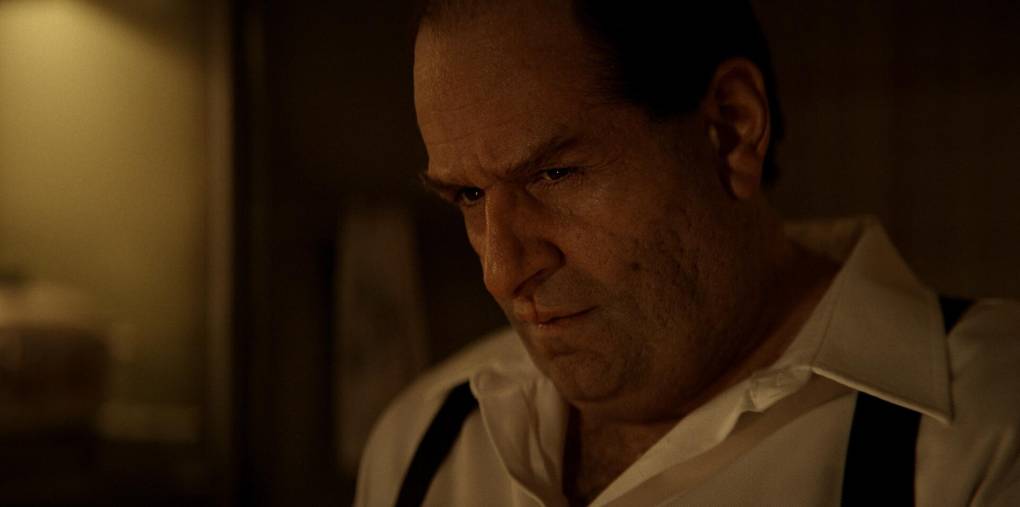
"title": "Oswald Cobb (Colin Farrell) has got a mob to do.",
"publishDate": 1726178064,
"status": "inherit",
"parent": 13964175,
"modified": 1726180749,
"caption": "Oswald Cobb (Colin Farrell) has got a mob to do.",
"credit": "HBO",
"altTag": "Close up of a grizzled older man in deep thought.",
"description": null,
"imgSizes": {
"medium": {
"file": "https://cdn.kqed.org/wp-content/uploads/sites/2/2024/09/colin-farrell-800x398.jpeg",
"width": 800,
"height": 398,
"mimeType": "image/jpeg"
},
"large": {
"file": "https://cdn.kqed.org/wp-content/uploads/sites/2/2024/09/colin-farrell-1020x507.jpeg",
"width": 1020,
"height": 507,
"mimeType": "image/jpeg"
},
"thumbnail": {
"file": "https://cdn.kqed.org/wp-content/uploads/sites/2/2024/09/colin-farrell-160x80.jpeg",
"width": 160,
"height": 80,
"mimeType": "image/jpeg"
},
"medium_large": {
"file": "https://cdn.kqed.org/wp-content/uploads/sites/2/2024/09/colin-farrell-768x382.jpeg",
"width": 768,
"height": 382,
"mimeType": "image/jpeg"
},
"1536x1536": {
"file": "https://cdn.kqed.org/wp-content/uploads/sites/2/2024/09/colin-farrell-1536x764.jpeg",
"width": 1536,
"height": 764,
"mimeType": "image/jpeg"
},
"post-thumbnail": {
"file": "https://cdn.kqed.org/wp-content/uploads/sites/2/2024/09/colin-farrell-672x372.jpeg",
"width": 672,
"height": 372,
"mimeType": "image/jpeg"
},
"twentyfourteen-full-width": {
"file": "https://cdn.kqed.org/wp-content/uploads/sites/2/2024/09/colin-farrell-1038x576.jpeg",
"width": 1038,
"height": 576,
"mimeType": "image/jpeg"
},
"kqedFullSize": {
"file": "https://cdn.kqed.org/wp-content/uploads/sites/2/2024/09/colin-farrell.jpeg",
"width": 1920,
"height": 955
}
},
"isLoading": false,
"fetchFailed": false
},
"arts_13963968": {
"type": "attachments",
"id": "arts_13963968",
"meta": {
"index": "attachments_1716263798",
"site": "arts",
"id": "13963968",
"found": true
},
"title": "Clockwise from left: ‘How to Die Alone,’ ‘Matlock,’ ‘Leonardo da Vinci,’ ‘Grotesquerie,’ ‘Interior Chinatown,’ ‘Somebody Somewhere.’",
"publishDate": 1725989069,
"status": "inherit",
"parent": 13963967,
"modified": 1725990919,
"caption": "Clockwise from left: ‘How to Die Alone,’ ‘Matlock,’ ‘Leonardo da Vinci,’ ‘Grotesquerie,’ ‘Interior Chinatown,’ ‘Somebody Somewhere.’",
"credit": "Ian Watson/Hulu, Brooke Palmer/CBS, PBS, Prashant Gupta/FX, Sandy Morris/HBO",
"altTag": "Six separate images of men and women.",
"description": null,
"imgSizes": {
"medium": {
"file": "https://cdn.kqed.org/wp-content/uploads/sites/2/2024/09/6-images-10-800x450.jpeg",
"width": 800,
"height": 450,
"mimeType": "image/jpeg"
},
"large": {
"file": "https://cdn.kqed.org/wp-content/uploads/sites/2/2024/09/6-images-10-1020x574.jpeg",
"width": 1020,
"height": 574,
"mimeType": "image/jpeg"
},
"thumbnail": {
"file": "https://cdn.kqed.org/wp-content/uploads/sites/2/2024/09/6-images-10-160x90.jpeg",
"width": 160,
"height": 90,
"mimeType": "image/jpeg"
},
"medium_large": {
"file": "https://cdn.kqed.org/wp-content/uploads/sites/2/2024/09/6-images-10-768x432.jpeg",
"width": 768,
"height": 432,
"mimeType": "image/jpeg"
},
"1536x1536": {
"file": "https://cdn.kqed.org/wp-content/uploads/sites/2/2024/09/6-images-10-1536x864.jpeg",
"width": 1536,
"height": 864,
"mimeType": "image/jpeg"
},
"2048x2048": {
"file": "https://cdn.kqed.org/wp-content/uploads/sites/2/2024/09/6-images-10-2048x1152.jpeg",
"width": 2048,
"height": 1152,
"mimeType": "image/jpeg"
},
"post-thumbnail": {
"file": "https://cdn.kqed.org/wp-content/uploads/sites/2/2024/09/6-images-10-672x372.jpeg",
"width": 672,
"height": 372,
"mimeType": "image/jpeg"
},
"twentyfourteen-full-width": {
"file": "https://cdn.kqed.org/wp-content/uploads/sites/2/2024/09/6-images-10-1038x576.jpeg",
"width": 1038,
"height": 576,
"mimeType": "image/jpeg"
},
"full-width": {
"file": "https://cdn.kqed.org/wp-content/uploads/sites/2/2024/09/6-images-10-1920x1080.jpeg",
"width": 1920,
"height": 1080,
"mimeType": "image/jpeg"
},
"kqedFullSize": {
"file": "https://cdn.kqed.org/wp-content/uploads/sites/2/2024/09/6-images-10-e1725990787545.jpeg",
"width": 2000,
"height": 1125
}
},
"isLoading": false,
"fetchFailed": false
},
"arts_13963949": {
"type": "attachments",
"id": "arts_13963949",
"meta": {
"index": "attachments_1716263798",
"site": "arts",
"id": "13963949",
"found": true
},
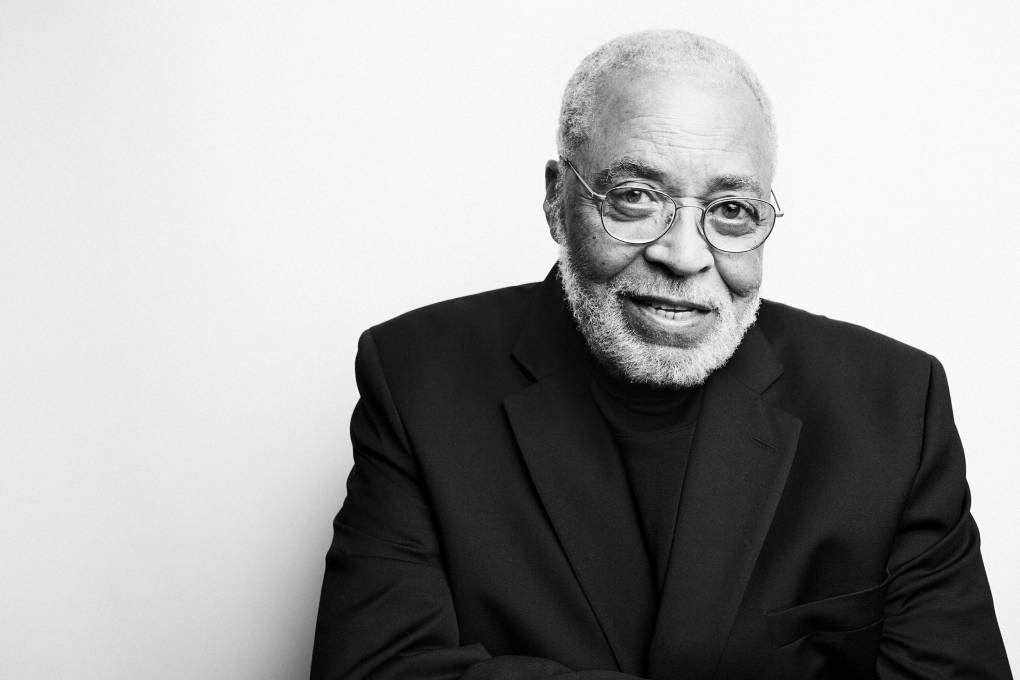
"title": "James Earl Jones, pictured here in 2014, followed in the footsteps of actors like Sidney Poitier, Paul Robeson and Canada Lee, all of whom refused to be limited by stereotypical roles.",
"publishDate": 1725922022,
"status": "inherit",
"parent": 13963948,
"modified": 1725922490,
"caption": "James Earl Jones, pictured here in 2014, followed in the footsteps of actors like Sidney Poitier, Paul Robeson and Canada Lee, all of whom refused to be limited by stereotypical roles.",
"credit": "Jesse Dittmar for The Washington Post/Getty Images",
"altTag": "A portrait of a senior Black man with a white beard. He is wearing a black suit and round glasses.",
"description": null,
"imgSizes": {
"medium": {
"file": "https://cdn.kqed.org/wp-content/uploads/sites/2/2024/09/gettyimages-463747494small_slide-068f5e2ed27fb7f0d39190432f5cf02d2da2c1cf-800x533.jpeg",
"width": 800,
"height": 533,
"mimeType": "image/jpeg"
},
"large": {
"file": "https://cdn.kqed.org/wp-content/uploads/sites/2/2024/09/gettyimages-463747494small_slide-068f5e2ed27fb7f0d39190432f5cf02d2da2c1cf-1020x680.jpeg",
"width": 1020,
"height": 680,
"mimeType": "image/jpeg"
},
"thumbnail": {
"file": "https://cdn.kqed.org/wp-content/uploads/sites/2/2024/09/gettyimages-463747494small_slide-068f5e2ed27fb7f0d39190432f5cf02d2da2c1cf-160x107.jpeg",
"width": 160,
"height": 107,
"mimeType": "image/jpeg"
},
"medium_large": {
"file": "https://cdn.kqed.org/wp-content/uploads/sites/2/2024/09/gettyimages-463747494small_slide-068f5e2ed27fb7f0d39190432f5cf02d2da2c1cf-768x512.jpeg",
"width": 768,
"height": 512,
"mimeType": "image/jpeg"
},
"1536x1536": {
"file": "https://cdn.kqed.org/wp-content/uploads/sites/2/2024/09/gettyimages-463747494small_slide-068f5e2ed27fb7f0d39190432f5cf02d2da2c1cf-1536x1023.jpeg",
"width": 1536,
"height": 1023,
"mimeType": "image/jpeg"
},
"2048x2048": {
"file": "https://cdn.kqed.org/wp-content/uploads/sites/2/2024/09/gettyimages-463747494small_slide-068f5e2ed27fb7f0d39190432f5cf02d2da2c1cf-2048x1365.jpeg",
"width": 2048,
"height": 1365,
"mimeType": "image/jpeg"
},
"post-thumbnail": {
"file": "https://cdn.kqed.org/wp-content/uploads/sites/2/2024/09/gettyimages-463747494small_slide-068f5e2ed27fb7f0d39190432f5cf02d2da2c1cf-672x372.jpeg",
"width": 672,
"height": 372,
"mimeType": "image/jpeg"
},
"twentyfourteen-full-width": {
"file": "https://cdn.kqed.org/wp-content/uploads/sites/2/2024/09/gettyimages-463747494small_slide-068f5e2ed27fb7f0d39190432f5cf02d2da2c1cf-1038x576.jpeg",
"width": 1038,
"height": 576,
"mimeType": "image/jpeg"
},
"full-width": {
"file": "https://cdn.kqed.org/wp-content/uploads/sites/2/2024/09/gettyimages-463747494small_slide-068f5e2ed27fb7f0d39190432f5cf02d2da2c1cf-1920x1279.jpeg",
"width": 1920,
"height": 1279,
"mimeType": "image/jpeg"
},
"kqedFullSize": {
"file": "https://cdn.kqed.org/wp-content/uploads/sites/2/2024/09/gettyimages-463747494small_slide-068f5e2ed27fb7f0d39190432f5cf02d2da2c1cf-scaled-e1725922415864.jpeg",
"width": 2000,
"height": 1333
}
},
"isLoading": false,
"fetchFailed": false
},
"arts_13963903": {
"type": "attachments",
"id": "arts_13963903",
"meta": {
"index": "attachments_1716263798",
"site": "arts",
"id": "13963903",
"found": true
},
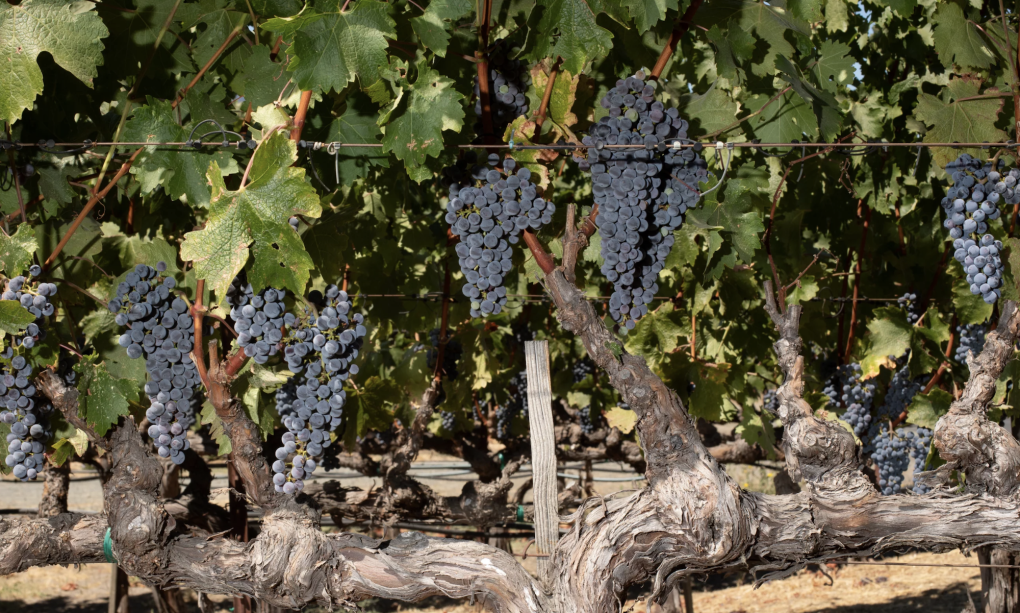
"title": "Late-summer heat waves are threatening Napa Valley's famed cabernet grapes, which produce some of the United States' most expensive wines. To survive in a hotter climate, winemakers are realizing they'll need to adapt.",
"publishDate": 1725917124,
"status": "inherit",
"parent": 13963901,
"modified": 1725917192,
"caption": "Late-summer heat waves are threatening Napa Valley's famed cabernet grapes, which produce some of the United States' most expensive wines. To survive in a hotter climate, winemakers are realizing they'll need to adapt.",
"credit": "Ryan Kellman/NPR",
"altTag": "Dark red grapes growing in a vineyard.",
"description": null,
"imgSizes": {
"medium": {
"file": "https://cdn.kqed.org/wp-content/uploads/sites/2/2024/09/grapes-800x480.png",
"width": 800,
"height": 480,
"mimeType": "image/png"
},
"large": {
"file": "https://cdn.kqed.org/wp-content/uploads/sites/2/2024/09/grapes-1020x613.png",
"width": 1020,
"height": 613,
"mimeType": "image/png"
},
"thumbnail": {
"file": "https://cdn.kqed.org/wp-content/uploads/sites/2/2024/09/grapes-160x96.png",
"width": 160,
"height": 96,
"mimeType": "image/png"
},
"medium_large": {
"file": "https://cdn.kqed.org/wp-content/uploads/sites/2/2024/09/grapes-768x461.png",
"width": 768,
"height": 461,
"mimeType": "image/png"
},
"1536x1536": {
"file": "https://cdn.kqed.org/wp-content/uploads/sites/2/2024/09/grapes-1536x922.png",
"width": 1536,
"height": 922,
"mimeType": "image/png"
},
"post-thumbnail": {
"file": "https://cdn.kqed.org/wp-content/uploads/sites/2/2024/09/grapes-672x372.png",
"width": 672,
"height": 372,
"mimeType": "image/png"
},
"twentyfourteen-full-width": {
"file": "https://cdn.kqed.org/wp-content/uploads/sites/2/2024/09/grapes-1038x576.png",
"width": 1038,
"height": 576,
"mimeType": "image/png"
},
"full-width": {
"file": "https://cdn.kqed.org/wp-content/uploads/sites/2/2024/09/grapes-1920x1153.png",
"width": 1920,
"height": 1153,
"mimeType": "image/png"
},
"kqedFullSize": {
"file": "https://cdn.kqed.org/wp-content/uploads/sites/2/2024/09/grapes.png",
"width": 2000,
"height": 1201
}
},
"isLoading": false,
"fetchFailed": false
},
"arts_13963873": {
"type": "attachments",
"id": "arts_13963873",
"meta": {
"index": "attachments_1716263798",
"site": "arts",
"id": "13963873",
"found": true
},
"title": "‘We’re Alone’ by Edwidge Danticat.",
"publishDate": 1725901336,
"status": "inherit",
"parent": 13963867,
"modified": 1725901381,
"caption": "‘We’re Alone’ by Edwidge Danticat. ",
"credit": "Graywolf Press",
"altTag": null,
"description": null,
"imgSizes": {
"medium": {
"file": "https://cdn.kqed.org/wp-content/uploads/sites/2/2024/09/alone-800x528.png",
"width": 800,
"height": 528,
"mimeType": "image/png"
},
"large": {
"file": "https://cdn.kqed.org/wp-content/uploads/sites/2/2024/09/alone-1020x674.png",
"width": 1020,
"height": 674,
"mimeType": "image/png"
},
"thumbnail": {
"file": "https://cdn.kqed.org/wp-content/uploads/sites/2/2024/09/alone-160x106.png",
"width": 160,
"height": 106,
"mimeType": "image/png"
},
"medium_large": {
"file": "https://cdn.kqed.org/wp-content/uploads/sites/2/2024/09/alone-768x507.png",
"width": 768,
"height": 507,
"mimeType": "image/png"
},
"1536x1536": {
"file": "https://cdn.kqed.org/wp-content/uploads/sites/2/2024/09/alone-1536x1015.png",
"width": 1536,
"height": 1015,
"mimeType": "image/png"
},
"post-thumbnail": {
"file": "https://cdn.kqed.org/wp-content/uploads/sites/2/2024/09/alone-672x372.png",
"width": 672,
"height": 372,
"mimeType": "image/png"
},
"twentyfourteen-full-width": {
"file": "https://cdn.kqed.org/wp-content/uploads/sites/2/2024/09/alone-1038x576.png",
"width": 1038,
"height": 576,
"mimeType": "image/png"
},
"full-width": {
"file": "https://cdn.kqed.org/wp-content/uploads/sites/2/2024/09/alone-1920x1268.png",
"width": 1920,
"height": 1268,
"mimeType": "image/png"
},
"kqedFullSize": {
"file": "https://cdn.kqed.org/wp-content/uploads/sites/2/2024/09/alone.png",
"width": 2000,
"height": 1321
}
},
"isLoading": false,
"fetchFailed": false
},
"arts_13963846": {
"type": "attachments",
"id": "arts_13963846",
"meta": {
"index": "attachments_1716263798",
"site": "arts",
"id": "13963846",
"found": true
},
"title": "Clockwise from left: ‘Wicked,’ ‘Here,’ ‘Emilia Pérez,’ ‘A Real Pain,’ ‘Piece by Piece’ and ‘Blitz.’",
"publishDate": 1725651047,
"status": "inherit",
"parent": 13963828,
"modified": 1725651108,
"caption": "Clockwise from left: ‘Wicked,’ ‘Here,’ ‘Emilia Pérez,’ ‘A Real Pain,’ ‘Piece by Piece’ and ‘Blitz.’\n",
"credit": "Universal Pictures, Sony Pictures, Shanna Besson/Pathé, Searchlight Pictures and Apple TV+",
"altTag": null,
"description": null,
"imgSizes": {
"medium": {
"file": "https://cdn.kqed.org/wp-content/uploads/sites/2/2024/09/fall-movies-800x453.png",
"width": 800,
"height": 453,
"mimeType": "image/png"
},
"large": {
"file": "https://cdn.kqed.org/wp-content/uploads/sites/2/2024/09/fall-movies-1020x578.png",
"width": 1020,
"height": 578,
"mimeType": "image/png"
},
"thumbnail": {
"file": "https://cdn.kqed.org/wp-content/uploads/sites/2/2024/09/fall-movies-160x91.png",
"width": 160,
"height": 91,
"mimeType": "image/png"
},
"medium_large": {
"file": "https://cdn.kqed.org/wp-content/uploads/sites/2/2024/09/fall-movies-768x435.png",
"width": 768,
"height": 435,
"mimeType": "image/png"
},
"1536x1536": {
"file": "https://cdn.kqed.org/wp-content/uploads/sites/2/2024/09/fall-movies-1536x870.png",
"width": 1536,
"height": 870,
"mimeType": "image/png"
},
"post-thumbnail": {
"file": "https://cdn.kqed.org/wp-content/uploads/sites/2/2024/09/fall-movies-672x372.png",
"width": 672,
"height": 372,
"mimeType": "image/png"
},
"twentyfourteen-full-width": {
"file": "https://cdn.kqed.org/wp-content/uploads/sites/2/2024/09/fall-movies-1038x576.png",
"width": 1038,
"height": 576,
"mimeType": "image/png"
},
"full-width": {
"file": "https://cdn.kqed.org/wp-content/uploads/sites/2/2024/09/fall-movies-1920x1088.png",
"width": 1920,
"height": 1088,
"mimeType": "image/png"
},
"kqedFullSize": {
"file": "https://cdn.kqed.org/wp-content/uploads/sites/2/2024/09/fall-movies.png",
"width": 2000,
"height": 1133
}
},
"isLoading": false,
"fetchFailed": false
},
"arts_13963776": {
"type": "attachments",
"id": "arts_13963776",
"meta": {
"index": "attachments_1716263798",
"site": "arts",
"id": "13963776",
"found": true
},
"title": "In Season 4 of ‘Only Murders in the Building,’ Charles (Steve Martin), Mabel (Selena Gomez) and Oliver (Martin Short) are whisked away to Los Angeles, where a film studio intends to adapt their podcast.",
"publishDate": 1725575619,
"status": "inherit",
"parent": 13963775,
"modified": 1725576687,
"caption": "In Season 4 of ‘Only Murders in the Building,’ Charles (Steve Martin), Mabel (Selena Gomez) and Oliver (Martin Short) are whisked away to Los Angeles, where a film studio intends to adapt their podcast.",
"credit": " Eric McCandless/Disney",
"altTag": "A 30-somthing glamorous woman stands betwen two older smartly dressed men.",
"description": null,
"imgSizes": {
"medium": {
"file": "https://cdn.kqed.org/wp-content/uploads/sites/2/2024/09/171914-1675r2-800x450.jpeg",
"width": 800,
"height": 450,
"mimeType": "image/jpeg"
},
"large": {
"file": "https://cdn.kqed.org/wp-content/uploads/sites/2/2024/09/171914-1675r2-1020x573.jpeg",
"width": 1020,
"height": 573,
"mimeType": "image/jpeg"
},
"thumbnail": {
"file": "https://cdn.kqed.org/wp-content/uploads/sites/2/2024/09/171914-1675r2-160x90.jpeg",
"width": 160,
"height": 90,
"mimeType": "image/jpeg"
},
"medium_large": {
"file": "https://cdn.kqed.org/wp-content/uploads/sites/2/2024/09/171914-1675r2-768x432.jpeg",
"width": 768,
"height": 432,
"mimeType": "image/jpeg"
},
"1536x1536": {
"file": "https://cdn.kqed.org/wp-content/uploads/sites/2/2024/09/171914-1675r2-1536x863.jpeg",
"width": 1536,
"height": 863,
"mimeType": "image/jpeg"
},
"2048x2048": {
"file": "https://cdn.kqed.org/wp-content/uploads/sites/2/2024/09/171914-1675r2-2048x1151.jpeg",
"width": 2048,
"height": 1151,
"mimeType": "image/jpeg"
},
"post-thumbnail": {
"file": "https://cdn.kqed.org/wp-content/uploads/sites/2/2024/09/171914-1675r2-672x372.jpeg",
"width": 672,
"height": 372,
"mimeType": "image/jpeg"
},
"twentyfourteen-full-width": {
"file": "https://cdn.kqed.org/wp-content/uploads/sites/2/2024/09/171914-1675r2-1038x576.jpeg",
"width": 1038,
"height": 576,
"mimeType": "image/jpeg"
},
"full-width": {
"file": "https://cdn.kqed.org/wp-content/uploads/sites/2/2024/09/171914-1675r2-1920x1079.jpeg",
"width": 1920,
"height": 1079,
"mimeType": "image/jpeg"
},
"kqedFullSize": {
"file": "https://cdn.kqed.org/wp-content/uploads/sites/2/2024/09/171914-1675r2-scaled-e1725576696587.jpeg",
"width": 1920,
"height": 1079
}
},
"isLoading": false,
"fetchFailed": false
},
"arts_13963704": {
"type": "attachments",
"id": "arts_13963704",
"meta": {
"index": "attachments_1716263798",
"site": "arts",
"id": "13963704",
"found": true
},
"title": "‘I Just Keep Talking’ by Nell Irvin Painter.",
"publishDate": 1725560694,
"status": "inherit",
"parent": 13963695,
"modified": 1725560734,
"caption": "‘I Just Keep Talking’ by Nell Irvin Painter.",
"credit": "Doubleday ",
"altTag": "A book cover featuring an abstract illustration of a face.",
"description": null,
"imgSizes": {
"medium": {
"file": "https://cdn.kqed.org/wp-content/uploads/sites/2/2024/09/Screenshot-2024-09-05-at-11.24.37 AM-800x530.png",
"width": 800,
"height": 530,
"mimeType": "image/png"
},
"large": {
"file": "https://cdn.kqed.org/wp-content/uploads/sites/2/2024/09/Screenshot-2024-09-05-at-11.24.37 AM-1020x676.png",
"width": 1020,
"height": 676,
"mimeType": "image/png"
},
"thumbnail": {
"file": "https://cdn.kqed.org/wp-content/uploads/sites/2/2024/09/Screenshot-2024-09-05-at-11.24.37 AM-160x106.png",
"width": 160,
"height": 106,
"mimeType": "image/png"
},
"medium_large": {
"file": "https://cdn.kqed.org/wp-content/uploads/sites/2/2024/09/Screenshot-2024-09-05-at-11.24.37 AM-768x509.png",
"width": 768,
"height": 509,
"mimeType": "image/png"
},
"post-thumbnail": {
"file": "https://cdn.kqed.org/wp-content/uploads/sites/2/2024/09/Screenshot-2024-09-05-at-11.24.37 AM-672x372.png",
"width": 672,
"height": 372,
"mimeType": "image/png"
},
"twentyfourteen-full-width": {
"file": "https://cdn.kqed.org/wp-content/uploads/sites/2/2024/09/Screenshot-2024-09-05-at-11.24.37 AM-1038x576.png",
"width": 1038,
"height": 576,
"mimeType": "image/png"
},
"kqedFullSize": {
"file": "https://cdn.kqed.org/wp-content/uploads/sites/2/2024/09/Screenshot-2024-09-05-at-11.24.37 AM.png",
"width": 1312,
"height": 870
}
},
"isLoading": false,
"fetchFailed": false
},
"arts_13963664": {
"type": "attachments",
"id": "arts_13963664",
"meta": {
"index": "attachments_1716263798",
"site": "arts",
"id": "13963664",
"found": true
},
"title": "A new season is upon us — and it's bringing books.",
"publishDate": 1725478323,
"status": "inherit",
"parent": 13963659,
"modified": 1725478467,
"caption": "A new season is upon us — and it's bringing books.",
"credit": "iStock/Yul38885",
"altTag": null,
"description": null,
"imgSizes": {
"medium": {
"file": "https://cdn.kqed.org/wp-content/uploads/sites/2/2024/09/iStock-1174082199-800x533.jpg",
"width": 800,
"height": 533,
"mimeType": "image/jpeg"
},
"large": {
"file": "https://cdn.kqed.org/wp-content/uploads/sites/2/2024/09/iStock-1174082199-1020x680.jpg",
"width": 1020,
"height": 680,
"mimeType": "image/jpeg"
},
"thumbnail": {
"file": "https://cdn.kqed.org/wp-content/uploads/sites/2/2024/09/iStock-1174082199-160x107.jpg",
"width": 160,
"height": 107,
"mimeType": "image/jpeg"
},
"medium_large": {
"file": "https://cdn.kqed.org/wp-content/uploads/sites/2/2024/09/iStock-1174082199-768x512.jpg",
"width": 768,
"height": 512,
"mimeType": "image/jpeg"
},
"1536x1536": {
"file": "https://cdn.kqed.org/wp-content/uploads/sites/2/2024/09/iStock-1174082199-1536x1024.jpg",
"width": 1536,
"height": 1024,
"mimeType": "image/jpeg"
},
"2048x2048": {
"file": "https://cdn.kqed.org/wp-content/uploads/sites/2/2024/09/iStock-1174082199-2048x1365.jpg",
"width": 2048,
"height": 1365,
"mimeType": "image/jpeg"
},
"post-thumbnail": {
"file": "https://cdn.kqed.org/wp-content/uploads/sites/2/2024/09/iStock-1174082199-672x372.jpg",
"width": 672,
"height": 372,
"mimeType": "image/jpeg"
},
"twentyfourteen-full-width": {
"file": "https://cdn.kqed.org/wp-content/uploads/sites/2/2024/09/iStock-1174082199-1038x576.jpg",
"width": 1038,
"height": 576,
"mimeType": "image/jpeg"
},
"full-width": {
"file": "https://cdn.kqed.org/wp-content/uploads/sites/2/2024/09/iStock-1174082199-1920x1280.jpg",
"width": 1920,
"height": 1280,
"mimeType": "image/jpeg"
},
"kqedFullSize": {
"file": "https://cdn.kqed.org/wp-content/uploads/sites/2/2024/09/iStock-1174082199.jpg",
"width": 2121,
"height": 1414
}
},
"isLoading": false,
"fetchFailed": false
},
"arts_13963548": {
"type": "attachments",
"id": "arts_13963548",
"meta": {
"index": "attachments_1716263798",
"site": "arts",
"id": "13963548",
"found": true
},
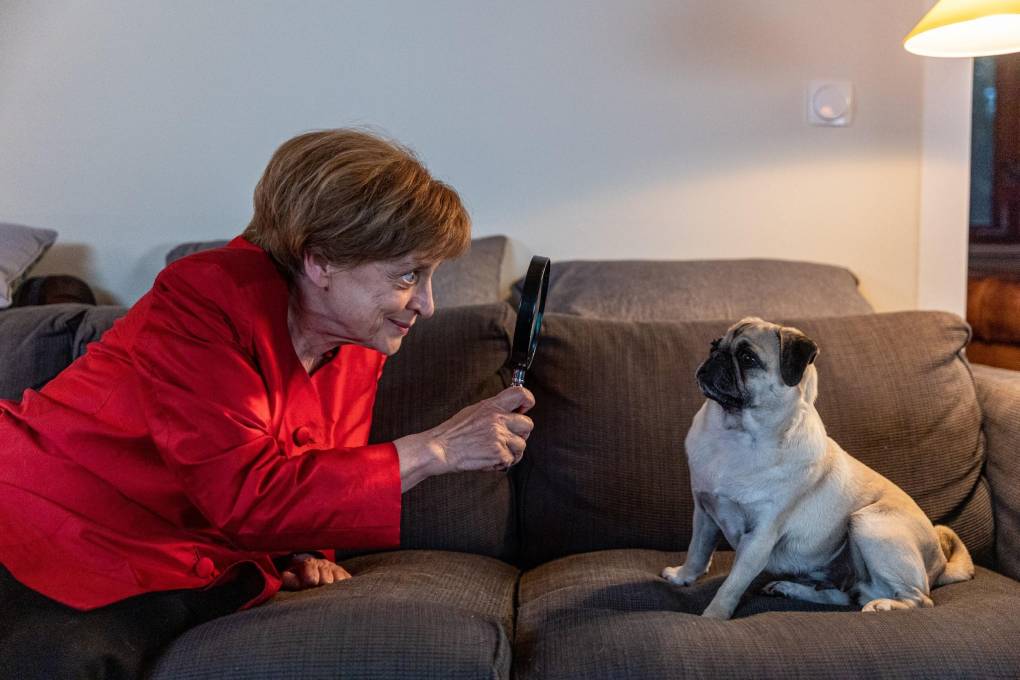
"title": "In a scene from the German TV series ‘Miss Merkel,’ actress Katharina Thalbach, playing the amateur detective based on the former German Chancellor Angela Merkel, takes a closer look at her pug Helmut.",
"publishDate": 1725389579,
"status": "inherit",
"parent": 13963547,
"modified": 1725390902,
"caption": "In a scene from the German TV series ‘Miss Merkel,’ actress Katharina Thalbach, playing the amateur detective based on the former German Chancellor Angela Merkel, takes a closer look at her pug Helmut.",
"credit": "RTL/Maor Waisburd",
"altTag": null,
"description": null,
"imgSizes": {
"medium": {
"file": "https://cdn.kqed.org/wp-content/uploads/sites/2/2024/08/e1-3-800x533.jpeg",
"width": 800,
"height": 533,
"mimeType": "image/jpeg"
},
"large": {
"file": "https://cdn.kqed.org/wp-content/uploads/sites/2/2024/08/e1-3-1020x680.jpeg",
"width": 1020,
"height": 680,
"mimeType": "image/jpeg"
},
"thumbnail": {
"file": "https://cdn.kqed.org/wp-content/uploads/sites/2/2024/08/e1-3-160x107.jpeg",
"width": 160,
"height": 107,
"mimeType": "image/jpeg"
},
"medium_large": {
"file": "https://cdn.kqed.org/wp-content/uploads/sites/2/2024/08/e1-3-768x512.jpeg",
"width": 768,
"height": 512,
"mimeType": "image/jpeg"
},
"1536x1536": {
"file": "https://cdn.kqed.org/wp-content/uploads/sites/2/2024/08/e1-3-1536x1024.jpeg",
"width": 1536,
"height": 1024,
"mimeType": "image/jpeg"
},
"2048x2048": {
"file": "https://cdn.kqed.org/wp-content/uploads/sites/2/2024/08/e1-3-2048x1365.jpeg",
"width": 2048,
"height": 1365,
"mimeType": "image/jpeg"
},
"post-thumbnail": {
"file": "https://cdn.kqed.org/wp-content/uploads/sites/2/2024/08/e1-3-672x372.jpeg",
"width": 672,
"height": 372,
"mimeType": "image/jpeg"
},
"twentyfourteen-full-width": {
"file": "https://cdn.kqed.org/wp-content/uploads/sites/2/2024/08/e1-3-1038x576.jpeg",
"width": 1038,
"height": 576,
"mimeType": "image/jpeg"
},
"full-width": {
"file": "https://cdn.kqed.org/wp-content/uploads/sites/2/2024/08/e1-3-1920x1280.jpeg",
"width": 1920,
"height": 1280,
"mimeType": "image/jpeg"
},
"kqedFullSize": {
"file": "https://cdn.kqed.org/wp-content/uploads/sites/2/2024/08/e1-3-scaled-e1725390836653.jpeg",
"width": 1920,
"height": 1280
}
},
"isLoading": false,
"fetchFailed": false
},
"arts_13963464": {
"type": "attachments",
"id": "arts_13963464",
"meta": {
"index": "attachments_1716263798",
"site": "arts",
"id": "13963464",
"found": true
},
"title": "Critics have said the promotional materials for the film ‘It Ends With Us’ glamorize domestic violence.",
"publishDate": 1725002198,
"status": "inherit",
"parent": 13963463,
"modified": 1725003933,
"caption": "Critics have said the promotional materials for the film ‘It Ends With Us’ glamorize domestic violence.",
"credit": "Justin Tallis/AFP via Getty Images",
"altTag": "Two white women stand on a red carpet wearing gowns, next to lettering that reads ‘It Ends With Us.’",
"description": null,
"imgSizes": {
"medium": {
"file": "https://cdn.kqed.org/wp-content/uploads/sites/2/2024/08/gettyimages-2165358717-800x532.jpeg",
"width": 800,
"height": 532,
"mimeType": "image/jpeg"
},
"large": {
"file": "https://cdn.kqed.org/wp-content/uploads/sites/2/2024/08/gettyimages-2165358717-1020x679.jpeg",
"width": 1020,
"height": 679,
"mimeType": "image/jpeg"
},
"thumbnail": {
"file": "https://cdn.kqed.org/wp-content/uploads/sites/2/2024/08/gettyimages-2165358717-160x106.jpeg",
"width": 160,
"height": 106,
"mimeType": "image/jpeg"
},
"medium_large": {
"file": "https://cdn.kqed.org/wp-content/uploads/sites/2/2024/08/gettyimages-2165358717-768x511.jpeg",
"width": 768,
"height": 511,
"mimeType": "image/jpeg"
},
"1536x1536": {
"file": "https://cdn.kqed.org/wp-content/uploads/sites/2/2024/08/gettyimages-2165358717-1536x1022.jpeg",
"width": 1536,
"height": 1022,
"mimeType": "image/jpeg"
},
"2048x2048": {
"file": "https://cdn.kqed.org/wp-content/uploads/sites/2/2024/08/gettyimages-2165358717-2048x1363.jpeg",
"width": 2048,
"height": 1363,
"mimeType": "image/jpeg"
},
"post-thumbnail": {
"file": "https://cdn.kqed.org/wp-content/uploads/sites/2/2024/08/gettyimages-2165358717-672x372.jpeg",
"width": 672,
"height": 372,
"mimeType": "image/jpeg"
},
"twentyfourteen-full-width": {
"file": "https://cdn.kqed.org/wp-content/uploads/sites/2/2024/08/gettyimages-2165358717-1038x576.jpeg",
"width": 1038,
"height": 576,
"mimeType": "image/jpeg"
},
"full-width": {
"file": "https://cdn.kqed.org/wp-content/uploads/sites/2/2024/08/gettyimages-2165358717-1920x1277.jpeg",
"width": 1920,
"height": 1277,
"mimeType": "image/jpeg"
},
"kqedFullSize": {
"file": "https://cdn.kqed.org/wp-content/uploads/sites/2/2024/08/gettyimages-2165358717-scaled-e1725003830781.jpeg",
"width": 2000,
"height": 1330
}
},
"isLoading": false,
"fetchFailed": false
},
"arts_13963457": {
"type": "attachments",
"id": "arts_13963457",
"meta": {
"index": "attachments_1716263798",
"site": "arts",
"id": "13963457",
"found": true
},
"title": "Chef Eric Banh of Seattle, Wash. recommends his cucumber shrimp salad.",
"publishDate": 1725000872,
"status": "inherit",
"parent": 13963456,
"modified": 1725001801,
"caption": "Chef Eric Banh of Seattle, Wash. recommends his cucumber shrimp salad.",
"credit": "Ba Bar",
"altTag": "A prawn salad with a wide variety of ingredients.",
"description": null,
"imgSizes": {
"medium": {
"file": "https://cdn.kqed.org/wp-content/uploads/sites/2/2024/08/prawn-salad-800x533.jpeg",
"width": 800,
"height": 533,
"mimeType": "image/jpeg"
},
"large": {
"file": "https://cdn.kqed.org/wp-content/uploads/sites/2/2024/08/prawn-salad-1020x680.jpeg",
"width": 1020,
"height": 680,
"mimeType": "image/jpeg"
},
"thumbnail": {
"file": "https://cdn.kqed.org/wp-content/uploads/sites/2/2024/08/prawn-salad-160x107.jpeg",
"width": 160,
"height": 107,
"mimeType": "image/jpeg"
},
"medium_large": {
"file": "https://cdn.kqed.org/wp-content/uploads/sites/2/2024/08/prawn-salad-768x512.jpeg",
"width": 768,
"height": 512,
"mimeType": "image/jpeg"
},
"1536x1536": {
"file": "https://cdn.kqed.org/wp-content/uploads/sites/2/2024/08/prawn-salad-1536x1024.jpeg",
"width": 1536,
"height": 1024,
"mimeType": "image/jpeg"
},
"2048x2048": {
"file": "https://cdn.kqed.org/wp-content/uploads/sites/2/2024/08/prawn-salad-2048x1365.jpeg",
"width": 2048,
"height": 1365,
"mimeType": "image/jpeg"
},
"post-thumbnail": {
"file": "https://cdn.kqed.org/wp-content/uploads/sites/2/2024/08/prawn-salad-672x372.jpeg",
"width": 672,
"height": 372,
"mimeType": "image/jpeg"
},
"twentyfourteen-full-width": {
"file": "https://cdn.kqed.org/wp-content/uploads/sites/2/2024/08/prawn-salad-1038x576.jpeg",
"width": 1038,
"height": 576,
"mimeType": "image/jpeg"
},
"full-width": {
"file": "https://cdn.kqed.org/wp-content/uploads/sites/2/2024/08/prawn-salad-1920x1280.jpeg",
"width": 1920,
"height": 1280,
"mimeType": "image/jpeg"
},
"kqedFullSize": {
"file": "https://cdn.kqed.org/wp-content/uploads/sites/2/2024/08/prawn-salad-e1725001777701.jpeg",
"width": 2000,
"height": 1333
}
},
"isLoading": false,
"fetchFailed": false
}
},
"audioPlayerReducer": {
"postId": "stream_live",
"isPaused": true,
"isPlaying": false,
"pfsActive": false,
"pledgeModalIsOpen": true,
"playerDrawerIsOpen": false,
"liveAudioPlayStartedAt": 0,
"liveAudioPlayContext": ""
},
"authorsReducer": {
"byline_arts_13964175": {
"type": "authors",
"id": "byline_arts_13964175",
"meta": {
"override": true
},
"slug": "byline_arts_13964175",
"name": "Glen Weldon, NPR",
"isLoading": false
},
"byline_arts_13963967": {
"type": "authors",
"id": "byline_arts_13963967",
"meta": {
"override": true
},
"slug": "byline_arts_13963967",
"name": "Eric Deggans, Aisha Harris, Linda Holmes, Glen Weldon, NPR",
"isLoading": false
},
"byline_arts_13963948": {
"type": "authors",
"id": "byline_arts_13963948",
"meta": {
"override": true
},
"slug": "byline_arts_13963948",
"name": "Allison Keyes, NPR",
"isLoading": false
},
"byline_arts_13963901": {
"type": "authors",
"id": "byline_arts_13963901",
"meta": {
"override": true
},
"slug": "byline_arts_13963901",
"name": "Lauren Sommer, NPR",
"isLoading": false
},
"byline_arts_13963867": {
"type": "authors",
"id": "byline_arts_13963867",
"meta": {
"override": true
},
"slug": "byline_arts_13963867",
"name": "Gabino Iglesias, NPR",
"isLoading": false
},
"byline_arts_13963828": {
"type": "authors",
"id": "byline_arts_13963828",
"meta": {
"override": true
},
"slug": "byline_arts_13963828",
"name": "Aisha Harris",
"isLoading": false
},
"byline_arts_13963775": {
"type": "authors",
"id": "byline_arts_13963775",
"meta": {
"override": true
},
"slug": "byline_arts_13963775",
"name": "David Bianculli, NPR",
"isLoading": false
},
"byline_arts_13963695": {
"type": "authors",
"id": "byline_arts_13963695",
"meta": {
"override": true
},
"slug": "byline_arts_13963695",
"name": "Martha Anne Toll",
"isLoading": false
},
"byline_arts_13963659": {
"type": "authors",
"id": "byline_arts_13963659",
"meta": {
"override": true
},
"slug": "byline_arts_13963659",
"name": "Andrew Limbong",
"isLoading": false
},
"byline_arts_13963547": {
"type": "authors",
"id": "byline_arts_13963547",
"meta": {
"override": true
},
"slug": "byline_arts_13963547",
"name": "Esme Nicholson, NPR",
"isLoading": false
},
"byline_arts_13963463": {
"type": "authors",
"id": "byline_arts_13963463",
"meta": {
"override": true
},
"slug": "byline_arts_13963463",
"name": "Alana Wise, NPR",
"isLoading": false
},
"byline_arts_13963456": {
"type": "authors",
"id": "byline_arts_13963456",
"meta": {
"override": true
},
"slug": "byline_arts_13963456",
"name": "Claire Murashima, NPR",
"isLoading": false
}
},
"pagesReducer": {
"arts_affiliate_npr": {
"type": "terms",
"id": "arts_137",
"meta": {
"index": "terms_1716263798",
"site": "arts",
"id": "137",
"score": 14.257292
},
"featImg": "https://ww2.kqed.org/app/uploads/sites/2/2014/04/logo-npr-lg1.png",
"name": "NPR",
"description": null,
"taxonomy": "affiliate",
"headData": {
"twImgId": null,
"twTitle": null,
"ogTitle": null,
"ogImgId": null,
"twDescription": null,
"description": null,
"title": "NPR Archives | KQED Arts",
"ogDescription": null
},
"ttid": 138,
"slug": "npr",
"isLoading": false,
"title": "NPR",
"pageMeta": {
"site": "arts",
"WpPageTemplate": "page-topic-editorial",
"currentPage": 23
},
"blocks": [
{
"blockName": "kqed/post-list",
"attrs": {
"layout": "cardArticle2",
"query": "posts/arts?affiliate=npr",
"seeMore": false,
"paginated": true,
"page": 23
}
},
{
"blockName": "kqed/ad"
}
]
}
},
"pfsSessionReducer": {},
"postsReducer": {
"stream_live": {
"type": "live",
"id": "stream_live",
"audioUrl": "https://streams.kqed.org/kqedradio",
"title": "Live Stream",
"excerpt": "Live Stream information currently unavailable.",
"link": "/radio",
"featImg": "",
"label": {
"name": "KQED Live",
"link": "/"
}
},
"stream_kqedNewscast": {
"type": "posts",
"id": "stream_kqedNewscast",
"audioUrl": "https://www.kqed.org/.stream/anon/radio/RDnews/newscast.mp3?_=1",
"title": "KQED Newscast",
"featImg": "",
"label": {
"name": "88.5 FM",
"link": "/"
}
},
"arts_13964175": {
"type": "posts",
"id": "arts_13964175",
"meta": {
"index": "posts_1716263798",
"site": "arts",
"id": "13964175",
"score": null,
"sort": [
1726181027000
]
},
"guestAuthors": [],
"slug": "the-penguin-batman-spinoff-hbo-max-review-colin-farrell",
"title": "Yes, ‘The Penguin’ Is Another Batman Spin-Off. It’s Also One of 2024’s Best Shows",
"publishDate": 1726181027,
"format": "standard",
"headTitle": "Yes, ‘The Penguin’ Is Another Batman Spin-Off. It’s Also One of 2024’s Best Shows | KQED",
"labelTerm": {
"term": 140,
"site": "arts"
},
"content": "\u003cp>Maybe you’ve heard: They’re making another Batman-without-Batman show.\u003c/p>\n\u003cp>I know, right? \u003cem>Another \u003c/em>one.\u003c/p>\n\u003cp>As a concept, Batman-without-Batman is a big slobbery tennis ball, and the culture is the Golden Retriever who keeps dropping it in your lap and looking up at you expectantly. Who could blame you for shooing the mutt away, right? Enough is enough.\u003c/p>\n\u003cp>Consider: First there was \u003ca href=\"https://www.imdb.com/title/tt0312098/\">\u003cem>\u003cu>Birds of Prey\u003c/u>\u003c/em>\u003c/a>. Then there was \u003ca href=\"https://www.imdb.com/title/tt3749900/?ref_=fn_al_tt_1\">\u003cem>\u003cu>Gotham\u003c/u>\u003c/em>\u003c/a>. Then there was \u003ca href=\"https://www.imdb.com/title/tt1043813/?ref_=fn_al_tt_1\">\u003cem>\u003cu>Titans\u003c/u>\u003c/em>\u003c/a>. Then there was \u003ca href=\"https://www.imdb.com/title/tt8712204/?ref_=fn_al_tt_1\">\u003cem>\u003cu>Batwoman\u003c/u>\u003c/em>\u003c/a>. Then there was \u003ca href=\"https://www.imdb.com/title/tt16418896/?ref_=fn_al_tt_2\">\u003cem>\u003cu>Gotham Knights\u003c/u>\u003c/em>\u003c/a>. Somewhere in there, they made a \u003ca href=\"https://www.imdb.com/title/tt8425532/?ref_=fn_al_tt_1\">\u003cu>whole, entire show about Batman’s butler\u003c/u>\u003c/a>. \u003cem>Before he became his butler\u003c/em>.\u003c/p>\n\u003cp>There have been Batman without Batman movies, too. The ham-handed \u003ca href=\"https://www.imdb.com/title/tt7286456/\">\u003cem>\u003cu>Joker\u003c/u>\u003c/em>\u003c/a>, of course. And its upcoming \u003ca href=\"https://www.imdb.com/title/tt11315808/?ref_=fn_al_tt_2\">\u003cu>sequel\u003c/u>\u003c/a>. \u003ca href=\"https://www.imdb.com/title/tt1386697/?ref_=fn_al_tt_1\">\u003cem>\u003cu>Suicide Squad\u003c/u>\u003c/em>\u003c/a>, and its \u003ca href=\"https://www.imdb.com/title/tt6334354/?ref_=fn_al_tt_2\">\u003cu>sequel, or reboot, or whatever\u003c/u>\u003c/a>. The \u003ca href=\"https://www.imdb.com/title/tt7713068/?ref_=nm_flmg_t_8_act\">\u003cem>\u003cu>Birds of Prey\u003c/u>\u003c/em>\u003c/a> one. That \u003ca href=\"https://www.imdb.com/title/tt6718412/\">\u003cem>\u003cu>Batgirl\u003c/u>\u003c/em>\u003c/a> one that got shelved.\u003c/p>\n\u003cp>[ad fullwidth]\u003c/p>\n\u003cp>And now they’re making \u003cem>The Penguin\u003c/em>. Yeah: A whole show about the very C-listiest of C-list Batman villains. What’s next? \u003ca href=\"https://villains.lol/penny-plunderer/\">\u003cem>\u003cu>Penny Plunderer: The Rock Opera\u003c/u>\u003c/em>\u003c/a>?\u003c/p>\n\u003cp>[aside postid='arts_13963967']Maybe you’ve heard about this latest entry in the weirdly burgeoning Everything But the Bat genre, and you said, “I’ma pass.” Perfectly understandable. Reasonable, even.\u003c/p>\n\u003cp>Then maybe you heard that this \u003cem>The Penguin \u003c/em>show was tied into \u003ca href=\"https://www.imdb.com/title/tt1877830/\">\u003cu>the latest Batman movie\u003c/u>\u003c/a>, directed by Matt Reeves. And maybe you liked that 2022 movie a bit, inasmuch as it felt like a clean break from what came before, and it had a solid take. Robert Pattinson was a more emo, wounded version of Batsy. The world of Gotham more rich and seedy. And now that you think of it, Colin Farrell’s choice to bury his toothsome face under pounds of latex and play that movie’s Penguin as a volatile mob underboss with a “dese-and-dose” Brooklyn accent thicker than bolognese — that was a big swing, and it was pretty funny.\u003c/p>\n\u003cp>I’m here to tell you — and no one is more surprised than me, I \u003cem>assure \u003c/em>you — that if you skipped \u003cem>The Penguin\u003c/em>, you’d be making a big mistake, and missing out on one of the best television series of the year.\u003c/p>\n\u003cp>https://www.youtube.com/watch?v=sfJG6IiA_s8&t=14s\u003c/p>\n\u003ch3>“I’m squawkin’ here! I’m squawkin’ here!”\u003c/h3>\n\u003cp>\u003cem>The Penguin\u003c/em> is set in the immediate aftermath of 2022’s \u003cem>The Batman\u003c/em>, which saw the Riddler flood Gotham City, killing thousands. Mob underboss Oswald Cobb (Colin Farrell) resolves to exploit the chaos and take over Gotham’s criminal underworld. To do so, he must play his own crime family, the Falcones, led by Alberto Falcone (Michael Zegen), against their rivals the Maronis, led by Salvatore Maroni (Clancy Brown) and Nadia Maroni (Shohreh Aghdashloo).\u003c/p>\n\u003cp>In this endeavor he is assisted, reluctantly at first, by young Victor (Rhenzy Feliz), a would-be criminal who lost his home and his family in the flood.\u003c/p>\n\u003cp>The arrival of Alberto’s sister Sofia Falcone complicates Oz’s rise to power — in a ruthlessly fun way. That’s because Sofia is played by the great Cristin Milioti, who brings raw emotion and dark humor to her portrayal of a woman who just spent 10 years in Arkham Asylum for the murder of several young sex workers.\u003c/p>\n\u003cfigure id=\"attachment_13964178\" class=\"wp-caption aligncenter\" style=\"max-width: 2000px\">\u003cimg loading=\"lazy\" decoding=\"async\" class=\"size-full wp-image-13964178\" src=\"https://cdn.kqed.org/wp-content/uploads/sites/2/2024/09/christina.png\" alt=\"A woman with dark hair and pale skin stands in a courtyard wearing a smart white suit\" width=\"2000\" height=\"1275\" srcset=\"https://cdn.kqed.org/wp-content/uploads/sites/2/2024/09/christina.png 2000w, https://cdn.kqed.org/wp-content/uploads/sites/2/2024/09/christina-800x510.png 800w, https://cdn.kqed.org/wp-content/uploads/sites/2/2024/09/christina-1020x650.png 1020w, https://cdn.kqed.org/wp-content/uploads/sites/2/2024/09/christina-160x102.png 160w, https://cdn.kqed.org/wp-content/uploads/sites/2/2024/09/christina-768x490.png 768w, https://cdn.kqed.org/wp-content/uploads/sites/2/2024/09/christina-1536x979.png 1536w, https://cdn.kqed.org/wp-content/uploads/sites/2/2024/09/christina-1920x1224.png 1920w\" sizes=\"(max-width: 2000px) 100vw, 2000px\">\u003cfigcaption class=\"wp-caption-text\">Sofia Falcone (Cristin Milioti) stares daggers. And axes. And sledgehammers. And machine guns. \u003ccite>(HBO)\u003c/cite>\u003c/figcaption>\u003c/figure>\n\u003cp>And at the center of it all is Farrell, emoting the holy hell out of his every movement and line reading, so Oz emerges as a deeply wounded, doleful figure who just happens to delight in violence. He’s at once needy and impulsive, a combination of traits that places him in danger again and again, though he’s clever enough to talk his way out of it. Usually.\u003c/p>\n\u003cp>Farrell’s commitment to the bit will turn some viewers off, I suspect. He goes big, and his Oz is a creature of bluster and outsized, ever-shifting moods — never moreso than when he dotes on his mother, played with canny intelligence by the great Deirdre O’Connell. I loved their scenes together, as both actors bring a crackling intensity that made me temporarily forget I was watching Farrell through several layers of prosthetics. For some, however, Farrell’s histrionic take, that comically broad accent, and the fat suit will be too much — to them, he will come off like Ratso Rizzo with Tony Soprano’s BMI.\u003c/p>\n\u003ch3>Woke up this morning/Got yourself a gunsel\u003c/h3>\n\u003cp>Speaking of Big Tony: The surface similarities between \u003cem>The Sopranos\u003c/em> and \u003cem>The Penguin\u003c/em> are hard to ignore: Both depict rival crime families, betrayals, shifting allegiances, vendettas, and both revolve around a sociopathic mobster capable of horrible violence who’s also an open emotional wound. Like \u003cem>The Sopranos\u003c/em>, \u003cem>The Penguin\u003c/em> is a psychological drama dressed up in mob clothing: It delivers its pulpy, satisfying thrills alongside its more esoteric, intellectual pleasures.\u003c/p>\n\u003cp>[aside postid='arts_13963775']But the similarities don’t end there: There was always something incisive about \u003cem>The Sopranos\u003c/em> — for all its brutality and soapiness, it found humanity in the inhumane and soulfulness in even the most soulless act. Its characters were crude, but the way the show understood them, and presented them to us, was elegant.\u003c/p>\n\u003cp>\u003cem>The Penguin\u003c/em> doesn’t reach the heights of \u003cem>The Sopranos\u003c/em>, but it similarly seeks to examine the roots of violence, and it comes away with some pretty ugly answers. Compelling, but ugly.\u003c/p>\n\u003cp>The secret to that riveting quality is the series’ willingness — no, eagerness — to go beyond the comics to locate something new in an 83-year-old character originally created for children. In the very first scene of the first episode, we get a bracingly clear sense of who this Oswald Cobb is, as he reminisces with Zegen’s Alberto Falcone about a made guy from Oz’s old neighborhood who commanded respect. Farrell is perfectly calibrated here, and lets us see how hungrily Oz pines to be loved and admired — and how quickly and lethally he reacts when that love and admiration is denied him.\u003c/p>\n\u003cfigure id=\"attachment_13964179\" class=\"wp-caption aligncenter\" style=\"max-width: 2000px\">\u003cimg loading=\"lazy\" decoding=\"async\" class=\"size-full wp-image-13964179\" src=\"https://cdn.kqed.org/wp-content/uploads/sites/2/2024/09/mom.png\" alt=\"An older woman looks pleadingly up at someone in a dimly lit room.\" width=\"2000\" height=\"1192\" srcset=\"https://cdn.kqed.org/wp-content/uploads/sites/2/2024/09/mom.png 2000w, https://cdn.kqed.org/wp-content/uploads/sites/2/2024/09/mom-800x477.png 800w, https://cdn.kqed.org/wp-content/uploads/sites/2/2024/09/mom-1020x608.png 1020w, https://cdn.kqed.org/wp-content/uploads/sites/2/2024/09/mom-160x95.png 160w, https://cdn.kqed.org/wp-content/uploads/sites/2/2024/09/mom-768x458.png 768w, https://cdn.kqed.org/wp-content/uploads/sites/2/2024/09/mom-1536x915.png 1536w, https://cdn.kqed.org/wp-content/uploads/sites/2/2024/09/mom-1920x1144.png 1920w\" sizes=\"(max-width: 2000px) 100vw, 2000px\">\u003cfigcaption class=\"wp-caption-text\">Oz is a momma’s boy; you would be too, if your mom was played by Deirdre O’Connell. \u003ccite>(HBO)\u003c/cite>\u003c/figcaption>\u003c/figure>\n\u003cp>Where shows like \u003cem>Gotham \u003c/em>and \u003cem>Batwoman \u003c/em>delighted in offering their audiences winking references to people, places and things in the Bat-canon, \u003cem>The Penguin\u003c/em> gives the established lore a wide berth, preferring to build a world of its own. When familiar aspects do show up, as in a flashback episode depicting Sofia’s stint in Arkham Asylum, the show does good, hard work to make them fresh and — in the case of Arkham, anyway — harrowing. (Seriously: That episode is a tough sit.)\u003c/p>\n\u003ch3>The cure for superhero fatigue?\u003c/h3>\n\u003cp>There’s been a certain sameness to superhero fare, I’m sure you will agree. And a thinness.\u003c/p>\n\u003cp>Shows like\u003cem> The Boys\u003c/em> and \u003cem>Invincible \u003c/em>(and movies like \u003cem>Deadpool & Wolverine\u003c/em>, for that matter), traffic in the kind of glib, nihilistic humor and grisly violence that always makes me feel like I’m hanging out with a 14-year-old self-styled edgelord who keeps giggling at how much he thinks he’s getting away with.\u003c/p>\n\u003cp>[aside postid='arts_13963546']But the sunnier, more family-oriented superhero fare of the CW and Marvel — your \u003cem>The Flash\u003c/em>, your \u003cem>Superman and Lois\u003c/em>, your \u003cem>Stargirl\u003c/em>, your \u003cem>Echo \u003c/em>and \u003cem>She-Hulk\u003c/em> and \u003cem>Secret Invasion \u003c/em>and so, so many others — they’re hidebound by their format. Their comparatively straightforward plotting is meant to create content you can fold your laundry to. When characters exchange dialogue, that dialogue exists solely to convey the information required for the plot to move forward, not anything so esoteric as delineating character or revealing insights. That’s because these shows are beholden to network executives who place a premium on absolute clarity, on never leaving a viewer even momentarily unsure or confused or god forbid, challenged in any meaningful way. The worry is, amid a glut of streaming options, a confused viewer is a viewer that clicks away, to be lost forever.\u003c/p>\n\u003cp>(There’s a third category of superhero show that neatly avoids the sameness/thinness trap by being blithely, even exultantly weird. It’s a tiny one, in that it encompasses only three series — the crazypants \u003cem>Legion\u003c/em>, which ran for three seasons on FX, the bananapants \u003cem>Doom Patrol\u003c/em>, which ran for four seasons on DC Universe and then Max, and the crazytown \u003cem>The Umbrella Academy, \u003c/em>which just dropped its fourth and final season on Netflix.)\u003c/p>\n\u003cp>\u003cem>The Penguin\u003c/em> doesn’t slot neatly into any of these categories: it isn’t glib, it isn’t formulaic, and it isn’t particularly weird. What it is, however, is pretty great, because it concerns itself with digging deeper under the surface than previous superhero shows have bothered to do — and going harder.\u003c/p>\n\u003cp>It’s a series that allows individual moments to linger for their own sake. A shared look, or an exchange of dialogue, will be allowed to hang in the air for long seconds, doing absolutely nothing to move the plot forward, but doing absolutely everything to define the characters involved. As a result, our understanding of those characters deepens and complicates, moving us to invest more greatly in these people, and in this world.\u003c/p>\n\u003cp>(Plus, the first episode supplies us with the funniest, most deftly characterizing Dolly Parton needle-drop ever put to screen.)\u003c/p>\n\u003cp>But as the show barrels toward its satisfying if operatically tragic conclusion, certain rote, recognizable elements of the comic book Penguin begin to creep in — a top hat here, a cigarette holder there, etc. They’re not the kind of winking, elbow-to-the-ribs references that weighed down so many previous Batman-without-Batman shows, but they’re frustrating nonetheless. The Oswald Cobb you’ve been watching for eight episodes is a singular creation, with his own demons, his own motivations. Watching him even start to conform to the corporate-mandated style guide may be inevitable, but I don’t have to like it.\u003c/p>\n\u003cp>[aside postid='arts_13961629']In the end, \u003cem>The Penguin\u003c/em> is the tale of a thug who becomes a boss, and the sacrifices he all-too-willingly makes along the way. That it succeeds as thoroughly as it does may be surprising, given its provenance as yet another Batman-without-Batman nugget of Warner’s IP, but the creators’ refusal to coast on what has gone before, and their willingness to let Farrell and Milioti dig into their characters so we can all sit back and watch them work with what they’ve unearthed is what makes for greatly satisfying TV.\u003c/p>\n\u003cp>\u003cem>The Penguin\u003c/em> may not represent the cure for superhero fatigue, but it delivers a powerful dose of medicine that can treat its symptoms.\u003c/p>\n\u003chr>\n\u003cp>[ad floatright]\u003c/p>\n\u003cp>\u003cem>‘The Penguin’ begins streaming on Max on Sept. 19, 2024. \u003c/em>\u003c/p>\n\n",
"blocks": [],
"excerpt": "Wait: Another Batman-without-Batman show? Try not to judge. Its willingness to step outside of the comics makes this one special.",
"status": "publish",
"parent": 0,
"modified": 1726181088,
"stats": {
"hasAudio": false,
"hasVideo": true,
"hasChartOrMap": false,
"iframeSrcs": [],
"hasGoogleForm": false,
"hasGallery": false,
"hasHearkenModule": false,
"hasPolis": false,
"paragraphCount": 32,
"wordCount": 1870
},
"headData": {
"title": "‘The Penguin’ on Max Is a Truly Great Batman Spin-Off | KQED",
"description": "Wait: Another Batman-without-Batman show? Try not to judge. Its willingness to step outside of the comics makes this one special.",
"ogTitle": "Yes, ‘The Penguin’ Is Another Batman Spin-Off. It’s Also One of 2024’s Best Shows",
"ogDescription": "",
"ogImgId": "",
"twTitle": "Yes, ‘The Penguin’ Is Another Batman Spin-Off. It’s Also One of 2024’s Best Shows",
"twDescription": "",
"twImgId": "",
"socialTitle": "‘The Penguin’ on Max Is a Truly Great Batman Spin-Off %%page%% %%sep%% KQED",
"schema": {
"@context": "https://schema.org",
"@type": "Article",
"headline": "Yes, ‘The Penguin’ Is Another Batman Spin-Off. It’s Also One of 2024’s Best Shows",
"datePublished": "2024-09-12T15:43:47-07:00",
"dateModified": "2024-09-12T15:44:48-07:00",
"image": "https://cdn.kqed.org/wp-content/uploads/2020/02/KQED-OG-Image@1x.png"
}
},
"sticky": false,
"nprByline": "Glen Weldon, NPR",
"nprStoryId": "nx-s1-5106122",
"nprHtmlLink": "https://www.npr.org/2024/09/12/nx-s1-5106122/the-penguin-batman-review-colin-farrell",
"nprRetrievedStory": "1",
"nprPubDate": "2024-09-12T12:01:00-04:00",
"nprStoryDate": "2024-09-12T12:01:00-04:00",
"nprLastModifiedDate": "2024-09-12T12:01:07.135-04:00",
"templateType": "standard",
"featuredImageType": "standard",
"excludeFromSiteSearch": "Include",
"showOnAuthorArchivePages": "No",
"articleAge": "0",
"path": "/arts/13964175/the-penguin-batman-spinoff-hbo-max-review-colin-farrell",
"audioTrackLength": null,
"parsedContent": [
{
"type": "contentString",
"content": "\u003cdiv class=\"post-body\">\u003cp>\u003cp>Maybe you’ve heard: They’re making another Batman-without-Batman show.\u003c/p>\n\u003cp>I know, right? \u003cem>Another \u003c/em>one.\u003c/p>\n\u003cp>As a concept, Batman-without-Batman is a big slobbery tennis ball, and the culture is the Golden Retriever who keeps dropping it in your lap and looking up at you expectantly. Who could blame you for shooing the mutt away, right? Enough is enough.\u003c/p>\n\u003cp>Consider: First there was \u003ca href=\"https://www.imdb.com/title/tt0312098/\">\u003cem>\u003cu>Birds of Prey\u003c/u>\u003c/em>\u003c/a>. Then there was \u003ca href=\"https://www.imdb.com/title/tt3749900/?ref_=fn_al_tt_1\">\u003cem>\u003cu>Gotham\u003c/u>\u003c/em>\u003c/a>. Then there was \u003ca href=\"https://www.imdb.com/title/tt1043813/?ref_=fn_al_tt_1\">\u003cem>\u003cu>Titans\u003c/u>\u003c/em>\u003c/a>. Then there was \u003ca href=\"https://www.imdb.com/title/tt8712204/?ref_=fn_al_tt_1\">\u003cem>\u003cu>Batwoman\u003c/u>\u003c/em>\u003c/a>. Then there was \u003ca href=\"https://www.imdb.com/title/tt16418896/?ref_=fn_al_tt_2\">\u003cem>\u003cu>Gotham Knights\u003c/u>\u003c/em>\u003c/a>. Somewhere in there, they made a \u003ca href=\"https://www.imdb.com/title/tt8425532/?ref_=fn_al_tt_1\">\u003cu>whole, entire show about Batman’s butler\u003c/u>\u003c/a>. \u003cem>Before he became his butler\u003c/em>.\u003c/p>\n\u003cp>There have been Batman without Batman movies, too. The ham-handed \u003ca href=\"https://www.imdb.com/title/tt7286456/\">\u003cem>\u003cu>Joker\u003c/u>\u003c/em>\u003c/a>, of course. And its upcoming \u003ca href=\"https://www.imdb.com/title/tt11315808/?ref_=fn_al_tt_2\">\u003cu>sequel\u003c/u>\u003c/a>. \u003ca href=\"https://www.imdb.com/title/tt1386697/?ref_=fn_al_tt_1\">\u003cem>\u003cu>Suicide Squad\u003c/u>\u003c/em>\u003c/a>, and its \u003ca href=\"https://www.imdb.com/title/tt6334354/?ref_=fn_al_tt_2\">\u003cu>sequel, or reboot, or whatever\u003c/u>\u003c/a>. The \u003ca href=\"https://www.imdb.com/title/tt7713068/?ref_=nm_flmg_t_8_act\">\u003cem>\u003cu>Birds of Prey\u003c/u>\u003c/em>\u003c/a> one. That \u003ca href=\"https://www.imdb.com/title/tt6718412/\">\u003cem>\u003cu>Batgirl\u003c/u>\u003c/em>\u003c/a> one that got shelved.\u003c/p>\n\u003cp>\u003c/p>\u003c/div>",
"attributes": {
"named": {},
"numeric": []
}
},
{
"type": "component",
"content": "",
"name": "ad",
"attributes": {
"named": {
"label": "fullwidth"
},
"numeric": [
"fullwidth"
]
}
},
{
"type": "contentString",
"content": "\u003cdiv class=\"post-body\">\u003cp>\u003c/p>\n\u003cp>And now they’re making \u003cem>The Penguin\u003c/em>. Yeah: A whole show about the very C-listiest of C-list Batman villains. What’s next? \u003ca href=\"https://villains.lol/penny-plunderer/\">\u003cem>\u003cu>Penny Plunderer: The Rock Opera\u003c/u>\u003c/em>\u003c/a>?\u003c/p>\n\u003cp>\u003c/p>\u003c/div>",
"attributes": {
"named": {},
"numeric": []
}
},
{
"type": "component",
"content": "",
"name": "aside",
"attributes": {
"named": {
"postid": "arts_13963967",
"label": ""
},
"numeric": []
}
},
{
"type": "contentString",
"content": "\u003cdiv class=\"post-body\">\u003cp>Maybe you’ve heard about this latest entry in the weirdly burgeoning Everything But the Bat genre, and you said, “I’ma pass.” Perfectly understandable. Reasonable, even.\u003c/p>\n\u003cp>Then maybe you heard that this \u003cem>The Penguin \u003c/em>show was tied into \u003ca href=\"https://www.imdb.com/title/tt1877830/\">\u003cu>the latest Batman movie\u003c/u>\u003c/a>, directed by Matt Reeves. And maybe you liked that 2022 movie a bit, inasmuch as it felt like a clean break from what came before, and it had a solid take. Robert Pattinson was a more emo, wounded version of Batsy. The world of Gotham more rich and seedy. And now that you think of it, Colin Farrell’s choice to bury his toothsome face under pounds of latex and play that movie’s Penguin as a volatile mob underboss with a “dese-and-dose” Brooklyn accent thicker than bolognese — that was a big swing, and it was pretty funny.\u003c/p>\n\u003cp>I’m here to tell you — and no one is more surprised than me, I \u003cem>assure \u003c/em>you — that if you skipped \u003cem>The Penguin\u003c/em>, you’d be making a big mistake, and missing out on one of the best television series of the year.\u003c/p>\u003c/p>\u003cp>\u003cspan class='utils-parseShortcode-shortcodes-__youtubeShortcode__embedYoutube'>\n \u003cspan class='utils-parseShortcode-shortcodes-__youtubeShortcode__embedYoutubeInside'>\n \u003ciframe\n loading='lazy'\n class='utils-parseShortcode-shortcodes-__youtubeShortcode__youtubePlayer'\n type='text/html'\n src='//www.youtube.com/embed/sfJG6IiA_s8'\n title='//www.youtube.com/embed/sfJG6IiA_s8'\n allowfullscreen='true'\n style='border:0;'>\u003c/iframe>\n \u003c/span>\n \u003c/span>\u003c/p>\u003cp>\u003ch3>“I’m squawkin’ here! I’m squawkin’ here!”\u003c/h3>\n\u003cp>\u003cem>The Penguin\u003c/em> is set in the immediate aftermath of 2022’s \u003cem>The Batman\u003c/em>, which saw the Riddler flood Gotham City, killing thousands. Mob underboss Oswald Cobb (Colin Farrell) resolves to exploit the chaos and take over Gotham’s criminal underworld. To do so, he must play his own crime family, the Falcones, led by Alberto Falcone (Michael Zegen), against their rivals the Maronis, led by Salvatore Maroni (Clancy Brown) and Nadia Maroni (Shohreh Aghdashloo).\u003c/p>\n\u003cp>In this endeavor he is assisted, reluctantly at first, by young Victor (Rhenzy Feliz), a would-be criminal who lost his home and his family in the flood.\u003c/p>\n\u003cp>The arrival of Alberto’s sister Sofia Falcone complicates Oz’s rise to power — in a ruthlessly fun way. That’s because Sofia is played by the great Cristin Milioti, who brings raw emotion and dark humor to her portrayal of a woman who just spent 10 years in Arkham Asylum for the murder of several young sex workers.\u003c/p>\n\u003cfigure id=\"attachment_13964178\" class=\"wp-caption aligncenter\" style=\"max-width: 2000px\">\u003cimg loading=\"lazy\" decoding=\"async\" class=\"size-full wp-image-13964178\" src=\"https://cdn.kqed.org/wp-content/uploads/sites/2/2024/09/christina.png\" alt=\"A woman with dark hair and pale skin stands in a courtyard wearing a smart white suit\" width=\"2000\" height=\"1275\" srcset=\"https://cdn.kqed.org/wp-content/uploads/sites/2/2024/09/christina.png 2000w, https://cdn.kqed.org/wp-content/uploads/sites/2/2024/09/christina-800x510.png 800w, https://cdn.kqed.org/wp-content/uploads/sites/2/2024/09/christina-1020x650.png 1020w, https://cdn.kqed.org/wp-content/uploads/sites/2/2024/09/christina-160x102.png 160w, https://cdn.kqed.org/wp-content/uploads/sites/2/2024/09/christina-768x490.png 768w, https://cdn.kqed.org/wp-content/uploads/sites/2/2024/09/christina-1536x979.png 1536w, https://cdn.kqed.org/wp-content/uploads/sites/2/2024/09/christina-1920x1224.png 1920w\" sizes=\"(max-width: 2000px) 100vw, 2000px\">\u003cfigcaption class=\"wp-caption-text\">Sofia Falcone (Cristin Milioti) stares daggers. And axes. And sledgehammers. And machine guns. \u003ccite>(HBO)\u003c/cite>\u003c/figcaption>\u003c/figure>\n\u003cp>And at the center of it all is Farrell, emoting the holy hell out of his every movement and line reading, so Oz emerges as a deeply wounded, doleful figure who just happens to delight in violence. He’s at once needy and impulsive, a combination of traits that places him in danger again and again, though he’s clever enough to talk his way out of it. Usually.\u003c/p>\n\u003cp>Farrell’s commitment to the bit will turn some viewers off, I suspect. He goes big, and his Oz is a creature of bluster and outsized, ever-shifting moods — never moreso than when he dotes on his mother, played with canny intelligence by the great Deirdre O’Connell. I loved their scenes together, as both actors bring a crackling intensity that made me temporarily forget I was watching Farrell through several layers of prosthetics. For some, however, Farrell’s histrionic take, that comically broad accent, and the fat suit will be too much — to them, he will come off like Ratso Rizzo with Tony Soprano’s BMI.\u003c/p>\n\u003ch3>Woke up this morning/Got yourself a gunsel\u003c/h3>\n\u003cp>Speaking of Big Tony: The surface similarities between \u003cem>The Sopranos\u003c/em> and \u003cem>The Penguin\u003c/em> are hard to ignore: Both depict rival crime families, betrayals, shifting allegiances, vendettas, and both revolve around a sociopathic mobster capable of horrible violence who’s also an open emotional wound. Like \u003cem>The Sopranos\u003c/em>, \u003cem>The Penguin\u003c/em> is a psychological drama dressed up in mob clothing: It delivers its pulpy, satisfying thrills alongside its more esoteric, intellectual pleasures.\u003c/p>\n\u003cp>\u003c/p>\u003c/div>",
"attributes": {
"named": {},
"numeric": []
}
},
{
"type": "component",
"content": "",
"name": "aside",
"attributes": {
"named": {
"postid": "arts_13963775",
"label": ""
},
"numeric": []
}
},
{
"type": "contentString",
"content": "\u003cdiv class=\"post-body\">\u003cp>But the similarities don’t end there: There was always something incisive about \u003cem>The Sopranos\u003c/em> — for all its brutality and soapiness, it found humanity in the inhumane and soulfulness in even the most soulless act. Its characters were crude, but the way the show understood them, and presented them to us, was elegant.\u003c/p>\n\u003cp>\u003cem>The Penguin\u003c/em> doesn’t reach the heights of \u003cem>The Sopranos\u003c/em>, but it similarly seeks to examine the roots of violence, and it comes away with some pretty ugly answers. Compelling, but ugly.\u003c/p>\n\u003cp>The secret to that riveting quality is the series’ willingness — no, eagerness — to go beyond the comics to locate something new in an 83-year-old character originally created for children. In the very first scene of the first episode, we get a bracingly clear sense of who this Oswald Cobb is, as he reminisces with Zegen’s Alberto Falcone about a made guy from Oz’s old neighborhood who commanded respect. Farrell is perfectly calibrated here, and lets us see how hungrily Oz pines to be loved and admired — and how quickly and lethally he reacts when that love and admiration is denied him.\u003c/p>\n\u003cfigure id=\"attachment_13964179\" class=\"wp-caption aligncenter\" style=\"max-width: 2000px\">\u003cimg loading=\"lazy\" decoding=\"async\" class=\"size-full wp-image-13964179\" src=\"https://cdn.kqed.org/wp-content/uploads/sites/2/2024/09/mom.png\" alt=\"An older woman looks pleadingly up at someone in a dimly lit room.\" width=\"2000\" height=\"1192\" srcset=\"https://cdn.kqed.org/wp-content/uploads/sites/2/2024/09/mom.png 2000w, https://cdn.kqed.org/wp-content/uploads/sites/2/2024/09/mom-800x477.png 800w, https://cdn.kqed.org/wp-content/uploads/sites/2/2024/09/mom-1020x608.png 1020w, https://cdn.kqed.org/wp-content/uploads/sites/2/2024/09/mom-160x95.png 160w, https://cdn.kqed.org/wp-content/uploads/sites/2/2024/09/mom-768x458.png 768w, https://cdn.kqed.org/wp-content/uploads/sites/2/2024/09/mom-1536x915.png 1536w, https://cdn.kqed.org/wp-content/uploads/sites/2/2024/09/mom-1920x1144.png 1920w\" sizes=\"(max-width: 2000px) 100vw, 2000px\">\u003cfigcaption class=\"wp-caption-text\">Oz is a momma’s boy; you would be too, if your mom was played by Deirdre O’Connell. \u003ccite>(HBO)\u003c/cite>\u003c/figcaption>\u003c/figure>\n\u003cp>Where shows like \u003cem>Gotham \u003c/em>and \u003cem>Batwoman \u003c/em>delighted in offering their audiences winking references to people, places and things in the Bat-canon, \u003cem>The Penguin\u003c/em> gives the established lore a wide berth, preferring to build a world of its own. When familiar aspects do show up, as in a flashback episode depicting Sofia’s stint in Arkham Asylum, the show does good, hard work to make them fresh and — in the case of Arkham, anyway — harrowing. (Seriously: That episode is a tough sit.)\u003c/p>\n\u003ch3>The cure for superhero fatigue?\u003c/h3>\n\u003cp>There’s been a certain sameness to superhero fare, I’m sure you will agree. And a thinness.\u003c/p>\n\u003cp>Shows like\u003cem> The Boys\u003c/em> and \u003cem>Invincible \u003c/em>(and movies like \u003cem>Deadpool & Wolverine\u003c/em>, for that matter), traffic in the kind of glib, nihilistic humor and grisly violence that always makes me feel like I’m hanging out with a 14-year-old self-styled edgelord who keeps giggling at how much he thinks he’s getting away with.\u003c/p>\n\u003cp>\u003c/p>\u003c/div>",
"attributes": {
"named": {},
"numeric": []
}
},
{
"type": "component",
"content": "",
"name": "aside",
"attributes": {
"named": {
"postid": "arts_13963546",
"label": ""
},
"numeric": []
}
},
{
"type": "contentString",
"content": "\u003cdiv class=\"post-body\">\u003cp>But the sunnier, more family-oriented superhero fare of the CW and Marvel — your \u003cem>The Flash\u003c/em>, your \u003cem>Superman and Lois\u003c/em>, your \u003cem>Stargirl\u003c/em>, your \u003cem>Echo \u003c/em>and \u003cem>She-Hulk\u003c/em> and \u003cem>Secret Invasion \u003c/em>and so, so many others — they’re hidebound by their format. Their comparatively straightforward plotting is meant to create content you can fold your laundry to. When characters exchange dialogue, that dialogue exists solely to convey the information required for the plot to move forward, not anything so esoteric as delineating character or revealing insights. That’s because these shows are beholden to network executives who place a premium on absolute clarity, on never leaving a viewer even momentarily unsure or confused or god forbid, challenged in any meaningful way. The worry is, amid a glut of streaming options, a confused viewer is a viewer that clicks away, to be lost forever.\u003c/p>\n\u003cp>(There’s a third category of superhero show that neatly avoids the sameness/thinness trap by being blithely, even exultantly weird. It’s a tiny one, in that it encompasses only three series — the crazypants \u003cem>Legion\u003c/em>, which ran for three seasons on FX, the bananapants \u003cem>Doom Patrol\u003c/em>, which ran for four seasons on DC Universe and then Max, and the crazytown \u003cem>The Umbrella Academy, \u003c/em>which just dropped its fourth and final season on Netflix.)\u003c/p>\n\u003cp>\u003cem>The Penguin\u003c/em> doesn’t slot neatly into any of these categories: it isn’t glib, it isn’t formulaic, and it isn’t particularly weird. What it is, however, is pretty great, because it concerns itself with digging deeper under the surface than previous superhero shows have bothered to do — and going harder.\u003c/p>\n\u003cp>It’s a series that allows individual moments to linger for their own sake. A shared look, or an exchange of dialogue, will be allowed to hang in the air for long seconds, doing absolutely nothing to move the plot forward, but doing absolutely everything to define the characters involved. As a result, our understanding of those characters deepens and complicates, moving us to invest more greatly in these people, and in this world.\u003c/p>\n\u003cp>(Plus, the first episode supplies us with the funniest, most deftly characterizing Dolly Parton needle-drop ever put to screen.)\u003c/p>\n\u003cp>But as the show barrels toward its satisfying if operatically tragic conclusion, certain rote, recognizable elements of the comic book Penguin begin to creep in — a top hat here, a cigarette holder there, etc. They’re not the kind of winking, elbow-to-the-ribs references that weighed down so many previous Batman-without-Batman shows, but they’re frustrating nonetheless. The Oswald Cobb you’ve been watching for eight episodes is a singular creation, with his own demons, his own motivations. Watching him even start to conform to the corporate-mandated style guide may be inevitable, but I don’t have to like it.\u003c/p>\n\u003cp>\u003c/p>\u003c/div>",
"attributes": {
"named": {},
"numeric": []
}
},
{
"type": "component",
"content": "",
"name": "aside",
"attributes": {
"named": {
"postid": "arts_13961629",
"label": ""
},
"numeric": []
}
},
{
"type": "contentString",
"content": "\u003cdiv class=\"post-body\">\u003cp>In the end, \u003cem>The Penguin\u003c/em> is the tale of a thug who becomes a boss, and the sacrifices he all-too-willingly makes along the way. That it succeeds as thoroughly as it does may be surprising, given its provenance as yet another Batman-without-Batman nugget of Warner’s IP, but the creators’ refusal to coast on what has gone before, and their willingness to let Farrell and Milioti dig into their characters so we can all sit back and watch them work with what they’ve unearthed is what makes for greatly satisfying TV.\u003c/p>\n\u003cp>\u003cem>The Penguin\u003c/em> may not represent the cure for superhero fatigue, but it delivers a powerful dose of medicine that can treat its symptoms.\u003c/p>\n\u003chr>\n\u003cp>\u003c/p>\u003c/div>",
"attributes": {
"named": {},
"numeric": []
}
},
{
"type": "component",
"content": "",
"name": "ad",
"attributes": {
"named": {
"label": "floatright"
},
"numeric": [
"floatright"
]
}
},
{
"type": "contentString",
"content": "\u003cdiv class=\"post-body\">\u003cp>\u003c/p>\n\u003cp>\u003cem>‘The Penguin’ begins streaming on Max on Sept. 19, 2024. \u003c/em>\u003c/p>\n\n\u003c/div>\u003c/p>",
"attributes": {
"named": {},
"numeric": []
}
}
],
"link": "/arts/13964175/the-penguin-batman-spinoff-hbo-max-review-colin-farrell",
"authors": [
"byline_arts_13964175"
],
"programs": [
"arts_140"
],
"categories": [
"arts_1",
"arts_75",
"arts_990"
],
"tags": [
"arts_769",
"arts_9555",
"arts_585"
],
"affiliates": [
"arts_137"
],
"featImg": "arts_13964176",
"label": "arts_140"
},
"arts_13963967": {
"type": "posts",
"id": "arts_13963967",
"meta": {
"index": "posts_1716263798",
"site": "arts",
"id": "13963967",
"score": null,
"sort": [
1725991263000
]
},
"guestAuthors": [],
"slug": "best-new-tv-shows-streaming-fall-2024-npr-critics-picks",
"title": "The 16 Best TV Shows to Watch in Fall 2024",
"publishDate": 1725991263,
"format": "standard",
"headTitle": "The 16 Best TV Shows to Watch in Fall 2024 | KQED",
"labelTerm": {
"term": 140,
"site": "arts"
},
"content": "\u003cp>Fall was once when all the new TV shows premiered, and when all the reruns finally ended. These days, things are a lot more spread out, with some series returning after long absences and some showing up for the first time. New shows will be scary and soapy and hopefully funny — and will make new trips to both the Marvel and DC worlds.\u003c/p>\n\u003cp>https://www.youtube.com/watch?v=xo27sE2fdvs\u003c/p>\n\u003ch2>\u003cstrong>\u003cem>Slow Horses, \u003c/em>Season 4, Sept. 4, Apple TV+\u003c/strong>\u003c/h2>\n\u003cp>It is a bit of a tribute to Apple TV+’s low profile that some TV fans have only now heard about this brilliant version of Mick Herron’s subversive spy novels. Gary Oldman is deliciously witty and slovenly as weary spy Jackson Lamb, deftly leading a misfit crew consigned to a British intelligence office reserved for screw-ups. This time, one of Lamb’s staff is tangled in a plot involving his own grandfather, a former bigwig poignantly played by Jonathan Pryce, who may have killed someone while confused by dementia. \u003cem>— Eric Deggans\u003c/em>\u003c/p>\n\u003cp>https://www.youtube.com/watch?v=GNmLHum-bdE\u003c/p>\n\u003cfigure class=\"wp-block-embed is-type-video\">\u003c/figure>\n\u003ch2>\u003cstrong>\u003cem>Fight Night: The Million Dollar Heist, \u003c/em>Sept. 5, Peacock\u003c/strong>\u003c/h2>\n\u003cp>A starry cast including Samuel L. Jackson, Taraji P. Henson and Kevin Hart has a lot of fun with this series, based on a true story, about an armed robbery of an Atlanta afterparty on the night of Muhammad Ali’s historic comeback fight. Total commitment to the 1970 setting extends to the music, the hair, the costumes, and a playful production style. \u003cem>— Linda Holmes\u003c/em>\u003c/p>\n\u003cp>[ad fullwidth]\u003c/p>\n\u003cp>https://www.youtube.com/watch?v=-pLjpuT-qjw\u003c/p>\n\u003ch2>\u003cstrong>\u003cem>The Old Man, \u003c/em>Season 2, Sept. 12, FX, Hulu\u003c/strong>\u003c/h2>\n\u003cp>Call it something of a fatherhood triangle: Jeff Bridges’ retired CIA operative Dan Chase has teamed with John Lithgow’s ex-FBI man Harold Harper to save Chase’s daughter — who has been kidnapped by a powerful Afghan leader who says \u003cem>he \u003c/em>is really her father. Some scenes unfold like the craziest acting exercises ever; others feel like the mashup of\u003cem> Mission Impossible\u003c/em> and \u003cem>Parenthood \u003c/em>you never knew you needed. It builds to a treatise on aging and regret played against a grand geopolitical backdrop. \u003cem>— Eric Deggans\u003c/em>\u003c/p>\n\u003cp>https://www.youtube.com/watch?v=1CPxZL3kJ70\u003c/p>\n\u003ch2>\u003cstrong>\u003cem>How to Die Alone, \u003c/em>Sept. 13, Hulu\u003c/strong>\u003c/h2>\n\u003cp>The wonderful Natasha Rothwell (\u003cem>The White Lotus\u003c/em>, \u003cem>Insecure\u003c/em>) created and stars in this comedy series about an employee at JFK airport whose near-death experience forces her to reexamine her life. Rothwell is an enchanting presence with the capacity for both great tenderness and wild humor, and she’s precisely the kind of person who should be getting the opportunity to create her own show. \u003cem>— Linda Holmes\u003c/em>\u003c/p>\n\u003cp>https://www.youtube.com/watch?v=R9pXbNz6Vbw\u003c/p>\n\u003ch2>\u003cstrong>\u003cem>Agatha All Along,\u003c/em> Sept. 18, Disney+\u003c/strong>\u003c/h2>\n\u003cp>The best, funniest part (Kathryn Hahn’s Agatha Harkness) of the best Marvel TV property to date (\u003cem>Wandavision\u003c/em>) gets her own spotlight series. Agatha assembles a brand new coven of weirdos — and the series’ casting director has clearly been reading my diary (Patti LuPone! Aubrey Plaza! Sasheer Zamata!). Together, Agatha and Co. undergo a series of trials which promise to offer up a whistle-stop tour of the creepier, horror-inflected corners of the Marvel universe. \u003cem>— Glen Weldon\u003c/em>\u003c/p>\n\u003cp>https://www.youtube.com/watch?v=sfJG6IiA_s8\u003c/p>\n\u003ch2>\u003cstrong>\u003cem>The Penguin, \u003c/em>Sept. 19, HBO, Max\u003c/strong>\u003c/h2>\n\u003cp>Why base a spin-off show on a secondary character from a two-year-old superhero movie? One answer is star Colin Farrell, amazingly unrecognizable as Oswald “Oz” Cobb, a small-time hood in Gotham City with a disfigured foot that gives him a gait like … well … a certain flightless bird. Oz didn’t get enough screen time in Matt Reeves’ gritty, \u003cem>Seven\u003c/em>-style \u003cem>Batman \u003c/em>movie. But selling viewers on a Batman-free tale about a thug who becomes Gotham’s crime boss may take more Hollywood magic than even Farrell possesses. \u003cem>— Eric Deggans\u003c/em>\u003c/p>\n\u003cp>https://www.youtube.com/watch?v=-StZwoYw2fg\u003c/p>\n\u003ch2>\u003cstrong>\u003cem>Matlock,\u003c/em> Sept. 22, CBS, Paramount+\u003c/strong>\u003c/h2>\n\u003cp>Rather than update Andy Griffith’s old legal show, CBS takes a bigger swing, casting Kathy Bates as Madeline “Matty” Matlock — an attorney in her 70s who jokes her name is just like the old TV show. (Yup, Griffith’s series actually exists here!) She lands as an associate at a prestigious law firm, where her unassuming demeanor and smarts solves cases just like Griffith did. But she’s also hiding a deeper secret that will either make this show a brilliant reinvention, or an overly complicated laughingstock. \u003cem>— Eric Deggans\u003c/em>\u003c/p>\n\u003cp>https://www.youtube.com/watch?v=daV1NI7hxY0\u003c/p>\n\u003ch2>\u003cstrong>\u003cem>Grotesquerie,\u003c/em> Sept. 25, FX, Hulu\u003c/strong>\u003c/h2>\n\u003cp>This may be the oddest buddy cop drama in years: Niecy Nash-Betts plays put-upon police detective Lois Tryon; teamed with a nun who is also a journalist, Tryon is working to solve a series of heinous crimes which may have been concocted to taunt her. It’s written and co-created by Ryan Murphy, the producer behind \u003cem>American Horror Story\u003c/em> and Netflix’s \u003cem>Monster \u003c/em>anthology series, so expect maximum weirdness, style, creepiness and horror. \u003cem>— Eric Deggans\u003c/em>\u003c/p>\n\u003cp>https://www.youtube.com/watch?v=d_SKPESJWeI\u003c/p>\n\u003ch2>\u003cstrong>\u003cem>Doctor Odyssey,\u003c/em> Sept. 26, ABC, Hulu\u003c/strong>\u003c/h2>\n\u003cp>Sometimes it seems like regular, non-taxing TV has gone away, but it really hasn’t. For example, this fall brings \u003cem>Doctor Odyssey\u003c/em>, a drama series in which Joshua Jackson plays a doctor who goes to work on a cruise ship and manages all the medical emergencies. And Don Johnson plays the captain! A little luxury, a little medical drama — sounds like fun, to be honest. \u003cem>— Linda Holmes\u003c/em>\u003c/p>\n\u003cp>https://www.youtube.com/watch?v=N5uZBSQ2R_M\u003c/p>\n\u003ch2>\u003cstrong>\u003cem>The Walking Dead: Daryl Dixon – The Book of Carol\u003c/em>, Sept. 29, AMC\u003c/strong>\u003c/h2>\n\u003cp>This was a team-up \u003cem>Walking Dead\u003c/em> fans were promised years ago, when a spin-off was first dreamed up with weary hunter Daryl Dixon (Norman Reedus) and abused wife/survivor Carol Peletier (Melissa McBride). But Reedus wound up going it alone in the first season, as Daryl landed in France. For round two, he’s reunited with McBride’s Carol, though her road to finding him will likely be an arduous journey — like everything in the \u003cem>Walking Dead\u003c/em>‘s zombie apocalypse. \u003cem>— Eric Deggans\u003c/em>\u003c/p>\n\u003cp>https://www.youtube.com/watch?v=fEA2eF_G59U\u003c/p>\n\u003ch2>\u003cstrong>\u003cem>Disclaimer,\u003c/em> Oct. 11, Apple TV+\u003c/strong>\u003c/h2>\n\u003cp>Alfonso Cuarón’s been pretty quiet since his 2018 masterpiece \u003ca href=\"https://www.npr.org/2018/12/13/676190124/in-roma-a-director-recreates-the-city-and-the-caretaker-of-his-youth\">\u003cem>Roma\u003c/em>,\u003c/a> and everything about his latest project screams “must watch.” He wrote and directed every episode of this series adaptation, which stars Cate Blanchett as a powerful journalist who’s shocked to discover she’s the thinly-veiled inspiration for a character in a novel. The old, embittered man who published the book is played by Kevin Kline — and he’s more than happy to witness her downfall. \u003cem>— Aisha Harris\u003c/em>\u003c/p>\n\u003ch2>\u003cstrong>\u003cem>What We Do in the Shadows,\u003c/em> Season 6, Oct. 21, FX, Hulu\u003c/strong>\u003c/h2>\n\u003cp>The funniest — and not coincidentally, the weirdest — comedy on television wraps up with its sixth and final season. There’s no telling what will happen to Staten Island’s favorite vampires, as the series has always embraced a healthy amount of chaos. Expect a few audience favorites to return for a victory lap, and for a finale that traffics in real emotion while maintaining the bone-dry silliness we’ve come to love. \u003cem>— Glen Weldon\u003c/em>\u003c/p>\n\u003cp>https://www.youtube.com/watch?v=J1BihonDew8\u003c/p>\n\u003ch2>\u003cstrong>\u003cem>Somebody Somewhere,\u003c/em> Season 3, Oct. 27, HBO\u003c/strong>\u003c/h2>\n\u003cp>This intimate, searching and truthful gem of a comedy series is ending with Season 3, and I’ll miss it when it ends. The great Bridget Everett plays a woman mourning the loss of her sister who returns to her small Kansas hometown to figure herself out. The show’s generous and warm-hearted as hell, but don’t go calling it “sweet” — it’s far too sharp and clear-eyed for that. If you’ve slept on this show, now’s the time to correct that. \u003cem>— Glen Weldon\u003c/em>\u003c/p>\n\u003cp>https://www.youtube.com/watch?v=MC8cKtqusp4\u003c/p>\n\u003ch2>\u003cstrong>\u003cem>Cross, \u003c/em>Nov. 14, Prime Video\u003c/strong>\u003c/h2>\n\u003cp>It’s been nearly 30 years since Morgan Freeman brought brainy forensic psychologist/police detective Alex Cross from James Patterson’s novels to life in the film \u003cem>Kiss the Girls\u003c/em>. (The less said about Tyler Perry’s stiff version in 2012, the better). Now \u003cem>Black Adam\u003c/em> alum Aldis Hodge takes on Cross in this new series — already picked up for a second season — playing him as a younger, buffer version of the driven hero who digs into the psyche of killers and criminals to catch them. \u003cem>— Eric Deggans\u003c/em>\u003c/p>\n\u003cp>https://www.youtube.com/watch?v=aJS-mpU1FDA\u003c/p>\n\u003ch2>\u003cstrong>\u003cem>Leonardo da Vinci\u003c/em>, Nov. 18 and 19, PBS\u003c/strong>\u003c/h2>\n\u003cp>Ken Burns — a filmmaker often called America’s biographer — peels back myths around his first non-American subject, one of the world’s greatest artists. In addition to painting works like the Mona Lisa, da Vinci filled notebooks with theories on mathematics, physics, anatomy and more. Burns delivers these stories with his usual mix of imagery and talking heads — including director Guillermo del Toro! — showing how this genius draftsman, painter, scientist and engineer made history. \u003cem>— Eric Deggans\u003c/em>\u003c/p>\n\u003cp>\u003cimg loading=\"lazy\" decoding=\"async\" class=\"aligncenter size-full wp-image-13963973\" src=\"https://cdn.kqed.org/wp-content/uploads/sites/2/2024/09/Screenshot-2024-09-10-at-10.46.15%E2%80%AFAM.png\" alt=\"A young Asian man walks down a street at night, red lanterns and white lights hanging behind him. \" width=\"1732\" height=\"968\" srcset=\"https://cdn.kqed.org/wp-content/uploads/sites/2/2024/09/Screenshot-2024-09-10-at-10.46.15 AM.png 1732w, https://cdn.kqed.org/wp-content/uploads/sites/2/2024/09/Screenshot-2024-09-10-at-10.46.15 AM-800x447.png 800w, https://cdn.kqed.org/wp-content/uploads/sites/2/2024/09/Screenshot-2024-09-10-at-10.46.15 AM-1020x570.png 1020w, https://cdn.kqed.org/wp-content/uploads/sites/2/2024/09/Screenshot-2024-09-10-at-10.46.15 AM-160x89.png 160w, https://cdn.kqed.org/wp-content/uploads/sites/2/2024/09/Screenshot-2024-09-10-at-10.46.15 AM-768x429.png 768w, https://cdn.kqed.org/wp-content/uploads/sites/2/2024/09/Screenshot-2024-09-10-at-10.46.15 AM-1536x858.png 1536w\" sizes=\"(max-width: 1732px) 100vw, 1732px\">\u003c/p>\n\u003ch2>\u003cstrong>\u003cem>Interior Chinatown,\u003c/em> Nov. 19, Hulu\u003c/strong>\u003c/h2>\n\u003cp>Celebrated author Charles Yu adapts his own novel, which has an intriguing premise: A struggling background actor playing the “Generic Asian Man” on a \u003cem>Law & Order\u003c/em>-type show suddenly gets pulled into a real-life investigation after witnessing a crime. The cast, which includes comedians Jimmy O. Yang and Ronny Chieng, is very promising, as is the presence of Taika Waititi, an executive producer and director of the pilot episode. \u003cem>— Aisha Harris\u003c/em>\u003c/p>\n\u003cp>[ad floatright]\u003c/p>\n\u003cp>\u003cem>Edited by Clare Lombardo. Produced by Beth Novey.\u003c/em>\u003c/p>\n\n",
"blocks": [],
"excerpt": "NPR critics have scoured the streaming and broadcast horizons to find the best new fall TV. ",
"status": "publish",
"parent": 0,
"modified": 1725991263,
"stats": {
"hasAudio": false,
"hasVideo": true,
"hasChartOrMap": false,
"iframeSrcs": [],
"hasGoogleForm": false,
"hasGallery": false,
"hasHearkenModule": false,
"hasPolis": false,
"paragraphCount": 21,
"wordCount": 1665
},
"headData": {
"title": "The Best TV Shows to Stream in Fall 2024 | KQED",
"description": "NPR critics have scoured the streaming and broadcast horizons to find the best new fall TV. ",
"ogTitle": "The 16 Best TV Shows to Watch in Fall 2024",
"ogDescription": "",
"ogImgId": "",
"twTitle": "The 16 Best TV Shows to Watch in Fall 2024",
"twDescription": "",
"twImgId": "",
"socialTitle": "The Best TV Shows to Stream in Fall 2024 %%page%% %%sep%% KQED",
"schema": {
"@context": "https://schema.org",
"@type": "Article",
"headline": "The 16 Best TV Shows to Watch in Fall 2024",
"datePublished": "2024-09-10T11:01:03-07:00",
"dateModified": "2024-09-10T11:01:03-07:00",
"image": "https://cdn.kqed.org/wp-content/uploads/2020/02/KQED-OG-Image@1x.png"
}
},
"sticky": false,
"WpOldSlug": "best-new-tv-shows-fall-2024-npr-critics-picks",
"nprByline": "Eric Deggans, Aisha Harris, Linda Holmes, Glen Weldon, NPR",
"nprStoryId": "nx-s1-5075302",
"nprHtmlLink": "https://www.npr.org/2024/09/09/nx-s1-5075302/what-to-watch-netflix-hbo-hulu-apple-tv",
"nprRetrievedStory": "1",
"nprPubDate": "2024-09-10T07:00:00-04:00",
"nprStoryDate": "2024-09-10T07:00:00-04:00",
"nprLastModifiedDate": "2024-09-10T09:30:51.198-04:00",
"templateType": "standard",
"featuredImageType": "standard",
"excludeFromSiteSearch": "Include",
"showOnAuthorArchivePages": "No",
"articleAge": "0",
"path": "/arts/13963967/best-new-tv-shows-streaming-fall-2024-npr-critics-picks",
"audioTrackLength": null,
"parsedContent": [
{
"type": "contentString",
"content": "\u003cdiv class=\"post-body\">\u003cp>\u003cp>Fall was once when all the new TV shows premiered, and when all the reruns finally ended. These days, things are a lot more spread out, with some series returning after long absences and some showing up for the first time. New shows will be scary and soapy and hopefully funny — and will make new trips to both the Marvel and DC worlds.\u003c/p>\u003c/p>\u003cp>\u003cspan class='utils-parseShortcode-shortcodes-__youtubeShortcode__embedYoutube'>\n \u003cspan class='utils-parseShortcode-shortcodes-__youtubeShortcode__embedYoutubeInside'>\n \u003ciframe\n loading='lazy'\n class='utils-parseShortcode-shortcodes-__youtubeShortcode__youtubePlayer'\n type='text/html'\n src='//www.youtube.com/embed/xo27sE2fdvs'\n title='//www.youtube.com/embed/xo27sE2fdvs'\n allowfullscreen='true'\n style='border:0;'>\u003c/iframe>\n \u003c/span>\n \u003c/span>\u003c/p>\u003cp>\u003ch2>\u003cstrong>\u003cem>Slow Horses, \u003c/em>Season 4, Sept. 4, Apple TV+\u003c/strong>\u003c/h2>\n\u003cp>It is a bit of a tribute to Apple TV+’s low profile that some TV fans have only now heard about this brilliant version of Mick Herron’s subversive spy novels. Gary Oldman is deliciously witty and slovenly as weary spy Jackson Lamb, deftly leading a misfit crew consigned to a British intelligence office reserved for screw-ups. This time, one of Lamb’s staff is tangled in a plot involving his own grandfather, a former bigwig poignantly played by Jonathan Pryce, who may have killed someone while confused by dementia. \u003cem>— Eric Deggans\u003c/em>\u003c/p>\u003c/p>\u003cp>\u003cspan class='utils-parseShortcode-shortcodes-__youtubeShortcode__embedYoutube'>\n \u003cspan class='utils-parseShortcode-shortcodes-__youtubeShortcode__embedYoutubeInside'>\n \u003ciframe\n loading='lazy'\n class='utils-parseShortcode-shortcodes-__youtubeShortcode__youtubePlayer'\n type='text/html'\n src='//www.youtube.com/embed/GNmLHum-bdE'\n title='//www.youtube.com/embed/GNmLHum-bdE'\n allowfullscreen='true'\n style='border:0;'>\u003c/iframe>\n \u003c/span>\n \u003c/span>\u003c/p>\u003cp>\u003cfigure class=\"wp-block-embed is-type-video\">\u003c/figure>\n\u003ch2>\u003cstrong>\u003cem>Fight Night: The Million Dollar Heist, \u003c/em>Sept. 5, Peacock\u003c/strong>\u003c/h2>\n\u003cp>A starry cast including Samuel L. Jackson, Taraji P. Henson and Kevin Hart has a lot of fun with this series, based on a true story, about an armed robbery of an Atlanta afterparty on the night of Muhammad Ali’s historic comeback fight. Total commitment to the 1970 setting extends to the music, the hair, the costumes, and a playful production style. \u003cem>— Linda Holmes\u003c/em>\u003c/p>\n\u003cp>\u003c/p>\u003c/div>",
"attributes": {
"named": {},
"numeric": []
}
},
{
"type": "component",
"content": "",
"name": "ad",
"attributes": {
"named": {
"label": "fullwidth"
},
"numeric": [
"fullwidth"
]
}
},
{
"type": "contentString",
"content": "\u003cdiv class=\"post-body\">\u003cp>\u003c/p>\u003c/p>\u003cp>\u003cspan class='utils-parseShortcode-shortcodes-__youtubeShortcode__embedYoutube'>\n \u003cspan class='utils-parseShortcode-shortcodes-__youtubeShortcode__embedYoutubeInside'>\n \u003ciframe\n loading='lazy'\n class='utils-parseShortcode-shortcodes-__youtubeShortcode__youtubePlayer'\n type='text/html'\n src='//www.youtube.com/embed/-pLjpuT-qjw'\n title='//www.youtube.com/embed/-pLjpuT-qjw'\n allowfullscreen='true'\n style='border:0;'>\u003c/iframe>\n \u003c/span>\n \u003c/span>\u003c/p>\u003cp>\u003ch2>\u003cstrong>\u003cem>The Old Man, \u003c/em>Season 2, Sept. 12, FX, Hulu\u003c/strong>\u003c/h2>\n\u003cp>Call it something of a fatherhood triangle: Jeff Bridges’ retired CIA operative Dan Chase has teamed with John Lithgow’s ex-FBI man Harold Harper to save Chase’s daughter — who has been kidnapped by a powerful Afghan leader who says \u003cem>he \u003c/em>is really her father. Some scenes unfold like the craziest acting exercises ever; others feel like the mashup of\u003cem> Mission Impossible\u003c/em> and \u003cem>Parenthood \u003c/em>you never knew you needed. It builds to a treatise on aging and regret played against a grand geopolitical backdrop. \u003cem>— Eric Deggans\u003c/em>\u003c/p>\u003c/p>\u003cp>\u003cspan class='utils-parseShortcode-shortcodes-__youtubeShortcode__embedYoutube'>\n \u003cspan class='utils-parseShortcode-shortcodes-__youtubeShortcode__embedYoutubeInside'>\n \u003ciframe\n loading='lazy'\n class='utils-parseShortcode-shortcodes-__youtubeShortcode__youtubePlayer'\n type='text/html'\n src='//www.youtube.com/embed/1CPxZL3kJ70'\n title='//www.youtube.com/embed/1CPxZL3kJ70'\n allowfullscreen='true'\n style='border:0;'>\u003c/iframe>\n \u003c/span>\n \u003c/span>\u003c/p>\u003cp>\u003ch2>\u003cstrong>\u003cem>How to Die Alone, \u003c/em>Sept. 13, Hulu\u003c/strong>\u003c/h2>\n\u003cp>The wonderful Natasha Rothwell (\u003cem>The White Lotus\u003c/em>, \u003cem>Insecure\u003c/em>) created and stars in this comedy series about an employee at JFK airport whose near-death experience forces her to reexamine her life. Rothwell is an enchanting presence with the capacity for both great tenderness and wild humor, and she’s precisely the kind of person who should be getting the opportunity to create her own show. \u003cem>— Linda Holmes\u003c/em>\u003c/p>\u003c/p>\u003cp>\u003cspan class='utils-parseShortcode-shortcodes-__youtubeShortcode__embedYoutube'>\n \u003cspan class='utils-parseShortcode-shortcodes-__youtubeShortcode__embedYoutubeInside'>\n \u003ciframe\n loading='lazy'\n class='utils-parseShortcode-shortcodes-__youtubeShortcode__youtubePlayer'\n type='text/html'\n src='//www.youtube.com/embed/R9pXbNz6Vbw'\n title='//www.youtube.com/embed/R9pXbNz6Vbw'\n allowfullscreen='true'\n style='border:0;'>\u003c/iframe>\n \u003c/span>\n \u003c/span>\u003c/p>\u003cp>\u003ch2>\u003cstrong>\u003cem>Agatha All Along,\u003c/em> Sept. 18, Disney+\u003c/strong>\u003c/h2>\n\u003cp>The best, funniest part (Kathryn Hahn’s Agatha Harkness) of the best Marvel TV property to date (\u003cem>Wandavision\u003c/em>) gets her own spotlight series. Agatha assembles a brand new coven of weirdos — and the series’ casting director has clearly been reading my diary (Patti LuPone! Aubrey Plaza! Sasheer Zamata!). Together, Agatha and Co. undergo a series of trials which promise to offer up a whistle-stop tour of the creepier, horror-inflected corners of the Marvel universe. \u003cem>— Glen Weldon\u003c/em>\u003c/p>\u003c/p>\u003cp>\u003cspan class='utils-parseShortcode-shortcodes-__youtubeShortcode__embedYoutube'>\n \u003cspan class='utils-parseShortcode-shortcodes-__youtubeShortcode__embedYoutubeInside'>\n \u003ciframe\n loading='lazy'\n class='utils-parseShortcode-shortcodes-__youtubeShortcode__youtubePlayer'\n type='text/html'\n src='//www.youtube.com/embed/sfJG6IiA_s8'\n title='//www.youtube.com/embed/sfJG6IiA_s8'\n allowfullscreen='true'\n style='border:0;'>\u003c/iframe>\n \u003c/span>\n \u003c/span>\u003c/p>\u003cp>\u003ch2>\u003cstrong>\u003cem>The Penguin, \u003c/em>Sept. 19, HBO, Max\u003c/strong>\u003c/h2>\n\u003cp>Why base a spin-off show on a secondary character from a two-year-old superhero movie? One answer is star Colin Farrell, amazingly unrecognizable as Oswald “Oz” Cobb, a small-time hood in Gotham City with a disfigured foot that gives him a gait like … well … a certain flightless bird. Oz didn’t get enough screen time in Matt Reeves’ gritty, \u003cem>Seven\u003c/em>-style \u003cem>Batman \u003c/em>movie. But selling viewers on a Batman-free tale about a thug who becomes Gotham’s crime boss may take more Hollywood magic than even Farrell possesses. \u003cem>— Eric Deggans\u003c/em>\u003c/p>\u003c/p>\u003cp>\u003cspan class='utils-parseShortcode-shortcodes-__youtubeShortcode__embedYoutube'>\n \u003cspan class='utils-parseShortcode-shortcodes-__youtubeShortcode__embedYoutubeInside'>\n \u003ciframe\n loading='lazy'\n class='utils-parseShortcode-shortcodes-__youtubeShortcode__youtubePlayer'\n type='text/html'\n src='//www.youtube.com/embed/-StZwoYw2fg'\n title='//www.youtube.com/embed/-StZwoYw2fg'\n allowfullscreen='true'\n style='border:0;'>\u003c/iframe>\n \u003c/span>\n \u003c/span>\u003c/p>\u003cp>\u003ch2>\u003cstrong>\u003cem>Matlock,\u003c/em> Sept. 22, CBS, Paramount+\u003c/strong>\u003c/h2>\n\u003cp>Rather than update Andy Griffith’s old legal show, CBS takes a bigger swing, casting Kathy Bates as Madeline “Matty” Matlock — an attorney in her 70s who jokes her name is just like the old TV show. (Yup, Griffith’s series actually exists here!) She lands as an associate at a prestigious law firm, where her unassuming demeanor and smarts solves cases just like Griffith did. But she’s also hiding a deeper secret that will either make this show a brilliant reinvention, or an overly complicated laughingstock. \u003cem>— Eric Deggans\u003c/em>\u003c/p>\u003c/p>\u003cp>\u003cspan class='utils-parseShortcode-shortcodes-__youtubeShortcode__embedYoutube'>\n \u003cspan class='utils-parseShortcode-shortcodes-__youtubeShortcode__embedYoutubeInside'>\n \u003ciframe\n loading='lazy'\n class='utils-parseShortcode-shortcodes-__youtubeShortcode__youtubePlayer'\n type='text/html'\n src='//www.youtube.com/embed/daV1NI7hxY0'\n title='//www.youtube.com/embed/daV1NI7hxY0'\n allowfullscreen='true'\n style='border:0;'>\u003c/iframe>\n \u003c/span>\n \u003c/span>\u003c/p>\u003cp>\u003ch2>\u003cstrong>\u003cem>Grotesquerie,\u003c/em> Sept. 25, FX, Hulu\u003c/strong>\u003c/h2>\n\u003cp>This may be the oddest buddy cop drama in years: Niecy Nash-Betts plays put-upon police detective Lois Tryon; teamed with a nun who is also a journalist, Tryon is working to solve a series of heinous crimes which may have been concocted to taunt her. It’s written and co-created by Ryan Murphy, the producer behind \u003cem>American Horror Story\u003c/em> and Netflix’s \u003cem>Monster \u003c/em>anthology series, so expect maximum weirdness, style, creepiness and horror. \u003cem>— Eric Deggans\u003c/em>\u003c/p>\u003c/p>\u003cp>\u003cspan class='utils-parseShortcode-shortcodes-__youtubeShortcode__embedYoutube'>\n \u003cspan class='utils-parseShortcode-shortcodes-__youtubeShortcode__embedYoutubeInside'>\n \u003ciframe\n loading='lazy'\n class='utils-parseShortcode-shortcodes-__youtubeShortcode__youtubePlayer'\n type='text/html'\n src='//www.youtube.com/embed/d_SKPESJWeI'\n title='//www.youtube.com/embed/d_SKPESJWeI'\n allowfullscreen='true'\n style='border:0;'>\u003c/iframe>\n \u003c/span>\n \u003c/span>\u003c/p>\u003cp>\u003ch2>\u003cstrong>\u003cem>Doctor Odyssey,\u003c/em> Sept. 26, ABC, Hulu\u003c/strong>\u003c/h2>\n\u003cp>Sometimes it seems like regular, non-taxing TV has gone away, but it really hasn’t. For example, this fall brings \u003cem>Doctor Odyssey\u003c/em>, a drama series in which Joshua Jackson plays a doctor who goes to work on a cruise ship and manages all the medical emergencies. And Don Johnson plays the captain! A little luxury, a little medical drama — sounds like fun, to be honest. \u003cem>— Linda Holmes\u003c/em>\u003c/p>\u003c/p>\u003cp>\u003cspan class='utils-parseShortcode-shortcodes-__youtubeShortcode__embedYoutube'>\n \u003cspan class='utils-parseShortcode-shortcodes-__youtubeShortcode__embedYoutubeInside'>\n \u003ciframe\n loading='lazy'\n class='utils-parseShortcode-shortcodes-__youtubeShortcode__youtubePlayer'\n type='text/html'\n src='//www.youtube.com/embed/N5uZBSQ2R_M'\n title='//www.youtube.com/embed/N5uZBSQ2R_M'\n allowfullscreen='true'\n style='border:0;'>\u003c/iframe>\n \u003c/span>\n \u003c/span>\u003c/p>\u003cp>\u003ch2>\u003cstrong>\u003cem>The Walking Dead: Daryl Dixon – The Book of Carol\u003c/em>, Sept. 29, AMC\u003c/strong>\u003c/h2>\n\u003cp>This was a team-up \u003cem>Walking Dead\u003c/em> fans were promised years ago, when a spin-off was first dreamed up with weary hunter Daryl Dixon (Norman Reedus) and abused wife/survivor Carol Peletier (Melissa McBride). But Reedus wound up going it alone in the first season, as Daryl landed in France. For round two, he’s reunited with McBride’s Carol, though her road to finding him will likely be an arduous journey — like everything in the \u003cem>Walking Dead\u003c/em>‘s zombie apocalypse. \u003cem>— Eric Deggans\u003c/em>\u003c/p>\u003c/p>\u003cp>\u003cspan class='utils-parseShortcode-shortcodes-__youtubeShortcode__embedYoutube'>\n \u003cspan class='utils-parseShortcode-shortcodes-__youtubeShortcode__embedYoutubeInside'>\n \u003ciframe\n loading='lazy'\n class='utils-parseShortcode-shortcodes-__youtubeShortcode__youtubePlayer'\n type='text/html'\n src='//www.youtube.com/embed/fEA2eF_G59U'\n title='//www.youtube.com/embed/fEA2eF_G59U'\n allowfullscreen='true'\n style='border:0;'>\u003c/iframe>\n \u003c/span>\n \u003c/span>\u003c/p>\u003cp>\u003ch2>\u003cstrong>\u003cem>Disclaimer,\u003c/em> Oct. 11, Apple TV+\u003c/strong>\u003c/h2>\n\u003cp>Alfonso Cuarón’s been pretty quiet since his 2018 masterpiece \u003ca href=\"https://www.npr.org/2018/12/13/676190124/in-roma-a-director-recreates-the-city-and-the-caretaker-of-his-youth\">\u003cem>Roma\u003c/em>,\u003c/a> and everything about his latest project screams “must watch.” He wrote and directed every episode of this series adaptation, which stars Cate Blanchett as a powerful journalist who’s shocked to discover she’s the thinly-veiled inspiration for a character in a novel. The old, embittered man who published the book is played by Kevin Kline — and he’s more than happy to witness her downfall. \u003cem>— Aisha Harris\u003c/em>\u003c/p>\n\u003ch2>\u003cstrong>\u003cem>What We Do in the Shadows,\u003c/em> Season 6, Oct. 21, FX, Hulu\u003c/strong>\u003c/h2>\n\u003cp>The funniest — and not coincidentally, the weirdest — comedy on television wraps up with its sixth and final season. There’s no telling what will happen to Staten Island’s favorite vampires, as the series has always embraced a healthy amount of chaos. Expect a few audience favorites to return for a victory lap, and for a finale that traffics in real emotion while maintaining the bone-dry silliness we’ve come to love. \u003cem>— Glen Weldon\u003c/em>\u003c/p>\u003c/p>\u003cp>\u003cspan class='utils-parseShortcode-shortcodes-__youtubeShortcode__embedYoutube'>\n \u003cspan class='utils-parseShortcode-shortcodes-__youtubeShortcode__embedYoutubeInside'>\n \u003ciframe\n loading='lazy'\n class='utils-parseShortcode-shortcodes-__youtubeShortcode__youtubePlayer'\n type='text/html'\n src='//www.youtube.com/embed/J1BihonDew8'\n title='//www.youtube.com/embed/J1BihonDew8'\n allowfullscreen='true'\n style='border:0;'>\u003c/iframe>\n \u003c/span>\n \u003c/span>\u003c/p>\u003cp>\u003ch2>\u003cstrong>\u003cem>Somebody Somewhere,\u003c/em> Season 3, Oct. 27, HBO\u003c/strong>\u003c/h2>\n\u003cp>This intimate, searching and truthful gem of a comedy series is ending with Season 3, and I’ll miss it when it ends. The great Bridget Everett plays a woman mourning the loss of her sister who returns to her small Kansas hometown to figure herself out. The show’s generous and warm-hearted as hell, but don’t go calling it “sweet” — it’s far too sharp and clear-eyed for that. If you’ve slept on this show, now’s the time to correct that. \u003cem>— Glen Weldon\u003c/em>\u003c/p>\u003c/p>\u003cp>\u003cspan class='utils-parseShortcode-shortcodes-__youtubeShortcode__embedYoutube'>\n \u003cspan class='utils-parseShortcode-shortcodes-__youtubeShortcode__embedYoutubeInside'>\n \u003ciframe\n loading='lazy'\n class='utils-parseShortcode-shortcodes-__youtubeShortcode__youtubePlayer'\n type='text/html'\n src='//www.youtube.com/embed/MC8cKtqusp4'\n title='//www.youtube.com/embed/MC8cKtqusp4'\n allowfullscreen='true'\n style='border:0;'>\u003c/iframe>\n \u003c/span>\n \u003c/span>\u003c/p>\u003cp>\u003ch2>\u003cstrong>\u003cem>Cross, \u003c/em>Nov. 14, Prime Video\u003c/strong>\u003c/h2>\n\u003cp>It’s been nearly 30 years since Morgan Freeman brought brainy forensic psychologist/police detective Alex Cross from James Patterson’s novels to life in the film \u003cem>Kiss the Girls\u003c/em>. (The less said about Tyler Perry’s stiff version in 2012, the better). Now \u003cem>Black Adam\u003c/em> alum Aldis Hodge takes on Cross in this new series — already picked up for a second season — playing him as a younger, buffer version of the driven hero who digs into the psyche of killers and criminals to catch them. \u003cem>— Eric Deggans\u003c/em>\u003c/p>\u003c/p>\u003cp>\u003cspan class='utils-parseShortcode-shortcodes-__youtubeShortcode__embedYoutube'>\n \u003cspan class='utils-parseShortcode-shortcodes-__youtubeShortcode__embedYoutubeInside'>\n \u003ciframe\n loading='lazy'\n class='utils-parseShortcode-shortcodes-__youtubeShortcode__youtubePlayer'\n type='text/html'\n src='//www.youtube.com/embed/aJS-mpU1FDA'\n title='//www.youtube.com/embed/aJS-mpU1FDA'\n allowfullscreen='true'\n style='border:0;'>\u003c/iframe>\n \u003c/span>\n \u003c/span>\u003c/p>\u003cp>\u003ch2>\u003cstrong>\u003cem>Leonardo da Vinci\u003c/em>, Nov. 18 and 19, PBS\u003c/strong>\u003c/h2>\n\u003cp>Ken Burns — a filmmaker often called America’s biographer — peels back myths around his first non-American subject, one of the world’s greatest artists. In addition to painting works like the Mona Lisa, da Vinci filled notebooks with theories on mathematics, physics, anatomy and more. Burns delivers these stories with his usual mix of imagery and talking heads — including director Guillermo del Toro! — showing how this genius draftsman, painter, scientist and engineer made history. \u003cem>— Eric Deggans\u003c/em>\u003c/p>\n\u003cp>\u003cimg loading=\"lazy\" decoding=\"async\" class=\"aligncenter size-full wp-image-13963973\" src=\"https://cdn.kqed.org/wp-content/uploads/sites/2/2024/09/Screenshot-2024-09-10-at-10.46.15%E2%80%AFAM.png\" alt=\"A young Asian man walks down a street at night, red lanterns and white lights hanging behind him. \" width=\"1732\" height=\"968\" srcset=\"https://cdn.kqed.org/wp-content/uploads/sites/2/2024/09/Screenshot-2024-09-10-at-10.46.15 AM.png 1732w, https://cdn.kqed.org/wp-content/uploads/sites/2/2024/09/Screenshot-2024-09-10-at-10.46.15 AM-800x447.png 800w, https://cdn.kqed.org/wp-content/uploads/sites/2/2024/09/Screenshot-2024-09-10-at-10.46.15 AM-1020x570.png 1020w, https://cdn.kqed.org/wp-content/uploads/sites/2/2024/09/Screenshot-2024-09-10-at-10.46.15 AM-160x89.png 160w, https://cdn.kqed.org/wp-content/uploads/sites/2/2024/09/Screenshot-2024-09-10-at-10.46.15 AM-768x429.png 768w, https://cdn.kqed.org/wp-content/uploads/sites/2/2024/09/Screenshot-2024-09-10-at-10.46.15 AM-1536x858.png 1536w\" sizes=\"(max-width: 1732px) 100vw, 1732px\">\u003c/p>\n\u003ch2>\u003cstrong>\u003cem>Interior Chinatown,\u003c/em> Nov. 19, Hulu\u003c/strong>\u003c/h2>\n\u003cp>Celebrated author Charles Yu adapts his own novel, which has an intriguing premise: A struggling background actor playing the “Generic Asian Man” on a \u003cem>Law & Order\u003c/em>-type show suddenly gets pulled into a real-life investigation after witnessing a crime. The cast, which includes comedians Jimmy O. Yang and Ronny Chieng, is very promising, as is the presence of Taika Waititi, an executive producer and director of the pilot episode. \u003cem>— Aisha Harris\u003c/em>\u003c/p>\n\u003cp>\u003c/p>\u003c/div>",
"attributes": {
"named": {},
"numeric": []
}
},
{
"type": "component",
"content": "",
"name": "ad",
"attributes": {
"named": {
"label": "floatright"
},
"numeric": [
"floatright"
]
}
},
{
"type": "contentString",
"content": "\u003cdiv class=\"post-body\">\u003cp>\u003c/p>\n\u003cp>\u003cem>Edited by Clare Lombardo. Produced by Beth Novey.\u003c/em>\u003c/p>\n\n\u003c/div>\u003c/p>",
"attributes": {
"named": {},
"numeric": []
}
}
],
"link": "/arts/13963967/best-new-tv-shows-streaming-fall-2024-npr-critics-picks",
"authors": [
"byline_arts_13963967"
],
"programs": [
"arts_140"
],
"categories": [
"arts_1",
"arts_75",
"arts_990"
],
"tags": [
"arts_22281",
"arts_769",
"arts_585"
],
"affiliates": [
"arts_137"
],
"featImg": "arts_13963968",
"label": "arts_140"
},
"arts_13963948": {
"type": "posts",
"id": "arts_13963948",
"meta": {
"index": "posts_1716263798",
"site": "arts",
"id": "13963948",
"score": null,
"sort": [
1725922720000
]
},
"guestAuthors": [],
"slug": "actor-and-beloved-baritone-james-earl-jones-dies-at-93",
"title": "Actor and Beloved Baritone James Earl Jones Dies at 93",
"publishDate": 1725922720,
"format": "standard",
"headTitle": "Actor and Beloved Baritone James Earl Jones Dies at 93 | KQED",
"labelTerm": {
"term": 137,
"site": "arts"
},
"content": "\u003cp>One of America’s most beloved actors, James Earl Jones, died Monday at age 93. He was at home in Dutchess County, N.Y. surrounded by his family, his longtime agent Barry McPherson confirmed to NPR.\u003c/p>\n\u003cp>In addition to an illustrious stage career — which included roles in classics like \u003cem>Macbeth\u003c/em>, \u003cem>Othello\u003c/em> and \u003cem>The Iceman Cometh\u003c/em> — Jones also had an extensive film career, appearing in \u003cem>Dr. Strangelove\u003c/em>, \u003cem>Field of Dreams\u003c/em>, and \u003cem>The Hunt for Red October\u003c/em>. He voiced Mufasa in \u003cem>The Lion King,\u003c/em> and as Darth Vader, he delivered \u003ca href=\"http://www.starwars.com/video/i-am-your-father\">the line that still sends shivers up the spines of \u003cem>Star Wars\u003c/em> fans\u003c/a>: “I am your father.”\u003c/p>\n\u003cp>James Earl Jones was born on Jan. 17, 1931, in Arkabutla, Miss. He was raised by his grandparents. When he was 5 years old, the family moved to a rural farm in Dublin, Mich. Jones said the move so traumatized him that he developed a severe stutter that continued until he was in high school.\u003c/p>\n\u003cp>“I was able to function as a farm kid, doing all those chores where you call animals,” he told WHYY’s \u003cem>Fresh Air \u003c/em>in 1993, “and I certainly let the family know what my needs were. But when strangers came to the house, the mute happened. I didn’t want to confront them and I wasn’t ready. I hid in a state of muteness.”\u003c/p>\n\u003cp>Then a high school teacher found a way to help: “He one day discovered that I wrote poetry and he said to me, ‘This poem is so good I can’t believe you wrote it. The way you can prove it to me is to get up in front of the class and recite it by heart.’ And I accepted the challenge and did it, and we both realized we had a means — we had a way of regaining the power of speech through poetry.”\u003c/p>\n\u003cp>[ad fullwidth]\u003c/p>\n\u003cp>And what a power it was. Jones’ baritone came complete with its own echo chamber. His voice became one of the most instantly recognizable in entertainment history.\u003c/p>\n\u003cp>Everything about him was big: his commanding stage presence, the intensity of his glance and his brilliance at his chosen craft. Woodie King Jr. is founder of New York’s New Federal Theater, which has been producing shows by and about African-Americans throughout its history. He first became aware of Jones in the early 1960s.\u003c/p>\n\u003cp>“I was a young aspiring actor who had come into New York and he had all the elements of acting — physicality, vocal range, psychically in tune with what was going on,” King says. “And I wanted to be that kind of artist who had that kind of freedom with his instrument.”\u003c/p>\n\u003cp>King saw Jones’ critically acclaimed performance in a 1961 production of Jean Genet’s \u003cem>The Blacks\u003c/em>. He also worked with Jones in a 1968 Broadway production of Howard Sackler’s \u003cem>The Great White Hope\u003c/em>, based on the life of champion black boxer Jack Johnson.\u003c/p>\n\u003cp>“It was an unbelievable kind of performance,” King recalled. “It was an amazing metamorphosis, watching him transform himself into this vicious boxer.”\u003c/p>\n\u003cp>Jones won a Tony for that role, as well as an Oscar nomination for the 1970 film adaptation, and he won a second Tony in 1987 for his role in August Wilson’s \u003cem>Fences\u003c/em>.\u003c/p>\n\u003cp>His first film role was as bombardier Lothar Zogg in Stanley Kubrick’s 1964 classic \u003cem>Dr. Strangelove\u003c/em>. In 1972’s \u003cem>The Man\u003c/em>, Jones played the first Black president; in the 1974 black classic \u003cem>Claudine, \u003c/em>he played a garbage man who charms a date out of a welfare mom; and in 1989’s \u003cem>Field of Dreams\u003c/em>, he \u003ca href=\"https://youtu.be/z6U1p0hehtg?t=5s\">explained why people would care about a baseball diamond in an Iowa cornfield\u003c/a>. Jones \u003ca href=\"http://www.broadway.com/buzz/162156/tony-nominee-james-earl-jones-on-four-decades-of-great-performances-from-othello-to-the-best-man/\">has said\u003c/a> that one of his favorite roles was that of the South African reverend in \u003cem>Cry, the Beloved Country\u003c/em>.\u003c/p>\n\u003cp>Jones’ voice has pervaded pop culture: He’s the voice of CNN and Verizon, and even showed up on a few episodes of \u003cem>The Simpsons\u003c/em>, which managed to kid the actor about his kaleidoscopic work \u003ca href=\"https://youtu.be/PX05DJWNj3k?t=1m4s\">in one fell swoop\u003c/a>.\u003c/p>\n\u003cp>In his conversation with \u003cem>Fresh Air\u003c/em>, Jones remembered the beginning of his voice-over career with amusement. “I think the first commercials I did … they asked me to ‘just give us the sound of God.’ … They were not embarrassed about saying that.”\u003c/p>\n\u003cfigure id=\"attachment_13963951\" class=\"wp-caption aligncenter\" style=\"max-width: 2000px\">\u003cimg loading=\"lazy\" decoding=\"async\" class=\"size-full wp-image-13963951\" src=\"https://cdn.kqed.org/wp-content/uploads/sites/2/2024/09/JEJ.png\" alt=\"A Black man wearing a suit stretches out his arms and bows his head on stage, surrounded by applauding fellow cast members.\" width=\"2000\" height=\"1330\" srcset=\"https://cdn.kqed.org/wp-content/uploads/sites/2/2024/09/JEJ.png 2000w, https://cdn.kqed.org/wp-content/uploads/sites/2/2024/09/JEJ-800x532.png 800w, https://cdn.kqed.org/wp-content/uploads/sites/2/2024/09/JEJ-1020x678.png 1020w, https://cdn.kqed.org/wp-content/uploads/sites/2/2024/09/JEJ-160x106.png 160w, https://cdn.kqed.org/wp-content/uploads/sites/2/2024/09/JEJ-768x511.png 768w, https://cdn.kqed.org/wp-content/uploads/sites/2/2024/09/JEJ-1536x1021.png 1536w, https://cdn.kqed.org/wp-content/uploads/sites/2/2024/09/JEJ-1920x1277.png 1920w\" sizes=\"(max-width: 2000px) 100vw, 2000px\">\u003cfigcaption class=\"wp-caption-text\">Jones takes a bow after his final performance in Broadway’s ‘You Can’t Take It With You’ in 2015. \u003ccite>(Grant Lamos IV/Getty Images)\u003c/cite>\u003c/figcaption>\u003c/figure>\n\u003cp>New Federal Theater’s Woodie King said Jones was a warm, somewhat shy man who was a powerful artist. He followed in the footsteps of actors like Sidney Poitier, Paul Robeson and Canada Lee, all of whom refused to be limited by the old stereotypical roles of butlers or buffoons. Jones saw theater as a place for all people.\u003c/p>\n\u003cp>\u003c/p>\n\u003cp>“What you have is a master craftsman at work,” King said. “He makes young people aware of the vast possibilities of this business when you are a craftsman. … The Broadway stage sees him as really colorless — not Black or white, but a brilliant artist.”\u003c/p>\n\n",
"blocks": [],
"excerpt": "Everything about Jones was big: his stage presence, the intensity of his glance and the brilliance of his craft.",
"status": "publish",
"parent": 0,
"modified": 1725922720,
"stats": {
"hasAudio": false,
"hasVideo": false,
"hasChartOrMap": false,
"iframeSrcs": [],
"hasGoogleForm": false,
"hasGallery": false,
"hasHearkenModule": false,
"hasPolis": false,
"paragraphCount": 18,
"wordCount": 900
},
"headData": {
"title": "James Earl Jones Dies at 93 | KQED",
"description": "Everything about Jones was big: his stage presence, the intensity of his glance and the brilliance of his craft.",
"ogTitle": "Actor and Beloved Baritone James Earl Jones Dies at 93",
"ogDescription": "",
"ogImgId": "",
"twTitle": "Actor and Beloved Baritone James Earl Jones Dies at 93",
"twDescription": "",
"twImgId": "",
"socialTitle": "James Earl Jones Dies at 93 %%page%% %%sep%% KQED",
"schema": {
"@context": "https://schema.org",
"@type": "Article",
"headline": "Actor and Beloved Baritone James Earl Jones Dies at 93",
"datePublished": "2024-09-09T15:58:40-07:00",
"dateModified": "2024-09-09T15:58:40-07:00",
"image": "https://cdn.kqed.org/wp-content/uploads/2020/02/KQED-OG-Image@1x.png"
}
},
"sticky": false,
"nprByline": "Allison Keyes, NPR",
"nprStoryId": "462417634",
"nprHtmlLink": "https://www.npr.org/2024/09/09/462417634/james-earl-jones-dies-at-93",
"nprRetrievedStory": "1",
"nprPubDate": "2024-09-09T17:14:22.954-04:00",
"nprStoryDate": "2024-09-09T17:14:22.954-04:00",
"nprLastModifiedDate": "2024-09-09T18:08:02.112-04:00",
"templateType": "standard",
"featuredImageType": "standard",
"excludeFromSiteSearch": "Include",
"showOnAuthorArchivePages": "No",
"articleAge": "0",
"path": "/arts/13963948/actor-and-beloved-baritone-james-earl-jones-dies-at-93",
"audioTrackLength": null,
"parsedContent": [
{
"type": "contentString",
"content": "\u003cdiv class=\"post-body\">\u003cp>\u003cp>One of America’s most beloved actors, James Earl Jones, died Monday at age 93. He was at home in Dutchess County, N.Y. surrounded by his family, his longtime agent Barry McPherson confirmed to NPR.\u003c/p>\n\u003cp>In addition to an illustrious stage career — which included roles in classics like \u003cem>Macbeth\u003c/em>, \u003cem>Othello\u003c/em> and \u003cem>The Iceman Cometh\u003c/em> — Jones also had an extensive film career, appearing in \u003cem>Dr. Strangelove\u003c/em>, \u003cem>Field of Dreams\u003c/em>, and \u003cem>The Hunt for Red October\u003c/em>. He voiced Mufasa in \u003cem>The Lion King,\u003c/em> and as Darth Vader, he delivered \u003ca href=\"http://www.starwars.com/video/i-am-your-father\">the line that still sends shivers up the spines of \u003cem>Star Wars\u003c/em> fans\u003c/a>: “I am your father.”\u003c/p>\n\u003cp>James Earl Jones was born on Jan. 17, 1931, in Arkabutla, Miss. He was raised by his grandparents. When he was 5 years old, the family moved to a rural farm in Dublin, Mich. Jones said the move so traumatized him that he developed a severe stutter that continued until he was in high school.\u003c/p>\n\u003cp>“I was able to function as a farm kid, doing all those chores where you call animals,” he told WHYY’s \u003cem>Fresh Air \u003c/em>in 1993, “and I certainly let the family know what my needs were. But when strangers came to the house, the mute happened. I didn’t want to confront them and I wasn’t ready. I hid in a state of muteness.”\u003c/p>\n\u003cp>Then a high school teacher found a way to help: “He one day discovered that I wrote poetry and he said to me, ‘This poem is so good I can’t believe you wrote it. The way you can prove it to me is to get up in front of the class and recite it by heart.’ And I accepted the challenge and did it, and we both realized we had a means — we had a way of regaining the power of speech through poetry.”\u003c/p>\n\u003cp>\u003c/p>\u003c/div>",
"attributes": {
"named": {},
"numeric": []
}
},
{
"type": "component",
"content": "",
"name": "ad",
"attributes": {
"named": {
"label": "fullwidth"
},
"numeric": [
"fullwidth"
]
}
},
{
"type": "contentString",
"content": "\u003cdiv class=\"post-body\">\u003cp>\u003c/p>\n\u003cp>And what a power it was. Jones’ baritone came complete with its own echo chamber. His voice became one of the most instantly recognizable in entertainment history.\u003c/p>\n\u003cp>Everything about him was big: his commanding stage presence, the intensity of his glance and his brilliance at his chosen craft. Woodie King Jr. is founder of New York’s New Federal Theater, which has been producing shows by and about African-Americans throughout its history. He first became aware of Jones in the early 1960s.\u003c/p>\n\u003cp>“I was a young aspiring actor who had come into New York and he had all the elements of acting — physicality, vocal range, psychically in tune with what was going on,” King says. “And I wanted to be that kind of artist who had that kind of freedom with his instrument.”\u003c/p>\n\u003cp>King saw Jones’ critically acclaimed performance in a 1961 production of Jean Genet’s \u003cem>The Blacks\u003c/em>. He also worked with Jones in a 1968 Broadway production of Howard Sackler’s \u003cem>The Great White Hope\u003c/em>, based on the life of champion black boxer Jack Johnson.\u003c/p>\n\u003cp>“It was an unbelievable kind of performance,” King recalled. “It was an amazing metamorphosis, watching him transform himself into this vicious boxer.”\u003c/p>\n\u003cp>Jones won a Tony for that role, as well as an Oscar nomination for the 1970 film adaptation, and he won a second Tony in 1987 for his role in August Wilson’s \u003cem>Fences\u003c/em>.\u003c/p>\n\u003cp>His first film role was as bombardier Lothar Zogg in Stanley Kubrick’s 1964 classic \u003cem>Dr. Strangelove\u003c/em>. In 1972’s \u003cem>The Man\u003c/em>, Jones played the first Black president; in the 1974 black classic \u003cem>Claudine, \u003c/em>he played a garbage man who charms a date out of a welfare mom; and in 1989’s \u003cem>Field of Dreams\u003c/em>, he \u003ca href=\"https://youtu.be/z6U1p0hehtg?t=5s\">explained why people would care about a baseball diamond in an Iowa cornfield\u003c/a>. Jones \u003ca href=\"http://www.broadway.com/buzz/162156/tony-nominee-james-earl-jones-on-four-decades-of-great-performances-from-othello-to-the-best-man/\">has said\u003c/a> that one of his favorite roles was that of the South African reverend in \u003cem>Cry, the Beloved Country\u003c/em>.\u003c/p>\n\u003cp>Jones’ voice has pervaded pop culture: He’s the voice of CNN and Verizon, and even showed up on a few episodes of \u003cem>The Simpsons\u003c/em>, which managed to kid the actor about his kaleidoscopic work \u003ca href=\"https://youtu.be/PX05DJWNj3k?t=1m4s\">in one fell swoop\u003c/a>.\u003c/p>\n\u003cp>In his conversation with \u003cem>Fresh Air\u003c/em>, Jones remembered the beginning of his voice-over career with amusement. “I think the first commercials I did … they asked me to ‘just give us the sound of God.’ … They were not embarrassed about saying that.”\u003c/p>\n\u003cfigure id=\"attachment_13963951\" class=\"wp-caption aligncenter\" style=\"max-width: 2000px\">\u003cimg loading=\"lazy\" decoding=\"async\" class=\"size-full wp-image-13963951\" src=\"https://cdn.kqed.org/wp-content/uploads/sites/2/2024/09/JEJ.png\" alt=\"A Black man wearing a suit stretches out his arms and bows his head on stage, surrounded by applauding fellow cast members.\" width=\"2000\" height=\"1330\" srcset=\"https://cdn.kqed.org/wp-content/uploads/sites/2/2024/09/JEJ.png 2000w, https://cdn.kqed.org/wp-content/uploads/sites/2/2024/09/JEJ-800x532.png 800w, https://cdn.kqed.org/wp-content/uploads/sites/2/2024/09/JEJ-1020x678.png 1020w, https://cdn.kqed.org/wp-content/uploads/sites/2/2024/09/JEJ-160x106.png 160w, https://cdn.kqed.org/wp-content/uploads/sites/2/2024/09/JEJ-768x511.png 768w, https://cdn.kqed.org/wp-content/uploads/sites/2/2024/09/JEJ-1536x1021.png 1536w, https://cdn.kqed.org/wp-content/uploads/sites/2/2024/09/JEJ-1920x1277.png 1920w\" sizes=\"(max-width: 2000px) 100vw, 2000px\">\u003cfigcaption class=\"wp-caption-text\">Jones takes a bow after his final performance in Broadway’s ‘You Can’t Take It With You’ in 2015. \u003ccite>(Grant Lamos IV/Getty Images)\u003c/cite>\u003c/figcaption>\u003c/figure>\n\u003cp>New Federal Theater’s Woodie King said Jones was a warm, somewhat shy man who was a powerful artist. He followed in the footsteps of actors like Sidney Poitier, Paul Robeson and Canada Lee, all of whom refused to be limited by the old stereotypical roles of butlers or buffoons. Jones saw theater as a place for all people.\u003c/p>\n\u003cp>\u003c/p>\n\u003cp>“What you have is a master craftsman at work,” King said. “He makes young people aware of the vast possibilities of this business when you are a craftsman. … The Broadway stage sees him as really colorless — not Black or white, but a brilliant artist.”\u003c/p>\n\n\u003c/div>\u003c/p>",
"attributes": {
"named": {},
"numeric": []
}
}
],
"link": "/arts/13963948/actor-and-beloved-baritone-james-earl-jones-dies-at-93",
"authors": [
"byline_arts_13963948"
],
"categories": [
"arts_1",
"arts_74",
"arts_235",
"arts_75",
"arts_1564"
],
"tags": [
"arts_21789"
],
"affiliates": [
"arts_137"
],
"featImg": "arts_13963949",
"label": "arts_137"
},
"arts_13963901": {
"type": "posts",
"id": "arts_13963901",
"meta": {
"index": "posts_1716263798",
"site": "arts",
"id": "13963901",
"score": null,
"sort": [
1725919031000
]
},
"guestAuthors": [],
"slug": "can-the-most-popular-red-wine-in-the-u-s-endure-climate-change",
"title": "Can the Most Popular Red Wine in the U.S. Endure Climate Change?",
"publishDate": 1725919031,
"format": "standard",
"headTitle": "Can the Most Popular Red Wine in the U.S. Endure Climate Change? | KQED",
"labelTerm": {},
"content": "\u003cp>In California’s Napa Valley, cabernet sauvignon is king.\u003c/p>\n\u003cp>The bold red wine has made the region world famous, with some bottles retailing at hundreds of dollars. But increasingly severe heat waves are taking a toll on the grape variety, especially in late summer during ripening. As temperatures keep rising, the wine industry is slowly confronting a future where Napa may not be the prime cabernet region it once was.\u003c/p>\n\u003cp>[aside postid='quest_17385']In the face of climate change, wineries around the world are innovating. New technology is being installed to keep the grapes cool during heat spells. A handful of wineries are going a step further. They’re experimenting with new grapes, ripping out high-value cabernet vines to plant varieties from hotter climates.\u003c/p>\n\u003cp>The goal is to find heat-tolerant grapes that blend well with cabernet, potentially making up for the flavors that cabernet could lack when temperatures get even hotter. While many bottles labeled cabernet are already blended with other grapes in small amounts, winemakers may need more flexibility in the future.\u003c/p>\n\u003cp>“We know we have to adapt,” says Avery Heelan, a winemaker at Larkmead Vineyards in Calistoga. “We can’t just pretend that it’s going to go away, because all we see is each year it’s getting more and more extreme.”\u003c/p>\n\u003cp>[ad fullwidth]\u003c/p>\n\u003cp>Still, blending with other grapes comes with risks. For a U.S. wine to be labeled cabernet, a bottle must contain 75% cabernet grapes or more. Any less, and it’s considered a red blend. Blends typically don’t command the same prices on store shelves as cabernet, especially since consumers are accustomed to picking U.S. wines by the name of the grape. Moving away from cabernet would be a major financial gamble for Napa’s multibillion-dollar wine industry.\u003c/p>\n\u003cp>“It is a big shift,” says Elisabeth Forrestel, an assistant professor of viticulture and enology at the University of California, Davis. “Without the market changing or demands changing, you can’t convince someone to grow something that doesn’t sell or doesn’t garner the same price.”\u003c/p>\n\u003cfigure id=\"attachment_13963904\" class=\"wp-caption aligncenter\" style=\"max-width: 2000px\">\u003cimg loading=\"lazy\" decoding=\"async\" class=\"size-full wp-image-13963904\" src=\"https://cdn.kqed.org/wp-content/uploads/sites/2/2024/09/davis.png\" alt=\"A young man in a lab with rows of plastic test tubes in front of him.\" width=\"2000\" height=\"1334\" srcset=\"https://cdn.kqed.org/wp-content/uploads/sites/2/2024/09/davis.png 2000w, https://cdn.kqed.org/wp-content/uploads/sites/2/2024/09/davis-800x534.png 800w, https://cdn.kqed.org/wp-content/uploads/sites/2/2024/09/davis-1020x680.png 1020w, https://cdn.kqed.org/wp-content/uploads/sites/2/2024/09/davis-160x107.png 160w, https://cdn.kqed.org/wp-content/uploads/sites/2/2024/09/davis-768x512.png 768w, https://cdn.kqed.org/wp-content/uploads/sites/2/2024/09/davis-1536x1025.png 1536w, https://cdn.kqed.org/wp-content/uploads/sites/2/2024/09/davis-1920x1281.png 1920w\" sizes=\"(max-width: 2000px) 100vw, 2000px\">\u003cfigcaption class=\"wp-caption-text\">UC Davis research assistant Jacob Vito crushes cabernet sauvignon grapes from Napa Valley to analyze their chemical compounds. The lab is studying how heat is affecting the grapes. \u003ccite>(Ryan Kellman/NPR)\u003c/cite>\u003c/figcaption>\u003c/figure>\n\u003ch3>Charbono, anyone?\u003c/h3>\n\u003cp>Some grapes growing at Larkmead Vineyards aren’t ones that many American wine drinkers would recognize. Long rows of vines are labeled: touriga nacional, aglianico, charbono and tempranillo.\u003c/p>\n\u003cp>“There’s not a huge market for a lot of these varieties,” says Heelan, walking among the vines on a hot summer afternoon. “We’re really choosing them not from popularity, but for their qualities.”\u003c/p>\n\u003cp>Established more than a century ago, the winery is known for its bottles of cabernet sauvignon. These lesser-known grapes were planted only a few years ago, part of a research vineyard that took the place of cabernet vines.\u003c/p>\n\u003cp>“Which most people would probably think is a little crazy, considering it’s 3 acres of perfect cabernet land,” Heelan says. “But certainly with the climate and how dramatically it’s changed over even the last 10 years, we really have to start adjusting.”\u003c/p>\n\u003cfigure id=\"attachment_13963905\" class=\"wp-caption aligncenter\" style=\"max-width: 2000px\">\u003cimg loading=\"lazy\" decoding=\"async\" class=\"size-full wp-image-13963905\" src=\"https://cdn.kqed.org/wp-content/uploads/sites/2/2024/09/winemaker.png\" alt=\"A white woman with long brown hair stands in the middle of a vineyard.\" width=\"2000\" height=\"1306\" srcset=\"https://cdn.kqed.org/wp-content/uploads/sites/2/2024/09/winemaker.png 2000w, https://cdn.kqed.org/wp-content/uploads/sites/2/2024/09/winemaker-800x522.png 800w, https://cdn.kqed.org/wp-content/uploads/sites/2/2024/09/winemaker-1020x666.png 1020w, https://cdn.kqed.org/wp-content/uploads/sites/2/2024/09/winemaker-160x104.png 160w, https://cdn.kqed.org/wp-content/uploads/sites/2/2024/09/winemaker-768x502.png 768w, https://cdn.kqed.org/wp-content/uploads/sites/2/2024/09/winemaker-1536x1003.png 1536w, https://cdn.kqed.org/wp-content/uploads/sites/2/2024/09/winemaker-1920x1254.png 1920w\" sizes=\"(max-width: 2000px) 100vw, 2000px\">\u003cfigcaption class=\"wp-caption-text\">Winemaker Avery Heelan is growing several rare grape varieties at Larkmead Vineyards in Napa Valley, in the hope that they’ll blend well with cabernet grapes as temperatures get hotter. \u003ccite>(Ryan Kellman/NPR)\u003c/cite>\u003c/figcaption>\u003c/figure>\n\u003cp>The vineyard is already at the hotter northern end of Napa Valley, but the extreme heat in recent years has been a wake-up call. A late-summer heat wave in 2022 hit temperatures just under 120 degrees at the vineyard, she says.\u003c/p>\n\u003cp>“When it gets that hot, the vines, they’re done,” she says. “They’re going to go dormant, and when that happens, they’re not ripening anymore.”\u003c/p>\n\u003cp>[aside postid='arts_13886632']In extreme heat, cabernet grapes can lose their rich color. They also dehydrate, wrinkling like raisins, which produces wines that are sweeter and more alcoholic. Heelan says the grapes that the vineyard is testing could provide an added boost of color or acidity to cabernet, helping balance out the wine when temperatures take their toll.\u003c/p>\n\u003cp>The experiment has its cost. In addition to the lost revenue from removing cabernet, grapevines take up to five years to produce their first crop, plus several more years for the wines to ferment. Heelan says only then will they start to see how the new grapes are performing. But the goal is to prepare the winery for the future, knowing that heat will likely get worse.\u003c/p>\n\u003cp>“Honestly, the more we experiment and learn about how to adapt, I think the wines are just getting better and better,” she says.\u003c/p>\n\u003cfigure id=\"attachment_13963906\" class=\"wp-caption aligncenter\" style=\"max-width: 2000px\">\u003cimg loading=\"lazy\" decoding=\"async\" class=\"size-full wp-image-13963906\" src=\"https://cdn.kqed.org/wp-content/uploads/sites/2/2024/09/wine.png\" alt=\"Red wine is poured into a clear wine glass.\" width=\"2000\" height=\"1330\" srcset=\"https://cdn.kqed.org/wp-content/uploads/sites/2/2024/09/wine.png 2000w, https://cdn.kqed.org/wp-content/uploads/sites/2/2024/09/wine-800x532.png 800w, https://cdn.kqed.org/wp-content/uploads/sites/2/2024/09/wine-1020x678.png 1020w, https://cdn.kqed.org/wp-content/uploads/sites/2/2024/09/wine-160x106.png 160w, https://cdn.kqed.org/wp-content/uploads/sites/2/2024/09/wine-768x511.png 768w, https://cdn.kqed.org/wp-content/uploads/sites/2/2024/09/wine-1536x1021.png 1536w, https://cdn.kqed.org/wp-content/uploads/sites/2/2024/09/wine-1920x1277.png 1920w\" sizes=\"(max-width: 2000px) 100vw, 2000px\">\u003cfigcaption class=\"wp-caption-text\">In hotter temperatures, cabernet grapes lose their rich red color and produce sweeter, more alcoholic wines. \u003ccite>(Ryan Kellman/NPR)\u003c/cite>\u003c/figcaption>\u003c/figure>\n\u003ch3>Where cabernet is king\u003c/h3>\n\u003cp>Farther south, Shafer Vineyards sits in the heart of Stags Leap, a Napa wine region that’s known for high-end cabernets. Winemaker Elias Fernandez says the grapes benefit from a cool evening breeze that blows in from San Francisco Bay.\u003c/p>\n\u003cp>This summer, heat has already been a problem. July was the \u003ca href=\"https://www.ncei.noaa.gov/news/national-climate-202407\">hottest July on record\u003c/a> in California. Fernandez points to a grape cluster where small green grapes are nestled among larger purple ones.\u003c/p>\n\u003cp>“This is effects of the heat,” he says. “It’s not maturing, so this is where you lose some fruit.”\u003c/p>\n\u003cfigure id=\"attachment_13963907\" class=\"wp-caption aligncenter\" style=\"max-width: 1430px\">\u003cimg loading=\"lazy\" decoding=\"async\" class=\"size-full wp-image-13963907\" src=\"https://cdn.kqed.org/wp-content/uploads/sites/2/2024/09/elias.png\" alt=\"A man stands in front of a vinyard, green hills visible in the distance.\" width=\"1430\" height=\"2000\" srcset=\"https://cdn.kqed.org/wp-content/uploads/sites/2/2024/09/elias.png 1430w, https://cdn.kqed.org/wp-content/uploads/sites/2/2024/09/elias-800x1119.png 800w, https://cdn.kqed.org/wp-content/uploads/sites/2/2024/09/elias-1020x1427.png 1020w, https://cdn.kqed.org/wp-content/uploads/sites/2/2024/09/elias-160x224.png 160w, https://cdn.kqed.org/wp-content/uploads/sites/2/2024/09/elias-768x1074.png 768w, https://cdn.kqed.org/wp-content/uploads/sites/2/2024/09/elias-1098x1536.png 1098w\" sizes=\"(max-width: 1430px) 100vw, 1430px\">\u003cfigcaption class=\"wp-caption-text\">Winemaker Elias Fernandez is installing new technology at Shafer Vineyards in Napa Valley to combat heat waves. \u003ccite>(Ryan Kellman/NPR)\u003c/cite>\u003c/figcaption>\u003c/figure>\n\u003cp>The damage isn’t too widespread this year, unlike in 2022. But with summers getting more intense, Fernandez says the winery is looking at technology to help the cabernet vines. They’re currently installing misters, which spray water into the air to cool the temperature.\u003c/p>\n\u003cp>“It’s a constant mist,” he says. “How many of you have been to a party where they have misters? Doesn’t that feel good? Well, that’s what the vines are feeling.”\u003c/p>\n\u003cp>[aside postid='arts_13917165']Still, using extra water is a challenge in drought-prone California, he says. Plus, the water droplets can concentrate the light on the grapes and burn them, so misters must be run until the sun sets to keep the droplets from collecting. But Fernandez says he’s hoping the misting will keep the cabernet vines producing at the highest level.\u003c/p>\n\u003cp>“I think the first thing we’ll be doing is mitigation, hoping to keep it as the true varietal of Napa Valley,” he says. “That’s what we’re trying to do — is buy time and see what happens with this whole thing.”\u003c/p>\n\u003cp>For now, he’s not considering planting other grape varieties. With wines that are priced at $100 and up, cabernet is central to their business.\u003c/p>\n\u003cp>“For me, it’s hard to think that people are just going to throw cabernet out the door and plant something else,” he says. “I really do. It’s the king of the wines of the world.”\u003c/p>\n\u003ch3>Wine regions are shifting\u003c/h3>\n\u003cfigure id=\"attachment_13963908\" class=\"wp-caption aligncenter\" style=\"max-width: 1402px\">\u003cimg loading=\"lazy\" decoding=\"async\" class=\"size-full wp-image-13963908\" src=\"https://cdn.kqed.org/wp-content/uploads/sites/2/2024/09/elisabeth.png\" alt=\"A white woman wearing round glasses stands in a room, looking serious.\" width=\"1402\" height=\"2000\" srcset=\"https://cdn.kqed.org/wp-content/uploads/sites/2/2024/09/elisabeth.png 1402w, https://cdn.kqed.org/wp-content/uploads/sites/2/2024/09/elisabeth-800x1141.png 800w, https://cdn.kqed.org/wp-content/uploads/sites/2/2024/09/elisabeth-1020x1455.png 1020w, https://cdn.kqed.org/wp-content/uploads/sites/2/2024/09/elisabeth-160x228.png 160w, https://cdn.kqed.org/wp-content/uploads/sites/2/2024/09/elisabeth-768x1096.png 768w, https://cdn.kqed.org/wp-content/uploads/sites/2/2024/09/elisabeth-1077x1536.png 1077w\" sizes=\"(max-width: 1402px) 100vw, 1402px\">\u003cfigcaption class=\"wp-caption-text\">Professor Elisabeth Forrestel is studying how Napa’s wine regions are shifting with climate change. \u003ccite>(Ryan Kellman/NPR)\u003c/cite>\u003c/figcaption>\u003c/figure>\n\u003cp>Elisabeth Forrestel is one person trying to understand the big swings in the temperature. In her lab at UC Davis, her research team is smashing Napa Valley grapes inside plastic bags. They’ll be analyzed at the molecular level to see how they change during the summer.\u003c/p>\n\u003cp>Forrestel’s lab is gathering wine grapes from Napa Valley throughout the growing season, along with detailed temperature data, to see how the most crucial compounds for wine are affected by heat. Studies show the average temperature during the last 45 days of the growing season in Napa — when grapes ripen — has \u003ca href=\"https://doi.org/10.1002/joc.8162\">already warmed almost 3 degrees Fahrenheit\u003c/a> from 1958 to 2016. But it’s the intense heat waves that do the most damage to molecules that produce a wine’s color and aroma.\u003c/p>\n\u003cp>“When you have these extreme heat events, you can have a lot of impact on the development of that flavor profile,” she says. “If it was just an average change, it would be a lot easier to manage.”\u003c/p>\n\u003cp>[aside postid='quest_19242']Forrestel is working on updating a central guide for winemaking, known as the \u003ca href=\"https://caes.ucdavis.edu/news/taking-climate-change-vineyards\">Winkler Index\u003c/a>. Developed in the 1940s, it shows the ideal locations to grow different varieties of wine grapes, based on how much heat they receive. Napa Valley was originally indexed for cabernet sauvignon, but this could shift as the climate gets hotter.\u003c/p>\n\u003cp>With cabernet being the \u003ca href=\"https://www.oiv.int/public/medias/5888/en-distribution-of-the-worlds-grapevine-varieties.pdf\">world’s most widely grown wine grape\u003c/a>, cabernet vines are resilient to different temperatures, Forrestel says. It’s a question of whether Napa winemakers may need new strategies to keep it producing at such a high-quality level. Since grapevines last 50 years or more, winemakers are faced with making planting decisions today that will need to withstand a hotter future.\u003c/p>\n\u003cp>“Some of the paradigms in what you would plant need to shift,” she says. “People need to have different approaches so there can be more resilience and you can have more options.”\u003c/p>\n\u003cfigure id=\"attachment_13963909\" class=\"wp-caption aligncenter\" style=\"max-width: 3007px\">\u003cimg loading=\"lazy\" decoding=\"async\" class=\"size-full wp-image-13963909\" src=\"https://cdn.kqed.org/wp-content/uploads/sites/2/2024/09/napa.png\" alt=\"A vineyard.\" width=\"3007\" height=\"2000\" srcset=\"https://cdn.kqed.org/wp-content/uploads/sites/2/2024/09/napa.png 3007w, https://cdn.kqed.org/wp-content/uploads/sites/2/2024/09/napa-800x532.png 800w, https://cdn.kqed.org/wp-content/uploads/sites/2/2024/09/napa-1020x678.png 1020w, https://cdn.kqed.org/wp-content/uploads/sites/2/2024/09/napa-160x106.png 160w, https://cdn.kqed.org/wp-content/uploads/sites/2/2024/09/napa-768x511.png 768w, https://cdn.kqed.org/wp-content/uploads/sites/2/2024/09/napa-1536x1022.png 1536w, https://cdn.kqed.org/wp-content/uploads/sites/2/2024/09/napa-2048x1362.png 2048w, https://cdn.kqed.org/wp-content/uploads/sites/2/2024/09/napa-1920x1277.png 1920w\" sizes=\"(max-width: 3007px) 100vw, 3007px\">\u003cfigcaption class=\"wp-caption-text\">To keep producing high-quality cabernets, Napa Valley winemakers may need to blend them with other grapes to balance out the effects of heat. But wines labeled as blends, instead of cabernet, often sell at lower prices. \u003ccite>(Ryan Kellman/NPR)\u003c/cite>\u003c/figcaption>\u003c/figure>\n\u003ch3>Would you pay the same for a blend?\u003c/h3>\n\u003cp>Blending cabernet with other red grapes could be one strategy. But since U.S. regulations require any bottle labeled cabernet to contain 75% cabernet, at some point wineries may be looking at changing their labels to say “red blend.”\u003c/p>\n\u003cp>“We have a perception that a blend is not as high quality as getting that high-quality cabernet, and they’re not on the same price point, so it is a big shift,” Forrestel says.\u003c/p>\n\u003cp>The challenge is particular to U.S. winemakers, since many other countries label their wines by region, instead of grape. The famed red wines from Bordeaux in France are already a mix of six grapes, including cabernet, so winemakers have more flexibility. \u003ca href=\"https://www.npr.org/sections/thesalt/2019/11/05/773097167/climate-change-is-disrupting-centuries-old-methods-of-winemaking-in-france\">Winemakers there have also struggled with heat\u003c/a>, so French authorities recently approved four more red-grape varieties for blending. Since the wines are labeled with Bordeaux, wine drinkers may not even notice the shift.\u003c/p>\n\u003cp>[aside postid='arts_13963437']Wines in the U.S. are generally labeled by the grape variety, a system that was promoted when the domestic wine industry was growing in prominence decades ago. In an effort to compete with wines from Europe, some thought focusing on the grape variety would demystify wines for consumers and show the quality of American wines.\u003c/p>\n\u003cp>Now, that system may work against them. Cabernet sauvignon is the most popular red wine in the U.S., according to NielsenIQ. So Forrestel says consumers are also part of the solution by creating demand for wines that are better suited for a hotter climate.\u003c/p>\n\u003cp>“Be open,” she says. “Because I think it’s really easy to walk in and buy what you’re used to. And also, trust what you like and not what you’re told to like.”\u003c/p>\n\u003chr>\n\u003cp>[ad floatright]\u003c/p>\n\u003cp>\u003cem>Climate change is affecting our food, and our food is affecting the climate. NPR is dedicating a week to \u003ca href=\"https://www.npr.org/2024/09/06/g-s1-19303/food-climate-solutions\">stories and conversations about the search for solutions\u003c/a>.\u003c/em>\u003c/p>\n\n",
"blocks": [],
"excerpt": "Bold cabernet sauvignon wines made Napa Valley famous. Now, hotter temperatures are starting to damage the grapes.",
"status": "publish",
"parent": 0,
"modified": 1729111652,
"stats": {
"hasAudio": false,
"hasVideo": false,
"hasChartOrMap": false,
"iframeSrcs": [],
"hasGoogleForm": false,
"hasGallery": false,
"hasHearkenModule": false,
"hasPolis": false,
"paragraphCount": 40,
"wordCount": 1975
},
"headData": {
"title": "How Napa Valley Winemakers are Adapting to Climate Change | KQED",
"description": "Bold cabernet sauvignon wines made Napa Valley famous. Now, hotter temperatures are starting to damage the grapes.",
"ogTitle": "Can the Most Popular Red Wine in the U.S. Endure Climate Change?",
"ogDescription": "",
"ogImgId": "",
"twTitle": "Can the Most Popular Red Wine in the U.S. Endure Climate Change?",
"twDescription": "",
"twImgId": "",
"socialTitle": "How Napa Valley Winemakers are Adapting to Climate Change %%page%% %%sep%% KQED",
"schema": {
"@context": "https://schema.org",
"@type": "Article",
"headline": "Can the Most Popular Red Wine in the U.S. Endure Climate Change?",
"datePublished": "2024-09-09T14:57:11-07:00",
"dateModified": "2024-10-16T13:47:32-07:00",
"image": "https://cdn.kqed.org/wp-content/uploads/2020/02/KQED-OG-Image@1x.png"
}
},
"source": "Food",
"sourceUrl": "https://www.kqed.org/food",
"sticky": false,
"nprByline": "Lauren Sommer, NPR",
"nprStoryId": "nx-s1-5002055",
"nprHtmlLink": "https://www.npr.org/2024/09/09/nx-s1-5002055/wine-cabernet-napa-climate-change",
"nprRetrievedStory": "1",
"nprPubDate": "2024-09-09T06:00:00-04:00",
"nprStoryDate": "2024-09-09T06:00:00-04:00",
"nprLastModifiedDate": "2024-09-09T14:55:13.726-04:00",
"templateType": "standard",
"featuredImageType": "standard",
"excludeFromSiteSearch": "Include",
"showOnAuthorArchivePages": "No",
"articleAge": "0",
"path": "/arts/13963901/can-the-most-popular-red-wine-in-the-u-s-endure-climate-change",
"audioTrackLength": null,
"parsedContent": [
{
"type": "contentString",
"content": "\u003cdiv class=\"post-body\">\u003cp>\u003cp>In California’s Napa Valley, cabernet sauvignon is king.\u003c/p>\n\u003cp>The bold red wine has made the region world famous, with some bottles retailing at hundreds of dollars. But increasingly severe heat waves are taking a toll on the grape variety, especially in late summer during ripening. As temperatures keep rising, the wine industry is slowly confronting a future where Napa may not be the prime cabernet region it once was.\u003c/p>\n\u003cp>\u003c/p>\u003c/div>",
"attributes": {
"named": {},
"numeric": []
}
},
{
"type": "component",
"content": "",
"name": "aside",
"attributes": {
"named": {
"postid": "quest_17385",
"label": ""
},
"numeric": []
}
},
{
"type": "contentString",
"content": "\u003cdiv class=\"post-body\">\u003cp>In the face of climate change, wineries around the world are innovating. New technology is being installed to keep the grapes cool during heat spells. A handful of wineries are going a step further. They’re experimenting with new grapes, ripping out high-value cabernet vines to plant varieties from hotter climates.\u003c/p>\n\u003cp>The goal is to find heat-tolerant grapes that blend well with cabernet, potentially making up for the flavors that cabernet could lack when temperatures get even hotter. While many bottles labeled cabernet are already blended with other grapes in small amounts, winemakers may need more flexibility in the future.\u003c/p>\n\u003cp>“We know we have to adapt,” says Avery Heelan, a winemaker at Larkmead Vineyards in Calistoga. “We can’t just pretend that it’s going to go away, because all we see is each year it’s getting more and more extreme.”\u003c/p>\n\u003cp>\u003c/p>\u003c/div>",
"attributes": {
"named": {},
"numeric": []
}
},
{
"type": "component",
"content": "",
"name": "ad",
"attributes": {
"named": {
"label": "fullwidth"
},
"numeric": [
"fullwidth"
]
}
},
{
"type": "contentString",
"content": "\u003cdiv class=\"post-body\">\u003cp>\u003c/p>\n\u003cp>Still, blending with other grapes comes with risks. For a U.S. wine to be labeled cabernet, a bottle must contain 75% cabernet grapes or more. Any less, and it’s considered a red blend. Blends typically don’t command the same prices on store shelves as cabernet, especially since consumers are accustomed to picking U.S. wines by the name of the grape. Moving away from cabernet would be a major financial gamble for Napa’s multibillion-dollar wine industry.\u003c/p>\n\u003cp>“It is a big shift,” says Elisabeth Forrestel, an assistant professor of viticulture and enology at the University of California, Davis. “Without the market changing or demands changing, you can’t convince someone to grow something that doesn’t sell or doesn’t garner the same price.”\u003c/p>\n\u003cfigure id=\"attachment_13963904\" class=\"wp-caption aligncenter\" style=\"max-width: 2000px\">\u003cimg loading=\"lazy\" decoding=\"async\" class=\"size-full wp-image-13963904\" src=\"https://cdn.kqed.org/wp-content/uploads/sites/2/2024/09/davis.png\" alt=\"A young man in a lab with rows of plastic test tubes in front of him.\" width=\"2000\" height=\"1334\" srcset=\"https://cdn.kqed.org/wp-content/uploads/sites/2/2024/09/davis.png 2000w, https://cdn.kqed.org/wp-content/uploads/sites/2/2024/09/davis-800x534.png 800w, https://cdn.kqed.org/wp-content/uploads/sites/2/2024/09/davis-1020x680.png 1020w, https://cdn.kqed.org/wp-content/uploads/sites/2/2024/09/davis-160x107.png 160w, https://cdn.kqed.org/wp-content/uploads/sites/2/2024/09/davis-768x512.png 768w, https://cdn.kqed.org/wp-content/uploads/sites/2/2024/09/davis-1536x1025.png 1536w, https://cdn.kqed.org/wp-content/uploads/sites/2/2024/09/davis-1920x1281.png 1920w\" sizes=\"(max-width: 2000px) 100vw, 2000px\">\u003cfigcaption class=\"wp-caption-text\">UC Davis research assistant Jacob Vito crushes cabernet sauvignon grapes from Napa Valley to analyze their chemical compounds. The lab is studying how heat is affecting the grapes. \u003ccite>(Ryan Kellman/NPR)\u003c/cite>\u003c/figcaption>\u003c/figure>\n\u003ch3>Charbono, anyone?\u003c/h3>\n\u003cp>Some grapes growing at Larkmead Vineyards aren’t ones that many American wine drinkers would recognize. Long rows of vines are labeled: touriga nacional, aglianico, charbono and tempranillo.\u003c/p>\n\u003cp>“There’s not a huge market for a lot of these varieties,” says Heelan, walking among the vines on a hot summer afternoon. “We’re really choosing them not from popularity, but for their qualities.”\u003c/p>\n\u003cp>Established more than a century ago, the winery is known for its bottles of cabernet sauvignon. These lesser-known grapes were planted only a few years ago, part of a research vineyard that took the place of cabernet vines.\u003c/p>\n\u003cp>“Which most people would probably think is a little crazy, considering it’s 3 acres of perfect cabernet land,” Heelan says. “But certainly with the climate and how dramatically it’s changed over even the last 10 years, we really have to start adjusting.”\u003c/p>\n\u003cfigure id=\"attachment_13963905\" class=\"wp-caption aligncenter\" style=\"max-width: 2000px\">\u003cimg loading=\"lazy\" decoding=\"async\" class=\"size-full wp-image-13963905\" src=\"https://cdn.kqed.org/wp-content/uploads/sites/2/2024/09/winemaker.png\" alt=\"A white woman with long brown hair stands in the middle of a vineyard.\" width=\"2000\" height=\"1306\" srcset=\"https://cdn.kqed.org/wp-content/uploads/sites/2/2024/09/winemaker.png 2000w, https://cdn.kqed.org/wp-content/uploads/sites/2/2024/09/winemaker-800x522.png 800w, https://cdn.kqed.org/wp-content/uploads/sites/2/2024/09/winemaker-1020x666.png 1020w, https://cdn.kqed.org/wp-content/uploads/sites/2/2024/09/winemaker-160x104.png 160w, https://cdn.kqed.org/wp-content/uploads/sites/2/2024/09/winemaker-768x502.png 768w, https://cdn.kqed.org/wp-content/uploads/sites/2/2024/09/winemaker-1536x1003.png 1536w, https://cdn.kqed.org/wp-content/uploads/sites/2/2024/09/winemaker-1920x1254.png 1920w\" sizes=\"(max-width: 2000px) 100vw, 2000px\">\u003cfigcaption class=\"wp-caption-text\">Winemaker Avery Heelan is growing several rare grape varieties at Larkmead Vineyards in Napa Valley, in the hope that they’ll blend well with cabernet grapes as temperatures get hotter. \u003ccite>(Ryan Kellman/NPR)\u003c/cite>\u003c/figcaption>\u003c/figure>\n\u003cp>The vineyard is already at the hotter northern end of Napa Valley, but the extreme heat in recent years has been a wake-up call. A late-summer heat wave in 2022 hit temperatures just under 120 degrees at the vineyard, she says.\u003c/p>\n\u003cp>“When it gets that hot, the vines, they’re done,” she says. “They’re going to go dormant, and when that happens, they’re not ripening anymore.”\u003c/p>\n\u003cp>\u003c/p>\u003c/div>",
"attributes": {
"named": {},
"numeric": []
}
},
{
"type": "component",
"content": "",
"name": "aside",
"attributes": {
"named": {
"postid": "arts_13886632",
"label": ""
},
"numeric": []
}
},
{
"type": "contentString",
"content": "\u003cdiv class=\"post-body\">\u003cp>In extreme heat, cabernet grapes can lose their rich color. They also dehydrate, wrinkling like raisins, which produces wines that are sweeter and more alcoholic. Heelan says the grapes that the vineyard is testing could provide an added boost of color or acidity to cabernet, helping balance out the wine when temperatures take their toll.\u003c/p>\n\u003cp>The experiment has its cost. In addition to the lost revenue from removing cabernet, grapevines take up to five years to produce their first crop, plus several more years for the wines to ferment. Heelan says only then will they start to see how the new grapes are performing. But the goal is to prepare the winery for the future, knowing that heat will likely get worse.\u003c/p>\n\u003cp>“Honestly, the more we experiment and learn about how to adapt, I think the wines are just getting better and better,” she says.\u003c/p>\n\u003cfigure id=\"attachment_13963906\" class=\"wp-caption aligncenter\" style=\"max-width: 2000px\">\u003cimg loading=\"lazy\" decoding=\"async\" class=\"size-full wp-image-13963906\" src=\"https://cdn.kqed.org/wp-content/uploads/sites/2/2024/09/wine.png\" alt=\"Red wine is poured into a clear wine glass.\" width=\"2000\" height=\"1330\" srcset=\"https://cdn.kqed.org/wp-content/uploads/sites/2/2024/09/wine.png 2000w, https://cdn.kqed.org/wp-content/uploads/sites/2/2024/09/wine-800x532.png 800w, https://cdn.kqed.org/wp-content/uploads/sites/2/2024/09/wine-1020x678.png 1020w, https://cdn.kqed.org/wp-content/uploads/sites/2/2024/09/wine-160x106.png 160w, https://cdn.kqed.org/wp-content/uploads/sites/2/2024/09/wine-768x511.png 768w, https://cdn.kqed.org/wp-content/uploads/sites/2/2024/09/wine-1536x1021.png 1536w, https://cdn.kqed.org/wp-content/uploads/sites/2/2024/09/wine-1920x1277.png 1920w\" sizes=\"(max-width: 2000px) 100vw, 2000px\">\u003cfigcaption class=\"wp-caption-text\">In hotter temperatures, cabernet grapes lose their rich red color and produce sweeter, more alcoholic wines. \u003ccite>(Ryan Kellman/NPR)\u003c/cite>\u003c/figcaption>\u003c/figure>\n\u003ch3>Where cabernet is king\u003c/h3>\n\u003cp>Farther south, Shafer Vineyards sits in the heart of Stags Leap, a Napa wine region that’s known for high-end cabernets. Winemaker Elias Fernandez says the grapes benefit from a cool evening breeze that blows in from San Francisco Bay.\u003c/p>\n\u003cp>This summer, heat has already been a problem. July was the \u003ca href=\"https://www.ncei.noaa.gov/news/national-climate-202407\">hottest July on record\u003c/a> in California. Fernandez points to a grape cluster where small green grapes are nestled among larger purple ones.\u003c/p>\n\u003cp>“This is effects of the heat,” he says. “It’s not maturing, so this is where you lose some fruit.”\u003c/p>\n\u003cfigure id=\"attachment_13963907\" class=\"wp-caption aligncenter\" style=\"max-width: 1430px\">\u003cimg loading=\"lazy\" decoding=\"async\" class=\"size-full wp-image-13963907\" src=\"https://cdn.kqed.org/wp-content/uploads/sites/2/2024/09/elias.png\" alt=\"A man stands in front of a vinyard, green hills visible in the distance.\" width=\"1430\" height=\"2000\" srcset=\"https://cdn.kqed.org/wp-content/uploads/sites/2/2024/09/elias.png 1430w, https://cdn.kqed.org/wp-content/uploads/sites/2/2024/09/elias-800x1119.png 800w, https://cdn.kqed.org/wp-content/uploads/sites/2/2024/09/elias-1020x1427.png 1020w, https://cdn.kqed.org/wp-content/uploads/sites/2/2024/09/elias-160x224.png 160w, https://cdn.kqed.org/wp-content/uploads/sites/2/2024/09/elias-768x1074.png 768w, https://cdn.kqed.org/wp-content/uploads/sites/2/2024/09/elias-1098x1536.png 1098w\" sizes=\"(max-width: 1430px) 100vw, 1430px\">\u003cfigcaption class=\"wp-caption-text\">Winemaker Elias Fernandez is installing new technology at Shafer Vineyards in Napa Valley to combat heat waves. \u003ccite>(Ryan Kellman/NPR)\u003c/cite>\u003c/figcaption>\u003c/figure>\n\u003cp>The damage isn’t too widespread this year, unlike in 2022. But with summers getting more intense, Fernandez says the winery is looking at technology to help the cabernet vines. They’re currently installing misters, which spray water into the air to cool the temperature.\u003c/p>\n\u003cp>“It’s a constant mist,” he says. “How many of you have been to a party where they have misters? Doesn’t that feel good? Well, that’s what the vines are feeling.”\u003c/p>\n\u003cp>\u003c/p>\u003c/div>",
"attributes": {
"named": {},
"numeric": []
}
},
{
"type": "component",
"content": "",
"name": "aside",
"attributes": {
"named": {
"postid": "arts_13917165",
"label": ""
},
"numeric": []
}
},
{
"type": "contentString",
"content": "\u003cdiv class=\"post-body\">\u003cp>Still, using extra water is a challenge in drought-prone California, he says. Plus, the water droplets can concentrate the light on the grapes and burn them, so misters must be run until the sun sets to keep the droplets from collecting. But Fernandez says he’s hoping the misting will keep the cabernet vines producing at the highest level.\u003c/p>\n\u003cp>“I think the first thing we’ll be doing is mitigation, hoping to keep it as the true varietal of Napa Valley,” he says. “That’s what we’re trying to do — is buy time and see what happens with this whole thing.”\u003c/p>\n\u003cp>For now, he’s not considering planting other grape varieties. With wines that are priced at $100 and up, cabernet is central to their business.\u003c/p>\n\u003cp>“For me, it’s hard to think that people are just going to throw cabernet out the door and plant something else,” he says. “I really do. It’s the king of the wines of the world.”\u003c/p>\n\u003ch3>Wine regions are shifting\u003c/h3>\n\u003cfigure id=\"attachment_13963908\" class=\"wp-caption aligncenter\" style=\"max-width: 1402px\">\u003cimg loading=\"lazy\" decoding=\"async\" class=\"size-full wp-image-13963908\" src=\"https://cdn.kqed.org/wp-content/uploads/sites/2/2024/09/elisabeth.png\" alt=\"A white woman wearing round glasses stands in a room, looking serious.\" width=\"1402\" height=\"2000\" srcset=\"https://cdn.kqed.org/wp-content/uploads/sites/2/2024/09/elisabeth.png 1402w, https://cdn.kqed.org/wp-content/uploads/sites/2/2024/09/elisabeth-800x1141.png 800w, https://cdn.kqed.org/wp-content/uploads/sites/2/2024/09/elisabeth-1020x1455.png 1020w, https://cdn.kqed.org/wp-content/uploads/sites/2/2024/09/elisabeth-160x228.png 160w, https://cdn.kqed.org/wp-content/uploads/sites/2/2024/09/elisabeth-768x1096.png 768w, https://cdn.kqed.org/wp-content/uploads/sites/2/2024/09/elisabeth-1077x1536.png 1077w\" sizes=\"(max-width: 1402px) 100vw, 1402px\">\u003cfigcaption class=\"wp-caption-text\">Professor Elisabeth Forrestel is studying how Napa’s wine regions are shifting with climate change. \u003ccite>(Ryan Kellman/NPR)\u003c/cite>\u003c/figcaption>\u003c/figure>\n\u003cp>Elisabeth Forrestel is one person trying to understand the big swings in the temperature. In her lab at UC Davis, her research team is smashing Napa Valley grapes inside plastic bags. They’ll be analyzed at the molecular level to see how they change during the summer.\u003c/p>\n\u003cp>Forrestel’s lab is gathering wine grapes from Napa Valley throughout the growing season, along with detailed temperature data, to see how the most crucial compounds for wine are affected by heat. Studies show the average temperature during the last 45 days of the growing season in Napa — when grapes ripen — has \u003ca href=\"https://doi.org/10.1002/joc.8162\">already warmed almost 3 degrees Fahrenheit\u003c/a> from 1958 to 2016. But it’s the intense heat waves that do the most damage to molecules that produce a wine’s color and aroma.\u003c/p>\n\u003cp>“When you have these extreme heat events, you can have a lot of impact on the development of that flavor profile,” she says. “If it was just an average change, it would be a lot easier to manage.”\u003c/p>\n\u003cp>\u003c/p>\u003c/div>",
"attributes": {
"named": {},
"numeric": []
}
},
{
"type": "component",
"content": "",
"name": "aside",
"attributes": {
"named": {
"postid": "quest_19242",
"label": ""
},
"numeric": []
}
},
{
"type": "contentString",
"content": "\u003cdiv class=\"post-body\">\u003cp>Forrestel is working on updating a central guide for winemaking, known as the \u003ca href=\"https://caes.ucdavis.edu/news/taking-climate-change-vineyards\">Winkler Index\u003c/a>. Developed in the 1940s, it shows the ideal locations to grow different varieties of wine grapes, based on how much heat they receive. Napa Valley was originally indexed for cabernet sauvignon, but this could shift as the climate gets hotter.\u003c/p>\n\u003cp>With cabernet being the \u003ca href=\"https://www.oiv.int/public/medias/5888/en-distribution-of-the-worlds-grapevine-varieties.pdf\">world’s most widely grown wine grape\u003c/a>, cabernet vines are resilient to different temperatures, Forrestel says. It’s a question of whether Napa winemakers may need new strategies to keep it producing at such a high-quality level. Since grapevines last 50 years or more, winemakers are faced with making planting decisions today that will need to withstand a hotter future.\u003c/p>\n\u003cp>“Some of the paradigms in what you would plant need to shift,” she says. “People need to have different approaches so there can be more resilience and you can have more options.”\u003c/p>\n\u003cfigure id=\"attachment_13963909\" class=\"wp-caption aligncenter\" style=\"max-width: 3007px\">\u003cimg loading=\"lazy\" decoding=\"async\" class=\"size-full wp-image-13963909\" src=\"https://cdn.kqed.org/wp-content/uploads/sites/2/2024/09/napa.png\" alt=\"A vineyard.\" width=\"3007\" height=\"2000\" srcset=\"https://cdn.kqed.org/wp-content/uploads/sites/2/2024/09/napa.png 3007w, https://cdn.kqed.org/wp-content/uploads/sites/2/2024/09/napa-800x532.png 800w, https://cdn.kqed.org/wp-content/uploads/sites/2/2024/09/napa-1020x678.png 1020w, https://cdn.kqed.org/wp-content/uploads/sites/2/2024/09/napa-160x106.png 160w, https://cdn.kqed.org/wp-content/uploads/sites/2/2024/09/napa-768x511.png 768w, https://cdn.kqed.org/wp-content/uploads/sites/2/2024/09/napa-1536x1022.png 1536w, https://cdn.kqed.org/wp-content/uploads/sites/2/2024/09/napa-2048x1362.png 2048w, https://cdn.kqed.org/wp-content/uploads/sites/2/2024/09/napa-1920x1277.png 1920w\" sizes=\"(max-width: 3007px) 100vw, 3007px\">\u003cfigcaption class=\"wp-caption-text\">To keep producing high-quality cabernets, Napa Valley winemakers may need to blend them with other grapes to balance out the effects of heat. But wines labeled as blends, instead of cabernet, often sell at lower prices. \u003ccite>(Ryan Kellman/NPR)\u003c/cite>\u003c/figcaption>\u003c/figure>\n\u003ch3>Would you pay the same for a blend?\u003c/h3>\n\u003cp>Blending cabernet with other red grapes could be one strategy. But since U.S. regulations require any bottle labeled cabernet to contain 75% cabernet, at some point wineries may be looking at changing their labels to say “red blend.”\u003c/p>\n\u003cp>“We have a perception that a blend is not as high quality as getting that high-quality cabernet, and they’re not on the same price point, so it is a big shift,” Forrestel says.\u003c/p>\n\u003cp>The challenge is particular to U.S. winemakers, since many other countries label their wines by region, instead of grape. The famed red wines from Bordeaux in France are already a mix of six grapes, including cabernet, so winemakers have more flexibility. \u003ca href=\"https://www.npr.org/sections/thesalt/2019/11/05/773097167/climate-change-is-disrupting-centuries-old-methods-of-winemaking-in-france\">Winemakers there have also struggled with heat\u003c/a>, so French authorities recently approved four more red-grape varieties for blending. Since the wines are labeled with Bordeaux, wine drinkers may not even notice the shift.\u003c/p>\n\u003cp>\u003c/p>\u003c/div>",
"attributes": {
"named": {},
"numeric": []
}
},
{
"type": "component",
"content": "",
"name": "aside",
"attributes": {
"named": {
"postid": "arts_13963437",
"label": ""
},
"numeric": []
}
},
{
"type": "contentString",
"content": "\u003cdiv class=\"post-body\">\u003cp>Wines in the U.S. are generally labeled by the grape variety, a system that was promoted when the domestic wine industry was growing in prominence decades ago. In an effort to compete with wines from Europe, some thought focusing on the grape variety would demystify wines for consumers and show the quality of American wines.\u003c/p>\n\u003cp>Now, that system may work against them. Cabernet sauvignon is the most popular red wine in the U.S., according to NielsenIQ. So Forrestel says consumers are also part of the solution by creating demand for wines that are better suited for a hotter climate.\u003c/p>\n\u003cp>“Be open,” she says. “Because I think it’s really easy to walk in and buy what you’re used to. And also, trust what you like and not what you’re told to like.”\u003c/p>\n\u003chr>\n\u003cp>\u003c/p>\u003c/div>",
"attributes": {
"named": {},
"numeric": []
}
},
{
"type": "component",
"content": "",
"name": "ad",
"attributes": {
"named": {
"label": "floatright"
},
"numeric": [
"floatright"
]
}
},
{
"type": "contentString",
"content": "\u003cdiv class=\"post-body\">\u003cp>\u003c/p>\n\u003cp>\u003cem>Climate change is affecting our food, and our food is affecting the climate. NPR is dedicating a week to \u003ca href=\"https://www.npr.org/2024/09/06/g-s1-19303/food-climate-solutions\">stories and conversations about the search for solutions\u003c/a>.\u003c/em>\u003c/p>\n\n\u003c/div>\u003c/p>",
"attributes": {
"named": {},
"numeric": []
}
}
],
"link": "/arts/13963901/can-the-most-popular-red-wine-in-the-u-s-endure-climate-change",
"authors": [
"byline_arts_13963901"
],
"categories": [
"arts_1",
"arts_22351",
"arts_12276"
],
"tags": [
"arts_1407",
"arts_8727",
"arts_7515",
"arts_22301"
],
"affiliates": [
"arts_137"
],
"featImg": "arts_13963903",
"label": "source_arts_13963901"
},
"arts_13963867": {
"type": "posts",
"id": "arts_13963867",
"meta": {
"index": "posts_1716263798",
"site": "arts",
"id": "13963867",
"score": null,
"sort": [
1725902170000
]
},
"guestAuthors": [],
"slug": "were-alone-edwidge-danticat-new-essay-collection-book-review",
"title": "‘We’re Alone,’ but Together, in Edwidge Danticat’s Remarkable Essays",
"publishDate": 1725902170,
"format": "aside",
"headTitle": "‘We’re Alone,’ but Together, in Edwidge Danticat’s Remarkable Essays | KQED",
"labelTerm": {},
"content": "\u003cp> \u003c/p>\n\u003cfigure id=\"attachment_13963868\" class=\"wp-caption aligncenter\" style=\"max-width: 1000px\">\u003cimg loading=\"lazy\" decoding=\"async\" class=\"size-full wp-image-13963868\" src=\"https://cdn.kqed.org/wp-content/uploads/sites/2/2024/09/werealone.jpeg\" alt=\"A book cover featuring a photo of a Black woman standing in a body of water looking at artwork hanging from a clothes rack.\" width=\"1000\" height=\"1500\" srcset=\"https://cdn.kqed.org/wp-content/uploads/sites/2/2024/09/werealone.jpeg 1000w, https://cdn.kqed.org/wp-content/uploads/sites/2/2024/09/werealone-800x1200.jpeg 800w, https://cdn.kqed.org/wp-content/uploads/sites/2/2024/09/werealone-160x240.jpeg 160w, https://cdn.kqed.org/wp-content/uploads/sites/2/2024/09/werealone-768x1152.jpeg 768w\" sizes=\"(max-width: 1000px) 100vw, 1000px\">\u003cfigcaption class=\"wp-caption-text\">‘We’re Alone’ by Edwidge Danticat. \u003ccite>(Graywolf Press)\u003c/cite>\u003c/figcaption>\u003c/figure>\n\u003cp>Reading Edwidge Danticat’s \u003cem>We’re Alone \u003c/em>is like sitting down to listen to an old friend. Personal, touching, rich in observations, smart, resonant, vibrant and complex, the eight essays that make up this collection open a door into Danticat’s past and present, her history and the history of Haiti, her relationship to worldly things and to the work of timeless writers. With clear, concise prose that delves into harsh topics without losing its sense of humor, Danticat once again proves that she is one of contemporary literature’s strongest, most graceful voices.\u003c/p>\n\u003cp>\u003cem>We’re Alone\u003c/em> opens with a preface in which Danticat explains that, for her, writing essays is a quest for a very specific “kind of aloneness/togetherness, as well as something akin to what the Haitian American anthropologist and artist Gina Athena Ulysse has labeled \u003cem>rasanblaj\u003c/em>, which she defines as “assembly, compilation, enlisting, regrouping (of people, spirits, things, ideas).” That aloneness/togetherness is present in every essay. We all experience things differently, but the way Danticat talks about love, loss, migration, grief and injustice, to name a few, makes them feel patently universal.\u003c/p>\n\u003cp>[aside postid='arts_13960144']This short collection has no throwaways, but some standouts merit individual attention.\u003c/p>\n\u003cp>“They Are Waiting in the Hills: Traveling with Lorraine Hansberry, Audre Lorde, James Baldwin, Gabriel García Márquez, Paule Marshall, and Toni Morrison” is, despite its long title, a wonderfully paced essay in which Danticat shares some of her own travels and experiences throughout her career while simultaneously entering into a conversation, full of admiration, with the authors named in the title. Danticat is an accomplished writer, but this essay is all about her love of literature and the way the work of others have impacted her and sometimes worked as a lens through which she could start processing various experiences.\u003c/p>\n\u003cp>[ad fullwidth]\u003c/p>\n\u003cp>In “This Is My Body,” we’re right there with the author two days before Christmas of 2017 as she ditches her car, runs away from a shooter at a mall and hides behind a bush. The shooting turned out to be one of many hoaxes perpetrated that year so people could steal from stores during the ensuing chaos, but for Danticat, recounting the experience is an excuse to get the conversation started. From there, the piece morphs into an essay about parenting, her own mother’s death from cancer, and how she tried to parent even from beyond the grave by leaving Danticat and her brothers a tape with instructions for life, including what she wanted the author to wear at her funeral. From there, the essay moves — smoothly, always — into a discussion of hunger and, among other things, the ethics of force-feeding at Guantanamo and a recognition of how the “grace of the young Parkland survivors, their eloquence, their efforts to include less privileged youth — among them young people of color whose communities are chronically and disproportionately affected by gun violence — has been especially eye opening.”\u003c/p>\n\u003cp>“By the Time You Read This” is another marvel that seamlessly weaves together past and present while exploring the death of George Floyd, recounting the racism Danticat observed while riding New York City Transit buses, and then touches on the massive migration of African Americans from rural areas in the South to cities in the North of the United States.\u003c/p>\n\u003cp>[aside postid='arts_13963659']The rest of the essays share the same shapeshifting nature. However, they do so while also containing at least one of the cohesive elements that make the book feel like a whole; history, family, racism, Haiti, migration, literature, etc. Danticat masterfully moves from one topic or idea to the next with the powerful fluidity of a raging river. From every Haitian being suspected of having AIDS to memories of the “ruthless Duvalier dictatorship,” every essay here contains at least a slice of history. From a discussion of temporary protected status for Haitians that turns into a conversation about rainbows to the many excerpts of poems and names that celebrate Black excellence throughout the collection — Toni Morrison, Alice Walker, Audre Lorde, Gwendolyn Brooks, Nikki Giovanni, Maya Angelou — this collection shows exactly where Danticat fits, and just how much her work is in conversation with that of other giants.\u003c/p>\n\u003cp>\u003cem>We’re Alone \u003c/em>accomplishes a lot, but perhaps the most important thing it does is that it manages to feel like an invitation from the opening pages. Yes, this is Danticat talking about racism and injustice while digging deep and showing us just how ugly humanity can be, but it’s also a collection full of hope and a celebration of writing. Ultimately, this is more than a collection of essays; this is an invitation. “You’re alone and I’m alone,” says Danticat in one way or another in every essay, “but if you join me, we can be alone together.” This beautiful invitation is one I encourage you to accept.\u003c/p>\n\u003chr>\n\u003cp>\u003c/p>\n\u003cp>\u003cem>‘We’re Alone’ by Edwidge Danticat is out now, via Graywolf Press.\u003c/em>\u003c/p>\n\n",
"blocks": [],
"excerpt": "With prose that delves into harsh topics while retaining humor, Danticat proves she’s one of literature's most graceful voices.",
"status": "publish",
"parent": 0,
"modified": 1726700677,
"stats": {
"hasAudio": false,
"hasVideo": false,
"hasChartOrMap": false,
"iframeSrcs": [],
"hasGoogleForm": false,
"hasGallery": false,
"hasHearkenModule": false,
"hasPolis": false,
"paragraphCount": 11,
"wordCount": 880
},
"headData": {
"title": "Book Review: ‘We’re Alone’ by Edwidge Danticat | KQED",
"description": "With prose that delves into harsh topics while retaining humor, Danticat proves she’s one of literature's most graceful voices.",
"ogTitle": "‘We’re Alone,’ but Together, in Edwidge Danticat’s Remarkable Essays",
"ogDescription": "",
"ogImgId": "",
"twTitle": "‘We’re Alone,’ but Together, in Edwidge Danticat’s Remarkable Essays",
"twDescription": "",
"twImgId": "",
"socialTitle": "Book Review: ‘We’re Alone’ by Edwidge Danticat %%page%% %%sep%% KQED",
"schema": {
"@context": "https://schema.org",
"@type": "Article",
"headline": "‘We’re Alone,’ but Together, in Edwidge Danticat’s Remarkable Essays",
"datePublished": "2024-09-09T10:16:10-07:00",
"dateModified": "2024-09-18T16:04:37-07:00",
"image": "https://cdn.kqed.org/wp-content/uploads/2020/02/KQED-OG-Image@1x.png"
}
},
"source": "Food",
"sourceUrl": "https://www.kqed.org/food",
"sticky": false,
"nprByline": "Gabino Iglesias, NPR",
"nprStoryId": "nx-s1-5100218",
"nprHtmlLink": "https://www.npr.org/2024/09/09/nx-s1-5100218/were-alone-edwidge-danticat",
"nprRetrievedStory": "1",
"nprPubDate": "2024-09-09T09:00:00-04:00",
"nprStoryDate": "2024-09-09T09:00:00-04:00",
"nprLastModifiedDate": "2024-09-09T09:00:20.568-04:00",
"templateType": "standard",
"featuredImageType": "standard",
"excludeFromSiteSearch": "Include",
"showOnAuthorArchivePages": "No",
"articleAge": "0",
"path": "/arts/13963867/were-alone-edwidge-danticat-new-essay-collection-book-review",
"audioTrackLength": null,
"parsedContent": [
{
"type": "contentString",
"content": "\u003cdiv class=\"post-body\">\u003cp>\u003cp> \u003c/p>\n\u003cfigure id=\"attachment_13963868\" class=\"wp-caption aligncenter\" style=\"max-width: 1000px\">\u003cimg loading=\"lazy\" decoding=\"async\" class=\"size-full wp-image-13963868\" src=\"https://cdn.kqed.org/wp-content/uploads/sites/2/2024/09/werealone.jpeg\" alt=\"A book cover featuring a photo of a Black woman standing in a body of water looking at artwork hanging from a clothes rack.\" width=\"1000\" height=\"1500\" srcset=\"https://cdn.kqed.org/wp-content/uploads/sites/2/2024/09/werealone.jpeg 1000w, https://cdn.kqed.org/wp-content/uploads/sites/2/2024/09/werealone-800x1200.jpeg 800w, https://cdn.kqed.org/wp-content/uploads/sites/2/2024/09/werealone-160x240.jpeg 160w, https://cdn.kqed.org/wp-content/uploads/sites/2/2024/09/werealone-768x1152.jpeg 768w\" sizes=\"(max-width: 1000px) 100vw, 1000px\">\u003cfigcaption class=\"wp-caption-text\">‘We’re Alone’ by Edwidge Danticat. \u003ccite>(Graywolf Press)\u003c/cite>\u003c/figcaption>\u003c/figure>\n\u003cp>Reading Edwidge Danticat’s \u003cem>We’re Alone \u003c/em>is like sitting down to listen to an old friend. Personal, touching, rich in observations, smart, resonant, vibrant and complex, the eight essays that make up this collection open a door into Danticat’s past and present, her history and the history of Haiti, her relationship to worldly things and to the work of timeless writers. With clear, concise prose that delves into harsh topics without losing its sense of humor, Danticat once again proves that she is one of contemporary literature’s strongest, most graceful voices.\u003c/p>\n\u003cp>\u003cem>We’re Alone\u003c/em> opens with a preface in which Danticat explains that, for her, writing essays is a quest for a very specific “kind of aloneness/togetherness, as well as something akin to what the Haitian American anthropologist and artist Gina Athena Ulysse has labeled \u003cem>rasanblaj\u003c/em>, which she defines as “assembly, compilation, enlisting, regrouping (of people, spirits, things, ideas).” That aloneness/togetherness is present in every essay. We all experience things differently, but the way Danticat talks about love, loss, migration, grief and injustice, to name a few, makes them feel patently universal.\u003c/p>\n\u003cp>\u003c/p>\u003c/div>",
"attributes": {
"named": {},
"numeric": []
}
},
{
"type": "component",
"content": "",
"name": "aside",
"attributes": {
"named": {
"postid": "arts_13960144",
"label": ""
},
"numeric": []
}
},
{
"type": "contentString",
"content": "\u003cdiv class=\"post-body\">\u003cp>This short collection has no throwaways, but some standouts merit individual attention.\u003c/p>\n\u003cp>“They Are Waiting in the Hills: Traveling with Lorraine Hansberry, Audre Lorde, James Baldwin, Gabriel García Márquez, Paule Marshall, and Toni Morrison” is, despite its long title, a wonderfully paced essay in which Danticat shares some of her own travels and experiences throughout her career while simultaneously entering into a conversation, full of admiration, with the authors named in the title. Danticat is an accomplished writer, but this essay is all about her love of literature and the way the work of others have impacted her and sometimes worked as a lens through which she could start processing various experiences.\u003c/p>\n\u003cp>\u003c/p>\u003c/div>",
"attributes": {
"named": {},
"numeric": []
}
},
{
"type": "component",
"content": "",
"name": "ad",
"attributes": {
"named": {
"label": "fullwidth"
},
"numeric": [
"fullwidth"
]
}
},
{
"type": "contentString",
"content": "\u003cdiv class=\"post-body\">\u003cp>\u003c/p>\n\u003cp>In “This Is My Body,” we’re right there with the author two days before Christmas of 2017 as she ditches her car, runs away from a shooter at a mall and hides behind a bush. The shooting turned out to be one of many hoaxes perpetrated that year so people could steal from stores during the ensuing chaos, but for Danticat, recounting the experience is an excuse to get the conversation started. From there, the piece morphs into an essay about parenting, her own mother’s death from cancer, and how she tried to parent even from beyond the grave by leaving Danticat and her brothers a tape with instructions for life, including what she wanted the author to wear at her funeral. From there, the essay moves — smoothly, always — into a discussion of hunger and, among other things, the ethics of force-feeding at Guantanamo and a recognition of how the “grace of the young Parkland survivors, their eloquence, their efforts to include less privileged youth — among them young people of color whose communities are chronically and disproportionately affected by gun violence — has been especially eye opening.”\u003c/p>\n\u003cp>“By the Time You Read This” is another marvel that seamlessly weaves together past and present while exploring the death of George Floyd, recounting the racism Danticat observed while riding New York City Transit buses, and then touches on the massive migration of African Americans from rural areas in the South to cities in the North of the United States.\u003c/p>\n\u003cp>\u003c/p>\u003c/div>",
"attributes": {
"named": {},
"numeric": []
}
},
{
"type": "component",
"content": "",
"name": "aside",
"attributes": {
"named": {
"postid": "arts_13963659",
"label": ""
},
"numeric": []
}
},
{
"type": "contentString",
"content": "\u003cdiv class=\"post-body\">\u003cp>The rest of the essays share the same shapeshifting nature. However, they do so while also containing at least one of the cohesive elements that make the book feel like a whole; history, family, racism, Haiti, migration, literature, etc. Danticat masterfully moves from one topic or idea to the next with the powerful fluidity of a raging river. From every Haitian being suspected of having AIDS to memories of the “ruthless Duvalier dictatorship,” every essay here contains at least a slice of history. From a discussion of temporary protected status for Haitians that turns into a conversation about rainbows to the many excerpts of poems and names that celebrate Black excellence throughout the collection — Toni Morrison, Alice Walker, Audre Lorde, Gwendolyn Brooks, Nikki Giovanni, Maya Angelou — this collection shows exactly where Danticat fits, and just how much her work is in conversation with that of other giants.\u003c/p>\n\u003cp>\u003cem>We’re Alone \u003c/em>accomplishes a lot, but perhaps the most important thing it does is that it manages to feel like an invitation from the opening pages. Yes, this is Danticat talking about racism and injustice while digging deep and showing us just how ugly humanity can be, but it’s also a collection full of hope and a celebration of writing. Ultimately, this is more than a collection of essays; this is an invitation. “You’re alone and I’m alone,” says Danticat in one way or another in every essay, “but if you join me, we can be alone together.” This beautiful invitation is one I encourage you to accept.\u003c/p>\n\u003chr>\n\u003cp>\u003c/p>\n\u003cp>\u003cem>‘We’re Alone’ by Edwidge Danticat is out now, via Graywolf Press.\u003c/em>\u003c/p>\n\n\u003c/div>\u003c/p>",
"attributes": {
"named": {},
"numeric": []
}
}
],
"link": "/arts/13963867/were-alone-edwidge-danticat-new-essay-collection-book-review",
"authors": [
"byline_arts_13963867"
],
"programs": [
"arts_140"
],
"categories": [
"arts_1",
"arts_73"
],
"tags": [
"arts_769",
"arts_585"
],
"affiliates": [
"arts_137"
],
"featImg": "arts_13963873",
"label": "source_arts_13963867"
},
"arts_13963828": {
"type": "posts",
"id": "arts_13963828",
"meta": {
"index": "posts_1716263798",
"site": "arts",
"id": "13963828",
"score": null,
"sort": [
1725651495000
]
},
"guestAuthors": [],
"slug": "best-movies-fall-2024-review-npr-wicked-beetlejuice-substance-wolfs-joker",
"title": "The 25 Movies NPR Critics Can’t Wait to Watch This Fall",
"publishDate": 1725651495,
"format": "standard",
"headTitle": "The 25 Movies NPR Critics Can’t Wait to Watch This Fall | KQED",
"labelTerm": {
"term": 140,
"site": "arts"
},
"content": "\u003cp>School’s back in session, election season’s heating up, the leaves need raking, and you just want to get out of the house and escape, right?\u003c/p>\n\u003cp>We’ve got you covered. Everything from award contenders to goofy comedies, a smattering of romance, plenty of anti-heroes, even an animated musical documentary constructed entirely of LEGOs — all curated by NPR critics.\u003c/p>\n\u003cp>We’ll see you at the movies.\u003c/p>\n\u003cp>https://www.youtube.com/watch?v=CoZqL9N6Rx4\u003c/p>\n\u003ch2>\u003cstrong>‘Beetlejuice Beetlejuice,’ in theaters Sept. 6\u003c/strong>\u003c/h2>\n\u003cp>Look, who knows if this is gonna work? Plenty of directors have returned to their early films to see what, if any, gold remains to be mined. Sometimes they hit the motherlode (\u003cem>Mad Max: Fury Road\u003c/em>), other times the result is a cinematic cave-in (\u003cem>The Matrix Resurrections\u003c/em>). Director Tim Burton’s recent films have all displayed his trademark darkness, but it’s been years since we glimpsed the transgressive, anarchic humor he made his bones on. I’m pulling for him. It’s showtime.\u003cem> — Glen Weldon\u003c/em>\u003c/p>\n\u003cp>[ad fullwidth]\u003c/p>\n\u003cp>https://www.youtube.com/watch?v=K0jwAP2fS1E\u003c/p>\n\u003ch2>\u003cstrong>‘His Three Daughters\u003cem>,’ \u003c/em>in theaters Sept. 6, on Netflix Sept. 20\u003c/strong>\u003c/h2>\n\u003cp>The cast sells this one: Carrie Coon, Elizabeth Olsen and Natasha Lyonne are each often the best thing about the projects they’re in. And here they are together, playing sisters who gather when their father is dying. It might not seem obvious to cast such different performers as family, but there is something about three singular women in the same film that makes a kind of sense. \u003cem>— Linda Holmes\u003c/em>\u003c/p>\n\u003cp>https://www.youtube.com/watch?v=luWZENFNxoU\u003c/p>\n\u003ch2>\u003cstrong>‘Meanwhile on Earth,’ in theaters Sept. 13\u003c/strong>\u003c/h2>\n\u003cp>In this moody, surreal French sci-fi film, a young woman grieves her beloved brother, who disappeared on a space mission three years prior. One night, she receives a message: a mysterious presence says it can return him to Earth… if she does it a small favor. It’s the latest from director Jeremy Clapin, whose unforgettable \u003cem>I Lost my Body\u003c/em>, about a severed hand’s quest to be reunited with its original owner, was nominated for an Oscar in 2020. \u003cem>Nous allons! — Glen Weldon\u003c/em>\u003c/p>\n\u003cp>https://www.youtube.com/watch?v=Yvks3SeCDOs\u003c/p>\n\u003ch2>\u003cstrong>‘My Old Ass,’ in theaters Sept. 13\u003c/strong>\u003c/h2>\n\u003cp>While hallucinating on mushrooms in her last summer before college, Elliott (Maisy Stella) is visited by her 39-year-old self (Aubrey Plaza), blithely offering unsolicited advice: “I know mom can be annoying but be nice to her; hang out with your brothers; and avoid anyone named Chad.” That’s a cue for Percy Hynes White’s endearingly dorky Chad to make his appearance in Megan Park’s coming-of-age charmer. \u003cem>— Bob Mondello\u003c/em>\u003c/p>\n\u003cp>https://www.youtube.com/watch?v=4GTL2q9ueI4\u003c/p>\n\u003ch2>\u003cstrong>‘All Shall Be Well,’ in theaters Sept. 20\u003c/strong>\u003c/h2>\n\u003cp>A darling of the festival circuit, this Hong Kong drama follows Angie and Pat, a lesbian couple in their 60s who’ve been together for decades. When Pat suddenly dies, her family treats Angie with compassion — at first. Soon, questions over Pat’s estate cause a rift that endangers Angie’s ability to stay in the apartment they shared. Films tackling the intersection of queerness and aging aren’t exactly thick on the ground; early reviews say this one manages to be both sad and life-affirming. \u003cem>— Glen Weldon\u003c/em>\u003c/p>\n\u003cp>https://www.youtube.com/watch?v=_9CmC5Rmsdw\u003c/p>\n\u003ch2>\u003cstrong>‘A Different Man,’ in theaters Sept. 20\u003c/strong>\u003c/h2>\n\u003cp>This brutal psychological drama stars Sebastian Stan as an aspiring actor with neurofibromatosis, a genetic mutation. To widen his casting opportunities, he undergoes facial reconstructive surgery – but when he encounters a fellow performer with the same medical condition (Adam Pearson), he’s forced to reckon with the choice he made. This may be one of the strangest and most challenging things you’ll watch all year, and it’s worth it. \u003cem>— Aisha Harris\u003c/em>\u003c/p>\n\u003cp>https://www.youtube.com/watch?v=LNlrGhBpYjc\u003c/p>\n\u003ch2>\u003cstrong>‘The Substance,’ in theaters Sept. 20\u003c/strong>\u003c/h2>\n\u003cp>The body horror, the body horror! Coralie Fargeat’s latest film kind of sounds like a mad twist on \u003cem>Severance\u003c/em>: Demi Moore is an aerobics star who’s fired from her show for turning 50. She’s offered the chance to inject a substance that will transform her into a younger version of herself (Margaret Qualley). She must “switch” between her younger and older self every seven days, but — surprise, surprise! — things don’t go exactly as planned. \u003cem>— Aisha Harris\u003c/em>\u003c/p>\n\u003cp>https://www.youtube.com/watch?v=wLJUPjiRbAM\u003c/p>\n\u003ch2>\u003cstrong>‘WOLFS\u003cem>,’ \u003c/em>in theaters Sept. 20, on Apple TV+ Sept. 27\u003c/strong>\u003c/h2>\n\u003cp>George Clooney and Brad Pitt have been making capers together since \u003cem>Ocean’s Eleven\u003c/em> in 2001. Now, they join up for an action comedy about two sketchy but efficient fixers. The only hangup is that they both work alone, but now they’re forced to work together. It’s a well-worn setup, and the result will depend on whether they can recapture the affectionate repartee one more time. \u003cem>— Linda Holmes\u003c/em>\u003c/p>\n\u003cp>https://www.youtube.com/watch?v=j9_nPeKnpfE\u003c/p>\n\u003ch2>\u003cstrong>‘Megalopolis,’ in theaters Sept. 27\u003c/strong>\u003c/h2>\n\u003cp>Look, reportedly this whole production is deeply fraught — \u003ca href=\"https://www.theguardian.com/film/article/2024/may/14/has-this-guy-ever-made-a-movie-before-francis-ford-coppola-40-year-battle-megalopolis\">\u003cu>you can Google\u003c/u>\u003c/a> the \u003ca href=\"https://www.nytimes.com/2024/06/06/movies/francis-ford-coppola-megalopolis-godfather.html\">\u003cu>many reasons yourself\u003c/u>\u003c/a>. But the mere existence of a brand-new Francis Ford Coppola film in 2024 still has people talking. It’s a decades-long passion project with a stacked cast that includes Adam Driver, Giancarlo Esposito, Aubrey Plaza, Talia Shire, and Laurence Fishburne. And its CGI-heavy, time-traveling story looks truly out-there: Coppola reimagines the fall of Rome through the lens of a modern-day New York. \u003cem>— Aisha Harris\u003c/em>\u003c/p>\n\u003cp>https://www.youtube.com/watch?v=67vbA5ZJdKQ\u003c/p>\n\u003ch2>\u003cstrong>‘The Wild Robot,’ in theaters Sept. 27\u003c/strong>\u003c/h2>\n\u003cp>Filmmaker Chris Sanders (\u003cem>How to Train Your Dragon\u003c/em>) has been telling interviewers that the computer-generated visuals in this tale of a shipwrecked robot named Roz (voiced by Lupita Nyong’o) who befriends an island’s critters and adopts an orphaned gosling, were inspired by the watercolor backgrounds in Bambi, and by the lush hand-drawn forests of Hayao Miyazaki. The idea was to place the high-tech protagonist of this ecological fable in an emotionally resonant wilderness. \u003cem>— Bob Mondello\u003c/em>\u003c/p>\n\u003cp>https://www.youtube.com/watch?v=_OKAwz2MsJs\u003c/p>\n\u003ch2>\u003cstrong>‘Joker: Folie a Deux,’ in theaters Oct. 4\u003c/strong>\u003c/h2>\n\u003cp>The original \u003cem>Joker \u003c/em>was supposed to be a standalone film, but when it made a billion dollars, and Oscar-winner Joaquin Phoenix started dreaming about his deranged Arthur Fleck telling jokes and singing onstage, what’s a poor movie studio to do? Phoenix and director Todd Phillips conjured a story involving Fleck’s music therapist, Harley Quinn; Lady Gaga signed on to play her, and here we are. \u003cem>— Bob Mondello\u003c/em>\u003c/p>\n\u003cp>https://www.youtube.com/watch?v=cY95YW-HVCM\u003c/p>\n\u003ch2>\u003cstrong>‘The Platform 2,’ on Netflix Oct. 4\u003c/strong>\u003c/h2>\n\u003cp>\u003cem>The Platform\u003c/em>, Spanish director Galder Gaztelu-Urrutia’s 2019 feature debut, was a nasty piece of work — an grisly anti-capitalist screed in sci-fi/horror clothing. In a tower prison, the residents of the top floors enjoy sumptuous meals served on a vast slab. But as that platform descends at designated intervals down through the tower, the lower residents fight over leftovers. No, it’s not subtle, as metaphors go, but I’m eager to see where a sequel takes us. \u003cem>— Glen Weldon\u003c/em>\u003c/p>\n\u003cp>https://www.youtube.com/watch?v=7Bc6trBc1kc\u003c/p>\n\u003ch2>\u003cstrong>‘Piece by Piece,’ in theaters Oct. 11\u003c/strong>\u003c/h2>\n\u003cp>“Y’know what’d be cool?” asks Pharrell Williams, channeling his “It might seem crazy what I’m ‘bout to say” opening lyric to “Happy” — “is if we told my story with LEGO pieces.” As he is LEGO-ized while saying this in Morgan Neville’s computer-animated documentary and is joined on several new songs by LEGO-ized Gwen Stefani, Justin Timberlake, Kendrick Lamar, Busta Rhymes, Jay-Z and Snoop Dogg, it’s hard to disagree.\u003cbr>\n\u003cem>— Bob Mondello\u003c/em>\u003c/p>\n\u003cp>https://www.youtube.com/watch?v=iZ9O_tl5Npk\u003c/p>\n\u003ch2>\u003cstrong>‘Saturday Night,’ in theaters Oct. 11\u003c/strong>\u003c/h2>\n\u003cp>Jason Reitman jumps back 49 years to revel in the nervous energy of Lorne Michaels, Chevy Chase, Gilda Radner, Garrett Morris, John Belushi, Dan Aykroyd, and Jane Curtin on the eve of the very first broadcast of a little late-night comedy show they’d come up with. Interviews with the surviving principals inform the dramedy’s portrait of the hours leading up to those fateful words “Live from New York, it’s Saturday Night!” on Oct. 11, 1975. \u003cem>— Bob Mondello\u003c/em>\u003c/p>\n\u003cp>https://www.youtube.com/watch?v=p1HxTmV5i7c\u003c/p>\n\u003ch2>\u003cstrong>‘Anora,’ in theaters Oct. 18\u003c/strong>\u003c/h2>\n\u003cp>The first American film to win the Palme d’Or at Cannes in 13 years, Sean Baker’s comic drama follows New York sex worker Anora (Mikey Madison) as she impulsively elopes with Russian tourist Vanya (Mark Eydelshteyn), who’s eager to avoid deportation. The magic in their fairytale romance is challenged somewhat when Vanya’s parents swan in to try to get the marriage annulled.\u003cem> — Bob Mondello\u003c/em>\u003c/p>\n\u003cp>https://www.youtube.com/watch?v=wBMXS32KOQ4\u003c/p>\n\u003ch2>\u003cstrong>‘Rumours,’ in theaters Oct. 18\u003c/strong>\u003c/h2>\n\u003cp>Guy Maddin makes movies (\u003cem>Careful\u003c/em>, \u003cem>The Saddest Music in the World\u003c/em>, \u003cem>My Winnipeg\u003c/em>) that are rich and strange — not necessarily in a crowd-pleasing way, but invariably in a me-pleasing way. He’s teaming with brothers Evan and Galen Johnson to write and direct this one, and the plot promises a big swing: World leaders attending the G7 conference get lost in the woods. I was all-in for this movie even BEFORE I found it stars Cate Blanchett and a giant brain. And now that I know that? All-innest! \u003cem>— Glen Weldon\u003c/em>\u003c/p>\n\u003cp>https://www.youtube.com/watch?v=PGXA1utDS_o\u003c/p>\n\u003ch2>\u003cstrong>‘Woman of the Hour,’ on Netflix Oct. 18\u003c/strong>\u003c/h2>\n\u003cp>Anna Kendrick’s directorial debut (in which she also stars) is based on the story of a serial killer who went on \u003cem>The Dating Game\u003c/em>. It’s a bizarre and unsettling story to say the least, and it got solid reviews at the Toronto International Film Festival last year. Kendrick is a more interesting actress than she’s sometimes given credit for, and she may be the same as a director. \u003cem>— Linda Holmes\u003c/em>\u003c/p>\n\u003cfigure id=\"attachment_13963844\" class=\"wp-caption aligncenter\" style=\"max-width: 2000px\">\u003cimg loading=\"lazy\" decoding=\"async\" class=\"size-full wp-image-13963844\" src=\"https://cdn.kqed.org/wp-content/uploads/sites/2/2024/09/nickel.png\" alt=\"Two young men gaze up at the sky.\" width=\"2000\" height=\"1352\" srcset=\"https://cdn.kqed.org/wp-content/uploads/sites/2/2024/09/nickel.png 2000w, https://cdn.kqed.org/wp-content/uploads/sites/2/2024/09/nickel-800x541.png 800w, https://cdn.kqed.org/wp-content/uploads/sites/2/2024/09/nickel-1020x690.png 1020w, https://cdn.kqed.org/wp-content/uploads/sites/2/2024/09/nickel-160x108.png 160w, https://cdn.kqed.org/wp-content/uploads/sites/2/2024/09/nickel-768x519.png 768w, https://cdn.kqed.org/wp-content/uploads/sites/2/2024/09/nickel-1536x1038.png 1536w, https://cdn.kqed.org/wp-content/uploads/sites/2/2024/09/nickel-1920x1298.png 1920w\" sizes=\"(max-width: 2000px) 100vw, 2000px\">\u003cfigcaption class=\"wp-caption-text\">‘Nickel Boys.’ \u003ccite>(L. Kasimu Harris/Amazon Content Services)\u003c/cite>\u003c/figcaption>\u003c/figure>\n\u003ch2>\u003cstrong>‘The Nickel Boys,’ in theaters Oct. 25\u003c/strong>\u003c/h2>\n\u003cp>Colson Whitehead’s Pulitzer winner about a Jim Crow-era reform school (based on Florida’s notorious Dozier School) chronicled the experiences of two Black teenagers — Elwood (Ethan Herisse) and Turner (Brandon Wilson) — as they try to survive the horrors and abuse of the school. RaMell Ross’ film will be the opening attraction at the New York Film Festival. \u003cem>— Bob Mondello\u003c/em>\u003c/p>\n\u003cp>https://www.youtube.com/watch?v=nYPJIOF0ys4\u003c/p>\n\u003ch2>\u003cstrong>‘A Real Pain,’ in theaters Nov. 1\u003c/strong>\u003c/h2>\n\u003cp>Kieran Culkin is fresh off a stunning performance in HBO’s \u003ca href=\"https://www.kqed.org/arts/tag/succession\">\u003cem>Succession\u003c/em>\u003c/a>, where he could be surprisingly sympathetic for a guy who was basically a sleazeball. Here, he joins Jesse Eisenberg, who also wrote and directed, to play cousins who join up for a trip in Poland. These are both actors who are just about always worth your time, and who doesn’t love a road trip movie? \u003cem>— Linda Holmes\u003c/em>\u003c/p>\n\u003cp>https://www.youtube.com/watch?v=I_id-SkGU2k\u003c/p>\n\u003ch2>\u003cstrong>‘Here,’ in theaters Nov. 1\u003c/strong>\u003c/h2>\n\u003cp>Director Robert Zemeckis never met a technological innovation he didn’t want to play with, from motion capture in \u003cem>Polar Express\u003c/em> to digital animation in \u003cem>Who Framed Roger Rabbit.\u003c/em> This time, he’s employing generative AI to face-swap and de-age his \u003cem>Forrest Gump\u003c/em> stars, Tom Hanks and Robin Wright, as they play characters from 18 to 80 in a story that chronicles events on a single plot of land. \u003cem>— Bob Mondello\u003c/em>\u003c/p>\n\u003cp>https://www.youtube.com/watch?v=t3HupHq8-eE\u003c/p>\n\u003ch2>\u003cstrong>‘Emilia Pérez,’ in theaters Nov. 1, on Netflix Nov. 13\u003c/strong>\u003c/h2>\n\u003cp>The word out of Cannes earlier this year, where it won the Jury Prize, was that Jacques Audiard’s musical comedy crime film is both exciting and polarizing. At the very least, the logline is compelling: Zoe Saldaña is a lawyer who’s roped into helping a ruthless cartel leader (Karla Sofía Gascón) fake her own death so she can undergo gender affirming surgery. Mentally prepare yourself now for The Discourse to come.\u003cbr>\n\u003cem>— Aisha Harris\u003c/em>\u003c/p>\n\u003cp>https://www.youtube.com/watch?v=O9i2vmFhSSY\u003c/p>\n\u003ch2>\u003cstrong>‘Heretic,’ in theaters Nov. 15\u003c/strong>\u003c/h2>\n\u003cp>Two young women, Mormon missionaries, greet a kindly older man who invites them inside his remote home for a sober discussion of the tenets of their faith. But this is an A24 horror film, so things don’t stay sober for long. The older man in question is played by a slyly sinister Hugh Grant, and his home is an elaborate maze made to test their faiths. I’m getting \u003cem>Barbarian \u003c/em>vibes from the trailer — and it’s not like that cardigan Grant’s wearing makes things any LESS creepy. Brrrr. \u003cem>— Glen Weldon\u003c/em>\u003c/p>\n\u003cfigure id=\"attachment_13963845\" class=\"wp-caption aligncenter\" style=\"max-width: 2000px\">\u003cimg loading=\"lazy\" decoding=\"async\" class=\"size-full wp-image-13963845\" src=\"https://cdn.kqed.org/wp-content/uploads/sites/2/2024/09/blitz.png\" alt=\"A woman runs through a station with a small boy.\" width=\"2000\" height=\"1119\" srcset=\"https://cdn.kqed.org/wp-content/uploads/sites/2/2024/09/blitz.png 2000w, https://cdn.kqed.org/wp-content/uploads/sites/2/2024/09/blitz-800x448.png 800w, https://cdn.kqed.org/wp-content/uploads/sites/2/2024/09/blitz-1020x571.png 1020w, https://cdn.kqed.org/wp-content/uploads/sites/2/2024/09/blitz-160x90.png 160w, https://cdn.kqed.org/wp-content/uploads/sites/2/2024/09/blitz-768x430.png 768w, https://cdn.kqed.org/wp-content/uploads/sites/2/2024/09/blitz-1536x859.png 1536w, https://cdn.kqed.org/wp-content/uploads/sites/2/2024/09/blitz-1920x1074.png 1920w\" sizes=\"(max-width: 2000px) 100vw, 2000px\">\u003cfigcaption class=\"wp-caption-text\">‘Blitz.’ \u003ccite>(Apple TV+)\u003c/cite>\u003c/figcaption>\u003c/figure>\n\u003ch2>\u003cstrong>‘Blitz,’ in theaters Nov. 1, on Apple TV+ Nov. 22\u003c/strong>\u003c/h2>\n\u003cp>Steve McQueen — that name alone should be enough to warrant attention. The \u003cem>Shame \u003c/em>and \u003cem>12 Years a Slave\u003c/em> filmmaker wrote and directed this historical drama, which has been described as an “epic journey” set during World War II. And it stars the always captivating Saoirse Ronan as a woman whose young son goes missing in the English countryside. Sign me up.\u003cbr>\n\u003cem>— Aisha Harris\u003c/em>\u003c/p>\n\u003cp>https://www.youtube.com/watch?v=4rgYUipGJNo\u003c/p>\n\u003ch2>\u003cstrong>‘Gladiator II,’ in theaters Nov. 22\u003c/strong>\u003c/h2>\n\u003cp>Two decades after the events depicted in Ridley Scott’s \u003cem>Gladiator,\u003c/em> Lucius, the little boy (grandson of an emperor) who cheered on Russell Crowe in the Colosseum, has grown up to be Paul Mescal and finds himself in much the same position. Enslaved, he’ll fight not tigers, but a rhinoceros, under the tutelage of power-broker Denzel Washington as he opposes a pair of cruel and capricious young emperors. \u003cem>— Bob Mondello\u003c/em>\u003c/p>\n\u003cp>https://www.youtube.com/watch?v=6COmYeLsz4c\u003c/p>\n\u003ch2>\u003cstrong>‘Wicked,’ in theaters Nov. 22\u003c/strong>\u003c/h2>\n\u003cp>[ad floatright]\u003c/p>\n\u003cp>Two witches — Galinda (Ariana Grande), bubbly and “popular,” Elphaba (Cynthia Erivo), green and fragile — take on a duplicitous wizard (Jeff Goldblum) in this adaptation of the first act of the smash Broadway musical based on Gregory Maguire’s \u003cem>Wicked: The Life and Times of the Wicked Witch of the West\u003c/em>. It’ll be a long and winding yellow brick road (the second act arrives for Thanksgiving 2025). \u003cem>— Bob Mondello\u003c/em>\u003c/p>\n\n",
"blocks": [],
"excerpt": "Here are the new releases coming your way between now and Thanksgiving — award contenders, goofy comedies, romance and all.",
"status": "publish",
"parent": 0,
"modified": 1725651495,
"stats": {
"hasAudio": false,
"hasVideo": true,
"hasChartOrMap": false,
"iframeSrcs": [],
"hasGoogleForm": false,
"hasGallery": false,
"hasHearkenModule": false,
"hasPolis": false,
"paragraphCount": 30,
"wordCount": 2532
},
"headData": {
"title": "The Best Movies of Fall 2024, According to NPR Critics | KQED",
"description": "Here are the new releases coming your way between now and Thanksgiving — award contenders, goofy comedies, romance and all.",
"ogTitle": "The 25 Movies NPR Critics Can't Wait to Watch This Fall",
"ogDescription": "",
"ogImgId": "",
"twTitle": "The 25 Movies NPR Critics Can't Wait to Watch This Fall",
"twDescription": "",
"twImgId": "",
"socialTitle": "The Best Movies of Fall 2024, According to NPR Critics %%page%% %%sep%% KQED",
"schema": {
"@context": "https://schema.org",
"@type": "Article",
"headline": "The 25 Movies NPR Critics Can’t Wait to Watch This Fall",
"datePublished": "2024-09-06T12:38:15-07:00",
"dateModified": "2024-09-06T12:38:15-07:00",
"image": "https://cdn.kqed.org/wp-content/uploads/2020/02/KQED-OG-Image@1x.png"
}
},
"sticky": false,
"nprByline": "Aisha Harris",
"nprStoryId": "nx-s1-5075301",
"nprHtmlLink": "https://www.npr.org/2024/09/05/nx-s1-5075301/what-to-watch-best-movies-2024",
"nprRetrievedStory": "1",
"nprPubDate": "2024-09-06T09:00:00-04:00",
"nprStoryDate": "2024-09-06T09:00:00-04:00",
"nprLastModifiedDate": "2024-09-06T09:00:08.933-04:00",
"templateType": "standard",
"featuredImageType": "standard",
"excludeFromSiteSearch": "Include",
"showOnAuthorArchivePages": "No",
"articleAge": "0",
"path": "/arts/13963828/best-movies-fall-2024-review-npr-wicked-beetlejuice-substance-wolfs-joker",
"audioTrackLength": null,
"parsedContent": [
{
"type": "contentString",
"content": "\u003cdiv class=\"post-body\">\u003cp>\u003cp>School’s back in session, election season’s heating up, the leaves need raking, and you just want to get out of the house and escape, right?\u003c/p>\n\u003cp>We’ve got you covered. Everything from award contenders to goofy comedies, a smattering of romance, plenty of anti-heroes, even an animated musical documentary constructed entirely of LEGOs — all curated by NPR critics.\u003c/p>\n\u003cp>We’ll see you at the movies.\u003c/p>\u003c/p>\u003cp>\u003cspan class='utils-parseShortcode-shortcodes-__youtubeShortcode__embedYoutube'>\n \u003cspan class='utils-parseShortcode-shortcodes-__youtubeShortcode__embedYoutubeInside'>\n \u003ciframe\n loading='lazy'\n class='utils-parseShortcode-shortcodes-__youtubeShortcode__youtubePlayer'\n type='text/html'\n src='//www.youtube.com/embed/CoZqL9N6Rx4'\n title='//www.youtube.com/embed/CoZqL9N6Rx4'\n allowfullscreen='true'\n style='border:0;'>\u003c/iframe>\n \u003c/span>\n \u003c/span>\u003c/p>\u003cp>\u003ch2>\u003cstrong>‘Beetlejuice Beetlejuice,’ in theaters Sept. 6\u003c/strong>\u003c/h2>\n\u003cp>Look, who knows if this is gonna work? Plenty of directors have returned to their early films to see what, if any, gold remains to be mined. Sometimes they hit the motherlode (\u003cem>Mad Max: Fury Road\u003c/em>), other times the result is a cinematic cave-in (\u003cem>The Matrix Resurrections\u003c/em>). Director Tim Burton’s recent films have all displayed his trademark darkness, but it’s been years since we glimpsed the transgressive, anarchic humor he made his bones on. I’m pulling for him. It’s showtime.\u003cem> — Glen Weldon\u003c/em>\u003c/p>\n\u003cp>\u003c/p>\u003c/div>",
"attributes": {
"named": {},
"numeric": []
}
},
{
"type": "component",
"content": "",
"name": "ad",
"attributes": {
"named": {
"label": "fullwidth"
},
"numeric": [
"fullwidth"
]
}
},
{
"type": "contentString",
"content": "\u003cdiv class=\"post-body\">\u003cp>\u003c/p>\u003c/p>\u003cp>\u003cspan class='utils-parseShortcode-shortcodes-__youtubeShortcode__embedYoutube'>\n \u003cspan class='utils-parseShortcode-shortcodes-__youtubeShortcode__embedYoutubeInside'>\n \u003ciframe\n loading='lazy'\n class='utils-parseShortcode-shortcodes-__youtubeShortcode__youtubePlayer'\n type='text/html'\n src='//www.youtube.com/embed/K0jwAP2fS1E'\n title='//www.youtube.com/embed/K0jwAP2fS1E'\n allowfullscreen='true'\n style='border:0;'>\u003c/iframe>\n \u003c/span>\n \u003c/span>\u003c/p>\u003cp>\u003ch2>\u003cstrong>‘His Three Daughters\u003cem>,’ \u003c/em>in theaters Sept. 6, on Netflix Sept. 20\u003c/strong>\u003c/h2>\n\u003cp>The cast sells this one: Carrie Coon, Elizabeth Olsen and Natasha Lyonne are each often the best thing about the projects they’re in. And here they are together, playing sisters who gather when their father is dying. It might not seem obvious to cast such different performers as family, but there is something about three singular women in the same film that makes a kind of sense. \u003cem>— Linda Holmes\u003c/em>\u003c/p>\u003c/p>\u003cp>\u003cspan class='utils-parseShortcode-shortcodes-__youtubeShortcode__embedYoutube'>\n \u003cspan class='utils-parseShortcode-shortcodes-__youtubeShortcode__embedYoutubeInside'>\n \u003ciframe\n loading='lazy'\n class='utils-parseShortcode-shortcodes-__youtubeShortcode__youtubePlayer'\n type='text/html'\n src='//www.youtube.com/embed/luWZENFNxoU'\n title='//www.youtube.com/embed/luWZENFNxoU'\n allowfullscreen='true'\n style='border:0;'>\u003c/iframe>\n \u003c/span>\n \u003c/span>\u003c/p>\u003cp>\u003ch2>\u003cstrong>‘Meanwhile on Earth,’ in theaters Sept. 13\u003c/strong>\u003c/h2>\n\u003cp>In this moody, surreal French sci-fi film, a young woman grieves her beloved brother, who disappeared on a space mission three years prior. One night, she receives a message: a mysterious presence says it can return him to Earth… if she does it a small favor. It’s the latest from director Jeremy Clapin, whose unforgettable \u003cem>I Lost my Body\u003c/em>, about a severed hand’s quest to be reunited with its original owner, was nominated for an Oscar in 2020. \u003cem>Nous allons! — Glen Weldon\u003c/em>\u003c/p>\u003c/p>\u003cp>\u003cspan class='utils-parseShortcode-shortcodes-__youtubeShortcode__embedYoutube'>\n \u003cspan class='utils-parseShortcode-shortcodes-__youtubeShortcode__embedYoutubeInside'>\n \u003ciframe\n loading='lazy'\n class='utils-parseShortcode-shortcodes-__youtubeShortcode__youtubePlayer'\n type='text/html'\n src='//www.youtube.com/embed/Yvks3SeCDOs'\n title='//www.youtube.com/embed/Yvks3SeCDOs'\n allowfullscreen='true'\n style='border:0;'>\u003c/iframe>\n \u003c/span>\n \u003c/span>\u003c/p>\u003cp>\u003ch2>\u003cstrong>‘My Old Ass,’ in theaters Sept. 13\u003c/strong>\u003c/h2>\n\u003cp>While hallucinating on mushrooms in her last summer before college, Elliott (Maisy Stella) is visited by her 39-year-old self (Aubrey Plaza), blithely offering unsolicited advice: “I know mom can be annoying but be nice to her; hang out with your brothers; and avoid anyone named Chad.” That’s a cue for Percy Hynes White’s endearingly dorky Chad to make his appearance in Megan Park’s coming-of-age charmer. \u003cem>— Bob Mondello\u003c/em>\u003c/p>\u003c/p>\u003cp>\u003cspan class='utils-parseShortcode-shortcodes-__youtubeShortcode__embedYoutube'>\n \u003cspan class='utils-parseShortcode-shortcodes-__youtubeShortcode__embedYoutubeInside'>\n \u003ciframe\n loading='lazy'\n class='utils-parseShortcode-shortcodes-__youtubeShortcode__youtubePlayer'\n type='text/html'\n src='//www.youtube.com/embed/4GTL2q9ueI4'\n title='//www.youtube.com/embed/4GTL2q9ueI4'\n allowfullscreen='true'\n style='border:0;'>\u003c/iframe>\n \u003c/span>\n \u003c/span>\u003c/p>\u003cp>\u003ch2>\u003cstrong>‘All Shall Be Well,’ in theaters Sept. 20\u003c/strong>\u003c/h2>\n\u003cp>A darling of the festival circuit, this Hong Kong drama follows Angie and Pat, a lesbian couple in their 60s who’ve been together for decades. When Pat suddenly dies, her family treats Angie with compassion — at first. Soon, questions over Pat’s estate cause a rift that endangers Angie’s ability to stay in the apartment they shared. Films tackling the intersection of queerness and aging aren’t exactly thick on the ground; early reviews say this one manages to be both sad and life-affirming. \u003cem>— Glen Weldon\u003c/em>\u003c/p>\u003c/p>\u003cp>\u003cspan class='utils-parseShortcode-shortcodes-__youtubeShortcode__embedYoutube'>\n \u003cspan class='utils-parseShortcode-shortcodes-__youtubeShortcode__embedYoutubeInside'>\n \u003ciframe\n loading='lazy'\n class='utils-parseShortcode-shortcodes-__youtubeShortcode__youtubePlayer'\n type='text/html'\n src='//www.youtube.com/embed/_9CmC5Rmsdw'\n title='//www.youtube.com/embed/_9CmC5Rmsdw'\n allowfullscreen='true'\n style='border:0;'>\u003c/iframe>\n \u003c/span>\n \u003c/span>\u003c/p>\u003cp>\u003ch2>\u003cstrong>‘A Different Man,’ in theaters Sept. 20\u003c/strong>\u003c/h2>\n\u003cp>This brutal psychological drama stars Sebastian Stan as an aspiring actor with neurofibromatosis, a genetic mutation. To widen his casting opportunities, he undergoes facial reconstructive surgery – but when he encounters a fellow performer with the same medical condition (Adam Pearson), he’s forced to reckon with the choice he made. This may be one of the strangest and most challenging things you’ll watch all year, and it’s worth it. \u003cem>— Aisha Harris\u003c/em>\u003c/p>\u003c/p>\u003cp>\u003cspan class='utils-parseShortcode-shortcodes-__youtubeShortcode__embedYoutube'>\n \u003cspan class='utils-parseShortcode-shortcodes-__youtubeShortcode__embedYoutubeInside'>\n \u003ciframe\n loading='lazy'\n class='utils-parseShortcode-shortcodes-__youtubeShortcode__youtubePlayer'\n type='text/html'\n src='//www.youtube.com/embed/LNlrGhBpYjc'\n title='//www.youtube.com/embed/LNlrGhBpYjc'\n allowfullscreen='true'\n style='border:0;'>\u003c/iframe>\n \u003c/span>\n \u003c/span>\u003c/p>\u003cp>\u003ch2>\u003cstrong>‘The Substance,’ in theaters Sept. 20\u003c/strong>\u003c/h2>\n\u003cp>The body horror, the body horror! Coralie Fargeat’s latest film kind of sounds like a mad twist on \u003cem>Severance\u003c/em>: Demi Moore is an aerobics star who’s fired from her show for turning 50. She’s offered the chance to inject a substance that will transform her into a younger version of herself (Margaret Qualley). She must “switch” between her younger and older self every seven days, but — surprise, surprise! — things don’t go exactly as planned. \u003cem>— Aisha Harris\u003c/em>\u003c/p>\u003c/p>\u003cp>\u003cspan class='utils-parseShortcode-shortcodes-__youtubeShortcode__embedYoutube'>\n \u003cspan class='utils-parseShortcode-shortcodes-__youtubeShortcode__embedYoutubeInside'>\n \u003ciframe\n loading='lazy'\n class='utils-parseShortcode-shortcodes-__youtubeShortcode__youtubePlayer'\n type='text/html'\n src='//www.youtube.com/embed/wLJUPjiRbAM'\n title='//www.youtube.com/embed/wLJUPjiRbAM'\n allowfullscreen='true'\n style='border:0;'>\u003c/iframe>\n \u003c/span>\n \u003c/span>\u003c/p>\u003cp>\u003ch2>\u003cstrong>‘WOLFS\u003cem>,’ \u003c/em>in theaters Sept. 20, on Apple TV+ Sept. 27\u003c/strong>\u003c/h2>\n\u003cp>George Clooney and Brad Pitt have been making capers together since \u003cem>Ocean’s Eleven\u003c/em> in 2001. Now, they join up for an action comedy about two sketchy but efficient fixers. The only hangup is that they both work alone, but now they’re forced to work together. It’s a well-worn setup, and the result will depend on whether they can recapture the affectionate repartee one more time. \u003cem>— Linda Holmes\u003c/em>\u003c/p>\u003c/p>\u003cp>\u003cspan class='utils-parseShortcode-shortcodes-__youtubeShortcode__embedYoutube'>\n \u003cspan class='utils-parseShortcode-shortcodes-__youtubeShortcode__embedYoutubeInside'>\n \u003ciframe\n loading='lazy'\n class='utils-parseShortcode-shortcodes-__youtubeShortcode__youtubePlayer'\n type='text/html'\n src='//www.youtube.com/embed/j9_nPeKnpfE'\n title='//www.youtube.com/embed/j9_nPeKnpfE'\n allowfullscreen='true'\n style='border:0;'>\u003c/iframe>\n \u003c/span>\n \u003c/span>\u003c/p>\u003cp>\u003ch2>\u003cstrong>‘Megalopolis,’ in theaters Sept. 27\u003c/strong>\u003c/h2>\n\u003cp>Look, reportedly this whole production is deeply fraught — \u003ca href=\"https://www.theguardian.com/film/article/2024/may/14/has-this-guy-ever-made-a-movie-before-francis-ford-coppola-40-year-battle-megalopolis\">\u003cu>you can Google\u003c/u>\u003c/a> the \u003ca href=\"https://www.nytimes.com/2024/06/06/movies/francis-ford-coppola-megalopolis-godfather.html\">\u003cu>many reasons yourself\u003c/u>\u003c/a>. But the mere existence of a brand-new Francis Ford Coppola film in 2024 still has people talking. It’s a decades-long passion project with a stacked cast that includes Adam Driver, Giancarlo Esposito, Aubrey Plaza, Talia Shire, and Laurence Fishburne. And its CGI-heavy, time-traveling story looks truly out-there: Coppola reimagines the fall of Rome through the lens of a modern-day New York. \u003cem>— Aisha Harris\u003c/em>\u003c/p>\u003c/p>\u003cp>\u003cspan class='utils-parseShortcode-shortcodes-__youtubeShortcode__embedYoutube'>\n \u003cspan class='utils-parseShortcode-shortcodes-__youtubeShortcode__embedYoutubeInside'>\n \u003ciframe\n loading='lazy'\n class='utils-parseShortcode-shortcodes-__youtubeShortcode__youtubePlayer'\n type='text/html'\n src='//www.youtube.com/embed/67vbA5ZJdKQ'\n title='//www.youtube.com/embed/67vbA5ZJdKQ'\n allowfullscreen='true'\n style='border:0;'>\u003c/iframe>\n \u003c/span>\n \u003c/span>\u003c/p>\u003cp>\u003ch2>\u003cstrong>‘The Wild Robot,’ in theaters Sept. 27\u003c/strong>\u003c/h2>\n\u003cp>Filmmaker Chris Sanders (\u003cem>How to Train Your Dragon\u003c/em>) has been telling interviewers that the computer-generated visuals in this tale of a shipwrecked robot named Roz (voiced by Lupita Nyong’o) who befriends an island’s critters and adopts an orphaned gosling, were inspired by the watercolor backgrounds in Bambi, and by the lush hand-drawn forests of Hayao Miyazaki. The idea was to place the high-tech protagonist of this ecological fable in an emotionally resonant wilderness. \u003cem>— Bob Mondello\u003c/em>\u003c/p>\u003c/p>\u003cp>\u003cspan class='utils-parseShortcode-shortcodes-__youtubeShortcode__embedYoutube'>\n \u003cspan class='utils-parseShortcode-shortcodes-__youtubeShortcode__embedYoutubeInside'>\n \u003ciframe\n loading='lazy'\n class='utils-parseShortcode-shortcodes-__youtubeShortcode__youtubePlayer'\n type='text/html'\n src='//www.youtube.com/embed/_OKAwz2MsJs'\n title='//www.youtube.com/embed/_OKAwz2MsJs'\n allowfullscreen='true'\n style='border:0;'>\u003c/iframe>\n \u003c/span>\n \u003c/span>\u003c/p>\u003cp>\u003ch2>\u003cstrong>‘Joker: Folie a Deux,’ in theaters Oct. 4\u003c/strong>\u003c/h2>\n\u003cp>The original \u003cem>Joker \u003c/em>was supposed to be a standalone film, but when it made a billion dollars, and Oscar-winner Joaquin Phoenix started dreaming about his deranged Arthur Fleck telling jokes and singing onstage, what’s a poor movie studio to do? Phoenix and director Todd Phillips conjured a story involving Fleck’s music therapist, Harley Quinn; Lady Gaga signed on to play her, and here we are. \u003cem>— Bob Mondello\u003c/em>\u003c/p>\u003c/p>\u003cp>\u003cspan class='utils-parseShortcode-shortcodes-__youtubeShortcode__embedYoutube'>\n \u003cspan class='utils-parseShortcode-shortcodes-__youtubeShortcode__embedYoutubeInside'>\n \u003ciframe\n loading='lazy'\n class='utils-parseShortcode-shortcodes-__youtubeShortcode__youtubePlayer'\n type='text/html'\n src='//www.youtube.com/embed/cY95YW-HVCM'\n title='//www.youtube.com/embed/cY95YW-HVCM'\n allowfullscreen='true'\n style='border:0;'>\u003c/iframe>\n \u003c/span>\n \u003c/span>\u003c/p>\u003cp>\u003ch2>\u003cstrong>‘The Platform 2,’ on Netflix Oct. 4\u003c/strong>\u003c/h2>\n\u003cp>\u003cem>The Platform\u003c/em>, Spanish director Galder Gaztelu-Urrutia’s 2019 feature debut, was a nasty piece of work — an grisly anti-capitalist screed in sci-fi/horror clothing. In a tower prison, the residents of the top floors enjoy sumptuous meals served on a vast slab. But as that platform descends at designated intervals down through the tower, the lower residents fight over leftovers. No, it’s not subtle, as metaphors go, but I’m eager to see where a sequel takes us. \u003cem>— Glen Weldon\u003c/em>\u003c/p>\u003c/p>\u003cp>\u003cspan class='utils-parseShortcode-shortcodes-__youtubeShortcode__embedYoutube'>\n \u003cspan class='utils-parseShortcode-shortcodes-__youtubeShortcode__embedYoutubeInside'>\n \u003ciframe\n loading='lazy'\n class='utils-parseShortcode-shortcodes-__youtubeShortcode__youtubePlayer'\n type='text/html'\n src='//www.youtube.com/embed/7Bc6trBc1kc'\n title='//www.youtube.com/embed/7Bc6trBc1kc'\n allowfullscreen='true'\n style='border:0;'>\u003c/iframe>\n \u003c/span>\n \u003c/span>\u003c/p>\u003cp>\u003ch2>\u003cstrong>‘Piece by Piece,’ in theaters Oct. 11\u003c/strong>\u003c/h2>\n\u003cp>“Y’know what’d be cool?” asks Pharrell Williams, channeling his “It might seem crazy what I’m ‘bout to say” opening lyric to “Happy” — “is if we told my story with LEGO pieces.” As he is LEGO-ized while saying this in Morgan Neville’s computer-animated documentary and is joined on several new songs by LEGO-ized Gwen Stefani, Justin Timberlake, Kendrick Lamar, Busta Rhymes, Jay-Z and Snoop Dogg, it’s hard to disagree.\u003cbr>\n\u003cem>— Bob Mondello\u003c/em>\u003c/p>\u003c/p>\u003cp>\u003cspan class='utils-parseShortcode-shortcodes-__youtubeShortcode__embedYoutube'>\n \u003cspan class='utils-parseShortcode-shortcodes-__youtubeShortcode__embedYoutubeInside'>\n \u003ciframe\n loading='lazy'\n class='utils-parseShortcode-shortcodes-__youtubeShortcode__youtubePlayer'\n type='text/html'\n src='//www.youtube.com/embed/iZ9O_tl5Npk'\n title='//www.youtube.com/embed/iZ9O_tl5Npk'\n allowfullscreen='true'\n style='border:0;'>\u003c/iframe>\n \u003c/span>\n \u003c/span>\u003c/p>\u003cp>\u003ch2>\u003cstrong>‘Saturday Night,’ in theaters Oct. 11\u003c/strong>\u003c/h2>\n\u003cp>Jason Reitman jumps back 49 years to revel in the nervous energy of Lorne Michaels, Chevy Chase, Gilda Radner, Garrett Morris, John Belushi, Dan Aykroyd, and Jane Curtin on the eve of the very first broadcast of a little late-night comedy show they’d come up with. Interviews with the surviving principals inform the dramedy’s portrait of the hours leading up to those fateful words “Live from New York, it’s Saturday Night!” on Oct. 11, 1975. \u003cem>— Bob Mondello\u003c/em>\u003c/p>\u003c/p>\u003cp>\u003cspan class='utils-parseShortcode-shortcodes-__youtubeShortcode__embedYoutube'>\n \u003cspan class='utils-parseShortcode-shortcodes-__youtubeShortcode__embedYoutubeInside'>\n \u003ciframe\n loading='lazy'\n class='utils-parseShortcode-shortcodes-__youtubeShortcode__youtubePlayer'\n type='text/html'\n src='//www.youtube.com/embed/p1HxTmV5i7c'\n title='//www.youtube.com/embed/p1HxTmV5i7c'\n allowfullscreen='true'\n style='border:0;'>\u003c/iframe>\n \u003c/span>\n \u003c/span>\u003c/p>\u003cp>\u003ch2>\u003cstrong>‘Anora,’ in theaters Oct. 18\u003c/strong>\u003c/h2>\n\u003cp>The first American film to win the Palme d’Or at Cannes in 13 years, Sean Baker’s comic drama follows New York sex worker Anora (Mikey Madison) as she impulsively elopes with Russian tourist Vanya (Mark Eydelshteyn), who’s eager to avoid deportation. The magic in their fairytale romance is challenged somewhat when Vanya’s parents swan in to try to get the marriage annulled.\u003cem> — Bob Mondello\u003c/em>\u003c/p>\u003c/p>\u003cp>\u003cspan class='utils-parseShortcode-shortcodes-__youtubeShortcode__embedYoutube'>\n \u003cspan class='utils-parseShortcode-shortcodes-__youtubeShortcode__embedYoutubeInside'>\n \u003ciframe\n loading='lazy'\n class='utils-parseShortcode-shortcodes-__youtubeShortcode__youtubePlayer'\n type='text/html'\n src='//www.youtube.com/embed/wBMXS32KOQ4'\n title='//www.youtube.com/embed/wBMXS32KOQ4'\n allowfullscreen='true'\n style='border:0;'>\u003c/iframe>\n \u003c/span>\n \u003c/span>\u003c/p>\u003cp>\u003ch2>\u003cstrong>‘Rumours,’ in theaters Oct. 18\u003c/strong>\u003c/h2>\n\u003cp>Guy Maddin makes movies (\u003cem>Careful\u003c/em>, \u003cem>The Saddest Music in the World\u003c/em>, \u003cem>My Winnipeg\u003c/em>) that are rich and strange — not necessarily in a crowd-pleasing way, but invariably in a me-pleasing way. He’s teaming with brothers Evan and Galen Johnson to write and direct this one, and the plot promises a big swing: World leaders attending the G7 conference get lost in the woods. I was all-in for this movie even BEFORE I found it stars Cate Blanchett and a giant brain. And now that I know that? All-innest! \u003cem>— Glen Weldon\u003c/em>\u003c/p>\u003c/p>\u003cp>\u003cspan class='utils-parseShortcode-shortcodes-__youtubeShortcode__embedYoutube'>\n \u003cspan class='utils-parseShortcode-shortcodes-__youtubeShortcode__embedYoutubeInside'>\n \u003ciframe\n loading='lazy'\n class='utils-parseShortcode-shortcodes-__youtubeShortcode__youtubePlayer'\n type='text/html'\n src='//www.youtube.com/embed/PGXA1utDS_o'\n title='//www.youtube.com/embed/PGXA1utDS_o'\n allowfullscreen='true'\n style='border:0;'>\u003c/iframe>\n \u003c/span>\n \u003c/span>\u003c/p>\u003cp>\u003ch2>\u003cstrong>‘Woman of the Hour,’ on Netflix Oct. 18\u003c/strong>\u003c/h2>\n\u003cp>Anna Kendrick’s directorial debut (in which she also stars) is based on the story of a serial killer who went on \u003cem>The Dating Game\u003c/em>. It’s a bizarre and unsettling story to say the least, and it got solid reviews at the Toronto International Film Festival last year. Kendrick is a more interesting actress than she’s sometimes given credit for, and she may be the same as a director. \u003cem>— Linda Holmes\u003c/em>\u003c/p>\n\u003cfigure id=\"attachment_13963844\" class=\"wp-caption aligncenter\" style=\"max-width: 2000px\">\u003cimg loading=\"lazy\" decoding=\"async\" class=\"size-full wp-image-13963844\" src=\"https://cdn.kqed.org/wp-content/uploads/sites/2/2024/09/nickel.png\" alt=\"Two young men gaze up at the sky.\" width=\"2000\" height=\"1352\" srcset=\"https://cdn.kqed.org/wp-content/uploads/sites/2/2024/09/nickel.png 2000w, https://cdn.kqed.org/wp-content/uploads/sites/2/2024/09/nickel-800x541.png 800w, https://cdn.kqed.org/wp-content/uploads/sites/2/2024/09/nickel-1020x690.png 1020w, https://cdn.kqed.org/wp-content/uploads/sites/2/2024/09/nickel-160x108.png 160w, https://cdn.kqed.org/wp-content/uploads/sites/2/2024/09/nickel-768x519.png 768w, https://cdn.kqed.org/wp-content/uploads/sites/2/2024/09/nickel-1536x1038.png 1536w, https://cdn.kqed.org/wp-content/uploads/sites/2/2024/09/nickel-1920x1298.png 1920w\" sizes=\"(max-width: 2000px) 100vw, 2000px\">\u003cfigcaption class=\"wp-caption-text\">‘Nickel Boys.’ \u003ccite>(L. Kasimu Harris/Amazon Content Services)\u003c/cite>\u003c/figcaption>\u003c/figure>\n\u003ch2>\u003cstrong>‘The Nickel Boys,’ in theaters Oct. 25\u003c/strong>\u003c/h2>\n\u003cp>Colson Whitehead’s Pulitzer winner about a Jim Crow-era reform school (based on Florida’s notorious Dozier School) chronicled the experiences of two Black teenagers — Elwood (Ethan Herisse) and Turner (Brandon Wilson) — as they try to survive the horrors and abuse of the school. RaMell Ross’ film will be the opening attraction at the New York Film Festival. \u003cem>— Bob Mondello\u003c/em>\u003c/p>\u003c/p>\u003cp>\u003cspan class='utils-parseShortcode-shortcodes-__youtubeShortcode__embedYoutube'>\n \u003cspan class='utils-parseShortcode-shortcodes-__youtubeShortcode__embedYoutubeInside'>\n \u003ciframe\n loading='lazy'\n class='utils-parseShortcode-shortcodes-__youtubeShortcode__youtubePlayer'\n type='text/html'\n src='//www.youtube.com/embed/nYPJIOF0ys4'\n title='//www.youtube.com/embed/nYPJIOF0ys4'\n allowfullscreen='true'\n style='border:0;'>\u003c/iframe>\n \u003c/span>\n \u003c/span>\u003c/p>\u003cp>\u003ch2>\u003cstrong>‘A Real Pain,’ in theaters Nov. 1\u003c/strong>\u003c/h2>\n\u003cp>Kieran Culkin is fresh off a stunning performance in HBO’s \u003ca href=\"https://www.kqed.org/arts/tag/succession\">\u003cem>Succession\u003c/em>\u003c/a>, where he could be surprisingly sympathetic for a guy who was basically a sleazeball. Here, he joins Jesse Eisenberg, who also wrote and directed, to play cousins who join up for a trip in Poland. These are both actors who are just about always worth your time, and who doesn’t love a road trip movie? \u003cem>— Linda Holmes\u003c/em>\u003c/p>\u003c/p>\u003cp>\u003cspan class='utils-parseShortcode-shortcodes-__youtubeShortcode__embedYoutube'>\n \u003cspan class='utils-parseShortcode-shortcodes-__youtubeShortcode__embedYoutubeInside'>\n \u003ciframe\n loading='lazy'\n class='utils-parseShortcode-shortcodes-__youtubeShortcode__youtubePlayer'\n type='text/html'\n src='//www.youtube.com/embed/I_id-SkGU2k'\n title='//www.youtube.com/embed/I_id-SkGU2k'\n allowfullscreen='true'\n style='border:0;'>\u003c/iframe>\n \u003c/span>\n \u003c/span>\u003c/p>\u003cp>\u003ch2>\u003cstrong>‘Here,’ in theaters Nov. 1\u003c/strong>\u003c/h2>\n\u003cp>Director Robert Zemeckis never met a technological innovation he didn’t want to play with, from motion capture in \u003cem>Polar Express\u003c/em> to digital animation in \u003cem>Who Framed Roger Rabbit.\u003c/em> This time, he’s employing generative AI to face-swap and de-age his \u003cem>Forrest Gump\u003c/em> stars, Tom Hanks and Robin Wright, as they play characters from 18 to 80 in a story that chronicles events on a single plot of land. \u003cem>— Bob Mondello\u003c/em>\u003c/p>\u003c/p>\u003cp>\u003cspan class='utils-parseShortcode-shortcodes-__youtubeShortcode__embedYoutube'>\n \u003cspan class='utils-parseShortcode-shortcodes-__youtubeShortcode__embedYoutubeInside'>\n \u003ciframe\n loading='lazy'\n class='utils-parseShortcode-shortcodes-__youtubeShortcode__youtubePlayer'\n type='text/html'\n src='//www.youtube.com/embed/t3HupHq8-eE'\n title='//www.youtube.com/embed/t3HupHq8-eE'\n allowfullscreen='true'\n style='border:0;'>\u003c/iframe>\n \u003c/span>\n \u003c/span>\u003c/p>\u003cp>\u003ch2>\u003cstrong>‘Emilia Pérez,’ in theaters Nov. 1, on Netflix Nov. 13\u003c/strong>\u003c/h2>\n\u003cp>The word out of Cannes earlier this year, where it won the Jury Prize, was that Jacques Audiard’s musical comedy crime film is both exciting and polarizing. At the very least, the logline is compelling: Zoe Saldaña is a lawyer who’s roped into helping a ruthless cartel leader (Karla Sofía Gascón) fake her own death so she can undergo gender affirming surgery. Mentally prepare yourself now for The Discourse to come.\u003cbr>\n\u003cem>— Aisha Harris\u003c/em>\u003c/p>\u003c/p>\u003cp>\u003cspan class='utils-parseShortcode-shortcodes-__youtubeShortcode__embedYoutube'>\n \u003cspan class='utils-parseShortcode-shortcodes-__youtubeShortcode__embedYoutubeInside'>\n \u003ciframe\n loading='lazy'\n class='utils-parseShortcode-shortcodes-__youtubeShortcode__youtubePlayer'\n type='text/html'\n src='//www.youtube.com/embed/O9i2vmFhSSY'\n title='//www.youtube.com/embed/O9i2vmFhSSY'\n allowfullscreen='true'\n style='border:0;'>\u003c/iframe>\n \u003c/span>\n \u003c/span>\u003c/p>\u003cp>\u003ch2>\u003cstrong>‘Heretic,’ in theaters Nov. 15\u003c/strong>\u003c/h2>\n\u003cp>Two young women, Mormon missionaries, greet a kindly older man who invites them inside his remote home for a sober discussion of the tenets of their faith. But this is an A24 horror film, so things don’t stay sober for long. The older man in question is played by a slyly sinister Hugh Grant, and his home is an elaborate maze made to test their faiths. I’m getting \u003cem>Barbarian \u003c/em>vibes from the trailer — and it’s not like that cardigan Grant’s wearing makes things any LESS creepy. Brrrr. \u003cem>— Glen Weldon\u003c/em>\u003c/p>\n\u003cfigure id=\"attachment_13963845\" class=\"wp-caption aligncenter\" style=\"max-width: 2000px\">\u003cimg loading=\"lazy\" decoding=\"async\" class=\"size-full wp-image-13963845\" src=\"https://cdn.kqed.org/wp-content/uploads/sites/2/2024/09/blitz.png\" alt=\"A woman runs through a station with a small boy.\" width=\"2000\" height=\"1119\" srcset=\"https://cdn.kqed.org/wp-content/uploads/sites/2/2024/09/blitz.png 2000w, https://cdn.kqed.org/wp-content/uploads/sites/2/2024/09/blitz-800x448.png 800w, https://cdn.kqed.org/wp-content/uploads/sites/2/2024/09/blitz-1020x571.png 1020w, https://cdn.kqed.org/wp-content/uploads/sites/2/2024/09/blitz-160x90.png 160w, https://cdn.kqed.org/wp-content/uploads/sites/2/2024/09/blitz-768x430.png 768w, https://cdn.kqed.org/wp-content/uploads/sites/2/2024/09/blitz-1536x859.png 1536w, https://cdn.kqed.org/wp-content/uploads/sites/2/2024/09/blitz-1920x1074.png 1920w\" sizes=\"(max-width: 2000px) 100vw, 2000px\">\u003cfigcaption class=\"wp-caption-text\">‘Blitz.’ \u003ccite>(Apple TV+)\u003c/cite>\u003c/figcaption>\u003c/figure>\n\u003ch2>\u003cstrong>‘Blitz,’ in theaters Nov. 1, on Apple TV+ Nov. 22\u003c/strong>\u003c/h2>\n\u003cp>Steve McQueen — that name alone should be enough to warrant attention. The \u003cem>Shame \u003c/em>and \u003cem>12 Years a Slave\u003c/em> filmmaker wrote and directed this historical drama, which has been described as an “epic journey” set during World War II. And it stars the always captivating Saoirse Ronan as a woman whose young son goes missing in the English countryside. Sign me up.\u003cbr>\n\u003cem>— Aisha Harris\u003c/em>\u003c/p>\u003c/p>\u003cp>\u003cspan class='utils-parseShortcode-shortcodes-__youtubeShortcode__embedYoutube'>\n \u003cspan class='utils-parseShortcode-shortcodes-__youtubeShortcode__embedYoutubeInside'>\n \u003ciframe\n loading='lazy'\n class='utils-parseShortcode-shortcodes-__youtubeShortcode__youtubePlayer'\n type='text/html'\n src='//www.youtube.com/embed/4rgYUipGJNo'\n title='//www.youtube.com/embed/4rgYUipGJNo'\n allowfullscreen='true'\n style='border:0;'>\u003c/iframe>\n \u003c/span>\n \u003c/span>\u003c/p>\u003cp>\u003ch2>\u003cstrong>‘Gladiator II,’ in theaters Nov. 22\u003c/strong>\u003c/h2>\n\u003cp>Two decades after the events depicted in Ridley Scott’s \u003cem>Gladiator,\u003c/em> Lucius, the little boy (grandson of an emperor) who cheered on Russell Crowe in the Colosseum, has grown up to be Paul Mescal and finds himself in much the same position. Enslaved, he’ll fight not tigers, but a rhinoceros, under the tutelage of power-broker Denzel Washington as he opposes a pair of cruel and capricious young emperors. \u003cem>— Bob Mondello\u003c/em>\u003c/p>\u003c/p>\u003cp>\u003cspan class='utils-parseShortcode-shortcodes-__youtubeShortcode__embedYoutube'>\n \u003cspan class='utils-parseShortcode-shortcodes-__youtubeShortcode__embedYoutubeInside'>\n \u003ciframe\n loading='lazy'\n class='utils-parseShortcode-shortcodes-__youtubeShortcode__youtubePlayer'\n type='text/html'\n src='//www.youtube.com/embed/6COmYeLsz4c'\n title='//www.youtube.com/embed/6COmYeLsz4c'\n allowfullscreen='true'\n style='border:0;'>\u003c/iframe>\n \u003c/span>\n \u003c/span>\u003c/p>\u003cp>\u003ch2>\u003cstrong>‘Wicked,’ in theaters Nov. 22\u003c/strong>\u003c/h2>\n\u003cp>\u003c/p>\u003c/div>",
"attributes": {
"named": {},
"numeric": []
}
},
{
"type": "component",
"content": "",
"name": "ad",
"attributes": {
"named": {
"label": "floatright"
},
"numeric": [
"floatright"
]
}
},
{
"type": "contentString",
"content": "\u003cdiv class=\"post-body\">\u003cp>\u003c/p>\n\u003cp>Two witches — Galinda (Ariana Grande), bubbly and “popular,” Elphaba (Cynthia Erivo), green and fragile — take on a duplicitous wizard (Jeff Goldblum) in this adaptation of the first act of the smash Broadway musical based on Gregory Maguire’s \u003cem>Wicked: The Life and Times of the Wicked Witch of the West\u003c/em>. It’ll be a long and winding yellow brick road (the second act arrives for Thanksgiving 2025). \u003cem>— Bob Mondello\u003c/em>\u003c/p>\n\n\u003c/div>\u003c/p>",
"attributes": {
"named": {},
"numeric": []
}
}
],
"link": "/arts/13963828/best-movies-fall-2024-review-npr-wicked-beetlejuice-substance-wolfs-joker",
"authors": [
"byline_arts_13963828"
],
"programs": [
"arts_140"
],
"categories": [
"arts_1",
"arts_74",
"arts_75"
],
"tags": [
"arts_22281",
"arts_585"
],
"affiliates": [
"arts_137"
],
"featImg": "arts_13963846",
"label": "arts_140"
},
"arts_13963775": {
"type": "posts",
"id": "arts_13963775",
"meta": {
"index": "posts_1716263798",
"site": "arts",
"id": "13963775",
"score": null,
"sort": [
1725576782000
]
},
"guestAuthors": [],
"slug": "the-real-only-murders-crime-is-that-it-hasnt-won-more-emmys",
"title": "The Real ‘Only Murders’ Crime Is That It Hasn’t Won More Emmys",
"publishDate": 1725576782,
"format": "standard",
"headTitle": "The Real ‘Only Murders’ Crime Is That It Hasn’t Won More Emmys | KQED",
"labelTerm": {
"term": 137,
"site": "arts"
},
"content": "\u003cp>Since premiering on Hulu in 2021, \u003cem>Only Murders in the Building\u003c/em> has gotten plenty of Emmy nominations, but hasn’t really gotten its due. Even for the 2024 Emmys, which are handed out later in September, the series was snubbed in the Comedy Series Writing category. Which is a small sin, because co-creators \u003ca href=\"https://www.kqed.org/arts/13954796/steve-martin-apple-tv-documentary-then-now-stand-up\">Steve Martin\u003c/a> and John Hoffman have managed to craft a comedy mystery series in which the laughs are plentiful and the mysteries are plausible and surprising. Pulling off either one of those feats is impressive; nailing them both is indeed Emmy-worthy.\u003c/p>\n\u003cp>[aside postid='arts_13962860']Not that \u003cem>Only Murders\u003c/em> is completely lacking for attention, or awards. The show has won four Emmys to date — though only one for an actor, for guest star Nathan Lane in 2022. But every year, the show finds ways to showcase its regular and guest stars more creatively. And this year, for the first time, all three series leads are nominated.\u003c/p>\n\u003cp>And deservedly so: Martin as former TV detective Charles-Haden Savage, and Martin Short as former Broadway director Oliver Putnam, are both insufferably egotistic and painfully insecure — and sporadically, gleefully hilarious. And \u003ca href=\"https://www.kqed.org/pop/96259/lady-gaga-and-selena-gomez-are-defying-stereotypes-about-chronically-ill-people\">Selena Gomez\u003c/a>, as mystery podcasting fan Mabel Mora, is as droll and dry as Short’s Oliver is bubbly and over the top.\u003c/p>\n\u003cp>The new season of \u003cem>Only Murders in the Building\u003c/em> takes this unlikely trio to a new setting — but only temporarily. Because of the success of their previous seasons of crime solving, the three podcasting partners are flown to Hollywood, where a movie executive hopes to buy their life rights and make a movie based on their adventures.\u003c/p>\n\u003cp>https://www.youtube.com/watch?v=dKyX8rocAB8\u003c/p>\n\u003cp>[ad fullwidth]\u003c/p>\n\u003cp>The movie exec is played by Molly Shannon, formerly of \u003cem>Saturday Night Live, \u003c/em>who throws a glitzy party for the new arrivals. At the party, she tries to wow them by introducing them to the actors cast to play their big-screen counterparts.\u003c/p>\n\u003cp>Once the movie is greenlit, Charles, Oliver and Mabel head back to their familiar New York apartment complex, where a recent bullet hole found in the window of Charles’ apartment leads them to suspect he may have been targeted for murder. They also suspect the sniper may have aimed from one of the apartments across their courtyard.\u003c/p>\n\u003cp>Charles studies the behavior of the residents occupying the west tower, then convenes his podcast partners to discuss his suspicions. At this point, \u003cem>Only Murders\u003c/em> becomes the comedy equivalent of \u003cem>Rear Window. \u003c/em>Like James Stewart in that famous\u003ca href=\"https://www.kqed.org/arts/tag/alfred-hitchcock\"> Hitchcock\u003c/a> movie, our heroes expect that evil is afoot across the way. But with these three, the way they go about their voyeuristic inquiry highlights their very distinct, and very funny, personalities.\u003c/p>\n\u003cp>[aside postid='arts_13963546']Both of these Season 4 plots — the movie being made and a new murder in the building — make room for a small commuter plane full of guest stars, all of whom come to play, and show us a great time. And almost all the \u003cem>Only Murders\u003c/em> actors nominated for Emmys this year, in various supporting categories, are back — including Da’Vine Joy Randolph, \u003ca href=\"https://www.kqed.org/pop/tag/paul-rudd\">Paul Rudd\u003c/a> and \u003ca href=\"https://www.kqed.org/pop/tag/meryl-streep\">Meryl Streep\u003c/a>. And Jane Lynch, Melissa McCarthy, Scott Bakula and Richard Kind are here, too.\u003c/p>\n\u003cp>They’re all wonderful. Streep and Rudd, in particular, are doing great work: With their screen time and no-holds-barred performances, they may as well be considered series regulars. The show’s writing is up to their level, and so are the show’s three headliners. When Streep shares intimate or sad or joyous scenes with Short, they all work. This season, there’s a major influx of talent added to \u003cem>Only Murders in the Building\u003c/em> — but the new and returning faces don’t outshine the stars. They shine, and play, right along with them.\u003c/p>\n\u003chr>\n\u003cp>\u003c/p>\n\u003cp>\u003cem>‘Only Murders in the Building’ is streaming now on Hulu.\u003c/em>\u003c/p>\n\n",
"blocks": [],
"excerpt": "Season 4 brings a fresh influx of guest talent to ‘Only Murders in the Building,’ but the new faces don’t outshine the stars.",
"status": "publish",
"parent": 0,
"modified": 1725580994,
"stats": {
"hasAudio": false,
"hasVideo": true,
"hasChartOrMap": false,
"iframeSrcs": [],
"hasGoogleForm": false,
"hasGallery": false,
"hasHearkenModule": false,
"hasPolis": false,
"paragraphCount": 12,
"wordCount": 659
},
"headData": {
"title": "Why ‘Only Murders in the Building’ Deserves More Emmys | KQED",
"description": "Season 4 brings a fresh influx of guest talent to ‘Only Murders in the Building,’ but the new faces don’t outshine the stars.",
"ogTitle": "The Real ‘Only Murders’ Crime Is That It Hasn’t Won More Emmys",
"ogDescription": "",
"ogImgId": "",
"twTitle": "The Real ‘Only Murders’ Crime Is That It Hasn’t Won More Emmys",
"twDescription": "",
"twImgId": "",
"socialTitle": "Why ‘Only Murders in the Building’ Deserves More Emmys %%page%% %%sep%% KQED",
"schema": {
"@context": "https://schema.org",
"@type": "Article",
"headline": "The Real ‘Only Murders’ Crime Is That It Hasn’t Won More Emmys",
"datePublished": "2024-09-05T15:53:02-07:00",
"dateModified": "2024-09-05T17:03:14-07:00",
"image": "https://cdn.kqed.org/wp-content/uploads/2020/02/KQED-OG-Image@1x.png"
}
},
"sticky": false,
"nprByline": "David Bianculli, NPR",
"nprStoryId": "nx-s1-5101549",
"nprHtmlLink": "https://www.npr.org/2024/09/05/nx-s1-5101549/only-murders-in-the-building-season-4",
"nprRetrievedStory": "1",
"nprPubDate": "2024-09-05T17:00:00-04:00",
"nprStoryDate": "2024-09-05T17:00:00-04:00",
"nprLastModifiedDate": "2024-09-05T17:00:04.257-04:00",
"templateType": "standard",
"featuredImageType": "standard",
"excludeFromSiteSearch": "Include",
"showOnAuthorArchivePages": "No",
"articleAge": "0",
"path": "/arts/13963775/the-real-only-murders-crime-is-that-it-hasnt-won-more-emmys",
"audioTrackLength": null,
"parsedContent": [
{
"type": "contentString",
"content": "\u003cdiv class=\"post-body\">\u003cp>\u003cp>Since premiering on Hulu in 2021, \u003cem>Only Murders in the Building\u003c/em> has gotten plenty of Emmy nominations, but hasn’t really gotten its due. Even for the 2024 Emmys, which are handed out later in September, the series was snubbed in the Comedy Series Writing category. Which is a small sin, because co-creators \u003ca href=\"https://www.kqed.org/arts/13954796/steve-martin-apple-tv-documentary-then-now-stand-up\">Steve Martin\u003c/a> and John Hoffman have managed to craft a comedy mystery series in which the laughs are plentiful and the mysteries are plausible and surprising. Pulling off either one of those feats is impressive; nailing them both is indeed Emmy-worthy.\u003c/p>\n\u003cp>\u003c/p>\u003c/div>",
"attributes": {
"named": {},
"numeric": []
}
},
{
"type": "component",
"content": "",
"name": "aside",
"attributes": {
"named": {
"postid": "arts_13962860",
"label": ""
},
"numeric": []
}
},
{
"type": "contentString",
"content": "\u003cdiv class=\"post-body\">\u003cp>Not that \u003cem>Only Murders\u003c/em> is completely lacking for attention, or awards. The show has won four Emmys to date — though only one for an actor, for guest star Nathan Lane in 2022. But every year, the show finds ways to showcase its regular and guest stars more creatively. And this year, for the first time, all three series leads are nominated.\u003c/p>\n\u003cp>And deservedly so: Martin as former TV detective Charles-Haden Savage, and Martin Short as former Broadway director Oliver Putnam, are both insufferably egotistic and painfully insecure — and sporadically, gleefully hilarious. And \u003ca href=\"https://www.kqed.org/pop/96259/lady-gaga-and-selena-gomez-are-defying-stereotypes-about-chronically-ill-people\">Selena Gomez\u003c/a>, as mystery podcasting fan Mabel Mora, is as droll and dry as Short’s Oliver is bubbly and over the top.\u003c/p>\n\u003cp>The new season of \u003cem>Only Murders in the Building\u003c/em> takes this unlikely trio to a new setting — but only temporarily. Because of the success of their previous seasons of crime solving, the three podcasting partners are flown to Hollywood, where a movie executive hopes to buy their life rights and make a movie based on their adventures.\u003c/p>\u003c/p>\u003cp>\u003cspan class='utils-parseShortcode-shortcodes-__youtubeShortcode__embedYoutube'>\n \u003cspan class='utils-parseShortcode-shortcodes-__youtubeShortcode__embedYoutubeInside'>\n \u003ciframe\n loading='lazy'\n class='utils-parseShortcode-shortcodes-__youtubeShortcode__youtubePlayer'\n type='text/html'\n src='//www.youtube.com/embed/dKyX8rocAB8'\n title='//www.youtube.com/embed/dKyX8rocAB8'\n allowfullscreen='true'\n style='border:0;'>\u003c/iframe>\n \u003c/span>\n \u003c/span>\u003c/p>\u003cp>\u003cp>\u003c/p>\u003c/div>",
"attributes": {
"named": {},
"numeric": []
}
},
{
"type": "component",
"content": "",
"name": "ad",
"attributes": {
"named": {
"label": "fullwidth"
},
"numeric": [
"fullwidth"
]
}
},
{
"type": "contentString",
"content": "\u003cdiv class=\"post-body\">\u003cp>\u003c/p>\n\u003cp>The movie exec is played by Molly Shannon, formerly of \u003cem>Saturday Night Live, \u003c/em>who throws a glitzy party for the new arrivals. At the party, she tries to wow them by introducing them to the actors cast to play their big-screen counterparts.\u003c/p>\n\u003cp>Once the movie is greenlit, Charles, Oliver and Mabel head back to their familiar New York apartment complex, where a recent bullet hole found in the window of Charles’ apartment leads them to suspect he may have been targeted for murder. They also suspect the sniper may have aimed from one of the apartments across their courtyard.\u003c/p>\n\u003cp>Charles studies the behavior of the residents occupying the west tower, then convenes his podcast partners to discuss his suspicions. At this point, \u003cem>Only Murders\u003c/em> becomes the comedy equivalent of \u003cem>Rear Window. \u003c/em>Like James Stewart in that famous\u003ca href=\"https://www.kqed.org/arts/tag/alfred-hitchcock\"> Hitchcock\u003c/a> movie, our heroes expect that evil is afoot across the way. But with these three, the way they go about their voyeuristic inquiry highlights their very distinct, and very funny, personalities.\u003c/p>\n\u003cp>\u003c/p>\u003c/div>",
"attributes": {
"named": {},
"numeric": []
}
},
{
"type": "component",
"content": "",
"name": "aside",
"attributes": {
"named": {
"postid": "arts_13963546",
"label": ""
},
"numeric": []
}
},
{
"type": "contentString",
"content": "\u003cdiv class=\"post-body\">\u003cp>Both of these Season 4 plots — the movie being made and a new murder in the building — make room for a small commuter plane full of guest stars, all of whom come to play, and show us a great time. And almost all the \u003cem>Only Murders\u003c/em> actors nominated for Emmys this year, in various supporting categories, are back — including Da’Vine Joy Randolph, \u003ca href=\"https://www.kqed.org/pop/tag/paul-rudd\">Paul Rudd\u003c/a> and \u003ca href=\"https://www.kqed.org/pop/tag/meryl-streep\">Meryl Streep\u003c/a>. And Jane Lynch, Melissa McCarthy, Scott Bakula and Richard Kind are here, too.\u003c/p>\n\u003cp>They’re all wonderful. Streep and Rudd, in particular, are doing great work: With their screen time and no-holds-barred performances, they may as well be considered series regulars. The show’s writing is up to their level, and so are the show’s three headliners. When Streep shares intimate or sad or joyous scenes with Short, they all work. This season, there’s a major influx of talent added to \u003cem>Only Murders in the Building\u003c/em> — but the new and returning faces don’t outshine the stars. They shine, and play, right along with them.\u003c/p>\n\u003chr>\n\u003cp>\u003c/p>\n\u003cp>\u003cem>‘Only Murders in the Building’ is streaming now on Hulu.\u003c/em>\u003c/p>\n\n\u003c/div>\u003c/p>",
"attributes": {
"named": {},
"numeric": []
}
}
],
"link": "/arts/13963775/the-real-only-murders-crime-is-that-it-hasnt-won-more-emmys",
"authors": [
"byline_arts_13963775"
],
"categories": [
"arts_1",
"arts_968",
"arts_75",
"arts_990"
],
"tags": [
"arts_5234",
"arts_769"
],
"affiliates": [
"arts_137"
],
"featImg": "arts_13963776",
"label": "arts_137"
},
"arts_13963695": {
"type": "posts",
"id": "arts_13963695",
"meta": {
"index": "posts_1716263798",
"site": "arts",
"id": "13963695",
"score": null,
"sort": [
1725561092000
]
},
"guestAuthors": [],
"slug": "i-just-keep-talking-is-a-refreshing-and-wide-ranging-essay-collection",
"title": "‘I Just Keep Talking’ Is a Refreshing and Wide-Ranging Essay Collection",
"publishDate": 1725561092,
"format": "aside",
"headTitle": "‘I Just Keep Talking’ Is a Refreshing and Wide-Ranging Essay Collection | KQED",
"labelTerm": {
"term": 140,
"site": "arts"
},
"content": "\u003cfigure id=\"attachment_13963702\" class=\"wp-caption aligncenter\" style=\"max-width: 1359px\">\u003cimg loading=\"lazy\" decoding=\"async\" class=\"size-full wp-image-13963702\" src=\"https://cdn.kqed.org/wp-content/uploads/sites/2/2024/09/keep-talking.png\" alt=\"A book cover featuring an abstract illustration of a face.\" width=\"1359\" height=\"2000\" srcset=\"https://cdn.kqed.org/wp-content/uploads/sites/2/2024/09/keep-talking.png 1359w, https://cdn.kqed.org/wp-content/uploads/sites/2/2024/09/keep-talking-800x1177.png 800w, https://cdn.kqed.org/wp-content/uploads/sites/2/2024/09/keep-talking-1020x1501.png 1020w, https://cdn.kqed.org/wp-content/uploads/sites/2/2024/09/keep-talking-160x235.png 160w, https://cdn.kqed.org/wp-content/uploads/sites/2/2024/09/keep-talking-768x1130.png 768w, https://cdn.kqed.org/wp-content/uploads/sites/2/2024/09/keep-talking-1044x1536.png 1044w\" sizes=\"auto, (max-width: 1359px) 100vw, 1359px\">\u003cfigcaption class=\"wp-caption-text\">‘I Just Keep Talking’ by Nell Irvin Painter. \u003ccite>(Doubleday )\u003c/cite>\u003c/figcaption>\u003c/figure>\n\u003cp>Nell Irvin Painter — author, scholar, historian, artist, raconteur — rocked my world with her \u003ca href=\"https://wwnorton.com/books/9780393339741\">\u003cem>The History of\u003c/em> \u003cem>White People\u003c/em>\u003c/a> and endeared me with her memoir \u003ca href=\"https://www.counterpointpress.com/books/old-in-art-school/\">\u003cem>Old in Art School\u003c/em>.\u003c/a> Painter’s latest book, \u003cem>I Just Keep Talking\u003c/em> is an insightful addition to her canon.\u003c/p>\n\u003cp>[aside postid='arts_13963567']Painter’s professional accomplishments are stratospheric: a chair in the American History Department at Princeton, bestselling author of eight books along with others she’s edited, too many other publications to count, and an entirely separate career as a visual artist. She calls her latest book \u003cem>A Life in Essays\u003c/em>, which I found reductive. Although the first group of essays is entitled \u003cem>Autobiography\u003c/em>, this volume reaches far beyond Nell Painter’s own story in the best possible way.\u003c/p>\n\u003cp>Painter’s \u003cem>The History of White People\u003c/em> combines scholarship with readability to prove that “whiteness” is a relatively newly created sociological construct. Slavery has been around for millennia, as has war and conquering peoples, but whiteness, with its bizarre, insidious, and pervasive myths about racial superiority, dates from around the 15th century forward. The concept of whiteness is entangled with America’s mendacious justifications for its capture and trade in human beings, and the terrible, lasting consequences of chattel slavery.\u003c/p>\n\u003cp>Painter has been clear that she stands on the shoulders of others in naming whiteness as a construct. What makes \u003cem>The History of White People\u003c/em> indispensable is that it collects the historical antecedents of whiteness in a compelling narrative, and calls out to readers, including myself, the need to unlearn whiteness as a norm, even — and especially — if it is an unconscious norm.\u003c/p>\n\u003cp>As Painter wound down from a full academic load at Princeton, she obtained undergraduate and graduate degrees in fine art. In \u003cem>Old in Art School,\u003c/em> as well as this current volume, she recounts the putdowns and hazing she suffered from fellow art students and her art professors, just as \u003cem>The History of White People\u003c/em> was hitting the bestseller lists. Painter acknowledges that book’s commercial success but does not hide her bitterness that it did not win any major prizes.\u003c/p>\n\u003cp>[ad fullwidth]\u003c/p>\n\u003cp>Painter’s tour through her life and interests makes for a fascinating journey. To introduce her essay collection, Painter writes, “My Blackness isn’t broken… Mine is a Blackness of solidarity, a community, a connectedness….” She grew up in an intellectual family in the Bay Area amidst the burgeoning Black power movement. Her studies took her to Ghana and Paris, before completing her Ph.D. in U.S. history at Harvard.\u003c/p>\n\u003cp>Painter started making art at an early age. She threads that interest through the essays, wondering what would have happened if her professional life had started with art, instead of as a scholar.\u003c/p>\n\u003cp>[aside postid='arts_13963277']Painter’s captivating mixed media illustrations in \u003cem>I Just Keep Talking\u003c/em> speak to injustice. She combines words that blister — “same frustrations for 25 years” (a work from 2022), with blocks of color and figurative representations. I felt drawn in by these visual pieces with their trenchant messages. “This text + art is the way I work, the way I think,” she writes. In Painter’s hands, a picture\u003cem> can \u003c/em>be worth a thousand words.\u003c/p>\n\u003cp>Painter’s essays pose critical questions. She will not accept received wisdom at face value, refuses the status quo, and freely offers her expert opinions. The pieces in this book address such wide topics as the meaning of history and historiography; America’s false, rose-colored-glasses-interpretation of slavery; the appalling absence of Black people from America’s story about itself; how and where feminism fits in; southern American history; the white gaze; and visual culture.\u003c/p>\n\u003cp>She takes a hard look at Thomas Jefferson’s hypocrisy concerning Black people and slavery, and compares his viewpoint to that of Charles Dickens, who toured the U.S. 15 years after Jefferson died. Audiences cooled to Dickens after he “excoriate[d] Americans for…tolerating the continued existence of enslavement by shrugging their shoulders, saying nothing can be done on account of ‘public opinion.’”\u003c/p>\n\u003cp>Painter was onto Supreme Court Justice Clarence Thomas well before Professor Hill delivered her explosive testimony at his confirmation hearing. In a chapter called “Hill, Thomas, and the Use of Racial Stereotype,” Painter delivers a withering takedown of Thomas’ manipulation of gender stereotypes to advantage himself.\u003c/p>\n\u003cp>[aside postid='arts_13963659']Painter dates her essays and provides extensive endnotes, but I wanted more information about which essays had been previously published and which, if any, derived from unpublished journal entries. I wondered particularly about the shorter, less annotated pieces, which I could imagine her writing to develop analyses for longer efforts (though only speculation on my part).\u003c/p>\n\u003cp>The variety in length and scholarly sophistication is refreshing in this collection. Each entry deals with topics that are sadly as relevant today as they have been throughout America’s history.\u003c/p>\n\u003cp>Please keep talking Nell Painter, and we’ll keep listening.\u003c/p>\n\u003chr>\n\u003cp>\u003c/p>\n\u003cp>\u003cem>Martha Anne Toll is a D.C.-based writer and reviewer. Her debut novel ‘\u003ca href=\"https://www.regalhousepublishing.com/product/three-muses/\">Three Muses\u003c/a>’ won the Petrichor Prize for Finely Crafted Fiction and was shortlisted for the Gotham Book Prize. Her second novel ‘Duet for One’ is due out May 2025.\u003c/em>\u003c/p>\n\n",
"blocks": [],
"excerpt": "Scholar, historian and artist Nell Irvin Painter’s latest book is an insightful addition to her canon.",
"status": "publish",
"parent": 0,
"modified": 1741715486,
"stats": {
"hasAudio": false,
"hasVideo": false,
"hasChartOrMap": false,
"iframeSrcs": [],
"hasGoogleForm": false,
"hasGallery": false,
"hasHearkenModule": false,
"hasPolis": false,
"paragraphCount": 17,
"wordCount": 915
},
"headData": {
"title": "Book Review: ‘I Just Keep Talking’ by Nell Irvin Painter | KQED",
"description": "Scholar, historian and artist Nell Irvin Painter’s latest book is an insightful addition to her canon.",
"ogTitle": "‘I Just Keep Talking’ Is a Refreshing and Wide-Ranging Essay Collection",
"ogDescription": "",
"ogImgId": "",
"twTitle": "‘I Just Keep Talking’ Is a Refreshing and Wide-Ranging Essay Collection",
"twDescription": "",
"twImgId": "",
"socialTitle": "Book Review: ‘I Just Keep Talking’ by Nell Irvin Painter%%page%% %%sep%% KQED",
"schema": {
"@context": "https://schema.org",
"@type": "Article",
"headline": "‘I Just Keep Talking’ Is a Refreshing and Wide-Ranging Essay Collection",
"datePublished": "2024-09-05T11:31:32-07:00",
"dateModified": "2025-03-11T10:51:26-07:00",
"image": "https://cdn.kqed.org/wp-content/uploads/2020/02/KQED-OG-Image@1x.png"
}
},
"sticky": false,
"nprByline": "Martha Anne Toll",
"nprStoryId": "nx-s1-5099241",
"nprHtmlLink": "https://www.npr.org/2024/09/04/nx-s1-5099241/nell-painter-i-just-keep-talking",
"nprRetrievedStory": "1",
"nprPubDate": "2024-09-05T09:00:00-04:00",
"nprStoryDate": "2024-09-05T09:00:00-04:00",
"nprLastModifiedDate": "2024-09-05T09:00:04.104-04:00",
"templateType": "standard",
"featuredImageType": "standard",
"excludeFromSiteSearch": "Include",
"showOnAuthorArchivePages": "No",
"articleAge": "0",
"path": "/arts/13963695/i-just-keep-talking-is-a-refreshing-and-wide-ranging-essay-collection",
"audioTrackLength": null,
"parsedContent": [
{
"type": "contentString",
"content": "\u003cdiv class=\"post-body\">\u003cp>\u003cfigure id=\"attachment_13963702\" class=\"wp-caption aligncenter\" style=\"max-width: 1359px\">\u003cimg loading=\"lazy\" decoding=\"async\" class=\"size-full wp-image-13963702\" src=\"https://cdn.kqed.org/wp-content/uploads/sites/2/2024/09/keep-talking.png\" alt=\"A book cover featuring an abstract illustration of a face.\" width=\"1359\" height=\"2000\" srcset=\"https://cdn.kqed.org/wp-content/uploads/sites/2/2024/09/keep-talking.png 1359w, https://cdn.kqed.org/wp-content/uploads/sites/2/2024/09/keep-talking-800x1177.png 800w, https://cdn.kqed.org/wp-content/uploads/sites/2/2024/09/keep-talking-1020x1501.png 1020w, https://cdn.kqed.org/wp-content/uploads/sites/2/2024/09/keep-talking-160x235.png 160w, https://cdn.kqed.org/wp-content/uploads/sites/2/2024/09/keep-talking-768x1130.png 768w, https://cdn.kqed.org/wp-content/uploads/sites/2/2024/09/keep-talking-1044x1536.png 1044w\" sizes=\"auto, (max-width: 1359px) 100vw, 1359px\">\u003cfigcaption class=\"wp-caption-text\">‘I Just Keep Talking’ by Nell Irvin Painter. \u003ccite>(Doubleday )\u003c/cite>\u003c/figcaption>\u003c/figure>\n\u003cp>Nell Irvin Painter — author, scholar, historian, artist, raconteur — rocked my world with her \u003ca href=\"https://wwnorton.com/books/9780393339741\">\u003cem>The History of\u003c/em> \u003cem>White People\u003c/em>\u003c/a> and endeared me with her memoir \u003ca href=\"https://www.counterpointpress.com/books/old-in-art-school/\">\u003cem>Old in Art School\u003c/em>.\u003c/a> Painter’s latest book, \u003cem>I Just Keep Talking\u003c/em> is an insightful addition to her canon.\u003c/p>\n\u003cp>\u003c/p>\u003c/div>",
"attributes": {
"named": {},
"numeric": []
}
},
{
"type": "component",
"content": "",
"name": "aside",
"attributes": {
"named": {
"postid": "arts_13963567",
"label": ""
},
"numeric": []
}
},
{
"type": "contentString",
"content": "\u003cdiv class=\"post-body\">\u003cp>Painter’s professional accomplishments are stratospheric: a chair in the American History Department at Princeton, bestselling author of eight books along with others she’s edited, too many other publications to count, and an entirely separate career as a visual artist. She calls her latest book \u003cem>A Life in Essays\u003c/em>, which I found reductive. Although the first group of essays is entitled \u003cem>Autobiography\u003c/em>, this volume reaches far beyond Nell Painter’s own story in the best possible way.\u003c/p>\n\u003cp>Painter’s \u003cem>The History of White People\u003c/em> combines scholarship with readability to prove that “whiteness” is a relatively newly created sociological construct. Slavery has been around for millennia, as has war and conquering peoples, but whiteness, with its bizarre, insidious, and pervasive myths about racial superiority, dates from around the 15th century forward. The concept of whiteness is entangled with America’s mendacious justifications for its capture and trade in human beings, and the terrible, lasting consequences of chattel slavery.\u003c/p>\n\u003cp>Painter has been clear that she stands on the shoulders of others in naming whiteness as a construct. What makes \u003cem>The History of White People\u003c/em> indispensable is that it collects the historical antecedents of whiteness in a compelling narrative, and calls out to readers, including myself, the need to unlearn whiteness as a norm, even — and especially — if it is an unconscious norm.\u003c/p>\n\u003cp>As Painter wound down from a full academic load at Princeton, she obtained undergraduate and graduate degrees in fine art. In \u003cem>Old in Art School,\u003c/em> as well as this current volume, she recounts the putdowns and hazing she suffered from fellow art students and her art professors, just as \u003cem>The History of White People\u003c/em> was hitting the bestseller lists. Painter acknowledges that book’s commercial success but does not hide her bitterness that it did not win any major prizes.\u003c/p>\n\u003cp>\u003c/p>\u003c/div>",
"attributes": {
"named": {},
"numeric": []
}
},
{
"type": "component",
"content": "",
"name": "ad",
"attributes": {
"named": {
"label": "fullwidth"
},
"numeric": [
"fullwidth"
]
}
},
{
"type": "contentString",
"content": "\u003cdiv class=\"post-body\">\u003cp>\u003c/p>\n\u003cp>Painter’s tour through her life and interests makes for a fascinating journey. To introduce her essay collection, Painter writes, “My Blackness isn’t broken… Mine is a Blackness of solidarity, a community, a connectedness….” She grew up in an intellectual family in the Bay Area amidst the burgeoning Black power movement. Her studies took her to Ghana and Paris, before completing her Ph.D. in U.S. history at Harvard.\u003c/p>\n\u003cp>Painter started making art at an early age. She threads that interest through the essays, wondering what would have happened if her professional life had started with art, instead of as a scholar.\u003c/p>\n\u003cp>\u003c/p>\u003c/div>",
"attributes": {
"named": {},
"numeric": []
}
},
{
"type": "component",
"content": "",
"name": "aside",
"attributes": {
"named": {
"postid": "arts_13963277",
"label": ""
},
"numeric": []
}
},
{
"type": "contentString",
"content": "\u003cdiv class=\"post-body\">\u003cp>Painter’s captivating mixed media illustrations in \u003cem>I Just Keep Talking\u003c/em> speak to injustice. She combines words that blister — “same frustrations for 25 years” (a work from 2022), with blocks of color and figurative representations. I felt drawn in by these visual pieces with their trenchant messages. “This text + art is the way I work, the way I think,” she writes. In Painter’s hands, a picture\u003cem> can \u003c/em>be worth a thousand words.\u003c/p>\n\u003cp>Painter’s essays pose critical questions. She will not accept received wisdom at face value, refuses the status quo, and freely offers her expert opinions. The pieces in this book address such wide topics as the meaning of history and historiography; America’s false, rose-colored-glasses-interpretation of slavery; the appalling absence of Black people from America’s story about itself; how and where feminism fits in; southern American history; the white gaze; and visual culture.\u003c/p>\n\u003cp>She takes a hard look at Thomas Jefferson’s hypocrisy concerning Black people and slavery, and compares his viewpoint to that of Charles Dickens, who toured the U.S. 15 years after Jefferson died. Audiences cooled to Dickens after he “excoriate[d] Americans for…tolerating the continued existence of enslavement by shrugging their shoulders, saying nothing can be done on account of ‘public opinion.’”\u003c/p>\n\u003cp>Painter was onto Supreme Court Justice Clarence Thomas well before Professor Hill delivered her explosive testimony at his confirmation hearing. In a chapter called “Hill, Thomas, and the Use of Racial Stereotype,” Painter delivers a withering takedown of Thomas’ manipulation of gender stereotypes to advantage himself.\u003c/p>\n\u003cp>\u003c/p>\u003c/div>",
"attributes": {
"named": {},
"numeric": []
}
},
{
"type": "component",
"content": "",
"name": "aside",
"attributes": {
"named": {
"postid": "arts_13963659",
"label": ""
},
"numeric": []
}
},
{
"type": "contentString",
"content": "\u003cdiv class=\"post-body\">\u003cp>Painter dates her essays and provides extensive endnotes, but I wanted more information about which essays had been previously published and which, if any, derived from unpublished journal entries. I wondered particularly about the shorter, less annotated pieces, which I could imagine her writing to develop analyses for longer efforts (though only speculation on my part).\u003c/p>\n\u003cp>The variety in length and scholarly sophistication is refreshing in this collection. Each entry deals with topics that are sadly as relevant today as they have been throughout America’s history.\u003c/p>\n\u003cp>Please keep talking Nell Painter, and we’ll keep listening.\u003c/p>\n\u003chr>\n\u003cp>\u003c/p>\n\u003cp>\u003cem>Martha Anne Toll is a D.C.-based writer and reviewer. Her debut novel ‘\u003ca href=\"https://www.regalhousepublishing.com/product/three-muses/\">Three Muses\u003c/a>’ won the Petrichor Prize for Finely Crafted Fiction and was shortlisted for the Gotham Book Prize. Her second novel ‘Duet for One’ is due out May 2025.\u003c/em>\u003c/p>\n\n\u003c/div>\u003c/p>",
"attributes": {
"named": {},
"numeric": []
}
}
],
"link": "/arts/13963695/i-just-keep-talking-is-a-refreshing-and-wide-ranging-essay-collection",
"authors": [
"byline_arts_13963695"
],
"programs": [
"arts_140"
],
"categories": [
"arts_1",
"arts_73",
"arts_7862"
],
"tags": [
"arts_22296",
"arts_3650",
"arts_769",
"arts_585"
],
"affiliates": [
"arts_137"
],
"featImg": "arts_13963704",
"label": "arts_140"
},
"arts_13963659": {
"type": "posts",
"id": "arts_13963659",
"meta": {
"index": "posts_1716263798",
"site": "arts",
"id": "13963659",
"score": null,
"sort": [
1725478520000
]
},
"guestAuthors": [],
"slug": "best-new-books-fall-2024-npr-critics",
"title": "16 New Books NPR Critics Are Looking Forward to This Fall",
"publishDate": 1725478520,
"format": "standard",
"headTitle": "16 New Books NPR Critics Are Looking Forward to This Fall | KQED",
"labelTerm": {
"term": 140,
"site": "arts"
},
"content": "\u003cp>The fall to-do list is long: There are apples to be picked, Oktoberfest beers to sip, elections to vote in, and of course — so many new books to read! We sorted through the current and upcoming releases to find 16 titles you should watch out for this fall. Dive in!\u003c/p>\n\u003ch2>Fiction\u003c/h2>\n\u003cfigure id=\"attachment_13963661\" class=\"wp-caption aligncenter\" style=\"max-width: 2000px\">\u003cimg loading=\"lazy\" decoding=\"async\" class=\"size-full wp-image-13963661\" src=\"https://cdn.kqed.org/wp-content/uploads/sites/2/2024/09/fiction.png\" alt=\"Eight book covers laid out in two rows of four.\" width=\"2000\" height=\"1217\" srcset=\"https://cdn.kqed.org/wp-content/uploads/sites/2/2024/09/fiction.png 2000w, https://cdn.kqed.org/wp-content/uploads/sites/2/2024/09/fiction-800x487.png 800w, https://cdn.kqed.org/wp-content/uploads/sites/2/2024/09/fiction-1020x621.png 1020w, https://cdn.kqed.org/wp-content/uploads/sites/2/2024/09/fiction-160x97.png 160w, https://cdn.kqed.org/wp-content/uploads/sites/2/2024/09/fiction-768x467.png 768w, https://cdn.kqed.org/wp-content/uploads/sites/2/2024/09/fiction-1536x935.png 1536w, https://cdn.kqed.org/wp-content/uploads/sites/2/2024/09/fiction-1920x1168.png 1920w\" sizes=\"(max-width: 2000px) 100vw, 2000px\">\u003cfigcaption class=\"wp-caption-text\">Fiction recommendations from NPR. \u003ccite>(NPR)\u003c/cite>\u003c/figcaption>\u003c/figure>\n\u003ch2>\u003cstrong>‘Creation Lake’ by Rachel Kushner (Sept. 3)\u003c/strong>\u003c/h2>\n\u003cp>Kushner’s new novel is about a spy named Sadie Smith (great spy name), infiltrating an eco-extremist group in southern France. The book’s already being met with great reviews, including a spot on the longlist for the Booker Prize, the UK’s fanciest literary award.\u003c/p>\n\u003ch2>\u003cstrong>‘Guide Me Home’ by Attica Locke (Sept. 3) \u003c/strong>\u003c/h2>\n\u003cp>Darren Matthews is a detective pulled out of retirement for \u003cem>one last case\u003c/em>. This time it’s the case of a Black college student missing from an all white sorority. Locke is a longtime hand at writing crime novels, and this is the conclusion of her Highway 59 trilogy.\u003c/p>\n\u003ch2>\u003cstrong>‘A Sunny Place for Shady People’ by Mariana Enriquez, translated by Megan McDowell (Sept. 17) \u003c/strong>\u003c/h2>\n\u003cp>Enriquez has made a name for herself blending supernatural horrors (ghosts, haunted houses, witches, that sort of thing) with the concrete horrors of everyday life in Argentina. Her last novel was a nearly 600-page tome, but this newest one is a collection of shorts — like a pillowcase full of trick-or-treat candies.\u003c/p>\n\u003ch2>\u003cstrong>‘The Mighty Red’ by Louise Erdrich (Oct. 1) \u003c/strong>\u003c/h2>\n\u003cp>The newest Erdrich release (which is always a big deal in the literary world) will take place during the economic crisis of 2008. There’s something of a love triangle in this book, with a woman named Kismet at the center. But Kismet’s mother has reason to worry about Kismet’s future.\u003c/p>\n\u003ch2>\u003cstrong>‘The Great When’\u003c/strong> \u003cstrong>by Alan Moore (Oct. 1) \u003c/strong>\u003c/h2>\n\u003cp>The legendary comic book writer returns with his first novel since \u003ca href=\"https://www.npr.org/2016/09/18/494287211/in-jerusalem-nothing-youve-ever-lost-is-truly-gone\">\u003cu>2016’s \u003c/u>\u003cem>\u003cu>Jerusalem.\u003c/u>\u003c/em>\u003c/a> This new one takes place in postwar London, following a young bookshop employee named Dennis who find a copy of a book from a \u003cem>different\u003c/em>, more fantastical London.\u003c/p>\n\u003ch2>\u003cstrong>‘Bull Moon Rising’ by Ruby Dixon (Oct. 15) \u003c/strong>\u003c/h2>\n\u003cp>Dixon is the author behind the \u003cem>Ice Planet Barbarians\u003c/em> series, a world of romance/erotica books with a fairly outlandish premise (Women land on a planet of sexy aliens. They do stuff together). Her new book is the start of a whole new world where our hero Aspeth Honori marries a minotaur.\u003c/p>\n\u003ch2>\u003cstrong>‘Absolution’ by Jeff VanderMeer (Oct. 22) \u003c/strong>\u003c/h2>\n\u003cp>The popular Southern Reach trilogy becomes a quadrilogy nearly 10 years after the original series was released. This newest book is a prequel, exploring the origins of the mysterious Area X.\u003c/p>\n\u003ch2>\u003cstrong>‘The City and its Uncertain Walls’\u003c/strong> \u003cstrong>by Haruki Murakami, translated by Philip Gabriel (Nov. 19) \u003c/strong>\u003c/h2>\n\u003cp>The latest novel from Japanese writer Haruki Murakami comes out in English this fall. It’s his first in six years, taking place in a fantastical realm where people read dreams and shadows can become untethered from their source. In classic Murakami fashion, the book touches on themes of loss, loneliness, and isolation.\u003c/p>\n\u003ch2>Nonfiction\u003c/h2>\n\u003cfigure id=\"attachment_13963662\" class=\"wp-caption aligncenter\" style=\"max-width: 2000px\">\u003cimg loading=\"lazy\" decoding=\"async\" class=\"size-full wp-image-13963662\" src=\"https://cdn.kqed.org/wp-content/uploads/sites/2/2024/09/nonfiction.png\" alt=\"Eight book covers laid out in two rows of four.\" width=\"2000\" height=\"1218\" srcset=\"https://cdn.kqed.org/wp-content/uploads/sites/2/2024/09/nonfiction.png 2000w, https://cdn.kqed.org/wp-content/uploads/sites/2/2024/09/nonfiction-800x487.png 800w, https://cdn.kqed.org/wp-content/uploads/sites/2/2024/09/nonfiction-1020x621.png 1020w, https://cdn.kqed.org/wp-content/uploads/sites/2/2024/09/nonfiction-160x97.png 160w, https://cdn.kqed.org/wp-content/uploads/sites/2/2024/09/nonfiction-768x468.png 768w, https://cdn.kqed.org/wp-content/uploads/sites/2/2024/09/nonfiction-1536x935.png 1536w, https://cdn.kqed.org/wp-content/uploads/sites/2/2024/09/nonfiction-1920x1169.png 1920w\" sizes=\"(max-width: 2000px) 100vw, 2000px\">\u003cfigcaption class=\"wp-caption-text\">Nonfiction recommendations from NPR. \u003ccite>(NPR)\u003c/cite>\u003c/figcaption>\u003c/figure>\n\u003ch2>\u003cstrong>\u003cem>‘Lovely One: A Memoir’ \u003c/em>by Ketanji Brown Jackson (Sept. 3) \u003c/strong>\u003c/h2>\n\u003cp>America’s first Black female Supreme Court justice writes a memoir detailing her early childhood, and the hurdles she faced coming up in the legal world.\u003c/p>\n\u003ch2>\u003cstrong>‘We’re Alone: Essays’ by Edwidge Danticat (Sept. 3) \u003c/strong>\u003c/h2>\n\u003cp>This essay collection finds Danticat looking back at her native country of Haiti. Not with the naive rose-colored glasses of nostalgia, but with full awareness of the complicated nature of “resilience” and the mixed feelings anyone has about where they came from.\u003c/p>\n\u003ch2>\u003cstrong>‘Reagan: His Life and Legend’ by Max Boot (Sept. 10) \u003c/strong>\u003c/h2>\n\u003cp>For the person in your life obsessed with presidential biographies, Boot’s newest book is a deeply reported look into the life of Ronald Reagan. Covering his childhood, his Hollywood years and, of course, his presidency, Boot portrays a man that is somehow both more\u003ca href=\"https://www.washingtonpost.com/opinions/2024/08/27/reagan-ideologue-pragmatist-boot/\">\u003cu> ideological and more pragmatic than\u003c/u>\u003c/a> we might think.\u003c/p>\n\u003ch2>\u003cstrong>‘Connie: A Memoir’ by Connie Chung (Sept. 17) \u003c/strong>\u003c/h2>\n\u003cp>Connie Chung is a broadcast legend. As the first woman to co-anchor the \u003cem>CBS Evening News\u003c/em> as well as the first Asian to anchor a national news broadcast in the U.S., Chung has got loads of stories to share about breaking into the industry and dealing with rivals and the other men in her way.\u003c/p>\n\u003ch2>\u003cstrong>‘The Message’ by Ta-Nehisi Coates (Oct. 1) \u003c/strong>\u003c/h2>\n\u003cp>Coates’ 2015 book \u003cem>Between the World and Me\u003c/em> made a huge splash, winning awards and audiences as it addressed race in America. Since then, Coates has written comics, a novel, and did some reporting. And this new book is the result of that reporting, documenting his travels everywhere from the West Bank to Columbia, South Carolina, in order to come to terms with the myths we tell ourselves.\u003c/p>\n\u003ch2>\u003cstrong>‘Sonny Boy: A Memoir’\u003c/strong> \u003cstrong>by Al Pacino (Oct. 15) \u003c/strong>\u003c/h2>\n\u003cp>It was Pacino’s mom that first used the nickname Sonny Boy. It comes from an Al Jolson song she used to sing to him. The book digs deep into old memories like this one, detailing his childhood in the South Bronx and how he fell in love with the craft of filmmaking.\u003c/p>\n\u003ch2>\u003cstrong>‘War’ by Bob Woodward (Oct. 15) \u003c/strong>\u003c/h2>\n\u003cp>The Pulitzer Prize-winning journalist continues his run of deeply reported portrayals of what’s going on in the upper echelons of American government. This new book examines President Biden’s handling of the wars in Ukraine and the Middle East, and how former president Trump has been spending his time in the run-up to this November’s election.\u003c/p>\n\u003ch2>\u003cstrong>‘High and Rising: A Book About De La Soul’ by Marcus J. Moore\u003c/strong> \u003cstrong>(Nov. 19) \u003c/strong>\u003c/h2>\n\u003cp>It’s been a little over a year now since the influential hip hop group De La Soul made its way onto streaming platforms. Which means we’re overdue for a big book about them. Music writer Marcus J. Moore tells the story of what made this band work, re-contextualizing them for old heads and introducing them to new listeners alike.\u003c/p>\n\u003cp>[ad fullwidth]\u003c/p>\u003cp>\u003c/p>\n",
"blocks": [],
"excerpt": "Bad news: Summer's over. Good news: Fall books are here! NPR’s got a list of 16 titles you'll want to look out for.",
"status": "publish",
"parent": 0,
"modified": 1726700713,
"stats": {
"hasAudio": false,
"hasVideo": false,
"hasChartOrMap": false,
"iframeSrcs": [],
"hasGoogleForm": false,
"hasGallery": false,
"hasHearkenModule": false,
"hasPolis": false,
"paragraphCount": 19,
"wordCount": 1073
},
"headData": {
"title": "Best New Fiction and Nonfiction Books for Fall 2024 | KQED",
"description": "Bad news: Summer's over. Good news: Fall books are here! NPR’s got a list of 16 titles you'll want to look out for.",
"ogTitle": "16 New Books NPR Critics Are Looking Forward to This Fall",
"ogDescription": "",
"ogImgId": "",
"twTitle": "16 New Books NPR Critics Are Looking Forward to This Fall",
"twDescription": "",
"twImgId": "",
"socialTitle": "Best New Fiction and Nonfiction Books for Fall 2024 %%page%% %%sep%% KQED",
"schema": {
"@context": "https://schema.org",
"@type": "Article",
"headline": "16 New Books NPR Critics Are Looking Forward to This Fall",
"datePublished": "2024-09-04T12:35:20-07:00",
"dateModified": "2024-09-18T16:05:13-07:00",
"image": "https://cdn.kqed.org/wp-content/uploads/2020/02/KQED-OG-Image@1x.png"
}
},
"sticky": false,
"nprByline": "Andrew Limbong",
"nprStoryId": "nx-s1-5099220",
"nprHtmlLink": "https://www.npr.org/2024/09/03/nx-s1-5099220/best-books-fiction-nonfiction-2024",
"nprRetrievedStory": "1",
"nprPubDate": "2024-09-04T07:00:00-04:00",
"nprStoryDate": "2024-09-04T07:00:00-04:00",
"nprLastModifiedDate": "2024-09-04T07:00:05.102-04:00",
"templateType": "standard",
"featuredImageType": "standard",
"excludeFromSiteSearch": "Include",
"showOnAuthorArchivePages": "No",
"articleAge": "0",
"path": "/arts/13963659/best-new-books-fall-2024-npr-critics",
"audioTrackLength": null,
"parsedContent": [
{
"type": "contentString",
"content": "\u003cdiv class=\"post-body\">\u003cp>\u003cp>The fall to-do list is long: There are apples to be picked, Oktoberfest beers to sip, elections to vote in, and of course — so many new books to read! We sorted through the current and upcoming releases to find 16 titles you should watch out for this fall. Dive in!\u003c/p>\n\u003ch2>Fiction\u003c/h2>\n\u003cfigure id=\"attachment_13963661\" class=\"wp-caption aligncenter\" style=\"max-width: 2000px\">\u003cimg loading=\"lazy\" decoding=\"async\" class=\"size-full wp-image-13963661\" src=\"https://cdn.kqed.org/wp-content/uploads/sites/2/2024/09/fiction.png\" alt=\"Eight book covers laid out in two rows of four.\" width=\"2000\" height=\"1217\" srcset=\"https://cdn.kqed.org/wp-content/uploads/sites/2/2024/09/fiction.png 2000w, https://cdn.kqed.org/wp-content/uploads/sites/2/2024/09/fiction-800x487.png 800w, https://cdn.kqed.org/wp-content/uploads/sites/2/2024/09/fiction-1020x621.png 1020w, https://cdn.kqed.org/wp-content/uploads/sites/2/2024/09/fiction-160x97.png 160w, https://cdn.kqed.org/wp-content/uploads/sites/2/2024/09/fiction-768x467.png 768w, https://cdn.kqed.org/wp-content/uploads/sites/2/2024/09/fiction-1536x935.png 1536w, https://cdn.kqed.org/wp-content/uploads/sites/2/2024/09/fiction-1920x1168.png 1920w\" sizes=\"(max-width: 2000px) 100vw, 2000px\">\u003cfigcaption class=\"wp-caption-text\">Fiction recommendations from NPR. \u003ccite>(NPR)\u003c/cite>\u003c/figcaption>\u003c/figure>\n\u003ch2>\u003cstrong>‘Creation Lake’ by Rachel Kushner (Sept. 3)\u003c/strong>\u003c/h2>\n\u003cp>Kushner’s new novel is about a spy named Sadie Smith (great spy name), infiltrating an eco-extremist group in southern France. The book’s already being met with great reviews, including a spot on the longlist for the Booker Prize, the UK’s fanciest literary award.\u003c/p>\n\u003ch2>\u003cstrong>‘Guide Me Home’ by Attica Locke (Sept. 3) \u003c/strong>\u003c/h2>\n\u003cp>Darren Matthews is a detective pulled out of retirement for \u003cem>one last case\u003c/em>. This time it’s the case of a Black college student missing from an all white sorority. Locke is a longtime hand at writing crime novels, and this is the conclusion of her Highway 59 trilogy.\u003c/p>\n\u003ch2>\u003cstrong>‘A Sunny Place for Shady People’ by Mariana Enriquez, translated by Megan McDowell (Sept. 17) \u003c/strong>\u003c/h2>\n\u003cp>Enriquez has made a name for herself blending supernatural horrors (ghosts, haunted houses, witches, that sort of thing) with the concrete horrors of everyday life in Argentina. Her last novel was a nearly 600-page tome, but this newest one is a collection of shorts — like a pillowcase full of trick-or-treat candies.\u003c/p>\n\u003ch2>\u003cstrong>‘The Mighty Red’ by Louise Erdrich (Oct. 1) \u003c/strong>\u003c/h2>\n\u003cp>The newest Erdrich release (which is always a big deal in the literary world) will take place during the economic crisis of 2008. There’s something of a love triangle in this book, with a woman named Kismet at the center. But Kismet’s mother has reason to worry about Kismet’s future.\u003c/p>\n\u003ch2>\u003cstrong>‘The Great When’\u003c/strong> \u003cstrong>by Alan Moore (Oct. 1) \u003c/strong>\u003c/h2>\n\u003cp>The legendary comic book writer returns with his first novel since \u003ca href=\"https://www.npr.org/2016/09/18/494287211/in-jerusalem-nothing-youve-ever-lost-is-truly-gone\">\u003cu>2016’s \u003c/u>\u003cem>\u003cu>Jerusalem.\u003c/u>\u003c/em>\u003c/a> This new one takes place in postwar London, following a young bookshop employee named Dennis who find a copy of a book from a \u003cem>different\u003c/em>, more fantastical London.\u003c/p>\n\u003ch2>\u003cstrong>‘Bull Moon Rising’ by Ruby Dixon (Oct. 15) \u003c/strong>\u003c/h2>\n\u003cp>Dixon is the author behind the \u003cem>Ice Planet Barbarians\u003c/em> series, a world of romance/erotica books with a fairly outlandish premise (Women land on a planet of sexy aliens. They do stuff together). Her new book is the start of a whole new world where our hero Aspeth Honori marries a minotaur.\u003c/p>\n\u003ch2>\u003cstrong>‘Absolution’ by Jeff VanderMeer (Oct. 22) \u003c/strong>\u003c/h2>\n\u003cp>The popular Southern Reach trilogy becomes a quadrilogy nearly 10 years after the original series was released. This newest book is a prequel, exploring the origins of the mysterious Area X.\u003c/p>\n\u003ch2>\u003cstrong>‘The City and its Uncertain Walls’\u003c/strong> \u003cstrong>by Haruki Murakami, translated by Philip Gabriel (Nov. 19) \u003c/strong>\u003c/h2>\n\u003cp>The latest novel from Japanese writer Haruki Murakami comes out in English this fall. It’s his first in six years, taking place in a fantastical realm where people read dreams and shadows can become untethered from their source. In classic Murakami fashion, the book touches on themes of loss, loneliness, and isolation.\u003c/p>\n\u003ch2>Nonfiction\u003c/h2>\n\u003cfigure id=\"attachment_13963662\" class=\"wp-caption aligncenter\" style=\"max-width: 2000px\">\u003cimg loading=\"lazy\" decoding=\"async\" class=\"size-full wp-image-13963662\" src=\"https://cdn.kqed.org/wp-content/uploads/sites/2/2024/09/nonfiction.png\" alt=\"Eight book covers laid out in two rows of four.\" width=\"2000\" height=\"1218\" srcset=\"https://cdn.kqed.org/wp-content/uploads/sites/2/2024/09/nonfiction.png 2000w, https://cdn.kqed.org/wp-content/uploads/sites/2/2024/09/nonfiction-800x487.png 800w, https://cdn.kqed.org/wp-content/uploads/sites/2/2024/09/nonfiction-1020x621.png 1020w, https://cdn.kqed.org/wp-content/uploads/sites/2/2024/09/nonfiction-160x97.png 160w, https://cdn.kqed.org/wp-content/uploads/sites/2/2024/09/nonfiction-768x468.png 768w, https://cdn.kqed.org/wp-content/uploads/sites/2/2024/09/nonfiction-1536x935.png 1536w, https://cdn.kqed.org/wp-content/uploads/sites/2/2024/09/nonfiction-1920x1169.png 1920w\" sizes=\"(max-width: 2000px) 100vw, 2000px\">\u003cfigcaption class=\"wp-caption-text\">Nonfiction recommendations from NPR. \u003ccite>(NPR)\u003c/cite>\u003c/figcaption>\u003c/figure>\n\u003ch2>\u003cstrong>\u003cem>‘Lovely One: A Memoir’ \u003c/em>by Ketanji Brown Jackson (Sept. 3) \u003c/strong>\u003c/h2>\n\u003cp>America’s first Black female Supreme Court justice writes a memoir detailing her early childhood, and the hurdles she faced coming up in the legal world.\u003c/p>\n\u003ch2>\u003cstrong>‘We’re Alone: Essays’ by Edwidge Danticat (Sept. 3) \u003c/strong>\u003c/h2>\n\u003cp>This essay collection finds Danticat looking back at her native country of Haiti. Not with the naive rose-colored glasses of nostalgia, but with full awareness of the complicated nature of “resilience” and the mixed feelings anyone has about where they came from.\u003c/p>\n\u003ch2>\u003cstrong>‘Reagan: His Life and Legend’ by Max Boot (Sept. 10) \u003c/strong>\u003c/h2>\n\u003cp>For the person in your life obsessed with presidential biographies, Boot’s newest book is a deeply reported look into the life of Ronald Reagan. Covering his childhood, his Hollywood years and, of course, his presidency, Boot portrays a man that is somehow both more\u003ca href=\"https://www.washingtonpost.com/opinions/2024/08/27/reagan-ideologue-pragmatist-boot/\">\u003cu> ideological and more pragmatic than\u003c/u>\u003c/a> we might think.\u003c/p>\n\u003ch2>\u003cstrong>‘Connie: A Memoir’ by Connie Chung (Sept. 17) \u003c/strong>\u003c/h2>\n\u003cp>Connie Chung is a broadcast legend. As the first woman to co-anchor the \u003cem>CBS Evening News\u003c/em> as well as the first Asian to anchor a national news broadcast in the U.S., Chung has got loads of stories to share about breaking into the industry and dealing with rivals and the other men in her way.\u003c/p>\n\u003ch2>\u003cstrong>‘The Message’ by Ta-Nehisi Coates (Oct. 1) \u003c/strong>\u003c/h2>\n\u003cp>Coates’ 2015 book \u003cem>Between the World and Me\u003c/em> made a huge splash, winning awards and audiences as it addressed race in America. Since then, Coates has written comics, a novel, and did some reporting. And this new book is the result of that reporting, documenting his travels everywhere from the West Bank to Columbia, South Carolina, in order to come to terms with the myths we tell ourselves.\u003c/p>\n\u003ch2>\u003cstrong>‘Sonny Boy: A Memoir’\u003c/strong> \u003cstrong>by Al Pacino (Oct. 15) \u003c/strong>\u003c/h2>\n\u003cp>It was Pacino’s mom that first used the nickname Sonny Boy. It comes from an Al Jolson song she used to sing to him. The book digs deep into old memories like this one, detailing his childhood in the South Bronx and how he fell in love with the craft of filmmaking.\u003c/p>\n\u003ch2>\u003cstrong>‘War’ by Bob Woodward (Oct. 15) \u003c/strong>\u003c/h2>\n\u003cp>The Pulitzer Prize-winning journalist continues his run of deeply reported portrayals of what’s going on in the upper echelons of American government. This new book examines President Biden’s handling of the wars in Ukraine and the Middle East, and how former president Trump has been spending his time in the run-up to this November’s election.\u003c/p>\n\u003ch2>\u003cstrong>‘High and Rising: A Book About De La Soul’ by Marcus J. Moore\u003c/strong> \u003cstrong>(Nov. 19) \u003c/strong>\u003c/h2>\n\u003cp>It’s been a little over a year now since the influential hip hop group De La Soul made its way onto streaming platforms. Which means we’re overdue for a big book about them. Music writer Marcus J. Moore tells the story of what made this band work, re-contextualizing them for old heads and introducing them to new listeners alike.\u003c/p>\n\u003cp>\u003c/p>\u003c/div>",
"attributes": {
"named": {},
"numeric": []
}
},
{
"type": "component",
"content": "",
"name": "ad",
"attributes": {
"named": {
"label": "fullwidth"
},
"numeric": [
"fullwidth"
]
}
},
{
"type": "contentString",
"content": "\u003cdiv class=\"post-body\">\u003cp>\u003c/p>\u003cp>\u003c/p>\n\u003c/div>\u003c/p>",
"attributes": {
"named": {},
"numeric": []
}
}
],
"link": "/arts/13963659/best-new-books-fall-2024-npr-critics",
"authors": [
"byline_arts_13963659"
],
"programs": [
"arts_140"
],
"categories": [
"arts_1",
"arts_73",
"arts_75"
],
"tags": [
"arts_22281",
"arts_5221",
"arts_22296",
"arts_585"
],
"affiliates": [
"arts_137"
],
"featImg": "arts_13963664",
"label": "arts_140"
},
"arts_13963547": {
"type": "posts",
"id": "arts_13963547",
"meta": {
"index": "posts_1716263798",
"site": "arts",
"id": "13963547",
"score": null,
"sort": [
1725391411000
]
},
"guestAuthors": [],
"slug": "miss-merkel-crime-tv-show-angela-german-chancellor-fiction",
"title": "In ‘Miss Merkel,’ Germany’s Former Chancellor Is a Crime-Solving Amateur Detective",
"publishDate": 1725391411,
"format": "standard",
"headTitle": "In ‘Miss Merkel,’ Germany’s Former Chancellor Is a Crime-Solving Amateur Detective | KQED",
"labelTerm": {
"term": 137,
"site": "arts"
},
"content": "\u003cp>Little is known about how Germany’s former Chancellor Angela Merkel is spending her retirement, and that seems to be the way she likes it. Thanks to a German crime fiction series adapted for television and now proving a hit in Italy, she is back in the headlines — this time as a fictional small-town amateur sleuth.\u003c/p>\n\u003cp>As the title suggests, \u003cem>Miss Merkel \u003c/em>is a whodunnit that imagines the former chancellor as an Agatha Christie-style detective who starts solving crimes out of sheer boredom. For want of a G7 or European Union summit, Merkel is desperate to put down the garden shears and get back to solving something, anything! This time, it’s a village murder. Move over, Miss Marple!\u003c/p>\n\u003cp>[aside postid='arts_13962860']The TV adaptation stars German theater doyenne Katharina Thalbach as Merkel. Like Merkel, Thalbach is 70 and from former East Germany. She says it wasn’t too hard to prepare for the role.\u003c/p>\n\u003cp>“You could always see the burden of power in Merkel’s shoulders, how it weighed on her,” Thalbach tells NPR. “So, I focused on my shoulders, put on a wig and one of her signature colorful boxy blazers and I had the feeling I \u003cem>was \u003c/em>her. That I \u003cem>am \u003c/em>Angela Merkel!”\u003c/p>\n\u003cfigure id=\"attachment_13963552\" class=\"wp-caption aligncenter\" style=\"max-width: 1292px\">\u003cimg loading=\"lazy\" decoding=\"async\" class=\"size-full wp-image-13963552\" src=\"https://cdn.kqed.org/wp-content/uploads/sites/2/2024/09/Screenshot-2024-09-03-at-12.02.05%E2%80%AFPM.png\" alt=\"An elderly woman talks to a woman outside. She is wearing a purple pantsuit.\" width=\"1292\" height=\"856\" srcset=\"https://cdn.kqed.org/wp-content/uploads/sites/2/2024/09/Screenshot-2024-09-03-at-12.02.05 PM.png 1292w, https://cdn.kqed.org/wp-content/uploads/sites/2/2024/09/Screenshot-2024-09-03-at-12.02.05 PM-800x530.png 800w, https://cdn.kqed.org/wp-content/uploads/sites/2/2024/09/Screenshot-2024-09-03-at-12.02.05 PM-1020x676.png 1020w, https://cdn.kqed.org/wp-content/uploads/sites/2/2024/09/Screenshot-2024-09-03-at-12.02.05 PM-160x106.png 160w, https://cdn.kqed.org/wp-content/uploads/sites/2/2024/09/Screenshot-2024-09-03-at-12.02.05 PM-768x509.png 768w\" sizes=\"(max-width: 1292px) 100vw, 1292px\">\u003cfigcaption class=\"wp-caption-text\">In a scene from the TV series, ‘Miss Merkel,’ played by Katharina Thalbach, solves a murder case while her guests listen attentively. \u003ccite>(RTL/Maor Waisburd)\u003c/cite>\u003c/figcaption>\u003c/figure>\n\u003cp>Thalbach has met Merkel a number of times but is not sure whether the ex-chancellor is a fan of \u003cem>Miss Merkel\u003c/em>.\u003c/p>\n\u003cp>[ad fullwidth]\u003c/p>\n\u003cp>“The last time I saw Angela, I tried to find out whether she’s read the books or seen the series,” Thalbach recalls. “But she deftly dodged the question, saying instead that her office staff are big fans.”\u003c/p>\n\u003cp>The books’ author, David Safier, known previously for his fictional accounts of the Holocaust and his work as a scriptwriter\u003cem>,\u003c/em> says he’s also none the wiser as to what Merkel thinks of his alternative retirement plan for her.\u003c/p>\n\u003cfigure id=\"attachment_13963554\" class=\"wp-caption aligncenter\" style=\"max-width: 1296px\">\u003cimg loading=\"lazy\" decoding=\"async\" class=\"size-full wp-image-13963554\" src=\"https://cdn.kqed.org/wp-content/uploads/sites/2/2024/09/Screenshot-2024-09-03-at-12.04.10%E2%80%AFPM.png\" alt=\"\" width=\"1296\" height=\"866\" srcset=\"https://cdn.kqed.org/wp-content/uploads/sites/2/2024/09/Screenshot-2024-09-03-at-12.04.10 PM.png 1296w, https://cdn.kqed.org/wp-content/uploads/sites/2/2024/09/Screenshot-2024-09-03-at-12.04.10 PM-800x535.png 800w, https://cdn.kqed.org/wp-content/uploads/sites/2/2024/09/Screenshot-2024-09-03-at-12.04.10 PM-1020x682.png 1020w, https://cdn.kqed.org/wp-content/uploads/sites/2/2024/09/Screenshot-2024-09-03-at-12.04.10 PM-160x107.png 160w, https://cdn.kqed.org/wp-content/uploads/sites/2/2024/09/Screenshot-2024-09-03-at-12.04.10 PM-768x513.png 768w\" sizes=\"(max-width: 1296px) 100vw, 1296px\">\u003cfigcaption class=\"wp-caption-text\">Former German Chancellor Angela Merkel arrives for an onstage conversation in Berlin in 2022, the year after she retired from politics. \u003ccite>(Sean Gallup/Getty Images)\u003c/cite>\u003c/figcaption>\u003c/figure>\n\u003cp>“Probably she has read the novels,” Safier speculates. “To be honest, if there would be a crime novel where you are the hero, wouldn’t you at least read the first 10 pages?”\u003c/p>\n\u003cp>While the books are a commercial success, the small-screen adaptation by RTL — which will be \u003ca href=\"https://deadline.com/2024/07/angela-merkel-detective-series-mhz-choice-fremantle-1236025405/\">available to stream later this year in the U.S.\u003c/a> — has received lukewarm reviews in Germany. The broadsheet \u003ca href=\"https://www.faz.net/aktuell/feuilleton/medien/miss-merkel-krimi-mit-katharina-thalbach-bei-rtl-19595059.html\">\u003cem>\u003cu>Frankfurter Allgemeine Zeitung \u003c/u>\u003c/em>\u003c/a>acknowledged the star power that Thalbach’s performance brings to the production, but lamented the show’s “corny jokes.” German magazine \u003ca href=\"https://www.focus.de/kultur/kino_tv/miss-merkel-im-uckermark-krimi-schraeger-wird-es-2023-im-tv-nicht-mehr_id_188954431.html\">\u003cem>\u003cu>Fokus\u003c/u>\u003c/em>\u003c/a> suggested the production company engage Safier as the scriptwriter, seeing as he won an Emmy for a German sitcom \u003cem>Berlin, Berlin. \u003c/em>\u003c/p>\n\u003cp>[aside postid='arts_13963389']Safier came up with the idea for \u003cem>Miss Merkel\u003c/em> in 2019, on the day Merkel announced she wouldn’t be running for a fifth term. He says he sat down to watch an old rerun of \u003cem>Columbo \u003c/em>that same evening and the idea for his top-10 \u003cem>Spiegel\u003c/em> bestseller\u003ca href=\"https://bestsellerbucher.de/\">\u003cu> \u003c/u>\u003c/a>was born.\u003c/p>\n\u003cp>Safier says Angela Merkel makes for a consummate detective.\u003c/p>\n\u003cp>“Merkel is highly intelligent, much more intelligent than other politicians,” he says. “She is strongheaded. And, after 30 years in politics, she’s used to dealing with sociopaths and psychopaths.”\u003c/p>\n\u003cp>Like Miss Marple, Merkel is often underestimated — something the former chancellor used to her advantage throughout her political career. Thalbach says this particularly baffled alpha-male politicians.\u003c/p>\n\u003cfigure id=\"attachment_13963556\" class=\"wp-caption aligncenter\" style=\"max-width: 1292px\">\u003cimg loading=\"lazy\" decoding=\"async\" class=\"size-full wp-image-13963556\" src=\"https://cdn.kqed.org/wp-content/uploads/sites/2/2024/09/Screenshot-2024-09-03-at-12.05.33%E2%80%AFPM.png\" alt=\"\" width=\"1292\" height=\"862\" srcset=\"https://cdn.kqed.org/wp-content/uploads/sites/2/2024/09/Screenshot-2024-09-03-at-12.05.33 PM.png 1292w, https://cdn.kqed.org/wp-content/uploads/sites/2/2024/09/Screenshot-2024-09-03-at-12.05.33 PM-800x534.png 800w, https://cdn.kqed.org/wp-content/uploads/sites/2/2024/09/Screenshot-2024-09-03-at-12.05.33 PM-1020x681.png 1020w, https://cdn.kqed.org/wp-content/uploads/sites/2/2024/09/Screenshot-2024-09-03-at-12.05.33 PM-160x107.png 160w, https://cdn.kqed.org/wp-content/uploads/sites/2/2024/09/Screenshot-2024-09-03-at-12.05.33 PM-768x512.png 768w\" sizes=\"(max-width: 1292px) 100vw, 1292px\">\u003cfigcaption class=\"wp-caption-text\">In a scene from the TV series ‘Miss Merkel,’ played by Katharina Thalbach, and her husband played by Joachim Sauer, sit in the audience watching a play. \u003ccite>(RTL/Maor Waisburd)\u003c/cite>\u003c/figcaption>\u003c/figure>\n\u003cp>“The real Merkel was brilliant at finding skeletons in the closets of her political rivals,” Thalbach asserts. “But she had none of her own: the perfect trait for an ace detective!”\u003c/p>\n\u003cp>Safier says it’s the references to Merkel’s former life as chancellor that tickle his readers.\u003c/p>\n\u003cp>In the first book, Miss Merkel attends a community theater production and remarks that “compared to six hours of Beijing Opera with Xi Jinping, everything else is a piece of cake.”\u003c/p>\n\u003cp>[aside postid='arts_13963140']“Her experience helps her to solve crime mysteries. When she’s questioning a suspect, she knows that she has to wear him down,” Safier says of his main character. “Merkel knows what it’s like to probe and ask questions over and over again. She did it until the early hours at countless EU summits.”\u003c/p>\n\u003cp>Unlike Miss Marple, Merkel is actually a Mrs. — a Frau Dr., that is, with a Ph.D. in quantum chemistry. In the TV series, Merkel’s husband asks why she’s still wearing her trademark pantsuits in retirement. Her answer could be considered classic Merkel logic: “I’ve still got 50 of them in my wardrobe.”\u003c/p>\n\u003cp>Angie nostalgia aside, Safier says that in his next book, Miss Merkel is seeing a therapist after realizing, while writing her memoirs, that she neglected to solve a number of issues during her time in office — be it Germany’s ailing railway system or relations with Russia.\u003c/p>\n\u003cp>\u003c/p>\n\u003cp>Merkel was something of an enigma in office. Now, in retirement, the fictional version of her is an open book. The real version is set to be revealed in November. That’s when Safier’s next installment comes out — and when the real Merkel publishes her \u003ca href=\"https://www.panmacmillan.com/authors/angela-merkel/freedom/9781035020751\">\u003cu>autobiography\u003c/u>\u003c/a>.\u003c/p>\n\n",
"blocks": [],
"excerpt": "The German crime fiction series depicts former Chancellor Angela Merkel as an Agatha Christie-style small-town detective.",
"status": "publish",
"parent": 0,
"modified": 1725393375,
"stats": {
"hasAudio": false,
"hasVideo": false,
"hasChartOrMap": false,
"iframeSrcs": [],
"hasGoogleForm": false,
"hasGallery": false,
"hasHearkenModule": false,
"hasPolis": false,
"paragraphCount": 22,
"wordCount": 974
},
"headData": {
"title": "TV Review: Angela Merkel as a Crime-Fighting Detective | KQED",
"description": "The German crime fiction series depicts former Chancellor Angela Merkel as an Agatha Christie-style small-town detective.",
"ogTitle": "In ‘Miss Merkel,’ Germany’s Former Chancellor Is a Crime-Solving Amateur Detective",
"ogDescription": "",
"ogImgId": "",
"twTitle": "In ‘Miss Merkel,’ Germany’s Former Chancellor Is a Crime-Solving Amateur Detective",
"twDescription": "",
"twImgId": "",
"socialTitle": "TV Review: Angela Merkel as a Crime-Fighting Detective %%page%% %%sep%% KQED",
"schema": {
"@context": "https://schema.org",
"@type": "Article",
"headline": "In ‘Miss Merkel,’ Germany’s Former Chancellor Is a Crime-Solving Amateur Detective",
"datePublished": "2024-09-03T12:23:31-07:00",
"dateModified": "2024-09-03T12:56:15-07:00",
"image": "https://cdn.kqed.org/wp-content/uploads/2020/02/KQED-OG-Image@1x.png"
}
},
"sticky": false,
"nprByline": "Esme Nicholson, NPR",
"nprStoryId": "g-s1-19962",
"nprHtmlLink": "https://www.npr.org/2024/08/31/g-s1-19962/miss-merkel-germany-tv-mystery-series",
"nprRetrievedStory": "1",
"nprPubDate": "2024-08-31T05:01:00-04:00",
"nprStoryDate": "2024-08-31T05:01:00-04:00",
"nprLastModifiedDate": "2024-08-31T18:34:57.681-04:00",
"nprAudio": "https://ondemand.npr.org/anon.npr-mp3/npr/me/2024/08/20240802_me_94dc93dc-6325-4b17-a15d-fa3f8a5551f3.mp3?d=211000&e=g-s1-19962",
"templateType": "standard",
"featuredImageType": "standard",
"excludeFromSiteSearch": "Include",
"showOnAuthorArchivePages": "No",
"articleAge": "0",
"path": "/arts/13963547/miss-merkel-crime-tv-show-angela-german-chancellor-fiction",
"audioUrl": "https://ondemand.npr.org/anon.npr-mp3/npr/me/2024/08/20240802_me_94dc93dc-6325-4b17-a15d-fa3f8a5551f3.mp3?d=211000&e=g-s1-19962",
"audioTrackLength": null,
"parsedContent": [
{
"type": "contentString",
"content": "\u003cdiv class=\"post-body\">\u003cp>\u003cp>Little is known about how Germany’s former Chancellor Angela Merkel is spending her retirement, and that seems to be the way she likes it. Thanks to a German crime fiction series adapted for television and now proving a hit in Italy, she is back in the headlines — this time as a fictional small-town amateur sleuth.\u003c/p>\n\u003cp>As the title suggests, \u003cem>Miss Merkel \u003c/em>is a whodunnit that imagines the former chancellor as an Agatha Christie-style detective who starts solving crimes out of sheer boredom. For want of a G7 or European Union summit, Merkel is desperate to put down the garden shears and get back to solving something, anything! This time, it’s a village murder. Move over, Miss Marple!\u003c/p>\n\u003cp>\u003c/p>\u003c/div>",
"attributes": {
"named": {},
"numeric": []
}
},
{
"type": "component",
"content": "",
"name": "aside",
"attributes": {
"named": {
"postid": "arts_13962860",
"label": ""
},
"numeric": []
}
},
{
"type": "contentString",
"content": "\u003cdiv class=\"post-body\">\u003cp>The TV adaptation stars German theater doyenne Katharina Thalbach as Merkel. Like Merkel, Thalbach is 70 and from former East Germany. She says it wasn’t too hard to prepare for the role.\u003c/p>\n\u003cp>“You could always see the burden of power in Merkel’s shoulders, how it weighed on her,” Thalbach tells NPR. “So, I focused on my shoulders, put on a wig and one of her signature colorful boxy blazers and I had the feeling I \u003cem>was \u003c/em>her. That I \u003cem>am \u003c/em>Angela Merkel!”\u003c/p>\n\u003cfigure id=\"attachment_13963552\" class=\"wp-caption aligncenter\" style=\"max-width: 1292px\">\u003cimg loading=\"lazy\" decoding=\"async\" class=\"size-full wp-image-13963552\" src=\"https://cdn.kqed.org/wp-content/uploads/sites/2/2024/09/Screenshot-2024-09-03-at-12.02.05%E2%80%AFPM.png\" alt=\"An elderly woman talks to a woman outside. She is wearing a purple pantsuit.\" width=\"1292\" height=\"856\" srcset=\"https://cdn.kqed.org/wp-content/uploads/sites/2/2024/09/Screenshot-2024-09-03-at-12.02.05 PM.png 1292w, https://cdn.kqed.org/wp-content/uploads/sites/2/2024/09/Screenshot-2024-09-03-at-12.02.05 PM-800x530.png 800w, https://cdn.kqed.org/wp-content/uploads/sites/2/2024/09/Screenshot-2024-09-03-at-12.02.05 PM-1020x676.png 1020w, https://cdn.kqed.org/wp-content/uploads/sites/2/2024/09/Screenshot-2024-09-03-at-12.02.05 PM-160x106.png 160w, https://cdn.kqed.org/wp-content/uploads/sites/2/2024/09/Screenshot-2024-09-03-at-12.02.05 PM-768x509.png 768w\" sizes=\"(max-width: 1292px) 100vw, 1292px\">\u003cfigcaption class=\"wp-caption-text\">In a scene from the TV series, ‘Miss Merkel,’ played by Katharina Thalbach, solves a murder case while her guests listen attentively. \u003ccite>(RTL/Maor Waisburd)\u003c/cite>\u003c/figcaption>\u003c/figure>\n\u003cp>Thalbach has met Merkel a number of times but is not sure whether the ex-chancellor is a fan of \u003cem>Miss Merkel\u003c/em>.\u003c/p>\n\u003cp>\u003c/p>\u003c/div>",
"attributes": {
"named": {},
"numeric": []
}
},
{
"type": "component",
"content": "",
"name": "ad",
"attributes": {
"named": {
"label": "fullwidth"
},
"numeric": [
"fullwidth"
]
}
},
{
"type": "contentString",
"content": "\u003cdiv class=\"post-body\">\u003cp>\u003c/p>\n\u003cp>“The last time I saw Angela, I tried to find out whether she’s read the books or seen the series,” Thalbach recalls. “But she deftly dodged the question, saying instead that her office staff are big fans.”\u003c/p>\n\u003cp>The books’ author, David Safier, known previously for his fictional accounts of the Holocaust and his work as a scriptwriter\u003cem>,\u003c/em> says he’s also none the wiser as to what Merkel thinks of his alternative retirement plan for her.\u003c/p>\n\u003cfigure id=\"attachment_13963554\" class=\"wp-caption aligncenter\" style=\"max-width: 1296px\">\u003cimg loading=\"lazy\" decoding=\"async\" class=\"size-full wp-image-13963554\" src=\"https://cdn.kqed.org/wp-content/uploads/sites/2/2024/09/Screenshot-2024-09-03-at-12.04.10%E2%80%AFPM.png\" alt=\"\" width=\"1296\" height=\"866\" srcset=\"https://cdn.kqed.org/wp-content/uploads/sites/2/2024/09/Screenshot-2024-09-03-at-12.04.10 PM.png 1296w, https://cdn.kqed.org/wp-content/uploads/sites/2/2024/09/Screenshot-2024-09-03-at-12.04.10 PM-800x535.png 800w, https://cdn.kqed.org/wp-content/uploads/sites/2/2024/09/Screenshot-2024-09-03-at-12.04.10 PM-1020x682.png 1020w, https://cdn.kqed.org/wp-content/uploads/sites/2/2024/09/Screenshot-2024-09-03-at-12.04.10 PM-160x107.png 160w, https://cdn.kqed.org/wp-content/uploads/sites/2/2024/09/Screenshot-2024-09-03-at-12.04.10 PM-768x513.png 768w\" sizes=\"(max-width: 1296px) 100vw, 1296px\">\u003cfigcaption class=\"wp-caption-text\">Former German Chancellor Angela Merkel arrives for an onstage conversation in Berlin in 2022, the year after she retired from politics. \u003ccite>(Sean Gallup/Getty Images)\u003c/cite>\u003c/figcaption>\u003c/figure>\n\u003cp>“Probably she has read the novels,” Safier speculates. “To be honest, if there would be a crime novel where you are the hero, wouldn’t you at least read the first 10 pages?”\u003c/p>\n\u003cp>While the books are a commercial success, the small-screen adaptation by RTL — which will be \u003ca href=\"https://deadline.com/2024/07/angela-merkel-detective-series-mhz-choice-fremantle-1236025405/\">available to stream later this year in the U.S.\u003c/a> — has received lukewarm reviews in Germany. The broadsheet \u003ca href=\"https://www.faz.net/aktuell/feuilleton/medien/miss-merkel-krimi-mit-katharina-thalbach-bei-rtl-19595059.html\">\u003cem>\u003cu>Frankfurter Allgemeine Zeitung \u003c/u>\u003c/em>\u003c/a>acknowledged the star power that Thalbach’s performance brings to the production, but lamented the show’s “corny jokes.” German magazine \u003ca href=\"https://www.focus.de/kultur/kino_tv/miss-merkel-im-uckermark-krimi-schraeger-wird-es-2023-im-tv-nicht-mehr_id_188954431.html\">\u003cem>\u003cu>Fokus\u003c/u>\u003c/em>\u003c/a> suggested the production company engage Safier as the scriptwriter, seeing as he won an Emmy for a German sitcom \u003cem>Berlin, Berlin. \u003c/em>\u003c/p>\n\u003cp>\u003c/p>\u003c/div>",
"attributes": {
"named": {},
"numeric": []
}
},
{
"type": "component",
"content": "",
"name": "aside",
"attributes": {
"named": {
"postid": "arts_13963389",
"label": ""
},
"numeric": []
}
},
{
"type": "contentString",
"content": "\u003cdiv class=\"post-body\">\u003cp>Safier came up with the idea for \u003cem>Miss Merkel\u003c/em> in 2019, on the day Merkel announced she wouldn’t be running for a fifth term. He says he sat down to watch an old rerun of \u003cem>Columbo \u003c/em>that same evening and the idea for his top-10 \u003cem>Spiegel\u003c/em> bestseller\u003ca href=\"https://bestsellerbucher.de/\">\u003cu> \u003c/u>\u003c/a>was born.\u003c/p>\n\u003cp>Safier says Angela Merkel makes for a consummate detective.\u003c/p>\n\u003cp>“Merkel is highly intelligent, much more intelligent than other politicians,” he says. “She is strongheaded. And, after 30 years in politics, she’s used to dealing with sociopaths and psychopaths.”\u003c/p>\n\u003cp>Like Miss Marple, Merkel is often underestimated — something the former chancellor used to her advantage throughout her political career. Thalbach says this particularly baffled alpha-male politicians.\u003c/p>\n\u003cfigure id=\"attachment_13963556\" class=\"wp-caption aligncenter\" style=\"max-width: 1292px\">\u003cimg loading=\"lazy\" decoding=\"async\" class=\"size-full wp-image-13963556\" src=\"https://cdn.kqed.org/wp-content/uploads/sites/2/2024/09/Screenshot-2024-09-03-at-12.05.33%E2%80%AFPM.png\" alt=\"\" width=\"1292\" height=\"862\" srcset=\"https://cdn.kqed.org/wp-content/uploads/sites/2/2024/09/Screenshot-2024-09-03-at-12.05.33 PM.png 1292w, https://cdn.kqed.org/wp-content/uploads/sites/2/2024/09/Screenshot-2024-09-03-at-12.05.33 PM-800x534.png 800w, https://cdn.kqed.org/wp-content/uploads/sites/2/2024/09/Screenshot-2024-09-03-at-12.05.33 PM-1020x681.png 1020w, https://cdn.kqed.org/wp-content/uploads/sites/2/2024/09/Screenshot-2024-09-03-at-12.05.33 PM-160x107.png 160w, https://cdn.kqed.org/wp-content/uploads/sites/2/2024/09/Screenshot-2024-09-03-at-12.05.33 PM-768x512.png 768w\" sizes=\"(max-width: 1292px) 100vw, 1292px\">\u003cfigcaption class=\"wp-caption-text\">In a scene from the TV series ‘Miss Merkel,’ played by Katharina Thalbach, and her husband played by Joachim Sauer, sit in the audience watching a play. \u003ccite>(RTL/Maor Waisburd)\u003c/cite>\u003c/figcaption>\u003c/figure>\n\u003cp>“The real Merkel was brilliant at finding skeletons in the closets of her political rivals,” Thalbach asserts. “But she had none of her own: the perfect trait for an ace detective!”\u003c/p>\n\u003cp>Safier says it’s the references to Merkel’s former life as chancellor that tickle his readers.\u003c/p>\n\u003cp>In the first book, Miss Merkel attends a community theater production and remarks that “compared to six hours of Beijing Opera with Xi Jinping, everything else is a piece of cake.”\u003c/p>\n\u003cp>\u003c/p>\u003c/div>",
"attributes": {
"named": {},
"numeric": []
}
},
{
"type": "component",
"content": "",
"name": "aside",
"attributes": {
"named": {
"postid": "arts_13963140",
"label": ""
},
"numeric": []
}
},
{
"type": "contentString",
"content": "\u003cdiv class=\"post-body\">\u003cp>“Her experience helps her to solve crime mysteries. When she’s questioning a suspect, she knows that she has to wear him down,” Safier says of his main character. “Merkel knows what it’s like to probe and ask questions over and over again. She did it until the early hours at countless EU summits.”\u003c/p>\n\u003cp>Unlike Miss Marple, Merkel is actually a Mrs. — a Frau Dr., that is, with a Ph.D. in quantum chemistry. In the TV series, Merkel’s husband asks why she’s still wearing her trademark pantsuits in retirement. Her answer could be considered classic Merkel logic: “I’ve still got 50 of them in my wardrobe.”\u003c/p>\n\u003cp>Angie nostalgia aside, Safier says that in his next book, Miss Merkel is seeing a therapist after realizing, while writing her memoirs, that she neglected to solve a number of issues during her time in office — be it Germany’s ailing railway system or relations with Russia.\u003c/p>\n\u003cp>\u003c/p>\n\u003cp>Merkel was something of an enigma in office. Now, in retirement, the fictional version of her is an open book. The real version is set to be revealed in November. That’s when Safier’s next installment comes out — and when the real Merkel publishes her \u003ca href=\"https://www.panmacmillan.com/authors/angela-merkel/freedom/9781035020751\">\u003cu>autobiography\u003c/u>\u003c/a>.\u003c/p>\n\n\u003c/div>\u003c/p>",
"attributes": {
"named": {},
"numeric": []
}
}
],
"link": "/arts/13963547/miss-merkel-crime-tv-show-angela-german-chancellor-fiction",
"authors": [
"byline_arts_13963547"
],
"categories": [
"arts_1",
"arts_75",
"arts_990"
],
"tags": [
"arts_22292",
"arts_769"
],
"affiliates": [
"arts_137"
],
"featImg": "arts_13963548",
"label": "arts_137"
},
"arts_13963463": {
"type": "posts",
"id": "arts_13963463",
"meta": {
"index": "posts_1716263798",
"site": "arts",
"id": "13963463",
"score": null,
"sort": [
1725047165000
]
},
"guestAuthors": [],
"slug": "the-movie-it-ends-with-us-faces-criticism-for-glamorizing-domestic-abuse",
"title": "The Movie 'It Ends With Us' Faces Criticism for Glamorizing Domestic Abuse",
"publishDate": 1725047165,
"format": "standard",
"headTitle": "The Movie ‘It Ends With Us’ Faces Criticism for Glamorizing Domestic Abuse | KQED",
"labelTerm": {
"term": 137,
"site": "arts"
},
"content": "\u003cp>Colleen Hoover’s bestselling novel \u003cem>It Ends With Us\u003c/em> has been adapted into a star-studded film, starring Blake Lively and Justin Baldoni. But the much-talked-about film is facing criticism for appearing to glamorize its depiction of domestic abuse.\u003c/p>\n\u003cp>The film, which draws from Hoover’s own parents’ relationship, tells the story of florist Lily Bloom, who falls in love with a neurosurgeon named Ryle Kincaid.\u003c/p>\n\u003cp>[aside postid='arts_13962898']During their courtship, Kincaid goes from charming and charismatic to physically and emotionally abusive. Bloom eventually ends the relationship, telling her daughter that the cycle of violence “ends with us,” reflecting the film’s title.\u003c/p>\n\u003cp>Based on promotional materials for the film, however, some critics say the message about abuse might not come across to viewers.\u003c/p>\n\u003cp>“The trailer does a disservice to the fact that this could really raise awareness,” said activist and domestic violence survivor Ashley Bendiksen. “But it seems to just be glossing over what the movie’s actually about.”\u003c/p>\n\u003cp>[ad fullwidth]\u003c/p>\n\u003cp>In one trailer — set to the song “Strangers” by Ethel Cain, which includes the lyrics “don’t talk to strangers or you might fall in love” — the movie seems to hit all the right notes of a typical romance movie.\u003c/p>\n\u003cp>Viewers see the two main characters — played by Lively and Baldoni — launch into a romantic relationship. You’re teased with the potential of a love triangle, down to a fistfight between the two male suitors. And there’s a brief bout of rage from Kincaid as he breaks a piece of furniture in his apartment.\u003c/p>\n\u003cp>https://www.youtube.com/watch?v=DLET_u31M4M\u003c/p>\n\u003cp>But the full story is much darker. The abuse Bloom suffers at the hands of Kincaid in the film includes being pushed down a flight of stairs and attempted rape.\u003c/p>\n\u003cp>“When we use trauma as entertainment, it can feel really exploitative, and just irresponsible, and, in many ways, tone-deaf to the actual issue,” Bendiksen said.\u003c/p>\n\u003ch3>Fan blowback\u003c/h3>\n\u003cp>The film, which was released on Aug. 9, has \u003ca href=\"https://people.com/it-ends-with-us-blake-lively-highest-grossing-movie-8701237\">earned\u003c/a> a respectable $242 million worldwide. But despite its success at the box office, criticisms have been scathing.\u003c/p>\n\u003cp>[aside postid='arts_13963339']In one promotional video \u003ca href=\"https://www.instagram.com/itendswithusmovie/reel/C-dIFmsPeWH/\">posted on Instagram\u003c/a>, a smiling Lively sits alongside the novel’s author, Hoover, and encourages the audience to “grab your friends, wear your florals and head out to see it.” Florals in this context are a reference to her character, Bloom, owning a flower shop in the film.\u003c/p>\n\u003cp>Comments on the video criticized Lively’s upbeat tone and attempts to promote the movie as a lighthearted love story.\u003c/p>\n\u003cp>“As someone who lived through DV as a child, ‘grab your friends, wear your florals’ is a terrible phrase to use about a film of this nature,” one commenter wrote.\u003c/p>\n\u003cp>“You had an opportunity to turn this into a beautiful thing for women who suffer every day. Shame on you and your PR team for turning a blind eye,” another said.\u003c/p>\n\u003cp>Many of the comments praised Baldoni, however, for his style in promoting the story.\u003c/p>\n\u003cp>In one interview posted to the star’s \u003ca href=\"https://www.instagram.com/p/C-dnb8gPWSH/\">Instagram page\u003c/a>, Baldoni says his message for viewers is to always have hope.\u003c/p>\n\u003cp>“Everybody has the ability to end a cycle that they didn’t ask for. We can all say, ‘It ends with us’ in our life,” Baldoni said.\u003c/p>\n\u003cp>Baldoni directed the film, and Lively is one of its producers.\u003c/p>\n\u003cp>“Thank you so much for being the ONLY person on this cast promoting the actual point of this film,” one commenter wrote in response.\u003c/p>\n\u003cp>“It’s funny to me how the person that is portraying the offender is the only one making the point of the actual story.”\u003c/p>\n\u003cp>[aside postid='arts_13937951']Brandon Sklenar, who plays Baldoni’s romantic rival in the film, said that he and his fellow cast-mates understood the gravity of telling a story about domestic abuse.\u003c/p>\n\u003cp>“Trust me when I tell you, there isn’t a single person involved in the making of this film that was not aware of the responsibility we had in making this. A responsibility to all the women who have experienced generational trauma — domestic abuse — or struggle with looking in the mirror and loving who they see,” Sklenar wrote in a \u003ca href=\"https://www.instagram.com/p/C-5nF_IJr73/\">lengthy statement\u003c/a> posted to his Instagram account.\u003c/p>\n\u003cp>“This movie is a harsh reality check for the men who need to get their sh-t together and take responsibility for themselves and their actions.”\u003c/p>\n\u003cp>Comments on the statement were turned off, but comments on unrelated posts took the cast to task over the way the film was being promoted.\u003c/p>\n\u003cp>“Your most recent post is just perpetuating how TONE DEAF this whole cast is (besides Justin). We don’t want to hear you all defend each other. How about apologize and change the way you’re all promoting the movie and talk about the issue — [domestic violence],” wrote one frustrated commenter.\u003c/p>\n\u003cp>Hoover, in a separate interview with Lively, said she felt that the film had been “faithful” to the story she wrote.\u003c/p>\n\u003ch3>“Trigger warning”\u003c/h3>\n\u003cp>Obbie West, a spoken-word artist and advocate for victims of domestic abuse, said that the framing of the film could wind up being triggering for abuse victims.\u003c/p>\n\u003cp>[aside postid='arts_13962885']“Prior to presentations or prior to trainings, I give trigger warnings, and the trigger warning lets anyone in the room know that this content is going to be very sensitive in nature. That way, if any of it aligns with something they’ve been through and they feel triggered, we identify who are the people in the room that’s qualified to help you,” West said.\u003c/p>\n\u003cp>Trailers for the film do not include any sort of trigger warnings for content.\u003c/p>\n\u003cp>“So when you present this movie as a love movie without that precursor, then you have a theater full of people who aren’t aware that they may potentially be triggered.”\u003c/p>\n\u003cp>West said that in framing the movie as a love story, it could be damaging, particularly to young people who don’t have a healthy frame of reference for love and aren’t as easily able to recognize signs of abuse.\u003c/p>\n\u003cp>[ad floatright]\u003c/p>\n\u003cp>“If this is common practice and we’re constantly presenting love in this way, then for those children who are still developing, it normalizes it and desensitizes them to abuse,” West said.\u003c/p>\n\n",
"blocks": [],
"excerpt": "Critics say the film, an adaptation of Colleen Hoover's novel, paints a love story — not a picture of domestic abuse.",
"status": "publish",
"parent": 0,
"modified": 1726700758,
"stats": {
"hasAudio": false,
"hasVideo": true,
"hasChartOrMap": false,
"iframeSrcs": [],
"hasGoogleForm": false,
"hasGallery": false,
"hasHearkenModule": false,
"hasPolis": false,
"paragraphCount": 34,
"wordCount": 1124
},
"headData": {
"title": "'It Ends With Us' Criticised for Glamorizing Domestic Abuse | KQED",
"description": "Critics say the film, an adaptation of Colleen Hoover's novel, paints a love story — not a picture of domestic abuse.",
"ogTitle": "The Movie 'It Ends With Us' Faces Criticism for Glamorizing Domestic Abuse",
"ogDescription": "",
"ogImgId": "",
"twTitle": "The Movie 'It Ends With Us' Faces Criticism for Glamorizing Domestic Abuse",
"twDescription": "",
"twImgId": "",
"socialTitle": "'It Ends With Us' Criticised for Glamorizing Domestic Abuse%%page%% %%sep%% KQED",
"schema": {
"@context": "https://schema.org",
"@type": "Article",
"headline": "The Movie 'It Ends With Us' Faces Criticism for Glamorizing Domestic Abuse",
"datePublished": "2024-08-30T12:46:05-07:00",
"dateModified": "2024-09-18T16:05:58-07:00",
"image": "https://cdn.kqed.org/wp-content/uploads/2020/02/KQED-OG-Image@1x.png"
}
},
"sticky": false,
"nprByline": "Alana Wise, NPR",
"nprStoryId": "nx-s1-5088075",
"nprHtmlLink": "https://www.npr.org/2024/08/28/nx-s1-5088075/movie-it-ends-with-us-faces-criticism-glamorizing-abuse",
"nprRetrievedStory": "1",
"nprPubDate": "2024-08-28T05:01:00-04:00",
"nprStoryDate": "2024-08-28T05:01:00-04:00",
"nprLastModifiedDate": "2024-08-28T05:01:04.598-04:00",
"templateType": "standard",
"featuredImageType": "standard",
"excludeFromSiteSearch": "Include",
"showOnAuthorArchivePages": "No",
"articleAge": "0",
"path": "/arts/13963463/the-movie-it-ends-with-us-faces-criticism-for-glamorizing-domestic-abuse",
"audioTrackLength": null,
"parsedContent": [
{
"type": "contentString",
"content": "\u003cdiv class=\"post-body\">\u003cp>\u003cp>Colleen Hoover’s bestselling novel \u003cem>It Ends With Us\u003c/em> has been adapted into a star-studded film, starring Blake Lively and Justin Baldoni. But the much-talked-about film is facing criticism for appearing to glamorize its depiction of domestic abuse.\u003c/p>\n\u003cp>The film, which draws from Hoover’s own parents’ relationship, tells the story of florist Lily Bloom, who falls in love with a neurosurgeon named Ryle Kincaid.\u003c/p>\n\u003cp>\u003c/p>\u003c/div>",
"attributes": {
"named": {},
"numeric": []
}
},
{
"type": "component",
"content": "",
"name": "aside",
"attributes": {
"named": {
"postid": "arts_13962898",
"label": ""
},
"numeric": []
}
},
{
"type": "contentString",
"content": "\u003cdiv class=\"post-body\">\u003cp>During their courtship, Kincaid goes from charming and charismatic to physically and emotionally abusive. Bloom eventually ends the relationship, telling her daughter that the cycle of violence “ends with us,” reflecting the film’s title.\u003c/p>\n\u003cp>Based on promotional materials for the film, however, some critics say the message about abuse might not come across to viewers.\u003c/p>\n\u003cp>“The trailer does a disservice to the fact that this could really raise awareness,” said activist and domestic violence survivor Ashley Bendiksen. “But it seems to just be glossing over what the movie’s actually about.”\u003c/p>\n\u003cp>\u003c/p>\u003c/div>",
"attributes": {
"named": {},
"numeric": []
}
},
{
"type": "component",
"content": "",
"name": "ad",
"attributes": {
"named": {
"label": "fullwidth"
},
"numeric": [
"fullwidth"
]
}
},
{
"type": "contentString",
"content": "\u003cdiv class=\"post-body\">\u003cp>\u003c/p>\n\u003cp>In one trailer — set to the song “Strangers” by Ethel Cain, which includes the lyrics “don’t talk to strangers or you might fall in love” — the movie seems to hit all the right notes of a typical romance movie.\u003c/p>\n\u003cp>Viewers see the two main characters — played by Lively and Baldoni — launch into a romantic relationship. You’re teased with the potential of a love triangle, down to a fistfight between the two male suitors. And there’s a brief bout of rage from Kincaid as he breaks a piece of furniture in his apartment.\u003c/p>\u003c/p>\u003cp>\u003cspan class='utils-parseShortcode-shortcodes-__youtubeShortcode__embedYoutube'>\n \u003cspan class='utils-parseShortcode-shortcodes-__youtubeShortcode__embedYoutubeInside'>\n \u003ciframe\n loading='lazy'\n class='utils-parseShortcode-shortcodes-__youtubeShortcode__youtubePlayer'\n type='text/html'\n src='//www.youtube.com/embed/DLET_u31M4M'\n title='//www.youtube.com/embed/DLET_u31M4M'\n allowfullscreen='true'\n style='border:0;'>\u003c/iframe>\n \u003c/span>\n \u003c/span>\u003c/p>\u003cp>\u003cp>But the full story is much darker. The abuse Bloom suffers at the hands of Kincaid in the film includes being pushed down a flight of stairs and attempted rape.\u003c/p>\n\u003cp>“When we use trauma as entertainment, it can feel really exploitative, and just irresponsible, and, in many ways, tone-deaf to the actual issue,” Bendiksen said.\u003c/p>\n\u003ch3>Fan blowback\u003c/h3>\n\u003cp>The film, which was released on Aug. 9, has \u003ca href=\"https://people.com/it-ends-with-us-blake-lively-highest-grossing-movie-8701237\">earned\u003c/a> a respectable $242 million worldwide. But despite its success at the box office, criticisms have been scathing.\u003c/p>\n\u003cp>\u003c/p>\u003c/div>",
"attributes": {
"named": {},
"numeric": []
}
},
{
"type": "component",
"content": "",
"name": "aside",
"attributes": {
"named": {
"postid": "arts_13963339",
"label": ""
},
"numeric": []
}
},
{
"type": "contentString",
"content": "\u003cdiv class=\"post-body\">\u003cp>In one promotional video \u003ca href=\"https://www.instagram.com/itendswithusmovie/reel/C-dIFmsPeWH/\">posted on Instagram\u003c/a>, a smiling Lively sits alongside the novel’s author, Hoover, and encourages the audience to “grab your friends, wear your florals and head out to see it.” Florals in this context are a reference to her character, Bloom, owning a flower shop in the film.\u003c/p>\n\u003cp>Comments on the video criticized Lively’s upbeat tone and attempts to promote the movie as a lighthearted love story.\u003c/p>\n\u003cp>“As someone who lived through DV as a child, ‘grab your friends, wear your florals’ is a terrible phrase to use about a film of this nature,” one commenter wrote.\u003c/p>\n\u003cp>“You had an opportunity to turn this into a beautiful thing for women who suffer every day. Shame on you and your PR team for turning a blind eye,” another said.\u003c/p>\n\u003cp>Many of the comments praised Baldoni, however, for his style in promoting the story.\u003c/p>\n\u003cp>In one interview posted to the star’s \u003ca href=\"https://www.instagram.com/p/C-dnb8gPWSH/\">Instagram page\u003c/a>, Baldoni says his message for viewers is to always have hope.\u003c/p>\n\u003cp>“Everybody has the ability to end a cycle that they didn’t ask for. We can all say, ‘It ends with us’ in our life,” Baldoni said.\u003c/p>\n\u003cp>Baldoni directed the film, and Lively is one of its producers.\u003c/p>\n\u003cp>“Thank you so much for being the ONLY person on this cast promoting the actual point of this film,” one commenter wrote in response.\u003c/p>\n\u003cp>“It’s funny to me how the person that is portraying the offender is the only one making the point of the actual story.”\u003c/p>\n\u003cp>\u003c/p>\u003c/div>",
"attributes": {
"named": {},
"numeric": []
}
},
{
"type": "component",
"content": "",
"name": "aside",
"attributes": {
"named": {
"postid": "arts_13937951",
"label": ""
},
"numeric": []
}
},
{
"type": "contentString",
"content": "\u003cdiv class=\"post-body\">\u003cp>Brandon Sklenar, who plays Baldoni’s romantic rival in the film, said that he and his fellow cast-mates understood the gravity of telling a story about domestic abuse.\u003c/p>\n\u003cp>“Trust me when I tell you, there isn’t a single person involved in the making of this film that was not aware of the responsibility we had in making this. A responsibility to all the women who have experienced generational trauma — domestic abuse — or struggle with looking in the mirror and loving who they see,” Sklenar wrote in a \u003ca href=\"https://www.instagram.com/p/C-5nF_IJr73/\">lengthy statement\u003c/a> posted to his Instagram account.\u003c/p>\n\u003cp>“This movie is a harsh reality check for the men who need to get their sh-t together and take responsibility for themselves and their actions.”\u003c/p>\n\u003cp>Comments on the statement were turned off, but comments on unrelated posts took the cast to task over the way the film was being promoted.\u003c/p>\n\u003cp>“Your most recent post is just perpetuating how TONE DEAF this whole cast is (besides Justin). We don’t want to hear you all defend each other. How about apologize and change the way you’re all promoting the movie and talk about the issue — [domestic violence],” wrote one frustrated commenter.\u003c/p>\n\u003cp>Hoover, in a separate interview with Lively, said she felt that the film had been “faithful” to the story she wrote.\u003c/p>\n\u003ch3>“Trigger warning”\u003c/h3>\n\u003cp>Obbie West, a spoken-word artist and advocate for victims of domestic abuse, said that the framing of the film could wind up being triggering for abuse victims.\u003c/p>\n\u003cp>\u003c/p>\u003c/div>",
"attributes": {
"named": {},
"numeric": []
}
},
{
"type": "component",
"content": "",
"name": "aside",
"attributes": {
"named": {
"postid": "arts_13962885",
"label": ""
},
"numeric": []
}
},
{
"type": "contentString",
"content": "\u003cdiv class=\"post-body\">\u003cp>“Prior to presentations or prior to trainings, I give trigger warnings, and the trigger warning lets anyone in the room know that this content is going to be very sensitive in nature. That way, if any of it aligns with something they’ve been through and they feel triggered, we identify who are the people in the room that’s qualified to help you,” West said.\u003c/p>\n\u003cp>Trailers for the film do not include any sort of trigger warnings for content.\u003c/p>\n\u003cp>“So when you present this movie as a love movie without that precursor, then you have a theater full of people who aren’t aware that they may potentially be triggered.”\u003c/p>\n\u003cp>West said that in framing the movie as a love story, it could be damaging, particularly to young people who don’t have a healthy frame of reference for love and aren’t as easily able to recognize signs of abuse.\u003c/p>\n\u003cp>\u003c/p>\u003c/div>",
"attributes": {
"named": {},
"numeric": []
}
},
{
"type": "component",
"content": "",
"name": "ad",
"attributes": {
"named": {
"label": "floatright"
},
"numeric": [
"floatright"
]
}
},
{
"type": "contentString",
"content": "\u003cdiv class=\"post-body\">\u003cp>\u003c/p>\n\u003cp>“If this is common practice and we’re constantly presenting love in this way, then for those children who are still developing, it normalizes it and desensitizes them to abuse,” West said.\u003c/p>\n\n\u003c/div>\u003c/p>",
"attributes": {
"named": {},
"numeric": []
}
}
],
"link": "/arts/13963463/the-movie-it-ends-with-us-faces-criticism-for-glamorizing-domestic-abuse",
"authors": [
"byline_arts_13963463"
],
"categories": [
"arts_1",
"arts_2303",
"arts_74"
],
"tags": [
"arts_1962",
"arts_5221"
],
"affiliates": [
"arts_137"
],
"featImg": "arts_13963464",
"label": "arts_137"
},
"arts_13963456": {
"type": "posts",
"id": "arts_13963456",
"meta": {
"index": "posts_1716263798",
"site": "arts",
"id": "13963456",
"score": null,
"sort": [
1725027205000
]
},
"guestAuthors": [],
"slug": "its-the-summer-of-cucumber-salad-try-these-4-recipes-at-home",
"title": "It’s the Summer of Cucumber Salad. Try These 4 Recipes at Home",
"publishDate": 1725027205,
"format": "standard",
"headTitle": "It’s the Summer of Cucumber Salad. Try These 4 Recipes at Home | KQED",
"labelTerm": {},
"content": "\u003cp>It’s nearing Labor Day — the unofficial end of summer — which means cucumber season is coming to a close. If you’re trying to get a few more summer salads in before then, you’re not alone.\u003c/p>\n\u003cp>TikTok’s most recent food craze is cucumber salad. And social media creator Logan Moffitt, known as @\u003ca href=\"https://www.tiktok.com/@logagm?lang=en\">\u003cu>logagm\u003c/u>\u003c/a> on TikTok, has been posting near-daily cucumber salad recipe videos that have inspired TikTok users to eat an entire cucumber in one sitting.\u003c/p>\n\u003cp>[aside postid='arts_13963258']Each video starts with some variation of, “Sometimes you need to eat an entire cucumber, this is the best way to do it.” Moffitt then slices a cucumber on a mandoline — a feat that has proven \u003ca href=\"https://www.tiktok.com/@geoffreyzakarian/video/7405752620737891615\">dangerous for some TikTok users\u003c/a> — then adds sauce before giving everything a good shake.\u003c/p>\n\u003cp>Many of Moffitt’s recipes — like \u003ca href=\"https://www.tiktok.com/@logagm/video/7398567357783821574?lang=en&q=%23cucumber&t=1724440814346\">\u003cu>this one\u003c/u>\u003c/a> — are variations on an Asian cucumber salad — and ingredients are never measured:\u003c/p>\n\u003cul>\n\u003cli>Soy sauce\u003c/li>\n\u003cli>Fish sauce\u003c/li>\n\u003cli>Sesame oil\u003c/li>\n\u003cli>MSG\u003c/li>\n\u003cli>Rice wine vinegar\u003c/li>\n\u003cli>One grated clove of garlic (again, be careful with the grater)\u003c/li>\n\u003cli>Sugar\u003c/li>\n\u003cli>Chili oil\u003c/li>\n\u003cli>Green onion\u003c/li>\n\u003c/ul>\n\u003cp>His videos have inspired a flurry of TikTok users creating their own takes on cucumber salad:\u003c/p>\n\u003cul>\n\u003cli>“The \u003ca href=\"https://www.tiktok.com/@soogia1/video/7400904897962544426?lang=en&q=cucumber&t=1724244749919\">\u003cu>one\u003c/u>\u003c/a> that I was most intrigued by was the cream cheese and lox and everything bagel one,” said user @soogia1.\u003c/li>\n\u003cli>User @forevaheatha did the “California roll inspired \u003ca href=\"https://www.tiktok.com/@forevaheatha/video/7401670647186738463?lang=en&q=logan%20cucumbers%20salad&t=1724246329958\">\u003cu>cucumber salad\u003c/u>\u003c/a>”\u003c/li>\n\u003cli>“I’m thinking we do like feta, spinach, onion, garlic, lemon, olive oil, \u003ca href=\"https://www.tiktok.com/@whitneyhanslow/video/7401777290255863056?lang=en\">\u003cu>that kind of vibe\u003c/u>\u003c/a>,” user @whitneyhanslow said.\u003c/li>\n\u003cli>User @saltnpiipa made a “cucumbery, peanut buttery, Asian-infused \u003ca href=\"https://www.tiktok.com/@saltnpiipa/video/7402692216612818181?lang=en&q=cucumber%20peanut%20butter&t=1724245516286\">\u003cu>bowl of deliciousness\u003c/u>\u003c/a>.”\u003c/li>\n\u003c/ul>\n\u003cp>When you’re not in the mood to whip up a multi-ingredient dish, you can always eat cucumbers raw with a bit of sea salt and olive oil.\u003c/p>\n\u003cp>[ad fullwidth]\u003c/p>\n\u003cp>But for those ready to try out some new cucumber recipes, we asked a few chefs for their favorite ways to eat a cucumber.\u003c/p>\n\u003ch3>Chef Banh’s Cucumber Shrimp Salad:\u003c/h3>\n\u003cfigure id=\"attachment_13963459\" class=\"wp-caption aligncenter\" style=\"max-width: 1727px\">\u003cimg loading=\"lazy\" decoding=\"async\" class=\"size-full wp-image-13963459\" src=\"https://cdn.kqed.org/wp-content/uploads/sites/2/2024/08/banh.png\" alt=\"A smiling bald Asian man wearing a black turtle neck.\" width=\"1727\" height=\"2000\" srcset=\"https://cdn.kqed.org/wp-content/uploads/sites/2/2024/08/banh.png 1727w, https://cdn.kqed.org/wp-content/uploads/sites/2/2024/08/banh-800x926.png 800w, https://cdn.kqed.org/wp-content/uploads/sites/2/2024/08/banh-1020x1181.png 1020w, https://cdn.kqed.org/wp-content/uploads/sites/2/2024/08/banh-160x185.png 160w, https://cdn.kqed.org/wp-content/uploads/sites/2/2024/08/banh-768x889.png 768w, https://cdn.kqed.org/wp-content/uploads/sites/2/2024/08/banh-1326x1536.png 1326w\" sizes=\"(max-width: 1727px) 100vw, 1727px\">\u003cfigcaption class=\"wp-caption-text\">Eric Banh, executive chef and cofounder of Saigon Siblings restaurants in Seattle. \u003ccite>(Look at Lao Studios/Eric Banh)\u003c/cite>\u003c/figcaption>\u003c/figure>\n\u003cp>Eric Banh, a Chinese-Vietnamese chef and restaurateur from Seattle says he likes to start with an English cucumber — the big ones that often come in plastic at the grocery store — “because [of] the consistency of it and it also has a better crunch.”\u003c/p>\n\u003cp>[aside postid='arts_13963228']One of Banh’s favorite cucumber dishes is his cucumber shrimp salad.\u003c/p>\n\u003cp>“We mix it with our pickled pickled carrots and daikon, which is a classic Vietnamese pickled radish,” Banh told NPR’s \u003cem>Morning Edition\u003c/em>.\u003c/p>\n\u003cp>He then adds pineapple, cooked shrimp and dried shrimp.\u003c/p>\n\u003cp>“I think the magic and the secret is dried shrimp,” Banh said. “You just soak it in lukewarm running water for about 30 seconds.”\u003c/p>\n\u003cp>He tosses it in a dressing made from anchovy fish sauce, water, sugar, garlic and lime juice.\u003c/p>\n\u003ch3>Chef Banh’s vegan cucumber salad:\u003c/h3>\n\u003cp>He usually leaves most if not all of the peel on — unless he’s making his vegan cucumber salad. For that one, he’ll peel and slice a cucumber in half lengthwise, then cut it into pieces diagonally — but save the peels.\u003c/p>\n\u003cp>Next, he adds water, rice wine vinegar, brown sugar and the cucumber peels to a blender, purees it up and dresses the cucumbers in the vinaigrette.\u003c/p>\n\u003cp>“And now you’ve got this beautiful green color,” Banh said. “You can marinade this an hour ahead before your party or overnight.”\u003c/p>\n\u003ch3>Chef Bhatt’s Raita:\u003c/h3>\n\u003cfigure id=\"attachment_13963460\" class=\"wp-caption aligncenter\" style=\"max-width: 1632px\">\u003cimg loading=\"lazy\" decoding=\"async\" class=\"size-full wp-image-13963460\" src=\"https://cdn.kqed.org/wp-content/uploads/sites/2/2024/08/raita.png\" alt=\"A distinguished bald man wearing glasses and a short sleeved white shirt.\" width=\"1632\" height=\"2000\" srcset=\"https://cdn.kqed.org/wp-content/uploads/sites/2/2024/08/raita.png 1632w, https://cdn.kqed.org/wp-content/uploads/sites/2/2024/08/raita-800x980.png 800w, https://cdn.kqed.org/wp-content/uploads/sites/2/2024/08/raita-1020x1250.png 1020w, https://cdn.kqed.org/wp-content/uploads/sites/2/2024/08/raita-160x196.png 160w, https://cdn.kqed.org/wp-content/uploads/sites/2/2024/08/raita-768x941.png 768w, https://cdn.kqed.org/wp-content/uploads/sites/2/2024/08/raita-1253x1536.png 1253w\" sizes=\"(max-width: 1632px) 100vw, 1632px\">\u003cfigcaption class=\"wp-caption-text\">Vishwesh Bhatt, executive chef at Snackbar in Oxford, MS. \u003ccite>(Sierra Hollis)\u003c/cite>\u003c/figcaption>\u003c/figure>\n\u003cp>If you’re craving something creamy, Vishwesh Bhatt, the chef at Snackbar in Oxford, Miss. says make a raita — an Indian yogurt-based sauce.\u003c/p>\n\u003cp>[aside postid='arts_13962759']“It’s very similar to the Turkish or Greek tzatziki,” Bhatt said. “Essentially you take cucumbers, add some chilies or onions and then mix all that with a little lemon juice and yogurt and some toasted cumin and some mustard that’s tempered in oil then folded in,” he said.\u003c/p>\n\u003ch3>Chef Bhatt’s Benedictine spread:\u003c/h3>\n\u003cp>Or — you can make a Benedictine spread, a mayo-based spread from the American South that’s traditionally bright green from food coloring.\u003c/p>\n\u003cp>Chef Bhatt makes his with cucumbers, fresh dill, parsley, a little bit of garlic and onion — but instead of a mayonnaise base he uses cream cheese, then adds a bit of mascarpone cheese.\u003c/p>\n\u003cp>\u003c/p>\n\u003cp>“I like the creaminess of the mascarpone,” Bhatt said. “I don’t use food coloring because I don’t think it’s necessary.”\u003c/p>\n\n",
"blocks": [],
"excerpt": "Cucumbers are almost out of season. Make a refreshing cucumber salad.",
"status": "publish",
"parent": 0,
"modified": 1726700765,
"stats": {
"hasAudio": false,
"hasVideo": false,
"hasChartOrMap": false,
"iframeSrcs": [],
"hasGoogleForm": false,
"hasGallery": false,
"hasHearkenModule": false,
"hasPolis": false,
"paragraphCount": 23,
"wordCount": 807
},
"headData": {
"title": "4 Cucumber Salad Recipes for the Last Days of Summer | KQED",
"description": "Cucumbers are almost out of season. Make a refreshing cucumber salad.",
"ogTitle": "It’s the Summer of Cucumber Salad. Try These 4 Recipes at Home",
"ogDescription": "",
"ogImgId": "",
"twTitle": "It’s the Summer of Cucumber Salad. Try These 4 Recipes at Home",
"twDescription": "",
"twImgId": "",
"socialTitle": "4 Cucumber Salad Recipes for the Last Days of Summer %%page%% %%sep%% KQED",
"schema": {
"@context": "https://schema.org",
"@type": "Article",
"headline": "It’s the Summer of Cucumber Salad. Try These 4 Recipes at Home",
"datePublished": "2024-08-30T07:13:25-07:00",
"dateModified": "2024-09-18T16:06:05-07:00",
"image": "https://cdn.kqed.org/wp-content/uploads/2020/02/KQED-OG-Image@1x.png"
}
},
"source": "Food",
"sourceUrl": "https://www.kqed.org/food",
"sticky": false,
"nprByline": "Claire Murashima, NPR",
"nprStoryId": "nx-s1-5075163",
"nprHtmlLink": "https://www.npr.org/2024/08/28/nx-s1-5075163/summer-tiktok-cucumber-salad-easy-recipes",
"nprRetrievedStory": "1",
"nprPubDate": "2024-08-28T05:00:00-04:00",
"nprStoryDate": "2024-08-28T05:00:00-04:00",
"nprLastModifiedDate": "2024-08-29T15:40:13.183-04:00",
"nprAudio": "https://ondemand.npr.org/anon.npr-mp3/npr/me/2024/08/20240827_me_cucumber_recipes_takeover.mp3?size=2208541&d=137989&e=nx-s1-5075163",
"templateType": "standard",
"featuredImageType": "standard",
"excludeFromSiteSearch": "Include",
"showOnAuthorArchivePages": "No",
"articleAge": "0",
"path": "/arts/13963456/its-the-summer-of-cucumber-salad-try-these-4-recipes-at-home",
"audioUrl": "https://ondemand.npr.org/anon.npr-mp3/npr/me/2024/08/20240827_me_cucumber_recipes_takeover.mp3?size=2208541&d=137989&e=nx-s1-5075163",
"audioTrackLength": null,
"parsedContent": [
{
"type": "contentString",
"content": "\u003cdiv class=\"post-body\">\u003cp>\u003cp>It’s nearing Labor Day — the unofficial end of summer — which means cucumber season is coming to a close. If you’re trying to get a few more summer salads in before then, you’re not alone.\u003c/p>\n\u003cp>TikTok’s most recent food craze is cucumber salad. And social media creator Logan Moffitt, known as @\u003ca href=\"https://www.tiktok.com/@logagm?lang=en\">\u003cu>logagm\u003c/u>\u003c/a> on TikTok, has been posting near-daily cucumber salad recipe videos that have inspired TikTok users to eat an entire cucumber in one sitting.\u003c/p>\n\u003cp>\u003c/p>\u003c/div>",
"attributes": {
"named": {},
"numeric": []
}
},
{
"type": "component",
"content": "",
"name": "aside",
"attributes": {
"named": {
"postid": "arts_13963258",
"label": ""
},
"numeric": []
}
},
{
"type": "contentString",
"content": "\u003cdiv class=\"post-body\">\u003cp>Each video starts with some variation of, “Sometimes you need to eat an entire cucumber, this is the best way to do it.” Moffitt then slices a cucumber on a mandoline — a feat that has proven \u003ca href=\"https://www.tiktok.com/@geoffreyzakarian/video/7405752620737891615\">dangerous for some TikTok users\u003c/a> — then adds sauce before giving everything a good shake.\u003c/p>\n\u003cp>Many of Moffitt’s recipes — like \u003ca href=\"https://www.tiktok.com/@logagm/video/7398567357783821574?lang=en&q=%23cucumber&t=1724440814346\">\u003cu>this one\u003c/u>\u003c/a> — are variations on an Asian cucumber salad — and ingredients are never measured:\u003c/p>\n\u003cul>\n\u003cli>Soy sauce\u003c/li>\n\u003cli>Fish sauce\u003c/li>\n\u003cli>Sesame oil\u003c/li>\n\u003cli>MSG\u003c/li>\n\u003cli>Rice wine vinegar\u003c/li>\n\u003cli>One grated clove of garlic (again, be careful with the grater)\u003c/li>\n\u003cli>Sugar\u003c/li>\n\u003cli>Chili oil\u003c/li>\n\u003cli>Green onion\u003c/li>\n\u003c/ul>\n\u003cp>His videos have inspired a flurry of TikTok users creating their own takes on cucumber salad:\u003c/p>\n\u003cul>\n\u003cli>“The \u003ca href=\"https://www.tiktok.com/@soogia1/video/7400904897962544426?lang=en&q=cucumber&t=1724244749919\">\u003cu>one\u003c/u>\u003c/a> that I was most intrigued by was the cream cheese and lox and everything bagel one,” said user @soogia1.\u003c/li>\n\u003cli>User @forevaheatha did the “California roll inspired \u003ca href=\"https://www.tiktok.com/@forevaheatha/video/7401670647186738463?lang=en&q=logan%20cucumbers%20salad&t=1724246329958\">\u003cu>cucumber salad\u003c/u>\u003c/a>”\u003c/li>\n\u003cli>“I’m thinking we do like feta, spinach, onion, garlic, lemon, olive oil, \u003ca href=\"https://www.tiktok.com/@whitneyhanslow/video/7401777290255863056?lang=en\">\u003cu>that kind of vibe\u003c/u>\u003c/a>,” user @whitneyhanslow said.\u003c/li>\n\u003cli>User @saltnpiipa made a “cucumbery, peanut buttery, Asian-infused \u003ca href=\"https://www.tiktok.com/@saltnpiipa/video/7402692216612818181?lang=en&q=cucumber%20peanut%20butter&t=1724245516286\">\u003cu>bowl of deliciousness\u003c/u>\u003c/a>.”\u003c/li>\n\u003c/ul>\n\u003cp>When you’re not in the mood to whip up a multi-ingredient dish, you can always eat cucumbers raw with a bit of sea salt and olive oil.\u003c/p>\n\u003cp>\u003c/p>\u003c/div>",
"attributes": {
"named": {},
"numeric": []
}
},
{
"type": "component",
"content": "",
"name": "ad",
"attributes": {
"named": {
"label": "fullwidth"
},
"numeric": [
"fullwidth"
]
}
},
{
"type": "contentString",
"content": "\u003cdiv class=\"post-body\">\u003cp>\u003c/p>\n\u003cp>But for those ready to try out some new cucumber recipes, we asked a few chefs for their favorite ways to eat a cucumber.\u003c/p>\n\u003ch3>Chef Banh’s Cucumber Shrimp Salad:\u003c/h3>\n\u003cfigure id=\"attachment_13963459\" class=\"wp-caption aligncenter\" style=\"max-width: 1727px\">\u003cimg loading=\"lazy\" decoding=\"async\" class=\"size-full wp-image-13963459\" src=\"https://cdn.kqed.org/wp-content/uploads/sites/2/2024/08/banh.png\" alt=\"A smiling bald Asian man wearing a black turtle neck.\" width=\"1727\" height=\"2000\" srcset=\"https://cdn.kqed.org/wp-content/uploads/sites/2/2024/08/banh.png 1727w, https://cdn.kqed.org/wp-content/uploads/sites/2/2024/08/banh-800x926.png 800w, https://cdn.kqed.org/wp-content/uploads/sites/2/2024/08/banh-1020x1181.png 1020w, https://cdn.kqed.org/wp-content/uploads/sites/2/2024/08/banh-160x185.png 160w, https://cdn.kqed.org/wp-content/uploads/sites/2/2024/08/banh-768x889.png 768w, https://cdn.kqed.org/wp-content/uploads/sites/2/2024/08/banh-1326x1536.png 1326w\" sizes=\"(max-width: 1727px) 100vw, 1727px\">\u003cfigcaption class=\"wp-caption-text\">Eric Banh, executive chef and cofounder of Saigon Siblings restaurants in Seattle. \u003ccite>(Look at Lao Studios/Eric Banh)\u003c/cite>\u003c/figcaption>\u003c/figure>\n\u003cp>Eric Banh, a Chinese-Vietnamese chef and restaurateur from Seattle says he likes to start with an English cucumber — the big ones that often come in plastic at the grocery store — “because [of] the consistency of it and it also has a better crunch.”\u003c/p>\n\u003cp>\u003c/p>\u003c/div>",
"attributes": {
"named": {},
"numeric": []
}
},
{
"type": "component",
"content": "",
"name": "aside",
"attributes": {
"named": {
"postid": "arts_13963228",
"label": ""
},
"numeric": []
}
},
{
"type": "contentString",
"content": "\u003cdiv class=\"post-body\">\u003cp>One of Banh’s favorite cucumber dishes is his cucumber shrimp salad.\u003c/p>\n\u003cp>“We mix it with our pickled pickled carrots and daikon, which is a classic Vietnamese pickled radish,” Banh told NPR’s \u003cem>Morning Edition\u003c/em>.\u003c/p>\n\u003cp>He then adds pineapple, cooked shrimp and dried shrimp.\u003c/p>\n\u003cp>“I think the magic and the secret is dried shrimp,” Banh said. “You just soak it in lukewarm running water for about 30 seconds.”\u003c/p>\n\u003cp>He tosses it in a dressing made from anchovy fish sauce, water, sugar, garlic and lime juice.\u003c/p>\n\u003ch3>Chef Banh’s vegan cucumber salad:\u003c/h3>\n\u003cp>He usually leaves most if not all of the peel on — unless he’s making his vegan cucumber salad. For that one, he’ll peel and slice a cucumber in half lengthwise, then cut it into pieces diagonally — but save the peels.\u003c/p>\n\u003cp>Next, he adds water, rice wine vinegar, brown sugar and the cucumber peels to a blender, purees it up and dresses the cucumbers in the vinaigrette.\u003c/p>\n\u003cp>“And now you’ve got this beautiful green color,” Banh said. “You can marinade this an hour ahead before your party or overnight.”\u003c/p>\n\u003ch3>Chef Bhatt’s Raita:\u003c/h3>\n\u003cfigure id=\"attachment_13963460\" class=\"wp-caption aligncenter\" style=\"max-width: 1632px\">\u003cimg loading=\"lazy\" decoding=\"async\" class=\"size-full wp-image-13963460\" src=\"https://cdn.kqed.org/wp-content/uploads/sites/2/2024/08/raita.png\" alt=\"A distinguished bald man wearing glasses and a short sleeved white shirt.\" width=\"1632\" height=\"2000\" srcset=\"https://cdn.kqed.org/wp-content/uploads/sites/2/2024/08/raita.png 1632w, https://cdn.kqed.org/wp-content/uploads/sites/2/2024/08/raita-800x980.png 800w, https://cdn.kqed.org/wp-content/uploads/sites/2/2024/08/raita-1020x1250.png 1020w, https://cdn.kqed.org/wp-content/uploads/sites/2/2024/08/raita-160x196.png 160w, https://cdn.kqed.org/wp-content/uploads/sites/2/2024/08/raita-768x941.png 768w, https://cdn.kqed.org/wp-content/uploads/sites/2/2024/08/raita-1253x1536.png 1253w\" sizes=\"(max-width: 1632px) 100vw, 1632px\">\u003cfigcaption class=\"wp-caption-text\">Vishwesh Bhatt, executive chef at Snackbar in Oxford, MS. \u003ccite>(Sierra Hollis)\u003c/cite>\u003c/figcaption>\u003c/figure>\n\u003cp>If you’re craving something creamy, Vishwesh Bhatt, the chef at Snackbar in Oxford, Miss. says make a raita — an Indian yogurt-based sauce.\u003c/p>\n\u003cp>\u003c/p>\u003c/div>",
"attributes": {
"named": {},
"numeric": []
}
},
{
"type": "component",
"content": "",
"name": "aside",
"attributes": {
"named": {
"postid": "arts_13962759",
"label": ""
},
"numeric": []
}
},
{
"type": "contentString",
"content": "\u003cdiv class=\"post-body\">\u003cp>“It’s very similar to the Turkish or Greek tzatziki,” Bhatt said. “Essentially you take cucumbers, add some chilies or onions and then mix all that with a little lemon juice and yogurt and some toasted cumin and some mustard that’s tempered in oil then folded in,” he said.\u003c/p>\n\u003ch3>Chef Bhatt’s Benedictine spread:\u003c/h3>\n\u003cp>Or — you can make a Benedictine spread, a mayo-based spread from the American South that’s traditionally bright green from food coloring.\u003c/p>\n\u003cp>Chef Bhatt makes his with cucumbers, fresh dill, parsley, a little bit of garlic and onion — but instead of a mayonnaise base he uses cream cheese, then adds a bit of mascarpone cheese.\u003c/p>\n\u003cp>\u003c/p>\n\u003cp>“I like the creaminess of the mascarpone,” Bhatt said. “I don’t use food coloring because I don’t think it’s necessary.”\u003c/p>\n\n\u003c/div>\u003c/p>",
"attributes": {
"named": {},
"numeric": []
}
}
],
"link": "/arts/13963456/its-the-summer-of-cucumber-salad-try-these-4-recipes-at-home",
"authors": [
"byline_arts_13963456"
],
"categories": [
"arts_1",
"arts_12276"
],
"tags": [
"arts_22288",
"arts_11832"
],
"affiliates": [
"arts_137"
],
"featImg": "arts_13963457",
"label": "source_arts_13963456"
}
},
"podcastsReducer": {
"isFetching": false,
"fetchFailed": false,
"hasFetched": false,
"podcasts": {}
},
"radioProgramsReducer": {
"isFetching": false,
"fetchFailed": false,
"hasFetched": false,
"radioPrograms": {}
},
"radioSearchSegmentsReducer": {},
"programsReducer": {
"all-things-considered": {
"id": "all-things-considered",
"title": "All Things Considered",
"info": "Every weekday, \u003cem>All Things Considered\u003c/em> hosts Robert Siegel, Audie Cornish, Ari Shapiro, and Kelly McEvers present the program's trademark mix of news, interviews, commentaries, reviews, and offbeat features. Michel Martin hosts on the weekends.",
"airtime": "MON-FRI 1pm-2pm, 4:30pm-6:30pm\u003cbr />SAT-SUN 5pm-6pm",
"imageSrc": "https://cdn.kqed.org/wp-content/uploads/2024/04/All-Things-Considered-Podcast-Tile-360x360-1.jpg",
"officialWebsiteLink": "https://www.npr.org/programs/all-things-considered/",
"meta": {
"site": "news",
"source": "npr"
},
"link": "/radio/program/all-things-considered"
},
"american-suburb-podcast": {
"id": "american-suburb-podcast",
"title": "American Suburb: The Podcast",
"tagline": "The flip side of gentrification, told through one town",
"info": "Gentrification is changing cities across America, forcing people from neighborhoods they have long called home. Call them the displaced. Now those priced out of the Bay Area are looking for a better life in an unlikely place. American Suburb follows this migration to one California town along the Delta, 45 miles from San Francisco. But is this once sleepy suburb ready for them?",
"imageSrc": "https://cdn.kqed.org/wp-content/uploads/2024/04/American-Suburb-Podcast-Tile-703x703-1.jpg",
"officialWebsiteLink": "/news/series/american-suburb-podcast",
"meta": {
"site": "news",
"source": "kqed",
"order": 19
},
"link": "/news/series/american-suburb-podcast/",
"subscribe": {
"npr": "https://rpb3r.app.goo.gl/RBrW",
"apple": "https://itunes.apple.com/WebObjects/MZStore.woa/wa/viewPodcast?mt=2&id=1287748328",
"tuneIn": "https://tunein.com/radio/American-Suburb-p1086805/",
"rss": "https://ww2.kqed.org/news/series/american-suburb-podcast/feed/podcast",
"google": "https://podcasts.google.com/feed/aHR0cHM6Ly9mZWVkcy5tZWdhcGhvbmUuZm0vS1FJTkMzMDExODgxNjA5"
}
},
"baycurious": {
"id": "baycurious",
"title": "Bay Curious",
"tagline": "Exploring the Bay Area, one question at a time",
"info": "KQED’s new podcast, Bay Curious, gets to the bottom of the mysteries — both profound and peculiar — that give the Bay Area its unique identity. And we’ll do it with your help! You ask the questions. You decide what Bay Curious investigates. And you join us on the journey to find the answers.",
"imageSrc": "https://cdn.kqed.org/wp-content/uploads/2024/04/Bay-Curious-Podcast-Tile-703x703-1.jpg",
"imageAlt": "KQED Bay Curious",
"officialWebsiteLink": "/news/series/baycurious",
"meta": {
"site": "news",
"source": "kqed",
"order": 3
},
"link": "/podcasts/baycurious",
"subscribe": {
"apple": "https://podcasts.apple.com/us/podcast/bay-curious/id1172473406",
"npr": "https://www.npr.org/podcasts/500557090/bay-curious",
"rss": "https://ww2.kqed.org/news/category/bay-curious-podcast/feed/podcast",
"amazon": "https://music.amazon.com/podcasts/9a90d476-aa04-455d-9a4c-0871ed6216d4/bay-curious",
"stitcher": "https://www.stitcher.com/podcast/kqed/bay-curious",
"spotify": "https://open.spotify.com/show/6O76IdmhixfijmhTZLIJ8k"
}
},
"bbc-world-service": {
"id": "bbc-world-service",
"title": "BBC World Service",
"info": "The day's top stories from BBC News compiled twice daily in the week, once at weekends.",
"airtime": "MON-FRI 9pm-10pm, TUE-FRI 1am-2am",
"imageSrc": "https://cdn.kqed.org/wp-content/uploads/2024/04/BBC-World-Service-Podcast-Tile-360x360-1.jpg",
"officialWebsiteLink": "https://www.bbc.co.uk/sounds/play/live:bbc_world_service",
"meta": {
"site": "news",
"source": "BBC World Service"
},
"link": "/radio/program/bbc-world-service",
"subscribe": {
"apple": "https://itunes.apple.com/us/podcast/global-news-podcast/id135067274?mt=2",
"tuneIn": "https://tunein.com/radio/BBC-World-Service-p455581/",
"rss": "https://podcasts.files.bbci.co.uk/p02nq0gn.rss"
}
},
"californiareport": {
"id": "californiareport",
"title": "The California Report",
"tagline": "California, day by day",
"info": "KQED’s statewide radio news program providing daily coverage of issues, trends and public policy decisions.",
"imageSrc": "https://cdn.kqed.org/wp-content/uploads/2024/04/The-California-Report-Podcast-Tile-703x703-1.jpg",
"imageAlt": "KQED The California Report",
"officialWebsiteLink": "/californiareport",
"meta": {
"site": "news",
"source": "kqed",
"order": 8
},
"link": "/californiareport",
"subscribe": {
"apple": "https://podcasts.apple.com/us/podcast/kqeds-the-california-report/id79681292",
"amazon": "https://music.amazon.com/podcasts/26099305-72af-4542-9dde-ac1807fe36d5/kqed-s-the-california-report",
"npr": "https://www.npr.org/podcasts/432285393/the-california-report",
"stitcher": "https://www.stitcher.com/podcast/kqedfm-kqeds-the-california-report-podcast-8838",
"rss": "https://ww2.kqed.org/news/tag/tcram/feed/podcast"
}
},
"californiareportmagazine": {
"id": "californiareportmagazine",
"title": "The California Report Magazine",
"tagline": "Your state, your stories",
"info": "Every week, The California Report Magazine takes you on a road trip for the ears: to visit the places and meet the people who make California unique. The in-depth storytelling podcast from the California Report.",
"airtime": "FRI 4:30pm-5pm, 6:30pm-7pm, 11pm-11:30pm",
"imageSrc": "https://cdn.kqed.org/wp-content/uploads/2024/04/The-California-Report-Magazine-Podcast-Tile-703x703-1.jpg",
"imageAlt": "KQED The California Report Magazine",
"officialWebsiteLink": "/californiareportmagazine",
"meta": {
"site": "news",
"source": "kqed",
"order": 10
},
"link": "/californiareportmagazine",
"subscribe": {
"apple": "https://podcasts.apple.com/us/podcast/the-california-report-magazine/id1314750545",
"google": "https://podcasts.google.com/feed/aHR0cHM6Ly9mZWVkcy5tZWdhcGhvbmUuZm0vS1FJTkM3NjkwNjk1OTAz",
"npr": "https://www.npr.org/podcasts/564733126/the-california-report-magazine",
"stitcher": "https://www.stitcher.com/podcast/kqed/the-california-report-magazine",
"rss": "https://ww2.kqed.org/news/tag/tcrmag/feed/podcast"
}
},
"city-arts": {
"id": "city-arts",
"title": "City Arts & Lectures",
"info": "A one-hour radio program to hear celebrated writers, artists and thinkers address contemporary ideas and values, often discussing the creative process. Please note: tapes or transcripts are not available",
"imageSrc": "https://ww2.kqed.org/radio/wp-content/uploads/sites/50/2018/05/cityartsandlecture-300x300.jpg",
"officialWebsiteLink": "https://www.cityarts.net/",
"airtime": "SUN 1pm-2pm, TUE 10pm, WED 1am",
"meta": {
"site": "news",
"source": "City Arts & Lectures"
},
"link": "https://www.cityarts.net",
"subscribe": {
"tuneIn": "https://tunein.com/radio/City-Arts-and-Lectures-p692/",
"rss": "https://www.cityarts.net/feed/"
}
},
"closealltabs": {
"id": "closealltabs",
"title": "Close All Tabs",
"tagline": "Your irreverent guide to the trends redefining our world",
"info": "Close All Tabs breaks down how digital culture shapes our world through thoughtful insights and irreverent humor.",
"imageSrc": "https://cdn.kqed.org/wp-content/uploads/2025/02/CAT_2_Tile-scaled.jpg",
"imageAlt": "KQED Close All Tabs",
"officialWebsiteLink": "/podcasts/closealltabs",
"meta": {
"site": "news",
"source": "kqed",
"order": 1
},
"link": "/podcasts/closealltabs",
"subscribe": {
"apple": "https://podcasts.apple.com/us/podcast/close-all-tabs/id214663465",
"rss": "https://feeds.megaphone.fm/KQINC6993880386",
"amazon": "https://music.amazon.com/podcasts/92d9d4ac-67a3-4eed-b10a-fb45d45b1ef2/close-all-tabs",
"spotify": "https://open.spotify.com/show/6LAJFHnGK1pYXYzv6SIol6?si=deb0cae19813417c"
}
},
"code-switch-life-kit": {
"id": "code-switch-life-kit",
"title": "Code Switch / Life Kit",
"info": "\u003cem>Code Switch\u003c/em>, which listeners will hear in the first part of the hour, has fearless and much-needed conversations about race. Hosted by journalists of color, the show tackles the subject of race head-on, exploring how it impacts every part of society — from politics and pop culture to history, sports and more.\u003cbr />\u003cbr />\u003cem>Life Kit\u003c/em>, which will be in the second part of the hour, guides you through spaces and feelings no one prepares you for — from finances to mental health, from workplace microaggressions to imposter syndrome, from relationships to parenting. The show features experts with real world experience and shares their knowledge. Because everyone needs a little help being human.\u003cbr />\u003cbr />\u003ca href=\"https://www.npr.org/podcasts/510312/codeswitch\">\u003cem>Code Switch\u003c/em> offical site and podcast\u003c/a>\u003cbr />\u003ca href=\"https://www.npr.org/lifekit\">\u003cem>Life Kit\u003c/em> offical site and podcast\u003c/a>\u003cbr />",
"airtime": "SUN 9pm-10pm",
"imageSrc": "https://cdn.kqed.org/wp-content/uploads/2024/04/Code-Switch-Life-Kit-Podcast-Tile-360x360-1.jpg",
"meta": {
"site": "radio",
"source": "npr"
},
"link": "/radio/program/code-switch-life-kit",
"subscribe": {
"apple": "https://podcasts.apple.com/podcast/1112190608?mt=2&at=11l79Y&ct=nprdirectory",
"google": "https://podcasts.google.com/feed/aHR0cHM6Ly93d3cubnByLm9yZy9yc3MvcG9kY2FzdC5waHA_aWQ9NTEwMzEy",
"spotify": "https://open.spotify.com/show/3bExJ9JQpkwNhoHvaIIuyV",
"rss": "https://feeds.npr.org/510312/podcast.xml"
}
},
"commonwealth-club": {
"id": "commonwealth-club",
"title": "Commonwealth Club of California Podcast",
"info": "The Commonwealth Club of California is the nation's oldest and largest public affairs forum. As a non-partisan forum, The Club brings to the public airwaves diverse viewpoints on important topics. The Club's weekly radio broadcast - the oldest in the U.S., dating back to 1924 - is carried across the nation on public radio stations and is now podcasting. Our website archive features audio of our recent programs, as well as selected speeches from our long and distinguished history. This podcast feed is usually updated twice a week and is always un-edited.",
"airtime": "THU 10pm, FRI 1am",
"imageSrc": "https://cdn.kqed.org/wp-content/uploads/2024/04/Commonwealth-Club-Podcast-Tile-360x360-1.jpg",
"officialWebsiteLink": "https://www.commonwealthclub.org/podcasts",
"meta": {
"site": "news",
"source": "Commonwealth Club of California"
},
"link": "/radio/program/commonwealth-club",
"subscribe": {
"apple": "https://itunes.apple.com/us/podcast/commonwealth-club-of-california-podcast/id976334034?mt=2",
"google": "https://podcasts.google.com/feed/aHR0cDovL3d3dy5jb21tb253ZWFsdGhjbHViLm9yZy9hdWRpby9wb2RjYXN0L3dlZWtseS54bWw",
"tuneIn": "https://tunein.com/radio/Commonwealth-Club-of-California-p1060/"
}
},
"forum": {
"id": "forum",
"title": "Forum",
"tagline": "The conversation starts here",
"info": "KQED’s live call-in program discussing local, state, national and international issues, as well as in-depth interviews.",
"airtime": "MON-FRI 9am-11am, 10pm-11pm",
"imageSrc": "https://cdn.kqed.org/wp-content/uploads/2024/04/Forum-Podcast-Tile-703x703-1.jpg",
"imageAlt": "KQED Forum with Mina Kim and Alexis Madrigal",
"officialWebsiteLink": "/forum",
"meta": {
"site": "news",
"source": "kqed",
"order": 9
},
"link": "/forum",
"subscribe": {
"apple": "https://podcasts.apple.com/us/podcast/kqeds-forum/id73329719",
"google": "https://podcasts.google.com/feed/aHR0cHM6Ly9mZWVkcy5tZWdhcGhvbmUuZm0vS1FJTkM5NTU3MzgxNjMz",
"npr": "https://www.npr.org/podcasts/432307980/forum",
"stitcher": "https://www.stitcher.com/podcast/kqedfm-kqeds-forum-podcast",
"rss": "https://feeds.megaphone.fm/KQINC9557381633"
}
},
"freakonomics-radio": {
"id": "freakonomics-radio",
"title": "Freakonomics Radio",
"info": "Freakonomics Radio is a one-hour award-winning podcast and public-radio project hosted by Stephen Dubner, with co-author Steve Levitt as a regular guest. It is produced in partnership with WNYC.",
"imageSrc": "https://ww2.kqed.org/news/wp-content/uploads/sites/10/2018/05/freakonomicsRadio.png",
"officialWebsiteLink": "http://freakonomics.com/",
"airtime": "SUN 1am-2am, SAT 3pm-4pm",
"meta": {
"site": "radio",
"source": "WNYC"
},
"link": "/radio/program/freakonomics-radio",
"subscribe": {
"npr": "https://rpb3r.app.goo.gl/4s8b",
"apple": "https://itunes.apple.com/us/podcast/freakonomics-radio/id354668519",
"tuneIn": "https://tunein.com/podcasts/WNYC-Podcasts/Freakonomics-Radio-p272293/",
"rss": "https://feeds.feedburner.com/freakonomicsradio"
}
},
"fresh-air": {
"id": "fresh-air",
"title": "Fresh Air",
"info": "Hosted by Terry Gross, \u003cem>Fresh Air from WHYY\u003c/em> is the Peabody Award-winning weekday magazine of contemporary arts and issues. One of public radio's most popular programs, Fresh Air features intimate conversations with today's biggest luminaries.",
"airtime": "MON-FRI 7pm-8pm",
"imageSrc": "https://cdn.kqed.org/wp-content/uploads/2024/04/Fresh-Air-Podcast-Tile-360x360-1.jpg",
"officialWebsiteLink": "https://www.npr.org/programs/fresh-air/",
"meta": {
"site": "radio",
"source": "npr"
},
"link": "/radio/program/fresh-air",
"subscribe": {
"npr": "https://rpb3r.app.goo.gl/4s8b",
"apple": "https://itunes.apple.com/WebObjects/MZStore.woa/wa/viewPodcast?s=143441&mt=2&id=214089682&at=11l79Y&ct=nprdirectory",
"tuneIn": "https://tunein.com/radio/Fresh-Air-p17/",
"rss": "https://feeds.npr.org/381444908/podcast.xml"
}
},
"here-and-now": {
"id": "here-and-now",
"title": "Here & Now",
"info": "A live production of NPR and WBUR Boston, in collaboration with stations across the country, Here & Now reflects the fluid world of news as it's happening in the middle of the day, with timely, in-depth news, interviews and conversation. Hosted by Robin Young, Jeremy Hobson and Tonya Mosley.",
"airtime": "MON-THU 11am-12pm",
"imageSrc": "https://cdn.kqed.org/wp-content/uploads/2024/04/Here-And-Now-Podcast-Tile-360x360-1.jpg",
"officialWebsiteLink": "http://www.wbur.org/hereandnow",
"meta": {
"site": "news",
"source": "npr"
},
"link": "/radio/program/here-and-now",
"subsdcribe": {
"apple": "https://itunes.apple.com/WebObjects/MZStore.woa/wa/viewPodcast?mt=2&id=426698661",
"tuneIn": "https://tunein.com/radio/Here--Now-p211/",
"rss": "https://feeds.npr.org/510051/podcast.xml"
}
},
"hidden-brain": {
"id": "hidden-brain",
"title": "Hidden Brain",
"info": "Shankar Vedantam uses science and storytelling to reveal the unconscious patterns that drive human behavior, shape our choices and direct our relationships.",
"imageSrc": "https://ww2.kqed.org/radio/wp-content/uploads/sites/50/2018/05/hiddenbrain.jpg",
"officialWebsiteLink": "https://www.npr.org/series/423302056/hidden-brain",
"airtime": "SUN 7pm-8pm",
"meta": {
"site": "news",
"source": "NPR"
},
"link": "/radio/program/hidden-brain",
"subscribe": {
"apple": "https://itunes.apple.com/us/podcast/hidden-brain/id1028908750?mt=2",
"tuneIn": "https://tunein.com/podcasts/Science-Podcasts/Hidden-Brain-p787503/",
"rss": "https://feeds.npr.org/510308/podcast.xml"
}
},
"how-i-built-this": {
"id": "how-i-built-this",
"title": "How I Built This with Guy Raz",
"info": "Guy Raz dives into the stories behind some of the world's best known companies. How I Built This weaves a narrative journey about innovators, entrepreneurs and idealists—and the movements they built.",
"imageSrc": "https://ww2.kqed.org/news/wp-content/uploads/sites/10/2018/05/howIBuiltThis.png",
"officialWebsiteLink": "https://www.npr.org/podcasts/510313/how-i-built-this",
"airtime": "SUN 7:30pm-8pm",
"meta": {
"site": "news",
"source": "npr"
},
"link": "/radio/program/how-i-built-this",
"subscribe": {
"npr": "https://rpb3r.app.goo.gl/3zxy",
"apple": "https://itunes.apple.com/us/podcast/how-i-built-this-with-guy-raz/id1150510297?mt=2",
"tuneIn": "https://tunein.com/podcasts/Arts--Culture-Podcasts/How-I-Built-This-p910896/",
"rss": "https://feeds.npr.org/510313/podcast.xml"
}
},
"hyphenacion": {
"id": "hyphenacion",
"title": "Hyphenación",
"tagline": "Where conversation and cultura meet",
"info": "What kind of no sabo word is Hyphenación? For us, it’s about living within a hyphenation. Like being a third-gen Mexican-American from the Texas border now living that Bay Area Chicano life. Like Xorje! Each week we bring together a couple of hyphenated Latinos to talk all about personal life choices: family, careers, relationships, belonging … everything is on the table. ",
"imageSrc": "https://cdn.kqed.org/wp-content/uploads/2025/03/Hyphenacion_FinalAssets_PodcastTile.png",
"imageAlt": "KQED Hyphenación",
"officialWebsiteLink": "/podcasts/hyphenacion",
"meta": {
"site": "news",
"source": "kqed",
"order": 15
},
"link": "/podcasts/hyphenacion",
"subscribe": {
"apple": "https://podcasts.apple.com/us/podcast/hyphenaci%C3%B3n/id1191591838",
"spotify": "https://open.spotify.com/show/2p3Fifq96nw9BPcmFdIq0o?si=39209f7b25774f38",
"youtube": "https://www.youtube.com/c/kqedarts",
"amazon": "https://music.amazon.com/podcasts/6c3dd23c-93fb-4aab-97ba-1725fa6315f1/hyphenaci%C3%B3n",
"rss": "https://feeds.megaphone.fm/KQINC2275451163"
}
},
"jerrybrown": {
"id": "jerrybrown",
"title": "The Political Mind of Jerry Brown",
"tagline": "Lessons from a lifetime in politics",
"info": "The Political Mind of Jerry Brown brings listeners the wisdom of the former Governor, Mayor, and presidential candidate. Scott Shafer interviewed Brown for more than 40 hours, covering the former governor's life and half-century in the political game – and Brown has some lessons he'd like to share. ",
"imageSrc": "https://cdn.kqed.org/wp-content/uploads/2024/04/The-Political-Mind-of-Jerry-Brown-Podcast-Tile-703x703-1.jpg",
"imageAlt": "KQED The Political Mind of Jerry Brown",
"officialWebsiteLink": "/podcasts/jerrybrown",
"meta": {
"site": "news",
"source": "kqed",
"order": 18
},
"link": "/podcasts/jerrybrown",
"subscribe": {
"npr": "https://www.npr.org/podcasts/790253322/the-political-mind-of-jerry-brown",
"apple": "https://itunes.apple.com/us/podcast/id1492194549",
"rss": "https://ww2.kqed.org/news/series/jerrybrown/feed/podcast/",
"tuneIn": "http://tun.in/pjGcK",
"stitcher": "https://www.stitcher.com/podcast/kqed/the-political-mind-of-jerry-brown",
"spotify": "https://open.spotify.com/show/54C1dmuyFyKMFttY6X2j6r?si=K8SgRCoISNK6ZbjpXrX5-w",
"amazon": "https://music.amazon.com/podcasts/44420f75-3b0e-4301-ab3b-16da6b09e543/the-political-mind-of-jerry-brown"
}
},
"latino-usa": {
"id": "latino-usa",
"title": "Latino USA",
"airtime": "MON 1am-2am, SUN 6pm-7pm",
"info": "Latino USA, the radio journal of news and culture, is the only national, English-language radio program produced from a Latino perspective.",
"imageSrc": "https://ww2.kqed.org/radio/wp-content/uploads/sites/50/2018/04/latinoUsa.jpg",
"officialWebsiteLink": "http://latinousa.org/",
"meta": {
"site": "news",
"source": "npr"
},
"link": "/radio/program/latino-usa",
"subscribe": {
"npr": "https://rpb3r.app.goo.gl/xtTd",
"apple": "https://itunes.apple.com/WebObjects/MZStore.woa/wa/viewPodcast?s=143441&mt=2&id=79681317&at=11l79Y&ct=nprdirectory",
"tuneIn": "https://tunein.com/radio/Latino-USA-p621/",
"rss": "https://feeds.npr.org/510016/podcast.xml"
}
},
"marketplace": {
"id": "marketplace",
"title": "Marketplace",
"info": "Our flagship program, helmed by Kai Ryssdal, examines what the day in money delivered, through stories, conversations, newsworthy numbers and more. Updated Monday through Friday at about 3:30 p.m. PT.",
"airtime": "MON-FRI 4pm-4:30pm, MON-WED 6:30pm-7pm",
"imageSrc": "https://cdn.kqed.org/wp-content/uploads/2024/04/Marketplace-Podcast-Tile-360x360-1.jpg",
"officialWebsiteLink": "https://www.marketplace.org/",
"meta": {
"site": "news",
"source": "American Public Media"
},
"link": "/radio/program/marketplace",
"subscribe": {
"apple": "https://itunes.apple.com/WebObjects/MZStore.woa/wa/viewPodcast?s=143441&mt=2&id=201853034&at=11l79Y&ct=nprdirectory",
"tuneIn": "https://tunein.com/radio/APM-Marketplace-p88/",
"rss": "https://feeds.publicradio.org/public_feeds/marketplace-pm/rss/rss"
}
},
"masters-of-scale": {
"id": "masters-of-scale",
"title": "Masters of Scale",
"info": "Masters of Scale is an original podcast in which LinkedIn co-founder and Greylock Partner Reid Hoffman sets out to describe and prove theories that explain how great entrepreneurs take their companies from zero to a gazillion in ingenious fashion.",
"airtime": "Every other Wednesday June 12 through October 16 at 8pm (repeats Thursdays at 2am)",
"imageSrc": "https://cdn.kqed.org/wp-content/uploads/2024/04/Masters-of-Scale-Podcast-Tile-360x360-1.jpg",
"officialWebsiteLink": "https://mastersofscale.com/",
"meta": {
"site": "radio",
"source": "WaitWhat"
},
"link": "/radio/program/masters-of-scale",
"subscribe": {
"apple": "http://mastersofscale.app.link/",
"rss": "https://rss.art19.com/masters-of-scale"
}
},
"mindshift": {
"id": "mindshift",
"title": "MindShift",
"tagline": "A podcast about the future of learning and how we raise our kids",
"info": "The MindShift podcast explores the innovations in education that are shaping how kids learn. Hosts Ki Sung and Katrina Schwartz introduce listeners to educators, researchers, parents and students who are developing effective ways to improve how kids learn. We cover topics like how fed-up administrators are developing surprising tactics to deal with classroom disruptions; how listening to podcasts are helping kids develop reading skills; the consequences of overparenting; and why interdisciplinary learning can engage students on all ends of the traditional achievement spectrum. This podcast is part of the MindShift education site, a division of KQED News. KQED is an NPR/PBS member station based in San Francisco. You can also visit the MindShift website for episodes and supplemental blog posts or tweet us \u003ca href=\"https://twitter.com/MindShiftKQED\">@MindShiftKQED\u003c/a> or visit us at \u003ca href=\"/mindshift\">MindShift.KQED.org\u003c/a>",
"imageSrc": "https://cdn.kqed.org/wp-content/uploads/2024/04/Mindshift-Podcast-Tile-703x703-1.jpg",
"imageAlt": "KQED MindShift: How We Will Learn",
"officialWebsiteLink": "/mindshift/",
"meta": {
"site": "news",
"source": "kqed",
"order": 12
},
"link": "/podcasts/mindshift",
"subscribe": {
"apple": "https://podcasts.apple.com/us/podcast/mindshift-podcast/id1078765985",
"google": "https://podcasts.google.com/feed/aHR0cHM6Ly9mZWVkcy5tZWdhcGhvbmUuZm0vS1FJTkM1NzY0NjAwNDI5",
"npr": "https://www.npr.org/podcasts/464615685/mind-shift-podcast",
"stitcher": "https://www.stitcher.com/podcast/kqed/stories-teachers-share",
"spotify": "https://open.spotify.com/show/0MxSpNYZKNprFLCl7eEtyx"
}
},
"morning-edition": {
"id": "morning-edition",
"title": "Morning Edition",
"info": "\u003cem>Morning Edition\u003c/em> takes listeners around the country and the world with multi-faceted stories and commentaries every weekday. Hosts Steve Inskeep, David Greene and Rachel Martin bring you the latest breaking news and features to prepare you for the day.",
"airtime": "MON-FRI 3am-9am",
"imageSrc": "https://cdn.kqed.org/wp-content/uploads/2024/04/Morning-Edition-Podcast-Tile-360x360-1.jpg",
"officialWebsiteLink": "https://www.npr.org/programs/morning-edition/",
"meta": {
"site": "news",
"source": "npr"
},
"link": "/radio/program/morning-edition"
},
"onourwatch": {
"id": "onourwatch",
"title": "On Our Watch",
"tagline": "Deeply-reported investigative journalism",
"info": "For decades, the process for how police police themselves has been inconsistent – if not opaque. In some states, like California, these proceedings were completely hidden. After a new police transparency law unsealed scores of internal affairs files, our reporters set out to examine these cases and the shadow world of police discipline. On Our Watch brings listeners into the rooms where officers are questioned and witnesses are interrogated to find out who this system is really protecting. Is it the officers, or the public they've sworn to serve?",
"imageSrc": "https://cdn.kqed.org/wp-content/uploads/2024/04/On-Our-Watch-Podcast-Tile-703x703-1.jpg",
"imageAlt": "On Our Watch from NPR and KQED",
"officialWebsiteLink": "/podcasts/onourwatch",
"meta": {
"site": "news",
"source": "kqed",
"order": 11
},
"link": "/podcasts/onourwatch",
"subscribe": {
"apple": "https://podcasts.apple.com/podcast/id1567098962",
"google": "https://podcasts.google.com/feed/aHR0cHM6Ly9mZWVkcy5ucHIub3JnLzUxMDM2MC9wb2RjYXN0LnhtbD9zYz1nb29nbGVwb2RjYXN0cw",
"npr": "https://rpb3r.app.goo.gl/onourwatch",
"spotify": "https://open.spotify.com/show/0OLWoyizopu6tY1XiuX70x",
"tuneIn": "https://tunein.com/radio/On-Our-Watch-p1436229/",
"stitcher": "https://www.stitcher.com/show/on-our-watch",
"rss": "https://feeds.npr.org/510360/podcast.xml"
}
},
"on-the-media": {
"id": "on-the-media",
"title": "On The Media",
"info": "Our weekly podcast explores how the media 'sausage' is made, casts an incisive eye on fluctuations in the marketplace of ideas, and examines threats to the freedom of information and expression in America and abroad. For one hour a week, the show tries to lift the veil from the process of \"making media,\" especially news media, because it's through that lens that we see the world and the world sees us",
"airtime": "SUN 2pm-3pm, MON 12am-1am",
"imageSrc": "https://ww2.kqed.org/radio/wp-content/uploads/sites/50/2018/04/onTheMedia.png",
"officialWebsiteLink": "https://www.wnycstudios.org/shows/otm",
"meta": {
"site": "news",
"source": "wnyc"
},
"link": "/radio/program/on-the-media",
"subscribe": {
"apple": "https://itunes.apple.com/us/podcast/on-the-media/id73330715?mt=2",
"tuneIn": "https://tunein.com/radio/On-the-Media-p69/",
"rss": "http://feeds.wnyc.org/onthemedia"
}
},
"pbs-newshour": {
"id": "pbs-newshour",
"title": "PBS NewsHour",
"info": "Analysis, background reports and updates from the PBS NewsHour putting today's news in context.",
"airtime": "MON-FRI 3pm-4pm",
"imageSrc": "https://cdn.kqed.org/wp-content/uploads/2024/04/PBS-News-Hour-Podcast-Tile-360x360-1.jpg",
"officialWebsiteLink": "https://www.pbs.org/newshour/",
"meta": {
"site": "news",
"source": "pbs"
},
"link": "/radio/program/pbs-newshour",
"subscribe": {
"apple": "https://itunes.apple.com/us/podcast/pbs-newshour-full-show/id394432287?mt=2",
"tuneIn": "https://tunein.com/radio/PBS-NewsHour---Full-Show-p425698/",
"rss": "https://www.pbs.org/newshour/feeds/rss/podcasts/show"
}
},
"perspectives": {
"id": "perspectives",
"title": "Perspectives",
"tagline": "KQED's series of daily listener commentaries since 1991",
"info": "KQED's series of daily listener commentaries since 1991.",
"imageSrc": "https://cdn.kqed.org/wp-content/uploads/2025/01/Perspectives_Tile_Final.jpg",
"imageAlt": "KQED Perspectives",
"officialWebsiteLink": "/perspectives/",
"meta": {
"site": "radio",
"source": "kqed",
"order": 14
},
"link": "/perspectives",
"subscribe": {
"apple": "https://podcasts.apple.com/us/podcast/id73801135",
"npr": "https://www.npr.org/podcasts/432309616/perspectives",
"rss": "https://ww2.kqed.org/perspectives/category/perspectives/feed/",
"google": "https://podcasts.google.com/feed/aHR0cHM6Ly93dzIua3FlZC5vcmcvcGVyc3BlY3RpdmVzL2NhdGVnb3J5L3BlcnNwZWN0aXZlcy9mZWVkLw"
}
},
"planet-money": {
"id": "planet-money",
"title": "Planet Money",
"info": "The economy explained. Imagine you could call up a friend and say, Meet me at the bar and tell me what's going on with the economy. Now imagine that's actually a fun evening.",
"airtime": "SUN 3pm-4pm",
"imageSrc": "https://ww2.kqed.org/radio/wp-content/uploads/sites/50/2018/04/planetmoney.jpg",
"officialWebsiteLink": "https://www.npr.org/sections/money/",
"meta": {
"site": "news",
"source": "npr"
},
"link": "/radio/program/planet-money",
"subscribe": {
"npr": "https://rpb3r.app.goo.gl/M4f5",
"apple": "https://itunes.apple.com/us/podcast/planet-money/id290783428?mt=2",
"tuneIn": "https://tunein.com/podcasts/Business--Economics-Podcasts/Planet-Money-p164680/",
"rss": "https://feeds.npr.org/510289/podcast.xml"
}
},
"politicalbreakdown": {
"id": "politicalbreakdown",
"title": "Political Breakdown",
"tagline": "Politics from a personal perspective",
"info": "Political Breakdown is a new series that explores the political intersection of California and the nation. Each week hosts Scott Shafer and Marisa Lagos are joined with a new special guest to unpack politics -- with personality — and offer an insider’s glimpse at how politics happens.",
"airtime": "THU 6:30pm-7pm",
"imageSrc": "https://cdn.kqed.org/wp-content/uploads/2024/04/Political-Breakdown-2024-Podcast-Tile-703x703-1.jpg",
"imageAlt": "KQED Political Breakdown",
"officialWebsiteLink": "/podcasts/politicalbreakdown",
"meta": {
"site": "radio",
"source": "kqed",
"order": 5
},
"link": "/podcasts/politicalbreakdown",
"subscribe": {
"apple": "https://podcasts.apple.com/us/podcast/political-breakdown/id1327641087",
"amazon": "https://music.amazon.com/podcasts/e0c2d153-ad36-4c8d-901d-f1da6a724824/political-breakdown",
"npr": "https://www.npr.org/podcasts/572155894/political-breakdown",
"stitcher": "https://www.stitcher.com/podcast/kqed/political-breakdown",
"spotify": "https://open.spotify.com/show/07RVyIjIdk2WDuVehvBMoN",
"rss": "https://ww2.kqed.org/news/tag/political-breakdown/feed/podcast"
}
},
"possible": {
"id": "possible",
"title": "Possible",
"info": "Possible is hosted by entrepreneur Reid Hoffman and writer Aria Finger. Together in Possible, Hoffman and Finger lead enlightening discussions about building a brighter collective future. The show features interviews with visionary guests like Trevor Noah, Sam Altman and Janette Sadik-Khan. Possible paints an optimistic portrait of the world we can create through science, policy, business, art and our shared humanity. It asks: What if everything goes right for once? How can we get there? Each episode also includes a short fiction story generated by advanced AI GPT-4, serving as a thought-provoking springboard to speculate how humanity could leverage technology for good.",
"airtime": "SUN 2pm",
"imageSrc": "https://cdn.kqed.org/wp-content/uploads/2024/04/Possible-Podcast-Tile-360x360-1.jpg",
"officialWebsiteLink": "https://www.possible.fm/",
"meta": {
"site": "news",
"source": "Possible"
},
"link": "/radio/program/possible",
"subscribe": {
"apple": "https://podcasts.apple.com/us/podcast/possible/id1677184070",
"spotify": "https://open.spotify.com/show/730YpdUSNlMyPQwNnyjp4k"
}
},
"pri-the-world": {
"id": "pri-the-world",
"title": "PRI's The World: Latest Edition",
"info": "Each weekday, host Marco Werman and his team of producers bring you the world's most interesting stories in an hour of radio that reminds us just how small our planet really is.",
"airtime": "MON-FRI 2pm-3pm",
"imageSrc": "https://cdn.kqed.org/wp-content/uploads/2024/04/The-World-Podcast-Tile-360x360-1.jpg",
"officialWebsiteLink": "https://www.pri.org/programs/the-world",
"meta": {
"site": "news",
"source": "PRI"
},
"link": "/radio/program/pri-the-world",
"subscribe": {
"apple": "https://itunes.apple.com/us/podcast/pris-the-world-latest-edition/id278196007?mt=2",
"tuneIn": "https://tunein.com/podcasts/News--Politics-Podcasts/PRIs-The-World-p24/",
"rss": "http://feeds.feedburner.com/pri/theworld"
}
},
"radiolab": {
"id": "radiolab",
"title": "Radiolab",
"info": "A two-time Peabody Award-winner, Radiolab is an investigation told through sounds and stories, and centered around one big idea. In the Radiolab world, information sounds like music and science and culture collide. Hosted by Jad Abumrad and Robert Krulwich, the show is designed for listeners who demand skepticism, but appreciate wonder. WNYC Studios is the producer of other leading podcasts including Freakonomics Radio, Death, Sex & Money, On the Media and many more.",
"airtime": "SUN 12am-1am, SAT 2pm-3pm",
"imageSrc": "https://ww2.kqed.org/radio/wp-content/uploads/sites/50/2018/04/radiolab1400.png",
"officialWebsiteLink": "https://www.wnycstudios.org/shows/radiolab/",
"meta": {
"site": "science",
"source": "WNYC"
},
"link": "/radio/program/radiolab",
"subscribe": {
"apple": "https://itunes.apple.com/us/podcast/radiolab/id152249110?mt=2",
"tuneIn": "https://tunein.com/radio/RadioLab-p68032/",
"rss": "https://feeds.wnyc.org/radiolab"
}
},
"reveal": {
"id": "reveal",
"title": "Reveal",
"info": "Created by The Center for Investigative Reporting and PRX, Reveal is public radios first one-hour weekly radio show and podcast dedicated to investigative reporting. Credible, fact based and without a partisan agenda, Reveal combines the power and artistry of driveway moment storytelling with data-rich reporting on critically important issues. The result is stories that inform and inspire, arming our listeners with information to right injustices, hold the powerful accountable and improve lives.Reveal is hosted by Al Letson and showcases the award-winning work of CIR and newsrooms large and small across the nation. In a radio and podcast market crowded with choices, Reveal focuses on important and often surprising stories that illuminate the world for our listeners.",
"airtime": "SAT 4pm-5pm",
"imageSrc": "https://ww2.kqed.org/radio/wp-content/uploads/sites/50/2018/04/reveal300px.png",
"officialWebsiteLink": "https://www.revealnews.org/episodes/",
"meta": {
"site": "news",
"source": "npr"
},
"link": "/radio/program/reveal",
"subscribe": {
"apple": "https://itunes.apple.com/us/podcast/reveal/id886009669",
"tuneIn": "https://tunein.com/radio/Reveal-p679597/",
"rss": "http://feeds.revealradio.org/revealpodcast"
}
},
"rightnowish": {
"id": "rightnowish",
"title": "Rightnowish",
"tagline": "Art is where you find it",
"info": "Rightnowish digs into life in the Bay Area right now… ish. Journalist Pendarvis Harshaw takes us to galleries painted on the sides of liquor stores in West Oakland. We'll dance in warehouses in the Bayview, make smoothies with kids in South Berkeley, and listen to classical music in a 1984 Cutlass Supreme in Richmond. Every week, Pen talks to movers and shakers about how the Bay Area shapes what they create, and how they shape the place we call home.",
"imageSrc": "https://cdn.kqed.org/wp-content/uploads/2024/04/Rightnowish-Podcast-Tile-500x500-1.jpg",
"imageAlt": "KQED Rightnowish with Pendarvis Harshaw",
"officialWebsiteLink": "/podcasts/rightnowish",
"meta": {
"site": "arts",
"source": "kqed",
"order": 16
},
"link": "/podcasts/rightnowish",
"subscribe": {
"npr": "https://www.npr.org/podcasts/721590300/rightnowish",
"rss": "https://ww2.kqed.org/arts/programs/rightnowish/feed/podcast",
"apple": "https://podcasts.apple.com/us/podcast/rightnowish/id1482187648",
"stitcher": "https://www.stitcher.com/podcast/kqed/rightnowish",
"google": "https://podcasts.google.com/feed/aHR0cHM6Ly9mZWVkcy5tZWdhcGhvbmUuZm0vS1FJTkMxMjU5MTY3NDc4",
"spotify": "https://open.spotify.com/show/7kEJuafTzTVan7B78ttz1I"
}
},
"science-friday": {
"id": "science-friday",
"title": "Science Friday",
"info": "Science Friday is a weekly science talk show, broadcast live over public radio stations nationwide. Each week, the show focuses on science topics that are in the news and tries to bring an educated, balanced discussion to bear on the scientific issues at hand. Panels of expert guests join host Ira Flatow, a veteran science journalist, to discuss science and to take questions from listeners during the call-in portion of the program.",
"airtime": "FRI 11am-1pm",
"imageSrc": "https://cdn.kqed.org/wp-content/uploads/2024/04/Science-Friday-Podcast-Tile-360x360-1.jpg",
"officialWebsiteLink": "https://www.wnycstudios.org/shows/science-friday",
"meta": {
"site": "news",
"source": "npr"
},
"link": "/radio/program/science-friday",
"subscribe": {
"apple": "https://itunes.apple.com/WebObjects/MZStore.woa/wa/viewPodcast?s=143441&mt=2&id=73329284&at=11l79Y&ct=nprdirectory",
"tuneIn": "https://tunein.com/radio/Science-Friday-p394/",
"rss": "http://feeds.wnyc.org/science-friday"
}
},
"snap-judgment": {
"id": "snap-judgment",
"title": "Snap Judgment",
"tagline": "Real stories with killer beats",
"info": "The Snap Judgment radio show and podcast mixes real stories with killer beats to produce cinematic, dramatic radio. Snap's musical brand of storytelling dares listeners to see the world through the eyes of another. This is storytelling... with a BEAT!! Snap first aired on public radio stations nationwide in July 2010. Today, Snap Judgment airs on over 450 public radio stations and is brought to the airwaves by KQED & PRX.",
"airtime": "SAT 1pm-2pm, 9pm-10pm",
"imageSrc": "https://cdn.kqed.org/wp-content/uploads/2024/05/Snap-Judgment-Podcast-Tile-703x703-1.jpg",
"imageAlt": "KQED Snap Judgment",
"officialWebsiteLink": "https://snapjudgment.org",
"meta": {
"site": "arts",
"source": "kqed",
"order": 4
},
"link": "https://snapjudgment.org",
"subscribe": {
"apple": "https://podcasts.apple.com/us/podcast/snap-judgment/id283657561",
"npr": "https://www.npr.org/podcasts/449018144/snap-judgment",
"stitcher": "https://www.pandora.com/podcast/snap-judgment/PC:241?source=stitcher-sunset",
"spotify": "https://open.spotify.com/show/3Cct7ZWmxHNAtLgBTqjC5v",
"rss": "https://snap.feed.snapjudgment.org/"
}
},
"soldout": {
"id": "soldout",
"title": "SOLD OUT: Rethinking Housing in America",
"tagline": "A new future for housing",
"info": "Sold Out: Rethinking Housing in America",
"imageSrc": "https://cdn.kqed.org/wp-content/uploads/2024/04/Sold-Out-Podcast-Tile-703x703-1.jpg",
"imageAlt": "KQED Sold Out: Rethinking Housing in America",
"officialWebsiteLink": "/podcasts/soldout",
"meta": {
"site": "news",
"source": "kqed",
"order": 13
},
"link": "/podcasts/soldout",
"subscribe": {
"npr": "https://www.npr.org/podcasts/911586047/s-o-l-d-o-u-t-a-new-future-for-housing",
"apple": "https://podcasts.apple.com/us/podcast/introducing-sold-out-rethinking-housing-in-america/id1531354937",
"rss": "https://feeds.megaphone.fm/soldout",
"spotify": "https://open.spotify.com/show/38dTBSk2ISFoPiyYNoKn1X",
"stitcher": "https://www.stitcher.com/podcast/kqed/sold-out-rethinking-housing-in-america",
"tunein": "https://tunein.com/radio/SOLD-OUT-Rethinking-Housing-in-America-p1365871/"
}
},
"spooked": {
"id": "spooked",
"title": "Spooked",
"tagline": "True-life supernatural stories",
"info": "",
"imageSrc": "https://cdn.kqed.org/wp-content/uploads/2024/10/Spooked-Podcast-Tile-703x703-1.jpg",
"imageAlt": "KQED Spooked",
"officialWebsiteLink": "https://spookedpodcast.org/",
"meta": {
"site": "news",
"source": "kqed",
"order": 7
},
"link": "https://spookedpodcast.org/",
"subscribe": {
"apple": "https://podcasts.apple.com/us/podcast/spooked/id1279361017",
"npr": "https://www.npr.org/podcasts/549547848/snap-judgment-presents-spooked",
"spotify": "https://open.spotify.com/show/76571Rfl3m7PLJQZKQIGCT",
"rss": "https://feeds.simplecast.com/TBotaapn"
}
},
"tech-nation": {
"id": "tech-nation",
"title": "Tech Nation Radio Podcast",
"info": "Tech Nation is a weekly public radio program, hosted by Dr. Moira Gunn. Founded in 1993, it has grown from a simple interview show to a multi-faceted production, featuring conversations with noted technology and science leaders, and a weekly science and technology-related commentary.",
"airtime": "FRI 10pm",
"imageSrc": "https://cdn.kqed.org/wp-content/uploads/2024/04/Tech-Nation-Radio-Podcast-Tile-360x360-1.jpg",
"officialWebsiteLink": "http://technation.podomatic.com/",
"meta": {
"site": "science",
"source": "Tech Nation Media"
},
"link": "/radio/program/tech-nation",
"subscribe": {
"rss": "https://technation.podomatic.com/rss2.xml"
}
},
"ted-radio-hour": {
"id": "ted-radio-hour",
"title": "TED Radio Hour",
"info": "The TED Radio Hour is a journey through fascinating ideas, astonishing inventions, fresh approaches to old problems, and new ways to think and create.",
"airtime": "SUN 3pm-4pm, SAT 10pm-11pm",
"imageSrc": "https://ww2.kqed.org/radio/wp-content/uploads/sites/50/2018/04/tedRadioHour.jpg",
"officialWebsiteLink": "https://www.npr.org/programs/ted-radio-hour/?showDate=2018-06-22",
"meta": {
"site": "news",
"source": "npr"
},
"link": "/radio/program/ted-radio-hour",
"subscribe": {
"npr": "https://rpb3r.app.goo.gl/8vsS",
"apple": "https://itunes.apple.com/WebObjects/MZStore.woa/wa/viewPodcast?s=143441&mt=2&id=523121474&at=11l79Y&ct=nprdirectory",
"tuneIn": "https://tunein.com/radio/TED-Radio-Hour-p418021/",
"rss": "https://feeds.npr.org/510298/podcast.xml"
}
},
"thebay": {
"id": "thebay",
"title": "The Bay",
"tagline": "Local news to keep you rooted",
"info": "Host Devin Katayama walks you through the biggest story of the day with reporters and newsmakers.",
"imageSrc": "https://cdn.kqed.org/wp-content/uploads/2024/04/The-Bay-Podcast-Tile-703x703-1.jpg",
"imageAlt": "KQED The Bay",
"officialWebsiteLink": "/podcasts/thebay",
"meta": {
"site": "radio",
"source": "kqed",
"order": 2
},
"link": "/podcasts/thebay",
"subscribe": {
"apple": "https://podcasts.apple.com/us/podcast/the-bay/id1350043452",
"amazon": "https://music.amazon.com/podcasts/d800ea4c-7a2c-42f2-b861-edaf78a5db0b/the-bay",
"npr": "https://www.npr.org/podcasts/586725995/the-bay",
"stitcher": "https://www.stitcher.com/podcast/kqed/the-bay",
"spotify": "https://open.spotify.com/show/4BIKBKIujizLHlIlBNaAqQ",
"rss": "https://feeds.megaphone.fm/KQINC8259786327"
}
},
"thelatest": {
"id": "thelatest",
"title": "The Latest",
"tagline": "Trusted local news in real time",
"info": "",
"imageSrc": "https://cdn.kqed.org/wp-content/uploads/2025/05/The-Latest-2025-Podcast-Tile-703x703-1.jpg",
"imageAlt": "KQED The Latest",
"officialWebsiteLink": "/thelatest",
"meta": {
"site": "news",
"source": "kqed",
"order": 6
},
"link": "/thelatest",
"subscribe": {
"apple": "https://podcasts.apple.com/us/podcast/the-latest-from-kqed/id1197721799",
"npr": "https://www.npr.org/podcasts/1257949365/the-latest-from-k-q-e-d",
"spotify": "https://open.spotify.com/show/5KIIXMgM9GTi5AepwOYvIZ?si=bd3053fec7244dba",
"rss": "https://feeds.megaphone.fm/KQINC9137121918"
}
},
"theleap": {
"id": "theleap",
"title": "The Leap",
"tagline": "What if you closed your eyes, and jumped?",
"info": "Stories about people making dramatic, risky changes, told by award-winning public radio reporter Judy Campbell.",
"imageSrc": "https://cdn.kqed.org/wp-content/uploads/2024/04/The-Leap-Podcast-Tile-703x703-1.jpg",
"imageAlt": "KQED The Leap",
"officialWebsiteLink": "/podcasts/theleap",
"meta": {
"site": "news",
"source": "kqed",
"order": 17
},
"link": "/podcasts/theleap",
"subscribe": {
"apple": "https://podcasts.apple.com/us/podcast/the-leap/id1046668171",
"npr": "https://www.npr.org/podcasts/447248267/the-leap",
"stitcher": "https://www.stitcher.com/podcast/kqed/the-leap",
"spotify": "https://open.spotify.com/show/3sSlVHHzU0ytLwuGs1SD1U",
"rss": "https://ww2.kqed.org/news/programs/the-leap/feed/podcast"
}
},
"the-moth-radio-hour": {
"id": "the-moth-radio-hour",
"title": "The Moth Radio Hour",
"info": "Since its launch in 1997, The Moth has presented thousands of true stories, told live and without notes, to standing-room-only crowds worldwide. Moth storytellers stand alone, under a spotlight, with only a microphone and a roomful of strangers. The storyteller and the audience embark on a high-wire act of shared experience which is both terrifying and exhilarating. Since 2008, The Moth podcast has featured many of our favorite stories told live on Moth stages around the country. For information on all of our programs and live events, visit themoth.org.",
"airtime": "SAT 8pm-9pm and SUN 11am-12pm",
"imageSrc": "https://ww2.kqed.org/radio/wp-content/uploads/sites/50/2018/04/theMoth.jpg",
"officialWebsiteLink": "https://themoth.org/",
"meta": {
"site": "arts",
"source": "prx"
},
"link": "/radio/program/the-moth-radio-hour",
"subscribe": {
"apple": "https://itunes.apple.com/us/podcast/the-moth-podcast/id275699983?mt=2",
"tuneIn": "https://tunein.com/radio/The-Moth-p273888/",
"rss": "http://feeds.themoth.org/themothpodcast"
}
},
"the-new-yorker-radio-hour": {
"id": "the-new-yorker-radio-hour",
"title": "The New Yorker Radio Hour",
"info": "The New Yorker Radio Hour is a weekly program presented by the magazine's editor, David Remnick, and produced by WNYC Studios and The New Yorker. Each episode features a diverse mix of interviews, profiles, storytelling, and an occasional burst of humor inspired by the magazine, and shaped by its writers, artists, and editors. This isn't a radio version of a magazine, but something all its own, reflecting the rich possibilities of audio storytelling and conversation. Theme music for the show was composed and performed by Merrill Garbus of tUnE-YArDs.",
"airtime": "SAT 10am-11am",
"imageSrc": "https://cdn.kqed.org/wp-content/uploads/2024/04/The-New-Yorker-Podcast-Tile-360x360-1.jpg",
"officialWebsiteLink": "https://www.wnycstudios.org/shows/tnyradiohour",
"meta": {
"site": "arts",
"source": "WNYC"
},
"link": "/radio/program/the-new-yorker-radio-hour",
"subscribe": {
"apple": "https://itunes.apple.com/us/podcast/id1050430296",
"tuneIn": "https://tunein.com/podcasts/WNYC-Podcasts/New-Yorker-Radio-Hour-p803804/",
"rss": "https://feeds.feedburner.com/newyorkerradiohour"
}
},
"the-sam-sanders-show": {
"id": "the-sam-sanders-show",
"title": "The Sam Sanders Show",
"info": "One of public radio's most dynamic voices, Sam Sanders helped launch The NPR Politics Podcast and hosted NPR's hit show It's Been A Minute. Now, the award-winning host returns with something brand new, The Sam Sanders Show. Every week, Sam Sanders and friends dig into the culture that shapes our lives: what's driving the biggest trends, how artists really think, and even the memes you can't stop scrolling past. Sam is beloved for his way of unpacking the world and bringing you up close to fresh currents and engaging conversations. The Sam Sanders Show is smart, funny and always a good time.",
"airtime": "FRI 12-1pm AND SAT 11am-12pm",
"imageSrc": "https://cdn.kqed.org/wp-content/uploads/2025/11/The-Sam-Sanders-Show-Podcast-Tile-400x400-1.jpg",
"officialWebsiteLink": "https://www.kcrw.com/shows/the-sam-sanders-show/latest",
"meta": {
"site": "arts",
"source": "KCRW"
},
"link": "https://www.kcrw.com/shows/the-sam-sanders-show/latest",
"subscribe": {
"rss": "https://feed.cdnstream1.com/zjb/feed/download/ac/28/59/ac28594c-e1d0-4231-8728-61865cdc80e8.xml"
}
},
"the-splendid-table": {
"id": "the-splendid-table",
"title": "The Splendid Table",
"info": "\u003cem>The Splendid Table\u003c/em> hosts our nation's conversations about cooking, sustainability and food culture.",
"imageSrc": "https://cdn.kqed.org/wp-content/uploads/2024/04/The-Splendid-Table-Podcast-Tile-360x360-1.jpg",
"officialWebsiteLink": "https://www.splendidtable.org/",
"airtime": "SUN 10-11 pm",
"meta": {
"site": "radio",
"source": "npr"
},
"link": "/radio/program/the-splendid-table"
},
"this-american-life": {
"id": "this-american-life",
"title": "This American Life",
"info": "This American Life is a weekly public radio show, heard by 2.2 million people on more than 500 stations. Another 2.5 million people download the weekly podcast. It is hosted by Ira Glass, produced in collaboration with Chicago Public Media, delivered to stations by PRX The Public Radio Exchange, and has won all of the major broadcasting awards.",
"airtime": "SAT 12pm-1pm, 7pm-8pm",
"imageSrc": "https://ww2.kqed.org/radio/wp-content/uploads/sites/50/2018/04/thisAmericanLife.png",
"officialWebsiteLink": "https://www.thisamericanlife.org/",
"meta": {
"site": "news",
"source": "wbez"
},
"link": "/radio/program/this-american-life",
"subscribe": {
"apple": "https://itunes.apple.com/WebObjects/MZStore.woa/wa/viewPodcast?s=143441&mt=2&id=201671138&at=11l79Y&ct=nprdirectory",
"rss": "https://www.thisamericanlife.org/podcast/rss.xml"
}
},
"tinydeskradio": {
"id": "tinydeskradio",
"title": "Tiny Desk Radio",
"info": "We're bringing the best of Tiny Desk to the airwaves, only on public radio.",
"airtime": "SUN 8pm and SAT 9pm",
"imageSrc": "https://cdn.kqed.org/wp-content/uploads/2025/04/300x300-For-Member-Station-Logo-Tiny-Desk-Radio-@2x.png",
"officialWebsiteLink": "https://www.npr.org/series/g-s1-52030/tiny-desk-radio",
"meta": {
"site": "news",
"source": "npr"
},
"link": "/radio/program/tinydeskradio",
"subscribe": {
"rss": "https://feeds.npr.org/g-s1-52030/rss.xml"
}
},
"wait-wait-dont-tell-me": {
"id": "wait-wait-dont-tell-me",
"title": "Wait Wait... Don't Tell Me!",
"info": "Peter Sagal and Bill Kurtis host the weekly NPR News quiz show alongside some of the best and brightest news and entertainment personalities.",
"airtime": "SUN 10am-11am, SAT 11am-12pm, SAT 6pm-7pm",
"imageSrc": "https://cdn.kqed.org/wp-content/uploads/2024/04/Wait-Wait-Podcast-Tile-300x300-1.jpg",
"officialWebsiteLink": "https://www.npr.org/programs/wait-wait-dont-tell-me/",
"meta": {
"site": "news",
"source": "npr"
},
"link": "/radio/program/wait-wait-dont-tell-me",
"subscribe": {
"npr": "https://rpb3r.app.goo.gl/Xogv",
"apple": "https://itunes.apple.com/WebObjects/MZStore.woa/wa/viewPodcast?s=143441&mt=2&id=121493804&at=11l79Y&ct=nprdirectory",
"tuneIn": "https://tunein.com/radio/Wait-Wait-Dont-Tell-Me-p46/",
"rss": "https://feeds.npr.org/344098539/podcast.xml"
}
},
"weekend-edition-saturday": {
"id": "weekend-edition-saturday",
"title": "Weekend Edition Saturday",
"info": "Weekend Edition Saturday wraps up the week's news and offers a mix of analysis and features on a wide range of topics, including arts, sports, entertainment, and human interest stories. The two-hour program is hosted by NPR's Peabody Award-winning Scott Simon.",
"airtime": "SAT 5am-10am",
"imageSrc": "https://cdn.kqed.org/wp-content/uploads/2024/04/Weekend-Edition-Podcast-Tile-360x360-1.jpg",
"officialWebsiteLink": "https://www.npr.org/programs/weekend-edition-saturday/",
"meta": {
"site": "news",
"source": "npr"
},
"link": "/radio/program/weekend-edition-saturday"
},
"weekend-edition-sunday": {
"id": "weekend-edition-sunday",
"title": "Weekend Edition Sunday",
"info": "Weekend Edition Sunday features interviews with newsmakers, artists, scientists, politicians, musicians, writers, theologians and historians. The program has covered news events from Nelson Mandela's 1990 release from a South African prison to the capture of Saddam Hussein.",
"airtime": "SUN 5am-10am",
"imageSrc": "https://cdn.kqed.org/wp-content/uploads/2024/04/Weekend-Edition-Podcast-Tile-360x360-1.jpg",
"officialWebsiteLink": "https://www.npr.org/programs/weekend-edition-sunday/",
"meta": {
"site": "news",
"source": "npr"
},
"link": "/radio/program/weekend-edition-sunday"
}
},
"racesReducer": {},
"racesGenElectionReducer": {},
"racesGenElection2026Reducer": {},
"racesGenElection2026PresidentialReducer": {},
"radioSchedulesReducer": {},
"listsReducer": {
"posts/arts?affiliate=npr": {
"isFetching": false,
"latestQuery": {
"from": 264,
"size": 12
},
"vitalsOnly": false,
"totalRequested": 12,
"isLoading": false,
"isLoadingMore": true,
"total": {
"value": 2513,
"relation": "eq"
},
"items": [
"arts_13964175",
"arts_13963967",
"arts_13963948",
"arts_13963901",
"arts_13963867",
"arts_13963828",
"arts_13963775",
"arts_13963695",
"arts_13963659",
"arts_13963547",
"arts_13963463",
"arts_13963456"
],
"complete": true
}
},
"recallGuideReducer": {
"intros": {},
"policy": {},
"candidates": {}
},
"savedArticleReducer": {
"articles": [],
"status": {}
},
"newslettersReducer": {
"isFetching": false,
"fetchFailed": false,
"hasFetched": false,
"newsletters": {},
"isSubscribing": false,
"isUnsubscribing": false,
"subscribedNewsletters": {}
},
"termsReducer": {
"about": {
"name": "About",
"type": "terms",
"id": "about",
"slug": "about",
"link": "/about",
"taxonomy": "site"
},
"arts": {
"name": "Arts & Culture",
"grouping": [
"arts",
"pop",
"trulyca"
],
"description": "KQED Arts provides daily in-depth coverage of the Bay Area's music, art, film, performing arts, literature and arts news, as well as cultural commentary and criticism.",
"type": "terms",
"id": "arts",
"slug": "arts",
"link": "/arts",
"taxonomy": "site"
},
"artschool": {
"name": "Art School",
"parent": "arts",
"type": "terms",
"id": "artschool",
"slug": "artschool",
"link": "/artschool",
"taxonomy": "site"
},
"bayareabites": {
"name": "KQED food",
"grouping": [
"food",
"bayareabites",
"checkplease"
],
"parent": "food",
"type": "terms",
"id": "bayareabites",
"slug": "bayareabites",
"link": "/food",
"taxonomy": "site"
},
"bayareahiphop": {
"name": "Bay Area Hiphop",
"type": "terms",
"id": "bayareahiphop",
"slug": "bayareahiphop",
"link": "/bayareahiphop",
"taxonomy": "site"
},
"campaign21": {
"name": "Campaign 21",
"type": "terms",
"id": "campaign21",
"slug": "campaign21",
"link": "/campaign21",
"taxonomy": "site"
},
"careers": {
"name": "Careers",
"type": "terms",
"id": "careers",
"slug": "careers",
"link": "/careers",
"taxonomy": "site"
},
"checkplease": {
"name": "KQED food",
"grouping": [
"food",
"bayareabites",
"checkplease"
],
"parent": "food",
"type": "terms",
"id": "checkplease",
"slug": "checkplease",
"link": "/food",
"taxonomy": "site"
},
"education": {
"name": "Education",
"grouping": [
"education"
],
"type": "terms",
"id": "education",
"slug": "education",
"link": "/education",
"taxonomy": "site"
},
"elections": {
"name": "Elections",
"type": "terms",
"id": "elections",
"slug": "elections",
"link": "/elections",
"taxonomy": "site"
},
"events": {
"name": "Events",
"type": "terms",
"id": "events",
"slug": "events",
"link": "/events",
"taxonomy": "site"
},
"event": {
"name": "Event",
"alias": "events",
"type": "terms",
"id": "event",
"slug": "event",
"link": "/event",
"taxonomy": "site"
},
"filmschoolshorts": {
"name": "Film School Shorts",
"type": "terms",
"id": "filmschoolshorts",
"slug": "filmschoolshorts",
"link": "/filmschoolshorts",
"taxonomy": "site"
},
"food": {
"name": "KQED food",
"grouping": [
"food",
"bayareabites",
"checkplease"
],
"type": "terms",
"id": "food",
"slug": "food",
"link": "/food",
"taxonomy": "site"
},
"forum": {
"name": "Forum",
"relatedContentQuery": "posts/forum?",
"parent": "news",
"type": "terms",
"id": "forum",
"slug": "forum",
"link": "/forum",
"taxonomy": "site"
},
"futureofyou": {
"name": "Future of You",
"grouping": [
"science",
"futureofyou"
],
"parent": "science",
"type": "terms",
"id": "futureofyou",
"slug": "futureofyou",
"link": "/futureofyou",
"taxonomy": "site"
},
"jpepinheart": {
"name": "KQED food",
"relatedContentQuery": "posts/food,bayareabites,checkplease",
"parent": "food",
"type": "terms",
"id": "jpepinheart",
"slug": "jpepinheart",
"link": "/food",
"taxonomy": "site"
},
"liveblog": {
"name": "Live Blog",
"type": "terms",
"id": "liveblog",
"slug": "liveblog",
"link": "/liveblog",
"taxonomy": "site"
},
"livetv": {
"name": "Live TV",
"parent": "tv",
"type": "terms",
"id": "livetv",
"slug": "livetv",
"link": "/livetv",
"taxonomy": "site"
},
"lowdown": {
"name": "The Lowdown",
"relatedContentQuery": "posts/lowdown?",
"parent": "news",
"type": "terms",
"id": "lowdown",
"slug": "lowdown",
"link": "/lowdown",
"taxonomy": "site"
},
"mindshift": {
"name": "Mindshift",
"parent": "news",
"description": "MindShift explores the future of education by highlighting the innovative – and sometimes counterintuitive – ways educators and parents are helping all children succeed.",
"type": "terms",
"id": "mindshift",
"slug": "mindshift",
"link": "/mindshift",
"taxonomy": "site"
},
"news": {
"name": "News",
"grouping": [
"news",
"forum"
],
"type": "terms",
"id": "news",
"slug": "news",
"link": "/news",
"taxonomy": "site"
},
"newsletters": {
"name": "newsletters",
"type": "terms",
"id": "newsletters",
"slug": "newsletters",
"link": "/newsletters",
"taxonomy": "site"
},
"perspectives": {
"name": "Perspectives",
"parent": "radio",
"type": "terms",
"id": "perspectives",
"slug": "perspectives",
"link": "/perspectives",
"taxonomy": "site"
},
"podcasts": {
"name": "Podcasts",
"type": "terms",
"id": "podcasts",
"slug": "podcasts",
"link": "/podcasts",
"taxonomy": "site"
},
"pop": {
"name": "Pop",
"parent": "arts",
"type": "terms",
"id": "pop",
"slug": "pop",
"link": "/pop",
"taxonomy": "site"
},
"pressroom": {
"name": "Pressroom",
"type": "terms",
"id": "pressroom",
"slug": "pressroom",
"link": "/pressroom",
"taxonomy": "site"
},
"quest": {
"name": "Quest",
"parent": "science",
"type": "terms",
"id": "quest",
"slug": "quest",
"link": "/quest",
"taxonomy": "site"
},
"radio": {
"name": "Radio",
"grouping": [
"forum",
"perspectives"
],
"description": "Listen to KQED Public Radio – home of Forum and The California Report – on 88.5 FM in San Francisco, 89.3 FM in Sacramento, 88.3 FM in Santa Rosa and 88.1 FM in Martinez.",
"type": "terms",
"id": "radio",
"slug": "radio",
"link": "/radio",
"taxonomy": "site"
},
"root": {
"name": "KQED",
"image": "https://ww2.kqed.org/app/uploads/2020/02/KQED-OG-Image@1x.png",
"imageWidth": 1200,
"imageHeight": 630,
"headData": {
"title": "KQED | News, Radio, Podcasts, TV | Public Media for Northern California",
"description": "KQED provides public radio, television, and independent reporting on issues that matter to the Bay Area. We’re the NPR and PBS member station for Northern California."
},
"type": "terms",
"id": "root",
"slug": "root",
"link": "/root",
"taxonomy": "site"
},
"science": {
"name": "Science",
"grouping": [
"science",
"futureofyou"
],
"description": "KQED Science brings you award-winning science and environment coverage from the Bay Area and beyond.",
"type": "terms",
"id": "science",
"slug": "science",
"link": "/science",
"taxonomy": "site"
},
"stateofhealth": {
"name": "State of Health",
"parent": "science",
"type": "terms",
"id": "stateofhealth",
"slug": "stateofhealth",
"link": "/stateofhealth",
"taxonomy": "site"
},
"support": {
"name": "Support",
"type": "terms",
"id": "support",
"slug": "support",
"link": "/support",
"taxonomy": "site"
},
"thedolist": {
"name": "The Do List",
"parent": "arts",
"type": "terms",
"id": "thedolist",
"slug": "thedolist",
"link": "/thedolist",
"taxonomy": "site"
},
"trulyca": {
"name": "Truly CA",
"grouping": [
"arts",
"pop",
"trulyca"
],
"parent": "arts",
"type": "terms",
"id": "trulyca",
"slug": "trulyca",
"link": "/trulyca",
"taxonomy": "site"
},
"tv": {
"name": "TV",
"type": "terms",
"id": "tv",
"slug": "tv",
"link": "/tv",
"taxonomy": "site"
},
"voterguide": {
"name": "Voter Guide",
"parent": "elections",
"alias": "elections",
"type": "terms",
"id": "voterguide",
"slug": "voterguide",
"link": "/voterguide",
"taxonomy": "site"
},
"guiaelectoral": {
"name": "Guia Electoral",
"parent": "elections",
"alias": "elections",
"type": "terms",
"id": "guiaelectoral",
"slug": "guiaelectoral",
"link": "/guiaelectoral",
"taxonomy": "site"
},
"arts_affiliate_npr": {
"isLoading": true
},
"arts_137": {
"type": "terms",
"id": "arts_137",
"meta": {
"index": "terms_1716263798",
"site": "arts",
"id": "137",
"found": true
},
"relationships": {},
"featImg": "https://ww2.kqed.org/app/uploads/sites/2/2014/04/logo-npr-lg1.png",
"name": "NPR",
"description": null,
"taxonomy": "affiliate",
"headData": {
"twImgId": null,
"twTitle": null,
"ogTitle": null,
"ogImgId": null,
"twDescription": null,
"description": null,
"title": "NPR Archives | KQED Arts",
"ogDescription": null
},
"ttid": 138,
"slug": "npr",
"isLoading": false,
"link": "/arts/affiliate/npr"
},
"source_arts_13963901": {
"type": "terms",
"id": "source_arts_13963901",
"meta": {
"override": true
},
"name": "Food",
"link": "https://www.kqed.org/food",
"isLoading": false
},
"source_arts_13963867": {
"type": "terms",
"id": "source_arts_13963867",
"meta": {
"override": true
},
"name": "Food",
"link": "https://www.kqed.org/food",
"isLoading": false
},
"source_arts_13963456": {
"type": "terms",
"id": "source_arts_13963456",
"meta": {
"override": true
},
"name": "Food",
"link": "https://www.kqed.org/food",
"isLoading": false
},
"arts_140": {
"type": "terms",
"id": "arts_140",
"meta": {
"index": "terms_1716263798",
"site": "arts",
"id": "140",
"found": true
},
"relationships": {},
"name": "The Do List",
"slug": "the-do-list",
"taxonomy": "program",
"description": null,
"featImg": "https://cdn.kqed.org/wp-content/uploads/sites/2/2015/11/The-Do-LIst-logo-2014-horizontal-015.png",
"headData": {
"title": "The Do List Archives | KQED Arts",
"description": null,
"ogTitle": null,
"ogDescription": null,
"ogImgId": null,
"twTitle": null,
"twDescription": null,
"twImgId": null
},
"ttid": 141,
"isLoading": false,
"link": "/arts/program/the-do-list"
},
"arts_1": {
"type": "terms",
"id": "arts_1",
"meta": {
"index": "terms_1716263798",
"site": "arts",
"id": "1",
"found": true
},
"relationships": {},
"featImg": null,
"name": "Arts",
"description": null,
"taxonomy": "category",
"headData": {
"twImgId": null,
"twTitle": null,
"ogTitle": null,
"ogImgId": null,
"twDescription": null,
"description": null,
"title": "Arts Archives | KQED Arts",
"ogDescription": null
},
"ttid": 1,
"slug": "arts",
"isLoading": false,
"link": "/arts/category/arts"
},
"arts_75": {
"type": "terms",
"id": "arts_75",
"meta": {
"index": "terms_1716263798",
"site": "arts",
"id": "75",
"found": true
},
"relationships": {},
"featImg": null,
"name": "Pop Culture",
"description": null,
"taxonomy": "category",
"headData": {
"twImgId": null,
"twTitle": null,
"ogTitle": null,
"ogImgId": null,
"twDescription": null,
"description": null,
"title": "Pop Culture Archives | KQED Arts",
"ogDescription": null
},
"ttid": 76,
"slug": "popculture",
"isLoading": false,
"link": "/arts/category/popculture"
},
"arts_990": {
"type": "terms",
"id": "arts_990",
"meta": {
"index": "terms_1716263798",
"site": "arts",
"id": "990",
"found": true
},
"relationships": {},
"featImg": null,
"name": "TV",
"description": null,
"taxonomy": "category",
"headData": {
"twImgId": null,
"twTitle": null,
"ogTitle": null,
"ogImgId": null,
"twDescription": null,
"description": null,
"title": "TV Archives | KQED Arts",
"ogDescription": null
},
"ttid": 1008,
"slug": "tv",
"isLoading": false,
"link": "/arts/category/tv"
},
"arts_769": {
"type": "terms",
"id": "arts_769",
"meta": {
"index": "terms_1716263798",
"site": "arts",
"id": "769",
"found": true
},
"relationships": {},
"featImg": null,
"name": "review",
"description": null,
"taxonomy": "tag",
"headData": {
"twImgId": null,
"twTitle": null,
"ogTitle": null,
"ogImgId": null,
"twDescription": null,
"description": null,
"title": "review Archives | KQED Arts",
"ogDescription": null
},
"ttid": 787,
"slug": "review",
"isLoading": false,
"link": "/arts/tag/review"
},
"arts_9555": {
"type": "terms",
"id": "arts_9555",
"meta": {
"index": "terms_1716263798",
"site": "arts",
"id": "9555",
"found": true
},
"relationships": {},
"featImg": null,
"name": "superheroes",
"description": null,
"taxonomy": "tag",
"headData": {
"twImgId": null,
"twTitle": null,
"ogTitle": null,
"ogImgId": null,
"twDescription": null,
"description": null,
"title": "superheroes Archives | KQED Arts",
"ogDescription": null
},
"ttid": 9567,
"slug": "superheroes",
"isLoading": false,
"link": "/arts/tag/superheroes"
},
"arts_585": {
"type": "terms",
"id": "arts_585",
"meta": {
"index": "terms_1716263798",
"site": "arts",
"id": "585",
"found": true
},
"relationships": {},
"featImg": null,
"name": "thedolist",
"description": null,
"taxonomy": "tag",
"headData": {
"twImgId": null,
"twTitle": null,
"ogTitle": null,
"ogImgId": null,
"twDescription": null,
"description": null,
"title": "thedolist Archives | KQED Arts",
"ogDescription": null
},
"ttid": 590,
"slug": "thedolist",
"isLoading": false,
"link": "/arts/tag/thedolist"
},
"arts_21866": {
"type": "terms",
"id": "arts_21866",
"meta": {
"index": "terms_1716263798",
"site": "arts",
"id": "21866",
"found": true
},
"relationships": {},
"featImg": null,
"name": "Arts and Culture",
"description": null,
"taxonomy": "interest",
"headData": {
"twImgId": null,
"twTitle": null,
"ogTitle": null,
"ogImgId": null,
"twDescription": null,
"description": null,
"title": "Arts and Culture Archives | KQED Arts",
"ogDescription": null
},
"ttid": 21878,
"slug": "arts-and-culture",
"isLoading": false,
"link": "/arts/interest/arts-and-culture"
},
"arts_21879": {
"type": "terms",
"id": "arts_21879",
"meta": {
"index": "terms_1716263798",
"site": "arts",
"id": "21879",
"found": true
},
"relationships": {},
"featImg": null,
"name": "Entertainment",
"description": null,
"taxonomy": "interest",
"headData": {
"twImgId": null,
"twTitle": null,
"ogTitle": null,
"ogImgId": null,
"twDescription": null,
"description": null,
"title": "Entertainment Archives | KQED Arts",
"ogDescription": null
},
"ttid": 21891,
"slug": "entertainment",
"isLoading": false,
"link": "/arts/interest/entertainment"
},
"arts_22281": {
"type": "terms",
"id": "arts_22281",
"meta": {
"index": "terms_1716263798",
"site": "arts",
"id": "22281",
"found": true
},
"relationships": {
"ogImgId": {
"data": {
"type": "attachments",
"id": "arts_13963291"
}
},
"twImgId": {
"data": {
"type": "attachments",
"id": "arts_13963291"
}
}
},
"name": "Fall Guide 2024",
"slug": "fall-guide-2024",
"taxonomy": "tag",
"description": "Your guide to the best concerts, exhibits, plays and movies in the Bay Area this fall.",
"featImg": null,
"headData": {
"title": "Fall Guide 2024 | KQED Arts",
"description": "Your guide to the best concerts, exhibits, plays and movies in the Bay Area this fall.",
"ogTitle": null,
"ogDescription": null,
"ogImgId": "arts_13963291",
"twTitle": null,
"twDescription": null,
"twImgId": "arts_13963291"
},
"ttid": 22293,
"isLoading": false,
"link": "/arts/tag/fall-guide-2024"
},
"arts_74": {
"type": "terms",
"id": "arts_74",
"meta": {
"index": "terms_1716263798",
"site": "arts",
"id": "74",
"found": true
},
"relationships": {},
"featImg": null,
"name": "Movies",
"description": null,
"taxonomy": "category",
"headData": {
"twImgId": null,
"twTitle": null,
"ogTitle": null,
"ogImgId": null,
"twDescription": null,
"description": null,
"title": "Movies Archives | KQED Arts",
"ogDescription": null
},
"ttid": 75,
"slug": "movies",
"isLoading": false,
"link": "/arts/category/movies"
},
"arts_235": {
"type": "terms",
"id": "arts_235",
"meta": {
"index": "terms_1716263798",
"site": "arts",
"id": "235",
"found": true
},
"relationships": {},
"featImg": null,
"name": "News",
"description": null,
"taxonomy": "category",
"headData": {
"twImgId": null,
"twTitle": null,
"ogTitle": null,
"ogImgId": null,
"twDescription": null,
"description": null,
"title": "News Archives | KQED Arts",
"ogDescription": null
},
"ttid": 236,
"slug": "news",
"isLoading": false,
"link": "/arts/category/news"
},
"arts_1564": {
"type": "terms",
"id": "arts_1564",
"meta": {
"index": "terms_1716263798",
"site": "arts",
"id": "1564",
"found": true
},
"relationships": {},
"featImg": null,
"name": "Remembrance",
"description": null,
"taxonomy": "category",
"headData": {
"twImgId": null,
"twTitle": null,
"ogTitle": null,
"ogImgId": null,
"twDescription": null,
"description": null,
"title": "Remembrance Archives | KQED Arts",
"ogDescription": null
},
"ttid": 1576,
"slug": "remembrance",
"isLoading": false,
"link": "/arts/category/remembrance"
},
"arts_21789": {
"type": "terms",
"id": "arts_21789",
"meta": {
"index": "terms_1716263798",
"site": "arts",
"id": "21789",
"found": true
},
"relationships": {},
"featImg": null,
"name": "obituary",
"description": null,
"taxonomy": "tag",
"headData": {
"twImgId": null,
"twTitle": null,
"ogTitle": null,
"ogImgId": null,
"twDescription": null,
"description": null,
"title": "obituary Archives | KQED Arts",
"ogDescription": null
},
"ttid": 21801,
"slug": "obituary",
"isLoading": false,
"link": "/arts/tag/obituary"
},
"arts_22351": {
"type": "terms",
"id": "arts_22351",
"meta": {
"index": "terms_1716263798",
"site": "arts",
"id": "22351",
"found": true
},
"relationships": {},
"name": "Climate",
"slug": "climate",
"taxonomy": "category",
"description": null,
"featImg": null,
"headData": {
"title": "Climate | KQED Arts",
"description": null,
"ogTitle": null,
"ogDescription": null,
"ogImgId": null,
"twTitle": null,
"twDescription": null,
"twImgId": null
},
"ttid": 22363,
"isLoading": false,
"link": "/arts/category/climate"
},
"arts_12276": {
"type": "terms",
"id": "arts_12276",
"meta": {
"index": "terms_1716263798",
"site": "arts",
"id": "12276",
"found": true
},
"relationships": {},
"featImg": null,
"name": "Food",
"description": null,
"taxonomy": "category",
"headData": {
"twImgId": null,
"twTitle": null,
"ogTitle": null,
"ogImgId": null,
"twDescription": null,
"description": "Explore the Bay Area culinary scene through KQED's food stories, recipes, dining experiences, and stories from the diverse tastemakers that define the Bay's cuisines.",
"title": "Bay Area Food Archives, Articles, News, and Reviews | KQED",
"ogDescription": null
},
"ttid": 12288,
"slug": "food",
"isLoading": false,
"link": "/arts/category/food"
},
"arts_1407": {
"type": "terms",
"id": "arts_1407",
"meta": {
"index": "terms_1716263798",
"site": "arts",
"id": "1407",
"found": true
},
"relationships": {},
"featImg": null,
"name": "climate change",
"description": null,
"taxonomy": "tag",
"headData": {
"twImgId": null,
"twTitle": null,
"ogTitle": null,
"ogImgId": null,
"twDescription": null,
"description": null,
"title": "climate change Archives | KQED Arts",
"ogDescription": null
},
"ttid": 1419,
"slug": "climate-change",
"isLoading": false,
"link": "/arts/tag/climate-change"
},
"arts_8727": {
"type": "terms",
"id": "arts_8727",
"meta": {
"index": "terms_1716263798",
"site": "arts",
"id": "8727",
"found": true
},
"relationships": {},
"featImg": null,
"name": "Napa Valley",
"description": null,
"taxonomy": "tag",
"headData": {
"twImgId": null,
"twTitle": null,
"ogTitle": null,
"ogImgId": null,
"twDescription": null,
"description": null,
"title": "Napa Valley Archives | KQED Arts",
"ogDescription": null
},
"ttid": 8739,
"slug": "napa-valley",
"isLoading": false,
"link": "/arts/tag/napa-valley"
},
"arts_7515": {
"type": "terms",
"id": "arts_7515",
"meta": {
"index": "terms_1716263798",
"site": "arts",
"id": "7515",
"found": true
},
"relationships": {},
"featImg": null,
"name": "north bay",
"description": null,
"taxonomy": "tag",
"headData": {
"twImgId": null,
"twTitle": null,
"ogTitle": null,
"ogImgId": null,
"twDescription": null,
"description": null,
"title": "north bay Archives | KQED Arts",
"ogDescription": null
},
"ttid": 7527,
"slug": "north-bay",
"isLoading": false,
"link": "/arts/tag/north-bay"
},
"arts_22301": {
"type": "terms",
"id": "arts_22301",
"meta": {
"index": "terms_1716263798",
"site": "arts",
"id": "22301",
"found": true
},
"relationships": {},
"name": "wine",
"slug": "wine",
"taxonomy": "tag",
"description": null,
"featImg": null,
"headData": {
"title": "wine | KQED Arts",
"description": null,
"ogTitle": null,
"ogDescription": null,
"ogImgId": null,
"twTitle": null,
"twDescription": null,
"twImgId": null
},
"ttid": 22313,
"isLoading": false,
"link": "/arts/tag/wine"
},
"arts_21868": {
"type": "terms",
"id": "arts_21868",
"meta": {
"index": "terms_1716263798",
"site": "arts",
"id": "21868",
"found": true
},
"relationships": {},
"featImg": null,
"name": "California",
"description": null,
"taxonomy": "interest",
"headData": {
"twImgId": null,
"twTitle": null,
"ogTitle": null,
"ogImgId": null,
"twDescription": null,
"description": null,
"title": "California Archives | KQED Arts",
"ogDescription": null
},
"ttid": 21880,
"slug": "california",
"isLoading": false,
"link": "/arts/interest/california"
},
"arts_21880": {
"type": "terms",
"id": "arts_21880",
"meta": {
"index": "terms_1716263798",
"site": "arts",
"id": "21880",
"found": true
},
"relationships": {},
"featImg": null,
"name": "Climate",
"description": null,
"taxonomy": "interest",
"headData": {
"twImgId": null,
"twTitle": null,
"ogTitle": null,
"ogImgId": null,
"twDescription": null,
"description": null,
"title": "Climate Archives | KQED Arts",
"ogDescription": null
},
"ttid": 21892,
"slug": "climate",
"isLoading": false,
"link": "/arts/interest/climate"
},
"arts_21865": {
"type": "terms",
"id": "arts_21865",
"meta": {
"index": "terms_1716263798",
"site": "arts",
"id": "21865",
"found": true
},
"relationships": {},
"featImg": null,
"name": "Food and Drink",
"description": null,
"taxonomy": "interest",
"headData": {
"twImgId": null,
"twTitle": null,
"ogTitle": null,
"ogImgId": null,
"twDescription": null,
"description": null,
"title": "Food and Drink Archives | KQED Arts",
"ogDescription": null
},
"ttid": 21877,
"slug": "food-and-drink",
"isLoading": false,
"link": "/arts/interest/food-and-drink"
},
"arts_73": {
"type": "terms",
"id": "arts_73",
"meta": {
"index": "terms_1716263798",
"site": "arts",
"id": "73",
"found": true
},
"relationships": {},
"featImg": null,
"name": "Books",
"description": null,
"taxonomy": "category",
"headData": {
"twImgId": null,
"twTitle": null,
"ogTitle": null,
"ogImgId": null,
"twDescription": null,
"description": null,
"title": "Books Archives | KQED Arts",
"ogDescription": null
},
"ttid": 74,
"slug": "literature",
"isLoading": false,
"link": "/arts/category/literature"
},
"arts_968": {
"type": "terms",
"id": "arts_968",
"meta": {
"index": "terms_1716263798",
"site": "arts",
"id": "968",
"found": true
},
"relationships": {},
"featImg": null,
"name": "Comedy",
"description": null,
"taxonomy": "category",
"headData": {
"twImgId": null,
"twTitle": null,
"ogTitle": null,
"ogImgId": null,
"twDescription": null,
"description": null,
"title": "Comedy Archives | KQED Arts",
"ogDescription": null
},
"ttid": 986,
"slug": "comedy",
"isLoading": false,
"link": "/arts/category/comedy"
},
"arts_5234": {
"type": "terms",
"id": "arts_5234",
"meta": {
"index": "terms_1716263798",
"site": "arts",
"id": "5234",
"found": true
},
"relationships": {},
"featImg": null,
"name": "Hulu",
"description": null,
"taxonomy": "tag",
"headData": {
"twImgId": null,
"twTitle": null,
"ogTitle": null,
"ogImgId": null,
"twDescription": null,
"description": null,
"title": "Hulu Archives | KQED Arts",
"ogDescription": null
},
"ttid": 5246,
"slug": "hulu",
"isLoading": false,
"link": "/arts/tag/hulu"
},
"arts_7862": {
"type": "terms",
"id": "arts_7862",
"meta": {
"index": "terms_1716263798",
"site": "arts",
"id": "7862",
"found": true
},
"relationships": {},
"featImg": null,
"name": "History",
"description": null,
"taxonomy": "category",
"headData": {
"twImgId": null,
"twTitle": null,
"ogTitle": null,
"ogImgId": null,
"twDescription": null,
"description": null,
"title": "History Archives | KQED Arts",
"ogDescription": null
},
"ttid": 7874,
"slug": "history",
"isLoading": false,
"link": "/arts/category/history"
},
"arts_22296": {
"type": "terms",
"id": "arts_22296",
"meta": {
"index": "terms_1716263798",
"site": "arts",
"id": "22296",
"found": true
},
"relationships": {},
"name": "nonfiction",
"slug": "nonfiction",
"taxonomy": "tag",
"description": null,
"featImg": null,
"headData": {
"title": "nonfiction | KQED Arts",
"description": null,
"ogTitle": null,
"ogDescription": null,
"ogImgId": null,
"twTitle": null,
"twDescription": null,
"twImgId": null
},
"ttid": 22308,
"isLoading": false,
"link": "/arts/tag/nonfiction"
},
"arts_3650": {
"type": "terms",
"id": "arts_3650",
"meta": {
"index": "terms_1716263798",
"site": "arts",
"id": "3650",
"found": true
},
"relationships": {},
"featImg": null,
"name": "race",
"description": null,
"taxonomy": "tag",
"headData": {
"twImgId": null,
"twTitle": null,
"ogTitle": null,
"ogImgId": null,
"twDescription": null,
"description": null,
"title": "race Archives | KQED Arts",
"ogDescription": null
},
"ttid": 3662,
"slug": "race",
"isLoading": false,
"link": "/arts/tag/race"
},
"arts_5221": {
"type": "terms",
"id": "arts_5221",
"meta": {
"index": "terms_1716263798",
"site": "arts",
"id": "5221",
"found": true
},
"relationships": {},
"featImg": null,
"name": "fiction",
"description": null,
"taxonomy": "tag",
"headData": {
"twImgId": null,
"twTitle": null,
"ogTitle": null,
"ogImgId": null,
"twDescription": null,
"description": null,
"title": "fiction Archives | KQED Arts",
"ogDescription": null
},
"ttid": 5233,
"slug": "fiction",
"isLoading": false,
"link": "/arts/tag/fiction"
},
"arts_22292": {
"type": "terms",
"id": "arts_22292",
"meta": {
"index": "terms_1716263798",
"site": "arts",
"id": "22292",
"found": true
},
"relationships": {},
"name": "Germany",
"slug": "germany",
"taxonomy": "tag",
"description": null,
"featImg": null,
"headData": {
"title": "Germany | KQED Arts",
"description": null,
"ogTitle": null,
"ogDescription": null,
"ogImgId": null,
"twTitle": null,
"twDescription": null,
"twImgId": null
},
"ttid": 22304,
"isLoading": false,
"link": "/arts/tag/germany"
},
"arts_2303": {
"type": "terms",
"id": "arts_2303",
"meta": {
"index": "terms_1716263798",
"site": "arts",
"id": "2303",
"found": true
},
"relationships": {},
"featImg": null,
"name": "Commentary",
"description": null,
"taxonomy": "category",
"headData": {
"twImgId": null,
"twTitle": null,
"ogTitle": null,
"ogImgId": null,
"twDescription": null,
"description": null,
"title": "Commentary Archives | KQED Arts",
"ogDescription": null
},
"ttid": 2315,
"slug": "commentary",
"isLoading": false,
"link": "/arts/category/commentary"
},
"arts_1962": {
"type": "terms",
"id": "arts_1962",
"meta": {
"index": "terms_1716263798",
"site": "arts",
"id": "1962",
"found": true
},
"relationships": {},
"featImg": null,
"name": "feminism",
"description": null,
"taxonomy": "tag",
"headData": {
"twImgId": null,
"twTitle": null,
"ogTitle": null,
"ogImgId": null,
"twDescription": null,
"description": null,
"title": "feminism Archives | KQED Arts",
"ogDescription": null
},
"ttid": 1974,
"slug": "feminism",
"isLoading": false,
"link": "/arts/tag/feminism"
},
"arts_22288": {
"type": "terms",
"id": "arts_22288",
"meta": {
"index": "terms_1716263798",
"site": "arts",
"id": "22288",
"found": true
},
"relationships": {},
"name": "recipes",
"slug": "recipes",
"taxonomy": "tag",
"description": null,
"featImg": null,
"headData": {
"title": "recipes | KQED Arts",
"description": null,
"ogTitle": null,
"ogDescription": null,
"ogImgId": null,
"twTitle": null,
"twDescription": null,
"twImgId": null
},
"ttid": 22300,
"isLoading": false,
"link": "/arts/tag/recipes"
},
"arts_11832": {
"type": "terms",
"id": "arts_11832",
"meta": {
"index": "terms_1716263798",
"site": "arts",
"id": "11832",
"found": true
},
"relationships": {},
"featImg": null,
"name": "summer",
"description": null,
"taxonomy": "tag",
"headData": {
"twImgId": null,
"twTitle": null,
"ogTitle": null,
"ogImgId": null,
"twDescription": null,
"description": null,
"title": "summer Archives | KQED Arts",
"ogDescription": null
},
"ttid": 11844,
"slug": "summer",
"isLoading": false,
"link": "/arts/tag/summer"
}
},
"userPermissionsReducer": {
"wpLoggedIn": false
},
"eventsReducer": {},
"fssReducer": {},
"tvDailyScheduleReducer": {},
"tvWeeklyScheduleReducer": {},
"tvPrimetimeScheduleReducer": {},
"tvMonthlyScheduleReducer": {},
"userAccountReducer": {
"user": {
"email": null,
"emailStatus": "EMAIL_UNVALIDATED",
"loggedStatus": "LOGGED_OUT",
"loggingChecked": false,
"articles": [],
"firstName": null,
"lastName": null,
"phoneNumber": null,
"fetchingMembership": false,
"membershipError": false,
"memberships": [
{
"id": null,
"startDate": null,
"firstName": null,
"lastName": null,
"familyNumber": null,
"memberNumber": null,
"memberSince": null,
"expirationDate": null,
"pfsEligible": false,
"isSustaining": false,
"membershipLevel": "Prospect",
"membershipStatus": "Non Member",
"lastGiftDate": null,
"renewalDate": null,
"lastDonationAmount": null
}
]
},
"authModal": {
"isOpen": false,
"view": "LANDING_VIEW"
},
"error": null
},
"youthMediaReducer": {},
"checkPleaseReducer": {
"filterData": {
"region": {
"key": "Restaurant Region",
"filters": [
"Any Region"
]
},
"cuisine": {
"key": "Restaurant Cuisine",
"filters": [
"Any Cuisine"
]
}
},
"restaurantDataById": {},
"restaurantIdsSorted": [],
"error": null
},
"userAgentReducer": {
"userAgent": "Mozilla/5.0 AppleWebKit/537.36 (KHTML, like Gecko; compatible; ClaudeBot/1.0; +claudebot@anthropic.com)",
"isBot": true
},
"requestOutcomesReducer": {
"notFound": []
}
}