window.__IS_SSR__=true
window.__INITIAL_STATE__={
"attachmentsReducer": {
"audio_0": {
"type": "attachments",
"id": "audio_0",
"imgSizes": {
"kqedFullSize": {
"file": "https://ww2.kqed.org/news/wp-content/themes/KQED-unified/img/audio_bgs/background0.jpg"
}
}
},
"audio_1": {
"type": "attachments",
"id": "audio_1",
"imgSizes": {
"kqedFullSize": {
"file": "https://ww2.kqed.org/news/wp-content/themes/KQED-unified/img/audio_bgs/background1.jpg"
}
}
},
"audio_2": {
"type": "attachments",
"id": "audio_2",
"imgSizes": {
"kqedFullSize": {
"file": "https://ww2.kqed.org/news/wp-content/themes/KQED-unified/img/audio_bgs/background2.jpg"
}
}
},
"audio_3": {
"type": "attachments",
"id": "audio_3",
"imgSizes": {
"kqedFullSize": {
"file": "https://ww2.kqed.org/news/wp-content/themes/KQED-unified/img/audio_bgs/background3.jpg"
}
}
},
"audio_4": {
"type": "attachments",
"id": "audio_4",
"imgSizes": {
"kqedFullSize": {
"file": "https://ww2.kqed.org/news/wp-content/themes/KQED-unified/img/audio_bgs/background4.jpg"
}
}
},
"placeholder": {
"type": "attachments",
"id": "placeholder",
"imgSizes": {
"thumbnail": {
"file": "https://cdn.kqed.org/wp-content/uploads/2024/12/KQED-Default-Image-816638274-2000x1333-1-160x107.jpg",
"width": 160,
"height": 107,
"mimeType": "image/jpeg"
},
"medium": {
"file": "https://cdn.kqed.org/wp-content/uploads/2024/12/KQED-Default-Image-816638274-2000x1333-1-800x533.jpg",
"width": 800,
"height": 533,
"mimeType": "image/jpeg"
},
"medium_large": {
"file": "https://cdn.kqed.org/wp-content/uploads/2024/12/KQED-Default-Image-816638274-2000x1333-1-768x512.jpg",
"width": 768,
"height": 512,
"mimeType": "image/jpeg"
},
"large": {
"file": "https://cdn.kqed.org/wp-content/uploads/2024/12/KQED-Default-Image-816638274-2000x1333-1-1020x680.jpg",
"width": 1020,
"height": 680,
"mimeType": "image/jpeg"
},
"1536x1536": {
"file": "https://cdn.kqed.org/wp-content/uploads/2024/12/KQED-Default-Image-816638274-2000x1333-1-1536x1024.jpg",
"width": 1536,
"height": 1024,
"mimeType": "image/jpeg"
},
"fd-lrg": {
"file": "https://cdn.kqed.org/wp-content/uploads/2024/12/KQED-Default-Image-816638274-2000x1333-1-1536x1024.jpg",
"width": 1536,
"height": 1024,
"mimeType": "image/jpeg"
},
"fd-med": {
"file": "https://cdn.kqed.org/wp-content/uploads/2024/12/KQED-Default-Image-816638274-2000x1333-1-1020x680.jpg",
"width": 1020,
"height": 680,
"mimeType": "image/jpeg"
},
"fd-sm": {
"file": "https://cdn.kqed.org/wp-content/uploads/2024/12/KQED-Default-Image-816638274-2000x1333-1-800x533.jpg",
"width": 800,
"height": 533,
"mimeType": "image/jpeg"
},
"post-thumbnail": {
"file": "https://cdn.kqed.org/wp-content/uploads/2024/12/KQED-Default-Image-816638274-2000x1333-1-672x372.jpg",
"width": 672,
"height": 372,
"mimeType": "image/jpeg"
},
"twentyfourteen-full-width": {
"file": "https://cdn.kqed.org/wp-content/uploads/2024/12/KQED-Default-Image-816638274-2000x1333-1-1038x576.jpg",
"width": 1038,
"height": 576,
"mimeType": "image/jpeg"
},
"xxsmall": {
"file": "https://cdn.kqed.org/wp-content/uploads/2024/12/KQED-Default-Image-816638274-2000x1333-1-160x107.jpg",
"width": 160,
"height": 107,
"mimeType": "image/jpeg"
},
"xsmall": {
"file": "https://cdn.kqed.org/wp-content/uploads/2024/12/KQED-Default-Image-816638274-2000x1333-1-672x372.jpg",
"width": 672,
"height": 372,
"mimeType": "image/jpeg"
},
"small": {
"file": "https://cdn.kqed.org/wp-content/uploads/2024/12/KQED-Default-Image-816638274-2000x1333-1-672x372.jpg",
"width": 672,
"height": 372,
"mimeType": "image/jpeg"
},
"xlarge": {
"file": "https://cdn.kqed.org/wp-content/uploads/2024/12/KQED-Default-Image-816638274-2000x1333-1-1020x680.jpg",
"width": 1020,
"height": 680,
"mimeType": "image/jpeg"
},
"full-width": {
"file": "https://cdn.kqed.org/wp-content/uploads/2024/12/KQED-Default-Image-816638274-2000x1333-1-1920x1280.jpg",
"width": 1920,
"height": 1280,
"mimeType": "image/jpeg"
},
"guest-author-32": {
"file": "https://cdn.kqed.org/wp-content/uploads/2025/01/KQED-Default-Image-816638274-1333x1333-1-160x160.jpg",
"width": 32,
"height": 32,
"mimeType": "image/jpeg"
},
"guest-author-50": {
"file": "https://cdn.kqed.org/wp-content/uploads/2025/01/KQED-Default-Image-816638274-1333x1333-1-160x160.jpg",
"width": 50,
"height": 50,
"mimeType": "image/jpeg"
},
"guest-author-64": {
"file": "https://cdn.kqed.org/wp-content/uploads/2025/01/KQED-Default-Image-816638274-1333x1333-1-160x160.jpg",
"width": 64,
"height": 64,
"mimeType": "image/jpeg"
},
"guest-author-96": {
"file": "https://cdn.kqed.org/wp-content/uploads/2025/01/KQED-Default-Image-816638274-1333x1333-1-160x160.jpg",
"width": 96,
"height": 96,
"mimeType": "image/jpeg"
},
"guest-author-128": {
"file": "https://cdn.kqed.org/wp-content/uploads/2025/01/KQED-Default-Image-816638274-1333x1333-1-160x160.jpg",
"width": 128,
"height": 128,
"mimeType": "image/jpeg"
},
"detail": {
"file": "https://cdn.kqed.org/wp-content/uploads/2025/01/KQED-Default-Image-816638274-1333x1333-1-160x160.jpg",
"width": 160,
"height": 160,
"mimeType": "image/jpeg"
},
"kqedFullSize": {
"file": "https://cdn.kqed.org/wp-content/uploads/2024/12/KQED-Default-Image-816638274-2000x1333-1.jpg",
"width": 2000,
"height": 1333
}
}
},
"arts_13960677": {
"type": "attachments",
"id": "arts_13960677",
"meta": {
"index": "attachments_1716263798",
"site": "arts",
"id": "13960677",
"found": true
},
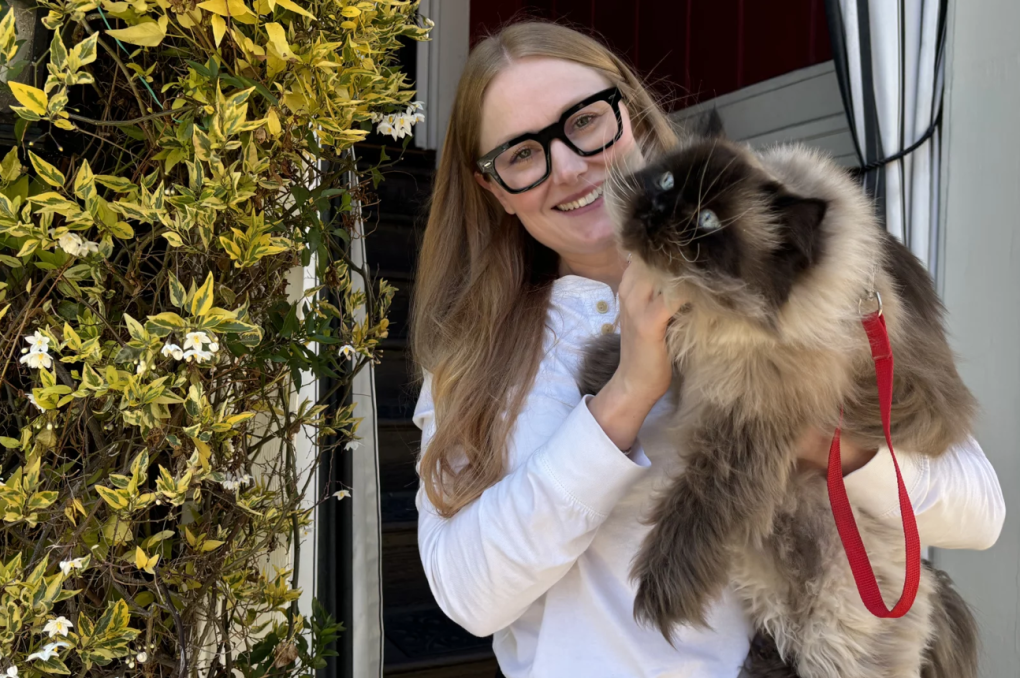
"title": "Jennifer Privett and her beloved cat, Jean Claude.",
"publishDate": 1720459591,
"status": "inherit",
"parent": 13960671,
"modified": 1720459673,
"caption": "Jennifer Privett and her beloved cat, Jean Claude.",
"credit": "Chloe Veltman/NPR",
"altTag": "A white woman with long fair hair and eye glasses holds a fluffy cat that's wearing a harness.",
"description": null,
"imgSizes": {
"medium": {
"file": "https://cdn.kqed.org/wp-content/uploads/sites/2/2024/07/Screen-Shot-2024-07-08-at-10.26.10-AM-800x532.png",
"width": 800,
"height": 532,
"mimeType": "image/png"
},
"large": {
"file": "https://cdn.kqed.org/wp-content/uploads/sites/2/2024/07/Screen-Shot-2024-07-08-at-10.26.10-AM-1020x678.png",
"width": 1020,
"height": 678,
"mimeType": "image/png"
},
"thumbnail": {
"file": "https://cdn.kqed.org/wp-content/uploads/sites/2/2024/07/Screen-Shot-2024-07-08-at-10.26.10-AM-160x106.png",
"width": 160,
"height": 106,
"mimeType": "image/png"
},
"medium_large": {
"file": "https://cdn.kqed.org/wp-content/uploads/sites/2/2024/07/Screen-Shot-2024-07-08-at-10.26.10-AM-768x510.png",
"width": 768,
"height": 510,
"mimeType": "image/png"
},
"post-thumbnail": {
"file": "https://cdn.kqed.org/wp-content/uploads/sites/2/2024/07/Screen-Shot-2024-07-08-at-10.26.10-AM-672x372.png",
"width": 672,
"height": 372,
"mimeType": "image/png"
},
"twentyfourteen-full-width": {
"file": "https://cdn.kqed.org/wp-content/uploads/sites/2/2024/07/Screen-Shot-2024-07-08-at-10.26.10-AM-1038x576.png",
"width": 1038,
"height": 576,
"mimeType": "image/png"
},
"kqedFullSize": {
"file": "https://cdn.kqed.org/wp-content/uploads/sites/2/2024/07/Screen-Shot-2024-07-08-at-10.26.10-AM.png",
"width": 1294,
"height": 860
}
},
"isLoading": false,
"fetchFailed": false
},
"arts_13960569": {
"type": "attachments",
"id": "arts_13960569",
"meta": {
"index": "attachments_1716263798",
"site": "arts",
"id": "13960569",
"found": true
},
"title": "Screen Shot 2024-06-28 at 2.42.44 PM",
"publishDate": 1719610992,
"status": "inherit",
"parent": 13960473,
"modified": 1719611039,
"caption": null,
"credit": "Alicia Zheng/NPR",
"altTag": null,
"description": null,
"imgSizes": {
"medium": {
"file": "https://cdn.kqed.org/wp-content/uploads/sites/2/2024/06/Screen-Shot-2024-06-28-at-2.42.44-PM-800x456.png",
"width": 800,
"height": 456,
"mimeType": "image/png"
},
"large": {
"file": "https://cdn.kqed.org/wp-content/uploads/sites/2/2024/06/Screen-Shot-2024-06-28-at-2.42.44-PM-1020x582.png",
"width": 1020,
"height": 582,
"mimeType": "image/png"
},
"thumbnail": {
"file": "https://cdn.kqed.org/wp-content/uploads/sites/2/2024/06/Screen-Shot-2024-06-28-at-2.42.44-PM-160x91.png",
"width": 160,
"height": 91,
"mimeType": "image/png"
},
"medium_large": {
"file": "https://cdn.kqed.org/wp-content/uploads/sites/2/2024/06/Screen-Shot-2024-06-28-at-2.42.44-PM-768x438.png",
"width": 768,
"height": 438,
"mimeType": "image/png"
},
"1536x1536": {
"file": "https://cdn.kqed.org/wp-content/uploads/sites/2/2024/06/Screen-Shot-2024-06-28-at-2.42.44-PM-1536x876.png",
"width": 1536,
"height": 876,
"mimeType": "image/png"
},
"post-thumbnail": {
"file": "https://cdn.kqed.org/wp-content/uploads/sites/2/2024/06/Screen-Shot-2024-06-28-at-2.42.44-PM-672x372.png",
"width": 672,
"height": 372,
"mimeType": "image/png"
},
"twentyfourteen-full-width": {
"file": "https://cdn.kqed.org/wp-content/uploads/sites/2/2024/06/Screen-Shot-2024-06-28-at-2.42.44-PM-1038x576.png",
"width": 1038,
"height": 576,
"mimeType": "image/png"
},
"kqedFullSize": {
"file": "https://cdn.kqed.org/wp-content/uploads/sites/2/2024/06/Screen-Shot-2024-06-28-at-2.42.44-PM.png",
"width": 1750,
"height": 998
}
},
"isLoading": false,
"fetchFailed": false
},
"arts_13960463": {
"type": "attachments",
"id": "arts_13960463",
"meta": {
"index": "attachments_1716263798",
"site": "arts",
"id": "13960463",
"found": true
},
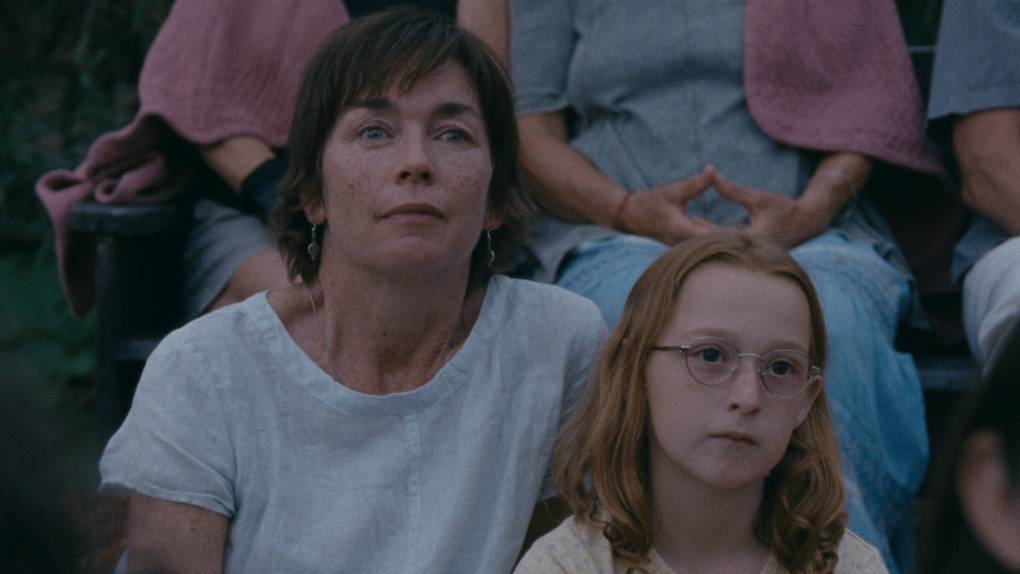
"title": "Mother and daughter Janet (Julianne Nicholson) and Lacy (Zoe Ziegler) share a slow New England summer in ‘Janet Planet.’",
"publishDate": 1719596161,
"status": "inherit",
"parent": 13960462,
"modified": 1719596774,
"caption": "Mother and daughter Janet (Julianne Nicholson) and Lacy (Zoe Ziegler) share a slow New England summer in ‘Janet Planet.’",
"credit": "Courtesy of A24",
"altTag": "A middle-aged white woman sits with a young girl who is wearing glasses and looks bored.",
"description": null,
"imgSizes": {
"medium": {
"file": "https://cdn.kqed.org/wp-content/uploads/sites/2/2024/06/janet-planet-01-800x450.jpeg",
"width": 800,
"height": 450,
"mimeType": "image/jpeg"
},
"large": {
"file": "https://cdn.kqed.org/wp-content/uploads/sites/2/2024/06/janet-planet-01-1020x574.jpeg",
"width": 1020,
"height": 574,
"mimeType": "image/jpeg"
},
"thumbnail": {
"file": "https://cdn.kqed.org/wp-content/uploads/sites/2/2024/06/janet-planet-01-160x90.jpeg",
"width": 160,
"height": 90,
"mimeType": "image/jpeg"
},
"medium_large": {
"file": "https://cdn.kqed.org/wp-content/uploads/sites/2/2024/06/janet-planet-01-768x432.jpeg",
"width": 768,
"height": 432,
"mimeType": "image/jpeg"
},
"1536x1536": {
"file": "https://cdn.kqed.org/wp-content/uploads/sites/2/2024/06/janet-planet-01-1536x864.jpeg",
"width": 1536,
"height": 864,
"mimeType": "image/jpeg"
},
"2048x2048": {
"file": "https://cdn.kqed.org/wp-content/uploads/sites/2/2024/06/janet-planet-01-2048x1152.jpeg",
"width": 2048,
"height": 1152,
"mimeType": "image/jpeg"
},
"post-thumbnail": {
"file": "https://cdn.kqed.org/wp-content/uploads/sites/2/2024/06/janet-planet-01-672x372.jpeg",
"width": 672,
"height": 372,
"mimeType": "image/jpeg"
},
"twentyfourteen-full-width": {
"file": "https://cdn.kqed.org/wp-content/uploads/sites/2/2024/06/janet-planet-01-1038x576.jpeg",
"width": 1038,
"height": 576,
"mimeType": "image/jpeg"
},
"full-width": {
"file": "https://cdn.kqed.org/wp-content/uploads/sites/2/2024/06/janet-planet-01-1920x1080.jpeg",
"width": 1920,
"height": 1080,
"mimeType": "image/jpeg"
},
"kqedFullSize": {
"file": "https://cdn.kqed.org/wp-content/uploads/sites/2/2024/06/janet-planet-01-scaled-e1719596693658.jpeg",
"width": 1920,
"height": 1080
}
},
"isLoading": false,
"fetchFailed": false
},
"arts_13960384": {
"type": "attachments",
"id": "arts_13960384",
"meta": {
"index": "attachments_1716263798",
"site": "arts",
"id": "13960384",
"found": true
},
"title": "Jeremy Allen White a Carmy Berzatto.",
"publishDate": 1719512026,
"status": "inherit",
"parent": 13960383,
"modified": 1719514829,
"caption": "Jeremy Allen White a Carmy Berzatto.",
"credit": "FX",
"altTag": "A white man in white t-shirt and black apron works in a kitchen, facing forward.",
"description": null,
"imgSizes": {
"medium": {
"file": "https://cdn.kqed.org/wp-content/uploads/sites/2/2024/06/bear-e302-00-08-11-10-still006-800x600.jpeg",
"width": 800,
"height": 600,
"mimeType": "image/jpeg"
},
"large": {
"file": "https://cdn.kqed.org/wp-content/uploads/sites/2/2024/06/bear-e302-00-08-11-10-still006-1020x765.jpeg",
"width": 1020,
"height": 765,
"mimeType": "image/jpeg"
},
"thumbnail": {
"file": "https://cdn.kqed.org/wp-content/uploads/sites/2/2024/06/bear-e302-00-08-11-10-still006-160x120.jpeg",
"width": 160,
"height": 120,
"mimeType": "image/jpeg"
},
"medium_large": {
"file": "https://cdn.kqed.org/wp-content/uploads/sites/2/2024/06/bear-e302-00-08-11-10-still006-768x576.jpeg",
"width": 768,
"height": 576,
"mimeType": "image/jpeg"
},
"1536x1536": {
"file": "https://cdn.kqed.org/wp-content/uploads/sites/2/2024/06/bear-e302-00-08-11-10-still006-1536x1152.jpeg",
"width": 1536,
"height": 1152,
"mimeType": "image/jpeg"
},
"2048x2048": {
"file": "https://cdn.kqed.org/wp-content/uploads/sites/2/2024/06/bear-e302-00-08-11-10-still006-2048x1536.jpeg",
"width": 2048,
"height": 1536,
"mimeType": "image/jpeg"
},
"post-thumbnail": {
"file": "https://cdn.kqed.org/wp-content/uploads/sites/2/2024/06/bear-e302-00-08-11-10-still006-672x372.jpeg",
"width": 672,
"height": 372,
"mimeType": "image/jpeg"
},
"twentyfourteen-full-width": {
"file": "https://cdn.kqed.org/wp-content/uploads/sites/2/2024/06/bear-e302-00-08-11-10-still006-1038x576.jpeg",
"width": 1038,
"height": 576,
"mimeType": "image/jpeg"
},
"full-width": {
"file": "https://cdn.kqed.org/wp-content/uploads/sites/2/2024/06/bear-e302-00-08-11-10-still006-1920x1440.jpeg",
"width": 1920,
"height": 1440,
"mimeType": "image/jpeg"
},
"kqedFullSize": {
"file": "https://cdn.kqed.org/wp-content/uploads/sites/2/2024/06/bear-e302-00-08-11-10-still006.jpeg",
"width": 2249,
"height": 1687
}
},
"isLoading": false,
"fetchFailed": false
},
"arts_13960320": {
"type": "attachments",
"id": "arts_13960320",
"meta": {
"index": "attachments_1716263798",
"site": "arts",
"id": "13960320",
"found": true
},
"title": "‘Cue the Sun!: The Invention of Reality TV’ by Emily Nussbaum.",
"publishDate": 1719363546,
"status": "inherit",
"parent": 13960317,
"modified": 1719363593,
"caption": "‘Cue the Sun!: The Invention of Reality TV’ by Emily Nussbaum.",
"credit": "Random House",
"altTag": null,
"description": null,
"imgSizes": {
"medium": {
"file": "https://cdn.kqed.org/wp-content/uploads/sites/2/2024/06/Screen-Shot-2024-06-25-at-5.58.21-PM-800x492.png",
"width": 800,
"height": 492,
"mimeType": "image/png"
},
"thumbnail": {
"file": "https://cdn.kqed.org/wp-content/uploads/sites/2/2024/06/Screen-Shot-2024-06-25-at-5.58.21-PM-160x98.png",
"width": 160,
"height": 98,
"mimeType": "image/png"
},
"medium_large": {
"file": "https://cdn.kqed.org/wp-content/uploads/sites/2/2024/06/Screen-Shot-2024-06-25-at-5.58.21-PM-768x472.png",
"width": 768,
"height": 472,
"mimeType": "image/png"
},
"post-thumbnail": {
"file": "https://cdn.kqed.org/wp-content/uploads/sites/2/2024/06/Screen-Shot-2024-06-25-at-5.58.21-PM-672x372.png",
"width": 672,
"height": 372,
"mimeType": "image/png"
},
"kqedFullSize": {
"file": "https://cdn.kqed.org/wp-content/uploads/sites/2/2024/06/Screen-Shot-2024-06-25-at-5.58.21-PM.png",
"width": 836,
"height": 514
}
},
"isLoading": false,
"fetchFailed": false
},
"arts_13960268": {
"type": "attachments",
"id": "arts_13960268",
"meta": {
"index": "attachments_1716263798",
"site": "arts",
"id": "13960268",
"found": true
},
"title": "Maureen Corrigan picks four crime and suspense novels for the summer.",
"publishDate": 1719338311,
"status": "inherit",
"parent": 13960267,
"modified": 1719341083,
"caption": "Maureen Corrigan picks four crime and suspense novels for the summer.",
"credit": "NPR",
"altTag": "Four books laid out in a row.",
"description": null,
"imgSizes": {
"medium": {
"file": "https://cdn.kqed.org/wp-content/uploads/sites/2/2024/06/11-800x450.jpeg",
"width": 800,
"height": 450,
"mimeType": "image/jpeg"
},
"large": {
"file": "https://cdn.kqed.org/wp-content/uploads/sites/2/2024/06/11-1020x574.jpeg",
"width": 1020,
"height": 574,
"mimeType": "image/jpeg"
},
"thumbnail": {
"file": "https://cdn.kqed.org/wp-content/uploads/sites/2/2024/06/11-160x90.jpeg",
"width": 160,
"height": 90,
"mimeType": "image/jpeg"
},
"medium_large": {
"file": "https://cdn.kqed.org/wp-content/uploads/sites/2/2024/06/11-768x432.jpeg",
"width": 768,
"height": 432,
"mimeType": "image/jpeg"
},
"1536x1536": {
"file": "https://cdn.kqed.org/wp-content/uploads/sites/2/2024/06/11-1536x864.jpeg",
"width": 1536,
"height": 864,
"mimeType": "image/jpeg"
},
"post-thumbnail": {
"file": "https://cdn.kqed.org/wp-content/uploads/sites/2/2024/06/11-672x372.jpeg",
"width": 672,
"height": 372,
"mimeType": "image/jpeg"
},
"twentyfourteen-full-width": {
"file": "https://cdn.kqed.org/wp-content/uploads/sites/2/2024/06/11-1038x576.jpeg",
"width": 1038,
"height": 576,
"mimeType": "image/jpeg"
},
"kqedFullSize": {
"file": "https://cdn.kqed.org/wp-content/uploads/sites/2/2024/06/11.jpeg",
"width": 1920,
"height": 1080
}
},
"isLoading": false,
"fetchFailed": false
},
"arts_13960122": {
"type": "attachments",
"id": "arts_13960122",
"meta": {
"index": "attachments_1716263798",
"site": "arts",
"id": "13960122",
"found": true
},
"title": "‘Parade’ by Rachel Cusk.",
"publishDate": 1718993864,
"status": "inherit",
"parent": 13960115,
"modified": 1718993896,
"caption": "‘Parade’ by Rachel Cusk.",
"credit": "Farrar, Straus and Giroux",
"altTag": null,
"description": null,
"imgSizes": {
"medium": {
"file": "https://cdn.kqed.org/wp-content/uploads/sites/2/2024/06/Screen-Shot-2024-06-21-at-11.16.46-AM-800x467.png",
"width": 800,
"height": 467,
"mimeType": "image/png"
},
"thumbnail": {
"file": "https://cdn.kqed.org/wp-content/uploads/sites/2/2024/06/Screen-Shot-2024-06-21-at-11.16.46-AM-160x93.png",
"width": 160,
"height": 93,
"mimeType": "image/png"
},
"medium_large": {
"file": "https://cdn.kqed.org/wp-content/uploads/sites/2/2024/06/Screen-Shot-2024-06-21-at-11.16.46-AM-768x448.png",
"width": 768,
"height": 448,
"mimeType": "image/png"
},
"post-thumbnail": {
"file": "https://cdn.kqed.org/wp-content/uploads/sites/2/2024/06/Screen-Shot-2024-06-21-at-11.16.46-AM-672x372.png",
"width": 672,
"height": 372,
"mimeType": "image/png"
},
"kqedFullSize": {
"file": "https://cdn.kqed.org/wp-content/uploads/sites/2/2024/06/Screen-Shot-2024-06-21-at-11.16.46-AM.png",
"width": 826,
"height": 482
}
},
"isLoading": false,
"fetchFailed": false
},
"arts_13959946": {
"type": "attachments",
"id": "arts_13959946",
"meta": {
"index": "attachments_1716263798",
"site": "arts",
"id": "13959946",
"found": true
},
"title": "nonfiction.jpg",
"publishDate": 1718667321,
"status": "inherit",
"parent": 13959945,
"modified": 1718741310,
"caption": null,
"credit": "Alicia Zheng/NPR",
"altTag": "An illustration of a Black woman seated outside with a book in her hands and two at her feet.",
"description": null,
"imgSizes": {
"medium": {
"file": "https://cdn.kqed.org/wp-content/uploads/sites/2/2024/06/nonfiction-800x510.jpeg",
"width": 800,
"height": 510,
"mimeType": "image/jpeg"
},
"large": {
"file": "https://cdn.kqed.org/wp-content/uploads/sites/2/2024/06/nonfiction-1020x650.jpeg",
"width": 1020,
"height": 650,
"mimeType": "image/jpeg"
},
"thumbnail": {
"file": "https://cdn.kqed.org/wp-content/uploads/sites/2/2024/06/nonfiction-160x102.jpeg",
"width": 160,
"height": 102,
"mimeType": "image/jpeg"
},
"medium_large": {
"file": "https://cdn.kqed.org/wp-content/uploads/sites/2/2024/06/nonfiction-768x490.jpeg",
"width": 768,
"height": 490,
"mimeType": "image/jpeg"
},
"1536x1536": {
"file": "https://cdn.kqed.org/wp-content/uploads/sites/2/2024/06/nonfiction-1536x979.jpeg",
"width": 1536,
"height": 979,
"mimeType": "image/jpeg"
},
"post-thumbnail": {
"file": "https://cdn.kqed.org/wp-content/uploads/sites/2/2024/06/nonfiction-672x372.jpeg",
"width": 672,
"height": 372,
"mimeType": "image/jpeg"
},
"twentyfourteen-full-width": {
"file": "https://cdn.kqed.org/wp-content/uploads/sites/2/2024/06/nonfiction-1038x576.jpeg",
"width": 1038,
"height": 576,
"mimeType": "image/jpeg"
},
"kqedFullSize": {
"file": "https://cdn.kqed.org/wp-content/uploads/sites/2/2024/06/nonfiction.jpeg",
"width": 1763,
"height": 1124
}
},
"isLoading": false,
"fetchFailed": false
},
"arts_13959919": {
"type": "attachments",
"id": "arts_13959919",
"meta": {
"index": "attachments_1716263798",
"site": "arts",
"id": "13959919",
"found": true
},
"title": "‘Outstanding: A Comedy Revolution’ explores the history and current state of LGBTQ comedy. Above, Lily Tomlin, left, Wanda Sykes, Joel Kim Booster and Trixie Mattel.",
"publishDate": 1718658470,
"status": "inherit",
"parent": 13959918,
"modified": 1718658621,
"caption": "‘Outstanding: A Comedy Revolution’ explores the history and current state of LGBTQ comedy. Above, Lily Tomlin, left, Wanda Sykes, Joel Kim Booster and Trixie Mattel.",
"credit": "Netflix",
"altTag": "Photos of a white woman, a Black woman, an Asian man and a drag queen.",
"description": null,
"imgSizes": {
"medium": {
"file": "https://cdn.kqed.org/wp-content/uploads/sites/2/2024/06/4-images-vertical-800x450.jpeg",
"width": 800,
"height": 450,
"mimeType": "image/jpeg"
},
"large": {
"file": "https://cdn.kqed.org/wp-content/uploads/sites/2/2024/06/4-images-vertical-1020x574.jpeg",
"width": 1020,
"height": 574,
"mimeType": "image/jpeg"
},
"thumbnail": {
"file": "https://cdn.kqed.org/wp-content/uploads/sites/2/2024/06/4-images-vertical-160x90.jpeg",
"width": 160,
"height": 90,
"mimeType": "image/jpeg"
},
"medium_large": {
"file": "https://cdn.kqed.org/wp-content/uploads/sites/2/2024/06/4-images-vertical-768x432.jpeg",
"width": 768,
"height": 432,
"mimeType": "image/jpeg"
},
"1536x1536": {
"file": "https://cdn.kqed.org/wp-content/uploads/sites/2/2024/06/4-images-vertical-1536x864.jpeg",
"width": 1536,
"height": 864,
"mimeType": "image/jpeg"
},
"2048x2048": {
"file": "https://cdn.kqed.org/wp-content/uploads/sites/2/2024/06/4-images-vertical-2048x1152.jpeg",
"width": 2048,
"height": 1152,
"mimeType": "image/jpeg"
},
"post-thumbnail": {
"file": "https://cdn.kqed.org/wp-content/uploads/sites/2/2024/06/4-images-vertical-672x372.jpeg",
"width": 672,
"height": 372,
"mimeType": "image/jpeg"
},
"twentyfourteen-full-width": {
"file": "https://cdn.kqed.org/wp-content/uploads/sites/2/2024/06/4-images-vertical-1038x576.jpeg",
"width": 1038,
"height": 576,
"mimeType": "image/jpeg"
},
"full-width": {
"file": "https://cdn.kqed.org/wp-content/uploads/sites/2/2024/06/4-images-vertical-1920x1080.jpeg",
"width": 1920,
"height": 1080,
"mimeType": "image/jpeg"
},
"kqedFullSize": {
"file": "https://cdn.kqed.org/wp-content/uploads/sites/2/2024/06/4-images-vertical.jpeg",
"width": 2400,
"height": 1350
}
},
"isLoading": false,
"fetchFailed": false
},
"arts_13959900": {
"type": "attachments",
"id": "arts_13959900",
"meta": {
"index": "attachments_1716263798",
"site": "arts",
"id": "13959900",
"found": true
},
"title": "‘Sharks in the Seine’ — mon dieu!",
"publishDate": 1718644680,
"status": "inherit",
"parent": 13959899,
"modified": 1718645214,
"caption": "‘Sharks in the Seine’ — mon dieu!",
"credit": "Netflix/Sofie Gheysens",
"altTag": "A woman floats upright under water, facing an enormous shark.",
"description": null,
"imgSizes": {
"medium": {
"file": "https://cdn.kqed.org/wp-content/uploads/sites/2/2024/06/underparis-800x513.jpeg",
"width": 800,
"height": 513,
"mimeType": "image/jpeg"
},
"large": {
"file": "https://cdn.kqed.org/wp-content/uploads/sites/2/2024/06/underparis-1020x654.jpeg",
"width": 1020,
"height": 654,
"mimeType": "image/jpeg"
},
"thumbnail": {
"file": "https://cdn.kqed.org/wp-content/uploads/sites/2/2024/06/underparis-160x103.jpeg",
"width": 160,
"height": 103,
"mimeType": "image/jpeg"
},
"medium_large": {
"file": "https://cdn.kqed.org/wp-content/uploads/sites/2/2024/06/underparis-768x492.jpeg",
"width": 768,
"height": 492,
"mimeType": "image/jpeg"
},
"1536x1536": {
"file": "https://cdn.kqed.org/wp-content/uploads/sites/2/2024/06/underparis-1536x984.jpeg",
"width": 1536,
"height": 984,
"mimeType": "image/jpeg"
},
"2048x2048": {
"file": "https://cdn.kqed.org/wp-content/uploads/sites/2/2024/06/underparis-2048x1312.jpeg",
"width": 2048,
"height": 1312,
"mimeType": "image/jpeg"
},
"post-thumbnail": {
"file": "https://cdn.kqed.org/wp-content/uploads/sites/2/2024/06/underparis-672x372.jpeg",
"width": 672,
"height": 372,
"mimeType": "image/jpeg"
},
"twentyfourteen-full-width": {
"file": "https://cdn.kqed.org/wp-content/uploads/sites/2/2024/06/underparis-1038x576.jpeg",
"width": 1038,
"height": 576,
"mimeType": "image/jpeg"
},
"full-width": {
"file": "https://cdn.kqed.org/wp-content/uploads/sites/2/2024/06/underparis-1920x1230.jpeg",
"width": 1920,
"height": 1230,
"mimeType": "image/jpeg"
},
"kqedFullSize": {
"file": "https://cdn.kqed.org/wp-content/uploads/sites/2/2024/06/underparis-e1718645142576.jpeg",
"width": 1920,
"height": 1230
}
},
"isLoading": false,
"fetchFailed": false
},
"arts_13959864": {
"type": "attachments",
"id": "arts_13959864",
"meta": {
"index": "attachments_1716263798",
"site": "arts",
"id": "13959864",
"found": true
},
"title": "Joy and Anxiety (voiced by Amy Poehler and Maya Hawke) meet in Riley's head in ‘Inside Out 2.’",
"publishDate": 1718385037,
"status": "inherit",
"parent": 13959859,
"modified": 1718385377,
"caption": "Joy and Anxiety (voiced by Amy Poehler and Maya Hawke) meet in Riley's head in ‘Inside Out 2.’",
"credit": "Pixar/PIXAR/Disney/Pixar",
"altTag": "Animation of a joyful girl with her arms in the air next to a strange-looking creature who resembles a troll.",
"description": null,
"imgSizes": {
"medium": {
"file": "https://cdn.kqed.org/wp-content/uploads/sites/2/2024/06/Screen-Shot-2024-06-14-at-10.09.49-AM-800x486.png",
"width": 800,
"height": 486,
"mimeType": "image/png"
},
"large": {
"file": "https://cdn.kqed.org/wp-content/uploads/sites/2/2024/06/Screen-Shot-2024-06-14-at-10.09.49-AM-1020x620.png",
"width": 1020,
"height": 620,
"mimeType": "image/png"
},
"thumbnail": {
"file": "https://cdn.kqed.org/wp-content/uploads/sites/2/2024/06/Screen-Shot-2024-06-14-at-10.09.49-AM-160x97.png",
"width": 160,
"height": 97,
"mimeType": "image/png"
},
"medium_large": {
"file": "https://cdn.kqed.org/wp-content/uploads/sites/2/2024/06/Screen-Shot-2024-06-14-at-10.09.49-AM-768x467.png",
"width": 768,
"height": 467,
"mimeType": "image/png"
},
"post-thumbnail": {
"file": "https://cdn.kqed.org/wp-content/uploads/sites/2/2024/06/Screen-Shot-2024-06-14-at-10.09.49-AM-672x372.png",
"width": 672,
"height": 372,
"mimeType": "image/png"
},
"twentyfourteen-full-width": {
"file": "https://cdn.kqed.org/wp-content/uploads/sites/2/2024/06/Screen-Shot-2024-06-14-at-10.09.49-AM-1038x576.png",
"width": 1038,
"height": 576,
"mimeType": "image/png"
},
"kqedFullSize": {
"file": "https://cdn.kqed.org/wp-content/uploads/sites/2/2024/06/Screen-Shot-2024-06-14-at-10.09.49-AM.png",
"width": 1536,
"height": 934
}
},
"isLoading": false,
"fetchFailed": false
},
"arts_13959797": {
"type": "attachments",
"id": "arts_13959797",
"meta": {
"index": "attachments_1716263798",
"site": "arts",
"id": "13959797",
"found": true
},
"title": "For most of the film, hampton is a grinning, tomboy femme fly on the wall. She’s much more in documentarian mode than interviewer.",
"publishDate": 1718308519,
"status": "inherit",
"parent": 13959796,
"modified": 1718312724,
"caption": "For most of the film, hampton is a grinning, tomboy femme fly on the wall. She’s much more in documentarian mode than interviewer.",
"credit": "Courtesy of the artist",
"altTag": "A large Black man stands behind a microphone in a studio while a smiling Black woman crouches nearby.",
"description": null,
"imgSizes": {
"medium": {
"file": "https://cdn.kqed.org/wp-content/uploads/sites/2/2024/06/iwaad-s16-1-800x600.jpeg",
"width": 800,
"height": 600,
"mimeType": "image/jpeg"
},
"large": {
"file": "https://cdn.kqed.org/wp-content/uploads/sites/2/2024/06/iwaad-s16-1-1020x765.jpeg",
"width": 1020,
"height": 765,
"mimeType": "image/jpeg"
},
"thumbnail": {
"file": "https://cdn.kqed.org/wp-content/uploads/sites/2/2024/06/iwaad-s16-1-160x120.jpeg",
"width": 160,
"height": 120,
"mimeType": "image/jpeg"
},
"medium_large": {
"file": "https://cdn.kqed.org/wp-content/uploads/sites/2/2024/06/iwaad-s16-1-768x576.jpeg",
"width": 768,
"height": 576,
"mimeType": "image/jpeg"
},
"1536x1536": {
"file": "https://cdn.kqed.org/wp-content/uploads/sites/2/2024/06/iwaad-s16-1-1536x1152.jpeg",
"width": 1536,
"height": 1152,
"mimeType": "image/jpeg"
},
"2048x2048": {
"file": "https://cdn.kqed.org/wp-content/uploads/sites/2/2024/06/iwaad-s16-1-2048x1536.jpeg",
"width": 2048,
"height": 1536,
"mimeType": "image/jpeg"
},
"post-thumbnail": {
"file": "https://cdn.kqed.org/wp-content/uploads/sites/2/2024/06/iwaad-s16-1-672x372.jpeg",
"width": 672,
"height": 372,
"mimeType": "image/jpeg"
},
"twentyfourteen-full-width": {
"file": "https://cdn.kqed.org/wp-content/uploads/sites/2/2024/06/iwaad-s16-1-1038x576.jpeg",
"width": 1038,
"height": 576,
"mimeType": "image/jpeg"
},
"full-width": {
"file": "https://cdn.kqed.org/wp-content/uploads/sites/2/2024/06/iwaad-s16-1-1920x1440.jpeg",
"width": 1920,
"height": 1440,
"mimeType": "image/jpeg"
},
"kqedFullSize": {
"file": "2024/06/iwaad-s16-1-e1718312735939.jpeg",
"width": 1920,
"height": 1440
}
},
"isLoading": false,
"fetchFailed": false
}
},
"audioPlayerReducer": {
"postId": "stream_live",
"isPaused": true,
"isPlaying": false,
"pfsActive": false,
"pledgeModalIsOpen": true,
"playerDrawerIsOpen": false,
"liveAudioPlayStartedAt": 0,
"liveAudioPlayContext": ""
},
"authorsReducer": {
"byline_arts_13960671": {
"type": "authors",
"id": "byline_arts_13960671",
"meta": {
"override": true
},
"slug": "byline_arts_13960671",
"name": "Chloe Veltman",
"isLoading": false
},
"byline_arts_13960473": {
"type": "authors",
"id": "byline_arts_13960473",
"meta": {
"override": true
},
"slug": "byline_arts_13960473",
"name": "Meghan Collins Sullivan, Beth Novey, NPR",
"isLoading": false
},
"byline_arts_13960462": {
"type": "authors",
"id": "byline_arts_13960462",
"meta": {
"override": true
},
"slug": "byline_arts_13960462",
"name": "Justin Chang, NPR",
"isLoading": false
},
"byline_arts_13960383": {
"type": "authors",
"id": "byline_arts_13960383",
"meta": {
"override": true
},
"slug": "byline_arts_13960383",
"name": "Linda Holmes, NPR",
"isLoading": false
},
"byline_arts_13960317": {
"type": "authors",
"id": "byline_arts_13960317",
"meta": {
"override": true
},
"slug": "byline_arts_13960317",
"name": "Carole V. Bell, NPR",
"isLoading": false
},
"byline_arts_13960267": {
"type": "authors",
"id": "byline_arts_13960267",
"meta": {
"override": true
},
"slug": "byline_arts_13960267",
"name": "Maureen Corrigan, NPR",
"isLoading": false
},
"byline_arts_13960115": {
"type": "authors",
"id": "byline_arts_13960115",
"meta": {
"override": true
},
"slug": "byline_arts_13960115",
"name": "Heller McAlpin, NPR",
"isLoading": false
},
"byline_arts_13959945": {
"type": "authors",
"id": "byline_arts_13959945",
"meta": {
"override": true
},
"slug": "byline_arts_13959945",
"name": "Meghan Collins Sullivan, Beth Novey, NPR",
"isLoading": false
},
"byline_arts_13959918": {
"type": "authors",
"id": "byline_arts_13959918",
"meta": {
"override": true
},
"slug": "byline_arts_13959918",
"name": "Elizabeth Blair, NPR",
"isLoading": false
},
"byline_arts_13959899": {
"type": "authors",
"id": "byline_arts_13959899",
"meta": {
"override": true
},
"slug": "byline_arts_13959899",
"name": "Linda Holmes, NPR",
"isLoading": false
},
"byline_arts_13959859": {
"type": "authors",
"id": "byline_arts_13959859",
"meta": {
"override": true
},
"slug": "byline_arts_13959859",
"name": "Justin Chang, NPR",
"isLoading": false
},
"byline_arts_13959796": {
"type": "authors",
"id": "byline_arts_13959796",
"meta": {
"override": true
},
"slug": "byline_arts_13959796",
"name": "Sidney Madden, NPR",
"isLoading": false
}
},
"pagesReducer": {
"arts_affiliate_npr": {
"type": "terms",
"id": "arts_137",
"meta": {
"index": "terms_1716263798",
"site": "arts",
"id": "137",
"score": 14.262192
},
"featImg": "https://ww2.kqed.org/app/uploads/sites/2/2014/04/logo-npr-lg1.png",
"name": "NPR",
"description": null,
"taxonomy": "affiliate",
"headData": {
"twImgId": null,
"twTitle": null,
"ogTitle": null,
"ogImgId": null,
"twDescription": null,
"description": null,
"title": "NPR Archives | KQED Arts",
"ogDescription": null
},
"ttid": 138,
"slug": "npr",
"isLoading": false,
"title": "NPR",
"pageMeta": {
"site": "arts",
"WpPageTemplate": "page-topic-editorial",
"currentPage": 25
},
"blocks": [
{
"blockName": "kqed/post-list",
"attrs": {
"layout": "cardArticle2",
"query": "posts/arts?affiliate=npr",
"seeMore": false,
"paginated": true,
"page": 25
}
},
{
"blockName": "kqed/ad"
}
]
}
},
"pfsSessionReducer": {},
"postsReducer": {
"stream_live": {
"type": "live",
"id": "stream_live",
"audioUrl": "https://streams.kqed.org/kqedradio",
"title": "Live Stream",
"excerpt": "Live Stream information currently unavailable.",
"link": "/radio",
"featImg": "",
"label": {
"name": "KQED Live",
"link": "/"
}
},
"stream_kqedNewscast": {
"type": "posts",
"id": "stream_kqedNewscast",
"audioUrl": "https://www.kqed.org/.stream/anon/radio/RDnews/newscast.mp3?_=1",
"title": "KQED Newscast",
"featImg": "",
"label": {
"name": "88.5 FM",
"link": "/"
}
},
"arts_13960671": {
"type": "posts",
"id": "arts_13960671",
"meta": {
"index": "posts_1716263798",
"site": "arts",
"id": "13960671",
"score": null,
"sort": [
1720461460000
]
},
"guestAuthors": [],
"slug": "walking-my-cat-on-a-leash-how-to-harness-train",
"title": "Is It Acceptable to Walk Cats on Leashes? It Is in San Francisco",
"publishDate": 1720461460,
"format": "aside",
"headTitle": "Is It Acceptable to Walk Cats on Leashes? It Is in San Francisco | KQED",
"labelTerm": {
"term": 137,
"site": "arts"
},
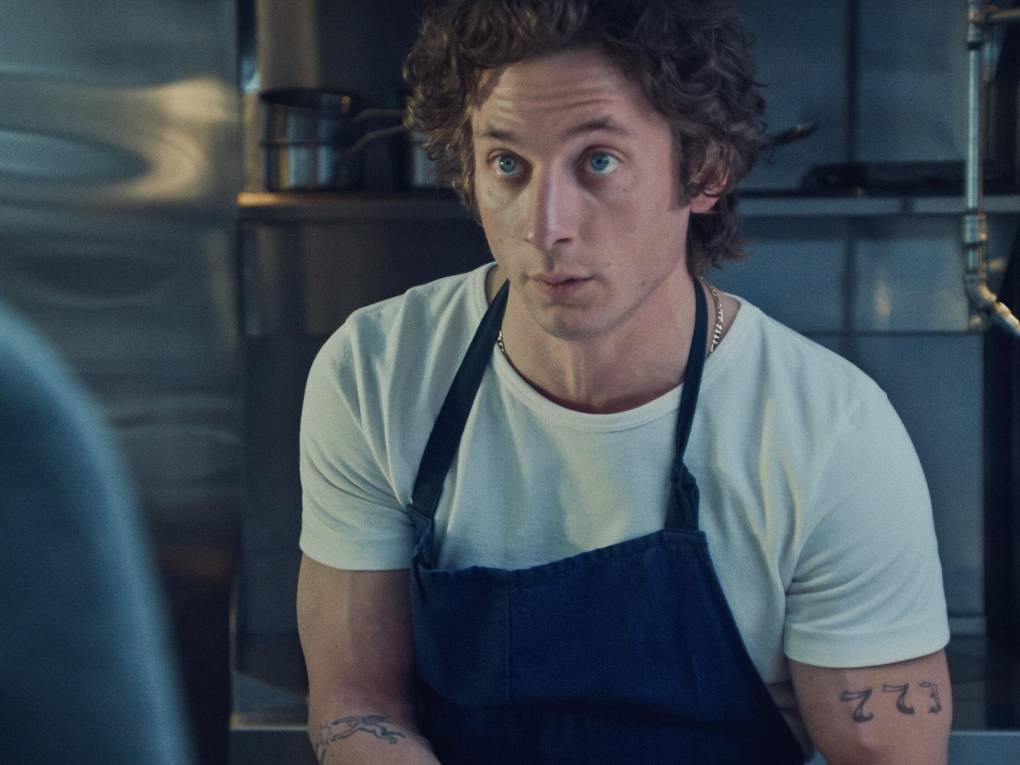
"content": "\u003cfigure id=\"attachment_13960672\" class=\"wp-caption aligncenter\" style=\"max-width: 1875px\">\u003cimg loading=\"lazy\" decoding=\"async\" class=\"size-full wp-image-13960672\" src=\"https://cdn.kqed.org/wp-content/uploads/sites/2/2024/07/img-9553-scaled-e1720459751964.jpeg\" alt=\"A smiling white woman with long blond hair walks a cat on a leash.\" width=\"1875\" height=\"1920\">\u003cfigcaption class=\"wp-caption-text\">Jennifer Privett takes her Himalayan cat Jean Claude out for a stroll in San Francisco on June 28. \u003ccite>(Chloe Veltman/NPR)\u003c/cite>\u003c/figcaption>\u003c/figure>\n\u003cp>On a sunny afternoon in San Francisco, Jennifer Privett took a stroll with her very large, very fluffy, blue-eyed Himalayan, Jean Claude.\u003c/p>\n\u003cp>With his luxurious, cream-colored coat and chocolate face, tail and paws, Jean Claude would turn heads even if he wasn’t sauntering along the streets of San Francisco on a leash.\u003c/p>\n\u003cp>[aside postid='arts_13908266']As it is, he attracts a lot of attention from passersby when Privett walks with him several times a week through the neighborhood.\u003c/p>\n\u003cp>“People all the time are stopping to talk to us,” Privett said, just as a stranger walked up to ask the cat’s name. “He’s very sociable, and I’ve also made new friends because of this guy.”\u003c/p>\n\u003cp>Privett said the cat accompanies her to nearby destinations such as the dry cleaner, a pizzeria and several coffee shops.\u003c/p>\n\u003cfigure id=\"attachment_13960677\" class=\"wp-caption aligncenter\" style=\"max-width: 1294px\">\u003cimg loading=\"lazy\" decoding=\"async\" class=\"size-full wp-image-13960677\" src=\"https://cdn.kqed.org/wp-content/uploads/sites/2/2024/07/Screen-Shot-2024-07-08-at-10.26.10-AM.png\" alt=\"A white woman with long fair hair and eye glasses holds a fluffy cat that's wearing a harness.\" width=\"1294\" height=\"860\" srcset=\"https://cdn.kqed.org/wp-content/uploads/sites/2/2024/07/Screen-Shot-2024-07-08-at-10.26.10-AM.png 1294w, https://cdn.kqed.org/wp-content/uploads/sites/2/2024/07/Screen-Shot-2024-07-08-at-10.26.10-AM-800x532.png 800w, https://cdn.kqed.org/wp-content/uploads/sites/2/2024/07/Screen-Shot-2024-07-08-at-10.26.10-AM-1020x678.png 1020w, https://cdn.kqed.org/wp-content/uploads/sites/2/2024/07/Screen-Shot-2024-07-08-at-10.26.10-AM-160x106.png 160w, https://cdn.kqed.org/wp-content/uploads/sites/2/2024/07/Screen-Shot-2024-07-08-at-10.26.10-AM-768x510.png 768w\" sizes=\"(max-width: 1294px) 100vw, 1294px\">\u003cfigcaption class=\"wp-caption-text\">Jennifer Privett and her beloved cat, Jean Claude. \u003ccite>(Chloe Veltman/NPR)\u003c/cite>\u003c/figcaption>\u003c/figure>\n\u003cp>“If I ever go there without him on the weekends, they ask, ‘Where’s Jean Claude today?'”\u003c/p>\n\u003ch3>The cat dilemma\u003c/h3>\n\u003cp>Whether or not cats should be allowed outside the home is controversial in this country — though they roam freely in many others, such as the United Kingdom, Morocco and Japan.\u003c/p>\n\u003cp>[ad fullwidth]\u003c/p>\n\u003cp>Cats can get hurt outside. But \u003ca href=\"https://www.nature.com/articles/ncomms2380\">it is also estimated\u003c/a> that cats kill over 1 billion birds each year in the U.S.\u003c/p>\n\u003cp>“There’s no good answer to the cat dilemma,” said Jessica Pierce, a bioethicist who’s \u003ca href=\"https://press.uchicago.edu/ucp/books/book/chicago/R/bo19416930.html\">written a book\u003c/a> about the ethics of keeping pets. “It really seems problematic to let cats outside because of the implications for wildlife and also because of the danger cats are in from cars and malicious people and so forth. At the same time, it also seems bad to keep cats indoors all the time, because they’re wild at heart and they have a lot of cat behaviors that just don’t get satisfied, or are difficult to satisfy, inside.”\u003c/p>\n\u003cp>Taking cats out for walks while still restraining them has become a way for some owners to try to navigate this.\u003c/p>\n\u003cp>[aside postid='arts_13886425']“I think for the right cat, it can certainly create environmental enrichment, get them some more exercise and things like that,” said \u003ca href=\"https://www.nobhillcatclinic.com/our-staff.pml\">cat veterinarian\u003c/a> Grace Carter.\u003c/p>\n\u003cp>But Carter said cat-walking is not for everyone.\u003c/p>\n\u003cp>“Some cats are too stressed for it,” she said. “Some never adapt to the harness and leash.”\u003c/p>\n\u003ch3>Reasons to walk a cat\u003c/h3>\n\u003cp>For Privett, walking Jean Claude was a practical decision. She said they started taking neighborhood walks about 10 years ago, when the cat was 3.\u003c/p>\n\u003cp>“It kind of just happened naturally,” she said. “I mostly have lived in apartments, and he wanted to go outside. But I didn’t feel comfortable just letting him out anytime.”\u003c/p>\n\u003cp>For fellow San Francisco cat owner Jennifer Balenbin, the great outdoors are a way to improve her kitty \u003ca href=\"https://www.instagram.com/spongebob_catpants/\">SpongeBob’\u003c/a>s mental health. They even show up together at occasional meetups in San Francisco parks for likeminded people and their sociable felines.\u003c/p>\n\u003cp>“The vet wanted to put him on Prozac,” Balenbin said. “But she first was like, ‘Can you let him outside, to roam around?’ I was like, ‘No, this is the city. I can’t do that.’ So we tried walking him. And we found that the more he goes out and he’s with us, he’s more calm at home.”\u003c/p>\n\u003ch3>A trend driven by Instagram\u003c/h3>\n\u003cp>Cat-walking isn’t a new phenomenon. Owners have long paraded their prize felines on leashes for competitive cat shows.\u003c/p>\n\u003cfigure id=\"attachment_13960678\" class=\"wp-caption aligncenter\" style=\"max-width: 1294px\">\u003cimg loading=\"lazy\" decoding=\"async\" class=\"size-full wp-image-13960678\" src=\"https://cdn.kqed.org/wp-content/uploads/sites/2/2024/07/Screen-Shot-2024-07-08-at-10.31.09-AM.png\" alt=\"A little girl in a winter coat walks through the streets with a kitten on a leash.\" width=\"1294\" height=\"932\" srcset=\"https://cdn.kqed.org/wp-content/uploads/sites/2/2024/07/Screen-Shot-2024-07-08-at-10.31.09-AM.png 1294w, https://cdn.kqed.org/wp-content/uploads/sites/2/2024/07/Screen-Shot-2024-07-08-at-10.31.09-AM-800x576.png 800w, https://cdn.kqed.org/wp-content/uploads/sites/2/2024/07/Screen-Shot-2024-07-08-at-10.31.09-AM-1020x735.png 1020w, https://cdn.kqed.org/wp-content/uploads/sites/2/2024/07/Screen-Shot-2024-07-08-at-10.31.09-AM-160x115.png 160w, https://cdn.kqed.org/wp-content/uploads/sites/2/2024/07/Screen-Shot-2024-07-08-at-10.31.09-AM-768x553.png 768w\" sizes=\"(max-width: 1294px) 100vw, 1294px\">\u003cfigcaption class=\"wp-caption-text\">A young exhibitor arrives with her kitten on a lead at the National Cat Club show at Crystal Palace, London, 1931. \u003ccite>(Fox Photos/Getty Images)\u003c/cite>\u003c/figcaption>\u003c/figure>\n\u003cp>But the more recent trend has been fueled by social media.\u003c/p>\n\u003cp>[aside postid='arts_13884491']“People are seeing these gorgeous photos of cats outdoors,” said Laura Moss, the creator of \u003ca href=\"https://www.adventurecats.org/\">Adventure Cats\u003c/a>, an online resource for people who want to take their cats out and about safely. “And they want to try it for themselves.”\u003c/p>\n\u003cp>Moss said owners who want to leash-train their cats should do it slowly and gently.\u003c/p>\n\u003cp>\u003c/p>\n\u003cp>“Introduce the harness when they’re indoors — don’t put it on them yet, let them just sniff it and get used to it. Make it a positive experience, so put some treats on it,” she said. “Once they’re used to that, clip the harness on, tighten it, add the leash, and just practice walking around at home. And then, once your cat is comfortable like that, you can take them outdoors.”\u003c/p>\n\n",
"blocks": [],
"excerpt": "For some cats, leashed walks can create environmental enrichment and help them get more exercise.",
"status": "publish",
"parent": 0,
"modified": 1726770893,
"stats": {
"hasAudio": false,
"hasVideo": false,
"hasChartOrMap": false,
"iframeSrcs": [],
"hasGoogleForm": false,
"hasGallery": false,
"hasHearkenModule": false,
"hasPolis": false,
"paragraphCount": 24,
"wordCount": 833
},
"headData": {
"title": "How to Walk Your Cat on a Leash (or Not...) | KQED",
"description": "For some cats, leashed walks can create environmental enrichment and help them get more exercise.",
"ogTitle": "Is It Acceptable to Walk Cats on Leashes? It Is in San Francisco",
"ogDescription": "",
"ogImgId": "",
"twTitle": "Is It Acceptable to Walk Cats on Leashes? It Is in San Francisco",
"twDescription": "",
"twImgId": "",
"socialTitle": "How to Walk Your Cat on a Leash (or Not...)%%page%% %%sep%% KQED",
"schema": {
"@context": "https://schema.org",
"@type": "Article",
"headline": "Is It Acceptable to Walk Cats on Leashes? It Is in San Francisco",
"datePublished": "2024-07-08T10:57:40-07:00",
"dateModified": "2024-09-19T11:34:53-07:00",
"image": "https://cdn.kqed.org/wp-content/uploads/2020/02/KQED-OG-Image@1x.png"
}
},
"sticky": false,
"nprByline": "Chloe Veltman",
"nprStoryId": "nx-s1-5021910",
"nprHtmlLink": "https://www.npr.org/2024/07/05/nx-s1-5021910/outdoor-cat-walk-leash",
"nprRetrievedStory": "1",
"nprPubDate": "2024-07-05T05:00:00-04:00",
"nprStoryDate": "2024-07-05T05:00:00-04:00",
"nprLastModifiedDate": "2024-07-08T08:05:05.835-04:00",
"nprAudio": "https://ondemand.npr.org/anon.npr-mp3/npr/me/2024/07/20240708_me_cats_on_leashes_..._yes_it_s_a_thing.mp3?size=2487738&d=155436&e=nx-s1-5021910",
"templateType": "standard",
"featuredImageType": "standard",
"excludeFromSiteSearch": "Include",
"showOnAuthorArchivePages": "No",
"articleAge": "0",
"path": "/arts/13960671/walking-my-cat-on-a-leash-how-to-harness-train",
"audioUrl": "https://ondemand.npr.org/anon.npr-mp3/npr/me/2024/07/20240708_me_cats_on_leashes_..._yes_it_s_a_thing.mp3?size=2487738&d=155436&e=nx-s1-5021910",
"audioTrackLength": null,
"parsedContent": [
{
"type": "contentString",
"content": "\u003cdiv class=\"post-body\">\u003cp>\u003cfigure id=\"attachment_13960672\" class=\"wp-caption aligncenter\" style=\"max-width: 1875px\">\u003cimg loading=\"lazy\" decoding=\"async\" class=\"size-full wp-image-13960672\" src=\"https://cdn.kqed.org/wp-content/uploads/sites/2/2024/07/img-9553-scaled-e1720459751964.jpeg\" alt=\"A smiling white woman with long blond hair walks a cat on a leash.\" width=\"1875\" height=\"1920\">\u003cfigcaption class=\"wp-caption-text\">Jennifer Privett takes her Himalayan cat Jean Claude out for a stroll in San Francisco on June 28. \u003ccite>(Chloe Veltman/NPR)\u003c/cite>\u003c/figcaption>\u003c/figure>\n\u003cp>On a sunny afternoon in San Francisco, Jennifer Privett took a stroll with her very large, very fluffy, blue-eyed Himalayan, Jean Claude.\u003c/p>\n\u003cp>With his luxurious, cream-colored coat and chocolate face, tail and paws, Jean Claude would turn heads even if he wasn’t sauntering along the streets of San Francisco on a leash.\u003c/p>\n\u003cp>\u003c/p>\u003c/div>",
"attributes": {
"named": {},
"numeric": []
}
},
{
"type": "component",
"content": "",
"name": "aside",
"attributes": {
"named": {
"postid": "arts_13908266",
"label": ""
},
"numeric": []
}
},
{
"type": "contentString",
"content": "\u003cdiv class=\"post-body\">\u003cp>As it is, he attracts a lot of attention from passersby when Privett walks with him several times a week through the neighborhood.\u003c/p>\n\u003cp>“People all the time are stopping to talk to us,” Privett said, just as a stranger walked up to ask the cat’s name. “He’s very sociable, and I’ve also made new friends because of this guy.”\u003c/p>\n\u003cp>Privett said the cat accompanies her to nearby destinations such as the dry cleaner, a pizzeria and several coffee shops.\u003c/p>\n\u003cfigure id=\"attachment_13960677\" class=\"wp-caption aligncenter\" style=\"max-width: 1294px\">\u003cimg loading=\"lazy\" decoding=\"async\" class=\"size-full wp-image-13960677\" src=\"https://cdn.kqed.org/wp-content/uploads/sites/2/2024/07/Screen-Shot-2024-07-08-at-10.26.10-AM.png\" alt=\"A white woman with long fair hair and eye glasses holds a fluffy cat that's wearing a harness.\" width=\"1294\" height=\"860\" srcset=\"https://cdn.kqed.org/wp-content/uploads/sites/2/2024/07/Screen-Shot-2024-07-08-at-10.26.10-AM.png 1294w, https://cdn.kqed.org/wp-content/uploads/sites/2/2024/07/Screen-Shot-2024-07-08-at-10.26.10-AM-800x532.png 800w, https://cdn.kqed.org/wp-content/uploads/sites/2/2024/07/Screen-Shot-2024-07-08-at-10.26.10-AM-1020x678.png 1020w, https://cdn.kqed.org/wp-content/uploads/sites/2/2024/07/Screen-Shot-2024-07-08-at-10.26.10-AM-160x106.png 160w, https://cdn.kqed.org/wp-content/uploads/sites/2/2024/07/Screen-Shot-2024-07-08-at-10.26.10-AM-768x510.png 768w\" sizes=\"(max-width: 1294px) 100vw, 1294px\">\u003cfigcaption class=\"wp-caption-text\">Jennifer Privett and her beloved cat, Jean Claude. \u003ccite>(Chloe Veltman/NPR)\u003c/cite>\u003c/figcaption>\u003c/figure>\n\u003cp>“If I ever go there without him on the weekends, they ask, ‘Where’s Jean Claude today?'”\u003c/p>\n\u003ch3>The cat dilemma\u003c/h3>\n\u003cp>Whether or not cats should be allowed outside the home is controversial in this country — though they roam freely in many others, such as the United Kingdom, Morocco and Japan.\u003c/p>\n\u003cp>\u003c/p>\u003c/div>",
"attributes": {
"named": {},
"numeric": []
}
},
{
"type": "component",
"content": "",
"name": "ad",
"attributes": {
"named": {
"label": "fullwidth"
},
"numeric": [
"fullwidth"
]
}
},
{
"type": "contentString",
"content": "\u003cdiv class=\"post-body\">\u003cp>\u003c/p>\n\u003cp>Cats can get hurt outside. But \u003ca href=\"https://www.nature.com/articles/ncomms2380\">it is also estimated\u003c/a> that cats kill over 1 billion birds each year in the U.S.\u003c/p>\n\u003cp>“There’s no good answer to the cat dilemma,” said Jessica Pierce, a bioethicist who’s \u003ca href=\"https://press.uchicago.edu/ucp/books/book/chicago/R/bo19416930.html\">written a book\u003c/a> about the ethics of keeping pets. “It really seems problematic to let cats outside because of the implications for wildlife and also because of the danger cats are in from cars and malicious people and so forth. At the same time, it also seems bad to keep cats indoors all the time, because they’re wild at heart and they have a lot of cat behaviors that just don’t get satisfied, or are difficult to satisfy, inside.”\u003c/p>\n\u003cp>Taking cats out for walks while still restraining them has become a way for some owners to try to navigate this.\u003c/p>\n\u003cp>\u003c/p>\u003c/div>",
"attributes": {
"named": {},
"numeric": []
}
},
{
"type": "component",
"content": "",
"name": "aside",
"attributes": {
"named": {
"postid": "arts_13886425",
"label": ""
},
"numeric": []
}
},
{
"type": "contentString",
"content": "\u003cdiv class=\"post-body\">\u003cp>“I think for the right cat, it can certainly create environmental enrichment, get them some more exercise and things like that,” said \u003ca href=\"https://www.nobhillcatclinic.com/our-staff.pml\">cat veterinarian\u003c/a> Grace Carter.\u003c/p>\n\u003cp>But Carter said cat-walking is not for everyone.\u003c/p>\n\u003cp>“Some cats are too stressed for it,” she said. “Some never adapt to the harness and leash.”\u003c/p>\n\u003ch3>Reasons to walk a cat\u003c/h3>\n\u003cp>For Privett, walking Jean Claude was a practical decision. She said they started taking neighborhood walks about 10 years ago, when the cat was 3.\u003c/p>\n\u003cp>“It kind of just happened naturally,” she said. “I mostly have lived in apartments, and he wanted to go outside. But I didn’t feel comfortable just letting him out anytime.”\u003c/p>\n\u003cp>For fellow San Francisco cat owner Jennifer Balenbin, the great outdoors are a way to improve her kitty \u003ca href=\"https://www.instagram.com/spongebob_catpants/\">SpongeBob’\u003c/a>s mental health. They even show up together at occasional meetups in San Francisco parks for likeminded people and their sociable felines.\u003c/p>\n\u003cp>“The vet wanted to put him on Prozac,” Balenbin said. “But she first was like, ‘Can you let him outside, to roam around?’ I was like, ‘No, this is the city. I can’t do that.’ So we tried walking him. And we found that the more he goes out and he’s with us, he’s more calm at home.”\u003c/p>\n\u003ch3>A trend driven by Instagram\u003c/h3>\n\u003cp>Cat-walking isn’t a new phenomenon. Owners have long paraded their prize felines on leashes for competitive cat shows.\u003c/p>\n\u003cfigure id=\"attachment_13960678\" class=\"wp-caption aligncenter\" style=\"max-width: 1294px\">\u003cimg loading=\"lazy\" decoding=\"async\" class=\"size-full wp-image-13960678\" src=\"https://cdn.kqed.org/wp-content/uploads/sites/2/2024/07/Screen-Shot-2024-07-08-at-10.31.09-AM.png\" alt=\"A little girl in a winter coat walks through the streets with a kitten on a leash.\" width=\"1294\" height=\"932\" srcset=\"https://cdn.kqed.org/wp-content/uploads/sites/2/2024/07/Screen-Shot-2024-07-08-at-10.31.09-AM.png 1294w, https://cdn.kqed.org/wp-content/uploads/sites/2/2024/07/Screen-Shot-2024-07-08-at-10.31.09-AM-800x576.png 800w, https://cdn.kqed.org/wp-content/uploads/sites/2/2024/07/Screen-Shot-2024-07-08-at-10.31.09-AM-1020x735.png 1020w, https://cdn.kqed.org/wp-content/uploads/sites/2/2024/07/Screen-Shot-2024-07-08-at-10.31.09-AM-160x115.png 160w, https://cdn.kqed.org/wp-content/uploads/sites/2/2024/07/Screen-Shot-2024-07-08-at-10.31.09-AM-768x553.png 768w\" sizes=\"(max-width: 1294px) 100vw, 1294px\">\u003cfigcaption class=\"wp-caption-text\">A young exhibitor arrives with her kitten on a lead at the National Cat Club show at Crystal Palace, London, 1931. \u003ccite>(Fox Photos/Getty Images)\u003c/cite>\u003c/figcaption>\u003c/figure>\n\u003cp>But the more recent trend has been fueled by social media.\u003c/p>\n\u003cp>\u003c/p>\u003c/div>",
"attributes": {
"named": {},
"numeric": []
}
},
{
"type": "component",
"content": "",
"name": "aside",
"attributes": {
"named": {
"postid": "arts_13884491",
"label": ""
},
"numeric": []
}
},
{
"type": "contentString",
"content": "\u003cdiv class=\"post-body\">\u003cp>“People are seeing these gorgeous photos of cats outdoors,” said Laura Moss, the creator of \u003ca href=\"https://www.adventurecats.org/\">Adventure Cats\u003c/a>, an online resource for people who want to take their cats out and about safely. “And they want to try it for themselves.”\u003c/p>\n\u003cp>Moss said owners who want to leash-train their cats should do it slowly and gently.\u003c/p>\n\u003cp>\u003c/p>\n\u003cp>“Introduce the harness when they’re indoors — don’t put it on them yet, let them just sniff it and get used to it. Make it a positive experience, so put some treats on it,” she said. “Once they’re used to that, clip the harness on, tighten it, add the leash, and just practice walking around at home. And then, once your cat is comfortable like that, you can take them outdoors.”\u003c/p>\n\n\u003c/div>\u003c/p>",
"attributes": {
"named": {},
"numeric": []
}
}
],
"link": "/arts/13960671/walking-my-cat-on-a-leash-how-to-harness-train",
"authors": [
"byline_arts_13960671"
],
"categories": [
"arts_1"
],
"tags": [
"arts_9124",
"arts_9340",
"arts_8818"
],
"affiliates": [
"arts_137"
],
"featImg": "arts_13960677",
"label": "arts_137"
},
"arts_13960473": {
"type": "posts",
"id": "arts_13960473",
"meta": {
"index": "posts_1716263798",
"site": "arts",
"id": "13960473",
"score": null,
"sort": [
1719611130000
]
},
"guestAuthors": [],
"slug": "best-fiction-books-summer-2024-npr-staff-picks",
"title": "NPR Staffers Pick Their Favorite Fiction Reads of 2024",
"publishDate": 1719611130,
"format": "standard",
"headTitle": "NPR Staffers Pick Their Favorite Fiction Reads of 2024 | KQED",
"labelTerm": {},
"content": "\u003cp>Even hardworking news journalists by day need a break from reality in their off hours. In the newsroom at NPR, there are some omnivorous fiction readers. There are fans of romance, historical fiction, sci-fi, fantasy, horror, and more. We asked our colleagues what they’ve enjoyed reading most this year — and here are the titles they shared. (And, OK, yes, we read \u003cem>plenty\u003c/em> of nonfiction, too, because NPR gonna NPR. \u003ca href=\"https://www.kqed.org/arts/13959945/best-nonfiction-books-2024-npr-staff-picks\">You can see that list here\u003c/a>. )\u003c/p>\n\u003chr>\n\u003ch2>Realistic Fiction\u003c/h2>\n\u003cfigure id=\"attachment_13960567\" class=\"wp-caption aligncenter\" style=\"max-width: 838px\">\u003cimg loading=\"lazy\" decoding=\"async\" class=\"size-full wp-image-13960567\" src=\"https://cdn.kqed.org/wp-content/uploads/sites/2/2024/06/Screen-Shot-2024-06-28-at-2.29.32-PM.png\" alt=\"A painting of a cliff edge at sunrise with large trees at its base.\" width=\"838\" height=\"1210\" srcset=\"https://cdn.kqed.org/wp-content/uploads/sites/2/2024/06/Screen-Shot-2024-06-28-at-2.29.32-PM.png 838w, https://cdn.kqed.org/wp-content/uploads/sites/2/2024/06/Screen-Shot-2024-06-28-at-2.29.32-PM-800x1155.png 800w, https://cdn.kqed.org/wp-content/uploads/sites/2/2024/06/Screen-Shot-2024-06-28-at-2.29.32-PM-160x231.png 160w, https://cdn.kqed.org/wp-content/uploads/sites/2/2024/06/Screen-Shot-2024-06-28-at-2.29.32-PM-768x1109.png 768w\" sizes=\"(max-width: 838px) 100vw, 838px\">\u003cfigcaption class=\"wp-caption-text\">‘All Fours: A Novel’ by Miranda July. \u003ccite>(Riverhead Books)\u003c/cite>\u003c/figcaption>\u003c/figure>\n\u003ch2>\u003cstrong>‘All Fours: A Novel’ by Miranda July\u003c/strong>\u003c/h2>\n\u003cp>\u003cem>All Fours\u003c/em> is a coming-of-age novel for perimenopause. The story follows an unnamed narrator as she begins a cross-country road trip away from her husband and child, but she pulls over to stay in a motel 30 minutes from her house instead. This “trip” still changes her life — through an infatuation with a younger guy who works at a car rental place, she begins a new intimacy with herself, too.\u003c/p>\n\u003cp>I’ve read all of Miranda July’s books, and she’s always doing weird and imaginative things with her characters. This story has all of July’s usual eccentricity, but it also brims with the excitement and fear and possibility that comes with entering the unknown of life’s latter half, especially for women. It felt singularly fresh, and perfectly enjoyable. \u003cem>— \u003ca href=\"https://www.npr.org/people/959668312/liam-mcbain\">Liam McBain,\u003c/a> associate producer,\u003c/em> \u003cem>‘It’s Been a Minute’\u003c/em>\u003c/p>\n\u003cfigure id=\"attachment_13960566\" class=\"wp-caption aligncenter\" style=\"max-width: 860px\">\u003cimg loading=\"lazy\" decoding=\"async\" class=\"size-full wp-image-13960566\" src=\"https://cdn.kqed.org/wp-content/uploads/sites/2/2024/06/Screen-Shot-2024-06-28-at-2.27.54-PM.png\" alt=\"A gas station sign, a neon sign and a sign with sliding letters.\" width=\"860\" height=\"1212\" srcset=\"https://cdn.kqed.org/wp-content/uploads/sites/2/2024/06/Screen-Shot-2024-06-28-at-2.27.54-PM.png 860w, https://cdn.kqed.org/wp-content/uploads/sites/2/2024/06/Screen-Shot-2024-06-28-at-2.27.54-PM-800x1127.png 800w, https://cdn.kqed.org/wp-content/uploads/sites/2/2024/06/Screen-Shot-2024-06-28-at-2.27.54-PM-160x225.png 160w, https://cdn.kqed.org/wp-content/uploads/sites/2/2024/06/Screen-Shot-2024-06-28-at-2.27.54-PM-768x1082.png 768w\" sizes=\"(max-width: 860px) 100vw, 860px\">\u003cfigcaption class=\"wp-caption-text\">‘American Spirits’ by Russell Banks. \u003ccite>(Knopf)\u003c/cite>\u003c/figcaption>\u003c/figure>\n\u003ch2>\u003cstrong>‘American Spirits’ by Russell Banks\u003c/strong>\u003c/h2>\n\u003cp>The three stories in \u003ca href=\"https://www.npr.org/2024/03/10/1237083926/russell-banks-posthumous-novel-american-spirits\">this collection\u003c/a> are set in a fictional town, but seem so familiar: a local guy who got in a dangerous beef with an out-of-towner that bought up his family’s property and then refused to let him hunt on it; a family that adopts several children then purposely crashes their van off the highway; grandparents who are scammed by people claiming to have kidnapped their grandson.\u003c/p>\n\u003cp>The late Russell Banks’ final writings are a masterful exploration of these kinds of tales, looking at the motivations of ordinary people in a world that’s become increasingly polarized and deeply troubled. \u003cem>— \u003ca href=\"https://www.npr.org/people/474954558/melissa-gray\">Melissa Gray,\u003c/a> senior producer, ‘Weekend Edition’\u003c/em>\u003c/p>\n\u003cfigure id=\"attachment_13960564\" class=\"wp-caption aligncenter\" style=\"max-width: 818px\">\u003cimg loading=\"lazy\" decoding=\"async\" class=\"size-full wp-image-13960564\" src=\"https://cdn.kqed.org/wp-content/uploads/sites/2/2024/06/Screen-Shot-2024-06-28-at-2.26.13-PM.png\" alt=\"A book cover with a red house on it. It has oversized flowers illustrated as coming out of its roof. \" width=\"818\" height=\"1210\" srcset=\"https://cdn.kqed.org/wp-content/uploads/sites/2/2024/06/Screen-Shot-2024-06-28-at-2.26.13-PM.png 818w, https://cdn.kqed.org/wp-content/uploads/sites/2/2024/06/Screen-Shot-2024-06-28-at-2.26.13-PM-800x1183.png 800w, https://cdn.kqed.org/wp-content/uploads/sites/2/2024/06/Screen-Shot-2024-06-28-at-2.26.13-PM-160x237.png 160w, https://cdn.kqed.org/wp-content/uploads/sites/2/2024/06/Screen-Shot-2024-06-28-at-2.26.13-PM-768x1136.png 768w\" sizes=\"(max-width: 818px) 100vw, 818px\">\u003cfigcaption class=\"wp-caption-text\">‘Behind You Is the Sea’ by Susan Muaddi Darraj. \u003ccite>(HarperVia)\u003c/cite>\u003c/figcaption>\u003c/figure>\n\u003ch2>\u003cstrong>‘Behind You Is the Sea’ by Susan Muaddi Darraj\u003c/strong>\u003c/h2>\n\u003cp>If you want to know the challenges that Palestinian Americans face in the U.S., you must read this book. It follows several families in Baltimore as they wrestle with poverty, religion, living in between two cultures and their pursuit of the American Dream. There is Marcus, a cop who stands up for his Arab sister who is dating a Black man; Samira, who is shamed for being a childless divorcee (despite that, she is a successful lawyer); Layla, a high school student who pushes back against the drama club’s production of \u003cem>Aladdin\u003c/em>, which she says perpetuates racist stereotypes about Arabs. How their lives intersect will leave you at the edge of your seat. \u003cem>— \u003ca href=\"https://www.npr.org/people/469106148/malaka-gharib\">Malaka Gharib,\u003c/a> digital editor, ‘Life Kit’\u003c/em>\u003c/p>\n\u003cfigure id=\"attachment_13960562\" class=\"wp-caption aligncenter\" style=\"max-width: 832px\">\u003cimg loading=\"lazy\" decoding=\"async\" class=\"size-full wp-image-13960562\" src=\"https://cdn.kqed.org/wp-content/uploads/sites/2/2024/06/Screen-Shot-2024-06-28-at-2.24.40-PM.png\" alt=\"A book cover with an illustration of a young pig on it.\" width=\"832\" height=\"1212\" srcset=\"https://cdn.kqed.org/wp-content/uploads/sites/2/2024/06/Screen-Shot-2024-06-28-at-2.24.40-PM.png 832w, https://cdn.kqed.org/wp-content/uploads/sites/2/2024/06/Screen-Shot-2024-06-28-at-2.24.40-PM-800x1165.png 800w, https://cdn.kqed.org/wp-content/uploads/sites/2/2024/06/Screen-Shot-2024-06-28-at-2.24.40-PM-160x233.png 160w, https://cdn.kqed.org/wp-content/uploads/sites/2/2024/06/Screen-Shot-2024-06-28-at-2.24.40-PM-768x1119.png 768w\" sizes=\"(max-width: 832px) 100vw, 832px\">\u003cfigcaption class=\"wp-caption-text\">‘Come & Get It’ by Kiley Reid. \u003ccite>(G.P. Putnam’s Sons)\u003c/cite>\u003c/figcaption>\u003c/figure>\n\u003ch2>\u003cstrong>‘Come & Get It’ by Kiley Reid\u003c/strong>\u003c/h2>\n\u003cp>Told through multiple perspectives, I could not put this snappy page-turner down even though I had no idea where it was going until its jaw-dropping crescendo. Set at the University of Arkansas, this story follows several college students and a writing professor over the course of a year, largely through the lens of their relationship with money — how it motivates them, how it gets them into and (for some) out of situations — as well as race, sexuality, power and social status. As a southerner and the graduate of a southern university, I found myself nodding along excitedly to Reid’s apt depictions of contemporary southern culture. \u003cem>— \u003ca href=\"https://www.npr.org/people/637150103/becky-harlan\">Beck Harlan,\u003c/a> visuals editor, ‘Life Kit’\u003c/em>\u003c/p>\n\u003cfigure id=\"attachment_13960560\" class=\"wp-caption aligncenter\" style=\"max-width: 822px\">\u003cimg loading=\"lazy\" decoding=\"async\" class=\"size-full wp-image-13960560\" src=\"https://cdn.kqed.org/wp-content/uploads/sites/2/2024/06/Screen-Shot-2024-06-28-at-2.23.03-PM.png\" alt=\"A book cover with cartoonish font and a photo of two palm trees.\" width=\"822\" height=\"1210\" srcset=\"https://cdn.kqed.org/wp-content/uploads/sites/2/2024/06/Screen-Shot-2024-06-28-at-2.23.03-PM.png 822w, https://cdn.kqed.org/wp-content/uploads/sites/2/2024/06/Screen-Shot-2024-06-28-at-2.23.03-PM-800x1178.png 800w, https://cdn.kqed.org/wp-content/uploads/sites/2/2024/06/Screen-Shot-2024-06-28-at-2.23.03-PM-160x236.png 160w, https://cdn.kqed.org/wp-content/uploads/sites/2/2024/06/Screen-Shot-2024-06-28-at-2.23.03-PM-768x1131.png 768w\" sizes=\"(max-width: 822px) 100vw, 822px\">\u003cfigcaption class=\"wp-caption-text\">‘Dead in Long Beach, California: A Novel’ by Venita Blackburn. \u003ccite>(MCD)\u003c/cite>\u003c/figcaption>\u003c/figure>\n\u003ch2>\u003cstrong>‘Dead in Long Beach, California: A Novel’ by Venita Blackburn\u003c/strong>\u003c/h2>\n\u003cp>A woman named Coral finds the body of her brother after his suicide, but she doesn’t tell anyone right away. Instead, she begins to inhabit his life through his phone, as if she can keep him alive by answering his texts. But what makes the book even odder, even more ambitious, is that it is narrated in the detached voices of automated beings from the future who are all that’s left after humanity has wiped itself out.\u003c/p>\n\u003cp>[ad fullwidth]\u003c/p>\n\u003cp>This combination of almost unbearable intimacy and arm’s-length anthropology has an explanation of sorts. But more importantly, it serves both to add considerable humor to the text (what would a robot think of human frailty, after all?) and to render Coral’s situation more confusing, more disorienting. It’s a sad story, but it’s also a ride, and that’s a tough combination. \u003cem>— \u003ca href=\"https://www.npr.org/people/93702353/linda-holmes\">Linda Holmes,\u003c/a> host, ‘Pop Culture Happy Hour’\u003c/em>\u003c/p>\n\u003cfigure id=\"attachment_13960558\" class=\"wp-caption aligncenter\" style=\"max-width: 834px\">\u003cimg loading=\"lazy\" decoding=\"async\" class=\"size-full wp-image-13960558\" src=\"https://cdn.kqed.org/wp-content/uploads/sites/2/2024/06/Screen-Shot-2024-06-28-at-2.21.29-PM.png\" alt=\"Side profile of a woman wearing an elaborate red sari. \" width=\"834\" height=\"1210\" srcset=\"https://cdn.kqed.org/wp-content/uploads/sites/2/2024/06/Screen-Shot-2024-06-28-at-2.21.29-PM.png 834w, https://cdn.kqed.org/wp-content/uploads/sites/2/2024/06/Screen-Shot-2024-06-28-at-2.21.29-PM-800x1161.png 800w, https://cdn.kqed.org/wp-content/uploads/sites/2/2024/06/Screen-Shot-2024-06-28-at-2.21.29-PM-160x232.png 160w, https://cdn.kqed.org/wp-content/uploads/sites/2/2024/06/Screen-Shot-2024-06-28-at-2.21.29-PM-768x1114.png 768w\" sizes=\"(max-width: 834px) 100vw, 834px\">\u003cfigcaption class=\"wp-caption-text\">‘The Djinn Waits a Hundred Years: A Novel’ by Shubnum Khan. \u003ccite>(Viking)\u003c/cite>\u003c/figcaption>\u003c/figure>\n\u003ch2>\u003cstrong>‘The Djinn Waits a Hundred Years: A Novel’ by Shubnum Khan\u003c/strong>\u003c/h2>\n\u003cp>The djinn of the title — I pictured a depressed Grinch — haunts this comforting dose of tropes: A girl with a deceased mom moves into an old, possibly magic house with an inaccessible area. Blocked-off rooms being irresistible to teenage main characters, Sana Malek digs her way in, uncovering a tragic family secret or two. The twists and revelations that follow aren’t exactly jaw-dropping, but are emotionally wrenching enough to clear out the old tear ducts without leaving a grief hangover. \u003cem>— \u003ca href=\"https://www.npr.org/people/1173760481/holly-j-morris\">Holly J. Morris,\u003c/a> digital trainer\u003c/em>\u003c/p>\n\u003cfigure id=\"attachment_13960556\" class=\"wp-caption aligncenter\" style=\"max-width: 824px\">\u003cimg loading=\"lazy\" decoding=\"async\" class=\"size-full wp-image-13960556\" src=\"https://cdn.kqed.org/wp-content/uploads/sites/2/2024/06/Screen-Shot-2024-06-28-at-2.19.57-PM.png\" alt=\"Colorful illustration of an exotic forest.\" width=\"824\" height=\"1212\" srcset=\"https://cdn.kqed.org/wp-content/uploads/sites/2/2024/06/Screen-Shot-2024-06-28-at-2.19.57-PM.png 824w, https://cdn.kqed.org/wp-content/uploads/sites/2/2024/06/Screen-Shot-2024-06-28-at-2.19.57-PM-800x1177.png 800w, https://cdn.kqed.org/wp-content/uploads/sites/2/2024/06/Screen-Shot-2024-06-28-at-2.19.57-PM-160x235.png 160w, https://cdn.kqed.org/wp-content/uploads/sites/2/2024/06/Screen-Shot-2024-06-28-at-2.19.57-PM-768x1130.png 768w\" sizes=\"(max-width: 824px) 100vw, 824px\">\u003cfigcaption class=\"wp-caption-text\">‘The Extinction of Irena Rey’ by Jennifer Croft. \u003ccite>(Bloomsbury Publishing)\u003c/cite>\u003c/figcaption>\u003c/figure>\n\u003ch2>\u003cstrong>‘The Extinction of Irena Rey’ by Jennifer Croft\u003c/strong>\u003c/h2>\n\u003cp>This book has so many layers! Let’s start with the premise. Eight translators meet up at the home of a famous Polish novelist to translate her latest work — which is apparently so brilliant it could change the world! — into their respective home languages. But their beloved author goes missing, setting off their search for her in the nearby Białowieża forest — filled with so many layers of wilderness! The narrator is the Spanish translator, but we’re reading the story in English — it’s been translated by the English translator. Those two don’t get along. More layers! If you like language, literature — and fungi — this wild ride of a very esoteric mystery is for you. \u003cem>— \u003ca href=\"https://www.npr.org/people/378865949/elissa-nadworny\">Elissa Nadworny,\u003c/a> correspondent\u003c/em>\u003c/p>\n\u003cfigure id=\"attachment_13960551\" class=\"wp-caption aligncenter\" style=\"max-width: 848px\">\u003cimg loading=\"lazy\" decoding=\"async\" class=\"size-full wp-image-13960551\" src=\"https://cdn.kqed.org/wp-content/uploads/sites/2/2024/06/Screen-Shot-2024-06-28-at-2.18.25-PM.png\" alt=\"A Black man relaxes on the edge of a boat, overlooking choppy waves.\" width=\"848\" height=\"1212\" srcset=\"https://cdn.kqed.org/wp-content/uploads/sites/2/2024/06/Screen-Shot-2024-06-28-at-2.18.25-PM.png 848w, https://cdn.kqed.org/wp-content/uploads/sites/2/2024/06/Screen-Shot-2024-06-28-at-2.18.25-PM-800x1143.png 800w, https://cdn.kqed.org/wp-content/uploads/sites/2/2024/06/Screen-Shot-2024-06-28-at-2.18.25-PM-160x229.png 160w, https://cdn.kqed.org/wp-content/uploads/sites/2/2024/06/Screen-Shot-2024-06-28-at-2.18.25-PM-768x1098.png 768w\" sizes=\"(max-width: 848px) 100vw, 848px\">\u003cfigcaption class=\"wp-caption-text\">‘Great Expectations’ by Vinson Cunningham. \u003ccite>(Hogarth)\u003c/cite>\u003c/figcaption>\u003c/figure>\n\u003ch2>\u003cstrong>‘Great Expectations’ by Vinson Cunningham\u003c/strong>\u003c/h2>\n\u003cp>Vinson Cunningham worked on the 2008 Obama campaign, so it’s no surprise that this coming-of-age story follows a young man working on a thinly (very thinly) veiled version of that very undertaking. It would be easy to make a story like this either a cynical and cutting takedown of politics or a starry-eyed and idealistic discovery of meaning. It’s neither. It presents this campaign as a formative stage in the life of a young person who sees what goes into the successful gathering of power, ugly and impressive as it can be. Full of sharp observations about our precarious system of government, it’s also insightful about race and wealth and the relationship between the two. \u003cem>— \u003ca href=\"https://www.npr.org/people/93702353/linda-holmes\">Linda Holmes,\u003c/a> host, ‘Pop Culture Happy Hour’\u003c/em>\u003c/p>\n\u003cfigure id=\"attachment_13960549\" class=\"wp-caption aligncenter\" style=\"max-width: 826px\">\u003cimg loading=\"lazy\" decoding=\"async\" class=\"size-full wp-image-13960549\" src=\"https://cdn.kqed.org/wp-content/uploads/sites/2/2024/06/Screen-Shot-2024-06-28-at-2.16.46-PM.png\" alt=\"Illustration of stairs, boxes and plant life.\" width=\"826\" height=\"1212\" srcset=\"https://cdn.kqed.org/wp-content/uploads/sites/2/2024/06/Screen-Shot-2024-06-28-at-2.16.46-PM.png 826w, https://cdn.kqed.org/wp-content/uploads/sites/2/2024/06/Screen-Shot-2024-06-28-at-2.16.46-PM-800x1174.png 800w, https://cdn.kqed.org/wp-content/uploads/sites/2/2024/06/Screen-Shot-2024-06-28-at-2.16.46-PM-160x235.png 160w, https://cdn.kqed.org/wp-content/uploads/sites/2/2024/06/Screen-Shot-2024-06-28-at-2.16.46-PM-768x1127.png 768w\" sizes=\"(max-width: 826px) 100vw, 826px\">\u003cfigcaption class=\"wp-caption-text\">‘Greta & Valdin’ by Rebecca K. Reilly. \u003ccite>(Victoria University Press)\u003c/cite>\u003c/figcaption>\u003c/figure>\n\u003ch2>\u003cstrong>‘Greta & Valdin’ by Rebecca K. Reilly\u003c/strong>\u003c/h2>\n\u003cp>The loving family at the heart of this very funny and moving novel about a brother and sister is so complex that I drew a diagram — no fooling — halfway through, the better to solidify in my mind ideas like, “Valdin recently broke up with his older boyfriend, who is also his uncle’s husband’s brother.” But despite the messy structure of things, every bond in the book is written to be precious and specific.\u003c/p>\n\u003cp>\u003cem>Greta & Valdin\u003c/em> is the rare story to live up to its fearless promotional copy, which calls it a cross between \u003cem>Schitt’s Creek\u003c/em> and \u003cem>Normal People.\u003c/em> Perhaps that sounds impossible; that’s what makes it so good. \u003cem>— \u003ca href=\"https://www.npr.org/people/93702353/linda-holmes\">Linda Holmes,\u003c/a> host, ‘Pop Culture Happy Hour’\u003c/em>\u003c/p>\n\u003cfigure id=\"attachment_13960548\" class=\"wp-caption aligncenter\" style=\"max-width: 828px\">\u003cimg loading=\"lazy\" decoding=\"async\" class=\"size-full wp-image-13960548\" src=\"https://cdn.kqed.org/wp-content/uploads/sites/2/2024/06/Screen-Shot-2024-06-28-at-2.15.04-PM.png\" alt=\"An illustration of a woman wearing boxing gloves and helmet, throwing a punch.\" width=\"828\" height=\"1208\" srcset=\"https://cdn.kqed.org/wp-content/uploads/sites/2/2024/06/Screen-Shot-2024-06-28-at-2.15.04-PM.png 828w, https://cdn.kqed.org/wp-content/uploads/sites/2/2024/06/Screen-Shot-2024-06-28-at-2.15.04-PM-800x1167.png 800w, https://cdn.kqed.org/wp-content/uploads/sites/2/2024/06/Screen-Shot-2024-06-28-at-2.15.04-PM-160x233.png 160w, https://cdn.kqed.org/wp-content/uploads/sites/2/2024/06/Screen-Shot-2024-06-28-at-2.15.04-PM-768x1120.png 768w\" sizes=\"(max-width: 828px) 100vw, 828px\">\u003cfigcaption class=\"wp-caption-text\">‘Headshot: A Novel’ by Rita Bullwinkel. \u003ccite>(Viking)\u003c/cite>\u003c/figcaption>\u003c/figure>\n\u003ch2>\u003cstrong>‘Headshot: A Novel’ by Rita Bullwinkel\u003c/strong>\u003c/h2>\n\u003cp>\u003cem>Headshot \u003c/em>is a real one-two punch of a novel. Eight teenage girl boxers have come to Bob’s Boxing Palace in Reno, Nevada, for the 12th annual Women’s 18 & Under Daughters of America Cup. As each fight plays out in the ring — sometimes brutally, ferociously — Rita Bullwinkel brings to life the internal monologues of the girls. They recite the digits of pi, think about their pasts, their futures, their dreams of being the best in the world — and also of making their opponents chomp on a mouthful of pennies until their teeth break.\u003c/p>\n\u003cp>Bullwinkel’s dynamic writing — moving back and forth in time, in and out of the boxing gym — and short, punchy sentences are a perfect mirror of the girls’ jabs in the ring. It’s a knockout. \u003cem>— \u003ca href=\"https://www.npr.org/people/712227784/samantha-balaban\">Samantha Balaban,\u003c/a> producer, ‘Weekend Edition’\u003c/em>\u003c/p>\n\u003cfigure id=\"attachment_13960547\" class=\"wp-caption aligncenter\" style=\"max-width: 840px\">\u003cimg loading=\"lazy\" decoding=\"async\" class=\"size-full wp-image-13960547\" src=\"https://cdn.kqed.org/wp-content/uploads/sites/2/2024/06/Screen-Shot-2024-06-28-at-2.12.49-PM.png\" alt=\"A painting of a man's face, split into two.\" width=\"840\" height=\"1212\" srcset=\"https://cdn.kqed.org/wp-content/uploads/sites/2/2024/06/Screen-Shot-2024-06-28-at-2.12.49-PM.png 840w, https://cdn.kqed.org/wp-content/uploads/sites/2/2024/06/Screen-Shot-2024-06-28-at-2.12.49-PM-800x1154.png 800w, https://cdn.kqed.org/wp-content/uploads/sites/2/2024/06/Screen-Shot-2024-06-28-at-2.12.49-PM-160x231.png 160w, https://cdn.kqed.org/wp-content/uploads/sites/2/2024/06/Screen-Shot-2024-06-28-at-2.12.49-PM-768x1108.png 768w\" sizes=\"(max-width: 840px) 100vw, 840px\">\u003cfigcaption class=\"wp-caption-text\">‘Henry Henry: A Novel’ by Allen Bratton. \u003ccite>(The Unnamed Press)\u003c/cite>\u003c/figcaption>\u003c/figure>\n\u003ch2>\u003cstrong>‘Henry Henry’ by Allen Bratton\u003c/strong>\u003c/h2>\n\u003cp>Hal is a profane mess, kind of like Shakespeare’s Prince Hal, on whom he’s based: The 20-something is careening through life fueled by drugs, booze, cigarettes, and loveless sex. He both flaunts and loathes his class status, his family’s fortune, and his future as Duke of Lancaster, along with a flat-out-refusal to live up to his father’s expectations. Hal is so wholly unsympathetic that if not for the brilliant writing, you might just give up before discovering the shocking violation at the root of his self-destruction. How can he finally become his own person? This isn’t an easy read. It’s at times dark and highly upsetting, but the author makes you stick with it in hopes of seeing Hal finally grow up. \u003cem>— \u003ca href=\"https://www.npr.org/people/474954558/melissa-gray\">Melissa Gray,\u003c/a> senior producer, ‘Weekend Edition’\u003c/em>\u003c/p>\n\u003cfigure id=\"attachment_13960546\" class=\"wp-caption aligncenter\" style=\"max-width: 846px\">\u003cimg loading=\"lazy\" decoding=\"async\" class=\"size-full wp-image-13960546\" src=\"https://cdn.kqed.org/wp-content/uploads/sites/2/2024/06/Screen-Shot-2024-06-28-at-2.11.15-PM.png\" alt=\"Illustrations of colorful houses, nestled in trees.\" width=\"846\" height=\"1212\" srcset=\"https://cdn.kqed.org/wp-content/uploads/sites/2/2024/06/Screen-Shot-2024-06-28-at-2.11.15-PM.png 846w, https://cdn.kqed.org/wp-content/uploads/sites/2/2024/06/Screen-Shot-2024-06-28-at-2.11.15-PM-800x1146.png 800w, https://cdn.kqed.org/wp-content/uploads/sites/2/2024/06/Screen-Shot-2024-06-28-at-2.11.15-PM-160x229.png 160w, https://cdn.kqed.org/wp-content/uploads/sites/2/2024/06/Screen-Shot-2024-06-28-at-2.11.15-PM-768x1100.png 768w\" sizes=\"(max-width: 846px) 100vw, 846px\">\u003cfigcaption class=\"wp-caption-text\">‘Same As It Ever Was’ by Claire Lombardo. \u003ccite>(Doubleday)\u003c/cite>\u003c/figcaption>\u003c/figure>\n\u003ch2>\u003cstrong>‘Same As It Ever Was’ by Claire Lombardo\u003c/strong>\u003c/h2>\n\u003cp>This is one of those beautifully written, keenly observed novels where not that much happens — other than, you know, life itself — but also so much happens. Julia Ames is experiencing a midlife plateau when an announcement from her son sets her reeling, and reflecting on all the relationships — past and present, familial, intergenerational, romantic — that have shaped her life including: Mark, her near-perfect husband; Anita, her near-imperfect mother; and Helen, the older woman who saves Julia in the early days of motherhood. Though the dynamic between Julia and her “spiky” teenage daughter is my personal favorite, Claire Lombardo has written a whole cast of characters so detailed, so specifically themselves, that you almost feel you could reach out and touch them. \u003cem>— \u003ca href=\"https://www.npr.org/people/712227784/samantha-balaban\">Samantha Balaban,\u003c/a> producer, ‘Weekend Edition’\u003c/em>\u003c/p>\n\u003cfigure id=\"attachment_13960545\" class=\"wp-caption aligncenter\" style=\"max-width: 838px\">\u003cimg loading=\"lazy\" decoding=\"async\" class=\"size-full wp-image-13960545\" src=\"https://cdn.kqed.org/wp-content/uploads/sites/2/2024/06/Screen-Shot-2024-06-28-at-2.09.44-PM.png\" alt=\"A book cover showing a row of falling dominoes.\" width=\"838\" height=\"1210\" srcset=\"https://cdn.kqed.org/wp-content/uploads/sites/2/2024/06/Screen-Shot-2024-06-28-at-2.09.44-PM.png 838w, https://cdn.kqed.org/wp-content/uploads/sites/2/2024/06/Screen-Shot-2024-06-28-at-2.09.44-PM-800x1155.png 800w, https://cdn.kqed.org/wp-content/uploads/sites/2/2024/06/Screen-Shot-2024-06-28-at-2.09.44-PM-160x231.png 160w, https://cdn.kqed.org/wp-content/uploads/sites/2/2024/06/Screen-Shot-2024-06-28-at-2.09.44-PM-768x1109.png 768w\" sizes=\"(max-width: 838px) 100vw, 838px\">\u003cfigcaption class=\"wp-caption-text\">‘Victim: A Novel’ by Andrew Boryga. \u003ccite>(Doubleday)\u003c/cite>\u003c/figcaption>\u003c/figure>\n\u003ch2>\u003cstrong>‘Victim: A Novel’ by Andrew Boryga\u003c/strong>\u003c/h2>\n\u003cp>Lying is kind of funny. The stress of someone jumping through increasingly wild hoops to avoid getting caught in a lie is hilarious.\u003c/p>\n\u003cp>\u003cem>Victim\u003c/em> is about Javi, a writer from a marginalized community, who fudges his way into the kinds of rooms where people say “marginalized” and “community” a lot. The book is a charming critique of the publishing industry and its surface-level attempts at righting societal ills (which, kind of bold for a debut author), while also staying empathetic towards the well-meaning individuals who give Javi a shot. \u003cem>— \u003ca href=\"https://www.npr.org/people/348740829/andrew-limbong\">Andrew Limbong,\u003c/a> correspondent, Culture Desk, and host, NPR’s ‘Book of the Day’\u003c/em>\u003c/p>\n\u003chr>\n\u003ch2>Romance & Relationships\u003c/h2>\n\u003cfigure id=\"attachment_13960544\" class=\"wp-caption aligncenter\" style=\"max-width: 812px\">\u003cimg loading=\"lazy\" decoding=\"async\" class=\"size-full wp-image-13960544\" src=\"https://cdn.kqed.org/wp-content/uploads/sites/2/2024/06/Screen-Shot-2024-06-28-at-2.07.57-PM.png\" alt=\"An illustration of three women positioned around a large martini glass.\" width=\"812\" height=\"1210\" srcset=\"https://cdn.kqed.org/wp-content/uploads/sites/2/2024/06/Screen-Shot-2024-06-28-at-2.07.57-PM.png 812w, https://cdn.kqed.org/wp-content/uploads/sites/2/2024/06/Screen-Shot-2024-06-28-at-2.07.57-PM-800x1192.png 800w, https://cdn.kqed.org/wp-content/uploads/sites/2/2024/06/Screen-Shot-2024-06-28-at-2.07.57-PM-160x238.png 160w, https://cdn.kqed.org/wp-content/uploads/sites/2/2024/06/Screen-Shot-2024-06-28-at-2.07.57-PM-768x1144.png 768w\" sizes=\"(max-width: 812px) 100vw, 812px\">\u003cfigcaption class=\"wp-caption-text\">‘Annie LeBlanc Is Not Dead Yet’ by Molly Morris. \u003ccite>(Wednesday Books)\u003c/cite>\u003c/figcaption>\u003c/figure>\n\u003ch2>\u003cstrong>‘Annie LeBlanc Is Not Dead Yet’ by Molly Morris\u003c/strong>\u003c/h2>\n\u003cp>What happens when your former best friend comes back from the dead, but only for 30 days? That’s what Wilson needs to figure out when her friend Annie is brought back as part of a local custom in her small California town. To complicate things more, their friend, Ryan apparently hates them both. Wilson is determined to fix things before Annie returns to — well, being dead.\u003c/p>\n\u003cp>This is a beautifully poetic YA work about female friendships, with a touch of magical realism and laugh out loud humor. The dynamic between the trio is filled with teenage angst, love and forgiveness. It considers a common dilemma: How do you accept change when it means giving up what you love? \u003cem>— \u003ca href=\"https://www.npr.org/people/836937515/hafsa-fathima\">Hafsa Fathima,\u003c/a> production assistant, ‘Pop Culture Happy Hour’\u003c/em>\u003c/p>\n\u003cfigure id=\"attachment_13960543\" class=\"wp-caption aligncenter\" style=\"max-width: 810px\">\u003cimg loading=\"lazy\" decoding=\"async\" class=\"size-full wp-image-13960543\" src=\"https://cdn.kqed.org/wp-content/uploads/sites/2/2024/06/Screen-Shot-2024-06-28-at-2.06.09-PM.png\" alt=\"An illustration of a woman looking through binoculars. In one lens, we see a bird. In the other, a man. \" width=\"810\" height=\"1214\" srcset=\"https://cdn.kqed.org/wp-content/uploads/sites/2/2024/06/Screen-Shot-2024-06-28-at-2.06.09-PM.png 810w, https://cdn.kqed.org/wp-content/uploads/sites/2/2024/06/Screen-Shot-2024-06-28-at-2.06.09-PM-800x1199.png 800w, https://cdn.kqed.org/wp-content/uploads/sites/2/2024/06/Screen-Shot-2024-06-28-at-2.06.09-PM-160x240.png 160w, https://cdn.kqed.org/wp-content/uploads/sites/2/2024/06/Screen-Shot-2024-06-28-at-2.06.09-PM-768x1151.png 768w\" sizes=\"(max-width: 810px) 100vw, 810px\">\u003cfigcaption class=\"wp-caption-text\">‘Birding with Benefits’ by Sarah T. Dubb. \u003ccite>(Gallery Books)\u003c/cite>\u003c/figcaption>\u003c/figure>\n\u003ch2>\u003cstrong>‘Birding with Benefits’ by Sarah T. Dubb\u003c/strong>\u003c/h2>\n\u003cp>This sweet, fake-relationship romance follows the recently divorced empty-nester Celeste as she navigates life as a single woman, once again. This time around, she’s saying yes to life and shaking things up. She didn’t expect the shaking to bring in the sensitive, gentle giant that is John. Or his deep love of birds. Come for the romance but, beware, you might find yourself falling in love with John’s quiet, colorful world of birding yourself!\u003cem> — \u003ca href=\"https://www.npr.org/people/580312943/christina-cala\">Christina Cala,\u003c/a> senior producer, ‘Code Switch’\u003c/em>\u003c/p>\n\u003cfigure id=\"attachment_13960542\" class=\"wp-caption aligncenter\" style=\"max-width: 838px\">\u003cimg loading=\"lazy\" decoding=\"async\" class=\"size-full wp-image-13960542\" src=\"https://cdn.kqed.org/wp-content/uploads/sites/2/2024/06/Screen-Shot-2024-06-28-at-2.03.47-PM.png\" alt=\"An illustration of a modern young woman walking through a city under an umbrella and reading a book.\" width=\"838\" height=\"1210\" srcset=\"https://cdn.kqed.org/wp-content/uploads/sites/2/2024/06/Screen-Shot-2024-06-28-at-2.03.47-PM.png 838w, https://cdn.kqed.org/wp-content/uploads/sites/2/2024/06/Screen-Shot-2024-06-28-at-2.03.47-PM-800x1155.png 800w, https://cdn.kqed.org/wp-content/uploads/sites/2/2024/06/Screen-Shot-2024-06-28-at-2.03.47-PM-160x231.png 160w, https://cdn.kqed.org/wp-content/uploads/sites/2/2024/06/Screen-Shot-2024-06-28-at-2.03.47-PM-768x1109.png 768w\" sizes=\"(max-width: 838px) 100vw, 838px\">\u003cfigcaption class=\"wp-caption-text\">‘Girl Abroad’ by Elle Kennedy. \u003ccite>(Bloom Books)\u003c/cite>\u003c/figcaption>\u003c/figure>\n\u003ch2>\u003cstrong>‘Girl Abroad’ by Elle Kennedy\u003c/strong>\u003c/h2>\n\u003cp>\u003cem>Girl Abroad \u003c/em>starts with Abbey Bly, 19 years old, ready to step away from her adoring, yet overprotective, father when she is given the chance to study abroad in London. There’s just one hitch: Abbey believes she’ll be living with girls there — but arrives to find out all her flatmates are boys. She decides to step into her new-found independence (and hide this fact from her father). Elle Kennedy has written an enjoyable coming-of-age story filled with humor, drama, romance, and a found family.\u003c/p>\n\u003cp>Readers will enjoy the way Kennedy deviates from her usual steamy-angst-centric stories for one with deeper emphasis on self growth, relationship dynamics and figuring out not only who you are, but what you want. \u003cem>— Valentina Rodríguez Sánchez, audio engineer\u003c/em>\u003c/p>\n\u003cfigure id=\"attachment_13960541\" class=\"wp-caption aligncenter\" style=\"max-width: 836px\">\u003cimg loading=\"lazy\" decoding=\"async\" class=\"size-full wp-image-13960541\" src=\"https://cdn.kqed.org/wp-content/uploads/sites/2/2024/06/Screen-Shot-2024-06-28-at-2.01.55-PM.png\" alt=\"A book cover featuring illustrations of a woman and man surrounded by palm trees.\" width=\"836\" height=\"1208\" srcset=\"https://cdn.kqed.org/wp-content/uploads/sites/2/2024/06/Screen-Shot-2024-06-28-at-2.01.55-PM.png 836w, https://cdn.kqed.org/wp-content/uploads/sites/2/2024/06/Screen-Shot-2024-06-28-at-2.01.55-PM-800x1156.png 800w, https://cdn.kqed.org/wp-content/uploads/sites/2/2024/06/Screen-Shot-2024-06-28-at-2.01.55-PM-160x231.png 160w, https://cdn.kqed.org/wp-content/uploads/sites/2/2024/06/Screen-Shot-2024-06-28-at-2.01.55-PM-768x1110.png 768w\" sizes=\"(max-width: 836px) 100vw, 836px\">\u003cfigcaption class=\"wp-caption-text\">‘How to End a Love Story’ by Yulin Kuang. \u003ccite>(Avon)\u003c/cite>\u003c/figcaption>\u003c/figure>\n\u003ch2>\u003cstrong>‘How to End a Love Story’ by Yulin Kuang\u003c/strong>\u003c/h2>\n\u003cp>If a ’90s rom-com grew up and went to therapy, this sparkling book would be the result. After penning a popular YA book series, Helen Zhang gets a seat in the writers’ room where it’s being adapted into a TV show. Unfortunately, Grant Shepard is also one of the writers in that room. Grant was the charming homecoming king at their high school whereas Helen was awkward and introverted. He’s also the reason Helen’s sister is dead — kind of. It’s been years since the accident, but the writers’ room reopens old wounds and forces Helen and Grant to be vulnerable with each other. Even as Helen wrestles with their past, the two begin a present-day romance that is sexy and tender. This book is a raised glass to second chances and late bloomers. \u003cem>— \u003ca href=\"https://www.npr.org/people/348774853/lauren-migaki\">Lauren Migaki,\u003c/a> senior producer, Education\u003c/em>\u003c/p>\n\u003cfigure id=\"attachment_13960540\" class=\"wp-caption aligncenter\" style=\"max-width: 836px\">\u003cimg loading=\"lazy\" decoding=\"async\" class=\"size-full wp-image-13960540\" src=\"https://cdn.kqed.org/wp-content/uploads/sites/2/2024/06/Screen-Shot-2024-06-28-at-2.00.10-PM.png\" alt=\"A book cover featuring bright illustrations of flowers, a woman and man, and a diamond ring.\" width=\"836\" height=\"1210\" srcset=\"https://cdn.kqed.org/wp-content/uploads/sites/2/2024/06/Screen-Shot-2024-06-28-at-2.00.10-PM.png 836w, https://cdn.kqed.org/wp-content/uploads/sites/2/2024/06/Screen-Shot-2024-06-28-at-2.00.10-PM-800x1158.png 800w, https://cdn.kqed.org/wp-content/uploads/sites/2/2024/06/Screen-Shot-2024-06-28-at-2.00.10-PM-160x232.png 160w, https://cdn.kqed.org/wp-content/uploads/sites/2/2024/06/Screen-Shot-2024-06-28-at-2.00.10-PM-768x1112.png 768w\" sizes=\"(max-width: 836px) 100vw, 836px\">\u003cfigcaption class=\"wp-caption-text\">‘Say You’ll Be Mine: A Novel’ by Naina Kumar. \u003ccite>(Dell)\u003c/cite>\u003c/figcaption>\u003c/figure>\n\u003ch2>\u003cstrong>‘Say You’ll Be Mine: A Novel’ by Naina Kumar\u003c/strong>\u003c/h2>\n\u003cp>It’s a familiar South Asian story: Two people finally relent to their parents’ wishes of meeting a potential marriage partner. But \u003cem>Say You’ll Be Mine \u003c/em>is so much more than that. Meghna is in love with her best friend, who is engaged to someone else. Karthik is an engineer who doesn’t really want to get married. But as the two discover, a fake engagement between them may be the answer to their problems.\u003c/p>\n\u003cp>Naina Kumar writes a funny, heartwarming tale, filled with sizzling chemistry. It’s hard to not root for them from page one, as they slowly fall in love. It’s an incredible book that tackles the merits and shortcomings of culture, finding an identity and of course, true love. \u003cem>— \u003ca href=\"https://www.npr.org/people/836937515/hafsa-fathima\">Hafsa Fathima,\u003c/a> production assistant, ‘Pop Culture Happy Hour’\u003c/em>\u003c/p>\n\u003cfigure id=\"attachment_13960538\" class=\"wp-caption aligncenter\" style=\"max-width: 820px\">\u003cimg loading=\"lazy\" decoding=\"async\" class=\"size-full wp-image-13960538\" src=\"https://cdn.kqed.org/wp-content/uploads/sites/2/2024/06/Screen-Shot-2024-06-28-at-1.58.26-PM.png\" alt=\"A book cover featuring illustrations of a young woman and man surrounded by autumn leaves.\" width=\"820\" height=\"1214\" srcset=\"https://cdn.kqed.org/wp-content/uploads/sites/2/2024/06/Screen-Shot-2024-06-28-at-1.58.26-PM.png 820w, https://cdn.kqed.org/wp-content/uploads/sites/2/2024/06/Screen-Shot-2024-06-28-at-1.58.26-PM-800x1184.png 800w, https://cdn.kqed.org/wp-content/uploads/sites/2/2024/06/Screen-Shot-2024-06-28-at-1.58.26-PM-160x237.png 160w, https://cdn.kqed.org/wp-content/uploads/sites/2/2024/06/Screen-Shot-2024-06-28-at-1.58.26-PM-768x1137.png 768w\" sizes=\"(max-width: 820px) 100vw, 820px\">\u003cfigcaption class=\"wp-caption-text\">‘Sex, Lies and Sensibility’ by Nikki Payne. \u003ccite>(Berkley)\u003c/cite>\u003c/figcaption>\u003c/figure>\n\u003ch2>\u003cstrong>‘Sex, Lies and Sensibility’ by Nikki Payne\u003c/strong>\u003c/h2>\n\u003cp>Set in the heart of vacationland, Nora Dash and Ennis “Bear” Freeman are both fighting uphill battles. After her dad dies, Nora inherits some serious family drama — and a rundown cottage in Maine. Now, Nora and her sister have just months to turn the place into a successful resort. Meanwhile, Bear’s struggling with his own business of guiding visitors through his native Abenaki land. The tours take him through Nora’s backyard and the two team up. Their chemistry is off the charts as they spend hours working and finding stress relief in long runs through the Maine woods. But both are keeping secrets, and have let shame work its way through their lives like an invasive species. The two have to figure out how to move forward once those secrets spill out. \u003cem>— \u003ca href=\"https://www.npr.org/people/348774853/lauren-migaki\">Lauren Migaki,\u003c/a> senior producer, Education\u003c/em>\u003c/p>\n\u003chr>\n\u003ch2>Historical Fiction\u003c/h2>\n\u003cfigure id=\"attachment_13960537\" class=\"wp-caption aligncenter\" style=\"max-width: 830px\">\u003cimg loading=\"lazy\" decoding=\"async\" class=\"size-full wp-image-13960537\" src=\"https://cdn.kqed.org/wp-content/uploads/sites/2/2024/06/Screen-Shot-2024-06-28-at-1.56.35-PM.png\" alt=\"A book cover featuring a close up photo of a man's hands playing the piano.\" width=\"830\" height=\"1210\" srcset=\"https://cdn.kqed.org/wp-content/uploads/sites/2/2024/06/Screen-Shot-2024-06-28-at-1.56.35-PM.png 830w, https://cdn.kqed.org/wp-content/uploads/sites/2/2024/06/Screen-Shot-2024-06-28-at-1.56.35-PM-800x1166.png 800w, https://cdn.kqed.org/wp-content/uploads/sites/2/2024/06/Screen-Shot-2024-06-28-at-1.56.35-PM-160x233.png 160w, https://cdn.kqed.org/wp-content/uploads/sites/2/2024/06/Screen-Shot-2024-06-28-at-1.56.35-PM-768x1120.png 768w\" sizes=\"(max-width: 830px) 100vw, 830px\">\u003cfigcaption class=\"wp-caption-text\">‘Cahokia Jazz: A Novel’ by Francis Spufford. \u003ccite>(Scribner)\u003c/cite>\u003c/figcaption>\u003c/figure>\n\u003ch2>\u003cstrong>‘Cahokia Jazz: A Novel’ by Francis Spufford\u003c/strong>\u003c/h2>\n\u003cp>It’s 1922 and, in this alternate-history detective story, Cahokia isn’t a UNESCO World Heritage Site in Illinois. It’s a thriving Indigenous-owned and operated city and state with a strong Catholic presence, plus Klansmen, bootleggers and other undesirables. If you try to skim, you’ll get lost in the how-deep-does-this-go corruption, careful world-building and sprawling cast. The naive main character, jazz-playing police detective Joe Barrow, shoves his way through exposition, fight scenes, maybe-occult doings, local royalty and personal angst, all backgrounded by a Roaring Twenties aesthetic portrayed in loving detail. Maps and excerpts from (made-up) primary sources will guide you through — if you pay attention. If you’re me, you’ll take notes. \u003cem>— \u003ca href=\"https://www.npr.org/people/1173760481/holly-j-morris\">Holly J. Morris,\u003c/a> digital trainer\u003c/em>\u003c/p>\n\u003cfigure id=\"attachment_13960536\" class=\"wp-caption aligncenter\" style=\"max-width: 816px\">\u003cimg loading=\"lazy\" decoding=\"async\" class=\"size-full wp-image-13960536\" src=\"https://cdn.kqed.org/wp-content/uploads/sites/2/2024/06/Screen-Shot-2024-06-28-at-1.54.34-PM.png\" alt=\"Waves crash onto a rocky beach. In the center of the water floats a tea pot.\" width=\"816\" height=\"1206\" srcset=\"https://cdn.kqed.org/wp-content/uploads/sites/2/2024/06/Screen-Shot-2024-06-28-at-1.54.34-PM.png 816w, https://cdn.kqed.org/wp-content/uploads/sites/2/2024/06/Screen-Shot-2024-06-28-at-1.54.34-PM-800x1182.png 800w, https://cdn.kqed.org/wp-content/uploads/sites/2/2024/06/Screen-Shot-2024-06-28-at-1.54.34-PM-160x236.png 160w, https://cdn.kqed.org/wp-content/uploads/sites/2/2024/06/Screen-Shot-2024-06-28-at-1.54.34-PM-768x1135.png 768w\" sizes=\"(max-width: 816px) 100vw, 816px\">\u003cfigcaption class=\"wp-caption-text\">‘Clear: A Novel’ by Carys Davies. \u003ccite>(Scribner)\u003c/cite>\u003c/figcaption>\u003c/figure>\n\u003ch2>\u003cstrong>‘Clear: A Novel’ by Carys Davies\u003c/strong>\u003c/h2>\n\u003cp>It’s the 1840s, the last and most brutal years of The Clearances, when Scottish landowners began replacing unprofitable tenants with sheep. Based on that real history, \u003cem>Clear\u003c/em> is a novel about a minister, John, who has been dispatched to clear a remote island of its last remaining inhabitant, Ivar. Except just after he arrives, John slips and falls off a cliff. Ivar finds John, nurses him back to health, and invites him into his life; Ivar begins to teach John the many words that all mean some variation of “rough seas” in Norn (a real language), and the pair learn to communicate roughly, but with an unexpected depth. What follows is perhaps the most tender, beautiful story about the connection between two people and what they must overcome to find each other — in every sense of the word. \u003cem>— \u003ca href=\"https://www.npr.org/people/712227784/samantha-balaban\">Samantha Balaban,\u003c/a> producer, ‘Weekend Edition’\u003c/em>\u003c/p>\n\u003cfigure id=\"attachment_13960535\" class=\"wp-caption aligncenter\" style=\"max-width: 834px\">\u003cimg loading=\"lazy\" decoding=\"async\" class=\"size-full wp-image-13960535\" src=\"https://cdn.kqed.org/wp-content/uploads/sites/2/2024/06/Screen-Shot-2024-06-28-at-1.52.49-PM.png\" alt=\"A book cover featuring constellations.\" width=\"834\" height=\"1208\" srcset=\"https://cdn.kqed.org/wp-content/uploads/sites/2/2024/06/Screen-Shot-2024-06-28-at-1.52.49-PM.png 834w, https://cdn.kqed.org/wp-content/uploads/sites/2/2024/06/Screen-Shot-2024-06-28-at-1.52.49-PM-800x1159.png 800w, https://cdn.kqed.org/wp-content/uploads/sites/2/2024/06/Screen-Shot-2024-06-28-at-1.52.49-PM-160x232.png 160w, https://cdn.kqed.org/wp-content/uploads/sites/2/2024/06/Screen-Shot-2024-06-28-at-1.52.49-PM-768x1112.png 768w\" sizes=\"(max-width: 834px) 100vw, 834px\">\u003cfigcaption class=\"wp-caption-text\">‘Enlightenment’ by Sarah Perry. \u003ccite>(Mariner Books)\u003c/cite>\u003c/figcaption>\u003c/figure>\n\u003ch2>\u003cstrong>‘Enlightenment’ by Sarah Perry\u003c/strong>\u003c/h2>\n\u003cp>You know that feeling — when you are fascinated by someone all the more because you don’t fully understand them? That’s how I feel in English author Sarah Perry’s “presence.” \u003cem>Enlightenment \u003c/em>is a tale of two friends, different generations but hailing from the same small Essex town and even smaller congregation. There’s a mystery involving a woman astronomer — but mainly there’s empathy for the complexities of people’s identities and belief systems, a sense of home, and loads of gorgeous writing. \u003cem>— \u003ca href=\"https://www.npr.org/people/349278028/shannon-rhoades\">Shannon Rhoades,\u003c/a> senior editor, ‘Weekend Edition’\u003c/em>\u003c/p>\n\u003cfigure id=\"attachment_13960534\" class=\"wp-caption aligncenter\" style=\"max-width: 830px\">\u003cimg loading=\"lazy\" decoding=\"async\" class=\"size-full wp-image-13960534\" src=\"https://cdn.kqed.org/wp-content/uploads/sites/2/2024/06/Screen-Shot-2024-06-28-at-1.50.50-PM.png\" alt=\"An illustration of an Asian woman, traditionally dressed, walking through snow. Her reflection in the water next to her is a white fox.\" width=\"830\" height=\"1212\" srcset=\"https://cdn.kqed.org/wp-content/uploads/sites/2/2024/06/Screen-Shot-2024-06-28-at-1.50.50-PM.png 830w, https://cdn.kqed.org/wp-content/uploads/sites/2/2024/06/Screen-Shot-2024-06-28-at-1.50.50-PM-800x1168.png 800w, https://cdn.kqed.org/wp-content/uploads/sites/2/2024/06/Screen-Shot-2024-06-28-at-1.50.50-PM-160x234.png 160w, https://cdn.kqed.org/wp-content/uploads/sites/2/2024/06/Screen-Shot-2024-06-28-at-1.50.50-PM-768x1121.png 768w\" sizes=\"(max-width: 830px) 100vw, 830px\">\u003cfigcaption class=\"wp-caption-text\">‘The Fox Wife: A Novel’ by Yangsze Choo. \u003ccite>(Henry Holt and Co.)\u003c/cite>\u003c/figcaption>\u003c/figure>\n\u003ch2>\u003cstrong>‘The Fox Wife: A Novel’ by Yangsze Choo\u003c/strong>\u003c/h2>\n\u003cp>There’s a little bit of mystery and mysticism on every page of this book. Set in China in the early 1900s, the book centers around two characters in separate, but connecting narratives. A fox masquerading as a young woman that’s set out to avenge her daughter’s death and a detective with an affinity for foxes who is working a murder case. It’s clever and observant, with twists and turns and just the perfect amount of folklore to keep you asking: What is real and what is imagined? \u003cem>— \u003ca href=\"https://www.npr.org/people/378865949/elissa-nadworny\">Elissa Nadworny,\u003c/a> correspondent\u003c/em>\u003c/p>\n\u003cfigure id=\"attachment_13960531\" class=\"wp-caption aligncenter\" style=\"max-width: 836px\">\u003cimg loading=\"lazy\" decoding=\"async\" class=\"size-full wp-image-13960531\" src=\"https://cdn.kqed.org/wp-content/uploads/sites/2/2024/06/Screen-Shot-2024-06-28-at-1.48.43-PM.png\" alt=\"A book cover featuring an exotic small town on a hillside at dusk.\" width=\"836\" height=\"1214\" srcset=\"https://cdn.kqed.org/wp-content/uploads/sites/2/2024/06/Screen-Shot-2024-06-28-at-1.48.43-PM.png 836w, https://cdn.kqed.org/wp-content/uploads/sites/2/2024/06/Screen-Shot-2024-06-28-at-1.48.43-PM-800x1162.png 800w, https://cdn.kqed.org/wp-content/uploads/sites/2/2024/06/Screen-Shot-2024-06-28-at-1.48.43-PM-160x232.png 160w, https://cdn.kqed.org/wp-content/uploads/sites/2/2024/06/Screen-Shot-2024-06-28-at-1.48.43-PM-768x1115.png 768w\" sizes=\"(max-width: 836px) 100vw, 836px\">\u003cfigcaption class=\"wp-caption-text\">‘Hard by a Great Forest’ by Leo Vardiashvili. \u003ccite>(Riverhead Books)\u003c/cite>\u003c/figcaption>\u003c/figure>\n\u003ch2>\u003cstrong>‘Hard by a Great Forest’ by Leo Vardiashvili\u003c/strong>\u003c/h2>\n\u003cp>\u003cem>Hard by a Great Forest\u003c/em> has all the ingredients of a dark and twisty fairy tale: A mysterious disappearance, a post-war city teeming with danger, a scavenger hunt, riddles, a road trip, escaped zoo animals, an orphan, and a title echoing the first line of Hansel and Gretel. It’s loosely based on author Leo Vardiashvili’s life — he lived through Georgia’s civil war and immigrated to the UK as a refugee in the mid ’90s. It’s two decades later in the novel when Saba’s father is pulled back to their homeland in search of something — before promptly disappearing. His last message to his son: Do not follow me. But Saba (of course) follows his breadcrumb trail of clues and, along the way, is forced to confront the question: Can you ever really go home again? \u003cem>— \u003ca href=\"https://www.npr.org/people/712227784/samantha-balaban\">Samantha Balaban,\u003c/a> producer, ‘Weekend Edition’\u003c/em>\u003c/p>\n\u003cfigure id=\"attachment_13960530\" class=\"wp-caption aligncenter\" style=\"max-width: 834px\">\u003cimg loading=\"lazy\" decoding=\"async\" class=\"size-full wp-image-13960530\" src=\"https://cdn.kqed.org/wp-content/uploads/sites/2/2024/06/Screen-Shot-2024-06-28-at-1.47.01-PM.png\" alt=\"A book cover featuring a tiny illustration of a traveling man.\" width=\"834\" height=\"1208\" srcset=\"https://cdn.kqed.org/wp-content/uploads/sites/2/2024/06/Screen-Shot-2024-06-28-at-1.47.01-PM.png 834w, https://cdn.kqed.org/wp-content/uploads/sites/2/2024/06/Screen-Shot-2024-06-28-at-1.47.01-PM-800x1159.png 800w, https://cdn.kqed.org/wp-content/uploads/sites/2/2024/06/Screen-Shot-2024-06-28-at-1.47.01-PM-160x232.png 160w, https://cdn.kqed.org/wp-content/uploads/sites/2/2024/06/Screen-Shot-2024-06-28-at-1.47.01-PM-768x1112.png 768w\" sizes=\"(max-width: 834px) 100vw, 834px\">\u003cfigcaption class=\"wp-caption-text\">‘James: A Novel’ by Percival Everett. \u003ccite>(Doubleday)\u003c/cite>\u003c/figcaption>\u003c/figure>\n\u003ch2>\u003cstrong>‘James: A Novel’ by Percival Everett\u003c/strong>\u003c/h2>\n\u003cp>The jokes in \u003cem>James\u003c/em> range from chin scratchers to knee slappers to gut busters. Although I’m not sure Percival Everett would even classify them as “jokes.” In his re-imagining of the Huckleberry Finn story, Everett mines language, history and irony to showcase brutal truths about America. And yes, it’s often funny. But, like the original source material, things can quickly turn deadly serious depending on how the river flows.\u003c/p>\n\u003cp>The novel is thrilling, hilarious, heartbreaking, and a strong argument for Everett as one of the best doing it right now. \u003cem>— \u003c/em>\u003ca href=\"https://www.npr.org/people/348740829/andrew-limbong\">Andrew Limbong,\u003c/a>\u003cem> correspondent, Culture Desk, and host, NPR’s ‘Book of the Day’\u003c/em>\u003c/p>\n\u003cfigure id=\"attachment_13960528\" class=\"wp-caption aligncenter\" style=\"max-width: 836px\">\u003cimg loading=\"lazy\" decoding=\"async\" class=\"size-full wp-image-13960528\" src=\"https://cdn.kqed.org/wp-content/uploads/sites/2/2024/06/Screen-Shot-2024-06-28-at-1.45.30-PM.png\" alt=\"A book cover depicting a person on a bicycle riding through purple flames.\" width=\"836\" height=\"1210\" srcset=\"https://cdn.kqed.org/wp-content/uploads/sites/2/2024/06/Screen-Shot-2024-06-28-at-1.45.30-PM.png 836w, https://cdn.kqed.org/wp-content/uploads/sites/2/2024/06/Screen-Shot-2024-06-28-at-1.45.30-PM-800x1158.png 800w, https://cdn.kqed.org/wp-content/uploads/sites/2/2024/06/Screen-Shot-2024-06-28-at-1.45.30-PM-160x232.png 160w, https://cdn.kqed.org/wp-content/uploads/sites/2/2024/06/Screen-Shot-2024-06-28-at-1.45.30-PM-768x1112.png 768w\" sizes=\"(max-width: 836px) 100vw, 836px\">\u003cfigcaption class=\"wp-caption-text\">‘Memory Piece: A Novel’ by Lisa Ko. \u003ccite>(Riverhead Books)\u003c/cite>\u003c/figcaption>\u003c/figure>\n\u003ch2>\u003cstrong>‘Memory Piece: A Novel’ by Lisa Ko\u003c/strong>\u003c/h2>\n\u003cp>This is a coming of age story about three friends growing up in and around New York City in the 1990s. Their friendship evolves over the decades as they experiment with, and push the boundaries of, art, performance and technology. I loved that the book makes art feel real and weird and kind of gross — not glamorous and sugarcoated. \u003cem>— \u003ca href=\"https://www.npr.org/people/378865949/elissa-nadworny\">Elissa Nadworny,\u003c/a> correspondent\u003c/em>\u003c/p>\n\u003cfigure id=\"attachment_13960527\" class=\"wp-caption aligncenter\" style=\"max-width: 834px\">\u003cimg loading=\"lazy\" decoding=\"async\" class=\"size-full wp-image-13960527\" src=\"https://cdn.kqed.org/wp-content/uploads/sites/2/2024/06/Screen-Shot-2024-06-28-at-1.43.47-PM.png\" alt=\"A book cover featuring an illustration of a woman lying with her arms over her head.\" width=\"834\" height=\"1214\" srcset=\"https://cdn.kqed.org/wp-content/uploads/sites/2/2024/06/Screen-Shot-2024-06-28-at-1.43.47-PM.png 834w, https://cdn.kqed.org/wp-content/uploads/sites/2/2024/06/Screen-Shot-2024-06-28-at-1.43.47-PM-800x1165.png 800w, https://cdn.kqed.org/wp-content/uploads/sites/2/2024/06/Screen-Shot-2024-06-28-at-1.43.47-PM-160x233.png 160w, https://cdn.kqed.org/wp-content/uploads/sites/2/2024/06/Screen-Shot-2024-06-28-at-1.43.47-PM-768x1118.png 768w\" sizes=\"(max-width: 834px) 100vw, 834px\">\u003cfigcaption class=\"wp-caption-text\">‘Swift River’ by Essie Chambers. \u003ccite>(Simon & Schuster)\u003c/cite>\u003c/figcaption>\u003c/figure>\n\u003ch2>\u003cstrong>‘Swift River’ by Essie Chambers\u003c/strong>\u003c/h2>\n\u003cp>After her beloved father mysteriously disappears, Diamond and her mom find themselves living hand to mouth in a faded New England mill town where Diamond is the lone Black resident. Why did a previous generation of Black families abandon it?\u003c/p>\n\u003cp>This propulsive and poetic first novel, by an accomplished documentary film producer, grounds a tender coming-of-age narrative in a history of migration, marginalization and imagination. Threaded through every step of Diamond’s journey is her deadpan wit; of one ramshackle dwelling, she observes, “the whole house looks like it’s having a cigarette.” And she reflects, when a heartbreaking legal issue is finally resolved, “That was the thing about a racist town. It got to decide when it would be kind.” \u003cem>— \u003ca href=\"https://www.npr.org/people/3850482/neda-ulaby\">Neda Ulaby,\u003c/a> correspondent, Culture Desk\u003c/em>\u003c/p>\n\u003cfigure id=\"attachment_13960526\" class=\"wp-caption aligncenter\" style=\"max-width: 834px\">\u003cimg loading=\"lazy\" decoding=\"async\" class=\"size-full wp-image-13960526\" src=\"https://cdn.kqed.org/wp-content/uploads/sites/2/2024/06/Screen-Shot-2024-06-28-at-1.42.07-PM.png\" alt=\"A book cover depicting a woman and man sitting at a restaurant table.\" width=\"834\" height=\"1210\" srcset=\"https://cdn.kqed.org/wp-content/uploads/sites/2/2024/06/Screen-Shot-2024-06-28-at-1.42.07-PM.png 834w, https://cdn.kqed.org/wp-content/uploads/sites/2/2024/06/Screen-Shot-2024-06-28-at-1.42.07-PM-800x1161.png 800w, https://cdn.kqed.org/wp-content/uploads/sites/2/2024/06/Screen-Shot-2024-06-28-at-1.42.07-PM-160x232.png 160w, https://cdn.kqed.org/wp-content/uploads/sites/2/2024/06/Screen-Shot-2024-06-28-at-1.42.07-PM-768x1114.png 768w\" sizes=\"(max-width: 834px) 100vw, 834px\">\u003cfigcaption class=\"wp-caption-text\">‘Table for Two: Fictions’ by Amor Towles. \u003ccite>(Viking)\u003c/cite>\u003c/figcaption>\u003c/figure>\n\u003ch2>\u003cstrong>‘Table for Two: Fictions’ by Amor Towles\u003c/strong>\u003c/h2>\n\u003cp>The first half of this jaunty short-story collection takes place in New York. Among the memorable characters are a Russian immigrant whose chief role in life is to stand in lines; a young antiquarian bookstore employee who gets more than he bargains for in his desire for life experience; and a seemingly straight-laced family man with a big Wall Street job, whose secret pastime, once discovered, upends his and his loved ones’ lives.\u003c/p>\n\u003cp>The second half, devoted entirely to the novella “Eve in Hollywood,” is set in Los Angeles during Tinseltown’s Golden Age. The pithy, film noir-ish thriller picks up where the author’s 2011 novel \u003cem>Rules of Civility\u003c/em> left off — with the plucky, scar-faced adventuress, Evelyn Ross, deftly saving the honor of a host of Hollywood starlets. \u003cem>— \u003ca href=\"https://www.npr.org/people/1113762078/chloe-veltman\">Chloe Veltman,\u003c/a> correspondent, Culture Desk\u003c/em>\u003c/p>\n\u003cfigure id=\"attachment_13960525\" class=\"wp-caption aligncenter\" style=\"max-width: 842px\">\u003cimg loading=\"lazy\" decoding=\"async\" class=\"size-full wp-image-13960525\" src=\"https://cdn.kqed.org/wp-content/uploads/sites/2/2024/06/Screen-Shot-2024-06-28-at-1.40.35-PM.png\" alt=\"A book cover depicting a helicopter flying over trees.\" width=\"842\" height=\"1212\" srcset=\"https://cdn.kqed.org/wp-content/uploads/sites/2/2024/06/Screen-Shot-2024-06-28-at-1.40.35-PM.png 842w, https://cdn.kqed.org/wp-content/uploads/sites/2/2024/06/Screen-Shot-2024-06-28-at-1.40.35-PM-800x1152.png 800w, https://cdn.kqed.org/wp-content/uploads/sites/2/2024/06/Screen-Shot-2024-06-28-at-1.40.35-PM-160x230.png 160w, https://cdn.kqed.org/wp-content/uploads/sites/2/2024/06/Screen-Shot-2024-06-28-at-1.40.35-PM-768x1105.png 768w\" sizes=\"(max-width: 842px) 100vw, 842px\">\u003cfigcaption class=\"wp-caption-text\">‘The Women’ by Kristin Hannah. \u003ccite>(St. Martin's Press)\u003c/cite>\u003c/figcaption>\u003c/figure>\n\u003ch2>\u003cstrong>‘The Women’ by Kristin Hannah\u003c/strong>\u003c/h2>\n\u003cp>“You’re only going to be a nurse until you get married,” her mother said. But Frankie McGrath had other ideas, ones that would lead her away from her wealthy family’s conservative outlook on how daughters should behave. Kristin Hannah’s \u003cem>The Women \u003c/em>follows young Frankie’s transformation, when after working as a nurse in California and tending to a wounded soldier, and missing her soldier brother, she joins the Army as a nurse. That takes her from a comfortable life of known expectations, to one of the chaos and danger of war, new career opportunities and love. Tangled love.\u003c/p>\n\u003cp>When Frankie returns home, she finds her country still protesting the war, and those who served. \u003cem>The Women \u003c/em>shines a light on a then little-known aspect of the war: the women who also served in Vietnam, as nurses. \u003cem>— \u003ca href=\"https://www.npr.org/people/1053920456/jeanine-herbst\">Jeanine Herbst,\u003c/a> news anchor\u003c/em>\u003c/p>\n\u003cfigure id=\"attachment_13960523\" class=\"wp-caption aligncenter\" style=\"max-width: 836px\">\u003cimg loading=\"lazy\" decoding=\"async\" class=\"size-full wp-image-13960523\" src=\"https://cdn.kqed.org/wp-content/uploads/sites/2/2024/06/Screen-Shot-2024-06-28-at-1.38.10-PM.png\" alt=\"The front half of a horse visible as it sleeps into a spiraling vortex.\" width=\"836\" height=\"1212\" srcset=\"https://cdn.kqed.org/wp-content/uploads/sites/2/2024/06/Screen-Shot-2024-06-28-at-1.38.10-PM.png 836w, https://cdn.kqed.org/wp-content/uploads/sites/2/2024/06/Screen-Shot-2024-06-28-at-1.38.10-PM-800x1160.png 800w, https://cdn.kqed.org/wp-content/uploads/sites/2/2024/06/Screen-Shot-2024-06-28-at-1.38.10-PM-160x232.png 160w, https://cdn.kqed.org/wp-content/uploads/sites/2/2024/06/Screen-Shot-2024-06-28-at-1.38.10-PM-768x1113.png 768w\" sizes=\"(max-width: 836px) 100vw, 836px\">\u003cfigcaption class=\"wp-caption-text\">‘You Dreamed of Empires: A Novel’ by Álvaro Enrigue, translated by Natasha Wimmer. \u003ccite>(Riverhead Books)\u003c/cite>\u003c/figcaption>\u003c/figure>\n\u003ch2>\u003cstrong>‘You Dreamed of Empires: A Novel’ by Álvaro Enrigue, translated by Natasha Wimmer\u003c/strong>\u003c/h2>\n\u003cp>This salty and dark historical fantasia feistily explodes well-worn textbook narratives about the meeting of the Spanish conquistador Hernán Cortés and his captains with the Aztec emperor Moctezuma and his entourage in Tenoxtitlan — now Mexico City — in 1519.\u003c/p>\n\u003cp>Álvaro Enrigue’s depiction of the stressed out, clumsy Cortés and the drugged out, mercurial Moctezuma sets these near-mythical figures into earthy relief. But it’s mostly the intrigues and machinations of these leaders’ canny consorts — the Aztec princess Atotoxtli and the conquistadors’ translator Malinalli — that power the plot. Natasha Wimmer’s English translation sharply delivers the novel’s poetic and witty qualities while at the same time reveling in its core theme: the fundamental untranslatability of human experience. \u003cem>— \u003ca href=\"https://www.npr.org/people/1113762078/chloe-veltman\">Chloe Veltman,\u003c/a> correspondent, Culture Desk\u003c/em>\u003c/p>\n\u003chr>\n\u003ch2>Mysteries & Thrillers\u003c/h2>\n\u003cfigure id=\"attachment_13960522\" class=\"wp-caption aligncenter\" style=\"max-width: 838px\">\u003cimg loading=\"lazy\" decoding=\"async\" class=\"size-full wp-image-13960522\" src=\"https://cdn.kqed.org/wp-content/uploads/sites/2/2024/06/Screen-Shot-2024-06-28-at-1.36.14-PM.png\" alt=\"A book cover featuring a partial close-up of a woman's face and the exterior of a house in the snow.\" width=\"838\" height=\"1210\" srcset=\"https://cdn.kqed.org/wp-content/uploads/sites/2/2024/06/Screen-Shot-2024-06-28-at-1.36.14-PM.png 838w, https://cdn.kqed.org/wp-content/uploads/sites/2/2024/06/Screen-Shot-2024-06-28-at-1.36.14-PM-800x1155.png 800w, https://cdn.kqed.org/wp-content/uploads/sites/2/2024/06/Screen-Shot-2024-06-28-at-1.36.14-PM-160x231.png 160w, https://cdn.kqed.org/wp-content/uploads/sites/2/2024/06/Screen-Shot-2024-06-28-at-1.36.14-PM-768x1109.png 768w\" sizes=\"(max-width: 838px) 100vw, 838px\">\u003cfigcaption class=\"wp-caption-text\">‘Nightwatching’ by Tracy Sierra. \u003ccite>(Pamela Dorman Books)\u003c/cite>\u003c/figcaption>\u003c/figure>\n\u003ch2>\u003cstrong>‘Nightwatching’ by Tracy Sierra\u003c/strong>\u003c/h2>\n\u003cp>\u003cem>Nightwatching \u003c/em>begins with a scene straight out of a nightmare: A woman is at home with two sleeping children when she hears the footsteps of an intruder on the stairs. The story that follows is by turns suspenseful, uncomfortable and enraging. Tracy Sierra skillfully uses the home invasion to explore the terrifying responsibility of motherhood and to expose the pure horror of being a woman in a society that does not always choose to believe women. \u003cem>— \u003ca href=\"https://www.npr.org/people/1227635672/julie-rogers\">Julie Rogers,\u003c/a> historian and curator, NPR Research, Archives & Data strategy\u003c/em>\u003c/p>\n\u003cfigure id=\"attachment_13960518\" class=\"wp-caption aligncenter\" style=\"max-width: 830px\">\u003cimg loading=\"lazy\" decoding=\"async\" class=\"size-full wp-image-13960518\" src=\"https://cdn.kqed.org/wp-content/uploads/sites/2/2024/06/Screen-Shot-2024-06-28-at-1.33.24-PM.png\" alt=\"A book cover featuring a white house on a red horizon.\" width=\"830\" height=\"1210\" srcset=\"https://cdn.kqed.org/wp-content/uploads/sites/2/2024/06/Screen-Shot-2024-06-28-at-1.33.24-PM.png 830w, https://cdn.kqed.org/wp-content/uploads/sites/2/2024/06/Screen-Shot-2024-06-28-at-1.33.24-PM-800x1166.png 800w, https://cdn.kqed.org/wp-content/uploads/sites/2/2024/06/Screen-Shot-2024-06-28-at-1.33.24-PM-160x233.png 160w, https://cdn.kqed.org/wp-content/uploads/sites/2/2024/06/Screen-Shot-2024-06-28-at-1.33.24-PM-768x1120.png 768w\" sizes=\"(max-width: 830px) 100vw, 830px\">\u003cfigcaption class=\"wp-caption-text\">‘The Hunter’ by Tana French. \u003ccite>(Viking)\u003c/cite>\u003c/figcaption>\u003c/figure>\n\u003ch2>\u003cstrong>‘The Hunter’ by Tana French\u003c/strong>\u003c/h2>\n\u003cp>Set in the hills of Western Ireland, this novel picks up the story of characters introduced in 2020’s \u003cem>The Searcher\u003c/em> — retired American detective Cal Hooper and Trey, a teen girl he’s taken under his wing. As French revisits the seemingly bucolic landscape where trouble roils just under the surface, her writing continues to shift from mystery to meditation. While there’s still a knot of questions about crimes — including both fraud and murder — to be untangled, this novel is ultimately about belonging; the ways in which families do, and don’t, owe each other debts; the communities we resist, alienate, or become a welcome part of. Morally shaded and complex, it will leave you thinking about who’s right — and what’s wrong — long after you turn the last page. —\u003cem> Tayla Burney, director, Network Programming & Production\u003c/em>\u003c/p>\n\u003chr>\n\u003ch2>Sci Fi, Fantasy, Speculative Fiction & Horror\u003c/h2>\n\u003cfigure id=\"attachment_13960517\" class=\"wp-caption aligncenter\" style=\"max-width: 744px\">\u003cimg loading=\"lazy\" decoding=\"async\" class=\"size-full wp-image-13960517\" src=\"https://cdn.kqed.org/wp-content/uploads/sites/2/2024/06/Screen-Shot-2024-06-28-at-1.31.42-PM.png\" alt=\"A book cover featuring a bird's nest with broken eggs and one that is still intact.\" width=\"744\" height=\"1106\" srcset=\"https://cdn.kqed.org/wp-content/uploads/sites/2/2024/06/Screen-Shot-2024-06-28-at-1.31.42-PM.png 744w, https://cdn.kqed.org/wp-content/uploads/sites/2/2024/06/Screen-Shot-2024-06-28-at-1.31.42-PM-160x238.png 160w\" sizes=\"(max-width: 744px) 100vw, 744px\">\u003cfigcaption class=\"wp-caption-text\">‘Cuckoo’ by Gretchen Felker-Martin. \u003ccite>(Tor Nightfire)\u003c/cite>\u003c/figcaption>\u003c/figure>\n\u003ch2>\u003cstrong>‘Cuckoo’ by Gretchen Felker-Martin\u003c/strong>\u003c/h2>\n\u003cp>\u003cem>Cuckoo \u003c/em>is an ingeniously scary novel about a group of kids sent to a conversion camp in the ’90s. There’s the terror of the socially accepted abuse the kids face (both at the camp and at home) because they are queer, but there’s yet another horrifying entity preying on them, and trying to make them — different.\u003c/p>\n\u003cp>Felker-Martin’s sharp novel takes on the particular vulnerability of queer kids and the body-snatching that is conversion therapy, and she does it with equal measures of tenderness and grotesquery. As harrowing and disgusting as it is, I also found it quite insightful and beautiful — and for that reason, \u003cem>Cuckoo \u003c/em>is a great work of horror. \u003cem>— \u003ca href=\"https://www.npr.org/people/959668312/liam-mcbain\">Liam McBain,\u003c/a> associate producer, ‘It’s Been a Minute’\u003c/em>\u003c/p>\n\u003cfigure id=\"attachment_13960516\" class=\"wp-caption aligncenter\" style=\"max-width: 874px\">\u003cimg loading=\"lazy\" decoding=\"async\" class=\"size-full wp-image-13960516\" src=\"https://cdn.kqed.org/wp-content/uploads/sites/2/2024/06/Screen-Shot-2024-06-28-at-1.29.35-PM.png\" alt=\"A book cover featuring an illustration of a hand holding a gold chain.\" width=\"874\" height=\"1108\" srcset=\"https://cdn.kqed.org/wp-content/uploads/sites/2/2024/06/Screen-Shot-2024-06-28-at-1.29.35-PM.png 874w, https://cdn.kqed.org/wp-content/uploads/sites/2/2024/06/Screen-Shot-2024-06-28-at-1.29.35-PM-800x1014.png 800w, https://cdn.kqed.org/wp-content/uploads/sites/2/2024/06/Screen-Shot-2024-06-28-at-1.29.35-PM-160x203.png 160w, https://cdn.kqed.org/wp-content/uploads/sites/2/2024/06/Screen-Shot-2024-06-28-at-1.29.35-PM-768x974.png 768w\" sizes=\"(max-width: 874px) 100vw, 874px\">\u003cfigcaption class=\"wp-caption-text\">‘The Familiar’ by Leigh Bardugo. \u003ccite>(Flatiron Books)\u003c/cite>\u003c/figcaption>\u003c/figure>\n\u003ch2>\u003cstrong>‘The Familiar’ by Leigh Bardugo\u003c/strong>\u003c/h2>\n\u003cp>It is the Spanish Golden Age, and kitchen maid Luzia has secrets to hide: her skill at magic and her Jewish heritage. When her employer discovers her spells, Luzia is entered into a tournament to find King Philip, who hopes to increase his military standing, a champion. She is trained by the strange creature Santángel, an immortal with a mysterious past.\u003c/p>\n\u003cp>This is a \u003ca href=\"https://www.npr.org/2024/04/11/1244125050/leigh-bardugo-the-familiar-book-review\">gorgeously lush, vividly written book\u003c/a> that shines with its strong cast of characters. Luzia is a hero you’ll find yourself rooting for right from the start, and the magic system in this world is a breath of fresh air. Once again, Leigh Bardugo proves she never misses the mark when it comes to intricately building fantastical worlds — leaving you thinking about them long after the last page is turned. \u003cem>— \u003ca href=\"https://www.npr.org/people/836937515/hafsa-fathima\">Hafsa Fathima,\u003c/a> production assistant, ‘Pop Culture Happy Hour’\u003c/em>\u003c/p>\n\u003cfigure id=\"attachment_13960514\" class=\"wp-caption aligncenter\" style=\"max-width: 830px\">\u003cimg loading=\"lazy\" decoding=\"async\" class=\"size-full wp-image-13960514\" src=\"https://cdn.kqed.org/wp-content/uploads/sites/2/2024/06/Screen-Shot-2024-06-28-at-1.26.32-PM.png\" alt=\"A book cover depicting the word 'Husbands' climbing up a ladder.\" width=\"830\" height=\"1212\" srcset=\"https://cdn.kqed.org/wp-content/uploads/sites/2/2024/06/Screen-Shot-2024-06-28-at-1.26.32-PM.png 830w, https://cdn.kqed.org/wp-content/uploads/sites/2/2024/06/Screen-Shot-2024-06-28-at-1.26.32-PM-800x1168.png 800w, https://cdn.kqed.org/wp-content/uploads/sites/2/2024/06/Screen-Shot-2024-06-28-at-1.26.32-PM-160x234.png 160w, https://cdn.kqed.org/wp-content/uploads/sites/2/2024/06/Screen-Shot-2024-06-28-at-1.26.32-PM-768x1121.png 768w\" sizes=\"(max-width: 830px) 100vw, 830px\">\u003cfigcaption class=\"wp-caption-text\">‘The Husbands: A Novel’ by Holly Gramazio. \u003ccite>(Doubleday)\u003c/cite>\u003c/figcaption>\u003c/figure>\n\u003ch2>\u003cstrong>‘The Husbands: A Novel’ by Holly Gramazio\u003c/strong>\u003c/h2>\n\u003cp>Lauren leaves her London flat for a bachelorette party one night only to discover a husband at home awaiting her return. Not only was she not married when she left for the night, she doesn’t recognize this man. Slowly she works out that he’s not a threat — and that all evidence on her phone, in conversations with friends and neighbors, and in their apartments points to him being fully integrated into her life. And there he is until he goes into the attic and a different husband emerges, slightly — or drastically — altering Lauren’s life. The pattern continues as Lauren searches for metaphysical clues to what’s going on and wrestles with how to know, if she can ever know, which life is right for her. A rare combination of the truly hilarious and profound. \u003cem>— Tayla Burney, director, Network Programming & Production\u003c/em>\u003c/p>\n\u003cfigure id=\"attachment_13960513\" class=\"wp-caption aligncenter\" style=\"max-width: 762px\">\u003cimg loading=\"lazy\" decoding=\"async\" class=\"size-full wp-image-13960513\" src=\"https://cdn.kqed.org/wp-content/uploads/sites/2/2024/06/Screen-Shot-2024-06-28-at-1.24.33-PM.png\" alt=\"A book cover depicting block letters floating in space.\" width=\"762\" height=\"1110\" srcset=\"https://cdn.kqed.org/wp-content/uploads/sites/2/2024/06/Screen-Shot-2024-06-28-at-1.24.33-PM.png 762w, https://cdn.kqed.org/wp-content/uploads/sites/2/2024/06/Screen-Shot-2024-06-28-at-1.24.33-PM-160x233.png 160w\" sizes=\"(max-width: 762px) 100vw, 762px\">\u003cfigcaption class=\"wp-caption-text\">‘The Ministry of Time: A Novel’ by Kaliane Bradley. \u003ccite>(Avid Reader Press/Simon & Schuster)\u003c/cite>\u003c/figcaption>\u003c/figure>\n\u003ch2>\u003cstrong>‘The Ministry of Time: A Novel’ by Kaliane Bradley\u003c/strong>\u003c/h2>\n\u003cp>You’d think a novel about the bureaucracy of a time-travel government agency might be kinda boring. But from the moment you meet the book’s enigmatic protagonist — as she starts a new job in the UK’s top secret new time travel agency — to the introduction of the dashing Graham Gore, an 1847 arctic explorer plucked through time, you’ll be hooked. Come for the romance, stay for the unraveling of a mystery, the nuanced, genre-bending treatises on race and identity, and the long-lingering ideas on colonialism, empires and the mutability of history. \u003cem>— \u003ca href=\"https://www.npr.org/people/580312943/christina-cala\">Christina Cala,\u003c/a> senior producer, ‘Code Switch’\u003c/em>\u003c/p>\n\u003cfigure id=\"attachment_13960509\" class=\"wp-caption aligncenter\" style=\"max-width: 828px\">\u003cimg loading=\"lazy\" decoding=\"async\" class=\"size-full wp-image-13960509\" src=\"https://cdn.kqed.org/wp-content/uploads/sites/2/2024/06/Screen-Shot-2024-06-28-at-1.21.52-PM.png\" alt=\"A book cover with small illustrations including the Paris city skyline, the ocean and various plants and flowers.\" width=\"828\" height=\"1212\" srcset=\"https://cdn.kqed.org/wp-content/uploads/sites/2/2024/06/Screen-Shot-2024-06-28-at-1.21.52-PM.png 828w, https://cdn.kqed.org/wp-content/uploads/sites/2/2024/06/Screen-Shot-2024-06-28-at-1.21.52-PM-800x1171.png 800w, https://cdn.kqed.org/wp-content/uploads/sites/2/2024/06/Screen-Shot-2024-06-28-at-1.21.52-PM-160x234.png 160w, https://cdn.kqed.org/wp-content/uploads/sites/2/2024/06/Screen-Shot-2024-06-28-at-1.21.52-PM-768x1124.png 768w\" sizes=\"(max-width: 828px) 100vw, 828px\">\u003cfigcaption class=\"wp-caption-text\">‘A Short Walk Through a Wide World: A Novel’ by Douglas Westerbeke. \u003ccite>(Avid Reader Press/Simon & Schuster)\u003c/cite>\u003c/figcaption>\u003c/figure>\n\u003ch2>\u003cstrong>‘A Short Walk Through a Wide World: A Novel’ by Douglas Westerbeke\u003c/strong>\u003c/h2>\n\u003cp>[ad floatright]\u003c/p>\n\u003cp>It’s the year 1885, in Paris, when 9-year-old Aubry Tourvel encounters a mysterious, wooden, puzzle ball: It may be a blessing or a curse, but it most definitely changes her life. Now she needs to keep moving forever; too long in any one town and she will bleed to death. So her life is all travel and adventure, and through her we wonder at the richness of the globe’s markets, towns, forests and deserts. Over many decades, she meets all types of kind and curious people — as well as cruel and uncaring ones. Sometimes Aubry enjoys quick communion with strangers. Other times, she is surrounded but desperately lonely. This is a ravishing, deeply human book that’s in love with the world, with people, with the new — and yet is infused with a deep, futile longing for home.\u003cem> — \u003c/em>\u003ca href=\"https://www.npr.org/people/1091803881/jennifer-vanasco\">\u003cem>Jennifer Vanasco\u003c/em>,\u003c/a>\u003cem> editor and reporter, Culture Desk\u003c/em>\u003c/p>\n\n",
"blocks": [],
"excerpt": "We asked our NPR colleagues what fiction they've enjoyed most this year and these are the titles they shared.",
"status": "publish",
"parent": 0,
"modified": 1726701090,
"stats": {
"hasAudio": false,
"hasVideo": false,
"hasChartOrMap": false,
"iframeSrcs": [],
"hasGoogleForm": false,
"hasGallery": false,
"hasHearkenModule": false,
"hasPolis": false,
"paragraphCount": 56,
"wordCount": 5728
},
"headData": {
"title": "Best Fiction Books of Summer 2024, According to NPR Staff | KQED",
"description": "We asked our NPR colleagues what fiction they've enjoyed most this year and these are the titles they shared.",
"ogTitle": "NPR Staffers Pick Their Favorite Fiction Reads of 2024",
"ogDescription": "",
"ogImgId": "",
"twTitle": "NPR Staffers Pick Their Favorite Fiction Reads of 2024",
"twDescription": "",
"twImgId": "",
"socialTitle": "Best Fiction Books of Summer 2024, According to NPR Staff %%page%% %%sep%% KQED",
"schema": {
"@context": "https://schema.org",
"@type": "Article",
"headline": "NPR Staffers Pick Their Favorite Fiction Reads of 2024",
"datePublished": "2024-06-28T14:45:30-07:00",
"dateModified": "2024-09-18T16:11:30-07:00",
"image": "https://cdn.kqed.org/wp-content/uploads/2020/02/KQED-OG-Image@1x.png"
}
},
"source": "Food",
"sourceUrl": "https://www.kqed.org/food",
"sticky": false,
"nprByline": "Meghan Collins Sullivan, Beth Novey, NPR",
"nprStoryId": "nx-s1-5002183",
"nprHtmlLink": "https://www.npr.org/2024/06/11/nx-s1-5002183/fiction-books-summer-2024",
"nprRetrievedStory": "1",
"nprPubDate": "2024-06-17T17:05:45.217-04:00",
"nprStoryDate": "2024-06-17T17:05:45.217-04:00",
"nprLastModifiedDate": "2024-06-21T21:20:41.399-04:00",
"nprAudio": "https://ondemand.npr.org/anon.npr-mp3/npr/atc/2024/06/20240621_atc_npr_staffers_pick_their_favorite_fiction_reads_of_2024.mp3?size=3474539&d=217104&e=nx-s1-5002183",
"templateType": "standard",
"featuredImageType": "standard",
"excludeFromSiteSearch": "Include",
"showOnAuthorArchivePages": "No",
"articleAge": "0",
"path": "/arts/13960473/best-fiction-books-summer-2024-npr-staff-picks",
"audioUrl": "https://ondemand.npr.org/anon.npr-mp3/npr/atc/2024/06/20240621_atc_npr_staffers_pick_their_favorite_fiction_reads_of_2024.mp3?size=3474539&d=217104&e=nx-s1-5002183",
"audioTrackLength": null,
"parsedContent": [
{
"type": "contentString",
"content": "\u003cdiv class=\"post-body\">\u003cp>\u003cp>Even hardworking news journalists by day need a break from reality in their off hours. In the newsroom at NPR, there are some omnivorous fiction readers. There are fans of romance, historical fiction, sci-fi, fantasy, horror, and more. We asked our colleagues what they’ve enjoyed reading most this year — and here are the titles they shared. (And, OK, yes, we read \u003cem>plenty\u003c/em> of nonfiction, too, because NPR gonna NPR. \u003ca href=\"https://www.kqed.org/arts/13959945/best-nonfiction-books-2024-npr-staff-picks\">You can see that list here\u003c/a>. )\u003c/p>\n\u003chr>\n\u003ch2>Realistic Fiction\u003c/h2>\n\u003cfigure id=\"attachment_13960567\" class=\"wp-caption aligncenter\" style=\"max-width: 838px\">\u003cimg loading=\"lazy\" decoding=\"async\" class=\"size-full wp-image-13960567\" src=\"https://cdn.kqed.org/wp-content/uploads/sites/2/2024/06/Screen-Shot-2024-06-28-at-2.29.32-PM.png\" alt=\"A painting of a cliff edge at sunrise with large trees at its base.\" width=\"838\" height=\"1210\" srcset=\"https://cdn.kqed.org/wp-content/uploads/sites/2/2024/06/Screen-Shot-2024-06-28-at-2.29.32-PM.png 838w, https://cdn.kqed.org/wp-content/uploads/sites/2/2024/06/Screen-Shot-2024-06-28-at-2.29.32-PM-800x1155.png 800w, https://cdn.kqed.org/wp-content/uploads/sites/2/2024/06/Screen-Shot-2024-06-28-at-2.29.32-PM-160x231.png 160w, https://cdn.kqed.org/wp-content/uploads/sites/2/2024/06/Screen-Shot-2024-06-28-at-2.29.32-PM-768x1109.png 768w\" sizes=\"(max-width: 838px) 100vw, 838px\">\u003cfigcaption class=\"wp-caption-text\">‘All Fours: A Novel’ by Miranda July. \u003ccite>(Riverhead Books)\u003c/cite>\u003c/figcaption>\u003c/figure>\n\u003ch2>\u003cstrong>‘All Fours: A Novel’ by Miranda July\u003c/strong>\u003c/h2>\n\u003cp>\u003cem>All Fours\u003c/em> is a coming-of-age novel for perimenopause. The story follows an unnamed narrator as she begins a cross-country road trip away from her husband and child, but she pulls over to stay in a motel 30 minutes from her house instead. This “trip” still changes her life — through an infatuation with a younger guy who works at a car rental place, she begins a new intimacy with herself, too.\u003c/p>\n\u003cp>I’ve read all of Miranda July’s books, and she’s always doing weird and imaginative things with her characters. This story has all of July’s usual eccentricity, but it also brims with the excitement and fear and possibility that comes with entering the unknown of life’s latter half, especially for women. It felt singularly fresh, and perfectly enjoyable. \u003cem>— \u003ca href=\"https://www.npr.org/people/959668312/liam-mcbain\">Liam McBain,\u003c/a> associate producer,\u003c/em> \u003cem>‘It’s Been a Minute’\u003c/em>\u003c/p>\n\u003cfigure id=\"attachment_13960566\" class=\"wp-caption aligncenter\" style=\"max-width: 860px\">\u003cimg loading=\"lazy\" decoding=\"async\" class=\"size-full wp-image-13960566\" src=\"https://cdn.kqed.org/wp-content/uploads/sites/2/2024/06/Screen-Shot-2024-06-28-at-2.27.54-PM.png\" alt=\"A gas station sign, a neon sign and a sign with sliding letters.\" width=\"860\" height=\"1212\" srcset=\"https://cdn.kqed.org/wp-content/uploads/sites/2/2024/06/Screen-Shot-2024-06-28-at-2.27.54-PM.png 860w, https://cdn.kqed.org/wp-content/uploads/sites/2/2024/06/Screen-Shot-2024-06-28-at-2.27.54-PM-800x1127.png 800w, https://cdn.kqed.org/wp-content/uploads/sites/2/2024/06/Screen-Shot-2024-06-28-at-2.27.54-PM-160x225.png 160w, https://cdn.kqed.org/wp-content/uploads/sites/2/2024/06/Screen-Shot-2024-06-28-at-2.27.54-PM-768x1082.png 768w\" sizes=\"(max-width: 860px) 100vw, 860px\">\u003cfigcaption class=\"wp-caption-text\">‘American Spirits’ by Russell Banks. \u003ccite>(Knopf)\u003c/cite>\u003c/figcaption>\u003c/figure>\n\u003ch2>\u003cstrong>‘American Spirits’ by Russell Banks\u003c/strong>\u003c/h2>\n\u003cp>The three stories in \u003ca href=\"https://www.npr.org/2024/03/10/1237083926/russell-banks-posthumous-novel-american-spirits\">this collection\u003c/a> are set in a fictional town, but seem so familiar: a local guy who got in a dangerous beef with an out-of-towner that bought up his family’s property and then refused to let him hunt on it; a family that adopts several children then purposely crashes their van off the highway; grandparents who are scammed by people claiming to have kidnapped their grandson.\u003c/p>\n\u003cp>The late Russell Banks’ final writings are a masterful exploration of these kinds of tales, looking at the motivations of ordinary people in a world that’s become increasingly polarized and deeply troubled. \u003cem>— \u003ca href=\"https://www.npr.org/people/474954558/melissa-gray\">Melissa Gray,\u003c/a> senior producer, ‘Weekend Edition’\u003c/em>\u003c/p>\n\u003cfigure id=\"attachment_13960564\" class=\"wp-caption aligncenter\" style=\"max-width: 818px\">\u003cimg loading=\"lazy\" decoding=\"async\" class=\"size-full wp-image-13960564\" src=\"https://cdn.kqed.org/wp-content/uploads/sites/2/2024/06/Screen-Shot-2024-06-28-at-2.26.13-PM.png\" alt=\"A book cover with a red house on it. It has oversized flowers illustrated as coming out of its roof. \" width=\"818\" height=\"1210\" srcset=\"https://cdn.kqed.org/wp-content/uploads/sites/2/2024/06/Screen-Shot-2024-06-28-at-2.26.13-PM.png 818w, https://cdn.kqed.org/wp-content/uploads/sites/2/2024/06/Screen-Shot-2024-06-28-at-2.26.13-PM-800x1183.png 800w, https://cdn.kqed.org/wp-content/uploads/sites/2/2024/06/Screen-Shot-2024-06-28-at-2.26.13-PM-160x237.png 160w, https://cdn.kqed.org/wp-content/uploads/sites/2/2024/06/Screen-Shot-2024-06-28-at-2.26.13-PM-768x1136.png 768w\" sizes=\"(max-width: 818px) 100vw, 818px\">\u003cfigcaption class=\"wp-caption-text\">‘Behind You Is the Sea’ by Susan Muaddi Darraj. \u003ccite>(HarperVia)\u003c/cite>\u003c/figcaption>\u003c/figure>\n\u003ch2>\u003cstrong>‘Behind You Is the Sea’ by Susan Muaddi Darraj\u003c/strong>\u003c/h2>\n\u003cp>If you want to know the challenges that Palestinian Americans face in the U.S., you must read this book. It follows several families in Baltimore as they wrestle with poverty, religion, living in between two cultures and their pursuit of the American Dream. There is Marcus, a cop who stands up for his Arab sister who is dating a Black man; Samira, who is shamed for being a childless divorcee (despite that, she is a successful lawyer); Layla, a high school student who pushes back against the drama club’s production of \u003cem>Aladdin\u003c/em>, which she says perpetuates racist stereotypes about Arabs. How their lives intersect will leave you at the edge of your seat. \u003cem>— \u003ca href=\"https://www.npr.org/people/469106148/malaka-gharib\">Malaka Gharib,\u003c/a> digital editor, ‘Life Kit’\u003c/em>\u003c/p>\n\u003cfigure id=\"attachment_13960562\" class=\"wp-caption aligncenter\" style=\"max-width: 832px\">\u003cimg loading=\"lazy\" decoding=\"async\" class=\"size-full wp-image-13960562\" src=\"https://cdn.kqed.org/wp-content/uploads/sites/2/2024/06/Screen-Shot-2024-06-28-at-2.24.40-PM.png\" alt=\"A book cover with an illustration of a young pig on it.\" width=\"832\" height=\"1212\" srcset=\"https://cdn.kqed.org/wp-content/uploads/sites/2/2024/06/Screen-Shot-2024-06-28-at-2.24.40-PM.png 832w, https://cdn.kqed.org/wp-content/uploads/sites/2/2024/06/Screen-Shot-2024-06-28-at-2.24.40-PM-800x1165.png 800w, https://cdn.kqed.org/wp-content/uploads/sites/2/2024/06/Screen-Shot-2024-06-28-at-2.24.40-PM-160x233.png 160w, https://cdn.kqed.org/wp-content/uploads/sites/2/2024/06/Screen-Shot-2024-06-28-at-2.24.40-PM-768x1119.png 768w\" sizes=\"(max-width: 832px) 100vw, 832px\">\u003cfigcaption class=\"wp-caption-text\">‘Come & Get It’ by Kiley Reid. \u003ccite>(G.P. Putnam’s Sons)\u003c/cite>\u003c/figcaption>\u003c/figure>\n\u003ch2>\u003cstrong>‘Come & Get It’ by Kiley Reid\u003c/strong>\u003c/h2>\n\u003cp>Told through multiple perspectives, I could not put this snappy page-turner down even though I had no idea where it was going until its jaw-dropping crescendo. Set at the University of Arkansas, this story follows several college students and a writing professor over the course of a year, largely through the lens of their relationship with money — how it motivates them, how it gets them into and (for some) out of situations — as well as race, sexuality, power and social status. As a southerner and the graduate of a southern university, I found myself nodding along excitedly to Reid’s apt depictions of contemporary southern culture. \u003cem>— \u003ca href=\"https://www.npr.org/people/637150103/becky-harlan\">Beck Harlan,\u003c/a> visuals editor, ‘Life Kit’\u003c/em>\u003c/p>\n\u003cfigure id=\"attachment_13960560\" class=\"wp-caption aligncenter\" style=\"max-width: 822px\">\u003cimg loading=\"lazy\" decoding=\"async\" class=\"size-full wp-image-13960560\" src=\"https://cdn.kqed.org/wp-content/uploads/sites/2/2024/06/Screen-Shot-2024-06-28-at-2.23.03-PM.png\" alt=\"A book cover with cartoonish font and a photo of two palm trees.\" width=\"822\" height=\"1210\" srcset=\"https://cdn.kqed.org/wp-content/uploads/sites/2/2024/06/Screen-Shot-2024-06-28-at-2.23.03-PM.png 822w, https://cdn.kqed.org/wp-content/uploads/sites/2/2024/06/Screen-Shot-2024-06-28-at-2.23.03-PM-800x1178.png 800w, https://cdn.kqed.org/wp-content/uploads/sites/2/2024/06/Screen-Shot-2024-06-28-at-2.23.03-PM-160x236.png 160w, https://cdn.kqed.org/wp-content/uploads/sites/2/2024/06/Screen-Shot-2024-06-28-at-2.23.03-PM-768x1131.png 768w\" sizes=\"(max-width: 822px) 100vw, 822px\">\u003cfigcaption class=\"wp-caption-text\">‘Dead in Long Beach, California: A Novel’ by Venita Blackburn. \u003ccite>(MCD)\u003c/cite>\u003c/figcaption>\u003c/figure>\n\u003ch2>\u003cstrong>‘Dead in Long Beach, California: A Novel’ by Venita Blackburn\u003c/strong>\u003c/h2>\n\u003cp>A woman named Coral finds the body of her brother after his suicide, but she doesn’t tell anyone right away. Instead, she begins to inhabit his life through his phone, as if she can keep him alive by answering his texts. But what makes the book even odder, even more ambitious, is that it is narrated in the detached voices of automated beings from the future who are all that’s left after humanity has wiped itself out.\u003c/p>\n\u003cp>\u003c/p>\u003c/div>",
"attributes": {
"named": {},
"numeric": []
}
},
{
"type": "component",
"content": "",
"name": "ad",
"attributes": {
"named": {
"label": "fullwidth"
},
"numeric": [
"fullwidth"
]
}
},
{
"type": "contentString",
"content": "\u003cdiv class=\"post-body\">\u003cp>\u003c/p>\n\u003cp>This combination of almost unbearable intimacy and arm’s-length anthropology has an explanation of sorts. But more importantly, it serves both to add considerable humor to the text (what would a robot think of human frailty, after all?) and to render Coral’s situation more confusing, more disorienting. It’s a sad story, but it’s also a ride, and that’s a tough combination. \u003cem>— \u003ca href=\"https://www.npr.org/people/93702353/linda-holmes\">Linda Holmes,\u003c/a> host, ‘Pop Culture Happy Hour’\u003c/em>\u003c/p>\n\u003cfigure id=\"attachment_13960558\" class=\"wp-caption aligncenter\" style=\"max-width: 834px\">\u003cimg loading=\"lazy\" decoding=\"async\" class=\"size-full wp-image-13960558\" src=\"https://cdn.kqed.org/wp-content/uploads/sites/2/2024/06/Screen-Shot-2024-06-28-at-2.21.29-PM.png\" alt=\"Side profile of a woman wearing an elaborate red sari. \" width=\"834\" height=\"1210\" srcset=\"https://cdn.kqed.org/wp-content/uploads/sites/2/2024/06/Screen-Shot-2024-06-28-at-2.21.29-PM.png 834w, https://cdn.kqed.org/wp-content/uploads/sites/2/2024/06/Screen-Shot-2024-06-28-at-2.21.29-PM-800x1161.png 800w, https://cdn.kqed.org/wp-content/uploads/sites/2/2024/06/Screen-Shot-2024-06-28-at-2.21.29-PM-160x232.png 160w, https://cdn.kqed.org/wp-content/uploads/sites/2/2024/06/Screen-Shot-2024-06-28-at-2.21.29-PM-768x1114.png 768w\" sizes=\"(max-width: 834px) 100vw, 834px\">\u003cfigcaption class=\"wp-caption-text\">‘The Djinn Waits a Hundred Years: A Novel’ by Shubnum Khan. \u003ccite>(Viking)\u003c/cite>\u003c/figcaption>\u003c/figure>\n\u003ch2>\u003cstrong>‘The Djinn Waits a Hundred Years: A Novel’ by Shubnum Khan\u003c/strong>\u003c/h2>\n\u003cp>The djinn of the title — I pictured a depressed Grinch — haunts this comforting dose of tropes: A girl with a deceased mom moves into an old, possibly magic house with an inaccessible area. Blocked-off rooms being irresistible to teenage main characters, Sana Malek digs her way in, uncovering a tragic family secret or two. The twists and revelations that follow aren’t exactly jaw-dropping, but are emotionally wrenching enough to clear out the old tear ducts without leaving a grief hangover. \u003cem>— \u003ca href=\"https://www.npr.org/people/1173760481/holly-j-morris\">Holly J. Morris,\u003c/a> digital trainer\u003c/em>\u003c/p>\n\u003cfigure id=\"attachment_13960556\" class=\"wp-caption aligncenter\" style=\"max-width: 824px\">\u003cimg loading=\"lazy\" decoding=\"async\" class=\"size-full wp-image-13960556\" src=\"https://cdn.kqed.org/wp-content/uploads/sites/2/2024/06/Screen-Shot-2024-06-28-at-2.19.57-PM.png\" alt=\"Colorful illustration of an exotic forest.\" width=\"824\" height=\"1212\" srcset=\"https://cdn.kqed.org/wp-content/uploads/sites/2/2024/06/Screen-Shot-2024-06-28-at-2.19.57-PM.png 824w, https://cdn.kqed.org/wp-content/uploads/sites/2/2024/06/Screen-Shot-2024-06-28-at-2.19.57-PM-800x1177.png 800w, https://cdn.kqed.org/wp-content/uploads/sites/2/2024/06/Screen-Shot-2024-06-28-at-2.19.57-PM-160x235.png 160w, https://cdn.kqed.org/wp-content/uploads/sites/2/2024/06/Screen-Shot-2024-06-28-at-2.19.57-PM-768x1130.png 768w\" sizes=\"(max-width: 824px) 100vw, 824px\">\u003cfigcaption class=\"wp-caption-text\">‘The Extinction of Irena Rey’ by Jennifer Croft. \u003ccite>(Bloomsbury Publishing)\u003c/cite>\u003c/figcaption>\u003c/figure>\n\u003ch2>\u003cstrong>‘The Extinction of Irena Rey’ by Jennifer Croft\u003c/strong>\u003c/h2>\n\u003cp>This book has so many layers! Let’s start with the premise. Eight translators meet up at the home of a famous Polish novelist to translate her latest work — which is apparently so brilliant it could change the world! — into their respective home languages. But their beloved author goes missing, setting off their search for her in the nearby Białowieża forest — filled with so many layers of wilderness! The narrator is the Spanish translator, but we’re reading the story in English — it’s been translated by the English translator. Those two don’t get along. More layers! If you like language, literature — and fungi — this wild ride of a very esoteric mystery is for you. \u003cem>— \u003ca href=\"https://www.npr.org/people/378865949/elissa-nadworny\">Elissa Nadworny,\u003c/a> correspondent\u003c/em>\u003c/p>\n\u003cfigure id=\"attachment_13960551\" class=\"wp-caption aligncenter\" style=\"max-width: 848px\">\u003cimg loading=\"lazy\" decoding=\"async\" class=\"size-full wp-image-13960551\" src=\"https://cdn.kqed.org/wp-content/uploads/sites/2/2024/06/Screen-Shot-2024-06-28-at-2.18.25-PM.png\" alt=\"A Black man relaxes on the edge of a boat, overlooking choppy waves.\" width=\"848\" height=\"1212\" srcset=\"https://cdn.kqed.org/wp-content/uploads/sites/2/2024/06/Screen-Shot-2024-06-28-at-2.18.25-PM.png 848w, https://cdn.kqed.org/wp-content/uploads/sites/2/2024/06/Screen-Shot-2024-06-28-at-2.18.25-PM-800x1143.png 800w, https://cdn.kqed.org/wp-content/uploads/sites/2/2024/06/Screen-Shot-2024-06-28-at-2.18.25-PM-160x229.png 160w, https://cdn.kqed.org/wp-content/uploads/sites/2/2024/06/Screen-Shot-2024-06-28-at-2.18.25-PM-768x1098.png 768w\" sizes=\"(max-width: 848px) 100vw, 848px\">\u003cfigcaption class=\"wp-caption-text\">‘Great Expectations’ by Vinson Cunningham. \u003ccite>(Hogarth)\u003c/cite>\u003c/figcaption>\u003c/figure>\n\u003ch2>\u003cstrong>‘Great Expectations’ by Vinson Cunningham\u003c/strong>\u003c/h2>\n\u003cp>Vinson Cunningham worked on the 2008 Obama campaign, so it’s no surprise that this coming-of-age story follows a young man working on a thinly (very thinly) veiled version of that very undertaking. It would be easy to make a story like this either a cynical and cutting takedown of politics or a starry-eyed and idealistic discovery of meaning. It’s neither. It presents this campaign as a formative stage in the life of a young person who sees what goes into the successful gathering of power, ugly and impressive as it can be. Full of sharp observations about our precarious system of government, it’s also insightful about race and wealth and the relationship between the two. \u003cem>— \u003ca href=\"https://www.npr.org/people/93702353/linda-holmes\">Linda Holmes,\u003c/a> host, ‘Pop Culture Happy Hour’\u003c/em>\u003c/p>\n\u003cfigure id=\"attachment_13960549\" class=\"wp-caption aligncenter\" style=\"max-width: 826px\">\u003cimg loading=\"lazy\" decoding=\"async\" class=\"size-full wp-image-13960549\" src=\"https://cdn.kqed.org/wp-content/uploads/sites/2/2024/06/Screen-Shot-2024-06-28-at-2.16.46-PM.png\" alt=\"Illustration of stairs, boxes and plant life.\" width=\"826\" height=\"1212\" srcset=\"https://cdn.kqed.org/wp-content/uploads/sites/2/2024/06/Screen-Shot-2024-06-28-at-2.16.46-PM.png 826w, https://cdn.kqed.org/wp-content/uploads/sites/2/2024/06/Screen-Shot-2024-06-28-at-2.16.46-PM-800x1174.png 800w, https://cdn.kqed.org/wp-content/uploads/sites/2/2024/06/Screen-Shot-2024-06-28-at-2.16.46-PM-160x235.png 160w, https://cdn.kqed.org/wp-content/uploads/sites/2/2024/06/Screen-Shot-2024-06-28-at-2.16.46-PM-768x1127.png 768w\" sizes=\"(max-width: 826px) 100vw, 826px\">\u003cfigcaption class=\"wp-caption-text\">‘Greta & Valdin’ by Rebecca K. Reilly. \u003ccite>(Victoria University Press)\u003c/cite>\u003c/figcaption>\u003c/figure>\n\u003ch2>\u003cstrong>‘Greta & Valdin’ by Rebecca K. Reilly\u003c/strong>\u003c/h2>\n\u003cp>The loving family at the heart of this very funny and moving novel about a brother and sister is so complex that I drew a diagram — no fooling — halfway through, the better to solidify in my mind ideas like, “Valdin recently broke up with his older boyfriend, who is also his uncle’s husband’s brother.” But despite the messy structure of things, every bond in the book is written to be precious and specific.\u003c/p>\n\u003cp>\u003cem>Greta & Valdin\u003c/em> is the rare story to live up to its fearless promotional copy, which calls it a cross between \u003cem>Schitt’s Creek\u003c/em> and \u003cem>Normal People.\u003c/em> Perhaps that sounds impossible; that’s what makes it so good. \u003cem>— \u003ca href=\"https://www.npr.org/people/93702353/linda-holmes\">Linda Holmes,\u003c/a> host, ‘Pop Culture Happy Hour’\u003c/em>\u003c/p>\n\u003cfigure id=\"attachment_13960548\" class=\"wp-caption aligncenter\" style=\"max-width: 828px\">\u003cimg loading=\"lazy\" decoding=\"async\" class=\"size-full wp-image-13960548\" src=\"https://cdn.kqed.org/wp-content/uploads/sites/2/2024/06/Screen-Shot-2024-06-28-at-2.15.04-PM.png\" alt=\"An illustration of a woman wearing boxing gloves and helmet, throwing a punch.\" width=\"828\" height=\"1208\" srcset=\"https://cdn.kqed.org/wp-content/uploads/sites/2/2024/06/Screen-Shot-2024-06-28-at-2.15.04-PM.png 828w, https://cdn.kqed.org/wp-content/uploads/sites/2/2024/06/Screen-Shot-2024-06-28-at-2.15.04-PM-800x1167.png 800w, https://cdn.kqed.org/wp-content/uploads/sites/2/2024/06/Screen-Shot-2024-06-28-at-2.15.04-PM-160x233.png 160w, https://cdn.kqed.org/wp-content/uploads/sites/2/2024/06/Screen-Shot-2024-06-28-at-2.15.04-PM-768x1120.png 768w\" sizes=\"(max-width: 828px) 100vw, 828px\">\u003cfigcaption class=\"wp-caption-text\">‘Headshot: A Novel’ by Rita Bullwinkel. \u003ccite>(Viking)\u003c/cite>\u003c/figcaption>\u003c/figure>\n\u003ch2>\u003cstrong>‘Headshot: A Novel’ by Rita Bullwinkel\u003c/strong>\u003c/h2>\n\u003cp>\u003cem>Headshot \u003c/em>is a real one-two punch of a novel. Eight teenage girl boxers have come to Bob’s Boxing Palace in Reno, Nevada, for the 12th annual Women’s 18 & Under Daughters of America Cup. As each fight plays out in the ring — sometimes brutally, ferociously — Rita Bullwinkel brings to life the internal monologues of the girls. They recite the digits of pi, think about their pasts, their futures, their dreams of being the best in the world — and also of making their opponents chomp on a mouthful of pennies until their teeth break.\u003c/p>\n\u003cp>Bullwinkel’s dynamic writing — moving back and forth in time, in and out of the boxing gym — and short, punchy sentences are a perfect mirror of the girls’ jabs in the ring. It’s a knockout. \u003cem>— \u003ca href=\"https://www.npr.org/people/712227784/samantha-balaban\">Samantha Balaban,\u003c/a> producer, ‘Weekend Edition’\u003c/em>\u003c/p>\n\u003cfigure id=\"attachment_13960547\" class=\"wp-caption aligncenter\" style=\"max-width: 840px\">\u003cimg loading=\"lazy\" decoding=\"async\" class=\"size-full wp-image-13960547\" src=\"https://cdn.kqed.org/wp-content/uploads/sites/2/2024/06/Screen-Shot-2024-06-28-at-2.12.49-PM.png\" alt=\"A painting of a man's face, split into two.\" width=\"840\" height=\"1212\" srcset=\"https://cdn.kqed.org/wp-content/uploads/sites/2/2024/06/Screen-Shot-2024-06-28-at-2.12.49-PM.png 840w, https://cdn.kqed.org/wp-content/uploads/sites/2/2024/06/Screen-Shot-2024-06-28-at-2.12.49-PM-800x1154.png 800w, https://cdn.kqed.org/wp-content/uploads/sites/2/2024/06/Screen-Shot-2024-06-28-at-2.12.49-PM-160x231.png 160w, https://cdn.kqed.org/wp-content/uploads/sites/2/2024/06/Screen-Shot-2024-06-28-at-2.12.49-PM-768x1108.png 768w\" sizes=\"(max-width: 840px) 100vw, 840px\">\u003cfigcaption class=\"wp-caption-text\">‘Henry Henry: A Novel’ by Allen Bratton. \u003ccite>(The Unnamed Press)\u003c/cite>\u003c/figcaption>\u003c/figure>\n\u003ch2>\u003cstrong>‘Henry Henry’ by Allen Bratton\u003c/strong>\u003c/h2>\n\u003cp>Hal is a profane mess, kind of like Shakespeare’s Prince Hal, on whom he’s based: The 20-something is careening through life fueled by drugs, booze, cigarettes, and loveless sex. He both flaunts and loathes his class status, his family’s fortune, and his future as Duke of Lancaster, along with a flat-out-refusal to live up to his father’s expectations. Hal is so wholly unsympathetic that if not for the brilliant writing, you might just give up before discovering the shocking violation at the root of his self-destruction. How can he finally become his own person? This isn’t an easy read. It’s at times dark and highly upsetting, but the author makes you stick with it in hopes of seeing Hal finally grow up. \u003cem>— \u003ca href=\"https://www.npr.org/people/474954558/melissa-gray\">Melissa Gray,\u003c/a> senior producer, ‘Weekend Edition’\u003c/em>\u003c/p>\n\u003cfigure id=\"attachment_13960546\" class=\"wp-caption aligncenter\" style=\"max-width: 846px\">\u003cimg loading=\"lazy\" decoding=\"async\" class=\"size-full wp-image-13960546\" src=\"https://cdn.kqed.org/wp-content/uploads/sites/2/2024/06/Screen-Shot-2024-06-28-at-2.11.15-PM.png\" alt=\"Illustrations of colorful houses, nestled in trees.\" width=\"846\" height=\"1212\" srcset=\"https://cdn.kqed.org/wp-content/uploads/sites/2/2024/06/Screen-Shot-2024-06-28-at-2.11.15-PM.png 846w, https://cdn.kqed.org/wp-content/uploads/sites/2/2024/06/Screen-Shot-2024-06-28-at-2.11.15-PM-800x1146.png 800w, https://cdn.kqed.org/wp-content/uploads/sites/2/2024/06/Screen-Shot-2024-06-28-at-2.11.15-PM-160x229.png 160w, https://cdn.kqed.org/wp-content/uploads/sites/2/2024/06/Screen-Shot-2024-06-28-at-2.11.15-PM-768x1100.png 768w\" sizes=\"(max-width: 846px) 100vw, 846px\">\u003cfigcaption class=\"wp-caption-text\">‘Same As It Ever Was’ by Claire Lombardo. \u003ccite>(Doubleday)\u003c/cite>\u003c/figcaption>\u003c/figure>\n\u003ch2>\u003cstrong>‘Same As It Ever Was’ by Claire Lombardo\u003c/strong>\u003c/h2>\n\u003cp>This is one of those beautifully written, keenly observed novels where not that much happens — other than, you know, life itself — but also so much happens. Julia Ames is experiencing a midlife plateau when an announcement from her son sets her reeling, and reflecting on all the relationships — past and present, familial, intergenerational, romantic — that have shaped her life including: Mark, her near-perfect husband; Anita, her near-imperfect mother; and Helen, the older woman who saves Julia in the early days of motherhood. Though the dynamic between Julia and her “spiky” teenage daughter is my personal favorite, Claire Lombardo has written a whole cast of characters so detailed, so specifically themselves, that you almost feel you could reach out and touch them. \u003cem>— \u003ca href=\"https://www.npr.org/people/712227784/samantha-balaban\">Samantha Balaban,\u003c/a> producer, ‘Weekend Edition’\u003c/em>\u003c/p>\n\u003cfigure id=\"attachment_13960545\" class=\"wp-caption aligncenter\" style=\"max-width: 838px\">\u003cimg loading=\"lazy\" decoding=\"async\" class=\"size-full wp-image-13960545\" src=\"https://cdn.kqed.org/wp-content/uploads/sites/2/2024/06/Screen-Shot-2024-06-28-at-2.09.44-PM.png\" alt=\"A book cover showing a row of falling dominoes.\" width=\"838\" height=\"1210\" srcset=\"https://cdn.kqed.org/wp-content/uploads/sites/2/2024/06/Screen-Shot-2024-06-28-at-2.09.44-PM.png 838w, https://cdn.kqed.org/wp-content/uploads/sites/2/2024/06/Screen-Shot-2024-06-28-at-2.09.44-PM-800x1155.png 800w, https://cdn.kqed.org/wp-content/uploads/sites/2/2024/06/Screen-Shot-2024-06-28-at-2.09.44-PM-160x231.png 160w, https://cdn.kqed.org/wp-content/uploads/sites/2/2024/06/Screen-Shot-2024-06-28-at-2.09.44-PM-768x1109.png 768w\" sizes=\"(max-width: 838px) 100vw, 838px\">\u003cfigcaption class=\"wp-caption-text\">‘Victim: A Novel’ by Andrew Boryga. \u003ccite>(Doubleday)\u003c/cite>\u003c/figcaption>\u003c/figure>\n\u003ch2>\u003cstrong>‘Victim: A Novel’ by Andrew Boryga\u003c/strong>\u003c/h2>\n\u003cp>Lying is kind of funny. The stress of someone jumping through increasingly wild hoops to avoid getting caught in a lie is hilarious.\u003c/p>\n\u003cp>\u003cem>Victim\u003c/em> is about Javi, a writer from a marginalized community, who fudges his way into the kinds of rooms where people say “marginalized” and “community” a lot. The book is a charming critique of the publishing industry and its surface-level attempts at righting societal ills (which, kind of bold for a debut author), while also staying empathetic towards the well-meaning individuals who give Javi a shot. \u003cem>— \u003ca href=\"https://www.npr.org/people/348740829/andrew-limbong\">Andrew Limbong,\u003c/a> correspondent, Culture Desk, and host, NPR’s ‘Book of the Day’\u003c/em>\u003c/p>\n\u003chr>\n\u003ch2>Romance & Relationships\u003c/h2>\n\u003cfigure id=\"attachment_13960544\" class=\"wp-caption aligncenter\" style=\"max-width: 812px\">\u003cimg loading=\"lazy\" decoding=\"async\" class=\"size-full wp-image-13960544\" src=\"https://cdn.kqed.org/wp-content/uploads/sites/2/2024/06/Screen-Shot-2024-06-28-at-2.07.57-PM.png\" alt=\"An illustration of three women positioned around a large martini glass.\" width=\"812\" height=\"1210\" srcset=\"https://cdn.kqed.org/wp-content/uploads/sites/2/2024/06/Screen-Shot-2024-06-28-at-2.07.57-PM.png 812w, https://cdn.kqed.org/wp-content/uploads/sites/2/2024/06/Screen-Shot-2024-06-28-at-2.07.57-PM-800x1192.png 800w, https://cdn.kqed.org/wp-content/uploads/sites/2/2024/06/Screen-Shot-2024-06-28-at-2.07.57-PM-160x238.png 160w, https://cdn.kqed.org/wp-content/uploads/sites/2/2024/06/Screen-Shot-2024-06-28-at-2.07.57-PM-768x1144.png 768w\" sizes=\"(max-width: 812px) 100vw, 812px\">\u003cfigcaption class=\"wp-caption-text\">‘Annie LeBlanc Is Not Dead Yet’ by Molly Morris. \u003ccite>(Wednesday Books)\u003c/cite>\u003c/figcaption>\u003c/figure>\n\u003ch2>\u003cstrong>‘Annie LeBlanc Is Not Dead Yet’ by Molly Morris\u003c/strong>\u003c/h2>\n\u003cp>What happens when your former best friend comes back from the dead, but only for 30 days? That’s what Wilson needs to figure out when her friend Annie is brought back as part of a local custom in her small California town. To complicate things more, their friend, Ryan apparently hates them both. Wilson is determined to fix things before Annie returns to — well, being dead.\u003c/p>\n\u003cp>This is a beautifully poetic YA work about female friendships, with a touch of magical realism and laugh out loud humor. The dynamic between the trio is filled with teenage angst, love and forgiveness. It considers a common dilemma: How do you accept change when it means giving up what you love? \u003cem>— \u003ca href=\"https://www.npr.org/people/836937515/hafsa-fathima\">Hafsa Fathima,\u003c/a> production assistant, ‘Pop Culture Happy Hour’\u003c/em>\u003c/p>\n\u003cfigure id=\"attachment_13960543\" class=\"wp-caption aligncenter\" style=\"max-width: 810px\">\u003cimg loading=\"lazy\" decoding=\"async\" class=\"size-full wp-image-13960543\" src=\"https://cdn.kqed.org/wp-content/uploads/sites/2/2024/06/Screen-Shot-2024-06-28-at-2.06.09-PM.png\" alt=\"An illustration of a woman looking through binoculars. In one lens, we see a bird. In the other, a man. \" width=\"810\" height=\"1214\" srcset=\"https://cdn.kqed.org/wp-content/uploads/sites/2/2024/06/Screen-Shot-2024-06-28-at-2.06.09-PM.png 810w, https://cdn.kqed.org/wp-content/uploads/sites/2/2024/06/Screen-Shot-2024-06-28-at-2.06.09-PM-800x1199.png 800w, https://cdn.kqed.org/wp-content/uploads/sites/2/2024/06/Screen-Shot-2024-06-28-at-2.06.09-PM-160x240.png 160w, https://cdn.kqed.org/wp-content/uploads/sites/2/2024/06/Screen-Shot-2024-06-28-at-2.06.09-PM-768x1151.png 768w\" sizes=\"(max-width: 810px) 100vw, 810px\">\u003cfigcaption class=\"wp-caption-text\">‘Birding with Benefits’ by Sarah T. Dubb. \u003ccite>(Gallery Books)\u003c/cite>\u003c/figcaption>\u003c/figure>\n\u003ch2>\u003cstrong>‘Birding with Benefits’ by Sarah T. Dubb\u003c/strong>\u003c/h2>\n\u003cp>This sweet, fake-relationship romance follows the recently divorced empty-nester Celeste as she navigates life as a single woman, once again. This time around, she’s saying yes to life and shaking things up. She didn’t expect the shaking to bring in the sensitive, gentle giant that is John. Or his deep love of birds. Come for the romance but, beware, you might find yourself falling in love with John’s quiet, colorful world of birding yourself!\u003cem> — \u003ca href=\"https://www.npr.org/people/580312943/christina-cala\">Christina Cala,\u003c/a> senior producer, ‘Code Switch’\u003c/em>\u003c/p>\n\u003cfigure id=\"attachment_13960542\" class=\"wp-caption aligncenter\" style=\"max-width: 838px\">\u003cimg loading=\"lazy\" decoding=\"async\" class=\"size-full wp-image-13960542\" src=\"https://cdn.kqed.org/wp-content/uploads/sites/2/2024/06/Screen-Shot-2024-06-28-at-2.03.47-PM.png\" alt=\"An illustration of a modern young woman walking through a city under an umbrella and reading a book.\" width=\"838\" height=\"1210\" srcset=\"https://cdn.kqed.org/wp-content/uploads/sites/2/2024/06/Screen-Shot-2024-06-28-at-2.03.47-PM.png 838w, https://cdn.kqed.org/wp-content/uploads/sites/2/2024/06/Screen-Shot-2024-06-28-at-2.03.47-PM-800x1155.png 800w, https://cdn.kqed.org/wp-content/uploads/sites/2/2024/06/Screen-Shot-2024-06-28-at-2.03.47-PM-160x231.png 160w, https://cdn.kqed.org/wp-content/uploads/sites/2/2024/06/Screen-Shot-2024-06-28-at-2.03.47-PM-768x1109.png 768w\" sizes=\"(max-width: 838px) 100vw, 838px\">\u003cfigcaption class=\"wp-caption-text\">‘Girl Abroad’ by Elle Kennedy. \u003ccite>(Bloom Books)\u003c/cite>\u003c/figcaption>\u003c/figure>\n\u003ch2>\u003cstrong>‘Girl Abroad’ by Elle Kennedy\u003c/strong>\u003c/h2>\n\u003cp>\u003cem>Girl Abroad \u003c/em>starts with Abbey Bly, 19 years old, ready to step away from her adoring, yet overprotective, father when she is given the chance to study abroad in London. There’s just one hitch: Abbey believes she’ll be living with girls there — but arrives to find out all her flatmates are boys. She decides to step into her new-found independence (and hide this fact from her father). Elle Kennedy has written an enjoyable coming-of-age story filled with humor, drama, romance, and a found family.\u003c/p>\n\u003cp>Readers will enjoy the way Kennedy deviates from her usual steamy-angst-centric stories for one with deeper emphasis on self growth, relationship dynamics and figuring out not only who you are, but what you want. \u003cem>— Valentina Rodríguez Sánchez, audio engineer\u003c/em>\u003c/p>\n\u003cfigure id=\"attachment_13960541\" class=\"wp-caption aligncenter\" style=\"max-width: 836px\">\u003cimg loading=\"lazy\" decoding=\"async\" class=\"size-full wp-image-13960541\" src=\"https://cdn.kqed.org/wp-content/uploads/sites/2/2024/06/Screen-Shot-2024-06-28-at-2.01.55-PM.png\" alt=\"A book cover featuring illustrations of a woman and man surrounded by palm trees.\" width=\"836\" height=\"1208\" srcset=\"https://cdn.kqed.org/wp-content/uploads/sites/2/2024/06/Screen-Shot-2024-06-28-at-2.01.55-PM.png 836w, https://cdn.kqed.org/wp-content/uploads/sites/2/2024/06/Screen-Shot-2024-06-28-at-2.01.55-PM-800x1156.png 800w, https://cdn.kqed.org/wp-content/uploads/sites/2/2024/06/Screen-Shot-2024-06-28-at-2.01.55-PM-160x231.png 160w, https://cdn.kqed.org/wp-content/uploads/sites/2/2024/06/Screen-Shot-2024-06-28-at-2.01.55-PM-768x1110.png 768w\" sizes=\"(max-width: 836px) 100vw, 836px\">\u003cfigcaption class=\"wp-caption-text\">‘How to End a Love Story’ by Yulin Kuang. \u003ccite>(Avon)\u003c/cite>\u003c/figcaption>\u003c/figure>\n\u003ch2>\u003cstrong>‘How to End a Love Story’ by Yulin Kuang\u003c/strong>\u003c/h2>\n\u003cp>If a ’90s rom-com grew up and went to therapy, this sparkling book would be the result. After penning a popular YA book series, Helen Zhang gets a seat in the writers’ room where it’s being adapted into a TV show. Unfortunately, Grant Shepard is also one of the writers in that room. Grant was the charming homecoming king at their high school whereas Helen was awkward and introverted. He’s also the reason Helen’s sister is dead — kind of. It’s been years since the accident, but the writers’ room reopens old wounds and forces Helen and Grant to be vulnerable with each other. Even as Helen wrestles with their past, the two begin a present-day romance that is sexy and tender. This book is a raised glass to second chances and late bloomers. \u003cem>— \u003ca href=\"https://www.npr.org/people/348774853/lauren-migaki\">Lauren Migaki,\u003c/a> senior producer, Education\u003c/em>\u003c/p>\n\u003cfigure id=\"attachment_13960540\" class=\"wp-caption aligncenter\" style=\"max-width: 836px\">\u003cimg loading=\"lazy\" decoding=\"async\" class=\"size-full wp-image-13960540\" src=\"https://cdn.kqed.org/wp-content/uploads/sites/2/2024/06/Screen-Shot-2024-06-28-at-2.00.10-PM.png\" alt=\"A book cover featuring bright illustrations of flowers, a woman and man, and a diamond ring.\" width=\"836\" height=\"1210\" srcset=\"https://cdn.kqed.org/wp-content/uploads/sites/2/2024/06/Screen-Shot-2024-06-28-at-2.00.10-PM.png 836w, https://cdn.kqed.org/wp-content/uploads/sites/2/2024/06/Screen-Shot-2024-06-28-at-2.00.10-PM-800x1158.png 800w, https://cdn.kqed.org/wp-content/uploads/sites/2/2024/06/Screen-Shot-2024-06-28-at-2.00.10-PM-160x232.png 160w, https://cdn.kqed.org/wp-content/uploads/sites/2/2024/06/Screen-Shot-2024-06-28-at-2.00.10-PM-768x1112.png 768w\" sizes=\"(max-width: 836px) 100vw, 836px\">\u003cfigcaption class=\"wp-caption-text\">‘Say You’ll Be Mine: A Novel’ by Naina Kumar. \u003ccite>(Dell)\u003c/cite>\u003c/figcaption>\u003c/figure>\n\u003ch2>\u003cstrong>‘Say You’ll Be Mine: A Novel’ by Naina Kumar\u003c/strong>\u003c/h2>\n\u003cp>It’s a familiar South Asian story: Two people finally relent to their parents’ wishes of meeting a potential marriage partner. But \u003cem>Say You’ll Be Mine \u003c/em>is so much more than that. Meghna is in love with her best friend, who is engaged to someone else. Karthik is an engineer who doesn’t really want to get married. But as the two discover, a fake engagement between them may be the answer to their problems.\u003c/p>\n\u003cp>Naina Kumar writes a funny, heartwarming tale, filled with sizzling chemistry. It’s hard to not root for them from page one, as they slowly fall in love. It’s an incredible book that tackles the merits and shortcomings of culture, finding an identity and of course, true love. \u003cem>— \u003ca href=\"https://www.npr.org/people/836937515/hafsa-fathima\">Hafsa Fathima,\u003c/a> production assistant, ‘Pop Culture Happy Hour’\u003c/em>\u003c/p>\n\u003cfigure id=\"attachment_13960538\" class=\"wp-caption aligncenter\" style=\"max-width: 820px\">\u003cimg loading=\"lazy\" decoding=\"async\" class=\"size-full wp-image-13960538\" src=\"https://cdn.kqed.org/wp-content/uploads/sites/2/2024/06/Screen-Shot-2024-06-28-at-1.58.26-PM.png\" alt=\"A book cover featuring illustrations of a young woman and man surrounded by autumn leaves.\" width=\"820\" height=\"1214\" srcset=\"https://cdn.kqed.org/wp-content/uploads/sites/2/2024/06/Screen-Shot-2024-06-28-at-1.58.26-PM.png 820w, https://cdn.kqed.org/wp-content/uploads/sites/2/2024/06/Screen-Shot-2024-06-28-at-1.58.26-PM-800x1184.png 800w, https://cdn.kqed.org/wp-content/uploads/sites/2/2024/06/Screen-Shot-2024-06-28-at-1.58.26-PM-160x237.png 160w, https://cdn.kqed.org/wp-content/uploads/sites/2/2024/06/Screen-Shot-2024-06-28-at-1.58.26-PM-768x1137.png 768w\" sizes=\"(max-width: 820px) 100vw, 820px\">\u003cfigcaption class=\"wp-caption-text\">‘Sex, Lies and Sensibility’ by Nikki Payne. \u003ccite>(Berkley)\u003c/cite>\u003c/figcaption>\u003c/figure>\n\u003ch2>\u003cstrong>‘Sex, Lies and Sensibility’ by Nikki Payne\u003c/strong>\u003c/h2>\n\u003cp>Set in the heart of vacationland, Nora Dash and Ennis “Bear” Freeman are both fighting uphill battles. After her dad dies, Nora inherits some serious family drama — and a rundown cottage in Maine. Now, Nora and her sister have just months to turn the place into a successful resort. Meanwhile, Bear’s struggling with his own business of guiding visitors through his native Abenaki land. The tours take him through Nora’s backyard and the two team up. Their chemistry is off the charts as they spend hours working and finding stress relief in long runs through the Maine woods. But both are keeping secrets, and have let shame work its way through their lives like an invasive species. The two have to figure out how to move forward once those secrets spill out. \u003cem>— \u003ca href=\"https://www.npr.org/people/348774853/lauren-migaki\">Lauren Migaki,\u003c/a> senior producer, Education\u003c/em>\u003c/p>\n\u003chr>\n\u003ch2>Historical Fiction\u003c/h2>\n\u003cfigure id=\"attachment_13960537\" class=\"wp-caption aligncenter\" style=\"max-width: 830px\">\u003cimg loading=\"lazy\" decoding=\"async\" class=\"size-full wp-image-13960537\" src=\"https://cdn.kqed.org/wp-content/uploads/sites/2/2024/06/Screen-Shot-2024-06-28-at-1.56.35-PM.png\" alt=\"A book cover featuring a close up photo of a man's hands playing the piano.\" width=\"830\" height=\"1210\" srcset=\"https://cdn.kqed.org/wp-content/uploads/sites/2/2024/06/Screen-Shot-2024-06-28-at-1.56.35-PM.png 830w, https://cdn.kqed.org/wp-content/uploads/sites/2/2024/06/Screen-Shot-2024-06-28-at-1.56.35-PM-800x1166.png 800w, https://cdn.kqed.org/wp-content/uploads/sites/2/2024/06/Screen-Shot-2024-06-28-at-1.56.35-PM-160x233.png 160w, https://cdn.kqed.org/wp-content/uploads/sites/2/2024/06/Screen-Shot-2024-06-28-at-1.56.35-PM-768x1120.png 768w\" sizes=\"(max-width: 830px) 100vw, 830px\">\u003cfigcaption class=\"wp-caption-text\">‘Cahokia Jazz: A Novel’ by Francis Spufford. \u003ccite>(Scribner)\u003c/cite>\u003c/figcaption>\u003c/figure>\n\u003ch2>\u003cstrong>‘Cahokia Jazz: A Novel’ by Francis Spufford\u003c/strong>\u003c/h2>\n\u003cp>It’s 1922 and, in this alternate-history detective story, Cahokia isn’t a UNESCO World Heritage Site in Illinois. It’s a thriving Indigenous-owned and operated city and state with a strong Catholic presence, plus Klansmen, bootleggers and other undesirables. If you try to skim, you’ll get lost in the how-deep-does-this-go corruption, careful world-building and sprawling cast. The naive main character, jazz-playing police detective Joe Barrow, shoves his way through exposition, fight scenes, maybe-occult doings, local royalty and personal angst, all backgrounded by a Roaring Twenties aesthetic portrayed in loving detail. Maps and excerpts from (made-up) primary sources will guide you through — if you pay attention. If you’re me, you’ll take notes. \u003cem>— \u003ca href=\"https://www.npr.org/people/1173760481/holly-j-morris\">Holly J. Morris,\u003c/a> digital trainer\u003c/em>\u003c/p>\n\u003cfigure id=\"attachment_13960536\" class=\"wp-caption aligncenter\" style=\"max-width: 816px\">\u003cimg loading=\"lazy\" decoding=\"async\" class=\"size-full wp-image-13960536\" src=\"https://cdn.kqed.org/wp-content/uploads/sites/2/2024/06/Screen-Shot-2024-06-28-at-1.54.34-PM.png\" alt=\"Waves crash onto a rocky beach. In the center of the water floats a tea pot.\" width=\"816\" height=\"1206\" srcset=\"https://cdn.kqed.org/wp-content/uploads/sites/2/2024/06/Screen-Shot-2024-06-28-at-1.54.34-PM.png 816w, https://cdn.kqed.org/wp-content/uploads/sites/2/2024/06/Screen-Shot-2024-06-28-at-1.54.34-PM-800x1182.png 800w, https://cdn.kqed.org/wp-content/uploads/sites/2/2024/06/Screen-Shot-2024-06-28-at-1.54.34-PM-160x236.png 160w, https://cdn.kqed.org/wp-content/uploads/sites/2/2024/06/Screen-Shot-2024-06-28-at-1.54.34-PM-768x1135.png 768w\" sizes=\"(max-width: 816px) 100vw, 816px\">\u003cfigcaption class=\"wp-caption-text\">‘Clear: A Novel’ by Carys Davies. \u003ccite>(Scribner)\u003c/cite>\u003c/figcaption>\u003c/figure>\n\u003ch2>\u003cstrong>‘Clear: A Novel’ by Carys Davies\u003c/strong>\u003c/h2>\n\u003cp>It’s the 1840s, the last and most brutal years of The Clearances, when Scottish landowners began replacing unprofitable tenants with sheep. Based on that real history, \u003cem>Clear\u003c/em> is a novel about a minister, John, who has been dispatched to clear a remote island of its last remaining inhabitant, Ivar. Except just after he arrives, John slips and falls off a cliff. Ivar finds John, nurses him back to health, and invites him into his life; Ivar begins to teach John the many words that all mean some variation of “rough seas” in Norn (a real language), and the pair learn to communicate roughly, but with an unexpected depth. What follows is perhaps the most tender, beautiful story about the connection between two people and what they must overcome to find each other — in every sense of the word. \u003cem>— \u003ca href=\"https://www.npr.org/people/712227784/samantha-balaban\">Samantha Balaban,\u003c/a> producer, ‘Weekend Edition’\u003c/em>\u003c/p>\n\u003cfigure id=\"attachment_13960535\" class=\"wp-caption aligncenter\" style=\"max-width: 834px\">\u003cimg loading=\"lazy\" decoding=\"async\" class=\"size-full wp-image-13960535\" src=\"https://cdn.kqed.org/wp-content/uploads/sites/2/2024/06/Screen-Shot-2024-06-28-at-1.52.49-PM.png\" alt=\"A book cover featuring constellations.\" width=\"834\" height=\"1208\" srcset=\"https://cdn.kqed.org/wp-content/uploads/sites/2/2024/06/Screen-Shot-2024-06-28-at-1.52.49-PM.png 834w, https://cdn.kqed.org/wp-content/uploads/sites/2/2024/06/Screen-Shot-2024-06-28-at-1.52.49-PM-800x1159.png 800w, https://cdn.kqed.org/wp-content/uploads/sites/2/2024/06/Screen-Shot-2024-06-28-at-1.52.49-PM-160x232.png 160w, https://cdn.kqed.org/wp-content/uploads/sites/2/2024/06/Screen-Shot-2024-06-28-at-1.52.49-PM-768x1112.png 768w\" sizes=\"(max-width: 834px) 100vw, 834px\">\u003cfigcaption class=\"wp-caption-text\">‘Enlightenment’ by Sarah Perry. \u003ccite>(Mariner Books)\u003c/cite>\u003c/figcaption>\u003c/figure>\n\u003ch2>\u003cstrong>‘Enlightenment’ by Sarah Perry\u003c/strong>\u003c/h2>\n\u003cp>You know that feeling — when you are fascinated by someone all the more because you don’t fully understand them? That’s how I feel in English author Sarah Perry’s “presence.” \u003cem>Enlightenment \u003c/em>is a tale of two friends, different generations but hailing from the same small Essex town and even smaller congregation. There’s a mystery involving a woman astronomer — but mainly there’s empathy for the complexities of people’s identities and belief systems, a sense of home, and loads of gorgeous writing. \u003cem>— \u003ca href=\"https://www.npr.org/people/349278028/shannon-rhoades\">Shannon Rhoades,\u003c/a> senior editor, ‘Weekend Edition’\u003c/em>\u003c/p>\n\u003cfigure id=\"attachment_13960534\" class=\"wp-caption aligncenter\" style=\"max-width: 830px\">\u003cimg loading=\"lazy\" decoding=\"async\" class=\"size-full wp-image-13960534\" src=\"https://cdn.kqed.org/wp-content/uploads/sites/2/2024/06/Screen-Shot-2024-06-28-at-1.50.50-PM.png\" alt=\"An illustration of an Asian woman, traditionally dressed, walking through snow. Her reflection in the water next to her is a white fox.\" width=\"830\" height=\"1212\" srcset=\"https://cdn.kqed.org/wp-content/uploads/sites/2/2024/06/Screen-Shot-2024-06-28-at-1.50.50-PM.png 830w, https://cdn.kqed.org/wp-content/uploads/sites/2/2024/06/Screen-Shot-2024-06-28-at-1.50.50-PM-800x1168.png 800w, https://cdn.kqed.org/wp-content/uploads/sites/2/2024/06/Screen-Shot-2024-06-28-at-1.50.50-PM-160x234.png 160w, https://cdn.kqed.org/wp-content/uploads/sites/2/2024/06/Screen-Shot-2024-06-28-at-1.50.50-PM-768x1121.png 768w\" sizes=\"(max-width: 830px) 100vw, 830px\">\u003cfigcaption class=\"wp-caption-text\">‘The Fox Wife: A Novel’ by Yangsze Choo. \u003ccite>(Henry Holt and Co.)\u003c/cite>\u003c/figcaption>\u003c/figure>\n\u003ch2>\u003cstrong>‘The Fox Wife: A Novel’ by Yangsze Choo\u003c/strong>\u003c/h2>\n\u003cp>There’s a little bit of mystery and mysticism on every page of this book. Set in China in the early 1900s, the book centers around two characters in separate, but connecting narratives. A fox masquerading as a young woman that’s set out to avenge her daughter’s death and a detective with an affinity for foxes who is working a murder case. It’s clever and observant, with twists and turns and just the perfect amount of folklore to keep you asking: What is real and what is imagined? \u003cem>— \u003ca href=\"https://www.npr.org/people/378865949/elissa-nadworny\">Elissa Nadworny,\u003c/a> correspondent\u003c/em>\u003c/p>\n\u003cfigure id=\"attachment_13960531\" class=\"wp-caption aligncenter\" style=\"max-width: 836px\">\u003cimg loading=\"lazy\" decoding=\"async\" class=\"size-full wp-image-13960531\" src=\"https://cdn.kqed.org/wp-content/uploads/sites/2/2024/06/Screen-Shot-2024-06-28-at-1.48.43-PM.png\" alt=\"A book cover featuring an exotic small town on a hillside at dusk.\" width=\"836\" height=\"1214\" srcset=\"https://cdn.kqed.org/wp-content/uploads/sites/2/2024/06/Screen-Shot-2024-06-28-at-1.48.43-PM.png 836w, https://cdn.kqed.org/wp-content/uploads/sites/2/2024/06/Screen-Shot-2024-06-28-at-1.48.43-PM-800x1162.png 800w, https://cdn.kqed.org/wp-content/uploads/sites/2/2024/06/Screen-Shot-2024-06-28-at-1.48.43-PM-160x232.png 160w, https://cdn.kqed.org/wp-content/uploads/sites/2/2024/06/Screen-Shot-2024-06-28-at-1.48.43-PM-768x1115.png 768w\" sizes=\"(max-width: 836px) 100vw, 836px\">\u003cfigcaption class=\"wp-caption-text\">‘Hard by a Great Forest’ by Leo Vardiashvili. \u003ccite>(Riverhead Books)\u003c/cite>\u003c/figcaption>\u003c/figure>\n\u003ch2>\u003cstrong>‘Hard by a Great Forest’ by Leo Vardiashvili\u003c/strong>\u003c/h2>\n\u003cp>\u003cem>Hard by a Great Forest\u003c/em> has all the ingredients of a dark and twisty fairy tale: A mysterious disappearance, a post-war city teeming with danger, a scavenger hunt, riddles, a road trip, escaped zoo animals, an orphan, and a title echoing the first line of Hansel and Gretel. It’s loosely based on author Leo Vardiashvili’s life — he lived through Georgia’s civil war and immigrated to the UK as a refugee in the mid ’90s. It’s two decades later in the novel when Saba’s father is pulled back to their homeland in search of something — before promptly disappearing. His last message to his son: Do not follow me. But Saba (of course) follows his breadcrumb trail of clues and, along the way, is forced to confront the question: Can you ever really go home again? \u003cem>— \u003ca href=\"https://www.npr.org/people/712227784/samantha-balaban\">Samantha Balaban,\u003c/a> producer, ‘Weekend Edition’\u003c/em>\u003c/p>\n\u003cfigure id=\"attachment_13960530\" class=\"wp-caption aligncenter\" style=\"max-width: 834px\">\u003cimg loading=\"lazy\" decoding=\"async\" class=\"size-full wp-image-13960530\" src=\"https://cdn.kqed.org/wp-content/uploads/sites/2/2024/06/Screen-Shot-2024-06-28-at-1.47.01-PM.png\" alt=\"A book cover featuring a tiny illustration of a traveling man.\" width=\"834\" height=\"1208\" srcset=\"https://cdn.kqed.org/wp-content/uploads/sites/2/2024/06/Screen-Shot-2024-06-28-at-1.47.01-PM.png 834w, https://cdn.kqed.org/wp-content/uploads/sites/2/2024/06/Screen-Shot-2024-06-28-at-1.47.01-PM-800x1159.png 800w, https://cdn.kqed.org/wp-content/uploads/sites/2/2024/06/Screen-Shot-2024-06-28-at-1.47.01-PM-160x232.png 160w, https://cdn.kqed.org/wp-content/uploads/sites/2/2024/06/Screen-Shot-2024-06-28-at-1.47.01-PM-768x1112.png 768w\" sizes=\"(max-width: 834px) 100vw, 834px\">\u003cfigcaption class=\"wp-caption-text\">‘James: A Novel’ by Percival Everett. \u003ccite>(Doubleday)\u003c/cite>\u003c/figcaption>\u003c/figure>\n\u003ch2>\u003cstrong>‘James: A Novel’ by Percival Everett\u003c/strong>\u003c/h2>\n\u003cp>The jokes in \u003cem>James\u003c/em> range from chin scratchers to knee slappers to gut busters. Although I’m not sure Percival Everett would even classify them as “jokes.” In his re-imagining of the Huckleberry Finn story, Everett mines language, history and irony to showcase brutal truths about America. And yes, it’s often funny. But, like the original source material, things can quickly turn deadly serious depending on how the river flows.\u003c/p>\n\u003cp>The novel is thrilling, hilarious, heartbreaking, and a strong argument for Everett as one of the best doing it right now. \u003cem>— \u003c/em>\u003ca href=\"https://www.npr.org/people/348740829/andrew-limbong\">Andrew Limbong,\u003c/a>\u003cem> correspondent, Culture Desk, and host, NPR’s ‘Book of the Day’\u003c/em>\u003c/p>\n\u003cfigure id=\"attachment_13960528\" class=\"wp-caption aligncenter\" style=\"max-width: 836px\">\u003cimg loading=\"lazy\" decoding=\"async\" class=\"size-full wp-image-13960528\" src=\"https://cdn.kqed.org/wp-content/uploads/sites/2/2024/06/Screen-Shot-2024-06-28-at-1.45.30-PM.png\" alt=\"A book cover depicting a person on a bicycle riding through purple flames.\" width=\"836\" height=\"1210\" srcset=\"https://cdn.kqed.org/wp-content/uploads/sites/2/2024/06/Screen-Shot-2024-06-28-at-1.45.30-PM.png 836w, https://cdn.kqed.org/wp-content/uploads/sites/2/2024/06/Screen-Shot-2024-06-28-at-1.45.30-PM-800x1158.png 800w, https://cdn.kqed.org/wp-content/uploads/sites/2/2024/06/Screen-Shot-2024-06-28-at-1.45.30-PM-160x232.png 160w, https://cdn.kqed.org/wp-content/uploads/sites/2/2024/06/Screen-Shot-2024-06-28-at-1.45.30-PM-768x1112.png 768w\" sizes=\"(max-width: 836px) 100vw, 836px\">\u003cfigcaption class=\"wp-caption-text\">‘Memory Piece: A Novel’ by Lisa Ko. \u003ccite>(Riverhead Books)\u003c/cite>\u003c/figcaption>\u003c/figure>\n\u003ch2>\u003cstrong>‘Memory Piece: A Novel’ by Lisa Ko\u003c/strong>\u003c/h2>\n\u003cp>This is a coming of age story about three friends growing up in and around New York City in the 1990s. Their friendship evolves over the decades as they experiment with, and push the boundaries of, art, performance and technology. I loved that the book makes art feel real and weird and kind of gross — not glamorous and sugarcoated. \u003cem>— \u003ca href=\"https://www.npr.org/people/378865949/elissa-nadworny\">Elissa Nadworny,\u003c/a> correspondent\u003c/em>\u003c/p>\n\u003cfigure id=\"attachment_13960527\" class=\"wp-caption aligncenter\" style=\"max-width: 834px\">\u003cimg loading=\"lazy\" decoding=\"async\" class=\"size-full wp-image-13960527\" src=\"https://cdn.kqed.org/wp-content/uploads/sites/2/2024/06/Screen-Shot-2024-06-28-at-1.43.47-PM.png\" alt=\"A book cover featuring an illustration of a woman lying with her arms over her head.\" width=\"834\" height=\"1214\" srcset=\"https://cdn.kqed.org/wp-content/uploads/sites/2/2024/06/Screen-Shot-2024-06-28-at-1.43.47-PM.png 834w, https://cdn.kqed.org/wp-content/uploads/sites/2/2024/06/Screen-Shot-2024-06-28-at-1.43.47-PM-800x1165.png 800w, https://cdn.kqed.org/wp-content/uploads/sites/2/2024/06/Screen-Shot-2024-06-28-at-1.43.47-PM-160x233.png 160w, https://cdn.kqed.org/wp-content/uploads/sites/2/2024/06/Screen-Shot-2024-06-28-at-1.43.47-PM-768x1118.png 768w\" sizes=\"(max-width: 834px) 100vw, 834px\">\u003cfigcaption class=\"wp-caption-text\">‘Swift River’ by Essie Chambers. \u003ccite>(Simon & Schuster)\u003c/cite>\u003c/figcaption>\u003c/figure>\n\u003ch2>\u003cstrong>‘Swift River’ by Essie Chambers\u003c/strong>\u003c/h2>\n\u003cp>After her beloved father mysteriously disappears, Diamond and her mom find themselves living hand to mouth in a faded New England mill town where Diamond is the lone Black resident. Why did a previous generation of Black families abandon it?\u003c/p>\n\u003cp>This propulsive and poetic first novel, by an accomplished documentary film producer, grounds a tender coming-of-age narrative in a history of migration, marginalization and imagination. Threaded through every step of Diamond’s journey is her deadpan wit; of one ramshackle dwelling, she observes, “the whole house looks like it’s having a cigarette.” And she reflects, when a heartbreaking legal issue is finally resolved, “That was the thing about a racist town. It got to decide when it would be kind.” \u003cem>— \u003ca href=\"https://www.npr.org/people/3850482/neda-ulaby\">Neda Ulaby,\u003c/a> correspondent, Culture Desk\u003c/em>\u003c/p>\n\u003cfigure id=\"attachment_13960526\" class=\"wp-caption aligncenter\" style=\"max-width: 834px\">\u003cimg loading=\"lazy\" decoding=\"async\" class=\"size-full wp-image-13960526\" src=\"https://cdn.kqed.org/wp-content/uploads/sites/2/2024/06/Screen-Shot-2024-06-28-at-1.42.07-PM.png\" alt=\"A book cover depicting a woman and man sitting at a restaurant table.\" width=\"834\" height=\"1210\" srcset=\"https://cdn.kqed.org/wp-content/uploads/sites/2/2024/06/Screen-Shot-2024-06-28-at-1.42.07-PM.png 834w, https://cdn.kqed.org/wp-content/uploads/sites/2/2024/06/Screen-Shot-2024-06-28-at-1.42.07-PM-800x1161.png 800w, https://cdn.kqed.org/wp-content/uploads/sites/2/2024/06/Screen-Shot-2024-06-28-at-1.42.07-PM-160x232.png 160w, https://cdn.kqed.org/wp-content/uploads/sites/2/2024/06/Screen-Shot-2024-06-28-at-1.42.07-PM-768x1114.png 768w\" sizes=\"(max-width: 834px) 100vw, 834px\">\u003cfigcaption class=\"wp-caption-text\">‘Table for Two: Fictions’ by Amor Towles. \u003ccite>(Viking)\u003c/cite>\u003c/figcaption>\u003c/figure>\n\u003ch2>\u003cstrong>‘Table for Two: Fictions’ by Amor Towles\u003c/strong>\u003c/h2>\n\u003cp>The first half of this jaunty short-story collection takes place in New York. Among the memorable characters are a Russian immigrant whose chief role in life is to stand in lines; a young antiquarian bookstore employee who gets more than he bargains for in his desire for life experience; and a seemingly straight-laced family man with a big Wall Street job, whose secret pastime, once discovered, upends his and his loved ones’ lives.\u003c/p>\n\u003cp>The second half, devoted entirely to the novella “Eve in Hollywood,” is set in Los Angeles during Tinseltown’s Golden Age. The pithy, film noir-ish thriller picks up where the author’s 2011 novel \u003cem>Rules of Civility\u003c/em> left off — with the plucky, scar-faced adventuress, Evelyn Ross, deftly saving the honor of a host of Hollywood starlets. \u003cem>— \u003ca href=\"https://www.npr.org/people/1113762078/chloe-veltman\">Chloe Veltman,\u003c/a> correspondent, Culture Desk\u003c/em>\u003c/p>\n\u003cfigure id=\"attachment_13960525\" class=\"wp-caption aligncenter\" style=\"max-width: 842px\">\u003cimg loading=\"lazy\" decoding=\"async\" class=\"size-full wp-image-13960525\" src=\"https://cdn.kqed.org/wp-content/uploads/sites/2/2024/06/Screen-Shot-2024-06-28-at-1.40.35-PM.png\" alt=\"A book cover depicting a helicopter flying over trees.\" width=\"842\" height=\"1212\" srcset=\"https://cdn.kqed.org/wp-content/uploads/sites/2/2024/06/Screen-Shot-2024-06-28-at-1.40.35-PM.png 842w, https://cdn.kqed.org/wp-content/uploads/sites/2/2024/06/Screen-Shot-2024-06-28-at-1.40.35-PM-800x1152.png 800w, https://cdn.kqed.org/wp-content/uploads/sites/2/2024/06/Screen-Shot-2024-06-28-at-1.40.35-PM-160x230.png 160w, https://cdn.kqed.org/wp-content/uploads/sites/2/2024/06/Screen-Shot-2024-06-28-at-1.40.35-PM-768x1105.png 768w\" sizes=\"(max-width: 842px) 100vw, 842px\">\u003cfigcaption class=\"wp-caption-text\">‘The Women’ by Kristin Hannah. \u003ccite>(St. Martin's Press)\u003c/cite>\u003c/figcaption>\u003c/figure>\n\u003ch2>\u003cstrong>‘The Women’ by Kristin Hannah\u003c/strong>\u003c/h2>\n\u003cp>“You’re only going to be a nurse until you get married,” her mother said. But Frankie McGrath had other ideas, ones that would lead her away from her wealthy family’s conservative outlook on how daughters should behave. Kristin Hannah’s \u003cem>The Women \u003c/em>follows young Frankie’s transformation, when after working as a nurse in California and tending to a wounded soldier, and missing her soldier brother, she joins the Army as a nurse. That takes her from a comfortable life of known expectations, to one of the chaos and danger of war, new career opportunities and love. Tangled love.\u003c/p>\n\u003cp>When Frankie returns home, she finds her country still protesting the war, and those who served. \u003cem>The Women \u003c/em>shines a light on a then little-known aspect of the war: the women who also served in Vietnam, as nurses. \u003cem>— \u003ca href=\"https://www.npr.org/people/1053920456/jeanine-herbst\">Jeanine Herbst,\u003c/a> news anchor\u003c/em>\u003c/p>\n\u003cfigure id=\"attachment_13960523\" class=\"wp-caption aligncenter\" style=\"max-width: 836px\">\u003cimg loading=\"lazy\" decoding=\"async\" class=\"size-full wp-image-13960523\" src=\"https://cdn.kqed.org/wp-content/uploads/sites/2/2024/06/Screen-Shot-2024-06-28-at-1.38.10-PM.png\" alt=\"The front half of a horse visible as it sleeps into a spiraling vortex.\" width=\"836\" height=\"1212\" srcset=\"https://cdn.kqed.org/wp-content/uploads/sites/2/2024/06/Screen-Shot-2024-06-28-at-1.38.10-PM.png 836w, https://cdn.kqed.org/wp-content/uploads/sites/2/2024/06/Screen-Shot-2024-06-28-at-1.38.10-PM-800x1160.png 800w, https://cdn.kqed.org/wp-content/uploads/sites/2/2024/06/Screen-Shot-2024-06-28-at-1.38.10-PM-160x232.png 160w, https://cdn.kqed.org/wp-content/uploads/sites/2/2024/06/Screen-Shot-2024-06-28-at-1.38.10-PM-768x1113.png 768w\" sizes=\"(max-width: 836px) 100vw, 836px\">\u003cfigcaption class=\"wp-caption-text\">‘You Dreamed of Empires: A Novel’ by Álvaro Enrigue, translated by Natasha Wimmer. \u003ccite>(Riverhead Books)\u003c/cite>\u003c/figcaption>\u003c/figure>\n\u003ch2>\u003cstrong>‘You Dreamed of Empires: A Novel’ by Álvaro Enrigue, translated by Natasha Wimmer\u003c/strong>\u003c/h2>\n\u003cp>This salty and dark historical fantasia feistily explodes well-worn textbook narratives about the meeting of the Spanish conquistador Hernán Cortés and his captains with the Aztec emperor Moctezuma and his entourage in Tenoxtitlan — now Mexico City — in 1519.\u003c/p>\n\u003cp>Álvaro Enrigue’s depiction of the stressed out, clumsy Cortés and the drugged out, mercurial Moctezuma sets these near-mythical figures into earthy relief. But it’s mostly the intrigues and machinations of these leaders’ canny consorts — the Aztec princess Atotoxtli and the conquistadors’ translator Malinalli — that power the plot. Natasha Wimmer’s English translation sharply delivers the novel’s poetic and witty qualities while at the same time reveling in its core theme: the fundamental untranslatability of human experience. \u003cem>— \u003ca href=\"https://www.npr.org/people/1113762078/chloe-veltman\">Chloe Veltman,\u003c/a> correspondent, Culture Desk\u003c/em>\u003c/p>\n\u003chr>\n\u003ch2>Mysteries & Thrillers\u003c/h2>\n\u003cfigure id=\"attachment_13960522\" class=\"wp-caption aligncenter\" style=\"max-width: 838px\">\u003cimg loading=\"lazy\" decoding=\"async\" class=\"size-full wp-image-13960522\" src=\"https://cdn.kqed.org/wp-content/uploads/sites/2/2024/06/Screen-Shot-2024-06-28-at-1.36.14-PM.png\" alt=\"A book cover featuring a partial close-up of a woman's face and the exterior of a house in the snow.\" width=\"838\" height=\"1210\" srcset=\"https://cdn.kqed.org/wp-content/uploads/sites/2/2024/06/Screen-Shot-2024-06-28-at-1.36.14-PM.png 838w, https://cdn.kqed.org/wp-content/uploads/sites/2/2024/06/Screen-Shot-2024-06-28-at-1.36.14-PM-800x1155.png 800w, https://cdn.kqed.org/wp-content/uploads/sites/2/2024/06/Screen-Shot-2024-06-28-at-1.36.14-PM-160x231.png 160w, https://cdn.kqed.org/wp-content/uploads/sites/2/2024/06/Screen-Shot-2024-06-28-at-1.36.14-PM-768x1109.png 768w\" sizes=\"(max-width: 838px) 100vw, 838px\">\u003cfigcaption class=\"wp-caption-text\">‘Nightwatching’ by Tracy Sierra. \u003ccite>(Pamela Dorman Books)\u003c/cite>\u003c/figcaption>\u003c/figure>\n\u003ch2>\u003cstrong>‘Nightwatching’ by Tracy Sierra\u003c/strong>\u003c/h2>\n\u003cp>\u003cem>Nightwatching \u003c/em>begins with a scene straight out of a nightmare: A woman is at home with two sleeping children when she hears the footsteps of an intruder on the stairs. The story that follows is by turns suspenseful, uncomfortable and enraging. Tracy Sierra skillfully uses the home invasion to explore the terrifying responsibility of motherhood and to expose the pure horror of being a woman in a society that does not always choose to believe women. \u003cem>— \u003ca href=\"https://www.npr.org/people/1227635672/julie-rogers\">Julie Rogers,\u003c/a> historian and curator, NPR Research, Archives & Data strategy\u003c/em>\u003c/p>\n\u003cfigure id=\"attachment_13960518\" class=\"wp-caption aligncenter\" style=\"max-width: 830px\">\u003cimg loading=\"lazy\" decoding=\"async\" class=\"size-full wp-image-13960518\" src=\"https://cdn.kqed.org/wp-content/uploads/sites/2/2024/06/Screen-Shot-2024-06-28-at-1.33.24-PM.png\" alt=\"A book cover featuring a white house on a red horizon.\" width=\"830\" height=\"1210\" srcset=\"https://cdn.kqed.org/wp-content/uploads/sites/2/2024/06/Screen-Shot-2024-06-28-at-1.33.24-PM.png 830w, https://cdn.kqed.org/wp-content/uploads/sites/2/2024/06/Screen-Shot-2024-06-28-at-1.33.24-PM-800x1166.png 800w, https://cdn.kqed.org/wp-content/uploads/sites/2/2024/06/Screen-Shot-2024-06-28-at-1.33.24-PM-160x233.png 160w, https://cdn.kqed.org/wp-content/uploads/sites/2/2024/06/Screen-Shot-2024-06-28-at-1.33.24-PM-768x1120.png 768w\" sizes=\"(max-width: 830px) 100vw, 830px\">\u003cfigcaption class=\"wp-caption-text\">‘The Hunter’ by Tana French. \u003ccite>(Viking)\u003c/cite>\u003c/figcaption>\u003c/figure>\n\u003ch2>\u003cstrong>‘The Hunter’ by Tana French\u003c/strong>\u003c/h2>\n\u003cp>Set in the hills of Western Ireland, this novel picks up the story of characters introduced in 2020’s \u003cem>The Searcher\u003c/em> — retired American detective Cal Hooper and Trey, a teen girl he’s taken under his wing. As French revisits the seemingly bucolic landscape where trouble roils just under the surface, her writing continues to shift from mystery to meditation. While there’s still a knot of questions about crimes — including both fraud and murder — to be untangled, this novel is ultimately about belonging; the ways in which families do, and don’t, owe each other debts; the communities we resist, alienate, or become a welcome part of. Morally shaded and complex, it will leave you thinking about who’s right — and what’s wrong — long after you turn the last page. —\u003cem> Tayla Burney, director, Network Programming & Production\u003c/em>\u003c/p>\n\u003chr>\n\u003ch2>Sci Fi, Fantasy, Speculative Fiction & Horror\u003c/h2>\n\u003cfigure id=\"attachment_13960517\" class=\"wp-caption aligncenter\" style=\"max-width: 744px\">\u003cimg loading=\"lazy\" decoding=\"async\" class=\"size-full wp-image-13960517\" src=\"https://cdn.kqed.org/wp-content/uploads/sites/2/2024/06/Screen-Shot-2024-06-28-at-1.31.42-PM.png\" alt=\"A book cover featuring a bird's nest with broken eggs and one that is still intact.\" width=\"744\" height=\"1106\" srcset=\"https://cdn.kqed.org/wp-content/uploads/sites/2/2024/06/Screen-Shot-2024-06-28-at-1.31.42-PM.png 744w, https://cdn.kqed.org/wp-content/uploads/sites/2/2024/06/Screen-Shot-2024-06-28-at-1.31.42-PM-160x238.png 160w\" sizes=\"(max-width: 744px) 100vw, 744px\">\u003cfigcaption class=\"wp-caption-text\">‘Cuckoo’ by Gretchen Felker-Martin. \u003ccite>(Tor Nightfire)\u003c/cite>\u003c/figcaption>\u003c/figure>\n\u003ch2>\u003cstrong>‘Cuckoo’ by Gretchen Felker-Martin\u003c/strong>\u003c/h2>\n\u003cp>\u003cem>Cuckoo \u003c/em>is an ingeniously scary novel about a group of kids sent to a conversion camp in the ’90s. There’s the terror of the socially accepted abuse the kids face (both at the camp and at home) because they are queer, but there’s yet another horrifying entity preying on them, and trying to make them — different.\u003c/p>\n\u003cp>Felker-Martin’s sharp novel takes on the particular vulnerability of queer kids and the body-snatching that is conversion therapy, and she does it with equal measures of tenderness and grotesquery. As harrowing and disgusting as it is, I also found it quite insightful and beautiful — and for that reason, \u003cem>Cuckoo \u003c/em>is a great work of horror. \u003cem>— \u003ca href=\"https://www.npr.org/people/959668312/liam-mcbain\">Liam McBain,\u003c/a> associate producer, ‘It’s Been a Minute’\u003c/em>\u003c/p>\n\u003cfigure id=\"attachment_13960516\" class=\"wp-caption aligncenter\" style=\"max-width: 874px\">\u003cimg loading=\"lazy\" decoding=\"async\" class=\"size-full wp-image-13960516\" src=\"https://cdn.kqed.org/wp-content/uploads/sites/2/2024/06/Screen-Shot-2024-06-28-at-1.29.35-PM.png\" alt=\"A book cover featuring an illustration of a hand holding a gold chain.\" width=\"874\" height=\"1108\" srcset=\"https://cdn.kqed.org/wp-content/uploads/sites/2/2024/06/Screen-Shot-2024-06-28-at-1.29.35-PM.png 874w, https://cdn.kqed.org/wp-content/uploads/sites/2/2024/06/Screen-Shot-2024-06-28-at-1.29.35-PM-800x1014.png 800w, https://cdn.kqed.org/wp-content/uploads/sites/2/2024/06/Screen-Shot-2024-06-28-at-1.29.35-PM-160x203.png 160w, https://cdn.kqed.org/wp-content/uploads/sites/2/2024/06/Screen-Shot-2024-06-28-at-1.29.35-PM-768x974.png 768w\" sizes=\"(max-width: 874px) 100vw, 874px\">\u003cfigcaption class=\"wp-caption-text\">‘The Familiar’ by Leigh Bardugo. \u003ccite>(Flatiron Books)\u003c/cite>\u003c/figcaption>\u003c/figure>\n\u003ch2>\u003cstrong>‘The Familiar’ by Leigh Bardugo\u003c/strong>\u003c/h2>\n\u003cp>It is the Spanish Golden Age, and kitchen maid Luzia has secrets to hide: her skill at magic and her Jewish heritage. When her employer discovers her spells, Luzia is entered into a tournament to find King Philip, who hopes to increase his military standing, a champion. She is trained by the strange creature Santángel, an immortal with a mysterious past.\u003c/p>\n\u003cp>This is a \u003ca href=\"https://www.npr.org/2024/04/11/1244125050/leigh-bardugo-the-familiar-book-review\">gorgeously lush, vividly written book\u003c/a> that shines with its strong cast of characters. Luzia is a hero you’ll find yourself rooting for right from the start, and the magic system in this world is a breath of fresh air. Once again, Leigh Bardugo proves she never misses the mark when it comes to intricately building fantastical worlds — leaving you thinking about them long after the last page is turned. \u003cem>— \u003ca href=\"https://www.npr.org/people/836937515/hafsa-fathima\">Hafsa Fathima,\u003c/a> production assistant, ‘Pop Culture Happy Hour’\u003c/em>\u003c/p>\n\u003cfigure id=\"attachment_13960514\" class=\"wp-caption aligncenter\" style=\"max-width: 830px\">\u003cimg loading=\"lazy\" decoding=\"async\" class=\"size-full wp-image-13960514\" src=\"https://cdn.kqed.org/wp-content/uploads/sites/2/2024/06/Screen-Shot-2024-06-28-at-1.26.32-PM.png\" alt=\"A book cover depicting the word 'Husbands' climbing up a ladder.\" width=\"830\" height=\"1212\" srcset=\"https://cdn.kqed.org/wp-content/uploads/sites/2/2024/06/Screen-Shot-2024-06-28-at-1.26.32-PM.png 830w, https://cdn.kqed.org/wp-content/uploads/sites/2/2024/06/Screen-Shot-2024-06-28-at-1.26.32-PM-800x1168.png 800w, https://cdn.kqed.org/wp-content/uploads/sites/2/2024/06/Screen-Shot-2024-06-28-at-1.26.32-PM-160x234.png 160w, https://cdn.kqed.org/wp-content/uploads/sites/2/2024/06/Screen-Shot-2024-06-28-at-1.26.32-PM-768x1121.png 768w\" sizes=\"(max-width: 830px) 100vw, 830px\">\u003cfigcaption class=\"wp-caption-text\">‘The Husbands: A Novel’ by Holly Gramazio. \u003ccite>(Doubleday)\u003c/cite>\u003c/figcaption>\u003c/figure>\n\u003ch2>\u003cstrong>‘The Husbands: A Novel’ by Holly Gramazio\u003c/strong>\u003c/h2>\n\u003cp>Lauren leaves her London flat for a bachelorette party one night only to discover a husband at home awaiting her return. Not only was she not married when she left for the night, she doesn’t recognize this man. Slowly she works out that he’s not a threat — and that all evidence on her phone, in conversations with friends and neighbors, and in their apartments points to him being fully integrated into her life. And there he is until he goes into the attic and a different husband emerges, slightly — or drastically — altering Lauren’s life. The pattern continues as Lauren searches for metaphysical clues to what’s going on and wrestles with how to know, if she can ever know, which life is right for her. A rare combination of the truly hilarious and profound. \u003cem>— Tayla Burney, director, Network Programming & Production\u003c/em>\u003c/p>\n\u003cfigure id=\"attachment_13960513\" class=\"wp-caption aligncenter\" style=\"max-width: 762px\">\u003cimg loading=\"lazy\" decoding=\"async\" class=\"size-full wp-image-13960513\" src=\"https://cdn.kqed.org/wp-content/uploads/sites/2/2024/06/Screen-Shot-2024-06-28-at-1.24.33-PM.png\" alt=\"A book cover depicting block letters floating in space.\" width=\"762\" height=\"1110\" srcset=\"https://cdn.kqed.org/wp-content/uploads/sites/2/2024/06/Screen-Shot-2024-06-28-at-1.24.33-PM.png 762w, https://cdn.kqed.org/wp-content/uploads/sites/2/2024/06/Screen-Shot-2024-06-28-at-1.24.33-PM-160x233.png 160w\" sizes=\"(max-width: 762px) 100vw, 762px\">\u003cfigcaption class=\"wp-caption-text\">‘The Ministry of Time: A Novel’ by Kaliane Bradley. \u003ccite>(Avid Reader Press/Simon & Schuster)\u003c/cite>\u003c/figcaption>\u003c/figure>\n\u003ch2>\u003cstrong>‘The Ministry of Time: A Novel’ by Kaliane Bradley\u003c/strong>\u003c/h2>\n\u003cp>You’d think a novel about the bureaucracy of a time-travel government agency might be kinda boring. But from the moment you meet the book’s enigmatic protagonist — as she starts a new job in the UK’s top secret new time travel agency — to the introduction of the dashing Graham Gore, an 1847 arctic explorer plucked through time, you’ll be hooked. Come for the romance, stay for the unraveling of a mystery, the nuanced, genre-bending treatises on race and identity, and the long-lingering ideas on colonialism, empires and the mutability of history. \u003cem>— \u003ca href=\"https://www.npr.org/people/580312943/christina-cala\">Christina Cala,\u003c/a> senior producer, ‘Code Switch’\u003c/em>\u003c/p>\n\u003cfigure id=\"attachment_13960509\" class=\"wp-caption aligncenter\" style=\"max-width: 828px\">\u003cimg loading=\"lazy\" decoding=\"async\" class=\"size-full wp-image-13960509\" src=\"https://cdn.kqed.org/wp-content/uploads/sites/2/2024/06/Screen-Shot-2024-06-28-at-1.21.52-PM.png\" alt=\"A book cover with small illustrations including the Paris city skyline, the ocean and various plants and flowers.\" width=\"828\" height=\"1212\" srcset=\"https://cdn.kqed.org/wp-content/uploads/sites/2/2024/06/Screen-Shot-2024-06-28-at-1.21.52-PM.png 828w, https://cdn.kqed.org/wp-content/uploads/sites/2/2024/06/Screen-Shot-2024-06-28-at-1.21.52-PM-800x1171.png 800w, https://cdn.kqed.org/wp-content/uploads/sites/2/2024/06/Screen-Shot-2024-06-28-at-1.21.52-PM-160x234.png 160w, https://cdn.kqed.org/wp-content/uploads/sites/2/2024/06/Screen-Shot-2024-06-28-at-1.21.52-PM-768x1124.png 768w\" sizes=\"(max-width: 828px) 100vw, 828px\">\u003cfigcaption class=\"wp-caption-text\">‘A Short Walk Through a Wide World: A Novel’ by Douglas Westerbeke. \u003ccite>(Avid Reader Press/Simon & Schuster)\u003c/cite>\u003c/figcaption>\u003c/figure>\n\u003ch2>\u003cstrong>‘A Short Walk Through a Wide World: A Novel’ by Douglas Westerbeke\u003c/strong>\u003c/h2>\n\u003cp>\u003c/p>\u003c/div>",
"attributes": {
"named": {},
"numeric": []
}
},
{
"type": "component",
"content": "",
"name": "ad",
"attributes": {
"named": {
"label": "floatright"
},
"numeric": [
"floatright"
]
}
},
{
"type": "contentString",
"content": "\u003cdiv class=\"post-body\">\u003cp>\u003c/p>\n\u003cp>It’s the year 1885, in Paris, when 9-year-old Aubry Tourvel encounters a mysterious, wooden, puzzle ball: It may be a blessing or a curse, but it most definitely changes her life. Now she needs to keep moving forever; too long in any one town and she will bleed to death. So her life is all travel and adventure, and through her we wonder at the richness of the globe’s markets, towns, forests and deserts. Over many decades, she meets all types of kind and curious people — as well as cruel and uncaring ones. Sometimes Aubry enjoys quick communion with strangers. Other times, she is surrounded but desperately lonely. This is a ravishing, deeply human book that’s in love with the world, with people, with the new — and yet is infused with a deep, futile longing for home.\u003cem> — \u003c/em>\u003ca href=\"https://www.npr.org/people/1091803881/jennifer-vanasco\">\u003cem>Jennifer Vanasco\u003c/em>,\u003c/a>\u003cem> editor and reporter, Culture Desk\u003c/em>\u003c/p>\n\n\u003c/div>\u003c/p>",
"attributes": {
"named": {},
"numeric": []
}
}
],
"link": "/arts/13960473/best-fiction-books-summer-2024-npr-staff-picks",
"authors": [
"byline_arts_13960473"
],
"programs": [
"arts_140"
],
"categories": [
"arts_1",
"arts_73",
"arts_75"
],
"tags": [
"arts_769",
"arts_585"
],
"affiliates": [
"arts_137"
],
"featImg": "arts_13960569",
"label": "source_arts_13960473"
},
"arts_13960462": {
"type": "posts",
"id": "arts_13960462",
"meta": {
"index": "posts_1716263798",
"site": "arts",
"id": "13960462",
"score": null,
"sort": [
1719597332000
]
},
"guestAuthors": [],
"slug": "janet-planet-movie-review-zoe-ziegler-nicholson-annie-baker",
"title": "Sharply Funny ‘Janet Planet’ Perfectly Captures the Feel of a Long, Hot Summer",
"publishDate": 1719597332,
"format": "standard",
"headTitle": "Sharply Funny ‘Janet Planet’ Perfectly Captures the Feel of a Long, Hot Summer | KQED",
"labelTerm": {
"term": 140,
"site": "arts"
},
"content": "\u003cp>Amid the current crop of summer movies, I can’t think of one that captures the \u003cem>feeling\u003c/em> of summer more evocatively than \u003cem>Janet Planet. \u003c/em>Much of the story takes place in a rustic house in woodsy Western Massachusetts; by day, sunlight streams in through enormous windows, and at night, chirping crickets flood the soundtrack. The celebrated playwright Annie Baker, here writing and directing her first film, has uncanny powers of observation and a talent for evoking time and place. She also has two memorable lead characters and a sharply funny and moving story to tell.\u003c/p>\n\u003cp>It’s the summer of 1991. The story begins when 11-year-old Lacy, played by the terrific newcomer Zoe Ziegler, calls her mom from camp and demands to be taken home early; her exact words are “I’m gonna kill myself if you don’t come get me.”\u003c/p>\n\u003cp>[aside postid='arts_13960332']Lacy is a shy misfit with big owlish glasses and a flair for deadpan exaggeration. She and her single mom, Janet, who’s played by a subtly luminous Julianne Nicholson, are extremely close, as we can see when Janet duly comes to fetch Lacy and bring her home. Later at their house, Janet puts Lacy to bed and listens to her vent.\u003c/p>\n\u003cp>Baker isn’t one to hurry her characters along. Her plays — the best known of which is her Pulitzer-winning 2013 drama, \u003cem>The Flick\u003c/em> — have been justly praised for bringing a new kind of naturalism to the stage, especially in the way the actors retain the stammers and silences of normal conversation. She brings that same sensibility to \u003cem>Janet Planet\u003c/em>.\u003c/p>\n\u003cp>Baker includes a few loving nods to her background in theater; at various points, Lacy plays with a small puppet theater, complete with handmade clay figurines, and in a later scene, she and Janet attend an outdoor performance featuring actors in elaborate costumes. But the movie never feels stagey. It was shot on 16-millimeter film by Maria von Hausswolff, who previously filmed the visually stunning Icelandic drama \u003cem>Godland\u003c/em>, and her use of natural light and precise, fine-grained details feel transportingly cinematic.\u003c/p>\n\u003cp>[ad fullwidth]\u003c/p>\n\u003cp>https://www.youtube.com/watch?v=_aBF_v0gvpQ\u003c/p>\n\u003cp>The movie is divided into three loose chapters, each one focused on a friend or significant other of Janet’s who becomes a houseguest for a spell. First up is her boyfriend Wayne, played by a gruff Will Patton, who has a daughter around Lacy’s age but doesn’t take too kindly to Lacy herself. He’s soon out the door.\u003c/p>\n\u003cp>In the second chapter we meet Regina, played by a wonderful Sophie Okonedo, a free-spirited drifter who comes to stay with Janet and Lacy after leaving a local hippie commune — basically a cult, though everyone is careful not to use that word. Regina initially brings a breath of fresh air into the house, though she proves insensitive and tactless, especially around Janet, and soon overstays her welcome.\u003c/p>\n\u003cp>[aside postid='arts_13960151']The third houseguest — Avi, played by Elias Koteas — is Regina’s ex-partner and the leader of that hippie commune. Avi is the most mysterious presence in the movie, and it’s through his short-lived relationship with Janet that we fully grasp how profoundly unhappy she is.\u003c/p>\n\u003cp>The title \u003cem>Janet Planet\u003c/em> has many meanings — it’s the name of the acupuncture studio that Janet operates out of the house. It’s also a passing reference to the nickname that \u003ca href=\"https://www.npr.org/artists/15396571/van-morrison\" target=\"15396571\" rel=\"noopener\">Van Morrison\u003c/a> gave the songwriter Janet Rigsbee, who inspired a lot of his love songs during their five-year marriage. But the title is most meaningful as it frames our understanding of Janet, whose quiet magnetism really does seem to draw other people, especially men, into her orbit. As we see in Nicholson’s heartbreaking performance, it’s been as much a curse as it is a blessing.\u003c/p>\n\u003cp>One of the movie’s subtlest achievements is the way it clues us into Janet’s perspective, even as it keeps Janet herself at a bit of a distance. Much of the time we’re studying Janet through Lacy’s eyes, and what’s uncanny is the way Baker captures a sense of the girl’s growing disillusionment — that intensely specific moment when a child begins to see even a doting parent in a clear and not always flattering new light. By the end of \u003cem>Janet Planet\u003c/em>, not much has happened, and yet something momentous seems to have taken place. You want Baker to return to these characters, to show us how Janet and Lacy continue to change and grow, together and apart, in the years — and the summers — to come.\u003c/p>\n\u003chr>\n\u003cp>\u003c/p>\n\u003cp>\u003cem>‘Janet Planet’ is released nationwide on June 28, 2024.\u003c/em>\u003c/p>\n\n",
"blocks": [],
"excerpt": "Writing and directing her first film, playwright Annie Baker exhibits uncanny powers of observation.",
"status": "publish",
"parent": 0,
"modified": 1719597332,
"stats": {
"hasAudio": false,
"hasVideo": true,
"hasChartOrMap": false,
"iframeSrcs": [],
"hasGoogleForm": false,
"hasGallery": false,
"hasHearkenModule": false,
"hasPolis": false,
"paragraphCount": 13,
"wordCount": 817
},
"headData": {
"title": "‘Janet Planet’ Review: A Sharply Funny Family Drama | KQED",
"description": "Writing and directing her first film, playwright Annie Baker exhibits uncanny powers of observation.",
"ogTitle": "Sharply Funny ‘Janet Planet’ Perfectly Captures the Feel of a Long, Hot Summer",
"ogDescription": "",
"ogImgId": "",
"twTitle": "Sharply Funny ‘Janet Planet’ Perfectly Captures the Feel of a Long, Hot Summer",
"twDescription": "",
"twImgId": "",
"socialTitle": "‘Janet Planet’ Review: A Sharply Funny Family Drama%%page%% %%sep%% KQED",
"schema": {
"@context": "https://schema.org",
"@type": "Article",
"headline": "Sharply Funny ‘Janet Planet’ Perfectly Captures the Feel of a Long, Hot Summer",
"datePublished": "2024-06-28T10:55:32-07:00",
"dateModified": "2024-06-28T10:55:32-07:00",
"image": "https://cdn.kqed.org/wp-content/uploads/2020/02/KQED-OG-Image@1x.png"
}
},
"sticky": false,
"nprByline": "Justin Chang, NPR",
"nprStoryId": "nx-s1-5019399",
"nprHtmlLink": "https://www.npr.org/2024/06/27/nx-s1-5019399/sharply-funny-janet-planet-perfectly-captures-the-feel-of-a-long-hot-summer",
"nprRetrievedStory": "1",
"nprPubDate": "2024-06-27T13:01:53.504-04:00",
"nprStoryDate": "2024-06-27T13:01:53.504-04:00",
"nprLastModifiedDate": "2024-06-28T13:29:35.208-04:00",
"templateType": "standard",
"featuredImageType": "standard",
"excludeFromSiteSearch": "Include",
"showOnAuthorArchivePages": "No",
"articleAge": "0",
"path": "/arts/13960462/janet-planet-movie-review-zoe-ziegler-nicholson-annie-baker",
"audioTrackLength": null,
"parsedContent": [
{
"type": "contentString",
"content": "\u003cdiv class=\"post-body\">\u003cp>\u003cp>Amid the current crop of summer movies, I can’t think of one that captures the \u003cem>feeling\u003c/em> of summer more evocatively than \u003cem>Janet Planet. \u003c/em>Much of the story takes place in a rustic house in woodsy Western Massachusetts; by day, sunlight streams in through enormous windows, and at night, chirping crickets flood the soundtrack. The celebrated playwright Annie Baker, here writing and directing her first film, has uncanny powers of observation and a talent for evoking time and place. She also has two memorable lead characters and a sharply funny and moving story to tell.\u003c/p>\n\u003cp>It’s the summer of 1991. The story begins when 11-year-old Lacy, played by the terrific newcomer Zoe Ziegler, calls her mom from camp and demands to be taken home early; her exact words are “I’m gonna kill myself if you don’t come get me.”\u003c/p>\n\u003cp>\u003c/p>\u003c/div>",
"attributes": {
"named": {},
"numeric": []
}
},
{
"type": "component",
"content": "",
"name": "aside",
"attributes": {
"named": {
"postid": "arts_13960332",
"label": ""
},
"numeric": []
}
},
{
"type": "contentString",
"content": "\u003cdiv class=\"post-body\">\u003cp>Lacy is a shy misfit with big owlish glasses and a flair for deadpan exaggeration. She and her single mom, Janet, who’s played by a subtly luminous Julianne Nicholson, are extremely close, as we can see when Janet duly comes to fetch Lacy and bring her home. Later at their house, Janet puts Lacy to bed and listens to her vent.\u003c/p>\n\u003cp>Baker isn’t one to hurry her characters along. Her plays — the best known of which is her Pulitzer-winning 2013 drama, \u003cem>The Flick\u003c/em> — have been justly praised for bringing a new kind of naturalism to the stage, especially in the way the actors retain the stammers and silences of normal conversation. She brings that same sensibility to \u003cem>Janet Planet\u003c/em>.\u003c/p>\n\u003cp>Baker includes a few loving nods to her background in theater; at various points, Lacy plays with a small puppet theater, complete with handmade clay figurines, and in a later scene, she and Janet attend an outdoor performance featuring actors in elaborate costumes. But the movie never feels stagey. It was shot on 16-millimeter film by Maria von Hausswolff, who previously filmed the visually stunning Icelandic drama \u003cem>Godland\u003c/em>, and her use of natural light and precise, fine-grained details feel transportingly cinematic.\u003c/p>\n\u003cp>\u003c/p>\u003c/div>",
"attributes": {
"named": {},
"numeric": []
}
},
{
"type": "component",
"content": "",
"name": "ad",
"attributes": {
"named": {
"label": "fullwidth"
},
"numeric": [
"fullwidth"
]
}
},
{
"type": "contentString",
"content": "\u003cdiv class=\"post-body\">\u003cp>\u003c/p>\u003c/p>\u003cp>\u003cspan class='utils-parseShortcode-shortcodes-__youtubeShortcode__embedYoutube'>\n \u003cspan class='utils-parseShortcode-shortcodes-__youtubeShortcode__embedYoutubeInside'>\n \u003ciframe\n loading='lazy'\n class='utils-parseShortcode-shortcodes-__youtubeShortcode__youtubePlayer'\n type='text/html'\n src='//www.youtube.com/embed/_aBF_v0gvpQ'\n title='//www.youtube.com/embed/_aBF_v0gvpQ'\n allowfullscreen='true'\n style='border:0;'>\u003c/iframe>\n \u003c/span>\n \u003c/span>\u003c/p>\u003cp>\u003cp>The movie is divided into three loose chapters, each one focused on a friend or significant other of Janet’s who becomes a houseguest for a spell. First up is her boyfriend Wayne, played by a gruff Will Patton, who has a daughter around Lacy’s age but doesn’t take too kindly to Lacy herself. He’s soon out the door.\u003c/p>\n\u003cp>In the second chapter we meet Regina, played by a wonderful Sophie Okonedo, a free-spirited drifter who comes to stay with Janet and Lacy after leaving a local hippie commune — basically a cult, though everyone is careful not to use that word. Regina initially brings a breath of fresh air into the house, though she proves insensitive and tactless, especially around Janet, and soon overstays her welcome.\u003c/p>\n\u003cp>\u003c/p>\u003c/div>",
"attributes": {
"named": {},
"numeric": []
}
},
{
"type": "component",
"content": "",
"name": "aside",
"attributes": {
"named": {
"postid": "arts_13960151",
"label": ""
},
"numeric": []
}
},
{
"type": "contentString",
"content": "\u003cdiv class=\"post-body\">\u003cp>The third houseguest — Avi, played by Elias Koteas — is Regina’s ex-partner and the leader of that hippie commune. Avi is the most mysterious presence in the movie, and it’s through his short-lived relationship with Janet that we fully grasp how profoundly unhappy she is.\u003c/p>\n\u003cp>The title \u003cem>Janet Planet\u003c/em> has many meanings — it’s the name of the acupuncture studio that Janet operates out of the house. It’s also a passing reference to the nickname that \u003ca href=\"https://www.npr.org/artists/15396571/van-morrison\" target=\"15396571\" rel=\"noopener\">Van Morrison\u003c/a> gave the songwriter Janet Rigsbee, who inspired a lot of his love songs during their five-year marriage. But the title is most meaningful as it frames our understanding of Janet, whose quiet magnetism really does seem to draw other people, especially men, into her orbit. As we see in Nicholson’s heartbreaking performance, it’s been as much a curse as it is a blessing.\u003c/p>\n\u003cp>One of the movie’s subtlest achievements is the way it clues us into Janet’s perspective, even as it keeps Janet herself at a bit of a distance. Much of the time we’re studying Janet through Lacy’s eyes, and what’s uncanny is the way Baker captures a sense of the girl’s growing disillusionment — that intensely specific moment when a child begins to see even a doting parent in a clear and not always flattering new light. By the end of \u003cem>Janet Planet\u003c/em>, not much has happened, and yet something momentous seems to have taken place. You want Baker to return to these characters, to show us how Janet and Lacy continue to change and grow, together and apart, in the years — and the summers — to come.\u003c/p>\n\u003chr>\n\u003cp>\u003c/p>\n\u003cp>\u003cem>‘Janet Planet’ is released nationwide on June 28, 2024.\u003c/em>\u003c/p>\n\n\u003c/div>\u003c/p>",
"attributes": {
"named": {},
"numeric": []
}
}
],
"link": "/arts/13960462/janet-planet-movie-review-zoe-ziegler-nicholson-annie-baker",
"authors": [
"byline_arts_13960462"
],
"programs": [
"arts_140"
],
"categories": [
"arts_1",
"arts_74",
"arts_75"
],
"tags": [
"arts_8905",
"arts_769",
"arts_585"
],
"affiliates": [
"arts_137"
],
"featImg": "arts_13960463",
"label": "arts_140"
},
"arts_13960383": {
"type": "posts",
"id": "arts_13960383",
"meta": {
"index": "posts_1716263798",
"site": "arts",
"id": "13960383",
"score": null,
"sort": [
1719515197000
]
},
"guestAuthors": [],
"slug": "the-bear-season-3-tv-review-jeremy-allen-white-ayo-edebiri-hulu-fx",
"title": "In ‘The Bear’ Season 3, Experimentation Is Still on the Menu",
"publishDate": 1719515197,
"format": "standard",
"headTitle": "In ‘The Bear’ Season 3, Experimentation Is Still on the Menu | KQED",
"labelTerm": {
"term": 140,
"site": "arts"
},
"content": "\u003cp>\u003cem>Season 3 of The Bear is out now from FX on Hulu. The review below contains details from the season.\u003c/em>\u003c/p>\n\u003cp>\u003cem>The Bear \u003c/em>is a show about scars and ghosts, because it is in so many ways a show about consequences and grief. Not all the scars are visible, of course, and not all the ghosts are dead.\u003c/p>\n\u003cp>At the opening of the excellent third season, we find Carmy (Jeremy Allen White) alone in the dark, the morning after his new restaurant’s tryout night, staring at a gnarly old scar on his palm and thinking about people who aren’t there. People who have died, but also people he’s hurt, people he doesn’t know how to talk to, people who have changed him for good and for ill.\u003c/p>\n\u003cp>[aside postid='arts_13960144']The episode unfolds from there not in a straight line but as a looping, layered look at multiple pieces of Carmy’s life that sit on top of each other like a stack of pancakes you can cut through and expose all at once. One is this difficult morning after he got locked in the walk-in fridge. Some involve events in his family — Mikey’s death and telling Nat goodbye when he moved to New York years ago. Some involve Claire (Molly Gordon), whom he kisses in quick flashes. But mostly, we watch Carmy’s experiences in various kitchens in Chicago, on the east and west coasts, and in Copenhagen. We watch him and Luca (Will Poulter) working for chef Terry (Olivia Colman). We see him learn from chefs Daniel Boulud, Rene Redzepi and Thomas Keller, all of whom appear as themselves. We see more of the damage that was inflicted on him by the cruel New York chef played by Joel McHale.\u003c/p>\n\u003cp>While it doesn’t offer up the same pleasures we’re used to, like seeing this big cast yell back and forth, the episode is an example of \u003cem>The Bear\u003c/em>‘s greatest strength. Despite its success, the show is creatively restless, always. This is not a conventional episode of TV, let alone a conventional season opener. It’s moody and disorienting, it doesn’t advance the plot a whole lot, and it may take a couple of viewings to understand where in time you’re located. If episodes dropped one at a time, this opener might leave an audience cold. But with multiple episodes available at once, including a much more typical second episode where the restaurant is trying to get ready for its real opening night, creator Christopher Storer and the rest of the creative team can get away with this kind of experimentation, and so they do it.\u003c/p>\n\u003cfigure id=\"attachment_13960386\" class=\"wp-caption aligncenter\" style=\"max-width: 1292px\">\u003cimg loading=\"lazy\" decoding=\"async\" class=\"size-full wp-image-13960386\" src=\"https://cdn.kqed.org/wp-content/uploads/sites/2/2024/06/Screen-Shot-2024-06-27-at-11.45.38-AM.png\" alt=\"A middle-aged white man with a scruffy beard stands with his head close to a closed door.\" width=\"1292\" height=\"692\" srcset=\"https://cdn.kqed.org/wp-content/uploads/sites/2/2024/06/Screen-Shot-2024-06-27-at-11.45.38-AM.png 1292w, https://cdn.kqed.org/wp-content/uploads/sites/2/2024/06/Screen-Shot-2024-06-27-at-11.45.38-AM-800x428.png 800w, https://cdn.kqed.org/wp-content/uploads/sites/2/2024/06/Screen-Shot-2024-06-27-at-11.45.38-AM-1020x546.png 1020w, https://cdn.kqed.org/wp-content/uploads/sites/2/2024/06/Screen-Shot-2024-06-27-at-11.45.38-AM-160x86.png 160w, https://cdn.kqed.org/wp-content/uploads/sites/2/2024/06/Screen-Shot-2024-06-27-at-11.45.38-AM-768x411.png 768w\" sizes=\"(max-width: 1292px) 100vw, 1292px\">\u003cfigcaption class=\"wp-caption-text\">Ebon Moss-Bachrach as Cousin Richie. \u003ccite>(FX)\u003c/cite>\u003c/figcaption>\u003c/figure>\n\u003cp>The same is true of the episodes that step away from Carmy and Sydney and Richie, even though those three characters are so beloved and mesmerizing. There aren’t any epics in this season on the scale of season two’s brilliant “Forks” and “Fishes,” but there are more intimate opportunities to visit with the rest of the cast.\u003c/p>\n\u003cp>[ad fullwidth]\u003c/p>\n\u003cp>Ayo Edebiri (who plays Sydney) directs “Napkins,” a standout episode about Tina (Liza Colón-Zayas). Not for nothing, “Napkins” also includes the strongest scene the show has ever done with Mikey (Jon Bernthal), \u003cem>The Bear\u003c/em>‘s greatest ghost of all. Abby Elliott and Jamie Lee Curtis hold down “Ice Chips,” in which Nat’s mother, Donna — also, in her way, a ghost — is not the person Nat wants on hand as she prepares to give birth, but Donna is who she’s got.\u003c/p>\n\u003cp>It’s this constant push-push-push against the obvious next move that makes \u003cem>The Bear \u003c/em>compelling. What earned so much praise in the first season was the grimy, loving clamor of The Beef, so they abandoned it for the team’s pivot to fine dining in season 2, which opened up new possibilities for stories about learning and self-actualization.\u003c/p>\n\u003cp>[aside postid='arts_13959918']And now that The Bear exists and can serve food, the focus shifts again. Because what’s at stake, particularly in the late part of this third season, are questions about creativity and excellence. There is, in the real world, a \u003ca href=\"https://www.harpercollins.com/products/burn-it-down-maureen-ryan?variant=41105489330210\">push to de-romanticize\u003c/a> abusive behaviors that have long been written off as part of an initiation process that one has to endure in order to become great. And \u003cem>The Bear \u003c/em>dives headlong into its own exploration of toxicity and hard work without ever stepping over the line into didactic posturing. Instead, it goes back to those two big weapons that give it the gravity and emotional scale it maintained over its first two seasons: scars and ghosts.\u003c/p>\n\u003cp>Carmy’s industry ghosts are good and bad. He has worked for Chef Terry, who is kind and creates an environment of high standards but humane treatment — and her restaurant, Ever, transformed Richie’s life, too. But Carmy has also worked for the abusive nightmare of a boss played by Joel McHale. The scars from that job are in his anxiety and self-flagellation, but also in little habits like the neatly cut labeling tape that he attaches to deli containers and the handles of saucepans.\u003c/p>\n\u003cp>It would be lovely to believe Carmy could never become Joel McHale. But when he unveils his list of “non-negotiables” for The Bear, it’s less the items on the list and more the way he delivers the list — as an impatient authoritarian — that seems ominous. He has become obsessed with getting a Michelin star, and declares that the menu will change every single day, which upends the economics of the business and the work that’s done by Sydney, Richie, Nat, Tina, Marcus, and everybody else who works there.\u003c/p>\n\u003cfigure id=\"attachment_13960387\" class=\"wp-caption aligncenter\" style=\"max-width: 1292px\">\u003cimg loading=\"lazy\" decoding=\"async\" class=\"size-full wp-image-13960387\" src=\"https://cdn.kqed.org/wp-content/uploads/sites/2/2024/06/Screen-Shot-2024-06-27-at-11.49.39-AM.png\" alt=\"A Black woman stands in a kitchen looking stressed. She is wearing a white t-shirt and black apron.\" width=\"1292\" height=\"706\" srcset=\"https://cdn.kqed.org/wp-content/uploads/sites/2/2024/06/Screen-Shot-2024-06-27-at-11.49.39-AM.png 1292w, https://cdn.kqed.org/wp-content/uploads/sites/2/2024/06/Screen-Shot-2024-06-27-at-11.49.39-AM-800x437.png 800w, https://cdn.kqed.org/wp-content/uploads/sites/2/2024/06/Screen-Shot-2024-06-27-at-11.49.39-AM-1020x557.png 1020w, https://cdn.kqed.org/wp-content/uploads/sites/2/2024/06/Screen-Shot-2024-06-27-at-11.49.39-AM-160x87.png 160w, https://cdn.kqed.org/wp-content/uploads/sites/2/2024/06/Screen-Shot-2024-06-27-at-11.49.39-AM-768x420.png 768w\" sizes=\"(max-width: 1292px) 100vw, 1292px\">\u003cfigcaption class=\"wp-caption-text\">Ayo Edebiri as Sydney Adamu. \u003ccite>(FX)\u003c/cite>\u003c/figcaption>\u003c/figure>\n\u003cp>This is also a very strong season for Sydney and Richie. Edebiri perfectly captures Sydney’s hesitation about attaching herself to Carmy as his obsessive focus on quality and achievement turns self-destructive. And Richie (Ebon Moss-Bachrach), who discovered he was a born fine-dining service guy when he staged at Ever, finds himself trying to protect his dining room and his right to run it. It’s their complicated love for Carmy (and each other), as well as his for them, that makes all of this feel so emotionally urgent.\u003c/p>\n\u003cp>[aside postid='arts_13959577']The idea of Carmy becoming one of Sydney’s unhappy ghosts, after all, is almost too much to take, and the lack of reconciliation after the bitter fight between Carmy and Richie through the walk-in door casts a pall over any success they have together. (The character of Claire, who felt under-written even last season, is a far less effective emotional lever, particularly now, when she is almost entirely talked about but never seen.)\u003c/p>\n\u003cp>There are, of course, things in the season that don’t work quite so well, though most of them feel less like failure than like excess. There is a little too much of the Fak family, headed by Neil, played by Matty Matheson. Neil is a brilliant creation, played brilliantly, and when he’s part of conversations with the whole staff, his presence is critical to getting the balance of those scenes right. But as the Faks multiply over the course of this season, they get a little too silly, and they also are the source of the only guest appearance out of \u003cem>many \u003c/em>big ones in the show’s history that has ever tipped over into feeling like stunt casting — into seemingly doing a thing just to do it.\u003c/p>\n\u003cfigure id=\"attachment_13960388\" class=\"wp-caption aligncenter\" style=\"max-width: 1290px\">\u003cimg loading=\"lazy\" decoding=\"async\" class=\"size-full wp-image-13960388\" src=\"https://cdn.kqed.org/wp-content/uploads/sites/2/2024/06/Screen-Shot-2024-06-27-at-11.52.41-AM.png\" alt=\"Close up of a rotund man with a moustache and tattooed head.\" width=\"1290\" height=\"886\" srcset=\"https://cdn.kqed.org/wp-content/uploads/sites/2/2024/06/Screen-Shot-2024-06-27-at-11.52.41-AM.png 1290w, https://cdn.kqed.org/wp-content/uploads/sites/2/2024/06/Screen-Shot-2024-06-27-at-11.52.41-AM-800x549.png 800w, https://cdn.kqed.org/wp-content/uploads/sites/2/2024/06/Screen-Shot-2024-06-27-at-11.52.41-AM-1020x701.png 1020w, https://cdn.kqed.org/wp-content/uploads/sites/2/2024/06/Screen-Shot-2024-06-27-at-11.52.41-AM-160x110.png 160w, https://cdn.kqed.org/wp-content/uploads/sites/2/2024/06/Screen-Shot-2024-06-27-at-11.52.41-AM-768x527.png 768w\" sizes=\"(max-width: 1290px) 100vw, 1290px\">\u003cfigcaption class=\"wp-caption-text\">Matty Matheson as Neil Fak. \u003ccite>(FX)\u003c/cite>\u003c/figcaption>\u003c/figure>\n\u003cp>We are also getting diminishing returns by the end of this season from the frequent appearances by real chefs. A lesson to Carmy from Thomas Keller goes on for too long, and a late-season gathering of real chefs, while it has its delights, also feels indulgent. It’s understandable that the show wants to make a spectacle of how beloved it is by the real food world and how much star chefs want to elbow their way into episodes. But unsurprisingly, \u003cem>The Bear\u003c/em> gets its best acting work from actors. And detouring into celebrity cameos is tricky at a moment when time with the main cast feels precious and the story is gaining steam.\u003c/p>\n\u003cp>[aside postid='arts_13959635']Speaking of which: This is not really a season; it is half a season. It ends with a cliffhanger, “To Be Continued.” It doesn’t resolve either the main plot threads or the emotional tangles that have been built over these ten episodes. That’s a choice the people behind the show have made, and it candidly seems like a perilous one for a project that presumably won’t come back for many months. Because of the exceptional acting and writing, they will perhaps get away with the anticlimax of it (so different from the big thunderclaps of the last two seasons ending), but it might have worked better to give \u003cem>some \u003c/em>resolution to \u003cem>something\u003c/em>.\u003c/p>\n\u003cp>All in all, though, this remains a tremendously creative, audacious show that is full of pleasures both expected and unexpected. The fact that it doesn’t repeat its successes as much as it tries to reshape itself each time around is perhaps like Carmy’s ever-changing menu: It can lead to a certain number of misfires, but it’s a way to show and share all that you can do.\u003c/p>\n\u003chr>\n\u003cp>[ad floatright]\u003c/p>\n\u003cp>\u003cem>All Season 3 episodes of ‘The Bear’ are streaming now via FX and Hulu.\u003c/em>\u003c/p>\n\n",
"blocks": [],
"excerpt": "In its third season, the focus of ‘The Bear’ is on running a fine-dining restaurant. As usual, scars and ghosts lurk close by.",
"status": "publish",
"parent": 0,
"modified": 1719515492,
"stats": {
"hasAudio": false,
"hasVideo": false,
"hasChartOrMap": false,
"iframeSrcs": [],
"hasGoogleForm": false,
"hasGallery": false,
"hasHearkenModule": false,
"hasPolis": false,
"paragraphCount": 20,
"wordCount": 1654
},
"headData": {
"title": "Analyzing ‘The Bear’ Season 3: Scars and Ghosts Abound | KQED",
"description": "In its third season, the focus of ‘The Bear’ is on running a fine-dining restaurant. As usual, scars and ghosts lurk close by.",
"ogTitle": "In ‘The Bear’ Season 3, Experimentation Is Still on the Menu",
"ogDescription": "",
"ogImgId": "",
"twTitle": "In ‘The Bear’ Season 3, Experimentation Is Still on the Menu",
"twDescription": "",
"twImgId": "",
"socialTitle": "Analyzing ‘The Bear’ Season 3: Scars and Ghosts Abound %%page%% %%sep%% KQED",
"schema": {
"@context": "https://schema.org",
"@type": "Article",
"headline": "In ‘The Bear’ Season 3, Experimentation Is Still on the Menu",
"datePublished": "2024-06-27T12:06:37-07:00",
"dateModified": "2024-06-27T12:11:32-07:00",
"image": "https://cdn.kqed.org/wp-content/uploads/2020/02/KQED-OG-Image@1x.png"
}
},
"sticky": false,
"nprByline": "Linda Holmes, NPR",
"nprStoryId": "nx-s1-5015719",
"nprHtmlLink": "https://www.npr.org/2024/06/27/nx-s1-5015719/the-bear-season-3-review-fx-hulu",
"nprRetrievedStory": "1",
"nprPubDate": "2024-06-27T03:00:00-04:00",
"nprStoryDate": "2024-06-27T03:00:00-04:00",
"nprLastModifiedDate": "2024-06-27T03:00:15.517-04:00",
"templateType": "standard",
"featuredImageType": "standard",
"excludeFromSiteSearch": "Include",
"showOnAuthorArchivePages": "No",
"articleAge": "0",
"path": "/arts/13960383/the-bear-season-3-tv-review-jeremy-allen-white-ayo-edebiri-hulu-fx",
"audioTrackLength": null,
"parsedContent": [
{
"type": "contentString",
"content": "\u003cdiv class=\"post-body\">\u003cp>\u003cp>\u003cem>Season 3 of The Bear is out now from FX on Hulu. The review below contains details from the season.\u003c/em>\u003c/p>\n\u003cp>\u003cem>The Bear \u003c/em>is a show about scars and ghosts, because it is in so many ways a show about consequences and grief. Not all the scars are visible, of course, and not all the ghosts are dead.\u003c/p>\n\u003cp>At the opening of the excellent third season, we find Carmy (Jeremy Allen White) alone in the dark, the morning after his new restaurant’s tryout night, staring at a gnarly old scar on his palm and thinking about people who aren’t there. People who have died, but also people he’s hurt, people he doesn’t know how to talk to, people who have changed him for good and for ill.\u003c/p>\n\u003cp>\u003c/p>\u003c/div>",
"attributes": {
"named": {},
"numeric": []
}
},
{
"type": "component",
"content": "",
"name": "aside",
"attributes": {
"named": {
"postid": "arts_13960144",
"label": ""
},
"numeric": []
}
},
{
"type": "contentString",
"content": "\u003cdiv class=\"post-body\">\u003cp>The episode unfolds from there not in a straight line but as a looping, layered look at multiple pieces of Carmy’s life that sit on top of each other like a stack of pancakes you can cut through and expose all at once. One is this difficult morning after he got locked in the walk-in fridge. Some involve events in his family — Mikey’s death and telling Nat goodbye when he moved to New York years ago. Some involve Claire (Molly Gordon), whom he kisses in quick flashes. But mostly, we watch Carmy’s experiences in various kitchens in Chicago, on the east and west coasts, and in Copenhagen. We watch him and Luca (Will Poulter) working for chef Terry (Olivia Colman). We see him learn from chefs Daniel Boulud, Rene Redzepi and Thomas Keller, all of whom appear as themselves. We see more of the damage that was inflicted on him by the cruel New York chef played by Joel McHale.\u003c/p>\n\u003cp>While it doesn’t offer up the same pleasures we’re used to, like seeing this big cast yell back and forth, the episode is an example of \u003cem>The Bear\u003c/em>‘s greatest strength. Despite its success, the show is creatively restless, always. This is not a conventional episode of TV, let alone a conventional season opener. It’s moody and disorienting, it doesn’t advance the plot a whole lot, and it may take a couple of viewings to understand where in time you’re located. If episodes dropped one at a time, this opener might leave an audience cold. But with multiple episodes available at once, including a much more typical second episode where the restaurant is trying to get ready for its real opening night, creator Christopher Storer and the rest of the creative team can get away with this kind of experimentation, and so they do it.\u003c/p>\n\u003cfigure id=\"attachment_13960386\" class=\"wp-caption aligncenter\" style=\"max-width: 1292px\">\u003cimg loading=\"lazy\" decoding=\"async\" class=\"size-full wp-image-13960386\" src=\"https://cdn.kqed.org/wp-content/uploads/sites/2/2024/06/Screen-Shot-2024-06-27-at-11.45.38-AM.png\" alt=\"A middle-aged white man with a scruffy beard stands with his head close to a closed door.\" width=\"1292\" height=\"692\" srcset=\"https://cdn.kqed.org/wp-content/uploads/sites/2/2024/06/Screen-Shot-2024-06-27-at-11.45.38-AM.png 1292w, https://cdn.kqed.org/wp-content/uploads/sites/2/2024/06/Screen-Shot-2024-06-27-at-11.45.38-AM-800x428.png 800w, https://cdn.kqed.org/wp-content/uploads/sites/2/2024/06/Screen-Shot-2024-06-27-at-11.45.38-AM-1020x546.png 1020w, https://cdn.kqed.org/wp-content/uploads/sites/2/2024/06/Screen-Shot-2024-06-27-at-11.45.38-AM-160x86.png 160w, https://cdn.kqed.org/wp-content/uploads/sites/2/2024/06/Screen-Shot-2024-06-27-at-11.45.38-AM-768x411.png 768w\" sizes=\"(max-width: 1292px) 100vw, 1292px\">\u003cfigcaption class=\"wp-caption-text\">Ebon Moss-Bachrach as Cousin Richie. \u003ccite>(FX)\u003c/cite>\u003c/figcaption>\u003c/figure>\n\u003cp>The same is true of the episodes that step away from Carmy and Sydney and Richie, even though those three characters are so beloved and mesmerizing. There aren’t any epics in this season on the scale of season two’s brilliant “Forks” and “Fishes,” but there are more intimate opportunities to visit with the rest of the cast.\u003c/p>\n\u003cp>\u003c/p>\u003c/div>",
"attributes": {
"named": {},
"numeric": []
}
},
{
"type": "component",
"content": "",
"name": "ad",
"attributes": {
"named": {
"label": "fullwidth"
},
"numeric": [
"fullwidth"
]
}
},
{
"type": "contentString",
"content": "\u003cdiv class=\"post-body\">\u003cp>\u003c/p>\n\u003cp>Ayo Edebiri (who plays Sydney) directs “Napkins,” a standout episode about Tina (Liza Colón-Zayas). Not for nothing, “Napkins” also includes the strongest scene the show has ever done with Mikey (Jon Bernthal), \u003cem>The Bear\u003c/em>‘s greatest ghost of all. Abby Elliott and Jamie Lee Curtis hold down “Ice Chips,” in which Nat’s mother, Donna — also, in her way, a ghost — is not the person Nat wants on hand as she prepares to give birth, but Donna is who she’s got.\u003c/p>\n\u003cp>It’s this constant push-push-push against the obvious next move that makes \u003cem>The Bear \u003c/em>compelling. What earned so much praise in the first season was the grimy, loving clamor of The Beef, so they abandoned it for the team’s pivot to fine dining in season 2, which opened up new possibilities for stories about learning and self-actualization.\u003c/p>\n\u003cp>\u003c/p>\u003c/div>",
"attributes": {
"named": {},
"numeric": []
}
},
{
"type": "component",
"content": "",
"name": "aside",
"attributes": {
"named": {
"postid": "arts_13959918",
"label": ""
},
"numeric": []
}
},
{
"type": "contentString",
"content": "\u003cdiv class=\"post-body\">\u003cp>And now that The Bear exists and can serve food, the focus shifts again. Because what’s at stake, particularly in the late part of this third season, are questions about creativity and excellence. There is, in the real world, a \u003ca href=\"https://www.harpercollins.com/products/burn-it-down-maureen-ryan?variant=41105489330210\">push to de-romanticize\u003c/a> abusive behaviors that have long been written off as part of an initiation process that one has to endure in order to become great. And \u003cem>The Bear \u003c/em>dives headlong into its own exploration of toxicity and hard work without ever stepping over the line into didactic posturing. Instead, it goes back to those two big weapons that give it the gravity and emotional scale it maintained over its first two seasons: scars and ghosts.\u003c/p>\n\u003cp>Carmy’s industry ghosts are good and bad. He has worked for Chef Terry, who is kind and creates an environment of high standards but humane treatment — and her restaurant, Ever, transformed Richie’s life, too. But Carmy has also worked for the abusive nightmare of a boss played by Joel McHale. The scars from that job are in his anxiety and self-flagellation, but also in little habits like the neatly cut labeling tape that he attaches to deli containers and the handles of saucepans.\u003c/p>\n\u003cp>It would be lovely to believe Carmy could never become Joel McHale. But when he unveils his list of “non-negotiables” for The Bear, it’s less the items on the list and more the way he delivers the list — as an impatient authoritarian — that seems ominous. He has become obsessed with getting a Michelin star, and declares that the menu will change every single day, which upends the economics of the business and the work that’s done by Sydney, Richie, Nat, Tina, Marcus, and everybody else who works there.\u003c/p>\n\u003cfigure id=\"attachment_13960387\" class=\"wp-caption aligncenter\" style=\"max-width: 1292px\">\u003cimg loading=\"lazy\" decoding=\"async\" class=\"size-full wp-image-13960387\" src=\"https://cdn.kqed.org/wp-content/uploads/sites/2/2024/06/Screen-Shot-2024-06-27-at-11.49.39-AM.png\" alt=\"A Black woman stands in a kitchen looking stressed. She is wearing a white t-shirt and black apron.\" width=\"1292\" height=\"706\" srcset=\"https://cdn.kqed.org/wp-content/uploads/sites/2/2024/06/Screen-Shot-2024-06-27-at-11.49.39-AM.png 1292w, https://cdn.kqed.org/wp-content/uploads/sites/2/2024/06/Screen-Shot-2024-06-27-at-11.49.39-AM-800x437.png 800w, https://cdn.kqed.org/wp-content/uploads/sites/2/2024/06/Screen-Shot-2024-06-27-at-11.49.39-AM-1020x557.png 1020w, https://cdn.kqed.org/wp-content/uploads/sites/2/2024/06/Screen-Shot-2024-06-27-at-11.49.39-AM-160x87.png 160w, https://cdn.kqed.org/wp-content/uploads/sites/2/2024/06/Screen-Shot-2024-06-27-at-11.49.39-AM-768x420.png 768w\" sizes=\"(max-width: 1292px) 100vw, 1292px\">\u003cfigcaption class=\"wp-caption-text\">Ayo Edebiri as Sydney Adamu. \u003ccite>(FX)\u003c/cite>\u003c/figcaption>\u003c/figure>\n\u003cp>This is also a very strong season for Sydney and Richie. Edebiri perfectly captures Sydney’s hesitation about attaching herself to Carmy as his obsessive focus on quality and achievement turns self-destructive. And Richie (Ebon Moss-Bachrach), who discovered he was a born fine-dining service guy when he staged at Ever, finds himself trying to protect his dining room and his right to run it. It’s their complicated love for Carmy (and each other), as well as his for them, that makes all of this feel so emotionally urgent.\u003c/p>\n\u003cp>\u003c/p>\u003c/div>",
"attributes": {
"named": {},
"numeric": []
}
},
{
"type": "component",
"content": "",
"name": "aside",
"attributes": {
"named": {
"postid": "arts_13959577",
"label": ""
},
"numeric": []
}
},
{
"type": "contentString",
"content": "\u003cdiv class=\"post-body\">\u003cp>The idea of Carmy becoming one of Sydney’s unhappy ghosts, after all, is almost too much to take, and the lack of reconciliation after the bitter fight between Carmy and Richie through the walk-in door casts a pall over any success they have together. (The character of Claire, who felt under-written even last season, is a far less effective emotional lever, particularly now, when she is almost entirely talked about but never seen.)\u003c/p>\n\u003cp>There are, of course, things in the season that don’t work quite so well, though most of them feel less like failure than like excess. There is a little too much of the Fak family, headed by Neil, played by Matty Matheson. Neil is a brilliant creation, played brilliantly, and when he’s part of conversations with the whole staff, his presence is critical to getting the balance of those scenes right. But as the Faks multiply over the course of this season, they get a little too silly, and they also are the source of the only guest appearance out of \u003cem>many \u003c/em>big ones in the show’s history that has ever tipped over into feeling like stunt casting — into seemingly doing a thing just to do it.\u003c/p>\n\u003cfigure id=\"attachment_13960388\" class=\"wp-caption aligncenter\" style=\"max-width: 1290px\">\u003cimg loading=\"lazy\" decoding=\"async\" class=\"size-full wp-image-13960388\" src=\"https://cdn.kqed.org/wp-content/uploads/sites/2/2024/06/Screen-Shot-2024-06-27-at-11.52.41-AM.png\" alt=\"Close up of a rotund man with a moustache and tattooed head.\" width=\"1290\" height=\"886\" srcset=\"https://cdn.kqed.org/wp-content/uploads/sites/2/2024/06/Screen-Shot-2024-06-27-at-11.52.41-AM.png 1290w, https://cdn.kqed.org/wp-content/uploads/sites/2/2024/06/Screen-Shot-2024-06-27-at-11.52.41-AM-800x549.png 800w, https://cdn.kqed.org/wp-content/uploads/sites/2/2024/06/Screen-Shot-2024-06-27-at-11.52.41-AM-1020x701.png 1020w, https://cdn.kqed.org/wp-content/uploads/sites/2/2024/06/Screen-Shot-2024-06-27-at-11.52.41-AM-160x110.png 160w, https://cdn.kqed.org/wp-content/uploads/sites/2/2024/06/Screen-Shot-2024-06-27-at-11.52.41-AM-768x527.png 768w\" sizes=\"(max-width: 1290px) 100vw, 1290px\">\u003cfigcaption class=\"wp-caption-text\">Matty Matheson as Neil Fak. \u003ccite>(FX)\u003c/cite>\u003c/figcaption>\u003c/figure>\n\u003cp>We are also getting diminishing returns by the end of this season from the frequent appearances by real chefs. A lesson to Carmy from Thomas Keller goes on for too long, and a late-season gathering of real chefs, while it has its delights, also feels indulgent. It’s understandable that the show wants to make a spectacle of how beloved it is by the real food world and how much star chefs want to elbow their way into episodes. But unsurprisingly, \u003cem>The Bear\u003c/em> gets its best acting work from actors. And detouring into celebrity cameos is tricky at a moment when time with the main cast feels precious and the story is gaining steam.\u003c/p>\n\u003cp>\u003c/p>\u003c/div>",
"attributes": {
"named": {},
"numeric": []
}
},
{
"type": "component",
"content": "",
"name": "aside",
"attributes": {
"named": {
"postid": "arts_13959635",
"label": ""
},
"numeric": []
}
},
{
"type": "contentString",
"content": "\u003cdiv class=\"post-body\">\u003cp>Speaking of which: This is not really a season; it is half a season. It ends with a cliffhanger, “To Be Continued.” It doesn’t resolve either the main plot threads or the emotional tangles that have been built over these ten episodes. That’s a choice the people behind the show have made, and it candidly seems like a perilous one for a project that presumably won’t come back for many months. Because of the exceptional acting and writing, they will perhaps get away with the anticlimax of it (so different from the big thunderclaps of the last two seasons ending), but it might have worked better to give \u003cem>some \u003c/em>resolution to \u003cem>something\u003c/em>.\u003c/p>\n\u003cp>All in all, though, this remains a tremendously creative, audacious show that is full of pleasures both expected and unexpected. The fact that it doesn’t repeat its successes as much as it tries to reshape itself each time around is perhaps like Carmy’s ever-changing menu: It can lead to a certain number of misfires, but it’s a way to show and share all that you can do.\u003c/p>\n\u003chr>\n\u003cp>\u003c/p>\u003c/div>",
"attributes": {
"named": {},
"numeric": []
}
},
{
"type": "component",
"content": "",
"name": "ad",
"attributes": {
"named": {
"label": "floatright"
},
"numeric": [
"floatright"
]
}
},
{
"type": "contentString",
"content": "\u003cdiv class=\"post-body\">\u003cp>\u003c/p>\n\u003cp>\u003cem>All Season 3 episodes of ‘The Bear’ are streaming now via FX and Hulu.\u003c/em>\u003c/p>\n\n\u003c/div>\u003c/p>",
"attributes": {
"named": {},
"numeric": []
}
}
],
"link": "/arts/13960383/the-bear-season-3-tv-review-jeremy-allen-white-ayo-edebiri-hulu-fx",
"authors": [
"byline_arts_13960383"
],
"programs": [
"arts_140"
],
"categories": [
"arts_1",
"arts_75",
"arts_990"
],
"tags": [
"arts_8905",
"arts_769",
"arts_585"
],
"affiliates": [
"arts_137"
],
"featImg": "arts_13960384",
"label": "arts_140"
},
"arts_13960317": {
"type": "posts",
"id": "arts_13960317",
"meta": {
"index": "posts_1716263798",
"site": "arts",
"id": "13960317",
"score": null,
"sort": [
1719410842000
]
},
"guestAuthors": [],
"slug": "cue-the-sun-by-emily-nussbaum-book-review-reality-tv",
"title": "'Cue the Sun!' Is a Riveting History of Reality TV",
"publishDate": 1719410842,
"format": "aside",
"headTitle": "‘Cue the Sun!’ Is a Riveting History of Reality TV | KQED",
"labelTerm": {
"term": 140,
"site": "arts"
},
"content": "\u003cfigure id=\"attachment_13960318\" class=\"wp-caption aligncenter\" style=\"max-width: 810px\">\u003cimg loading=\"lazy\" decoding=\"async\" class=\"size-full wp-image-13960318\" src=\"https://cdn.kqed.org/wp-content/uploads/sites/2/2024/06/untitled-design-74.jpeg\" alt=\"A book cover showing a family gathered around a pool being filmed by TV cameras. \" width=\"810\" height=\"1080\" srcset=\"https://cdn.kqed.org/wp-content/uploads/sites/2/2024/06/untitled-design-74.jpeg 810w, https://cdn.kqed.org/wp-content/uploads/sites/2/2024/06/untitled-design-74-800x1067.jpeg 800w, https://cdn.kqed.org/wp-content/uploads/sites/2/2024/06/untitled-design-74-160x213.jpeg 160w, https://cdn.kqed.org/wp-content/uploads/sites/2/2024/06/untitled-design-74-768x1024.jpeg 768w\" sizes=\"auto, (max-width: 810px) 100vw, 810px\">\u003cfigcaption class=\"wp-caption-text\">‘Cue the Sun!: The Invention of Reality TV’ by Emily Nussbaum. \u003ccite>(Random House)\u003c/cite>\u003c/figcaption>\u003c/figure>\n\u003cp>Pulitzer Prize-winning \u003cem>New Yorker\u003c/em> critic Emily Nussbaum first conceived her sweeping chronicle of the rise of reality TV in 2003 — shortly after the debut of \u003cem>The Bachelor \u003c/em>and three years into \u003cem>Survivor\u003c/em>. But back then the reception from fellow writers was as icy as public attitudes towards the genre. “You better write that one fast,” she recalls a friend warning her. “Reality television was a fad … a bubble that would pop before I could get anything on the page.”\u003c/p>\n\u003cp>Twenty years later, Nussbaum’s \u003cem>Cue the Sun!: The Invention of Reality TV\u003c/em> is a near definitive history of the genre that forever changed American entertainment. The book’s 20-year journey to publication is a tiny mirror of its subject’s rise to the center of American culture. As Nussbaum shows, “Critics had written off reality programming as a fad back in the 1940s, when mouthy civilians first shook up the economics of radio; and in the 1970s, during the flareups over \u003cem>An American Family \u003c/em>and \u003cem>The Gong Show\u003c/em>; and then again in the 1990s, when Fox and MTV set out to disrupt the major networks.”\u003c/p>\n\u003cp>[aside postid='arts_13960267']The dismissive pattern continued for decades — and critics were wrong every time. The much maligned reality genre has “always been a trap” for someone in Nussbaum’s profession — as a critic you would either “clutch your pearls,” failing to “see the fun in it” or succumb to the temptation to “treat reality too lightly.”\u003c/p>\n\u003cp>Across 14 chapters, Nussbaum successfully walks a tightrope. Avoiding censure and trivialization, her narrative keenly captures the reality genre “through the voices of the people who built it” — “step by step, experiment by experiment” in riveting, energetic detail. Determined to see it as the makers and audiences did, and to translate the genre’s diversity, appeal and significance to the page, Nussbaum conducted interviews with a staggering 300 people who worked in every conceivable capacity — from network executives to show creators to crafts people and cast members — on some of the most important reality shows.\u003c/p>\n\u003cp>From these interviews, Nussbaum fashions a compelling oral history, transforming the scattered highs, lows, and tipping points of a genre constantly in flux into a cohesive exploration of the invention, evolution and importance of the modern reality show.\u003c/p>\n\u003cp>[ad fullwidth]\u003c/p>\n\u003cp>As juicy and provocative as it is analytical, \u003cem>Cue the Sun!\u003c/em> exposes the seamy underbelly of reality TV where that’s needed but also corrects unduly negative, and unfounded, assumptions. For example, on the motivations of the people who become the casts of these shows, Nussbaum concludes: “For many people, doing this kind of television wasn’t a naïve misstep at all — it was a conscious choice to participate in an extreme sport, one whose risks they embraced.” This insight emerges as a common theme across most of these chapters in the voices of wildly diverse on-screen participants — across programs as disparate as the 1970s \u003cem>An American Family\u003c/em>, \u003cem>Who Wants to Marry a Multimillionaire\u003c/em>, and \u003cem>Survivor\u003c/em>.\u003c/p>\n\u003cp>While many critics have painted reality TV in broad strokes, Nussbaum captures fascinating complexity and nuance. Perhaps the most poignant chapter focuses on PBS’s pioneering precursor to modern reality programming. The tip of the spear in an emerging genre dubbed the “dirty documentary,” in a single season \u003cem>An American Family\u003c/em> exploded the traditional nuclear ideal through California’s prosperous Loud family.\u003c/p>\n\u003cp>[aside postid='arts_13959693']Putting a microscope to five teenage kids and two parents at odds, for seven months, the show delivered a microcosm of America’s rapid cultural shifts as the Louds navigated infidelity, a son’s sexuality, and divorce. While the filmmakers played it straight, according to Nussbaum, the Louds felt stung by the 24/7 cameras and scathing public reaction. It was a startling precursor of what was to come.\u003c/p>\n\u003cp>Decades later, with the possible exception of a \u003cem>Dating Game\u003c/em> contestant who turned out to be a serial killer, perhaps no episode is as jaw-dropping as the story of \u003cem>Survivor\u003c/em>. Nussbaum’s storytelling reaches the height of its powers in a blow by blow of \u003cem>Survivor\u003c/em> season one that will give you the creepy crawlies: fleas under the skin, snakes on the belly, parasites in the intestines. But it’s hard to figure what’s more treacherous, the wildlife or the humans committed to making compelling TV at any cost.\u003c/p>\n\u003cp>Despite the book’s strengths, at crucial times the accounts of insiders prove insufficient; context and a critical counterpoint are needed. But in its commitment to handing the mic to the makers, the book eschews outside perspectives. There are exceptions: With \u003cem>An American Family,\u003c/em> we gain insight into the challenge of being gay man on TV in the ’70s through snippets of contemporaneous media and viewer letters. The book also nods to criticism of \u003cem>Queer Eye for the Straight Guy \u003c/em>from the gay community.\u003c/p>\n\u003cp>But when it comes to the situation with \u003ca href=\"https://www.npr.org/2024/02/20/1232527337/tv-critics-association-bachelor\">race on \u003cem>The Bachelor\u003c/em> franchise\u003c/a>, \u003cem>Cue The Sun!\u003c/em> is noticeably quiet. It acknowledges that creator Mike Fleiss stepped down after an internal investigation into allegations of racial discrimination led to a “racial reckoning.” And Nussbaum spoke to one of the two Black contestants from \u003cem>The Bachelor\u003c/em>‘s first season, LaNease Adams. Following her stint on\u003cem> The Bachelor,\u003c/em> Adams buckled under relentless public scrutiny and racist online attacks, with mental health concerns \u003ca href=\"https://www.womenshealthmag.com/life/a33075184/bachelor-alex-michel-lanease-adams-depression/\">eventually sending her to the hospital\u003c/a>. Still, she blames herself for being “naive about racism” and defends the show’s treatment and handling of race. Adams’ comments are fascinating, but not exactly illuminating.\u003c/p>\n\u003cp>[aside postid='arts_13959550']Nussbaum declines to explore the perspectives of Black critics and viewers. Given that \u003ca href=\"https://www.npr.org/2021/02/21/969943721/in-a-season-highlighting-diversity-the-bachelor-lands-in-controversy-around-race\">\u003cem>The Bachelor’\u003c/em>s racial conflicts were legion\u003c/a>, and Black women are both a vibrant part of the audience and of the critical community, that seems an odd choice. In a complex chapter with plenty of controversy about gender, ethics, and exploitation, maybe there wasn’t room, but it still reads like something is missing.\u003c/p>\n\u003cp>Despite that blind spot, overall \u003cem>Cue the Sun!\u003c/em> is both entertaining and enlightening — full of eye-popping insight and rollicking prose. An enthusiast herself, Nussbaum makes even a reality-show-skeptic understand the appeal. She describes \u003cem>The Bachelor\u003c/em> as “a schmaltzy, sexist carnival that doubled, for viewers, as a swoony stunt, the Evel Knievel canyon leap of matrimony.”\u003c/p>\n\u003cp>And she writes just as vividly about how \u003cem>Queer Eye\u003c/em> led to the reinvention and precipitous rise of the Bravo network as executive Lauren Zalaznick “gentrified the sketchy neighborhood of reality programming, with all those basic bachelorettes and bug-eating contests,” transforming it into a “glimmering Tribeca of the mind.” There are dueling interpretations of how this new Bravo emerged from the invention of \u003cem>Queer Eye. \u003c/em>But the brilliance of the show, as Nussbaum smartly highlights, is that it was — in the words of \u003cem>Queer Eye \u003c/em>Director of Photography Michael Pearlman — “a pleasant change of pace: a reality show that was all about empowerment, rather than humiliation.”\u003c/p>\n\u003cp>Bravo’s successes might be the ultimate symbol of a sunnier story about the genre that upended television. But Nussbaum ends in a darker place, explaining how the genre remade American politics by reinventing Donald Trump on \u003cem>The Apprentice\u003c/em>. Love it or hate it, that titillating and consequential tale is the writer’s mic drop to a virtuoso performance.\u003c/p>\n\u003cp>[ad floatright]\u003c/p>\n\u003cp>\u003cem>A slow runner and fast reader, Carole V. Bell is a cultural critic and communication scholar focusing on media, politics and identity. You can find her on Twitter \u003c/em>\u003ca href=\"https://twitter.com/bellcv\">@BellCV\u003c/a>\u003cem>.\u003c/em>\u003c/p>\n\n",
"blocks": [],
"excerpt": "Pulitzer Prize-winning ‘New Yorker’ critic Emily Nussbaum's book is a near-definitive history of the genre.",
"status": "publish",
"parent": 0,
"modified": 1741715520,
"stats": {
"hasAudio": false,
"hasVideo": false,
"hasChartOrMap": false,
"iframeSrcs": [],
"hasGoogleForm": false,
"hasGallery": false,
"hasHearkenModule": false,
"hasPolis": false,
"paragraphCount": 18,
"wordCount": 1329
},
"headData": {
"title": "Book Review: ‘Cue the Sun!’ by Emily Nussbaum | KQED",
"description": "Pulitzer Prize-winning ‘New Yorker’ critic Emily Nussbaum's book is a near-definitive history of the genre.",
"ogTitle": "'Cue the Sun!' Is a Riveting History of Reality TV",
"ogDescription": "",
"ogImgId": "",
"twTitle": "'Cue the Sun!' Is a Riveting History of Reality TV",
"twDescription": "",
"twImgId": "",
"socialTitle": "Book Review: ‘Cue the Sun!’ by Emily Nussbaum %%page%% %%sep%% KQED",
"schema": {
"@context": "https://schema.org",
"@type": "Article",
"headline": "'Cue the Sun!' Is a Riveting History of Reality TV",
"datePublished": "2024-06-26T07:07:22-07:00",
"dateModified": "2025-03-11T10:52:00-07:00",
"image": "https://cdn.kqed.org/wp-content/uploads/2020/02/KQED-OG-Image@1x.png"
}
},
"sticky": false,
"nprByline": "Carole V. Bell, NPR",
"nprStoryId": "nx-s1-5017620",
"nprHtmlLink": "https://www.npr.org/2024/06/25/nx-s1-5017620/book-review-cue-the-sun-emily-nussbaum",
"nprRetrievedStory": "1",
"nprPubDate": "2024-06-25T10:50:07.35-04:00",
"nprStoryDate": "2024-06-25T10:50:07.35-04:00",
"nprLastModifiedDate": "2024-06-25T10:50:07.35-04:00",
"templateType": "standard",
"featuredImageType": "standard",
"excludeFromSiteSearch": "Include",
"showOnAuthorArchivePages": "No",
"articleAge": "0",
"path": "/arts/13960317/cue-the-sun-by-emily-nussbaum-book-review-reality-tv",
"audioTrackLength": null,
"parsedContent": [
{
"type": "contentString",
"content": "\u003cdiv class=\"post-body\">\u003cp>\u003cfigure id=\"attachment_13960318\" class=\"wp-caption aligncenter\" style=\"max-width: 810px\">\u003cimg loading=\"lazy\" decoding=\"async\" class=\"size-full wp-image-13960318\" src=\"https://cdn.kqed.org/wp-content/uploads/sites/2/2024/06/untitled-design-74.jpeg\" alt=\"A book cover showing a family gathered around a pool being filmed by TV cameras. \" width=\"810\" height=\"1080\" srcset=\"https://cdn.kqed.org/wp-content/uploads/sites/2/2024/06/untitled-design-74.jpeg 810w, https://cdn.kqed.org/wp-content/uploads/sites/2/2024/06/untitled-design-74-800x1067.jpeg 800w, https://cdn.kqed.org/wp-content/uploads/sites/2/2024/06/untitled-design-74-160x213.jpeg 160w, https://cdn.kqed.org/wp-content/uploads/sites/2/2024/06/untitled-design-74-768x1024.jpeg 768w\" sizes=\"auto, (max-width: 810px) 100vw, 810px\">\u003cfigcaption class=\"wp-caption-text\">‘Cue the Sun!: The Invention of Reality TV’ by Emily Nussbaum. \u003ccite>(Random House)\u003c/cite>\u003c/figcaption>\u003c/figure>\n\u003cp>Pulitzer Prize-winning \u003cem>New Yorker\u003c/em> critic Emily Nussbaum first conceived her sweeping chronicle of the rise of reality TV in 2003 — shortly after the debut of \u003cem>The Bachelor \u003c/em>and three years into \u003cem>Survivor\u003c/em>. But back then the reception from fellow writers was as icy as public attitudes towards the genre. “You better write that one fast,” she recalls a friend warning her. “Reality television was a fad … a bubble that would pop before I could get anything on the page.”\u003c/p>\n\u003cp>Twenty years later, Nussbaum’s \u003cem>Cue the Sun!: The Invention of Reality TV\u003c/em> is a near definitive history of the genre that forever changed American entertainment. The book’s 20-year journey to publication is a tiny mirror of its subject’s rise to the center of American culture. As Nussbaum shows, “Critics had written off reality programming as a fad back in the 1940s, when mouthy civilians first shook up the economics of radio; and in the 1970s, during the flareups over \u003cem>An American Family \u003c/em>and \u003cem>The Gong Show\u003c/em>; and then again in the 1990s, when Fox and MTV set out to disrupt the major networks.”\u003c/p>\n\u003cp>\u003c/p>\u003c/div>",
"attributes": {
"named": {},
"numeric": []
}
},
{
"type": "component",
"content": "",
"name": "aside",
"attributes": {
"named": {
"postid": "arts_13960267",
"label": ""
},
"numeric": []
}
},
{
"type": "contentString",
"content": "\u003cdiv class=\"post-body\">\u003cp>The dismissive pattern continued for decades — and critics were wrong every time. The much maligned reality genre has “always been a trap” for someone in Nussbaum’s profession — as a critic you would either “clutch your pearls,” failing to “see the fun in it” or succumb to the temptation to “treat reality too lightly.”\u003c/p>\n\u003cp>Across 14 chapters, Nussbaum successfully walks a tightrope. Avoiding censure and trivialization, her narrative keenly captures the reality genre “through the voices of the people who built it” — “step by step, experiment by experiment” in riveting, energetic detail. Determined to see it as the makers and audiences did, and to translate the genre’s diversity, appeal and significance to the page, Nussbaum conducted interviews with a staggering 300 people who worked in every conceivable capacity — from network executives to show creators to crafts people and cast members — on some of the most important reality shows.\u003c/p>\n\u003cp>From these interviews, Nussbaum fashions a compelling oral history, transforming the scattered highs, lows, and tipping points of a genre constantly in flux into a cohesive exploration of the invention, evolution and importance of the modern reality show.\u003c/p>\n\u003cp>\u003c/p>\u003c/div>",
"attributes": {
"named": {},
"numeric": []
}
},
{
"type": "component",
"content": "",
"name": "ad",
"attributes": {
"named": {
"label": "fullwidth"
},
"numeric": [
"fullwidth"
]
}
},
{
"type": "contentString",
"content": "\u003cdiv class=\"post-body\">\u003cp>\u003c/p>\n\u003cp>As juicy and provocative as it is analytical, \u003cem>Cue the Sun!\u003c/em> exposes the seamy underbelly of reality TV where that’s needed but also corrects unduly negative, and unfounded, assumptions. For example, on the motivations of the people who become the casts of these shows, Nussbaum concludes: “For many people, doing this kind of television wasn’t a naïve misstep at all — it was a conscious choice to participate in an extreme sport, one whose risks they embraced.” This insight emerges as a common theme across most of these chapters in the voices of wildly diverse on-screen participants — across programs as disparate as the 1970s \u003cem>An American Family\u003c/em>, \u003cem>Who Wants to Marry a Multimillionaire\u003c/em>, and \u003cem>Survivor\u003c/em>.\u003c/p>\n\u003cp>While many critics have painted reality TV in broad strokes, Nussbaum captures fascinating complexity and nuance. Perhaps the most poignant chapter focuses on PBS’s pioneering precursor to modern reality programming. The tip of the spear in an emerging genre dubbed the “dirty documentary,” in a single season \u003cem>An American Family\u003c/em> exploded the traditional nuclear ideal through California’s prosperous Loud family.\u003c/p>\n\u003cp>\u003c/p>\u003c/div>",
"attributes": {
"named": {},
"numeric": []
}
},
{
"type": "component",
"content": "",
"name": "aside",
"attributes": {
"named": {
"postid": "arts_13959693",
"label": ""
},
"numeric": []
}
},
{
"type": "contentString",
"content": "\u003cdiv class=\"post-body\">\u003cp>Putting a microscope to five teenage kids and two parents at odds, for seven months, the show delivered a microcosm of America’s rapid cultural shifts as the Louds navigated infidelity, a son’s sexuality, and divorce. While the filmmakers played it straight, according to Nussbaum, the Louds felt stung by the 24/7 cameras and scathing public reaction. It was a startling precursor of what was to come.\u003c/p>\n\u003cp>Decades later, with the possible exception of a \u003cem>Dating Game\u003c/em> contestant who turned out to be a serial killer, perhaps no episode is as jaw-dropping as the story of \u003cem>Survivor\u003c/em>. Nussbaum’s storytelling reaches the height of its powers in a blow by blow of \u003cem>Survivor\u003c/em> season one that will give you the creepy crawlies: fleas under the skin, snakes on the belly, parasites in the intestines. But it’s hard to figure what’s more treacherous, the wildlife or the humans committed to making compelling TV at any cost.\u003c/p>\n\u003cp>Despite the book’s strengths, at crucial times the accounts of insiders prove insufficient; context and a critical counterpoint are needed. But in its commitment to handing the mic to the makers, the book eschews outside perspectives. There are exceptions: With \u003cem>An American Family,\u003c/em> we gain insight into the challenge of being gay man on TV in the ’70s through snippets of contemporaneous media and viewer letters. The book also nods to criticism of \u003cem>Queer Eye for the Straight Guy \u003c/em>from the gay community.\u003c/p>\n\u003cp>But when it comes to the situation with \u003ca href=\"https://www.npr.org/2024/02/20/1232527337/tv-critics-association-bachelor\">race on \u003cem>The Bachelor\u003c/em> franchise\u003c/a>, \u003cem>Cue The Sun!\u003c/em> is noticeably quiet. It acknowledges that creator Mike Fleiss stepped down after an internal investigation into allegations of racial discrimination led to a “racial reckoning.” And Nussbaum spoke to one of the two Black contestants from \u003cem>The Bachelor\u003c/em>‘s first season, LaNease Adams. Following her stint on\u003cem> The Bachelor,\u003c/em> Adams buckled under relentless public scrutiny and racist online attacks, with mental health concerns \u003ca href=\"https://www.womenshealthmag.com/life/a33075184/bachelor-alex-michel-lanease-adams-depression/\">eventually sending her to the hospital\u003c/a>. Still, she blames herself for being “naive about racism” and defends the show’s treatment and handling of race. Adams’ comments are fascinating, but not exactly illuminating.\u003c/p>\n\u003cp>\u003c/p>\u003c/div>",
"attributes": {
"named": {},
"numeric": []
}
},
{
"type": "component",
"content": "",
"name": "aside",
"attributes": {
"named": {
"postid": "arts_13959550",
"label": ""
},
"numeric": []
}
},
{
"type": "contentString",
"content": "\u003cdiv class=\"post-body\">\u003cp>Nussbaum declines to explore the perspectives of Black critics and viewers. Given that \u003ca href=\"https://www.npr.org/2021/02/21/969943721/in-a-season-highlighting-diversity-the-bachelor-lands-in-controversy-around-race\">\u003cem>The Bachelor’\u003c/em>s racial conflicts were legion\u003c/a>, and Black women are both a vibrant part of the audience and of the critical community, that seems an odd choice. In a complex chapter with plenty of controversy about gender, ethics, and exploitation, maybe there wasn’t room, but it still reads like something is missing.\u003c/p>\n\u003cp>Despite that blind spot, overall \u003cem>Cue the Sun!\u003c/em> is both entertaining and enlightening — full of eye-popping insight and rollicking prose. An enthusiast herself, Nussbaum makes even a reality-show-skeptic understand the appeal. She describes \u003cem>The Bachelor\u003c/em> as “a schmaltzy, sexist carnival that doubled, for viewers, as a swoony stunt, the Evel Knievel canyon leap of matrimony.”\u003c/p>\n\u003cp>And she writes just as vividly about how \u003cem>Queer Eye\u003c/em> led to the reinvention and precipitous rise of the Bravo network as executive Lauren Zalaznick “gentrified the sketchy neighborhood of reality programming, with all those basic bachelorettes and bug-eating contests,” transforming it into a “glimmering Tribeca of the mind.” There are dueling interpretations of how this new Bravo emerged from the invention of \u003cem>Queer Eye. \u003c/em>But the brilliance of the show, as Nussbaum smartly highlights, is that it was — in the words of \u003cem>Queer Eye \u003c/em>Director of Photography Michael Pearlman — “a pleasant change of pace: a reality show that was all about empowerment, rather than humiliation.”\u003c/p>\n\u003cp>Bravo’s successes might be the ultimate symbol of a sunnier story about the genre that upended television. But Nussbaum ends in a darker place, explaining how the genre remade American politics by reinventing Donald Trump on \u003cem>The Apprentice\u003c/em>. Love it or hate it, that titillating and consequential tale is the writer’s mic drop to a virtuoso performance.\u003c/p>\n\u003cp>\u003c/p>\u003c/div>",
"attributes": {
"named": {},
"numeric": []
}
},
{
"type": "component",
"content": "",
"name": "ad",
"attributes": {
"named": {
"label": "floatright"
},
"numeric": [
"floatright"
]
}
},
{
"type": "contentString",
"content": "\u003cdiv class=\"post-body\">\u003cp>\u003c/p>\n\u003cp>\u003cem>A slow runner and fast reader, Carole V. Bell is a cultural critic and communication scholar focusing on media, politics and identity. You can find her on Twitter \u003c/em>\u003ca href=\"https://twitter.com/bellcv\">@BellCV\u003c/a>\u003cem>.\u003c/em>\u003c/p>\n\n\u003c/div>\u003c/p>",
"attributes": {
"named": {},
"numeric": []
}
}
],
"link": "/arts/13960317/cue-the-sun-by-emily-nussbaum-book-review-reality-tv",
"authors": [
"byline_arts_13960317"
],
"programs": [
"arts_140"
],
"categories": [
"arts_1",
"arts_73",
"arts_75",
"arts_990"
],
"tags": [
"arts_22296",
"arts_21952",
"arts_769",
"arts_585"
],
"affiliates": [
"arts_137"
],
"featImg": "arts_13960320",
"label": "arts_140"
},
"arts_13960267": {
"type": "posts",
"id": "arts_13960267",
"meta": {
"index": "posts_1716263798",
"site": "arts",
"id": "13960267",
"score": null,
"sort": [
1719341239000
]
},
"guestAuthors": [],
"slug": "best-crime-and-suspense-novels-summer-reading-2024",
"title": "4 Crime and Suspense Novels That Make for Hot Summer Reading",
"publishDate": 1719341239,
"format": "standard",
"headTitle": "4 Crime and Suspense Novels That Make for Hot Summer Reading | KQED",
"labelTerm": {
"term": 140,
"site": "arts"
},
"content": "\u003cp>There’s something about the shadowy moral recesses of crime and suspense fiction that makes those genres especially appealing as temperatures soar.\u003c/p>\n\u003cfigure id=\"attachment_13960275\" class=\"wp-caption aligncenter\" style=\"max-width: 842px\">\u003cimg loading=\"lazy\" decoding=\"async\" class=\"size-full wp-image-13960275\" src=\"https://cdn.kqed.org/wp-content/uploads/sites/2/2024/06/Screen-Shot-2024-06-25-at-11.22.35-AM.png\" alt=\"A book cover featuring a burning street with a police officer raising a club over a Black man's head.\" width=\"842\" height=\"1212\" srcset=\"https://cdn.kqed.org/wp-content/uploads/sites/2/2024/06/Screen-Shot-2024-06-25-at-11.22.35-AM.png 842w, https://cdn.kqed.org/wp-content/uploads/sites/2/2024/06/Screen-Shot-2024-06-25-at-11.22.35-AM-800x1152.png 800w, https://cdn.kqed.org/wp-content/uploads/sites/2/2024/06/Screen-Shot-2024-06-25-at-11.22.35-AM-160x230.png 160w, https://cdn.kqed.org/wp-content/uploads/sites/2/2024/06/Screen-Shot-2024-06-25-at-11.22.35-AM-768x1105.png 768w\" sizes=\"(max-width: 842px) 100vw, 842px\">\u003cfigcaption class=\"wp-caption-text\">‘Ash Dark as Night,’ by Gary Phillips. \u003ccite>(Soho Crime)\u003c/cite>\u003c/figcaption>\u003c/figure>\n\u003ch3>‘Ash Dark as Night’ by Gary Phillips\u003c/h3>\n\u003cp>I’m beginning my recommendations with two distinctive novels that appeared this spring. Gary Phillips introduced the character of LA crime photographer and occasional private eye Harry Ingram in the 2022 novel, \u003cem>One-Shot Harry\u003c/em>. The second novel of this evocative historical series is called \u003cem>Ash Dark as Night \u003c/em>and it opens in August 1965 during the Watts riots. Harry, who’s one of two African American freelancers covering the riots, has looped his trademark Speed Graphic camera around his neck and headed into the streets.\u003c/p>\n\u003cp>[aside postid='arts_13959945']We’re told that Harry’s situation is, of course, riskier than that of his white counterparts: “[M]aybe one of these fellas might well get a brick upside their head from a participant, but were less likely to be jacked-up by the law. Ingram realized either side might turn on him.” Indeed, when Harry captures the death of an unarmed Black activist at the hands of the LAPD, the photo makes him famous, as well as a target.\u003c/p>\n\u003cp>This novel is steeped in period details like snap-brim hats and ragtop Chevy Bel Air convertibles, along with walk-ons by real life figures like pioneering African American TV journalist Louis E. Lomax. But it’s Harry’s clear-eyed take on the fallen world around him that makes this series so powerful.\u003c/p>\n\u003cfigure id=\"attachment_13960276\" class=\"wp-caption aligncenter\" style=\"max-width: 832px\">\u003cimg loading=\"lazy\" decoding=\"async\" class=\"size-full wp-image-13960276\" src=\"https://cdn.kqed.org/wp-content/uploads/sites/2/2024/06/Screen-Shot-2024-06-25-at-11.25.15-AM.png\" alt=\"A book cover illustrated to look like a nun holding a polaroid camera in the style of stained glass.\" width=\"832\" height=\"1206\" srcset=\"https://cdn.kqed.org/wp-content/uploads/sites/2/2024/06/Screen-Shot-2024-06-25-at-11.25.15-AM.png 832w, https://cdn.kqed.org/wp-content/uploads/sites/2/2024/06/Screen-Shot-2024-06-25-at-11.25.15-AM-800x1160.png 800w, https://cdn.kqed.org/wp-content/uploads/sites/2/2024/06/Screen-Shot-2024-06-25-at-11.25.15-AM-160x232.png 160w, https://cdn.kqed.org/wp-content/uploads/sites/2/2024/06/Screen-Shot-2024-06-25-at-11.25.15-AM-768x1113.png 768w\" sizes=\"(max-width: 832px) 100vw, 832px\">\u003cfigcaption class=\"wp-caption-text\">‘Blessed Water,’ by Margot Douaihy. \u003ccite>(Zando – Gillian Flynn Books)\u003c/cite>\u003c/figcaption>\u003c/figure>\n\u003ch3>‘Blessed Water’ by Margot Douaihy\u003c/h3>\n\u003cp>You might think a mystery about an inked-up lesbian punk musician-turned-nun is a little far-fetched; but New Orleans, the setting of the Sister Holiday series, is the city of far-fetched phenomenon, both sacred and profane. Margot Douaihy’s second book in this queer cozy series is called \u003cem>Blessed Water \u003c/em>and it finds the 34-year-old Sister Holiday up to her neck in murky flood waters and priests with secrets. Douaihy’s writing style — pure hard-boiled \u003ca href=\"https://www.npr.org/2010/01/19/122722618/just-kids-punk-icon-patti-smith-looks-back\" target=\"122722618\" rel=\"noopener\">Patti Smith\u003c/a> — contains all the contradictions that torment Sister Holiday in her bumpy journey of faith. Here she is in the Prologue recalling how she survived swallowing a glass rosary bead:\u003c/p>\n\u003cblockquote>\n\u003cdiv>\n\u003cp>After my prayers for clarity, for forgiveness, for a cigarette, … deep inside the wet cave of my body was an unmistakable tickle. …\u003c/p>\n\u003cp>The bead fought my stomach acid for hours, leaching its blessing or poison or unmet wish. Anything hidden always finds a way to escape, no matter its careful sealing.\u003c/p>\n\u003c/div>\n\u003c/blockquote>\n\u003cp>Amen to that, Sister Holiday.\u003c/p>\n\u003cfigure id=\"attachment_13960277\" class=\"wp-caption aligncenter\" style=\"max-width: 700px\">\u003cimg loading=\"lazy\" decoding=\"async\" class=\"size-full wp-image-13960277\" src=\"https://cdn.kqed.org/wp-content/uploads/sites/2/2024/06/Screen-Shot-2024-06-25-at-11.28.12-AM.png\" alt=\"A book cover featuring a young Asian man wearing a suit.\" width=\"700\" height=\"1064\" srcset=\"https://cdn.kqed.org/wp-content/uploads/sites/2/2024/06/Screen-Shot-2024-06-25-at-11.28.12-AM.png 700w, https://cdn.kqed.org/wp-content/uploads/sites/2/2024/06/Screen-Shot-2024-06-25-at-11.28.12-AM-160x243.png 160w\" sizes=\"(max-width: 700px) 100vw, 700px\">\u003cfigcaption class=\"wp-caption-text\">‘The Expat’ by Hansen Shi. \u003ccite>(Pegasus Crime)\u003c/cite>\u003c/figcaption>\u003c/figure>\n\u003ch2>‘The Expat’ by Hansen Shi\u003c/h2>\n\u003cp>The main character in Hansen Shi’s excellent debut spy novel is an alienated young man named Michael Wang. He’s a first generation Chinese American a few years out of Princeton who’s hit the bamboo ceiling at General Motors in San Francisco, where he’s been working on technology for self-driving cars. Enter a femme fatale named Vivian who flatters Michael into believing that his brilliance will be recognized by her enigmatic boss in China. Once Michael settles into life in Beijing, however, he realizes he’s been tapped, not as a prodigy, but a patsy. \u003cem>The Expat \u003c/em>wraps up too abruptly, but it’s also true that I wanted this moody espionage tale to go on longer.\u003c/p>\n\u003cfigure id=\"attachment_13960278\" class=\"wp-caption aligncenter\" style=\"max-width: 830px\">\u003cimg loading=\"lazy\" decoding=\"async\" class=\"size-full wp-image-13960278\" src=\"https://cdn.kqed.org/wp-content/uploads/sites/2/2024/06/Screen-Shot-2024-06-25-at-11.30.33-AM.png\" alt=\"A book cover featuring a wooded area.\" width=\"830\" height=\"1210\" srcset=\"https://cdn.kqed.org/wp-content/uploads/sites/2/2024/06/Screen-Shot-2024-06-25-at-11.30.33-AM.png 830w, https://cdn.kqed.org/wp-content/uploads/sites/2/2024/06/Screen-Shot-2024-06-25-at-11.30.33-AM-800x1166.png 800w, https://cdn.kqed.org/wp-content/uploads/sites/2/2024/06/Screen-Shot-2024-06-25-at-11.30.33-AM-160x233.png 160w, https://cdn.kqed.org/wp-content/uploads/sites/2/2024/06/Screen-Shot-2024-06-25-at-11.30.33-AM-768x1120.png 768w\" sizes=\"(max-width: 830px) 100vw, 830px\">\u003cfigcaption class=\"wp-caption-text\">‘The God of the Woods’ by Liz Moore. \u003ccite>(Riverhead Books)\u003c/cite>\u003c/figcaption>\u003c/figure>\n\u003ch3>‘The God of the Woods’ by Liz Moore\u003c/h3>\n\u003cp>Liz Moore’s extraordinary new literary suspense novel reminds me of \u003ca href=\"https://www.npr.org/2002/11/05/832803/donna-tartt\" target=\"832803\" rel=\"noopener\">Donna Tartt\u003c/a>’s 1992 debut, \u003cem>The Secret History. \u003c/em>There are superficial similarities: Both are thick intricate novels featuring young people isolated in enclosed worlds — in Tartt’s story, a Vermont college campus; in Moore’s, a summer camp in New York’s Adirondack mountains. But, the vital connection for me was a reading experience where I was so thoroughly submerged in a rich fictional world, that for hours I barely came up for air.\u003c/p>\n\u003cp>[ad fullwidth]\u003c/p>\n\u003cp>There’s a touch of Gothic excess about \u003cem>The God of the Woods, \u003c/em>beginning with the premise that not one, but two children from the wealthy Van Laar family disappear from Camp Emerson in the Adirondacks 14 years apart. Moore’s story jumps around in time, chiefly from the 1950s into the ’70s and features a host of characters from different social classes — campers, counselors, townspeople and local police — and the Van Laars themselves.\u003c/p>\n\u003cp>[aside postid='arts_13960178']The precision of Moore’s writing never flags. Consider this reflection by Tracy, a 12-year-old camper who recalls that: “Her father once told her casually that she was built like a plum on toothpicks, and the phrase was at once so cruel and so poetic that it clicked into place around her like a harness.”\u003c/p>\n\u003cp>Moore’s previous book, \u003cem>Long Bright River\u003c/em>, was a superb social novel about the opioid crisis in Philadelphia; \u003cem>The God of the Woods\u003c/em> is something weirder and stranger and unforgettable.\u003c/p>\n\u003cp>\u003c/p>\n\u003cp>Happy summer reading wherever your tastes take you.\u003c/p>\n\n",
"blocks": [],
"excerpt": "During summer, there’s something about the shadowy moral recesses of suspense fiction that just feels right.",
"status": "publish",
"parent": 0,
"modified": 1726701142,
"stats": {
"hasAudio": false,
"hasVideo": false,
"hasChartOrMap": false,
"iframeSrcs": [],
"hasGoogleForm": false,
"hasGallery": false,
"hasHearkenModule": false,
"hasPolis": false,
"paragraphCount": 16,
"wordCount": 907
},
"headData": {
"title": "Best Crime and Suspense Novels for Summer 2024 | KQED",
"description": "During summer, there’s something about the shadowy moral recesses of suspense fiction that just feels right.",
"ogTitle": "4 Crime and Suspense Novels Make for Hot Summer Reading",
"ogDescription": "",
"ogImgId": "",
"twTitle": "4 Crime and Suspense Novels Make for Hot Summer Reading",
"twDescription": "",
"twImgId": "",
"socialTitle": "Best Crime and Suspense Novels for Summer 2024 %%page%% %%sep%% KQED",
"schema": {
"@context": "https://schema.org",
"@type": "Article",
"headline": "4 Crime and Suspense Novels That Make for Hot Summer Reading",
"datePublished": "2024-06-25T11:47:19-07:00",
"dateModified": "2024-09-18T16:12:22-07:00",
"image": "https://cdn.kqed.org/wp-content/uploads/2020/02/KQED-OG-Image@1x.png"
}
},
"sticky": false,
"nprByline": "Maureen Corrigan, NPR",
"nprStoryId": "nx-s1-5017891",
"nprHtmlLink": "https://www.npr.org/2024/06/24/nx-s1-5017891/maureen-corrigan-summer-fiction-books-crime-suspense",
"nprRetrievedStory": "1",
"nprPubDate": "2024-06-25T12:32:22.616-04:00",
"nprStoryDate": "2024-06-25T12:32:22.616-04:00",
"nprLastModifiedDate": "2024-06-25T13:49:34.953-04:00",
"nprAudio": "https://ondemand.npr.org/anon.npr-mp3/npr/fa/2024/06/20240625_fa_13d79475-d2ec-481f-a4a3-ed353382c112.mp3?d=484000&e=nx-s1-5017891",
"templateType": "standard",
"featuredImageType": "standard",
"excludeFromSiteSearch": "Include",
"showOnAuthorArchivePages": "No",
"articleAge": "0",
"path": "/arts/13960267/best-crime-and-suspense-novels-summer-reading-2024",
"audioUrl": "https://ondemand.npr.org/anon.npr-mp3/npr/fa/2024/06/20240625_fa_13d79475-d2ec-481f-a4a3-ed353382c112.mp3?d=484000&e=nx-s1-5017891",
"audioTrackLength": null,
"parsedContent": [
{
"type": "contentString",
"content": "\u003cdiv class=\"post-body\">\u003cp>\u003cp>There’s something about the shadowy moral recesses of crime and suspense fiction that makes those genres especially appealing as temperatures soar.\u003c/p>\n\u003cfigure id=\"attachment_13960275\" class=\"wp-caption aligncenter\" style=\"max-width: 842px\">\u003cimg loading=\"lazy\" decoding=\"async\" class=\"size-full wp-image-13960275\" src=\"https://cdn.kqed.org/wp-content/uploads/sites/2/2024/06/Screen-Shot-2024-06-25-at-11.22.35-AM.png\" alt=\"A book cover featuring a burning street with a police officer raising a club over a Black man's head.\" width=\"842\" height=\"1212\" srcset=\"https://cdn.kqed.org/wp-content/uploads/sites/2/2024/06/Screen-Shot-2024-06-25-at-11.22.35-AM.png 842w, https://cdn.kqed.org/wp-content/uploads/sites/2/2024/06/Screen-Shot-2024-06-25-at-11.22.35-AM-800x1152.png 800w, https://cdn.kqed.org/wp-content/uploads/sites/2/2024/06/Screen-Shot-2024-06-25-at-11.22.35-AM-160x230.png 160w, https://cdn.kqed.org/wp-content/uploads/sites/2/2024/06/Screen-Shot-2024-06-25-at-11.22.35-AM-768x1105.png 768w\" sizes=\"(max-width: 842px) 100vw, 842px\">\u003cfigcaption class=\"wp-caption-text\">‘Ash Dark as Night,’ by Gary Phillips. \u003ccite>(Soho Crime)\u003c/cite>\u003c/figcaption>\u003c/figure>\n\u003ch3>‘Ash Dark as Night’ by Gary Phillips\u003c/h3>\n\u003cp>I’m beginning my recommendations with two distinctive novels that appeared this spring. Gary Phillips introduced the character of LA crime photographer and occasional private eye Harry Ingram in the 2022 novel, \u003cem>One-Shot Harry\u003c/em>. The second novel of this evocative historical series is called \u003cem>Ash Dark as Night \u003c/em>and it opens in August 1965 during the Watts riots. Harry, who’s one of two African American freelancers covering the riots, has looped his trademark Speed Graphic camera around his neck and headed into the streets.\u003c/p>\n\u003cp>\u003c/p>\u003c/div>",
"attributes": {
"named": {},
"numeric": []
}
},
{
"type": "component",
"content": "",
"name": "aside",
"attributes": {
"named": {
"postid": "arts_13959945",
"label": ""
},
"numeric": []
}
},
{
"type": "contentString",
"content": "\u003cdiv class=\"post-body\">\u003cp>We’re told that Harry’s situation is, of course, riskier than that of his white counterparts: “[M]aybe one of these fellas might well get a brick upside their head from a participant, but were less likely to be jacked-up by the law. Ingram realized either side might turn on him.” Indeed, when Harry captures the death of an unarmed Black activist at the hands of the LAPD, the photo makes him famous, as well as a target.\u003c/p>\n\u003cp>This novel is steeped in period details like snap-brim hats and ragtop Chevy Bel Air convertibles, along with walk-ons by real life figures like pioneering African American TV journalist Louis E. Lomax. But it’s Harry’s clear-eyed take on the fallen world around him that makes this series so powerful.\u003c/p>\n\u003cfigure id=\"attachment_13960276\" class=\"wp-caption aligncenter\" style=\"max-width: 832px\">\u003cimg loading=\"lazy\" decoding=\"async\" class=\"size-full wp-image-13960276\" src=\"https://cdn.kqed.org/wp-content/uploads/sites/2/2024/06/Screen-Shot-2024-06-25-at-11.25.15-AM.png\" alt=\"A book cover illustrated to look like a nun holding a polaroid camera in the style of stained glass.\" width=\"832\" height=\"1206\" srcset=\"https://cdn.kqed.org/wp-content/uploads/sites/2/2024/06/Screen-Shot-2024-06-25-at-11.25.15-AM.png 832w, https://cdn.kqed.org/wp-content/uploads/sites/2/2024/06/Screen-Shot-2024-06-25-at-11.25.15-AM-800x1160.png 800w, https://cdn.kqed.org/wp-content/uploads/sites/2/2024/06/Screen-Shot-2024-06-25-at-11.25.15-AM-160x232.png 160w, https://cdn.kqed.org/wp-content/uploads/sites/2/2024/06/Screen-Shot-2024-06-25-at-11.25.15-AM-768x1113.png 768w\" sizes=\"(max-width: 832px) 100vw, 832px\">\u003cfigcaption class=\"wp-caption-text\">‘Blessed Water,’ by Margot Douaihy. \u003ccite>(Zando – Gillian Flynn Books)\u003c/cite>\u003c/figcaption>\u003c/figure>\n\u003ch3>‘Blessed Water’ by Margot Douaihy\u003c/h3>\n\u003cp>You might think a mystery about an inked-up lesbian punk musician-turned-nun is a little far-fetched; but New Orleans, the setting of the Sister Holiday series, is the city of far-fetched phenomenon, both sacred and profane. Margot Douaihy’s second book in this queer cozy series is called \u003cem>Blessed Water \u003c/em>and it finds the 34-year-old Sister Holiday up to her neck in murky flood waters and priests with secrets. Douaihy’s writing style — pure hard-boiled \u003ca href=\"https://www.npr.org/2010/01/19/122722618/just-kids-punk-icon-patti-smith-looks-back\" target=\"122722618\" rel=\"noopener\">Patti Smith\u003c/a> — contains all the contradictions that torment Sister Holiday in her bumpy journey of faith. Here she is in the Prologue recalling how she survived swallowing a glass rosary bead:\u003c/p>\n\u003cblockquote>\n\u003cdiv>\n\u003cp>After my prayers for clarity, for forgiveness, for a cigarette, … deep inside the wet cave of my body was an unmistakable tickle. …\u003c/p>\n\u003cp>The bead fought my stomach acid for hours, leaching its blessing or poison or unmet wish. Anything hidden always finds a way to escape, no matter its careful sealing.\u003c/p>\n\u003c/div>\n\u003c/blockquote>\n\u003cp>Amen to that, Sister Holiday.\u003c/p>\n\u003cfigure id=\"attachment_13960277\" class=\"wp-caption aligncenter\" style=\"max-width: 700px\">\u003cimg loading=\"lazy\" decoding=\"async\" class=\"size-full wp-image-13960277\" src=\"https://cdn.kqed.org/wp-content/uploads/sites/2/2024/06/Screen-Shot-2024-06-25-at-11.28.12-AM.png\" alt=\"A book cover featuring a young Asian man wearing a suit.\" width=\"700\" height=\"1064\" srcset=\"https://cdn.kqed.org/wp-content/uploads/sites/2/2024/06/Screen-Shot-2024-06-25-at-11.28.12-AM.png 700w, https://cdn.kqed.org/wp-content/uploads/sites/2/2024/06/Screen-Shot-2024-06-25-at-11.28.12-AM-160x243.png 160w\" sizes=\"(max-width: 700px) 100vw, 700px\">\u003cfigcaption class=\"wp-caption-text\">‘The Expat’ by Hansen Shi. \u003ccite>(Pegasus Crime)\u003c/cite>\u003c/figcaption>\u003c/figure>\n\u003ch2>‘The Expat’ by Hansen Shi\u003c/h2>\n\u003cp>The main character in Hansen Shi’s excellent debut spy novel is an alienated young man named Michael Wang. He’s a first generation Chinese American a few years out of Princeton who’s hit the bamboo ceiling at General Motors in San Francisco, where he’s been working on technology for self-driving cars. Enter a femme fatale named Vivian who flatters Michael into believing that his brilliance will be recognized by her enigmatic boss in China. Once Michael settles into life in Beijing, however, he realizes he’s been tapped, not as a prodigy, but a patsy. \u003cem>The Expat \u003c/em>wraps up too abruptly, but it’s also true that I wanted this moody espionage tale to go on longer.\u003c/p>\n\u003cfigure id=\"attachment_13960278\" class=\"wp-caption aligncenter\" style=\"max-width: 830px\">\u003cimg loading=\"lazy\" decoding=\"async\" class=\"size-full wp-image-13960278\" src=\"https://cdn.kqed.org/wp-content/uploads/sites/2/2024/06/Screen-Shot-2024-06-25-at-11.30.33-AM.png\" alt=\"A book cover featuring a wooded area.\" width=\"830\" height=\"1210\" srcset=\"https://cdn.kqed.org/wp-content/uploads/sites/2/2024/06/Screen-Shot-2024-06-25-at-11.30.33-AM.png 830w, https://cdn.kqed.org/wp-content/uploads/sites/2/2024/06/Screen-Shot-2024-06-25-at-11.30.33-AM-800x1166.png 800w, https://cdn.kqed.org/wp-content/uploads/sites/2/2024/06/Screen-Shot-2024-06-25-at-11.30.33-AM-160x233.png 160w, https://cdn.kqed.org/wp-content/uploads/sites/2/2024/06/Screen-Shot-2024-06-25-at-11.30.33-AM-768x1120.png 768w\" sizes=\"(max-width: 830px) 100vw, 830px\">\u003cfigcaption class=\"wp-caption-text\">‘The God of the Woods’ by Liz Moore. \u003ccite>(Riverhead Books)\u003c/cite>\u003c/figcaption>\u003c/figure>\n\u003ch3>‘The God of the Woods’ by Liz Moore\u003c/h3>\n\u003cp>Liz Moore’s extraordinary new literary suspense novel reminds me of \u003ca href=\"https://www.npr.org/2002/11/05/832803/donna-tartt\" target=\"832803\" rel=\"noopener\">Donna Tartt\u003c/a>’s 1992 debut, \u003cem>The Secret History. \u003c/em>There are superficial similarities: Both are thick intricate novels featuring young people isolated in enclosed worlds — in Tartt’s story, a Vermont college campus; in Moore’s, a summer camp in New York’s Adirondack mountains. But, the vital connection for me was a reading experience where I was so thoroughly submerged in a rich fictional world, that for hours I barely came up for air.\u003c/p>\n\u003cp>\u003c/p>\u003c/div>",
"attributes": {
"named": {},
"numeric": []
}
},
{
"type": "component",
"content": "",
"name": "ad",
"attributes": {
"named": {
"label": "fullwidth"
},
"numeric": [
"fullwidth"
]
}
},
{
"type": "contentString",
"content": "\u003cdiv class=\"post-body\">\u003cp>\u003c/p>\n\u003cp>There’s a touch of Gothic excess about \u003cem>The God of the Woods, \u003c/em>beginning with the premise that not one, but two children from the wealthy Van Laar family disappear from Camp Emerson in the Adirondacks 14 years apart. Moore’s story jumps around in time, chiefly from the 1950s into the ’70s and features a host of characters from different social classes — campers, counselors, townspeople and local police — and the Van Laars themselves.\u003c/p>\n\u003cp>\u003c/p>\u003c/div>",
"attributes": {
"named": {},
"numeric": []
}
},
{
"type": "component",
"content": "",
"name": "aside",
"attributes": {
"named": {
"postid": "arts_13960178",
"label": ""
},
"numeric": []
}
},
{
"type": "contentString",
"content": "\u003cdiv class=\"post-body\">\u003cp>The precision of Moore’s writing never flags. Consider this reflection by Tracy, a 12-year-old camper who recalls that: “Her father once told her casually that she was built like a plum on toothpicks, and the phrase was at once so cruel and so poetic that it clicked into place around her like a harness.”\u003c/p>\n\u003cp>Moore’s previous book, \u003cem>Long Bright River\u003c/em>, was a superb social novel about the opioid crisis in Philadelphia; \u003cem>The God of the Woods\u003c/em> is something weirder and stranger and unforgettable.\u003c/p>\n\u003cp>\u003c/p>\n\u003cp>Happy summer reading wherever your tastes take you.\u003c/p>\n\n\u003c/div>\u003c/p>",
"attributes": {
"named": {},
"numeric": []
}
}
],
"link": "/arts/13960267/best-crime-and-suspense-novels-summer-reading-2024",
"authors": [
"byline_arts_13960267"
],
"programs": [
"arts_140"
],
"categories": [
"arts_1",
"arts_73"
],
"tags": [
"arts_5221",
"arts_769",
"arts_585"
],
"affiliates": [
"arts_137"
],
"featImg": "arts_13960268",
"label": "arts_140"
},
"arts_13960115": {
"type": "posts",
"id": "arts_13960115",
"meta": {
"index": "posts_1716263798",
"site": "arts",
"id": "13960115",
"score": null,
"sort": [
1718998595000
]
},
"guestAuthors": [],
"slug": "in-parade-rachel-cusk-once-again-flouts-traditional-narrative",
"title": "In ‘Parade,’ Rachel Cusk Once Again Flouts Traditional Narrative",
"publishDate": 1718998595,
"format": "aside",
"headTitle": "In ‘Parade,’ Rachel Cusk Once Again Flouts Traditional Narrative | KQED",
"labelTerm": {
"term": 140,
"site": "arts"
},
"content": "\u003cfigure class=\"wp-block-image size-large alignright\">\u003c/figure>\n\u003cfigure id=\"attachment_13960116\" class=\"wp-caption aligncenter\" style=\"max-width: 810px\">\u003cimg loading=\"lazy\" decoding=\"async\" class=\"size-full wp-image-13960116\" src=\"https://cdn.kqed.org/wp-content/uploads/sites/2/2024/06/untitled-design-73.jpeg\" alt=\"A book cover featuring an illustrated obelisk. \" width=\"810\" height=\"1080\" srcset=\"https://cdn.kqed.org/wp-content/uploads/sites/2/2024/06/untitled-design-73.jpeg 810w, https://cdn.kqed.org/wp-content/uploads/sites/2/2024/06/untitled-design-73-800x1067.jpeg 800w, https://cdn.kqed.org/wp-content/uploads/sites/2/2024/06/untitled-design-73-160x213.jpeg 160w, https://cdn.kqed.org/wp-content/uploads/sites/2/2024/06/untitled-design-73-768x1024.jpeg 768w\" sizes=\"(max-width: 810px) 100vw, 810px\">\u003cfigcaption class=\"wp-caption-text\">‘Parade’ by Rachel Cusk. \u003ccite>(Farrar, Straus and Giroux)\u003c/cite>\u003c/figcaption>\u003c/figure>\n\u003cp>In her latest novel \u003cem>Parade\u003c/em>, Rachel Cusk once again flouts traditional narrative to probe questions about the connections between freedom, gender, domesticity, art, and suffering in a series of fractured, loosely connected, quasi-essayic fictional episodes.\u003c/p>\n\u003cp>But\u003cem> Parade\u003c/em> is a more abstract and less inviting construct than Cusk’s \u003cem>Outline\u003c/em> trilogy and her 2021 novel \u003cem>Second Place.\u003c/em> However unconventional, each of those books features a woman writer who provides a narrative through-line: Faye, in the celebrated trilogy, seeks to find her footing after a bitter divorce by eliciting others’ revelatory confidences, while the writer dubbed “M” in \u003cem>Second Place\u003c/em> recounts her obsession with a famous painter dubbed “L.”\u003c/p>\n\u003cp>[aside postid='arts_13959775']Cusk’s 12th book of fiction offers no such centralized narrative maypole, repeatedly shifting direction and leaving readers in the lurch. \u003cem>Parade\u003c/em> is divided into four sections, whose titles — “The Stuntman,” “The Midwife,” “The Diver,” and “The Spy” — could be read as thumbnail descriptors for how multiple artists, all called G, produce their art. The fact that Cusk’s parade of deracinated seekers are all identified by the same initial is obviously meant to suggest a connection between them. But the deliberately obfuscating shared initial, combined with erratic jumps between first- and third-person narration, struck me as not just off-putting but pretentious. While Cusk’s aim is apparently a sort of Cubist group portrait of her artists, she has taken her experimental abstraction too far this time.\u003c/p>\n\u003cp>“The Stuntman” begins boldly, with a line that made me think of another G man, the satirical Ukrainian Russian writer Nikolai Gogol. Cusk writes: “At a certain point in his career the artist G, perhaps because he could find no other way to make sense of his time and place in history, began to paint upside down.” We’re told that while no one knows whether G actually painted upside down or simply inverted his finished canvases, he was careful to establish the painting’s preferred orientation with his signature.\u003c/p>\n\u003cp>In a remark that could apply to her own artistic trajectory, Cusk notes that after being “savagely criticised” for his early work, G’s new approach garnered “a fresh round of awards and honours that people seemed disposed to offer him almost no matter what he did.”\u003c/p>\n\u003cp>[ad fullwidth]\u003c/p>\n\u003cp>More parallels with Cusk’s own creative arc emerge in her account of G’s development. The painter, she writes, deeply affected by his poisonous early reception, “had found a way out of his artistic impasse, caught as he had felt himself to be between the anecdotal nature of representation and the disengagement of abstraction.” Cusk, who was vilified for her harsh take on motherhood and domesticity in her early books, also shifted gears to emerge triumphant with her innovative Outline.\u003c/p>\n\u003cp>[aside postid='arts_13959868']But not everyone approved of the “new reality” reflected in G’s upended canvases. “His wife believed that with this development he had inadvertently expressed something disturbing about the female condition.”\u003c/p>\n\u003cp>The stuntman of this tale is not just the artist G but also his wife, inverted in her husband’s unflattering portraits. And it is also the woman — who may or many not be the artist’s wife — who, disoriented after an unprovoked attack by a deranged woman while walking in an unnamed city, describes her sense of an alternate self in which she is “a kind of stuntman.” In a way, all of Cusk’s female characters — artists, writers, wives, gallerists — are stuntmen fighting what one of them calls the “quicksands of female irrelevance.”\u003c/p>\n\u003cp>“The Stuntman” ends with G and this woman traveling to another unnamed city to see a retrospective exhibition of works by a female sculptor, also called G. This exhibit, shut down on its opening day by a suicide at the museum, figures again in the novel’s third section, “The Diver,” in which the museum’s director and the artist’s biographer gather with other art professionals to discuss the day’s upsetting events over dinner, noting how the suicide mirrors the “power of disturbance” in the featured sculptor’s work.\u003c/p>\n\u003cp>Their wide-ranging conversation evokes the sort of earnest intellectual exchanges that people have in French movies. It is classic Cusk, touching on questions about art’s relationship to morality and the challenges of combining art with marriage and motherhood. These issues are also raised in the novel’s dark, fairy-tale-like second section, “The Midwife,” in which another female artist named G is trapped in a horrible marriage to a man who seizes control of their daughter and disapproves of his wife’s work, though not the money it generates.\u003c/p>\n\u003cp>[aside postid='arts_13959993']The last section of the novel, “The Spy,” is a bit of an outlier, evoking the sad impossibility of resolution after the death of parents with whom one has had a contentious relationship (as Cusk did with hers). It is about a filmmaker — called G, of course — who broke away from his loveless childhood by adopting a pseudonym. This anonymity gave him freedom, but also led to a sense of detachment, with “no investment in the game of life. He is a spy; his ego is exiled, at bay.”\u003c/p>\n\u003cp>In \u003cem>Parade\u003c/em>, as in all her recent work, Cusk strives toward what she has lauded in Italian writer Natalia Ginzburg’s writing: “a more truthful representation of reality” through “a careful use of distance that is never allowed to become detachment.” But this novel, intermittently intriguing but mostly alienating, asks too much of readers.\u003c/p>\n\u003chr>\n\u003cp>\u003c/p>\n\u003cp>\u003cem>‘Parade’ by Rachel Cusk is out now, via Farrar, Straus and Giroux.\u003c/em>\u003c/p>\n\n",
"blocks": [],
"excerpt": "In her latest work, Cusk probes questions about the connections between freedom, gender, domesticity, art and suffering. ",
"status": "publish",
"parent": 0,
"modified": 1726701172,
"stats": {
"hasAudio": false,
"hasVideo": false,
"hasChartOrMap": false,
"iframeSrcs": [],
"hasGoogleForm": false,
"hasGallery": false,
"hasHearkenModule": false,
"hasPolis": false,
"paragraphCount": 15,
"wordCount": 1020
},
"headData": {
"title": "Book Review: ‘Parade’ by Rachel Cusk | KQED",
"description": "In her latest work, Cusk probes questions about the connections between freedom, gender, domesticity, art and suffering. ",
"ogTitle": "In ‘Parade,’ Rachel Cusk Once Again Flouts Traditional Narrative",
"ogDescription": "",
"ogImgId": "",
"twTitle": "In ‘Parade,’ Rachel Cusk Once Again Flouts Traditional Narrative",
"twDescription": "",
"twImgId": "",
"socialTitle": "Book Review: ‘Parade’ by Rachel Cusk %%page%% %%sep%% KQED",
"schema": {
"@context": "https://schema.org",
"@type": "Article",
"headline": "In ‘Parade,’ Rachel Cusk Once Again Flouts Traditional Narrative",
"datePublished": "2024-06-21T12:36:35-07:00",
"dateModified": "2024-09-18T16:12:52-07:00",
"image": "https://cdn.kqed.org/wp-content/uploads/2020/02/KQED-OG-Image@1x.png"
}
},
"sticky": false,
"nprByline": "Heller McAlpin, NPR",
"nprStoryId": "nx-s1-5008700",
"nprHtmlLink": "https://www.npr.org/2024/06/17/nx-s1-5008700/parade-rachel-cusk-book-review",
"nprRetrievedStory": "1",
"nprPubDate": "2024-06-20T12:02:36.698-04:00",
"nprStoryDate": "2024-06-20T12:02:36.698-04:00",
"nprLastModifiedDate": "2024-06-20T12:02:36.698-04:00",
"templateType": "standard",
"featuredImageType": "standard",
"excludeFromSiteSearch": "Include",
"showOnAuthorArchivePages": "No",
"articleAge": "0",
"path": "/arts/13960115/in-parade-rachel-cusk-once-again-flouts-traditional-narrative",
"audioTrackLength": null,
"parsedContent": [
{
"type": "contentString",
"content": "\u003cdiv class=\"post-body\">\u003cp>\u003cfigure class=\"wp-block-image size-large alignright\">\u003c/figure>\n\u003cfigure id=\"attachment_13960116\" class=\"wp-caption aligncenter\" style=\"max-width: 810px\">\u003cimg loading=\"lazy\" decoding=\"async\" class=\"size-full wp-image-13960116\" src=\"https://cdn.kqed.org/wp-content/uploads/sites/2/2024/06/untitled-design-73.jpeg\" alt=\"A book cover featuring an illustrated obelisk. \" width=\"810\" height=\"1080\" srcset=\"https://cdn.kqed.org/wp-content/uploads/sites/2/2024/06/untitled-design-73.jpeg 810w, https://cdn.kqed.org/wp-content/uploads/sites/2/2024/06/untitled-design-73-800x1067.jpeg 800w, https://cdn.kqed.org/wp-content/uploads/sites/2/2024/06/untitled-design-73-160x213.jpeg 160w, https://cdn.kqed.org/wp-content/uploads/sites/2/2024/06/untitled-design-73-768x1024.jpeg 768w\" sizes=\"(max-width: 810px) 100vw, 810px\">\u003cfigcaption class=\"wp-caption-text\">‘Parade’ by Rachel Cusk. \u003ccite>(Farrar, Straus and Giroux)\u003c/cite>\u003c/figcaption>\u003c/figure>\n\u003cp>In her latest novel \u003cem>Parade\u003c/em>, Rachel Cusk once again flouts traditional narrative to probe questions about the connections between freedom, gender, domesticity, art, and suffering in a series of fractured, loosely connected, quasi-essayic fictional episodes.\u003c/p>\n\u003cp>But\u003cem> Parade\u003c/em> is a more abstract and less inviting construct than Cusk’s \u003cem>Outline\u003c/em> trilogy and her 2021 novel \u003cem>Second Place.\u003c/em> However unconventional, each of those books features a woman writer who provides a narrative through-line: Faye, in the celebrated trilogy, seeks to find her footing after a bitter divorce by eliciting others’ revelatory confidences, while the writer dubbed “M” in \u003cem>Second Place\u003c/em> recounts her obsession with a famous painter dubbed “L.”\u003c/p>\n\u003cp>\u003c/p>\u003c/div>",
"attributes": {
"named": {},
"numeric": []
}
},
{
"type": "component",
"content": "",
"name": "aside",
"attributes": {
"named": {
"postid": "arts_13959775",
"label": ""
},
"numeric": []
}
},
{
"type": "contentString",
"content": "\u003cdiv class=\"post-body\">\u003cp>Cusk’s 12th book of fiction offers no such centralized narrative maypole, repeatedly shifting direction and leaving readers in the lurch. \u003cem>Parade\u003c/em> is divided into four sections, whose titles — “The Stuntman,” “The Midwife,” “The Diver,” and “The Spy” — could be read as thumbnail descriptors for how multiple artists, all called G, produce their art. The fact that Cusk’s parade of deracinated seekers are all identified by the same initial is obviously meant to suggest a connection between them. But the deliberately obfuscating shared initial, combined with erratic jumps between first- and third-person narration, struck me as not just off-putting but pretentious. While Cusk’s aim is apparently a sort of Cubist group portrait of her artists, she has taken her experimental abstraction too far this time.\u003c/p>\n\u003cp>“The Stuntman” begins boldly, with a line that made me think of another G man, the satirical Ukrainian Russian writer Nikolai Gogol. Cusk writes: “At a certain point in his career the artist G, perhaps because he could find no other way to make sense of his time and place in history, began to paint upside down.” We’re told that while no one knows whether G actually painted upside down or simply inverted his finished canvases, he was careful to establish the painting’s preferred orientation with his signature.\u003c/p>\n\u003cp>In a remark that could apply to her own artistic trajectory, Cusk notes that after being “savagely criticised” for his early work, G’s new approach garnered “a fresh round of awards and honours that people seemed disposed to offer him almost no matter what he did.”\u003c/p>\n\u003cp>\u003c/p>\u003c/div>",
"attributes": {
"named": {},
"numeric": []
}
},
{
"type": "component",
"content": "",
"name": "ad",
"attributes": {
"named": {
"label": "fullwidth"
},
"numeric": [
"fullwidth"
]
}
},
{
"type": "contentString",
"content": "\u003cdiv class=\"post-body\">\u003cp>\u003c/p>\n\u003cp>More parallels with Cusk’s own creative arc emerge in her account of G’s development. The painter, she writes, deeply affected by his poisonous early reception, “had found a way out of his artistic impasse, caught as he had felt himself to be between the anecdotal nature of representation and the disengagement of abstraction.” Cusk, who was vilified for her harsh take on motherhood and domesticity in her early books, also shifted gears to emerge triumphant with her innovative Outline.\u003c/p>\n\u003cp>\u003c/p>\u003c/div>",
"attributes": {
"named": {},
"numeric": []
}
},
{
"type": "component",
"content": "",
"name": "aside",
"attributes": {
"named": {
"postid": "arts_13959868",
"label": ""
},
"numeric": []
}
},
{
"type": "contentString",
"content": "\u003cdiv class=\"post-body\">\u003cp>But not everyone approved of the “new reality” reflected in G’s upended canvases. “His wife believed that with this development he had inadvertently expressed something disturbing about the female condition.”\u003c/p>\n\u003cp>The stuntman of this tale is not just the artist G but also his wife, inverted in her husband’s unflattering portraits. And it is also the woman — who may or many not be the artist’s wife — who, disoriented after an unprovoked attack by a deranged woman while walking in an unnamed city, describes her sense of an alternate self in which she is “a kind of stuntman.” In a way, all of Cusk’s female characters — artists, writers, wives, gallerists — are stuntmen fighting what one of them calls the “quicksands of female irrelevance.”\u003c/p>\n\u003cp>“The Stuntman” ends with G and this woman traveling to another unnamed city to see a retrospective exhibition of works by a female sculptor, also called G. This exhibit, shut down on its opening day by a suicide at the museum, figures again in the novel’s third section, “The Diver,” in which the museum’s director and the artist’s biographer gather with other art professionals to discuss the day’s upsetting events over dinner, noting how the suicide mirrors the “power of disturbance” in the featured sculptor’s work.\u003c/p>\n\u003cp>Their wide-ranging conversation evokes the sort of earnest intellectual exchanges that people have in French movies. It is classic Cusk, touching on questions about art’s relationship to morality and the challenges of combining art with marriage and motherhood. These issues are also raised in the novel’s dark, fairy-tale-like second section, “The Midwife,” in which another female artist named G is trapped in a horrible marriage to a man who seizes control of their daughter and disapproves of his wife’s work, though not the money it generates.\u003c/p>\n\u003cp>\u003c/p>\u003c/div>",
"attributes": {
"named": {},
"numeric": []
}
},
{
"type": "component",
"content": "",
"name": "aside",
"attributes": {
"named": {
"postid": "arts_13959993",
"label": ""
},
"numeric": []
}
},
{
"type": "contentString",
"content": "\u003cdiv class=\"post-body\">\u003cp>The last section of the novel, “The Spy,” is a bit of an outlier, evoking the sad impossibility of resolution after the death of parents with whom one has had a contentious relationship (as Cusk did with hers). It is about a filmmaker — called G, of course — who broke away from his loveless childhood by adopting a pseudonym. This anonymity gave him freedom, but also led to a sense of detachment, with “no investment in the game of life. He is a spy; his ego is exiled, at bay.”\u003c/p>\n\u003cp>In \u003cem>Parade\u003c/em>, as in all her recent work, Cusk strives toward what she has lauded in Italian writer Natalia Ginzburg’s writing: “a more truthful representation of reality” through “a careful use of distance that is never allowed to become detachment.” But this novel, intermittently intriguing but mostly alienating, asks too much of readers.\u003c/p>\n\u003chr>\n\u003cp>\u003c/p>\n\u003cp>\u003cem>‘Parade’ by Rachel Cusk is out now, via Farrar, Straus and Giroux.\u003c/em>\u003c/p>\n\n\u003c/div>\u003c/p>",
"attributes": {
"named": {},
"numeric": []
}
}
],
"link": "/arts/13960115/in-parade-rachel-cusk-once-again-flouts-traditional-narrative",
"authors": [
"byline_arts_13960115"
],
"programs": [
"arts_140"
],
"categories": [
"arts_1",
"arts_73"
],
"tags": [
"arts_7446",
"arts_5221",
"arts_585"
],
"affiliates": [
"arts_137"
],
"featImg": "arts_13960122",
"label": "arts_140"
},
"arts_13959945": {
"type": "posts",
"id": "arts_13959945",
"meta": {
"index": "posts_1716263798",
"site": "arts",
"id": "13959945",
"score": null,
"sort": [
1718741488000
]
},
"guestAuthors": [],
"slug": "best-nonfiction-books-2024-npr-staff-picks",
"title": "20 Nonfiction Books NPR Staffers Have Loved So Far This Year",
"publishDate": 1718741488,
"format": "standard",
"headTitle": "20 Nonfiction Books NPR Staffers Have Loved So Far This Year | KQED",
"labelTerm": {
"term": 140,
"site": "arts"
},
"content": "\u003cp>We see you, hard-core NPR readers — just because it’s summer doesn’t mean it’s all fiction, all the time. So we asked around the newsroom to find our staffers’ favorite nonfiction from the first half of 2024. We’ve got biography and memoir, health and science, history, sports and more. (And, sure, if you \u003cem>only\u003c/em> want to take fiction to the beach, we’ve got you: \u003ca href=\"https://www.kqed.org/arts/13958311/best-new-books-summer-2024-npr-critics-picks\">Click here\u003c/a>.)\u003c/p>\n\u003cfigure id=\"attachment_13952988\" class=\"wp-caption aligncenter\" style=\"max-width: 838px\">\u003cimg loading=\"lazy\" decoding=\"async\" class=\"size-full wp-image-13952988\" src=\"https://cdn.kqed.org/wp-content/uploads/sites/2/2024/02/Screen-Shot-2024-02-26-at-9.37.25-AM.png\" alt=\"A book cover featuring a close-up headshot of a white woman with short brown hair. She is wearing aviator sunglasses that show a reflection of fire.\" width=\"838\" height=\"1216\" srcset=\"https://cdn.kqed.org/wp-content/uploads/sites/2/2024/02/Screen-Shot-2024-02-26-at-9.37.25-AM.png 838w, https://cdn.kqed.org/wp-content/uploads/sites/2/2024/02/Screen-Shot-2024-02-26-at-9.37.25-AM-800x1161.png 800w, https://cdn.kqed.org/wp-content/uploads/sites/2/2024/02/Screen-Shot-2024-02-26-at-9.37.25-AM-160x232.png 160w, https://cdn.kqed.org/wp-content/uploads/sites/2/2024/02/Screen-Shot-2024-02-26-at-9.37.25-AM-768x1114.png 768w\" sizes=\"auto, (max-width: 838px) 100vw, 838px\">\u003cfigcaption class=\"wp-caption-text\">‘Burn Book: A Tech Love Story’ by Kara Swisher. \u003ccite>(Simon & Schuster)\u003c/cite>\u003c/figcaption>\u003c/figure>\n\u003cfigure class=\"wp-block-image size-large\">\u003c/figure>\n\u003ch2>\u003cstrong>‘Burn Book: A Tech Love Story’ by Kara Swisher\u003c/strong>\u003c/h2>\n\u003cp>Kara Swisher pulls off a magic trick here, delivering several sharply written books in one. There’s her story of becoming media’s most influential tech analyst, chronicling the rise of Facebook, Amazon, Google and, of course, X/Twitter — psychoanalyzing all the driven, flawed (mostly) dudebros who turned them into world-shaking platforms.\u003c/p>\n\u003cp>There’s also an affecting personal memoir, charting her journey as a gay woman, spouse, mother, entrepreneurial journalist and advocate. And there’s a passionate critique of toxic technology, slamming self-centered tech CEOs who pursue engagement through enragement, unleashing social division. It’s all knit together with nimble-yet-effective prose, outlining how Silicon Valley works, how journalism works and how society works in one neat package\u003cem>. — \u003ca href=\"https://www.npr.org/people/243254424/eric-deggans\">Eric Deggans,\u003c/a> TV critic\u003c/em>\u003c/p>\n\u003cfigure id=\"attachment_13959959\" class=\"wp-caption aligncenter\" style=\"max-width: 830px\">\u003cimg loading=\"lazy\" decoding=\"async\" class=\"size-full wp-image-13959959\" src=\"https://cdn.kqed.org/wp-content/uploads/sites/2/2024/06/Screen-Shot-2024-06-18-at-11.49.27-AM.png\" alt=\"A book cover depicting a Renaissance style painting of a nun's habit and jawline.\" width=\"830\" height=\"1214\" srcset=\"https://cdn.kqed.org/wp-content/uploads/sites/2/2024/06/Screen-Shot-2024-06-18-at-11.49.27-AM.png 830w, https://cdn.kqed.org/wp-content/uploads/sites/2/2024/06/Screen-Shot-2024-06-18-at-11.49.27-AM-800x1170.png 800w, https://cdn.kqed.org/wp-content/uploads/sites/2/2024/06/Screen-Shot-2024-06-18-at-11.49.27-AM-160x234.png 160w, https://cdn.kqed.org/wp-content/uploads/sites/2/2024/06/Screen-Shot-2024-06-18-at-11.49.27-AM-768x1123.png 768w\" sizes=\"auto, (max-width: 830px) 100vw, 830px\">\u003cfigcaption class=\"wp-caption-text\">‘Cloistered: My Years As a Nun’ by Catherine Coldstream. \u003ccite>(St Martin's Press)\u003c/cite>\u003c/figcaption>\u003c/figure>\n\u003ch2>\u003cstrong>‘Cloistered: My Years as a Nun’ by Catherine Coldstream\u003c/strong>\u003c/h2>\n\u003cp>Nuns have captured our imaginations as characters in fiction and on film over the years, but it’s rare to hear from one firsthand. This compelling memoir provides a glimpse into the life of a cloistered nun as the author shares her journey into — and ultimately out of — an order of Carmelite nuns in England.\u003c/p>\n\u003cp>Coldstream seamlessly weaves her own personal motivations for seeking a life of solitude, contemplation and service alongside an exploration of the challenges, reforms and purpose of such orders at the turn of the 21st century. This book will push you to reflect on faith, power and personal agency in your own communities as you consider Coldstream’s experience. \u003cem>— Tayla Burney, director, Network Programming & Production\u003c/em>\u003c/p>\n\u003cfigure id=\"attachment_13959960\" class=\"wp-caption aligncenter\" style=\"max-width: 868px\">\u003cimg loading=\"lazy\" decoding=\"async\" class=\"size-full wp-image-13959960\" src=\"https://cdn.kqed.org/wp-content/uploads/sites/2/2024/06/Screen-Shot-2024-06-18-at-11.58.02-AM.png\" alt=\"A book cover featuring letters collapsing in on one another.\" width=\"868\" height=\"1214\" srcset=\"https://cdn.kqed.org/wp-content/uploads/sites/2/2024/06/Screen-Shot-2024-06-18-at-11.58.02-AM.png 868w, https://cdn.kqed.org/wp-content/uploads/sites/2/2024/06/Screen-Shot-2024-06-18-at-11.58.02-AM-800x1119.png 800w, https://cdn.kqed.org/wp-content/uploads/sites/2/2024/06/Screen-Shot-2024-06-18-at-11.58.02-AM-160x224.png 160w, https://cdn.kqed.org/wp-content/uploads/sites/2/2024/06/Screen-Shot-2024-06-18-at-11.58.02-AM-768x1074.png 768w\" sizes=\"auto, (max-width: 868px) 100vw, 868px\">\u003cfigcaption class=\"wp-caption-text\">‘Grief is for People’ by Sloane Crosley. \u003ccite>(MCD)\u003c/cite>\u003c/figcaption>\u003c/figure>\n\u003ch2>\u003cstrong>‘Grief is for People’ by Sloane Crosley\u003c/strong>\u003c/h2>\n\u003cp>I spent most of the last year mourning my mother and found few books that even got close to capturing my altered mental state. My brain kept rehashing the past and finding significance in the oddest things, and I so wanted to share that experience with the very person I was missing. In a slim 191 pages, Sloane Crosley nails it precisely as she details mourning her best friend, who died suddenly by suicide.\u003c/p>\n\u003cp>[ad fullwidth]\u003c/p>\n\u003cp>While poignant and vulnerable, her memoir is also insightful and funny, especially as she recounts adventures with Russell and her attempts to track down and reclaim jewelry that was stolen from her apartment about a month before he died: a caper he would have enjoyed in the telling. I finished it feeling grateful for her friend’s life and even more appreciative of my mom’s. \u003cem>— \u003ca href=\"https://www.npr.org/people/474954558/melissa-gray\">Melissa Gray,\u003c/a> senior producer, ‘Weekend Edition’\u003c/em>\u003c/p>\n\u003cfigure id=\"attachment_13959961\" class=\"wp-caption aligncenter\" style=\"max-width: 834px\">\u003cimg loading=\"lazy\" decoding=\"async\" class=\"size-full wp-image-13959961\" src=\"https://cdn.kqed.org/wp-content/uploads/sites/2/2024/06/Screen-Shot-2024-06-18-at-12.01.51-PM.png\" alt=\"A book cover depicting a smiling grey-haired woman in a suit.\" width=\"834\" height=\"1210\" srcset=\"https://cdn.kqed.org/wp-content/uploads/sites/2/2024/06/Screen-Shot-2024-06-18-at-12.01.51-PM.png 834w, https://cdn.kqed.org/wp-content/uploads/sites/2/2024/06/Screen-Shot-2024-06-18-at-12.01.51-PM-800x1161.png 800w, https://cdn.kqed.org/wp-content/uploads/sites/2/2024/06/Screen-Shot-2024-06-18-at-12.01.51-PM-160x232.png 160w, https://cdn.kqed.org/wp-content/uploads/sites/2/2024/06/Screen-Shot-2024-06-18-at-12.01.51-PM-768x1114.png 768w\" sizes=\"auto, (max-width: 834px) 100vw, 834px\">\u003cfigcaption class=\"wp-caption-text\">‘Grown Woman Talk: Your Guide to Getting and Staying Healthy’ by Sharon Malone M.D. \u003ccite>(Crown)\u003c/cite>\u003c/figcaption>\u003c/figure>\n\u003ch2>\u003cstrong>‘Grown Woman Talk: Your Guide to Getting and Staying Healthy’ by Sharon Malone M.D.\u003c/strong>\u003c/h2>\n\u003cp>If you want to be more proactive in managing your health, Dr. Sharon Malone can help. \u003cem>Grown Woman Talk\u003c/em> is a playbook for navigating a fragmented and flawed health care system, written by a doctor who has spent more than 30 years practicing as an OB/GYN and is a certified menopause practitioner. She weaves in insights from her childhood in Mobile, Ala., when doctor visits were rare for her family. She recalls the first time she saw a doctor, entering the hospital through the “colored” door for an emergency tonsillectomy — and describes her mother as a “Jedi master” of managing injuries and illnesses with home remedies. Her deep sense of loss and anger at the death of her mom from cancer when she was 12 inspired her to be the kind of doctor and caretaker we need more of.\u003cem> — \u003ca href=\"https://www.npr.org/people/2100208/allison-aubrey\">Allison Aubrey,\u003c/a> health correspondent\u003c/em>\u003c/p>\n\u003cfigure id=\"attachment_13959962\" class=\"wp-caption aligncenter\" style=\"max-width: 838px\">\u003cimg loading=\"lazy\" decoding=\"async\" class=\"size-full wp-image-13959962\" src=\"https://cdn.kqed.org/wp-content/uploads/sites/2/2024/06/Screen-Shot-2024-06-18-at-12.04.12-PM.png\" alt=\"A book cover depicting two overlapping circles with loose illustrations of people stretched out in them.\" width=\"838\" height=\"1214\" srcset=\"https://cdn.kqed.org/wp-content/uploads/sites/2/2024/06/Screen-Shot-2024-06-18-at-12.04.12-PM.png 838w, https://cdn.kqed.org/wp-content/uploads/sites/2/2024/06/Screen-Shot-2024-06-18-at-12.04.12-PM-800x1159.png 800w, https://cdn.kqed.org/wp-content/uploads/sites/2/2024/06/Screen-Shot-2024-06-18-at-12.04.12-PM-160x232.png 160w, https://cdn.kqed.org/wp-content/uploads/sites/2/2024/06/Screen-Shot-2024-06-18-at-12.04.12-PM-768x1113.png 768w\" sizes=\"auto, (max-width: 838px) 100vw, 838px\">\u003cfigcaption class=\"wp-caption-text\">‘Here After: A Memoir’ by Amy Lin. \u003ccite>(Zibby Books)\u003c/cite>\u003c/figcaption>\u003c/figure>\n\u003ch2>\u003cstrong>‘Here After: A Memoir’ by Amy Lin\u003c/strong>\u003c/h2>\n\u003cp>In this memoir, the past and the present bleed together, as short wisps of chapters build the case for Kurtis and Amy as soul mates, while also telling the story of Kurtis’ sudden and unexplained death. Poetic, visceral and stark, this beautifully crafted book is a gift, pulling back the curtain on the intimate processes of love and grief. Steeped in the greatest of personal losses, Amy Lin allows us to witness her plod against the cascading losses that follow and behold the life raft that is memory. \u003cem>— \u003ca href=\"https://www.npr.org/people/637150103/becky-harlan\">Beck Harlan,\u003c/a> visuals editor, ‘Life Kit’\u003c/em>\u003c/p>\n\u003cfigure id=\"attachment_13959963\" class=\"wp-caption aligncenter\" style=\"max-width: 812px\">\u003cimg loading=\"lazy\" decoding=\"async\" class=\"size-full wp-image-13959963\" src=\"https://cdn.kqed.org/wp-content/uploads/sites/2/2024/06/Screen-Shot-2024-06-18-at-12.06.45-PM.png\" alt=\"A stark book cover featuring only grey text on a black background.\" width=\"812\" height=\"1212\" srcset=\"https://cdn.kqed.org/wp-content/uploads/sites/2/2024/06/Screen-Shot-2024-06-18-at-12.06.45-PM.png 812w, https://cdn.kqed.org/wp-content/uploads/sites/2/2024/06/Screen-Shot-2024-06-18-at-12.06.45-PM-800x1194.png 800w, https://cdn.kqed.org/wp-content/uploads/sites/2/2024/06/Screen-Shot-2024-06-18-at-12.06.45-PM-160x239.png 160w, https://cdn.kqed.org/wp-content/uploads/sites/2/2024/06/Screen-Shot-2024-06-18-at-12.06.45-PM-768x1146.png 768w\" sizes=\"auto, (max-width: 812px) 100vw, 812px\">\u003cfigcaption class=\"wp-caption-text\">‘Invisible Rulers: The People Who Turn Lies Into Reality’ by Renée DiResta. \u003ccite>(PublicAffairs)\u003c/cite>\u003c/figcaption>\u003c/figure>\n\u003ch2>\u003cstrong>‘Invisible Rulers: The People Who Turn Lies Into Reality’ by Renée DiResta\u003c/strong>\u003c/h2>\n\u003cp>At a time when our screens are clogged with viral lies and conspiracy theories, \u003cem>Invisible Rulers \u003c/em>takes a long view toward explaining media manipulation and how we got to this moment. The book skillfully weaves together history and technology to explain the changing iterations of political propaganda over the past century.\u003c/p>\n\u003cp>Renée DiResta, a disinformation researcher at Stanford University, shares her own experiences on the front lines of the struggle to define objective reality, including entering the field after confronting anti-vaccine sentiment when she became a parent. In the years since, DiResta has found herself a focal point for conspiracy theories, as powerful politicians have sought to discredit her work and that of other researchers in the field. \u003cem>— \u003ca href=\"https://www.npr.org/people/467974737/brett-neely\">Brett Neely,\u003c/a> supervising editor, Disinformation Reporting\u003c/em>\u003c/p>\n\u003cfigure id=\"attachment_13959964\" class=\"wp-caption aligncenter\" style=\"max-width: 830px\">\u003cimg loading=\"lazy\" decoding=\"async\" class=\"size-full wp-image-13959964\" src=\"https://cdn.kqed.org/wp-content/uploads/sites/2/2024/06/Screen-Shot-2024-06-18-at-12.09.20-PM.png\" alt=\"A book cover featuring the national mall at sunset.\" width=\"830\" height=\"1210\" srcset=\"https://cdn.kqed.org/wp-content/uploads/sites/2/2024/06/Screen-Shot-2024-06-18-at-12.09.20-PM.png 830w, https://cdn.kqed.org/wp-content/uploads/sites/2/2024/06/Screen-Shot-2024-06-18-at-12.09.20-PM-800x1166.png 800w, https://cdn.kqed.org/wp-content/uploads/sites/2/2024/06/Screen-Shot-2024-06-18-at-12.09.20-PM-160x233.png 160w, https://cdn.kqed.org/wp-content/uploads/sites/2/2024/06/Screen-Shot-2024-06-18-at-12.09.20-PM-768x1120.png 768w\" sizes=\"auto, (max-width: 830px) 100vw, 830px\">\u003cfigcaption class=\"wp-caption-text\">‘Life After Power: Seven Presidents and Their Search for Purpose Beyond the White House’ by Jared Cohen. \u003ccite>(Simon & Schuster)\u003c/cite>\u003c/figcaption>\u003c/figure>\n\u003ch2>\u003cstrong>‘Life After Power: Seven Presidents and Their Search for Purpose Beyond the White House’ by Jared Cohen\u003c/strong>\u003c/h2>\n\u003cp>The American presidency is viewed as the most powerful position in the world. What happens when the job ends? History is often surprising. Not everyone found the role to be the most fulfilling one they ever had. Jared Cohen looks at some fascinating case studies that back that up. John Quincy Adams and William Howard Taft found greater joy in other branches of government: Congress and the Supreme Court. George Bush enjoys his private life and art studio. Life after power\u003cem> CAN \u003c/em>be much more rewarding.\u003cem> — \u003ca href=\"https://www.npr.org/people/153024115/edith-chapin\">Edith Chapin,\u003c/a> senior vice president and editor in chief\u003c/em>\u003c/p>\n\u003cfigure id=\"attachment_13959966\" class=\"wp-caption aligncenter\" style=\"max-width: 812px\">\u003cimg loading=\"lazy\" decoding=\"async\" class=\"size-full wp-image-13959966\" src=\"https://cdn.kqed.org/wp-content/uploads/sites/2/2024/06/Screen-Shot-2024-06-18-at-12.11.00-PM.png\" alt=\"A book cover featuring an illustration of the state of Florida filled in with branches and mangos. \" width=\"812\" height=\"1214\" srcset=\"https://cdn.kqed.org/wp-content/uploads/sites/2/2024/06/Screen-Shot-2024-06-18-at-12.11.00-PM.png 812w, https://cdn.kqed.org/wp-content/uploads/sites/2/2024/06/Screen-Shot-2024-06-18-at-12.11.00-PM-800x1196.png 800w, https://cdn.kqed.org/wp-content/uploads/sites/2/2024/06/Screen-Shot-2024-06-18-at-12.11.00-PM-160x239.png 160w, https://cdn.kqed.org/wp-content/uploads/sites/2/2024/06/Screen-Shot-2024-06-18-at-12.11.00-PM-768x1148.png 768w\" sizes=\"auto, (max-width: 812px) 100vw, 812px\">\u003cfigcaption class=\"wp-caption-text\">‘The Mango Tree: A Memoir of Fruit, Florida, and Felony’ by Annabelle Tometich. \u003ccite>(Little, Brown and Company)\u003c/cite>\u003c/figcaption>\u003c/figure>\n\u003ch2>\u003cstrong>‘The Mango Tree: A Memoir of Fruit, Florida, and Felony’ by Annabelle Tometich\u003c/strong>\u003c/h2>\n\u003cp>This family memoir begins with a courtroom scene like no other. After a night in jail, Annabelle Tometich’s mom is charged with firing at a man who, she says, was stealing mangoes from the tree in her front yard. Tometich then hits rewind, taking readers back through her Fort Myers, Fla., childhood — with her Filipino American mom and white dad, a couple whose personality differences do not make them stronger together. The writing is both jewel-like and effortless, and Tometich’s memories — some mundane, some extraordinary — are mesmerizing. \u003cem>— \u003ca href=\"https://www.npr.org/people/349278028/shannon-rhoades\">Shannon Rhoades,\u003c/a> senior editor, ‘Weekend Edition’\u003c/em>\u003c/p>\n\u003cfigure id=\"attachment_13959967\" class=\"wp-caption aligncenter\" style=\"max-width: 814px\">\u003cimg loading=\"lazy\" decoding=\"async\" class=\"size-full wp-image-13959967\" src=\"https://cdn.kqed.org/wp-content/uploads/sites/2/2024/06/Screen-Shot-2024-06-18-at-12.18.53-PM.png\" alt=\"A colorful book cover featuring a flat circle.\" width=\"814\" height=\"1212\" srcset=\"https://cdn.kqed.org/wp-content/uploads/sites/2/2024/06/Screen-Shot-2024-06-18-at-12.18.53-PM.png 814w, https://cdn.kqed.org/wp-content/uploads/sites/2/2024/06/Screen-Shot-2024-06-18-at-12.18.53-PM-800x1191.png 800w, https://cdn.kqed.org/wp-content/uploads/sites/2/2024/06/Screen-Shot-2024-06-18-at-12.18.53-PM-160x238.png 160w, https://cdn.kqed.org/wp-content/uploads/sites/2/2024/06/Screen-Shot-2024-06-18-at-12.18.53-PM-768x1144.png 768w\" sizes=\"auto, (max-width: 814px) 100vw, 814px\">\u003cfigcaption class=\"wp-caption-text\">‘Not the End of the World: How We Can Be the First Generation to Build a Sustainable Planet’ by Hannah Ritchie. \u003ccite>(Little, Brown Spark)\u003c/cite>\u003c/figcaption>\u003c/figure>\n\u003ch2>\u003cstrong>‘Not the End of the World: How We Can Be the First Generation to Build a Sustainable Planet’ by Hannah Ritchie\u003c/strong>\u003c/h2>\n\u003cp>\u003cem>Not the End of the World\u003c/em> sifts through the evidence on pollution, extinction threats and deforestation. Once the numbers are clinically separated from emotion, a surprising guidebook to an eco-friendly life emerges. Food miles: not likely to affect climate change much. Meatless Mondays: helpful, especially if eschewing beef. Not everyone will interpret the world’s chances of staying within 2 degrees Celsius of warming with the same cautious optimism as Hannah Ritchie (“I’m confident we can keep moving closer”). But Ritchie’s data-first perspective makes this book an invaluable chaser to climate doomscrolling.\u003cem> — \u003ca href=\"https://www.npr.org/people/724387257/darian-woods\">Darian Woods,\u003c/a> co-host, ‘The Indicator’ from ‘Planet Money’\u003c/em>\u003c/p>\n\u003cfigure id=\"attachment_13959968\" class=\"wp-caption aligncenter\" style=\"max-width: 820px\">\u003cimg loading=\"lazy\" decoding=\"async\" class=\"size-full wp-image-13959968\" src=\"https://cdn.kqed.org/wp-content/uploads/sites/2/2024/06/Screen-Shot-2024-06-18-at-12.32.48-PM.png\" alt=\"A book cover depicting three empty hospital cots for infants.\" width=\"820\" height=\"1212\" srcset=\"https://cdn.kqed.org/wp-content/uploads/sites/2/2024/06/Screen-Shot-2024-06-18-at-12.32.48-PM.png 820w, https://cdn.kqed.org/wp-content/uploads/sites/2/2024/06/Screen-Shot-2024-06-18-at-12.32.48-PM-800x1182.png 800w, https://cdn.kqed.org/wp-content/uploads/sites/2/2024/06/Screen-Shot-2024-06-18-at-12.32.48-PM-160x236.png 160w, https://cdn.kqed.org/wp-content/uploads/sites/2/2024/06/Screen-Shot-2024-06-18-at-12.32.48-PM-768x1135.png 768w\" sizes=\"auto, (max-width: 820px) 100vw, 820px\">\u003cfigcaption class=\"wp-caption-text\">‘Relinquished: The Politics of Adoption and the Privilege of American Motherhood’ by Gretchen Sisson. \u003ccite>(St. Martin's Press)\u003c/cite>\u003c/figcaption>\u003c/figure>\n\u003ch2>\u003cstrong>‘Relinquished: The Politics of Adoption and the Privilege of American Motherhood’ by Gretchen Sisson\u003c/strong>\u003c/h2>\n\u003cp>Gretchen Sisson’s research and careful retelling of first/birth mothers’ experiences sheds light on the people who are too often ignored, dehumanized and erased within the institution of adoption.\u003c/p>\n\u003cp>This book deepened my understanding of how adoption, while typically viewed as a noble, feel-good form of family building, actually hinges on the trauma of family separation. \u003cem>Relinquished\u003c/em> reveals the structural forces behind this loss, commonly blamed on the individual failures of a mother or birth parents. These are interviews that broadened my understanding of reproductive justice and myself as an adopted person. It’s essential reading in this era of reproductive rights under threat, for anyone who has thought of adoption as “a simple alternative” to abortion, and anyone considering adoption as a family plan.\u003cem> — \u003ca href=\"https://www.npr.org/people/1160672029/schuyler-swenson\">Schuyler Swenson,\u003c/a> content development producer\u003c/em>\u003c/p>\n\u003cfigure id=\"attachment_13959970\" class=\"wp-caption aligncenter\" style=\"max-width: 808px\">\u003cimg loading=\"lazy\" decoding=\"async\" class=\"size-full wp-image-13959970\" src=\"https://cdn.kqed.org/wp-content/uploads/sites/2/2024/06/Screen-Shot-2024-06-18-at-12.35.35-PM.png\" alt=\"A book cover depicting. dramatic path through the wilderness. A cabin stands high on a hill. \" width=\"808\" height=\"1212\" srcset=\"https://cdn.kqed.org/wp-content/uploads/sites/2/2024/06/Screen-Shot-2024-06-18-at-12.35.35-PM.png 808w, https://cdn.kqed.org/wp-content/uploads/sites/2/2024/06/Screen-Shot-2024-06-18-at-12.35.35-PM-800x1200.png 800w, https://cdn.kqed.org/wp-content/uploads/sites/2/2024/06/Screen-Shot-2024-06-18-at-12.35.35-PM-160x240.png 160w, https://cdn.kqed.org/wp-content/uploads/sites/2/2024/06/Screen-Shot-2024-06-18-at-12.35.35-PM-768x1152.png 768w\" sizes=\"auto, (max-width: 808px) 100vw, 808px\">\u003cfigcaption class=\"wp-caption-text\">‘Slow Productivity: The Lost Art of Accomplishment Without Burnout’ by Cal Newport. \u003ccite>(Portfolio)\u003c/cite>\u003c/figcaption>\u003c/figure>\n\u003ch2>\u003cstrong>‘Slow Productivity: The Lost Art of Accomplishment Without Burnout’ by Cal Newport\u003c/strong>\u003c/h2>\n\u003cp>If you’re the typical knowledge worker, your life is overwhelmed by a dizzying flurry of emails and Slack messages breaking your focus every few minutes. You breathlessly ricochet from task to task yet never get enough real work done. Stop. Take a deep breath. Then read\u003cem> Slow Productivity, \u003c/em>which expounds on productivity expert Cal Newport’s tripartite philosophy of 1) do fewer things 2) work at a natural pace and 3) obsess over quality. He provides practical hacks to implement these principles into your life, while weaving in examples of how deep thinkers such as Jane Austen embodied slow productivity. Newport writes, “The way we’re working no longer works.” But if enough knowledge workers embrace slow productivity, we can revolutionize the world of work. \u003cem>— Preeti Aroon, copy editor, NPR.org\u003c/em>\u003c/p>\n\u003cfigure id=\"attachment_13959971\" class=\"wp-caption aligncenter\" style=\"max-width: 838px\">\u003cimg loading=\"lazy\" decoding=\"async\" class=\"size-full wp-image-13959971\" src=\"https://cdn.kqed.org/wp-content/uploads/sites/2/2024/06/Screen-Shot-2024-06-18-at-12.38.20-PM.png\" alt=\"A book cover depicting a singled piece of wallpaper that resembles a flower.\" width=\"838\" height=\"1208\" srcset=\"https://cdn.kqed.org/wp-content/uploads/sites/2/2024/06/Screen-Shot-2024-06-18-at-12.38.20-PM.png 838w, https://cdn.kqed.org/wp-content/uploads/sites/2/2024/06/Screen-Shot-2024-06-18-at-12.38.20-PM-800x1153.png 800w, https://cdn.kqed.org/wp-content/uploads/sites/2/2024/06/Screen-Shot-2024-06-18-at-12.38.20-PM-160x231.png 160w, https://cdn.kqed.org/wp-content/uploads/sites/2/2024/06/Screen-Shot-2024-06-18-at-12.38.20-PM-768x1107.png 768w\" sizes=\"auto, (max-width: 838px) 100vw, 838px\">\u003cfigcaption class=\"wp-caption-text\">‘Smoke and Ashes: Opium’s Hidden Histories’ by Amitav Ghosh. \u003ccite>(Farrar, Straus and Giroux)\u003c/cite>\u003c/figcaption>\u003c/figure>\n\u003ch2>\u003cstrong>‘Smoke and Ashes: Opium’s Hidden Histories’ by Amitav Ghosh\u003c/strong>\u003c/h2>\n\u003cp>This is a gripping tale of how the British became history’s first narco state, curiously, to help pay for the tea its people so loved to drink. Amitav Ghosh narrates how the British forced opium into China, creating a market by creating addicts. But opium did so much more. Ghosh investigates how it created many of the modern merchant families of India and the United States, including the fortunes of the Delanos (Roosevelt’s maternal grandfather) and the Forbeses. But perhaps the most important part of this book is how Ghosh looks at the history of opium through the prism of what we know now about opioid addiction, and the relatively newfound sympathy we have toward addicts — white addicts. \u003cem>— \u003ca href=\"https://www.npr.org/people/536641200/diaa-hadid\">Diaa Hadid,\u003c/a> international correspondent\u003c/em>\u003c/p>\n\u003cfigure id=\"attachment_13959972\" class=\"wp-caption aligncenter\" style=\"max-width: 1178px\">\u003cimg loading=\"lazy\" decoding=\"async\" class=\"size-full wp-image-13959972\" src=\"https://cdn.kqed.org/wp-content/uploads/sites/2/2024/06/Screen-Shot-2024-06-18-at-12.42.34-PM.png\" alt=\"A book cover featuring white block lettering on a red background.\" width=\"1178\" height=\"844\" srcset=\"https://cdn.kqed.org/wp-content/uploads/sites/2/2024/06/Screen-Shot-2024-06-18-at-12.42.34-PM.png 1178w, https://cdn.kqed.org/wp-content/uploads/sites/2/2024/06/Screen-Shot-2024-06-18-at-12.42.34-PM-800x573.png 800w, https://cdn.kqed.org/wp-content/uploads/sites/2/2024/06/Screen-Shot-2024-06-18-at-12.42.34-PM-1020x731.png 1020w, https://cdn.kqed.org/wp-content/uploads/sites/2/2024/06/Screen-Shot-2024-06-18-at-12.42.34-PM-160x115.png 160w, https://cdn.kqed.org/wp-content/uploads/sites/2/2024/06/Screen-Shot-2024-06-18-at-12.42.34-PM-768x550.png 768w\" sizes=\"auto, (max-width: 1178px) 100vw, 1178px\">\u003cfigcaption class=\"wp-caption-text\">‘Thank You Please Come Again: How Gas Stations Feed & Fuel the American South’ by Kate Medley. \u003ccite>(The Bitter Southerner)\u003c/cite>\u003c/figcaption>\u003c/figure>\n\u003ch2>\u003cstrong>‘Thank You Please Come Again: How Gas Stations Feed & Fuel the American South’ by Kate Medley\u003c/strong>\u003c/h2>\n\u003cp>As someone who travels Southern backroads reporting for NPR, I’ve long noticed how gas stations tend to serve as hubs in rural communities. And I have certainly sampled my share of convenience store fried chicken and sweet tea. Now, photojournalist Kate Medley, a native of Mississippi, takes us on a picturesque road trip across 11 states to document the food cultures you find at service stations. It’s a lovely coffee table book that puts a fascinating lens on a changing American South. There’s a little bit of everything — live bait and ammunition, hot tamales, catfish plates, Cajun banh mi, boiled peanuts, chicken tikka masala and hand-cut steaks. Writer Kiese Laymon’s forward sets the table with a story from his Mississippi youth as he recalls “my favorite restaurant served gas.” \u003cem>— \u003ca href=\"https://www.npr.org/people/2100438/debbie-elliott\">Debbie Elliott,\u003c/a> national correspondent\u003c/em>\u003c/p>\n\u003cfigure id=\"attachment_13959973\" class=\"wp-caption aligncenter\" style=\"max-width: 840px\">\u003cimg loading=\"lazy\" decoding=\"async\" class=\"size-full wp-image-13959973\" src=\"https://cdn.kqed.org/wp-content/uploads/sites/2/2024/06/Screen-Shot-2024-06-18-at-12.44.59-PM.png\" alt=\"A book cover depicting a young Black child wearing Air Jordan sneakers and sitting on top of a basketball hoop.\" width=\"840\" height=\"1210\" srcset=\"https://cdn.kqed.org/wp-content/uploads/sites/2/2024/06/Screen-Shot-2024-06-18-at-12.44.59-PM.png 840w, https://cdn.kqed.org/wp-content/uploads/sites/2/2024/06/Screen-Shot-2024-06-18-at-12.44.59-PM-800x1152.png 800w, https://cdn.kqed.org/wp-content/uploads/sites/2/2024/06/Screen-Shot-2024-06-18-at-12.44.59-PM-160x230.png 160w, https://cdn.kqed.org/wp-content/uploads/sites/2/2024/06/Screen-Shot-2024-06-18-at-12.44.59-PM-768x1106.png 768w\" sizes=\"auto, (max-width: 840px) 100vw, 840px\">\u003cfigcaption class=\"wp-caption-text\">‘There’s Always This Year: On Basketball and Ascension’ by Hanif Abdurraqib. \u003ccite>(Random House)\u003c/cite>\u003c/figcaption>\u003c/figure>\n\u003ch2>\u003cstrong>‘There’s Always This Year: On Basketball and Ascension’ by Hanif Abdurraqib\u003c/strong>\u003c/h2>\n\u003cp>I don’t even watch basketball all that much. And yet, there’s something alluring about Hanif Abdurraqib’s meditation on the sport. Because, sure, it’s about hoops and LeBron James and Cleveland and the funny way time works when you’re watching a Game 7. But it’s also about losing loved ones.\u003c/p>\n\u003cp>Fans of Abdurraqib’s work will recognize his rhythms and stylistic flairs that hardly ever fail to draw a reader in, and his talent at making you see the beauty in the things he finds beautiful. \u003cem>— \u003ca href=\"https://www.npr.org/people/348740829/andrew-limbong\">Andrew Limbong,\u003c/a> correspondent, Culture Desk, and host, NPR’s ‘Book of the Day’\u003c/em>\u003c/p>\n\u003cfigure id=\"attachment_13959974\" class=\"wp-caption aligncenter\" style=\"max-width: 836px\">\u003cimg loading=\"lazy\" decoding=\"async\" class=\"size-full wp-image-13959974\" src=\"https://cdn.kqed.org/wp-content/uploads/sites/2/2024/06/Screen-Shot-2024-06-18-at-12.48.55-PM.png\" alt=\"A book cover featuring a photo of Ukraine's president.\" width=\"836\" height=\"1214\" srcset=\"https://cdn.kqed.org/wp-content/uploads/sites/2/2024/06/Screen-Shot-2024-06-18-at-12.48.55-PM.png 836w, https://cdn.kqed.org/wp-content/uploads/sites/2/2024/06/Screen-Shot-2024-06-18-at-12.48.55-PM-800x1162.png 800w, https://cdn.kqed.org/wp-content/uploads/sites/2/2024/06/Screen-Shot-2024-06-18-at-12.48.55-PM-160x232.png 160w, https://cdn.kqed.org/wp-content/uploads/sites/2/2024/06/Screen-Shot-2024-06-18-at-12.48.55-PM-768x1115.png 768w\" sizes=\"auto, (max-width: 836px) 100vw, 836px\">\u003cfigcaption class=\"wp-caption-text\">‘The Showman: Inside the Invasion That Shook the World and Made a Leader of Volodymyr Zelensky’ by Simon Shuster. \u003ccite>(William Morrow)\u003c/cite>\u003c/figcaption>\u003c/figure>\n\u003ch2>\u003cstrong>‘The Showman: Inside the Invasion That Shook the World and Made a Leader of Volodymyr Zelensky’ by Simon Shuster\u003c/strong>\u003c/h2>\n\u003cp>In \u003ca href=\"https://www.npr.org/2024/01/23/1226278535/the-showman-ukraine-russia-zelenskyy-simon-shuster\">this cinematic page-turner,\u003c/a> \u003cem>Time \u003c/em>correspondent Simon Shuster paints a vivid portrait of the Ukrainian president, who honed his powerful communication skills during decades as one of Ukraine’s most popular comedians. Shuster charts the rise from naïve political novice to steely — and unforgiving — wartime president. Deeply reported and deftly written, this book is a feat not only because it sheds light on one of today’s most consequential political figures, but also the history that shaped him and the tectonic shift in geopolitics that he’s now forced to navigate. \u003cem>— \u003ca href=\"https://www.npr.org/people/464446135/joanna-kakissis\">Joanna Kakissis,\u003c/a> Ukraine correspondent\u003c/em>\u003c/p>\n\u003cfigure id=\"attachment_13959975\" class=\"wp-caption aligncenter\" style=\"max-width: 828px\">\u003cimg loading=\"lazy\" decoding=\"async\" class=\"size-full wp-image-13959975\" src=\"https://cdn.kqed.org/wp-content/uploads/sites/2/2024/06/Screen-Shot-2024-06-18-at-12.51.02-PM.png\" alt=\"A book cover featuring the star of david.\" width=\"828\" height=\"1210\" srcset=\"https://cdn.kqed.org/wp-content/uploads/sites/2/2024/06/Screen-Shot-2024-06-18-at-12.51.02-PM.png 828w, https://cdn.kqed.org/wp-content/uploads/sites/2/2024/06/Screen-Shot-2024-06-18-at-12.51.02-PM-800x1169.png 800w, https://cdn.kqed.org/wp-content/uploads/sites/2/2024/06/Screen-Shot-2024-06-18-at-12.51.02-PM-160x234.png 160w, https://cdn.kqed.org/wp-content/uploads/sites/2/2024/06/Screen-Shot-2024-06-18-at-12.51.02-PM-768x1122.png 768w\" sizes=\"auto, (max-width: 828px) 100vw, 828px\">\u003cfigcaption class=\"wp-caption-text\">‘The Threshold of Dissent: A History of American Jewish Critics of Zionism’ by Marjorie N. Feld. \u003ccite>(NYU Press)\u003c/cite>\u003c/figcaption>\u003c/figure>\n\u003ch2>\u003cstrong>‘The Threshold of Dissent: A History of American Jewish Critics of Zionism’ by Marjorie N. Feld\u003c/strong>\u003c/h2>\n\u003cp>The world is a very confusing place right now — at least, that’s how it feels to me — so I’m always looking for books that can help me better understand where we are as a society and how we got here. \u003cem>The Threshold of Dissent\u003c/em> is one of those books.\u003c/p>\n\u003cp>In clear, careful language, the author illustrates some of the major moments over the past century that have shaped Jewish beliefs about Zionism, anti-Zionism and non-Zionism. It’s a history told with both rigor and compassion — two qualities that seem especially essential when embarking in conversation on such a fraught and contentious subject. \u003cem>— \u003ca href=\"https://www.npr.org/people/477473044/leah-donnella\">Leah Donnella,\u003c/a> senior editor, ‘Code Switch’\u003c/em>\u003c/p>\n\u003cfigure id=\"attachment_13959976\" class=\"wp-caption aligncenter\" style=\"max-width: 832px\">\u003cimg loading=\"lazy\" decoding=\"async\" class=\"size-full wp-image-13959976\" src=\"https://cdn.kqed.org/wp-content/uploads/sites/2/2024/06/Screen-Shot-2024-06-18-at-12.53.50-PM.png\" alt=\"A book cover featuring an old photo of a young red-headed boy sitting next to a trunk in front of a car with open windows.\" width=\"832\" height=\"1214\" srcset=\"https://cdn.kqed.org/wp-content/uploads/sites/2/2024/06/Screen-Shot-2024-06-18-at-12.53.50-PM.png 832w, https://cdn.kqed.org/wp-content/uploads/sites/2/2024/06/Screen-Shot-2024-06-18-at-12.53.50-PM-800x1167.png 800w, https://cdn.kqed.org/wp-content/uploads/sites/2/2024/06/Screen-Shot-2024-06-18-at-12.53.50-PM-160x233.png 160w, https://cdn.kqed.org/wp-content/uploads/sites/2/2024/06/Screen-Shot-2024-06-18-at-12.53.50-PM-768x1121.png 768w\" sizes=\"auto, (max-width: 832px) 100vw, 832px\">\u003cfigcaption class=\"wp-caption-text\">‘A Very Private School: A Memoir’ by Charles Spencer. \u003ccite>(Gallery Books)\u003c/cite>\u003c/figcaption>\u003c/figure>\n\u003ch2>\u003cstrong>‘A Very Private School: A Memoir’ by Charles Spencer\u003c/strong>\u003c/h2>\n\u003cp>Charles Spencer — younger brother of Diana, Princess of Wales — turns his considerable talents as a writer and historian on his own childhood. \u003cem>A Very Private School \u003c/em>details what he says happened to him and his classmates — physical, sexual, emotional abuse — at one of Britain’s most elite boarding schools.\u003c/p>\n\u003cp>Undergirding all is a culture of privilege, yes, but also silence and tradition rooted in the British Empire, sending 8-year-olds away from home as “the done thing.” Spencer’s quote from author Hilary Mantel in the book’s epigraph is telling, “I am writing in order to take charge of my childhood.” \u003cem>— \u003ca href=\"https://www.npr.org/people/349278028/shannon-rhoades\">Shannon Rhoades,\u003c/a> senior editor, ‘Weekend Edition’\u003c/em>\u003c/p>\n\u003cfigure id=\"attachment_13959977\" class=\"wp-caption aligncenter\" style=\"max-width: 814px\">\u003cimg loading=\"lazy\" decoding=\"async\" class=\"size-full wp-image-13959977\" src=\"https://cdn.kqed.org/wp-content/uploads/sites/2/2024/06/Screen-Shot-2024-06-18-at-12.56.48-PM.png\" alt=\"A book cover featuring a photo of a judge in robes with his seeing eye dog.\" width=\"814\" height=\"1214\" srcset=\"https://cdn.kqed.org/wp-content/uploads/sites/2/2024/06/Screen-Shot-2024-06-18-at-12.56.48-PM.png 814w, https://cdn.kqed.org/wp-content/uploads/sites/2/2024/06/Screen-Shot-2024-06-18-at-12.56.48-PM-800x1193.png 800w, https://cdn.kqed.org/wp-content/uploads/sites/2/2024/06/Screen-Shot-2024-06-18-at-12.56.48-PM-160x239.png 160w, https://cdn.kqed.org/wp-content/uploads/sites/2/2024/06/Screen-Shot-2024-06-18-at-12.56.48-PM-768x1145.png 768w\" sizes=\"auto, (max-width: 814px) 100vw, 814px\">\u003cfigcaption class=\"wp-caption-text\">‘Vision: A Memoir of Blindness and Justice’ by David S. Tatel. \u003ccite>(Little, Brown and Company)\u003c/cite>\u003c/figcaption>\u003c/figure>\n\u003ch2>\u003cstrong>‘Vision: A Memoir of Blindness and Justice’ by David S. Tatel\u003c/strong>\u003c/h2>\n\u003cp>David Tatel has written the book that his friends and admirers always hoped he would write, but expected he would not. One that deals candidly with his “vision” — his blindness, and his years of treating it as an asterisk, all while becoming one of the most prominent and thoughtful judges in the country.\u003c/p>\n\u003cp>This book is both novelistic and introspective in its treatment of his lack of sight — from his love affair with his wife and children, to his “cane lessons,” to his later-in-life affection for his guide dog, Vixen. Along the way, it is also a book about the law, the art of judging and today’s Supreme Court. And it’s fascinating. \u003cem>— \u003ca href=\"https://www.npr.org/people/2101289/nina-totenberg\">Nina Totenberg,\u003c/a> legal affairs correspondent\u003c/em>\u003c/p>\n\u003cfigure id=\"attachment_13959978\" class=\"wp-caption aligncenter\" style=\"max-width: 834px\">\u003cimg loading=\"lazy\" decoding=\"async\" class=\"size-full wp-image-13959978\" src=\"https://cdn.kqed.org/wp-content/uploads/sites/2/2024/06/Screen-Shot-2024-06-18-at-12.59.23-PM.png\" alt=\"A white book cover with black text.\" width=\"834\" height=\"1212\" srcset=\"https://cdn.kqed.org/wp-content/uploads/sites/2/2024/06/Screen-Shot-2024-06-18-at-12.59.23-PM.png 834w, https://cdn.kqed.org/wp-content/uploads/sites/2/2024/06/Screen-Shot-2024-06-18-at-12.59.23-PM-800x1163.png 800w, https://cdn.kqed.org/wp-content/uploads/sites/2/2024/06/Screen-Shot-2024-06-18-at-12.59.23-PM-160x233.png 160w, https://cdn.kqed.org/wp-content/uploads/sites/2/2024/06/Screen-Shot-2024-06-18-at-12.59.23-PM-768x1116.png 768w\" sizes=\"auto, (max-width: 834px) 100vw, 834px\">\u003cfigcaption class=\"wp-caption-text\">‘Who’s Afraid of Gender?’ by Judith Butler. \u003ccite>(Farrar, Straus and Giroux)\u003c/cite>\u003c/figcaption>\u003c/figure>\n\u003ch2>\u003cstrong>‘Who’s Afraid of Gender?’ by Judith Butler\u003c/strong>\u003c/h2>\n\u003cp>Judith Butler’s groundbreaking 1990 book \u003cem>Gender Trouble\u003c/em> revolutionized gender studies by arguing that gender is socially constructed, almost mythlike, but that myth can create reality.\u003c/p>\n\u003cp>In this book, Butler leans into the titular question: Why has gender become such a “phantasm” in American life, and what does it tell us about how we’re approaching some of the biggest problems facing us, like climate change and far-right extremism? Butler has a clear perspective — and spells out the dangers of an ascendant “anti-gender ideology.” But it’s also an invitation to consider how we think about gender — and what that might tell us about who we are. \u003cem>— \u003ca href=\"https://www.npr.org/people/989930879/tinbete-ermyas\">Tinbete Ermyas,\u003c/a> editor, ‘All Things Considered’\u003c/em>\u003c/p>\n\u003cfigure id=\"attachment_13959979\" class=\"wp-caption aligncenter\" style=\"max-width: 814px\">\u003cimg loading=\"lazy\" decoding=\"async\" class=\"size-full wp-image-13959979\" src=\"https://cdn.kqed.org/wp-content/uploads/sites/2/2024/06/Screen-Shot-2024-06-18-at-1.01.39-PM.png\" alt=\"A book cover featuring primitive artwork of a horse and plant life. \" width=\"814\" height=\"1210\" srcset=\"https://cdn.kqed.org/wp-content/uploads/sites/2/2024/06/Screen-Shot-2024-06-18-at-1.01.39-PM.png 814w, https://cdn.kqed.org/wp-content/uploads/sites/2/2024/06/Screen-Shot-2024-06-18-at-1.01.39-PM-800x1189.png 800w, https://cdn.kqed.org/wp-content/uploads/sites/2/2024/06/Screen-Shot-2024-06-18-at-1.01.39-PM-160x238.png 160w, https://cdn.kqed.org/wp-content/uploads/sites/2/2024/06/Screen-Shot-2024-06-18-at-1.01.39-PM-768x1142.png 768w\" sizes=\"auto, (max-width: 814px) 100vw, 814px\">\u003cfigcaption class=\"wp-caption-text\">‘You Are Here: Poetry in the Natural World’ by Ada Limón. \u003ccite>(Milkweed Editions)\u003c/cite>\u003c/figcaption>\u003c/figure>\n\u003ch2>\u003cstrong>‘You Are Here: Poetry in the Natural World’ by Ada Limón\u003c/strong>\u003c/h2>\n\u003cp>[ad floatright]\u003c/p>\n\u003cp>This anthology of 50 never-before-published poems about nature was edited by the 24th poet laureate of the United States, Ada Limón. The collection is both achingly beautiful and terrifyingly urgent. From a humorous take on getting drenched in a rainstorm to a beloved tree on its last day of existence to a woman processing the bleak reality of the world her grandchildren will inherit, these poems encouraged a heightened noticing in me and (bonus!) introduced me to the work of many new-to-me poets I’m eager to explore. \u003cem>— \u003ca href=\"https://www.npr.org/people/637150103/becky-harlan\">Beck Harlan,\u003c/a> visuals editor, ‘Life Kit’\u003c/em>\u003c/p>\n\n",
"blocks": [],
"excerpt": "The best nonfiction from the first half of 2024 includes memoir, health and science, history, sports and much more.",
"status": "publish",
"parent": 0,
"modified": 1741715522,
"stats": {
"hasAudio": false,
"hasVideo": false,
"hasChartOrMap": false,
"iframeSrcs": [],
"hasGoogleForm": false,
"hasGallery": false,
"hasHearkenModule": false,
"hasPolis": false,
"paragraphCount": 33,
"wordCount": 3201
},
"headData": {
"title": "The Best Nonfiction Books of 2024, So Far | KQED",
"description": "The best nonfiction from the first half of 2024 includes memoir, health and science, history, sports and much more.",
"ogTitle": "20 Nonfiction Books NPR Staffers Have Loved So Far This Year",
"ogDescription": "",
"ogImgId": "",
"twTitle": "20 Nonfiction Books NPR Staffers Have Loved So Far This Year",
"twDescription": "",
"twImgId": "",
"socialTitle": "The Best Nonfiction Books of 2024, So Far %%page%% %%sep%% KQED",
"schema": {
"@context": "https://schema.org",
"@type": "Article",
"headline": "20 Nonfiction Books NPR Staffers Have Loved So Far This Year",
"datePublished": "2024-06-18T13:11:28-07:00",
"dateModified": "2025-03-11T10:52:02-07:00",
"image": "https://cdn.kqed.org/wp-content/uploads/2020/02/KQED-OG-Image@1x.png"
}
},
"sticky": false,
"nprByline": "Meghan Collins Sullivan, Beth Novey, NPR",
"nprStoryId": "nx-s1-4998380",
"nprHtmlLink": "https://www.npr.org/2024/06/18/nx-s1-4998380/nonfiction-books-summer-2024",
"nprRetrievedStory": "1",
"nprPubDate": "2024-06-17T17:40:34.843-04:00",
"nprStoryDate": "2024-06-17T17:40:34.843-04:00",
"nprLastModifiedDate": "2024-06-17T17:40:34.843-04:00",
"templateType": "standard",
"featuredImageType": "standard",
"excludeFromSiteSearch": "Include",
"showOnAuthorArchivePages": "No",
"articleAge": "0",
"path": "/arts/13959945/best-nonfiction-books-2024-npr-staff-picks",
"audioTrackLength": null,
"parsedContent": [
{
"type": "contentString",
"content": "\u003cdiv class=\"post-body\">\u003cp>\u003cp>We see you, hard-core NPR readers — just because it’s summer doesn’t mean it’s all fiction, all the time. So we asked around the newsroom to find our staffers’ favorite nonfiction from the first half of 2024. We’ve got biography and memoir, health and science, history, sports and more. (And, sure, if you \u003cem>only\u003c/em> want to take fiction to the beach, we’ve got you: \u003ca href=\"https://www.kqed.org/arts/13958311/best-new-books-summer-2024-npr-critics-picks\">Click here\u003c/a>.)\u003c/p>\n\u003cfigure id=\"attachment_13952988\" class=\"wp-caption aligncenter\" style=\"max-width: 838px\">\u003cimg loading=\"lazy\" decoding=\"async\" class=\"size-full wp-image-13952988\" src=\"https://cdn.kqed.org/wp-content/uploads/sites/2/2024/02/Screen-Shot-2024-02-26-at-9.37.25-AM.png\" alt=\"A book cover featuring a close-up headshot of a white woman with short brown hair. She is wearing aviator sunglasses that show a reflection of fire.\" width=\"838\" height=\"1216\" srcset=\"https://cdn.kqed.org/wp-content/uploads/sites/2/2024/02/Screen-Shot-2024-02-26-at-9.37.25-AM.png 838w, https://cdn.kqed.org/wp-content/uploads/sites/2/2024/02/Screen-Shot-2024-02-26-at-9.37.25-AM-800x1161.png 800w, https://cdn.kqed.org/wp-content/uploads/sites/2/2024/02/Screen-Shot-2024-02-26-at-9.37.25-AM-160x232.png 160w, https://cdn.kqed.org/wp-content/uploads/sites/2/2024/02/Screen-Shot-2024-02-26-at-9.37.25-AM-768x1114.png 768w\" sizes=\"auto, (max-width: 838px) 100vw, 838px\">\u003cfigcaption class=\"wp-caption-text\">‘Burn Book: A Tech Love Story’ by Kara Swisher. \u003ccite>(Simon & Schuster)\u003c/cite>\u003c/figcaption>\u003c/figure>\n\u003cfigure class=\"wp-block-image size-large\">\u003c/figure>\n\u003ch2>\u003cstrong>‘Burn Book: A Tech Love Story’ by Kara Swisher\u003c/strong>\u003c/h2>\n\u003cp>Kara Swisher pulls off a magic trick here, delivering several sharply written books in one. There’s her story of becoming media’s most influential tech analyst, chronicling the rise of Facebook, Amazon, Google and, of course, X/Twitter — psychoanalyzing all the driven, flawed (mostly) dudebros who turned them into world-shaking platforms.\u003c/p>\n\u003cp>There’s also an affecting personal memoir, charting her journey as a gay woman, spouse, mother, entrepreneurial journalist and advocate. And there’s a passionate critique of toxic technology, slamming self-centered tech CEOs who pursue engagement through enragement, unleashing social division. It’s all knit together with nimble-yet-effective prose, outlining how Silicon Valley works, how journalism works and how society works in one neat package\u003cem>. — \u003ca href=\"https://www.npr.org/people/243254424/eric-deggans\">Eric Deggans,\u003c/a> TV critic\u003c/em>\u003c/p>\n\u003cfigure id=\"attachment_13959959\" class=\"wp-caption aligncenter\" style=\"max-width: 830px\">\u003cimg loading=\"lazy\" decoding=\"async\" class=\"size-full wp-image-13959959\" src=\"https://cdn.kqed.org/wp-content/uploads/sites/2/2024/06/Screen-Shot-2024-06-18-at-11.49.27-AM.png\" alt=\"A book cover depicting a Renaissance style painting of a nun's habit and jawline.\" width=\"830\" height=\"1214\" srcset=\"https://cdn.kqed.org/wp-content/uploads/sites/2/2024/06/Screen-Shot-2024-06-18-at-11.49.27-AM.png 830w, https://cdn.kqed.org/wp-content/uploads/sites/2/2024/06/Screen-Shot-2024-06-18-at-11.49.27-AM-800x1170.png 800w, https://cdn.kqed.org/wp-content/uploads/sites/2/2024/06/Screen-Shot-2024-06-18-at-11.49.27-AM-160x234.png 160w, https://cdn.kqed.org/wp-content/uploads/sites/2/2024/06/Screen-Shot-2024-06-18-at-11.49.27-AM-768x1123.png 768w\" sizes=\"auto, (max-width: 830px) 100vw, 830px\">\u003cfigcaption class=\"wp-caption-text\">‘Cloistered: My Years As a Nun’ by Catherine Coldstream. \u003ccite>(St Martin's Press)\u003c/cite>\u003c/figcaption>\u003c/figure>\n\u003ch2>\u003cstrong>‘Cloistered: My Years as a Nun’ by Catherine Coldstream\u003c/strong>\u003c/h2>\n\u003cp>Nuns have captured our imaginations as characters in fiction and on film over the years, but it’s rare to hear from one firsthand. This compelling memoir provides a glimpse into the life of a cloistered nun as the author shares her journey into — and ultimately out of — an order of Carmelite nuns in England.\u003c/p>\n\u003cp>Coldstream seamlessly weaves her own personal motivations for seeking a life of solitude, contemplation and service alongside an exploration of the challenges, reforms and purpose of such orders at the turn of the 21st century. This book will push you to reflect on faith, power and personal agency in your own communities as you consider Coldstream’s experience. \u003cem>— Tayla Burney, director, Network Programming & Production\u003c/em>\u003c/p>\n\u003cfigure id=\"attachment_13959960\" class=\"wp-caption aligncenter\" style=\"max-width: 868px\">\u003cimg loading=\"lazy\" decoding=\"async\" class=\"size-full wp-image-13959960\" src=\"https://cdn.kqed.org/wp-content/uploads/sites/2/2024/06/Screen-Shot-2024-06-18-at-11.58.02-AM.png\" alt=\"A book cover featuring letters collapsing in on one another.\" width=\"868\" height=\"1214\" srcset=\"https://cdn.kqed.org/wp-content/uploads/sites/2/2024/06/Screen-Shot-2024-06-18-at-11.58.02-AM.png 868w, https://cdn.kqed.org/wp-content/uploads/sites/2/2024/06/Screen-Shot-2024-06-18-at-11.58.02-AM-800x1119.png 800w, https://cdn.kqed.org/wp-content/uploads/sites/2/2024/06/Screen-Shot-2024-06-18-at-11.58.02-AM-160x224.png 160w, https://cdn.kqed.org/wp-content/uploads/sites/2/2024/06/Screen-Shot-2024-06-18-at-11.58.02-AM-768x1074.png 768w\" sizes=\"auto, (max-width: 868px) 100vw, 868px\">\u003cfigcaption class=\"wp-caption-text\">‘Grief is for People’ by Sloane Crosley. \u003ccite>(MCD)\u003c/cite>\u003c/figcaption>\u003c/figure>\n\u003ch2>\u003cstrong>‘Grief is for People’ by Sloane Crosley\u003c/strong>\u003c/h2>\n\u003cp>I spent most of the last year mourning my mother and found few books that even got close to capturing my altered mental state. My brain kept rehashing the past and finding significance in the oddest things, and I so wanted to share that experience with the very person I was missing. In a slim 191 pages, Sloane Crosley nails it precisely as she details mourning her best friend, who died suddenly by suicide.\u003c/p>\n\u003cp>\u003c/p>\u003c/div>",
"attributes": {
"named": {},
"numeric": []
}
},
{
"type": "component",
"content": "",
"name": "ad",
"attributes": {
"named": {
"label": "fullwidth"
},
"numeric": [
"fullwidth"
]
}
},
{
"type": "contentString",
"content": "\u003cdiv class=\"post-body\">\u003cp>\u003c/p>\n\u003cp>While poignant and vulnerable, her memoir is also insightful and funny, especially as she recounts adventures with Russell and her attempts to track down and reclaim jewelry that was stolen from her apartment about a month before he died: a caper he would have enjoyed in the telling. I finished it feeling grateful for her friend’s life and even more appreciative of my mom’s. \u003cem>— \u003ca href=\"https://www.npr.org/people/474954558/melissa-gray\">Melissa Gray,\u003c/a> senior producer, ‘Weekend Edition’\u003c/em>\u003c/p>\n\u003cfigure id=\"attachment_13959961\" class=\"wp-caption aligncenter\" style=\"max-width: 834px\">\u003cimg loading=\"lazy\" decoding=\"async\" class=\"size-full wp-image-13959961\" src=\"https://cdn.kqed.org/wp-content/uploads/sites/2/2024/06/Screen-Shot-2024-06-18-at-12.01.51-PM.png\" alt=\"A book cover depicting a smiling grey-haired woman in a suit.\" width=\"834\" height=\"1210\" srcset=\"https://cdn.kqed.org/wp-content/uploads/sites/2/2024/06/Screen-Shot-2024-06-18-at-12.01.51-PM.png 834w, https://cdn.kqed.org/wp-content/uploads/sites/2/2024/06/Screen-Shot-2024-06-18-at-12.01.51-PM-800x1161.png 800w, https://cdn.kqed.org/wp-content/uploads/sites/2/2024/06/Screen-Shot-2024-06-18-at-12.01.51-PM-160x232.png 160w, https://cdn.kqed.org/wp-content/uploads/sites/2/2024/06/Screen-Shot-2024-06-18-at-12.01.51-PM-768x1114.png 768w\" sizes=\"auto, (max-width: 834px) 100vw, 834px\">\u003cfigcaption class=\"wp-caption-text\">‘Grown Woman Talk: Your Guide to Getting and Staying Healthy’ by Sharon Malone M.D. \u003ccite>(Crown)\u003c/cite>\u003c/figcaption>\u003c/figure>\n\u003ch2>\u003cstrong>‘Grown Woman Talk: Your Guide to Getting and Staying Healthy’ by Sharon Malone M.D.\u003c/strong>\u003c/h2>\n\u003cp>If you want to be more proactive in managing your health, Dr. Sharon Malone can help. \u003cem>Grown Woman Talk\u003c/em> is a playbook for navigating a fragmented and flawed health care system, written by a doctor who has spent more than 30 years practicing as an OB/GYN and is a certified menopause practitioner. She weaves in insights from her childhood in Mobile, Ala., when doctor visits were rare for her family. She recalls the first time she saw a doctor, entering the hospital through the “colored” door for an emergency tonsillectomy — and describes her mother as a “Jedi master” of managing injuries and illnesses with home remedies. Her deep sense of loss and anger at the death of her mom from cancer when she was 12 inspired her to be the kind of doctor and caretaker we need more of.\u003cem> — \u003ca href=\"https://www.npr.org/people/2100208/allison-aubrey\">Allison Aubrey,\u003c/a> health correspondent\u003c/em>\u003c/p>\n\u003cfigure id=\"attachment_13959962\" class=\"wp-caption aligncenter\" style=\"max-width: 838px\">\u003cimg loading=\"lazy\" decoding=\"async\" class=\"size-full wp-image-13959962\" src=\"https://cdn.kqed.org/wp-content/uploads/sites/2/2024/06/Screen-Shot-2024-06-18-at-12.04.12-PM.png\" alt=\"A book cover depicting two overlapping circles with loose illustrations of people stretched out in them.\" width=\"838\" height=\"1214\" srcset=\"https://cdn.kqed.org/wp-content/uploads/sites/2/2024/06/Screen-Shot-2024-06-18-at-12.04.12-PM.png 838w, https://cdn.kqed.org/wp-content/uploads/sites/2/2024/06/Screen-Shot-2024-06-18-at-12.04.12-PM-800x1159.png 800w, https://cdn.kqed.org/wp-content/uploads/sites/2/2024/06/Screen-Shot-2024-06-18-at-12.04.12-PM-160x232.png 160w, https://cdn.kqed.org/wp-content/uploads/sites/2/2024/06/Screen-Shot-2024-06-18-at-12.04.12-PM-768x1113.png 768w\" sizes=\"auto, (max-width: 838px) 100vw, 838px\">\u003cfigcaption class=\"wp-caption-text\">‘Here After: A Memoir’ by Amy Lin. \u003ccite>(Zibby Books)\u003c/cite>\u003c/figcaption>\u003c/figure>\n\u003ch2>\u003cstrong>‘Here After: A Memoir’ by Amy Lin\u003c/strong>\u003c/h2>\n\u003cp>In this memoir, the past and the present bleed together, as short wisps of chapters build the case for Kurtis and Amy as soul mates, while also telling the story of Kurtis’ sudden and unexplained death. Poetic, visceral and stark, this beautifully crafted book is a gift, pulling back the curtain on the intimate processes of love and grief. Steeped in the greatest of personal losses, Amy Lin allows us to witness her plod against the cascading losses that follow and behold the life raft that is memory. \u003cem>— \u003ca href=\"https://www.npr.org/people/637150103/becky-harlan\">Beck Harlan,\u003c/a> visuals editor, ‘Life Kit’\u003c/em>\u003c/p>\n\u003cfigure id=\"attachment_13959963\" class=\"wp-caption aligncenter\" style=\"max-width: 812px\">\u003cimg loading=\"lazy\" decoding=\"async\" class=\"size-full wp-image-13959963\" src=\"https://cdn.kqed.org/wp-content/uploads/sites/2/2024/06/Screen-Shot-2024-06-18-at-12.06.45-PM.png\" alt=\"A stark book cover featuring only grey text on a black background.\" width=\"812\" height=\"1212\" srcset=\"https://cdn.kqed.org/wp-content/uploads/sites/2/2024/06/Screen-Shot-2024-06-18-at-12.06.45-PM.png 812w, https://cdn.kqed.org/wp-content/uploads/sites/2/2024/06/Screen-Shot-2024-06-18-at-12.06.45-PM-800x1194.png 800w, https://cdn.kqed.org/wp-content/uploads/sites/2/2024/06/Screen-Shot-2024-06-18-at-12.06.45-PM-160x239.png 160w, https://cdn.kqed.org/wp-content/uploads/sites/2/2024/06/Screen-Shot-2024-06-18-at-12.06.45-PM-768x1146.png 768w\" sizes=\"auto, (max-width: 812px) 100vw, 812px\">\u003cfigcaption class=\"wp-caption-text\">‘Invisible Rulers: The People Who Turn Lies Into Reality’ by Renée DiResta. \u003ccite>(PublicAffairs)\u003c/cite>\u003c/figcaption>\u003c/figure>\n\u003ch2>\u003cstrong>‘Invisible Rulers: The People Who Turn Lies Into Reality’ by Renée DiResta\u003c/strong>\u003c/h2>\n\u003cp>At a time when our screens are clogged with viral lies and conspiracy theories, \u003cem>Invisible Rulers \u003c/em>takes a long view toward explaining media manipulation and how we got to this moment. The book skillfully weaves together history and technology to explain the changing iterations of political propaganda over the past century.\u003c/p>\n\u003cp>Renée DiResta, a disinformation researcher at Stanford University, shares her own experiences on the front lines of the struggle to define objective reality, including entering the field after confronting anti-vaccine sentiment when she became a parent. In the years since, DiResta has found herself a focal point for conspiracy theories, as powerful politicians have sought to discredit her work and that of other researchers in the field. \u003cem>— \u003ca href=\"https://www.npr.org/people/467974737/brett-neely\">Brett Neely,\u003c/a> supervising editor, Disinformation Reporting\u003c/em>\u003c/p>\n\u003cfigure id=\"attachment_13959964\" class=\"wp-caption aligncenter\" style=\"max-width: 830px\">\u003cimg loading=\"lazy\" decoding=\"async\" class=\"size-full wp-image-13959964\" src=\"https://cdn.kqed.org/wp-content/uploads/sites/2/2024/06/Screen-Shot-2024-06-18-at-12.09.20-PM.png\" alt=\"A book cover featuring the national mall at sunset.\" width=\"830\" height=\"1210\" srcset=\"https://cdn.kqed.org/wp-content/uploads/sites/2/2024/06/Screen-Shot-2024-06-18-at-12.09.20-PM.png 830w, https://cdn.kqed.org/wp-content/uploads/sites/2/2024/06/Screen-Shot-2024-06-18-at-12.09.20-PM-800x1166.png 800w, https://cdn.kqed.org/wp-content/uploads/sites/2/2024/06/Screen-Shot-2024-06-18-at-12.09.20-PM-160x233.png 160w, https://cdn.kqed.org/wp-content/uploads/sites/2/2024/06/Screen-Shot-2024-06-18-at-12.09.20-PM-768x1120.png 768w\" sizes=\"auto, (max-width: 830px) 100vw, 830px\">\u003cfigcaption class=\"wp-caption-text\">‘Life After Power: Seven Presidents and Their Search for Purpose Beyond the White House’ by Jared Cohen. \u003ccite>(Simon & Schuster)\u003c/cite>\u003c/figcaption>\u003c/figure>\n\u003ch2>\u003cstrong>‘Life After Power: Seven Presidents and Their Search for Purpose Beyond the White House’ by Jared Cohen\u003c/strong>\u003c/h2>\n\u003cp>The American presidency is viewed as the most powerful position in the world. What happens when the job ends? History is often surprising. Not everyone found the role to be the most fulfilling one they ever had. Jared Cohen looks at some fascinating case studies that back that up. John Quincy Adams and William Howard Taft found greater joy in other branches of government: Congress and the Supreme Court. George Bush enjoys his private life and art studio. Life after power\u003cem> CAN \u003c/em>be much more rewarding.\u003cem> — \u003ca href=\"https://www.npr.org/people/153024115/edith-chapin\">Edith Chapin,\u003c/a> senior vice president and editor in chief\u003c/em>\u003c/p>\n\u003cfigure id=\"attachment_13959966\" class=\"wp-caption aligncenter\" style=\"max-width: 812px\">\u003cimg loading=\"lazy\" decoding=\"async\" class=\"size-full wp-image-13959966\" src=\"https://cdn.kqed.org/wp-content/uploads/sites/2/2024/06/Screen-Shot-2024-06-18-at-12.11.00-PM.png\" alt=\"A book cover featuring an illustration of the state of Florida filled in with branches and mangos. \" width=\"812\" height=\"1214\" srcset=\"https://cdn.kqed.org/wp-content/uploads/sites/2/2024/06/Screen-Shot-2024-06-18-at-12.11.00-PM.png 812w, https://cdn.kqed.org/wp-content/uploads/sites/2/2024/06/Screen-Shot-2024-06-18-at-12.11.00-PM-800x1196.png 800w, https://cdn.kqed.org/wp-content/uploads/sites/2/2024/06/Screen-Shot-2024-06-18-at-12.11.00-PM-160x239.png 160w, https://cdn.kqed.org/wp-content/uploads/sites/2/2024/06/Screen-Shot-2024-06-18-at-12.11.00-PM-768x1148.png 768w\" sizes=\"auto, (max-width: 812px) 100vw, 812px\">\u003cfigcaption class=\"wp-caption-text\">‘The Mango Tree: A Memoir of Fruit, Florida, and Felony’ by Annabelle Tometich. \u003ccite>(Little, Brown and Company)\u003c/cite>\u003c/figcaption>\u003c/figure>\n\u003ch2>\u003cstrong>‘The Mango Tree: A Memoir of Fruit, Florida, and Felony’ by Annabelle Tometich\u003c/strong>\u003c/h2>\n\u003cp>This family memoir begins with a courtroom scene like no other. After a night in jail, Annabelle Tometich’s mom is charged with firing at a man who, she says, was stealing mangoes from the tree in her front yard. Tometich then hits rewind, taking readers back through her Fort Myers, Fla., childhood — with her Filipino American mom and white dad, a couple whose personality differences do not make them stronger together. The writing is both jewel-like and effortless, and Tometich’s memories — some mundane, some extraordinary — are mesmerizing. \u003cem>— \u003ca href=\"https://www.npr.org/people/349278028/shannon-rhoades\">Shannon Rhoades,\u003c/a> senior editor, ‘Weekend Edition’\u003c/em>\u003c/p>\n\u003cfigure id=\"attachment_13959967\" class=\"wp-caption aligncenter\" style=\"max-width: 814px\">\u003cimg loading=\"lazy\" decoding=\"async\" class=\"size-full wp-image-13959967\" src=\"https://cdn.kqed.org/wp-content/uploads/sites/2/2024/06/Screen-Shot-2024-06-18-at-12.18.53-PM.png\" alt=\"A colorful book cover featuring a flat circle.\" width=\"814\" height=\"1212\" srcset=\"https://cdn.kqed.org/wp-content/uploads/sites/2/2024/06/Screen-Shot-2024-06-18-at-12.18.53-PM.png 814w, https://cdn.kqed.org/wp-content/uploads/sites/2/2024/06/Screen-Shot-2024-06-18-at-12.18.53-PM-800x1191.png 800w, https://cdn.kqed.org/wp-content/uploads/sites/2/2024/06/Screen-Shot-2024-06-18-at-12.18.53-PM-160x238.png 160w, https://cdn.kqed.org/wp-content/uploads/sites/2/2024/06/Screen-Shot-2024-06-18-at-12.18.53-PM-768x1144.png 768w\" sizes=\"auto, (max-width: 814px) 100vw, 814px\">\u003cfigcaption class=\"wp-caption-text\">‘Not the End of the World: How We Can Be the First Generation to Build a Sustainable Planet’ by Hannah Ritchie. \u003ccite>(Little, Brown Spark)\u003c/cite>\u003c/figcaption>\u003c/figure>\n\u003ch2>\u003cstrong>‘Not the End of the World: How We Can Be the First Generation to Build a Sustainable Planet’ by Hannah Ritchie\u003c/strong>\u003c/h2>\n\u003cp>\u003cem>Not the End of the World\u003c/em> sifts through the evidence on pollution, extinction threats and deforestation. Once the numbers are clinically separated from emotion, a surprising guidebook to an eco-friendly life emerges. Food miles: not likely to affect climate change much. Meatless Mondays: helpful, especially if eschewing beef. Not everyone will interpret the world’s chances of staying within 2 degrees Celsius of warming with the same cautious optimism as Hannah Ritchie (“I’m confident we can keep moving closer”). But Ritchie’s data-first perspective makes this book an invaluable chaser to climate doomscrolling.\u003cem> — \u003ca href=\"https://www.npr.org/people/724387257/darian-woods\">Darian Woods,\u003c/a> co-host, ‘The Indicator’ from ‘Planet Money’\u003c/em>\u003c/p>\n\u003cfigure id=\"attachment_13959968\" class=\"wp-caption aligncenter\" style=\"max-width: 820px\">\u003cimg loading=\"lazy\" decoding=\"async\" class=\"size-full wp-image-13959968\" src=\"https://cdn.kqed.org/wp-content/uploads/sites/2/2024/06/Screen-Shot-2024-06-18-at-12.32.48-PM.png\" alt=\"A book cover depicting three empty hospital cots for infants.\" width=\"820\" height=\"1212\" srcset=\"https://cdn.kqed.org/wp-content/uploads/sites/2/2024/06/Screen-Shot-2024-06-18-at-12.32.48-PM.png 820w, https://cdn.kqed.org/wp-content/uploads/sites/2/2024/06/Screen-Shot-2024-06-18-at-12.32.48-PM-800x1182.png 800w, https://cdn.kqed.org/wp-content/uploads/sites/2/2024/06/Screen-Shot-2024-06-18-at-12.32.48-PM-160x236.png 160w, https://cdn.kqed.org/wp-content/uploads/sites/2/2024/06/Screen-Shot-2024-06-18-at-12.32.48-PM-768x1135.png 768w\" sizes=\"auto, (max-width: 820px) 100vw, 820px\">\u003cfigcaption class=\"wp-caption-text\">‘Relinquished: The Politics of Adoption and the Privilege of American Motherhood’ by Gretchen Sisson. \u003ccite>(St. Martin's Press)\u003c/cite>\u003c/figcaption>\u003c/figure>\n\u003ch2>\u003cstrong>‘Relinquished: The Politics of Adoption and the Privilege of American Motherhood’ by Gretchen Sisson\u003c/strong>\u003c/h2>\n\u003cp>Gretchen Sisson’s research and careful retelling of first/birth mothers’ experiences sheds light on the people who are too often ignored, dehumanized and erased within the institution of adoption.\u003c/p>\n\u003cp>This book deepened my understanding of how adoption, while typically viewed as a noble, feel-good form of family building, actually hinges on the trauma of family separation. \u003cem>Relinquished\u003c/em> reveals the structural forces behind this loss, commonly blamed on the individual failures of a mother or birth parents. These are interviews that broadened my understanding of reproductive justice and myself as an adopted person. It’s essential reading in this era of reproductive rights under threat, for anyone who has thought of adoption as “a simple alternative” to abortion, and anyone considering adoption as a family plan.\u003cem> — \u003ca href=\"https://www.npr.org/people/1160672029/schuyler-swenson\">Schuyler Swenson,\u003c/a> content development producer\u003c/em>\u003c/p>\n\u003cfigure id=\"attachment_13959970\" class=\"wp-caption aligncenter\" style=\"max-width: 808px\">\u003cimg loading=\"lazy\" decoding=\"async\" class=\"size-full wp-image-13959970\" src=\"https://cdn.kqed.org/wp-content/uploads/sites/2/2024/06/Screen-Shot-2024-06-18-at-12.35.35-PM.png\" alt=\"A book cover depicting. dramatic path through the wilderness. A cabin stands high on a hill. \" width=\"808\" height=\"1212\" srcset=\"https://cdn.kqed.org/wp-content/uploads/sites/2/2024/06/Screen-Shot-2024-06-18-at-12.35.35-PM.png 808w, https://cdn.kqed.org/wp-content/uploads/sites/2/2024/06/Screen-Shot-2024-06-18-at-12.35.35-PM-800x1200.png 800w, https://cdn.kqed.org/wp-content/uploads/sites/2/2024/06/Screen-Shot-2024-06-18-at-12.35.35-PM-160x240.png 160w, https://cdn.kqed.org/wp-content/uploads/sites/2/2024/06/Screen-Shot-2024-06-18-at-12.35.35-PM-768x1152.png 768w\" sizes=\"auto, (max-width: 808px) 100vw, 808px\">\u003cfigcaption class=\"wp-caption-text\">‘Slow Productivity: The Lost Art of Accomplishment Without Burnout’ by Cal Newport. \u003ccite>(Portfolio)\u003c/cite>\u003c/figcaption>\u003c/figure>\n\u003ch2>\u003cstrong>‘Slow Productivity: The Lost Art of Accomplishment Without Burnout’ by Cal Newport\u003c/strong>\u003c/h2>\n\u003cp>If you’re the typical knowledge worker, your life is overwhelmed by a dizzying flurry of emails and Slack messages breaking your focus every few minutes. You breathlessly ricochet from task to task yet never get enough real work done. Stop. Take a deep breath. Then read\u003cem> Slow Productivity, \u003c/em>which expounds on productivity expert Cal Newport’s tripartite philosophy of 1) do fewer things 2) work at a natural pace and 3) obsess over quality. He provides practical hacks to implement these principles into your life, while weaving in examples of how deep thinkers such as Jane Austen embodied slow productivity. Newport writes, “The way we’re working no longer works.” But if enough knowledge workers embrace slow productivity, we can revolutionize the world of work. \u003cem>— Preeti Aroon, copy editor, NPR.org\u003c/em>\u003c/p>\n\u003cfigure id=\"attachment_13959971\" class=\"wp-caption aligncenter\" style=\"max-width: 838px\">\u003cimg loading=\"lazy\" decoding=\"async\" class=\"size-full wp-image-13959971\" src=\"https://cdn.kqed.org/wp-content/uploads/sites/2/2024/06/Screen-Shot-2024-06-18-at-12.38.20-PM.png\" alt=\"A book cover depicting a singled piece of wallpaper that resembles a flower.\" width=\"838\" height=\"1208\" srcset=\"https://cdn.kqed.org/wp-content/uploads/sites/2/2024/06/Screen-Shot-2024-06-18-at-12.38.20-PM.png 838w, https://cdn.kqed.org/wp-content/uploads/sites/2/2024/06/Screen-Shot-2024-06-18-at-12.38.20-PM-800x1153.png 800w, https://cdn.kqed.org/wp-content/uploads/sites/2/2024/06/Screen-Shot-2024-06-18-at-12.38.20-PM-160x231.png 160w, https://cdn.kqed.org/wp-content/uploads/sites/2/2024/06/Screen-Shot-2024-06-18-at-12.38.20-PM-768x1107.png 768w\" sizes=\"auto, (max-width: 838px) 100vw, 838px\">\u003cfigcaption class=\"wp-caption-text\">‘Smoke and Ashes: Opium’s Hidden Histories’ by Amitav Ghosh. \u003ccite>(Farrar, Straus and Giroux)\u003c/cite>\u003c/figcaption>\u003c/figure>\n\u003ch2>\u003cstrong>‘Smoke and Ashes: Opium’s Hidden Histories’ by Amitav Ghosh\u003c/strong>\u003c/h2>\n\u003cp>This is a gripping tale of how the British became history’s first narco state, curiously, to help pay for the tea its people so loved to drink. Amitav Ghosh narrates how the British forced opium into China, creating a market by creating addicts. But opium did so much more. Ghosh investigates how it created many of the modern merchant families of India and the United States, including the fortunes of the Delanos (Roosevelt’s maternal grandfather) and the Forbeses. But perhaps the most important part of this book is how Ghosh looks at the history of opium through the prism of what we know now about opioid addiction, and the relatively newfound sympathy we have toward addicts — white addicts. \u003cem>— \u003ca href=\"https://www.npr.org/people/536641200/diaa-hadid\">Diaa Hadid,\u003c/a> international correspondent\u003c/em>\u003c/p>\n\u003cfigure id=\"attachment_13959972\" class=\"wp-caption aligncenter\" style=\"max-width: 1178px\">\u003cimg loading=\"lazy\" decoding=\"async\" class=\"size-full wp-image-13959972\" src=\"https://cdn.kqed.org/wp-content/uploads/sites/2/2024/06/Screen-Shot-2024-06-18-at-12.42.34-PM.png\" alt=\"A book cover featuring white block lettering on a red background.\" width=\"1178\" height=\"844\" srcset=\"https://cdn.kqed.org/wp-content/uploads/sites/2/2024/06/Screen-Shot-2024-06-18-at-12.42.34-PM.png 1178w, https://cdn.kqed.org/wp-content/uploads/sites/2/2024/06/Screen-Shot-2024-06-18-at-12.42.34-PM-800x573.png 800w, https://cdn.kqed.org/wp-content/uploads/sites/2/2024/06/Screen-Shot-2024-06-18-at-12.42.34-PM-1020x731.png 1020w, https://cdn.kqed.org/wp-content/uploads/sites/2/2024/06/Screen-Shot-2024-06-18-at-12.42.34-PM-160x115.png 160w, https://cdn.kqed.org/wp-content/uploads/sites/2/2024/06/Screen-Shot-2024-06-18-at-12.42.34-PM-768x550.png 768w\" sizes=\"auto, (max-width: 1178px) 100vw, 1178px\">\u003cfigcaption class=\"wp-caption-text\">‘Thank You Please Come Again: How Gas Stations Feed & Fuel the American South’ by Kate Medley. \u003ccite>(The Bitter Southerner)\u003c/cite>\u003c/figcaption>\u003c/figure>\n\u003ch2>\u003cstrong>‘Thank You Please Come Again: How Gas Stations Feed & Fuel the American South’ by Kate Medley\u003c/strong>\u003c/h2>\n\u003cp>As someone who travels Southern backroads reporting for NPR, I’ve long noticed how gas stations tend to serve as hubs in rural communities. And I have certainly sampled my share of convenience store fried chicken and sweet tea. Now, photojournalist Kate Medley, a native of Mississippi, takes us on a picturesque road trip across 11 states to document the food cultures you find at service stations. It’s a lovely coffee table book that puts a fascinating lens on a changing American South. There’s a little bit of everything — live bait and ammunition, hot tamales, catfish plates, Cajun banh mi, boiled peanuts, chicken tikka masala and hand-cut steaks. Writer Kiese Laymon’s forward sets the table with a story from his Mississippi youth as he recalls “my favorite restaurant served gas.” \u003cem>— \u003ca href=\"https://www.npr.org/people/2100438/debbie-elliott\">Debbie Elliott,\u003c/a> national correspondent\u003c/em>\u003c/p>\n\u003cfigure id=\"attachment_13959973\" class=\"wp-caption aligncenter\" style=\"max-width: 840px\">\u003cimg loading=\"lazy\" decoding=\"async\" class=\"size-full wp-image-13959973\" src=\"https://cdn.kqed.org/wp-content/uploads/sites/2/2024/06/Screen-Shot-2024-06-18-at-12.44.59-PM.png\" alt=\"A book cover depicting a young Black child wearing Air Jordan sneakers and sitting on top of a basketball hoop.\" width=\"840\" height=\"1210\" srcset=\"https://cdn.kqed.org/wp-content/uploads/sites/2/2024/06/Screen-Shot-2024-06-18-at-12.44.59-PM.png 840w, https://cdn.kqed.org/wp-content/uploads/sites/2/2024/06/Screen-Shot-2024-06-18-at-12.44.59-PM-800x1152.png 800w, https://cdn.kqed.org/wp-content/uploads/sites/2/2024/06/Screen-Shot-2024-06-18-at-12.44.59-PM-160x230.png 160w, https://cdn.kqed.org/wp-content/uploads/sites/2/2024/06/Screen-Shot-2024-06-18-at-12.44.59-PM-768x1106.png 768w\" sizes=\"auto, (max-width: 840px) 100vw, 840px\">\u003cfigcaption class=\"wp-caption-text\">‘There’s Always This Year: On Basketball and Ascension’ by Hanif Abdurraqib. \u003ccite>(Random House)\u003c/cite>\u003c/figcaption>\u003c/figure>\n\u003ch2>\u003cstrong>‘There’s Always This Year: On Basketball and Ascension’ by Hanif Abdurraqib\u003c/strong>\u003c/h2>\n\u003cp>I don’t even watch basketball all that much. And yet, there’s something alluring about Hanif Abdurraqib’s meditation on the sport. Because, sure, it’s about hoops and LeBron James and Cleveland and the funny way time works when you’re watching a Game 7. But it’s also about losing loved ones.\u003c/p>\n\u003cp>Fans of Abdurraqib’s work will recognize his rhythms and stylistic flairs that hardly ever fail to draw a reader in, and his talent at making you see the beauty in the things he finds beautiful. \u003cem>— \u003ca href=\"https://www.npr.org/people/348740829/andrew-limbong\">Andrew Limbong,\u003c/a> correspondent, Culture Desk, and host, NPR’s ‘Book of the Day’\u003c/em>\u003c/p>\n\u003cfigure id=\"attachment_13959974\" class=\"wp-caption aligncenter\" style=\"max-width: 836px\">\u003cimg loading=\"lazy\" decoding=\"async\" class=\"size-full wp-image-13959974\" src=\"https://cdn.kqed.org/wp-content/uploads/sites/2/2024/06/Screen-Shot-2024-06-18-at-12.48.55-PM.png\" alt=\"A book cover featuring a photo of Ukraine's president.\" width=\"836\" height=\"1214\" srcset=\"https://cdn.kqed.org/wp-content/uploads/sites/2/2024/06/Screen-Shot-2024-06-18-at-12.48.55-PM.png 836w, https://cdn.kqed.org/wp-content/uploads/sites/2/2024/06/Screen-Shot-2024-06-18-at-12.48.55-PM-800x1162.png 800w, https://cdn.kqed.org/wp-content/uploads/sites/2/2024/06/Screen-Shot-2024-06-18-at-12.48.55-PM-160x232.png 160w, https://cdn.kqed.org/wp-content/uploads/sites/2/2024/06/Screen-Shot-2024-06-18-at-12.48.55-PM-768x1115.png 768w\" sizes=\"auto, (max-width: 836px) 100vw, 836px\">\u003cfigcaption class=\"wp-caption-text\">‘The Showman: Inside the Invasion That Shook the World and Made a Leader of Volodymyr Zelensky’ by Simon Shuster. \u003ccite>(William Morrow)\u003c/cite>\u003c/figcaption>\u003c/figure>\n\u003ch2>\u003cstrong>‘The Showman: Inside the Invasion That Shook the World and Made a Leader of Volodymyr Zelensky’ by Simon Shuster\u003c/strong>\u003c/h2>\n\u003cp>In \u003ca href=\"https://www.npr.org/2024/01/23/1226278535/the-showman-ukraine-russia-zelenskyy-simon-shuster\">this cinematic page-turner,\u003c/a> \u003cem>Time \u003c/em>correspondent Simon Shuster paints a vivid portrait of the Ukrainian president, who honed his powerful communication skills during decades as one of Ukraine’s most popular comedians. Shuster charts the rise from naïve political novice to steely — and unforgiving — wartime president. Deeply reported and deftly written, this book is a feat not only because it sheds light on one of today’s most consequential political figures, but also the history that shaped him and the tectonic shift in geopolitics that he’s now forced to navigate. \u003cem>— \u003ca href=\"https://www.npr.org/people/464446135/joanna-kakissis\">Joanna Kakissis,\u003c/a> Ukraine correspondent\u003c/em>\u003c/p>\n\u003cfigure id=\"attachment_13959975\" class=\"wp-caption aligncenter\" style=\"max-width: 828px\">\u003cimg loading=\"lazy\" decoding=\"async\" class=\"size-full wp-image-13959975\" src=\"https://cdn.kqed.org/wp-content/uploads/sites/2/2024/06/Screen-Shot-2024-06-18-at-12.51.02-PM.png\" alt=\"A book cover featuring the star of david.\" width=\"828\" height=\"1210\" srcset=\"https://cdn.kqed.org/wp-content/uploads/sites/2/2024/06/Screen-Shot-2024-06-18-at-12.51.02-PM.png 828w, https://cdn.kqed.org/wp-content/uploads/sites/2/2024/06/Screen-Shot-2024-06-18-at-12.51.02-PM-800x1169.png 800w, https://cdn.kqed.org/wp-content/uploads/sites/2/2024/06/Screen-Shot-2024-06-18-at-12.51.02-PM-160x234.png 160w, https://cdn.kqed.org/wp-content/uploads/sites/2/2024/06/Screen-Shot-2024-06-18-at-12.51.02-PM-768x1122.png 768w\" sizes=\"auto, (max-width: 828px) 100vw, 828px\">\u003cfigcaption class=\"wp-caption-text\">‘The Threshold of Dissent: A History of American Jewish Critics of Zionism’ by Marjorie N. Feld. \u003ccite>(NYU Press)\u003c/cite>\u003c/figcaption>\u003c/figure>\n\u003ch2>\u003cstrong>‘The Threshold of Dissent: A History of American Jewish Critics of Zionism’ by Marjorie N. Feld\u003c/strong>\u003c/h2>\n\u003cp>The world is a very confusing place right now — at least, that’s how it feels to me — so I’m always looking for books that can help me better understand where we are as a society and how we got here. \u003cem>The Threshold of Dissent\u003c/em> is one of those books.\u003c/p>\n\u003cp>In clear, careful language, the author illustrates some of the major moments over the past century that have shaped Jewish beliefs about Zionism, anti-Zionism and non-Zionism. It’s a history told with both rigor and compassion — two qualities that seem especially essential when embarking in conversation on such a fraught and contentious subject. \u003cem>— \u003ca href=\"https://www.npr.org/people/477473044/leah-donnella\">Leah Donnella,\u003c/a> senior editor, ‘Code Switch’\u003c/em>\u003c/p>\n\u003cfigure id=\"attachment_13959976\" class=\"wp-caption aligncenter\" style=\"max-width: 832px\">\u003cimg loading=\"lazy\" decoding=\"async\" class=\"size-full wp-image-13959976\" src=\"https://cdn.kqed.org/wp-content/uploads/sites/2/2024/06/Screen-Shot-2024-06-18-at-12.53.50-PM.png\" alt=\"A book cover featuring an old photo of a young red-headed boy sitting next to a trunk in front of a car with open windows.\" width=\"832\" height=\"1214\" srcset=\"https://cdn.kqed.org/wp-content/uploads/sites/2/2024/06/Screen-Shot-2024-06-18-at-12.53.50-PM.png 832w, https://cdn.kqed.org/wp-content/uploads/sites/2/2024/06/Screen-Shot-2024-06-18-at-12.53.50-PM-800x1167.png 800w, https://cdn.kqed.org/wp-content/uploads/sites/2/2024/06/Screen-Shot-2024-06-18-at-12.53.50-PM-160x233.png 160w, https://cdn.kqed.org/wp-content/uploads/sites/2/2024/06/Screen-Shot-2024-06-18-at-12.53.50-PM-768x1121.png 768w\" sizes=\"auto, (max-width: 832px) 100vw, 832px\">\u003cfigcaption class=\"wp-caption-text\">‘A Very Private School: A Memoir’ by Charles Spencer. \u003ccite>(Gallery Books)\u003c/cite>\u003c/figcaption>\u003c/figure>\n\u003ch2>\u003cstrong>‘A Very Private School: A Memoir’ by Charles Spencer\u003c/strong>\u003c/h2>\n\u003cp>Charles Spencer — younger brother of Diana, Princess of Wales — turns his considerable talents as a writer and historian on his own childhood. \u003cem>A Very Private School \u003c/em>details what he says happened to him and his classmates — physical, sexual, emotional abuse — at one of Britain’s most elite boarding schools.\u003c/p>\n\u003cp>Undergirding all is a culture of privilege, yes, but also silence and tradition rooted in the British Empire, sending 8-year-olds away from home as “the done thing.” Spencer’s quote from author Hilary Mantel in the book’s epigraph is telling, “I am writing in order to take charge of my childhood.” \u003cem>— \u003ca href=\"https://www.npr.org/people/349278028/shannon-rhoades\">Shannon Rhoades,\u003c/a> senior editor, ‘Weekend Edition’\u003c/em>\u003c/p>\n\u003cfigure id=\"attachment_13959977\" class=\"wp-caption aligncenter\" style=\"max-width: 814px\">\u003cimg loading=\"lazy\" decoding=\"async\" class=\"size-full wp-image-13959977\" src=\"https://cdn.kqed.org/wp-content/uploads/sites/2/2024/06/Screen-Shot-2024-06-18-at-12.56.48-PM.png\" alt=\"A book cover featuring a photo of a judge in robes with his seeing eye dog.\" width=\"814\" height=\"1214\" srcset=\"https://cdn.kqed.org/wp-content/uploads/sites/2/2024/06/Screen-Shot-2024-06-18-at-12.56.48-PM.png 814w, https://cdn.kqed.org/wp-content/uploads/sites/2/2024/06/Screen-Shot-2024-06-18-at-12.56.48-PM-800x1193.png 800w, https://cdn.kqed.org/wp-content/uploads/sites/2/2024/06/Screen-Shot-2024-06-18-at-12.56.48-PM-160x239.png 160w, https://cdn.kqed.org/wp-content/uploads/sites/2/2024/06/Screen-Shot-2024-06-18-at-12.56.48-PM-768x1145.png 768w\" sizes=\"auto, (max-width: 814px) 100vw, 814px\">\u003cfigcaption class=\"wp-caption-text\">‘Vision: A Memoir of Blindness and Justice’ by David S. Tatel. \u003ccite>(Little, Brown and Company)\u003c/cite>\u003c/figcaption>\u003c/figure>\n\u003ch2>\u003cstrong>‘Vision: A Memoir of Blindness and Justice’ by David S. Tatel\u003c/strong>\u003c/h2>\n\u003cp>David Tatel has written the book that his friends and admirers always hoped he would write, but expected he would not. One that deals candidly with his “vision” — his blindness, and his years of treating it as an asterisk, all while becoming one of the most prominent and thoughtful judges in the country.\u003c/p>\n\u003cp>This book is both novelistic and introspective in its treatment of his lack of sight — from his love affair with his wife and children, to his “cane lessons,” to his later-in-life affection for his guide dog, Vixen. Along the way, it is also a book about the law, the art of judging and today’s Supreme Court. And it’s fascinating. \u003cem>— \u003ca href=\"https://www.npr.org/people/2101289/nina-totenberg\">Nina Totenberg,\u003c/a> legal affairs correspondent\u003c/em>\u003c/p>\n\u003cfigure id=\"attachment_13959978\" class=\"wp-caption aligncenter\" style=\"max-width: 834px\">\u003cimg loading=\"lazy\" decoding=\"async\" class=\"size-full wp-image-13959978\" src=\"https://cdn.kqed.org/wp-content/uploads/sites/2/2024/06/Screen-Shot-2024-06-18-at-12.59.23-PM.png\" alt=\"A white book cover with black text.\" width=\"834\" height=\"1212\" srcset=\"https://cdn.kqed.org/wp-content/uploads/sites/2/2024/06/Screen-Shot-2024-06-18-at-12.59.23-PM.png 834w, https://cdn.kqed.org/wp-content/uploads/sites/2/2024/06/Screen-Shot-2024-06-18-at-12.59.23-PM-800x1163.png 800w, https://cdn.kqed.org/wp-content/uploads/sites/2/2024/06/Screen-Shot-2024-06-18-at-12.59.23-PM-160x233.png 160w, https://cdn.kqed.org/wp-content/uploads/sites/2/2024/06/Screen-Shot-2024-06-18-at-12.59.23-PM-768x1116.png 768w\" sizes=\"auto, (max-width: 834px) 100vw, 834px\">\u003cfigcaption class=\"wp-caption-text\">‘Who’s Afraid of Gender?’ by Judith Butler. \u003ccite>(Farrar, Straus and Giroux)\u003c/cite>\u003c/figcaption>\u003c/figure>\n\u003ch2>\u003cstrong>‘Who’s Afraid of Gender?’ by Judith Butler\u003c/strong>\u003c/h2>\n\u003cp>Judith Butler’s groundbreaking 1990 book \u003cem>Gender Trouble\u003c/em> revolutionized gender studies by arguing that gender is socially constructed, almost mythlike, but that myth can create reality.\u003c/p>\n\u003cp>In this book, Butler leans into the titular question: Why has gender become such a “phantasm” in American life, and what does it tell us about how we’re approaching some of the biggest problems facing us, like climate change and far-right extremism? Butler has a clear perspective — and spells out the dangers of an ascendant “anti-gender ideology.” But it’s also an invitation to consider how we think about gender — and what that might tell us about who we are. \u003cem>— \u003ca href=\"https://www.npr.org/people/989930879/tinbete-ermyas\">Tinbete Ermyas,\u003c/a> editor, ‘All Things Considered’\u003c/em>\u003c/p>\n\u003cfigure id=\"attachment_13959979\" class=\"wp-caption aligncenter\" style=\"max-width: 814px\">\u003cimg loading=\"lazy\" decoding=\"async\" class=\"size-full wp-image-13959979\" src=\"https://cdn.kqed.org/wp-content/uploads/sites/2/2024/06/Screen-Shot-2024-06-18-at-1.01.39-PM.png\" alt=\"A book cover featuring primitive artwork of a horse and plant life. \" width=\"814\" height=\"1210\" srcset=\"https://cdn.kqed.org/wp-content/uploads/sites/2/2024/06/Screen-Shot-2024-06-18-at-1.01.39-PM.png 814w, https://cdn.kqed.org/wp-content/uploads/sites/2/2024/06/Screen-Shot-2024-06-18-at-1.01.39-PM-800x1189.png 800w, https://cdn.kqed.org/wp-content/uploads/sites/2/2024/06/Screen-Shot-2024-06-18-at-1.01.39-PM-160x238.png 160w, https://cdn.kqed.org/wp-content/uploads/sites/2/2024/06/Screen-Shot-2024-06-18-at-1.01.39-PM-768x1142.png 768w\" sizes=\"auto, (max-width: 814px) 100vw, 814px\">\u003cfigcaption class=\"wp-caption-text\">‘You Are Here: Poetry in the Natural World’ by Ada Limón. \u003ccite>(Milkweed Editions)\u003c/cite>\u003c/figcaption>\u003c/figure>\n\u003ch2>\u003cstrong>‘You Are Here: Poetry in the Natural World’ by Ada Limón\u003c/strong>\u003c/h2>\n\u003cp>\u003c/p>\u003c/div>",
"attributes": {
"named": {},
"numeric": []
}
},
{
"type": "component",
"content": "",
"name": "ad",
"attributes": {
"named": {
"label": "floatright"
},
"numeric": [
"floatright"
]
}
},
{
"type": "contentString",
"content": "\u003cdiv class=\"post-body\">\u003cp>\u003c/p>\n\u003cp>This anthology of 50 never-before-published poems about nature was edited by the 24th poet laureate of the United States, Ada Limón. The collection is both achingly beautiful and terrifyingly urgent. From a humorous take on getting drenched in a rainstorm to a beloved tree on its last day of existence to a woman processing the bleak reality of the world her grandchildren will inherit, these poems encouraged a heightened noticing in me and (bonus!) introduced me to the work of many new-to-me poets I’m eager to explore. \u003cem>— \u003ca href=\"https://www.npr.org/people/637150103/becky-harlan\">Beck Harlan,\u003c/a> visuals editor, ‘Life Kit’\u003c/em>\u003c/p>\n\n\u003c/div>\u003c/p>",
"attributes": {
"named": {},
"numeric": []
}
}
],
"link": "/arts/13959945/best-nonfiction-books-2024-npr-staff-picks",
"authors": [
"byline_arts_13959945"
],
"programs": [
"arts_140"
],
"categories": [
"arts_1",
"arts_73"
],
"tags": [
"arts_22296",
"arts_769",
"arts_585"
],
"affiliates": [
"arts_137"
],
"featImg": "arts_13959946",
"label": "arts_140"
},
"arts_13959918": {
"type": "posts",
"id": "arts_13959918",
"meta": {
"index": "posts_1716263798",
"site": "arts",
"id": "13959918",
"score": null,
"sort": [
1718659876000
]
},
"guestAuthors": [],
"slug": "lgbtq-comedians-new-netflix-documentary-review-outstanding-comedy-revolution",
"title": "‘Laughter Is Disarming’: A New Documentary Traces Generations of LGBTQ Comedy",
"publishDate": 1718659876,
"format": "standard",
"headTitle": "‘Laughter Is Disarming’: A New Documentary Traces Generations of LGBTQ Comedy | KQED",
"labelTerm": {
"term": 137,
"site": "arts"
},
"content": "\u003cp>“Comedy’s always a reflection of the culture, good and bad,” says Page Hurwitz. Her new Netflix documentary about the history and current state of LGBTQ comedy is proof. Through archival footage, performances and interviews, \u003cem>Outstanding: A Comedy Revolution\u003c/em> spans nearly a century of LGBTQ comedy, including the milestones and setbacks for queer comedians pursuing careers making people laugh.\u003c/p>\n\u003cp>[aside postid='arts_13959601']A multigenerational who’s who of comedy fills this documentary. Lily Tomlin, Rosie O’Donnell, Eddie Izzard, Sandra Bernhard, Billy Eichner, Fortune Feimster, Tig Notaro and Solomon Georgio are among the many performers who recount their personal stories of developing their comedic styles and grappling with homophobia.\u003c/p>\n\u003cp>Hurwitz began her career doing stand-up in the late 1990s in San Francisco’s Castro district. Today, she writes, produces and directs comedy specials and TV series. When she started putting the documentary together, she knew there was something she had to get right: “We’re the gays, so I wanted to make it dynamic. There’s nothing worse you could be than banal.”\u003c/p>\n\u003cp>https://www.youtube.com/watch?v=dEZX9LNX3BA\u003c/p>\n\u003cp>To ensure her documentary had some dazzle, Hurwitz organized a massive event at the Greek Theatre in Los Angeles featuring a marquis lineup of LGBTQ comedians. She turned the event into its own \u003ca href=\"https://www.netflix.com/title/81170956\">special for Netflix\u003c/a> and interspersed footage from it throughout the documentary.\u003c/p>\n\u003cp>[ad fullwidth]\u003c/p>\n\u003cp>Among the revelatory moments in \u003cem>Outstanding\u003c/em> are interviews with comedians who might’ve been more famous had they not come out.\u003c/p>\n\u003cp>[aside postid='arts_13958101']Robin Tyler, one of the first comedians to come out on national television, says she was never in the closet. “Closets are vertical coffins,” she declares in the film. “All you do is suffocate to death.”\u003c/p>\n\u003cp>Tyler’s comedy career suffered when she included jokes about Anita Bryant in her act. Bryant, the former beauty pageant winner, singer and Christian, was one of the most active voices in the anti-gay crusade. One such joke declared that Bryant “is to Christianity what paint-by-numbers is to art.”\u003c/p>\n\u003cp>“That’s why no one knows her name,” says Hurwitz of Tyler, “And she should be a household name because she’s so funny and so talented.”\u003c/p>\n\u003cfigure id=\"attachment_13959921\" class=\"wp-caption aligncenter\" style=\"max-width: 1084px\">\u003cimg loading=\"lazy\" decoding=\"async\" class=\"size-full wp-image-13959921\" src=\"https://cdn.kqed.org/wp-content/uploads/sites/2/2024/06/Screen-Shot-2024-06-17-at-2.15.12-PM.png\" alt=\"An older woman is viewed in profile, sitting in a chair in a dimly lit room.\" width=\"1084\" height=\"722\" srcset=\"https://cdn.kqed.org/wp-content/uploads/sites/2/2024/06/Screen-Shot-2024-06-17-at-2.15.12-PM.png 1084w, https://cdn.kqed.org/wp-content/uploads/sites/2/2024/06/Screen-Shot-2024-06-17-at-2.15.12-PM-800x533.png 800w, https://cdn.kqed.org/wp-content/uploads/sites/2/2024/06/Screen-Shot-2024-06-17-at-2.15.12-PM-1020x679.png 1020w, https://cdn.kqed.org/wp-content/uploads/sites/2/2024/06/Screen-Shot-2024-06-17-at-2.15.12-PM-160x107.png 160w, https://cdn.kqed.org/wp-content/uploads/sites/2/2024/06/Screen-Shot-2024-06-17-at-2.15.12-PM-768x512.png 768w\" sizes=\"(max-width: 1084px) 100vw, 1084px\">\u003cfigcaption class=\"wp-caption-text\">Robin Tyler in ‘Outstanding: A Comedy Revolution.’ \u003ccite>(Netflix)\u003c/cite>\u003c/figcaption>\u003c/figure>\n\u003cp>Hurwitz and a small staff pored over hundreds of archival performances and news footage to show how, from one decade to the next, queer comedians either made strides or suffered, depending on the political and cultural climate of the day. There’s Moms Mabley playing an openly gay character in a movie from the 1930s and the so-called \u003ca href=\"https://www.nps.gov/articles/000/cold-war-lavender-scare-and-lgbtq-activism.htm#:~:text=In%201953%2C%20President%20Eisenhower%20signed,losing%20their%20jobs%20and%20reputations.&text=This%20is%20now%20known%20as%20the%20Lavender%20Scare.\">Lavender Scare\u003c/a> during the Cold War.\u003c/p>\n\u003cp>[aside postid='arts_13959827']As comedian Scott Thompson puts it in the documentary, “I just thought life can change on a dime and society can change on a dime.”\u003c/p>\n\u003cp>Thompson points to an “embrace” of gay culture in the 1970s — think disco and Village People — to a complete about-face in the 1980s with the AIDS epidemic.\u003c/p>\n\u003cp>“It went back 30, 40 years, instantly, almost overnight,” he says. “Gay men in those days were considered vile.”\u003c/p>\n\u003cfigure id=\"attachment_13959922\" class=\"wp-caption aligncenter\" style=\"max-width: 1130px\">\u003cimg loading=\"lazy\" decoding=\"async\" class=\"size-full wp-image-13959922\" src=\"https://cdn.kqed.org/wp-content/uploads/sites/2/2024/06/Screen-Shot-2024-06-17-at-2.19.24-PM.png\" alt=\"A dapper man sits in front of a purple curtain, smiling and raising a cocktail.\" width=\"1130\" height=\"792\" srcset=\"https://cdn.kqed.org/wp-content/uploads/sites/2/2024/06/Screen-Shot-2024-06-17-at-2.19.24-PM.png 1130w, https://cdn.kqed.org/wp-content/uploads/sites/2/2024/06/Screen-Shot-2024-06-17-at-2.19.24-PM-800x561.png 800w, https://cdn.kqed.org/wp-content/uploads/sites/2/2024/06/Screen-Shot-2024-06-17-at-2.19.24-PM-1020x715.png 1020w, https://cdn.kqed.org/wp-content/uploads/sites/2/2024/06/Screen-Shot-2024-06-17-at-2.19.24-PM-160x112.png 160w, https://cdn.kqed.org/wp-content/uploads/sites/2/2024/06/Screen-Shot-2024-06-17-at-2.19.24-PM-768x538.png 768w\" sizes=\"(max-width: 1130px) 100vw, 1130px\">\u003cfigcaption class=\"wp-caption-text\">Scott Thompson/Buddy Cole at The Greek Theatre for Netflix Is A Joke Fest. \u003ccite>(Beth Dubber/Netflix)\u003c/cite>\u003c/figcaption>\u003c/figure>\n\u003cp>“Comedy at that time was incredibly homophobic,” says Hurwitz, “and we had a lot of well-known comedians who were choosing to turn that tragedy into fodder for their hackneyed comedy acts. So, whether it was Andrew Dice Clay or Sam Kinison or frankly, for that matter, Eddie Murphy.”\u003c/p>\n\u003cp>But comedians know how to counterpunch and during the AIDS crisis, Sandra Bernhard’s politically charged, cabaret-style performances were a force. As she explains in the documentary, “This became like the next wave of having to be there and jump in full throttle.”\u003c/p>\n\u003cp>[aside postid='arts_13958734']Comedian and actor Joel Kim Booster, who’s interviewed in the documentary, says he was “floored” when he saw the final cut of \u003cem>Outstanding\u003c/em>. He says it made him grateful to all of the queer comedians who blazed a trail for his generation. “We were not the ones who busted down the door. We just walked through it,” he says.\u003c/p>\n\u003cp>\u003cem>Outstanding\u003c/em> shows how there are still challenges for gay performers, most significantly transphobic material by big-name comedians. But Page Hurwitz says that LGBTQ comedians will continue to take the stage, make people laugh and change the culture.\u003c/p>\n\u003cp>“You’re sharing who you are with the audience and it’s so powerful,” she says, “because laughter is disarming. You make the personal universal, so we can realize that actually, we’re more alike than we are different.”\u003c/p>\n\u003cfigure id=\"attachment_13959923\" class=\"wp-caption aligncenter\" style=\"max-width: 1172px\">\u003cimg loading=\"lazy\" decoding=\"async\" class=\"size-full wp-image-13959923\" src=\"https://cdn.kqed.org/wp-content/uploads/sites/2/2024/06/Screen-Shot-2024-06-17-at-2.21.41-PM.png\" alt=\"Two drag queens perform at the front of a stage, while a chorus sings behind them.\" width=\"1172\" height=\"790\" srcset=\"https://cdn.kqed.org/wp-content/uploads/sites/2/2024/06/Screen-Shot-2024-06-17-at-2.21.41-PM.png 1172w, https://cdn.kqed.org/wp-content/uploads/sites/2/2024/06/Screen-Shot-2024-06-17-at-2.21.41-PM-800x539.png 800w, https://cdn.kqed.org/wp-content/uploads/sites/2/2024/06/Screen-Shot-2024-06-17-at-2.21.41-PM-1020x688.png 1020w, https://cdn.kqed.org/wp-content/uploads/sites/2/2024/06/Screen-Shot-2024-06-17-at-2.21.41-PM-160x108.png 160w, https://cdn.kqed.org/wp-content/uploads/sites/2/2024/06/Screen-Shot-2024-06-17-at-2.21.41-PM-768x518.png 768w\" sizes=\"(max-width: 1172px) 100vw, 1172px\">\u003cfigcaption class=\"wp-caption-text\">Bob The Drag Queen, Trixie Mattel, Rosie O’Donnell at The Greek Theatre for Netflix Is A Joke Fest. \u003ccite>(Beth Dubber/Netflix)\u003c/cite>\u003c/figcaption>\u003c/figure>\n\u003cfigure class=\"wp-block-image size-large\">\u003c/figure>\n\u003cp>\u003c/p>\n\u003cp>\u003cem>The audio and digital versions of this story were edited by Ciera Crawford. The audio story was produced by Isabella Gomez-Sarmiento. The digital was produced by Beth Novey.\u003c/em>\u003c/p>\n\n",
"blocks": [],
"excerpt": "New Netflix documentary ‘Outstanding: A Comedy Revolution’ features interviews with dozens of gay and trans comics.",
"status": "publish",
"parent": 0,
"modified": 1718659876,
"stats": {
"hasAudio": false,
"hasVideo": true,
"hasChartOrMap": false,
"iframeSrcs": [],
"hasGoogleForm": false,
"hasGallery": false,
"hasHearkenModule": false,
"hasPolis": false,
"paragraphCount": 20,
"wordCount": 872
},
"headData": {
"title": "Movie Review: ‘Outstanding: A Comedy Revolution’ on Netflix | KQED",
"description": "New Netflix documentary ‘Outstanding: A Comedy Revolution’ features interviews with dozens of gay and trans comics.",
"ogTitle": "‘Laughter Is Disarming’: A New Documentary Traces Generations of LGBTQ Comedy",
"ogDescription": "",
"ogImgId": "",
"twTitle": "‘Laughter Is Disarming’: A New Documentary Traces Generations of LGBTQ Comedy",
"twDescription": "",
"twImgId": "",
"socialTitle": "Movie Review: ‘Outstanding: A Comedy Revolution’ on Netflix %%page%% %%sep%% KQED",
"schema": {
"@context": "https://schema.org",
"@type": "Article",
"headline": "‘Laughter Is Disarming’: A New Documentary Traces Generations of LGBTQ Comedy",
"datePublished": "2024-06-17T14:31:16-07:00",
"dateModified": "2024-06-17T14:31:16-07:00",
"image": "https://cdn.kqed.org/wp-content/uploads/2020/02/KQED-OG-Image@1x.png"
}
},
"sticky": false,
"nprByline": "Elizabeth Blair, NPR",
"nprStoryId": "nx-s1-4907292",
"nprHtmlLink": "https://www.npr.org/2024/06/04/nx-s1-4907292/outstanding-documentary-lgbtq-comedy",
"nprRetrievedStory": "1",
"nprPubDate": "2024-06-17T15:23:07.094-04:00",
"nprStoryDate": "2024-06-17T15:23:07.094-04:00",
"nprLastModifiedDate": "2024-06-17T16:18:21.93-04:00",
"templateType": "standard",
"featuredImageType": "standard",
"excludeFromSiteSearch": "Include",
"showOnAuthorArchivePages": "No",
"articleAge": "0",
"path": "/arts/13959918/lgbtq-comedians-new-netflix-documentary-review-outstanding-comedy-revolution",
"audioTrackLength": null,
"parsedContent": [
{
"type": "contentString",
"content": "\u003cdiv class=\"post-body\">\u003cp>\u003cp>“Comedy’s always a reflection of the culture, good and bad,” says Page Hurwitz. Her new Netflix documentary about the history and current state of LGBTQ comedy is proof. Through archival footage, performances and interviews, \u003cem>Outstanding: A Comedy Revolution\u003c/em> spans nearly a century of LGBTQ comedy, including the milestones and setbacks for queer comedians pursuing careers making people laugh.\u003c/p>\n\u003cp>\u003c/p>\u003c/div>",
"attributes": {
"named": {},
"numeric": []
}
},
{
"type": "component",
"content": "",
"name": "aside",
"attributes": {
"named": {
"postid": "arts_13959601",
"label": ""
},
"numeric": []
}
},
{
"type": "contentString",
"content": "\u003cdiv class=\"post-body\">\u003cp>A multigenerational who’s who of comedy fills this documentary. Lily Tomlin, Rosie O’Donnell, Eddie Izzard, Sandra Bernhard, Billy Eichner, Fortune Feimster, Tig Notaro and Solomon Georgio are among the many performers who recount their personal stories of developing their comedic styles and grappling with homophobia.\u003c/p>\n\u003cp>Hurwitz began her career doing stand-up in the late 1990s in San Francisco’s Castro district. Today, she writes, produces and directs comedy specials and TV series. When she started putting the documentary together, she knew there was something she had to get right: “We’re the gays, so I wanted to make it dynamic. There’s nothing worse you could be than banal.”\u003c/p>\u003c/p>\u003cp>\u003cspan class='utils-parseShortcode-shortcodes-__youtubeShortcode__embedYoutube'>\n \u003cspan class='utils-parseShortcode-shortcodes-__youtubeShortcode__embedYoutubeInside'>\n \u003ciframe\n loading='lazy'\n class='utils-parseShortcode-shortcodes-__youtubeShortcode__youtubePlayer'\n type='text/html'\n src='//www.youtube.com/embed/dEZX9LNX3BA'\n title='//www.youtube.com/embed/dEZX9LNX3BA'\n allowfullscreen='true'\n style='border:0;'>\u003c/iframe>\n \u003c/span>\n \u003c/span>\u003c/p>\u003cp>\u003cp>To ensure her documentary had some dazzle, Hurwitz organized a massive event at the Greek Theatre in Los Angeles featuring a marquis lineup of LGBTQ comedians. She turned the event into its own \u003ca href=\"https://www.netflix.com/title/81170956\">special for Netflix\u003c/a> and interspersed footage from it throughout the documentary.\u003c/p>\n\u003cp>\u003c/p>\u003c/div>",
"attributes": {
"named": {},
"numeric": []
}
},
{
"type": "component",
"content": "",
"name": "ad",
"attributes": {
"named": {
"label": "fullwidth"
},
"numeric": [
"fullwidth"
]
}
},
{
"type": "contentString",
"content": "\u003cdiv class=\"post-body\">\u003cp>\u003c/p>\n\u003cp>Among the revelatory moments in \u003cem>Outstanding\u003c/em> are interviews with comedians who might’ve been more famous had they not come out.\u003c/p>\n\u003cp>\u003c/p>\u003c/div>",
"attributes": {
"named": {},
"numeric": []
}
},
{
"type": "component",
"content": "",
"name": "aside",
"attributes": {
"named": {
"postid": "arts_13958101",
"label": ""
},
"numeric": []
}
},
{
"type": "contentString",
"content": "\u003cdiv class=\"post-body\">\u003cp>Robin Tyler, one of the first comedians to come out on national television, says she was never in the closet. “Closets are vertical coffins,” she declares in the film. “All you do is suffocate to death.”\u003c/p>\n\u003cp>Tyler’s comedy career suffered when she included jokes about Anita Bryant in her act. Bryant, the former beauty pageant winner, singer and Christian, was one of the most active voices in the anti-gay crusade. One such joke declared that Bryant “is to Christianity what paint-by-numbers is to art.”\u003c/p>\n\u003cp>“That’s why no one knows her name,” says Hurwitz of Tyler, “And she should be a household name because she’s so funny and so talented.”\u003c/p>\n\u003cfigure id=\"attachment_13959921\" class=\"wp-caption aligncenter\" style=\"max-width: 1084px\">\u003cimg loading=\"lazy\" decoding=\"async\" class=\"size-full wp-image-13959921\" src=\"https://cdn.kqed.org/wp-content/uploads/sites/2/2024/06/Screen-Shot-2024-06-17-at-2.15.12-PM.png\" alt=\"An older woman is viewed in profile, sitting in a chair in a dimly lit room.\" width=\"1084\" height=\"722\" srcset=\"https://cdn.kqed.org/wp-content/uploads/sites/2/2024/06/Screen-Shot-2024-06-17-at-2.15.12-PM.png 1084w, https://cdn.kqed.org/wp-content/uploads/sites/2/2024/06/Screen-Shot-2024-06-17-at-2.15.12-PM-800x533.png 800w, https://cdn.kqed.org/wp-content/uploads/sites/2/2024/06/Screen-Shot-2024-06-17-at-2.15.12-PM-1020x679.png 1020w, https://cdn.kqed.org/wp-content/uploads/sites/2/2024/06/Screen-Shot-2024-06-17-at-2.15.12-PM-160x107.png 160w, https://cdn.kqed.org/wp-content/uploads/sites/2/2024/06/Screen-Shot-2024-06-17-at-2.15.12-PM-768x512.png 768w\" sizes=\"(max-width: 1084px) 100vw, 1084px\">\u003cfigcaption class=\"wp-caption-text\">Robin Tyler in ‘Outstanding: A Comedy Revolution.’ \u003ccite>(Netflix)\u003c/cite>\u003c/figcaption>\u003c/figure>\n\u003cp>Hurwitz and a small staff pored over hundreds of archival performances and news footage to show how, from one decade to the next, queer comedians either made strides or suffered, depending on the political and cultural climate of the day. There’s Moms Mabley playing an openly gay character in a movie from the 1930s and the so-called \u003ca href=\"https://www.nps.gov/articles/000/cold-war-lavender-scare-and-lgbtq-activism.htm#:~:text=In%201953%2C%20President%20Eisenhower%20signed,losing%20their%20jobs%20and%20reputations.&text=This%20is%20now%20known%20as%20the%20Lavender%20Scare.\">Lavender Scare\u003c/a> during the Cold War.\u003c/p>\n\u003cp>\u003c/p>\u003c/div>",
"attributes": {
"named": {},
"numeric": []
}
},
{
"type": "component",
"content": "",
"name": "aside",
"attributes": {
"named": {
"postid": "arts_13959827",
"label": ""
},
"numeric": []
}
},
{
"type": "contentString",
"content": "\u003cdiv class=\"post-body\">\u003cp>As comedian Scott Thompson puts it in the documentary, “I just thought life can change on a dime and society can change on a dime.”\u003c/p>\n\u003cp>Thompson points to an “embrace” of gay culture in the 1970s — think disco and Village People — to a complete about-face in the 1980s with the AIDS epidemic.\u003c/p>\n\u003cp>“It went back 30, 40 years, instantly, almost overnight,” he says. “Gay men in those days were considered vile.”\u003c/p>\n\u003cfigure id=\"attachment_13959922\" class=\"wp-caption aligncenter\" style=\"max-width: 1130px\">\u003cimg loading=\"lazy\" decoding=\"async\" class=\"size-full wp-image-13959922\" src=\"https://cdn.kqed.org/wp-content/uploads/sites/2/2024/06/Screen-Shot-2024-06-17-at-2.19.24-PM.png\" alt=\"A dapper man sits in front of a purple curtain, smiling and raising a cocktail.\" width=\"1130\" height=\"792\" srcset=\"https://cdn.kqed.org/wp-content/uploads/sites/2/2024/06/Screen-Shot-2024-06-17-at-2.19.24-PM.png 1130w, https://cdn.kqed.org/wp-content/uploads/sites/2/2024/06/Screen-Shot-2024-06-17-at-2.19.24-PM-800x561.png 800w, https://cdn.kqed.org/wp-content/uploads/sites/2/2024/06/Screen-Shot-2024-06-17-at-2.19.24-PM-1020x715.png 1020w, https://cdn.kqed.org/wp-content/uploads/sites/2/2024/06/Screen-Shot-2024-06-17-at-2.19.24-PM-160x112.png 160w, https://cdn.kqed.org/wp-content/uploads/sites/2/2024/06/Screen-Shot-2024-06-17-at-2.19.24-PM-768x538.png 768w\" sizes=\"(max-width: 1130px) 100vw, 1130px\">\u003cfigcaption class=\"wp-caption-text\">Scott Thompson/Buddy Cole at The Greek Theatre for Netflix Is A Joke Fest. \u003ccite>(Beth Dubber/Netflix)\u003c/cite>\u003c/figcaption>\u003c/figure>\n\u003cp>“Comedy at that time was incredibly homophobic,” says Hurwitz, “and we had a lot of well-known comedians who were choosing to turn that tragedy into fodder for their hackneyed comedy acts. So, whether it was Andrew Dice Clay or Sam Kinison or frankly, for that matter, Eddie Murphy.”\u003c/p>\n\u003cp>But comedians know how to counterpunch and during the AIDS crisis, Sandra Bernhard’s politically charged, cabaret-style performances were a force. As she explains in the documentary, “This became like the next wave of having to be there and jump in full throttle.”\u003c/p>\n\u003cp>\u003c/p>\u003c/div>",
"attributes": {
"named": {},
"numeric": []
}
},
{
"type": "component",
"content": "",
"name": "aside",
"attributes": {
"named": {
"postid": "arts_13958734",
"label": ""
},
"numeric": []
}
},
{
"type": "contentString",
"content": "\u003cdiv class=\"post-body\">\u003cp>Comedian and actor Joel Kim Booster, who’s interviewed in the documentary, says he was “floored” when he saw the final cut of \u003cem>Outstanding\u003c/em>. He says it made him grateful to all of the queer comedians who blazed a trail for his generation. “We were not the ones who busted down the door. We just walked through it,” he says.\u003c/p>\n\u003cp>\u003cem>Outstanding\u003c/em> shows how there are still challenges for gay performers, most significantly transphobic material by big-name comedians. But Page Hurwitz says that LGBTQ comedians will continue to take the stage, make people laugh and change the culture.\u003c/p>\n\u003cp>“You’re sharing who you are with the audience and it’s so powerful,” she says, “because laughter is disarming. You make the personal universal, so we can realize that actually, we’re more alike than we are different.”\u003c/p>\n\u003cfigure id=\"attachment_13959923\" class=\"wp-caption aligncenter\" style=\"max-width: 1172px\">\u003cimg loading=\"lazy\" decoding=\"async\" class=\"size-full wp-image-13959923\" src=\"https://cdn.kqed.org/wp-content/uploads/sites/2/2024/06/Screen-Shot-2024-06-17-at-2.21.41-PM.png\" alt=\"Two drag queens perform at the front of a stage, while a chorus sings behind them.\" width=\"1172\" height=\"790\" srcset=\"https://cdn.kqed.org/wp-content/uploads/sites/2/2024/06/Screen-Shot-2024-06-17-at-2.21.41-PM.png 1172w, https://cdn.kqed.org/wp-content/uploads/sites/2/2024/06/Screen-Shot-2024-06-17-at-2.21.41-PM-800x539.png 800w, https://cdn.kqed.org/wp-content/uploads/sites/2/2024/06/Screen-Shot-2024-06-17-at-2.21.41-PM-1020x688.png 1020w, https://cdn.kqed.org/wp-content/uploads/sites/2/2024/06/Screen-Shot-2024-06-17-at-2.21.41-PM-160x108.png 160w, https://cdn.kqed.org/wp-content/uploads/sites/2/2024/06/Screen-Shot-2024-06-17-at-2.21.41-PM-768x518.png 768w\" sizes=\"(max-width: 1172px) 100vw, 1172px\">\u003cfigcaption class=\"wp-caption-text\">Bob The Drag Queen, Trixie Mattel, Rosie O’Donnell at The Greek Theatre for Netflix Is A Joke Fest. \u003ccite>(Beth Dubber/Netflix)\u003c/cite>\u003c/figcaption>\u003c/figure>\n\u003cfigure class=\"wp-block-image size-large\">\u003c/figure>\n\u003cp>\u003c/p>\n\u003cp>\u003cem>The audio and digital versions of this story were edited by Ciera Crawford. The audio story was produced by Isabella Gomez-Sarmiento. The digital was produced by Beth Novey.\u003c/em>\u003c/p>\n\n\u003c/div>\u003c/p>",
"attributes": {
"named": {},
"numeric": []
}
}
],
"link": "/arts/13959918/lgbtq-comedians-new-netflix-documentary-review-outstanding-comedy-revolution",
"authors": [
"byline_arts_13959918"
],
"categories": [
"arts_1",
"arts_968",
"arts_74",
"arts_75",
"arts_990"
],
"tags": [
"arts_13672",
"arts_3226",
"arts_769",
"arts_585"
],
"affiliates": [
"arts_137"
],
"featImg": "arts_13959919",
"label": "arts_137"
},
"arts_13959899": {
"type": "posts",
"id": "arts_13959899",
"meta": {
"index": "posts_1716263798",
"site": "arts",
"id": "13959899",
"score": null,
"sort": [
1718649954000
]
},
"guestAuthors": [],
"slug": "under-paris-shark-horror-movie-netflix-french",
"title": "‘Under Paris’ Is a Seine-Sational French Shark Movie",
"publishDate": 1718649954,
"format": "standard",
"headTitle": "‘Under Paris’ Is a Seine-Sational French Shark Movie | KQED",
"labelTerm": {
"term": 140,
"site": "arts"
},
"content": "\u003cp>I will be the first to admit I didn’t even know there \u003cem>was \u003c/em>a French shark movie until I saw it appear at the very top of Netflix’s top 10 movies. And it’s not as if it’s hiding anything about its topic: It’s called \u003cem>Under Paris\u003c/em>. You know why? Because it’s all about sharks under Paris. Specifically, it’s about sharks in the Seine. Initially, there are just a couple of sharks. But then, there are a \u003cem>lot \u003c/em>of sharks. And the movie is apparently an enormous hit, although/because it is, while not as silly as \u003cem>Sharknado\u003c/em>, very silly.\u003c/p>\n\u003cp>[aside postid='arts_13959801']\u003cem>Under Paris \u003c/em>(aka, to me at least, \u003cem>Sharknadeau\u003c/em>) begins as a standard menacing-creature story. Sophia (Bérénice Bejo, Oscar nominee for \u003cem>The Artist\u003c/em>) is a scientist studying sharks in the vicinity of the Great Pacific Garbage Patch (a real, depressing thing). She and her team get a signal from one of their tagged sharks, named Lilith, and several members of the team go on a dive to obtain a blood sample. This dive does not go well (I mean, I suppose it goes OK for Lilith), leaving Sophia traumatized.\u003c/p>\n\u003cp>A few years later, a shark-saving group in Paris alerts Sophia that they know where Lilith is: in the Seine. Now, sharks in the Seine are not a real thing, but perhaps the only upside of climate change is the expansion of options for disaster movies. After all, a movie like this can throw its hands in the air and say, “Honestly, you don’t know \u003cem>what’s \u003c/em>possible now that you can go to the beach on Christmas, do you?” So: sharks in the Seine. Not just that, but \u003cem>multiplying \u003c/em>sharks in the Seine.\u003c/p>\n\u003cfigure id=\"attachment_13959908\" class=\"wp-caption aligncenter\" style=\"max-width: 1230px\">\u003cimg loading=\"lazy\" decoding=\"async\" class=\"size-full wp-image-13959908\" src=\"https://cdn.kqed.org/wp-content/uploads/sites/2/2024/06/Screen-Shot-2024-06-17-at-10.55.57-AM.png\" alt=\"A woman in scrubs examines a dead, blood-covered shark.\" width=\"1230\" height=\"766\" srcset=\"https://cdn.kqed.org/wp-content/uploads/sites/2/2024/06/Screen-Shot-2024-06-17-at-10.55.57-AM.png 1230w, https://cdn.kqed.org/wp-content/uploads/sites/2/2024/06/Screen-Shot-2024-06-17-at-10.55.57-AM-800x498.png 800w, https://cdn.kqed.org/wp-content/uploads/sites/2/2024/06/Screen-Shot-2024-06-17-at-10.55.57-AM-1020x635.png 1020w, https://cdn.kqed.org/wp-content/uploads/sites/2/2024/06/Screen-Shot-2024-06-17-at-10.55.57-AM-160x100.png 160w, https://cdn.kqed.org/wp-content/uploads/sites/2/2024/06/Screen-Shot-2024-06-17-at-10.55.57-AM-768x478.png 768w\" sizes=\"(max-width: 1230px) 100vw, 1230px\">\u003cfigcaption class=\"wp-caption-text\">Bérénice Bejo stars as Sophia, a shark scientist. \u003ccite>(Sofie Gheysens/Netflix)\u003c/cite>\u003c/figcaption>\u003c/figure>\n\u003cp>Of course, Paris has an arrogant, careless mayor who, like all government officials in shark movies, suffers from a pathological failure to be adequately afraid of sharks. She has only one priority: making sure that the upcoming triathlon goes off without a hitch. That’s right: The Seine is infested with ravenous sharks at the very moment when crowds of swimmers are about to throw themselves into the Seine at a highly public event. Mon dieu! Now, if it were you or me, perhaps we think to ourselves, “Better to cancel the event in advance than have it canceled on account of all the swimmers being devoured,” but no, the mayor of Paris has no such caution.\u003c/p>\n\u003cp>For the first half or so, \u003cem>Under Paris \u003c/em>unfolds like a fairly classy suspense film about a rarely seen threat. It does not look cheap in the way \u003cem>Sharknado \u003c/em>did, for instance. It’s quite competently shot and edited, it’s tense, and it’s frightening. In other words, it gets the job done.\u003c/p>\n\u003cp>[ad fullwidth]\u003c/p>\n\u003cp>https://www.youtube.com/watch?v=jnCefPQIH98\u003c/p>\n\u003cp>In the second half, the movie goes fully bazoo. Certain arguments about the sharks’ intentions are resolved when some participants in those arguments are eaten. You get your first of a couple of overhead shots of a shark leaping out of the water, mouth first, the better to show you someone in its jaws (heh) who is thinking, “This seems bad.” Crowds run in terror. Blood gushes. If you are watching the movie in the original French (which I recommend) and you have the English subtitles on, you will see a lot of the caption “[panicked screams].”\u003c/p>\n\u003cp>[aside postid='arts_13959670']All this to say: It’s not hard to understand why this is such a hot property at the moment. It gives you half of a fairly normal movie and half of an absolutely wacky one. About half of it is suspense, and about half of it is full-on creature horror, incredibly bloody and with a very (very) high body count. And at the end, there’s no question that just as these sharks are under Paris, the next ones will be under London (or New York, or wherever). If you’re looking for a popcorn movie and you don’t mind a lot of cartoonish gore, you could do a lot worse.\u003c/p>\n\u003cp>\u003cem>This piece also appeared in NPR’s Pop Culture Happy Hour newsletter. \u003ca href=\"https://www.npr.org/newsletter/pop-culture\">Sign up for the newsletter\u003c/a> so you don’t miss the next one, plus get weekly recommendations about what’s making us happy.\u003c/em>\u003c/p>\n\u003cp>\u003c/p>\n\u003cp>\u003cem>Listen to Pop Culture Happy Hour on \u003ca href=\"http://n.pr/3xNgYt9\">Apple Podcasts\u003c/a> and \u003ca href=\"http://n.pr/3ELR3n6\">Spotify\u003c/a>.\u003c/em>\u003c/p>\n\n",
"blocks": [],
"excerpt": "If you’re watching the movie with English subtitles on, you will see a lot of the caption \"panicked screams.\"",
"status": "publish",
"parent": 0,
"modified": 1718650200,
"stats": {
"hasAudio": false,
"hasVideo": true,
"hasChartOrMap": false,
"iframeSrcs": [],
"hasGoogleForm": false,
"hasGallery": false,
"hasHearkenModule": false,
"hasPolis": false,
"paragraphCount": 11,
"wordCount": 787
},
"headData": {
"title": "‘Under Paris’ Movie Review: This Sharknadeau Is Incredible Fun | KQED",
"description": "If you’re watching the movie with English subtitles on, you will see a lot of the caption "panicked screams."",
"ogTitle": "‘Under Paris’ Is a Seine-Sational French Shark Movie",
"ogDescription": "",
"ogImgId": "",
"twTitle": "‘Under Paris’ Is a Seine-Sational French Shark Movie",
"twDescription": "",
"twImgId": "",
"socialTitle": "‘Under Paris’ Movie Review: This Sharknadeau Is Incredible Fun %%page%% %%sep%% KQED",
"schema": {
"@context": "https://schema.org",
"@type": "Article",
"headline": "‘Under Paris’ Is a Seine-Sational French Shark Movie",
"datePublished": "2024-06-17T11:45:54-07:00",
"dateModified": "2024-06-17T11:50:00-07:00",
"image": "https://cdn.kqed.org/wp-content/uploads/2020/02/KQED-OG-Image@1x.png"
}
},
"sticky": false,
"nprByline": "Linda Holmes, NPR",
"nprStoryId": "nx-s1-5006140",
"nprHtmlLink": "https://www.npr.org/2024/06/15/nx-s1-5006140/under-paris-review-sharks",
"nprRetrievedStory": "1",
"nprPubDate": "2024-06-15T07:00:00-04:00",
"nprStoryDate": "2024-06-15T07:00:00-04:00",
"nprLastModifiedDate": "2024-06-15T07:01:16.752-04:00",
"templateType": "standard",
"featuredImageType": "standard",
"excludeFromSiteSearch": "Include",
"showOnAuthorArchivePages": "No",
"articleAge": "0",
"path": "/arts/13959899/under-paris-shark-horror-movie-netflix-french",
"audioTrackLength": null,
"parsedContent": [
{
"type": "contentString",
"content": "\u003cdiv class=\"post-body\">\u003cp>\u003cp>I will be the first to admit I didn’t even know there \u003cem>was \u003c/em>a French shark movie until I saw it appear at the very top of Netflix’s top 10 movies. And it’s not as if it’s hiding anything about its topic: It’s called \u003cem>Under Paris\u003c/em>. You know why? Because it’s all about sharks under Paris. Specifically, it’s about sharks in the Seine. Initially, there are just a couple of sharks. But then, there are a \u003cem>lot \u003c/em>of sharks. And the movie is apparently an enormous hit, although/because it is, while not as silly as \u003cem>Sharknado\u003c/em>, very silly.\u003c/p>\n\u003cp>\u003c/p>\u003c/div>",
"attributes": {
"named": {},
"numeric": []
}
},
{
"type": "component",
"content": "",
"name": "aside",
"attributes": {
"named": {
"postid": "arts_13959801",
"label": ""
},
"numeric": []
}
},
{
"type": "contentString",
"content": "\u003cdiv class=\"post-body\">\u003cp>\u003cem>Under Paris \u003c/em>(aka, to me at least, \u003cem>Sharknadeau\u003c/em>) begins as a standard menacing-creature story. Sophia (Bérénice Bejo, Oscar nominee for \u003cem>The Artist\u003c/em>) is a scientist studying sharks in the vicinity of the Great Pacific Garbage Patch (a real, depressing thing). She and her team get a signal from one of their tagged sharks, named Lilith, and several members of the team go on a dive to obtain a blood sample. This dive does not go well (I mean, I suppose it goes OK for Lilith), leaving Sophia traumatized.\u003c/p>\n\u003cp>A few years later, a shark-saving group in Paris alerts Sophia that they know where Lilith is: in the Seine. Now, sharks in the Seine are not a real thing, but perhaps the only upside of climate change is the expansion of options for disaster movies. After all, a movie like this can throw its hands in the air and say, “Honestly, you don’t know \u003cem>what’s \u003c/em>possible now that you can go to the beach on Christmas, do you?” So: sharks in the Seine. Not just that, but \u003cem>multiplying \u003c/em>sharks in the Seine.\u003c/p>\n\u003cfigure id=\"attachment_13959908\" class=\"wp-caption aligncenter\" style=\"max-width: 1230px\">\u003cimg loading=\"lazy\" decoding=\"async\" class=\"size-full wp-image-13959908\" src=\"https://cdn.kqed.org/wp-content/uploads/sites/2/2024/06/Screen-Shot-2024-06-17-at-10.55.57-AM.png\" alt=\"A woman in scrubs examines a dead, blood-covered shark.\" width=\"1230\" height=\"766\" srcset=\"https://cdn.kqed.org/wp-content/uploads/sites/2/2024/06/Screen-Shot-2024-06-17-at-10.55.57-AM.png 1230w, https://cdn.kqed.org/wp-content/uploads/sites/2/2024/06/Screen-Shot-2024-06-17-at-10.55.57-AM-800x498.png 800w, https://cdn.kqed.org/wp-content/uploads/sites/2/2024/06/Screen-Shot-2024-06-17-at-10.55.57-AM-1020x635.png 1020w, https://cdn.kqed.org/wp-content/uploads/sites/2/2024/06/Screen-Shot-2024-06-17-at-10.55.57-AM-160x100.png 160w, https://cdn.kqed.org/wp-content/uploads/sites/2/2024/06/Screen-Shot-2024-06-17-at-10.55.57-AM-768x478.png 768w\" sizes=\"(max-width: 1230px) 100vw, 1230px\">\u003cfigcaption class=\"wp-caption-text\">Bérénice Bejo stars as Sophia, a shark scientist. \u003ccite>(Sofie Gheysens/Netflix)\u003c/cite>\u003c/figcaption>\u003c/figure>\n\u003cp>Of course, Paris has an arrogant, careless mayor who, like all government officials in shark movies, suffers from a pathological failure to be adequately afraid of sharks. She has only one priority: making sure that the upcoming triathlon goes off without a hitch. That’s right: The Seine is infested with ravenous sharks at the very moment when crowds of swimmers are about to throw themselves into the Seine at a highly public event. Mon dieu! Now, if it were you or me, perhaps we think to ourselves, “Better to cancel the event in advance than have it canceled on account of all the swimmers being devoured,” but no, the mayor of Paris has no such caution.\u003c/p>\n\u003cp>For the first half or so, \u003cem>Under Paris \u003c/em>unfolds like a fairly classy suspense film about a rarely seen threat. It does not look cheap in the way \u003cem>Sharknado \u003c/em>did, for instance. It’s quite competently shot and edited, it’s tense, and it’s frightening. In other words, it gets the job done.\u003c/p>\n\u003cp>\u003c/p>\u003c/div>",
"attributes": {
"named": {},
"numeric": []
}
},
{
"type": "component",
"content": "",
"name": "ad",
"attributes": {
"named": {
"label": "fullwidth"
},
"numeric": [
"fullwidth"
]
}
},
{
"type": "contentString",
"content": "\u003cdiv class=\"post-body\">\u003cp>\u003c/p>\u003c/p>\u003cp>\u003cspan class='utils-parseShortcode-shortcodes-__youtubeShortcode__embedYoutube'>\n \u003cspan class='utils-parseShortcode-shortcodes-__youtubeShortcode__embedYoutubeInside'>\n \u003ciframe\n loading='lazy'\n class='utils-parseShortcode-shortcodes-__youtubeShortcode__youtubePlayer'\n type='text/html'\n src='//www.youtube.com/embed/jnCefPQIH98'\n title='//www.youtube.com/embed/jnCefPQIH98'\n allowfullscreen='true'\n style='border:0;'>\u003c/iframe>\n \u003c/span>\n \u003c/span>\u003c/p>\u003cp>\u003cp>In the second half, the movie goes fully bazoo. Certain arguments about the sharks’ intentions are resolved when some participants in those arguments are eaten. You get your first of a couple of overhead shots of a shark leaping out of the water, mouth first, the better to show you someone in its jaws (heh) who is thinking, “This seems bad.” Crowds run in terror. Blood gushes. If you are watching the movie in the original French (which I recommend) and you have the English subtitles on, you will see a lot of the caption “[panicked screams].”\u003c/p>\n\u003cp>\u003c/p>\u003c/div>",
"attributes": {
"named": {},
"numeric": []
}
},
{
"type": "component",
"content": "",
"name": "aside",
"attributes": {
"named": {
"postid": "arts_13959670",
"label": ""
},
"numeric": []
}
},
{
"type": "contentString",
"content": "\u003cdiv class=\"post-body\">\u003cp>All this to say: It’s not hard to understand why this is such a hot property at the moment. It gives you half of a fairly normal movie and half of an absolutely wacky one. About half of it is suspense, and about half of it is full-on creature horror, incredibly bloody and with a very (very) high body count. And at the end, there’s no question that just as these sharks are under Paris, the next ones will be under London (or New York, or wherever). If you’re looking for a popcorn movie and you don’t mind a lot of cartoonish gore, you could do a lot worse.\u003c/p>\n\u003cp>\u003cem>This piece also appeared in NPR’s Pop Culture Happy Hour newsletter. \u003ca href=\"https://www.npr.org/newsletter/pop-culture\">Sign up for the newsletter\u003c/a> so you don’t miss the next one, plus get weekly recommendations about what’s making us happy.\u003c/em>\u003c/p>\n\u003cp>\u003c/p>\n\u003cp>\u003cem>Listen to Pop Culture Happy Hour on \u003ca href=\"http://n.pr/3xNgYt9\">Apple Podcasts\u003c/a> and \u003ca href=\"http://n.pr/3ELR3n6\">Spotify\u003c/a>.\u003c/em>\u003c/p>\n\n\u003c/div>\u003c/p>",
"attributes": {
"named": {},
"numeric": []
}
}
],
"link": "/arts/13959899/under-paris-shark-horror-movie-netflix-french",
"authors": [
"byline_arts_13959899"
],
"programs": [
"arts_140"
],
"categories": [
"arts_1",
"arts_74",
"arts_75",
"arts_990"
],
"tags": [
"arts_9124",
"arts_769",
"arts_585"
],
"affiliates": [
"arts_137"
],
"featImg": "arts_13959900",
"label": "arts_140"
},
"arts_13959859": {
"type": "posts",
"id": "arts_13959859",
"meta": {
"index": "posts_1716263798",
"site": "arts",
"id": "13959859",
"score": null,
"sort": [
1718386503000
]
},
"guestAuthors": [],
"slug": "inside-out-2-review-pixar-teen-movie-amy-poehler-maya-hawke",
"title": "New Emotions Emerge in ‘Inside Out 2’ — Including Nostalgia for the Original Film",
"publishDate": 1718386503,
"format": "standard",
"headTitle": "New Emotions Emerge in ‘Inside Out 2’ — Including Nostalgia for the Original Film | KQED",
"labelTerm": {
"term": 140,
"site": "arts"
},
"content": "\u003cp>As \u003cem>Inside Out 2\u003c/em> gets under way, things are looking up for Riley, the hockey-loving kid who moved with her parents from Minnesota to San Francisco in the first \u003ca href=\"https://www.kqed.org/arts/10782253/why-the-key-character-in-inside-out-is-the-one-who-isnt-there\">\u003cem>Inside Out\u003c/em>\u003c/a>. She’s adjusted to her new life, school and friends, and her five personified emotions — who share the high-tech headquarters of her brain — have learned to work together in relative harmony. Joy, voiced by \u003ca href=\"https://www.kqed.org/pop/tag/amy-poehler\">Amy Poehler\u003c/a>, is still mostly in charge, but now she and Sadness — the incomparable Phyllis Smith — make a great team, along with the other key emotions, Anger, Fear and Disgust.\u003c/p>\n\u003cp>[aside postid='arts_13959577']But now Riley is 13, which means pimples, growth spurts and a much more complicated emotional life. The director Kelsey Mann, taking over for the first film’s Pete Docter, cleverly dramatizes the onset of puberty as a huge disruption for Joy and Company, who don’t know why their usual routine is suddenly causing Riley to undergo wild mood swings. It turns out, a new emotion has joined headquarters: Anxiety, voiced by a terrific Maya Hawke.\u003c/p>\n\u003cp>Anxiety has brought along her own team of emotions. They’re basically the three E’s: Envy, Ennui and Embarrassment, voiced by \u003ca href=\"https://www.kqed.org/arts/tag/ayo-edebiri\">Ayo Edebiri\u003c/a>, Adèle Exarchopoulos and Paul Walter Hauser. Some of this stretches conceptual credibility: Surely this isn’t the first time in her life that Riley has experienced some of those feelings. But that’s part of the whimsical pleasure of the \u003cem>Inside Out\u003c/em> films: It’s fun to feel your own brain arguing with how it’s represented. It’s also fun to see new regions of Riley’s mental landscape, like the giant ravine that fuels her contemptuous side — naturally, it’s called the Sar-chasm.\u003c/p>\n\u003cfigure class=\"wp-block-embed npr-promo-card insettwocolumn\">\n\u003cdiv class=\"wp-block-embed__wrapper\">\u003c/div>\n\u003c/figure>\n\u003cp>The story kicks into gear when Riley is sent to an elite three-day hockey camp, where she’s forced to make some tough decisions, like whether to stick with her two closest friends or hang out with the cool older kids. As the pressure on Riley mounts and the competition gets more cutthroat, it’s Anxiety who emerges as the movie’s villain.\u003c/p>\n\u003cp>https://www.youtube.com/watch?v=LEjhY15eCx0&t=15s\u003c/p>\n\u003cp>[ad fullwidth]\u003c/p>\n\u003cp>Hawke does a great job of making the character’s polite bundle-of-nerves routine a little more annoying — and sinister — in every scene. Anxiety basically engineers a hostile takeover of Riley’s mind, banishing Joy, Sadness, Fear, Anger and Disgust to the outskirts of consciousness, and setting out to mold Riley into a more successful version of herself. What she’s unwittingly doing is making Riley more ambitious and conniving.\u003c/p>\n\u003cp>\u003cem>Inside Out 2\u003c/em>, in other words, is something of an anti-stress movie, where unchecked drivenness can destroy a person’s true sense of self. It’s hard to argue with that, but it’s also hard not to push back a little. This isn’t the first Pixar movie that’s tried to teach us to lighten up and let things go, a lesson that dates as far back as the first \u003cem>Toy Story. \u003c/em>But it’s always struck me as a bit rich coming from Pixar, given the hyper-ambition and perfectionism that have long defined the studio’s brand.\u003c/p>\n\u003cp>Fortunately, there is a better, deeper message at the heart of \u003cem>Inside Out 2\u003c/em>, that encourages us to take a more expansive view of ourselves — to acknowledge that we all have the capacity for good and bad. As in the first movie, the goal is to strive for balance, embrace complexity and learn to be OK with imperfection.\u003c/p>\n\u003cp>[aside postid='arts_13958728']I’m trying to do that myself with \u003cem>Inside Out 2\u003c/em>, which, despite its many pleasures, is a pretty imperfect movie. It isn’t nearly as emotionally overwhelming as its predecessor, but how could it be? The first \u003cem>Inside Out\u003c/em> was a piercing lament for childhood’s end, with Joy and Sadness’ frenemy dynamic as its irresistible core.\u003c/p>\n\u003cp>Now, Riley’s older and maturing, and it’s natural that her latest adventure should hit us differently. But there are also some bewildering choices here that suggest the story could have used, well, a rethink. There’s one overlong sequence, in which Joy and her friends encounter memories of old cartoon and video-game characters buried deep in Riley’s mind; it’s a cheap gag, and it almost pulled me out of the movie entirely. And there’s a recurring joke, involving Riley’s sense of Nostalgia, that strikes a weirdly sour note. Ironically, it made me feel a little nostalgic myself — for the days when Pixar would have known to leave a bit like that on the cutting-room floor.\u003c/p>\n\u003chr>\n\u003cp>\u003c/p>\n\u003cp>\u003cem>‘Inside Out 2’ is released nationwide on June 14, 2024.\u003c/em>\u003c/p>\n\n",
"blocks": [],
"excerpt": "‘Inside Out 2’ catches up with protagonist Riley at age 13, just as Anxiety enters her emotional life. ",
"status": "publish",
"parent": 0,
"modified": 1718386503,
"stats": {
"hasAudio": false,
"hasVideo": true,
"hasChartOrMap": false,
"iframeSrcs": [],
"hasGoogleForm": false,
"hasGallery": false,
"hasHearkenModule": false,
"hasPolis": false,
"paragraphCount": 12,
"wordCount": 837
},
"headData": {
"title": "‘Inside Out 2’ Review: Teen Emotions Show Up, Anxiety Included | KQED",
"description": "‘Inside Out 2’ catches up with protagonist Riley at age 13, just as Anxiety enters her emotional life. ",
"ogTitle": "New Emotions Emerge in ‘Inside Out 2’ — Including Nostalgia for the Original Film",
"ogDescription": "",
"ogImgId": "",
"twTitle": "New Emotions Emerge in ‘Inside Out 2’ — Including Nostalgia for the Original Film",
"twDescription": "",
"twImgId": "",
"socialTitle": "‘Inside Out 2’ Review: Teen Emotions Show Up, Anxiety Included %%page%% %%sep%% KQED",
"schema": {
"@context": "https://schema.org",
"@type": "Article",
"headline": "New Emotions Emerge in ‘Inside Out 2’ — Including Nostalgia for the Original Film",
"datePublished": "2024-06-14T10:35:03-07:00",
"dateModified": "2024-06-14T10:35:03-07:00",
"image": "https://cdn.kqed.org/wp-content/uploads/2020/02/KQED-OG-Image@1x.png"
}
},
"sticky": false,
"nprByline": "Justin Chang, NPR",
"nprStoryId": "nx-s1-4992700",
"nprHtmlLink": "https://www.npr.org/2024/06/04/nx-s1-4992700/inside-out-2-review",
"nprRetrievedStory": "1",
"nprPubDate": "2024-06-14T11:51:40.924-04:00",
"nprStoryDate": "2024-06-14T11:51:40.924-04:00",
"nprLastModifiedDate": "2024-06-14T11:51:40.924-04:00",
"templateType": "standard",
"featuredImageType": "standard",
"excludeFromSiteSearch": "Include",
"showOnAuthorArchivePages": "No",
"articleAge": "0",
"path": "/arts/13959859/inside-out-2-review-pixar-teen-movie-amy-poehler-maya-hawke",
"audioTrackLength": null,
"parsedContent": [
{
"type": "contentString",
"content": "\u003cdiv class=\"post-body\">\u003cp>\u003cp>As \u003cem>Inside Out 2\u003c/em> gets under way, things are looking up for Riley, the hockey-loving kid who moved with her parents from Minnesota to San Francisco in the first \u003ca href=\"https://www.kqed.org/arts/10782253/why-the-key-character-in-inside-out-is-the-one-who-isnt-there\">\u003cem>Inside Out\u003c/em>\u003c/a>. She’s adjusted to her new life, school and friends, and her five personified emotions — who share the high-tech headquarters of her brain — have learned to work together in relative harmony. Joy, voiced by \u003ca href=\"https://www.kqed.org/pop/tag/amy-poehler\">Amy Poehler\u003c/a>, is still mostly in charge, but now she and Sadness — the incomparable Phyllis Smith — make a great team, along with the other key emotions, Anger, Fear and Disgust.\u003c/p>\n\u003cp>\u003c/p>\u003c/div>",
"attributes": {
"named": {},
"numeric": []
}
},
{
"type": "component",
"content": "",
"name": "aside",
"attributes": {
"named": {
"postid": "arts_13959577",
"label": ""
},
"numeric": []
}
},
{
"type": "contentString",
"content": "\u003cdiv class=\"post-body\">\u003cp>But now Riley is 13, which means pimples, growth spurts and a much more complicated emotional life. The director Kelsey Mann, taking over for the first film’s Pete Docter, cleverly dramatizes the onset of puberty as a huge disruption for Joy and Company, who don’t know why their usual routine is suddenly causing Riley to undergo wild mood swings. It turns out, a new emotion has joined headquarters: Anxiety, voiced by a terrific Maya Hawke.\u003c/p>\n\u003cp>Anxiety has brought along her own team of emotions. They’re basically the three E’s: Envy, Ennui and Embarrassment, voiced by \u003ca href=\"https://www.kqed.org/arts/tag/ayo-edebiri\">Ayo Edebiri\u003c/a>, Adèle Exarchopoulos and Paul Walter Hauser. Some of this stretches conceptual credibility: Surely this isn’t the first time in her life that Riley has experienced some of those feelings. But that’s part of the whimsical pleasure of the \u003cem>Inside Out\u003c/em> films: It’s fun to feel your own brain arguing with how it’s represented. It’s also fun to see new regions of Riley’s mental landscape, like the giant ravine that fuels her contemptuous side — naturally, it’s called the Sar-chasm.\u003c/p>\n\u003cfigure class=\"wp-block-embed npr-promo-card insettwocolumn\">\n\u003cdiv class=\"wp-block-embed__wrapper\">\u003c/div>\n\u003c/figure>\n\u003cp>The story kicks into gear when Riley is sent to an elite three-day hockey camp, where she’s forced to make some tough decisions, like whether to stick with her two closest friends or hang out with the cool older kids. As the pressure on Riley mounts and the competition gets more cutthroat, it’s Anxiety who emerges as the movie’s villain.\u003c/p>\u003c/p>\u003cp>\u003cspan class='utils-parseShortcode-shortcodes-__youtubeShortcode__embedYoutube'>\n \u003cspan class='utils-parseShortcode-shortcodes-__youtubeShortcode__embedYoutubeInside'>\n \u003ciframe\n loading='lazy'\n class='utils-parseShortcode-shortcodes-__youtubeShortcode__youtubePlayer'\n type='text/html'\n src='//www.youtube.com/embed/LEjhY15eCx0'\n title='//www.youtube.com/embed/LEjhY15eCx0'\n allowfullscreen='true'\n style='border:0;'>\u003c/iframe>\n \u003c/span>\n \u003c/span>\u003c/p>\u003cp>\u003cp>\u003c/p>\u003c/div>",
"attributes": {
"named": {},
"numeric": []
}
},
{
"type": "component",
"content": "",
"name": "ad",
"attributes": {
"named": {
"label": "fullwidth"
},
"numeric": [
"fullwidth"
]
}
},
{
"type": "contentString",
"content": "\u003cdiv class=\"post-body\">\u003cp>\u003c/p>\n\u003cp>Hawke does a great job of making the character’s polite bundle-of-nerves routine a little more annoying — and sinister — in every scene. Anxiety basically engineers a hostile takeover of Riley’s mind, banishing Joy, Sadness, Fear, Anger and Disgust to the outskirts of consciousness, and setting out to mold Riley into a more successful version of herself. What she’s unwittingly doing is making Riley more ambitious and conniving.\u003c/p>\n\u003cp>\u003cem>Inside Out 2\u003c/em>, in other words, is something of an anti-stress movie, where unchecked drivenness can destroy a person’s true sense of self. It’s hard to argue with that, but it’s also hard not to push back a little. This isn’t the first Pixar movie that’s tried to teach us to lighten up and let things go, a lesson that dates as far back as the first \u003cem>Toy Story. \u003c/em>But it’s always struck me as a bit rich coming from Pixar, given the hyper-ambition and perfectionism that have long defined the studio’s brand.\u003c/p>\n\u003cp>Fortunately, there is a better, deeper message at the heart of \u003cem>Inside Out 2\u003c/em>, that encourages us to take a more expansive view of ourselves — to acknowledge that we all have the capacity for good and bad. As in the first movie, the goal is to strive for balance, embrace complexity and learn to be OK with imperfection.\u003c/p>\n\u003cp>\u003c/p>\u003c/div>",
"attributes": {
"named": {},
"numeric": []
}
},
{
"type": "component",
"content": "",
"name": "aside",
"attributes": {
"named": {
"postid": "arts_13958728",
"label": ""
},
"numeric": []
}
},
{
"type": "contentString",
"content": "\u003cdiv class=\"post-body\">\u003cp>I’m trying to do that myself with \u003cem>Inside Out 2\u003c/em>, which, despite its many pleasures, is a pretty imperfect movie. It isn’t nearly as emotionally overwhelming as its predecessor, but how could it be? The first \u003cem>Inside Out\u003c/em> was a piercing lament for childhood’s end, with Joy and Sadness’ frenemy dynamic as its irresistible core.\u003c/p>\n\u003cp>Now, Riley’s older and maturing, and it’s natural that her latest adventure should hit us differently. But there are also some bewildering choices here that suggest the story could have used, well, a rethink. There’s one overlong sequence, in which Joy and her friends encounter memories of old cartoon and video-game characters buried deep in Riley’s mind; it’s a cheap gag, and it almost pulled me out of the movie entirely. And there’s a recurring joke, involving Riley’s sense of Nostalgia, that strikes a weirdly sour note. Ironically, it made me feel a little nostalgic myself — for the days when Pixar would have known to leave a bit like that on the cutting-room floor.\u003c/p>\n\u003chr>\n\u003cp>\u003c/p>\n\u003cp>\u003cem>‘Inside Out 2’ is released nationwide on June 14, 2024.\u003c/em>\u003c/p>\n\n\u003c/div>\u003c/p>",
"attributes": {
"named": {},
"numeric": []
}
}
],
"link": "/arts/13959859/inside-out-2-review-pixar-teen-movie-amy-poehler-maya-hawke",
"authors": [
"byline_arts_13959859"
],
"programs": [
"arts_140"
],
"categories": [
"arts_1",
"arts_74",
"arts_75"
],
"tags": [
"arts_4262",
"arts_1900",
"arts_769",
"arts_585"
],
"affiliates": [
"arts_137"
],
"featImg": "arts_13959864",
"label": "arts_140"
},
"arts_13959796": {
"type": "posts",
"id": "arts_13959796",
"meta": {
"index": "posts_1716263798",
"site": "arts",
"id": "13959796",
"score": null,
"sort": [
1718382816000
]
},
"guestAuthors": [
{
"ID": "13818453",
"displayName": "Sidney Madden",
"firstName": "Sidney",
"lastName": "Madden",
"userLogin": "sidney-madden",
"userEmail": "",
"linkedAccount": "",
"website": "https://www.npr.org/people/565465074/sidney-madden",
"description": "",
"userNicename": "sidney-madden",
"type": "guest-author",
"nickname": ""
}
],
"slug": "dream-hampton-documentary-it-was-all-a-dream-90s-hip-hop-home-videost",
"title": "‘It Was All a Dream’ Shows the Work of a Nascent Rap Feminist",
"publishDate": 1718382816,
"format": "standard",
"headTitle": "‘It Was All a Dream’ Shows the Work of a Nascent Rap Feminist | KQED",
"labelTerm": {
"term": 140,
"site": "arts"
},
"content": "\u003cp>History is never really linear, no matter how nicely it’s packaged. \u003cem>It Was All a Dream\u003c/em>, a new documentary by \u003ca href=\"https://www.kqed.org/arts/13848278/making-surviving-r-kelly-a-conversation-with-executive-producer-dream-hampton\">dream hampton\u003c/a>, is a collection of archival footage from the famed filmmaker’s early days covering hip-hop. This unearthed material, found in hampton’s home decades later, shows how complicated the gleam of rap’s golden age was even before it was minted.\u003c/p>\n\u003cp>The director’s visual memoir, which premiered at the 2024 Tribeca Film Festival, is a selection of roving snapshots of life from 1993 to 1995, a pivotal period when Dr. Dre’s \u003cem>The Chronic\u003c/em> stamped the flag in the West Coast and the \u003ca href=\"https://www.kqed.org/arts/13847666/hip-hop-deserves-that-respect-honoring-the-notorious-b-i-g-wu-tang-clan-in-nyc\">Notorious B.I.G.\u003c/a>’s \u003cem>Ready To Die\u003c/em> was the answer from the East, when the genre itself was transitioning from being a Black cultural dialogue to a money-making, mainstream fascination. It’s also when rap feminist foremothers were the fledglings weeding through a messy love-hate relationship timeline with the artform.\u003c/p>\n\u003cp>[aside postid='arts_13932030']During this time, new acts were popping up everywhere and hampton was getting all the footage she could. Before they were prolific rap icons or masters behind the boards, they were as hampton writes later, “kamikazee capitalists who just happened to be teenagers,” young men and women making sense out of the world. The film welcomes the viewer into intimate, informal interviews with Notorious B.I.G, Snoop Dogg and Method Man, smirked, bright-eyed faces of artists who would become bonafide stars way before their hip-hop or Hollywood personas were cemented.\u003c/p>\n\u003cp>With roots in hip-hop journalism, hampton (who stylizes her name in all lowercase as a nod to Black feminist bell hooks) is a writer, producer and filmmaker who’s penned influential pieces about music and culture for \u003cem>The Village Voice\u003c/em>, \u003cem>Vibe\u003c/em>, \u003cem>The Source\u003c/em> and more. She has positioned her lens to cover movements of both subjugation and liberation, including the award-winning documentaries \u003ca href=\"https://www.kqed.org/pop/109568/surviving-r-kelly-producer-dream-hampton-takes-on-ecosystem-that-supported-the-star\">\u003cem>Surviving R. Kelly\u003c/em>\u003c/a> and \u003cem>Ladies First: A Story of Women in Hip-Hop\u003c/em>.\u003c/p>\n\u003cp>Though the exclusivity of the classic material is the draw, \u003cem>It Was All a Dream \u003c/em>stands out for another reason. By partially making herself the subject of the doc, hampton does what few artists ever have the courage or humility to do: show their first drafts. Though the narration of the film is pulled from articles she’d written in the same time period — eloquent words that now feel like sacred texts of early hip-hop feminist theory — the footage shows a much less incisive critic. It’s a period when hampton was a film student at NYU and, just as her subjects, still figuring it out as she went.\u003c/p>\n\u003cp>[ad fullwidth]\u003c/p>\n\u003cp>For most of the film, hampton is a grinning, tomboy femme fly on the wall. She’s much more in documentarian mode than interviewer while in studio sessions, backstage at shows and sharing blunts in the back of Biggie’s Benz. B.I.G’s booming laugh and Coogi-down’d presence is a centerpiece of the visual. (Biggie’s own son, C.J. Wallace, became an executive producer on the project after hampton showed him footage of his late father.) For Frank White fans, it’s a treasure trove of material. For hampton fans, it’s a window into the complexities — and the complicity — of trying to cover someone as both a subject and a friend.\u003c/p>\n\u003cp>There are behind the scenes looks at \u003cem>Source\u003c/em> photo shoots in progress with Onyx and \u003ca href=\"https://www.kqed.org/arts/13911949/cypress-hill-documentary-showtime-insane-in-the-brain-estevan-oriol\">Cypress Hill\u003c/a>; cross-coast studio sessions featuring the likes of \u003ca href=\"https://www.kqed.org/bayareabites/112562/from-mobb-deep-rapper-a-cookbook-for-healthy-eating-in-prison\">Mobb Deep\u003c/a>, Q-Tip, Snoop, Dre, Tha Dogg Pound, Lady of Rage and Warren G cooking up soon-to-be classics; and shots of Big freestyling off the dome and his (\u003ca href=\"https://www.kqed.org/arts/13954740/diddy-allegations-sean-combs-raids-sex-trafficking-cassie-joi-rod-harve-pierre-jane-doe\">recently besmirched\u003c/a>) Bad Boy exec, Puff Daddy, mimicking his flow. But when hampton does question her subjects or convenes with her editors\u003cem>, \u003c/em>she uses her access, intellect and curiosity to not only capture the moment, but really zoom in.\u003c/p>\n\u003cp>[aside postid='arts_13934460']hampton films herself in a brainstorm with \u003cem>The Source\u003c/em> associate editor Kierna Mayo and tries to chart when misogyny became so “overbearing” in the music. “We just have to be careful to analyze it wholly,” Mayo says of hampton’s pitch. When hampton hosts a roundtable discussion and photoshoot (attended by now-defamed executive Russell Simmons) with rappers Nikki D, Boss, LeShaun and Hurricane Gloria, the women break down, as hampton writes, having to be “three times as good” in the face of hip-hop’s sexist double standard.\u003c/p>\n\u003cp>“Ain’t nobody at this table right here scared of being called a bitch,” says Nikki D, Def Jam Recording’s first signed female rapper. “You can call me a bitch all you want to, but you know what you can and what you can’t do with me.”\u003c/p>\n\u003cp>In one studio session where Big, bathed in red light, raps lines of what will become a feature on Pudgee tha Phat Bastard’s “\u003ca href=\"https://www.youtube.com/watch?v=PM0Yvpfu9AQ\">Think Big\u003c/a>” and freestyles a joke about a “rap rapist,” hampton appears from slightly off to the side to say, while laughing, that she’s offended by the joke. Even more telling, there is a scene about an hour in where Big scolds a young Lil’ Kim, his Junior M.A.F.I.A artist and girlfriend at the time, about her attitude and not taking pictures. While Kim ignores him at first, Big leans over and lifts up a chair, an action that makes Kim visibly flinch. It’s no more than a minute, but it’s a glimpse of the unspoken dynamic of their relationship, one that Kim would later speak on as being violent, caught on camera by hampton.\u003c/p>\n\u003cp>During an interview with Guru, hampton follows up a question to the rapper-producer about rap fantasies with a counter about the very real virulence towards women in the rhymes. “Why do n****s wanna kill bitches?” she poses to him clearly. Guru’s expression never changes but he lets out a small laugh as a brush-off. He then flips the question, rationalizing that maybe “bitches wanna kill n****s”; that there’s women who “don’t have their sh** together” and makes the distinction that rappers aren’t talking about women who are intelligent with ambition.\u003c/p>\n\u003cp>[aside postid='arts_13927349']These same themes of exceptionalism and compartmentalization come around often enough that they repeatedly obscure the point hampton is trying to drive in the discourse. Even with her feminist theory and moments of fearlessness, try as she might, her voice is not cutting through just yet. Maybe because her audience never really wants to change or maybe because it’s a dichotomous thesis she’s still wrestling with herself.\u003c/p>\n\u003cp>One of the last scenes in the doc finds hampton on-camera, looking downward at the Hudson River as she travels on the Staten Island Ferry. As her eyelashes brush the far-off Twin Towers in the Manhattan background, hampton appears introspective and frustrated. She’d just had a debate with Wu-Tang Clan’s Method Man, who’s no more than 23 at the time, about his own misogynistic lyrics. “I don’t like when brothers make distinctions between women like some of us are hoodrats and some of us are goddesses. I think that we’re all goddesses,” hampton says to a friend. She remembers her interview with \u003ca href=\"https://www.kqed.org/arts/13934043/leila-steinberg-tupac-shakur-manager\">Tupac Shakur\u003c/a>, not shown in the film, annoyed with her missed opportunity, admitting, “I don’t know if I was challenging enough.”\u003c/p>\n\u003cp>[ad floatright]\u003c/p>\n\u003cp>Though the film promises never-before-seen footage of hip-hop greats, \u003cem>It Was All a Dream \u003c/em>is really a nostalgic, nascent Trojan horse, one that shows the important, imperfect, initial seed-sowing of the deeper questions we’re still tilling as a hip-hop culture today.\u003c/p>\n\u003chr>\n\n",
"blocks": [],
"excerpt": "dream hampton uses her own never-before-seen footage of rap's golden age to illustrate the labor of women who love the music.",
"status": "publish",
"parent": 0,
"modified": 1718382816,
"stats": {
"hasAudio": false,
"hasVideo": false,
"hasChartOrMap": false,
"iframeSrcs": [],
"hasGoogleForm": false,
"hasGallery": false,
"hasHearkenModule": false,
"hasPolis": false,
"paragraphCount": 16,
"wordCount": 1367
},
"headData": {
"title": "New dream hampton Documentary Goes Inside ’90s Hip-Hop | KQED",
"description": "dream hampton uses her own never-before-seen footage of rap's golden age to illustrate the labor of women who love the music.",
"ogTitle": "‘It Was All a Dream’ Shows the Work of a Nascent Rap Feminist",
"ogDescription": "",
"ogImgId": "",
"twTitle": "‘It Was All a Dream’ Shows the Work of a Nascent Rap Feminist",
"twDescription": "",
"twImgId": "",
"socialTitle": "New dream hampton Documentary Goes Inside ’90s Hip-Hop %%page%% %%sep%% KQED",
"schema": {
"@context": "https://schema.org",
"@type": "Article",
"headline": "‘It Was All a Dream’ Shows the Work of a Nascent Rap Feminist",
"datePublished": "2024-06-14T09:33:36-07:00",
"dateModified": "2024-06-14T09:33:36-07:00",
"image": "https://cdn.kqed.org/wp-content/uploads/2020/02/KQED-OG-Image@1x.png"
}
},
"sticky": false,
"nprByline": "Sidney Madden, NPR",
"nprStoryId": "g-s1-4036",
"nprHtmlLink": "https://www.npr.org/2024/06/12/g-s1-4036/it-was-all-a-dream-documentary-review",
"nprRetrievedStory": "1",
"nprPubDate": "2024-06-12T12:00:50.028-04:00",
"nprStoryDate": "2024-06-12T12:00:50.028-04:00",
"nprLastModifiedDate": "2024-06-12T13:11:49.648-04:00",
"templateType": "standard",
"featuredImageType": "standard",
"excludeFromSiteSearch": "Include",
"showOnAuthorArchivePages": "No",
"articleAge": "0",
"path": "/arts/13959796/dream-hampton-documentary-it-was-all-a-dream-90s-hip-hop-home-videost",
"audioTrackLength": null,
"parsedContent": [
{
"type": "contentString",
"content": "\u003cdiv class=\"post-body\">\u003cp>\u003cp>History is never really linear, no matter how nicely it’s packaged. \u003cem>It Was All a Dream\u003c/em>, a new documentary by \u003ca href=\"https://www.kqed.org/arts/13848278/making-surviving-r-kelly-a-conversation-with-executive-producer-dream-hampton\">dream hampton\u003c/a>, is a collection of archival footage from the famed filmmaker’s early days covering hip-hop. This unearthed material, found in hampton’s home decades later, shows how complicated the gleam of rap’s golden age was even before it was minted.\u003c/p>\n\u003cp>The director’s visual memoir, which premiered at the 2024 Tribeca Film Festival, is a selection of roving snapshots of life from 1993 to 1995, a pivotal period when Dr. Dre’s \u003cem>The Chronic\u003c/em> stamped the flag in the West Coast and the \u003ca href=\"https://www.kqed.org/arts/13847666/hip-hop-deserves-that-respect-honoring-the-notorious-b-i-g-wu-tang-clan-in-nyc\">Notorious B.I.G.\u003c/a>’s \u003cem>Ready To Die\u003c/em> was the answer from the East, when the genre itself was transitioning from being a Black cultural dialogue to a money-making, mainstream fascination. It’s also when rap feminist foremothers were the fledglings weeding through a messy love-hate relationship timeline with the artform.\u003c/p>\n\u003cp>\u003c/p>\u003c/div>",
"attributes": {
"named": {},
"numeric": []
}
},
{
"type": "component",
"content": "",
"name": "aside",
"attributes": {
"named": {
"postid": "arts_13932030",
"label": ""
},
"numeric": []
}
},
{
"type": "contentString",
"content": "\u003cdiv class=\"post-body\">\u003cp>During this time, new acts were popping up everywhere and hampton was getting all the footage she could. Before they were prolific rap icons or masters behind the boards, they were as hampton writes later, “kamikazee capitalists who just happened to be teenagers,” young men and women making sense out of the world. The film welcomes the viewer into intimate, informal interviews with Notorious B.I.G, Snoop Dogg and Method Man, smirked, bright-eyed faces of artists who would become bonafide stars way before their hip-hop or Hollywood personas were cemented.\u003c/p>\n\u003cp>With roots in hip-hop journalism, hampton (who stylizes her name in all lowercase as a nod to Black feminist bell hooks) is a writer, producer and filmmaker who’s penned influential pieces about music and culture for \u003cem>The Village Voice\u003c/em>, \u003cem>Vibe\u003c/em>, \u003cem>The Source\u003c/em> and more. She has positioned her lens to cover movements of both subjugation and liberation, including the award-winning documentaries \u003ca href=\"https://www.kqed.org/pop/109568/surviving-r-kelly-producer-dream-hampton-takes-on-ecosystem-that-supported-the-star\">\u003cem>Surviving R. Kelly\u003c/em>\u003c/a> and \u003cem>Ladies First: A Story of Women in Hip-Hop\u003c/em>.\u003c/p>\n\u003cp>Though the exclusivity of the classic material is the draw, \u003cem>It Was All a Dream \u003c/em>stands out for another reason. By partially making herself the subject of the doc, hampton does what few artists ever have the courage or humility to do: show their first drafts. Though the narration of the film is pulled from articles she’d written in the same time period — eloquent words that now feel like sacred texts of early hip-hop feminist theory — the footage shows a much less incisive critic. It’s a period when hampton was a film student at NYU and, just as her subjects, still figuring it out as she went.\u003c/p>\n\u003cp>\u003c/p>\u003c/div>",
"attributes": {
"named": {},
"numeric": []
}
},
{
"type": "component",
"content": "",
"name": "ad",
"attributes": {
"named": {
"label": "fullwidth"
},
"numeric": [
"fullwidth"
]
}
},
{
"type": "contentString",
"content": "\u003cdiv class=\"post-body\">\u003cp>\u003c/p>\n\u003cp>For most of the film, hampton is a grinning, tomboy femme fly on the wall. She’s much more in documentarian mode than interviewer while in studio sessions, backstage at shows and sharing blunts in the back of Biggie’s Benz. B.I.G’s booming laugh and Coogi-down’d presence is a centerpiece of the visual. (Biggie’s own son, C.J. Wallace, became an executive producer on the project after hampton showed him footage of his late father.) For Frank White fans, it’s a treasure trove of material. For hampton fans, it’s a window into the complexities — and the complicity — of trying to cover someone as both a subject and a friend.\u003c/p>\n\u003cp>There are behind the scenes looks at \u003cem>Source\u003c/em> photo shoots in progress with Onyx and \u003ca href=\"https://www.kqed.org/arts/13911949/cypress-hill-documentary-showtime-insane-in-the-brain-estevan-oriol\">Cypress Hill\u003c/a>; cross-coast studio sessions featuring the likes of \u003ca href=\"https://www.kqed.org/bayareabites/112562/from-mobb-deep-rapper-a-cookbook-for-healthy-eating-in-prison\">Mobb Deep\u003c/a>, Q-Tip, Snoop, Dre, Tha Dogg Pound, Lady of Rage and Warren G cooking up soon-to-be classics; and shots of Big freestyling off the dome and his (\u003ca href=\"https://www.kqed.org/arts/13954740/diddy-allegations-sean-combs-raids-sex-trafficking-cassie-joi-rod-harve-pierre-jane-doe\">recently besmirched\u003c/a>) Bad Boy exec, Puff Daddy, mimicking his flow. But when hampton does question her subjects or convenes with her editors\u003cem>, \u003c/em>she uses her access, intellect and curiosity to not only capture the moment, but really zoom in.\u003c/p>\n\u003cp>\u003c/p>\u003c/div>",
"attributes": {
"named": {},
"numeric": []
}
},
{
"type": "component",
"content": "",
"name": "aside",
"attributes": {
"named": {
"postid": "arts_13934460",
"label": ""
},
"numeric": []
}
},
{
"type": "contentString",
"content": "\u003cdiv class=\"post-body\">\u003cp>hampton films herself in a brainstorm with \u003cem>The Source\u003c/em> associate editor Kierna Mayo and tries to chart when misogyny became so “overbearing” in the music. “We just have to be careful to analyze it wholly,” Mayo says of hampton’s pitch. When hampton hosts a roundtable discussion and photoshoot (attended by now-defamed executive Russell Simmons) with rappers Nikki D, Boss, LeShaun and Hurricane Gloria, the women break down, as hampton writes, having to be “three times as good” in the face of hip-hop’s sexist double standard.\u003c/p>\n\u003cp>“Ain’t nobody at this table right here scared of being called a bitch,” says Nikki D, Def Jam Recording’s first signed female rapper. “You can call me a bitch all you want to, but you know what you can and what you can’t do with me.”\u003c/p>\n\u003cp>In one studio session where Big, bathed in red light, raps lines of what will become a feature on Pudgee tha Phat Bastard’s “\u003ca href=\"https://www.youtube.com/watch?v=PM0Yvpfu9AQ\">Think Big\u003c/a>” and freestyles a joke about a “rap rapist,” hampton appears from slightly off to the side to say, while laughing, that she’s offended by the joke. Even more telling, there is a scene about an hour in where Big scolds a young Lil’ Kim, his Junior M.A.F.I.A artist and girlfriend at the time, about her attitude and not taking pictures. While Kim ignores him at first, Big leans over and lifts up a chair, an action that makes Kim visibly flinch. It’s no more than a minute, but it’s a glimpse of the unspoken dynamic of their relationship, one that Kim would later speak on as being violent, caught on camera by hampton.\u003c/p>\n\u003cp>During an interview with Guru, hampton follows up a question to the rapper-producer about rap fantasies with a counter about the very real virulence towards women in the rhymes. “Why do n****s wanna kill bitches?” she poses to him clearly. Guru’s expression never changes but he lets out a small laugh as a brush-off. He then flips the question, rationalizing that maybe “bitches wanna kill n****s”; that there’s women who “don’t have their sh** together” and makes the distinction that rappers aren’t talking about women who are intelligent with ambition.\u003c/p>\n\u003cp>\u003c/p>\u003c/div>",
"attributes": {
"named": {},
"numeric": []
}
},
{
"type": "component",
"content": "",
"name": "aside",
"attributes": {
"named": {
"postid": "arts_13927349",
"label": ""
},
"numeric": []
}
},
{
"type": "contentString",
"content": "\u003cdiv class=\"post-body\">\u003cp>These same themes of exceptionalism and compartmentalization come around often enough that they repeatedly obscure the point hampton is trying to drive in the discourse. Even with her feminist theory and moments of fearlessness, try as she might, her voice is not cutting through just yet. Maybe because her audience never really wants to change or maybe because it’s a dichotomous thesis she’s still wrestling with herself.\u003c/p>\n\u003cp>One of the last scenes in the doc finds hampton on-camera, looking downward at the Hudson River as she travels on the Staten Island Ferry. As her eyelashes brush the far-off Twin Towers in the Manhattan background, hampton appears introspective and frustrated. She’d just had a debate with Wu-Tang Clan’s Method Man, who’s no more than 23 at the time, about his own misogynistic lyrics. “I don’t like when brothers make distinctions between women like some of us are hoodrats and some of us are goddesses. I think that we’re all goddesses,” hampton says to a friend. She remembers her interview with \u003ca href=\"https://www.kqed.org/arts/13934043/leila-steinberg-tupac-shakur-manager\">Tupac Shakur\u003c/a>, not shown in the film, annoyed with her missed opportunity, admitting, “I don’t know if I was challenging enough.”\u003c/p>\n\u003cp>\u003c/p>\u003c/div>",
"attributes": {
"named": {},
"numeric": []
}
},
{
"type": "component",
"content": "",
"name": "ad",
"attributes": {
"named": {
"label": "floatright"
},
"numeric": [
"floatright"
]
}
},
{
"type": "contentString",
"content": "\u003cdiv class=\"post-body\">\u003cp>\u003c/p>\n\u003cp>Though the film promises never-before-seen footage of hip-hop greats, \u003cem>It Was All a Dream \u003c/em>is really a nostalgic, nascent Trojan horse, one that shows the important, imperfect, initial seed-sowing of the deeper questions we’re still tilling as a hip-hop culture today.\u003c/p>\n\u003chr>\n\n\u003c/div>\u003c/p>",
"attributes": {
"named": {},
"numeric": []
}
}
],
"link": "/arts/13959796/dream-hampton-documentary-it-was-all-a-dream-90s-hip-hop-home-videost",
"authors": [
"byline_arts_13959796"
],
"programs": [
"arts_140"
],
"categories": [
"arts_1",
"arts_74",
"arts_69",
"arts_75"
],
"tags": [
"arts_13672",
"arts_769",
"arts_585"
],
"affiliates": [
"arts_137"
],
"featImg": "arts_13959797",
"label": "arts_140"
}
},
"podcastsReducer": {
"isFetching": false,
"fetchFailed": false,
"hasFetched": false,
"podcasts": {}
},
"radioProgramsReducer": {
"isFetching": false,
"fetchFailed": false,
"hasFetched": false,
"radioPrograms": {}
},
"radioSearchSegmentsReducer": {},
"programsReducer": {
"all-things-considered": {
"id": "all-things-considered",
"title": "All Things Considered",
"info": "Every weekday, \u003cem>All Things Considered\u003c/em> hosts Robert Siegel, Audie Cornish, Ari Shapiro, and Kelly McEvers present the program's trademark mix of news, interviews, commentaries, reviews, and offbeat features. Michel Martin hosts on the weekends.",
"airtime": "MON-FRI 1pm-2pm, 4:30pm-6:30pm\u003cbr />SAT-SUN 5pm-6pm",
"imageSrc": "https://cdn.kqed.org/wp-content/uploads/2024/04/All-Things-Considered-Podcast-Tile-360x360-1.jpg",
"officialWebsiteLink": "https://www.npr.org/programs/all-things-considered/",
"meta": {
"site": "news",
"source": "npr"
},
"link": "/radio/program/all-things-considered"
},
"american-suburb-podcast": {
"id": "american-suburb-podcast",
"title": "American Suburb: The Podcast",
"tagline": "The flip side of gentrification, told through one town",
"info": "Gentrification is changing cities across America, forcing people from neighborhoods they have long called home. Call them the displaced. Now those priced out of the Bay Area are looking for a better life in an unlikely place. American Suburb follows this migration to one California town along the Delta, 45 miles from San Francisco. But is this once sleepy suburb ready for them?",
"imageSrc": "https://cdn.kqed.org/wp-content/uploads/2024/04/American-Suburb-Podcast-Tile-703x703-1.jpg",
"officialWebsiteLink": "/news/series/american-suburb-podcast",
"meta": {
"site": "news",
"source": "kqed",
"order": 19
},
"link": "/news/series/american-suburb-podcast/",
"subscribe": {
"npr": "https://rpb3r.app.goo.gl/RBrW",
"apple": "https://itunes.apple.com/WebObjects/MZStore.woa/wa/viewPodcast?mt=2&id=1287748328",
"tuneIn": "https://tunein.com/radio/American-Suburb-p1086805/",
"rss": "https://ww2.kqed.org/news/series/american-suburb-podcast/feed/podcast",
"google": "https://podcasts.google.com/feed/aHR0cHM6Ly9mZWVkcy5tZWdhcGhvbmUuZm0vS1FJTkMzMDExODgxNjA5"
}
},
"baycurious": {
"id": "baycurious",
"title": "Bay Curious",
"tagline": "Exploring the Bay Area, one question at a time",
"info": "KQED’s new podcast, Bay Curious, gets to the bottom of the mysteries — both profound and peculiar — that give the Bay Area its unique identity. And we’ll do it with your help! You ask the questions. You decide what Bay Curious investigates. And you join us on the journey to find the answers.",
"imageSrc": "https://cdn.kqed.org/wp-content/uploads/2024/04/Bay-Curious-Podcast-Tile-703x703-1.jpg",
"imageAlt": "KQED Bay Curious",
"officialWebsiteLink": "/news/series/baycurious",
"meta": {
"site": "news",
"source": "kqed",
"order": 3
},
"link": "/podcasts/baycurious",
"subscribe": {
"apple": "https://podcasts.apple.com/us/podcast/bay-curious/id1172473406",
"npr": "https://www.npr.org/podcasts/500557090/bay-curious",
"rss": "https://ww2.kqed.org/news/category/bay-curious-podcast/feed/podcast",
"amazon": "https://music.amazon.com/podcasts/9a90d476-aa04-455d-9a4c-0871ed6216d4/bay-curious",
"stitcher": "https://www.stitcher.com/podcast/kqed/bay-curious",
"spotify": "https://open.spotify.com/show/6O76IdmhixfijmhTZLIJ8k"
}
},
"bbc-world-service": {
"id": "bbc-world-service",
"title": "BBC World Service",
"info": "The day's top stories from BBC News compiled twice daily in the week, once at weekends.",
"airtime": "MON-FRI 9pm-10pm, TUE-FRI 1am-2am",
"imageSrc": "https://cdn.kqed.org/wp-content/uploads/2024/04/BBC-World-Service-Podcast-Tile-360x360-1.jpg",
"officialWebsiteLink": "https://www.bbc.co.uk/sounds/play/live:bbc_world_service",
"meta": {
"site": "news",
"source": "BBC World Service"
},
"link": "/radio/program/bbc-world-service",
"subscribe": {
"apple": "https://itunes.apple.com/us/podcast/global-news-podcast/id135067274?mt=2",
"tuneIn": "https://tunein.com/radio/BBC-World-Service-p455581/",
"rss": "https://podcasts.files.bbci.co.uk/p02nq0gn.rss"
}
},
"californiareport": {
"id": "californiareport",
"title": "The California Report",
"tagline": "California, day by day",
"info": "KQED’s statewide radio news program providing daily coverage of issues, trends and public policy decisions.",
"imageSrc": "https://cdn.kqed.org/wp-content/uploads/2024/04/The-California-Report-Podcast-Tile-703x703-1.jpg",
"imageAlt": "KQED The California Report",
"officialWebsiteLink": "/californiareport",
"meta": {
"site": "news",
"source": "kqed",
"order": 8
},
"link": "/californiareport",
"subscribe": {
"apple": "https://podcasts.apple.com/us/podcast/kqeds-the-california-report/id79681292",
"amazon": "https://music.amazon.com/podcasts/26099305-72af-4542-9dde-ac1807fe36d5/kqed-s-the-california-report",
"npr": "https://www.npr.org/podcasts/432285393/the-california-report",
"stitcher": "https://www.stitcher.com/podcast/kqedfm-kqeds-the-california-report-podcast-8838",
"rss": "https://ww2.kqed.org/news/tag/tcram/feed/podcast"
}
},
"californiareportmagazine": {
"id": "californiareportmagazine",
"title": "The California Report Magazine",
"tagline": "Your state, your stories",
"info": "Every week, The California Report Magazine takes you on a road trip for the ears: to visit the places and meet the people who make California unique. The in-depth storytelling podcast from the California Report.",
"airtime": "FRI 4:30pm-5pm, 6:30pm-7pm, 11pm-11:30pm",
"imageSrc": "https://cdn.kqed.org/wp-content/uploads/2024/04/The-California-Report-Magazine-Podcast-Tile-703x703-1.jpg",
"imageAlt": "KQED The California Report Magazine",
"officialWebsiteLink": "/californiareportmagazine",
"meta": {
"site": "news",
"source": "kqed",
"order": 10
},
"link": "/californiareportmagazine",
"subscribe": {
"apple": "https://podcasts.apple.com/us/podcast/the-california-report-magazine/id1314750545",
"google": "https://podcasts.google.com/feed/aHR0cHM6Ly9mZWVkcy5tZWdhcGhvbmUuZm0vS1FJTkM3NjkwNjk1OTAz",
"npr": "https://www.npr.org/podcasts/564733126/the-california-report-magazine",
"stitcher": "https://www.stitcher.com/podcast/kqed/the-california-report-magazine",
"rss": "https://ww2.kqed.org/news/tag/tcrmag/feed/podcast"
}
},
"city-arts": {
"id": "city-arts",
"title": "City Arts & Lectures",
"info": "A one-hour radio program to hear celebrated writers, artists and thinkers address contemporary ideas and values, often discussing the creative process. Please note: tapes or transcripts are not available",
"imageSrc": "https://ww2.kqed.org/radio/wp-content/uploads/sites/50/2018/05/cityartsandlecture-300x300.jpg",
"officialWebsiteLink": "https://www.cityarts.net/",
"airtime": "SUN 1pm-2pm, TUE 10pm, WED 1am",
"meta": {
"site": "news",
"source": "City Arts & Lectures"
},
"link": "https://www.cityarts.net",
"subscribe": {
"tuneIn": "https://tunein.com/radio/City-Arts-and-Lectures-p692/",
"rss": "https://www.cityarts.net/feed/"
}
},
"closealltabs": {
"id": "closealltabs",
"title": "Close All Tabs",
"tagline": "Your irreverent guide to the trends redefining our world",
"info": "Close All Tabs breaks down how digital culture shapes our world through thoughtful insights and irreverent humor.",
"imageSrc": "https://cdn.kqed.org/wp-content/uploads/2025/02/CAT_2_Tile-scaled.jpg",
"imageAlt": "KQED Close All Tabs",
"officialWebsiteLink": "/podcasts/closealltabs",
"meta": {
"site": "news",
"source": "kqed",
"order": 1
},
"link": "/podcasts/closealltabs",
"subscribe": {
"apple": "https://podcasts.apple.com/us/podcast/close-all-tabs/id214663465",
"rss": "https://feeds.megaphone.fm/KQINC6993880386",
"amazon": "https://music.amazon.com/podcasts/92d9d4ac-67a3-4eed-b10a-fb45d45b1ef2/close-all-tabs",
"spotify": "https://open.spotify.com/show/6LAJFHnGK1pYXYzv6SIol6?si=deb0cae19813417c"
}
},
"code-switch-life-kit": {
"id": "code-switch-life-kit",
"title": "Code Switch / Life Kit",
"info": "\u003cem>Code Switch\u003c/em>, which listeners will hear in the first part of the hour, has fearless and much-needed conversations about race. Hosted by journalists of color, the show tackles the subject of race head-on, exploring how it impacts every part of society — from politics and pop culture to history, sports and more.\u003cbr />\u003cbr />\u003cem>Life Kit\u003c/em>, which will be in the second part of the hour, guides you through spaces and feelings no one prepares you for — from finances to mental health, from workplace microaggressions to imposter syndrome, from relationships to parenting. The show features experts with real world experience and shares their knowledge. Because everyone needs a little help being human.\u003cbr />\u003cbr />\u003ca href=\"https://www.npr.org/podcasts/510312/codeswitch\">\u003cem>Code Switch\u003c/em> offical site and podcast\u003c/a>\u003cbr />\u003ca href=\"https://www.npr.org/lifekit\">\u003cem>Life Kit\u003c/em> offical site and podcast\u003c/a>\u003cbr />",
"airtime": "SUN 9pm-10pm",
"imageSrc": "https://cdn.kqed.org/wp-content/uploads/2024/04/Code-Switch-Life-Kit-Podcast-Tile-360x360-1.jpg",
"meta": {
"site": "radio",
"source": "npr"
},
"link": "/radio/program/code-switch-life-kit",
"subscribe": {
"apple": "https://podcasts.apple.com/podcast/1112190608?mt=2&at=11l79Y&ct=nprdirectory",
"google": "https://podcasts.google.com/feed/aHR0cHM6Ly93d3cubnByLm9yZy9yc3MvcG9kY2FzdC5waHA_aWQ9NTEwMzEy",
"spotify": "https://open.spotify.com/show/3bExJ9JQpkwNhoHvaIIuyV",
"rss": "https://feeds.npr.org/510312/podcast.xml"
}
},
"commonwealth-club": {
"id": "commonwealth-club",
"title": "Commonwealth Club of California Podcast",
"info": "The Commonwealth Club of California is the nation's oldest and largest public affairs forum. As a non-partisan forum, The Club brings to the public airwaves diverse viewpoints on important topics. The Club's weekly radio broadcast - the oldest in the U.S., dating back to 1924 - is carried across the nation on public radio stations and is now podcasting. Our website archive features audio of our recent programs, as well as selected speeches from our long and distinguished history. This podcast feed is usually updated twice a week and is always un-edited.",
"airtime": "THU 10pm, FRI 1am",
"imageSrc": "https://cdn.kqed.org/wp-content/uploads/2024/04/Commonwealth-Club-Podcast-Tile-360x360-1.jpg",
"officialWebsiteLink": "https://www.commonwealthclub.org/podcasts",
"meta": {
"site": "news",
"source": "Commonwealth Club of California"
},
"link": "/radio/program/commonwealth-club",
"subscribe": {
"apple": "https://itunes.apple.com/us/podcast/commonwealth-club-of-california-podcast/id976334034?mt=2",
"google": "https://podcasts.google.com/feed/aHR0cDovL3d3dy5jb21tb253ZWFsdGhjbHViLm9yZy9hdWRpby9wb2RjYXN0L3dlZWtseS54bWw",
"tuneIn": "https://tunein.com/radio/Commonwealth-Club-of-California-p1060/"
}
},
"forum": {
"id": "forum",
"title": "Forum",
"tagline": "The conversation starts here",
"info": "KQED’s live call-in program discussing local, state, national and international issues, as well as in-depth interviews.",
"airtime": "MON-FRI 9am-11am, 10pm-11pm",
"imageSrc": "https://cdn.kqed.org/wp-content/uploads/2024/04/Forum-Podcast-Tile-703x703-1.jpg",
"imageAlt": "KQED Forum with Mina Kim and Alexis Madrigal",
"officialWebsiteLink": "/forum",
"meta": {
"site": "news",
"source": "kqed",
"order": 9
},
"link": "/forum",
"subscribe": {
"apple": "https://podcasts.apple.com/us/podcast/kqeds-forum/id73329719",
"google": "https://podcasts.google.com/feed/aHR0cHM6Ly9mZWVkcy5tZWdhcGhvbmUuZm0vS1FJTkM5NTU3MzgxNjMz",
"npr": "https://www.npr.org/podcasts/432307980/forum",
"stitcher": "https://www.stitcher.com/podcast/kqedfm-kqeds-forum-podcast",
"rss": "https://feeds.megaphone.fm/KQINC9557381633"
}
},
"freakonomics-radio": {
"id": "freakonomics-radio",
"title": "Freakonomics Radio",
"info": "Freakonomics Radio is a one-hour award-winning podcast and public-radio project hosted by Stephen Dubner, with co-author Steve Levitt as a regular guest. It is produced in partnership with WNYC.",
"imageSrc": "https://ww2.kqed.org/news/wp-content/uploads/sites/10/2018/05/freakonomicsRadio.png",
"officialWebsiteLink": "http://freakonomics.com/",
"airtime": "SUN 1am-2am, SAT 3pm-4pm",
"meta": {
"site": "radio",
"source": "WNYC"
},
"link": "/radio/program/freakonomics-radio",
"subscribe": {
"npr": "https://rpb3r.app.goo.gl/4s8b",
"apple": "https://itunes.apple.com/us/podcast/freakonomics-radio/id354668519",
"tuneIn": "https://tunein.com/podcasts/WNYC-Podcasts/Freakonomics-Radio-p272293/",
"rss": "https://feeds.feedburner.com/freakonomicsradio"
}
},
"fresh-air": {
"id": "fresh-air",
"title": "Fresh Air",
"info": "Hosted by Terry Gross, \u003cem>Fresh Air from WHYY\u003c/em> is the Peabody Award-winning weekday magazine of contemporary arts and issues. One of public radio's most popular programs, Fresh Air features intimate conversations with today's biggest luminaries.",
"airtime": "MON-FRI 7pm-8pm",
"imageSrc": "https://cdn.kqed.org/wp-content/uploads/2024/04/Fresh-Air-Podcast-Tile-360x360-1.jpg",
"officialWebsiteLink": "https://www.npr.org/programs/fresh-air/",
"meta": {
"site": "radio",
"source": "npr"
},
"link": "/radio/program/fresh-air",
"subscribe": {
"npr": "https://rpb3r.app.goo.gl/4s8b",
"apple": "https://itunes.apple.com/WebObjects/MZStore.woa/wa/viewPodcast?s=143441&mt=2&id=214089682&at=11l79Y&ct=nprdirectory",
"tuneIn": "https://tunein.com/radio/Fresh-Air-p17/",
"rss": "https://feeds.npr.org/381444908/podcast.xml"
}
},
"here-and-now": {
"id": "here-and-now",
"title": "Here & Now",
"info": "A live production of NPR and WBUR Boston, in collaboration with stations across the country, Here & Now reflects the fluid world of news as it's happening in the middle of the day, with timely, in-depth news, interviews and conversation. Hosted by Robin Young, Jeremy Hobson and Tonya Mosley.",
"airtime": "MON-THU 11am-12pm",
"imageSrc": "https://cdn.kqed.org/wp-content/uploads/2024/04/Here-And-Now-Podcast-Tile-360x360-1.jpg",
"officialWebsiteLink": "http://www.wbur.org/hereandnow",
"meta": {
"site": "news",
"source": "npr"
},
"link": "/radio/program/here-and-now",
"subsdcribe": {
"apple": "https://itunes.apple.com/WebObjects/MZStore.woa/wa/viewPodcast?mt=2&id=426698661",
"tuneIn": "https://tunein.com/radio/Here--Now-p211/",
"rss": "https://feeds.npr.org/510051/podcast.xml"
}
},
"hidden-brain": {
"id": "hidden-brain",
"title": "Hidden Brain",
"info": "Shankar Vedantam uses science and storytelling to reveal the unconscious patterns that drive human behavior, shape our choices and direct our relationships.",
"imageSrc": "https://ww2.kqed.org/radio/wp-content/uploads/sites/50/2018/05/hiddenbrain.jpg",
"officialWebsiteLink": "https://www.npr.org/series/423302056/hidden-brain",
"airtime": "SUN 7pm-8pm",
"meta": {
"site": "news",
"source": "NPR"
},
"link": "/radio/program/hidden-brain",
"subscribe": {
"apple": "https://itunes.apple.com/us/podcast/hidden-brain/id1028908750?mt=2",
"tuneIn": "https://tunein.com/podcasts/Science-Podcasts/Hidden-Brain-p787503/",
"rss": "https://feeds.npr.org/510308/podcast.xml"
}
},
"how-i-built-this": {
"id": "how-i-built-this",
"title": "How I Built This with Guy Raz",
"info": "Guy Raz dives into the stories behind some of the world's best known companies. How I Built This weaves a narrative journey about innovators, entrepreneurs and idealists—and the movements they built.",
"imageSrc": "https://ww2.kqed.org/news/wp-content/uploads/sites/10/2018/05/howIBuiltThis.png",
"officialWebsiteLink": "https://www.npr.org/podcasts/510313/how-i-built-this",
"airtime": "SUN 7:30pm-8pm",
"meta": {
"site": "news",
"source": "npr"
},
"link": "/radio/program/how-i-built-this",
"subscribe": {
"npr": "https://rpb3r.app.goo.gl/3zxy",
"apple": "https://itunes.apple.com/us/podcast/how-i-built-this-with-guy-raz/id1150510297?mt=2",
"tuneIn": "https://tunein.com/podcasts/Arts--Culture-Podcasts/How-I-Built-This-p910896/",
"rss": "https://feeds.npr.org/510313/podcast.xml"
}
},
"hyphenacion": {
"id": "hyphenacion",
"title": "Hyphenación",
"tagline": "Where conversation and cultura meet",
"info": "What kind of no sabo word is Hyphenación? For us, it’s about living within a hyphenation. Like being a third-gen Mexican-American from the Texas border now living that Bay Area Chicano life. Like Xorje! Each week we bring together a couple of hyphenated Latinos to talk all about personal life choices: family, careers, relationships, belonging … everything is on the table. ",
"imageSrc": "https://cdn.kqed.org/wp-content/uploads/2025/03/Hyphenacion_FinalAssets_PodcastTile.png",
"imageAlt": "KQED Hyphenación",
"officialWebsiteLink": "/podcasts/hyphenacion",
"meta": {
"site": "news",
"source": "kqed",
"order": 15
},
"link": "/podcasts/hyphenacion",
"subscribe": {
"apple": "https://podcasts.apple.com/us/podcast/hyphenaci%C3%B3n/id1191591838",
"spotify": "https://open.spotify.com/show/2p3Fifq96nw9BPcmFdIq0o?si=39209f7b25774f38",
"youtube": "https://www.youtube.com/c/kqedarts",
"amazon": "https://music.amazon.com/podcasts/6c3dd23c-93fb-4aab-97ba-1725fa6315f1/hyphenaci%C3%B3n",
"rss": "https://feeds.megaphone.fm/KQINC2275451163"
}
},
"jerrybrown": {
"id": "jerrybrown",
"title": "The Political Mind of Jerry Brown",
"tagline": "Lessons from a lifetime in politics",
"info": "The Political Mind of Jerry Brown brings listeners the wisdom of the former Governor, Mayor, and presidential candidate. Scott Shafer interviewed Brown for more than 40 hours, covering the former governor's life and half-century in the political game and Brown has some lessons he'd like to share. ",
"imageSrc": "https://cdn.kqed.org/wp-content/uploads/2024/04/The-Political-Mind-of-Jerry-Brown-Podcast-Tile-703x703-1.jpg",
"imageAlt": "KQED The Political Mind of Jerry Brown",
"officialWebsiteLink": "/podcasts/jerrybrown",
"meta": {
"site": "news",
"source": "kqed",
"order": 18
},
"link": "/podcasts/jerrybrown",
"subscribe": {
"npr": "https://www.npr.org/podcasts/790253322/the-political-mind-of-jerry-brown",
"apple": "https://itunes.apple.com/us/podcast/id1492194549",
"rss": "https://ww2.kqed.org/news/series/jerrybrown/feed/podcast/",
"tuneIn": "http://tun.in/pjGcK",
"stitcher": "https://www.stitcher.com/podcast/kqed/the-political-mind-of-jerry-brown",
"spotify": "https://open.spotify.com/show/54C1dmuyFyKMFttY6X2j6r?si=K8SgRCoISNK6ZbjpXrX5-w",
"amazon": "https://music.amazon.com/podcasts/44420f75-3b0e-4301-ab3b-16da6b09e543/the-political-mind-of-jerry-brown"
}
},
"latino-usa": {
"id": "latino-usa",
"title": "Latino USA",
"airtime": "MON 1am-2am, SUN 6pm-7pm",
"info": "Latino USA, the radio journal of news and culture, is the only national, English-language radio program produced from a Latino perspective.",
"imageSrc": "https://ww2.kqed.org/radio/wp-content/uploads/sites/50/2018/04/latinoUsa.jpg",
"officialWebsiteLink": "http://latinousa.org/",
"meta": {
"site": "news",
"source": "npr"
},
"link": "/radio/program/latino-usa",
"subscribe": {
"npr": "https://rpb3r.app.goo.gl/xtTd",
"apple": "https://itunes.apple.com/WebObjects/MZStore.woa/wa/viewPodcast?s=143441&mt=2&id=79681317&at=11l79Y&ct=nprdirectory",
"tuneIn": "https://tunein.com/radio/Latino-USA-p621/",
"rss": "https://feeds.npr.org/510016/podcast.xml"
}
},
"marketplace": {
"id": "marketplace",
"title": "Marketplace",
"info": "Our flagship program, helmed by Kai Ryssdal, examines what the day in money delivered, through stories, conversations, newsworthy numbers and more. Updated Monday through Friday at about 3:30 p.m. PT.",
"airtime": "MON-FRI 4pm-4:30pm, MON-WED 6:30pm-7pm",
"imageSrc": "https://cdn.kqed.org/wp-content/uploads/2024/04/Marketplace-Podcast-Tile-360x360-1.jpg",
"officialWebsiteLink": "https://www.marketplace.org/",
"meta": {
"site": "news",
"source": "American Public Media"
},
"link": "/radio/program/marketplace",
"subscribe": {
"apple": "https://itunes.apple.com/WebObjects/MZStore.woa/wa/viewPodcast?s=143441&mt=2&id=201853034&at=11l79Y&ct=nprdirectory",
"tuneIn": "https://tunein.com/radio/APM-Marketplace-p88/",
"rss": "https://feeds.publicradio.org/public_feeds/marketplace-pm/rss/rss"
}
},
"masters-of-scale": {
"id": "masters-of-scale",
"title": "Masters of Scale",
"info": "Masters of Scale is an original podcast in which LinkedIn co-founder and Greylock Partner Reid Hoffman sets out to describe and prove theories that explain how great entrepreneurs take their companies from zero to a gazillion in ingenious fashion.",
"airtime": "Every other Wednesday June 12 through October 16 at 8pm (repeats Thursdays at 2am)",
"imageSrc": "https://cdn.kqed.org/wp-content/uploads/2024/04/Masters-of-Scale-Podcast-Tile-360x360-1.jpg",
"officialWebsiteLink": "https://mastersofscale.com/",
"meta": {
"site": "radio",
"source": "WaitWhat"
},
"link": "/radio/program/masters-of-scale",
"subscribe": {
"apple": "http://mastersofscale.app.link/",
"rss": "https://rss.art19.com/masters-of-scale"
}
},
"mindshift": {
"id": "mindshift",
"title": "MindShift",
"tagline": "A podcast about the future of learning and how we raise our kids",
"info": "The MindShift podcast explores the innovations in education that are shaping how kids learn. Hosts Ki Sung and Katrina Schwartz introduce listeners to educators, researchers, parents and students who are developing effective ways to improve how kids learn. We cover topics like how fed-up administrators are developing surprising tactics to deal with classroom disruptions; how listening to podcasts are helping kids develop reading skills; the consequences of overparenting; and why interdisciplinary learning can engage students on all ends of the traditional achievement spectrum. This podcast is part of the MindShift education site, a division of KQED News. KQED is an NPR/PBS member station based in San Francisco. You can also visit the MindShift website for episodes and supplemental blog posts or tweet us \u003ca href=\"https://twitter.com/MindShiftKQED\">@MindShiftKQED\u003c/a> or visit us at \u003ca href=\"/mindshift\">MindShift.KQED.org\u003c/a>",
"imageSrc": "https://cdn.kqed.org/wp-content/uploads/2024/04/Mindshift-Podcast-Tile-703x703-1.jpg",
"imageAlt": "KQED MindShift: How We Will Learn",
"officialWebsiteLink": "/mindshift/",
"meta": {
"site": "news",
"source": "kqed",
"order": 12
},
"link": "/podcasts/mindshift",
"subscribe": {
"apple": "https://podcasts.apple.com/us/podcast/mindshift-podcast/id1078765985",
"google": "https://podcasts.google.com/feed/aHR0cHM6Ly9mZWVkcy5tZWdhcGhvbmUuZm0vS1FJTkM1NzY0NjAwNDI5",
"npr": "https://www.npr.org/podcasts/464615685/mind-shift-podcast",
"stitcher": "https://www.stitcher.com/podcast/kqed/stories-teachers-share",
"spotify": "https://open.spotify.com/show/0MxSpNYZKNprFLCl7eEtyx"
}
},
"morning-edition": {
"id": "morning-edition",
"title": "Morning Edition",
"info": "\u003cem>Morning Edition\u003c/em> takes listeners around the country and the world with multi-faceted stories and commentaries every weekday. Hosts Steve Inskeep, David Greene and Rachel Martin bring you the latest breaking news and features to prepare you for the day.",
"airtime": "MON-FRI 3am-9am",
"imageSrc": "https://cdn.kqed.org/wp-content/uploads/2024/04/Morning-Edition-Podcast-Tile-360x360-1.jpg",
"officialWebsiteLink": "https://www.npr.org/programs/morning-edition/",
"meta": {
"site": "news",
"source": "npr"
},
"link": "/radio/program/morning-edition"
},
"onourwatch": {
"id": "onourwatch",
"title": "On Our Watch",
"tagline": "Deeply-reported investigative journalism",
"info": "For decades, the process for how police police themselves has been inconsistent – if not opaque. In some states, like California, these proceedings were completely hidden. After a new police transparency law unsealed scores of internal affairs files, our reporters set out to examine these cases and the shadow world of police discipline. On Our Watch brings listeners into the rooms where officers are questioned and witnesses are interrogated to find out who this system is really protecting. Is it the officers, or the public they've sworn to serve?",
"imageSrc": "https://cdn.kqed.org/wp-content/uploads/2024/04/On-Our-Watch-Podcast-Tile-703x703-1.jpg",
"imageAlt": "On Our Watch from NPR and KQED",
"officialWebsiteLink": "/podcasts/onourwatch",
"meta": {
"site": "news",
"source": "kqed",
"order": 11
},
"link": "/podcasts/onourwatch",
"subscribe": {
"apple": "https://podcasts.apple.com/podcast/id1567098962",
"google": "https://podcasts.google.com/feed/aHR0cHM6Ly9mZWVkcy5ucHIub3JnLzUxMDM2MC9wb2RjYXN0LnhtbD9zYz1nb29nbGVwb2RjYXN0cw",
"npr": "https://rpb3r.app.goo.gl/onourwatch",
"spotify": "https://open.spotify.com/show/0OLWoyizopu6tY1XiuX70x",
"tuneIn": "https://tunein.com/radio/On-Our-Watch-p1436229/",
"stitcher": "https://www.stitcher.com/show/on-our-watch",
"rss": "https://feeds.npr.org/510360/podcast.xml"
}
},
"on-the-media": {
"id": "on-the-media",
"title": "On The Media",
"info": "Our weekly podcast explores how the media 'sausage' is made, casts an incisive eye on fluctuations in the marketplace of ideas, and examines threats to the freedom of information and expression in America and abroad. For one hour a week, the show tries to lift the veil from the process of \"making media,\" especially news media, because it's through that lens that we see the world and the world sees us",
"airtime": "SUN 2pm-3pm, MON 12am-1am",
"imageSrc": "https://ww2.kqed.org/radio/wp-content/uploads/sites/50/2018/04/onTheMedia.png",
"officialWebsiteLink": "https://www.wnycstudios.org/shows/otm",
"meta": {
"site": "news",
"source": "wnyc"
},
"link": "/radio/program/on-the-media",
"subscribe": {
"apple": "https://itunes.apple.com/us/podcast/on-the-media/id73330715?mt=2",
"tuneIn": "https://tunein.com/radio/On-the-Media-p69/",
"rss": "http://feeds.wnyc.org/onthemedia"
}
},
"pbs-newshour": {
"id": "pbs-newshour",
"title": "PBS NewsHour",
"info": "Analysis, background reports and updates from the PBS NewsHour putting today's news in context.",
"airtime": "MON-FRI 3pm-4pm",
"imageSrc": "https://cdn.kqed.org/wp-content/uploads/2024/04/PBS-News-Hour-Podcast-Tile-360x360-1.jpg",
"officialWebsiteLink": "https://www.pbs.org/newshour/",
"meta": {
"site": "news",
"source": "pbs"
},
"link": "/radio/program/pbs-newshour",
"subscribe": {
"apple": "https://itunes.apple.com/us/podcast/pbs-newshour-full-show/id394432287?mt=2",
"tuneIn": "https://tunein.com/radio/PBS-NewsHour---Full-Show-p425698/",
"rss": "https://www.pbs.org/newshour/feeds/rss/podcasts/show"
}
},
"perspectives": {
"id": "perspectives",
"title": "Perspectives",
"tagline": "KQED's series of daily listener commentaries since 1991",
"info": "KQED's series of daily listener commentaries since 1991.",
"imageSrc": "https://cdn.kqed.org/wp-content/uploads/2025/01/Perspectives_Tile_Final.jpg",
"imageAlt": "KQED Perspectives",
"officialWebsiteLink": "/perspectives/",
"meta": {
"site": "radio",
"source": "kqed",
"order": 14
},
"link": "/perspectives",
"subscribe": {
"apple": "https://podcasts.apple.com/us/podcast/id73801135",
"npr": "https://www.npr.org/podcasts/432309616/perspectives",
"rss": "https://ww2.kqed.org/perspectives/category/perspectives/feed/",
"google": "https://podcasts.google.com/feed/aHR0cHM6Ly93dzIua3FlZC5vcmcvcGVyc3BlY3RpdmVzL2NhdGVnb3J5L3BlcnNwZWN0aXZlcy9mZWVkLw"
}
},
"planet-money": {
"id": "planet-money",
"title": "Planet Money",
"info": "The economy explained. Imagine you could call up a friend and say, Meet me at the bar and tell me what's going on with the economy. Now imagine that's actually a fun evening.",
"airtime": "SUN 3pm-4pm",
"imageSrc": "https://ww2.kqed.org/radio/wp-content/uploads/sites/50/2018/04/planetmoney.jpg",
"officialWebsiteLink": "https://www.npr.org/sections/money/",
"meta": {
"site": "news",
"source": "npr"
},
"link": "/radio/program/planet-money",
"subscribe": {
"npr": "https://rpb3r.app.goo.gl/M4f5",
"apple": "https://itunes.apple.com/us/podcast/planet-money/id290783428?mt=2",
"tuneIn": "https://tunein.com/podcasts/Business--Economics-Podcasts/Planet-Money-p164680/",
"rss": "https://feeds.npr.org/510289/podcast.xml"
}
},
"politicalbreakdown": {
"id": "politicalbreakdown",
"title": "Political Breakdown",
"tagline": "Politics from a personal perspective",
"info": "Political Breakdown is a new series that explores the political intersection of California and the nation. Each week hosts Scott Shafer and Marisa Lagos are joined with a new special guest to unpack politics -- with personality — and offer an insider’s glimpse at how politics happens.",
"airtime": "THU 6:30pm-7pm",
"imageSrc": "https://cdn.kqed.org/wp-content/uploads/2024/04/Political-Breakdown-2024-Podcast-Tile-703x703-1.jpg",
"imageAlt": "KQED Political Breakdown",
"officialWebsiteLink": "/podcasts/politicalbreakdown",
"meta": {
"site": "radio",
"source": "kqed",
"order": 5
},
"link": "/podcasts/politicalbreakdown",
"subscribe": {
"apple": "https://podcasts.apple.com/us/podcast/political-breakdown/id1327641087",
"amazon": "https://music.amazon.com/podcasts/e0c2d153-ad36-4c8d-901d-f1da6a724824/political-breakdown",
"npr": "https://www.npr.org/podcasts/572155894/political-breakdown",
"stitcher": "https://www.stitcher.com/podcast/kqed/political-breakdown",
"spotify": "https://open.spotify.com/show/07RVyIjIdk2WDuVehvBMoN",
"rss": "https://ww2.kqed.org/news/tag/political-breakdown/feed/podcast"
}
},
"possible": {
"id": "possible",
"title": "Possible",
"info": "Possible is hosted by entrepreneur Reid Hoffman and writer Aria Finger. Together in Possible, Hoffman and Finger lead enlightening discussions about building a brighter collective future. The show features interviews with visionary guests like Trevor Noah, Sam Altman and Janette Sadik-Khan. Possible paints an optimistic portrait of the world we can create through science, policy, business, art and our shared humanity. It asks: What if everything goes right for once? How can we get there? Each episode also includes a short fiction story generated by advanced AI GPT-4, serving as a thought-provoking springboard to speculate how humanity could leverage technology for good.",
"airtime": "SUN 2pm",
"imageSrc": "https://cdn.kqed.org/wp-content/uploads/2024/04/Possible-Podcast-Tile-360x360-1.jpg",
"officialWebsiteLink": "https://www.possible.fm/",
"meta": {
"site": "news",
"source": "Possible"
},
"link": "/radio/program/possible",
"subscribe": {
"apple": "https://podcasts.apple.com/us/podcast/possible/id1677184070",
"spotify": "https://open.spotify.com/show/730YpdUSNlMyPQwNnyjp4k"
}
},
"pri-the-world": {
"id": "pri-the-world",
"title": "PRI's The World: Latest Edition",
"info": "Each weekday, host Marco Werman and his team of producers bring you the world's most interesting stories in an hour of radio that reminds us just how small our planet really is.",
"airtime": "MON-FRI 2pm-3pm",
"imageSrc": "https://cdn.kqed.org/wp-content/uploads/2024/04/The-World-Podcast-Tile-360x360-1.jpg",
"officialWebsiteLink": "https://www.pri.org/programs/the-world",
"meta": {
"site": "news",
"source": "PRI"
},
"link": "/radio/program/pri-the-world",
"subscribe": {
"apple": "https://itunes.apple.com/us/podcast/pris-the-world-latest-edition/id278196007?mt=2",
"tuneIn": "https://tunein.com/podcasts/News--Politics-Podcasts/PRIs-The-World-p24/",
"rss": "http://feeds.feedburner.com/pri/theworld"
}
},
"radiolab": {
"id": "radiolab",
"title": "Radiolab",
"info": "A two-time Peabody Award-winner, Radiolab is an investigation told through sounds and stories, and centered around one big idea. In the Radiolab world, information sounds like music and science and culture collide. Hosted by Jad Abumrad and Robert Krulwich, the show is designed for listeners who demand skepticism, but appreciate wonder. WNYC Studios is the producer of other leading podcasts including Freakonomics Radio, Death, Sex & Money, On the Media and many more.",
"airtime": "SUN 12am-1am, SAT 2pm-3pm",
"imageSrc": "https://ww2.kqed.org/radio/wp-content/uploads/sites/50/2018/04/radiolab1400.png",
"officialWebsiteLink": "https://www.wnycstudios.org/shows/radiolab/",
"meta": {
"site": "science",
"source": "WNYC"
},
"link": "/radio/program/radiolab",
"subscribe": {
"apple": "https://itunes.apple.com/us/podcast/radiolab/id152249110?mt=2",
"tuneIn": "https://tunein.com/radio/RadioLab-p68032/",
"rss": "https://feeds.wnyc.org/radiolab"
}
},
"reveal": {
"id": "reveal",
"title": "Reveal",
"info": "Created by The Center for Investigative Reporting and PRX, Reveal is public radios first one-hour weekly radio show and podcast dedicated to investigative reporting. Credible, fact based and without a partisan agenda, Reveal combines the power and artistry of driveway moment storytelling with data-rich reporting on critically important issues. The result is stories that inform and inspire, arming our listeners with information to right injustices, hold the powerful accountable and improve lives.Reveal is hosted by Al Letson and showcases the award-winning work of CIR and newsrooms large and small across the nation. In a radio and podcast market crowded with choices, Reveal focuses on important and often surprising stories that illuminate the world for our listeners.",
"airtime": "SAT 4pm-5pm",
"imageSrc": "https://ww2.kqed.org/radio/wp-content/uploads/sites/50/2018/04/reveal300px.png",
"officialWebsiteLink": "https://www.revealnews.org/episodes/",
"meta": {
"site": "news",
"source": "npr"
},
"link": "/radio/program/reveal",
"subscribe": {
"apple": "https://itunes.apple.com/us/podcast/reveal/id886009669",
"tuneIn": "https://tunein.com/radio/Reveal-p679597/",
"rss": "http://feeds.revealradio.org/revealpodcast"
}
},
"rightnowish": {
"id": "rightnowish",
"title": "Rightnowish",
"tagline": "Art is where you find it",
"info": "Rightnowish digs into life in the Bay Area right now… ish. Journalist Pendarvis Harshaw takes us to galleries painted on the sides of liquor stores in West Oakland. We'll dance in warehouses in the Bayview, make smoothies with kids in South Berkeley, and listen to classical music in a 1984 Cutlass Supreme in Richmond. Every week, Pen talks to movers and shakers about how the Bay Area shapes what they create, and how they shape the place we call home.",
"imageSrc": "https://cdn.kqed.org/wp-content/uploads/2024/04/Rightnowish-Podcast-Tile-500x500-1.jpg",
"imageAlt": "KQED Rightnowish with Pendarvis Harshaw",
"officialWebsiteLink": "/podcasts/rightnowish",
"meta": {
"site": "arts",
"source": "kqed",
"order": 16
},
"link": "/podcasts/rightnowish",
"subscribe": {
"npr": "https://www.npr.org/podcasts/721590300/rightnowish",
"rss": "https://ww2.kqed.org/arts/programs/rightnowish/feed/podcast",
"apple": "https://podcasts.apple.com/us/podcast/rightnowish/id1482187648",
"stitcher": "https://www.stitcher.com/podcast/kqed/rightnowish",
"google": "https://podcasts.google.com/feed/aHR0cHM6Ly9mZWVkcy5tZWdhcGhvbmUuZm0vS1FJTkMxMjU5MTY3NDc4",
"spotify": "https://open.spotify.com/show/7kEJuafTzTVan7B78ttz1I"
}
},
"science-friday": {
"id": "science-friday",
"title": "Science Friday",
"info": "Science Friday is a weekly science talk show, broadcast live over public radio stations nationwide. Each week, the show focuses on science topics that are in the news and tries to bring an educated, balanced discussion to bear on the scientific issues at hand. Panels of expert guests join host Ira Flatow, a veteran science journalist, to discuss science and to take questions from listeners during the call-in portion of the program.",
"airtime": "FRI 11am-1pm",
"imageSrc": "https://cdn.kqed.org/wp-content/uploads/2024/04/Science-Friday-Podcast-Tile-360x360-1.jpg",
"officialWebsiteLink": "https://www.wnycstudios.org/shows/science-friday",
"meta": {
"site": "news",
"source": "npr"
},
"link": "/radio/program/science-friday",
"subscribe": {
"apple": "https://itunes.apple.com/WebObjects/MZStore.woa/wa/viewPodcast?s=143441&mt=2&id=73329284&at=11l79Y&ct=nprdirectory",
"tuneIn": "https://tunein.com/radio/Science-Friday-p394/",
"rss": "http://feeds.wnyc.org/science-friday"
}
},
"snap-judgment": {
"id": "snap-judgment",
"title": "Snap Judgment",
"tagline": "Real stories with killer beats",
"info": "The Snap Judgment radio show and podcast mixes real stories with killer beats to produce cinematic, dramatic radio. Snap's musical brand of storytelling dares listeners to see the world through the eyes of another. This is storytelling... with a BEAT!! Snap first aired on public radio stations nationwide in July 2010. Today, Snap Judgment airs on over 450 public radio stations and is brought to the airwaves by KQED & PRX.",
"airtime": "SAT 1pm-2pm, 9pm-10pm",
"imageSrc": "https://cdn.kqed.org/wp-content/uploads/2024/05/Snap-Judgment-Podcast-Tile-703x703-1.jpg",
"imageAlt": "KQED Snap Judgment",
"officialWebsiteLink": "https://snapjudgment.org",
"meta": {
"site": "arts",
"source": "kqed",
"order": 4
},
"link": "https://snapjudgment.org",
"subscribe": {
"apple": "https://podcasts.apple.com/us/podcast/snap-judgment/id283657561",
"npr": "https://www.npr.org/podcasts/449018144/snap-judgment",
"stitcher": "https://www.pandora.com/podcast/snap-judgment/PC:241?source=stitcher-sunset",
"spotify": "https://open.spotify.com/show/3Cct7ZWmxHNAtLgBTqjC5v",
"rss": "https://snap.feed.snapjudgment.org/"
}
},
"soldout": {
"id": "soldout",
"title": "SOLD OUT: Rethinking Housing in America",
"tagline": "A new future for housing",
"info": "Sold Out: Rethinking Housing in America",
"imageSrc": "https://cdn.kqed.org/wp-content/uploads/2024/04/Sold-Out-Podcast-Tile-703x703-1.jpg",
"imageAlt": "KQED Sold Out: Rethinking Housing in America",
"officialWebsiteLink": "/podcasts/soldout",
"meta": {
"site": "news",
"source": "kqed",
"order": 13
},
"link": "/podcasts/soldout",
"subscribe": {
"npr": "https://www.npr.org/podcasts/911586047/s-o-l-d-o-u-t-a-new-future-for-housing",
"apple": "https://podcasts.apple.com/us/podcast/introducing-sold-out-rethinking-housing-in-america/id1531354937",
"rss": "https://feeds.megaphone.fm/soldout",
"spotify": "https://open.spotify.com/show/38dTBSk2ISFoPiyYNoKn1X",
"stitcher": "https://www.stitcher.com/podcast/kqed/sold-out-rethinking-housing-in-america",
"tunein": "https://tunein.com/radio/SOLD-OUT-Rethinking-Housing-in-America-p1365871/"
}
},
"spooked": {
"id": "spooked",
"title": "Spooked",
"tagline": "True-life supernatural stories",
"info": "",
"imageSrc": "https://cdn.kqed.org/wp-content/uploads/2024/10/Spooked-Podcast-Tile-703x703-1.jpg",
"imageAlt": "KQED Spooked",
"officialWebsiteLink": "https://spookedpodcast.org/",
"meta": {
"site": "news",
"source": "kqed",
"order": 7
},
"link": "https://spookedpodcast.org/",
"subscribe": {
"apple": "https://podcasts.apple.com/us/podcast/spooked/id1279361017",
"npr": "https://www.npr.org/podcasts/549547848/snap-judgment-presents-spooked",
"spotify": "https://open.spotify.com/show/76571Rfl3m7PLJQZKQIGCT",
"rss": "https://feeds.simplecast.com/TBotaapn"
}
},
"tech-nation": {
"id": "tech-nation",
"title": "Tech Nation Radio Podcast",
"info": "Tech Nation is a weekly public radio program, hosted by Dr. Moira Gunn. Founded in 1993, it has grown from a simple interview show to a multi-faceted production, featuring conversations with noted technology and science leaders, and a weekly science and technology-related commentary.",
"airtime": "FRI 10pm",
"imageSrc": "https://cdn.kqed.org/wp-content/uploads/2024/04/Tech-Nation-Radio-Podcast-Tile-360x360-1.jpg",
"officialWebsiteLink": "http://technation.podomatic.com/",
"meta": {
"site": "science",
"source": "Tech Nation Media"
},
"link": "/radio/program/tech-nation",
"subscribe": {
"rss": "https://technation.podomatic.com/rss2.xml"
}
},
"ted-radio-hour": {
"id": "ted-radio-hour",
"title": "TED Radio Hour",
"info": "The TED Radio Hour is a journey through fascinating ideas, astonishing inventions, fresh approaches to old problems, and new ways to think and create.",
"airtime": "SUN 3pm-4pm, SAT 10pm-11pm",
"imageSrc": "https://ww2.kqed.org/radio/wp-content/uploads/sites/50/2018/04/tedRadioHour.jpg",
"officialWebsiteLink": "https://www.npr.org/programs/ted-radio-hour/?showDate=2018-06-22",
"meta": {
"site": "news",
"source": "npr"
},
"link": "/radio/program/ted-radio-hour",
"subscribe": {
"npr": "https://rpb3r.app.goo.gl/8vsS",
"apple": "https://itunes.apple.com/WebObjects/MZStore.woa/wa/viewPodcast?s=143441&mt=2&id=523121474&at=11l79Y&ct=nprdirectory",
"tuneIn": "https://tunein.com/radio/TED-Radio-Hour-p418021/",
"rss": "https://feeds.npr.org/510298/podcast.xml"
}
},
"thebay": {
"id": "thebay",
"title": "The Bay",
"tagline": "Local news to keep you rooted",
"info": "Host Devin Katayama walks you through the biggest story of the day with reporters and newsmakers.",
"imageSrc": "https://cdn.kqed.org/wp-content/uploads/2024/04/The-Bay-Podcast-Tile-703x703-1.jpg",
"imageAlt": "KQED The Bay",
"officialWebsiteLink": "/podcasts/thebay",
"meta": {
"site": "radio",
"source": "kqed",
"order": 2
},
"link": "/podcasts/thebay",
"subscribe": {
"apple": "https://podcasts.apple.com/us/podcast/the-bay/id1350043452",
"amazon": "https://music.amazon.com/podcasts/d800ea4c-7a2c-42f2-b861-edaf78a5db0b/the-bay",
"npr": "https://www.npr.org/podcasts/586725995/the-bay",
"stitcher": "https://www.stitcher.com/podcast/kqed/the-bay",
"spotify": "https://open.spotify.com/show/4BIKBKIujizLHlIlBNaAqQ",
"rss": "https://feeds.megaphone.fm/KQINC8259786327"
}
},
"thelatest": {
"id": "thelatest",
"title": "The Latest",
"tagline": "Trusted local news in real time",
"info": "",
"imageSrc": "https://cdn.kqed.org/wp-content/uploads/2025/05/The-Latest-2025-Podcast-Tile-703x703-1.jpg",
"imageAlt": "KQED The Latest",
"officialWebsiteLink": "/thelatest",
"meta": {
"site": "news",
"source": "kqed",
"order": 6
},
"link": "/thelatest",
"subscribe": {
"apple": "https://podcasts.apple.com/us/podcast/the-latest-from-kqed/id1197721799",
"npr": "https://www.npr.org/podcasts/1257949365/the-latest-from-k-q-e-d",
"spotify": "https://open.spotify.com/show/5KIIXMgM9GTi5AepwOYvIZ?si=bd3053fec7244dba",
"rss": "https://feeds.megaphone.fm/KQINC9137121918"
}
},
"theleap": {
"id": "theleap",
"title": "The Leap",
"tagline": "What if you closed your eyes, and jumped?",
"info": "Stories about people making dramatic, risky changes, told by award-winning public radio reporter Judy Campbell.",
"imageSrc": "https://cdn.kqed.org/wp-content/uploads/2024/04/The-Leap-Podcast-Tile-703x703-1.jpg",
"imageAlt": "KQED The Leap",
"officialWebsiteLink": "/podcasts/theleap",
"meta": {
"site": "news",
"source": "kqed",
"order": 17
},
"link": "/podcasts/theleap",
"subscribe": {
"apple": "https://podcasts.apple.com/us/podcast/the-leap/id1046668171",
"npr": "https://www.npr.org/podcasts/447248267/the-leap",
"stitcher": "https://www.stitcher.com/podcast/kqed/the-leap",
"spotify": "https://open.spotify.com/show/3sSlVHHzU0ytLwuGs1SD1U",
"rss": "https://ww2.kqed.org/news/programs/the-leap/feed/podcast"
}
},
"the-moth-radio-hour": {
"id": "the-moth-radio-hour",
"title": "The Moth Radio Hour",
"info": "Since its launch in 1997, The Moth has presented thousands of true stories, told live and without notes, to standing-room-only crowds worldwide. Moth storytellers stand alone, under a spotlight, with only a microphone and a roomful of strangers. The storyteller and the audience embark on a high-wire act of shared experience which is both terrifying and exhilarating. Since 2008, The Moth podcast has featured many of our favorite stories told live on Moth stages around the country. For information on all of our programs and live events, visit themoth.org.",
"airtime": "SAT 8pm-9pm and SUN 11am-12pm",
"imageSrc": "https://ww2.kqed.org/radio/wp-content/uploads/sites/50/2018/04/theMoth.jpg",
"officialWebsiteLink": "https://themoth.org/",
"meta": {
"site": "arts",
"source": "prx"
},
"link": "/radio/program/the-moth-radio-hour",
"subscribe": {
"apple": "https://itunes.apple.com/us/podcast/the-moth-podcast/id275699983?mt=2",
"tuneIn": "https://tunein.com/radio/The-Moth-p273888/",
"rss": "http://feeds.themoth.org/themothpodcast"
}
},
"the-new-yorker-radio-hour": {
"id": "the-new-yorker-radio-hour",
"title": "The New Yorker Radio Hour",
"info": "The New Yorker Radio Hour is a weekly program presented by the magazine's editor, David Remnick, and produced by WNYC Studios and The New Yorker. Each episode features a diverse mix of interviews, profiles, storytelling, and an occasional burst of humor inspired by the magazine, and shaped by its writers, artists, and editors. This isn't a radio version of a magazine, but something all its own, reflecting the rich possibilities of audio storytelling and conversation. Theme music for the show was composed and performed by Merrill Garbus of tUnE-YArDs.",
"airtime": "SAT 10am-11am",
"imageSrc": "https://cdn.kqed.org/wp-content/uploads/2024/04/The-New-Yorker-Podcast-Tile-360x360-1.jpg",
"officialWebsiteLink": "https://www.wnycstudios.org/shows/tnyradiohour",
"meta": {
"site": "arts",
"source": "WNYC"
},
"link": "/radio/program/the-new-yorker-radio-hour",
"subscribe": {
"apple": "https://itunes.apple.com/us/podcast/id1050430296",
"tuneIn": "https://tunein.com/podcasts/WNYC-Podcasts/New-Yorker-Radio-Hour-p803804/",
"rss": "https://feeds.feedburner.com/newyorkerradiohour"
}
},
"the-sam-sanders-show": {
"id": "the-sam-sanders-show",
"title": "The Sam Sanders Show",
"info": "One of public radio's most dynamic voices, Sam Sanders helped launch The NPR Politics Podcast and hosted NPR's hit show It's Been A Minute. Now, the award-winning host returns with something brand new, The Sam Sanders Show. Every week, Sam Sanders and friends dig into the culture that shapes our lives: what's driving the biggest trends, how artists really think, and even the memes you can't stop scrolling past. Sam is beloved for his way of unpacking the world and bringing you up close to fresh currents and engaging conversations. The Sam Sanders Show is smart, funny and always a good time.",
"airtime": "FRI 12-1pm AND SAT 11am-12pm",
"imageSrc": "https://cdn.kqed.org/wp-content/uploads/2025/11/The-Sam-Sanders-Show-Podcast-Tile-400x400-1.jpg",
"officialWebsiteLink": "https://www.kcrw.com/shows/the-sam-sanders-show/latest",
"meta": {
"site": "arts",
"source": "KCRW"
},
"link": "https://www.kcrw.com/shows/the-sam-sanders-show/latest",
"subscribe": {
"rss": "https://feed.cdnstream1.com/zjb/feed/download/ac/28/59/ac28594c-e1d0-4231-8728-61865cdc80e8.xml"
}
},
"the-splendid-table": {
"id": "the-splendid-table",
"title": "The Splendid Table",
"info": "\u003cem>The Splendid Table\u003c/em> hosts our nation's conversations about cooking, sustainability and food culture.",
"imageSrc": "https://cdn.kqed.org/wp-content/uploads/2024/04/The-Splendid-Table-Podcast-Tile-360x360-1.jpg",
"officialWebsiteLink": "https://www.splendidtable.org/",
"airtime": "SUN 10-11 pm",
"meta": {
"site": "radio",
"source": "npr"
},
"link": "/radio/program/the-splendid-table"
},
"this-american-life": {
"id": "this-american-life",
"title": "This American Life",
"info": "This American Life is a weekly public radio show, heard by 2.2 million people on more than 500 stations. Another 2.5 million people download the weekly podcast. It is hosted by Ira Glass, produced in collaboration with Chicago Public Media, delivered to stations by PRX The Public Radio Exchange, and has won all of the major broadcasting awards.",
"airtime": "SAT 12pm-1pm, 7pm-8pm",
"imageSrc": "https://ww2.kqed.org/radio/wp-content/uploads/sites/50/2018/04/thisAmericanLife.png",
"officialWebsiteLink": "https://www.thisamericanlife.org/",
"meta": {
"site": "news",
"source": "wbez"
},
"link": "/radio/program/this-american-life",
"subscribe": {
"apple": "https://itunes.apple.com/WebObjects/MZStore.woa/wa/viewPodcast?s=143441&mt=2&id=201671138&at=11l79Y&ct=nprdirectory",
"rss": "https://www.thisamericanlife.org/podcast/rss.xml"
}
},
"tinydeskradio": {
"id": "tinydeskradio",
"title": "Tiny Desk Radio",
"info": "We're bringing the best of Tiny Desk to the airwaves, only on public radio.",
"airtime": "SUN 8pm and SAT 9pm",
"imageSrc": "https://cdn.kqed.org/wp-content/uploads/2025/04/300x300-For-Member-Station-Logo-Tiny-Desk-Radio-@2x.png",
"officialWebsiteLink": "https://www.npr.org/series/g-s1-52030/tiny-desk-radio",
"meta": {
"site": "news",
"source": "npr"
},
"link": "/radio/program/tinydeskradio",
"subscribe": {
"rss": "https://feeds.npr.org/g-s1-52030/rss.xml"
}
},
"wait-wait-dont-tell-me": {
"id": "wait-wait-dont-tell-me",
"title": "Wait Wait... Don't Tell Me!",
"info": "Peter Sagal and Bill Kurtis host the weekly NPR News quiz show alongside some of the best and brightest news and entertainment personalities.",
"airtime": "SUN 10am-11am, SAT 11am-12pm, SAT 6pm-7pm",
"imageSrc": "https://cdn.kqed.org/wp-content/uploads/2024/04/Wait-Wait-Podcast-Tile-300x300-1.jpg",
"officialWebsiteLink": "https://www.npr.org/programs/wait-wait-dont-tell-me/",
"meta": {
"site": "news",
"source": "npr"
},
"link": "/radio/program/wait-wait-dont-tell-me",
"subscribe": {
"npr": "https://rpb3r.app.goo.gl/Xogv",
"apple": "https://itunes.apple.com/WebObjects/MZStore.woa/wa/viewPodcast?s=143441&mt=2&id=121493804&at=11l79Y&ct=nprdirectory",
"tuneIn": "https://tunein.com/radio/Wait-Wait-Dont-Tell-Me-p46/",
"rss": "https://feeds.npr.org/344098539/podcast.xml"
}
},
"weekend-edition-saturday": {
"id": "weekend-edition-saturday",
"title": "Weekend Edition Saturday",
"info": "Weekend Edition Saturday wraps up the week's news and offers a mix of analysis and features on a wide range of topics, including arts, sports, entertainment, and human interest stories. The two-hour program is hosted by NPR's Peabody Award-winning Scott Simon.",
"airtime": "SAT 5am-10am",
"imageSrc": "https://cdn.kqed.org/wp-content/uploads/2024/04/Weekend-Edition-Podcast-Tile-360x360-1.jpg",
"officialWebsiteLink": "https://www.npr.org/programs/weekend-edition-saturday/",
"meta": {
"site": "news",
"source": "npr"
},
"link": "/radio/program/weekend-edition-saturday"
},
"weekend-edition-sunday": {
"id": "weekend-edition-sunday",
"title": "Weekend Edition Sunday",
"info": "Weekend Edition Sunday features interviews with newsmakers, artists, scientists, politicians, musicians, writers, theologians and historians. The program has covered news events from Nelson Mandela's 1990 release from a South African prison to the capture of Saddam Hussein.",
"airtime": "SUN 5am-10am",
"imageSrc": "https://cdn.kqed.org/wp-content/uploads/2024/04/Weekend-Edition-Podcast-Tile-360x360-1.jpg",
"officialWebsiteLink": "https://www.npr.org/programs/weekend-edition-sunday/",
"meta": {
"site": "news",
"source": "npr"
},
"link": "/radio/program/weekend-edition-sunday"
}
},
"racesReducer": {},
"racesGenElectionReducer": {},
"racesGenElection2026Reducer": {},
"radioSchedulesReducer": {},
"listsReducer": {
"posts/arts?affiliate=npr": {
"isFetching": false,
"latestQuery": {
"from": 288,
"size": 12
},
"vitalsOnly": false,
"totalRequested": 12,
"isLoading": false,
"isLoadingMore": true,
"total": {
"value": 2506,
"relation": "eq"
},
"items": [
"arts_13960671",
"arts_13960473",
"arts_13960462",
"arts_13960383",
"arts_13960317",
"arts_13960267",
"arts_13960115",
"arts_13959945",
"arts_13959918",
"arts_13959899",
"arts_13959859",
"arts_13959796"
],
"complete": true
}
},
"recallGuideReducer": {
"intros": {},
"policy": {},
"candidates": {}
},
"savedArticleReducer": {
"articles": [],
"status": {}
},
"newslettersReducer": {
"isFetching": false,
"fetchFailed": false,
"hasFetched": false,
"newsletters": {},
"isSubscribing": false,
"isUnsubscribing": false,
"subscribedNewsletters": {}
},
"termsReducer": {
"about": {
"name": "About",
"type": "terms",
"id": "about",
"slug": "about",
"link": "/about",
"taxonomy": "site"
},
"arts": {
"name": "Arts & Culture",
"grouping": [
"arts",
"pop",
"trulyca"
],
"description": "KQED Arts provides daily in-depth coverage of the Bay Area's music, art, film, performing arts, literature and arts news, as well as cultural commentary and criticism.",
"type": "terms",
"id": "arts",
"slug": "arts",
"link": "/arts",
"taxonomy": "site"
},
"artschool": {
"name": "Art School",
"parent": "arts",
"type": "terms",
"id": "artschool",
"slug": "artschool",
"link": "/artschool",
"taxonomy": "site"
},
"bayareabites": {
"name": "KQED food",
"grouping": [
"food",
"bayareabites",
"checkplease"
],
"parent": "food",
"type": "terms",
"id": "bayareabites",
"slug": "bayareabites",
"link": "/food",
"taxonomy": "site"
},
"bayareahiphop": {
"name": "Bay Area Hiphop",
"type": "terms",
"id": "bayareahiphop",
"slug": "bayareahiphop",
"link": "/bayareahiphop",
"taxonomy": "site"
},
"campaign21": {
"name": "Campaign 21",
"type": "terms",
"id": "campaign21",
"slug": "campaign21",
"link": "/campaign21",
"taxonomy": "site"
},
"careers": {
"name": "Careers",
"type": "terms",
"id": "careers",
"slug": "careers",
"link": "/careers",
"taxonomy": "site"
},
"checkplease": {
"name": "KQED food",
"grouping": [
"food",
"bayareabites",
"checkplease"
],
"parent": "food",
"type": "terms",
"id": "checkplease",
"slug": "checkplease",
"link": "/food",
"taxonomy": "site"
},
"education": {
"name": "Education",
"grouping": [
"education"
],
"type": "terms",
"id": "education",
"slug": "education",
"link": "/education",
"taxonomy": "site"
},
"elections": {
"name": "Elections",
"type": "terms",
"id": "elections",
"slug": "elections",
"link": "/elections",
"taxonomy": "site"
},
"events": {
"name": "Events",
"type": "terms",
"id": "events",
"slug": "events",
"link": "/events",
"taxonomy": "site"
},
"event": {
"name": "Event",
"alias": "events",
"type": "terms",
"id": "event",
"slug": "event",
"link": "/event",
"taxonomy": "site"
},
"filmschoolshorts": {
"name": "Film School Shorts",
"type": "terms",
"id": "filmschoolshorts",
"slug": "filmschoolshorts",
"link": "/filmschoolshorts",
"taxonomy": "site"
},
"food": {
"name": "KQED food",
"grouping": [
"food",
"bayareabites",
"checkplease"
],
"type": "terms",
"id": "food",
"slug": "food",
"link": "/food",
"taxonomy": "site"
},
"forum": {
"name": "Forum",
"relatedContentQuery": "posts/forum?",
"parent": "news",
"type": "terms",
"id": "forum",
"slug": "forum",
"link": "/forum",
"taxonomy": "site"
},
"futureofyou": {
"name": "Future of You",
"grouping": [
"science",
"futureofyou"
],
"parent": "science",
"type": "terms",
"id": "futureofyou",
"slug": "futureofyou",
"link": "/futureofyou",
"taxonomy": "site"
},
"jpepinheart": {
"name": "KQED food",
"relatedContentQuery": "posts/food,bayareabites,checkplease",
"parent": "food",
"type": "terms",
"id": "jpepinheart",
"slug": "jpepinheart",
"link": "/food",
"taxonomy": "site"
},
"liveblog": {
"name": "Live Blog",
"type": "terms",
"id": "liveblog",
"slug": "liveblog",
"link": "/liveblog",
"taxonomy": "site"
},
"livetv": {
"name": "Live TV",
"parent": "tv",
"type": "terms",
"id": "livetv",
"slug": "livetv",
"link": "/livetv",
"taxonomy": "site"
},
"lowdown": {
"name": "The Lowdown",
"relatedContentQuery": "posts/lowdown?",
"parent": "news",
"type": "terms",
"id": "lowdown",
"slug": "lowdown",
"link": "/lowdown",
"taxonomy": "site"
},
"mindshift": {
"name": "Mindshift",
"parent": "news",
"description": "MindShift explores the future of education by highlighting the innovative – and sometimes counterintuitive – ways educators and parents are helping all children succeed.",
"type": "terms",
"id": "mindshift",
"slug": "mindshift",
"link": "/mindshift",
"taxonomy": "site"
},
"news": {
"name": "News",
"grouping": [
"news",
"forum"
],
"type": "terms",
"id": "news",
"slug": "news",
"link": "/news",
"taxonomy": "site"
},
"newsletters": {
"name": "newsletters",
"type": "terms",
"id": "newsletters",
"slug": "newsletters",
"link": "/newsletters",
"taxonomy": "site"
},
"perspectives": {
"name": "Perspectives",
"parent": "radio",
"type": "terms",
"id": "perspectives",
"slug": "perspectives",
"link": "/perspectives",
"taxonomy": "site"
},
"podcasts": {
"name": "Podcasts",
"type": "terms",
"id": "podcasts",
"slug": "podcasts",
"link": "/podcasts",
"taxonomy": "site"
},
"pop": {
"name": "Pop",
"parent": "arts",
"type": "terms",
"id": "pop",
"slug": "pop",
"link": "/pop",
"taxonomy": "site"
},
"pressroom": {
"name": "Pressroom",
"type": "terms",
"id": "pressroom",
"slug": "pressroom",
"link": "/pressroom",
"taxonomy": "site"
},
"quest": {
"name": "Quest",
"parent": "science",
"type": "terms",
"id": "quest",
"slug": "quest",
"link": "/quest",
"taxonomy": "site"
},
"radio": {
"name": "Radio",
"grouping": [
"forum",
"perspectives"
],
"description": "Listen to KQED Public Radio – home of Forum and The California Report – on 88.5 FM in San Francisco, 89.3 FM in Sacramento, 88.3 FM in Santa Rosa and 88.1 FM in Martinez.",
"type": "terms",
"id": "radio",
"slug": "radio",
"link": "/radio",
"taxonomy": "site"
},
"root": {
"name": "KQED",
"image": "https://ww2.kqed.org/app/uploads/2020/02/KQED-OG-Image@1x.png",
"imageWidth": 1200,
"imageHeight": 630,
"headData": {
"title": "KQED | News, Radio, Podcasts, TV | Public Media for Northern California",
"description": "KQED provides public radio, television, and independent reporting on issues that matter to the Bay Area. We’re the NPR and PBS member station for Northern California."
},
"type": "terms",
"id": "root",
"slug": "root",
"link": "/root",
"taxonomy": "site"
},
"science": {
"name": "Science",
"grouping": [
"science",
"futureofyou"
],
"description": "KQED Science brings you award-winning science and environment coverage from the Bay Area and beyond.",
"type": "terms",
"id": "science",
"slug": "science",
"link": "/science",
"taxonomy": "site"
},
"stateofhealth": {
"name": "State of Health",
"parent": "science",
"type": "terms",
"id": "stateofhealth",
"slug": "stateofhealth",
"link": "/stateofhealth",
"taxonomy": "site"
},
"support": {
"name": "Support",
"type": "terms",
"id": "support",
"slug": "support",
"link": "/support",
"taxonomy": "site"
},
"thedolist": {
"name": "The Do List",
"parent": "arts",
"type": "terms",
"id": "thedolist",
"slug": "thedolist",
"link": "/thedolist",
"taxonomy": "site"
},
"trulyca": {
"name": "Truly CA",
"grouping": [
"arts",
"pop",
"trulyca"
],
"parent": "arts",
"type": "terms",
"id": "trulyca",
"slug": "trulyca",
"link": "/trulyca",
"taxonomy": "site"
},
"tv": {
"name": "TV",
"type": "terms",
"id": "tv",
"slug": "tv",
"link": "/tv",
"taxonomy": "site"
},
"voterguide": {
"name": "Voter Guide",
"parent": "elections",
"alias": "elections",
"type": "terms",
"id": "voterguide",
"slug": "voterguide",
"link": "/voterguide",
"taxonomy": "site"
},
"guiaelectoral": {
"name": "Guia Electoral",
"parent": "elections",
"alias": "elections",
"type": "terms",
"id": "guiaelectoral",
"slug": "guiaelectoral",
"link": "/guiaelectoral",
"taxonomy": "site"
},
"arts_affiliate_npr": {
"isLoading": true
},
"arts_137": {
"type": "terms",
"id": "arts_137",
"meta": {
"index": "terms_1716263798",
"site": "arts",
"id": "137",
"found": true
},
"relationships": {},
"featImg": "https://ww2.kqed.org/app/uploads/sites/2/2014/04/logo-npr-lg1.png",
"name": "NPR",
"description": null,
"taxonomy": "affiliate",
"headData": {
"twImgId": null,
"twTitle": null,
"ogTitle": null,
"ogImgId": null,
"twDescription": null,
"description": null,
"title": "NPR Archives | KQED Arts",
"ogDescription": null
},
"ttid": 138,
"slug": "npr",
"isLoading": false,
"link": "/arts/affiliate/npr"
},
"source_arts_13960473": {
"type": "terms",
"id": "source_arts_13960473",
"meta": {
"override": true
},
"name": "Food",
"link": "https://www.kqed.org/food",
"isLoading": false
},
"arts_1": {
"type": "terms",
"id": "arts_1",
"meta": {
"index": "terms_1716263798",
"site": "arts",
"id": "1",
"found": true
},
"relationships": {},
"featImg": null,
"name": "Arts",
"description": null,
"taxonomy": "category",
"headData": {
"twImgId": null,
"twTitle": null,
"ogTitle": null,
"ogImgId": null,
"twDescription": null,
"description": null,
"title": "Arts Archives | KQED Arts",
"ogDescription": null
},
"ttid": 1,
"slug": "arts",
"isLoading": false,
"link": "/arts/category/arts"
},
"arts_9124": {
"type": "terms",
"id": "arts_9124",
"meta": {
"index": "terms_1716263798",
"site": "arts",
"id": "9124",
"found": true
},
"relationships": {},
"name": "Animals",
"slug": "animals",
"taxonomy": "tag",
"description": null,
"featImg": null,
"headData": {
"title": "Animals | KQED Arts",
"description": null,
"ogTitle": null,
"ogDescription": null,
"ogImgId": null,
"twTitle": null,
"twDescription": null,
"twImgId": null
},
"ttid": 9136,
"isLoading": false,
"link": "/arts/tag/animals"
},
"arts_9340": {
"type": "terms",
"id": "arts_9340",
"meta": {
"index": "terms_1716263798",
"site": "arts",
"id": "9340",
"found": true
},
"relationships": {},
"featImg": null,
"name": "cats",
"description": null,
"taxonomy": "tag",
"headData": {
"twImgId": null,
"twTitle": null,
"ogTitle": null,
"ogImgId": null,
"twDescription": null,
"description": null,
"title": "cats Archives | KQED Arts",
"ogDescription": null
},
"ttid": 9352,
"slug": "cats",
"isLoading": false,
"link": "/arts/tag/cats"
},
"arts_8818": {
"type": "terms",
"id": "arts_8818",
"meta": {
"index": "terms_1716263798",
"site": "arts",
"id": "8818",
"found": true
},
"relationships": {},
"featImg": null,
"name": "pets",
"description": null,
"taxonomy": "tag",
"headData": {
"twImgId": null,
"twTitle": null,
"ogTitle": null,
"ogImgId": null,
"twDescription": null,
"description": null,
"title": "pets Archives | KQED Arts",
"ogDescription": null
},
"ttid": 8830,
"slug": "pets",
"isLoading": false,
"link": "/arts/tag/pets"
},
"arts_21866": {
"type": "terms",
"id": "arts_21866",
"meta": {
"index": "terms_1716263798",
"site": "arts",
"id": "21866",
"found": true
},
"relationships": {},
"featImg": null,
"name": "Arts and Culture",
"description": null,
"taxonomy": "interest",
"headData": {
"twImgId": null,
"twTitle": null,
"ogTitle": null,
"ogImgId": null,
"twDescription": null,
"description": null,
"title": "Arts and Culture Archives | KQED Arts",
"ogDescription": null
},
"ttid": 21878,
"slug": "arts-and-culture",
"isLoading": false,
"link": "/arts/interest/arts-and-culture"
},
"arts_21859": {
"type": "terms",
"id": "arts_21859",
"meta": {
"index": "terms_1716263798",
"site": "arts",
"id": "21859",
"found": true
},
"relationships": {},
"featImg": null,
"name": "San Francisco",
"description": null,
"taxonomy": "interest",
"headData": {
"twImgId": null,
"twTitle": null,
"ogTitle": null,
"ogImgId": null,
"twDescription": null,
"description": null,
"title": "San Francisco Archives | KQED Arts",
"ogDescription": null
},
"ttid": 21871,
"slug": "san-francisco",
"isLoading": false,
"link": "/arts/interest/san-francisco"
},
"arts_140": {
"type": "terms",
"id": "arts_140",
"meta": {
"index": "terms_1716263798",
"site": "arts",
"id": "140",
"found": true
},
"relationships": {},
"name": "The Do List",
"slug": "the-do-list",
"taxonomy": "program",
"description": null,
"featImg": "https://cdn.kqed.org/wp-content/uploads/sites/2/2015/11/The-Do-LIst-logo-2014-horizontal-015.png",
"headData": {
"title": "The Do List Archives | KQED Arts",
"description": null,
"ogTitle": null,
"ogDescription": null,
"ogImgId": null,
"twTitle": null,
"twDescription": null,
"twImgId": null
},
"ttid": 141,
"isLoading": false,
"link": "/arts/program/the-do-list"
},
"arts_73": {
"type": "terms",
"id": "arts_73",
"meta": {
"index": "terms_1716263798",
"site": "arts",
"id": "73",
"found": true
},
"relationships": {},
"featImg": null,
"name": "Books",
"description": null,
"taxonomy": "category",
"headData": {
"twImgId": null,
"twTitle": null,
"ogTitle": null,
"ogImgId": null,
"twDescription": null,
"description": null,
"title": "Books Archives | KQED Arts",
"ogDescription": null
},
"ttid": 74,
"slug": "literature",
"isLoading": false,
"link": "/arts/category/literature"
},
"arts_75": {
"type": "terms",
"id": "arts_75",
"meta": {
"index": "terms_1716263798",
"site": "arts",
"id": "75",
"found": true
},
"relationships": {},
"featImg": null,
"name": "Pop Culture",
"description": null,
"taxonomy": "category",
"headData": {
"twImgId": null,
"twTitle": null,
"ogTitle": null,
"ogImgId": null,
"twDescription": null,
"description": null,
"title": "Pop Culture Archives | KQED Arts",
"ogDescription": null
},
"ttid": 76,
"slug": "popculture",
"isLoading": false,
"link": "/arts/category/popculture"
},
"arts_769": {
"type": "terms",
"id": "arts_769",
"meta": {
"index": "terms_1716263798",
"site": "arts",
"id": "769",
"found": true
},
"relationships": {},
"featImg": null,
"name": "review",
"description": null,
"taxonomy": "tag",
"headData": {
"twImgId": null,
"twTitle": null,
"ogTitle": null,
"ogImgId": null,
"twDescription": null,
"description": null,
"title": "review Archives | KQED Arts",
"ogDescription": null
},
"ttid": 787,
"slug": "review",
"isLoading": false,
"link": "/arts/tag/review"
},
"arts_585": {
"type": "terms",
"id": "arts_585",
"meta": {
"index": "terms_1716263798",
"site": "arts",
"id": "585",
"found": true
},
"relationships": {},
"featImg": null,
"name": "thedolist",
"description": null,
"taxonomy": "tag",
"headData": {
"twImgId": null,
"twTitle": null,
"ogTitle": null,
"ogImgId": null,
"twDescription": null,
"description": null,
"title": "thedolist Archives | KQED Arts",
"ogDescription": null
},
"ttid": 590,
"slug": "thedolist",
"isLoading": false,
"link": "/arts/tag/thedolist"
},
"arts_21879": {
"type": "terms",
"id": "arts_21879",
"meta": {
"index": "terms_1716263798",
"site": "arts",
"id": "21879",
"found": true
},
"relationships": {},
"featImg": null,
"name": "Entertainment",
"description": null,
"taxonomy": "interest",
"headData": {
"twImgId": null,
"twTitle": null,
"ogTitle": null,
"ogImgId": null,
"twDescription": null,
"description": null,
"title": "Entertainment Archives | KQED Arts",
"ogDescription": null
},
"ttid": 21891,
"slug": "entertainment",
"isLoading": false,
"link": "/arts/interest/entertainment"
},
"arts_74": {
"type": "terms",
"id": "arts_74",
"meta": {
"index": "terms_1716263798",
"site": "arts",
"id": "74",
"found": true
},
"relationships": {},
"featImg": null,
"name": "Movies",
"description": null,
"taxonomy": "category",
"headData": {
"twImgId": null,
"twTitle": null,
"ogTitle": null,
"ogImgId": null,
"twDescription": null,
"description": null,
"title": "Movies Archives | KQED Arts",
"ogDescription": null
},
"ttid": 75,
"slug": "movies",
"isLoading": false,
"link": "/arts/category/movies"
},
"arts_8905": {
"type": "terms",
"id": "arts_8905",
"meta": {
"index": "terms_1716263798",
"site": "arts",
"id": "8905",
"found": true
},
"relationships": {},
"featImg": null,
"name": "drama",
"description": null,
"taxonomy": "tag",
"headData": {
"twImgId": null,
"twTitle": null,
"ogTitle": null,
"ogImgId": null,
"twDescription": null,
"description": null,
"title": "drama Archives | KQED Arts",
"ogDescription": null
},
"ttid": 8917,
"slug": "drama",
"isLoading": false,
"link": "/arts/tag/drama"
},
"arts_990": {
"type": "terms",
"id": "arts_990",
"meta": {
"index": "terms_1716263798",
"site": "arts",
"id": "990",
"found": true
},
"relationships": {},
"featImg": null,
"name": "TV",
"description": null,
"taxonomy": "category",
"headData": {
"twImgId": null,
"twTitle": null,
"ogTitle": null,
"ogImgId": null,
"twDescription": null,
"description": null,
"title": "TV Archives | KQED Arts",
"ogDescription": null
},
"ttid": 1008,
"slug": "tv",
"isLoading": false,
"link": "/arts/category/tv"
},
"arts_22296": {
"type": "terms",
"id": "arts_22296",
"meta": {
"index": "terms_1716263798",
"site": "arts",
"id": "22296",
"found": true
},
"relationships": {},
"name": "nonfiction",
"slug": "nonfiction",
"taxonomy": "tag",
"description": null,
"featImg": null,
"headData": {
"title": "nonfiction | KQED Arts",
"description": null,
"ogTitle": null,
"ogDescription": null,
"ogImgId": null,
"twTitle": null,
"twDescription": null,
"twImgId": null
},
"ttid": 22308,
"isLoading": false,
"link": "/arts/tag/nonfiction"
},
"arts_21952": {
"type": "terms",
"id": "arts_21952",
"meta": {
"index": "terms_1716263798",
"site": "arts",
"id": "21952",
"found": true
},
"relationships": {},
"featImg": null,
"name": "reality tv",
"description": null,
"taxonomy": "tag",
"headData": {
"twImgId": null,
"twTitle": null,
"ogTitle": null,
"ogImgId": null,
"twDescription": null,
"description": null,
"title": "reality tv Archives | KQED Arts",
"ogDescription": null
},
"ttid": 21964,
"slug": "reality-tv",
"isLoading": false,
"link": "/arts/tag/reality-tv"
},
"arts_5221": {
"type": "terms",
"id": "arts_5221",
"meta": {
"index": "terms_1716263798",
"site": "arts",
"id": "5221",
"found": true
},
"relationships": {},
"featImg": null,
"name": "fiction",
"description": null,
"taxonomy": "tag",
"headData": {
"twImgId": null,
"twTitle": null,
"ogTitle": null,
"ogImgId": null,
"twDescription": null,
"description": null,
"title": "fiction Archives | KQED Arts",
"ogDescription": null
},
"ttid": 5233,
"slug": "fiction",
"isLoading": false,
"link": "/arts/tag/fiction"
},
"arts_7446": {
"type": "terms",
"id": "arts_7446",
"meta": {
"index": "terms_1716263798",
"site": "arts",
"id": "7446",
"found": true
},
"relationships": {},
"featImg": null,
"name": "book review",
"description": null,
"taxonomy": "tag",
"headData": {
"twImgId": null,
"twTitle": null,
"socialTitle": "Bay Area's Literary Lens: KQED Unpacks Top Reads & Hidden Gems",
"ogTitle": null,
"ogImgId": null,
"twDescription": null,
"description": "Bay Area's literary scene comes alive on KQED! Dive into reviews of local authors, uncover regional voices, and explore themes that resonate with the Bay Area.",
"metaRobotsNoIndex": "index",
"title": "Bay Area's Literary Lens: KQED Unpacks Top Reads & Hidden Gems",
"ogDescription": null
},
"ttid": 7458,
"slug": "book-review",
"isLoading": false,
"link": "/arts/tag/book-review"
},
"arts_968": {
"type": "terms",
"id": "arts_968",
"meta": {
"index": "terms_1716263798",
"site": "arts",
"id": "968",
"found": true
},
"relationships": {},
"featImg": null,
"name": "Comedy",
"description": null,
"taxonomy": "category",
"headData": {
"twImgId": null,
"twTitle": null,
"ogTitle": null,
"ogImgId": null,
"twDescription": null,
"description": null,
"title": "Comedy Archives | KQED Arts",
"ogDescription": null
},
"ttid": 986,
"slug": "comedy",
"isLoading": false,
"link": "/arts/category/comedy"
},
"arts_13672": {
"type": "terms",
"id": "arts_13672",
"meta": {
"index": "terms_1716263798",
"site": "arts",
"id": "13672",
"found": true
},
"relationships": {},
"name": "Documentaries",
"slug": "documentaries",
"taxonomy": "tag",
"description": null,
"featImg": null,
"headData": {
"title": "Documentaries | KQED Arts",
"description": null,
"ogTitle": null,
"ogDescription": null,
"ogImgId": null,
"twTitle": null,
"twDescription": null,
"twImgId": null
},
"ttid": 13684,
"isLoading": false,
"link": "/arts/tag/documentaries"
},
"arts_3226": {
"type": "terms",
"id": "arts_3226",
"meta": {
"index": "terms_1716263798",
"site": "arts",
"id": "3226",
"found": true
},
"relationships": {},
"name": "LGBTQ+",
"slug": "lgbtq",
"taxonomy": "tag",
"description": null,
"featImg": null,
"headData": {
"title": "LGBTQ+ | KQED Arts",
"description": null,
"ogTitle": null,
"ogDescription": null,
"ogImgId": null,
"twTitle": null,
"twDescription": null,
"twImgId": null
},
"ttid": 3238,
"isLoading": false,
"link": "/arts/tag/lgbtq"
},
"arts_4262": {
"type": "terms",
"id": "arts_4262",
"meta": {
"index": "terms_1716263798",
"site": "arts",
"id": "4262",
"found": true
},
"relationships": {},
"featImg": null,
"name": "animation",
"description": null,
"taxonomy": "tag",
"headData": {
"twImgId": null,
"twTitle": null,
"ogTitle": null,
"ogImgId": null,
"twDescription": null,
"description": null,
"title": "animation Archives | KQED Arts",
"ogDescription": null
},
"ttid": 4274,
"slug": "animation",
"isLoading": false,
"link": "/arts/tag/animation"
},
"arts_1900": {
"type": "terms",
"id": "arts_1900",
"meta": {
"index": "terms_1716263798",
"site": "arts",
"id": "1900",
"found": true
},
"relationships": {},
"featImg": null,
"name": "pixar",
"description": null,
"taxonomy": "tag",
"headData": {
"twImgId": null,
"twTitle": null,
"ogTitle": null,
"ogImgId": null,
"twDescription": null,
"description": null,
"title": "pixar Archives | KQED Arts",
"ogDescription": null
},
"ttid": 1912,
"slug": "pixar",
"isLoading": false,
"link": "/arts/tag/pixar"
},
"arts_69": {
"type": "terms",
"id": "arts_69",
"meta": {
"index": "terms_1716263798",
"site": "arts",
"id": "69",
"found": true
},
"relationships": {},
"featImg": null,
"name": "Music",
"description": null,
"taxonomy": "category",
"headData": {
"twImgId": null,
"twTitle": null,
"ogTitle": null,
"ogImgId": null,
"twDescription": null,
"description": null,
"title": "Music Archives | KQED Arts",
"ogDescription": null
},
"ttid": 70,
"slug": "music",
"isLoading": false,
"link": "/arts/category/music"
}
},
"userPermissionsReducer": {
"wpLoggedIn": false
},
"eventsReducer": {},
"fssReducer": {},
"tvDailyScheduleReducer": {},
"tvWeeklyScheduleReducer": {},
"tvPrimetimeScheduleReducer": {},
"tvMonthlyScheduleReducer": {},
"userAccountReducer": {
"user": {
"email": null,
"emailStatus": "EMAIL_UNVALIDATED",
"loggedStatus": "LOGGED_OUT",
"loggingChecked": false,
"articles": [],
"firstName": null,
"lastName": null,
"phoneNumber": null,
"fetchingMembership": false,
"membershipError": false,
"memberships": [
{
"id": null,
"startDate": null,
"firstName": null,
"lastName": null,
"familyNumber": null,
"memberNumber": null,
"memberSince": null,
"expirationDate": null,
"pfsEligible": false,
"isSustaining": false,
"membershipLevel": "Prospect",
"membershipStatus": "Non Member",
"lastGiftDate": null,
"renewalDate": null,
"lastDonationAmount": null
}
]
},
"authModal": {
"isOpen": false,
"view": "LANDING_VIEW"
},
"error": null
},
"youthMediaReducer": {},
"checkPleaseReducer": {
"filterData": {
"region": {
"key": "Restaurant Region",
"filters": [
"Any Region"
]
},
"cuisine": {
"key": "Restaurant Cuisine",
"filters": [
"Any Cuisine"
]
}
},
"restaurantDataById": {},
"restaurantIdsSorted": [],
"error": null
},
"userAgentReducer": {
"userAgent": "Mozilla/5.0 AppleWebKit/537.36 (KHTML, like Gecko; compatible; ClaudeBot/1.0; +claudebot@anthropic.com)",
"isBot": true
}
}