window.__IS_SSR__=true
window.__INITIAL_STATE__={
"attachmentsReducer": {
"audio_0": {
"type": "attachments",
"id": "audio_0",
"imgSizes": {
"kqedFullSize": {
"file": "https://ww2.kqed.org/news/wp-content/themes/KQED-unified/img/audio_bgs/background0.jpg"
}
}
},
"audio_1": {
"type": "attachments",
"id": "audio_1",
"imgSizes": {
"kqedFullSize": {
"file": "https://ww2.kqed.org/news/wp-content/themes/KQED-unified/img/audio_bgs/background1.jpg"
}
}
},
"audio_2": {
"type": "attachments",
"id": "audio_2",
"imgSizes": {
"kqedFullSize": {
"file": "https://ww2.kqed.org/news/wp-content/themes/KQED-unified/img/audio_bgs/background2.jpg"
}
}
},
"audio_3": {
"type": "attachments",
"id": "audio_3",
"imgSizes": {
"kqedFullSize": {
"file": "https://ww2.kqed.org/news/wp-content/themes/KQED-unified/img/audio_bgs/background3.jpg"
}
}
},
"audio_4": {
"type": "attachments",
"id": "audio_4",
"imgSizes": {
"kqedFullSize": {
"file": "https://ww2.kqed.org/news/wp-content/themes/KQED-unified/img/audio_bgs/background4.jpg"
}
}
},
"placeholder": {
"type": "attachments",
"id": "placeholder",
"imgSizes": {
"thumbnail": {
"file": "https://cdn.kqed.org/wp-content/uploads/2024/12/KQED-Default-Image-816638274-2000x1333-1-160x107.jpg",
"width": 160,
"height": 107,
"mimeType": "image/jpeg"
},
"medium": {
"file": "https://cdn.kqed.org/wp-content/uploads/2024/12/KQED-Default-Image-816638274-2000x1333-1-800x533.jpg",
"width": 800,
"height": 533,
"mimeType": "image/jpeg"
},
"medium_large": {
"file": "https://cdn.kqed.org/wp-content/uploads/2024/12/KQED-Default-Image-816638274-2000x1333-1-768x512.jpg",
"width": 768,
"height": 512,
"mimeType": "image/jpeg"
},
"large": {
"file": "https://cdn.kqed.org/wp-content/uploads/2024/12/KQED-Default-Image-816638274-2000x1333-1-1020x680.jpg",
"width": 1020,
"height": 680,
"mimeType": "image/jpeg"
},
"1536x1536": {
"file": "https://cdn.kqed.org/wp-content/uploads/2024/12/KQED-Default-Image-816638274-2000x1333-1-1536x1024.jpg",
"width": 1536,
"height": 1024,
"mimeType": "image/jpeg"
},
"fd-lrg": {
"file": "https://cdn.kqed.org/wp-content/uploads/2024/12/KQED-Default-Image-816638274-2000x1333-1-1536x1024.jpg",
"width": 1536,
"height": 1024,
"mimeType": "image/jpeg"
},
"fd-med": {
"file": "https://cdn.kqed.org/wp-content/uploads/2024/12/KQED-Default-Image-816638274-2000x1333-1-1020x680.jpg",
"width": 1020,
"height": 680,
"mimeType": "image/jpeg"
},
"fd-sm": {
"file": "https://cdn.kqed.org/wp-content/uploads/2024/12/KQED-Default-Image-816638274-2000x1333-1-800x533.jpg",
"width": 800,
"height": 533,
"mimeType": "image/jpeg"
},
"post-thumbnail": {
"file": "https://cdn.kqed.org/wp-content/uploads/2024/12/KQED-Default-Image-816638274-2000x1333-1-672x372.jpg",
"width": 672,
"height": 372,
"mimeType": "image/jpeg"
},
"twentyfourteen-full-width": {
"file": "https://cdn.kqed.org/wp-content/uploads/2024/12/KQED-Default-Image-816638274-2000x1333-1-1038x576.jpg",
"width": 1038,
"height": 576,
"mimeType": "image/jpeg"
},
"xxsmall": {
"file": "https://cdn.kqed.org/wp-content/uploads/2024/12/KQED-Default-Image-816638274-2000x1333-1-160x107.jpg",
"width": 160,
"height": 107,
"mimeType": "image/jpeg"
},
"xsmall": {
"file": "https://cdn.kqed.org/wp-content/uploads/2024/12/KQED-Default-Image-816638274-2000x1333-1-672x372.jpg",
"width": 672,
"height": 372,
"mimeType": "image/jpeg"
},
"small": {
"file": "https://cdn.kqed.org/wp-content/uploads/2024/12/KQED-Default-Image-816638274-2000x1333-1-672x372.jpg",
"width": 672,
"height": 372,
"mimeType": "image/jpeg"
},
"xlarge": {
"file": "https://cdn.kqed.org/wp-content/uploads/2024/12/KQED-Default-Image-816638274-2000x1333-1-1020x680.jpg",
"width": 1020,
"height": 680,
"mimeType": "image/jpeg"
},
"full-width": {
"file": "https://cdn.kqed.org/wp-content/uploads/2024/12/KQED-Default-Image-816638274-2000x1333-1-1920x1280.jpg",
"width": 1920,
"height": 1280,
"mimeType": "image/jpeg"
},
"guest-author-32": {
"file": "https://cdn.kqed.org/wp-content/uploads/2025/01/KQED-Default-Image-816638274-1333x1333-1-160x160.jpg",
"width": 32,
"height": 32,
"mimeType": "image/jpeg"
},
"guest-author-50": {
"file": "https://cdn.kqed.org/wp-content/uploads/2025/01/KQED-Default-Image-816638274-1333x1333-1-160x160.jpg",
"width": 50,
"height": 50,
"mimeType": "image/jpeg"
},
"guest-author-64": {
"file": "https://cdn.kqed.org/wp-content/uploads/2025/01/KQED-Default-Image-816638274-1333x1333-1-160x160.jpg",
"width": 64,
"height": 64,
"mimeType": "image/jpeg"
},
"guest-author-96": {
"file": "https://cdn.kqed.org/wp-content/uploads/2025/01/KQED-Default-Image-816638274-1333x1333-1-160x160.jpg",
"width": 96,
"height": 96,
"mimeType": "image/jpeg"
},
"guest-author-128": {
"file": "https://cdn.kqed.org/wp-content/uploads/2025/01/KQED-Default-Image-816638274-1333x1333-1-160x160.jpg",
"width": 128,
"height": 128,
"mimeType": "image/jpeg"
},
"detail": {
"file": "https://cdn.kqed.org/wp-content/uploads/2025/01/KQED-Default-Image-816638274-1333x1333-1-160x160.jpg",
"width": 160,
"height": 160,
"mimeType": "image/jpeg"
},
"kqedFullSize": {
"file": "https://cdn.kqed.org/wp-content/uploads/2024/12/KQED-Default-Image-816638274-2000x1333-1.jpg",
"width": 2000,
"height": 1333
}
}
},
"stateofhealth_102096": {
"type": "attachments",
"id": "stateofhealth_102096",
"meta": {
"index": "attachments_1716263798",
"site": "stateofhealth",
"id": "102096",
"found": true
},
"parent": 102095,
"imgSizes": {
"twentyfourteen-full-width": {
"file": "https://ww2.kqed.org/app/uploads/sites/27/2015/11/DSC_2466-1038x576.jpg",
"width": 1038,
"mimeType": "image/jpeg",
"height": 576
},
"thumbnail": {
"file": "https://ww2.kqed.org/app/uploads/sites/27/2015/11/DSC_2466-400x265.jpg",
"width": 400,
"mimeType": "image/jpeg",
"height": 265
},
"fd-sm": {
"file": "https://ww2.kqed.org/app/uploads/sites/27/2015/11/DSC_2466-960x636.jpg",
"width": 960,
"mimeType": "image/jpeg",
"height": 636
},
"post-thumbnail": {
"file": "https://ww2.kqed.org/app/uploads/sites/27/2015/11/DSC_2466-672x372.jpg",
"width": 672,
"mimeType": "image/jpeg",
"height": 372
},
"kqedFullSize": {
"file": "https://ww2.kqed.org/app/uploads/sites/27/2015/11/DSC_2466-e1446489354155.jpg",
"width": 1920,
"height": 1272
},
"large": {
"file": "https://ww2.kqed.org/app/uploads/sites/27/2015/11/DSC_2466-1440x954.jpg",
"width": 1440,
"mimeType": "image/jpeg",
"height": 954
},
"guest-author-96": {
"file": "https://ww2.kqed.org/app/uploads/sites/27/2015/11/DSC_2466-96x96.jpg",
"width": 96,
"mimeType": "image/jpeg",
"height": 96
},
"medium": {
"file": "https://ww2.kqed.org/app/uploads/sites/27/2015/11/DSC_2466-800x530.jpg",
"width": 800,
"mimeType": "image/jpeg",
"height": 530
},
"guest-author-64": {
"file": "https://ww2.kqed.org/app/uploads/sites/27/2015/11/DSC_2466-64x64.jpg",
"width": 64,
"mimeType": "image/jpeg",
"height": 64
},
"guest-author-32": {
"file": "https://ww2.kqed.org/app/uploads/sites/27/2015/11/DSC_2466-32x32.jpg",
"width": 32,
"mimeType": "image/jpeg",
"height": 32
},
"jmtc-small-thumb": {
"file": "https://ww2.kqed.org/app/uploads/sites/27/2015/11/DSC_2466-280x150.jpg",
"width": 280,
"mimeType": "image/jpeg",
"height": 150
},
"fd-lrg": {
"file": "https://ww2.kqed.org/app/uploads/sites/27/2015/11/DSC_2466-1920x1272.jpg",
"width": 1920,
"mimeType": "image/jpeg",
"height": 1272
},
"fd-med": {
"file": "https://ww2.kqed.org/app/uploads/sites/27/2015/11/DSC_2466-1180x782.jpg",
"width": 1180,
"mimeType": "image/jpeg",
"height": 782
},
"detail": {
"file": "https://ww2.kqed.org/app/uploads/sites/27/2015/11/DSC_2466-75x75.jpg",
"width": 75,
"mimeType": "image/jpeg",
"height": 75
},
"guest-author-128": {
"file": "https://ww2.kqed.org/app/uploads/sites/27/2015/11/DSC_2466-128x128.jpg",
"width": 128,
"mimeType": "image/jpeg",
"height": 128
}
},
"publishDate": 1446489336,
"modified": 1454695959,
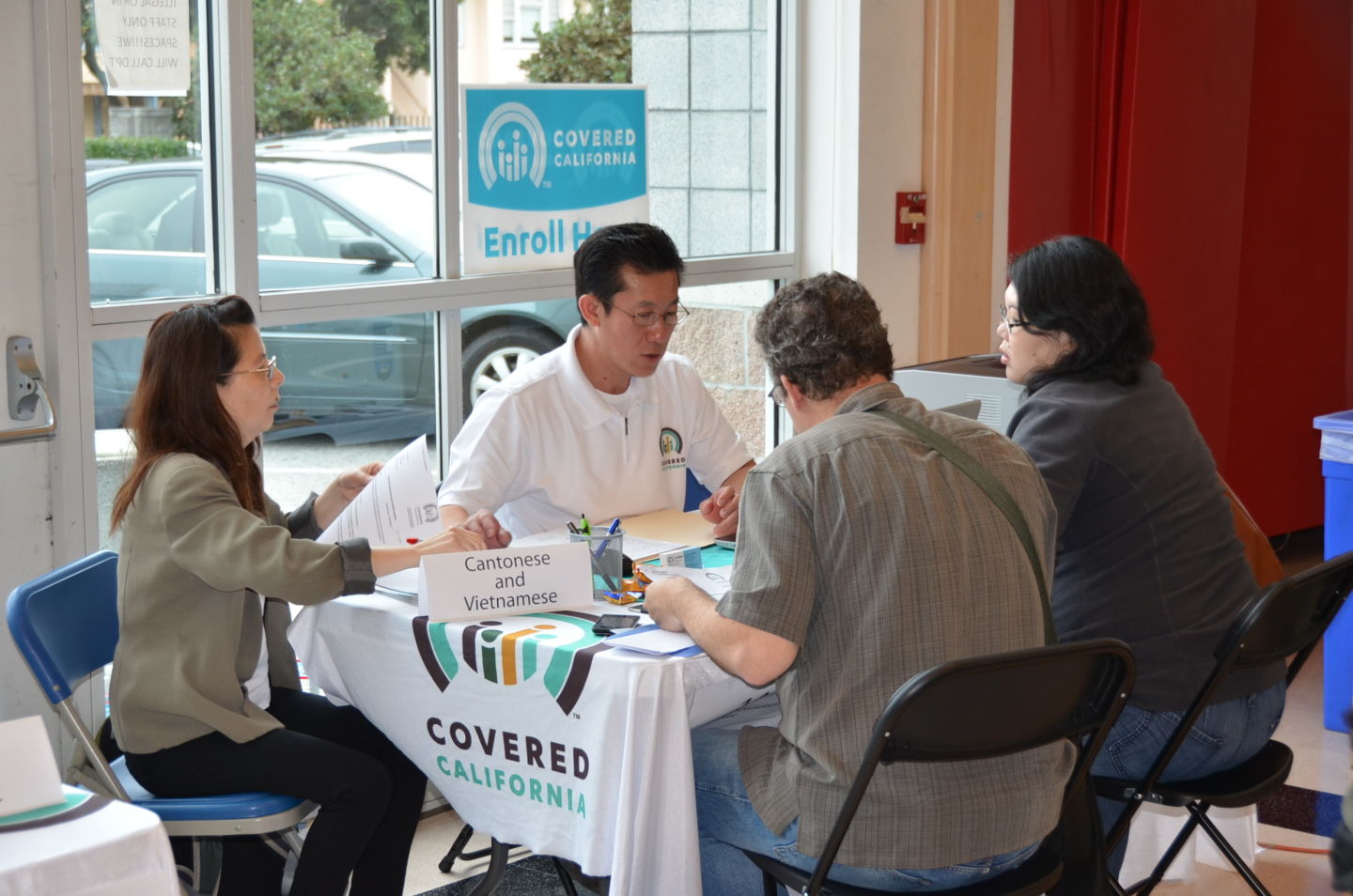
"caption": "Covered California enrollment fair in San Francisco's Richmond District, November 2015. ",
"description": "Covered California",
"title": "DSC_2466",
"credit": "Courtesy: Phil Ting",
"status": "inherit",
"isLoading": false,
"fetchFailed": false
},
"stateofhealth_174373": {
"type": "attachments",
"id": "stateofhealth_174373",
"meta": {
"index": "attachments_1716263798",
"site": "stateofhealth",
"id": "174373",
"found": true
},
"parent": 174355,
"imgSizes": {
"twentyfourteen-full-width": {
"file": "https://ww2.kqed.org/app/uploads/sites/27/2016/04/iStock_000085232933_Large-1038x576.jpg",
"width": 1038,
"mimeType": "image/jpeg",
"height": 576
},
"thumbnail": {
"file": "https://ww2.kqed.org/app/uploads/sites/27/2016/04/iStock_000085232933_Large-400x266.jpg",
"width": 400,
"mimeType": "image/jpeg",
"height": 266
},
"fd-sm": {
"file": "https://ww2.kqed.org/app/uploads/sites/27/2016/04/iStock_000085232933_Large-960x639.jpg",
"width": 960,
"mimeType": "image/jpeg",
"height": 639
},
"post-thumbnail": {
"file": "https://ww2.kqed.org/app/uploads/sites/27/2016/04/iStock_000085232933_Large-672x372.jpg",
"width": 672,
"mimeType": "image/jpeg",
"height": 372
},
"kqedFullSize": {
"file": "https://ww2.kqed.org/app/uploads/sites/27/2016/04/iStock_000085232933_Large-e1461001382105.jpg",
"width": 1920,
"height": 1277
},
"large": {
"file": "https://ww2.kqed.org/app/uploads/sites/27/2016/04/iStock_000085232933_Large-1440x958.jpg",
"width": 1440,
"mimeType": "image/jpeg",
"height": 958
},
"guest-author-96": {
"file": "https://ww2.kqed.org/app/uploads/sites/27/2016/04/iStock_000085232933_Large-96x96.jpg",
"width": 96,
"mimeType": "image/jpeg",
"height": 96
},
"medium": {
"file": "https://ww2.kqed.org/app/uploads/sites/27/2016/04/iStock_000085232933_Large-800x532.jpg",
"width": 800,
"mimeType": "image/jpeg",
"height": 532
},
"guest-author-64": {
"file": "https://ww2.kqed.org/app/uploads/sites/27/2016/04/iStock_000085232933_Large-64x64.jpg",
"width": 64,
"mimeType": "image/jpeg",
"height": 64
},
"guest-author-32": {
"file": "https://ww2.kqed.org/app/uploads/sites/27/2016/04/iStock_000085232933_Large-32x32.jpg",
"width": 32,
"mimeType": "image/jpeg",
"height": 32
},
"jmtc-small-thumb": {
"file": "https://ww2.kqed.org/app/uploads/sites/27/2016/04/iStock_000085232933_Large-280x150.jpg",
"width": 280,
"mimeType": "image/jpeg",
"height": 150
},
"fd-lrg": {
"file": "https://ww2.kqed.org/app/uploads/sites/27/2016/04/iStock_000085232933_Large-1920x1277.jpg",
"width": 1920,
"mimeType": "image/jpeg",
"height": 1277
},
"fd-med": {
"file": "https://ww2.kqed.org/app/uploads/sites/27/2016/04/iStock_000085232933_Large-1180x785.jpg",
"width": 1180,
"mimeType": "image/jpeg",
"height": 785
},
"detail": {
"file": "https://ww2.kqed.org/app/uploads/sites/27/2016/04/iStock_000085232933_Large-75x75.jpg",
"width": 75,
"mimeType": "image/jpeg",
"height": 75
},
"medium_large": {
"file": "https://ww2.kqed.org/app/uploads/sites/27/2016/04/iStock_000085232933_Large-768x511.jpg",
"width": 768,
"mimeType": "image/jpeg",
"height": 511
},
"guest-author-128": {
"file": "https://ww2.kqed.org/app/uploads/sites/27/2016/04/iStock_000085232933_Large-128x128.jpg",
"width": 128,
"mimeType": "image/jpeg",
"height": 128
}
},
"publishDate": 1461001349,
"modified": 1461001377,
"caption": null,
"description": "pregnant belly, pregnancy",
"title": "Closeup photo of pregnant woman",
"credit": "iStockphoto",
"status": "inherit",
"isLoading": false,
"fetchFailed": false
},
"stateofhealth_91637": {
"type": "attachments",
"id": "stateofhealth_91637",
"meta": {
"index": "attachments_1716263798",
"site": "stateofhealth",
"id": "91637",
"found": true
},
"parent": 91524,
"imgSizes": {
"twentyfourteen-full-width": {
"file": "https://ww2.kqed.org/app/uploads/sites/27/2015/10/RS10854_481763249-1038x576.jpg",
"width": 1038,
"mimeType": "image/jpeg",
"height": 576
},
"thumbnail": {
"file": "https://ww2.kqed.org/app/uploads/sites/27/2015/10/RS10854_481763249-400x267.jpg",
"width": 400,
"mimeType": "image/jpeg",
"height": 267
},
"fd-sm": {
"file": "https://ww2.kqed.org/app/uploads/sites/27/2015/10/RS10854_481763249-960x640.jpg",
"width": 960,
"mimeType": "image/jpeg",
"height": 640
},
"post-thumbnail": {
"file": "https://ww2.kqed.org/app/uploads/sites/27/2015/10/RS10854_481763249-672x372.jpg",
"width": 672,
"mimeType": "image/jpeg",
"height": 372
},
"kqedFullSize": {
"file": "https://ww2.kqed.org/app/uploads/sites/27/2015/10/RS10854_481763249-e1444711911704.jpg",
"width": 1921,
"height": 1281
},
"large": {
"file": "https://ww2.kqed.org/app/uploads/sites/27/2015/10/RS10854_481763249-1440x960.jpg",
"width": 1440,
"mimeType": "image/jpeg",
"height": 960
},
"guest-author-96": {
"file": "https://ww2.kqed.org/app/uploads/sites/27/2015/10/RS10854_481763249-96x96.jpg",
"width": 96,
"mimeType": "image/jpeg",
"height": 96
},
"medium": {
"file": "https://ww2.kqed.org/app/uploads/sites/27/2015/10/RS10854_481763249-800x534.jpg",
"width": 800,
"mimeType": "image/jpeg",
"height": 534
},
"guest-author-64": {
"file": "https://ww2.kqed.org/app/uploads/sites/27/2015/10/RS10854_481763249-64x64.jpg",
"width": 64,
"mimeType": "image/jpeg",
"height": 64
},
"guest-author-32": {
"file": "https://ww2.kqed.org/app/uploads/sites/27/2015/10/RS10854_481763249-32x32.jpg",
"width": 32,
"mimeType": "image/jpeg",
"height": 32
},
"jmtc-small-thumb": {
"file": "https://ww2.kqed.org/app/uploads/sites/27/2015/10/RS10854_481763249-280x150.jpg",
"width": 280,
"mimeType": "image/jpeg",
"height": 150
},
"fd-lrg": {
"file": "https://ww2.kqed.org/app/uploads/sites/27/2015/10/RS10854_481763249-1920x1281.jpg",
"width": 1920,
"mimeType": "image/jpeg",
"height": 1281
},
"fd-med": {
"file": "https://ww2.kqed.org/app/uploads/sites/27/2015/10/RS10854_481763249-1180x787.jpg",
"width": 1180,
"mimeType": "image/jpeg",
"height": 787
},
"detail": {
"file": "https://ww2.kqed.org/app/uploads/sites/27/2015/10/RS10854_481763249-75x75.jpg",
"width": 75,
"mimeType": "image/jpeg",
"height": 75
},
"guest-author-128": {
"file": "https://ww2.kqed.org/app/uploads/sites/27/2015/10/RS10854_481763249-128x128.jpg",
"width": 128,
"mimeType": "image/jpeg",
"height": 128
}
},
"publishDate": 1444711900,
"modified": 1467243073,
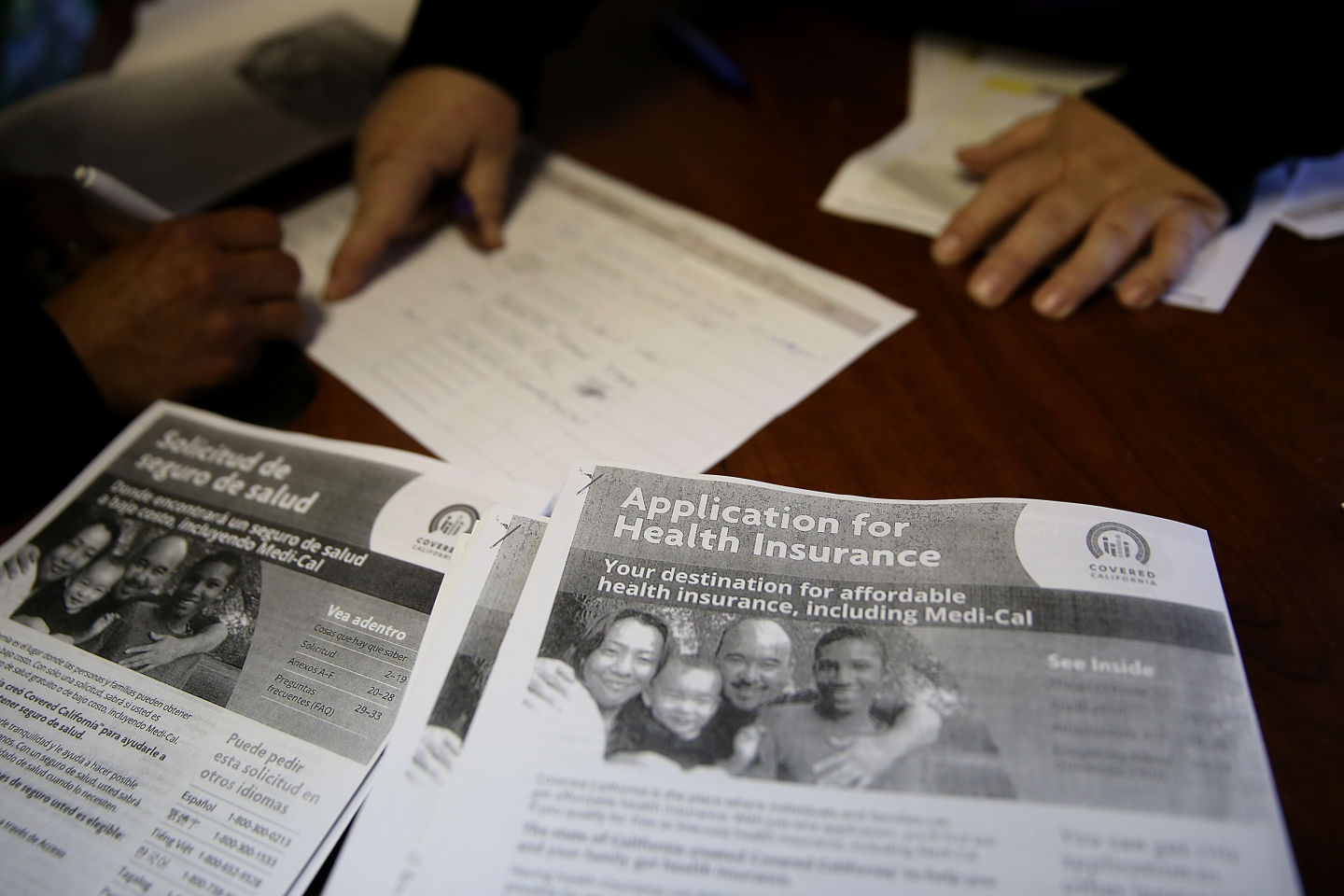
"caption": "Covered California information brochures are displayed during a health insurance enrollment fair in Richmond, California, in March 2014.",
"description": "Informational pamphlets are displayed during a health insurance enrollment fair in Richmond, Calif. in March, 2014. Covered California",
"title": "Americans Register For Health Care On Final Day of ACA Enrollment Drive",
"credit": "Justin Sullivan/Getty Images",
"status": "inherit",
"isLoading": false,
"fetchFailed": false
},
"stateofhealth_161535": {
"type": "attachments",
"id": "stateofhealth_161535",
"meta": {
"index": "attachments_1716263798",
"site": "stateofhealth",
"id": "161535",
"found": true
},
"parent": 161534,
"imgSizes": {
"twentyfourteen-full-width": {
"file": "https://ww2.kqed.org/app/uploads/sites/27/2016/03/peter-lee-1_enl-b7768246804b3c7844d26b14a2cb2ca85413a765-1038x576.jpg",
"width": 1038,
"mimeType": "image/jpeg",
"height": 576
},
"thumbnail": {
"file": "https://ww2.kqed.org/app/uploads/sites/27/2016/03/peter-lee-1_enl-b7768246804b3c7844d26b14a2cb2ca85413a765-400x267.jpg",
"width": 400,
"mimeType": "image/jpeg",
"height": 267
},
"fd-sm": {
"file": "https://ww2.kqed.org/app/uploads/sites/27/2016/03/peter-lee-1_enl-b7768246804b3c7844d26b14a2cb2ca85413a765-960x641.jpg",
"width": 960,
"mimeType": "image/jpeg",
"height": 641
},
"post-thumbnail": {
"file": "https://ww2.kqed.org/app/uploads/sites/27/2016/03/peter-lee-1_enl-b7768246804b3c7844d26b14a2cb2ca85413a765-672x372.jpg",
"width": 672,
"mimeType": "image/jpeg",
"height": 372
},
"kqedFullSize": {
"file": "https://ww2.kqed.org/app/uploads/sites/27/2016/03/peter-lee-1_enl-b7768246804b3c7844d26b14a2cb2ca85413a765-e1493396234429.jpg",
"width": 1920,
"height": 1281
},
"large": {
"file": "https://ww2.kqed.org/app/uploads/sites/27/2016/03/peter-lee-1_enl-b7768246804b3c7844d26b14a2cb2ca85413a765-1440x961.jpg",
"width": 1440,
"mimeType": "image/jpeg",
"height": 961
},
"guest-author-96": {
"file": "https://ww2.kqed.org/app/uploads/sites/27/2016/03/peter-lee-1_enl-b7768246804b3c7844d26b14a2cb2ca85413a765-96x96.jpg",
"width": 96,
"mimeType": "image/jpeg",
"height": 96
},
"medium": {
"file": "https://ww2.kqed.org/app/uploads/sites/27/2016/03/peter-lee-1_enl-b7768246804b3c7844d26b14a2cb2ca85413a765-800x534.jpg",
"width": 800,
"mimeType": "image/jpeg",
"height": 534
},
"guest-author-64": {
"file": "https://ww2.kqed.org/app/uploads/sites/27/2016/03/peter-lee-1_enl-b7768246804b3c7844d26b14a2cb2ca85413a765-64x64.jpg",
"width": 64,
"mimeType": "image/jpeg",
"height": 64
},
"guest-author-32": {
"file": "https://ww2.kqed.org/app/uploads/sites/27/2016/03/peter-lee-1_enl-b7768246804b3c7844d26b14a2cb2ca85413a765-32x32.jpg",
"width": 32,
"mimeType": "image/jpeg",
"height": 32
},
"jmtc-small-thumb": {
"file": "https://ww2.kqed.org/app/uploads/sites/27/2016/03/peter-lee-1_enl-b7768246804b3c7844d26b14a2cb2ca85413a765-280x150.jpg",
"width": 280,
"mimeType": "image/jpeg",
"height": 150
},
"fd-lrg": {
"file": "https://ww2.kqed.org/app/uploads/sites/27/2016/03/peter-lee-1_enl-b7768246804b3c7844d26b14a2cb2ca85413a765-1920x1281.jpg",
"width": 1920,
"mimeType": "image/jpeg",
"height": 1281
},
"fd-med": {
"file": "https://ww2.kqed.org/app/uploads/sites/27/2016/03/peter-lee-1_enl-b7768246804b3c7844d26b14a2cb2ca85413a765-1180x787.jpg",
"width": 1180,
"mimeType": "image/jpeg",
"height": 787
},
"detail": {
"file": "https://ww2.kqed.org/app/uploads/sites/27/2016/03/peter-lee-1_enl-b7768246804b3c7844d26b14a2cb2ca85413a765-75x75.jpg",
"width": 75,
"mimeType": "image/jpeg",
"height": 75
},
"medium_large": {
"file": "https://ww2.kqed.org/app/uploads/sites/27/2016/03/peter-lee-1_enl-b7768246804b3c7844d26b14a2cb2ca85413a765-768x513.jpg",
"width": 768,
"mimeType": "image/jpeg",
"height": 513
},
"guest-author-128": {
"file": "https://ww2.kqed.org/app/uploads/sites/27/2016/03/peter-lee-1_enl-b7768246804b3c7844d26b14a2cb2ca85413a765-128x128.jpg",
"width": 128,
"mimeType": "image/jpeg",
"height": 128
}
},
"publishDate": 1458321270,
"modified": 1493396156,
"caption": "Peter Lee, executive director for Covered California, the state's health insurance marketplace.\n",
"description": null,
"title": null,
"credit": "Anne Cusack/LA Times via Getty Images",
"status": "inherit",
"isLoading": false,
"fetchFailed": false
},
"stateofhealth_154908": {
"type": "attachments",
"id": "stateofhealth_154908",
"meta": {
"index": "attachments_1716263798",
"site": "stateofhealth",
"id": "154908",
"found": true
},
"parent": 154906,
"imgSizes": {
"twentyfourteen-full-width": {
"file": "https://ww2.kqed.org/app/uploads/sites/27/2016/02/hannbarczyk_npr_medical_finalart_wide-a94bf2714b29bf01cfe25f39dbbfae73b4de7a82-1-1038x576.jpe",
"width": 1038,
"mimeType": "image/jpeg",
"height": 576
},
"thumbnail": {
"file": "https://ww2.kqed.org/app/uploads/sites/27/2016/02/hannbarczyk_npr_medical_finalart_wide-a94bf2714b29bf01cfe25f39dbbfae73b4de7a82-1-400x225.jpe",
"width": 400,
"mimeType": "image/jpeg",
"height": 225
},
"fd-sm": {
"file": "https://ww2.kqed.org/app/uploads/sites/27/2016/02/hannbarczyk_npr_medical_finalart_wide-a94bf2714b29bf01cfe25f39dbbfae73b4de7a82-1-960x540.jpe",
"width": 960,
"mimeType": "image/jpeg",
"height": 540
},
"post-thumbnail": {
"file": "https://ww2.kqed.org/app/uploads/sites/27/2016/02/hannbarczyk_npr_medical_finalart_wide-a94bf2714b29bf01cfe25f39dbbfae73b4de7a82-1-672x372.jpe",
"width": 672,
"mimeType": "image/jpeg",
"height": 372
},
"kqedFullSize": {
"file": "https://ww2.kqed.org/app/uploads/sites/27/2016/02/hannbarczyk_npr_medical_finalart_wide-a94bf2714b29bf01cfe25f39dbbfae73b4de7a82-1-e1456771089458.jpe",
"width": 1920,
"height": 1080
},
"large": {
"file": "https://ww2.kqed.org/app/uploads/sites/27/2016/02/hannbarczyk_npr_medical_finalart_wide-a94bf2714b29bf01cfe25f39dbbfae73b4de7a82-1-1440x810.jpe",
"width": 1440,
"mimeType": "image/jpeg",
"height": 810
},
"guest-author-96": {
"file": "https://ww2.kqed.org/app/uploads/sites/27/2016/02/hannbarczyk_npr_medical_finalart_wide-a94bf2714b29bf01cfe25f39dbbfae73b4de7a82-1-96x96.jpe",
"width": 96,
"mimeType": "image/jpeg",
"height": 96
},
"medium": {
"file": "https://ww2.kqed.org/app/uploads/sites/27/2016/02/hannbarczyk_npr_medical_finalart_wide-a94bf2714b29bf01cfe25f39dbbfae73b4de7a82-1-800x450.jpe",
"width": 800,
"mimeType": "image/jpeg",
"height": 450
},
"guest-author-64": {
"file": "https://ww2.kqed.org/app/uploads/sites/27/2016/02/hannbarczyk_npr_medical_finalart_wide-a94bf2714b29bf01cfe25f39dbbfae73b4de7a82-1-64x64.jpe",
"width": 64,
"mimeType": "image/jpeg",
"height": 64
},
"guest-author-32": {
"file": "https://ww2.kqed.org/app/uploads/sites/27/2016/02/hannbarczyk_npr_medical_finalart_wide-a94bf2714b29bf01cfe25f39dbbfae73b4de7a82-1-32x32.jpe",
"width": 32,
"mimeType": "image/jpeg",
"height": 32
},
"jmtc-small-thumb": {
"file": "https://ww2.kqed.org/app/uploads/sites/27/2016/02/hannbarczyk_npr_medical_finalart_wide-a94bf2714b29bf01cfe25f39dbbfae73b4de7a82-1-280x150.jpe",
"width": 280,
"mimeType": "image/jpeg",
"height": 150
},
"fd-lrg": {
"file": "https://ww2.kqed.org/app/uploads/sites/27/2016/02/hannbarczyk_npr_medical_finalart_wide-a94bf2714b29bf01cfe25f39dbbfae73b4de7a82-1-1920x1080.jpe",
"width": 1920,
"mimeType": "image/jpeg",
"height": 1080
},
"fd-med": {
"file": "https://ww2.kqed.org/app/uploads/sites/27/2016/02/hannbarczyk_npr_medical_finalart_wide-a94bf2714b29bf01cfe25f39dbbfae73b4de7a82-1-1180x664.jpe",
"width": 1180,
"mimeType": "image/jpeg",
"height": 664
},
"detail": {
"file": "https://ww2.kqed.org/app/uploads/sites/27/2016/02/hannbarczyk_npr_medical_finalart_wide-a94bf2714b29bf01cfe25f39dbbfae73b4de7a82-1-75x75.jpe",
"width": 75,
"mimeType": "image/jpeg",
"height": 75
},
"medium_large": {
"file": "https://ww2.kqed.org/app/uploads/sites/27/2016/02/hannbarczyk_npr_medical_finalart_wide-a94bf2714b29bf01cfe25f39dbbfae73b4de7a82-1-768x432.jpe",
"width": 768,
"mimeType": "image/jpeg",
"height": 432
},
"guest-author-128": {
"file": "https://ww2.kqed.org/app/uploads/sites/27/2016/02/hannbarczyk_npr_medical_finalart_wide-a94bf2714b29bf01cfe25f39dbbfae73b4de7a82-1-128x128.jpe",
"width": 128,
"mimeType": "image/jpeg",
"height": 128
}
},
"publishDate": 1456769992,
"modified": 1456771123,
"caption": null,
"description": "Hanna Barczyk for NPR",
"title": null,
"credit": "Hanna Barczyk for NPR",
"status": "inherit",
"isLoading": false,
"fetchFailed": false
},
"stateofhealth_153587": {
"type": "attachments",
"id": "stateofhealth_153587",
"meta": {
"index": "attachments_1716263798",
"site": "stateofhealth",
"id": "153587",
"found": true
},
"parent": 153585,
"imgSizes": {
"twentyfourteen-full-width": {
"file": "https://ww2.kqed.org/app/uploads/sites/27/2016/02/iStock_000056301806_Large-1038x576.jpg",
"width": 1038,
"mimeType": "image/jpeg",
"height": 576
},
"thumbnail": {
"file": "https://ww2.kqed.org/app/uploads/sites/27/2016/02/iStock_000056301806_Large-400x243.jpg",
"width": 400,
"mimeType": "image/jpeg",
"height": 243
},
"fd-sm": {
"file": "https://ww2.kqed.org/app/uploads/sites/27/2016/02/iStock_000056301806_Large-960x583.jpg",
"width": 960,
"mimeType": "image/jpeg",
"height": 583
},
"post-thumbnail": {
"file": "https://ww2.kqed.org/app/uploads/sites/27/2016/02/iStock_000056301806_Large-672x372.jpg",
"width": 672,
"mimeType": "image/jpeg",
"height": 372
},
"kqedFullSize": {
"file": "https://ww2.kqed.org/app/uploads/sites/27/2016/02/iStock_000056301806_Large-e1456524153205.jpg",
"width": 1920,
"height": 1166
},
"large": {
"file": "https://ww2.kqed.org/app/uploads/sites/27/2016/02/iStock_000056301806_Large-1440x875.jpg",
"width": 1440,
"mimeType": "image/jpeg",
"height": 875
},
"guest-author-96": {
"file": "https://ww2.kqed.org/app/uploads/sites/27/2016/02/iStock_000056301806_Large-96x96.jpg",
"width": 96,
"mimeType": "image/jpeg",
"height": 96
},
"medium": {
"file": "https://ww2.kqed.org/app/uploads/sites/27/2016/02/iStock_000056301806_Large-800x486.jpg",
"width": 800,
"mimeType": "image/jpeg",
"height": 486
},
"guest-author-64": {
"file": "https://ww2.kqed.org/app/uploads/sites/27/2016/02/iStock_000056301806_Large-64x64.jpg",
"width": 64,
"mimeType": "image/jpeg",
"height": 64
},
"guest-author-32": {
"file": "https://ww2.kqed.org/app/uploads/sites/27/2016/02/iStock_000056301806_Large-32x32.jpg",
"width": 32,
"mimeType": "image/jpeg",
"height": 32
},
"jmtc-small-thumb": {
"file": "https://ww2.kqed.org/app/uploads/sites/27/2016/02/iStock_000056301806_Large-280x150.jpg",
"width": 280,
"mimeType": "image/jpeg",
"height": 150
},
"fd-lrg": {
"file": "https://ww2.kqed.org/app/uploads/sites/27/2016/02/iStock_000056301806_Large-1920x1166.jpg",
"width": 1920,
"mimeType": "image/jpeg",
"height": 1166
},
"fd-med": {
"file": "https://ww2.kqed.org/app/uploads/sites/27/2016/02/iStock_000056301806_Large-1180x717.jpg",
"width": 1180,
"mimeType": "image/jpeg",
"height": 717
},
"detail": {
"file": "https://ww2.kqed.org/app/uploads/sites/27/2016/02/iStock_000056301806_Large-75x75.jpg",
"width": 75,
"mimeType": "image/jpeg",
"height": 75
},
"medium_large": {
"file": "https://ww2.kqed.org/app/uploads/sites/27/2016/02/iStock_000056301806_Large-768x466.jpg",
"width": 768,
"mimeType": "image/jpeg",
"height": 466
},
"guest-author-128": {
"file": "https://ww2.kqed.org/app/uploads/sites/27/2016/02/iStock_000056301806_Large-128x128.jpg",
"width": 128,
"mimeType": "image/jpeg",
"height": 128
}
},
"publishDate": 1456524141,
"modified": 1456524171,
"caption": null,
"description": "1095 tax form",
"title": "iStock_000056301806_Large",
"credit": "iStockphoto",
"status": "inherit",
"isLoading": false,
"fetchFailed": false
},
"stateofhealth_146539": {
"type": "attachments",
"id": "stateofhealth_146539",
"meta": {
"index": "attachments_1716263798",
"site": "stateofhealth",
"id": "146539",
"found": true
},
"parent": 146536,
"imgSizes": {
"twentyfourteen-full-width": {
"file": "https://ww2.kqed.org/app/uploads/sites/27/2016/02/4053409353_87d696f4e8_o-1038x576.jpg",
"width": 1038,
"mimeType": "image/jpeg",
"height": 576
},
"thumbnail": {
"file": "https://ww2.kqed.org/app/uploads/sites/27/2016/02/4053409353_87d696f4e8_o-400x267.jpg",
"width": 400,
"mimeType": "image/jpeg",
"height": 267
},
"fd-sm": {
"file": "https://ww2.kqed.org/app/uploads/sites/27/2016/02/4053409353_87d696f4e8_o-960x642.jpg",
"width": 960,
"mimeType": "image/jpeg",
"height": 642
},
"post-thumbnail": {
"file": "https://ww2.kqed.org/app/uploads/sites/27/2016/02/4053409353_87d696f4e8_o-672x372.jpg",
"width": 672,
"mimeType": "image/jpeg",
"height": 372
},
"kqedFullSize": {
"file": "https://ww2.kqed.org/app/uploads/sites/27/2016/02/4053409353_87d696f4e8_o-e1455212082470.jpg",
"width": 1920,
"height": 1284
},
"large": {
"file": "https://ww2.kqed.org/app/uploads/sites/27/2016/02/4053409353_87d696f4e8_o-1440x963.jpg",
"width": 1440,
"mimeType": "image/jpeg",
"height": 963
},
"guest-author-96": {
"file": "https://ww2.kqed.org/app/uploads/sites/27/2016/02/4053409353_87d696f4e8_o-96x96.jpg",
"width": 96,
"mimeType": "image/jpeg",
"height": 96
},
"medium": {
"file": "https://ww2.kqed.org/app/uploads/sites/27/2016/02/4053409353_87d696f4e8_o-800x535.jpg",
"width": 800,
"mimeType": "image/jpeg",
"height": 535
},
"guest-author-64": {
"file": "https://ww2.kqed.org/app/uploads/sites/27/2016/02/4053409353_87d696f4e8_o-64x64.jpg",
"width": 64,
"mimeType": "image/jpeg",
"height": 64
},
"guest-author-32": {
"file": "https://ww2.kqed.org/app/uploads/sites/27/2016/02/4053409353_87d696f4e8_o-32x32.jpg",
"width": 32,
"mimeType": "image/jpeg",
"height": 32
},
"jmtc-small-thumb": {
"file": "https://ww2.kqed.org/app/uploads/sites/27/2016/02/4053409353_87d696f4e8_o-280x150.jpg",
"width": 280,
"mimeType": "image/jpeg",
"height": 150
},
"fd-lrg": {
"file": "https://ww2.kqed.org/app/uploads/sites/27/2016/02/4053409353_87d696f4e8_o-1920x1284.jpg",
"width": 1920,
"mimeType": "image/jpeg",
"height": 1284
},
"fd-med": {
"file": "https://ww2.kqed.org/app/uploads/sites/27/2016/02/4053409353_87d696f4e8_o-1180x789.jpg",
"width": 1180,
"mimeType": "image/jpeg",
"height": 789
},
"detail": {
"file": "https://ww2.kqed.org/app/uploads/sites/27/2016/02/4053409353_87d696f4e8_o-75x75.jpg",
"width": 75,
"mimeType": "image/jpeg",
"height": 75
},
"medium_large": {
"file": "https://ww2.kqed.org/app/uploads/sites/27/2016/02/4053409353_87d696f4e8_o-768x514.jpg",
"width": 768,
"mimeType": "image/jpeg",
"height": 514
},
"guest-author-128": {
"file": "https://ww2.kqed.org/app/uploads/sites/27/2016/02/4053409353_87d696f4e8_o-128x128.jpg",
"width": 128,
"mimeType": "image/jpeg",
"height": 128
}
},
"publishDate": 1455212068,
"modified": 1455212118,
"caption": null,
"description": null,
"title": "4053409353_87d696f4e8_o",
"credit": "Steve Rhodes via Flickr",
"status": "inherit",
"isLoading": false,
"fetchFailed": false
},
"stateofhealth_144919": {
"type": "attachments",
"id": "stateofhealth_144919",
"meta": {
"index": "attachments_1716263798",
"site": "stateofhealth",
"id": "144919",
"found": true
},
"parent": 144917,
"imgSizes": {
"twentyfourteen-full-width": {
"file": "https://ww2.kqed.org/app/uploads/sites/27/2016/02/GettyImages-187909346-1038x576.jpg",
"width": 1038,
"mimeType": "image/jpeg",
"height": 576
},
"thumbnail": {
"file": "https://ww2.kqed.org/app/uploads/sites/27/2016/02/GettyImages-187909346-400x267.jpg",
"width": 400,
"mimeType": "image/jpeg",
"height": 267
},
"fd-sm": {
"file": "https://ww2.kqed.org/app/uploads/sites/27/2016/02/GettyImages-187909346-960x640.jpg",
"width": 960,
"mimeType": "image/jpeg",
"height": 640
},
"post-thumbnail": {
"file": "https://ww2.kqed.org/app/uploads/sites/27/2016/02/GettyImages-187909346-672x372.jpg",
"width": 672,
"mimeType": "image/jpeg",
"height": 372
},
"kqedFullSize": {
"file": "https://ww2.kqed.org/app/uploads/sites/27/2016/02/GettyImages-187909346-e1454524383961.jpg",
"width": 1920,
"height": 1280
},
"large": {
"file": "https://ww2.kqed.org/app/uploads/sites/27/2016/02/GettyImages-187909346-1440x960.jpg",
"width": 1440,
"mimeType": "image/jpeg",
"height": 960
},
"guest-author-96": {
"file": "https://ww2.kqed.org/app/uploads/sites/27/2016/02/GettyImages-187909346-96x96.jpg",
"width": 96,
"mimeType": "image/jpeg",
"height": 96
},
"medium": {
"file": "https://ww2.kqed.org/app/uploads/sites/27/2016/02/GettyImages-187909346-800x533.jpg",
"width": 800,
"mimeType": "image/jpeg",
"height": 533
},
"guest-author-64": {
"file": "https://ww2.kqed.org/app/uploads/sites/27/2016/02/GettyImages-187909346-64x64.jpg",
"width": 64,
"mimeType": "image/jpeg",
"height": 64
},
"guest-author-32": {
"file": "https://ww2.kqed.org/app/uploads/sites/27/2016/02/GettyImages-187909346-32x32.jpg",
"width": 32,
"mimeType": "image/jpeg",
"height": 32
},
"jmtc-small-thumb": {
"file": "https://ww2.kqed.org/app/uploads/sites/27/2016/02/GettyImages-187909346-280x150.jpg",
"width": 280,
"mimeType": "image/jpeg",
"height": 150
},
"fd-lrg": {
"file": "https://ww2.kqed.org/app/uploads/sites/27/2016/02/GettyImages-187909346-1920x1280.jpg",
"width": 1920,
"mimeType": "image/jpeg",
"height": 1280
},
"fd-med": {
"file": "https://ww2.kqed.org/app/uploads/sites/27/2016/02/GettyImages-187909346-1180x787.jpg",
"width": 1180,
"mimeType": "image/jpeg",
"height": 787
},
"detail": {
"file": "https://ww2.kqed.org/app/uploads/sites/27/2016/02/GettyImages-187909346-75x75.jpg",
"width": 75,
"mimeType": "image/jpeg",
"height": 75
},
"medium_large": {
"file": "https://ww2.kqed.org/app/uploads/sites/27/2016/02/GettyImages-187909346-768x512.jpg",
"width": 768,
"mimeType": "image/jpeg",
"height": 512
},
"guest-author-128": {
"file": "https://ww2.kqed.org/app/uploads/sites/27/2016/02/GettyImages-187909346-128x128.jpg",
"width": 128,
"mimeType": "image/jpeg",
"height": 128
}
},
"publishDate": 1454524330,
"modified": 1454524374,
"caption": "Covered California Executive Director Peter Lee at a 2013 press conference.",
"description": "Covered California Executive Director Peter Lee at a 2013 press conference.",
"title": "California Releases Health Care Enrollment Numbers For Month Of October",
"credit": "Max Whittaker/Getty Images)",
"status": "inherit",
"isLoading": false,
"fetchFailed": false
},
"stateofhealth_143756": {
"type": "attachments",
"id": "stateofhealth_143756",
"meta": {
"index": "attachments_1716263798",
"site": "stateofhealth",
"id": "143756",
"found": true
},
"parent": 143744,
"imgSizes": {
"twentyfourteen-full-width": {
"file": "https://ww2.kqed.org/app/uploads/sites/27/2016/01/iStock_000063700051_Large-1038x576.jpg",
"width": 1038,
"mimeType": "image/jpeg",
"height": 576
},
"thumbnail": {
"file": "https://ww2.kqed.org/app/uploads/sites/27/2016/01/iStock_000063700051_Large-400x267.jpg",
"width": 400,
"mimeType": "image/jpeg",
"height": 267
},
"fd-sm": {
"file": "https://ww2.kqed.org/app/uploads/sites/27/2016/01/iStock_000063700051_Large-960x640.jpg",
"width": 960,
"mimeType": "image/jpeg",
"height": 640
},
"post-thumbnail": {
"file": "https://ww2.kqed.org/app/uploads/sites/27/2016/01/iStock_000063700051_Large-672x372.jpg",
"width": 672,
"mimeType": "image/jpeg",
"height": 372
},
"kqedFullSize": {
"file": "https://ww2.kqed.org/app/uploads/sites/27/2016/01/iStock_000063700051_Large-e1454096745743.jpg",
"width": 1921,
"height": 1280
},
"large": {
"file": "https://ww2.kqed.org/app/uploads/sites/27/2016/01/iStock_000063700051_Large-1440x960.jpg",
"width": 1440,
"mimeType": "image/jpeg",
"height": 960
},
"guest-author-96": {
"file": "https://ww2.kqed.org/app/uploads/sites/27/2016/01/iStock_000063700051_Large-96x96.jpg",
"width": 96,
"mimeType": "image/jpeg",
"height": 96
},
"medium": {
"file": "https://ww2.kqed.org/app/uploads/sites/27/2016/01/iStock_000063700051_Large-800x533.jpg",
"width": 800,
"mimeType": "image/jpeg",
"height": 533
},
"guest-author-64": {
"file": "https://ww2.kqed.org/app/uploads/sites/27/2016/01/iStock_000063700051_Large-64x64.jpg",
"width": 64,
"mimeType": "image/jpeg",
"height": 64
},
"guest-author-32": {
"file": "https://ww2.kqed.org/app/uploads/sites/27/2016/01/iStock_000063700051_Large-32x32.jpg",
"width": 32,
"mimeType": "image/jpeg",
"height": 32
},
"jmtc-small-thumb": {
"file": "https://ww2.kqed.org/app/uploads/sites/27/2016/01/iStock_000063700051_Large-280x150.jpg",
"width": 280,
"mimeType": "image/jpeg",
"height": 150
},
"fd-lrg": {
"file": "https://ww2.kqed.org/app/uploads/sites/27/2016/01/iStock_000063700051_Large-1920x1280.jpg",
"width": 1920,
"mimeType": "image/jpeg",
"height": 1280
},
"fd-med": {
"file": "https://ww2.kqed.org/app/uploads/sites/27/2016/01/iStock_000063700051_Large-1180x786.jpg",
"width": 1180,
"mimeType": "image/jpeg",
"height": 786
},
"detail": {
"file": "https://ww2.kqed.org/app/uploads/sites/27/2016/01/iStock_000063700051_Large-75x75.jpg",
"width": 75,
"mimeType": "image/jpeg",
"height": 75
},
"medium_large": {
"file": "https://ww2.kqed.org/app/uploads/sites/27/2016/01/iStock_000063700051_Large-768x512.jpg",
"width": 768,
"mimeType": "image/jpeg",
"height": 512
},
"guest-author-128": {
"file": "https://ww2.kqed.org/app/uploads/sites/27/2016/01/iStock_000063700051_Large-128x128.jpg",
"width": 128,
"mimeType": "image/jpeg",
"height": 128
}
},
"publishDate": 1454096734,
"modified": 1454096754,
"caption": null,
"description": null,
"title": "iStock_000063700051_Large",
"credit": "iStockphoto",
"status": "inherit",
"isLoading": false,
"fetchFailed": false
},
"stateofhealth_142673": {
"type": "attachments",
"id": "stateofhealth_142673",
"meta": {
"index": "attachments_1716263798",
"site": "stateofhealth",
"id": "142673",
"found": true
},
"parent": 142601,
"imgSizes": {
"twentyfourteen-full-width": {
"file": "https://ww2.kqed.org/app/uploads/sites/27/2016/01/RS407_farmlabor20120427-1038x576.jpg",
"width": 1038,
"mimeType": "image/jpeg",
"height": 576
},
"thumbnail": {
"file": "https://ww2.kqed.org/app/uploads/sites/27/2016/01/RS407_farmlabor20120427-400x219.jpg",
"width": 400,
"mimeType": "image/jpeg",
"height": 219
},
"fd-sm": {
"file": "https://ww2.kqed.org/app/uploads/sites/27/2016/01/RS407_farmlabor20120427-960x525.jpg",
"width": 960,
"mimeType": "image/jpeg",
"height": 525
},
"post-thumbnail": {
"file": "https://ww2.kqed.org/app/uploads/sites/27/2016/01/RS407_farmlabor20120427-672x372.jpg",
"width": 672,
"mimeType": "image/jpeg",
"height": 372
},
"kqedFullSize": {
"file": "https://ww2.kqed.org/app/uploads/sites/27/2016/01/RS407_farmlabor20120427.jpg",
"width": 3738,
"height": 2044
},
"large": {
"file": "https://ww2.kqed.org/app/uploads/sites/27/2016/01/RS407_farmlabor20120427-1440x787.jpg",
"width": 1440,
"mimeType": "image/jpeg",
"height": 787
},
"guest-author-96": {
"file": "https://ww2.kqed.org/app/uploads/sites/27/2016/01/RS407_farmlabor20120427-96x96.jpg",
"width": 96,
"mimeType": "image/jpeg",
"height": 96
},
"medium": {
"file": "https://ww2.kqed.org/app/uploads/sites/27/2016/01/RS407_farmlabor20120427-800x437.jpg",
"width": 800,
"mimeType": "image/jpeg",
"height": 437
},
"guest-author-64": {
"file": "https://ww2.kqed.org/app/uploads/sites/27/2016/01/RS407_farmlabor20120427-64x64.jpg",
"width": 64,
"mimeType": "image/jpeg",
"height": 64
},
"guest-author-32": {
"file": "https://ww2.kqed.org/app/uploads/sites/27/2016/01/RS407_farmlabor20120427-32x32.jpg",
"width": 32,
"mimeType": "image/jpeg",
"height": 32
},
"jmtc-small-thumb": {
"file": "https://ww2.kqed.org/app/uploads/sites/27/2016/01/RS407_farmlabor20120427-280x150.jpg",
"width": 280,
"mimeType": "image/jpeg",
"height": 150
},
"fd-lrg": {
"file": "https://ww2.kqed.org/app/uploads/sites/27/2016/01/RS407_farmlabor20120427-1920x1050.jpg",
"width": 1920,
"mimeType": "image/jpeg",
"height": 1050
},
"fd-med": {
"file": "https://ww2.kqed.org/app/uploads/sites/27/2016/01/RS407_farmlabor20120427-1180x645.jpg",
"width": 1180,
"mimeType": "image/jpeg",
"height": 645
},
"detail": {
"file": "https://ww2.kqed.org/app/uploads/sites/27/2016/01/RS407_farmlabor20120427-75x75.jpg",
"width": 75,
"mimeType": "image/jpeg",
"height": 75
},
"medium_large": {
"file": "https://ww2.kqed.org/app/uploads/sites/27/2016/01/RS407_farmlabor20120427-768x420.jpg",
"width": 768,
"mimeType": "image/jpeg",
"height": 420
},
"guest-author-128": {
"file": "https://ww2.kqed.org/app/uploads/sites/27/2016/01/RS407_farmlabor20120427-128x128.jpg",
"width": 128,
"mimeType": "image/jpeg",
"height": 128
}
},
"publishDate": 1453770430,
"modified": 1453770473,
"caption": "Starting this year, employers with 50 or more employees must offer insurance or pay a fine.",
"description": "farmworker",
"title": "Immigrant Laborers Harvest California's Produce",
"credit": "Sandy Huffaker/Getty Images",
"status": "inherit",
"isLoading": false,
"fetchFailed": false
},
"stateofhealth_141713": {
"type": "attachments",
"id": "stateofhealth_141713",
"meta": {
"index": "attachments_1716263798",
"site": "stateofhealth",
"id": "141713",
"found": true
},
"parent": 141680,
"imgSizes": {
"twentyfourteen-full-width": {
"file": "https://ww2.kqed.org/app/uploads/sites/27/2016/01/4971821734_b6b61e728d_o-1038x576.jpg",
"width": 1038,
"mimeType": "image/jpeg",
"height": 576
},
"thumbnail": {
"file": "https://ww2.kqed.org/app/uploads/sites/27/2016/01/4971821734_b6b61e728d_o-400x283.jpg",
"width": 400,
"mimeType": "image/jpeg",
"height": 283
},
"fd-sm": {
"file": "https://ww2.kqed.org/app/uploads/sites/27/2016/01/4971821734_b6b61e728d_o-960x679.jpg",
"width": 960,
"mimeType": "image/jpeg",
"height": 679
},
"post-thumbnail": {
"file": "https://ww2.kqed.org/app/uploads/sites/27/2016/01/4971821734_b6b61e728d_o-672x372.jpg",
"width": 672,
"mimeType": "image/jpeg",
"height": 372
},
"kqedFullSize": {
"file": "https://ww2.kqed.org/app/uploads/sites/27/2016/01/4971821734_b6b61e728d_o-e1453510691600.jpg",
"width": 1920,
"height": 1357
},
"large": {
"file": "https://ww2.kqed.org/app/uploads/sites/27/2016/01/4971821734_b6b61e728d_o-1440x1018.jpg",
"width": 1440,
"mimeType": "image/jpeg",
"height": 1018
},
"guest-author-96": {
"file": "https://ww2.kqed.org/app/uploads/sites/27/2016/01/4971821734_b6b61e728d_o-96x96.jpg",
"width": 96,
"mimeType": "image/jpeg",
"height": 96
},
"medium": {
"file": "https://ww2.kqed.org/app/uploads/sites/27/2016/01/4971821734_b6b61e728d_o-800x565.jpg",
"width": 800,
"mimeType": "image/jpeg",
"height": 565
},
"guest-author-64": {
"file": "https://ww2.kqed.org/app/uploads/sites/27/2016/01/4971821734_b6b61e728d_o-64x64.jpg",
"width": 64,
"mimeType": "image/jpeg",
"height": 64
},
"guest-author-32": {
"file": "https://ww2.kqed.org/app/uploads/sites/27/2016/01/4971821734_b6b61e728d_o-32x32.jpg",
"width": 32,
"mimeType": "image/jpeg",
"height": 32
},
"jmtc-small-thumb": {
"file": "https://ww2.kqed.org/app/uploads/sites/27/2016/01/4971821734_b6b61e728d_o-280x150.jpg",
"width": 280,
"mimeType": "image/jpeg",
"height": 150
},
"fd-lrg": {
"file": "https://ww2.kqed.org/app/uploads/sites/27/2016/01/4971821734_b6b61e728d_o-1920x1357.jpg",
"width": 1920,
"mimeType": "image/jpeg",
"height": 1357
},
"fd-med": {
"file": "https://ww2.kqed.org/app/uploads/sites/27/2016/01/4971821734_b6b61e728d_o-1180x834.jpg",
"width": 1180,
"mimeType": "image/jpeg",
"height": 834
},
"detail": {
"file": "https://ww2.kqed.org/app/uploads/sites/27/2016/01/4971821734_b6b61e728d_o-75x75.jpg",
"width": 75,
"mimeType": "image/jpeg",
"height": 75
},
"medium_large": {
"file": "https://ww2.kqed.org/app/uploads/sites/27/2016/01/4971821734_b6b61e728d_o-768x543.jpg",
"width": 768,
"mimeType": "image/jpeg",
"height": 543
},
"guest-author-128": {
"file": "https://ww2.kqed.org/app/uploads/sites/27/2016/01/4971821734_b6b61e728d_o-128x128.jpg",
"width": 128,
"mimeType": "image/jpeg",
"height": 128
}
},
"publishDate": 1453510678,
"modified": 1453510952,
"caption": "Obamacare's \"employer mandate\" requires businesses to offer health insurance to their full time staff, defined as 30 or more hours a week. In low wage businesses, like fast food restaurants, some owners chose to reduce their workers to part time instead. ",
"description": "fast food restaurant, junk food",
"title": "4971821734_b6b61e728d_o",
"credit": "Ikhlasul Amal via Flickr",
"status": "inherit",
"isLoading": false,
"fetchFailed": false
}
},
"audioPlayerReducer": {
"postId": "stream_live",
"isPaused": true,
"isPlaying": false,
"pfsActive": false,
"pledgeModalIsOpen": true,
"playerDrawerIsOpen": false,
"liveAudioPlayStartedAt": 0,
"liveAudioPlayContext": ""
},
"authorsReducer": {
"byline_stateofhealth_174355": {
"type": "authors",
"id": "byline_stateofhealth_174355",
"meta": {
"override": true
},
"slug": "byline_stateofhealth_174355",
"name": "Emily Bazar\u003cbr />\u003ca href=\"http://californiahealthline.org/\">California Healthline\u003c/a>",
"isLoading": false
},
"byline_stateofhealth_170164": {
"type": "authors",
"id": "byline_stateofhealth_170164",
"meta": {
"override": true
},
"slug": "byline_stateofhealth_170164",
"name": "Ana B. Ibarra and\tDavid Gorn\u003cbr />\u003ca href=\"http://khn.org/\">Kaiser Health News\u003c/a>",
"isLoading": false
},
"byline_stateofhealth_161534": {
"type": "authors",
"id": "byline_stateofhealth_161534",
"meta": {
"override": true
},
"slug": "byline_stateofhealth_161534",
"name": "Chad Terhune\u003cbr />\u003ca href=\"http://californiahealthline.org/\">California Healthline\u003c/a>",
"isLoading": false
},
"byline_stateofhealth_154906": {
"type": "authors",
"id": "byline_stateofhealth_154906",
"meta": {
"override": true
},
"slug": "byline_stateofhealth_154906",
"name": "Alison Kodjak",
"isLoading": false
},
"byline_stateofhealth_153585": {
"type": "authors",
"id": "byline_stateofhealth_153585",
"meta": {
"override": true
},
"slug": "byline_stateofhealth_153585",
"name": "Emily Bazar",
"isLoading": false
},
"byline_stateofhealth_146536": {
"type": "authors",
"id": "byline_stateofhealth_146536",
"meta": {
"override": true
},
"slug": "byline_stateofhealth_146536",
"name": "Chad Terhune",
"isLoading": false
},
"byline_stateofhealth_145415": {
"type": "authors",
"id": "byline_stateofhealth_145415",
"meta": {
"override": true
},
"slug": "byline_stateofhealth_145415",
"name": "Barbara Feder Ostrov",
"isLoading": false
},
"byline_stateofhealth_144917": {
"type": "authors",
"id": "byline_stateofhealth_144917",
"meta": {
"override": true
},
"slug": "byline_stateofhealth_144917",
"name": "Chad Terhune",
"isLoading": false
},
"byline_stateofhealth_143744": {
"type": "authors",
"id": "byline_stateofhealth_143744",
"meta": {
"override": true
},
"slug": "byline_stateofhealth_143744",
"name": "Emily Bazar",
"isLoading": false
},
"lisaaliferis": {
"type": "authors",
"id": "240",
"meta": {
"index": "authors_1716337520",
"id": "240",
"found": true
},
"name": "Lisa Aliferis",
"firstName": "Lisa",
"lastName": "Aliferis",
"slug": "lisaaliferis",
"email": "laliferis@kqed.org",
"display_author_email": false,
"staff_mastheads": [],
"title": "KQED Contributor",
"bio": "Lisa Aliferis is the founding editor of KQED's \u003cem>State of Health\u003c/em> blog. Since 2011, she's been writing and editing stories for the site. Before taking up blogging, she toiled for many years (more than we can count) producing health stories for television, including\u003cem> Dateline NBC\u003c/em> and San Francisco's CBS affiliate, KPIX-TV. She also wrote up a \u003ca title=\"http://www.kqed.org/news/health/obamacare/obamacare-guide.jsp\" href=\"http://www.kqed.org/news/health/obamacare/obamacare-guide.jsp\">handy guide to the Affordable Care Act\u003c/a>, especially for Californians. Her work has been honored for many awards. Most recently she was a finalist for \"Best Topical Reporting\" from the Online News Association. You can follow her on Twitter: \u003ca title=\"https://twitter.com/laliferis\" href=\"https://twitter.com/laliferis\">@laliferis\u003c/a>",
"avatar": "https://secure.gravatar.com/avatar/86c339d5cdcb0dcd2b6cf5d7c3f5886b?s=600&d=mm&r=g",
"twitter": "laliferis",
"facebook": null,
"instagram": null,
"linkedin": null,
"sites": [
{
"site": "news",
"roles": [
"subscriber"
]
},
{
"site": "futureofyou",
"roles": [
"subscriber"
]
},
{
"site": "stateofhealth",
"roles": [
"subscriber"
]
},
{
"site": "science",
"roles": [
"subscriber"
]
},
{
"site": "food",
"roles": []
}
],
"headData": {
"title": "Lisa Aliferis | KQED",
"description": "KQED Contributor",
"ogImgSrc": "https://secure.gravatar.com/avatar/86c339d5cdcb0dcd2b6cf5d7c3f5886b?s=600&d=mm&r=g",
"twImgSrc": "https://secure.gravatar.com/avatar/86c339d5cdcb0dcd2b6cf5d7c3f5886b?s=600&d=mm&r=g"
},
"isLoading": false,
"link": "/author/lisaaliferis"
},
"adembosky": {
"type": "authors",
"id": "3205",
"meta": {
"index": "authors_1716337520",
"id": "3205",
"found": true
},
"name": "April Dembosky",
"firstName": "April",
"lastName": "Dembosky",
"slug": "adembosky",
"email": "adembosky@kqed.org",
"display_author_email": false,
"staff_mastheads": [
"news",
"science"
],
"title": "KQED Health Correspondent",
"bio": "April Dembosky is the health correspondent for KQED News and a regular contributor to NPR. She specializes in covering altered states of mind, from postpartum depression to methamphetamine-induced psychosis to the insanity defense. Her investigative series on insurance companies sidestepping mental health laws won multiple awards, including first place in beat reporting from the national Association of Health Care Journalists. She is the recipient of numerous other prizes and fellowships, including a national Edward R. Murrow award for investigative reporting, a Society of Professional Journalists award for long-form storytelling, and a Carter Center Fellowship for Mental Health Journalism.\r\n\r\nDembosky reported and produced \u003cem>Soundtrack of Silence\u003c/em>, an audio documentary about music and memory that is currently being made into a feature film by Paramount Pictures.\r\n\r\nBefore joining KQED in 2013, Dembosky covered technology and Silicon Valley for \u003cem>The Financial Times of London,\u003c/em> and contributed business and arts stories to \u003cem>Marketplace \u003c/em>and \u003cem>The New York Times.\u003c/em> She got her undergraduate degree in philosophy from Smith College and her master's in journalism from the University of California, Berkeley. She is a classically trained violinist and proud alum of the first symphony orchestra at Burning Man.",
"avatar": "https://secure.gravatar.com/avatar/d6593cd737b732102fe0b6250b5351c2d3bc9b2987566514aa3c9a106494d684?s=600&d=blank&r=g",
"twitter": "adembosky",
"bluesky": null,
"facebook": null,
"instagram": null,
"linkedin": null,
"sites": [
{
"site": "arts",
"roles": [
"author"
]
},
{
"site": "news",
"roles": [
"editor"
]
},
{
"site": "futureofyou",
"roles": [
"author"
]
},
{
"site": "stateofhealth",
"roles": [
"editor"
]
},
{
"site": "science",
"roles": [
"editor"
]
},
{
"site": "forum",
"roles": [
"editor"
]
}
],
"headData": {
"title": "April Dembosky | KQED",
"description": "KQED Health Correspondent",
"ogImgSrc": "https://secure.gravatar.com/avatar/d6593cd737b732102fe0b6250b5351c2d3bc9b2987566514aa3c9a106494d684?s=600&d=blank&r=g",
"twImgSrc": "https://secure.gravatar.com/avatar/d6593cd737b732102fe0b6250b5351c2d3bc9b2987566514aa3c9a106494d684?s=600&d=blank&r=g"
},
"isLoading": false,
"link": "/author/adembosky"
}
},
"pagesReducer": {
"stateofhealth_category_reform": {
"type": "terms",
"id": "stateofhealth_15",
"meta": {
"index": "terms_1716263798",
"site": "stateofhealth",
"id": "15",
"score": 13.559289
},
"featImg": null,
"name": "Obamacare",
"description": "The Affordable Care Act celebrates its seventh birthday this year. California has embraced the law, but will it survive a new Congress and President? \r\n",
"taxonomy": "category",
"headData": {
"twImgId": null,
"twTitle": null,
"ogTitle": null,
"ogImgId": null,
"twDescription": null,
"description": "The Affordable Care Act celebrates its seventh birthday this year. California has embraced the law, but will it survive a new Congress and President?",
"title": "Obamacare Archives | KQED Arts",
"ogDescription": null
},
"ttid": 15,
"slug": "reform",
"isLoading": false,
"title": "Obamacare",
"pageMeta": {
"site": "stateofhealth",
"WpPageTemplate": "page-topic-editorial",
"currentPage": 7
},
"blocks": [
{
"blockName": "kqed/company-paragraph",
"content": "The Affordable Care Act celebrates its seventh birthday this year. California has embraced the law, but will it survive a new Congress and President? \r\n"
},
{
"blockName": "kqed/post-list",
"attrs": {
"layout": "cardArticle2",
"query": "posts/stateofhealth?category=reform",
"seeMore": false,
"paginated": true,
"page": 7
}
},
{
"blockName": "kqed/ad"
}
]
}
},
"pfsSessionReducer": {},
"postsReducer": {
"stream_live": {
"type": "live",
"id": "stream_live",
"audioUrl": "https://hls.kqed.org/hls/kqed_app/playlist.m3u8",
"title": "Live Stream",
"excerpt": "Live Stream information currently unavailable.",
"link": "/radio",
"featImg": "",
"label": {
"name": "KQED Live",
"link": "/"
}
},
"stream_kqedNewscast": {
"type": "posts",
"id": "stream_kqedNewscast",
"audioUrl": "https://www.kqed.org/.stream/anon/radio/RDnews/newscast.mp3?_=1",
"title": "KQED Newscast",
"featImg": "",
"label": {
"name": "88.5 FM",
"link": "/"
}
},
"stateofhealth_179437": {
"type": "posts",
"id": "stateofhealth_179437",
"meta": {
"index": "posts_1716263798",
"site": "stateofhealth",
"id": "179437",
"score": null,
"sort": [
1462249374000
]
},
"parent": 0,
"labelTerm": {
"site": "stateofhealth"
},
"blocks": [],
"publishDate": 1462249374,
"format": "standard",
"disqusTitle": "Covered California Helps Keep Premiums in Check, UC Berkeley Study Finds",
"title": "Covered California Helps Keep Premiums in Check, UC Berkeley Study Finds",
"headTitle": "State of Health | KQED News",
"content": "\u003cp>Covered California's Obamacare exchange has helped consumers get a better deal on health insurance in part because of its negotiating power -- power that other Affordable Care Act marketplaces don't have -- according to a \u003ca href=\"http://content.healthaffairs.org/content/35/5/880.abstract?rss=1&related-urls=yes&legid=healthaff;35/5/880\" target=\"_blank\">new analysis\u003c/a> published Monday.\u003c/p>\n\u003cp>California is one of the few states that created an \"active purchaser\" exchange, where the marketplace negotiates premiums and benefits with insurers. Most other states, as well as the federal healthcare.gov, accept any plan that seeks to participate.\u003c/p>\n\u003cp>Researchers compared California and New York and looked at the growth in premiums in 2014 and 2015 in the face of hospital competition and health plan competition.\u003c/p>\n\u003cp>While less hospital competition was associated with higher premium increases in both states, the effect of reduced insurance plan competition played out differently.\u003c/p>\n\u003cp>In New York, less competition in insurance resulted in higher premium growth. But in California, similar \"low competition\" areas had a slower rise in premiums.\u003c/p>\n\u003cp>[ad fullwidth]\u003c/p>\n\u003cp>Richard Scheffler, a health economist at UC Berkeley and lead author of the study, said one reason for the slower growth is California's negotiating power.\u003c/p>\n\u003cp>\"What happens here is an exchange that's competitive, but is helped by regulation,\" Scheffler said, \"that clears up the market in the sense that consumers can make apples-to-apples choices.\"\u003c/p>\n\u003cp>Scheffler called it \"a problem\" that in New York, there were so many plans available \"that it became very difficult, if not impossible, for a lot of consumers to be able to make good choices.\"\u003c/p>\n\u003cp>The two states' experiences highlight a division in the two visions in running an exchange, says Anthony Wright, executive director of Health Access, an advocacy group.\u003c/p>\n\u003cp>\"The approach of not negotiating, of just letting any insurer sell its wares, some would call it 'the free market,' \" Wright said. \"We call it the 'flea market' approach.\"\u003c/p>\n\u003cp>He likened Covered California to a human resources department for the \"rest of us that don't work at Google.\"\u003c/p>\n\u003cp>Covered California plans \u003ca href=\"https://www.coveredca.com/PDFs/2016-Health-Benefits-table.pdf\" target=\"_blank\">all have identical benefits\u003c/a>. The only difference between plans are price and the hospital and physician networks, making comparison straightforward.\u003c/p>\n\u003cp>\"We create a marketplace where consumers are in the driving seat,\" said Covered California executive director Peter Lee. \"[In] New York City, the consumers would be picking between 50 different products. What's the difference between them? Tweaks on co-insurance and insurance babble that most consumers don't understand.\"\u003c/p>\n\u003cp>\"The folklore in economics is that more choice is better,\" economist Scheffler said. If offered too many choices in health insurance, \"it becomes too much for consumers to look at and analyze and really absorb. So you're better off having a smaller number of choices to plan on and pick from.\"\u003c/p>\n\u003cp>\u003c/p>\n\u003cp>Scheffler and his co-authors say that the Affordable Care Act marketplaces provide a \"natural laboratory\" to continue studying the effects of competition among hospitals and insurers.\u003c/p>\n\n",
"disqusIdentifier": "179437 http://ww2.kqed.org/stateofhealth/?p=179437",
"disqusUrl": "https://ww2.kqed.org/stateofhealth/2016/05/02/covered-california-helps-keep-premiums-in-check-uc-berkeley-study-finds/",
"stats": {
"hasVideo": false,
"hasChartOrMap": false,
"hasAudio": false,
"hasPolis": false,
"wordCount": 477,
"hasGoogleForm": false,
"hasGallery": false,
"hasHearkenModule": false,
"iframeSrcs": [],
"paragraphCount": 17
},
"modified": 1462249374,
"excerpt": "Covered California actively negotiates with insurers before permitting them to offer plans on the exchange, in contrast to most other states.",
"headData": {
"twImgId": "",
"twTitle": "",
"ogTitle": "",
"ogImgId": "",
"twDescription": "",
"description": "Covered California actively negotiates with insurers before permitting them to offer plans on the exchange, in contrast to most other states.",
"title": "Covered California Helps Keep Premiums in Check, UC Berkeley Study Finds | KQED",
"ogDescription": "",
"schema": {
"@context": "https://schema.org",
"@type": "Article",
"headline": "Covered California Helps Keep Premiums in Check, UC Berkeley Study Finds",
"datePublished": "2016-05-02T21:22:54-07:00",
"dateModified": "2016-05-02T21:22:54-07:00",
"image": "https://cdn.kqed.org/wp-content/uploads/2020/02/KQED-OG-Image@1x.png"
}
},
"guestAuthors": [],
"slug": "covered-california-helps-keep-premiums-in-check-uc-berkeley-study-finds",
"status": "publish",
"path": "/stateofhealth/179437/covered-california-helps-keep-premiums-in-check-uc-berkeley-study-finds",
"audioTrackLength": null,
"parsedContent": [
{
"type": "contentString",
"content": "\u003cdiv class=\"post-body\">\u003cp>\u003cp>Covered California's Obamacare exchange has helped consumers get a better deal on health insurance in part because of its negotiating power -- power that other Affordable Care Act marketplaces don't have -- according to a \u003ca href=\"http://content.healthaffairs.org/content/35/5/880.abstract?rss=1&related-urls=yes&legid=healthaff;35/5/880\" target=\"_blank\">new analysis\u003c/a> published Monday.\u003c/p>\n\u003cp>California is one of the few states that created an \"active purchaser\" exchange, where the marketplace negotiates premiums and benefits with insurers. Most other states, as well as the federal healthcare.gov, accept any plan that seeks to participate.\u003c/p>\n\u003cp>Researchers compared California and New York and looked at the growth in premiums in 2014 and 2015 in the face of hospital competition and health plan competition.\u003c/p>\n\u003cp>While less hospital competition was associated with higher premium increases in both states, the effect of reduced insurance plan competition played out differently.\u003c/p>\n\u003cp>In New York, less competition in insurance resulted in higher premium growth. But in California, similar \"low competition\" areas had a slower rise in premiums.\u003c/p>\n\u003cp>\u003c/p>\u003c/div>",
"attributes": {
"named": {},
"numeric": []
}
},
{
"type": "component",
"content": "",
"name": "ad",
"attributes": {
"named": {
"label": "fullwidth"
},
"numeric": [
"fullwidth"
]
}
},
{
"type": "contentString",
"content": "\u003cdiv class=\"post-body\">\u003cp>\u003c/p>\n\u003cp>Richard Scheffler, a health economist at UC Berkeley and lead author of the study, said one reason for the slower growth is California's negotiating power.\u003c/p>\n\u003cp>\"What happens here is an exchange that's competitive, but is helped by regulation,\" Scheffler said, \"that clears up the market in the sense that consumers can make apples-to-apples choices.\"\u003c/p>\n\u003cp>Scheffler called it \"a problem\" that in New York, there were so many plans available \"that it became very difficult, if not impossible, for a lot of consumers to be able to make good choices.\"\u003c/p>\n\u003cp>The two states' experiences highlight a division in the two visions in running an exchange, says Anthony Wright, executive director of Health Access, an advocacy group.\u003c/p>\n\u003cp>\"The approach of not negotiating, of just letting any insurer sell its wares, some would call it 'the free market,' \" Wright said. \"We call it the 'flea market' approach.\"\u003c/p>\n\u003cp>He likened Covered California to a human resources department for the \"rest of us that don't work at Google.\"\u003c/p>\n\u003cp>Covered California plans \u003ca href=\"https://www.coveredca.com/PDFs/2016-Health-Benefits-table.pdf\" target=\"_blank\">all have identical benefits\u003c/a>. The only difference between plans are price and the hospital and physician networks, making comparison straightforward.\u003c/p>\n\u003cp>\"We create a marketplace where consumers are in the driving seat,\" said Covered California executive director Peter Lee. \"[In] New York City, the consumers would be picking between 50 different products. What's the difference between them? Tweaks on co-insurance and insurance babble that most consumers don't understand.\"\u003c/p>\n\u003cp>\"The folklore in economics is that more choice is better,\" economist Scheffler said. If offered too many choices in health insurance, \"it becomes too much for consumers to look at and analyze and really absorb. So you're better off having a smaller number of choices to plan on and pick from.\"\u003c/p>\n\u003cp>\u003c/p>\n\u003cp>Scheffler and his co-authors say that the Affordable Care Act marketplaces provide a \"natural laboratory\" to continue studying the effects of competition among hospitals and insurers.\u003c/p>\n\n\u003c/div>\u003c/p>",
"attributes": {
"named": {},
"numeric": []
}
}
],
"link": "/stateofhealth/179437/covered-california-helps-keep-premiums-in-check-uc-berkeley-study-finds",
"authors": [
"240"
],
"categories": [
"stateofhealth_2442",
"stateofhealth_15"
],
"tags": [
"stateofhealth_368",
"stateofhealth_2519"
],
"featImg": "stateofhealth_102096",
"label": "stateofhealth"
},
"stateofhealth_174355": {
"type": "posts",
"id": "stateofhealth_174355",
"meta": {
"index": "posts_1716263798",
"site": "stateofhealth",
"id": "174355",
"score": null,
"sort": [
1461002177000
]
},
"parent": 0,
"labelTerm": {
"site": "stateofhealth"
},
"blocks": [],
"publishDate": 1461002177,
"format": "standard",
"disqusTitle": "Newly Pregnant? You May Not Want to Tell Covered California",
"title": "Newly Pregnant? You May Not Want to Tell Covered California",
"headTitle": "State of Health | KQED News",
"content": "\u003cp>Lynn Kersey has some advice for pregnant women who bought health insurance policies from Covered California and want to keep them: Don’t report your pregnancy to the agency.\u003c/p>\n\u003caside class=\"pullquote alignright\">1,900 pregnant women across the state were automatically transferred from the exchange to Medi-Cal since October, even though they were supposed to have the option to stay with Covered California\u003c/aside>\n\u003cp>“It’s not a requirement ... and it’s actually worse to do so,” said Kersey, executive director of Maternal and Child Health Access, an advocacy group based in Los Angeles County.\u003c/p>\n\u003cp>Why? Two of Kersey’s clients with Covered California health plans recently were thrown into Medi-Cal -- the state’s health program for low-income residents -- without their consent or prior notice after they reported their pregnancies to the state’s health insurance exchange.\u003c/p>\n\u003cp>The two women are among about 1,900 across the state who were automatically transferred from the exchange to Medi-Cal since October, even though they were supposed to have the option to stay with Covered California. The snafu was triggered by a recent policy change in Medi-Cal eligibility.\u003c/p>\n\u003cp>“One of the women missed a month of prenatal care,” Kersey said. “She was told she couldn’t be seen when she went to see her doctor.”\u003c/p>\n\u003cp>[ad fullwidth]\u003c/p>\n\u003cp>Covered California acknowledged the problem, casting part of the blame on its computer system.\u003c/p>\n\u003cp>\u003cstrong>Similar Problem with Healthcare.gov\u003c/strong>\u003c/p>\n\u003cp>“We didn’t implement this as well as it should have been implemented,” said Amy Palmer, the agency’s director of communications.\u003c/p>\n\u003cp>That computer glitch will be fixed, but not until September, Palmer said.\u003c/p>\n\u003cp>A similar problem is affecting some pregnant women who purchased their plans through \u003ca href=\"https://www.healthcare.gov/\" target=\"_blank\">HealthCare.gov\u003c/a>, the federal health insurance exchange that serves people in 38 states, said Judith Solomon, vice president for health policy at the Center on Budget and Policy Priorities in Washington, D.C.\u003c/p>\n\u003cp>“The computer system was basically immediately transitioning them to Medicaid when they reported their pregnancies to HealthCare.gov,\" Solomon said. “They should have the choice and they’re not getting it.”\u003c/p>\n\u003cp>Plan cancellations without notice or consent have been a persistent problem for some Covered California enrollees since 2014. In some cases, people are terminated from their plans unexpectedly. In others, they are transferred to Medi-Cal without prior notice. It’s unclear -- even to Covered California -- how widespread the problem is.\u003c/p>\n\u003cp>The situation for the pregnant California women can be traced to a recent policy change.\u003c/p>\n\u003cp>Usually, consumers are placed in either Covered California or Medi-Cal based on their income, with no choice in the matter, even though they can enroll in Medi-Cal via the Covered California website.\u003c/p>\n\u003cp>But the rules are different for some pregnant women whose household income falls between 138 percent and 213 percent of the federal poverty level, or roughly $22,100 to $34,100 for a family of two.\u003c/p>\n\u003cp>Before last October pregnant women in that income range technically had a choice between Medi-Cal and Covered California, though often they were not informed of the choice, said Lucy Quacinella, a San Francisco attorney and health care advocate for working families.\u003c/p>\n\u003cp>Now, under an October 2015 policy change, \u003cem>women who are pregnant at the time they apply\u003c/em> for health coverage and fall into this income bracket will automatically be placed into Medi-Cal, she said.\u003c/p>\n\u003cp>Women in the income range who already have Covered California plans \u003cem>before they become pregnant\u003c/em> are now supposed to be given the choice to remain in their subsidized plans -- which have out-of-pocket costs such as co-pays and deductibles -- or move to Medi-Cal, which is free.\u003c/p>\n\u003cp>The idea is to allow them to keep their existing Covered California providers if they want, Quacinella said.\u003c/p>\n\u003cp>But the Covered California computer system wasn’t programmed to give them the choice, and some pregnant women were moved immediately into Medi-Cal.\u003c/p>\n\u003cp>“They didn’t receive notice. They just knew from one day to the next that their Covered California insurance didn’t work anymore,” Quacinella said. “It’s very stressful, very confusing.”\u003c/p>\n\u003cp>\u003cstrong>May Be Easier to Find a Doctor with Covered California...\u003c/strong>\u003c/p>\n\u003cp>Although Medi-Cal is free, some women find it’s easier to get a doctor if they have private insurance. And because Covered California and Medi-Cal provider networks don’t always overlap, some of the women could no longer see the doctors with whom they had established relationships, Quacinella said.\u003c/p>\n\u003cp>“For some women, continuity of care is critical,” she said. “They don’t want to lose their providers.”\u003c/p>\n\u003cp>\u003cstrong>... But Medi-Cal is Free to Consumers\u003c/strong>\u003c/p>\n\u003cp>But after the initial shock, some women will consider the move to Medi-Cal a “blessing” because it’s cheaper, Quacinella said.\u003c/p>\n\u003cp>“Even with tax credits and cost-sharing reductions, it’s really hard for some families to afford the Covered California premiums or for pregnant women to afford a hospital’s labor and delivery charge,” she said.\u003c/p>\n\u003cp>That was the case for Kersey’s clients, who initially were distressed by the sudden loss of their Covered California plans but later decided to stay in Medi-Cal.\u003c/p>\n\u003cp>“One of our clients desperately wanted to get back into Covered California, but ultimately was fine with Medi-Cal, knowing there’s no delivery cost,” Kersey said.\u003c/p>\n\u003cp>Covered California has trained its customer service reps, insurance agents and other enrollers to explain to pregnant consumers that reporting a pregnancy could trigger a switch to Medi-Cal, Palmer said.\u003c/p>\n\u003cp>However, until the computer fix later this year, some women who report their pregnancy through the Covered California website still will be moved without a choice, she confirmed. These women can get their Covered California plans back, retroactive to the date they reported their pregnancies by calling Covered California’s customer service center at 800-300-1506.\u003c/p>\n\u003cp>\u003c/p>\n\u003cp>“Consumers should feel confident that their coverage continues,” Palmer said. “No consumer should be concerned about accessing care while they are pregnant for fear they do not have health coverage. They do.”\u003c/p>\n\n",
"disqusIdentifier": "174355 http://ww2.kqed.org/stateofhealth/?p=174355",
"disqusUrl": "https://ww2.kqed.org/stateofhealth/2016/04/18/newly-pregnant-you-may-not-want-to-tell-covered-california/",
"stats": {
"hasVideo": false,
"hasChartOrMap": false,
"hasAudio": false,
"hasPolis": false,
"wordCount": 1053,
"hasGoogleForm": false,
"hasGallery": false,
"hasHearkenModule": false,
"iframeSrcs": [],
"paragraphCount": 34
},
"modified": 1461022235,
"excerpt": "1,900 women across the state were automatically transferred from the exchange to Medi-Cal since last October with no notice.",
"headData": {
"twImgId": "",
"twTitle": "",
"ogTitle": "",
"ogImgId": "",
"twDescription": "",
"description": "1,900 women across the state were automatically transferred from the exchange to Medi-Cal since last October with no notice.",
"title": "Newly Pregnant? You May Not Want to Tell Covered California | KQED",
"ogDescription": "",
"schema": {
"@context": "https://schema.org",
"@type": "Article",
"headline": "Newly Pregnant? You May Not Want to Tell Covered California",
"datePublished": "2016-04-18T10:56:17-07:00",
"dateModified": "2016-04-18T16:30:35-07:00",
"image": "https://cdn.kqed.org/wp-content/uploads/2020/02/KQED-OG-Image@1x.png"
}
},
"guestAuthors": [],
"slug": "newly-pregnant-you-may-not-want-to-tell-covered-california",
"status": "publish",
"nprByline": "Emily Bazar\u003cbr />\u003ca href=\"http://californiahealthline.org/\">California Healthline\u003c/a>",
"path": "/stateofhealth/174355/newly-pregnant-you-may-not-want-to-tell-covered-california",
"audioTrackLength": null,
"parsedContent": [
{
"type": "contentString",
"content": "\u003cdiv class=\"post-body\">\u003cp>\u003cp>Lynn Kersey has some advice for pregnant women who bought health insurance policies from Covered California and want to keep them: Don’t report your pregnancy to the agency.\u003c/p>\n\u003caside class=\"pullquote alignright\">1,900 pregnant women across the state were automatically transferred from the exchange to Medi-Cal since October, even though they were supposed to have the option to stay with Covered California\u003c/aside>\n\u003cp>“It’s not a requirement ... and it’s actually worse to do so,” said Kersey, executive director of Maternal and Child Health Access, an advocacy group based in Los Angeles County.\u003c/p>\n\u003cp>Why? Two of Kersey’s clients with Covered California health plans recently were thrown into Medi-Cal -- the state’s health program for low-income residents -- without their consent or prior notice after they reported their pregnancies to the state’s health insurance exchange.\u003c/p>\n\u003cp>The two women are among about 1,900 across the state who were automatically transferred from the exchange to Medi-Cal since October, even though they were supposed to have the option to stay with Covered California. The snafu was triggered by a recent policy change in Medi-Cal eligibility.\u003c/p>\n\u003cp>“One of the women missed a month of prenatal care,” Kersey said. “She was told she couldn’t be seen when she went to see her doctor.”\u003c/p>\n\u003cp>\u003c/p>\u003c/div>",
"attributes": {
"named": {},
"numeric": []
}
},
{
"type": "component",
"content": "",
"name": "ad",
"attributes": {
"named": {
"label": "fullwidth"
},
"numeric": [
"fullwidth"
]
}
},
{
"type": "contentString",
"content": "\u003cdiv class=\"post-body\">\u003cp>\u003c/p>\n\u003cp>Covered California acknowledged the problem, casting part of the blame on its computer system.\u003c/p>\n\u003cp>\u003cstrong>Similar Problem with Healthcare.gov\u003c/strong>\u003c/p>\n\u003cp>“We didn’t implement this as well as it should have been implemented,” said Amy Palmer, the agency’s director of communications.\u003c/p>\n\u003cp>That computer glitch will be fixed, but not until September, Palmer said.\u003c/p>\n\u003cp>A similar problem is affecting some pregnant women who purchased their plans through \u003ca href=\"https://www.healthcare.gov/\" target=\"_blank\">HealthCare.gov\u003c/a>, the federal health insurance exchange that serves people in 38 states, said Judith Solomon, vice president for health policy at the Center on Budget and Policy Priorities in Washington, D.C.\u003c/p>\n\u003cp>“The computer system was basically immediately transitioning them to Medicaid when they reported their pregnancies to HealthCare.gov,\" Solomon said. “They should have the choice and they’re not getting it.”\u003c/p>\n\u003cp>Plan cancellations without notice or consent have been a persistent problem for some Covered California enrollees since 2014. In some cases, people are terminated from their plans unexpectedly. In others, they are transferred to Medi-Cal without prior notice. It’s unclear -- even to Covered California -- how widespread the problem is.\u003c/p>\n\u003cp>The situation for the pregnant California women can be traced to a recent policy change.\u003c/p>\n\u003cp>Usually, consumers are placed in either Covered California or Medi-Cal based on their income, with no choice in the matter, even though they can enroll in Medi-Cal via the Covered California website.\u003c/p>\n\u003cp>But the rules are different for some pregnant women whose household income falls between 138 percent and 213 percent of the federal poverty level, or roughly $22,100 to $34,100 for a family of two.\u003c/p>\n\u003cp>Before last October pregnant women in that income range technically had a choice between Medi-Cal and Covered California, though often they were not informed of the choice, said Lucy Quacinella, a San Francisco attorney and health care advocate for working families.\u003c/p>\n\u003cp>Now, under an October 2015 policy change, \u003cem>women who are pregnant at the time they apply\u003c/em> for health coverage and fall into this income bracket will automatically be placed into Medi-Cal, she said.\u003c/p>\n\u003cp>Women in the income range who already have Covered California plans \u003cem>before they become pregnant\u003c/em> are now supposed to be given the choice to remain in their subsidized plans -- which have out-of-pocket costs such as co-pays and deductibles -- or move to Medi-Cal, which is free.\u003c/p>\n\u003cp>The idea is to allow them to keep their existing Covered California providers if they want, Quacinella said.\u003c/p>\n\u003cp>But the Covered California computer system wasn’t programmed to give them the choice, and some pregnant women were moved immediately into Medi-Cal.\u003c/p>\n\u003cp>“They didn’t receive notice. They just knew from one day to the next that their Covered California insurance didn’t work anymore,” Quacinella said. “It’s very stressful, very confusing.”\u003c/p>\n\u003cp>\u003cstrong>May Be Easier to Find a Doctor with Covered California...\u003c/strong>\u003c/p>\n\u003cp>Although Medi-Cal is free, some women find it’s easier to get a doctor if they have private insurance. And because Covered California and Medi-Cal provider networks don’t always overlap, some of the women could no longer see the doctors with whom they had established relationships, Quacinella said.\u003c/p>\n\u003cp>“For some women, continuity of care is critical,” she said. “They don’t want to lose their providers.”\u003c/p>\n\u003cp>\u003cstrong>... But Medi-Cal is Free to Consumers\u003c/strong>\u003c/p>\n\u003cp>But after the initial shock, some women will consider the move to Medi-Cal a “blessing” because it’s cheaper, Quacinella said.\u003c/p>\n\u003cp>“Even with tax credits and cost-sharing reductions, it’s really hard for some families to afford the Covered California premiums or for pregnant women to afford a hospital’s labor and delivery charge,” she said.\u003c/p>\n\u003cp>That was the case for Kersey’s clients, who initially were distressed by the sudden loss of their Covered California plans but later decided to stay in Medi-Cal.\u003c/p>\n\u003cp>“One of our clients desperately wanted to get back into Covered California, but ultimately was fine with Medi-Cal, knowing there’s no delivery cost,” Kersey said.\u003c/p>\n\u003cp>Covered California has trained its customer service reps, insurance agents and other enrollers to explain to pregnant consumers that reporting a pregnancy could trigger a switch to Medi-Cal, Palmer said.\u003c/p>\n\u003cp>However, until the computer fix later this year, some women who report their pregnancy through the Covered California website still will be moved without a choice, she confirmed. These women can get their Covered California plans back, retroactive to the date they reported their pregnancies by calling Covered California’s customer service center at 800-300-1506.\u003c/p>\n\u003cp>\u003c/p>\n\u003cp>“Consumers should feel confident that their coverage continues,” Palmer said. “No consumer should be concerned about accessing care while they are pregnant for fear they do not have health coverage. They do.”\u003c/p>\n\n\u003c/div>\u003c/p>",
"attributes": {
"named": {},
"numeric": []
}
}
],
"link": "/stateofhealth/174355/newly-pregnant-you-may-not-want-to-tell-covered-california",
"authors": [
"byline_stateofhealth_174355"
],
"categories": [
"stateofhealth_15"
],
"tags": [
"stateofhealth_368",
"stateofhealth_2519",
"stateofhealth_349",
"stateofhealth_397"
],
"featImg": "stateofhealth_174373",
"label": "stateofhealth"
},
"stateofhealth_170164": {
"type": "posts",
"id": "stateofhealth_170164",
"meta": {
"index": "posts_1716263798",
"site": "stateofhealth",
"id": "170164",
"score": null,
"sort": [
1460135027000
]
},
"parent": 0,
"labelTerm": {
"site": "stateofhealth"
},
"blocks": [],
"publishDate": 1460135027,
"format": "standard",
"disqusTitle": "Covered California Imposes New Quality, Cost Conditions On Health Plans",
"title": "Covered California Imposes New Quality, Cost Conditions On Health Plans",
"headTitle": "State of Health | KQED News",
"content": "\u003cp>Moving into a realm usually reserved for health care regulators, \u003ca href=\"http://www.coveredca.com/news/\" target=\"_blank\">the California health marketplace Thursday unveiled sweeping reforms\u003c/a> to its contracts with insurers, seeking to improve the quality of care, curb its cost and increase transparency for consumers.\u003c/p>\n\u003cp>The attempt to impose quality and cost standards on health plans and doctors and hospitals appears to be the first by any Obamacare exchange in the nation.\u003c/p>\n\u003cp>Among the biggest changes: Health plans will be required to dock hospitals at least 6 percent of their payments if they do not meet certain quality standards, or give them bonuses of an equal amount if they exceed the standards.\u003c/p>\n\u003cp>The plan, to be implemented over seven years, is based on a \u003ca href=\"http://khn.org/news/hhs-pledges-to-quicken-pace-toward-quality-based-medicare-payments/\" target=\"_blank\">similar strategy pursued by the federal agency\u003c/a> that oversees the government-run Medicaid and Medicare health insurance programs.\u003c/p>\n\u003cp>The California Hospital Association, in a statement issued late Thursday, said it supported the exchange’s decision to phase in the plan incrementally.\u003c/p>\n\u003cp>[ad fullwidth]\u003c/p>\n\u003cp>The exchange, known as Covered California, will also \u003ca href=\"http://californiahealthline.org/news/california-insurance-marketplace-wants-to-kick-out-poor-performing-hospitals/\" target=\"_blank\">require health plans to identify hospitals and doctors that are performing poorly\u003c/a> on a variety of quality metrics or charging too much for care. The plans must dump the providers from their networks as early as 2019 if they don’t mend their ways. The plans could choose not to cut the hospitals or doctors, but they would have to explain in writing why, and detail what the providers are doing to address their deficiencies.\u003c/p>\n\u003cp>“Covered California’s mission is not just getting patients health insurance; it’s about improving the quality of the health care delivery system,” Peter V. Lee, the exchange’s executive, said in a written statement. “We are creating a market that rewards quality over quantity.”\u003c/p>\n\u003cp>Some doctors have noted that provider networks in many of the health plans sold by Covered California are already thin and warned that cutting the networks even more would only exacerbate the problem. And, they say, some hospitals and physicians might balk at the stringent new requirements and decline to participate in Covered California networks.\u003c/p>\n\u003cp>The insurers are not happy about transparency provisions that involve disclosing the rates they negotiate with their providers. Health plans have long resisted efforts that would let competitors or the public see the deals they make with doctors and hospitals.\u003c/p>\n\u003cp>But Covered California officials believe that scrutinizing the negotiated rates will help the exchange identify high-cost providers and allow policyholders with high deductibles to see the differences in price before undergoing a medical procedure.\u003c/p>\n\u003cp>Nicole Evans, spokeswoman for the California Association of Health Plans, said that in some rural areas, where hospitals are few and far between, eliminating even one that is deemed to be underperforming might seriously compromise access to medical care.\u003c/p>\n\u003cp>“Or maybe one of them didn’t score as well on one quality measure but other quality measures are higher,” she said.\u003c/p>\n\u003cp>Evans added, though, that she was pleased Covered California would at least allow exceptions to this rule.\u003c/p>\n\u003cp>\u003c/p>\n\u003cp>Among other elements of Covered California’s contract overhaul:\u003c/p>\n\u003cul>\n\u003cli>Health plans must assign a primary care doctor to enrollees within 30 days of coverage.\u003c/li>\n\u003cli>Health plans and doctors must share data to better track and treat patients with chronic conditions such as diabetes.\u003c/li>\n\u003cli>Plans are obliged to monitor and reduce health disparities among all their patients, starting with four major conditions: diabetes, hypertension, asthma and depression.\u003c/li>\n\u003cli>They also are required to better manage the price of high-end pharmaceuticals and aid consumers in reducing the cost of expensive drug treatments.\u003c/li>\n\u003cli>The health plans must help consumers better understand their diseases and treatment choices — and their share of the costs for those treatments.\u003c/li>\n\u003c/ul>\n\n",
"disqusIdentifier": "170164 http://ww2.kqed.org/stateofhealth/?p=170164",
"disqusUrl": "https://ww2.kqed.org/stateofhealth/2016/04/08/covered-california-imposes-new-quality-cost-conditions-on-health-plans/",
"stats": {
"hasVideo": false,
"hasChartOrMap": false,
"hasAudio": false,
"hasPolis": false,
"wordCount": 623,
"hasGoogleForm": false,
"hasGallery": false,
"hasHearkenModule": false,
"iframeSrcs": [],
"paragraphCount": 16
},
"modified": 1460135027,
"excerpt": "The state's Obamacare exchange unveils sweeping reforms that impose quality and cost standards on health plans, doctors and hospitals.",
"headData": {
"twImgId": "",
"twTitle": "",
"ogTitle": "",
"ogImgId": "",
"twDescription": "",
"description": "The state's Obamacare exchange unveils sweeping reforms that impose quality and cost standards on health plans, doctors and hospitals.",
"title": "Covered California Imposes New Quality, Cost Conditions On Health Plans | KQED",
"ogDescription": "",
"schema": {
"@context": "https://schema.org",
"@type": "Article",
"headline": "Covered California Imposes New Quality, Cost Conditions On Health Plans",
"datePublished": "2016-04-08T10:03:47-07:00",
"dateModified": "2016-04-08T10:03:47-07:00",
"image": "https://cdn.kqed.org/wp-content/uploads/2020/02/KQED-OG-Image@1x.png"
}
},
"guestAuthors": [],
"slug": "covered-california-imposes-new-quality-cost-conditions-on-health-plans",
"status": "publish",
"nprByline": "Ana B. Ibarra and\tDavid Gorn\u003cbr />\u003ca href=\"http://khn.org/\">Kaiser Health News\u003c/a>",
"path": "/stateofhealth/170164/covered-california-imposes-new-quality-cost-conditions-on-health-plans",
"audioTrackLength": null,
"parsedContent": [
{
"type": "contentString",
"content": "\u003cdiv class=\"post-body\">\u003cp>\u003cp>Moving into a realm usually reserved for health care regulators, \u003ca href=\"http://www.coveredca.com/news/\" target=\"_blank\">the California health marketplace Thursday unveiled sweeping reforms\u003c/a> to its contracts with insurers, seeking to improve the quality of care, curb its cost and increase transparency for consumers.\u003c/p>\n\u003cp>The attempt to impose quality and cost standards on health plans and doctors and hospitals appears to be the first by any Obamacare exchange in the nation.\u003c/p>\n\u003cp>Among the biggest changes: Health plans will be required to dock hospitals at least 6 percent of their payments if they do not meet certain quality standards, or give them bonuses of an equal amount if they exceed the standards.\u003c/p>\n\u003cp>The plan, to be implemented over seven years, is based on a \u003ca href=\"http://khn.org/news/hhs-pledges-to-quicken-pace-toward-quality-based-medicare-payments/\" target=\"_blank\">similar strategy pursued by the federal agency\u003c/a> that oversees the government-run Medicaid and Medicare health insurance programs.\u003c/p>\n\u003cp>The California Hospital Association, in a statement issued late Thursday, said it supported the exchange’s decision to phase in the plan incrementally.\u003c/p>\n\u003cp>\u003c/p>\u003c/div>",
"attributes": {
"named": {},
"numeric": []
}
},
{
"type": "component",
"content": "",
"name": "ad",
"attributes": {
"named": {
"label": "fullwidth"
},
"numeric": [
"fullwidth"
]
}
},
{
"type": "contentString",
"content": "\u003cdiv class=\"post-body\">\u003cp>\u003c/p>\n\u003cp>The exchange, known as Covered California, will also \u003ca href=\"http://californiahealthline.org/news/california-insurance-marketplace-wants-to-kick-out-poor-performing-hospitals/\" target=\"_blank\">require health plans to identify hospitals and doctors that are performing poorly\u003c/a> on a variety of quality metrics or charging too much for care. The plans must dump the providers from their networks as early as 2019 if they don’t mend their ways. The plans could choose not to cut the hospitals or doctors, but they would have to explain in writing why, and detail what the providers are doing to address their deficiencies.\u003c/p>\n\u003cp>“Covered California’s mission is not just getting patients health insurance; it’s about improving the quality of the health care delivery system,” Peter V. Lee, the exchange’s executive, said in a written statement. “We are creating a market that rewards quality over quantity.”\u003c/p>\n\u003cp>Some doctors have noted that provider networks in many of the health plans sold by Covered California are already thin and warned that cutting the networks even more would only exacerbate the problem. And, they say, some hospitals and physicians might balk at the stringent new requirements and decline to participate in Covered California networks.\u003c/p>\n\u003cp>The insurers are not happy about transparency provisions that involve disclosing the rates they negotiate with their providers. Health plans have long resisted efforts that would let competitors or the public see the deals they make with doctors and hospitals.\u003c/p>\n\u003cp>But Covered California officials believe that scrutinizing the negotiated rates will help the exchange identify high-cost providers and allow policyholders with high deductibles to see the differences in price before undergoing a medical procedure.\u003c/p>\n\u003cp>Nicole Evans, spokeswoman for the California Association of Health Plans, said that in some rural areas, where hospitals are few and far between, eliminating even one that is deemed to be underperforming might seriously compromise access to medical care.\u003c/p>\n\u003cp>“Or maybe one of them didn’t score as well on one quality measure but other quality measures are higher,” she said.\u003c/p>\n\u003cp>Evans added, though, that she was pleased Covered California would at least allow exceptions to this rule.\u003c/p>\n\u003cp>\u003c/p>\n\u003cp>Among other elements of Covered California’s contract overhaul:\u003c/p>\n\u003cul>\n\u003cli>Health plans must assign a primary care doctor to enrollees within 30 days of coverage.\u003c/li>\n\u003cli>Health plans and doctors must share data to better track and treat patients with chronic conditions such as diabetes.\u003c/li>\n\u003cli>Plans are obliged to monitor and reduce health disparities among all their patients, starting with four major conditions: diabetes, hypertension, asthma and depression.\u003c/li>\n\u003cli>They also are required to better manage the price of high-end pharmaceuticals and aid consumers in reducing the cost of expensive drug treatments.\u003c/li>\n\u003cli>The health plans must help consumers better understand their diseases and treatment choices — and their share of the costs for those treatments.\u003c/li>\n\u003c/ul>\n\n\u003c/div>\u003c/p>",
"attributes": {
"named": {},
"numeric": []
}
}
],
"link": "/stateofhealth/170164/covered-california-imposes-new-quality-cost-conditions-on-health-plans",
"authors": [
"byline_stateofhealth_170164"
],
"categories": [
"stateofhealth_15"
],
"tags": [
"stateofhealth_368",
"stateofhealth_2519",
"stateofhealth_365"
],
"featImg": "stateofhealth_91637",
"label": "stateofhealth"
},
"stateofhealth_161534": {
"type": "posts",
"id": "stateofhealth_161534",
"meta": {
"index": "posts_1716263798",
"site": "stateofhealth",
"id": "161534",
"score": null,
"sort": [
1458321747000
]
},
"parent": 0,
"labelTerm": {
"site": "stateofhealth"
},
"blocks": [],
"publishDate": 1458321747,
"format": "standard",
"disqusTitle": "California's Obamacare Marketplace Aims To Kick Out Poor-Performing Hospitals",
"title": "California's Obamacare Marketplace Aims To Kick Out Poor-Performing Hospitals",
"headTitle": "State of Health | KQED News",
"content": "\u003cp>California's insurance exchange is threatening to cut hospitals from its networks for poor performance or high costs, a \u003ca href=\"http://hbex.coveredca.com/stakeholders/plan-management/PDFs/2017_QHP_Issuer_Contract_Attachment_7_3_4_2016_Redline.pdf\">novel proposal\u003c/a> that is drawing heavy fire from medical providers and insurers.\u003c/p>\n\u003cp>The goal is to boost the overall quality of patient care and make coverage more affordable, said Peter Lee, executive director of the Covered California exchange.\u003c/p>\n\u003cp>\"The first few years were about getting people in the door for coverage,\" said Lee, a key figure in the rollout of the federal health law. \"We are now shifting our attention to changing the underlying delivery system to make it more cost effective and higher quality. We don't want to throw anyone out, but we don't want to pay for bad quality care either.\"\u003c/p>\n\u003cp>It appears to be the first proposal of its kind in the country. The exchange's five-member board is slated to vote on it next month. If approved, insurers would need to identify hospital \"outliers\" on cost and quality starting in 2018. Medical groups and doctors would be rated after that.\u003c/p>\n\u003cp>Providers who don't measure up stand to lose insured patients and suffer a black eye that could sully their reputations with employers and other big customers.\u003c/p>\n\u003cp>[ad fullwidth]\u003c/p>\n\u003cp>By 2019, health plans would be expected to expel poor performers from their exchange networks.\u003c/p>\n\u003cp>The idea has already sparked fierce opposition. Doctors and hospitals accuse the exchange of overstepping its authority and failing to spell out the specific measures they would be judged on.\u003c/p>\n\u003cp>Health insurers, normally at odds with providers, have joined them in the fight. The insurers are balking at the prospect of disclosing their negotiated rates with providers. Health plans have long resisted efforts that would let competitors or the public see the deals they make with doctors and hospitals.\u003c/p>\n\u003cp>But scrutinizing the negotiated rates would help the exchange identify high-cost providers and allow policyholders with high deductibles to see the differences in price before undergoing a surgery or imaging test.\u003c/p>\n\u003cp>Lee said it's time for the exchange to move beyond enrollment and flex its market power on behalf of its 1.5 million members. He said insurers haven't been tough enough on hospitals and doctors.\u003c/p>\n\u003cp>Other public exchanges or large employers could try to replicate the idea, putting more pressure on providers and insurers. Lee has shared his proposal with other state marketplaces, government officials and employer groups to promote similar efforts.\u003c/p>\n\u003cp>Still, there are limits to this strategy. Exceptions would be granted if excluding a hospital or doctor from a network meant an area wouldn't have a sufficient number of providers. Insurers could appeal and offer other reasons for keeping a provider in the network.\u003c/p>\n\u003cp>\"California is definitely ahead of the pack when it comes to taking an active purchasing role, and exclusion is a pretty big threat,\" said Sabrina Corlette, a research professor at Georgetown University's Center on Health Insurance Reforms. \"There may be a dominant hospital system that's charging through the nose, but without them you don't have an adequate network. It will be interesting to see how Covered California threads that needle.\"\u003c/p>\n\u003cp>The composition of networks has typically been left up to insurers. Until now, most of the discussion has centered on the proliferation of narrow networks, with a limited range of providers, sold under the Affordable Care Act as a way to hold down rates. A \u003ca href=\"http://ldi.upenn.edu/sites/default/files/rte/state-narrow-networks.pdf\">study\u003c/a> in 2015 found that 75 percent of Covered California plans had narrow physician networks, with more restricted choices than all but three other states.\u003c/p>\n\u003cp>\"I don't know of anyone even close to trying this,\" said Dan Polsky, the study's author and executive director of the Leonard Davis Institute of Health Economics at the University of Pennsylvania. \"I applaud Covered California for being bold to improve quality and reduce costs, but I worry about the implementation.\"\u003c/p>\n\u003cp>Polsky said measuring quality can be complicated, and steps must be taken to ensure hospitals and doctors aren't penalized for treating sicker patients or serving lower-income areas. Most quality-boosting efforts use financial bonuses and penalties rather than exclusion.\u003c/p>\n\u003cp>Under the Covered California plan, hospitals would be judged on a wide range of performance and safety measures, from rates of readmission and hospital-acquired infections to adverse drug events. The exchange said it will draw on existing measures already tracked by Medicare and other groups, and it will work with hospitals, consumer advocates and other experts over the next 18 months to finalize the details.\u003c/p>\n\u003cp>The California Hospital Association said the exchange is moving too fast and acting too much like a regulator.\u003c/p>\n\u003cp>\"The devil is in the details, and the rapidity of this concerns us,\" said Dr. David Perrott, chief medical officer at the state hospital trade group. \"We understand value-based purchasing is here in some form and we do not oppose that. But Covered California is charging ahead with this assessment and trying to figure out the answers when it hasn't been worked out.\"\u003c/p>\n\u003cp>California physicians warn that the exchange's proposal could further reduce networks that are already too thin for patients.\u003c/p>\n\u003cp>\"Right now, one of the biggest problems in healthcare is limited access to specialty care. This allows more narrowing of the networks under spurious guidelines,\" said Dr. Ted Mazer, a board member of the California Medical Association and a head and neck surgeon in San Diego.\u003c/p>\n\u003cp>Charles Bacchi, chief executive of the California Association of Health Plans, predicted that Covered California's idea will backfire, discouraging hospitals and doctors from participating in the exchange and driving up premiums as a result.\u003c/p>\n\u003cp>\"It's the right goal but the wrong approach,\" Bacchi said. \"Covered California is proposing a top-down, arbitrary measurement system that carries a big stick. This can make it difficult for health plans and providers to work together constructively.\"\u003c/p>\n\u003cp>\u003c/p>\n\u003cp>\u003cem>This story was produced by Kaiser Health News, which publishes \u003ca href=\"http://californiahealthline.org/news/california-insurance-marketplace-wants-to-kick-out-poor-performing-hospitals/\" target=\"_blank\">California Healthline\u003c/a>, a service of the California HealthCare Foundation. Follow Chad Terhune on Twitter: \u003ca href=\"https://twitter.com/chadterhune\">@chadterhune\u003c/a>.\u003c/em>\u003c/p>\n\u003cdiv class=\"fullattribution\">Copyright 2016 Kaiser Health News.\u003c/div>\n\n",
"disqusIdentifier": "161534 http://ww2.kqed.org/stateofhealth/?p=161534",
"disqusUrl": "https://ww2.kqed.org/stateofhealth/2016/03/18/californias-obamacare-marketplace-aims-to-kick-out-poor-performing-hospitals/",
"stats": {
"hasVideo": false,
"hasChartOrMap": false,
"hasAudio": false,
"hasPolis": false,
"wordCount": 1006,
"hasGoogleForm": false,
"hasGallery": false,
"hasHearkenModule": false,
"iframeSrcs": [],
"paragraphCount": 26
},
"modified": 1458321824,
"excerpt": "The Covered California proposal appears to be the first of its kind in the country. Trade groups for California hospitals and insurers are wary of the plan.",
"headData": {
"twImgId": "",
"twTitle": "",
"ogTitle": "",
"ogImgId": "",
"twDescription": "",
"description": "The Covered California proposal appears to be the first of its kind in the country. Trade groups for California hospitals and insurers are wary of the plan.",
"title": "California's Obamacare Marketplace Aims To Kick Out Poor-Performing Hospitals | KQED",
"ogDescription": "",
"schema": {
"@context": "https://schema.org",
"@type": "Article",
"headline": "California's Obamacare Marketplace Aims To Kick Out Poor-Performing Hospitals",
"datePublished": "2016-03-18T10:22:27-07:00",
"dateModified": "2016-03-18T10:23:44-07:00",
"image": "https://cdn.kqed.org/wp-content/uploads/2020/02/KQED-OG-Image@1x.png"
}
},
"guestAuthors": [],
"slug": "californias-obamacare-marketplace-aims-to-kick-out-poor-performing-hospitals",
"status": "publish",
"nprApiLink": "http://api.npr.org/query?id=470851581&apiKey=MDAxOTAwOTE4MDEyMTkxMDAzNjczZDljZA004",
"nprByline": "Chad Terhune\u003cbr />\u003ca href=\"http://californiahealthline.org/\">California Healthline\u003c/a>",
"nprStoryDate": "Fri, 18 Mar 2016 05:00:15 -0400",
"nprLastModifiedDate": "Fri, 18 Mar 2016 05:00:15 -0400",
"nprHtmlLink": "http://www.npr.org/sections/health-shots/2016/03/18/470851581/california-insurance-marketplace-aims-to-kick-out-poor-performing-hospitals?ft=nprml&f=470851581",
"nprImageAgency": "LA Times via Getty Images",
"nprImageCredit": "Anne Cusack",
"nprStoryId": "470851581",
"nprRetrievedStory": "1",
"nprPubDate": "Fri, 18 Mar 2016 05:00:00 -0400",
"path": "/stateofhealth/161534/californias-obamacare-marketplace-aims-to-kick-out-poor-performing-hospitals",
"audioTrackLength": null,
"parsedContent": [
{
"type": "contentString",
"content": "\u003cdiv class=\"post-body\">\u003cp>\u003cp>California's insurance exchange is threatening to cut hospitals from its networks for poor performance or high costs, a \u003ca href=\"http://hbex.coveredca.com/stakeholders/plan-management/PDFs/2017_QHP_Issuer_Contract_Attachment_7_3_4_2016_Redline.pdf\">novel proposal\u003c/a> that is drawing heavy fire from medical providers and insurers.\u003c/p>\n\u003cp>The goal is to boost the overall quality of patient care and make coverage more affordable, said Peter Lee, executive director of the Covered California exchange.\u003c/p>\n\u003cp>\"The first few years were about getting people in the door for coverage,\" said Lee, a key figure in the rollout of the federal health law. \"We are now shifting our attention to changing the underlying delivery system to make it more cost effective and higher quality. We don't want to throw anyone out, but we don't want to pay for bad quality care either.\"\u003c/p>\n\u003cp>It appears to be the first proposal of its kind in the country. The exchange's five-member board is slated to vote on it next month. If approved, insurers would need to identify hospital \"outliers\" on cost and quality starting in 2018. Medical groups and doctors would be rated after that.\u003c/p>\n\u003cp>Providers who don't measure up stand to lose insured patients and suffer a black eye that could sully their reputations with employers and other big customers.\u003c/p>\n\u003cp>\u003c/p>\u003c/div>",
"attributes": {
"named": {},
"numeric": []
}
},
{
"type": "component",
"content": "",
"name": "ad",
"attributes": {
"named": {
"label": "fullwidth"
},
"numeric": [
"fullwidth"
]
}
},
{
"type": "contentString",
"content": "\u003cdiv class=\"post-body\">\u003cp>\u003c/p>\n\u003cp>By 2019, health plans would be expected to expel poor performers from their exchange networks.\u003c/p>\n\u003cp>The idea has already sparked fierce opposition. Doctors and hospitals accuse the exchange of overstepping its authority and failing to spell out the specific measures they would be judged on.\u003c/p>\n\u003cp>Health insurers, normally at odds with providers, have joined them in the fight. The insurers are balking at the prospect of disclosing their negotiated rates with providers. Health plans have long resisted efforts that would let competitors or the public see the deals they make with doctors and hospitals.\u003c/p>\n\u003cp>But scrutinizing the negotiated rates would help the exchange identify high-cost providers and allow policyholders with high deductibles to see the differences in price before undergoing a surgery or imaging test.\u003c/p>\n\u003cp>Lee said it's time for the exchange to move beyond enrollment and flex its market power on behalf of its 1.5 million members. He said insurers haven't been tough enough on hospitals and doctors.\u003c/p>\n\u003cp>Other public exchanges or large employers could try to replicate the idea, putting more pressure on providers and insurers. Lee has shared his proposal with other state marketplaces, government officials and employer groups to promote similar efforts.\u003c/p>\n\u003cp>Still, there are limits to this strategy. Exceptions would be granted if excluding a hospital or doctor from a network meant an area wouldn't have a sufficient number of providers. Insurers could appeal and offer other reasons for keeping a provider in the network.\u003c/p>\n\u003cp>\"California is definitely ahead of the pack when it comes to taking an active purchasing role, and exclusion is a pretty big threat,\" said Sabrina Corlette, a research professor at Georgetown University's Center on Health Insurance Reforms. \"There may be a dominant hospital system that's charging through the nose, but without them you don't have an adequate network. It will be interesting to see how Covered California threads that needle.\"\u003c/p>\n\u003cp>The composition of networks has typically been left up to insurers. Until now, most of the discussion has centered on the proliferation of narrow networks, with a limited range of providers, sold under the Affordable Care Act as a way to hold down rates. A \u003ca href=\"http://ldi.upenn.edu/sites/default/files/rte/state-narrow-networks.pdf\">study\u003c/a> in 2015 found that 75 percent of Covered California plans had narrow physician networks, with more restricted choices than all but three other states.\u003c/p>\n\u003cp>\"I don't know of anyone even close to trying this,\" said Dan Polsky, the study's author and executive director of the Leonard Davis Institute of Health Economics at the University of Pennsylvania. \"I applaud Covered California for being bold to improve quality and reduce costs, but I worry about the implementation.\"\u003c/p>\n\u003cp>Polsky said measuring quality can be complicated, and steps must be taken to ensure hospitals and doctors aren't penalized for treating sicker patients or serving lower-income areas. Most quality-boosting efforts use financial bonuses and penalties rather than exclusion.\u003c/p>\n\u003cp>Under the Covered California plan, hospitals would be judged on a wide range of performance and safety measures, from rates of readmission and hospital-acquired infections to adverse drug events. The exchange said it will draw on existing measures already tracked by Medicare and other groups, and it will work with hospitals, consumer advocates and other experts over the next 18 months to finalize the details.\u003c/p>\n\u003cp>The California Hospital Association said the exchange is moving too fast and acting too much like a regulator.\u003c/p>\n\u003cp>\"The devil is in the details, and the rapidity of this concerns us,\" said Dr. David Perrott, chief medical officer at the state hospital trade group. \"We understand value-based purchasing is here in some form and we do not oppose that. But Covered California is charging ahead with this assessment and trying to figure out the answers when it hasn't been worked out.\"\u003c/p>\n\u003cp>California physicians warn that the exchange's proposal could further reduce networks that are already too thin for patients.\u003c/p>\n\u003cp>\"Right now, one of the biggest problems in healthcare is limited access to specialty care. This allows more narrowing of the networks under spurious guidelines,\" said Dr. Ted Mazer, a board member of the California Medical Association and a head and neck surgeon in San Diego.\u003c/p>\n\u003cp>Charles Bacchi, chief executive of the California Association of Health Plans, predicted that Covered California's idea will backfire, discouraging hospitals and doctors from participating in the exchange and driving up premiums as a result.\u003c/p>\n\u003cp>\"It's the right goal but the wrong approach,\" Bacchi said. \"Covered California is proposing a top-down, arbitrary measurement system that carries a big stick. This can make it difficult for health plans and providers to work together constructively.\"\u003c/p>\n\u003cp>\u003c/p>\n\u003cp>\u003cem>This story was produced by Kaiser Health News, which publishes \u003ca href=\"http://californiahealthline.org/news/california-insurance-marketplace-wants-to-kick-out-poor-performing-hospitals/\" target=\"_blank\">California Healthline\u003c/a>, a service of the California HealthCare Foundation. Follow Chad Terhune on Twitter: \u003ca href=\"https://twitter.com/chadterhune\">@chadterhune\u003c/a>.\u003c/em>\u003c/p>\n\u003cdiv class=\"fullattribution\">Copyright 2016 Kaiser Health News.\u003c/div>\n\n\u003c/div>\u003c/p>",
"attributes": {
"named": {},
"numeric": []
}
}
],
"link": "/stateofhealth/161534/californias-obamacare-marketplace-aims-to-kick-out-poor-performing-hospitals",
"authors": [
"byline_stateofhealth_161534"
],
"categories": [
"stateofhealth_2442",
"stateofhealth_15"
],
"tags": [
"stateofhealth_368",
"stateofhealth_2678",
"stateofhealth_2519"
],
"featImg": "stateofhealth_161535",
"label": "stateofhealth"
},
"stateofhealth_154906": {
"type": "posts",
"id": "stateofhealth_154906",
"meta": {
"index": "posts_1716263798",
"site": "stateofhealth",
"id": "154906",
"score": null,
"sort": [
1456771339000
]
},
"parent": 0,
"labelTerm": {
"site": "stateofhealth"
},
"blocks": [],
"publishDate": 1456771339,
"format": "standard",
"disqusTitle": "Many Dislike Health Care System But Are Pleased With Their Own Care",
"title": "Many Dislike Health Care System But Are Pleased With Their Own Care",
"headTitle": "State of Health | KQED News",
"content": "\u003cp>The United States has the most advanced health care in the world. There are gleaming medical centers across the country where doctors cure cancers, transplant organs and bring people back from near death.\u003c/p>\n\u003cp>But a \u003ca href=\"http://www.npr.org/sections/health-shots/2016/02/29/467980734/health-quality-an-issue-for-poor-2-years-into-obamacare-poll-finds\" target=\"_blank\">poll\u003c/a> conducted by NPR, the Robert Wood Johnson Foundation and the Harvard T.H. Chan School of Public Health shows that only one-third of Americans say the health care they receive is \"excellent.\" Even fewer people are impressed with the system as a whole.\u003c/p>\n\u003cp>\"When you're talking about health care, we have this amazing kind of schizophrenia about our system,\" says \u003ca href=\"https://www.apha.org/about-apha/executive-board-and-staff/apha-executive-board/georges-c-benjamin-md-facp-fnapa-facep-hon-frsph\" target=\"_blank\">Dr. Georges Benjamin\u003c/a>, executive director of the American Public Health Association.\u003c/p>\n\u003cp>The split in thinking shows up in the poll numbers.\u003c/p>\n\u003cp>Much the way people hate Congress but love their own representatives, people like the care they receive while complaining about the system. About 80 percent say they get good or excellent care. But 42 percent rate the health care system in their state as fair or poor.\u003c/p>\n\u003cp>[ad fullwidth]\u003c/p>\n\u003cp>\"We deliver the best medicine and nursing on the planet, no question about it. But it requires a lot of things,\" Benjamin says.\u003c/p>\n\u003cp>Things like an insurance card, filling out lots of forms, paying copays and deductibles, and running from doctor to lab to imaging center.\u003c/p>\n\u003cp>The system is wildly complex and hard to navigate, and can be very frustrating. Benjamin says it's this process of getting health care that people hate.\u003c/p>\n\u003cp>Just ask Cheryl Vaun, one of our poll respondents.\u003c/p>\n\u003cp>The 57-year-old from Albany, Ore., has a low opinion of the health care system after spending years trying to help her daughter who fell suddenly ill as a teenager.\u003c/p>\n\u003cp>The 16-year-old gained 30 pounds in about a month. She had migraines and her muscles would seize up in pain.\u003c/p>\n\u003cp>Vaun and her daughter went from doctor to doctor repeating the same tests and procedures. When doctors couldn't figure out what was wrong, they offered Vaun's daughter antidepressants.\u003c/p>\n\u003cp>\"We were pretty upset,\" she says. \"My daughter was devastated because obviously she's suffering all of these health issues and it was a bit terrifying.\"\u003c/p>\n\u003cp>Vaun's daughter was finally diagnosed with acute anemia.\u003c/p>\n\u003cp>If the problem had been caught earlier, Vaun believes her daughter could have recovered. Instead it has become a chronic condition that leaves her tired and weak. The treatment is iron pills or injections, which are hard on her system and leave her sick to her stomach.\u003c/p>\n\u003cp>Repeat tests, multiple doctor visits and lack of results erode people's faith in their care, says \u003ca href=\"http://www.allhealth.org/aboutus_staff.asp\" target=\"_blank\">Sarah Dash\u003c/a>, vice president for health policy at the \u003ca href=\"http://www.allhealth.org/\" target=\"_blank\">Alliance for Health Reform\u003c/a> in Washington, D.C.\u003c/p>\n\u003cp>\u003cimg class=\"aligncenter size-full wp-image-154912\" src=\"http://ww2.kqed.org/stateofhealth/wp-content/uploads/sites/27/2016/02/Screen-Shot-2016-02-29-at-10.49.16-AM.png\" alt=\"Screen Shot 2016-02-29 at 10.49.16 AM\" width=\"819\" height=\"355\" srcset=\"https://ww2.kqed.org/app/uploads/sites/27/2016/02/Screen-Shot-2016-02-29-at-10.49.16-AM.png 819w, https://ww2.kqed.org/app/uploads/sites/27/2016/02/Screen-Shot-2016-02-29-at-10.49.16-AM-400x173.png 400w, https://ww2.kqed.org/app/uploads/sites/27/2016/02/Screen-Shot-2016-02-29-at-10.49.16-AM-800x347.png 800w, https://ww2.kqed.org/app/uploads/sites/27/2016/02/Screen-Shot-2016-02-29-at-10.49.16-AM-768x333.png 768w\" sizes=\"(max-width: 819px) 100vw, 819px\">\u003c/p>\n\u003cp>\"Health care hasn't always been designed with the needs and efficiency of the patient in mind,\" Dash says. \"It's designed for the various doctors and the health care system.\"\u003c/p>\n\u003cp>The poll, conducted from September to November, also shows that quality of care can depend heavily on a patient's income.\u003c/p>\n\u003cp>Adults with incomes below $25,000 a year are about three times as likely as higher income people — 34 percent versus 13 percent — to say the health care they personally receive is only fair or poor.\u003c/p>\n\u003cp>William Dale Coger, 52, is one of them. The carpenter from Oak Hill, W.Va., says he's been unable to get help for his back, which he injured about 15 years ago while hauling pipe out of a well on his property.\u003c/p>\n\u003cp>His pain, mild at first, has gotten worse over the years. These days, he struggles to get out of bed in the morning and finds his left leg is unstable and his left foot goes numb.\u003c/p>\n\u003cp>\"It's gotten to the point that this pain travels clear up my back into my shoulder blade into my left side of my neck and gives me migraine headaches sometimes into the left side of my head,\" Coger says.\u003c/p>\n\u003cp>He's on disability and Medicaid.\u003c/p>\n\u003cp>Coger sees doctors at a local clinic, but he says they don't take his back trouble seriously. They recommend exercise and offer ibuprofen. He thinks surgery would be able to help him but says doctors at the clinic refuse to order an MRI.\u003c/p>\n\u003cp>\"I want to be cured,\" he says. \"I don't want pills. I don't like pills.\"\u003c/p>\n\u003cp>Benjamin of the APHA says Coger and his doctors don't seem to have the same goal. They're managing his pain; he wants to get back to work.\u003c/p>\n\u003cp>\"It can be really frustrating if you don't understand the end goal of your care,\" Benjamin says.\u003c/p>\n\u003cp>Dash says the Affordable Care Act includes lots of\u003ca href=\"http://www.hlc.org/wp-content/uploads/2010/08/ACA-Pilot-Programs-and-Demonstration-Projects-Summary.pdf\" target=\"_blank\"> pilot projects\u003c/a> to improve how patients get care — and to make it cheaper. But those changes come slowly in a system that today is wildly complex.\u003c/p>\n\u003cp>And for most people, the law seems to have changed little.\u003c/p>\n\u003cp>The NPR poll shows 74 percent of people believe their health care has stayed about the same since the ACA was implemented. And for the minority who've seen a change, about 14 percent say their care is better while 9 percent say it's worse.\u003c/p>\n\u003cp>And most think the law has had no direct impact on them.\u003c/p>\n\u003cp>Even if they didn't buy a plan through the exchange, people have more insurance benefits than they did before. They get free screenings like mammograms and colonoscopies. Birth control is free. And they can still buy insurance even if they have a pre-existing medical condition.\u003c/p>\n\u003cp>Most people aren't aware of that, though. Our poll shows only 1 in 6 adults think their benefits have increased in the past two years, and 12 percent believe they've declined.\u003c/p>\n\u003cp>And many people still don't like the law.\u003c/p>\n\u003cp>Ivan Rivera, 29, from Miami, says he is opposed to Obamacare and is angry that he's required to get insurance.\u003c/p>\n\u003cp>He says he works hard, takes care of his own health and doesn't want to have to subsidize coverage for others.\u003c/p>\n\u003cp>\u003c/p>\n\u003cp>\"We're paying for other people,\" he says. \"People that are not working. People who are not pulling their own weight.\"\u003c/p>\n\u003cdiv class=\"fullattribution\">Copyright 2016 NPR. To see more, visit http://www.npr.org/.\u003cimg src=\"http://www.google-analytics.com/__utm.gif?utmac=UA-5828686-4&utmdt=Many+Dislike+Health+Care+System+But+Are+Pleased+With+Their+Own+Care&utme=8(APIKey)9(MDAxOTAwOTE4MDEyMTkxMDAzNjczZDljZA004)\" alt=\"\">\u003c/div>\n\n",
"disqusIdentifier": "154906 http://ww2.kqed.org/stateofhealth/?p=154906",
"disqusUrl": "https://ww2.kqed.org/stateofhealth/2016/02/29/many-dislike-health-care-system-but-are-pleased-with-their-own-care/",
"stats": {
"hasVideo": false,
"hasChartOrMap": false,
"hasAudio": false,
"hasPolis": false,
"wordCount": 1041,
"hasGoogleForm": false,
"hasGallery": false,
"hasHearkenModule": false,
"iframeSrcs": [],
"paragraphCount": 40
},
"modified": 1456771874,
"excerpt": "Just as people hate Congress but love their own representatives, people like the care they receive while complaining about the system. ",
"headData": {
"twImgId": "",
"twTitle": "",
"ogTitle": "",
"ogImgId": "",
"twDescription": "",
"description": "Just as people hate Congress but love their own representatives, people like the care they receive while complaining about the system. ",
"title": "Many Dislike Health Care System But Are Pleased With Their Own Care | KQED",
"ogDescription": "",
"schema": {
"@context": "https://schema.org",
"@type": "Article",
"headline": "Many Dislike Health Care System But Are Pleased With Their Own Care",
"datePublished": "2016-02-29T10:42:19-08:00",
"dateModified": "2016-02-29T10:51:14-08:00",
"image": "https://cdn.kqed.org/wp-content/uploads/2020/02/KQED-OG-Image@1x.png"
}
},
"guestAuthors": [],
"slug": "many-dislike-health-care-system-but-are-pleased-with-their-own-care",
"status": "publish",
"nprApiLink": "http://api.npr.org/query?id=468244777&apiKey=MDAxOTAwOTE4MDEyMTkxMDAzNjczZDljZA004",
"nprByline": "Alison Kodjak",
"nprStoryDate": "Mon, 29 Feb 2016 04:54:00 -0500",
"nprLastModifiedDate": "Mon, 29 Feb 2016 08:38:44 -0500",
"nprHtmlLink": "http://www.npr.org/sections/health-shots/2016/02/29/468244777/many-dislike-health-care-system-but-are-pleased-with-their-own-care?ft=nprml&f=468244777",
"nprAudio": "http://pd.npr.org/anon.npr-mp3/npr/me/2016/02/20160229_me_many_dislike_health_care_system_but_are_pleased_with_their_own_care.mp3?orgId=1&topicId=1066&d=424&p=3&story=468244777&t=progseg&e=468522433&seg=3&ft=nprml&f=468244777",
"nprImageAgency": "Hanna Barczyk for NPR",
"nprAudioM3u": "http://api.npr.org/m3u/1468522811-634481.m3u?orgId=1&topicId=1066&d=424&p=3&story=468244777&t=progseg&e=468522433&seg=3&ft=nprml&f=468244777",
"nprStoryId": "468244777",
"nprRetrievedStory": "1",
"nprPubDate": "Mon, 29 Feb 2016 08:38:00 -0500",
"path": "/stateofhealth/154906/many-dislike-health-care-system-but-are-pleased-with-their-own-care",
"audioUrl": "http://pd.npr.org/anon.npr-mp3/npr/me/2016/02/20160229_me_many_dislike_health_care_system_but_are_pleased_with_their_own_care.mp3?orgId=1&topicId=1066&d=424&p=3&story=468244777&t=progseg&e=468522433&seg=3&ft=nprml&f=468244777",
"audioTrackLength": null,
"parsedContent": [
{
"type": "contentString",
"content": "\u003cdiv class=\"post-body\">\u003cp>\u003cp>The United States has the most advanced health care in the world. There are gleaming medical centers across the country where doctors cure cancers, transplant organs and bring people back from near death.\u003c/p>\n\u003cp>But a \u003ca href=\"http://www.npr.org/sections/health-shots/2016/02/29/467980734/health-quality-an-issue-for-poor-2-years-into-obamacare-poll-finds\" target=\"_blank\">poll\u003c/a> conducted by NPR, the Robert Wood Johnson Foundation and the Harvard T.H. Chan School of Public Health shows that only one-third of Americans say the health care they receive is \"excellent.\" Even fewer people are impressed with the system as a whole.\u003c/p>\n\u003cp>\"When you're talking about health care, we have this amazing kind of schizophrenia about our system,\" says \u003ca href=\"https://www.apha.org/about-apha/executive-board-and-staff/apha-executive-board/georges-c-benjamin-md-facp-fnapa-facep-hon-frsph\" target=\"_blank\">Dr. Georges Benjamin\u003c/a>, executive director of the American Public Health Association.\u003c/p>\n\u003cp>The split in thinking shows up in the poll numbers.\u003c/p>\n\u003cp>Much the way people hate Congress but love their own representatives, people like the care they receive while complaining about the system. About 80 percent say they get good or excellent care. But 42 percent rate the health care system in their state as fair or poor.\u003c/p>\n\u003cp>\u003c/p>\u003c/div>",
"attributes": {
"named": {},
"numeric": []
}
},
{
"type": "component",
"content": "",
"name": "ad",
"attributes": {
"named": {
"label": "fullwidth"
},
"numeric": [
"fullwidth"
]
}
},
{
"type": "contentString",
"content": "\u003cdiv class=\"post-body\">\u003cp>\u003c/p>\n\u003cp>\"We deliver the best medicine and nursing on the planet, no question about it. But it requires a lot of things,\" Benjamin says.\u003c/p>\n\u003cp>Things like an insurance card, filling out lots of forms, paying copays and deductibles, and running from doctor to lab to imaging center.\u003c/p>\n\u003cp>The system is wildly complex and hard to navigate, and can be very frustrating. Benjamin says it's this process of getting health care that people hate.\u003c/p>\n\u003cp>Just ask Cheryl Vaun, one of our poll respondents.\u003c/p>\n\u003cp>The 57-year-old from Albany, Ore., has a low opinion of the health care system after spending years trying to help her daughter who fell suddenly ill as a teenager.\u003c/p>\n\u003cp>The 16-year-old gained 30 pounds in about a month. She had migraines and her muscles would seize up in pain.\u003c/p>\n\u003cp>Vaun and her daughter went from doctor to doctor repeating the same tests and procedures. When doctors couldn't figure out what was wrong, they offered Vaun's daughter antidepressants.\u003c/p>\n\u003cp>\"We were pretty upset,\" she says. \"My daughter was devastated because obviously she's suffering all of these health issues and it was a bit terrifying.\"\u003c/p>\n\u003cp>Vaun's daughter was finally diagnosed with acute anemia.\u003c/p>\n\u003cp>If the problem had been caught earlier, Vaun believes her daughter could have recovered. Instead it has become a chronic condition that leaves her tired and weak. The treatment is iron pills or injections, which are hard on her system and leave her sick to her stomach.\u003c/p>\n\u003cp>Repeat tests, multiple doctor visits and lack of results erode people's faith in their care, says \u003ca href=\"http://www.allhealth.org/aboutus_staff.asp\" target=\"_blank\">Sarah Dash\u003c/a>, vice president for health policy at the \u003ca href=\"http://www.allhealth.org/\" target=\"_blank\">Alliance for Health Reform\u003c/a> in Washington, D.C.\u003c/p>\n\u003cp>\u003cimg class=\"aligncenter size-full wp-image-154912\" src=\"http://ww2.kqed.org/stateofhealth/wp-content/uploads/sites/27/2016/02/Screen-Shot-2016-02-29-at-10.49.16-AM.png\" alt=\"Screen Shot 2016-02-29 at 10.49.16 AM\" width=\"819\" height=\"355\" srcset=\"https://ww2.kqed.org/app/uploads/sites/27/2016/02/Screen-Shot-2016-02-29-at-10.49.16-AM.png 819w, https://ww2.kqed.org/app/uploads/sites/27/2016/02/Screen-Shot-2016-02-29-at-10.49.16-AM-400x173.png 400w, https://ww2.kqed.org/app/uploads/sites/27/2016/02/Screen-Shot-2016-02-29-at-10.49.16-AM-800x347.png 800w, https://ww2.kqed.org/app/uploads/sites/27/2016/02/Screen-Shot-2016-02-29-at-10.49.16-AM-768x333.png 768w\" sizes=\"(max-width: 819px) 100vw, 819px\">\u003c/p>\n\u003cp>\"Health care hasn't always been designed with the needs and efficiency of the patient in mind,\" Dash says. \"It's designed for the various doctors and the health care system.\"\u003c/p>\n\u003cp>The poll, conducted from September to November, also shows that quality of care can depend heavily on a patient's income.\u003c/p>\n\u003cp>Adults with incomes below $25,000 a year are about three times as likely as higher income people — 34 percent versus 13 percent — to say the health care they personally receive is only fair or poor.\u003c/p>\n\u003cp>William Dale Coger, 52, is one of them. The carpenter from Oak Hill, W.Va., says he's been unable to get help for his back, which he injured about 15 years ago while hauling pipe out of a well on his property.\u003c/p>\n\u003cp>His pain, mild at first, has gotten worse over the years. These days, he struggles to get out of bed in the morning and finds his left leg is unstable and his left foot goes numb.\u003c/p>\n\u003cp>\"It's gotten to the point that this pain travels clear up my back into my shoulder blade into my left side of my neck and gives me migraine headaches sometimes into the left side of my head,\" Coger says.\u003c/p>\n\u003cp>He's on disability and Medicaid.\u003c/p>\n\u003cp>Coger sees doctors at a local clinic, but he says they don't take his back trouble seriously. They recommend exercise and offer ibuprofen. He thinks surgery would be able to help him but says doctors at the clinic refuse to order an MRI.\u003c/p>\n\u003cp>\"I want to be cured,\" he says. \"I don't want pills. I don't like pills.\"\u003c/p>\n\u003cp>Benjamin of the APHA says Coger and his doctors don't seem to have the same goal. They're managing his pain; he wants to get back to work.\u003c/p>\n\u003cp>\"It can be really frustrating if you don't understand the end goal of your care,\" Benjamin says.\u003c/p>\n\u003cp>Dash says the Affordable Care Act includes lots of\u003ca href=\"http://www.hlc.org/wp-content/uploads/2010/08/ACA-Pilot-Programs-and-Demonstration-Projects-Summary.pdf\" target=\"_blank\"> pilot projects\u003c/a> to improve how patients get care — and to make it cheaper. But those changes come slowly in a system that today is wildly complex.\u003c/p>\n\u003cp>And for most people, the law seems to have changed little.\u003c/p>\n\u003cp>The NPR poll shows 74 percent of people believe their health care has stayed about the same since the ACA was implemented. And for the minority who've seen a change, about 14 percent say their care is better while 9 percent say it's worse.\u003c/p>\n\u003cp>And most think the law has had no direct impact on them.\u003c/p>\n\u003cp>Even if they didn't buy a plan through the exchange, people have more insurance benefits than they did before. They get free screenings like mammograms and colonoscopies. Birth control is free. And they can still buy insurance even if they have a pre-existing medical condition.\u003c/p>\n\u003cp>Most people aren't aware of that, though. Our poll shows only 1 in 6 adults think their benefits have increased in the past two years, and 12 percent believe they've declined.\u003c/p>\n\u003cp>And many people still don't like the law.\u003c/p>\n\u003cp>Ivan Rivera, 29, from Miami, says he is opposed to Obamacare and is angry that he's required to get insurance.\u003c/p>\n\u003cp>He says he works hard, takes care of his own health and doesn't want to have to subsidize coverage for others.\u003c/p>\n\u003cp>\u003c/p>\n\u003cp>\"We're paying for other people,\" he says. \"People that are not working. People who are not pulling their own weight.\"\u003c/p>\n\u003cdiv class=\"fullattribution\">Copyright 2016 NPR. To see more, visit http://www.npr.org/.\u003cimg src=\"http://www.google-analytics.com/__utm.gif?utmac=UA-5828686-4&utmdt=Many+Dislike+Health+Care+System+But+Are+Pleased+With+Their+Own+Care&utme=8(APIKey)9(MDAxOTAwOTE4MDEyMTkxMDAzNjczZDljZA004)\" alt=\"\">\u003c/div>\n\n\u003c/div>\u003c/p>",
"attributes": {
"named": {},
"numeric": []
}
}
],
"link": "/stateofhealth/154906/many-dislike-health-care-system-but-are-pleased-with-their-own-care",
"authors": [
"byline_stateofhealth_154906"
],
"categories": [
"stateofhealth_2442",
"stateofhealth_15",
"stateofhealth_13"
],
"featImg": "stateofhealth_154908",
"label": "stateofhealth"
},
"stateofhealth_153585": {
"type": "posts",
"id": "stateofhealth_153585",
"meta": {
"index": "posts_1716263798",
"site": "stateofhealth",
"id": "153585",
"score": null,
"sort": [
1456589107000
]
},
"parent": 0,
"labelTerm": {
"site": "stateofhealth"
},
"blocks": [],
"publishDate": 1456589107,
"format": "standard",
"disqusTitle": "Your Obamacare Tax Form May Have Errors. Here's Help.",
"title": "Your Obamacare Tax Form May Have Errors. Here's Help.",
"headTitle": "State of Health | KQED News",
"content": "\u003cp>Millions of Californians will receive Obamacare-related tax forms this year for the first time — if they haven’t already — including 13 million people who had Medi-Cal coverage in 2015.\u003c/p>\n\u003cp>These forms, called 1095s will help you prove to the Tax Man you had health insurance last year and don’t owe the Obamacare tax penalty for being uninsured.\u003c/p>\n\u003cp>Or, ahem, they might not.\u003c/p>\n\u003cp>Last year, tens of thousands of Californians \u003ca href=\"http://centerforhealthreporting.org/article/obamacares-tax-time-lessons\" target=\"_blank\">received incorrect 1095s\u003c/a> from Covered California and struggled with the agency’s resolution process. Covered California pledges to do better this year.\u003c/p>\n\u003cp>But already, some Medi-Cal and Covered California enrollees are discovering errors, and they will have to wait for fixes.\u003c/p>\n\u003cp>[ad fullwidth]\u003c/p>\n\u003cp>“I received forms from both Covered California and Medi-Cal that were both completely inaccurate,” says Aimee Roolvink, 44, of Glendora.\u003c/p>\n\u003cp>“Good luck trying to file your taxes with forms that have inconsistent numbers.”\u003c/p>\n\u003cp>Today, I’ll explain who will receive the forms and what to do if they contain inaccuracies.\u003c/p>\n\u003cp>Let’s start with three points:\u003c/p>\n\u003cul>\n\u003cli>If you had a health plan through an insurance exchange such as Covered California last year, you must have a correct 1095-A form in hand to complete your taxes.\u003c/li>\n\u003cli>Most others, who had insurance from employers, the open market or government programs such as Medicare or Medi-Cal, will receive a 1095-B or 1095-C form. \u003ca href=\"https://www.irs.gov/Affordable-Care-Act/Questions-and-Answers-about-Health-Care-Information-Forms-for-Individuals\" target=\"_blank\">You don’t need these in hand to do your taxes\u003c/a>.\u003c/li>\n\u003cli>If you had insurance from multiple sources last year, you may receive more than one 1095.\u003c/li>\n\u003c/ul>\n\u003cp>\u003cstrong>1095-A\u003c/strong>\u003c/p>\n\u003cp>This form, which comes from health insurance exchanges, like Covered California, lists the amount of tax credits you received to help pay your premiums.\u003c/p>\n\u003cp>“In terms of taxes, these forms are the most critical,” says Debra Hammer of Intuit TurboTax.\u003c/p>\n\u003cp>Why?\u003c/p>\n\u003cp>When you enrolled in your plan, you were asked to estimate your 2015 income, which determined your federal tax credits. (Many people refer to these as \"subsidies.\") When you complete your taxes this year, you’ll have to report whether your actual income varied from your estimate.\u003c/p>\n\u003cp>Since most of you received your tax credits in advance, you may either owe or be owed money if there’s a difference.\u003c/p>\n\u003cp>So, if you find mistakes on your form, request corrections quickly.\u003c/p>\n\u003cp>For errors in your personal information — name, birthdate, Social Security Number or address — call Covered California at 800-300-1506.\u003c/p>\n\u003cp>If there’s a mistake in the amount of tax credits you received or which months you were covered, or if your form is missing household members, fill out a \u003ca href=\"https://forms.nintex.com/FormHost.aspx?id=FV63pH13AmOIN5ru6fPkreV5UeQCEdouFwhQpns6P1Bz2VdwzdHA8fVj71PmkluZw3PUHu7yCU4PLT5_auIlAG-pY1CcHP2O5_pxPl2dI6LAOdQvQ-9QE2dQhmCGu9RM&TZOffset=480&TZStdOffset=-480&HasDST=true\" target=\"_blank\">dispute form online\u003c/a> or call the same phone number to have the form filled out for you. You can find the dispute form via \u003ca href=\"http://www.coveredca.com/members/\" target=\"_blank\">www.CoveredCA.com/members\u003c/a>.\u003c/p>\n\u003cp>The agency says it will issue a corrected 1095-A within 60 days of submission, though it blew the deadline for many consumers last year.\u003c/p>\n\u003cp>\u003cstrong>1095-B and 1095-C\u003c/strong>\u003c/p>\n\u003cp>1095-B forms are distributed by government-sponsored health programs (like Medicare and Medi-Cal), some employers and health insurance companies for policies purchased outside exchanges.\u003c/p>\n\u003cp>1095-C forms are issued by large employers and generally follow the same rules as 1095-Bs.\u003c/p>\n\u003cp>\u003ca href=\"https://www.irs.gov/uac/Recent-Development-2015-12-29-2015-Forms-1095B-1094B-1095C-and-1094C\" target=\"_blank\">The IRS has extended to March 31\u003c/a> the deadline for sending the B and C forms to you.\u003c/p>\n\u003cp>These forms are primarily informational and show which months you had coverage.\u003c/p>\n\u003cp>If you have a B or C form and had insurance all of last year, you can just check a box on your tax return, Hammer says. If you didn’t, you may owe a tax penalty — \u003ca href=\"http://centerforhealthreporting.org/article/how-dodge-obamacare-tax-penalty-legally\" target=\"_blank\">unless you qualify for one of Obamacare’s many exemptions\u003c/a>.\u003c/p>\n\u003cp>But you still need to make sure your forms are accurate, because the information is transmitted to the IRS, she says.\u003c/p>\n\u003cp>The Department of Health Care Services (DHCS), which administers Medi-Cal, is among the agencies sending out 1095-B forms for the first time. The department has established a toll-free help line (844-253-0883) that received more than 11,000 calls in January and more than 23,000 since November.\u003c/p>\n\u003cp>Confusingly, that phone number isn’t for people who discover mistakes on their forms. For that, you must\u003ca href=\"http://www.dhcs.ca.gov/services/medi-cal/Pages/CountyOffices.aspx\" target=\"_blank\"> contact your county Medi-Cal office \u003c/a>to request a correction.\u003c/p>\n\u003cp>If you receive\u003ca href=\"https://www.ssa.gov/ssi/text-over-ussi.htm\" target=\"_blank\"> Supplemental Security Income \u003c/a>(SSI) or \u003ca href=\"http://www.cdss.ca.gov/agedblinddisabled/pg1422.htm\" target=\"_blank\">State Supplementary Payment \u003c/a>(SSP) benefits, you must contact the Social Security Administration to update your information before you request a corrected form from your county, the department says.\u003c/p>\n\u003cp>Some large counties have dedicated phone lines to handle changes to Medi-Cal cases, which may include 1095 form corrections, says Cathy Senderling-McDonald, deputy executive director of the County Welfare Directors Association of California. Ask if your county is one.\u003c/p>\n\u003cp>But don’t expect quick action.\u003c/p>\n\u003cp>“In order to give the client … the revised information, the county needs to either be able to submit a request for a reprint to the state or print it out directly,” Senderling-McDonald says.\u003c/p>\n\u003cp>Counties can’t do that yet because the state computer system “has not been programmed to allow for reprints to be done,” she says.\u003c/p>\n\u003cp>That changes March 1 for information reportable to the IRS, says Tony Cava, DHCS spokesman. After that date, corrected forms will be mailed to consumers within 30 days of a request for fixes.\u003c/p>\n\u003cp>For information not reportable to the IRS, such as errors in personal information, replacement forms will be available starting April 1, he says.\u003c/p>\n\u003cp>Since that’s just two weeks before the tax filing deadline, it’s important to remember you can file your taxes while you await corrections to B and C forms.\u003c/p>\n\u003cp>“If you believe you had Medi-Cal for 10 months of the year, go ahead and fill out your tax form showing 10 months,” says Jen Flory, senior attorney at the Western Center on Law & Poverty.\u003c/p>\n\u003cp>If you’re among the Medi-Cal recipients who don’t have to file taxes because you earned less than the\u003ca href=\"https://www.irs.gov/Affordable-Care-Act/Individuals-and-Families/ACA-Individual-Shared-Responsibility-Provision-Calculating-the-Payment\" target=\"_blank\"> tax filing threshold,\u003c/a> you still don’t have to file even if you receive a 1095-B form, Flory added. (However, you must file taxes if you receive a 1095-A, she noted.)\u003c/p>\n\u003cp>Roolvink, the Glendora resident, submitted her Covered California dispute form in January and has spent dozens of hours on the phone trying to reach someone in her county Medi-Cal office. She’s still waiting for corrections to both 1095 forms.\u003c/p>\n\u003cp>Her forms showed that her husband and two daughters were on Medi-Cal when they actually had Covered California plans, she says.\u003c/p>\n\u003cp>[ad floatright]\u003c/p>\n\u003cp>“To say this is a problem is really an understatement,” she says. “It’s been a nightmare.”\u003c/p>\n\n",
"disqusIdentifier": "153585 http://ww2.kqed.org/stateofhealth/?p=153585",
"disqusUrl": "https://ww2.kqed.org/stateofhealth/2016/02/27/obamacare-tax-form-1095-error-help-covered-california/",
"stats": {
"hasVideo": false,
"hasChartOrMap": false,
"hasAudio": false,
"hasPolis": false,
"wordCount": 1154,
"hasGoogleForm": false,
"hasGallery": false,
"hasHearkenModule": false,
"iframeSrcs": [],
"paragraphCount": 43
},
"modified": 1456524350,
"excerpt": "Under the health law, you need to prove to the IRS you had health insurance. Seems easy? Not necessarily.",
"headData": {
"twImgId": "",
"twTitle": "",
"ogTitle": "",
"ogImgId": "",
"twDescription": "",
"description": "Under the health law, you need to prove to the IRS you had health insurance. Seems easy? Not necessarily.",
"title": "Your Obamacare Tax Form May Have Errors. Here's Help. | KQED",
"ogDescription": "",
"schema": {
"@context": "https://schema.org",
"@type": "Article",
"headline": "Your Obamacare Tax Form May Have Errors. Here's Help.",
"datePublished": "2016-02-27T08:05:07-08:00",
"dateModified": "2016-02-26T14:05:50-08:00",
"image": "https://cdn.kqed.org/wp-content/uploads/2020/02/KQED-OG-Image@1x.png"
}
},
"guestAuthors": [],
"slug": "obamacare-tax-form-1095-error-help-covered-california",
"status": "publish",
"nprByline": "Emily Bazar",
"path": "/stateofhealth/153585/obamacare-tax-form-1095-error-help-covered-california",
"audioTrackLength": null,
"parsedContent": [
{
"type": "contentString",
"content": "\u003cdiv class=\"post-body\">\u003cp>\u003cp>Millions of Californians will receive Obamacare-related tax forms this year for the first time — if they haven’t already — including 13 million people who had Medi-Cal coverage in 2015.\u003c/p>\n\u003cp>These forms, called 1095s will help you prove to the Tax Man you had health insurance last year and don’t owe the Obamacare tax penalty for being uninsured.\u003c/p>\n\u003cp>Or, ahem, they might not.\u003c/p>\n\u003cp>Last year, tens of thousands of Californians \u003ca href=\"http://centerforhealthreporting.org/article/obamacares-tax-time-lessons\" target=\"_blank\">received incorrect 1095s\u003c/a> from Covered California and struggled with the agency’s resolution process. Covered California pledges to do better this year.\u003c/p>\n\u003cp>But already, some Medi-Cal and Covered California enrollees are discovering errors, and they will have to wait for fixes.\u003c/p>\n\u003cp>\u003c/p>\u003c/div>",
"attributes": {
"named": {},
"numeric": []
}
},
{
"type": "component",
"content": "",
"name": "ad",
"attributes": {
"named": {
"label": "fullwidth"
},
"numeric": [
"fullwidth"
]
}
},
{
"type": "contentString",
"content": "\u003cdiv class=\"post-body\">\u003cp>\u003c/p>\n\u003cp>“I received forms from both Covered California and Medi-Cal that were both completely inaccurate,” says Aimee Roolvink, 44, of Glendora.\u003c/p>\n\u003cp>“Good luck trying to file your taxes with forms that have inconsistent numbers.”\u003c/p>\n\u003cp>Today, I’ll explain who will receive the forms and what to do if they contain inaccuracies.\u003c/p>\n\u003cp>Let’s start with three points:\u003c/p>\n\u003cul>\n\u003cli>If you had a health plan through an insurance exchange such as Covered California last year, you must have a correct 1095-A form in hand to complete your taxes.\u003c/li>\n\u003cli>Most others, who had insurance from employers, the open market or government programs such as Medicare or Medi-Cal, will receive a 1095-B or 1095-C form. \u003ca href=\"https://www.irs.gov/Affordable-Care-Act/Questions-and-Answers-about-Health-Care-Information-Forms-for-Individuals\" target=\"_blank\">You don’t need these in hand to do your taxes\u003c/a>.\u003c/li>\n\u003cli>If you had insurance from multiple sources last year, you may receive more than one 1095.\u003c/li>\n\u003c/ul>\n\u003cp>\u003cstrong>1095-A\u003c/strong>\u003c/p>\n\u003cp>This form, which comes from health insurance exchanges, like Covered California, lists the amount of tax credits you received to help pay your premiums.\u003c/p>\n\u003cp>“In terms of taxes, these forms are the most critical,” says Debra Hammer of Intuit TurboTax.\u003c/p>\n\u003cp>Why?\u003c/p>\n\u003cp>When you enrolled in your plan, you were asked to estimate your 2015 income, which determined your federal tax credits. (Many people refer to these as \"subsidies.\") When you complete your taxes this year, you’ll have to report whether your actual income varied from your estimate.\u003c/p>\n\u003cp>Since most of you received your tax credits in advance, you may either owe or be owed money if there’s a difference.\u003c/p>\n\u003cp>So, if you find mistakes on your form, request corrections quickly.\u003c/p>\n\u003cp>For errors in your personal information — name, birthdate, Social Security Number or address — call Covered California at 800-300-1506.\u003c/p>\n\u003cp>If there’s a mistake in the amount of tax credits you received or which months you were covered, or if your form is missing household members, fill out a \u003ca href=\"https://forms.nintex.com/FormHost.aspx?id=FV63pH13AmOIN5ru6fPkreV5UeQCEdouFwhQpns6P1Bz2VdwzdHA8fVj71PmkluZw3PUHu7yCU4PLT5_auIlAG-pY1CcHP2O5_pxPl2dI6LAOdQvQ-9QE2dQhmCGu9RM&TZOffset=480&TZStdOffset=-480&HasDST=true\" target=\"_blank\">dispute form online\u003c/a> or call the same phone number to have the form filled out for you. You can find the dispute form via \u003ca href=\"http://www.coveredca.com/members/\" target=\"_blank\">www.CoveredCA.com/members\u003c/a>.\u003c/p>\n\u003cp>The agency says it will issue a corrected 1095-A within 60 days of submission, though it blew the deadline for many consumers last year.\u003c/p>\n\u003cp>\u003cstrong>1095-B and 1095-C\u003c/strong>\u003c/p>\n\u003cp>1095-B forms are distributed by government-sponsored health programs (like Medicare and Medi-Cal), some employers and health insurance companies for policies purchased outside exchanges.\u003c/p>\n\u003cp>1095-C forms are issued by large employers and generally follow the same rules as 1095-Bs.\u003c/p>\n\u003cp>\u003ca href=\"https://www.irs.gov/uac/Recent-Development-2015-12-29-2015-Forms-1095B-1094B-1095C-and-1094C\" target=\"_blank\">The IRS has extended to March 31\u003c/a> the deadline for sending the B and C forms to you.\u003c/p>\n\u003cp>These forms are primarily informational and show which months you had coverage.\u003c/p>\n\u003cp>If you have a B or C form and had insurance all of last year, you can just check a box on your tax return, Hammer says. If you didn’t, you may owe a tax penalty — \u003ca href=\"http://centerforhealthreporting.org/article/how-dodge-obamacare-tax-penalty-legally\" target=\"_blank\">unless you qualify for one of Obamacare’s many exemptions\u003c/a>.\u003c/p>\n\u003cp>But you still need to make sure your forms are accurate, because the information is transmitted to the IRS, she says.\u003c/p>\n\u003cp>The Department of Health Care Services (DHCS), which administers Medi-Cal, is among the agencies sending out 1095-B forms for the first time. The department has established a toll-free help line (844-253-0883) that received more than 11,000 calls in January and more than 23,000 since November.\u003c/p>\n\u003cp>Confusingly, that phone number isn’t for people who discover mistakes on their forms. For that, you must\u003ca href=\"http://www.dhcs.ca.gov/services/medi-cal/Pages/CountyOffices.aspx\" target=\"_blank\"> contact your county Medi-Cal office \u003c/a>to request a correction.\u003c/p>\n\u003cp>If you receive\u003ca href=\"https://www.ssa.gov/ssi/text-over-ussi.htm\" target=\"_blank\"> Supplemental Security Income \u003c/a>(SSI) or \u003ca href=\"http://www.cdss.ca.gov/agedblinddisabled/pg1422.htm\" target=\"_blank\">State Supplementary Payment \u003c/a>(SSP) benefits, you must contact the Social Security Administration to update your information before you request a corrected form from your county, the department says.\u003c/p>\n\u003cp>Some large counties have dedicated phone lines to handle changes to Medi-Cal cases, which may include 1095 form corrections, says Cathy Senderling-McDonald, deputy executive director of the County Welfare Directors Association of California. Ask if your county is one.\u003c/p>\n\u003cp>But don’t expect quick action.\u003c/p>\n\u003cp>“In order to give the client … the revised information, the county needs to either be able to submit a request for a reprint to the state or print it out directly,” Senderling-McDonald says.\u003c/p>\n\u003cp>Counties can’t do that yet because the state computer system “has not been programmed to allow for reprints to be done,” she says.\u003c/p>\n\u003cp>That changes March 1 for information reportable to the IRS, says Tony Cava, DHCS spokesman. After that date, corrected forms will be mailed to consumers within 30 days of a request for fixes.\u003c/p>\n\u003cp>For information not reportable to the IRS, such as errors in personal information, replacement forms will be available starting April 1, he says.\u003c/p>\n\u003cp>Since that’s just two weeks before the tax filing deadline, it’s important to remember you can file your taxes while you await corrections to B and C forms.\u003c/p>\n\u003cp>“If you believe you had Medi-Cal for 10 months of the year, go ahead and fill out your tax form showing 10 months,” says Jen Flory, senior attorney at the Western Center on Law & Poverty.\u003c/p>\n\u003cp>If you’re among the Medi-Cal recipients who don’t have to file taxes because you earned less than the\u003ca href=\"https://www.irs.gov/Affordable-Care-Act/Individuals-and-Families/ACA-Individual-Shared-Responsibility-Provision-Calculating-the-Payment\" target=\"_blank\"> tax filing threshold,\u003c/a> you still don’t have to file even if you receive a 1095-B form, Flory added. (However, you must file taxes if you receive a 1095-A, she noted.)\u003c/p>\n\u003cp>Roolvink, the Glendora resident, submitted her Covered California dispute form in January and has spent dozens of hours on the phone trying to reach someone in her county Medi-Cal office. She’s still waiting for corrections to both 1095 forms.\u003c/p>\n\u003cp>Her forms showed that her husband and two daughters were on Medi-Cal when they actually had Covered California plans, she says.\u003c/p>\n\u003cp>\u003c/p>\u003c/div>",
"attributes": {
"named": {},
"numeric": []
}
},
{
"type": "component",
"content": "",
"name": "ad",
"attributes": {
"named": {
"label": "floatright"
},
"numeric": [
"floatright"
]
}
},
{
"type": "contentString",
"content": "\u003cdiv class=\"post-body\">\u003cp>\u003c/p>\n\u003cp>“To say this is a problem is really an understatement,” she says. “It’s been a nightmare.”\u003c/p>\n\n\u003c/div>\u003c/p>",
"attributes": {
"named": {},
"numeric": []
}
}
],
"link": "/stateofhealth/153585/obamacare-tax-form-1095-error-help-covered-california",
"authors": [
"byline_stateofhealth_153585"
],
"categories": [
"stateofhealth_2442",
"stateofhealth_15"
],
"tags": [
"stateofhealth_368",
"stateofhealth_99",
"stateofhealth_2519"
],
"featImg": "stateofhealth_153587",
"label": "stateofhealth"
},
"stateofhealth_146536": {
"type": "posts",
"id": "stateofhealth_146536",
"meta": {
"index": "posts_1716263798",
"site": "stateofhealth",
"id": "146536",
"score": null,
"sort": [
1455212138000
]
},
"parent": 0,
"labelTerm": {},
"blocks": [],
"publishDate": 1455212138,
"format": "standard",
"disqusTitle": "Blue Shield Jumps Anthem for Top Choice on Covered California",
"title": "Blue Shield Jumps Anthem for Top Choice on Covered California",
"headTitle": "State of Health | KQED News",
"content": "\u003cp>For the first time in three years, Blue Shield of California leads enrollment in the state’s insurance exchange while Oscar, a closely watched newcomer, experienced a slow start.\u003c/p>\n\u003cp>The Covered California exchange said it won’t release enrollment figures by company until later this month, and insurers declined to share specifics until then. But interviews with industry officials indicate some insurers, such as Blue Shield and Molina Healthcare Inc., picked up more business while others lost ground during the Affordable Care Act’s third open enrollment.\u003c/p>\n\u003cp>Until now, Anthem Inc. had led Obamacare enrollment in California with 30 percent share of the market. But now rival Blue Shield has jumped ahead.\u003c/p>\n\u003cp>“Our competitive position did improve,” said Ken Wood, senior vice president of consumer markets at San Francisco-based Blue Shield. “A better price position meant better retention and more new enrollment.”\u003c/p>\n\u003cp>A spokesman for Anthem declined to discuss the company’s California results ahead of the exchange’s announcement. But last month, the company said its Obamacare enrollment in California and 13 other states was 30 percent lower than expected and rivals’ lower rates were one reason. Anthem Blue Cross is California’s largest for-profit insurer.\u003c/p>\n\u003cp>[ad fullwidth]\u003c/p>\n\u003cp>“We aren’t experiencing the overall market growth on the public exchanges that we projected when we laid out our five-year plan and unsustainable pricing in some markets is hurting our historic market share,” Anthem Chief Executive Joseph Swedish said during a Jan. 27 conference call with analysts and investors.\u003c/p>\n\u003cp>Last week, Covered California said about 425,000 new enrollees had picked out coverage but more last-minute applicants were being counted. Nearly 1.2 million consumers had renewed their policies, bringing enrollment to about 1.6 million.\u003c/p>\n\u003cp>Enrollment totals will increase some as many people rushed to beat the Jan. 31 sign-up deadline. But the final tally will likely drop because some people don’t pay their initial premium or they find coverage elsewhere.\u003c/p>\n\u003cp>The California exchange added two new insurers for this year — Oscar and UnitedHealth Group Inc. — but neither garnered much enrollment, according to sources who spoke on the condition of anonymity.\u003c/p>\n\u003cp>Both Oscar and UnitedHealth are only selling policies in a limited number of regions and each insurer had less than 1,000 enrollees by early January.\u003c/p>\n\u003cp>Covered California had denied UnitedHealth’s bid to sell statewide during 2016 and instead limited the insurer to five of the state’s 19 rating regions, primarily rural counties in Northern California. Then in November, the company announced heavy losses on individual policies across the country, and it cut back on marketing of exchange coverage companywide.\u003c/p>\n\u003cp>Oscar, on the other hand, blanketed Southern California with ads touting its high-tech, customer friendly approach to healthcare. But its initial sales in Los Angeles and Orange counties were modest, according to sources who saw preliminary enrollment totals.\u003c/p>\n\u003cp>The New York company was a relative unknown in California and going up against established insurers with strong name recognition and existing networks of doctors and hospitals. The company hasn’t commented on its California enrollment, but overall it covers more than 125,000 people in New York, New Jersey, Texas and California.\u003c/p>\n\u003cp>“We are thrilled by the reaction we have received entering the California marketplace this year,” Oscar Chief Executive Mario Schlosser said in a statement. “Our priority is to provide simple, intuitive healthcare for our new members and we look forward to continued expansion and growth throughout the state.”\u003c/p>\n\u003cp>HMO giant Kaiser Permanente appears on track to remain in third place in Covered California, behind Blue Shield and Anthem. Molina, based in Long Beach, also made substantial gains during open enrollment after a smaller presence the first two years, according to people familiar with the market.\u003c/p>\n\u003cp>Peter Lee, executive director of Covered California, said the exchange plans to release detailed data on enrollment by health plans and ethnicity later this month. The state spent $29 million on marketing during the recent open enrollment to attract the uninsured and persuade existing enrollees to renew.\u003c/p>\n\u003cp>\u003c/p>\n\u003cp>“Most of us are healthy. But you need to remind people just because you didn’t use your insurance it’s still something you need,” Lee said. “Health insurance marketplaces need to be constant sales and renewal machines.”\u003c/p>\n\n",
"disqusIdentifier": "146536 http://ww2.kqed.org/stateofhealth/?p=146536",
"disqusUrl": "https://ww2.kqed.org/stateofhealth/2016/02/11/blue-shield-jumps-anthem-for-top-choice-on-covered-california/",
"stats": {
"hasVideo": false,
"hasChartOrMap": false,
"hasAudio": false,
"hasPolis": false,
"wordCount": 744,
"hasGoogleForm": false,
"hasGallery": false,
"hasHearkenModule": false,
"iframeSrcs": [],
"paragraphCount": 19
},
"modified": 1455212214,
"excerpt": "Until now, Anthem Blue Cross had led Obamacare enrollment in California with 30 percent share of the market. ",
"headData": {
"twImgId": "",
"twTitle": "",
"ogTitle": "",
"ogImgId": "",
"twDescription": "",
"description": "Until now, Anthem Blue Cross had led Obamacare enrollment in California with 30 percent share of the market. ",
"title": "Blue Shield Jumps Anthem for Top Choice on Covered California | KQED",
"ogDescription": "",
"schema": {
"@context": "https://schema.org",
"@type": "Article",
"headline": "Blue Shield Jumps Anthem for Top Choice on Covered California",
"datePublished": "2016-02-11T09:35:38-08:00",
"dateModified": "2016-02-11T09:36:54-08:00",
"image": "https://cdn.kqed.org/wp-content/uploads/2020/02/KQED-OG-Image@1x.png"
}
},
"guestAuthors": [],
"slug": "blue-shield-jumps-anthem-for-top-choice-on-covered-california",
"status": "publish",
"sourceUrl": "http://californiahealthline.org/news/blue-shield-top-choice-on-california-exchange/",
"nprByline": "Chad Terhune",
"source": "California Healthline",
"path": "/stateofhealth/146536/blue-shield-jumps-anthem-for-top-choice-on-covered-california",
"audioTrackLength": null,
"parsedContent": [
{
"type": "contentString",
"content": "\u003cdiv class=\"post-body\">\u003cp>\u003cp>For the first time in three years, Blue Shield of California leads enrollment in the state’s insurance exchange while Oscar, a closely watched newcomer, experienced a slow start.\u003c/p>\n\u003cp>The Covered California exchange said it won’t release enrollment figures by company until later this month, and insurers declined to share specifics until then. But interviews with industry officials indicate some insurers, such as Blue Shield and Molina Healthcare Inc., picked up more business while others lost ground during the Affordable Care Act’s third open enrollment.\u003c/p>\n\u003cp>Until now, Anthem Inc. had led Obamacare enrollment in California with 30 percent share of the market. But now rival Blue Shield has jumped ahead.\u003c/p>\n\u003cp>“Our competitive position did improve,” said Ken Wood, senior vice president of consumer markets at San Francisco-based Blue Shield. “A better price position meant better retention and more new enrollment.”\u003c/p>\n\u003cp>A spokesman for Anthem declined to discuss the company’s California results ahead of the exchange’s announcement. But last month, the company said its Obamacare enrollment in California and 13 other states was 30 percent lower than expected and rivals’ lower rates were one reason. Anthem Blue Cross is California’s largest for-profit insurer.\u003c/p>\n\u003cp>\u003c/p>\u003c/div>",
"attributes": {
"named": {},
"numeric": []
}
},
{
"type": "component",
"content": "",
"name": "ad",
"attributes": {
"named": {
"label": "fullwidth"
},
"numeric": [
"fullwidth"
]
}
},
{
"type": "contentString",
"content": "\u003cdiv class=\"post-body\">\u003cp>\u003c/p>\n\u003cp>“We aren’t experiencing the overall market growth on the public exchanges that we projected when we laid out our five-year plan and unsustainable pricing in some markets is hurting our historic market share,” Anthem Chief Executive Joseph Swedish said during a Jan. 27 conference call with analysts and investors.\u003c/p>\n\u003cp>Last week, Covered California said about 425,000 new enrollees had picked out coverage but more last-minute applicants were being counted. Nearly 1.2 million consumers had renewed their policies, bringing enrollment to about 1.6 million.\u003c/p>\n\u003cp>Enrollment totals will increase some as many people rushed to beat the Jan. 31 sign-up deadline. But the final tally will likely drop because some people don’t pay their initial premium or they find coverage elsewhere.\u003c/p>\n\u003cp>The California exchange added two new insurers for this year — Oscar and UnitedHealth Group Inc. — but neither garnered much enrollment, according to sources who spoke on the condition of anonymity.\u003c/p>\n\u003cp>Both Oscar and UnitedHealth are only selling policies in a limited number of regions and each insurer had less than 1,000 enrollees by early January.\u003c/p>\n\u003cp>Covered California had denied UnitedHealth’s bid to sell statewide during 2016 and instead limited the insurer to five of the state’s 19 rating regions, primarily rural counties in Northern California. Then in November, the company announced heavy losses on individual policies across the country, and it cut back on marketing of exchange coverage companywide.\u003c/p>\n\u003cp>Oscar, on the other hand, blanketed Southern California with ads touting its high-tech, customer friendly approach to healthcare. But its initial sales in Los Angeles and Orange counties were modest, according to sources who saw preliminary enrollment totals.\u003c/p>\n\u003cp>The New York company was a relative unknown in California and going up against established insurers with strong name recognition and existing networks of doctors and hospitals. The company hasn’t commented on its California enrollment, but overall it covers more than 125,000 people in New York, New Jersey, Texas and California.\u003c/p>\n\u003cp>“We are thrilled by the reaction we have received entering the California marketplace this year,” Oscar Chief Executive Mario Schlosser said in a statement. “Our priority is to provide simple, intuitive healthcare for our new members and we look forward to continued expansion and growth throughout the state.”\u003c/p>\n\u003cp>HMO giant Kaiser Permanente appears on track to remain in third place in Covered California, behind Blue Shield and Anthem. Molina, based in Long Beach, also made substantial gains during open enrollment after a smaller presence the first two years, according to people familiar with the market.\u003c/p>\n\u003cp>Peter Lee, executive director of Covered California, said the exchange plans to release detailed data on enrollment by health plans and ethnicity later this month. The state spent $29 million on marketing during the recent open enrollment to attract the uninsured and persuade existing enrollees to renew.\u003c/p>\n\u003cp>\u003c/p>\n\u003cp>“Most of us are healthy. But you need to remind people just because you didn’t use your insurance it’s still something you need,” Lee said. “Health insurance marketplaces need to be constant sales and renewal machines.”\u003c/p>\n\n\u003c/div>\u003c/p>",
"attributes": {
"named": {},
"numeric": []
}
}
],
"link": "/stateofhealth/146536/blue-shield-jumps-anthem-for-top-choice-on-covered-california",
"authors": [
"byline_stateofhealth_146536"
],
"categories": [
"stateofhealth_15"
],
"tags": [
"stateofhealth_228",
"stateofhealth_368",
"stateofhealth_2519"
],
"featImg": "stateofhealth_146539",
"label": "source_stateofhealth_146536"
},
"stateofhealth_145415": {
"type": "posts",
"id": "stateofhealth_145415",
"meta": {
"index": "posts_1716263798",
"site": "stateofhealth",
"id": "145415",
"score": null,
"sort": [
1454696129000
]
},
"parent": 0,
"labelTerm": {},
"blocks": [],
"publishDate": 1454696129,
"format": "standard",
"disqusTitle": "425,000 More People Sign Up for Covered California",
"title": "425,000 More People Sign Up for Covered California",
"headTitle": "State of Health | KQED News",
"content": "\u003cp>More than 425,000 Californians have signed up on the state’s health insurance exchange — with nearly 100,000 rushing to enroll in the last four days before the 2016 open enrollment period ended Jan. 31, officials said Thursday.\u003c/p>\n\u003cp>The exchange, \u003ca href=\"http://www.coveredca.com/\" target=\"_blank\">Covered California\u003c/a>, had estimated it would attract between 295,000 and 450,000 new enrollees during its third open enrollment season since the Affordable Care Act took effect. In addition to the new enrollees, about 1.15 million existing consumers re-upped this year, officials said, for a total of about 1.57 million.\u003c/p>\n\u003cp>Peter Lee, executive director of Covered California, said about 37 percent of the new enrollees are young adults aged 18-34, up from 34 percent from last year. That’s good news for exchange officials, because younger, healthier adults help subsidize coverage for older Californians.\u003c/p>\n\u003cp>“We continue to have a broad and healthy mix of those signing up for coverage … which means better rates and a more stable system, both for all of our enrollees, and for the entire individual health insurance marketplace in California,” Lee said.\u003c/p>\n\u003cp>Lee declined to provide additional information on the ethnic and demographic breakdown of enrollees or the plans they chose, saying the numbers were still being analyzed.\u003c/p>\n\u003cp>[ad fullwidth]\u003c/p>\n\u003cp>The number of enrollees could still grow a bit this year, because the state last week extended the enrollment deadline for people who had officially begun the process by Jan. 31. Lee said “tens of thousands” of Californians are in that group.\u003c/p>\n\u003cp>With the end of open enrollment for 2016, consumers in California and nationwide can sign up for Affordable Care Act insurance only if they encounter a life-altering event such as having a baby, getting married or losing employer-based insurance. The next open enrollment period, for coverage in 2017, will start in November.\u003c/p>\n\u003cp>Most people who fail to sign up by the deadline face tax penalties of $695 per adult, plus $347.50 per child, or 2.5 percent of family income in excess of 2015 income tax filing thresholds. Since Covered California launched, the exchange has served more than 2 million people, Lee said. Of the consumers who have left the exchange, about 85 percent found other insurance options, including through their jobs, he said.\u003c/p>\n\u003cp>Still, California’s health insurance exchange \u003ca href=\"http://ww2.kqed.org/stateofhealth/2015/11/02/covered-california-targets-african-americans-latinos-in-obamacare-open-enrollment/\" target=\"_blank\">has struggled\u003c/a> to reach the state’s remaining uninsured, particularly Latinos and African-Americans.\u003c/p>\n\u003cp>About 2.4 percent of the exchange’s approximately 1.3 million enrollees are African-American. That’s only about half of the blacks considered eligible for subsidies because of their income. Another 30 percent are Latino, although 37 percent are considered eligible for subsidies, according to \u003ca href=\"http://hbex.coveredca.com/data-research/library/Active-Membership-Slides.pdf\" target=\"_blank\">Covered California data\u003c/a>.\u003c/p>\n\u003cp>When the 2016 open enrollment period started in November, the exchange \u003ca href=\"http://ww2.kqed.org/stateofhealth/2015/11/02/covered-california-targets-african-americans-latinos-in-obamacare-open-enrollment/\" target=\"_blank\">promised deeper outreach\u003c/a> in those communities, including more targeted advertising, events and storefront enrollment centers.\u003c/p>\n\u003cp>Concerns also remain about Covered California’s ability to rein in insurance costs, especially for consumers who make too much money to qualify for subsidies or Medi-Cal but not enough to afford full-fare premiums. Lee said that Covered California consumers saw an average 4 percent rate increase in 2016, slightly lower than in 2015. Nationally, however, the increase was higher: Obamacare premiums for “benchmark” insurance plans were expected to rise by \u003ca href=\"https://www.cms.gov/Newsroom/MediaReleaseDatabase/Fact-sheets/2015-Fact-sheets-items/2015-10-26-2.html\" target=\"_blank\">an average of 7.5 percent\u003c/a>, according to federal data.\u003c/p>\n\u003cp>\u003c/p>\n\u003cp>But because consumers can change plans during open enrollment, those who switched to the lowest-cost plan in their area could lower their premiums by an average of 4.5 percent this year, Lee said.\u003c/p>\n\n",
"disqusIdentifier": "145415 http://ww2.kqed.org/stateofhealth/?p=145415",
"disqusUrl": "https://ww2.kqed.org/stateofhealth/2016/02/05/425000-more-people-sign-up-for-covered-california/",
"stats": {
"hasVideo": false,
"hasChartOrMap": false,
"hasAudio": false,
"hasPolis": false,
"wordCount": 617,
"hasGoogleForm": false,
"hasGallery": false,
"hasHearkenModule": false,
"iframeSrcs": [],
"paragraphCount": 15
},
"modified": 1454696129,
"excerpt": "More than one million existing customers renewed during the 2016 open enrollment that ended last Sunday, bringing the total to more than 1.5 million.",
"headData": {
"twImgId": "",
"twTitle": "",
"ogTitle": "",
"ogImgId": "",
"twDescription": "",
"description": "More than one million existing customers renewed during the 2016 open enrollment that ended last Sunday, bringing the total to more than 1.5 million.",
"title": "425,000 More People Sign Up for Covered California | KQED",
"ogDescription": "",
"schema": {
"@context": "https://schema.org",
"@type": "Article",
"headline": "425,000 More People Sign Up for Covered California",
"datePublished": "2016-02-05T10:15:29-08:00",
"dateModified": "2016-02-05T10:15:29-08:00",
"image": "https://cdn.kqed.org/wp-content/uploads/2020/02/KQED-OG-Image@1x.png"
}
},
"guestAuthors": [],
"slug": "425000-more-people-sign-up-for-covered-california",
"status": "publish",
"sourceUrl": "http://californiahealthline.org/news/another-425000-sign-up-for-covered-california/",
"nprByline": "Barbara Feder Ostrov",
"source": "California Healthline",
"path": "/stateofhealth/145415/425000-more-people-sign-up-for-covered-california",
"audioTrackLength": null,
"parsedContent": [
{
"type": "contentString",
"content": "\u003cdiv class=\"post-body\">\u003cp>\u003cp>More than 425,000 Californians have signed up on the state’s health insurance exchange — with nearly 100,000 rushing to enroll in the last four days before the 2016 open enrollment period ended Jan. 31, officials said Thursday.\u003c/p>\n\u003cp>The exchange, \u003ca href=\"http://www.coveredca.com/\" target=\"_blank\">Covered California\u003c/a>, had estimated it would attract between 295,000 and 450,000 new enrollees during its third open enrollment season since the Affordable Care Act took effect. In addition to the new enrollees, about 1.15 million existing consumers re-upped this year, officials said, for a total of about 1.57 million.\u003c/p>\n\u003cp>Peter Lee, executive director of Covered California, said about 37 percent of the new enrollees are young adults aged 18-34, up from 34 percent from last year. That’s good news for exchange officials, because younger, healthier adults help subsidize coverage for older Californians.\u003c/p>\n\u003cp>“We continue to have a broad and healthy mix of those signing up for coverage … which means better rates and a more stable system, both for all of our enrollees, and for the entire individual health insurance marketplace in California,” Lee said.\u003c/p>\n\u003cp>Lee declined to provide additional information on the ethnic and demographic breakdown of enrollees or the plans they chose, saying the numbers were still being analyzed.\u003c/p>\n\u003cp>\u003c/p>\u003c/div>",
"attributes": {
"named": {},
"numeric": []
}
},
{
"type": "component",
"content": "",
"name": "ad",
"attributes": {
"named": {
"label": "fullwidth"
},
"numeric": [
"fullwidth"
]
}
},
{
"type": "contentString",
"content": "\u003cdiv class=\"post-body\">\u003cp>\u003c/p>\n\u003cp>The number of enrollees could still grow a bit this year, because the state last week extended the enrollment deadline for people who had officially begun the process by Jan. 31. Lee said “tens of thousands” of Californians are in that group.\u003c/p>\n\u003cp>With the end of open enrollment for 2016, consumers in California and nationwide can sign up for Affordable Care Act insurance only if they encounter a life-altering event such as having a baby, getting married or losing employer-based insurance. The next open enrollment period, for coverage in 2017, will start in November.\u003c/p>\n\u003cp>Most people who fail to sign up by the deadline face tax penalties of $695 per adult, plus $347.50 per child, or 2.5 percent of family income in excess of 2015 income tax filing thresholds. Since Covered California launched, the exchange has served more than 2 million people, Lee said. Of the consumers who have left the exchange, about 85 percent found other insurance options, including through their jobs, he said.\u003c/p>\n\u003cp>Still, California’s health insurance exchange \u003ca href=\"http://ww2.kqed.org/stateofhealth/2015/11/02/covered-california-targets-african-americans-latinos-in-obamacare-open-enrollment/\" target=\"_blank\">has struggled\u003c/a> to reach the state’s remaining uninsured, particularly Latinos and African-Americans.\u003c/p>\n\u003cp>About 2.4 percent of the exchange’s approximately 1.3 million enrollees are African-American. That’s only about half of the blacks considered eligible for subsidies because of their income. Another 30 percent are Latino, although 37 percent are considered eligible for subsidies, according to \u003ca href=\"http://hbex.coveredca.com/data-research/library/Active-Membership-Slides.pdf\" target=\"_blank\">Covered California data\u003c/a>.\u003c/p>\n\u003cp>When the 2016 open enrollment period started in November, the exchange \u003ca href=\"http://ww2.kqed.org/stateofhealth/2015/11/02/covered-california-targets-african-americans-latinos-in-obamacare-open-enrollment/\" target=\"_blank\">promised deeper outreach\u003c/a> in those communities, including more targeted advertising, events and storefront enrollment centers.\u003c/p>\n\u003cp>Concerns also remain about Covered California’s ability to rein in insurance costs, especially for consumers who make too much money to qualify for subsidies or Medi-Cal but not enough to afford full-fare premiums. Lee said that Covered California consumers saw an average 4 percent rate increase in 2016, slightly lower than in 2015. Nationally, however, the increase was higher: Obamacare premiums for “benchmark” insurance plans were expected to rise by \u003ca href=\"https://www.cms.gov/Newsroom/MediaReleaseDatabase/Fact-sheets/2015-Fact-sheets-items/2015-10-26-2.html\" target=\"_blank\">an average of 7.5 percent\u003c/a>, according to federal data.\u003c/p>\n\u003cp>\u003c/p>\n\u003cp>But because consumers can change plans during open enrollment, those who switched to the lowest-cost plan in their area could lower their premiums by an average of 4.5 percent this year, Lee said.\u003c/p>\n\n\u003c/div>\u003c/p>",
"attributes": {
"named": {},
"numeric": []
}
}
],
"link": "/stateofhealth/145415/425000-more-people-sign-up-for-covered-california",
"authors": [
"byline_stateofhealth_145415"
],
"categories": [
"stateofhealth_15"
],
"tags": [
"stateofhealth_368",
"stateofhealth_2519"
],
"featImg": "stateofhealth_102096",
"label": "source_stateofhealth_145415"
},
"stateofhealth_144917": {
"type": "posts",
"id": "stateofhealth_144917",
"meta": {
"index": "posts_1716263798",
"site": "stateofhealth",
"id": "144917",
"score": null,
"sort": [
1454524694000
]
},
"parent": 0,
"labelTerm": {},
"blocks": [],
"publishDate": 1454524694,
"format": "standard",
"disqusTitle": "Covered California Chief Rips UnitedHealth for Blaming Woes on Obamacare",
"title": "Covered California Chief Rips UnitedHealth for Blaming Woes on Obamacare",
"headTitle": "State of Health | KQED News",
"content": "\u003cp>Amid growing questions over the future of insurance exchanges, the head of California’s marketplace said the nation’s largest health insurer should take responsibility for nearly $1 billion in losses and stop blaming the federal health law.\u003c/p>\n\u003cp>In a blistering critique, Covered California’s executive director, Peter Lee, said UnitedHealth Group Inc. made a series of blunders on rates and networks that led to a $475 million loss last year on individual policies across the country. The company estimates a similar exchange-related loss of $500 million for this year.\u003c/p>\n\u003cp>“Instead of saying we screwed up, they said Obamacare is the problem and we may not play any more,” Lee said in an interview with California Healthline. “It was giving an excuse to Wall Street and throwing the Affordable Care Act under the bus.”\u003c/p>\n\u003cp>Lee, a staunch defender of the health law and a former official in the Obama administration, has tangled with UnitedHealth in the past. He knocked the company for sitting out the launch of Obamacare in 2014, then welcomed UnitedHealth into Covered California for 2016.\u003c/p>\n\u003cp>But now, he said, the company is “driving me bonkers” because it has “fed this political frenzy that Obamacare doesn’t work. It’s total spin and unanchored in reality.”\u003c/p>\n\u003cp>[ad fullwidth]\u003c/p>\n\u003cp>A company spokesman declined to comment on Lee’s criticism, and referred to UnitedHealth’s previous statements on the exchange business.\u003c/p>\n\u003cp>During a Nov. 19 conference call with analysts, UnitedHealth’s CEO Stephen Hemsley said: “We can’t really subsidize a marketplace that doesn’t appear at the moment to be sustaining itself… I think that basically is an industry-wide proposition.”\u003c/p>\n\u003cp>An Urban Institute report issued last week, however, found that some of UnitedHealth’s troubles may have been self-inflicted. The company’s premiums were substantially higher than its competitors in many of the largest U.S. markets. The insurer also offered broader provider networks that tend to attract sicker customers who incur big medical bills.\u003c/p>\n\u003cp>In November, UnitedHealth surprised analysts and health-policy experts with its steep losses and said it might leave the exchanges altogether, just after expanding into new states. The sudden reversal prompted questions about the sustainability of the government-run marketplaces, the linchpin of President Obama’s signature law.\u003c/p>\n\u003cp>UnitedHealth reiterated its dour outlook for the exchange market when it announced quarterly results Jan. 19. The company said it has seen an influx of sicker patients during special enrollment, fewer healthy people signing up and costs rising as a result.\u003c/p>\n\u003cp>UnitedHealth ended last year with about 500,000 customers in the public exchanges, and it expects membership to grow to about 800,000 during the recent open enrollment. It has said it will decide by mid-year whether to continue selling in Obamacare marketplaces.\u003c/p>\n\u003cp>Other major insurers have expressed similar concerns about doing business in the public exchanges, albeit with less red ink than UnitedHealth.\u003c/p>\n\u003cp>Anthem Inc., the nation’s second-largest health insurer, said last week that its exchange enrollment in California and 13 other states was running about 30 percent below expectations, but the business was still slightly profitable. Anthem ended last year with 791,000 exchange members.\u003c/p>\n\u003cp>Monday, insurance giant Aetna Inc. said it lost up to $140 million, or a negative margin of 3 to 4 percent, on individual coverage last year. It has 1 million members with individual policies, about 75 percent of them on public exchanges. It said it expects to break even this year, however.\u003c/p>\n\u003cp>“Our individual commercial business ended the year with improved results,” Aetna’s chief executive, Mark Bertolini, said Monday during an earnings conference call. “Despite our improved finish, this business remained unprofitable in 2015 and we continue to have serious concerns about the sustainability of the public exchanges.”\u003c/p>\n\u003cp>Ana Gupte, a healthcare analyst at Leerink Partners, said UnitedHealth and other insurers have valid complaints about the exchange market. But she acknowledged that UnitedHealth’s decision to sit out the exchanges during the first year in 2014 may have hurt the company, too.\u003c/p>\n\u003cp>“United was newer to the marketplaces than other companies, and the other guys incorporated lessons learned,” she said. “But there are broader issues. There are some changes needed from a policy perspective so all of these players can remain in the market for 2017.”\u003c/p>\n\u003cp>Gupte cited the need for federal officials to tighten the rules for special enrollment and revisit a risk adjustment program that compensates insurers for taking on costlier patients.\u003c/p>\n\u003cp>In response to industry criticism, the Obama administration is taking steps to prevent the misuse of special enrollment so people can’t wait to sign up until they need care. Special enrollment is designed for people who lose coverage or need to make a change because of an event in their life, such as moving, getting married or having a child.\u003c/p>\n\u003cp>Insurance markets can’t function properly without enough healthy customers paying premiums, which are used to cover expenses incurred by sicker policyholders. The three-month open enrollment period for the federal and state exchanges just ended Jan. 31. California extended its deadline to Feb. 6 for people who already had begun the sign-up process by Sunday.\u003c/p>\n\u003cp>John Holahan, a health-policy researcher at the Urban Institute, said the Obama administration does need to impose stricter rules for special enrollment. He also said concerns over affordability have hampered enrollment since some middle-class consumers and young, healthy people are put off by high premiums and large deductibles.\u003c/p>\n\u003cp>“But I haven’t seen anything that shows the exchanges are really in trouble,” Holahan said. “That doesn’t mean every insurer is going to make it. Some companies don’t make it, and that isn’t a sign markets are unsustainable.”\u003c/p>\n\u003cp>The U.S. Department of Health and Human Services expects about 10 million people to be enrolled in federal and state exchanges at the end of 2016. That’s far below previous government forecasts.\u003c/p>\n\u003cp>UnitedHealth sat out Covered California for the first two years before joining in several rural areas. Lee said both sides will be analyzing whether the company returns for 2017. As an active purchaser, Covered California can decide whether or not to contract with certain health plans and allow them on the state exchange.\u003c/p>\n\u003cp>[ad floatright]\u003c/p>\n\u003cp>“United will be looking at what their prospects are in California,” Lee said. “We will be looking at United as a plan to see if they offer good value for Californians. It’s to be determined on both ends.”\u003c/p>\n\n",
"disqusIdentifier": "144917 http://ww2.kqed.org/stateofhealth/?p=144917",
"disqusUrl": "https://ww2.kqed.org/stateofhealth/2016/02/03/covered-california-chief-rips-unitedhealth-for-blaming-woes-on-obamacare/",
"stats": {
"hasVideo": false,
"hasChartOrMap": false,
"hasAudio": false,
"hasPolis": false,
"wordCount": 1133,
"hasGoogleForm": false,
"hasGallery": false,
"hasHearkenModule": false,
"iframeSrcs": [],
"paragraphCount": 27
},
"modified": 1454524694,
"excerpt": "Covered California’s executive director, Peter Lee, said UnitedHealth made its own series of blunders that led to a $475 million loss last year.",
"headData": {
"twImgId": "",
"twTitle": "",
"ogTitle": "",
"ogImgId": "",
"twDescription": "",
"description": "Covered California’s executive director, Peter Lee, said UnitedHealth made its own series of blunders that led to a $475 million loss last year.",
"title": "Covered California Chief Rips UnitedHealth for Blaming Woes on Obamacare | KQED",
"ogDescription": "",
"schema": {
"@context": "https://schema.org",
"@type": "Article",
"headline": "Covered California Chief Rips UnitedHealth for Blaming Woes on Obamacare",
"datePublished": "2016-02-03T10:38:14-08:00",
"dateModified": "2016-02-03T10:38:14-08:00",
"image": "https://cdn.kqed.org/wp-content/uploads/2020/02/KQED-OG-Image@1x.png"
}
},
"guestAuthors": [],
"slug": "covered-california-chief-rips-unitedhealth-for-blaming-woes-on-obamacare",
"status": "publish",
"nprByline": "Chad Terhune",
"source": "California Healthline",
"path": "/stateofhealth/144917/covered-california-chief-rips-unitedhealth-for-blaming-woes-on-obamacare",
"audioTrackLength": null,
"parsedContent": [
{
"type": "contentString",
"content": "\u003cdiv class=\"post-body\">\u003cp>\u003cp>Amid growing questions over the future of insurance exchanges, the head of California’s marketplace said the nation’s largest health insurer should take responsibility for nearly $1 billion in losses and stop blaming the federal health law.\u003c/p>\n\u003cp>In a blistering critique, Covered California’s executive director, Peter Lee, said UnitedHealth Group Inc. made a series of blunders on rates and networks that led to a $475 million loss last year on individual policies across the country. The company estimates a similar exchange-related loss of $500 million for this year.\u003c/p>\n\u003cp>“Instead of saying we screwed up, they said Obamacare is the problem and we may not play any more,” Lee said in an interview with California Healthline. “It was giving an excuse to Wall Street and throwing the Affordable Care Act under the bus.”\u003c/p>\n\u003cp>Lee, a staunch defender of the health law and a former official in the Obama administration, has tangled with UnitedHealth in the past. He knocked the company for sitting out the launch of Obamacare in 2014, then welcomed UnitedHealth into Covered California for 2016.\u003c/p>\n\u003cp>But now, he said, the company is “driving me bonkers” because it has “fed this political frenzy that Obamacare doesn’t work. It’s total spin and unanchored in reality.”\u003c/p>\n\u003cp>\u003c/p>\u003c/div>",
"attributes": {
"named": {},
"numeric": []
}
},
{
"type": "component",
"content": "",
"name": "ad",
"attributes": {
"named": {
"label": "fullwidth"
},
"numeric": [
"fullwidth"
]
}
},
{
"type": "contentString",
"content": "\u003cdiv class=\"post-body\">\u003cp>\u003c/p>\n\u003cp>A company spokesman declined to comment on Lee’s criticism, and referred to UnitedHealth’s previous statements on the exchange business.\u003c/p>\n\u003cp>During a Nov. 19 conference call with analysts, UnitedHealth’s CEO Stephen Hemsley said: “We can’t really subsidize a marketplace that doesn’t appear at the moment to be sustaining itself… I think that basically is an industry-wide proposition.”\u003c/p>\n\u003cp>An Urban Institute report issued last week, however, found that some of UnitedHealth’s troubles may have been self-inflicted. The company’s premiums were substantially higher than its competitors in many of the largest U.S. markets. The insurer also offered broader provider networks that tend to attract sicker customers who incur big medical bills.\u003c/p>\n\u003cp>In November, UnitedHealth surprised analysts and health-policy experts with its steep losses and said it might leave the exchanges altogether, just after expanding into new states. The sudden reversal prompted questions about the sustainability of the government-run marketplaces, the linchpin of President Obama’s signature law.\u003c/p>\n\u003cp>UnitedHealth reiterated its dour outlook for the exchange market when it announced quarterly results Jan. 19. The company said it has seen an influx of sicker patients during special enrollment, fewer healthy people signing up and costs rising as a result.\u003c/p>\n\u003cp>UnitedHealth ended last year with about 500,000 customers in the public exchanges, and it expects membership to grow to about 800,000 during the recent open enrollment. It has said it will decide by mid-year whether to continue selling in Obamacare marketplaces.\u003c/p>\n\u003cp>Other major insurers have expressed similar concerns about doing business in the public exchanges, albeit with less red ink than UnitedHealth.\u003c/p>\n\u003cp>Anthem Inc., the nation’s second-largest health insurer, said last week that its exchange enrollment in California and 13 other states was running about 30 percent below expectations, but the business was still slightly profitable. Anthem ended last year with 791,000 exchange members.\u003c/p>\n\u003cp>Monday, insurance giant Aetna Inc. said it lost up to $140 million, or a negative margin of 3 to 4 percent, on individual coverage last year. It has 1 million members with individual policies, about 75 percent of them on public exchanges. It said it expects to break even this year, however.\u003c/p>\n\u003cp>“Our individual commercial business ended the year with improved results,” Aetna’s chief executive, Mark Bertolini, said Monday during an earnings conference call. “Despite our improved finish, this business remained unprofitable in 2015 and we continue to have serious concerns about the sustainability of the public exchanges.”\u003c/p>\n\u003cp>Ana Gupte, a healthcare analyst at Leerink Partners, said UnitedHealth and other insurers have valid complaints about the exchange market. But she acknowledged that UnitedHealth’s decision to sit out the exchanges during the first year in 2014 may have hurt the company, too.\u003c/p>\n\u003cp>“United was newer to the marketplaces than other companies, and the other guys incorporated lessons learned,” she said. “But there are broader issues. There are some changes needed from a policy perspective so all of these players can remain in the market for 2017.”\u003c/p>\n\u003cp>Gupte cited the need for federal officials to tighten the rules for special enrollment and revisit a risk adjustment program that compensates insurers for taking on costlier patients.\u003c/p>\n\u003cp>In response to industry criticism, the Obama administration is taking steps to prevent the misuse of special enrollment so people can’t wait to sign up until they need care. Special enrollment is designed for people who lose coverage or need to make a change because of an event in their life, such as moving, getting married or having a child.\u003c/p>\n\u003cp>Insurance markets can’t function properly without enough healthy customers paying premiums, which are used to cover expenses incurred by sicker policyholders. The three-month open enrollment period for the federal and state exchanges just ended Jan. 31. California extended its deadline to Feb. 6 for people who already had begun the sign-up process by Sunday.\u003c/p>\n\u003cp>John Holahan, a health-policy researcher at the Urban Institute, said the Obama administration does need to impose stricter rules for special enrollment. He also said concerns over affordability have hampered enrollment since some middle-class consumers and young, healthy people are put off by high premiums and large deductibles.\u003c/p>\n\u003cp>“But I haven’t seen anything that shows the exchanges are really in trouble,” Holahan said. “That doesn’t mean every insurer is going to make it. Some companies don’t make it, and that isn’t a sign markets are unsustainable.”\u003c/p>\n\u003cp>The U.S. Department of Health and Human Services expects about 10 million people to be enrolled in federal and state exchanges at the end of 2016. That’s far below previous government forecasts.\u003c/p>\n\u003cp>UnitedHealth sat out Covered California for the first two years before joining in several rural areas. Lee said both sides will be analyzing whether the company returns for 2017. As an active purchaser, Covered California can decide whether or not to contract with certain health plans and allow them on the state exchange.\u003c/p>\n\u003cp>\u003c/p>\u003c/div>",
"attributes": {
"named": {},
"numeric": []
}
},
{
"type": "component",
"content": "",
"name": "ad",
"attributes": {
"named": {
"label": "floatright"
},
"numeric": [
"floatright"
]
}
},
{
"type": "contentString",
"content": "\u003cdiv class=\"post-body\">\u003cp>\u003c/p>\n\u003cp>“United will be looking at what their prospects are in California,” Lee said. “We will be looking at United as a plan to see if they offer good value for Californians. It’s to be determined on both ends.”\u003c/p>\n\n\u003c/div>\u003c/p>",
"attributes": {
"named": {},
"numeric": []
}
}
],
"link": "/stateofhealth/144917/covered-california-chief-rips-unitedhealth-for-blaming-woes-on-obamacare",
"authors": [
"byline_stateofhealth_144917"
],
"categories": [
"stateofhealth_2442",
"stateofhealth_15"
],
"tags": [
"stateofhealth_368",
"stateofhealth_2519"
],
"featImg": "stateofhealth_144919",
"label": "source_stateofhealth_144917"
},
"stateofhealth_143744": {
"type": "posts",
"id": "stateofhealth_143744",
"meta": {
"index": "posts_1716263798",
"site": "stateofhealth",
"id": "143744",
"score": null,
"sort": [
1454096838000
]
},
"parent": 0,
"labelTerm": {},
"blocks": [],
"publishDate": 1454096838,
"format": "standard",
"disqusTitle": "Short-Term Health Plans: Before Buying, Check Pros and Cons",
"title": "Short-Term Health Plans: Before Buying, Check Pros and Cons",
"headTitle": "State of Health | KQED News",
"content": "\u003cp>Open enrollment for 2016 ends Sunday for those who buy health plans from Covered California or other state exchanges.\u003c/p>\n\u003cp>But if you don’t act by the deadline, are you completely out of luck?\u003c/p>\n\u003cp>Not necessarily. If you lose your job, have a new child in the family or experience another qualifying life event, you are likely eligible for a special-enrollment period during the year.\u003c/p>\n\u003cp>Another option is a short-term health plan.\u003c/p>\n\u003cp>These plans last less than a year, have lower premiums than regular ones and often come with beefier doctor and hospital networks.\u003c/p>\n\u003cp>[ad fullwidth]\u003c/p>\n\u003cp>For some people — especially those who are young, healthy and don’t qualify for a tax credit from Covered California or other health insurance marketplace — short-term plans might make financial sense, even though they don’t shield you from the Obamacare tax penalty.\u003c/p>\n\u003cp>“Depending on your age and income level, you could get one of these plans, pay the uninsured tax penalty and still pay less than if you had purchased” a comprehensive plan, says Kev Coleman, head of research and data for \u003ca href=\"https://www.healthpocket.com/\" target=\"_blank\">HealthPocket\u003c/a>, a health insurance comparison website based in Mountain View.\u003c/p>\n\u003cp>If this sounds too good to be true, it probably is for most people.\u003c/p>\n\u003cp>Short-term plans won’t cover your pre-existing conditions and they don’t offer coverage for certain medical services.\u003c/p>\n\u003cp>“If you get cancer or something really serious, you’re going to want really robust health insurance,” says Nate Purpura, vice president of consumer affairs for \u003ca href=\"https://www.ehealthinsurance.com/\" target=\"_blank\">eHealth.com\u003c/a>, a private online health insurance marketplace also based in Mountain View. “And you don’t want to pay the tax penalty.”\u003c/p>\n\u003cp>Before the Affordable Care Act (ACA) took effect, short-term plans -- also called “\u003ca href=\"https://www.agilehealthinsurance.com/term-health-insurance/health-insurance-learning-center/what-is-term-health-insurance\" target=\"_blank\">term health insurance\u003c/a>\" -- were purchased primarily by people between jobs, by those waiting for their new job-based insurance to kick in or by recent college graduates.\u003c/p>\n\u003cp>“They were designed to be transitional coverage, not a permanent type of insurance product,” Purpura says.\u003c/p>\n\u003cp>But since the law’s major provisions took effect in 2014, eHealth and other insurance retailers report that sales of short-term plans are picking up. Affordability is the biggest selling point, they say.\u003c/p>\n\u003cp>If your income doesn’t qualify you for a tax credit to help pay for insurance from \u003ca href=\"http://www.coveredca.com/\" target=\"_blank\">Covered California\u003c/a> (or another health insurance exchange), premiums can be expensive. Even with a subsidy, you still may owe hundreds each month for coverage.\u003c/p>\n\u003cp>“There are several million people nationally who don’t get subsidies. That’s basically the growth engine for the term health insurance market,” Coleman says.\u003c/p>\n\u003cp>The tax penalty hasn’t deterred some people from signing up for short-term plans, especially the young and healthy: 18- to 34-year-olds accounted for more than half the buyers of short-term plans last year at both eHealth and \u003ca href=\"https://www.agilehealthinsurance.com/\" target=\"_blank\">AgileHealthInsurance.com\u003c/a>, another Mountain view-based company, which sells only short-term health insurance plans.\u003c/p>\n\u003cp>“The biggest demographic is millennials,” says Sam Gibbs, Agile’s executive director. That is, the same young and healthy people considered key to the stability and success of the ACA’s health insurance exchanges.\u003c/p>\n\u003cp>George Goldman, a 22-year-old Century City resident, dropped his regular health insurance plan early last year because he was paying $300 a month for coverage he didn’t think he needed.\u003c/p>\n\u003cp>“It was a financial decision,” he says. “I don’t care if I’m fined.”\u003c/p>\n\u003cp>Later in the year, however, Goldman became nervous without coverage and purchased a short-term plan from eHealth for the final months of 2015. It cost a little over $200 a month, and covered a visit to the emergency room.\u003c/p>\n\u003cp>This year, he enrolled in a regular health plan again because he thought he was taking on too much risk. “It’s still a financial burden, but when you need it, you need it,” he says.\u003c/p>\n\u003cp>Before you try a short-term plan, consider the pros and cons:\u003c/p>\n\u003cp>\u003cstrong>PROS\u003c/strong>\u003c/p>\n\u003cul>\n\u003cli>You can buy them any time of year.\u003c/li>\n\u003cli>Their premiums are generally lower than major medical insurance plans. The average premium for short-term plans sold by eHealth in California last year was $177 per month, Purpura says.\u003c/li>\n\u003cli>They may have broader networks of doctors and hospitals than some plans available from exchanges.\u003c/li>\n\u003c/ul>\n\u003cp>\u003cstrong>CONS\u003c/strong>\u003c/p>\n\u003cul>\n\u003cli>They won’t accept you if you have pre-existing conditions, or if they do, they won’t cover them.\u003c/li>\n\u003cli>They may not cover benefits such as maternity care, preventive services or prescription drugs. Some may offer drug or dental discount plans, but those aren’t the same as insurance.\u003c/li>\n\u003cli>They last less than a year and you have to reapply at the end of each term. There’s no guarantee you’ll be accepted again, especially if you got seriously ill while you had coverage.\u003c/li>\n\u003c/ul>\n\u003cp>“Term health insurance isn’t good for someone who has chronic health conditions or who takes expensive medications,” Coleman says.\u003c/p>\n\u003cp>If you think it will be cheaper to buy a short-term plan and pay the ACA tax, make sure you’re using the correct equation.\u003c/p>\n\u003cp>\u003ca href=\"https://www.irs.gov/Affordable-Care-Act/Individuals-and-Families/ACA-Individual-Shared-Responsibility-Provision-Calculating-the-Payment\" target=\"_blank\">For the 2016 tax year\u003c/a>, the tax penalty grows to $695 per adult or 2.5 percent of annual household income, \u003cem>whichever is greater\u003c/em>. “\u003ca href=\"https://californiahealthline.wordpress.com/news/more-time-to-avoid-the-obamacare-tax-penalty/\" target=\"_blank\">Whichever is greater\u003c/a>” means you could owe thousands of dollars.\u003c/p>\n\u003cp>In general, health consumer advocates warn against short-term plans and urge you to see if you qualify for a \u003ca href=\"http://www.lifescript.com/health/centers/health_care/navigating_the_system/8_ways_to_get_health_insurance_even_if_you_missed_open_enrollment.aspx\" target=\"_blank\">special-enrollment period\u003c/a> to get a full-fledged plan. Though the federal government says it will \u003ca href=\"http://khn.org/morning-breakout/after-insurer-outcry-feds-offer-rules-to-rein-in-special-enrollment-sign-ups/\" target=\"_blank\">tighten the rules\u003c/a> governing special-enrollment periods, many of you still will qualify if you have legitimate qualifying life events.\u003c/p>\n\u003cp>“If you have an alternative to get regular health insurance, certainly try that first,” urges Cheryl Fish-Parcham, private insurance program director for \u003ca href=\"http://familiesusa.org/\" target=\"_blank\">Families USA\u003c/a>.\u003c/p>\n\u003cp>Finally, if you do have short-term insurance and aren’t happy with the level of care or service, contact the plan first. If you’re still having trouble, reach out to the \u003ca href=\"http://www.insurance.ca.gov/\" target=\"_blank\">California Department of Insurance\u003c/a> (800-927-4357).\u003c/p>\n\u003cp>\u003c/p>\n\u003cp>\u003cem>This story was produced by Kaiser Health News, which publishes California Healthline, a service of the California HealthCare Foundation.\u003c/em>\u003c/p>\n\n",
"disqusIdentifier": "143744 http://ww2.kqed.org/stateofhealth/?p=143744",
"disqusUrl": "https://ww2.kqed.org/stateofhealth/2016/01/29/short-term-health-plans-before-buying-check-pros-and-cons/",
"stats": {
"hasVideo": false,
"hasChartOrMap": false,
"hasAudio": false,
"hasPolis": false,
"wordCount": 1087,
"hasGoogleForm": false,
"hasGallery": false,
"hasHearkenModule": false,
"iframeSrcs": [],
"paragraphCount": 33
},
"modified": 1454096838,
"excerpt": "You could get one of these plans, pay the uninsured tax penalty and still pay less -- but they don't cover everything.",
"headData": {
"twImgId": "",
"twTitle": "",
"ogTitle": "",
"ogImgId": "",
"twDescription": "",
"description": "You could get one of these plans, pay the uninsured tax penalty and still pay less -- but they don't cover everything.",
"title": "Short-Term Health Plans: Before Buying, Check Pros and Cons | KQED",
"ogDescription": "",
"schema": {
"@context": "https://schema.org",
"@type": "Article",
"headline": "Short-Term Health Plans: Before Buying, Check Pros and Cons",
"datePublished": "2016-01-29T11:47:18-08:00",
"dateModified": "2016-01-29T11:47:18-08:00",
"image": "https://cdn.kqed.org/wp-content/uploads/2020/02/KQED-OG-Image@1x.png"
}
},
"guestAuthors": [],
"slug": "short-term-health-plans-before-buying-check-pros-and-cons",
"status": "publish",
"nprByline": "Emily Bazar",
"source": "California Healthline",
"path": "/stateofhealth/143744/short-term-health-plans-before-buying-check-pros-and-cons",
"audioTrackLength": null,
"parsedContent": [
{
"type": "contentString",
"content": "\u003cdiv class=\"post-body\">\u003cp>\u003cp>Open enrollment for 2016 ends Sunday for those who buy health plans from Covered California or other state exchanges.\u003c/p>\n\u003cp>But if you don’t act by the deadline, are you completely out of luck?\u003c/p>\n\u003cp>Not necessarily. If you lose your job, have a new child in the family or experience another qualifying life event, you are likely eligible for a special-enrollment period during the year.\u003c/p>\n\u003cp>Another option is a short-term health plan.\u003c/p>\n\u003cp>These plans last less than a year, have lower premiums than regular ones and often come with beefier doctor and hospital networks.\u003c/p>\n\u003cp>\u003c/p>\u003c/div>",
"attributes": {
"named": {},
"numeric": []
}
},
{
"type": "component",
"content": "",
"name": "ad",
"attributes": {
"named": {
"label": "fullwidth"
},
"numeric": [
"fullwidth"
]
}
},
{
"type": "contentString",
"content": "\u003cdiv class=\"post-body\">\u003cp>\u003c/p>\n\u003cp>For some people — especially those who are young, healthy and don’t qualify for a tax credit from Covered California or other health insurance marketplace — short-term plans might make financial sense, even though they don’t shield you from the Obamacare tax penalty.\u003c/p>\n\u003cp>“Depending on your age and income level, you could get one of these plans, pay the uninsured tax penalty and still pay less than if you had purchased” a comprehensive plan, says Kev Coleman, head of research and data for \u003ca href=\"https://www.healthpocket.com/\" target=\"_blank\">HealthPocket\u003c/a>, a health insurance comparison website based in Mountain View.\u003c/p>\n\u003cp>If this sounds too good to be true, it probably is for most people.\u003c/p>\n\u003cp>Short-term plans won’t cover your pre-existing conditions and they don’t offer coverage for certain medical services.\u003c/p>\n\u003cp>“If you get cancer or something really serious, you’re going to want really robust health insurance,” says Nate Purpura, vice president of consumer affairs for \u003ca href=\"https://www.ehealthinsurance.com/\" target=\"_blank\">eHealth.com\u003c/a>, a private online health insurance marketplace also based in Mountain View. “And you don’t want to pay the tax penalty.”\u003c/p>\n\u003cp>Before the Affordable Care Act (ACA) took effect, short-term plans -- also called “\u003ca href=\"https://www.agilehealthinsurance.com/term-health-insurance/health-insurance-learning-center/what-is-term-health-insurance\" target=\"_blank\">term health insurance\u003c/a>\" -- were purchased primarily by people between jobs, by those waiting for their new job-based insurance to kick in or by recent college graduates.\u003c/p>\n\u003cp>“They were designed to be transitional coverage, not a permanent type of insurance product,” Purpura says.\u003c/p>\n\u003cp>But since the law’s major provisions took effect in 2014, eHealth and other insurance retailers report that sales of short-term plans are picking up. Affordability is the biggest selling point, they say.\u003c/p>\n\u003cp>If your income doesn’t qualify you for a tax credit to help pay for insurance from \u003ca href=\"http://www.coveredca.com/\" target=\"_blank\">Covered California\u003c/a> (or another health insurance exchange), premiums can be expensive. Even with a subsidy, you still may owe hundreds each month for coverage.\u003c/p>\n\u003cp>“There are several million people nationally who don’t get subsidies. That’s basically the growth engine for the term health insurance market,” Coleman says.\u003c/p>\n\u003cp>The tax penalty hasn’t deterred some people from signing up for short-term plans, especially the young and healthy: 18- to 34-year-olds accounted for more than half the buyers of short-term plans last year at both eHealth and \u003ca href=\"https://www.agilehealthinsurance.com/\" target=\"_blank\">AgileHealthInsurance.com\u003c/a>, another Mountain view-based company, which sells only short-term health insurance plans.\u003c/p>\n\u003cp>“The biggest demographic is millennials,” says Sam Gibbs, Agile’s executive director. That is, the same young and healthy people considered key to the stability and success of the ACA’s health insurance exchanges.\u003c/p>\n\u003cp>George Goldman, a 22-year-old Century City resident, dropped his regular health insurance plan early last year because he was paying $300 a month for coverage he didn’t think he needed.\u003c/p>\n\u003cp>“It was a financial decision,” he says. “I don’t care if I’m fined.”\u003c/p>\n\u003cp>Later in the year, however, Goldman became nervous without coverage and purchased a short-term plan from eHealth for the final months of 2015. It cost a little over $200 a month, and covered a visit to the emergency room.\u003c/p>\n\u003cp>This year, he enrolled in a regular health plan again because he thought he was taking on too much risk. “It’s still a financial burden, but when you need it, you need it,” he says.\u003c/p>\n\u003cp>Before you try a short-term plan, consider the pros and cons:\u003c/p>\n\u003cp>\u003cstrong>PROS\u003c/strong>\u003c/p>\n\u003cul>\n\u003cli>You can buy them any time of year.\u003c/li>\n\u003cli>Their premiums are generally lower than major medical insurance plans. The average premium for short-term plans sold by eHealth in California last year was $177 per month, Purpura says.\u003c/li>\n\u003cli>They may have broader networks of doctors and hospitals than some plans available from exchanges.\u003c/li>\n\u003c/ul>\n\u003cp>\u003cstrong>CONS\u003c/strong>\u003c/p>\n\u003cul>\n\u003cli>They won’t accept you if you have pre-existing conditions, or if they do, they won’t cover them.\u003c/li>\n\u003cli>They may not cover benefits such as maternity care, preventive services or prescription drugs. Some may offer drug or dental discount plans, but those aren’t the same as insurance.\u003c/li>\n\u003cli>They last less than a year and you have to reapply at the end of each term. There’s no guarantee you’ll be accepted again, especially if you got seriously ill while you had coverage.\u003c/li>\n\u003c/ul>\n\u003cp>“Term health insurance isn’t good for someone who has chronic health conditions or who takes expensive medications,” Coleman says.\u003c/p>\n\u003cp>If you think it will be cheaper to buy a short-term plan and pay the ACA tax, make sure you’re using the correct equation.\u003c/p>\n\u003cp>\u003ca href=\"https://www.irs.gov/Affordable-Care-Act/Individuals-and-Families/ACA-Individual-Shared-Responsibility-Provision-Calculating-the-Payment\" target=\"_blank\">For the 2016 tax year\u003c/a>, the tax penalty grows to $695 per adult or 2.5 percent of annual household income, \u003cem>whichever is greater\u003c/em>. “\u003ca href=\"https://californiahealthline.wordpress.com/news/more-time-to-avoid-the-obamacare-tax-penalty/\" target=\"_blank\">Whichever is greater\u003c/a>” means you could owe thousands of dollars.\u003c/p>\n\u003cp>In general, health consumer advocates warn against short-term plans and urge you to see if you qualify for a \u003ca href=\"http://www.lifescript.com/health/centers/health_care/navigating_the_system/8_ways_to_get_health_insurance_even_if_you_missed_open_enrollment.aspx\" target=\"_blank\">special-enrollment period\u003c/a> to get a full-fledged plan. Though the federal government says it will \u003ca href=\"http://khn.org/morning-breakout/after-insurer-outcry-feds-offer-rules-to-rein-in-special-enrollment-sign-ups/\" target=\"_blank\">tighten the rules\u003c/a> governing special-enrollment periods, many of you still will qualify if you have legitimate qualifying life events.\u003c/p>\n\u003cp>“If you have an alternative to get regular health insurance, certainly try that first,” urges Cheryl Fish-Parcham, private insurance program director for \u003ca href=\"http://familiesusa.org/\" target=\"_blank\">Families USA\u003c/a>.\u003c/p>\n\u003cp>Finally, if you do have short-term insurance and aren’t happy with the level of care or service, contact the plan first. If you’re still having trouble, reach out to the \u003ca href=\"http://www.insurance.ca.gov/\" target=\"_blank\">California Department of Insurance\u003c/a> (800-927-4357).\u003c/p>\n\u003cp>\u003c/p>\n\u003cp>\u003cem>This story was produced by Kaiser Health News, which publishes California Healthline, a service of the California HealthCare Foundation.\u003c/em>\u003c/p>\n\n\u003c/div>\u003c/p>",
"attributes": {
"named": {},
"numeric": []
}
}
],
"link": "/stateofhealth/143744/short-term-health-plans-before-buying-check-pros-and-cons",
"authors": [
"byline_stateofhealth_143744"
],
"categories": [
"stateofhealth_2442",
"stateofhealth_15"
],
"featImg": "stateofhealth_143756",
"label": "source_stateofhealth_143744"
},
"stateofhealth_142601": {
"type": "posts",
"id": "stateofhealth_142601",
"meta": {
"index": "posts_1716263798",
"site": "stateofhealth",
"id": "142601",
"score": null,
"sort": [
1453821384000
]
},
"parent": 0,
"labelTerm": {
"site": "stateofhealth"
},
"blocks": [],
"publishDate": 1453821384,
"format": "standard",
"disqusTitle": "Farming Industry Balks at Obamacare Requirements",
"title": "Farming Industry Balks at Obamacare Requirements",
"headTitle": "State of Health | KQED News",
"content": "\u003cp>Obamacare is throwing the agricultural industry into a tailspin. Farm labor contractors who must now offer their workers health insurance are complaining loudly about the cost in their already low-margin business.\u003c/p>\n\u003caside class=\"pullquote alignright\">'No, no, no. My margin is 10 percent. And I have to increase expenses 10 percent? Well, that doesn’t work.'\u003ccite>Jesse Sandoval, farm labor contractor\u003c/cite>\u003c/aside>\n\u003cp>Some are also concerned that the forms they must file with the federal government under the Affordable Care Act will bring immigration problems to the fore: about \u003ca href=\"http://www.ers.usda.gov/topics/farm-economy/farm-labor/background.aspx\" target=\"_blank\">half of the farm labor workforce\u003c/a> in the U.S. is undocumented.\u003c/p>\n\u003cp>“There’s definitely going to be some repercussions to it,” says Jesse Sandoval, a farm labor contractor based in Stockton. \"I think there’s going to be some things that cannot be ignored.\"\u003c/p>\n\u003cp>Sandoval came to an educational conference for farm labor contractors -- essentially staffing agencies for field workers -- held at the San Joaquin County Agricultural Center in Stockton last fall. Men with broad shoulders, wearing denim jackets and cowboy hats, sat in the audience, listening to lectures on a litany of laws and rules regulating their industry, including Obamacare's employer mandate.\u003c/p>\n\u003cp>Last year, employers with 100 or more full-time employees had to offer health insurance to their workers or pay a stiff penalty. This year, employers with 50 to 99 full-time employees must comply.\u003c/p>\n\u003cp>[ad fullwidth]\u003c/p>\n\u003cp>[soundcloud url=\"https://api.soundcloud.com/tracks/243903827\" params=\"color=ff5500&auto_play=false&hide_related=false&show_comments=true&show_user=true&show_reposts=false\" width=\"100%\" height=\"166\" iframe=\"true\" /]\u003c/p>\n\u003cp>Sandoval has about 100 workers on his payroll. When farmers need a crew to pick cherries or pumpkins or asparagus, they call him to send the workers. He needs to offer insurance this year, and he's smarting at the price tag. At $300 a month per employee, he's looking at a $30,000 monthly bill.\u003c/p>\n\u003cp>“Yeah, no. No, no, no,” Sandoval says about absorbing that into his budget. “The numbers aren't there. My margin is 10 percent. And I have to increase expenses 10 percent? Well, that doesn't work.”\u003c/p>\n\u003cp>[contextly_sidebar id=\"pxRkcuCqePJ1SkL5fHgzAqVTxkQMmNhi\"]So, like a lot of contractors, he’s passing the bill onto the farmers, who in turn are passing the bill onto the farmworkers. Under the Affordable Care Act, employees can be asked to contribute 9.5 percent of their income toward health premiums.\u003c/p>\n\u003cp>But for farmworkers who pick oranges or peaches for $10 an hour, that’s still too much.\u003c/p>\n\u003cp>Agostin Garcia says the two contractors he works for near Fresno offered him insurance directly. But when he saw the price tag, he turned them both down.\u003c/p>\n\u003cp>“For me, I’m the only one in my house who works. There’s five of us in the family,” he says in Spanish. “It just wouldn’t work. Either I pay for health insurance, or I pay the rent and utilities.”\u003c/p>\n\u003cp>Garcia says only a fraction of his co-workers have signed up for coverage. He says when farm labor contractors hand out packets explaining the coverage, the page where workers reject it is right on top.\u003c/p>\n\u003cp>“I think they do it intentionally,” Garcia says. “They comply with the laws, by saying, ‘I offered.’ But they know that nobody’s going to accept it, they know that nobody’s going to pay those amounts.”\u003c/p>\n\u003cp>The cost isn’t the only thing about Obamacare stressing people out in the ag industry. Some are worried about immigration problems. Employers have to file new health care forms with the IRS for all their workers, whether they accept the insurance or not.\u003c/p>\n\u003cp>Kaya Bromley, an attorney who advises employers in the farming industry about the Affordable Care Act, says the health law will make it harder for contractors to turn a blind eye when workers give them fraudulent documents.\u003c/p>\n\u003cp>“Now that there’s more transparency because of all of the reporting, I think we're going to have a lot more data on how many illegal or undocumented workers we have,” she says.\u003c/p>\n\u003cp>Among the contractors she consults for, Bromley has seen a range of quasi-legal and even illegal strategies to sidestep the health law.\u003c/p>\n\u003cp>“I have heard of employees who are choosing to opt out because they want to fly under the radar. I have also heard of employers who are urging the opt-out or at least encouraging it,” she says. “And I warn all of them that they are going to be in big trouble.”\u003c/p>\n\u003cp>But it’s still early. There’s been no enforcement yet. The feds haven’t made an example of anyone, Bromley says, and so employers are ignoring the fact that they could face penalties that run several thousand dollars per employee.\u003c/p>\n\u003cp>“It’s huge. And no one’s talking about the enormity of it,” she says. “When it plays out, and the penalties start getting assessed, that's when people will start having religion about it.”\u003c/p>\n\u003cp>Farm labor contractors say they’re stuck in a Catch-22. The Affordable Care Act doesn’t cover undocumented immigrants, but contractors will get fined if they don’t offer them coverage. Contractors aren’t supposed to hire undocumented workers, but the president and Congress can't agree on what to do about the massive number of immigrants living and working here illegally.\u003c/p>\n\u003cp>How are contractors supposed to comply with the new health care law when the feds are deadlocked over how to update the immigration system?\u003c/p>\n\u003cp>“Our government, all they do is talk about it. They don’t fix anything, they make everything worse,” says Golinda Vela Chavez, who helps run a labor contracting company in Salinas.\u003c/p>\n\u003cp>Her company started offering their employees insurance last year, at no cost to the workers, and she says, still, more than half of them turned down the coverage.\u003c/p>\n\u003cp>This year, the company has to start filing the paperwork with the IRS and she says it's been a nightmare.\u003c/p>\n\u003cp>“They don’t try to help you, they want to get you,” she says. “They implement all these things, because they want to get you!”\u003c/p>\n\u003cp>Ofelia Reyes just wants peace of mind. She’s has been harvesting nectarines and tying grapevines in fields near Fresno for 20 years. She recently had a breast cancer scare. None of the contractors she works for have offered her insurance.\u003c/p>\n\u003cp>[ad floatright]\u003c/p>\n\u003cp>“No, never. No one’s ever offered me anything,” she says in Spanish. \"All they say is, ‘Hurry up! Your ladder is waiting for you. Your co-workers are already over there.’ That’s how we live.”\u003c/p>\n\n",
"disqusIdentifier": "142601 http://ww2.kqed.org/stateofhealth/?p=142601",
"disqusUrl": "https://ww2.kqed.org/stateofhealth/2016/01/26/farming-industry-chafed-by-obamacare-requirements/",
"stats": {
"hasVideo": false,
"hasChartOrMap": false,
"hasAudio": false,
"hasPolis": false,
"wordCount": 1181,
"hasGoogleForm": false,
"hasGallery": false,
"hasHearkenModule": false,
"iframeSrcs": [],
"paragraphCount": 31
},
"modified": 1453933957,
"excerpt": "It's not just cost. Half of farmworkers are undocumented. Employers are worried about immigration problems.",
"headData": {
"twImgId": "",
"twTitle": "",
"ogTitle": "",
"ogImgId": "",
"twDescription": "",
"description": "It's not just cost. Half of farmworkers are undocumented. Employers are worried about immigration problems.",
"title": "Farming Industry Balks at Obamacare Requirements | KQED",
"ogDescription": "",
"schema": {
"@context": "https://schema.org",
"@type": "Article",
"headline": "Farming Industry Balks at Obamacare Requirements",
"datePublished": "2016-01-26T07:16:24-08:00",
"dateModified": "2016-01-27T14:32:37-08:00",
"image": "https://cdn.kqed.org/wp-content/uploads/2020/02/KQED-OG-Image@1x.png"
}
},
"guestAuthors": [],
"slug": "farming-industry-chafed-by-obamacare-requirements",
"status": "publish",
"path": "/stateofhealth/142601/farming-industry-chafed-by-obamacare-requirements",
"audioTrackLength": null,
"parsedContent": [
{
"type": "contentString",
"content": "\u003cdiv class=\"post-body\">\u003cp>\u003cp>Obamacare is throwing the agricultural industry into a tailspin. Farm labor contractors who must now offer their workers health insurance are complaining loudly about the cost in their already low-margin business.\u003c/p>\n\u003caside class=\"pullquote alignright\">'No, no, no. My margin is 10 percent. And I have to increase expenses 10 percent? Well, that doesn’t work.'\u003ccite>Jesse Sandoval, farm labor contractor\u003c/cite>\u003c/aside>\n\u003cp>Some are also concerned that the forms they must file with the federal government under the Affordable Care Act will bring immigration problems to the fore: about \u003ca href=\"http://www.ers.usda.gov/topics/farm-economy/farm-labor/background.aspx\" target=\"_blank\">half of the farm labor workforce\u003c/a> in the U.S. is undocumented.\u003c/p>\n\u003cp>“There’s definitely going to be some repercussions to it,” says Jesse Sandoval, a farm labor contractor based in Stockton. \"I think there’s going to be some things that cannot be ignored.\"\u003c/p>\n\u003cp>Sandoval came to an educational conference for farm labor contractors -- essentially staffing agencies for field workers -- held at the San Joaquin County Agricultural Center in Stockton last fall. Men with broad shoulders, wearing denim jackets and cowboy hats, sat in the audience, listening to lectures on a litany of laws and rules regulating their industry, including Obamacare's employer mandate.\u003c/p>\n\u003cp>Last year, employers with 100 or more full-time employees had to offer health insurance to their workers or pay a stiff penalty. This year, employers with 50 to 99 full-time employees must comply.\u003c/p>\n\u003cp>\u003c/p>\u003c/div>",
"attributes": {
"named": {},
"numeric": []
}
},
{
"type": "component",
"content": "",
"name": "ad",
"attributes": {
"named": {
"label": "fullwidth"
},
"numeric": [
"fullwidth"
]
}
},
{
"type": "contentString",
"content": "\u003cdiv class=\"post-body\">\u003cp>\u003c/p>\n\u003cp>\u003c/p>\u003cp>\u003cdiv class='utils-parseShortcode-shortcodes-__shortcodes__shortcodeWrapper'>\n \u003ciframe width='100%' height='166'\n scrolling='no' frameborder='no'\n src='https://w.soundcloud.com/player/?url=https://api.soundcloud.com/tracks/243903827&visual=true&color=ff5500&auto_play=false&hide_related=false&show_comments=true&show_user=true&show_reposts=false'\n title='https://api.soundcloud.com/tracks/243903827'>\n \u003c/iframe>\n \u003c/div>\u003c/p>\u003cp>\u003c/p>\n\u003cp>Sandoval has about 100 workers on his payroll. When farmers need a crew to pick cherries or pumpkins or asparagus, they call him to send the workers. He needs to offer insurance this year, and he's smarting at the price tag. At $300 a month per employee, he's looking at a $30,000 monthly bill.\u003c/p>\n\u003cp>“Yeah, no. No, no, no,” Sandoval says about absorbing that into his budget. “The numbers aren't there. My margin is 10 percent. And I have to increase expenses 10 percent? Well, that doesn't work.”\u003c/p>\n\u003cp>\u003c/p>\u003cp>\u003c/p>\u003cp>So, like a lot of contractors, he’s passing the bill onto the farmers, who in turn are passing the bill onto the farmworkers. Under the Affordable Care Act, employees can be asked to contribute 9.5 percent of their income toward health premiums.\u003c/p>\n\u003cp>But for farmworkers who pick oranges or peaches for $10 an hour, that’s still too much.\u003c/p>\n\u003cp>Agostin Garcia says the two contractors he works for near Fresno offered him insurance directly. But when he saw the price tag, he turned them both down.\u003c/p>\n\u003cp>“For me, I’m the only one in my house who works. There’s five of us in the family,” he says in Spanish. “It just wouldn’t work. Either I pay for health insurance, or I pay the rent and utilities.”\u003c/p>\n\u003cp>Garcia says only a fraction of his co-workers have signed up for coverage. He says when farm labor contractors hand out packets explaining the coverage, the page where workers reject it is right on top.\u003c/p>\n\u003cp>“I think they do it intentionally,” Garcia says. “They comply with the laws, by saying, ‘I offered.’ But they know that nobody’s going to accept it, they know that nobody’s going to pay those amounts.”\u003c/p>\n\u003cp>The cost isn’t the only thing about Obamacare stressing people out in the ag industry. Some are worried about immigration problems. Employers have to file new health care forms with the IRS for all their workers, whether they accept the insurance or not.\u003c/p>\n\u003cp>Kaya Bromley, an attorney who advises employers in the farming industry about the Affordable Care Act, says the health law will make it harder for contractors to turn a blind eye when workers give them fraudulent documents.\u003c/p>\n\u003cp>“Now that there’s more transparency because of all of the reporting, I think we're going to have a lot more data on how many illegal or undocumented workers we have,” she says.\u003c/p>\n\u003cp>Among the contractors she consults for, Bromley has seen a range of quasi-legal and even illegal strategies to sidestep the health law.\u003c/p>\n\u003cp>“I have heard of employees who are choosing to opt out because they want to fly under the radar. I have also heard of employers who are urging the opt-out or at least encouraging it,” she says. “And I warn all of them that they are going to be in big trouble.”\u003c/p>\n\u003cp>But it’s still early. There’s been no enforcement yet. The feds haven’t made an example of anyone, Bromley says, and so employers are ignoring the fact that they could face penalties that run several thousand dollars per employee.\u003c/p>\n\u003cp>“It’s huge. And no one’s talking about the enormity of it,” she says. “When it plays out, and the penalties start getting assessed, that's when people will start having religion about it.”\u003c/p>\n\u003cp>Farm labor contractors say they’re stuck in a Catch-22. The Affordable Care Act doesn’t cover undocumented immigrants, but contractors will get fined if they don’t offer them coverage. Contractors aren’t supposed to hire undocumented workers, but the president and Congress can't agree on what to do about the massive number of immigrants living and working here illegally.\u003c/p>\n\u003cp>How are contractors supposed to comply with the new health care law when the feds are deadlocked over how to update the immigration system?\u003c/p>\n\u003cp>“Our government, all they do is talk about it. They don’t fix anything, they make everything worse,” says Golinda Vela Chavez, who helps run a labor contracting company in Salinas.\u003c/p>\n\u003cp>Her company started offering their employees insurance last year, at no cost to the workers, and she says, still, more than half of them turned down the coverage.\u003c/p>\n\u003cp>This year, the company has to start filing the paperwork with the IRS and she says it's been a nightmare.\u003c/p>\n\u003cp>“They don’t try to help you, they want to get you,” she says. “They implement all these things, because they want to get you!”\u003c/p>\n\u003cp>Ofelia Reyes just wants peace of mind. She’s has been harvesting nectarines and tying grapevines in fields near Fresno for 20 years. She recently had a breast cancer scare. None of the contractors she works for have offered her insurance.\u003c/p>\n\u003cp>\u003c/p>\u003c/div>",
"attributes": {
"named": {},
"numeric": []
}
},
{
"type": "component",
"content": "",
"name": "ad",
"attributes": {
"named": {
"label": "floatright"
},
"numeric": [
"floatright"
]
}
},
{
"type": "contentString",
"content": "\u003cdiv class=\"post-body\">\u003cp>\u003c/p>\n\u003cp>“No, never. No one’s ever offered me anything,” she says in Spanish. \"All they say is, ‘Hurry up! Your ladder is waiting for you. Your co-workers are already over there.’ That’s how we live.”\u003c/p>\n\n\u003c/div>\u003c/p>",
"attributes": {
"named": {},
"numeric": []
}
}
],
"link": "/stateofhealth/142601/farming-industry-chafed-by-obamacare-requirements",
"authors": [
"3205"
],
"categories": [
"stateofhealth_15",
"stateofhealth_14"
],
"tags": [
"stateofhealth_2611",
"stateofhealth_2519"
],
"featImg": "stateofhealth_142673",
"label": "stateofhealth"
},
"stateofhealth_141680": {
"type": "posts",
"id": "stateofhealth_141680",
"meta": {
"index": "posts_1716263798",
"site": "stateofhealth",
"id": "141680",
"score": null,
"sort": [
1453734019000
]
},
"parent": 0,
"labelTerm": {
"site": "stateofhealth"
},
"blocks": [],
"publishDate": 1453734019,
"format": "standard",
"disqusTitle": "To Avoid Obamacare, Some Fast Food Restaurants Cut Staff Hours. Did It Work?",
"title": "To Avoid Obamacare, Some Fast Food Restaurants Cut Staff Hours. Did It Work?",
"headTitle": "State of Health | KQED News",
"content": "\u003cp>At a Burger King off Highway 99 in the Central Valley, half a dozen workers in black uniforms scurry around, grabbing packets of ketchup, stuffing paper bags with French fries.\u003c/p>\n\u003cp>“Number 22! Two barbecue, two ketchup,” one worker says, handing an order to a customer through the drive-thru window.\u003c/p>\n\u003cp>Tiana Mua has worked here almost a year. She’s part time, but she’d like to be full time.\u003c/p>\n\u003cp>“Cause I want to become independent,” she says.\u003c/p>\n\u003cp>But at this Burger King, only the managers are full time. Mua says it’s like that at fast food joints all over town. It’s hard to get full time work.\u003c/p>\n\u003cp>[ad fullwidth]\u003c/p>\n\u003cp>“They’re cutting back on all the jobs, and a lot of people have been let go,” she says.\u003c/p>\n\u003cp>[soundcloud url=\"https://api.soundcloud.com/tracks/243706979\" params=\"color=ff5500&auto_play=false&hide_related=false&show_comments=true&show_user=true&show_reposts=false\" width=\"100%\" height=\"166\" iframe=\"true\" /]\u003c/p>\n\u003cp>One reason is the local economy is bad. People aren’t eating out as much, and sales are down. So restaurants can’t afford a robust staff.\u003c/p>\n\u003cp>But there’s another reason that might explain why fast food employees aren’t getting more hours: Obamacare.\u003c/p>\n\u003cp>Starting January 1, businesses with 50 or more full time employees must offer health insurance to all full time staff or pay a hefty fine. Employers with 100 or more workers had to start offering coverage last year. But smaller businesses that operate on lower margins, especially restaurants, complained loudly about the cost. And some fast food franchise owners, figured out a way to avoid paying for coverage: just make everyone part time.\u003c/p>\n\u003cp>Nearly 60 percent of small franchise business owners said they would make personnel changes like this to avoid hitting the 50 employee threshhold, according to a \u003ca href=\"https://www.uschamber.com/report/presentation-findings-national-research-conducted-among-business-decision-makers\">2013 U.S. Chamber of Commerce survey\u003c/a>.\u003c/p>\n\u003cp>[contextly_sidebar id=\"IXLLCVOZiAev3kR4Ny3nEMwYmTK7EQb4\"]But, some of those restaurant owners who cut hours to sidestep the health law –- now regret it, says Kaya Bromley, an attorney who consults with employers on how to comply with the Affordable Care Act, and author of The Employers’ Guide to Obamacare.\u003c/p>\n\u003cp>“A lot of the fast food franchisees that did this are now coming back and saying, it was a great idea for reducing the number of people that I have to offer benefits, but now I can't run my restaurants,” she says.\u003c/p>\n\u003cp>They tell her it’s been a nightmare trying to manage a part time staff.\u003c/p>\n\u003cp>“Because you’ve got people who are less loyal, you’ve got people who are less skilled who don’t understand the business, and there’s more turnover,” she says.\u003c/p>\n\u003cp>So, Bromley has seen a lot of those restaurants reverse course.\u003c/p>\n\u003cp>“So they’re backtracking, saying, ‘It’s worth it to me to have a full of time staff of people in every restaurant and offer them benefits,’”she says. “Employers think that there’s a shortcut here or there, and then they realize, yeah, that shortcut really hurt me more than it helped me.”\u003c/p>\n\u003cp>The people hurt most by all the workforce management gymnastics are the people at the bottom of the restaurant pecking order who want to advance, but can’t, says Angelo Amador, vice president of labor and workforce policy for the National Restaurant Association.\u003c/p>\n\u003cp>“Someone who’s working part time, but wants more hours so they can move up the ladder, they can’t get the hours,” he says. “It ends up taking out that middle rung of employees.”\u003c/p>\n\u003cp>Obamacare has made restaurants less flexible, he says, mainly because it defines full time work as 30 hours a week or more. Amador says most other laws restaurants have to comply with, like overtime pay, define full time as 40 hours. He thinks the Affordable Care Act should be changed for consistency.\u003c/p>\n\u003cp>“It would be much easier if we could have one definition of full time,” he says.\u003c/p>\n\u003cp>Silvia Campos is relieved that she’s allowed to keep as many workers full time as she can at the Carl’s Junior she manages in Chowchilla.\u003c/p>\n\u003cp>“It’s a small town. For me, it’s hard to find a really good employee,” she says. “We have employees, and for some reason, they don’t like it and go. So it’s really hard to keep good people.”\u003c/p>\n\u003cp>But Campos says some workers don’t want more hours. They get subsidized health care through Covered California, the state’s health insurance marketplace, or free coverage through Medi-Cal. If their income gets too high, they lose eligibility for public benefits.\u003c/p>\n\u003cp>“We try but some people, they don’t want the full time,” she says. “They say no, keep me on part time and that’s good with me.”\u003c/p>\n\u003cp>\u003c/p>\n\u003cp>The company does offer insurance, at a cost of about $300 a month, according to the workers. But some of them say they’re better off making less money and getting their coverage free from the state.\u003c/p>\n\n",
"disqusIdentifier": "141680 http://ww2.kqed.org/stateofhealth/?p=141680",
"disqusUrl": "https://ww2.kqed.org/stateofhealth/2016/01/25/to-avoid-obamacare-some-fast-food-restaurants-cut-staff-did-it-work/",
"stats": {
"hasVideo": false,
"hasChartOrMap": false,
"hasAudio": false,
"hasPolis": false,
"wordCount": 905,
"hasGoogleForm": false,
"hasGallery": false,
"hasHearkenModule": false,
"iframeSrcs": [],
"paragraphCount": 28
},
"modified": 1453832505,
"excerpt": "Fast food restaurants are where the latest drama of the Affordable Care Act is playing out. It's called the \"employer mandate.\"",
"headData": {
"twImgId": "",
"twTitle": "",
"ogTitle": "",
"ogImgId": "",
"twDescription": "",
"description": "Fast food restaurants are where the latest drama of the Affordable Care Act is playing out. It's called the "employer mandate."",
"title": "To Avoid Obamacare, Some Fast Food Restaurants Cut Staff Hours. Did It Work? | KQED",
"ogDescription": "",
"schema": {
"@context": "https://schema.org",
"@type": "Article",
"headline": "To Avoid Obamacare, Some Fast Food Restaurants Cut Staff Hours. Did It Work?",
"datePublished": "2016-01-25T07:00:19-08:00",
"dateModified": "2016-01-26T10:21:45-08:00",
"image": "https://cdn.kqed.org/wp-content/uploads/2020/02/KQED-OG-Image@1x.png"
}
},
"guestAuthors": [],
"slug": "to-avoid-obamacare-some-fast-food-restaurants-cut-staff-did-it-work",
"status": "publish",
"path": "/stateofhealth/141680/to-avoid-obamacare-some-fast-food-restaurants-cut-staff-did-it-work",
"audioTrackLength": null,
"parsedContent": [
{
"type": "contentString",
"content": "\u003cdiv class=\"post-body\">\u003cp>\u003cp>At a Burger King off Highway 99 in the Central Valley, half a dozen workers in black uniforms scurry around, grabbing packets of ketchup, stuffing paper bags with French fries.\u003c/p>\n\u003cp>“Number 22! Two barbecue, two ketchup,” one worker says, handing an order to a customer through the drive-thru window.\u003c/p>\n\u003cp>Tiana Mua has worked here almost a year. She’s part time, but she’d like to be full time.\u003c/p>\n\u003cp>“Cause I want to become independent,” she says.\u003c/p>\n\u003cp>But at this Burger King, only the managers are full time. Mua says it’s like that at fast food joints all over town. It’s hard to get full time work.\u003c/p>\n\u003cp>\u003c/p>\u003c/div>",
"attributes": {
"named": {},
"numeric": []
}
},
{
"type": "component",
"content": "",
"name": "ad",
"attributes": {
"named": {
"label": "fullwidth"
},
"numeric": [
"fullwidth"
]
}
},
{
"type": "contentString",
"content": "\u003cdiv class=\"post-body\">\u003cp>\u003c/p>\n\u003cp>“They’re cutting back on all the jobs, and a lot of people have been let go,” she says.\u003c/p>\n\u003cp>\u003c/p>\u003cp>\u003cdiv class='utils-parseShortcode-shortcodes-__shortcodes__shortcodeWrapper'>\n \u003ciframe width='100%' height='166'\n scrolling='no' frameborder='no'\n src='https://w.soundcloud.com/player/?url=https://api.soundcloud.com/tracks/243706979&visual=true&color=ff5500&auto_play=false&hide_related=false&show_comments=true&show_user=true&show_reposts=false'\n title='https://api.soundcloud.com/tracks/243706979'>\n \u003c/iframe>\n \u003c/div>\u003c/p>\u003cp>\u003c/p>\n\u003cp>One reason is the local economy is bad. People aren’t eating out as much, and sales are down. So restaurants can’t afford a robust staff.\u003c/p>\n\u003cp>But there’s another reason that might explain why fast food employees aren’t getting more hours: Obamacare.\u003c/p>\n\u003cp>Starting January 1, businesses with 50 or more full time employees must offer health insurance to all full time staff or pay a hefty fine. Employers with 100 or more workers had to start offering coverage last year. But smaller businesses that operate on lower margins, especially restaurants, complained loudly about the cost. And some fast food franchise owners, figured out a way to avoid paying for coverage: just make everyone part time.\u003c/p>\n\u003cp>Nearly 60 percent of small franchise business owners said they would make personnel changes like this to avoid hitting the 50 employee threshhold, according to a \u003ca href=\"https://www.uschamber.com/report/presentation-findings-national-research-conducted-among-business-decision-makers\">2013 U.S. Chamber of Commerce survey\u003c/a>.\u003c/p>\n\u003cp>\u003c/p>\u003cp>\u003c/p>\u003cp>But, some of those restaurant owners who cut hours to sidestep the health law –- now regret it, says Kaya Bromley, an attorney who consults with employers on how to comply with the Affordable Care Act, and author of The Employers’ Guide to Obamacare.\u003c/p>\n\u003cp>“A lot of the fast food franchisees that did this are now coming back and saying, it was a great idea for reducing the number of people that I have to offer benefits, but now I can't run my restaurants,” she says.\u003c/p>\n\u003cp>They tell her it’s been a nightmare trying to manage a part time staff.\u003c/p>\n\u003cp>“Because you’ve got people who are less loyal, you’ve got people who are less skilled who don’t understand the business, and there’s more turnover,” she says.\u003c/p>\n\u003cp>So, Bromley has seen a lot of those restaurants reverse course.\u003c/p>\n\u003cp>“So they’re backtracking, saying, ‘It’s worth it to me to have a full of time staff of people in every restaurant and offer them benefits,’”she says. “Employers think that there’s a shortcut here or there, and then they realize, yeah, that shortcut really hurt me more than it helped me.”\u003c/p>\n\u003cp>The people hurt most by all the workforce management gymnastics are the people at the bottom of the restaurant pecking order who want to advance, but can’t, says Angelo Amador, vice president of labor and workforce policy for the National Restaurant Association.\u003c/p>\n\u003cp>“Someone who’s working part time, but wants more hours so they can move up the ladder, they can’t get the hours,” he says. “It ends up taking out that middle rung of employees.”\u003c/p>\n\u003cp>Obamacare has made restaurants less flexible, he says, mainly because it defines full time work as 30 hours a week or more. Amador says most other laws restaurants have to comply with, like overtime pay, define full time as 40 hours. He thinks the Affordable Care Act should be changed for consistency.\u003c/p>\n\u003cp>“It would be much easier if we could have one definition of full time,” he says.\u003c/p>\n\u003cp>Silvia Campos is relieved that she’s allowed to keep as many workers full time as she can at the Carl’s Junior she manages in Chowchilla.\u003c/p>\n\u003cp>“It’s a small town. For me, it’s hard to find a really good employee,” she says. “We have employees, and for some reason, they don’t like it and go. So it’s really hard to keep good people.”\u003c/p>\n\u003cp>But Campos says some workers don’t want more hours. They get subsidized health care through Covered California, the state’s health insurance marketplace, or free coverage through Medi-Cal. If their income gets too high, they lose eligibility for public benefits.\u003c/p>\n\u003cp>“We try but some people, they don’t want the full time,” she says. “They say no, keep me on part time and that’s good with me.”\u003c/p>\n\u003cp>\u003c/p>\n\u003cp>The company does offer insurance, at a cost of about $300 a month, according to the workers. But some of them say they’re better off making less money and getting their coverage free from the state.\u003c/p>\n\n\u003c/div>\u003c/p>",
"attributes": {
"named": {},
"numeric": []
}
}
],
"link": "/stateofhealth/141680/to-avoid-obamacare-some-fast-food-restaurants-cut-staff-did-it-work",
"authors": [
"3205"
],
"categories": [
"stateofhealth_15"
],
"tags": [
"stateofhealth_368",
"stateofhealth_2611",
"stateofhealth_99",
"stateofhealth_2519"
],
"featImg": "stateofhealth_141713",
"label": "stateofhealth"
}
},
"podcastsReducer": {
"isFetching": false,
"fetchFailed": false,
"hasFetched": false,
"podcasts": {}
},
"radioProgramsReducer": {
"isFetching": false,
"fetchFailed": false,
"hasFetched": false,
"radioPrograms": {}
},
"radioSearchSegmentsReducer": {},
"programsReducer": {
"all-things-considered": {
"id": "all-things-considered",
"title": "All Things Considered",
"info": "Every weekday, \u003cem>All Things Considered\u003c/em> hosts Robert Siegel, Audie Cornish, Ari Shapiro, and Kelly McEvers present the program's trademark mix of news, interviews, commentaries, reviews, and offbeat features. Michel Martin hosts on the weekends.",
"airtime": "MON-FRI 1pm-2pm, 4:30pm-6:30pm\u003cbr />SAT-SUN 5pm-6pm",
"imageSrc": "https://cdn.kqed.org/wp-content/uploads/2024/04/All-Things-Considered-Podcast-Tile-360x360-1.jpg",
"officialWebsiteLink": "https://www.npr.org/programs/all-things-considered/",
"meta": {
"site": "news",
"source": "npr"
},
"link": "/radio/program/all-things-considered"
},
"american-suburb-podcast": {
"id": "american-suburb-podcast",
"title": "American Suburb: The Podcast",
"tagline": "The flip side of gentrification, told through one town",
"info": "Gentrification is changing cities across America, forcing people from neighborhoods they have long called home. Call them the displaced. Now those priced out of the Bay Area are looking for a better life in an unlikely place. American Suburb follows this migration to one California town along the Delta, 45 miles from San Francisco. But is this once sleepy suburb ready for them?",
"imageSrc": "https://cdn.kqed.org/wp-content/uploads/2024/04/American-Suburb-Podcast-Tile-703x703-1.jpg",
"officialWebsiteLink": "/news/series/american-suburb-podcast",
"meta": {
"site": "news",
"source": "kqed",
"order": 19
},
"link": "/news/series/american-suburb-podcast/",
"subscribe": {
"npr": "https://rpb3r.app.goo.gl/RBrW",
"apple": "https://itunes.apple.com/WebObjects/MZStore.woa/wa/viewPodcast?mt=2&id=1287748328",
"tuneIn": "https://tunein.com/radio/American-Suburb-p1086805/",
"rss": "https://ww2.kqed.org/news/series/american-suburb-podcast/feed/podcast",
"google": "https://podcasts.google.com/feed/aHR0cHM6Ly9mZWVkcy5tZWdhcGhvbmUuZm0vS1FJTkMzMDExODgxNjA5"
}
},
"baycurious": {
"id": "baycurious",
"title": "Bay Curious",
"tagline": "Exploring the Bay Area, one question at a time",
"info": "KQED’s new podcast, Bay Curious, gets to the bottom of the mysteries — both profound and peculiar — that give the Bay Area its unique identity. And we’ll do it with your help! You ask the questions. You decide what Bay Curious investigates. And you join us on the journey to find the answers.",
"imageSrc": "https://cdn.kqed.org/wp-content/uploads/2024/04/Bay-Curious-Podcast-Tile-703x703-1.jpg",
"imageAlt": "KQED Bay Curious",
"officialWebsiteLink": "/news/series/baycurious",
"meta": {
"site": "news",
"source": "kqed",
"order": 3
},
"link": "/podcasts/baycurious",
"subscribe": {
"apple": "https://podcasts.apple.com/us/podcast/bay-curious/id1172473406",
"npr": "https://www.npr.org/podcasts/500557090/bay-curious",
"rss": "https://ww2.kqed.org/news/category/bay-curious-podcast/feed/podcast",
"amazon": "https://music.amazon.com/podcasts/9a90d476-aa04-455d-9a4c-0871ed6216d4/bay-curious",
"stitcher": "https://www.stitcher.com/podcast/kqed/bay-curious",
"spotify": "https://open.spotify.com/show/6O76IdmhixfijmhTZLIJ8k"
}
},
"bbc-world-service": {
"id": "bbc-world-service",
"title": "BBC World Service",
"info": "The day's top stories from BBC News compiled twice daily in the week, once at weekends.",
"airtime": "MON-FRI 9pm-10pm, TUE-FRI 1am-2am",
"imageSrc": "https://cdn.kqed.org/wp-content/uploads/2024/04/BBC-World-Service-Podcast-Tile-360x360-1.jpg",
"officialWebsiteLink": "https://www.bbc.co.uk/sounds/play/live:bbc_world_service",
"meta": {
"site": "news",
"source": "BBC World Service"
},
"link": "/radio/program/bbc-world-service",
"subscribe": {
"apple": "https://itunes.apple.com/us/podcast/global-news-podcast/id135067274?mt=2",
"tuneIn": "https://tunein.com/radio/BBC-World-Service-p455581/",
"rss": "https://podcasts.files.bbci.co.uk/p02nq0gn.rss"
}
},
"californiareport": {
"id": "californiareport",
"title": "The California Report",
"tagline": "California, day by day",
"info": "KQED’s statewide radio news program providing daily coverage of issues, trends and public policy decisions.",
"imageSrc": "https://cdn.kqed.org/wp-content/uploads/2024/04/The-California-Report-Podcast-Tile-703x703-1.jpg",
"imageAlt": "KQED The California Report",
"officialWebsiteLink": "/californiareport",
"meta": {
"site": "news",
"source": "kqed",
"order": 8
},
"link": "/californiareport",
"subscribe": {
"apple": "https://podcasts.apple.com/us/podcast/kqeds-the-california-report/id79681292",
"amazon": "https://music.amazon.com/podcasts/26099305-72af-4542-9dde-ac1807fe36d5/kqed-s-the-california-report",
"npr": "https://www.npr.org/podcasts/432285393/the-california-report",
"stitcher": "https://www.stitcher.com/podcast/kqedfm-kqeds-the-california-report-podcast-8838",
"rss": "https://ww2.kqed.org/news/tag/tcram/feed/podcast"
}
},
"californiareportmagazine": {
"id": "californiareportmagazine",
"title": "The California Report Magazine",
"tagline": "Your state, your stories",
"info": "Every week, The California Report Magazine takes you on a road trip for the ears: to visit the places and meet the people who make California unique. The in-depth storytelling podcast from the California Report.",
"airtime": "FRI 4:30pm-5pm, 6:30pm-7pm, 11pm-11:30pm",
"imageSrc": "https://cdn.kqed.org/wp-content/uploads/2024/04/The-California-Report-Magazine-Podcast-Tile-703x703-1.jpg",
"imageAlt": "KQED The California Report Magazine",
"officialWebsiteLink": "/californiareportmagazine",
"meta": {
"site": "news",
"source": "kqed",
"order": 10
},
"link": "/californiareportmagazine",
"subscribe": {
"apple": "https://podcasts.apple.com/us/podcast/the-california-report-magazine/id1314750545",
"google": "https://podcasts.google.com/feed/aHR0cHM6Ly9mZWVkcy5tZWdhcGhvbmUuZm0vS1FJTkM3NjkwNjk1OTAz",
"npr": "https://www.npr.org/podcasts/564733126/the-california-report-magazine",
"stitcher": "https://www.stitcher.com/podcast/kqed/the-california-report-magazine",
"rss": "https://ww2.kqed.org/news/tag/tcrmag/feed/podcast"
}
},
"city-arts": {
"id": "city-arts",
"title": "City Arts & Lectures",
"info": "A one-hour radio program to hear celebrated writers, artists and thinkers address contemporary ideas and values, often discussing the creative process. Please note: tapes or transcripts are not available",
"imageSrc": "https://ww2.kqed.org/radio/wp-content/uploads/sites/50/2018/05/cityartsandlecture-300x300.jpg",
"officialWebsiteLink": "https://www.cityarts.net/",
"airtime": "SUN 1pm-2pm, TUE 10pm, WED 1am",
"meta": {
"site": "news",
"source": "City Arts & Lectures"
},
"link": "https://www.cityarts.net",
"subscribe": {
"tuneIn": "https://tunein.com/radio/City-Arts-and-Lectures-p692/",
"rss": "https://www.cityarts.net/feed/"
}
},
"closealltabs": {
"id": "closealltabs",
"title": "Close All Tabs",
"tagline": "Your irreverent guide to the trends redefining our world",
"info": "Close All Tabs breaks down how digital culture shapes our world through thoughtful insights and irreverent humor.",
"imageSrc": "https://cdn.kqed.org/wp-content/uploads/2025/02/CAT_2_Tile-scaled.jpg",
"imageAlt": "KQED Close All Tabs",
"officialWebsiteLink": "/podcasts/closealltabs",
"meta": {
"site": "news",
"source": "kqed",
"order": 1
},
"link": "/podcasts/closealltabs",
"subscribe": {
"apple": "https://podcasts.apple.com/us/podcast/close-all-tabs/id214663465",
"rss": "https://feeds.megaphone.fm/KQINC6993880386",
"amazon": "https://music.amazon.com/podcasts/92d9d4ac-67a3-4eed-b10a-fb45d45b1ef2/close-all-tabs",
"spotify": "https://open.spotify.com/show/6LAJFHnGK1pYXYzv6SIol6?si=deb0cae19813417c"
}
},
"code-switch-life-kit": {
"id": "code-switch-life-kit",
"title": "Code Switch / Life Kit",
"info": "\u003cem>Code Switch\u003c/em>, which listeners will hear in the first part of the hour, has fearless and much-needed conversations about race. Hosted by journalists of color, the show tackles the subject of race head-on, exploring how it impacts every part of society — from politics and pop culture to history, sports and more.\u003cbr />\u003cbr />\u003cem>Life Kit\u003c/em>, which will be in the second part of the hour, guides you through spaces and feelings no one prepares you for — from finances to mental health, from workplace microaggressions to imposter syndrome, from relationships to parenting. The show features experts with real world experience and shares their knowledge. Because everyone needs a little help being human.\u003cbr />\u003cbr />\u003ca href=\"https://www.npr.org/podcasts/510312/codeswitch\">\u003cem>Code Switch\u003c/em> offical site and podcast\u003c/a>\u003cbr />\u003ca href=\"https://www.npr.org/lifekit\">\u003cem>Life Kit\u003c/em> offical site and podcast\u003c/a>\u003cbr />",
"airtime": "SUN 9pm-10pm",
"imageSrc": "https://cdn.kqed.org/wp-content/uploads/2024/04/Code-Switch-Life-Kit-Podcast-Tile-360x360-1.jpg",
"meta": {
"site": "radio",
"source": "npr"
},
"link": "/radio/program/code-switch-life-kit",
"subscribe": {
"apple": "https://podcasts.apple.com/podcast/1112190608?mt=2&at=11l79Y&ct=nprdirectory",
"google": "https://podcasts.google.com/feed/aHR0cHM6Ly93d3cubnByLm9yZy9yc3MvcG9kY2FzdC5waHA_aWQ9NTEwMzEy",
"spotify": "https://open.spotify.com/show/3bExJ9JQpkwNhoHvaIIuyV",
"rss": "https://feeds.npr.org/510312/podcast.xml"
}
},
"commonwealth-club": {
"id": "commonwealth-club",
"title": "Commonwealth Club of California Podcast",
"info": "The Commonwealth Club of California is the nation's oldest and largest public affairs forum. As a non-partisan forum, The Club brings to the public airwaves diverse viewpoints on important topics. The Club's weekly radio broadcast - the oldest in the U.S., dating back to 1924 - is carried across the nation on public radio stations and is now podcasting. Our website archive features audio of our recent programs, as well as selected speeches from our long and distinguished history. This podcast feed is usually updated twice a week and is always un-edited.",
"airtime": "THU 10pm, FRI 1am",
"imageSrc": "https://cdn.kqed.org/wp-content/uploads/2024/04/Commonwealth-Club-Podcast-Tile-360x360-1.jpg",
"officialWebsiteLink": "https://www.commonwealthclub.org/podcasts",
"meta": {
"site": "news",
"source": "Commonwealth Club of California"
},
"link": "/radio/program/commonwealth-club",
"subscribe": {
"apple": "https://itunes.apple.com/us/podcast/commonwealth-club-of-california-podcast/id976334034?mt=2",
"google": "https://podcasts.google.com/feed/aHR0cDovL3d3dy5jb21tb253ZWFsdGhjbHViLm9yZy9hdWRpby9wb2RjYXN0L3dlZWtseS54bWw",
"tuneIn": "https://tunein.com/radio/Commonwealth-Club-of-California-p1060/"
}
},
"forum": {
"id": "forum",
"title": "Forum",
"tagline": "The conversation starts here",
"info": "KQED’s live call-in program discussing local, state, national and international issues, as well as in-depth interviews.",
"airtime": "MON-FRI 9am-11am, 10pm-11pm",
"imageSrc": "https://cdn.kqed.org/wp-content/uploads/2024/04/Forum-Podcast-Tile-703x703-1.jpg",
"imageAlt": "KQED Forum with Mina Kim and Alexis Madrigal",
"officialWebsiteLink": "/forum",
"meta": {
"site": "news",
"source": "kqed",
"order": 9
},
"link": "/forum",
"subscribe": {
"apple": "https://podcasts.apple.com/us/podcast/kqeds-forum/id73329719",
"google": "https://podcasts.google.com/feed/aHR0cHM6Ly9mZWVkcy5tZWdhcGhvbmUuZm0vS1FJTkM5NTU3MzgxNjMz",
"npr": "https://www.npr.org/podcasts/432307980/forum",
"stitcher": "https://www.stitcher.com/podcast/kqedfm-kqeds-forum-podcast",
"rss": "https://feeds.megaphone.fm/KQINC9557381633"
}
},
"freakonomics-radio": {
"id": "freakonomics-radio",
"title": "Freakonomics Radio",
"info": "Freakonomics Radio is a one-hour award-winning podcast and public-radio project hosted by Stephen Dubner, with co-author Steve Levitt as a regular guest. It is produced in partnership with WNYC.",
"imageSrc": "https://ww2.kqed.org/news/wp-content/uploads/sites/10/2018/05/freakonomicsRadio.png",
"officialWebsiteLink": "http://freakonomics.com/",
"airtime": "SUN 1am-2am, SAT 3pm-4pm",
"meta": {
"site": "radio",
"source": "WNYC"
},
"link": "/radio/program/freakonomics-radio",
"subscribe": {
"npr": "https://rpb3r.app.goo.gl/4s8b",
"apple": "https://itunes.apple.com/us/podcast/freakonomics-radio/id354668519",
"tuneIn": "https://tunein.com/podcasts/WNYC-Podcasts/Freakonomics-Radio-p272293/",
"rss": "https://feeds.feedburner.com/freakonomicsradio"
}
},
"fresh-air": {
"id": "fresh-air",
"title": "Fresh Air",
"info": "Hosted by Terry Gross, \u003cem>Fresh Air from WHYY\u003c/em> is the Peabody Award-winning weekday magazine of contemporary arts and issues. One of public radio's most popular programs, Fresh Air features intimate conversations with today's biggest luminaries.",
"airtime": "MON-FRI 7pm-8pm",
"imageSrc": "https://cdn.kqed.org/wp-content/uploads/2024/04/Fresh-Air-Podcast-Tile-360x360-1.jpg",
"officialWebsiteLink": "https://www.npr.org/programs/fresh-air/",
"meta": {
"site": "radio",
"source": "npr"
},
"link": "/radio/program/fresh-air",
"subscribe": {
"npr": "https://rpb3r.app.goo.gl/4s8b",
"apple": "https://itunes.apple.com/WebObjects/MZStore.woa/wa/viewPodcast?s=143441&mt=2&id=214089682&at=11l79Y&ct=nprdirectory",
"tuneIn": "https://tunein.com/radio/Fresh-Air-p17/",
"rss": "https://feeds.npr.org/381444908/podcast.xml"
}
},
"here-and-now": {
"id": "here-and-now",
"title": "Here & Now",
"info": "A live production of NPR and WBUR Boston, in collaboration with stations across the country, Here & Now reflects the fluid world of news as it's happening in the middle of the day, with timely, in-depth news, interviews and conversation. Hosted by Robin Young, Jeremy Hobson and Tonya Mosley.",
"airtime": "MON-THU 11am-12pm",
"imageSrc": "https://cdn.kqed.org/wp-content/uploads/2024/04/Here-And-Now-Podcast-Tile-360x360-1.jpg",
"officialWebsiteLink": "http://www.wbur.org/hereandnow",
"meta": {
"site": "news",
"source": "npr"
},
"link": "/radio/program/here-and-now",
"subsdcribe": {
"apple": "https://itunes.apple.com/WebObjects/MZStore.woa/wa/viewPodcast?mt=2&id=426698661",
"tuneIn": "https://tunein.com/radio/Here--Now-p211/",
"rss": "https://feeds.npr.org/510051/podcast.xml"
}
},
"hidden-brain": {
"id": "hidden-brain",
"title": "Hidden Brain",
"info": "Shankar Vedantam uses science and storytelling to reveal the unconscious patterns that drive human behavior, shape our choices and direct our relationships.",
"imageSrc": "https://ww2.kqed.org/radio/wp-content/uploads/sites/50/2018/05/hiddenbrain.jpg",
"officialWebsiteLink": "https://www.npr.org/series/423302056/hidden-brain",
"airtime": "SUN 7pm-8pm",
"meta": {
"site": "news",
"source": "NPR"
},
"link": "/radio/program/hidden-brain",
"subscribe": {
"apple": "https://itunes.apple.com/us/podcast/hidden-brain/id1028908750?mt=2",
"tuneIn": "https://tunein.com/podcasts/Science-Podcasts/Hidden-Brain-p787503/",
"rss": "https://feeds.npr.org/510308/podcast.xml"
}
},
"how-i-built-this": {
"id": "how-i-built-this",
"title": "How I Built This with Guy Raz",
"info": "Guy Raz dives into the stories behind some of the world's best known companies. How I Built This weaves a narrative journey about innovators, entrepreneurs and idealists—and the movements they built.",
"imageSrc": "https://ww2.kqed.org/news/wp-content/uploads/sites/10/2018/05/howIBuiltThis.png",
"officialWebsiteLink": "https://www.npr.org/podcasts/510313/how-i-built-this",
"airtime": "SUN 7:30pm-8pm",
"meta": {
"site": "news",
"source": "npr"
},
"link": "/radio/program/how-i-built-this",
"subscribe": {
"npr": "https://rpb3r.app.goo.gl/3zxy",
"apple": "https://itunes.apple.com/us/podcast/how-i-built-this-with-guy-raz/id1150510297?mt=2",
"tuneIn": "https://tunein.com/podcasts/Arts--Culture-Podcasts/How-I-Built-This-p910896/",
"rss": "https://feeds.npr.org/510313/podcast.xml"
}
},
"hyphenacion": {
"id": "hyphenacion",
"title": "Hyphenación",
"tagline": "Where conversation and cultura meet",
"info": "What kind of no sabo word is Hyphenación? For us, it’s about living within a hyphenation. Like being a third-gen Mexican-American from the Texas border now living that Bay Area Chicano life. Like Xorje! Each week we bring together a couple of hyphenated Latinos to talk all about personal life choices: family, careers, relationships, belonging … everything is on the table. ",
"imageSrc": "https://cdn.kqed.org/wp-content/uploads/2025/03/Hyphenacion_FinalAssets_PodcastTile.png",
"imageAlt": "KQED Hyphenación",
"officialWebsiteLink": "/podcasts/hyphenacion",
"meta": {
"site": "news",
"source": "kqed",
"order": 15
},
"link": "/podcasts/hyphenacion",
"subscribe": {
"apple": "https://podcasts.apple.com/us/podcast/hyphenaci%C3%B3n/id1191591838",
"spotify": "https://open.spotify.com/show/2p3Fifq96nw9BPcmFdIq0o?si=39209f7b25774f38",
"youtube": "https://www.youtube.com/c/kqedarts",
"amazon": "https://music.amazon.com/podcasts/6c3dd23c-93fb-4aab-97ba-1725fa6315f1/hyphenaci%C3%B3n",
"rss": "https://feeds.megaphone.fm/KQINC2275451163"
}
},
"jerrybrown": {
"id": "jerrybrown",
"title": "The Political Mind of Jerry Brown",
"tagline": "Lessons from a lifetime in politics",
"info": "The Political Mind of Jerry Brown brings listeners the wisdom of the former Governor, Mayor, and presidential candidate. Scott Shafer interviewed Brown for more than 40 hours, covering the former governor's life and half-century in the political game – and Brown has some lessons he'd like to share. ",
"imageSrc": "https://cdn.kqed.org/wp-content/uploads/2024/04/The-Political-Mind-of-Jerry-Brown-Podcast-Tile-703x703-1.jpg",
"imageAlt": "KQED The Political Mind of Jerry Brown",
"officialWebsiteLink": "/podcasts/jerrybrown",
"meta": {
"site": "news",
"source": "kqed",
"order": 18
},
"link": "/podcasts/jerrybrown",
"subscribe": {
"npr": "https://www.npr.org/podcasts/790253322/the-political-mind-of-jerry-brown",
"apple": "https://itunes.apple.com/us/podcast/id1492194549",
"rss": "https://ww2.kqed.org/news/series/jerrybrown/feed/podcast/",
"tuneIn": "http://tun.in/pjGcK",
"stitcher": "https://www.stitcher.com/podcast/kqed/the-political-mind-of-jerry-brown",
"spotify": "https://open.spotify.com/show/54C1dmuyFyKMFttY6X2j6r?si=K8SgRCoISNK6ZbjpXrX5-w",
"amazon": "https://music.amazon.com/podcasts/44420f75-3b0e-4301-ab3b-16da6b09e543/the-political-mind-of-jerry-brown"
}
},
"latino-usa": {
"id": "latino-usa",
"title": "Latino USA",
"airtime": "MON 1am-2am, SUN 6pm-7pm",
"info": "Latino USA, the radio journal of news and culture, is the only national, English-language radio program produced from a Latino perspective.",
"imageSrc": "https://ww2.kqed.org/radio/wp-content/uploads/sites/50/2018/04/latinoUsa.jpg",
"officialWebsiteLink": "http://latinousa.org/",
"meta": {
"site": "news",
"source": "npr"
},
"link": "/radio/program/latino-usa",
"subscribe": {
"npr": "https://rpb3r.app.goo.gl/xtTd",
"apple": "https://itunes.apple.com/WebObjects/MZStore.woa/wa/viewPodcast?s=143441&mt=2&id=79681317&at=11l79Y&ct=nprdirectory",
"tuneIn": "https://tunein.com/radio/Latino-USA-p621/",
"rss": "https://feeds.npr.org/510016/podcast.xml"
}
},
"marketplace": {
"id": "marketplace",
"title": "Marketplace",
"info": "Our flagship program, helmed by Kai Ryssdal, examines what the day in money delivered, through stories, conversations, newsworthy numbers and more. Updated Monday through Friday at about 3:30 p.m. PT.",
"airtime": "MON-FRI 4pm-4:30pm, MON-WED 6:30pm-7pm",
"imageSrc": "https://cdn.kqed.org/wp-content/uploads/2024/04/Marketplace-Podcast-Tile-360x360-1.jpg",
"officialWebsiteLink": "https://www.marketplace.org/",
"meta": {
"site": "news",
"source": "American Public Media"
},
"link": "/radio/program/marketplace",
"subscribe": {
"apple": "https://itunes.apple.com/WebObjects/MZStore.woa/wa/viewPodcast?s=143441&mt=2&id=201853034&at=11l79Y&ct=nprdirectory",
"tuneIn": "https://tunein.com/radio/APM-Marketplace-p88/",
"rss": "https://feeds.publicradio.org/public_feeds/marketplace-pm/rss/rss"
}
},
"masters-of-scale": {
"id": "masters-of-scale",
"title": "Masters of Scale",
"info": "Masters of Scale is an original podcast in which LinkedIn co-founder and Greylock Partner Reid Hoffman sets out to describe and prove theories that explain how great entrepreneurs take their companies from zero to a gazillion in ingenious fashion.",
"airtime": "Every other Wednesday June 12 through October 16 at 8pm (repeats Thursdays at 2am)",
"imageSrc": "https://cdn.kqed.org/wp-content/uploads/2024/04/Masters-of-Scale-Podcast-Tile-360x360-1.jpg",
"officialWebsiteLink": "https://mastersofscale.com/",
"meta": {
"site": "radio",
"source": "WaitWhat"
},
"link": "/radio/program/masters-of-scale",
"subscribe": {
"apple": "http://mastersofscale.app.link/",
"rss": "https://rss.art19.com/masters-of-scale"
}
},
"mindshift": {
"id": "mindshift",
"title": "MindShift",
"tagline": "A podcast about the future of learning and how we raise our kids",
"info": "The MindShift podcast explores the innovations in education that are shaping how kids learn. Hosts Ki Sung and Katrina Schwartz introduce listeners to educators, researchers, parents and students who are developing effective ways to improve how kids learn. We cover topics like how fed-up administrators are developing surprising tactics to deal with classroom disruptions; how listening to podcasts are helping kids develop reading skills; the consequences of overparenting; and why interdisciplinary learning can engage students on all ends of the traditional achievement spectrum. This podcast is part of the MindShift education site, a division of KQED News. KQED is an NPR/PBS member station based in San Francisco. You can also visit the MindShift website for episodes and supplemental blog posts or tweet us \u003ca href=\"https://twitter.com/MindShiftKQED\">@MindShiftKQED\u003c/a> or visit us at \u003ca href=\"/mindshift\">MindShift.KQED.org\u003c/a>",
"imageSrc": "https://cdn.kqed.org/wp-content/uploads/2024/04/Mindshift-Podcast-Tile-703x703-1.jpg",
"imageAlt": "KQED MindShift: How We Will Learn",
"officialWebsiteLink": "/mindshift/",
"meta": {
"site": "news",
"source": "kqed",
"order": 12
},
"link": "/podcasts/mindshift",
"subscribe": {
"apple": "https://podcasts.apple.com/us/podcast/mindshift-podcast/id1078765985",
"google": "https://podcasts.google.com/feed/aHR0cHM6Ly9mZWVkcy5tZWdhcGhvbmUuZm0vS1FJTkM1NzY0NjAwNDI5",
"npr": "https://www.npr.org/podcasts/464615685/mind-shift-podcast",
"stitcher": "https://www.stitcher.com/podcast/kqed/stories-teachers-share",
"spotify": "https://open.spotify.com/show/0MxSpNYZKNprFLCl7eEtyx"
}
},
"morning-edition": {
"id": "morning-edition",
"title": "Morning Edition",
"info": "\u003cem>Morning Edition\u003c/em> takes listeners around the country and the world with multi-faceted stories and commentaries every weekday. Hosts Steve Inskeep, David Greene and Rachel Martin bring you the latest breaking news and features to prepare you for the day.",
"airtime": "MON-FRI 3am-9am",
"imageSrc": "https://cdn.kqed.org/wp-content/uploads/2024/04/Morning-Edition-Podcast-Tile-360x360-1.jpg",
"officialWebsiteLink": "https://www.npr.org/programs/morning-edition/",
"meta": {
"site": "news",
"source": "npr"
},
"link": "/radio/program/morning-edition"
},
"onourwatch": {
"id": "onourwatch",
"title": "On Our Watch",
"tagline": "Deeply-reported investigative journalism",
"info": "For decades, the process for how police police themselves has been inconsistent – if not opaque. In some states, like California, these proceedings were completely hidden. After a new police transparency law unsealed scores of internal affairs files, our reporters set out to examine these cases and the shadow world of police discipline. On Our Watch brings listeners into the rooms where officers are questioned and witnesses are interrogated to find out who this system is really protecting. Is it the officers, or the public they've sworn to serve?",
"imageSrc": "https://cdn.kqed.org/wp-content/uploads/2024/04/On-Our-Watch-Podcast-Tile-703x703-1.jpg",
"imageAlt": "On Our Watch from NPR and KQED",
"officialWebsiteLink": "/podcasts/onourwatch",
"meta": {
"site": "news",
"source": "kqed",
"order": 11
},
"link": "/podcasts/onourwatch",
"subscribe": {
"apple": "https://podcasts.apple.com/podcast/id1567098962",
"google": "https://podcasts.google.com/feed/aHR0cHM6Ly9mZWVkcy5ucHIub3JnLzUxMDM2MC9wb2RjYXN0LnhtbD9zYz1nb29nbGVwb2RjYXN0cw",
"npr": "https://rpb3r.app.goo.gl/onourwatch",
"spotify": "https://open.spotify.com/show/0OLWoyizopu6tY1XiuX70x",
"tuneIn": "https://tunein.com/radio/On-Our-Watch-p1436229/",
"stitcher": "https://www.stitcher.com/show/on-our-watch",
"rss": "https://feeds.npr.org/510360/podcast.xml"
}
},
"on-the-media": {
"id": "on-the-media",
"title": "On The Media",
"info": "Our weekly podcast explores how the media 'sausage' is made, casts an incisive eye on fluctuations in the marketplace of ideas, and examines threats to the freedom of information and expression in America and abroad. For one hour a week, the show tries to lift the veil from the process of \"making media,\" especially news media, because it's through that lens that we see the world and the world sees us",
"airtime": "SUN 2pm-3pm, MON 12am-1am",
"imageSrc": "https://ww2.kqed.org/radio/wp-content/uploads/sites/50/2018/04/onTheMedia.png",
"officialWebsiteLink": "https://www.wnycstudios.org/shows/otm",
"meta": {
"site": "news",
"source": "wnyc"
},
"link": "/radio/program/on-the-media",
"subscribe": {
"apple": "https://itunes.apple.com/us/podcast/on-the-media/id73330715?mt=2",
"tuneIn": "https://tunein.com/radio/On-the-Media-p69/",
"rss": "http://feeds.wnyc.org/onthemedia"
}
},
"pbs-newshour": {
"id": "pbs-newshour",
"title": "PBS NewsHour",
"info": "Analysis, background reports and updates from the PBS NewsHour putting today's news in context.",
"airtime": "MON-FRI 3pm-4pm",
"imageSrc": "https://cdn.kqed.org/wp-content/uploads/2024/04/PBS-News-Hour-Podcast-Tile-360x360-1.jpg",
"officialWebsiteLink": "https://www.pbs.org/newshour/",
"meta": {
"site": "news",
"source": "pbs"
},
"link": "/radio/program/pbs-newshour",
"subscribe": {
"apple": "https://itunes.apple.com/us/podcast/pbs-newshour-full-show/id394432287?mt=2",
"tuneIn": "https://tunein.com/radio/PBS-NewsHour---Full-Show-p425698/",
"rss": "https://www.pbs.org/newshour/feeds/rss/podcasts/show"
}
},
"perspectives": {
"id": "perspectives",
"title": "Perspectives",
"tagline": "KQED's series of daily listener commentaries since 1991",
"info": "KQED's series of daily listener commentaries since 1991.",
"imageSrc": "https://cdn.kqed.org/wp-content/uploads/2025/01/Perspectives_Tile_Final.jpg",
"imageAlt": "KQED Perspectives",
"officialWebsiteLink": "/perspectives/",
"meta": {
"site": "radio",
"source": "kqed",
"order": 14
},
"link": "/perspectives",
"subscribe": {
"apple": "https://podcasts.apple.com/us/podcast/id73801135",
"npr": "https://www.npr.org/podcasts/432309616/perspectives",
"rss": "https://ww2.kqed.org/perspectives/category/perspectives/feed/",
"google": "https://podcasts.google.com/feed/aHR0cHM6Ly93dzIua3FlZC5vcmcvcGVyc3BlY3RpdmVzL2NhdGVnb3J5L3BlcnNwZWN0aXZlcy9mZWVkLw"
}
},
"planet-money": {
"id": "planet-money",
"title": "Planet Money",
"info": "The economy explained. Imagine you could call up a friend and say, Meet me at the bar and tell me what's going on with the economy. Now imagine that's actually a fun evening.",
"airtime": "SUN 3pm-4pm",
"imageSrc": "https://ww2.kqed.org/radio/wp-content/uploads/sites/50/2018/04/planetmoney.jpg",
"officialWebsiteLink": "https://www.npr.org/sections/money/",
"meta": {
"site": "news",
"source": "npr"
},
"link": "/radio/program/planet-money",
"subscribe": {
"npr": "https://rpb3r.app.goo.gl/M4f5",
"apple": "https://itunes.apple.com/us/podcast/planet-money/id290783428?mt=2",
"tuneIn": "https://tunein.com/podcasts/Business--Economics-Podcasts/Planet-Money-p164680/",
"rss": "https://feeds.npr.org/510289/podcast.xml"
}
},
"politicalbreakdown": {
"id": "politicalbreakdown",
"title": "Political Breakdown",
"tagline": "Politics from a personal perspective",
"info": "Political Breakdown is a new series that explores the political intersection of California and the nation. Each week hosts Scott Shafer and Marisa Lagos are joined with a new special guest to unpack politics -- with personality — and offer an insider’s glimpse at how politics happens.",
"airtime": "THU 6:30pm-7pm",
"imageSrc": "https://cdn.kqed.org/wp-content/uploads/2024/04/Political-Breakdown-2024-Podcast-Tile-703x703-1.jpg",
"imageAlt": "KQED Political Breakdown",
"officialWebsiteLink": "/podcasts/politicalbreakdown",
"meta": {
"site": "radio",
"source": "kqed",
"order": 5
},
"link": "/podcasts/politicalbreakdown",
"subscribe": {
"apple": "https://podcasts.apple.com/us/podcast/political-breakdown/id1327641087",
"amazon": "https://music.amazon.com/podcasts/e0c2d153-ad36-4c8d-901d-f1da6a724824/political-breakdown",
"npr": "https://www.npr.org/podcasts/572155894/political-breakdown",
"stitcher": "https://www.stitcher.com/podcast/kqed/political-breakdown",
"spotify": "https://open.spotify.com/show/07RVyIjIdk2WDuVehvBMoN",
"rss": "https://ww2.kqed.org/news/tag/political-breakdown/feed/podcast"
}
},
"possible": {
"id": "possible",
"title": "Possible",
"info": "Possible is hosted by entrepreneur Reid Hoffman and writer Aria Finger. Together in Possible, Hoffman and Finger lead enlightening discussions about building a brighter collective future. The show features interviews with visionary guests like Trevor Noah, Sam Altman and Janette Sadik-Khan. Possible paints an optimistic portrait of the world we can create through science, policy, business, art and our shared humanity. It asks: What if everything goes right for once? How can we get there? Each episode also includes a short fiction story generated by advanced AI GPT-4, serving as a thought-provoking springboard to speculate how humanity could leverage technology for good.",
"airtime": "SUN 2pm",
"imageSrc": "https://cdn.kqed.org/wp-content/uploads/2024/04/Possible-Podcast-Tile-360x360-1.jpg",
"officialWebsiteLink": "https://www.possible.fm/",
"meta": {
"site": "news",
"source": "Possible"
},
"link": "/radio/program/possible",
"subscribe": {
"apple": "https://podcasts.apple.com/us/podcast/possible/id1677184070",
"spotify": "https://open.spotify.com/show/730YpdUSNlMyPQwNnyjp4k"
}
},
"pri-the-world": {
"id": "pri-the-world",
"title": "PRI's The World: Latest Edition",
"info": "Each weekday, host Marco Werman and his team of producers bring you the world's most interesting stories in an hour of radio that reminds us just how small our planet really is.",
"airtime": "MON-FRI 2pm-3pm",
"imageSrc": "https://cdn.kqed.org/wp-content/uploads/2024/04/The-World-Podcast-Tile-360x360-1.jpg",
"officialWebsiteLink": "https://www.pri.org/programs/the-world",
"meta": {
"site": "news",
"source": "PRI"
},
"link": "/radio/program/pri-the-world",
"subscribe": {
"apple": "https://itunes.apple.com/us/podcast/pris-the-world-latest-edition/id278196007?mt=2",
"tuneIn": "https://tunein.com/podcasts/News--Politics-Podcasts/PRIs-The-World-p24/",
"rss": "http://feeds.feedburner.com/pri/theworld"
}
},
"radiolab": {
"id": "radiolab",
"title": "Radiolab",
"info": "A two-time Peabody Award-winner, Radiolab is an investigation told through sounds and stories, and centered around one big idea. In the Radiolab world, information sounds like music and science and culture collide. Hosted by Jad Abumrad and Robert Krulwich, the show is designed for listeners who demand skepticism, but appreciate wonder. WNYC Studios is the producer of other leading podcasts including Freakonomics Radio, Death, Sex & Money, On the Media and many more.",
"airtime": "SUN 12am-1am, SAT 2pm-3pm",
"imageSrc": "https://ww2.kqed.org/radio/wp-content/uploads/sites/50/2018/04/radiolab1400.png",
"officialWebsiteLink": "https://www.wnycstudios.org/shows/radiolab/",
"meta": {
"site": "science",
"source": "WNYC"
},
"link": "/radio/program/radiolab",
"subscribe": {
"apple": "https://itunes.apple.com/us/podcast/radiolab/id152249110?mt=2",
"tuneIn": "https://tunein.com/radio/RadioLab-p68032/",
"rss": "https://feeds.wnyc.org/radiolab"
}
},
"reveal": {
"id": "reveal",
"title": "Reveal",
"info": "Created by The Center for Investigative Reporting and PRX, Reveal is public radios first one-hour weekly radio show and podcast dedicated to investigative reporting. Credible, fact based and without a partisan agenda, Reveal combines the power and artistry of driveway moment storytelling with data-rich reporting on critically important issues. The result is stories that inform and inspire, arming our listeners with information to right injustices, hold the powerful accountable and improve lives.Reveal is hosted by Al Letson and showcases the award-winning work of CIR and newsrooms large and small across the nation. In a radio and podcast market crowded with choices, Reveal focuses on important and often surprising stories that illuminate the world for our listeners.",
"airtime": "SAT 4pm-5pm",
"imageSrc": "https://ww2.kqed.org/radio/wp-content/uploads/sites/50/2018/04/reveal300px.png",
"officialWebsiteLink": "https://www.revealnews.org/episodes/",
"meta": {
"site": "news",
"source": "npr"
},
"link": "/radio/program/reveal",
"subscribe": {
"apple": "https://itunes.apple.com/us/podcast/reveal/id886009669",
"tuneIn": "https://tunein.com/radio/Reveal-p679597/",
"rss": "http://feeds.revealradio.org/revealpodcast"
}
},
"rightnowish": {
"id": "rightnowish",
"title": "Rightnowish",
"tagline": "Art is where you find it",
"info": "Rightnowish digs into life in the Bay Area right now… ish. Journalist Pendarvis Harshaw takes us to galleries painted on the sides of liquor stores in West Oakland. We'll dance in warehouses in the Bayview, make smoothies with kids in South Berkeley, and listen to classical music in a 1984 Cutlass Supreme in Richmond. Every week, Pen talks to movers and shakers about how the Bay Area shapes what they create, and how they shape the place we call home.",
"imageSrc": "https://cdn.kqed.org/wp-content/uploads/2024/04/Rightnowish-Podcast-Tile-500x500-1.jpg",
"imageAlt": "KQED Rightnowish with Pendarvis Harshaw",
"officialWebsiteLink": "/podcasts/rightnowish",
"meta": {
"site": "arts",
"source": "kqed",
"order": 16
},
"link": "/podcasts/rightnowish",
"subscribe": {
"npr": "https://www.npr.org/podcasts/721590300/rightnowish",
"rss": "https://ww2.kqed.org/arts/programs/rightnowish/feed/podcast",
"apple": "https://podcasts.apple.com/us/podcast/rightnowish/id1482187648",
"stitcher": "https://www.stitcher.com/podcast/kqed/rightnowish",
"google": "https://podcasts.google.com/feed/aHR0cHM6Ly9mZWVkcy5tZWdhcGhvbmUuZm0vS1FJTkMxMjU5MTY3NDc4",
"spotify": "https://open.spotify.com/show/7kEJuafTzTVan7B78ttz1I"
}
},
"science-friday": {
"id": "science-friday",
"title": "Science Friday",
"info": "Science Friday is a weekly science talk show, broadcast live over public radio stations nationwide. Each week, the show focuses on science topics that are in the news and tries to bring an educated, balanced discussion to bear on the scientific issues at hand. Panels of expert guests join host Ira Flatow, a veteran science journalist, to discuss science and to take questions from listeners during the call-in portion of the program.",
"airtime": "FRI 11am-1pm",
"imageSrc": "https://cdn.kqed.org/wp-content/uploads/2024/04/Science-Friday-Podcast-Tile-360x360-1.jpg",
"officialWebsiteLink": "https://www.wnycstudios.org/shows/science-friday",
"meta": {
"site": "news",
"source": "npr"
},
"link": "/radio/program/science-friday",
"subscribe": {
"apple": "https://itunes.apple.com/WebObjects/MZStore.woa/wa/viewPodcast?s=143441&mt=2&id=73329284&at=11l79Y&ct=nprdirectory",
"tuneIn": "https://tunein.com/radio/Science-Friday-p394/",
"rss": "http://feeds.wnyc.org/science-friday"
}
},
"snap-judgment": {
"id": "snap-judgment",
"title": "Snap Judgment",
"tagline": "Real stories with killer beats",
"info": "The Snap Judgment radio show and podcast mixes real stories with killer beats to produce cinematic, dramatic radio. Snap's musical brand of storytelling dares listeners to see the world through the eyes of another. This is storytelling... with a BEAT!! Snap first aired on public radio stations nationwide in July 2010. Today, Snap Judgment airs on over 450 public radio stations and is brought to the airwaves by KQED & PRX.",
"airtime": "SAT 1pm-2pm, 9pm-10pm",
"imageSrc": "https://cdn.kqed.org/wp-content/uploads/2024/05/Snap-Judgment-Podcast-Tile-703x703-1.jpg",
"imageAlt": "KQED Snap Judgment",
"officialWebsiteLink": "https://snapjudgment.org",
"meta": {
"site": "arts",
"source": "kqed",
"order": 4
},
"link": "https://snapjudgment.org",
"subscribe": {
"apple": "https://podcasts.apple.com/us/podcast/snap-judgment/id283657561",
"npr": "https://www.npr.org/podcasts/449018144/snap-judgment",
"stitcher": "https://www.pandora.com/podcast/snap-judgment/PC:241?source=stitcher-sunset",
"spotify": "https://open.spotify.com/show/3Cct7ZWmxHNAtLgBTqjC5v",
"rss": "https://snap.feed.snapjudgment.org/"
}
},
"soldout": {
"id": "soldout",
"title": "SOLD OUT: Rethinking Housing in America",
"tagline": "A new future for housing",
"info": "Sold Out: Rethinking Housing in America",
"imageSrc": "https://cdn.kqed.org/wp-content/uploads/2024/04/Sold-Out-Podcast-Tile-703x703-1.jpg",
"imageAlt": "KQED Sold Out: Rethinking Housing in America",
"officialWebsiteLink": "/podcasts/soldout",
"meta": {
"site": "news",
"source": "kqed",
"order": 13
},
"link": "/podcasts/soldout",
"subscribe": {
"npr": "https://www.npr.org/podcasts/911586047/s-o-l-d-o-u-t-a-new-future-for-housing",
"apple": "https://podcasts.apple.com/us/podcast/introducing-sold-out-rethinking-housing-in-america/id1531354937",
"rss": "https://feeds.megaphone.fm/soldout",
"spotify": "https://open.spotify.com/show/38dTBSk2ISFoPiyYNoKn1X",
"stitcher": "https://www.stitcher.com/podcast/kqed/sold-out-rethinking-housing-in-america",
"tunein": "https://tunein.com/radio/SOLD-OUT-Rethinking-Housing-in-America-p1365871/"
}
},
"spooked": {
"id": "spooked",
"title": "Spooked",
"tagline": "True-life supernatural stories",
"info": "",
"imageSrc": "https://cdn.kqed.org/wp-content/uploads/2024/10/Spooked-Podcast-Tile-703x703-1.jpg",
"imageAlt": "KQED Spooked",
"officialWebsiteLink": "https://spookedpodcast.org/",
"meta": {
"site": "news",
"source": "kqed",
"order": 7
},
"link": "https://spookedpodcast.org/",
"subscribe": {
"apple": "https://podcasts.apple.com/us/podcast/spooked/id1279361017",
"npr": "https://www.npr.org/podcasts/549547848/snap-judgment-presents-spooked",
"spotify": "https://open.spotify.com/show/76571Rfl3m7PLJQZKQIGCT",
"rss": "https://feeds.simplecast.com/TBotaapn"
}
},
"tech-nation": {
"id": "tech-nation",
"title": "Tech Nation Radio Podcast",
"info": "Tech Nation is a weekly public radio program, hosted by Dr. Moira Gunn. Founded in 1993, it has grown from a simple interview show to a multi-faceted production, featuring conversations with noted technology and science leaders, and a weekly science and technology-related commentary.",
"airtime": "FRI 10pm",
"imageSrc": "https://cdn.kqed.org/wp-content/uploads/2024/04/Tech-Nation-Radio-Podcast-Tile-360x360-1.jpg",
"officialWebsiteLink": "http://technation.podomatic.com/",
"meta": {
"site": "science",
"source": "Tech Nation Media"
},
"link": "/radio/program/tech-nation",
"subscribe": {
"rss": "https://technation.podomatic.com/rss2.xml"
}
},
"ted-radio-hour": {
"id": "ted-radio-hour",
"title": "TED Radio Hour",
"info": "The TED Radio Hour is a journey through fascinating ideas, astonishing inventions, fresh approaches to old problems, and new ways to think and create.",
"airtime": "SUN 3pm-4pm, SAT 10pm-11pm",
"imageSrc": "https://ww2.kqed.org/radio/wp-content/uploads/sites/50/2018/04/tedRadioHour.jpg",
"officialWebsiteLink": "https://www.npr.org/programs/ted-radio-hour/?showDate=2018-06-22",
"meta": {
"site": "news",
"source": "npr"
},
"link": "/radio/program/ted-radio-hour",
"subscribe": {
"npr": "https://rpb3r.app.goo.gl/8vsS",
"apple": "https://itunes.apple.com/WebObjects/MZStore.woa/wa/viewPodcast?s=143441&mt=2&id=523121474&at=11l79Y&ct=nprdirectory",
"tuneIn": "https://tunein.com/radio/TED-Radio-Hour-p418021/",
"rss": "https://feeds.npr.org/510298/podcast.xml"
}
},
"thebay": {
"id": "thebay",
"title": "The Bay",
"tagline": "Local news to keep you rooted",
"info": "Host Devin Katayama walks you through the biggest story of the day with reporters and newsmakers.",
"imageSrc": "https://cdn.kqed.org/wp-content/uploads/2024/04/The-Bay-Podcast-Tile-703x703-1.jpg",
"imageAlt": "KQED The Bay",
"officialWebsiteLink": "/podcasts/thebay",
"meta": {
"site": "radio",
"source": "kqed",
"order": 2
},
"link": "/podcasts/thebay",
"subscribe": {
"apple": "https://podcasts.apple.com/us/podcast/the-bay/id1350043452",
"amazon": "https://music.amazon.com/podcasts/d800ea4c-7a2c-42f2-b861-edaf78a5db0b/the-bay",
"npr": "https://www.npr.org/podcasts/586725995/the-bay",
"stitcher": "https://www.stitcher.com/podcast/kqed/the-bay",
"spotify": "https://open.spotify.com/show/4BIKBKIujizLHlIlBNaAqQ",
"rss": "https://feeds.megaphone.fm/KQINC8259786327"
}
},
"thelatest": {
"id": "thelatest",
"title": "The Latest",
"tagline": "Trusted local news in real time",
"info": "",
"imageSrc": "https://cdn.kqed.org/wp-content/uploads/2025/05/The-Latest-2025-Podcast-Tile-703x703-1.jpg",
"imageAlt": "KQED The Latest",
"officialWebsiteLink": "/thelatest",
"meta": {
"site": "news",
"source": "kqed",
"order": 6
},
"link": "/thelatest",
"subscribe": {
"apple": "https://podcasts.apple.com/us/podcast/the-latest-from-kqed/id1197721799",
"npr": "https://www.npr.org/podcasts/1257949365/the-latest-from-k-q-e-d",
"spotify": "https://open.spotify.com/show/5KIIXMgM9GTi5AepwOYvIZ?si=bd3053fec7244dba",
"rss": "https://feeds.megaphone.fm/KQINC9137121918"
}
},
"theleap": {
"id": "theleap",
"title": "The Leap",
"tagline": "What if you closed your eyes, and jumped?",
"info": "Stories about people making dramatic, risky changes, told by award-winning public radio reporter Judy Campbell.",
"imageSrc": "https://cdn.kqed.org/wp-content/uploads/2024/04/The-Leap-Podcast-Tile-703x703-1.jpg",
"imageAlt": "KQED The Leap",
"officialWebsiteLink": "/podcasts/theleap",
"meta": {
"site": "news",
"source": "kqed",
"order": 17
},
"link": "/podcasts/theleap",
"subscribe": {
"apple": "https://podcasts.apple.com/us/podcast/the-leap/id1046668171",
"npr": "https://www.npr.org/podcasts/447248267/the-leap",
"stitcher": "https://www.stitcher.com/podcast/kqed/the-leap",
"spotify": "https://open.spotify.com/show/3sSlVHHzU0ytLwuGs1SD1U",
"rss": "https://ww2.kqed.org/news/programs/the-leap/feed/podcast"
}
},
"the-moth-radio-hour": {
"id": "the-moth-radio-hour",
"title": "The Moth Radio Hour",
"info": "Since its launch in 1997, The Moth has presented thousands of true stories, told live and without notes, to standing-room-only crowds worldwide. Moth storytellers stand alone, under a spotlight, with only a microphone and a roomful of strangers. The storyteller and the audience embark on a high-wire act of shared experience which is both terrifying and exhilarating. Since 2008, The Moth podcast has featured many of our favorite stories told live on Moth stages around the country. For information on all of our programs and live events, visit themoth.org.",
"airtime": "SAT 8pm-9pm and SUN 11am-12pm",
"imageSrc": "https://ww2.kqed.org/radio/wp-content/uploads/sites/50/2018/04/theMoth.jpg",
"officialWebsiteLink": "https://themoth.org/",
"meta": {
"site": "arts",
"source": "prx"
},
"link": "/radio/program/the-moth-radio-hour",
"subscribe": {
"apple": "https://itunes.apple.com/us/podcast/the-moth-podcast/id275699983?mt=2",
"tuneIn": "https://tunein.com/radio/The-Moth-p273888/",
"rss": "http://feeds.themoth.org/themothpodcast"
}
},
"the-new-yorker-radio-hour": {
"id": "the-new-yorker-radio-hour",
"title": "The New Yorker Radio Hour",
"info": "The New Yorker Radio Hour is a weekly program presented by the magazine's editor, David Remnick, and produced by WNYC Studios and The New Yorker. Each episode features a diverse mix of interviews, profiles, storytelling, and an occasional burst of humor inspired by the magazine, and shaped by its writers, artists, and editors. This isn't a radio version of a magazine, but something all its own, reflecting the rich possibilities of audio storytelling and conversation. Theme music for the show was composed and performed by Merrill Garbus of tUnE-YArDs.",
"airtime": "SAT 10am-11am",
"imageSrc": "https://cdn.kqed.org/wp-content/uploads/2024/04/The-New-Yorker-Podcast-Tile-360x360-1.jpg",
"officialWebsiteLink": "https://www.wnycstudios.org/shows/tnyradiohour",
"meta": {
"site": "arts",
"source": "WNYC"
},
"link": "/radio/program/the-new-yorker-radio-hour",
"subscribe": {
"apple": "https://itunes.apple.com/us/podcast/id1050430296",
"tuneIn": "https://tunein.com/podcasts/WNYC-Podcasts/New-Yorker-Radio-Hour-p803804/",
"rss": "https://feeds.feedburner.com/newyorkerradiohour"
}
},
"the-sam-sanders-show": {
"id": "the-sam-sanders-show",
"title": "The Sam Sanders Show",
"info": "One of public radio's most dynamic voices, Sam Sanders helped launch The NPR Politics Podcast and hosted NPR's hit show It's Been A Minute. Now, the award-winning host returns with something brand new, The Sam Sanders Show. Every week, Sam Sanders and friends dig into the culture that shapes our lives: what's driving the biggest trends, how artists really think, and even the memes you can't stop scrolling past. Sam is beloved for his way of unpacking the world and bringing you up close to fresh currents and engaging conversations. The Sam Sanders Show is smart, funny and always a good time.",
"airtime": "FRI 12-1pm AND SAT 11am-12pm",
"imageSrc": "https://cdn.kqed.org/wp-content/uploads/2025/11/The-Sam-Sanders-Show-Podcast-Tile-400x400-1.jpg",
"officialWebsiteLink": "https://www.kcrw.com/shows/the-sam-sanders-show/latest",
"meta": {
"site": "arts",
"source": "KCRW"
},
"link": "https://www.kcrw.com/shows/the-sam-sanders-show/latest",
"subscribe": {
"rss": "https://feed.cdnstream1.com/zjb/feed/download/ac/28/59/ac28594c-e1d0-4231-8728-61865cdc80e8.xml"
}
},
"the-splendid-table": {
"id": "the-splendid-table",
"title": "The Splendid Table",
"info": "\u003cem>The Splendid Table\u003c/em> hosts our nation's conversations about cooking, sustainability and food culture.",
"imageSrc": "https://cdn.kqed.org/wp-content/uploads/2024/04/The-Splendid-Table-Podcast-Tile-360x360-1.jpg",
"officialWebsiteLink": "https://www.splendidtable.org/",
"airtime": "SUN 10-11 pm",
"meta": {
"site": "radio",
"source": "npr"
},
"link": "/radio/program/the-splendid-table"
},
"this-american-life": {
"id": "this-american-life",
"title": "This American Life",
"info": "This American Life is a weekly public radio show, heard by 2.2 million people on more than 500 stations. Another 2.5 million people download the weekly podcast. It is hosted by Ira Glass, produced in collaboration with Chicago Public Media, delivered to stations by PRX The Public Radio Exchange, and has won all of the major broadcasting awards.",
"airtime": "SAT 12pm-1pm, 7pm-8pm",
"imageSrc": "https://ww2.kqed.org/radio/wp-content/uploads/sites/50/2018/04/thisAmericanLife.png",
"officialWebsiteLink": "https://www.thisamericanlife.org/",
"meta": {
"site": "news",
"source": "wbez"
},
"link": "/radio/program/this-american-life",
"subscribe": {
"apple": "https://itunes.apple.com/WebObjects/MZStore.woa/wa/viewPodcast?s=143441&mt=2&id=201671138&at=11l79Y&ct=nprdirectory",
"rss": "https://www.thisamericanlife.org/podcast/rss.xml"
}
},
"tinydeskradio": {
"id": "tinydeskradio",
"title": "Tiny Desk Radio",
"info": "We're bringing the best of Tiny Desk to the airwaves, only on public radio.",
"airtime": "SUN 8pm and SAT 9pm",
"imageSrc": "https://cdn.kqed.org/wp-content/uploads/2025/04/300x300-For-Member-Station-Logo-Tiny-Desk-Radio-@2x.png",
"officialWebsiteLink": "https://www.npr.org/series/g-s1-52030/tiny-desk-radio",
"meta": {
"site": "news",
"source": "npr"
},
"link": "/radio/program/tinydeskradio",
"subscribe": {
"rss": "https://feeds.npr.org/g-s1-52030/rss.xml"
}
},
"wait-wait-dont-tell-me": {
"id": "wait-wait-dont-tell-me",
"title": "Wait Wait... Don't Tell Me!",
"info": "Peter Sagal and Bill Kurtis host the weekly NPR News quiz show alongside some of the best and brightest news and entertainment personalities.",
"airtime": "SUN 10am-11am, SAT 11am-12pm, SAT 6pm-7pm",
"imageSrc": "https://cdn.kqed.org/wp-content/uploads/2024/04/Wait-Wait-Podcast-Tile-300x300-1.jpg",
"officialWebsiteLink": "https://www.npr.org/programs/wait-wait-dont-tell-me/",
"meta": {
"site": "news",
"source": "npr"
},
"link": "/radio/program/wait-wait-dont-tell-me",
"subscribe": {
"npr": "https://rpb3r.app.goo.gl/Xogv",
"apple": "https://itunes.apple.com/WebObjects/MZStore.woa/wa/viewPodcast?s=143441&mt=2&id=121493804&at=11l79Y&ct=nprdirectory",
"tuneIn": "https://tunein.com/radio/Wait-Wait-Dont-Tell-Me-p46/",
"rss": "https://feeds.npr.org/344098539/podcast.xml"
}
},
"weekend-edition-saturday": {
"id": "weekend-edition-saturday",
"title": "Weekend Edition Saturday",
"info": "Weekend Edition Saturday wraps up the week's news and offers a mix of analysis and features on a wide range of topics, including arts, sports, entertainment, and human interest stories. The two-hour program is hosted by NPR's Peabody Award-winning Scott Simon.",
"airtime": "SAT 5am-10am",
"imageSrc": "https://cdn.kqed.org/wp-content/uploads/2024/04/Weekend-Edition-Podcast-Tile-360x360-1.jpg",
"officialWebsiteLink": "https://www.npr.org/programs/weekend-edition-saturday/",
"meta": {
"site": "news",
"source": "npr"
},
"link": "/radio/program/weekend-edition-saturday"
},
"weekend-edition-sunday": {
"id": "weekend-edition-sunday",
"title": "Weekend Edition Sunday",
"info": "Weekend Edition Sunday features interviews with newsmakers, artists, scientists, politicians, musicians, writers, theologians and historians. The program has covered news events from Nelson Mandela's 1990 release from a South African prison to the capture of Saddam Hussein.",
"airtime": "SUN 5am-10am",
"imageSrc": "https://cdn.kqed.org/wp-content/uploads/2024/04/Weekend-Edition-Podcast-Tile-360x360-1.jpg",
"officialWebsiteLink": "https://www.npr.org/programs/weekend-edition-sunday/",
"meta": {
"site": "news",
"source": "npr"
},
"link": "/radio/program/weekend-edition-sunday"
}
},
"racesReducer": {},
"racesGenElectionReducer": {},
"racesGenElection2026Reducer": {},
"racesGeneralEl2026Reducer": {},
"radioSchedulesReducer": {},
"listsReducer": {
"posts/stateofhealth?category=reform": {
"isFetching": false,
"latestQuery": {
"from": 72,
"size": 12
},
"vitalsOnly": false,
"totalRequested": 12,
"isLoading": false,
"isLoadingMore": true,
"total": {
"value": 450,
"relation": "eq"
},
"items": [
"stateofhealth_179437",
"stateofhealth_174355",
"stateofhealth_170164",
"stateofhealth_161534",
"stateofhealth_154906",
"stateofhealth_153585",
"stateofhealth_146536",
"stateofhealth_145415",
"stateofhealth_144917",
"stateofhealth_143744",
"stateofhealth_142601",
"stateofhealth_141680"
],
"complete": true
}
},
"recallGuideReducer": {
"intros": {},
"policy": {},
"candidates": {}
},
"savedArticleReducer": {
"articles": [],
"status": {}
},
"newslettersReducer": {
"isFetching": false,
"fetchFailed": false,
"hasFetched": false,
"newsletters": {},
"isSubscribing": false,
"isUnsubscribing": false,
"subscribedNewsletters": {}
},
"termsReducer": {
"about": {
"name": "About",
"type": "terms",
"id": "about",
"slug": "about",
"link": "/about",
"taxonomy": "site"
},
"arts": {
"name": "Arts & Culture",
"grouping": [
"arts",
"pop",
"trulyca"
],
"description": "KQED Arts provides daily in-depth coverage of the Bay Area's music, art, film, performing arts, literature and arts news, as well as cultural commentary and criticism.",
"type": "terms",
"id": "arts",
"slug": "arts",
"link": "/arts",
"taxonomy": "site"
},
"artschool": {
"name": "Art School",
"parent": "arts",
"type": "terms",
"id": "artschool",
"slug": "artschool",
"link": "/artschool",
"taxonomy": "site"
},
"bayareabites": {
"name": "KQED food",
"grouping": [
"food",
"bayareabites",
"checkplease"
],
"parent": "food",
"type": "terms",
"id": "bayareabites",
"slug": "bayareabites",
"link": "/food",
"taxonomy": "site"
},
"bayareahiphop": {
"name": "Bay Area Hiphop",
"type": "terms",
"id": "bayareahiphop",
"slug": "bayareahiphop",
"link": "/bayareahiphop",
"taxonomy": "site"
},
"campaign21": {
"name": "Campaign 21",
"type": "terms",
"id": "campaign21",
"slug": "campaign21",
"link": "/campaign21",
"taxonomy": "site"
},
"careers": {
"name": "Careers",
"type": "terms",
"id": "careers",
"slug": "careers",
"link": "/careers",
"taxonomy": "site"
},
"checkplease": {
"name": "KQED food",
"grouping": [
"food",
"bayareabites",
"checkplease"
],
"parent": "food",
"type": "terms",
"id": "checkplease",
"slug": "checkplease",
"link": "/food",
"taxonomy": "site"
},
"education": {
"name": "Education",
"grouping": [
"education"
],
"type": "terms",
"id": "education",
"slug": "education",
"link": "/education",
"taxonomy": "site"
},
"elections": {
"name": "Elections",
"type": "terms",
"id": "elections",
"slug": "elections",
"link": "/elections",
"taxonomy": "site"
},
"events": {
"name": "Events",
"type": "terms",
"id": "events",
"slug": "events",
"link": "/events",
"taxonomy": "site"
},
"event": {
"name": "Event",
"alias": "events",
"type": "terms",
"id": "event",
"slug": "event",
"link": "/event",
"taxonomy": "site"
},
"filmschoolshorts": {
"name": "Film School Shorts",
"type": "terms",
"id": "filmschoolshorts",
"slug": "filmschoolshorts",
"link": "/filmschoolshorts",
"taxonomy": "site"
},
"food": {
"name": "KQED food",
"grouping": [
"food",
"bayareabites",
"checkplease"
],
"type": "terms",
"id": "food",
"slug": "food",
"link": "/food",
"taxonomy": "site"
},
"forum": {
"name": "Forum",
"relatedContentQuery": "posts/forum?",
"parent": "news",
"type": "terms",
"id": "forum",
"slug": "forum",
"link": "/forum",
"taxonomy": "site"
},
"futureofyou": {
"name": "Future of You",
"grouping": [
"science",
"futureofyou"
],
"parent": "science",
"type": "terms",
"id": "futureofyou",
"slug": "futureofyou",
"link": "/futureofyou",
"taxonomy": "site"
},
"jpepinheart": {
"name": "KQED food",
"relatedContentQuery": "posts/food,bayareabites,checkplease",
"parent": "food",
"type": "terms",
"id": "jpepinheart",
"slug": "jpepinheart",
"link": "/food",
"taxonomy": "site"
},
"liveblog": {
"name": "Live Blog",
"type": "terms",
"id": "liveblog",
"slug": "liveblog",
"link": "/liveblog",
"taxonomy": "site"
},
"livetv": {
"name": "Live TV",
"parent": "tv",
"type": "terms",
"id": "livetv",
"slug": "livetv",
"link": "/livetv",
"taxonomy": "site"
},
"lowdown": {
"name": "The Lowdown",
"relatedContentQuery": "posts/lowdown?",
"parent": "news",
"type": "terms",
"id": "lowdown",
"slug": "lowdown",
"link": "/lowdown",
"taxonomy": "site"
},
"mindshift": {
"name": "Mindshift",
"parent": "news",
"description": "MindShift explores the future of education by highlighting the innovative – and sometimes counterintuitive – ways educators and parents are helping all children succeed.",
"type": "terms",
"id": "mindshift",
"slug": "mindshift",
"link": "/mindshift",
"taxonomy": "site"
},
"news": {
"name": "News",
"grouping": [
"news",
"forum"
],
"type": "terms",
"id": "news",
"slug": "news",
"link": "/news",
"taxonomy": "site"
},
"newsletters": {
"name": "newsletters",
"type": "terms",
"id": "newsletters",
"slug": "newsletters",
"link": "/newsletters",
"taxonomy": "site"
},
"perspectives": {
"name": "Perspectives",
"parent": "radio",
"type": "terms",
"id": "perspectives",
"slug": "perspectives",
"link": "/perspectives",
"taxonomy": "site"
},
"podcasts": {
"name": "Podcasts",
"type": "terms",
"id": "podcasts",
"slug": "podcasts",
"link": "/podcasts",
"taxonomy": "site"
},
"pop": {
"name": "Pop",
"parent": "arts",
"type": "terms",
"id": "pop",
"slug": "pop",
"link": "/pop",
"taxonomy": "site"
},
"pressroom": {
"name": "Pressroom",
"type": "terms",
"id": "pressroom",
"slug": "pressroom",
"link": "/pressroom",
"taxonomy": "site"
},
"quest": {
"name": "Quest",
"parent": "science",
"type": "terms",
"id": "quest",
"slug": "quest",
"link": "/quest",
"taxonomy": "site"
},
"radio": {
"name": "Radio",
"grouping": [
"forum",
"perspectives"
],
"description": "Listen to KQED Public Radio – home of Forum and The California Report – on 88.5 FM in San Francisco, 89.3 FM in Sacramento, 88.3 FM in Santa Rosa and 88.1 FM in Martinez.",
"type": "terms",
"id": "radio",
"slug": "radio",
"link": "/radio",
"taxonomy": "site"
},
"root": {
"name": "KQED",
"image": "https://ww2.kqed.org/app/uploads/2020/02/KQED-OG-Image@1x.png",
"imageWidth": 1200,
"imageHeight": 630,
"headData": {
"title": "KQED | News, Radio, Podcasts, TV | Public Media for Northern California",
"description": "KQED provides public radio, television, and independent reporting on issues that matter to the Bay Area. We’re the NPR and PBS member station for Northern California."
},
"type": "terms",
"id": "root",
"slug": "root",
"link": "/root",
"taxonomy": "site"
},
"science": {
"name": "Science",
"grouping": [
"science",
"futureofyou"
],
"description": "KQED Science brings you award-winning science and environment coverage from the Bay Area and beyond.",
"type": "terms",
"id": "science",
"slug": "science",
"link": "/science",
"taxonomy": "site"
},
"stateofhealth": {
"name": "State of Health",
"parent": "science",
"type": "terms",
"id": "stateofhealth",
"slug": "stateofhealth",
"link": "/stateofhealth",
"taxonomy": "site"
},
"support": {
"name": "Support",
"type": "terms",
"id": "support",
"slug": "support",
"link": "/support",
"taxonomy": "site"
},
"thedolist": {
"name": "The Do List",
"parent": "arts",
"type": "terms",
"id": "thedolist",
"slug": "thedolist",
"link": "/thedolist",
"taxonomy": "site"
},
"trulyca": {
"name": "Truly CA",
"grouping": [
"arts",
"pop",
"trulyca"
],
"parent": "arts",
"type": "terms",
"id": "trulyca",
"slug": "trulyca",
"link": "/trulyca",
"taxonomy": "site"
},
"tv": {
"name": "TV",
"type": "terms",
"id": "tv",
"slug": "tv",
"link": "/tv",
"taxonomy": "site"
},
"voterguide": {
"name": "Voter Guide",
"parent": "elections",
"alias": "elections",
"type": "terms",
"id": "voterguide",
"slug": "voterguide",
"link": "/voterguide",
"taxonomy": "site"
},
"guiaelectoral": {
"name": "Guia Electoral",
"parent": "elections",
"alias": "elections",
"type": "terms",
"id": "guiaelectoral",
"slug": "guiaelectoral",
"link": "/guiaelectoral",
"taxonomy": "site"
},
"stateofhealth_category_reform": {
"isLoading": true
},
"stateofhealth_15": {
"type": "terms",
"id": "stateofhealth_15",
"meta": {
"index": "terms_1716263798",
"site": "stateofhealth",
"id": "15",
"found": true
},
"relationships": {},
"featImg": null,
"name": "Obamacare",
"description": "The Affordable Care Act celebrates its seventh birthday this year. California has embraced the law, but will it survive a new Congress and President? \r\n",
"taxonomy": "category",
"headData": {
"twImgId": null,
"twTitle": null,
"ogTitle": null,
"ogImgId": null,
"twDescription": null,
"description": "The Affordable Care Act celebrates its seventh birthday this year. California has embraced the law, but will it survive a new Congress and President?",
"title": "Obamacare Archives | KQED Arts",
"ogDescription": null
},
"ttid": 15,
"slug": "reform",
"isLoading": false,
"link": "/stateofhealth/category/reform"
},
"source_stateofhealth_146536": {
"type": "terms",
"id": "source_stateofhealth_146536",
"meta": {
"override": true
},
"name": "California Healthline",
"link": "http://californiahealthline.org/news/blue-shield-top-choice-on-california-exchange/",
"isLoading": false
},
"source_stateofhealth_145415": {
"type": "terms",
"id": "source_stateofhealth_145415",
"meta": {
"override": true
},
"name": "California Healthline",
"link": "http://californiahealthline.org/news/another-425000-sign-up-for-covered-california/",
"isLoading": false
},
"source_stateofhealth_144917": {
"type": "terms",
"id": "source_stateofhealth_144917",
"meta": {
"override": true
},
"name": "California Healthline",
"isLoading": false
},
"source_stateofhealth_143744": {
"type": "terms",
"id": "source_stateofhealth_143744",
"meta": {
"override": true
},
"name": "California Healthline",
"isLoading": false
},
"stateofhealth_2442": {
"type": "terms",
"id": "stateofhealth_2442",
"meta": {
"index": "terms_1716263798",
"site": "stateofhealth",
"id": "2442",
"found": true
},
"relationships": {},
"featImg": null,
"name": "Health Insurance",
"description": null,
"taxonomy": "category",
"headData": {
"twImgId": null,
"twTitle": null,
"ogTitle": null,
"ogImgId": null,
"twDescription": null,
"description": null,
"title": "Health Insurance Archives | KQED Arts",
"ogDescription": null
},
"ttid": 2453,
"slug": "health-insurance",
"isLoading": false,
"link": "/stateofhealth/category/health-insurance"
},
"stateofhealth_368": {
"type": "terms",
"id": "stateofhealth_368",
"meta": {
"index": "terms_1716263798",
"site": "stateofhealth",
"id": "368",
"found": true
},
"relationships": {},
"featImg": null,
"name": "Covered California",
"description": null,
"taxonomy": "tag",
"headData": {
"twImgId": null,
"twTitle": null,
"ogTitle": null,
"ogImgId": null,
"twDescription": null,
"description": null,
"title": "Covered California Archives | KQED Arts",
"ogDescription": null
},
"ttid": 369,
"slug": "covered-california",
"isLoading": false,
"link": "/stateofhealth/tag/covered-california"
},
"stateofhealth_2519": {
"type": "terms",
"id": "stateofhealth_2519",
"meta": {
"index": "terms_1716263798",
"site": "stateofhealth",
"id": "2519",
"found": true
},
"relationships": {},
"featImg": null,
"name": "News",
"description": null,
"taxonomy": "tag",
"headData": {
"twImgId": null,
"twTitle": null,
"ogTitle": null,
"ogImgId": null,
"twDescription": null,
"description": null,
"title": "News Archives | KQED Arts",
"ogDescription": null
},
"ttid": 2528,
"slug": "news",
"isLoading": false,
"link": "/stateofhealth/tag/news"
},
"stateofhealth_349": {
"type": "terms",
"id": "stateofhealth_349",
"meta": {
"index": "terms_1716263798",
"site": "stateofhealth",
"id": "349",
"found": true
},
"relationships": {},
"featImg": null,
"name": "Pregnancy",
"description": null,
"taxonomy": "tag",
"headData": {
"twImgId": null,
"twTitle": null,
"ogTitle": null,
"ogImgId": null,
"twDescription": null,
"description": null,
"title": "Pregnancy Archives | KQED Arts",
"ogDescription": null
},
"ttid": 350,
"slug": "pregnancy",
"isLoading": false,
"link": "/stateofhealth/tag/pregnancy"
},
"stateofhealth_397": {
"type": "terms",
"id": "stateofhealth_397",
"meta": {
"index": "terms_1716263798",
"site": "stateofhealth",
"id": "397",
"found": true
},
"relationships": {},
"featImg": null,
"name": "Women's Health",
"description": null,
"taxonomy": "tag",
"headData": {
"twImgId": null,
"twTitle": null,
"ogTitle": null,
"ogImgId": null,
"twDescription": null,
"description": null,
"title": "Women's Health Archives | KQED Arts",
"ogDescription": null
},
"ttid": 398,
"slug": "womens-health",
"isLoading": false,
"link": "/stateofhealth/tag/womens-health"
},
"stateofhealth_365": {
"type": "terms",
"id": "stateofhealth_365",
"meta": {
"index": "terms_1716263798",
"site": "stateofhealth",
"id": "365",
"found": true
},
"relationships": {},
"featImg": null,
"name": "Obamacare",
"description": null,
"taxonomy": "tag",
"headData": {
"twImgId": null,
"twTitle": null,
"ogTitle": null,
"ogImgId": null,
"twDescription": null,
"description": null,
"title": "Obamacare Archives | KQED Arts",
"ogDescription": null
},
"ttid": 366,
"slug": "obamacare",
"isLoading": false,
"link": "/stateofhealth/tag/obamacare"
},
"stateofhealth_2678": {
"type": "terms",
"id": "stateofhealth_2678",
"meta": {
"index": "terms_1716263798",
"site": "stateofhealth",
"id": "2678",
"found": true
},
"relationships": {},
"featImg": null,
"name": "Health Care Quality",
"description": null,
"taxonomy": "tag",
"headData": {
"twImgId": null,
"twTitle": null,
"ogTitle": null,
"ogImgId": null,
"twDescription": null,
"description": null,
"title": "Health Care Quality Archives | KQED Arts",
"ogDescription": null
},
"ttid": 2687,
"slug": "health-care-quality",
"isLoading": false,
"link": "/stateofhealth/tag/health-care-quality"
},
"stateofhealth_13": {
"type": "terms",
"id": "stateofhealth_13",
"meta": {
"index": "terms_1716263798",
"site": "stateofhealth",
"id": "13",
"found": true
},
"relationships": {},
"featImg": null,
"name": "Tests & Treatments",
"description": "Information and new research about advances in discovering and treating diseases and conditions.",
"taxonomy": "category",
"headData": {
"twImgId": null,
"twTitle": null,
"ogTitle": null,
"ogImgId": null,
"twDescription": null,
"description": "Information and new research about advances in discovering and treating diseases and conditions.",
"title": "Tests & Treatments Archives | KQED Arts",
"ogDescription": null
},
"ttid": 13,
"slug": "tests-treatments",
"isLoading": false,
"link": "/stateofhealth/category/tests-treatments"
},
"stateofhealth_99": {
"type": "terms",
"id": "stateofhealth_99",
"meta": {
"index": "terms_1716263798",
"site": "stateofhealth",
"id": "99",
"found": true
},
"relationships": {},
"featImg": null,
"name": "Medi-Cal",
"description": null,
"taxonomy": "tag",
"headData": {
"twImgId": null,
"twTitle": null,
"ogTitle": null,
"ogImgId": null,
"twDescription": null,
"description": null,
"title": "Medi-Cal Archives | KQED Arts",
"ogDescription": null
},
"ttid": 99,
"slug": "medi-cal",
"isLoading": false,
"link": "/stateofhealth/tag/medi-cal"
},
"stateofhealth_228": {
"type": "terms",
"id": "stateofhealth_228",
"meta": {
"index": "terms_1716263798",
"site": "stateofhealth",
"id": "228",
"found": true
},
"relationships": {},
"featImg": null,
"name": "Blue Shield",
"description": null,
"taxonomy": "tag",
"headData": {
"twImgId": null,
"twTitle": null,
"ogTitle": null,
"ogImgId": null,
"twDescription": null,
"description": null,
"title": "Blue Shield Archives | KQED Arts",
"ogDescription": null
},
"ttid": 228,
"slug": "blue-shield",
"isLoading": false,
"link": "/stateofhealth/tag/blue-shield"
},
"stateofhealth_14": {
"type": "terms",
"id": "stateofhealth_14",
"meta": {
"index": "terms_1716263798",
"site": "stateofhealth",
"id": "14",
"found": true
},
"relationships": {},
"featImg": null,
"name": "Policy",
"description": "Actions by people in power – lawmakers, regulators and the like – can make a difference to your health, for better or for worse. We keep you informed",
"taxonomy": "category",
"headData": {
"twImgId": null,
"twTitle": null,
"ogTitle": null,
"ogImgId": null,
"twDescription": null,
"description": "Actions by people in power – lawmakers, regulators and the like – can make a difference to your health, for better or for worse. We keep you informed",
"title": "Policy Archives | KQED Arts",
"ogDescription": null
},
"ttid": 14,
"slug": "policy",
"isLoading": false,
"link": "/stateofhealth/category/policy"
},
"stateofhealth_2611": {
"type": "terms",
"id": "stateofhealth_2611",
"meta": {
"index": "terms_1716263798",
"site": "stateofhealth",
"id": "2611",
"found": true
},
"relationships": {},
"featImg": null,
"name": "Employer Mandate",
"description": null,
"taxonomy": "tag",
"headData": {
"twImgId": null,
"twTitle": null,
"ogTitle": null,
"ogImgId": null,
"twDescription": null,
"description": null,
"title": "Employer Mandate Archives | KQED Arts",
"ogDescription": null
},
"ttid": 2620,
"slug": "employer-mandate",
"isLoading": false,
"link": "/stateofhealth/tag/employer-mandate"
}
},
"userPermissionsReducer": {
"wpLoggedIn": false
},
"eventsReducer": {},
"fssReducer": {},
"tvDailyScheduleReducer": {},
"tvWeeklyScheduleReducer": {},
"tvPrimetimeScheduleReducer": {},
"tvMonthlyScheduleReducer": {},
"userAccountReducer": {
"user": {
"email": null,
"emailStatus": "EMAIL_UNVALIDATED",
"loggedStatus": "LOGGED_OUT",
"loggingChecked": false,
"articles": [],
"firstName": null,
"lastName": null,
"phoneNumber": null,
"fetchingMembership": false,
"membershipError": false,
"memberships": [
{
"id": null,
"startDate": null,
"firstName": null,
"lastName": null,
"familyNumber": null,
"memberNumber": null,
"memberSince": null,
"expirationDate": null,
"pfsEligible": false,
"isSustaining": false,
"membershipLevel": "Prospect",
"membershipStatus": "Non Member",
"lastGiftDate": null,
"renewalDate": null,
"lastDonationAmount": null
}
]
},
"authModal": {
"isOpen": false,
"view": "LANDING_VIEW"
},
"error": null
},
"youthMediaReducer": {},
"checkPleaseReducer": {
"filterData": {
"region": {
"key": "Restaurant Region",
"filters": [
"Any Region"
]
},
"cuisine": {
"key": "Restaurant Cuisine",
"filters": [
"Any Cuisine"
]
}
},
"restaurantDataById": {},
"restaurantIdsSorted": [],
"error": null
},
"userAgentReducer": {
"userAgent": "Mozilla/5.0 AppleWebKit/537.36 (KHTML, like Gecko; compatible; ClaudeBot/1.0; +claudebot@anthropic.com)",
"isBot": true
},
"requestOutcomesReducer": {
"notFound": []
},
"navPromosReducer": {
"isFetching": false,
"fetchFailed": false,
"hasFetched": true,
"promos": {
"news": {
"name": "2026 Voter Guide",
"link": "/voterguide",
"imageURL": "https://cdn.kqed.org/wp-content/uploads/2026/10/Nav-News-Nov2026ElectionCoverage@2x-7bd4aad4.png",
"description": "Get informed in minutes with our Voter Guide for California’s November 3 election."
},
"podcasts-radio": {},
"video-tv": {},
"events": {},
"support": {}
}
}
}