window.__IS_SSR__=true
window.__INITIAL_STATE__={
"attachmentsReducer": {
"audio_0": {
"type": "attachments",
"id": "audio_0",
"imgSizes": {
"kqedFullSize": {
"file": "https://ww2.kqed.org/news/wp-content/themes/KQED-unified/img/audio_bgs/background0.jpg"
}
}
},
"audio_1": {
"type": "attachments",
"id": "audio_1",
"imgSizes": {
"kqedFullSize": {
"file": "https://ww2.kqed.org/news/wp-content/themes/KQED-unified/img/audio_bgs/background1.jpg"
}
}
},
"audio_2": {
"type": "attachments",
"id": "audio_2",
"imgSizes": {
"kqedFullSize": {
"file": "https://ww2.kqed.org/news/wp-content/themes/KQED-unified/img/audio_bgs/background2.jpg"
}
}
},
"audio_3": {
"type": "attachments",
"id": "audio_3",
"imgSizes": {
"kqedFullSize": {
"file": "https://ww2.kqed.org/news/wp-content/themes/KQED-unified/img/audio_bgs/background3.jpg"
}
}
},
"audio_4": {
"type": "attachments",
"id": "audio_4",
"imgSizes": {
"kqedFullSize": {
"file": "https://ww2.kqed.org/news/wp-content/themes/KQED-unified/img/audio_bgs/background4.jpg"
}
}
},
"placeholder": {
"type": "attachments",
"id": "placeholder",
"imgSizes": {
"thumbnail": {
"file": "https://cdn.kqed.org/wp-content/uploads/2024/12/KQED-Default-Image-816638274-2000x1333-1-160x107.jpg",
"width": 160,
"height": 107,
"mimeType": "image/jpeg"
},
"medium": {
"file": "https://cdn.kqed.org/wp-content/uploads/2024/12/KQED-Default-Image-816638274-2000x1333-1-800x533.jpg",
"width": 800,
"height": 533,
"mimeType": "image/jpeg"
},
"medium_large": {
"file": "https://cdn.kqed.org/wp-content/uploads/2024/12/KQED-Default-Image-816638274-2000x1333-1-768x512.jpg",
"width": 768,
"height": 512,
"mimeType": "image/jpeg"
},
"large": {
"file": "https://cdn.kqed.org/wp-content/uploads/2024/12/KQED-Default-Image-816638274-2000x1333-1-1020x680.jpg",
"width": 1020,
"height": 680,
"mimeType": "image/jpeg"
},
"1536x1536": {
"file": "https://cdn.kqed.org/wp-content/uploads/2024/12/KQED-Default-Image-816638274-2000x1333-1-1536x1024.jpg",
"width": 1536,
"height": 1024,
"mimeType": "image/jpeg"
},
"fd-lrg": {
"file": "https://cdn.kqed.org/wp-content/uploads/2024/12/KQED-Default-Image-816638274-2000x1333-1-1536x1024.jpg",
"width": 1536,
"height": 1024,
"mimeType": "image/jpeg"
},
"fd-med": {
"file": "https://cdn.kqed.org/wp-content/uploads/2024/12/KQED-Default-Image-816638274-2000x1333-1-1020x680.jpg",
"width": 1020,
"height": 680,
"mimeType": "image/jpeg"
},
"fd-sm": {
"file": "https://cdn.kqed.org/wp-content/uploads/2024/12/KQED-Default-Image-816638274-2000x1333-1-800x533.jpg",
"width": 800,
"height": 533,
"mimeType": "image/jpeg"
},
"post-thumbnail": {
"file": "https://cdn.kqed.org/wp-content/uploads/2024/12/KQED-Default-Image-816638274-2000x1333-1-672x372.jpg",
"width": 672,
"height": 372,
"mimeType": "image/jpeg"
},
"twentyfourteen-full-width": {
"file": "https://cdn.kqed.org/wp-content/uploads/2024/12/KQED-Default-Image-816638274-2000x1333-1-1038x576.jpg",
"width": 1038,
"height": 576,
"mimeType": "image/jpeg"
},
"xxsmall": {
"file": "https://cdn.kqed.org/wp-content/uploads/2024/12/KQED-Default-Image-816638274-2000x1333-1-160x107.jpg",
"width": 160,
"height": 107,
"mimeType": "image/jpeg"
},
"xsmall": {
"file": "https://cdn.kqed.org/wp-content/uploads/2024/12/KQED-Default-Image-816638274-2000x1333-1-672x372.jpg",
"width": 672,
"height": 372,
"mimeType": "image/jpeg"
},
"small": {
"file": "https://cdn.kqed.org/wp-content/uploads/2024/12/KQED-Default-Image-816638274-2000x1333-1-672x372.jpg",
"width": 672,
"height": 372,
"mimeType": "image/jpeg"
},
"xlarge": {
"file": "https://cdn.kqed.org/wp-content/uploads/2024/12/KQED-Default-Image-816638274-2000x1333-1-1020x680.jpg",
"width": 1020,
"height": 680,
"mimeType": "image/jpeg"
},
"full-width": {
"file": "https://cdn.kqed.org/wp-content/uploads/2024/12/KQED-Default-Image-816638274-2000x1333-1-1920x1280.jpg",
"width": 1920,
"height": 1280,
"mimeType": "image/jpeg"
},
"guest-author-32": {
"file": "https://cdn.kqed.org/wp-content/uploads/2025/01/KQED-Default-Image-816638274-1333x1333-1-160x160.jpg",
"width": 32,
"height": 32,
"mimeType": "image/jpeg"
},
"guest-author-50": {
"file": "https://cdn.kqed.org/wp-content/uploads/2025/01/KQED-Default-Image-816638274-1333x1333-1-160x160.jpg",
"width": 50,
"height": 50,
"mimeType": "image/jpeg"
},
"guest-author-64": {
"file": "https://cdn.kqed.org/wp-content/uploads/2025/01/KQED-Default-Image-816638274-1333x1333-1-160x160.jpg",
"width": 64,
"height": 64,
"mimeType": "image/jpeg"
},
"guest-author-96": {
"file": "https://cdn.kqed.org/wp-content/uploads/2025/01/KQED-Default-Image-816638274-1333x1333-1-160x160.jpg",
"width": 96,
"height": 96,
"mimeType": "image/jpeg"
},
"guest-author-128": {
"file": "https://cdn.kqed.org/wp-content/uploads/2025/01/KQED-Default-Image-816638274-1333x1333-1-160x160.jpg",
"width": 128,
"height": 128,
"mimeType": "image/jpeg"
},
"detail": {
"file": "https://cdn.kqed.org/wp-content/uploads/2025/01/KQED-Default-Image-816638274-1333x1333-1-160x160.jpg",
"width": 160,
"height": 160,
"mimeType": "image/jpeg"
},
"kqedFullSize": {
"file": "https://cdn.kqed.org/wp-content/uploads/2024/12/KQED-Default-Image-816638274-2000x1333-1.jpg",
"width": 2000,
"height": 1333
}
}
},
"stateofhealth_20311": {
"type": "attachments",
"id": "stateofhealth_20311",
"meta": {
"index": "attachments_1716263798",
"site": "stateofhealth",
"id": "20311",
"found": true
},
"parent": 20309,
"imgSizes": {
"twentyfourteen-full-width": {
"file": "https://ww2.kqed.org/app/uploads/sites/27/2014/07/177844339-1038x576.jpg",
"width": 1038,
"mimeType": "image/jpeg",
"height": 576
},
"thumbnail": {
"file": "https://ww2.kqed.org/app/uploads/sites/27/2014/07/177844339-400x309.jpg",
"width": 400,
"mimeType": "image/jpeg",
"height": 309
},
"fd-sm": {
"file": "https://ww2.kqed.org/app/uploads/sites/27/2014/07/177844339-320x248.jpg",
"width": 320,
"mimeType": "image/jpeg",
"height": 248
},
"post-thumbnail": {
"file": "https://ww2.kqed.org/app/uploads/sites/27/2014/07/177844339-672x372.jpg",
"width": 672,
"mimeType": "image/jpeg",
"height": 372
},
"kqedFullSize": {
"file": "https://ww2.kqed.org/app/uploads/sites/27/2014/07/177844339-e1466119499852.jpg",
"width": 1920,
"height": 1485
},
"large": {
"file": "https://ww2.kqed.org/app/uploads/sites/27/2014/07/177844339-1440x1114.jpg",
"width": 1440,
"mimeType": "image/jpeg",
"height": 1114
},
"guest-author-96": {
"file": "https://ww2.kqed.org/app/uploads/sites/27/2014/07/177844339-96x96.jpg",
"width": 96,
"mimeType": "image/jpeg",
"height": 96
},
"medium": {
"file": "https://ww2.kqed.org/app/uploads/sites/27/2014/07/177844339-800x619.jpg",
"width": 800,
"mimeType": "image/jpeg",
"height": 619
},
"guest-author-64": {
"file": "https://ww2.kqed.org/app/uploads/sites/27/2014/07/177844339-64x64.jpg",
"width": 64,
"mimeType": "image/jpeg",
"height": 64
},
"guest-author-32": {
"file": "https://ww2.kqed.org/app/uploads/sites/27/2014/07/177844339-32x32.jpg",
"width": 32,
"mimeType": "image/jpeg",
"height": 32
},
"fd-lrg": {
"file": "https://ww2.kqed.org/app/uploads/sites/27/2014/07/177844339-1180x913.jpg",
"width": 1180,
"mimeType": "image/jpeg",
"height": 913
},
"fd-med": {
"file": "https://ww2.kqed.org/app/uploads/sites/27/2014/07/177844339-768x594.jpg",
"width": 768,
"mimeType": "image/jpeg",
"height": 594
},
"detail": {
"file": "https://ww2.kqed.org/app/uploads/sites/27/2014/07/177844339-75x75.jpg",
"width": 75,
"mimeType": "image/jpeg",
"height": 75
},
"guest-author-128": {
"file": "https://ww2.kqed.org/app/uploads/sites/27/2014/07/177844339-128x128.jpg",
"width": 128,
"mimeType": "image/jpeg",
"height": 128
}
},
"publishDate": 1406131985,
"modified": 1466119533,
"caption": null,
"description": "Cans of sweet drinks, soda, soda tax",
"title": "177844339",
"credit": "Getty Images",
"status": "inherit",
"isLoading": false,
"fetchFailed": false
},
"stateofhealth_180898": {
"type": "attachments",
"id": "stateofhealth_180898",
"meta": {
"index": "attachments_1716263798",
"site": "stateofhealth",
"id": "180898",
"found": true
},
"parent": 178106,
"imgSizes": {
"twentyfourteen-full-width": {
"file": "https://ww2.kqed.org/app/uploads/sites/27/2016/05/RS19406_IMG_9992-qut-1038x576.jpg",
"width": 1038,
"mimeType": "image/jpeg",
"height": 576
},
"thumbnail": {
"file": "https://ww2.kqed.org/app/uploads/sites/27/2016/05/RS19406_IMG_9992-qut-400x267.jpg",
"width": 400,
"mimeType": "image/jpeg",
"height": 267
},
"fd-sm": {
"file": "https://ww2.kqed.org/app/uploads/sites/27/2016/05/RS19406_IMG_9992-qut-960x640.jpg",
"width": 960,
"mimeType": "image/jpeg",
"height": 640
},
"post-thumbnail": {
"file": "https://ww2.kqed.org/app/uploads/sites/27/2016/05/RS19406_IMG_9992-qut-672x372.jpg",
"width": 672,
"mimeType": "image/jpeg",
"height": 372
},
"kqedFullSize": {
"file": "https://ww2.kqed.org/app/uploads/sites/27/2016/05/RS19406_IMG_9992-qut.jpg",
"width": 1920,
"height": 1280
},
"large": {
"file": "https://ww2.kqed.org/app/uploads/sites/27/2016/05/RS19406_IMG_9992-qut-1440x960.jpg",
"width": 1440,
"mimeType": "image/jpeg",
"height": 960
},
"guest-author-96": {
"file": "https://ww2.kqed.org/app/uploads/sites/27/2016/05/RS19406_IMG_9992-qut-96x96.jpg",
"width": 96,
"mimeType": "image/jpeg",
"height": 96
},
"medium": {
"file": "https://ww2.kqed.org/app/uploads/sites/27/2016/05/RS19406_IMG_9992-qut-800x533.jpg",
"width": 800,
"mimeType": "image/jpeg",
"height": 533
},
"guest-author-64": {
"file": "https://ww2.kqed.org/app/uploads/sites/27/2016/05/RS19406_IMG_9992-qut-64x64.jpg",
"width": 64,
"mimeType": "image/jpeg",
"height": 64
},
"guest-author-32": {
"file": "https://ww2.kqed.org/app/uploads/sites/27/2016/05/RS19406_IMG_9992-qut-32x32.jpg",
"width": 32,
"mimeType": "image/jpeg",
"height": 32
},
"jmtc-small-thumb": {
"file": "https://ww2.kqed.org/app/uploads/sites/27/2016/05/RS19406_IMG_9992-qut-280x150.jpg",
"width": 280,
"mimeType": "image/jpeg",
"height": 150
},
"fd-lrg": {
"file": "https://ww2.kqed.org/app/uploads/sites/27/2016/05/RS19406_IMG_9992-qut-1920x1280.jpg",
"width": 1920,
"mimeType": "image/jpeg",
"height": 1280
},
"fd-med": {
"file": "https://ww2.kqed.org/app/uploads/sites/27/2016/05/RS19406_IMG_9992-qut-1180x787.jpg",
"width": 1180,
"mimeType": "image/jpeg",
"height": 787
},
"detail": {
"file": "https://ww2.kqed.org/app/uploads/sites/27/2016/05/RS19406_IMG_9992-qut-150x150.jpg",
"width": 150,
"mimeType": "image/jpeg",
"height": 150
},
"medium_large": {
"file": "https://ww2.kqed.org/app/uploads/sites/27/2016/05/RS19406_IMG_9992-qut-768x512.jpg",
"width": 768,
"mimeType": "image/jpeg",
"height": 512
},
"guest-author-128": {
"file": "https://ww2.kqed.org/app/uploads/sites/27/2016/05/RS19406_IMG_9992-qut-128x128.jpg",
"width": 128,
"mimeType": "image/jpeg",
"height": 128
}
},
"publishDate": 1462488754,
"modified": 1495161742,
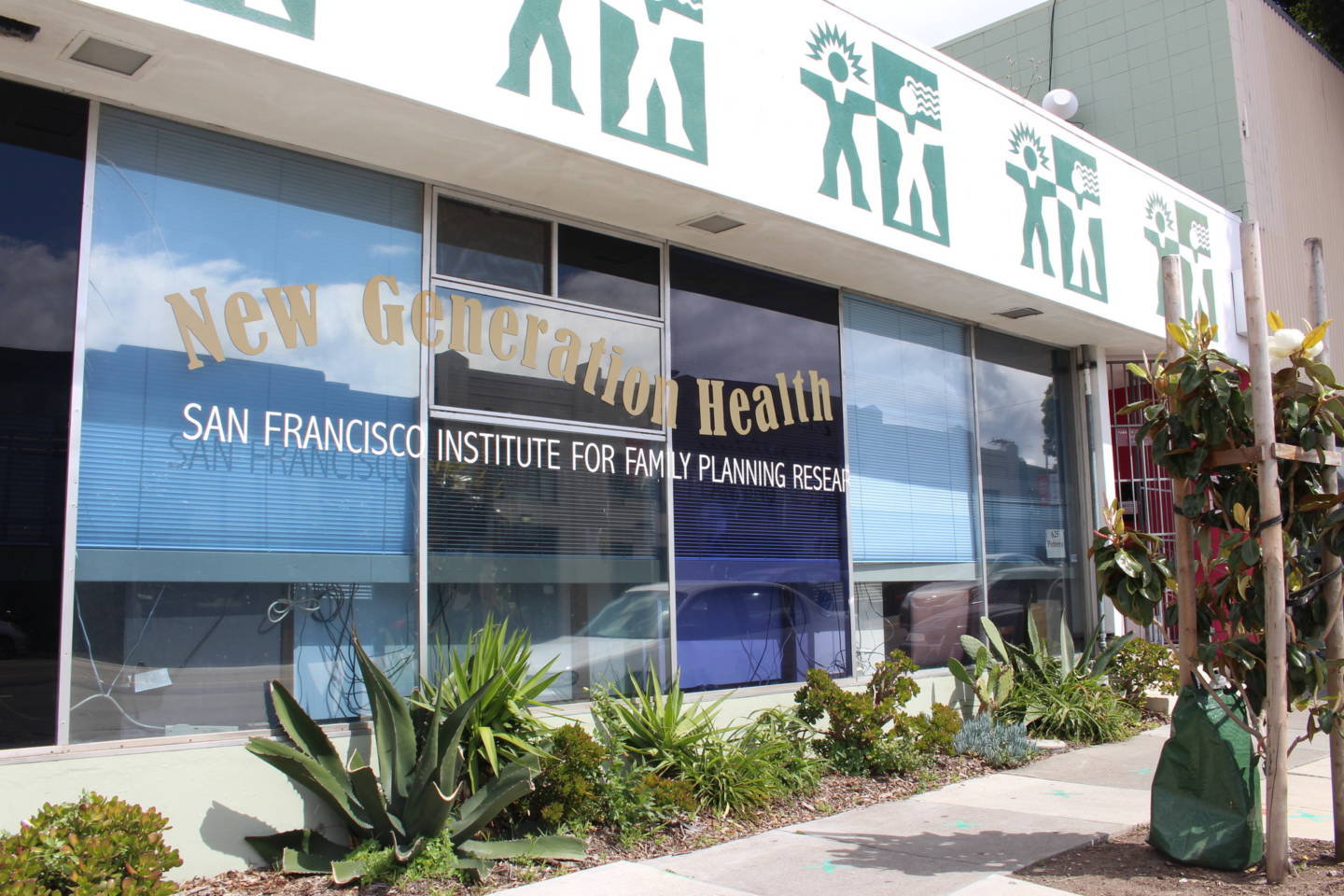
"caption": "After struggling to stay open, New Generation Health Center will move into a smaller office in the Mission and has reached an agreement with San Francisco officials to shift some administrative costs to the city's health department. ",
"description": null,
"title": "RS19406_IMG_9992-qut",
"credit": "Farida Jhabvala Romero/KQED",
"status": "inherit",
"isLoading": false,
"fetchFailed": false
},
"stateofhealth_189988": {
"type": "attachments",
"id": "stateofhealth_189988",
"meta": {
"index": "attachments_1716263798",
"site": "stateofhealth",
"id": "189988",
"found": true
},
"parent": 189984,
"imgSizes": {
"twentyfourteen-full-width": {
"file": "https://ww2.kqed.org/app/uploads/sites/27/2016/05/RS19633_OnPanel-qut-1038x576.jpg",
"width": 1038,
"mimeType": "image/jpeg",
"height": 576
},
"thumbnail": {
"file": "https://ww2.kqed.org/app/uploads/sites/27/2016/05/RS19633_OnPanel-qut-400x263.jpg",
"width": 400,
"mimeType": "image/jpeg",
"height": 263
},
"fd-sm": {
"file": "https://ww2.kqed.org/app/uploads/sites/27/2016/05/RS19633_OnPanel-qut-960x631.jpg",
"width": 960,
"mimeType": "image/jpeg",
"height": 631
},
"post-thumbnail": {
"file": "https://ww2.kqed.org/app/uploads/sites/27/2016/05/RS19633_OnPanel-qut-672x372.jpg",
"width": 672,
"mimeType": "image/jpeg",
"height": 372
},
"kqedFullSize": {
"file": "https://ww2.kqed.org/app/uploads/sites/27/2016/05/RS19633_OnPanel-qut.jpg",
"width": 1920,
"height": 1261
},
"large": {
"file": "https://ww2.kqed.org/app/uploads/sites/27/2016/05/RS19633_OnPanel-qut-1440x946.jpg",
"width": 1440,
"mimeType": "image/jpeg",
"height": 946
},
"guest-author-50": {
"file": "https://ww2.kqed.org/app/uploads/sites/27/2016/05/RS19633_OnPanel-qut-50x50.jpg",
"width": 50,
"mimeType": "image/jpeg",
"height": 50
},
"guest-author-96": {
"file": "https://ww2.kqed.org/app/uploads/sites/27/2016/05/RS19633_OnPanel-qut-96x96.jpg",
"width": 96,
"mimeType": "image/jpeg",
"height": 96
},
"medium": {
"file": "https://ww2.kqed.org/app/uploads/sites/27/2016/05/RS19633_OnPanel-qut-800x525.jpg",
"width": 800,
"mimeType": "image/jpeg",
"height": 525
},
"guest-author-64": {
"file": "https://ww2.kqed.org/app/uploads/sites/27/2016/05/RS19633_OnPanel-qut-64x64.jpg",
"width": 64,
"mimeType": "image/jpeg",
"height": 64
},
"guest-author-32": {
"file": "https://ww2.kqed.org/app/uploads/sites/27/2016/05/RS19633_OnPanel-qut-32x32.jpg",
"width": 32,
"mimeType": "image/jpeg",
"height": 32
},
"jmtc-small-thumb": {
"file": "https://ww2.kqed.org/app/uploads/sites/27/2016/05/RS19633_OnPanel-qut-280x150.jpg",
"width": 280,
"mimeType": "image/jpeg",
"height": 150
},
"fd-lrg": {
"file": "https://ww2.kqed.org/app/uploads/sites/27/2016/05/RS19633_OnPanel-qut-1920x1261.jpg",
"width": 1920,
"mimeType": "image/jpeg",
"height": 1261
},
"fd-med": {
"file": "https://ww2.kqed.org/app/uploads/sites/27/2016/05/RS19633_OnPanel-qut-1180x775.jpg",
"width": 1180,
"mimeType": "image/jpeg",
"height": 775
},
"detail": {
"file": "https://ww2.kqed.org/app/uploads/sites/27/2016/05/RS19633_OnPanel-qut-150x150.jpg",
"width": 150,
"mimeType": "image/jpeg",
"height": 150
},
"medium_large": {
"file": "https://ww2.kqed.org/app/uploads/sites/27/2016/05/RS19633_OnPanel-qut-768x504.jpg",
"width": 768,
"mimeType": "image/jpeg",
"height": 504
},
"guest-author-128": {
"file": "https://ww2.kqed.org/app/uploads/sites/27/2016/05/RS19633_OnPanel-qut-128x128.jpg",
"width": 128,
"mimeType": "image/jpeg",
"height": 128
}
},
"publishDate": 1464390034,
"modified": 1464391919,
"caption": "Maryjane Davis attends a training with mom Sara Angulo (left) about the Fresno city and county government. Maryjane has made it her mission to inform other teens at school about sexual health, and plans to become a lawyer. ",
"description": null,
"title": "RS19633_OnPanel-qut",
"credit": "Farida Jhabvala Romero / KQED",
"status": "inherit",
"isLoading": false,
"fetchFailed": false
},
"stateofhealth_188845": {
"type": "attachments",
"id": "stateofhealth_188845",
"meta": {
"index": "attachments_1716263798",
"site": "stateofhealth",
"id": "188845",
"found": true
},
"parent": 188820,
"imgSizes": {
"twentyfourteen-full-width": {
"file": "https://ww2.kqed.org/app/uploads/sites/27/2016/05/iStock_000065574463_Medium-1038x576.jpg",
"width": 1038,
"mimeType": "image/jpeg",
"height": 576
},
"thumbnail": {
"file": "https://ww2.kqed.org/app/uploads/sites/27/2016/05/iStock_000065574463_Medium-400x265.jpg",
"width": 400,
"mimeType": "image/jpeg",
"height": 265
},
"fd-sm": {
"file": "https://ww2.kqed.org/app/uploads/sites/27/2016/05/iStock_000065574463_Medium-960x636.jpg",
"width": 960,
"mimeType": "image/jpeg",
"height": 636
},
"post-thumbnail": {
"file": "https://ww2.kqed.org/app/uploads/sites/27/2016/05/iStock_000065574463_Medium-672x372.jpg",
"width": 672,
"mimeType": "image/jpeg",
"height": 372
},
"kqedFullSize": {
"file": "https://ww2.kqed.org/app/uploads/sites/27/2016/05/iStock_000065574463_Medium-e1464197677512.jpg",
"width": 1920,
"height": 1271
},
"large": {
"file": "https://ww2.kqed.org/app/uploads/sites/27/2016/05/iStock_000065574463_Medium-1440x953.jpg",
"width": 1440,
"mimeType": "image/jpeg",
"height": 953
},
"guest-author-50": {
"file": "https://ww2.kqed.org/app/uploads/sites/27/2016/05/iStock_000065574463_Medium-50x50.jpg",
"width": 50,
"mimeType": "image/jpeg",
"height": 50
},
"guest-author-96": {
"file": "https://ww2.kqed.org/app/uploads/sites/27/2016/05/iStock_000065574463_Medium-96x96.jpg",
"width": 96,
"mimeType": "image/jpeg",
"height": 96
},
"medium": {
"file": "https://ww2.kqed.org/app/uploads/sites/27/2016/05/iStock_000065574463_Medium-800x530.jpg",
"width": 800,
"mimeType": "image/jpeg",
"height": 530
},
"guest-author-64": {
"file": "https://ww2.kqed.org/app/uploads/sites/27/2016/05/iStock_000065574463_Medium-64x64.jpg",
"width": 64,
"mimeType": "image/jpeg",
"height": 64
},
"guest-author-32": {
"file": "https://ww2.kqed.org/app/uploads/sites/27/2016/05/iStock_000065574463_Medium-32x32.jpg",
"width": 32,
"mimeType": "image/jpeg",
"height": 32
},
"jmtc-small-thumb": {
"file": "https://ww2.kqed.org/app/uploads/sites/27/2016/05/iStock_000065574463_Medium-280x150.jpg",
"width": 280,
"mimeType": "image/jpeg",
"height": 150
},
"fd-lrg": {
"file": "https://ww2.kqed.org/app/uploads/sites/27/2016/05/iStock_000065574463_Medium-1920x1271.jpg",
"width": 1920,
"mimeType": "image/jpeg",
"height": 1271
},
"fd-med": {
"file": "https://ww2.kqed.org/app/uploads/sites/27/2016/05/iStock_000065574463_Medium-1180x781.jpg",
"width": 1180,
"mimeType": "image/jpeg",
"height": 781
},
"detail": {
"file": "https://ww2.kqed.org/app/uploads/sites/27/2016/05/iStock_000065574463_Medium-150x150.jpg",
"width": 150,
"mimeType": "image/jpeg",
"height": 150
},
"medium_large": {
"file": "https://ww2.kqed.org/app/uploads/sites/27/2016/05/iStock_000065574463_Medium-768x509.jpg",
"width": 768,
"mimeType": "image/jpeg",
"height": 509
},
"guest-author-128": {
"file": "https://ww2.kqed.org/app/uploads/sites/27/2016/05/iStock_000065574463_Medium-128x128.jpg",
"width": 128,
"mimeType": "image/jpeg",
"height": 128
}
},
"publishDate": 1464197661,
"modified": 1464197703,
"caption": null,
"description": "healthy chalkboard school",
"title": "iStock_000065574463_Medium",
"credit": "iStockphoto",
"status": "inherit",
"isLoading": false,
"fetchFailed": false
},
"stateofhealth_185735": {
"type": "attachments",
"id": "stateofhealth_185735",
"meta": {
"index": "attachments_1716263798",
"site": "stateofhealth",
"id": "185735",
"found": true
},
"parent": 183797,
"imgSizes": {
"twentyfourteen-full-width": {
"file": "https://ww2.kqed.org/app/uploads/sites/27/2016/05/RS19523_IMG_9837-qut-1038x576.jpg",
"width": 1038,
"mimeType": "image/jpeg",
"height": 576
},
"thumbnail": {
"file": "https://ww2.kqed.org/app/uploads/sites/27/2016/05/RS19523_IMG_9837-qut-400x267.jpg",
"width": 400,
"mimeType": "image/jpeg",
"height": 267
},
"fd-sm": {
"file": "https://ww2.kqed.org/app/uploads/sites/27/2016/05/RS19523_IMG_9837-qut-960x640.jpg",
"width": 960,
"mimeType": "image/jpeg",
"height": 640
},
"post-thumbnail": {
"file": "https://ww2.kqed.org/app/uploads/sites/27/2016/05/RS19523_IMG_9837-qut-672x372.jpg",
"width": 672,
"mimeType": "image/jpeg",
"height": 372
},
"kqedFullSize": {
"file": "https://ww2.kqed.org/app/uploads/sites/27/2016/05/RS19523_IMG_9837-qut.jpg",
"width": 1920,
"height": 1280
},
"large": {
"file": "https://ww2.kqed.org/app/uploads/sites/27/2016/05/RS19523_IMG_9837-qut-1440x960.jpg",
"width": 1440,
"mimeType": "image/jpeg",
"height": 960
},
"guest-author-50": {
"file": "https://ww2.kqed.org/app/uploads/sites/27/2016/05/RS19523_IMG_9837-qut-50x50.jpg",
"width": 50,
"mimeType": "image/jpeg",
"height": 50
},
"guest-author-96": {
"file": "https://ww2.kqed.org/app/uploads/sites/27/2016/05/RS19523_IMG_9837-qut-96x96.jpg",
"width": 96,
"mimeType": "image/jpeg",
"height": 96
},
"medium": {
"file": "https://ww2.kqed.org/app/uploads/sites/27/2016/05/RS19523_IMG_9837-qut-800x533.jpg",
"width": 800,
"mimeType": "image/jpeg",
"height": 533
},
"guest-author-64": {
"file": "https://ww2.kqed.org/app/uploads/sites/27/2016/05/RS19523_IMG_9837-qut-64x64.jpg",
"width": 64,
"mimeType": "image/jpeg",
"height": 64
},
"guest-author-32": {
"file": "https://ww2.kqed.org/app/uploads/sites/27/2016/05/RS19523_IMG_9837-qut-32x32.jpg",
"width": 32,
"mimeType": "image/jpeg",
"height": 32
},
"jmtc-small-thumb": {
"file": "https://ww2.kqed.org/app/uploads/sites/27/2016/05/RS19523_IMG_9837-qut-280x150.jpg",
"width": 280,
"mimeType": "image/jpeg",
"height": 150
},
"fd-lrg": {
"file": "https://ww2.kqed.org/app/uploads/sites/27/2016/05/RS19523_IMG_9837-qut-1920x1280.jpg",
"width": 1920,
"mimeType": "image/jpeg",
"height": 1280
},
"fd-med": {
"file": "https://ww2.kqed.org/app/uploads/sites/27/2016/05/RS19523_IMG_9837-qut-1180x787.jpg",
"width": 1180,
"mimeType": "image/jpeg",
"height": 787
},
"detail": {
"file": "https://ww2.kqed.org/app/uploads/sites/27/2016/05/RS19523_IMG_9837-qut-150x150.jpg",
"width": 150,
"mimeType": "image/jpeg",
"height": 150
},
"medium_large": {
"file": "https://ww2.kqed.org/app/uploads/sites/27/2016/05/RS19523_IMG_9837-qut-768x512.jpg",
"width": 768,
"mimeType": "image/jpeg",
"height": 512
},
"guest-author-128": {
"file": "https://ww2.kqed.org/app/uploads/sites/27/2016/05/RS19523_IMG_9837-qut-128x128.jpg",
"width": 128,
"mimeType": "image/jpeg",
"height": 128
}
},
"publishDate": 1463526406,
"modified": 1463613813,
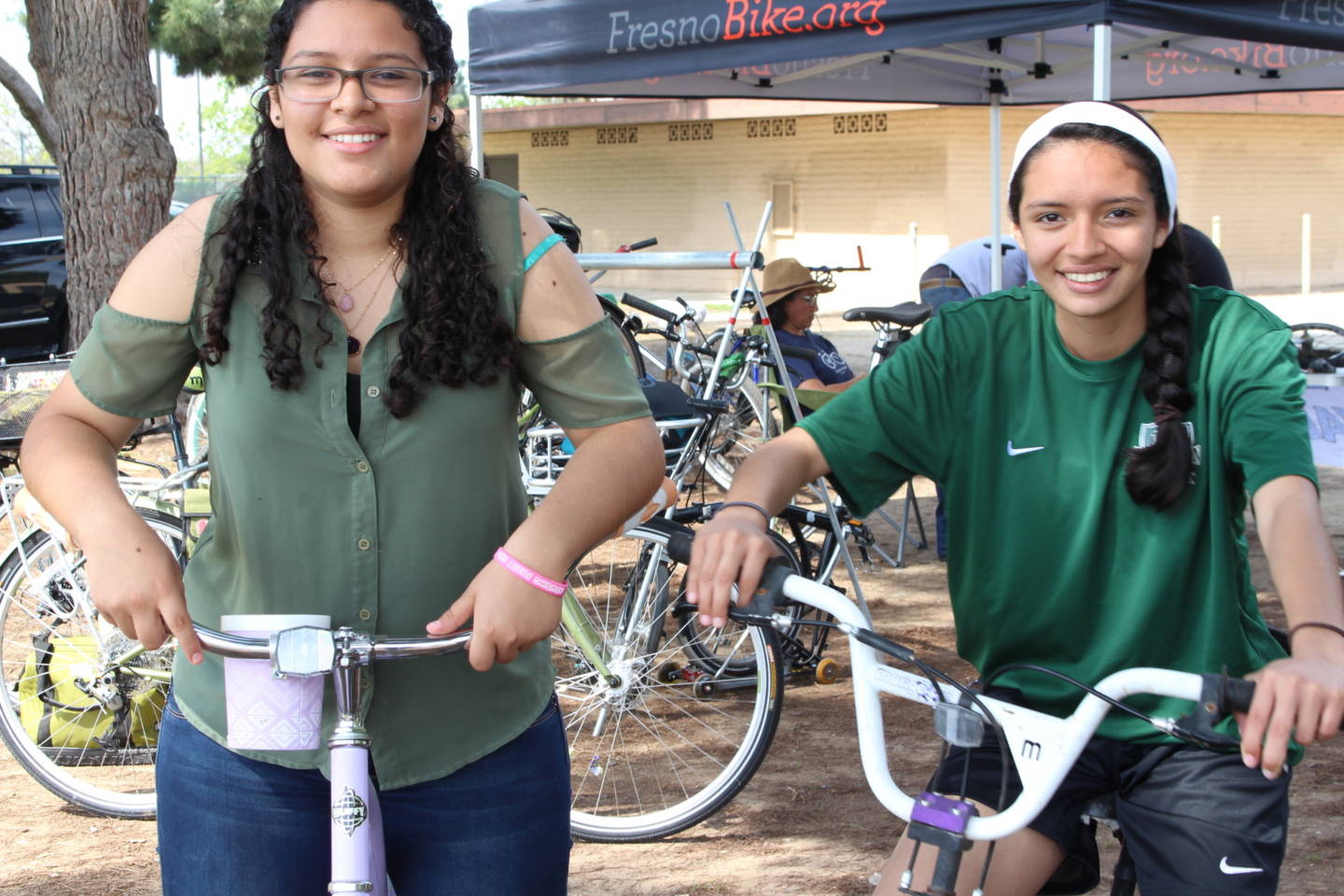
"caption": "Josemelli Ruiz, 15, and her sister, Joanna Ruiz, 13, attend a free bike repair event at a park in south Fresno. Both teens consider biking to school 'too dangerous' due to a lack of bike lanes. ",
"description": null,
"title": "RS19523_IMG_9837-qut",
"credit": "Farida Jhabvala Romero/KQED",
"status": "inherit",
"isLoading": false,
"fetchFailed": false
},
"stateofhealth_183947": {
"type": "attachments",
"id": "stateofhealth_183947",
"meta": {
"index": "attachments_1716263798",
"site": "stateofhealth",
"id": "183947",
"found": true
},
"parent": 183912,
"imgSizes": {
"twentyfourteen-full-width": {
"file": "https://ww2.kqed.org/app/uploads/sites/27/2016/05/iStock_000017107476_Medium-1038x576.jpg",
"width": 1038,
"mimeType": "image/jpeg",
"height": 576
},
"thumbnail": {
"file": "https://ww2.kqed.org/app/uploads/sites/27/2016/05/iStock_000017107476_Medium-400x266.jpg",
"width": 400,
"mimeType": "image/jpeg",
"height": 266
},
"fd-sm": {
"file": "https://ww2.kqed.org/app/uploads/sites/27/2016/05/iStock_000017107476_Medium-960x639.jpg",
"width": 960,
"mimeType": "image/jpeg",
"height": 639
},
"post-thumbnail": {
"file": "https://ww2.kqed.org/app/uploads/sites/27/2016/05/iStock_000017107476_Medium-672x372.jpg",
"width": 672,
"mimeType": "image/jpeg",
"height": 372
},
"kqedFullSize": {
"file": "https://ww2.kqed.org/app/uploads/sites/27/2016/05/iStock_000017107476_Medium-e1463115091397.jpg",
"width": 1919,
"height": 1277
},
"large": {
"file": "https://ww2.kqed.org/app/uploads/sites/27/2016/05/iStock_000017107476_Medium-1440x958.jpg",
"width": 1440,
"mimeType": "image/jpeg",
"height": 958
},
"guest-author-96": {
"file": "https://ww2.kqed.org/app/uploads/sites/27/2016/05/iStock_000017107476_Medium-96x96.jpg",
"width": 96,
"mimeType": "image/jpeg",
"height": 96
},
"medium": {
"file": "https://ww2.kqed.org/app/uploads/sites/27/2016/05/iStock_000017107476_Medium-800x532.jpg",
"width": 800,
"mimeType": "image/jpeg",
"height": 532
},
"guest-author-64": {
"file": "https://ww2.kqed.org/app/uploads/sites/27/2016/05/iStock_000017107476_Medium-64x64.jpg",
"width": 64,
"mimeType": "image/jpeg",
"height": 64
},
"guest-author-32": {
"file": "https://ww2.kqed.org/app/uploads/sites/27/2016/05/iStock_000017107476_Medium-32x32.jpg",
"width": 32,
"mimeType": "image/jpeg",
"height": 32
},
"jmtc-small-thumb": {
"file": "https://ww2.kqed.org/app/uploads/sites/27/2016/05/iStock_000017107476_Medium-280x150.jpg",
"width": 280,
"mimeType": "image/jpeg",
"height": 150
},
"fd-lrg": {
"file": "https://ww2.kqed.org/app/uploads/sites/27/2016/05/iStock_000017107476_Medium-1920x1277.jpg",
"width": 1920,
"mimeType": "image/jpeg",
"height": 1277
},
"fd-med": {
"file": "https://ww2.kqed.org/app/uploads/sites/27/2016/05/iStock_000017107476_Medium-1180x785.jpg",
"width": 1180,
"mimeType": "image/jpeg",
"height": 785
},
"detail": {
"file": "https://ww2.kqed.org/app/uploads/sites/27/2016/05/iStock_000017107476_Medium-150x150.jpg",
"width": 150,
"mimeType": "image/jpeg",
"height": 150
},
"medium_large": {
"file": "https://ww2.kqed.org/app/uploads/sites/27/2016/05/iStock_000017107476_Medium-768x511.jpg",
"width": 768,
"mimeType": "image/jpeg",
"height": 511
},
"guest-author-128": {
"file": "https://ww2.kqed.org/app/uploads/sites/27/2016/05/iStock_000017107476_Medium-128x128.jpg",
"width": 128,
"mimeType": "image/jpeg",
"height": 128
}
},
"publishDate": 1463115077,
"modified": 1463115077,
"caption": null,
"description": null,
"title": "iStock_000017107476_Medium",
"credit": null,
"status": "inherit",
"isLoading": false,
"fetchFailed": false
},
"stateofhealth_183150": {
"type": "attachments",
"id": "stateofhealth_183150",
"meta": {
"index": "attachments_1716263798",
"site": "stateofhealth",
"id": "183150",
"found": true
},
"parent": 182687,
"imgSizes": {
"twentyfourteen-full-width": {
"file": "https://ww2.kqed.org/app/uploads/sites/27/2016/05/iStock_000065392639_Large-1038x576.jpg",
"width": 1038,
"mimeType": "image/jpeg",
"height": 576
},
"thumbnail": {
"file": "https://ww2.kqed.org/app/uploads/sites/27/2016/05/iStock_000065392639_Large-400x254.jpg",
"width": 400,
"mimeType": "image/jpeg",
"height": 254
},
"fd-sm": {
"file": "https://ww2.kqed.org/app/uploads/sites/27/2016/05/iStock_000065392639_Large-960x609.jpg",
"width": 960,
"mimeType": "image/jpeg",
"height": 609
},
"post-thumbnail": {
"file": "https://ww2.kqed.org/app/uploads/sites/27/2016/05/iStock_000065392639_Large-672x372.jpg",
"width": 672,
"mimeType": "image/jpeg",
"height": 372
},
"kqedFullSize": {
"file": "https://ww2.kqed.org/app/uploads/sites/27/2016/05/iStock_000065392639_Large-e1462974307655.jpg",
"width": 1920,
"height": 1218
},
"large": {
"file": "https://ww2.kqed.org/app/uploads/sites/27/2016/05/iStock_000065392639_Large-1440x913.jpg",
"width": 1440,
"mimeType": "image/jpeg",
"height": 913
},
"guest-author-96": {
"file": "https://ww2.kqed.org/app/uploads/sites/27/2016/05/iStock_000065392639_Large-96x96.jpg",
"width": 96,
"mimeType": "image/jpeg",
"height": 96
},
"medium": {
"file": "https://ww2.kqed.org/app/uploads/sites/27/2016/05/iStock_000065392639_Large-800x507.jpg",
"width": 800,
"mimeType": "image/jpeg",
"height": 507
},
"guest-author-64": {
"file": "https://ww2.kqed.org/app/uploads/sites/27/2016/05/iStock_000065392639_Large-64x64.jpg",
"width": 64,
"mimeType": "image/jpeg",
"height": 64
},
"guest-author-32": {
"file": "https://ww2.kqed.org/app/uploads/sites/27/2016/05/iStock_000065392639_Large-32x32.jpg",
"width": 32,
"mimeType": "image/jpeg",
"height": 32
},
"jmtc-small-thumb": {
"file": "https://ww2.kqed.org/app/uploads/sites/27/2016/05/iStock_000065392639_Large-280x150.jpg",
"width": 280,
"mimeType": "image/jpeg",
"height": 150
},
"fd-lrg": {
"file": "https://ww2.kqed.org/app/uploads/sites/27/2016/05/iStock_000065392639_Large-1920x1218.jpg",
"width": 1920,
"mimeType": "image/jpeg",
"height": 1218
},
"fd-med": {
"file": "https://ww2.kqed.org/app/uploads/sites/27/2016/05/iStock_000065392639_Large-1180x749.jpg",
"width": 1180,
"mimeType": "image/jpeg",
"height": 749
},
"detail": {
"file": "https://ww2.kqed.org/app/uploads/sites/27/2016/05/iStock_000065392639_Large-150x150.jpg",
"width": 150,
"mimeType": "image/jpeg",
"height": 150
},
"medium_large": {
"file": "https://ww2.kqed.org/app/uploads/sites/27/2016/05/iStock_000065392639_Large-768x487.jpg",
"width": 768,
"mimeType": "image/jpeg",
"height": 487
},
"guest-author-128": {
"file": "https://ww2.kqed.org/app/uploads/sites/27/2016/05/iStock_000065392639_Large-128x128.jpg",
"width": 128,
"mimeType": "image/jpeg",
"height": 128
}
},
"publishDate": 1462937922,
"modified": 1462937942,
"caption": null,
"description": "smoking, cigarette, tobacco",
"title": "iStock_000065392639_Large",
"credit": "iStockphoto",
"status": "inherit",
"isLoading": false,
"fetchFailed": false
},
"stateofhealth_180819": {
"type": "attachments",
"id": "stateofhealth_180819",
"meta": {
"index": "attachments_1716263798",
"site": "stateofhealth",
"id": "180819",
"found": true
},
"parent": 178106,
"imgSizes": {
"twentyfourteen-full-width": {
"file": "https://ww2.kqed.org/app/uploads/sites/27/2016/05/RS19404_Ortiz-cropped-qut-1038x576.jpg",
"width": 1038,
"mimeType": "image/jpeg",
"height": 576
},
"thumbnail": {
"file": "https://ww2.kqed.org/app/uploads/sites/27/2016/05/RS19404_Ortiz-cropped-qut-400x239.jpg",
"width": 400,
"mimeType": "image/jpeg",
"height": 239
},
"fd-sm": {
"file": "https://ww2.kqed.org/app/uploads/sites/27/2016/05/RS19404_Ortiz-cropped-qut-960x575.jpg",
"width": 960,
"mimeType": "image/jpeg",
"height": 575
},
"post-thumbnail": {
"file": "https://ww2.kqed.org/app/uploads/sites/27/2016/05/RS19404_Ortiz-cropped-qut-672x372.jpg",
"width": 672,
"mimeType": "image/jpeg",
"height": 372
},
"kqedFullSize": {
"file": "https://ww2.kqed.org/app/uploads/sites/27/2016/05/RS19404_Ortiz-cropped-qut.jpg",
"width": 1920,
"height": 1149
},
"large": {
"file": "https://ww2.kqed.org/app/uploads/sites/27/2016/05/RS19404_Ortiz-cropped-qut-1440x862.jpg",
"width": 1440,
"mimeType": "image/jpeg",
"height": 862
},
"guest-author-96": {
"file": "https://ww2.kqed.org/app/uploads/sites/27/2016/05/RS19404_Ortiz-cropped-qut-96x96.jpg",
"width": 96,
"mimeType": "image/jpeg",
"height": 96
},
"medium": {
"file": "https://ww2.kqed.org/app/uploads/sites/27/2016/05/RS19404_Ortiz-cropped-qut-800x479.jpg",
"width": 800,
"mimeType": "image/jpeg",
"height": 479
},
"guest-author-64": {
"file": "https://ww2.kqed.org/app/uploads/sites/27/2016/05/RS19404_Ortiz-cropped-qut-64x64.jpg",
"width": 64,
"mimeType": "image/jpeg",
"height": 64
},
"guest-author-32": {
"file": "https://ww2.kqed.org/app/uploads/sites/27/2016/05/RS19404_Ortiz-cropped-qut-32x32.jpg",
"width": 32,
"mimeType": "image/jpeg",
"height": 32
},
"jmtc-small-thumb": {
"file": "https://ww2.kqed.org/app/uploads/sites/27/2016/05/RS19404_Ortiz-cropped-qut-280x150.jpg",
"width": 280,
"mimeType": "image/jpeg",
"height": 150
},
"fd-lrg": {
"file": "https://ww2.kqed.org/app/uploads/sites/27/2016/05/RS19404_Ortiz-cropped-qut-1920x1149.jpg",
"width": 1920,
"mimeType": "image/jpeg",
"height": 1149
},
"fd-med": {
"file": "https://ww2.kqed.org/app/uploads/sites/27/2016/05/RS19404_Ortiz-cropped-qut-1180x706.jpg",
"width": 1180,
"mimeType": "image/jpeg",
"height": 706
},
"detail": {
"file": "https://ww2.kqed.org/app/uploads/sites/27/2016/05/RS19404_Ortiz-cropped-qut-150x150.jpg",
"width": 150,
"mimeType": "image/jpeg",
"height": 150
},
"medium_large": {
"file": "https://ww2.kqed.org/app/uploads/sites/27/2016/05/RS19404_Ortiz-cropped-qut-768x460.jpg",
"width": 768,
"mimeType": "image/jpeg",
"height": 460
},
"guest-author-128": {
"file": "https://ww2.kqed.org/app/uploads/sites/27/2016/05/RS19404_Ortiz-cropped-qut-128x128.jpg",
"width": 128,
"mimeType": "image/jpeg",
"height": 128
}
},
"publishDate": 1462476841,
"modified": 1462562652,
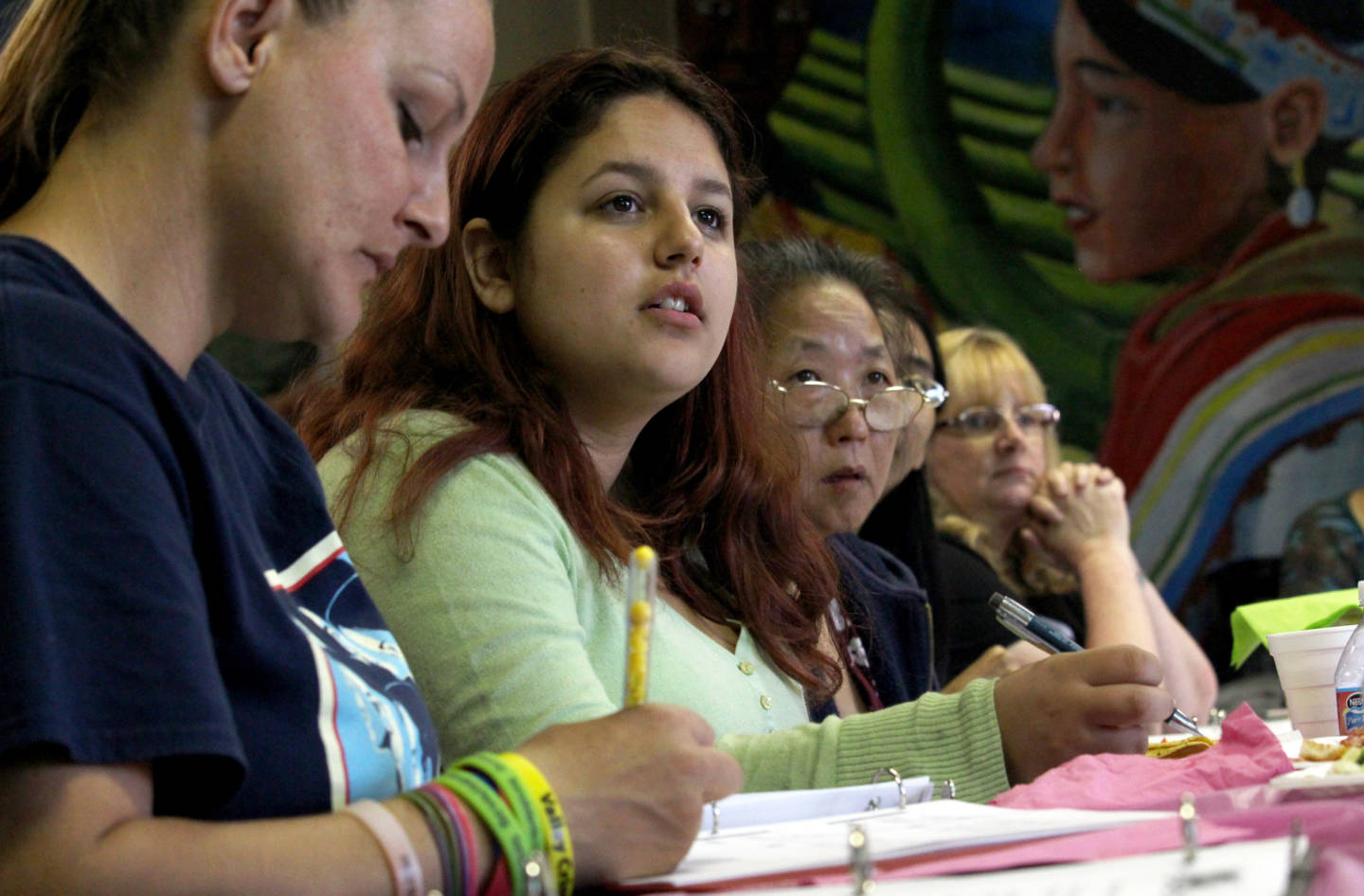
"caption": "Nataly Ortiz, a former patient at New Generation, decried UCSF's planned closure of the clinic at a public forum, as Ronnishia Johnson and others wait to speak. \"Young Latinas and undocumented people still desperately need these services, and you are taking it away,\" Ortiz told UCSF officials.",
"description": null,
"title": "RS19404_Ortiz cropped-qut",
"credit": "Farida Jhabvala Romero/KQED",
"status": "inherit",
"isLoading": false,
"fetchFailed": false
},
"stateofhealth_179332": {
"type": "attachments",
"id": "stateofhealth_179332",
"meta": {
"index": "attachments_1716263798",
"site": "stateofhealth",
"id": "179332",
"found": true
},
"parent": 179331,
"imgSizes": {
"twentyfourteen-full-width": {
"file": "https://ww2.kqed.org/app/uploads/sites/27/2016/05/aa_wide-2004337fa749c86a24367e387698141a69536513-1038x576.jpg",
"width": 1038,
"mimeType": "image/jpeg",
"height": 576
},
"thumbnail": {
"file": "https://ww2.kqed.org/app/uploads/sites/27/2016/05/aa_wide-2004337fa749c86a24367e387698141a69536513-400x225.jpg",
"width": 400,
"mimeType": "image/jpeg",
"height": 225
},
"fd-sm": {
"file": "https://ww2.kqed.org/app/uploads/sites/27/2016/05/aa_wide-2004337fa749c86a24367e387698141a69536513-960x540.jpg",
"width": 960,
"mimeType": "image/jpeg",
"height": 540
},
"post-thumbnail": {
"file": "https://ww2.kqed.org/app/uploads/sites/27/2016/05/aa_wide-2004337fa749c86a24367e387698141a69536513-672x372.jpg",
"width": 672,
"mimeType": "image/jpeg",
"height": 372
},
"kqedFullSize": {
"file": "https://ww2.kqed.org/app/uploads/sites/27/2016/05/aa_wide-2004337fa749c86a24367e387698141a69536513.jpg",
"width": 1991,
"height": 1120
},
"large": {
"file": "https://ww2.kqed.org/app/uploads/sites/27/2016/05/aa_wide-2004337fa749c86a24367e387698141a69536513-1440x810.jpg",
"width": 1440,
"mimeType": "image/jpeg",
"height": 810
},
"guest-author-96": {
"file": "https://ww2.kqed.org/app/uploads/sites/27/2016/05/aa_wide-2004337fa749c86a24367e387698141a69536513-96x96.jpg",
"width": 96,
"mimeType": "image/jpeg",
"height": 96
},
"medium": {
"file": "https://ww2.kqed.org/app/uploads/sites/27/2016/05/aa_wide-2004337fa749c86a24367e387698141a69536513-800x450.jpg",
"width": 800,
"mimeType": "image/jpeg",
"height": 450
},
"guest-author-64": {
"file": "https://ww2.kqed.org/app/uploads/sites/27/2016/05/aa_wide-2004337fa749c86a24367e387698141a69536513-64x64.jpg",
"width": 64,
"mimeType": "image/jpeg",
"height": 64
},
"guest-author-32": {
"file": "https://ww2.kqed.org/app/uploads/sites/27/2016/05/aa_wide-2004337fa749c86a24367e387698141a69536513-32x32.jpg",
"width": 32,
"mimeType": "image/jpeg",
"height": 32
},
"jmtc-small-thumb": {
"file": "https://ww2.kqed.org/app/uploads/sites/27/2016/05/aa_wide-2004337fa749c86a24367e387698141a69536513-280x150.jpg",
"width": 280,
"mimeType": "image/jpeg",
"height": 150
},
"fd-lrg": {
"file": "https://ww2.kqed.org/app/uploads/sites/27/2016/05/aa_wide-2004337fa749c86a24367e387698141a69536513-1920x1080.jpg",
"width": 1920,
"mimeType": "image/jpeg",
"height": 1080
},
"fd-med": {
"file": "https://ww2.kqed.org/app/uploads/sites/27/2016/05/aa_wide-2004337fa749c86a24367e387698141a69536513-1180x664.jpg",
"width": 1180,
"mimeType": "image/jpeg",
"height": 664
},
"detail": {
"file": "https://ww2.kqed.org/app/uploads/sites/27/2016/05/aa_wide-2004337fa749c86a24367e387698141a69536513-150x150.jpg",
"width": 150,
"mimeType": "image/jpeg",
"height": 150
},
"medium_large": {
"file": "https://ww2.kqed.org/app/uploads/sites/27/2016/05/aa_wide-2004337fa749c86a24367e387698141a69536513-768x432.jpg",
"width": 768,
"mimeType": "image/jpeg",
"height": 432
},
"guest-author-128": {
"file": "https://ww2.kqed.org/app/uploads/sites/27/2016/05/aa_wide-2004337fa749c86a24367e387698141a69536513-128x128.jpg",
"width": 128,
"mimeType": "image/jpeg",
"height": 128
}
},
"publishDate": 1462209940,
"modified": 1462209940,
"caption": null,
"description": "Keith Negley for NPR",
"title": "Keith Negley for NPR",
"credit": null,
"status": "inherit",
"isLoading": false,
"fetchFailed": false
},
"stateofhealth_178198": {
"type": "attachments",
"id": "stateofhealth_178198",
"meta": {
"index": "attachments_1716263798",
"site": "stateofhealth",
"id": "178198",
"found": true
},
"parent": 174784,
"imgSizes": {
"twentyfourteen-full-width": {
"file": "https://ww2.kqed.org/app/uploads/sites/27/2016/04/rangeladjusted-1038x576.jpg",
"width": 1038,
"mimeType": "image/jpeg",
"height": 576
},
"thumbnail": {
"file": "https://ww2.kqed.org/app/uploads/sites/27/2016/04/rangeladjusted-400x267.jpg",
"width": 400,
"mimeType": "image/jpeg",
"height": 267
},
"fd-sm": {
"file": "https://ww2.kqed.org/app/uploads/sites/27/2016/04/rangeladjusted-960x640.jpg",
"width": 960,
"mimeType": "image/jpeg",
"height": 640
},
"post-thumbnail": {
"file": "https://ww2.kqed.org/app/uploads/sites/27/2016/04/rangeladjusted-672x372.jpg",
"width": 672,
"mimeType": "image/jpeg",
"height": 372
},
"kqedFullSize": {
"file": "https://ww2.kqed.org/app/uploads/sites/27/2016/04/rangeladjusted.jpg",
"width": 1920,
"height": 1280
},
"large": {
"file": "https://ww2.kqed.org/app/uploads/sites/27/2016/04/rangeladjusted-1440x960.jpg",
"width": 1440,
"mimeType": "image/jpeg",
"height": 960
},
"guest-author-96": {
"file": "https://ww2.kqed.org/app/uploads/sites/27/2016/04/rangeladjusted-96x96.jpg",
"width": 96,
"mimeType": "image/jpeg",
"height": 96
},
"medium": {
"file": "https://ww2.kqed.org/app/uploads/sites/27/2016/04/rangeladjusted-800x533.jpg",
"width": 800,
"mimeType": "image/jpeg",
"height": 533
},
"guest-author-64": {
"file": "https://ww2.kqed.org/app/uploads/sites/27/2016/04/rangeladjusted-64x64.jpg",
"width": 64,
"mimeType": "image/jpeg",
"height": 64
},
"guest-author-32": {
"file": "https://ww2.kqed.org/app/uploads/sites/27/2016/04/rangeladjusted-32x32.jpg",
"width": 32,
"mimeType": "image/jpeg",
"height": 32
},
"jmtc-small-thumb": {
"file": "https://ww2.kqed.org/app/uploads/sites/27/2016/04/rangeladjusted-280x150.jpg",
"width": 280,
"mimeType": "image/jpeg",
"height": 150
},
"fd-lrg": {
"file": "https://ww2.kqed.org/app/uploads/sites/27/2016/04/rangeladjusted-1920x1280.jpg",
"width": 1920,
"mimeType": "image/jpeg",
"height": 1280
},
"fd-med": {
"file": "https://ww2.kqed.org/app/uploads/sites/27/2016/04/rangeladjusted-1180x787.jpg",
"width": 1180,
"mimeType": "image/jpeg",
"height": 787
},
"detail": {
"file": "https://ww2.kqed.org/app/uploads/sites/27/2016/04/rangeladjusted-150x150.jpg",
"width": 150,
"mimeType": "image/jpeg",
"height": 150
},
"medium_large": {
"file": "https://ww2.kqed.org/app/uploads/sites/27/2016/04/rangeladjusted-768x512.jpg",
"width": 768,
"mimeType": "image/jpeg",
"height": 512
},
"guest-author-128": {
"file": "https://ww2.kqed.org/app/uploads/sites/27/2016/04/rangeladjusted-128x128.jpg",
"width": 128,
"mimeType": "image/jpeg",
"height": 128
}
},
"publishDate": 1461961678,
"modified": 1461969525,
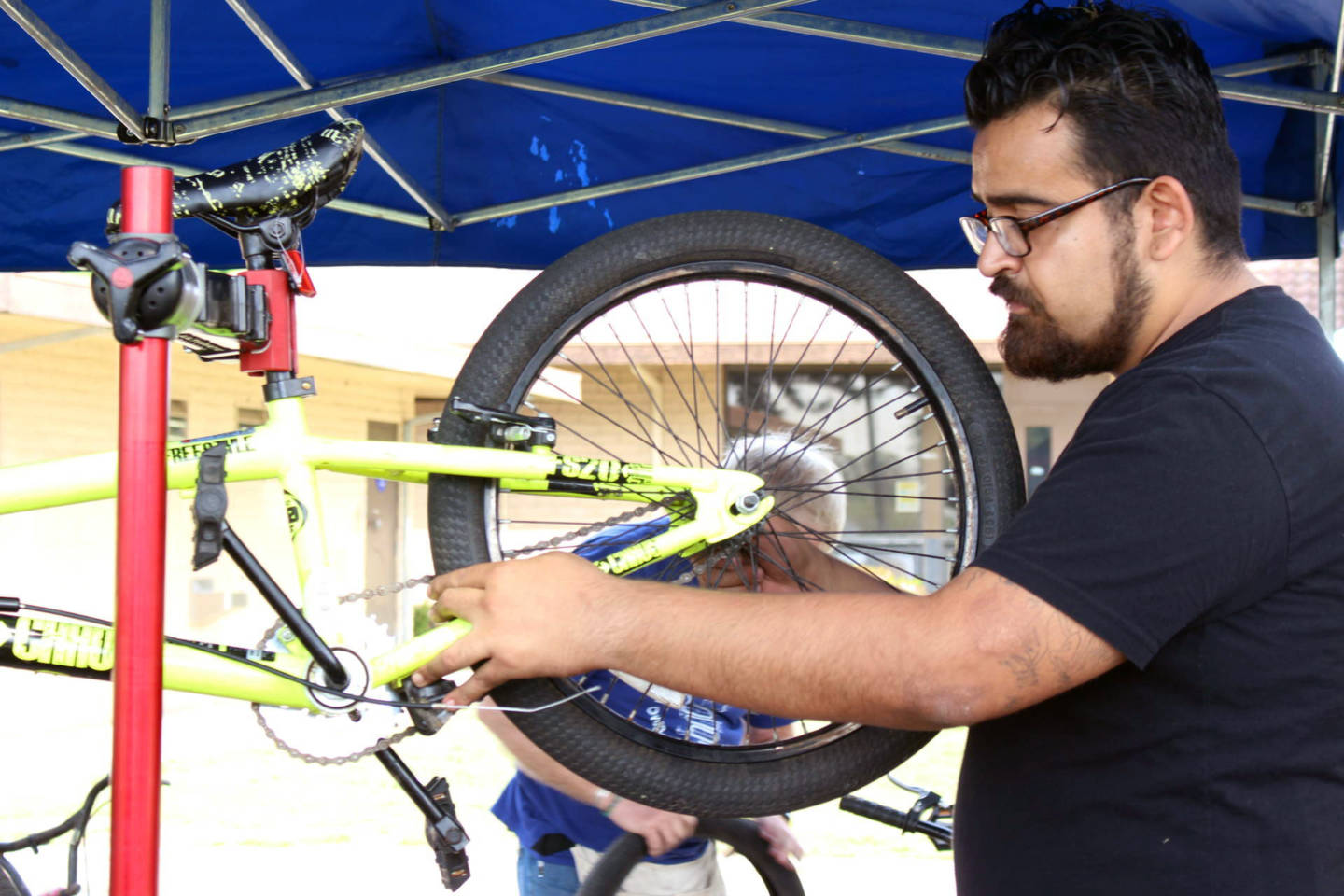
"caption": "Jaime Rangel volunteers as a bike mechanic at a free event in Fresno on March 18. Rangel, 26, says biking was a lifesaver and helped him get rid of his Type 2 diabetes as a teen.",
"description": null,
"title": "rangeladjusted",
"credit": "Farida Jhabvala Romero/KQED",
"status": "inherit",
"isLoading": false,
"fetchFailed": false
},
"stateofhealth_177143": {
"type": "attachments",
"id": "stateofhealth_177143",
"meta": {
"index": "attachments_1716263798",
"site": "stateofhealth",
"id": "177143",
"found": true
},
"parent": 177125,
"imgSizes": {
"jmtc-small-thumb": {
"file": "https://ww2.kqed.org/app/uploads/sites/27/2016/04/m6516e1f-280x150.gif",
"width": 280,
"mimeType": "image/gif",
"height": 150
},
"thumbnail": {
"file": "https://ww2.kqed.org/app/uploads/sites/27/2016/04/m6516e1f-400x250.gif",
"width": 400,
"mimeType": "image/gif",
"height": 250
},
"kqedFullSize": {
"file": "https://ww2.kqed.org/app/uploads/sites/27/2016/04/m6516e1f.gif",
"width": 498,
"height": 311
},
"guest-author-96": {
"file": "https://ww2.kqed.org/app/uploads/sites/27/2016/04/m6516e1f-96x96.gif",
"width": 96,
"mimeType": "image/gif",
"height": 96
},
"guest-author-64": {
"file": "https://ww2.kqed.org/app/uploads/sites/27/2016/04/m6516e1f-64x64.gif",
"width": 64,
"mimeType": "image/gif",
"height": 64
},
"detail": {
"file": "https://ww2.kqed.org/app/uploads/sites/27/2016/04/m6516e1f-150x150.gif",
"width": 150,
"mimeType": "image/gif",
"height": 150
},
"guest-author-32": {
"file": "https://ww2.kqed.org/app/uploads/sites/27/2016/04/m6516e1f-32x32.gif",
"width": 32,
"mimeType": "image/gif",
"height": 32
},
"guest-author-128": {
"file": "https://ww2.kqed.org/app/uploads/sites/27/2016/04/m6516e1f-128x128.gif",
"width": 128,
"mimeType": "image/gif",
"height": 128
}
},
"publishDate": 1461713407,
"modified": 1527288157,
"caption": "Counterfeit Norco “M367” tablets obtained from one of the Bay Area overdose patients during the investigation of a counterfeit Norco poisoning outbreak.",
"description": "Norco, street drug, fentanyl",
"title": "m6516e1f",
"credit": "California Poison Control System, San Francisco Division",
"status": "inherit",
"isLoading": false,
"fetchFailed": false
}
},
"audioPlayerReducer": {
"postId": "stream_live",
"isPaused": true,
"isPlaying": false,
"pfsActive": false,
"pledgeModalIsOpen": true,
"playerDrawerIsOpen": false,
"liveAudioPlayStartedAt": 0,
"liveAudioPlayContext": ""
},
"authorsReducer": {
"byline_stateofhealth_188820": {
"type": "authors",
"id": "byline_stateofhealth_188820",
"meta": {
"override": true
},
"slug": "byline_stateofhealth_188820",
"name": "Ana B. Ibarra\u003cbr />\u003ca href=\"http://californiahealthline.org/\">California Healthline\u003c/a>",
"isLoading": false
},
"byline_stateofhealth_179331": {
"type": "authors",
"id": "byline_stateofhealth_179331",
"meta": {
"override": true
},
"slug": "byline_stateofhealth_179331",
"name": "Maia Szalavitz\u003cbr />\u003ca href=\"http://www.npr.org/sections/health-shots/\">NPR Shots\u003c/a>",
"isLoading": false
},
"byline_stateofhealth_177125": {
"type": "authors",
"id": "byline_stateofhealth_177125",
"meta": {
"override": true
},
"slug": "byline_stateofhealth_177125",
"name": "Barbara Feder Ostrov\u003cbr />\u003ca href=\"http://californiahealthline.org/\">California Healthline\u003c/a>",
"isLoading": false
},
"lisaaliferis": {
"type": "authors",
"id": "240",
"meta": {
"index": "authors_1716337520",
"id": "240",
"found": true
},
"name": "Lisa Aliferis",
"firstName": "Lisa",
"lastName": "Aliferis",
"slug": "lisaaliferis",
"email": "laliferis@kqed.org",
"display_author_email": false,
"staff_mastheads": [],
"title": "KQED Contributor",
"bio": "Lisa Aliferis is the founding editor of KQED's \u003cem>State of Health\u003c/em> blog. Since 2011, she's been writing and editing stories for the site. Before taking up blogging, she toiled for many years (more than we can count) producing health stories for television, including\u003cem> Dateline NBC\u003c/em> and San Francisco's CBS affiliate, KPIX-TV. She also wrote up a \u003ca title=\"http://www.kqed.org/news/health/obamacare/obamacare-guide.jsp\" href=\"http://www.kqed.org/news/health/obamacare/obamacare-guide.jsp\">handy guide to the Affordable Care Act\u003c/a>, especially for Californians. Her work has been honored for many awards. Most recently she was a finalist for \"Best Topical Reporting\" from the Online News Association. You can follow her on Twitter: \u003ca title=\"https://twitter.com/laliferis\" href=\"https://twitter.com/laliferis\">@laliferis\u003c/a>",
"avatar": "https://secure.gravatar.com/avatar/86c339d5cdcb0dcd2b6cf5d7c3f5886b?s=600&d=mm&r=g",
"twitter": "laliferis",
"facebook": null,
"instagram": null,
"linkedin": null,
"sites": [
{
"site": "news",
"roles": [
"subscriber"
]
},
{
"site": "futureofyou",
"roles": [
"subscriber"
]
},
{
"site": "stateofhealth",
"roles": [
"subscriber"
]
},
{
"site": "science",
"roles": [
"subscriber"
]
},
{
"site": "food",
"roles": []
}
],
"headData": {
"title": "Lisa Aliferis | KQED",
"description": "KQED Contributor",
"ogImgSrc": "https://secure.gravatar.com/avatar/86c339d5cdcb0dcd2b6cf5d7c3f5886b?s=600&d=mm&r=g",
"twImgSrc": "https://secure.gravatar.com/avatar/86c339d5cdcb0dcd2b6cf5d7c3f5886b?s=600&d=mm&r=g"
},
"isLoading": false,
"link": "/author/lisaaliferis"
},
"adembosky": {
"type": "authors",
"id": "3205",
"meta": {
"index": "authors_1716337520",
"id": "3205",
"found": true
},
"name": "April Dembosky",
"firstName": "April",
"lastName": "Dembosky",
"slug": "adembosky",
"email": "adembosky@kqed.org",
"display_author_email": false,
"staff_mastheads": [
"news",
"science"
],
"title": "KQED Health Correspondent",
"bio": "April Dembosky is the health correspondent for KQED News and a regular contributor to NPR. She specializes in covering altered states of mind, from postpartum depression to methamphetamine-induced psychosis to the insanity defense. Her investigative series on insurance companies sidestepping mental health laws won multiple awards, including first place in beat reporting from the national Association of Health Care Journalists. She is the recipient of numerous other prizes and fellowships, including a national Edward R. Murrow award for investigative reporting, a Society of Professional Journalists award for long-form storytelling, and a Carter Center Fellowship for Mental Health Journalism.\r\n\r\nDembosky reported and produced \u003cem>Soundtrack of Silence\u003c/em>, an audio documentary about music and memory that is currently being made into a feature film by Paramount Pictures.\r\n\r\nBefore joining KQED in 2013, Dembosky covered technology and Silicon Valley for \u003cem>The Financial Times of London,\u003c/em> and contributed business and arts stories to \u003cem>Marketplace \u003c/em>and \u003cem>The New York Times.\u003c/em> She got her undergraduate degree in philosophy from Smith College and her master's in journalism from the University of California, Berkeley. She is a classically trained violinist and proud alum of the first symphony orchestra at Burning Man.",
"avatar": "https://secure.gravatar.com/avatar/ef92999be4ceb9ea60701e7dc276f813?s=600&d=blank&r=g",
"twitter": "adembosky",
"facebook": null,
"instagram": null,
"linkedin": null,
"sites": [
{
"site": "arts",
"roles": [
"author"
]
},
{
"site": "news",
"roles": [
"editor"
]
},
{
"site": "futureofyou",
"roles": [
"author"
]
},
{
"site": "stateofhealth",
"roles": [
"editor"
]
},
{
"site": "science",
"roles": [
"editor"
]
},
{
"site": "forum",
"roles": [
"editor"
]
}
],
"headData": {
"title": "April Dembosky | KQED",
"description": "KQED Health Correspondent",
"ogImgSrc": "https://secure.gravatar.com/avatar/ef92999be4ceb9ea60701e7dc276f813?s=600&d=blank&r=g",
"twImgSrc": "https://secure.gravatar.com/avatar/ef92999be4ceb9ea60701e7dc276f813?s=600&d=blank&r=g"
},
"isLoading": false,
"link": "/author/adembosky"
},
"fjhabvala": {
"type": "authors",
"id": "8659",
"meta": {
"index": "authors_1716337520",
"id": "8659",
"found": true
},
"name": "Farida Jhabvala Romero",
"firstName": "Farida",
"lastName": "Jhabvala Romero",
"slug": "fjhabvala",
"email": "fjhabvala@kqed.org",
"display_author_email": true,
"staff_mastheads": [
"news"
],
"title": "KQED Contributor",
"bio": "Farida Jhabvala Romero is a Labor Correspondent for KQED. She previously covered immigration. Farida was \u003ca href=\"https://www.ccnma.org/2022-most-influential-latina-journalists\">named\u003c/a> one of the 10 Most Influential Latina Journalists in California in 2022 by the California Chicano News Media Association. Her work has won awards from the Society of Professional Journalists (Northern California), as well as a national and regional Edward M. Murrow Award for the collaborative reporting projects “Dangerous Air” and “Graying California.” Before joining KQED, Farida worked as a producer at Radio Bilingüe, a national public radio network. Farida earned her master’s degree in journalism from Stanford University.",
"avatar": "https://secure.gravatar.com/avatar/f9f022d4e2609741874222a1e9d41f48fea74011aa7c615eef91d9a50c944ebe?s=600&d=blank&r=g",
"twitter": "FaridaJhabvala",
"bluesky": null,
"facebook": null,
"instagram": null,
"linkedin": "https://www.linkedin.com/in/faridajhabvala/",
"sites": [
{
"site": "news",
"roles": [
"editor"
]
},
{
"site": "stateofhealth",
"roles": [
"author"
]
},
{
"site": "liveblog",
"roles": [
"author"
]
}
],
"headData": {
"title": "Farida Jhabvala Romero | KQED",
"description": "KQED Contributor",
"ogImgSrc": "https://secure.gravatar.com/avatar/f9f022d4e2609741874222a1e9d41f48fea74011aa7c615eef91d9a50c944ebe?s=600&d=blank&r=g",
"twImgSrc": "https://secure.gravatar.com/avatar/f9f022d4e2609741874222a1e9d41f48fea74011aa7c615eef91d9a50c944ebe?s=600&d=blank&r=g"
},
"isLoading": false,
"link": "/author/fjhabvala"
}
},
"pagesReducer": {
"stateofhealth_category_place-matters": {
"type": "terms",
"id": "stateofhealth_11",
"meta": {
"index": "terms_1716263798",
"site": "stateofhealth",
"id": "11",
"score": 14.406069
},
"featImg": null,
"name": "Community Health",
"description": "\r\n\r\nFrom rural California to urban neighborhoods, where you live affects your health",
"taxonomy": "category",
"headData": {
"twImgId": null,
"twTitle": null,
"ogTitle": null,
"ogImgId": null,
"twDescription": null,
"description": "From rural California to urban neighborhoods, where you live affects your health",
"title": "Community Health Archives | KQED Arts",
"ogDescription": null
},
"ttid": 11,
"slug": "place-matters",
"isLoading": false,
"title": "Community Health",
"pageMeta": {
"site": "stateofhealth",
"WpPageTemplate": "page-topic-editorial",
"currentPage": 9
},
"blocks": [
{
"blockName": "kqed/company-paragraph",
"content": "\r\n\r\nFrom rural California to urban neighborhoods, where you live affects your health"
},
{
"blockName": "kqed/post-list",
"attrs": {
"layout": "cardArticle2",
"query": "posts/stateofhealth?category=place-matters",
"seeMore": false,
"paginated": true,
"page": 9
}
},
{
"blockName": "kqed/ad"
}
]
}
},
"pfsSessionReducer": {},
"postsReducer": {
"stream_live": {
"type": "live",
"id": "stream_live",
"audioUrl": "https://streams.kqed.org/kqedradio",
"title": "Live Stream",
"excerpt": "Live Stream information currently unavailable.",
"link": "/radio",
"featImg": "",
"label": {
"name": "KQED Live",
"link": "/"
}
},
"stream_kqedNewscast": {
"type": "posts",
"id": "stream_kqedNewscast",
"audioUrl": "https://www.kqed.org/.stream/anon/radio/RDnews/newscast.mp3?_=1",
"title": "KQED Newscast",
"featImg": "",
"label": {
"name": "88.5 FM",
"link": "/"
}
},
"stateofhealth_199094": {
"type": "posts",
"id": "stateofhealth_199094",
"meta": {
"index": "posts_1716263798",
"site": "stateofhealth",
"id": "199094",
"score": null,
"sort": [
1466119541000
]
},
"parent": 0,
"labelTerm": {
"site": "stateofhealth"
},
"blocks": [],
"publishDate": 1466119541,
"format": "standard",
"disqusTitle": "Why A Soda Tax in Philadelphia Matters in the Bay Area",
"title": "Why A Soda Tax in Philadelphia Matters in the Bay Area",
"headTitle": "State of Health | KQED News",
"content": "\u003cp>Philadelphia became the first major U.S. city with a soda tax on Thursday despite a multimillion-dollar campaign by the beverage industry to block it.\u003c/p>\n\u003cp>Only Berkeley, Calif. has a similar law, \u003ca href=\"http://ww2.kqed.org/stateofhealth/2014/11/04/will-berkeley-and-san-francisco-soda-tax-measures-set-precedent/\" target=\"_blank\">approved by voters\u003c/a> 3 to 1 in 2014 -- a penny-an-ounce tax on sugar sweetened drinks. Proceeds are used to fund health programs.\u003c/p>\n\u003cp>Philadelphia took a slightly different approach. Its new tax — approved by the City Council 13-4 Thursday morning — is 1.5 cents per ounce on both sugar sweetened and artificially sweetened drinks. The bulk of the money raised, estimated to be $90 million, will be used to fund universal pre-kindergarten.\u003c/p>\n\u003cp>\"Thanks to the tireless advocacy of educators, parents, rec center volunteers and so many others,” Democratic Mayor Jim Kenney said after the vote, “Philadelphia made a historic investment in our neighborhoods and in our education system today.”\u003c/p>\n\u003cp>The soda industry spent millions of dollars in advertising against the proposal, arguing the tax would be costly to consumers. The plan also attracted national attention and dollars, with former New York Mayor Michael Bloomberg and Texas billionaires John and Laura Arnold, advocates for less consumption of sugary drinks, funding ads in support.\u003c/p>\n\u003cp>[ad fullwidth]\u003c/p>\n\u003cp>The American Beverage Association called the soda tax \"discriminatory and highly unpopular.”\u003c/p>\n\u003cp>\"The tax passed today is a regressive tax that unfairly singles out beverages, including low- and no-calorie choices,\" it said a statement.\u003c/p>\n\u003cp>In 2014, the beverage association spent big in the San Francisco and Berkeley efforts to pass a soda tax. While San Francisco’s effort got a majority of the vote, it did not reach the two-thirds supermajority threshold it needed and failed.\u003c/p>\n\u003cp>The passage of such a tax in Philadelphia, a major city struggling with poverty, is “really significant,” said Juliet Sims with the Oakland-based advocacy group Prevention Institute. Berkeley and Philadelphia are two “very different places. I feel that we’ve demonstrated that (a soda tax) is doable.”\u003c/p>\n\u003cp>This November, voters in Berkeley’s neighbors \u003ca href=\"http://ww2.kqed.org/stateofhealth/2016/05/04/oakland-city-council-puts-soda-tax-on-november-ballot/\" target=\"_blank\">Oakland\u003c/a> and Albany will consider a soda tax very much like the one on the books in Berkeley — a penny-per-ounce, paid on sugar sweetened drinks (and not artificially flavored ones). In each city, an advisory board will recommend to the city council health programs to fund.\u003c/p>\n\u003cp>Later this month, the San Francisco Board of Supervisors is expected to place a soda tax on the November ballot, \u003ca href=\"http://ww2.kqed.org/stateofhealth/2016/05/12/san-francisco-soda-tax-in-jeopardy-signatures-submitted-day-late/\" target=\"_blank\">after missing a deadline\u003c/a> to deliver signatures for a voter-led ballot initiative.\u003c/p>\n\u003cp>While the passage of a soda tax in Philadelphia is a “huge boon” for local efforts, there is “already momentum and credibility in the Bay Area” for a soda tax, Sims said.\u003c/p>\n\u003cp>\u003c/p>\n\u003cp>\u003cem>This post includes reporting from the Associated Press.\u003c/em>\u003c/p>\n\n",
"disqusIdentifier": "199094 http://ww2.kqed.org/stateofhealth/?p=199094",
"disqusUrl": "https://ww2.kqed.org/stateofhealth/2016/06/16/philadelphia-first-major-u-s-city-to-pass-soda-tax/",
"stats": {
"hasVideo": false,
"hasChartOrMap": false,
"hasAudio": false,
"hasPolis": false,
"wordCount": 474,
"hasGoogleForm": false,
"hasGallery": false,
"hasHearkenModule": false,
"iframeSrcs": [],
"paragraphCount": 15
},
"modified": 1475176447,
"excerpt": "In 2014, Berkeley became the first city in the country to pass a soda tax. Two more Bay Area cities will consider soda taxes this November.",
"headData": {
"twImgId": "",
"twTitle": "",
"ogTitle": "",
"ogImgId": "",
"twDescription": "",
"description": "In 2014, Berkeley became the first city in the country to pass a soda tax. Two more Bay Area cities will consider soda taxes this November.",
"title": "Why A Soda Tax in Philadelphia Matters in the Bay Area | KQED",
"ogDescription": "",
"schema": {
"@context": "https://schema.org",
"@type": "Article",
"headline": "Why A Soda Tax in Philadelphia Matters in the Bay Area",
"datePublished": "2016-06-16T16:25:41-07:00",
"dateModified": "2016-09-29T12:14:07-07:00",
"image": "https://cdn.kqed.org/wp-content/uploads/2020/02/KQED-OG-Image@1x.png"
}
},
"guestAuthors": [],
"slug": "philadelphia-first-major-u-s-city-to-pass-soda-tax",
"status": "publish",
"path": "/stateofhealth/199094/philadelphia-first-major-u-s-city-to-pass-soda-tax",
"audioTrackLength": null,
"parsedContent": [
{
"type": "contentString",
"content": "\u003cdiv class=\"post-body\">\u003cp>\u003cp>Philadelphia became the first major U.S. city with a soda tax on Thursday despite a multimillion-dollar campaign by the beverage industry to block it.\u003c/p>\n\u003cp>Only Berkeley, Calif. has a similar law, \u003ca href=\"http://ww2.kqed.org/stateofhealth/2014/11/04/will-berkeley-and-san-francisco-soda-tax-measures-set-precedent/\" target=\"_blank\">approved by voters\u003c/a> 3 to 1 in 2014 -- a penny-an-ounce tax on sugar sweetened drinks. Proceeds are used to fund health programs.\u003c/p>\n\u003cp>Philadelphia took a slightly different approach. Its new tax — approved by the City Council 13-4 Thursday morning — is 1.5 cents per ounce on both sugar sweetened and artificially sweetened drinks. The bulk of the money raised, estimated to be $90 million, will be used to fund universal pre-kindergarten.\u003c/p>\n\u003cp>\"Thanks to the tireless advocacy of educators, parents, rec center volunteers and so many others,” Democratic Mayor Jim Kenney said after the vote, “Philadelphia made a historic investment in our neighborhoods and in our education system today.”\u003c/p>\n\u003cp>The soda industry spent millions of dollars in advertising against the proposal, arguing the tax would be costly to consumers. The plan also attracted national attention and dollars, with former New York Mayor Michael Bloomberg and Texas billionaires John and Laura Arnold, advocates for less consumption of sugary drinks, funding ads in support.\u003c/p>\n\u003cp>\u003c/p>\u003c/div>",
"attributes": {
"named": {},
"numeric": []
}
},
{
"type": "component",
"content": "",
"name": "ad",
"attributes": {
"named": {
"label": "fullwidth"
},
"numeric": [
"fullwidth"
]
}
},
{
"type": "contentString",
"content": "\u003cdiv class=\"post-body\">\u003cp>\u003c/p>\n\u003cp>The American Beverage Association called the soda tax \"discriminatory and highly unpopular.”\u003c/p>\n\u003cp>\"The tax passed today is a regressive tax that unfairly singles out beverages, including low- and no-calorie choices,\" it said a statement.\u003c/p>\n\u003cp>In 2014, the beverage association spent big in the San Francisco and Berkeley efforts to pass a soda tax. While San Francisco’s effort got a majority of the vote, it did not reach the two-thirds supermajority threshold it needed and failed.\u003c/p>\n\u003cp>The passage of such a tax in Philadelphia, a major city struggling with poverty, is “really significant,” said Juliet Sims with the Oakland-based advocacy group Prevention Institute. Berkeley and Philadelphia are two “very different places. I feel that we’ve demonstrated that (a soda tax) is doable.”\u003c/p>\n\u003cp>This November, voters in Berkeley’s neighbors \u003ca href=\"http://ww2.kqed.org/stateofhealth/2016/05/04/oakland-city-council-puts-soda-tax-on-november-ballot/\" target=\"_blank\">Oakland\u003c/a> and Albany will consider a soda tax very much like the one on the books in Berkeley — a penny-per-ounce, paid on sugar sweetened drinks (and not artificially flavored ones). In each city, an advisory board will recommend to the city council health programs to fund.\u003c/p>\n\u003cp>Later this month, the San Francisco Board of Supervisors is expected to place a soda tax on the November ballot, \u003ca href=\"http://ww2.kqed.org/stateofhealth/2016/05/12/san-francisco-soda-tax-in-jeopardy-signatures-submitted-day-late/\" target=\"_blank\">after missing a deadline\u003c/a> to deliver signatures for a voter-led ballot initiative.\u003c/p>\n\u003cp>While the passage of a soda tax in Philadelphia is a “huge boon” for local efforts, there is “already momentum and credibility in the Bay Area” for a soda tax, Sims said.\u003c/p>\n\u003cp>\u003c/p>\n\u003cp>\u003cem>This post includes reporting from the Associated Press.\u003c/em>\u003c/p>\n\n\u003c/div>\u003c/p>",
"attributes": {
"named": {},
"numeric": []
}
}
],
"link": "/stateofhealth/199094/philadelphia-first-major-u-s-city-to-pass-soda-tax",
"authors": [
"240"
],
"categories": [
"stateofhealth_11",
"stateofhealth_14",
"stateofhealth_2746"
],
"tags": [
"stateofhealth_2925",
"stateofhealth_2519",
"stateofhealth_75"
],
"featImg": "stateofhealth_20311",
"label": "stateofhealth"
},
"stateofhealth_198146": {
"type": "posts",
"id": "stateofhealth_198146",
"meta": {
"index": "posts_1716263798",
"site": "stateofhealth",
"id": "198146",
"score": null,
"sort": [
1466004627000
]
},
"parent": 0,
"labelTerm": {
"site": "stateofhealth"
},
"blocks": [],
"publishDate": 1466004627,
"format": "standard",
"disqusTitle": "Why Stand-alone Family Planning Clinics Struggle to Survive in Age of Obamacare",
"title": "Why Stand-alone Family Planning Clinics Struggle to Survive in Age of Obamacare",
"headTitle": "State of Health | KQED News",
"content": "\u003cp>The wellness center at San Francisco's Mission High School is a busy place during lunch time. Students linger in the reception area and halls, en route to see therapists and the school's nurse, Mary-Michael Watts.\u003c/p>\n\u003cp>In her small office, Watts sees young patients with a range of concerns, from stomach aches to mental health needs. A big part of her job is counseling students on how to prevent unplanned pregnancies and sexually transmitted diseases, a major health concern in San Francisco. The county is among the highest for chlamydia and gonorrhea rates \u003ca href=\"http://www.cdph.ca.gov/data/statistics/pages/stddata.aspx\" target=\"_blank\">in the state\u003c/a>, according to the California Department of Public Health.\u003c/p>\n\u003cp>For free checkups, testing, treatment and contraceptives, Watts has referred hundreds of students -- many of whom are low income -- to the New Generation Health Center, about a mile from Mission High. The clinic has provided free reproductive health services to teens and young adults for 20 years, and Watts considers New Generation a key resource.\u003c/p>\n\u003cp>\"Everything they do is reproductive health related,\" Watts says. \"They have a heightened radar and sensitivity to any kind of abuse that might be taking place and to the general well-being of the student that might be missed in a primary health clinic.\"\u003c/p>\n\u003cfigure id=\"attachment_198168\" class=\"wp-caption aligncenter\" style=\"max-width: 1920px\">\u003cimg class=\"wp-image-198168 size-full\" src=\"http://ww2.kqed.org/stateofhealth/wp-content/uploads/sites/27/2016/06/RS19853_IMG_0008-qut.jpg\" alt=\"Mission High nurse Mary-Michael Watts listens to a patient at the school's wellness center. Watts considers New Generation a key resource for students.\" width=\"1920\" height=\"1280\" srcset=\"https://ww2.kqed.org/app/uploads/sites/27/2016/06/RS19853_IMG_0008-qut.jpg 1920w, https://ww2.kqed.org/app/uploads/sites/27/2016/06/RS19853_IMG_0008-qut-400x267.jpg 400w, https://ww2.kqed.org/app/uploads/sites/27/2016/06/RS19853_IMG_0008-qut-800x533.jpg 800w, https://ww2.kqed.org/app/uploads/sites/27/2016/06/RS19853_IMG_0008-qut-768x512.jpg 768w, https://ww2.kqed.org/app/uploads/sites/27/2016/06/RS19853_IMG_0008-qut-1440x960.jpg 1440w, https://ww2.kqed.org/app/uploads/sites/27/2016/06/RS19853_IMG_0008-qut-1180x787.jpg 1180w, https://ww2.kqed.org/app/uploads/sites/27/2016/06/RS19853_IMG_0008-qut-960x640.jpg 960w\" sizes=\"(max-width: 1920px) 100vw, 1920px\">\u003cfigcaption class=\"wp-caption-text\">Mission High nurse Mary-Michael Watts listens to a patient at the school's wellness center. Watts considers New Generation a key resource for low income teens in the Mission area.\u003c/figcaption>\u003c/figure>\n\u003cp>So Watts and her young patients were shocked to learn that New Generation was supposed to close down in July due to financial troubles. The UC San Francisco family planning clinic has lost patients for years and became financially unsustainable, university officials say.\u003c/p>\n\u003cp>[ad fullwidth]\u003c/p>\n\u003cp>The news did not sit well with dozens of supporters who protested UCSF's closure plans and \u003ca href=\"http://ww2.kqed.org/stateofhealth/2016/05/06/mission-save-beloved-uc-san-francisco-clinic/\">vowed to save the clinic\u003c/a>. After a growing outcry, UCSF Chancellor Sam Hawgood \u003ca href=\"http://ww2.kqed.org/stateofhealth/2016/05/11/uc-san-francisco-drops-plans-to-close-mission-clinic/\">agreed last month\u003c/a> to cover New Generation's budget deficit of about $400,000 -- for one year. But Hawgood stressed the clinic remains on shaky financial footing and must still find long-term solutions.\u003c/p>\n\u003cp>New Generation's troubles stem in part from the very specialization in reproductive health that has made it such a valuable resource for young patients in the Mission District, say experts. They contend that the Affordable Care Act has changed the business model for clinics like this, forcing most to transform by adding primary care services or merging with other health centers in order to remain competitive.\u003c/p>\n\u003cp>\u003cstrong>Obamacare Shifts Business Model for Family Planning Clinics\u003c/strong>\u003c/p>\n\u003cp>New Generation saw about 2,200 patients last year, 27 percent less than in 2011, says Dr. Rebecca Jackson, who supervises the clinic. Jackson took the initial decision to close New Generation after the clinic lost foundation grants -- a key source of revenue -- and dipped into the red.\u003c/p>\n\u003cp>\"Over the years, we tried everything we could think of actually to keep it open and just came up against a wall,\" says Jackson, an obstetrics and gynecology professor at UCSF.\u003c/p>\n\u003cp>Jackson attributes New Generation's loss of patients in part to the Affordable Care Act.\u003c/p>\n\u003cp>Since the Affordable Care Act was fully implemented in January, 2014, nearly five million low-income Californians have \u003ca href=\"http://www.dhcs.ca.gov/dataandstats/statistics/Documents/Fast_Facts_December_2015_ADA.pdf\">gained Medi-Cal insurance\u003c/a>. Those newly insured can now get medical services from head to toe at primary care clinics that also offer reproductive health. That's why Jackson doesn't see New Generation getting a lot more patients back any time soon.\u003c/p>\n\u003cp>Even when patients with Medi-Cal choose New Generation for their reproductive health care, those payments are not enough to keep the clinic afloat, says Jackson, as Medi-Cal's reimbursement rates are among the lowest in the nation.\u003c/p>\n\u003cp>New Generation's main source of patient revenue had been a more generous program than Medi-Cal, the state's Family Planning, Access, Care, and Treatment program, or Family PACT. But that program has seen significant drops in enrollment as more people gained comprehensive insurance.\u003c/p>\n\u003cp>The clinic saw these changes coming, says Jackson, but wasn't able to adapt successfully.\u003c/p>\n\u003cp>\"We tried a lot of different kinds of things to keep it open, like partnering with a primary care clinic, for example, or potentially getting another clinic to take us over, and it was difficult and couldn't get anyone to do those things,\" says Jackson.\u003c/p>\n\u003cp>UCSF is now forming working groups with community members to figure out how to salvage these services for low-income teens in San Francisco, either through keeping New Generation open or through other providers.\u003c/p>\n\u003cfigure id=\"attachment_180822\" class=\"wp-caption aligncenter\" style=\"max-width: 1920px\">\u003cimg class=\"wp-image-180822 size-full\" src=\"http://ww2.kqed.org/stateofhealth/wp-content/uploads/sites/27/2016/05/RS19400_IMG_9941-qut.jpg\" alt=\"Dr. Rebecca Jackson, New Generation's main supervisor, and Dr. Valerie French (right), medical director, listen to speakers at a community forum in April about the potential closure of New Generation. After the meeting, Jackson said she was hopeful New Generation could find more funds to stay open "given the huge outpouring of concerned people." \" width=\"1920\" height=\"1280\" srcset=\"https://ww2.kqed.org/app/uploads/sites/27/2016/05/RS19400_IMG_9941-qut.jpg 1920w, https://ww2.kqed.org/app/uploads/sites/27/2016/05/RS19400_IMG_9941-qut-400x267.jpg 400w, https://ww2.kqed.org/app/uploads/sites/27/2016/05/RS19400_IMG_9941-qut-800x533.jpg 800w, https://ww2.kqed.org/app/uploads/sites/27/2016/05/RS19400_IMG_9941-qut-768x512.jpg 768w, https://ww2.kqed.org/app/uploads/sites/27/2016/05/RS19400_IMG_9941-qut-1440x960.jpg 1440w, https://ww2.kqed.org/app/uploads/sites/27/2016/05/RS19400_IMG_9941-qut-1180x787.jpg 1180w, https://ww2.kqed.org/app/uploads/sites/27/2016/05/RS19400_IMG_9941-qut-960x640.jpg 960w\" sizes=\"(max-width: 1920px) 100vw, 1920px\">\u003cfigcaption class=\"wp-caption-text\">Dr. Rebecca Jackson, (left), New Generation's main supervisor, and Dr. Valerie French, medical director, listen to speakers at a community forum in April about the potential closure of New Generation. After the meeting, Jackson said she was hopeful the clinic could find more funds to stay open \"given the huge outpouring of concerned people.\" \u003ccite>(Farida Jhabvala Romero/KQED)\u003c/cite>\u003c/figcaption>\u003c/figure>\n\u003cp>\u003cstrong>Family Planning Centers Transform\u003c/strong>\u003c/p>\n\u003cp>Other reproductive health centers, such as Planned Parenthood, have added more kinds of services or merged with other clinics in order to stay competitive in the age of Obamacare, says Amy Moy from the California Family Health Council. The agency is responsible for distributing federal funds for family planning to more than 60 health organizations. That money trickles down to 340 health centers statewide.\u003c/p>\n\u003cp>While mergers can cut down costs, adding comprehensive health services allows clinics to potentially become \u003ca href=\"https://www.cms.gov/Outreach-and-Education/Medicare%E2%80%A6\" target=\"_blank\">federally qualified health centers\u003c/a>, with enhanced reimbursement from Medicare and Medi-Cal and other benefits.\u003c/p>\n\u003cp>Clinics like New Generation face a tough road to stay in business unless they change, Moy says.\u003c/p>\n\u003cp>\"The numbers of family planning health centers that are stand-alone or women's health centers that provide primarily family planning services really are dwindling,\" Moy says. \"And we anticipate that trend to continue.\"\u003c/p>\n\u003cp>Still, she says these types of clinics remain important -- especially for adolescents who value confidentiality.\u003c/p>\n\u003cp>\"A big fear is if there is a loss of those safe spaces that teens won't ... access these services that they need to stay safe and help prevent unintended pregnancy,\" Moy says.\u003c/p>\n\u003cp>\u003cstrong>Teen Patients Prefer Confidential Services\u003c/strong>\u003c/p>\n\u003cp>Mission High student Damaris Bonner says she prefers New Generation to other clinics in the area, and its potential closure is frustrating.\u003c/p>\n\u003cp>\"That’s the one clinic I felt comfortable at,\" says Bonner, 17. \"It makes no sense to close it down.\"\u003c/p>\n\u003cfigure id=\"attachment_198166\" class=\"wp-caption aligncenter\" style=\"max-width: 1920px\">\u003cimg class=\"size-full wp-image-198166\" src=\"http://ww2.kqed.org/stateofhealth/wp-content/uploads/sites/27/2016/06/RS19851_Damaris-Bonner-edit-2-qut.jpg\" alt=\"Mission High student Damaris Bonner, 17, at the school's wellness center. Bonner has been a patient at New Generation for nearly two years and says she prefers the clinic to others in the area.\" width=\"1920\" height=\"1280\" srcset=\"https://ww2.kqed.org/app/uploads/sites/27/2016/06/RS19851_Damaris-Bonner-edit-2-qut.jpg 1920w, https://ww2.kqed.org/app/uploads/sites/27/2016/06/RS19851_Damaris-Bonner-edit-2-qut-400x267.jpg 400w, https://ww2.kqed.org/app/uploads/sites/27/2016/06/RS19851_Damaris-Bonner-edit-2-qut-800x533.jpg 800w, https://ww2.kqed.org/app/uploads/sites/27/2016/06/RS19851_Damaris-Bonner-edit-2-qut-768x512.jpg 768w, https://ww2.kqed.org/app/uploads/sites/27/2016/06/RS19851_Damaris-Bonner-edit-2-qut-1440x960.jpg 1440w, https://ww2.kqed.org/app/uploads/sites/27/2016/06/RS19851_Damaris-Bonner-edit-2-qut-1180x787.jpg 1180w, https://ww2.kqed.org/app/uploads/sites/27/2016/06/RS19851_Damaris-Bonner-edit-2-qut-960x640.jpg 960w\" sizes=\"(max-width: 1920px) 100vw, 1920px\">\u003cfigcaption class=\"wp-caption-text\">Mission High student Damaris Bonner, 17, at the school's wellness center. Bonner has been a patient at New Generation for nearly two years and says she prefers the clinic to others in the area.\u003c/figcaption>\u003c/figure>\n\u003cp>Like other patients, Bonner likes New Generation's confidential services. Because it's a space dedicated to youth, she doesn't fear running into parents or aunties there. Another plus is that the small clinic offers same-day appointments that are hard to come by elsewhere.\u003c/p>\n\u003cp>Other clinics offer reproductive health in the area, which UCSF officials say ameliorates any impact of a potential closure to patients. Still, Bonner feels local teens would face extra barriers to access reproductive health if New Generation closes. She resents that a clinic she and other young people trust could be \"taken away.\"\u003c/p>\n\u003cp>\"It's like, why? Let us youth take care of ourselves,\" says Bonner, who has been a patient at New Generation for nearly two years. \"It's crucial that we have these tools for us because when we don't that's when you start seeing unplanned pregnancies and STDs.\"\u003c/p>\n\u003cp>Mission High's nurse Watts is following closely developments about New Generation. She fears losing the clinic could translate to unplanned pregnancies and STDs among students .\u003c/p>\n\u003cp>[ad floatright]\u003c/p>\n\u003cp>\"It kind of terrifies me to think that I might not be able to pick up the phone and call them,\" says Watts. \"New Generation is an integral part of my job.\"\u003c/p>\n\n",
"disqusIdentifier": "198146 http://ww2.kqed.org/stateofhealth/?p=198146",
"disqusUrl": "https://ww2.kqed.org/stateofhealth/2016/06/15/why-stand-alone-family-planning-clinics-struggle-to-survive-in-age-of-obamacare/",
"stats": {
"hasVideo": false,
"hasChartOrMap": false,
"hasAudio": false,
"hasPolis": false,
"wordCount": 1366,
"hasGoogleForm": false,
"hasGallery": false,
"hasHearkenModule": false,
"iframeSrcs": [],
"paragraphCount": 34
},
"modified": 1466095874,
"excerpt": "Since the Affordable Care Act was fully implemented, the newly insured can now get medical services at primary care clinics that also offer reproductive health.\r\n",
"headData": {
"twImgId": "",
"twTitle": "",
"ogTitle": "",
"ogImgId": "",
"twDescription": "",
"description": "Since the Affordable Care Act was fully implemented, the newly insured can now get medical services at primary care clinics that also offer reproductive health.\r\n",
"title": "Why Stand-alone Family Planning Clinics Struggle to Survive in Age of Obamacare | KQED",
"ogDescription": "",
"schema": {
"@context": "https://schema.org",
"@type": "Article",
"headline": "Why Stand-alone Family Planning Clinics Struggle to Survive in Age of Obamacare",
"datePublished": "2016-06-15T08:30:27-07:00",
"dateModified": "2016-06-16T09:51:14-07:00",
"image": "https://cdn.kqed.org/wp-content/uploads/2020/02/KQED-OG-Image@1x.png"
}
},
"guestAuthors": [],
"slug": "why-stand-alone-family-planning-clinics-struggle-to-survive-in-age-of-obamacare",
"status": "publish",
"path": "/stateofhealth/198146/why-stand-alone-family-planning-clinics-struggle-to-survive-in-age-of-obamacare",
"audioTrackLength": null,
"parsedContent": [
{
"type": "contentString",
"content": "\u003cdiv class=\"post-body\">\u003cp>\u003cp>The wellness center at San Francisco's Mission High School is a busy place during lunch time. Students linger in the reception area and halls, en route to see therapists and the school's nurse, Mary-Michael Watts.\u003c/p>\n\u003cp>In her small office, Watts sees young patients with a range of concerns, from stomach aches to mental health needs. A big part of her job is counseling students on how to prevent unplanned pregnancies and sexually transmitted diseases, a major health concern in San Francisco. The county is among the highest for chlamydia and gonorrhea rates \u003ca href=\"http://www.cdph.ca.gov/data/statistics/pages/stddata.aspx\" target=\"_blank\">in the state\u003c/a>, according to the California Department of Public Health.\u003c/p>\n\u003cp>For free checkups, testing, treatment and contraceptives, Watts has referred hundreds of students -- many of whom are low income -- to the New Generation Health Center, about a mile from Mission High. The clinic has provided free reproductive health services to teens and young adults for 20 years, and Watts considers New Generation a key resource.\u003c/p>\n\u003cp>\"Everything they do is reproductive health related,\" Watts says. \"They have a heightened radar and sensitivity to any kind of abuse that might be taking place and to the general well-being of the student that might be missed in a primary health clinic.\"\u003c/p>\n\u003cfigure id=\"attachment_198168\" class=\"wp-caption aligncenter\" style=\"max-width: 1920px\">\u003cimg class=\"wp-image-198168 size-full\" src=\"http://ww2.kqed.org/stateofhealth/wp-content/uploads/sites/27/2016/06/RS19853_IMG_0008-qut.jpg\" alt=\"Mission High nurse Mary-Michael Watts listens to a patient at the school's wellness center. Watts considers New Generation a key resource for students.\" width=\"1920\" height=\"1280\" srcset=\"https://ww2.kqed.org/app/uploads/sites/27/2016/06/RS19853_IMG_0008-qut.jpg 1920w, https://ww2.kqed.org/app/uploads/sites/27/2016/06/RS19853_IMG_0008-qut-400x267.jpg 400w, https://ww2.kqed.org/app/uploads/sites/27/2016/06/RS19853_IMG_0008-qut-800x533.jpg 800w, https://ww2.kqed.org/app/uploads/sites/27/2016/06/RS19853_IMG_0008-qut-768x512.jpg 768w, https://ww2.kqed.org/app/uploads/sites/27/2016/06/RS19853_IMG_0008-qut-1440x960.jpg 1440w, https://ww2.kqed.org/app/uploads/sites/27/2016/06/RS19853_IMG_0008-qut-1180x787.jpg 1180w, https://ww2.kqed.org/app/uploads/sites/27/2016/06/RS19853_IMG_0008-qut-960x640.jpg 960w\" sizes=\"(max-width: 1920px) 100vw, 1920px\">\u003cfigcaption class=\"wp-caption-text\">Mission High nurse Mary-Michael Watts listens to a patient at the school's wellness center. Watts considers New Generation a key resource for low income teens in the Mission area.\u003c/figcaption>\u003c/figure>\n\u003cp>So Watts and her young patients were shocked to learn that New Generation was supposed to close down in July due to financial troubles. The UC San Francisco family planning clinic has lost patients for years and became financially unsustainable, university officials say.\u003c/p>\n\u003cp>\u003c/p>\u003c/div>",
"attributes": {
"named": {},
"numeric": []
}
},
{
"type": "component",
"content": "",
"name": "ad",
"attributes": {
"named": {
"label": "fullwidth"
},
"numeric": [
"fullwidth"
]
}
},
{
"type": "contentString",
"content": "\u003cdiv class=\"post-body\">\u003cp>\u003c/p>\n\u003cp>The news did not sit well with dozens of supporters who protested UCSF's closure plans and \u003ca href=\"http://ww2.kqed.org/stateofhealth/2016/05/06/mission-save-beloved-uc-san-francisco-clinic/\">vowed to save the clinic\u003c/a>. After a growing outcry, UCSF Chancellor Sam Hawgood \u003ca href=\"http://ww2.kqed.org/stateofhealth/2016/05/11/uc-san-francisco-drops-plans-to-close-mission-clinic/\">agreed last month\u003c/a> to cover New Generation's budget deficit of about $400,000 -- for one year. But Hawgood stressed the clinic remains on shaky financial footing and must still find long-term solutions.\u003c/p>\n\u003cp>New Generation's troubles stem in part from the very specialization in reproductive health that has made it such a valuable resource for young patients in the Mission District, say experts. They contend that the Affordable Care Act has changed the business model for clinics like this, forcing most to transform by adding primary care services or merging with other health centers in order to remain competitive.\u003c/p>\n\u003cp>\u003cstrong>Obamacare Shifts Business Model for Family Planning Clinics\u003c/strong>\u003c/p>\n\u003cp>New Generation saw about 2,200 patients last year, 27 percent less than in 2011, says Dr. Rebecca Jackson, who supervises the clinic. Jackson took the initial decision to close New Generation after the clinic lost foundation grants -- a key source of revenue -- and dipped into the red.\u003c/p>\n\u003cp>\"Over the years, we tried everything we could think of actually to keep it open and just came up against a wall,\" says Jackson, an obstetrics and gynecology professor at UCSF.\u003c/p>\n\u003cp>Jackson attributes New Generation's loss of patients in part to the Affordable Care Act.\u003c/p>\n\u003cp>Since the Affordable Care Act was fully implemented in January, 2014, nearly five million low-income Californians have \u003ca href=\"http://www.dhcs.ca.gov/dataandstats/statistics/Documents/Fast_Facts_December_2015_ADA.pdf\">gained Medi-Cal insurance\u003c/a>. Those newly insured can now get medical services from head to toe at primary care clinics that also offer reproductive health. That's why Jackson doesn't see New Generation getting a lot more patients back any time soon.\u003c/p>\n\u003cp>Even when patients with Medi-Cal choose New Generation for their reproductive health care, those payments are not enough to keep the clinic afloat, says Jackson, as Medi-Cal's reimbursement rates are among the lowest in the nation.\u003c/p>\n\u003cp>New Generation's main source of patient revenue had been a more generous program than Medi-Cal, the state's Family Planning, Access, Care, and Treatment program, or Family PACT. But that program has seen significant drops in enrollment as more people gained comprehensive insurance.\u003c/p>\n\u003cp>The clinic saw these changes coming, says Jackson, but wasn't able to adapt successfully.\u003c/p>\n\u003cp>\"We tried a lot of different kinds of things to keep it open, like partnering with a primary care clinic, for example, or potentially getting another clinic to take us over, and it was difficult and couldn't get anyone to do those things,\" says Jackson.\u003c/p>\n\u003cp>UCSF is now forming working groups with community members to figure out how to salvage these services for low-income teens in San Francisco, either through keeping New Generation open or through other providers.\u003c/p>\n\u003cfigure id=\"attachment_180822\" class=\"wp-caption aligncenter\" style=\"max-width: 1920px\">\u003cimg class=\"wp-image-180822 size-full\" src=\"http://ww2.kqed.org/stateofhealth/wp-content/uploads/sites/27/2016/05/RS19400_IMG_9941-qut.jpg\" alt=\"Dr. Rebecca Jackson, New Generation's main supervisor, and Dr. Valerie French (right), medical director, listen to speakers at a community forum in April about the potential closure of New Generation. After the meeting, Jackson said she was hopeful New Generation could find more funds to stay open "given the huge outpouring of concerned people." \" width=\"1920\" height=\"1280\" srcset=\"https://ww2.kqed.org/app/uploads/sites/27/2016/05/RS19400_IMG_9941-qut.jpg 1920w, https://ww2.kqed.org/app/uploads/sites/27/2016/05/RS19400_IMG_9941-qut-400x267.jpg 400w, https://ww2.kqed.org/app/uploads/sites/27/2016/05/RS19400_IMG_9941-qut-800x533.jpg 800w, https://ww2.kqed.org/app/uploads/sites/27/2016/05/RS19400_IMG_9941-qut-768x512.jpg 768w, https://ww2.kqed.org/app/uploads/sites/27/2016/05/RS19400_IMG_9941-qut-1440x960.jpg 1440w, https://ww2.kqed.org/app/uploads/sites/27/2016/05/RS19400_IMG_9941-qut-1180x787.jpg 1180w, https://ww2.kqed.org/app/uploads/sites/27/2016/05/RS19400_IMG_9941-qut-960x640.jpg 960w\" sizes=\"(max-width: 1920px) 100vw, 1920px\">\u003cfigcaption class=\"wp-caption-text\">Dr. Rebecca Jackson, (left), New Generation's main supervisor, and Dr. Valerie French, medical director, listen to speakers at a community forum in April about the potential closure of New Generation. After the meeting, Jackson said she was hopeful the clinic could find more funds to stay open \"given the huge outpouring of concerned people.\" \u003ccite>(Farida Jhabvala Romero/KQED)\u003c/cite>\u003c/figcaption>\u003c/figure>\n\u003cp>\u003cstrong>Family Planning Centers Transform\u003c/strong>\u003c/p>\n\u003cp>Other reproductive health centers, such as Planned Parenthood, have added more kinds of services or merged with other clinics in order to stay competitive in the age of Obamacare, says Amy Moy from the California Family Health Council. The agency is responsible for distributing federal funds for family planning to more than 60 health organizations. That money trickles down to 340 health centers statewide.\u003c/p>\n\u003cp>While mergers can cut down costs, adding comprehensive health services allows clinics to potentially become \u003ca href=\"https://www.cms.gov/Outreach-and-Education/Medicare%E2%80%A6\" target=\"_blank\">federally qualified health centers\u003c/a>, with enhanced reimbursement from Medicare and Medi-Cal and other benefits.\u003c/p>\n\u003cp>Clinics like New Generation face a tough road to stay in business unless they change, Moy says.\u003c/p>\n\u003cp>\"The numbers of family planning health centers that are stand-alone or women's health centers that provide primarily family planning services really are dwindling,\" Moy says. \"And we anticipate that trend to continue.\"\u003c/p>\n\u003cp>Still, she says these types of clinics remain important -- especially for adolescents who value confidentiality.\u003c/p>\n\u003cp>\"A big fear is if there is a loss of those safe spaces that teens won't ... access these services that they need to stay safe and help prevent unintended pregnancy,\" Moy says.\u003c/p>\n\u003cp>\u003cstrong>Teen Patients Prefer Confidential Services\u003c/strong>\u003c/p>\n\u003cp>Mission High student Damaris Bonner says she prefers New Generation to other clinics in the area, and its potential closure is frustrating.\u003c/p>\n\u003cp>\"That’s the one clinic I felt comfortable at,\" says Bonner, 17. \"It makes no sense to close it down.\"\u003c/p>\n\u003cfigure id=\"attachment_198166\" class=\"wp-caption aligncenter\" style=\"max-width: 1920px\">\u003cimg class=\"size-full wp-image-198166\" src=\"http://ww2.kqed.org/stateofhealth/wp-content/uploads/sites/27/2016/06/RS19851_Damaris-Bonner-edit-2-qut.jpg\" alt=\"Mission High student Damaris Bonner, 17, at the school's wellness center. Bonner has been a patient at New Generation for nearly two years and says she prefers the clinic to others in the area.\" width=\"1920\" height=\"1280\" srcset=\"https://ww2.kqed.org/app/uploads/sites/27/2016/06/RS19851_Damaris-Bonner-edit-2-qut.jpg 1920w, https://ww2.kqed.org/app/uploads/sites/27/2016/06/RS19851_Damaris-Bonner-edit-2-qut-400x267.jpg 400w, https://ww2.kqed.org/app/uploads/sites/27/2016/06/RS19851_Damaris-Bonner-edit-2-qut-800x533.jpg 800w, https://ww2.kqed.org/app/uploads/sites/27/2016/06/RS19851_Damaris-Bonner-edit-2-qut-768x512.jpg 768w, https://ww2.kqed.org/app/uploads/sites/27/2016/06/RS19851_Damaris-Bonner-edit-2-qut-1440x960.jpg 1440w, https://ww2.kqed.org/app/uploads/sites/27/2016/06/RS19851_Damaris-Bonner-edit-2-qut-1180x787.jpg 1180w, https://ww2.kqed.org/app/uploads/sites/27/2016/06/RS19851_Damaris-Bonner-edit-2-qut-960x640.jpg 960w\" sizes=\"(max-width: 1920px) 100vw, 1920px\">\u003cfigcaption class=\"wp-caption-text\">Mission High student Damaris Bonner, 17, at the school's wellness center. Bonner has been a patient at New Generation for nearly two years and says she prefers the clinic to others in the area.\u003c/figcaption>\u003c/figure>\n\u003cp>Like other patients, Bonner likes New Generation's confidential services. Because it's a space dedicated to youth, she doesn't fear running into parents or aunties there. Another plus is that the small clinic offers same-day appointments that are hard to come by elsewhere.\u003c/p>\n\u003cp>Other clinics offer reproductive health in the area, which UCSF officials say ameliorates any impact of a potential closure to patients. Still, Bonner feels local teens would face extra barriers to access reproductive health if New Generation closes. She resents that a clinic she and other young people trust could be \"taken away.\"\u003c/p>\n\u003cp>\"It's like, why? Let us youth take care of ourselves,\" says Bonner, who has been a patient at New Generation for nearly two years. \"It's crucial that we have these tools for us because when we don't that's when you start seeing unplanned pregnancies and STDs.\"\u003c/p>\n\u003cp>Mission High's nurse Watts is following closely developments about New Generation. She fears losing the clinic could translate to unplanned pregnancies and STDs among students .\u003c/p>\n\u003cp>\u003c/p>\u003c/div>",
"attributes": {
"named": {},
"numeric": []
}
},
{
"type": "component",
"content": "",
"name": "ad",
"attributes": {
"named": {
"label": "floatright"
},
"numeric": [
"floatright"
]
}
},
{
"type": "contentString",
"content": "\u003cdiv class=\"post-body\">\u003cp>\u003c/p>\n\u003cp>\"It kind of terrifies me to think that I might not be able to pick up the phone and call them,\" says Watts. \"New Generation is an integral part of my job.\"\u003c/p>\n\n\u003c/div>\u003c/p>",
"attributes": {
"named": {},
"numeric": []
}
}
],
"link": "/stateofhealth/198146/why-stand-alone-family-planning-clinics-struggle-to-survive-in-age-of-obamacare",
"authors": [
"8659"
],
"categories": [
"stateofhealth_11"
],
"tags": [
"stateofhealth_2615",
"stateofhealth_2519",
"stateofhealth_2753"
],
"featImg": "stateofhealth_180898",
"label": "stateofhealth"
},
"stateofhealth_189984": {
"type": "posts",
"id": "stateofhealth_189984",
"meta": {
"index": "posts_1716263798",
"site": "stateofhealth",
"id": "189984",
"score": null,
"sort": [
1464613208000
]
},
"parent": 0,
"labelTerm": {
"site": "stateofhealth",
"term": 2363
},
"blocks": [],
"publishDate": 1464613208,
"format": "standard",
"disqusTitle": "Fresno Teen Reliable Sex Ed Resource for Fellow Students",
"title": "Fresno Teen Reliable Sex Ed Resource for Fellow Students",
"headTitle": "Vital Signs | State of Health | KQED News",
"content": "\u003cp>Maryjane Davis, a 17-year-old with long brown hair, pulls out a thick, white binder from her backpack in the bedroom she shares with her two younger sisters. The binder is filled with information -- about different kinds of contraceptives, how to prevent sexually transmitted infections, and emotionally healthy relationships versus abusive ones.\u003c/p>\n\u003cp>Maryjane carries it almost daily to her high school in Fresno. It’s a handy tool she turns to when other students approach her during lunch breaks with questions about sexual health or how to select the right contraceptive.\u003c/p>\n\u003cp>“I just keep it on my person. That way in case someone needs something, I can just pull it out,\" she says. “It makes me feel like a superhero. And it's kind of like a superpower to know about sex ed and healthy relationships.”\u003c/p>\n\u003cp>[soundcloud url=\"https://api.soundcloud.com/tracks/266812920\" params=\"color=ff5500&auto_play=false&hide_related=false&show_comments=true&show_user=true&show_reposts=false\" width=\"100%\" height=\"166\" iframe=\"true\" /]\u003c/p>\n\u003cp>Maryjane trained to become a peer health ambassador at \u003ca href=\"http://www.fresnobarriosunidos.org/\" target=\"_blank\">Fresno Barrios Unidos\u003c/a>, a local education and advocacy group.\u003c/p>\n\u003cp>[ad fullwidth]\u003c/p>\n\u003cp>Three years ago, Maryjane wasn’t as informed. She thought kissing equaled sex. She had all kinds of questions, but asking her parents or searching online wasn’t yielding answers. Many of her friends were in the same boat, she says. Some were getting pregnant and dropping out of school.\u003c/p>\n\u003cp>It worried her that some teen moms she knew “weren't sure how they got pregnant or when they even started to get pregnant,” she says. When Maryjane sought to learn more about sex, she says her middle school teacher handed her an “abstinence card” to sign. It stated that the person signing it would avoid sex until marriage.\u003c/p>\n\u003cp>“I didn’t even know what the word abstinence meant,” she says. “It was just one card and that was going to be my sex ed class.\"\u003c/p>\n\u003cfigure id=\"attachment_189989\" class=\"wp-caption aligncenter\" style=\"max-width: 1920px\">\u003cimg class=\"wp-image-189989 size-full\" src=\"http://ww2.kqed.org/stateofhealth/wp-content/uploads/sites/27/2016/05/RS19634_WithSiblingsBedroom-qut.jpg\" alt=\"Maryjane Davis in her bedroom with sister Ricci, 12, friend Mary Jane Rodriguez, 11, and sister Lily, 8. Maryjane trained to become a peer health ambassador with a local non-profit to help friends at school learn about how to prevent STDs and unplanned pregnancies.\" width=\"1920\" height=\"1261\" srcset=\"https://ww2.kqed.org/app/uploads/sites/27/2016/05/RS19634_WithSiblingsBedroom-qut.jpg 1920w, https://ww2.kqed.org/app/uploads/sites/27/2016/05/RS19634_WithSiblingsBedroom-qut-400x263.jpg 400w, https://ww2.kqed.org/app/uploads/sites/27/2016/05/RS19634_WithSiblingsBedroom-qut-800x525.jpg 800w, https://ww2.kqed.org/app/uploads/sites/27/2016/05/RS19634_WithSiblingsBedroom-qut-768x504.jpg 768w, https://ww2.kqed.org/app/uploads/sites/27/2016/05/RS19634_WithSiblingsBedroom-qut-1440x946.jpg 1440w, https://ww2.kqed.org/app/uploads/sites/27/2016/05/RS19634_WithSiblingsBedroom-qut-1180x775.jpg 1180w, https://ww2.kqed.org/app/uploads/sites/27/2016/05/RS19634_WithSiblingsBedroom-qut-960x631.jpg 960w\" sizes=\"(max-width: 1920px) 100vw, 1920px\">\u003cfigcaption class=\"wp-caption-text\">Maryjane Davis in her bedroom with sister Ricci, 12, friend Mary Jane Rodriguez, 11, and sister Lily, 8. Maryjane often carries the binder she's holding to help educate kids at school on sexual health. \u003ccite>(Farida Jhabvala Romero/KQED)\u003c/cite>\u003c/figcaption>\u003c/figure>\n\u003cp>\u003cstrong>New State Law Requires Comprehensive Sex Ed\u003c/strong>\u003c/p>\n\u003cp>Until last year, public schools in California were not required to teach sex education, although information on HIV/AIDS prevention has been mandatory. At Fresno Unified, the fourth largest school district in the state, students learned about HIV/AIDS prevention and some sex ed. But youth health advocates say the quality and accuracy of that education varied greatly from school to school, leaving many kids without the necessary tools to make informed decisions about their health.\u003c/p>\n\u003cp>Fresno County has the state’s second highest rates of the sexually transmitted infections chlamydia and gonorrhea, according to the California Department of Public Health. The county also has one of the highest rates of teen pregnancy.\u003c/p>\n\u003cp>Barrios Unidos has been filling the gap in education. For years, it has offered teen pregnancy prevention and other sex ed through after school programs. Maryjane signed up for one course and felt empowered by the new information.\u003c/p>\n\u003cp>Maryjane and other students lobbied Fresno Unified to improve its sex ed, and last October, the school board approved a comprehensive program.\u003c/p>\n\u003cp>The Fresno Unified school board’s vote came just two months before a California law requiring all districts to provide comprehensive sexual education and HIV prevention went into effect. The \u003ca href=\"https://leginfo.legislature.ca.gov/faces/billNavClient.xhtml?bill_id=201520160AB329\" target=\"_blank\">California Healthy Youth Act\u003c/a> mandates that curriculum on “human development and sexuality, including education on pregnancy, contraception and sexually transmitted infections” be provided to students at least once in junior high or middle school and once in high school. Parents can refuse the classes on behalf of their children.\u003c/p>\n\u003cp>\u003cstrong>'Full Imprementation' in Fresno Schools\u003c/strong>\u003c/p>\n\u003cp>Science and biology classes at Fresno Unified now teach 7th and 9th graders the Positive Prevention Plus curriculum, the highest-rated sexual health education program approved by the California Department of Education, says Rosario Sanchez, associate superintendent of curriculum and instruction at Fresno Unified.\u003c/p>\n\u003cp>“We are in full implementation,” says Sanchez. “Giving (our students) access to this information is critical, so we can reduce the county stats that are stark.”\u003c/p>\n\u003cp>Fresno Unified, with 73,000 students, now also contracts with Barrios Unidos to provide half of the sex ed courses to high school students.\u003c/p>\n\u003cp>“The education they are getting is very comprehensive and medically accurate,\" says Socorro Santillan, executive director at Barrios Unidos. Students \"will be able to make good decisions for themselves not based on scare tactics, but knowledge.”\u003c/p>\n\u003cp>Fourteen other area school districts are working with the Fresno County Office of Education to provide the classes, says Kayla Wilson, a consultant with FCOE.\u003c/p>\n\u003cp>Over the last two months, Wilson and five nurses have been teaching a similar curriculum to 7th and 9th graders in the Fresno County school districts of Fowler, Mendota and Firebaugh-Las Deltas.\u003c/p>\n\u003cp>Wilson said a lot of her outreach work focuses on speaking with parents and school boards about the curriculum, and addressing parents' and administrators' fears about what the students will be learning. She said no students have opted out so far.\u003c/p>\n\u003cfigure id=\"attachment_189987\" class=\"wp-caption aligncenter\" style=\"max-width: 1920px\">\u003cimg class=\"size-full wp-image-189987\" src=\"http://ww2.kqed.org/stateofhealth/wp-content/uploads/sites/27/2016/05/RS19632_HoldingBinder-qut.jpg\" alt=\"Maryjane Davis, 17, holds the binder with sexual health information that she uses to answer the questions of peers at school in Fresno. She says some teen moms didn't know how they got pregnant.\" width=\"1920\" height=\"1952\" srcset=\"https://ww2.kqed.org/app/uploads/sites/27/2016/05/RS19632_HoldingBinder-qut.jpg 1920w, https://ww2.kqed.org/app/uploads/sites/27/2016/05/RS19632_HoldingBinder-qut-400x407.jpg 400w, https://ww2.kqed.org/app/uploads/sites/27/2016/05/RS19632_HoldingBinder-qut-800x813.jpg 800w, https://ww2.kqed.org/app/uploads/sites/27/2016/05/RS19632_HoldingBinder-qut-768x781.jpg 768w, https://ww2.kqed.org/app/uploads/sites/27/2016/05/RS19632_HoldingBinder-qut-1440x1464.jpg 1440w, https://ww2.kqed.org/app/uploads/sites/27/2016/05/RS19632_HoldingBinder-qut-1180x1200.jpg 1180w, https://ww2.kqed.org/app/uploads/sites/27/2016/05/RS19632_HoldingBinder-qut-960x976.jpg 960w, https://ww2.kqed.org/app/uploads/sites/27/2016/05/RS19632_HoldingBinder-qut-32x32.jpg 32w, https://ww2.kqed.org/app/uploads/sites/27/2016/05/RS19632_HoldingBinder-qut-50x50.jpg 50w, https://ww2.kqed.org/app/uploads/sites/27/2016/05/RS19632_HoldingBinder-qut-64x64.jpg 64w\" sizes=\"(max-width: 1920px) 100vw, 1920px\">\u003cfigcaption class=\"wp-caption-text\">Maryjane Davis, 17, holds the binder with sexual health information that she uses to answer the questions of peers at school in Fresno. She says some teen moms didn't know how they got pregnant. \u003ccite>(Farida Jhabvala Romero/KQED)\u003c/cite>\u003c/figcaption>\u003c/figure>\n\u003cp>At Maryjane Davis’ home, sex ed has changed the family dynamics. Maryjane's mother, Sara Angulo, was so inspired by her daughter's greater confidence and desire to help other teens after taking the sex ed course at Barrios Unidos that she took her 8- and 12-year-old daughters to age-appropriate sex ed classes at Barrios as well.\u003c/p>\n\u003cp>“I think it's very important that everyone learns,” says Angulo, 38. “There are questions that they won't ask me. But they'll ask someone else, and so it's awesome.”\u003c/p>\n\u003cp>Angulo, who has nine children, says when she was growing up, there was no talk about sex in her family.\u003c/p>\n\u003cp>“It was never, never talked about. I had my first (baby) at a very young age,\" she says. \"It was almost expected to be a teenage mother in my family,” says Angulo.\u003c/p>\n\u003cp>[ad floatright]\u003c/p>\n\u003cp>“These girls know enough to (say), ‘I can wait.’”\u003c/p>\n\n",
"disqusIdentifier": "189984 http://ww2.kqed.org/stateofhealth/?p=189984",
"disqusUrl": "https://ww2.kqed.org/stateofhealth/2016/05/30/fresno-teen-fights-for-health-with-sex-ed/",
"stats": {
"hasVideo": false,
"hasChartOrMap": false,
"hasAudio": false,
"hasPolis": false,
"wordCount": 1099,
"hasGoogleForm": false,
"hasGallery": false,
"hasHearkenModule": false,
"iframeSrcs": [],
"paragraphCount": 29
},
"modified": 1464722679,
"excerpt": "17-year-old Maryjane Davis makes it her mission to teach Fresno teens about sexual health, to prevent STDs and unplanned pregnancies. . ",
"headData": {
"twImgId": "",
"twTitle": "",
"ogTitle": "",
"ogImgId": "",
"twDescription": "",
"description": "17-year-old Maryjane Davis makes it her mission to teach Fresno teens about sexual health, to prevent STDs and unplanned pregnancies. . ",
"title": "Fresno Teen Reliable Sex Ed Resource for Fellow Students | KQED",
"ogDescription": "",
"schema": {
"@context": "https://schema.org",
"@type": "Article",
"headline": "Fresno Teen Reliable Sex Ed Resource for Fellow Students",
"datePublished": "2016-05-30T06:00:08-07:00",
"dateModified": "2016-05-31T12:24:39-07:00",
"image": "https://cdn.kqed.org/wp-content/uploads/2020/02/KQED-OG-Image@1x.png"
}
},
"guestAuthors": [],
"slug": "fresno-teen-fights-for-health-with-sex-ed",
"status": "publish",
"path": "/stateofhealth/189984/fresno-teen-fights-for-health-with-sex-ed",
"audioTrackLength": null,
"parsedContent": [
{
"type": "contentString",
"content": "\u003cdiv class=\"post-body\">\u003cp>\u003cp>Maryjane Davis, a 17-year-old with long brown hair, pulls out a thick, white binder from her backpack in the bedroom she shares with her two younger sisters. The binder is filled with information -- about different kinds of contraceptives, how to prevent sexually transmitted infections, and emotionally healthy relationships versus abusive ones.\u003c/p>\n\u003cp>Maryjane carries it almost daily to her high school in Fresno. It’s a handy tool she turns to when other students approach her during lunch breaks with questions about sexual health or how to select the right contraceptive.\u003c/p>\n\u003cp>“I just keep it on my person. That way in case someone needs something, I can just pull it out,\" she says. “It makes me feel like a superhero. And it's kind of like a superpower to know about sex ed and healthy relationships.”\u003c/p>\n\u003cp>\u003c/p>\u003cp>\u003cdiv class='utils-parseShortcode-shortcodes-__shortcodes__shortcodeWrapper'>\n \u003ciframe width='100%' height='166'\n scrolling='no' frameborder='no'\n src='https://w.soundcloud.com/player/?url=https://api.soundcloud.com/tracks/266812920&visual=true&color=ff5500&auto_play=false&hide_related=false&show_comments=true&show_user=true&show_reposts=false'\n title='https://api.soundcloud.com/tracks/266812920'>\n \u003c/iframe>\n \u003c/div>\u003c/p>\u003cp>\u003c/p>\n\u003cp>Maryjane trained to become a peer health ambassador at \u003ca href=\"http://www.fresnobarriosunidos.org/\" target=\"_blank\">Fresno Barrios Unidos\u003c/a>, a local education and advocacy group.\u003c/p>\n\u003cp>\u003c/p>\u003c/div>",
"attributes": {
"named": {},
"numeric": []
}
},
{
"type": "component",
"content": "",
"name": "ad",
"attributes": {
"named": {
"label": "fullwidth"
},
"numeric": [
"fullwidth"
]
}
},
{
"type": "contentString",
"content": "\u003cdiv class=\"post-body\">\u003cp>\u003c/p>\n\u003cp>Three years ago, Maryjane wasn’t as informed. She thought kissing equaled sex. She had all kinds of questions, but asking her parents or searching online wasn’t yielding answers. Many of her friends were in the same boat, she says. Some were getting pregnant and dropping out of school.\u003c/p>\n\u003cp>It worried her that some teen moms she knew “weren't sure how they got pregnant or when they even started to get pregnant,” she says. When Maryjane sought to learn more about sex, she says her middle school teacher handed her an “abstinence card” to sign. It stated that the person signing it would avoid sex until marriage.\u003c/p>\n\u003cp>“I didn’t even know what the word abstinence meant,” she says. “It was just one card and that was going to be my sex ed class.\"\u003c/p>\n\u003cfigure id=\"attachment_189989\" class=\"wp-caption aligncenter\" style=\"max-width: 1920px\">\u003cimg class=\"wp-image-189989 size-full\" src=\"http://ww2.kqed.org/stateofhealth/wp-content/uploads/sites/27/2016/05/RS19634_WithSiblingsBedroom-qut.jpg\" alt=\"Maryjane Davis in her bedroom with sister Ricci, 12, friend Mary Jane Rodriguez, 11, and sister Lily, 8. Maryjane trained to become a peer health ambassador with a local non-profit to help friends at school learn about how to prevent STDs and unplanned pregnancies.\" width=\"1920\" height=\"1261\" srcset=\"https://ww2.kqed.org/app/uploads/sites/27/2016/05/RS19634_WithSiblingsBedroom-qut.jpg 1920w, https://ww2.kqed.org/app/uploads/sites/27/2016/05/RS19634_WithSiblingsBedroom-qut-400x263.jpg 400w, https://ww2.kqed.org/app/uploads/sites/27/2016/05/RS19634_WithSiblingsBedroom-qut-800x525.jpg 800w, https://ww2.kqed.org/app/uploads/sites/27/2016/05/RS19634_WithSiblingsBedroom-qut-768x504.jpg 768w, https://ww2.kqed.org/app/uploads/sites/27/2016/05/RS19634_WithSiblingsBedroom-qut-1440x946.jpg 1440w, https://ww2.kqed.org/app/uploads/sites/27/2016/05/RS19634_WithSiblingsBedroom-qut-1180x775.jpg 1180w, https://ww2.kqed.org/app/uploads/sites/27/2016/05/RS19634_WithSiblingsBedroom-qut-960x631.jpg 960w\" sizes=\"(max-width: 1920px) 100vw, 1920px\">\u003cfigcaption class=\"wp-caption-text\">Maryjane Davis in her bedroom with sister Ricci, 12, friend Mary Jane Rodriguez, 11, and sister Lily, 8. Maryjane often carries the binder she's holding to help educate kids at school on sexual health. \u003ccite>(Farida Jhabvala Romero/KQED)\u003c/cite>\u003c/figcaption>\u003c/figure>\n\u003cp>\u003cstrong>New State Law Requires Comprehensive Sex Ed\u003c/strong>\u003c/p>\n\u003cp>Until last year, public schools in California were not required to teach sex education, although information on HIV/AIDS prevention has been mandatory. At Fresno Unified, the fourth largest school district in the state, students learned about HIV/AIDS prevention and some sex ed. But youth health advocates say the quality and accuracy of that education varied greatly from school to school, leaving many kids without the necessary tools to make informed decisions about their health.\u003c/p>\n\u003cp>Fresno County has the state’s second highest rates of the sexually transmitted infections chlamydia and gonorrhea, according to the California Department of Public Health. The county also has one of the highest rates of teen pregnancy.\u003c/p>\n\u003cp>Barrios Unidos has been filling the gap in education. For years, it has offered teen pregnancy prevention and other sex ed through after school programs. Maryjane signed up for one course and felt empowered by the new information.\u003c/p>\n\u003cp>Maryjane and other students lobbied Fresno Unified to improve its sex ed, and last October, the school board approved a comprehensive program.\u003c/p>\n\u003cp>The Fresno Unified school board’s vote came just two months before a California law requiring all districts to provide comprehensive sexual education and HIV prevention went into effect. The \u003ca href=\"https://leginfo.legislature.ca.gov/faces/billNavClient.xhtml?bill_id=201520160AB329\" target=\"_blank\">California Healthy Youth Act\u003c/a> mandates that curriculum on “human development and sexuality, including education on pregnancy, contraception and sexually transmitted infections” be provided to students at least once in junior high or middle school and once in high school. Parents can refuse the classes on behalf of their children.\u003c/p>\n\u003cp>\u003cstrong>'Full Imprementation' in Fresno Schools\u003c/strong>\u003c/p>\n\u003cp>Science and biology classes at Fresno Unified now teach 7th and 9th graders the Positive Prevention Plus curriculum, the highest-rated sexual health education program approved by the California Department of Education, says Rosario Sanchez, associate superintendent of curriculum and instruction at Fresno Unified.\u003c/p>\n\u003cp>“We are in full implementation,” says Sanchez. “Giving (our students) access to this information is critical, so we can reduce the county stats that are stark.”\u003c/p>\n\u003cp>Fresno Unified, with 73,000 students, now also contracts with Barrios Unidos to provide half of the sex ed courses to high school students.\u003c/p>\n\u003cp>“The education they are getting is very comprehensive and medically accurate,\" says Socorro Santillan, executive director at Barrios Unidos. Students \"will be able to make good decisions for themselves not based on scare tactics, but knowledge.”\u003c/p>\n\u003cp>Fourteen other area school districts are working with the Fresno County Office of Education to provide the classes, says Kayla Wilson, a consultant with FCOE.\u003c/p>\n\u003cp>Over the last two months, Wilson and five nurses have been teaching a similar curriculum to 7th and 9th graders in the Fresno County school districts of Fowler, Mendota and Firebaugh-Las Deltas.\u003c/p>\n\u003cp>Wilson said a lot of her outreach work focuses on speaking with parents and school boards about the curriculum, and addressing parents' and administrators' fears about what the students will be learning. She said no students have opted out so far.\u003c/p>\n\u003cfigure id=\"attachment_189987\" class=\"wp-caption aligncenter\" style=\"max-width: 1920px\">\u003cimg class=\"size-full wp-image-189987\" src=\"http://ww2.kqed.org/stateofhealth/wp-content/uploads/sites/27/2016/05/RS19632_HoldingBinder-qut.jpg\" alt=\"Maryjane Davis, 17, holds the binder with sexual health information that she uses to answer the questions of peers at school in Fresno. She says some teen moms didn't know how they got pregnant.\" width=\"1920\" height=\"1952\" srcset=\"https://ww2.kqed.org/app/uploads/sites/27/2016/05/RS19632_HoldingBinder-qut.jpg 1920w, https://ww2.kqed.org/app/uploads/sites/27/2016/05/RS19632_HoldingBinder-qut-400x407.jpg 400w, https://ww2.kqed.org/app/uploads/sites/27/2016/05/RS19632_HoldingBinder-qut-800x813.jpg 800w, https://ww2.kqed.org/app/uploads/sites/27/2016/05/RS19632_HoldingBinder-qut-768x781.jpg 768w, https://ww2.kqed.org/app/uploads/sites/27/2016/05/RS19632_HoldingBinder-qut-1440x1464.jpg 1440w, https://ww2.kqed.org/app/uploads/sites/27/2016/05/RS19632_HoldingBinder-qut-1180x1200.jpg 1180w, https://ww2.kqed.org/app/uploads/sites/27/2016/05/RS19632_HoldingBinder-qut-960x976.jpg 960w, https://ww2.kqed.org/app/uploads/sites/27/2016/05/RS19632_HoldingBinder-qut-32x32.jpg 32w, https://ww2.kqed.org/app/uploads/sites/27/2016/05/RS19632_HoldingBinder-qut-50x50.jpg 50w, https://ww2.kqed.org/app/uploads/sites/27/2016/05/RS19632_HoldingBinder-qut-64x64.jpg 64w\" sizes=\"(max-width: 1920px) 100vw, 1920px\">\u003cfigcaption class=\"wp-caption-text\">Maryjane Davis, 17, holds the binder with sexual health information that she uses to answer the questions of peers at school in Fresno. She says some teen moms didn't know how they got pregnant. \u003ccite>(Farida Jhabvala Romero/KQED)\u003c/cite>\u003c/figcaption>\u003c/figure>\n\u003cp>At Maryjane Davis’ home, sex ed has changed the family dynamics. Maryjane's mother, Sara Angulo, was so inspired by her daughter's greater confidence and desire to help other teens after taking the sex ed course at Barrios Unidos that she took her 8- and 12-year-old daughters to age-appropriate sex ed classes at Barrios as well.\u003c/p>\n\u003cp>“I think it's very important that everyone learns,” says Angulo, 38. “There are questions that they won't ask me. But they'll ask someone else, and so it's awesome.”\u003c/p>\n\u003cp>Angulo, who has nine children, says when she was growing up, there was no talk about sex in her family.\u003c/p>\n\u003cp>“It was never, never talked about. I had my first (baby) at a very young age,\" she says. \"It was almost expected to be a teenage mother in my family,” says Angulo.\u003c/p>\n\u003cp>\u003c/p>\u003c/div>",
"attributes": {
"named": {},
"numeric": []
}
},
{
"type": "component",
"content": "",
"name": "ad",
"attributes": {
"named": {
"label": "floatright"
},
"numeric": [
"floatright"
]
}
},
{
"type": "contentString",
"content": "\u003cdiv class=\"post-body\">\u003cp>\u003c/p>\n\u003cp>“These girls know enough to (say), ‘I can wait.’”\u003c/p>\n\n\u003c/div>\u003c/p>",
"attributes": {
"named": {},
"numeric": []
}
}
],
"link": "/stateofhealth/189984/fresno-teen-fights-for-health-with-sex-ed",
"authors": [
"8659"
],
"series": [
"stateofhealth_2363"
],
"categories": [
"stateofhealth_11",
"stateofhealth_2746"
],
"tags": [
"stateofhealth_2615",
"stateofhealth_2519",
"stateofhealth_2749"
],
"featImg": "stateofhealth_189988",
"label": "stateofhealth_2363"
},
"stateofhealth_188820": {
"type": "posts",
"id": "stateofhealth_188820",
"meta": {
"index": "posts_1716263798",
"site": "stateofhealth",
"id": "188820",
"score": null,
"sort": [
1464197847000
]
},
"parent": 0,
"labelTerm": {
"site": "stateofhealth"
},
"blocks": [],
"publishDate": 1464197847,
"format": "standard",
"disqusTitle": "In California, A Glaring Shortage of School Nurses",
"title": "In California, A Glaring Shortage of School Nurses",
"headTitle": "State of Health | KQED News",
"content": "\u003cp>California falls significantly short of a new recommendation by an influential group of pediatricians calling for every school in the United States to have at least one nurse on site.\u003c/p>\n\u003caside class=\"pullquote alignright\">“Districts are stretched for money, and school nurses aren’t required, so they don’t see the need.\"\u003ccite>Linda Davis-Alldritt, former president, National Association of School Nurses \u003c/cite>\u003cbr>\n\u003c/aside>\n\u003cp>Fifty-seven percent of California’s public school districts, with 1.2 million students, do not employ nurses, according to research from Sacramento State University’s School of Nursing.\u003c/p>\n\u003cp>The call for a nurse in every school appeared this week in a policy statement by the \u003ca href=\"https://www.aap.org/\" target=\"_blank\">American Academy of Pediatrics\u003c/a>. The group’s \u003ca href=\"http://pediatrics.aappublications.org/content/early/2016/05/19/peds.2016-0852\" target=\"_blank\">new guideline\u003c/a> replaces its previous one, which recommended that school districts have one nurse for every 750 healthy students, and one for every 225 students who need daily assistance.\u003c/p>\n\u003cp>The academy said the use of a numerical ratio was “inadequate to fill the increasingly complex health needs of students.”\u003c/p>\n\u003cp>Even when measured against that old yardstick, California’s schools are woefully deficient. Statewide, there is one nurse for every 2,784 students, according to 2014 numbers from \u003ca href=\"http://www.kidsdata.org/\" target=\"_blank\">KidsData\u003c/a>, a program of the Lucile Packard Foundation for Children’s Health. That’s nearly four times more students per nurse than the academy had recommended.\u003c/p>\n\u003cp>[ad fullwidth]\u003c/p>\n\u003cp>And in some regions it is far worse than that. In Santa Cruz County, for example, there were 13,432 students for every nurse in 2014.\u003c/p>\n\u003cp>California’s school nursing shortage is troublesome, experts say, because nurses provide much more than basic health services to students. They help manage chronic diseases, assist with obesity prevention, and participate in emergency preparedness and behavioral assessment, among other things.\u003c/p>\n\u003cp>\u003c!-- iframe plugin v.4.3 wordpress.org/plugins/iframe/ -->\u003cbr>\n\u003ciframe src=\"//datawrapper.dwcdn.net/417Hs/3/\" frameborder=\"0\" allowtransparency=\"true\" allowfullscreen=\"allowfullscreen\" webkitallowfullscreen=\"webkitallowfullscreen\" mozallowfullscreen=\"mozallowfullscreen\" oallowfullscreen=\"oallowfullscreen\" msallowfullscreen=\"msallowfullscreen\" width=\"100%\" height=\"570\" scrolling=\"yes\" class=\"iframe-class\">\u003c/iframe>\u003c/p>\n\u003cp>“School nursing is one of the most effective ways to keep children healthy and in school and to prevent chronic absenteeism,” said Breena Welch Holmes, lead author of the academy’s policy statement.\u003c/p>\n\u003cp>Kathy Ryan, president of the \u003ca href=\"http://www.csno.org/\" target=\"_blank\">California School Nurses Organization\u003c/a>, said the academy’s new guideline, which also calls for access to a physician in every school district, underscores the vital need to upgrade health services in the state’s schools.\u003c/p>\n\u003cp>She noted that the new recommendation is stronger than the previous ratio-based guideline for whole school districts. Having a nurse across town, even if it means a school district is meeting a numerical target, is not as effective as having a full-time nurse on site every day, she explained.\u003c/p>\n\u003cp>Ryan noted that when children are absent, schools loses money. So when school nurses help reduce absenteeism, they could eventually pay for themselves, she said.\u003c/p>\n\u003cp>California’s school nurse deficiency is due in large part to the fact that schools are not legally obliged to hire nurses, and employing them competes with other priorities for scarce funding, said Linda Davis-Alldritt, ex-president of the \u003ca href=\"https://www.nasn.org/\" target=\"_blank\">National Association of School Nurses\u003c/a> and a former nursing consultant to the state’s Department of Education.\u003c/p>\n\u003cp>“Districts are stretched for money, and school nurses aren’t required, so they don’t see the need,” she said.\u003c/p>\n\u003cp>For California to attain the academy’s goal of a nurse in every school, the state legislature would need to make it a requirement, Davis-Alldritt said.\u003c/p>\n\u003cp>\u003c/p>\n\u003cp>\u003cem>Barbara Feder-Ostrov contributed to this report.\u003c/em>\u003c/p>\n\n",
"disqusIdentifier": "188820 http://ww2.kqed.org/stateofhealth/?p=188820",
"disqusUrl": "https://ww2.kqed.org/stateofhealth/2016/05/25/in-california-a-glaring-shortage-of-school-nurses/",
"stats": {
"hasVideo": false,
"hasChartOrMap": true,
"hasAudio": false,
"hasPolis": false,
"wordCount": 574,
"hasGoogleForm": false,
"hasGallery": false,
"hasHearkenModule": false,
"iframeSrcs": [
"//datawrapper.dwcdn.net/417Hs/3/"
],
"paragraphCount": 18
},
"modified": 1464198552,
"excerpt": "A national guideline proposes that every school have a nurse on staff. In California, 57 percent of school districts do not employ nurses.",
"headData": {
"twImgId": "",
"twTitle": "",
"ogTitle": "",
"ogImgId": "",
"twDescription": "",
"description": "A national guideline proposes that every school have a nurse on staff. In California, 57 percent of school districts do not employ nurses.",
"title": "In California, A Glaring Shortage of School Nurses | KQED",
"ogDescription": "",
"schema": {
"@context": "https://schema.org",
"@type": "Article",
"headline": "In California, A Glaring Shortage of School Nurses",
"datePublished": "2016-05-25T10:37:27-07:00",
"dateModified": "2016-05-25T10:49:12-07:00",
"image": "https://cdn.kqed.org/wp-content/uploads/2020/02/KQED-OG-Image@1x.png"
}
},
"guestAuthors": [],
"slug": "in-california-a-glaring-shortage-of-school-nurses",
"status": "publish",
"nprByline": "Ana B. Ibarra\u003cbr />\u003ca href=\"http://californiahealthline.org/\">California Healthline\u003c/a>",
"path": "/stateofhealth/188820/in-california-a-glaring-shortage-of-school-nurses",
"audioTrackLength": null,
"parsedContent": [
{
"type": "contentString",
"content": "\u003cdiv class=\"post-body\">\u003cp>\u003cp>California falls significantly short of a new recommendation by an influential group of pediatricians calling for every school in the United States to have at least one nurse on site.\u003c/p>\n\u003caside class=\"pullquote alignright\">“Districts are stretched for money, and school nurses aren’t required, so they don’t see the need.\"\u003ccite>Linda Davis-Alldritt, former president, National Association of School Nurses \u003c/cite>\u003cbr>\n\u003c/aside>\n\u003cp>Fifty-seven percent of California’s public school districts, with 1.2 million students, do not employ nurses, according to research from Sacramento State University’s School of Nursing.\u003c/p>\n\u003cp>The call for a nurse in every school appeared this week in a policy statement by the \u003ca href=\"https://www.aap.org/\" target=\"_blank\">American Academy of Pediatrics\u003c/a>. The group’s \u003ca href=\"http://pediatrics.aappublications.org/content/early/2016/05/19/peds.2016-0852\" target=\"_blank\">new guideline\u003c/a> replaces its previous one, which recommended that school districts have one nurse for every 750 healthy students, and one for every 225 students who need daily assistance.\u003c/p>\n\u003cp>The academy said the use of a numerical ratio was “inadequate to fill the increasingly complex health needs of students.”\u003c/p>\n\u003cp>Even when measured against that old yardstick, California’s schools are woefully deficient. Statewide, there is one nurse for every 2,784 students, according to 2014 numbers from \u003ca href=\"http://www.kidsdata.org/\" target=\"_blank\">KidsData\u003c/a>, a program of the Lucile Packard Foundation for Children’s Health. That’s nearly four times more students per nurse than the academy had recommended.\u003c/p>\n\u003cp>\u003c/p>\u003c/div>",
"attributes": {
"named": {},
"numeric": []
}
},
{
"type": "component",
"content": "",
"name": "ad",
"attributes": {
"named": {
"label": "fullwidth"
},
"numeric": [
"fullwidth"
]
}
},
{
"type": "contentString",
"content": "\u003cdiv class=\"post-body\">\u003cp>\u003c/p>\n\u003cp>And in some regions it is far worse than that. In Santa Cruz County, for example, there were 13,432 students for every nurse in 2014.\u003c/p>\n\u003cp>California’s school nursing shortage is troublesome, experts say, because nurses provide much more than basic health services to students. They help manage chronic diseases, assist with obesity prevention, and participate in emergency preparedness and behavioral assessment, among other things.\u003c/p>\n\u003cp>\u003c!-- iframe plugin v.4.3 wordpress.org/plugins/iframe/ -->\u003cbr>\n\u003ciframe src=\"//datawrapper.dwcdn.net/417Hs/3/\" frameborder=\"0\" allowtransparency=\"true\" allowfullscreen=\"allowfullscreen\" webkitallowfullscreen=\"webkitallowfullscreen\" mozallowfullscreen=\"mozallowfullscreen\" oallowfullscreen=\"oallowfullscreen\" msallowfullscreen=\"msallowfullscreen\" width=\"100%\" height=\"570\" scrolling=\"yes\" class=\"iframe-class\">\u003c/iframe>\u003c/p>\n\u003cp>“School nursing is one of the most effective ways to keep children healthy and in school and to prevent chronic absenteeism,” said Breena Welch Holmes, lead author of the academy’s policy statement.\u003c/p>\n\u003cp>Kathy Ryan, president of the \u003ca href=\"http://www.csno.org/\" target=\"_blank\">California School Nurses Organization\u003c/a>, said the academy’s new guideline, which also calls for access to a physician in every school district, underscores the vital need to upgrade health services in the state’s schools.\u003c/p>\n\u003cp>She noted that the new recommendation is stronger than the previous ratio-based guideline for whole school districts. Having a nurse across town, even if it means a school district is meeting a numerical target, is not as effective as having a full-time nurse on site every day, she explained.\u003c/p>\n\u003cp>Ryan noted that when children are absent, schools loses money. So when school nurses help reduce absenteeism, they could eventually pay for themselves, she said.\u003c/p>\n\u003cp>California’s school nurse deficiency is due in large part to the fact that schools are not legally obliged to hire nurses, and employing them competes with other priorities for scarce funding, said Linda Davis-Alldritt, ex-president of the \u003ca href=\"https://www.nasn.org/\" target=\"_blank\">National Association of School Nurses\u003c/a> and a former nursing consultant to the state’s Department of Education.\u003c/p>\n\u003cp>“Districts are stretched for money, and school nurses aren’t required, so they don’t see the need,” she said.\u003c/p>\n\u003cp>For California to attain the academy’s goal of a nurse in every school, the state legislature would need to make it a requirement, Davis-Alldritt said.\u003c/p>\n\u003cp>\u003c/p>\n\u003cp>\u003cem>Barbara Feder-Ostrov contributed to this report.\u003c/em>\u003c/p>\n\n\u003c/div>\u003c/p>",
"attributes": {
"named": {},
"numeric": []
}
}
],
"link": "/stateofhealth/188820/in-california-a-glaring-shortage-of-school-nurses",
"authors": [
"byline_stateofhealth_188820"
],
"categories": [
"stateofhealth_11",
"stateofhealth_2746"
],
"tags": [
"stateofhealth_96",
"stateofhealth_2519"
],
"featImg": "stateofhealth_188845",
"label": "stateofhealth"
},
"stateofhealth_183797": {
"type": "posts",
"id": "stateofhealth_183797",
"meta": {
"index": "posts_1716263798",
"site": "stateofhealth",
"id": "183797",
"score": null,
"sort": [
1463583991000
]
},
"parent": 0,
"labelTerm": {
"site": "stateofhealth"
},
"blocks": [],
"publishDate": 1463583991,
"format": "standard",
"disqusTitle": "Fresno Aims To Boost Health Through Biking, Walking",
"title": "Fresno Aims To Boost Health Through Biking, Walking",
"headTitle": "State of Health | KQED News",
"content": "\u003cp>Volunteer bike mechanics fix faulty brakes and flat tires under colorful tents at a park in south Fresno. The free bike repair event, organized by the local nonprofit Cultiva la Salud, has attracted dozens of kids and their parents.\u003c/p>\n\u003cp>Joanna Ruiz, 13, awaits her turn while holding her bike, which has rusty chains. She says she would like to bike more, including riding her bike to school. But her parents won't allow it.\u003c/p>\n\u003cp>The 2-mile ride from her home to school is over busy roads with scary intersections and no bike lanes, Ruiz says.\u003c/p>\n\u003cp>\"It's basically too dangerous,\" she says. \"A lot of cars don't even stop when they see us, so it would be too dangerous for us to be just riding in the streets.\" Instead, Joanna's mom drives her and her three siblings to school and most destinations.\u003c/p>\n\u003cp>The family's fears are founded. They live in south Fresno, \u003ca href=\"http://www.fresno.gov/NR/rdonlyres/5DBFAA2D-5352-47D2-84BA-3A9BEDC99351/0/FresnoBMP.pdf\" target=\"_blank\">where the majority \u003c/a>of the city's car collisions with bicyclists and pedestrians take place.\u003c/p>\n\u003cp>[ad fullwidth]\u003c/p>\n\u003cp>Public health advocates say unsafe streets discourage people from being active, and lack of activity in turn can drive up rates of Type 2 diabetes and obesity. South Fresno is majority Latino and African-American -- people who suffer disproportionately from these conditions.\u003c/p>\n\u003cp>Joanna Ruiz's ZIP code in south Fresno has a higher incidence of diabetes among adults than Fresno as a whole, according to\u003ca href=\"http://www.fresno.gov/NR/rdonlyres/5DBFAA2D-5352-47D2-84BA-3A9BEDC99351/0/FresnoBMP.pdf\" target=\"_blank\"> data \u003c/a>from the UCLA Center for Health Policy Research. Fresno County's death rate from diabetes is one of the highest in California.\u003c/p>\n\u003cp>Officials in Fresno are now aiming to boost public health and safety for bicyclists and pedestrians by creating more transportation options that do not involve driving.\u003c/p>\n\u003cp>[soundcloud url=\"https://api.soundcloud.com/tracks/264731777\" params=\"color=ff5500&auto_play=false&hide_related=false&show_comments=true&show_user=true&show_reposts=false\" width=\"100%\" height=\"166\" iframe=\"true\" /]\u003c/p>\n\u003cp>\u003cstrong>Fresno Earns 'Bike-Friendly Community' Award \u003c/strong>\u003c/p>\n\u003cp>Fresno has already moved to become more bike-friendly, according to the League of American Bicyclists. The league cited Fresno's bike-friendly laws and public education outreach in awarding it a \"\u003ca href=\"http://www.bikeleague.org/sites/default/files/bfareportcards/BFC_Fall_2015_ReportCard_Fresno_CA.pdf\" target=\"_blank\">bronze designation\u003c/a>.\"\u003c/p>\n\u003cp>The city is pushing ahead with a transportation plan that includes more biking and pedestrian options. Fresno city officials are collecting public comment, with the\u003ca href=\"http://www.fresno.gov/NR/rdonlyres/4A9F5C32-4306-4BB4-9B55-12E10193FA45/34446/FresnoATPWorkshops05180519.pdf\" target=\"_blank\"> first two workshops open to the public\u003c/a> scheduled for tonight and Thursday. Residents can also suggest where the city should make streets safer for bicyclists and pedestrians through an online \u003ca href=\"http://gis.fehrandpeers.com/FresnoATPSurvey/\" target=\"_blank\">mapping\u003c/a> tool.\u003c/p>\n\u003cp>\u003cstrong>Infrastructure Lacking in Fresno's Older Neighborhoods\u003c/strong>\u003c/p>\n\u003cp>Since 2010, Fresno has dramatically extended its bike lane network by more than a third, to about 155 miles, say city officials.\u003c/p>\n\u003cp>Most of those improvements have been focused in the wealthier and newer neighborhoods in the city's north, says Genoveva Islas, who directs Cultiva la Salud. The health nonprofit organizes free bike repair events and group rides with Latin American cumbia music to promote exercise and prevent chronic illnesses among local Latino families.\u003c/p>\n\u003cp>\"Unfortunately, when you come south where there are census tracts of lower-income residents, that’s where you really begin to see a deficit in both bicycle and pedestrian infrastructure,\" says Islas, who was born in Fresno. \"So the protective factors that north Fresno has are clearly not available for residents who are living in south Fresno.\"\u003c/p>\n\u003cp>Islas says unsafe streets discourage residents from opting to be more physically active in their daily routines, while going to the store or work. That in turn hurts obesity and diabetes prevention efforts.\u003c/p>\n\u003cp>\"We understand that in order for our communities to bike more, they need the infrastructure that keeps them safe and doesn't put their lives or their children's lives at risk,\" says Islas.\u003c/p>\n\u003cfigure id=\"attachment_185736\" class=\"wp-caption aligncenter\" style=\"max-width: 1920px\">\u003cimg class=\"wp-image-185736 size-full\" src=\"http://ww2.kqed.org/stateofhealth/wp-content/uploads/sites/27/2016/05/RS19526_IMG_9891-qut.jpg\" alt=\"Genoveva Islas prepares to begin a group bike ride in Fresno. Islas directs Cultiva la Salud, a local non-profit pushing to create 'healthier environments' in Fresno and other parts of the San Joaquin Valley as a way to prevent chronic illnesses.\" width=\"1920\" height=\"1280\" srcset=\"https://ww2.kqed.org/app/uploads/sites/27/2016/05/RS19526_IMG_9891-qut.jpg 1920w, https://ww2.kqed.org/app/uploads/sites/27/2016/05/RS19526_IMG_9891-qut-400x267.jpg 400w, https://ww2.kqed.org/app/uploads/sites/27/2016/05/RS19526_IMG_9891-qut-800x533.jpg 800w, https://ww2.kqed.org/app/uploads/sites/27/2016/05/RS19526_IMG_9891-qut-768x512.jpg 768w, https://ww2.kqed.org/app/uploads/sites/27/2016/05/RS19526_IMG_9891-qut-1440x960.jpg 1440w, https://ww2.kqed.org/app/uploads/sites/27/2016/05/RS19526_IMG_9891-qut-1180x787.jpg 1180w, https://ww2.kqed.org/app/uploads/sites/27/2016/05/RS19526_IMG_9891-qut-960x640.jpg 960w\" sizes=\"(max-width: 1920px) 100vw, 1920px\">\u003cfigcaption class=\"wp-caption-text\">Genoveva Islas prepares to begin a group bike ride in Fresno. Islas directs Cultiva la Salud, a local nonprofit pushing to create 'healthier environments' as a way to prevent chronic illnesses in Fresno and other parts of the Central Valley. \u003ccite>(Farida Jhabvala Romero/KQED)\u003c/cite>\u003c/figcaption>\u003c/figure>\n\u003cp>\u003cstrong>'New Idea' for City Planning\u003c/strong>\u003c/p>\n\u003cp>City officials say newer housing developments have paid fees toward building biking and pedestrian facilities in the north. By contrast, many of the city's older neighborhoods were built several decades ago when city planning prioritized car travel, says Randy Bell, who manages infrastructure projects for the city of Fresno.\u003c/p>\n\u003cp>\u003cspan style=\"font-weight: 400\">\"Fifty years ago, city planning had a different idea of how to develop the city,\" says Bell, so the focus was on cars. \"\u003c/span>Today we have a new idea to get people more active, and to not use their cars as much.\"\u003c/p>\n\u003cp>Bell says the city wants public input to help prioritize projects.\u003c/p>\n\u003cp>\u003cstrong>Central Valley Cities Adding Bike Lanes, Sidewalks\u003c/strong>\u003c/p>\n\u003cp>Caltrans' \u003ca href=\"http://www.dot.ca.gov/hq/LocalPrograms/atp/\" target=\"_blank\">Active Transportation Program\u003c/a> is the biggest source of funding for localities statewide, with a pool of $120 million available annually, and is funding projects in Fresno, Bakersfield and Modesto.\u003c/p>\n\u003cp>Public health issues in particular are a rallying cry among community-based groups and city officials alike for Central Valley cities to become more bikable, says Jeanie Ward-Waller, policy director for the California Bicycle Coalition.\u003c/p>\n\u003cp>She says many in the Central Valley want to have more opportunities for physical activity built into their communities.\u003c/p>\n\u003cp>\"They definitely have high demand for more bikable and walkable places to live,\" she says.\u003c/p>\n\u003cp>North of Fresno on Highway 99, Modesto added 4 miles of additional bike lanes last December.\u003c/p>\n\u003cp>\"E\u003cspan style=\"font-weight: 400\">very time we do a road project now,\" says Michael Sacuskie, Modesto's \u003cspan style=\"font-weight: 400\">bicycle program coordinator, we \"\u003c/span>incorporate bike lanes when possible.\" Sacuskie is a life=long Modesto resident who regularly bikes 3 miles to work. \u003c/span>\u003c/p>\n\u003cfigure id=\"attachment_185738\" class=\"wp-caption aligncenter\" style=\"max-width: 1920px\">\u003cimg class=\"wp-image-185738 size-full\" src=\"http://ww2.kqed.org/stateofhealth/wp-content/uploads/sites/27/2016/05/RS19528_Modesto-Junior-College-M.-Sacuskie-qut.jpg\" alt=\"Bikers use new lanes opened last year in the Modesto Junior College area. The city paid $1.5 million in local funds to complete the project.\" width=\"1920\" height=\"1627\" srcset=\"https://ww2.kqed.org/app/uploads/sites/27/2016/05/RS19528_Modesto-Junior-College-M.-Sacuskie-qut.jpg 1920w, https://ww2.kqed.org/app/uploads/sites/27/2016/05/RS19528_Modesto-Junior-College-M.-Sacuskie-qut-400x339.jpg 400w, https://ww2.kqed.org/app/uploads/sites/27/2016/05/RS19528_Modesto-Junior-College-M.-Sacuskie-qut-800x678.jpg 800w, https://ww2.kqed.org/app/uploads/sites/27/2016/05/RS19528_Modesto-Junior-College-M.-Sacuskie-qut-768x651.jpg 768w, https://ww2.kqed.org/app/uploads/sites/27/2016/05/RS19528_Modesto-Junior-College-M.-Sacuskie-qut-1440x1220.jpg 1440w, https://ww2.kqed.org/app/uploads/sites/27/2016/05/RS19528_Modesto-Junior-College-M.-Sacuskie-qut-1180x1000.jpg 1180w, https://ww2.kqed.org/app/uploads/sites/27/2016/05/RS19528_Modesto-Junior-College-M.-Sacuskie-qut-960x814.jpg 960w\" sizes=\"(max-width: 1920px) 100vw, 1920px\">\u003cfigcaption class=\"wp-caption-text\">Bikers use lanes opened last year in the Modesto Junior College area. The city paid $1.5 million in local funds to complete 4 miles of bike lane additions. \u003ccite>(Courtesy of Michael Sacuskie, city of Modesto)\u003c/cite>\u003c/figcaption>\u003c/figure>\n\u003cp>Bakersfield is about to break ground on 20 miles of bike lanes, additional sidewalks close to schools in a disadvantaged neighborhood and more bicycle parking and wheelchair ramps, said Christopher Gerry, an analyst in the city manager's office.\u003c/p>\n\u003cp>Back at the Fresno bike repair event, Magdalena Barrios, Joanna Ruiz's mother, says she is planning to weigh in at one of the meetings with Fresno officials this week.\u003c/p>\n\u003cp>\"The city could help us with more bike lanes and street lights so that people can be out and about freely without being worried,\" says Barrios, 32. \"We also need parks.\"\u003c/p>\n\u003cp>[ad floatright]\u003c/p>\n\u003cp>Residents in south Fresno have complained for years about a lack of parks and other open space recreational areas in their neighborhoods. On parkland area, Fresno ranks close to the bottom when compared to 18 cities of similar size nationwide, according to a recent Trust for Public Lands \u003ca href=\"https://www.tpl.org/sites/default/files/files_upload/2015-City-Park-Facts-Report.pdf\">report\u003c/a>.\u003c/p>\n\n",
"disqusIdentifier": "183797 http://ww2.kqed.org/stateofhealth/?p=183797",
"disqusUrl": "https://ww2.kqed.org/stateofhealth/2016/05/18/fresno-aims-to-boost-health-through-biking-walking/",
"stats": {
"hasVideo": false,
"hasChartOrMap": false,
"hasAudio": false,
"hasPolis": false,
"wordCount": 1178,
"hasGoogleForm": false,
"hasGallery": false,
"hasHearkenModule": false,
"iframeSrcs": [],
"paragraphCount": 35
},
"modified": 1464820014,
"excerpt": "Fresno is working to add bike and pedestrian options in the city. ",
"headData": {
"twImgId": "",
"twTitle": "",
"ogTitle": "",
"ogImgId": "",
"twDescription": "",
"description": "Fresno is working to add bike and pedestrian options in the city. ",
"title": "Fresno Aims To Boost Health Through Biking, Walking | KQED",
"ogDescription": "",
"schema": {
"@context": "https://schema.org",
"@type": "Article",
"headline": "Fresno Aims To Boost Health Through Biking, Walking",
"datePublished": "2016-05-18T08:06:31-07:00",
"dateModified": "2016-06-01T15:26:54-07:00",
"image": "https://cdn.kqed.org/wp-content/uploads/2020/02/KQED-OG-Image@1x.png"
}
},
"guestAuthors": [],
"slug": "fresno-aims-to-boost-health-through-biking-walking",
"status": "publish",
"path": "/stateofhealth/183797/fresno-aims-to-boost-health-through-biking-walking",
"audioTrackLength": null,
"parsedContent": [
{
"type": "contentString",
"content": "\u003cdiv class=\"post-body\">\u003cp>\u003cp>Volunteer bike mechanics fix faulty brakes and flat tires under colorful tents at a park in south Fresno. The free bike repair event, organized by the local nonprofit Cultiva la Salud, has attracted dozens of kids and their parents.\u003c/p>\n\u003cp>Joanna Ruiz, 13, awaits her turn while holding her bike, which has rusty chains. She says she would like to bike more, including riding her bike to school. But her parents won't allow it.\u003c/p>\n\u003cp>The 2-mile ride from her home to school is over busy roads with scary intersections and no bike lanes, Ruiz says.\u003c/p>\n\u003cp>\"It's basically too dangerous,\" she says. \"A lot of cars don't even stop when they see us, so it would be too dangerous for us to be just riding in the streets.\" Instead, Joanna's mom drives her and her three siblings to school and most destinations.\u003c/p>\n\u003cp>The family's fears are founded. They live in south Fresno, \u003ca href=\"http://www.fresno.gov/NR/rdonlyres/5DBFAA2D-5352-47D2-84BA-3A9BEDC99351/0/FresnoBMP.pdf\" target=\"_blank\">where the majority \u003c/a>of the city's car collisions with bicyclists and pedestrians take place.\u003c/p>\n\u003cp>\u003c/p>\u003c/div>",
"attributes": {
"named": {},
"numeric": []
}
},
{
"type": "component",
"content": "",
"name": "ad",
"attributes": {
"named": {
"label": "fullwidth"
},
"numeric": [
"fullwidth"
]
}
},
{
"type": "contentString",
"content": "\u003cdiv class=\"post-body\">\u003cp>\u003c/p>\n\u003cp>Public health advocates say unsafe streets discourage people from being active, and lack of activity in turn can drive up rates of Type 2 diabetes and obesity. South Fresno is majority Latino and African-American -- people who suffer disproportionately from these conditions.\u003c/p>\n\u003cp>Joanna Ruiz's ZIP code in south Fresno has a higher incidence of diabetes among adults than Fresno as a whole, according to\u003ca href=\"http://www.fresno.gov/NR/rdonlyres/5DBFAA2D-5352-47D2-84BA-3A9BEDC99351/0/FresnoBMP.pdf\" target=\"_blank\"> data \u003c/a>from the UCLA Center for Health Policy Research. Fresno County's death rate from diabetes is one of the highest in California.\u003c/p>\n\u003cp>Officials in Fresno are now aiming to boost public health and safety for bicyclists and pedestrians by creating more transportation options that do not involve driving.\u003c/p>\n\u003cp>\u003c/p>\u003cp>\u003cdiv class='utils-parseShortcode-shortcodes-__shortcodes__shortcodeWrapper'>\n \u003ciframe width='100%' height='166'\n scrolling='no' frameborder='no'\n src='https://w.soundcloud.com/player/?url=https://api.soundcloud.com/tracks/264731777&visual=true&color=ff5500&auto_play=false&hide_related=false&show_comments=true&show_user=true&show_reposts=false'\n title='https://api.soundcloud.com/tracks/264731777'>\n \u003c/iframe>\n \u003c/div>\u003c/p>\u003cp>\u003c/p>\n\u003cp>\u003cstrong>Fresno Earns 'Bike-Friendly Community' Award \u003c/strong>\u003c/p>\n\u003cp>Fresno has already moved to become more bike-friendly, according to the League of American Bicyclists. The league cited Fresno's bike-friendly laws and public education outreach in awarding it a \"\u003ca href=\"http://www.bikeleague.org/sites/default/files/bfareportcards/BFC_Fall_2015_ReportCard_Fresno_CA.pdf\" target=\"_blank\">bronze designation\u003c/a>.\"\u003c/p>\n\u003cp>The city is pushing ahead with a transportation plan that includes more biking and pedestrian options. Fresno city officials are collecting public comment, with the\u003ca href=\"http://www.fresno.gov/NR/rdonlyres/4A9F5C32-4306-4BB4-9B55-12E10193FA45/34446/FresnoATPWorkshops05180519.pdf\" target=\"_blank\"> first two workshops open to the public\u003c/a> scheduled for tonight and Thursday. Residents can also suggest where the city should make streets safer for bicyclists and pedestrians through an online \u003ca href=\"http://gis.fehrandpeers.com/FresnoATPSurvey/\" target=\"_blank\">mapping\u003c/a> tool.\u003c/p>\n\u003cp>\u003cstrong>Infrastructure Lacking in Fresno's Older Neighborhoods\u003c/strong>\u003c/p>\n\u003cp>Since 2010, Fresno has dramatically extended its bike lane network by more than a third, to about 155 miles, say city officials.\u003c/p>\n\u003cp>Most of those improvements have been focused in the wealthier and newer neighborhoods in the city's north, says Genoveva Islas, who directs Cultiva la Salud. The health nonprofit organizes free bike repair events and group rides with Latin American cumbia music to promote exercise and prevent chronic illnesses among local Latino families.\u003c/p>\n\u003cp>\"Unfortunately, when you come south where there are census tracts of lower-income residents, that’s where you really begin to see a deficit in both bicycle and pedestrian infrastructure,\" says Islas, who was born in Fresno. \"So the protective factors that north Fresno has are clearly not available for residents who are living in south Fresno.\"\u003c/p>\n\u003cp>Islas says unsafe streets discourage residents from opting to be more physically active in their daily routines, while going to the store or work. That in turn hurts obesity and diabetes prevention efforts.\u003c/p>\n\u003cp>\"We understand that in order for our communities to bike more, they need the infrastructure that keeps them safe and doesn't put their lives or their children's lives at risk,\" says Islas.\u003c/p>\n\u003cfigure id=\"attachment_185736\" class=\"wp-caption aligncenter\" style=\"max-width: 1920px\">\u003cimg class=\"wp-image-185736 size-full\" src=\"http://ww2.kqed.org/stateofhealth/wp-content/uploads/sites/27/2016/05/RS19526_IMG_9891-qut.jpg\" alt=\"Genoveva Islas prepares to begin a group bike ride in Fresno. Islas directs Cultiva la Salud, a local non-profit pushing to create 'healthier environments' in Fresno and other parts of the San Joaquin Valley as a way to prevent chronic illnesses.\" width=\"1920\" height=\"1280\" srcset=\"https://ww2.kqed.org/app/uploads/sites/27/2016/05/RS19526_IMG_9891-qut.jpg 1920w, https://ww2.kqed.org/app/uploads/sites/27/2016/05/RS19526_IMG_9891-qut-400x267.jpg 400w, https://ww2.kqed.org/app/uploads/sites/27/2016/05/RS19526_IMG_9891-qut-800x533.jpg 800w, https://ww2.kqed.org/app/uploads/sites/27/2016/05/RS19526_IMG_9891-qut-768x512.jpg 768w, https://ww2.kqed.org/app/uploads/sites/27/2016/05/RS19526_IMG_9891-qut-1440x960.jpg 1440w, https://ww2.kqed.org/app/uploads/sites/27/2016/05/RS19526_IMG_9891-qut-1180x787.jpg 1180w, https://ww2.kqed.org/app/uploads/sites/27/2016/05/RS19526_IMG_9891-qut-960x640.jpg 960w\" sizes=\"(max-width: 1920px) 100vw, 1920px\">\u003cfigcaption class=\"wp-caption-text\">Genoveva Islas prepares to begin a group bike ride in Fresno. Islas directs Cultiva la Salud, a local nonprofit pushing to create 'healthier environments' as a way to prevent chronic illnesses in Fresno and other parts of the Central Valley. \u003ccite>(Farida Jhabvala Romero/KQED)\u003c/cite>\u003c/figcaption>\u003c/figure>\n\u003cp>\u003cstrong>'New Idea' for City Planning\u003c/strong>\u003c/p>\n\u003cp>City officials say newer housing developments have paid fees toward building biking and pedestrian facilities in the north. By contrast, many of the city's older neighborhoods were built several decades ago when city planning prioritized car travel, says Randy Bell, who manages infrastructure projects for the city of Fresno.\u003c/p>\n\u003cp>\u003cspan style=\"font-weight: 400\">\"Fifty years ago, city planning had a different idea of how to develop the city,\" says Bell, so the focus was on cars. \"\u003c/span>Today we have a new idea to get people more active, and to not use their cars as much.\"\u003c/p>\n\u003cp>Bell says the city wants public input to help prioritize projects.\u003c/p>\n\u003cp>\u003cstrong>Central Valley Cities Adding Bike Lanes, Sidewalks\u003c/strong>\u003c/p>\n\u003cp>Caltrans' \u003ca href=\"http://www.dot.ca.gov/hq/LocalPrograms/atp/\" target=\"_blank\">Active Transportation Program\u003c/a> is the biggest source of funding for localities statewide, with a pool of $120 million available annually, and is funding projects in Fresno, Bakersfield and Modesto.\u003c/p>\n\u003cp>Public health issues in particular are a rallying cry among community-based groups and city officials alike for Central Valley cities to become more bikable, says Jeanie Ward-Waller, policy director for the California Bicycle Coalition.\u003c/p>\n\u003cp>She says many in the Central Valley want to have more opportunities for physical activity built into their communities.\u003c/p>\n\u003cp>\"They definitely have high demand for more bikable and walkable places to live,\" she says.\u003c/p>\n\u003cp>North of Fresno on Highway 99, Modesto added 4 miles of additional bike lanes last December.\u003c/p>\n\u003cp>\"E\u003cspan style=\"font-weight: 400\">very time we do a road project now,\" says Michael Sacuskie, Modesto's \u003cspan style=\"font-weight: 400\">bicycle program coordinator, we \"\u003c/span>incorporate bike lanes when possible.\" Sacuskie is a life=long Modesto resident who regularly bikes 3 miles to work. \u003c/span>\u003c/p>\n\u003cfigure id=\"attachment_185738\" class=\"wp-caption aligncenter\" style=\"max-width: 1920px\">\u003cimg class=\"wp-image-185738 size-full\" src=\"http://ww2.kqed.org/stateofhealth/wp-content/uploads/sites/27/2016/05/RS19528_Modesto-Junior-College-M.-Sacuskie-qut.jpg\" alt=\"Bikers use new lanes opened last year in the Modesto Junior College area. The city paid $1.5 million in local funds to complete the project.\" width=\"1920\" height=\"1627\" srcset=\"https://ww2.kqed.org/app/uploads/sites/27/2016/05/RS19528_Modesto-Junior-College-M.-Sacuskie-qut.jpg 1920w, https://ww2.kqed.org/app/uploads/sites/27/2016/05/RS19528_Modesto-Junior-College-M.-Sacuskie-qut-400x339.jpg 400w, https://ww2.kqed.org/app/uploads/sites/27/2016/05/RS19528_Modesto-Junior-College-M.-Sacuskie-qut-800x678.jpg 800w, https://ww2.kqed.org/app/uploads/sites/27/2016/05/RS19528_Modesto-Junior-College-M.-Sacuskie-qut-768x651.jpg 768w, https://ww2.kqed.org/app/uploads/sites/27/2016/05/RS19528_Modesto-Junior-College-M.-Sacuskie-qut-1440x1220.jpg 1440w, https://ww2.kqed.org/app/uploads/sites/27/2016/05/RS19528_Modesto-Junior-College-M.-Sacuskie-qut-1180x1000.jpg 1180w, https://ww2.kqed.org/app/uploads/sites/27/2016/05/RS19528_Modesto-Junior-College-M.-Sacuskie-qut-960x814.jpg 960w\" sizes=\"(max-width: 1920px) 100vw, 1920px\">\u003cfigcaption class=\"wp-caption-text\">Bikers use lanes opened last year in the Modesto Junior College area. The city paid $1.5 million in local funds to complete 4 miles of bike lane additions. \u003ccite>(Courtesy of Michael Sacuskie, city of Modesto)\u003c/cite>\u003c/figcaption>\u003c/figure>\n\u003cp>Bakersfield is about to break ground on 20 miles of bike lanes, additional sidewalks close to schools in a disadvantaged neighborhood and more bicycle parking and wheelchair ramps, said Christopher Gerry, an analyst in the city manager's office.\u003c/p>\n\u003cp>Back at the Fresno bike repair event, Magdalena Barrios, Joanna Ruiz's mother, says she is planning to weigh in at one of the meetings with Fresno officials this week.\u003c/p>\n\u003cp>\"The city could help us with more bike lanes and street lights so that people can be out and about freely without being worried,\" says Barrios, 32. \"We also need parks.\"\u003c/p>\n\u003cp>\u003c/p>\u003c/div>",
"attributes": {
"named": {},
"numeric": []
}
},
{
"type": "component",
"content": "",
"name": "ad",
"attributes": {
"named": {
"label": "floatright"
},
"numeric": [
"floatright"
]
}
},
{
"type": "contentString",
"content": "\u003cdiv class=\"post-body\">\u003cp>\u003c/p>\n\u003cp>Residents in south Fresno have complained for years about a lack of parks and other open space recreational areas in their neighborhoods. On parkland area, Fresno ranks close to the bottom when compared to 18 cities of similar size nationwide, according to a recent Trust for Public Lands \u003ca href=\"https://www.tpl.org/sites/default/files/files_upload/2015-City-Park-Facts-Report.pdf\">report\u003c/a>.\u003c/p>\n\n\u003c/div>\u003c/p>",
"attributes": {
"named": {},
"numeric": []
}
}
],
"link": "/stateofhealth/183797/fresno-aims-to-boost-health-through-biking-walking",
"authors": [
"8659"
],
"categories": [
"stateofhealth_11",
"stateofhealth_14",
"stateofhealth_2746"
],
"tags": [
"stateofhealth_2741"
],
"featImg": "stateofhealth_185735",
"label": "stateofhealth"
},
"stateofhealth_183912": {
"type": "posts",
"id": "stateofhealth_183912",
"meta": {
"index": "posts_1716263798",
"site": "stateofhealth",
"id": "183912",
"score": null,
"sort": [
1463146239000
]
},
"parent": 0,
"labelTerm": {
"site": "stateofhealth"
},
"blocks": [],
"publishDate": 1463146239,
"format": "standard",
"disqusTitle": "Undocumented Kids Soon Eligible for Medi-Cal",
"title": "Undocumented Kids Soon Eligible for Medi-Cal",
"headTitle": "State of Health | KQED News",
"content": "\u003cp>Teresa Lopez is a single mother of three. Two of her kids are undocumented.\u003c/p>\n\u003cp>She says within her own family, there’s inequality when it comes to health care.\u003c/p>\n\u003cp>“It’s very difficult to find help for my kids who weren’t born here,” she says in Spanish. “I feel bad that one of them has good benefits and the others don’t.”\u003c/p>\n\u003cp>[contextly_sidebar id=\"eZYFaTAYe3DNzEiruyuujW3GRB3mylY4\"]But that will change on Monday, when 170,000 undocumented children in California become eligible for comprehensive health care through the state’s Medi-Cal program for people who are low income.\u003c/p>\n\u003cp>Then, all of Lopez’ kids will have the same access to routine doctor visits, dental, and mental health care.\u003c/p>\n\u003cp>[ad fullwidth]\u003c/p>\n\u003cp>Some parents have been reluctant to sign up their kids, for fear of exposing other adult family members to risk of deportation, or of compromising future efforts to obtain legal status.\u003c/p>\n\u003cp>Lawmakers are touring the state through the weekend, stopping in Los Angeles, Fresno, and Orange County to dispel those fears. They’re reassuring families that no information used to enroll children in coverage will be shared with immigration officials. And they’re touting the benefits of coverage.\u003c/p>\n\u003cp>They say children who have health insurance \u003ca href=\"http://kff.org/report-section/the-impact-of-the-childrens-health-insurance-program-chip-issue-brief/\" target=\"_blank\">do better in school\u003c/a>, are more likely to get a high school diploma, and are less likely to become entwined in the criminal justice system.\u003c/p>\n\u003cp>[soundcloud url=\"https://api.soundcloud.com/tracks/263963780\" params=\"color=ff5500&auto_play=false&hide_related=false&show_comments=true&show_user=true&show_reposts=false\" width=\"100%\" height=\"166\" iframe=\"true\" /]\u003c/p>\n\u003cp>Sen. Ricardo Lara, D-Long Beach, the author of the bill that expanded full Medi-Cal coverage to undocumented children, said kids will no longer have to forgo care for a broken arm or hospitalization because their parents can’t pay for it.\u003c/p>\n\u003cp>“Children shouldn’t be worrying about how their parents are going to afford their health care,” he said Thursday at the Mission Neighborhood Health Center, a community clinic in San Francisco. “Children should be focused on their education.”\u003c/p>\n\u003cp>The expanded Medi-Cal program will cost the state $40 million this year and $132 million each year after that.\u003c/p>\n\u003cp>[contextly_sidebar id=\"CVDfpcHl6Kir3c9SbM58GhGyS9oG1LmJ\"]Critics say the program is too expensive and will allow families who are here illegally to set down deeper roots.\u003c/p>\n\u003cp>Sen. Lara said the program will be a test for that. He wants to demonstrate that offering health insurance to kids will have overall benefits for the economy, so that he can make a case for extending health insurance to undocumented adults, too.\u003c/p>\n\u003cp>He is sponsoring two bills this year. One of them, \u003ca href=\"https://leginfo.legislature.ca.gov/faces/billTextClient.xhtml?bill_id=201520160SB10\" target=\"_blank\">SB 10\u003c/a>, would allow undocumented adults to buy unsubsidized health plans through the state exchange, Covered California. Another,\u003ca href=\"http://leginfo.legislature.ca.gov/faces/billTextClient.xhtml?bill_id=201520160SB1418\" target=\"_blank\"> SB 1418\u003c/a>, would extend Medi-Cal benefits to income-eligible adults, regardless of immigration status.\u003c/p>\n\u003cp>\u003c/p>\n\u003cp>“We’re going to be able to take care of our abuelitos and abuelitas, our aunts and uncles, who have sacrificed their entire lives in this country and in this state to make it a better place, ensuring they also have some sort of care,” Lara said.\u003c/p>\n\n",
"disqusIdentifier": "183912 http://ww2.kqed.org/stateofhealth/?p=183912",
"disqusUrl": "https://ww2.kqed.org/stateofhealth/2016/05/13/undocumented-kids-soon-eligible-for-medi-cal/",
"stats": {
"hasVideo": false,
"hasChartOrMap": false,
"hasAudio": false,
"hasPolis": false,
"wordCount": 540,
"hasGoogleForm": false,
"hasGallery": false,
"hasHearkenModule": false,
"iframeSrcs": [],
"paragraphCount": 18
},
"modified": 1463161867,
"excerpt": "Starting Monday, 170,000 undocumented children are eligible for the state's health insurance program for people who are low income.",
"headData": {
"twImgId": "",
"twTitle": "",
"ogTitle": "",
"ogImgId": "",
"twDescription": "",
"description": "Starting Monday, 170,000 undocumented children are eligible for the state's health insurance program for people who are low income.",
"title": "Undocumented Kids Soon Eligible for Medi-Cal | KQED",
"ogDescription": "",
"schema": {
"@context": "https://schema.org",
"@type": "Article",
"headline": "Undocumented Kids Soon Eligible for Medi-Cal",
"datePublished": "2016-05-13T06:30:39-07:00",
"dateModified": "2016-05-13T10:51:07-07:00",
"image": "https://cdn.kqed.org/wp-content/uploads/2020/02/KQED-OG-Image@1x.png"
}
},
"guestAuthors": [],
"slug": "undocumented-kids-soon-eligible-for-medi-cal",
"status": "publish",
"path": "/stateofhealth/183912/undocumented-kids-soon-eligible-for-medi-cal",
"audioTrackLength": null,
"parsedContent": [
{
"type": "contentString",
"content": "\u003cdiv class=\"post-body\">\u003cp>\u003cp>Teresa Lopez is a single mother of three. Two of her kids are undocumented.\u003c/p>\n\u003cp>She says within her own family, there’s inequality when it comes to health care.\u003c/p>\n\u003cp>“It’s very difficult to find help for my kids who weren’t born here,” she says in Spanish. “I feel bad that one of them has good benefits and the others don’t.”\u003c/p>\n\u003cp>\u003c/p>\u003cp>\u003c/p>\u003cp>But that will change on Monday, when 170,000 undocumented children in California become eligible for comprehensive health care through the state’s Medi-Cal program for people who are low income.\u003c/p>\n\u003cp>Then, all of Lopez’ kids will have the same access to routine doctor visits, dental, and mental health care.\u003c/p>\n\u003cp>\u003c/p>\u003c/div>",
"attributes": {
"named": {},
"numeric": []
}
},
{
"type": "component",
"content": "",
"name": "ad",
"attributes": {
"named": {
"label": "fullwidth"
},
"numeric": [
"fullwidth"
]
}
},
{
"type": "contentString",
"content": "\u003cdiv class=\"post-body\">\u003cp>\u003c/p>\n\u003cp>Some parents have been reluctant to sign up their kids, for fear of exposing other adult family members to risk of deportation, or of compromising future efforts to obtain legal status.\u003c/p>\n\u003cp>Lawmakers are touring the state through the weekend, stopping in Los Angeles, Fresno, and Orange County to dispel those fears. They’re reassuring families that no information used to enroll children in coverage will be shared with immigration officials. And they’re touting the benefits of coverage.\u003c/p>\n\u003cp>They say children who have health insurance \u003ca href=\"http://kff.org/report-section/the-impact-of-the-childrens-health-insurance-program-chip-issue-brief/\" target=\"_blank\">do better in school\u003c/a>, are more likely to get a high school diploma, and are less likely to become entwined in the criminal justice system.\u003c/p>\n\u003cp>\u003c/p>\u003cp>\u003cdiv class='utils-parseShortcode-shortcodes-__shortcodes__shortcodeWrapper'>\n \u003ciframe width='100%' height='166'\n scrolling='no' frameborder='no'\n src='https://w.soundcloud.com/player/?url=https://api.soundcloud.com/tracks/263963780&visual=true&color=ff5500&auto_play=false&hide_related=false&show_comments=true&show_user=true&show_reposts=false'\n title='https://api.soundcloud.com/tracks/263963780'>\n \u003c/iframe>\n \u003c/div>\u003c/p>\u003cp>\u003c/p>\n\u003cp>Sen. Ricardo Lara, D-Long Beach, the author of the bill that expanded full Medi-Cal coverage to undocumented children, said kids will no longer have to forgo care for a broken arm or hospitalization because their parents can’t pay for it.\u003c/p>\n\u003cp>“Children shouldn’t be worrying about how their parents are going to afford their health care,” he said Thursday at the Mission Neighborhood Health Center, a community clinic in San Francisco. “Children should be focused on their education.”\u003c/p>\n\u003cp>The expanded Medi-Cal program will cost the state $40 million this year and $132 million each year after that.\u003c/p>\n\u003cp>\u003c/p>\u003cp>\u003c/p>\u003cp>Critics say the program is too expensive and will allow families who are here illegally to set down deeper roots.\u003c/p>\n\u003cp>Sen. Lara said the program will be a test for that. He wants to demonstrate that offering health insurance to kids will have overall benefits for the economy, so that he can make a case for extending health insurance to undocumented adults, too.\u003c/p>\n\u003cp>He is sponsoring two bills this year. One of them, \u003ca href=\"https://leginfo.legislature.ca.gov/faces/billTextClient.xhtml?bill_id=201520160SB10\" target=\"_blank\">SB 10\u003c/a>, would allow undocumented adults to buy unsubsidized health plans through the state exchange, Covered California. Another,\u003ca href=\"http://leginfo.legislature.ca.gov/faces/billTextClient.xhtml?bill_id=201520160SB1418\" target=\"_blank\"> SB 1418\u003c/a>, would extend Medi-Cal benefits to income-eligible adults, regardless of immigration status.\u003c/p>\n\u003cp>\u003c/p>\n\u003cp>“We’re going to be able to take care of our abuelitos and abuelitas, our aunts and uncles, who have sacrificed their entire lives in this country and in this state to make it a better place, ensuring they also have some sort of care,” Lara said.\u003c/p>\n\n\u003c/div>\u003c/p>",
"attributes": {
"named": {},
"numeric": []
}
}
],
"link": "/stateofhealth/183912/undocumented-kids-soon-eligible-for-medi-cal",
"authors": [
"3205"
],
"categories": [
"stateofhealth_11",
"stateofhealth_14"
],
"tags": [
"stateofhealth_99",
"stateofhealth_2519",
"stateofhealth_489"
],
"featImg": "stateofhealth_183947",
"label": "stateofhealth"
},
"stateofhealth_183065": {
"type": "posts",
"id": "stateofhealth_183065",
"meta": {
"index": "posts_1716263798",
"site": "stateofhealth",
"id": "183065",
"score": null,
"sort": [
1463007363000
]
},
"parent": 0,
"labelTerm": {
"site": "stateofhealth"
},
"blocks": [],
"publishDate": 1463007363,
"format": "standard",
"disqusTitle": "UC San Francisco Drops Plans to Close Mission Clinic",
"title": "UC San Francisco Drops Plans to Close Mission Clinic",
"headTitle": "State of Health | KQED News",
"content": "\u003cp>A reproductive health clinic serving San Francisco's Mission District that is \u003ca href=\"http://ww2.kqed.org/stateofhealth/2016/05/06/mission-save-beloved-uc-san-francisco-clinic/\" target=\"_blank\">threatened with closure\u003c/a> will stay open another year, UCSF officials say.\u003c/p>\n\u003cp>The New Generation Health Center serves primarily low-income teens and young adults, and the announcement came after patients, neighbors and health providers expressed concern and anger over UCSF's plans to shut it down this summer.\u003c/p>\n\u003cp>For weeks, university officials had insisted that New Generation must close because of an annual budget deficit of more than $400,000. They said the clinic's financial troubles stemmed from a decline in both patients and grant revenue over the last five years.\u003c/p>\n\u003cp>[soundcloud url=\"https://api.soundcloud.com/tracks/264011878\" params=\"color=ff5500&auto_play=false&hide_related=false&show_comments=true&show_user=true&show_reposts=false\" width=\"100%\" height=\"166\" iframe=\"true\" /]\u003c/p>\n\u003cp>New Generation staff had already began reaching out to more than 2,200 patients to connect them with nearby clinics that offer similar services.\u003c/p>\n\u003cp>[ad fullwidth]\u003c/p>\n\u003cp>[contextly_sidebar id=\"wtFDNNIzoGXS6lPNLijzF9s49SJPsteZ\"]But Tuesday's announcement marked a dramatic change. UCSF Chancellor Sam Hawgood now says the university will cover the clinic's budget deficit for a year with funds from his office, the School of Medicine and the Division of Obstetrics, Gynecology and Reproductive Health -- which oversees New Generation.\u003c/p>\n\u003cp>\u003cspan style=\"font-weight: 400\">“This clinic has served a critical need in our community, especially for teens from low- and moderate-income families,\" Hawgood said, in a press release, \"and we are committed to ensuring that these young people continue to be served.\"\u003c/span>\u003c/p>\n\u003cp>He said that UCSF will partner with San Francisco's department of public health and the broader community \"to best secure these services\" for young people.\u003c/p>\n\u003cp>School nurses and other health providers had feared that at-risk Latino and African-American teens who trust New Generation's confidential services would face an increase in unplanned pregnancies and sexually transmitted diseases.\u003c/p>\n\u003cp>At a meeting with UCSF officials last month, patients and neighbors vowed to raise funds on their own and pressure UCSF to \u003ca href=\"http://ww2.kqed.org/stateofhealth/2016/05/06/mission-save-beloved-uc-san-francisco-clinic/\" target=\"_blank\">save\u003c/a> the clinic. More than 5,000 people signed an \u003ca href=\"https://iam.colorofchange.org/petitions/stop-ucsf-from-closing-new-generation-clinic?akid=5639.2613353.RU1a9Q&bucket=COC&rd=1&source=M\" target=\"_blank\">online\u003c/a> petition to halt UCSF's closure plans.\u003c/p>\n\u003cp>Kisai Henriquez grew up in the Mission and used New Generation's services as a teen. Now, as a social worker, she refers young people to the clinic. She said UCSF's recent change in plans gave her hope, but that more work needs to be done.\u003c/p>\n\u003cp>\"We just have a little bit more time to rally,\" she said, \"and get more youth and community members involved to figure out how do we keep this space open longer than just another year.\"\u003c/p>\n\u003cp>UCSF stressed that the current funds are only temporary and that the university and the city's health department will involve community members to determine next steps for the clinic’s services.\u003c/p>\n\u003cp>\u003c/p>\n\u003cp>New Generation has provided free reproductive health services to young people for two decades.\u003c/p>\n\n",
"disqusIdentifier": "183065 http://ww2.kqed.org/stateofhealth/?p=183065",
"disqusUrl": "https://ww2.kqed.org/stateofhealth/2016/05/11/uc-san-francisco-drops-plans-to-close-mission-clinic/",
"stats": {
"hasVideo": false,
"hasChartOrMap": false,
"hasAudio": false,
"hasPolis": false,
"wordCount": 509,
"hasGoogleForm": false,
"hasGallery": false,
"hasHearkenModule": false,
"iframeSrcs": [],
"paragraphCount": 16
},
"modified": 1464819130,
"excerpt": "The New Generation Health Center in the Mission was scheduled to close this summer, largely due to budget problems.",
"headData": {
"twImgId": "",
"twTitle": "",
"ogTitle": "",
"ogImgId": "",
"twDescription": "",
"description": "The New Generation Health Center in the Mission was scheduled to close this summer, largely due to budget problems.",
"title": "UC San Francisco Drops Plans to Close Mission Clinic | KQED",
"ogDescription": "",
"schema": {
"@context": "https://schema.org",
"@type": "Article",
"headline": "UC San Francisco Drops Plans to Close Mission Clinic",
"datePublished": "2016-05-11T15:56:03-07:00",
"dateModified": "2016-06-01T15:12:10-07:00",
"image": "https://cdn.kqed.org/wp-content/uploads/2020/02/KQED-OG-Image@1x.png"
}
},
"guestAuthors": [],
"slug": "uc-san-francisco-drops-plans-to-close-mission-clinic",
"status": "publish",
"path": "/stateofhealth/183065/uc-san-francisco-drops-plans-to-close-mission-clinic",
"audioTrackLength": null,
"parsedContent": [
{
"type": "contentString",
"content": "\u003cdiv class=\"post-body\">\u003cp>\u003cp>A reproductive health clinic serving San Francisco's Mission District that is \u003ca href=\"http://ww2.kqed.org/stateofhealth/2016/05/06/mission-save-beloved-uc-san-francisco-clinic/\" target=\"_blank\">threatened with closure\u003c/a> will stay open another year, UCSF officials say.\u003c/p>\n\u003cp>The New Generation Health Center serves primarily low-income teens and young adults, and the announcement came after patients, neighbors and health providers expressed concern and anger over UCSF's plans to shut it down this summer.\u003c/p>\n\u003cp>For weeks, university officials had insisted that New Generation must close because of an annual budget deficit of more than $400,000. They said the clinic's financial troubles stemmed from a decline in both patients and grant revenue over the last five years.\u003c/p>\n\u003cp>\u003c/p>\u003cp>\u003cdiv class='utils-parseShortcode-shortcodes-__shortcodes__shortcodeWrapper'>\n \u003ciframe width='100%' height='166'\n scrolling='no' frameborder='no'\n src='https://w.soundcloud.com/player/?url=https://api.soundcloud.com/tracks/264011878&visual=true&color=ff5500&auto_play=false&hide_related=false&show_comments=true&show_user=true&show_reposts=false'\n title='https://api.soundcloud.com/tracks/264011878'>\n \u003c/iframe>\n \u003c/div>\u003c/p>\u003cp>\u003c/p>\n\u003cp>New Generation staff had already began reaching out to more than 2,200 patients to connect them with nearby clinics that offer similar services.\u003c/p>\n\u003cp>\u003c/p>\u003c/div>",
"attributes": {
"named": {},
"numeric": []
}
},
{
"type": "component",
"content": "",
"name": "ad",
"attributes": {
"named": {
"label": "fullwidth"
},
"numeric": [
"fullwidth"
]
}
},
{
"type": "contentString",
"content": "\u003cdiv class=\"post-body\">\u003cp>\u003c/p>\n\u003cp>\u003c/p>\u003cp>\u003c/p>\u003cp>But Tuesday's announcement marked a dramatic change. UCSF Chancellor Sam Hawgood now says the university will cover the clinic's budget deficit for a year with funds from his office, the School of Medicine and the Division of Obstetrics, Gynecology and Reproductive Health -- which oversees New Generation.\u003c/p>\n\u003cp>\u003cspan style=\"font-weight: 400\">“This clinic has served a critical need in our community, especially for teens from low- and moderate-income families,\" Hawgood said, in a press release, \"and we are committed to ensuring that these young people continue to be served.\"\u003c/span>\u003c/p>\n\u003cp>He said that UCSF will partner with San Francisco's department of public health and the broader community \"to best secure these services\" for young people.\u003c/p>\n\u003cp>School nurses and other health providers had feared that at-risk Latino and African-American teens who trust New Generation's confidential services would face an increase in unplanned pregnancies and sexually transmitted diseases.\u003c/p>\n\u003cp>At a meeting with UCSF officials last month, patients and neighbors vowed to raise funds on their own and pressure UCSF to \u003ca href=\"http://ww2.kqed.org/stateofhealth/2016/05/06/mission-save-beloved-uc-san-francisco-clinic/\" target=\"_blank\">save\u003c/a> the clinic. More than 5,000 people signed an \u003ca href=\"https://iam.colorofchange.org/petitions/stop-ucsf-from-closing-new-generation-clinic?akid=5639.2613353.RU1a9Q&bucket=COC&rd=1&source=M\" target=\"_blank\">online\u003c/a> petition to halt UCSF's closure plans.\u003c/p>\n\u003cp>Kisai Henriquez grew up in the Mission and used New Generation's services as a teen. Now, as a social worker, she refers young people to the clinic. She said UCSF's recent change in plans gave her hope, but that more work needs to be done.\u003c/p>\n\u003cp>\"We just have a little bit more time to rally,\" she said, \"and get more youth and community members involved to figure out how do we keep this space open longer than just another year.\"\u003c/p>\n\u003cp>UCSF stressed that the current funds are only temporary and that the university and the city's health department will involve community members to determine next steps for the clinic’s services.\u003c/p>\n\u003cp>\u003c/p>\n\u003cp>New Generation has provided free reproductive health services to young people for two decades.\u003c/p>\n\n\u003c/div>\u003c/p>",
"attributes": {
"named": {},
"numeric": []
}
}
],
"link": "/stateofhealth/183065/uc-san-francisco-drops-plans-to-close-mission-clinic",
"authors": [
"8659"
],
"categories": [
"stateofhealth_11"
],
"tags": [
"stateofhealth_2753"
],
"featImg": "stateofhealth_180898",
"label": "stateofhealth"
},
"stateofhealth_182687": {
"type": "posts",
"id": "stateofhealth_182687",
"meta": {
"index": "posts_1716263798",
"site": "stateofhealth",
"id": "182687",
"score": null,
"sort": [
1462974311000
]
},
"parent": 0,
"labelTerm": {
"site": "stateofhealth"
},
"blocks": [],
"publishDate": 1462974311,
"format": "standard",
"disqusTitle": "UCSF Study: Smokers Quit and Health Care Costs Drop -- in Next Year",
"title": "UCSF Study: Smokers Quit and Health Care Costs Drop -- in Next Year",
"headTitle": "State of Health | KQED News",
"content": "\u003cp>When smoking rates decline, health care spending declines, too, and fast. An \u003ca href=\"http://journals.plos.org/plosmedicine/article?id=10.1371/journal.pmed.1002020\" target=\"_blank\">analysis\u003c/a> from researchers at UC San Francisco finds that if 10 percent of smokers nationwide quit, it would save a whopping $63 billion in national health care costs the next year.\u003c/p>\n\u003cp>Stan Glantz, a professor of medicine at UCSF and director of its Center for Tobacco Control Research and Education, was co-author of the study, which found that a 10 percent decline in both prevalence of smoking and per-person cigarette consumption would save one percent of total health care cost.\u003c/p>\n\u003cp>\"That doesn't sound like much,\" said Glantz, \"but the amount of money that our society spends on health care costs is gigantic, so if you can cut that by a percent, that's a big effect.\"\u003c/p>\n\u003cp>Research has long shown that smoking cessation saves money in the long run, but this study focused on year-over-year savings.\u003c/p>\n\u003cp>UCSF scientists conducted a state-by-state comparison of smoking prevalence and health care costs, compared to the national smoking rate.\u003c/p>\n\u003cp>[ad fullwidth]\u003c/p>\n\u003cp>In California the smoking rate is 11-12 percent compared to \u003ca href=\"http://www.cdc.gov/tobacco/data_statistics/fact_sheets/adult_data/cig_smoking/\" target=\"_blank\">17 percent \u003c/a>nationally. The state's smoking rate is lower, Glantz said, because of California's long history of anti-smoking campaigns and clean indoor air policies (which were strengthened last week when\u003ca href=\"http://ww2.kqed.org/stateofhealth/2016/05/04/gov-brown-signs-major-tobacco-bills-raises-legal-age-to-21/\" target=\"_blank\"> Gov. Jerry Brown signed five anti-tobacco bills\u003c/a> into law. )\u003c/p>\n\u003cp>In addition, Californians who do smoke are smoking less than the national average, Glantz said. \"When you put those together, California's saving about $15 billion a year in medical costs, every year.\"\u003c/p>\n\u003cp>California's annual health care spending, public and private, was about \u003ca href=\"http://www.chcf.org/~/media/MEDIA%20LIBRARY%20Files/PDF/PDF%20H/PDF%20HealthCareCosts12CAQRG.pdf\" target=\"_blank\">$230 billion in 2009\u003c/a>, according to the California HealthCare Foundation.\u003c/p>\n\u003cp>While the risks for some diseases, like smoking-related cancers, develop over years, risks for other disease drop quickly after smoking cessation. The risk of heart attack and stroke drop by \"about half in the first year after smoking cessation,\" the authors write.\u003c/p>\n\u003cp>It's all those heart attacks and strokes that don't happen, and other health risks avoided, such as asthma attacks, that save money. Those savings \"grow with time,\" Glantz said, \"by the reduced costs of not having to take care of the ongoing chronic illnesses which are generated\" by smoking.\u003c/p>\n\u003cp>The researchers also calculated the excess cost for states that have a smoking rate above the national average.\u003c/p>\n\u003cp>The study was published in \u003ca href=\"http://journals.plos.org/plosmedicine/article?id=10.1371/journal.pmed.1002020\" target=\"_blank\">Plos Medicine\u003c/a>.\u003c/p>\n\u003cp>The analysis has crucial policy implications, Glantz believes, since state lawmakers are often focused on balancing next year's budget.\u003c/p>\n\u003cp>\u003c/p>\n\u003cp>\"What we're showing is it's not 20 years from now,\" he said, \"it's next year that you start to see these (savings), and of course they grow with time.\"\u003c/p>\n\n",
"disqusIdentifier": "182687 http://ww2.kqed.org/stateofhealth/?p=182687",
"disqusUrl": "https://ww2.kqed.org/stateofhealth/2016/05/11/ucsf-study-smokers-quit-and-health-care-costs-drop-in-next-year/",
"stats": {
"hasVideo": false,
"hasChartOrMap": false,
"hasAudio": false,
"hasPolis": false,
"wordCount": 456,
"hasGoogleForm": false,
"hasGallery": false,
"hasHearkenModule": false,
"iframeSrcs": [],
"paragraphCount": 16
},
"modified": 1462974311,
"excerpt": "Researchers find that California's lower smoking rate translates to $15 billion in statewide savings every year.",
"headData": {
"twImgId": "",
"twTitle": "",
"ogTitle": "",
"ogImgId": "",
"twDescription": "",
"description": "Researchers find that California's lower smoking rate translates to $15 billion in statewide savings every year.",
"title": "UCSF Study: Smokers Quit and Health Care Costs Drop -- in Next Year | KQED",
"ogDescription": "",
"schema": {
"@context": "https://schema.org",
"@type": "Article",
"headline": "UCSF Study: Smokers Quit and Health Care Costs Drop -- in Next Year",
"datePublished": "2016-05-11T06:45:11-07:00",
"dateModified": "2016-05-11T06:45:11-07:00",
"image": "https://cdn.kqed.org/wp-content/uploads/2020/02/KQED-OG-Image@1x.png"
}
},
"guestAuthors": [],
"slug": "ucsf-study-smokers-quit-and-health-care-costs-drop-in-next-year",
"status": "publish",
"path": "/stateofhealth/182687/ucsf-study-smokers-quit-and-health-care-costs-drop-in-next-year",
"audioTrackLength": null,
"parsedContent": [
{
"type": "contentString",
"content": "\u003cdiv class=\"post-body\">\u003cp>\u003cp>When smoking rates decline, health care spending declines, too, and fast. An \u003ca href=\"http://journals.plos.org/plosmedicine/article?id=10.1371/journal.pmed.1002020\" target=\"_blank\">analysis\u003c/a> from researchers at UC San Francisco finds that if 10 percent of smokers nationwide quit, it would save a whopping $63 billion in national health care costs the next year.\u003c/p>\n\u003cp>Stan Glantz, a professor of medicine at UCSF and director of its Center for Tobacco Control Research and Education, was co-author of the study, which found that a 10 percent decline in both prevalence of smoking and per-person cigarette consumption would save one percent of total health care cost.\u003c/p>\n\u003cp>\"That doesn't sound like much,\" said Glantz, \"but the amount of money that our society spends on health care costs is gigantic, so if you can cut that by a percent, that's a big effect.\"\u003c/p>\n\u003cp>Research has long shown that smoking cessation saves money in the long run, but this study focused on year-over-year savings.\u003c/p>\n\u003cp>UCSF scientists conducted a state-by-state comparison of smoking prevalence and health care costs, compared to the national smoking rate.\u003c/p>\n\u003cp>\u003c/p>\u003c/div>",
"attributes": {
"named": {},
"numeric": []
}
},
{
"type": "component",
"content": "",
"name": "ad",
"attributes": {
"named": {
"label": "fullwidth"
},
"numeric": [
"fullwidth"
]
}
},
{
"type": "contentString",
"content": "\u003cdiv class=\"post-body\">\u003cp>\u003c/p>\n\u003cp>In California the smoking rate is 11-12 percent compared to \u003ca href=\"http://www.cdc.gov/tobacco/data_statistics/fact_sheets/adult_data/cig_smoking/\" target=\"_blank\">17 percent \u003c/a>nationally. The state's smoking rate is lower, Glantz said, because of California's long history of anti-smoking campaigns and clean indoor air policies (which were strengthened last week when\u003ca href=\"http://ww2.kqed.org/stateofhealth/2016/05/04/gov-brown-signs-major-tobacco-bills-raises-legal-age-to-21/\" target=\"_blank\"> Gov. Jerry Brown signed five anti-tobacco bills\u003c/a> into law. )\u003c/p>\n\u003cp>In addition, Californians who do smoke are smoking less than the national average, Glantz said. \"When you put those together, California's saving about $15 billion a year in medical costs, every year.\"\u003c/p>\n\u003cp>California's annual health care spending, public and private, was about \u003ca href=\"http://www.chcf.org/~/media/MEDIA%20LIBRARY%20Files/PDF/PDF%20H/PDF%20HealthCareCosts12CAQRG.pdf\" target=\"_blank\">$230 billion in 2009\u003c/a>, according to the California HealthCare Foundation.\u003c/p>\n\u003cp>While the risks for some diseases, like smoking-related cancers, develop over years, risks for other disease drop quickly after smoking cessation. The risk of heart attack and stroke drop by \"about half in the first year after smoking cessation,\" the authors write.\u003c/p>\n\u003cp>It's all those heart attacks and strokes that don't happen, and other health risks avoided, such as asthma attacks, that save money. Those savings \"grow with time,\" Glantz said, \"by the reduced costs of not having to take care of the ongoing chronic illnesses which are generated\" by smoking.\u003c/p>\n\u003cp>The researchers also calculated the excess cost for states that have a smoking rate above the national average.\u003c/p>\n\u003cp>The study was published in \u003ca href=\"http://journals.plos.org/plosmedicine/article?id=10.1371/journal.pmed.1002020\" target=\"_blank\">Plos Medicine\u003c/a>.\u003c/p>\n\u003cp>The analysis has crucial policy implications, Glantz believes, since state lawmakers are often focused on balancing next year's budget.\u003c/p>\n\u003cp>\u003c/p>\n\u003cp>\"What we're showing is it's not 20 years from now,\" he said, \"it's next year that you start to see these (savings), and of course they grow with time.\"\u003c/p>\n\n\u003c/div>\u003c/p>",
"attributes": {
"named": {},
"numeric": []
}
}
],
"link": "/stateofhealth/182687/ucsf-study-smokers-quit-and-health-care-costs-drop-in-next-year",
"authors": [
"240"
],
"categories": [
"stateofhealth_11",
"stateofhealth_12"
],
"tags": [
"stateofhealth_2519",
"stateofhealth_2665",
"stateofhealth_127"
],
"featImg": "stateofhealth_183150",
"label": "stateofhealth"
},
"stateofhealth_178106": {
"type": "posts",
"id": "stateofhealth_178106",
"meta": {
"index": "posts_1716263798",
"site": "stateofhealth",
"id": "178106",
"score": null,
"sort": [
1462548646000
]
},
"parent": 0,
"labelTerm": {
"site": "stateofhealth"
},
"blocks": [],
"publishDate": 1462548646,
"format": "standard",
"disqusTitle": "Mission Neighbors Vow to Save Beloved UCSF Clinic",
"title": "Mission Neighbors Vow to Save Beloved UCSF Clinic",
"headTitle": "State of Health | KQED News",
"content": "\u003cp>Facing a budget in the red and a loss of patients, UC San Francisco officials plan to close a beloved family planning clinic for low-income teens and young adults in the city's Mission District.\u003c/p>\n\u003cp>The New Generation Health Center, which has provided free reproductive health care for two decades to patients as young as 13, is scheduled to close its doors on July 31.\u003c/p>\n\u003cp>Health providers say the decision could imperil at-risk Latino and African-American youth who already like and trust New Generation's confidential and prompt services. Concerned residents and others say they want to find funds, or pressure UCSF, to keep the clinic open.\u003c/p>\n\u003cp>Over the last five years, the clinic's finances have been decimated by decreases in grant revenue and a potentially irreversible loss in patients, says \u003ca href=\"https://obgyn.ucsf.edu/san-francisco-general-hospital/rebecca-jackson-md\" target=\"_blank\">Dr. Rebecca Jackson\u003c/a>, a UCSF professor of obstetrics and gynecology and supervisor at New Generation.\u003c/p>\n\u003cp>\"This was an awful, awful, heart-wrenching decision to have to make,\" says Jackson. \"New Gen is a very special place. They really take their mission seriously, which is empowering young people to make decisions in a world and in an age where it’s hard to have a choice.\"\u003c/p>\n\u003cp>[ad fullwidth]\u003c/p>\n\u003cp>Jackson and her staff have been working for weeks to transition New Generation's 2,200 patients to nearby clinics with similar services, such as Mission Neighborhood Health Center and 3rd Street Youth Center & Clinic.\u003c/p>\n\u003cfigure id=\"attachment_180822\" class=\"wp-caption aligncenter\" style=\"max-width: 1920px\">\u003cimg class=\"wp-image-180822 size-full\" src=\"http://ww2.kqed.org/stateofhealth/wp-content/uploads/sites/27/2016/05/RS19400_IMG_9941-qut.jpg\" alt=\"Dr. Rebecca Jackson, New Generation's main supervisor, and Dr. Valerie French (right), medical director, listen to speakers at the forum. After the meeting, Jackson said she was hopeful New Generation could find more funds to stay open "given the huge outpouring of concerned people and some of them saying we think we can solve this."\" width=\"1920\" height=\"1280\" srcset=\"https://ww2.kqed.org/app/uploads/sites/27/2016/05/RS19400_IMG_9941-qut.jpg 1920w, https://ww2.kqed.org/app/uploads/sites/27/2016/05/RS19400_IMG_9941-qut-400x267.jpg 400w, https://ww2.kqed.org/app/uploads/sites/27/2016/05/RS19400_IMG_9941-qut-800x533.jpg 800w, https://ww2.kqed.org/app/uploads/sites/27/2016/05/RS19400_IMG_9941-qut-768x512.jpg 768w, https://ww2.kqed.org/app/uploads/sites/27/2016/05/RS19400_IMG_9941-qut-1440x960.jpg 1440w, https://ww2.kqed.org/app/uploads/sites/27/2016/05/RS19400_IMG_9941-qut-1180x787.jpg 1180w, https://ww2.kqed.org/app/uploads/sites/27/2016/05/RS19400_IMG_9941-qut-960x640.jpg 960w\" sizes=\"(max-width: 1920px) 100vw, 1920px\">\u003cfigcaption class=\"wp-caption-text\">Dr. Rebecca Jackson, New Generation's main supervisor, and Dr. Valerie French (right), medical director, listen to speakers at the forum. After the meeting, Jackson said she was hopeful New Generation could find more funds to stay open \"given the huge outpouring of concerned people and some of them saying 'we think we can solve this.' \" \u003ccite>(Farida Jhabvala Romero/KQED)\u003c/cite>\u003c/figcaption>\u003c/figure>\n\u003cp>\u003cstrong>Residents Vow to Fight for Clinic\u003c/strong>\u003c/p>\n\u003cp>The news of the closure did not sit well with several Mission residents, students, health providers and youth advocates at a forum with UCSF officials last week.\u003c/p>\n\u003cp>A funeral-like mood pervaded a packed auditorium to discuss the clinic's closure. Jackson and Dr. Sue Carlisle, a UCSF Medical School vice dean, spoke about the financial reasons for the closure and efforts to ensure all patients are matched with \"best fit\" clinics in the area.\u003c/p>\n\u003cp>Still, speaker after speaker called on a new effort to save New Generation, not shutter it.\u003c/p>\n\u003cp>\"What we have to do as a community is not take this and stand together and fight back. We need to hold UCSF accountable,\" said Ronnishia Johnson, who grew up in the nearby Bayview neighborhood. \"From my perspective this is nothing but them turning their backs on the community.\"\u003c/p>\n\u003cp>Nataly Ortiz, who become a mom as a teen, says it's hard for local Latina and undocumented teens to get same or next-day appointments for reproductive health in clinics other than New Generation.\u003c/p>\n\u003cp>\"S\u003cspan style=\"font-weight: 400\">ometimes it’s a very emotional case of being scared of being pregnant at a very young age,\" said Ortiz, who refers patients to New Generation through her work at a neighborhood nonprofit. \u003c/span>\u003c/p>\n\u003cp>\u003cspan style=\"font-weight: 400\">\"They need a clinic like this. So for you to take it away, it’s just saying our community doesn’t matter, the people that benefit from this clinic don't matter. But I'm here to tell you, we do matter!\" Ortiz said to UCSF officials. \u003c/span>\u003c/p>\n\u003cfigure id=\"attachment_180898\" class=\"wp-caption aligncenter\" style=\"max-width: 1920px\">\u003cimg class=\"size-full wp-image-180898\" src=\"http://ww2.kqed.org/stateofhealth/wp-content/uploads/sites/27/2016/05/RS19406_IMG_9992-qut.jpg\" alt=\"More than 2,200 patients will be affected by UCSF plans to close the New Generation Health Center on July 31. The youth-oriented family planning clinic will be open for appointments until July 22. \" width=\"1920\" height=\"1280\" srcset=\"https://ww2.kqed.org/app/uploads/sites/27/2016/05/RS19406_IMG_9992-qut.jpg 1920w, https://ww2.kqed.org/app/uploads/sites/27/2016/05/RS19406_IMG_9992-qut-400x267.jpg 400w, https://ww2.kqed.org/app/uploads/sites/27/2016/05/RS19406_IMG_9992-qut-800x533.jpg 800w, https://ww2.kqed.org/app/uploads/sites/27/2016/05/RS19406_IMG_9992-qut-768x512.jpg 768w, https://ww2.kqed.org/app/uploads/sites/27/2016/05/RS19406_IMG_9992-qut-1440x960.jpg 1440w, https://ww2.kqed.org/app/uploads/sites/27/2016/05/RS19406_IMG_9992-qut-1180x787.jpg 1180w, https://ww2.kqed.org/app/uploads/sites/27/2016/05/RS19406_IMG_9992-qut-960x640.jpg 960w\" sizes=\"(max-width: 1920px) 100vw, 1920px\">\u003cfigcaption class=\"wp-caption-text\">More than 2,200 patients will be affected by UCSF plans to close the New Generation Health Center on July 31. The youth-oriented family planning clinic will be open for appointments until July 22. \u003ccite>(Farida Jhabvala Romero/KQED)\u003c/cite>\u003c/figcaption>\u003c/figure>\n\u003cp>\u003cstrong>Affordable Care Act 'Hurting' Family Planning Clinics\u003c/strong>\u003c/p>\n\u003cp>Ironically, the Affordable Care Act (ACA) is partly to blame for New Generation's troubles, says Jackson.\u003c/p>\n\u003cp>Under the ACA, more people have become eligible for Medi-Cal, the state's health insurance program for people who are low income. Many New Generation clients are choosing to get their reproductive services addressed with their new doctor or medical clinic that handles all their health needs. Other family planning and specialty clinics are also feeling this \u003ca href=\"http://www.npr.org/sections/health-shots/2014/02/10/272997468/family-planning-squeezed-in-california-by-health-law\" target=\"_blank\">squeeze\u003c/a>.\u003c/p>\n\u003cp>\"For a lot of people, it's more convenient to get that [reproductive] care at the same time they are getting the rest of their health care,\" Jackson says.\u003c/p>\n\u003cp>Still, she added, \"a small subset\" of patients want to keep reproductive health care separate.\u003c/p>\n\u003cp>One of those patients is Rocio Navarro, a student at Abraham Lincoln High School.\u003c/p>\n\u003cp>\"Where else would I go where I won’t run into my parents, where I won’t run into my aunt, where I won’t run into my neighbors?\" asked Rocio, 15. \"This makes me really mad. The Mission is our neighborhood and that's where this place should stay!\"\u003c/p>\n\u003cp>\u003cb>San Francisco Teen Pregnancy Among Lowest in California\u003c/b>\u003c/p>\n\u003cp>Jackson believes that funders who previously supported New Generation's operations have \"different priorities\" because the city's teen pregnancy rate is very low.\u003c/p>\n\u003cp>Community advocates and school nurses credit resources like New Generation with helping drive that rate down. They worry that dismantling what they see as a well-oiled, efficient system that provides excellent services will chip away at that public health achievement because at-risk teens will fall through the cracks.\u003c/p>\n\u003cp>\"They are still sexually active,\" says Mary-Michael Watts, a nurse at the Mission High School Wellness Center who often refers students to New Generation, and is critical of the closure. \"I applaud these young people that are taking responsibility for not getting pregnant … and they are really safe and competent hands at New Generation.\"\u003c/p>\n\u003cp>UCSF and San Francisco's public health department are planning to hold a second community forum to include more people directly affected by the closure, possibly by the end of this month. No date has been confirmed yet.\u003c/p>\n\u003cp>Last year, UCSF raised more than $600 million in \u003ca href=\"https://www.ucsf.edu/about/facts-figures\" target=\"_blank\">private contributions\u003c/a>, the highest total of any public U.S. university, according to the Council for Aid to Education.\u003c/p>\n\u003cp>Nearly all of those funds go toward specific programs and projects, says Jackson, and like most community clinics, New Generation must survive on its own clinical and grant revenue.\u003c/p>\n\u003cp>[ad floatright]\u003c/p>\n\u003cp>\"I’m hoping maybe now with the community being involved that some new idea will come up or people will be outraged enough they’ll want to fund it to stay open,\" said Jackson.\u003c/p>\n\n",
"disqusIdentifier": "178106 http://ww2.kqed.org/stateofhealth/?p=178106",
"disqusUrl": "https://ww2.kqed.org/stateofhealth/2016/05/06/mission-save-beloved-uc-san-francisco-clinic/",
"stats": {
"hasVideo": false,
"hasChartOrMap": false,
"hasAudio": false,
"hasPolis": false,
"wordCount": 1105,
"hasGoogleForm": false,
"hasGallery": false,
"hasHearkenModule": false,
"iframeSrcs": [],
"paragraphCount": 31
},
"modified": 1462804475,
"excerpt": "The New Generation Health Center has provided free reproductive health care for nearly two decades to 2,200 patients a year. ",
"headData": {
"twImgId": "",
"twTitle": "",
"ogTitle": "",
"ogImgId": "",
"twDescription": "",
"description": "The New Generation Health Center has provided free reproductive health care for nearly two decades to 2,200 patients a year. ",
"title": "Mission Neighbors Vow to Save Beloved UCSF Clinic | KQED",
"ogDescription": "",
"schema": {
"@context": "https://schema.org",
"@type": "Article",
"headline": "Mission Neighbors Vow to Save Beloved UCSF Clinic",
"datePublished": "2016-05-06T08:30:46-07:00",
"dateModified": "2016-05-09T07:34:35-07:00",
"image": "https://cdn.kqed.org/wp-content/uploads/2020/02/KQED-OG-Image@1x.png"
}
},
"guestAuthors": [],
"slug": "mission-save-beloved-uc-san-francisco-clinic",
"status": "publish",
"path": "/stateofhealth/178106/mission-save-beloved-uc-san-francisco-clinic",
"audioTrackLength": null,
"parsedContent": [
{
"type": "contentString",
"content": "\u003cdiv class=\"post-body\">\u003cp>\u003cp>Facing a budget in the red and a loss of patients, UC San Francisco officials plan to close a beloved family planning clinic for low-income teens and young adults in the city's Mission District.\u003c/p>\n\u003cp>The New Generation Health Center, which has provided free reproductive health care for two decades to patients as young as 13, is scheduled to close its doors on July 31.\u003c/p>\n\u003cp>Health providers say the decision could imperil at-risk Latino and African-American youth who already like and trust New Generation's confidential and prompt services. Concerned residents and others say they want to find funds, or pressure UCSF, to keep the clinic open.\u003c/p>\n\u003cp>Over the last five years, the clinic's finances have been decimated by decreases in grant revenue and a potentially irreversible loss in patients, says \u003ca href=\"https://obgyn.ucsf.edu/san-francisco-general-hospital/rebecca-jackson-md\" target=\"_blank\">Dr. Rebecca Jackson\u003c/a>, a UCSF professor of obstetrics and gynecology and supervisor at New Generation.\u003c/p>\n\u003cp>\"This was an awful, awful, heart-wrenching decision to have to make,\" says Jackson. \"New Gen is a very special place. They really take their mission seriously, which is empowering young people to make decisions in a world and in an age where it’s hard to have a choice.\"\u003c/p>\n\u003cp>\u003c/p>\u003c/div>",
"attributes": {
"named": {},
"numeric": []
}
},
{
"type": "component",
"content": "",
"name": "ad",
"attributes": {
"named": {
"label": "fullwidth"
},
"numeric": [
"fullwidth"
]
}
},
{
"type": "contentString",
"content": "\u003cdiv class=\"post-body\">\u003cp>\u003c/p>\n\u003cp>Jackson and her staff have been working for weeks to transition New Generation's 2,200 patients to nearby clinics with similar services, such as Mission Neighborhood Health Center and 3rd Street Youth Center & Clinic.\u003c/p>\n\u003cfigure id=\"attachment_180822\" class=\"wp-caption aligncenter\" style=\"max-width: 1920px\">\u003cimg class=\"wp-image-180822 size-full\" src=\"http://ww2.kqed.org/stateofhealth/wp-content/uploads/sites/27/2016/05/RS19400_IMG_9941-qut.jpg\" alt=\"Dr. Rebecca Jackson, New Generation's main supervisor, and Dr. Valerie French (right), medical director, listen to speakers at the forum. After the meeting, Jackson said she was hopeful New Generation could find more funds to stay open "given the huge outpouring of concerned people and some of them saying we think we can solve this."\" width=\"1920\" height=\"1280\" srcset=\"https://ww2.kqed.org/app/uploads/sites/27/2016/05/RS19400_IMG_9941-qut.jpg 1920w, https://ww2.kqed.org/app/uploads/sites/27/2016/05/RS19400_IMG_9941-qut-400x267.jpg 400w, https://ww2.kqed.org/app/uploads/sites/27/2016/05/RS19400_IMG_9941-qut-800x533.jpg 800w, https://ww2.kqed.org/app/uploads/sites/27/2016/05/RS19400_IMG_9941-qut-768x512.jpg 768w, https://ww2.kqed.org/app/uploads/sites/27/2016/05/RS19400_IMG_9941-qut-1440x960.jpg 1440w, https://ww2.kqed.org/app/uploads/sites/27/2016/05/RS19400_IMG_9941-qut-1180x787.jpg 1180w, https://ww2.kqed.org/app/uploads/sites/27/2016/05/RS19400_IMG_9941-qut-960x640.jpg 960w\" sizes=\"(max-width: 1920px) 100vw, 1920px\">\u003cfigcaption class=\"wp-caption-text\">Dr. Rebecca Jackson, New Generation's main supervisor, and Dr. Valerie French (right), medical director, listen to speakers at the forum. After the meeting, Jackson said she was hopeful New Generation could find more funds to stay open \"given the huge outpouring of concerned people and some of them saying 'we think we can solve this.' \" \u003ccite>(Farida Jhabvala Romero/KQED)\u003c/cite>\u003c/figcaption>\u003c/figure>\n\u003cp>\u003cstrong>Residents Vow to Fight for Clinic\u003c/strong>\u003c/p>\n\u003cp>The news of the closure did not sit well with several Mission residents, students, health providers and youth advocates at a forum with UCSF officials last week.\u003c/p>\n\u003cp>A funeral-like mood pervaded a packed auditorium to discuss the clinic's closure. Jackson and Dr. Sue Carlisle, a UCSF Medical School vice dean, spoke about the financial reasons for the closure and efforts to ensure all patients are matched with \"best fit\" clinics in the area.\u003c/p>\n\u003cp>Still, speaker after speaker called on a new effort to save New Generation, not shutter it.\u003c/p>\n\u003cp>\"What we have to do as a community is not take this and stand together and fight back. We need to hold UCSF accountable,\" said Ronnishia Johnson, who grew up in the nearby Bayview neighborhood. \"From my perspective this is nothing but them turning their backs on the community.\"\u003c/p>\n\u003cp>Nataly Ortiz, who become a mom as a teen, says it's hard for local Latina and undocumented teens to get same or next-day appointments for reproductive health in clinics other than New Generation.\u003c/p>\n\u003cp>\"S\u003cspan style=\"font-weight: 400\">ometimes it’s a very emotional case of being scared of being pregnant at a very young age,\" said Ortiz, who refers patients to New Generation through her work at a neighborhood nonprofit. \u003c/span>\u003c/p>\n\u003cp>\u003cspan style=\"font-weight: 400\">\"They need a clinic like this. So for you to take it away, it’s just saying our community doesn’t matter, the people that benefit from this clinic don't matter. But I'm here to tell you, we do matter!\" Ortiz said to UCSF officials. \u003c/span>\u003c/p>\n\u003cfigure id=\"attachment_180898\" class=\"wp-caption aligncenter\" style=\"max-width: 1920px\">\u003cimg class=\"size-full wp-image-180898\" src=\"http://ww2.kqed.org/stateofhealth/wp-content/uploads/sites/27/2016/05/RS19406_IMG_9992-qut.jpg\" alt=\"More than 2,200 patients will be affected by UCSF plans to close the New Generation Health Center on July 31. The youth-oriented family planning clinic will be open for appointments until July 22. \" width=\"1920\" height=\"1280\" srcset=\"https://ww2.kqed.org/app/uploads/sites/27/2016/05/RS19406_IMG_9992-qut.jpg 1920w, https://ww2.kqed.org/app/uploads/sites/27/2016/05/RS19406_IMG_9992-qut-400x267.jpg 400w, https://ww2.kqed.org/app/uploads/sites/27/2016/05/RS19406_IMG_9992-qut-800x533.jpg 800w, https://ww2.kqed.org/app/uploads/sites/27/2016/05/RS19406_IMG_9992-qut-768x512.jpg 768w, https://ww2.kqed.org/app/uploads/sites/27/2016/05/RS19406_IMG_9992-qut-1440x960.jpg 1440w, https://ww2.kqed.org/app/uploads/sites/27/2016/05/RS19406_IMG_9992-qut-1180x787.jpg 1180w, https://ww2.kqed.org/app/uploads/sites/27/2016/05/RS19406_IMG_9992-qut-960x640.jpg 960w\" sizes=\"(max-width: 1920px) 100vw, 1920px\">\u003cfigcaption class=\"wp-caption-text\">More than 2,200 patients will be affected by UCSF plans to close the New Generation Health Center on July 31. The youth-oriented family planning clinic will be open for appointments until July 22. \u003ccite>(Farida Jhabvala Romero/KQED)\u003c/cite>\u003c/figcaption>\u003c/figure>\n\u003cp>\u003cstrong>Affordable Care Act 'Hurting' Family Planning Clinics\u003c/strong>\u003c/p>\n\u003cp>Ironically, the Affordable Care Act (ACA) is partly to blame for New Generation's troubles, says Jackson.\u003c/p>\n\u003cp>Under the ACA, more people have become eligible for Medi-Cal, the state's health insurance program for people who are low income. Many New Generation clients are choosing to get their reproductive services addressed with their new doctor or medical clinic that handles all their health needs. Other family planning and specialty clinics are also feeling this \u003ca href=\"http://www.npr.org/sections/health-shots/2014/02/10/272997468/family-planning-squeezed-in-california-by-health-law\" target=\"_blank\">squeeze\u003c/a>.\u003c/p>\n\u003cp>\"For a lot of people, it's more convenient to get that [reproductive] care at the same time they are getting the rest of their health care,\" Jackson says.\u003c/p>\n\u003cp>Still, she added, \"a small subset\" of patients want to keep reproductive health care separate.\u003c/p>\n\u003cp>One of those patients is Rocio Navarro, a student at Abraham Lincoln High School.\u003c/p>\n\u003cp>\"Where else would I go where I won’t run into my parents, where I won’t run into my aunt, where I won’t run into my neighbors?\" asked Rocio, 15. \"This makes me really mad. The Mission is our neighborhood and that's where this place should stay!\"\u003c/p>\n\u003cp>\u003cb>San Francisco Teen Pregnancy Among Lowest in California\u003c/b>\u003c/p>\n\u003cp>Jackson believes that funders who previously supported New Generation's operations have \"different priorities\" because the city's teen pregnancy rate is very low.\u003c/p>\n\u003cp>Community advocates and school nurses credit resources like New Generation with helping drive that rate down. They worry that dismantling what they see as a well-oiled, efficient system that provides excellent services will chip away at that public health achievement because at-risk teens will fall through the cracks.\u003c/p>\n\u003cp>\"They are still sexually active,\" says Mary-Michael Watts, a nurse at the Mission High School Wellness Center who often refers students to New Generation, and is critical of the closure. \"I applaud these young people that are taking responsibility for not getting pregnant … and they are really safe and competent hands at New Generation.\"\u003c/p>\n\u003cp>UCSF and San Francisco's public health department are planning to hold a second community forum to include more people directly affected by the closure, possibly by the end of this month. No date has been confirmed yet.\u003c/p>\n\u003cp>Last year, UCSF raised more than $600 million in \u003ca href=\"https://www.ucsf.edu/about/facts-figures\" target=\"_blank\">private contributions\u003c/a>, the highest total of any public U.S. university, according to the Council for Aid to Education.\u003c/p>\n\u003cp>Nearly all of those funds go toward specific programs and projects, says Jackson, and like most community clinics, New Generation must survive on its own clinical and grant revenue.\u003c/p>\n\u003cp>\u003c/p>\u003c/div>",
"attributes": {
"named": {},
"numeric": []
}
},
{
"type": "component",
"content": "",
"name": "ad",
"attributes": {
"named": {
"label": "floatright"
},
"numeric": [
"floatright"
]
}
},
{
"type": "contentString",
"content": "\u003cdiv class=\"post-body\">\u003cp>\u003c/p>\n\u003cp>\"I’m hoping maybe now with the community being involved that some new idea will come up or people will be outraged enough they’ll want to fund it to stay open,\" said Jackson.\u003c/p>\n\n\u003c/div>\u003c/p>",
"attributes": {
"named": {},
"numeric": []
}
}
],
"link": "/stateofhealth/178106/mission-save-beloved-uc-san-francisco-clinic",
"authors": [
"8659"
],
"categories": [
"stateofhealth_11"
],
"tags": [
"stateofhealth_2615",
"stateofhealth_2608",
"stateofhealth_2519",
"stateofhealth_2753"
],
"featImg": "stateofhealth_180819",
"label": "stateofhealth"
},
"stateofhealth_179331": {
"type": "posts",
"id": "stateofhealth_179331",
"meta": {
"index": "posts_1716263798",
"site": "stateofhealth",
"id": "179331",
"score": null,
"sort": [
1462210549000
]
},
"parent": 0,
"labelTerm": {
"site": "stateofhealth"
},
"blocks": [],
"publishDate": 1462210549,
"format": "standard",
"disqusTitle": "Does Addiction Treatment Require A Higher Power?",
"title": "Does Addiction Treatment Require A Higher Power?",
"headTitle": "State of Health | KQED News",
"content": "\u003cp>In the field of addiction treatment, already brimming with intensely personal and emotional debates, there may be nothing more controversial than the role of 12-step programs, which are based on Alcoholics Anonymous.\u003c/p>\n\u003cp>At least \u003ca href=\"http://www.ncbi.nlm.nih.gov/pmc/articles/PMC2851049/\" target=\"_blank\">80 percent \u003c/a> of current American addiction treatment— for both alcohol and other drugs — is based on teaching patients the ideology of the steps and persuading them to become members and attend meetings for the rest of their lives.\u003c/p>\n\u003cp>Without question, many people believe strongly that AA and similar programs have saved their lives. But AA's reliance on a higher power, confession, prayer and proselytizing is so unlike treatment for other medical or psychological disorders that its predominance seems to call into question whether addiction is a disease at all.\u003c/p>\n\u003cp>I believe that addiction is a medical problem. I view addiction as a \u003ca href=\"http://www.theguardian.com/commentisfree/2016/apr/05/drug-addiction-treatment-learning-disorders\" target=\"_blank\">developmental disorder\u003c/a>, which is a position \u003ca href=\"https://www.minnpost.com/mental-health-addiction/2016/04/dr-joseph-lee-focusing-teen-opioid-use-helps-limit-adult-addiction\" target=\"_blank\">supported\u003c/a> by \u003ca href=\"https://www.drugabuse.gov/publications/drugfacts/understanding-drug-abuse-addiction\" target=\"_blank\">research\u003c/a>.\u003c/p>\n\u003cp>And while I don't have any objection to 12-step programs as self-help, I do think it's impossible to destigmatize addiction while also rendering it the only diagnosis in medicine for which the treatment is explicitly moral.\u003c/p>\n\u003cp>[ad fullwidth]\u003c/p>\n\u003cp>In fact, I would argue, the 12-step approach would be dismissed outright were it proposed as treatment for disorders such as depression, heart disease or schizophrenia. Until we recognize the discrepancy, I'm skeptical that we'll make substantial progress in treating addiction.\u003c/p>\n\u003cp>To understand why I believe this change in thinking is important, it's helpful to look at how the 12 steps came to dominate American addiction care, what the steps themselves really are and how they produced a system of care that, in my view and that of courts that have debated the issue, violates the First Amendment rights of some without having been proved more effective than less problematic alternatives.\u003c/p>\n\u003cp>AA was founded in \u003ca href=\"http://www.aa.org/pages/en_US/historical-data-the-birth-of-aa-and-its-growth-in-the-uscanada\" target=\"_blank\">1935\u003c/a>. At the time, many doctors had thrown up their hands and given up on treating people with addictions. When reports of AA's success became public, health professionals, not surprisingly, took note.\u003c/p>\n\u003cp>AA members who wanted to help others — which is part of the 12th step— also looked to the medical system as a way to be of service and to help the organization grow.\u003c/p>\n\u003cp>From the start, this approach wasn't without controversy. Indeed, AA itself recognized early on that people might try to profit from it. As a result, the organization's \u003ca href=\"http://www.aa.org/assets/en_US/en_tradition_longform.pdf\" target=\"_blank\">Eighth Tradition\u003c/a> states: \"Alcoholics Anonymous should remain forever nonprofessional. We define professionalism as the occupation of counseling alcoholics for fees or hire.\"\u003c/p>\n\u003cp>Despite the dictum, variations on the approach became the basis for an entire treatment model. In 1949, \u003ca href=\"https://www.hazelden.org/web/public/hazelden_history.page\" target=\"_blank\">Hazelden\u003c/a> was founded in Minnesota and became the grandfather of the 28-day residential rehab program. It was designed to provide intensive exposure to 12-step ideas through meetings, therapy groups and lectures. To this day, most American addiction treatment is based on what became known as the \"Minnesota Model,\" which also involves medical and psychiatric evaluation as well as family therapy.\u003c/p>\n\u003cp>But if you take a look at the \u003ca href=\"http://www.aa.org/assets/en_US/smf-121_en.pdf\">12 steps\u003c/a> themselves, it's easy to see why this form of therapy is unlike any other. The first step requires an admission of \"powerlessness\" over the addiction, the second a belief in a \"Higher Power\" that can restore you to \"sanity,\" the third a surrender to \"God as we understood Him.\"\u003c/p>\n\u003cp>Steps 4 through 10 involve taking a moral inventory and publicly confessing it to someone, asking God to remove your \"defects of character,\" then making amends for harm done.\u003c/p>\n\u003cp>If such steps were demanded of people in treatment for any other condition, they would likely argue that they were being treated as sinners rather than patients. Would you choose a psychiatrist who wanted to focus on your moral failings rather than your medical condition?\u003c/p>\n\u003cp>For addiction, however, being told by treatment providers that the only alternative to these steps, as an AA slogan has it, is \"jails, institutions or death,\" is mainstream medicine. And this remains the case, even though \u003ca href=\"http://www.smartrecovery.org/courts/court-mandated-attendance.htm\" target=\"_blank\">courts\u003c/a> that have entertained the question of whether mandating 12-step participation via the legal system violates the First Amendment separation of church and state have determined that it does.\u003c/p>\n\u003cp>Of course, some argue, so long as the 12-step approach works, who cares? One problem is that 12-step groups only seem to help a minority of people who find them amenable. According to a \u003ca href=\"http://www.ncbi.nlm.nih.gov/pmc/articles/PMC2851049/\" target=\"_blank\">researcher\u003c/a> who has studied the groups for years, 70 percent of people who start drop out within six months. And, when compared \u003ca href=\"https://bmcpublichealth.biomedcentral.com/articles/10.1186/1471-2458-5-75\" target=\"_blank\">head-to-head\u003c/a> with cognitive behavioral therapy and motivational enhancement therapy, 12-step approaches do no better.\u003c/p>\n\u003cp>Also, I would argue that elements of the 12-step ideology can be harmful to some people. For starters, the idea that there's no other way to recover can produce hopelessness in those who don't find the approach helpful. Second, the more you believe in the idea that addiction is a disease that you have no power over, the greater your risk of relapse, \u003ca href=\"http://onlinelibrary.wiley.com/store/10.1046/j.1360-0443.91.12s1.7.x/asset/j.1360-0443.91.12s1.7.x.pdf?v=1&t=inbvox18&s=a4429abd5e81009d63d97b3d099c0d5a4150bd9c\" target=\"_blank\">research\u003c/a> has found. Third, 12-step programs for people addicted to opioids typically discourage the use of medication. That restriction can be deadly since indefinite use of methadone or buprenorphine is the only approach known to reduce mortality by \u003ca href=\"http://onlinelibrary.wiley.com/doi/10.1111/add.13193/full?tid=a_inl\" target=\"_blank\">50 percent\u003c/a> or \u003ca href=\"http://www.nytimes.com/2015/07/20/opinion/every-drug-court-should-allow-methadone-treatment.html?login=email&tid=a_inl&_r=5\" target=\"_blank\">more\u003c/a>.\u003c/p>\n\u003cp>In my view, AA and treatment need to get amicably divorced. The social support provided by 12-step groups and the way they offer a sense of meaning and purpose can help some people with addictions. So, I believe, it makes sense for treatment providers to tell people about the programs and even encourage them to try a meeting or two, with the caveats that this is not the only way to get better and that membership doesn't qualify people to give medical advice\u003c/p>\n\u003cp>Let's let treatment be treatment and AA be AA. Think about it in the same way we view cancer care: Your support group isn't your oncologist. Each can play an important role in your wellbeing and survival, but cancer patients aren't experts in oncology just because they've had the disease.\u003c/p>\n\u003cp>Moreover, to truly get people to see addiction as a medical problem, addiction has to be treated by health professionals whose education needs to go far beyond their own experiences with recovery.\u003c/p>\n\u003cp>[ad floatright]\u003c/p>\n\u003cp>\u003cem>Maia Szalavitz's latest book,\u003c/em> Unbroken Brain,\u003cem> combines her personal story of addiction and recovery with a look at 25 years of science and research on addiction and treatment. She writes for TIME.com, \u003c/em>VICE, The New York Times, Scientific American Mind, Elle, Psychology Today and Marie Claire\u003cem> among others.\u003c/em>\u003c/p>\n\u003cdiv class=\"fullattribution\">Copyright 2016 NPR. To see more, visit http://www.npr.org/.\u003cimg src=\"http://www.google-analytics.com/__utm.gif?utmac=UA-5828686-4&utmdt=Does+Addiction+Treatment+Require+A+Higher+Power%3F&utme=8(APIKey)9(MDAxOTAwOTE4MDEyMTkxMDAzNjczZDljZA004)\">\u003c/div>\n\n",
"disqusIdentifier": "179331 http://ww2.kqed.org/stateofhealth/?p=179331",
"disqusUrl": "https://ww2.kqed.org/stateofhealth/2016/05/02/does-addiction-treatment-require-a-higher-power/",
"stats": {
"hasVideo": false,
"hasChartOrMap": false,
"hasAudio": false,
"hasPolis": false,
"wordCount": 1126,
"hasGoogleForm": false,
"hasGallery": false,
"hasHearkenModule": false,
"iframeSrcs": [],
"paragraphCount": 23
},
"modified": 1462221447,
"excerpt": "Addiction is the only diagnosis in medicine where the treatment is explicitly moral, argues author Maia Szalavitz. This approach makes it impossible to destigmatize addiction.",
"headData": {
"twImgId": "",
"twTitle": "",
"ogTitle": "",
"ogImgId": "",
"twDescription": "",
"description": "Addiction is the only diagnosis in medicine where the treatment is explicitly moral, argues author Maia Szalavitz. This approach makes it impossible to destigmatize addiction.",
"title": "Does Addiction Treatment Require A Higher Power? | KQED",
"ogDescription": "",
"schema": {
"@context": "https://schema.org",
"@type": "Article",
"headline": "Does Addiction Treatment Require A Higher Power?",
"datePublished": "2016-05-02T10:35:49-07:00",
"dateModified": "2016-05-02T13:37:27-07:00",
"image": "https://cdn.kqed.org/wp-content/uploads/2020/02/KQED-OG-Image@1x.png"
}
},
"guestAuthors": [],
"slug": "does-addiction-treatment-require-a-higher-power",
"status": "publish",
"nprApiLink": "http://api.npr.org/query?id=476193634&apiKey=MDAxOTAwOTE4MDEyMTkxMDAzNjczZDljZA004",
"nprByline": "Maia Szalavitz\u003cbr />\u003ca href=\"http://www.npr.org/sections/health-shots/\">NPR Shots\u003c/a>",
"nprStoryDate": "Sun, 01 May 2016 04:27:07 -0400",
"nprLastModifiedDate": "Sun, 01 May 2016 04:27:07 -0400",
"nprHtmlLink": "http://www.npr.org/sections/health-shots/2016/05/01/476193634/does-addiction-treatment-require-a-higher-power?ft=nprml&f=476193634",
"nprImageAgency": "Keith Negley for NPR",
"nprStoryId": "476193634",
"nprRetrievedStory": "1",
"nprPubDate": "Sun, 01 May 2016 04:27:00 -0400",
"path": "/stateofhealth/179331/does-addiction-treatment-require-a-higher-power",
"audioTrackLength": null,
"parsedContent": [
{
"type": "contentString",
"content": "\u003cdiv class=\"post-body\">\u003cp>\u003cp>In the field of addiction treatment, already brimming with intensely personal and emotional debates, there may be nothing more controversial than the role of 12-step programs, which are based on Alcoholics Anonymous.\u003c/p>\n\u003cp>At least \u003ca href=\"http://www.ncbi.nlm.nih.gov/pmc/articles/PMC2851049/\" target=\"_blank\">80 percent \u003c/a> of current American addiction treatment— for both alcohol and other drugs — is based on teaching patients the ideology of the steps and persuading them to become members and attend meetings for the rest of their lives.\u003c/p>\n\u003cp>Without question, many people believe strongly that AA and similar programs have saved their lives. But AA's reliance on a higher power, confession, prayer and proselytizing is so unlike treatment for other medical or psychological disorders that its predominance seems to call into question whether addiction is a disease at all.\u003c/p>\n\u003cp>I believe that addiction is a medical problem. I view addiction as a \u003ca href=\"http://www.theguardian.com/commentisfree/2016/apr/05/drug-addiction-treatment-learning-disorders\" target=\"_blank\">developmental disorder\u003c/a>, which is a position \u003ca href=\"https://www.minnpost.com/mental-health-addiction/2016/04/dr-joseph-lee-focusing-teen-opioid-use-helps-limit-adult-addiction\" target=\"_blank\">supported\u003c/a> by \u003ca href=\"https://www.drugabuse.gov/publications/drugfacts/understanding-drug-abuse-addiction\" target=\"_blank\">research\u003c/a>.\u003c/p>\n\u003cp>And while I don't have any objection to 12-step programs as self-help, I do think it's impossible to destigmatize addiction while also rendering it the only diagnosis in medicine for which the treatment is explicitly moral.\u003c/p>\n\u003cp>\u003c/p>\u003c/div>",
"attributes": {
"named": {},
"numeric": []
}
},
{
"type": "component",
"content": "",
"name": "ad",
"attributes": {
"named": {
"label": "fullwidth"
},
"numeric": [
"fullwidth"
]
}
},
{
"type": "contentString",
"content": "\u003cdiv class=\"post-body\">\u003cp>\u003c/p>\n\u003cp>In fact, I would argue, the 12-step approach would be dismissed outright were it proposed as treatment for disorders such as depression, heart disease or schizophrenia. Until we recognize the discrepancy, I'm skeptical that we'll make substantial progress in treating addiction.\u003c/p>\n\u003cp>To understand why I believe this change in thinking is important, it's helpful to look at how the 12 steps came to dominate American addiction care, what the steps themselves really are and how they produced a system of care that, in my view and that of courts that have debated the issue, violates the First Amendment rights of some without having been proved more effective than less problematic alternatives.\u003c/p>\n\u003cp>AA was founded in \u003ca href=\"http://www.aa.org/pages/en_US/historical-data-the-birth-of-aa-and-its-growth-in-the-uscanada\" target=\"_blank\">1935\u003c/a>. At the time, many doctors had thrown up their hands and given up on treating people with addictions. When reports of AA's success became public, health professionals, not surprisingly, took note.\u003c/p>\n\u003cp>AA members who wanted to help others — which is part of the 12th step— also looked to the medical system as a way to be of service and to help the organization grow.\u003c/p>\n\u003cp>From the start, this approach wasn't without controversy. Indeed, AA itself recognized early on that people might try to profit from it. As a result, the organization's \u003ca href=\"http://www.aa.org/assets/en_US/en_tradition_longform.pdf\" target=\"_blank\">Eighth Tradition\u003c/a> states: \"Alcoholics Anonymous should remain forever nonprofessional. We define professionalism as the occupation of counseling alcoholics for fees or hire.\"\u003c/p>\n\u003cp>Despite the dictum, variations on the approach became the basis for an entire treatment model. In 1949, \u003ca href=\"https://www.hazelden.org/web/public/hazelden_history.page\" target=\"_blank\">Hazelden\u003c/a> was founded in Minnesota and became the grandfather of the 28-day residential rehab program. It was designed to provide intensive exposure to 12-step ideas through meetings, therapy groups and lectures. To this day, most American addiction treatment is based on what became known as the \"Minnesota Model,\" which also involves medical and psychiatric evaluation as well as family therapy.\u003c/p>\n\u003cp>But if you take a look at the \u003ca href=\"http://www.aa.org/assets/en_US/smf-121_en.pdf\">12 steps\u003c/a> themselves, it's easy to see why this form of therapy is unlike any other. The first step requires an admission of \"powerlessness\" over the addiction, the second a belief in a \"Higher Power\" that can restore you to \"sanity,\" the third a surrender to \"God as we understood Him.\"\u003c/p>\n\u003cp>Steps 4 through 10 involve taking a moral inventory and publicly confessing it to someone, asking God to remove your \"defects of character,\" then making amends for harm done.\u003c/p>\n\u003cp>If such steps were demanded of people in treatment for any other condition, they would likely argue that they were being treated as sinners rather than patients. Would you choose a psychiatrist who wanted to focus on your moral failings rather than your medical condition?\u003c/p>\n\u003cp>For addiction, however, being told by treatment providers that the only alternative to these steps, as an AA slogan has it, is \"jails, institutions or death,\" is mainstream medicine. And this remains the case, even though \u003ca href=\"http://www.smartrecovery.org/courts/court-mandated-attendance.htm\" target=\"_blank\">courts\u003c/a> that have entertained the question of whether mandating 12-step participation via the legal system violates the First Amendment separation of church and state have determined that it does.\u003c/p>\n\u003cp>Of course, some argue, so long as the 12-step approach works, who cares? One problem is that 12-step groups only seem to help a minority of people who find them amenable. According to a \u003ca href=\"http://www.ncbi.nlm.nih.gov/pmc/articles/PMC2851049/\" target=\"_blank\">researcher\u003c/a> who has studied the groups for years, 70 percent of people who start drop out within six months. And, when compared \u003ca href=\"https://bmcpublichealth.biomedcentral.com/articles/10.1186/1471-2458-5-75\" target=\"_blank\">head-to-head\u003c/a> with cognitive behavioral therapy and motivational enhancement therapy, 12-step approaches do no better.\u003c/p>\n\u003cp>Also, I would argue that elements of the 12-step ideology can be harmful to some people. For starters, the idea that there's no other way to recover can produce hopelessness in those who don't find the approach helpful. Second, the more you believe in the idea that addiction is a disease that you have no power over, the greater your risk of relapse, \u003ca href=\"http://onlinelibrary.wiley.com/store/10.1046/j.1360-0443.91.12s1.7.x/asset/j.1360-0443.91.12s1.7.x.pdf?v=1&t=inbvox18&s=a4429abd5e81009d63d97b3d099c0d5a4150bd9c\" target=\"_blank\">research\u003c/a> has found. Third, 12-step programs for people addicted to opioids typically discourage the use of medication. That restriction can be deadly since indefinite use of methadone or buprenorphine is the only approach known to reduce mortality by \u003ca href=\"http://onlinelibrary.wiley.com/doi/10.1111/add.13193/full?tid=a_inl\" target=\"_blank\">50 percent\u003c/a> or \u003ca href=\"http://www.nytimes.com/2015/07/20/opinion/every-drug-court-should-allow-methadone-treatment.html?login=email&tid=a_inl&_r=5\" target=\"_blank\">more\u003c/a>.\u003c/p>\n\u003cp>In my view, AA and treatment need to get amicably divorced. The social support provided by 12-step groups and the way they offer a sense of meaning and purpose can help some people with addictions. So, I believe, it makes sense for treatment providers to tell people about the programs and even encourage them to try a meeting or two, with the caveats that this is not the only way to get better and that membership doesn't qualify people to give medical advice\u003c/p>\n\u003cp>Let's let treatment be treatment and AA be AA. Think about it in the same way we view cancer care: Your support group isn't your oncologist. Each can play an important role in your wellbeing and survival, but cancer patients aren't experts in oncology just because they've had the disease.\u003c/p>\n\u003cp>Moreover, to truly get people to see addiction as a medical problem, addiction has to be treated by health professionals whose education needs to go far beyond their own experiences with recovery.\u003c/p>\n\u003cp>\u003c/p>\u003c/div>",
"attributes": {
"named": {},
"numeric": []
}
},
{
"type": "component",
"content": "",
"name": "ad",
"attributes": {
"named": {
"label": "floatright"
},
"numeric": [
"floatright"
]
}
},
{
"type": "contentString",
"content": "\u003cdiv class=\"post-body\">\u003cp>\u003c/p>\n\u003cp>\u003cem>Maia Szalavitz's latest book,\u003c/em> Unbroken Brain,\u003cem> combines her personal story of addiction and recovery with a look at 25 years of science and research on addiction and treatment. She writes for TIME.com, \u003c/em>VICE, The New York Times, Scientific American Mind, Elle, Psychology Today and Marie Claire\u003cem> among others.\u003c/em>\u003c/p>\n\u003cdiv class=\"fullattribution\">Copyright 2016 NPR. To see more, visit http://www.npr.org/.\u003cimg src=\"http://www.google-analytics.com/__utm.gif?utmac=UA-5828686-4&utmdt=Does+Addiction+Treatment+Require+A+Higher+Power%3F&utme=8(APIKey)9(MDAxOTAwOTE4MDEyMTkxMDAzNjczZDljZA004)\">\u003c/div>\n\n\u003c/div>\u003c/p>",
"attributes": {
"named": {},
"numeric": []
}
}
],
"link": "/stateofhealth/179331/does-addiction-treatment-require-a-higher-power",
"authors": [
"byline_stateofhealth_179331"
],
"categories": [
"stateofhealth_11",
"stateofhealth_13"
],
"tags": [
"stateofhealth_643"
],
"featImg": "stateofhealth_179332",
"label": "stateofhealth"
},
"stateofhealth_174784": {
"type": "posts",
"id": "stateofhealth_174784",
"meta": {
"index": "posts_1716263798",
"site": "stateofhealth",
"id": "174784",
"score": null,
"sort": [
1461957902000
]
},
"guestAuthors": [],
"slug": "how-fresno-man-started-biking-and-reversed-type-2-diabetes",
"title": "How Fresno Man Started Biking and Reversed Type 2 Diabetes",
"publishDate": 1461957902,
"format": "standard",
"headTitle": "How Fresno Man Started Biking and Reversed Type 2 Diabetes | KQED",
"labelTerm": {
"term": 2363,
"site": "stateofhealth"
},
"content": "\u003cp>FRESNO — Jaime Rangel holds a bike tire and begins checking with his hands for thorns and other sharp objects that might be puncturing the tire’s rubber tread. His fingers, stained with black patches of oil, move quickly and seamlessly. He’s done this type of work dozens of times before.\u003c/p>\n\u003cp>All around him, a steady stream of kids line up to get their bikes’ flat tires and faulty brakes fixed at this free event at a park in southeast Fresno.\u003c/p>\n\u003cp>[soundcloud url=”https://api.soundcloud.com/tracks/261604685″ params=”color=ff5500&auto_play=false&hide_related=false&show_comments=true&show_user=true&show_reposts=false” width=”100%” height=”166″ iframe=”true” /]\u003c/p>\n\u003cp>The free bike repairs are a preamble to the Cumbia Ride, a group bike ride with Latin American dance music started last year by Fresno’s \u003ca href=\"http://www.cultivalasalud.org/news-and-media/\" target=\"_blank\" rel=\"noopener\">Cultiva la Salud\u003c/a> to promote biking and a healthier lifestyle among Latino families.\u003c/p>\n\u003cp>Rangel, 26, says he’s here fixing bikes because he relates to many of the young riders at the event — kids who can’t afford to have their bikes repaired.\u003c/p>\n\u003cp>[ad fullwidth]\u003c/p>\n\u003cp>“When I was a kid, no one showed me how to fix a bike,” he says. “My mom never took me to a bike shop because we grew up low income, so everything I had to learn from scratch.”\u003c/p>\n\u003cfigure id=\"attachment_177121\" class=\"wp-caption aligncenter\" style=\"max-width: 1920px\">\u003cimg loading=\"lazy\" decoding=\"async\" class=\"wp-image-177121 size-full\" src=\"http://ww2.kqed.org/stateofhealth/wp-content/uploads/sites/27/2016/04/RS19203_IMG_9791-qut.jpg\" alt=\"Eloise Betancourt, 37, chats with Jaime Rangel as her son Lorenzo, 11, works on his bike with mechanic Chris Eacock. Betancourt lost her kids' bikes and most of the family's belongings after she couldn't afford to pay for storage, but Lorenzo saved money from running errands and bought three beat up bikes at a garage sale for him and his sisters.\" width=\"1920\" height=\"1280\" srcset=\"https://cdn.kqed.org/wp-content/uploads/sites/27/2016/04/RS19203_IMG_9791-qut.jpg 1920w, https://cdn.kqed.org/wp-content/uploads/sites/27/2016/04/RS19203_IMG_9791-qut-400x267.jpg 400w, https://cdn.kqed.org/wp-content/uploads/sites/27/2016/04/RS19203_IMG_9791-qut-800x533.jpg 800w, https://cdn.kqed.org/wp-content/uploads/sites/27/2016/04/RS19203_IMG_9791-qut-768x512.jpg 768w, https://cdn.kqed.org/wp-content/uploads/sites/27/2016/04/RS19203_IMG_9791-qut-1440x960.jpg 1440w, https://cdn.kqed.org/wp-content/uploads/sites/27/2016/04/RS19203_IMG_9791-qut-1180x787.jpg 1180w, https://cdn.kqed.org/wp-content/uploads/sites/27/2016/04/RS19203_IMG_9791-qut-960x640.jpg 960w\" sizes=\"(max-width: 1920px) 100vw, 1920px\">\u003cfigcaption class=\"wp-caption-text\">Eloise Betancourt, 37, brought her son, Lorenzo, 11 (R) to repair his bike. Biking is a main mode of transportation for the Betancourt family, but they lost their bikes and most of their belongings after they couldn’t afford to pay for storage. Lorenzo worked mowing lawns and saved $25 to buy bikes in need of repairs at a garage sale for himself and his sisters. \u003ccite>(Farida Jhabvala Romero/KQED)\u003c/cite>\u003c/figcaption>\u003c/figure>\n\u003cp>Rangel makes a point of showing those skills to the kids and parents lingering by their bikes. He wants young people and adults, especially in working-class neighborhoods like southeast Fresno, to be able to bike more to fend off chronic illnesses such as diabetes.\u003c/p>\n\u003cp>Rangel speaks from personal experience.\u003c/p>\n\u003cp>\u003cstrong>Facing Type 2 Diabetes as a Teen\u003c/strong>\u003c/p>\n\u003cp>Rangel was just 14 and living with his family in Los Angeles when he was diagnosed with Type 2 diabetes. Obesity and a sedentary lifestyle are risk factors for the illness. While he was tall — 6-foot-1 — he weighed 260 pounds.\u003c/p>\n\u003cp>It’s been a dozen years since he was diagnosed, but he clearly recalls how frightened he was. The disease had already transformed the lives of his mother, two sets of grandparents and other relatives. He knew what he was facing.\u003c/p>\n\u003cp>“I was really scared,” says Rangel. “I was seeing there were only certain foods they would eat, taking their insulin shots. And I was like, ‘Nah, that can’t happen. I’m too young!'”\u003c/p>\n\u003cp>Until about two decades ago, Type 2 diabetes in children and teens was practically unheard of. But the number of adolescents living with the disease has\u003ca href=\"http://www.diabetes.org/diabetes-basics/statistics/\" target=\"_blank\" rel=\"noopener\"> gone up in recent years,\u003c/a> in large part because of the \u003ca href=\"http://care.diabetesjournals.org/content/34/Supplement_2/S161.full#ref-8\" target=\"_blank\" rel=\"noopener\">obesity epidemic\u003c/a>.\u003c/p>\n\u003cp>As with adults, rates of Type 2 diabetes are higher among Hispanic, African-American and Asian-Pacific Islander youth than non-Hispanic whites, \u003ca href=\"http://templatelab.com/national-diabetes-report-2014/\" target=\"_blank\" rel=\"noopener\">according to data from the Centers for Disease Control and Prevention\u003c/a>. Uncontrolled diabetes can lead to blindness, heart disease, amputations, kidney failure and other serious complications.\u003c/p>\n\u003cp>Rangel’s doctor had said he needed to lose weight and give up foods he loved. But he didn’t know how to start. He loved the idea of biking, but his family couldn’t afford to buy him one.\u003c/p>\n\u003cp>Instead, a close friend stepped in with a gift of a BMX bike. He didn’t know how to ride and at first it was scary. He fell a lot the first couple of times he tried.\u003c/p>\n\u003cp>“I was a big dude riding a really small bike, so I didn’t know how to balance my weight,” Rangel says. “But I just kept going. I didn’t want to stop, and I just kept doing it so I could get better.”\u003c/p>\n\u003cp>With each trip he took, he ventured longer distances. Rangel says he enjoyed the independence he felt while crossing large swaths of the traffic-jammed city. Under the power of his own legs pushing down on his bike’s pedals, he would travel from his home in the Lincoln Heights neighborhood to the beach at Santa Monica — 20 miles away.\u003c/p>\n\u003cp>Within a year, Rangel had reversed his Type 2 diabetes. His blood sugar levels returned to a normal range. It’s surprising to many, but children and young adults can beat the disease through exercise, say medical experts.\u003c/p>\n\u003cfigure id=\"attachment_177119\" class=\"wp-caption aligncenter\" style=\"max-width: 1920px\">\u003cimg loading=\"lazy\" decoding=\"async\" class=\"wp-image-177119 size-full\" src=\"http://ww2.kqed.org/stateofhealth/wp-content/uploads/sites/27/2016/04/RS19210_IMG_9853-qut.jpg\" alt=\"Jaime Rangel, 26, helps Gustavo Ruiz, 12, fix the flat tire on his bike at the Mosqueda Community Center park. Rangel says he makes a point of showing kids and adults who may not have funds to repair their bikes at a shop, how to fix their bikes on their own. \" width=\"1920\" height=\"1280\" srcset=\"https://cdn.kqed.org/wp-content/uploads/sites/27/2016/04/RS19210_IMG_9853-qut.jpg 1920w, https://cdn.kqed.org/wp-content/uploads/sites/27/2016/04/RS19210_IMG_9853-qut-400x267.jpg 400w, https://cdn.kqed.org/wp-content/uploads/sites/27/2016/04/RS19210_IMG_9853-qut-800x533.jpg 800w, https://cdn.kqed.org/wp-content/uploads/sites/27/2016/04/RS19210_IMG_9853-qut-768x512.jpg 768w, https://cdn.kqed.org/wp-content/uploads/sites/27/2016/04/RS19210_IMG_9853-qut-1440x960.jpg 1440w, https://cdn.kqed.org/wp-content/uploads/sites/27/2016/04/RS19210_IMG_9853-qut-1180x787.jpg 1180w, https://cdn.kqed.org/wp-content/uploads/sites/27/2016/04/RS19210_IMG_9853-qut-960x640.jpg 960w\" sizes=\"(max-width: 1920px) 100vw, 1920px\">\u003cfigcaption class=\"wp-caption-text\">Jaime Rangel helps Gustavo Ruiz, 12, align a tire on his bike at the Mosqueda Community Center park in southeast Fresno. As manager for Bici Projects, Rangel teaches kids and adults ‘in the barrio’ how to repair bikes, part of a larger effort to promote biking among local Latino families. \u003ccite>(Farida Jhabvala Romero/KQED)\u003c/cite>\u003c/figcaption>\u003c/figure>\n\u003cp>The experience marked Rangel deeply. He had managed to rid himself of the illness without taking medication while having fun, too.\u003c/p>\n\u003cp>“Biking changed my life. I lost a lot of weight,” says Rangel, who now weighs about 220 pounds.\u003c/p>\n\u003cp>Rangel’s family noticed the change in the way he looked and the dramatic improvement in his health. At Rangel’s insistence, his mom, cousins and uncles began biking — a dramatic change for his family, he says.\u003c/p>\n\u003cp>“We all got rid of our diabetes, pretty much,” says Rangel, who recently moved to Fresno. “Now when I’m in L.A., about 20 of us go bike riding together. So it changed not just me, but my whole family at the same time.”\u003c/p>\n\u003cp>Rangel wants to promote biking and a more active lifestyle to create positive change in his new home in Fresno. The most recent \u003ca href=\"http://www.cdph.ca.gov/programs/ohir/Documents/OHIRProfiles2016.pdf\" target=\"_blank\" rel=\"noopener\">state data\u003c/a> show the county had the fourth-highest death rate from diabetes. Central Valley counties Kern and Kings also top the list.\u003c/p>\n\u003cp>Using his personal experience and love for biking as a mantra, Rangel coordinates youth engagement for the San Joaquin Valley Latino Environmental Advancement & Policy Project and manages the group’s Bici Projects (short for “bicicleta” — bicycle in Spanish).\u003c/p>\n\u003cp>\u003cstrong>How Can Type 2 Diabetes Disappear?\u003c/strong>\u003c/p>\n\u003cp>Type 2 diabetes is an illness affecting a person’s ability to use insulin, and not everyone can beat the disease through exercise and weight loss. But there’s “tremendous hope” for young people and others diagnosed with the disease early on, says Dr. Saleh Adi, medical director of the Madison Clinic for Pediatric Diabetes at UCSF.\u003c/p>\n\u003cp>Insulin is a hormone that allows the body to use sugars from carbohydrates. Patients with Type 1 diabetes, an irreversible autoimmune disorder, must take insulin medication for life because their bodies are no longer able to produce it.\u003c/p>\n\u003cp>In contrast, people with Type 2 diabetes are still able to make insulin for the most part, but their bodies don’t respond to it properly, and they develop what’s called insulin resistance. Exercise can change that because active muscle “is the biggest site of insulin action,” says Adi.\u003c/p>\n\u003cp>“Exercising increases your sensitivity to insulin, and that’s true in everybody,” says Adi, whose pediatric clinic tries to get patients to engage in physical activity for six months before prescribing them medication.\u003c/p>\n\u003cp>“We’ve seen quite a few cases where the disease disappears,” he says. “If you catch it early enough and do what it takes, which is exercising and losing the weight.”\u003c/p>\n\u003cp>Adi readily acknowledges squeezing more exercise into daily routines is not easy, but he says even 10 more minutes of walking can begin to make a difference.\u003c/p>\n\u003cp>[ad floatright]\u003c/p>\n\u003cp>“Don’t give up. You can really get rid of Type 2 diabetes if you change your lifestyle,” says Adi. “I’m talking about moderate exercise, that will really help.”\u003c/p>\n\n",
"blocks": [],
"excerpt": "When he was just 14, Jaime Rangel was diagnosed with Type 2 diabetes and weighed 260 pounds. Then he started biking.",
"status": "publish",
"parent": 0,
"modified": 1721108649,
"stats": {
"hasAudio": false,
"hasVideo": false,
"hasChartOrMap": false,
"iframeSrcs": [],
"hasGoogleForm": false,
"hasGallery": false,
"hasHearkenModule": false,
"hasPolis": false,
"paragraphCount": 35,
"wordCount": 1447
},
"headData": {
"title": "How Fresno Man Started Biking and Reversed Type 2 Diabetes",
"description": "When he was just 14, Jaime Rangel was diagnosed with Type 2 diabetes and weighed 260 pounds. Then he started biking.",
"ogTitle": "",
"ogDescription": "",
"ogImgId": "",
"twTitle": "",
"twDescription": "",
"twImgId": "",
"schema": {
"@context": "https://schema.org",
"@type": "Article",
"headline": "How Fresno Man Started Biking and Reversed Type 2 Diabetes",
"datePublished": "2016-04-29T12:25:02-07:00",
"dateModified": "2024-07-15T22:44:09-07:00",
"image": "https://cdn.kqed.org/wp-content/uploads/2020/02/KQED-OG-Image@1x.png"
}
},
"sticky": false,
"path": "/stateofhealth/174784/how-fresno-man-started-biking-and-reversed-type-2-diabetes",
"audioTrackLength": null,
"parsedContent": [
{
"type": "contentString",
"content": "\u003cdiv class=\"post-body\">\u003cp>\u003cp>FRESNO — Jaime Rangel holds a bike tire and begins checking with his hands for thorns and other sharp objects that might be puncturing the tire’s rubber tread. His fingers, stained with black patches of oil, move quickly and seamlessly. He’s done this type of work dozens of times before.\u003c/p>\n\u003cp>All around him, a steady stream of kids line up to get their bikes’ flat tires and faulty brakes fixed at this free event at a park in southeast Fresno.\u003c/p>\n\u003cp>\u003c/p>\u003cp>\u003cdiv class='utils-parseShortcode-shortcodes-__shortcodes__shortcodeWrapper'>\n \u003ciframe width='”100%”' height='”166″'\n scrolling='no' frameborder='no'\n src='https://w.soundcloud.com/player/?url=”https://api.soundcloud.com/tracks/261604685″&visual=true&”color=ff5500&auto_play=false&hide_related=false&show_comments=true&show_user=true&show_reposts=false”'\n title='”https://api.soundcloud.com/tracks/261604685″'>\n \u003c/iframe>\n \u003c/div>\u003c/p>\u003cp>\u003c/p>\n\u003cp>The free bike repairs are a preamble to the Cumbia Ride, a group bike ride with Latin American dance music started last year by Fresno’s \u003ca href=\"http://www.cultivalasalud.org/news-and-media/\" target=\"_blank\" rel=\"noopener\">Cultiva la Salud\u003c/a> to promote biking and a healthier lifestyle among Latino families.\u003c/p>\n\u003cp>Rangel, 26, says he’s here fixing bikes because he relates to many of the young riders at the event — kids who can’t afford to have their bikes repaired.\u003c/p>\n\u003cp>\u003c/p>\u003c/div>",
"attributes": {
"named": {},
"numeric": []
}
},
{
"type": "component",
"content": "",
"name": "ad",
"attributes": {
"named": {
"label": "fullwidth"
},
"numeric": [
"fullwidth"
]
}
},
{
"type": "contentString",
"content": "\u003cdiv class=\"post-body\">\u003cp>\u003c/p>\n\u003cp>“When I was a kid, no one showed me how to fix a bike,” he says. “My mom never took me to a bike shop because we grew up low income, so everything I had to learn from scratch.”\u003c/p>\n\u003cfigure id=\"attachment_177121\" class=\"wp-caption aligncenter\" style=\"max-width: 1920px\">\u003cimg loading=\"lazy\" decoding=\"async\" class=\"wp-image-177121 size-full\" src=\"http://ww2.kqed.org/stateofhealth/wp-content/uploads/sites/27/2016/04/RS19203_IMG_9791-qut.jpg\" alt=\"Eloise Betancourt, 37, chats with Jaime Rangel as her son Lorenzo, 11, works on his bike with mechanic Chris Eacock. Betancourt lost her kids' bikes and most of the family's belongings after she couldn't afford to pay for storage, but Lorenzo saved money from running errands and bought three beat up bikes at a garage sale for him and his sisters.\" width=\"1920\" height=\"1280\" srcset=\"https://cdn.kqed.org/wp-content/uploads/sites/27/2016/04/RS19203_IMG_9791-qut.jpg 1920w, https://cdn.kqed.org/wp-content/uploads/sites/27/2016/04/RS19203_IMG_9791-qut-400x267.jpg 400w, https://cdn.kqed.org/wp-content/uploads/sites/27/2016/04/RS19203_IMG_9791-qut-800x533.jpg 800w, https://cdn.kqed.org/wp-content/uploads/sites/27/2016/04/RS19203_IMG_9791-qut-768x512.jpg 768w, https://cdn.kqed.org/wp-content/uploads/sites/27/2016/04/RS19203_IMG_9791-qut-1440x960.jpg 1440w, https://cdn.kqed.org/wp-content/uploads/sites/27/2016/04/RS19203_IMG_9791-qut-1180x787.jpg 1180w, https://cdn.kqed.org/wp-content/uploads/sites/27/2016/04/RS19203_IMG_9791-qut-960x640.jpg 960w\" sizes=\"(max-width: 1920px) 100vw, 1920px\">\u003cfigcaption class=\"wp-caption-text\">Eloise Betancourt, 37, brought her son, Lorenzo, 11 (R) to repair his bike. Biking is a main mode of transportation for the Betancourt family, but they lost their bikes and most of their belongings after they couldn’t afford to pay for storage. Lorenzo worked mowing lawns and saved $25 to buy bikes in need of repairs at a garage sale for himself and his sisters. \u003ccite>(Farida Jhabvala Romero/KQED)\u003c/cite>\u003c/figcaption>\u003c/figure>\n\u003cp>Rangel makes a point of showing those skills to the kids and parents lingering by their bikes. He wants young people and adults, especially in working-class neighborhoods like southeast Fresno, to be able to bike more to fend off chronic illnesses such as diabetes.\u003c/p>\n\u003cp>Rangel speaks from personal experience.\u003c/p>\n\u003cp>\u003cstrong>Facing Type 2 Diabetes as a Teen\u003c/strong>\u003c/p>\n\u003cp>Rangel was just 14 and living with his family in Los Angeles when he was diagnosed with Type 2 diabetes. Obesity and a sedentary lifestyle are risk factors for the illness. While he was tall — 6-foot-1 — he weighed 260 pounds.\u003c/p>\n\u003cp>It’s been a dozen years since he was diagnosed, but he clearly recalls how frightened he was. The disease had already transformed the lives of his mother, two sets of grandparents and other relatives. He knew what he was facing.\u003c/p>\n\u003cp>“I was really scared,” says Rangel. “I was seeing there were only certain foods they would eat, taking their insulin shots. And I was like, ‘Nah, that can’t happen. I’m too young!'”\u003c/p>\n\u003cp>Until about two decades ago, Type 2 diabetes in children and teens was practically unheard of. But the number of adolescents living with the disease has\u003ca href=\"http://www.diabetes.org/diabetes-basics/statistics/\" target=\"_blank\" rel=\"noopener\"> gone up in recent years,\u003c/a> in large part because of the \u003ca href=\"http://care.diabetesjournals.org/content/34/Supplement_2/S161.full#ref-8\" target=\"_blank\" rel=\"noopener\">obesity epidemic\u003c/a>.\u003c/p>\n\u003cp>As with adults, rates of Type 2 diabetes are higher among Hispanic, African-American and Asian-Pacific Islander youth than non-Hispanic whites, \u003ca href=\"http://templatelab.com/national-diabetes-report-2014/\" target=\"_blank\" rel=\"noopener\">according to data from the Centers for Disease Control and Prevention\u003c/a>. Uncontrolled diabetes can lead to blindness, heart disease, amputations, kidney failure and other serious complications.\u003c/p>\n\u003cp>Rangel’s doctor had said he needed to lose weight and give up foods he loved. But he didn’t know how to start. He loved the idea of biking, but his family couldn’t afford to buy him one.\u003c/p>\n\u003cp>Instead, a close friend stepped in with a gift of a BMX bike. He didn’t know how to ride and at first it was scary. He fell a lot the first couple of times he tried.\u003c/p>\n\u003cp>“I was a big dude riding a really small bike, so I didn’t know how to balance my weight,” Rangel says. “But I just kept going. I didn’t want to stop, and I just kept doing it so I could get better.”\u003c/p>\n\u003cp>With each trip he took, he ventured longer distances. Rangel says he enjoyed the independence he felt while crossing large swaths of the traffic-jammed city. Under the power of his own legs pushing down on his bike’s pedals, he would travel from his home in the Lincoln Heights neighborhood to the beach at Santa Monica — 20 miles away.\u003c/p>\n\u003cp>Within a year, Rangel had reversed his Type 2 diabetes. His blood sugar levels returned to a normal range. It’s surprising to many, but children and young adults can beat the disease through exercise, say medical experts.\u003c/p>\n\u003cfigure id=\"attachment_177119\" class=\"wp-caption aligncenter\" style=\"max-width: 1920px\">\u003cimg loading=\"lazy\" decoding=\"async\" class=\"wp-image-177119 size-full\" src=\"http://ww2.kqed.org/stateofhealth/wp-content/uploads/sites/27/2016/04/RS19210_IMG_9853-qut.jpg\" alt=\"Jaime Rangel, 26, helps Gustavo Ruiz, 12, fix the flat tire on his bike at the Mosqueda Community Center park. Rangel says he makes a point of showing kids and adults who may not have funds to repair their bikes at a shop, how to fix their bikes on their own. \" width=\"1920\" height=\"1280\" srcset=\"https://cdn.kqed.org/wp-content/uploads/sites/27/2016/04/RS19210_IMG_9853-qut.jpg 1920w, https://cdn.kqed.org/wp-content/uploads/sites/27/2016/04/RS19210_IMG_9853-qut-400x267.jpg 400w, https://cdn.kqed.org/wp-content/uploads/sites/27/2016/04/RS19210_IMG_9853-qut-800x533.jpg 800w, https://cdn.kqed.org/wp-content/uploads/sites/27/2016/04/RS19210_IMG_9853-qut-768x512.jpg 768w, https://cdn.kqed.org/wp-content/uploads/sites/27/2016/04/RS19210_IMG_9853-qut-1440x960.jpg 1440w, https://cdn.kqed.org/wp-content/uploads/sites/27/2016/04/RS19210_IMG_9853-qut-1180x787.jpg 1180w, https://cdn.kqed.org/wp-content/uploads/sites/27/2016/04/RS19210_IMG_9853-qut-960x640.jpg 960w\" sizes=\"(max-width: 1920px) 100vw, 1920px\">\u003cfigcaption class=\"wp-caption-text\">Jaime Rangel helps Gustavo Ruiz, 12, align a tire on his bike at the Mosqueda Community Center park in southeast Fresno. As manager for Bici Projects, Rangel teaches kids and adults ‘in the barrio’ how to repair bikes, part of a larger effort to promote biking among local Latino families. \u003ccite>(Farida Jhabvala Romero/KQED)\u003c/cite>\u003c/figcaption>\u003c/figure>\n\u003cp>The experience marked Rangel deeply. He had managed to rid himself of the illness without taking medication while having fun, too.\u003c/p>\n\u003cp>“Biking changed my life. I lost a lot of weight,” says Rangel, who now weighs about 220 pounds.\u003c/p>\n\u003cp>Rangel’s family noticed the change in the way he looked and the dramatic improvement in his health. At Rangel’s insistence, his mom, cousins and uncles began biking — a dramatic change for his family, he says.\u003c/p>\n\u003cp>“We all got rid of our diabetes, pretty much,” says Rangel, who recently moved to Fresno. “Now when I’m in L.A., about 20 of us go bike riding together. So it changed not just me, but my whole family at the same time.”\u003c/p>\n\u003cp>Rangel wants to promote biking and a more active lifestyle to create positive change in his new home in Fresno. The most recent \u003ca href=\"http://www.cdph.ca.gov/programs/ohir/Documents/OHIRProfiles2016.pdf\" target=\"_blank\" rel=\"noopener\">state data\u003c/a> show the county had the fourth-highest death rate from diabetes. Central Valley counties Kern and Kings also top the list.\u003c/p>\n\u003cp>Using his personal experience and love for biking as a mantra, Rangel coordinates youth engagement for the San Joaquin Valley Latino Environmental Advancement & Policy Project and manages the group’s Bici Projects (short for “bicicleta” — bicycle in Spanish).\u003c/p>\n\u003cp>\u003cstrong>How Can Type 2 Diabetes Disappear?\u003c/strong>\u003c/p>\n\u003cp>Type 2 diabetes is an illness affecting a person’s ability to use insulin, and not everyone can beat the disease through exercise and weight loss. But there’s “tremendous hope” for young people and others diagnosed with the disease early on, says Dr. Saleh Adi, medical director of the Madison Clinic for Pediatric Diabetes at UCSF.\u003c/p>\n\u003cp>Insulin is a hormone that allows the body to use sugars from carbohydrates. Patients with Type 1 diabetes, an irreversible autoimmune disorder, must take insulin medication for life because their bodies are no longer able to produce it.\u003c/p>\n\u003cp>In contrast, people with Type 2 diabetes are still able to make insulin for the most part, but their bodies don’t respond to it properly, and they develop what’s called insulin resistance. Exercise can change that because active muscle “is the biggest site of insulin action,” says Adi.\u003c/p>\n\u003cp>“Exercising increases your sensitivity to insulin, and that’s true in everybody,” says Adi, whose pediatric clinic tries to get patients to engage in physical activity for six months before prescribing them medication.\u003c/p>\n\u003cp>“We’ve seen quite a few cases where the disease disappears,” he says. “If you catch it early enough and do what it takes, which is exercising and losing the weight.”\u003c/p>\n\u003cp>Adi readily acknowledges squeezing more exercise into daily routines is not easy, but he says even 10 more minutes of walking can begin to make a difference.\u003c/p>\n\u003cp>\u003c/p>\u003c/div>",
"attributes": {
"named": {},
"numeric": []
}
},
{
"type": "component",
"content": "",
"name": "ad",
"attributes": {
"named": {
"label": "floatright"
},
"numeric": [
"floatright"
]
}
},
{
"type": "contentString",
"content": "\u003cdiv class=\"post-body\">\u003cp>\u003c/p>\n\u003cp>“Don’t give up. You can really get rid of Type 2 diabetes if you change your lifestyle,” says Adi. “I’m talking about moderate exercise, that will really help.”\u003c/p>\n\n\u003c/div>\u003c/p>",
"attributes": {
"named": {},
"numeric": []
}
}
],
"link": "/stateofhealth/174784/how-fresno-man-started-biking-and-reversed-type-2-diabetes",
"authors": [
"8659"
],
"series": [
"stateofhealth_2363"
],
"categories": [
"stateofhealth_11"
],
"tags": [
"stateofhealth_118",
"stateofhealth_2741",
"stateofhealth_2519"
],
"featImg": "stateofhealth_178198",
"label": "stateofhealth_2363"
},
"stateofhealth_177125": {
"type": "posts",
"id": "stateofhealth_177125",
"meta": {
"index": "posts_1716263798",
"site": "stateofhealth",
"id": "177125",
"score": null,
"sort": [
1461713540000
]
},
"parent": 0,
"labelTerm": {
"site": "stateofhealth"
},
"blocks": [],
"publishDate": 1461713540,
"format": "standard",
"disqusTitle": "Fentanyl Overdoses in Bay Area Linked to Counterfeit Painkiller",
"title": "Fentanyl Overdoses in Bay Area Linked to Counterfeit Painkiller",
"headTitle": "State of Health | KQED News",
"content": "\u003cp>An outbreak of poisonings linked to a counterfeit prescription painkiller — previously seen in the Sacramento region — has reached the Bay Area, according to the U.S. Centers for Disease Control.\u003c/p>\n\u003cp>The CDC \u003ca href=\"http://www.cdc.gov/mmwr/volumes/65/wr/mm6516e1.htm?s_cid=mm6516e1_e#T1_down\" target=\"_blank\">reported Tuesday\u003c/a> that seven patients were treated for overdoses in Bay Area hospitals in late March and early April after taking what they thought were tablets of Norco, a brand-name painkiller that combines acetaminophen and hydrocodone.\u003c/p>\n\u003cp>But the counterfeit Norco, which the patients bought off the street, mostly contained the opiate fentanyl, which is 100 times more powerful than morphine, according to the CDC.\u003c/p>\n\u003cp>In addition to the fentanyl, the pills contained promethazine, an allergy drug that’s believed to intensify the effects of fentanyl.\u003c/p>\n\u003cp>None of the patients died, but they suffered nausea, vomiting, breathing problems, lethargy and unconsciousness. Some needed treatment with naloxone, an antidote medication that can reverse the effects of an opioid overdose.\u003c/p>\n\u003cp>[ad fullwidth]\u003c/p>\n\u003cp>Sacramento County health officials in late March \u003ca href=\"http://www.dhhs.saccounty.net/PUB/Documents/AZ-Health-Info/ME-Fentanyl+Alert_20160401.pdf#search=norco\" target=\"_blank\">reported\u003c/a> at least 36 overdoses related to similar counterfeit Norco tablets laced with fentanyl. Nine of those 36 patients died.\u003c/p>\n\u003cp>Since then, another 16 overdoses, three fatal, \u003ca href=\"http://www.dhhs.saccounty.net/Pages/NR---Update-on-opioid-related-overdoses-(April-25,-2016).aspx\" target=\"_blank\">have been reported\u003c/a> in the county.\u003c/p>\n\u003cp>The California Poison Control System has been on alert for new cases but has not received any reports of counterfeit Norco overdoses elsewhere in the state, said Stuart Heard, the system’s executive director and a clinical professor at the University of California-San Francisco School of Pharmacy. Some of the pills analyzed by experts contained as much as 3.5 milligrams of fentanyl, a potentially lethal dose, he said.\u003c/p>\n\u003cp>“The only safe prescription to take is prescribed to you by your doctor and received from a legitimate pharmacy – not from a coworker, a friend or off the street,” said Casey Rettig, a spokeswoman for the Drug Enforcement Administration’s San Francisco division, which is investigating the counterfeit Norco.\u003c/p>\n\u003cp>Drug enforcement and health officials are increasingly concerned about fentanyl making its way into counterfeit versions of common prescription drugs.\u003c/p>\n\u003cp>Last year in California, seven people took fentanyl-contaminated counterfeit Xanax, an anti-anxiety drug; two of them died, according to the CDC. The addition of the booster promethazine — seen in the Bay Area but not Sacramento overdose cases — additionally worries public health officials, because it strengthens the effects of already powerful fentanyl.\u003c/p>\n\u003cp>The recent Bay Area cases may strengthen the arguments of some California lawmakers trying to pass a bill, SB 1323, which would increase prison sentences and fines for major traffickers of fentanyl. The bill remains in committee.\u003c/p>\n\u003cp>To aid its investigation, the DEA’s San Francisco division recently set up an anonymous tip line at 530-722-7577.\u003c/p>\n\u003cp>“Fentanyl is available, it’s relatively cheap, a little goes a long way and it’s very profitable,” the DEA’s Rettig said. She said could not comment on the progress of the DEA’s investigation. But typically, she said, fentanyl is purchased from China, shipped to Mexico and transported into the United States across its southwest border.\u003c/p>\n\u003cp>At some point in Mexico or in the U.S., the fentanyl is processed into counterfeit tablets that carry the markings of legitimate prescription medications, including hydrocodone drugs like Norco, Rettig said.\u003c/p>\n\u003cp>“Why these manufacturers are making it so potent and doing in their own customers is very puzzling,” Heard said. “To me, it speaks to amateurs doing this, or people who just don’t care.”\u003c/p>\n\u003cp>\u003c/p>\n\u003cp>\u003cem>This post has been updated. \u003c/em>\u003c/p>\n\n",
"disqusIdentifier": "177125 http://ww2.kqed.org/stateofhealth/?p=177125",
"disqusUrl": "https://ww2.kqed.org/stateofhealth/2016/04/26/fentanyl-overdoses-in-bay-area-linked-to-counterfeit-painkiller/",
"stats": {
"hasVideo": false,
"hasChartOrMap": false,
"hasAudio": false,
"hasPolis": false,
"wordCount": 600,
"hasGoogleForm": false,
"hasGallery": false,
"hasHearkenModule": false,
"iframeSrcs": [],
"paragraphCount": 19
},
"modified": 1461780867,
"excerpt": "Authorities believe a painkiller was adulterated with a powerful opioid, similar to street drugs that have killed 12 in Sacramento. ",
"headData": {
"twImgId": "",
"twTitle": "",
"ogTitle": "",
"ogImgId": "",
"twDescription": "",
"description": "Authorities believe a painkiller was adulterated with a powerful opioid, similar to street drugs that have killed 12 in Sacramento. ",
"title": "Fentanyl Overdoses in Bay Area Linked to Counterfeit Painkiller | KQED",
"ogDescription": "",
"schema": {
"@context": "https://schema.org",
"@type": "Article",
"headline": "Fentanyl Overdoses in Bay Area Linked to Counterfeit Painkiller",
"datePublished": "2016-04-26T16:32:20-07:00",
"dateModified": "2016-04-27T11:14:27-07:00",
"image": "https://cdn.kqed.org/wp-content/uploads/2020/02/KQED-OG-Image@1x.png"
}
},
"guestAuthors": [],
"slug": "fentanyl-overdoses-in-bay-area-linked-to-counterfeit-painkiller",
"status": "publish",
"nprByline": "Barbara Feder Ostrov\u003cbr />\u003ca href=\"http://californiahealthline.org/\">California Healthline\u003c/a>",
"path": "/stateofhealth/177125/fentanyl-overdoses-in-bay-area-linked-to-counterfeit-painkiller",
"audioTrackLength": null,
"parsedContent": [
{
"type": "contentString",
"content": "\u003cdiv class=\"post-body\">\u003cp>\u003cp>An outbreak of poisonings linked to a counterfeit prescription painkiller — previously seen in the Sacramento region — has reached the Bay Area, according to the U.S. Centers for Disease Control.\u003c/p>\n\u003cp>The CDC \u003ca href=\"http://www.cdc.gov/mmwr/volumes/65/wr/mm6516e1.htm?s_cid=mm6516e1_e#T1_down\" target=\"_blank\">reported Tuesday\u003c/a> that seven patients were treated for overdoses in Bay Area hospitals in late March and early April after taking what they thought were tablets of Norco, a brand-name painkiller that combines acetaminophen and hydrocodone.\u003c/p>\n\u003cp>But the counterfeit Norco, which the patients bought off the street, mostly contained the opiate fentanyl, which is 100 times more powerful than morphine, according to the CDC.\u003c/p>\n\u003cp>In addition to the fentanyl, the pills contained promethazine, an allergy drug that’s believed to intensify the effects of fentanyl.\u003c/p>\n\u003cp>None of the patients died, but they suffered nausea, vomiting, breathing problems, lethargy and unconsciousness. Some needed treatment with naloxone, an antidote medication that can reverse the effects of an opioid overdose.\u003c/p>\n\u003cp>\u003c/p>\u003c/div>",
"attributes": {
"named": {},
"numeric": []
}
},
{
"type": "component",
"content": "",
"name": "ad",
"attributes": {
"named": {
"label": "fullwidth"
},
"numeric": [
"fullwidth"
]
}
},
{
"type": "contentString",
"content": "\u003cdiv class=\"post-body\">\u003cp>\u003c/p>\n\u003cp>Sacramento County health officials in late March \u003ca href=\"http://www.dhhs.saccounty.net/PUB/Documents/AZ-Health-Info/ME-Fentanyl+Alert_20160401.pdf#search=norco\" target=\"_blank\">reported\u003c/a> at least 36 overdoses related to similar counterfeit Norco tablets laced with fentanyl. Nine of those 36 patients died.\u003c/p>\n\u003cp>Since then, another 16 overdoses, three fatal, \u003ca href=\"http://www.dhhs.saccounty.net/Pages/NR---Update-on-opioid-related-overdoses-(April-25,-2016).aspx\" target=\"_blank\">have been reported\u003c/a> in the county.\u003c/p>\n\u003cp>The California Poison Control System has been on alert for new cases but has not received any reports of counterfeit Norco overdoses elsewhere in the state, said Stuart Heard, the system’s executive director and a clinical professor at the University of California-San Francisco School of Pharmacy. Some of the pills analyzed by experts contained as much as 3.5 milligrams of fentanyl, a potentially lethal dose, he said.\u003c/p>\n\u003cp>“The only safe prescription to take is prescribed to you by your doctor and received from a legitimate pharmacy – not from a coworker, a friend or off the street,” said Casey Rettig, a spokeswoman for the Drug Enforcement Administration’s San Francisco division, which is investigating the counterfeit Norco.\u003c/p>\n\u003cp>Drug enforcement and health officials are increasingly concerned about fentanyl making its way into counterfeit versions of common prescription drugs.\u003c/p>\n\u003cp>Last year in California, seven people took fentanyl-contaminated counterfeit Xanax, an anti-anxiety drug; two of them died, according to the CDC. The addition of the booster promethazine — seen in the Bay Area but not Sacramento overdose cases — additionally worries public health officials, because it strengthens the effects of already powerful fentanyl.\u003c/p>\n\u003cp>The recent Bay Area cases may strengthen the arguments of some California lawmakers trying to pass a bill, SB 1323, which would increase prison sentences and fines for major traffickers of fentanyl. The bill remains in committee.\u003c/p>\n\u003cp>To aid its investigation, the DEA’s San Francisco division recently set up an anonymous tip line at 530-722-7577.\u003c/p>\n\u003cp>“Fentanyl is available, it’s relatively cheap, a little goes a long way and it’s very profitable,” the DEA’s Rettig said. She said could not comment on the progress of the DEA’s investigation. But typically, she said, fentanyl is purchased from China, shipped to Mexico and transported into the United States across its southwest border.\u003c/p>\n\u003cp>At some point in Mexico or in the U.S., the fentanyl is processed into counterfeit tablets that carry the markings of legitimate prescription medications, including hydrocodone drugs like Norco, Rettig said.\u003c/p>\n\u003cp>“Why these manufacturers are making it so potent and doing in their own customers is very puzzling,” Heard said. “To me, it speaks to amateurs doing this, or people who just don’t care.”\u003c/p>\n\u003cp>\u003c/p>\n\u003cp>\u003cem>This post has been updated. \u003c/em>\u003c/p>\n\n\u003c/div>\u003c/p>",
"attributes": {
"named": {},
"numeric": []
}
}
],
"link": "/stateofhealth/177125/fentanyl-overdoses-in-bay-area-linked-to-counterfeit-painkiller",
"authors": [
"byline_stateofhealth_177125"
],
"categories": [
"stateofhealth_11"
],
"tags": [
"stateofhealth_2519",
"stateofhealth_2656"
],
"featImg": "stateofhealth_177143",
"label": "stateofhealth"
}
},
"podcastsReducer": {
"isFetching": false,
"fetchFailed": false,
"hasFetched": false,
"podcasts": {}
},
"radioProgramsReducer": {
"isFetching": false,
"fetchFailed": false,
"hasFetched": false,
"radioPrograms": {}
},
"radioSearchSegmentsReducer": {},
"programsReducer": {
"all-things-considered": {
"id": "all-things-considered",
"title": "All Things Considered",
"info": "Every weekday, \u003cem>All Things Considered\u003c/em> hosts Robert Siegel, Audie Cornish, Ari Shapiro, and Kelly McEvers present the program's trademark mix of news, interviews, commentaries, reviews, and offbeat features. Michel Martin hosts on the weekends.",
"airtime": "MON-FRI 1pm-2pm, 4:30pm-6:30pm\u003cbr />SAT-SUN 5pm-6pm",
"imageSrc": "https://cdn.kqed.org/wp-content/uploads/2024/04/All-Things-Considered-Podcast-Tile-360x360-1.jpg",
"officialWebsiteLink": "https://www.npr.org/programs/all-things-considered/",
"meta": {
"site": "news",
"source": "npr"
},
"link": "/radio/program/all-things-considered"
},
"american-suburb-podcast": {
"id": "american-suburb-podcast",
"title": "American Suburb: The Podcast",
"tagline": "The flip side of gentrification, told through one town",
"info": "Gentrification is changing cities across America, forcing people from neighborhoods they have long called home. Call them the displaced. Now those priced out of the Bay Area are looking for a better life in an unlikely place. American Suburb follows this migration to one California town along the Delta, 45 miles from San Francisco. But is this once sleepy suburb ready for them?",
"imageSrc": "https://cdn.kqed.org/wp-content/uploads/2024/04/American-Suburb-Podcast-Tile-703x703-1.jpg",
"officialWebsiteLink": "/news/series/american-suburb-podcast",
"meta": {
"site": "news",
"source": "kqed",
"order": 19
},
"link": "/news/series/american-suburb-podcast/",
"subscribe": {
"npr": "https://rpb3r.app.goo.gl/RBrW",
"apple": "https://itunes.apple.com/WebObjects/MZStore.woa/wa/viewPodcast?mt=2&id=1287748328",
"tuneIn": "https://tunein.com/radio/American-Suburb-p1086805/",
"rss": "https://ww2.kqed.org/news/series/american-suburb-podcast/feed/podcast",
"google": "https://podcasts.google.com/feed/aHR0cHM6Ly9mZWVkcy5tZWdhcGhvbmUuZm0vS1FJTkMzMDExODgxNjA5"
}
},
"baycurious": {
"id": "baycurious",
"title": "Bay Curious",
"tagline": "Exploring the Bay Area, one question at a time",
"info": "KQED’s new podcast, Bay Curious, gets to the bottom of the mysteries — both profound and peculiar — that give the Bay Area its unique identity. And we’ll do it with your help! You ask the questions. You decide what Bay Curious investigates. And you join us on the journey to find the answers.",
"imageSrc": "https://cdn.kqed.org/wp-content/uploads/2024/04/Bay-Curious-Podcast-Tile-703x703-1.jpg",
"imageAlt": "KQED Bay Curious",
"officialWebsiteLink": "/news/series/baycurious",
"meta": {
"site": "news",
"source": "kqed",
"order": 3
},
"link": "/podcasts/baycurious",
"subscribe": {
"apple": "https://podcasts.apple.com/us/podcast/bay-curious/id1172473406",
"npr": "https://www.npr.org/podcasts/500557090/bay-curious",
"rss": "https://ww2.kqed.org/news/category/bay-curious-podcast/feed/podcast",
"amazon": "https://music.amazon.com/podcasts/9a90d476-aa04-455d-9a4c-0871ed6216d4/bay-curious",
"stitcher": "https://www.stitcher.com/podcast/kqed/bay-curious",
"spotify": "https://open.spotify.com/show/6O76IdmhixfijmhTZLIJ8k"
}
},
"bbc-world-service": {
"id": "bbc-world-service",
"title": "BBC World Service",
"info": "The day's top stories from BBC News compiled twice daily in the week, once at weekends.",
"airtime": "MON-FRI 9pm-10pm, TUE-FRI 1am-2am",
"imageSrc": "https://cdn.kqed.org/wp-content/uploads/2024/04/BBC-World-Service-Podcast-Tile-360x360-1.jpg",
"officialWebsiteLink": "https://www.bbc.co.uk/sounds/play/live:bbc_world_service",
"meta": {
"site": "news",
"source": "BBC World Service"
},
"link": "/radio/program/bbc-world-service",
"subscribe": {
"apple": "https://itunes.apple.com/us/podcast/global-news-podcast/id135067274?mt=2",
"tuneIn": "https://tunein.com/radio/BBC-World-Service-p455581/",
"rss": "https://podcasts.files.bbci.co.uk/p02nq0gn.rss"
}
},
"californiareport": {
"id": "californiareport",
"title": "The California Report",
"tagline": "California, day by day",
"info": "KQED’s statewide radio news program providing daily coverage of issues, trends and public policy decisions.",
"imageSrc": "https://cdn.kqed.org/wp-content/uploads/2024/04/The-California-Report-Podcast-Tile-703x703-1.jpg",
"imageAlt": "KQED The California Report",
"officialWebsiteLink": "/californiareport",
"meta": {
"site": "news",
"source": "kqed",
"order": 8
},
"link": "/californiareport",
"subscribe": {
"apple": "https://podcasts.apple.com/us/podcast/kqeds-the-california-report/id79681292",
"amazon": "https://music.amazon.com/podcasts/26099305-72af-4542-9dde-ac1807fe36d5/kqed-s-the-california-report",
"npr": "https://www.npr.org/podcasts/432285393/the-california-report",
"stitcher": "https://www.stitcher.com/podcast/kqedfm-kqeds-the-california-report-podcast-8838",
"rss": "https://ww2.kqed.org/news/tag/tcram/feed/podcast"
}
},
"californiareportmagazine": {
"id": "californiareportmagazine",
"title": "The California Report Magazine",
"tagline": "Your state, your stories",
"info": "Every week, The California Report Magazine takes you on a road trip for the ears: to visit the places and meet the people who make California unique. The in-depth storytelling podcast from the California Report.",
"airtime": "FRI 4:30pm-5pm, 6:30pm-7pm, 11pm-11:30pm",
"imageSrc": "https://cdn.kqed.org/wp-content/uploads/2024/04/The-California-Report-Magazine-Podcast-Tile-703x703-1.jpg",
"imageAlt": "KQED The California Report Magazine",
"officialWebsiteLink": "/californiareportmagazine",
"meta": {
"site": "news",
"source": "kqed",
"order": 10
},
"link": "/californiareportmagazine",
"subscribe": {
"apple": "https://podcasts.apple.com/us/podcast/the-california-report-magazine/id1314750545",
"google": "https://podcasts.google.com/feed/aHR0cHM6Ly9mZWVkcy5tZWdhcGhvbmUuZm0vS1FJTkM3NjkwNjk1OTAz",
"npr": "https://www.npr.org/podcasts/564733126/the-california-report-magazine",
"stitcher": "https://www.stitcher.com/podcast/kqed/the-california-report-magazine",
"rss": "https://ww2.kqed.org/news/tag/tcrmag/feed/podcast"
}
},
"city-arts": {
"id": "city-arts",
"title": "City Arts & Lectures",
"info": "A one-hour radio program to hear celebrated writers, artists and thinkers address contemporary ideas and values, often discussing the creative process. Please note: tapes or transcripts are not available",
"imageSrc": "https://ww2.kqed.org/radio/wp-content/uploads/sites/50/2018/05/cityartsandlecture-300x300.jpg",
"officialWebsiteLink": "https://www.cityarts.net/",
"airtime": "SUN 1pm-2pm, TUE 10pm, WED 1am",
"meta": {
"site": "news",
"source": "City Arts & Lectures"
},
"link": "https://www.cityarts.net",
"subscribe": {
"tuneIn": "https://tunein.com/radio/City-Arts-and-Lectures-p692/",
"rss": "https://www.cityarts.net/feed/"
}
},
"closealltabs": {
"id": "closealltabs",
"title": "Close All Tabs",
"tagline": "Your irreverent guide to the trends redefining our world",
"info": "Close All Tabs breaks down how digital culture shapes our world through thoughtful insights and irreverent humor.",
"imageSrc": "https://cdn.kqed.org/wp-content/uploads/2025/02/CAT_2_Tile-scaled.jpg",
"imageAlt": "KQED Close All Tabs",
"officialWebsiteLink": "/podcasts/closealltabs",
"meta": {
"site": "news",
"source": "kqed",
"order": 1
},
"link": "/podcasts/closealltabs",
"subscribe": {
"apple": "https://podcasts.apple.com/us/podcast/close-all-tabs/id214663465",
"rss": "https://feeds.megaphone.fm/KQINC6993880386",
"amazon": "https://music.amazon.com/podcasts/92d9d4ac-67a3-4eed-b10a-fb45d45b1ef2/close-all-tabs",
"spotify": "https://open.spotify.com/show/6LAJFHnGK1pYXYzv6SIol6?si=deb0cae19813417c"
}
},
"code-switch-life-kit": {
"id": "code-switch-life-kit",
"title": "Code Switch / Life Kit",
"info": "\u003cem>Code Switch\u003c/em>, which listeners will hear in the first part of the hour, has fearless and much-needed conversations about race. Hosted by journalists of color, the show tackles the subject of race head-on, exploring how it impacts every part of society — from politics and pop culture to history, sports and more.\u003cbr />\u003cbr />\u003cem>Life Kit\u003c/em>, which will be in the second part of the hour, guides you through spaces and feelings no one prepares you for — from finances to mental health, from workplace microaggressions to imposter syndrome, from relationships to parenting. The show features experts with real world experience and shares their knowledge. Because everyone needs a little help being human.\u003cbr />\u003cbr />\u003ca href=\"https://www.npr.org/podcasts/510312/codeswitch\">\u003cem>Code Switch\u003c/em> offical site and podcast\u003c/a>\u003cbr />\u003ca href=\"https://www.npr.org/lifekit\">\u003cem>Life Kit\u003c/em> offical site and podcast\u003c/a>\u003cbr />",
"airtime": "SUN 9pm-10pm",
"imageSrc": "https://cdn.kqed.org/wp-content/uploads/2024/04/Code-Switch-Life-Kit-Podcast-Tile-360x360-1.jpg",
"meta": {
"site": "radio",
"source": "npr"
},
"link": "/radio/program/code-switch-life-kit",
"subscribe": {
"apple": "https://podcasts.apple.com/podcast/1112190608?mt=2&at=11l79Y&ct=nprdirectory",
"google": "https://podcasts.google.com/feed/aHR0cHM6Ly93d3cubnByLm9yZy9yc3MvcG9kY2FzdC5waHA_aWQ9NTEwMzEy",
"spotify": "https://open.spotify.com/show/3bExJ9JQpkwNhoHvaIIuyV",
"rss": "https://feeds.npr.org/510312/podcast.xml"
}
},
"commonwealth-club": {
"id": "commonwealth-club",
"title": "Commonwealth Club of California Podcast",
"info": "The Commonwealth Club of California is the nation's oldest and largest public affairs forum. As a non-partisan forum, The Club brings to the public airwaves diverse viewpoints on important topics. The Club's weekly radio broadcast - the oldest in the U.S., dating back to 1924 - is carried across the nation on public radio stations and is now podcasting. Our website archive features audio of our recent programs, as well as selected speeches from our long and distinguished history. This podcast feed is usually updated twice a week and is always un-edited.",
"airtime": "THU 10pm, FRI 1am",
"imageSrc": "https://cdn.kqed.org/wp-content/uploads/2024/04/Commonwealth-Club-Podcast-Tile-360x360-1.jpg",
"officialWebsiteLink": "https://www.commonwealthclub.org/podcasts",
"meta": {
"site": "news",
"source": "Commonwealth Club of California"
},
"link": "/radio/program/commonwealth-club",
"subscribe": {
"apple": "https://itunes.apple.com/us/podcast/commonwealth-club-of-california-podcast/id976334034?mt=2",
"google": "https://podcasts.google.com/feed/aHR0cDovL3d3dy5jb21tb253ZWFsdGhjbHViLm9yZy9hdWRpby9wb2RjYXN0L3dlZWtseS54bWw",
"tuneIn": "https://tunein.com/radio/Commonwealth-Club-of-California-p1060/"
}
},
"forum": {
"id": "forum",
"title": "Forum",
"tagline": "The conversation starts here",
"info": "KQED’s live call-in program discussing local, state, national and international issues, as well as in-depth interviews.",
"airtime": "MON-FRI 9am-11am, 10pm-11pm",
"imageSrc": "https://cdn.kqed.org/wp-content/uploads/2024/04/Forum-Podcast-Tile-703x703-1.jpg",
"imageAlt": "KQED Forum with Mina Kim and Alexis Madrigal",
"officialWebsiteLink": "/forum",
"meta": {
"site": "news",
"source": "kqed",
"order": 9
},
"link": "/forum",
"subscribe": {
"apple": "https://podcasts.apple.com/us/podcast/kqeds-forum/id73329719",
"google": "https://podcasts.google.com/feed/aHR0cHM6Ly9mZWVkcy5tZWdhcGhvbmUuZm0vS1FJTkM5NTU3MzgxNjMz",
"npr": "https://www.npr.org/podcasts/432307980/forum",
"stitcher": "https://www.stitcher.com/podcast/kqedfm-kqeds-forum-podcast",
"rss": "https://feeds.megaphone.fm/KQINC9557381633"
}
},
"freakonomics-radio": {
"id": "freakonomics-radio",
"title": "Freakonomics Radio",
"info": "Freakonomics Radio is a one-hour award-winning podcast and public-radio project hosted by Stephen Dubner, with co-author Steve Levitt as a regular guest. It is produced in partnership with WNYC.",
"imageSrc": "https://ww2.kqed.org/news/wp-content/uploads/sites/10/2018/05/freakonomicsRadio.png",
"officialWebsiteLink": "http://freakonomics.com/",
"airtime": "SUN 1am-2am, SAT 3pm-4pm",
"meta": {
"site": "radio",
"source": "WNYC"
},
"link": "/radio/program/freakonomics-radio",
"subscribe": {
"npr": "https://rpb3r.app.goo.gl/4s8b",
"apple": "https://itunes.apple.com/us/podcast/freakonomics-radio/id354668519",
"tuneIn": "https://tunein.com/podcasts/WNYC-Podcasts/Freakonomics-Radio-p272293/",
"rss": "https://feeds.feedburner.com/freakonomicsradio"
}
},
"fresh-air": {
"id": "fresh-air",
"title": "Fresh Air",
"info": "Hosted by Terry Gross, \u003cem>Fresh Air from WHYY\u003c/em> is the Peabody Award-winning weekday magazine of contemporary arts and issues. One of public radio's most popular programs, Fresh Air features intimate conversations with today's biggest luminaries.",
"airtime": "MON-FRI 7pm-8pm",
"imageSrc": "https://cdn.kqed.org/wp-content/uploads/2024/04/Fresh-Air-Podcast-Tile-360x360-1.jpg",
"officialWebsiteLink": "https://www.npr.org/programs/fresh-air/",
"meta": {
"site": "radio",
"source": "npr"
},
"link": "/radio/program/fresh-air",
"subscribe": {
"npr": "https://rpb3r.app.goo.gl/4s8b",
"apple": "https://itunes.apple.com/WebObjects/MZStore.woa/wa/viewPodcast?s=143441&mt=2&id=214089682&at=11l79Y&ct=nprdirectory",
"tuneIn": "https://tunein.com/radio/Fresh-Air-p17/",
"rss": "https://feeds.npr.org/381444908/podcast.xml"
}
},
"here-and-now": {
"id": "here-and-now",
"title": "Here & Now",
"info": "A live production of NPR and WBUR Boston, in collaboration with stations across the country, Here & Now reflects the fluid world of news as it's happening in the middle of the day, with timely, in-depth news, interviews and conversation. Hosted by Robin Young, Jeremy Hobson and Tonya Mosley.",
"airtime": "MON-THU 11am-12pm",
"imageSrc": "https://cdn.kqed.org/wp-content/uploads/2024/04/Here-And-Now-Podcast-Tile-360x360-1.jpg",
"officialWebsiteLink": "http://www.wbur.org/hereandnow",
"meta": {
"site": "news",
"source": "npr"
},
"link": "/radio/program/here-and-now",
"subsdcribe": {
"apple": "https://itunes.apple.com/WebObjects/MZStore.woa/wa/viewPodcast?mt=2&id=426698661",
"tuneIn": "https://tunein.com/radio/Here--Now-p211/",
"rss": "https://feeds.npr.org/510051/podcast.xml"
}
},
"hidden-brain": {
"id": "hidden-brain",
"title": "Hidden Brain",
"info": "Shankar Vedantam uses science and storytelling to reveal the unconscious patterns that drive human behavior, shape our choices and direct our relationships.",
"imageSrc": "https://ww2.kqed.org/radio/wp-content/uploads/sites/50/2018/05/hiddenbrain.jpg",
"officialWebsiteLink": "https://www.npr.org/series/423302056/hidden-brain",
"airtime": "SUN 7pm-8pm",
"meta": {
"site": "news",
"source": "NPR"
},
"link": "/radio/program/hidden-brain",
"subscribe": {
"apple": "https://itunes.apple.com/us/podcast/hidden-brain/id1028908750?mt=2",
"tuneIn": "https://tunein.com/podcasts/Science-Podcasts/Hidden-Brain-p787503/",
"rss": "https://feeds.npr.org/510308/podcast.xml"
}
},
"how-i-built-this": {
"id": "how-i-built-this",
"title": "How I Built This with Guy Raz",
"info": "Guy Raz dives into the stories behind some of the world's best known companies. How I Built This weaves a narrative journey about innovators, entrepreneurs and idealists—and the movements they built.",
"imageSrc": "https://ww2.kqed.org/news/wp-content/uploads/sites/10/2018/05/howIBuiltThis.png",
"officialWebsiteLink": "https://www.npr.org/podcasts/510313/how-i-built-this",
"airtime": "SUN 7:30pm-8pm",
"meta": {
"site": "news",
"source": "npr"
},
"link": "/radio/program/how-i-built-this",
"subscribe": {
"npr": "https://rpb3r.app.goo.gl/3zxy",
"apple": "https://itunes.apple.com/us/podcast/how-i-built-this-with-guy-raz/id1150510297?mt=2",
"tuneIn": "https://tunein.com/podcasts/Arts--Culture-Podcasts/How-I-Built-This-p910896/",
"rss": "https://feeds.npr.org/510313/podcast.xml"
}
},
"hyphenacion": {
"id": "hyphenacion",
"title": "Hyphenación",
"tagline": "Where conversation and cultura meet",
"info": "What kind of no sabo word is Hyphenación? For us, it’s about living within a hyphenation. Like being a third-gen Mexican-American from the Texas border now living that Bay Area Chicano life. Like Xorje! Each week we bring together a couple of hyphenated Latinos to talk all about personal life choices: family, careers, relationships, belonging … everything is on the table. ",
"imageSrc": "https://cdn.kqed.org/wp-content/uploads/2025/03/Hyphenacion_FinalAssets_PodcastTile.png",
"imageAlt": "KQED Hyphenación",
"officialWebsiteLink": "/podcasts/hyphenacion",
"meta": {
"site": "news",
"source": "kqed",
"order": 15
},
"link": "/podcasts/hyphenacion",
"subscribe": {
"apple": "https://podcasts.apple.com/us/podcast/hyphenaci%C3%B3n/id1191591838",
"spotify": "https://open.spotify.com/show/2p3Fifq96nw9BPcmFdIq0o?si=39209f7b25774f38",
"youtube": "https://www.youtube.com/c/kqedarts",
"amazon": "https://music.amazon.com/podcasts/6c3dd23c-93fb-4aab-97ba-1725fa6315f1/hyphenaci%C3%B3n",
"rss": "https://feeds.megaphone.fm/KQINC2275451163"
}
},
"jerrybrown": {
"id": "jerrybrown",
"title": "The Political Mind of Jerry Brown",
"tagline": "Lessons from a lifetime in politics",
"info": "The Political Mind of Jerry Brown brings listeners the wisdom of the former Governor, Mayor, and presidential candidate. Scott Shafer interviewed Brown for more than 40 hours, covering the former governor's life and half-century in the political game – and Brown has some lessons he'd like to share. ",
"imageSrc": "https://cdn.kqed.org/wp-content/uploads/2024/04/The-Political-Mind-of-Jerry-Brown-Podcast-Tile-703x703-1.jpg",
"imageAlt": "KQED The Political Mind of Jerry Brown",
"officialWebsiteLink": "/podcasts/jerrybrown",
"meta": {
"site": "news",
"source": "kqed",
"order": 18
},
"link": "/podcasts/jerrybrown",
"subscribe": {
"npr": "https://www.npr.org/podcasts/790253322/the-political-mind-of-jerry-brown",
"apple": "https://itunes.apple.com/us/podcast/id1492194549",
"rss": "https://ww2.kqed.org/news/series/jerrybrown/feed/podcast/",
"tuneIn": "http://tun.in/pjGcK",
"stitcher": "https://www.stitcher.com/podcast/kqed/the-political-mind-of-jerry-brown",
"spotify": "https://open.spotify.com/show/54C1dmuyFyKMFttY6X2j6r?si=K8SgRCoISNK6ZbjpXrX5-w",
"amazon": "https://music.amazon.com/podcasts/44420f75-3b0e-4301-ab3b-16da6b09e543/the-political-mind-of-jerry-brown"
}
},
"latino-usa": {
"id": "latino-usa",
"title": "Latino USA",
"airtime": "MON 1am-2am, SUN 6pm-7pm",
"info": "Latino USA, the radio journal of news and culture, is the only national, English-language radio program produced from a Latino perspective.",
"imageSrc": "https://ww2.kqed.org/radio/wp-content/uploads/sites/50/2018/04/latinoUsa.jpg",
"officialWebsiteLink": "http://latinousa.org/",
"meta": {
"site": "news",
"source": "npr"
},
"link": "/radio/program/latino-usa",
"subscribe": {
"npr": "https://rpb3r.app.goo.gl/xtTd",
"apple": "https://itunes.apple.com/WebObjects/MZStore.woa/wa/viewPodcast?s=143441&mt=2&id=79681317&at=11l79Y&ct=nprdirectory",
"tuneIn": "https://tunein.com/radio/Latino-USA-p621/",
"rss": "https://feeds.npr.org/510016/podcast.xml"
}
},
"marketplace": {
"id": "marketplace",
"title": "Marketplace",
"info": "Our flagship program, helmed by Kai Ryssdal, examines what the day in money delivered, through stories, conversations, newsworthy numbers and more. Updated Monday through Friday at about 3:30 p.m. PT.",
"airtime": "MON-FRI 4pm-4:30pm, MON-WED 6:30pm-7pm",
"imageSrc": "https://cdn.kqed.org/wp-content/uploads/2024/04/Marketplace-Podcast-Tile-360x360-1.jpg",
"officialWebsiteLink": "https://www.marketplace.org/",
"meta": {
"site": "news",
"source": "American Public Media"
},
"link": "/radio/program/marketplace",
"subscribe": {
"apple": "https://itunes.apple.com/WebObjects/MZStore.woa/wa/viewPodcast?s=143441&mt=2&id=201853034&at=11l79Y&ct=nprdirectory",
"tuneIn": "https://tunein.com/radio/APM-Marketplace-p88/",
"rss": "https://feeds.publicradio.org/public_feeds/marketplace-pm/rss/rss"
}
},
"masters-of-scale": {
"id": "masters-of-scale",
"title": "Masters of Scale",
"info": "Masters of Scale is an original podcast in which LinkedIn co-founder and Greylock Partner Reid Hoffman sets out to describe and prove theories that explain how great entrepreneurs take their companies from zero to a gazillion in ingenious fashion.",
"airtime": "Every other Wednesday June 12 through October 16 at 8pm (repeats Thursdays at 2am)",
"imageSrc": "https://cdn.kqed.org/wp-content/uploads/2024/04/Masters-of-Scale-Podcast-Tile-360x360-1.jpg",
"officialWebsiteLink": "https://mastersofscale.com/",
"meta": {
"site": "radio",
"source": "WaitWhat"
},
"link": "/radio/program/masters-of-scale",
"subscribe": {
"apple": "http://mastersofscale.app.link/",
"rss": "https://rss.art19.com/masters-of-scale"
}
},
"mindshift": {
"id": "mindshift",
"title": "MindShift",
"tagline": "A podcast about the future of learning and how we raise our kids",
"info": "The MindShift podcast explores the innovations in education that are shaping how kids learn. Hosts Ki Sung and Katrina Schwartz introduce listeners to educators, researchers, parents and students who are developing effective ways to improve how kids learn. We cover topics like how fed-up administrators are developing surprising tactics to deal with classroom disruptions; how listening to podcasts are helping kids develop reading skills; the consequences of overparenting; and why interdisciplinary learning can engage students on all ends of the traditional achievement spectrum. This podcast is part of the MindShift education site, a division of KQED News. KQED is an NPR/PBS member station based in San Francisco. You can also visit the MindShift website for episodes and supplemental blog posts or tweet us \u003ca href=\"https://twitter.com/MindShiftKQED\">@MindShiftKQED\u003c/a> or visit us at \u003ca href=\"/mindshift\">MindShift.KQED.org\u003c/a>",
"imageSrc": "https://cdn.kqed.org/wp-content/uploads/2024/04/Mindshift-Podcast-Tile-703x703-1.jpg",
"imageAlt": "KQED MindShift: How We Will Learn",
"officialWebsiteLink": "/mindshift/",
"meta": {
"site": "news",
"source": "kqed",
"order": 12
},
"link": "/podcasts/mindshift",
"subscribe": {
"apple": "https://podcasts.apple.com/us/podcast/mindshift-podcast/id1078765985",
"google": "https://podcasts.google.com/feed/aHR0cHM6Ly9mZWVkcy5tZWdhcGhvbmUuZm0vS1FJTkM1NzY0NjAwNDI5",
"npr": "https://www.npr.org/podcasts/464615685/mind-shift-podcast",
"stitcher": "https://www.stitcher.com/podcast/kqed/stories-teachers-share",
"spotify": "https://open.spotify.com/show/0MxSpNYZKNprFLCl7eEtyx"
}
},
"morning-edition": {
"id": "morning-edition",
"title": "Morning Edition",
"info": "\u003cem>Morning Edition\u003c/em> takes listeners around the country and the world with multi-faceted stories and commentaries every weekday. Hosts Steve Inskeep, David Greene and Rachel Martin bring you the latest breaking news and features to prepare you for the day.",
"airtime": "MON-FRI 3am-9am",
"imageSrc": "https://cdn.kqed.org/wp-content/uploads/2024/04/Morning-Edition-Podcast-Tile-360x360-1.jpg",
"officialWebsiteLink": "https://www.npr.org/programs/morning-edition/",
"meta": {
"site": "news",
"source": "npr"
},
"link": "/radio/program/morning-edition"
},
"onourwatch": {
"id": "onourwatch",
"title": "On Our Watch",
"tagline": "Deeply-reported investigative journalism",
"info": "For decades, the process for how police police themselves has been inconsistent – if not opaque. In some states, like California, these proceedings were completely hidden. After a new police transparency law unsealed scores of internal affairs files, our reporters set out to examine these cases and the shadow world of police discipline. On Our Watch brings listeners into the rooms where officers are questioned and witnesses are interrogated to find out who this system is really protecting. Is it the officers, or the public they've sworn to serve?",
"imageSrc": "https://cdn.kqed.org/wp-content/uploads/2024/04/On-Our-Watch-Podcast-Tile-703x703-1.jpg",
"imageAlt": "On Our Watch from NPR and KQED",
"officialWebsiteLink": "/podcasts/onourwatch",
"meta": {
"site": "news",
"source": "kqed",
"order": 11
},
"link": "/podcasts/onourwatch",
"subscribe": {
"apple": "https://podcasts.apple.com/podcast/id1567098962",
"google": "https://podcasts.google.com/feed/aHR0cHM6Ly9mZWVkcy5ucHIub3JnLzUxMDM2MC9wb2RjYXN0LnhtbD9zYz1nb29nbGVwb2RjYXN0cw",
"npr": "https://rpb3r.app.goo.gl/onourwatch",
"spotify": "https://open.spotify.com/show/0OLWoyizopu6tY1XiuX70x",
"tuneIn": "https://tunein.com/radio/On-Our-Watch-p1436229/",
"stitcher": "https://www.stitcher.com/show/on-our-watch",
"rss": "https://feeds.npr.org/510360/podcast.xml"
}
},
"on-the-media": {
"id": "on-the-media",
"title": "On The Media",
"info": "Our weekly podcast explores how the media 'sausage' is made, casts an incisive eye on fluctuations in the marketplace of ideas, and examines threats to the freedom of information and expression in America and abroad. For one hour a week, the show tries to lift the veil from the process of \"making media,\" especially news media, because it's through that lens that we see the world and the world sees us",
"airtime": "SUN 2pm-3pm, MON 12am-1am",
"imageSrc": "https://ww2.kqed.org/radio/wp-content/uploads/sites/50/2018/04/onTheMedia.png",
"officialWebsiteLink": "https://www.wnycstudios.org/shows/otm",
"meta": {
"site": "news",
"source": "wnyc"
},
"link": "/radio/program/on-the-media",
"subscribe": {
"apple": "https://itunes.apple.com/us/podcast/on-the-media/id73330715?mt=2",
"tuneIn": "https://tunein.com/radio/On-the-Media-p69/",
"rss": "http://feeds.wnyc.org/onthemedia"
}
},
"pbs-newshour": {
"id": "pbs-newshour",
"title": "PBS NewsHour",
"info": "Analysis, background reports and updates from the PBS NewsHour putting today's news in context.",
"airtime": "MON-FRI 3pm-4pm",
"imageSrc": "https://cdn.kqed.org/wp-content/uploads/2024/04/PBS-News-Hour-Podcast-Tile-360x360-1.jpg",
"officialWebsiteLink": "https://www.pbs.org/newshour/",
"meta": {
"site": "news",
"source": "pbs"
},
"link": "/radio/program/pbs-newshour",
"subscribe": {
"apple": "https://itunes.apple.com/us/podcast/pbs-newshour-full-show/id394432287?mt=2",
"tuneIn": "https://tunein.com/radio/PBS-NewsHour---Full-Show-p425698/",
"rss": "https://www.pbs.org/newshour/feeds/rss/podcasts/show"
}
},
"perspectives": {
"id": "perspectives",
"title": "Perspectives",
"tagline": "KQED's series of daily listener commentaries since 1991",
"info": "KQED's series of daily listener commentaries since 1991.",
"imageSrc": "https://cdn.kqed.org/wp-content/uploads/2025/01/Perspectives_Tile_Final.jpg",
"imageAlt": "KQED Perspectives",
"officialWebsiteLink": "/perspectives/",
"meta": {
"site": "radio",
"source": "kqed",
"order": 14
},
"link": "/perspectives",
"subscribe": {
"apple": "https://podcasts.apple.com/us/podcast/id73801135",
"npr": "https://www.npr.org/podcasts/432309616/perspectives",
"rss": "https://ww2.kqed.org/perspectives/category/perspectives/feed/",
"google": "https://podcasts.google.com/feed/aHR0cHM6Ly93dzIua3FlZC5vcmcvcGVyc3BlY3RpdmVzL2NhdGVnb3J5L3BlcnNwZWN0aXZlcy9mZWVkLw"
}
},
"planet-money": {
"id": "planet-money",
"title": "Planet Money",
"info": "The economy explained. Imagine you could call up a friend and say, Meet me at the bar and tell me what's going on with the economy. Now imagine that's actually a fun evening.",
"airtime": "SUN 3pm-4pm",
"imageSrc": "https://ww2.kqed.org/radio/wp-content/uploads/sites/50/2018/04/planetmoney.jpg",
"officialWebsiteLink": "https://www.npr.org/sections/money/",
"meta": {
"site": "news",
"source": "npr"
},
"link": "/radio/program/planet-money",
"subscribe": {
"npr": "https://rpb3r.app.goo.gl/M4f5",
"apple": "https://itunes.apple.com/us/podcast/planet-money/id290783428?mt=2",
"tuneIn": "https://tunein.com/podcasts/Business--Economics-Podcasts/Planet-Money-p164680/",
"rss": "https://feeds.npr.org/510289/podcast.xml"
}
},
"politicalbreakdown": {
"id": "politicalbreakdown",
"title": "Political Breakdown",
"tagline": "Politics from a personal perspective",
"info": "Political Breakdown is a new series that explores the political intersection of California and the nation. Each week hosts Scott Shafer and Marisa Lagos are joined with a new special guest to unpack politics -- with personality — and offer an insider’s glimpse at how politics happens.",
"airtime": "THU 6:30pm-7pm",
"imageSrc": "https://cdn.kqed.org/wp-content/uploads/2024/04/Political-Breakdown-2024-Podcast-Tile-703x703-1.jpg",
"imageAlt": "KQED Political Breakdown",
"officialWebsiteLink": "/podcasts/politicalbreakdown",
"meta": {
"site": "radio",
"source": "kqed",
"order": 5
},
"link": "/podcasts/politicalbreakdown",
"subscribe": {
"apple": "https://podcasts.apple.com/us/podcast/political-breakdown/id1327641087",
"amazon": "https://music.amazon.com/podcasts/e0c2d153-ad36-4c8d-901d-f1da6a724824/political-breakdown",
"npr": "https://www.npr.org/podcasts/572155894/political-breakdown",
"stitcher": "https://www.stitcher.com/podcast/kqed/political-breakdown",
"spotify": "https://open.spotify.com/show/07RVyIjIdk2WDuVehvBMoN",
"rss": "https://ww2.kqed.org/news/tag/political-breakdown/feed/podcast"
}
},
"possible": {
"id": "possible",
"title": "Possible",
"info": "Possible is hosted by entrepreneur Reid Hoffman and writer Aria Finger. Together in Possible, Hoffman and Finger lead enlightening discussions about building a brighter collective future. The show features interviews with visionary guests like Trevor Noah, Sam Altman and Janette Sadik-Khan. Possible paints an optimistic portrait of the world we can create through science, policy, business, art and our shared humanity. It asks: What if everything goes right for once? How can we get there? Each episode also includes a short fiction story generated by advanced AI GPT-4, serving as a thought-provoking springboard to speculate how humanity could leverage technology for good.",
"airtime": "SUN 2pm",
"imageSrc": "https://cdn.kqed.org/wp-content/uploads/2024/04/Possible-Podcast-Tile-360x360-1.jpg",
"officialWebsiteLink": "https://www.possible.fm/",
"meta": {
"site": "news",
"source": "Possible"
},
"link": "/radio/program/possible",
"subscribe": {
"apple": "https://podcasts.apple.com/us/podcast/possible/id1677184070",
"spotify": "https://open.spotify.com/show/730YpdUSNlMyPQwNnyjp4k"
}
},
"pri-the-world": {
"id": "pri-the-world",
"title": "PRI's The World: Latest Edition",
"info": "Each weekday, host Marco Werman and his team of producers bring you the world's most interesting stories in an hour of radio that reminds us just how small our planet really is.",
"airtime": "MON-FRI 2pm-3pm",
"imageSrc": "https://cdn.kqed.org/wp-content/uploads/2024/04/The-World-Podcast-Tile-360x360-1.jpg",
"officialWebsiteLink": "https://www.pri.org/programs/the-world",
"meta": {
"site": "news",
"source": "PRI"
},
"link": "/radio/program/pri-the-world",
"subscribe": {
"apple": "https://itunes.apple.com/us/podcast/pris-the-world-latest-edition/id278196007?mt=2",
"tuneIn": "https://tunein.com/podcasts/News--Politics-Podcasts/PRIs-The-World-p24/",
"rss": "http://feeds.feedburner.com/pri/theworld"
}
},
"radiolab": {
"id": "radiolab",
"title": "Radiolab",
"info": "A two-time Peabody Award-winner, Radiolab is an investigation told through sounds and stories, and centered around one big idea. In the Radiolab world, information sounds like music and science and culture collide. Hosted by Jad Abumrad and Robert Krulwich, the show is designed for listeners who demand skepticism, but appreciate wonder. WNYC Studios is the producer of other leading podcasts including Freakonomics Radio, Death, Sex & Money, On the Media and many more.",
"airtime": "SUN 12am-1am, SAT 2pm-3pm",
"imageSrc": "https://ww2.kqed.org/radio/wp-content/uploads/sites/50/2018/04/radiolab1400.png",
"officialWebsiteLink": "https://www.wnycstudios.org/shows/radiolab/",
"meta": {
"site": "science",
"source": "WNYC"
},
"link": "/radio/program/radiolab",
"subscribe": {
"apple": "https://itunes.apple.com/us/podcast/radiolab/id152249110?mt=2",
"tuneIn": "https://tunein.com/radio/RadioLab-p68032/",
"rss": "https://feeds.wnyc.org/radiolab"
}
},
"reveal": {
"id": "reveal",
"title": "Reveal",
"info": "Created by The Center for Investigative Reporting and PRX, Reveal is public radios first one-hour weekly radio show and podcast dedicated to investigative reporting. Credible, fact based and without a partisan agenda, Reveal combines the power and artistry of driveway moment storytelling with data-rich reporting on critically important issues. The result is stories that inform and inspire, arming our listeners with information to right injustices, hold the powerful accountable and improve lives.Reveal is hosted by Al Letson and showcases the award-winning work of CIR and newsrooms large and small across the nation. In a radio and podcast market crowded with choices, Reveal focuses on important and often surprising stories that illuminate the world for our listeners.",
"airtime": "SAT 4pm-5pm",
"imageSrc": "https://ww2.kqed.org/radio/wp-content/uploads/sites/50/2018/04/reveal300px.png",
"officialWebsiteLink": "https://www.revealnews.org/episodes/",
"meta": {
"site": "news",
"source": "npr"
},
"link": "/radio/program/reveal",
"subscribe": {
"apple": "https://itunes.apple.com/us/podcast/reveal/id886009669",
"tuneIn": "https://tunein.com/radio/Reveal-p679597/",
"rss": "http://feeds.revealradio.org/revealpodcast"
}
},
"rightnowish": {
"id": "rightnowish",
"title": "Rightnowish",
"tagline": "Art is where you find it",
"info": "Rightnowish digs into life in the Bay Area right now… ish. Journalist Pendarvis Harshaw takes us to galleries painted on the sides of liquor stores in West Oakland. We'll dance in warehouses in the Bayview, make smoothies with kids in South Berkeley, and listen to classical music in a 1984 Cutlass Supreme in Richmond. Every week, Pen talks to movers and shakers about how the Bay Area shapes what they create, and how they shape the place we call home.",
"imageSrc": "https://cdn.kqed.org/wp-content/uploads/2024/04/Rightnowish-Podcast-Tile-500x500-1.jpg",
"imageAlt": "KQED Rightnowish with Pendarvis Harshaw",
"officialWebsiteLink": "/podcasts/rightnowish",
"meta": {
"site": "arts",
"source": "kqed",
"order": 16
},
"link": "/podcasts/rightnowish",
"subscribe": {
"npr": "https://www.npr.org/podcasts/721590300/rightnowish",
"rss": "https://ww2.kqed.org/arts/programs/rightnowish/feed/podcast",
"apple": "https://podcasts.apple.com/us/podcast/rightnowish/id1482187648",
"stitcher": "https://www.stitcher.com/podcast/kqed/rightnowish",
"google": "https://podcasts.google.com/feed/aHR0cHM6Ly9mZWVkcy5tZWdhcGhvbmUuZm0vS1FJTkMxMjU5MTY3NDc4",
"spotify": "https://open.spotify.com/show/7kEJuafTzTVan7B78ttz1I"
}
},
"science-friday": {
"id": "science-friday",
"title": "Science Friday",
"info": "Science Friday is a weekly science talk show, broadcast live over public radio stations nationwide. Each week, the show focuses on science topics that are in the news and tries to bring an educated, balanced discussion to bear on the scientific issues at hand. Panels of expert guests join host Ira Flatow, a veteran science journalist, to discuss science and to take questions from listeners during the call-in portion of the program.",
"airtime": "FRI 11am-1pm",
"imageSrc": "https://cdn.kqed.org/wp-content/uploads/2024/04/Science-Friday-Podcast-Tile-360x360-1.jpg",
"officialWebsiteLink": "https://www.wnycstudios.org/shows/science-friday",
"meta": {
"site": "news",
"source": "npr"
},
"link": "/radio/program/science-friday",
"subscribe": {
"apple": "https://itunes.apple.com/WebObjects/MZStore.woa/wa/viewPodcast?s=143441&mt=2&id=73329284&at=11l79Y&ct=nprdirectory",
"tuneIn": "https://tunein.com/radio/Science-Friday-p394/",
"rss": "http://feeds.wnyc.org/science-friday"
}
},
"snap-judgment": {
"id": "snap-judgment",
"title": "Snap Judgment",
"tagline": "Real stories with killer beats",
"info": "The Snap Judgment radio show and podcast mixes real stories with killer beats to produce cinematic, dramatic radio. Snap's musical brand of storytelling dares listeners to see the world through the eyes of another. This is storytelling... with a BEAT!! Snap first aired on public radio stations nationwide in July 2010. Today, Snap Judgment airs on over 450 public radio stations and is brought to the airwaves by KQED & PRX.",
"airtime": "SAT 1pm-2pm, 9pm-10pm",
"imageSrc": "https://cdn.kqed.org/wp-content/uploads/2024/05/Snap-Judgment-Podcast-Tile-703x703-1.jpg",
"imageAlt": "KQED Snap Judgment",
"officialWebsiteLink": "https://snapjudgment.org",
"meta": {
"site": "arts",
"source": "kqed",
"order": 4
},
"link": "https://snapjudgment.org",
"subscribe": {
"apple": "https://podcasts.apple.com/us/podcast/snap-judgment/id283657561",
"npr": "https://www.npr.org/podcasts/449018144/snap-judgment",
"stitcher": "https://www.pandora.com/podcast/snap-judgment/PC:241?source=stitcher-sunset",
"spotify": "https://open.spotify.com/show/3Cct7ZWmxHNAtLgBTqjC5v",
"rss": "https://snap.feed.snapjudgment.org/"
}
},
"soldout": {
"id": "soldout",
"title": "SOLD OUT: Rethinking Housing in America",
"tagline": "A new future for housing",
"info": "Sold Out: Rethinking Housing in America",
"imageSrc": "https://cdn.kqed.org/wp-content/uploads/2024/04/Sold-Out-Podcast-Tile-703x703-1.jpg",
"imageAlt": "KQED Sold Out: Rethinking Housing in America",
"officialWebsiteLink": "/podcasts/soldout",
"meta": {
"site": "news",
"source": "kqed",
"order": 13
},
"link": "/podcasts/soldout",
"subscribe": {
"npr": "https://www.npr.org/podcasts/911586047/s-o-l-d-o-u-t-a-new-future-for-housing",
"apple": "https://podcasts.apple.com/us/podcast/introducing-sold-out-rethinking-housing-in-america/id1531354937",
"rss": "https://feeds.megaphone.fm/soldout",
"spotify": "https://open.spotify.com/show/38dTBSk2ISFoPiyYNoKn1X",
"stitcher": "https://www.stitcher.com/podcast/kqed/sold-out-rethinking-housing-in-america",
"tunein": "https://tunein.com/radio/SOLD-OUT-Rethinking-Housing-in-America-p1365871/"
}
},
"spooked": {
"id": "spooked",
"title": "Spooked",
"tagline": "True-life supernatural stories",
"info": "",
"imageSrc": "https://cdn.kqed.org/wp-content/uploads/2024/10/Spooked-Podcast-Tile-703x703-1.jpg",
"imageAlt": "KQED Spooked",
"officialWebsiteLink": "https://spookedpodcast.org/",
"meta": {
"site": "news",
"source": "kqed",
"order": 7
},
"link": "https://spookedpodcast.org/",
"subscribe": {
"apple": "https://podcasts.apple.com/us/podcast/spooked/id1279361017",
"npr": "https://www.npr.org/podcasts/549547848/snap-judgment-presents-spooked",
"spotify": "https://open.spotify.com/show/76571Rfl3m7PLJQZKQIGCT",
"rss": "https://feeds.simplecast.com/TBotaapn"
}
},
"tech-nation": {
"id": "tech-nation",
"title": "Tech Nation Radio Podcast",
"info": "Tech Nation is a weekly public radio program, hosted by Dr. Moira Gunn. Founded in 1993, it has grown from a simple interview show to a multi-faceted production, featuring conversations with noted technology and science leaders, and a weekly science and technology-related commentary.",
"airtime": "FRI 10pm",
"imageSrc": "https://cdn.kqed.org/wp-content/uploads/2024/04/Tech-Nation-Radio-Podcast-Tile-360x360-1.jpg",
"officialWebsiteLink": "http://technation.podomatic.com/",
"meta": {
"site": "science",
"source": "Tech Nation Media"
},
"link": "/radio/program/tech-nation",
"subscribe": {
"rss": "https://technation.podomatic.com/rss2.xml"
}
},
"ted-radio-hour": {
"id": "ted-radio-hour",
"title": "TED Radio Hour",
"info": "The TED Radio Hour is a journey through fascinating ideas, astonishing inventions, fresh approaches to old problems, and new ways to think and create.",
"airtime": "SUN 3pm-4pm, SAT 10pm-11pm",
"imageSrc": "https://ww2.kqed.org/radio/wp-content/uploads/sites/50/2018/04/tedRadioHour.jpg",
"officialWebsiteLink": "https://www.npr.org/programs/ted-radio-hour/?showDate=2018-06-22",
"meta": {
"site": "news",
"source": "npr"
},
"link": "/radio/program/ted-radio-hour",
"subscribe": {
"npr": "https://rpb3r.app.goo.gl/8vsS",
"apple": "https://itunes.apple.com/WebObjects/MZStore.woa/wa/viewPodcast?s=143441&mt=2&id=523121474&at=11l79Y&ct=nprdirectory",
"tuneIn": "https://tunein.com/radio/TED-Radio-Hour-p418021/",
"rss": "https://feeds.npr.org/510298/podcast.xml"
}
},
"thebay": {
"id": "thebay",
"title": "The Bay",
"tagline": "Local news to keep you rooted",
"info": "Host Devin Katayama walks you through the biggest story of the day with reporters and newsmakers.",
"imageSrc": "https://cdn.kqed.org/wp-content/uploads/2024/04/The-Bay-Podcast-Tile-703x703-1.jpg",
"imageAlt": "KQED The Bay",
"officialWebsiteLink": "/podcasts/thebay",
"meta": {
"site": "radio",
"source": "kqed",
"order": 2
},
"link": "/podcasts/thebay",
"subscribe": {
"apple": "https://podcasts.apple.com/us/podcast/the-bay/id1350043452",
"amazon": "https://music.amazon.com/podcasts/d800ea4c-7a2c-42f2-b861-edaf78a5db0b/the-bay",
"npr": "https://www.npr.org/podcasts/586725995/the-bay",
"stitcher": "https://www.stitcher.com/podcast/kqed/the-bay",
"spotify": "https://open.spotify.com/show/4BIKBKIujizLHlIlBNaAqQ",
"rss": "https://feeds.megaphone.fm/KQINC8259786327"
}
},
"thelatest": {
"id": "thelatest",
"title": "The Latest",
"tagline": "Trusted local news in real time",
"info": "",
"imageSrc": "https://cdn.kqed.org/wp-content/uploads/2025/05/The-Latest-2025-Podcast-Tile-703x703-1.jpg",
"imageAlt": "KQED The Latest",
"officialWebsiteLink": "/thelatest",
"meta": {
"site": "news",
"source": "kqed",
"order": 6
},
"link": "/thelatest",
"subscribe": {
"apple": "https://podcasts.apple.com/us/podcast/the-latest-from-kqed/id1197721799",
"npr": "https://www.npr.org/podcasts/1257949365/the-latest-from-k-q-e-d",
"spotify": "https://open.spotify.com/show/5KIIXMgM9GTi5AepwOYvIZ?si=bd3053fec7244dba",
"rss": "https://feeds.megaphone.fm/KQINC9137121918"
}
},
"theleap": {
"id": "theleap",
"title": "The Leap",
"tagline": "What if you closed your eyes, and jumped?",
"info": "Stories about people making dramatic, risky changes, told by award-winning public radio reporter Judy Campbell.",
"imageSrc": "https://cdn.kqed.org/wp-content/uploads/2024/04/The-Leap-Podcast-Tile-703x703-1.jpg",
"imageAlt": "KQED The Leap",
"officialWebsiteLink": "/podcasts/theleap",
"meta": {
"site": "news",
"source": "kqed",
"order": 17
},
"link": "/podcasts/theleap",
"subscribe": {
"apple": "https://podcasts.apple.com/us/podcast/the-leap/id1046668171",
"npr": "https://www.npr.org/podcasts/447248267/the-leap",
"stitcher": "https://www.stitcher.com/podcast/kqed/the-leap",
"spotify": "https://open.spotify.com/show/3sSlVHHzU0ytLwuGs1SD1U",
"rss": "https://ww2.kqed.org/news/programs/the-leap/feed/podcast"
}
},
"the-moth-radio-hour": {
"id": "the-moth-radio-hour",
"title": "The Moth Radio Hour",
"info": "Since its launch in 1997, The Moth has presented thousands of true stories, told live and without notes, to standing-room-only crowds worldwide. Moth storytellers stand alone, under a spotlight, with only a microphone and a roomful of strangers. The storyteller and the audience embark on a high-wire act of shared experience which is both terrifying and exhilarating. Since 2008, The Moth podcast has featured many of our favorite stories told live on Moth stages around the country. For information on all of our programs and live events, visit themoth.org.",
"airtime": "SAT 8pm-9pm and SUN 11am-12pm",
"imageSrc": "https://ww2.kqed.org/radio/wp-content/uploads/sites/50/2018/04/theMoth.jpg",
"officialWebsiteLink": "https://themoth.org/",
"meta": {
"site": "arts",
"source": "prx"
},
"link": "/radio/program/the-moth-radio-hour",
"subscribe": {
"apple": "https://itunes.apple.com/us/podcast/the-moth-podcast/id275699983?mt=2",
"tuneIn": "https://tunein.com/radio/The-Moth-p273888/",
"rss": "http://feeds.themoth.org/themothpodcast"
}
},
"the-new-yorker-radio-hour": {
"id": "the-new-yorker-radio-hour",
"title": "The New Yorker Radio Hour",
"info": "The New Yorker Radio Hour is a weekly program presented by the magazine's editor, David Remnick, and produced by WNYC Studios and The New Yorker. Each episode features a diverse mix of interviews, profiles, storytelling, and an occasional burst of humor inspired by the magazine, and shaped by its writers, artists, and editors. This isn't a radio version of a magazine, but something all its own, reflecting the rich possibilities of audio storytelling and conversation. Theme music for the show was composed and performed by Merrill Garbus of tUnE-YArDs.",
"airtime": "SAT 10am-11am",
"imageSrc": "https://cdn.kqed.org/wp-content/uploads/2024/04/The-New-Yorker-Podcast-Tile-360x360-1.jpg",
"officialWebsiteLink": "https://www.wnycstudios.org/shows/tnyradiohour",
"meta": {
"site": "arts",
"source": "WNYC"
},
"link": "/radio/program/the-new-yorker-radio-hour",
"subscribe": {
"apple": "https://itunes.apple.com/us/podcast/id1050430296",
"tuneIn": "https://tunein.com/podcasts/WNYC-Podcasts/New-Yorker-Radio-Hour-p803804/",
"rss": "https://feeds.feedburner.com/newyorkerradiohour"
}
},
"the-sam-sanders-show": {
"id": "the-sam-sanders-show",
"title": "The Sam Sanders Show",
"info": "One of public radio's most dynamic voices, Sam Sanders helped launch The NPR Politics Podcast and hosted NPR's hit show It's Been A Minute. Now, the award-winning host returns with something brand new, The Sam Sanders Show. Every week, Sam Sanders and friends dig into the culture that shapes our lives: what's driving the biggest trends, how artists really think, and even the memes you can't stop scrolling past. Sam is beloved for his way of unpacking the world and bringing you up close to fresh currents and engaging conversations. The Sam Sanders Show is smart, funny and always a good time.",
"airtime": "FRI 12-1pm AND SAT 11am-12pm",
"imageSrc": "https://cdn.kqed.org/wp-content/uploads/2025/11/The-Sam-Sanders-Show-Podcast-Tile-400x400-1.jpg",
"officialWebsiteLink": "https://www.kcrw.com/shows/the-sam-sanders-show/latest",
"meta": {
"site": "arts",
"source": "KCRW"
},
"link": "https://www.kcrw.com/shows/the-sam-sanders-show/latest",
"subscribe": {
"rss": "https://feed.cdnstream1.com/zjb/feed/download/ac/28/59/ac28594c-e1d0-4231-8728-61865cdc80e8.xml"
}
},
"the-splendid-table": {
"id": "the-splendid-table",
"title": "The Splendid Table",
"info": "\u003cem>The Splendid Table\u003c/em> hosts our nation's conversations about cooking, sustainability and food culture.",
"imageSrc": "https://cdn.kqed.org/wp-content/uploads/2024/04/The-Splendid-Table-Podcast-Tile-360x360-1.jpg",
"officialWebsiteLink": "https://www.splendidtable.org/",
"airtime": "SUN 10-11 pm",
"meta": {
"site": "radio",
"source": "npr"
},
"link": "/radio/program/the-splendid-table"
},
"this-american-life": {
"id": "this-american-life",
"title": "This American Life",
"info": "This American Life is a weekly public radio show, heard by 2.2 million people on more than 500 stations. Another 2.5 million people download the weekly podcast. It is hosted by Ira Glass, produced in collaboration with Chicago Public Media, delivered to stations by PRX The Public Radio Exchange, and has won all of the major broadcasting awards.",
"airtime": "SAT 12pm-1pm, 7pm-8pm",
"imageSrc": "https://ww2.kqed.org/radio/wp-content/uploads/sites/50/2018/04/thisAmericanLife.png",
"officialWebsiteLink": "https://www.thisamericanlife.org/",
"meta": {
"site": "news",
"source": "wbez"
},
"link": "/radio/program/this-american-life",
"subscribe": {
"apple": "https://itunes.apple.com/WebObjects/MZStore.woa/wa/viewPodcast?s=143441&mt=2&id=201671138&at=11l79Y&ct=nprdirectory",
"rss": "https://www.thisamericanlife.org/podcast/rss.xml"
}
},
"tinydeskradio": {
"id": "tinydeskradio",
"title": "Tiny Desk Radio",
"info": "We're bringing the best of Tiny Desk to the airwaves, only on public radio.",
"airtime": "SUN 8pm and SAT 9pm",
"imageSrc": "https://cdn.kqed.org/wp-content/uploads/2025/04/300x300-For-Member-Station-Logo-Tiny-Desk-Radio-@2x.png",
"officialWebsiteLink": "https://www.npr.org/series/g-s1-52030/tiny-desk-radio",
"meta": {
"site": "news",
"source": "npr"
},
"link": "/radio/program/tinydeskradio",
"subscribe": {
"rss": "https://feeds.npr.org/g-s1-52030/rss.xml"
}
},
"wait-wait-dont-tell-me": {
"id": "wait-wait-dont-tell-me",
"title": "Wait Wait... Don't Tell Me!",
"info": "Peter Sagal and Bill Kurtis host the weekly NPR News quiz show alongside some of the best and brightest news and entertainment personalities.",
"airtime": "SUN 10am-11am, SAT 11am-12pm, SAT 6pm-7pm",
"imageSrc": "https://cdn.kqed.org/wp-content/uploads/2024/04/Wait-Wait-Podcast-Tile-300x300-1.jpg",
"officialWebsiteLink": "https://www.npr.org/programs/wait-wait-dont-tell-me/",
"meta": {
"site": "news",
"source": "npr"
},
"link": "/radio/program/wait-wait-dont-tell-me",
"subscribe": {
"npr": "https://rpb3r.app.goo.gl/Xogv",
"apple": "https://itunes.apple.com/WebObjects/MZStore.woa/wa/viewPodcast?s=143441&mt=2&id=121493804&at=11l79Y&ct=nprdirectory",
"tuneIn": "https://tunein.com/radio/Wait-Wait-Dont-Tell-Me-p46/",
"rss": "https://feeds.npr.org/344098539/podcast.xml"
}
},
"weekend-edition-saturday": {
"id": "weekend-edition-saturday",
"title": "Weekend Edition Saturday",
"info": "Weekend Edition Saturday wraps up the week's news and offers a mix of analysis and features on a wide range of topics, including arts, sports, entertainment, and human interest stories. The two-hour program is hosted by NPR's Peabody Award-winning Scott Simon.",
"airtime": "SAT 5am-10am",
"imageSrc": "https://cdn.kqed.org/wp-content/uploads/2024/04/Weekend-Edition-Podcast-Tile-360x360-1.jpg",
"officialWebsiteLink": "https://www.npr.org/programs/weekend-edition-saturday/",
"meta": {
"site": "news",
"source": "npr"
},
"link": "/radio/program/weekend-edition-saturday"
},
"weekend-edition-sunday": {
"id": "weekend-edition-sunday",
"title": "Weekend Edition Sunday",
"info": "Weekend Edition Sunday features interviews with newsmakers, artists, scientists, politicians, musicians, writers, theologians and historians. The program has covered news events from Nelson Mandela's 1990 release from a South African prison to the capture of Saddam Hussein.",
"airtime": "SUN 5am-10am",
"imageSrc": "https://cdn.kqed.org/wp-content/uploads/2024/04/Weekend-Edition-Podcast-Tile-360x360-1.jpg",
"officialWebsiteLink": "https://www.npr.org/programs/weekend-edition-sunday/",
"meta": {
"site": "news",
"source": "npr"
},
"link": "/radio/program/weekend-edition-sunday"
}
},
"racesReducer": {},
"racesGenElectionReducer": {},
"racesGenElection2026Reducer": {},
"radioSchedulesReducer": {},
"listsReducer": {
"posts/stateofhealth?category=place-matters": {
"isFetching": false,
"latestQuery": {
"from": 96,
"size": 12
},
"vitalsOnly": false,
"totalRequested": 12,
"isLoading": false,
"isLoadingMore": true,
"total": {
"value": 676,
"relation": "eq"
},
"items": [
"stateofhealth_199094",
"stateofhealth_198146",
"stateofhealth_189984",
"stateofhealth_188820",
"stateofhealth_183797",
"stateofhealth_183912",
"stateofhealth_183065",
"stateofhealth_182687",
"stateofhealth_178106",
"stateofhealth_179331",
"stateofhealth_174784",
"stateofhealth_177125"
],
"complete": true
}
},
"recallGuideReducer": {
"intros": {},
"policy": {},
"candidates": {}
},
"savedArticleReducer": {
"articles": [],
"status": {}
},
"newslettersReducer": {
"isFetching": false,
"fetchFailed": false,
"hasFetched": false,
"newsletters": {},
"isSubscribing": false,
"isUnsubscribing": false,
"subscribedNewsletters": {}
},
"termsReducer": {
"about": {
"name": "About",
"type": "terms",
"id": "about",
"slug": "about",
"link": "/about",
"taxonomy": "site"
},
"arts": {
"name": "Arts & Culture",
"grouping": [
"arts",
"pop",
"trulyca"
],
"description": "KQED Arts provides daily in-depth coverage of the Bay Area's music, art, film, performing arts, literature and arts news, as well as cultural commentary and criticism.",
"type": "terms",
"id": "arts",
"slug": "arts",
"link": "/arts",
"taxonomy": "site"
},
"artschool": {
"name": "Art School",
"parent": "arts",
"type": "terms",
"id": "artschool",
"slug": "artschool",
"link": "/artschool",
"taxonomy": "site"
},
"bayareabites": {
"name": "KQED food",
"grouping": [
"food",
"bayareabites",
"checkplease"
],
"parent": "food",
"type": "terms",
"id": "bayareabites",
"slug": "bayareabites",
"link": "/food",
"taxonomy": "site"
},
"bayareahiphop": {
"name": "Bay Area Hiphop",
"type": "terms",
"id": "bayareahiphop",
"slug": "bayareahiphop",
"link": "/bayareahiphop",
"taxonomy": "site"
},
"campaign21": {
"name": "Campaign 21",
"type": "terms",
"id": "campaign21",
"slug": "campaign21",
"link": "/campaign21",
"taxonomy": "site"
},
"careers": {
"name": "Careers",
"type": "terms",
"id": "careers",
"slug": "careers",
"link": "/careers",
"taxonomy": "site"
},
"checkplease": {
"name": "KQED food",
"grouping": [
"food",
"bayareabites",
"checkplease"
],
"parent": "food",
"type": "terms",
"id": "checkplease",
"slug": "checkplease",
"link": "/food",
"taxonomy": "site"
},
"education": {
"name": "Education",
"grouping": [
"education"
],
"type": "terms",
"id": "education",
"slug": "education",
"link": "/education",
"taxonomy": "site"
},
"elections": {
"name": "Elections",
"type": "terms",
"id": "elections",
"slug": "elections",
"link": "/elections",
"taxonomy": "site"
},
"events": {
"name": "Events",
"type": "terms",
"id": "events",
"slug": "events",
"link": "/events",
"taxonomy": "site"
},
"event": {
"name": "Event",
"alias": "events",
"type": "terms",
"id": "event",
"slug": "event",
"link": "/event",
"taxonomy": "site"
},
"filmschoolshorts": {
"name": "Film School Shorts",
"type": "terms",
"id": "filmschoolshorts",
"slug": "filmschoolshorts",
"link": "/filmschoolshorts",
"taxonomy": "site"
},
"food": {
"name": "KQED food",
"grouping": [
"food",
"bayareabites",
"checkplease"
],
"type": "terms",
"id": "food",
"slug": "food",
"link": "/food",
"taxonomy": "site"
},
"forum": {
"name": "Forum",
"relatedContentQuery": "posts/forum?",
"parent": "news",
"type": "terms",
"id": "forum",
"slug": "forum",
"link": "/forum",
"taxonomy": "site"
},
"futureofyou": {
"name": "Future of You",
"grouping": [
"science",
"futureofyou"
],
"parent": "science",
"type": "terms",
"id": "futureofyou",
"slug": "futureofyou",
"link": "/futureofyou",
"taxonomy": "site"
},
"jpepinheart": {
"name": "KQED food",
"relatedContentQuery": "posts/food,bayareabites,checkplease",
"parent": "food",
"type": "terms",
"id": "jpepinheart",
"slug": "jpepinheart",
"link": "/food",
"taxonomy": "site"
},
"liveblog": {
"name": "Live Blog",
"type": "terms",
"id": "liveblog",
"slug": "liveblog",
"link": "/liveblog",
"taxonomy": "site"
},
"livetv": {
"name": "Live TV",
"parent": "tv",
"type": "terms",
"id": "livetv",
"slug": "livetv",
"link": "/livetv",
"taxonomy": "site"
},
"lowdown": {
"name": "The Lowdown",
"relatedContentQuery": "posts/lowdown?",
"parent": "news",
"type": "terms",
"id": "lowdown",
"slug": "lowdown",
"link": "/lowdown",
"taxonomy": "site"
},
"mindshift": {
"name": "Mindshift",
"parent": "news",
"description": "MindShift explores the future of education by highlighting the innovative – and sometimes counterintuitive – ways educators and parents are helping all children succeed.",
"type": "terms",
"id": "mindshift",
"slug": "mindshift",
"link": "/mindshift",
"taxonomy": "site"
},
"news": {
"name": "News",
"grouping": [
"news",
"forum"
],
"type": "terms",
"id": "news",
"slug": "news",
"link": "/news",
"taxonomy": "site"
},
"newsletters": {
"name": "newsletters",
"type": "terms",
"id": "newsletters",
"slug": "newsletters",
"link": "/newsletters",
"taxonomy": "site"
},
"perspectives": {
"name": "Perspectives",
"parent": "radio",
"type": "terms",
"id": "perspectives",
"slug": "perspectives",
"link": "/perspectives",
"taxonomy": "site"
},
"podcasts": {
"name": "Podcasts",
"type": "terms",
"id": "podcasts",
"slug": "podcasts",
"link": "/podcasts",
"taxonomy": "site"
},
"pop": {
"name": "Pop",
"parent": "arts",
"type": "terms",
"id": "pop",
"slug": "pop",
"link": "/pop",
"taxonomy": "site"
},
"pressroom": {
"name": "Pressroom",
"type": "terms",
"id": "pressroom",
"slug": "pressroom",
"link": "/pressroom",
"taxonomy": "site"
},
"quest": {
"name": "Quest",
"parent": "science",
"type": "terms",
"id": "quest",
"slug": "quest",
"link": "/quest",
"taxonomy": "site"
},
"radio": {
"name": "Radio",
"grouping": [
"forum",
"perspectives"
],
"description": "Listen to KQED Public Radio – home of Forum and The California Report – on 88.5 FM in San Francisco, 89.3 FM in Sacramento, 88.3 FM in Santa Rosa and 88.1 FM in Martinez.",
"type": "terms",
"id": "radio",
"slug": "radio",
"link": "/radio",
"taxonomy": "site"
},
"root": {
"name": "KQED",
"image": "https://ww2.kqed.org/app/uploads/2020/02/KQED-OG-Image@1x.png",
"imageWidth": 1200,
"imageHeight": 630,
"headData": {
"title": "KQED | News, Radio, Podcasts, TV | Public Media for Northern California",
"description": "KQED provides public radio, television, and independent reporting on issues that matter to the Bay Area. We’re the NPR and PBS member station for Northern California."
},
"type": "terms",
"id": "root",
"slug": "root",
"link": "/root",
"taxonomy": "site"
},
"science": {
"name": "Science",
"grouping": [
"science",
"futureofyou"
],
"description": "KQED Science brings you award-winning science and environment coverage from the Bay Area and beyond.",
"type": "terms",
"id": "science",
"slug": "science",
"link": "/science",
"taxonomy": "site"
},
"stateofhealth": {
"name": "State of Health",
"parent": "science",
"type": "terms",
"id": "stateofhealth",
"slug": "stateofhealth",
"link": "/stateofhealth",
"taxonomy": "site"
},
"support": {
"name": "Support",
"type": "terms",
"id": "support",
"slug": "support",
"link": "/support",
"taxonomy": "site"
},
"thedolist": {
"name": "The Do List",
"parent": "arts",
"type": "terms",
"id": "thedolist",
"slug": "thedolist",
"link": "/thedolist",
"taxonomy": "site"
},
"trulyca": {
"name": "Truly CA",
"grouping": [
"arts",
"pop",
"trulyca"
],
"parent": "arts",
"type": "terms",
"id": "trulyca",
"slug": "trulyca",
"link": "/trulyca",
"taxonomy": "site"
},
"tv": {
"name": "TV",
"type": "terms",
"id": "tv",
"slug": "tv",
"link": "/tv",
"taxonomy": "site"
},
"voterguide": {
"name": "Voter Guide",
"parent": "elections",
"alias": "elections",
"type": "terms",
"id": "voterguide",
"slug": "voterguide",
"link": "/voterguide",
"taxonomy": "site"
},
"guiaelectoral": {
"name": "Guia Electoral",
"parent": "elections",
"alias": "elections",
"type": "terms",
"id": "guiaelectoral",
"slug": "guiaelectoral",
"link": "/guiaelectoral",
"taxonomy": "site"
},
"stateofhealth_category_place-matters": {
"isLoading": true
},
"stateofhealth_11": {
"type": "terms",
"id": "stateofhealth_11",
"meta": {
"index": "terms_1716263798",
"site": "stateofhealth",
"id": "11",
"found": true
},
"relationships": {},
"featImg": null,
"name": "Community Health",
"description": "\r\n\r\nFrom rural California to urban neighborhoods, where you live affects your health",
"taxonomy": "category",
"headData": {
"twImgId": null,
"twTitle": null,
"ogTitle": null,
"ogImgId": null,
"twDescription": null,
"description": "From rural California to urban neighborhoods, where you live affects your health",
"title": "Community Health Archives | KQED Arts",
"ogDescription": null
},
"ttid": 11,
"slug": "place-matters",
"isLoading": false,
"link": "/stateofhealth/category/place-matters"
},
"stateofhealth_14": {
"type": "terms",
"id": "stateofhealth_14",
"meta": {
"index": "terms_1716263798",
"site": "stateofhealth",
"id": "14",
"found": true
},
"relationships": {},
"featImg": null,
"name": "Policy",
"description": "Actions by people in power – lawmakers, regulators and the like – can make a difference to your health, for better or for worse. We keep you informed",
"taxonomy": "category",
"headData": {
"twImgId": null,
"twTitle": null,
"ogTitle": null,
"ogImgId": null,
"twDescription": null,
"description": "Actions by people in power – lawmakers, regulators and the like – can make a difference to your health, for better or for worse. We keep you informed",
"title": "Policy Archives | KQED Arts",
"ogDescription": null
},
"ttid": 14,
"slug": "policy",
"isLoading": false,
"link": "/stateofhealth/category/policy"
},
"stateofhealth_2746": {
"type": "terms",
"id": "stateofhealth_2746",
"meta": {
"index": "terms_1716263798",
"site": "stateofhealth",
"id": "2746",
"found": true
},
"relationships": {},
"featImg": null,
"name": "Public Health",
"description": null,
"taxonomy": "category",
"headData": {
"twImgId": null,
"twTitle": null,
"ogTitle": null,
"ogImgId": null,
"twDescription": null,
"description": null,
"title": "Public Health Archives | KQED Arts",
"ogDescription": null
},
"ttid": 2755,
"slug": "public-health",
"isLoading": false,
"link": "/stateofhealth/category/public-health"
},
"stateofhealth_2925": {
"type": "terms",
"id": "stateofhealth_2925",
"meta": {
"index": "terms_1716263798",
"site": "stateofhealth",
"id": "2925",
"found": true
},
"relationships": {},
"featImg": null,
"name": "Election 2016",
"description": null,
"taxonomy": "tag",
"headData": {
"twImgId": null,
"twTitle": null,
"ogTitle": null,
"ogImgId": null,
"twDescription": null,
"description": null,
"title": "Election 2016 Archives | KQED Arts",
"ogDescription": null
},
"ttid": 2934,
"slug": "election-2016",
"isLoading": false,
"link": "/stateofhealth/tag/election-2016"
},
"stateofhealth_2519": {
"type": "terms",
"id": "stateofhealth_2519",
"meta": {
"index": "terms_1716263798",
"site": "stateofhealth",
"id": "2519",
"found": true
},
"relationships": {},
"featImg": null,
"name": "News",
"description": null,
"taxonomy": "tag",
"headData": {
"twImgId": null,
"twTitle": null,
"ogTitle": null,
"ogImgId": null,
"twDescription": null,
"description": null,
"title": "News Archives | KQED Arts",
"ogDescription": null
},
"ttid": 2528,
"slug": "news",
"isLoading": false,
"link": "/stateofhealth/tag/news"
},
"stateofhealth_75": {
"type": "terms",
"id": "stateofhealth_75",
"meta": {
"index": "terms_1716263798",
"site": "stateofhealth",
"id": "75",
"found": true
},
"relationships": {},
"featImg": null,
"name": "Soda Tax",
"description": null,
"taxonomy": "tag",
"headData": {
"twImgId": null,
"twTitle": null,
"ogTitle": null,
"ogImgId": null,
"twDescription": null,
"description": null,
"title": "Soda Tax Archives | KQED Arts",
"ogDescription": null
},
"ttid": 75,
"slug": "soda-tax",
"isLoading": false,
"link": "/stateofhealth/tag/soda-tax"
},
"stateofhealth_2615": {
"type": "terms",
"id": "stateofhealth_2615",
"meta": {
"index": "terms_1716263798",
"site": "stateofhealth",
"id": "2615",
"found": true
},
"relationships": {},
"featImg": null,
"name": "Adolescent Health",
"description": null,
"taxonomy": "tag",
"headData": {
"twImgId": null,
"twTitle": null,
"ogTitle": null,
"ogImgId": null,
"twDescription": null,
"description": null,
"title": "Adolescent Health Archives | KQED Arts",
"ogDescription": null
},
"ttid": 2624,
"slug": "adolescent-health",
"isLoading": false,
"link": "/stateofhealth/tag/adolescent-health"
},
"stateofhealth_2753": {
"type": "terms",
"id": "stateofhealth_2753",
"meta": {
"index": "terms_1716263798",
"site": "stateofhealth",
"id": "2753",
"found": true
},
"relationships": {},
"featImg": null,
"name": "reproductive health",
"description": null,
"taxonomy": "tag",
"headData": {
"twImgId": null,
"twTitle": null,
"ogTitle": null,
"ogImgId": null,
"twDescription": null,
"description": null,
"title": "reproductive health Archives | KQED Arts",
"ogDescription": null
},
"ttid": 2762,
"slug": "reproductive-health",
"isLoading": false,
"link": "/stateofhealth/tag/reproductive-health"
},
"stateofhealth_2363": {
"type": "terms",
"id": "stateofhealth_2363",
"meta": {
"index": "terms_1716263798",
"site": "stateofhealth",
"id": "2363",
"found": true
},
"relationships": {},
"featImg": null,
"name": "Vital Signs",
"description": "What does health look like for you, your family, and your neighborhood? Share your story about what your community needs to be healthy.\r\n\r\nIf you would like to learn more, please contact KQED's \u003ca href=\"mailto:fjhabvala@kqed.org\" target=\"_blank\">Farida Jhabvala Romero.\u003c/a>",
"taxonomy": "series",
"headData": {
"twImgId": null,
"twTitle": null,
"ogTitle": null,
"ogImgId": null,
"twDescription": null,
"description": "What does health look like for you, your family, and your neighborhood? Share your story about what your community needs to be healthy. If you would like to learn more, please contact KQED's Farida Jhabvala Romero.",
"title": "Vital Signs Archives | KQED Arts",
"ogDescription": null
},
"ttid": 722,
"slug": "vital-signs",
"isLoading": false,
"link": "/stateofhealth/series/vital-signs"
},
"stateofhealth_2749": {
"type": "terms",
"id": "stateofhealth_2749",
"meta": {
"index": "terms_1716263798",
"site": "stateofhealth",
"id": "2749",
"found": true
},
"relationships": {},
"featImg": null,
"name": "Teen Pregnancy",
"description": null,
"taxonomy": "tag",
"headData": {
"twImgId": null,
"twTitle": null,
"ogTitle": null,
"ogImgId": null,
"twDescription": null,
"description": null,
"title": "Teen Pregnancy Archives | KQED Arts",
"ogDescription": null
},
"ttid": 2758,
"slug": "teen-pregnancy",
"isLoading": false,
"link": "/stateofhealth/tag/teen-pregnancy"
},
"stateofhealth_96": {
"type": "terms",
"id": "stateofhealth_96",
"meta": {
"index": "terms_1716263798",
"site": "stateofhealth",
"id": "96",
"found": true
},
"relationships": {},
"featImg": null,
"name": "Children's Health",
"description": null,
"taxonomy": "tag",
"headData": {
"twImgId": null,
"twTitle": null,
"ogTitle": null,
"ogImgId": null,
"twDescription": null,
"description": null,
"title": "Children's Health Archives | KQED Arts",
"ogDescription": null
},
"ttid": 96,
"slug": "childrens-health",
"isLoading": false,
"link": "/stateofhealth/tag/childrens-health"
},
"stateofhealth_2741": {
"type": "terms",
"id": "stateofhealth_2741",
"meta": {
"index": "terms_1716263798",
"site": "stateofhealth",
"id": "2741",
"found": true
},
"relationships": {},
"featImg": null,
"name": "Fresno",
"description": null,
"taxonomy": "tag",
"headData": {
"twImgId": null,
"twTitle": null,
"ogTitle": null,
"ogImgId": null,
"twDescription": null,
"description": null,
"title": "Fresno Archives | KQED Arts",
"ogDescription": null
},
"ttid": 2750,
"slug": "fresno",
"isLoading": false,
"link": "/stateofhealth/tag/fresno"
},
"stateofhealth_99": {
"type": "terms",
"id": "stateofhealth_99",
"meta": {
"index": "terms_1716263798",
"site": "stateofhealth",
"id": "99",
"found": true
},
"relationships": {},
"featImg": null,
"name": "Medi-Cal",
"description": null,
"taxonomy": "tag",
"headData": {
"twImgId": null,
"twTitle": null,
"ogTitle": null,
"ogImgId": null,
"twDescription": null,
"description": null,
"title": "Medi-Cal Archives | KQED Arts",
"ogDescription": null
},
"ttid": 99,
"slug": "medi-cal",
"isLoading": false,
"link": "/stateofhealth/tag/medi-cal"
},
"stateofhealth_489": {
"type": "terms",
"id": "stateofhealth_489",
"meta": {
"index": "terms_1716263798",
"site": "stateofhealth",
"id": "489",
"found": true
},
"relationships": {},
"featImg": null,
"name": "Undocumented Immigrants",
"description": null,
"taxonomy": "tag",
"headData": {
"twImgId": null,
"twTitle": null,
"ogTitle": null,
"ogImgId": null,
"twDescription": null,
"description": null,
"title": "Undocumented Immigrants Archives | KQED Arts",
"ogDescription": null
},
"ttid": 490,
"slug": "undocumented-immigrants",
"isLoading": false,
"link": "/stateofhealth/tag/undocumented-immigrants"
},
"stateofhealth_12": {
"type": "terms",
"id": "stateofhealth_12",
"meta": {
"index": "terms_1716263798",
"site": "stateofhealth",
"id": "12",
"found": true
},
"relationships": {},
"featImg": null,
"name": "Living Healthy",
"description": "Health is about much more than medicine. We show you what's new to help you attain and maintain a healthy life",
"taxonomy": "category",
"headData": {
"twImgId": null,
"twTitle": null,
"ogTitle": null,
"ogImgId": null,
"twDescription": null,
"description": "Health is about much more than medicine. We show you what's new to help you attain and maintain a healthy life",
"title": "Living Healthy Archives | KQED Arts",
"ogDescription": null
},
"ttid": 12,
"slug": "living-healthy",
"isLoading": false,
"link": "/stateofhealth/category/living-healthy"
},
"stateofhealth_2665": {
"type": "terms",
"id": "stateofhealth_2665",
"meta": {
"index": "terms_1716263798",
"site": "stateofhealth",
"id": "2665",
"found": true
},
"relationships": {},
"featImg": null,
"name": "Smoking",
"description": null,
"taxonomy": "tag",
"headData": {
"twImgId": null,
"twTitle": null,
"ogTitle": null,
"ogImgId": null,
"twDescription": null,
"description": null,
"title": "Smoking Archives | KQED Arts",
"ogDescription": null
},
"ttid": 2674,
"slug": "smoking",
"isLoading": false,
"link": "/stateofhealth/tag/smoking"
},
"stateofhealth_127": {
"type": "terms",
"id": "stateofhealth_127",
"meta": {
"index": "terms_1716263798",
"site": "stateofhealth",
"id": "127",
"found": true
},
"relationships": {},
"featImg": null,
"name": "Tobacco",
"description": null,
"taxonomy": "tag",
"headData": {
"twImgId": null,
"twTitle": null,
"ogTitle": null,
"ogImgId": null,
"twDescription": null,
"description": null,
"title": "Tobacco Archives | KQED Arts",
"ogDescription": null
},
"ttid": 127,
"slug": "tobacco",
"isLoading": false,
"link": "/stateofhealth/tag/tobacco"
},
"stateofhealth_2608": {
"type": "terms",
"id": "stateofhealth_2608",
"meta": {
"index": "terms_1716263798",
"site": "stateofhealth",
"id": "2608",
"found": true
},
"relationships": {},
"featImg": null,
"name": "Contraception",
"description": null,
"taxonomy": "tag",
"headData": {
"twImgId": null,
"twTitle": null,
"ogTitle": null,
"ogImgId": null,
"twDescription": null,
"description": null,
"title": "Contraception Archives | KQED Arts",
"ogDescription": null
},
"ttid": 2617,
"slug": "contraception",
"isLoading": false,
"link": "/stateofhealth/tag/contraception"
},
"stateofhealth_13": {
"type": "terms",
"id": "stateofhealth_13",
"meta": {
"index": "terms_1716263798",
"site": "stateofhealth",
"id": "13",
"found": true
},
"relationships": {},
"featImg": null,
"name": "Tests & Treatments",
"description": "Information and new research about advances in discovering and treating diseases and conditions.",
"taxonomy": "category",
"headData": {
"twImgId": null,
"twTitle": null,
"ogTitle": null,
"ogImgId": null,
"twDescription": null,
"description": "Information and new research about advances in discovering and treating diseases and conditions.",
"title": "Tests & Treatments Archives | KQED Arts",
"ogDescription": null
},
"ttid": 13,
"slug": "tests-treatments",
"isLoading": false,
"link": "/stateofhealth/category/tests-treatments"
},
"stateofhealth_643": {
"type": "terms",
"id": "stateofhealth_643",
"meta": {
"index": "terms_1716263798",
"site": "stateofhealth",
"id": "643",
"found": true
},
"relationships": {},
"featImg": null,
"name": "Addiction",
"description": null,
"taxonomy": "tag",
"headData": {
"twImgId": null,
"twTitle": null,
"ogTitle": null,
"ogImgId": null,
"twDescription": null,
"description": null,
"title": "Addiction Archives | KQED Arts",
"ogDescription": null
},
"ttid": 644,
"slug": "addiction",
"isLoading": false,
"link": "/stateofhealth/tag/addiction"
},
"stateofhealth_118": {
"type": "terms",
"id": "stateofhealth_118",
"meta": {
"index": "terms_1716263798",
"site": "stateofhealth",
"id": "118",
"found": true
},
"relationships": {},
"featImg": null,
"name": "Diabetes",
"description": null,
"taxonomy": "tag",
"headData": {
"twImgId": null,
"twTitle": null,
"ogTitle": null,
"ogImgId": null,
"twDescription": null,
"description": null,
"title": "Diabetes Archives | KQED Arts",
"ogDescription": null
},
"ttid": 118,
"slug": "diabetes",
"isLoading": false,
"link": "/stateofhealth/tag/diabetes"
},
"stateofhealth_2656": {
"type": "terms",
"id": "stateofhealth_2656",
"meta": {
"index": "terms_1716263798",
"site": "stateofhealth",
"id": "2656",
"found": true
},
"relationships": {},
"featImg": null,
"name": "Opioids",
"description": null,
"taxonomy": "tag",
"headData": {
"twImgId": null,
"twTitle": null,
"ogTitle": null,
"ogImgId": null,
"twDescription": null,
"description": null,
"title": "Opioids Archives | KQED Arts",
"ogDescription": null
},
"ttid": 2665,
"slug": "opioids",
"isLoading": false,
"link": "/stateofhealth/tag/opioids"
}
},
"userPermissionsReducer": {
"wpLoggedIn": false
},
"eventsReducer": {},
"fssReducer": {},
"tvDailyScheduleReducer": {},
"tvWeeklyScheduleReducer": {},
"tvPrimetimeScheduleReducer": {},
"tvMonthlyScheduleReducer": {},
"userAccountReducer": {
"user": {
"email": null,
"emailStatus": "EMAIL_UNVALIDATED",
"loggedStatus": "LOGGED_OUT",
"loggingChecked": false,
"articles": [],
"firstName": null,
"lastName": null,
"phoneNumber": null,
"fetchingMembership": false,
"membershipError": false,
"memberships": [
{
"id": null,
"startDate": null,
"firstName": null,
"lastName": null,
"familyNumber": null,
"memberNumber": null,
"memberSince": null,
"expirationDate": null,
"pfsEligible": false,
"isSustaining": false,
"membershipLevel": "Prospect",
"membershipStatus": "Non Member",
"lastGiftDate": null,
"renewalDate": null,
"lastDonationAmount": null
}
]
},
"authModal": {
"isOpen": false,
"view": "LANDING_VIEW"
},
"error": null
},
"youthMediaReducer": {},
"checkPleaseReducer": {
"filterData": {
"region": {
"key": "Restaurant Region",
"filters": [
"Any Region"
]
},
"cuisine": {
"key": "Restaurant Cuisine",
"filters": [
"Any Cuisine"
]
}
},
"restaurantDataById": {},
"restaurantIdsSorted": [],
"error": null
},
"userAgentReducer": {
"userAgent": "Mozilla/5.0 AppleWebKit/537.36 (KHTML, like Gecko; compatible; ClaudeBot/1.0; +claudebot@anthropic.com)",
"isBot": true
},
"requestOutcomesReducer": {
"notFound": []
}
}