window.__IS_SSR__=true
window.__INITIAL_STATE__={
"attachmentsReducer": {
"audio_0": {
"type": "attachments",
"id": "audio_0",
"imgSizes": {
"kqedFullSize": {
"file": "https://ww2.kqed.org/news/wp-content/themes/KQED-unified/img/audio_bgs/background0.jpg"
}
}
},
"audio_1": {
"type": "attachments",
"id": "audio_1",
"imgSizes": {
"kqedFullSize": {
"file": "https://ww2.kqed.org/news/wp-content/themes/KQED-unified/img/audio_bgs/background1.jpg"
}
}
},
"audio_2": {
"type": "attachments",
"id": "audio_2",
"imgSizes": {
"kqedFullSize": {
"file": "https://ww2.kqed.org/news/wp-content/themes/KQED-unified/img/audio_bgs/background2.jpg"
}
}
},
"audio_3": {
"type": "attachments",
"id": "audio_3",
"imgSizes": {
"kqedFullSize": {
"file": "https://ww2.kqed.org/news/wp-content/themes/KQED-unified/img/audio_bgs/background3.jpg"
}
}
},
"audio_4": {
"type": "attachments",
"id": "audio_4",
"imgSizes": {
"kqedFullSize": {
"file": "https://ww2.kqed.org/news/wp-content/themes/KQED-unified/img/audio_bgs/background4.jpg"
}
}
},
"placeholder": {
"type": "attachments",
"id": "placeholder",
"imgSizes": {
"thumbnail": {
"file": "https://cdn.kqed.org/wp-content/uploads/2024/12/KQED-Default-Image-816638274-2000x1333-1-160x107.jpg",
"width": 160,
"height": 107,
"mimeType": "image/jpeg"
},
"medium": {
"file": "https://cdn.kqed.org/wp-content/uploads/2024/12/KQED-Default-Image-816638274-2000x1333-1-800x533.jpg",
"width": 800,
"height": 533,
"mimeType": "image/jpeg"
},
"medium_large": {
"file": "https://cdn.kqed.org/wp-content/uploads/2024/12/KQED-Default-Image-816638274-2000x1333-1-768x512.jpg",
"width": 768,
"height": 512,
"mimeType": "image/jpeg"
},
"large": {
"file": "https://cdn.kqed.org/wp-content/uploads/2024/12/KQED-Default-Image-816638274-2000x1333-1-1020x680.jpg",
"width": 1020,
"height": 680,
"mimeType": "image/jpeg"
},
"1536x1536": {
"file": "https://cdn.kqed.org/wp-content/uploads/2024/12/KQED-Default-Image-816638274-2000x1333-1-1536x1024.jpg",
"width": 1536,
"height": 1024,
"mimeType": "image/jpeg"
},
"fd-lrg": {
"file": "https://cdn.kqed.org/wp-content/uploads/2024/12/KQED-Default-Image-816638274-2000x1333-1-1536x1024.jpg",
"width": 1536,
"height": 1024,
"mimeType": "image/jpeg"
},
"fd-med": {
"file": "https://cdn.kqed.org/wp-content/uploads/2024/12/KQED-Default-Image-816638274-2000x1333-1-1020x680.jpg",
"width": 1020,
"height": 680,
"mimeType": "image/jpeg"
},
"fd-sm": {
"file": "https://cdn.kqed.org/wp-content/uploads/2024/12/KQED-Default-Image-816638274-2000x1333-1-800x533.jpg",
"width": 800,
"height": 533,
"mimeType": "image/jpeg"
},
"post-thumbnail": {
"file": "https://cdn.kqed.org/wp-content/uploads/2024/12/KQED-Default-Image-816638274-2000x1333-1-672x372.jpg",
"width": 672,
"height": 372,
"mimeType": "image/jpeg"
},
"twentyfourteen-full-width": {
"file": "https://cdn.kqed.org/wp-content/uploads/2024/12/KQED-Default-Image-816638274-2000x1333-1-1038x576.jpg",
"width": 1038,
"height": 576,
"mimeType": "image/jpeg"
},
"xxsmall": {
"file": "https://cdn.kqed.org/wp-content/uploads/2024/12/KQED-Default-Image-816638274-2000x1333-1-160x107.jpg",
"width": 160,
"height": 107,
"mimeType": "image/jpeg"
},
"xsmall": {
"file": "https://cdn.kqed.org/wp-content/uploads/2024/12/KQED-Default-Image-816638274-2000x1333-1-672x372.jpg",
"width": 672,
"height": 372,
"mimeType": "image/jpeg"
},
"small": {
"file": "https://cdn.kqed.org/wp-content/uploads/2024/12/KQED-Default-Image-816638274-2000x1333-1-672x372.jpg",
"width": 672,
"height": 372,
"mimeType": "image/jpeg"
},
"xlarge": {
"file": "https://cdn.kqed.org/wp-content/uploads/2024/12/KQED-Default-Image-816638274-2000x1333-1-1020x680.jpg",
"width": 1020,
"height": 680,
"mimeType": "image/jpeg"
},
"full-width": {
"file": "https://cdn.kqed.org/wp-content/uploads/2024/12/KQED-Default-Image-816638274-2000x1333-1-1920x1280.jpg",
"width": 1920,
"height": 1280,
"mimeType": "image/jpeg"
},
"guest-author-32": {
"file": "https://cdn.kqed.org/wp-content/uploads/2025/01/KQED-Default-Image-816638274-1333x1333-1-160x160.jpg",
"width": 32,
"height": 32,
"mimeType": "image/jpeg"
},
"guest-author-50": {
"file": "https://cdn.kqed.org/wp-content/uploads/2025/01/KQED-Default-Image-816638274-1333x1333-1-160x160.jpg",
"width": 50,
"height": 50,
"mimeType": "image/jpeg"
},
"guest-author-64": {
"file": "https://cdn.kqed.org/wp-content/uploads/2025/01/KQED-Default-Image-816638274-1333x1333-1-160x160.jpg",
"width": 64,
"height": 64,
"mimeType": "image/jpeg"
},
"guest-author-96": {
"file": "https://cdn.kqed.org/wp-content/uploads/2025/01/KQED-Default-Image-816638274-1333x1333-1-160x160.jpg",
"width": 96,
"height": 96,
"mimeType": "image/jpeg"
},
"guest-author-128": {
"file": "https://cdn.kqed.org/wp-content/uploads/2025/01/KQED-Default-Image-816638274-1333x1333-1-160x160.jpg",
"width": 128,
"height": 128,
"mimeType": "image/jpeg"
},
"detail": {
"file": "https://cdn.kqed.org/wp-content/uploads/2025/01/KQED-Default-Image-816638274-1333x1333-1-160x160.jpg",
"width": 160,
"height": 160,
"mimeType": "image/jpeg"
},
"kqedFullSize": {
"file": "https://cdn.kqed.org/wp-content/uploads/2024/12/KQED-Default-Image-816638274-2000x1333-1.jpg",
"width": 2000,
"height": 1333
}
}
},
"stateofhealth_22223": {
"type": "attachments",
"id": "stateofhealth_22223",
"meta": {
"index": "attachments_1716263798",
"site": "stateofhealth",
"id": "22223",
"found": true
},
"parent": 22215,
"imgSizes": {
"twentyfourteen-full-width": {
"file": "https://ww2.kqed.org/app/uploads/sites/27/2014/10/asthma-12A-1038x576.jpg",
"width": 1038,
"mimeType": "image/jpeg",
"height": 576
},
"thumbnail": {
"file": "https://ww2.kqed.org/app/uploads/sites/27/2014/10/asthma-12A-400x267.jpg",
"width": 400,
"mimeType": "image/jpeg",
"height": 267
},
"fd-sm": {
"file": "https://ww2.kqed.org/app/uploads/sites/27/2014/10/asthma-12A-320x213.jpg",
"width": 320,
"mimeType": "image/jpeg",
"height": 213
},
"post-thumbnail": {
"file": "https://ww2.kqed.org/app/uploads/sites/27/2014/10/asthma-12A-672x372.jpg",
"width": 672,
"mimeType": "image/jpeg",
"height": 372
},
"kqedFullSize": {
"file": "https://ww2.kqed.org/app/uploads/sites/27/2014/10/asthma-12A.jpg",
"width": 1440,
"height": 960
},
"large": {
"file": "https://ww2.kqed.org/app/uploads/sites/27/2014/10/asthma-12A-1440x960.jpg",
"width": 1440,
"mimeType": "image/jpeg",
"height": 960
},
"guest-author-96": {
"file": "https://ww2.kqed.org/app/uploads/sites/27/2014/10/asthma-12A-96x96.jpg",
"width": 96,
"mimeType": "image/jpeg",
"height": 96
},
"medium": {
"file": "https://ww2.kqed.org/app/uploads/sites/27/2014/10/asthma-12A-800x533.jpg",
"width": 800,
"mimeType": "image/jpeg",
"height": 533
},
"guest-author-64": {
"file": "https://ww2.kqed.org/app/uploads/sites/27/2014/10/asthma-12A-64x64.jpg",
"width": 64,
"mimeType": "image/jpeg",
"height": 64
},
"guest-author-32": {
"file": "https://ww2.kqed.org/app/uploads/sites/27/2014/10/asthma-12A-32x32.jpg",
"width": 32,
"mimeType": "image/jpeg",
"height": 32
},
"fd-lrg": {
"file": "https://ww2.kqed.org/app/uploads/sites/27/2014/10/asthma-12A-1180x787.jpg",
"width": 1180,
"mimeType": "image/jpeg",
"height": 787
},
"fd-med": {
"file": "https://ww2.kqed.org/app/uploads/sites/27/2014/10/asthma-12A-768x512.jpg",
"width": 768,
"mimeType": "image/jpeg",
"height": 512
},
"detail": {
"file": "https://ww2.kqed.org/app/uploads/sites/27/2014/10/asthma-12A-75x75.jpg",
"width": 75,
"mimeType": "image/jpeg",
"height": 75
},
"guest-author-128": {
"file": "https://ww2.kqed.org/app/uploads/sites/27/2014/10/asthma-12A-128x128.jpg",
"width": 128,
"mimeType": "image/jpeg",
"height": 128
}
},
"publishDate": 1414431986,
"modified": 1414431986,
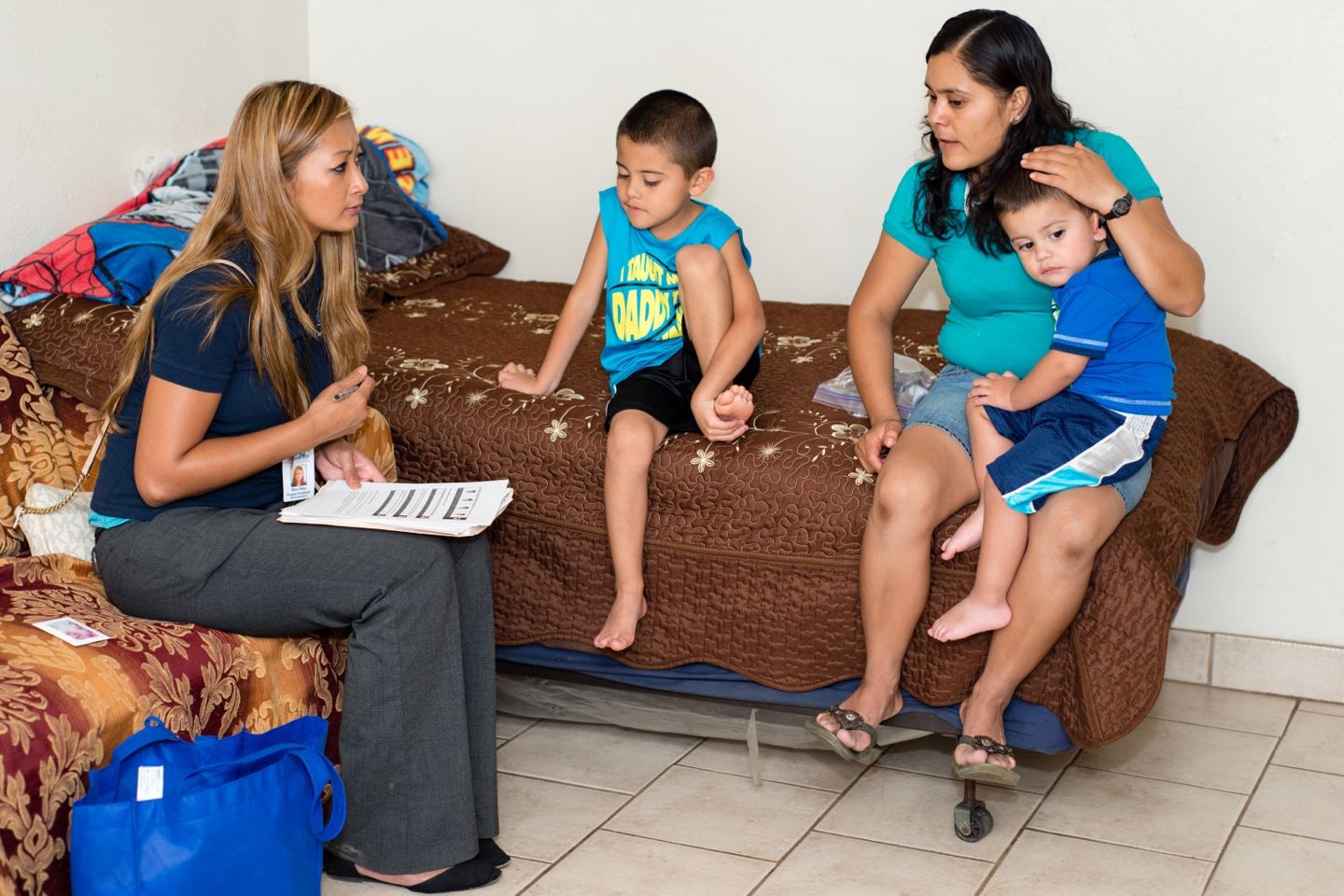
"caption": "Maura Vasquez tells health educator Nunu Sixay during a home visit on Tuesday, September 9, 2014, that her son, Jovani Garcia-Vasquez, 6, has not visited the emergency room since learning that administering his medication more regularly could help alleviate his asthma symptoms (Heidi de Marco/KHN).",
"description": "Maura Vasquez tells health educator Nunu Sixay during a home visit on Tuesday, September 9, 2014, that her son, Jovani Garcia-Vasquez, 6, has not visited the emergency room since learning that administering his medication more regularly could help alleviate his asthma symptoms (Photo by Heidi de Marco/KHN).",
"title": "asthma-12A",
"credit": null,
"status": "inherit",
"isLoading": false,
"fetchFailed": false
},
"stateofhealth_22211": {
"type": "attachments",
"id": "stateofhealth_22211",
"meta": {
"index": "attachments_1716263798",
"site": "stateofhealth",
"id": "22211",
"found": true
},
"parent": 22206,
"imgSizes": {
"twentyfourteen-full-width": {
"file": "https://ww2.kqed.org/app/uploads/sites/27/2014/10/23702800_3537341e4e_o-e1414195722204-1038x576.jpg",
"width": 1038,
"mimeType": "image/jpeg",
"height": 576
},
"thumbnail": {
"file": "https://ww2.kqed.org/app/uploads/sites/27/2014/10/23702800_3537341e4e_o-e1414195722204-400x204.jpg",
"width": 400,
"mimeType": "image/jpeg",
"height": 204
},
"fd-sm": {
"file": "https://ww2.kqed.org/app/uploads/sites/27/2014/10/23702800_3537341e4e_o-e1414195722204-320x163.jpg",
"width": 320,
"mimeType": "image/jpeg",
"height": 163
},
"post-thumbnail": {
"file": "https://ww2.kqed.org/app/uploads/sites/27/2014/10/23702800_3537341e4e_o-e1414195722204-672x372.jpg",
"width": 672,
"mimeType": "image/jpeg",
"height": 372
},
"kqedFullSize": {
"file": "https://ww2.kqed.org/app/uploads/sites/27/2014/10/23702800_3537341e4e_o-e1414195722204.jpg",
"width": 1440,
"height": 735
},
"large": {
"file": "https://ww2.kqed.org/app/uploads/sites/27/2014/10/23702800_3537341e4e_o-e1414195722204-1440x735.jpg",
"width": 1440,
"mimeType": "image/jpeg",
"height": 735
},
"guest-author-96": {
"file": "https://ww2.kqed.org/app/uploads/sites/27/2014/10/23702800_3537341e4e_o-e1414195722204-96x96.jpg",
"width": 96,
"mimeType": "image/jpeg",
"height": 96
},
"medium": {
"file": "https://ww2.kqed.org/app/uploads/sites/27/2014/10/23702800_3537341e4e_o-e1414195722204-800x408.jpg",
"width": 800,
"mimeType": "image/jpeg",
"height": 408
},
"guest-author-64": {
"file": "https://ww2.kqed.org/app/uploads/sites/27/2014/10/23702800_3537341e4e_o-e1414195722204-64x64.jpg",
"width": 64,
"mimeType": "image/jpeg",
"height": 64
},
"guest-author-32": {
"file": "https://ww2.kqed.org/app/uploads/sites/27/2014/10/23702800_3537341e4e_o-e1414195722204-32x32.jpg",
"width": 32,
"mimeType": "image/jpeg",
"height": 32
},
"fd-lrg": {
"file": "https://ww2.kqed.org/app/uploads/sites/27/2014/10/23702800_3537341e4e_o-e1414195722204-1180x602.jpg",
"width": 1180,
"mimeType": "image/jpeg",
"height": 602
},
"fd-med": {
"file": "https://ww2.kqed.org/app/uploads/sites/27/2014/10/23702800_3537341e4e_o-e1414195722204-768x392.jpg",
"width": 768,
"mimeType": "image/jpeg",
"height": 392
},
"detail": {
"file": "https://ww2.kqed.org/app/uploads/sites/27/2014/10/23702800_3537341e4e_o-e1414195722204-75x75.jpg",
"width": 75,
"mimeType": "image/jpeg",
"height": 75
},
"guest-author-128": {
"file": "https://ww2.kqed.org/app/uploads/sites/27/2014/10/23702800_3537341e4e_o-e1414195722204-128x128.jpg",
"width": 128,
"mimeType": "image/jpeg",
"height": 128
}
},
"publishDate": 1414195710,
"modified": 1414195710,
"caption": "UCSF is one of the five centers designated. (Niall Kennedy/Flickr)",
"description": null,
"title": "23702800_3537341e4e_o",
"credit": null,
"status": "inherit",
"isLoading": false,
"fetchFailed": false
},
"stateofhealth_18497": {
"type": "attachments",
"id": "stateofhealth_18497",
"meta": {
"index": "attachments_1716263798",
"site": "stateofhealth",
"id": "18497",
"found": true
},
"parent": 18496,
"imgSizes": {
"thumbnail": {
"file": "https://ww2.kqed.org/app/uploads/sites/27/2014/04/154216755_2-e1396421050813-400x266.jpg",
"width": 400,
"mimeType": "image/jpeg",
"height": 266
},
"fd-sm": {
"file": "https://ww2.kqed.org/app/uploads/sites/27/2014/04/154216755_2-e1396421050813-320x213.jpg",
"width": 320,
"mimeType": "image/jpeg",
"height": 213
},
"post-thumbnail": {
"file": "https://ww2.kqed.org/app/uploads/sites/27/2014/04/154216755_2-e1396421050813-640x372.jpg",
"width": 640,
"mimeType": "image/jpeg",
"height": 372
},
"kqedFullSize": {
"file": "https://ww2.kqed.org/app/uploads/sites/27/2014/04/154216755_2-e1396421050813.jpg",
"width": 640,
"height": 425
},
"guest-author-96": {
"file": "https://ww2.kqed.org/app/uploads/sites/27/2014/04/154216755_2-e1396421050813-96x96.jpg",
"width": 96,
"mimeType": "image/jpeg",
"height": 96
},
"guest-author-64": {
"file": "https://ww2.kqed.org/app/uploads/sites/27/2014/04/154216755_2-e1396421050813-64x64.jpg",
"width": 64,
"mimeType": "image/jpeg",
"height": 64
},
"detail": {
"file": "https://ww2.kqed.org/app/uploads/sites/27/2014/04/154216755_2-e1396421050813-75x75.jpg",
"width": 75,
"mimeType": "image/jpeg",
"height": 75
},
"guest-author-32": {
"file": "https://ww2.kqed.org/app/uploads/sites/27/2014/04/154216755_2-e1396421050813-32x32.jpg",
"width": 32,
"mimeType": "image/jpeg",
"height": 32
},
"guest-author-128": {
"file": "https://ww2.kqed.org/app/uploads/sites/27/2014/04/154216755_2-e1396421050813-128x128.jpg",
"width": 128,
"mimeType": "image/jpeg",
"height": 128
}
},
"publishDate": 1396421034,
"modified": 1396421034,
"caption": "(Getty Images)",
"description": "mammogram, mammography",
"title": "154216755_2",
"credit": null,
"status": "inherit",
"isLoading": false,
"fetchFailed": false
},
"stateofhealth_20235": {
"type": "attachments",
"id": "stateofhealth_20235",
"meta": {
"index": "attachments_1716263798",
"site": "stateofhealth",
"id": "20235",
"found": true
},
"parent": 20222,
"imgSizes": {
"twentyfourteen-full-width": {
"file": "https://ww2.kqed.org/app/uploads/sites/27/2014/07/photo-3-e1414092083605-1038x576.jpg",
"width": 1038,
"mimeType": "image/jpeg",
"height": 576
},
"thumbnail": {
"file": "https://ww2.kqed.org/app/uploads/sites/27/2014/07/photo-3-e1414092083605-400x300.jpg",
"width": 400,
"mimeType": "image/jpeg",
"height": 300
},
"fd-sm": {
"file": "https://ww2.kqed.org/app/uploads/sites/27/2014/07/photo-3-e1414092083605-320x240.jpg",
"width": 320,
"mimeType": "image/jpeg",
"height": 240
},
"post-thumbnail": {
"file": "https://ww2.kqed.org/app/uploads/sites/27/2014/07/photo-3-e1414092083605-672x372.jpg",
"width": 672,
"mimeType": "image/jpeg",
"height": 372
},
"kqedFullSize": {
"file": "https://ww2.kqed.org/app/uploads/sites/27/2014/07/photo-3-e1414092083605.jpg",
"width": 1440,
"height": 1080
},
"large": {
"file": "https://ww2.kqed.org/app/uploads/sites/27/2014/07/photo-3-e1414092083605-1440x1080.jpg",
"width": 1440,
"mimeType": "image/jpeg",
"height": 1080
},
"guest-author-96": {
"file": "https://ww2.kqed.org/app/uploads/sites/27/2014/07/photo-3-e1414092083605-96x96.jpg",
"width": 96,
"mimeType": "image/jpeg",
"height": 96
},
"medium": {
"file": "https://ww2.kqed.org/app/uploads/sites/27/2014/07/photo-3-e1414092083605-800x600.jpg",
"width": 800,
"mimeType": "image/jpeg",
"height": 600
},
"guest-author-64": {
"file": "https://ww2.kqed.org/app/uploads/sites/27/2014/07/photo-3-e1414092083605-64x64.jpg",
"width": 64,
"mimeType": "image/jpeg",
"height": 64
},
"guest-author-32": {
"file": "https://ww2.kqed.org/app/uploads/sites/27/2014/07/photo-3-e1414092083605-32x32.jpg",
"width": 32,
"mimeType": "image/jpeg",
"height": 32
},
"fd-lrg": {
"file": "https://ww2.kqed.org/app/uploads/sites/27/2014/07/photo-3-e1414092083605-1180x885.jpg",
"width": 1180,
"mimeType": "image/jpeg",
"height": 885
},
"fd-med": {
"file": "https://ww2.kqed.org/app/uploads/sites/27/2014/07/photo-3-e1414092083605-768x576.jpg",
"width": 768,
"mimeType": "image/jpeg",
"height": 576
},
"detail": {
"file": "https://ww2.kqed.org/app/uploads/sites/27/2014/07/photo-3-e1414092083605-75x75.jpg",
"width": 75,
"mimeType": "image/jpeg",
"height": 75
},
"guest-author-128": {
"file": "https://ww2.kqed.org/app/uploads/sites/27/2014/07/photo-3-e1414092083605-128x128.jpg",
"width": 128,
"mimeType": "image/jpeg",
"height": 128
}
},
"publishDate": 1405573057,
"modified": 1461933055,
"caption": "Kaiser's medical center in Oakland opened in 2014, built to meet state seismic standards. It's Just one of many new hospitals statewide that meets state requirements.",
"description": "Kaiser Permanente, Oakland",
"title": "photo 3",
"credit": "Lisa Aliferis/KQED",
"status": "inherit",
"isLoading": false,
"fetchFailed": false
},
"stateofhealth_22179": {
"type": "attachments",
"id": "stateofhealth_22179",
"meta": {
"index": "attachments_1716263798",
"site": "stateofhealth",
"id": "22179",
"found": true
},
"parent": 22171,
"imgSizes": {
"twentyfourteen-full-width": {
"file": "https://ww2.kqed.org/app/uploads/sites/27/2014/10/457205828-e1413999611876-1038x576.jpg",
"width": 1038,
"mimeType": "image/jpeg",
"height": 576
},
"thumbnail": {
"file": "https://ww2.kqed.org/app/uploads/sites/27/2014/10/457205828-e1413999611876-400x230.jpg",
"width": 400,
"mimeType": "image/jpeg",
"height": 230
},
"fd-sm": {
"file": "https://ww2.kqed.org/app/uploads/sites/27/2014/10/457205828-e1413999611876-320x184.jpg",
"width": 320,
"mimeType": "image/jpeg",
"height": 184
},
"post-thumbnail": {
"file": "https://ww2.kqed.org/app/uploads/sites/27/2014/10/457205828-e1413999611876-672x372.jpg",
"width": 672,
"mimeType": "image/jpeg",
"height": 372
},
"kqedFullSize": {
"file": "https://ww2.kqed.org/app/uploads/sites/27/2014/10/457205828-e1413999611876.jpg",
"width": 1441,
"height": 827
},
"large": {
"file": "https://ww2.kqed.org/app/uploads/sites/27/2014/10/457205828-e1413999611876-1440x826.jpg",
"width": 1440,
"mimeType": "image/jpeg",
"height": 826
},
"guest-author-96": {
"file": "https://ww2.kqed.org/app/uploads/sites/27/2014/10/457205828-e1413999611876-96x96.jpg",
"width": 96,
"mimeType": "image/jpeg",
"height": 96
},
"medium": {
"file": "https://ww2.kqed.org/app/uploads/sites/27/2014/10/457205828-e1413999611876-800x459.jpg",
"width": 800,
"mimeType": "image/jpeg",
"height": 459
},
"guest-author-64": {
"file": "https://ww2.kqed.org/app/uploads/sites/27/2014/10/457205828-e1413999611876-64x64.jpg",
"width": 64,
"mimeType": "image/jpeg",
"height": 64
},
"guest-author-32": {
"file": "https://ww2.kqed.org/app/uploads/sites/27/2014/10/457205828-e1413999611876-32x32.jpg",
"width": 32,
"mimeType": "image/jpeg",
"height": 32
},
"fd-lrg": {
"file": "https://ww2.kqed.org/app/uploads/sites/27/2014/10/457205828-e1413999611876-1180x677.jpg",
"width": 1180,
"mimeType": "image/jpeg",
"height": 677
},
"fd-med": {
"file": "https://ww2.kqed.org/app/uploads/sites/27/2014/10/457205828-e1413999611876-768x441.jpg",
"width": 768,
"mimeType": "image/jpeg",
"height": 441
},
"detail": {
"file": "https://ww2.kqed.org/app/uploads/sites/27/2014/10/457205828-e1413999611876-75x75.jpg",
"width": 75,
"mimeType": "image/jpeg",
"height": 75
},
"guest-author-128": {
"file": "https://ww2.kqed.org/app/uploads/sites/27/2014/10/457205828-e1413999611876-128x128.jpg",
"width": 128,
"mimeType": "image/jpeg",
"height": 128
}
},
"publishDate": 1413999601,
"modified": 1413999601,
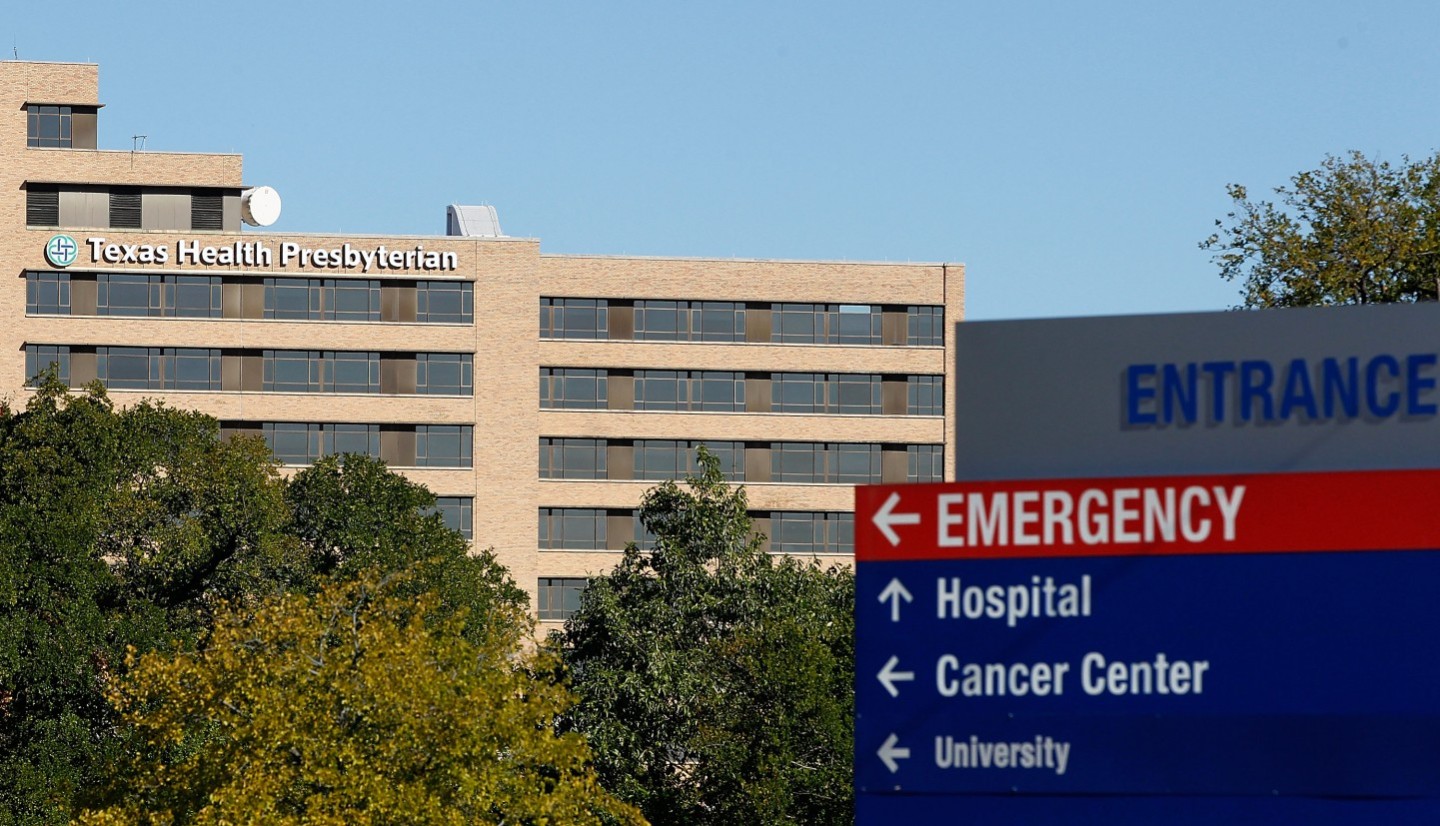
"caption": "Two nurses at Texas Health Presbyterian Hospital in Dallas contracted Ebola from a patient they were treating, but 44 of 48 others who came in contact with the patient, including his fiancee, have completed their quarantine period and are cleared of the disease. The remaining four should complete their quarantine soon. (Mike Stone/Getty Images)",
"description": " Two nurses at Texas Health Presbyterian Hospital in Dallas contracted Ebola from a patient they were treating, but 44 of 48 others who came in contact with the patient, including his fiancee, have completed their quarantine period and are cleared of the disease. The remaining four should complete their quarantine soon. (Mike Stone/Getty Images)",
"title": "Health Care Worker In Dallas Tests Positive For Ebola Virus",
"credit": null,
"status": "inherit",
"isLoading": false,
"fetchFailed": false
},
"stateofhealth_22150": {
"type": "attachments",
"id": "stateofhealth_22150",
"meta": {
"index": "attachments_1716263798",
"site": "stateofhealth",
"id": "22150",
"found": true
},
"parent": 22145,
"imgSizes": {
"thumbnail": {
"file": "https://ww2.kqed.org/app/uploads/sites/27/2014/10/2042946052_a22ba72884_o1-e1413922432183-400x267.jpg",
"width": 400,
"mimeType": "image/jpeg",
"height": 267
},
"fd-sm": {
"file": "https://ww2.kqed.org/app/uploads/sites/27/2014/10/2042946052_a22ba72884_o1-e1413922432183-320x213.jpg",
"width": 320,
"mimeType": "image/jpeg",
"height": 213
},
"post-thumbnail": {
"file": "https://ww2.kqed.org/app/uploads/sites/27/2014/10/2042946052_a22ba72884_o1-e1413922432183-639x372.jpg",
"width": 639,
"mimeType": "image/jpeg",
"height": 372
},
"kqedFullSize": {
"file": "https://ww2.kqed.org/app/uploads/sites/27/2014/10/2042946052_a22ba72884_o1-e1413922432183.jpg",
"width": 639,
"height": 426
},
"guest-author-96": {
"file": "https://ww2.kqed.org/app/uploads/sites/27/2014/10/2042946052_a22ba72884_o1-e1413922432183-96x96.jpg",
"width": 96,
"mimeType": "image/jpeg",
"height": 96
},
"guest-author-64": {
"file": "https://ww2.kqed.org/app/uploads/sites/27/2014/10/2042946052_a22ba72884_o1-e1413922432183-64x64.jpg",
"width": 64,
"mimeType": "image/jpeg",
"height": 64
},
"detail": {
"file": "https://ww2.kqed.org/app/uploads/sites/27/2014/10/2042946052_a22ba72884_o1-e1413922432183-75x75.jpg",
"width": 75,
"mimeType": "image/jpeg",
"height": 75
},
"guest-author-32": {
"file": "https://ww2.kqed.org/app/uploads/sites/27/2014/10/2042946052_a22ba72884_o1-e1413922432183-32x32.jpg",
"width": 32,
"mimeType": "image/jpeg",
"height": 32
},
"guest-author-128": {
"file": "https://ww2.kqed.org/app/uploads/sites/27/2014/10/2042946052_a22ba72884_o1-e1413922432183-128x128.jpg",
"width": 128,
"mimeType": "image/jpeg",
"height": 128
}
},
"publishDate": 1413922424,
"modified": 1452883774,
"caption": "(Seema Krishnakumar/Flickr)",
"description": "children playing",
"title": "2042946052_a22ba72884_o",
"credit": "Seema Krishnakumar via Flickr",
"status": "inherit",
"isLoading": false,
"fetchFailed": false
},
"stateofhealth_22123": {
"type": "attachments",
"id": "stateofhealth_22123",
"meta": {
"index": "attachments_1716263798",
"site": "stateofhealth",
"id": "22123",
"found": true
},
"parent": 22116,
"imgSizes": {
"thumbnail": {
"file": "https://ww2.kqed.org/app/uploads/sites/27/2014/10/Screen-Shot-2014-10-20-at-10.36.01-AM-e1413826601647-400x261.png",
"width": 400,
"mimeType": "image/png",
"height": 261
},
"fd-sm": {
"file": "https://ww2.kqed.org/app/uploads/sites/27/2014/10/Screen-Shot-2014-10-20-at-10.36.01-AM-e1413826601647-320x209.png",
"width": 320,
"mimeType": "image/png",
"height": 209
},
"post-thumbnail": {
"file": "https://ww2.kqed.org/app/uploads/sites/27/2014/10/Screen-Shot-2014-10-20-at-10.36.01-AM-e1413826601647-640x372.png",
"width": 640,
"mimeType": "image/png",
"height": 372
},
"kqedFullSize": {
"file": "https://ww2.kqed.org/app/uploads/sites/27/2014/10/Screen-Shot-2014-10-20-at-10.36.01-AM-e1413826601647.png",
"width": 640,
"height": 418
},
"guest-author-96": {
"file": "https://ww2.kqed.org/app/uploads/sites/27/2014/10/Screen-Shot-2014-10-20-at-10.36.01-AM-e1413826601647-96x96.png",
"width": 96,
"mimeType": "image/png",
"height": 96
},
"guest-author-64": {
"file": "https://ww2.kqed.org/app/uploads/sites/27/2014/10/Screen-Shot-2014-10-20-at-10.36.01-AM-e1413826601647-64x64.png",
"width": 64,
"mimeType": "image/png",
"height": 64
},
"detail": {
"file": "https://ww2.kqed.org/app/uploads/sites/27/2014/10/Screen-Shot-2014-10-20-at-10.36.01-AM-e1413826601647-75x75.png",
"width": 75,
"mimeType": "image/png",
"height": 75
},
"guest-author-32": {
"file": "https://ww2.kqed.org/app/uploads/sites/27/2014/10/Screen-Shot-2014-10-20-at-10.36.01-AM-e1413826601647-32x32.png",
"width": 32,
"mimeType": "image/png",
"height": 32
},
"guest-author-128": {
"file": "https://ww2.kqed.org/app/uploads/sites/27/2014/10/Screen-Shot-2014-10-20-at-10.36.01-AM-e1413826601647-128x128.png",
"width": 128,
"mimeType": "image/png",
"height": 128
}
},
"publishDate": 1413826589,
"modified": 1413826589,
"caption": "Mario Savio stands on top of police car in front of Sproul Hall on Oct 1. 1964. (Courtesy of UC Berkeley, The Bancroft Library).",
"description": "Mario Savio stands on top of police car in front of Sproul Hall on Oct 1. 1964. (Courtesy of UC Berkeley, The Bancroft Library).",
"title": "Screen Shot 2014-10-20 at 10.36.01 AM",
"credit": null,
"status": "inherit",
"isLoading": false,
"fetchFailed": false
},
"stateofhealth_22102": {
"type": "attachments",
"id": "stateofhealth_22102",
"meta": {
"index": "attachments_1716263798",
"site": "stateofhealth",
"id": "22102",
"found": true
},
"parent": 22097,
"imgSizes": {
"twentyfourteen-full-width": {
"file": "https://ww2.kqed.org/app/uploads/sites/27/2014/10/457255186-e1413484505507-1038x576.jpg",
"width": 1038,
"mimeType": "image/jpeg",
"height": 576
},
"thumbnail": {
"file": "https://ww2.kqed.org/app/uploads/sites/27/2014/10/457255186-e1413484505507-400x321.jpg",
"width": 400,
"mimeType": "image/jpeg",
"height": 321
},
"fd-sm": {
"file": "https://ww2.kqed.org/app/uploads/sites/27/2014/10/457255186-e1413484505507-320x257.jpg",
"width": 320,
"mimeType": "image/jpeg",
"height": 257
},
"post-thumbnail": {
"file": "https://ww2.kqed.org/app/uploads/sites/27/2014/10/457255186-e1413484505507-672x372.jpg",
"width": 672,
"mimeType": "image/jpeg",
"height": 372
},
"kqedFullSize": {
"file": "https://ww2.kqed.org/app/uploads/sites/27/2014/10/457255186-e1413484505507.jpg",
"width": 1440,
"height": 1156
},
"large": {
"file": "https://ww2.kqed.org/app/uploads/sites/27/2014/10/457255186-e1413484505507-1440x1156.jpg",
"width": 1440,
"mimeType": "image/jpeg",
"height": 1156
},
"guest-author-96": {
"file": "https://ww2.kqed.org/app/uploads/sites/27/2014/10/457255186-e1413484505507-96x96.jpg",
"width": 96,
"mimeType": "image/jpeg",
"height": 96
},
"medium": {
"file": "https://ww2.kqed.org/app/uploads/sites/27/2014/10/457255186-e1413484505507-800x642.jpg",
"width": 800,
"mimeType": "image/jpeg",
"height": 642
},
"guest-author-64": {
"file": "https://ww2.kqed.org/app/uploads/sites/27/2014/10/457255186-e1413484505507-64x64.jpg",
"width": 64,
"mimeType": "image/jpeg",
"height": 64
},
"guest-author-32": {
"file": "https://ww2.kqed.org/app/uploads/sites/27/2014/10/457255186-e1413484505507-32x32.jpg",
"width": 32,
"mimeType": "image/jpeg",
"height": 32
},
"fd-lrg": {
"file": "https://ww2.kqed.org/app/uploads/sites/27/2014/10/457255186-e1413484505507-1180x947.jpg",
"width": 1180,
"mimeType": "image/jpeg",
"height": 947
},
"fd-med": {
"file": "https://ww2.kqed.org/app/uploads/sites/27/2014/10/457255186-e1413484505507-768x617.jpg",
"width": 768,
"mimeType": "image/jpeg",
"height": 617
},
"detail": {
"file": "https://ww2.kqed.org/app/uploads/sites/27/2014/10/457255186-e1413484505507-75x75.jpg",
"width": 75,
"mimeType": "image/jpeg",
"height": 75
},
"guest-author-128": {
"file": "https://ww2.kqed.org/app/uploads/sites/27/2014/10/457255186-e1413484505507-128x128.jpg",
"width": 128,
"mimeType": "image/jpeg",
"height": 128
}
},
"publishDate": 1413484428,
"modified": 1413484428,
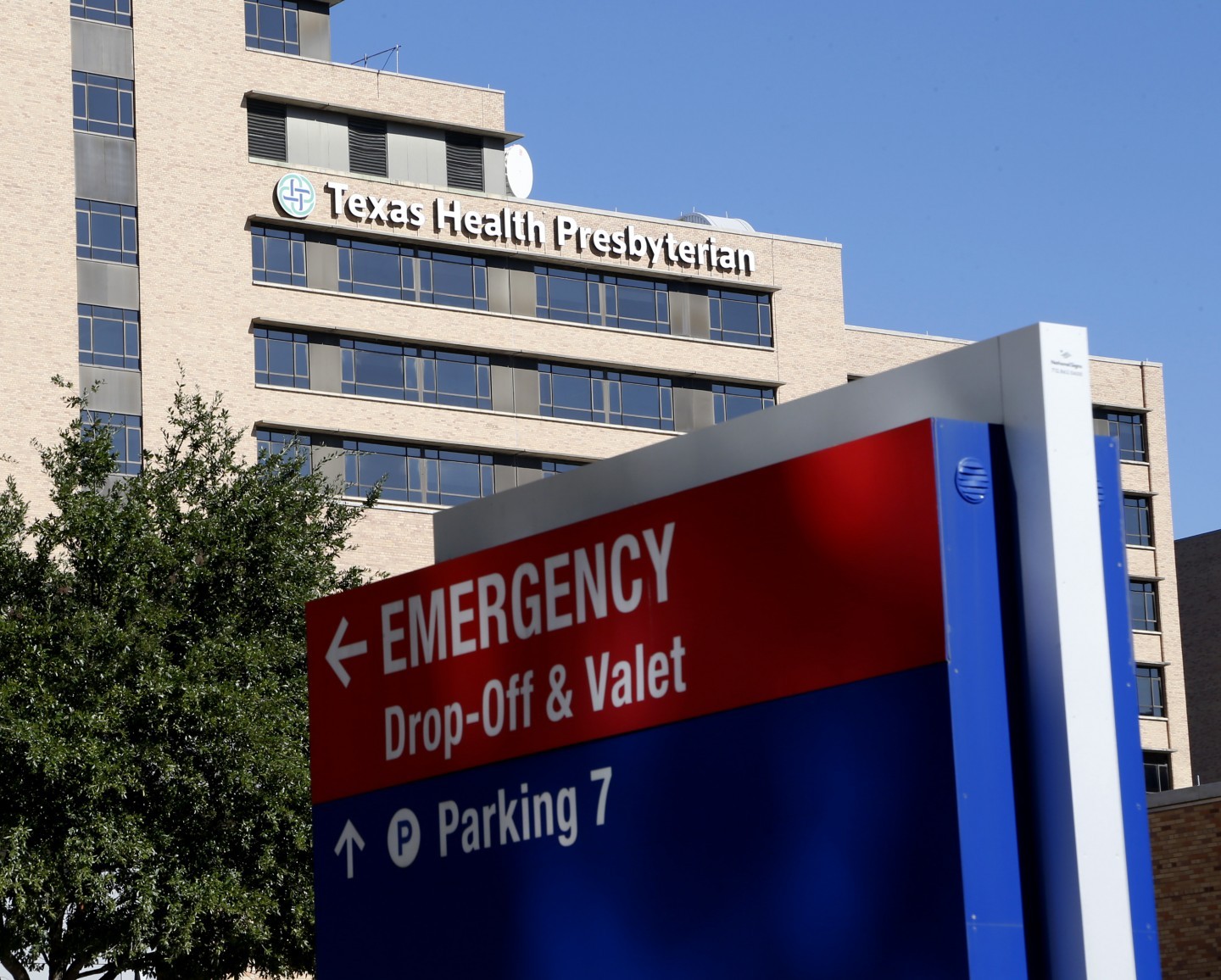
"caption": "Texas Health Presbyterian Hospital in Dallas where two health care workers. Two nurses there have tested positive for Ebola. (Stewart F. House/Getty Images)",
"description": "DALLAS, TX - OCTOBER 15: The hospital sign near the emergency room entrance off of Jackson Street at Texas Health Presbyterian Hospital. (Photo by Stewart F. House/Getty Images)",
"title": "Second Texas Healthcare Worker Tests Positive For Ebola",
"credit": null,
"status": "inherit",
"isLoading": false,
"fetchFailed": false
},
"stateofhealth_22142": {
"type": "attachments",
"id": "stateofhealth_22142",
"meta": {
"index": "attachments_1716263798",
"site": "stateofhealth",
"id": "22142",
"found": true
},
"parent": 22138,
"imgSizes": {
"fd-sm": {
"file": "https://ww2.kqed.org/app/uploads/sites/27/2014/10/Screen-Shot-2014-10-20-at-4.48.45-PM-320x330.png",
"width": 320,
"mimeType": "image/png",
"height": 330
},
"kqedFullSize": {
"file": "https://ww2.kqed.org/app/uploads/sites/27/2014/10/Screen-Shot-2014-10-20-at-4.48.45-PM.png",
"width": 357,
"height": 368
},
"guest-author-96": {
"file": "https://ww2.kqed.org/app/uploads/sites/27/2014/10/Screen-Shot-2014-10-20-at-4.48.45-PM-96x96.png",
"width": 96,
"mimeType": "image/png",
"height": 96
},
"guest-author-64": {
"file": "https://ww2.kqed.org/app/uploads/sites/27/2014/10/Screen-Shot-2014-10-20-at-4.48.45-PM-64x64.png",
"width": 64,
"mimeType": "image/png",
"height": 64
},
"detail": {
"file": "https://ww2.kqed.org/app/uploads/sites/27/2014/10/Screen-Shot-2014-10-20-at-4.48.45-PM-75x75.png",
"width": 75,
"mimeType": "image/png",
"height": 75
},
"guest-author-32": {
"file": "https://ww2.kqed.org/app/uploads/sites/27/2014/10/Screen-Shot-2014-10-20-at-4.48.45-PM-32x32.png",
"width": 32,
"mimeType": "image/png",
"height": 32
},
"guest-author-128": {
"file": "https://ww2.kqed.org/app/uploads/sites/27/2014/10/Screen-Shot-2014-10-20-at-4.48.45-PM-128x128.png",
"width": 128,
"mimeType": "image/png",
"height": 128
}
},
"publishDate": 1413848953,
"modified": 1413848953,
"caption": "Adam Cole/NPR",
"description": null,
"title": "Screen Shot 2014-10-20 at 4.48.45 PM",
"credit": null,
"status": "inherit",
"isLoading": false,
"fetchFailed": false
},
"stateofhealth_6652": {
"type": "attachments",
"id": "stateofhealth_6652",
"meta": {
"index": "attachments_1716263798",
"site": "stateofhealth",
"id": "6652",
"found": true
},
"parent": 6647,
"imgSizes": {
"thumbnail": {
"file": "https://ww2.kqed.org/app/uploads/sites/27/2012/06/OldPersonCaneGeneric-e1402507272914-400x267.jpg",
"width": 400,
"mimeType": "image/jpeg",
"height": 267
},
"fd-sm": {
"file": "https://ww2.kqed.org/app/uploads/sites/27/2012/06/OldPersonCaneGeneric-e1402507272914-320x213.jpg",
"width": 320,
"mimeType": "image/jpeg",
"height": 213
},
"post-thumbnail": {
"file": "https://ww2.kqed.org/app/uploads/sites/27/2012/06/OldPersonCaneGeneric-e1402507272914-639x372.jpg",
"width": 639,
"mimeType": "image/jpeg",
"height": 372
},
"kqedFullSize": {
"file": "https://ww2.kqed.org/app/uploads/sites/27/2012/06/OldPersonCaneGeneric-e1402507272914.jpg",
"width": 639,
"height": 426
},
"guest-author-96": {
"file": "https://ww2.kqed.org/app/uploads/sites/27/2012/06/OldPersonCaneGeneric-e1402507272914-96x96.jpg",
"width": 96,
"mimeType": "image/jpeg",
"height": 96
},
"guest-author-64": {
"file": "https://ww2.kqed.org/app/uploads/sites/27/2012/06/OldPersonCaneGeneric-e1402507272914-64x64.jpg",
"width": 64,
"mimeType": "image/jpeg",
"height": 64
},
"detail": {
"file": "https://ww2.kqed.org/app/uploads/sites/27/2012/06/OldPersonCaneGeneric-e1402507272914-75x75.jpg",
"width": 75,
"mimeType": "image/jpeg",
"height": 75
},
"guest-author-32": {
"file": "https://ww2.kqed.org/app/uploads/sites/27/2012/06/OldPersonCaneGeneric-e1402507272914-32x32.jpg",
"width": 32,
"mimeType": "image/jpeg",
"height": 32
},
"guest-author-128": {
"file": "https://ww2.kqed.org/app/uploads/sites/27/2012/06/OldPersonCaneGeneric-e1402507272914-128x128.jpg",
"width": 128,
"mimeType": "image/jpeg",
"height": 128
}
},
"publishDate": 1340310643,
"modified": 1340310643,
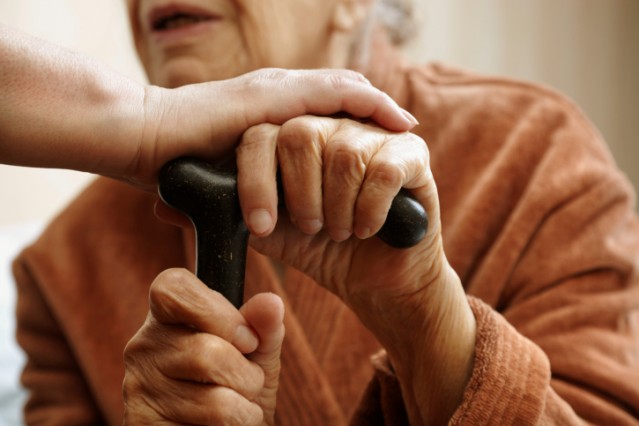
"caption": "A new poll shows nearly one in five Hispanics has not discussed the kind of care they want as they get older. (Photo: Getty Images)",
"description": "elderly, hands",
"title": "There is a 45% increased risk of death in people who are lonely compared to not lonely, according to a UCSF study.",
"credit": null,
"status": "inherit",
"isLoading": false,
"fetchFailed": false
},
"stateofhealth_21870": {
"type": "attachments",
"id": "stateofhealth_21870",
"meta": {
"index": "attachments_1716263798",
"site": "stateofhealth",
"id": "21870",
"found": true
},
"parent": 21184,
"imgSizes": {
"thumbnail": {
"file": "https://ww2.kqed.org/app/uploads/sites/27/2014/10/Screen-Shot-2014-10-01-at-10.43.55-AM-e1412185488191-400x215.png",
"width": 400,
"mimeType": "image/png",
"height": 215
},
"fd-sm": {
"file": "https://ww2.kqed.org/app/uploads/sites/27/2014/10/Screen-Shot-2014-10-01-at-10.43.55-AM-e1412185488191-320x172.png",
"width": 320,
"mimeType": "image/png",
"height": 172
},
"kqedFullSize": {
"file": "https://ww2.kqed.org/app/uploads/sites/27/2014/10/Screen-Shot-2014-10-01-at-10.43.55-AM-e1412185488191.png",
"width": 640,
"height": 344
},
"guest-author-96": {
"file": "https://ww2.kqed.org/app/uploads/sites/27/2014/10/Screen-Shot-2014-10-01-at-10.43.55-AM-e1412185488191-96x96.png",
"width": 96,
"mimeType": "image/png",
"height": 96
},
"guest-author-64": {
"file": "https://ww2.kqed.org/app/uploads/sites/27/2014/10/Screen-Shot-2014-10-01-at-10.43.55-AM-e1412185488191-64x64.png",
"width": 64,
"mimeType": "image/png",
"height": 64
},
"detail": {
"file": "https://ww2.kqed.org/app/uploads/sites/27/2014/10/Screen-Shot-2014-10-01-at-10.43.55-AM-e1412185488191-75x75.png",
"width": 75,
"mimeType": "image/png",
"height": 75
},
"guest-author-32": {
"file": "https://ww2.kqed.org/app/uploads/sites/27/2014/10/Screen-Shot-2014-10-01-at-10.43.55-AM-e1412185488191-32x32.png",
"width": 32,
"mimeType": "image/png",
"height": 32
},
"guest-author-128": {
"file": "https://ww2.kqed.org/app/uploads/sites/27/2014/10/Screen-Shot-2014-10-01-at-10.43.55-AM-e1412185488191-128x128.png",
"width": 128,
"mimeType": "image/png",
"height": 128
}
},
"publishDate": 1412185480,
"modified": 1412185480,
"caption": "(Lynne Shallcross)",
"description": "Line Dancing, Exercise, Soul Line",
"title": "Screen Shot 2014-10-01 at 10.43.55 AM",
"credit": null,
"status": "inherit",
"isLoading": false,
"fetchFailed": false
}
},
"audioPlayerReducer": {
"postId": "stream_live",
"isPaused": true,
"isPlaying": false,
"pfsActive": false,
"pledgeModalIsOpen": true,
"playerDrawerIsOpen": false,
"liveAudioPlayStartedAt": 0,
"liveAudioPlayContext": ""
},
"authorsReducer": {
"lisaaliferis": {
"type": "authors",
"id": "240",
"meta": {
"index": "authors_1716337520",
"id": "240",
"found": true
},
"name": "Lisa Aliferis",
"firstName": "Lisa",
"lastName": "Aliferis",
"slug": "lisaaliferis",
"email": "laliferis@kqed.org",
"display_author_email": false,
"staff_mastheads": [],
"title": "KQED Contributor",
"bio": "Lisa Aliferis is the founding editor of KQED's \u003cem>State of Health\u003c/em> blog. Since 2011, she's been writing and editing stories for the site. Before taking up blogging, she toiled for many years (more than we can count) producing health stories for television, including\u003cem> Dateline NBC\u003c/em> and San Francisco's CBS affiliate, KPIX-TV. She also wrote up a \u003ca title=\"http://www.kqed.org/news/health/obamacare/obamacare-guide.jsp\" href=\"http://www.kqed.org/news/health/obamacare/obamacare-guide.jsp\">handy guide to the Affordable Care Act\u003c/a>, especially for Californians. Her work has been honored for many awards. Most recently she was a finalist for \"Best Topical Reporting\" from the Online News Association. You can follow her on Twitter: \u003ca title=\"https://twitter.com/laliferis\" href=\"https://twitter.com/laliferis\">@laliferis\u003c/a>",
"avatar": "https://secure.gravatar.com/avatar/86c339d5cdcb0dcd2b6cf5d7c3f5886b?s=600&d=mm&r=g",
"twitter": "laliferis",
"facebook": null,
"instagram": null,
"linkedin": null,
"sites": [
{
"site": "news",
"roles": [
"subscriber"
]
},
{
"site": "futureofyou",
"roles": [
"subscriber"
]
},
{
"site": "stateofhealth",
"roles": [
"subscriber"
]
},
{
"site": "science",
"roles": [
"subscriber"
]
},
{
"site": "food",
"roles": []
}
],
"headData": {
"title": "Lisa Aliferis | KQED",
"description": "KQED Contributor",
"ogImgSrc": "https://secure.gravatar.com/avatar/86c339d5cdcb0dcd2b6cf5d7c3f5886b?s=600&d=mm&r=g",
"twImgSrc": "https://secure.gravatar.com/avatar/86c339d5cdcb0dcd2b6cf5d7c3f5886b?s=600&d=mm&r=g"
},
"isLoading": false,
"link": "/author/lisaaliferis"
},
"adembosky": {
"type": "authors",
"id": "3205",
"meta": {
"index": "authors_1716337520",
"id": "3205",
"found": true
},
"name": "April Dembosky",
"firstName": "April",
"lastName": "Dembosky",
"slug": "adembosky",
"email": "adembosky@kqed.org",
"display_author_email": false,
"staff_mastheads": [
"news",
"science"
],
"title": "KQED Health Correspondent",
"bio": "April Dembosky is the health correspondent for KQED News and a regular contributor to NPR. She specializes in covering altered states of mind, from postpartum depression to methamphetamine-induced psychosis to the insanity defense. Her investigative series on insurance companies sidestepping mental health laws won multiple awards, including first place in beat reporting from the national Association of Health Care Journalists. She is the recipient of numerous other prizes and fellowships, including a national Edward R. Murrow award for investigative reporting, a Society of Professional Journalists award for long-form storytelling, and a Carter Center Fellowship for Mental Health Journalism.\r\n\r\nDembosky reported and produced \u003cem>Soundtrack of Silence\u003c/em>, an audio documentary about music and memory that is currently being made into a feature film by Paramount Pictures.\r\n\r\nBefore joining KQED in 2013, Dembosky covered technology and Silicon Valley for \u003cem>The Financial Times of London,\u003c/em> and contributed business and arts stories to \u003cem>Marketplace \u003c/em>and \u003cem>The New York Times.\u003c/em> She got her undergraduate degree in philosophy from Smith College and her master's in journalism from the University of California, Berkeley. She is a classically trained violinist and proud alum of the first symphony orchestra at Burning Man.",
"avatar": "https://secure.gravatar.com/avatar/ef92999be4ceb9ea60701e7dc276f813?s=600&d=blank&r=g",
"twitter": "adembosky",
"facebook": null,
"instagram": null,
"linkedin": null,
"sites": [
{
"site": "arts",
"roles": [
"author"
]
},
{
"site": "news",
"roles": [
"editor"
]
},
{
"site": "futureofyou",
"roles": [
"author"
]
},
{
"site": "stateofhealth",
"roles": [
"editor"
]
},
{
"site": "science",
"roles": [
"editor"
]
},
{
"site": "forum",
"roles": [
"editor"
]
}
],
"headData": {
"title": "April Dembosky | KQED",
"description": "KQED Health Correspondent",
"ogImgSrc": "https://secure.gravatar.com/avatar/ef92999be4ceb9ea60701e7dc276f813?s=600&d=blank&r=g",
"twImgSrc": "https://secure.gravatar.com/avatar/ef92999be4ceb9ea60701e7dc276f813?s=600&d=blank&r=g"
},
"isLoading": false,
"link": "/author/adembosky"
},
"state-of-health": {
"type": "authors",
"id": "8344",
"meta": {
"index": "authors_1716337520",
"id": "8344",
"found": true
},
"name": "State of Health",
"firstName": "State of Health",
"lastName": null,
"slug": "state-of-health",
"email": "stateofhealth@kqed.org",
"display_author_email": false,
"staff_mastheads": [],
"title": null,
"bio": null,
"avatar": "https://secure.gravatar.com/avatar/66de4bf6d331fa7402bba1ffe8135e17?s=600&d=blank&r=g",
"twitter": null,
"facebook": null,
"instagram": null,
"linkedin": null,
"sites": [
{
"site": "arts",
"roles": [
"author"
]
},
{
"site": "stateofhealth",
"roles": [
"editor"
]
}
],
"headData": {
"title": "State of Health | KQED",
"description": null,
"ogImgSrc": "https://secure.gravatar.com/avatar/66de4bf6d331fa7402bba1ffe8135e17?s=600&d=blank&r=g",
"twImgSrc": "https://secure.gravatar.com/avatar/66de4bf6d331fa7402bba1ffe8135e17?s=600&d=blank&r=g"
},
"isLoading": false,
"link": "/author/state-of-health"
}
},
"pagesReducer": {
"stateofhealth_category_place-matters": {
"type": "terms",
"id": "stateofhealth_11",
"meta": {
"index": "terms_1716263798",
"site": "stateofhealth",
"id": "11",
"score": 14.406195
},
"featImg": null,
"name": "Community Health",
"description": "\r\n\r\nFrom rural California to urban neighborhoods, where you live affects your health",
"taxonomy": "category",
"headData": {
"twImgId": null,
"twTitle": null,
"ogTitle": null,
"ogImgId": null,
"twDescription": null,
"description": "From rural California to urban neighborhoods, where you live affects your health",
"title": "Community Health Archives | KQED Arts",
"ogDescription": null
},
"ttid": 11,
"slug": "place-matters",
"isLoading": false,
"title": "Community Health",
"pageMeta": {
"site": "stateofhealth",
"WpPageTemplate": "page-topic-editorial",
"currentPage": 33
},
"blocks": [
{
"blockName": "kqed/company-paragraph",
"content": "\r\n\r\nFrom rural California to urban neighborhoods, where you live affects your health"
},
{
"blockName": "kqed/post-list",
"attrs": {
"layout": "cardArticle2",
"query": "posts/stateofhealth?category=place-matters",
"seeMore": false,
"paginated": true,
"page": 33
}
},
{
"blockName": "kqed/ad"
}
]
}
},
"pfsSessionReducer": {},
"postsReducer": {
"stream_live": {
"type": "live",
"id": "stream_live",
"audioUrl": "https://streams.kqed.org/kqedradio",
"title": "Live Stream",
"excerpt": "Live Stream information currently unavailable.",
"link": "/radio",
"featImg": "",
"label": {
"name": "KQED Live",
"link": "/"
}
},
"stream_kqedNewscast": {
"type": "posts",
"id": "stream_kqedNewscast",
"audioUrl": "https://www.kqed.org/.stream/anon/radio/RDnews/newscast.mp3?_=1",
"title": "KQED Newscast",
"featImg": "",
"label": {
"name": "88.5 FM",
"link": "/"
}
},
"stateofhealth_22215": {
"type": "posts",
"id": "stateofhealth_22215",
"meta": {
"index": "posts_1716263798",
"site": "stateofhealth",
"id": "22215",
"score": null,
"sort": [
1414432244000
]
},
"parent": 0,
"labelTerm": {
"site": "stateofhealth"
},
"blocks": [],
"publishDate": 1414432244,
"format": "aside",
"disqusTitle": "Fresno Pilots Asthma Program Aimed at Tapping Investors for Funds",
"title": "Fresno Pilots Asthma Program Aimed at Tapping Investors for Funds",
"headTitle": "State of Health | KQED News",
"content": "\u003cfigure id=\"attachment_22223\" class=\"wp-caption aligncenter\" style=\"max-width: 640px\">\u003ca href=\"http://ww2.kqed.org/stateofhealth/wp-content/uploads/sites/27/2014/10/asthma-12A.jpg\">\u003cimg class=\"size-large wp-image-22223\" title=\"\" src=\"http://ww2.kqed.org/stateofhealth/wp-content/uploads/sites/27/2014/10/asthma-12A-640x426.jpg\" alt=\"Maura Vasquez tells health educator Nunu Sixay during a home visit on Tuesday, September 9, 2014, that her son, Jovani Garcia-Vasquez, 6, has not visited the emergency room since learning that administering his medication more regularly could help alleviate his asthma symptoms (Heidi de Marco/KHN).\" width=\"640\" height=\"426\">\u003c/a>\u003cfigcaption class=\"wp-caption-text\">During a home visit Maura Vasquez (R) tells health educator Nunu Sixay that her son, Jovani, 6, has not been to the E.R. since learning that administering his medication more regularly could help alleviate his asthma. (Heidi de Marco/KHN).\u003c/figcaption>\u003c/figure>\n\u003cp>\u003cstrong>By Anna Gorman\u003c/strong>, \u003ca title=\"http://kaiserhealthnews.org/news/the-latest-in-public-health-funding-tapping-investors/\" href=\"http://kaiserhealthnews.org/news/the-latest-in-public-health-funding-tapping-investors/\" target=\"_blank\">Kaiser Health News\u003c/a>\u003c/p>\n\u003cp>Inside her single-story home in the dry and dusty Central Valley, Dalia Mondragon scarcely sleeps. Several times a night, she tiptoes into her children’s rooms to make sure their chests are peacefully rising and falling.\u003c/p>\n\u003caside class=\"pullquote alignleft\">Under the approach, investors fund a social impact bond; if a social program saves money -- investors make money.\u003c/aside>\n\u003cp>“I feel like any time they could stop breathing,” she says.\u003c/p>\n\u003cp>Mondragon and all four of her children have asthma -– a disease that has sent them to the hospital more times than she can count. So she is more than willing to open her home to Nunu Sixay, an asthma prevention worker trying to figure out what is triggering the attacks. On a recent visit, Sixay found some possible culprits: mold in the bathroom and aerosol furniture polish in the kitchen.\u003c/p>\n\u003cp>Sixay’s work visiting low-income families like the Mondragons is part of a public health experiment to help asthmatic children breathe easier and stay out of costly emergency rooms – with the aim of getting investors to pay for it.\u003c!--more-->\u003c/p>\n\u003cp>[ad fullwidth]\u003c/p>\n\u003cp>The plan is to create a “social impact bond,” a contract in which Wall Street and other investors agree to support programs with goals such as taxpayer savings and improved health outcomes. If the programs can demonstrate with solid evidence that they have met those goals, the investors recoup their principal and get a return, typically from the government.\u003c/p>\n\u003cp>The asthma project is among the first to focus on improving health outcomes. But a rising number of “pay for success” projects are planned or underway around the nation, including in Ohio, Connecticut, South Carolina and Massachusetts. One seeks to expand early childhood education in Utah, for instance, and another to reduce homelessness in Colorado.\u003c/p>\n\u003cp>Typically, private investors or foundations provide at least a portion of the seed money. Bank of America Merrill Lynch, for instance, raised $13.5 million from its investors for a New York project aimed at reducing recidivism and increasing employment among former inmates. Depending on the outcomes, which must be evaluated by an independent third party, the government will repay the investors and provide a return. Generally, it is a slice of taxpayer savings, ranging from 5 to 12 percent of the original investment.\u003c/p>\n\u003cp>“We were all excited about the idea of a whole new form of impact investing,” said Kirstin Hill, a managing director in Merrill Lynch’s global wealth management business.\u003c/p>\n\u003cp>The bonds, which first were devised in England, appeal to investors who want to see part of their portfolio go toward what they see as a social good. “People with lots of money are anxious to invest at least a portion in things like this, especially if you give them a reasonable return,” said John Vogel, who teaches business administration at Dartmouth’s Tuck School of Business.\u003c/p>\n\u003cp>Critics, however, say it’s too early to see what impact the bonds will have, and question whether the effects can be accurately measured. Some are skeptical that many private firms will invest.\u003c/p>\n\u003cp>\u003cstrong>Growing The Pie\u003c/strong>\u003c/p>\n\u003cp>Organizations are looking for ways to “grow the pie of funding that is available to the social sector” rather than relying only on philanthropic and government funds, said Rick Brush, CEO of Collective Health. The Connecticut company is helping to organize the Fresno project with Social Finance, a Boston nonprofit that designs social impact bonds.\u003c/p>\n\u003cp>Nirav Shah, director of Social Finance, said numerous health programs have a significant impact on patients but are outside of clinical settings so aren’t typically reimbursed by insurers.\u003c/p>\n\u003cp>In the asthma program, for example, a social impact bond could pay for home renovations such as stripping out carpet or getting rid of mold.\u003c/p>\n\u003cp>The Fresno project is still in its pilot stage: Organizers won’t start reaching out to investors until late next year Funding from banks, individuals and foundations would enable the asthma prevention program to expand from about 200 children to 3,500, they said. In this case, the returns could come from either the state or insurers, Shah said.\u003c/p>\n\u003cp>The pilot program, which is funded by a grant of about $1 million from The California Endowment, is using claims data to track ER visits and measure the savings before turning to investors. The estimated savings per child is more than $7,700.\u003c/p>\n\u003cp>\u003cstrong>Taking It To Heart\u003c/strong>\u003c/p>\n\u003cp>In Fresno, asthma prevention workers ask parents to commit to three changes in the home to help prevent asthma attacks. Throughout the year, they follow up with in-person visits and phone calls. “The little knowledge we give them they really take it to heart,” Sixay said.\u003c/p>\n\u003cp>One recent day, Sixay stopped by the cramped house of 6-year-old Jovani Garcia-Vasquez. His mother, Maura Vasquez, said she used to rush her son to the hospital every time he had an asthma flare-up. She said that a doctor had advised her not to give the inhaler to her son because he could get addicted to Albuterol. “So I didn’t give it to him, hardly ever,” she said.\u003c/p>\n\u003cp>After learning from Sixay that the medication actually helps relieve the asthma symptoms, Vasquez began administering it more regularly. She said she hasn’t had to take him to the ER since.\u003c/p>\n\u003cp>“I didn’t know how to help him,” she said. “Now I know.”\u003c/p>\n\u003cp>Sixay sat down with Jovani and asked him to point to faces that showed how he felt. When she asked “How is your asthma today?” he pointed to a happy face.\u003c/p>\n\u003cp>Sixay, who works for the Central California Asthma Collaborative, said she is taking small steps toward solving a big problem. Fresno has one of the highest childhood asthma rates in California, with a fifth of children ages 5 to 17 affected. The county also has high rates of asthma-related pediatric emergency room visits and hospitalizations, paid for primarily by Medi-Cal, California’s public insurance program for poor people. All told, about $35 million is spent countywide per year for hospital costs for children with asthma, according to Collective Health and Social Finance.\u003c/p>\n\u003cp>The region has relatively poor air quality, said Vipul Jain, a professor at UC San Francisco and pulmonologist at Fresno’s Community Regional Medical Center. “It’s this recurrent, vicious glob [of bad air] that never lets them free,” he said. Poverty, lack of regular care and poor housing conditions also contribute to high hospitalization rates, he said.\u003c/p>\n\u003cp>Jain said home interventions can certainly help, but good self-management, disease education and clinical care also are needed. Otherwise, “it’s not realistic to expect a significant change,” he said.\u003c/p>\n\u003cp>The Fresno project is collaborating with Clinica Sierra Vista, a community health center in Fresno, which is providing ongoing medical care. Each day, the clinic’s doctors see asthmatic children like Jose Lomelli, 11.\u003c/p>\n\u003cp>On a recent September morning, Jose’s mother, Hopie Castro, took him to the doctor because he was coughing and using his inhaler every few hours and she worried he would have to go to the emergency room.\u003c/p>\n\u003cp>Jose missed about a fifth of the last school year because of asthma and has gone to the hospital more than 15 times in the past several years, Castro said.\u003c/p>\n\u003cp>Dr. Kami Jow listened to Jose breathe and confirmed that he was having an asthma attack. He prescribed steroids, and he corrected him on using his inhaler so the medicine would flow into his lungs.\u003c/p>\n\u003cp>“How do I know when to take him to the emergency room?” she asked.\u003c/p>\n\u003cp>“You’ll see him working really hard to breathe,” he said.\u003c/p>\n\u003cp>Jow said he often sees families who don’t know what leads to asthma attacks or how or when to use medication. Rarely, he said, does he have the time to educate them thoroughly about the disease.\u003c/p>\n\u003cp>That’s where workers like Sixay come in.\u003c/p>\n\u003cp>She sees a lot of progress but faces occasional setbacks. The Mondragons, for instance, had made improvements at home –- then recently got a kitten. It’s cute, she told the family, but not good for the airways.\u003c/p>\n\u003cp>“It’s a process,” she said. “They are not all going to change overnight.”\u003c/p>\n\u003cp>[ad floatright]\u003c/p>\n\u003cp>\u003cem>Kaiser Health News (KHN) is a nonprofit news organization covering health care policy and politics. It is an editorially independent program of the \u003c/em>\u003ca href=\"http://www.kff.org/\">\u003cstrong>\u003cem>Kaiser Family Foundation\u003c/em>\u003c/strong>\u003c/a>\u003cem>.\u003c/em>\u003c/p>\n\n",
"disqusIdentifier": "22215 http://blogs.kqed.org/stateofhealth/?p=22215",
"disqusUrl": "https://ww2.kqed.org/stateofhealth/2014/10/27/fresno-pilots-asthma-program-aimed-at-tapping-investors-for-funds/",
"stats": {
"hasVideo": false,
"hasChartOrMap": false,
"hasAudio": false,
"hasPolis": false,
"wordCount": 1497,
"hasGoogleForm": false,
"hasGallery": false,
"hasHearkenModule": false,
"iframeSrcs": [],
"paragraphCount": 39
},
"modified": 1414438206,
"excerpt": "If a funded program shows solid evidence that it has met a social goal, investors earn a return.",
"headData": {
"twImgId": "",
"twTitle": "",
"ogTitle": "",
"ogImgId": "",
"twDescription": "",
"description": "If a funded program shows solid evidence that it has met a social goal, investors earn a return.",
"title": "Fresno Pilots Asthma Program Aimed at Tapping Investors for Funds | KQED",
"ogDescription": "",
"schema": {
"@context": "https://schema.org",
"@type": "Article",
"headline": "Fresno Pilots Asthma Program Aimed at Tapping Investors for Funds",
"datePublished": "2014-10-27T10:50:44-07:00",
"dateModified": "2014-10-27T12:30:06-07:00",
"image": "https://cdn.kqed.org/wp-content/uploads/2020/02/KQED-OG-Image@1x.png"
}
},
"guestAuthors": [],
"slug": "fresno-pilots-asthma-program-aimed-at-tapping-investors-for-funds",
"status": "publish",
"path": "/stateofhealth/22215/fresno-pilots-asthma-program-aimed-at-tapping-investors-for-funds",
"audioTrackLength": null,
"parsedContent": [
{
"type": "contentString",
"content": "\u003cdiv class=\"post-body\">\u003cp>\u003cfigure id=\"attachment_22223\" class=\"wp-caption aligncenter\" style=\"max-width: 640px\">\u003ca href=\"http://ww2.kqed.org/stateofhealth/wp-content/uploads/sites/27/2014/10/asthma-12A.jpg\">\u003cimg class=\"size-large wp-image-22223\" title=\"\" src=\"http://ww2.kqed.org/stateofhealth/wp-content/uploads/sites/27/2014/10/asthma-12A-640x426.jpg\" alt=\"Maura Vasquez tells health educator Nunu Sixay during a home visit on Tuesday, September 9, 2014, that her son, Jovani Garcia-Vasquez, 6, has not visited the emergency room since learning that administering his medication more regularly could help alleviate his asthma symptoms (Heidi de Marco/KHN).\" width=\"640\" height=\"426\">\u003c/a>\u003cfigcaption class=\"wp-caption-text\">During a home visit Maura Vasquez (R) tells health educator Nunu Sixay that her son, Jovani, 6, has not been to the E.R. since learning that administering his medication more regularly could help alleviate his asthma. (Heidi de Marco/KHN).\u003c/figcaption>\u003c/figure>\n\u003cp>\u003cstrong>By Anna Gorman\u003c/strong>, \u003ca title=\"http://kaiserhealthnews.org/news/the-latest-in-public-health-funding-tapping-investors/\" href=\"http://kaiserhealthnews.org/news/the-latest-in-public-health-funding-tapping-investors/\" target=\"_blank\">Kaiser Health News\u003c/a>\u003c/p>\n\u003cp>Inside her single-story home in the dry and dusty Central Valley, Dalia Mondragon scarcely sleeps. Several times a night, she tiptoes into her children’s rooms to make sure their chests are peacefully rising and falling.\u003c/p>\n\u003caside class=\"pullquote alignleft\">Under the approach, investors fund a social impact bond; if a social program saves money -- investors make money.\u003c/aside>\n\u003cp>“I feel like any time they could stop breathing,” she says.\u003c/p>\n\u003cp>Mondragon and all four of her children have asthma -– a disease that has sent them to the hospital more times than she can count. So she is more than willing to open her home to Nunu Sixay, an asthma prevention worker trying to figure out what is triggering the attacks. On a recent visit, Sixay found some possible culprits: mold in the bathroom and aerosol furniture polish in the kitchen.\u003c/p>\n\u003cp>Sixay’s work visiting low-income families like the Mondragons is part of a public health experiment to help asthmatic children breathe easier and stay out of costly emergency rooms – with the aim of getting investors to pay for it.\u003c!--more-->\u003c/p>\n\u003cp>\u003c/p>\u003c/div>",
"attributes": {
"named": {},
"numeric": []
}
},
{
"type": "component",
"content": "",
"name": "ad",
"attributes": {
"named": {
"label": "fullwidth"
},
"numeric": [
"fullwidth"
]
}
},
{
"type": "contentString",
"content": "\u003cdiv class=\"post-body\">\u003cp>\u003c/p>\n\u003cp>The plan is to create a “social impact bond,” a contract in which Wall Street and other investors agree to support programs with goals such as taxpayer savings and improved health outcomes. If the programs can demonstrate with solid evidence that they have met those goals, the investors recoup their principal and get a return, typically from the government.\u003c/p>\n\u003cp>The asthma project is among the first to focus on improving health outcomes. But a rising number of “pay for success” projects are planned or underway around the nation, including in Ohio, Connecticut, South Carolina and Massachusetts. One seeks to expand early childhood education in Utah, for instance, and another to reduce homelessness in Colorado.\u003c/p>\n\u003cp>Typically, private investors or foundations provide at least a portion of the seed money. Bank of America Merrill Lynch, for instance, raised $13.5 million from its investors for a New York project aimed at reducing recidivism and increasing employment among former inmates. Depending on the outcomes, which must be evaluated by an independent third party, the government will repay the investors and provide a return. Generally, it is a slice of taxpayer savings, ranging from 5 to 12 percent of the original investment.\u003c/p>\n\u003cp>“We were all excited about the idea of a whole new form of impact investing,” said Kirstin Hill, a managing director in Merrill Lynch’s global wealth management business.\u003c/p>\n\u003cp>The bonds, which first were devised in England, appeal to investors who want to see part of their portfolio go toward what they see as a social good. “People with lots of money are anxious to invest at least a portion in things like this, especially if you give them a reasonable return,” said John Vogel, who teaches business administration at Dartmouth’s Tuck School of Business.\u003c/p>\n\u003cp>Critics, however, say it’s too early to see what impact the bonds will have, and question whether the effects can be accurately measured. Some are skeptical that many private firms will invest.\u003c/p>\n\u003cp>\u003cstrong>Growing The Pie\u003c/strong>\u003c/p>\n\u003cp>Organizations are looking for ways to “grow the pie of funding that is available to the social sector” rather than relying only on philanthropic and government funds, said Rick Brush, CEO of Collective Health. The Connecticut company is helping to organize the Fresno project with Social Finance, a Boston nonprofit that designs social impact bonds.\u003c/p>\n\u003cp>Nirav Shah, director of Social Finance, said numerous health programs have a significant impact on patients but are outside of clinical settings so aren’t typically reimbursed by insurers.\u003c/p>\n\u003cp>In the asthma program, for example, a social impact bond could pay for home renovations such as stripping out carpet or getting rid of mold.\u003c/p>\n\u003cp>The Fresno project is still in its pilot stage: Organizers won’t start reaching out to investors until late next year Funding from banks, individuals and foundations would enable the asthma prevention program to expand from about 200 children to 3,500, they said. In this case, the returns could come from either the state or insurers, Shah said.\u003c/p>\n\u003cp>The pilot program, which is funded by a grant of about $1 million from The California Endowment, is using claims data to track ER visits and measure the savings before turning to investors. The estimated savings per child is more than $7,700.\u003c/p>\n\u003cp>\u003cstrong>Taking It To Heart\u003c/strong>\u003c/p>\n\u003cp>In Fresno, asthma prevention workers ask parents to commit to three changes in the home to help prevent asthma attacks. Throughout the year, they follow up with in-person visits and phone calls. “The little knowledge we give them they really take it to heart,” Sixay said.\u003c/p>\n\u003cp>One recent day, Sixay stopped by the cramped house of 6-year-old Jovani Garcia-Vasquez. His mother, Maura Vasquez, said she used to rush her son to the hospital every time he had an asthma flare-up. She said that a doctor had advised her not to give the inhaler to her son because he could get addicted to Albuterol. “So I didn’t give it to him, hardly ever,” she said.\u003c/p>\n\u003cp>After learning from Sixay that the medication actually helps relieve the asthma symptoms, Vasquez began administering it more regularly. She said she hasn’t had to take him to the ER since.\u003c/p>\n\u003cp>“I didn’t know how to help him,” she said. “Now I know.”\u003c/p>\n\u003cp>Sixay sat down with Jovani and asked him to point to faces that showed how he felt. When she asked “How is your asthma today?” he pointed to a happy face.\u003c/p>\n\u003cp>Sixay, who works for the Central California Asthma Collaborative, said she is taking small steps toward solving a big problem. Fresno has one of the highest childhood asthma rates in California, with a fifth of children ages 5 to 17 affected. The county also has high rates of asthma-related pediatric emergency room visits and hospitalizations, paid for primarily by Medi-Cal, California’s public insurance program for poor people. All told, about $35 million is spent countywide per year for hospital costs for children with asthma, according to Collective Health and Social Finance.\u003c/p>\n\u003cp>The region has relatively poor air quality, said Vipul Jain, a professor at UC San Francisco and pulmonologist at Fresno’s Community Regional Medical Center. “It’s this recurrent, vicious glob [of bad air] that never lets them free,” he said. Poverty, lack of regular care and poor housing conditions also contribute to high hospitalization rates, he said.\u003c/p>\n\u003cp>Jain said home interventions can certainly help, but good self-management, disease education and clinical care also are needed. Otherwise, “it’s not realistic to expect a significant change,” he said.\u003c/p>\n\u003cp>The Fresno project is collaborating with Clinica Sierra Vista, a community health center in Fresno, which is providing ongoing medical care. Each day, the clinic’s doctors see asthmatic children like Jose Lomelli, 11.\u003c/p>\n\u003cp>On a recent September morning, Jose’s mother, Hopie Castro, took him to the doctor because he was coughing and using his inhaler every few hours and she worried he would have to go to the emergency room.\u003c/p>\n\u003cp>Jose missed about a fifth of the last school year because of asthma and has gone to the hospital more than 15 times in the past several years, Castro said.\u003c/p>\n\u003cp>Dr. Kami Jow listened to Jose breathe and confirmed that he was having an asthma attack. He prescribed steroids, and he corrected him on using his inhaler so the medicine would flow into his lungs.\u003c/p>\n\u003cp>“How do I know when to take him to the emergency room?” she asked.\u003c/p>\n\u003cp>“You’ll see him working really hard to breathe,” he said.\u003c/p>\n\u003cp>Jow said he often sees families who don’t know what leads to asthma attacks or how or when to use medication. Rarely, he said, does he have the time to educate them thoroughly about the disease.\u003c/p>\n\u003cp>That’s where workers like Sixay come in.\u003c/p>\n\u003cp>She sees a lot of progress but faces occasional setbacks. The Mondragons, for instance, had made improvements at home –- then recently got a kitten. It’s cute, she told the family, but not good for the airways.\u003c/p>\n\u003cp>“It’s a process,” she said. “They are not all going to change overnight.”\u003c/p>\n\u003cp>\u003c/p>\u003c/div>",
"attributes": {
"named": {},
"numeric": []
}
},
{
"type": "component",
"content": "",
"name": "ad",
"attributes": {
"named": {
"label": "floatright"
},
"numeric": [
"floatright"
]
}
},
{
"type": "contentString",
"content": "\u003cdiv class=\"post-body\">\u003cp>\u003c/p>\n\u003cp>\u003cem>Kaiser Health News (KHN) is a nonprofit news organization covering health care policy and politics. It is an editorially independent program of the \u003c/em>\u003ca href=\"http://www.kff.org/\">\u003cstrong>\u003cem>Kaiser Family Foundation\u003c/em>\u003c/strong>\u003c/a>\u003cem>.\u003c/em>\u003c/p>\n\n\u003c/div>\u003c/p>",
"attributes": {
"named": {},
"numeric": []
}
}
],
"link": "/stateofhealth/22215/fresno-pilots-asthma-program-aimed-at-tapping-investors-for-funds",
"authors": [
"8344"
],
"categories": [
"stateofhealth_11",
"stateofhealth_14"
],
"tags": [
"stateofhealth_23"
],
"featImg": "stateofhealth_22223",
"label": "stateofhealth"
},
"stateofhealth_22206": {
"type": "posts",
"id": "stateofhealth_22206",
"meta": {
"index": "posts_1716263798",
"site": "stateofhealth",
"id": "22206",
"score": null,
"sort": [
1414195850000
]
},
"parent": 0,
"labelTerm": {
"site": "stateofhealth"
},
"blocks": [],
"publishDate": 1414195850,
"format": "aside",
"disqusTitle": "Five UC Hospitals Now Designated for Ebola Care",
"title": "Five UC Hospitals Now Designated for Ebola Care",
"headTitle": "State of Health | KQED News",
"content": "\u003cfigure id=\"attachment_22211\" class=\"wp-caption aligncenter\" style=\"max-width: 640px\">\u003ca href=\"https://www.flickr.com/photos/niallkennedy/23702800/in/photolist-36u1Y-fQENmN-a2k54V-a2k4di-fuTBNn-fv8VmC-fv8Vr5-aAJVmL-9XwVkc-9Zng3S-86ABEV-9z5yut-a5yBSs-gUUWm-bEhY1G-br6i7T-hEkThR-7fffPx-foVSaL-aAGbKz-c1TXUN-5txUFW-a5vAda-9w6Rby-8rCiUY-5ttuPi-9NBbVC-9NBaz7-9NBKoE-9NBPoY-9NyBcH-9NBSbf-9NBR5E-9NBeCo-86DJ8U-9NBnrw-9NytPn-86AyvH-9NBMx3-9NBddh-5txNjs-8K7gb8-8Kajgo-8KajEh-2itVUX-86Awkc-ockNaD-nT56zf-7MZnGe-7fjcXj\">\u003cimg class=\"size-large wp-image-22211\" title=\"\" src=\"http://ww2.kqed.org/stateofhealth/wp-content/uploads/sites/27/2014/10/23702800_3537341e4e_o-640x326.jpg\" alt=\"UCSF is one of the five centers designated. (Niall Kennedy/Flickr)\" width=\"640\" height=\"326\">\u003c/a>\u003cfigcaption class=\"wp-caption-text\">UCSF is one of the five centers designated. (Niall Kennedy/Flickr)\u003c/figcaption>\u003c/figure>\n\u003cp>The five medical centers of the University of California \u003ca title=\"http://www.cdph.ca.gov/Pages/NR14-088.aspx\" href=\"http://www.cdph.ca.gov/Pages/NR14-088.aspx\" target=\"_blank\">will serve as designated Ebola treatment centers\u003c/a> should a person in the state become ill from the virus.\u003c/p>\n\u003cp>While public health officials are calling on all hospitals in California to redouble preparations for screening and isolating patients at risk for Ebola, those who are confirmed to have the virus will be transferred to a UC medical center in San Francisco, Davis, Irvine, Los Angeles, or San Diego.\u003c/p>\n\u003cp>“As a public university, stepping up to a public health crisis, like a potential Ebola outbreak, is what we do,” says Brooke Converse, spokesperson for the UC Office of the President. “Our overall mission as the University of California is to serve Californians and serve the taxpayers and the public.”\u003c!--more-->\u003c/p>\n\u003cp>Dr. Josh Adler, chief medical officer at UCSF Medical Center, says it makes sense to consolidate care to a handful hospitals. It can take two to three weeks to recover from Ebola and requires an incredible amount of resources for hospitals to provide the rigorous level care and infection control that's needed.\u003c/p>\n\u003cp>“It's easier to imagine that happening well in a smaller number of places that have really focused on it, rather than every hospital being able to sustain that for weeks on end,” he says.\u003c/p>\n\u003cp>[ad fullwidth]\u003c/p>\n\u003cp>Still, even with the geographic spread of the UC Medical Centers, there are still gaps in the state, like the Central Valley, that do not have a designated Ebola treatment center. Adler says it would be good to have a few more hospitals so that patients who may become ill would not have to travel so far to be transferred.\u003c/p>\n\u003cp>The California Hospital Association says it plans to release a list next week of additional hospitals that will be able to receive patients with a confirmed diagnosis. Earlier this week Kaiser Northern California said that any Ebola patients that present within its system \u003ca title=\"http://ww2.kqed.org/stateofhealth/2014/10/23/california-hospitals-prepare-for-ebola/\" href=\"http://ww2.kqed.org/stateofhealth/2014/10/23/california-hospitals-prepare-for-ebola/\" target=\"_blank\">will be treated at one of two of its hospitals\u003c/a> -- Kaiser Oakland or Kaiser South Sacramento.\u003c/p>\n\u003cp>\u003c/p>\n\u003cp>At present, there are no known or suspected cases of Ebola in California.\u003c/p>\n\n",
"disqusIdentifier": "22206 http://blogs.kqed.org/stateofhealth/?p=22206",
"disqusUrl": "https://ww2.kqed.org/stateofhealth/2014/10/24/five-uc-hospitals-now-designated-for-ebola-care/",
"stats": {
"hasVideo": false,
"hasChartOrMap": false,
"hasAudio": false,
"hasPolis": false,
"wordCount": 365,
"hasGoogleForm": false,
"hasGallery": false,
"hasHearkenModule": false,
"iframeSrcs": [],
"paragraphCount": 10
},
"modified": 1422563468,
"excerpt": "UC San Francisco and UC Davis are two of the five centers included. ",
"headData": {
"twImgId": "",
"twTitle": "",
"ogTitle": "",
"ogImgId": "",
"twDescription": "",
"description": "UC San Francisco and UC Davis are two of the five centers included. ",
"title": "Five UC Hospitals Now Designated for Ebola Care | KQED",
"ogDescription": "",
"schema": {
"@context": "https://schema.org",
"@type": "Article",
"headline": "Five UC Hospitals Now Designated for Ebola Care",
"datePublished": "2014-10-24T17:10:50-07:00",
"dateModified": "2015-01-29T12:31:08-08:00",
"image": "https://cdn.kqed.org/wp-content/uploads/2020/02/KQED-OG-Image@1x.png"
}
},
"guestAuthors": [],
"slug": "five-uc-hospitals-now-designated-for-ebola-care",
"status": "publish",
"path": "/stateofhealth/22206/five-uc-hospitals-now-designated-for-ebola-care",
"audioTrackLength": null,
"parsedContent": [
{
"type": "contentString",
"content": "\u003cdiv class=\"post-body\">\u003cp>\u003cfigure id=\"attachment_22211\" class=\"wp-caption aligncenter\" style=\"max-width: 640px\">\u003ca href=\"https://www.flickr.com/photos/niallkennedy/23702800/in/photolist-36u1Y-fQENmN-a2k54V-a2k4di-fuTBNn-fv8VmC-fv8Vr5-aAJVmL-9XwVkc-9Zng3S-86ABEV-9z5yut-a5yBSs-gUUWm-bEhY1G-br6i7T-hEkThR-7fffPx-foVSaL-aAGbKz-c1TXUN-5txUFW-a5vAda-9w6Rby-8rCiUY-5ttuPi-9NBbVC-9NBaz7-9NBKoE-9NBPoY-9NyBcH-9NBSbf-9NBR5E-9NBeCo-86DJ8U-9NBnrw-9NytPn-86AyvH-9NBMx3-9NBddh-5txNjs-8K7gb8-8Kajgo-8KajEh-2itVUX-86Awkc-ockNaD-nT56zf-7MZnGe-7fjcXj\">\u003cimg class=\"size-large wp-image-22211\" title=\"\" src=\"http://ww2.kqed.org/stateofhealth/wp-content/uploads/sites/27/2014/10/23702800_3537341e4e_o-640x326.jpg\" alt=\"UCSF is one of the five centers designated. (Niall Kennedy/Flickr)\" width=\"640\" height=\"326\">\u003c/a>\u003cfigcaption class=\"wp-caption-text\">UCSF is one of the five centers designated. (Niall Kennedy/Flickr)\u003c/figcaption>\u003c/figure>\n\u003cp>The five medical centers of the University of California \u003ca title=\"http://www.cdph.ca.gov/Pages/NR14-088.aspx\" href=\"http://www.cdph.ca.gov/Pages/NR14-088.aspx\" target=\"_blank\">will serve as designated Ebola treatment centers\u003c/a> should a person in the state become ill from the virus.\u003c/p>\n\u003cp>While public health officials are calling on all hospitals in California to redouble preparations for screening and isolating patients at risk for Ebola, those who are confirmed to have the virus will be transferred to a UC medical center in San Francisco, Davis, Irvine, Los Angeles, or San Diego.\u003c/p>\n\u003cp>“As a public university, stepping up to a public health crisis, like a potential Ebola outbreak, is what we do,” says Brooke Converse, spokesperson for the UC Office of the President. “Our overall mission as the University of California is to serve Californians and serve the taxpayers and the public.”\u003c!--more-->\u003c/p>\n\u003cp>Dr. Josh Adler, chief medical officer at UCSF Medical Center, says it makes sense to consolidate care to a handful hospitals. It can take two to three weeks to recover from Ebola and requires an incredible amount of resources for hospitals to provide the rigorous level care and infection control that's needed.\u003c/p>\n\u003cp>“It's easier to imagine that happening well in a smaller number of places that have really focused on it, rather than every hospital being able to sustain that for weeks on end,” he says.\u003c/p>\n\u003cp>\u003c/p>\u003c/div>",
"attributes": {
"named": {},
"numeric": []
}
},
{
"type": "component",
"content": "",
"name": "ad",
"attributes": {
"named": {
"label": "fullwidth"
},
"numeric": [
"fullwidth"
]
}
},
{
"type": "contentString",
"content": "\u003cdiv class=\"post-body\">\u003cp>\u003c/p>\n\u003cp>Still, even with the geographic spread of the UC Medical Centers, there are still gaps in the state, like the Central Valley, that do not have a designated Ebola treatment center. Adler says it would be good to have a few more hospitals so that patients who may become ill would not have to travel so far to be transferred.\u003c/p>\n\u003cp>The California Hospital Association says it plans to release a list next week of additional hospitals that will be able to receive patients with a confirmed diagnosis. Earlier this week Kaiser Northern California said that any Ebola patients that present within its system \u003ca title=\"http://ww2.kqed.org/stateofhealth/2014/10/23/california-hospitals-prepare-for-ebola/\" href=\"http://ww2.kqed.org/stateofhealth/2014/10/23/california-hospitals-prepare-for-ebola/\" target=\"_blank\">will be treated at one of two of its hospitals\u003c/a> -- Kaiser Oakland or Kaiser South Sacramento.\u003c/p>\n\u003cp>\u003c/p>\n\u003cp>At present, there are no known or suspected cases of Ebola in California.\u003c/p>\n\n\u003c/div>\u003c/p>",
"attributes": {
"named": {},
"numeric": []
}
}
],
"link": "/stateofhealth/22206/five-uc-hospitals-now-designated-for-ebola-care",
"authors": [
"3205"
],
"categories": [
"stateofhealth_11",
"stateofhealth_14",
"stateofhealth_13"
],
"tags": [
"stateofhealth_840"
],
"featImg": "stateofhealth_22211",
"label": "stateofhealth"
},
"stateofhealth_22194": {
"type": "posts",
"id": "stateofhealth_22194",
"meta": {
"index": "posts_1716263798",
"site": "stateofhealth",
"id": "22194",
"score": null,
"sort": [
1414170404000
]
},
"parent": 0,
"labelTerm": {
"site": "stateofhealth"
},
"blocks": [],
"publishDate": 1414170404,
"format": "aside",
"disqusTitle": "Genetic Variant Linked to Lower Breast Cancer Rates in Latinas",
"title": "Genetic Variant Linked to Lower Breast Cancer Rates in Latinas",
"headTitle": "State of Health | KQED News",
"content": "\u003cfigure id=\"attachment_18497\" class=\"wp-caption aligncenter\" style=\"max-width: 640px\">\u003ca href=\"http://ww2.kqed.org/stateofhealth/wp-content/uploads/sites/27/2014/04/154216755_2-e1396421050813.jpg\">\u003cimg class=\"size-large wp-image-18497\" title=\"\" src=\"http://ww2.kqed.org/stateofhealth/wp-content/uploads/sites/27/2014/04/154216755_2-640x424.jpg\" alt=\"(Getty Images)\" width=\"640\" height=\"424\">\u003c/a>\u003cfigcaption class=\"wp-caption-text\">(Getty Images)\u003c/figcaption>\u003c/figure>\n\u003cp>Researchers have long known that Latina women have lower rates of breast cancer compared to African-American and white women. They have mainly pointed to lifestyle and environmental factors to explain why –- Latinas tend to have more children, breast feed longer, and drink less alcohol, all factors that are associated with lower disease rates.\u003c/p>\n\u003cp>Now, \u003ca title=\"http://www.nature.com/ncomms/2014/141020/ncomms6260/full/ncomms6260.html\" href=\"http://www.nature.com/ncomms/2014/141020/ncomms6260/full/ncomms6260.html\" target=\"_blank\">an international study\u003c/a> led by scientists at UC San Francisco shows that a genetic variant unique to Latina women with indigenous ancestry plays a significant role, too.\u003c/p>\n\u003cp>“When we were accounting for all the non-genetic risk factors in our analysis, it was not enough to explain that women with more indigenous American ancestry tended to have less breast cancer,” says lead author Prof. Laura Fejerman, a member of UCSF's Institute of Human Genetics.\u003c!--more-->\u003c/p>\n\u003cp>[contextly_sidebar id=\"a2YjM8txgs4w5LMaIHCCDyPoBqu3Uw3O\"]\u003c/p>\n\u003cp>About one in five U.S. Latinas have the variant. Women with one copy of the variant are 40 percent less likely to develop the disease, while women with two copies have an 80 percent reduction in risk.\u003c/p>\n\u003cp>[ad fullwidth]\u003c/p>\n\u003cp>Two copies of the variant are uncommon, present in an estimated one percent of the U.S. Latina population.\u003c/p>\n\u003cp>Fejerman says the discovery will contribute to better risk prediction among Latinas and could lead to new drugs that help all women.\u003c/p>\n\u003cp>“It might give potential hints of treatments for breast cancer that would take what this variant is doing into account and try to mimic it,” she says. But, she added, “With these findings you always have to be careful.”\u003c/p>\n\u003cp>Fejerman cautioned that women who have the variant can still get breast cancer and should continue to get recommended screenings.\u003c/p>\n\u003cp>In the study, researchers analyzed data from more than 11,000 women, both women who had breast cancer and a control group who did not.\u003c/p>\n\u003cp>\u003c/p>\n\u003cp>The study was\u003ca title=\"http://www.nature.com/ncomms/2014/141020/ncomms6260/full/ncomms6260.html\" href=\"http://www.nature.com/ncomms/2014/141020/ncomms6260/full/ncomms6260.html\" target=\"_blank\"> published this week\u003c/a> in the journal Nature Communications, and was funded by the National Cancer Institute.\u003c/p>\n\n",
"disqusIdentifier": "22194 http://blogs.kqed.org/stateofhealth/?p=22194",
"disqusUrl": "https://ww2.kqed.org/stateofhealth/2014/10/24/genetic-variant-linked-to-lower-breast-cancer-rates-in-latinas/",
"stats": {
"hasVideo": false,
"hasChartOrMap": false,
"hasAudio": false,
"hasPolis": false,
"wordCount": 327,
"hasGoogleForm": false,
"hasGallery": false,
"hasHearkenModule": false,
"iframeSrcs": [],
"paragraphCount": 13
},
"modified": 1414735656,
"excerpt": "The variant reduces the risk of breast cancer by 40 to 80 percent.",
"headData": {
"twImgId": "",
"twTitle": "",
"ogTitle": "",
"ogImgId": "",
"twDescription": "",
"description": "The variant reduces the risk of breast cancer by 40 to 80 percent.",
"title": "Genetic Variant Linked to Lower Breast Cancer Rates in Latinas | KQED",
"ogDescription": "",
"schema": {
"@context": "https://schema.org",
"@type": "Article",
"headline": "Genetic Variant Linked to Lower Breast Cancer Rates in Latinas",
"datePublished": "2014-10-24T10:06:44-07:00",
"dateModified": "2014-10-30T23:07:36-07:00",
"image": "https://cdn.kqed.org/wp-content/uploads/2020/02/KQED-OG-Image@1x.png"
}
},
"guestAuthors": [],
"slug": "genetic-variant-linked-to-lower-breast-cancer-rates-in-latinas",
"status": "publish",
"path": "/stateofhealth/22194/genetic-variant-linked-to-lower-breast-cancer-rates-in-latinas",
"audioTrackLength": null,
"parsedContent": [
{
"type": "contentString",
"content": "\u003cdiv class=\"post-body\">\u003cp>\u003cfigure id=\"attachment_18497\" class=\"wp-caption aligncenter\" style=\"max-width: 640px\">\u003ca href=\"http://ww2.kqed.org/stateofhealth/wp-content/uploads/sites/27/2014/04/154216755_2-e1396421050813.jpg\">\u003cimg class=\"size-large wp-image-18497\" title=\"\" src=\"http://ww2.kqed.org/stateofhealth/wp-content/uploads/sites/27/2014/04/154216755_2-640x424.jpg\" alt=\"(Getty Images)\" width=\"640\" height=\"424\">\u003c/a>\u003cfigcaption class=\"wp-caption-text\">(Getty Images)\u003c/figcaption>\u003c/figure>\n\u003cp>Researchers have long known that Latina women have lower rates of breast cancer compared to African-American and white women. They have mainly pointed to lifestyle and environmental factors to explain why –- Latinas tend to have more children, breast feed longer, and drink less alcohol, all factors that are associated with lower disease rates.\u003c/p>\n\u003cp>Now, \u003ca title=\"http://www.nature.com/ncomms/2014/141020/ncomms6260/full/ncomms6260.html\" href=\"http://www.nature.com/ncomms/2014/141020/ncomms6260/full/ncomms6260.html\" target=\"_blank\">an international study\u003c/a> led by scientists at UC San Francisco shows that a genetic variant unique to Latina women with indigenous ancestry plays a significant role, too.\u003c/p>\n\u003cp>“When we were accounting for all the non-genetic risk factors in our analysis, it was not enough to explain that women with more indigenous American ancestry tended to have less breast cancer,” says lead author Prof. Laura Fejerman, a member of UCSF's Institute of Human Genetics.\u003c!--more-->\u003c/p>\n\u003cp>\u003c/p>\u003cp>\u003c/p>\u003cp>\u003c/p>\n\u003cp>About one in five U.S. Latinas have the variant. Women with one copy of the variant are 40 percent less likely to develop the disease, while women with two copies have an 80 percent reduction in risk.\u003c/p>\n\u003cp>\u003c/p>\u003c/div>",
"attributes": {
"named": {},
"numeric": []
}
},
{
"type": "component",
"content": "",
"name": "ad",
"attributes": {
"named": {
"label": "fullwidth"
},
"numeric": [
"fullwidth"
]
}
},
{
"type": "contentString",
"content": "\u003cdiv class=\"post-body\">\u003cp>\u003c/p>\n\u003cp>Two copies of the variant are uncommon, present in an estimated one percent of the U.S. Latina population.\u003c/p>\n\u003cp>Fejerman says the discovery will contribute to better risk prediction among Latinas and could lead to new drugs that help all women.\u003c/p>\n\u003cp>“It might give potential hints of treatments for breast cancer that would take what this variant is doing into account and try to mimic it,” she says. But, she added, “With these findings you always have to be careful.”\u003c/p>\n\u003cp>Fejerman cautioned that women who have the variant can still get breast cancer and should continue to get recommended screenings.\u003c/p>\n\u003cp>In the study, researchers analyzed data from more than 11,000 women, both women who had breast cancer and a control group who did not.\u003c/p>\n\u003cp>\u003c/p>\n\u003cp>The study was\u003ca title=\"http://www.nature.com/ncomms/2014/141020/ncomms6260/full/ncomms6260.html\" href=\"http://www.nature.com/ncomms/2014/141020/ncomms6260/full/ncomms6260.html\" target=\"_blank\"> published this week\u003c/a> in the journal Nature Communications, and was funded by the National Cancer Institute.\u003c/p>\n\n\u003c/div>\u003c/p>",
"attributes": {
"named": {},
"numeric": []
}
}
],
"link": "/stateofhealth/22194/genetic-variant-linked-to-lower-breast-cancer-rates-in-latinas",
"authors": [
"3205"
],
"categories": [
"stateofhealth_11"
],
"tags": [
"stateofhealth_46",
"stateofhealth_461"
],
"featImg": "stateofhealth_18497",
"label": "stateofhealth"
},
"stateofhealth_22183": {
"type": "posts",
"id": "stateofhealth_22183",
"meta": {
"index": "posts_1716263798",
"site": "stateofhealth",
"id": "22183",
"score": null,
"sort": [
1414092057000
]
},
"parent": 0,
"labelTerm": {
"site": "stateofhealth"
},
"blocks": [],
"publishDate": 1414092057,
"format": "aside",
"disqusTitle": "California Hospitals Prepare for Ebola",
"title": "California Hospitals Prepare for Ebola",
"headTitle": "State of Health | KQED News",
"content": "\u003cfigure id=\"attachment_20235\" class=\"wp-caption aligncenter\" style=\"max-width: 640px\">\u003ca href=\"http://ww2.kqed.org/stateofhealth/wp-content/uploads/sites/27/2014/07/photo-3.jpg\">\u003cimg class=\"size-large wp-image-20235\" title=\"\" src=\"http://ww2.kqed.org/stateofhealth/wp-content/uploads/sites/27/2014/07/photo-3-640x480.jpg\" alt=\"Kaiser Permanente's newly opened medical center in Oakland. (Lisa Aliferis/KQED)\" width=\"640\" height=\"480\">\u003c/a>\u003cfigcaption class=\"wp-caption-text\">Kaiser's new hospital in Oakland is one of two sites that Kaiser has chosen to treat any Ebola patient that might present in its system. (Lisa Aliferis/KQED) \u003ccite>(Lisa Aliferis/KQED)\u003c/cite>\u003c/figcaption>\u003c/figure>\n\u003cp>Hospitals in California are adapting to evolving guidelines from the Centers for Disease Control on how to best prepare for a possible Ebola patient. There are no known -- or suspected -- cases of the virus in California, but the infection of two nurses in Texas has hospitals here revamping their protocols.\u003c/p>\n\u003cp>Responsibility ultimately falls on each individual hospital to incorporate \u003ca title=\"http://www.cdc.gov/vhf/ebola/hcp/infection-prevention-and-control-recommendations.html\" href=\"http://www.cdc.gov/vhf/ebola/hcp/infection-prevention-and-control-recommendations.html\" target=\"_blank\">CDC guidelines\u003c/a> into its own Ebola response plan. The California Department of Public Health (CDPH) is providing guidance, but the state’s chief of communicable disease control, James Watt, says state help can only go so far.\u003c/p>\n\u003cp>“The reality is that every hospital situation is unique. The physical layout of the hospital is unique and needs to be taken into account. Also the equipment that (each) hospital has,” he said during a press briefing last week. “That's why it's really important for the training and the planning to be done at the facility level. That’s not something that can be one-size-fits-all.”\u003c!--more-->\u003c/p>\n\u003cp>\u003cstrong>Consolidating Care at Specific Hospitals\u003cbr>\n\u003c/strong>\u003c/p>\n\u003cp>For example, Kaiser Permanente has decided to focus its training efforts in particular areas. It wants to make sure health workers at all locations are trained to screen for Ebola. But it is doing its most intensive training at its Oakland and South Sacramento hospitals, the two sites it has designated to take any Ebola patient, should one occur within Kaiser's system.\u003c/p>\n\u003cp>[ad fullwidth]\u003c/p>\n\u003cp>Dr. Stephen Parodi, an infectious disease specialist and director of hospital operations for Kaiser Northern California, says any Kaiser patient that becomes ill from the virus would be transferred to one of these two hospitals.\u003c/p>\n\u003cp>“We have 21 hospitals in Northern California,” he says. “We feel it would be best to consolidate the care of these individuals, so that we can ensure that we’ve got highly skilled, competent, well-trained teams that can provide the care that’s required.”\u003c/p>\n\u003cp>Hospitals like San Francisco General are counting on the state to establish a similar system of designated hospitals for treating Ebola patients, suspected or actual. State public health officials say they are actively looking to identify a handful of California hospitals that can operate as official Ebola biocontainment facilities. That list is expected in the coming week or two.\u003c/p>\n\u003cp>“Everyone is eagerly waiting for a regional and statewide plan,” said Dr. Lisa Winston, who directs the inpatient service at SF General.\u003c/p>\n\u003cp>\u003ciframe width=\"100%\" height=\"166\" scrolling=\"no\" frameborder=\"no\" src=\"https://w.soundcloud.com/player/?url=https%3A//api.soundcloud.com/tracks/173406956&color=ff5500&auto_play=false&hide_related=false&show_comments=true&show_user=true&show_reposts=false\">\u003c/iframe>\u003c/p>\n\u003cp>She says that SF General could not be one of the designated sites because it has too many infrastructure limitations -- it's preparing for a big move in December. Also, SF General is the only Level 1 trauma center in San Francisco, and that raises other concerns. If its top staff were diverted to take care of an Ebola patient, Winston says, that would stress the system’s ability to care for people needing emergency care from gun shot wounds, car accidents, or other traumas.\u003c/p>\n\u003cp>“We just want to make sure we’ve thought about that ahead of time,” Winston said. “We need to make sure we have the capability to appropriately manage all emergency situations.”\u003c/p>\n\u003cp>She says they are incorporating these concerns into training exercises it is running this week and next to prepare staff for a possible Ebola case. But ultimately Winston says that SF General plans to rely on other hospitals to take over care of any patient that becomes very ill with the virus.\u003c/p>\n\u003cp>Other concerns are shared by hospitals throughout the state, like what to do with the medical waste that would be produced when caring for an Ebola patient. The CDC recommends burning it.\u003c/p>\n\u003cp>“But in California, we don’t have that option,” says Jan Emerson-Shea of the California Hospital Association. She says the state effectively prohibits burning medical waste.\u003c/p>\n\u003cp>“Keep in mind too that one of the big challenges is the volume that might be generated from a patient with Ebola. Because everything that person comes into contact with, from bed linens, mattresses, paper cups, dishes, all of that has to be disposed of,” she says.\u003c/p>\n\u003cp>That waste can total eight 55-gallon drums each day. Emerson-Shea says hospitals are talking with various state officials now to determine what they would do with all that waste.\u003c/p>\n\u003cp>\u003cstrong>Public Information is Key\u003c/strong>\u003c/p>\n\u003cp>The broader issue public health officials are grappling with is how to keep the public calm. Health officials say that Ebola presents no public health risk to Californians at this time. Yet community groups in Sacramento, Los Angeles, and Alameda county are complaining that West African immigrants are facing stigma from people who fear they present some kind of risk for Ebola –- even immigrants who haven’t returned home in more than a decade.\u003c/p>\n\u003cp>“We’re starting to hear stories that people are looking at West Africans strangely or trying to stay away,” says Dr. Muntu Davis, public health officer for Alameda County. “People are not letting people from West Africa into their house.”\u003c/p>\n\u003cp>He says the county is working to develop an outreach campaign to educate the community about Ebola and reduce unfounded fears.\u003c/p>\n\u003cp>Transmission is \u003ca title=\"http://ww2.kqed.org/stateofhealth/2014/10/22/ebola-is-not-that-contagious-and-10-other-quick-facts/\" href=\"http://ww2.kqed.org/stateofhealth/2014/10/22/ebola-is-not-that-contagious-and-10-other-quick-facts/\" target=\"_blank\">actually quite difficult \u003c/a>and only occurs if a person comes into contact with bodily fluids of another person who has symptoms of the virus: fever, vomiting, diarrhea. Someone who carries the virus but is not yet showing symptoms is not contagious, health officials stress.\u003c/p>\n\u003cp>Davis and other health officials say the best thing people can do to protect their health right now, is to get a flu shot.\u003c/p>\n\u003cp>“While it may not sound relevant, we have a coming flu season,” says Dr. Parodi of Kaiser, adding that more than 36,000 people die every year in the U.S. from influenza. “The most important thing you can do is get a flu shot. I can’t stress that enough.”\u003c/p>\n\u003cp>[ad floatright]\u003c/p>\n\u003cp>\u003cem>If you have further questions about Ebola, call the newly-established Ebola hotline at the California Department of Public Health: 855-421-5921. The line is open 8 a.m. to 5 p.m., Monday through Friday. \u003c/em>\u003c/p>\n\n",
"disqusIdentifier": "22183 http://blogs.kqed.org/stateofhealth/?p=22183",
"disqusUrl": "https://ww2.kqed.org/stateofhealth/2014/10/23/california-hospitals-prepare-for-ebola/",
"stats": {
"hasVideo": false,
"hasChartOrMap": true,
"hasAudio": true,
"hasPolis": false,
"wordCount": 1074,
"hasGoogleForm": false,
"hasGallery": false,
"hasHearkenModule": false,
"iframeSrcs": [
"https://w.soundcloud.com/player/"
],
"paragraphCount": 27
},
"modified": 1414102149,
"excerpt": null,
"headData": {
"twImgId": "",
"twTitle": "",
"ogTitle": "",
"ogImgId": "",
"twDescription": "",
"description": "Hospitals in California are adapting to evolving guidelines from the Centers for Disease Control on how to best prepare for a possible Ebola patient. There are no known -- or suspected -- cases of the virus in California, but the infection of two nurses in Texas has hospitals here revamping their protocols. Responsibility ultimately falls",
"title": "California Hospitals Prepare for Ebola | KQED",
"ogDescription": "",
"schema": {
"@context": "https://schema.org",
"@type": "Article",
"headline": "California Hospitals Prepare for Ebola",
"datePublished": "2014-10-23T12:20:57-07:00",
"dateModified": "2014-10-23T15:09:09-07:00",
"image": "https://cdn.kqed.org/wp-content/uploads/2020/02/KQED-OG-Image@1x.png"
}
},
"guestAuthors": [],
"slug": "california-hospitals-prepare-for-ebola",
"status": "publish",
"path": "/stateofhealth/22183/california-hospitals-prepare-for-ebola",
"audioTrackLength": null,
"parsedContent": [
{
"type": "contentString",
"content": "\u003cdiv class=\"post-body\">\u003cp>\u003cfigure id=\"attachment_20235\" class=\"wp-caption aligncenter\" style=\"max-width: 640px\">\u003ca href=\"http://ww2.kqed.org/stateofhealth/wp-content/uploads/sites/27/2014/07/photo-3.jpg\">\u003cimg class=\"size-large wp-image-20235\" title=\"\" src=\"http://ww2.kqed.org/stateofhealth/wp-content/uploads/sites/27/2014/07/photo-3-640x480.jpg\" alt=\"Kaiser Permanente's newly opened medical center in Oakland. (Lisa Aliferis/KQED)\" width=\"640\" height=\"480\">\u003c/a>\u003cfigcaption class=\"wp-caption-text\">Kaiser's new hospital in Oakland is one of two sites that Kaiser has chosen to treat any Ebola patient that might present in its system. (Lisa Aliferis/KQED) \u003ccite>(Lisa Aliferis/KQED)\u003c/cite>\u003c/figcaption>\u003c/figure>\n\u003cp>Hospitals in California are adapting to evolving guidelines from the Centers for Disease Control on how to best prepare for a possible Ebola patient. There are no known -- or suspected -- cases of the virus in California, but the infection of two nurses in Texas has hospitals here revamping their protocols.\u003c/p>\n\u003cp>Responsibility ultimately falls on each individual hospital to incorporate \u003ca title=\"http://www.cdc.gov/vhf/ebola/hcp/infection-prevention-and-control-recommendations.html\" href=\"http://www.cdc.gov/vhf/ebola/hcp/infection-prevention-and-control-recommendations.html\" target=\"_blank\">CDC guidelines\u003c/a> into its own Ebola response plan. The California Department of Public Health (CDPH) is providing guidance, but the state’s chief of communicable disease control, James Watt, says state help can only go so far.\u003c/p>\n\u003cp>“The reality is that every hospital situation is unique. The physical layout of the hospital is unique and needs to be taken into account. Also the equipment that (each) hospital has,” he said during a press briefing last week. “That's why it's really important for the training and the planning to be done at the facility level. That’s not something that can be one-size-fits-all.”\u003c!--more-->\u003c/p>\n\u003cp>\u003cstrong>Consolidating Care at Specific Hospitals\u003cbr>\n\u003c/strong>\u003c/p>\n\u003cp>For example, Kaiser Permanente has decided to focus its training efforts in particular areas. It wants to make sure health workers at all locations are trained to screen for Ebola. But it is doing its most intensive training at its Oakland and South Sacramento hospitals, the two sites it has designated to take any Ebola patient, should one occur within Kaiser's system.\u003c/p>\n\u003cp>\u003c/p>\u003c/div>",
"attributes": {
"named": {},
"numeric": []
}
},
{
"type": "component",
"content": "",
"name": "ad",
"attributes": {
"named": {
"label": "fullwidth"
},
"numeric": [
"fullwidth"
]
}
},
{
"type": "contentString",
"content": "\u003cdiv class=\"post-body\">\u003cp>\u003c/p>\n\u003cp>Dr. Stephen Parodi, an infectious disease specialist and director of hospital operations for Kaiser Northern California, says any Kaiser patient that becomes ill from the virus would be transferred to one of these two hospitals.\u003c/p>\n\u003cp>“We have 21 hospitals in Northern California,” he says. “We feel it would be best to consolidate the care of these individuals, so that we can ensure that we’ve got highly skilled, competent, well-trained teams that can provide the care that’s required.”\u003c/p>\n\u003cp>Hospitals like San Francisco General are counting on the state to establish a similar system of designated hospitals for treating Ebola patients, suspected or actual. State public health officials say they are actively looking to identify a handful of California hospitals that can operate as official Ebola biocontainment facilities. That list is expected in the coming week or two.\u003c/p>\n\u003cp>“Everyone is eagerly waiting for a regional and statewide plan,” said Dr. Lisa Winston, who directs the inpatient service at SF General.\u003c/p>\n\u003cp>\u003ciframe width=\"100%\" height=\"166\" scrolling=\"no\" frameborder=\"no\" src=\"https://w.soundcloud.com/player/?url=https%3A//api.soundcloud.com/tracks/173406956&color=ff5500&auto_play=false&hide_related=false&show_comments=true&show_user=true&show_reposts=false\">\u003c/iframe>\u003c/p>\n\u003cp>She says that SF General could not be one of the designated sites because it has too many infrastructure limitations -- it's preparing for a big move in December. Also, SF General is the only Level 1 trauma center in San Francisco, and that raises other concerns. If its top staff were diverted to take care of an Ebola patient, Winston says, that would stress the system’s ability to care for people needing emergency care from gun shot wounds, car accidents, or other traumas.\u003c/p>\n\u003cp>“We just want to make sure we’ve thought about that ahead of time,” Winston said. “We need to make sure we have the capability to appropriately manage all emergency situations.”\u003c/p>\n\u003cp>She says they are incorporating these concerns into training exercises it is running this week and next to prepare staff for a possible Ebola case. But ultimately Winston says that SF General plans to rely on other hospitals to take over care of any patient that becomes very ill with the virus.\u003c/p>\n\u003cp>Other concerns are shared by hospitals throughout the state, like what to do with the medical waste that would be produced when caring for an Ebola patient. The CDC recommends burning it.\u003c/p>\n\u003cp>“But in California, we don’t have that option,” says Jan Emerson-Shea of the California Hospital Association. She says the state effectively prohibits burning medical waste.\u003c/p>\n\u003cp>“Keep in mind too that one of the big challenges is the volume that might be generated from a patient with Ebola. Because everything that person comes into contact with, from bed linens, mattresses, paper cups, dishes, all of that has to be disposed of,” she says.\u003c/p>\n\u003cp>That waste can total eight 55-gallon drums each day. Emerson-Shea says hospitals are talking with various state officials now to determine what they would do with all that waste.\u003c/p>\n\u003cp>\u003cstrong>Public Information is Key\u003c/strong>\u003c/p>\n\u003cp>The broader issue public health officials are grappling with is how to keep the public calm. Health officials say that Ebola presents no public health risk to Californians at this time. Yet community groups in Sacramento, Los Angeles, and Alameda county are complaining that West African immigrants are facing stigma from people who fear they present some kind of risk for Ebola –- even immigrants who haven’t returned home in more than a decade.\u003c/p>\n\u003cp>“We’re starting to hear stories that people are looking at West Africans strangely or trying to stay away,” says Dr. Muntu Davis, public health officer for Alameda County. “People are not letting people from West Africa into their house.”\u003c/p>\n\u003cp>He says the county is working to develop an outreach campaign to educate the community about Ebola and reduce unfounded fears.\u003c/p>\n\u003cp>Transmission is \u003ca title=\"http://ww2.kqed.org/stateofhealth/2014/10/22/ebola-is-not-that-contagious-and-10-other-quick-facts/\" href=\"http://ww2.kqed.org/stateofhealth/2014/10/22/ebola-is-not-that-contagious-and-10-other-quick-facts/\" target=\"_blank\">actually quite difficult \u003c/a>and only occurs if a person comes into contact with bodily fluids of another person who has symptoms of the virus: fever, vomiting, diarrhea. Someone who carries the virus but is not yet showing symptoms is not contagious, health officials stress.\u003c/p>\n\u003cp>Davis and other health officials say the best thing people can do to protect their health right now, is to get a flu shot.\u003c/p>\n\u003cp>“While it may not sound relevant, we have a coming flu season,” says Dr. Parodi of Kaiser, adding that more than 36,000 people die every year in the U.S. from influenza. “The most important thing you can do is get a flu shot. I can’t stress that enough.”\u003c/p>\n\u003cp>\u003c/p>\u003c/div>",
"attributes": {
"named": {},
"numeric": []
}
},
{
"type": "component",
"content": "",
"name": "ad",
"attributes": {
"named": {
"label": "floatright"
},
"numeric": [
"floatright"
]
}
},
{
"type": "contentString",
"content": "\u003cdiv class=\"post-body\">\u003cp>\u003c/p>\n\u003cp>\u003cem>If you have further questions about Ebola, call the newly-established Ebola hotline at the California Department of Public Health: 855-421-5921. The line is open 8 a.m. to 5 p.m., Monday through Friday. \u003c/em>\u003c/p>\n\n\u003c/div>\u003c/p>",
"attributes": {
"named": {},
"numeric": []
}
}
],
"link": "/stateofhealth/22183/california-hospitals-prepare-for-ebola",
"authors": [
"3205"
],
"categories": [
"stateofhealth_11",
"stateofhealth_13"
],
"tags": [
"stateofhealth_840"
],
"featImg": "stateofhealth_20235",
"label": "stateofhealth"
},
"stateofhealth_22171": {
"type": "posts",
"id": "stateofhealth_22171",
"meta": {
"index": "posts_1716263798",
"site": "stateofhealth",
"id": "22171",
"score": null,
"sort": [
1413999928000
]
},
"parent": 0,
"labelTerm": {
"site": "stateofhealth"
},
"blocks": [],
"publishDate": 1413999928,
"format": "aside",
"disqusTitle": "Ebola Is Not That Contagious, and 10 Other Quick Facts",
"title": "Ebola Is Not That Contagious, and 10 Other Quick Facts",
"headTitle": "State of Health | KQED News",
"content": "\u003cfigure id=\"attachment_22179\" class=\"wp-caption aligncenter\" style=\"max-width: 640px\">\u003ca href=\"http://ww2.kqed.org/stateofhealth/wp-content/uploads/sites/27/2014/10/457205828-e1413999611876.jpg\">\u003cimg class=\"size-large wp-image-22179\" title=\"\" src=\"http://ww2.kqed.org/stateofhealth/wp-content/uploads/sites/27/2014/10/457205828-640x367.jpg\" alt=\"Two nurses at Texas Health Presbyterian Hospital in Dallas contracted Ebola from a patient they were treating, but 44 of 48 others who came in contact with the patient, including his fiancee, have completed their quarantine period and are cleared of the disease. The remaining four should complete their quarantine soon. (Mike Stone/Getty Images)\" width=\"640\" height=\"367\">\u003c/a>\u003cfigcaption class=\"wp-caption-text\">Two nurses at Texas Health Presbyterian Hospital in Dallas contracted Ebola from a patient they were treating, but 44 of 48 others who came in contact with the patient, including his fiancee, have completed their quarantine period and are cleared of the disease. The remaining four should complete their quarantine soon. (Mike Stone/Getty Images)\u003c/figcaption>\u003c/figure>\n\u003cp>\u003cstrong>By Alison Bruzek,\u003c/strong> \u003ca title=\"http://www.npr.org/blogs/health/2014/10/22/356986015/quick-facts-about-ebola\" href=\"http://www.npr.org/blogs/health/2014/10/22/356986015/quick-facts-about-ebola\" target=\"_blank\">NPR\u003c/a>\u003c/p>\n\u003cp>Basic information about Ebola isn't as clear as it probably could be.\u003c/p>\n\u003cp>A\u003ca title=\"http://ww2.kqed.org/stateofhealth/2014/10/16/poll-more-than-half-of-americans-worry-about-ebola-outbreak-in-u-s/\" href=\"http://ww2.kqed.org/stateofhealth/2014/10/16/poll-more-than-half-of-americans-worry-about-ebola-outbreak-in-u-s/\" target=\"_blank\"> recent poll\u003c/a> by the Harvard School of Public Health, for instance, found that 38 percent of Americans are worried that Ebola will infect them or a family member in the next year, despite assurances that the U.S. will stop Ebola in its tracks.\u003c/p>\n\u003cp>We've put together a primer on what you need to know. We'll update it as new information develops.\u003c/p>\n\u003cp>\u003cstrong>1. It's Not That Contagious. Really.\u003c/strong>\u003c/p>\n\u003cp>[ad fullwidth]\u003c/p>\n\u003cp>Each person who contracts the virus spreads it, on average, to one or two other people. \u003ca title=\"http://ww2.kqed.org/stateofhealth/2014/10/02/ebola-may-be-deadly-but-its-not-that-contagious/\" href=\"http://ww2.kqed.org/stateofhealth/2014/10/02/ebola-may-be-deadly-but-its-not-that-contagious/\" target=\"_blank\">It's not as contagious\u003c/a> as HIV, SARS or measles.\u003c/p>\n\u003cp>\u003cstrong>2. Ebola Is Not Airborne...\u003c/strong>\u003c/p>\n\u003cp>Ebola is transmitted through bodily fluids, such as blood, sweat, saliva, breast milk, feces, urine and semen. However, infectious disease specialists say \u003ca title=\"http://www.npr.org/blogs/health/2014/10/17/356966590/why-wont-the-fear-of-airborne-ebola-go-away\" href=\"http://www.npr.org/blogs/health/2014/10/17/356966590/why-wont-the-fear-of-airborne-ebola-go-away\" target=\"_blank\">Ebola is not an airborne disease\u003c/a>, like the flu.\u003c!--more-->\u003c/p>\n\u003cp>\u003cstrong>3. … but It Can Be Dangerous\u003c/strong>\u003c/p>\n\u003cp>While Ebola's not the deadliest contagious disease (defined as the mortality rate for people who are diagnosed), outbreaks can have fatality rates up to 90 percent, according to the World Health Organization. The fatality rate for the current outbreak in West Africa is \u003ca title=\"http://www.nejm.org/doi/full/10.1056/NEJMoa1411100\" href=\"http://www.nejm.org/doi/full/10.1056/NEJMoa1411100\" target=\"_blank\">estimated to be\u003c/a> about 70 percent.\u003c/p>\n\u003cp>\u003cstrong>4. Health Officials Oppose A Travel Ban\u003c/strong>\u003c/p>\n\u003cp>\u003ca title=\"http://www.nytimes.com/2014/10/18/business/experts-oppose-ebola-travel-ban-saying-it-would-cut-off-worst-hit-countries.html?_r=1\" href=\"http://www.nytimes.com/2014/10/18/business/experts-oppose-ebola-travel-ban-saying-it-would-cut-off-worst-hit-countries.html?_r=1\" target=\"_blank\">A travel ban\u003c/a>, health specialists say, would be difficult to impose and would cut off help to those countries in West Africa hit the hardest by the disease. Dr. Thomas Frieden, director of the Centers for Disease Control and Prevention, said a ban would make it harder to track the travel itineraries of infected people. On Tuesday, Department of Homeland Security Secretary Jeh Johnson said travelers arriving from Sierra Leone, Guinea and Liberia must fly into one of five U.S. airports equipped for passenger screenings (see Fact 6).\u003c/p>\n\u003cp>\u003cstrong>5. We Can Help Stop Ebola By Asking People How They Feel...\u003c/strong>\u003c/p>\n\u003cp>The CDC's Epidemic Intelligence Service tracked down possible cases of Ebola \u003ca title=\"http://www.npr.org/blogs/health/2014/10/03/353530016/a-simple-question-can-stop-ebola-how-do-you-feel\" href=\"http://www.npr.org/blogs/health/2014/10/03/353530016/a-simple-question-can-stop-ebola-how-do-you-feel\" target=\"_blank\">by asking people\u003c/a> who came in contact with Thomas Eric Duncan how they felt and if they had a fever. The\u003ca title=\"http://www.who.int/mediacentre/factsheets/fs103/en/\" href=\"http://www.who.int/mediacentre/factsheets/fs103/en/\" target=\"_blank\"> first symptoms of Ebola \u003c/a>are a fever, fatigue, muscle pain, headache and sore throat, according to the World Health Organization.\u003c/p>\n\u003cp>\u003cstrong>6. … or Taking Their Temperature\u003c/strong>\u003c/p>\n\u003cp>Passengers flying from West Africa to Washington Dulles International, Atlanta's Hartsfield-Jackson, Newark Liberty International, Chicago's O'Hare and New York's John F. Kennedy International airport have their temperatures taken as part of Ebola screening. The \u003ca title=\"http://www.npr.org/blogs/health/2014/10/15/356398102/how-a-no-touch-thermometer-detects-a-fever\" href=\"http://www.npr.org/blogs/health/2014/10/15/356398102/how-a-no-touch-thermometer-detects-a-fever\" target=\"_blank\">no-touch thermometers\u003c/a> used in airport screenings aren't perfect, but they're one step in identifying patients who may need further testing.\u003c/p>\n\u003cp>\u003cstrong>7. The Sick Need To Stay Home\u003c/strong>\u003c/p>\n\u003cp>For people who have been in contact with someone who tested positive for Ebola,\u003ca title=\"http://www.npr.org/blogs/health/2014/10/03/353487190/heres-how-an-ebola-quarantine-works-in-the-united-states\" href=\"http://www.npr.org/blogs/health/2014/10/03/353487190/heres-how-an-ebola-quarantine-works-in-the-united-states\" target=\"_blank\"> a 21-day quarantine\u003c/a> (the virus' incubation period ranges from 2 to 21 days) can help stop the spread of infection. Nearly all of the people quarantined in Dallas because they had contact with Thomas Eric Duncan have passed the 21-day mark.\u003c/p>\n\u003cp>\u003cstrong>8. And Their Pets Need To Be Considered\u003c/strong>\u003c/p>\n\u003cp>Spanish health authorities \u003ca title=\"http://www.npr.org/blogs/goatsandsoda/2014/10/08/354582867/we-dont-know-a-lot-about-dogs-and-ebola-but-we-should\" href=\"http://www.npr.org/blogs/goatsandsoda/2014/10/08/354582867/we-dont-know-a-lot-about-dogs-and-ebola-but-we-should\" target=\"_blank\">euthanized the dog\u003c/a> of a nurse who was diagnosed with Ebola. We know the virus can live inside dogs because they produce antibodies against Ebola. But we don't know if dogs can transmit the virus to humans.\u003c/p>\n\u003cp>\u003cstrong>9. The U.S. Has Specialized Facilities For Patients\u003c/strong>\u003c/p>\n\u003cp>The Emory University Hospital has treated and successfully released three patients with Ebola, and the Nebraska Medical Center has treated and released two. These hospitals use \u003ca title=\"http://www.npr.org/blogs/thetwo-way/2014/10/06/354083214/why-ebola-patients-are-getting-treatment-in-nebraska\" href=\"http://www.npr.org/blogs/thetwo-way/2014/10/06/354083214/why-ebola-patients-are-getting-treatment-in-nebraska\" target=\"_blank\">biocontainment units \u003c/a>to protect hospital staff and other patients. Nina Pham, a nurse who treated Thomas Eric Duncan, was flown from Dallas to the National Institutes of Health Clinical Center in Bethesda, Md.\u003c/p>\n\u003cp>\u003cstrong>10. There Are Experimental Drugs, But They Need More Testing\u003c/strong>\u003c/p>\n\u003cp>Experimental drugs for Ebola are being developed, including \u003ca title=\"http://www.npr.org/blogs/health/2014/10/10/355184997/answering-your-questions-about-ebola-treatments-and-vaccines\" href=\"http://www.npr.org/blogs/health/2014/10/10/355184997/answering-your-questions-about-ebola-treatments-and-vaccines\" target=\"_blank\">ZMapp,\u003c/a> which is produced in genetically modified tobacco plants. The drug was used to treat Kent Brantly and Nancy Writebol earlier this year before the limited supply ran out. GlaxoSmithKline, Johnson & Johnson and NewLink Genetics are working on experimental Ebola vaccines.\u003c/p>\n\u003cp>\u003cstrong>11. If You're Healthy, You Can Still Take That Safari\u003c/strong>\u003c/p>\n\u003cp>\u003c/p>\n\u003cp>The Ebola outbreak remains in West Africa, and countries other than those bordering Guinea, Liberia or Sierra Leone aren't considered to be at risk. The CDC \u003ca title=\"http://www.cdc.gov/vhf/ebola/outbreaks/2014-west-africa/qa.html\" href=\"http://www.cdc.gov/vhf/ebola/outbreaks/2014-west-africa/qa.html\" target=\"_blank\">does not recommend\u003c/a> that travelers avoid visiting other African countries. \"\u003cspan style=\"color: #000000\">Ebola is a very low risk for most travelers,\" CDC says on its \"\u003ca title=\"http://www.cdc.gov/vhf/ebola/outbreaks/2014-west-africa/qa.html\" href=\"http://www.cdc.gov/vhf/ebola/outbreaks/2014-west-africa/qa.html\" target=\"_blank\">Questions and Answers about Ebola\u003c/a>\" page.\u003c/span>\u003c/p>\n\n",
"disqusIdentifier": "22171 http://blogs.kqed.org/stateofhealth/?p=22171",
"disqusUrl": "https://ww2.kqed.org/stateofhealth/2014/10/22/ebola-is-not-that-contagious-and-10-other-quick-facts/",
"stats": {
"hasVideo": false,
"hasChartOrMap": false,
"hasAudio": false,
"hasPolis": false,
"wordCount": 804,
"hasGoogleForm": false,
"hasGallery": false,
"hasHearkenModule": false,
"iframeSrcs": [],
"paragraphCount": 28
},
"modified": 1414735592,
"excerpt": "It's not as contagious as HIV, SARS or the measles.",
"headData": {
"twImgId": "",
"twTitle": "",
"ogTitle": "",
"ogImgId": "",
"twDescription": "",
"description": "It's not as contagious as HIV, SARS or the measles.",
"title": "Ebola Is Not That Contagious, and 10 Other Quick Facts | KQED",
"ogDescription": "",
"schema": {
"@context": "https://schema.org",
"@type": "Article",
"headline": "Ebola Is Not That Contagious, and 10 Other Quick Facts",
"datePublished": "2014-10-22T10:45:28-07:00",
"dateModified": "2014-10-30T23:06:32-07:00",
"image": "https://cdn.kqed.org/wp-content/uploads/2020/02/KQED-OG-Image@1x.png"
}
},
"guestAuthors": [],
"slug": "ebola-is-not-that-contagious-and-10-other-quick-facts",
"status": "publish",
"path": "/stateofhealth/22171/ebola-is-not-that-contagious-and-10-other-quick-facts",
"audioTrackLength": null,
"parsedContent": [
{
"type": "contentString",
"content": "\u003cdiv class=\"post-body\">\u003cp>\u003cfigure id=\"attachment_22179\" class=\"wp-caption aligncenter\" style=\"max-width: 640px\">\u003ca href=\"http://ww2.kqed.org/stateofhealth/wp-content/uploads/sites/27/2014/10/457205828-e1413999611876.jpg\">\u003cimg class=\"size-large wp-image-22179\" title=\"\" src=\"http://ww2.kqed.org/stateofhealth/wp-content/uploads/sites/27/2014/10/457205828-640x367.jpg\" alt=\"Two nurses at Texas Health Presbyterian Hospital in Dallas contracted Ebola from a patient they were treating, but 44 of 48 others who came in contact with the patient, including his fiancee, have completed their quarantine period and are cleared of the disease. The remaining four should complete their quarantine soon. (Mike Stone/Getty Images)\" width=\"640\" height=\"367\">\u003c/a>\u003cfigcaption class=\"wp-caption-text\">Two nurses at Texas Health Presbyterian Hospital in Dallas contracted Ebola from a patient they were treating, but 44 of 48 others who came in contact with the patient, including his fiancee, have completed their quarantine period and are cleared of the disease. The remaining four should complete their quarantine soon. (Mike Stone/Getty Images)\u003c/figcaption>\u003c/figure>\n\u003cp>\u003cstrong>By Alison Bruzek,\u003c/strong> \u003ca title=\"http://www.npr.org/blogs/health/2014/10/22/356986015/quick-facts-about-ebola\" href=\"http://www.npr.org/blogs/health/2014/10/22/356986015/quick-facts-about-ebola\" target=\"_blank\">NPR\u003c/a>\u003c/p>\n\u003cp>Basic information about Ebola isn't as clear as it probably could be.\u003c/p>\n\u003cp>A\u003ca title=\"http://ww2.kqed.org/stateofhealth/2014/10/16/poll-more-than-half-of-americans-worry-about-ebola-outbreak-in-u-s/\" href=\"http://ww2.kqed.org/stateofhealth/2014/10/16/poll-more-than-half-of-americans-worry-about-ebola-outbreak-in-u-s/\" target=\"_blank\"> recent poll\u003c/a> by the Harvard School of Public Health, for instance, found that 38 percent of Americans are worried that Ebola will infect them or a family member in the next year, despite assurances that the U.S. will stop Ebola in its tracks.\u003c/p>\n\u003cp>We've put together a primer on what you need to know. We'll update it as new information develops.\u003c/p>\n\u003cp>\u003cstrong>1. It's Not That Contagious. Really.\u003c/strong>\u003c/p>\n\u003cp>\u003c/p>\u003c/div>",
"attributes": {
"named": {},
"numeric": []
}
},
{
"type": "component",
"content": "",
"name": "ad",
"attributes": {
"named": {
"label": "fullwidth"
},
"numeric": [
"fullwidth"
]
}
},
{
"type": "contentString",
"content": "\u003cdiv class=\"post-body\">\u003cp>\u003c/p>\n\u003cp>Each person who contracts the virus spreads it, on average, to one or two other people. \u003ca title=\"http://ww2.kqed.org/stateofhealth/2014/10/02/ebola-may-be-deadly-but-its-not-that-contagious/\" href=\"http://ww2.kqed.org/stateofhealth/2014/10/02/ebola-may-be-deadly-but-its-not-that-contagious/\" target=\"_blank\">It's not as contagious\u003c/a> as HIV, SARS or measles.\u003c/p>\n\u003cp>\u003cstrong>2. Ebola Is Not Airborne...\u003c/strong>\u003c/p>\n\u003cp>Ebola is transmitted through bodily fluids, such as blood, sweat, saliva, breast milk, feces, urine and semen. However, infectious disease specialists say \u003ca title=\"http://www.npr.org/blogs/health/2014/10/17/356966590/why-wont-the-fear-of-airborne-ebola-go-away\" href=\"http://www.npr.org/blogs/health/2014/10/17/356966590/why-wont-the-fear-of-airborne-ebola-go-away\" target=\"_blank\">Ebola is not an airborne disease\u003c/a>, like the flu.\u003c!--more-->\u003c/p>\n\u003cp>\u003cstrong>3. … but It Can Be Dangerous\u003c/strong>\u003c/p>\n\u003cp>While Ebola's not the deadliest contagious disease (defined as the mortality rate for people who are diagnosed), outbreaks can have fatality rates up to 90 percent, according to the World Health Organization. The fatality rate for the current outbreak in West Africa is \u003ca title=\"http://www.nejm.org/doi/full/10.1056/NEJMoa1411100\" href=\"http://www.nejm.org/doi/full/10.1056/NEJMoa1411100\" target=\"_blank\">estimated to be\u003c/a> about 70 percent.\u003c/p>\n\u003cp>\u003cstrong>4. Health Officials Oppose A Travel Ban\u003c/strong>\u003c/p>\n\u003cp>\u003ca title=\"http://www.nytimes.com/2014/10/18/business/experts-oppose-ebola-travel-ban-saying-it-would-cut-off-worst-hit-countries.html?_r=1\" href=\"http://www.nytimes.com/2014/10/18/business/experts-oppose-ebola-travel-ban-saying-it-would-cut-off-worst-hit-countries.html?_r=1\" target=\"_blank\">A travel ban\u003c/a>, health specialists say, would be difficult to impose and would cut off help to those countries in West Africa hit the hardest by the disease. Dr. Thomas Frieden, director of the Centers for Disease Control and Prevention, said a ban would make it harder to track the travel itineraries of infected people. On Tuesday, Department of Homeland Security Secretary Jeh Johnson said travelers arriving from Sierra Leone, Guinea and Liberia must fly into one of five U.S. airports equipped for passenger screenings (see Fact 6).\u003c/p>\n\u003cp>\u003cstrong>5. We Can Help Stop Ebola By Asking People How They Feel...\u003c/strong>\u003c/p>\n\u003cp>The CDC's Epidemic Intelligence Service tracked down possible cases of Ebola \u003ca title=\"http://www.npr.org/blogs/health/2014/10/03/353530016/a-simple-question-can-stop-ebola-how-do-you-feel\" href=\"http://www.npr.org/blogs/health/2014/10/03/353530016/a-simple-question-can-stop-ebola-how-do-you-feel\" target=\"_blank\">by asking people\u003c/a> who came in contact with Thomas Eric Duncan how they felt and if they had a fever. The\u003ca title=\"http://www.who.int/mediacentre/factsheets/fs103/en/\" href=\"http://www.who.int/mediacentre/factsheets/fs103/en/\" target=\"_blank\"> first symptoms of Ebola \u003c/a>are a fever, fatigue, muscle pain, headache and sore throat, according to the World Health Organization.\u003c/p>\n\u003cp>\u003cstrong>6. … or Taking Their Temperature\u003c/strong>\u003c/p>\n\u003cp>Passengers flying from West Africa to Washington Dulles International, Atlanta's Hartsfield-Jackson, Newark Liberty International, Chicago's O'Hare and New York's John F. Kennedy International airport have their temperatures taken as part of Ebola screening. The \u003ca title=\"http://www.npr.org/blogs/health/2014/10/15/356398102/how-a-no-touch-thermometer-detects-a-fever\" href=\"http://www.npr.org/blogs/health/2014/10/15/356398102/how-a-no-touch-thermometer-detects-a-fever\" target=\"_blank\">no-touch thermometers\u003c/a> used in airport screenings aren't perfect, but they're one step in identifying patients who may need further testing.\u003c/p>\n\u003cp>\u003cstrong>7. The Sick Need To Stay Home\u003c/strong>\u003c/p>\n\u003cp>For people who have been in contact with someone who tested positive for Ebola,\u003ca title=\"http://www.npr.org/blogs/health/2014/10/03/353487190/heres-how-an-ebola-quarantine-works-in-the-united-states\" href=\"http://www.npr.org/blogs/health/2014/10/03/353487190/heres-how-an-ebola-quarantine-works-in-the-united-states\" target=\"_blank\"> a 21-day quarantine\u003c/a> (the virus' incubation period ranges from 2 to 21 days) can help stop the spread of infection. Nearly all of the people quarantined in Dallas because they had contact with Thomas Eric Duncan have passed the 21-day mark.\u003c/p>\n\u003cp>\u003cstrong>8. And Their Pets Need To Be Considered\u003c/strong>\u003c/p>\n\u003cp>Spanish health authorities \u003ca title=\"http://www.npr.org/blogs/goatsandsoda/2014/10/08/354582867/we-dont-know-a-lot-about-dogs-and-ebola-but-we-should\" href=\"http://www.npr.org/blogs/goatsandsoda/2014/10/08/354582867/we-dont-know-a-lot-about-dogs-and-ebola-but-we-should\" target=\"_blank\">euthanized the dog\u003c/a> of a nurse who was diagnosed with Ebola. We know the virus can live inside dogs because they produce antibodies against Ebola. But we don't know if dogs can transmit the virus to humans.\u003c/p>\n\u003cp>\u003cstrong>9. The U.S. Has Specialized Facilities For Patients\u003c/strong>\u003c/p>\n\u003cp>The Emory University Hospital has treated and successfully released three patients with Ebola, and the Nebraska Medical Center has treated and released two. These hospitals use \u003ca title=\"http://www.npr.org/blogs/thetwo-way/2014/10/06/354083214/why-ebola-patients-are-getting-treatment-in-nebraska\" href=\"http://www.npr.org/blogs/thetwo-way/2014/10/06/354083214/why-ebola-patients-are-getting-treatment-in-nebraska\" target=\"_blank\">biocontainment units \u003c/a>to protect hospital staff and other patients. Nina Pham, a nurse who treated Thomas Eric Duncan, was flown from Dallas to the National Institutes of Health Clinical Center in Bethesda, Md.\u003c/p>\n\u003cp>\u003cstrong>10. There Are Experimental Drugs, But They Need More Testing\u003c/strong>\u003c/p>\n\u003cp>Experimental drugs for Ebola are being developed, including \u003ca title=\"http://www.npr.org/blogs/health/2014/10/10/355184997/answering-your-questions-about-ebola-treatments-and-vaccines\" href=\"http://www.npr.org/blogs/health/2014/10/10/355184997/answering-your-questions-about-ebola-treatments-and-vaccines\" target=\"_blank\">ZMapp,\u003c/a> which is produced in genetically modified tobacco plants. The drug was used to treat Kent Brantly and Nancy Writebol earlier this year before the limited supply ran out. GlaxoSmithKline, Johnson & Johnson and NewLink Genetics are working on experimental Ebola vaccines.\u003c/p>\n\u003cp>\u003cstrong>11. If You're Healthy, You Can Still Take That Safari\u003c/strong>\u003c/p>\n\u003cp>\u003c/p>\n\u003cp>The Ebola outbreak remains in West Africa, and countries other than those bordering Guinea, Liberia or Sierra Leone aren't considered to be at risk. The CDC \u003ca title=\"http://www.cdc.gov/vhf/ebola/outbreaks/2014-west-africa/qa.html\" href=\"http://www.cdc.gov/vhf/ebola/outbreaks/2014-west-africa/qa.html\" target=\"_blank\">does not recommend\u003c/a> that travelers avoid visiting other African countries. \"\u003cspan style=\"color: #000000\">Ebola is a very low risk for most travelers,\" CDC says on its \"\u003ca title=\"http://www.cdc.gov/vhf/ebola/outbreaks/2014-west-africa/qa.html\" href=\"http://www.cdc.gov/vhf/ebola/outbreaks/2014-west-africa/qa.html\" target=\"_blank\">Questions and Answers about Ebola\u003c/a>\" page.\u003c/span>\u003c/p>\n\n\u003c/div>\u003c/p>",
"attributes": {
"named": {},
"numeric": []
}
}
],
"link": "/stateofhealth/22171/ebola-is-not-that-contagious-and-10-other-quick-facts",
"authors": [
"8344"
],
"categories": [
"stateofhealth_11",
"stateofhealth_13"
],
"tags": [
"stateofhealth_840",
"stateofhealth_461"
],
"featImg": "stateofhealth_22179",
"label": "stateofhealth"
},
"stateofhealth_22153": {
"type": "posts",
"id": "stateofhealth_22153",
"meta": {
"index": "posts_1716263798",
"site": "stateofhealth",
"id": "22153",
"score": null,
"sort": [
1413937251000
]
},
"parent": 0,
"labelTerm": {
"site": "stateofhealth"
},
"blocks": [],
"publishDate": 1413937251,
"format": "aside",
"disqusTitle": "Gov. Brown Meets with Nurses Over Ebola Preparedness",
"title": "Gov. Brown Meets with Nurses Over Ebola Preparedness",
"headTitle": "State of Health | KQED News",
"content": "\u003cfigure id=\"attachment_22155\" class=\"wp-caption aligncenter\" style=\"max-width: 640px\">\u003ca href=\"http://ww2.kqed.org/stateofhealth/wp-content/uploads/sites/27/2014/10/Ebola_003crop-e1413929297755.jpg\">\u003cimg class=\"size-large wp-image-22155\" title=\"\" src=\"http://ww2.kqed.org/stateofhealth/wp-content/uploads/sites/27/2014/10/Ebola_003crop-640x354.jpg\" alt=\"Gov. Jerry Brown and other state officials meet with California nurses to discuss Ebola preparedness. (Brad Alexander/Office of the Governor)\" width=\"640\" height=\"354\">\u003c/a>\u003cfigcaption class=\"wp-caption-text\">Gov. Jerry Brown and other state officials meet with California nurses to discuss Ebola preparedness. (Brad Alexander/Office of the Governor)\u003c/figcaption>\u003c/figure>\n\u003cp>Gov. Jerry Brown met with top public health officials and nursing union leaders Tuesday to discuss efforts to prepare for Ebola. The meetings came on the heels of\u003ca title=\"http://www.npr.org/2014/10/20/357628395/cdc-releasing-new-guidelines-for-health-workers-treating-ebola\" href=\"http://www.npr.org/2014/10/20/357628395/cdc-releasing-new-guidelines-for-health-workers-treating-ebola\" target=\"_blank\"> new guidance\u003c/a> issued by the Centers for Disease Control and Prevention Monday night.\u003c/p>\n\u003cp>There are no known cases of Ebola in California. But after two nurses in Texas became infected after treating an Ebola patient there, the CDC is now recommending that hospitals provide better protective equipment for health workers, and hands-on training for how to put it on and take it off.\u003c/p>\n\u003cp>But the California Nurses Association (CNA) says the guidelines don't go far enough.\u003c!--more-->\u003c/p>\n\u003cp>Oakland nurse Katy Roemer says the CNA wants the governor to issue a mandate that forces hospitals to follow through with the training, and the CNA wants hospitals to provide protective suits that go beyond CDC guidelines.\u003c/p>\n\u003cp>\"We want full Hazmat suits,\" Roemer said in reference to hazardous materials suits, \"so that when we are in a room risking our lives taking care of these patients, that we are protected.\"\u003c/p>\n\u003cp>[ad fullwidth]\u003c/p>\n\u003cp>The governor's office did not respond to this request, but issued \u003ca title=\"http://gov.ca.gov/news.php?id=18759\" href=\"http://gov.ca.gov/news.php?id=18759\" target=\"_blank\">a statement\u003c/a> saying state officials are taking steps to ensure hospitals are prepared for Ebola.\u003c/p>\n\u003cp>The Sacramento Bee \u003ca title=\"http://www.sacbee.com/news/politics-government/capitol-alert/article3206175.html\" href=\"http://www.sacbee.com/news/politics-government/capitol-alert/article3206175.html\" target=\"_blank\">released a video\u003c/a> of a press conference where RoseAnn DeMoro, executive director of the National Nurses United/CNA, stated that \"none of the hospitals in California are prepared for Ebola.\"\u003c/p>\n\u003cdiv>\u003ca class=\"embedly-card\" href=\"http://youtu.be/qwH5dAM7MVc\">Nurses call California hospitals unprepared for Ebola\u003c/a>\u003c/div>\n\u003cp>The California Hospital Association rebutted the nurses and \u003ca title=\"http://www.calhospital.org/sites/main/files/file-attachments/cha_acnl_ana_ebola_statement_102014.pdf\" href=\"http://www.calhospital.org/sites/main/files/file-attachments/cha_acnl_ana_ebola_statement_102014.pdf\" target=\"_blank\">issued a statement\u003c/a> of its own, saying that California hospitals are prepared for Ebola.\u003c/p>\n\u003cp>Meanwhile, across the country, federal authorities are now routing all passengers traveling to the U.S. from West African countries affected by the Ebola virus through one of five airports.\u003c/p>\n\u003cp>None of those airports are in California. But the state’s busiest -- Los Angeles International Airport -- is taking precautions anyway.\u003c/p>\n\u003cp>L.A. County’s public health chief, Dr. Jeffrey Gunzenhauser, says his office will be working closely with the handful of U.S. airports now screening all passengers who arrive from Liberia, Sierra Leone and Guinea.\u003c/p>\n\u003cp>He says if any of those passengers are then headed to LAX, the Los Angeles County Department of Public Health will know about it. “If the last point of the travel is actually our city,” says Gunzenhauser, “this will really provide us a great opportunity to monitor the individuals who just traveled from West Africa to Los Angeles County.”\u003c/p>\n\u003cp>In Santa Clara County, health officials provided their third update to the Board of Supervisors. The officials say they’ve implemented Ebola screening at the emergency department of Valley Medical Center in San Jose and other health care settings.\u003c/p>\n\u003cp>\u003c/p>\n\u003cp>\u003cem>Peter Jon Shuler and Steven Cuevas contributed to this report. \u003c/em>\u003c/p>\n\n",
"disqusIdentifier": "22153 http://blogs.kqed.org/stateofhealth/?p=22153",
"disqusUrl": "https://ww2.kqed.org/stateofhealth/2014/10/21/gov-brown-meets-with-nurses-over-ebola-preparedness/",
"stats": {
"hasVideo": false,
"hasChartOrMap": false,
"hasAudio": false,
"hasPolis": false,
"wordCount": 490,
"hasGoogleForm": false,
"hasGallery": false,
"hasHearkenModule": false,
"iframeSrcs": [],
"paragraphCount": 16
},
"modified": 1413938825,
"excerpt": "The California Nurses Association wants protective gear that goes beyond CDC guidelines.",
"headData": {
"twImgId": "",
"twTitle": "",
"ogTitle": "",
"ogImgId": "",
"twDescription": "",
"description": "The California Nurses Association wants protective gear that goes beyond CDC guidelines.",
"title": "Gov. Brown Meets with Nurses Over Ebola Preparedness | KQED",
"ogDescription": "",
"schema": {
"@context": "https://schema.org",
"@type": "Article",
"headline": "Gov. Brown Meets with Nurses Over Ebola Preparedness",
"datePublished": "2014-10-21T17:20:51-07:00",
"dateModified": "2014-10-21T17:47:05-07:00",
"image": "https://cdn.kqed.org/wp-content/uploads/2020/02/KQED-OG-Image@1x.png"
}
},
"guestAuthors": [],
"slug": "gov-brown-meets-with-nurses-over-ebola-preparedness",
"status": "publish",
"path": "/stateofhealth/22153/gov-brown-meets-with-nurses-over-ebola-preparedness",
"audioTrackLength": null,
"parsedContent": [
{
"type": "contentString",
"content": "\u003cdiv class=\"post-body\">\u003cp>\u003cfigure id=\"attachment_22155\" class=\"wp-caption aligncenter\" style=\"max-width: 640px\">\u003ca href=\"http://ww2.kqed.org/stateofhealth/wp-content/uploads/sites/27/2014/10/Ebola_003crop-e1413929297755.jpg\">\u003cimg class=\"size-large wp-image-22155\" title=\"\" src=\"http://ww2.kqed.org/stateofhealth/wp-content/uploads/sites/27/2014/10/Ebola_003crop-640x354.jpg\" alt=\"Gov. Jerry Brown and other state officials meet with California nurses to discuss Ebola preparedness. (Brad Alexander/Office of the Governor)\" width=\"640\" height=\"354\">\u003c/a>\u003cfigcaption class=\"wp-caption-text\">Gov. Jerry Brown and other state officials meet with California nurses to discuss Ebola preparedness. (Brad Alexander/Office of the Governor)\u003c/figcaption>\u003c/figure>\n\u003cp>Gov. Jerry Brown met with top public health officials and nursing union leaders Tuesday to discuss efforts to prepare for Ebola. The meetings came on the heels of\u003ca title=\"http://www.npr.org/2014/10/20/357628395/cdc-releasing-new-guidelines-for-health-workers-treating-ebola\" href=\"http://www.npr.org/2014/10/20/357628395/cdc-releasing-new-guidelines-for-health-workers-treating-ebola\" target=\"_blank\"> new guidance\u003c/a> issued by the Centers for Disease Control and Prevention Monday night.\u003c/p>\n\u003cp>There are no known cases of Ebola in California. But after two nurses in Texas became infected after treating an Ebola patient there, the CDC is now recommending that hospitals provide better protective equipment for health workers, and hands-on training for how to put it on and take it off.\u003c/p>\n\u003cp>But the California Nurses Association (CNA) says the guidelines don't go far enough.\u003c!--more-->\u003c/p>\n\u003cp>Oakland nurse Katy Roemer says the CNA wants the governor to issue a mandate that forces hospitals to follow through with the training, and the CNA wants hospitals to provide protective suits that go beyond CDC guidelines.\u003c/p>\n\u003cp>\"We want full Hazmat suits,\" Roemer said in reference to hazardous materials suits, \"so that when we are in a room risking our lives taking care of these patients, that we are protected.\"\u003c/p>\n\u003cp>\u003c/p>\u003c/div>",
"attributes": {
"named": {},
"numeric": []
}
},
{
"type": "component",
"content": "",
"name": "ad",
"attributes": {
"named": {
"label": "fullwidth"
},
"numeric": [
"fullwidth"
]
}
},
{
"type": "contentString",
"content": "\u003cdiv class=\"post-body\">\u003cp>\u003c/p>\n\u003cp>The governor's office did not respond to this request, but issued \u003ca title=\"http://gov.ca.gov/news.php?id=18759\" href=\"http://gov.ca.gov/news.php?id=18759\" target=\"_blank\">a statement\u003c/a> saying state officials are taking steps to ensure hospitals are prepared for Ebola.\u003c/p>\n\u003cp>The Sacramento Bee \u003ca title=\"http://www.sacbee.com/news/politics-government/capitol-alert/article3206175.html\" href=\"http://www.sacbee.com/news/politics-government/capitol-alert/article3206175.html\" target=\"_blank\">released a video\u003c/a> of a press conference where RoseAnn DeMoro, executive director of the National Nurses United/CNA, stated that \"none of the hospitals in California are prepared for Ebola.\"\u003c/p>\n\u003cdiv>\u003ca class=\"embedly-card\" href=\"http://youtu.be/qwH5dAM7MVc\">Nurses call California hospitals unprepared for Ebola\u003c/a>\u003c/div>\n\u003cp>The California Hospital Association rebutted the nurses and \u003ca title=\"http://www.calhospital.org/sites/main/files/file-attachments/cha_acnl_ana_ebola_statement_102014.pdf\" href=\"http://www.calhospital.org/sites/main/files/file-attachments/cha_acnl_ana_ebola_statement_102014.pdf\" target=\"_blank\">issued a statement\u003c/a> of its own, saying that California hospitals are prepared for Ebola.\u003c/p>\n\u003cp>Meanwhile, across the country, federal authorities are now routing all passengers traveling to the U.S. from West African countries affected by the Ebola virus through one of five airports.\u003c/p>\n\u003cp>None of those airports are in California. But the state’s busiest -- Los Angeles International Airport -- is taking precautions anyway.\u003c/p>\n\u003cp>L.A. County’s public health chief, Dr. Jeffrey Gunzenhauser, says his office will be working closely with the handful of U.S. airports now screening all passengers who arrive from Liberia, Sierra Leone and Guinea.\u003c/p>\n\u003cp>He says if any of those passengers are then headed to LAX, the Los Angeles County Department of Public Health will know about it. “If the last point of the travel is actually our city,” says Gunzenhauser, “this will really provide us a great opportunity to monitor the individuals who just traveled from West Africa to Los Angeles County.”\u003c/p>\n\u003cp>In Santa Clara County, health officials provided their third update to the Board of Supervisors. The officials say they’ve implemented Ebola screening at the emergency department of Valley Medical Center in San Jose and other health care settings.\u003c/p>\n\u003cp>\u003c/p>\n\u003cp>\u003cem>Peter Jon Shuler and Steven Cuevas contributed to this report. \u003c/em>\u003c/p>\n\n\u003c/div>\u003c/p>",
"attributes": {
"named": {},
"numeric": []
}
}
],
"link": "/stateofhealth/22153/gov-brown-meets-with-nurses-over-ebola-preparedness",
"authors": [
"3205"
],
"categories": [
"stateofhealth_11",
"stateofhealth_14",
"stateofhealth_13"
],
"tags": [
"stateofhealth_840"
],
"label": "stateofhealth"
},
"stateofhealth_22145": {
"type": "posts",
"id": "stateofhealth_22145",
"meta": {
"index": "posts_1716263798",
"site": "stateofhealth",
"id": "22145",
"score": null,
"sort": [
1413922616000
]
},
"parent": 0,
"labelTerm": {
"site": "stateofhealth"
},
"blocks": [],
"publishDate": 1413922616,
"format": "aside",
"disqusTitle": "Portrait of Health, Well-Being in California's Latino Children",
"title": "Portrait of Health, Well-Being in California's Latino Children",
"headTitle": "State of Health | KQED News",
"content": "\u003cfigure id=\"attachment_22150\" class=\"wp-caption aligncenter\" style=\"max-width: 640px\">\u003ca href=\"https://www.flickr.com/photos/kkseema/2042946052/sizes/o/\">\u003cimg class=\"size-large wp-image-22150\" title=\"\" src=\"http://ww2.kqed.org/stateofhealth/wp-content/uploads/sites/27/2014/10/2042946052_a22ba72884_o1-640x426.jpg\" alt=\"(Seema Krishnakumar/Flickr)\" width=\"640\" height=\"426\">\u003c/a>\u003cfigcaption class=\"wp-caption-text\">(Seema Krishnakumar/Flickr) \u003ccite>(Seema Krishnakumar via Flickr)\u003c/cite>\u003c/figcaption>\u003c/figure>\n\u003cp>Just over half of all children in California are Latino -- that's more than 4.7 million kids under age 18. In a \u003ca title=\"http://www.kidsdata.org/blog/?p=7110\" href=\"http://www.kidsdata.org/blog/?p=7110\" target=\"_blank\">major new analysis\u003c/a>, researchers found a diverse picture of their health and well-being, not just when compared against white children, but also within the Latino population itself.\u003c/p>\n\u003cp>More than 94 percent of California's Latino children were born in the U.S., and most of them were born in California.\u003c/p>\n\u003cp>Fewer Latino children overall achieve a minimum standard of basic health care or family and community environment when compared against white children, and children in households where Spanish is spoken at home have even lower rates.\u003c!--more-->\u003c/p>\n\u003cp>Still, most parents of these children report that their children are in \"good\" or \"excellent\" health.\u003c/p>\n\u003cp>The study was commissioned by the Lucile Packard Foundation for Children's Health in Palo Alto and was conducted by the \u003ca title=\"http://www.cahmi.org\" href=\"http://www.cahmi.org\" target=\"_blank\">Child and Adolescent Health Measurement Initiative\u003c/a> based at Johns Hopkins University.\u003c/p>\n\u003cp>[ad fullwidth]\u003c/p>\n\u003cp>Researchers found that about a fourth of Spanish-speaking households are considered \"linguistically isolated,\" meaning no one in the household who is 14 or older speaks English well.\u003c/p>\n\u003cp>Other findings:\u003c/p>\n\u003cul>\n\u003cli>370,000 Latino children in California do not have health insurance, even though they are eligible for government programs such as Medi-Cal, the state's health insurance program for people who are low income.\u003c/li>\n\u003cli>Nearly a third (30 percent) of Latino children living in a primarily Spanish-speaking home lives in a working poor household, where parents work full time, but earn less than 100 percent of the federal poverty level.\u003c/li>\n\u003cli>58 percent of children in primarily Spanish-speaking homes use a community clinic or hospital or a government clinic as their usual source of health care, significantly higher than white children do (15 percent) off Latino children in primarily English-speaking families (18 percent).\u003c/li>\n\u003cli>While nearly all Latino children were born in the U.S., nearly half (46 percent) of their mothers were born outside of the U.S.\u003c/li>\n\u003c/ul>\n\u003cp>The researchers said their California findings were consistent with a recent \u003ca title=\"http://www.childtrends.org/?publications=americas-hispanic-children-gaining-ground-looking-forward\" href=\"http://www.childtrends.org/?publications=americas-hispanic-children-gaining-ground-looking-forward\" target=\"_blank\">national study \u003c/a>of Latino children, which also found lower rates of health insurance as well as health disparities.\u003c/p>\n\u003cp>\u003c/p>\n\u003cp>To address disparities, the researchers recommended the following policies:\u003c/p>\n\u003cul>\n\u003cli>Improved access to and quality of health care\u003c/li>\n\u003cli>Improved early childhood education for every Latino child \"as a pathway to school readiness.\"\u003c/li>\n\u003c/ul>\n\n",
"disqusIdentifier": "22145 http://blogs.kqed.org/stateofhealth/?p=22145",
"disqusUrl": "https://ww2.kqed.org/stateofhealth/2014/10/21/portrait-of-health-well-being-in-californias-latino-children/",
"stats": {
"hasVideo": false,
"hasChartOrMap": false,
"hasAudio": false,
"hasPolis": false,
"wordCount": 399,
"hasGoogleForm": false,
"hasGallery": false,
"hasHearkenModule": false,
"iframeSrcs": [],
"paragraphCount": 11
},
"modified": 1414089622,
"excerpt": "370,000 Latino children in California lack health insurance, despite being eligible for government programs. ",
"headData": {
"twImgId": "",
"twTitle": "",
"ogTitle": "",
"ogImgId": "",
"twDescription": "",
"description": "370,000 Latino children in California lack health insurance, despite being eligible for government programs. ",
"title": "Portrait of Health, Well-Being in California's Latino Children | KQED",
"ogDescription": "",
"schema": {
"@context": "https://schema.org",
"@type": "Article",
"headline": "Portrait of Health, Well-Being in California's Latino Children",
"datePublished": "2014-10-21T13:16:56-07:00",
"dateModified": "2014-10-23T11:40:22-07:00",
"image": "https://cdn.kqed.org/wp-content/uploads/2020/02/KQED-OG-Image@1x.png"
}
},
"guestAuthors": [],
"slug": "portrait-of-health-well-being-in-californias-latino-children",
"status": "publish",
"path": "/stateofhealth/22145/portrait-of-health-well-being-in-californias-latino-children",
"audioTrackLength": null,
"parsedContent": [
{
"type": "contentString",
"content": "\u003cdiv class=\"post-body\">\u003cp>\u003cfigure id=\"attachment_22150\" class=\"wp-caption aligncenter\" style=\"max-width: 640px\">\u003ca href=\"https://www.flickr.com/photos/kkseema/2042946052/sizes/o/\">\u003cimg class=\"size-large wp-image-22150\" title=\"\" src=\"http://ww2.kqed.org/stateofhealth/wp-content/uploads/sites/27/2014/10/2042946052_a22ba72884_o1-640x426.jpg\" alt=\"(Seema Krishnakumar/Flickr)\" width=\"640\" height=\"426\">\u003c/a>\u003cfigcaption class=\"wp-caption-text\">(Seema Krishnakumar/Flickr) \u003ccite>(Seema Krishnakumar via Flickr)\u003c/cite>\u003c/figcaption>\u003c/figure>\n\u003cp>Just over half of all children in California are Latino -- that's more than 4.7 million kids under age 18. In a \u003ca title=\"http://www.kidsdata.org/blog/?p=7110\" href=\"http://www.kidsdata.org/blog/?p=7110\" target=\"_blank\">major new analysis\u003c/a>, researchers found a diverse picture of their health and well-being, not just when compared against white children, but also within the Latino population itself.\u003c/p>\n\u003cp>More than 94 percent of California's Latino children were born in the U.S., and most of them were born in California.\u003c/p>\n\u003cp>Fewer Latino children overall achieve a minimum standard of basic health care or family and community environment when compared against white children, and children in households where Spanish is spoken at home have even lower rates.\u003c!--more-->\u003c/p>\n\u003cp>Still, most parents of these children report that their children are in \"good\" or \"excellent\" health.\u003c/p>\n\u003cp>The study was commissioned by the Lucile Packard Foundation for Children's Health in Palo Alto and was conducted by the \u003ca title=\"http://www.cahmi.org\" href=\"http://www.cahmi.org\" target=\"_blank\">Child and Adolescent Health Measurement Initiative\u003c/a> based at Johns Hopkins University.\u003c/p>\n\u003cp>\u003c/p>\u003c/div>",
"attributes": {
"named": {},
"numeric": []
}
},
{
"type": "component",
"content": "",
"name": "ad",
"attributes": {
"named": {
"label": "fullwidth"
},
"numeric": [
"fullwidth"
]
}
},
{
"type": "contentString",
"content": "\u003cdiv class=\"post-body\">\u003cp>\u003c/p>\n\u003cp>Researchers found that about a fourth of Spanish-speaking households are considered \"linguistically isolated,\" meaning no one in the household who is 14 or older speaks English well.\u003c/p>\n\u003cp>Other findings:\u003c/p>\n\u003cul>\n\u003cli>370,000 Latino children in California do not have health insurance, even though they are eligible for government programs such as Medi-Cal, the state's health insurance program for people who are low income.\u003c/li>\n\u003cli>Nearly a third (30 percent) of Latino children living in a primarily Spanish-speaking home lives in a working poor household, where parents work full time, but earn less than 100 percent of the federal poverty level.\u003c/li>\n\u003cli>58 percent of children in primarily Spanish-speaking homes use a community clinic or hospital or a government clinic as their usual source of health care, significantly higher than white children do (15 percent) off Latino children in primarily English-speaking families (18 percent).\u003c/li>\n\u003cli>While nearly all Latino children were born in the U.S., nearly half (46 percent) of their mothers were born outside of the U.S.\u003c/li>\n\u003c/ul>\n\u003cp>The researchers said their California findings were consistent with a recent \u003ca title=\"http://www.childtrends.org/?publications=americas-hispanic-children-gaining-ground-looking-forward\" href=\"http://www.childtrends.org/?publications=americas-hispanic-children-gaining-ground-looking-forward\" target=\"_blank\">national study \u003c/a>of Latino children, which also found lower rates of health insurance as well as health disparities.\u003c/p>\n\u003cp>\u003c/p>\n\u003cp>To address disparities, the researchers recommended the following policies:\u003c/p>\n\u003cul>\n\u003cli>Improved access to and quality of health care\u003c/li>\n\u003cli>Improved early childhood education for every Latino child \"as a pathway to school readiness.\"\u003c/li>\n\u003c/ul>\n\n\u003c/div>\u003c/p>",
"attributes": {
"named": {},
"numeric": []
}
}
],
"link": "/stateofhealth/22145/portrait-of-health-well-being-in-californias-latino-children",
"authors": [
"240"
],
"categories": [
"stateofhealth_11",
"stateofhealth_14"
],
"tags": [
"stateofhealth_96",
"stateofhealth_325"
],
"featImg": "stateofhealth_22150",
"label": "stateofhealth"
},
"stateofhealth_22116": {
"type": "posts",
"id": "stateofhealth_22116",
"meta": {
"index": "posts_1716263798",
"site": "stateofhealth",
"id": "22116",
"score": null,
"sort": [
1413826764000
]
},
"parent": 0,
"labelTerm": {
"site": "stateofhealth"
},
"blocks": [],
"publishDate": 1413826764,
"format": "aside",
"disqusTitle": "In Berkeley, Soda Tax Measure Is New Front in Social Activism",
"title": "In Berkeley, Soda Tax Measure Is New Front in Social Activism",
"headTitle": "State of Health | KQED News",
"content": "\u003cfigure id=\"attachment_22123\" class=\"wp-caption aligncenter\" style=\"max-width: 640px\">\u003ca href=\"http://ww2.kqed.org/stateofhealth/wp-content/uploads/sites/27/2014/10/Screen-Shot-2014-10-20-at-10.36.01-AM-e1413826601647.png\">\u003cimg class=\"size-large wp-image-22123\" title=\"\" src=\"http://ww2.kqed.org/stateofhealth/wp-content/uploads/sites/27/2014/10/Screen-Shot-2014-10-20-at-10.36.01-AM-640x417.png\" alt=\"Mario Savio stands on top of police car in front of Sproul Hall on Oct 1. 1964. (Courtesy of UC Berkeley, The Bancroft Library).\" width=\"640\" height=\"417\">\u003c/a>\u003cfigcaption class=\"wp-caption-text\">Mario Savio stands on top of police car in front of UC Berkeley's Sproul Hall on Oct 1. 1964. The protest is considered the birth of the Free Speech Movement. (Courtesy of UC Berkeley, The Bancroft Library).\u003c/figcaption>\u003c/figure>\n\u003cp>\u003cstrong>By Erika Kelly\u003c/strong>\u003c/p>\n\u003cp>Berkeley, the originator of movements ranging from Free Speech to Healthy Eating has a new cause: taking on the soft drink industry. On November 4th, the city's voters will decide whether to tax sodas and other sugar-sweetened beverages.\u003c/p>\n\u003caside class=\"pullquote alignleft\">'My entire family has been a part of activism around Berkeley.'\u003cbr> -- Dr. Vicki Alexander\u003c/aside>\n\u003cp>No such tax has ever passed anywhere in the nation.\u003c/p>\n\u003cp>The effort is bringing out progressives in Berkeley who have lobbied for social change for decades. Berkeley city leaders and health advocates have joined a coalition to support the measure, in hopes of igniting a nationwide fight against soda consumption. Meanwhile, the beverage industry is spending big to defeat the measure.\u003c!--more-->\u003c/p>\n\u003cp>\u003cstrong>A History of Activism\u003c/strong>\u003c/p>\n\u003cp>[ad fullwidth]\u003c/p>\n\u003cp>The supporters of Measure D see it as the next chapter in Berkeley’s history of social activism. Dr. Vicki Alexander has been working on public health and other social issues in this community for half a century.\u003c/p>\n\u003cp>“My entire family has been a part of activism around Berkeley,\" says Alexander. \"The Free Speech Movement the Free Mandela Movement -- just one after another after another -- we were involved.\"\u003c/p>\n\u003cp>Alexander was there 50 years ago at UC Berkeley confrontation at Sproul Hall between students and the administration -- a confrontation credited with launching the Free Speech Movement. Berkeley also helped launch an effort toward healthy eating, led by Alice Waters and Berkeley's schoolyard gardens.\u003c/p>\n\u003cp>Two years ago, funding cuts threatened some of those gardens, and the seed was planted for the beverage tax, says Alexander.\u003c/p>\n\u003cp>“The parents of the kids who benefited from the gardens in the schools,\" Alexander says, \"and people in the community who benefited from the gardens started [asking], 'How can we have a source of funding that's ongoing?'”\u003c/p>\n\u003cp>\u003cstrong>Building A Coalition\u003c/strong>\u003c/p>\n\u003cp>They knew they were taking on a tough opponent -- the beverage industry. Beverage taxes have been tried in 30 cities and states. They've all failed.\u003c/p>\n\u003cp>The opposition often successfully argues that this kind of tax would hurt low-income minority communities. So early on Berkeley activists began building a \u003ca title=\"http://www.berkeleyvsbigsoda.com/supporters\" href=\"http://www.berkeleyvsbigsoda.com/supporters\" target=\"_blank\">coalition that included African-Americans and Latinos\u003c/a>.\u003c/p>\n\u003cp>[soundcloud url=\"https://api.soundcloud.com/tracks/173030570\" params=\"color=ff5500&auto_play=false&hide_related=false&show_comments=true&show_user=true&show_reposts=false\" width=\"100%\" height=\"166\" iframe=\"true\" /]\u003c/p>\n\u003cp>Carol McGruder works with the Berkeley chapter of the NAACP. She says she's involved as part of her focus on health in the African-American community. She says she was \"very disappointed\" when New York City's local NAACP sided against the ban on large servings of soda that was proposed there.\u003c/p>\n\u003cp>“And in Richmond I know that big soda hired a lot of people from the community, from minority groups, to do telephone polling against it,“ McGruder says.\u003c/p>\n\u003cp>The Berkeley pro-tax campaign is also tapping into a broad network of\u003ca title=\"http://www.berkeleyvsbigsoda.com/supporters\" href=\"http://www.berkeleyvsbigsoda.com/supporters\" target=\"_blank\"> community groups\u003c/a>. Take the Ecology Center. It's been around for more than 40 years, and is known for pioneering Berkeley's curbside recycling program.\u003c/p>\n\u003cp>The Ecology Center marshaled resources including campaign foot soldiers like 22-year-old Kad Smith, who works on nutrition programs for the center. He’s spending weekends canvassing, and his evenings phone banking.\u003c/p>\n\u003cp>“Our message is that there is an overwhelming and urgent health crisis in our community,” says Smith. \"We see those disparities especially in south and west Berkeley, which is a low-income community, which is also populated by a lot of people of color. It’s an overwhelming health crisis with obesity, diabetes.”\u003c/p>\n\u003cp>The \"yes\" campaign is also drawing support from outside the community. Former New York City Mayor Michael Bloomberg, who tried and failed to put a cap on the size of sodas sold in that city, recently donated $85,000 to the Berkeley effort.\u003c/p>\n\u003cp>\u003cstrong>Big Money From a Big Opponent\u003c/strong>\u003c/p>\n\u003cp>Drive around Berkeley and you will see bright red “Yes on D” signs blooming in yard after yard, suggesting the measure's success is at hand. But the beverage industry is very good at fighting this fight, very good at sowing doubt about the benefits of this kind of tax. So far they've \u003ca title=\"http://ww2.kqed.org/news/2014/10/10/beverage-industry-spends-big-to-defeat-berkeley-measure-d\" href=\"http://ww2.kqed.org/news/2014/10/10/beverage-industry-spends-big-to-defeat-berkeley-measure-d\" target=\"_blank\">spent more than $1.6 million dollars\u003c/a> in Berkeley.\u003c/p>\n\u003cp>At the Ashby BART station, it’s easy to see where some of that money is going. There are signs everywhere that say, “Measure D is not what is seems.” A bunch of them have a big piece of glossy fruit that on the outside looks like an apple and on the inside looks like an orange. The tagline says, “On November 4th, vote no on Measure D.”\u003c/p>\n\u003cp>[contextly_sidebar id=\"UB8RkOYJaiQH1WslpAfI0RKMkE32mdwG\"]\u003c/p>\n\u003cp>Katie Merrill is a democratic political strategist based in Berkeley. She says the beverage industry's tactics work. It’s easier to kill this kind of measure than to pass it.\u003c/p>\n\u003cp>“You're hearing the measure is flawed, it won't do what it says it will; the money won't be spent in the way that the proponents say it will.” says Merrill.\u003c/p>\n\u003cp>The beverage industry argues there's no guarantee the tax income will support school gardens or other health programs. Instead it will end up in Berkeley's general fund, where it could be used to pay for anything.\u003c/p>\n\u003cp>Campaign spokesman Roger Salazar says the anti-tax support is coming from some unions and small businesses.\u003c/p>\n\u003cp>Joshua Kemper owns one of those small businesses, Smokey J’s BBQ on Shattuck Avenue. Campaign fliers for No on D cover the tables in his small restaurant. He says the tax could hurt his business.\u003c/p>\n\u003cp>“It would be passed onto the people that buy stuff here,\" Kemper says. \"That’s increasing the cost of the overall food. They’re spending more money when they come here, but I don’t see any of that.”\u003c/p>\n\u003cp>To get their message out, \u003ca title=\"http://noberkeleybeveragetax.com\" href=\"http://noberkeleybeveragetax.com\" target=\"_blank\">the no campaign\u003c/a> is also paying teams of young people, some from as far away as Hayward, who are going door to door, every day until the election. They're articulate and very persuasive. Salazar says they're relying on that kind of street outreach.\u003c/p>\n\u003cp>“They go out, share the information that we have,” says Salazar. “Encourage them to read the initiative for themselves.”\u003c/p>\n\u003cp>\u003cstrong>Is Big Soda The Next Big Tobacco?\u003c/strong>\u003c/p>\n\u003cp>“Berkeley vs. Big Soda” is the official tag line of the Yes on D campaign. The slogan is featured on their t-shirts, their yard signs, and is even the \u003ca title=\"http://www.berkeleyvsbigsoda.com\" href=\"http://www.berkeleyvsbigsoda.com\" target=\"_blank\">campaign's website URL\u003c/a>. Proponents argue that there are parallels between the soda industry and tobacco companies.\u003c/p>\n\u003cp>The Yes on D campaign even hosted a forum called “Is Soda The New Tobacco,” featuring Stan Glantz, a UCSF professor of medicine who has long fought for public health policies, including tobacco taxes to reduce smoking.\u003c/p>\n\u003cp>Political strategist Katie Merrill says those who think they can take on the soda industry should consider it a long haul.\u003c/p>\n\u003cp>“The soda industry is not the tobacco industry, it's not the oil industry,” says Merrill. “People haven't spent 30 years in high visibility battles against the soda industry”\u003c/p>\n\u003cp>[ad floatright]\u003c/p>\n\u003cp>Still, it's just that kind of battle that Berkeley activists say they're known for.\u003c/p>\n\n",
"disqusIdentifier": "22116 http://blogs.kqed.org/stateofhealth/?p=22116",
"disqusUrl": "https://ww2.kqed.org/stateofhealth/2014/10/20/in-berkeley-soda-tax-measure-is-new-front-in-social-activism/",
"stats": {
"hasVideo": false,
"hasChartOrMap": false,
"hasAudio": false,
"hasPolis": false,
"wordCount": 1275,
"hasGoogleForm": false,
"hasGallery": false,
"hasHearkenModule": false,
"iframeSrcs": [],
"paragraphCount": 40
},
"modified": 1475177716,
"excerpt": "Proponents have built a coalition; the beverage industry is fighting back hard. ",
"headData": {
"twImgId": "",
"twTitle": "",
"ogTitle": "",
"ogImgId": "",
"twDescription": "",
"description": "Proponents have built a coalition; the beverage industry is fighting back hard. ",
"title": "In Berkeley, Soda Tax Measure Is New Front in Social Activism | KQED",
"ogDescription": "",
"schema": {
"@context": "https://schema.org",
"@type": "Article",
"headline": "In Berkeley, Soda Tax Measure Is New Front in Social Activism",
"datePublished": "2014-10-20T10:39:24-07:00",
"dateModified": "2016-09-29T12:35:16-07:00",
"image": "https://cdn.kqed.org/wp-content/uploads/2020/02/KQED-OG-Image@1x.png"
}
},
"guestAuthors": [],
"slug": "in-berkeley-soda-tax-measure-is-new-front-in-social-activism",
"status": "publish",
"path": "/stateofhealth/22116/in-berkeley-soda-tax-measure-is-new-front-in-social-activism",
"audioTrackLength": null,
"parsedContent": [
{
"type": "contentString",
"content": "\u003cdiv class=\"post-body\">\u003cp>\u003cfigure id=\"attachment_22123\" class=\"wp-caption aligncenter\" style=\"max-width: 640px\">\u003ca href=\"http://ww2.kqed.org/stateofhealth/wp-content/uploads/sites/27/2014/10/Screen-Shot-2014-10-20-at-10.36.01-AM-e1413826601647.png\">\u003cimg class=\"size-large wp-image-22123\" title=\"\" src=\"http://ww2.kqed.org/stateofhealth/wp-content/uploads/sites/27/2014/10/Screen-Shot-2014-10-20-at-10.36.01-AM-640x417.png\" alt=\"Mario Savio stands on top of police car in front of Sproul Hall on Oct 1. 1964. (Courtesy of UC Berkeley, The Bancroft Library).\" width=\"640\" height=\"417\">\u003c/a>\u003cfigcaption class=\"wp-caption-text\">Mario Savio stands on top of police car in front of UC Berkeley's Sproul Hall on Oct 1. 1964. The protest is considered the birth of the Free Speech Movement. (Courtesy of UC Berkeley, The Bancroft Library).\u003c/figcaption>\u003c/figure>\n\u003cp>\u003cstrong>By Erika Kelly\u003c/strong>\u003c/p>\n\u003cp>Berkeley, the originator of movements ranging from Free Speech to Healthy Eating has a new cause: taking on the soft drink industry. On November 4th, the city's voters will decide whether to tax sodas and other sugar-sweetened beverages.\u003c/p>\n\u003caside class=\"pullquote alignleft\">'My entire family has been a part of activism around Berkeley.'\u003cbr> -- Dr. Vicki Alexander\u003c/aside>\n\u003cp>No such tax has ever passed anywhere in the nation.\u003c/p>\n\u003cp>The effort is bringing out progressives in Berkeley who have lobbied for social change for decades. Berkeley city leaders and health advocates have joined a coalition to support the measure, in hopes of igniting a nationwide fight against soda consumption. Meanwhile, the beverage industry is spending big to defeat the measure.\u003c!--more-->\u003c/p>\n\u003cp>\u003cstrong>A History of Activism\u003c/strong>\u003c/p>\n\u003cp>\u003c/p>\u003c/div>",
"attributes": {
"named": {},
"numeric": []
}
},
{
"type": "component",
"content": "",
"name": "ad",
"attributes": {
"named": {
"label": "fullwidth"
},
"numeric": [
"fullwidth"
]
}
},
{
"type": "contentString",
"content": "\u003cdiv class=\"post-body\">\u003cp>\u003c/p>\n\u003cp>The supporters of Measure D see it as the next chapter in Berkeley’s history of social activism. Dr. Vicki Alexander has been working on public health and other social issues in this community for half a century.\u003c/p>\n\u003cp>“My entire family has been a part of activism around Berkeley,\" says Alexander. \"The Free Speech Movement the Free Mandela Movement -- just one after another after another -- we were involved.\"\u003c/p>\n\u003cp>Alexander was there 50 years ago at UC Berkeley confrontation at Sproul Hall between students and the administration -- a confrontation credited with launching the Free Speech Movement. Berkeley also helped launch an effort toward healthy eating, led by Alice Waters and Berkeley's schoolyard gardens.\u003c/p>\n\u003cp>Two years ago, funding cuts threatened some of those gardens, and the seed was planted for the beverage tax, says Alexander.\u003c/p>\n\u003cp>“The parents of the kids who benefited from the gardens in the schools,\" Alexander says, \"and people in the community who benefited from the gardens started [asking], 'How can we have a source of funding that's ongoing?'”\u003c/p>\n\u003cp>\u003cstrong>Building A Coalition\u003c/strong>\u003c/p>\n\u003cp>They knew they were taking on a tough opponent -- the beverage industry. Beverage taxes have been tried in 30 cities and states. They've all failed.\u003c/p>\n\u003cp>The opposition often successfully argues that this kind of tax would hurt low-income minority communities. So early on Berkeley activists began building a \u003ca title=\"http://www.berkeleyvsbigsoda.com/supporters\" href=\"http://www.berkeleyvsbigsoda.com/supporters\" target=\"_blank\">coalition that included African-Americans and Latinos\u003c/a>.\u003c/p>\n\u003cp>\u003c/p>\u003cp>\u003cdiv class='utils-parseShortcode-shortcodes-__shortcodes__shortcodeWrapper'>\n \u003ciframe width='100%' height='166'\n scrolling='no' frameborder='no'\n src='https://w.soundcloud.com/player/?url=https://api.soundcloud.com/tracks/173030570&visual=true&color=ff5500&auto_play=false&hide_related=false&show_comments=true&show_user=true&show_reposts=false'\n title='https://api.soundcloud.com/tracks/173030570'>\n \u003c/iframe>\n \u003c/div>\u003c/p>\u003cp>\u003c/p>\n\u003cp>Carol McGruder works with the Berkeley chapter of the NAACP. She says she's involved as part of her focus on health in the African-American community. She says she was \"very disappointed\" when New York City's local NAACP sided against the ban on large servings of soda that was proposed there.\u003c/p>\n\u003cp>“And in Richmond I know that big soda hired a lot of people from the community, from minority groups, to do telephone polling against it,“ McGruder says.\u003c/p>\n\u003cp>The Berkeley pro-tax campaign is also tapping into a broad network of\u003ca title=\"http://www.berkeleyvsbigsoda.com/supporters\" href=\"http://www.berkeleyvsbigsoda.com/supporters\" target=\"_blank\"> community groups\u003c/a>. Take the Ecology Center. It's been around for more than 40 years, and is known for pioneering Berkeley's curbside recycling program.\u003c/p>\n\u003cp>The Ecology Center marshaled resources including campaign foot soldiers like 22-year-old Kad Smith, who works on nutrition programs for the center. He’s spending weekends canvassing, and his evenings phone banking.\u003c/p>\n\u003cp>“Our message is that there is an overwhelming and urgent health crisis in our community,” says Smith. \"We see those disparities especially in south and west Berkeley, which is a low-income community, which is also populated by a lot of people of color. It’s an overwhelming health crisis with obesity, diabetes.”\u003c/p>\n\u003cp>The \"yes\" campaign is also drawing support from outside the community. Former New York City Mayor Michael Bloomberg, who tried and failed to put a cap on the size of sodas sold in that city, recently donated $85,000 to the Berkeley effort.\u003c/p>\n\u003cp>\u003cstrong>Big Money From a Big Opponent\u003c/strong>\u003c/p>\n\u003cp>Drive around Berkeley and you will see bright red “Yes on D” signs blooming in yard after yard, suggesting the measure's success is at hand. But the beverage industry is very good at fighting this fight, very good at sowing doubt about the benefits of this kind of tax. So far they've \u003ca title=\"http://ww2.kqed.org/news/2014/10/10/beverage-industry-spends-big-to-defeat-berkeley-measure-d\" href=\"http://ww2.kqed.org/news/2014/10/10/beverage-industry-spends-big-to-defeat-berkeley-measure-d\" target=\"_blank\">spent more than $1.6 million dollars\u003c/a> in Berkeley.\u003c/p>\n\u003cp>At the Ashby BART station, it’s easy to see where some of that money is going. There are signs everywhere that say, “Measure D is not what is seems.” A bunch of them have a big piece of glossy fruit that on the outside looks like an apple and on the inside looks like an orange. The tagline says, “On November 4th, vote no on Measure D.”\u003c/p>\n\u003cp>\u003c/p>\u003cp>\u003c/p>\u003cp>\u003c/p>\n\u003cp>Katie Merrill is a democratic political strategist based in Berkeley. She says the beverage industry's tactics work. It’s easier to kill this kind of measure than to pass it.\u003c/p>\n\u003cp>“You're hearing the measure is flawed, it won't do what it says it will; the money won't be spent in the way that the proponents say it will.” says Merrill.\u003c/p>\n\u003cp>The beverage industry argues there's no guarantee the tax income will support school gardens or other health programs. Instead it will end up in Berkeley's general fund, where it could be used to pay for anything.\u003c/p>\n\u003cp>Campaign spokesman Roger Salazar says the anti-tax support is coming from some unions and small businesses.\u003c/p>\n\u003cp>Joshua Kemper owns one of those small businesses, Smokey J’s BBQ on Shattuck Avenue. Campaign fliers for No on D cover the tables in his small restaurant. He says the tax could hurt his business.\u003c/p>\n\u003cp>“It would be passed onto the people that buy stuff here,\" Kemper says. \"That’s increasing the cost of the overall food. They’re spending more money when they come here, but I don’t see any of that.”\u003c/p>\n\u003cp>To get their message out, \u003ca title=\"http://noberkeleybeveragetax.com\" href=\"http://noberkeleybeveragetax.com\" target=\"_blank\">the no campaign\u003c/a> is also paying teams of young people, some from as far away as Hayward, who are going door to door, every day until the election. They're articulate and very persuasive. Salazar says they're relying on that kind of street outreach.\u003c/p>\n\u003cp>“They go out, share the information that we have,” says Salazar. “Encourage them to read the initiative for themselves.”\u003c/p>\n\u003cp>\u003cstrong>Is Big Soda The Next Big Tobacco?\u003c/strong>\u003c/p>\n\u003cp>“Berkeley vs. Big Soda” is the official tag line of the Yes on D campaign. The slogan is featured on their t-shirts, their yard signs, and is even the \u003ca title=\"http://www.berkeleyvsbigsoda.com\" href=\"http://www.berkeleyvsbigsoda.com\" target=\"_blank\">campaign's website URL\u003c/a>. Proponents argue that there are parallels between the soda industry and tobacco companies.\u003c/p>\n\u003cp>The Yes on D campaign even hosted a forum called “Is Soda The New Tobacco,” featuring Stan Glantz, a UCSF professor of medicine who has long fought for public health policies, including tobacco taxes to reduce smoking.\u003c/p>\n\u003cp>Political strategist Katie Merrill says those who think they can take on the soda industry should consider it a long haul.\u003c/p>\n\u003cp>“The soda industry is not the tobacco industry, it's not the oil industry,” says Merrill. “People haven't spent 30 years in high visibility battles against the soda industry”\u003c/p>\n\u003cp>\u003c/p>\u003c/div>",
"attributes": {
"named": {},
"numeric": []
}
},
{
"type": "component",
"content": "",
"name": "ad",
"attributes": {
"named": {
"label": "floatright"
},
"numeric": [
"floatright"
]
}
},
{
"type": "contentString",
"content": "\u003cdiv class=\"post-body\">\u003cp>\u003c/p>\n\u003cp>Still, it's just that kind of battle that Berkeley activists say they're known for.\u003c/p>\n\n\u003c/div>\u003c/p>",
"attributes": {
"named": {},
"numeric": []
}
}
],
"link": "/stateofhealth/22116/in-berkeley-soda-tax-measure-is-new-front-in-social-activism",
"authors": [
"8344"
],
"categories": [
"stateofhealth_11",
"stateofhealth_14",
"stateofhealth_2746"
],
"tags": [
"stateofhealth_2925",
"stateofhealth_859",
"stateofhealth_75"
],
"featImg": "stateofhealth_22123",
"label": "stateofhealth"
},
"stateofhealth_22097": {
"type": "posts",
"id": "stateofhealth_22097",
"meta": {
"index": "posts_1716263798",
"site": "stateofhealth",
"id": "22097",
"score": null,
"sort": [
1413484653000
]
},
"parent": 0,
"labelTerm": {
"site": "stateofhealth"
},
"blocks": [],
"publishDate": 1413484653,
"format": "aside",
"disqusTitle": "Poll: More Than Half of Americans Worry About Ebola Outbreak in U.S.",
"title": "Poll: More Than Half of Americans Worry About Ebola Outbreak in U.S.",
"headTitle": "State of Health | KQED News",
"content": "\u003cfigure id=\"attachment_22102\" class=\"wp-caption aligncenter\" style=\"max-width: 640px\">\u003ca href=\"http://ww2.kqed.org/stateofhealth/wp-content/uploads/sites/27/2014/10/457255186-e1413484505507.jpg\">\u003cimg class=\"size-large wp-image-22102\" title=\"\" src=\"http://ww2.kqed.org/stateofhealth/wp-content/uploads/sites/27/2014/10/457255186-640x513.jpg\" alt=\"Texas Health Presbyterian Hospital in Dallas where two health care workers. Two nurses there have tested positive for Ebola. (Stewart F. House/Getty Images)\" width=\"640\" height=\"513\">\u003c/a>\u003cfigcaption class=\"wp-caption-text\">Texas Health Presbyterian Hospital in Dallas where two health nurses have tested positive for Ebola. (Stewart F. House/Getty Images)\u003c/figcaption>\u003c/figure>\n\u003cp>\u003cstrong>By Scott Hensley,\u003c/strong> \u003ca title=\"http://www.npr.org/blogs/health/2014/10/16/356652215/poll-majority-of-americans-worried-about-u-s-ebola-outbreak\" href=\"http://www.npr.org/blogs/health/2014/10/16/356652215/poll-majority-of-americans-worried-about-u-s-ebola-outbreak\" target=\"_blank\">NPR\u003c/a>\u003c/p>\n\u003cp>A Harvard School of Public Health poll \u003ca title=\"http://www.hsph.harvard.edu/news/press-releases/poll-finds-most-believe-ebola-spread-by-multiple-routes/\" href=\"http://www.hsph.harvard.edu/news/press-releases/poll-finds-most-believe-ebola-spread-by-multiple-routes/\" target=\"_blank\">finds \u003c/a>that more than a third of Americans (38 percent) are worried that Ebola will infect them or a family member over the next year.\u003c/p>\n\u003caside class=\"pullquote alignleft\">\"\u003cspan style=\"color: #111111\">I think the public has received Ebola 101, but not Ebola 102.\"\u003c/span>\u003c/aside>\n\u003cp>Most (81 percent) believe Ebola can spread from someone who is sick and has symptoms. And that's correct.\u003c/p>\n\u003cp>Body fluids, such as blood, urine and feces, \u003ca title=\"http://www.cdc.gov/vhf/ebola/pdf/infographic.pdf\" href=\"http://www.cdc.gov/vhf/ebola/pdf/infographic.pdf\" target=\"_blank\">can carry the virus\u003c/a> from one person to another. And almost all the poll respondents (95 percent) agreed that direct contact with body fluids from a person with Ebola symptoms was likely to cause infection.\u003c/p>\n\u003cp>A large proportion (85 percent) of people believes the virus can be transmitted by a sneeze or cough. That's highly unlikely. \"Common sense and observation tell us that spread of the virus via coughing or sneezing is rare, if it happens at all,\" \u003ca title=\"http://www.who.int/mediacentre/news/ebola/06-october-2014/en/\" href=\"http://www.who.int/mediacentre/news/ebola/06-october-2014/en/\" target=\"_blank\">the World Health Organization says\u003c/a>.\u003c!--more-->\u003c/p>\n\u003cp>[ad fullwidth]\u003c/p>\n\u003cp>Dr. William Schaffner, an infectious disease specialist at Vanderbilt University Medical Center, says there is no known case of Ebola being spread that way.\u003c/p>\n\u003cp>\"I think the public has received Ebola 101, but not Ebola 102,\" he said of the Harvard poll results on\u003ca title=\"http://www.npr.org/2014/10/15/356451168/poll-40-percent-of-americans-feel-at-risk-for-getting-ebola\" href=\"http://www.npr.org/2014/10/15/356451168/poll-40-percent-of-americans-feel-at-risk-for-getting-ebola\" target=\"_blank\"> Wednesday's \u003cem>All Things Considered\u003c/em>\u003c/a>\u003cem>.\u003c/em> \"Those kinds of subtleties actually are pretty hard to communicate.\"\u003c/p>\n\u003cp>The telephone poll of 1,004 adults was conducted October 8-12. Thomas Eric Duncan \u003ca title=\"http://www.npr.org/blogs/thetwo-way/2014/10/08/354577799/dallas-ebola-patient-thomas-eric-duncan-dies-hospital-says\" href=\"http://www.npr.org/blogs/thetwo-way/2014/10/08/354577799/dallas-ebola-patient-thomas-eric-duncan-dies-hospital-says\" target=\"_blank\">died in Dallas\u003c/a> the day the poll was put into the field. The death of the first person diagnosed with Ebola in the U.S. may have weighed on poll respondents.\u003c/p>\n\u003cp>More than half of them (52 percent) said they were worried about an Ebola outbreak in the U.S. within a year. When asked the same question in August, 39 percent of people polled said they were concerned about an Ebola outbreak here.\u003c/p>\n\u003caside class=\"pullquote alignright\">\"Spread of the virus via coughing or sneezing is rare, if it happens at all.\u003cspan style=\"color: #111111\">\"\u003c/span>\u003c/aside>\n\u003cp>While there have been setbacks already in dealing with Ebola in the U.S., public health officials say that the country can cope with the virus.\u003c/p>\n\u003cp>\"As we learn from the recent importation case in Dallas and subsequent transmissions, and continue the public health response there, we remain confident that Ebola is not a significant public health threat to the United States,\" CDC Director Dr. Thomas Frieden said in \u003ca title=\"http://docs.house.gov/meetings/IF/IF02/20141016/102718/HHRG-113-IF02-Wstate-FriedenT-20141016.pdf\" href=\"http://docs.house.gov/meetings/IF/IF02/20141016/102718/HHRG-113-IF02-Wstate-FriedenT-20141016.pdf\" target=\"_blank\">written testimony\u003c/a> submitted for a House oversight committee Thursday.\u003c/p>\n\u003cp>Ebola, he wrote, \"is not transmitted easily, and it does not spread from people who are not ill, and cultural norms that contribute to the spread of the disease in Africa – such as burial customs and inadequate public-health measures – are not a factor in the United States. We know Ebola can be stopped with rapid diagnosis, appropriate triage, and meticulous infection-control practices in American hospitals.\"\u003c/p>\n\u003cp>\u003c/p>\n\u003cp>Americans appear confident that if they someone in their community gets sick with Ebola, they will receive good care. Some 80 percent said that someone infected with Ebola would survive an infection if they got prompt medical care.\u003c/p>\n\n",
"disqusIdentifier": "22097 http://blogs.kqed.org/stateofhealth/?p=22097",
"disqusUrl": "https://ww2.kqed.org/stateofhealth/2014/10/16/poll-more-than-half-of-americans-worry-about-ebola-outbreak-in-u-s/",
"stats": {
"hasVideo": false,
"hasChartOrMap": false,
"hasAudio": false,
"hasPolis": false,
"wordCount": 529,
"hasGoogleForm": false,
"hasGallery": false,
"hasHearkenModule": false,
"iframeSrcs": [],
"paragraphCount": 15
},
"modified": 1413568358,
"excerpt": "85 percent believe the virus can be transmitted via a sneeze, but that's highly unlikely.",
"headData": {
"twImgId": "",
"twTitle": "",
"ogTitle": "",
"ogImgId": "",
"twDescription": "",
"description": "85 percent believe the virus can be transmitted via a sneeze, but that's highly unlikely.",
"title": "Poll: More Than Half of Americans Worry About Ebola Outbreak in U.S. | KQED",
"ogDescription": "",
"schema": {
"@context": "https://schema.org",
"@type": "Article",
"headline": "Poll: More Than Half of Americans Worry About Ebola Outbreak in U.S.",
"datePublished": "2014-10-16T11:37:33-07:00",
"dateModified": "2014-10-17T10:52:38-07:00",
"image": "https://cdn.kqed.org/wp-content/uploads/2020/02/KQED-OG-Image@1x.png"
}
},
"guestAuthors": [],
"slug": "poll-more-than-half-of-americans-worry-about-ebola-outbreak-in-u-s",
"status": "publish",
"path": "/stateofhealth/22097/poll-more-than-half-of-americans-worry-about-ebola-outbreak-in-u-s",
"audioTrackLength": null,
"parsedContent": [
{
"type": "contentString",
"content": "\u003cdiv class=\"post-body\">\u003cp>\u003cfigure id=\"attachment_22102\" class=\"wp-caption aligncenter\" style=\"max-width: 640px\">\u003ca href=\"http://ww2.kqed.org/stateofhealth/wp-content/uploads/sites/27/2014/10/457255186-e1413484505507.jpg\">\u003cimg class=\"size-large wp-image-22102\" title=\"\" src=\"http://ww2.kqed.org/stateofhealth/wp-content/uploads/sites/27/2014/10/457255186-640x513.jpg\" alt=\"Texas Health Presbyterian Hospital in Dallas where two health care workers. Two nurses there have tested positive for Ebola. (Stewart F. House/Getty Images)\" width=\"640\" height=\"513\">\u003c/a>\u003cfigcaption class=\"wp-caption-text\">Texas Health Presbyterian Hospital in Dallas where two health nurses have tested positive for Ebola. (Stewart F. House/Getty Images)\u003c/figcaption>\u003c/figure>\n\u003cp>\u003cstrong>By Scott Hensley,\u003c/strong> \u003ca title=\"http://www.npr.org/blogs/health/2014/10/16/356652215/poll-majority-of-americans-worried-about-u-s-ebola-outbreak\" href=\"http://www.npr.org/blogs/health/2014/10/16/356652215/poll-majority-of-americans-worried-about-u-s-ebola-outbreak\" target=\"_blank\">NPR\u003c/a>\u003c/p>\n\u003cp>A Harvard School of Public Health poll \u003ca title=\"http://www.hsph.harvard.edu/news/press-releases/poll-finds-most-believe-ebola-spread-by-multiple-routes/\" href=\"http://www.hsph.harvard.edu/news/press-releases/poll-finds-most-believe-ebola-spread-by-multiple-routes/\" target=\"_blank\">finds \u003c/a>that more than a third of Americans (38 percent) are worried that Ebola will infect them or a family member over the next year.\u003c/p>\n\u003caside class=\"pullquote alignleft\">\"\u003cspan style=\"color: #111111\">I think the public has received Ebola 101, but not Ebola 102.\"\u003c/span>\u003c/aside>\n\u003cp>Most (81 percent) believe Ebola can spread from someone who is sick and has symptoms. And that's correct.\u003c/p>\n\u003cp>Body fluids, such as blood, urine and feces, \u003ca title=\"http://www.cdc.gov/vhf/ebola/pdf/infographic.pdf\" href=\"http://www.cdc.gov/vhf/ebola/pdf/infographic.pdf\" target=\"_blank\">can carry the virus\u003c/a> from one person to another. And almost all the poll respondents (95 percent) agreed that direct contact with body fluids from a person with Ebola symptoms was likely to cause infection.\u003c/p>\n\u003cp>A large proportion (85 percent) of people believes the virus can be transmitted by a sneeze or cough. That's highly unlikely. \"Common sense and observation tell us that spread of the virus via coughing or sneezing is rare, if it happens at all,\" \u003ca title=\"http://www.who.int/mediacentre/news/ebola/06-october-2014/en/\" href=\"http://www.who.int/mediacentre/news/ebola/06-october-2014/en/\" target=\"_blank\">the World Health Organization says\u003c/a>.\u003c!--more-->\u003c/p>\n\u003cp>\u003c/p>\u003c/div>",
"attributes": {
"named": {},
"numeric": []
}
},
{
"type": "component",
"content": "",
"name": "ad",
"attributes": {
"named": {
"label": "fullwidth"
},
"numeric": [
"fullwidth"
]
}
},
{
"type": "contentString",
"content": "\u003cdiv class=\"post-body\">\u003cp>\u003c/p>\n\u003cp>Dr. William Schaffner, an infectious disease specialist at Vanderbilt University Medical Center, says there is no known case of Ebola being spread that way.\u003c/p>\n\u003cp>\"I think the public has received Ebola 101, but not Ebola 102,\" he said of the Harvard poll results on\u003ca title=\"http://www.npr.org/2014/10/15/356451168/poll-40-percent-of-americans-feel-at-risk-for-getting-ebola\" href=\"http://www.npr.org/2014/10/15/356451168/poll-40-percent-of-americans-feel-at-risk-for-getting-ebola\" target=\"_blank\"> Wednesday's \u003cem>All Things Considered\u003c/em>\u003c/a>\u003cem>.\u003c/em> \"Those kinds of subtleties actually are pretty hard to communicate.\"\u003c/p>\n\u003cp>The telephone poll of 1,004 adults was conducted October 8-12. Thomas Eric Duncan \u003ca title=\"http://www.npr.org/blogs/thetwo-way/2014/10/08/354577799/dallas-ebola-patient-thomas-eric-duncan-dies-hospital-says\" href=\"http://www.npr.org/blogs/thetwo-way/2014/10/08/354577799/dallas-ebola-patient-thomas-eric-duncan-dies-hospital-says\" target=\"_blank\">died in Dallas\u003c/a> the day the poll was put into the field. The death of the first person diagnosed with Ebola in the U.S. may have weighed on poll respondents.\u003c/p>\n\u003cp>More than half of them (52 percent) said they were worried about an Ebola outbreak in the U.S. within a year. When asked the same question in August, 39 percent of people polled said they were concerned about an Ebola outbreak here.\u003c/p>\n\u003caside class=\"pullquote alignright\">\"Spread of the virus via coughing or sneezing is rare, if it happens at all.\u003cspan style=\"color: #111111\">\"\u003c/span>\u003c/aside>\n\u003cp>While there have been setbacks already in dealing with Ebola in the U.S., public health officials say that the country can cope with the virus.\u003c/p>\n\u003cp>\"As we learn from the recent importation case in Dallas and subsequent transmissions, and continue the public health response there, we remain confident that Ebola is not a significant public health threat to the United States,\" CDC Director Dr. Thomas Frieden said in \u003ca title=\"http://docs.house.gov/meetings/IF/IF02/20141016/102718/HHRG-113-IF02-Wstate-FriedenT-20141016.pdf\" href=\"http://docs.house.gov/meetings/IF/IF02/20141016/102718/HHRG-113-IF02-Wstate-FriedenT-20141016.pdf\" target=\"_blank\">written testimony\u003c/a> submitted for a House oversight committee Thursday.\u003c/p>\n\u003cp>Ebola, he wrote, \"is not transmitted easily, and it does not spread from people who are not ill, and cultural norms that contribute to the spread of the disease in Africa – such as burial customs and inadequate public-health measures – are not a factor in the United States. We know Ebola can be stopped with rapid diagnosis, appropriate triage, and meticulous infection-control practices in American hospitals.\"\u003c/p>\n\u003cp>\u003c/p>\n\u003cp>Americans appear confident that if they someone in their community gets sick with Ebola, they will receive good care. Some 80 percent said that someone infected with Ebola would survive an infection if they got prompt medical care.\u003c/p>\n\n\u003c/div>\u003c/p>",
"attributes": {
"named": {},
"numeric": []
}
}
],
"link": "/stateofhealth/22097/poll-more-than-half-of-americans-worry-about-ebola-outbreak-in-u-s",
"authors": [
"8344"
],
"categories": [
"stateofhealth_11"
],
"tags": [
"stateofhealth_840",
"stateofhealth_461"
],
"featImg": "stateofhealth_22102",
"label": "stateofhealth"
},
"stateofhealth_22138": {
"type": "posts",
"id": "stateofhealth_22138",
"meta": {
"index": "posts_1716263798",
"site": "stateofhealth",
"id": "22138",
"score": null,
"sort": [
1412293768000
]
},
"parent": 0,
"labelTerm": {
"site": "stateofhealth"
},
"blocks": [],
"publishDate": 1412293768,
"format": "aside",
"disqusTitle": "Ebola May Be Deadly, But It's Not That Contagious",
"title": "Ebola May Be Deadly, But It's Not That Contagious",
"headTitle": "State of Health | KQED News",
"content": "\u003cfigure id=\"attachment_22141\" class=\"wp-caption aligncenter\" style=\"max-width: 640px\">\u003ca href=\"http://ww2.kqed.org/stateofhealth/wp-content/uploads/sites/27/2014/10/Screen-Shot-2014-10-20-at-4.40.44-PM-e1413848883963.png\">\u003cimg class=\"size-large wp-image-22141\" title=\"\" src=\"http://ww2.kqed.org/stateofhealth/wp-content/uploads/sites/27/2014/10/Screen-Shot-2014-10-20-at-4.40.44-PM-640x284.png\" alt=\"(Adam Cole, NPR)\" width=\"640\" height=\"284\">\u003c/a>\u003cfigcaption class=\"wp-caption-text\">(Adam Cole, NPR)\u003c/figcaption>\u003c/figure>\n\u003cp>\u003cstrong>By Michaeleen Doucleff\u003c/strong>, \u003ca title=\"http://www.npr.org/blogs/health/2014/10/02/352983774/no-seriously-how-contagious-is-ebola\" href=\"http://www.npr.org/blogs/health/2014/10/02/352983774/no-seriously-how-contagious-is-ebola\" target=\"_blank\">NPR\u003c/a>\u003c/p>\n\u003cp>\u003cstrong>Update on Oct. 8: The Ebola patient in Dallas, the first diagnosed with the virus in the U.S.\u003c/strong>, \u003ca title=\"http://www.npr.org/blogs/thetwo-way/2014/10/08/354577799/dallas-ebola-patient-thomas-eric-duncan-dies-hospital-says\" href=\"http://www.npr.org/blogs/thetwo-way/2014/10/08/354577799/dallas-ebola-patient-thomas-eric-duncan-dies-hospital-says\" target=\"_blank\">has died\u003c/a>.\u003c/p>\n\u003cp>Holy moly! There's a case of Ebola in the U.S.!\u003c/p>\n\u003cp>That first reaction was understandable. There's no question the disease is scary. The World Health Organization now \u003ca title=\"http://www.nejm.org/doi/full/10.1056/NEJMoa1411100\" href=\"http://www.nejm.org/doi/full/10.1056/NEJMoa1411100\" target=\"_blank\">estimates\u003c/a> that the virus has killed about 70 percent of people infected in West Africa.\u003c/p>\n\u003cp>The Ebola case in Dallas is the first one diagnosed outside Africa, the Centers for Disease Control and Prevention said Tuesday. And the health care system in Texas didn't quarantine the man right away. He was sick with Ebola — and contagious — for four days before he was admitted to the hospital.\u003c!--more-->\u003c/p>\n\u003cp>[ad fullwidth]\u003c/p>\n\u003cp>But when you look at health officials responding to the case in Dallas, they seem cool as cucumbers, despite the initial misstep.\u003c/p>\n\u003cp>\"I have no doubt that we will control this importation, or case, of Ebola so that it does not spread widely in this country,\" \u003ca title=\"http://www.npr.org/blogs/health/2014/09/30/352815781/first-u-s-case-of-ebola-confirmed-in-dallas\" href=\"http://www.npr.org/blogs/health/2014/09/30/352815781/first-u-s-case-of-ebola-confirmed-in-dallas\" target=\"_blank\">said the director of the CDC, Dr. Tom Frieden\u003c/a>.\u003c/p>\n\u003cp>Why is Frieden so sure this virus won't spread beyond a handful of cases?\u003c/p>\n\u003cp>It boils down to something called \"\u003ca title=\"http://www.npr.org/blogs/health/2014/09/30/352815781/first-u-s-case-of-ebola-confirmed-in-dallas\" href=\"http://www.npr.org/blogs/health/2014/09/30/352815781/first-u-s-case-of-ebola-confirmed-in-dallas\" target=\"_blank\">R0\u003c/a>.\"\u003c/p>\n\u003cp>The reproduction number, or \"R nought,\" is a mathematical term that tells you how contagious an infectious disease is. Specifically, it's the number of people who catch the disease from one sick person, on average, in an outbreak.*\u003c/p>\n\u003cp>Take, for example, measles. The virus is one of the most contagious diseases known to man. Its R0 sits around 18. That means each person with the measles spreads it to 18 people, on average, when nobody is vaccinated. (When everyone is vaccinated, the R0 drops to essentially zero for measles).\u003c/p>\n\u003cp>At the other end of the spectrum are viruses like HIV and hepatitis C. Their R0s tend to fall somewhere between 2 and 4. They're still big problems, but they spread much more slowly than the measles.\u003c/p>\n\u003cp>And that brings us back to Ebola. Despite its nasty reputation, the virus's R0 really isn't that impressive. It typically sits around 1.5 to 2.0.\u003c/p>\n\u003cp>Even in the current epidemic in West Africa, where the virus has been out of control, each person who has gotten sick has spread Ebola to only about two others, on average.\u003c/p>\n\u003cp>Why is that?\u003c/p>\n\u003cp>Many factors contribute to the R0, such as how long you're infectious** and how many virus particles are needed to make another person sick.\u003c/p>\n\u003cp>But in Ebola's case, the mode of transmission probably helps keep its R0 low. Ebola isn't spread through the air, like the measles or flu. It requires close contact with some bodily fluid, such as blood or vomit, containing the virus.\u003c/p>\n\u003cp>Now at this point, you're probably thinking, \"OK. But an R0 of 2 is nothing to brush off.\" You're right. R0 of 2 means one person infects two people, who then infect four people, then eight, 16, 32 — the numbers go up fast.\u003c/p>\n\u003cp>But that isn't likely to happen in a place with a good public health system, like the U.S. Why? Because people with Ebola aren't contagious until they show symptoms.\u003c/p>\n\u003cp>So to stop the chain of transmission, all health workers in Texas have to do is get the people possibly infected by the sick man into isolation before these people show signs of Ebola.\u003c/p>\n\u003cp>Then R0 drops to zero. And Texas is free of Ebola.\u003c/p>\n\u003cp>*We're talking the \"basic\" R0 here, for all you epidemiologists. So, the R0 that you get when everyone in the population is susceptible to the disease.\u003c/p>\n\u003cp>\u003c/p>\n\u003cp>**The R0 is integrated over the time that a person is infectious to others. For HIV, this could be years. But for Ebola, that time is only about a week. So even though they have similar R0s, Ebola's infections per unit of time is much higher than HIV's.\u003c/p>\n\n",
"disqusIdentifier": "22138 http://blogs.kqed.org/stateofhealth/?p=22138",
"disqusUrl": "https://ww2.kqed.org/stateofhealth/2014/10/02/ebola-may-be-deadly-but-its-not-that-contagious/",
"stats": {
"hasVideo": false,
"hasChartOrMap": false,
"hasAudio": false,
"hasPolis": false,
"wordCount": 665,
"hasGoogleForm": false,
"hasGallery": false,
"hasHearkenModule": false,
"iframeSrcs": [],
"paragraphCount": 25
},
"modified": 1413848992,
"excerpt": "Why are health officials so sure they can stop Ebola from spreading in the U.S.?",
"headData": {
"twImgId": "",
"twTitle": "",
"ogTitle": "",
"ogImgId": "",
"twDescription": "",
"description": "Why are health officials so sure they can stop Ebola from spreading in the U.S.?",
"title": "Ebola May Be Deadly, But It's Not That Contagious | KQED",
"ogDescription": "",
"schema": {
"@context": "https://schema.org",
"@type": "Article",
"headline": "Ebola May Be Deadly, But It's Not That Contagious",
"datePublished": "2014-10-02T16:49:28-07:00",
"dateModified": "2014-10-20T16:49:52-07:00",
"image": "https://cdn.kqed.org/wp-content/uploads/2020/02/KQED-OG-Image@1x.png"
}
},
"guestAuthors": [],
"slug": "ebola-may-be-deadly-but-its-not-that-contagious",
"status": "publish",
"path": "/stateofhealth/22138/ebola-may-be-deadly-but-its-not-that-contagious",
"audioTrackLength": null,
"parsedContent": [
{
"type": "contentString",
"content": "\u003cdiv class=\"post-body\">\u003cp>\u003cfigure id=\"attachment_22141\" class=\"wp-caption aligncenter\" style=\"max-width: 640px\">\u003ca href=\"http://ww2.kqed.org/stateofhealth/wp-content/uploads/sites/27/2014/10/Screen-Shot-2014-10-20-at-4.40.44-PM-e1413848883963.png\">\u003cimg class=\"size-large wp-image-22141\" title=\"\" src=\"http://ww2.kqed.org/stateofhealth/wp-content/uploads/sites/27/2014/10/Screen-Shot-2014-10-20-at-4.40.44-PM-640x284.png\" alt=\"(Adam Cole, NPR)\" width=\"640\" height=\"284\">\u003c/a>\u003cfigcaption class=\"wp-caption-text\">(Adam Cole, NPR)\u003c/figcaption>\u003c/figure>\n\u003cp>\u003cstrong>By Michaeleen Doucleff\u003c/strong>, \u003ca title=\"http://www.npr.org/blogs/health/2014/10/02/352983774/no-seriously-how-contagious-is-ebola\" href=\"http://www.npr.org/blogs/health/2014/10/02/352983774/no-seriously-how-contagious-is-ebola\" target=\"_blank\">NPR\u003c/a>\u003c/p>\n\u003cp>\u003cstrong>Update on Oct. 8: The Ebola patient in Dallas, the first diagnosed with the virus in the U.S.\u003c/strong>, \u003ca title=\"http://www.npr.org/blogs/thetwo-way/2014/10/08/354577799/dallas-ebola-patient-thomas-eric-duncan-dies-hospital-says\" href=\"http://www.npr.org/blogs/thetwo-way/2014/10/08/354577799/dallas-ebola-patient-thomas-eric-duncan-dies-hospital-says\" target=\"_blank\">has died\u003c/a>.\u003c/p>\n\u003cp>Holy moly! There's a case of Ebola in the U.S.!\u003c/p>\n\u003cp>That first reaction was understandable. There's no question the disease is scary. The World Health Organization now \u003ca title=\"http://www.nejm.org/doi/full/10.1056/NEJMoa1411100\" href=\"http://www.nejm.org/doi/full/10.1056/NEJMoa1411100\" target=\"_blank\">estimates\u003c/a> that the virus has killed about 70 percent of people infected in West Africa.\u003c/p>\n\u003cp>The Ebola case in Dallas is the first one diagnosed outside Africa, the Centers for Disease Control and Prevention said Tuesday. And the health care system in Texas didn't quarantine the man right away. He was sick with Ebola — and contagious — for four days before he was admitted to the hospital.\u003c!--more-->\u003c/p>\n\u003cp>\u003c/p>\u003c/div>",
"attributes": {
"named": {},
"numeric": []
}
},
{
"type": "component",
"content": "",
"name": "ad",
"attributes": {
"named": {
"label": "fullwidth"
},
"numeric": [
"fullwidth"
]
}
},
{
"type": "contentString",
"content": "\u003cdiv class=\"post-body\">\u003cp>\u003c/p>\n\u003cp>But when you look at health officials responding to the case in Dallas, they seem cool as cucumbers, despite the initial misstep.\u003c/p>\n\u003cp>\"I have no doubt that we will control this importation, or case, of Ebola so that it does not spread widely in this country,\" \u003ca title=\"http://www.npr.org/blogs/health/2014/09/30/352815781/first-u-s-case-of-ebola-confirmed-in-dallas\" href=\"http://www.npr.org/blogs/health/2014/09/30/352815781/first-u-s-case-of-ebola-confirmed-in-dallas\" target=\"_blank\">said the director of the CDC, Dr. Tom Frieden\u003c/a>.\u003c/p>\n\u003cp>Why is Frieden so sure this virus won't spread beyond a handful of cases?\u003c/p>\n\u003cp>It boils down to something called \"\u003ca title=\"http://www.npr.org/blogs/health/2014/09/30/352815781/first-u-s-case-of-ebola-confirmed-in-dallas\" href=\"http://www.npr.org/blogs/health/2014/09/30/352815781/first-u-s-case-of-ebola-confirmed-in-dallas\" target=\"_blank\">R0\u003c/a>.\"\u003c/p>\n\u003cp>The reproduction number, or \"R nought,\" is a mathematical term that tells you how contagious an infectious disease is. Specifically, it's the number of people who catch the disease from one sick person, on average, in an outbreak.*\u003c/p>\n\u003cp>Take, for example, measles. The virus is one of the most contagious diseases known to man. Its R0 sits around 18. That means each person with the measles spreads it to 18 people, on average, when nobody is vaccinated. (When everyone is vaccinated, the R0 drops to essentially zero for measles).\u003c/p>\n\u003cp>At the other end of the spectrum are viruses like HIV and hepatitis C. Their R0s tend to fall somewhere between 2 and 4. They're still big problems, but they spread much more slowly than the measles.\u003c/p>\n\u003cp>And that brings us back to Ebola. Despite its nasty reputation, the virus's R0 really isn't that impressive. It typically sits around 1.5 to 2.0.\u003c/p>\n\u003cp>Even in the current epidemic in West Africa, where the virus has been out of control, each person who has gotten sick has spread Ebola to only about two others, on average.\u003c/p>\n\u003cp>Why is that?\u003c/p>\n\u003cp>Many factors contribute to the R0, such as how long you're infectious** and how many virus particles are needed to make another person sick.\u003c/p>\n\u003cp>But in Ebola's case, the mode of transmission probably helps keep its R0 low. Ebola isn't spread through the air, like the measles or flu. It requires close contact with some bodily fluid, such as blood or vomit, containing the virus.\u003c/p>\n\u003cp>Now at this point, you're probably thinking, \"OK. But an R0 of 2 is nothing to brush off.\" You're right. R0 of 2 means one person infects two people, who then infect four people, then eight, 16, 32 — the numbers go up fast.\u003c/p>\n\u003cp>But that isn't likely to happen in a place with a good public health system, like the U.S. Why? Because people with Ebola aren't contagious until they show symptoms.\u003c/p>\n\u003cp>So to stop the chain of transmission, all health workers in Texas have to do is get the people possibly infected by the sick man into isolation before these people show signs of Ebola.\u003c/p>\n\u003cp>Then R0 drops to zero. And Texas is free of Ebola.\u003c/p>\n\u003cp>*We're talking the \"basic\" R0 here, for all you epidemiologists. So, the R0 that you get when everyone in the population is susceptible to the disease.\u003c/p>\n\u003cp>\u003c/p>\n\u003cp>**The R0 is integrated over the time that a person is infectious to others. For HIV, this could be years. But for Ebola, that time is only about a week. So even though they have similar R0s, Ebola's infections per unit of time is much higher than HIV's.\u003c/p>\n\n\u003c/div>\u003c/p>",
"attributes": {
"named": {},
"numeric": []
}
}
],
"link": "/stateofhealth/22138/ebola-may-be-deadly-but-its-not-that-contagious",
"authors": [
"8344"
],
"categories": [
"stateofhealth_11",
"stateofhealth_13"
],
"tags": [
"stateofhealth_840"
],
"featImg": "stateofhealth_22142",
"label": "stateofhealth"
},
"stateofhealth_21874": {
"type": "posts",
"id": "stateofhealth_21874",
"meta": {
"index": "posts_1716263798",
"site": "stateofhealth",
"id": "21874",
"score": null,
"sort": [
1412190781000
]
},
"parent": 0,
"labelTerm": {
"site": "stateofhealth"
},
"blocks": [],
"publishDate": 1412190781,
"format": "aside",
"disqusTitle": "Brown Vetoes Adult Day Health Bill; Future of Program Unknown",
"title": "Brown Vetoes Adult Day Health Bill; Future of Program Unknown",
"headTitle": "State of Health | KQED News",
"content": "\u003cfigure id=\"attachment_6652\" class=\"wp-caption aligncenter\" style=\"max-width: 620px\">\u003ca href=\"http://ww2.kqed.org/stateofhealth/wp-content/uploads/sites/27/2012/06/OldPersonCaneGeneric-e1402507272914.jpg\">\u003cimg class=\"size-large wp-image-6652\" title=\"\" src=\"http://ww2.kqed.org/stateofhealth/wp-content/uploads/sites/27/2012/06/OldPersonCaneGeneric-620x413.jpg\" alt=\"There is a 45% increased risk of death in people who are lonely compared to not lonely, according to a UCSF study.\" width=\"620\" height=\"413\">\u003c/a>\u003cfigcaption class=\"wp-caption-text\">The state has tried to eliminate adult day health care in the past. (Photo: Getty Images)\u003c/figcaption>\u003c/figure>\n\u003cp>\u003cstrong>By David Gorn,\u003c/strong>\u003ca title=\"http://www.californiahealthline.org/capitol-desk/2014/10/governor-rejects-adult-day-health-bill-future-of-senior-program-now-up-in-air\" href=\"http://www.californiahealthline.org/capitol-desk/2014/10/governor-rejects-adult-day-health-bill-future-of-senior-program-now-up-in-air\" target=\"_blank\"> California Healthline\u003c/a>\u003c/p>\n\u003cp>On Monday, Gov. Jerry Brown vetoed a bill to codify Community Based Adult Services as a Medi-Cal benefit and continue offering it as a benefit into the future.\u003c/p>\n\u003caside class=\"pullquote alignleft\">\"It puts everything up for grabs. It's a real step backward.\" \u003c/aside>\n\u003cp>The state \u003ca title=\"http://ww2.kqed.org/stateofhealth/2012/10/25/state-accused-of-denying-seniors-disabled-access-to-day-care/\" href=\"http://ww2.kqed.org/stateofhealth/2012/10/25/state-accused-of-denying-seniors-disabled-access-to-day-care/\" target=\"_blank\">has attempted to eliminate adult day health care\u003c/a> in the past. The CBAS program, serving some of the oldest, most frail Californians on Medi-Cal, is the result of a 2011 settlement of a lawsuit challenging the state the last time the state tried to cut the program.\u003c/p>\n\u003cp>The veto Monday of \u003ca title=\"http://leginfo.legislature.ca.gov/faces/billNavClient.xhtml?bill_id=201320140AB1552\" href=\"http://leginfo.legislature.ca.gov/faces/billNavClient.xhtml?bill_id=201320140AB1552\" target=\"_blank\">AB1552\u003c/a> by Assemblywoman Bonnie Lowenthal (D-Long Beach) leaves an uncertain future for CBAS. The agreement in the 2011 settlement expired at the end of August, but CBAS is included as a Medi-Cal benefit in a proposed amendment of the state's Medicaid waiver and is included in the Coordinated Care Intitiative. CMS is expected to approve the amendment by the end of this month.\u003c!--more-->\u003c/p>\n\u003cp>\"It seems like the governor is picking at a scab,\" said Gary Passmore, vice president at the California Congress of Seniors. \"CBAS exists as a settlement, and we tried to establish that in law. And here we are again. … Without it existing in statute, it puts everything up for grabs. It's a real step backward.\"\u003c/p>\n\u003cp>[ad fullwidth]\u003c/p>\n\u003cp>Coincidentally yesterday, hundreds of senior care stakeholders, including Passmore, gathered in Sacramento for the annual SCAN Foundation conference on long-term care and services.\u003c/p>\n\u003cp>Lydia Missaelides, executive director of the California Association of Adult Day Services, also attended the conference and said the veto was troubling but does not spell elimination for the program.\u003c/p>\n\u003cp>\"It doesn't mean the demise or defeat of CBAS as a [Medi-Cal] benefit,\" Missaelides said. \"But it is a signal that the future of the benefit will be a deal between the state and CMS.\"\u003c/p>\n\u003cp>The veto raises questions, Missaelides said, such as whether the state and CMS might decide to change the benefit, or whether adult day health providers in counties not included in the Coordinated Care Initiative might be affected. Codifying current policy, she said, is not a big leap for the state to take.\u003c/p>\n\u003cp>\"It seemed like a simple thing to ask for,\" Missaelides said.\u003c/p>\n\u003cp>In the long run, said Passmore, it leaves the door open for amending the benefit -- by CMS or by Medi-Cal managed care health insurers.\u003c/p>\n\u003cp>\u003c/p>\n\u003cp>\"I guess we're going to leave it up to the managed care plans,\" Passmore said. \"What's going to happen is, plan by plan, those entities will decide what role CBAS plays in their range of services.\"\u003c/p>\n\n",
"disqusIdentifier": "21874 http://blogs.kqed.org/stateofhealth/?p=21874",
"disqusUrl": "https://ww2.kqed.org/stateofhealth/2014/10/01/brown-vetoes-adult-day-health-bill-future-of-program-unknown/",
"stats": {
"hasVideo": false,
"hasChartOrMap": false,
"hasAudio": false,
"hasPolis": false,
"wordCount": 459,
"hasGoogleForm": false,
"hasGallery": false,
"hasHearkenModule": false,
"iframeSrcs": [],
"paragraphCount": 14
},
"modified": 1412211274,
"excerpt": "The program serves some of the oldest, most frail Californians on Medi-Cal. ",
"headData": {
"twImgId": "",
"twTitle": "",
"ogTitle": "",
"ogImgId": "",
"twDescription": "",
"description": "The program serves some of the oldest, most frail Californians on Medi-Cal. ",
"title": "Brown Vetoes Adult Day Health Bill; Future of Program Unknown | KQED",
"ogDescription": "",
"schema": {
"@context": "https://schema.org",
"@type": "Article",
"headline": "Brown Vetoes Adult Day Health Bill; Future of Program Unknown",
"datePublished": "2014-10-01T12:13:01-07:00",
"dateModified": "2014-10-01T17:54:34-07:00",
"image": "https://cdn.kqed.org/wp-content/uploads/2020/02/KQED-OG-Image@1x.png"
}
},
"guestAuthors": [],
"slug": "brown-vetoes-adult-day-health-bill-future-of-program-unknown",
"status": "publish",
"path": "/stateofhealth/21874/brown-vetoes-adult-day-health-bill-future-of-program-unknown",
"audioTrackLength": null,
"parsedContent": [
{
"type": "contentString",
"content": "\u003cdiv class=\"post-body\">\u003cp>\u003cfigure id=\"attachment_6652\" class=\"wp-caption aligncenter\" style=\"max-width: 620px\">\u003ca href=\"http://ww2.kqed.org/stateofhealth/wp-content/uploads/sites/27/2012/06/OldPersonCaneGeneric-e1402507272914.jpg\">\u003cimg class=\"size-large wp-image-6652\" title=\"\" src=\"http://ww2.kqed.org/stateofhealth/wp-content/uploads/sites/27/2012/06/OldPersonCaneGeneric-620x413.jpg\" alt=\"There is a 45% increased risk of death in people who are lonely compared to not lonely, according to a UCSF study.\" width=\"620\" height=\"413\">\u003c/a>\u003cfigcaption class=\"wp-caption-text\">The state has tried to eliminate adult day health care in the past. (Photo: Getty Images)\u003c/figcaption>\u003c/figure>\n\u003cp>\u003cstrong>By David Gorn,\u003c/strong>\u003ca title=\"http://www.californiahealthline.org/capitol-desk/2014/10/governor-rejects-adult-day-health-bill-future-of-senior-program-now-up-in-air\" href=\"http://www.californiahealthline.org/capitol-desk/2014/10/governor-rejects-adult-day-health-bill-future-of-senior-program-now-up-in-air\" target=\"_blank\"> California Healthline\u003c/a>\u003c/p>\n\u003cp>On Monday, Gov. Jerry Brown vetoed a bill to codify Community Based Adult Services as a Medi-Cal benefit and continue offering it as a benefit into the future.\u003c/p>\n\u003caside class=\"pullquote alignleft\">\"It puts everything up for grabs. It's a real step backward.\" \u003c/aside>\n\u003cp>The state \u003ca title=\"http://ww2.kqed.org/stateofhealth/2012/10/25/state-accused-of-denying-seniors-disabled-access-to-day-care/\" href=\"http://ww2.kqed.org/stateofhealth/2012/10/25/state-accused-of-denying-seniors-disabled-access-to-day-care/\" target=\"_blank\">has attempted to eliminate adult day health care\u003c/a> in the past. The CBAS program, serving some of the oldest, most frail Californians on Medi-Cal, is the result of a 2011 settlement of a lawsuit challenging the state the last time the state tried to cut the program.\u003c/p>\n\u003cp>The veto Monday of \u003ca title=\"http://leginfo.legislature.ca.gov/faces/billNavClient.xhtml?bill_id=201320140AB1552\" href=\"http://leginfo.legislature.ca.gov/faces/billNavClient.xhtml?bill_id=201320140AB1552\" target=\"_blank\">AB1552\u003c/a> by Assemblywoman Bonnie Lowenthal (D-Long Beach) leaves an uncertain future for CBAS. The agreement in the 2011 settlement expired at the end of August, but CBAS is included as a Medi-Cal benefit in a proposed amendment of the state's Medicaid waiver and is included in the Coordinated Care Intitiative. CMS is expected to approve the amendment by the end of this month.\u003c!--more-->\u003c/p>\n\u003cp>\"It seems like the governor is picking at a scab,\" said Gary Passmore, vice president at the California Congress of Seniors. \"CBAS exists as a settlement, and we tried to establish that in law. And here we are again. … Without it existing in statute, it puts everything up for grabs. It's a real step backward.\"\u003c/p>\n\u003cp>\u003c/p>\u003c/div>",
"attributes": {
"named": {},
"numeric": []
}
},
{
"type": "component",
"content": "",
"name": "ad",
"attributes": {
"named": {
"label": "fullwidth"
},
"numeric": [
"fullwidth"
]
}
},
{
"type": "contentString",
"content": "\u003cdiv class=\"post-body\">\u003cp>\u003c/p>\n\u003cp>Coincidentally yesterday, hundreds of senior care stakeholders, including Passmore, gathered in Sacramento for the annual SCAN Foundation conference on long-term care and services.\u003c/p>\n\u003cp>Lydia Missaelides, executive director of the California Association of Adult Day Services, also attended the conference and said the veto was troubling but does not spell elimination for the program.\u003c/p>\n\u003cp>\"It doesn't mean the demise or defeat of CBAS as a [Medi-Cal] benefit,\" Missaelides said. \"But it is a signal that the future of the benefit will be a deal between the state and CMS.\"\u003c/p>\n\u003cp>The veto raises questions, Missaelides said, such as whether the state and CMS might decide to change the benefit, or whether adult day health providers in counties not included in the Coordinated Care Initiative might be affected. Codifying current policy, she said, is not a big leap for the state to take.\u003c/p>\n\u003cp>\"It seemed like a simple thing to ask for,\" Missaelides said.\u003c/p>\n\u003cp>In the long run, said Passmore, it leaves the door open for amending the benefit -- by CMS or by Medi-Cal managed care health insurers.\u003c/p>\n\u003cp>\u003c/p>\n\u003cp>\"I guess we're going to leave it up to the managed care plans,\" Passmore said. \"What's going to happen is, plan by plan, those entities will decide what role CBAS plays in their range of services.\"\u003c/p>\n\n\u003c/div>\u003c/p>",
"attributes": {
"named": {},
"numeric": []
}
}
],
"link": "/stateofhealth/21874/brown-vetoes-adult-day-health-bill-future-of-program-unknown",
"authors": [
"8344"
],
"categories": [
"stateofhealth_11",
"stateofhealth_14"
],
"tags": [
"stateofhealth_275"
],
"featImg": "stateofhealth_6652",
"label": "stateofhealth"
},
"stateofhealth_21184": {
"type": "posts",
"id": "stateofhealth_21184",
"meta": {
"index": "posts_1716263798",
"site": "stateofhealth",
"id": "21184",
"score": null,
"sort": [
1412185566000
]
},
"parent": 0,
"labelTerm": {
"site": "stateofhealth"
},
"blocks": [],
"publishDate": 1412185566,
"format": "aside",
"disqusTitle": "Video: San Pablo Line-Dancing Class Helps People Step to Better Health",
"title": "Video: San Pablo Line-Dancing Class Helps People Step to Better Health",
"headTitle": "State of Health | KQED News",
"content": "\u003cp>\u003cstrong>By Lynne Shallcross\u003c/strong>\u003c/p>\n\u003cp>[vimeo 107754783 w=640 h=360]\u003cbr>\n\u003ca href=\"http://vimeo.com/103663929\">Soul Line Dancers\u003c/a> from \u003ca href=\"http://vimeo.com/user22350838\">Lynne Shallcross\u003c/a> on \u003ca href=\"https://vimeo.com\">Vimeo\u003c/a>.\u003c/p>\n\u003cp>On a recent Tuesday night in San Pablo, singer Patti LaBelle's voice blared from a black stereo inside a florescent-lit classroom in the newly built San Pablo Community Center.\u003c/p>\n\u003cp>Inside, nearly two dozen dancers were working up a sweat to LaBelle’s soulful voice as Patricia Lowe called out dance steps for them to follow.\u003c/p>\n\u003cp>“Five, six, seven, eight! Go one-two! One-two! One, two, three, four. Now shake it!”\u003c/p>\n\u003cp>[ad fullwidth]\u003c/p>\n\u003cp>Two days a week, Lowe — whose dance name is Chocolate Platinum — leads what she calls a “soul line dance” class. It’s a chance for community members to get together and dance for health and wellness, and have fun at the same time. \u003c!--more-->\u003c/p>\n\u003cp>Lowe calls it soul line dancing because she’s teaching line dancing steps to R&B soul music, along with a handful of other genres, like jazz and country. She’s been teaching classes since 2012, first in Oakland and now at the community center in San Pablo.\u003c/p>\n\u003cp>“I have literally been dancing some form of dance all my life,” Lowe said. She feels that using her passion for a positive purpose in the community is something she’s been called to do. “I just love what I do. I mean, I feel that I was given a gift and that I’m supposed to do this. I’m supposed to dance, I’m supposed to share what I know with the next person.”\u003c/p>\n\u003cp>Lowe has always been active. She’s been a gym-goer all her life, but she said knows the gym isn’t for everyone — like, for example, Lowe’s dance student Veronika King.\u003c/p>\n\u003cp>King has been a member of the same gym for five years — and in those five years, she’s gone just twice. “This is more appealing to me,” King said. “I like to dance. I can go places and do the dances and then people are like, ‘Look at her! Look at her! Look at her!’ So this is just more exciting than exercising [in] a traditional gym setting.”\u003c/p>\n\u003cp>Marilyn Hudsnail is another of Lowe’s faithful dancers. When Hudsnail began attending Lowe’s classes in February 2013, she had high cholesterol and was borderline diabetic.\u003c/p>\n\u003cp>Now, less than two years later, she’s dropped 86 pounds and has said goodbye to her diabetes and cholesterol problems. She also had anxiety and panic attacks before she started dancing — now, she doesn’t have those either. “It helped me mentally, physically and spiritually,” she said.\u003c/p>\n\u003cp>When Hudsnail began losing weight, it inspired her to dance even more. “Now, you can’t stop me from dancing,” she said. “I dance all the time. Anyplace, anywhere. I be at the bus stop and dancing and people be looking at me, it doesn’t matter. They don’t realize where I came from and where I am now. So I dance all the time.”\u003c/p>\n\u003cp>Those kinds of stories are why Lowe keeps doing what she’s doing. “I believe that people should be able to enjoy the world and themselves and their families. Because with good health, you are able to do more with your family, you’re able to do more with your own self.”\u003c/p>\n\u003cp>After Lowe retired from the Alameda County Probation Department — where, among other things, she organized dance and exercise events for the juveniles in custody — she began line dancing as a hobby. “I just fell in love with it,” she said.\u003c/p>\n\u003cp>Giving back to the community is a priority to Lowe, an Oakland native who graduated from UC Berkeley. She offers free classes from time to time, and she and her team of dancers perform at a variety of events in the community including, for example, San Pablo’s Fourth of July celebration.\u003c/p>\n\u003cp>“We talk about health, wellness, and then we show them by demonstrating soul line dance steps to music. We usually go out to the audience and get audience participation so that they will have a natural feel [that] I don’t have to be the greatest dancer, I don’t have to be the best dancer, but I can line dance for my own health and wellness.”\u003c/p>\n\u003cp>Concerned about the uptick in health issues like obesity and diabetes, Lowe wants her fellow community members to know they can take preventative measures, like dancing for exercise, to keep themselves healthy and living long.\u003c/p>\n\u003cp>\u003c/p>\n\u003cp>“We all have a purpose in life,” Lowe said. “Mine was to help people in any means possible, but I do it through dance.”\u003c/p>\n\n",
"disqusIdentifier": "21184 http://blogs.kqed.org/stateofhealth/?p=21184",
"disqusUrl": "https://ww2.kqed.org/stateofhealth/2014/10/01/video-san-pablo-line-dancing-class-helps-people-step-to-better-health/",
"stats": {
"hasVideo": true,
"hasChartOrMap": false,
"hasAudio": false,
"hasPolis": false,
"wordCount": 835,
"hasGoogleForm": false,
"hasGallery": false,
"hasHearkenModule": false,
"iframeSrcs": [],
"paragraphCount": 21
},
"modified": 1412211702,
"excerpt": "It’s a chance for people to get together and move for health and wellness, and have fun at the same time.",
"headData": {
"twImgId": "",
"twTitle": "",
"ogTitle": "",
"ogImgId": "",
"twDescription": "",
"description": "It’s a chance for people to get together and move for health and wellness, and have fun at the same time.",
"title": "Video: San Pablo Line-Dancing Class Helps People Step to Better Health | KQED",
"ogDescription": "",
"schema": {
"@context": "https://schema.org",
"@type": "Article",
"headline": "Video: San Pablo Line-Dancing Class Helps People Step to Better Health",
"datePublished": "2014-10-01T10:46:06-07:00",
"dateModified": "2014-10-01T18:01:42-07:00",
"image": "https://cdn.kqed.org/wp-content/uploads/2020/02/KQED-OG-Image@1x.png"
}
},
"guestAuthors": [],
"slug": "video-san-pablo-line-dancing-class-helps-people-step-to-better-health",
"status": "publish",
"path": "/stateofhealth/21184/video-san-pablo-line-dancing-class-helps-people-step-to-better-health",
"audioTrackLength": null,
"parsedContent": [
{
"type": "contentString",
"content": "\u003cdiv class=\"post-body\">\u003cp>\u003cp>\u003cstrong>By Lynne Shallcross\u003c/strong>\u003c/p>\n\u003cp>\u003c/p>\u003c/div>",
"attributes": {
"named": {},
"numeric": []
}
},
{
"type": "component",
"content": "",
"name": "vimeo",
"attributes": {
"named": {
"w": "640",
"h": "360",
"label": "107754783"
},
"numeric": [
"107754783"
]
}
},
{
"type": "contentString",
"content": "\u003cdiv class=\"post-body\">\u003cp>\u003cbr>\n\u003ca href=\"http://vimeo.com/103663929\">Soul Line Dancers\u003c/a> from \u003ca href=\"http://vimeo.com/user22350838\">Lynne Shallcross\u003c/a> on \u003ca href=\"https://vimeo.com\">Vimeo\u003c/a>.\u003c/p>\n\u003cp>On a recent Tuesday night in San Pablo, singer Patti LaBelle's voice blared from a black stereo inside a florescent-lit classroom in the newly built San Pablo Community Center.\u003c/p>\n\u003cp>Inside, nearly two dozen dancers were working up a sweat to LaBelle’s soulful voice as Patricia Lowe called out dance steps for them to follow.\u003c/p>\n\u003cp>“Five, six, seven, eight! Go one-two! One-two! One, two, three, four. Now shake it!”\u003c/p>\n\u003cp>\u003c/p>\u003c/div>",
"attributes": {
"named": {},
"numeric": []
}
},
{
"type": "component",
"content": "",
"name": "ad",
"attributes": {
"named": {
"label": "fullwidth"
},
"numeric": [
"fullwidth"
]
}
},
{
"type": "contentString",
"content": "\u003cdiv class=\"post-body\">\u003cp>\u003c/p>\n\u003cp>Two days a week, Lowe — whose dance name is Chocolate Platinum — leads what she calls a “soul line dance” class. It’s a chance for community members to get together and dance for health and wellness, and have fun at the same time. \u003c!--more-->\u003c/p>\n\u003cp>Lowe calls it soul line dancing because she’s teaching line dancing steps to R&B soul music, along with a handful of other genres, like jazz and country. She’s been teaching classes since 2012, first in Oakland and now at the community center in San Pablo.\u003c/p>\n\u003cp>“I have literally been dancing some form of dance all my life,” Lowe said. She feels that using her passion for a positive purpose in the community is something she’s been called to do. “I just love what I do. I mean, I feel that I was given a gift and that I’m supposed to do this. I’m supposed to dance, I’m supposed to share what I know with the next person.”\u003c/p>\n\u003cp>Lowe has always been active. She’s been a gym-goer all her life, but she said knows the gym isn’t for everyone — like, for example, Lowe’s dance student Veronika King.\u003c/p>\n\u003cp>King has been a member of the same gym for five years — and in those five years, she’s gone just twice. “This is more appealing to me,” King said. “I like to dance. I can go places and do the dances and then people are like, ‘Look at her! Look at her! Look at her!’ So this is just more exciting than exercising [in] a traditional gym setting.”\u003c/p>\n\u003cp>Marilyn Hudsnail is another of Lowe’s faithful dancers. When Hudsnail began attending Lowe’s classes in February 2013, she had high cholesterol and was borderline diabetic.\u003c/p>\n\u003cp>Now, less than two years later, she’s dropped 86 pounds and has said goodbye to her diabetes and cholesterol problems. She also had anxiety and panic attacks before she started dancing — now, she doesn’t have those either. “It helped me mentally, physically and spiritually,” she said.\u003c/p>\n\u003cp>When Hudsnail began losing weight, it inspired her to dance even more. “Now, you can’t stop me from dancing,” she said. “I dance all the time. Anyplace, anywhere. I be at the bus stop and dancing and people be looking at me, it doesn’t matter. They don’t realize where I came from and where I am now. So I dance all the time.”\u003c/p>\n\u003cp>Those kinds of stories are why Lowe keeps doing what she’s doing. “I believe that people should be able to enjoy the world and themselves and their families. Because with good health, you are able to do more with your family, you’re able to do more with your own self.”\u003c/p>\n\u003cp>After Lowe retired from the Alameda County Probation Department — where, among other things, she organized dance and exercise events for the juveniles in custody — she began line dancing as a hobby. “I just fell in love with it,” she said.\u003c/p>\n\u003cp>Giving back to the community is a priority to Lowe, an Oakland native who graduated from UC Berkeley. She offers free classes from time to time, and she and her team of dancers perform at a variety of events in the community including, for example, San Pablo’s Fourth of July celebration.\u003c/p>\n\u003cp>“We talk about health, wellness, and then we show them by demonstrating soul line dance steps to music. We usually go out to the audience and get audience participation so that they will have a natural feel [that] I don’t have to be the greatest dancer, I don’t have to be the best dancer, but I can line dance for my own health and wellness.”\u003c/p>\n\u003cp>Concerned about the uptick in health issues like obesity and diabetes, Lowe wants her fellow community members to know they can take preventative measures, like dancing for exercise, to keep themselves healthy and living long.\u003c/p>\n\u003cp>\u003c/p>\n\u003cp>“We all have a purpose in life,” Lowe said. “Mine was to help people in any means possible, but I do it through dance.”\u003c/p>\n\n\u003c/div>\u003c/p>",
"attributes": {
"named": {},
"numeric": []
}
}
],
"link": "/stateofhealth/21184/video-san-pablo-line-dancing-class-helps-people-step-to-better-health",
"authors": [
"8344"
],
"categories": [
"stateofhealth_11",
"stateofhealth_12"
],
"tags": [
"stateofhealth_58"
],
"featImg": "stateofhealth_21870",
"label": "stateofhealth"
}
},
"podcastsReducer": {
"isFetching": false,
"fetchFailed": false,
"hasFetched": false,
"podcasts": {}
},
"radioProgramsReducer": {
"isFetching": false,
"fetchFailed": false,
"hasFetched": false,
"radioPrograms": {}
},
"radioSearchSegmentsReducer": {},
"programsReducer": {
"all-things-considered": {
"id": "all-things-considered",
"title": "All Things Considered",
"info": "Every weekday, \u003cem>All Things Considered\u003c/em> hosts Robert Siegel, Audie Cornish, Ari Shapiro, and Kelly McEvers present the program's trademark mix of news, interviews, commentaries, reviews, and offbeat features. Michel Martin hosts on the weekends.",
"airtime": "MON-FRI 1pm-2pm, 4:30pm-6:30pm\u003cbr />SAT-SUN 5pm-6pm",
"imageSrc": "https://cdn.kqed.org/wp-content/uploads/2024/04/All-Things-Considered-Podcast-Tile-360x360-1.jpg",
"officialWebsiteLink": "https://www.npr.org/programs/all-things-considered/",
"meta": {
"site": "news",
"source": "npr"
},
"link": "/radio/program/all-things-considered"
},
"american-suburb-podcast": {
"id": "american-suburb-podcast",
"title": "American Suburb: The Podcast",
"tagline": "The flip side of gentrification, told through one town",
"info": "Gentrification is changing cities across America, forcing people from neighborhoods they have long called home. Call them the displaced. Now those priced out of the Bay Area are looking for a better life in an unlikely place. American Suburb follows this migration to one California town along the Delta, 45 miles from San Francisco. But is this once sleepy suburb ready for them?",
"imageSrc": "https://cdn.kqed.org/wp-content/uploads/2024/04/American-Suburb-Podcast-Tile-703x703-1.jpg",
"officialWebsiteLink": "/news/series/american-suburb-podcast",
"meta": {
"site": "news",
"source": "kqed",
"order": 19
},
"link": "/news/series/american-suburb-podcast/",
"subscribe": {
"npr": "https://rpb3r.app.goo.gl/RBrW",
"apple": "https://itunes.apple.com/WebObjects/MZStore.woa/wa/viewPodcast?mt=2&id=1287748328",
"tuneIn": "https://tunein.com/radio/American-Suburb-p1086805/",
"rss": "https://ww2.kqed.org/news/series/american-suburb-podcast/feed/podcast",
"google": "https://podcasts.google.com/feed/aHR0cHM6Ly9mZWVkcy5tZWdhcGhvbmUuZm0vS1FJTkMzMDExODgxNjA5"
}
},
"baycurious": {
"id": "baycurious",
"title": "Bay Curious",
"tagline": "Exploring the Bay Area, one question at a time",
"info": "KQED’s new podcast, Bay Curious, gets to the bottom of the mysteries — both profound and peculiar — that give the Bay Area its unique identity. And we’ll do it with your help! You ask the questions. You decide what Bay Curious investigates. And you join us on the journey to find the answers.",
"imageSrc": "https://cdn.kqed.org/wp-content/uploads/2024/04/Bay-Curious-Podcast-Tile-703x703-1.jpg",
"imageAlt": "KQED Bay Curious",
"officialWebsiteLink": "/news/series/baycurious",
"meta": {
"site": "news",
"source": "kqed",
"order": 3
},
"link": "/podcasts/baycurious",
"subscribe": {
"apple": "https://podcasts.apple.com/us/podcast/bay-curious/id1172473406",
"npr": "https://www.npr.org/podcasts/500557090/bay-curious",
"rss": "https://ww2.kqed.org/news/category/bay-curious-podcast/feed/podcast",
"amazon": "https://music.amazon.com/podcasts/9a90d476-aa04-455d-9a4c-0871ed6216d4/bay-curious",
"stitcher": "https://www.stitcher.com/podcast/kqed/bay-curious",
"spotify": "https://open.spotify.com/show/6O76IdmhixfijmhTZLIJ8k"
}
},
"bbc-world-service": {
"id": "bbc-world-service",
"title": "BBC World Service",
"info": "The day's top stories from BBC News compiled twice daily in the week, once at weekends.",
"airtime": "MON-FRI 9pm-10pm, TUE-FRI 1am-2am",
"imageSrc": "https://cdn.kqed.org/wp-content/uploads/2024/04/BBC-World-Service-Podcast-Tile-360x360-1.jpg",
"officialWebsiteLink": "https://www.bbc.co.uk/sounds/play/live:bbc_world_service",
"meta": {
"site": "news",
"source": "BBC World Service"
},
"link": "/radio/program/bbc-world-service",
"subscribe": {
"apple": "https://itunes.apple.com/us/podcast/global-news-podcast/id135067274?mt=2",
"tuneIn": "https://tunein.com/radio/BBC-World-Service-p455581/",
"rss": "https://podcasts.files.bbci.co.uk/p02nq0gn.rss"
}
},
"californiareport": {
"id": "californiareport",
"title": "The California Report",
"tagline": "California, day by day",
"info": "KQED’s statewide radio news program providing daily coverage of issues, trends and public policy decisions.",
"imageSrc": "https://cdn.kqed.org/wp-content/uploads/2024/04/The-California-Report-Podcast-Tile-703x703-1.jpg",
"imageAlt": "KQED The California Report",
"officialWebsiteLink": "/californiareport",
"meta": {
"site": "news",
"source": "kqed",
"order": 8
},
"link": "/californiareport",
"subscribe": {
"apple": "https://podcasts.apple.com/us/podcast/kqeds-the-california-report/id79681292",
"amazon": "https://music.amazon.com/podcasts/26099305-72af-4542-9dde-ac1807fe36d5/kqed-s-the-california-report",
"npr": "https://www.npr.org/podcasts/432285393/the-california-report",
"stitcher": "https://www.stitcher.com/podcast/kqedfm-kqeds-the-california-report-podcast-8838",
"rss": "https://ww2.kqed.org/news/tag/tcram/feed/podcast"
}
},
"californiareportmagazine": {
"id": "californiareportmagazine",
"title": "The California Report Magazine",
"tagline": "Your state, your stories",
"info": "Every week, The California Report Magazine takes you on a road trip for the ears: to visit the places and meet the people who make California unique. The in-depth storytelling podcast from the California Report.",
"airtime": "FRI 4:30pm-5pm, 6:30pm-7pm, 11pm-11:30pm",
"imageSrc": "https://cdn.kqed.org/wp-content/uploads/2024/04/The-California-Report-Magazine-Podcast-Tile-703x703-1.jpg",
"imageAlt": "KQED The California Report Magazine",
"officialWebsiteLink": "/californiareportmagazine",
"meta": {
"site": "news",
"source": "kqed",
"order": 10
},
"link": "/californiareportmagazine",
"subscribe": {
"apple": "https://podcasts.apple.com/us/podcast/the-california-report-magazine/id1314750545",
"google": "https://podcasts.google.com/feed/aHR0cHM6Ly9mZWVkcy5tZWdhcGhvbmUuZm0vS1FJTkM3NjkwNjk1OTAz",
"npr": "https://www.npr.org/podcasts/564733126/the-california-report-magazine",
"stitcher": "https://www.stitcher.com/podcast/kqed/the-california-report-magazine",
"rss": "https://ww2.kqed.org/news/tag/tcrmag/feed/podcast"
}
},
"city-arts": {
"id": "city-arts",
"title": "City Arts & Lectures",
"info": "A one-hour radio program to hear celebrated writers, artists and thinkers address contemporary ideas and values, often discussing the creative process. Please note: tapes or transcripts are not available",
"imageSrc": "https://ww2.kqed.org/radio/wp-content/uploads/sites/50/2018/05/cityartsandlecture-300x300.jpg",
"officialWebsiteLink": "https://www.cityarts.net/",
"airtime": "SUN 1pm-2pm, TUE 10pm, WED 1am",
"meta": {
"site": "news",
"source": "City Arts & Lectures"
},
"link": "https://www.cityarts.net",
"subscribe": {
"tuneIn": "https://tunein.com/radio/City-Arts-and-Lectures-p692/",
"rss": "https://www.cityarts.net/feed/"
}
},
"closealltabs": {
"id": "closealltabs",
"title": "Close All Tabs",
"tagline": "Your irreverent guide to the trends redefining our world",
"info": "Close All Tabs breaks down how digital culture shapes our world through thoughtful insights and irreverent humor.",
"imageSrc": "https://cdn.kqed.org/wp-content/uploads/2025/02/CAT_2_Tile-scaled.jpg",
"imageAlt": "KQED Close All Tabs",
"officialWebsiteLink": "/podcasts/closealltabs",
"meta": {
"site": "news",
"source": "kqed",
"order": 1
},
"link": "/podcasts/closealltabs",
"subscribe": {
"apple": "https://podcasts.apple.com/us/podcast/close-all-tabs/id214663465",
"rss": "https://feeds.megaphone.fm/KQINC6993880386",
"amazon": "https://music.amazon.com/podcasts/92d9d4ac-67a3-4eed-b10a-fb45d45b1ef2/close-all-tabs",
"spotify": "https://open.spotify.com/show/6LAJFHnGK1pYXYzv6SIol6?si=deb0cae19813417c"
}
},
"code-switch-life-kit": {
"id": "code-switch-life-kit",
"title": "Code Switch / Life Kit",
"info": "\u003cem>Code Switch\u003c/em>, which listeners will hear in the first part of the hour, has fearless and much-needed conversations about race. Hosted by journalists of color, the show tackles the subject of race head-on, exploring how it impacts every part of society — from politics and pop culture to history, sports and more.\u003cbr />\u003cbr />\u003cem>Life Kit\u003c/em>, which will be in the second part of the hour, guides you through spaces and feelings no one prepares you for — from finances to mental health, from workplace microaggressions to imposter syndrome, from relationships to parenting. The show features experts with real world experience and shares their knowledge. Because everyone needs a little help being human.\u003cbr />\u003cbr />\u003ca href=\"https://www.npr.org/podcasts/510312/codeswitch\">\u003cem>Code Switch\u003c/em> offical site and podcast\u003c/a>\u003cbr />\u003ca href=\"https://www.npr.org/lifekit\">\u003cem>Life Kit\u003c/em> offical site and podcast\u003c/a>\u003cbr />",
"airtime": "SUN 9pm-10pm",
"imageSrc": "https://cdn.kqed.org/wp-content/uploads/2024/04/Code-Switch-Life-Kit-Podcast-Tile-360x360-1.jpg",
"meta": {
"site": "radio",
"source": "npr"
},
"link": "/radio/program/code-switch-life-kit",
"subscribe": {
"apple": "https://podcasts.apple.com/podcast/1112190608?mt=2&at=11l79Y&ct=nprdirectory",
"google": "https://podcasts.google.com/feed/aHR0cHM6Ly93d3cubnByLm9yZy9yc3MvcG9kY2FzdC5waHA_aWQ9NTEwMzEy",
"spotify": "https://open.spotify.com/show/3bExJ9JQpkwNhoHvaIIuyV",
"rss": "https://feeds.npr.org/510312/podcast.xml"
}
},
"commonwealth-club": {
"id": "commonwealth-club",
"title": "Commonwealth Club of California Podcast",
"info": "The Commonwealth Club of California is the nation's oldest and largest public affairs forum. As a non-partisan forum, The Club brings to the public airwaves diverse viewpoints on important topics. The Club's weekly radio broadcast - the oldest in the U.S., dating back to 1924 - is carried across the nation on public radio stations and is now podcasting. Our website archive features audio of our recent programs, as well as selected speeches from our long and distinguished history. This podcast feed is usually updated twice a week and is always un-edited.",
"airtime": "THU 10pm, FRI 1am",
"imageSrc": "https://cdn.kqed.org/wp-content/uploads/2024/04/Commonwealth-Club-Podcast-Tile-360x360-1.jpg",
"officialWebsiteLink": "https://www.commonwealthclub.org/podcasts",
"meta": {
"site": "news",
"source": "Commonwealth Club of California"
},
"link": "/radio/program/commonwealth-club",
"subscribe": {
"apple": "https://itunes.apple.com/us/podcast/commonwealth-club-of-california-podcast/id976334034?mt=2",
"google": "https://podcasts.google.com/feed/aHR0cDovL3d3dy5jb21tb253ZWFsdGhjbHViLm9yZy9hdWRpby9wb2RjYXN0L3dlZWtseS54bWw",
"tuneIn": "https://tunein.com/radio/Commonwealth-Club-of-California-p1060/"
}
},
"forum": {
"id": "forum",
"title": "Forum",
"tagline": "The conversation starts here",
"info": "KQED’s live call-in program discussing local, state, national and international issues, as well as in-depth interviews.",
"airtime": "MON-FRI 9am-11am, 10pm-11pm",
"imageSrc": "https://cdn.kqed.org/wp-content/uploads/2024/04/Forum-Podcast-Tile-703x703-1.jpg",
"imageAlt": "KQED Forum with Mina Kim and Alexis Madrigal",
"officialWebsiteLink": "/forum",
"meta": {
"site": "news",
"source": "kqed",
"order": 9
},
"link": "/forum",
"subscribe": {
"apple": "https://podcasts.apple.com/us/podcast/kqeds-forum/id73329719",
"google": "https://podcasts.google.com/feed/aHR0cHM6Ly9mZWVkcy5tZWdhcGhvbmUuZm0vS1FJTkM5NTU3MzgxNjMz",
"npr": "https://www.npr.org/podcasts/432307980/forum",
"stitcher": "https://www.stitcher.com/podcast/kqedfm-kqeds-forum-podcast",
"rss": "https://feeds.megaphone.fm/KQINC9557381633"
}
},
"freakonomics-radio": {
"id": "freakonomics-radio",
"title": "Freakonomics Radio",
"info": "Freakonomics Radio is a one-hour award-winning podcast and public-radio project hosted by Stephen Dubner, with co-author Steve Levitt as a regular guest. It is produced in partnership with WNYC.",
"imageSrc": "https://ww2.kqed.org/news/wp-content/uploads/sites/10/2018/05/freakonomicsRadio.png",
"officialWebsiteLink": "http://freakonomics.com/",
"airtime": "SUN 1am-2am, SAT 3pm-4pm",
"meta": {
"site": "radio",
"source": "WNYC"
},
"link": "/radio/program/freakonomics-radio",
"subscribe": {
"npr": "https://rpb3r.app.goo.gl/4s8b",
"apple": "https://itunes.apple.com/us/podcast/freakonomics-radio/id354668519",
"tuneIn": "https://tunein.com/podcasts/WNYC-Podcasts/Freakonomics-Radio-p272293/",
"rss": "https://feeds.feedburner.com/freakonomicsradio"
}
},
"fresh-air": {
"id": "fresh-air",
"title": "Fresh Air",
"info": "Hosted by Terry Gross, \u003cem>Fresh Air from WHYY\u003c/em> is the Peabody Award-winning weekday magazine of contemporary arts and issues. One of public radio's most popular programs, Fresh Air features intimate conversations with today's biggest luminaries.",
"airtime": "MON-FRI 7pm-8pm",
"imageSrc": "https://cdn.kqed.org/wp-content/uploads/2024/04/Fresh-Air-Podcast-Tile-360x360-1.jpg",
"officialWebsiteLink": "https://www.npr.org/programs/fresh-air/",
"meta": {
"site": "radio",
"source": "npr"
},
"link": "/radio/program/fresh-air",
"subscribe": {
"npr": "https://rpb3r.app.goo.gl/4s8b",
"apple": "https://itunes.apple.com/WebObjects/MZStore.woa/wa/viewPodcast?s=143441&mt=2&id=214089682&at=11l79Y&ct=nprdirectory",
"tuneIn": "https://tunein.com/radio/Fresh-Air-p17/",
"rss": "https://feeds.npr.org/381444908/podcast.xml"
}
},
"here-and-now": {
"id": "here-and-now",
"title": "Here & Now",
"info": "A live production of NPR and WBUR Boston, in collaboration with stations across the country, Here & Now reflects the fluid world of news as it's happening in the middle of the day, with timely, in-depth news, interviews and conversation. Hosted by Robin Young, Jeremy Hobson and Tonya Mosley.",
"airtime": "MON-THU 11am-12pm",
"imageSrc": "https://cdn.kqed.org/wp-content/uploads/2024/04/Here-And-Now-Podcast-Tile-360x360-1.jpg",
"officialWebsiteLink": "http://www.wbur.org/hereandnow",
"meta": {
"site": "news",
"source": "npr"
},
"link": "/radio/program/here-and-now",
"subsdcribe": {
"apple": "https://itunes.apple.com/WebObjects/MZStore.woa/wa/viewPodcast?mt=2&id=426698661",
"tuneIn": "https://tunein.com/radio/Here--Now-p211/",
"rss": "https://feeds.npr.org/510051/podcast.xml"
}
},
"hidden-brain": {
"id": "hidden-brain",
"title": "Hidden Brain",
"info": "Shankar Vedantam uses science and storytelling to reveal the unconscious patterns that drive human behavior, shape our choices and direct our relationships.",
"imageSrc": "https://ww2.kqed.org/radio/wp-content/uploads/sites/50/2018/05/hiddenbrain.jpg",
"officialWebsiteLink": "https://www.npr.org/series/423302056/hidden-brain",
"airtime": "SUN 7pm-8pm",
"meta": {
"site": "news",
"source": "NPR"
},
"link": "/radio/program/hidden-brain",
"subscribe": {
"apple": "https://itunes.apple.com/us/podcast/hidden-brain/id1028908750?mt=2",
"tuneIn": "https://tunein.com/podcasts/Science-Podcasts/Hidden-Brain-p787503/",
"rss": "https://feeds.npr.org/510308/podcast.xml"
}
},
"how-i-built-this": {
"id": "how-i-built-this",
"title": "How I Built This with Guy Raz",
"info": "Guy Raz dives into the stories behind some of the world's best known companies. How I Built This weaves a narrative journey about innovators, entrepreneurs and idealists—and the movements they built.",
"imageSrc": "https://ww2.kqed.org/news/wp-content/uploads/sites/10/2018/05/howIBuiltThis.png",
"officialWebsiteLink": "https://www.npr.org/podcasts/510313/how-i-built-this",
"airtime": "SUN 7:30pm-8pm",
"meta": {
"site": "news",
"source": "npr"
},
"link": "/radio/program/how-i-built-this",
"subscribe": {
"npr": "https://rpb3r.app.goo.gl/3zxy",
"apple": "https://itunes.apple.com/us/podcast/how-i-built-this-with-guy-raz/id1150510297?mt=2",
"tuneIn": "https://tunein.com/podcasts/Arts--Culture-Podcasts/How-I-Built-This-p910896/",
"rss": "https://feeds.npr.org/510313/podcast.xml"
}
},
"hyphenacion": {
"id": "hyphenacion",
"title": "Hyphenación",
"tagline": "Where conversation and cultura meet",
"info": "What kind of no sabo word is Hyphenación? For us, it’s about living within a hyphenation. Like being a third-gen Mexican-American from the Texas border now living that Bay Area Chicano life. Like Xorje! Each week we bring together a couple of hyphenated Latinos to talk all about personal life choices: family, careers, relationships, belonging … everything is on the table. ",
"imageSrc": "https://cdn.kqed.org/wp-content/uploads/2025/03/Hyphenacion_FinalAssets_PodcastTile.png",
"imageAlt": "KQED Hyphenación",
"officialWebsiteLink": "/podcasts/hyphenacion",
"meta": {
"site": "news",
"source": "kqed",
"order": 15
},
"link": "/podcasts/hyphenacion",
"subscribe": {
"apple": "https://podcasts.apple.com/us/podcast/hyphenaci%C3%B3n/id1191591838",
"spotify": "https://open.spotify.com/show/2p3Fifq96nw9BPcmFdIq0o?si=39209f7b25774f38",
"youtube": "https://www.youtube.com/c/kqedarts",
"amazon": "https://music.amazon.com/podcasts/6c3dd23c-93fb-4aab-97ba-1725fa6315f1/hyphenaci%C3%B3n",
"rss": "https://feeds.megaphone.fm/KQINC2275451163"
}
},
"jerrybrown": {
"id": "jerrybrown",
"title": "The Political Mind of Jerry Brown",
"tagline": "Lessons from a lifetime in politics",
"info": "The Political Mind of Jerry Brown brings listeners the wisdom of the former Governor, Mayor, and presidential candidate. Scott Shafer interviewed Brown for more than 40 hours, covering the former governor's life and half-century in the political game – and Brown has some lessons he'd like to share. ",
"imageSrc": "https://cdn.kqed.org/wp-content/uploads/2024/04/The-Political-Mind-of-Jerry-Brown-Podcast-Tile-703x703-1.jpg",
"imageAlt": "KQED The Political Mind of Jerry Brown",
"officialWebsiteLink": "/podcasts/jerrybrown",
"meta": {
"site": "news",
"source": "kqed",
"order": 18
},
"link": "/podcasts/jerrybrown",
"subscribe": {
"npr": "https://www.npr.org/podcasts/790253322/the-political-mind-of-jerry-brown",
"apple": "https://itunes.apple.com/us/podcast/id1492194549",
"rss": "https://ww2.kqed.org/news/series/jerrybrown/feed/podcast/",
"tuneIn": "http://tun.in/pjGcK",
"stitcher": "https://www.stitcher.com/podcast/kqed/the-political-mind-of-jerry-brown",
"spotify": "https://open.spotify.com/show/54C1dmuyFyKMFttY6X2j6r?si=K8SgRCoISNK6ZbjpXrX5-w",
"amazon": "https://music.amazon.com/podcasts/44420f75-3b0e-4301-ab3b-16da6b09e543/the-political-mind-of-jerry-brown"
}
},
"latino-usa": {
"id": "latino-usa",
"title": "Latino USA",
"airtime": "MON 1am-2am, SUN 6pm-7pm",
"info": "Latino USA, the radio journal of news and culture, is the only national, English-language radio program produced from a Latino perspective.",
"imageSrc": "https://ww2.kqed.org/radio/wp-content/uploads/sites/50/2018/04/latinoUsa.jpg",
"officialWebsiteLink": "http://latinousa.org/",
"meta": {
"site": "news",
"source": "npr"
},
"link": "/radio/program/latino-usa",
"subscribe": {
"npr": "https://rpb3r.app.goo.gl/xtTd",
"apple": "https://itunes.apple.com/WebObjects/MZStore.woa/wa/viewPodcast?s=143441&mt=2&id=79681317&at=11l79Y&ct=nprdirectory",
"tuneIn": "https://tunein.com/radio/Latino-USA-p621/",
"rss": "https://feeds.npr.org/510016/podcast.xml"
}
},
"marketplace": {
"id": "marketplace",
"title": "Marketplace",
"info": "Our flagship program, helmed by Kai Ryssdal, examines what the day in money delivered, through stories, conversations, newsworthy numbers and more. Updated Monday through Friday at about 3:30 p.m. PT.",
"airtime": "MON-FRI 4pm-4:30pm, MON-WED 6:30pm-7pm",
"imageSrc": "https://cdn.kqed.org/wp-content/uploads/2024/04/Marketplace-Podcast-Tile-360x360-1.jpg",
"officialWebsiteLink": "https://www.marketplace.org/",
"meta": {
"site": "news",
"source": "American Public Media"
},
"link": "/radio/program/marketplace",
"subscribe": {
"apple": "https://itunes.apple.com/WebObjects/MZStore.woa/wa/viewPodcast?s=143441&mt=2&id=201853034&at=11l79Y&ct=nprdirectory",
"tuneIn": "https://tunein.com/radio/APM-Marketplace-p88/",
"rss": "https://feeds.publicradio.org/public_feeds/marketplace-pm/rss/rss"
}
},
"masters-of-scale": {
"id": "masters-of-scale",
"title": "Masters of Scale",
"info": "Masters of Scale is an original podcast in which LinkedIn co-founder and Greylock Partner Reid Hoffman sets out to describe and prove theories that explain how great entrepreneurs take their companies from zero to a gazillion in ingenious fashion.",
"airtime": "Every other Wednesday June 12 through October 16 at 8pm (repeats Thursdays at 2am)",
"imageSrc": "https://cdn.kqed.org/wp-content/uploads/2024/04/Masters-of-Scale-Podcast-Tile-360x360-1.jpg",
"officialWebsiteLink": "https://mastersofscale.com/",
"meta": {
"site": "radio",
"source": "WaitWhat"
},
"link": "/radio/program/masters-of-scale",
"subscribe": {
"apple": "http://mastersofscale.app.link/",
"rss": "https://rss.art19.com/masters-of-scale"
}
},
"mindshift": {
"id": "mindshift",
"title": "MindShift",
"tagline": "A podcast about the future of learning and how we raise our kids",
"info": "The MindShift podcast explores the innovations in education that are shaping how kids learn. Hosts Ki Sung and Katrina Schwartz introduce listeners to educators, researchers, parents and students who are developing effective ways to improve how kids learn. We cover topics like how fed-up administrators are developing surprising tactics to deal with classroom disruptions; how listening to podcasts are helping kids develop reading skills; the consequences of overparenting; and why interdisciplinary learning can engage students on all ends of the traditional achievement spectrum. This podcast is part of the MindShift education site, a division of KQED News. KQED is an NPR/PBS member station based in San Francisco. You can also visit the MindShift website for episodes and supplemental blog posts or tweet us \u003ca href=\"https://twitter.com/MindShiftKQED\">@MindShiftKQED\u003c/a> or visit us at \u003ca href=\"/mindshift\">MindShift.KQED.org\u003c/a>",
"imageSrc": "https://cdn.kqed.org/wp-content/uploads/2024/04/Mindshift-Podcast-Tile-703x703-1.jpg",
"imageAlt": "KQED MindShift: How We Will Learn",
"officialWebsiteLink": "/mindshift/",
"meta": {
"site": "news",
"source": "kqed",
"order": 12
},
"link": "/podcasts/mindshift",
"subscribe": {
"apple": "https://podcasts.apple.com/us/podcast/mindshift-podcast/id1078765985",
"google": "https://podcasts.google.com/feed/aHR0cHM6Ly9mZWVkcy5tZWdhcGhvbmUuZm0vS1FJTkM1NzY0NjAwNDI5",
"npr": "https://www.npr.org/podcasts/464615685/mind-shift-podcast",
"stitcher": "https://www.stitcher.com/podcast/kqed/stories-teachers-share",
"spotify": "https://open.spotify.com/show/0MxSpNYZKNprFLCl7eEtyx"
}
},
"morning-edition": {
"id": "morning-edition",
"title": "Morning Edition",
"info": "\u003cem>Morning Edition\u003c/em> takes listeners around the country and the world with multi-faceted stories and commentaries every weekday. Hosts Steve Inskeep, David Greene and Rachel Martin bring you the latest breaking news and features to prepare you for the day.",
"airtime": "MON-FRI 3am-9am",
"imageSrc": "https://cdn.kqed.org/wp-content/uploads/2024/04/Morning-Edition-Podcast-Tile-360x360-1.jpg",
"officialWebsiteLink": "https://www.npr.org/programs/morning-edition/",
"meta": {
"site": "news",
"source": "npr"
},
"link": "/radio/program/morning-edition"
},
"onourwatch": {
"id": "onourwatch",
"title": "On Our Watch",
"tagline": "Deeply-reported investigative journalism",
"info": "For decades, the process for how police police themselves has been inconsistent – if not opaque. In some states, like California, these proceedings were completely hidden. After a new police transparency law unsealed scores of internal affairs files, our reporters set out to examine these cases and the shadow world of police discipline. On Our Watch brings listeners into the rooms where officers are questioned and witnesses are interrogated to find out who this system is really protecting. Is it the officers, or the public they've sworn to serve?",
"imageSrc": "https://cdn.kqed.org/wp-content/uploads/2024/04/On-Our-Watch-Podcast-Tile-703x703-1.jpg",
"imageAlt": "On Our Watch from NPR and KQED",
"officialWebsiteLink": "/podcasts/onourwatch",
"meta": {
"site": "news",
"source": "kqed",
"order": 11
},
"link": "/podcasts/onourwatch",
"subscribe": {
"apple": "https://podcasts.apple.com/podcast/id1567098962",
"google": "https://podcasts.google.com/feed/aHR0cHM6Ly9mZWVkcy5ucHIub3JnLzUxMDM2MC9wb2RjYXN0LnhtbD9zYz1nb29nbGVwb2RjYXN0cw",
"npr": "https://rpb3r.app.goo.gl/onourwatch",
"spotify": "https://open.spotify.com/show/0OLWoyizopu6tY1XiuX70x",
"tuneIn": "https://tunein.com/radio/On-Our-Watch-p1436229/",
"stitcher": "https://www.stitcher.com/show/on-our-watch",
"rss": "https://feeds.npr.org/510360/podcast.xml"
}
},
"on-the-media": {
"id": "on-the-media",
"title": "On The Media",
"info": "Our weekly podcast explores how the media 'sausage' is made, casts an incisive eye on fluctuations in the marketplace of ideas, and examines threats to the freedom of information and expression in America and abroad. For one hour a week, the show tries to lift the veil from the process of \"making media,\" especially news media, because it's through that lens that we see the world and the world sees us",
"airtime": "SUN 2pm-3pm, MON 12am-1am",
"imageSrc": "https://ww2.kqed.org/radio/wp-content/uploads/sites/50/2018/04/onTheMedia.png",
"officialWebsiteLink": "https://www.wnycstudios.org/shows/otm",
"meta": {
"site": "news",
"source": "wnyc"
},
"link": "/radio/program/on-the-media",
"subscribe": {
"apple": "https://itunes.apple.com/us/podcast/on-the-media/id73330715?mt=2",
"tuneIn": "https://tunein.com/radio/On-the-Media-p69/",
"rss": "http://feeds.wnyc.org/onthemedia"
}
},
"pbs-newshour": {
"id": "pbs-newshour",
"title": "PBS NewsHour",
"info": "Analysis, background reports and updates from the PBS NewsHour putting today's news in context.",
"airtime": "MON-FRI 3pm-4pm",
"imageSrc": "https://cdn.kqed.org/wp-content/uploads/2024/04/PBS-News-Hour-Podcast-Tile-360x360-1.jpg",
"officialWebsiteLink": "https://www.pbs.org/newshour/",
"meta": {
"site": "news",
"source": "pbs"
},
"link": "/radio/program/pbs-newshour",
"subscribe": {
"apple": "https://itunes.apple.com/us/podcast/pbs-newshour-full-show/id394432287?mt=2",
"tuneIn": "https://tunein.com/radio/PBS-NewsHour---Full-Show-p425698/",
"rss": "https://www.pbs.org/newshour/feeds/rss/podcasts/show"
}
},
"perspectives": {
"id": "perspectives",
"title": "Perspectives",
"tagline": "KQED's series of daily listener commentaries since 1991",
"info": "KQED's series of daily listener commentaries since 1991.",
"imageSrc": "https://cdn.kqed.org/wp-content/uploads/2025/01/Perspectives_Tile_Final.jpg",
"imageAlt": "KQED Perspectives",
"officialWebsiteLink": "/perspectives/",
"meta": {
"site": "radio",
"source": "kqed",
"order": 14
},
"link": "/perspectives",
"subscribe": {
"apple": "https://podcasts.apple.com/us/podcast/id73801135",
"npr": "https://www.npr.org/podcasts/432309616/perspectives",
"rss": "https://ww2.kqed.org/perspectives/category/perspectives/feed/",
"google": "https://podcasts.google.com/feed/aHR0cHM6Ly93dzIua3FlZC5vcmcvcGVyc3BlY3RpdmVzL2NhdGVnb3J5L3BlcnNwZWN0aXZlcy9mZWVkLw"
}
},
"planet-money": {
"id": "planet-money",
"title": "Planet Money",
"info": "The economy explained. Imagine you could call up a friend and say, Meet me at the bar and tell me what's going on with the economy. Now imagine that's actually a fun evening.",
"airtime": "SUN 3pm-4pm",
"imageSrc": "https://ww2.kqed.org/radio/wp-content/uploads/sites/50/2018/04/planetmoney.jpg",
"officialWebsiteLink": "https://www.npr.org/sections/money/",
"meta": {
"site": "news",
"source": "npr"
},
"link": "/radio/program/planet-money",
"subscribe": {
"npr": "https://rpb3r.app.goo.gl/M4f5",
"apple": "https://itunes.apple.com/us/podcast/planet-money/id290783428?mt=2",
"tuneIn": "https://tunein.com/podcasts/Business--Economics-Podcasts/Planet-Money-p164680/",
"rss": "https://feeds.npr.org/510289/podcast.xml"
}
},
"politicalbreakdown": {
"id": "politicalbreakdown",
"title": "Political Breakdown",
"tagline": "Politics from a personal perspective",
"info": "Political Breakdown is a new series that explores the political intersection of California and the nation. Each week hosts Scott Shafer and Marisa Lagos are joined with a new special guest to unpack politics -- with personality — and offer an insider’s glimpse at how politics happens.",
"airtime": "THU 6:30pm-7pm",
"imageSrc": "https://cdn.kqed.org/wp-content/uploads/2024/04/Political-Breakdown-2024-Podcast-Tile-703x703-1.jpg",
"imageAlt": "KQED Political Breakdown",
"officialWebsiteLink": "/podcasts/politicalbreakdown",
"meta": {
"site": "radio",
"source": "kqed",
"order": 5
},
"link": "/podcasts/politicalbreakdown",
"subscribe": {
"apple": "https://podcasts.apple.com/us/podcast/political-breakdown/id1327641087",
"amazon": "https://music.amazon.com/podcasts/e0c2d153-ad36-4c8d-901d-f1da6a724824/political-breakdown",
"npr": "https://www.npr.org/podcasts/572155894/political-breakdown",
"stitcher": "https://www.stitcher.com/podcast/kqed/political-breakdown",
"spotify": "https://open.spotify.com/show/07RVyIjIdk2WDuVehvBMoN",
"rss": "https://ww2.kqed.org/news/tag/political-breakdown/feed/podcast"
}
},
"possible": {
"id": "possible",
"title": "Possible",
"info": "Possible is hosted by entrepreneur Reid Hoffman and writer Aria Finger. Together in Possible, Hoffman and Finger lead enlightening discussions about building a brighter collective future. The show features interviews with visionary guests like Trevor Noah, Sam Altman and Janette Sadik-Khan. Possible paints an optimistic portrait of the world we can create through science, policy, business, art and our shared humanity. It asks: What if everything goes right for once? How can we get there? Each episode also includes a short fiction story generated by advanced AI GPT-4, serving as a thought-provoking springboard to speculate how humanity could leverage technology for good.",
"airtime": "SUN 2pm",
"imageSrc": "https://cdn.kqed.org/wp-content/uploads/2024/04/Possible-Podcast-Tile-360x360-1.jpg",
"officialWebsiteLink": "https://www.possible.fm/",
"meta": {
"site": "news",
"source": "Possible"
},
"link": "/radio/program/possible",
"subscribe": {
"apple": "https://podcasts.apple.com/us/podcast/possible/id1677184070",
"spotify": "https://open.spotify.com/show/730YpdUSNlMyPQwNnyjp4k"
}
},
"pri-the-world": {
"id": "pri-the-world",
"title": "PRI's The World: Latest Edition",
"info": "Each weekday, host Marco Werman and his team of producers bring you the world's most interesting stories in an hour of radio that reminds us just how small our planet really is.",
"airtime": "MON-FRI 2pm-3pm",
"imageSrc": "https://cdn.kqed.org/wp-content/uploads/2024/04/The-World-Podcast-Tile-360x360-1.jpg",
"officialWebsiteLink": "https://www.pri.org/programs/the-world",
"meta": {
"site": "news",
"source": "PRI"
},
"link": "/radio/program/pri-the-world",
"subscribe": {
"apple": "https://itunes.apple.com/us/podcast/pris-the-world-latest-edition/id278196007?mt=2",
"tuneIn": "https://tunein.com/podcasts/News--Politics-Podcasts/PRIs-The-World-p24/",
"rss": "http://feeds.feedburner.com/pri/theworld"
}
},
"radiolab": {
"id": "radiolab",
"title": "Radiolab",
"info": "A two-time Peabody Award-winner, Radiolab is an investigation told through sounds and stories, and centered around one big idea. In the Radiolab world, information sounds like music and science and culture collide. Hosted by Jad Abumrad and Robert Krulwich, the show is designed for listeners who demand skepticism, but appreciate wonder. WNYC Studios is the producer of other leading podcasts including Freakonomics Radio, Death, Sex & Money, On the Media and many more.",
"airtime": "SUN 12am-1am, SAT 2pm-3pm",
"imageSrc": "https://ww2.kqed.org/radio/wp-content/uploads/sites/50/2018/04/radiolab1400.png",
"officialWebsiteLink": "https://www.wnycstudios.org/shows/radiolab/",
"meta": {
"site": "science",
"source": "WNYC"
},
"link": "/radio/program/radiolab",
"subscribe": {
"apple": "https://itunes.apple.com/us/podcast/radiolab/id152249110?mt=2",
"tuneIn": "https://tunein.com/radio/RadioLab-p68032/",
"rss": "https://feeds.wnyc.org/radiolab"
}
},
"reveal": {
"id": "reveal",
"title": "Reveal",
"info": "Created by The Center for Investigative Reporting and PRX, Reveal is public radios first one-hour weekly radio show and podcast dedicated to investigative reporting. Credible, fact based and without a partisan agenda, Reveal combines the power and artistry of driveway moment storytelling with data-rich reporting on critically important issues. The result is stories that inform and inspire, arming our listeners with information to right injustices, hold the powerful accountable and improve lives.Reveal is hosted by Al Letson and showcases the award-winning work of CIR and newsrooms large and small across the nation. In a radio and podcast market crowded with choices, Reveal focuses on important and often surprising stories that illuminate the world for our listeners.",
"airtime": "SAT 4pm-5pm",
"imageSrc": "https://ww2.kqed.org/radio/wp-content/uploads/sites/50/2018/04/reveal300px.png",
"officialWebsiteLink": "https://www.revealnews.org/episodes/",
"meta": {
"site": "news",
"source": "npr"
},
"link": "/radio/program/reveal",
"subscribe": {
"apple": "https://itunes.apple.com/us/podcast/reveal/id886009669",
"tuneIn": "https://tunein.com/radio/Reveal-p679597/",
"rss": "http://feeds.revealradio.org/revealpodcast"
}
},
"rightnowish": {
"id": "rightnowish",
"title": "Rightnowish",
"tagline": "Art is where you find it",
"info": "Rightnowish digs into life in the Bay Area right now… ish. Journalist Pendarvis Harshaw takes us to galleries painted on the sides of liquor stores in West Oakland. We'll dance in warehouses in the Bayview, make smoothies with kids in South Berkeley, and listen to classical music in a 1984 Cutlass Supreme in Richmond. Every week, Pen talks to movers and shakers about how the Bay Area shapes what they create, and how they shape the place we call home.",
"imageSrc": "https://cdn.kqed.org/wp-content/uploads/2024/04/Rightnowish-Podcast-Tile-500x500-1.jpg",
"imageAlt": "KQED Rightnowish with Pendarvis Harshaw",
"officialWebsiteLink": "/podcasts/rightnowish",
"meta": {
"site": "arts",
"source": "kqed",
"order": 16
},
"link": "/podcasts/rightnowish",
"subscribe": {
"npr": "https://www.npr.org/podcasts/721590300/rightnowish",
"rss": "https://ww2.kqed.org/arts/programs/rightnowish/feed/podcast",
"apple": "https://podcasts.apple.com/us/podcast/rightnowish/id1482187648",
"stitcher": "https://www.stitcher.com/podcast/kqed/rightnowish",
"google": "https://podcasts.google.com/feed/aHR0cHM6Ly9mZWVkcy5tZWdhcGhvbmUuZm0vS1FJTkMxMjU5MTY3NDc4",
"spotify": "https://open.spotify.com/show/7kEJuafTzTVan7B78ttz1I"
}
},
"science-friday": {
"id": "science-friday",
"title": "Science Friday",
"info": "Science Friday is a weekly science talk show, broadcast live over public radio stations nationwide. Each week, the show focuses on science topics that are in the news and tries to bring an educated, balanced discussion to bear on the scientific issues at hand. Panels of expert guests join host Ira Flatow, a veteran science journalist, to discuss science and to take questions from listeners during the call-in portion of the program.",
"airtime": "FRI 11am-1pm",
"imageSrc": "https://cdn.kqed.org/wp-content/uploads/2024/04/Science-Friday-Podcast-Tile-360x360-1.jpg",
"officialWebsiteLink": "https://www.wnycstudios.org/shows/science-friday",
"meta": {
"site": "news",
"source": "npr"
},
"link": "/radio/program/science-friday",
"subscribe": {
"apple": "https://itunes.apple.com/WebObjects/MZStore.woa/wa/viewPodcast?s=143441&mt=2&id=73329284&at=11l79Y&ct=nprdirectory",
"tuneIn": "https://tunein.com/radio/Science-Friday-p394/",
"rss": "http://feeds.wnyc.org/science-friday"
}
},
"snap-judgment": {
"id": "snap-judgment",
"title": "Snap Judgment",
"tagline": "Real stories with killer beats",
"info": "The Snap Judgment radio show and podcast mixes real stories with killer beats to produce cinematic, dramatic radio. Snap's musical brand of storytelling dares listeners to see the world through the eyes of another. This is storytelling... with a BEAT!! Snap first aired on public radio stations nationwide in July 2010. Today, Snap Judgment airs on over 450 public radio stations and is brought to the airwaves by KQED & PRX.",
"airtime": "SAT 1pm-2pm, 9pm-10pm",
"imageSrc": "https://cdn.kqed.org/wp-content/uploads/2024/05/Snap-Judgment-Podcast-Tile-703x703-1.jpg",
"imageAlt": "KQED Snap Judgment",
"officialWebsiteLink": "https://snapjudgment.org",
"meta": {
"site": "arts",
"source": "kqed",
"order": 4
},
"link": "https://snapjudgment.org",
"subscribe": {
"apple": "https://podcasts.apple.com/us/podcast/snap-judgment/id283657561",
"npr": "https://www.npr.org/podcasts/449018144/snap-judgment",
"stitcher": "https://www.pandora.com/podcast/snap-judgment/PC:241?source=stitcher-sunset",
"spotify": "https://open.spotify.com/show/3Cct7ZWmxHNAtLgBTqjC5v",
"rss": "https://snap.feed.snapjudgment.org/"
}
},
"soldout": {
"id": "soldout",
"title": "SOLD OUT: Rethinking Housing in America",
"tagline": "A new future for housing",
"info": "Sold Out: Rethinking Housing in America",
"imageSrc": "https://cdn.kqed.org/wp-content/uploads/2024/04/Sold-Out-Podcast-Tile-703x703-1.jpg",
"imageAlt": "KQED Sold Out: Rethinking Housing in America",
"officialWebsiteLink": "/podcasts/soldout",
"meta": {
"site": "news",
"source": "kqed",
"order": 13
},
"link": "/podcasts/soldout",
"subscribe": {
"npr": "https://www.npr.org/podcasts/911586047/s-o-l-d-o-u-t-a-new-future-for-housing",
"apple": "https://podcasts.apple.com/us/podcast/introducing-sold-out-rethinking-housing-in-america/id1531354937",
"rss": "https://feeds.megaphone.fm/soldout",
"spotify": "https://open.spotify.com/show/38dTBSk2ISFoPiyYNoKn1X",
"stitcher": "https://www.stitcher.com/podcast/kqed/sold-out-rethinking-housing-in-america",
"tunein": "https://tunein.com/radio/SOLD-OUT-Rethinking-Housing-in-America-p1365871/"
}
},
"spooked": {
"id": "spooked",
"title": "Spooked",
"tagline": "True-life supernatural stories",
"info": "",
"imageSrc": "https://cdn.kqed.org/wp-content/uploads/2024/10/Spooked-Podcast-Tile-703x703-1.jpg",
"imageAlt": "KQED Spooked",
"officialWebsiteLink": "https://spookedpodcast.org/",
"meta": {
"site": "news",
"source": "kqed",
"order": 7
},
"link": "https://spookedpodcast.org/",
"subscribe": {
"apple": "https://podcasts.apple.com/us/podcast/spooked/id1279361017",
"npr": "https://www.npr.org/podcasts/549547848/snap-judgment-presents-spooked",
"spotify": "https://open.spotify.com/show/76571Rfl3m7PLJQZKQIGCT",
"rss": "https://feeds.simplecast.com/TBotaapn"
}
},
"tech-nation": {
"id": "tech-nation",
"title": "Tech Nation Radio Podcast",
"info": "Tech Nation is a weekly public radio program, hosted by Dr. Moira Gunn. Founded in 1993, it has grown from a simple interview show to a multi-faceted production, featuring conversations with noted technology and science leaders, and a weekly science and technology-related commentary.",
"airtime": "FRI 10pm",
"imageSrc": "https://cdn.kqed.org/wp-content/uploads/2024/04/Tech-Nation-Radio-Podcast-Tile-360x360-1.jpg",
"officialWebsiteLink": "http://technation.podomatic.com/",
"meta": {
"site": "science",
"source": "Tech Nation Media"
},
"link": "/radio/program/tech-nation",
"subscribe": {
"rss": "https://technation.podomatic.com/rss2.xml"
}
},
"ted-radio-hour": {
"id": "ted-radio-hour",
"title": "TED Radio Hour",
"info": "The TED Radio Hour is a journey through fascinating ideas, astonishing inventions, fresh approaches to old problems, and new ways to think and create.",
"airtime": "SUN 3pm-4pm, SAT 10pm-11pm",
"imageSrc": "https://ww2.kqed.org/radio/wp-content/uploads/sites/50/2018/04/tedRadioHour.jpg",
"officialWebsiteLink": "https://www.npr.org/programs/ted-radio-hour/?showDate=2018-06-22",
"meta": {
"site": "news",
"source": "npr"
},
"link": "/radio/program/ted-radio-hour",
"subscribe": {
"npr": "https://rpb3r.app.goo.gl/8vsS",
"apple": "https://itunes.apple.com/WebObjects/MZStore.woa/wa/viewPodcast?s=143441&mt=2&id=523121474&at=11l79Y&ct=nprdirectory",
"tuneIn": "https://tunein.com/radio/TED-Radio-Hour-p418021/",
"rss": "https://feeds.npr.org/510298/podcast.xml"
}
},
"thebay": {
"id": "thebay",
"title": "The Bay",
"tagline": "Local news to keep you rooted",
"info": "Host Devin Katayama walks you through the biggest story of the day with reporters and newsmakers.",
"imageSrc": "https://cdn.kqed.org/wp-content/uploads/2024/04/The-Bay-Podcast-Tile-703x703-1.jpg",
"imageAlt": "KQED The Bay",
"officialWebsiteLink": "/podcasts/thebay",
"meta": {
"site": "radio",
"source": "kqed",
"order": 2
},
"link": "/podcasts/thebay",
"subscribe": {
"apple": "https://podcasts.apple.com/us/podcast/the-bay/id1350043452",
"amazon": "https://music.amazon.com/podcasts/d800ea4c-7a2c-42f2-b861-edaf78a5db0b/the-bay",
"npr": "https://www.npr.org/podcasts/586725995/the-bay",
"stitcher": "https://www.stitcher.com/podcast/kqed/the-bay",
"spotify": "https://open.spotify.com/show/4BIKBKIujizLHlIlBNaAqQ",
"rss": "https://feeds.megaphone.fm/KQINC8259786327"
}
},
"thelatest": {
"id": "thelatest",
"title": "The Latest",
"tagline": "Trusted local news in real time",
"info": "",
"imageSrc": "https://cdn.kqed.org/wp-content/uploads/2025/05/The-Latest-2025-Podcast-Tile-703x703-1.jpg",
"imageAlt": "KQED The Latest",
"officialWebsiteLink": "/thelatest",
"meta": {
"site": "news",
"source": "kqed",
"order": 6
},
"link": "/thelatest",
"subscribe": {
"apple": "https://podcasts.apple.com/us/podcast/the-latest-from-kqed/id1197721799",
"npr": "https://www.npr.org/podcasts/1257949365/the-latest-from-k-q-e-d",
"spotify": "https://open.spotify.com/show/5KIIXMgM9GTi5AepwOYvIZ?si=bd3053fec7244dba",
"rss": "https://feeds.megaphone.fm/KQINC9137121918"
}
},
"theleap": {
"id": "theleap",
"title": "The Leap",
"tagline": "What if you closed your eyes, and jumped?",
"info": "Stories about people making dramatic, risky changes, told by award-winning public radio reporter Judy Campbell.",
"imageSrc": "https://cdn.kqed.org/wp-content/uploads/2024/04/The-Leap-Podcast-Tile-703x703-1.jpg",
"imageAlt": "KQED The Leap",
"officialWebsiteLink": "/podcasts/theleap",
"meta": {
"site": "news",
"source": "kqed",
"order": 17
},
"link": "/podcasts/theleap",
"subscribe": {
"apple": "https://podcasts.apple.com/us/podcast/the-leap/id1046668171",
"npr": "https://www.npr.org/podcasts/447248267/the-leap",
"stitcher": "https://www.stitcher.com/podcast/kqed/the-leap",
"spotify": "https://open.spotify.com/show/3sSlVHHzU0ytLwuGs1SD1U",
"rss": "https://ww2.kqed.org/news/programs/the-leap/feed/podcast"
}
},
"the-moth-radio-hour": {
"id": "the-moth-radio-hour",
"title": "The Moth Radio Hour",
"info": "Since its launch in 1997, The Moth has presented thousands of true stories, told live and without notes, to standing-room-only crowds worldwide. Moth storytellers stand alone, under a spotlight, with only a microphone and a roomful of strangers. The storyteller and the audience embark on a high-wire act of shared experience which is both terrifying and exhilarating. Since 2008, The Moth podcast has featured many of our favorite stories told live on Moth stages around the country. For information on all of our programs and live events, visit themoth.org.",
"airtime": "SAT 8pm-9pm and SUN 11am-12pm",
"imageSrc": "https://ww2.kqed.org/radio/wp-content/uploads/sites/50/2018/04/theMoth.jpg",
"officialWebsiteLink": "https://themoth.org/",
"meta": {
"site": "arts",
"source": "prx"
},
"link": "/radio/program/the-moth-radio-hour",
"subscribe": {
"apple": "https://itunes.apple.com/us/podcast/the-moth-podcast/id275699983?mt=2",
"tuneIn": "https://tunein.com/radio/The-Moth-p273888/",
"rss": "http://feeds.themoth.org/themothpodcast"
}
},
"the-new-yorker-radio-hour": {
"id": "the-new-yorker-radio-hour",
"title": "The New Yorker Radio Hour",
"info": "The New Yorker Radio Hour is a weekly program presented by the magazine's editor, David Remnick, and produced by WNYC Studios and The New Yorker. Each episode features a diverse mix of interviews, profiles, storytelling, and an occasional burst of humor inspired by the magazine, and shaped by its writers, artists, and editors. This isn't a radio version of a magazine, but something all its own, reflecting the rich possibilities of audio storytelling and conversation. Theme music for the show was composed and performed by Merrill Garbus of tUnE-YArDs.",
"airtime": "SAT 10am-11am",
"imageSrc": "https://cdn.kqed.org/wp-content/uploads/2024/04/The-New-Yorker-Podcast-Tile-360x360-1.jpg",
"officialWebsiteLink": "https://www.wnycstudios.org/shows/tnyradiohour",
"meta": {
"site": "arts",
"source": "WNYC"
},
"link": "/radio/program/the-new-yorker-radio-hour",
"subscribe": {
"apple": "https://itunes.apple.com/us/podcast/id1050430296",
"tuneIn": "https://tunein.com/podcasts/WNYC-Podcasts/New-Yorker-Radio-Hour-p803804/",
"rss": "https://feeds.feedburner.com/newyorkerradiohour"
}
},
"the-sam-sanders-show": {
"id": "the-sam-sanders-show",
"title": "The Sam Sanders Show",
"info": "One of public radio's most dynamic voices, Sam Sanders helped launch The NPR Politics Podcast and hosted NPR's hit show It's Been A Minute. Now, the award-winning host returns with something brand new, The Sam Sanders Show. Every week, Sam Sanders and friends dig into the culture that shapes our lives: what's driving the biggest trends, how artists really think, and even the memes you can't stop scrolling past. Sam is beloved for his way of unpacking the world and bringing you up close to fresh currents and engaging conversations. The Sam Sanders Show is smart, funny and always a good time.",
"airtime": "FRI 12-1pm AND SAT 11am-12pm",
"imageSrc": "https://cdn.kqed.org/wp-content/uploads/2025/11/The-Sam-Sanders-Show-Podcast-Tile-400x400-1.jpg",
"officialWebsiteLink": "https://www.kcrw.com/shows/the-sam-sanders-show/latest",
"meta": {
"site": "arts",
"source": "KCRW"
},
"link": "https://www.kcrw.com/shows/the-sam-sanders-show/latest",
"subscribe": {
"rss": "https://feed.cdnstream1.com/zjb/feed/download/ac/28/59/ac28594c-e1d0-4231-8728-61865cdc80e8.xml"
}
},
"the-splendid-table": {
"id": "the-splendid-table",
"title": "The Splendid Table",
"info": "\u003cem>The Splendid Table\u003c/em> hosts our nation's conversations about cooking, sustainability and food culture.",
"imageSrc": "https://cdn.kqed.org/wp-content/uploads/2024/04/The-Splendid-Table-Podcast-Tile-360x360-1.jpg",
"officialWebsiteLink": "https://www.splendidtable.org/",
"airtime": "SUN 10-11 pm",
"meta": {
"site": "radio",
"source": "npr"
},
"link": "/radio/program/the-splendid-table"
},
"this-american-life": {
"id": "this-american-life",
"title": "This American Life",
"info": "This American Life is a weekly public radio show, heard by 2.2 million people on more than 500 stations. Another 2.5 million people download the weekly podcast. It is hosted by Ira Glass, produced in collaboration with Chicago Public Media, delivered to stations by PRX The Public Radio Exchange, and has won all of the major broadcasting awards.",
"airtime": "SAT 12pm-1pm, 7pm-8pm",
"imageSrc": "https://ww2.kqed.org/radio/wp-content/uploads/sites/50/2018/04/thisAmericanLife.png",
"officialWebsiteLink": "https://www.thisamericanlife.org/",
"meta": {
"site": "news",
"source": "wbez"
},
"link": "/radio/program/this-american-life",
"subscribe": {
"apple": "https://itunes.apple.com/WebObjects/MZStore.woa/wa/viewPodcast?s=143441&mt=2&id=201671138&at=11l79Y&ct=nprdirectory",
"rss": "https://www.thisamericanlife.org/podcast/rss.xml"
}
},
"tinydeskradio": {
"id": "tinydeskradio",
"title": "Tiny Desk Radio",
"info": "We're bringing the best of Tiny Desk to the airwaves, only on public radio.",
"airtime": "SUN 8pm and SAT 9pm",
"imageSrc": "https://cdn.kqed.org/wp-content/uploads/2025/04/300x300-For-Member-Station-Logo-Tiny-Desk-Radio-@2x.png",
"officialWebsiteLink": "https://www.npr.org/series/g-s1-52030/tiny-desk-radio",
"meta": {
"site": "news",
"source": "npr"
},
"link": "/radio/program/tinydeskradio",
"subscribe": {
"rss": "https://feeds.npr.org/g-s1-52030/rss.xml"
}
},
"wait-wait-dont-tell-me": {
"id": "wait-wait-dont-tell-me",
"title": "Wait Wait... Don't Tell Me!",
"info": "Peter Sagal and Bill Kurtis host the weekly NPR News quiz show alongside some of the best and brightest news and entertainment personalities.",
"airtime": "SUN 10am-11am, SAT 11am-12pm, SAT 6pm-7pm",
"imageSrc": "https://cdn.kqed.org/wp-content/uploads/2024/04/Wait-Wait-Podcast-Tile-300x300-1.jpg",
"officialWebsiteLink": "https://www.npr.org/programs/wait-wait-dont-tell-me/",
"meta": {
"site": "news",
"source": "npr"
},
"link": "/radio/program/wait-wait-dont-tell-me",
"subscribe": {
"npr": "https://rpb3r.app.goo.gl/Xogv",
"apple": "https://itunes.apple.com/WebObjects/MZStore.woa/wa/viewPodcast?s=143441&mt=2&id=121493804&at=11l79Y&ct=nprdirectory",
"tuneIn": "https://tunein.com/radio/Wait-Wait-Dont-Tell-Me-p46/",
"rss": "https://feeds.npr.org/344098539/podcast.xml"
}
},
"weekend-edition-saturday": {
"id": "weekend-edition-saturday",
"title": "Weekend Edition Saturday",
"info": "Weekend Edition Saturday wraps up the week's news and offers a mix of analysis and features on a wide range of topics, including arts, sports, entertainment, and human interest stories. The two-hour program is hosted by NPR's Peabody Award-winning Scott Simon.",
"airtime": "SAT 5am-10am",
"imageSrc": "https://cdn.kqed.org/wp-content/uploads/2024/04/Weekend-Edition-Podcast-Tile-360x360-1.jpg",
"officialWebsiteLink": "https://www.npr.org/programs/weekend-edition-saturday/",
"meta": {
"site": "news",
"source": "npr"
},
"link": "/radio/program/weekend-edition-saturday"
},
"weekend-edition-sunday": {
"id": "weekend-edition-sunday",
"title": "Weekend Edition Sunday",
"info": "Weekend Edition Sunday features interviews with newsmakers, artists, scientists, politicians, musicians, writers, theologians and historians. The program has covered news events from Nelson Mandela's 1990 release from a South African prison to the capture of Saddam Hussein.",
"airtime": "SUN 5am-10am",
"imageSrc": "https://cdn.kqed.org/wp-content/uploads/2024/04/Weekend-Edition-Podcast-Tile-360x360-1.jpg",
"officialWebsiteLink": "https://www.npr.org/programs/weekend-edition-sunday/",
"meta": {
"site": "news",
"source": "npr"
},
"link": "/radio/program/weekend-edition-sunday"
}
},
"racesReducer": {},
"racesGenElectionReducer": {},
"racesGenElection2026Reducer": {},
"racesGenElection2026PresidentialReducer": {},
"radioSchedulesReducer": {},
"listsReducer": {
"posts/stateofhealth?category=place-matters": {
"isFetching": false,
"latestQuery": {
"from": 384,
"size": 12
},
"vitalsOnly": false,
"totalRequested": 12,
"isLoading": false,
"isLoadingMore": true,
"total": {
"value": 676,
"relation": "eq"
},
"items": [
"stateofhealth_22215",
"stateofhealth_22206",
"stateofhealth_22194",
"stateofhealth_22183",
"stateofhealth_22171",
"stateofhealth_22153",
"stateofhealth_22145",
"stateofhealth_22116",
"stateofhealth_22097",
"stateofhealth_22138",
"stateofhealth_21874",
"stateofhealth_21184"
],
"complete": true
}
},
"recallGuideReducer": {
"intros": {},
"policy": {},
"candidates": {}
},
"savedArticleReducer": {
"articles": [],
"status": {}
},
"newslettersReducer": {
"isFetching": false,
"fetchFailed": false,
"hasFetched": false,
"newsletters": {},
"isSubscribing": false,
"isUnsubscribing": false,
"subscribedNewsletters": {}
},
"termsReducer": {
"about": {
"name": "About",
"type": "terms",
"id": "about",
"slug": "about",
"link": "/about",
"taxonomy": "site"
},
"arts": {
"name": "Arts & Culture",
"grouping": [
"arts",
"pop",
"trulyca"
],
"description": "KQED Arts provides daily in-depth coverage of the Bay Area's music, art, film, performing arts, literature and arts news, as well as cultural commentary and criticism.",
"type": "terms",
"id": "arts",
"slug": "arts",
"link": "/arts",
"taxonomy": "site"
},
"artschool": {
"name": "Art School",
"parent": "arts",
"type": "terms",
"id": "artschool",
"slug": "artschool",
"link": "/artschool",
"taxonomy": "site"
},
"bayareabites": {
"name": "KQED food",
"grouping": [
"food",
"bayareabites",
"checkplease"
],
"parent": "food",
"type": "terms",
"id": "bayareabites",
"slug": "bayareabites",
"link": "/food",
"taxonomy": "site"
},
"bayareahiphop": {
"name": "Bay Area Hiphop",
"type": "terms",
"id": "bayareahiphop",
"slug": "bayareahiphop",
"link": "/bayareahiphop",
"taxonomy": "site"
},
"campaign21": {
"name": "Campaign 21",
"type": "terms",
"id": "campaign21",
"slug": "campaign21",
"link": "/campaign21",
"taxonomy": "site"
},
"careers": {
"name": "Careers",
"type": "terms",
"id": "careers",
"slug": "careers",
"link": "/careers",
"taxonomy": "site"
},
"checkplease": {
"name": "KQED food",
"grouping": [
"food",
"bayareabites",
"checkplease"
],
"parent": "food",
"type": "terms",
"id": "checkplease",
"slug": "checkplease",
"link": "/food",
"taxonomy": "site"
},
"education": {
"name": "Education",
"grouping": [
"education"
],
"type": "terms",
"id": "education",
"slug": "education",
"link": "/education",
"taxonomy": "site"
},
"elections": {
"name": "Elections",
"type": "terms",
"id": "elections",
"slug": "elections",
"link": "/elections",
"taxonomy": "site"
},
"events": {
"name": "Events",
"type": "terms",
"id": "events",
"slug": "events",
"link": "/events",
"taxonomy": "site"
},
"event": {
"name": "Event",
"alias": "events",
"type": "terms",
"id": "event",
"slug": "event",
"link": "/event",
"taxonomy": "site"
},
"filmschoolshorts": {
"name": "Film School Shorts",
"type": "terms",
"id": "filmschoolshorts",
"slug": "filmschoolshorts",
"link": "/filmschoolshorts",
"taxonomy": "site"
},
"food": {
"name": "KQED food",
"grouping": [
"food",
"bayareabites",
"checkplease"
],
"type": "terms",
"id": "food",
"slug": "food",
"link": "/food",
"taxonomy": "site"
},
"forum": {
"name": "Forum",
"relatedContentQuery": "posts/forum?",
"parent": "news",
"type": "terms",
"id": "forum",
"slug": "forum",
"link": "/forum",
"taxonomy": "site"
},
"futureofyou": {
"name": "Future of You",
"grouping": [
"science",
"futureofyou"
],
"parent": "science",
"type": "terms",
"id": "futureofyou",
"slug": "futureofyou",
"link": "/futureofyou",
"taxonomy": "site"
},
"jpepinheart": {
"name": "KQED food",
"relatedContentQuery": "posts/food,bayareabites,checkplease",
"parent": "food",
"type": "terms",
"id": "jpepinheart",
"slug": "jpepinheart",
"link": "/food",
"taxonomy": "site"
},
"liveblog": {
"name": "Live Blog",
"type": "terms",
"id": "liveblog",
"slug": "liveblog",
"link": "/liveblog",
"taxonomy": "site"
},
"livetv": {
"name": "Live TV",
"parent": "tv",
"type": "terms",
"id": "livetv",
"slug": "livetv",
"link": "/livetv",
"taxonomy": "site"
},
"lowdown": {
"name": "The Lowdown",
"relatedContentQuery": "posts/lowdown?",
"parent": "news",
"type": "terms",
"id": "lowdown",
"slug": "lowdown",
"link": "/lowdown",
"taxonomy": "site"
},
"mindshift": {
"name": "Mindshift",
"parent": "news",
"description": "MindShift explores the future of education by highlighting the innovative – and sometimes counterintuitive – ways educators and parents are helping all children succeed.",
"type": "terms",
"id": "mindshift",
"slug": "mindshift",
"link": "/mindshift",
"taxonomy": "site"
},
"news": {
"name": "News",
"grouping": [
"news",
"forum"
],
"type": "terms",
"id": "news",
"slug": "news",
"link": "/news",
"taxonomy": "site"
},
"newsletters": {
"name": "newsletters",
"type": "terms",
"id": "newsletters",
"slug": "newsletters",
"link": "/newsletters",
"taxonomy": "site"
},
"perspectives": {
"name": "Perspectives",
"parent": "radio",
"type": "terms",
"id": "perspectives",
"slug": "perspectives",
"link": "/perspectives",
"taxonomy": "site"
},
"podcasts": {
"name": "Podcasts",
"type": "terms",
"id": "podcasts",
"slug": "podcasts",
"link": "/podcasts",
"taxonomy": "site"
},
"pop": {
"name": "Pop",
"parent": "arts",
"type": "terms",
"id": "pop",
"slug": "pop",
"link": "/pop",
"taxonomy": "site"
},
"pressroom": {
"name": "Pressroom",
"type": "terms",
"id": "pressroom",
"slug": "pressroom",
"link": "/pressroom",
"taxonomy": "site"
},
"quest": {
"name": "Quest",
"parent": "science",
"type": "terms",
"id": "quest",
"slug": "quest",
"link": "/quest",
"taxonomy": "site"
},
"radio": {
"name": "Radio",
"grouping": [
"forum",
"perspectives"
],
"description": "Listen to KQED Public Radio – home of Forum and The California Report – on 88.5 FM in San Francisco, 89.3 FM in Sacramento, 88.3 FM in Santa Rosa and 88.1 FM in Martinez.",
"type": "terms",
"id": "radio",
"slug": "radio",
"link": "/radio",
"taxonomy": "site"
},
"root": {
"name": "KQED",
"image": "https://ww2.kqed.org/app/uploads/2020/02/KQED-OG-Image@1x.png",
"imageWidth": 1200,
"imageHeight": 630,
"headData": {
"title": "KQED | News, Radio, Podcasts, TV | Public Media for Northern California",
"description": "KQED provides public radio, television, and independent reporting on issues that matter to the Bay Area. We’re the NPR and PBS member station for Northern California."
},
"type": "terms",
"id": "root",
"slug": "root",
"link": "/root",
"taxonomy": "site"
},
"science": {
"name": "Science",
"grouping": [
"science",
"futureofyou"
],
"description": "KQED Science brings you award-winning science and environment coverage from the Bay Area and beyond.",
"type": "terms",
"id": "science",
"slug": "science",
"link": "/science",
"taxonomy": "site"
},
"stateofhealth": {
"name": "State of Health",
"parent": "science",
"type": "terms",
"id": "stateofhealth",
"slug": "stateofhealth",
"link": "/stateofhealth",
"taxonomy": "site"
},
"support": {
"name": "Support",
"type": "terms",
"id": "support",
"slug": "support",
"link": "/support",
"taxonomy": "site"
},
"thedolist": {
"name": "The Do List",
"parent": "arts",
"type": "terms",
"id": "thedolist",
"slug": "thedolist",
"link": "/thedolist",
"taxonomy": "site"
},
"trulyca": {
"name": "Truly CA",
"grouping": [
"arts",
"pop",
"trulyca"
],
"parent": "arts",
"type": "terms",
"id": "trulyca",
"slug": "trulyca",
"link": "/trulyca",
"taxonomy": "site"
},
"tv": {
"name": "TV",
"type": "terms",
"id": "tv",
"slug": "tv",
"link": "/tv",
"taxonomy": "site"
},
"voterguide": {
"name": "Voter Guide",
"parent": "elections",
"alias": "elections",
"type": "terms",
"id": "voterguide",
"slug": "voterguide",
"link": "/voterguide",
"taxonomy": "site"
},
"guiaelectoral": {
"name": "Guia Electoral",
"parent": "elections",
"alias": "elections",
"type": "terms",
"id": "guiaelectoral",
"slug": "guiaelectoral",
"link": "/guiaelectoral",
"taxonomy": "site"
},
"stateofhealth_category_place-matters": {
"isLoading": true
},
"stateofhealth_11": {
"type": "terms",
"id": "stateofhealth_11",
"meta": {
"index": "terms_1716263798",
"site": "stateofhealth",
"id": "11",
"found": true
},
"relationships": {},
"featImg": null,
"name": "Community Health",
"description": "\r\n\r\nFrom rural California to urban neighborhoods, where you live affects your health",
"taxonomy": "category",
"headData": {
"twImgId": null,
"twTitle": null,
"ogTitle": null,
"ogImgId": null,
"twDescription": null,
"description": "From rural California to urban neighborhoods, where you live affects your health",
"title": "Community Health Archives | KQED Arts",
"ogDescription": null
},
"ttid": 11,
"slug": "place-matters",
"isLoading": false,
"link": "/stateofhealth/category/place-matters"
},
"stateofhealth_14": {
"type": "terms",
"id": "stateofhealth_14",
"meta": {
"index": "terms_1716263798",
"site": "stateofhealth",
"id": "14",
"found": true
},
"relationships": {},
"featImg": null,
"name": "Policy",
"description": "Actions by people in power – lawmakers, regulators and the like – can make a difference to your health, for better or for worse. We keep you informed",
"taxonomy": "category",
"headData": {
"twImgId": null,
"twTitle": null,
"ogTitle": null,
"ogImgId": null,
"twDescription": null,
"description": "Actions by people in power – lawmakers, regulators and the like – can make a difference to your health, for better or for worse. We keep you informed",
"title": "Policy Archives | KQED Arts",
"ogDescription": null
},
"ttid": 14,
"slug": "policy",
"isLoading": false,
"link": "/stateofhealth/category/policy"
},
"stateofhealth_23": {
"type": "terms",
"id": "stateofhealth_23",
"meta": {
"index": "terms_1716263798",
"site": "stateofhealth",
"id": "23",
"found": true
},
"relationships": {},
"featImg": null,
"name": "asthma",
"description": null,
"taxonomy": "tag",
"headData": {
"twImgId": null,
"twTitle": null,
"ogTitle": null,
"ogImgId": null,
"twDescription": null,
"description": null,
"title": "asthma Archives | KQED Arts",
"ogDescription": null
},
"ttid": 23,
"slug": "asthma",
"isLoading": false,
"link": "/stateofhealth/tag/asthma"
},
"stateofhealth_13": {
"type": "terms",
"id": "stateofhealth_13",
"meta": {
"index": "terms_1716263798",
"site": "stateofhealth",
"id": "13",
"found": true
},
"relationships": {},
"featImg": null,
"name": "Tests & Treatments",
"description": "Information and new research about advances in discovering and treating diseases and conditions.",
"taxonomy": "category",
"headData": {
"twImgId": null,
"twTitle": null,
"ogTitle": null,
"ogImgId": null,
"twDescription": null,
"description": "Information and new research about advances in discovering and treating diseases and conditions.",
"title": "Tests & Treatments Archives | KQED Arts",
"ogDescription": null
},
"ttid": 13,
"slug": "tests-treatments",
"isLoading": false,
"link": "/stateofhealth/category/tests-treatments"
},
"stateofhealth_840": {
"type": "terms",
"id": "stateofhealth_840",
"meta": {
"index": "terms_1716263798",
"site": "stateofhealth",
"id": "840",
"found": true
},
"relationships": {},
"featImg": null,
"name": "Ebola",
"description": null,
"taxonomy": "tag",
"headData": {
"twImgId": null,
"twTitle": null,
"ogTitle": null,
"ogImgId": null,
"twDescription": null,
"description": null,
"title": "Ebola Archives | KQED Arts",
"ogDescription": null
},
"ttid": 843,
"slug": "ebola",
"isLoading": false,
"link": "/stateofhealth/tag/ebola"
},
"stateofhealth_46": {
"type": "terms",
"id": "stateofhealth_46",
"meta": {
"index": "terms_1716263798",
"site": "stateofhealth",
"id": "46",
"found": true
},
"relationships": {},
"featImg": null,
"name": "Breast Cancer",
"description": null,
"taxonomy": "tag",
"headData": {
"twImgId": null,
"twTitle": null,
"ogTitle": null,
"ogImgId": null,
"twDescription": null,
"description": null,
"title": "Breast Cancer Archives | KQED Arts",
"ogDescription": null
},
"ttid": 46,
"slug": "breast-cancer",
"isLoading": false,
"link": "/stateofhealth/tag/breast-cancer"
},
"stateofhealth_461": {
"type": "terms",
"id": "stateofhealth_461",
"meta": {
"index": "terms_1716263798",
"site": "stateofhealth",
"id": "461",
"found": true
},
"relationships": {},
"featImg": null,
"name": "Science",
"description": null,
"taxonomy": "tag",
"headData": {
"twImgId": null,
"twTitle": null,
"ogTitle": null,
"ogImgId": null,
"twDescription": null,
"description": null,
"title": "Science Archives | KQED Arts",
"ogDescription": null
},
"ttid": 462,
"slug": "science",
"isLoading": false,
"link": "/stateofhealth/tag/science"
},
"stateofhealth_96": {
"type": "terms",
"id": "stateofhealth_96",
"meta": {
"index": "terms_1716263798",
"site": "stateofhealth",
"id": "96",
"found": true
},
"relationships": {},
"featImg": null,
"name": "Children's Health",
"description": null,
"taxonomy": "tag",
"headData": {
"twImgId": null,
"twTitle": null,
"ogTitle": null,
"ogImgId": null,
"twDescription": null,
"description": null,
"title": "Children's Health Archives | KQED Arts",
"ogDescription": null
},
"ttid": 96,
"slug": "childrens-health",
"isLoading": false,
"link": "/stateofhealth/tag/childrens-health"
},
"stateofhealth_325": {
"type": "terms",
"id": "stateofhealth_325",
"meta": {
"index": "terms_1716263798",
"site": "stateofhealth",
"id": "325",
"found": true
},
"relationships": {},
"featImg": null,
"name": "Latino Health",
"description": null,
"taxonomy": "tag",
"headData": {
"twImgId": null,
"twTitle": null,
"ogTitle": null,
"ogImgId": null,
"twDescription": null,
"description": null,
"title": "Latino Health Archives | KQED Arts",
"ogDescription": null
},
"ttid": 326,
"slug": "latino-health",
"isLoading": false,
"link": "/stateofhealth/tag/latino-health"
},
"stateofhealth_2746": {
"type": "terms",
"id": "stateofhealth_2746",
"meta": {
"index": "terms_1716263798",
"site": "stateofhealth",
"id": "2746",
"found": true
},
"relationships": {},
"featImg": null,
"name": "Public Health",
"description": null,
"taxonomy": "category",
"headData": {
"twImgId": null,
"twTitle": null,
"ogTitle": null,
"ogImgId": null,
"twDescription": null,
"description": null,
"title": "Public Health Archives | KQED Arts",
"ogDescription": null
},
"ttid": 2755,
"slug": "public-health",
"isLoading": false,
"link": "/stateofhealth/category/public-health"
},
"stateofhealth_2925": {
"type": "terms",
"id": "stateofhealth_2925",
"meta": {
"index": "terms_1716263798",
"site": "stateofhealth",
"id": "2925",
"found": true
},
"relationships": {},
"featImg": null,
"name": "Election 2016",
"description": null,
"taxonomy": "tag",
"headData": {
"twImgId": null,
"twTitle": null,
"ogTitle": null,
"ogImgId": null,
"twDescription": null,
"description": null,
"title": "Election 2016 Archives | KQED Arts",
"ogDescription": null
},
"ttid": 2934,
"slug": "election-2016",
"isLoading": false,
"link": "/stateofhealth/tag/election-2016"
},
"stateofhealth_859": {
"type": "terms",
"id": "stateofhealth_859",
"meta": {
"index": "terms_1716263798",
"site": "stateofhealth",
"id": "859",
"found": true
},
"relationships": {},
"featImg": null,
"name": "Measure D",
"description": null,
"taxonomy": "tag",
"headData": {
"twImgId": null,
"twTitle": null,
"ogTitle": null,
"ogImgId": null,
"twDescription": null,
"description": null,
"title": "Measure D Archives | KQED Arts",
"ogDescription": null
},
"ttid": 862,
"slug": "measure-d",
"isLoading": false,
"link": "/stateofhealth/tag/measure-d"
},
"stateofhealth_75": {
"type": "terms",
"id": "stateofhealth_75",
"meta": {
"index": "terms_1716263798",
"site": "stateofhealth",
"id": "75",
"found": true
},
"relationships": {},
"featImg": null,
"name": "Soda Tax",
"description": null,
"taxonomy": "tag",
"headData": {
"twImgId": null,
"twTitle": null,
"ogTitle": null,
"ogImgId": null,
"twDescription": null,
"description": null,
"title": "Soda Tax Archives | KQED Arts",
"ogDescription": null
},
"ttid": 75,
"slug": "soda-tax",
"isLoading": false,
"link": "/stateofhealth/tag/soda-tax"
},
"stateofhealth_275": {
"type": "terms",
"id": "stateofhealth_275",
"meta": {
"index": "terms_1716263798",
"site": "stateofhealth",
"id": "275",
"found": true
},
"relationships": {},
"featImg": null,
"name": "Adult Day Health Care",
"description": null,
"taxonomy": "tag",
"headData": {
"twImgId": null,
"twTitle": null,
"ogTitle": null,
"ogImgId": null,
"twDescription": null,
"description": null,
"title": "Adult Day Health Care Archives | KQED Arts",
"ogDescription": null
},
"ttid": 275,
"slug": "adult-day-health-care",
"isLoading": false,
"link": "/stateofhealth/tag/adult-day-health-care"
},
"stateofhealth_12": {
"type": "terms",
"id": "stateofhealth_12",
"meta": {
"index": "terms_1716263798",
"site": "stateofhealth",
"id": "12",
"found": true
},
"relationships": {},
"featImg": null,
"name": "Living Healthy",
"description": "Health is about much more than medicine. We show you what's new to help you attain and maintain a healthy life",
"taxonomy": "category",
"headData": {
"twImgId": null,
"twTitle": null,
"ogTitle": null,
"ogImgId": null,
"twDescription": null,
"description": "Health is about much more than medicine. We show you what's new to help you attain and maintain a healthy life",
"title": "Living Healthy Archives | KQED Arts",
"ogDescription": null
},
"ttid": 12,
"slug": "living-healthy",
"isLoading": false,
"link": "/stateofhealth/category/living-healthy"
},
"stateofhealth_58": {
"type": "terms",
"id": "stateofhealth_58",
"meta": {
"index": "terms_1716263798",
"site": "stateofhealth",
"id": "58",
"found": true
},
"relationships": {},
"featImg": null,
"name": "Exercise",
"description": null,
"taxonomy": "tag",
"headData": {
"twImgId": null,
"twTitle": null,
"ogTitle": null,
"ogImgId": null,
"twDescription": null,
"description": null,
"title": "Exercise Archives | KQED Arts",
"ogDescription": null
},
"ttid": 58,
"slug": "exercise",
"isLoading": false,
"link": "/stateofhealth/tag/exercise"
}
},
"userPermissionsReducer": {
"wpLoggedIn": false
},
"eventsReducer": {},
"fssReducer": {},
"tvDailyScheduleReducer": {},
"tvWeeklyScheduleReducer": {},
"tvPrimetimeScheduleReducer": {},
"tvMonthlyScheduleReducer": {},
"userAccountReducer": {
"user": {
"email": null,
"emailStatus": "EMAIL_UNVALIDATED",
"loggedStatus": "LOGGED_OUT",
"loggingChecked": false,
"articles": [],
"firstName": null,
"lastName": null,
"phoneNumber": null,
"fetchingMembership": false,
"membershipError": false,
"memberships": [
{
"id": null,
"startDate": null,
"firstName": null,
"lastName": null,
"familyNumber": null,
"memberNumber": null,
"memberSince": null,
"expirationDate": null,
"pfsEligible": false,
"isSustaining": false,
"membershipLevel": "Prospect",
"membershipStatus": "Non Member",
"lastGiftDate": null,
"renewalDate": null,
"lastDonationAmount": null
}
]
},
"authModal": {
"isOpen": false,
"view": "LANDING_VIEW"
},
"error": null
},
"youthMediaReducer": {},
"checkPleaseReducer": {
"filterData": {
"region": {
"key": "Restaurant Region",
"filters": [
"Any Region"
]
},
"cuisine": {
"key": "Restaurant Cuisine",
"filters": [
"Any Cuisine"
]
}
},
"restaurantDataById": {},
"restaurantIdsSorted": [],
"error": null
},
"userAgentReducer": {
"userAgent": "Mozilla/5.0 AppleWebKit/537.36 (KHTML, like Gecko; compatible; ClaudeBot/1.0; +claudebot@anthropic.com)",
"isBot": true
},
"requestOutcomesReducer": {
"notFound": []
}
}