window.__IS_SSR__=true
window.__INITIAL_STATE__={
"attachmentsReducer": {
"audio_0": {
"type": "attachments",
"id": "audio_0",
"imgSizes": {
"kqedFullSize": {
"file": "https://ww2.kqed.org/news/wp-content/themes/KQED-unified/img/audio_bgs/background0.jpg"
}
}
},
"audio_1": {
"type": "attachments",
"id": "audio_1",
"imgSizes": {
"kqedFullSize": {
"file": "https://ww2.kqed.org/news/wp-content/themes/KQED-unified/img/audio_bgs/background1.jpg"
}
}
},
"audio_2": {
"type": "attachments",
"id": "audio_2",
"imgSizes": {
"kqedFullSize": {
"file": "https://ww2.kqed.org/news/wp-content/themes/KQED-unified/img/audio_bgs/background2.jpg"
}
}
},
"audio_3": {
"type": "attachments",
"id": "audio_3",
"imgSizes": {
"kqedFullSize": {
"file": "https://ww2.kqed.org/news/wp-content/themes/KQED-unified/img/audio_bgs/background3.jpg"
}
}
},
"audio_4": {
"type": "attachments",
"id": "audio_4",
"imgSizes": {
"kqedFullSize": {
"file": "https://ww2.kqed.org/news/wp-content/themes/KQED-unified/img/audio_bgs/background4.jpg"
}
}
},
"placeholder": {
"type": "attachments",
"id": "placeholder",
"imgSizes": {
"thumbnail": {
"file": "https://cdn.kqed.org/wp-content/uploads/2024/12/KQED-Default-Image-816638274-2000x1333-1-160x107.jpg",
"width": 160,
"height": 107,
"mimeType": "image/jpeg"
},
"medium": {
"file": "https://cdn.kqed.org/wp-content/uploads/2024/12/KQED-Default-Image-816638274-2000x1333-1-800x533.jpg",
"width": 800,
"height": 533,
"mimeType": "image/jpeg"
},
"medium_large": {
"file": "https://cdn.kqed.org/wp-content/uploads/2024/12/KQED-Default-Image-816638274-2000x1333-1-768x512.jpg",
"width": 768,
"height": 512,
"mimeType": "image/jpeg"
},
"large": {
"file": "https://cdn.kqed.org/wp-content/uploads/2024/12/KQED-Default-Image-816638274-2000x1333-1-1020x680.jpg",
"width": 1020,
"height": 680,
"mimeType": "image/jpeg"
},
"1536x1536": {
"file": "https://cdn.kqed.org/wp-content/uploads/2024/12/KQED-Default-Image-816638274-2000x1333-1-1536x1024.jpg",
"width": 1536,
"height": 1024,
"mimeType": "image/jpeg"
},
"fd-lrg": {
"file": "https://cdn.kqed.org/wp-content/uploads/2024/12/KQED-Default-Image-816638274-2000x1333-1-1536x1024.jpg",
"width": 1536,
"height": 1024,
"mimeType": "image/jpeg"
},
"fd-med": {
"file": "https://cdn.kqed.org/wp-content/uploads/2024/12/KQED-Default-Image-816638274-2000x1333-1-1020x680.jpg",
"width": 1020,
"height": 680,
"mimeType": "image/jpeg"
},
"fd-sm": {
"file": "https://cdn.kqed.org/wp-content/uploads/2024/12/KQED-Default-Image-816638274-2000x1333-1-800x533.jpg",
"width": 800,
"height": 533,
"mimeType": "image/jpeg"
},
"post-thumbnail": {
"file": "https://cdn.kqed.org/wp-content/uploads/2024/12/KQED-Default-Image-816638274-2000x1333-1-672x372.jpg",
"width": 672,
"height": 372,
"mimeType": "image/jpeg"
},
"twentyfourteen-full-width": {
"file": "https://cdn.kqed.org/wp-content/uploads/2024/12/KQED-Default-Image-816638274-2000x1333-1-1038x576.jpg",
"width": 1038,
"height": 576,
"mimeType": "image/jpeg"
},
"xxsmall": {
"file": "https://cdn.kqed.org/wp-content/uploads/2024/12/KQED-Default-Image-816638274-2000x1333-1-160x107.jpg",
"width": 160,
"height": 107,
"mimeType": "image/jpeg"
},
"xsmall": {
"file": "https://cdn.kqed.org/wp-content/uploads/2024/12/KQED-Default-Image-816638274-2000x1333-1-672x372.jpg",
"width": 672,
"height": 372,
"mimeType": "image/jpeg"
},
"small": {
"file": "https://cdn.kqed.org/wp-content/uploads/2024/12/KQED-Default-Image-816638274-2000x1333-1-672x372.jpg",
"width": 672,
"height": 372,
"mimeType": "image/jpeg"
},
"xlarge": {
"file": "https://cdn.kqed.org/wp-content/uploads/2024/12/KQED-Default-Image-816638274-2000x1333-1-1020x680.jpg",
"width": 1020,
"height": 680,
"mimeType": "image/jpeg"
},
"full-width": {
"file": "https://cdn.kqed.org/wp-content/uploads/2024/12/KQED-Default-Image-816638274-2000x1333-1-1920x1280.jpg",
"width": 1920,
"height": 1280,
"mimeType": "image/jpeg"
},
"guest-author-32": {
"file": "https://cdn.kqed.org/wp-content/uploads/2025/01/KQED-Default-Image-816638274-1333x1333-1-160x160.jpg",
"width": 32,
"height": 32,
"mimeType": "image/jpeg"
},
"guest-author-50": {
"file": "https://cdn.kqed.org/wp-content/uploads/2025/01/KQED-Default-Image-816638274-1333x1333-1-160x160.jpg",
"width": 50,
"height": 50,
"mimeType": "image/jpeg"
},
"guest-author-64": {
"file": "https://cdn.kqed.org/wp-content/uploads/2025/01/KQED-Default-Image-816638274-1333x1333-1-160x160.jpg",
"width": 64,
"height": 64,
"mimeType": "image/jpeg"
},
"guest-author-96": {
"file": "https://cdn.kqed.org/wp-content/uploads/2025/01/KQED-Default-Image-816638274-1333x1333-1-160x160.jpg",
"width": 96,
"height": 96,
"mimeType": "image/jpeg"
},
"guest-author-128": {
"file": "https://cdn.kqed.org/wp-content/uploads/2025/01/KQED-Default-Image-816638274-1333x1333-1-160x160.jpg",
"width": 128,
"height": 128,
"mimeType": "image/jpeg"
},
"detail": {
"file": "https://cdn.kqed.org/wp-content/uploads/2025/01/KQED-Default-Image-816638274-1333x1333-1-160x160.jpg",
"width": 160,
"height": 160,
"mimeType": "image/jpeg"
},
"kqedFullSize": {
"file": "https://cdn.kqed.org/wp-content/uploads/2024/12/KQED-Default-Image-816638274-2000x1333-1.jpg",
"width": 2000,
"height": 1333
}
}
},
"stateofhealth_25736": {
"type": "attachments",
"id": "stateofhealth_25736",
"meta": {
"index": "attachments_1716263798",
"site": "stateofhealth",
"id": "25736",
"found": true
},
"parent": 25735,
"imgSizes": {
"twentyfourteen-full-width": {
"file": "https://ww2.kqed.org/app/uploads/sites/27/2015/05/hoag-5-1038x576.jpg",
"width": 1038,
"mimeType": "image/jpeg",
"height": 576
},
"thumbnail": {
"file": "https://ww2.kqed.org/app/uploads/sites/27/2015/05/hoag-5-400x267.jpg",
"width": 400,
"mimeType": "image/jpeg",
"height": 267
},
"fd-sm": {
"file": "https://ww2.kqed.org/app/uploads/sites/27/2015/05/hoag-5-960x641.jpg",
"width": 960,
"mimeType": "image/jpeg",
"height": 641
},
"post-thumbnail": {
"file": "https://ww2.kqed.org/app/uploads/sites/27/2015/05/hoag-5-672x372.jpg",
"width": 672,
"mimeType": "image/jpeg",
"height": 372
},
"kqedFullSize": {
"file": "https://ww2.kqed.org/app/uploads/sites/27/2015/05/hoag-5-e1431121041697.jpg",
"width": 1919,
"height": 1281
},
"large": {
"file": "https://ww2.kqed.org/app/uploads/sites/27/2015/05/hoag-5-1440x961.jpg",
"width": 1440,
"mimeType": "image/jpeg",
"height": 961
},
"guest-author-96": {
"file": "https://ww2.kqed.org/app/uploads/sites/27/2015/05/hoag-5-96x96.jpg",
"width": 96,
"mimeType": "image/jpeg",
"height": 96
},
"medium": {
"file": "https://ww2.kqed.org/app/uploads/sites/27/2015/05/hoag-5-800x534.jpg",
"width": 800,
"mimeType": "image/jpeg",
"height": 534
},
"guest-author-64": {
"file": "https://ww2.kqed.org/app/uploads/sites/27/2015/05/hoag-5-64x64.jpg",
"width": 64,
"mimeType": "image/jpeg",
"height": 64
},
"guest-author-32": {
"file": "https://ww2.kqed.org/app/uploads/sites/27/2015/05/hoag-5-32x32.jpg",
"width": 32,
"mimeType": "image/jpeg",
"height": 32
},
"fd-med": {
"file": "https://ww2.kqed.org/app/uploads/sites/27/2015/05/hoag-5-1180x788.jpg",
"width": 1180,
"mimeType": "image/jpeg",
"height": 788
},
"detail": {
"file": "https://ww2.kqed.org/app/uploads/sites/27/2015/05/hoag-5-75x75.jpg",
"width": 75,
"mimeType": "image/jpeg",
"height": 75
},
"guest-author-128": {
"file": "https://ww2.kqed.org/app/uploads/sites/27/2015/05/hoag-5-128x128.jpg",
"width": 128,
"mimeType": "image/jpeg",
"height": 128
}
},
"publishDate": 1431121024,
"modified": 1431121159,
"caption": "Holly Grim and her daughter Agnes, hours after the baby was born. Grim successfully avoided a Cesarean section. . (Heidi de Marco/Kaiser Health News)",
"description": "Holly Grim and her daughter Agnes at Hoag Memorial Hospital in Newport Beach, California, on April 11, 2015. Cesarean births require major surgery, typically resulting in a longer recovery for mothers than natural births. Grim said she needed to recover quickly to take care of her newborn and 16-month old son (Photo by Heidi de Marco/Kaiser Health News).",
"title": "hoag-5",
"credit": "Heidi de Marco/Kaiser Health News",
"status": "inherit",
"isLoading": false,
"fetchFailed": false
},
"stateofhealth_25672": {
"type": "attachments",
"id": "stateofhealth_25672",
"meta": {
"index": "attachments_1716263798",
"site": "stateofhealth",
"id": "25672",
"found": true
},
"parent": 25666,
"imgSizes": {
"twentyfourteen-full-width": {
"file": "https://ww2.kqed.org/app/uploads/sites/27/2015/05/IMG_0985-1038x576.jpg",
"width": 1038,
"mimeType": "image/jpeg",
"height": 576
},
"thumbnail": {
"file": "https://ww2.kqed.org/app/uploads/sites/27/2015/05/IMG_0985-400x300.jpg",
"width": 400,
"mimeType": "image/jpeg",
"height": 300
},
"fd-sm": {
"file": "https://ww2.kqed.org/app/uploads/sites/27/2015/05/IMG_0985-960x720.jpg",
"width": 960,
"mimeType": "image/jpeg",
"height": 720
},
"post-thumbnail": {
"file": "https://ww2.kqed.org/app/uploads/sites/27/2015/05/IMG_0985-672x372.jpg",
"width": 672,
"mimeType": "image/jpeg",
"height": 372
},
"kqedFullSize": {
"file": "https://ww2.kqed.org/app/uploads/sites/27/2015/05/IMG_0985-e1431105024679.jpg",
"width": 1920,
"height": 1440
},
"large": {
"file": "https://ww2.kqed.org/app/uploads/sites/27/2015/05/IMG_0985-1440x1080.jpg",
"width": 1440,
"mimeType": "image/jpeg",
"height": 1080
},
"guest-author-96": {
"file": "https://ww2.kqed.org/app/uploads/sites/27/2015/05/IMG_0985-96x96.jpg",
"width": 96,
"mimeType": "image/jpeg",
"height": 96
},
"medium": {
"file": "https://ww2.kqed.org/app/uploads/sites/27/2015/05/IMG_0985-800x600.jpg",
"width": 800,
"mimeType": "image/jpeg",
"height": 600
},
"guest-author-64": {
"file": "https://ww2.kqed.org/app/uploads/sites/27/2015/05/IMG_0985-64x64.jpg",
"width": 64,
"mimeType": "image/jpeg",
"height": 64
},
"guest-author-32": {
"file": "https://ww2.kqed.org/app/uploads/sites/27/2015/05/IMG_0985-32x32.jpg",
"width": 32,
"mimeType": "image/jpeg",
"height": 32
},
"fd-med": {
"file": "https://ww2.kqed.org/app/uploads/sites/27/2015/05/IMG_0985-1180x885.jpg",
"width": 1180,
"mimeType": "image/jpeg",
"height": 885
},
"detail": {
"file": "https://ww2.kqed.org/app/uploads/sites/27/2015/05/IMG_0985-75x75.jpg",
"width": 75,
"mimeType": "image/jpeg",
"height": 75
},
"guest-author-128": {
"file": "https://ww2.kqed.org/app/uploads/sites/27/2015/05/IMG_0985-128x128.jpg",
"width": 128,
"mimeType": "image/jpeg",
"height": 128
}
},
"publishDate": 1431105013,
"modified": 1431105039,
"caption": "The Sisters of Perpetual Indulgence also set up some chairs in the Castro to host Sidewalk Talks. ",
"description": null,
"title": "IMG_0985",
"credit": "April Dembosky/KQED",
"status": "inherit",
"isLoading": false,
"fetchFailed": false
},
"stateofhealth_25338": {
"type": "attachments",
"id": "stateofhealth_25338",
"meta": {
"index": "attachments_1716263798",
"site": "stateofhealth",
"id": "25338",
"found": true
},
"parent": 25334,
"imgSizes": {
"twentyfourteen-full-width": {
"file": "https://ww2.kqed.org/app/uploads/sites/27/2015/05/SOHIMG_1408-1038x576.jpg",
"width": 1038,
"mimeType": "image/jpeg",
"height": 576
},
"thumbnail": {
"file": "https://ww2.kqed.org/app/uploads/sites/27/2015/05/SOHIMG_1408-400x326.jpg",
"width": 400,
"mimeType": "image/jpeg",
"height": 326
},
"fd-sm": {
"file": "https://ww2.kqed.org/app/uploads/sites/27/2015/05/SOHIMG_1408-960x782.jpg",
"width": 960,
"mimeType": "image/jpeg",
"height": 782
},
"post-thumbnail": {
"file": "https://ww2.kqed.org/app/uploads/sites/27/2015/05/SOHIMG_1408-672x372.jpg",
"width": 672,
"mimeType": "image/jpeg",
"height": 372
},
"kqedFullSize": {
"file": "https://ww2.kqed.org/app/uploads/sites/27/2015/05/SOHIMG_1408.jpg",
"width": 1920,
"height": 1564
},
"large": {
"file": "https://ww2.kqed.org/app/uploads/sites/27/2015/05/SOHIMG_1408-1440x1173.jpg",
"width": 1440,
"mimeType": "image/jpeg",
"height": 1173
},
"guest-author-96": {
"file": "https://ww2.kqed.org/app/uploads/sites/27/2015/05/SOHIMG_1408-96x96.jpg",
"width": 96,
"mimeType": "image/jpeg",
"height": 96
},
"medium": {
"file": "https://ww2.kqed.org/app/uploads/sites/27/2015/05/SOHIMG_1408-800x652.jpg",
"width": 800,
"mimeType": "image/jpeg",
"height": 652
},
"guest-author-64": {
"file": "https://ww2.kqed.org/app/uploads/sites/27/2015/05/SOHIMG_1408-64x64.jpg",
"width": 64,
"mimeType": "image/jpeg",
"height": 64
},
"guest-author-32": {
"file": "https://ww2.kqed.org/app/uploads/sites/27/2015/05/SOHIMG_1408-32x32.jpg",
"width": 32,
"mimeType": "image/jpeg",
"height": 32
},
"fd-med": {
"file": "https://ww2.kqed.org/app/uploads/sites/27/2015/05/SOHIMG_1408-1180x961.jpg",
"width": 1180,
"mimeType": "image/jpeg",
"height": 961
},
"detail": {
"file": "https://ww2.kqed.org/app/uploads/sites/27/2015/05/SOHIMG_1408-75x75.jpg",
"width": 75,
"mimeType": "image/jpeg",
"height": 75
},
"guest-author-128": {
"file": "https://ww2.kqed.org/app/uploads/sites/27/2015/05/SOHIMG_1408-128x128.jpg",
"width": 128,
"mimeType": "image/jpeg",
"height": 128
}
},
"publishDate": 1430954676,
"modified": 1431015709,
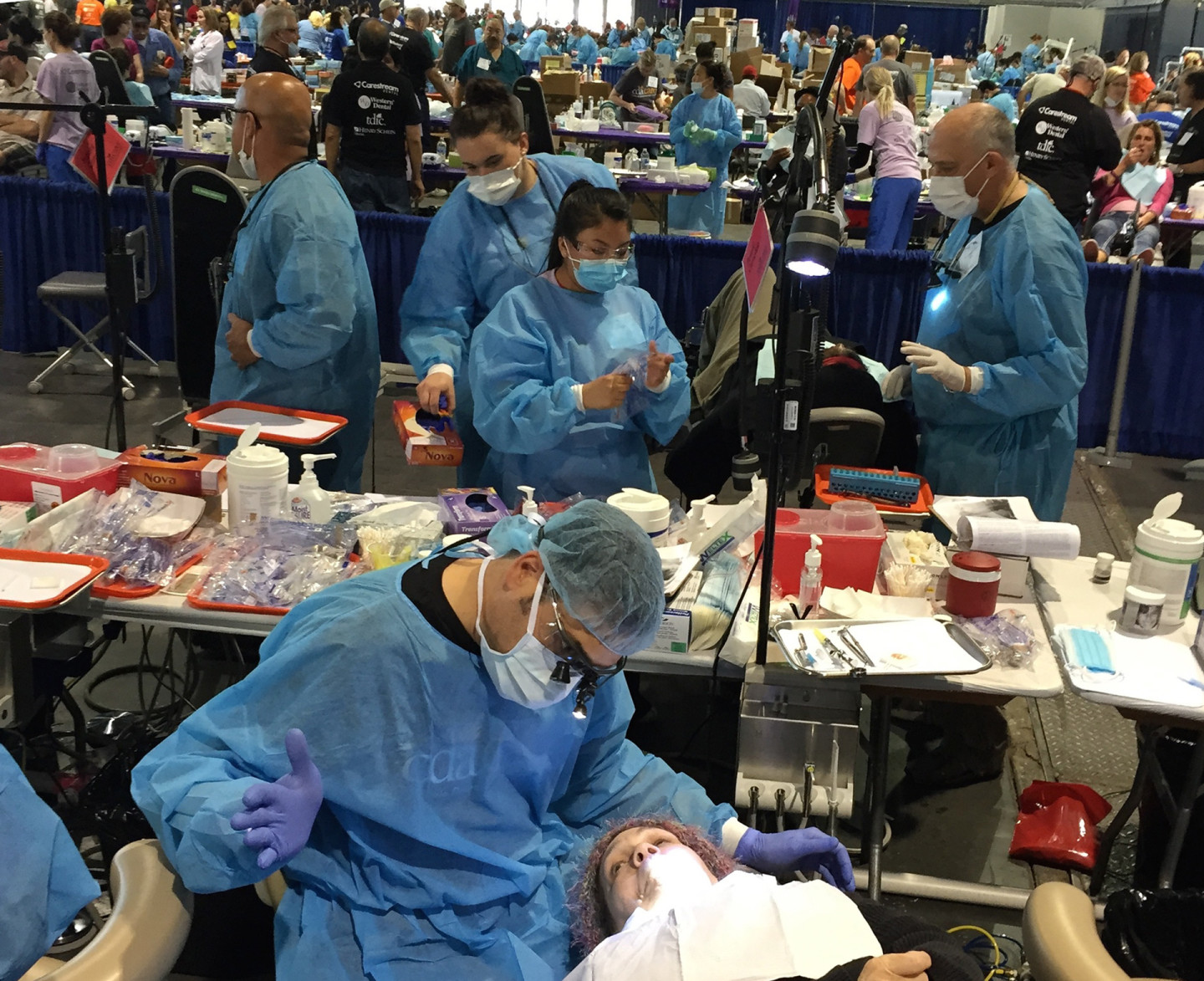
"caption": "More than 2,000 people received services at a free dental fair held in Sacramento in March. ",
"description": null,
"title": "SOHIMG_1408",
"credit": "David Gorn/California Healthline",
"status": "inherit",
"isLoading": false,
"fetchFailed": false
},
"stateofhealth_25140": {
"type": "attachments",
"id": "stateofhealth_25140",
"meta": {
"index": "attachments_1716263798",
"site": "stateofhealth",
"id": "25140",
"found": true
},
"parent": 0,
"imgSizes": {
"twentyfourteen-full-width": {
"file": "https://ww2.kqed.org/app/uploads/sites/27/2015/04/EPA-Fit-Zone-1038x576.jpg",
"width": 1038,
"mimeType": "image/jpeg",
"height": 576
},
"thumbnail": {
"file": "https://ww2.kqed.org/app/uploads/sites/27/2015/04/EPA-Fit-Zone-400x267.jpg",
"width": 400,
"mimeType": "image/jpeg",
"height": 267
},
"fd-sm": {
"file": "https://ww2.kqed.org/app/uploads/sites/27/2015/04/EPA-Fit-Zone-320x213.jpg",
"width": 320,
"mimeType": "image/jpeg",
"height": 213
},
"post-thumbnail": {
"file": "https://ww2.kqed.org/app/uploads/sites/27/2015/04/EPA-Fit-Zone-672x372.jpg",
"width": 672,
"mimeType": "image/jpeg",
"height": 372
},
"kqedFullSize": {
"file": "https://ww2.kqed.org/app/uploads/sites/27/2015/04/EPA-Fit-Zone.jpg",
"width": 4842,
"height": 3228
},
"large": {
"file": "https://ww2.kqed.org/app/uploads/sites/27/2015/04/EPA-Fit-Zone-1440x960.jpg",
"width": 1440,
"mimeType": "image/jpeg",
"height": 960
},
"guest-author-96": {
"file": "https://ww2.kqed.org/app/uploads/sites/27/2015/04/EPA-Fit-Zone-96x96.jpg",
"width": 96,
"mimeType": "image/jpeg",
"height": 96
},
"medium": {
"file": "https://ww2.kqed.org/app/uploads/sites/27/2015/04/EPA-Fit-Zone-800x533.jpg",
"width": 800,
"mimeType": "image/jpeg",
"height": 533
},
"guest-author-64": {
"file": "https://ww2.kqed.org/app/uploads/sites/27/2015/04/EPA-Fit-Zone-64x64.jpg",
"width": 64,
"mimeType": "image/jpeg",
"height": 64
},
"guest-author-32": {
"file": "https://ww2.kqed.org/app/uploads/sites/27/2015/04/EPA-Fit-Zone-32x32.jpg",
"width": 32,
"mimeType": "image/jpeg",
"height": 32
},
"fd-lrg": {
"file": "https://ww2.kqed.org/app/uploads/sites/27/2015/04/EPA-Fit-Zone-1180x787.jpg",
"width": 1180,
"mimeType": "image/jpeg",
"height": 787
},
"fd-med": {
"file": "https://ww2.kqed.org/app/uploads/sites/27/2015/04/EPA-Fit-Zone-768x512.jpg",
"width": 768,
"mimeType": "image/jpeg",
"height": 512
},
"detail": {
"file": "https://ww2.kqed.org/app/uploads/sites/27/2015/04/EPA-Fit-Zone-75x75.jpg",
"width": 75,
"mimeType": "image/jpeg",
"height": 75
},
"guest-author-128": {
"file": "https://ww2.kqed.org/app/uploads/sites/27/2015/04/EPA-Fit-Zone-128x128.jpg",
"width": 128,
"mimeType": "image/jpeg",
"height": 128
}
},
"publishDate": 1430178733,
"modified": 1430866384,
"caption": "Cops and community members exercising together reduced shootings in East Palo Alto. (Jeremy Raff/KQED).",
"description": null,
"title": "EPA Fit Zone",
"credit": null,
"status": "inherit",
"isLoading": false,
"fetchFailed": false
},
"stateofhealth_25266": {
"type": "attachments",
"id": "stateofhealth_25266",
"meta": {
"index": "attachments_1716263798",
"site": "stateofhealth",
"id": "25266",
"found": true
},
"parent": 25251,
"imgSizes": {
"twentyfourteen-full-width": {
"file": "https://ww2.kqed.org/app/uploads/sites/27/2015/05/RS8622_104228158-1038x576.jpg",
"width": 1038,
"mimeType": "image/jpeg",
"height": 576
},
"thumbnail": {
"file": "https://ww2.kqed.org/app/uploads/sites/27/2015/05/RS8622_104228158-400x266.jpg",
"width": 400,
"mimeType": "image/jpeg",
"height": 266
},
"fd-sm": {
"file": "https://ww2.kqed.org/app/uploads/sites/27/2015/05/RS8622_104228158-960x639.jpg",
"width": 960,
"mimeType": "image/jpeg",
"height": 639
},
"post-thumbnail": {
"file": "https://ww2.kqed.org/app/uploads/sites/27/2015/05/RS8622_104228158-672x372.jpg",
"width": 672,
"mimeType": "image/jpeg",
"height": 372
},
"kqedFullSize": {
"file": "https://ww2.kqed.org/app/uploads/sites/27/2015/05/RS8622_104228158-e1435251169447.jpg",
"width": 1920,
"height": 1277
},
"large": {
"file": "https://ww2.kqed.org/app/uploads/sites/27/2015/05/RS8622_104228158-1440x958.jpg",
"width": 1440,
"mimeType": "image/jpeg",
"height": 958
},
"guest-author-96": {
"file": "https://ww2.kqed.org/app/uploads/sites/27/2015/05/RS8622_104228158-96x96.jpg",
"width": 96,
"mimeType": "image/jpeg",
"height": 96
},
"medium": {
"file": "https://ww2.kqed.org/app/uploads/sites/27/2015/05/RS8622_104228158-800x532.jpg",
"width": 800,
"mimeType": "image/jpeg",
"height": 532
},
"guest-author-64": {
"file": "https://ww2.kqed.org/app/uploads/sites/27/2015/05/RS8622_104228158-64x64.jpg",
"width": 64,
"mimeType": "image/jpeg",
"height": 64
},
"guest-author-32": {
"file": "https://ww2.kqed.org/app/uploads/sites/27/2015/05/RS8622_104228158-32x32.jpg",
"width": 32,
"mimeType": "image/jpeg",
"height": 32
},
"fd-med": {
"file": "https://ww2.kqed.org/app/uploads/sites/27/2015/05/RS8622_104228158-1180x785.jpg",
"width": 1180,
"mimeType": "image/jpeg",
"height": 785
},
"detail": {
"file": "https://ww2.kqed.org/app/uploads/sites/27/2015/05/RS8622_104228158-75x75.jpg",
"width": 75,
"mimeType": "image/jpeg",
"height": 75
},
"guest-author-128": {
"file": "https://ww2.kqed.org/app/uploads/sites/27/2015/05/RS8622_104228158-128x128.jpg",
"width": 128,
"mimeType": "image/jpeg",
"height": 128
}
},
"publishDate": 1430779862,
"modified": 1454653749,
"caption": "A vial of the Tdap vaccine, which is administered to 11- and 12-year-olds. ",
"description": "A bottle of the pertussis vaccine against whooping cough and a syringe are show in a pharmacy in Pasadena, California on September 17, 2010. Australia on Thursday warned travellers to the United States to watch out for a whooping cough epidemic which has claimed of nine babies in California. AFP PHOTO / ROBYN BECK (Photo credit should read ROBYN BECK/AFP/Getty Images)",
"title": "A bottle of the pertussis vaccine agains",
"credit": "ROBYN BECK/AFP/Getty Images",
"status": "inherit",
"isLoading": false,
"fetchFailed": false
},
"stateofhealth_25226": {
"type": "attachments",
"id": "stateofhealth_25226",
"meta": {
"index": "attachments_1716263798",
"site": "stateofhealth",
"id": "25226",
"found": true
},
"parent": 25222,
"imgSizes": {
"twentyfourteen-full-width": {
"file": "https://ww2.kqed.org/app/uploads/sites/27/2015/04/RS7242_136799870-11-1038x576.jpg",
"width": 1038,
"mimeType": "image/jpeg",
"height": 576
},
"thumbnail": {
"file": "https://ww2.kqed.org/app/uploads/sites/27/2015/04/RS7242_136799870-11-400x250.jpg",
"width": 400,
"mimeType": "image/jpeg",
"height": 250
},
"fd-sm": {
"file": "https://ww2.kqed.org/app/uploads/sites/27/2015/04/RS7242_136799870-11-960x600.jpg",
"width": 960,
"mimeType": "image/jpeg",
"height": 600
},
"post-thumbnail": {
"file": "https://ww2.kqed.org/app/uploads/sites/27/2015/04/RS7242_136799870-11-672x372.jpg",
"width": 672,
"mimeType": "image/jpeg",
"height": 372
},
"kqedFullSize": {
"file": "https://ww2.kqed.org/app/uploads/sites/27/2015/04/RS7242_136799870-11-e1430424620301.jpg",
"width": 1920,
"height": 1200
},
"large": {
"file": "https://ww2.kqed.org/app/uploads/sites/27/2015/04/RS7242_136799870-11-1440x900.jpg",
"width": 1440,
"mimeType": "image/jpeg",
"height": 900
},
"guest-author-96": {
"file": "https://ww2.kqed.org/app/uploads/sites/27/2015/04/RS7242_136799870-11-96x96.jpg",
"width": 96,
"mimeType": "image/jpeg",
"height": 96
},
"medium": {
"file": "https://ww2.kqed.org/app/uploads/sites/27/2015/04/RS7242_136799870-11-800x500.jpg",
"width": 800,
"mimeType": "image/jpeg",
"height": 500
},
"guest-author-64": {
"file": "https://ww2.kqed.org/app/uploads/sites/27/2015/04/RS7242_136799870-11-64x64.jpg",
"width": 64,
"mimeType": "image/jpeg",
"height": 64
},
"guest-author-32": {
"file": "https://ww2.kqed.org/app/uploads/sites/27/2015/04/RS7242_136799870-11-32x32.jpg",
"width": 32,
"mimeType": "image/jpeg",
"height": 32
},
"fd-med": {
"file": "https://ww2.kqed.org/app/uploads/sites/27/2015/04/RS7242_136799870-11-1180x738.jpg",
"width": 1180,
"mimeType": "image/jpeg",
"height": 738
},
"detail": {
"file": "https://ww2.kqed.org/app/uploads/sites/27/2015/04/RS7242_136799870-11-75x75.jpg",
"width": 75,
"mimeType": "image/jpeg",
"height": 75
},
"guest-author-128": {
"file": "https://ww2.kqed.org/app/uploads/sites/27/2015/04/RS7242_136799870-11-128x128.jpg",
"width": 128,
"mimeType": "image/jpeg",
"height": 128
}
},
"publishDate": 1430424614,
"modified": 1430426853,
"caption": null,
"description": "soda drink cans",
"title": "RS7242_136799870-1",
"credit": "Getty Images",
"status": "inherit",
"isLoading": false,
"fetchFailed": false
},
"stateofhealth_25204": {
"type": "attachments",
"id": "stateofhealth_25204",
"meta": {
"index": "attachments_1716263798",
"site": "stateofhealth",
"id": "25204",
"found": true
},
"parent": 25203,
"imgSizes": {
"twentyfourteen-full-width": {
"file": "https://ww2.kqed.org/app/uploads/sites/27/2015/04/3medicalinterpreter_siu_174_ls_crop-1038x576.jpg",
"width": 1038,
"mimeType": "image/jpeg",
"height": 576
},
"thumbnail": {
"file": "https://ww2.kqed.org/app/uploads/sites/27/2015/04/3medicalinterpreter_siu_174_ls_crop-400x277.jpg",
"width": 400,
"mimeType": "image/jpeg",
"height": 277
},
"fd-sm": {
"file": "https://ww2.kqed.org/app/uploads/sites/27/2015/04/3medicalinterpreter_siu_174_ls_crop-960x664.jpg",
"width": 960,
"mimeType": "image/jpeg",
"height": 664
},
"post-thumbnail": {
"file": "https://ww2.kqed.org/app/uploads/sites/27/2015/04/3medicalinterpreter_siu_174_ls_crop-672x372.jpg",
"width": 672,
"mimeType": "image/jpeg",
"height": 372
},
"kqedFullSize": {
"file": "https://ww2.kqed.org/app/uploads/sites/27/2015/04/3medicalinterpreter_siu_174_ls_crop.jpg",
"width": 1920,
"height": 1328
},
"large": {
"file": "https://ww2.kqed.org/app/uploads/sites/27/2015/04/3medicalinterpreter_siu_174_ls_crop-1440x996.jpg",
"width": 1440,
"mimeType": "image/jpeg",
"height": 996
},
"guest-author-96": {
"file": "https://ww2.kqed.org/app/uploads/sites/27/2015/04/3medicalinterpreter_siu_174_ls_crop-96x96.jpg",
"width": 96,
"mimeType": "image/jpeg",
"height": 96
},
"medium": {
"file": "https://ww2.kqed.org/app/uploads/sites/27/2015/04/3medicalinterpreter_siu_174_ls_crop-800x553.jpg",
"width": 800,
"mimeType": "image/jpeg",
"height": 553
},
"guest-author-64": {
"file": "https://ww2.kqed.org/app/uploads/sites/27/2015/04/3medicalinterpreter_siu_174_ls_crop-64x64.jpg",
"width": 64,
"mimeType": "image/jpeg",
"height": 64
},
"guest-author-32": {
"file": "https://ww2.kqed.org/app/uploads/sites/27/2015/04/3medicalinterpreter_siu_174_ls_crop-32x32.jpg",
"width": 32,
"mimeType": "image/jpeg",
"height": 32
},
"fd-med": {
"file": "https://ww2.kqed.org/app/uploads/sites/27/2015/04/3medicalinterpreter_siu_174_ls_crop-1180x816.jpg",
"width": 1180,
"mimeType": "image/jpeg",
"height": 816
},
"detail": {
"file": "https://ww2.kqed.org/app/uploads/sites/27/2015/04/3medicalinterpreter_siu_174_ls_crop-75x75.jpg",
"width": 75,
"mimeType": "image/jpeg",
"height": 75
},
"guest-author-128": {
"file": "https://ww2.kqed.org/app/uploads/sites/27/2015/04/3medicalinterpreter_siu_174_ls_crop-128x128.jpg",
"width": 128,
"mimeType": "image/jpeg",
"height": 128
}
},
"publishDate": 1430412276,
"modified": 1430412312,
"caption": "Siu Williams (left), certified medical interpreter, interprets for patient Son Van Vo (center) during an appointment at Stanford Medical Center. (Lea Suzuki/The Chronicle)",
"description": "Siu Williams (left), certified medical interpreter, interprets for patient Son Van Vo (center) and nurse practitioner Mary Nejedly (right) during a medical appointment at Stanford Medical Center on Thursday, January 29, 2014 in Stanford, Calif. Williams' certification is in Vietnamese.",
"title": "3medicalinterpreter_siu_174_ls_crop",
"credit": null,
"status": "inherit",
"isLoading": false,
"fetchFailed": false
},
"stateofhealth_25076": {
"type": "attachments",
"id": "stateofhealth_25076",
"meta": {
"index": "attachments_1716263798",
"site": "stateofhealth",
"id": "25076",
"found": true
},
"parent": 25071,
"imgSizes": {
"twentyfourteen-full-width": {
"file": "https://ww2.kqed.org/app/uploads/sites/27/2015/04/FreemanLatest-1038x576.jpg",
"width": 1038,
"mimeType": "image/jpeg",
"height": 576
},
"thumbnail": {
"file": "https://ww2.kqed.org/app/uploads/sites/27/2015/04/FreemanLatest-400x300.jpg",
"width": 400,
"mimeType": "image/jpeg",
"height": 300
},
"fd-sm": {
"file": "https://ww2.kqed.org/app/uploads/sites/27/2015/04/FreemanLatest-320x240.jpg",
"width": 320,
"mimeType": "image/jpeg",
"height": 240
},
"post-thumbnail": {
"file": "https://ww2.kqed.org/app/uploads/sites/27/2015/04/FreemanLatest-672x372.jpg",
"width": 672,
"mimeType": "image/jpeg",
"height": 372
},
"kqedFullSize": {
"file": "https://ww2.kqed.org/app/uploads/sites/27/2015/04/FreemanLatest.jpg",
"width": 1920,
"height": 1440
},
"large": {
"file": "https://ww2.kqed.org/app/uploads/sites/27/2015/04/FreemanLatest-1440x1080.jpg",
"width": 1440,
"mimeType": "image/jpeg",
"height": 1080
},
"guest-author-96": {
"file": "https://ww2.kqed.org/app/uploads/sites/27/2015/04/FreemanLatest-96x96.jpg",
"width": 96,
"mimeType": "image/jpeg",
"height": 96
},
"medium": {
"file": "https://ww2.kqed.org/app/uploads/sites/27/2015/04/FreemanLatest-800x600.jpg",
"width": 800,
"mimeType": "image/jpeg",
"height": 600
},
"guest-author-64": {
"file": "https://ww2.kqed.org/app/uploads/sites/27/2015/04/FreemanLatest-64x64.jpg",
"width": 64,
"mimeType": "image/jpeg",
"height": 64
},
"guest-author-32": {
"file": "https://ww2.kqed.org/app/uploads/sites/27/2015/04/FreemanLatest-32x32.jpg",
"width": 32,
"mimeType": "image/jpeg",
"height": 32
},
"fd-lrg": {
"file": "https://ww2.kqed.org/app/uploads/sites/27/2015/04/FreemanLatest-1180x885.jpg",
"width": 1180,
"mimeType": "image/jpeg",
"height": 885
},
"fd-med": {
"file": "https://ww2.kqed.org/app/uploads/sites/27/2015/04/FreemanLatest-768x576.jpg",
"width": 768,
"mimeType": "image/jpeg",
"height": 576
},
"detail": {
"file": "https://ww2.kqed.org/app/uploads/sites/27/2015/04/FreemanLatest-75x75.jpg",
"width": 75,
"mimeType": "image/jpeg",
"height": 75
},
"guest-author-128": {
"file": "https://ww2.kqed.org/app/uploads/sites/27/2015/04/FreemanLatest-128x128.jpg",
"width": 128,
"mimeType": "image/jpeg",
"height": 128
}
},
"publishDate": 1429816618,
"modified": 1429816766,
"caption": "Dr. Michael Freeman, clinical professor of psychiatry at UC San Francisco, whose study suggests a link between mental health conditions and entrepreneurs. (Beth Willon/KQED)",
"description": null,
"title": "FreemanLatest",
"credit": null,
"status": "inherit",
"isLoading": false,
"fetchFailed": false
},
"stateofhealth_25086": {
"type": "attachments",
"id": "stateofhealth_25086",
"meta": {
"index": "attachments_1716263798",
"site": "stateofhealth",
"id": "25086",
"found": true
},
"parent": 25080,
"imgSizes": {
"thumbnail": {
"file": "https://ww2.kqed.org/app/uploads/sites/27/2015/04/wynne-lee-400x267.jpg",
"width": 400,
"mimeType": "image/jpeg",
"height": 267
},
"fd-sm": {
"file": "https://ww2.kqed.org/app/uploads/sites/27/2015/04/wynne-lee-320x214.jpg",
"width": 320,
"mimeType": "image/jpeg",
"height": 214
},
"post-thumbnail": {
"file": "https://ww2.kqed.org/app/uploads/sites/27/2015/04/wynne-lee-672x372.jpg",
"width": 672,
"mimeType": "image/jpeg",
"height": 372
},
"kqedFullSize": {
"file": "https://ww2.kqed.org/app/uploads/sites/27/2015/04/wynne-lee.jpg",
"width": 770,
"height": 514
},
"fd-med": {
"file": "https://ww2.kqed.org/app/uploads/sites/27/2015/04/wynne-lee-768x513.jpg",
"width": 768,
"mimeType": "image/jpeg",
"height": 513
},
"guest-author-96": {
"file": "https://ww2.kqed.org/app/uploads/sites/27/2015/04/wynne-lee-96x96.jpg",
"width": 96,
"mimeType": "image/jpeg",
"height": 96
},
"guest-author-64": {
"file": "https://ww2.kqed.org/app/uploads/sites/27/2015/04/wynne-lee-64x64.jpg",
"width": 64,
"mimeType": "image/jpeg",
"height": 64
},
"detail": {
"file": "https://ww2.kqed.org/app/uploads/sites/27/2015/04/wynne-lee-75x75.jpg",
"width": 75,
"mimeType": "image/jpeg",
"height": 75
},
"guest-author-32": {
"file": "https://ww2.kqed.org/app/uploads/sites/27/2015/04/wynne-lee-32x32.jpg",
"width": 32,
"mimeType": "image/jpeg",
"height": 32
},
"guest-author-128": {
"file": "https://ww2.kqed.org/app/uploads/sites/27/2015/04/wynne-lee-128x128.jpg",
"width": 128,
"mimeType": "image/jpeg",
"height": 128
}
},
"publishDate": 1429818527,
"modified": 1429818581,
"caption": "Wynne Lee and her mother, Maggie Huang. plan their day over tea on Feb. 6, 2015. The mother and daughter rekindled their relationship after Lee started therapy to deal with her depression. (Photo by Heidi de Marco/KHN).",
"description": "Wynne Lee and her mother Maggie Huang plan their day to an art museum over tea on Friday, February 6, 2015. The mother and daughter rekindled their relationship after Lee started therapy to deal with her depression (Photo by Heidi de Marco/KHN). .",
"title": "wynne-lee",
"credit": null,
"status": "inherit",
"isLoading": false,
"fetchFailed": false
},
"stateofhealth_25060": {
"type": "attachments",
"id": "stateofhealth_25060",
"meta": {
"index": "attachments_1716263798",
"site": "stateofhealth",
"id": "25060",
"found": true
},
"parent": 25049,
"imgSizes": {
"twentyfourteen-full-width": {
"file": "https://ww2.kqed.org/app/uploads/sites/27/2015/04/mentalhealth-1038x576.jpg",
"width": 1038,
"mimeType": "image/jpeg",
"height": 576
},
"thumbnail": {
"file": "https://ww2.kqed.org/app/uploads/sites/27/2015/04/mentalhealth-400x263.jpg",
"width": 400,
"mimeType": "image/jpeg",
"height": 263
},
"fd-sm": {
"file": "https://ww2.kqed.org/app/uploads/sites/27/2015/04/mentalhealth-320x210.jpg",
"width": 320,
"mimeType": "image/jpeg",
"height": 210
},
"post-thumbnail": {
"file": "https://ww2.kqed.org/app/uploads/sites/27/2015/04/mentalhealth-672x372.jpg",
"width": 672,
"mimeType": "image/jpeg",
"height": 372
},
"kqedFullSize": {
"file": "https://ww2.kqed.org/app/uploads/sites/27/2015/04/mentalhealth.jpg",
"width": 1440,
"height": 947
},
"large": {
"file": "https://ww2.kqed.org/app/uploads/sites/27/2015/04/mentalhealth-1440x947.jpg",
"width": 1440,
"mimeType": "image/jpeg",
"height": 947
},
"guest-author-96": {
"file": "https://ww2.kqed.org/app/uploads/sites/27/2015/04/mentalhealth-96x96.jpg",
"width": 96,
"mimeType": "image/jpeg",
"height": 96
},
"medium": {
"file": "https://ww2.kqed.org/app/uploads/sites/27/2015/04/mentalhealth-800x526.jpg",
"width": 800,
"mimeType": "image/jpeg",
"height": 526
},
"guest-author-64": {
"file": "https://ww2.kqed.org/app/uploads/sites/27/2015/04/mentalhealth-64x64.jpg",
"width": 64,
"mimeType": "image/jpeg",
"height": 64
},
"guest-author-32": {
"file": "https://ww2.kqed.org/app/uploads/sites/27/2015/04/mentalhealth-32x32.jpg",
"width": 32,
"mimeType": "image/jpeg",
"height": 32
},
"fd-lrg": {
"file": "https://ww2.kqed.org/app/uploads/sites/27/2015/04/mentalhealth-1180x776.jpg",
"width": 1180,
"mimeType": "image/jpeg",
"height": 776
},
"fd-med": {
"file": "https://ww2.kqed.org/app/uploads/sites/27/2015/04/mentalhealth-768x505.jpg",
"width": 768,
"mimeType": "image/jpeg",
"height": 505
},
"detail": {
"file": "https://ww2.kqed.org/app/uploads/sites/27/2015/04/mentalhealth-75x75.jpg",
"width": 75,
"mimeType": "image/jpeg",
"height": 75
},
"guest-author-128": {
"file": "https://ww2.kqed.org/app/uploads/sites/27/2015/04/mentalhealth-128x128.jpg",
"width": 128,
"mimeType": "image/jpeg",
"height": 128
}
},
"publishDate": 1429813458,
"modified": 1429813469,
"caption": "Getty Images",
"description": null,
"title": "mentalhealth",
"credit": null,
"status": "inherit",
"isLoading": false,
"fetchFailed": false
},
"stateofhealth_6652": {
"type": "attachments",
"id": "stateofhealth_6652",
"meta": {
"index": "attachments_1716263798",
"site": "stateofhealth",
"id": "6652",
"found": true
},
"parent": 6647,
"imgSizes": {
"thumbnail": {
"file": "https://ww2.kqed.org/app/uploads/sites/27/2012/06/OldPersonCaneGeneric-e1402507272914-400x267.jpg",
"width": 400,
"mimeType": "image/jpeg",
"height": 267
},
"fd-sm": {
"file": "https://ww2.kqed.org/app/uploads/sites/27/2012/06/OldPersonCaneGeneric-e1402507272914-320x213.jpg",
"width": 320,
"mimeType": "image/jpeg",
"height": 213
},
"post-thumbnail": {
"file": "https://ww2.kqed.org/app/uploads/sites/27/2012/06/OldPersonCaneGeneric-e1402507272914-639x372.jpg",
"width": 639,
"mimeType": "image/jpeg",
"height": 372
},
"kqedFullSize": {
"file": "https://ww2.kqed.org/app/uploads/sites/27/2012/06/OldPersonCaneGeneric-e1402507272914.jpg",
"width": 639,
"height": 426
},
"guest-author-96": {
"file": "https://ww2.kqed.org/app/uploads/sites/27/2012/06/OldPersonCaneGeneric-e1402507272914-96x96.jpg",
"width": 96,
"mimeType": "image/jpeg",
"height": 96
},
"guest-author-64": {
"file": "https://ww2.kqed.org/app/uploads/sites/27/2012/06/OldPersonCaneGeneric-e1402507272914-64x64.jpg",
"width": 64,
"mimeType": "image/jpeg",
"height": 64
},
"detail": {
"file": "https://ww2.kqed.org/app/uploads/sites/27/2012/06/OldPersonCaneGeneric-e1402507272914-75x75.jpg",
"width": 75,
"mimeType": "image/jpeg",
"height": 75
},
"guest-author-32": {
"file": "https://ww2.kqed.org/app/uploads/sites/27/2012/06/OldPersonCaneGeneric-e1402507272914-32x32.jpg",
"width": 32,
"mimeType": "image/jpeg",
"height": 32
},
"guest-author-128": {
"file": "https://ww2.kqed.org/app/uploads/sites/27/2012/06/OldPersonCaneGeneric-e1402507272914-128x128.jpg",
"width": 128,
"mimeType": "image/jpeg",
"height": 128
}
},
"publishDate": 1340310643,
"modified": 1340310643,
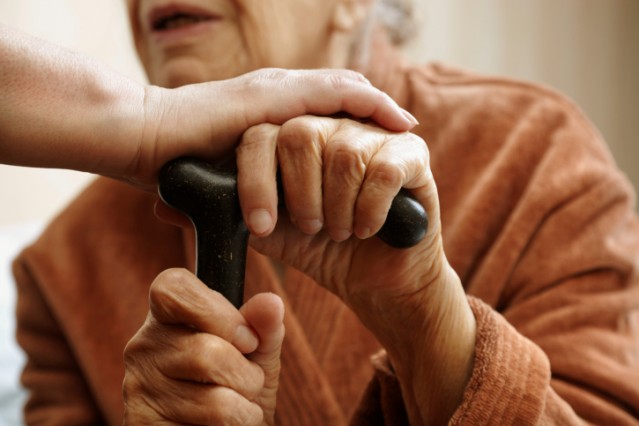
"caption": "A new poll shows nearly one in five Hispanics has not discussed the kind of care they want as they get older. (Photo: Getty Images)",
"description": "elderly, hands",
"title": "There is a 45% increased risk of death in people who are lonely compared to not lonely, according to a UCSF study.",
"credit": null,
"status": "inherit",
"isLoading": false,
"fetchFailed": false
},
"stateofhealth_25005": {
"type": "attachments",
"id": "stateofhealth_25005",
"meta": {
"index": "attachments_1716263798",
"site": "stateofhealth",
"id": "25005",
"found": true
},
"parent": 25003,
"imgSizes": {
"twentyfourteen-full-width": {
"file": "https://ww2.kqed.org/app/uploads/sites/27/2015/04/RS1369_IMG_1902-e1429575505514-1038x576.jpg",
"width": 1038,
"mimeType": "image/jpeg",
"height": 576
},
"thumbnail": {
"file": "https://ww2.kqed.org/app/uploads/sites/27/2015/04/RS1369_IMG_1902-e1429575505514-400x300.jpg",
"width": 400,
"mimeType": "image/jpeg",
"height": 300
},
"fd-sm": {
"file": "https://ww2.kqed.org/app/uploads/sites/27/2015/04/RS1369_IMG_1902-e1429575505514-320x240.jpg",
"width": 320,
"mimeType": "image/jpeg",
"height": 240
},
"post-thumbnail": {
"file": "https://ww2.kqed.org/app/uploads/sites/27/2015/04/RS1369_IMG_1902-e1429575505514-672x372.jpg",
"width": 672,
"mimeType": "image/jpeg",
"height": 372
},
"kqedFullSize": {
"file": "https://ww2.kqed.org/app/uploads/sites/27/2015/04/RS1369_IMG_1902-e1429575505514.jpg",
"width": 1920,
"height": 1440
},
"large": {
"file": "https://ww2.kqed.org/app/uploads/sites/27/2015/04/RS1369_IMG_1902-e1429575505514-1440x1080.jpg",
"width": 1440,
"mimeType": "image/jpeg",
"height": 1080
},
"guest-author-96": {
"file": "https://ww2.kqed.org/app/uploads/sites/27/2015/04/RS1369_IMG_1902-e1429575505514-96x96.jpg",
"width": 96,
"mimeType": "image/jpeg",
"height": 96
},
"medium": {
"file": "https://ww2.kqed.org/app/uploads/sites/27/2015/04/RS1369_IMG_1902-e1429575505514-800x600.jpg",
"width": 800,
"mimeType": "image/jpeg",
"height": 600
},
"guest-author-64": {
"file": "https://ww2.kqed.org/app/uploads/sites/27/2015/04/RS1369_IMG_1902-e1429575505514-64x64.jpg",
"width": 64,
"mimeType": "image/jpeg",
"height": 64
},
"guest-author-32": {
"file": "https://ww2.kqed.org/app/uploads/sites/27/2015/04/RS1369_IMG_1902-e1429575505514-32x32.jpg",
"width": 32,
"mimeType": "image/jpeg",
"height": 32
},
"fd-lrg": {
"file": "https://ww2.kqed.org/app/uploads/sites/27/2015/04/RS1369_IMG_1902-e1429575505514-1180x885.jpg",
"width": 1180,
"mimeType": "image/jpeg",
"height": 885
},
"fd-med": {
"file": "https://ww2.kqed.org/app/uploads/sites/27/2015/04/RS1369_IMG_1902-e1429575505514-768x576.jpg",
"width": 768,
"mimeType": "image/jpeg",
"height": 576
},
"detail": {
"file": "https://ww2.kqed.org/app/uploads/sites/27/2015/04/RS1369_IMG_1902-e1429575505514-75x75.jpg",
"width": 75,
"mimeType": "image/jpeg",
"height": 75
},
"guest-author-128": {
"file": "https://ww2.kqed.org/app/uploads/sites/27/2015/04/RS1369_IMG_1902-e1429575505514-128x128.jpg",
"width": 128,
"mimeType": "image/jpeg",
"height": 128
}
},
"publishDate": 1429575493,
"modified": 1441405757,
"caption": "State Capitol, Sacramento",
"description": "State Capitol, Sacramento, capital",
"title": "RS1369_IMG_1902",
"credit": "Craig Miller/KQED",
"status": "inherit",
"isLoading": false,
"fetchFailed": false
}
},
"audioPlayerReducer": {
"postId": "stream_live",
"isPaused": true,
"isPlaying": false,
"pfsActive": false,
"pledgeModalIsOpen": true,
"playerDrawerIsOpen": false,
"liveAudioPlayStartedAt": 0,
"liveAudioPlayContext": ""
},
"authorsReducer": {
"byline_stateofhealth_25735": {
"type": "authors",
"id": "byline_stateofhealth_25735",
"meta": {
"override": true
},
"slug": "byline_stateofhealth_25735",
"name": "Anna Gorman, Kaiser Health News",
"isLoading": false
},
"byline_stateofhealth_25334": {
"type": "authors",
"id": "byline_stateofhealth_25334",
"meta": {
"override": true
},
"slug": "byline_stateofhealth_25334",
"name": "David Gorn, California Healthline",
"isLoading": false
},
"byline_stateofhealth_25203": {
"type": "authors",
"id": "byline_stateofhealth_25203",
"meta": {
"override": true
},
"slug": "byline_stateofhealth_25203",
"name": "John Gonzales, CHCF Center for Health Reporting",
"isLoading": false
},
"jbrooks": {
"type": "authors",
"id": "80",
"meta": {
"index": "authors_1716337520",
"id": "80",
"found": true
},
"name": "Jon Brooks",
"firstName": "Jon",
"lastName": "Brooks",
"slug": "jbrooks",
"email": "jbrooks@kqed.org",
"display_author_email": true,
"staff_mastheads": [
"science"
],
"title": "Digital Editor",
"bio": "Jon Brooks is a former Digital Editor for KQED Science. He is the former editor of KQED’s daily news blog, News Fix. In 2014, he won a California Journalism Award for his coverage of ride services like Uber and Lyft and the taxi industry. A veteran blogger, he previously worked for Yahoo! in various news writing and editing roles. Jon is also a playwright whose work has been produced in San Francisco, New York, Italy, and around the U.S. He has written about film for his own blog and studied film at Boston University.",
"avatar": "https://secure.gravatar.com/avatar/98887f7ed1c876ed414d4c915e969584?s=600&d=blank&r=g",
"twitter": "jbrooksfoy",
"facebook": null,
"instagram": null,
"linkedin": null,
"sites": [
{
"site": "arts",
"roles": [
"Contributor",
"editor"
]
},
{
"site": "news",
"roles": [
"author"
]
},
{
"site": "futureofyou",
"roles": [
"administrator"
]
},
{
"site": "mindshift",
"roles": [
"editor"
]
},
{
"site": "stateofhealth",
"roles": [
"editor"
]
},
{
"site": "science",
"roles": [
"administrator"
]
},
{
"site": "quest",
"roles": [
"editor"
]
}
],
"headData": {
"title": "Jon Brooks | KQED",
"description": "Digital Editor",
"ogImgSrc": "https://secure.gravatar.com/avatar/98887f7ed1c876ed414d4c915e969584?s=600&d=blank&r=g",
"twImgSrc": "https://secure.gravatar.com/avatar/98887f7ed1c876ed414d4c915e969584?s=600&d=blank&r=g"
},
"isLoading": false,
"link": "/author/jbrooks"
},
"jeremyraff": {
"type": "authors",
"id": "230",
"meta": {
"index": "authors_1716337520",
"id": "230",
"found": true
},
"name": "Jeremy Raff",
"firstName": "Jeremy",
"lastName": "Raff",
"slug": "jeremyraff",
"email": "jeremyraff@gmail.com",
"display_author_email": false,
"staff_mastheads": [],
"title": null,
"bio": "Jeremy Raff is a multimedia producer interested in migration, rural change, and health disparities. He produces KQED's community health series\u003ca href=\"http://blogs.kqed.org/stateofhealth/series/vital-signs/\" target=\"_blank\" rel=\"noopener\"> Vital Signs\u003c/a>. Reach him at jraff@kqed.org",
"avatar": "https://secure.gravatar.com/avatar/1444299e18b67b815fbbdc87a85e7dff?s=600&d=blank&r=g",
"twitter": null,
"facebook": null,
"instagram": null,
"linkedin": null,
"sites": [
{
"site": "news",
"roles": [
"subscriber"
]
},
{
"site": "stateofhealth",
"roles": [
"subscriber"
]
}
],
"headData": {
"title": "Jeremy Raff | KQED",
"description": null,
"ogImgSrc": "https://secure.gravatar.com/avatar/1444299e18b67b815fbbdc87a85e7dff?s=600&d=blank&r=g",
"twImgSrc": "https://secure.gravatar.com/avatar/1444299e18b67b815fbbdc87a85e7dff?s=600&d=blank&r=g"
},
"isLoading": false,
"link": "/author/jeremyraff"
},
"lisaaliferis": {
"type": "authors",
"id": "240",
"meta": {
"index": "authors_1716337520",
"id": "240",
"found": true
},
"name": "Lisa Aliferis",
"firstName": "Lisa",
"lastName": "Aliferis",
"slug": "lisaaliferis",
"email": "laliferis@kqed.org",
"display_author_email": false,
"staff_mastheads": [],
"title": "KQED Contributor",
"bio": "Lisa Aliferis is the founding editor of KQED's \u003cem>State of Health\u003c/em> blog. Since 2011, she's been writing and editing stories for the site. Before taking up blogging, she toiled for many years (more than we can count) producing health stories for television, including\u003cem> Dateline NBC\u003c/em> and San Francisco's CBS affiliate, KPIX-TV. She also wrote up a \u003ca title=\"http://www.kqed.org/news/health/obamacare/obamacare-guide.jsp\" href=\"http://www.kqed.org/news/health/obamacare/obamacare-guide.jsp\">handy guide to the Affordable Care Act\u003c/a>, especially for Californians. Her work has been honored for many awards. Most recently she was a finalist for \"Best Topical Reporting\" from the Online News Association. You can follow her on Twitter: \u003ca title=\"https://twitter.com/laliferis\" href=\"https://twitter.com/laliferis\">@laliferis\u003c/a>",
"avatar": "https://secure.gravatar.com/avatar/86c339d5cdcb0dcd2b6cf5d7c3f5886b?s=600&d=mm&r=g",
"twitter": "laliferis",
"facebook": null,
"instagram": null,
"linkedin": null,
"sites": [
{
"site": "news",
"roles": [
"subscriber"
]
},
{
"site": "futureofyou",
"roles": [
"subscriber"
]
},
{
"site": "stateofhealth",
"roles": [
"subscriber"
]
},
{
"site": "science",
"roles": [
"subscriber"
]
},
{
"site": "food",
"roles": []
}
],
"headData": {
"title": "Lisa Aliferis | KQED",
"description": "KQED Contributor",
"ogImgSrc": "https://secure.gravatar.com/avatar/86c339d5cdcb0dcd2b6cf5d7c3f5886b?s=600&d=mm&r=g",
"twImgSrc": "https://secure.gravatar.com/avatar/86c339d5cdcb0dcd2b6cf5d7c3f5886b?s=600&d=mm&r=g"
},
"isLoading": false,
"link": "/author/lisaaliferis"
},
"adembosky": {
"type": "authors",
"id": "3205",
"meta": {
"index": "authors_1716337520",
"id": "3205",
"found": true
},
"name": "April Dembosky",
"firstName": "April",
"lastName": "Dembosky",
"slug": "adembosky",
"email": "adembosky@kqed.org",
"display_author_email": false,
"staff_mastheads": [
"news",
"science"
],
"title": "KQED Health Correspondent",
"bio": "April Dembosky is the health correspondent for KQED News and a regular contributor to NPR. She specializes in covering altered states of mind, from postpartum depression to methamphetamine-induced psychosis to the insanity defense. Her investigative series on insurance companies sidestepping mental health laws won multiple awards, including first place in beat reporting from the national Association of Health Care Journalists. She is the recipient of numerous other prizes and fellowships, including a national Edward R. Murrow award for investigative reporting, a Society of Professional Journalists award for long-form storytelling, and a Carter Center Fellowship for Mental Health Journalism.\r\n\r\nDembosky reported and produced \u003cem>Soundtrack of Silence\u003c/em>, an audio documentary about music and memory that is currently being made into a feature film by Paramount Pictures.\r\n\r\nBefore joining KQED in 2013, Dembosky covered technology and Silicon Valley for \u003cem>The Financial Times of London,\u003c/em> and contributed business and arts stories to \u003cem>Marketplace \u003c/em>and \u003cem>The New York Times.\u003c/em> She got her undergraduate degree in philosophy from Smith College and her master's in journalism from the University of California, Berkeley. She is a classically trained violinist and proud alum of the first symphony orchestra at Burning Man.",
"avatar": "https://secure.gravatar.com/avatar/ef92999be4ceb9ea60701e7dc276f813?s=600&d=blank&r=g",
"twitter": "adembosky",
"facebook": null,
"instagram": null,
"linkedin": null,
"sites": [
{
"site": "arts",
"roles": [
"author"
]
},
{
"site": "news",
"roles": [
"editor"
]
},
{
"site": "futureofyou",
"roles": [
"author"
]
},
{
"site": "stateofhealth",
"roles": [
"editor"
]
},
{
"site": "science",
"roles": [
"editor"
]
},
{
"site": "forum",
"roles": [
"editor"
]
}
],
"headData": {
"title": "April Dembosky | KQED",
"description": "KQED Health Correspondent",
"ogImgSrc": "https://secure.gravatar.com/avatar/ef92999be4ceb9ea60701e7dc276f813?s=600&d=blank&r=g",
"twImgSrc": "https://secure.gravatar.com/avatar/ef92999be4ceb9ea60701e7dc276f813?s=600&d=blank&r=g"
},
"isLoading": false,
"link": "/author/adembosky"
},
"state-of-health": {
"type": "authors",
"id": "8344",
"meta": {
"index": "authors_1716337520",
"id": "8344",
"found": true
},
"name": "State of Health",
"firstName": "State of Health",
"lastName": null,
"slug": "state-of-health",
"email": "stateofhealth@kqed.org",
"display_author_email": false,
"staff_mastheads": [],
"title": null,
"bio": null,
"avatar": "https://secure.gravatar.com/avatar/66de4bf6d331fa7402bba1ffe8135e17?s=600&d=blank&r=g",
"twitter": null,
"facebook": null,
"instagram": null,
"linkedin": null,
"sites": [
{
"site": "arts",
"roles": [
"author"
]
},
{
"site": "stateofhealth",
"roles": [
"editor"
]
}
],
"headData": {
"title": "State of Health | KQED",
"description": null,
"ogImgSrc": "https://secure.gravatar.com/avatar/66de4bf6d331fa7402bba1ffe8135e17?s=600&d=blank&r=g",
"twImgSrc": "https://secure.gravatar.com/avatar/66de4bf6d331fa7402bba1ffe8135e17?s=600&d=blank&r=g"
},
"isLoading": false,
"link": "/author/state-of-health"
}
},
"pagesReducer": {
"stateofhealth_category_place-matters": {
"type": "terms",
"id": "stateofhealth_11",
"meta": {
"index": "terms_1716263798",
"site": "stateofhealth",
"id": "11",
"score": 14.406237
},
"featImg": null,
"name": "Community Health",
"description": "\r\n\r\nFrom rural California to urban neighborhoods, where you live affects your health",
"taxonomy": "category",
"headData": {
"twImgId": null,
"twTitle": null,
"ogTitle": null,
"ogImgId": null,
"twDescription": null,
"description": "From rural California to urban neighborhoods, where you live affects your health",
"title": "Community Health Archives | KQED Arts",
"ogDescription": null
},
"ttid": 11,
"slug": "place-matters",
"isLoading": false,
"title": "Community Health",
"pageMeta": {
"site": "stateofhealth",
"WpPageTemplate": "page-topic-editorial",
"currentPage": 24
},
"blocks": [
{
"blockName": "kqed/company-paragraph",
"content": "\r\n\r\nFrom rural California to urban neighborhoods, where you live affects your health"
},
{
"blockName": "kqed/post-list",
"attrs": {
"layout": "cardArticle2",
"query": "posts/stateofhealth?category=place-matters",
"seeMore": false,
"paginated": true,
"page": 24
}
},
{
"blockName": "kqed/ad"
}
]
}
},
"pfsSessionReducer": {},
"postsReducer": {
"stream_live": {
"type": "live",
"id": "stream_live",
"audioUrl": "https://streams.kqed.org/kqedradio",
"title": "Live Stream",
"excerpt": "Live Stream information currently unavailable.",
"link": "/radio",
"featImg": "",
"label": {
"name": "KQED Live",
"link": "/"
}
},
"stream_kqedNewscast": {
"type": "posts",
"id": "stream_kqedNewscast",
"audioUrl": "https://www.kqed.org/.stream/anon/radio/RDnews/newscast.mp3?_=1",
"title": "KQED Newscast",
"featImg": "",
"label": {
"name": "88.5 FM",
"link": "/"
}
},
"stateofhealth_25735": {
"type": "posts",
"id": "stateofhealth_25735",
"meta": {
"index": "posts_1716263798",
"site": "stateofhealth",
"id": "25735",
"score": null,
"sort": [
1431273670000
]
},
"parent": 0,
"labelTerm": {
"site": "stateofhealth"
},
"blocks": [],
"publishDate": 1431273670,
"format": "standard",
"disqusTitle": "How One Hospital Brought Its C-Section Rate Down In A Hurry",
"title": "How One Hospital Brought Its C-Section Rate Down In A Hurry",
"headTitle": "State of Health | KQED News",
"content": "\u003cp>NEWPORT BEACH, Calif.— Hoag Memorial Hospital Presbyterian, one of the largest and most respected facilities in Orange County, needed to move quickly.\u003c/p>\n\u003cp>A big insurer had warned that its maternity costs were too high and it might be cut from the plan’s network. The reason? Too many cesarean sections.\u003c/p>\n\u003cp>“We were under intense scrutiny,” said Dr. Allyson Brooks, executive medical director of Hoag’s women’s health institute.\u003c/p>\n\u003cp>The C-section rate at the time, in early 2012, was about 38 percent. That was higher than the state average of 33 percent and above most others in the area, according to the California Maternal Quality Care Collaborative, which seeks to use data to improve birth outcomes.\u003c/p>\n\u003cp>Within three years, Hoag had lowered its cesarean section rates for all women to just over a third of all births. For low-risk births (first-time moms with single, normal pregnancies), the rate dropped to about a quarter of births. Hoag also increased the percentage of women who had vaginal births after delivering previous children by C-section.\u003c/p>\n\u003cp>[ad fullwidth]\u003c/p>\n\u003cp>In medicine, this qualifies as a quick turnaround. And the story of how Hoag changed sheds light on what it takes to rapidly improve a hospital’s performance of crucial services, to the benefit of patients, insurers and taxpayers.\u003c/p>\n\u003cfigure id=\"attachment_25740\" class=\"wp-caption alignright\" style=\"max-width: 400px\">\u003ca href=\"http://ww2.kqed.org/stateofhealth/wp-content/uploads/sites/27/2015/05/hoag-4.jpg\">\u003cimg class=\"size-thumbnail wp-image-25740\" src=\"http://ww2.kqed.org/stateofhealth/wp-content/uploads/sites/27/2015/05/hoag-4-400x267.jpg\" alt=\"According to the Pacific Business Group on Health, surgical births cost about $7,000 more than vaginal births.\" width=\"400\" height=\"267\" srcset=\"https://ww2.kqed.org/app/uploads/sites/27/2015/05/hoag-4-400x267.jpg 400w, https://ww2.kqed.org/app/uploads/sites/27/2015/05/hoag-4-800x534.jpg 800w, https://ww2.kqed.org/app/uploads/sites/27/2015/05/hoag-4-1440x961.jpg 1440w, https://ww2.kqed.org/app/uploads/sites/27/2015/05/hoag-4-1180x788.jpg 1180w, https://ww2.kqed.org/app/uploads/sites/27/2015/05/hoag-4-960x641.jpg 960w\" sizes=\"(max-width: 400px) 100vw, 400px\">\u003c/a>\u003cfigcaption class=\"wp-caption-text\">According to the Pacific Business Group on Health, surgical births cost about $7,000 more than vaginal births. \u003ccite>(Heidi de Marco/Kaiser Health News)\u003c/cite>\u003c/figcaption>\u003c/figure>\n\u003cp>Decreasing C-sections results in “better health to mothers and better health to babies and lower costs,” said Stephanie Teleki, senior program officer at the California HealthCare Foundation, which helped fund the data collection and analysis by the California Maternal Quality Care Collaborative. “That’s like a nirvana moment in health care.”\u003c/p>\n\u003cp>Experts have long been troubled by the wide variation of C-sections among hospitals nationally. (In California, the rates range from 18 percent to 56 percent.) Certainly there are instances in which C-sections are typically recommended – such as a baby in breech position. But the disparities suggest that decisions are being driven by factors other than medical necessity – such as doctors’ time constraints and malpractice concerns.\u003c/p>\n\u003cp>Over the past few years, there has been a coordinated push to cut C-section rates in other states and in \u003ca title=\"http://kaiserhealthnews.org/news/early-elective-deliveries-leapfrog-group/\" href=\"http://kaiserhealthnews.org/news/early-elective-deliveries-leapfrog-group/\" target=\"_blank\">births covered by Medicaid\u003c/a>, the health coverage program for low-income Americans.\u003c/p>\n\u003cp>Across California, \u003ca title=\"http://www.chcf.org/publications/2014/11/tale-two-births http://www.pbgh.org/storage/documents/PBGH_C-Section_NTSV_Variation_Report.pdf\" href=\"http://www.chcf.org/publications/2014/11/tale-two-births%20http://www.pbgh.org/storage/documents/PBGH_C-Section_NTSV_Variation_Report.pdf\" target=\"_blank\">data publicly released\u003c/a> by the California HealthCare Foundation, the Pacific Business Group on Health and others in the past few years have underscored the differences in how hospitals handle maternity care.\u003c/p>\n\u003cp>Despite the increased transparency, however, many hospitals don’t act until dollars are at stake, said Dr. Elliott Main, medical director of the California Maternal Quality Care Collaborative. That’s what happened with Hoag, which Main said is now becoming a model for others.\u003c/p>\n\u003cp>“In quality improvement, we call it ‘the burning bridge,’” he said. “You can’t just stay still. You’ve got to move.”\u003c/p>\n\u003cp>\u003cstrong>Focus on Physicians\u003c/strong>\u003c/p>\n\u003cp>At Hoag, where more than 6,000 babies are born each year, Brooks and other administrators knew that they had to focus on changing the mindset and behavior of physicians. “Hospitals don’t do C-sections, doctors do,” she said.\u003c/p>\n\u003cfigure id=\"attachment_25742\" class=\"wp-caption alignleft\" style=\"max-width: 400px\">\u003ca href=\"http://ww2.kqed.org/stateofhealth/wp-content/uploads/sites/27/2015/05/hoag-2-e1431122104603.jpg\">\u003cimg class=\"size-thumbnail wp-image-25742\" src=\"http://ww2.kqed.org/stateofhealth/wp-content/uploads/sites/27/2015/05/hoag-2-400x267.jpg\" alt=\"Hoag Memorial Hospital in Newport Beach. In 2012, its c-section date was about 38 percent -- 5 percent higher than the state average.\" width=\"400\" height=\"267\">\u003c/a>\u003cfigcaption class=\"wp-caption-text\">Hoag Memorial Hospital in Newport Beach. In 2012, its c-section date was about 38 percent -- 5 percent higher than the state average. \u003ccite>(Heidi de Marco/Kaiser Health News)\u003c/cite>\u003c/figcaption>\u003c/figure>\n\u003cp>So they took some aggressive steps. First, they shared the data with all the physicians in the department without names -- then decided to reveal the names. Suddenly, everyone knew who had exceeded or come in under the average.\u003c/p>\n\u003cp>“There was a lot of upheaval,” Dr. Jeffrey Illeck, a community OB-GYN and the hospital’s obstetrics department chair. “None of us want to look bad in front of our peers. … And some looked horrible.”\u003c/p>\n\u003cp>Some physicians reacted with surprise and frustration. Initially, many attributed the high rates to the patients, saying they were older, had more complicated pregnancies or demanded scheduled C-sections.\u003c/p>\n\u003cp>Dr. Amy VanBlaricom, an OB-GYN who delivers about 25 to 30 babies a month, said she wasn’t opposed to sharing the data. But she said doctors were worried that the rates would be used to penalize them rather than to drive improvement.\u003c/p>\n\u003cp>“It’s very heated,” she said. “We should use this data as an opportunity rather than a polarizing topic.”\u003c/p>\n\u003cp>VanBlaricom already tracked her own rates, which she said fell in the middle of the pack, and has only seen a small drop since. But she said being aware that Hoag is monitoring the C-sections has changed how she thinks about her practice and has encouraged her to let women remain in labor longer.\u003c/p>\n\u003cp>That’s what Hoag administrators were aiming for – a realization among doctors that C-sections should not be undertaken lightly. They carry surgical risks, including serious infection and blood clots, and require longer hospital stays.\u003c/p>\n\u003cp>“Doctors and patients look at cesareans as an easy way to time the birth,” said Dr. Marlin Mills, chief of perinatology at the hospital. “But a C-section is not benign. It’s a big surgery.”\u003c/p>\n\u003cp>The costs are also well-documented. Surgical births cost nearly $19,000, compared to about $11,500 for vaginal births, according to the Pacific Business Group on Health, (PBGH) an organization of employers that is also working to bring down C-section rates around the state.\u003c/p>\n\u003cp>PBGH worked with the hospital on the financial side. It enlisted the help of some of the biggest local employers, including Disney, and another insurer, Blue Shield, to adjust payments so the hospital didn’t earn more from elective C-sections than vaginal births.\u003c/p>\n\u003cp>Hoag took other steps, too:\u003c/p>\n\u003cul>\n\u003cli>\u003cstrong>New scheduling rules:\u003c/strong> In the past, doctors could simply call in with the woman’s due date and schedule the birth. Now, they have to fill out a detailed form, with some requests needing special approval.\u003c/li>\n\u003cli>\u003cstrong>Improved patient education:\u003c/strong> The hospital encourages women to wait for labor to come naturally. If patients want an elective C-section, they have to sign a consent form in the doctor’s office that details the risks.\u003c/li>\n\u003cli>\u003cstrong>Engaged nurses in the effort:\u003c/strong> Nurses use various techniques to help laboring women avoid C-sections and receive end-of-year bonuses if they help the hospital reach certain goals on reducing surgical births.\u003c/li>\n\u003cli>\u003cstrong>Expanded its use of \"laborists\":\u003c/strong> A new obstetrics emergency room is staffed around the clock with doctors specifically assigned to monitor women in labor, deliver babies and respond to emergencies.\u003c/li>\n\u003c/ul>\n\u003cp>Dr. Alex Deyan, who delivered more than 500 babies at the hospital last year, used to turn away patients who wanted vaginal births after cesarean sections. With a busy private practice, Deyan said he couldn’t always be immediately available if labor didn’t go as expected and a woman needed a C-section. That changed with the laborist program.\u003c/p>\n\u003cp>“Having in-house doctors 24/7 is a huge benefit,” Deyan said. “I can be a little more patient.”\u003c/p>\n\u003cp>\u003cstrong>Good for Patients Too\u003c/strong>\u003c/p>\n\u003cp>Holly Grim appreciated Hoag’s approach. She knew she didn’t want a C-section with her second baby. Her first labor at another hospital in December 2013 was long and painful and ended with a cesarean section that kept her in the hospital for days. Her son was healthy, but she said, “this wasn’t exactly how I had it planned – not even close.”\u003c/p>\n\u003cp>This time, she needed to get back on her feet quickly so she could chase after her 16-month-old. She decided to switch to a doctor at Hoag. And in early April, she got her wish -- giving birth naturally to an 8-pound girl, Agnes.\u003c/p>\n\u003cp>The day after Agnes was born, the family was packing up to go home. She didn’t have any restrictions on lifting or driving, and she wasn’t in severe pain. This, she said, is how childbirth is supposed to be.\u003c/p>\n\u003cp>[ad floatright]\u003c/p>\n\u003cp>“I’m feeling really good,” she said as she nursed Agnes, wrapped in a blanket decorated with pastel footprints. “I’m relieved I’ll be able to run around after my son.”\u003c/p>\n\n",
"disqusIdentifier": "25735 http://ww2.kqed.org/stateofhealth/?p=25735",
"disqusUrl": "https://ww2.kqed.org/stateofhealth/2015/05/10/how-one-hospital-brought-its-c-section-rate-down-in-a-hurry/",
"stats": {
"hasVideo": false,
"hasChartOrMap": false,
"hasAudio": false,
"hasPolis": false,
"wordCount": 1431,
"hasGoogleForm": false,
"hasGallery": false,
"hasHearkenModule": false,
"iframeSrcs": [],
"paragraphCount": 34
},
"modified": 1431360759,
"excerpt": "The hospital's tools included sharing each doctor's c-section rate with the entire obstetrics department.",
"headData": {
"twImgId": "",
"twTitle": "",
"ogTitle": "",
"ogImgId": "",
"twDescription": "",
"description": "The hospital's tools included sharing each doctor's c-section rate with the entire obstetrics department.",
"title": "How One Hospital Brought Its C-Section Rate Down In A Hurry | KQED",
"ogDescription": "",
"schema": {
"@context": "https://schema.org",
"@type": "Article",
"headline": "How One Hospital Brought Its C-Section Rate Down In A Hurry",
"datePublished": "2015-05-10T09:01:10-07:00",
"dateModified": "2015-05-11T09:12:39-07:00",
"image": "https://cdn.kqed.org/wp-content/uploads/2020/02/KQED-OG-Image@1x.png"
}
},
"guestAuthors": [],
"slug": "how-one-hospital-brought-its-c-section-rate-down-in-a-hurry",
"status": "publish",
"nprByline": "Anna Gorman, Kaiser Health News",
"path": "/stateofhealth/25735/how-one-hospital-brought-its-c-section-rate-down-in-a-hurry",
"audioTrackLength": null,
"parsedContent": [
{
"type": "contentString",
"content": "\u003cdiv class=\"post-body\">\u003cp>\u003cp>NEWPORT BEACH, Calif.— Hoag Memorial Hospital Presbyterian, one of the largest and most respected facilities in Orange County, needed to move quickly.\u003c/p>\n\u003cp>A big insurer had warned that its maternity costs were too high and it might be cut from the plan’s network. The reason? Too many cesarean sections.\u003c/p>\n\u003cp>“We were under intense scrutiny,” said Dr. Allyson Brooks, executive medical director of Hoag’s women’s health institute.\u003c/p>\n\u003cp>The C-section rate at the time, in early 2012, was about 38 percent. That was higher than the state average of 33 percent and above most others in the area, according to the California Maternal Quality Care Collaborative, which seeks to use data to improve birth outcomes.\u003c/p>\n\u003cp>Within three years, Hoag had lowered its cesarean section rates for all women to just over a third of all births. For low-risk births (first-time moms with single, normal pregnancies), the rate dropped to about a quarter of births. Hoag also increased the percentage of women who had vaginal births after delivering previous children by C-section.\u003c/p>\n\u003cp>\u003c/p>\u003c/div>",
"attributes": {
"named": {},
"numeric": []
}
},
{
"type": "component",
"content": "",
"name": "ad",
"attributes": {
"named": {
"label": "fullwidth"
},
"numeric": [
"fullwidth"
]
}
},
{
"type": "contentString",
"content": "\u003cdiv class=\"post-body\">\u003cp>\u003c/p>\n\u003cp>In medicine, this qualifies as a quick turnaround. And the story of how Hoag changed sheds light on what it takes to rapidly improve a hospital’s performance of crucial services, to the benefit of patients, insurers and taxpayers.\u003c/p>\n\u003cfigure id=\"attachment_25740\" class=\"wp-caption alignright\" style=\"max-width: 400px\">\u003ca href=\"http://ww2.kqed.org/stateofhealth/wp-content/uploads/sites/27/2015/05/hoag-4.jpg\">\u003cimg class=\"size-thumbnail wp-image-25740\" src=\"http://ww2.kqed.org/stateofhealth/wp-content/uploads/sites/27/2015/05/hoag-4-400x267.jpg\" alt=\"According to the Pacific Business Group on Health, surgical births cost about $7,000 more than vaginal births.\" width=\"400\" height=\"267\" srcset=\"https://ww2.kqed.org/app/uploads/sites/27/2015/05/hoag-4-400x267.jpg 400w, https://ww2.kqed.org/app/uploads/sites/27/2015/05/hoag-4-800x534.jpg 800w, https://ww2.kqed.org/app/uploads/sites/27/2015/05/hoag-4-1440x961.jpg 1440w, https://ww2.kqed.org/app/uploads/sites/27/2015/05/hoag-4-1180x788.jpg 1180w, https://ww2.kqed.org/app/uploads/sites/27/2015/05/hoag-4-960x641.jpg 960w\" sizes=\"(max-width: 400px) 100vw, 400px\">\u003c/a>\u003cfigcaption class=\"wp-caption-text\">According to the Pacific Business Group on Health, surgical births cost about $7,000 more than vaginal births. \u003ccite>(Heidi de Marco/Kaiser Health News)\u003c/cite>\u003c/figcaption>\u003c/figure>\n\u003cp>Decreasing C-sections results in “better health to mothers and better health to babies and lower costs,” said Stephanie Teleki, senior program officer at the California HealthCare Foundation, which helped fund the data collection and analysis by the California Maternal Quality Care Collaborative. “That’s like a nirvana moment in health care.”\u003c/p>\n\u003cp>Experts have long been troubled by the wide variation of C-sections among hospitals nationally. (In California, the rates range from 18 percent to 56 percent.) Certainly there are instances in which C-sections are typically recommended – such as a baby in breech position. But the disparities suggest that decisions are being driven by factors other than medical necessity – such as doctors’ time constraints and malpractice concerns.\u003c/p>\n\u003cp>Over the past few years, there has been a coordinated push to cut C-section rates in other states and in \u003ca title=\"http://kaiserhealthnews.org/news/early-elective-deliveries-leapfrog-group/\" href=\"http://kaiserhealthnews.org/news/early-elective-deliveries-leapfrog-group/\" target=\"_blank\">births covered by Medicaid\u003c/a>, the health coverage program for low-income Americans.\u003c/p>\n\u003cp>Across California, \u003ca title=\"http://www.chcf.org/publications/2014/11/tale-two-births http://www.pbgh.org/storage/documents/PBGH_C-Section_NTSV_Variation_Report.pdf\" href=\"http://www.chcf.org/publications/2014/11/tale-two-births%20http://www.pbgh.org/storage/documents/PBGH_C-Section_NTSV_Variation_Report.pdf\" target=\"_blank\">data publicly released\u003c/a> by the California HealthCare Foundation, the Pacific Business Group on Health and others in the past few years have underscored the differences in how hospitals handle maternity care.\u003c/p>\n\u003cp>Despite the increased transparency, however, many hospitals don’t act until dollars are at stake, said Dr. Elliott Main, medical director of the California Maternal Quality Care Collaborative. That’s what happened with Hoag, which Main said is now becoming a model for others.\u003c/p>\n\u003cp>“In quality improvement, we call it ‘the burning bridge,’” he said. “You can’t just stay still. You’ve got to move.”\u003c/p>\n\u003cp>\u003cstrong>Focus on Physicians\u003c/strong>\u003c/p>\n\u003cp>At Hoag, where more than 6,000 babies are born each year, Brooks and other administrators knew that they had to focus on changing the mindset and behavior of physicians. “Hospitals don’t do C-sections, doctors do,” she said.\u003c/p>\n\u003cfigure id=\"attachment_25742\" class=\"wp-caption alignleft\" style=\"max-width: 400px\">\u003ca href=\"http://ww2.kqed.org/stateofhealth/wp-content/uploads/sites/27/2015/05/hoag-2-e1431122104603.jpg\">\u003cimg class=\"size-thumbnail wp-image-25742\" src=\"http://ww2.kqed.org/stateofhealth/wp-content/uploads/sites/27/2015/05/hoag-2-400x267.jpg\" alt=\"Hoag Memorial Hospital in Newport Beach. In 2012, its c-section date was about 38 percent -- 5 percent higher than the state average.\" width=\"400\" height=\"267\">\u003c/a>\u003cfigcaption class=\"wp-caption-text\">Hoag Memorial Hospital in Newport Beach. In 2012, its c-section date was about 38 percent -- 5 percent higher than the state average. \u003ccite>(Heidi de Marco/Kaiser Health News)\u003c/cite>\u003c/figcaption>\u003c/figure>\n\u003cp>So they took some aggressive steps. First, they shared the data with all the physicians in the department without names -- then decided to reveal the names. Suddenly, everyone knew who had exceeded or come in under the average.\u003c/p>\n\u003cp>“There was a lot of upheaval,” Dr. Jeffrey Illeck, a community OB-GYN and the hospital’s obstetrics department chair. “None of us want to look bad in front of our peers. … And some looked horrible.”\u003c/p>\n\u003cp>Some physicians reacted with surprise and frustration. Initially, many attributed the high rates to the patients, saying they were older, had more complicated pregnancies or demanded scheduled C-sections.\u003c/p>\n\u003cp>Dr. Amy VanBlaricom, an OB-GYN who delivers about 25 to 30 babies a month, said she wasn’t opposed to sharing the data. But she said doctors were worried that the rates would be used to penalize them rather than to drive improvement.\u003c/p>\n\u003cp>“It’s very heated,” she said. “We should use this data as an opportunity rather than a polarizing topic.”\u003c/p>\n\u003cp>VanBlaricom already tracked her own rates, which she said fell in the middle of the pack, and has only seen a small drop since. But she said being aware that Hoag is monitoring the C-sections has changed how she thinks about her practice and has encouraged her to let women remain in labor longer.\u003c/p>\n\u003cp>That’s what Hoag administrators were aiming for – a realization among doctors that C-sections should not be undertaken lightly. They carry surgical risks, including serious infection and blood clots, and require longer hospital stays.\u003c/p>\n\u003cp>“Doctors and patients look at cesareans as an easy way to time the birth,” said Dr. Marlin Mills, chief of perinatology at the hospital. “But a C-section is not benign. It’s a big surgery.”\u003c/p>\n\u003cp>The costs are also well-documented. Surgical births cost nearly $19,000, compared to about $11,500 for vaginal births, according to the Pacific Business Group on Health, (PBGH) an organization of employers that is also working to bring down C-section rates around the state.\u003c/p>\n\u003cp>PBGH worked with the hospital on the financial side. It enlisted the help of some of the biggest local employers, including Disney, and another insurer, Blue Shield, to adjust payments so the hospital didn’t earn more from elective C-sections than vaginal births.\u003c/p>\n\u003cp>Hoag took other steps, too:\u003c/p>\n\u003cul>\n\u003cli>\u003cstrong>New scheduling rules:\u003c/strong> In the past, doctors could simply call in with the woman’s due date and schedule the birth. Now, they have to fill out a detailed form, with some requests needing special approval.\u003c/li>\n\u003cli>\u003cstrong>Improved patient education:\u003c/strong> The hospital encourages women to wait for labor to come naturally. If patients want an elective C-section, they have to sign a consent form in the doctor’s office that details the risks.\u003c/li>\n\u003cli>\u003cstrong>Engaged nurses in the effort:\u003c/strong> Nurses use various techniques to help laboring women avoid C-sections and receive end-of-year bonuses if they help the hospital reach certain goals on reducing surgical births.\u003c/li>\n\u003cli>\u003cstrong>Expanded its use of \"laborists\":\u003c/strong> A new obstetrics emergency room is staffed around the clock with doctors specifically assigned to monitor women in labor, deliver babies and respond to emergencies.\u003c/li>\n\u003c/ul>\n\u003cp>Dr. Alex Deyan, who delivered more than 500 babies at the hospital last year, used to turn away patients who wanted vaginal births after cesarean sections. With a busy private practice, Deyan said he couldn’t always be immediately available if labor didn’t go as expected and a woman needed a C-section. That changed with the laborist program.\u003c/p>\n\u003cp>“Having in-house doctors 24/7 is a huge benefit,” Deyan said. “I can be a little more patient.”\u003c/p>\n\u003cp>\u003cstrong>Good for Patients Too\u003c/strong>\u003c/p>\n\u003cp>Holly Grim appreciated Hoag’s approach. She knew she didn’t want a C-section with her second baby. Her first labor at another hospital in December 2013 was long and painful and ended with a cesarean section that kept her in the hospital for days. Her son was healthy, but she said, “this wasn’t exactly how I had it planned – not even close.”\u003c/p>\n\u003cp>This time, she needed to get back on her feet quickly so she could chase after her 16-month-old. She decided to switch to a doctor at Hoag. And in early April, she got her wish -- giving birth naturally to an 8-pound girl, Agnes.\u003c/p>\n\u003cp>The day after Agnes was born, the family was packing up to go home. She didn’t have any restrictions on lifting or driving, and she wasn’t in severe pain. This, she said, is how childbirth is supposed to be.\u003c/p>\n\u003cp>\u003c/p>\u003c/div>",
"attributes": {
"named": {},
"numeric": []
}
},
{
"type": "component",
"content": "",
"name": "ad",
"attributes": {
"named": {
"label": "floatright"
},
"numeric": [
"floatright"
]
}
},
{
"type": "contentString",
"content": "\u003cdiv class=\"post-body\">\u003cp>\u003c/p>\n\u003cp>“I’m feeling really good,” she said as she nursed Agnes, wrapped in a blanket decorated with pastel footprints. “I’m relieved I’ll be able to run around after my son.”\u003c/p>\n\n\u003c/div>\u003c/p>",
"attributes": {
"named": {},
"numeric": []
}
}
],
"link": "/stateofhealth/25735/how-one-hospital-brought-its-c-section-rate-down-in-a-hurry",
"authors": [
"byline_stateofhealth_25735"
],
"categories": [
"stateofhealth_11",
"stateofhealth_13"
],
"tags": [
"stateofhealth_397"
],
"featImg": "stateofhealth_25736",
"label": "stateofhealth"
},
"stateofhealth_25666": {
"type": "posts",
"id": "stateofhealth_25666",
"meta": {
"index": "posts_1716263798",
"site": "stateofhealth",
"id": "25666",
"score": null,
"sort": [
1431104834000
]
},
"parent": 0,
"labelTerm": {
"site": "stateofhealth"
},
"blocks": [],
"publishDate": 1431104834,
"format": "standard",
"disqusTitle": "Therapists Target Mental Health Stigma With 'Sidewalk Talks'",
"title": "Therapists Target Mental Health Stigma With 'Sidewalk Talks'",
"headTitle": "State of Health | KQED News",
"content": "\u003cp>\u003cspan class=\"Apple-style-span\">Along Market Street in San Francisco Thursday, down the block from the people handing out brochures about Jesus and a man protesting the local bank, a bunch of therapists set some chairs on the sidewalk.\u003c/span>\u003c/p>\n\u003cp>“Free listening!” therapist Traci Ruble called out to passersby. “Do you wanna be listened to?”\u003c/p>\n\u003cp>Most people rushed by, either saying a quick “No thank you,” flashing a bemused smile, or ignoring the offer altogether.\u003c/p>\n\u003cp>“I feel like a canvasser,” Ruble said, admitting she felt a bit rejected.\u003c/p>\n\u003cp>It was a tough and unusual sell: asking people to take 15 minutes out of their lunch break to sit on the street and talk with a therapist. But Ruble and her collaborator, therapist Lily Sloane, say they have a noble objective.\u003c/p>\n\u003cp>[ad fullwidth]\u003c/p>\n\u003cp>“The goal is really about de-stigmatizing mental health,” Ruble says, adding that they also want to combat the technology culture that has people walking down the street with their eyes glued to their cellphones. She says she misses random urban interactions.\u003c/p>\n\u003cp>“I love seeing someone dancing in the street, or when an old lady calls me sweetheart,” she says. “I want everyone to feel like we belong. I feel like that has a huge impact on mental health itself.”\u003c/p>\n\u003cp>She organized more than two dozen therapists -- and a couple nuns from the \u003ca title=\"http://www.thesisters.org\" href=\"http://www.thesisters.org\" target=\"_blank\" rel=\"noopener noreferrer\">Sisters of Perpetual Indulgence\u003c/a> -- to station themselves at spots throughout San Francisco for a day of “\u003ca title=\"http://www.sidewalktalksf.com/about.html\" href=\"http://www.sidewalktalksf.com/about.html\" target=\"_blank\" rel=\"noopener noreferrer\">Sidewalk Talks\u003c/a>.”\u003c/p>\n\u003cp>Before long, Ruble’s calls outside the Embarcadero BART station -- and bright yellow “Free Listening” fliers taped on the sidewalk --managed to snag the first customer of the day, Tony.\u003c/p>\n\u003cp>“I recently came out of the closet with my bi-polar disorder,” he said.\u003c/p>\n\u003cp>He tells Ruble that when he was younger, he was taught to be ashamed of his condition, and to hide his medication. Sometimes he'd stop taking it altogether.\u003c/p>\n\u003cp>“Every time I wound up in the hospital,” he said.\u003c/p>\n\u003cp>“Which isn’t great for you,” Ruble responded.\u003c/p>\n\u003cp>“Which is not good for me at all,” said Tony, who did not want his last name to be included in this story.\u003c/p>\n\u003cp>“It’s like a person with really high blood pressure not taking their blood pressure medicine,” Ruble said. “You could die.”\u003c/p>\n\u003cp>“Yeah, exactly,” he said. “So this idea of me accepting my condition has always been difficult and challenging, because of my own self-stigma, because of stigma I feel from others around me.”\u003c/p>\n\u003cp>He says the attitude around mental illness today is similar to the gay rights movement in the 1980s. He says more people need to go public with their depression or anxiety so it becomes more broadly accepted throughout the culture.\u003c/p>\n\u003cp>“We have to have the courage to look people eye to eye,” he said.\u003c/p>\n\u003cp>Ruble says she’s gotten calls from several other cities in the country that want to replicate the idea of Sidewalk Talks. In San Francisco, they plan to repeat the event at least once a year.\u003c/p>\n\u003cp>\u003c/p>\n\u003cp>[soundcloud url=\"https://api.soundcloud.com/tracks/204574311\" params=\"color=ff5500&auto_play=false&hide_related=false&show_comments=true&show_user=true&show_reposts=false\" width=\"100%\" height=\"166\" iframe=\"true\" /]\u003c/p>\n\n",
"disqusIdentifier": "25666 http://ww2.kqed.org/stateofhealth/?p=25666",
"disqusUrl": "https://ww2.kqed.org/stateofhealth/2015/05/08/therapists-target-mental-health-stigma-with-sidewalk-talks/",
"stats": {
"hasVideo": false,
"hasChartOrMap": false,
"hasAudio": false,
"hasPolis": false,
"wordCount": 568,
"hasGoogleForm": false,
"hasGallery": false,
"hasHearkenModule": false,
"iframeSrcs": [],
"paragraphCount": 22
},
"modified": 1654021988,
"excerpt": "\"Free listening,\" a therapist called out, along Market Street. ",
"headData": {
"twImgId": "",
"twTitle": "",
"ogTitle": "",
"ogImgId": "",
"twDescription": "",
"description": ""Free listening," a therapist called out, along Market Street. ",
"title": "Therapists Target Mental Health Stigma With ‘Sidewalk Talks’ - State of Health",
"ogDescription": "",
"schema": {
"@context": "https://schema.org",
"@type": "Article",
"headline": "Therapists Target Mental Health Stigma With 'Sidewalk Talks'",
"datePublished": "2015-05-08T10:07:14-07:00",
"dateModified": "2022-05-31T11:33:08-07:00",
"image": "https://cdn.kqed.org/wp-content/uploads/2020/02/KQED-OG-Image@1x.png"
}
},
"guestAuthors": [],
"slug": "therapists-target-mental-health-stigma-with-sidewalk-talks",
"status": "publish",
"excludeFromSiteSearch": "Include",
"path": "/stateofhealth/25666/therapists-target-mental-health-stigma-with-sidewalk-talks",
"audioTrackLength": null,
"parsedContent": [
{
"type": "contentString",
"content": "\u003cdiv class=\"post-body\">\u003cp>\u003cp>\u003cspan class=\"Apple-style-span\">Along Market Street in San Francisco Thursday, down the block from the people handing out brochures about Jesus and a man protesting the local bank, a bunch of therapists set some chairs on the sidewalk.\u003c/span>\u003c/p>\n\u003cp>“Free listening!” therapist Traci Ruble called out to passersby. “Do you wanna be listened to?”\u003c/p>\n\u003cp>Most people rushed by, either saying a quick “No thank you,” flashing a bemused smile, or ignoring the offer altogether.\u003c/p>\n\u003cp>“I feel like a canvasser,” Ruble said, admitting she felt a bit rejected.\u003c/p>\n\u003cp>It was a tough and unusual sell: asking people to take 15 minutes out of their lunch break to sit on the street and talk with a therapist. But Ruble and her collaborator, therapist Lily Sloane, say they have a noble objective.\u003c/p>\n\u003cp>\u003c/p>\u003c/div>",
"attributes": {
"named": {},
"numeric": []
}
},
{
"type": "component",
"content": "",
"name": "ad",
"attributes": {
"named": {
"label": "fullwidth"
},
"numeric": [
"fullwidth"
]
}
},
{
"type": "contentString",
"content": "\u003cdiv class=\"post-body\">\u003cp>\u003c/p>\n\u003cp>“The goal is really about de-stigmatizing mental health,” Ruble says, adding that they also want to combat the technology culture that has people walking down the street with their eyes glued to their cellphones. She says she misses random urban interactions.\u003c/p>\n\u003cp>“I love seeing someone dancing in the street, or when an old lady calls me sweetheart,” she says. “I want everyone to feel like we belong. I feel like that has a huge impact on mental health itself.”\u003c/p>\n\u003cp>She organized more than two dozen therapists -- and a couple nuns from the \u003ca title=\"http://www.thesisters.org\" href=\"http://www.thesisters.org\" target=\"_blank\" rel=\"noopener noreferrer\">Sisters of Perpetual Indulgence\u003c/a> -- to station themselves at spots throughout San Francisco for a day of “\u003ca title=\"http://www.sidewalktalksf.com/about.html\" href=\"http://www.sidewalktalksf.com/about.html\" target=\"_blank\" rel=\"noopener noreferrer\">Sidewalk Talks\u003c/a>.”\u003c/p>\n\u003cp>Before long, Ruble’s calls outside the Embarcadero BART station -- and bright yellow “Free Listening” fliers taped on the sidewalk --managed to snag the first customer of the day, Tony.\u003c/p>\n\u003cp>“I recently came out of the closet with my bi-polar disorder,” he said.\u003c/p>\n\u003cp>He tells Ruble that when he was younger, he was taught to be ashamed of his condition, and to hide his medication. Sometimes he'd stop taking it altogether.\u003c/p>\n\u003cp>“Every time I wound up in the hospital,” he said.\u003c/p>\n\u003cp>“Which isn’t great for you,” Ruble responded.\u003c/p>\n\u003cp>“Which is not good for me at all,” said Tony, who did not want his last name to be included in this story.\u003c/p>\n\u003cp>“It’s like a person with really high blood pressure not taking their blood pressure medicine,” Ruble said. “You could die.”\u003c/p>\n\u003cp>“Yeah, exactly,” he said. “So this idea of me accepting my condition has always been difficult and challenging, because of my own self-stigma, because of stigma I feel from others around me.”\u003c/p>\n\u003cp>He says the attitude around mental illness today is similar to the gay rights movement in the 1980s. He says more people need to go public with their depression or anxiety so it becomes more broadly accepted throughout the culture.\u003c/p>\n\u003cp>“We have to have the courage to look people eye to eye,” he said.\u003c/p>\n\u003cp>Ruble says she’s gotten calls from several other cities in the country that want to replicate the idea of Sidewalk Talks. In San Francisco, they plan to repeat the event at least once a year.\u003c/p>\n\u003cp>\u003c/p>\n\u003cp>\u003c/p>\u003cp>\u003cdiv class='utils-parseShortcode-shortcodes-__shortcodes__shortcodeWrapper'>\n \u003ciframe width='100%' height='166'\n scrolling='no' frameborder='no'\n src='https://w.soundcloud.com/player/?url=https://api.soundcloud.com/tracks/204574311&visual=true&color=ff5500&auto_play=false&hide_related=false&show_comments=true&show_user=true&show_reposts=false'\n title='https://api.soundcloud.com/tracks/204574311'>\n \u003c/iframe>\n \u003c/div>\u003c/p>\u003cp>\u003c/p>\n\n\u003c/div>\u003c/p>",
"attributes": {
"named": {},
"numeric": []
}
}
],
"link": "/stateofhealth/25666/therapists-target-mental-health-stigma-with-sidewalk-talks",
"authors": [
"3205"
],
"categories": [
"stateofhealth_11",
"stateofhealth_13"
],
"tags": [
"stateofhealth_68"
],
"featImg": "stateofhealth_25672",
"label": "stateofhealth"
},
"stateofhealth_25334": {
"type": "posts",
"id": "stateofhealth_25334",
"meta": {
"index": "posts_1716263798",
"site": "stateofhealth",
"id": "25334",
"score": null,
"sort": [
1431013780000
]
},
"guestAuthors": [],
"slug": "millions-struggle-to-access-dental-care-in-california",
"title": "State Expands Dental Coverage for Poor — But Getting Treatment Is Another Matter",
"publishDate": 1431013780,
"format": "standard",
"headTitle": "State Expands Dental Coverage for Poor — But Getting Treatment Is Another Matter | KQED",
"labelTerm": {
"site": "stateofhealth"
},
"content": "\u003cp>Inside the cavernous main building at the Sacramento County Fairgrounds was a beehive of activity. But this was no county fair or concert.\u003c/p>\n\u003cp>Instead, hundreds of long, reclining dental chairs fill the floor, and 2,000 people wait for a turn. The sound of drilling buzzed the air, and the acrid smell of anesthetic permeated it.\u003c/p>\n\u003cp>It was free dental day – a special program run by the California Dental Association Foundation. “CDA Cares” took over the entire fairgrounds for this event in March, and 300 dentists were busy pumping in Novocain and making lame jokes to captive patients.\u003c/p>\n\u003cp>Across the broad hall, there was one station for filling cavities, one for root canals, another for extractions, yet another for dentures.\u003c/p>\n\u003cp>It looked like a sort of Dental Disneyland.\u003c/p>\n\u003cp>[ad fullwidth]\u003c/p>\n\u003cp>Rhonda Morse of Sacramento was among the patients. She camped out at the fairgrounds the night before the event.\u003c/p>\n\u003cp>“Got here at 7 o’clock last night,” she said. “We slept outside. It gets crowded real fast.”\u003c/p>\n\u003cp>[soundcloud url=”https://api.soundcloud.com/tracks/204359777″ params=”color=ff5500&auto_play=false&hide_related=false&show_comments=true&show_user=true&show_reposts=false” width=”100%” height=”166″ iframe=”true” /]\u003c/p>\n\u003cp>That’s because the need is so profound. Denti-Cal, the state’s program of dental care for low-income Californians, including 5 million children, is in disarray. At a time when millions more have been added into coverage, it’s becoming harder to find dental care. The CDA Foundation \u003ca title=\"http://www.cdafoundation.org/cda-cares\" href=\"http://www.cdafoundation.org/cda-cares\" target=\"_blank\" rel=\"noopener\">estimates that 10 million Californians\u003c/a> face barriers to dental care.\u003c/p>\n\u003cp>Morse knows this first-hand.\u003c/p>\n\u003cp>“It takes months to get in, then you get an appointment, and it takes months to get in again,” she explained.\u003c/p>\n\u003cp>She said it would have taken her years of appointments to get the dental care she received in a single day at the fair.\u003c/p>\n\u003cp>“Coverage and access are two different things,” said James Stephens, a Palo Alto dentist and former chair of the California Dental Association who volunteered for the Sacramento event.\u003c/p>\n\u003cp>The reason there’s no access, he said, is because so few dentists take Denti-Cal patients — because they lose money on every one of them.\u003c/p>\n\u003cp>“Fees have been cut in the program so much, they’re not enough to create a viable provider network,” Stephens said.\u003c/p>\n\u003cfigure id=\"attachment_25339\" class=\"wp-caption alignright\" style=\"max-width: 800px\">\u003ca href=\"http://ww2.kqed.org/stateofhealth/wp-content/uploads/sites/27/2015/05/IMG_1429-2-e1430955574138.jpg\">\u003cimg loading=\"lazy\" decoding=\"async\" class=\"size-medium wp-image-25339\" src=\"http://ww2.kqed.org/stateofhealth/wp-content/uploads/sites/27/2015/05/IMG_1429-2-800x1067.jpg\" alt=\"George Maranon, an oral surgeon from Encino, is extracting a tooth from a young boy who already has diseased gums. \" width=\"800\" height=\"1067\">\u003c/a>\u003cfigcaption class=\"wp-caption-text\">George Maranon, an oral surgeon from Encino, is extracting a tooth from a young boy who already has diseased gums. \u003ccite>(David Gorn/California Healthline)\u003c/cite>\u003c/figcaption>\u003c/figure>\n\u003cp>That network of providers is even thinner now, he said. So there are fewere dentists to serve even more people who have signed up since the state expanded eligibility rules.\u003c/p>\n\u003cp>George Maranon, an oral surgeon from Encino, was working on a tooth extraction at one of the fair stations for a 9-year-old boy with diseased gums. He said he’d rather volunteer his time than take Denti-Cal payments.\u003c/p>\n\u003cp>“There are Denti-Cal patients who I actually see in my practice for free,” Maranon said. “Sometimes dealing with the state in terms of reimbursement can be more expensive than just doing it for free.”\u003c/p>\n\u003cp>Just to get to the national average for provider rates, California would have to spend three times as much as it does now, at least another $100 million a year, according to Elizabeth Mertz, a dental sciences professor at UC San Francisco.\u003c/p>\n\u003cp>Beyond inadequate provider rates, there’s another huge challenge in the Denti-Cal system, Mertz said. Half of the state’s kids are in Denti-Cal, and those kids desperately need preventive care.\u003c/p>\n\u003cp>“So you’re talking about taking care of a large portion of the state’s children,” she said. “If those children grow up with dental disease, they’re going to be adults with dental disease.”\u003c/p>\n\u003cp>She said lawmakers could pass a dental health parity law, and that would put preventive dental health services on the same plane as other essential medical care.\u003c/p>\n\u003cp>“Because nobody’s made it a priority from the top on down,” Mertz said. “When you say something’s essential but you make it optional, that’s not sending the message that it’s a priority.”\u003c/p>\n\u003cp>The new director of the Department of Health Care Services, Jennifer Kent, has acknowledged the deficiencies of Denti-Cal and says fixing it is one of her top two priorities. The department is working on a plan now to restructure the program, but state officials haven’t said whether or not that would include a boost in reimbursement rates.\u003c/p>\n\u003cp>\u003c/p>\n\u003cp>In the meantime, \u003ca title=\"Fresno Dental Fair\" href=\"http://www.cdafoundation.org/cda-cares/fresno\" target=\"_blank\" rel=\"noopener\">the next free California Dental Association dental fair \u003c/a>will be held in Fresno, in October.\u003c/p>\n\n",
"blocks": [],
"excerpt": "Many are covered by Denti-Cal, but reimbursements are so low that few dentists accept the patients. ",
"status": "publish",
"parent": 0,
"modified": 1721108147,
"stats": {
"hasAudio": false,
"hasVideo": false,
"hasChartOrMap": false,
"iframeSrcs": [],
"hasGoogleForm": false,
"hasGallery": false,
"hasHearkenModule": false,
"hasPolis": false,
"paragraphCount": 27,
"wordCount": 817
},
"headData": {
"title": "State Expands Dental Coverage for Poor — But Getting Treatment Is Another Matter",
"description": "Many are covered by Denti-Cal, but reimbursements are so low that few dentists accept the patients. ",
"ogTitle": "",
"ogDescription": "",
"ogImgId": "",
"twTitle": "",
"twDescription": "",
"twImgId": "",
"schema": {
"@context": "https://schema.org",
"@type": "Article",
"headline": "State Expands Dental Coverage for Poor — But Getting Treatment Is Another Matter",
"datePublished": "2015-05-07T08:49:40-07:00",
"dateModified": "2024-07-15T22:35:47-07:00",
"image": "https://cdn.kqed.org/wp-content/uploads/2020/02/KQED-OG-Image@1x.png"
}
},
"sticky": false,
"nprByline": "David Gorn, California Healthline",
"path": "/stateofhealth/25334/millions-struggle-to-access-dental-care-in-california",
"audioTrackLength": null,
"parsedContent": [
{
"type": "contentString",
"content": "\u003cdiv class=\"post-body\">\u003cp>\u003cp>Inside the cavernous main building at the Sacramento County Fairgrounds was a beehive of activity. But this was no county fair or concert.\u003c/p>\n\u003cp>Instead, hundreds of long, reclining dental chairs fill the floor, and 2,000 people wait for a turn. The sound of drilling buzzed the air, and the acrid smell of anesthetic permeated it.\u003c/p>\n\u003cp>It was free dental day – a special program run by the California Dental Association Foundation. “CDA Cares” took over the entire fairgrounds for this event in March, and 300 dentists were busy pumping in Novocain and making lame jokes to captive patients.\u003c/p>\n\u003cp>Across the broad hall, there was one station for filling cavities, one for root canals, another for extractions, yet another for dentures.\u003c/p>\n\u003cp>It looked like a sort of Dental Disneyland.\u003c/p>\n\u003cp>\u003c/p>\u003c/div>",
"attributes": {
"named": {},
"numeric": []
}
},
{
"type": "component",
"content": "",
"name": "ad",
"attributes": {
"named": {
"label": "fullwidth"
},
"numeric": [
"fullwidth"
]
}
},
{
"type": "contentString",
"content": "\u003cdiv class=\"post-body\">\u003cp>\u003c/p>\n\u003cp>Rhonda Morse of Sacramento was among the patients. She camped out at the fairgrounds the night before the event.\u003c/p>\n\u003cp>“Got here at 7 o’clock last night,” she said. “We slept outside. It gets crowded real fast.”\u003c/p>\n\u003cp>\u003c/p>\u003cp>\u003cdiv class='utils-parseShortcode-shortcodes-__shortcodes__shortcodeWrapper'>\n \u003ciframe width='”100%”' height='”166″'\n scrolling='no' frameborder='no'\n src='https://w.soundcloud.com/player/?url=”https://api.soundcloud.com/tracks/204359777″&visual=true&”color=ff5500&auto_play=false&hide_related=false&show_comments=true&show_user=true&show_reposts=false”'\n title='”https://api.soundcloud.com/tracks/204359777″'>\n \u003c/iframe>\n \u003c/div>\u003c/p>\u003cp>\u003c/p>\n\u003cp>That’s because the need is so profound. Denti-Cal, the state’s program of dental care for low-income Californians, including 5 million children, is in disarray. At a time when millions more have been added into coverage, it’s becoming harder to find dental care. The CDA Foundation \u003ca title=\"http://www.cdafoundation.org/cda-cares\" href=\"http://www.cdafoundation.org/cda-cares\" target=\"_blank\" rel=\"noopener\">estimates that 10 million Californians\u003c/a> face barriers to dental care.\u003c/p>\n\u003cp>Morse knows this first-hand.\u003c/p>\n\u003cp>“It takes months to get in, then you get an appointment, and it takes months to get in again,” she explained.\u003c/p>\n\u003cp>She said it would have taken her years of appointments to get the dental care she received in a single day at the fair.\u003c/p>\n\u003cp>“Coverage and access are two different things,” said James Stephens, a Palo Alto dentist and former chair of the California Dental Association who volunteered for the Sacramento event.\u003c/p>\n\u003cp>The reason there’s no access, he said, is because so few dentists take Denti-Cal patients — because they lose money on every one of them.\u003c/p>\n\u003cp>“Fees have been cut in the program so much, they’re not enough to create a viable provider network,” Stephens said.\u003c/p>\n\u003cfigure id=\"attachment_25339\" class=\"wp-caption alignright\" style=\"max-width: 800px\">\u003ca href=\"http://ww2.kqed.org/stateofhealth/wp-content/uploads/sites/27/2015/05/IMG_1429-2-e1430955574138.jpg\">\u003cimg loading=\"lazy\" decoding=\"async\" class=\"size-medium wp-image-25339\" src=\"http://ww2.kqed.org/stateofhealth/wp-content/uploads/sites/27/2015/05/IMG_1429-2-800x1067.jpg\" alt=\"George Maranon, an oral surgeon from Encino, is extracting a tooth from a young boy who already has diseased gums. \" width=\"800\" height=\"1067\">\u003c/a>\u003cfigcaption class=\"wp-caption-text\">George Maranon, an oral surgeon from Encino, is extracting a tooth from a young boy who already has diseased gums. \u003ccite>(David Gorn/California Healthline)\u003c/cite>\u003c/figcaption>\u003c/figure>\n\u003cp>That network of providers is even thinner now, he said. So there are fewere dentists to serve even more people who have signed up since the state expanded eligibility rules.\u003c/p>\n\u003cp>George Maranon, an oral surgeon from Encino, was working on a tooth extraction at one of the fair stations for a 9-year-old boy with diseased gums. He said he’d rather volunteer his time than take Denti-Cal payments.\u003c/p>\n\u003cp>“There are Denti-Cal patients who I actually see in my practice for free,” Maranon said. “Sometimes dealing with the state in terms of reimbursement can be more expensive than just doing it for free.”\u003c/p>\n\u003cp>Just to get to the national average for provider rates, California would have to spend three times as much as it does now, at least another $100 million a year, according to Elizabeth Mertz, a dental sciences professor at UC San Francisco.\u003c/p>\n\u003cp>Beyond inadequate provider rates, there’s another huge challenge in the Denti-Cal system, Mertz said. Half of the state’s kids are in Denti-Cal, and those kids desperately need preventive care.\u003c/p>\n\u003cp>“So you’re talking about taking care of a large portion of the state’s children,” she said. “If those children grow up with dental disease, they’re going to be adults with dental disease.”\u003c/p>\n\u003cp>She said lawmakers could pass a dental health parity law, and that would put preventive dental health services on the same plane as other essential medical care.\u003c/p>\n\u003cp>“Because nobody’s made it a priority from the top on down,” Mertz said. “When you say something’s essential but you make it optional, that’s not sending the message that it’s a priority.”\u003c/p>\n\u003cp>The new director of the Department of Health Care Services, Jennifer Kent, has acknowledged the deficiencies of Denti-Cal and says fixing it is one of her top two priorities. The department is working on a plan now to restructure the program, but state officials haven’t said whether or not that would include a boost in reimbursement rates.\u003c/p>\n\u003cp>\u003c/p>\n\u003cp>In the meantime, \u003ca title=\"Fresno Dental Fair\" href=\"http://www.cdafoundation.org/cda-cares/fresno\" target=\"_blank\" rel=\"noopener\">the next free California Dental Association dental fair \u003c/a>will be held in Fresno, in October.\u003c/p>\n\n\u003c/div>\u003c/p>",
"attributes": {
"named": {},
"numeric": []
}
}
],
"link": "/stateofhealth/25334/millions-struggle-to-access-dental-care-in-california",
"authors": [
"byline_stateofhealth_25334"
],
"categories": [
"stateofhealth_11",
"stateofhealth_13"
],
"tags": [
"stateofhealth_380"
],
"featImg": "stateofhealth_25338",
"label": "stateofhealth"
},
"stateofhealth_25278": {
"type": "posts",
"id": "stateofhealth_25278",
"meta": {
"index": "posts_1716263798",
"site": "stateofhealth",
"id": "25278",
"score": null,
"sort": [
1430847093000
]
},
"parent": 0,
"labelTerm": {
"site": "stateofhealth",
"term": 2363
},
"blocks": [],
"publishDate": 1430847093,
"format": "standard",
"disqusTitle": "Gunfire Down in East Palo Alto Thanks to ... Volleyball?",
"title": "Gunfire Down in East Palo Alto Thanks to ... Volleyball?",
"headTitle": "Vital Signs | State of Health | KQED News",
"content": "\u003cp>\u003cem>This story is part of KQED's ongoing health series \u003ca title=\"Vital Signs\" href=\"http://ww2.kqed.org/stateofhealth/series/vital-signs/\" target=\"_blank\">Vital Signs\u003c/a>.\u003c/em>\u003c/p>\n\u003cp>Sia Kailahi is a tough-looking amateur boxer with dark eyeliner and tattoo-covered arms, but today her boxing gloves are off. She tosses up a volleyball and smacks a serve over a net.\u003c/p>\n\u003cp>A dozen people, laughing, keep the ball airborne at Bell Street Park in East Palo Alto. The park sits right next to a freeway exit in a city that remains an important \u003ca title=\"http://archive.peninsulapress.com/2014/06/11/east-palo-alto-gang-crime/\" href=\"http://archive.peninsulapress.com/2014/06/11/east-palo-alto-gang-crime/\" target=\"_blank\">hub of gang activity\u003c/a>, partly because it's an easy stop-off point for buying and selling drugs.\u003c/p>\n\u003cp>But the park’s visibility may also be a reason why these volleyball games have helped reduce shootings in the area, according \u003ca title=\"https://gspp.berkeley.edu/research/featured/assessing-an-innovative-policing-program\" href=\"https://gspp.berkeley.edu/research/featured/assessing-an-innovative-policing-program\" target=\"_blank\">to a new report\u003c/a> from UC Berkeley’s Warren Institute on Law and Social Policy. These are not just pickup games, but part of East Palo Alto’s \"FIT Zones.\" The acronym is short for \"Fitness Improvement Training,\" but the program is equal parts community building and public health.\u003c/p>\n\u003cp style=\"text-align: left\">“I think people in the community can really appreciate us being out here making our city look like a livable place,” said Kailahi, on the sidelines.\u003c/p>\n\u003cp>[ad fullwidth]\u003c/p>\n\u003cp style=\"text-align: left\">[soundcloud url=\"https://api.soundcloud.com/tracks/202799389\" params=\"color=ff5500&auto_play=false&hide_related=false&show_comments=true&show_user=true&show_reposts=false\" width=\"100%\" height=\"166\" iframe=\"true\" /]\u003c/p>\n\u003cp style=\"text-align: left\">In 2012, the police department started FIT Zones in the places with the highest concentration of gunshots. Researchers had used data from ShotSpotter, a gunshot detection system, to select the sites.\u003c/p>\n\u003cp>“The overall idea,” said Melvin Gaines, who works for the City of East Palo Alto and has been with the project since it started, is for “residents to overwhelm the negative activities with positive things, so bad guys don’t feel comfortable.”\u003c/p>\n\u003cp>With police officers providing security, community members began riding bikes, playing soccer and volleyball, and taking free nutrition classes from the staff of a nearby health clinic. Participation grew over time, and today dozens of people show up three times a week at different East Palo Alto parks.\u003c/p>\n\u003cp>\u003cstrong>Where Shootings Are Down\u003c/strong>\u003c/p>\n\u003cp>“We found that there was a statistically significant decline in shootings after the introduction of FIT Zones,” said report co-author Sarah Lawrence, with the UC Berkeley Law School's Warren Institute. “There is a huge potential for this type of initiative.\"\u003c/p>\n\u003cp>When Lawrence and her colleagues compared FIT zone sites to neighborhoods with similar demographics over 17 months, they found that shootings were at least 27 percent lower in the FIT zones.\u003c/p>\n\u003cp>But the shooting reduction was not uniform at the two sites. Shootings decreased significantly around one site -- Jack Farrell Park -- but there was not a significant reduction around the other site, Martin Luther King, Jr. Park.\u003c/p>\n\u003cfigure id=\"attachment_25295\" class=\"wp-caption alignleft\" style=\"max-width: 800px\">\u003ca href=\"http://ww2.kqed.org/stateofhealth/wp-content/uploads/sites/27/2015/05/EPA-MLK-Park.jpg\">\u003cimg class=\"size-medium wp-image-25295\" src=\"http://ww2.kqed.org/stateofhealth/wp-content/uploads/sites/27/2015/05/EPA-MLK-Park-800x612.jpg\" alt=\"A violence reduction intervention that was successful elsewhere in East Palo Alto did not seem to work at MLK Park. The park's lack of visibility may be one reason why: a half-dozen of these signs lead visitors through the neighborhood to arrive at the park (Jeremy Raff/KQED).\" width=\"800\" height=\"612\" srcset=\"https://ww2.kqed.org/app/uploads/sites/27/2015/05/EPA-MLK-Park-800x612.jpg 800w, https://ww2.kqed.org/app/uploads/sites/27/2015/05/EPA-MLK-Park-400x306.jpg 400w, https://ww2.kqed.org/app/uploads/sites/27/2015/05/EPA-MLK-Park-1440x1102.jpg 1440w, https://ww2.kqed.org/app/uploads/sites/27/2015/05/EPA-MLK-Park-1180x903.jpg 1180w, https://ww2.kqed.org/app/uploads/sites/27/2015/05/EPA-MLK-Park-960x734.jpg 960w\" sizes=\"(max-width: 800px) 100vw, 800px\">\u003c/a>\u003cfigcaption class=\"wp-caption-text\">FIT Zones did not reduce shootings around MLK Park. The park's lack of visibility may be one reason why: a half-dozen of these signs lead visitors through the neighborhood to arrive at the park. (Jeremy Raff/KQED).\u003c/figcaption>\u003c/figure>\n\u003cp>The study does not explain why FIT Zones worked only in one place, but Lawrence said the parks’ locations within their respective neighborhoods may have made a difference. Jack Farrell is central and visible, so anyone walking by could see cops and kids playing together.\u003c/p>\n\u003cp>MLK Park, by contrast, is so hidden that the city has put up a half-dozen signs with arrows leading visitors through the neighborhood to the park. The entrance is at the end of a cul-de-sac, and most of the park faces the San Francisco Bay. That makes it harder for residents to notice that more people, and police, are using the park.\u003c/p>\n\u003cp>\u003cstrong>Public Health Approach\u003c/strong>\u003c/p>\n\u003cp>Fit Zones are about reducing shootings, but also about improving health.\u003c/p>\n\u003cp>“We know that communities like East Palo Alto suffer from high chronic disease rates as well as high crime,” said Gaines. “Assuming people are less active in East Palo Alto out of fear, we asked, 'Can we do something that addresses both?' And the answer was Fit Zones.\"\u003c/p>\n\u003cp>Lawrence credits the city's police chief at the time, Ron Davis, for implementing the program. Davis thought \"the police department had a role to play in the health of residents,” said Lawrence. “He is a visionary guy.”\u003c/p>\n\u003cp>In East Palo Alto, shootings are down, and people at Bell Street Park said that a safe place to play has helped them improve their own health. A 14-year-old girl named Paluteia was playing volleyball after rock-band practice.\u003c/p>\n\u003cp>“A lot of my family is overweight,” she said, but “seeing other people work out, it's motivating. I can do more, and there are other people who will do it with me.”\u003c/p>\n\u003cp>“When I started, I was 397 pounds,” said Smokey, another regular. “I weighed myself last Saturday, and I was 332 pounds.”\u003c/p>\n\u003cp>Overall, health indicators are much worse in East Palo Alto than in the surrounding affluent cities. Life expectancy is 62 years -- \u003ca title=\"https://books.google.com/books?hl=en&lr=&id=6tn8tBvwD1sC&oi=fnd&pg=PP2&dq=Demographic+Changes,+a+View+from+California:+Implications+for+Framing+Health+Disparities:+Workshop+Summary.+National+Academies+Press,+p.+35‐6%3B+Babey+et+al.+(2011).&ots=8vihjh43lz&sig=KqLLCPxmyrcwlJtXSA0oUIvWAaE#v=onepage&q&f=false\" href=\"https://books.google.com/books?hl=en&lr=&id=6tn8tBvwD1sC&oi=fnd&pg=PP2&dq=Demographic+Changes,+a+View+from+California:+Implications+for+Framing+Health+Disparities:+Workshop+Summary.+National+Academies+Press,+p.+35%E2%80%906%3B+Babey+et+al.+(2011).&ots=8vihjh43lz&sig=KqLLCPxmyrcwlJtXSA0oUIvWAaE#v=onepage&q&f=false\" target=\"_blank\">13 years less\u003c/a> than the San Mateo County average. Half of all kids in East Palo Alto are overweight or obese, \u003ca title=\"http://www.publichealthadvocacy.org/research/patchworkdocs/OFT%20brief_final.pdf\" href=\"http://www.publichealthadvocacy.org/research/patchworkdocs/OFT%20brief_final.pdf\" target=\"_blank\">compared with 34 percent\u003c/a> in the rest of the county.\u003c/p>\n\u003cp>\u003cstrong>Changing Relationship Between Cops and Community\u003c/strong>\u003c/p>\n\u003cp>For some, FIT Zones are an opportunity to interact differently with police in a community where mistrust is common.\u003c/p>\n\u003cp>“In a dark place,” said Kailahi, “I could be scared of them, and they could be scared of me -- we don't know each other. But we’re in the light, we’re saying hello.”\u003c/p>\n\u003cp>“They’re just like regular people. They come play games, they mess up, they do good,” said Carl Mitchell, a high school student. “At least while they’re here, they’re acting good, let's say that.”\u003c/p>\n\u003cp>Cops’ attitudes may also be changing. “I’ve really seen a shift in the police officers' perspective,” said Lawrence. When the program started, she interviewed participating cops. “I asked why they were doing it, and quite frankly a lot of them said, ‘I’m getting paid to exercise.’ ”\u003c/p>\n\u003cp>“Now,” said Lawrence, “those same officers are saying, ‘These are my kids,’ and really taking ownership.”\u003c/p>\n\u003cp>Brian Lee, an East Palo Alto police officer, struck up a conversation with a 5-year-old boy who was poking at a dead opossum during a FIT Zone event. As they were chatting, Lee realized, “I knew his dad from the streets. He was a known drug dealer.”\u003c/p>\n\u003cp>The boy's father had been murdered on Michigan Avenue, next to Jack Farrell Park, the same block where Lee and the boy now both ride bikes.\u003c/p>\n\u003cp>\"I had personally taken his dad's homicide report,\" Lee says.\u003c/p>\n\u003cp>[ad floatright]\u003c/p>\n\u003cp>Lee has his own kids, so he could appreciate how sharp the boy was for his age, how bright a future he could have, given a chance. \"Imagining this child's future,\" Lee says, was \"one of the most powerful things I've felt.\"\u003c/p>\n\n",
"disqusIdentifier": "25278 http://ww2.kqed.org/stateofhealth/?p=25278",
"disqusUrl": "https://ww2.kqed.org/stateofhealth/2015/05/05/gunfire-down-in-east-palo-alto-thanks-to-volleyball/",
"stats": {
"hasVideo": false,
"hasChartOrMap": false,
"hasAudio": false,
"hasPolis": false,
"wordCount": 1212,
"hasGoogleForm": false,
"hasGallery": false,
"hasHearkenModule": false,
"iframeSrcs": [],
"paragraphCount": 32
},
"modified": 1431363139,
"excerpt": "Innovative program helps turn park in neighborhood of high gunfire into home for volleyball and soccer players. ",
"headData": {
"twImgId": "",
"twTitle": "",
"ogTitle": "",
"ogImgId": "",
"twDescription": "",
"description": "Innovative program helps turn park in neighborhood of high gunfire into home for volleyball and soccer players. ",
"title": "Gunfire Down in East Palo Alto Thanks to ... Volleyball? | KQED",
"ogDescription": "",
"schema": {
"@context": "https://schema.org",
"@type": "Article",
"headline": "Gunfire Down in East Palo Alto Thanks to ... Volleyball?",
"datePublished": "2015-05-05T10:31:33-07:00",
"dateModified": "2015-05-11T09:52:19-07:00",
"image": "https://cdn.kqed.org/wp-content/uploads/2020/02/KQED-OG-Image@1x.png"
}
},
"guestAuthors": [],
"slug": "gunfire-down-in-east-palo-alto-thanks-to-volleyball",
"status": "publish",
"path": "/stateofhealth/25278/gunfire-down-in-east-palo-alto-thanks-to-volleyball",
"audioTrackLength": null,
"parsedContent": [
{
"type": "contentString",
"content": "\u003cdiv class=\"post-body\">\u003cp>\u003cp>\u003cem>This story is part of KQED's ongoing health series \u003ca title=\"Vital Signs\" href=\"http://ww2.kqed.org/stateofhealth/series/vital-signs/\" target=\"_blank\">Vital Signs\u003c/a>.\u003c/em>\u003c/p>\n\u003cp>Sia Kailahi is a tough-looking amateur boxer with dark eyeliner and tattoo-covered arms, but today her boxing gloves are off. She tosses up a volleyball and smacks a serve over a net.\u003c/p>\n\u003cp>A dozen people, laughing, keep the ball airborne at Bell Street Park in East Palo Alto. The park sits right next to a freeway exit in a city that remains an important \u003ca title=\"http://archive.peninsulapress.com/2014/06/11/east-palo-alto-gang-crime/\" href=\"http://archive.peninsulapress.com/2014/06/11/east-palo-alto-gang-crime/\" target=\"_blank\">hub of gang activity\u003c/a>, partly because it's an easy stop-off point for buying and selling drugs.\u003c/p>\n\u003cp>But the park’s visibility may also be a reason why these volleyball games have helped reduce shootings in the area, according \u003ca title=\"https://gspp.berkeley.edu/research/featured/assessing-an-innovative-policing-program\" href=\"https://gspp.berkeley.edu/research/featured/assessing-an-innovative-policing-program\" target=\"_blank\">to a new report\u003c/a> from UC Berkeley’s Warren Institute on Law and Social Policy. These are not just pickup games, but part of East Palo Alto’s \"FIT Zones.\" The acronym is short for \"Fitness Improvement Training,\" but the program is equal parts community building and public health.\u003c/p>\n\u003cp style=\"text-align: left\">“I think people in the community can really appreciate us being out here making our city look like a livable place,” said Kailahi, on the sidelines.\u003c/p>\n\u003cp>\u003c/p>\u003c/div>",
"attributes": {
"named": {},
"numeric": []
}
},
{
"type": "component",
"content": "",
"name": "ad",
"attributes": {
"named": {
"label": "fullwidth"
},
"numeric": [
"fullwidth"
]
}
},
{
"type": "contentString",
"content": "\u003cdiv class=\"post-body\">\u003cp>\u003c/p>\n\u003cp style=\"text-align: left\">\u003c/p>\u003cp>\u003cdiv class='utils-parseShortcode-shortcodes-__shortcodes__shortcodeWrapper'>\n \u003ciframe width='100%' height='166'\n scrolling='no' frameborder='no'\n src='https://w.soundcloud.com/player/?url=https://api.soundcloud.com/tracks/202799389&visual=true&color=ff5500&auto_play=false&hide_related=false&show_comments=true&show_user=true&show_reposts=false'\n title='https://api.soundcloud.com/tracks/202799389'>\n \u003c/iframe>\n \u003c/div>\u003c/p>\u003cp>\u003c/p>\n\u003cp style=\"text-align: left\">In 2012, the police department started FIT Zones in the places with the highest concentration of gunshots. Researchers had used data from ShotSpotter, a gunshot detection system, to select the sites.\u003c/p>\n\u003cp>“The overall idea,” said Melvin Gaines, who works for the City of East Palo Alto and has been with the project since it started, is for “residents to overwhelm the negative activities with positive things, so bad guys don’t feel comfortable.”\u003c/p>\n\u003cp>With police officers providing security, community members began riding bikes, playing soccer and volleyball, and taking free nutrition classes from the staff of a nearby health clinic. Participation grew over time, and today dozens of people show up three times a week at different East Palo Alto parks.\u003c/p>\n\u003cp>\u003cstrong>Where Shootings Are Down\u003c/strong>\u003c/p>\n\u003cp>“We found that there was a statistically significant decline in shootings after the introduction of FIT Zones,” said report co-author Sarah Lawrence, with the UC Berkeley Law School's Warren Institute. “There is a huge potential for this type of initiative.\"\u003c/p>\n\u003cp>When Lawrence and her colleagues compared FIT zone sites to neighborhoods with similar demographics over 17 months, they found that shootings were at least 27 percent lower in the FIT zones.\u003c/p>\n\u003cp>But the shooting reduction was not uniform at the two sites. Shootings decreased significantly around one site -- Jack Farrell Park -- but there was not a significant reduction around the other site, Martin Luther King, Jr. Park.\u003c/p>\n\u003cfigure id=\"attachment_25295\" class=\"wp-caption alignleft\" style=\"max-width: 800px\">\u003ca href=\"http://ww2.kqed.org/stateofhealth/wp-content/uploads/sites/27/2015/05/EPA-MLK-Park.jpg\">\u003cimg class=\"size-medium wp-image-25295\" src=\"http://ww2.kqed.org/stateofhealth/wp-content/uploads/sites/27/2015/05/EPA-MLK-Park-800x612.jpg\" alt=\"A violence reduction intervention that was successful elsewhere in East Palo Alto did not seem to work at MLK Park. The park's lack of visibility may be one reason why: a half-dozen of these signs lead visitors through the neighborhood to arrive at the park (Jeremy Raff/KQED).\" width=\"800\" height=\"612\" srcset=\"https://ww2.kqed.org/app/uploads/sites/27/2015/05/EPA-MLK-Park-800x612.jpg 800w, https://ww2.kqed.org/app/uploads/sites/27/2015/05/EPA-MLK-Park-400x306.jpg 400w, https://ww2.kqed.org/app/uploads/sites/27/2015/05/EPA-MLK-Park-1440x1102.jpg 1440w, https://ww2.kqed.org/app/uploads/sites/27/2015/05/EPA-MLK-Park-1180x903.jpg 1180w, https://ww2.kqed.org/app/uploads/sites/27/2015/05/EPA-MLK-Park-960x734.jpg 960w\" sizes=\"(max-width: 800px) 100vw, 800px\">\u003c/a>\u003cfigcaption class=\"wp-caption-text\">FIT Zones did not reduce shootings around MLK Park. The park's lack of visibility may be one reason why: a half-dozen of these signs lead visitors through the neighborhood to arrive at the park. (Jeremy Raff/KQED).\u003c/figcaption>\u003c/figure>\n\u003cp>The study does not explain why FIT Zones worked only in one place, but Lawrence said the parks’ locations within their respective neighborhoods may have made a difference. Jack Farrell is central and visible, so anyone walking by could see cops and kids playing together.\u003c/p>\n\u003cp>MLK Park, by contrast, is so hidden that the city has put up a half-dozen signs with arrows leading visitors through the neighborhood to the park. The entrance is at the end of a cul-de-sac, and most of the park faces the San Francisco Bay. That makes it harder for residents to notice that more people, and police, are using the park.\u003c/p>\n\u003cp>\u003cstrong>Public Health Approach\u003c/strong>\u003c/p>\n\u003cp>Fit Zones are about reducing shootings, but also about improving health.\u003c/p>\n\u003cp>“We know that communities like East Palo Alto suffer from high chronic disease rates as well as high crime,” said Gaines. “Assuming people are less active in East Palo Alto out of fear, we asked, 'Can we do something that addresses both?' And the answer was Fit Zones.\"\u003c/p>\n\u003cp>Lawrence credits the city's police chief at the time, Ron Davis, for implementing the program. Davis thought \"the police department had a role to play in the health of residents,” said Lawrence. “He is a visionary guy.”\u003c/p>\n\u003cp>In East Palo Alto, shootings are down, and people at Bell Street Park said that a safe place to play has helped them improve their own health. A 14-year-old girl named Paluteia was playing volleyball after rock-band practice.\u003c/p>\n\u003cp>“A lot of my family is overweight,” she said, but “seeing other people work out, it's motivating. I can do more, and there are other people who will do it with me.”\u003c/p>\n\u003cp>“When I started, I was 397 pounds,” said Smokey, another regular. “I weighed myself last Saturday, and I was 332 pounds.”\u003c/p>\n\u003cp>Overall, health indicators are much worse in East Palo Alto than in the surrounding affluent cities. Life expectancy is 62 years -- \u003ca title=\"https://books.google.com/books?hl=en&lr=&id=6tn8tBvwD1sC&oi=fnd&pg=PP2&dq=Demographic+Changes,+a+View+from+California:+Implications+for+Framing+Health+Disparities:+Workshop+Summary.+National+Academies+Press,+p.+35‐6%3B+Babey+et+al.+(2011).&ots=8vihjh43lz&sig=KqLLCPxmyrcwlJtXSA0oUIvWAaE#v=onepage&q&f=false\" href=\"https://books.google.com/books?hl=en&lr=&id=6tn8tBvwD1sC&oi=fnd&pg=PP2&dq=Demographic+Changes,+a+View+from+California:+Implications+for+Framing+Health+Disparities:+Workshop+Summary.+National+Academies+Press,+p.+35%E2%80%906%3B+Babey+et+al.+(2011).&ots=8vihjh43lz&sig=KqLLCPxmyrcwlJtXSA0oUIvWAaE#v=onepage&q&f=false\" target=\"_blank\">13 years less\u003c/a> than the San Mateo County average. Half of all kids in East Palo Alto are overweight or obese, \u003ca title=\"http://www.publichealthadvocacy.org/research/patchworkdocs/OFT%20brief_final.pdf\" href=\"http://www.publichealthadvocacy.org/research/patchworkdocs/OFT%20brief_final.pdf\" target=\"_blank\">compared with 34 percent\u003c/a> in the rest of the county.\u003c/p>\n\u003cp>\u003cstrong>Changing Relationship Between Cops and Community\u003c/strong>\u003c/p>\n\u003cp>For some, FIT Zones are an opportunity to interact differently with police in a community where mistrust is common.\u003c/p>\n\u003cp>“In a dark place,” said Kailahi, “I could be scared of them, and they could be scared of me -- we don't know each other. But we’re in the light, we’re saying hello.”\u003c/p>\n\u003cp>“They’re just like regular people. They come play games, they mess up, they do good,” said Carl Mitchell, a high school student. “At least while they’re here, they’re acting good, let's say that.”\u003c/p>\n\u003cp>Cops’ attitudes may also be changing. “I’ve really seen a shift in the police officers' perspective,” said Lawrence. When the program started, she interviewed participating cops. “I asked why they were doing it, and quite frankly a lot of them said, ‘I’m getting paid to exercise.’ ”\u003c/p>\n\u003cp>“Now,” said Lawrence, “those same officers are saying, ‘These are my kids,’ and really taking ownership.”\u003c/p>\n\u003cp>Brian Lee, an East Palo Alto police officer, struck up a conversation with a 5-year-old boy who was poking at a dead opossum during a FIT Zone event. As they were chatting, Lee realized, “I knew his dad from the streets. He was a known drug dealer.”\u003c/p>\n\u003cp>The boy's father had been murdered on Michigan Avenue, next to Jack Farrell Park, the same block where Lee and the boy now both ride bikes.\u003c/p>\n\u003cp>\"I had personally taken his dad's homicide report,\" Lee says.\u003c/p>\n\u003cp>\u003c/p>\u003c/div>",
"attributes": {
"named": {},
"numeric": []
}
},
{
"type": "component",
"content": "",
"name": "ad",
"attributes": {
"named": {
"label": "floatright"
},
"numeric": [
"floatright"
]
}
},
{
"type": "contentString",
"content": "\u003cdiv class=\"post-body\">\u003cp>\u003c/p>\n\u003cp>Lee has his own kids, so he could appreciate how sharp the boy was for his age, how bright a future he could have, given a chance. \"Imagining this child's future,\" Lee says, was \"one of the most powerful things I've felt.\"\u003c/p>\n\n\u003c/div>\u003c/p>",
"attributes": {
"named": {},
"numeric": []
}
}
],
"link": "/stateofhealth/25278/gunfire-down-in-east-palo-alto-thanks-to-volleyball",
"authors": [
"230"
],
"series": [
"stateofhealth_2363"
],
"categories": [
"stateofhealth_11"
],
"featImg": "stateofhealth_25140",
"label": "stateofhealth_2363"
},
"stateofhealth_25251": {
"type": "posts",
"id": "stateofhealth_25251",
"meta": {
"index": "posts_1716263798",
"site": "stateofhealth",
"id": "25251",
"score": null,
"sort": [
1430780475000
]
},
"parent": 0,
"labelTerm": {
"site": "stateofhealth"
},
"blocks": [],
"publishDate": 1430780475,
"format": "standard",
"disqusTitle": "Whooping Cough Vaccine Effectiveness Fades -- and Fast",
"title": "Whooping Cough Vaccine Effectiveness Fades -- and Fast",
"headTitle": "State of Health | KQED News",
"content": "\u003cp>Lately, Californians have been focused on a \u003ca title=\"http://ww2.kqed.org/stateofhealth/2015/04/16/disneyland-measles-outbreak-to-be-declared-over/\" href=\"http://ww2.kqed.org/stateofhealth/2015/04/16/disneyland-measles-outbreak-to-be-declared-over/\" target=\"_blank\">significant measles outbreak\u003c/a> that just ended. But in the last five years, state health officials have declared an epidemic of whooping cough (also known as pertussis) twice -- in 2010 and in 2014, when \u003ca title=\"http://www.cdph.ca.gov/programs/immunize/Documents/Pertussis%20report%204-20-2015.pdf\" href=\"http://www.cdph.ca.gov/programs/immunize/Documents/Pertussis%20report%204-20-2015.pdf\" target=\"_blank\">11,000 people were sickened\u003c/a> and three infants died.\u003c/p>\n\u003cp>Now an analysis from a recent whooping cough epidemic in Washington state shows that the effectiveness of the Tdap vaccine used to fight whooping cough waned significantly. For adolescents who received all their shots, effectiveness within one year of the final booster was 73 percent. That rate plummeted to 34 percent within two to four years.\u003c/p>\n\u003cp>\"(T)his waning is likely contributing to the increase in pertussis among adolescents,\" the authors wrote.\u003c/p>\n\u003cp>Tdap protects against three diseases: tetanus, diphtheria and pertussis. The pertussis protection is from the acellular pertussis vaccine. It was introduced in 1997 to replace the whole-cell vaccine, which caused more side effects. Monday's report\u003ca title=\"http://ww2.kqed.org/stateofhealth/2012/08/03/todays-whooping-cough-vaccine-may-be-safer-but-less-effective-than-the-old-one/\" href=\"http://ww2.kqed.org/stateofhealth/2012/08/03/todays-whooping-cough-vaccine-may-be-safer-but-less-effective-than-the-old-one/\" target=\"_blank\"> confirms an earlier analysis\u003c/a> that the acellular pertussis may be safer, but less effective, than the old one.\u003c/p>\n\u003cp>\u003ca title=\"http://pediatrics.aappublications.org/content/early/2015/04/28/peds.2014-3358d.abstract\" href=\"http://pediatrics.aappublications.org/content/early/2015/04/28/peds.2014-3358d.abstract\" target=\"_blank\">The study\u003c/a> was published Monday in the journal Pediatrics.\u003c/p>\n\u003cp>[ad fullwidth]\u003c/p>\n\u003cp>\"The take-home message is that the waning is there,\" said Dr. Art Reingold, a UC Berkeley professor of public health. \"You're protected initially but it wanes over time.\"\u003c/p>\n\u003cp>It doesn't mean anyone should skip the vaccine. Someone who is vaccinated, but becomes sick with whooping cough, should have a less severe course of illness.\u003c/p>\n\u003cp>The authors said that new vaccines are \"likely needed to reduce the burden of pertussis disease.\" But Reingold, who leads the CDC's Advisory Committee on Immunization Practices (ACIP) group on pertussis, said he doesn't know of any pertussis vaccine development in the pipeline.\u003c/p>\n\u003cp>He also said that adding another dose of the vaccine at a later age would not help much, based on research that was presented to the ACIP group. \"(An additional dose) would have very little impact on pertussis,\" he said, \"in terms of cases prevented.\"\u003c/p>\n\u003cp>The most severe cases are in very young infants, Reingold said. Babies cannot be vaccinated \u003ca title=\"http://www.cdc.gov/pertussis/pregnant/mom/vaccinate-baby.html\" href=\"http://www.cdc.gov/pertussis/pregnant/mom/vaccinate-baby.html\" target=\"_blank\">until they are 2 months old\u003c/a>. To protect newborns before they can be vaccinated, the CDC recommends that women be vaccinated \u003ca title=\"http://www.cdc.gov/pertussis/pregnant/mom/get-vaccinated.html\" href=\"http://www.cdc.gov/pertussis/pregnant/mom/get-vaccinated.html\" target=\"_blank\">during the last trimester of every pregnancy\u003c/a> -- even if they received a vaccine before they became pregnant.\u003c/p>\n\u003cp>\"Babies will be born with circulating antibodies,\" Reingold said, \"and there's pretty good evidence that that will reduce the risk of hospitalization and death in babies.\"\u003c/p>\n\u003cp>In an \u003ca title=\"http://pediatrics.aappublications.org/content/early/2015/04/28/peds.2014-4118.full.pdf+html\" href=\"http://pediatrics.aappublications.org/content/early/2015/04/28/peds.2014-4118.full.pdf+html\" target=\"_blank\">accompanying commentary\u003c/a>, Dr. James Cherry at UCLA said the findings about Tdap effectiveness were \"disappointing,\" but he also pointed to other drivers of recent pertussis outbreaks, including increased awareness and better, more sensitive, testing.\u003c/p>\n\u003cp>Previous reports have shown that \u003ca title=\"http://ww2.kqed.org/stateofhealth/2013/09/30/vaccine-refusals-fueled-california-whooping-cough-epidemic-personal-belief-exemption/\" href=\"http://ww2.kqed.org/stateofhealth/2013/09/30/vaccine-refusals-fueled-california-whooping-cough-epidemic-personal-belief-exemption/\" target=\"_blank\">vaccine refusal\u003c/a> played a role in the 2010 whooping cough epidemic in California.\u003c/p>\n\u003cp>Reingold also drew an interesting distinction between measles and pertussis having to do with herd immunity. If a great enough percentage of the population is immunized against measles, both individuals and the broader community are protected against outbreak. That's because the measles vaccine protects people against the virus that actually causes the measles illness.\u003c/p>\n\u003cp>But in pertussis, the disease is caused by toxins that are released by bacteria. The pertussis vaccine protects people against those toxins, but may not prevent you from spreading the bacteria to others -- and causing illness in them.\u003c/p>\n\u003cp>The outbreak of measles earlier this year was likely caused by someone who brought the disease back from abroad. Measles was eliminated in the United States in 2000.\u003c/p>\n\u003cp>\u003c/p>\n\u003cp>\"Pertussis is not going to go away with the current vaccine,\" Reingold said.\u003c/p>\n\n",
"disqusIdentifier": "25251 http://ww2.kqed.org/stateofhealth/?p=25251",
"disqusUrl": "https://ww2.kqed.org/stateofhealth/2015/05/04/whooping-cough-vaccine-effectives-fades-and-fast/",
"stats": {
"hasVideo": false,
"hasChartOrMap": false,
"hasAudio": false,
"hasPolis": false,
"wordCount": 609,
"hasGoogleForm": false,
"hasGallery": false,
"hasHearkenModule": false,
"iframeSrcs": [],
"paragraphCount": 19
},
"modified": 1447183565,
"excerpt": "By two to four years after vaccination, vaccine effectiveness was only 34 percent, a new analysis finds.",
"headData": {
"twImgId": "",
"twTitle": "",
"ogTitle": "",
"ogImgId": "",
"twDescription": "",
"description": "By two to four years after vaccination, vaccine effectiveness was only 34 percent, a new analysis finds.",
"title": "Whooping Cough Vaccine Effectiveness Fades -- and Fast | KQED",
"ogDescription": "",
"schema": {
"@context": "https://schema.org",
"@type": "Article",
"headline": "Whooping Cough Vaccine Effectiveness Fades -- and Fast",
"datePublished": "2015-05-04T16:01:15-07:00",
"dateModified": "2015-11-10T11:26:05-08:00",
"image": "https://cdn.kqed.org/wp-content/uploads/2020/02/KQED-OG-Image@1x.png"
}
},
"guestAuthors": [],
"slug": "whooping-cough-vaccine-effectives-fades-and-fast",
"status": "publish",
"path": "/stateofhealth/25251/whooping-cough-vaccine-effectives-fades-and-fast",
"audioTrackLength": null,
"parsedContent": [
{
"type": "contentString",
"content": "\u003cdiv class=\"post-body\">\u003cp>\u003cp>Lately, Californians have been focused on a \u003ca title=\"http://ww2.kqed.org/stateofhealth/2015/04/16/disneyland-measles-outbreak-to-be-declared-over/\" href=\"http://ww2.kqed.org/stateofhealth/2015/04/16/disneyland-measles-outbreak-to-be-declared-over/\" target=\"_blank\">significant measles outbreak\u003c/a> that just ended. But in the last five years, state health officials have declared an epidemic of whooping cough (also known as pertussis) twice -- in 2010 and in 2014, when \u003ca title=\"http://www.cdph.ca.gov/programs/immunize/Documents/Pertussis%20report%204-20-2015.pdf\" href=\"http://www.cdph.ca.gov/programs/immunize/Documents/Pertussis%20report%204-20-2015.pdf\" target=\"_blank\">11,000 people were sickened\u003c/a> and three infants died.\u003c/p>\n\u003cp>Now an analysis from a recent whooping cough epidemic in Washington state shows that the effectiveness of the Tdap vaccine used to fight whooping cough waned significantly. For adolescents who received all their shots, effectiveness within one year of the final booster was 73 percent. That rate plummeted to 34 percent within two to four years.\u003c/p>\n\u003cp>\"(T)his waning is likely contributing to the increase in pertussis among adolescents,\" the authors wrote.\u003c/p>\n\u003cp>Tdap protects against three diseases: tetanus, diphtheria and pertussis. The pertussis protection is from the acellular pertussis vaccine. It was introduced in 1997 to replace the whole-cell vaccine, which caused more side effects. Monday's report\u003ca title=\"http://ww2.kqed.org/stateofhealth/2012/08/03/todays-whooping-cough-vaccine-may-be-safer-but-less-effective-than-the-old-one/\" href=\"http://ww2.kqed.org/stateofhealth/2012/08/03/todays-whooping-cough-vaccine-may-be-safer-but-less-effective-than-the-old-one/\" target=\"_blank\"> confirms an earlier analysis\u003c/a> that the acellular pertussis may be safer, but less effective, than the old one.\u003c/p>\n\u003cp>\u003ca title=\"http://pediatrics.aappublications.org/content/early/2015/04/28/peds.2014-3358d.abstract\" href=\"http://pediatrics.aappublications.org/content/early/2015/04/28/peds.2014-3358d.abstract\" target=\"_blank\">The study\u003c/a> was published Monday in the journal Pediatrics.\u003c/p>\n\u003cp>\u003c/p>\u003c/div>",
"attributes": {
"named": {},
"numeric": []
}
},
{
"type": "component",
"content": "",
"name": "ad",
"attributes": {
"named": {
"label": "fullwidth"
},
"numeric": [
"fullwidth"
]
}
},
{
"type": "contentString",
"content": "\u003cdiv class=\"post-body\">\u003cp>\u003c/p>\n\u003cp>\"The take-home message is that the waning is there,\" said Dr. Art Reingold, a UC Berkeley professor of public health. \"You're protected initially but it wanes over time.\"\u003c/p>\n\u003cp>It doesn't mean anyone should skip the vaccine. Someone who is vaccinated, but becomes sick with whooping cough, should have a less severe course of illness.\u003c/p>\n\u003cp>The authors said that new vaccines are \"likely needed to reduce the burden of pertussis disease.\" But Reingold, who leads the CDC's Advisory Committee on Immunization Practices (ACIP) group on pertussis, said he doesn't know of any pertussis vaccine development in the pipeline.\u003c/p>\n\u003cp>He also said that adding another dose of the vaccine at a later age would not help much, based on research that was presented to the ACIP group. \"(An additional dose) would have very little impact on pertussis,\" he said, \"in terms of cases prevented.\"\u003c/p>\n\u003cp>The most severe cases are in very young infants, Reingold said. Babies cannot be vaccinated \u003ca title=\"http://www.cdc.gov/pertussis/pregnant/mom/vaccinate-baby.html\" href=\"http://www.cdc.gov/pertussis/pregnant/mom/vaccinate-baby.html\" target=\"_blank\">until they are 2 months old\u003c/a>. To protect newborns before they can be vaccinated, the CDC recommends that women be vaccinated \u003ca title=\"http://www.cdc.gov/pertussis/pregnant/mom/get-vaccinated.html\" href=\"http://www.cdc.gov/pertussis/pregnant/mom/get-vaccinated.html\" target=\"_blank\">during the last trimester of every pregnancy\u003c/a> -- even if they received a vaccine before they became pregnant.\u003c/p>\n\u003cp>\"Babies will be born with circulating antibodies,\" Reingold said, \"and there's pretty good evidence that that will reduce the risk of hospitalization and death in babies.\"\u003c/p>\n\u003cp>In an \u003ca title=\"http://pediatrics.aappublications.org/content/early/2015/04/28/peds.2014-4118.full.pdf+html\" href=\"http://pediatrics.aappublications.org/content/early/2015/04/28/peds.2014-4118.full.pdf+html\" target=\"_blank\">accompanying commentary\u003c/a>, Dr. James Cherry at UCLA said the findings about Tdap effectiveness were \"disappointing,\" but he also pointed to other drivers of recent pertussis outbreaks, including increased awareness and better, more sensitive, testing.\u003c/p>\n\u003cp>Previous reports have shown that \u003ca title=\"http://ww2.kqed.org/stateofhealth/2013/09/30/vaccine-refusals-fueled-california-whooping-cough-epidemic-personal-belief-exemption/\" href=\"http://ww2.kqed.org/stateofhealth/2013/09/30/vaccine-refusals-fueled-california-whooping-cough-epidemic-personal-belief-exemption/\" target=\"_blank\">vaccine refusal\u003c/a> played a role in the 2010 whooping cough epidemic in California.\u003c/p>\n\u003cp>Reingold also drew an interesting distinction between measles and pertussis having to do with herd immunity. If a great enough percentage of the population is immunized against measles, both individuals and the broader community are protected against outbreak. That's because the measles vaccine protects people against the virus that actually causes the measles illness.\u003c/p>\n\u003cp>But in pertussis, the disease is caused by toxins that are released by bacteria. The pertussis vaccine protects people against those toxins, but may not prevent you from spreading the bacteria to others -- and causing illness in them.\u003c/p>\n\u003cp>The outbreak of measles earlier this year was likely caused by someone who brought the disease back from abroad. Measles was eliminated in the United States in 2000.\u003c/p>\n\u003cp>\u003c/p>\n\u003cp>\"Pertussis is not going to go away with the current vaccine,\" Reingold said.\u003c/p>\n\n\u003c/div>\u003c/p>",
"attributes": {
"named": {},
"numeric": []
}
}
],
"link": "/stateofhealth/25251/whooping-cough-vaccine-effectives-fades-and-fast",
"authors": [
"240"
],
"categories": [
"stateofhealth_11",
"stateofhealth_13"
],
"tags": [
"stateofhealth_715",
"stateofhealth_461",
"stateofhealth_725",
"stateofhealth_152"
],
"featImg": "stateofhealth_25266",
"label": "stateofhealth"
},
"stateofhealth_25222": {
"type": "posts",
"id": "stateofhealth_25222",
"meta": {
"index": "posts_1716263798",
"site": "stateofhealth",
"id": "25222",
"score": null,
"sort": [
1430428291000
]
},
"parent": 0,
"labelTerm": {
"site": "stateofhealth"
},
"blocks": [],
"publishDate": 1430428291,
"format": "standard",
"disqusTitle": "Health Advocates Frustrated as Soda Warning Bill Dies",
"title": "Health Advocates Frustrated as Soda Warning Bill Dies",
"headTitle": "State of Health | KQED News",
"content": "\u003cp>Health advocates are expressing frustration after a bill that would have required warning labels on sugary drinks died in Sacramento.\u003c/p>\n\u003cp>The state's Senate Health Committee voted 4-1 on Wednesday afternoon, but the bill needed five votes to advance. In addition to the five senators who voted, another four were present in the hearing room but did not vote.\u003c/p>\n\u003cp>\"This is really a tragedy for California,\" said Harold Goldstein, executive director for the California Center for Public Health Advocacy, sponsor of\u003ca title=\"http://leginfo.legislature.ca.gov/faces/billNavClient.xhtml?bill_id=201520160SB203\" href=\"http://leginfo.legislature.ca.gov/faces/billNavClient.xhtml?bill_id=201520160SB203\" target=\"_blank\"> SB203\u003c/a>. Last year a similar bill made it through the Senate before \u003ca title=\"http://ww2.kqed.org/stateofhealth/2014/06/18/california-assembly-rejects-sugary-drink-warning-label/\" href=\"http://ww2.kqed.org/stateofhealth/2014/06/18/california-assembly-rejects-sugary-drink-warning-label/\" target=\"_blank\">stalling in the Assembly\u003c/a>.\u003c/p>\n\u003cp>Along with many doctors, Goldstein says sugary drinks are a \u003ca title=\"http://ww2.kqed.org/stateofhealth/2014/11/10/ucsf-initiative-links-sugar-science-to-your-health/\" href=\"http://ww2.kqed.org/stateofhealth/2014/11/10/ucsf-initiative-links-sugar-science-to-your-health/\" target=\"_blank\">major driver of obesity and diabetes\u003c/a>. The bill called for a label on most drinks with more than 75 calories per 12-ounce serving. This would include regular soda drinks. (Diet drinks were not covered, since they have no sugar and very few, if any, calories.)\u003c/p>\n\u003cp>The proposed label said: “STATE OF CALIFORNIA SAFETY WARNING: Drinking beverages with added sugar(s) contributes to obesity, diabetes, and tooth decay.”\u003c/p>\n\u003cp>[ad fullwidth]\u003c/p>\n\u003cp>Such a warning label would spur some people to switch to healthier drinks, Goldstein said. He faulted the senators who did not vote for the bill, effectively killing it.\u003c/p>\n\u003cp>\"The members of the Senate Health Committee, whose responsibility is to protect the health of Californians, chose instead to side with the beverage industry to keep scientifically-based information about the harmful effects of soda and other sugary drinks away from California consumers.”\u003c/p>\n\u003cp>Bob Achermann, executive director with CalBev, was pleased with the committee's decision. “Addressing obesity and diabetes is more complicated than a warning label,\" he said in a statement. \"The best way to promote balanced lifestyles is through fact-based information, not sensational safety warning labels.\"\u003c/p>\n\u003cp>Darcel Harris Lee, president and CEO of the California Black Health Network, testified in support of the bill before the committee. She called the vote \"disappointing,\" but said the bill would be back. She compared the advocacy her group is doing with that of the organization's efforts to put warning labels on cigarette packages decades ago.\u003c/p>\n\u003cp>\"I truly believe we have to continue this fight,\" she said. \"I'm not discouraged, I'm not deterred. We just continue this fight, and it is going to happen.\"\u003c/p>\n\u003cp>Sen. Bill Monning (D-Carmel), the author of the bill, also said he was not deterred.\u003c/p>\n\u003cp>“The scientific evidence of the proven adverse health impacts of sugar-sweetened beverages demands a health warning label, and it is only a matter of time before California enacts legislation that informs individuals about healthful beverage choices.”\u003c/p>\n\u003cp>Here's a list of how the committee members voted:\u003c/p>\n\u003cp>\u003cstrong>Yes:\u003c/strong>\u003c/p>\n\u003cp>Sen. Holly Mitchell (D-Los Angeles)\u003c/p>\n\u003cp>Sen. Bill Monning (D-Carmel)\u003c/p>\n\u003cp>Sen. Richard Pan (D-Sacramento)\u003c/p>\n\u003cp>Sen. Lois Wolk (D-Davis)\u003c/p>\n\u003cp>\u003cstrong>No:\u003c/strong>\u003c/p>\n\u003cp>Sen. Jim Nielsen, (R-Roseville)\u003c/p>\n\u003cp>\u003cstrong>Not voting/Abstain:\u003c/strong>\u003c/p>\n\u003cp>Sen. Ed Hernandez (D-West Covina),\u003c/p>\n\u003cp>Sen. Janet Nguyen (R-Santa Ana)\u003c/p>\n\u003cp>Sen. Isadore Hall (D-San Pedro)\u003c/p>\n\u003cp>\u003c/p>\n\u003cp>Sen. Richard Roth (D-Riverside)\u003c/p>\n\n",
"disqusIdentifier": "25222 http://ww2.kqed.org/stateofhealth/?p=25222",
"disqusUrl": "https://ww2.kqed.org/stateofhealth/2015/04/30/health-advocates-frustrated-as-soda-warning-bill-dies/",
"stats": {
"hasVideo": false,
"hasChartOrMap": false,
"hasAudio": false,
"hasPolis": false,
"wordCount": 508,
"hasGoogleForm": false,
"hasGallery": false,
"hasHearkenModule": false,
"iframeSrcs": [],
"paragraphCount": 27
},
"modified": 1475177391,
"excerpt": "The vote was 4-1, but needed five votes to pass. Four senators did not vote.",
"headData": {
"twImgId": "",
"twTitle": "",
"ogTitle": "",
"ogImgId": "",
"twDescription": "",
"description": "The vote was 4-1, but needed five votes to pass. Four senators did not vote.",
"title": "Health Advocates Frustrated as Soda Warning Bill Dies | KQED",
"ogDescription": "",
"schema": {
"@context": "https://schema.org",
"@type": "Article",
"headline": "Health Advocates Frustrated as Soda Warning Bill Dies",
"datePublished": "2015-04-30T14:11:31-07:00",
"dateModified": "2016-09-29T12:29:51-07:00",
"image": "https://cdn.kqed.org/wp-content/uploads/2020/02/KQED-OG-Image@1x.png"
}
},
"guestAuthors": [],
"slug": "health-advocates-frustrated-as-soda-warning-bill-dies",
"status": "publish",
"path": "/stateofhealth/25222/health-advocates-frustrated-as-soda-warning-bill-dies",
"audioTrackLength": null,
"parsedContent": [
{
"type": "contentString",
"content": "\u003cdiv class=\"post-body\">\u003cp>\u003cp>Health advocates are expressing frustration after a bill that would have required warning labels on sugary drinks died in Sacramento.\u003c/p>\n\u003cp>The state's Senate Health Committee voted 4-1 on Wednesday afternoon, but the bill needed five votes to advance. In addition to the five senators who voted, another four were present in the hearing room but did not vote.\u003c/p>\n\u003cp>\"This is really a tragedy for California,\" said Harold Goldstein, executive director for the California Center for Public Health Advocacy, sponsor of\u003ca title=\"http://leginfo.legislature.ca.gov/faces/billNavClient.xhtml?bill_id=201520160SB203\" href=\"http://leginfo.legislature.ca.gov/faces/billNavClient.xhtml?bill_id=201520160SB203\" target=\"_blank\"> SB203\u003c/a>. Last year a similar bill made it through the Senate before \u003ca title=\"http://ww2.kqed.org/stateofhealth/2014/06/18/california-assembly-rejects-sugary-drink-warning-label/\" href=\"http://ww2.kqed.org/stateofhealth/2014/06/18/california-assembly-rejects-sugary-drink-warning-label/\" target=\"_blank\">stalling in the Assembly\u003c/a>.\u003c/p>\n\u003cp>Along with many doctors, Goldstein says sugary drinks are a \u003ca title=\"http://ww2.kqed.org/stateofhealth/2014/11/10/ucsf-initiative-links-sugar-science-to-your-health/\" href=\"http://ww2.kqed.org/stateofhealth/2014/11/10/ucsf-initiative-links-sugar-science-to-your-health/\" target=\"_blank\">major driver of obesity and diabetes\u003c/a>. The bill called for a label on most drinks with more than 75 calories per 12-ounce serving. This would include regular soda drinks. (Diet drinks were not covered, since they have no sugar and very few, if any, calories.)\u003c/p>\n\u003cp>The proposed label said: “STATE OF CALIFORNIA SAFETY WARNING: Drinking beverages with added sugar(s) contributes to obesity, diabetes, and tooth decay.”\u003c/p>\n\u003cp>\u003c/p>\u003c/div>",
"attributes": {
"named": {},
"numeric": []
}
},
{
"type": "component",
"content": "",
"name": "ad",
"attributes": {
"named": {
"label": "fullwidth"
},
"numeric": [
"fullwidth"
]
}
},
{
"type": "contentString",
"content": "\u003cdiv class=\"post-body\">\u003cp>\u003c/p>\n\u003cp>Such a warning label would spur some people to switch to healthier drinks, Goldstein said. He faulted the senators who did not vote for the bill, effectively killing it.\u003c/p>\n\u003cp>\"The members of the Senate Health Committee, whose responsibility is to protect the health of Californians, chose instead to side with the beverage industry to keep scientifically-based information about the harmful effects of soda and other sugary drinks away from California consumers.”\u003c/p>\n\u003cp>Bob Achermann, executive director with CalBev, was pleased with the committee's decision. “Addressing obesity and diabetes is more complicated than a warning label,\" he said in a statement. \"The best way to promote balanced lifestyles is through fact-based information, not sensational safety warning labels.\"\u003c/p>\n\u003cp>Darcel Harris Lee, president and CEO of the California Black Health Network, testified in support of the bill before the committee. She called the vote \"disappointing,\" but said the bill would be back. She compared the advocacy her group is doing with that of the organization's efforts to put warning labels on cigarette packages decades ago.\u003c/p>\n\u003cp>\"I truly believe we have to continue this fight,\" she said. \"I'm not discouraged, I'm not deterred. We just continue this fight, and it is going to happen.\"\u003c/p>\n\u003cp>Sen. Bill Monning (D-Carmel), the author of the bill, also said he was not deterred.\u003c/p>\n\u003cp>“The scientific evidence of the proven adverse health impacts of sugar-sweetened beverages demands a health warning label, and it is only a matter of time before California enacts legislation that informs individuals about healthful beverage choices.”\u003c/p>\n\u003cp>Here's a list of how the committee members voted:\u003c/p>\n\u003cp>\u003cstrong>Yes:\u003c/strong>\u003c/p>\n\u003cp>Sen. Holly Mitchell (D-Los Angeles)\u003c/p>\n\u003cp>Sen. Bill Monning (D-Carmel)\u003c/p>\n\u003cp>Sen. Richard Pan (D-Sacramento)\u003c/p>\n\u003cp>Sen. Lois Wolk (D-Davis)\u003c/p>\n\u003cp>\u003cstrong>No:\u003c/strong>\u003c/p>\n\u003cp>Sen. Jim Nielsen, (R-Roseville)\u003c/p>\n\u003cp>\u003cstrong>Not voting/Abstain:\u003c/strong>\u003c/p>\n\u003cp>Sen. Ed Hernandez (D-West Covina),\u003c/p>\n\u003cp>Sen. Janet Nguyen (R-Santa Ana)\u003c/p>\n\u003cp>Sen. Isadore Hall (D-San Pedro)\u003c/p>\n\u003cp>\u003c/p>\n\u003cp>Sen. Richard Roth (D-Riverside)\u003c/p>\n\n\u003c/div>\u003c/p>",
"attributes": {
"named": {},
"numeric": []
}
}
],
"link": "/stateofhealth/25222/health-advocates-frustrated-as-soda-warning-bill-dies",
"authors": [
"240"
],
"categories": [
"stateofhealth_11",
"stateofhealth_14",
"stateofhealth_2746"
],
"tags": [
"stateofhealth_2925",
"stateofhealth_75"
],
"featImg": "stateofhealth_25226",
"label": "stateofhealth"
},
"stateofhealth_25203": {
"type": "posts",
"id": "stateofhealth_25203",
"meta": {
"index": "posts_1716263798",
"site": "stateofhealth",
"id": "25203",
"score": null,
"sort": [
1430326004000
]
},
"parent": 0,
"labelTerm": {
"site": "stateofhealth"
},
"blocks": [],
"publishDate": 1430326004,
"format": "standard",
"disqusTitle": "As Health Coverage Spikes, Medical Interpreters in Short Supply",
"title": "As Health Coverage Spikes, Medical Interpreters in Short Supply",
"headTitle": "State of Health | KQED News",
"content": "\u003cp>Vietnamese interpreter Siu Williams and her fellow linguists are in such demand at Stanford Hospital that the sprawling campus has become like a trampoline and the hallways like treadmills.\u003c/p>\n\u003cp>“We bounce from one building to another building. Sometimes at the main hospital, we run,” said Williams, describing a typical day helping a blur of limited-English-speaking patients at the medical center communicate with health care providers. “At the end of the shift, I don’t need to go to the fitness club.”\u003c/p>\n\u003cp>When it comes to one of California’s most overlooked medical needs Williams is essential — and perilously rare.\u003c/p>\n\u003cp>She is among only 738 certified medical interpreters in the state just when federal health reform has extended coverage to 1.7 million Californians with limited English skills. Overall, 6.8 million Californians — 20 percent of the state’s potential patient population — aren’t proficient in English, according to the 2010 census.\u003c/p>\n\u003cp>Both federal and state law make access to a medical interpreter the right of all patients who need one, just like the courts must offer an interpreter to a witness or defendant in need. But unlike the uniform qualifications required to become a court interpreter, California law doesn’t say how qualified medical interpreters must be.\u003c/p>\n\u003cp>[ad fullwidth]\u003c/p>\n\u003cp>\u003cstrong>Certified vs. Noncertified\u003c/strong>\u003c/p>\n\u003cp>Certified interpreters are the only medical linguists in California who have been tested by one of two independent bodies, the Certification Commission for Healthcare Interpreters or the National Board of Certification for Medical Interpreters. The shortage of certified interpreters has health care providers scrambling to use creative methods to comply with language access laws. They include the routine use of noncertified interpreters, which critics say amounts to using linguistic second stringers.\u003c/p>\n\u003cp>“This is one of the most important medical issues confronting California,” said John Pérez, a member of the UC Board of Regents who as California Assembly speaker proposed laws in 2013 and 2014 that would have bolstered the number of certified interpreters. “We have so many different languages spoken, and we don’t have the medical interpreting depth to address the need.”\u003c/p>\n\u003cp>And when separating certified interpreters by language usage, the disparities become startling.\u003c/p>\n\u003cp>Spanish speakers with limited English number 4.6 million in California, according to the census, and they are relatively fortunate to share 594 certified medical interpreters.\u003c/p>\n\u003cp>Vietnamese speakers with limited English skills, numbering 282,000 statewide, must make do with nine certified interpreters, including Williams.\u003c/p>\n\u003cp>For the Philippine Tagalog-speaking community, which includes about 228,000 limited English speakers, there is only one certified medical interpreter in the state. And there is only one for the Hmong-speaking community which includes 35,000 with limited English skills.\u003c/p>\n\u003cp>\u003cstrong>Inadequate Interpretation\u003c/strong>\u003c/p>\n\u003cp>A 2010 report by the UC Berkeley School of Public Health and National Health Law Program examined 1,373 malpractice claims and found 35 cases in which death, dismemberment, brain damage, and other cases of severe medical harm were traced to inadequate medical interpreting.\u003c/p>\n\u003cp>The cases, compiled over four years, involved multiple languages, and patients of all ages.\u003c/p>\n\u003cp>In one case, involving a 9-year-old girl, the report found that emergency room doctors neither “provided competent oral interpreters, nor translation of important written” consent forms in prescribing the drug Reglan for what was diagnosed as stomach flu.\u003c/p>\n\u003cp>The drug is not recommended for pediatric use, but the girl’s Vietnamese-speaking parents were not informed of the risks in their native language. The doctors also used the child herself and her 16-year-old brother as ad-hoc interpreters, relying on them to inform the parents about side effects that would require them to immediately return to the hospital.\u003c/p>\n\u003cp>The girl died from a heart attack brought on by an adverse reaction to the drug, the report said.\u003c/p>\n\u003cp>Report editor Mara Youdelman, senior attorney at the National Health Law Program and a commissioner on the interpreters certification commission, said she believes such cases are “vastly underreported.”\u003c/p>\n\u003cp>\u003cstrong>Poor, Immigrants Hit Hard\u003c/strong>\u003c/p>\n\u003cp>Many of those impacted by poor interpreting are undocumented immigrants who do not want to call attention to themselves, or legal immigrants unaware of their language rights at the hospital, she said. Or, they are low-income patients overwhelmed with navigating the health care safety net.\u003c/p>\n\u003cp>“It’s an uphill battle to identify these cases,” Youdelman said.\u003c/p>\n\u003cp>Hanh Nguyen, 65, a kidney patient, and her son Xuong Luu, 35, who often interprets for her during treatment, have experienced the consequences of having too few medical interpreters.\u003c/p>\n\u003cp>Nguyen recently visited Stanford Hospital for a kidney transplant consultation and received assistance from Williams, the certified Vietnamese interpreter.\u003c/p>\n\u003cp>But at the DaVita dialysis clinic in San Jose, where Nguyen has received treatment three times a week for nearly a year, there is a drop off in interpreting quality and access, Nguyen’s son said.\u003c/p>\n\u003cp>Frequent communication between caregivers and patients is critical during dialysis, a life-sustaining treatment that is especially exhausting for older patients like Nguyen.\u003c/p>\n\u003cp>Nguyen must provide caregivers detailed feedback on how she feels during the hours-long sessions in order for them to determine how often she needs treatment and if her body is reacting safely to the drugs involved. And caregivers must be able to communicate clearly with Nguyen about what she must do between sessions, including adhering to strict dietary rules.\u003c/p>\n\u003cp>\u003cstrong>'I Feel Neglected’\u003c/strong>\u003c/p>\n\u003cp>“They set me up and wander off somewhere else, and there are so many times where I am not feeling well,” Nguyen said in Vietnamese that was translated by her son. “I feel neglected.”\u003c/p>\n\u003cp>DaVita dietitian Linda Huie said she used a Vietnamese-speaking administrative assistant from a nearby center to interpret Nguyen’s initial consultation and said she recalled using a noncertified telephone interpreter “a handful of times.”\u003c/p>\n\u003cp>Justin Forbis, a spokesman for DaVita, the largest dialysis chain in the country, confirmed Huie’s account. He said Nguyen, who has hepatitis, must be placed in an isolation area, and regularly using a speakerphone there for telephone interpreting “could cause echos.”\u003c/p>\n\u003cp>“It is a requirement that we are able to speak to patients in a language that they understand,” Forbis said in an e-mail. “How the translation is provided is not regulated, however, so that means translation can come from teammates who speak the language, family members of the patients or, if those options aren’t available, phone translation.”\u003c/p>\n\u003cp>With so few certified interpreters, health providers routinely turn to noncertified interpreters, tested and trained in weeks, often with no previous medical background.\u003c/p>\n\u003cp>The largest such provider, CyraCom of Tucson, is at the other end of the Blue Phone, a language service standby at California hospitals, and the service DaVita used occasionally for Nguyen. The patented landline features two blue-colored receivers for doctor and patient, and a company interpreter on the line.\u003c/p>\n\u003cp>\u003cstrong>Stretched Thin\u003c/strong>\u003c/p>\n\u003cp>“They are not certified. They are qualified,” CyraCom spokeswoman Regina Little said in defense of the company’s linguists. “What that means is they have three weeks, or 120 hours of personal training.”\u003c/p>\n\u003cp>Leon Vang, the state’s only certified Hmong interpreter, said he could not imagine meeting the linguistic, cultural and medical complexities of his job with such modest training. He has seven years experience in the field, and uses videoconferencing to interpret for patients when he can’t be where they are.\u003c/p>\n\u003cp>“In mental health, there is no word in Hmong for bi-polar. I have to explain the entire medical concept,” said Vang, 34, who works in Orange County for Language Access Network, which requires its interpreters to be certified.\u003c/p>\n\u003cp>“If it’s a car accident with 10 ER providers around the patient, all speaking at once, and the patient is too injured to speak, I’ve had to interpret instructions from the doctor for the patient to wiggle his finger if he can hear them.”\u003c/p>\n\u003cp>Vang said when he leaves his shift, there are still cases left to take. “Obviously, I can’t take them all, but I do all I can,” he said.\u003c/p>\n\u003cp>Facing such demand, some larger providers have tried innovative methods to fill the void.\u003c/p>\n\u003cp>\u003cstrong>Attempts to Fill the Void\u003c/strong>\u003c/p>\n\u003cp>Kaiser Permanente, for example, trains their bilingual medical professionals to act as interpreters during intake and other situations. Kaiser does not require these employees to be certified, but does require them to pass an internal exam.\u003c/p>\n\u003cp>Kaiser has also established “module” primary care and OBGYN clinics in which everyone, from the receptionist to the nurse to the physician, is bilingual and has taken the Kaiser test in a target language.\u003c/p>\n\u003cp>The company, nevertheless, keeps a cadre of independently certified interpreters in-house for its most serious medical cases.\u003c/p>\n\u003cp>Don Schinske, executive director of the California Healthcare Interpreting Association, a nonprofit that has lobbied for uniform certification in medical interpreting, applauded Kaiser’s efforts, but pointed out they still fall short of a uniform standard.\u003c/p>\n\u003cp>“It’s a mishmash out there, no question,” Schinske said. “A lot of health systems race to find the lowest possible cost solution.”\u003c/p>\n\u003cp>Certified interpreters told stories of having to clarify misunderstandings at various hospitals that originated from a patient’s interaction with a noncertified interpreter. If the medical stakes weren’t so high, some could make for comedy skits.\u003c/p>\n\u003cp>Williams, who interprets at Stanford under a freelance contract, said one phone interpreter once told a doctor that an elderly patient was suffering from ongoing “hand pains.” The woman was actually complaining of head pains. Another certified Vietnamese interpreter said a noncertified counterpart told a woman to experiment with a “nipple” when her newborn cried. The doctor actually had said pacifier.\u003c/p>\n\u003cp>Pérez, who has termed out of the Legislature, pushed through bills in 2013 and September 2014 that would have tapped health reform funds to certify interpreters who worked with Medi-Cal patients, and increase the numbers of interpreters statewide.\u003c/p>\n\u003cp>\u003cstrong>Governor Vetoes Funds\u003c/strong>\u003c/p>\n\u003cp>After fronting $200,000 in startup funds, the state ultimately would have received $270 million in Affordable Care Act funds to implement the certification program. Interpreters would have been required to pass a national certifying exam and a state test.\u003c/p>\n\u003cp>Gov. Jerry Brown vetoed the bills both times, saying the state already had its hands full with the larger implementation of health reform.\u003c/p>\n\u003cp>Pérez’s successor as Assembly speaker, Toni Atkins, D-San Diego, introduced more modest legislation in February that would require the state to seek federal funds to establish a uniform certification for interpreters.\u003c/p>\n\u003cp>The goal is to provide “reliable access to language interpretation for Medi-Cal beneficiaries who are limited English proficient,” Atkins’ bill says.\u003c/p>\n\u003cp>Pérez said that with Atkins’ bill, California would come out ahead.\u003c/p>\n\u003cp>[ad floatright]\u003c/p>\n\u003cp>“Besides the human costs of poor medical outcomes ... there is a financial cost every time poor interpreting creates over-treatment,” he said. “Quality health care often gets lost in translation.”\u003c/p>\n\n",
"disqusIdentifier": "25203 http://ww2.kqed.org/stateofhealth/?p=25203",
"disqusUrl": "https://ww2.kqed.org/stateofhealth/2015/04/29/as-health-coverage-spikes-medical-interpreters-in-short-supply/",
"stats": {
"hasVideo": false,
"hasChartOrMap": false,
"hasAudio": false,
"hasPolis": false,
"wordCount": 1885,
"hasGoogleForm": false,
"hasGallery": false,
"hasHearkenModule": false,
"iframeSrcs": [],
"paragraphCount": 59
},
"modified": 1430413534,
"excerpt": "More than 1.7 million Californians have new health insurance thanks to Obamacare, yet there are only 738 certified medical interpreters statewide. ",
"headData": {
"twImgId": "",
"twTitle": "",
"ogTitle": "",
"ogImgId": "",
"twDescription": "",
"description": "More than 1.7 million Californians have new health insurance thanks to Obamacare, yet there are only 738 certified medical interpreters statewide. ",
"title": "As Health Coverage Spikes, Medical Interpreters in Short Supply | KQED",
"ogDescription": "",
"schema": {
"@context": "https://schema.org",
"@type": "Article",
"headline": "As Health Coverage Spikes, Medical Interpreters in Short Supply",
"datePublished": "2015-04-29T09:46:44-07:00",
"dateModified": "2015-04-30T10:05:34-07:00",
"image": "https://cdn.kqed.org/wp-content/uploads/2020/02/KQED-OG-Image@1x.png"
}
},
"guestAuthors": [],
"slug": "as-health-coverage-spikes-medical-interpreters-in-short-supply",
"status": "publish",
"nprByline": "John Gonzales, CHCF Center for Health Reporting",
"path": "/stateofhealth/25203/as-health-coverage-spikes-medical-interpreters-in-short-supply",
"audioTrackLength": null,
"parsedContent": [
{
"type": "contentString",
"content": "\u003cdiv class=\"post-body\">\u003cp>\u003cp>Vietnamese interpreter Siu Williams and her fellow linguists are in such demand at Stanford Hospital that the sprawling campus has become like a trampoline and the hallways like treadmills.\u003c/p>\n\u003cp>“We bounce from one building to another building. Sometimes at the main hospital, we run,” said Williams, describing a typical day helping a blur of limited-English-speaking patients at the medical center communicate with health care providers. “At the end of the shift, I don’t need to go to the fitness club.”\u003c/p>\n\u003cp>When it comes to one of California’s most overlooked medical needs Williams is essential — and perilously rare.\u003c/p>\n\u003cp>She is among only 738 certified medical interpreters in the state just when federal health reform has extended coverage to 1.7 million Californians with limited English skills. Overall, 6.8 million Californians — 20 percent of the state’s potential patient population — aren’t proficient in English, according to the 2010 census.\u003c/p>\n\u003cp>Both federal and state law make access to a medical interpreter the right of all patients who need one, just like the courts must offer an interpreter to a witness or defendant in need. But unlike the uniform qualifications required to become a court interpreter, California law doesn’t say how qualified medical interpreters must be.\u003c/p>\n\u003cp>\u003c/p>\u003c/div>",
"attributes": {
"named": {},
"numeric": []
}
},
{
"type": "component",
"content": "",
"name": "ad",
"attributes": {
"named": {
"label": "fullwidth"
},
"numeric": [
"fullwidth"
]
}
},
{
"type": "contentString",
"content": "\u003cdiv class=\"post-body\">\u003cp>\u003c/p>\n\u003cp>\u003cstrong>Certified vs. Noncertified\u003c/strong>\u003c/p>\n\u003cp>Certified interpreters are the only medical linguists in California who have been tested by one of two independent bodies, the Certification Commission for Healthcare Interpreters or the National Board of Certification for Medical Interpreters. The shortage of certified interpreters has health care providers scrambling to use creative methods to comply with language access laws. They include the routine use of noncertified interpreters, which critics say amounts to using linguistic second stringers.\u003c/p>\n\u003cp>“This is one of the most important medical issues confronting California,” said John Pérez, a member of the UC Board of Regents who as California Assembly speaker proposed laws in 2013 and 2014 that would have bolstered the number of certified interpreters. “We have so many different languages spoken, and we don’t have the medical interpreting depth to address the need.”\u003c/p>\n\u003cp>And when separating certified interpreters by language usage, the disparities become startling.\u003c/p>\n\u003cp>Spanish speakers with limited English number 4.6 million in California, according to the census, and they are relatively fortunate to share 594 certified medical interpreters.\u003c/p>\n\u003cp>Vietnamese speakers with limited English skills, numbering 282,000 statewide, must make do with nine certified interpreters, including Williams.\u003c/p>\n\u003cp>For the Philippine Tagalog-speaking community, which includes about 228,000 limited English speakers, there is only one certified medical interpreter in the state. And there is only one for the Hmong-speaking community which includes 35,000 with limited English skills.\u003c/p>\n\u003cp>\u003cstrong>Inadequate Interpretation\u003c/strong>\u003c/p>\n\u003cp>A 2010 report by the UC Berkeley School of Public Health and National Health Law Program examined 1,373 malpractice claims and found 35 cases in which death, dismemberment, brain damage, and other cases of severe medical harm were traced to inadequate medical interpreting.\u003c/p>\n\u003cp>The cases, compiled over four years, involved multiple languages, and patients of all ages.\u003c/p>\n\u003cp>In one case, involving a 9-year-old girl, the report found that emergency room doctors neither “provided competent oral interpreters, nor translation of important written” consent forms in prescribing the drug Reglan for what was diagnosed as stomach flu.\u003c/p>\n\u003cp>The drug is not recommended for pediatric use, but the girl’s Vietnamese-speaking parents were not informed of the risks in their native language. The doctors also used the child herself and her 16-year-old brother as ad-hoc interpreters, relying on them to inform the parents about side effects that would require them to immediately return to the hospital.\u003c/p>\n\u003cp>The girl died from a heart attack brought on by an adverse reaction to the drug, the report said.\u003c/p>\n\u003cp>Report editor Mara Youdelman, senior attorney at the National Health Law Program and a commissioner on the interpreters certification commission, said she believes such cases are “vastly underreported.”\u003c/p>\n\u003cp>\u003cstrong>Poor, Immigrants Hit Hard\u003c/strong>\u003c/p>\n\u003cp>Many of those impacted by poor interpreting are undocumented immigrants who do not want to call attention to themselves, or legal immigrants unaware of their language rights at the hospital, she said. Or, they are low-income patients overwhelmed with navigating the health care safety net.\u003c/p>\n\u003cp>“It’s an uphill battle to identify these cases,” Youdelman said.\u003c/p>\n\u003cp>Hanh Nguyen, 65, a kidney patient, and her son Xuong Luu, 35, who often interprets for her during treatment, have experienced the consequences of having too few medical interpreters.\u003c/p>\n\u003cp>Nguyen recently visited Stanford Hospital for a kidney transplant consultation and received assistance from Williams, the certified Vietnamese interpreter.\u003c/p>\n\u003cp>But at the DaVita dialysis clinic in San Jose, where Nguyen has received treatment three times a week for nearly a year, there is a drop off in interpreting quality and access, Nguyen’s son said.\u003c/p>\n\u003cp>Frequent communication between caregivers and patients is critical during dialysis, a life-sustaining treatment that is especially exhausting for older patients like Nguyen.\u003c/p>\n\u003cp>Nguyen must provide caregivers detailed feedback on how she feels during the hours-long sessions in order for them to determine how often she needs treatment and if her body is reacting safely to the drugs involved. And caregivers must be able to communicate clearly with Nguyen about what she must do between sessions, including adhering to strict dietary rules.\u003c/p>\n\u003cp>\u003cstrong>'I Feel Neglected’\u003c/strong>\u003c/p>\n\u003cp>“They set me up and wander off somewhere else, and there are so many times where I am not feeling well,” Nguyen said in Vietnamese that was translated by her son. “I feel neglected.”\u003c/p>\n\u003cp>DaVita dietitian Linda Huie said she used a Vietnamese-speaking administrative assistant from a nearby center to interpret Nguyen’s initial consultation and said she recalled using a noncertified telephone interpreter “a handful of times.”\u003c/p>\n\u003cp>Justin Forbis, a spokesman for DaVita, the largest dialysis chain in the country, confirmed Huie’s account. He said Nguyen, who has hepatitis, must be placed in an isolation area, and regularly using a speakerphone there for telephone interpreting “could cause echos.”\u003c/p>\n\u003cp>“It is a requirement that we are able to speak to patients in a language that they understand,” Forbis said in an e-mail. “How the translation is provided is not regulated, however, so that means translation can come from teammates who speak the language, family members of the patients or, if those options aren’t available, phone translation.”\u003c/p>\n\u003cp>With so few certified interpreters, health providers routinely turn to noncertified interpreters, tested and trained in weeks, often with no previous medical background.\u003c/p>\n\u003cp>The largest such provider, CyraCom of Tucson, is at the other end of the Blue Phone, a language service standby at California hospitals, and the service DaVita used occasionally for Nguyen. The patented landline features two blue-colored receivers for doctor and patient, and a company interpreter on the line.\u003c/p>\n\u003cp>\u003cstrong>Stretched Thin\u003c/strong>\u003c/p>\n\u003cp>“They are not certified. They are qualified,” CyraCom spokeswoman Regina Little said in defense of the company’s linguists. “What that means is they have three weeks, or 120 hours of personal training.”\u003c/p>\n\u003cp>Leon Vang, the state’s only certified Hmong interpreter, said he could not imagine meeting the linguistic, cultural and medical complexities of his job with such modest training. He has seven years experience in the field, and uses videoconferencing to interpret for patients when he can’t be where they are.\u003c/p>\n\u003cp>“In mental health, there is no word in Hmong for bi-polar. I have to explain the entire medical concept,” said Vang, 34, who works in Orange County for Language Access Network, which requires its interpreters to be certified.\u003c/p>\n\u003cp>“If it’s a car accident with 10 ER providers around the patient, all speaking at once, and the patient is too injured to speak, I’ve had to interpret instructions from the doctor for the patient to wiggle his finger if he can hear them.”\u003c/p>\n\u003cp>Vang said when he leaves his shift, there are still cases left to take. “Obviously, I can’t take them all, but I do all I can,” he said.\u003c/p>\n\u003cp>Facing such demand, some larger providers have tried innovative methods to fill the void.\u003c/p>\n\u003cp>\u003cstrong>Attempts to Fill the Void\u003c/strong>\u003c/p>\n\u003cp>Kaiser Permanente, for example, trains their bilingual medical professionals to act as interpreters during intake and other situations. Kaiser does not require these employees to be certified, but does require them to pass an internal exam.\u003c/p>\n\u003cp>Kaiser has also established “module” primary care and OBGYN clinics in which everyone, from the receptionist to the nurse to the physician, is bilingual and has taken the Kaiser test in a target language.\u003c/p>\n\u003cp>The company, nevertheless, keeps a cadre of independently certified interpreters in-house for its most serious medical cases.\u003c/p>\n\u003cp>Don Schinske, executive director of the California Healthcare Interpreting Association, a nonprofit that has lobbied for uniform certification in medical interpreting, applauded Kaiser’s efforts, but pointed out they still fall short of a uniform standard.\u003c/p>\n\u003cp>“It’s a mishmash out there, no question,” Schinske said. “A lot of health systems race to find the lowest possible cost solution.”\u003c/p>\n\u003cp>Certified interpreters told stories of having to clarify misunderstandings at various hospitals that originated from a patient’s interaction with a noncertified interpreter. If the medical stakes weren’t so high, some could make for comedy skits.\u003c/p>\n\u003cp>Williams, who interprets at Stanford under a freelance contract, said one phone interpreter once told a doctor that an elderly patient was suffering from ongoing “hand pains.” The woman was actually complaining of head pains. Another certified Vietnamese interpreter said a noncertified counterpart told a woman to experiment with a “nipple” when her newborn cried. The doctor actually had said pacifier.\u003c/p>\n\u003cp>Pérez, who has termed out of the Legislature, pushed through bills in 2013 and September 2014 that would have tapped health reform funds to certify interpreters who worked with Medi-Cal patients, and increase the numbers of interpreters statewide.\u003c/p>\n\u003cp>\u003cstrong>Governor Vetoes Funds\u003c/strong>\u003c/p>\n\u003cp>After fronting $200,000 in startup funds, the state ultimately would have received $270 million in Affordable Care Act funds to implement the certification program. Interpreters would have been required to pass a national certifying exam and a state test.\u003c/p>\n\u003cp>Gov. Jerry Brown vetoed the bills both times, saying the state already had its hands full with the larger implementation of health reform.\u003c/p>\n\u003cp>Pérez’s successor as Assembly speaker, Toni Atkins, D-San Diego, introduced more modest legislation in February that would require the state to seek federal funds to establish a uniform certification for interpreters.\u003c/p>\n\u003cp>The goal is to provide “reliable access to language interpretation for Medi-Cal beneficiaries who are limited English proficient,” Atkins’ bill says.\u003c/p>\n\u003cp>Pérez said that with Atkins’ bill, California would come out ahead.\u003c/p>\n\u003cp>\u003c/p>\u003c/div>",
"attributes": {
"named": {},
"numeric": []
}
},
{
"type": "component",
"content": "",
"name": "ad",
"attributes": {
"named": {
"label": "floatright"
},
"numeric": [
"floatright"
]
}
},
{
"type": "contentString",
"content": "\u003cdiv class=\"post-body\">\u003cp>\u003c/p>\n\u003cp>“Besides the human costs of poor medical outcomes ... there is a financial cost every time poor interpreting creates over-treatment,” he said. “Quality health care often gets lost in translation.”\u003c/p>\n\n\u003c/div>\u003c/p>",
"attributes": {
"named": {},
"numeric": []
}
}
],
"link": "/stateofhealth/25203/as-health-coverage-spikes-medical-interpreters-in-short-supply",
"authors": [
"byline_stateofhealth_25203"
],
"categories": [
"stateofhealth_11"
],
"featImg": "stateofhealth_25204",
"label": "stateofhealth"
},
"stateofhealth_25071": {
"type": "posts",
"id": "stateofhealth_25071",
"meta": {
"index": "posts_1716263798",
"site": "stateofhealth",
"id": "25071",
"score": null,
"sort": [
1429836483000
]
},
"parent": 0,
"labelTerm": {
"site": "stateofhealth"
},
"blocks": [],
"publishDate": 1429836483,
"format": "aside",
"disqusTitle": "In The Entrepreneurial World, Mental Health Problems Can Have Positive Effect, Says Researcher",
"title": "In The Entrepreneurial World, Mental Health Problems Can Have Positive Effect, Says Researcher",
"headTitle": "State of Health | KQED News",
"content": "\u003cfigure id=\"attachment_25076\" class=\"wp-caption aligncenter\" style=\"max-width: 639px\">\u003ca href=\"http://ww2.kqed.org/stateofhealth/wp-content/uploads/sites/27/2015/04/FreemanLatest.jpg\">\u003cimg class=\" wp-image-25076\" title=\"\" src=\"http://ww2.kqed.org/stateofhealth/wp-content/uploads/sites/27/2015/04/FreemanLatest.jpg\" alt=\"Dr. Michael Freeman, clinical professor of psychiatry at UC San Francisco, whose study suggests a link between mental health conditions and entrepreneurs. (Beth Willon/KQED)\" width=\"639\" height=\"480\" srcset=\"https://ww2.kqed.org/app/uploads/sites/27/2015/04/FreemanLatest.jpg 1920w, https://ww2.kqed.org/app/uploads/sites/27/2015/04/FreemanLatest-400x300.jpg 400w, https://ww2.kqed.org/app/uploads/sites/27/2015/04/FreemanLatest-800x600.jpg 800w, https://ww2.kqed.org/app/uploads/sites/27/2015/04/FreemanLatest-1440x1080.jpg 1440w, https://ww2.kqed.org/app/uploads/sites/27/2015/04/FreemanLatest-1180x885.jpg 1180w, https://ww2.kqed.org/app/uploads/sites/27/2015/04/FreemanLatest-768x576.jpg 768w, https://ww2.kqed.org/app/uploads/sites/27/2015/04/FreemanLatest-320x240.jpg 320w\" sizes=\"(max-width: 639px) 100vw, 639px\">\u003c/a>\u003cfigcaption class=\"wp-caption-text\">Dr. Michael Freeman, clinical professor of psychiatry at UC San Francisco, whose study suggests a link between mental health conditions and entrepreneurs. (Beth Willon/KQED)\u003c/figcaption>\u003c/figure>\n\u003cp>\u003cstrong>By Beth Willon\u003c/strong>\u003c/p>\n\u003cp>The suicides of some techies and hackers inspired two Bay area researchers to try and find out if there’s a link between mental health conditions and entrepreneurs.\u003c/p>\n\u003cp>Surprisingly, their first-of-a-kind \u003ca href=\"http://ww2.kqed.org/stateofhealth/wp-content/uploads/sites/27/2015/04/Are-Entrepreneurs-Touched-with-Fire.pdf\">study\u003c/a> showed that the positive traits associated with certain mental health conditions may contribute to entrepreneurial success. Still, they acknowledge there are many unanswered questions.\u003c/p>\n\u003cp>“Those people in the bipolar spectrum can be visionary, innovative, charismatic people that have unlimited energy and inspire the confidence of investors and customers and staff,” said Michael Freeman, a clinical professor of psychiatry at UC San Francisco.\u003c!--more-->\u003c/p>\n\u003cp>Freeman and Sheri Johnson, a professor of psychology at UC Berkeley, last year gave an online survey to 242 men and women who founded or co-founded businesses in Silicon Valley, Los Angeles, New York and Texas.\u003c/p>\n\u003cp>[ad fullwidth]\u003c/p>\n\u003cp>The replies, which were kept anonymous, revealed that nearly half had one or more mental health conditions, including attention deficit/hyperactivity disorder, bipolar conditions, depression and substance abuse.\u003c/p>\n\u003cp>Among the entrepreneurs without mental health conditions, an additional 23 percent reported significant mental health issues in their families.\u003c/p>\n\u003cp>[soundcloud url=\"https://soundcloud.com/thecaliforniareport/is-there-a-connection-between-mental-health-and-entrepreneurship?utm_source=soundcloud\" params=\"color=ff5500&auto_play=false&hide_related=false&show_comments=true&show_user=true&show_reposts=false\" width=\"100%\" height=\"166\" iframe=\"true\" /]\u003c/p>\n\u003cp>“Putting this all together, 72 percent of the entrepreneurs were affected by mental health conditions directly or indirectly,” said Freeman, who also has a private psychiatry practice in Marin County.\u003c/p>\n\u003cp>I interviewed one successful 36-year-old entrepreneur from San Francisco who participated in the study but he asked not to be identified or give details of his startup company. He said his bipolar and attention deficit disorders made it hard to work in the conventional business world, but he thrives in the chaos of entrepreneurship.\u003c/p>\n\u003cp>“Willing to take that risk, to lead an enterprise, to lead myself to find a better answer,\" he said. \"And that’s the art -- if you will -- of being an entrepreneur. On a more practical level being able to work harder, being more industrious and motivated.”\u003c/p>\n\u003cp>But he also acknowledged he takes the prescription drug lithium to control his emotions. It treats mania that is part of bipolar disorder. In the past, he said his emotions have gotten the best of him and made him vulnerable.\u003c/p>\n\u003cp>“Where your emotions dictate your day-to-day occurrences and affect your personal life, your professional life,” he said.\u003c/p>\n\u003cp>The entrepreneur said he never attempted suicide, but that question was asked in the survey. Freeman said some study participants, but not enough to be statistically significant, said they did attempt suicide.\u003c/p>\n\u003cp>Moving forward, Freeman said he needs a larger study sample to better understand the connections between mental conditions and the characteristics needed to succeed in the startup world.\u003c/p>\n\u003cp>“If you have mental health conditions, does that make you more likely to become an entrepreneur? Or if you become an entrepreneur, are you more likely to develop mental health conditions?” Freeman asked. “Is it some, or both? We don’t know.”\u003c/p>\n\u003cp>\u003c/p>\n\u003cp>For now, he wants to take his findings to tech incubators, business schools and executive coaches to help budding entrepreneurs succeed and keep them healthy and safe.\u003c/p>\n\n",
"disqusIdentifier": "25071 http://blogs.kqed.org/stateofhealth/?p=25071",
"disqusUrl": "https://ww2.kqed.org/stateofhealth/2015/04/23/in-the-entrepreneurial-world-mental-health-problems-can-have-positive-effect-says-researcher/",
"stats": {
"hasVideo": false,
"hasChartOrMap": false,
"hasAudio": false,
"hasPolis": false,
"wordCount": 588,
"hasGoogleForm": false,
"hasGallery": false,
"hasHearkenModule": false,
"iframeSrcs": [],
"paragraphCount": 19
},
"modified": 1430410845,
"excerpt": "Study of entrepreneurs finds nearly half had one or more mental health conditions, including ADHD, bipolar disorder and depression.",
"headData": {
"twImgId": "",
"twTitle": "",
"ogTitle": "",
"ogImgId": "",
"twDescription": "",
"description": "Study of entrepreneurs finds nearly half had one or more mental health conditions, including ADHD, bipolar disorder and depression.",
"title": "In The Entrepreneurial World, Mental Health Problems Can Have Positive Effect, Says Researcher | KQED",
"ogDescription": "",
"schema": {
"@context": "https://schema.org",
"@type": "Article",
"headline": "In The Entrepreneurial World, Mental Health Problems Can Have Positive Effect, Says Researcher",
"datePublished": "2015-04-23T17:48:03-07:00",
"dateModified": "2015-04-30T09:20:45-07:00",
"image": "https://cdn.kqed.org/wp-content/uploads/2020/02/KQED-OG-Image@1x.png"
}
},
"guestAuthors": [],
"slug": "in-the-entrepreneurial-world-mental-health-problems-can-have-positive-effect-says-researcher",
"status": "publish",
"audioUrl": "https://soundcloud.com/thecaliforniareport/is-there-a-connection-between-mental-health-and-entrepreneurship?utm_source=soundcloud&utm_campaign=share&utm_medium=twitter",
"path": "/stateofhealth/25071/in-the-entrepreneurial-world-mental-health-problems-can-have-positive-effect-says-researcher",
"audioTrackLength": null,
"parsedContent": [
{
"type": "contentString",
"content": "\u003cdiv class=\"post-body\">\u003cp>\u003cfigure id=\"attachment_25076\" class=\"wp-caption aligncenter\" style=\"max-width: 639px\">\u003ca href=\"http://ww2.kqed.org/stateofhealth/wp-content/uploads/sites/27/2015/04/FreemanLatest.jpg\">\u003cimg class=\" wp-image-25076\" title=\"\" src=\"http://ww2.kqed.org/stateofhealth/wp-content/uploads/sites/27/2015/04/FreemanLatest.jpg\" alt=\"Dr. Michael Freeman, clinical professor of psychiatry at UC San Francisco, whose study suggests a link between mental health conditions and entrepreneurs. (Beth Willon/KQED)\" width=\"639\" height=\"480\" srcset=\"https://ww2.kqed.org/app/uploads/sites/27/2015/04/FreemanLatest.jpg 1920w, https://ww2.kqed.org/app/uploads/sites/27/2015/04/FreemanLatest-400x300.jpg 400w, https://ww2.kqed.org/app/uploads/sites/27/2015/04/FreemanLatest-800x600.jpg 800w, https://ww2.kqed.org/app/uploads/sites/27/2015/04/FreemanLatest-1440x1080.jpg 1440w, https://ww2.kqed.org/app/uploads/sites/27/2015/04/FreemanLatest-1180x885.jpg 1180w, https://ww2.kqed.org/app/uploads/sites/27/2015/04/FreemanLatest-768x576.jpg 768w, https://ww2.kqed.org/app/uploads/sites/27/2015/04/FreemanLatest-320x240.jpg 320w\" sizes=\"(max-width: 639px) 100vw, 639px\">\u003c/a>\u003cfigcaption class=\"wp-caption-text\">Dr. Michael Freeman, clinical professor of psychiatry at UC San Francisco, whose study suggests a link between mental health conditions and entrepreneurs. (Beth Willon/KQED)\u003c/figcaption>\u003c/figure>\n\u003cp>\u003cstrong>By Beth Willon\u003c/strong>\u003c/p>\n\u003cp>The suicides of some techies and hackers inspired two Bay area researchers to try and find out if there’s a link between mental health conditions and entrepreneurs.\u003c/p>\n\u003cp>Surprisingly, their first-of-a-kind \u003ca href=\"http://ww2.kqed.org/stateofhealth/wp-content/uploads/sites/27/2015/04/Are-Entrepreneurs-Touched-with-Fire.pdf\">study\u003c/a> showed that the positive traits associated with certain mental health conditions may contribute to entrepreneurial success. Still, they acknowledge there are many unanswered questions.\u003c/p>\n\u003cp>“Those people in the bipolar spectrum can be visionary, innovative, charismatic people that have unlimited energy and inspire the confidence of investors and customers and staff,” said Michael Freeman, a clinical professor of psychiatry at UC San Francisco.\u003c!--more-->\u003c/p>\n\u003cp>Freeman and Sheri Johnson, a professor of psychology at UC Berkeley, last year gave an online survey to 242 men and women who founded or co-founded businesses in Silicon Valley, Los Angeles, New York and Texas.\u003c/p>\n\u003cp>\u003c/p>\u003c/div>",
"attributes": {
"named": {},
"numeric": []
}
},
{
"type": "component",
"content": "",
"name": "ad",
"attributes": {
"named": {
"label": "fullwidth"
},
"numeric": [
"fullwidth"
]
}
},
{
"type": "contentString",
"content": "\u003cdiv class=\"post-body\">\u003cp>\u003c/p>\n\u003cp>The replies, which were kept anonymous, revealed that nearly half had one or more mental health conditions, including attention deficit/hyperactivity disorder, bipolar conditions, depression and substance abuse.\u003c/p>\n\u003cp>Among the entrepreneurs without mental health conditions, an additional 23 percent reported significant mental health issues in their families.\u003c/p>\n\u003cp>\u003c/p>\u003cp>\u003cdiv class='utils-parseShortcode-shortcodes-__shortcodes__shortcodeWrapper'>\n \u003ciframe width='100%' height='166'\n scrolling='no' frameborder='no'\n src='https://w.soundcloud.com/player/?url=https://soundcloud.com/thecaliforniareport/is-there-a-connection-between-mental-health-and-entrepreneurship?utm_source=soundcloud&visual=true&color=ff5500&auto_play=false&hide_related=false&show_comments=true&show_user=true&show_reposts=false'\n title='https://soundcloud.com/thecaliforniareport/is-there-a-connection-between-mental-health-and-entrepreneurship?utm_source=soundcloud'>\n \u003c/iframe>\n \u003c/div>\u003c/p>\u003cp>\u003c/p>\n\u003cp>“Putting this all together, 72 percent of the entrepreneurs were affected by mental health conditions directly or indirectly,” said Freeman, who also has a private psychiatry practice in Marin County.\u003c/p>\n\u003cp>I interviewed one successful 36-year-old entrepreneur from San Francisco who participated in the study but he asked not to be identified or give details of his startup company. He said his bipolar and attention deficit disorders made it hard to work in the conventional business world, but he thrives in the chaos of entrepreneurship.\u003c/p>\n\u003cp>“Willing to take that risk, to lead an enterprise, to lead myself to find a better answer,\" he said. \"And that’s the art -- if you will -- of being an entrepreneur. On a more practical level being able to work harder, being more industrious and motivated.”\u003c/p>\n\u003cp>But he also acknowledged he takes the prescription drug lithium to control his emotions. It treats mania that is part of bipolar disorder. In the past, he said his emotions have gotten the best of him and made him vulnerable.\u003c/p>\n\u003cp>“Where your emotions dictate your day-to-day occurrences and affect your personal life, your professional life,” he said.\u003c/p>\n\u003cp>The entrepreneur said he never attempted suicide, but that question was asked in the survey. Freeman said some study participants, but not enough to be statistically significant, said they did attempt suicide.\u003c/p>\n\u003cp>Moving forward, Freeman said he needs a larger study sample to better understand the connections between mental conditions and the characteristics needed to succeed in the startup world.\u003c/p>\n\u003cp>“If you have mental health conditions, does that make you more likely to become an entrepreneur? Or if you become an entrepreneur, are you more likely to develop mental health conditions?” Freeman asked. “Is it some, or both? We don’t know.”\u003c/p>\n\u003cp>\u003c/p>\n\u003cp>For now, he wants to take his findings to tech incubators, business schools and executive coaches to help budding entrepreneurs succeed and keep them healthy and safe.\u003c/p>\n\n\u003c/div>\u003c/p>",
"attributes": {
"named": {},
"numeric": []
}
}
],
"link": "/stateofhealth/25071/in-the-entrepreneurial-world-mental-health-problems-can-have-positive-effect-says-researcher",
"authors": [
"8344"
],
"categories": [
"stateofhealth_11"
],
"tags": [
"stateofhealth_68"
],
"featImg": "stateofhealth_25076",
"label": "stateofhealth"
},
"stateofhealth_25080": {
"type": "posts",
"id": "stateofhealth_25080",
"meta": {
"index": "posts_1716263798",
"site": "stateofhealth",
"id": "25080",
"score": null,
"sort": [
1429823208000
]
},
"parent": 0,
"labelTerm": {
"site": "stateofhealth"
},
"blocks": [],
"publishDate": 1429823208,
"format": "aside",
"disqusTitle": "When Depression And Cultural Expectations Collide: One Teenager's Story",
"title": "When Depression And Cultural Expectations Collide: One Teenager's Story",
"headTitle": "State of Health | KQED News",
"content": "\u003cfigure id=\"attachment_25086\" class=\"wp-caption aligncenter\" style=\"max-width: 639px\">\u003ca href=\"http://ww2.kqed.org/stateofhealth/wp-content/uploads/sites/27/2015/04/wynne-lee.jpg\">\u003cimg class=\" wp-image-25086\" title=\"\" src=\"http://ww2.kqed.org/stateofhealth/wp-content/uploads/sites/27/2015/04/wynne-lee.jpg\" alt=\"Wynne Lee and her mother, Maggie Huang. plan their day over tea on Feb. 6, 2015. The mother and daughter rekindled their relationship after Lee started therapy to deal with her depression. (Photo by Heidi de Marco/KHN).\" width=\"639\" height=\"427\" srcset=\"https://ww2.kqed.org/app/uploads/sites/27/2015/04/wynne-lee.jpg 770w, https://ww2.kqed.org/app/uploads/sites/27/2015/04/wynne-lee-400x267.jpg 400w, https://ww2.kqed.org/app/uploads/sites/27/2015/04/wynne-lee-768x513.jpg 768w, https://ww2.kqed.org/app/uploads/sites/27/2015/04/wynne-lee-320x214.jpg 320w\" sizes=\"(max-width: 639px) 100vw, 639px\">\u003c/a>\u003cfigcaption class=\"wp-caption-text\">Wynne Lee and her mother, Maggie Huang. plan their day over tea on Feb. 6, 2015. The mother and daughter rekindled their relationship after Lee started therapy to deal with her depression. (Photo by Heidi de Marco/KHN).\u003c/figcaption>\u003c/figure>\n\u003cp>\u003cstrong>by Anna Gorman, \u003ca href=\"http://kaiserhealthnews.org/\" target=\"_blank\">Kaiser Health News\u003c/a>\u003c/strong>\u003c/p>\n\u003cp>\u003cem>“My time is coming. It’s already time for me to die. I can’t wait. … So yeah I plan to kill myself during spring break, which by the way, starts in two days.” \u003c/em>\u003c/p>\n\u003cp>Wynne Lee wrote that in a March 29, 2012 journal post.Her mind was at war with itself – one voice telling her to kill herself and another telling her to live. She had just turned 14.\u003c/p>\n\u003cp>She tried to push the thoughts away by playing video games and listening to music. Nothing worked. Then she started cutting herself. She’d pull out a razor, make a small incision on her ankle or forearm and watch the blood seep out. “Cutting was a sharp, instant relief,” she said.\u003c/p>\n\u003cp>Some days, that wasn’t enough. That’s when she’d think about suicide. She wrote her feelings in a journal in big loopy letters.\u003c/p>\n\u003cp>[ad fullwidth]\u003c/p>\n\u003cp>[contextly_sidebar id=\"Fi8WNfrSuyX53HbYW539ttUVgl6tkczW\"]\u003c/p>\n\u003cp>At first, Wynne thought she felt sad because she was having a hard 8th grade year. She and her boyfriend broke up. Girls were spreading rumors about her. A few childhood friends abandoned her. But months passed and the feelings of helplessness and loneliness wouldn’t go away.\u003c/p>\n\u003cp>“I was really happy as a kid and now I was feeling like this,” she said. “It was really unfamiliar and scary.”\u003c/p>\n\u003cp>\u003c!--more-->\u003c/p>\n\u003cp>Wynne Lee didn’t know where her despair was coming from. The words “depression” and “suicide” were not in her vocabulary. She knew, however, that she was failing — she was defying expectations of who she was supposed to be.\u003c/p>\n\u003cp>Growing up in the suburbs of the San Gabriel Valley, a well-known destination for Asian immigrant families with high educational and economic aspirations, she believed she was supposed to work hard, get good grades and make her Taiwanese immigrant parents proud. She wasn’t doing any of that, and she didn’t know how to ask for help.\u003c/p>\n\u003cp>When it comes to mental health treatment, Asian-Americans often get short shrift. Researchers say they are both less well-studied and less likely to seek treatment. While rates of suicide tend to be lower than national rates overall, Asian-Americans are far from homogeneous, and the limited research suggests depression and suicidal impulses vary significantly depending on age, gender and national origin.\u003c/p>\n\u003caside class=\"pullquote alignleft\">\u003cstrong>When it comes to mental health treatment, researchers say Asian-Americans are both less well-studied and less likely to seek treatment.\u003c/strong>\u003c/aside>\n\u003cp>For instance, Asian-American college students are more likely to seriously consider suicide than white peers. According to 2007 data from the National Center for Health statistics, Asian-American females ages 15 to 24 were second only to Native Americans for suicide deaths. In addition, researchers have found that Asian women born in the U.S. are at significantly higher risk of suicidal thoughts and attempts than others, including women immigrants and U.S.-born men.\u003c/p>\n\u003cp>Because they may not see depression as a brain disease or fear stigma, many Asian immigrant families don’t reach out for help until there is a crisis, experts say. “A lot of Asians avoid seeking treatment until the disease is advanced,” said MaJose Carrasco, director of the multicultural action center for the National Alliance on Mental Illness.\u003c/p>\n\u003cp>And even when they do reach out, they often find both medication and psychotherapy a poor fit. Patients who seek care “are telling us that they don’t think that psychotherapy, which is designed for white Americans, really works for them,” said Hyeouk “Chris” Hahm of Boston University, who received federal funding to test a program addressing culture and family issues among Asian- American women.\u003c/p>\n\u003cp>There are relatively few psychologists and other mental health professionals of Asian heritage. Other therapists may use culturally biased screening tests, or fail to recognize that symptoms of depression may be different for Asian-Americans. For example, these patients are more likely to report physical symptoms such as headaches than feelings of sadness, said Nolan Zane, director of the Asian American Center on Disparities Research at University of California, Davis.\u003c/p>\n\u003cp>Zane added that patients from immigrant families are frequently reluctant to take medications with which they are unfamiliar. They may prefer Eastern medicines or fear side effects, including fatigue, that make it harder to keep up with work or school.\u003c/p>\n\u003cp>Parents sometimes stand in the way of treatment, intentionally or not, because of the high standards they set. Kids can be burdened by the sacrifices their parents have made for their benefit.\u003c/p>\n\u003cp>“It takes a few generations before they can finally be free,” said Ranna Parekh, director of the division of diversity and health equity for the American Psychiatric Association.\u003c/p>\n\u003cp>\u003cem>I’ve missed school for almost a week now (three days). I mean I feel really bad… — Wynne Lee’s journal, 9/15/13\u003c/em>\u003c/p>\n\u003cp>At the beginning of her freshman year in high school, Wynne frequently woke up feeling exhausted and unable to get out of bed. She would curl up and go back to sleep under the red blanket she’d had since she was a toddler.\u003c/p>\n\u003cfigure id=\"attachment_25096\" class=\"wp-caption aligncenter\" style=\"max-width: 640px\">\u003ca href=\"http://ww2.kqed.org/stateofhealth/wp-content/uploads/sites/27/2015/04/family.jpg\">\u003cimg class=\" wp-image-25096\" title=\"\" src=\"http://ww2.kqed.org/stateofhealth/wp-content/uploads/sites/27/2015/04/family.jpg\" alt=\"Wynne Lee, 17, and her brothers, Kevin Lee, 11, and Andrew Lee, 7, play video games after dinner. (Photo by Heidi de Marco/KHN).\" width=\"640\" height=\"427\" srcset=\"https://ww2.kqed.org/app/uploads/sites/27/2015/04/family.jpg 770w, https://ww2.kqed.org/app/uploads/sites/27/2015/04/family-400x267.jpg 400w, https://ww2.kqed.org/app/uploads/sites/27/2015/04/family-768x513.jpg 768w, https://ww2.kqed.org/app/uploads/sites/27/2015/04/family-320x214.jpg 320w\" sizes=\"(max-width: 640px) 100vw, 640px\">\u003c/a>\u003cfigcaption class=\"wp-caption-text\">Wynne Lee, 17, and her brothers, Kevin Lee, 11, and Andrew Lee, 7, play video games after dinner. (Photo by Heidi de Marco/KHN).\u003c/figcaption>\u003c/figure>\n\u003cp>Wynne’s mom, Maggie Huang, begged her daughter to go to school. She yelled at her and took away her phone. Wynne still refused to go. “I thought she was just being lazy,” Huang said.\u003c/p>\n\u003cp>Altogether, Wynne missed 47 days in 9\u003csup>th\u003c/sup> grade — more than a quarter of the school year. She arrived late 21 days. The next year, she missed 39 days and was tardy 63 times.\u003c/p>\n\u003cp>Her grades fell. Administrators at Diamond Bar High School warned her that things had to change. The Los Angeles County district attorney’s office threatened her parents with prosecution because of the absences.\u003c/p>\n\u003cp>Huang said she and her husband believed they were doing everything they could for their three children. They didn’t know where they had gone wrong with Wynne.\u003c/p>\n\u003cp>They lived in a middle-class community east of Los Angeles, in a beautiful two-story home. Wynne’s father works for a manufacturing company. Huang stays home with Wynne and her younger brothers, helping them do homework and taking them to after-school activities and to museums and parks on weekends.\u003c/p>\n\u003cp>As a young girl, Wynne was good-natured and energetic, her mother said. She loved swimming and drawing; she excelled at hip hop and modern dance. Now, Wynne was sullen and crying all the time. “I just worried,” Huang said. “I was so worried.”\u003c/p>\n\u003cp>But Huang didn’t know what to do.\u003c/p>\n\u003cp>Wynne was just finishing middle school when Huang went into her room, read her journal and saw the threats of suicide. Scared, Huang told the school counselor. A social worker came to the house to talk to the family about getting help.\u003c/p>\n\u003cp>Huang enrolled in a parenting class and tried to talk to her daughter more about her feelings. She asked for advice from her sister\u003cstrong>, \u003c/strong>a high school counselor in Taiwan. “She said it was a stage and that I needed to be patient,” Huang said.\u003c/p>\n\u003cp>But things only got worse. One afternoon Wynne asked for a ride to see a friend. She had skipped school that day and her mom said no. They argued. “I couldn’t do it anymore,” Huang said. She called the police.\u003c/p>\n\u003cp>Wynne ran downstairs and grabbed a bottle of prescription pills. She swallowed as many as she could.\u003c/p>\n\u003cp>Paramedics rushed Wynne to an emergency room; then she landed in a psychiatric facility. She remembers sitting in a room with a huge window, coloring pictures. Doctors told her she had depression.\u003c/p>\n\u003cp>Finally, Wynne had a name for what was wrong.\u003c/p>\n\u003cp>At the hospital, Wynne was glad to meet other girls like her. It made her feel less alone. But when she got home, her depression didn’t lift.\u003c/p>\n\u003cp>\u003cem>“The suicidal thoughts are seeping back here and there by droplets. … Therapy and counseling are so not … helping me either. All we do in these sessions is chat. I’m not feeling any better. I’m still not able to handle this at all. I’m not healing.” — Wynne Lee’s journal, 5/18/14\u003c/em>\u003c/p>\n\u003cp>After the hospital, Wynne went into outpatient therapy at Pacific Clinics, a counseling and treatment agency based in Arcadia.\u003c/p>\n\u003cp>Maribel Contreras, the program director, said Wynne’s suicide attempt – along with the school absences, irregular sleeping and angry outbursts at her parents – made it very clear that her case was “very serious,” she said.\u003c/p>\n\u003cp>Wynne saw a few different therapists but didn’t feel a strong connection with any of them. She said one didn’t even take her depression seriously. The therapist treated her like “a little kid upset someone took my candy,” she said.\u003c/p>\n\u003cp>In art therapy, she drew her greatest fear – loneliness – as a swirl of dark colors.\u003c/p>\n\u003cp>Some days she came away feeling better. “There were bursts of healing,” she said. But other days, she still felt urges to hurt or kill herself. “That was the only thing I could control – whether to end my life.”\u003c/p>\n\u003cp>A psychiatrist suggested she take antidepressants, but Wynne rejected the idea. “I just wanted to get better on my own,” she said.\u003c/p>\n\u003cp>Wynne felt she made little progress in therapy and ultimately quit late last year.\u003c/p>\n\u003cp>At home, she rarely came downstairs to eat with her family. She feared being a burden to them. Her 11-year-old brother, Kevin, said she often locked herself in her room. He could hear her crying. “It was hard to watch her like that,” he said.\u003c/p>\n\u003cp>After her grades dropped, she started on an independent study program. Being away from the drama of high school helped, Wynne said. But it also made her feel more isolated.\u003c/p>\n\u003cp>Huang, too, felt alone. Other Asian moms were always asking about Wynne and how she was doing in school. She felt they blamed her for Wynne’s lack of motivation.\u003c/p>\n\u003cp>“To them, grades are everything,” she said.\u003c/p>\n\u003cp>For Wynne, school wasn’t all that slipped. She started skipping practices for her hip hop team and showed up late for competitions. Unaware of Wynne’s depression, the owner of the dance studio was upset by Wynne’s lack of commitment, especially after she’d worked so hard to make the team.\u003c/p>\n\u003cp>“Once she achieved that goal, it seemed it meant so little to her,” the owner, Bobbi Dellos, said. “And she was so talented.”\u003c/p>\n\u003cp>In the end, Dellos asked Wynne to leave the team.\u003c/p>\n\u003cp>\u003cem>“‘And even when you’re ready to let go. When you’re ready to break free. When you’re ready to be brand-new. Lonliness is an old friend standing beside you in the mirror. … Loneliness is a bitter, wretched companion.’” — Wynne Lee’s journal, quoting author Tahereh Mafi, 4/6/14\u003c/em>\u003c/p>\n\u003cp>Near the end of her sophomore year in high school, Wynne’s mother took her out to dinner. Sitting across from her daughter at the Cheesecake Factory, Huang told her that she loved her. She said she believed that Wynne would succeed — no matter what.\u003c/p>\n\u003cp>“That’s when I started to open up to her,” Wynne said.\u003c/p>\n\u003cp>Wynne’s feelings were beginning to shift – she didn’t know exactly why. But it helped to talk to her mom that night. She wrote in her journal afterward: “This is going to be the best summer ever.”\u003c/p>\n\u003cp>That fall, Pacific Clinics invited her to participate in a panel for Hollywood screenwriters and producers about mental health. “I was nervous,” Wynne said, but the experience gave her confidence. Talking to others about her depression, in general, seemed to help.\u003c/p>\n\u003cp>In the last few months, she said, it has been easier to control intrusive, chaotic thoughts. “I can keep them on a leash,” she said. “Before, they were everywhere.”\u003c/p>\n\u003cp>Although she stopped therapy, she now believes she got something from it. “I used to be hotheaded and had tough times resolving conflicts,” she wrote in her journal. “But that’s before counseling.”\u003c/p>\n\u003cp>Her energy returned. She took a test to graduate early from high school and enrolled in community college, where she is taking a drawing class. She started dancing again.\u003c/p>\n\u003cp>On a recent night, she stood in the front row at a studio in a grey tank top, picking up the routine quickly and flipping her long hair to the music. During a quick break, she caught her breath. “I feel really, really good,” she said.\u003c/p>\n\u003cp>Wynne said she knows that the depression, and the loneliness, may return. “I’ve accepted it as part of who I am,” she said.\u003c/p>\n\u003cp>But as she ran back toward the blaring music, it seemed the last thing on her mind.\u003c/p>\n\u003cp>\u003cem>Blue Shield of California Foundation helps fund KHN coverage in California.\u003c/em>\u003c/p>\n\u003cp>[ad floatright]\u003c/p>\n\u003cp>\u003ca href=\"http://www.kaiserhealthnews.org/\">Kaiser Health News\u003c/a> (KHN) is a nonprofit national health policy news service.\u003c/p>\n\n",
"disqusIdentifier": "25080 http://blogs.kqed.org/stateofhealth/?p=25080",
"disqusUrl": "https://ww2.kqed.org/stateofhealth/2015/04/23/when-depression-and-cultural-expectations-collide/",
"stats": {
"hasVideo": false,
"hasChartOrMap": false,
"hasAudio": false,
"hasPolis": false,
"wordCount": 2329,
"hasGoogleForm": false,
"hasGallery": false,
"hasHearkenModule": false,
"iframeSrcs": [],
"paragraphCount": 65
},
"modified": 1430423256,
"excerpt": "When it comes to mental health treatment, Asian-Americans are both less informed and less likely to seek treatment. ",
"headData": {
"twImgId": "",
"twTitle": "",
"ogTitle": "",
"ogImgId": "",
"twDescription": "",
"description": "When it comes to mental health treatment, Asian-Americans are both less informed and less likely to seek treatment. ",
"title": "When Depression And Cultural Expectations Collide: One Teenager's Story | KQED",
"ogDescription": "",
"schema": {
"@context": "https://schema.org",
"@type": "Article",
"headline": "When Depression And Cultural Expectations Collide: One Teenager's Story",
"datePublished": "2015-04-23T14:06:48-07:00",
"dateModified": "2015-04-30T12:47:36-07:00",
"image": "https://cdn.kqed.org/wp-content/uploads/2020/02/KQED-OG-Image@1x.png"
}
},
"guestAuthors": [],
"slug": "when-depression-and-cultural-expectations-collide",
"status": "publish",
"path": "/stateofhealth/25080/when-depression-and-cultural-expectations-collide",
"audioTrackLength": null,
"parsedContent": [
{
"type": "contentString",
"content": "\u003cdiv class=\"post-body\">\u003cp>\u003cfigure id=\"attachment_25086\" class=\"wp-caption aligncenter\" style=\"max-width: 639px\">\u003ca href=\"http://ww2.kqed.org/stateofhealth/wp-content/uploads/sites/27/2015/04/wynne-lee.jpg\">\u003cimg class=\" wp-image-25086\" title=\"\" src=\"http://ww2.kqed.org/stateofhealth/wp-content/uploads/sites/27/2015/04/wynne-lee.jpg\" alt=\"Wynne Lee and her mother, Maggie Huang. plan their day over tea on Feb. 6, 2015. The mother and daughter rekindled their relationship after Lee started therapy to deal with her depression. (Photo by Heidi de Marco/KHN).\" width=\"639\" height=\"427\" srcset=\"https://ww2.kqed.org/app/uploads/sites/27/2015/04/wynne-lee.jpg 770w, https://ww2.kqed.org/app/uploads/sites/27/2015/04/wynne-lee-400x267.jpg 400w, https://ww2.kqed.org/app/uploads/sites/27/2015/04/wynne-lee-768x513.jpg 768w, https://ww2.kqed.org/app/uploads/sites/27/2015/04/wynne-lee-320x214.jpg 320w\" sizes=\"(max-width: 639px) 100vw, 639px\">\u003c/a>\u003cfigcaption class=\"wp-caption-text\">Wynne Lee and her mother, Maggie Huang. plan their day over tea on Feb. 6, 2015. The mother and daughter rekindled their relationship after Lee started therapy to deal with her depression. (Photo by Heidi de Marco/KHN).\u003c/figcaption>\u003c/figure>\n\u003cp>\u003cstrong>by Anna Gorman, \u003ca href=\"http://kaiserhealthnews.org/\" target=\"_blank\">Kaiser Health News\u003c/a>\u003c/strong>\u003c/p>\n\u003cp>\u003cem>“My time is coming. It’s already time for me to die. I can’t wait. … So yeah I plan to kill myself during spring break, which by the way, starts in two days.” \u003c/em>\u003c/p>\n\u003cp>Wynne Lee wrote that in a March 29, 2012 journal post.Her mind was at war with itself – one voice telling her to kill herself and another telling her to live. She had just turned 14.\u003c/p>\n\u003cp>She tried to push the thoughts away by playing video games and listening to music. Nothing worked. Then she started cutting herself. She’d pull out a razor, make a small incision on her ankle or forearm and watch the blood seep out. “Cutting was a sharp, instant relief,” she said.\u003c/p>\n\u003cp>Some days, that wasn’t enough. That’s when she’d think about suicide. She wrote her feelings in a journal in big loopy letters.\u003c/p>\n\u003cp>\u003c/p>\u003c/div>",
"attributes": {
"named": {},
"numeric": []
}
},
{
"type": "component",
"content": "",
"name": "ad",
"attributes": {
"named": {
"label": "fullwidth"
},
"numeric": [
"fullwidth"
]
}
},
{
"type": "contentString",
"content": "\u003cdiv class=\"post-body\">\u003cp>\u003c/p>\n\u003cp>\u003c/p>\u003cp>\u003c/p>\u003cp>\u003c/p>\n\u003cp>At first, Wynne thought she felt sad because she was having a hard 8th grade year. She and her boyfriend broke up. Girls were spreading rumors about her. A few childhood friends abandoned her. But months passed and the feelings of helplessness and loneliness wouldn’t go away.\u003c/p>\n\u003cp>“I was really happy as a kid and now I was feeling like this,” she said. “It was really unfamiliar and scary.”\u003c/p>\n\u003cp>\u003c!--more-->\u003c/p>\n\u003cp>Wynne Lee didn’t know where her despair was coming from. The words “depression” and “suicide” were not in her vocabulary. She knew, however, that she was failing — she was defying expectations of who she was supposed to be.\u003c/p>\n\u003cp>Growing up in the suburbs of the San Gabriel Valley, a well-known destination for Asian immigrant families with high educational and economic aspirations, she believed she was supposed to work hard, get good grades and make her Taiwanese immigrant parents proud. She wasn’t doing any of that, and she didn’t know how to ask for help.\u003c/p>\n\u003cp>When it comes to mental health treatment, Asian-Americans often get short shrift. Researchers say they are both less well-studied and less likely to seek treatment. While rates of suicide tend to be lower than national rates overall, Asian-Americans are far from homogeneous, and the limited research suggests depression and suicidal impulses vary significantly depending on age, gender and national origin.\u003c/p>\n\u003caside class=\"pullquote alignleft\">\u003cstrong>When it comes to mental health treatment, researchers say Asian-Americans are both less well-studied and less likely to seek treatment.\u003c/strong>\u003c/aside>\n\u003cp>For instance, Asian-American college students are more likely to seriously consider suicide than white peers. According to 2007 data from the National Center for Health statistics, Asian-American females ages 15 to 24 were second only to Native Americans for suicide deaths. In addition, researchers have found that Asian women born in the U.S. are at significantly higher risk of suicidal thoughts and attempts than others, including women immigrants and U.S.-born men.\u003c/p>\n\u003cp>Because they may not see depression as a brain disease or fear stigma, many Asian immigrant families don’t reach out for help until there is a crisis, experts say. “A lot of Asians avoid seeking treatment until the disease is advanced,” said MaJose Carrasco, director of the multicultural action center for the National Alliance on Mental Illness.\u003c/p>\n\u003cp>And even when they do reach out, they often find both medication and psychotherapy a poor fit. Patients who seek care “are telling us that they don’t think that psychotherapy, which is designed for white Americans, really works for them,” said Hyeouk “Chris” Hahm of Boston University, who received federal funding to test a program addressing culture and family issues among Asian- American women.\u003c/p>\n\u003cp>There are relatively few psychologists and other mental health professionals of Asian heritage. Other therapists may use culturally biased screening tests, or fail to recognize that symptoms of depression may be different for Asian-Americans. For example, these patients are more likely to report physical symptoms such as headaches than feelings of sadness, said Nolan Zane, director of the Asian American Center on Disparities Research at University of California, Davis.\u003c/p>\n\u003cp>Zane added that patients from immigrant families are frequently reluctant to take medications with which they are unfamiliar. They may prefer Eastern medicines or fear side effects, including fatigue, that make it harder to keep up with work or school.\u003c/p>\n\u003cp>Parents sometimes stand in the way of treatment, intentionally or not, because of the high standards they set. Kids can be burdened by the sacrifices their parents have made for their benefit.\u003c/p>\n\u003cp>“It takes a few generations before they can finally be free,” said Ranna Parekh, director of the division of diversity and health equity for the American Psychiatric Association.\u003c/p>\n\u003cp>\u003cem>I’ve missed school for almost a week now (three days). I mean I feel really bad… — Wynne Lee’s journal, 9/15/13\u003c/em>\u003c/p>\n\u003cp>At the beginning of her freshman year in high school, Wynne frequently woke up feeling exhausted and unable to get out of bed. She would curl up and go back to sleep under the red blanket she’d had since she was a toddler.\u003c/p>\n\u003cfigure id=\"attachment_25096\" class=\"wp-caption aligncenter\" style=\"max-width: 640px\">\u003ca href=\"http://ww2.kqed.org/stateofhealth/wp-content/uploads/sites/27/2015/04/family.jpg\">\u003cimg class=\" wp-image-25096\" title=\"\" src=\"http://ww2.kqed.org/stateofhealth/wp-content/uploads/sites/27/2015/04/family.jpg\" alt=\"Wynne Lee, 17, and her brothers, Kevin Lee, 11, and Andrew Lee, 7, play video games after dinner. (Photo by Heidi de Marco/KHN).\" width=\"640\" height=\"427\" srcset=\"https://ww2.kqed.org/app/uploads/sites/27/2015/04/family.jpg 770w, https://ww2.kqed.org/app/uploads/sites/27/2015/04/family-400x267.jpg 400w, https://ww2.kqed.org/app/uploads/sites/27/2015/04/family-768x513.jpg 768w, https://ww2.kqed.org/app/uploads/sites/27/2015/04/family-320x214.jpg 320w\" sizes=\"(max-width: 640px) 100vw, 640px\">\u003c/a>\u003cfigcaption class=\"wp-caption-text\">Wynne Lee, 17, and her brothers, Kevin Lee, 11, and Andrew Lee, 7, play video games after dinner. (Photo by Heidi de Marco/KHN).\u003c/figcaption>\u003c/figure>\n\u003cp>Wynne’s mom, Maggie Huang, begged her daughter to go to school. She yelled at her and took away her phone. Wynne still refused to go. “I thought she was just being lazy,” Huang said.\u003c/p>\n\u003cp>Altogether, Wynne missed 47 days in 9\u003csup>th\u003c/sup> grade — more than a quarter of the school year. She arrived late 21 days. The next year, she missed 39 days and was tardy 63 times.\u003c/p>\n\u003cp>Her grades fell. Administrators at Diamond Bar High School warned her that things had to change. The Los Angeles County district attorney’s office threatened her parents with prosecution because of the absences.\u003c/p>\n\u003cp>Huang said she and her husband believed they were doing everything they could for their three children. They didn’t know where they had gone wrong with Wynne.\u003c/p>\n\u003cp>They lived in a middle-class community east of Los Angeles, in a beautiful two-story home. Wynne’s father works for a manufacturing company. Huang stays home with Wynne and her younger brothers, helping them do homework and taking them to after-school activities and to museums and parks on weekends.\u003c/p>\n\u003cp>As a young girl, Wynne was good-natured and energetic, her mother said. She loved swimming and drawing; she excelled at hip hop and modern dance. Now, Wynne was sullen and crying all the time. “I just worried,” Huang said. “I was so worried.”\u003c/p>\n\u003cp>But Huang didn’t know what to do.\u003c/p>\n\u003cp>Wynne was just finishing middle school when Huang went into her room, read her journal and saw the threats of suicide. Scared, Huang told the school counselor. A social worker came to the house to talk to the family about getting help.\u003c/p>\n\u003cp>Huang enrolled in a parenting class and tried to talk to her daughter more about her feelings. She asked for advice from her sister\u003cstrong>, \u003c/strong>a high school counselor in Taiwan. “She said it was a stage and that I needed to be patient,” Huang said.\u003c/p>\n\u003cp>But things only got worse. One afternoon Wynne asked for a ride to see a friend. She had skipped school that day and her mom said no. They argued. “I couldn’t do it anymore,” Huang said. She called the police.\u003c/p>\n\u003cp>Wynne ran downstairs and grabbed a bottle of prescription pills. She swallowed as many as she could.\u003c/p>\n\u003cp>Paramedics rushed Wynne to an emergency room; then she landed in a psychiatric facility. She remembers sitting in a room with a huge window, coloring pictures. Doctors told her she had depression.\u003c/p>\n\u003cp>Finally, Wynne had a name for what was wrong.\u003c/p>\n\u003cp>At the hospital, Wynne was glad to meet other girls like her. It made her feel less alone. But when she got home, her depression didn’t lift.\u003c/p>\n\u003cp>\u003cem>“The suicidal thoughts are seeping back here and there by droplets. … Therapy and counseling are so not … helping me either. All we do in these sessions is chat. I’m not feeling any better. I’m still not able to handle this at all. I’m not healing.” — Wynne Lee’s journal, 5/18/14\u003c/em>\u003c/p>\n\u003cp>After the hospital, Wynne went into outpatient therapy at Pacific Clinics, a counseling and treatment agency based in Arcadia.\u003c/p>\n\u003cp>Maribel Contreras, the program director, said Wynne’s suicide attempt – along with the school absences, irregular sleeping and angry outbursts at her parents – made it very clear that her case was “very serious,” she said.\u003c/p>\n\u003cp>Wynne saw a few different therapists but didn’t feel a strong connection with any of them. She said one didn’t even take her depression seriously. The therapist treated her like “a little kid upset someone took my candy,” she said.\u003c/p>\n\u003cp>In art therapy, she drew her greatest fear – loneliness – as a swirl of dark colors.\u003c/p>\n\u003cp>Some days she came away feeling better. “There were bursts of healing,” she said. But other days, she still felt urges to hurt or kill herself. “That was the only thing I could control – whether to end my life.”\u003c/p>\n\u003cp>A psychiatrist suggested she take antidepressants, but Wynne rejected the idea. “I just wanted to get better on my own,” she said.\u003c/p>\n\u003cp>Wynne felt she made little progress in therapy and ultimately quit late last year.\u003c/p>\n\u003cp>At home, she rarely came downstairs to eat with her family. She feared being a burden to them. Her 11-year-old brother, Kevin, said she often locked herself in her room. He could hear her crying. “It was hard to watch her like that,” he said.\u003c/p>\n\u003cp>After her grades dropped, she started on an independent study program. Being away from the drama of high school helped, Wynne said. But it also made her feel more isolated.\u003c/p>\n\u003cp>Huang, too, felt alone. Other Asian moms were always asking about Wynne and how she was doing in school. She felt they blamed her for Wynne’s lack of motivation.\u003c/p>\n\u003cp>“To them, grades are everything,” she said.\u003c/p>\n\u003cp>For Wynne, school wasn’t all that slipped. She started skipping practices for her hip hop team and showed up late for competitions. Unaware of Wynne’s depression, the owner of the dance studio was upset by Wynne’s lack of commitment, especially after she’d worked so hard to make the team.\u003c/p>\n\u003cp>“Once she achieved that goal, it seemed it meant so little to her,” the owner, Bobbi Dellos, said. “And she was so talented.”\u003c/p>\n\u003cp>In the end, Dellos asked Wynne to leave the team.\u003c/p>\n\u003cp>\u003cem>“‘And even when you’re ready to let go. When you’re ready to break free. When you’re ready to be brand-new. Lonliness is an old friend standing beside you in the mirror. … Loneliness is a bitter, wretched companion.’” — Wynne Lee’s journal, quoting author Tahereh Mafi, 4/6/14\u003c/em>\u003c/p>\n\u003cp>Near the end of her sophomore year in high school, Wynne’s mother took her out to dinner. Sitting across from her daughter at the Cheesecake Factory, Huang told her that she loved her. She said she believed that Wynne would succeed — no matter what.\u003c/p>\n\u003cp>“That’s when I started to open up to her,” Wynne said.\u003c/p>\n\u003cp>Wynne’s feelings were beginning to shift – she didn’t know exactly why. But it helped to talk to her mom that night. She wrote in her journal afterward: “This is going to be the best summer ever.”\u003c/p>\n\u003cp>That fall, Pacific Clinics invited her to participate in a panel for Hollywood screenwriters and producers about mental health. “I was nervous,” Wynne said, but the experience gave her confidence. Talking to others about her depression, in general, seemed to help.\u003c/p>\n\u003cp>In the last few months, she said, it has been easier to control intrusive, chaotic thoughts. “I can keep them on a leash,” she said. “Before, they were everywhere.”\u003c/p>\n\u003cp>Although she stopped therapy, she now believes she got something from it. “I used to be hotheaded and had tough times resolving conflicts,” she wrote in her journal. “But that’s before counseling.”\u003c/p>\n\u003cp>Her energy returned. She took a test to graduate early from high school and enrolled in community college, where she is taking a drawing class. She started dancing again.\u003c/p>\n\u003cp>On a recent night, she stood in the front row at a studio in a grey tank top, picking up the routine quickly and flipping her long hair to the music. During a quick break, she caught her breath. “I feel really, really good,” she said.\u003c/p>\n\u003cp>Wynne said she knows that the depression, and the loneliness, may return. “I’ve accepted it as part of who I am,” she said.\u003c/p>\n\u003cp>But as she ran back toward the blaring music, it seemed the last thing on her mind.\u003c/p>\n\u003cp>\u003cem>Blue Shield of California Foundation helps fund KHN coverage in California.\u003c/em>\u003c/p>\n\u003cp>\u003c/p>\u003c/div>",
"attributes": {
"named": {},
"numeric": []
}
},
{
"type": "component",
"content": "",
"name": "ad",
"attributes": {
"named": {
"label": "floatright"
},
"numeric": [
"floatright"
]
}
},
{
"type": "contentString",
"content": "\u003cdiv class=\"post-body\">\u003cp>\u003c/p>\n\u003cp>\u003ca href=\"http://www.kaiserhealthnews.org/\">Kaiser Health News\u003c/a> (KHN) is a nonprofit national health policy news service.\u003c/p>\n\n\u003c/div>\u003c/p>",
"attributes": {
"named": {},
"numeric": []
}
}
],
"link": "/stateofhealth/25080/when-depression-and-cultural-expectations-collide",
"authors": [
"8344"
],
"categories": [
"stateofhealth_11"
],
"tags": [
"stateofhealth_68"
],
"featImg": "stateofhealth_25086",
"label": "stateofhealth"
},
"stateofhealth_25049": {
"type": "posts",
"id": "stateofhealth_25049",
"meta": {
"index": "posts_1716263798",
"site": "stateofhealth",
"id": "25049",
"score": null,
"sort": [
1429814978000
]
},
"parent": 0,
"labelTerm": {
"site": "stateofhealth"
},
"blocks": [],
"publishDate": 1429814978,
"format": "aside",
"disqusTitle": "Californians With Mental Health Issues Report Discrimination, Stigma",
"title": "Californians With Mental Health Issues Report Discrimination, Stigma",
"headTitle": "State of Health | KQED News",
"content": "\u003cp>A new \u003ca href=\"http://www.rand.org/pubs/research_reports/RR1074.html\" target=\"_blank\">study\u003c/a> by the RAND Corporation finds that nearly 9 in 10 Californians who reported having a mental health problem in the past 12 months said they had experienced discrimination because of it.\u003c/p>\n\u003cp>\u003ca href=\"http://ww2.kqed.org/stateofhealth/wp-content/uploads/sites/27/2015/04/mental-health2.jpg\">\u003cimg class=\"alignright wp-image-25063\" src=\"http://ww2.kqed.org/stateofhealth/wp-content/uploads/sites/27/2015/04/mental-health2.jpg\" alt=\"mental health in letterpress type\" width=\"333\" height=\"219\" srcset=\"https://ww2.kqed.org/app/uploads/sites/27/2015/04/mental-health2.jpg 640w, https://ww2.kqed.org/app/uploads/sites/27/2015/04/mental-health2-400x263.jpg 400w, https://ww2.kqed.org/app/uploads/sites/27/2015/04/mental-health2-320x211.jpg 320w\" sizes=\"(max-width: 333px) 100vw, 333px\">\u003c/a>Most often, respondents reported discrimination in intimate social relationships. But more than 40 percent also reported “high levels of discrimination at school, in the workplace, and from health care providers and law enforcement officials,” the study said,\u003c/p>\n\u003cp>The study is based on responses to the 2014 California Well-Being Survey. Researchers surveyed 1,066 people who had previously reported mild to serious psychological distress.\u003c/p>\n\u003cp>Other findings:\u003c/p>\n\u003cul>\n\u003cli>81 percent of respondents who had previously suffered a mild to moderate or serious level of psychological distress said the public discriminates against mental illness.\u003c/li>\n\u003cli>Just 41 percent said that people are “caring and sympathetic” to people with mental illness.\u003c/li>\n\u003cli>More than two in three said they would definitely or probably hide a mental health problem from coworkers or classmates.\u003c/li>\n\u003cli>More than one in three said they would hide a problem from family or friends\u003c/li>\n\u003c/ul>\n\u003cp>\u003c!--more-->\u003c/p>\n\u003cp>[ad fullwidth]\u003c/p>\n\u003cp>\"The lack of safety or comfort with disclosure raises concerns about the degree to which individuals are able to obtain sufficient support in school or in the workplace, as well as from those with whom they may be closest,” the study said.\u003c/p>\n\u003cp>Still, just 20 percent of respondents said they might delay treatment for fear of others finding out about a mental health problem. And 88 percent had sought treatment at some point.\u003c/p>\n\u003cp>In addition, about 70 percent of those surveyed said that they are satisfied with life.\u003c/p>\n\u003cp>The survey was administered in English and Spanish.\u003c/p>\n\u003cp>The study said that previous findings have shown “a large majority of individuals with mental health problems eventually obtain treatment but with significant delays to first contact.” It said delaying treatment is a pervasive problem in the country as a whole, where those suffering can wait years or even decades to get help.\u003c/p>\n\u003cp>RAND completed the study as part of an evaluation of the California Mental Health Services Authority's prevention and early intervention programs, designed to improve mental health outcomes.\u003c/p>\n\u003cp>CalMHSA Executive Director Wayne Clark says the group is making some headway into changing attitudes about mental health, with a broad-based statewide campaign. But with one Californian taking his or her own life nearly every two hours, Clark says making mental illness as easy to discuss as a broken arm will still be a project for the long haul.\u003c/p>\n\u003cp>\"It's going to take that kind of longer-term investment to change how people deal with emotional issues in their families, how they deal with them in their neighborhoods and in their schools and in their workplace,\" he said.\u003c/p>\n\u003cp>\u003c/p>\n\u003cp>\u003cem>Sara Hossaini contributed to this report.\u003c/em>\u003c/p>\n\n",
"disqusIdentifier": "25049 http://blogs.kqed.org/stateofhealth/?p=25049",
"disqusUrl": "https://ww2.kqed.org/stateofhealth/2015/04/23/californians-with-mental-health-issues-report-discrimination-stigma/",
"stats": {
"hasVideo": false,
"hasChartOrMap": false,
"hasAudio": false,
"hasPolis": false,
"wordCount": 469,
"hasGoogleForm": false,
"hasGallery": false,
"hasHearkenModule": false,
"iframeSrcs": [],
"paragraphCount": 16
},
"modified": 1429884092,
"excerpt": null,
"headData": {
"twImgId": "",
"twTitle": "",
"ogTitle": "",
"ogImgId": "",
"twDescription": "",
"description": "A new study by the RAND Corporation finds that nearly 9 in 10 Californians who reported having a mental health problem in the past 12 months said they had experienced discrimination because of it. Most often, respondents reported discrimination in intimate social relationships. But more than 40 percent also reported “high levels of discrimination at",
"title": "Californians With Mental Health Issues Report Discrimination, Stigma | KQED",
"ogDescription": "",
"schema": {
"@context": "https://schema.org",
"@type": "Article",
"headline": "Californians With Mental Health Issues Report Discrimination, Stigma",
"datePublished": "2015-04-23T11:49:38-07:00",
"dateModified": "2015-04-24T07:01:32-07:00",
"image": "https://cdn.kqed.org/wp-content/uploads/2020/02/KQED-OG-Image@1x.png"
}
},
"guestAuthors": [],
"slug": "californians-with-mental-health-issues-report-discrimination-stigma",
"status": "publish",
"path": "/stateofhealth/25049/californians-with-mental-health-issues-report-discrimination-stigma",
"audioTrackLength": null,
"parsedContent": [
{
"type": "contentString",
"content": "\u003cdiv class=\"post-body\">\u003cp>\u003cp>A new \u003ca href=\"http://www.rand.org/pubs/research_reports/RR1074.html\" target=\"_blank\">study\u003c/a> by the RAND Corporation finds that nearly 9 in 10 Californians who reported having a mental health problem in the past 12 months said they had experienced discrimination because of it.\u003c/p>\n\u003cp>\u003ca href=\"http://ww2.kqed.org/stateofhealth/wp-content/uploads/sites/27/2015/04/mental-health2.jpg\">\u003cimg class=\"alignright wp-image-25063\" src=\"http://ww2.kqed.org/stateofhealth/wp-content/uploads/sites/27/2015/04/mental-health2.jpg\" alt=\"mental health in letterpress type\" width=\"333\" height=\"219\" srcset=\"https://ww2.kqed.org/app/uploads/sites/27/2015/04/mental-health2.jpg 640w, https://ww2.kqed.org/app/uploads/sites/27/2015/04/mental-health2-400x263.jpg 400w, https://ww2.kqed.org/app/uploads/sites/27/2015/04/mental-health2-320x211.jpg 320w\" sizes=\"(max-width: 333px) 100vw, 333px\">\u003c/a>Most often, respondents reported discrimination in intimate social relationships. But more than 40 percent also reported “high levels of discrimination at school, in the workplace, and from health care providers and law enforcement officials,” the study said,\u003c/p>\n\u003cp>The study is based on responses to the 2014 California Well-Being Survey. Researchers surveyed 1,066 people who had previously reported mild to serious psychological distress.\u003c/p>\n\u003cp>Other findings:\u003c/p>\n\u003cul>\n\u003cli>81 percent of respondents who had previously suffered a mild to moderate or serious level of psychological distress said the public discriminates against mental illness.\u003c/li>\n\u003cli>Just 41 percent said that people are “caring and sympathetic” to people with mental illness.\u003c/li>\n\u003cli>More than two in three said they would definitely or probably hide a mental health problem from coworkers or classmates.\u003c/li>\n\u003cli>More than one in three said they would hide a problem from family or friends\u003c/li>\n\u003c/ul>\n\u003cp>\u003c!--more-->\u003c/p>\n\u003cp>\u003c/p>\u003c/div>",
"attributes": {
"named": {},
"numeric": []
}
},
{
"type": "component",
"content": "",
"name": "ad",
"attributes": {
"named": {
"label": "fullwidth"
},
"numeric": [
"fullwidth"
]
}
},
{
"type": "contentString",
"content": "\u003cdiv class=\"post-body\">\u003cp>\u003c/p>\n\u003cp>\"The lack of safety or comfort with disclosure raises concerns about the degree to which individuals are able to obtain sufficient support in school or in the workplace, as well as from those with whom they may be closest,” the study said.\u003c/p>\n\u003cp>Still, just 20 percent of respondents said they might delay treatment for fear of others finding out about a mental health problem. And 88 percent had sought treatment at some point.\u003c/p>\n\u003cp>In addition, about 70 percent of those surveyed said that they are satisfied with life.\u003c/p>\n\u003cp>The survey was administered in English and Spanish.\u003c/p>\n\u003cp>The study said that previous findings have shown “a large majority of individuals with mental health problems eventually obtain treatment but with significant delays to first contact.” It said delaying treatment is a pervasive problem in the country as a whole, where those suffering can wait years or even decades to get help.\u003c/p>\n\u003cp>RAND completed the study as part of an evaluation of the California Mental Health Services Authority's prevention and early intervention programs, designed to improve mental health outcomes.\u003c/p>\n\u003cp>CalMHSA Executive Director Wayne Clark says the group is making some headway into changing attitudes about mental health, with a broad-based statewide campaign. But with one Californian taking his or her own life nearly every two hours, Clark says making mental illness as easy to discuss as a broken arm will still be a project for the long haul.\u003c/p>\n\u003cp>\"It's going to take that kind of longer-term investment to change how people deal with emotional issues in their families, how they deal with them in their neighborhoods and in their schools and in their workplace,\" he said.\u003c/p>\n\u003cp>\u003c/p>\n\u003cp>\u003cem>Sara Hossaini contributed to this report.\u003c/em>\u003c/p>\n\n\u003c/div>\u003c/p>",
"attributes": {
"named": {},
"numeric": []
}
}
],
"link": "/stateofhealth/25049/californians-with-mental-health-issues-report-discrimination-stigma",
"authors": [
"80"
],
"categories": [
"stateofhealth_11"
],
"tags": [
"stateofhealth_68"
],
"featImg": "stateofhealth_25060",
"label": "stateofhealth"
},
"stateofhealth_25023": {
"type": "posts",
"id": "stateofhealth_25023",
"meta": {
"index": "posts_1716263798",
"site": "stateofhealth",
"id": "25023",
"score": null,
"sort": [
1429725653000
]
},
"parent": 0,
"labelTerm": {
"site": "stateofhealth"
},
"blocks": [],
"publishDate": 1429725653,
"format": "aside",
"disqusTitle": "Ethnic Differences Thwart End-of-Life Conversations",
"title": "Ethnic Differences Thwart End-of-Life Conversations",
"headTitle": "State of Health | KQED News",
"content": "\u003cfigure id=\"attachment_6652\" class=\"wp-caption aligncenter\" style=\"max-width: 620px\">\u003ca href=\"http://ww2.kqed.org/stateofhealth/wp-content/uploads/sites/27/2012/06/OldPersonCaneGeneric-e1402507272914.jpg\">\u003cimg class=\"size-large wp-image-6652\" title=\"\" src=\"http://ww2.kqed.org/stateofhealth/wp-content/uploads/sites/27/2012/06/OldPersonCaneGeneric-620x413.jpg\" alt=\"There is a 45% increased risk of death in people who are lonely compared to not lonely, according to a UCSF study.\" width=\"620\" height=\"413\">\u003c/a>\u003cfigcaption class=\"wp-caption-text\">A new poll shows nearly one in five Hispanics has not discussed the kind of care they want as they get older. (Photo: Getty Images)\u003c/figcaption>\u003c/figure>\n\u003cp>Virtually all doctors have difficulty talking to their patients about death, and those conversations are even harder when the patient's ethnicity is different from the doctor's, according to a study published Wednesday in the online journal \u003ca href=\"http://journals.plos.org/plosone/article?id=10.1371/journal.pone.0122321\" target=\"_blank\">Plos One\u003c/a>.\u003c/p>\n\u003cp>Dr. VJ Periyakoil, author of the study, outlines a typical scenario that’s troubling to doctors. She describes a 65-year-old patient, an Asian woman who is smart and thinking clearly. But whenever the doctor asks her a question, it's always the patient's son who answers.\u003c/p>\n\u003cp>“As a doctor I would really struggle with what to do in a situation like that,” Periyakoil says, “where the patient has no voice, if you will.”\u003c!--more-->\u003c/p>\n\u003cp>This is a common scenario Periyakoil confronts as the director of palliative care education and training at Stanford's School of Medicine. Her study confirms that 85 percent of doctors face a range of obstacles when talking about the end of life with patients from different ethnic backgrounds.\u003c/p>\n\u003cp>“The number one barrier was language and medical interpretation issues,” she says.\u003c/p>\n\u003cp>[ad fullwidth]\u003c/p>\n\u003cp>The second was religious and spiritual beliefs. Periyakoil describes another typical patient at the hospital, who is hours away from death. It's clear to the doctors that the ventilator he's connected to isn't helping, and is actually making him more uncomfortable. But when a doctor tries to talk to the family about turning off the ventilator and allowing for a more gentle death, they refuse to talk about it.\u003c/p>\n\u003cp>“The family might come back and say, ‘No one knows when a person is going to die. That's in the hand of God,’” Periyakoil says. “Or they might say, ‘We’re praying for a miracle, and therefore we cannot even entertain the possibility of withdrawing technological life support.’”\u003c/p>\n\u003cp>Sometimes even mentioning the word death is a complete cultural taboo.\u003c/p>\n\u003cp>“In many Asian cultures, it's not uncommon for the patient and family to feel that by talking about something you might be invoking it,” she says. “So, by talking about death, you might be tempting fate.”\u003c/p>\n\u003cp>Periyakoil says Stanford is experimenting with a solution. She’s asking patients to write letters to their doctor, in their own language, in their own words, about what matters most to them about the end of life.\u003c/p>\n\u003cp>\u003c/p>\n\u003cp>“Sometimes we don’t want to talk about it, because nobody wants to die,” says Angie Bargares, a participant in the \u003ca href=\"http://med.stanford.edu/letter.html\" target=\"_blank\">letter project\u003c/a>. “But that’s the only thing that’s for sure, it’s certain we will die. So it’s important to talk about it before the thing will happen.”\u003c/p>\n\n",
"disqusIdentifier": "25023 http://blogs.kqed.org/stateofhealth/?p=25023",
"disqusUrl": "https://ww2.kqed.org/stateofhealth/2015/04/22/ethnic-differences-thwart-end-of-life-conversations/",
"stats": {
"hasVideo": false,
"hasChartOrMap": false,
"hasAudio": false,
"hasPolis": false,
"wordCount": 494,
"hasGoogleForm": false,
"hasGallery": false,
"hasHearkenModule": false,
"iframeSrcs": [],
"paragraphCount": 13
},
"modified": 1429726420,
"excerpt": null,
"headData": {
"twImgId": "",
"twTitle": "",
"ogTitle": "",
"ogImgId": "",
"twDescription": "",
"description": "Virtually all doctors have difficulty talking to their patients about death, and those conversations are even harder when the patient's ethnicity is different from the doctor's, according to a study published Wednesday in the online journal Plos One. Dr. VJ Periyakoil, author of the study, outlines a typical scenario that’s troubling to doctors. She describes a",
"title": "Ethnic Differences Thwart End-of-Life Conversations | KQED",
"ogDescription": "",
"schema": {
"@context": "https://schema.org",
"@type": "Article",
"headline": "Ethnic Differences Thwart End-of-Life Conversations",
"datePublished": "2015-04-22T11:00:53-07:00",
"dateModified": "2015-04-22T11:13:40-07:00",
"image": "https://cdn.kqed.org/wp-content/uploads/2020/02/KQED-OG-Image@1x.png"
}
},
"guestAuthors": [],
"slug": "ethnic-differences-thwart-end-of-life-conversations",
"status": "publish",
"path": "/stateofhealth/25023/ethnic-differences-thwart-end-of-life-conversations",
"audioTrackLength": null,
"parsedContent": [
{
"type": "contentString",
"content": "\u003cdiv class=\"post-body\">\u003cp>\u003cfigure id=\"attachment_6652\" class=\"wp-caption aligncenter\" style=\"max-width: 620px\">\u003ca href=\"http://ww2.kqed.org/stateofhealth/wp-content/uploads/sites/27/2012/06/OldPersonCaneGeneric-e1402507272914.jpg\">\u003cimg class=\"size-large wp-image-6652\" title=\"\" src=\"http://ww2.kqed.org/stateofhealth/wp-content/uploads/sites/27/2012/06/OldPersonCaneGeneric-620x413.jpg\" alt=\"There is a 45% increased risk of death in people who are lonely compared to not lonely, according to a UCSF study.\" width=\"620\" height=\"413\">\u003c/a>\u003cfigcaption class=\"wp-caption-text\">A new poll shows nearly one in five Hispanics has not discussed the kind of care they want as they get older. (Photo: Getty Images)\u003c/figcaption>\u003c/figure>\n\u003cp>Virtually all doctors have difficulty talking to their patients about death, and those conversations are even harder when the patient's ethnicity is different from the doctor's, according to a study published Wednesday in the online journal \u003ca href=\"http://journals.plos.org/plosone/article?id=10.1371/journal.pone.0122321\" target=\"_blank\">Plos One\u003c/a>.\u003c/p>\n\u003cp>Dr. VJ Periyakoil, author of the study, outlines a typical scenario that’s troubling to doctors. She describes a 65-year-old patient, an Asian woman who is smart and thinking clearly. But whenever the doctor asks her a question, it's always the patient's son who answers.\u003c/p>\n\u003cp>“As a doctor I would really struggle with what to do in a situation like that,” Periyakoil says, “where the patient has no voice, if you will.”\u003c!--more-->\u003c/p>\n\u003cp>This is a common scenario Periyakoil confronts as the director of palliative care education and training at Stanford's School of Medicine. Her study confirms that 85 percent of doctors face a range of obstacles when talking about the end of life with patients from different ethnic backgrounds.\u003c/p>\n\u003cp>“The number one barrier was language and medical interpretation issues,” she says.\u003c/p>\n\u003cp>\u003c/p>\u003c/div>",
"attributes": {
"named": {},
"numeric": []
}
},
{
"type": "component",
"content": "",
"name": "ad",
"attributes": {
"named": {
"label": "fullwidth"
},
"numeric": [
"fullwidth"
]
}
},
{
"type": "contentString",
"content": "\u003cdiv class=\"post-body\">\u003cp>\u003c/p>\n\u003cp>The second was religious and spiritual beliefs. Periyakoil describes another typical patient at the hospital, who is hours away from death. It's clear to the doctors that the ventilator he's connected to isn't helping, and is actually making him more uncomfortable. But when a doctor tries to talk to the family about turning off the ventilator and allowing for a more gentle death, they refuse to talk about it.\u003c/p>\n\u003cp>“The family might come back and say, ‘No one knows when a person is going to die. That's in the hand of God,’” Periyakoil says. “Or they might say, ‘We’re praying for a miracle, and therefore we cannot even entertain the possibility of withdrawing technological life support.’”\u003c/p>\n\u003cp>Sometimes even mentioning the word death is a complete cultural taboo.\u003c/p>\n\u003cp>“In many Asian cultures, it's not uncommon for the patient and family to feel that by talking about something you might be invoking it,” she says. “So, by talking about death, you might be tempting fate.”\u003c/p>\n\u003cp>Periyakoil says Stanford is experimenting with a solution. She’s asking patients to write letters to their doctor, in their own language, in their own words, about what matters most to them about the end of life.\u003c/p>\n\u003cp>\u003c/p>\n\u003cp>“Sometimes we don’t want to talk about it, because nobody wants to die,” says Angie Bargares, a participant in the \u003ca href=\"http://med.stanford.edu/letter.html\" target=\"_blank\">letter project\u003c/a>. “But that’s the only thing that’s for sure, it’s certain we will die. So it’s important to talk about it before the thing will happen.”\u003c/p>\n\n\u003c/div>\u003c/p>",
"attributes": {
"named": {},
"numeric": []
}
}
],
"link": "/stateofhealth/25023/ethnic-differences-thwart-end-of-life-conversations",
"authors": [
"3205"
],
"categories": [
"stateofhealth_11",
"stateofhealth_13"
],
"tags": [
"stateofhealth_40"
],
"featImg": "stateofhealth_6652",
"label": "stateofhealth"
},
"stateofhealth_25003": {
"type": "posts",
"id": "stateofhealth_25003",
"meta": {
"index": "posts_1716263798",
"site": "stateofhealth",
"id": "25003",
"score": null,
"sort": [
1429576214000
]
},
"parent": 0,
"labelTerm": {
"site": "stateofhealth"
},
"blocks": [],
"publishDate": 1429576214,
"format": "aside",
"disqusTitle": "Forget Public Health: The Politics of the California Vaccination Debate",
"title": "Forget Public Health: The Politics of the California Vaccination Debate",
"headTitle": "State of Health | KQED News",
"content": "\u003cfigure id=\"attachment_25005\" class=\"wp-caption aligncenter\" style=\"max-width: 640px\">\u003ca href=\"http://ww2.kqed.org/stateofhealth/wp-content/uploads/sites/27/2015/04/RS1369_IMG_1902-e1429575505514.jpg\">\u003cimg class=\"size-large wp-image-25005\" title=\"\" src=\"http://ww2.kqed.org/stateofhealth/wp-content/uploads/sites/27/2015/04/RS1369_IMG_1902-640x480.jpg\" alt=\"(Craig Miller/KQED)\" width=\"640\" height=\"480\">\u003c/a>\u003cfigcaption class=\"wp-caption-text\">(Craig Miller/KQED) \u003ccite>(Craig Miller/KQED)\u003c/cite>\u003c/figcaption>\u003c/figure>\n\u003cp>Over on the KQED News Politics and Government Desk, John Myers hosts a \u003ca title=\"https://soundcloud.com/politics-california\" href=\"https://soundcloud.com/politics-california\" target=\"_blank\">terrific podcast\u003c/a> on California politics. The most recent edition (published last \u003ca title=\"http://ww2.kqed.org/news/2015/04/17-california-politics-podcast-taxation-vaccination-teacher-tenure/\" href=\"http://ww2.kqed.org/news/2015/04/17-california-politics-podcast-taxation-vaccination-teacher-tenure/\" target=\"_blank\">Friday)\u003c/a> took a hard look at the political debate in California over \u003ca title=\"http://www.leginfo.ca.gov/pub/15-16/bill/sen/sb_0251-0300/sb_277_bill_20150219_introduced.html\" href=\"http://www.leginfo.ca.gov/pub/15-16/bill/sen/sb_0251-0300/sb_277_bill_20150219_introduced.html\" target=\"_blank\">SB 277\u003c/a>, a bill that would eliminate the state's vaccine personal belief exemption.\u003c/p>\n\u003cp>Myers, KQED News' Marisa Lagos and Anthony York of the Grizzly Bear talk about it starting at 11:20, and their discussion runs about 10 minutes:\u003c/p>\n\u003cp>[soundcloud url=\"https://api.soundcloud.com/tracks/201184633\" params=\"color=ff5500&auto_play=false&hide_related=false&show_comments=true&show_user=true&show_reposts=false\" width=\"100%\" height=\"166\" iframe=\"true\" /]\u003c/p>\n\u003cp>We've written often (\u003ca title=\"http://ww2.kqed.org/stateofhealth/?s=vaccine&x=-1081&y=-321\" href=\"http://ww2.kqed.org/stateofhealth/?s=vaccine&x=-1081&y=-321\" target=\"_blank\">perhaps exhaustively\u003c/a>) on State of Health about vaccines, but usually it's been from a medical perspective or a public health perspective. But the debate around SB 277 has illuminated the politics around trying to change policy when a very loud, very vocal minority swamps the Capitol.\u003c!--more-->\u003c/p>\n\u003cp>Last week, SB 277 was before the Senate Education Committee. Literally hundreds of people lined up to state their opposition to the bill.\u003c/p>\n\u003cp>[ad fullwidth]\u003c/p>\n\u003cp>\"It was one of the longest, largest lines of people, I have seen at the building coming to testify on a bill,\" Myers, who covered the Capitol since 2001, said. He wasn't kidding. For more than 90 minutes, a seemingly-unending stream of people said their name and that they opposed the bill.\u003c/p>\n\u003cp>The measles outbreak that \u003ca title=\"http://ww2.kqed.org/stateofhealth/2015/01/07/nine-measles-cases-tied-to-disneyland-parks/\" href=\"http://ww2.kqed.org/stateofhealth/2015/01/07/nine-measles-cases-tied-to-disneyland-parks/\" target=\"_blank\">originated in Disneyland \u003c/a>put vaccines -- and the people who voluntarily refuse them -- in the spotlight. Over the past months efforts to increase vaccination have been applauded, the \"narrative has felt very pro-vaccination,\" Myers said. \"All of a sudden this week, this showing of people who felt very passionately the other way about it … has temporarily shifted the narrative and maybe did take some people aback about it.\"\u003c/p>\n\u003cp>\"There's a personal freedom issue that I think is resounding,\" said Marisa Lagos. 'You're not really seeing the legislators debating the merits of vaccines. … The debate this week was over whether are you then taking away another kid's rights to a quality education.\"\u003c/p>\n\u003cp>But there's a third group -- the kids (and adults, too) who are immuno-compromised, who can't be vaccinated for medical reasons. They rely on the rest of us for protection. In order to get to \u003ca title=\"http://ww2.kqed.org/stateofhealth/2013/08/23/5-things-you-should-know-about-vaccines/\" href=\"http://ww2.kqed.org/stateofhealth/2013/08/23/5-things-you-should-know-about-vaccines/\" target=\"_blank\">herd immunity\u003c/a>, a community needs high vaccination rates. For measles, that's well above 92 percent.\u003c/p>\n\u003cp>SB 277 co-authors Sen. Richard Pan (D-Sacramento) and Sen. Ben Allen (D-Santa Monica) say they wrote this bill to increase vaccination rates in California. But right now, all the introduction of SB 277 seems to have done is give repeated platforms to the tiny minority of people who make use of the personal belief exemption. In the current school year, 2.54 percent of kindergarteners have a personal belief exemption on file.\u003c/p>\n\u003cp>The senators on the education committee had a lot of questions last Wednesday and were left so uncertain about the bill that the committee chair, Sen. Carol Liu (D-Glendale) \u003ca title=\"http://ww2.kqed.org/stateofhealth/2015/04/15/vaccine-exemption-bill-stalls-in-sacramento-vote-next-week/\" href=\"http://ww2.kqed.org/stateofhealth/2015/04/15/vaccine-exemption-bill-stalls-in-sacramento-vote-next-week/\" target=\"_blank\">urged Pan to pull the bill\u003c/a>, get questions answered (and possibly issue amendments) and then bring it back this Wednesday for a vote.\u003c/p>\n\u003cp>\"When you have a very controversial bill, you do legwork ahead of time to try to get committee members on board, to try to build a coalition,\" Lagos said, and added that it looked like Pan and other supporters were \"caught a little flat-footed.\"\u003c/p>\n\u003cp>Myers noted that politics is the about \"the art of compromise… of finding somewhere in the middle. You don't find middle ground in the vaccination debate.\"\u003c/p>\n\u003cp>(This may be true, but there are other options -- such as \u003ca title=\"http://ww2.kqed.org/stateofhealth/2015/02/24/beyond-abolishing-the-personal-belief-exemption-to-raise-vaccination-rates/\" href=\"http://ww2.kqed.org/stateofhealth/2015/02/24/beyond-abolishing-the-personal-belief-exemption-to-raise-vaccination-rates/\" target=\"_blank\">tightening up the requirements \u003c/a>to obtain a personal belief exemption.)\u003c/p>\n\u003cp>Even some vaccine supporters are highly critical of the approach \"\u003ca title=\"http://www.nytimes.com/2015/04/15/upshot/why-californias-approach-to-tightening-vaccine-rules-could-backfire.html?referrer=&abt=0002&abg=1\" href=\"http://www.nytimes.com/2015/04/15/upshot/why-californias-approach-to-tightening-vaccine-rules-could-backfire.html?referrer=&abt=0002&abg=1\" target=\"_blank\">blundering state legislators\u003c/a>\" have taken.\u003c/p>\n\u003cp>“I’ve heard some people say that they felt like even taking up this issue was a political miscalculation by Sen. Pan,\" said Lagos, \"that you're actually giving a soapbox to people who are against vaccines and maybe it would have been better to leave alone.\"\u003c/p>\n\u003cp>\u003c/p>\n\u003cp>The Senate Education Committee will vote on SB 277 Wednesday morning. If the bill passes, it has several more hurdles to go before it might get to the governor's desk.\u003c/p>\n\n",
"disqusIdentifier": "25003 http://blogs.kqed.org/stateofhealth/?p=25003",
"disqusUrl": "https://ww2.kqed.org/stateofhealth/2015/04/20/forget-public-health-the-politics-of-the-california-vaccination-debate/",
"stats": {
"hasVideo": false,
"hasChartOrMap": false,
"hasAudio": false,
"hasPolis": false,
"wordCount": 735,
"hasGoogleForm": false,
"hasGallery": false,
"hasHearkenModule": false,
"iframeSrcs": [],
"paragraphCount": 19
},
"modified": 1429670574,
"excerpt": "One of the longest lines of people one KQED political reporter has seen coming to testify on a bill. ",
"headData": {
"twImgId": "",
"twTitle": "",
"ogTitle": "",
"ogImgId": "",
"twDescription": "",
"description": "One of the longest lines of people one KQED political reporter has seen coming to testify on a bill. ",
"title": "Forget Public Health: The Politics of the California Vaccination Debate | KQED",
"ogDescription": "",
"schema": {
"@context": "https://schema.org",
"@type": "Article",
"headline": "Forget Public Health: The Politics of the California Vaccination Debate",
"datePublished": "2015-04-20T17:30:14-07:00",
"dateModified": "2015-04-21T19:42:54-07:00",
"image": "https://cdn.kqed.org/wp-content/uploads/2020/02/KQED-OG-Image@1x.png"
}
},
"guestAuthors": [],
"slug": "forget-public-health-the-politics-of-the-california-vaccination-debate",
"status": "publish",
"path": "/stateofhealth/25003/forget-public-health-the-politics-of-the-california-vaccination-debate",
"audioTrackLength": null,
"parsedContent": [
{
"type": "contentString",
"content": "\u003cdiv class=\"post-body\">\u003cp>\u003cfigure id=\"attachment_25005\" class=\"wp-caption aligncenter\" style=\"max-width: 640px\">\u003ca href=\"http://ww2.kqed.org/stateofhealth/wp-content/uploads/sites/27/2015/04/RS1369_IMG_1902-e1429575505514.jpg\">\u003cimg class=\"size-large wp-image-25005\" title=\"\" src=\"http://ww2.kqed.org/stateofhealth/wp-content/uploads/sites/27/2015/04/RS1369_IMG_1902-640x480.jpg\" alt=\"(Craig Miller/KQED)\" width=\"640\" height=\"480\">\u003c/a>\u003cfigcaption class=\"wp-caption-text\">(Craig Miller/KQED) \u003ccite>(Craig Miller/KQED)\u003c/cite>\u003c/figcaption>\u003c/figure>\n\u003cp>Over on the KQED News Politics and Government Desk, John Myers hosts a \u003ca title=\"https://soundcloud.com/politics-california\" href=\"https://soundcloud.com/politics-california\" target=\"_blank\">terrific podcast\u003c/a> on California politics. The most recent edition (published last \u003ca title=\"http://ww2.kqed.org/news/2015/04/17-california-politics-podcast-taxation-vaccination-teacher-tenure/\" href=\"http://ww2.kqed.org/news/2015/04/17-california-politics-podcast-taxation-vaccination-teacher-tenure/\" target=\"_blank\">Friday)\u003c/a> took a hard look at the political debate in California over \u003ca title=\"http://www.leginfo.ca.gov/pub/15-16/bill/sen/sb_0251-0300/sb_277_bill_20150219_introduced.html\" href=\"http://www.leginfo.ca.gov/pub/15-16/bill/sen/sb_0251-0300/sb_277_bill_20150219_introduced.html\" target=\"_blank\">SB 277\u003c/a>, a bill that would eliminate the state's vaccine personal belief exemption.\u003c/p>\n\u003cp>Myers, KQED News' Marisa Lagos and Anthony York of the Grizzly Bear talk about it starting at 11:20, and their discussion runs about 10 minutes:\u003c/p>\n\u003cp>\u003c/p>\u003cp>\u003cdiv class='utils-parseShortcode-shortcodes-__shortcodes__shortcodeWrapper'>\n \u003ciframe width='100%' height='166'\n scrolling='no' frameborder='no'\n src='https://w.soundcloud.com/player/?url=https://api.soundcloud.com/tracks/201184633&visual=true&color=ff5500&auto_play=false&hide_related=false&show_comments=true&show_user=true&show_reposts=false'\n title='https://api.soundcloud.com/tracks/201184633'>\n \u003c/iframe>\n \u003c/div>\u003c/p>\u003cp>\u003c/p>\n\u003cp>We've written often (\u003ca title=\"http://ww2.kqed.org/stateofhealth/?s=vaccine&x=-1081&y=-321\" href=\"http://ww2.kqed.org/stateofhealth/?s=vaccine&x=-1081&y=-321\" target=\"_blank\">perhaps exhaustively\u003c/a>) on State of Health about vaccines, but usually it's been from a medical perspective or a public health perspective. But the debate around SB 277 has illuminated the politics around trying to change policy when a very loud, very vocal minority swamps the Capitol.\u003c!--more-->\u003c/p>\n\u003cp>Last week, SB 277 was before the Senate Education Committee. Literally hundreds of people lined up to state their opposition to the bill.\u003c/p>\n\u003cp>\u003c/p>\u003c/div>",
"attributes": {
"named": {},
"numeric": []
}
},
{
"type": "component",
"content": "",
"name": "ad",
"attributes": {
"named": {
"label": "fullwidth"
},
"numeric": [
"fullwidth"
]
}
},
{
"type": "contentString",
"content": "\u003cdiv class=\"post-body\">\u003cp>\u003c/p>\n\u003cp>\"It was one of the longest, largest lines of people, I have seen at the building coming to testify on a bill,\" Myers, who covered the Capitol since 2001, said. He wasn't kidding. For more than 90 minutes, a seemingly-unending stream of people said their name and that they opposed the bill.\u003c/p>\n\u003cp>The measles outbreak that \u003ca title=\"http://ww2.kqed.org/stateofhealth/2015/01/07/nine-measles-cases-tied-to-disneyland-parks/\" href=\"http://ww2.kqed.org/stateofhealth/2015/01/07/nine-measles-cases-tied-to-disneyland-parks/\" target=\"_blank\">originated in Disneyland \u003c/a>put vaccines -- and the people who voluntarily refuse them -- in the spotlight. Over the past months efforts to increase vaccination have been applauded, the \"narrative has felt very pro-vaccination,\" Myers said. \"All of a sudden this week, this showing of people who felt very passionately the other way about it … has temporarily shifted the narrative and maybe did take some people aback about it.\"\u003c/p>\n\u003cp>\"There's a personal freedom issue that I think is resounding,\" said Marisa Lagos. 'You're not really seeing the legislators debating the merits of vaccines. … The debate this week was over whether are you then taking away another kid's rights to a quality education.\"\u003c/p>\n\u003cp>But there's a third group -- the kids (and adults, too) who are immuno-compromised, who can't be vaccinated for medical reasons. They rely on the rest of us for protection. In order to get to \u003ca title=\"http://ww2.kqed.org/stateofhealth/2013/08/23/5-things-you-should-know-about-vaccines/\" href=\"http://ww2.kqed.org/stateofhealth/2013/08/23/5-things-you-should-know-about-vaccines/\" target=\"_blank\">herd immunity\u003c/a>, a community needs high vaccination rates. For measles, that's well above 92 percent.\u003c/p>\n\u003cp>SB 277 co-authors Sen. Richard Pan (D-Sacramento) and Sen. Ben Allen (D-Santa Monica) say they wrote this bill to increase vaccination rates in California. But right now, all the introduction of SB 277 seems to have done is give repeated platforms to the tiny minority of people who make use of the personal belief exemption. In the current school year, 2.54 percent of kindergarteners have a personal belief exemption on file.\u003c/p>\n\u003cp>The senators on the education committee had a lot of questions last Wednesday and were left so uncertain about the bill that the committee chair, Sen. Carol Liu (D-Glendale) \u003ca title=\"http://ww2.kqed.org/stateofhealth/2015/04/15/vaccine-exemption-bill-stalls-in-sacramento-vote-next-week/\" href=\"http://ww2.kqed.org/stateofhealth/2015/04/15/vaccine-exemption-bill-stalls-in-sacramento-vote-next-week/\" target=\"_blank\">urged Pan to pull the bill\u003c/a>, get questions answered (and possibly issue amendments) and then bring it back this Wednesday for a vote.\u003c/p>\n\u003cp>\"When you have a very controversial bill, you do legwork ahead of time to try to get committee members on board, to try to build a coalition,\" Lagos said, and added that it looked like Pan and other supporters were \"caught a little flat-footed.\"\u003c/p>\n\u003cp>Myers noted that politics is the about \"the art of compromise… of finding somewhere in the middle. You don't find middle ground in the vaccination debate.\"\u003c/p>\n\u003cp>(This may be true, but there are other options -- such as \u003ca title=\"http://ww2.kqed.org/stateofhealth/2015/02/24/beyond-abolishing-the-personal-belief-exemption-to-raise-vaccination-rates/\" href=\"http://ww2.kqed.org/stateofhealth/2015/02/24/beyond-abolishing-the-personal-belief-exemption-to-raise-vaccination-rates/\" target=\"_blank\">tightening up the requirements \u003c/a>to obtain a personal belief exemption.)\u003c/p>\n\u003cp>Even some vaccine supporters are highly critical of the approach \"\u003ca title=\"http://www.nytimes.com/2015/04/15/upshot/why-californias-approach-to-tightening-vaccine-rules-could-backfire.html?referrer=&abt=0002&abg=1\" href=\"http://www.nytimes.com/2015/04/15/upshot/why-californias-approach-to-tightening-vaccine-rules-could-backfire.html?referrer=&abt=0002&abg=1\" target=\"_blank\">blundering state legislators\u003c/a>\" have taken.\u003c/p>\n\u003cp>“I’ve heard some people say that they felt like even taking up this issue was a political miscalculation by Sen. Pan,\" said Lagos, \"that you're actually giving a soapbox to people who are against vaccines and maybe it would have been better to leave alone.\"\u003c/p>\n\u003cp>\u003c/p>\n\u003cp>The Senate Education Committee will vote on SB 277 Wednesday morning. If the bill passes, it has several more hurdles to go before it might get to the governor's desk.\u003c/p>\n\n\u003c/div>\u003c/p>",
"attributes": {
"named": {},
"numeric": []
}
}
],
"link": "/stateofhealth/25003/forget-public-health-the-politics-of-the-california-vaccination-debate",
"authors": [
"240"
],
"categories": [
"stateofhealth_11"
],
"tags": [
"stateofhealth_461",
"stateofhealth_725"
],
"featImg": "stateofhealth_25005",
"label": "stateofhealth"
}
},
"podcastsReducer": {
"isFetching": false,
"fetchFailed": false,
"hasFetched": false,
"podcasts": {}
},
"radioProgramsReducer": {
"isFetching": false,
"fetchFailed": false,
"hasFetched": false,
"radioPrograms": {}
},
"radioSearchSegmentsReducer": {},
"programsReducer": {
"all-things-considered": {
"id": "all-things-considered",
"title": "All Things Considered",
"info": "Every weekday, \u003cem>All Things Considered\u003c/em> hosts Robert Siegel, Audie Cornish, Ari Shapiro, and Kelly McEvers present the program's trademark mix of news, interviews, commentaries, reviews, and offbeat features. Michel Martin hosts on the weekends.",
"airtime": "MON-FRI 1pm-2pm, 4:30pm-6:30pm\u003cbr />SAT-SUN 5pm-6pm",
"imageSrc": "https://cdn.kqed.org/wp-content/uploads/2024/04/All-Things-Considered-Podcast-Tile-360x360-1.jpg",
"officialWebsiteLink": "https://www.npr.org/programs/all-things-considered/",
"meta": {
"site": "news",
"source": "npr"
},
"link": "/radio/program/all-things-considered"
},
"american-suburb-podcast": {
"id": "american-suburb-podcast",
"title": "American Suburb: The Podcast",
"tagline": "The flip side of gentrification, told through one town",
"info": "Gentrification is changing cities across America, forcing people from neighborhoods they have long called home. Call them the displaced. Now those priced out of the Bay Area are looking for a better life in an unlikely place. American Suburb follows this migration to one California town along the Delta, 45 miles from San Francisco. But is this once sleepy suburb ready for them?",
"imageSrc": "https://cdn.kqed.org/wp-content/uploads/2024/04/American-Suburb-Podcast-Tile-703x703-1.jpg",
"officialWebsiteLink": "/news/series/american-suburb-podcast",
"meta": {
"site": "news",
"source": "kqed",
"order": 19
},
"link": "/news/series/american-suburb-podcast/",
"subscribe": {
"npr": "https://rpb3r.app.goo.gl/RBrW",
"apple": "https://itunes.apple.com/WebObjects/MZStore.woa/wa/viewPodcast?mt=2&id=1287748328",
"tuneIn": "https://tunein.com/radio/American-Suburb-p1086805/",
"rss": "https://ww2.kqed.org/news/series/american-suburb-podcast/feed/podcast",
"google": "https://podcasts.google.com/feed/aHR0cHM6Ly9mZWVkcy5tZWdhcGhvbmUuZm0vS1FJTkMzMDExODgxNjA5"
}
},
"baycurious": {
"id": "baycurious",
"title": "Bay Curious",
"tagline": "Exploring the Bay Area, one question at a time",
"info": "KQED’s new podcast, Bay Curious, gets to the bottom of the mysteries — both profound and peculiar — that give the Bay Area its unique identity. And we’ll do it with your help! You ask the questions. You decide what Bay Curious investigates. And you join us on the journey to find the answers.",
"imageSrc": "https://cdn.kqed.org/wp-content/uploads/2024/04/Bay-Curious-Podcast-Tile-703x703-1.jpg",
"imageAlt": "KQED Bay Curious",
"officialWebsiteLink": "/news/series/baycurious",
"meta": {
"site": "news",
"source": "kqed",
"order": 3
},
"link": "/podcasts/baycurious",
"subscribe": {
"apple": "https://podcasts.apple.com/us/podcast/bay-curious/id1172473406",
"npr": "https://www.npr.org/podcasts/500557090/bay-curious",
"rss": "https://ww2.kqed.org/news/category/bay-curious-podcast/feed/podcast",
"amazon": "https://music.amazon.com/podcasts/9a90d476-aa04-455d-9a4c-0871ed6216d4/bay-curious",
"stitcher": "https://www.stitcher.com/podcast/kqed/bay-curious",
"spotify": "https://open.spotify.com/show/6O76IdmhixfijmhTZLIJ8k"
}
},
"bbc-world-service": {
"id": "bbc-world-service",
"title": "BBC World Service",
"info": "The day's top stories from BBC News compiled twice daily in the week, once at weekends.",
"airtime": "MON-FRI 9pm-10pm, TUE-FRI 1am-2am",
"imageSrc": "https://cdn.kqed.org/wp-content/uploads/2024/04/BBC-World-Service-Podcast-Tile-360x360-1.jpg",
"officialWebsiteLink": "https://www.bbc.co.uk/sounds/play/live:bbc_world_service",
"meta": {
"site": "news",
"source": "BBC World Service"
},
"link": "/radio/program/bbc-world-service",
"subscribe": {
"apple": "https://itunes.apple.com/us/podcast/global-news-podcast/id135067274?mt=2",
"tuneIn": "https://tunein.com/radio/BBC-World-Service-p455581/",
"rss": "https://podcasts.files.bbci.co.uk/p02nq0gn.rss"
}
},
"californiareport": {
"id": "californiareport",
"title": "The California Report",
"tagline": "California, day by day",
"info": "KQED’s statewide radio news program providing daily coverage of issues, trends and public policy decisions.",
"imageSrc": "https://cdn.kqed.org/wp-content/uploads/2024/04/The-California-Report-Podcast-Tile-703x703-1.jpg",
"imageAlt": "KQED The California Report",
"officialWebsiteLink": "/californiareport",
"meta": {
"site": "news",
"source": "kqed",
"order": 8
},
"link": "/californiareport",
"subscribe": {
"apple": "https://podcasts.apple.com/us/podcast/kqeds-the-california-report/id79681292",
"amazon": "https://music.amazon.com/podcasts/26099305-72af-4542-9dde-ac1807fe36d5/kqed-s-the-california-report",
"npr": "https://www.npr.org/podcasts/432285393/the-california-report",
"stitcher": "https://www.stitcher.com/podcast/kqedfm-kqeds-the-california-report-podcast-8838",
"rss": "https://ww2.kqed.org/news/tag/tcram/feed/podcast"
}
},
"californiareportmagazine": {
"id": "californiareportmagazine",
"title": "The California Report Magazine",
"tagline": "Your state, your stories",
"info": "Every week, The California Report Magazine takes you on a road trip for the ears: to visit the places and meet the people who make California unique. The in-depth storytelling podcast from the California Report.",
"airtime": "FRI 4:30pm-5pm, 6:30pm-7pm, 11pm-11:30pm",
"imageSrc": "https://cdn.kqed.org/wp-content/uploads/2024/04/The-California-Report-Magazine-Podcast-Tile-703x703-1.jpg",
"imageAlt": "KQED The California Report Magazine",
"officialWebsiteLink": "/californiareportmagazine",
"meta": {
"site": "news",
"source": "kqed",
"order": 10
},
"link": "/californiareportmagazine",
"subscribe": {
"apple": "https://podcasts.apple.com/us/podcast/the-california-report-magazine/id1314750545",
"google": "https://podcasts.google.com/feed/aHR0cHM6Ly9mZWVkcy5tZWdhcGhvbmUuZm0vS1FJTkM3NjkwNjk1OTAz",
"npr": "https://www.npr.org/podcasts/564733126/the-california-report-magazine",
"stitcher": "https://www.stitcher.com/podcast/kqed/the-california-report-magazine",
"rss": "https://ww2.kqed.org/news/tag/tcrmag/feed/podcast"
}
},
"city-arts": {
"id": "city-arts",
"title": "City Arts & Lectures",
"info": "A one-hour radio program to hear celebrated writers, artists and thinkers address contemporary ideas and values, often discussing the creative process. Please note: tapes or transcripts are not available",
"imageSrc": "https://ww2.kqed.org/radio/wp-content/uploads/sites/50/2018/05/cityartsandlecture-300x300.jpg",
"officialWebsiteLink": "https://www.cityarts.net/",
"airtime": "SUN 1pm-2pm, TUE 10pm, WED 1am",
"meta": {
"site": "news",
"source": "City Arts & Lectures"
},
"link": "https://www.cityarts.net",
"subscribe": {
"tuneIn": "https://tunein.com/radio/City-Arts-and-Lectures-p692/",
"rss": "https://www.cityarts.net/feed/"
}
},
"closealltabs": {
"id": "closealltabs",
"title": "Close All Tabs",
"tagline": "Your irreverent guide to the trends redefining our world",
"info": "Close All Tabs breaks down how digital culture shapes our world through thoughtful insights and irreverent humor.",
"imageSrc": "https://cdn.kqed.org/wp-content/uploads/2025/02/CAT_2_Tile-scaled.jpg",
"imageAlt": "KQED Close All Tabs",
"officialWebsiteLink": "/podcasts/closealltabs",
"meta": {
"site": "news",
"source": "kqed",
"order": 1
},
"link": "/podcasts/closealltabs",
"subscribe": {
"apple": "https://podcasts.apple.com/us/podcast/close-all-tabs/id214663465",
"rss": "https://feeds.megaphone.fm/KQINC6993880386",
"amazon": "https://music.amazon.com/podcasts/92d9d4ac-67a3-4eed-b10a-fb45d45b1ef2/close-all-tabs",
"spotify": "https://open.spotify.com/show/6LAJFHnGK1pYXYzv6SIol6?si=deb0cae19813417c"
}
},
"code-switch-life-kit": {
"id": "code-switch-life-kit",
"title": "Code Switch / Life Kit",
"info": "\u003cem>Code Switch\u003c/em>, which listeners will hear in the first part of the hour, has fearless and much-needed conversations about race. Hosted by journalists of color, the show tackles the subject of race head-on, exploring how it impacts every part of society — from politics and pop culture to history, sports and more.\u003cbr />\u003cbr />\u003cem>Life Kit\u003c/em>, which will be in the second part of the hour, guides you through spaces and feelings no one prepares you for — from finances to mental health, from workplace microaggressions to imposter syndrome, from relationships to parenting. The show features experts with real world experience and shares their knowledge. Because everyone needs a little help being human.\u003cbr />\u003cbr />\u003ca href=\"https://www.npr.org/podcasts/510312/codeswitch\">\u003cem>Code Switch\u003c/em> offical site and podcast\u003c/a>\u003cbr />\u003ca href=\"https://www.npr.org/lifekit\">\u003cem>Life Kit\u003c/em> offical site and podcast\u003c/a>\u003cbr />",
"airtime": "SUN 9pm-10pm",
"imageSrc": "https://cdn.kqed.org/wp-content/uploads/2024/04/Code-Switch-Life-Kit-Podcast-Tile-360x360-1.jpg",
"meta": {
"site": "radio",
"source": "npr"
},
"link": "/radio/program/code-switch-life-kit",
"subscribe": {
"apple": "https://podcasts.apple.com/podcast/1112190608?mt=2&at=11l79Y&ct=nprdirectory",
"google": "https://podcasts.google.com/feed/aHR0cHM6Ly93d3cubnByLm9yZy9yc3MvcG9kY2FzdC5waHA_aWQ9NTEwMzEy",
"spotify": "https://open.spotify.com/show/3bExJ9JQpkwNhoHvaIIuyV",
"rss": "https://feeds.npr.org/510312/podcast.xml"
}
},
"commonwealth-club": {
"id": "commonwealth-club",
"title": "Commonwealth Club of California Podcast",
"info": "The Commonwealth Club of California is the nation's oldest and largest public affairs forum. As a non-partisan forum, The Club brings to the public airwaves diverse viewpoints on important topics. The Club's weekly radio broadcast - the oldest in the U.S., dating back to 1924 - is carried across the nation on public radio stations and is now podcasting. Our website archive features audio of our recent programs, as well as selected speeches from our long and distinguished history. This podcast feed is usually updated twice a week and is always un-edited.",
"airtime": "THU 10pm, FRI 1am",
"imageSrc": "https://cdn.kqed.org/wp-content/uploads/2024/04/Commonwealth-Club-Podcast-Tile-360x360-1.jpg",
"officialWebsiteLink": "https://www.commonwealthclub.org/podcasts",
"meta": {
"site": "news",
"source": "Commonwealth Club of California"
},
"link": "/radio/program/commonwealth-club",
"subscribe": {
"apple": "https://itunes.apple.com/us/podcast/commonwealth-club-of-california-podcast/id976334034?mt=2",
"google": "https://podcasts.google.com/feed/aHR0cDovL3d3dy5jb21tb253ZWFsdGhjbHViLm9yZy9hdWRpby9wb2RjYXN0L3dlZWtseS54bWw",
"tuneIn": "https://tunein.com/radio/Commonwealth-Club-of-California-p1060/"
}
},
"forum": {
"id": "forum",
"title": "Forum",
"tagline": "The conversation starts here",
"info": "KQED’s live call-in program discussing local, state, national and international issues, as well as in-depth interviews.",
"airtime": "MON-FRI 9am-11am, 10pm-11pm",
"imageSrc": "https://cdn.kqed.org/wp-content/uploads/2024/04/Forum-Podcast-Tile-703x703-1.jpg",
"imageAlt": "KQED Forum with Mina Kim and Alexis Madrigal",
"officialWebsiteLink": "/forum",
"meta": {
"site": "news",
"source": "kqed",
"order": 9
},
"link": "/forum",
"subscribe": {
"apple": "https://podcasts.apple.com/us/podcast/kqeds-forum/id73329719",
"google": "https://podcasts.google.com/feed/aHR0cHM6Ly9mZWVkcy5tZWdhcGhvbmUuZm0vS1FJTkM5NTU3MzgxNjMz",
"npr": "https://www.npr.org/podcasts/432307980/forum",
"stitcher": "https://www.stitcher.com/podcast/kqedfm-kqeds-forum-podcast",
"rss": "https://feeds.megaphone.fm/KQINC9557381633"
}
},
"freakonomics-radio": {
"id": "freakonomics-radio",
"title": "Freakonomics Radio",
"info": "Freakonomics Radio is a one-hour award-winning podcast and public-radio project hosted by Stephen Dubner, with co-author Steve Levitt as a regular guest. It is produced in partnership with WNYC.",
"imageSrc": "https://ww2.kqed.org/news/wp-content/uploads/sites/10/2018/05/freakonomicsRadio.png",
"officialWebsiteLink": "http://freakonomics.com/",
"airtime": "SUN 1am-2am, SAT 3pm-4pm",
"meta": {
"site": "radio",
"source": "WNYC"
},
"link": "/radio/program/freakonomics-radio",
"subscribe": {
"npr": "https://rpb3r.app.goo.gl/4s8b",
"apple": "https://itunes.apple.com/us/podcast/freakonomics-radio/id354668519",
"tuneIn": "https://tunein.com/podcasts/WNYC-Podcasts/Freakonomics-Radio-p272293/",
"rss": "https://feeds.feedburner.com/freakonomicsradio"
}
},
"fresh-air": {
"id": "fresh-air",
"title": "Fresh Air",
"info": "Hosted by Terry Gross, \u003cem>Fresh Air from WHYY\u003c/em> is the Peabody Award-winning weekday magazine of contemporary arts and issues. One of public radio's most popular programs, Fresh Air features intimate conversations with today's biggest luminaries.",
"airtime": "MON-FRI 7pm-8pm",
"imageSrc": "https://cdn.kqed.org/wp-content/uploads/2024/04/Fresh-Air-Podcast-Tile-360x360-1.jpg",
"officialWebsiteLink": "https://www.npr.org/programs/fresh-air/",
"meta": {
"site": "radio",
"source": "npr"
},
"link": "/radio/program/fresh-air",
"subscribe": {
"npr": "https://rpb3r.app.goo.gl/4s8b",
"apple": "https://itunes.apple.com/WebObjects/MZStore.woa/wa/viewPodcast?s=143441&mt=2&id=214089682&at=11l79Y&ct=nprdirectory",
"tuneIn": "https://tunein.com/radio/Fresh-Air-p17/",
"rss": "https://feeds.npr.org/381444908/podcast.xml"
}
},
"here-and-now": {
"id": "here-and-now",
"title": "Here & Now",
"info": "A live production of NPR and WBUR Boston, in collaboration with stations across the country, Here & Now reflects the fluid world of news as it's happening in the middle of the day, with timely, in-depth news, interviews and conversation. Hosted by Robin Young, Jeremy Hobson and Tonya Mosley.",
"airtime": "MON-THU 11am-12pm",
"imageSrc": "https://cdn.kqed.org/wp-content/uploads/2024/04/Here-And-Now-Podcast-Tile-360x360-1.jpg",
"officialWebsiteLink": "http://www.wbur.org/hereandnow",
"meta": {
"site": "news",
"source": "npr"
},
"link": "/radio/program/here-and-now",
"subsdcribe": {
"apple": "https://itunes.apple.com/WebObjects/MZStore.woa/wa/viewPodcast?mt=2&id=426698661",
"tuneIn": "https://tunein.com/radio/Here--Now-p211/",
"rss": "https://feeds.npr.org/510051/podcast.xml"
}
},
"hidden-brain": {
"id": "hidden-brain",
"title": "Hidden Brain",
"info": "Shankar Vedantam uses science and storytelling to reveal the unconscious patterns that drive human behavior, shape our choices and direct our relationships.",
"imageSrc": "https://ww2.kqed.org/radio/wp-content/uploads/sites/50/2018/05/hiddenbrain.jpg",
"officialWebsiteLink": "https://www.npr.org/series/423302056/hidden-brain",
"airtime": "SUN 7pm-8pm",
"meta": {
"site": "news",
"source": "NPR"
},
"link": "/radio/program/hidden-brain",
"subscribe": {
"apple": "https://itunes.apple.com/us/podcast/hidden-brain/id1028908750?mt=2",
"tuneIn": "https://tunein.com/podcasts/Science-Podcasts/Hidden-Brain-p787503/",
"rss": "https://feeds.npr.org/510308/podcast.xml"
}
},
"how-i-built-this": {
"id": "how-i-built-this",
"title": "How I Built This with Guy Raz",
"info": "Guy Raz dives into the stories behind some of the world's best known companies. How I Built This weaves a narrative journey about innovators, entrepreneurs and idealists—and the movements they built.",
"imageSrc": "https://ww2.kqed.org/news/wp-content/uploads/sites/10/2018/05/howIBuiltThis.png",
"officialWebsiteLink": "https://www.npr.org/podcasts/510313/how-i-built-this",
"airtime": "SUN 7:30pm-8pm",
"meta": {
"site": "news",
"source": "npr"
},
"link": "/radio/program/how-i-built-this",
"subscribe": {
"npr": "https://rpb3r.app.goo.gl/3zxy",
"apple": "https://itunes.apple.com/us/podcast/how-i-built-this-with-guy-raz/id1150510297?mt=2",
"tuneIn": "https://tunein.com/podcasts/Arts--Culture-Podcasts/How-I-Built-This-p910896/",
"rss": "https://feeds.npr.org/510313/podcast.xml"
}
},
"hyphenacion": {
"id": "hyphenacion",
"title": "Hyphenación",
"tagline": "Where conversation and cultura meet",
"info": "What kind of no sabo word is Hyphenación? For us, it’s about living within a hyphenation. Like being a third-gen Mexican-American from the Texas border now living that Bay Area Chicano life. Like Xorje! Each week we bring together a couple of hyphenated Latinos to talk all about personal life choices: family, careers, relationships, belonging … everything is on the table. ",
"imageSrc": "https://cdn.kqed.org/wp-content/uploads/2025/03/Hyphenacion_FinalAssets_PodcastTile.png",
"imageAlt": "KQED Hyphenación",
"officialWebsiteLink": "/podcasts/hyphenacion",
"meta": {
"site": "news",
"source": "kqed",
"order": 15
},
"link": "/podcasts/hyphenacion",
"subscribe": {
"apple": "https://podcasts.apple.com/us/podcast/hyphenaci%C3%B3n/id1191591838",
"spotify": "https://open.spotify.com/show/2p3Fifq96nw9BPcmFdIq0o?si=39209f7b25774f38",
"youtube": "https://www.youtube.com/c/kqedarts",
"amazon": "https://music.amazon.com/podcasts/6c3dd23c-93fb-4aab-97ba-1725fa6315f1/hyphenaci%C3%B3n",
"rss": "https://feeds.megaphone.fm/KQINC2275451163"
}
},
"jerrybrown": {
"id": "jerrybrown",
"title": "The Political Mind of Jerry Brown",
"tagline": "Lessons from a lifetime in politics",
"info": "The Political Mind of Jerry Brown brings listeners the wisdom of the former Governor, Mayor, and presidential candidate. Scott Shafer interviewed Brown for more than 40 hours, covering the former governor's life and half-century in the political game – and Brown has some lessons he'd like to share. ",
"imageSrc": "https://cdn.kqed.org/wp-content/uploads/2024/04/The-Political-Mind-of-Jerry-Brown-Podcast-Tile-703x703-1.jpg",
"imageAlt": "KQED The Political Mind of Jerry Brown",
"officialWebsiteLink": "/podcasts/jerrybrown",
"meta": {
"site": "news",
"source": "kqed",
"order": 18
},
"link": "/podcasts/jerrybrown",
"subscribe": {
"npr": "https://www.npr.org/podcasts/790253322/the-political-mind-of-jerry-brown",
"apple": "https://itunes.apple.com/us/podcast/id1492194549",
"rss": "https://ww2.kqed.org/news/series/jerrybrown/feed/podcast/",
"tuneIn": "http://tun.in/pjGcK",
"stitcher": "https://www.stitcher.com/podcast/kqed/the-political-mind-of-jerry-brown",
"spotify": "https://open.spotify.com/show/54C1dmuyFyKMFttY6X2j6r?si=K8SgRCoISNK6ZbjpXrX5-w",
"amazon": "https://music.amazon.com/podcasts/44420f75-3b0e-4301-ab3b-16da6b09e543/the-political-mind-of-jerry-brown"
}
},
"latino-usa": {
"id": "latino-usa",
"title": "Latino USA",
"airtime": "MON 1am-2am, SUN 6pm-7pm",
"info": "Latino USA, the radio journal of news and culture, is the only national, English-language radio program produced from a Latino perspective.",
"imageSrc": "https://ww2.kqed.org/radio/wp-content/uploads/sites/50/2018/04/latinoUsa.jpg",
"officialWebsiteLink": "http://latinousa.org/",
"meta": {
"site": "news",
"source": "npr"
},
"link": "/radio/program/latino-usa",
"subscribe": {
"npr": "https://rpb3r.app.goo.gl/xtTd",
"apple": "https://itunes.apple.com/WebObjects/MZStore.woa/wa/viewPodcast?s=143441&mt=2&id=79681317&at=11l79Y&ct=nprdirectory",
"tuneIn": "https://tunein.com/radio/Latino-USA-p621/",
"rss": "https://feeds.npr.org/510016/podcast.xml"
}
},
"marketplace": {
"id": "marketplace",
"title": "Marketplace",
"info": "Our flagship program, helmed by Kai Ryssdal, examines what the day in money delivered, through stories, conversations, newsworthy numbers and more. Updated Monday through Friday at about 3:30 p.m. PT.",
"airtime": "MON-FRI 4pm-4:30pm, MON-WED 6:30pm-7pm",
"imageSrc": "https://cdn.kqed.org/wp-content/uploads/2024/04/Marketplace-Podcast-Tile-360x360-1.jpg",
"officialWebsiteLink": "https://www.marketplace.org/",
"meta": {
"site": "news",
"source": "American Public Media"
},
"link": "/radio/program/marketplace",
"subscribe": {
"apple": "https://itunes.apple.com/WebObjects/MZStore.woa/wa/viewPodcast?s=143441&mt=2&id=201853034&at=11l79Y&ct=nprdirectory",
"tuneIn": "https://tunein.com/radio/APM-Marketplace-p88/",
"rss": "https://feeds.publicradio.org/public_feeds/marketplace-pm/rss/rss"
}
},
"masters-of-scale": {
"id": "masters-of-scale",
"title": "Masters of Scale",
"info": "Masters of Scale is an original podcast in which LinkedIn co-founder and Greylock Partner Reid Hoffman sets out to describe and prove theories that explain how great entrepreneurs take their companies from zero to a gazillion in ingenious fashion.",
"airtime": "Every other Wednesday June 12 through October 16 at 8pm (repeats Thursdays at 2am)",
"imageSrc": "https://cdn.kqed.org/wp-content/uploads/2024/04/Masters-of-Scale-Podcast-Tile-360x360-1.jpg",
"officialWebsiteLink": "https://mastersofscale.com/",
"meta": {
"site": "radio",
"source": "WaitWhat"
},
"link": "/radio/program/masters-of-scale",
"subscribe": {
"apple": "http://mastersofscale.app.link/",
"rss": "https://rss.art19.com/masters-of-scale"
}
},
"mindshift": {
"id": "mindshift",
"title": "MindShift",
"tagline": "A podcast about the future of learning and how we raise our kids",
"info": "The MindShift podcast explores the innovations in education that are shaping how kids learn. Hosts Ki Sung and Katrina Schwartz introduce listeners to educators, researchers, parents and students who are developing effective ways to improve how kids learn. We cover topics like how fed-up administrators are developing surprising tactics to deal with classroom disruptions; how listening to podcasts are helping kids develop reading skills; the consequences of overparenting; and why interdisciplinary learning can engage students on all ends of the traditional achievement spectrum. This podcast is part of the MindShift education site, a division of KQED News. KQED is an NPR/PBS member station based in San Francisco. You can also visit the MindShift website for episodes and supplemental blog posts or tweet us \u003ca href=\"https://twitter.com/MindShiftKQED\">@MindShiftKQED\u003c/a> or visit us at \u003ca href=\"/mindshift\">MindShift.KQED.org\u003c/a>",
"imageSrc": "https://cdn.kqed.org/wp-content/uploads/2024/04/Mindshift-Podcast-Tile-703x703-1.jpg",
"imageAlt": "KQED MindShift: How We Will Learn",
"officialWebsiteLink": "/mindshift/",
"meta": {
"site": "news",
"source": "kqed",
"order": 12
},
"link": "/podcasts/mindshift",
"subscribe": {
"apple": "https://podcasts.apple.com/us/podcast/mindshift-podcast/id1078765985",
"google": "https://podcasts.google.com/feed/aHR0cHM6Ly9mZWVkcy5tZWdhcGhvbmUuZm0vS1FJTkM1NzY0NjAwNDI5",
"npr": "https://www.npr.org/podcasts/464615685/mind-shift-podcast",
"stitcher": "https://www.stitcher.com/podcast/kqed/stories-teachers-share",
"spotify": "https://open.spotify.com/show/0MxSpNYZKNprFLCl7eEtyx"
}
},
"morning-edition": {
"id": "morning-edition",
"title": "Morning Edition",
"info": "\u003cem>Morning Edition\u003c/em> takes listeners around the country and the world with multi-faceted stories and commentaries every weekday. Hosts Steve Inskeep, David Greene and Rachel Martin bring you the latest breaking news and features to prepare you for the day.",
"airtime": "MON-FRI 3am-9am",
"imageSrc": "https://cdn.kqed.org/wp-content/uploads/2024/04/Morning-Edition-Podcast-Tile-360x360-1.jpg",
"officialWebsiteLink": "https://www.npr.org/programs/morning-edition/",
"meta": {
"site": "news",
"source": "npr"
},
"link": "/radio/program/morning-edition"
},
"onourwatch": {
"id": "onourwatch",
"title": "On Our Watch",
"tagline": "Deeply-reported investigative journalism",
"info": "For decades, the process for how police police themselves has been inconsistent – if not opaque. In some states, like California, these proceedings were completely hidden. After a new police transparency law unsealed scores of internal affairs files, our reporters set out to examine these cases and the shadow world of police discipline. On Our Watch brings listeners into the rooms where officers are questioned and witnesses are interrogated to find out who this system is really protecting. Is it the officers, or the public they've sworn to serve?",
"imageSrc": "https://cdn.kqed.org/wp-content/uploads/2024/04/On-Our-Watch-Podcast-Tile-703x703-1.jpg",
"imageAlt": "On Our Watch from NPR and KQED",
"officialWebsiteLink": "/podcasts/onourwatch",
"meta": {
"site": "news",
"source": "kqed",
"order": 11
},
"link": "/podcasts/onourwatch",
"subscribe": {
"apple": "https://podcasts.apple.com/podcast/id1567098962",
"google": "https://podcasts.google.com/feed/aHR0cHM6Ly9mZWVkcy5ucHIub3JnLzUxMDM2MC9wb2RjYXN0LnhtbD9zYz1nb29nbGVwb2RjYXN0cw",
"npr": "https://rpb3r.app.goo.gl/onourwatch",
"spotify": "https://open.spotify.com/show/0OLWoyizopu6tY1XiuX70x",
"tuneIn": "https://tunein.com/radio/On-Our-Watch-p1436229/",
"stitcher": "https://www.stitcher.com/show/on-our-watch",
"rss": "https://feeds.npr.org/510360/podcast.xml"
}
},
"on-the-media": {
"id": "on-the-media",
"title": "On The Media",
"info": "Our weekly podcast explores how the media 'sausage' is made, casts an incisive eye on fluctuations in the marketplace of ideas, and examines threats to the freedom of information and expression in America and abroad. For one hour a week, the show tries to lift the veil from the process of \"making media,\" especially news media, because it's through that lens that we see the world and the world sees us",
"airtime": "SUN 2pm-3pm, MON 12am-1am",
"imageSrc": "https://ww2.kqed.org/radio/wp-content/uploads/sites/50/2018/04/onTheMedia.png",
"officialWebsiteLink": "https://www.wnycstudios.org/shows/otm",
"meta": {
"site": "news",
"source": "wnyc"
},
"link": "/radio/program/on-the-media",
"subscribe": {
"apple": "https://itunes.apple.com/us/podcast/on-the-media/id73330715?mt=2",
"tuneIn": "https://tunein.com/radio/On-the-Media-p69/",
"rss": "http://feeds.wnyc.org/onthemedia"
}
},
"pbs-newshour": {
"id": "pbs-newshour",
"title": "PBS NewsHour",
"info": "Analysis, background reports and updates from the PBS NewsHour putting today's news in context.",
"airtime": "MON-FRI 3pm-4pm",
"imageSrc": "https://cdn.kqed.org/wp-content/uploads/2024/04/PBS-News-Hour-Podcast-Tile-360x360-1.jpg",
"officialWebsiteLink": "https://www.pbs.org/newshour/",
"meta": {
"site": "news",
"source": "pbs"
},
"link": "/radio/program/pbs-newshour",
"subscribe": {
"apple": "https://itunes.apple.com/us/podcast/pbs-newshour-full-show/id394432287?mt=2",
"tuneIn": "https://tunein.com/radio/PBS-NewsHour---Full-Show-p425698/",
"rss": "https://www.pbs.org/newshour/feeds/rss/podcasts/show"
}
},
"perspectives": {
"id": "perspectives",
"title": "Perspectives",
"tagline": "KQED's series of daily listener commentaries since 1991",
"info": "KQED's series of daily listener commentaries since 1991.",
"imageSrc": "https://cdn.kqed.org/wp-content/uploads/2025/01/Perspectives_Tile_Final.jpg",
"imageAlt": "KQED Perspectives",
"officialWebsiteLink": "/perspectives/",
"meta": {
"site": "radio",
"source": "kqed",
"order": 14
},
"link": "/perspectives",
"subscribe": {
"apple": "https://podcasts.apple.com/us/podcast/id73801135",
"npr": "https://www.npr.org/podcasts/432309616/perspectives",
"rss": "https://ww2.kqed.org/perspectives/category/perspectives/feed/",
"google": "https://podcasts.google.com/feed/aHR0cHM6Ly93dzIua3FlZC5vcmcvcGVyc3BlY3RpdmVzL2NhdGVnb3J5L3BlcnNwZWN0aXZlcy9mZWVkLw"
}
},
"planet-money": {
"id": "planet-money",
"title": "Planet Money",
"info": "The economy explained. Imagine you could call up a friend and say, Meet me at the bar and tell me what's going on with the economy. Now imagine that's actually a fun evening.",
"airtime": "SUN 3pm-4pm",
"imageSrc": "https://ww2.kqed.org/radio/wp-content/uploads/sites/50/2018/04/planetmoney.jpg",
"officialWebsiteLink": "https://www.npr.org/sections/money/",
"meta": {
"site": "news",
"source": "npr"
},
"link": "/radio/program/planet-money",
"subscribe": {
"npr": "https://rpb3r.app.goo.gl/M4f5",
"apple": "https://itunes.apple.com/us/podcast/planet-money/id290783428?mt=2",
"tuneIn": "https://tunein.com/podcasts/Business--Economics-Podcasts/Planet-Money-p164680/",
"rss": "https://feeds.npr.org/510289/podcast.xml"
}
},
"politicalbreakdown": {
"id": "politicalbreakdown",
"title": "Political Breakdown",
"tagline": "Politics from a personal perspective",
"info": "Political Breakdown is a new series that explores the political intersection of California and the nation. Each week hosts Scott Shafer and Marisa Lagos are joined with a new special guest to unpack politics -- with personality — and offer an insider’s glimpse at how politics happens.",
"airtime": "THU 6:30pm-7pm",
"imageSrc": "https://cdn.kqed.org/wp-content/uploads/2024/04/Political-Breakdown-2024-Podcast-Tile-703x703-1.jpg",
"imageAlt": "KQED Political Breakdown",
"officialWebsiteLink": "/podcasts/politicalbreakdown",
"meta": {
"site": "radio",
"source": "kqed",
"order": 5
},
"link": "/podcasts/politicalbreakdown",
"subscribe": {
"apple": "https://podcasts.apple.com/us/podcast/political-breakdown/id1327641087",
"amazon": "https://music.amazon.com/podcasts/e0c2d153-ad36-4c8d-901d-f1da6a724824/political-breakdown",
"npr": "https://www.npr.org/podcasts/572155894/political-breakdown",
"stitcher": "https://www.stitcher.com/podcast/kqed/political-breakdown",
"spotify": "https://open.spotify.com/show/07RVyIjIdk2WDuVehvBMoN",
"rss": "https://ww2.kqed.org/news/tag/political-breakdown/feed/podcast"
}
},
"possible": {
"id": "possible",
"title": "Possible",
"info": "Possible is hosted by entrepreneur Reid Hoffman and writer Aria Finger. Together in Possible, Hoffman and Finger lead enlightening discussions about building a brighter collective future. The show features interviews with visionary guests like Trevor Noah, Sam Altman and Janette Sadik-Khan. Possible paints an optimistic portrait of the world we can create through science, policy, business, art and our shared humanity. It asks: What if everything goes right for once? How can we get there? Each episode also includes a short fiction story generated by advanced AI GPT-4, serving as a thought-provoking springboard to speculate how humanity could leverage technology for good.",
"airtime": "SUN 2pm",
"imageSrc": "https://cdn.kqed.org/wp-content/uploads/2024/04/Possible-Podcast-Tile-360x360-1.jpg",
"officialWebsiteLink": "https://www.possible.fm/",
"meta": {
"site": "news",
"source": "Possible"
},
"link": "/radio/program/possible",
"subscribe": {
"apple": "https://podcasts.apple.com/us/podcast/possible/id1677184070",
"spotify": "https://open.spotify.com/show/730YpdUSNlMyPQwNnyjp4k"
}
},
"pri-the-world": {
"id": "pri-the-world",
"title": "PRI's The World: Latest Edition",
"info": "Each weekday, host Marco Werman and his team of producers bring you the world's most interesting stories in an hour of radio that reminds us just how small our planet really is.",
"airtime": "MON-FRI 2pm-3pm",
"imageSrc": "https://cdn.kqed.org/wp-content/uploads/2024/04/The-World-Podcast-Tile-360x360-1.jpg",
"officialWebsiteLink": "https://www.pri.org/programs/the-world",
"meta": {
"site": "news",
"source": "PRI"
},
"link": "/radio/program/pri-the-world",
"subscribe": {
"apple": "https://itunes.apple.com/us/podcast/pris-the-world-latest-edition/id278196007?mt=2",
"tuneIn": "https://tunein.com/podcasts/News--Politics-Podcasts/PRIs-The-World-p24/",
"rss": "http://feeds.feedburner.com/pri/theworld"
}
},
"radiolab": {
"id": "radiolab",
"title": "Radiolab",
"info": "A two-time Peabody Award-winner, Radiolab is an investigation told through sounds and stories, and centered around one big idea. In the Radiolab world, information sounds like music and science and culture collide. Hosted by Jad Abumrad and Robert Krulwich, the show is designed for listeners who demand skepticism, but appreciate wonder. WNYC Studios is the producer of other leading podcasts including Freakonomics Radio, Death, Sex & Money, On the Media and many more.",
"airtime": "SUN 12am-1am, SAT 2pm-3pm",
"imageSrc": "https://ww2.kqed.org/radio/wp-content/uploads/sites/50/2018/04/radiolab1400.png",
"officialWebsiteLink": "https://www.wnycstudios.org/shows/radiolab/",
"meta": {
"site": "science",
"source": "WNYC"
},
"link": "/radio/program/radiolab",
"subscribe": {
"apple": "https://itunes.apple.com/us/podcast/radiolab/id152249110?mt=2",
"tuneIn": "https://tunein.com/radio/RadioLab-p68032/",
"rss": "https://feeds.wnyc.org/radiolab"
}
},
"reveal": {
"id": "reveal",
"title": "Reveal",
"info": "Created by The Center for Investigative Reporting and PRX, Reveal is public radios first one-hour weekly radio show and podcast dedicated to investigative reporting. Credible, fact based and without a partisan agenda, Reveal combines the power and artistry of driveway moment storytelling with data-rich reporting on critically important issues. The result is stories that inform and inspire, arming our listeners with information to right injustices, hold the powerful accountable and improve lives.Reveal is hosted by Al Letson and showcases the award-winning work of CIR and newsrooms large and small across the nation. In a radio and podcast market crowded with choices, Reveal focuses on important and often surprising stories that illuminate the world for our listeners.",
"airtime": "SAT 4pm-5pm",
"imageSrc": "https://ww2.kqed.org/radio/wp-content/uploads/sites/50/2018/04/reveal300px.png",
"officialWebsiteLink": "https://www.revealnews.org/episodes/",
"meta": {
"site": "news",
"source": "npr"
},
"link": "/radio/program/reveal",
"subscribe": {
"apple": "https://itunes.apple.com/us/podcast/reveal/id886009669",
"tuneIn": "https://tunein.com/radio/Reveal-p679597/",
"rss": "http://feeds.revealradio.org/revealpodcast"
}
},
"rightnowish": {
"id": "rightnowish",
"title": "Rightnowish",
"tagline": "Art is where you find it",
"info": "Rightnowish digs into life in the Bay Area right now… ish. Journalist Pendarvis Harshaw takes us to galleries painted on the sides of liquor stores in West Oakland. We'll dance in warehouses in the Bayview, make smoothies with kids in South Berkeley, and listen to classical music in a 1984 Cutlass Supreme in Richmond. Every week, Pen talks to movers and shakers about how the Bay Area shapes what they create, and how they shape the place we call home.",
"imageSrc": "https://cdn.kqed.org/wp-content/uploads/2024/04/Rightnowish-Podcast-Tile-500x500-1.jpg",
"imageAlt": "KQED Rightnowish with Pendarvis Harshaw",
"officialWebsiteLink": "/podcasts/rightnowish",
"meta": {
"site": "arts",
"source": "kqed",
"order": 16
},
"link": "/podcasts/rightnowish",
"subscribe": {
"npr": "https://www.npr.org/podcasts/721590300/rightnowish",
"rss": "https://ww2.kqed.org/arts/programs/rightnowish/feed/podcast",
"apple": "https://podcasts.apple.com/us/podcast/rightnowish/id1482187648",
"stitcher": "https://www.stitcher.com/podcast/kqed/rightnowish",
"google": "https://podcasts.google.com/feed/aHR0cHM6Ly9mZWVkcy5tZWdhcGhvbmUuZm0vS1FJTkMxMjU5MTY3NDc4",
"spotify": "https://open.spotify.com/show/7kEJuafTzTVan7B78ttz1I"
}
},
"science-friday": {
"id": "science-friday",
"title": "Science Friday",
"info": "Science Friday is a weekly science talk show, broadcast live over public radio stations nationwide. Each week, the show focuses on science topics that are in the news and tries to bring an educated, balanced discussion to bear on the scientific issues at hand. Panels of expert guests join host Ira Flatow, a veteran science journalist, to discuss science and to take questions from listeners during the call-in portion of the program.",
"airtime": "FRI 11am-1pm",
"imageSrc": "https://cdn.kqed.org/wp-content/uploads/2024/04/Science-Friday-Podcast-Tile-360x360-1.jpg",
"officialWebsiteLink": "https://www.wnycstudios.org/shows/science-friday",
"meta": {
"site": "news",
"source": "npr"
},
"link": "/radio/program/science-friday",
"subscribe": {
"apple": "https://itunes.apple.com/WebObjects/MZStore.woa/wa/viewPodcast?s=143441&mt=2&id=73329284&at=11l79Y&ct=nprdirectory",
"tuneIn": "https://tunein.com/radio/Science-Friday-p394/",
"rss": "http://feeds.wnyc.org/science-friday"
}
},
"snap-judgment": {
"id": "snap-judgment",
"title": "Snap Judgment",
"tagline": "Real stories with killer beats",
"info": "The Snap Judgment radio show and podcast mixes real stories with killer beats to produce cinematic, dramatic radio. Snap's musical brand of storytelling dares listeners to see the world through the eyes of another. This is storytelling... with a BEAT!! Snap first aired on public radio stations nationwide in July 2010. Today, Snap Judgment airs on over 450 public radio stations and is brought to the airwaves by KQED & PRX.",
"airtime": "SAT 1pm-2pm, 9pm-10pm",
"imageSrc": "https://cdn.kqed.org/wp-content/uploads/2024/05/Snap-Judgment-Podcast-Tile-703x703-1.jpg",
"imageAlt": "KQED Snap Judgment",
"officialWebsiteLink": "https://snapjudgment.org",
"meta": {
"site": "arts",
"source": "kqed",
"order": 4
},
"link": "https://snapjudgment.org",
"subscribe": {
"apple": "https://podcasts.apple.com/us/podcast/snap-judgment/id283657561",
"npr": "https://www.npr.org/podcasts/449018144/snap-judgment",
"stitcher": "https://www.pandora.com/podcast/snap-judgment/PC:241?source=stitcher-sunset",
"spotify": "https://open.spotify.com/show/3Cct7ZWmxHNAtLgBTqjC5v",
"rss": "https://snap.feed.snapjudgment.org/"
}
},
"soldout": {
"id": "soldout",
"title": "SOLD OUT: Rethinking Housing in America",
"tagline": "A new future for housing",
"info": "Sold Out: Rethinking Housing in America",
"imageSrc": "https://cdn.kqed.org/wp-content/uploads/2024/04/Sold-Out-Podcast-Tile-703x703-1.jpg",
"imageAlt": "KQED Sold Out: Rethinking Housing in America",
"officialWebsiteLink": "/podcasts/soldout",
"meta": {
"site": "news",
"source": "kqed",
"order": 13
},
"link": "/podcasts/soldout",
"subscribe": {
"npr": "https://www.npr.org/podcasts/911586047/s-o-l-d-o-u-t-a-new-future-for-housing",
"apple": "https://podcasts.apple.com/us/podcast/introducing-sold-out-rethinking-housing-in-america/id1531354937",
"rss": "https://feeds.megaphone.fm/soldout",
"spotify": "https://open.spotify.com/show/38dTBSk2ISFoPiyYNoKn1X",
"stitcher": "https://www.stitcher.com/podcast/kqed/sold-out-rethinking-housing-in-america",
"tunein": "https://tunein.com/radio/SOLD-OUT-Rethinking-Housing-in-America-p1365871/"
}
},
"spooked": {
"id": "spooked",
"title": "Spooked",
"tagline": "True-life supernatural stories",
"info": "",
"imageSrc": "https://cdn.kqed.org/wp-content/uploads/2024/10/Spooked-Podcast-Tile-703x703-1.jpg",
"imageAlt": "KQED Spooked",
"officialWebsiteLink": "https://spookedpodcast.org/",
"meta": {
"site": "news",
"source": "kqed",
"order": 7
},
"link": "https://spookedpodcast.org/",
"subscribe": {
"apple": "https://podcasts.apple.com/us/podcast/spooked/id1279361017",
"npr": "https://www.npr.org/podcasts/549547848/snap-judgment-presents-spooked",
"spotify": "https://open.spotify.com/show/76571Rfl3m7PLJQZKQIGCT",
"rss": "https://feeds.simplecast.com/TBotaapn"
}
},
"tech-nation": {
"id": "tech-nation",
"title": "Tech Nation Radio Podcast",
"info": "Tech Nation is a weekly public radio program, hosted by Dr. Moira Gunn. Founded in 1993, it has grown from a simple interview show to a multi-faceted production, featuring conversations with noted technology and science leaders, and a weekly science and technology-related commentary.",
"airtime": "FRI 10pm",
"imageSrc": "https://cdn.kqed.org/wp-content/uploads/2024/04/Tech-Nation-Radio-Podcast-Tile-360x360-1.jpg",
"officialWebsiteLink": "http://technation.podomatic.com/",
"meta": {
"site": "science",
"source": "Tech Nation Media"
},
"link": "/radio/program/tech-nation",
"subscribe": {
"rss": "https://technation.podomatic.com/rss2.xml"
}
},
"ted-radio-hour": {
"id": "ted-radio-hour",
"title": "TED Radio Hour",
"info": "The TED Radio Hour is a journey through fascinating ideas, astonishing inventions, fresh approaches to old problems, and new ways to think and create.",
"airtime": "SUN 3pm-4pm, SAT 10pm-11pm",
"imageSrc": "https://ww2.kqed.org/radio/wp-content/uploads/sites/50/2018/04/tedRadioHour.jpg",
"officialWebsiteLink": "https://www.npr.org/programs/ted-radio-hour/?showDate=2018-06-22",
"meta": {
"site": "news",
"source": "npr"
},
"link": "/radio/program/ted-radio-hour",
"subscribe": {
"npr": "https://rpb3r.app.goo.gl/8vsS",
"apple": "https://itunes.apple.com/WebObjects/MZStore.woa/wa/viewPodcast?s=143441&mt=2&id=523121474&at=11l79Y&ct=nprdirectory",
"tuneIn": "https://tunein.com/radio/TED-Radio-Hour-p418021/",
"rss": "https://feeds.npr.org/510298/podcast.xml"
}
},
"thebay": {
"id": "thebay",
"title": "The Bay",
"tagline": "Local news to keep you rooted",
"info": "Host Devin Katayama walks you through the biggest story of the day with reporters and newsmakers.",
"imageSrc": "https://cdn.kqed.org/wp-content/uploads/2024/04/The-Bay-Podcast-Tile-703x703-1.jpg",
"imageAlt": "KQED The Bay",
"officialWebsiteLink": "/podcasts/thebay",
"meta": {
"site": "radio",
"source": "kqed",
"order": 2
},
"link": "/podcasts/thebay",
"subscribe": {
"apple": "https://podcasts.apple.com/us/podcast/the-bay/id1350043452",
"amazon": "https://music.amazon.com/podcasts/d800ea4c-7a2c-42f2-b861-edaf78a5db0b/the-bay",
"npr": "https://www.npr.org/podcasts/586725995/the-bay",
"stitcher": "https://www.stitcher.com/podcast/kqed/the-bay",
"spotify": "https://open.spotify.com/show/4BIKBKIujizLHlIlBNaAqQ",
"rss": "https://feeds.megaphone.fm/KQINC8259786327"
}
},
"thelatest": {
"id": "thelatest",
"title": "The Latest",
"tagline": "Trusted local news in real time",
"info": "",
"imageSrc": "https://cdn.kqed.org/wp-content/uploads/2025/05/The-Latest-2025-Podcast-Tile-703x703-1.jpg",
"imageAlt": "KQED The Latest",
"officialWebsiteLink": "/thelatest",
"meta": {
"site": "news",
"source": "kqed",
"order": 6
},
"link": "/thelatest",
"subscribe": {
"apple": "https://podcasts.apple.com/us/podcast/the-latest-from-kqed/id1197721799",
"npr": "https://www.npr.org/podcasts/1257949365/the-latest-from-k-q-e-d",
"spotify": "https://open.spotify.com/show/5KIIXMgM9GTi5AepwOYvIZ?si=bd3053fec7244dba",
"rss": "https://feeds.megaphone.fm/KQINC9137121918"
}
},
"theleap": {
"id": "theleap",
"title": "The Leap",
"tagline": "What if you closed your eyes, and jumped?",
"info": "Stories about people making dramatic, risky changes, told by award-winning public radio reporter Judy Campbell.",
"imageSrc": "https://cdn.kqed.org/wp-content/uploads/2024/04/The-Leap-Podcast-Tile-703x703-1.jpg",
"imageAlt": "KQED The Leap",
"officialWebsiteLink": "/podcasts/theleap",
"meta": {
"site": "news",
"source": "kqed",
"order": 17
},
"link": "/podcasts/theleap",
"subscribe": {
"apple": "https://podcasts.apple.com/us/podcast/the-leap/id1046668171",
"npr": "https://www.npr.org/podcasts/447248267/the-leap",
"stitcher": "https://www.stitcher.com/podcast/kqed/the-leap",
"spotify": "https://open.spotify.com/show/3sSlVHHzU0ytLwuGs1SD1U",
"rss": "https://ww2.kqed.org/news/programs/the-leap/feed/podcast"
}
},
"the-moth-radio-hour": {
"id": "the-moth-radio-hour",
"title": "The Moth Radio Hour",
"info": "Since its launch in 1997, The Moth has presented thousands of true stories, told live and without notes, to standing-room-only crowds worldwide. Moth storytellers stand alone, under a spotlight, with only a microphone and a roomful of strangers. The storyteller and the audience embark on a high-wire act of shared experience which is both terrifying and exhilarating. Since 2008, The Moth podcast has featured many of our favorite stories told live on Moth stages around the country. For information on all of our programs and live events, visit themoth.org.",
"airtime": "SAT 8pm-9pm and SUN 11am-12pm",
"imageSrc": "https://ww2.kqed.org/radio/wp-content/uploads/sites/50/2018/04/theMoth.jpg",
"officialWebsiteLink": "https://themoth.org/",
"meta": {
"site": "arts",
"source": "prx"
},
"link": "/radio/program/the-moth-radio-hour",
"subscribe": {
"apple": "https://itunes.apple.com/us/podcast/the-moth-podcast/id275699983?mt=2",
"tuneIn": "https://tunein.com/radio/The-Moth-p273888/",
"rss": "http://feeds.themoth.org/themothpodcast"
}
},
"the-new-yorker-radio-hour": {
"id": "the-new-yorker-radio-hour",
"title": "The New Yorker Radio Hour",
"info": "The New Yorker Radio Hour is a weekly program presented by the magazine's editor, David Remnick, and produced by WNYC Studios and The New Yorker. Each episode features a diverse mix of interviews, profiles, storytelling, and an occasional burst of humor inspired by the magazine, and shaped by its writers, artists, and editors. This isn't a radio version of a magazine, but something all its own, reflecting the rich possibilities of audio storytelling and conversation. Theme music for the show was composed and performed by Merrill Garbus of tUnE-YArDs.",
"airtime": "SAT 10am-11am",
"imageSrc": "https://cdn.kqed.org/wp-content/uploads/2024/04/The-New-Yorker-Podcast-Tile-360x360-1.jpg",
"officialWebsiteLink": "https://www.wnycstudios.org/shows/tnyradiohour",
"meta": {
"site": "arts",
"source": "WNYC"
},
"link": "/radio/program/the-new-yorker-radio-hour",
"subscribe": {
"apple": "https://itunes.apple.com/us/podcast/id1050430296",
"tuneIn": "https://tunein.com/podcasts/WNYC-Podcasts/New-Yorker-Radio-Hour-p803804/",
"rss": "https://feeds.feedburner.com/newyorkerradiohour"
}
},
"the-sam-sanders-show": {
"id": "the-sam-sanders-show",
"title": "The Sam Sanders Show",
"info": "One of public radio's most dynamic voices, Sam Sanders helped launch The NPR Politics Podcast and hosted NPR's hit show It's Been A Minute. Now, the award-winning host returns with something brand new, The Sam Sanders Show. Every week, Sam Sanders and friends dig into the culture that shapes our lives: what's driving the biggest trends, how artists really think, and even the memes you can't stop scrolling past. Sam is beloved for his way of unpacking the world and bringing you up close to fresh currents and engaging conversations. The Sam Sanders Show is smart, funny and always a good time.",
"airtime": "FRI 12-1pm AND SAT 11am-12pm",
"imageSrc": "https://cdn.kqed.org/wp-content/uploads/2025/11/The-Sam-Sanders-Show-Podcast-Tile-400x400-1.jpg",
"officialWebsiteLink": "https://www.kcrw.com/shows/the-sam-sanders-show/latest",
"meta": {
"site": "arts",
"source": "KCRW"
},
"link": "https://www.kcrw.com/shows/the-sam-sanders-show/latest",
"subscribe": {
"rss": "https://feed.cdnstream1.com/zjb/feed/download/ac/28/59/ac28594c-e1d0-4231-8728-61865cdc80e8.xml"
}
},
"the-splendid-table": {
"id": "the-splendid-table",
"title": "The Splendid Table",
"info": "\u003cem>The Splendid Table\u003c/em> hosts our nation's conversations about cooking, sustainability and food culture.",
"imageSrc": "https://cdn.kqed.org/wp-content/uploads/2024/04/The-Splendid-Table-Podcast-Tile-360x360-1.jpg",
"officialWebsiteLink": "https://www.splendidtable.org/",
"airtime": "SUN 10-11 pm",
"meta": {
"site": "radio",
"source": "npr"
},
"link": "/radio/program/the-splendid-table"
},
"this-american-life": {
"id": "this-american-life",
"title": "This American Life",
"info": "This American Life is a weekly public radio show, heard by 2.2 million people on more than 500 stations. Another 2.5 million people download the weekly podcast. It is hosted by Ira Glass, produced in collaboration with Chicago Public Media, delivered to stations by PRX The Public Radio Exchange, and has won all of the major broadcasting awards.",
"airtime": "SAT 12pm-1pm, 7pm-8pm",
"imageSrc": "https://ww2.kqed.org/radio/wp-content/uploads/sites/50/2018/04/thisAmericanLife.png",
"officialWebsiteLink": "https://www.thisamericanlife.org/",
"meta": {
"site": "news",
"source": "wbez"
},
"link": "/radio/program/this-american-life",
"subscribe": {
"apple": "https://itunes.apple.com/WebObjects/MZStore.woa/wa/viewPodcast?s=143441&mt=2&id=201671138&at=11l79Y&ct=nprdirectory",
"rss": "https://www.thisamericanlife.org/podcast/rss.xml"
}
},
"tinydeskradio": {
"id": "tinydeskradio",
"title": "Tiny Desk Radio",
"info": "We're bringing the best of Tiny Desk to the airwaves, only on public radio.",
"airtime": "SUN 8pm and SAT 9pm",
"imageSrc": "https://cdn.kqed.org/wp-content/uploads/2025/04/300x300-For-Member-Station-Logo-Tiny-Desk-Radio-@2x.png",
"officialWebsiteLink": "https://www.npr.org/series/g-s1-52030/tiny-desk-radio",
"meta": {
"site": "news",
"source": "npr"
},
"link": "/radio/program/tinydeskradio",
"subscribe": {
"rss": "https://feeds.npr.org/g-s1-52030/rss.xml"
}
},
"wait-wait-dont-tell-me": {
"id": "wait-wait-dont-tell-me",
"title": "Wait Wait... Don't Tell Me!",
"info": "Peter Sagal and Bill Kurtis host the weekly NPR News quiz show alongside some of the best and brightest news and entertainment personalities.",
"airtime": "SUN 10am-11am, SAT 11am-12pm, SAT 6pm-7pm",
"imageSrc": "https://cdn.kqed.org/wp-content/uploads/2024/04/Wait-Wait-Podcast-Tile-300x300-1.jpg",
"officialWebsiteLink": "https://www.npr.org/programs/wait-wait-dont-tell-me/",
"meta": {
"site": "news",
"source": "npr"
},
"link": "/radio/program/wait-wait-dont-tell-me",
"subscribe": {
"npr": "https://rpb3r.app.goo.gl/Xogv",
"apple": "https://itunes.apple.com/WebObjects/MZStore.woa/wa/viewPodcast?s=143441&mt=2&id=121493804&at=11l79Y&ct=nprdirectory",
"tuneIn": "https://tunein.com/radio/Wait-Wait-Dont-Tell-Me-p46/",
"rss": "https://feeds.npr.org/344098539/podcast.xml"
}
},
"weekend-edition-saturday": {
"id": "weekend-edition-saturday",
"title": "Weekend Edition Saturday",
"info": "Weekend Edition Saturday wraps up the week's news and offers a mix of analysis and features on a wide range of topics, including arts, sports, entertainment, and human interest stories. The two-hour program is hosted by NPR's Peabody Award-winning Scott Simon.",
"airtime": "SAT 5am-10am",
"imageSrc": "https://cdn.kqed.org/wp-content/uploads/2024/04/Weekend-Edition-Podcast-Tile-360x360-1.jpg",
"officialWebsiteLink": "https://www.npr.org/programs/weekend-edition-saturday/",
"meta": {
"site": "news",
"source": "npr"
},
"link": "/radio/program/weekend-edition-saturday"
},
"weekend-edition-sunday": {
"id": "weekend-edition-sunday",
"title": "Weekend Edition Sunday",
"info": "Weekend Edition Sunday features interviews with newsmakers, artists, scientists, politicians, musicians, writers, theologians and historians. The program has covered news events from Nelson Mandela's 1990 release from a South African prison to the capture of Saddam Hussein.",
"airtime": "SUN 5am-10am",
"imageSrc": "https://cdn.kqed.org/wp-content/uploads/2024/04/Weekend-Edition-Podcast-Tile-360x360-1.jpg",
"officialWebsiteLink": "https://www.npr.org/programs/weekend-edition-sunday/",
"meta": {
"site": "news",
"source": "npr"
},
"link": "/radio/program/weekend-edition-sunday"
}
},
"racesReducer": {},
"racesGenElectionReducer": {},
"racesGenElection2026Reducer": {},
"racesGenElection2026PresidentialReducer": {},
"radioSchedulesReducer": {},
"listsReducer": {
"posts/stateofhealth?category=place-matters": {
"isFetching": false,
"latestQuery": {
"from": 276,
"size": 12
},
"vitalsOnly": false,
"totalRequested": 12,
"isLoading": false,
"isLoadingMore": true,
"total": {
"value": 676,
"relation": "eq"
},
"items": [
"stateofhealth_25735",
"stateofhealth_25666",
"stateofhealth_25334",
"stateofhealth_25278",
"stateofhealth_25251",
"stateofhealth_25222",
"stateofhealth_25203",
"stateofhealth_25071",
"stateofhealth_25080",
"stateofhealth_25049",
"stateofhealth_25023",
"stateofhealth_25003"
],
"complete": true
}
},
"recallGuideReducer": {
"intros": {},
"policy": {},
"candidates": {}
},
"savedArticleReducer": {
"articles": [],
"status": {}
},
"newslettersReducer": {
"isFetching": false,
"fetchFailed": false,
"hasFetched": false,
"newsletters": {},
"isSubscribing": false,
"isUnsubscribing": false,
"subscribedNewsletters": {}
},
"termsReducer": {
"about": {
"name": "About",
"type": "terms",
"id": "about",
"slug": "about",
"link": "/about",
"taxonomy": "site"
},
"arts": {
"name": "Arts & Culture",
"grouping": [
"arts",
"pop",
"trulyca"
],
"description": "KQED Arts provides daily in-depth coverage of the Bay Area's music, art, film, performing arts, literature and arts news, as well as cultural commentary and criticism.",
"type": "terms",
"id": "arts",
"slug": "arts",
"link": "/arts",
"taxonomy": "site"
},
"artschool": {
"name": "Art School",
"parent": "arts",
"type": "terms",
"id": "artschool",
"slug": "artschool",
"link": "/artschool",
"taxonomy": "site"
},
"bayareabites": {
"name": "KQED food",
"grouping": [
"food",
"bayareabites",
"checkplease"
],
"parent": "food",
"type": "terms",
"id": "bayareabites",
"slug": "bayareabites",
"link": "/food",
"taxonomy": "site"
},
"bayareahiphop": {
"name": "Bay Area Hiphop",
"type": "terms",
"id": "bayareahiphop",
"slug": "bayareahiphop",
"link": "/bayareahiphop",
"taxonomy": "site"
},
"campaign21": {
"name": "Campaign 21",
"type": "terms",
"id": "campaign21",
"slug": "campaign21",
"link": "/campaign21",
"taxonomy": "site"
},
"careers": {
"name": "Careers",
"type": "terms",
"id": "careers",
"slug": "careers",
"link": "/careers",
"taxonomy": "site"
},
"checkplease": {
"name": "KQED food",
"grouping": [
"food",
"bayareabites",
"checkplease"
],
"parent": "food",
"type": "terms",
"id": "checkplease",
"slug": "checkplease",
"link": "/food",
"taxonomy": "site"
},
"education": {
"name": "Education",
"grouping": [
"education"
],
"type": "terms",
"id": "education",
"slug": "education",
"link": "/education",
"taxonomy": "site"
},
"elections": {
"name": "Elections",
"type": "terms",
"id": "elections",
"slug": "elections",
"link": "/elections",
"taxonomy": "site"
},
"events": {
"name": "Events",
"type": "terms",
"id": "events",
"slug": "events",
"link": "/events",
"taxonomy": "site"
},
"event": {
"name": "Event",
"alias": "events",
"type": "terms",
"id": "event",
"slug": "event",
"link": "/event",
"taxonomy": "site"
},
"filmschoolshorts": {
"name": "Film School Shorts",
"type": "terms",
"id": "filmschoolshorts",
"slug": "filmschoolshorts",
"link": "/filmschoolshorts",
"taxonomy": "site"
},
"food": {
"name": "KQED food",
"grouping": [
"food",
"bayareabites",
"checkplease"
],
"type": "terms",
"id": "food",
"slug": "food",
"link": "/food",
"taxonomy": "site"
},
"forum": {
"name": "Forum",
"relatedContentQuery": "posts/forum?",
"parent": "news",
"type": "terms",
"id": "forum",
"slug": "forum",
"link": "/forum",
"taxonomy": "site"
},
"futureofyou": {
"name": "Future of You",
"grouping": [
"science",
"futureofyou"
],
"parent": "science",
"type": "terms",
"id": "futureofyou",
"slug": "futureofyou",
"link": "/futureofyou",
"taxonomy": "site"
},
"jpepinheart": {
"name": "KQED food",
"relatedContentQuery": "posts/food,bayareabites,checkplease",
"parent": "food",
"type": "terms",
"id": "jpepinheart",
"slug": "jpepinheart",
"link": "/food",
"taxonomy": "site"
},
"liveblog": {
"name": "Live Blog",
"type": "terms",
"id": "liveblog",
"slug": "liveblog",
"link": "/liveblog",
"taxonomy": "site"
},
"livetv": {
"name": "Live TV",
"parent": "tv",
"type": "terms",
"id": "livetv",
"slug": "livetv",
"link": "/livetv",
"taxonomy": "site"
},
"lowdown": {
"name": "The Lowdown",
"relatedContentQuery": "posts/lowdown?",
"parent": "news",
"type": "terms",
"id": "lowdown",
"slug": "lowdown",
"link": "/lowdown",
"taxonomy": "site"
},
"mindshift": {
"name": "Mindshift",
"parent": "news",
"description": "MindShift explores the future of education by highlighting the innovative – and sometimes counterintuitive – ways educators and parents are helping all children succeed.",
"type": "terms",
"id": "mindshift",
"slug": "mindshift",
"link": "/mindshift",
"taxonomy": "site"
},
"news": {
"name": "News",
"grouping": [
"news",
"forum"
],
"type": "terms",
"id": "news",
"slug": "news",
"link": "/news",
"taxonomy": "site"
},
"newsletters": {
"name": "newsletters",
"type": "terms",
"id": "newsletters",
"slug": "newsletters",
"link": "/newsletters",
"taxonomy": "site"
},
"perspectives": {
"name": "Perspectives",
"parent": "radio",
"type": "terms",
"id": "perspectives",
"slug": "perspectives",
"link": "/perspectives",
"taxonomy": "site"
},
"podcasts": {
"name": "Podcasts",
"type": "terms",
"id": "podcasts",
"slug": "podcasts",
"link": "/podcasts",
"taxonomy": "site"
},
"pop": {
"name": "Pop",
"parent": "arts",
"type": "terms",
"id": "pop",
"slug": "pop",
"link": "/pop",
"taxonomy": "site"
},
"pressroom": {
"name": "Pressroom",
"type": "terms",
"id": "pressroom",
"slug": "pressroom",
"link": "/pressroom",
"taxonomy": "site"
},
"quest": {
"name": "Quest",
"parent": "science",
"type": "terms",
"id": "quest",
"slug": "quest",
"link": "/quest",
"taxonomy": "site"
},
"radio": {
"name": "Radio",
"grouping": [
"forum",
"perspectives"
],
"description": "Listen to KQED Public Radio – home of Forum and The California Report – on 88.5 FM in San Francisco, 89.3 FM in Sacramento, 88.3 FM in Santa Rosa and 88.1 FM in Martinez.",
"type": "terms",
"id": "radio",
"slug": "radio",
"link": "/radio",
"taxonomy": "site"
},
"root": {
"name": "KQED",
"image": "https://ww2.kqed.org/app/uploads/2020/02/KQED-OG-Image@1x.png",
"imageWidth": 1200,
"imageHeight": 630,
"headData": {
"title": "KQED | News, Radio, Podcasts, TV | Public Media for Northern California",
"description": "KQED provides public radio, television, and independent reporting on issues that matter to the Bay Area. We’re the NPR and PBS member station for Northern California."
},
"type": "terms",
"id": "root",
"slug": "root",
"link": "/root",
"taxonomy": "site"
},
"science": {
"name": "Science",
"grouping": [
"science",
"futureofyou"
],
"description": "KQED Science brings you award-winning science and environment coverage from the Bay Area and beyond.",
"type": "terms",
"id": "science",
"slug": "science",
"link": "/science",
"taxonomy": "site"
},
"stateofhealth": {
"name": "State of Health",
"parent": "science",
"type": "terms",
"id": "stateofhealth",
"slug": "stateofhealth",
"link": "/stateofhealth",
"taxonomy": "site"
},
"support": {
"name": "Support",
"type": "terms",
"id": "support",
"slug": "support",
"link": "/support",
"taxonomy": "site"
},
"thedolist": {
"name": "The Do List",
"parent": "arts",
"type": "terms",
"id": "thedolist",
"slug": "thedolist",
"link": "/thedolist",
"taxonomy": "site"
},
"trulyca": {
"name": "Truly CA",
"grouping": [
"arts",
"pop",
"trulyca"
],
"parent": "arts",
"type": "terms",
"id": "trulyca",
"slug": "trulyca",
"link": "/trulyca",
"taxonomy": "site"
},
"tv": {
"name": "TV",
"type": "terms",
"id": "tv",
"slug": "tv",
"link": "/tv",
"taxonomy": "site"
},
"voterguide": {
"name": "Voter Guide",
"parent": "elections",
"alias": "elections",
"type": "terms",
"id": "voterguide",
"slug": "voterguide",
"link": "/voterguide",
"taxonomy": "site"
},
"guiaelectoral": {
"name": "Guia Electoral",
"parent": "elections",
"alias": "elections",
"type": "terms",
"id": "guiaelectoral",
"slug": "guiaelectoral",
"link": "/guiaelectoral",
"taxonomy": "site"
},
"stateofhealth_category_place-matters": {
"isLoading": true
},
"stateofhealth_11": {
"type": "terms",
"id": "stateofhealth_11",
"meta": {
"index": "terms_1716263798",
"site": "stateofhealth",
"id": "11",
"found": true
},
"relationships": {},
"featImg": null,
"name": "Community Health",
"description": "\r\n\r\nFrom rural California to urban neighborhoods, where you live affects your health",
"taxonomy": "category",
"headData": {
"twImgId": null,
"twTitle": null,
"ogTitle": null,
"ogImgId": null,
"twDescription": null,
"description": "From rural California to urban neighborhoods, where you live affects your health",
"title": "Community Health Archives | KQED Arts",
"ogDescription": null
},
"ttid": 11,
"slug": "place-matters",
"isLoading": false,
"link": "/stateofhealth/category/place-matters"
},
"stateofhealth_13": {
"type": "terms",
"id": "stateofhealth_13",
"meta": {
"index": "terms_1716263798",
"site": "stateofhealth",
"id": "13",
"found": true
},
"relationships": {},
"featImg": null,
"name": "Tests & Treatments",
"description": "Information and new research about advances in discovering and treating diseases and conditions.",
"taxonomy": "category",
"headData": {
"twImgId": null,
"twTitle": null,
"ogTitle": null,
"ogImgId": null,
"twDescription": null,
"description": "Information and new research about advances in discovering and treating diseases and conditions.",
"title": "Tests & Treatments Archives | KQED Arts",
"ogDescription": null
},
"ttid": 13,
"slug": "tests-treatments",
"isLoading": false,
"link": "/stateofhealth/category/tests-treatments"
},
"stateofhealth_397": {
"type": "terms",
"id": "stateofhealth_397",
"meta": {
"index": "terms_1716263798",
"site": "stateofhealth",
"id": "397",
"found": true
},
"relationships": {},
"featImg": null,
"name": "Women's Health",
"description": null,
"taxonomy": "tag",
"headData": {
"twImgId": null,
"twTitle": null,
"ogTitle": null,
"ogImgId": null,
"twDescription": null,
"description": null,
"title": "Women's Health Archives | KQED Arts",
"ogDescription": null
},
"ttid": 398,
"slug": "womens-health",
"isLoading": false,
"link": "/stateofhealth/tag/womens-health"
},
"stateofhealth_68": {
"type": "terms",
"id": "stateofhealth_68",
"meta": {
"index": "terms_1716263798",
"site": "stateofhealth",
"id": "68",
"found": true
},
"relationships": {},
"featImg": null,
"name": "Mental Health",
"description": null,
"taxonomy": "tag",
"headData": {
"twImgId": null,
"twTitle": null,
"ogTitle": null,
"ogImgId": null,
"twDescription": null,
"description": null,
"title": "Mental Health Archives | KQED Arts",
"ogDescription": null
},
"ttid": 68,
"slug": "mental-health",
"isLoading": false,
"link": "/stateofhealth/tag/mental-health"
},
"stateofhealth_380": {
"type": "terms",
"id": "stateofhealth_380",
"meta": {
"index": "terms_1716263798",
"site": "stateofhealth",
"id": "380",
"found": true
},
"relationships": {},
"featImg": null,
"name": "Dental Care",
"description": null,
"taxonomy": "tag",
"headData": {
"twImgId": null,
"twTitle": null,
"ogTitle": null,
"ogImgId": null,
"twDescription": null,
"description": null,
"title": "Dental Care Archives | KQED Arts",
"ogDescription": null
},
"ttid": 381,
"slug": "dental-care",
"isLoading": false,
"link": "/stateofhealth/tag/dental-care"
},
"stateofhealth_2363": {
"type": "terms",
"id": "stateofhealth_2363",
"meta": {
"index": "terms_1716263798",
"site": "stateofhealth",
"id": "2363",
"found": true
},
"relationships": {},
"featImg": null,
"name": "Vital Signs",
"description": "What does health look like for you, your family, and your neighborhood? Share your story about what your community needs to be healthy.\r\n\r\nIf you would like to learn more, please contact KQED's \u003ca href=\"mailto:fjhabvala@kqed.org\" target=\"_blank\">Farida Jhabvala Romero.\u003c/a>",
"taxonomy": "series",
"headData": {
"twImgId": null,
"twTitle": null,
"ogTitle": null,
"ogImgId": null,
"twDescription": null,
"description": "What does health look like for you, your family, and your neighborhood? Share your story about what your community needs to be healthy. If you would like to learn more, please contact KQED's Farida Jhabvala Romero.",
"title": "Vital Signs Archives | KQED Arts",
"ogDescription": null
},
"ttid": 722,
"slug": "vital-signs",
"isLoading": false,
"link": "/stateofhealth/series/vital-signs"
},
"stateofhealth_715": {
"type": "terms",
"id": "stateofhealth_715",
"meta": {
"index": "terms_1716263798",
"site": "stateofhealth",
"id": "715",
"found": true
},
"relationships": {},
"featImg": null,
"name": "Pertussis",
"description": null,
"taxonomy": "tag",
"headData": {
"twImgId": null,
"twTitle": null,
"ogTitle": null,
"ogImgId": null,
"twDescription": null,
"description": null,
"title": "Pertussis Archives | KQED Arts",
"ogDescription": null
},
"ttid": 716,
"slug": "pertussis",
"isLoading": false,
"link": "/stateofhealth/tag/pertussis"
},
"stateofhealth_461": {
"type": "terms",
"id": "stateofhealth_461",
"meta": {
"index": "terms_1716263798",
"site": "stateofhealth",
"id": "461",
"found": true
},
"relationships": {},
"featImg": null,
"name": "Science",
"description": null,
"taxonomy": "tag",
"headData": {
"twImgId": null,
"twTitle": null,
"ogTitle": null,
"ogImgId": null,
"twDescription": null,
"description": null,
"title": "Science Archives | KQED Arts",
"ogDescription": null
},
"ttid": 462,
"slug": "science",
"isLoading": false,
"link": "/stateofhealth/tag/science"
},
"stateofhealth_725": {
"type": "terms",
"id": "stateofhealth_725",
"meta": {
"index": "terms_1716263798",
"site": "stateofhealth",
"id": "725",
"found": true
},
"relationships": {},
"featImg": null,
"name": "Vaccine",
"description": null,
"taxonomy": "tag",
"headData": {
"twImgId": null,
"twTitle": null,
"ogTitle": null,
"ogImgId": null,
"twDescription": null,
"description": null,
"title": "Vaccine Archives | KQED Arts",
"ogDescription": null
},
"ttid": 727,
"slug": "vaccine",
"isLoading": false,
"link": "/stateofhealth/tag/vaccine"
},
"stateofhealth_152": {
"type": "terms",
"id": "stateofhealth_152",
"meta": {
"index": "terms_1716263798",
"site": "stateofhealth",
"id": "152",
"found": true
},
"relationships": {},
"featImg": null,
"name": "Whooping Cough",
"description": null,
"taxonomy": "tag",
"headData": {
"twImgId": null,
"twTitle": null,
"ogTitle": null,
"ogImgId": null,
"twDescription": null,
"description": null,
"title": "Whooping Cough Archives | KQED Arts",
"ogDescription": null
},
"ttid": 152,
"slug": "whooping-cough",
"isLoading": false,
"link": "/stateofhealth/tag/whooping-cough"
},
"stateofhealth_14": {
"type": "terms",
"id": "stateofhealth_14",
"meta": {
"index": "terms_1716263798",
"site": "stateofhealth",
"id": "14",
"found": true
},
"relationships": {},
"featImg": null,
"name": "Policy",
"description": "Actions by people in power – lawmakers, regulators and the like – can make a difference to your health, for better or for worse. We keep you informed",
"taxonomy": "category",
"headData": {
"twImgId": null,
"twTitle": null,
"ogTitle": null,
"ogImgId": null,
"twDescription": null,
"description": "Actions by people in power – lawmakers, regulators and the like – can make a difference to your health, for better or for worse. We keep you informed",
"title": "Policy Archives | KQED Arts",
"ogDescription": null
},
"ttid": 14,
"slug": "policy",
"isLoading": false,
"link": "/stateofhealth/category/policy"
},
"stateofhealth_2746": {
"type": "terms",
"id": "stateofhealth_2746",
"meta": {
"index": "terms_1716263798",
"site": "stateofhealth",
"id": "2746",
"found": true
},
"relationships": {},
"featImg": null,
"name": "Public Health",
"description": null,
"taxonomy": "category",
"headData": {
"twImgId": null,
"twTitle": null,
"ogTitle": null,
"ogImgId": null,
"twDescription": null,
"description": null,
"title": "Public Health Archives | KQED Arts",
"ogDescription": null
},
"ttid": 2755,
"slug": "public-health",
"isLoading": false,
"link": "/stateofhealth/category/public-health"
},
"stateofhealth_2925": {
"type": "terms",
"id": "stateofhealth_2925",
"meta": {
"index": "terms_1716263798",
"site": "stateofhealth",
"id": "2925",
"found": true
},
"relationships": {},
"featImg": null,
"name": "Election 2016",
"description": null,
"taxonomy": "tag",
"headData": {
"twImgId": null,
"twTitle": null,
"ogTitle": null,
"ogImgId": null,
"twDescription": null,
"description": null,
"title": "Election 2016 Archives | KQED Arts",
"ogDescription": null
},
"ttid": 2934,
"slug": "election-2016",
"isLoading": false,
"link": "/stateofhealth/tag/election-2016"
},
"stateofhealth_75": {
"type": "terms",
"id": "stateofhealth_75",
"meta": {
"index": "terms_1716263798",
"site": "stateofhealth",
"id": "75",
"found": true
},
"relationships": {},
"featImg": null,
"name": "Soda Tax",
"description": null,
"taxonomy": "tag",
"headData": {
"twImgId": null,
"twTitle": null,
"ogTitle": null,
"ogImgId": null,
"twDescription": null,
"description": null,
"title": "Soda Tax Archives | KQED Arts",
"ogDescription": null
},
"ttid": 75,
"slug": "soda-tax",
"isLoading": false,
"link": "/stateofhealth/tag/soda-tax"
},
"stateofhealth_40": {
"type": "terms",
"id": "stateofhealth_40",
"meta": {
"index": "terms_1716263798",
"site": "stateofhealth",
"id": "40",
"found": true
},
"relationships": {},
"featImg": null,
"name": "End of Life Care",
"description": null,
"taxonomy": "tag",
"headData": {
"twImgId": null,
"twTitle": null,
"ogTitle": null,
"ogImgId": null,
"twDescription": null,
"description": null,
"title": "End of Life Care Archives | KQED Arts",
"ogDescription": null
},
"ttid": 40,
"slug": "end-of-life-care",
"isLoading": false,
"link": "/stateofhealth/tag/end-of-life-care"
}
},
"userPermissionsReducer": {
"wpLoggedIn": false
},
"eventsReducer": {},
"fssReducer": {},
"tvDailyScheduleReducer": {},
"tvWeeklyScheduleReducer": {},
"tvPrimetimeScheduleReducer": {},
"tvMonthlyScheduleReducer": {},
"userAccountReducer": {
"user": {
"email": null,
"emailStatus": "EMAIL_UNVALIDATED",
"loggedStatus": "LOGGED_OUT",
"loggingChecked": false,
"articles": [],
"firstName": null,
"lastName": null,
"phoneNumber": null,
"fetchingMembership": false,
"membershipError": false,
"memberships": [
{
"id": null,
"startDate": null,
"firstName": null,
"lastName": null,
"familyNumber": null,
"memberNumber": null,
"memberSince": null,
"expirationDate": null,
"pfsEligible": false,
"isSustaining": false,
"membershipLevel": "Prospect",
"membershipStatus": "Non Member",
"lastGiftDate": null,
"renewalDate": null,
"lastDonationAmount": null
}
]
},
"authModal": {
"isOpen": false,
"view": "LANDING_VIEW"
},
"error": null
},
"youthMediaReducer": {},
"checkPleaseReducer": {
"filterData": {
"region": {
"key": "Restaurant Region",
"filters": [
"Any Region"
]
},
"cuisine": {
"key": "Restaurant Cuisine",
"filters": [
"Any Cuisine"
]
}
},
"restaurantDataById": {},
"restaurantIdsSorted": [],
"error": null
},
"userAgentReducer": {
"userAgent": "Mozilla/5.0 AppleWebKit/537.36 (KHTML, like Gecko; compatible; ClaudeBot/1.0; +claudebot@anthropic.com)",
"isBot": true
},
"requestOutcomesReducer": {
"notFound": []
}
}