window.__IS_SSR__=true
window.__INITIAL_STATE__={
"attachmentsReducer": {
"audio_0": {
"type": "attachments",
"id": "audio_0",
"imgSizes": {
"kqedFullSize": {
"file": "https://ww2.kqed.org/news/wp-content/themes/KQED-unified/img/audio_bgs/background0.jpg"
}
}
},
"audio_1": {
"type": "attachments",
"id": "audio_1",
"imgSizes": {
"kqedFullSize": {
"file": "https://ww2.kqed.org/news/wp-content/themes/KQED-unified/img/audio_bgs/background1.jpg"
}
}
},
"audio_2": {
"type": "attachments",
"id": "audio_2",
"imgSizes": {
"kqedFullSize": {
"file": "https://ww2.kqed.org/news/wp-content/themes/KQED-unified/img/audio_bgs/background2.jpg"
}
}
},
"audio_3": {
"type": "attachments",
"id": "audio_3",
"imgSizes": {
"kqedFullSize": {
"file": "https://ww2.kqed.org/news/wp-content/themes/KQED-unified/img/audio_bgs/background3.jpg"
}
}
},
"audio_4": {
"type": "attachments",
"id": "audio_4",
"imgSizes": {
"kqedFullSize": {
"file": "https://ww2.kqed.org/news/wp-content/themes/KQED-unified/img/audio_bgs/background4.jpg"
}
}
},
"placeholder": {
"type": "attachments",
"id": "placeholder",
"imgSizes": {
"thumbnail": {
"file": "https://cdn.kqed.org/wp-content/uploads/2024/12/KQED-Default-Image-816638274-2000x1333-1-160x107.jpg",
"width": 160,
"height": 107,
"mimeType": "image/jpeg"
},
"medium": {
"file": "https://cdn.kqed.org/wp-content/uploads/2024/12/KQED-Default-Image-816638274-2000x1333-1-800x533.jpg",
"width": 800,
"height": 533,
"mimeType": "image/jpeg"
},
"medium_large": {
"file": "https://cdn.kqed.org/wp-content/uploads/2024/12/KQED-Default-Image-816638274-2000x1333-1-768x512.jpg",
"width": 768,
"height": 512,
"mimeType": "image/jpeg"
},
"large": {
"file": "https://cdn.kqed.org/wp-content/uploads/2024/12/KQED-Default-Image-816638274-2000x1333-1-1020x680.jpg",
"width": 1020,
"height": 680,
"mimeType": "image/jpeg"
},
"1536x1536": {
"file": "https://cdn.kqed.org/wp-content/uploads/2024/12/KQED-Default-Image-816638274-2000x1333-1-1536x1024.jpg",
"width": 1536,
"height": 1024,
"mimeType": "image/jpeg"
},
"fd-lrg": {
"file": "https://cdn.kqed.org/wp-content/uploads/2024/12/KQED-Default-Image-816638274-2000x1333-1-1536x1024.jpg",
"width": 1536,
"height": 1024,
"mimeType": "image/jpeg"
},
"fd-med": {
"file": "https://cdn.kqed.org/wp-content/uploads/2024/12/KQED-Default-Image-816638274-2000x1333-1-1020x680.jpg",
"width": 1020,
"height": 680,
"mimeType": "image/jpeg"
},
"fd-sm": {
"file": "https://cdn.kqed.org/wp-content/uploads/2024/12/KQED-Default-Image-816638274-2000x1333-1-800x533.jpg",
"width": 800,
"height": 533,
"mimeType": "image/jpeg"
},
"post-thumbnail": {
"file": "https://cdn.kqed.org/wp-content/uploads/2024/12/KQED-Default-Image-816638274-2000x1333-1-672x372.jpg",
"width": 672,
"height": 372,
"mimeType": "image/jpeg"
},
"twentyfourteen-full-width": {
"file": "https://cdn.kqed.org/wp-content/uploads/2024/12/KQED-Default-Image-816638274-2000x1333-1-1038x576.jpg",
"width": 1038,
"height": 576,
"mimeType": "image/jpeg"
},
"xxsmall": {
"file": "https://cdn.kqed.org/wp-content/uploads/2024/12/KQED-Default-Image-816638274-2000x1333-1-160x107.jpg",
"width": 160,
"height": 107,
"mimeType": "image/jpeg"
},
"xsmall": {
"file": "https://cdn.kqed.org/wp-content/uploads/2024/12/KQED-Default-Image-816638274-2000x1333-1-672x372.jpg",
"width": 672,
"height": 372,
"mimeType": "image/jpeg"
},
"small": {
"file": "https://cdn.kqed.org/wp-content/uploads/2024/12/KQED-Default-Image-816638274-2000x1333-1-672x372.jpg",
"width": 672,
"height": 372,
"mimeType": "image/jpeg"
},
"xlarge": {
"file": "https://cdn.kqed.org/wp-content/uploads/2024/12/KQED-Default-Image-816638274-2000x1333-1-1020x680.jpg",
"width": 1020,
"height": 680,
"mimeType": "image/jpeg"
},
"full-width": {
"file": "https://cdn.kqed.org/wp-content/uploads/2024/12/KQED-Default-Image-816638274-2000x1333-1-1920x1280.jpg",
"width": 1920,
"height": 1280,
"mimeType": "image/jpeg"
},
"guest-author-32": {
"file": "https://cdn.kqed.org/wp-content/uploads/2025/01/KQED-Default-Image-816638274-1333x1333-1-160x160.jpg",
"width": 32,
"height": 32,
"mimeType": "image/jpeg"
},
"guest-author-50": {
"file": "https://cdn.kqed.org/wp-content/uploads/2025/01/KQED-Default-Image-816638274-1333x1333-1-160x160.jpg",
"width": 50,
"height": 50,
"mimeType": "image/jpeg"
},
"guest-author-64": {
"file": "https://cdn.kqed.org/wp-content/uploads/2025/01/KQED-Default-Image-816638274-1333x1333-1-160x160.jpg",
"width": 64,
"height": 64,
"mimeType": "image/jpeg"
},
"guest-author-96": {
"file": "https://cdn.kqed.org/wp-content/uploads/2025/01/KQED-Default-Image-816638274-1333x1333-1-160x160.jpg",
"width": 96,
"height": 96,
"mimeType": "image/jpeg"
},
"guest-author-128": {
"file": "https://cdn.kqed.org/wp-content/uploads/2025/01/KQED-Default-Image-816638274-1333x1333-1-160x160.jpg",
"width": 128,
"height": 128,
"mimeType": "image/jpeg"
},
"detail": {
"file": "https://cdn.kqed.org/wp-content/uploads/2025/01/KQED-Default-Image-816638274-1333x1333-1-160x160.jpg",
"width": 160,
"height": 160,
"mimeType": "image/jpeg"
},
"kqedFullSize": {
"file": "https://cdn.kqed.org/wp-content/uploads/2024/12/KQED-Default-Image-816638274-2000x1333-1.jpg",
"width": 2000,
"height": 1333
}
}
},
"science_1920575": {
"type": "attachments",
"id": "science_1920575",
"meta": {
"index": "attachments_1716263798",
"site": "science",
"id": "1920575",
"found": true
},
"parent": 1920572,
"imgSizes": {
"small": {
"file": "https://ww2.kqed.org/app/uploads/sites/35/2018/03/goes-s-launch-2-520x379.jpg",
"width": 520,
"mimeType": "image/jpeg",
"height": 379
},
"twentyfourteen-full-width": {
"file": "https://ww2.kqed.org/app/uploads/sites/35/2018/03/goes-s-launch-2-1038x576.jpg",
"width": 1038,
"mimeType": "image/jpeg",
"height": 576
},
"thumbnail": {
"file": "https://ww2.kqed.org/app/uploads/sites/35/2018/03/goes-s-launch-2-160x116.jpg",
"width": 160,
"mimeType": "image/jpeg",
"height": 116
},
"fd-sm": {
"file": "https://ww2.kqed.org/app/uploads/sites/35/2018/03/goes-s-launch-2-960x699.jpg",
"width": 960,
"mimeType": "image/jpeg",
"height": 699
},
"post-thumbnail": {
"file": "https://ww2.kqed.org/app/uploads/sites/35/2018/03/goes-s-launch-2-672x372.jpg",
"width": 672,
"mimeType": "image/jpeg",
"height": 372
},
"xsmall": {
"file": "https://ww2.kqed.org/app/uploads/sites/35/2018/03/goes-s-launch-2-375x273.jpg",
"width": 375,
"mimeType": "image/jpeg",
"height": 273
},
"kqedFullSize": {
"file": "https://ww2.kqed.org/app/uploads/sites/35/2018/03/goes-s-launch-2.jpg",
"width": 2375,
"height": 1729
},
"large": {
"file": "https://ww2.kqed.org/app/uploads/sites/35/2018/03/goes-s-launch-2-1020x743.jpg",
"width": 1020,
"mimeType": "image/jpeg",
"height": 743
},
"xlarge": {
"file": "https://ww2.kqed.org/app/uploads/sites/35/2018/03/goes-s-launch-2-1180x859.jpg",
"width": 1180,
"mimeType": "image/jpeg",
"height": 859
},
"guest-author-50": {
"file": "https://ww2.kqed.org/app/uploads/sites/35/2018/03/goes-s-launch-2-50x50.jpg",
"width": 50,
"mimeType": "image/jpeg",
"height": 50
},
"guest-author-96": {
"file": "https://ww2.kqed.org/app/uploads/sites/35/2018/03/goes-s-launch-2-96x96.jpg",
"width": 96,
"mimeType": "image/jpeg",
"height": 96
},
"medium": {
"file": "https://ww2.kqed.org/app/uploads/sites/35/2018/03/goes-s-launch-2-800x582.jpg",
"width": 800,
"mimeType": "image/jpeg",
"height": 582
},
"guest-author-64": {
"file": "https://ww2.kqed.org/app/uploads/sites/35/2018/03/goes-s-launch-2-64x64.jpg",
"width": 64,
"mimeType": "image/jpeg",
"height": 64
},
"guest-author-32": {
"file": "https://ww2.kqed.org/app/uploads/sites/35/2018/03/goes-s-launch-2-32x32.jpg",
"width": 32,
"mimeType": "image/jpeg",
"height": 32
},
"fd-lrg": {
"file": "https://ww2.kqed.org/app/uploads/sites/35/2018/03/goes-s-launch-2-1920x1398.jpg",
"width": 1920,
"mimeType": "image/jpeg",
"height": 1398
},
"fd-med": {
"file": "https://ww2.kqed.org/app/uploads/sites/35/2018/03/goes-s-launch-2-1180x859.jpg",
"width": 1180,
"mimeType": "image/jpeg",
"height": 859
},
"full-width": {
"file": "https://ww2.kqed.org/app/uploads/sites/35/2018/03/goes-s-launch-2-1920x1398.jpg",
"width": 1920,
"mimeType": "image/jpeg",
"height": 1398
},
"detail": {
"file": "https://ww2.kqed.org/app/uploads/sites/35/2018/03/goes-s-launch-2-150x150.jpg",
"width": 150,
"mimeType": "image/jpeg",
"height": 150
},
"medium_large": {
"file": "https://ww2.kqed.org/app/uploads/sites/35/2018/03/goes-s-launch-2-768x559.jpg",
"width": 768,
"mimeType": "image/jpeg",
"height": 559
},
"guest-author-128": {
"file": "https://ww2.kqed.org/app/uploads/sites/35/2018/03/goes-s-launch-2-128x128.jpg",
"width": 128,
"mimeType": "image/jpeg",
"height": 128
},
"xxsmall": {
"file": "https://ww2.kqed.org/app/uploads/sites/35/2018/03/goes-s-launch-2-240x175.jpg",
"width": 240,
"mimeType": "image/jpeg",
"height": 175
}
},
"publishDate": 1519946386,
"modified": 1519946495,
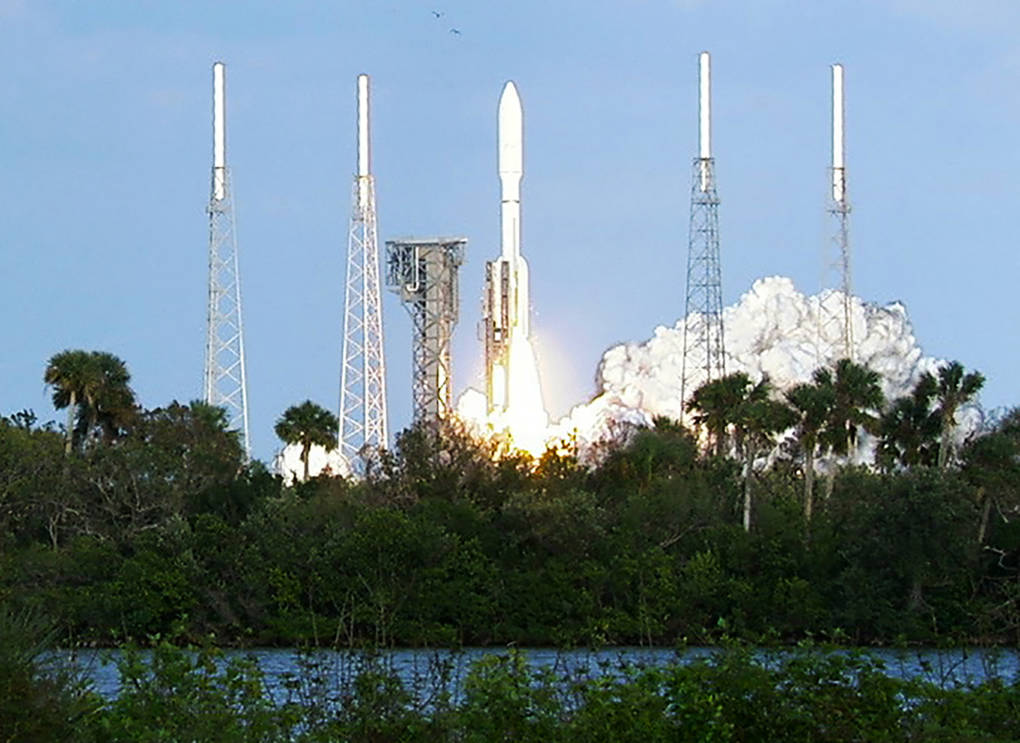
"caption": "A United Launch Alliance Atlas V rocket lifts off at Cape Canaveral Air Force Station carrying the National Oceanic and Atmospheric Administration's, or NOAA's, Geostationary Operational Environmental Satellite, or GOES-S. Liftoff was at 5:02 p.m. EST. ",
"description": null,
"title": "goes-s-launch-2",
"credit": "NASA",
"status": "inherit",
"isLoading": false,
"fetchFailed": false
},
"science_1919052": {
"type": "attachments",
"id": "science_1919052",
"meta": {
"index": "attachments_1716263798",
"site": "science",
"id": "1919052",
"found": true
},
"parent": 1919050,
"imgSizes": {
"small": {
"file": "https://ww2.kqed.org/app/uploads/sites/35/2018/01/firstbearrests-520x390.jpg",
"width": 520,
"mimeType": "image/jpeg",
"height": 390
},
"twentyfourteen-full-width": {
"file": "https://ww2.kqed.org/app/uploads/sites/35/2018/01/firstbearrests-800x576.jpg",
"width": 800,
"mimeType": "image/jpeg",
"height": 576
},
"thumbnail": {
"file": "https://ww2.kqed.org/app/uploads/sites/35/2018/01/firstbearrests-160x120.jpg",
"width": 160,
"mimeType": "image/jpeg",
"height": 120
},
"post-thumbnail": {
"file": "https://ww2.kqed.org/app/uploads/sites/35/2018/01/firstbearrests-672x372.jpg",
"width": 672,
"mimeType": "image/jpeg",
"height": 372
},
"xsmall": {
"file": "https://ww2.kqed.org/app/uploads/sites/35/2018/01/firstbearrests-375x281.jpg",
"width": 375,
"mimeType": "image/jpeg",
"height": 281
},
"kqedFullSize": {
"file": "https://ww2.kqed.org/app/uploads/sites/35/2018/01/firstbearrests.jpg",
"width": 800,
"height": 600
},
"guest-author-50": {
"file": "https://ww2.kqed.org/app/uploads/sites/35/2018/01/firstbearrests-50x50.jpg",
"width": 50,
"mimeType": "image/jpeg",
"height": 50
},
"guest-author-96": {
"file": "https://ww2.kqed.org/app/uploads/sites/35/2018/01/firstbearrests-96x96.jpg",
"width": 96,
"mimeType": "image/jpeg",
"height": 96
},
"medium": {
"file": "https://ww2.kqed.org/app/uploads/sites/35/2018/01/firstbearrests-800x600.jpg",
"width": 800,
"mimeType": "image/jpeg",
"height": 600
},
"guest-author-64": {
"file": "https://ww2.kqed.org/app/uploads/sites/35/2018/01/firstbearrests-64x64.jpg",
"width": 64,
"mimeType": "image/jpeg",
"height": 64
},
"guest-author-32": {
"file": "https://ww2.kqed.org/app/uploads/sites/35/2018/01/firstbearrests-32x32.jpg",
"width": 32,
"mimeType": "image/jpeg",
"height": 32
},
"detail": {
"file": "https://ww2.kqed.org/app/uploads/sites/35/2018/01/firstbearrests-150x150.jpg",
"width": 150,
"mimeType": "image/jpeg",
"height": 150
},
"medium_large": {
"file": "https://ww2.kqed.org/app/uploads/sites/35/2018/01/firstbearrests-768x576.jpg",
"width": 768,
"mimeType": "image/jpeg",
"height": 576
},
"guest-author-128": {
"file": "https://ww2.kqed.org/app/uploads/sites/35/2018/01/firstbearrests-128x128.jpg",
"width": 128,
"mimeType": "image/jpeg",
"height": 128
},
"xxsmall": {
"file": "https://ww2.kqed.org/app/uploads/sites/35/2018/01/firstbearrests-240x180.jpg",
"width": 240,
"mimeType": "image/jpeg",
"height": 180
}
},
"publishDate": 1516909567,
"modified": 1516909628,
"caption": "The younger bear rests in her holding enclosure after her treatment is finished. The outer wrapping on her feet (made of corn husks) will delay her efforts to chew off the tilapia skin bandages underneath.",
"description": "The younger bear rests in her holding enclosure after her treatment is finished. The outer wrapping on her feet (made of corn husks) will delay her efforts to chew off the tilapia skin bandages underneath.",
"title": "firstbearrests",
"credit": "California Department of Fish and Wildlife",
"status": "inherit",
"isLoading": false,
"fetchFailed": false
},
"science_1917532": {
"type": "attachments",
"id": "science_1917532",
"meta": {
"index": "attachments_1716263798",
"site": "science",
"id": "1917532",
"found": true
},
"parent": 1917527,
"imgSizes": {
"small": {
"file": "https://ww2.kqed.org/app/uploads/sites/35/2017/11/air-pollution-13_Ed-Corn.Heidi-de-Marco-KHN-e1510093015788-520x347.jpg",
"width": 520,
"mimeType": "image/jpeg",
"height": 347
},
"twentyfourteen-full-width": {
"file": "https://ww2.kqed.org/app/uploads/sites/35/2017/11/air-pollution-13_Ed-Corn.Heidi-de-Marco-KHN-e1510093015788-1038x576.jpg",
"width": 1038,
"mimeType": "image/jpeg",
"height": 576
},
"thumbnail": {
"file": "https://ww2.kqed.org/app/uploads/sites/35/2017/11/air-pollution-13_Ed-Corn.Heidi-de-Marco-KHN-e1510093015788-160x107.jpg",
"width": 160,
"mimeType": "image/jpeg",
"height": 107
},
"fd-sm": {
"file": "https://ww2.kqed.org/app/uploads/sites/35/2017/11/air-pollution-13_Ed-Corn.Heidi-de-Marco-KHN-e1510093015788-960x641.jpg",
"width": 960,
"mimeType": "image/jpeg",
"height": 641
},
"post-thumbnail": {
"file": "https://ww2.kqed.org/app/uploads/sites/35/2017/11/air-pollution-13_Ed-Corn.Heidi-de-Marco-KHN-e1510093015788-672x372.jpg",
"width": 672,
"mimeType": "image/jpeg",
"height": 372
},
"xsmall": {
"file": "https://ww2.kqed.org/app/uploads/sites/35/2017/11/air-pollution-13_Ed-Corn.Heidi-de-Marco-KHN-e1510093015788-375x250.jpg",
"width": 375,
"mimeType": "image/jpeg",
"height": 250
},
"kqedFullSize": {
"file": "https://ww2.kqed.org/app/uploads/sites/35/2017/11/air-pollution-13_Ed-Corn.Heidi-de-Marco-KHN-e1510093015788.jpg",
"width": 1920,
"height": 1281
},
"large": {
"file": "https://ww2.kqed.org/app/uploads/sites/35/2017/11/air-pollution-13_Ed-Corn.Heidi-de-Marco-KHN-e1510093015788-1020x681.jpg",
"width": 1020,
"mimeType": "image/jpeg",
"height": 681
},
"xlarge": {
"file": "https://ww2.kqed.org/app/uploads/sites/35/2017/11/air-pollution-13_Ed-Corn.Heidi-de-Marco-KHN-e1510093015788-1180x787.jpg",
"width": 1180,
"mimeType": "image/jpeg",
"height": 787
},
"guest-author-50": {
"file": "https://ww2.kqed.org/app/uploads/sites/35/2017/11/air-pollution-13_Ed-Corn.Heidi-de-Marco-KHN-e1510093015788-50x50.jpg",
"width": 50,
"mimeType": "image/jpeg",
"height": 50
},
"guest-author-96": {
"file": "https://ww2.kqed.org/app/uploads/sites/35/2017/11/air-pollution-13_Ed-Corn.Heidi-de-Marco-KHN-e1510093015788-96x96.jpg",
"width": 96,
"mimeType": "image/jpeg",
"height": 96
},
"medium": {
"file": "https://ww2.kqed.org/app/uploads/sites/35/2017/11/air-pollution-13_Ed-Corn.Heidi-de-Marco-KHN-e1510093015788-800x534.jpg",
"width": 800,
"mimeType": "image/jpeg",
"height": 534
},
"guest-author-64": {
"file": "https://ww2.kqed.org/app/uploads/sites/35/2017/11/air-pollution-13_Ed-Corn.Heidi-de-Marco-KHN-e1510093015788-64x64.jpg",
"width": 64,
"mimeType": "image/jpeg",
"height": 64
},
"guest-author-32": {
"file": "https://ww2.kqed.org/app/uploads/sites/35/2017/11/air-pollution-13_Ed-Corn.Heidi-de-Marco-KHN-e1510093015788-32x32.jpg",
"width": 32,
"mimeType": "image/jpeg",
"height": 32
},
"fd-lrg": {
"file": "https://ww2.kqed.org/app/uploads/sites/35/2017/11/air-pollution-13_Ed-Corn.Heidi-de-Marco-KHN-e1510093015788-1920x1281.jpg",
"width": 1920,
"mimeType": "image/jpeg",
"height": 1281
},
"fd-med": {
"file": "https://ww2.kqed.org/app/uploads/sites/35/2017/11/air-pollution-13_Ed-Corn.Heidi-de-Marco-KHN-e1510093015788-1180x787.jpg",
"width": 1180,
"mimeType": "image/jpeg",
"height": 787
},
"full-width": {
"file": "https://ww2.kqed.org/app/uploads/sites/35/2017/11/air-pollution-13_Ed-Corn.Heidi-de-Marco-KHN-e1510093015788-1920x1281.jpg",
"width": 1920,
"mimeType": "image/jpeg",
"height": 1281
},
"detail": {
"file": "https://ww2.kqed.org/app/uploads/sites/35/2017/11/air-pollution-13_Ed-Corn.Heidi-de-Marco-KHN-e1510093015788-150x150.jpg",
"width": 150,
"mimeType": "image/jpeg",
"height": 150
},
"medium_large": {
"file": "https://ww2.kqed.org/app/uploads/sites/35/2017/11/air-pollution-13_Ed-Corn.Heidi-de-Marco-KHN-e1510093015788-768x512.jpg",
"width": 768,
"mimeType": "image/jpeg",
"height": 512
},
"guest-author-128": {
"file": "https://ww2.kqed.org/app/uploads/sites/35/2017/11/air-pollution-13_Ed-Corn.Heidi-de-Marco-KHN-e1510093015788-128x128.jpg",
"width": 128,
"mimeType": "image/jpeg",
"height": 128
},
"xxsmall": {
"file": "https://ww2.kqed.org/app/uploads/sites/35/2017/11/air-pollution-13_Ed-Corn.Heidi-de-Marco-KHN-e1510093015788-240x160.jpg",
"width": 240,
"mimeType": "image/jpeg",
"height": 160
}
},
"publishDate": 1510001489,
"modified": 1510001550,
"caption": "Ed Corn wears a mask as he sifts through the ashes of the home he shared with his paraplegic roommate in Santa Rosa’s Coffey Park neighborhood. “I can definitely taste the toxins in my throat and the back of my tongue,” he said.\n\n",
"description": null,
"title": "air-pollution-13_Ed- -Corn.Heidi- -de- -Marco KHN",
"credit": "Heidi de Marco/KHN",
"status": "inherit",
"isLoading": false,
"fetchFailed": false
},
"science_1917453": {
"type": "attachments",
"id": "science_1917453",
"meta": {
"index": "attachments_1716263798",
"site": "science",
"id": "1917453",
"found": true
},
"parent": 1917448,
"imgSizes": {
"small": {
"file": "https://ww2.kqed.org/app/uploads/sites/35/2017/11/Retardant-drop.-U.S.-Air-Force-photo-520x347.jpg",
"width": 520,
"mimeType": "image/jpeg",
"height": 347
},
"twentyfourteen-full-width": {
"file": "https://ww2.kqed.org/app/uploads/sites/35/2017/11/Retardant-drop.-U.S.-Air-Force-photo-1038x576.jpg",
"width": 1038,
"mimeType": "image/jpeg",
"height": 576
},
"thumbnail": {
"file": "https://ww2.kqed.org/app/uploads/sites/35/2017/11/Retardant-drop.-U.S.-Air-Force-photo-160x107.jpg",
"width": 160,
"mimeType": "image/jpeg",
"height": 107
},
"fd-sm": {
"file": "https://ww2.kqed.org/app/uploads/sites/35/2017/11/Retardant-drop.-U.S.-Air-Force-photo-960x641.jpg",
"width": 960,
"mimeType": "image/jpeg",
"height": 641
},
"post-thumbnail": {
"file": "https://ww2.kqed.org/app/uploads/sites/35/2017/11/Retardant-drop.-U.S.-Air-Force-photo-672x372.jpg",
"width": 672,
"mimeType": "image/jpeg",
"height": 372
},
"xsmall": {
"file": "https://ww2.kqed.org/app/uploads/sites/35/2017/11/Retardant-drop.-U.S.-Air-Force-photo-375x250.jpg",
"width": 375,
"mimeType": "image/jpeg",
"height": 250
},
"kqedFullSize": {
"file": "https://ww2.kqed.org/app/uploads/sites/35/2017/11/Retardant-drop.-U.S.-Air-Force-photo.jpg",
"width": 5152,
"height": 3439
},
"large": {
"file": "https://ww2.kqed.org/app/uploads/sites/35/2017/11/Retardant-drop.-U.S.-Air-Force-photo-1020x681.jpg",
"width": 1020,
"mimeType": "image/jpeg",
"height": 681
},
"xlarge": {
"file": "https://ww2.kqed.org/app/uploads/sites/35/2017/11/Retardant-drop.-U.S.-Air-Force-photo-1180x788.jpg",
"width": 1180,
"mimeType": "image/jpeg",
"height": 788
},
"guest-author-50": {
"file": "https://ww2.kqed.org/app/uploads/sites/35/2017/11/Retardant-drop.-U.S.-Air-Force-photo-50x50.jpg",
"width": 50,
"mimeType": "image/jpeg",
"height": 50
},
"guest-author-96": {
"file": "https://ww2.kqed.org/app/uploads/sites/35/2017/11/Retardant-drop.-U.S.-Air-Force-photo-96x96.jpg",
"width": 96,
"mimeType": "image/jpeg",
"height": 96
},
"medium": {
"file": "https://ww2.kqed.org/app/uploads/sites/35/2017/11/Retardant-drop.-U.S.-Air-Force-photo-800x534.jpg",
"width": 800,
"mimeType": "image/jpeg",
"height": 534
},
"guest-author-64": {
"file": "https://ww2.kqed.org/app/uploads/sites/35/2017/11/Retardant-drop.-U.S.-Air-Force-photo-64x64.jpg",
"width": 64,
"mimeType": "image/jpeg",
"height": 64
},
"guest-author-32": {
"file": "https://ww2.kqed.org/app/uploads/sites/35/2017/11/Retardant-drop.-U.S.-Air-Force-photo-32x32.jpg",
"width": 32,
"mimeType": "image/jpeg",
"height": 32
},
"fd-lrg": {
"file": "https://ww2.kqed.org/app/uploads/sites/35/2017/11/Retardant-drop.-U.S.-Air-Force-photo-1920x1282.jpg",
"width": 1920,
"mimeType": "image/jpeg",
"height": 1282
},
"fd-med": {
"file": "https://ww2.kqed.org/app/uploads/sites/35/2017/11/Retardant-drop.-U.S.-Air-Force-photo-1180x788.jpg",
"width": 1180,
"mimeType": "image/jpeg",
"height": 788
},
"full-width": {
"file": "https://ww2.kqed.org/app/uploads/sites/35/2017/11/Retardant-drop.-U.S.-Air-Force-photo-1920x1282.jpg",
"width": 1920,
"mimeType": "image/jpeg",
"height": 1282
},
"detail": {
"file": "https://ww2.kqed.org/app/uploads/sites/35/2017/11/Retardant-drop.-U.S.-Air-Force-photo-150x150.jpg",
"width": 150,
"mimeType": "image/jpeg",
"height": 150
},
"medium_large": {
"file": "https://ww2.kqed.org/app/uploads/sites/35/2017/11/Retardant-drop.-U.S.-Air-Force-photo-768x513.jpg",
"width": 768,
"mimeType": "image/jpeg",
"height": 513
},
"guest-author-128": {
"file": "https://ww2.kqed.org/app/uploads/sites/35/2017/11/Retardant-drop.-U.S.-Air-Force-photo-128x128.jpg",
"width": 128,
"mimeType": "image/jpeg",
"height": 128
},
"xxsmall": {
"file": "https://ww2.kqed.org/app/uploads/sites/35/2017/11/Retardant-drop.-U.S.-Air-Force-photo-240x160.jpg",
"width": 240,
"mimeType": "image/jpeg",
"height": 160
}
},
"publishDate": 1509657735,
"modified": 1509657855,
"caption": "Bright red fire retardant drops onto plants to help suppress the fires. In one week, more than 2 million gallons of retardant were dropped in California—a record, according to Cal Fire, the state firefighting agency.",
"description": null,
"title": "Retardant drop. U.S. Air Force photo",
"credit": "Linda Rogers",
"status": "inherit",
"isLoading": false,
"fetchFailed": false
},
"science_1917379": {
"type": "attachments",
"id": "science_1917379",
"meta": {
"index": "attachments_1716263798",
"site": "science",
"id": "1917379",
"found": true
},
"parent": 1917374,
"imgSizes": {
"small": {
"file": "https://ww2.kqed.org/app/uploads/sites/35/2017/10/map-capture-520x293.jpg",
"width": 520,
"mimeType": "image/jpeg",
"height": 293
},
"thumbnail": {
"file": "https://ww2.kqed.org/app/uploads/sites/35/2017/10/map-capture-160x90.jpg",
"width": 160,
"mimeType": "image/jpeg",
"height": 90
},
"post-thumbnail": {
"file": "https://ww2.kqed.org/app/uploads/sites/35/2017/10/map-capture-672x372.jpg",
"width": 672,
"mimeType": "image/jpeg",
"height": 372
},
"xsmall": {
"file": "https://ww2.kqed.org/app/uploads/sites/35/2017/10/map-capture-375x211.jpg",
"width": 375,
"mimeType": "image/jpeg",
"height": 211
},
"kqedFullSize": {
"file": "https://ww2.kqed.org/app/uploads/sites/35/2017/10/map-capture.jpg",
"width": 769,
"height": 433
},
"guest-author-50": {
"file": "https://ww2.kqed.org/app/uploads/sites/35/2017/10/map-capture-50x50.jpg",
"width": 50,
"mimeType": "image/jpeg",
"height": 50
},
"guest-author-96": {
"file": "https://ww2.kqed.org/app/uploads/sites/35/2017/10/map-capture-96x96.jpg",
"width": 96,
"mimeType": "image/jpeg",
"height": 96
},
"guest-author-64": {
"file": "https://ww2.kqed.org/app/uploads/sites/35/2017/10/map-capture-64x64.jpg",
"width": 64,
"mimeType": "image/jpeg",
"height": 64
},
"guest-author-32": {
"file": "https://ww2.kqed.org/app/uploads/sites/35/2017/10/map-capture-32x32.jpg",
"width": 32,
"mimeType": "image/jpeg",
"height": 32
},
"detail": {
"file": "https://ww2.kqed.org/app/uploads/sites/35/2017/10/map-capture-150x150.jpg",
"width": 150,
"mimeType": "image/jpeg",
"height": 150
},
"medium_large": {
"file": "https://ww2.kqed.org/app/uploads/sites/35/2017/10/map-capture-768x432.jpg",
"width": 768,
"mimeType": "image/jpeg",
"height": 432
},
"guest-author-128": {
"file": "https://ww2.kqed.org/app/uploads/sites/35/2017/10/map-capture-128x128.jpg",
"width": 128,
"mimeType": "image/jpeg",
"height": 128
},
"xxsmall": {
"file": "https://ww2.kqed.org/app/uploads/sites/35/2017/10/map-capture-240x135.jpg",
"width": 240,
"mimeType": "image/jpeg",
"height": 135
}
},
"publishDate": 1509483991,
"modified": 1509483991,
"caption": null,
"description": null,
"title": "map-capture",
"credit": null,
"status": "inherit",
"isLoading": false,
"fetchFailed": false
},
"science_1917349": {
"type": "attachments",
"id": "science_1917349",
"meta": {
"index": "attachments_1716263798",
"site": "science",
"id": "1917349",
"found": true
},
"parent": 1917346,
"imgSizes": {
"small": {
"file": "https://ww2.kqed.org/app/uploads/sites/35/2017/10/WIldfire_2013_IBHS_01-web-520x293.jpg",
"width": 520,
"mimeType": "image/jpeg",
"height": 293
},
"twentyfourteen-full-width": {
"file": "https://ww2.kqed.org/app/uploads/sites/35/2017/10/WIldfire_2013_IBHS_01-web-1038x576.jpg",
"width": 1038,
"mimeType": "image/jpeg",
"height": 576
},
"thumbnail": {
"file": "https://ww2.kqed.org/app/uploads/sites/35/2017/10/WIldfire_2013_IBHS_01-web-160x90.jpg",
"width": 160,
"mimeType": "image/jpeg",
"height": 90
},
"fd-sm": {
"file": "https://ww2.kqed.org/app/uploads/sites/35/2017/10/WIldfire_2013_IBHS_01-web-960x540.jpg",
"width": 960,
"mimeType": "image/jpeg",
"height": 540
},
"post-thumbnail": {
"file": "https://ww2.kqed.org/app/uploads/sites/35/2017/10/WIldfire_2013_IBHS_01-web-672x372.jpg",
"width": 672,
"mimeType": "image/jpeg",
"height": 372
},
"xsmall": {
"file": "https://ww2.kqed.org/app/uploads/sites/35/2017/10/WIldfire_2013_IBHS_01-web-375x211.jpg",
"width": 375,
"mimeType": "image/jpeg",
"height": 211
},
"kqedFullSize": {
"file": "https://ww2.kqed.org/app/uploads/sites/35/2017/10/WIldfire_2013_IBHS_01-web.jpg",
"width": 1920,
"height": 1080
},
"large": {
"file": "https://ww2.kqed.org/app/uploads/sites/35/2017/10/WIldfire_2013_IBHS_01-web-1020x574.jpg",
"width": 1020,
"mimeType": "image/jpeg",
"height": 574
},
"xlarge": {
"file": "https://ww2.kqed.org/app/uploads/sites/35/2017/10/WIldfire_2013_IBHS_01-web-1180x664.jpg",
"width": 1180,
"mimeType": "image/jpeg",
"height": 664
},
"guest-author-50": {
"file": "https://ww2.kqed.org/app/uploads/sites/35/2017/10/WIldfire_2013_IBHS_01-web-50x50.jpg",
"width": 50,
"mimeType": "image/jpeg",
"height": 50
},
"guest-author-96": {
"file": "https://ww2.kqed.org/app/uploads/sites/35/2017/10/WIldfire_2013_IBHS_01-web-96x96.jpg",
"width": 96,
"mimeType": "image/jpeg",
"height": 96
},
"medium": {
"file": "https://ww2.kqed.org/app/uploads/sites/35/2017/10/WIldfire_2013_IBHS_01-web-800x450.jpg",
"width": 800,
"mimeType": "image/jpeg",
"height": 450
},
"guest-author-64": {
"file": "https://ww2.kqed.org/app/uploads/sites/35/2017/10/WIldfire_2013_IBHS_01-web-64x64.jpg",
"width": 64,
"mimeType": "image/jpeg",
"height": 64
},
"guest-author-32": {
"file": "https://ww2.kqed.org/app/uploads/sites/35/2017/10/WIldfire_2013_IBHS_01-web-32x32.jpg",
"width": 32,
"mimeType": "image/jpeg",
"height": 32
},
"fd-lrg": {
"file": "https://ww2.kqed.org/app/uploads/sites/35/2017/10/WIldfire_2013_IBHS_01-web-1920x1080.jpg",
"width": 1920,
"mimeType": "image/jpeg",
"height": 1080
},
"fd-med": {
"file": "https://ww2.kqed.org/app/uploads/sites/35/2017/10/WIldfire_2013_IBHS_01-web-1180x664.jpg",
"width": 1180,
"mimeType": "image/jpeg",
"height": 664
},
"full-width": {
"file": "https://ww2.kqed.org/app/uploads/sites/35/2017/10/WIldfire_2013_IBHS_01-web-1920x1080.jpg",
"width": 1920,
"mimeType": "image/jpeg",
"height": 1080
},
"detail": {
"file": "https://ww2.kqed.org/app/uploads/sites/35/2017/10/WIldfire_2013_IBHS_01-web-150x150.jpg",
"width": 150,
"mimeType": "image/jpeg",
"height": 150
},
"medium_large": {
"file": "https://ww2.kqed.org/app/uploads/sites/35/2017/10/WIldfire_2013_IBHS_01-web-768x432.jpg",
"width": 768,
"mimeType": "image/jpeg",
"height": 432
},
"guest-author-128": {
"file": "https://ww2.kqed.org/app/uploads/sites/35/2017/10/WIldfire_2013_IBHS_01-web-128x128.jpg",
"width": 128,
"mimeType": "image/jpeg",
"height": 128
},
"xxsmall": {
"file": "https://ww2.kqed.org/app/uploads/sites/35/2017/10/WIldfire_2013_IBHS_01-web-240x135.jpg",
"width": 240,
"mimeType": "image/jpeg",
"height": 135
}
},
"publishDate": 1509144310,
"modified": 1509144476,
"caption": "A house undergoes testing in the Insurance Institute for Business & Home Safety's lab. ",
"description": null,
"title": "WIldfire_2013_IBHS_01-web",
"credit": "Insurance Institute for Business & Home Safety",
"status": "inherit",
"isLoading": false,
"fetchFailed": false
},
"science_1917138": {
"type": "attachments",
"id": "science_1917138",
"meta": {
"index": "attachments_1716263798",
"site": "science",
"id": "1917138",
"found": true
},
"parent": 1917107,
"imgSizes": {
"small": {
"file": "https://ww2.kqed.org/app/uploads/sites/35/2017/10/IMG_4233-520x390.jpeg",
"width": 520,
"mimeType": "image/jpeg",
"height": 390
},
"twentyfourteen-full-width": {
"file": "https://ww2.kqed.org/app/uploads/sites/35/2017/10/IMG_4233-1038x576.jpeg",
"width": 1038,
"mimeType": "image/jpeg",
"height": 576
},
"thumbnail": {
"file": "https://ww2.kqed.org/app/uploads/sites/35/2017/10/IMG_4233-160x120.jpeg",
"width": 160,
"mimeType": "image/jpeg",
"height": 120
},
"fd-sm": {
"file": "https://ww2.kqed.org/app/uploads/sites/35/2017/10/IMG_4233-960x720.jpeg",
"width": 960,
"mimeType": "image/jpeg",
"height": 720
},
"post-thumbnail": {
"file": "https://ww2.kqed.org/app/uploads/sites/35/2017/10/IMG_4233-672x372.jpeg",
"width": 672,
"mimeType": "image/jpeg",
"height": 372
},
"xsmall": {
"file": "https://ww2.kqed.org/app/uploads/sites/35/2017/10/IMG_4233-375x281.jpeg",
"width": 375,
"mimeType": "image/jpeg",
"height": 281
},
"kqedFullSize": {
"file": "https://ww2.kqed.org/app/uploads/sites/35/2017/10/IMG_4233-e1508873907106.jpeg",
"width": 1920,
"height": 1440
},
"large": {
"file": "https://ww2.kqed.org/app/uploads/sites/35/2017/10/IMG_4233-1020x765.jpeg",
"width": 1020,
"mimeType": "image/jpeg",
"height": 765
},
"xlarge": {
"file": "https://ww2.kqed.org/app/uploads/sites/35/2017/10/IMG_4233-1180x885.jpeg",
"width": 1180,
"mimeType": "image/jpeg",
"height": 885
},
"guest-author-50": {
"file": "https://ww2.kqed.org/app/uploads/sites/35/2017/10/IMG_4233-50x50.jpeg",
"width": 50,
"mimeType": "image/jpeg",
"height": 50
},
"guest-author-96": {
"file": "https://ww2.kqed.org/app/uploads/sites/35/2017/10/IMG_4233-96x96.jpeg",
"width": 96,
"mimeType": "image/jpeg",
"height": 96
},
"medium": {
"file": "https://ww2.kqed.org/app/uploads/sites/35/2017/10/IMG_4233-800x600.jpeg",
"width": 800,
"mimeType": "image/jpeg",
"height": 600
},
"guest-author-64": {
"file": "https://ww2.kqed.org/app/uploads/sites/35/2017/10/IMG_4233-64x64.jpeg",
"width": 64,
"mimeType": "image/jpeg",
"height": 64
},
"guest-author-32": {
"file": "https://ww2.kqed.org/app/uploads/sites/35/2017/10/IMG_4233-32x32.jpeg",
"width": 32,
"mimeType": "image/jpeg",
"height": 32
},
"fd-lrg": {
"file": "https://ww2.kqed.org/app/uploads/sites/35/2017/10/IMG_4233-1920x1440.jpeg",
"width": 1920,
"mimeType": "image/jpeg",
"height": 1440
},
"fd-med": {
"file": "https://ww2.kqed.org/app/uploads/sites/35/2017/10/IMG_4233-1180x885.jpeg",
"width": 1180,
"mimeType": "image/jpeg",
"height": 885
},
"full-width": {
"file": "https://ww2.kqed.org/app/uploads/sites/35/2017/10/IMG_4233-1920x1440.jpeg",
"width": 1920,
"mimeType": "image/jpeg",
"height": 1440
},
"detail": {
"file": "https://ww2.kqed.org/app/uploads/sites/35/2017/10/IMG_4233-150x150.jpeg",
"width": 150,
"mimeType": "image/jpeg",
"height": 150
},
"medium_large": {
"file": "https://ww2.kqed.org/app/uploads/sites/35/2017/10/IMG_4233-768x576.jpeg",
"width": 768,
"mimeType": "image/jpeg",
"height": 576
},
"guest-author-128": {
"file": "https://ww2.kqed.org/app/uploads/sites/35/2017/10/IMG_4233-128x128.jpeg",
"width": 128,
"mimeType": "image/jpeg",
"height": 128
},
"xxsmall": {
"file": "https://ww2.kqed.org/app/uploads/sites/35/2017/10/IMG_4233-240x180.jpeg",
"width": 240,
"mimeType": "image/jpeg",
"height": 180
}
},
"publishDate": 1508783482,
"modified": 1508789148,
"caption": "Dan Cortright relieves tight knots in Truckee firefighter John Farrell's shoulders at the Sonoma County Fairgrounds.",
"description": null,
"title": "IMG_4233",
"credit": "Lesley McClurg/KQED",
"status": "inherit",
"isLoading": false,
"fetchFailed": false
},
"science_1917096": {
"type": "attachments",
"id": "science_1917096",
"meta": {
"index": "attachments_1716263798",
"site": "science",
"id": "1917096",
"found": true
},
"parent": 1917067,
"imgSizes": {
"small": {
"file": "https://ww2.kqed.org/app/uploads/sites/35/2017/10/RS27213_GettyImages-859290782-qut-520x328.jpg",
"width": 520,
"mimeType": "image/jpeg",
"height": 328
},
"twentyfourteen-full-width": {
"file": "https://ww2.kqed.org/app/uploads/sites/35/2017/10/RS27213_GettyImages-859290782-qut-1038x576.jpg",
"width": 1038,
"mimeType": "image/jpeg",
"height": 576
},
"thumbnail": {
"file": "https://ww2.kqed.org/app/uploads/sites/35/2017/10/RS27213_GettyImages-859290782-qut-160x101.jpg",
"width": 160,
"mimeType": "image/jpeg",
"height": 101
},
"fd-sm": {
"file": "https://ww2.kqed.org/app/uploads/sites/35/2017/10/RS27213_GettyImages-859290782-qut-960x606.jpg",
"width": 960,
"mimeType": "image/jpeg",
"height": 606
},
"post-thumbnail": {
"file": "https://ww2.kqed.org/app/uploads/sites/35/2017/10/RS27213_GettyImages-859290782-qut-672x372.jpg",
"width": 672,
"mimeType": "image/jpeg",
"height": 372
},
"xsmall": {
"file": "https://ww2.kqed.org/app/uploads/sites/35/2017/10/RS27213_GettyImages-859290782-qut-375x237.jpg",
"width": 375,
"mimeType": "image/jpeg",
"height": 237
},
"kqedFullSize": {
"file": "https://ww2.kqed.org/app/uploads/sites/35/2017/10/RS27213_GettyImages-859290782-qut.jpg",
"width": 1920,
"height": 1211
},
"large": {
"file": "https://ww2.kqed.org/app/uploads/sites/35/2017/10/RS27213_GettyImages-859290782-qut-1020x643.jpg",
"width": 1020,
"mimeType": "image/jpeg",
"height": 643
},
"xlarge": {
"file": "https://ww2.kqed.org/app/uploads/sites/35/2017/10/RS27213_GettyImages-859290782-qut-1180x744.jpg",
"width": 1180,
"mimeType": "image/jpeg",
"height": 744
},
"guest-author-50": {
"file": "https://ww2.kqed.org/app/uploads/sites/35/2017/10/RS27213_GettyImages-859290782-qut-50x50.jpg",
"width": 50,
"mimeType": "image/jpeg",
"height": 50
},
"guest-author-96": {
"file": "https://ww2.kqed.org/app/uploads/sites/35/2017/10/RS27213_GettyImages-859290782-qut-96x96.jpg",
"width": 96,
"mimeType": "image/jpeg",
"height": 96
},
"medium": {
"file": "https://ww2.kqed.org/app/uploads/sites/35/2017/10/RS27213_GettyImages-859290782-qut-800x505.jpg",
"width": 800,
"mimeType": "image/jpeg",
"height": 505
},
"guest-author-64": {
"file": "https://ww2.kqed.org/app/uploads/sites/35/2017/10/RS27213_GettyImages-859290782-qut-64x64.jpg",
"width": 64,
"mimeType": "image/jpeg",
"height": 64
},
"guest-author-32": {
"file": "https://ww2.kqed.org/app/uploads/sites/35/2017/10/RS27213_GettyImages-859290782-qut-32x32.jpg",
"width": 32,
"mimeType": "image/jpeg",
"height": 32
},
"fd-lrg": {
"file": "https://ww2.kqed.org/app/uploads/sites/35/2017/10/RS27213_GettyImages-859290782-qut-1920x1211.jpg",
"width": 1920,
"mimeType": "image/jpeg",
"height": 1211
},
"fd-med": {
"file": "https://ww2.kqed.org/app/uploads/sites/35/2017/10/RS27213_GettyImages-859290782-qut-1180x744.jpg",
"width": 1180,
"mimeType": "image/jpeg",
"height": 744
},
"full-width": {
"file": "https://ww2.kqed.org/app/uploads/sites/35/2017/10/RS27213_GettyImages-859290782-qut-1920x1211.jpg",
"width": 1920,
"mimeType": "image/jpeg",
"height": 1211
},
"detail": {
"file": "https://ww2.kqed.org/app/uploads/sites/35/2017/10/RS27213_GettyImages-859290782-qut-150x150.jpg",
"width": 150,
"mimeType": "image/jpeg",
"height": 150
},
"medium_large": {
"file": "https://ww2.kqed.org/app/uploads/sites/35/2017/10/RS27213_GettyImages-859290782-qut-768x484.jpg",
"width": 768,
"mimeType": "image/jpeg",
"height": 484
},
"guest-author-128": {
"file": "https://ww2.kqed.org/app/uploads/sites/35/2017/10/RS27213_GettyImages-859290782-qut-128x128.jpg",
"width": 128,
"mimeType": "image/jpeg",
"height": 128
},
"xxsmall": {
"file": "https://ww2.kqed.org/app/uploads/sites/35/2017/10/RS27213_GettyImages-859290782-qut-240x151.jpg",
"width": 240,
"mimeType": "image/jpeg",
"height": 151
}
},
"publishDate": 1508719244,
"modified": 1508719380,
"caption": "Some winds were recorded at unprecedented speeds as the North Bay Fires began to spread.",
"description": "Some winds were recorded at unprecedented speeds as the North Bay Fires began to spread.",
"title": "TOPSHOT-US-WILDFIRES-CALIFORNIA",
"credit": "JOSH EDELSON/AFP/Getty Images",
"status": "inherit",
"isLoading": false,
"fetchFailed": false
},
"science_1916730": {
"type": "attachments",
"id": "science_1916730",
"meta": {
"index": "attachments_1716263798",
"site": "science",
"id": "1916730",
"found": true
},
"parent": 1916634,
"imgSizes": {
"small": {
"file": "https://ww2.kqed.org/app/uploads/sites/35/2017/10/MCFTOA_image2-e1508350424475-520x299.jpg",
"width": 520,
"mimeType": "image/jpeg",
"height": 299
},
"twentyfourteen-full-width": {
"file": "https://ww2.kqed.org/app/uploads/sites/35/2017/10/MCFTOA_image2-e1508350424475-1038x576.jpg",
"width": 1038,
"mimeType": "image/jpeg",
"height": 576
},
"thumbnail": {
"file": "https://ww2.kqed.org/app/uploads/sites/35/2017/10/MCFTOA_image2-e1508350424475-160x92.jpg",
"width": 160,
"mimeType": "image/jpeg",
"height": 92
},
"fd-sm": {
"file": "https://ww2.kqed.org/app/uploads/sites/35/2017/10/MCFTOA_image2-e1508350424475-960x552.jpg",
"width": 960,
"mimeType": "image/jpeg",
"height": 552
},
"post-thumbnail": {
"file": "https://ww2.kqed.org/app/uploads/sites/35/2017/10/MCFTOA_image2-e1508350424475-672x372.jpg",
"width": 672,
"mimeType": "image/jpeg",
"height": 372
},
"xsmall": {
"file": "https://ww2.kqed.org/app/uploads/sites/35/2017/10/MCFTOA_image2-e1508350424475-375x216.jpg",
"width": 375,
"mimeType": "image/jpeg",
"height": 216
},
"kqedFullSize": {
"file": "https://ww2.kqed.org/app/uploads/sites/35/2017/10/MCFTOA_image2-e1508350424475.jpg",
"width": 1936,
"height": 1113
},
"large": {
"file": "https://ww2.kqed.org/app/uploads/sites/35/2017/10/MCFTOA_image2-e1508350424475-1020x586.jpg",
"width": 1020,
"mimeType": "image/jpeg",
"height": 586
},
"xlarge": {
"file": "https://ww2.kqed.org/app/uploads/sites/35/2017/10/MCFTOA_image2-e1508350424475-1180x678.jpg",
"width": 1180,
"mimeType": "image/jpeg",
"height": 678
},
"guest-author-50": {
"file": "https://ww2.kqed.org/app/uploads/sites/35/2017/10/MCFTOA_image2-e1508350424475-50x50.jpg",
"width": 50,
"mimeType": "image/jpeg",
"height": 50
},
"guest-author-96": {
"file": "https://ww2.kqed.org/app/uploads/sites/35/2017/10/MCFTOA_image2-e1508350424475-96x96.jpg",
"width": 96,
"mimeType": "image/jpeg",
"height": 96
},
"medium": {
"file": "https://ww2.kqed.org/app/uploads/sites/35/2017/10/MCFTOA_image2-e1508350424475-800x460.jpg",
"width": 800,
"mimeType": "image/jpeg",
"height": 460
},
"guest-author-64": {
"file": "https://ww2.kqed.org/app/uploads/sites/35/2017/10/MCFTOA_image2-e1508350424475-64x64.jpg",
"width": 64,
"mimeType": "image/jpeg",
"height": 64
},
"guest-author-32": {
"file": "https://ww2.kqed.org/app/uploads/sites/35/2017/10/MCFTOA_image2-e1508350424475-32x32.jpg",
"width": 32,
"mimeType": "image/jpeg",
"height": 32
},
"fd-lrg": {
"file": "https://ww2.kqed.org/app/uploads/sites/35/2017/10/MCFTOA_image2-e1508350424475-1920x1104.jpg",
"width": 1920,
"mimeType": "image/jpeg",
"height": 1104
},
"fd-med": {
"file": "https://ww2.kqed.org/app/uploads/sites/35/2017/10/MCFTOA_image2-e1508350424475-1180x678.jpg",
"width": 1180,
"mimeType": "image/jpeg",
"height": 678
},
"full-width": {
"file": "https://ww2.kqed.org/app/uploads/sites/35/2017/10/MCFTOA_image2-e1508350424475-1920x1104.jpg",
"width": 1920,
"mimeType": "image/jpeg",
"height": 1104
},
"detail": {
"file": "https://ww2.kqed.org/app/uploads/sites/35/2017/10/MCFTOA_image2-e1508350424475-150x150.jpg",
"width": 150,
"mimeType": "image/jpeg",
"height": 150
},
"medium_large": {
"file": "https://ww2.kqed.org/app/uploads/sites/35/2017/10/MCFTOA_image2-e1508350424475-768x442.jpg",
"width": 768,
"mimeType": "image/jpeg",
"height": 442
},
"guest-author-128": {
"file": "https://ww2.kqed.org/app/uploads/sites/35/2017/10/MCFTOA_image2-e1508350424475-128x128.jpg",
"width": 128,
"mimeType": "image/jpeg",
"height": 128
},
"xxsmall": {
"file": "https://ww2.kqed.org/app/uploads/sites/35/2017/10/MCFTOA_image2-e1508350424475-240x138.jpg",
"width": 240,
"mimeType": "image/jpeg",
"height": 138
}
},
"publishDate": 1508111259,
"modified": 1508111400,
"caption": "A firefighter works to contain the blaze using a \"hose lay\" technique: walking along the edge of the fire and dousing the flames with water.",
"description": null,
"title": "MCFTOA_image2",
"credit": "MCFTOA",
"status": "inherit",
"isLoading": false,
"fetchFailed": false
},
"science_1916573": {
"type": "attachments",
"id": "science_1916573",
"meta": {
"index": "attachments_1716263798",
"site": "science",
"id": "1916573",
"found": true
},
"parent": 1916490,
"imgSizes": {
"small": {
"file": "https://ww2.kqed.org/app/uploads/sites/35/2017/10/FI_COFFEY-520x293.jpg",
"width": 520,
"mimeType": "image/jpeg",
"height": 293
},
"twentyfourteen-full-width": {
"file": "https://ww2.kqed.org/app/uploads/sites/35/2017/10/FI_COFFEY-1038x576.jpg",
"width": 1038,
"mimeType": "image/jpeg",
"height": 576
},
"thumbnail": {
"file": "https://ww2.kqed.org/app/uploads/sites/35/2017/10/FI_COFFEY-160x90.jpg",
"width": 160,
"mimeType": "image/jpeg",
"height": 90
},
"fd-sm": {
"file": "https://ww2.kqed.org/app/uploads/sites/35/2017/10/FI_COFFEY-960x540.jpg",
"width": 960,
"mimeType": "image/jpeg",
"height": 540
},
"post-thumbnail": {
"file": "https://ww2.kqed.org/app/uploads/sites/35/2017/10/FI_COFFEY-672x372.jpg",
"width": 672,
"mimeType": "image/jpeg",
"height": 372
},
"xsmall": {
"file": "https://ww2.kqed.org/app/uploads/sites/35/2017/10/FI_COFFEY-375x211.jpg",
"width": 375,
"mimeType": "image/jpeg",
"height": 211
},
"kqedFullSize": {
"file": "https://ww2.kqed.org/app/uploads/sites/35/2017/10/FI_COFFEY.jpg",
"width": 2065,
"height": 1162
},
"large": {
"file": "https://ww2.kqed.org/app/uploads/sites/35/2017/10/FI_COFFEY-1020x574.jpg",
"width": 1020,
"mimeType": "image/jpeg",
"height": 574
},
"xlarge": {
"file": "https://ww2.kqed.org/app/uploads/sites/35/2017/10/FI_COFFEY-1180x664.jpg",
"width": 1180,
"mimeType": "image/jpeg",
"height": 664
},
"guest-author-50": {
"file": "https://ww2.kqed.org/app/uploads/sites/35/2017/10/FI_COFFEY-50x50.jpg",
"width": 50,
"mimeType": "image/jpeg",
"height": 50
},
"guest-author-96": {
"file": "https://ww2.kqed.org/app/uploads/sites/35/2017/10/FI_COFFEY-96x96.jpg",
"width": 96,
"mimeType": "image/jpeg",
"height": 96
},
"medium": {
"file": "https://ww2.kqed.org/app/uploads/sites/35/2017/10/FI_COFFEY-800x450.jpg",
"width": 800,
"mimeType": "image/jpeg",
"height": 450
},
"guest-author-64": {
"file": "https://ww2.kqed.org/app/uploads/sites/35/2017/10/FI_COFFEY-64x64.jpg",
"width": 64,
"mimeType": "image/jpeg",
"height": 64
},
"guest-author-32": {
"file": "https://ww2.kqed.org/app/uploads/sites/35/2017/10/FI_COFFEY-32x32.jpg",
"width": 32,
"mimeType": "image/jpeg",
"height": 32
},
"fd-lrg": {
"file": "https://ww2.kqed.org/app/uploads/sites/35/2017/10/FI_COFFEY-1920x1080.jpg",
"width": 1920,
"mimeType": "image/jpeg",
"height": 1080
},
"fd-med": {
"file": "https://ww2.kqed.org/app/uploads/sites/35/2017/10/FI_COFFEY-1180x664.jpg",
"width": 1180,
"mimeType": "image/jpeg",
"height": 664
},
"full-width": {
"file": "https://ww2.kqed.org/app/uploads/sites/35/2017/10/FI_COFFEY-1920x1080.jpg",
"width": 1920,
"mimeType": "image/jpeg",
"height": 1080
},
"detail": {
"file": "https://ww2.kqed.org/app/uploads/sites/35/2017/10/FI_COFFEY-150x150.jpg",
"width": 150,
"mimeType": "image/jpeg",
"height": 150
},
"medium_large": {
"file": "https://ww2.kqed.org/app/uploads/sites/35/2017/10/FI_COFFEY-768x432.jpg",
"width": 768,
"mimeType": "image/jpeg",
"height": 432
},
"guest-author-128": {
"file": "https://ww2.kqed.org/app/uploads/sites/35/2017/10/FI_COFFEY-128x128.jpg",
"width": 128,
"mimeType": "image/jpeg",
"height": 128
},
"xxsmall": {
"file": "https://ww2.kqed.org/app/uploads/sites/35/2017/10/FI_COFFEY-240x135.jpg",
"width": 240,
"mimeType": "image/jpeg",
"height": 135
}
},
"publishDate": 1507866713,
"modified": 1507871803,
"caption": "A neighborhood off Fountaingrove Parkway, northeast of Santa Rosa, California. ",
"description": null,
"title": "FI_COFFEY",
"credit": "Overview News // DigitalGlobe 2017",
"status": "inherit",
"isLoading": false,
"fetchFailed": false
},
"science_1916424": {
"type": "attachments",
"id": "science_1916424",
"meta": {
"index": "attachments_1716263798",
"site": "science",
"id": "1916424",
"found": true
},
"parent": 1916423,
"imgSizes": {
"small": {
"file": "https://ww2.kqed.org/app/uploads/sites/35/2017/10/Nasty-air-Santa-Rosa-520x390.jpg",
"width": 520,
"mimeType": "image/jpeg",
"height": 390
},
"twentyfourteen-full-width": {
"file": "https://ww2.kqed.org/app/uploads/sites/35/2017/10/Nasty-air-Santa-Rosa-1038x576.jpg",
"width": 1038,
"mimeType": "image/jpeg",
"height": 576
},
"thumbnail": {
"file": "https://ww2.kqed.org/app/uploads/sites/35/2017/10/Nasty-air-Santa-Rosa-160x120.jpg",
"width": 160,
"mimeType": "image/jpeg",
"height": 120
},
"fd-sm": {
"file": "https://ww2.kqed.org/app/uploads/sites/35/2017/10/Nasty-air-Santa-Rosa-960x720.jpg",
"width": 960,
"mimeType": "image/jpeg",
"height": 720
},
"post-thumbnail": {
"file": "https://ww2.kqed.org/app/uploads/sites/35/2017/10/Nasty-air-Santa-Rosa-672x372.jpg",
"width": 672,
"mimeType": "image/jpeg",
"height": 372
},
"xsmall": {
"file": "https://ww2.kqed.org/app/uploads/sites/35/2017/10/Nasty-air-Santa-Rosa-375x281.jpg",
"width": 375,
"mimeType": "image/jpeg",
"height": 281
},
"kqedFullSize": {
"file": "https://ww2.kqed.org/app/uploads/sites/35/2017/10/Nasty-air-Santa-Rosa.jpg",
"width": 4032,
"height": 3024
},
"large": {
"file": "https://ww2.kqed.org/app/uploads/sites/35/2017/10/Nasty-air-Santa-Rosa-1020x765.jpg",
"width": 1020,
"mimeType": "image/jpeg",
"height": 765
},
"xlarge": {
"file": "https://ww2.kqed.org/app/uploads/sites/35/2017/10/Nasty-air-Santa-Rosa-1180x885.jpg",
"width": 1180,
"mimeType": "image/jpeg",
"height": 885
},
"guest-author-50": {
"file": "https://ww2.kqed.org/app/uploads/sites/35/2017/10/Nasty-air-Santa-Rosa-50x50.jpg",
"width": 50,
"mimeType": "image/jpeg",
"height": 50
},
"guest-author-96": {
"file": "https://ww2.kqed.org/app/uploads/sites/35/2017/10/Nasty-air-Santa-Rosa-96x96.jpg",
"width": 96,
"mimeType": "image/jpeg",
"height": 96
},
"medium": {
"file": "https://ww2.kqed.org/app/uploads/sites/35/2017/10/Nasty-air-Santa-Rosa-800x600.jpg",
"width": 800,
"mimeType": "image/jpeg",
"height": 600
},
"guest-author-64": {
"file": "https://ww2.kqed.org/app/uploads/sites/35/2017/10/Nasty-air-Santa-Rosa-64x64.jpg",
"width": 64,
"mimeType": "image/jpeg",
"height": 64
},
"guest-author-32": {
"file": "https://ww2.kqed.org/app/uploads/sites/35/2017/10/Nasty-air-Santa-Rosa-32x32.jpg",
"width": 32,
"mimeType": "image/jpeg",
"height": 32
},
"fd-lrg": {
"file": "https://ww2.kqed.org/app/uploads/sites/35/2017/10/Nasty-air-Santa-Rosa-1920x1440.jpg",
"width": 1920,
"mimeType": "image/jpeg",
"height": 1440
},
"fd-med": {
"file": "https://ww2.kqed.org/app/uploads/sites/35/2017/10/Nasty-air-Santa-Rosa-1180x885.jpg",
"width": 1180,
"mimeType": "image/jpeg",
"height": 885
},
"full-width": {
"file": "https://ww2.kqed.org/app/uploads/sites/35/2017/10/Nasty-air-Santa-Rosa-1920x1440.jpg",
"width": 1920,
"mimeType": "image/jpeg",
"height": 1440
},
"detail": {
"file": "https://ww2.kqed.org/app/uploads/sites/35/2017/10/Nasty-air-Santa-Rosa-150x150.jpg",
"width": 150,
"mimeType": "image/jpeg",
"height": 150
},
"medium_large": {
"file": "https://ww2.kqed.org/app/uploads/sites/35/2017/10/Nasty-air-Santa-Rosa-768x576.jpg",
"width": 768,
"mimeType": "image/jpeg",
"height": 576
},
"guest-author-128": {
"file": "https://ww2.kqed.org/app/uploads/sites/35/2017/10/Nasty-air-Santa-Rosa-128x128.jpg",
"width": 128,
"mimeType": "image/jpeg",
"height": 128
},
"xxsmall": {
"file": "https://ww2.kqed.org/app/uploads/sites/35/2017/10/Nasty-air-Santa-Rosa-240x180.jpg",
"width": 240,
"mimeType": "image/jpeg",
"height": 180
}
},
"publishDate": 1507756725,
"modified": 1507756794,
"caption": "The sky over Santa Rosa on Monday, Oct. 9.",
"description": null,
"title": "Nasty air Santa Rosa",
"credit": "Lesley McClurg/ KQED",
"status": "inherit",
"isLoading": false,
"fetchFailed": false
},
"science_1916353": {
"type": "attachments",
"id": "science_1916353",
"meta": {
"index": "attachments_1716263798",
"site": "science",
"id": "1916353",
"found": true
},
"parent": 1916352,
"imgSizes": {
"small": {
"file": "https://ww2.kqed.org/app/uploads/sites/35/2017/10/Photo-of-Red-520x393.jpg",
"width": 520,
"mimeType": "image/jpeg",
"height": 393
},
"twentyfourteen-full-width": {
"file": "https://ww2.kqed.org/app/uploads/sites/35/2017/10/Photo-of-Red-1038x576.jpg",
"width": 1038,
"mimeType": "image/jpeg",
"height": 576
},
"thumbnail": {
"file": "https://ww2.kqed.org/app/uploads/sites/35/2017/10/Photo-of-Red-160x121.jpg",
"width": 160,
"mimeType": "image/jpeg",
"height": 121
},
"fd-sm": {
"file": "https://ww2.kqed.org/app/uploads/sites/35/2017/10/Photo-of-Red-960x726.jpg",
"width": 960,
"mimeType": "image/jpeg",
"height": 726
},
"post-thumbnail": {
"file": "https://ww2.kqed.org/app/uploads/sites/35/2017/10/Photo-of-Red-672x372.jpg",
"width": 672,
"mimeType": "image/jpeg",
"height": 372
},
"xsmall": {
"file": "https://ww2.kqed.org/app/uploads/sites/35/2017/10/Photo-of-Red-375x284.jpg",
"width": 375,
"mimeType": "image/jpeg",
"height": 284
},
"kqedFullSize": {
"file": "https://ww2.kqed.org/app/uploads/sites/35/2017/10/Photo-of-Red.jpg",
"width": 3165,
"height": 2395
},
"large": {
"file": "https://ww2.kqed.org/app/uploads/sites/35/2017/10/Photo-of-Red-1020x772.jpg",
"width": 1020,
"mimeType": "image/jpeg",
"height": 772
},
"xlarge": {
"file": "https://ww2.kqed.org/app/uploads/sites/35/2017/10/Photo-of-Red-1180x893.jpg",
"width": 1180,
"mimeType": "image/jpeg",
"height": 893
},
"guest-author-50": {
"file": "https://ww2.kqed.org/app/uploads/sites/35/2017/10/Photo-of-Red-50x50.jpg",
"width": 50,
"mimeType": "image/jpeg",
"height": 50
},
"guest-author-96": {
"file": "https://ww2.kqed.org/app/uploads/sites/35/2017/10/Photo-of-Red-96x96.jpg",
"width": 96,
"mimeType": "image/jpeg",
"height": 96
},
"medium": {
"file": "https://ww2.kqed.org/app/uploads/sites/35/2017/10/Photo-of-Red-800x605.jpg",
"width": 800,
"mimeType": "image/jpeg",
"height": 605
},
"guest-author-64": {
"file": "https://ww2.kqed.org/app/uploads/sites/35/2017/10/Photo-of-Red-64x64.jpg",
"width": 64,
"mimeType": "image/jpeg",
"height": 64
},
"guest-author-32": {
"file": "https://ww2.kqed.org/app/uploads/sites/35/2017/10/Photo-of-Red-32x32.jpg",
"width": 32,
"mimeType": "image/jpeg",
"height": 32
},
"fd-lrg": {
"file": "https://ww2.kqed.org/app/uploads/sites/35/2017/10/Photo-of-Red-1920x1453.jpg",
"width": 1920,
"mimeType": "image/jpeg",
"height": 1453
},
"fd-med": {
"file": "https://ww2.kqed.org/app/uploads/sites/35/2017/10/Photo-of-Red-1180x893.jpg",
"width": 1180,
"mimeType": "image/jpeg",
"height": 893
},
"full-width": {
"file": "https://ww2.kqed.org/app/uploads/sites/35/2017/10/Photo-of-Red-1920x1453.jpg",
"width": 1920,
"mimeType": "image/jpeg",
"height": 1453
},
"detail": {
"file": "https://ww2.kqed.org/app/uploads/sites/35/2017/10/Photo-of-Red-150x150.jpg",
"width": 150,
"mimeType": "image/jpeg",
"height": 150
},
"medium_large": {
"file": "https://ww2.kqed.org/app/uploads/sites/35/2017/10/Photo-of-Red-768x581.jpg",
"width": 768,
"mimeType": "image/jpeg",
"height": 581
},
"guest-author-128": {
"file": "https://ww2.kqed.org/app/uploads/sites/35/2017/10/Photo-of-Red-128x128.jpg",
"width": 128,
"mimeType": "image/jpeg",
"height": 128
},
"xxsmall": {
"file": "https://ww2.kqed.org/app/uploads/sites/35/2017/10/Photo-of-Red-240x182.jpg",
"width": 240,
"mimeType": "image/jpeg",
"height": 182
}
},
"publishDate": 1507672121,
"modified": 1507672215,
"caption": "Shirlene Gilman lost her home when the Tubbs fire blazed through Journey's End mobile home park in Santa Rosa. ",
"description": null,
"title": "Photo of Red",
"credit": "Lesley McCLurg/ KQED",
"status": "inherit",
"isLoading": false,
"fetchFailed": false
}
},
"audioPlayerReducer": {
"postId": "stream_live",
"isPaused": true,
"isPlaying": false,
"pfsActive": false,
"pledgeModalIsOpen": true,
"playerDrawerIsOpen": false,
"liveAudioPlayStartedAt": 0,
"liveAudioPlayContext": ""
},
"authorsReducer": {
"byline_science_1920572": {
"type": "authors",
"id": "byline_science_1920572",
"meta": {
"override": true
},
"slug": "byline_science_1920572",
"name": "Marcia Dunn\u003cbr />The Associated Press",
"isLoading": false
},
"byline_science_1919050": {
"type": "authors",
"id": "byline_science_1919050",
"meta": {
"override": true
},
"slug": "byline_science_1919050",
"name": "\u003cstrong>Ellen Knickmeyer, Associated Press\u003c/strong>",
"isLoading": false
},
"byline_science_1917527": {
"type": "authors",
"id": "byline_science_1917527",
"meta": {
"override": true
},
"slug": "byline_science_1917527",
"name": "\u003ca href=\"http://www.climatecentral.org/what-we-do/people/john-upton\" target=\"_blank\" rel=\"noopener\">John Upton\u003c/a>, Climate Central\u003c/br>\u003ca href=\"https://californiahealthline.org/news/author/barbara-feder-ostrov/\" target=\"_blank\" rel=\"noopener\">Barbara Feder Ostrov\u003c/a>, California Healthline",
"isLoading": false
},
"byline_science_1917448": {
"type": "authors",
"id": "byline_science_1917448",
"meta": {
"override": true
},
"slug": "byline_science_1917448",
"name": "\u003ca href=\"https://calmatters.org/articles/author/julie-cart/\" target=\"_blank\" rel=\"noopener\">Julie Cart\u003c/a>,\u003c/br>\u003ca href=\"https://calmatters.org/\" target=\"_blank\" rel=\"noopener\">CALmatters\u003c/a>",
"isLoading": false
},
"cmiller": {
"type": "authors",
"id": "221",
"meta": {
"index": "authors_1716337520",
"id": "221",
"found": true
},
"name": "Craig Miller",
"firstName": "Craig",
"lastName": "Miller",
"slug": "cmiller",
"email": "craig@voxterra.net",
"display_author_email": false,
"staff_mastheads": [
"science"
],
"title": "Editor Emeritus, Science",
"bio": "Craig is a former KQED Science editor, specializing in weather, climate, water & energy issues, with a little seismology thrown in just to shake things up. Prior to that, he launched and led the station's award-winning multimedia project, Climate Watch. Craig is also an accomplished writer/producer of television documentaries, with a focus on natural resource issues.",
"avatar": "https://secure.gravatar.com/avatar/b91661df645e001a9cafe0861fa685f9?s=600&d=blank&r=g",
"twitter": "voxterra",
"facebook": null,
"instagram": null,
"linkedin": null,
"sites": [
{
"site": "news",
"roles": [
"author"
]
},
{
"site": "futureofyou",
"roles": [
"editor"
]
},
{
"site": "stateofhealth",
"roles": [
"author"
]
},
{
"site": "science",
"roles": [
"editor"
]
},
{
"site": "quest",
"roles": [
"editor"
]
}
],
"headData": {
"title": "Craig Miller | KQED",
"description": "Editor Emeritus, Science",
"ogImgSrc": "https://secure.gravatar.com/avatar/b91661df645e001a9cafe0861fa685f9?s=600&d=blank&r=g",
"twImgSrc": "https://secure.gravatar.com/avatar/b91661df645e001a9cafe0861fa685f9?s=600&d=blank&r=g"
},
"isLoading": false,
"link": "/author/cmiller"
},
"laurensommer": {
"type": "authors",
"id": "239",
"meta": {
"index": "authors_1716337520",
"id": "239",
"found": true
},
"name": "Lauren Sommer",
"firstName": "Lauren",
"lastName": "Sommer",
"slug": "laurensommer",
"email": "lsommer@kqed.org",
"display_author_email": false,
"staff_mastheads": [],
"title": "KQED Contributor",
"bio": "Lauren is a radio reporter formerly covering environment, water, and energy for KQED Science. As part of her day job, she has scaled Sierra Nevada peaks, run from charging elephant seals, and desperately tried to get her sea legs - all in pursuit of good radio. Her work has appeared on Marketplace, Living on Earth, Science Friday and NPR's Morning Edition and All Things Considered. You can find her on Twitter at \u003ca href=\"https://twitter.com/lesommer\">@lesommer\u003c/a>.",
"avatar": "https://secure.gravatar.com/avatar/33aa3772bb86c6ad45b8aca6a238bbdf?s=600&d=blank&r=g",
"twitter": null,
"facebook": null,
"instagram": null,
"linkedin": null,
"sites": [
{
"site": "news",
"roles": [
"author"
]
},
{
"site": "science",
"roles": [
"editor",
"manage_content_types",
"manage_taxonomies"
]
},
{
"site": "quest",
"roles": [
"editor"
]
}
],
"headData": {
"title": "Lauren Sommer | KQED",
"description": "KQED Contributor",
"ogImgSrc": "https://secure.gravatar.com/avatar/33aa3772bb86c6ad45b8aca6a238bbdf?s=600&d=blank&r=g",
"twImgSrc": "https://secure.gravatar.com/avatar/33aa3772bb86c6ad45b8aca6a238bbdf?s=600&d=blank&r=g"
},
"isLoading": false,
"link": "/author/laurensommer"
},
"lindseyhoshaw": {
"type": "authors",
"id": "5432",
"meta": {
"index": "authors_1716337520",
"id": "5432",
"found": true
},
"name": "Lindsey Hoshaw",
"firstName": "Lindsey",
"lastName": "Hoshaw",
"slug": "lindseyhoshaw",
"email": "lhoshaw@kqed.org",
"display_author_email": false,
"staff_mastheads": [],
"title": "KQED Contributor",
"bio": "Lindsey Hoshaw is a former interactive producer for KQED Science. Before joining KQED, Lindsey was a science correspondent for The New York Times, The Boston Globe, Forbes and Scientific American. On Twitter @lindseyhoshaw",
"avatar": "https://secure.gravatar.com/avatar/274b07694c998eaa8f26cfabaa941186?s=600&d=mm&r=g",
"twitter": "lindseyhoshaw",
"facebook": "lindsey.hoshaw.9",
"instagram": null,
"linkedin": null,
"sites": [
{
"site": "arts",
"roles": [
"author"
]
},
{
"site": "news",
"roles": [
"subscriber"
]
},
{
"site": "futureofyou",
"roles": [
"editor"
]
},
{
"site": "bayareabites",
"roles": [
"contributor"
]
},
{
"site": "stateofhealth",
"roles": [
"author"
]
},
{
"site": "science",
"roles": [
"edit_theme_options",
"subscriber"
]
},
{
"site": "quest",
"roles": [
"edit_post_subscriptions",
"edit_usergroups",
"unfiltered_html",
"unfiltered_upload",
"leadcoordinator",
"editor"
]
},
{
"site": "food",
"roles": []
}
],
"headData": {
"title": "Lindsey Hoshaw | KQED",
"description": "KQED Contributor",
"ogImgSrc": "https://secure.gravatar.com/avatar/274b07694c998eaa8f26cfabaa941186?s=600&d=mm&r=g",
"twImgSrc": "https://secure.gravatar.com/avatar/274b07694c998eaa8f26cfabaa941186?s=600&d=mm&r=g"
},
"isLoading": false,
"link": "/author/lindseyhoshaw"
},
"lesleymcclurg": {
"type": "authors",
"id": "11229",
"meta": {
"index": "authors_1716337520",
"id": "11229",
"found": true
},
"name": "Lesley McClurg",
"firstName": "Lesley",
"lastName": "McClurg",
"slug": "lesleymcclurg",
"email": "lmcclurg@KQED.org",
"display_author_email": false,
"staff_mastheads": [],
"title": "KQED Health Correspondent",
"bio": "Lesley McClurg is a health correspondent and fill-in host whose work is regularly rebroadcast on NPR and PBS programs. She’s earned multiple regional Emmy awards, a national and a regional Edward R. Murrow award, and was named Best Beat Reporter by the Association of Health Care Journalists. The Society of Professional Journalists has recognized her work several times, and the Society of Environmental Journalists spotlighted her coverage of California’s historic drought.\r\n\r\nBefore joining KQED in 2016, Lesley covered food and sustainability for Capital Public Radio, environmental issues for Colorado Public Radio, and reported for KUOW and KCTS 9 in Seattle. Away from the newsroom, she loves skiing with her daughter, mountain biking with her partner, and playing with Ollie, the family’s goldendoodle. On deadline, she runs almost entirely on chocolate chips.\r\n\r\n ",
"avatar": "https://secure.gravatar.com/avatar/bab49e972ea10c774fe0f5e29dba1722b158f7c0d58a360923d1389d380b2978?s=600&d=blank&r=g",
"twitter": "lesleywmcclurg",
"bluesky": null,
"facebook": null,
"instagram": null,
"linkedin": null,
"sites": [
{
"site": "arts",
"roles": [
"subscriber"
]
},
{
"site": "news",
"roles": [
"subscriber"
]
},
{
"site": "futureofyou",
"roles": [
"subscriber"
]
},
{
"site": "stateofhealth",
"roles": [
"subscriber"
]
},
{
"site": "science",
"roles": [
"subscriber"
]
},
{
"site": "quest",
"roles": [
"subscriber"
]
},
{
"site": "forum",
"roles": [
"subscriber"
]
},
{
"site": "liveblog",
"roles": [
"subscriber"
]
}
],
"headData": {
"title": "Lesley McClurg | KQED",
"description": "KQED Health Correspondent",
"ogImgSrc": "https://secure.gravatar.com/avatar/bab49e972ea10c774fe0f5e29dba1722b158f7c0d58a360923d1389d380b2978?s=600&d=blank&r=g",
"twImgSrc": "https://secure.gravatar.com/avatar/bab49e972ea10c774fe0f5e29dba1722b158f7c0d58a360923d1389d380b2978?s=600&d=blank&r=g"
},
"isLoading": false,
"link": "/author/lesleymcclurg"
}
},
"pagesReducer": {
"science_tag_wildfire": {
"type": "terms",
"id": "science_113",
"meta": {
"index": "terms_1716263798",
"site": "science",
"id": "113",
"score": 8.673303
},
"featImg": null,
"name": "wildfire",
"description": null,
"taxonomy": "tag",
"headData": {
"twImgId": null,
"twTitle": null,
"ogTitle": null,
"ogImgId": null,
"twDescription": null,
"description": null,
"title": "wildfire Archives | KQED Science",
"ogDescription": null
},
"ttid": 117,
"slug": "wildfire",
"isLoading": false,
"title": "wildfire",
"pageMeta": {
"site": "science",
"WpPageTemplate": "page-topic-editorial",
"currentPage": 16
},
"blocks": [
{
"blockName": "kqed/post-list",
"attrs": {
"layout": "cardArticle2",
"query": "posts/science?tag=wildfire",
"seeMore": false,
"paginated": true,
"page": 16
}
},
{
"blockName": "kqed/ad"
}
]
}
},
"pfsSessionReducer": {},
"postsReducer": {
"stream_live": {
"type": "live",
"id": "stream_live",
"audioUrl": "https://hls.kqed.org/hls/kqed_app/playlist.m3u8",
"title": "Live Stream",
"excerpt": "Live Stream information currently unavailable.",
"link": "/radio",
"featImg": "",
"label": {
"name": "KQED Live",
"link": "/"
}
},
"stream_kqedNewscast": {
"type": "posts",
"id": "stream_kqedNewscast",
"audioUrl": "https://www.kqed.org/.stream/anon/radio/RDnews/newscast.mp3?_=1",
"title": "KQED Newscast",
"featImg": "",
"label": {
"name": "88.5 FM",
"link": "/"
}
},
"science_1920572": {
"type": "posts",
"id": "science_1920572",
"meta": {
"index": "posts_1716263798",
"site": "science",
"id": "1920572",
"score": null,
"sort": [
1519946578000
]
},
"parent": 0,
"labelTerm": {
"site": "science"
},
"blocks": [],
"publishDate": 1519946578,
"format": "standard",
"title": "NASA Launches Advanced Weather Satellite for Western US",
"headTitle": "NASA Launches Advanced Weather Satellite for Western US | KQED",
"content": "\u003cp>NASA launched another of the world’s most advanced weather satellites on Thursday, this time to safeguard the western U.S.\u003c/p>\n\u003cp>The GOES-S satellite thundered toward orbit aboard an Atlas V rocket, slicing through a hazy late afternoon sky. Dozens of meteorologists gathered for the launch, including TV crews from the Weather Channel and WeatherNation.\u003c/p>\n\u003cp>GOES-S is the second satellite in an approximately $11 billion effort that’s already revolutionizing forecasting with astonishingly fast, crisp images of hurricanes, wildfires, floods, mudslides and other natural calamities.[contextly_sidebar id=”ifWUokdwRkV8aMEkWoRirjPPS7jWfecr”]\u003c/p>\n\u003cp>The first spacecraft in the series, GOES-16, has been monitoring the Atlantic and East Coast for the past year for the \u003ca href=\"http://www.noaa.gov/\" target=\"_blank\" rel=\"noopener\">National Oceanic and Atmospheric Administration\u003c/a> . The same first-class service is now coming to the Pacific region.\u003c/p>\n\u003cp>Besides the West Coast, Alaska and Hawaii, GOES-S also will keep watch over Mexico and Central America. It will become GOES-17 once reaching its intended 22,000-mile-high orbit over the equator in a few weeks, and should be officially operational by year’s end.\u003c/p>\n\u003cp>[ad fullwidth]\u003c/p>\n\u003cp>“We can’t wait!” tweeted the National Weather Service in Anchorage just before liftoff.\u003c/p>\n\u003cp>With these two new satellites, NOAA’s high-definition coverage will stretch from the Atlantic near West Africa, a hotbed for hurricane formation, all the way across the U.S. and the Pacific out to New Zealand.\u003c/p>\n\u003cp>It’s the third weather tracker launched by NASA in just over a year: “three brilliant eyes in the sky,” as NOAA satellite director Stephen Volz puts it. GOES-16 launched in late 2016 and an environmental satellite rocketed into a polar orbit from California last November.[contextly_sidebar id=”rMXk9cThFNCarijB7YklcVjykCwyDCXh”]\u003c/p>\n\u003cp>These next-generation Geostationary Operational Environmental Satellites, or GOES, are “a quantum leap above” the federal agency’s previous weather sentinels, Volz said. This is the 18th launch of a GOES since 1975; one was lost in a launch explosion and all but three of the satellites are retired.\u003c/p>\n\u003cp>Even as it was still being checked in orbit, GOES-16 provided invaluable data to firefighters battling blazes in Texas, Oklahoma and elsewhere last March and to Houston-area rescue teams in the flooded aftermath of Hurricane Harvey last August, according to officials. GOES-16 also observed the uncertain path of Hurricanes Irma and the rapidly intensifying Hurricane Maria in September.\u003c/p>\n\u003cp>GOES-16 “turned out to be better than we expected it to be,” said National Weather Service director Louis Uccellini, on hand for Thursday’s launch. The satellite wasn’t officially on duty yet, “and we were just standing there gawking at the imagery,”\u003c/p>\n\u003cp>\u003cstrong>Predicting Bad Weather\u003c/strong>\u003cbr>\nAs Hurricane Harvey approached the Texas coast, the satellite revealed the clouds sinking in the eye and the eye expanding as the storm morphed from a category 2 to 4, Uccellini said. Those images helped determine when it was safe for rescue teams to go out and save stranded residents, he added.\u003c/p>\n\u003cp>The satellite also alerted authorities in Texas and Oklahoma to the eruption of new blazes even before the 911 calls came in, Uccellini said. He said the satellite also tracked the direction of the fires like never before, prompting first responders to later tell NOAA: “You saved lives.”\u003c/p>\n\u003cp>\u003c/p>\n\u003cp>Two more are planned in this four-satellite series: GOES-T in 2020 and GOES-U in 2024. The $10.8 billion cost includes the development, launch and operation of all four satellites as well as ground systems through 2036.\u003c/p>\n\n",
"stats": {
"hasVideo": false,
"hasChartOrMap": false,
"hasAudio": false,
"hasPolis": false,
"wordCount": 602,
"hasGoogleForm": false,
"hasGallery": false,
"hasHearkenModule": false,
"iframeSrcs": [],
"paragraphCount": 16
},
"modified": 1704928154,
"excerpt": "The satellite is revolutionizing forecasting with astonishingly fast, crisp images of natural calamities.",
"headData": {
"twImgId": "",
"twTitle": "",
"ogTitle": "",
"ogImgId": "",
"twDescription": "",
"description": "The satellite is revolutionizing forecasting with astonishingly fast, crisp images of natural calamities.",
"title": "NASA Launches Advanced Weather Satellite for Western US | KQED",
"ogDescription": "",
"schema": {
"@context": "https://schema.org",
"@type": "Article",
"headline": "NASA Launches Advanced Weather Satellite for Western US",
"datePublished": "2018-03-01T15:22:58-08:00",
"dateModified": "2024-01-10T15:09:14-08:00",
"image": "https://cdn.kqed.org/wp-content/uploads/2020/02/KQED-OG-Image@1x.png"
}
},
"guestAuthors": [],
"slug": "nasa-launches-advanced-weather-satellite-for-western-us",
"status": "publish",
"nprByline": "Marcia Dunn\u003cbr />The Associated Press",
"sticky": false,
"path": "/science/1920572/nasa-launches-advanced-weather-satellite-for-western-us",
"audioTrackLength": null,
"parsedContent": [
{
"type": "contentString",
"content": "\u003cdiv class=\"post-body\">\u003cp>\u003cp>NASA launched another of the world’s most advanced weather satellites on Thursday, this time to safeguard the western U.S.\u003c/p>\n\u003cp>The GOES-S satellite thundered toward orbit aboard an Atlas V rocket, slicing through a hazy late afternoon sky. Dozens of meteorologists gathered for the launch, including TV crews from the Weather Channel and WeatherNation.\u003c/p>\n\u003cp>GOES-S is the second satellite in an approximately $11 billion effort that’s already revolutionizing forecasting with astonishingly fast, crisp images of hurricanes, wildfires, floods, mudslides and other natural calamities.\u003c/p>\u003cp>\u003c/p>\u003cp>\u003c/p>\n\u003cp>The first spacecraft in the series, GOES-16, has been monitoring the Atlantic and East Coast for the past year for the \u003ca href=\"http://www.noaa.gov/\" target=\"_blank\" rel=\"noopener\">National Oceanic and Atmospheric Administration\u003c/a> . The same first-class service is now coming to the Pacific region.\u003c/p>\n\u003cp>Besides the West Coast, Alaska and Hawaii, GOES-S also will keep watch over Mexico and Central America. It will become GOES-17 once reaching its intended 22,000-mile-high orbit over the equator in a few weeks, and should be officially operational by year’s end.\u003c/p>\n\u003cp>\u003c/p>\u003c/div>",
"attributes": {
"named": {},
"numeric": []
}
},
{
"type": "component",
"content": "",
"name": "ad",
"attributes": {
"named": {
"label": "fullwidth"
},
"numeric": [
"fullwidth"
]
}
},
{
"type": "contentString",
"content": "\u003cdiv class=\"post-body\">\u003cp>\u003c/p>\n\u003cp>“We can’t wait!” tweeted the National Weather Service in Anchorage just before liftoff.\u003c/p>\n\u003cp>With these two new satellites, NOAA’s high-definition coverage will stretch from the Atlantic near West Africa, a hotbed for hurricane formation, all the way across the U.S. and the Pacific out to New Zealand.\u003c/p>\n\u003cp>It’s the third weather tracker launched by NASA in just over a year: “three brilliant eyes in the sky,” as NOAA satellite director Stephen Volz puts it. GOES-16 launched in late 2016 and an environmental satellite rocketed into a polar orbit from California last November.\u003c/p>\u003cp>\u003c/p>\u003cp>\u003c/p>\n\u003cp>These next-generation Geostationary Operational Environmental Satellites, or GOES, are “a quantum leap above” the federal agency’s previous weather sentinels, Volz said. This is the 18th launch of a GOES since 1975; one was lost in a launch explosion and all but three of the satellites are retired.\u003c/p>\n\u003cp>Even as it was still being checked in orbit, GOES-16 provided invaluable data to firefighters battling blazes in Texas, Oklahoma and elsewhere last March and to Houston-area rescue teams in the flooded aftermath of Hurricane Harvey last August, according to officials. GOES-16 also observed the uncertain path of Hurricanes Irma and the rapidly intensifying Hurricane Maria in September.\u003c/p>\n\u003cp>GOES-16 “turned out to be better than we expected it to be,” said National Weather Service director Louis Uccellini, on hand for Thursday’s launch. The satellite wasn’t officially on duty yet, “and we were just standing there gawking at the imagery,”\u003c/p>\n\u003cp>\u003cstrong>Predicting Bad Weather\u003c/strong>\u003cbr>\nAs Hurricane Harvey approached the Texas coast, the satellite revealed the clouds sinking in the eye and the eye expanding as the storm morphed from a category 2 to 4, Uccellini said. Those images helped determine when it was safe for rescue teams to go out and save stranded residents, he added.\u003c/p>\n\u003cp>The satellite also alerted authorities in Texas and Oklahoma to the eruption of new blazes even before the 911 calls came in, Uccellini said. He said the satellite also tracked the direction of the fires like never before, prompting first responders to later tell NOAA: “You saved lives.”\u003c/p>\n\u003cp>\u003c/p>\n\u003cp>Two more are planned in this four-satellite series: GOES-T in 2020 and GOES-U in 2024. The $10.8 billion cost includes the development, launch and operation of all four satellites as well as ground systems through 2036.\u003c/p>\n\n\u003c/div>\u003c/p>",
"attributes": {
"named": {},
"numeric": []
}
}
],
"link": "/science/1920572/nasa-launches-advanced-weather-satellite-for-western-us",
"authors": [
"byline_science_1920572"
],
"categories": [
"science_89",
"science_37",
"science_40"
],
"tags": [
"science_2828",
"science_5175",
"science_577",
"science_461",
"science_365",
"science_113"
],
"featImg": "science_1920575",
"label": "science"
},
"science_1919050": {
"type": "posts",
"id": "science_1919050",
"meta": {
"index": "posts_1716263798",
"site": "science",
"id": "1919050",
"score": null,
"sort": [
1516910514000
]
},
"parent": 0,
"labelTerm": {},
"blocks": [],
"publishDate": 1516910514,
"format": "standard",
"title": "Bears Burned in California Wildfires Go Holistic for Pain",
"headTitle": "Bears Burned in California Wildfires Go Holistic for Pain | KQED",
"content": "\u003cp>SAN FRANCISCO (AP) — Veterinarians successfully used alternative medical treatments such as acupuncture on three wild animals burned in the Southern California wildfires, although one patient — a 5-month-old mountain lion — did keep eating his fish-skin and corn-husk bandages, vets at the University of California, Davis said Wednesday.\u003c/p>\n\u003caside class=\"pullquote alignright\">‘We made little spring rolls with their feet,’ \u003ccite>Jamie Peyton, veterinarian\u003c/cite>\u003c/aside>\n\u003cp>Rescuers brought two adult bears, one of them pregnant, and the young mountain lion to veterinarians with the state Department of Fish and Wildlife and the university after the animals were hurt in the largest wildfire in state history. They were found in the Los Padres National Forest, whose mountains stretch through badly burned areas of Santa Barbara and Ventura counties.\u003c/p>\n\u003cfigure id=\"attachment_1919051\" class=\"wp-caption alignleft\" style=\"max-width: 640px\">\u003cimg loading=\"lazy\" decoding=\"async\" class=\"size-large wp-image-1919051\" src=\"https://ww2.kqed.org/science/wp-content/uploads/sites/35/2018/01/burnedbearfeet-1020x678.jpg\" alt=\"Two red burned paws.\" width=\"640\" height=\"425\" srcset=\"https://cdn.kqed.org/wp-content/uploads/sites/35/2018/01/burnedbearfeet-1020x678.jpg 1020w, https://cdn.kqed.org/wp-content/uploads/sites/35/2018/01/burnedbearfeet-160x106.jpg 160w, https://cdn.kqed.org/wp-content/uploads/sites/35/2018/01/burnedbearfeet-800x532.jpg 800w, https://cdn.kqed.org/wp-content/uploads/sites/35/2018/01/burnedbearfeet-768x511.jpg 768w, https://cdn.kqed.org/wp-content/uploads/sites/35/2018/01/burnedbearfeet-960x638.jpg 960w, https://cdn.kqed.org/wp-content/uploads/sites/35/2018/01/burnedbearfeet-240x160.jpg 240w, https://cdn.kqed.org/wp-content/uploads/sites/35/2018/01/burnedbearfeet-375x249.jpg 375w, https://cdn.kqed.org/wp-content/uploads/sites/35/2018/01/burnedbearfeet-520x346.jpg 520w, https://cdn.kqed.org/wp-content/uploads/sites/35/2018/01/burnedbearfeet.jpg 1024w\" sizes=\"(max-width: 640px) 100vw, 640px\">\u003cfigcaption class=\"wp-caption-text\">Bear brought to CDFW Wildlife Investigations Lab has severe third-degree burns on its paw. \u003ccite>(Karin Higgins / UC Davis)\u003c/cite>\u003c/figcaption>\u003c/figure>\n\u003cp>The bears had suffered third-degree burns on all their paws, said Jamie Peyton, chief of the Integrative Medicine Service at the university’s vet school. The cub also burned all four paws.\u003c/p>\n\u003cp>Standard pain treatment is a problem for both the animals and their caregivers when it comes to wildlife with sharp teeth and claws, Peyton said. For safety, vets have to heavily sedate the animals every time they change their bandages or otherwise care for them.\u003c/p>\n\u003cp>“You can only anesthetize them so many times,” Peyton said. “It’s hard on them. We can’t do that to them every day.”\u003c/p>\n\u003cfigure id=\"attachment_1919055\" class=\"wp-caption alignright\" style=\"max-width: 800px\">\u003cimg loading=\"lazy\" decoding=\"async\" class=\"wp-image-1919055 size-medium\" src=\"https://ww2.kqed.org/science/wp-content/uploads/sites/35/2018/01/bears-burned-paw-ap-ps-180125_3x2_992-800x535.jpg\" alt=\"The fish scale pattern from tilapia skin visible on the bottom of the bear's paw.\" width=\"800\" height=\"535\" srcset=\"https://cdn.kqed.org/wp-content/uploads/sites/35/2018/01/bears-burned-paw-ap-ps-180125_3x2_992-800x535.jpg 800w, https://cdn.kqed.org/wp-content/uploads/sites/35/2018/01/bears-burned-paw-ap-ps-180125_3x2_992-160x107.jpg 160w, https://cdn.kqed.org/wp-content/uploads/sites/35/2018/01/bears-burned-paw-ap-ps-180125_3x2_992-768x513.jpg 768w, https://cdn.kqed.org/wp-content/uploads/sites/35/2018/01/bears-burned-paw-ap-ps-180125_3x2_992-960x642.jpg 960w, https://cdn.kqed.org/wp-content/uploads/sites/35/2018/01/bears-burned-paw-ap-ps-180125_3x2_992-240x160.jpg 240w, https://cdn.kqed.org/wp-content/uploads/sites/35/2018/01/bears-burned-paw-ap-ps-180125_3x2_992-375x251.jpg 375w, https://cdn.kqed.org/wp-content/uploads/sites/35/2018/01/bears-burned-paw-ap-ps-180125_3x2_992-520x348.jpg 520w, https://cdn.kqed.org/wp-content/uploads/sites/35/2018/01/bears-burned-paw-ap-ps-180125_3x2_992.jpg 992w\" sizes=\"(max-width: 800px) 100vw, 800px\">\u003cfigcaption class=\"wp-caption-text\">The fish scale pattern from tilapia skin visible on the bottom of the bear’s paw. \u003ccite>(California Department of Fish and Wildlife)\u003c/cite>\u003c/figcaption>\u003c/figure>\n\u003cp>Putting pain pills in food also is problematic, because there’s no guarantee the animals will eat them, Peyton said.\u003c/p>\n\u003cp>[ad fullwidth]\u003c/p>\n\u003cp>Instead, Peyton and her colleagues used some of the alternative methods she already employs with other animals, including acupuncture, chiropractic treatment, and cold-laser therapy. Many health-insurance companies consider some of the treatments experimental or unproven, and do not always cover their costs in human patients.\u003c/p>\n\u003cp>Vets carried out the alternative treatments only on days when the bears and mountain lion were already anesthetized for bandage changes or other standard care.\u003c/p>\n\u003cp>“I adore them, but they’re wild,” Peyton explained.\u003c/p>\n\u003cp>https://youtu.be/Oz3EB5AUpQA\u003c/p>\n\u003cp>Another form of treatment seemed most helpful of all for the bears, vets said.\u003c/p>\n\u003cp>The California vets stitched the fish skins to the animals’ burned paws, then wrapped the treated feet with bandages of rice paper and corn husks, after reading about trials on human burn victims in Brazil that placed treated skins from tilapia, a ubiquitous species of fish, on burn victims to soothe pain and promote healing.\u003c/p>\n\u003cp>[contextly_sidebar id=”UkQdjT9kYfvdTUffvcdUxSjpg2htpbmj”]Doctors routinely graft skin from humans and pigs to burns, but fish skins have the advantage of being more readily available.\u003c/p>\n\u003cp>“We made little spring rolls with their feet,” Peyton said.\u003c/p>\n\u003cp>Ordinary cloth bandages can block animals’ intestines if the animals eat them, which they often do.\u003c/p>\n\u003cfigure id=\"attachment_1919054\" class=\"wp-caption alignleft\" style=\"max-width: 640px\">\u003cimg loading=\"lazy\" decoding=\"async\" class=\"wp-image-1919054 size-large\" src=\"https://ww2.kqed.org/science/wp-content/uploads/sites/35/2018/01/bearwithfishskin-1020x680.jpg\" alt=\"Bear paw with fish skin on it. \" width=\"640\" height=\"427\" srcset=\"https://cdn.kqed.org/wp-content/uploads/sites/35/2018/01/bearwithfishskin-1020x680.jpg 1020w, https://cdn.kqed.org/wp-content/uploads/sites/35/2018/01/bearwithfishskin-160x107.jpg 160w, https://cdn.kqed.org/wp-content/uploads/sites/35/2018/01/bearwithfishskin-800x534.jpg 800w, https://cdn.kqed.org/wp-content/uploads/sites/35/2018/01/bearwithfishskin-768x512.jpg 768w, https://cdn.kqed.org/wp-content/uploads/sites/35/2018/01/bearwithfishskin-960x640.jpg 960w, https://cdn.kqed.org/wp-content/uploads/sites/35/2018/01/bearwithfishskin-240x160.jpg 240w, https://cdn.kqed.org/wp-content/uploads/sites/35/2018/01/bearwithfishskin-375x250.jpg 375w, https://cdn.kqed.org/wp-content/uploads/sites/35/2018/01/bearwithfishskin-520x347.jpg 520w, https://cdn.kqed.org/wp-content/uploads/sites/35/2018/01/bearwithfishskin.jpg 1024w\" sizes=\"(max-width: 640px) 100vw, 640px\">\u003cfigcaption class=\"wp-caption-text\">Bears being treated by Dr. Laura Peyton, Chief of Integrated medicine at the UC Davis Veterinary Medical Teaching Hospital at the California Department of Fish and Wildlife on January 8, 2017. Peyton fit biologic bandages made from tilapia skin onto the badly burned paw pads of the bears.\u003c/figcaption>\u003c/figure>\n\u003cp> \u003c/p>\n\u003cp>One of the bears initially laid down continuously to spare her burned paws, not wanting to stand or walk at all, Peyton said.\u003c/p>\n\u003cp>“After the first time we put the bandages on, she woke up, she stood up,” and showed interest in her surroundings, she said. Both bears were soon walking.\u003c/p>\n\u003cp>The results argue for more trials of the fish skins for burns, the vets said.\u003c/p>\n\u003cp>\u003c/p>\n\u003cp>After weeks of treatment, wildlife officials released the bears back into the burned Los Padres National Forest last week.\u003c/p>\n\n",
"stats": {
"hasVideo": false,
"hasChartOrMap": false,
"hasAudio": false,
"hasPolis": false,
"wordCount": 650,
"hasGoogleForm": false,
"hasGallery": false,
"hasHearkenModule": false,
"iframeSrcs": [],
"paragraphCount": 20
},
"modified": 1704928223,
"excerpt": "Veterinarians successfully used alternative medical treatments such as acupuncture on three wild animals burned in the Southern California wildfires.",
"headData": {
"twImgId": "",
"twTitle": "",
"ogTitle": "",
"ogImgId": "",
"twDescription": "",
"description": "Veterinarians successfully used alternative medical treatments such as acupuncture on three wild animals burned in the Southern California wildfires.",
"title": "Bears Burned in California Wildfires Go Holistic for Pain | KQED",
"ogDescription": "",
"schema": {
"@context": "https://schema.org",
"@type": "Article",
"headline": "Bears Burned in California Wildfires Go Holistic for Pain",
"datePublished": "2018-01-25T12:01:54-08:00",
"dateModified": "2024-01-10T15:10:23-08:00",
"image": "https://cdn.kqed.org/wp-content/uploads/2020/02/KQED-OG-Image@1x.png"
}
},
"guestAuthors": [],
"slug": "bears-burned-in-california-wildfires-go-holistic-for-pain",
"status": "publish",
"nprByline": "\u003cstrong>Ellen Knickmeyer, Associated Press\u003c/strong>",
"sticky": false,
"source": "Wildfires",
"path": "/science/1919050/bears-burned-in-california-wildfires-go-holistic-for-pain",
"audioTrackLength": null,
"parsedContent": [
{
"type": "contentString",
"content": "\u003cdiv class=\"post-body\">\u003cp>\u003cp>SAN FRANCISCO (AP) — Veterinarians successfully used alternative medical treatments such as acupuncture on three wild animals burned in the Southern California wildfires, although one patient — a 5-month-old mountain lion — did keep eating his fish-skin and corn-husk bandages, vets at the University of California, Davis said Wednesday.\u003c/p>\n\u003caside class=\"pullquote alignright\">‘We made little spring rolls with their feet,’ \u003ccite>Jamie Peyton, veterinarian\u003c/cite>\u003c/aside>\n\u003cp>Rescuers brought two adult bears, one of them pregnant, and the young mountain lion to veterinarians with the state Department of Fish and Wildlife and the university after the animals were hurt in the largest wildfire in state history. They were found in the Los Padres National Forest, whose mountains stretch through badly burned areas of Santa Barbara and Ventura counties.\u003c/p>\n\u003cfigure id=\"attachment_1919051\" class=\"wp-caption alignleft\" style=\"max-width: 640px\">\u003cimg loading=\"lazy\" decoding=\"async\" class=\"size-large wp-image-1919051\" src=\"https://ww2.kqed.org/science/wp-content/uploads/sites/35/2018/01/burnedbearfeet-1020x678.jpg\" alt=\"Two red burned paws.\" width=\"640\" height=\"425\" srcset=\"https://cdn.kqed.org/wp-content/uploads/sites/35/2018/01/burnedbearfeet-1020x678.jpg 1020w, https://cdn.kqed.org/wp-content/uploads/sites/35/2018/01/burnedbearfeet-160x106.jpg 160w, https://cdn.kqed.org/wp-content/uploads/sites/35/2018/01/burnedbearfeet-800x532.jpg 800w, https://cdn.kqed.org/wp-content/uploads/sites/35/2018/01/burnedbearfeet-768x511.jpg 768w, https://cdn.kqed.org/wp-content/uploads/sites/35/2018/01/burnedbearfeet-960x638.jpg 960w, https://cdn.kqed.org/wp-content/uploads/sites/35/2018/01/burnedbearfeet-240x160.jpg 240w, https://cdn.kqed.org/wp-content/uploads/sites/35/2018/01/burnedbearfeet-375x249.jpg 375w, https://cdn.kqed.org/wp-content/uploads/sites/35/2018/01/burnedbearfeet-520x346.jpg 520w, https://cdn.kqed.org/wp-content/uploads/sites/35/2018/01/burnedbearfeet.jpg 1024w\" sizes=\"(max-width: 640px) 100vw, 640px\">\u003cfigcaption class=\"wp-caption-text\">Bear brought to CDFW Wildlife Investigations Lab has severe third-degree burns on its paw. \u003ccite>(Karin Higgins / UC Davis)\u003c/cite>\u003c/figcaption>\u003c/figure>\n\u003cp>The bears had suffered third-degree burns on all their paws, said Jamie Peyton, chief of the Integrative Medicine Service at the university’s vet school. The cub also burned all four paws.\u003c/p>\n\u003cp>Standard pain treatment is a problem for both the animals and their caregivers when it comes to wildlife with sharp teeth and claws, Peyton said. For safety, vets have to heavily sedate the animals every time they change their bandages or otherwise care for them.\u003c/p>\n\u003cp>“You can only anesthetize them so many times,” Peyton said. “It’s hard on them. We can’t do that to them every day.”\u003c/p>\n\u003cfigure id=\"attachment_1919055\" class=\"wp-caption alignright\" style=\"max-width: 800px\">\u003cimg loading=\"lazy\" decoding=\"async\" class=\"wp-image-1919055 size-medium\" src=\"https://ww2.kqed.org/science/wp-content/uploads/sites/35/2018/01/bears-burned-paw-ap-ps-180125_3x2_992-800x535.jpg\" alt=\"The fish scale pattern from tilapia skin visible on the bottom of the bear's paw.\" width=\"800\" height=\"535\" srcset=\"https://cdn.kqed.org/wp-content/uploads/sites/35/2018/01/bears-burned-paw-ap-ps-180125_3x2_992-800x535.jpg 800w, https://cdn.kqed.org/wp-content/uploads/sites/35/2018/01/bears-burned-paw-ap-ps-180125_3x2_992-160x107.jpg 160w, https://cdn.kqed.org/wp-content/uploads/sites/35/2018/01/bears-burned-paw-ap-ps-180125_3x2_992-768x513.jpg 768w, https://cdn.kqed.org/wp-content/uploads/sites/35/2018/01/bears-burned-paw-ap-ps-180125_3x2_992-960x642.jpg 960w, https://cdn.kqed.org/wp-content/uploads/sites/35/2018/01/bears-burned-paw-ap-ps-180125_3x2_992-240x160.jpg 240w, https://cdn.kqed.org/wp-content/uploads/sites/35/2018/01/bears-burned-paw-ap-ps-180125_3x2_992-375x251.jpg 375w, https://cdn.kqed.org/wp-content/uploads/sites/35/2018/01/bears-burned-paw-ap-ps-180125_3x2_992-520x348.jpg 520w, https://cdn.kqed.org/wp-content/uploads/sites/35/2018/01/bears-burned-paw-ap-ps-180125_3x2_992.jpg 992w\" sizes=\"(max-width: 800px) 100vw, 800px\">\u003cfigcaption class=\"wp-caption-text\">The fish scale pattern from tilapia skin visible on the bottom of the bear’s paw. \u003ccite>(California Department of Fish and Wildlife)\u003c/cite>\u003c/figcaption>\u003c/figure>\n\u003cp>Putting pain pills in food also is problematic, because there’s no guarantee the animals will eat them, Peyton said.\u003c/p>\n\u003cp>\u003c/p>\u003c/div>",
"attributes": {
"named": {},
"numeric": []
}
},
{
"type": "component",
"content": "",
"name": "ad",
"attributes": {
"named": {
"label": "fullwidth"
},
"numeric": [
"fullwidth"
]
}
},
{
"type": "contentString",
"content": "\u003cdiv class=\"post-body\">\u003cp>\u003c/p>\n\u003cp>Instead, Peyton and her colleagues used some of the alternative methods she already employs with other animals, including acupuncture, chiropractic treatment, and cold-laser therapy. Many health-insurance companies consider some of the treatments experimental or unproven, and do not always cover their costs in human patients.\u003c/p>\n\u003cp>Vets carried out the alternative treatments only on days when the bears and mountain lion were already anesthetized for bandage changes or other standard care.\u003c/p>\n\u003cp>“I adore them, but they’re wild,” Peyton explained.\u003c/p>\u003c/p>\u003cp>\u003cspan class='utils-parseShortcode-shortcodes-__youtubeShortcode__embedYoutube'>\n \u003cspan class='utils-parseShortcode-shortcodes-__youtubeShortcode__embedYoutubeInside'>\n \u003ciframe\n loading='lazy'\n class='utils-parseShortcode-shortcodes-__youtubeShortcode__youtubePlayer'\n type='text/html'\n src='//www.youtube.com/embed/Oz3EB5AUpQA'\n title='//www.youtube.com/embed/Oz3EB5AUpQA'\n allowfullscreen='true'\n style='border:0;'>\u003c/iframe>\n \u003c/span>\n \u003c/span>\u003c/p>\u003cp>\u003cp>Another form of treatment seemed most helpful of all for the bears, vets said.\u003c/p>\n\u003cp>The California vets stitched the fish skins to the animals’ burned paws, then wrapped the treated feet with bandages of rice paper and corn husks, after reading about trials on human burn victims in Brazil that placed treated skins from tilapia, a ubiquitous species of fish, on burn victims to soothe pain and promote healing.\u003c/p>\n\u003cp>\u003c/p>\u003cp>\u003c/p>\u003cp>Doctors routinely graft skin from humans and pigs to burns, but fish skins have the advantage of being more readily available.\u003c/p>\n\u003cp>“We made little spring rolls with their feet,” Peyton said.\u003c/p>\n\u003cp>Ordinary cloth bandages can block animals’ intestines if the animals eat them, which they often do.\u003c/p>\n\u003cfigure id=\"attachment_1919054\" class=\"wp-caption alignleft\" style=\"max-width: 640px\">\u003cimg loading=\"lazy\" decoding=\"async\" class=\"wp-image-1919054 size-large\" src=\"https://ww2.kqed.org/science/wp-content/uploads/sites/35/2018/01/bearwithfishskin-1020x680.jpg\" alt=\"Bear paw with fish skin on it. \" width=\"640\" height=\"427\" srcset=\"https://cdn.kqed.org/wp-content/uploads/sites/35/2018/01/bearwithfishskin-1020x680.jpg 1020w, https://cdn.kqed.org/wp-content/uploads/sites/35/2018/01/bearwithfishskin-160x107.jpg 160w, https://cdn.kqed.org/wp-content/uploads/sites/35/2018/01/bearwithfishskin-800x534.jpg 800w, https://cdn.kqed.org/wp-content/uploads/sites/35/2018/01/bearwithfishskin-768x512.jpg 768w, https://cdn.kqed.org/wp-content/uploads/sites/35/2018/01/bearwithfishskin-960x640.jpg 960w, https://cdn.kqed.org/wp-content/uploads/sites/35/2018/01/bearwithfishskin-240x160.jpg 240w, https://cdn.kqed.org/wp-content/uploads/sites/35/2018/01/bearwithfishskin-375x250.jpg 375w, https://cdn.kqed.org/wp-content/uploads/sites/35/2018/01/bearwithfishskin-520x347.jpg 520w, https://cdn.kqed.org/wp-content/uploads/sites/35/2018/01/bearwithfishskin.jpg 1024w\" sizes=\"(max-width: 640px) 100vw, 640px\">\u003cfigcaption class=\"wp-caption-text\">Bears being treated by Dr. Laura Peyton, Chief of Integrated medicine at the UC Davis Veterinary Medical Teaching Hospital at the California Department of Fish and Wildlife on January 8, 2017. Peyton fit biologic bandages made from tilapia skin onto the badly burned paw pads of the bears.\u003c/figcaption>\u003c/figure>\n\u003cp> \u003c/p>\n\u003cp>One of the bears initially laid down continuously to spare her burned paws, not wanting to stand or walk at all, Peyton said.\u003c/p>\n\u003cp>“After the first time we put the bandages on, she woke up, she stood up,” and showed interest in her surroundings, she said. Both bears were soon walking.\u003c/p>\n\u003cp>The results argue for more trials of the fish skins for burns, the vets said.\u003c/p>\n\u003cp>\u003c/p>\n\u003cp>After weeks of treatment, wildlife officials released the bears back into the burned Los Padres National Forest last week.\u003c/p>\n\n\u003c/div>\u003c/p>",
"attributes": {
"named": {},
"numeric": []
}
}
],
"link": "/science/1919050/bears-burned-in-california-wildfires-go-holistic-for-pain",
"authors": [
"byline_science_1919050"
],
"categories": [
"science_40"
],
"tags": [
"science_2259",
"science_813",
"science_113"
],
"featImg": "science_1919052",
"label": "source_science_1919050"
},
"science_1917527": {
"type": "posts",
"id": "science_1917527",
"meta": {
"index": "posts_1716263798",
"site": "science",
"id": "1917527",
"score": null,
"sort": [
1510086246000
]
},
"parent": 0,
"labelTerm": {
"site": "science"
},
"blocks": [],
"publishDate": 1510086246,
"format": "image",
"title": "Breathing Fire: Californians' Health Is a Casualty of Climate-Fueled Blazes",
"headTitle": "Breathing Fire: Californians’ Health Is a Casualty of Climate-Fueled Blazes | KQED",
"content": "\u003cp>\u003cspan style=\"font-size: 4.6875em;float: left;line-height: 0.733em;padding: 0.05em 0.1em 0 0;font-family: times, serif, georgia\">A\u003c/span>s the deadliest fires in California history swept through leafy neighborhoods in Santa Rosa, Kathleen Sarmento fled her home in the dark, drove to an evacuation center and began setting up a medical triage unit. Patients with burns and other severe injuries were dispatched to hospitals. She set about treating many people whose symptoms resulted from exposure to polluted air and heavy smoke.\u003c/p>\n\u003cp>“People were coming in with headaches. I had one. My eyes were burning,” said Sarmento, the director of nursing at Santa Rosa Community Health, which provides health care for those who cannot afford it. But respiratory problems — coughs and shortness of breath — were among the biggest risks. “We made sure everyone had a mask.”\u003c/p>\n\u003cp>More than half of the evacuees at the shelter that October night were elderly, some from nursing homes who needed oxygen 24/7. Sarmento scrambled to find regulators for oxygen tanks that were otherwise useless. It was a chaotic night — but what came to worry her most were the weeks and months ahead.\u003c/p>\n\u003cp>[contextly_sidebar id=”Xlg0O9oyLXkaXQvm4ibSW3KwbYbGKbmz”]“It looked like it was snowing for days,” Sarmento said of the falling ash. “People really need to take the smoke seriously. You’ve got cars exploding, tires burning. There has to be some long- term effect” on people’s health.\u003c/p>\n\u003cp>From Puget Sound to Disneyland and east over the Rockies, Americans have coughed and wheezed, rushed to emergency rooms and shut themselves indoors this year as pollution from wildfires darkened skies and rained soot across the landscape. Even to healthy people, it can make breathing a miserable, chest-heaving experience. To the elderly, the young and the frail, the pollution can be disabling or deadly.\u003c/p>\n\u003cp>[ad fullwidth]\u003c/p>\n\u003cp>Even though the nation has greatly improved air quality over the last 40 years through environmental regulations and technological improvements, the increasing frequency of large wildfires now undermines that progress, releasing copious pollutants that spread far and wide through the air and linger long after the fires are extinguished.\u003c/p>\n\u003cp>Scientists say climate change, degraded ecosystems and the fickleness of the weather have been amplifying fires in forests, grasslands and neighborhoods throughout the West. Nine times more western forestland is burning in large fires each year on average now than 30 years ago, according to \u003ca href=\"http://www.pnas.org/content/113/42/11770.abstract\" target=\"_blank\" rel=\"noopener\">calculations by two leading scientists\u003c/a>.\u003c/p>\n\u003cfigure id=\"attachment_1917533\" class=\"wp-caption aligncenter\" style=\"max-width: 6068px\">\u003ca href=\"https://ww2.kqed.org/science/wp-content/uploads/sites/35/2017/11/Colette-Hatch-Santa-Rosa.Heidi-de-Marco-KHN.jpg\">\u003cimg loading=\"lazy\" decoding=\"async\" class=\"size-full wp-image-1917533\" src=\"https://ww2.kqed.org/science/wp-content/uploads/sites/35/2017/11/Colette-Hatch-Santa-Rosa.Heidi-de-Marco-KHN.jpg\" alt=\"\" width=\"6068\" height=\"4050\">\u003c/a>\u003cfigcaption class=\"wp-caption-text\">Colette Hatch has a lung disease and uses a nebulizer daily. Three weeks after the fires started, she still won’t open her windows and sleeps with an air purifier. “I still have a dry cough, a dry throat,” she says. \u003ccite>(Heidi de Marco/KHN)\u003c/cite>\u003c/figcaption>\u003c/figure>\n\u003cp>The blazes create smoke waves — pulses of pollution containing everything from charred plastic residue to soot to other small particles that lodge deep in the lungs. They can trigger short-term ailments, such as coughing; worsen chronic diseases, such as asthma; and lead to long-term damage, including cancer.\u003c/p>\n\u003cp>The effect of the fires in Northern California’s wine country, which destroyed thousands of homes and killed 43 people, went well beyond the burn zone. The smoke choked the San Francisco Bay Area, home to 7 million people in nine counties, for days.\u003c/p>\n\u003cp>Colette Hatch, 75, of Santa Rosa, who suffers from lung disease and uses a nebulizer daily, evacuated to her daughter’s home in Sunnyvale, in Silicon Valley, when the fires came. But even nearly 100 miles away, Hatch said she struggled to breathe, coughing so hard she couldn’t sleep.\u003c/p>\n\u003cp>Wafting beyond Oakland and Livermore in the East Bay, the smoke headed into California’s agricultural heartland, the Sacramento and San Joaquin valleys.\u003c/p>\n\u003cp>Known collectively as the Central Valley, it stretches for hundreds of miles roughly north to south, bracketed by mountain ranges that trap some of the dirtiest air in America. Increasingly, wildfires like the ones in Northern California’s wine country funnel smoke into the chute, significantly raising the pollution levels in places as far away as Fresno.\u003c/p>\n\u003cfigure id=\"attachment_1917547\" class=\"wp-caption alignright\" style=\"max-width: 3264px\">\u003ca href=\"https://ww2.kqed.org/science/wp-content/uploads/sites/35/2017/11/Prescribed-Burn.John-Upton.jpg\">\u003cimg loading=\"lazy\" decoding=\"async\" class=\"size-full wp-image-1917547\" src=\"https://ww2.kqed.org/science/wp-content/uploads/sites/35/2017/11/Prescribed-Burn.John-Upton.jpg\" alt=\"\" width=\"3264\" height=\"2448\" srcset=\"https://cdn.kqed.org/wp-content/uploads/sites/35/2017/11/Prescribed-Burn.John-Upton.jpg 3264w, https://cdn.kqed.org/wp-content/uploads/sites/35/2017/11/Prescribed-Burn.John-Upton-160x120.jpg 160w, https://cdn.kqed.org/wp-content/uploads/sites/35/2017/11/Prescribed-Burn.John-Upton-800x600.jpg 800w, https://cdn.kqed.org/wp-content/uploads/sites/35/2017/11/Prescribed-Burn.John-Upton-768x576.jpg 768w, https://cdn.kqed.org/wp-content/uploads/sites/35/2017/11/Prescribed-Burn.John-Upton-1020x765.jpg 1020w, https://cdn.kqed.org/wp-content/uploads/sites/35/2017/11/Prescribed-Burn.John-Upton-1920x1440.jpg 1920w, https://cdn.kqed.org/wp-content/uploads/sites/35/2017/11/Prescribed-Burn.John-Upton-1180x885.jpg 1180w, https://cdn.kqed.org/wp-content/uploads/sites/35/2017/11/Prescribed-Burn.John-Upton-960x720.jpg 960w, https://cdn.kqed.org/wp-content/uploads/sites/35/2017/11/Prescribed-Burn.John-Upton-240x180.jpg 240w, https://cdn.kqed.org/wp-content/uploads/sites/35/2017/11/Prescribed-Burn.John-Upton-375x281.jpg 375w, https://cdn.kqed.org/wp-content/uploads/sites/35/2017/11/Prescribed-Burn.John-Upton-520x390.jpg 520w\" sizes=\"(max-width: 3264px) 100vw, 3264px\">\u003c/a>\u003cfigcaption class=\"wp-caption-text\">Firefighter Josh Bien ignites the forest floor during a prescribed burn in Sierra National Park. \u003ccite>(John Upton/Climate Central)\u003c/cite>\u003c/figcaption>\u003c/figure>\n\u003cp>Climate Central, a research and journalism nonprofit, examined air district data from California’s Sacramento and San Joaquin valleys. \u003ca href=\"http://www.climatecentral.org/news/report-wildfires-undermining-air-pollution-progress-21753\" target=\"_blank\" rel=\"noopener\">The analysis\u003c/a> showed that while the number of heavily polluted days is falling overall each year on average — those days are occurring more frequently during the peak fire season. The researchers, who share their work with editorially independent journalists, say wildfire smoke is to blame.\u003c/p>\n\u003cp>Monitors in the San Joaquin Valley and San Francisco Bay Area showed levels spiked in October as the wine country fires sullied skies.\u003c/p>\n\u003cp>With large wildfires on the rise, smoke and the attendant breathing ailments seemed everywhere this year. In September, smoke from fires burning in California, the Pacific Northwest and Montana pushed as far east as Pennsylvania. Smoke triggered emergency declarations in Washington state and California. The Evergreen State was experiencing few fires of its own in July when it was hit by smoke waves that poured across the Canadian border. And smoke returned to much of the northwest in August and September as fires \u003ca href=\"http://vis.ecowest.org/interactive/wildfires.php#year=2017&firekey=waowf-000351&f=all&h=0\" target=\"_blank\" rel=\"noopener\">broke out in the Cascades\u003c/a> and \u003ca href=\"http://vis.ecowest.org/interactive/wildfires.php#year=2017&firekey=ormhf-000176&f=all&h=0\" target=\"_blank\" rel=\"noopener\">the Columbia Gorge\u003c/a>.\u003c/p>\n\u003cp>“I remember waking up one morning and the sky was orangey-red and there was ash falling out of the sky,” said \u003ca href=\"http://deohs.washington.edu/faculty/hess_jeremy\" target=\"_blank\" rel=\"noopener\">Jeremy Hess\u003c/a>, a researcher and physician at the University of Washington in Seattle. “This summer was very busy for us in the emergency department and we were often over capacity. If it wasn’t the smoke, it was the heat,” Hess said.\u003c/p>\n\u003cp>\u003cstrong>As World Warms, Environment and Health Suffer\u003c/strong>\u003c/p>\n\u003cp>The blazes came after \u003ca href=\"http://www.mercurynews.com/2017/09/01/bay-area-weather-scorching-temperatures-will-produce-hottest-days-in-a-decade/\" target=\"_blank\" rel=\"noopener\">record-breaking late summer heat\u003c/a> dried out grass that had flourished following \u003ca href=\"http://www.pressdemocrat.com/news/6861398-181/just-like-that-santa-rosa?gallery=6866230&artslide=0\" target=\"_blank\" rel=\"noopener\">record-breaking winter rains\u003c/a> — both forms of extreme weather that are worsened by global warming. In addition, a high pressure system over the Pacific fanned the flames by driving unusually hot and powerful seasonal winds into Northern California from the dry highlands of Nevada.\u003c/p>\n\u003cp>The immediate precipitant may have been sparks from power lines, although \u003ca href=\"http://www.pressdemocrat.com/news/7567756-181/north-bay-fires-a-complex?artslide=0\" target=\"_blank\" rel=\"noopener\">investigations into the causes\u003c/a> are ongoing. But a changing climate helped fuel the blazes.\u003c/p>\n\u003cfigure id=\"attachment_1917529\" class=\"wp-caption alignleft\" style=\"max-width: 451px\">\u003ca href=\"https://ww2.kqed.org/science/wp-content/uploads/sites/35/2017/11/Trees-killed-by-drought.John-Upton.jpg\">\u003cimg loading=\"lazy\" decoding=\"async\" class=\" wp-image-1917529\" src=\"https://ww2.kqed.org/science/wp-content/uploads/sites/35/2017/11/Trees-killed-by-drought.John-Upton.jpg\" alt=\"\" width=\"451\" height=\"300\" srcset=\"https://cdn.kqed.org/wp-content/uploads/sites/35/2017/11/Trees-killed-by-drought.John-Upton.jpg 5184w, https://cdn.kqed.org/wp-content/uploads/sites/35/2017/11/Trees-killed-by-drought.John-Upton-160x107.jpg 160w, https://cdn.kqed.org/wp-content/uploads/sites/35/2017/11/Trees-killed-by-drought.John-Upton-800x533.jpg 800w, https://cdn.kqed.org/wp-content/uploads/sites/35/2017/11/Trees-killed-by-drought.John-Upton-768x512.jpg 768w, https://cdn.kqed.org/wp-content/uploads/sites/35/2017/11/Trees-killed-by-drought.John-Upton-1020x680.jpg 1020w, https://cdn.kqed.org/wp-content/uploads/sites/35/2017/11/Trees-killed-by-drought.John-Upton-1920x1280.jpg 1920w, https://cdn.kqed.org/wp-content/uploads/sites/35/2017/11/Trees-killed-by-drought.John-Upton-1180x787.jpg 1180w, https://cdn.kqed.org/wp-content/uploads/sites/35/2017/11/Trees-killed-by-drought.John-Upton-960x640.jpg 960w, https://cdn.kqed.org/wp-content/uploads/sites/35/2017/11/Trees-killed-by-drought.John-Upton-240x160.jpg 240w, https://cdn.kqed.org/wp-content/uploads/sites/35/2017/11/Trees-killed-by-drought.John-Upton-375x250.jpg 375w, https://cdn.kqed.org/wp-content/uploads/sites/35/2017/11/Trees-killed-by-drought.John-Upton-520x347.jpg 520w\" sizes=\"(max-width: 451px) 100vw, 451px\">\u003c/a>\u003cfigcaption class=\"wp-caption-text\">Trees killed by the effects of drought in the Sierra National Forest. \u003ccite>(John Upton/Climate Central)\u003c/cite>\u003c/figcaption>\u003c/figure>\n\u003cp>“Climate change was not the cause but it’s definitely an ingredient,” said \u003ca href=\"http://www.ldeo.columbia.edu/user/williams\" target=\"_blank\" rel=\"noopener\">Park Williams\u003c/a>, a climate and ecology researcher at Columbia University’s Lamont-Doherty Earth Observatory. And that means worse is to come.\u003c/p>\n\u003cp>Williams said there was a clear connection between the nearly 2 degrees Fahrenheit overall increase in global temperature since the late 1800s and the severity of these and other fires. (Warming in the West has been outpacing the global average in recent decades because of natural cycles.)\u003c/p>\n\u003cp>“Fire really responds strongly to even that small of a change of temperature,” said Williams, whose assessment of global warming’s role in the wine country fires is shared by other experts.\u003c/p>\n\u003cp>Environmentally, the fires are a double whammy: They destroy trees that help to slow global warming by absorbing heat-trapping carbon dioxide as they grow. They also release carbon dioxide stored within, as well as black carbon that melts snow and ice.\u003c/p>\n\u003cp>Research \u003ca href=\"http://www.sciencedirect.com/science/article/pii/S0378112715001796\" target=\"_blank\" rel=\"noopener\">indicated in 2015 that large fires had helped turn \u003c/a>California’s forests and other lands into polluters, releasing more carbon to the atmosphere than they suck back in. The state’s wildlands released more heat-trapping pollution from 2001 through 2010 than Vermont’s entire economy. Rising temperatures aren’t the only cause — the forests are overloaded with fuel following more than a century of aggressive firefighting.\u003c/p>\n\u003cp>While public attention has tended to focus on other health risks from climate change such as heat stroke in summer and the spread of mosquito-borne diseases northward, the effects of smoke pollution have been gaining more attention following dramatic and widespread wildfires.\u003c/p>\n\u003cfigure id=\"attachment_1917553\" class=\"wp-caption aligncenter\" style=\"max-width: 1024px\">\u003ca href=\"https://ww2.kqed.org/science/wp-content/uploads/sites/35/2017/11/San-Fran-in-Smoke.Amy-Graff-SFGATE.jpg\">\u003cimg loading=\"lazy\" decoding=\"async\" class=\"size-full wp-image-1917553\" src=\"https://ww2.kqed.org/science/wp-content/uploads/sites/35/2017/11/San-Fran-in-Smoke.Amy-Graff-SFGATE.jpg\" alt=\"\" width=\"1024\" height=\"768\" srcset=\"https://cdn.kqed.org/wp-content/uploads/sites/35/2017/11/San-Fran-in-Smoke.Amy-Graff-SFGATE.jpg 1024w, https://cdn.kqed.org/wp-content/uploads/sites/35/2017/11/San-Fran-in-Smoke.Amy-Graff-SFGATE-160x120.jpg 160w, https://cdn.kqed.org/wp-content/uploads/sites/35/2017/11/San-Fran-in-Smoke.Amy-Graff-SFGATE-800x600.jpg 800w, https://cdn.kqed.org/wp-content/uploads/sites/35/2017/11/San-Fran-in-Smoke.Amy-Graff-SFGATE-768x576.jpg 768w, https://cdn.kqed.org/wp-content/uploads/sites/35/2017/11/San-Fran-in-Smoke.Amy-Graff-SFGATE-1020x765.jpg 1020w, https://cdn.kqed.org/wp-content/uploads/sites/35/2017/11/San-Fran-in-Smoke.Amy-Graff-SFGATE-960x720.jpg 960w, https://cdn.kqed.org/wp-content/uploads/sites/35/2017/11/San-Fran-in-Smoke.Amy-Graff-SFGATE-240x180.jpg 240w, https://cdn.kqed.org/wp-content/uploads/sites/35/2017/11/San-Fran-in-Smoke.Amy-Graff-SFGATE-375x281.jpg 375w, https://cdn.kqed.org/wp-content/uploads/sites/35/2017/11/San-Fran-in-Smoke.Amy-Graff-SFGATE-520x390.jpg 520w\" sizes=\"(max-width: 1024px) 100vw, 1024px\">\u003c/a>\u003cfigcaption class=\"wp-caption-text\">Smoky air in San Francisco during the North Bay fires. \u003ccite>(Amy Graff/SFGate)\u003c/cite>\u003c/figcaption>\u003c/figure>\n\u003cp>The most dangerous pollution from wildfires is fine soot — “really small particles that we know can get into the lungs,” said \u003ca href=\"https://www.colorado.edu/geography/colleen-reid-0\" target=\"_blank\" rel=\"noopener\">Colleen Reid\u003c/a>, a geographer at the University of Colorado who researches climate change and human health. It’s known as PM2.5, meaning “particulate matter” that’s less than 2.5 microns wide, only visible using microscopes.\u003c/p>\n\u003cp>It can nestle into lung tissue and pass into the bloodstream, contributing to an array of health problems including infections and, potentially, heart attacks.\u003c/p>\n\u003cp>Symptoms related to smoke waves may not be diagnosed right away, making it hard to recognize the role a fire may have played in an illness or death. Reid led an analysis \u003ca href=\"https://ehp.niehs.nih.gov/14-09277/\" target=\"_blank\" rel=\"noopener\">published a year ago\u003c/a> based on hundreds of studies into fire pollution’s health effects. The clearest links shown in the studies were between PM2.5 and asthma and other breathing problems; links to heart disease were less conclusive.\u003c/p>\n\u003cp>Researchers from leading American universities\u003ca href=\"https://www.ncbi.nlm.nih.gov/pubmed/27648592\" target=\"_blank\" rel=\"noopener\"> examined fire pollution \u003c/a>across the West, finding that two of every three counties in the region suffered at least one smoke wave from 2004 through 2009. When they correlated those findings with medical data, they found a 7 percent jump in breathing-related hospitalizations after smoke levels were most extreme.\u003c/p>\n\u003cfigure id=\"attachment_1917531\" class=\"wp-caption alignright\" style=\"max-width: 6963px\">\u003ca href=\"https://ww2.kqed.org/science/wp-content/uploads/sites/35/2017/11/air-pollution-9.-Coffey-Park-neighborhood-of-Santa-Rosa.Heidi-de-Marco-KHN.jpg\">\u003cimg loading=\"lazy\" decoding=\"async\" class=\"size-full wp-image-1917531\" src=\"https://ww2.kqed.org/science/wp-content/uploads/sites/35/2017/11/air-pollution-9.-Coffey-Park-neighborhood-of-Santa-Rosa.Heidi-de-Marco-KHN.jpg\" alt=\"\" width=\"6963\" height=\"4647\" srcset=\"https://cdn.kqed.org/wp-content/uploads/sites/35/2017/11/air-pollution-9.-Coffey-Park-neighborhood-of-Santa-Rosa.Heidi-de-Marco-KHN.jpg 6963w, https://cdn.kqed.org/wp-content/uploads/sites/35/2017/11/air-pollution-9.-Coffey-Park-neighborhood-of-Santa-Rosa.Heidi-de-Marco-KHN-160x107.jpg 160w, https://cdn.kqed.org/wp-content/uploads/sites/35/2017/11/air-pollution-9.-Coffey-Park-neighborhood-of-Santa-Rosa.Heidi-de-Marco-KHN-800x534.jpg 800w, https://cdn.kqed.org/wp-content/uploads/sites/35/2017/11/air-pollution-9.-Coffey-Park-neighborhood-of-Santa-Rosa.Heidi-de-Marco-KHN-768x513.jpg 768w, https://cdn.kqed.org/wp-content/uploads/sites/35/2017/11/air-pollution-9.-Coffey-Park-neighborhood-of-Santa-Rosa.Heidi-de-Marco-KHN-1020x681.jpg 1020w, https://cdn.kqed.org/wp-content/uploads/sites/35/2017/11/air-pollution-9.-Coffey-Park-neighborhood-of-Santa-Rosa.Heidi-de-Marco-KHN-1920x1281.jpg 1920w, https://cdn.kqed.org/wp-content/uploads/sites/35/2017/11/air-pollution-9.-Coffey-Park-neighborhood-of-Santa-Rosa.Heidi-de-Marco-KHN-1180x788.jpg 1180w, https://cdn.kqed.org/wp-content/uploads/sites/35/2017/11/air-pollution-9.-Coffey-Park-neighborhood-of-Santa-Rosa.Heidi-de-Marco-KHN-960x641.jpg 960w, https://cdn.kqed.org/wp-content/uploads/sites/35/2017/11/air-pollution-9.-Coffey-Park-neighborhood-of-Santa-Rosa.Heidi-de-Marco-KHN-240x160.jpg 240w, https://cdn.kqed.org/wp-content/uploads/sites/35/2017/11/air-pollution-9.-Coffey-Park-neighborhood-of-Santa-Rosa.Heidi-de-Marco-KHN-375x250.jpg 375w, https://cdn.kqed.org/wp-content/uploads/sites/35/2017/11/air-pollution-9.-Coffey-Park-neighborhood-of-Santa-Rosa.Heidi-de-Marco-KHN-520x347.jpg 520w\" sizes=\"(max-width: 6963px) 100vw, 6963px\">\u003c/a>\u003cfigcaption class=\"wp-caption-text\">Remnants from the fire in the Coffey Park neighborhood of Santa Rosa, Calif., on Oct. 27, 2017. \u003ccite>(Heidi de Marco/KHN)\u003c/cite>\u003c/figcaption>\u003c/figure>\n\u003cp>“An acute fire lasting, for example, days to weeks, may not show up as an immediate problem but as health problems that may occur over a time span of weeks or months,” said Loretta Mickley, a Harvard researcher who worked on the study.\u003c/p>\n\u003cp>\u003cstrong>This Summer in California\u003c/strong>\u003c/p>\n\u003cp>Elva Hernandez, 51, has lived in the San Joaquin Valley most of her life. She’s suffered from asthma since she was 10. This summer she was stuck inside her house for several weeks as smoke waves suffocated her neighborhood in the small town of Kerman, Calif., near Fresno.\u003c/p>\n\u003cp>“The smell, all the dust, the smoke, the smog, everything, it’s just — you can’t breathe,” said Hernandez, a stay-at-home mom whose husband analyzes lab samples at a hospital. “You can’t live your life normally.”\u003c/p>\n\u003cp>The San Joaquin Valley is home to 4 million people, many of them poor. One in six children suffers from asthma. Poor people often are most affected by air pollution, partly because they tend to live in more drafty housing in more polluted neighborhoods.\u003c/p>\n\u003cp>But enforcement of federal regulations dating to the Nixon administration has been reducing air pollution from fossil fuels and fertilizers in the valley, requiring cleaner engines for trucks and the replacement of outdated equipment on farms.\u003c/p>\n\u003cp>“We’ve been seeing a lot of positive trends,” said Jon Klassen, manager of the air monitoring team at the San Joaquin Valley Air Pollution Control District. At the same time, “there’s a lot more emissions coming from these fires. They’re uncontrollable. They’re very difficult to deal with.”\u003c/p>\n\u003caside class=\"pullquote alignright\">‘We’re trying to ensure that we have healthy, resilient forests that are net sinks of carbon.’\u003ccite>Russ Henly, California Natural Resources Agency\u003c/cite>\u003c/aside>\n\u003cp>Research looking at air pollution levels helps explain why people like Hernandez are suffering more during fire seasons. The Climate Central analysis of San Joaquin Valley air data showed that while the number of days each year on which levels of PM2.5 exceeded federal standards declined by about 45 percent overall from 2000 to 2016, they increased by almost a third during the peak summer fire season.\u003c/p>\n\u003cp>In the Sacramento Valley to the north, summer fire season pollution has been responsible for about 40 percent of the days when federal standards for PM2.5 pollution were exceeded in recent years. That’s up from less than a tenth of them earlier this century, the researchers found.\u003c/p>\n\u003cp>Wildfires also release toxic material and chemicals that react in the atmosphere to form ozone pollution, which can hang over neighborhoods as haze. Ozone irritates lungs and throats, triggers shortness of breath and aggravates diseases like bronchitis, emphysema, and asthma.\u003c/p>\n\u003cp>Hernandez’s asthma doctor, Praveen Buddiga, who operates his own practice in nearby Fresno, treated patients with oxygen and medicine during September fires in the Sierra Nevada mountains, which straddle California and Nevada. He did so again following the wine country fires in October. For asthmatics, the onslaughts of fire pollution are “like pouring a little salt into the wounds,” he said.\u003c/p>\n\u003cp>Buddiga suggests his patients limit their time outside, drive with windows rolled up and wear masks when smoke waves hit. Better yet, he advises them to leave the area if possible until the smoke clears.\u003c/p>\n\u003cfigure id=\"attachment_1917530\" class=\"wp-caption aligncenter\" style=\"max-width: 1150px\">\u003ca href=\"https://ww2.kqed.org/science/wp-content/uploads/sites/35/2017/11/2016.07.11-Stanislaus-National-Forrest-still-photography-014.Jason-Steinberg.jpg\">\u003cimg loading=\"lazy\" decoding=\"async\" class=\"size-full wp-image-1917530\" src=\"https://ww2.kqed.org/science/wp-content/uploads/sites/35/2017/11/2016.07.11-Stanislaus-National-Forrest-still-photography-014.Jason-Steinberg.jpg\" alt=\"\" width=\"1150\" height=\"768\" srcset=\"https://cdn.kqed.org/wp-content/uploads/sites/35/2017/11/2016.07.11-Stanislaus-National-Forrest-still-photography-014.Jason-Steinberg.jpg 1150w, https://cdn.kqed.org/wp-content/uploads/sites/35/2017/11/2016.07.11-Stanislaus-National-Forrest-still-photography-014.Jason-Steinberg-160x107.jpg 160w, https://cdn.kqed.org/wp-content/uploads/sites/35/2017/11/2016.07.11-Stanislaus-National-Forrest-still-photography-014.Jason-Steinberg-800x534.jpg 800w, https://cdn.kqed.org/wp-content/uploads/sites/35/2017/11/2016.07.11-Stanislaus-National-Forrest-still-photography-014.Jason-Steinberg-768x513.jpg 768w, https://cdn.kqed.org/wp-content/uploads/sites/35/2017/11/2016.07.11-Stanislaus-National-Forrest-still-photography-014.Jason-Steinberg-1020x681.jpg 1020w, https://cdn.kqed.org/wp-content/uploads/sites/35/2017/11/2016.07.11-Stanislaus-National-Forrest-still-photography-014.Jason-Steinberg-960x641.jpg 960w, https://cdn.kqed.org/wp-content/uploads/sites/35/2017/11/2016.07.11-Stanislaus-National-Forrest-still-photography-014.Jason-Steinberg-240x160.jpg 240w, https://cdn.kqed.org/wp-content/uploads/sites/35/2017/11/2016.07.11-Stanislaus-National-Forrest-still-photography-014.Jason-Steinberg-375x250.jpg 375w, https://cdn.kqed.org/wp-content/uploads/sites/35/2017/11/2016.07.11-Stanislaus-National-Forrest-still-photography-014.Jason-Steinberg-520x347.jpg 520w\" sizes=\"(max-width: 1150px) 100vw, 1150px\">\u003c/a>\u003cfigcaption class=\"wp-caption-text\">Stands of trees killed by the 2013 Rim Fire in Stanislaus National Forest. \u003ccite>(Jason Steinberg/Climate Central)\u003c/cite>\u003c/figcaption>\u003c/figure>\n\u003cp>But risks can be difficult to gauge for patients and experts who want to offer precautions. Scientists who sampled pollution from wildfires using a NASA jet \u003ca href=\"http://onlinelibrary.wiley.com/doi/10.1002/2016JD026315/abstract\" target=\"_blank\" rel=\"noopener\">reported in June\u003c/a> that fire pollution is being “significantly underestimated” by the federal government. While fleets of mobile air monitors are deployed near fires to help government agencies project the movement of smoke waves, the network of permanent monitors is sparse.\u003c/p>\n\u003cp>“We have no real good way of communicating to people, ‘Hey, the wildfire smoke is really bad in these spots, and this is where you take precautions,’” said Rob Carlmark, a weathercaster with ABC10 in Sacramento whose audience stretches from Bay Area cities to Lake Tahoe at the Nevada border. Absent local smoke pollution data, he tells viewers, “The best smoke detector is your nose.”\u003c/p>\n\u003cp>\u003cstrong>Lighting Up to Protect Lungs — and the Planet\u003c/strong>\u003c/p>\n\u003cp>Josh Bien wore a heavy pack and held a hoe in one hand. Using the other, the firefighter dripped a burning mixture of diesel fuel and gasoline on the forest floor from a spouted canister. Saplings and beds of pine needles sizzled and burned around him in a national forest in the Sierra Nevada, an hour’s drive east of Fresno.\u003c/p>\n\u003cp>Like smoke from suburban fires in the San Francisco Bay Area, that from large wildfires in the forest of this 600-mile mountain range can travel into the Central Valley. A spate of large fires in August and September created heavy smoke that suffocated foothills towns and drove people like Elva Hernandez indoors.\u003c/p>\n\u003cp>Devastating forest fire seasons in recent years \u003ca href=\"https://www.fs.usda.gov/treesearch/pubs/53771\" target=\"_blank\" rel=\"noopener\">have prompted research\u003c/a> pointing to the need for more prescribed burns like this one. They’re set and managed by firefighters and foresters and guided by computer models that predict the spread of fires and their smoke. They’re aimed at removing highly flammable undergrowth and spare the mature trees.\u003c/p>\n\u003caside class=\"pullquote alignright\">‘The challenge we still face is how to get out of decades of managing forests in ways that increase, rather than decrease, fire risk.’\u003ccite>Chris Field, ecology professor at Stanford University\u003c/cite>\u003c/aside>\n\u003cp>“You can either do it on your terms,” said Adam Hernandez, a prescribed fire and fuels management officer with the U.S. Forest Service, as gray smoke billowed around, “or you wait for that wildfire to come and it does it on its terms — and then you’re in a bad way.”\u003c/p>\n\u003cp>Small fires used to burn regularly through the understories of the Sierra Nevada’s forests, started by lightning and native tribes. That changed after the Native Americans were forced from the mountain range, followed by more than a century of logging and aggressive firefighting. Those activities replaced stands of large, fire-resistant trees with thickets of smaller ones, building up fuel for enormous blazes.\u003c/p>\n\u003cp>“When you have some of these extreme wildfires, you’re creating more harmful emissions,” said Jonathan Long, an ecologist with the U.S. Forest Service. Extreme fires burn larger areas and their flames jump from forest floors to incinerate canopies, producing heavy black smoke and killing mature trees. “We think taking the medicine in small doses is a lot healthier.”\u003c/p>\n\u003cp>The excessive undergrowth amplified the impact of California’s recent drought — there was too little water for so many trees. More than 100 million trees may have died across the Sierra Nevada in recent years. The dead trees can provide nesting cavities and their logs create important habitat for wildlife, but some scientists fear they may also intensify fires after they topple into desiccated piles.\u003c/p>\n\u003cp>The federal government has been striking agreements with state agencies to use more prescribed burns and take other steps to better manage forests. In January, California \u003ca href=\"http://fire.ca.gov/fcat/downloads/California%20Forest%20Carbon%20Plan%20Draft%20for%20Public%20Review_Jan17.pdf\" target=\"_blank\" rel=\"noopener\">released an ambitious draft plan\u003c/a> to restore forests over the decades to come — through a focus on prescribed burns — with the goal of reducing pollution from wildfires.\u003c/p>\n\u003cp>“We’re trying to ensure that we have healthy, resilient forests that are net sinks of carbon so that they’re storing more carbon than they’re releasing,” said Russ Henly, a California Natural Resources Agency official who helped draft the plan. By 2020, the plan seeks to double the amount of land treated using prescribed burns to 35,000 acres a year.\u003c/p>\n\u003cp>With so many local, state and federal agencies overseeing environmental rules and owning land in California, the state says coordination will be key. For example, the San Joaquin Valley Air Pollution Control District can prevent national parks and other landowners from conducting prescribed burns when pollution levels will be affected — which is most of the time.\u003c/p>\n\u003cp>Mindful of the growing danger of big blazes, the air district has become more accommodating of prescribed fires. Still, finding the money to pay for the work remains a challenge.\u003c/p>\n\u003cp>Some members of Congress have pushed logging as a way to ease forest fires, though that approach could have the opposite effect: Trees valued by loggers tend to be the largest and most fire-resistant. Troublesome small trees and dead ones have little value other than as fuel for power plants, and even then they’re generally too expensive to gather. Low natural gas prices have been forcing the closure of biomass power plants, which are fueled with wood.\u003c/p>\n\u003cp>Even if the money is found to improve forest management, climate change will likely limit the progress from improved forest management, said Christopher Field, an ecology professor at Stanford University. The fire season will continue to lengthen. Landscapes will continue to dry out. “The challenge we still face is how to get out of decades of managing forests in ways that increase, rather than decrease, fire risk,” he said.\u003c/p>\n\u003cp>Field oversaw a survey dealing with Sierra Nevada forests completed by 75 academics, government officials and nonprofit and industry employees. While most agreed that prescribed burns and other approaches can lock carbon into the mountain’s ecosystems, they warned it will be difficult to overcome the losses from wildfires as temperatures rise.\u003c/p>\n\u003cp>California doesn’t include carbon losses from forest fires when it tallies its progress toward reducing climate pollution. But amid the burning, logging and clearing of tropical forests from Indonesia to the Amazon and the Congo, destructive fires in the forestlands of a U.S. state that has some of the world’s most ambitious climate goals are contributing to the problem.\u003c/p>\n\u003cp>[ad floatright]\u003c/p>\n\u003cp>And, in the process, they are making people sick.\u003cbr>\n\u003cem>\u003cbr>\nThis story was produced through a partnership between \u003ca href=\"http://www.climatecentral.org/\" target=\"_blank\" rel=\"noopener\">Climate Central \u003c/a>and \u003ca href=\"https://khn.org/\" target=\"_blank\" rel=\"noopener\">Kaiser Health News\u003c/a> with support from the \u003ca href=\"https://west.stanford.edu/\" target=\"_blank\" rel=\"noopener\">Bill Lane Center for the American West \u003c/a>at Stanford University. \u003c/em>\u003c/p>\n\n",
"stats": {
"hasVideo": false,
"hasChartOrMap": false,
"hasAudio": false,
"hasPolis": false,
"wordCount": 3293,
"hasGoogleForm": false,
"hasGallery": false,
"hasHearkenModule": false,
"iframeSrcs": [],
"paragraphCount": 62
},
"modified": 1704928304,
"excerpt": "Large wildfires are releasing pollution that’s undermining decades of progress in cleaning the air, sickening Americans.",
"headData": {
"twImgId": "",
"twTitle": "",
"ogTitle": "",
"ogImgId": "",
"twDescription": "",
"description": "Large wildfires are releasing pollution that’s undermining decades of progress in cleaning the air, sickening Americans.",
"title": "Breathing Fire: Californians' Health Is a Casualty of Climate-Fueled Blazes | KQED",
"ogDescription": "",
"schema": {
"@context": "https://schema.org",
"@type": "Article",
"headline": "Breathing Fire: Californians' Health Is a Casualty of Climate-Fueled Blazes",
"datePublished": "2017-11-07T12:24:06-08:00",
"dateModified": "2024-01-10T15:11:44-08:00",
"image": "https://cdn.kqed.org/wp-content/uploads/2020/02/KQED-OG-Image@1x.png"
}
},
"guestAuthors": [],
"slug": "breathing-fire-californians-health-is-a-casualty-of-climate-fueled-blazes",
"status": "publish",
"nprByline": "\u003ca href=\"http://www.climatecentral.org/what-we-do/people/john-upton\" target=\"_blank\" rel=\"noopener\">John Upton\u003c/a>, Climate Central\u003c/br>\u003ca href=\"https://californiahealthline.org/news/author/barbara-feder-ostrov/\" target=\"_blank\" rel=\"noopener\">Barbara Feder Ostrov\u003c/a>, California Healthline",
"sticky": false,
"path": "/science/1917527/breathing-fire-californians-health-is-a-casualty-of-climate-fueled-blazes",
"audioTrackLength": null,
"parsedContent": [
{
"type": "contentString",
"content": "\u003cdiv class=\"post-body\">\u003cp>\u003cp>\u003cspan style=\"font-size: 4.6875em;float: left;line-height: 0.733em;padding: 0.05em 0.1em 0 0;font-family: times, serif, georgia\">A\u003c/span>s the deadliest fires in California history swept through leafy neighborhoods in Santa Rosa, Kathleen Sarmento fled her home in the dark, drove to an evacuation center and began setting up a medical triage unit. Patients with burns and other severe injuries were dispatched to hospitals. She set about treating many people whose symptoms resulted from exposure to polluted air and heavy smoke.\u003c/p>\n\u003cp>“People were coming in with headaches. I had one. My eyes were burning,” said Sarmento, the director of nursing at Santa Rosa Community Health, which provides health care for those who cannot afford it. But respiratory problems — coughs and shortness of breath — were among the biggest risks. “We made sure everyone had a mask.”\u003c/p>\n\u003cp>More than half of the evacuees at the shelter that October night were elderly, some from nursing homes who needed oxygen 24/7. Sarmento scrambled to find regulators for oxygen tanks that were otherwise useless. It was a chaotic night — but what came to worry her most were the weeks and months ahead.\u003c/p>\n\u003cp>\u003c/p>\u003cp>\u003c/p>\u003cp>“It looked like it was snowing for days,” Sarmento said of the falling ash. “People really need to take the smoke seriously. You’ve got cars exploding, tires burning. There has to be some long- term effect” on people’s health.\u003c/p>\n\u003cp>From Puget Sound to Disneyland and east over the Rockies, Americans have coughed and wheezed, rushed to emergency rooms and shut themselves indoors this year as pollution from wildfires darkened skies and rained soot across the landscape. Even to healthy people, it can make breathing a miserable, chest-heaving experience. To the elderly, the young and the frail, the pollution can be disabling or deadly.\u003c/p>\n\u003cp>\u003c/p>\u003c/div>",
"attributes": {
"named": {},
"numeric": []
}
},
{
"type": "component",
"content": "",
"name": "ad",
"attributes": {
"named": {
"label": "fullwidth"
},
"numeric": [
"fullwidth"
]
}
},
{
"type": "contentString",
"content": "\u003cdiv class=\"post-body\">\u003cp>\u003c/p>\n\u003cp>Even though the nation has greatly improved air quality over the last 40 years through environmental regulations and technological improvements, the increasing frequency of large wildfires now undermines that progress, releasing copious pollutants that spread far and wide through the air and linger long after the fires are extinguished.\u003c/p>\n\u003cp>Scientists say climate change, degraded ecosystems and the fickleness of the weather have been amplifying fires in forests, grasslands and neighborhoods throughout the West. Nine times more western forestland is burning in large fires each year on average now than 30 years ago, according to \u003ca href=\"http://www.pnas.org/content/113/42/11770.abstract\" target=\"_blank\" rel=\"noopener\">calculations by two leading scientists\u003c/a>.\u003c/p>\n\u003cfigure id=\"attachment_1917533\" class=\"wp-caption aligncenter\" style=\"max-width: 6068px\">\u003ca href=\"https://ww2.kqed.org/science/wp-content/uploads/sites/35/2017/11/Colette-Hatch-Santa-Rosa.Heidi-de-Marco-KHN.jpg\">\u003cimg loading=\"lazy\" decoding=\"async\" class=\"size-full wp-image-1917533\" src=\"https://ww2.kqed.org/science/wp-content/uploads/sites/35/2017/11/Colette-Hatch-Santa-Rosa.Heidi-de-Marco-KHN.jpg\" alt=\"\" width=\"6068\" height=\"4050\">\u003c/a>\u003cfigcaption class=\"wp-caption-text\">Colette Hatch has a lung disease and uses a nebulizer daily. Three weeks after the fires started, she still won’t open her windows and sleeps with an air purifier. “I still have a dry cough, a dry throat,” she says. \u003ccite>(Heidi de Marco/KHN)\u003c/cite>\u003c/figcaption>\u003c/figure>\n\u003cp>The blazes create smoke waves — pulses of pollution containing everything from charred plastic residue to soot to other small particles that lodge deep in the lungs. They can trigger short-term ailments, such as coughing; worsen chronic diseases, such as asthma; and lead to long-term damage, including cancer.\u003c/p>\n\u003cp>The effect of the fires in Northern California’s wine country, which destroyed thousands of homes and killed 43 people, went well beyond the burn zone. The smoke choked the San Francisco Bay Area, home to 7 million people in nine counties, for days.\u003c/p>\n\u003cp>Colette Hatch, 75, of Santa Rosa, who suffers from lung disease and uses a nebulizer daily, evacuated to her daughter’s home in Sunnyvale, in Silicon Valley, when the fires came. But even nearly 100 miles away, Hatch said she struggled to breathe, coughing so hard she couldn’t sleep.\u003c/p>\n\u003cp>Wafting beyond Oakland and Livermore in the East Bay, the smoke headed into California’s agricultural heartland, the Sacramento and San Joaquin valleys.\u003c/p>\n\u003cp>Known collectively as the Central Valley, it stretches for hundreds of miles roughly north to south, bracketed by mountain ranges that trap some of the dirtiest air in America. Increasingly, wildfires like the ones in Northern California’s wine country funnel smoke into the chute, significantly raising the pollution levels in places as far away as Fresno.\u003c/p>\n\u003cfigure id=\"attachment_1917547\" class=\"wp-caption alignright\" style=\"max-width: 3264px\">\u003ca href=\"https://ww2.kqed.org/science/wp-content/uploads/sites/35/2017/11/Prescribed-Burn.John-Upton.jpg\">\u003cimg loading=\"lazy\" decoding=\"async\" class=\"size-full wp-image-1917547\" src=\"https://ww2.kqed.org/science/wp-content/uploads/sites/35/2017/11/Prescribed-Burn.John-Upton.jpg\" alt=\"\" width=\"3264\" height=\"2448\" srcset=\"https://cdn.kqed.org/wp-content/uploads/sites/35/2017/11/Prescribed-Burn.John-Upton.jpg 3264w, https://cdn.kqed.org/wp-content/uploads/sites/35/2017/11/Prescribed-Burn.John-Upton-160x120.jpg 160w, https://cdn.kqed.org/wp-content/uploads/sites/35/2017/11/Prescribed-Burn.John-Upton-800x600.jpg 800w, https://cdn.kqed.org/wp-content/uploads/sites/35/2017/11/Prescribed-Burn.John-Upton-768x576.jpg 768w, https://cdn.kqed.org/wp-content/uploads/sites/35/2017/11/Prescribed-Burn.John-Upton-1020x765.jpg 1020w, https://cdn.kqed.org/wp-content/uploads/sites/35/2017/11/Prescribed-Burn.John-Upton-1920x1440.jpg 1920w, https://cdn.kqed.org/wp-content/uploads/sites/35/2017/11/Prescribed-Burn.John-Upton-1180x885.jpg 1180w, https://cdn.kqed.org/wp-content/uploads/sites/35/2017/11/Prescribed-Burn.John-Upton-960x720.jpg 960w, https://cdn.kqed.org/wp-content/uploads/sites/35/2017/11/Prescribed-Burn.John-Upton-240x180.jpg 240w, https://cdn.kqed.org/wp-content/uploads/sites/35/2017/11/Prescribed-Burn.John-Upton-375x281.jpg 375w, https://cdn.kqed.org/wp-content/uploads/sites/35/2017/11/Prescribed-Burn.John-Upton-520x390.jpg 520w\" sizes=\"(max-width: 3264px) 100vw, 3264px\">\u003c/a>\u003cfigcaption class=\"wp-caption-text\">Firefighter Josh Bien ignites the forest floor during a prescribed burn in Sierra National Park. \u003ccite>(John Upton/Climate Central)\u003c/cite>\u003c/figcaption>\u003c/figure>\n\u003cp>Climate Central, a research and journalism nonprofit, examined air district data from California’s Sacramento and San Joaquin valleys. \u003ca href=\"http://www.climatecentral.org/news/report-wildfires-undermining-air-pollution-progress-21753\" target=\"_blank\" rel=\"noopener\">The analysis\u003c/a> showed that while the number of heavily polluted days is falling overall each year on average — those days are occurring more frequently during the peak fire season. The researchers, who share their work with editorially independent journalists, say wildfire smoke is to blame.\u003c/p>\n\u003cp>Monitors in the San Joaquin Valley and San Francisco Bay Area showed levels spiked in October as the wine country fires sullied skies.\u003c/p>\n\u003cp>With large wildfires on the rise, smoke and the attendant breathing ailments seemed everywhere this year. In September, smoke from fires burning in California, the Pacific Northwest and Montana pushed as far east as Pennsylvania. Smoke triggered emergency declarations in Washington state and California. The Evergreen State was experiencing few fires of its own in July when it was hit by smoke waves that poured across the Canadian border. And smoke returned to much of the northwest in August and September as fires \u003ca href=\"http://vis.ecowest.org/interactive/wildfires.php#year=2017&firekey=waowf-000351&f=all&h=0\" target=\"_blank\" rel=\"noopener\">broke out in the Cascades\u003c/a> and \u003ca href=\"http://vis.ecowest.org/interactive/wildfires.php#year=2017&firekey=ormhf-000176&f=all&h=0\" target=\"_blank\" rel=\"noopener\">the Columbia Gorge\u003c/a>.\u003c/p>\n\u003cp>“I remember waking up one morning and the sky was orangey-red and there was ash falling out of the sky,” said \u003ca href=\"http://deohs.washington.edu/faculty/hess_jeremy\" target=\"_blank\" rel=\"noopener\">Jeremy Hess\u003c/a>, a researcher and physician at the University of Washington in Seattle. “This summer was very busy for us in the emergency department and we were often over capacity. If it wasn’t the smoke, it was the heat,” Hess said.\u003c/p>\n\u003cp>\u003cstrong>As World Warms, Environment and Health Suffer\u003c/strong>\u003c/p>\n\u003cp>The blazes came after \u003ca href=\"http://www.mercurynews.com/2017/09/01/bay-area-weather-scorching-temperatures-will-produce-hottest-days-in-a-decade/\" target=\"_blank\" rel=\"noopener\">record-breaking late summer heat\u003c/a> dried out grass that had flourished following \u003ca href=\"http://www.pressdemocrat.com/news/6861398-181/just-like-that-santa-rosa?gallery=6866230&artslide=0\" target=\"_blank\" rel=\"noopener\">record-breaking winter rains\u003c/a> — both forms of extreme weather that are worsened by global warming. In addition, a high pressure system over the Pacific fanned the flames by driving unusually hot and powerful seasonal winds into Northern California from the dry highlands of Nevada.\u003c/p>\n\u003cp>The immediate precipitant may have been sparks from power lines, although \u003ca href=\"http://www.pressdemocrat.com/news/7567756-181/north-bay-fires-a-complex?artslide=0\" target=\"_blank\" rel=\"noopener\">investigations into the causes\u003c/a> are ongoing. But a changing climate helped fuel the blazes.\u003c/p>\n\u003cfigure id=\"attachment_1917529\" class=\"wp-caption alignleft\" style=\"max-width: 451px\">\u003ca href=\"https://ww2.kqed.org/science/wp-content/uploads/sites/35/2017/11/Trees-killed-by-drought.John-Upton.jpg\">\u003cimg loading=\"lazy\" decoding=\"async\" class=\" wp-image-1917529\" src=\"https://ww2.kqed.org/science/wp-content/uploads/sites/35/2017/11/Trees-killed-by-drought.John-Upton.jpg\" alt=\"\" width=\"451\" height=\"300\" srcset=\"https://cdn.kqed.org/wp-content/uploads/sites/35/2017/11/Trees-killed-by-drought.John-Upton.jpg 5184w, https://cdn.kqed.org/wp-content/uploads/sites/35/2017/11/Trees-killed-by-drought.John-Upton-160x107.jpg 160w, https://cdn.kqed.org/wp-content/uploads/sites/35/2017/11/Trees-killed-by-drought.John-Upton-800x533.jpg 800w, https://cdn.kqed.org/wp-content/uploads/sites/35/2017/11/Trees-killed-by-drought.John-Upton-768x512.jpg 768w, https://cdn.kqed.org/wp-content/uploads/sites/35/2017/11/Trees-killed-by-drought.John-Upton-1020x680.jpg 1020w, https://cdn.kqed.org/wp-content/uploads/sites/35/2017/11/Trees-killed-by-drought.John-Upton-1920x1280.jpg 1920w, https://cdn.kqed.org/wp-content/uploads/sites/35/2017/11/Trees-killed-by-drought.John-Upton-1180x787.jpg 1180w, https://cdn.kqed.org/wp-content/uploads/sites/35/2017/11/Trees-killed-by-drought.John-Upton-960x640.jpg 960w, https://cdn.kqed.org/wp-content/uploads/sites/35/2017/11/Trees-killed-by-drought.John-Upton-240x160.jpg 240w, https://cdn.kqed.org/wp-content/uploads/sites/35/2017/11/Trees-killed-by-drought.John-Upton-375x250.jpg 375w, https://cdn.kqed.org/wp-content/uploads/sites/35/2017/11/Trees-killed-by-drought.John-Upton-520x347.jpg 520w\" sizes=\"(max-width: 451px) 100vw, 451px\">\u003c/a>\u003cfigcaption class=\"wp-caption-text\">Trees killed by the effects of drought in the Sierra National Forest. \u003ccite>(John Upton/Climate Central)\u003c/cite>\u003c/figcaption>\u003c/figure>\n\u003cp>“Climate change was not the cause but it’s definitely an ingredient,” said \u003ca href=\"http://www.ldeo.columbia.edu/user/williams\" target=\"_blank\" rel=\"noopener\">Park Williams\u003c/a>, a climate and ecology researcher at Columbia University’s Lamont-Doherty Earth Observatory. And that means worse is to come.\u003c/p>\n\u003cp>Williams said there was a clear connection between the nearly 2 degrees Fahrenheit overall increase in global temperature since the late 1800s and the severity of these and other fires. (Warming in the West has been outpacing the global average in recent decades because of natural cycles.)\u003c/p>\n\u003cp>“Fire really responds strongly to even that small of a change of temperature,” said Williams, whose assessment of global warming’s role in the wine country fires is shared by other experts.\u003c/p>\n\u003cp>Environmentally, the fires are a double whammy: They destroy trees that help to slow global warming by absorbing heat-trapping carbon dioxide as they grow. They also release carbon dioxide stored within, as well as black carbon that melts snow and ice.\u003c/p>\n\u003cp>Research \u003ca href=\"http://www.sciencedirect.com/science/article/pii/S0378112715001796\" target=\"_blank\" rel=\"noopener\">indicated in 2015 that large fires had helped turn \u003c/a>California’s forests and other lands into polluters, releasing more carbon to the atmosphere than they suck back in. The state’s wildlands released more heat-trapping pollution from 2001 through 2010 than Vermont’s entire economy. Rising temperatures aren’t the only cause — the forests are overloaded with fuel following more than a century of aggressive firefighting.\u003c/p>\n\u003cp>While public attention has tended to focus on other health risks from climate change such as heat stroke in summer and the spread of mosquito-borne diseases northward, the effects of smoke pollution have been gaining more attention following dramatic and widespread wildfires.\u003c/p>\n\u003cfigure id=\"attachment_1917553\" class=\"wp-caption aligncenter\" style=\"max-width: 1024px\">\u003ca href=\"https://ww2.kqed.org/science/wp-content/uploads/sites/35/2017/11/San-Fran-in-Smoke.Amy-Graff-SFGATE.jpg\">\u003cimg loading=\"lazy\" decoding=\"async\" class=\"size-full wp-image-1917553\" src=\"https://ww2.kqed.org/science/wp-content/uploads/sites/35/2017/11/San-Fran-in-Smoke.Amy-Graff-SFGATE.jpg\" alt=\"\" width=\"1024\" height=\"768\" srcset=\"https://cdn.kqed.org/wp-content/uploads/sites/35/2017/11/San-Fran-in-Smoke.Amy-Graff-SFGATE.jpg 1024w, https://cdn.kqed.org/wp-content/uploads/sites/35/2017/11/San-Fran-in-Smoke.Amy-Graff-SFGATE-160x120.jpg 160w, https://cdn.kqed.org/wp-content/uploads/sites/35/2017/11/San-Fran-in-Smoke.Amy-Graff-SFGATE-800x600.jpg 800w, https://cdn.kqed.org/wp-content/uploads/sites/35/2017/11/San-Fran-in-Smoke.Amy-Graff-SFGATE-768x576.jpg 768w, https://cdn.kqed.org/wp-content/uploads/sites/35/2017/11/San-Fran-in-Smoke.Amy-Graff-SFGATE-1020x765.jpg 1020w, https://cdn.kqed.org/wp-content/uploads/sites/35/2017/11/San-Fran-in-Smoke.Amy-Graff-SFGATE-960x720.jpg 960w, https://cdn.kqed.org/wp-content/uploads/sites/35/2017/11/San-Fran-in-Smoke.Amy-Graff-SFGATE-240x180.jpg 240w, https://cdn.kqed.org/wp-content/uploads/sites/35/2017/11/San-Fran-in-Smoke.Amy-Graff-SFGATE-375x281.jpg 375w, https://cdn.kqed.org/wp-content/uploads/sites/35/2017/11/San-Fran-in-Smoke.Amy-Graff-SFGATE-520x390.jpg 520w\" sizes=\"(max-width: 1024px) 100vw, 1024px\">\u003c/a>\u003cfigcaption class=\"wp-caption-text\">Smoky air in San Francisco during the North Bay fires. \u003ccite>(Amy Graff/SFGate)\u003c/cite>\u003c/figcaption>\u003c/figure>\n\u003cp>The most dangerous pollution from wildfires is fine soot — “really small particles that we know can get into the lungs,” said \u003ca href=\"https://www.colorado.edu/geography/colleen-reid-0\" target=\"_blank\" rel=\"noopener\">Colleen Reid\u003c/a>, a geographer at the University of Colorado who researches climate change and human health. It’s known as PM2.5, meaning “particulate matter” that’s less than 2.5 microns wide, only visible using microscopes.\u003c/p>\n\u003cp>It can nestle into lung tissue and pass into the bloodstream, contributing to an array of health problems including infections and, potentially, heart attacks.\u003c/p>\n\u003cp>Symptoms related to smoke waves may not be diagnosed right away, making it hard to recognize the role a fire may have played in an illness or death. Reid led an analysis \u003ca href=\"https://ehp.niehs.nih.gov/14-09277/\" target=\"_blank\" rel=\"noopener\">published a year ago\u003c/a> based on hundreds of studies into fire pollution’s health effects. The clearest links shown in the studies were between PM2.5 and asthma and other breathing problems; links to heart disease were less conclusive.\u003c/p>\n\u003cp>Researchers from leading American universities\u003ca href=\"https://www.ncbi.nlm.nih.gov/pubmed/27648592\" target=\"_blank\" rel=\"noopener\"> examined fire pollution \u003c/a>across the West, finding that two of every three counties in the region suffered at least one smoke wave from 2004 through 2009. When they correlated those findings with medical data, they found a 7 percent jump in breathing-related hospitalizations after smoke levels were most extreme.\u003c/p>\n\u003cfigure id=\"attachment_1917531\" class=\"wp-caption alignright\" style=\"max-width: 6963px\">\u003ca href=\"https://ww2.kqed.org/science/wp-content/uploads/sites/35/2017/11/air-pollution-9.-Coffey-Park-neighborhood-of-Santa-Rosa.Heidi-de-Marco-KHN.jpg\">\u003cimg loading=\"lazy\" decoding=\"async\" class=\"size-full wp-image-1917531\" src=\"https://ww2.kqed.org/science/wp-content/uploads/sites/35/2017/11/air-pollution-9.-Coffey-Park-neighborhood-of-Santa-Rosa.Heidi-de-Marco-KHN.jpg\" alt=\"\" width=\"6963\" height=\"4647\" srcset=\"https://cdn.kqed.org/wp-content/uploads/sites/35/2017/11/air-pollution-9.-Coffey-Park-neighborhood-of-Santa-Rosa.Heidi-de-Marco-KHN.jpg 6963w, https://cdn.kqed.org/wp-content/uploads/sites/35/2017/11/air-pollution-9.-Coffey-Park-neighborhood-of-Santa-Rosa.Heidi-de-Marco-KHN-160x107.jpg 160w, https://cdn.kqed.org/wp-content/uploads/sites/35/2017/11/air-pollution-9.-Coffey-Park-neighborhood-of-Santa-Rosa.Heidi-de-Marco-KHN-800x534.jpg 800w, https://cdn.kqed.org/wp-content/uploads/sites/35/2017/11/air-pollution-9.-Coffey-Park-neighborhood-of-Santa-Rosa.Heidi-de-Marco-KHN-768x513.jpg 768w, https://cdn.kqed.org/wp-content/uploads/sites/35/2017/11/air-pollution-9.-Coffey-Park-neighborhood-of-Santa-Rosa.Heidi-de-Marco-KHN-1020x681.jpg 1020w, https://cdn.kqed.org/wp-content/uploads/sites/35/2017/11/air-pollution-9.-Coffey-Park-neighborhood-of-Santa-Rosa.Heidi-de-Marco-KHN-1920x1281.jpg 1920w, https://cdn.kqed.org/wp-content/uploads/sites/35/2017/11/air-pollution-9.-Coffey-Park-neighborhood-of-Santa-Rosa.Heidi-de-Marco-KHN-1180x788.jpg 1180w, https://cdn.kqed.org/wp-content/uploads/sites/35/2017/11/air-pollution-9.-Coffey-Park-neighborhood-of-Santa-Rosa.Heidi-de-Marco-KHN-960x641.jpg 960w, https://cdn.kqed.org/wp-content/uploads/sites/35/2017/11/air-pollution-9.-Coffey-Park-neighborhood-of-Santa-Rosa.Heidi-de-Marco-KHN-240x160.jpg 240w, https://cdn.kqed.org/wp-content/uploads/sites/35/2017/11/air-pollution-9.-Coffey-Park-neighborhood-of-Santa-Rosa.Heidi-de-Marco-KHN-375x250.jpg 375w, https://cdn.kqed.org/wp-content/uploads/sites/35/2017/11/air-pollution-9.-Coffey-Park-neighborhood-of-Santa-Rosa.Heidi-de-Marco-KHN-520x347.jpg 520w\" sizes=\"(max-width: 6963px) 100vw, 6963px\">\u003c/a>\u003cfigcaption class=\"wp-caption-text\">Remnants from the fire in the Coffey Park neighborhood of Santa Rosa, Calif., on Oct. 27, 2017. \u003ccite>(Heidi de Marco/KHN)\u003c/cite>\u003c/figcaption>\u003c/figure>\n\u003cp>“An acute fire lasting, for example, days to weeks, may not show up as an immediate problem but as health problems that may occur over a time span of weeks or months,” said Loretta Mickley, a Harvard researcher who worked on the study.\u003c/p>\n\u003cp>\u003cstrong>This Summer in California\u003c/strong>\u003c/p>\n\u003cp>Elva Hernandez, 51, has lived in the San Joaquin Valley most of her life. She’s suffered from asthma since she was 10. This summer she was stuck inside her house for several weeks as smoke waves suffocated her neighborhood in the small town of Kerman, Calif., near Fresno.\u003c/p>\n\u003cp>“The smell, all the dust, the smoke, the smog, everything, it’s just — you can’t breathe,” said Hernandez, a stay-at-home mom whose husband analyzes lab samples at a hospital. “You can’t live your life normally.”\u003c/p>\n\u003cp>The San Joaquin Valley is home to 4 million people, many of them poor. One in six children suffers from asthma. Poor people often are most affected by air pollution, partly because they tend to live in more drafty housing in more polluted neighborhoods.\u003c/p>\n\u003cp>But enforcement of federal regulations dating to the Nixon administration has been reducing air pollution from fossil fuels and fertilizers in the valley, requiring cleaner engines for trucks and the replacement of outdated equipment on farms.\u003c/p>\n\u003cp>“We’ve been seeing a lot of positive trends,” said Jon Klassen, manager of the air monitoring team at the San Joaquin Valley Air Pollution Control District. At the same time, “there’s a lot more emissions coming from these fires. They’re uncontrollable. They’re very difficult to deal with.”\u003c/p>\n\u003caside class=\"pullquote alignright\">‘We’re trying to ensure that we have healthy, resilient forests that are net sinks of carbon.’\u003ccite>Russ Henly, California Natural Resources Agency\u003c/cite>\u003c/aside>\n\u003cp>Research looking at air pollution levels helps explain why people like Hernandez are suffering more during fire seasons. The Climate Central analysis of San Joaquin Valley air data showed that while the number of days each year on which levels of PM2.5 exceeded federal standards declined by about 45 percent overall from 2000 to 2016, they increased by almost a third during the peak summer fire season.\u003c/p>\n\u003cp>In the Sacramento Valley to the north, summer fire season pollution has been responsible for about 40 percent of the days when federal standards for PM2.5 pollution were exceeded in recent years. That’s up from less than a tenth of them earlier this century, the researchers found.\u003c/p>\n\u003cp>Wildfires also release toxic material and chemicals that react in the atmosphere to form ozone pollution, which can hang over neighborhoods as haze. Ozone irritates lungs and throats, triggers shortness of breath and aggravates diseases like bronchitis, emphysema, and asthma.\u003c/p>\n\u003cp>Hernandez’s asthma doctor, Praveen Buddiga, who operates his own practice in nearby Fresno, treated patients with oxygen and medicine during September fires in the Sierra Nevada mountains, which straddle California and Nevada. He did so again following the wine country fires in October. For asthmatics, the onslaughts of fire pollution are “like pouring a little salt into the wounds,” he said.\u003c/p>\n\u003cp>Buddiga suggests his patients limit their time outside, drive with windows rolled up and wear masks when smoke waves hit. Better yet, he advises them to leave the area if possible until the smoke clears.\u003c/p>\n\u003cfigure id=\"attachment_1917530\" class=\"wp-caption aligncenter\" style=\"max-width: 1150px\">\u003ca href=\"https://ww2.kqed.org/science/wp-content/uploads/sites/35/2017/11/2016.07.11-Stanislaus-National-Forrest-still-photography-014.Jason-Steinberg.jpg\">\u003cimg loading=\"lazy\" decoding=\"async\" class=\"size-full wp-image-1917530\" src=\"https://ww2.kqed.org/science/wp-content/uploads/sites/35/2017/11/2016.07.11-Stanislaus-National-Forrest-still-photography-014.Jason-Steinberg.jpg\" alt=\"\" width=\"1150\" height=\"768\" srcset=\"https://cdn.kqed.org/wp-content/uploads/sites/35/2017/11/2016.07.11-Stanislaus-National-Forrest-still-photography-014.Jason-Steinberg.jpg 1150w, https://cdn.kqed.org/wp-content/uploads/sites/35/2017/11/2016.07.11-Stanislaus-National-Forrest-still-photography-014.Jason-Steinberg-160x107.jpg 160w, https://cdn.kqed.org/wp-content/uploads/sites/35/2017/11/2016.07.11-Stanislaus-National-Forrest-still-photography-014.Jason-Steinberg-800x534.jpg 800w, https://cdn.kqed.org/wp-content/uploads/sites/35/2017/11/2016.07.11-Stanislaus-National-Forrest-still-photography-014.Jason-Steinberg-768x513.jpg 768w, https://cdn.kqed.org/wp-content/uploads/sites/35/2017/11/2016.07.11-Stanislaus-National-Forrest-still-photography-014.Jason-Steinberg-1020x681.jpg 1020w, https://cdn.kqed.org/wp-content/uploads/sites/35/2017/11/2016.07.11-Stanislaus-National-Forrest-still-photography-014.Jason-Steinberg-960x641.jpg 960w, https://cdn.kqed.org/wp-content/uploads/sites/35/2017/11/2016.07.11-Stanislaus-National-Forrest-still-photography-014.Jason-Steinberg-240x160.jpg 240w, https://cdn.kqed.org/wp-content/uploads/sites/35/2017/11/2016.07.11-Stanislaus-National-Forrest-still-photography-014.Jason-Steinberg-375x250.jpg 375w, https://cdn.kqed.org/wp-content/uploads/sites/35/2017/11/2016.07.11-Stanislaus-National-Forrest-still-photography-014.Jason-Steinberg-520x347.jpg 520w\" sizes=\"(max-width: 1150px) 100vw, 1150px\">\u003c/a>\u003cfigcaption class=\"wp-caption-text\">Stands of trees killed by the 2013 Rim Fire in Stanislaus National Forest. \u003ccite>(Jason Steinberg/Climate Central)\u003c/cite>\u003c/figcaption>\u003c/figure>\n\u003cp>But risks can be difficult to gauge for patients and experts who want to offer precautions. Scientists who sampled pollution from wildfires using a NASA jet \u003ca href=\"http://onlinelibrary.wiley.com/doi/10.1002/2016JD026315/abstract\" target=\"_blank\" rel=\"noopener\">reported in June\u003c/a> that fire pollution is being “significantly underestimated” by the federal government. While fleets of mobile air monitors are deployed near fires to help government agencies project the movement of smoke waves, the network of permanent monitors is sparse.\u003c/p>\n\u003cp>“We have no real good way of communicating to people, ‘Hey, the wildfire smoke is really bad in these spots, and this is where you take precautions,’” said Rob Carlmark, a weathercaster with ABC10 in Sacramento whose audience stretches from Bay Area cities to Lake Tahoe at the Nevada border. Absent local smoke pollution data, he tells viewers, “The best smoke detector is your nose.”\u003c/p>\n\u003cp>\u003cstrong>Lighting Up to Protect Lungs — and the Planet\u003c/strong>\u003c/p>\n\u003cp>Josh Bien wore a heavy pack and held a hoe in one hand. Using the other, the firefighter dripped a burning mixture of diesel fuel and gasoline on the forest floor from a spouted canister. Saplings and beds of pine needles sizzled and burned around him in a national forest in the Sierra Nevada, an hour’s drive east of Fresno.\u003c/p>\n\u003cp>Like smoke from suburban fires in the San Francisco Bay Area, that from large wildfires in the forest of this 600-mile mountain range can travel into the Central Valley. A spate of large fires in August and September created heavy smoke that suffocated foothills towns and drove people like Elva Hernandez indoors.\u003c/p>\n\u003cp>Devastating forest fire seasons in recent years \u003ca href=\"https://www.fs.usda.gov/treesearch/pubs/53771\" target=\"_blank\" rel=\"noopener\">have prompted research\u003c/a> pointing to the need for more prescribed burns like this one. They’re set and managed by firefighters and foresters and guided by computer models that predict the spread of fires and their smoke. They’re aimed at removing highly flammable undergrowth and spare the mature trees.\u003c/p>\n\u003caside class=\"pullquote alignright\">‘The challenge we still face is how to get out of decades of managing forests in ways that increase, rather than decrease, fire risk.’\u003ccite>Chris Field, ecology professor at Stanford University\u003c/cite>\u003c/aside>\n\u003cp>“You can either do it on your terms,” said Adam Hernandez, a prescribed fire and fuels management officer with the U.S. Forest Service, as gray smoke billowed around, “or you wait for that wildfire to come and it does it on its terms — and then you’re in a bad way.”\u003c/p>\n\u003cp>Small fires used to burn regularly through the understories of the Sierra Nevada’s forests, started by lightning and native tribes. That changed after the Native Americans were forced from the mountain range, followed by more than a century of logging and aggressive firefighting. Those activities replaced stands of large, fire-resistant trees with thickets of smaller ones, building up fuel for enormous blazes.\u003c/p>\n\u003cp>“When you have some of these extreme wildfires, you’re creating more harmful emissions,” said Jonathan Long, an ecologist with the U.S. Forest Service. Extreme fires burn larger areas and their flames jump from forest floors to incinerate canopies, producing heavy black smoke and killing mature trees. “We think taking the medicine in small doses is a lot healthier.”\u003c/p>\n\u003cp>The excessive undergrowth amplified the impact of California’s recent drought — there was too little water for so many trees. More than 100 million trees may have died across the Sierra Nevada in recent years. The dead trees can provide nesting cavities and their logs create important habitat for wildlife, but some scientists fear they may also intensify fires after they topple into desiccated piles.\u003c/p>\n\u003cp>The federal government has been striking agreements with state agencies to use more prescribed burns and take other steps to better manage forests. In January, California \u003ca href=\"http://fire.ca.gov/fcat/downloads/California%20Forest%20Carbon%20Plan%20Draft%20for%20Public%20Review_Jan17.pdf\" target=\"_blank\" rel=\"noopener\">released an ambitious draft plan\u003c/a> to restore forests over the decades to come — through a focus on prescribed burns — with the goal of reducing pollution from wildfires.\u003c/p>\n\u003cp>“We’re trying to ensure that we have healthy, resilient forests that are net sinks of carbon so that they’re storing more carbon than they’re releasing,” said Russ Henly, a California Natural Resources Agency official who helped draft the plan. By 2020, the plan seeks to double the amount of land treated using prescribed burns to 35,000 acres a year.\u003c/p>\n\u003cp>With so many local, state and federal agencies overseeing environmental rules and owning land in California, the state says coordination will be key. For example, the San Joaquin Valley Air Pollution Control District can prevent national parks and other landowners from conducting prescribed burns when pollution levels will be affected — which is most of the time.\u003c/p>\n\u003cp>Mindful of the growing danger of big blazes, the air district has become more accommodating of prescribed fires. Still, finding the money to pay for the work remains a challenge.\u003c/p>\n\u003cp>Some members of Congress have pushed logging as a way to ease forest fires, though that approach could have the opposite effect: Trees valued by loggers tend to be the largest and most fire-resistant. Troublesome small trees and dead ones have little value other than as fuel for power plants, and even then they’re generally too expensive to gather. Low natural gas prices have been forcing the closure of biomass power plants, which are fueled with wood.\u003c/p>\n\u003cp>Even if the money is found to improve forest management, climate change will likely limit the progress from improved forest management, said Christopher Field, an ecology professor at Stanford University. The fire season will continue to lengthen. Landscapes will continue to dry out. “The challenge we still face is how to get out of decades of managing forests in ways that increase, rather than decrease, fire risk,” he said.\u003c/p>\n\u003cp>Field oversaw a survey dealing with Sierra Nevada forests completed by 75 academics, government officials and nonprofit and industry employees. While most agreed that prescribed burns and other approaches can lock carbon into the mountain’s ecosystems, they warned it will be difficult to overcome the losses from wildfires as temperatures rise.\u003c/p>\n\u003cp>California doesn’t include carbon losses from forest fires when it tallies its progress toward reducing climate pollution. But amid the burning, logging and clearing of tropical forests from Indonesia to the Amazon and the Congo, destructive fires in the forestlands of a U.S. state that has some of the world’s most ambitious climate goals are contributing to the problem.\u003c/p>\n\u003cp>\u003c/p>\u003c/div>",
"attributes": {
"named": {},
"numeric": []
}
},
{
"type": "component",
"content": "",
"name": "ad",
"attributes": {
"named": {
"label": "floatright"
},
"numeric": [
"floatright"
]
}
},
{
"type": "contentString",
"content": "\u003cdiv class=\"post-body\">\u003cp>\u003c/p>\n\u003cp>And, in the process, they are making people sick.\u003cbr>\n\u003cem>\u003cbr>\nThis story was produced through a partnership between \u003ca href=\"http://www.climatecentral.org/\" target=\"_blank\" rel=\"noopener\">Climate Central \u003c/a>and \u003ca href=\"https://khn.org/\" target=\"_blank\" rel=\"noopener\">Kaiser Health News\u003c/a> with support from the \u003ca href=\"https://west.stanford.edu/\" target=\"_blank\" rel=\"noopener\">Bill Lane Center for the American West \u003c/a>at Stanford University. \u003c/em>\u003c/p>\n\n\u003c/div>\u003c/p>",
"attributes": {
"named": {},
"numeric": []
}
}
],
"link": "/science/1917527/breathing-fire-californians-health-is-a-casualty-of-climate-fueled-blazes",
"authors": [
"byline_science_1917527"
],
"categories": [
"science_31",
"science_35",
"science_39",
"science_40"
],
"tags": [
"science_194",
"science_3370",
"science_3476",
"science_113"
],
"featImg": "science_1917532",
"label": "science"
},
"science_1917448": {
"type": "posts",
"id": "science_1917448",
"meta": {
"index": "posts_1716263798",
"site": "science",
"id": "1917448",
"score": null,
"sort": [
1509660923000
]
},
"parent": 0,
"labelTerm": {},
"blocks": [],
"publishDate": 1509660923,
"format": "standard",
"title": "After Wildfires, What Happens to Crops Soaked in Fire Retardant?",
"headTitle": "After Wildfires, What Happens to Crops Soaked in Fire Retardant? | KQED",
"content": "\u003cp>The full extent of the damage from the northern California wildfires that killed 43 people and destroyed 8,400 homes is still being tallied. The devastation left an obvious scar, but not all the damage is visible.\u003c/p>\n\u003cp>Among the assessments still to be made is what impact millions of gallons of fire retardant—essentially a potent fertilizer—may have on carefully tended plants and soils.\u003c/p>\n\u003cp>[contextly_sidebar id=”qlEvyStbds7PU1zqsELzXUwNdZ44g8jq”]Saved by timing, nearly 80 percent of the renowned wine region’s grapes had been harvested when the multiple fires started in early October. And for the most part, the blazes did not linger at the vineyards, which are kept free of grasses and other fire-devouring fuels.\u003c/p>\n\u003cp>But there was collateral damage: bright red slathers of fire retardant dropped from the state’s fleet of supertankers. In one week, more than 2 million gallons of retardant were dropped in California—a record, according to \u003ca href=\"http://www.fire.ca.gov/\" target=\"_blank\" rel=\"noopener\">Cal Fire\u003c/a>, the state firefighting agency.\u003c/p>\n\u003cp>“We are always mindful of where we are trying to drop aerial fire retardant,” said Chris Jurasek, the Cal Fire aviation supervisor who directed many of the drops. “It’s always in our mind to try and alleviate contacting anything other than fire.”\u003c/p>\n\u003cp>[ad fullwidth]\u003c/p>\n\u003cp>Cal Fire has the largest aerial firefighting fleet in the world. As planes become increasingly central to fighting fires in California, more and more retardant is served up.\u003c/p>\n\u003cp>\u003ca href=\"https://ww2.kqed.org/science/wp-content/uploads/sites/35/2017/11/graphic_fires.png\">\u003cimg loading=\"lazy\" decoding=\"async\" class=\"size-full wp-image-1917461 aligncenter\" src=\"https://ww2.kqed.org/science/wp-content/uploads/sites/35/2017/11/graphic_fires.png\" alt=\"\" width=\"550\" height=\"733\" srcset=\"https://cdn.kqed.org/wp-content/uploads/sites/35/2017/11/graphic_fires.png 550w, https://cdn.kqed.org/wp-content/uploads/sites/35/2017/11/graphic_fires-160x213.png 160w, https://cdn.kqed.org/wp-content/uploads/sites/35/2017/11/graphic_fires-240x320.png 240w, https://cdn.kqed.org/wp-content/uploads/sites/35/2017/11/graphic_fires-375x500.png 375w, https://cdn.kqed.org/wp-content/uploads/sites/35/2017/11/graphic_fires-520x693.png 520w\" sizes=\"(max-width: 550px) 100vw, 550px\">\u003c/a>On one day during the recent fires, Oct. 12, crews loaded nearly 700 gallons of retardant a minute from dawn to dusk to help slow the fire, according to Cal Fire.\u003c/p>\n\u003cp>By way of comparison: The state’s largest aviation facility, near Sacramento, pumped 1.7 million gallons of retardant into firefighting tankers in 2016. The base has already used more than 4 million gallons so far this year.\u003c/p>\n\u003cp>The retardant, called Phos-Chek, contains ammonium phosphate, a fertilizer. It also includes chemicals to regulate how the slurry drops, emulsifiers that render it gooey so it sticks to targets, and a coloring agent so air crews can track what they’ve dropped. For the most part, the \u003ca href=\"https://www.fs.fed.us/rm/fire/wfcs/msds.htm\" target=\"_blank\" rel=\"noopener\">ingredients\u003c/a> are disclosed to Cal Fire by the Phos-Chekmanufacturer, ICL-Performance Products, LP.\u003c/p>\n\u003cp>But the entire formula is not made public. George Matousek, an ICL chemist who helped formulate the retardant, said the precise recipe is a trade secret but “all products in Phos-Chek are food-grade or better.”\u003c/p>\n\u003cp>The chemicals are mixed with water and are generally harmless to humans and most animals, according to the company. But retardants are known to be toxic to fish, so state and national fire-fighting agencies \u003ca href=\"https://www.nifc.gov/PUBLICATIONS/redbook/2016/Chapter12.pdf\" target=\"_blank\" rel=\"noopener\">prohibit drops\u003c/a> within 300 feet of water sources.\u003c/p>\n\u003cp>But as Western wildfires increasingly move out of forests and into developed areas, firefighters have less wiggle room to target their drops.\u003c/p>\n\u003cp>When a converted 747 jetliner is lining up to release nearly 20,000 gallons of retardant, there’s no guarantee of precision. Pilots are often guided away from water sources and landscapes containing plants that are endangered or otherwise protected by law, using \u003ca href=\"https://usfs.maps.arcgis.com/apps/webappviewer/index.html?id=53c2f30ed89f429b93f2e09dc3336ad0\" target=\"_blank\" rel=\"noopener\">retardant avoidance maps\u003c/a> published by the \u003ca href=\"https://www.fs.fed.us/\" target=\"_blank\" rel=\"noopener\">U.S. Forest Service\u003c/a>.\u003c/p>\n\u003cp>It’s an issue that’s taken seriously by fire-fighting agencies. Biologists say that a sudden dump of nutrients in soils can encourage the growth of non-native or invasive plants.\u003c/p>\n\u003cp>“There is a precedent for concern about soil chemistry,” said Andy Stahl, executive director of \u003ca href=\"https://www.fseee.org/\" target=\"_blank\" rel=\"noopener\">Forest Service Employees for Environmental Ethics\u003c/a>, a watchdog group made up of Forest Service employees and others.\u003c/p>\n\u003cp>Improving soil productivity “would allow invasive plants that are better able to utilize these nutrients (to) crowd out natives.”How those interactions might play out in carefully curated vineyards is not known. Winemakers are famously fussy about soil: It’s what imparts the terroir that gives wines their unique characteristics.\u003c/p>\n\u003cp>Some vintners choose not to use fertilizers of any kind.\u003c/p>\n\u003cp>“A lot of time and effort is put into that soil,” said Andrew Walker, a geneticist at the \u003ca href=\"https://www.ucdavis.edu/\" target=\"_blank\" rel=\"noopener\">University of California, Davis\u003c/a>’ Department of \u003ca href=\"http://wineserver.ucdavis.edu/\" target=\"_blank\" rel=\"noopener\">Viticulture and Enology\u003c/a>, which is devoted to all things wine-making. Fertilizers may be altogether undesirable, he said.\u003c/p>\n\u003cp>North Coast vintners “make expensive wines. They work on quality rather than quantity. They don’t necessarily want excessive vine growth.”\u003c/p>\n\u003cp>Walker said not much is known about potential effects of retardants on commercial crops. Previous blazes have raced out of wildlands and into agricultural lands, destroying fruit and nut orchards, hay fields and, increasingly, California’s highly lucrative cannabis plantations. Farmers of such crops have specific guidelines for fertilizing their plants.\u003c/p>\n\u003cp>Academics and researchers are beginning to study the issue—a good thing, Matousek said. “It’s something that’s going to come up more often.”The Napa County Agricultural Commissioner did not return phone calls for comment.\u003c/p>\n\u003cp>\u003ca href=\"https://www.wineinstitute.org/\" target=\"_blank\" rel=\"noopener\">The Wine Institute\u003c/a>, an advocacy group for 1,000 wineries and business in California, declined to comment. A representative of a regional cannabis-growing association did not respond to a request for comment.\u003c/p>\n\u003cp>But the \u003ca href=\"http://www.countyofnapa.org/HHSA/\" target=\"_blank\" rel=\"noopener\">Napa County Health and Human Services Agency\u003c/a> posted an \u003ca href=\"http://www.countyofnapa.org/Pages/Search.aspx?keywords=retardant\" target=\"_blank\" rel=\"noopener\">online warning\u003c/a> earlier this month. It stated that although there is little danger in ingesting produce when retardant is present, it’s to be avoided.\u003c/p>\n\u003cp>“Individuals are advised against consuming fruits and vegetables from home gardens to which retardant may have been applied, or from areas in wildlands where residues are visible,” the agency said.\u003c/p>\n\u003cp>“In addition to avoiding consuming food items with visible residues, the fertilizer component of the retardants may lead to temporary increases in the nitrate content of soils in areas of application.” Walker said plants take in chemicals in soils, but they also can absorb some chemicals to no ill effect.\u003c/p>\n\u003cp>Still, Dennis Hulbert, a retired regional aviation manager for the U.S. Forest Service who oversaw firefighting action in California, said retardants are relied upon too much by overwhelmed fire managers.\u003c/p>\n\u003cp>Hulbert said he spent 39 years ordering retardant drops without knowing much about the potential long-term implications. “This is 50-year-old technology,” he said. “I’m not sure it’s a good thing.”\u003c/p>\n\u003cp>Cal Fire’s Jurasek, for his part, said the tankers and their loads of retardant were instrumental in quenching the recent fires. The wineries will recover, he said. As for the possibility of lingering problems in soils and plants, he said, “I do not have any concerns.”\u003c/p>\n\u003cp>[ad floatright]\u003c/p>\n\u003cp>\u003cem>\u003ca href=\"https://calmatters.org/\" target=\"_blank\" rel=\"noopener\">CALmatters.org \u003c/a>is a nonprofit, nonpartisan media venture explaining California policies and politics.\u003c/em>\u003c/p>\n\n",
"stats": {
"hasVideo": false,
"hasChartOrMap": false,
"hasAudio": false,
"hasPolis": false,
"wordCount": 1120,
"hasGoogleForm": false,
"hasGallery": false,
"hasHearkenModule": false,
"iframeSrcs": [],
"paragraphCount": 31
},
"modified": 1704928307,
"excerpt": "Among the assessments still to be made is what impact millions of gallons of fire retardant—essentially a potent fertilizer—may have on carefully tended plants and soils.",
"headData": {
"twImgId": "",
"twTitle": "",
"ogTitle": "",
"ogImgId": "",
"twDescription": "",
"description": "Among the assessments still to be made is what impact millions of gallons of fire retardant—essentially a potent fertilizer—may have on carefully tended plants and soils.",
"title": "After Wildfires, What Happens to Crops Soaked in Fire Retardant? | KQED",
"ogDescription": "",
"schema": {
"@context": "https://schema.org",
"@type": "Article",
"headline": "After Wildfires, What Happens to Crops Soaked in Fire Retardant?",
"datePublished": "2017-11-02T15:15:23-07:00",
"dateModified": "2024-01-10T15:11:47-08:00",
"image": "https://cdn.kqed.org/wp-content/uploads/2020/02/KQED-OG-Image@1x.png"
}
},
"guestAuthors": [],
"slug": "after-wildfires-what-happens-to-fire-retardant-soaked-crops",
"status": "publish",
"sourceUrl": "https://calmatters.org/",
"nprByline": "\u003ca href=\"https://calmatters.org/articles/author/julie-cart/\" target=\"_blank\" rel=\"noopener\">Julie Cart\u003c/a>,\u003c/br>\u003ca href=\"https://calmatters.org/\" target=\"_blank\" rel=\"noopener\">CALmatters\u003c/a>",
"sticky": false,
"source": "CALmatters",
"path": "/science/1917448/after-wildfires-what-happens-to-fire-retardant-soaked-crops",
"audioTrackLength": null,
"parsedContent": [
{
"type": "contentString",
"content": "\u003cdiv class=\"post-body\">\u003cp>\u003cp>The full extent of the damage from the northern California wildfires that killed 43 people and destroyed 8,400 homes is still being tallied. The devastation left an obvious scar, but not all the damage is visible.\u003c/p>\n\u003cp>Among the assessments still to be made is what impact millions of gallons of fire retardant—essentially a potent fertilizer—may have on carefully tended plants and soils.\u003c/p>\n\u003cp>\u003c/p>\u003cp>\u003c/p>\u003cp>Saved by timing, nearly 80 percent of the renowned wine region’s grapes had been harvested when the multiple fires started in early October. And for the most part, the blazes did not linger at the vineyards, which are kept free of grasses and other fire-devouring fuels.\u003c/p>\n\u003cp>But there was collateral damage: bright red slathers of fire retardant dropped from the state’s fleet of supertankers. In one week, more than 2 million gallons of retardant were dropped in California—a record, according to \u003ca href=\"http://www.fire.ca.gov/\" target=\"_blank\" rel=\"noopener\">Cal Fire\u003c/a>, the state firefighting agency.\u003c/p>\n\u003cp>“We are always mindful of where we are trying to drop aerial fire retardant,” said Chris Jurasek, the Cal Fire aviation supervisor who directed many of the drops. “It’s always in our mind to try and alleviate contacting anything other than fire.”\u003c/p>\n\u003cp>\u003c/p>\u003c/div>",
"attributes": {
"named": {},
"numeric": []
}
},
{
"type": "component",
"content": "",
"name": "ad",
"attributes": {
"named": {
"label": "fullwidth"
},
"numeric": [
"fullwidth"
]
}
},
{
"type": "contentString",
"content": "\u003cdiv class=\"post-body\">\u003cp>\u003c/p>\n\u003cp>Cal Fire has the largest aerial firefighting fleet in the world. As planes become increasingly central to fighting fires in California, more and more retardant is served up.\u003c/p>\n\u003cp>\u003ca href=\"https://ww2.kqed.org/science/wp-content/uploads/sites/35/2017/11/graphic_fires.png\">\u003cimg loading=\"lazy\" decoding=\"async\" class=\"size-full wp-image-1917461 aligncenter\" src=\"https://ww2.kqed.org/science/wp-content/uploads/sites/35/2017/11/graphic_fires.png\" alt=\"\" width=\"550\" height=\"733\" srcset=\"https://cdn.kqed.org/wp-content/uploads/sites/35/2017/11/graphic_fires.png 550w, https://cdn.kqed.org/wp-content/uploads/sites/35/2017/11/graphic_fires-160x213.png 160w, https://cdn.kqed.org/wp-content/uploads/sites/35/2017/11/graphic_fires-240x320.png 240w, https://cdn.kqed.org/wp-content/uploads/sites/35/2017/11/graphic_fires-375x500.png 375w, https://cdn.kqed.org/wp-content/uploads/sites/35/2017/11/graphic_fires-520x693.png 520w\" sizes=\"(max-width: 550px) 100vw, 550px\">\u003c/a>On one day during the recent fires, Oct. 12, crews loaded nearly 700 gallons of retardant a minute from dawn to dusk to help slow the fire, according to Cal Fire.\u003c/p>\n\u003cp>By way of comparison: The state’s largest aviation facility, near Sacramento, pumped 1.7 million gallons of retardant into firefighting tankers in 2016. The base has already used more than 4 million gallons so far this year.\u003c/p>\n\u003cp>The retardant, called Phos-Chek, contains ammonium phosphate, a fertilizer. It also includes chemicals to regulate how the slurry drops, emulsifiers that render it gooey so it sticks to targets, and a coloring agent so air crews can track what they’ve dropped. For the most part, the \u003ca href=\"https://www.fs.fed.us/rm/fire/wfcs/msds.htm\" target=\"_blank\" rel=\"noopener\">ingredients\u003c/a> are disclosed to Cal Fire by the Phos-Chekmanufacturer, ICL-Performance Products, LP.\u003c/p>\n\u003cp>But the entire formula is not made public. George Matousek, an ICL chemist who helped formulate the retardant, said the precise recipe is a trade secret but “all products in Phos-Chek are food-grade or better.”\u003c/p>\n\u003cp>The chemicals are mixed with water and are generally harmless to humans and most animals, according to the company. But retardants are known to be toxic to fish, so state and national fire-fighting agencies \u003ca href=\"https://www.nifc.gov/PUBLICATIONS/redbook/2016/Chapter12.pdf\" target=\"_blank\" rel=\"noopener\">prohibit drops\u003c/a> within 300 feet of water sources.\u003c/p>\n\u003cp>But as Western wildfires increasingly move out of forests and into developed areas, firefighters have less wiggle room to target their drops.\u003c/p>\n\u003cp>When a converted 747 jetliner is lining up to release nearly 20,000 gallons of retardant, there’s no guarantee of precision. Pilots are often guided away from water sources and landscapes containing plants that are endangered or otherwise protected by law, using \u003ca href=\"https://usfs.maps.arcgis.com/apps/webappviewer/index.html?id=53c2f30ed89f429b93f2e09dc3336ad0\" target=\"_blank\" rel=\"noopener\">retardant avoidance maps\u003c/a> published by the \u003ca href=\"https://www.fs.fed.us/\" target=\"_blank\" rel=\"noopener\">U.S. Forest Service\u003c/a>.\u003c/p>\n\u003cp>It’s an issue that’s taken seriously by fire-fighting agencies. Biologists say that a sudden dump of nutrients in soils can encourage the growth of non-native or invasive plants.\u003c/p>\n\u003cp>“There is a precedent for concern about soil chemistry,” said Andy Stahl, executive director of \u003ca href=\"https://www.fseee.org/\" target=\"_blank\" rel=\"noopener\">Forest Service Employees for Environmental Ethics\u003c/a>, a watchdog group made up of Forest Service employees and others.\u003c/p>\n\u003cp>Improving soil productivity “would allow invasive plants that are better able to utilize these nutrients (to) crowd out natives.”How those interactions might play out in carefully curated vineyards is not known. Winemakers are famously fussy about soil: It’s what imparts the terroir that gives wines their unique characteristics.\u003c/p>\n\u003cp>Some vintners choose not to use fertilizers of any kind.\u003c/p>\n\u003cp>“A lot of time and effort is put into that soil,” said Andrew Walker, a geneticist at the \u003ca href=\"https://www.ucdavis.edu/\" target=\"_blank\" rel=\"noopener\">University of California, Davis\u003c/a>’ Department of \u003ca href=\"http://wineserver.ucdavis.edu/\" target=\"_blank\" rel=\"noopener\">Viticulture and Enology\u003c/a>, which is devoted to all things wine-making. Fertilizers may be altogether undesirable, he said.\u003c/p>\n\u003cp>North Coast vintners “make expensive wines. They work on quality rather than quantity. They don’t necessarily want excessive vine growth.”\u003c/p>\n\u003cp>Walker said not much is known about potential effects of retardants on commercial crops. Previous blazes have raced out of wildlands and into agricultural lands, destroying fruit and nut orchards, hay fields and, increasingly, California’s highly lucrative cannabis plantations. Farmers of such crops have specific guidelines for fertilizing their plants.\u003c/p>\n\u003cp>Academics and researchers are beginning to study the issue—a good thing, Matousek said. “It’s something that’s going to come up more often.”The Napa County Agricultural Commissioner did not return phone calls for comment.\u003c/p>\n\u003cp>\u003ca href=\"https://www.wineinstitute.org/\" target=\"_blank\" rel=\"noopener\">The Wine Institute\u003c/a>, an advocacy group for 1,000 wineries and business in California, declined to comment. A representative of a regional cannabis-growing association did not respond to a request for comment.\u003c/p>\n\u003cp>But the \u003ca href=\"http://www.countyofnapa.org/HHSA/\" target=\"_blank\" rel=\"noopener\">Napa County Health and Human Services Agency\u003c/a> posted an \u003ca href=\"http://www.countyofnapa.org/Pages/Search.aspx?keywords=retardant\" target=\"_blank\" rel=\"noopener\">online warning\u003c/a> earlier this month. It stated that although there is little danger in ingesting produce when retardant is present, it’s to be avoided.\u003c/p>\n\u003cp>“Individuals are advised against consuming fruits and vegetables from home gardens to which retardant may have been applied, or from areas in wildlands where residues are visible,” the agency said.\u003c/p>\n\u003cp>“In addition to avoiding consuming food items with visible residues, the fertilizer component of the retardants may lead to temporary increases in the nitrate content of soils in areas of application.” Walker said plants take in chemicals in soils, but they also can absorb some chemicals to no ill effect.\u003c/p>\n\u003cp>Still, Dennis Hulbert, a retired regional aviation manager for the U.S. Forest Service who oversaw firefighting action in California, said retardants are relied upon too much by overwhelmed fire managers.\u003c/p>\n\u003cp>Hulbert said he spent 39 years ordering retardant drops without knowing much about the potential long-term implications. “This is 50-year-old technology,” he said. “I’m not sure it’s a good thing.”\u003c/p>\n\u003cp>Cal Fire’s Jurasek, for his part, said the tankers and their loads of retardant were instrumental in quenching the recent fires. The wineries will recover, he said. As for the possibility of lingering problems in soils and plants, he said, “I do not have any concerns.”\u003c/p>\n\u003cp>\u003c/p>\u003c/div>",
"attributes": {
"named": {},
"numeric": []
}
},
{
"type": "component",
"content": "",
"name": "ad",
"attributes": {
"named": {
"label": "floatright"
},
"numeric": [
"floatright"
]
}
},
{
"type": "contentString",
"content": "\u003cdiv class=\"post-body\">\u003cp>\u003c/p>\n\u003cp>\u003cem>\u003ca href=\"https://calmatters.org/\" target=\"_blank\" rel=\"noopener\">CALmatters.org \u003c/a>is a nonprofit, nonpartisan media venture explaining California policies and politics.\u003c/em>\u003c/p>\n\n\u003c/div>\u003c/p>",
"attributes": {
"named": {},
"numeric": []
}
}
],
"link": "/science/1917448/after-wildfires-what-happens-to-fire-retardant-soaked-crops",
"authors": [
"byline_science_1917448"
],
"categories": [
"science_35",
"science_40"
],
"tags": [
"science_3464",
"science_113"
],
"featImg": "science_1917453",
"label": "source_science_1917448"
},
"science_1917374": {
"type": "posts",
"id": "science_1917374",
"meta": {
"index": "posts_1716263798",
"site": "science",
"id": "1917374",
"score": null,
"sort": [
1509492612000
]
},
"parent": 0,
"labelTerm": {
"site": "science"
},
"blocks": [],
"publishDate": 1509492612,
"format": "aside",
"title": "MAP: See if You Live in a High-Risk Fire Zone -- And What That Means",
"headTitle": "MAP: See if You Live in a High-Risk Fire Zone — And What That Means | KQED",
"content": "\u003cp>Wildfire risk is widespread throughout California, but it varies dramatically according to where you live.\u003c/p>\n\u003cp>So, in the hope of better preparedness, Cal Fire released a set of maps in 2007 that purport to show where the hazard is highest.\u003c/p>\n\u003cp>Some say the Bay Area’s recent Wine Country fires illustrate the shortcomings of these maps, which designate where tougher building codes are required. Many of the neighborhoods that burned to the ground were outside the hazard zones.\u003c/p>\n\u003cdiv align=\"center\">\n\u003c!-- iframe plugin v.4.3 wordpress.org/plugins/iframe/ -->\u003cbr>\n\u003ciframe loading=\"lazy\" width=\"1000\" height=\"600\" frameborder=\"0\" src=\"https://kqednews.carto.com/builder/0bf2bf17-cfab-4abf-8f4a-bb2fdbaced9c/embed\" scrolling=\"yes\" class=\"iframe-class\">\u003c/iframe>\n\u003c/div>\n\u003cdiv class=\"show-for-small-only\">\u003cem>Above: red=very high-hazard zone, orange=high, yellow=moderate.\u003c/em>\u003c/div>\n\u003cp>\u003cem>See maps for the \u003ca href=\"http://www.fire.ca.gov/fire_prevention/fire_prevention_wildland_zones_maps\" target=\"_blank\" rel=\"noopener\">entire state here.\u003c/a>\u003c/em>\u003c/p>\n\u003cp>\u003cstrong>What These Maps Show\u003c/strong>\u003c/p>\n\u003cp>[ad fullwidth]\u003c/p>\n\u003cp>The maps show the probability of wildfire in a given area by taking a number of factors into account: vegetation, fire history and topography (since steeper slopes have higher fire risk).\u003c/p>\n\u003cp>The hazard zones come in three categories: moderate, high and very high.\u003c/p>\n\u003caside class=\"pullquote alignright\">“No matter where you live in California, you are at risk for wildfires.”\u003ccite> Daniel Berlant, Cal Fire\u003c/cite>\u003c/aside>\n\u003cp>“These are big-picture maps that apply to building codes,” says Daniel Berlant, assistant deputy director of Cal Fire.\u003c/p>\n\u003cp>New construction in these zones \u003ca href=\"http://www.fire.ca.gov/fire_prevention/fire_prevention_wildland_codes\" target=\"_blank\" rel=\"noopener\">must meet tougher standards\u003c/a> for fire-resistance of roofs, attic venting, windows and decks.\u003c/p>\n\u003cp>Cal Fire officials also point out — and as the North Bay fires tragically demonstrated — that living outside of these zones doesn’t mean that you’re safe.\u003c/p>\n\u003cp>“No matter where you live in California, you are at risk for wildfires,” says Berlant.\u003c/p>\n\u003cp>\u003cstrong>What These Maps Don’t Show\u003c/strong>\u003c/p>\n\u003cp>In the North Bay, extreme winds drove much of the devastation, but the state’s fire hazard maps don’t take the most extreme weather conditions into account.\u003c/p>\n\u003cp>“That’s a big gap in their effectiveness,” says Max Moritz, a fire expert with the University of California Cooperative Extension. “The weather conditions [on which the maps are based] aren’t all that bad. So, when you do look at your own rating, you’ll miss a lot of local detail.”\u003c/p>\n\u003cp>The fires also moved quickly through dense neighborhoods where homes were tightly spaced. But the maps don’t account for granular development patterns.\u003c/p>\n\u003cp>[contextly_sidebar id=”NHO29UfvAqz5HAt5yoN185hJX7eD13LQ”]“We’re mapping hazards and but not vulnerabilities,” says Moritz.\u003c/p>\n\u003cp>Fire “hazard” is a measure of how a fire will behave, based on the physical conditions. But the risk, or how much damage a fire can do, depends on the built environment.\u003c/p>\n\u003cp>In addition, the fire hazard maps don’t show the full level of risk within cities and local jurisdictions.\u003c/p>\n\u003cp>Three risk categories are mapped within “state responsibility areas,” where Cal Fire is responsible for wildfire control.\u003c/p>\n\u003cp>But within “local responsibility areas,” where cities are in charge of zoning and firefighting, only the “very high” hazard category is mapped.\u003c/p>\n\u003cp>The other two categories, “high” and “moderate,” are not required to be mapped within city boundaries by the state legislation that created the hazard mapping program, which means the fire building codes don’t apply there. However, they can be seen on the \u003ca href=\"http://www.fire.ca.gov/fire_prevention/fire_prevention_wildland_zones_maps\" target=\"_blank\" rel=\"noopener\">draft maps for each county\u003c/a>.\u003c/p>\n\u003cp>Some cities have taken on their own risk assessment for fires or mandated stronger building codes, but state law only requires stricter building codes within the “very high” category of local jurisdictions.\u003c/p>\n\u003cp>\u003cstrong>Map Update Underway\u003c/strong>\u003c/p>\n\u003cp>Officials at Cal Fire say the fire hazard maps are in the process of being updated, now that they’re a decade old.\u003c/p>\n\u003cp>“They’re not all that current and there have been a lot of advances in fire hazard mapping,” says Moritz.\u003c/p>\n\u003cp>Cal Fire officials wouldn’t provide specific details about what the new maps will show, but say they’re looking at how to improve them.\u003c/p>\n\u003cp>\u003c/p>\n\u003cp>“After these fires, we’re going to take a good review of what we’ve done in the past and look at whether are there other factors we should take it into account,” says Berlant.\u003c/p>\n\n",
"stats": {
"hasVideo": false,
"hasChartOrMap": true,
"hasAudio": false,
"hasPolis": false,
"wordCount": 692,
"hasGoogleForm": false,
"hasGallery": false,
"hasHearkenModule": false,
"iframeSrcs": [
"https://kqednews.carto.com/builder/0bf2bf17-cfab-4abf-8f4a-bb2fdbaced9c/embed"
],
"paragraphCount": 29
},
"modified": 1704928310,
"excerpt": "After the devastation of the north Bay Area fires, some say California's fire hazard maps don't tell the full story.",
"headData": {
"twImgId": "",
"twTitle": "",
"ogTitle": "",
"ogImgId": "",
"twDescription": "",
"description": "After the devastation of the north Bay Area fires, some say California's fire hazard maps don't tell the full story.",
"title": "MAP: See if You Live in a High-Risk Fire Zone -- And What That Means | KQED",
"ogDescription": "",
"schema": {
"@context": "https://schema.org",
"@type": "Article",
"headline": "MAP: See if You Live in a High-Risk Fire Zone -- And What That Means",
"datePublished": "2017-10-31T16:30:12-07:00",
"dateModified": "2024-01-10T15:11:50-08:00",
"image": "https://cdn.kqed.org/wp-content/uploads/2020/02/KQED-OG-Image@1x.png"
}
},
"guestAuthors": [],
"slug": "map-see-if-you-live-in-a-high-risk-fire-zone-and-what-that-means",
"status": "publish",
"sticky": false,
"path": "/science/1917374/map-see-if-you-live-in-a-high-risk-fire-zone-and-what-that-means",
"audioTrackLength": null,
"parsedContent": [
{
"type": "contentString",
"content": "\u003cdiv class=\"post-body\">\u003cp>\u003cp>Wildfire risk is widespread throughout California, but it varies dramatically according to where you live.\u003c/p>\n\u003cp>So, in the hope of better preparedness, Cal Fire released a set of maps in 2007 that purport to show where the hazard is highest.\u003c/p>\n\u003cp>Some say the Bay Area’s recent Wine Country fires illustrate the shortcomings of these maps, which designate where tougher building codes are required. Many of the neighborhoods that burned to the ground were outside the hazard zones.\u003c/p>\n\u003cdiv align=\"center\">\n\u003c!-- iframe plugin v.4.3 wordpress.org/plugins/iframe/ -->\u003cbr>\n\u003ciframe loading=\"lazy\" width=\"1000\" height=\"600\" frameborder=\"0\" src=\"https://kqednews.carto.com/builder/0bf2bf17-cfab-4abf-8f4a-bb2fdbaced9c/embed\" scrolling=\"yes\" class=\"iframe-class\">\u003c/iframe>\n\u003c/div>\n\u003cdiv class=\"show-for-small-only\">\u003cem>Above: red=very high-hazard zone, orange=high, yellow=moderate.\u003c/em>\u003c/div>\n\u003cp>\u003cem>See maps for the \u003ca href=\"http://www.fire.ca.gov/fire_prevention/fire_prevention_wildland_zones_maps\" target=\"_blank\" rel=\"noopener\">entire state here.\u003c/a>\u003c/em>\u003c/p>\n\u003cp>\u003cstrong>What These Maps Show\u003c/strong>\u003c/p>\n\u003cp>\u003c/p>\u003c/div>",
"attributes": {
"named": {},
"numeric": []
}
},
{
"type": "component",
"content": "",
"name": "ad",
"attributes": {
"named": {
"label": "fullwidth"
},
"numeric": [
"fullwidth"
]
}
},
{
"type": "contentString",
"content": "\u003cdiv class=\"post-body\">\u003cp>\u003c/p>\n\u003cp>The maps show the probability of wildfire in a given area by taking a number of factors into account: vegetation, fire history and topography (since steeper slopes have higher fire risk).\u003c/p>\n\u003cp>The hazard zones come in three categories: moderate, high and very high.\u003c/p>\n\u003caside class=\"pullquote alignright\">“No matter where you live in California, you are at risk for wildfires.”\u003ccite> Daniel Berlant, Cal Fire\u003c/cite>\u003c/aside>\n\u003cp>“These are big-picture maps that apply to building codes,” says Daniel Berlant, assistant deputy director of Cal Fire.\u003c/p>\n\u003cp>New construction in these zones \u003ca href=\"http://www.fire.ca.gov/fire_prevention/fire_prevention_wildland_codes\" target=\"_blank\" rel=\"noopener\">must meet tougher standards\u003c/a> for fire-resistance of roofs, attic venting, windows and decks.\u003c/p>\n\u003cp>Cal Fire officials also point out — and as the North Bay fires tragically demonstrated — that living outside of these zones doesn’t mean that you’re safe.\u003c/p>\n\u003cp>“No matter where you live in California, you are at risk for wildfires,” says Berlant.\u003c/p>\n\u003cp>\u003cstrong>What These Maps Don’t Show\u003c/strong>\u003c/p>\n\u003cp>In the North Bay, extreme winds drove much of the devastation, but the state’s fire hazard maps don’t take the most extreme weather conditions into account.\u003c/p>\n\u003cp>“That’s a big gap in their effectiveness,” says Max Moritz, a fire expert with the University of California Cooperative Extension. “The weather conditions [on which the maps are based] aren’t all that bad. So, when you do look at your own rating, you’ll miss a lot of local detail.”\u003c/p>\n\u003cp>The fires also moved quickly through dense neighborhoods where homes were tightly spaced. But the maps don’t account for granular development patterns.\u003c/p>\n\u003cp>\u003c/p>\u003cp>\u003c/p>\u003cp>“We’re mapping hazards and but not vulnerabilities,” says Moritz.\u003c/p>\n\u003cp>Fire “hazard” is a measure of how a fire will behave, based on the physical conditions. But the risk, or how much damage a fire can do, depends on the built environment.\u003c/p>\n\u003cp>In addition, the fire hazard maps don’t show the full level of risk within cities and local jurisdictions.\u003c/p>\n\u003cp>Three risk categories are mapped within “state responsibility areas,” where Cal Fire is responsible for wildfire control.\u003c/p>\n\u003cp>But within “local responsibility areas,” where cities are in charge of zoning and firefighting, only the “very high” hazard category is mapped.\u003c/p>\n\u003cp>The other two categories, “high” and “moderate,” are not required to be mapped within city boundaries by the state legislation that created the hazard mapping program, which means the fire building codes don’t apply there. However, they can be seen on the \u003ca href=\"http://www.fire.ca.gov/fire_prevention/fire_prevention_wildland_zones_maps\" target=\"_blank\" rel=\"noopener\">draft maps for each county\u003c/a>.\u003c/p>\n\u003cp>Some cities have taken on their own risk assessment for fires or mandated stronger building codes, but state law only requires stricter building codes within the “very high” category of local jurisdictions.\u003c/p>\n\u003cp>\u003cstrong>Map Update Underway\u003c/strong>\u003c/p>\n\u003cp>Officials at Cal Fire say the fire hazard maps are in the process of being updated, now that they’re a decade old.\u003c/p>\n\u003cp>“They’re not all that current and there have been a lot of advances in fire hazard mapping,” says Moritz.\u003c/p>\n\u003cp>Cal Fire officials wouldn’t provide specific details about what the new maps will show, but say they’re looking at how to improve them.\u003c/p>\n\u003cp>\u003c/p>\n\u003cp>“After these fires, we’re going to take a good review of what we’ve done in the past and look at whether are there other factors we should take it into account,” says Berlant.\u003c/p>\n\n\u003c/div>\u003c/p>",
"attributes": {
"named": {},
"numeric": []
}
}
],
"link": "/science/1917374/map-see-if-you-live-in-a-high-risk-fire-zone-and-what-that-means",
"authors": [
"239"
],
"categories": [
"science_35",
"science_40",
"science_3730"
],
"tags": [
"science_5194",
"science_2944",
"science_112",
"science_3476",
"science_113"
],
"featImg": "science_1917379",
"label": "science"
},
"science_1917346": {
"type": "posts",
"id": "science_1917346",
"meta": {
"index": "posts_1716263798",
"site": "science",
"id": "1917346",
"score": null,
"sort": [
1509390065000
]
},
"guestAuthors": [],
"slug": "wildfires-can-attack-your-house-from-the-inside-heres-how-to-prevent-it",
"title": "Wildfires Can Attack Your House From the Inside — Here's How to Prevent It",
"publishDate": 1509390065,
"format": "standard",
"headTitle": "Wildfires Can Attack Your House From the Inside — Here’s How to Prevent It | KQED",
"labelTerm": {},
"content": "\u003cp>\u003cem>This story is no longer being updated. Please visit \u003ca href=\"https://www.kqed.org/wildfires\">kqed.org/wildfires\u003c/a> for our latest wildfire-related stories and guides.\u003c/em>\u003c/p>\n\u003cp>Millions of Californians live in fire-prone areas, and many homes were built before modern fire codes.\u003c/p>\n\u003cp>Buildings don’t have to lie directly in the path of the flames to be at risk. The larger concern comes from something much smaller.\u003c/p>\n\u003cp>‘During a wildfire, the major source of ignition is the wind-blown ember that lands on or near the house,’ says Steve Quarles of the \u003ca href=\"https://disastersafety.org/wildfire/\" target=\"_blank\" rel=\"noopener noreferrer\">Insurance Institute for Business and Home Safety\u003c/a>.\u003c/p>\n\u003cp>The wind can carry embers half a mile to a mile ahead of the fire, igniting homes far from the main burn area. But, there are some things homeowners can do to reduce the risk.\u003c/p>\n\u003cp>[ad fullwidth]\u003c/p>\n\u003ch2>1. Create Defensible Space (Need We Say It?)\u003c/h2>\n\u003cp>State fire officials recommend clearing brush and other potential fuels within \u003ca href=\"https://www.readyforwildfire.org/prepare-for-wildfire/get-ready/defensible-space/\" target=\"_blank\" rel=\"noopener noreferrer\">100 feet of a home\u003c/a>. In fact, it’s required if you live within one of the \u003ca href=\"https://www.kqed.org/news/11759209/map-do-you-live-in-a-high-risk-fire-zone\" target=\"_blank\" rel=\"noopener noreferrer\">fire hazard zones\u003c/a> designated by Cal Fire or by your city’s codes.\u003c/p>\n\u003cp>Remove piles of dead leaves and weeds and keep grasses short. Make sure trees are spaced ten feet apart and shrubs are four feet apart. If you live on a slope, those distances should be even larger.\u003c/p>\n\u003cp>The area within 30 feet of your house should be “lean, clean and green,” according to Cal Fire, with all dead or dry plants removed. Wood piles should also be at least 30 feet from your home.\u003c/p>\n\u003ch2>2. A No-Burn Zone Closest to Home\u003c/h2>\n\u003cp>Homeowners should also consider creating a “noncombustible” zone within 3-5 feet of the house.\u003c/p>\n\u003cp>“Instead of bark mulch, you’d have rock mulch in that location,” says Quarles.\u003c/p>\n\u003cp>[youtube https://www.youtube.com/watch?v=nd3p6ai_c-Q&w=720&h=405]\u003c/p>\n\u003cp>That also includes the vertical space around your house; make sure tree limbs and shrubs are trimmed back.\u003c/p>\n\u003cp>Your home’s siding also matters and there are many flame-resistant siding materials on the market. It also shouldn’t touch the ground.\u003c/p>\n\u003cp>“If your siding reaches all the way to the ground, embers can accumulate at the base of the wall and ignite the siding,” says Quarles.\u003c/p>\n\u003cp>Quarles recommends exposing 5-6 inches of concrete at the base of the wall or installing metal flashing to protect it, making sure it’s tucked under the siding so water doesn’t accumulate inside it.\u003c/p>\n\u003ch2>3. Check Your Vents\u003c/h2>\n\u003cp>Many homes actually ignite\u003cem> from the inside\u003c/em> during a wildfire when powerful winds blow embers into the home through attic, crawlspace or dryer vents.\u003c/p>\n\u003cfigure id=\"attachment_1917348\" class=\"wp-caption alignright\" style=\"max-width: 800px\">\u003cimg loading=\"lazy\" decoding=\"async\" class=\"size-medium wp-image-1917348\" src=\"https://ww2.kqed.org/science/wp-content/uploads/sites/35/2017/10/WIldfire_Vent_Report_IBHS_002-web-800x650.jpg\" alt=\"\" width=\"800\" height=\"650\" srcset=\"https://cdn.kqed.org/wp-content/uploads/sites/35/2017/10/WIldfire_Vent_Report_IBHS_002-web-800x650.jpg 800w, https://cdn.kqed.org/wp-content/uploads/sites/35/2017/10/WIldfire_Vent_Report_IBHS_002-web-160x130.jpg 160w, https://cdn.kqed.org/wp-content/uploads/sites/35/2017/10/WIldfire_Vent_Report_IBHS_002-web-768x624.jpg 768w, https://cdn.kqed.org/wp-content/uploads/sites/35/2017/10/WIldfire_Vent_Report_IBHS_002-web-1020x829.jpg 1020w, https://cdn.kqed.org/wp-content/uploads/sites/35/2017/10/WIldfire_Vent_Report_IBHS_002-web-960x780.jpg 960w, https://cdn.kqed.org/wp-content/uploads/sites/35/2017/10/WIldfire_Vent_Report_IBHS_002-web-240x195.jpg 240w, https://cdn.kqed.org/wp-content/uploads/sites/35/2017/10/WIldfire_Vent_Report_IBHS_002-web-375x305.jpg 375w, https://cdn.kqed.org/wp-content/uploads/sites/35/2017/10/WIldfire_Vent_Report_IBHS_002-web-520x423.jpg 520w, https://cdn.kqed.org/wp-content/uploads/sites/35/2017/10/WIldfire_Vent_Report_IBHS_002-web.jpg 1021w\" sizes=\"(max-width: 800px) 100vw, 800px\">\u003cfigcaption class=\"wp-caption-text\">Fire embers can often enter a home through attic vents. \u003ccite>(Insurance Institute for Business & Home Safety)\u003c/cite>\u003c/figcaption>\u003c/figure>\n\u003cp>Houses can have \u003ca href=\"http://ucanr.edu/sites/Wildfire/Vents/\" target=\"_blank\" rel=\"noopener noreferrer\">many kinds of vents\u003c/a>, but “any vent with wind blowing against it is an inlet,” says Quarles.\u003c/p>\n\u003cp>Homeowners can minimize that hazard with the right vent covering.\u003c/p>\n\u003cp>“If it’s a quarter-inch mesh, get an eighth-of-an-inch piece of screening at a minimum (meaning the gaps between wires are no more than one-eighth inch) and attach it at the inlet,” says Quarles. “You can do this from the outside or the inside, whatever is more convenient.”\u003c/p>\n\u003cp>Finer mesh can get clogged, so it may require more maintenance. Avoid plastic or fiberglass mesh, which can melt. There are also specially-designed vents available for homes in fire-prone areas.\u003c/p>\n\u003ch2>4. Look Up to Your Roof\u003c/h2>\n\u003cp>On your roof, piles of pine needles or gutters clogged with dead leaves will easily ignite from embers.\u003c/p>\n\u003cp>“It’s just a maintenance thing,” says Quarles. “Homeowners need to keep debris out of the gutter and off of the roof.”\u003c/p>\n\u003cp>Some roofing materials, like wooden shakes, are especially risky, so experts recommend re-roofing with fire-resistant materials.\u003c/p>\n\u003cp>If the leaves in your gutter do catch fire, metal drip-edge flashing can also help protect your home.\u003c/p>\n\u003cp>\u003cem>More resources: check out \u003ca href=\"http://www.readyforwildfire.org/Prepare-For-Wildfire/\" target=\"_blank\" rel=\"noopener noreferrer\">Cal Fire’s wildfire guide\u003c/a> or the \u003ca href=\"http://ucanr.edu/sites/Wildfire/\" target=\"_blank\" rel=\"noopener noreferrer\">University of California’s homeowner’s guide\u003c/a>.\u003c/em>\u003c/p>\n\u003cp>\u003c/p>\n",
"blocks": [],
"excerpt": "Windblown embers can travel up to a mile, straight into your house -- but there are things homeowners can do to prevent ignition.",
"status": "publish",
"parent": 0,
"modified": 1720732708,
"stats": {
"hasAudio": false,
"hasVideo": true,
"hasChartOrMap": false,
"iframeSrcs": [],
"hasGoogleForm": false,
"hasGallery": false,
"hasHearkenModule": false,
"hasPolis": false,
"paragraphCount": 27,
"wordCount": 705
},
"headData": {
"title": "Wildfires Can Attack Your House From the Inside — Here's How to Prevent It | KQED",
"description": "Windblown embers can travel up to a mile, straight into your house -- but there are things homeowners can do to prevent ignition.",
"ogTitle": "",
"ogDescription": "",
"ogImgId": "",
"twTitle": "",
"twDescription": "",
"twImgId": "",
"schema": {
"@context": "https://schema.org",
"@type": "Article",
"headline": "Wildfires Can Attack Your House From the Inside — Here's How to Prevent It",
"datePublished": "2017-10-30T12:01:05-07:00",
"dateModified": "2024-07-11T14:18:28-07:00",
"image": "https://cdn.kqed.org/wp-content/uploads/2020/02/KQED-OG-Image@1x.png"
}
},
"source": "Wildfires",
"sticky": false,
"excludeFromSiteSearch": "Include",
"articleAge": "0",
"path": "/science/1917346/wildfires-can-attack-your-house-from-the-inside-heres-how-to-prevent-it",
"audioTrackLength": null,
"parsedContent": [
{
"type": "contentString",
"content": "\u003cdiv class=\"post-body\">\u003cp>\u003cp>\u003cem>This story is no longer being updated. Please visit \u003ca href=\"https://www.kqed.org/wildfires\">kqed.org/wildfires\u003c/a> for our latest wildfire-related stories and guides.\u003c/em>\u003c/p>\n\u003cp>Millions of Californians live in fire-prone areas, and many homes were built before modern fire codes.\u003c/p>\n\u003cp>Buildings don’t have to lie directly in the path of the flames to be at risk. The larger concern comes from something much smaller.\u003c/p>\n\u003cp>‘During a wildfire, the major source of ignition is the wind-blown ember that lands on or near the house,’ says Steve Quarles of the \u003ca href=\"https://disastersafety.org/wildfire/\" target=\"_blank\" rel=\"noopener noreferrer\">Insurance Institute for Business and Home Safety\u003c/a>.\u003c/p>\n\u003cp>The wind can carry embers half a mile to a mile ahead of the fire, igniting homes far from the main burn area. But, there are some things homeowners can do to reduce the risk.\u003c/p>\n\u003cp>\u003c/p>\u003c/div>",
"attributes": {
"named": {},
"numeric": []
}
},
{
"type": "component",
"content": "",
"name": "ad",
"attributes": {
"named": {
"label": "fullwidth"
},
"numeric": [
"fullwidth"
]
}
},
{
"type": "contentString",
"content": "\u003cdiv class=\"post-body\">\u003cp>\u003c/p>\n\u003ch2>1. Create Defensible Space (Need We Say It?)\u003c/h2>\n\u003cp>State fire officials recommend clearing brush and other potential fuels within \u003ca href=\"https://www.readyforwildfire.org/prepare-for-wildfire/get-ready/defensible-space/\" target=\"_blank\" rel=\"noopener noreferrer\">100 feet of a home\u003c/a>. In fact, it’s required if you live within one of the \u003ca href=\"https://www.kqed.org/news/11759209/map-do-you-live-in-a-high-risk-fire-zone\" target=\"_blank\" rel=\"noopener noreferrer\">fire hazard zones\u003c/a> designated by Cal Fire or by your city’s codes.\u003c/p>\n\u003cp>Remove piles of dead leaves and weeds and keep grasses short. Make sure trees are spaced ten feet apart and shrubs are four feet apart. If you live on a slope, those distances should be even larger.\u003c/p>\n\u003cp>The area within 30 feet of your house should be “lean, clean and green,” according to Cal Fire, with all dead or dry plants removed. Wood piles should also be at least 30 feet from your home.\u003c/p>\n\u003ch2>2. A No-Burn Zone Closest to Home\u003c/h2>\n\u003cp>Homeowners should also consider creating a “noncombustible” zone within 3-5 feet of the house.\u003c/p>\n\u003cp>“Instead of bark mulch, you’d have rock mulch in that location,” says Quarles.\u003c/p>\n\u003cp>\u003c/p>\u003cp>\u003cspan class='utils-parseShortcode-shortcodes-__youtubeShortcode__embedYoutube'>\n \u003cspan class='utils-parseShortcode-shortcodes-__youtubeShortcode__embedYoutubeInside'>\n \u003ciframe\n loading='lazy'\n class='utils-parseShortcode-shortcodes-__youtubeShortcode__youtubePlayer'\n type='text/html'\n src='//www.youtube.com/embed/nd3p6ai_c-Q'\n title='//www.youtube.com/embed/nd3p6ai_c-Q'\n allowfullscreen='true'\n style='border:0;'>\u003c/iframe>\n \u003c/span>\n \u003c/span>\u003c/p>\u003cp>\u003c/p>\n\u003cp>That also includes the vertical space around your house; make sure tree limbs and shrubs are trimmed back.\u003c/p>\n\u003cp>Your home’s siding also matters and there are many flame-resistant siding materials on the market. It also shouldn’t touch the ground.\u003c/p>\n\u003cp>“If your siding reaches all the way to the ground, embers can accumulate at the base of the wall and ignite the siding,” says Quarles.\u003c/p>\n\u003cp>Quarles recommends exposing 5-6 inches of concrete at the base of the wall or installing metal flashing to protect it, making sure it’s tucked under the siding so water doesn’t accumulate inside it.\u003c/p>\n\u003ch2>3. Check Your Vents\u003c/h2>\n\u003cp>Many homes actually ignite\u003cem> from the inside\u003c/em> during a wildfire when powerful winds blow embers into the home through attic, crawlspace or dryer vents.\u003c/p>\n\u003cfigure id=\"attachment_1917348\" class=\"wp-caption alignright\" style=\"max-width: 800px\">\u003cimg loading=\"lazy\" decoding=\"async\" class=\"size-medium wp-image-1917348\" src=\"https://ww2.kqed.org/science/wp-content/uploads/sites/35/2017/10/WIldfire_Vent_Report_IBHS_002-web-800x650.jpg\" alt=\"\" width=\"800\" height=\"650\" srcset=\"https://cdn.kqed.org/wp-content/uploads/sites/35/2017/10/WIldfire_Vent_Report_IBHS_002-web-800x650.jpg 800w, https://cdn.kqed.org/wp-content/uploads/sites/35/2017/10/WIldfire_Vent_Report_IBHS_002-web-160x130.jpg 160w, https://cdn.kqed.org/wp-content/uploads/sites/35/2017/10/WIldfire_Vent_Report_IBHS_002-web-768x624.jpg 768w, https://cdn.kqed.org/wp-content/uploads/sites/35/2017/10/WIldfire_Vent_Report_IBHS_002-web-1020x829.jpg 1020w, https://cdn.kqed.org/wp-content/uploads/sites/35/2017/10/WIldfire_Vent_Report_IBHS_002-web-960x780.jpg 960w, https://cdn.kqed.org/wp-content/uploads/sites/35/2017/10/WIldfire_Vent_Report_IBHS_002-web-240x195.jpg 240w, https://cdn.kqed.org/wp-content/uploads/sites/35/2017/10/WIldfire_Vent_Report_IBHS_002-web-375x305.jpg 375w, https://cdn.kqed.org/wp-content/uploads/sites/35/2017/10/WIldfire_Vent_Report_IBHS_002-web-520x423.jpg 520w, https://cdn.kqed.org/wp-content/uploads/sites/35/2017/10/WIldfire_Vent_Report_IBHS_002-web.jpg 1021w\" sizes=\"(max-width: 800px) 100vw, 800px\">\u003cfigcaption class=\"wp-caption-text\">Fire embers can often enter a home through attic vents. \u003ccite>(Insurance Institute for Business & Home Safety)\u003c/cite>\u003c/figcaption>\u003c/figure>\n\u003cp>Houses can have \u003ca href=\"http://ucanr.edu/sites/Wildfire/Vents/\" target=\"_blank\" rel=\"noopener noreferrer\">many kinds of vents\u003c/a>, but “any vent with wind blowing against it is an inlet,” says Quarles.\u003c/p>\n\u003cp>Homeowners can minimize that hazard with the right vent covering.\u003c/p>\n\u003cp>“If it’s a quarter-inch mesh, get an eighth-of-an-inch piece of screening at a minimum (meaning the gaps between wires are no more than one-eighth inch) and attach it at the inlet,” says Quarles. “You can do this from the outside or the inside, whatever is more convenient.”\u003c/p>\n\u003cp>Finer mesh can get clogged, so it may require more maintenance. Avoid plastic or fiberglass mesh, which can melt. There are also specially-designed vents available for homes in fire-prone areas.\u003c/p>\n\u003ch2>4. Look Up to Your Roof\u003c/h2>\n\u003cp>On your roof, piles of pine needles or gutters clogged with dead leaves will easily ignite from embers.\u003c/p>\n\u003cp>“It’s just a maintenance thing,” says Quarles. “Homeowners need to keep debris out of the gutter and off of the roof.”\u003c/p>\n\u003cp>Some roofing materials, like wooden shakes, are especially risky, so experts recommend re-roofing with fire-resistant materials.\u003c/p>\n\u003cp>If the leaves in your gutter do catch fire, metal drip-edge flashing can also help protect your home.\u003c/p>\n\u003cp>\u003cem>More resources: check out \u003ca href=\"http://www.readyforwildfire.org/Prepare-For-Wildfire/\" target=\"_blank\" rel=\"noopener noreferrer\">Cal Fire’s wildfire guide\u003c/a> or the \u003ca href=\"http://ucanr.edu/sites/Wildfire/\" target=\"_blank\" rel=\"noopener noreferrer\">University of California’s homeowner’s guide\u003c/a>.\u003c/em>\u003c/p>\n\u003cp>\u003c/p>\n\u003c/div>\u003c/p>",
"attributes": {
"named": {},
"numeric": []
}
}
],
"link": "/science/1917346/wildfires-can-attack-your-house-from-the-inside-heres-how-to-prevent-it",
"authors": [
"239"
],
"categories": [
"science_89",
"science_40",
"science_3730"
],
"tags": [
"science_112",
"science_3476",
"science_113"
],
"featImg": "science_1917349",
"label": "source_science_1917346"
},
"science_1917107": {
"type": "posts",
"id": "science_1917107",
"meta": {
"index": "posts_1716263798",
"site": "science",
"id": "1917107",
"score": null,
"sort": [
1508828496000
]
},
"guestAuthors": [],
"slug": "donated-massages-and-alternative-treatments-refuel-exhausted-firefighters",
"title": "Healers Offer Firefighters Free Massage and Acupuncture. And They're Loving It",
"publishDate": 1508828496,
"format": "audio",
"headTitle": "Healers Offer Firefighters Free Massage and Acupuncture. And They’re Loving It | KQED",
"labelTerm": {
"term": 5376,
"site": "science"
},
"content": "\u003cp>[audio src=https://www.kqed.org/.stream/anon/radio/science/2017/10/FIrefightersFreeMassages.mp3 program=\"KQED Science\" title=\"Healers Offer Firefighters Free Massage and Acupuncture. And They're Loving It\" image=\"https://ww2.kqed.org/science/wp-content/uploads/sites/35/2017/10/IMG_4233.jpeg\"]\u003c/p>\n\u003cp>The volunteer response to the wildfires in Sonoma County has a distinctly California flavor. Thousands of alternative-medicine practitioners like naturopaths, chiropractors — even aroma-therapists are donating treatment to anyone affected by the fires.\u003c/p>\n\u003cp>Sessions happened at dozens of pop-up spas in parking lots, relief centers and emergency shelters during the brunt of the disaster. There are still about a half a dozen open.\u003c/p>\n\u003cp>At one Red Cross shelter on the Sonoma County fairgrounds, a young man lays down on the gym floor with a blue towel under his head. Amidst a cacophony of evacuees calling friends and family, a sound healer kneeling on a silk Asian blanket begins ringing quartz bowls arranged in a semi-circle. The therapy is intended to calm the patient’s frazzled nerves.\u003c/p>\n\u003cfigure id=\"attachment_1917108\" class=\"wp-caption aligncenter\" style=\"max-width: 800px\">\u003cimg loading=\"lazy\" decoding=\"async\" class=\"wp-image-1917108 size-medium\" src=\"https://ww2.kqed.org/science/wp-content/uploads/sites/35/2017/10/IMG_4253-800x600.jpeg\" alt=\"\" width=\"800\" height=\"600\">\u003cfigcaption class=\"wp-caption-text\">Tuning forks radiate the sound from quartz bowls to help calm the nervous system. \u003ccite>(Lesley McClurg/ KQED)\u003c/cite>\u003c/figcaption>\u003c/figure>\n\u003cp>Outside under a red and white striped plastic tent, a group of firefighters and national guardsmen wait patiently on folding metal chairs.\u003c/p>\n\u003cp>[ad fullwidth]\u003c/p>\n\u003cp>Jamie Sheppard, a Truckee-based firefighter is next in line. He’s beat after shouldering a 60-pound back for grueling 24-hour shifts over the past 10 days.\u003c/p>\n\u003cp>“My neck hurts, my back hurts, my left shoulder hurts,” says Sheppard. “And breathing in a lot of smoke of course, the lungs hurt.”\u003c/p>\n\u003cp>He climbs up on a massage table and a therapist gently places her hands on his temples. After twenty minutes of gentle massage and Reiki, a Japanese technique for stress reduction and relaxation, Sheppard slowly rises to stand up.\u003c/p>\n\u003cfigure id=\"attachment_1917109\" class=\"wp-caption aligncenter\" style=\"max-width: 800px\">\u003cimg loading=\"lazy\" decoding=\"async\" class=\"wp-image-1917109 size-medium\" src=\"https://ww2.kqed.org/science/wp-content/uploads/sites/35/2017/10/IMG_4228-800x600.jpeg\" alt=\"\" width=\"800\" height=\"600\">\u003cfigcaption class=\"wp-caption-text\">Firefighter Jamie Sheppard receives energy work, or Reiki, after numerous long shifts on the front lines of the North Bay fires. \u003ccite>(Lesley McClurg/ KQED)\u003c/cite>\u003c/figcaption>\u003c/figure>\n\u003cp>“I feel much, much more relaxed,” said Sheppard. “Looser and nimble.” This is his second massage in a week. He says it doesn’t just help his body. “It also just kind of helps you unwind and power down and get ready for the next day.”\u003cstrong>\u003cbr>\n\u003c/strong>\u003c/p>\n\u003cp>But it’s not just the firefighters who are working long hours. Dan Cortright is a volunteer who has offered massages for about ten hours each day for six days in a row.\u003c/p>\n\u003cp>Sweat drips down Cortright’s forehead as he digs his elbow into the back of a burly national guard soldier. Cortright says he’s volunteering to show his gratitude to the emergency responders. “It’s the least I can do to pay them back for all they’ve done to save our town, our whole community.”\u003c/p>\n\u003cp>A few blocks away stacks of donated boxes of herbs and healing remedies are arriving from all over the country to \u003ca href=\"http://farmacopia.net/\" target=\"_blank\" rel=\"noopener\">Farmacopia\u003c/a>, an alternative healing clinic in Santa Rosa. Lily Mazarella, the owner, says she can’t keep up with all the shipments.\u003c/p>\n\u003cp>“We’ve gotten everything from organic mushroom powder for the immune system to homemade \u003ca href=\"https://www.webmd.com/vitamins-supplements/ingredientmono-959-osha.aspx?activeingredientid=959&\" target=\"_blank\" rel=\"noopener\">osha syrup\u003c/a> for respiratory distress to to big bottles of sleep syrup,” said Mazarella. She gave a lot away last week at another pop-up clinic nestled beneath huge trees, Alliance Redwoods Conference Grounds, about thirty minutes east of Santa Rosa.\u003c/p>\n\u003cp>Helicopters circled above Alliance’s blue basketball court that was lined with massage tables until Sunday. A few hundred firefighters stayed at this facility between shifts.\u003c/p>\n\u003cp>Volunteers handed out “Manzanita Magic” – a folk remedy for poison oak. A white plastic table was lined with tinctures and syrups for respiratory support, stress, sleep and immune support.\u003c/p>\n\u003cp>Some firefighters sniffed essential oils like eucalyptus to soothe their smoke-filled lungs. Or drank throat comfort tea to ease raspy coughs.\u003c/p>\n\u003cfigure id=\"attachment_1917134\" class=\"wp-caption aligncenter\" style=\"max-width: 720px\">\u003cimg loading=\"lazy\" decoding=\"async\" class=\"wp-image-1917134 size-full\" src=\"https://ww2.kqed.org/science/wp-content/uploads/sites/35/2017/10/IMG_0445-1.jpeg\" alt=\"\" width=\"720\" height=\"479\" srcset=\"https://cdn.kqed.org/wp-content/uploads/sites/35/2017/10/IMG_0445-1.jpeg 720w, https://cdn.kqed.org/wp-content/uploads/sites/35/2017/10/IMG_0445-1-160x106.jpeg 160w, https://cdn.kqed.org/wp-content/uploads/sites/35/2017/10/IMG_0445-1-240x160.jpeg 240w, https://cdn.kqed.org/wp-content/uploads/sites/35/2017/10/IMG_0445-1-375x249.jpeg 375w, https://cdn.kqed.org/wp-content/uploads/sites/35/2017/10/IMG_0445-1-520x346.jpeg 520w\" sizes=\"(max-width: 720px) 100vw, 720px\">\u003cfigcaption class=\"wp-caption-text\">Firefighters inhale the smell of eucalyptus oil to soothe dry smoke-filled lungs. \u003ccite>(Misha Miller)\u003c/cite>\u003c/figcaption>\u003c/figure>\n\u003cp>Jen Riegle helped to coordinate shifts at more than two dozen shelters throughout Sonoma County. She’s a \u003ca href=\"https://nccih.nih.gov/health/naturopathy\" target=\"_blank\" rel=\"noopener\">naturopathic doctor\u003c/a> in Santa Rosa. Riegle says she’s truly touched by the feedback she’s received.\u003c/p>\n\u003cp>“There have been so many soldiers and firemen and evacuees who have told us that they’ve never, ever received this kind of work before!” Riegle exclaims.\u003cstrong>\u003cbr>\n\u003c/strong>\u003c/p>\n\u003cp>\u003c/p>\n\u003cp>A Facebook \u003ca href=\"https://www.facebook.com/groups/696852613840190/?multi_permalinks=701379526720832¬if_id=1508569523334276¬if_t=group_highlights\" target=\"_blank\" rel=\"noopener\">page\u003c/a> about the volunteer effort now has more than 2,000 members, and a \u003ca href=\"https://integrativehealersactionnetwork.com/\" target=\"_blank\" rel=\"noopener\">website\u003c/a> to keep the momentum going recently went live. Riegle hopes the outpouring of support can become a model that’s easily replicated when disaster strikes another community.\u003c/p>\n\n",
"blocks": [],
"excerpt": "Thousands of alternative practitioners are donating treatment sessions to those affected by the wildfires. ",
"status": "publish",
"parent": 0,
"modified": 1727135758,
"stats": {
"hasAudio": true,
"hasVideo": false,
"hasChartOrMap": false,
"iframeSrcs": [],
"hasGoogleForm": false,
"hasGallery": false,
"hasHearkenModule": false,
"hasPolis": false,
"paragraphCount": 20,
"wordCount": 799
},
"headData": {
"title": "Healers Offer Firefighters Free Massage and Acupuncture. And They're Loving It | KQED",
"description": "Thousands of alternative practitioners are donating treatment sessions to those affected by the wildfires. ",
"ogTitle": "",
"ogDescription": "",
"ogImgId": "",
"twTitle": "",
"twDescription": "",
"twImgId": "",
"schema": {
"@context": "https://schema.org",
"@type": "Article",
"headline": "Healers Offer Firefighters Free Massage and Acupuncture. And They're Loving It",
"datePublished": "2017-10-24T00:01:36-07:00",
"dateModified": "2024-09-23T16:55:58-07:00",
"image": "https://cdn.kqed.org/wp-content/uploads/2020/02/KQED-OG-Image@1x.png"
}
},
"sticky": false,
"path": "/science/1917107/donated-massages-and-alternative-treatments-refuel-exhausted-firefighters",
"audioUrl": "https://www.kqed.org/.stream/anon/radio/science/2017/10/FIrefightersFreeMassages.mp3",
"audioDuration": 190000,
"audioTrackLength": null,
"parsedContent": [
{
"type": "contentString",
"content": "\u003cdiv class=\"post-body\">\u003cp>\u003cp>\u003c/p>\u003c/div>",
"attributes": {
"named": {},
"numeric": []
}
},
{
"type": "component",
"content": "",
"name": "audio",
"attributes": {
"named": {
"src": "https://www.kqed.org/.stream/anon/radio/science/2017/10/FIrefightersFreeMassages.mp3",
"program": "KQED Science",
"title": "Healers Offer Firefighters Free Massage and Acupuncture. And They're Loving It",
"image": "https://ww2.kqed.org/science/wp-content/uploads/sites/35/2017/10/IMG_4233.jpeg",
"label": ""
},
"numeric": []
}
},
{
"type": "contentString",
"content": "\u003cdiv class=\"post-body\">\u003cp>\u003c/p>\n\u003cp>The volunteer response to the wildfires in Sonoma County has a distinctly California flavor. Thousands of alternative-medicine practitioners like naturopaths, chiropractors — even aroma-therapists are donating treatment to anyone affected by the fires.\u003c/p>\n\u003cp>Sessions happened at dozens of pop-up spas in parking lots, relief centers and emergency shelters during the brunt of the disaster. There are still about a half a dozen open.\u003c/p>\n\u003cp>At one Red Cross shelter on the Sonoma County fairgrounds, a young man lays down on the gym floor with a blue towel under his head. Amidst a cacophony of evacuees calling friends and family, a sound healer kneeling on a silk Asian blanket begins ringing quartz bowls arranged in a semi-circle. The therapy is intended to calm the patient’s frazzled nerves.\u003c/p>\n\u003cfigure id=\"attachment_1917108\" class=\"wp-caption aligncenter\" style=\"max-width: 800px\">\u003cimg loading=\"lazy\" decoding=\"async\" class=\"wp-image-1917108 size-medium\" src=\"https://ww2.kqed.org/science/wp-content/uploads/sites/35/2017/10/IMG_4253-800x600.jpeg\" alt=\"\" width=\"800\" height=\"600\">\u003cfigcaption class=\"wp-caption-text\">Tuning forks radiate the sound from quartz bowls to help calm the nervous system. \u003ccite>(Lesley McClurg/ KQED)\u003c/cite>\u003c/figcaption>\u003c/figure>\n\u003cp>Outside under a red and white striped plastic tent, a group of firefighters and national guardsmen wait patiently on folding metal chairs.\u003c/p>\n\u003cp>\u003c/p>\u003c/div>",
"attributes": {
"named": {},
"numeric": []
}
},
{
"type": "component",
"content": "",
"name": "ad",
"attributes": {
"named": {
"label": "fullwidth"
},
"numeric": [
"fullwidth"
]
}
},
{
"type": "contentString",
"content": "\u003cdiv class=\"post-body\">\u003cp>\u003c/p>\n\u003cp>Jamie Sheppard, a Truckee-based firefighter is next in line. He’s beat after shouldering a 60-pound back for grueling 24-hour shifts over the past 10 days.\u003c/p>\n\u003cp>“My neck hurts, my back hurts, my left shoulder hurts,” says Sheppard. “And breathing in a lot of smoke of course, the lungs hurt.”\u003c/p>\n\u003cp>He climbs up on a massage table and a therapist gently places her hands on his temples. After twenty minutes of gentle massage and Reiki, a Japanese technique for stress reduction and relaxation, Sheppard slowly rises to stand up.\u003c/p>\n\u003cfigure id=\"attachment_1917109\" class=\"wp-caption aligncenter\" style=\"max-width: 800px\">\u003cimg loading=\"lazy\" decoding=\"async\" class=\"wp-image-1917109 size-medium\" src=\"https://ww2.kqed.org/science/wp-content/uploads/sites/35/2017/10/IMG_4228-800x600.jpeg\" alt=\"\" width=\"800\" height=\"600\">\u003cfigcaption class=\"wp-caption-text\">Firefighter Jamie Sheppard receives energy work, or Reiki, after numerous long shifts on the front lines of the North Bay fires. \u003ccite>(Lesley McClurg/ KQED)\u003c/cite>\u003c/figcaption>\u003c/figure>\n\u003cp>“I feel much, much more relaxed,” said Sheppard. “Looser and nimble.” This is his second massage in a week. He says it doesn’t just help his body. “It also just kind of helps you unwind and power down and get ready for the next day.”\u003cstrong>\u003cbr>\n\u003c/strong>\u003c/p>\n\u003cp>But it’s not just the firefighters who are working long hours. Dan Cortright is a volunteer who has offered massages for about ten hours each day for six days in a row.\u003c/p>\n\u003cp>Sweat drips down Cortright’s forehead as he digs his elbow into the back of a burly national guard soldier. Cortright says he’s volunteering to show his gratitude to the emergency responders. “It’s the least I can do to pay them back for all they’ve done to save our town, our whole community.”\u003c/p>\n\u003cp>A few blocks away stacks of donated boxes of herbs and healing remedies are arriving from all over the country to \u003ca href=\"http://farmacopia.net/\" target=\"_blank\" rel=\"noopener\">Farmacopia\u003c/a>, an alternative healing clinic in Santa Rosa. Lily Mazarella, the owner, says she can’t keep up with all the shipments.\u003c/p>\n\u003cp>“We’ve gotten everything from organic mushroom powder for the immune system to homemade \u003ca href=\"https://www.webmd.com/vitamins-supplements/ingredientmono-959-osha.aspx?activeingredientid=959&\" target=\"_blank\" rel=\"noopener\">osha syrup\u003c/a> for respiratory distress to to big bottles of sleep syrup,” said Mazarella. She gave a lot away last week at another pop-up clinic nestled beneath huge trees, Alliance Redwoods Conference Grounds, about thirty minutes east of Santa Rosa.\u003c/p>\n\u003cp>Helicopters circled above Alliance’s blue basketball court that was lined with massage tables until Sunday. A few hundred firefighters stayed at this facility between shifts.\u003c/p>\n\u003cp>Volunteers handed out “Manzanita Magic” – a folk remedy for poison oak. A white plastic table was lined with tinctures and syrups for respiratory support, stress, sleep and immune support.\u003c/p>\n\u003cp>Some firefighters sniffed essential oils like eucalyptus to soothe their smoke-filled lungs. Or drank throat comfort tea to ease raspy coughs.\u003c/p>\n\u003cfigure id=\"attachment_1917134\" class=\"wp-caption aligncenter\" style=\"max-width: 720px\">\u003cimg loading=\"lazy\" decoding=\"async\" class=\"wp-image-1917134 size-full\" src=\"https://ww2.kqed.org/science/wp-content/uploads/sites/35/2017/10/IMG_0445-1.jpeg\" alt=\"\" width=\"720\" height=\"479\" srcset=\"https://cdn.kqed.org/wp-content/uploads/sites/35/2017/10/IMG_0445-1.jpeg 720w, https://cdn.kqed.org/wp-content/uploads/sites/35/2017/10/IMG_0445-1-160x106.jpeg 160w, https://cdn.kqed.org/wp-content/uploads/sites/35/2017/10/IMG_0445-1-240x160.jpeg 240w, https://cdn.kqed.org/wp-content/uploads/sites/35/2017/10/IMG_0445-1-375x249.jpeg 375w, https://cdn.kqed.org/wp-content/uploads/sites/35/2017/10/IMG_0445-1-520x346.jpeg 520w\" sizes=\"(max-width: 720px) 100vw, 720px\">\u003cfigcaption class=\"wp-caption-text\">Firefighters inhale the smell of eucalyptus oil to soothe dry smoke-filled lungs. \u003ccite>(Misha Miller)\u003c/cite>\u003c/figcaption>\u003c/figure>\n\u003cp>Jen Riegle helped to coordinate shifts at more than two dozen shelters throughout Sonoma County. She’s a \u003ca href=\"https://nccih.nih.gov/health/naturopathy\" target=\"_blank\" rel=\"noopener\">naturopathic doctor\u003c/a> in Santa Rosa. Riegle says she’s truly touched by the feedback she’s received.\u003c/p>\n\u003cp>“There have been so many soldiers and firemen and evacuees who have told us that they’ve never, ever received this kind of work before!” Riegle exclaims.\u003cstrong>\u003cbr>\n\u003c/strong>\u003c/p>\n\u003cp>\u003c/p>\n\u003cp>A Facebook \u003ca href=\"https://www.facebook.com/groups/696852613840190/?multi_permalinks=701379526720832¬if_id=1508569523334276¬if_t=group_highlights\" target=\"_blank\" rel=\"noopener\">page\u003c/a> about the volunteer effort now has more than 2,000 members, and a \u003ca href=\"https://integrativehealersactionnetwork.com/\" target=\"_blank\" rel=\"noopener\">website\u003c/a> to keep the momentum going recently went live. Riegle hopes the outpouring of support can become a model that’s easily replicated when disaster strikes another community.\u003c/p>\n\n\u003c/div>\u003c/p>",
"attributes": {
"named": {},
"numeric": []
}
}
],
"link": "/science/1917107/donated-massages-and-alternative-treatments-refuel-exhausted-firefighters",
"authors": [
"11229"
],
"programs": [
"science_5376"
],
"categories": [
"science_3151",
"science_39",
"science_40",
"science_5141",
"science_3423"
],
"tags": [
"science_3476",
"science_3464",
"science_113"
],
"featImg": "science_1917138",
"label": "science_5376"
},
"science_1917067": {
"type": "posts",
"id": "science_1917067",
"meta": {
"index": "posts_1716263798",
"site": "science",
"id": "1917067",
"score": null,
"sort": [
1508769922000
]
},
"parent": 0,
"labelTerm": {
"site": "science"
},
"blocks": [],
"publishDate": 1508769922,
"format": "audio",
"title": "Wine Country Fires Were Fanned by 'Unprecedented' Winds",
"headTitle": "Wine Country Fires Were Fanned by ‘Unprecedented’ Winds | KQED",
"content": "\u003cp>Checking the data coming in from weather stations near where wildfires exploded across the North Bay, Cliff Mass watched in astonishment from his office in Seattle.\u003c/p>\n\u003cp>“The wind speeds were unprecedented,” recalls Mass, an atmospheric scientist at the University of Washington. “That’s what got my attention.”\u003c/p>\n\u003cp>Starting on a ridge above Napa Valley on the evening of Sunday, Oct. 8 the \u003ca href=\"https://ww2.kqed.org/news/2017/10/20/california-fires-cause-1b-in-damage-burn-6900-buildings/\">historic fires\u003c/a> quickly hopscotched their way west, ultimately scorching more than 200,000 acres, including nearly a third of Sonoma Valley.\u003c/p>\n\u003cp>Mass says one gust on a mountain peak near Geyserville clocked in at 96 mph — another at 108. At times — after the fires had broken out — sustained winds at some higher elevations were at hurricane force.\u003c/p>\n\u003caside class=\"pullquote alignright\">‘This fire exploded, and it exploded in a number of places at once.’\u003ccite>Cliff Mass, U.of Washington\u003c/cite>\u003c/aside>\n\u003cp>“We had wind speeds that were higher than ever recorded at those stations,” says Mass. “And that’s irrespective of season — including the middle of the winter when we have big storms coming in.”\u003c/p>\n\u003cp>[ad fullwidth]\u003c/p>\n\u003cp>Mass writes in detail about the unusual winds in his widely-read \u003ca href=\"https://cliffmass.blogspot.com/2017/10/the-real-story-behind-california.html\">weather and climate blog\u003c/a>.\u003c/p>\n\u003cp>It started with warm, dry northeasterly winds, known as Diablos, typical for this time of year. Wind is created when air is pulled from an area of high pressure to low pressure. The bigger the difference, the more powerful the pull. When winds descend down mountains, they pick up speed…and heat, and usually trigger red-flag warnings [for fire potential].\u003c/p>\n\u003cp>“But then something happened locally, ” notes Mass. There followed what he calls “Diablo-plus.”\u003c/p>\n\u003cp>“The strong winds coming in against the mountains accelerated further,” he explains. “It was an interaction between the winds and the mountains. You not only had the largest-scale Diablo wind but the winds further accelerated as they interacted with the mountains.”\u003c/p>\n\u003cp>[youtube https://www.youtube.com/watch?v=0pbsP3NZ_MQ&w=640&h=360]\u003cbr>\n\u003cem>Video recorded on the night the fires broke out shows how embers were whipped in all directions. (KITN)\u003c/em>\u003c/p>\n\u003cp>It’s one reason so many were caught off guard. Kat Krause lost her home in Glen Ellen in a matter of minutes. She was still gathering things for a possible evacuation when she recalls hearing her husband, who was watching the hillside above their home yell, “Get out now!”\u003c/p>\n\u003cp> \u003c/p>\n\u003cfigure id=\"attachment_1917092\" class=\"wp-caption alignright\" style=\"max-width: 800px\">\u003cimg loading=\"lazy\" decoding=\"async\" class=\"wp-image-1917092 size-medium\" src=\"https://ww2.kqed.org/science/wp-content/uploads/sites/35/2017/10/IMG_8758-800x1067.jpg\" alt=\"The rammed-earth walls are all that remain of the Krause home in Glen Ellen.\" width=\"800\" height=\"1067\" srcset=\"https://cdn.kqed.org/wp-content/uploads/sites/35/2017/10/IMG_8758-800x1067.jpg 800w, https://cdn.kqed.org/wp-content/uploads/sites/35/2017/10/IMG_8758-160x213.jpg 160w, https://cdn.kqed.org/wp-content/uploads/sites/35/2017/10/IMG_8758-768x1024.jpg 768w, https://cdn.kqed.org/wp-content/uploads/sites/35/2017/10/IMG_8758-1020x1360.jpg 1020w, https://cdn.kqed.org/wp-content/uploads/sites/35/2017/10/IMG_8758-1180x1573.jpg 1180w, https://cdn.kqed.org/wp-content/uploads/sites/35/2017/10/IMG_8758-960x1280.jpg 960w, https://cdn.kqed.org/wp-content/uploads/sites/35/2017/10/IMG_8758-240x320.jpg 240w, https://cdn.kqed.org/wp-content/uploads/sites/35/2017/10/IMG_8758-375x500.jpg 375w, https://cdn.kqed.org/wp-content/uploads/sites/35/2017/10/IMG_8758-520x693.jpg 520w, https://cdn.kqed.org/wp-content/uploads/sites/35/2017/10/IMG_8758.jpg 1500w\" sizes=\"(max-width: 800px) 100vw, 800px\">\u003cfigcaption class=\"wp-caption-text\">The rammed-earth walls are all that remain of the Krause home in Glen Ellen. \u003ccite>(Craig Miller)\u003c/cite>\u003c/figcaption>\u003c/figure>\n\u003cp>“All at once while I was watching, that hill, from top to bottom and side to side, was spontaneously combusting into red, rapid lava-like fire which was moving toward us” Krause recalls.”From the time he yelled, “Now,” to the time I saw that hill explode in flames was no time at all — it wasn’t even seconds. “\u003cb>\u003cbr>\n\u003c/b>\u003c/p>\n\u003cp>As Mass describes it, “This fire exploded, and it exploded in a number of places at once.”\u003c/p>\n\u003cp>The force behind this is what meteorologists call a mountain wave or downslope wind storm, this one complicated by the terrain.\u003c/p>\n\u003cp>“There was a tremendous amt of variability of the winds, recalls Mass. “We had these localized areas, near the crest and downstream and down the slopes a bit on some of these mountains, where the winds accelerated to unprecedented speeds.”\u003c/p>\n\u003cp>“Not only are you getting standard accelerated wind or Diablo wind, you’re also getting fire-induced winds around the fire front,” describes Craig Clements, who runs the \u003ca href=\"http://www.fireweather.org/\">Fire Weather Laboratory\u003c/a> at San Jose State University. “You’re getting all sorts of squirrely wind circulations around the fire,”\u003c/p>\n\u003cp>Last week he dispatched the lab’s mobile unit to Santa Rosa, shooting Lidar beams into the smoke. Lidar is like the Doppler radar used by local weathercasters, but uses light beams instead of radio waves to study the dynamics in and around the fire.\u003c/p>\n\u003cp>In classic large wildfires, a towering smoke plume often rises, spewing firebrands from the top, transported by upper-level winds sometimes miles. But these fires were different.\u003c/p>\n\u003cp>“What happened here, you had embers blowing in the near-surface winds into housing communities, and then one house would ignite, and then the next house would ignite, so it was unique.”\u003c/p>\n\u003cp>The tragic result was a number of lost properties more than double that of the Oakland Hills firestorm in 1991, which had held the record.\u003c/p>\n\u003cp>\u003c/p>\n\u003cp>“I think this was just everything coming together in the wrong way,” reflects Mass, “and gave us an unprecedented catastrophic event. “\u003cb>\u003cbr>\n\u003c/b>\u003c/p>\n\n",
"stats": {
"hasVideo": true,
"hasChartOrMap": false,
"hasAudio": false,
"hasPolis": false,
"wordCount": 797,
"hasGoogleForm": false,
"hasGallery": false,
"hasHearkenModule": false,
"iframeSrcs": [],
"paragraphCount": 23
},
"modified": 1704928331,
"excerpt": "\"This fire exploded, and it exploded in a number of places at once.\"",
"headData": {
"twImgId": "",
"twTitle": "",
"ogTitle": "",
"ogImgId": "",
"twDescription": "",
"description": ""This fire exploded, and it exploded in a number of places at once."",
"title": "Wine Country Fires Were Fanned by 'Unprecedented' Winds | KQED",
"ogDescription": "",
"schema": {
"@context": "https://schema.org",
"@type": "Article",
"headline": "Wine Country Fires Were Fanned by 'Unprecedented' Winds",
"datePublished": "2017-10-23T07:45:22-07:00",
"dateModified": "2024-01-10T15:12:11-08:00",
"image": "https://cdn.kqed.org/wp-content/uploads/2020/02/KQED-OG-Image@1x.png"
}
},
"guestAuthors": [],
"slug": "wine-country-fires-were-fanned-by-unprecedented-winds",
"status": "publish",
"audioUrl": "https://www.kqed.org/.stream/anon/radio/science/2017/10/102317MillerFirestorms.mp3",
"sticky": false,
"path": "/science/1917067/wine-country-fires-were-fanned-by-unprecedented-winds",
"audioDuration": 211000,
"audioTrackLength": null,
"parsedContent": [
{
"type": "contentString",
"content": "\u003cdiv class=\"post-body\">\u003cp>\u003cp>Checking the data coming in from weather stations near where wildfires exploded across the North Bay, Cliff Mass watched in astonishment from his office in Seattle.\u003c/p>\n\u003cp>“The wind speeds were unprecedented,” recalls Mass, an atmospheric scientist at the University of Washington. “That’s what got my attention.”\u003c/p>\n\u003cp>Starting on a ridge above Napa Valley on the evening of Sunday, Oct. 8 the \u003ca href=\"https://ww2.kqed.org/news/2017/10/20/california-fires-cause-1b-in-damage-burn-6900-buildings/\">historic fires\u003c/a> quickly hopscotched their way west, ultimately scorching more than 200,000 acres, including nearly a third of Sonoma Valley.\u003c/p>\n\u003cp>Mass says one gust on a mountain peak near Geyserville clocked in at 96 mph — another at 108. At times — after the fires had broken out — sustained winds at some higher elevations were at hurricane force.\u003c/p>\n\u003caside class=\"pullquote alignright\">‘This fire exploded, and it exploded in a number of places at once.’\u003ccite>Cliff Mass, U.of Washington\u003c/cite>\u003c/aside>\n\u003cp>“We had wind speeds that were higher than ever recorded at those stations,” says Mass. “And that’s irrespective of season — including the middle of the winter when we have big storms coming in.”\u003c/p>\n\u003cp>\u003c/p>\u003c/div>",
"attributes": {
"named": {},
"numeric": []
}
},
{
"type": "component",
"content": "",
"name": "ad",
"attributes": {
"named": {
"label": "fullwidth"
},
"numeric": [
"fullwidth"
]
}
},
{
"type": "contentString",
"content": "\u003cdiv class=\"post-body\">\u003cp>\u003c/p>\n\u003cp>Mass writes in detail about the unusual winds in his widely-read \u003ca href=\"https://cliffmass.blogspot.com/2017/10/the-real-story-behind-california.html\">weather and climate blog\u003c/a>.\u003c/p>\n\u003cp>It started with warm, dry northeasterly winds, known as Diablos, typical for this time of year. Wind is created when air is pulled from an area of high pressure to low pressure. The bigger the difference, the more powerful the pull. When winds descend down mountains, they pick up speed…and heat, and usually trigger red-flag warnings [for fire potential].\u003c/p>\n\u003cp>“But then something happened locally, ” notes Mass. There followed what he calls “Diablo-plus.”\u003c/p>\n\u003cp>“The strong winds coming in against the mountains accelerated further,” he explains. “It was an interaction between the winds and the mountains. You not only had the largest-scale Diablo wind but the winds further accelerated as they interacted with the mountains.”\u003c/p>\n\u003cp>\u003c/p>\u003cp>\u003cspan class='utils-parseShortcode-shortcodes-__youtubeShortcode__embedYoutube'>\n \u003cspan class='utils-parseShortcode-shortcodes-__youtubeShortcode__embedYoutubeInside'>\n \u003ciframe\n loading='lazy'\n class='utils-parseShortcode-shortcodes-__youtubeShortcode__youtubePlayer'\n type='text/html'\n src='//www.youtube.com/embed/0pbsP3NZ_MQ'\n title='//www.youtube.com/embed/0pbsP3NZ_MQ'\n allowfullscreen='true'\n style='border:0;'>\u003c/iframe>\n \u003c/span>\n \u003c/span>\u003c/p>\u003cp>\u003cbr>\n\u003cem>Video recorded on the night the fires broke out shows how embers were whipped in all directions. (KITN)\u003c/em>\u003c/p>\n\u003cp>It’s one reason so many were caught off guard. Kat Krause lost her home in Glen Ellen in a matter of minutes. She was still gathering things for a possible evacuation when she recalls hearing her husband, who was watching the hillside above their home yell, “Get out now!”\u003c/p>\n\u003cp> \u003c/p>\n\u003cfigure id=\"attachment_1917092\" class=\"wp-caption alignright\" style=\"max-width: 800px\">\u003cimg loading=\"lazy\" decoding=\"async\" class=\"wp-image-1917092 size-medium\" src=\"https://ww2.kqed.org/science/wp-content/uploads/sites/35/2017/10/IMG_8758-800x1067.jpg\" alt=\"The rammed-earth walls are all that remain of the Krause home in Glen Ellen.\" width=\"800\" height=\"1067\" srcset=\"https://cdn.kqed.org/wp-content/uploads/sites/35/2017/10/IMG_8758-800x1067.jpg 800w, https://cdn.kqed.org/wp-content/uploads/sites/35/2017/10/IMG_8758-160x213.jpg 160w, https://cdn.kqed.org/wp-content/uploads/sites/35/2017/10/IMG_8758-768x1024.jpg 768w, https://cdn.kqed.org/wp-content/uploads/sites/35/2017/10/IMG_8758-1020x1360.jpg 1020w, https://cdn.kqed.org/wp-content/uploads/sites/35/2017/10/IMG_8758-1180x1573.jpg 1180w, https://cdn.kqed.org/wp-content/uploads/sites/35/2017/10/IMG_8758-960x1280.jpg 960w, https://cdn.kqed.org/wp-content/uploads/sites/35/2017/10/IMG_8758-240x320.jpg 240w, https://cdn.kqed.org/wp-content/uploads/sites/35/2017/10/IMG_8758-375x500.jpg 375w, https://cdn.kqed.org/wp-content/uploads/sites/35/2017/10/IMG_8758-520x693.jpg 520w, https://cdn.kqed.org/wp-content/uploads/sites/35/2017/10/IMG_8758.jpg 1500w\" sizes=\"(max-width: 800px) 100vw, 800px\">\u003cfigcaption class=\"wp-caption-text\">The rammed-earth walls are all that remain of the Krause home in Glen Ellen. \u003ccite>(Craig Miller)\u003c/cite>\u003c/figcaption>\u003c/figure>\n\u003cp>“All at once while I was watching, that hill, from top to bottom and side to side, was spontaneously combusting into red, rapid lava-like fire which was moving toward us” Krause recalls.”From the time he yelled, “Now,” to the time I saw that hill explode in flames was no time at all — it wasn’t even seconds. “\u003cb>\u003cbr>\n\u003c/b>\u003c/p>\n\u003cp>As Mass describes it, “This fire exploded, and it exploded in a number of places at once.”\u003c/p>\n\u003cp>The force behind this is what meteorologists call a mountain wave or downslope wind storm, this one complicated by the terrain.\u003c/p>\n\u003cp>“There was a tremendous amt of variability of the winds, recalls Mass. “We had these localized areas, near the crest and downstream and down the slopes a bit on some of these mountains, where the winds accelerated to unprecedented speeds.”\u003c/p>\n\u003cp>“Not only are you getting standard accelerated wind or Diablo wind, you’re also getting fire-induced winds around the fire front,” describes Craig Clements, who runs the \u003ca href=\"http://www.fireweather.org/\">Fire Weather Laboratory\u003c/a> at San Jose State University. “You’re getting all sorts of squirrely wind circulations around the fire,”\u003c/p>\n\u003cp>Last week he dispatched the lab’s mobile unit to Santa Rosa, shooting Lidar beams into the smoke. Lidar is like the Doppler radar used by local weathercasters, but uses light beams instead of radio waves to study the dynamics in and around the fire.\u003c/p>\n\u003cp>In classic large wildfires, a towering smoke plume often rises, spewing firebrands from the top, transported by upper-level winds sometimes miles. But these fires were different.\u003c/p>\n\u003cp>“What happened here, you had embers blowing in the near-surface winds into housing communities, and then one house would ignite, and then the next house would ignite, so it was unique.”\u003c/p>\n\u003cp>The tragic result was a number of lost properties more than double that of the Oakland Hills firestorm in 1991, which had held the record.\u003c/p>\n\u003cp>\u003c/p>\n\u003cp>“I think this was just everything coming together in the wrong way,” reflects Mass, “and gave us an unprecedented catastrophic event. “\u003cb>\u003cbr>\n\u003c/b>\u003c/p>\n\n\u003c/div>\u003c/p>",
"attributes": {
"named": {},
"numeric": []
}
}
],
"link": "/science/1917067/wine-country-fires-were-fanned-by-unprecedented-winds",
"authors": [
"221"
],
"categories": [
"science_31",
"science_40"
],
"tags": [
"science_3370",
"science_3476",
"science_365",
"science_113"
],
"featImg": "science_1917096",
"label": "science"
},
"science_1916634": {
"type": "posts",
"id": "science_1916634",
"meta": {
"index": "posts_1716263798",
"site": "science",
"id": "1916634",
"score": null,
"sort": [
1508190907000
]
},
"parent": 0,
"labelTerm": {
"site": "science"
},
"blocks": [],
"publishDate": 1508190907,
"format": "audio",
"title": "You Asked, We Answer: What Does It Mean When a Fire Is Contained?",
"headTitle": "You Asked, We Answer: What Does It Mean When a Fire Is Contained? | KQED",
"content": "\u003cp>\u003cspan style=\"font-size: 4.6875em; float: left; line-height: 0.733em; padding: 0.05em 0.1em 0 0; font-family: times, serif, georgia;\">O\u003c/span>nce a fire spews forth the goal is suppression, and the first step is containment. But what does containment mean and why is it so hard to achieve?\u003c/p>\n\u003cp>“Containment means that there’s some type of barrier between the area that has been burned, which we call ‘the black’ and an area that has not been burned which we refer to as ‘the green,'” says \u003ca href=\"http://www.fire.ca.gov/\" target=\"_blank\" rel=\"noopener\">Cal Fire\u003c/a> public information officer Jaime Williams.\u003c/p>\n\u003caside class=\"pullquote alignright\">‘Contained’ means there’s a barrier along the fire’s perimeter. ‘Controlled’ means the barrier is expected to hold.\u003c/aside>\n\u003cp>There are two types of barriers—natural and artificial. A stream or lake can act as a natural barrier. An artificial barrier is often a dirt path dug around the fire. Firefighters will use a bulldozer to create what is called a “dozer line,” or manually carve out a path using picks and shovels, which is called a “hand line.”\u003c/p>\n\u003cp>“They basically scrape the top layer of the grass off to leave bare mineral soil,” says Williams. “That way the fire stops because there’s nothing to burn.”\u003c/p>\n\u003cp>Or firefighters will employ a “hose lay,” where they’ll carry a synthetic hose around the fire, periodically spraying the area inside “the black.”\u003c/p>\n\u003cp>[ad fullwidth]\u003c/p>\n\u003cp>[contextly_sidebar id=”bDY3Zkny9FC39pDdbSmKpbN6btWJUuW8″]Many of the wildfires burning in Northern California are now partially contained. Of the two largest fires burning in Sonoma and Napa, the \u003ca href=\"http://www.fire.ca.gov/current_incidents/incidentdetails/Index/1867\" target=\"_blank\" rel=\"noopener\">Tubbs Fire\u003c/a> is 60 percent contained and the \u003ca href=\"http://www.fire.ca.gov/current_incidents/incidentdetails/Index/1866\" target=\"_blank\" rel=\"noopener\">Atlas Fire\u003c/a> is 56 percent contained.\u003c/p>\n\u003cp>The “percent contained” indicates how much of the fire’s perimeter is surrounded by a barrier. So, for a fire whose perimeter is 10 miles around, if firefighters create a 5-mile-long dirt area around the fire, the fire is 50 percent contained.\u003c/p>\n\u003cp>But that doesn’t mean the fire won’t spread beyond the containment line.\u003c/p>\n\u003cfigure id=\"attachment_1916742\" class=\"wp-caption alignright\" style=\"max-width: 2404px\">\u003ca href=\"https://ww2.kqed.org/science/wp-content/uploads/sites/35/2017/10/Fork-Complex_Aug-5-3.jpg\">\u003cimg loading=\"lazy\" decoding=\"async\" class=\"size-full wp-image-1916742\" src=\"https://ww2.kqed.org/science/wp-content/uploads/sites/35/2017/10/Fork-Complex_Aug-5-3.jpg\" alt=\"\" width=\"2404\" height=\"1412\" srcset=\"https://cdn.kqed.org/wp-content/uploads/sites/35/2017/10/Fork-Complex_Aug-5-3.jpg 2404w, https://cdn.kqed.org/wp-content/uploads/sites/35/2017/10/Fork-Complex_Aug-5-3-160x94.jpg 160w, https://cdn.kqed.org/wp-content/uploads/sites/35/2017/10/Fork-Complex_Aug-5-3-800x470.jpg 800w, https://cdn.kqed.org/wp-content/uploads/sites/35/2017/10/Fork-Complex_Aug-5-3-768x451.jpg 768w, https://cdn.kqed.org/wp-content/uploads/sites/35/2017/10/Fork-Complex_Aug-5-3-1020x599.jpg 1020w, https://cdn.kqed.org/wp-content/uploads/sites/35/2017/10/Fork-Complex_Aug-5-3-1920x1128.jpg 1920w, https://cdn.kqed.org/wp-content/uploads/sites/35/2017/10/Fork-Complex_Aug-5-3-1180x693.jpg 1180w, https://cdn.kqed.org/wp-content/uploads/sites/35/2017/10/Fork-Complex_Aug-5-3-960x564.jpg 960w, https://cdn.kqed.org/wp-content/uploads/sites/35/2017/10/Fork-Complex_Aug-5-3-240x141.jpg 240w, https://cdn.kqed.org/wp-content/uploads/sites/35/2017/10/Fork-Complex_Aug-5-3-375x220.jpg 375w, https://cdn.kqed.org/wp-content/uploads/sites/35/2017/10/Fork-Complex_Aug-5-3-520x305.jpg 520w\" sizes=\"(max-width: 2404px) 100vw, 2404px\">\u003c/a>\u003cfigcaption class=\"wp-caption-text\">Firefighters use picks to create a barrier between unburned vegetation and the fire in a technique called a ‘hand line.’ \u003ccite>(Delaware.gov)\u003c/cite>\u003c/figcaption>\u003c/figure>\n\u003cp>“Generally we know that fires spread with the wind,” says Craig Clements, who oversees the \u003ca href=\"http://www.fireweather.org/\" target=\"_blank\" rel=\"noopener\">Fire Weather Research Laboratory\u003c/a> at \u003ca href=\"http://www.sjsu.edu/\" target=\"_blank\" rel=\"noopener\">San Jose State University\u003c/a>.\u003c/p>\n\u003cp>The winds Sunday night when the fires first spread were historic—up to 75 miles an hour in some areas. When the winds pickup, they can cause “spot fires” where an ember flies up and starts another new fire nearby.\u003c/p>\n\u003cp>“What’s so dangerous about spot fires is that the embers can be transported miles downwind from the main fire front,” says Clements.\u003c/p>\n\u003cp>And then a fire can go from 50 percent contained to 20 percent contained.\u003c/p>\n\u003cp>“Once you get spot fires,” Clements says, “it’s like doubling that rate of spread because now you have a fire starting much farther downwind than the initial fire front.”\u003c/p>\n\u003cp>Even after a fire is contained, there’s still a lot of work to do.\u003c/p>\n\u003cp>A contained fire can still be flaming inside the perimeter and firefighters must burn out untouched vegetation inside the barrier and cool down hotspots that could flare up. After the hotspots and unburned vegetation are treated and the barrier is expected to hold, a fire is considered “controlled.”\u003c/p>\n\u003cp>\u003c/p>\n\u003cp>For the \u003ca href=\"https://ww2.kqed.org/news/tag/north-bay-fires-information/\" target=\"_blank\" rel=\"noopener\">North Bay fires\u003c/a>, that could take weeks.\u003c/p>\n\n",
"stats": {
"hasVideo": false,
"hasChartOrMap": false,
"hasAudio": false,
"hasPolis": false,
"wordCount": 581,
"hasGoogleForm": false,
"hasGallery": false,
"hasHearkenModule": false,
"iframeSrcs": [],
"paragraphCount": 18
},
"modified": 1704928337,
"excerpt": "Containment is the first step in putting out a fire, but the percent of containment can change if a fire continues to spread.",
"headData": {
"twImgId": "",
"twTitle": "",
"ogTitle": "",
"ogImgId": "",
"twDescription": "",
"description": "Containment is the first step in putting out a fire, but the percent of containment can change if a fire continues to spread.",
"title": "You Asked, We Answer: What Does It Mean When a Fire Is Contained? | KQED",
"ogDescription": "",
"schema": {
"@context": "https://schema.org",
"@type": "Article",
"headline": "You Asked, We Answer: What Does It Mean When a Fire Is Contained?",
"datePublished": "2017-10-16T14:55:07-07:00",
"dateModified": "2024-01-10T15:12:17-08:00",
"image": "https://cdn.kqed.org/wp-content/uploads/2020/02/KQED-OG-Image@1x.png"
}
},
"guestAuthors": [],
"slug": "you-asked-we-answer-what-does-it-mean-when-a-fire-is-contained",
"status": "publish",
"audioUrl": "https://www.kqed.org/.stream/anon/radio/science/2017/10/HoshawFireContainment.mp3",
"sticky": false,
"audioTrackLength": 175,
"path": "/science/1916634/you-asked-we-answer-what-does-it-mean-when-a-fire-is-contained",
"audioDuration": 161000,
"parsedContent": [
{
"type": "contentString",
"content": "\u003cdiv class=\"post-body\">\u003cp>\u003cp>\u003cspan style=\"font-size: 4.6875em; float: left; line-height: 0.733em; padding: 0.05em 0.1em 0 0; font-family: times, serif, georgia;\">O\u003c/span>nce a fire spews forth the goal is suppression, and the first step is containment. But what does containment mean and why is it so hard to achieve?\u003c/p>\n\u003cp>“Containment means that there’s some type of barrier between the area that has been burned, which we call ‘the black’ and an area that has not been burned which we refer to as ‘the green,'” says \u003ca href=\"http://www.fire.ca.gov/\" target=\"_blank\" rel=\"noopener\">Cal Fire\u003c/a> public information officer Jaime Williams.\u003c/p>\n\u003caside class=\"pullquote alignright\">‘Contained’ means there’s a barrier along the fire’s perimeter. ‘Controlled’ means the barrier is expected to hold.\u003c/aside>\n\u003cp>There are two types of barriers—natural and artificial. A stream or lake can act as a natural barrier. An artificial barrier is often a dirt path dug around the fire. Firefighters will use a bulldozer to create what is called a “dozer line,” or manually carve out a path using picks and shovels, which is called a “hand line.”\u003c/p>\n\u003cp>“They basically scrape the top layer of the grass off to leave bare mineral soil,” says Williams. “That way the fire stops because there’s nothing to burn.”\u003c/p>\n\u003cp>Or firefighters will employ a “hose lay,” where they’ll carry a synthetic hose around the fire, periodically spraying the area inside “the black.”\u003c/p>\n\u003cp>\u003c/p>\u003c/div>",
"attributes": {
"named": {},
"numeric": []
}
},
{
"type": "component",
"content": "",
"name": "ad",
"attributes": {
"named": {
"label": "fullwidth"
},
"numeric": [
"fullwidth"
]
}
},
{
"type": "contentString",
"content": "\u003cdiv class=\"post-body\">\u003cp>\u003c/p>\n\u003cp>\u003c/p>\u003cp>\u003c/p>\u003cp>Many of the wildfires burning in Northern California are now partially contained. Of the two largest fires burning in Sonoma and Napa, the \u003ca href=\"http://www.fire.ca.gov/current_incidents/incidentdetails/Index/1867\" target=\"_blank\" rel=\"noopener\">Tubbs Fire\u003c/a> is 60 percent contained and the \u003ca href=\"http://www.fire.ca.gov/current_incidents/incidentdetails/Index/1866\" target=\"_blank\" rel=\"noopener\">Atlas Fire\u003c/a> is 56 percent contained.\u003c/p>\n\u003cp>The “percent contained” indicates how much of the fire’s perimeter is surrounded by a barrier. So, for a fire whose perimeter is 10 miles around, if firefighters create a 5-mile-long dirt area around the fire, the fire is 50 percent contained.\u003c/p>\n\u003cp>But that doesn’t mean the fire won’t spread beyond the containment line.\u003c/p>\n\u003cfigure id=\"attachment_1916742\" class=\"wp-caption alignright\" style=\"max-width: 2404px\">\u003ca href=\"https://ww2.kqed.org/science/wp-content/uploads/sites/35/2017/10/Fork-Complex_Aug-5-3.jpg\">\u003cimg loading=\"lazy\" decoding=\"async\" class=\"size-full wp-image-1916742\" src=\"https://ww2.kqed.org/science/wp-content/uploads/sites/35/2017/10/Fork-Complex_Aug-5-3.jpg\" alt=\"\" width=\"2404\" height=\"1412\" srcset=\"https://cdn.kqed.org/wp-content/uploads/sites/35/2017/10/Fork-Complex_Aug-5-3.jpg 2404w, https://cdn.kqed.org/wp-content/uploads/sites/35/2017/10/Fork-Complex_Aug-5-3-160x94.jpg 160w, https://cdn.kqed.org/wp-content/uploads/sites/35/2017/10/Fork-Complex_Aug-5-3-800x470.jpg 800w, https://cdn.kqed.org/wp-content/uploads/sites/35/2017/10/Fork-Complex_Aug-5-3-768x451.jpg 768w, https://cdn.kqed.org/wp-content/uploads/sites/35/2017/10/Fork-Complex_Aug-5-3-1020x599.jpg 1020w, https://cdn.kqed.org/wp-content/uploads/sites/35/2017/10/Fork-Complex_Aug-5-3-1920x1128.jpg 1920w, https://cdn.kqed.org/wp-content/uploads/sites/35/2017/10/Fork-Complex_Aug-5-3-1180x693.jpg 1180w, https://cdn.kqed.org/wp-content/uploads/sites/35/2017/10/Fork-Complex_Aug-5-3-960x564.jpg 960w, https://cdn.kqed.org/wp-content/uploads/sites/35/2017/10/Fork-Complex_Aug-5-3-240x141.jpg 240w, https://cdn.kqed.org/wp-content/uploads/sites/35/2017/10/Fork-Complex_Aug-5-3-375x220.jpg 375w, https://cdn.kqed.org/wp-content/uploads/sites/35/2017/10/Fork-Complex_Aug-5-3-520x305.jpg 520w\" sizes=\"(max-width: 2404px) 100vw, 2404px\">\u003c/a>\u003cfigcaption class=\"wp-caption-text\">Firefighters use picks to create a barrier between unburned vegetation and the fire in a technique called a ‘hand line.’ \u003ccite>(Delaware.gov)\u003c/cite>\u003c/figcaption>\u003c/figure>\n\u003cp>“Generally we know that fires spread with the wind,” says Craig Clements, who oversees the \u003ca href=\"http://www.fireweather.org/\" target=\"_blank\" rel=\"noopener\">Fire Weather Research Laboratory\u003c/a> at \u003ca href=\"http://www.sjsu.edu/\" target=\"_blank\" rel=\"noopener\">San Jose State University\u003c/a>.\u003c/p>\n\u003cp>The winds Sunday night when the fires first spread were historic—up to 75 miles an hour in some areas. When the winds pickup, they can cause “spot fires” where an ember flies up and starts another new fire nearby.\u003c/p>\n\u003cp>“What’s so dangerous about spot fires is that the embers can be transported miles downwind from the main fire front,” says Clements.\u003c/p>\n\u003cp>And then a fire can go from 50 percent contained to 20 percent contained.\u003c/p>\n\u003cp>“Once you get spot fires,” Clements says, “it’s like doubling that rate of spread because now you have a fire starting much farther downwind than the initial fire front.”\u003c/p>\n\u003cp>Even after a fire is contained, there’s still a lot of work to do.\u003c/p>\n\u003cp>A contained fire can still be flaming inside the perimeter and firefighters must burn out untouched vegetation inside the barrier and cool down hotspots that could flare up. After the hotspots and unburned vegetation are treated and the barrier is expected to hold, a fire is considered “controlled.”\u003c/p>\n\u003cp>\u003c/p>\n\u003cp>For the \u003ca href=\"https://ww2.kqed.org/news/tag/north-bay-fires-information/\" target=\"_blank\" rel=\"noopener\">North Bay fires\u003c/a>, that could take weeks.\u003c/p>\n\n\u003c/div>\u003c/p>",
"attributes": {
"named": {},
"numeric": []
}
}
],
"link": "/science/1916634/you-asked-we-answer-what-does-it-mean-when-a-fire-is-contained",
"authors": [
"5432"
],
"categories": [
"science_35",
"science_40"
],
"tags": [
"science_3370",
"science_3476",
"science_113"
],
"featImg": "science_1916730",
"label": "science"
},
"science_1916490": {
"type": "posts",
"id": "science_1916490",
"meta": {
"index": "posts_1716263798",
"site": "science",
"id": "1916490",
"score": null,
"sort": [
1507878111000
]
},
"parent": 0,
"labelTerm": {
"site": "science"
},
"blocks": [],
"publishDate": 1507878111,
"format": "image",
"title": "Before and After: Satellite Photos Show California Fire Damage",
"headTitle": "Before and After: Satellite Photos Show California Fire Damage | KQED",
"content": "\u003cp>\u003cspan style=\"font-size: 4.6875em;float: left;line-height: 0.733em;padding: 0.05em 0.1em 0 0;font-family: times, serif, georgia\">B\u003c/span>y Thursday evening, Northern California’s wildfires had become the deadliest and most destructive in the state’s history. Taken all together, the fires raging from Napa to Mendocino to Nevada counties had killed 31 people, burned down 3,500 structures, and engulfed 170,000 acres in flames.\u003c/p>\n\u003cp>Firefighters have made progress toward containing some fires in the rural counties east of Sacramento, but multiple fires in the North Bay have been fueled by heavy winds this week and firefighters have barely begun to contain them. The cause of the fire is under investigation.\u003c/p>\n\u003cp>Satellite imagery from Colorado mapping company \u003ca href=\"https://www.digitalglobe.com/\" target=\"_blank\" rel=\"noopener\">Digital Globe\u003c/a> reveals the extent of the damage in several Santa Rosa neighborhoods.\u003c/p>\n\u003cp>Drag the white slider in the middle of each image from left to right to see a before-and-after comparison. These images show neighborhoods northeast of Santa Rosa, with “before” images captured during the summer and “after” images taken on Wednesday October 11, 2017.\u003c/p>\n\u003cp>\u003cem>The main street on the left in this first image is Fountaingrove Parkway:\u003c/em>\u003cbr>\n\u003c!-- iframe plugin v.4.3 wordpress.org/plugins/iframe/ -->\u003cbr>\n\u003ciframe loading=\"lazy\" class=\"juxtapose\" src=\"https://cdn.knightlab.com/libs/juxtapose/latest/embed/index.html?uid=6203840e-afbf-11e7-b263-0edaf8f81e27\" width=\"100%\" height=\"500\" frameborder=\"0\" scrolling=\"yes\">\u003c/iframe>\u003cbr>\n\u003cem>The wiggly street on the right of this image is Crown Hill Drive:\u003c/em>\u003cbr>\n\u003c!-- iframe plugin v.4.3 wordpress.org/plugins/iframe/ -->\u003cbr>\n\u003ciframe loading=\"lazy\" frameborder=\"0\" class=\"juxtapose\" width=\"100%\" height=\"500\" src=\"https://cdn.knightlab.com/libs/juxtapose/latest/embed/index.html?uid=f78abb1c-afc6-11e7-b263-0edaf8f81e27\" scrolling=\"yes\">\u003c/iframe>\u003cbr>\n\u003cem>This image shows Coffey Park, in the middle:\u003c/em>\u003cbr>\n\u003c!-- iframe plugin v.4.3 wordpress.org/plugins/iframe/ -->\u003cbr>\n\u003ciframe loading=\"lazy\" frameborder=\"0\" class=\"juxtapose\" width=\"100%\" height=\"500\" src=\"https://cdn.knightlab.com/libs/juxtapose/latest/embed/index.html?uid=78ac9196-afc9-11e7-b263-0edaf8f81e27\" scrolling=\"yes\">\u003c/iframe>\u003c/p>\n\u003cp>[ad fullwidth]\u003c/p>\n\u003cp>\u003c/p>\n\u003cp>\u003cem>The upper main road in this image is Hopper Avenue; the neighborhood is directly west of Coffey Park:\u003c/em>\u003cbr>\n\u003c!-- iframe plugin v.4.3 wordpress.org/plugins/iframe/ -->\u003cbr>\n\u003ciframe loading=\"lazy\" frameborder=\"0\" class=\"juxtapose\" width=\"100%\" height=\"500\" src=\"https://cdn.knightlab.com/libs/juxtapose/latest/embed/index.html?uid=53824bbe-afc8-11e7-b263-0edaf8f81e27\" scrolling=\"yes\">\u003c/iframe>\u003cbr>\n\u003cem>This final image shows the golf course of Fountaingrove Golf and Athletic Club in a swath of green on the left:\u003c/em>\u003cbr>\n\u003c!-- iframe plugin v.4.3 wordpress.org/plugins/iframe/ -->\u003cbr>\n\u003ciframe loading=\"lazy\" frameborder=\"0\" class=\"juxtapose\" width=\"100%\" height=\"500\" src=\"https://cdn.knightlab.com/libs/juxtapose/latest/embed/index.html?uid=6e1264f8-afca-11e7-b263-0edaf8f81e27\" scrolling=\"yes\">\u003c/iframe>\u003cbr>\nImages by Overview News//DigitalGlobe 2017. Sliders by Teodros Hailye and Lindsey Hoshaw/KQED\u003c/p>\n\n",
"stats": {
"hasVideo": false,
"hasChartOrMap": true,
"hasAudio": false,
"hasPolis": false,
"wordCount": 254,
"hasGoogleForm": false,
"hasGallery": false,
"hasHearkenModule": false,
"iframeSrcs": [
"https://cdn.knightlab.com/libs/juxtapose/latest/embed/index.html"
],
"paragraphCount": 8
},
"modified": 1704928339,
"excerpt": "Satellite imagery over the Northern California wildfire areas shows complete destruction in some neighborhoods where no homes are left.\r\n",
"headData": {
"twImgId": "",
"twTitle": "",
"ogTitle": "",
"ogImgId": "",
"twDescription": "",
"description": "Satellite imagery over the Northern California wildfire areas shows complete destruction in some neighborhoods where no homes are left.\r\n",
"title": "Before and After: Satellite Photos Show California Fire Damage | KQED",
"ogDescription": "",
"schema": {
"@context": "https://schema.org",
"@type": "Article",
"headline": "Before and After: Satellite Photos Show California Fire Damage",
"datePublished": "2017-10-13T00:01:51-07:00",
"dateModified": "2024-01-10T15:12:19-08:00",
"image": "https://cdn.kqed.org/wp-content/uploads/2020/02/KQED-OG-Image@1x.png"
}
},
"guestAuthors": [],
"slug": "before-and-after-satellite-photos-reveal-california-fire-damage",
"status": "publish",
"sticky": false,
"path": "/science/1916490/before-and-after-satellite-photos-reveal-california-fire-damage",
"audioTrackLength": null,
"parsedContent": [
{
"type": "contentString",
"content": "\u003cdiv class=\"post-body\">\u003cp>\u003cp>\u003cspan style=\"font-size: 4.6875em;float: left;line-height: 0.733em;padding: 0.05em 0.1em 0 0;font-family: times, serif, georgia\">B\u003c/span>y Thursday evening, Northern California’s wildfires had become the deadliest and most destructive in the state’s history. Taken all together, the fires raging from Napa to Mendocino to Nevada counties had killed 31 people, burned down 3,500 structures, and engulfed 170,000 acres in flames.\u003c/p>\n\u003cp>Firefighters have made progress toward containing some fires in the rural counties east of Sacramento, but multiple fires in the North Bay have been fueled by heavy winds this week and firefighters have barely begun to contain them. The cause of the fire is under investigation.\u003c/p>\n\u003cp>Satellite imagery from Colorado mapping company \u003ca href=\"https://www.digitalglobe.com/\" target=\"_blank\" rel=\"noopener\">Digital Globe\u003c/a> reveals the extent of the damage in several Santa Rosa neighborhoods.\u003c/p>\n\u003cp>Drag the white slider in the middle of each image from left to right to see a before-and-after comparison. These images show neighborhoods northeast of Santa Rosa, with “before” images captured during the summer and “after” images taken on Wednesday October 11, 2017.\u003c/p>\n\u003cp>\u003cem>The main street on the left in this first image is Fountaingrove Parkway:\u003c/em>\u003cbr>\n\u003c!-- iframe plugin v.4.3 wordpress.org/plugins/iframe/ -->\u003cbr>\n\u003ciframe loading=\"lazy\" class=\"juxtapose\" src=\"https://cdn.knightlab.com/libs/juxtapose/latest/embed/index.html?uid=6203840e-afbf-11e7-b263-0edaf8f81e27\" width=\"100%\" height=\"500\" frameborder=\"0\" scrolling=\"yes\">\u003c/iframe>\u003cbr>\n\u003cem>The wiggly street on the right of this image is Crown Hill Drive:\u003c/em>\u003cbr>\n\u003c!-- iframe plugin v.4.3 wordpress.org/plugins/iframe/ -->\u003cbr>\n\u003ciframe loading=\"lazy\" frameborder=\"0\" class=\"juxtapose\" width=\"100%\" height=\"500\" src=\"https://cdn.knightlab.com/libs/juxtapose/latest/embed/index.html?uid=f78abb1c-afc6-11e7-b263-0edaf8f81e27\" scrolling=\"yes\">\u003c/iframe>\u003cbr>\n\u003cem>This image shows Coffey Park, in the middle:\u003c/em>\u003cbr>\n\u003c!-- iframe plugin v.4.3 wordpress.org/plugins/iframe/ -->\u003cbr>\n\u003ciframe loading=\"lazy\" frameborder=\"0\" class=\"juxtapose\" width=\"100%\" height=\"500\" src=\"https://cdn.knightlab.com/libs/juxtapose/latest/embed/index.html?uid=78ac9196-afc9-11e7-b263-0edaf8f81e27\" scrolling=\"yes\">\u003c/iframe>\u003c/p>\n\u003cp>\u003c/p>\u003c/div>",
"attributes": {
"named": {},
"numeric": []
}
},
{
"type": "component",
"content": "",
"name": "ad",
"attributes": {
"named": {
"label": "fullwidth"
},
"numeric": [
"fullwidth"
]
}
},
{
"type": "contentString",
"content": "\u003cdiv class=\"post-body\">\u003cp>\u003c/p>\n\u003cp>\u003c/p>\n\u003cp>\u003cem>The upper main road in this image is Hopper Avenue; the neighborhood is directly west of Coffey Park:\u003c/em>\u003cbr>\n\u003c!-- iframe plugin v.4.3 wordpress.org/plugins/iframe/ -->\u003cbr>\n\u003ciframe loading=\"lazy\" frameborder=\"0\" class=\"juxtapose\" width=\"100%\" height=\"500\" src=\"https://cdn.knightlab.com/libs/juxtapose/latest/embed/index.html?uid=53824bbe-afc8-11e7-b263-0edaf8f81e27\" scrolling=\"yes\">\u003c/iframe>\u003cbr>\n\u003cem>This final image shows the golf course of Fountaingrove Golf and Athletic Club in a swath of green on the left:\u003c/em>\u003cbr>\n\u003c!-- iframe plugin v.4.3 wordpress.org/plugins/iframe/ -->\u003cbr>\n\u003ciframe loading=\"lazy\" frameborder=\"0\" class=\"juxtapose\" width=\"100%\" height=\"500\" src=\"https://cdn.knightlab.com/libs/juxtapose/latest/embed/index.html?uid=6e1264f8-afca-11e7-b263-0edaf8f81e27\" scrolling=\"yes\">\u003c/iframe>\u003cbr>\nImages by Overview News//DigitalGlobe 2017. Sliders by Teodros Hailye and Lindsey Hoshaw/KQED\u003c/p>\n\n\u003c/div>\u003c/p>",
"attributes": {
"named": {},
"numeric": []
}
}
],
"link": "/science/1916490/before-and-after-satellite-photos-reveal-california-fire-damage",
"authors": [
"5432"
],
"categories": [
"science_35",
"science_40"
],
"tags": [
"science_3370",
"science_113"
],
"featImg": "science_1916573",
"label": "science"
},
"science_1916423": {
"type": "posts",
"id": "science_1916423",
"meta": {
"index": "posts_1716263798",
"site": "science",
"id": "1916423",
"score": null,
"sort": [
1507761984000
]
},
"parent": 0,
"labelTerm": {
"site": "science"
},
"blocks": [],
"publishDate": 1507761984,
"format": "standard",
"title": "Bay Area Air Quality Has Been Worst on Record -- Check Out Your City",
"headTitle": "Bay Area Air Quality Has Been Worst on Record — Check Out Your City | KQED",
"content": "\u003cp>\u003cem>\u003cstrong>Updated: Wednesday, October 18, 2017, 11:45 a.m.\u003c/strong>\u003c/em>\u003c/p>\n\u003cp>Air pollution in Bay Area counties in the past couple of weeks has been the worst since 1999 when officials began collecting data.\u003c/p>\n\u003cp>Residents in the North Bay are still experiencing the brunt of the pollution because of nearby wildfires in California’s wine country. Residents in Napa, Solano and Sonoma counties should try to stay inside buildings with air conditioning. But people in the East Bay and South Bay are not in the clear because the toxic air is creeping all over the region. You can look up your zip code \u003ca href=\"https://airnow.gov/index.cfm?action=airnow.local_city&cityid=317\" target=\"_blank\" rel=\"noopener\">here\u003c/a>.\u003c/p>\n\u003cp>The pollution was so high last week it was comparable to high pollution days in China, says Lisa Fasano at the Bay Area Air Quality Management District.\u003c/p>\n\u003cp>The worst hour was measured last Tuesday in Napa with an air quality index of 404 for small particulate matter, so high it’s off the chart, as you can see below.\u003c/p>\n\u003cp>[ad fullwidth]\u003c/p>\n\u003cp>\u003ca href=\"https://ww2.kqed.org/science/wp-content/uploads/sites/35/2017/10/KQEDScience_AQI_6AM_171018.jpg\">\u003cimg loading=\"lazy\" decoding=\"async\" class=\"aligncenter size-full wp-image-1916921\" src=\"https://ww2.kqed.org/science/wp-content/uploads/sites/35/2017/10/KQEDScience_AQI_6AM_171018.jpg\" alt=\"\" width=\"1130\" height=\"2129\" srcset=\"https://cdn.kqed.org/wp-content/uploads/sites/35/2017/10/KQEDScience_AQI_6AM_171018.jpg 1130w, https://cdn.kqed.org/wp-content/uploads/sites/35/2017/10/KQEDScience_AQI_6AM_171018-160x301.jpg 160w, https://cdn.kqed.org/wp-content/uploads/sites/35/2017/10/KQEDScience_AQI_6AM_171018-800x1507.jpg 800w, https://cdn.kqed.org/wp-content/uploads/sites/35/2017/10/KQEDScience_AQI_6AM_171018-768x1447.jpg 768w, https://cdn.kqed.org/wp-content/uploads/sites/35/2017/10/KQEDScience_AQI_6AM_171018-1020x1922.jpg 1020w, https://cdn.kqed.org/wp-content/uploads/sites/35/2017/10/KQEDScience_AQI_6AM_171018-960x1809.jpg 960w, https://cdn.kqed.org/wp-content/uploads/sites/35/2017/10/KQEDScience_AQI_6AM_171018-240x452.jpg 240w, https://cdn.kqed.org/wp-content/uploads/sites/35/2017/10/KQEDScience_AQI_6AM_171018-375x707.jpg 375w, https://cdn.kqed.org/wp-content/uploads/sites/35/2017/10/KQEDScience_AQI_6AM_171018-520x980.jpg 520w\" sizes=\"(max-width: 1130px) 100vw, 1130px\">\u003c/a>\u003c/p>\n\u003cp>\u003cstrong>[Check current air quality at \u003ca href=\"https://airnow.gov/\" target=\"_blank\" rel=\"noopener\">airnow.gov\u003c/a>, or \u003ca href=\"http://sparetheair.org\" target=\"_blank\" rel=\"noopener\">sparetheair.org\u003c/a>, which has a 5-day forecast] \u003c/strong>\u003c/p>\n\u003cp>Follow these precautions to protect your health:\u003c/p>\n\u003cul>\n\u003cli>Minimize outdoor activities\u003c/li>\n\u003cli>Exercise in a gym or studio with good ventilation, rather than outdoors\u003c/li>\n\u003cli>Stay indoors with windows and doors closed\u003c/li>\n\u003cli>Do not run fans in windows, drawing smoky air inside\u003c/li>\n\u003cli>Run your air-conditioner on recirculate, rather than bringing in outdoor air\u003c/li>\n\u003cli>Consider leaving the region until air quality improves\u003c/li>\n\u003c/ul>\n\u003cp>Officials warn that very fine smoke particles, a fraction of the size of a human hair, can lodge in the lungs and do irreparable damage to the body.\u003c/p>\n\u003cp>“When we breath particulates they bypass the lung system and get into our bloodstream,” said Fasano. “They exacerbate respiratory conditions like asthma, COPD (Chronic Obstructive Pulmonary Disease\u003cem>)\u003c/em>, emphysema and other conditions because they are very harmful.”\u003c/p>\n\u003cp>\u003ca href=\"https://ww2.kqed.org/science/wp-content/uploads/sites/35/2017/10/anim_aqi_sanfrancisco_ca_171018wed.gif\">\u003cimg loading=\"lazy\" decoding=\"async\" class=\"aligncenter size-full wp-image-1916920\" src=\"https://ww2.kqed.org/science/wp-content/uploads/sites/35/2017/10/anim_aqi_sanfrancisco_ca_171018wed.gif\" alt=\"\" width=\"525\" height=\"400\">\u003c/a>\u003c/p>\n\u003cp>A seasonal inversion layer is putting a lid on the pollution and holding it in the region. Usually the Bay Area benefits from a natural air conditioning system with winds blowing in off the coast and carrying the air inland.\u003c/p>\n\u003cp>\u003ca href=\"https://ww2.kqed.org/science/wp-content/uploads/sites/35/2017/10/1hr_pm25_SacramentoCa_animate_171018wed.gif\">\u003cimg loading=\"lazy\" decoding=\"async\" class=\"aligncenter size-full wp-image-1916919\" src=\"https://ww2.kqed.org/science/wp-content/uploads/sites/35/2017/10/1hr_pm25_SacramentoCa_animate_171018wed.gif\" alt=\"\" width=\"525\" height=\"400\">\u003c/a>\u003c/p>\n\u003cp>“We are also seeing elevated levels in San Francisco and Redwood City,” says Fasano. “We are all being impacted by this really unhealthy air pollution.”\u003c/p>\n\u003cp>If you’re concerned about working out, “Outdoor exercise is not advised in the heavily smoke impacted counties of Napa, Sonoma, and Solano,” says Fasano.\u003c/p>\n\u003cp>\u003c/p>\n\u003cp>Fasano recommends buying a face mask at the hardware store with a \u003ca href=\"https://www.fda.gov/MedicalDevices/ProductsandMedicalProcedures/GeneralHospitalDevicesandSupplies/PersonalProtectiveEquipment/ucm055977.htm\" target=\"_blank\" rel=\"noopener\">N-95 rating\u003c/a> or higher. Unfortunately neither a hospital mask or a bandanna tied over the face prevents noxious air from entering the lungs. Fasano suggests staying inside through the weekend to avoid breathing both particle pollution and ash wafting through the air.\u003c/p>\n\n",
"stats": {
"hasVideo": false,
"hasChartOrMap": false,
"hasAudio": false,
"hasPolis": false,
"wordCount": 468,
"hasGoogleForm": false,
"hasGallery": false,
"hasHearkenModule": false,
"iframeSrcs": [],
"paragraphCount": 18
},
"modified": 1704928340,
"excerpt": "Officials are comparing the air quality in the region to the most polluted days in China. ",
"headData": {
"twImgId": "",
"twTitle": "",
"ogTitle": "",
"ogImgId": "",
"twDescription": "",
"description": "Officials are comparing the air quality in the region to the most polluted days in China. ",
"title": "Bay Area Air Quality Has Been Worst on Record -- Check Out Your City | KQED",
"ogDescription": "",
"schema": {
"@context": "https://schema.org",
"@type": "Article",
"headline": "Bay Area Air Quality Has Been Worst on Record -- Check Out Your City",
"datePublished": "2017-10-11T15:46:24-07:00",
"dateModified": "2024-01-10T15:12:20-08:00",
"image": "https://cdn.kqed.org/wp-content/uploads/2020/02/KQED-OG-Image@1x.png"
}
},
"guestAuthors": [],
"slug": "bay-area-air-quality-worst-on-record-check-out-your-city",
"status": "publish",
"sticky": false,
"path": "/science/1916423/bay-area-air-quality-worst-on-record-check-out-your-city",
"audioTrackLength": null,
"parsedContent": [
{
"type": "contentString",
"content": "\u003cdiv class=\"post-body\">\u003cp>\u003cp>\u003cem>\u003cstrong>Updated: Wednesday, October 18, 2017, 11:45 a.m.\u003c/strong>\u003c/em>\u003c/p>\n\u003cp>Air pollution in Bay Area counties in the past couple of weeks has been the worst since 1999 when officials began collecting data.\u003c/p>\n\u003cp>Residents in the North Bay are still experiencing the brunt of the pollution because of nearby wildfires in California’s wine country. Residents in Napa, Solano and Sonoma counties should try to stay inside buildings with air conditioning. But people in the East Bay and South Bay are not in the clear because the toxic air is creeping all over the region. You can look up your zip code \u003ca href=\"https://airnow.gov/index.cfm?action=airnow.local_city&cityid=317\" target=\"_blank\" rel=\"noopener\">here\u003c/a>.\u003c/p>\n\u003cp>The pollution was so high last week it was comparable to high pollution days in China, says Lisa Fasano at the Bay Area Air Quality Management District.\u003c/p>\n\u003cp>The worst hour was measured last Tuesday in Napa with an air quality index of 404 for small particulate matter, so high it’s off the chart, as you can see below.\u003c/p>\n\u003cp>\u003c/p>\u003c/div>",
"attributes": {
"named": {},
"numeric": []
}
},
{
"type": "component",
"content": "",
"name": "ad",
"attributes": {
"named": {
"label": "fullwidth"
},
"numeric": [
"fullwidth"
]
}
},
{
"type": "contentString",
"content": "\u003cdiv class=\"post-body\">\u003cp>\u003c/p>\n\u003cp>\u003ca href=\"https://ww2.kqed.org/science/wp-content/uploads/sites/35/2017/10/KQEDScience_AQI_6AM_171018.jpg\">\u003cimg loading=\"lazy\" decoding=\"async\" class=\"aligncenter size-full wp-image-1916921\" src=\"https://ww2.kqed.org/science/wp-content/uploads/sites/35/2017/10/KQEDScience_AQI_6AM_171018.jpg\" alt=\"\" width=\"1130\" height=\"2129\" srcset=\"https://cdn.kqed.org/wp-content/uploads/sites/35/2017/10/KQEDScience_AQI_6AM_171018.jpg 1130w, https://cdn.kqed.org/wp-content/uploads/sites/35/2017/10/KQEDScience_AQI_6AM_171018-160x301.jpg 160w, https://cdn.kqed.org/wp-content/uploads/sites/35/2017/10/KQEDScience_AQI_6AM_171018-800x1507.jpg 800w, https://cdn.kqed.org/wp-content/uploads/sites/35/2017/10/KQEDScience_AQI_6AM_171018-768x1447.jpg 768w, https://cdn.kqed.org/wp-content/uploads/sites/35/2017/10/KQEDScience_AQI_6AM_171018-1020x1922.jpg 1020w, https://cdn.kqed.org/wp-content/uploads/sites/35/2017/10/KQEDScience_AQI_6AM_171018-960x1809.jpg 960w, https://cdn.kqed.org/wp-content/uploads/sites/35/2017/10/KQEDScience_AQI_6AM_171018-240x452.jpg 240w, https://cdn.kqed.org/wp-content/uploads/sites/35/2017/10/KQEDScience_AQI_6AM_171018-375x707.jpg 375w, https://cdn.kqed.org/wp-content/uploads/sites/35/2017/10/KQEDScience_AQI_6AM_171018-520x980.jpg 520w\" sizes=\"(max-width: 1130px) 100vw, 1130px\">\u003c/a>\u003c/p>\n\u003cp>\u003cstrong>[Check current air quality at \u003ca href=\"https://airnow.gov/\" target=\"_blank\" rel=\"noopener\">airnow.gov\u003c/a>, or \u003ca href=\"http://sparetheair.org\" target=\"_blank\" rel=\"noopener\">sparetheair.org\u003c/a>, which has a 5-day forecast] \u003c/strong>\u003c/p>\n\u003cp>Follow these precautions to protect your health:\u003c/p>\n\u003cul>\n\u003cli>Minimize outdoor activities\u003c/li>\n\u003cli>Exercise in a gym or studio with good ventilation, rather than outdoors\u003c/li>\n\u003cli>Stay indoors with windows and doors closed\u003c/li>\n\u003cli>Do not run fans in windows, drawing smoky air inside\u003c/li>\n\u003cli>Run your air-conditioner on recirculate, rather than bringing in outdoor air\u003c/li>\n\u003cli>Consider leaving the region until air quality improves\u003c/li>\n\u003c/ul>\n\u003cp>Officials warn that very fine smoke particles, a fraction of the size of a human hair, can lodge in the lungs and do irreparable damage to the body.\u003c/p>\n\u003cp>“When we breath particulates they bypass the lung system and get into our bloodstream,” said Fasano. “They exacerbate respiratory conditions like asthma, COPD (Chronic Obstructive Pulmonary Disease\u003cem>)\u003c/em>, emphysema and other conditions because they are very harmful.”\u003c/p>\n\u003cp>\u003ca href=\"https://ww2.kqed.org/science/wp-content/uploads/sites/35/2017/10/anim_aqi_sanfrancisco_ca_171018wed.gif\">\u003cimg loading=\"lazy\" decoding=\"async\" class=\"aligncenter size-full wp-image-1916920\" src=\"https://ww2.kqed.org/science/wp-content/uploads/sites/35/2017/10/anim_aqi_sanfrancisco_ca_171018wed.gif\" alt=\"\" width=\"525\" height=\"400\">\u003c/a>\u003c/p>\n\u003cp>A seasonal inversion layer is putting a lid on the pollution and holding it in the region. Usually the Bay Area benefits from a natural air conditioning system with winds blowing in off the coast and carrying the air inland.\u003c/p>\n\u003cp>\u003ca href=\"https://ww2.kqed.org/science/wp-content/uploads/sites/35/2017/10/1hr_pm25_SacramentoCa_animate_171018wed.gif\">\u003cimg loading=\"lazy\" decoding=\"async\" class=\"aligncenter size-full wp-image-1916919\" src=\"https://ww2.kqed.org/science/wp-content/uploads/sites/35/2017/10/1hr_pm25_SacramentoCa_animate_171018wed.gif\" alt=\"\" width=\"525\" height=\"400\">\u003c/a>\u003c/p>\n\u003cp>“We are also seeing elevated levels in San Francisco and Redwood City,” says Fasano. “We are all being impacted by this really unhealthy air pollution.”\u003c/p>\n\u003cp>If you’re concerned about working out, “Outdoor exercise is not advised in the heavily smoke impacted counties of Napa, Sonoma, and Solano,” says Fasano.\u003c/p>\n\u003cp>\u003c/p>\n\u003cp>Fasano recommends buying a face mask at the hardware store with a \u003ca href=\"https://www.fda.gov/MedicalDevices/ProductsandMedicalProcedures/GeneralHospitalDevicesandSupplies/PersonalProtectiveEquipment/ucm055977.htm\" target=\"_blank\" rel=\"noopener\">N-95 rating\u003c/a> or higher. Unfortunately neither a hospital mask or a bandanna tied over the face prevents noxious air from entering the lungs. Fasano suggests staying inside through the weekend to avoid breathing both particle pollution and ash wafting through the air.\u003c/p>\n\n\u003c/div>\u003c/p>",
"attributes": {
"named": {},
"numeric": []
}
}
],
"link": "/science/1916423/bay-area-air-quality-worst-on-record-check-out-your-city",
"authors": [
"11229"
],
"categories": [
"science_31",
"science_35",
"science_39",
"science_40"
],
"tags": [
"science_505",
"science_3370",
"science_3464",
"science_3463",
"science_113"
],
"featImg": "science_1916424",
"label": "science"
},
"science_1916352": {
"type": "posts",
"id": "science_1916352",
"meta": {
"index": "posts_1716263798",
"site": "science",
"id": "1916352",
"score": null,
"sort": [
1507682491000
]
},
"parent": 0,
"labelTerm": {
"site": "science"
},
"blocks": [],
"publishDate": 1507682491,
"format": "audio",
"title": "Santa Rosa Residents Face Neighborhoods Destroyed by Fire",
"headTitle": "Santa Rosa Residents Face Neighborhoods Destroyed by Fire | KQED",
"content": "\u003cp>The numerous fires still blazing across Sonoma, Napa, Mendocino and Lake counties have blackened more than 80,000 acres. There is almost no containment on any of the major fires.\u003c/p>\n\u003cp>The Tubbs fire, which started in Calistoga and swept into Santa Rosa Sunday night, is the most destructive. Entire neighborhoods in the city were flattened. Flames engulfed homes in the neighborhood of Fountaingrove. Firefighters are still trying to save homes in several other parts of the city.\u003c/p>\n\u003caside class=\"pullquote alignright\">‘Your brain just goes dead. It’s like, what do I take? What do I take?’\u003ccite>Shirlene Gilman, Santa Rosa resident\u003c/cite>\u003c/aside>\n\u003cp>After a night of devastation, an orange sun peaked eerily through a dark grey sky over a blackened lawn in front of the Hilton Hotel. The resort has been reduced to a charred heap. Across the street, smoke billows from Journey’s End mobile home park. The community— now mostly in ashes—was home to seniors on fixed incomes.\u003c/p>\n\u003cfigure id=\"attachment_1916354\" class=\"wp-caption aligncenter\" style=\"max-width: 800px\">\u003cimg loading=\"lazy\" decoding=\"async\" class=\"wp-image-1916354 size-medium\" src=\"https://ww2.kqed.org/science/wp-content/uploads/sites/35/2017/10/Journeys-End-800x600.jpeg\" alt=\"\" width=\"800\" height=\"600\" srcset=\"https://cdn.kqed.org/wp-content/uploads/sites/35/2017/10/Journeys-End-800x600.jpeg 800w, https://cdn.kqed.org/wp-content/uploads/sites/35/2017/10/Journeys-End-160x120.jpeg 160w, https://cdn.kqed.org/wp-content/uploads/sites/35/2017/10/Journeys-End-768x576.jpeg 768w, https://cdn.kqed.org/wp-content/uploads/sites/35/2017/10/Journeys-End-1020x765.jpeg 1020w, https://cdn.kqed.org/wp-content/uploads/sites/35/2017/10/Journeys-End-1920x1440.jpeg 1920w, https://cdn.kqed.org/wp-content/uploads/sites/35/2017/10/Journeys-End-1180x885.jpeg 1180w, https://cdn.kqed.org/wp-content/uploads/sites/35/2017/10/Journeys-End-960x720.jpeg 960w, https://cdn.kqed.org/wp-content/uploads/sites/35/2017/10/Journeys-End-240x180.jpeg 240w, https://cdn.kqed.org/wp-content/uploads/sites/35/2017/10/Journeys-End-375x281.jpeg 375w, https://cdn.kqed.org/wp-content/uploads/sites/35/2017/10/Journeys-End-520x390.jpeg 520w\" sizes=\"(max-width: 800px) 100vw, 800px\">\u003cfigcaption class=\"wp-caption-text\">Journey’s End mobile home park flattened by wildfires in Santa Rosa.\u003c/figcaption>\u003c/figure>\n\u003cp>Residents like Shirlene Gilman stroll slowly through debris. She points at a charred driveway. “This was my home,” says Gillman, as she wipes tears from her eyes.\u003c/p>\n\u003cp>Gilman inherited her yellow mobile home from her mother seven years ago. “I just feel so hopeless,” she says.\u003c/p>\n\u003cp>[ad fullwidth]\u003c/p>\n\u003cp>Across the street a community swimming pool is now a black puddle surrounded by torched deck furniture. Gilman looks up and down her streets at the smoldering lots, recounting the names of neighbors who have lost their homes.\u003c/p>\n\u003cp>Like many residents in Santa Rosa, Gilman received a knock on the door in the middle of the night ordering her to evacuate immediately.\u003c/p>\n\u003cp>“Your brain just goes dead,” says Gilman. “It’s like, what do I take? What do I take? I mean, I got a few clothes, but that’s about it\u003cstrong>.”\u003cbr>\n\u003c/strong>\u003c/p>\n\u003caside class=\"pullquote alignright\">‘No TV, no radio, no wifi, no anything. So we couldn’t get messages on our phone … So we just evacuated ourselves.’\u003ccite>Bonnie Shelley, Santa Rosa\u003c/cite>\u003c/aside>\n\u003cp>One block away, a neighbor of hers counts his blessings. Kenneth Simas stares kind of wild eyed at his brown mobile home.\u003c/p>\n\u003cp>“I’m looking at my home still intact!” exclaims Simas. “It was scary last night when I left here. It was like an inferno. Things were popping and banging. This home next door was engulfed.”\u003c/p>\n\u003cp>The only sign of damage on Simas’s home is a layer of ashes on his front porch railing. A home less than 40 feet away is rubble.\u003c/p>\n\u003cp>Fortunately, downtown Santa Rosa was not damaged by the flames, but all businesses are closed. A day after the fire started, there wasn’t a soul walking along the streets.\u003c/p>\n\u003cp>But a shelter at the county fair grounds is packed with people nervously making calls, trying to find out more information about the homes they fled. Bonnie Shelley lost power in the middle of the night on Sunday.\u003c/p>\n\u003cp>“No TV, no radio, no wifi, no anything. So we couldn’t get messages on our phone. So we couldn’t get any message to evacuate,” says Shelley. “So we just evacuated ourselves.”\u003c/p>\n\u003cp>Shelley says the hills surrounding her home in the Oakmont senior community were blazing red in every direction. “The winds last night were unbelievable. I’ve been here ten years and I’ve never experienced anything like that. No wonder the fires are all over the place.”\u003c/p>\n\u003cp>Shelley wasn’t even able to evacuate in her own car because her garage door wouldn’t open with the power out. So she hitched a ride with a friend to the emergency shelter at the fairgrounds in Santa Rosa. She’s still waiting to hear whether her home is still standing.\u003c/p>\n\u003cp>“I brought this blanket that I’m sitting on,” she says. “Thank God.”\u003c/p>\n\u003cp>\u003c/p>\n\u003cp>Shelley’s purse is the only other item she has with her. She doesn’t even have the charger for her phone. Twenty-four hours after she evacuated her home, she was still depending on officials at the shelter to tell her what’s next.\u003c/p>\n\n",
"stats": {
"hasVideo": false,
"hasChartOrMap": false,
"hasAudio": false,
"hasPolis": false,
"wordCount": 732,
"hasGoogleForm": false,
"hasGallery": false,
"hasHearkenModule": false,
"iframeSrcs": [],
"paragraphCount": 20
},
"modified": 1704928343,
"excerpt": "Evacuees in Santa Rosa anxiously await news about the homes they fled in the middle of the night. ",
"headData": {
"twImgId": "",
"twTitle": "",
"ogTitle": "",
"ogImgId": "",
"twDescription": "",
"description": "Evacuees in Santa Rosa anxiously await news about the homes they fled in the middle of the night. ",
"title": "Santa Rosa Residents Face Neighborhoods Destroyed by Fire | KQED",
"ogDescription": "",
"schema": {
"@context": "https://schema.org",
"@type": "Article",
"headline": "Santa Rosa Residents Face Neighborhoods Destroyed by Fire",
"datePublished": "2017-10-10T17:41:31-07:00",
"dateModified": "2024-01-10T15:12:23-08:00",
"image": "https://cdn.kqed.org/wp-content/uploads/2020/02/KQED-OG-Image@1x.png"
}
},
"guestAuthors": [],
"slug": "santa-rosa-residents-face-neighborhoods-destroyed-by-fire",
"status": "publish",
"audioUrl": "https://www.kqed.org/.stream/anon/radio/RDnews/2017/10/McClurgSantaRosa.mp3",
"sticky": false,
"path": "/science/1916352/santa-rosa-residents-face-neighborhoods-destroyed-by-fire",
"audioTrackLength": null,
"parsedContent": [
{
"type": "contentString",
"content": "\u003cdiv class=\"post-body\">\u003cp>\u003cp>The numerous fires still blazing across Sonoma, Napa, Mendocino and Lake counties have blackened more than 80,000 acres. There is almost no containment on any of the major fires.\u003c/p>\n\u003cp>The Tubbs fire, which started in Calistoga and swept into Santa Rosa Sunday night, is the most destructive. Entire neighborhoods in the city were flattened. Flames engulfed homes in the neighborhood of Fountaingrove. Firefighters are still trying to save homes in several other parts of the city.\u003c/p>\n\u003caside class=\"pullquote alignright\">‘Your brain just goes dead. It’s like, what do I take? What do I take?’\u003ccite>Shirlene Gilman, Santa Rosa resident\u003c/cite>\u003c/aside>\n\u003cp>After a night of devastation, an orange sun peaked eerily through a dark grey sky over a blackened lawn in front of the Hilton Hotel. The resort has been reduced to a charred heap. Across the street, smoke billows from Journey’s End mobile home park. The community— now mostly in ashes—was home to seniors on fixed incomes.\u003c/p>\n\u003cfigure id=\"attachment_1916354\" class=\"wp-caption aligncenter\" style=\"max-width: 800px\">\u003cimg loading=\"lazy\" decoding=\"async\" class=\"wp-image-1916354 size-medium\" src=\"https://ww2.kqed.org/science/wp-content/uploads/sites/35/2017/10/Journeys-End-800x600.jpeg\" alt=\"\" width=\"800\" height=\"600\" srcset=\"https://cdn.kqed.org/wp-content/uploads/sites/35/2017/10/Journeys-End-800x600.jpeg 800w, https://cdn.kqed.org/wp-content/uploads/sites/35/2017/10/Journeys-End-160x120.jpeg 160w, https://cdn.kqed.org/wp-content/uploads/sites/35/2017/10/Journeys-End-768x576.jpeg 768w, https://cdn.kqed.org/wp-content/uploads/sites/35/2017/10/Journeys-End-1020x765.jpeg 1020w, https://cdn.kqed.org/wp-content/uploads/sites/35/2017/10/Journeys-End-1920x1440.jpeg 1920w, https://cdn.kqed.org/wp-content/uploads/sites/35/2017/10/Journeys-End-1180x885.jpeg 1180w, https://cdn.kqed.org/wp-content/uploads/sites/35/2017/10/Journeys-End-960x720.jpeg 960w, https://cdn.kqed.org/wp-content/uploads/sites/35/2017/10/Journeys-End-240x180.jpeg 240w, https://cdn.kqed.org/wp-content/uploads/sites/35/2017/10/Journeys-End-375x281.jpeg 375w, https://cdn.kqed.org/wp-content/uploads/sites/35/2017/10/Journeys-End-520x390.jpeg 520w\" sizes=\"(max-width: 800px) 100vw, 800px\">\u003cfigcaption class=\"wp-caption-text\">Journey’s End mobile home park flattened by wildfires in Santa Rosa.\u003c/figcaption>\u003c/figure>\n\u003cp>Residents like Shirlene Gilman stroll slowly through debris. She points at a charred driveway. “This was my home,” says Gillman, as she wipes tears from her eyes.\u003c/p>\n\u003cp>Gilman inherited her yellow mobile home from her mother seven years ago. “I just feel so hopeless,” she says.\u003c/p>\n\u003cp>\u003c/p>\u003c/div>",
"attributes": {
"named": {},
"numeric": []
}
},
{
"type": "component",
"content": "",
"name": "ad",
"attributes": {
"named": {
"label": "fullwidth"
},
"numeric": [
"fullwidth"
]
}
},
{
"type": "contentString",
"content": "\u003cdiv class=\"post-body\">\u003cp>\u003c/p>\n\u003cp>Across the street a community swimming pool is now a black puddle surrounded by torched deck furniture. Gilman looks up and down her streets at the smoldering lots, recounting the names of neighbors who have lost their homes.\u003c/p>\n\u003cp>Like many residents in Santa Rosa, Gilman received a knock on the door in the middle of the night ordering her to evacuate immediately.\u003c/p>\n\u003cp>“Your brain just goes dead,” says Gilman. “It’s like, what do I take? What do I take? I mean, I got a few clothes, but that’s about it\u003cstrong>.”\u003cbr>\n\u003c/strong>\u003c/p>\n\u003caside class=\"pullquote alignright\">‘No TV, no radio, no wifi, no anything. So we couldn’t get messages on our phone … So we just evacuated ourselves.’\u003ccite>Bonnie Shelley, Santa Rosa\u003c/cite>\u003c/aside>\n\u003cp>One block away, a neighbor of hers counts his blessings. Kenneth Simas stares kind of wild eyed at his brown mobile home.\u003c/p>\n\u003cp>“I’m looking at my home still intact!” exclaims Simas. “It was scary last night when I left here. It was like an inferno. Things were popping and banging. This home next door was engulfed.”\u003c/p>\n\u003cp>The only sign of damage on Simas’s home is a layer of ashes on his front porch railing. A home less than 40 feet away is rubble.\u003c/p>\n\u003cp>Fortunately, downtown Santa Rosa was not damaged by the flames, but all businesses are closed. A day after the fire started, there wasn’t a soul walking along the streets.\u003c/p>\n\u003cp>But a shelter at the county fair grounds is packed with people nervously making calls, trying to find out more information about the homes they fled. Bonnie Shelley lost power in the middle of the night on Sunday.\u003c/p>\n\u003cp>“No TV, no radio, no wifi, no anything. So we couldn’t get messages on our phone. So we couldn’t get any message to evacuate,” says Shelley. “So we just evacuated ourselves.”\u003c/p>\n\u003cp>Shelley says the hills surrounding her home in the Oakmont senior community were blazing red in every direction. “The winds last night were unbelievable. I’ve been here ten years and I’ve never experienced anything like that. No wonder the fires are all over the place.”\u003c/p>\n\u003cp>Shelley wasn’t even able to evacuate in her own car because her garage door wouldn’t open with the power out. So she hitched a ride with a friend to the emergency shelter at the fairgrounds in Santa Rosa. She’s still waiting to hear whether her home is still standing.\u003c/p>\n\u003cp>“I brought this blanket that I’m sitting on,” she says. “Thank God.”\u003c/p>\n\u003cp>\u003c/p>\n\u003cp>Shelley’s purse is the only other item she has with her. She doesn’t even have the charger for her phone. Twenty-four hours after she evacuated her home, she was still depending on officials at the shelter to tell her what’s next.\u003c/p>\n\n\u003c/div>\u003c/p>",
"attributes": {
"named": {},
"numeric": []
}
}
],
"link": "/science/1916352/santa-rosa-residents-face-neighborhoods-destroyed-by-fire",
"authors": [
"11229"
],
"categories": [
"science_35",
"science_40"
],
"tags": [
"science_113"
],
"featImg": "science_1916353",
"label": "science"
}
},
"podcastsReducer": {
"isFetching": false,
"fetchFailed": false,
"hasFetched": false,
"podcasts": {}
},
"radioProgramsReducer": {
"isFetching": false,
"fetchFailed": false,
"hasFetched": false,
"radioPrograms": {}
},
"radioSearchSegmentsReducer": {},
"programsReducer": {
"all-things-considered": {
"id": "all-things-considered",
"title": "All Things Considered",
"info": "Every weekday, \u003cem>All Things Considered\u003c/em> hosts Robert Siegel, Audie Cornish, Ari Shapiro, and Kelly McEvers present the program's trademark mix of news, interviews, commentaries, reviews, and offbeat features. Michel Martin hosts on the weekends.",
"airtime": "MON-FRI 1pm-2pm, 4:30pm-6:30pm\u003cbr />SAT-SUN 5pm-6pm",
"imageSrc": "https://cdn.kqed.org/wp-content/uploads/2024/04/All-Things-Considered-Podcast-Tile-360x360-1.jpg",
"officialWebsiteLink": "https://www.npr.org/programs/all-things-considered/",
"meta": {
"site": "news",
"source": "npr"
},
"link": "/radio/program/all-things-considered"
},
"american-suburb-podcast": {
"id": "american-suburb-podcast",
"title": "American Suburb: The Podcast",
"tagline": "The flip side of gentrification, told through one town",
"info": "Gentrification is changing cities across America, forcing people from neighborhoods they have long called home. Call them the displaced. Now those priced out of the Bay Area are looking for a better life in an unlikely place. American Suburb follows this migration to one California town along the Delta, 45 miles from San Francisco. But is this once sleepy suburb ready for them?",
"imageSrc": "https://cdn.kqed.org/wp-content/uploads/2024/04/American-Suburb-Podcast-Tile-703x703-1.jpg",
"officialWebsiteLink": "/news/series/american-suburb-podcast",
"meta": {
"site": "news",
"source": "kqed",
"order": 19
},
"link": "/news/series/american-suburb-podcast/",
"subscribe": {
"npr": "https://rpb3r.app.goo.gl/RBrW",
"apple": "https://itunes.apple.com/WebObjects/MZStore.woa/wa/viewPodcast?mt=2&id=1287748328",
"tuneIn": "https://tunein.com/radio/American-Suburb-p1086805/",
"rss": "https://ww2.kqed.org/news/series/american-suburb-podcast/feed/podcast",
"google": "https://podcasts.google.com/feed/aHR0cHM6Ly9mZWVkcy5tZWdhcGhvbmUuZm0vS1FJTkMzMDExODgxNjA5"
}
},
"baycurious": {
"id": "baycurious",
"title": "Bay Curious",
"tagline": "Exploring the Bay Area, one question at a time",
"info": "KQED’s new podcast, Bay Curious, gets to the bottom of the mysteries — both profound and peculiar — that give the Bay Area its unique identity. And we’ll do it with your help! You ask the questions. You decide what Bay Curious investigates. And you join us on the journey to find the answers.",
"imageSrc": "https://cdn.kqed.org/wp-content/uploads/2024/04/Bay-Curious-Podcast-Tile-703x703-1.jpg",
"imageAlt": "KQED Bay Curious",
"officialWebsiteLink": "/news/series/baycurious",
"meta": {
"site": "news",
"source": "kqed",
"order": 3
},
"link": "/podcasts/baycurious",
"subscribe": {
"apple": "https://podcasts.apple.com/us/podcast/bay-curious/id1172473406",
"npr": "https://www.npr.org/podcasts/500557090/bay-curious",
"rss": "https://ww2.kqed.org/news/category/bay-curious-podcast/feed/podcast",
"amazon": "https://music.amazon.com/podcasts/9a90d476-aa04-455d-9a4c-0871ed6216d4/bay-curious",
"stitcher": "https://www.stitcher.com/podcast/kqed/bay-curious",
"spotify": "https://open.spotify.com/show/6O76IdmhixfijmhTZLIJ8k"
}
},
"bbc-world-service": {
"id": "bbc-world-service",
"title": "BBC World Service",
"info": "The day's top stories from BBC News compiled twice daily in the week, once at weekends.",
"airtime": "MON-FRI 9pm-10pm, TUE-FRI 1am-2am",
"imageSrc": "https://cdn.kqed.org/wp-content/uploads/2024/04/BBC-World-Service-Podcast-Tile-360x360-1.jpg",
"officialWebsiteLink": "https://www.bbc.co.uk/sounds/play/live:bbc_world_service",
"meta": {
"site": "news",
"source": "BBC World Service"
},
"link": "/radio/program/bbc-world-service",
"subscribe": {
"apple": "https://itunes.apple.com/us/podcast/global-news-podcast/id135067274?mt=2",
"tuneIn": "https://tunein.com/radio/BBC-World-Service-p455581/",
"rss": "https://podcasts.files.bbci.co.uk/p02nq0gn.rss"
}
},
"californiareport": {
"id": "californiareport",
"title": "The California Report",
"tagline": "California, day by day",
"info": "KQED’s statewide radio news program providing daily coverage of issues, trends and public policy decisions.",
"imageSrc": "https://cdn.kqed.org/wp-content/uploads/2024/04/The-California-Report-Podcast-Tile-703x703-1.jpg",
"imageAlt": "KQED The California Report",
"officialWebsiteLink": "/californiareport",
"meta": {
"site": "news",
"source": "kqed",
"order": 8
},
"link": "/californiareport",
"subscribe": {
"apple": "https://podcasts.apple.com/us/podcast/kqeds-the-california-report/id79681292",
"amazon": "https://music.amazon.com/podcasts/26099305-72af-4542-9dde-ac1807fe36d5/kqed-s-the-california-report",
"npr": "https://www.npr.org/podcasts/432285393/the-california-report",
"stitcher": "https://www.stitcher.com/podcast/kqedfm-kqeds-the-california-report-podcast-8838",
"rss": "https://ww2.kqed.org/news/tag/tcram/feed/podcast"
}
},
"californiareportmagazine": {
"id": "californiareportmagazine",
"title": "The California Report Magazine",
"tagline": "Your state, your stories",
"info": "Every week, The California Report Magazine takes you on a road trip for the ears: to visit the places and meet the people who make California unique. The in-depth storytelling podcast from the California Report.",
"airtime": "FRI 4:30pm-5pm, 6:30pm-7pm, 11pm-11:30pm",
"imageSrc": "https://cdn.kqed.org/wp-content/uploads/2024/04/The-California-Report-Magazine-Podcast-Tile-703x703-1.jpg",
"imageAlt": "KQED The California Report Magazine",
"officialWebsiteLink": "/californiareportmagazine",
"meta": {
"site": "news",
"source": "kqed",
"order": 10
},
"link": "/californiareportmagazine",
"subscribe": {
"apple": "https://podcasts.apple.com/us/podcast/the-california-report-magazine/id1314750545",
"google": "https://podcasts.google.com/feed/aHR0cHM6Ly9mZWVkcy5tZWdhcGhvbmUuZm0vS1FJTkM3NjkwNjk1OTAz",
"npr": "https://www.npr.org/podcasts/564733126/the-california-report-magazine",
"stitcher": "https://www.stitcher.com/podcast/kqed/the-california-report-magazine",
"rss": "https://ww2.kqed.org/news/tag/tcrmag/feed/podcast"
}
},
"city-arts": {
"id": "city-arts",
"title": "City Arts & Lectures",
"info": "A one-hour radio program to hear celebrated writers, artists and thinkers address contemporary ideas and values, often discussing the creative process. Please note: tapes or transcripts are not available",
"imageSrc": "https://ww2.kqed.org/radio/wp-content/uploads/sites/50/2018/05/cityartsandlecture-300x300.jpg",
"officialWebsiteLink": "https://www.cityarts.net/",
"airtime": "SUN 1pm-2pm, TUE 10pm, WED 1am",
"meta": {
"site": "news",
"source": "City Arts & Lectures"
},
"link": "https://www.cityarts.net",
"subscribe": {
"tuneIn": "https://tunein.com/radio/City-Arts-and-Lectures-p692/",
"rss": "https://www.cityarts.net/feed/"
}
},
"closealltabs": {
"id": "closealltabs",
"title": "Close All Tabs",
"tagline": "Your irreverent guide to the trends redefining our world",
"info": "Close All Tabs breaks down how digital culture shapes our world through thoughtful insights and irreverent humor.",
"imageSrc": "https://cdn.kqed.org/wp-content/uploads/2025/02/CAT_2_Tile-scaled.jpg",
"imageAlt": "KQED Close All Tabs",
"officialWebsiteLink": "/podcasts/closealltabs",
"meta": {
"site": "news",
"source": "kqed",
"order": 1
},
"link": "/podcasts/closealltabs",
"subscribe": {
"apple": "https://podcasts.apple.com/us/podcast/close-all-tabs/id214663465",
"rss": "https://feeds.megaphone.fm/KQINC6993880386",
"amazon": "https://music.amazon.com/podcasts/92d9d4ac-67a3-4eed-b10a-fb45d45b1ef2/close-all-tabs",
"spotify": "https://open.spotify.com/show/6LAJFHnGK1pYXYzv6SIol6?si=deb0cae19813417c"
}
},
"code-switch-life-kit": {
"id": "code-switch-life-kit",
"title": "Code Switch / Life Kit",
"info": "\u003cem>Code Switch\u003c/em>, which listeners will hear in the first part of the hour, has fearless and much-needed conversations about race. Hosted by journalists of color, the show tackles the subject of race head-on, exploring how it impacts every part of society — from politics and pop culture to history, sports and more.\u003cbr />\u003cbr />\u003cem>Life Kit\u003c/em>, which will be in the second part of the hour, guides you through spaces and feelings no one prepares you for — from finances to mental health, from workplace microaggressions to imposter syndrome, from relationships to parenting. The show features experts with real world experience and shares their knowledge. Because everyone needs a little help being human.\u003cbr />\u003cbr />\u003ca href=\"https://www.npr.org/podcasts/510312/codeswitch\">\u003cem>Code Switch\u003c/em> offical site and podcast\u003c/a>\u003cbr />\u003ca href=\"https://www.npr.org/lifekit\">\u003cem>Life Kit\u003c/em> offical site and podcast\u003c/a>\u003cbr />",
"airtime": "SUN 9pm-10pm",
"imageSrc": "https://cdn.kqed.org/wp-content/uploads/2024/04/Code-Switch-Life-Kit-Podcast-Tile-360x360-1.jpg",
"meta": {
"site": "radio",
"source": "npr"
},
"link": "/radio/program/code-switch-life-kit",
"subscribe": {
"apple": "https://podcasts.apple.com/podcast/1112190608?mt=2&at=11l79Y&ct=nprdirectory",
"google": "https://podcasts.google.com/feed/aHR0cHM6Ly93d3cubnByLm9yZy9yc3MvcG9kY2FzdC5waHA_aWQ9NTEwMzEy",
"spotify": "https://open.spotify.com/show/3bExJ9JQpkwNhoHvaIIuyV",
"rss": "https://feeds.npr.org/510312/podcast.xml"
}
},
"commonwealth-club": {
"id": "commonwealth-club",
"title": "Commonwealth Club of California Podcast",
"info": "The Commonwealth Club of California is the nation's oldest and largest public affairs forum. As a non-partisan forum, The Club brings to the public airwaves diverse viewpoints on important topics. The Club's weekly radio broadcast - the oldest in the U.S., dating back to 1924 - is carried across the nation on public radio stations and is now podcasting. Our website archive features audio of our recent programs, as well as selected speeches from our long and distinguished history. This podcast feed is usually updated twice a week and is always un-edited.",
"airtime": "THU 10pm, FRI 1am",
"imageSrc": "https://cdn.kqed.org/wp-content/uploads/2024/04/Commonwealth-Club-Podcast-Tile-360x360-1.jpg",
"officialWebsiteLink": "https://www.commonwealthclub.org/podcasts",
"meta": {
"site": "news",
"source": "Commonwealth Club of California"
},
"link": "/radio/program/commonwealth-club",
"subscribe": {
"apple": "https://itunes.apple.com/us/podcast/commonwealth-club-of-california-podcast/id976334034?mt=2",
"google": "https://podcasts.google.com/feed/aHR0cDovL3d3dy5jb21tb253ZWFsdGhjbHViLm9yZy9hdWRpby9wb2RjYXN0L3dlZWtseS54bWw",
"tuneIn": "https://tunein.com/radio/Commonwealth-Club-of-California-p1060/"
}
},
"forum": {
"id": "forum",
"title": "Forum",
"tagline": "The conversation starts here",
"info": "KQED’s live call-in program discussing local, state, national and international issues, as well as in-depth interviews.",
"airtime": "MON-FRI 9am-11am, 10pm-11pm",
"imageSrc": "https://cdn.kqed.org/wp-content/uploads/2024/04/Forum-Podcast-Tile-703x703-1.jpg",
"imageAlt": "KQED Forum with Mina Kim and Alexis Madrigal",
"officialWebsiteLink": "/forum",
"meta": {
"site": "news",
"source": "kqed",
"order": 9
},
"link": "/forum",
"subscribe": {
"apple": "https://podcasts.apple.com/us/podcast/kqeds-forum/id73329719",
"google": "https://podcasts.google.com/feed/aHR0cHM6Ly9mZWVkcy5tZWdhcGhvbmUuZm0vS1FJTkM5NTU3MzgxNjMz",
"npr": "https://www.npr.org/podcasts/432307980/forum",
"stitcher": "https://www.stitcher.com/podcast/kqedfm-kqeds-forum-podcast",
"rss": "https://feeds.megaphone.fm/KQINC9557381633"
}
},
"freakonomics-radio": {
"id": "freakonomics-radio",
"title": "Freakonomics Radio",
"info": "Freakonomics Radio is a one-hour award-winning podcast and public-radio project hosted by Stephen Dubner, with co-author Steve Levitt as a regular guest. It is produced in partnership with WNYC.",
"imageSrc": "https://ww2.kqed.org/news/wp-content/uploads/sites/10/2018/05/freakonomicsRadio.png",
"officialWebsiteLink": "http://freakonomics.com/",
"airtime": "SUN 1am-2am, SAT 3pm-4pm",
"meta": {
"site": "radio",
"source": "WNYC"
},
"link": "/radio/program/freakonomics-radio",
"subscribe": {
"npr": "https://rpb3r.app.goo.gl/4s8b",
"apple": "https://itunes.apple.com/us/podcast/freakonomics-radio/id354668519",
"tuneIn": "https://tunein.com/podcasts/WNYC-Podcasts/Freakonomics-Radio-p272293/",
"rss": "https://feeds.feedburner.com/freakonomicsradio"
}
},
"fresh-air": {
"id": "fresh-air",
"title": "Fresh Air",
"info": "Hosted by Terry Gross, \u003cem>Fresh Air from WHYY\u003c/em> is the Peabody Award-winning weekday magazine of contemporary arts and issues. One of public radio's most popular programs, Fresh Air features intimate conversations with today's biggest luminaries.",
"airtime": "MON-FRI 7pm-8pm",
"imageSrc": "https://cdn.kqed.org/wp-content/uploads/2024/04/Fresh-Air-Podcast-Tile-360x360-1.jpg",
"officialWebsiteLink": "https://www.npr.org/programs/fresh-air/",
"meta": {
"site": "radio",
"source": "npr"
},
"link": "/radio/program/fresh-air",
"subscribe": {
"npr": "https://rpb3r.app.goo.gl/4s8b",
"apple": "https://itunes.apple.com/WebObjects/MZStore.woa/wa/viewPodcast?s=143441&mt=2&id=214089682&at=11l79Y&ct=nprdirectory",
"tuneIn": "https://tunein.com/radio/Fresh-Air-p17/",
"rss": "https://feeds.npr.org/381444908/podcast.xml"
}
},
"here-and-now": {
"id": "here-and-now",
"title": "Here & Now",
"info": "A live production of NPR and WBUR Boston, in collaboration with stations across the country, Here & Now reflects the fluid world of news as it's happening in the middle of the day, with timely, in-depth news, interviews and conversation. Hosted by Robin Young, Jeremy Hobson and Tonya Mosley.",
"airtime": "MON-THU 11am-12pm",
"imageSrc": "https://cdn.kqed.org/wp-content/uploads/2024/04/Here-And-Now-Podcast-Tile-360x360-1.jpg",
"officialWebsiteLink": "http://www.wbur.org/hereandnow",
"meta": {
"site": "news",
"source": "npr"
},
"link": "/radio/program/here-and-now",
"subsdcribe": {
"apple": "https://itunes.apple.com/WebObjects/MZStore.woa/wa/viewPodcast?mt=2&id=426698661",
"tuneIn": "https://tunein.com/radio/Here--Now-p211/",
"rss": "https://feeds.npr.org/510051/podcast.xml"
}
},
"hidden-brain": {
"id": "hidden-brain",
"title": "Hidden Brain",
"info": "Shankar Vedantam uses science and storytelling to reveal the unconscious patterns that drive human behavior, shape our choices and direct our relationships.",
"imageSrc": "https://ww2.kqed.org/radio/wp-content/uploads/sites/50/2018/05/hiddenbrain.jpg",
"officialWebsiteLink": "https://www.npr.org/series/423302056/hidden-brain",
"airtime": "SUN 7pm-8pm",
"meta": {
"site": "news",
"source": "NPR"
},
"link": "/radio/program/hidden-brain",
"subscribe": {
"apple": "https://itunes.apple.com/us/podcast/hidden-brain/id1028908750?mt=2",
"tuneIn": "https://tunein.com/podcasts/Science-Podcasts/Hidden-Brain-p787503/",
"rss": "https://feeds.npr.org/510308/podcast.xml"
}
},
"how-i-built-this": {
"id": "how-i-built-this",
"title": "How I Built This with Guy Raz",
"info": "Guy Raz dives into the stories behind some of the world's best known companies. How I Built This weaves a narrative journey about innovators, entrepreneurs and idealists—and the movements they built.",
"imageSrc": "https://ww2.kqed.org/news/wp-content/uploads/sites/10/2018/05/howIBuiltThis.png",
"officialWebsiteLink": "https://www.npr.org/podcasts/510313/how-i-built-this",
"airtime": "SUN 7:30pm-8pm",
"meta": {
"site": "news",
"source": "npr"
},
"link": "/radio/program/how-i-built-this",
"subscribe": {
"npr": "https://rpb3r.app.goo.gl/3zxy",
"apple": "https://itunes.apple.com/us/podcast/how-i-built-this-with-guy-raz/id1150510297?mt=2",
"tuneIn": "https://tunein.com/podcasts/Arts--Culture-Podcasts/How-I-Built-This-p910896/",
"rss": "https://feeds.npr.org/510313/podcast.xml"
}
},
"hyphenacion": {
"id": "hyphenacion",
"title": "Hyphenación",
"tagline": "Where conversation and cultura meet",
"info": "What kind of no sabo word is Hyphenación? For us, it’s about living within a hyphenation. Like being a third-gen Mexican-American from the Texas border now living that Bay Area Chicano life. Like Xorje! Each week we bring together a couple of hyphenated Latinos to talk all about personal life choices: family, careers, relationships, belonging … everything is on the table. ",
"imageSrc": "https://cdn.kqed.org/wp-content/uploads/2025/03/Hyphenacion_FinalAssets_PodcastTile.png",
"imageAlt": "KQED Hyphenación",
"officialWebsiteLink": "/podcasts/hyphenacion",
"meta": {
"site": "news",
"source": "kqed",
"order": 15
},
"link": "/podcasts/hyphenacion",
"subscribe": {
"apple": "https://podcasts.apple.com/us/podcast/hyphenaci%C3%B3n/id1191591838",
"spotify": "https://open.spotify.com/show/2p3Fifq96nw9BPcmFdIq0o?si=39209f7b25774f38",
"youtube": "https://www.youtube.com/c/kqedarts",
"amazon": "https://music.amazon.com/podcasts/6c3dd23c-93fb-4aab-97ba-1725fa6315f1/hyphenaci%C3%B3n",
"rss": "https://feeds.megaphone.fm/KQINC2275451163"
}
},
"jerrybrown": {
"id": "jerrybrown",
"title": "The Political Mind of Jerry Brown",
"tagline": "Lessons from a lifetime in politics",
"info": "The Political Mind of Jerry Brown brings listeners the wisdom of the former Governor, Mayor, and presidential candidate. Scott Shafer interviewed Brown for more than 40 hours, covering the former governor's life and half-century in the political game – and Brown has some lessons he'd like to share. ",
"imageSrc": "https://cdn.kqed.org/wp-content/uploads/2024/04/The-Political-Mind-of-Jerry-Brown-Podcast-Tile-703x703-1.jpg",
"imageAlt": "KQED The Political Mind of Jerry Brown",
"officialWebsiteLink": "/podcasts/jerrybrown",
"meta": {
"site": "news",
"source": "kqed",
"order": 18
},
"link": "/podcasts/jerrybrown",
"subscribe": {
"npr": "https://www.npr.org/podcasts/790253322/the-political-mind-of-jerry-brown",
"apple": "https://itunes.apple.com/us/podcast/id1492194549",
"rss": "https://ww2.kqed.org/news/series/jerrybrown/feed/podcast/",
"tuneIn": "http://tun.in/pjGcK",
"stitcher": "https://www.stitcher.com/podcast/kqed/the-political-mind-of-jerry-brown",
"spotify": "https://open.spotify.com/show/54C1dmuyFyKMFttY6X2j6r?si=K8SgRCoISNK6ZbjpXrX5-w",
"amazon": "https://music.amazon.com/podcasts/44420f75-3b0e-4301-ab3b-16da6b09e543/the-political-mind-of-jerry-brown"
}
},
"latino-usa": {
"id": "latino-usa",
"title": "Latino USA",
"airtime": "MON 1am-2am, SUN 6pm-7pm",
"info": "Latino USA, the radio journal of news and culture, is the only national, English-language radio program produced from a Latino perspective.",
"imageSrc": "https://ww2.kqed.org/radio/wp-content/uploads/sites/50/2018/04/latinoUsa.jpg",
"officialWebsiteLink": "http://latinousa.org/",
"meta": {
"site": "news",
"source": "npr"
},
"link": "/radio/program/latino-usa",
"subscribe": {
"npr": "https://rpb3r.app.goo.gl/xtTd",
"apple": "https://itunes.apple.com/WebObjects/MZStore.woa/wa/viewPodcast?s=143441&mt=2&id=79681317&at=11l79Y&ct=nprdirectory",
"tuneIn": "https://tunein.com/radio/Latino-USA-p621/",
"rss": "https://feeds.npr.org/510016/podcast.xml"
}
},
"marketplace": {
"id": "marketplace",
"title": "Marketplace",
"info": "Our flagship program, helmed by Kai Ryssdal, examines what the day in money delivered, through stories, conversations, newsworthy numbers and more. Updated Monday through Friday at about 3:30 p.m. PT.",
"airtime": "MON-FRI 4pm-4:30pm, MON-WED 6:30pm-7pm",
"imageSrc": "https://cdn.kqed.org/wp-content/uploads/2024/04/Marketplace-Podcast-Tile-360x360-1.jpg",
"officialWebsiteLink": "https://www.marketplace.org/",
"meta": {
"site": "news",
"source": "American Public Media"
},
"link": "/radio/program/marketplace",
"subscribe": {
"apple": "https://itunes.apple.com/WebObjects/MZStore.woa/wa/viewPodcast?s=143441&mt=2&id=201853034&at=11l79Y&ct=nprdirectory",
"tuneIn": "https://tunein.com/radio/APM-Marketplace-p88/",
"rss": "https://feeds.publicradio.org/public_feeds/marketplace-pm/rss/rss"
}
},
"masters-of-scale": {
"id": "masters-of-scale",
"title": "Masters of Scale",
"info": "Masters of Scale is an original podcast in which LinkedIn co-founder and Greylock Partner Reid Hoffman sets out to describe and prove theories that explain how great entrepreneurs take their companies from zero to a gazillion in ingenious fashion.",
"airtime": "Every other Wednesday June 12 through October 16 at 8pm (repeats Thursdays at 2am)",
"imageSrc": "https://cdn.kqed.org/wp-content/uploads/2024/04/Masters-of-Scale-Podcast-Tile-360x360-1.jpg",
"officialWebsiteLink": "https://mastersofscale.com/",
"meta": {
"site": "radio",
"source": "WaitWhat"
},
"link": "/radio/program/masters-of-scale",
"subscribe": {
"apple": "http://mastersofscale.app.link/",
"rss": "https://rss.art19.com/masters-of-scale"
}
},
"mindshift": {
"id": "mindshift",
"title": "MindShift",
"tagline": "A podcast about the future of learning and how we raise our kids",
"info": "The MindShift podcast explores the innovations in education that are shaping how kids learn. Hosts Ki Sung and Katrina Schwartz introduce listeners to educators, researchers, parents and students who are developing effective ways to improve how kids learn. We cover topics like how fed-up administrators are developing surprising tactics to deal with classroom disruptions; how listening to podcasts are helping kids develop reading skills; the consequences of overparenting; and why interdisciplinary learning can engage students on all ends of the traditional achievement spectrum. This podcast is part of the MindShift education site, a division of KQED News. KQED is an NPR/PBS member station based in San Francisco. You can also visit the MindShift website for episodes and supplemental blog posts or tweet us \u003ca href=\"https://twitter.com/MindShiftKQED\">@MindShiftKQED\u003c/a> or visit us at \u003ca href=\"/mindshift\">MindShift.KQED.org\u003c/a>",
"imageSrc": "https://cdn.kqed.org/wp-content/uploads/2024/04/Mindshift-Podcast-Tile-703x703-1.jpg",
"imageAlt": "KQED MindShift: How We Will Learn",
"officialWebsiteLink": "/mindshift/",
"meta": {
"site": "news",
"source": "kqed",
"order": 12
},
"link": "/podcasts/mindshift",
"subscribe": {
"apple": "https://podcasts.apple.com/us/podcast/mindshift-podcast/id1078765985",
"google": "https://podcasts.google.com/feed/aHR0cHM6Ly9mZWVkcy5tZWdhcGhvbmUuZm0vS1FJTkM1NzY0NjAwNDI5",
"npr": "https://www.npr.org/podcasts/464615685/mind-shift-podcast",
"stitcher": "https://www.stitcher.com/podcast/kqed/stories-teachers-share",
"spotify": "https://open.spotify.com/show/0MxSpNYZKNprFLCl7eEtyx"
}
},
"morning-edition": {
"id": "morning-edition",
"title": "Morning Edition",
"info": "\u003cem>Morning Edition\u003c/em> takes listeners around the country and the world with multi-faceted stories and commentaries every weekday. Hosts Steve Inskeep, David Greene and Rachel Martin bring you the latest breaking news and features to prepare you for the day.",
"airtime": "MON-FRI 3am-9am",
"imageSrc": "https://cdn.kqed.org/wp-content/uploads/2024/04/Morning-Edition-Podcast-Tile-360x360-1.jpg",
"officialWebsiteLink": "https://www.npr.org/programs/morning-edition/",
"meta": {
"site": "news",
"source": "npr"
},
"link": "/radio/program/morning-edition"
},
"onourwatch": {
"id": "onourwatch",
"title": "On Our Watch",
"tagline": "Deeply-reported investigative journalism",
"info": "For decades, the process for how police police themselves has been inconsistent – if not opaque. In some states, like California, these proceedings were completely hidden. After a new police transparency law unsealed scores of internal affairs files, our reporters set out to examine these cases and the shadow world of police discipline. On Our Watch brings listeners into the rooms where officers are questioned and witnesses are interrogated to find out who this system is really protecting. Is it the officers, or the public they've sworn to serve?",
"imageSrc": "https://cdn.kqed.org/wp-content/uploads/2024/04/On-Our-Watch-Podcast-Tile-703x703-1.jpg",
"imageAlt": "On Our Watch from NPR and KQED",
"officialWebsiteLink": "/podcasts/onourwatch",
"meta": {
"site": "news",
"source": "kqed",
"order": 11
},
"link": "/podcasts/onourwatch",
"subscribe": {
"apple": "https://podcasts.apple.com/podcast/id1567098962",
"google": "https://podcasts.google.com/feed/aHR0cHM6Ly9mZWVkcy5ucHIub3JnLzUxMDM2MC9wb2RjYXN0LnhtbD9zYz1nb29nbGVwb2RjYXN0cw",
"npr": "https://rpb3r.app.goo.gl/onourwatch",
"spotify": "https://open.spotify.com/show/0OLWoyizopu6tY1XiuX70x",
"tuneIn": "https://tunein.com/radio/On-Our-Watch-p1436229/",
"stitcher": "https://www.stitcher.com/show/on-our-watch",
"rss": "https://feeds.npr.org/510360/podcast.xml"
}
},
"on-the-media": {
"id": "on-the-media",
"title": "On The Media",
"info": "Our weekly podcast explores how the media 'sausage' is made, casts an incisive eye on fluctuations in the marketplace of ideas, and examines threats to the freedom of information and expression in America and abroad. For one hour a week, the show tries to lift the veil from the process of \"making media,\" especially news media, because it's through that lens that we see the world and the world sees us",
"airtime": "SUN 2pm-3pm, MON 12am-1am",
"imageSrc": "https://ww2.kqed.org/radio/wp-content/uploads/sites/50/2018/04/onTheMedia.png",
"officialWebsiteLink": "https://www.wnycstudios.org/shows/otm",
"meta": {
"site": "news",
"source": "wnyc"
},
"link": "/radio/program/on-the-media",
"subscribe": {
"apple": "https://itunes.apple.com/us/podcast/on-the-media/id73330715?mt=2",
"tuneIn": "https://tunein.com/radio/On-the-Media-p69/",
"rss": "http://feeds.wnyc.org/onthemedia"
}
},
"pbs-newshour": {
"id": "pbs-newshour",
"title": "PBS NewsHour",
"info": "Analysis, background reports and updates from the PBS NewsHour putting today's news in context.",
"airtime": "MON-FRI 3pm-4pm",
"imageSrc": "https://cdn.kqed.org/wp-content/uploads/2024/04/PBS-News-Hour-Podcast-Tile-360x360-1.jpg",
"officialWebsiteLink": "https://www.pbs.org/newshour/",
"meta": {
"site": "news",
"source": "pbs"
},
"link": "/radio/program/pbs-newshour",
"subscribe": {
"apple": "https://itunes.apple.com/us/podcast/pbs-newshour-full-show/id394432287?mt=2",
"tuneIn": "https://tunein.com/radio/PBS-NewsHour---Full-Show-p425698/",
"rss": "https://www.pbs.org/newshour/feeds/rss/podcasts/show"
}
},
"perspectives": {
"id": "perspectives",
"title": "Perspectives",
"tagline": "KQED's series of daily listener commentaries since 1991",
"info": "KQED's series of daily listener commentaries since 1991.",
"imageSrc": "https://cdn.kqed.org/wp-content/uploads/2025/01/Perspectives_Tile_Final.jpg",
"imageAlt": "KQED Perspectives",
"officialWebsiteLink": "/perspectives/",
"meta": {
"site": "radio",
"source": "kqed",
"order": 14
},
"link": "/perspectives",
"subscribe": {
"apple": "https://podcasts.apple.com/us/podcast/id73801135",
"npr": "https://www.npr.org/podcasts/432309616/perspectives",
"rss": "https://ww2.kqed.org/perspectives/category/perspectives/feed/",
"google": "https://podcasts.google.com/feed/aHR0cHM6Ly93dzIua3FlZC5vcmcvcGVyc3BlY3RpdmVzL2NhdGVnb3J5L3BlcnNwZWN0aXZlcy9mZWVkLw"
}
},
"planet-money": {
"id": "planet-money",
"title": "Planet Money",
"info": "The economy explained. Imagine you could call up a friend and say, Meet me at the bar and tell me what's going on with the economy. Now imagine that's actually a fun evening.",
"airtime": "SUN 3pm-4pm",
"imageSrc": "https://ww2.kqed.org/radio/wp-content/uploads/sites/50/2018/04/planetmoney.jpg",
"officialWebsiteLink": "https://www.npr.org/sections/money/",
"meta": {
"site": "news",
"source": "npr"
},
"link": "/radio/program/planet-money",
"subscribe": {
"npr": "https://rpb3r.app.goo.gl/M4f5",
"apple": "https://itunes.apple.com/us/podcast/planet-money/id290783428?mt=2",
"tuneIn": "https://tunein.com/podcasts/Business--Economics-Podcasts/Planet-Money-p164680/",
"rss": "https://feeds.npr.org/510289/podcast.xml"
}
},
"politicalbreakdown": {
"id": "politicalbreakdown",
"title": "Political Breakdown",
"tagline": "Politics from a personal perspective",
"info": "Political Breakdown is a new series that explores the political intersection of California and the nation. Each week hosts Scott Shafer and Marisa Lagos are joined with a new special guest to unpack politics -- with personality — and offer an insider’s glimpse at how politics happens.",
"airtime": "THU 6:30pm-7pm",
"imageSrc": "https://cdn.kqed.org/wp-content/uploads/2024/04/Political-Breakdown-2024-Podcast-Tile-703x703-1.jpg",
"imageAlt": "KQED Political Breakdown",
"officialWebsiteLink": "/podcasts/politicalbreakdown",
"meta": {
"site": "radio",
"source": "kqed",
"order": 5
},
"link": "/podcasts/politicalbreakdown",
"subscribe": {
"apple": "https://podcasts.apple.com/us/podcast/political-breakdown/id1327641087",
"amazon": "https://music.amazon.com/podcasts/e0c2d153-ad36-4c8d-901d-f1da6a724824/political-breakdown",
"npr": "https://www.npr.org/podcasts/572155894/political-breakdown",
"stitcher": "https://www.stitcher.com/podcast/kqed/political-breakdown",
"spotify": "https://open.spotify.com/show/07RVyIjIdk2WDuVehvBMoN",
"rss": "https://ww2.kqed.org/news/tag/political-breakdown/feed/podcast"
}
},
"possible": {
"id": "possible",
"title": "Possible",
"info": "Possible is hosted by entrepreneur Reid Hoffman and writer Aria Finger. Together in Possible, Hoffman and Finger lead enlightening discussions about building a brighter collective future. The show features interviews with visionary guests like Trevor Noah, Sam Altman and Janette Sadik-Khan. Possible paints an optimistic portrait of the world we can create through science, policy, business, art and our shared humanity. It asks: What if everything goes right for once? How can we get there? Each episode also includes a short fiction story generated by advanced AI GPT-4, serving as a thought-provoking springboard to speculate how humanity could leverage technology for good.",
"airtime": "SUN 2pm",
"imageSrc": "https://cdn.kqed.org/wp-content/uploads/2024/04/Possible-Podcast-Tile-360x360-1.jpg",
"officialWebsiteLink": "https://www.possible.fm/",
"meta": {
"site": "news",
"source": "Possible"
},
"link": "/radio/program/possible",
"subscribe": {
"apple": "https://podcasts.apple.com/us/podcast/possible/id1677184070",
"spotify": "https://open.spotify.com/show/730YpdUSNlMyPQwNnyjp4k"
}
},
"pri-the-world": {
"id": "pri-the-world",
"title": "PRI's The World: Latest Edition",
"info": "Each weekday, host Marco Werman and his team of producers bring you the world's most interesting stories in an hour of radio that reminds us just how small our planet really is.",
"airtime": "MON-FRI 2pm-3pm",
"imageSrc": "https://cdn.kqed.org/wp-content/uploads/2024/04/The-World-Podcast-Tile-360x360-1.jpg",
"officialWebsiteLink": "https://www.pri.org/programs/the-world",
"meta": {
"site": "news",
"source": "PRI"
},
"link": "/radio/program/pri-the-world",
"subscribe": {
"apple": "https://itunes.apple.com/us/podcast/pris-the-world-latest-edition/id278196007?mt=2",
"tuneIn": "https://tunein.com/podcasts/News--Politics-Podcasts/PRIs-The-World-p24/",
"rss": "http://feeds.feedburner.com/pri/theworld"
}
},
"radiolab": {
"id": "radiolab",
"title": "Radiolab",
"info": "A two-time Peabody Award-winner, Radiolab is an investigation told through sounds and stories, and centered around one big idea. In the Radiolab world, information sounds like music and science and culture collide. Hosted by Jad Abumrad and Robert Krulwich, the show is designed for listeners who demand skepticism, but appreciate wonder. WNYC Studios is the producer of other leading podcasts including Freakonomics Radio, Death, Sex & Money, On the Media and many more.",
"airtime": "SUN 12am-1am, SAT 2pm-3pm",
"imageSrc": "https://ww2.kqed.org/radio/wp-content/uploads/sites/50/2018/04/radiolab1400.png",
"officialWebsiteLink": "https://www.wnycstudios.org/shows/radiolab/",
"meta": {
"site": "science",
"source": "WNYC"
},
"link": "/radio/program/radiolab",
"subscribe": {
"apple": "https://itunes.apple.com/us/podcast/radiolab/id152249110?mt=2",
"tuneIn": "https://tunein.com/radio/RadioLab-p68032/",
"rss": "https://feeds.wnyc.org/radiolab"
}
},
"reveal": {
"id": "reveal",
"title": "Reveal",
"info": "Created by The Center for Investigative Reporting and PRX, Reveal is public radios first one-hour weekly radio show and podcast dedicated to investigative reporting. Credible, fact based and without a partisan agenda, Reveal combines the power and artistry of driveway moment storytelling with data-rich reporting on critically important issues. The result is stories that inform and inspire, arming our listeners with information to right injustices, hold the powerful accountable and improve lives.Reveal is hosted by Al Letson and showcases the award-winning work of CIR and newsrooms large and small across the nation. In a radio and podcast market crowded with choices, Reveal focuses on important and often surprising stories that illuminate the world for our listeners.",
"airtime": "SAT 4pm-5pm",
"imageSrc": "https://ww2.kqed.org/radio/wp-content/uploads/sites/50/2018/04/reveal300px.png",
"officialWebsiteLink": "https://www.revealnews.org/episodes/",
"meta": {
"site": "news",
"source": "npr"
},
"link": "/radio/program/reveal",
"subscribe": {
"apple": "https://itunes.apple.com/us/podcast/reveal/id886009669",
"tuneIn": "https://tunein.com/radio/Reveal-p679597/",
"rss": "http://feeds.revealradio.org/revealpodcast"
}
},
"rightnowish": {
"id": "rightnowish",
"title": "Rightnowish",
"tagline": "Art is where you find it",
"info": "Rightnowish digs into life in the Bay Area right now… ish. Journalist Pendarvis Harshaw takes us to galleries painted on the sides of liquor stores in West Oakland. We'll dance in warehouses in the Bayview, make smoothies with kids in South Berkeley, and listen to classical music in a 1984 Cutlass Supreme in Richmond. Every week, Pen talks to movers and shakers about how the Bay Area shapes what they create, and how they shape the place we call home.",
"imageSrc": "https://cdn.kqed.org/wp-content/uploads/2024/04/Rightnowish-Podcast-Tile-500x500-1.jpg",
"imageAlt": "KQED Rightnowish with Pendarvis Harshaw",
"officialWebsiteLink": "/podcasts/rightnowish",
"meta": {
"site": "arts",
"source": "kqed",
"order": 16
},
"link": "/podcasts/rightnowish",
"subscribe": {
"npr": "https://www.npr.org/podcasts/721590300/rightnowish",
"rss": "https://ww2.kqed.org/arts/programs/rightnowish/feed/podcast",
"apple": "https://podcasts.apple.com/us/podcast/rightnowish/id1482187648",
"stitcher": "https://www.stitcher.com/podcast/kqed/rightnowish",
"google": "https://podcasts.google.com/feed/aHR0cHM6Ly9mZWVkcy5tZWdhcGhvbmUuZm0vS1FJTkMxMjU5MTY3NDc4",
"spotify": "https://open.spotify.com/show/7kEJuafTzTVan7B78ttz1I"
}
},
"science-friday": {
"id": "science-friday",
"title": "Science Friday",
"info": "Science Friday is a weekly science talk show, broadcast live over public radio stations nationwide. Each week, the show focuses on science topics that are in the news and tries to bring an educated, balanced discussion to bear on the scientific issues at hand. Panels of expert guests join host Ira Flatow, a veteran science journalist, to discuss science and to take questions from listeners during the call-in portion of the program.",
"airtime": "FRI 11am-1pm",
"imageSrc": "https://cdn.kqed.org/wp-content/uploads/2024/04/Science-Friday-Podcast-Tile-360x360-1.jpg",
"officialWebsiteLink": "https://www.wnycstudios.org/shows/science-friday",
"meta": {
"site": "news",
"source": "npr"
},
"link": "/radio/program/science-friday",
"subscribe": {
"apple": "https://itunes.apple.com/WebObjects/MZStore.woa/wa/viewPodcast?s=143441&mt=2&id=73329284&at=11l79Y&ct=nprdirectory",
"tuneIn": "https://tunein.com/radio/Science-Friday-p394/",
"rss": "http://feeds.wnyc.org/science-friday"
}
},
"snap-judgment": {
"id": "snap-judgment",
"title": "Snap Judgment",
"tagline": "Real stories with killer beats",
"info": "The Snap Judgment radio show and podcast mixes real stories with killer beats to produce cinematic, dramatic radio. Snap's musical brand of storytelling dares listeners to see the world through the eyes of another. This is storytelling... with a BEAT!! Snap first aired on public radio stations nationwide in July 2010. Today, Snap Judgment airs on over 450 public radio stations and is brought to the airwaves by KQED & PRX.",
"airtime": "SAT 1pm-2pm, 9pm-10pm",
"imageSrc": "https://cdn.kqed.org/wp-content/uploads/2024/05/Snap-Judgment-Podcast-Tile-703x703-1.jpg",
"imageAlt": "KQED Snap Judgment",
"officialWebsiteLink": "https://snapjudgment.org",
"meta": {
"site": "arts",
"source": "kqed",
"order": 4
},
"link": "https://snapjudgment.org",
"subscribe": {
"apple": "https://podcasts.apple.com/us/podcast/snap-judgment/id283657561",
"npr": "https://www.npr.org/podcasts/449018144/snap-judgment",
"stitcher": "https://www.pandora.com/podcast/snap-judgment/PC:241?source=stitcher-sunset",
"spotify": "https://open.spotify.com/show/3Cct7ZWmxHNAtLgBTqjC5v",
"rss": "https://snap.feed.snapjudgment.org/"
}
},
"soldout": {
"id": "soldout",
"title": "SOLD OUT: Rethinking Housing in America",
"tagline": "A new future for housing",
"info": "Sold Out: Rethinking Housing in America",
"imageSrc": "https://cdn.kqed.org/wp-content/uploads/2024/04/Sold-Out-Podcast-Tile-703x703-1.jpg",
"imageAlt": "KQED Sold Out: Rethinking Housing in America",
"officialWebsiteLink": "/podcasts/soldout",
"meta": {
"site": "news",
"source": "kqed",
"order": 13
},
"link": "/podcasts/soldout",
"subscribe": {
"npr": "https://www.npr.org/podcasts/911586047/s-o-l-d-o-u-t-a-new-future-for-housing",
"apple": "https://podcasts.apple.com/us/podcast/introducing-sold-out-rethinking-housing-in-america/id1531354937",
"rss": "https://feeds.megaphone.fm/soldout",
"spotify": "https://open.spotify.com/show/38dTBSk2ISFoPiyYNoKn1X",
"stitcher": "https://www.stitcher.com/podcast/kqed/sold-out-rethinking-housing-in-america",
"tunein": "https://tunein.com/radio/SOLD-OUT-Rethinking-Housing-in-America-p1365871/"
}
},
"spooked": {
"id": "spooked",
"title": "Spooked",
"tagline": "True-life supernatural stories",
"info": "",
"imageSrc": "https://cdn.kqed.org/wp-content/uploads/2024/10/Spooked-Podcast-Tile-703x703-1.jpg",
"imageAlt": "KQED Spooked",
"officialWebsiteLink": "https://spookedpodcast.org/",
"meta": {
"site": "news",
"source": "kqed",
"order": 7
},
"link": "https://spookedpodcast.org/",
"subscribe": {
"apple": "https://podcasts.apple.com/us/podcast/spooked/id1279361017",
"npr": "https://www.npr.org/podcasts/549547848/snap-judgment-presents-spooked",
"spotify": "https://open.spotify.com/show/76571Rfl3m7PLJQZKQIGCT",
"rss": "https://feeds.simplecast.com/TBotaapn"
}
},
"tech-nation": {
"id": "tech-nation",
"title": "Tech Nation Radio Podcast",
"info": "Tech Nation is a weekly public radio program, hosted by Dr. Moira Gunn. Founded in 1993, it has grown from a simple interview show to a multi-faceted production, featuring conversations with noted technology and science leaders, and a weekly science and technology-related commentary.",
"airtime": "FRI 10pm",
"imageSrc": "https://cdn.kqed.org/wp-content/uploads/2024/04/Tech-Nation-Radio-Podcast-Tile-360x360-1.jpg",
"officialWebsiteLink": "http://technation.podomatic.com/",
"meta": {
"site": "science",
"source": "Tech Nation Media"
},
"link": "/radio/program/tech-nation",
"subscribe": {
"rss": "https://technation.podomatic.com/rss2.xml"
}
},
"ted-radio-hour": {
"id": "ted-radio-hour",
"title": "TED Radio Hour",
"info": "The TED Radio Hour is a journey through fascinating ideas, astonishing inventions, fresh approaches to old problems, and new ways to think and create.",
"airtime": "SUN 3pm-4pm, SAT 10pm-11pm",
"imageSrc": "https://ww2.kqed.org/radio/wp-content/uploads/sites/50/2018/04/tedRadioHour.jpg",
"officialWebsiteLink": "https://www.npr.org/programs/ted-radio-hour/?showDate=2018-06-22",
"meta": {
"site": "news",
"source": "npr"
},
"link": "/radio/program/ted-radio-hour",
"subscribe": {
"npr": "https://rpb3r.app.goo.gl/8vsS",
"apple": "https://itunes.apple.com/WebObjects/MZStore.woa/wa/viewPodcast?s=143441&mt=2&id=523121474&at=11l79Y&ct=nprdirectory",
"tuneIn": "https://tunein.com/radio/TED-Radio-Hour-p418021/",
"rss": "https://feeds.npr.org/510298/podcast.xml"
}
},
"thebay": {
"id": "thebay",
"title": "The Bay",
"tagline": "Local news to keep you rooted",
"info": "Host Devin Katayama walks you through the biggest story of the day with reporters and newsmakers.",
"imageSrc": "https://cdn.kqed.org/wp-content/uploads/2024/04/The-Bay-Podcast-Tile-703x703-1.jpg",
"imageAlt": "KQED The Bay",
"officialWebsiteLink": "/podcasts/thebay",
"meta": {
"site": "radio",
"source": "kqed",
"order": 2
},
"link": "/podcasts/thebay",
"subscribe": {
"apple": "https://podcasts.apple.com/us/podcast/the-bay/id1350043452",
"amazon": "https://music.amazon.com/podcasts/d800ea4c-7a2c-42f2-b861-edaf78a5db0b/the-bay",
"npr": "https://www.npr.org/podcasts/586725995/the-bay",
"stitcher": "https://www.stitcher.com/podcast/kqed/the-bay",
"spotify": "https://open.spotify.com/show/4BIKBKIujizLHlIlBNaAqQ",
"rss": "https://feeds.megaphone.fm/KQINC8259786327"
}
},
"thelatest": {
"id": "thelatest",
"title": "The Latest",
"tagline": "Trusted local news in real time",
"info": "",
"imageSrc": "https://cdn.kqed.org/wp-content/uploads/2025/05/The-Latest-2025-Podcast-Tile-703x703-1.jpg",
"imageAlt": "KQED The Latest",
"officialWebsiteLink": "/thelatest",
"meta": {
"site": "news",
"source": "kqed",
"order": 6
},
"link": "/thelatest",
"subscribe": {
"apple": "https://podcasts.apple.com/us/podcast/the-latest-from-kqed/id1197721799",
"npr": "https://www.npr.org/podcasts/1257949365/the-latest-from-k-q-e-d",
"spotify": "https://open.spotify.com/show/5KIIXMgM9GTi5AepwOYvIZ?si=bd3053fec7244dba",
"rss": "https://feeds.megaphone.fm/KQINC9137121918"
}
},
"theleap": {
"id": "theleap",
"title": "The Leap",
"tagline": "What if you closed your eyes, and jumped?",
"info": "Stories about people making dramatic, risky changes, told by award-winning public radio reporter Judy Campbell.",
"imageSrc": "https://cdn.kqed.org/wp-content/uploads/2024/04/The-Leap-Podcast-Tile-703x703-1.jpg",
"imageAlt": "KQED The Leap",
"officialWebsiteLink": "/podcasts/theleap",
"meta": {
"site": "news",
"source": "kqed",
"order": 17
},
"link": "/podcasts/theleap",
"subscribe": {
"apple": "https://podcasts.apple.com/us/podcast/the-leap/id1046668171",
"npr": "https://www.npr.org/podcasts/447248267/the-leap",
"stitcher": "https://www.stitcher.com/podcast/kqed/the-leap",
"spotify": "https://open.spotify.com/show/3sSlVHHzU0ytLwuGs1SD1U",
"rss": "https://ww2.kqed.org/news/programs/the-leap/feed/podcast"
}
},
"the-moth-radio-hour": {
"id": "the-moth-radio-hour",
"title": "The Moth Radio Hour",
"info": "Since its launch in 1997, The Moth has presented thousands of true stories, told live and without notes, to standing-room-only crowds worldwide. Moth storytellers stand alone, under a spotlight, with only a microphone and a roomful of strangers. The storyteller and the audience embark on a high-wire act of shared experience which is both terrifying and exhilarating. Since 2008, The Moth podcast has featured many of our favorite stories told live on Moth stages around the country. For information on all of our programs and live events, visit themoth.org.",
"airtime": "SAT 8pm-9pm and SUN 11am-12pm",
"imageSrc": "https://ww2.kqed.org/radio/wp-content/uploads/sites/50/2018/04/theMoth.jpg",
"officialWebsiteLink": "https://themoth.org/",
"meta": {
"site": "arts",
"source": "prx"
},
"link": "/radio/program/the-moth-radio-hour",
"subscribe": {
"apple": "https://itunes.apple.com/us/podcast/the-moth-podcast/id275699983?mt=2",
"tuneIn": "https://tunein.com/radio/The-Moth-p273888/",
"rss": "http://feeds.themoth.org/themothpodcast"
}
},
"the-new-yorker-radio-hour": {
"id": "the-new-yorker-radio-hour",
"title": "The New Yorker Radio Hour",
"info": "The New Yorker Radio Hour is a weekly program presented by the magazine's editor, David Remnick, and produced by WNYC Studios and The New Yorker. Each episode features a diverse mix of interviews, profiles, storytelling, and an occasional burst of humor inspired by the magazine, and shaped by its writers, artists, and editors. This isn't a radio version of a magazine, but something all its own, reflecting the rich possibilities of audio storytelling and conversation. Theme music for the show was composed and performed by Merrill Garbus of tUnE-YArDs.",
"airtime": "SAT 10am-11am",
"imageSrc": "https://cdn.kqed.org/wp-content/uploads/2024/04/The-New-Yorker-Podcast-Tile-360x360-1.jpg",
"officialWebsiteLink": "https://www.wnycstudios.org/shows/tnyradiohour",
"meta": {
"site": "arts",
"source": "WNYC"
},
"link": "/radio/program/the-new-yorker-radio-hour",
"subscribe": {
"apple": "https://itunes.apple.com/us/podcast/id1050430296",
"tuneIn": "https://tunein.com/podcasts/WNYC-Podcasts/New-Yorker-Radio-Hour-p803804/",
"rss": "https://feeds.feedburner.com/newyorkerradiohour"
}
},
"the-sam-sanders-show": {
"id": "the-sam-sanders-show",
"title": "The Sam Sanders Show",
"info": "One of public radio's most dynamic voices, Sam Sanders helped launch The NPR Politics Podcast and hosted NPR's hit show It's Been A Minute. Now, the award-winning host returns with something brand new, The Sam Sanders Show. Every week, Sam Sanders and friends dig into the culture that shapes our lives: what's driving the biggest trends, how artists really think, and even the memes you can't stop scrolling past. Sam is beloved for his way of unpacking the world and bringing you up close to fresh currents and engaging conversations. The Sam Sanders Show is smart, funny and always a good time.",
"airtime": "FRI 12-1pm AND SAT 11am-12pm",
"imageSrc": "https://cdn.kqed.org/wp-content/uploads/2025/11/The-Sam-Sanders-Show-Podcast-Tile-400x400-1.jpg",
"officialWebsiteLink": "https://www.kcrw.com/shows/the-sam-sanders-show/latest",
"meta": {
"site": "arts",
"source": "KCRW"
},
"link": "https://www.kcrw.com/shows/the-sam-sanders-show/latest",
"subscribe": {
"rss": "https://feed.cdnstream1.com/zjb/feed/download/ac/28/59/ac28594c-e1d0-4231-8728-61865cdc80e8.xml"
}
},
"the-splendid-table": {
"id": "the-splendid-table",
"title": "The Splendid Table",
"info": "\u003cem>The Splendid Table\u003c/em> hosts our nation's conversations about cooking, sustainability and food culture.",
"imageSrc": "https://cdn.kqed.org/wp-content/uploads/2024/04/The-Splendid-Table-Podcast-Tile-360x360-1.jpg",
"officialWebsiteLink": "https://www.splendidtable.org/",
"airtime": "SUN 10-11 pm",
"meta": {
"site": "radio",
"source": "npr"
},
"link": "/radio/program/the-splendid-table"
},
"this-american-life": {
"id": "this-american-life",
"title": "This American Life",
"info": "This American Life is a weekly public radio show, heard by 2.2 million people on more than 500 stations. Another 2.5 million people download the weekly podcast. It is hosted by Ira Glass, produced in collaboration with Chicago Public Media, delivered to stations by PRX The Public Radio Exchange, and has won all of the major broadcasting awards.",
"airtime": "SAT 12pm-1pm, 7pm-8pm",
"imageSrc": "https://ww2.kqed.org/radio/wp-content/uploads/sites/50/2018/04/thisAmericanLife.png",
"officialWebsiteLink": "https://www.thisamericanlife.org/",
"meta": {
"site": "news",
"source": "wbez"
},
"link": "/radio/program/this-american-life",
"subscribe": {
"apple": "https://itunes.apple.com/WebObjects/MZStore.woa/wa/viewPodcast?s=143441&mt=2&id=201671138&at=11l79Y&ct=nprdirectory",
"rss": "https://www.thisamericanlife.org/podcast/rss.xml"
}
},
"tinydeskradio": {
"id": "tinydeskradio",
"title": "Tiny Desk Radio",
"info": "We're bringing the best of Tiny Desk to the airwaves, only on public radio.",
"airtime": "SUN 8pm and SAT 9pm",
"imageSrc": "https://cdn.kqed.org/wp-content/uploads/2025/04/300x300-For-Member-Station-Logo-Tiny-Desk-Radio-@2x.png",
"officialWebsiteLink": "https://www.npr.org/series/g-s1-52030/tiny-desk-radio",
"meta": {
"site": "news",
"source": "npr"
},
"link": "/radio/program/tinydeskradio",
"subscribe": {
"rss": "https://feeds.npr.org/g-s1-52030/rss.xml"
}
},
"wait-wait-dont-tell-me": {
"id": "wait-wait-dont-tell-me",
"title": "Wait Wait... Don't Tell Me!",
"info": "Peter Sagal and Bill Kurtis host the weekly NPR News quiz show alongside some of the best and brightest news and entertainment personalities.",
"airtime": "SUN 10am-11am, SAT 11am-12pm, SAT 6pm-7pm",
"imageSrc": "https://cdn.kqed.org/wp-content/uploads/2024/04/Wait-Wait-Podcast-Tile-300x300-1.jpg",
"officialWebsiteLink": "https://www.npr.org/programs/wait-wait-dont-tell-me/",
"meta": {
"site": "news",
"source": "npr"
},
"link": "/radio/program/wait-wait-dont-tell-me",
"subscribe": {
"npr": "https://rpb3r.app.goo.gl/Xogv",
"apple": "https://itunes.apple.com/WebObjects/MZStore.woa/wa/viewPodcast?s=143441&mt=2&id=121493804&at=11l79Y&ct=nprdirectory",
"tuneIn": "https://tunein.com/radio/Wait-Wait-Dont-Tell-Me-p46/",
"rss": "https://feeds.npr.org/344098539/podcast.xml"
}
},
"weekend-edition-saturday": {
"id": "weekend-edition-saturday",
"title": "Weekend Edition Saturday",
"info": "Weekend Edition Saturday wraps up the week's news and offers a mix of analysis and features on a wide range of topics, including arts, sports, entertainment, and human interest stories. The two-hour program is hosted by NPR's Peabody Award-winning Scott Simon.",
"airtime": "SAT 5am-10am",
"imageSrc": "https://cdn.kqed.org/wp-content/uploads/2024/04/Weekend-Edition-Podcast-Tile-360x360-1.jpg",
"officialWebsiteLink": "https://www.npr.org/programs/weekend-edition-saturday/",
"meta": {
"site": "news",
"source": "npr"
},
"link": "/radio/program/weekend-edition-saturday"
},
"weekend-edition-sunday": {
"id": "weekend-edition-sunday",
"title": "Weekend Edition Sunday",
"info": "Weekend Edition Sunday features interviews with newsmakers, artists, scientists, politicians, musicians, writers, theologians and historians. The program has covered news events from Nelson Mandela's 1990 release from a South African prison to the capture of Saddam Hussein.",
"airtime": "SUN 5am-10am",
"imageSrc": "https://cdn.kqed.org/wp-content/uploads/2024/04/Weekend-Edition-Podcast-Tile-360x360-1.jpg",
"officialWebsiteLink": "https://www.npr.org/programs/weekend-edition-sunday/",
"meta": {
"site": "news",
"source": "npr"
},
"link": "/radio/program/weekend-edition-sunday"
}
},
"racesReducer": {},
"racesGenElectionReducer": {},
"racesGenElection2026Reducer": {},
"racesGeneralEl2026Reducer": {},
"radioSchedulesReducer": {},
"listsReducer": {
"posts/science?tag=wildfire": {
"isFetching": false,
"latestQuery": {
"from": 180,
"size": 12
},
"vitalsOnly": false,
"totalRequested": 12,
"isLoading": false,
"isLoadingMore": true,
"total": {
"value": 221,
"relation": "eq"
},
"items": [
"science_1920572",
"science_1919050",
"science_1917527",
"science_1917448",
"science_1917374",
"science_1917346",
"science_1917107",
"science_1917067",
"science_1916634",
"science_1916490",
"science_1916423",
"science_1916352"
],
"complete": true
}
},
"recallGuideReducer": {
"intros": {},
"policy": {},
"candidates": {}
},
"savedArticleReducer": {
"articles": [],
"status": {}
},
"newslettersReducer": {
"isFetching": false,
"fetchFailed": false,
"hasFetched": false,
"newsletters": {},
"isSubscribing": false,
"isUnsubscribing": false,
"subscribedNewsletters": {}
},
"termsReducer": {
"about": {
"name": "About",
"type": "terms",
"id": "about",
"slug": "about",
"link": "/about",
"taxonomy": "site"
},
"arts": {
"name": "Arts & Culture",
"grouping": [
"arts",
"pop",
"trulyca"
],
"description": "KQED Arts provides daily in-depth coverage of the Bay Area's music, art, film, performing arts, literature and arts news, as well as cultural commentary and criticism.",
"type": "terms",
"id": "arts",
"slug": "arts",
"link": "/arts",
"taxonomy": "site"
},
"artschool": {
"name": "Art School",
"parent": "arts",
"type": "terms",
"id": "artschool",
"slug": "artschool",
"link": "/artschool",
"taxonomy": "site"
},
"bayareabites": {
"name": "KQED food",
"grouping": [
"food",
"bayareabites",
"checkplease"
],
"parent": "food",
"type": "terms",
"id": "bayareabites",
"slug": "bayareabites",
"link": "/food",
"taxonomy": "site"
},
"bayareahiphop": {
"name": "Bay Area Hiphop",
"type": "terms",
"id": "bayareahiphop",
"slug": "bayareahiphop",
"link": "/bayareahiphop",
"taxonomy": "site"
},
"campaign21": {
"name": "Campaign 21",
"type": "terms",
"id": "campaign21",
"slug": "campaign21",
"link": "/campaign21",
"taxonomy": "site"
},
"careers": {
"name": "Careers",
"type": "terms",
"id": "careers",
"slug": "careers",
"link": "/careers",
"taxonomy": "site"
},
"checkplease": {
"name": "KQED food",
"grouping": [
"food",
"bayareabites",
"checkplease"
],
"parent": "food",
"type": "terms",
"id": "checkplease",
"slug": "checkplease",
"link": "/food",
"taxonomy": "site"
},
"education": {
"name": "Education",
"grouping": [
"education"
],
"type": "terms",
"id": "education",
"slug": "education",
"link": "/education",
"taxonomy": "site"
},
"elections": {
"name": "Elections",
"type": "terms",
"id": "elections",
"slug": "elections",
"link": "/elections",
"taxonomy": "site"
},
"events": {
"name": "Events",
"type": "terms",
"id": "events",
"slug": "events",
"link": "/events",
"taxonomy": "site"
},
"event": {
"name": "Event",
"alias": "events",
"type": "terms",
"id": "event",
"slug": "event",
"link": "/event",
"taxonomy": "site"
},
"filmschoolshorts": {
"name": "Film School Shorts",
"type": "terms",
"id": "filmschoolshorts",
"slug": "filmschoolshorts",
"link": "/filmschoolshorts",
"taxonomy": "site"
},
"food": {
"name": "KQED food",
"grouping": [
"food",
"bayareabites",
"checkplease"
],
"type": "terms",
"id": "food",
"slug": "food",
"link": "/food",
"taxonomy": "site"
},
"forum": {
"name": "Forum",
"relatedContentQuery": "posts/forum?",
"parent": "news",
"type": "terms",
"id": "forum",
"slug": "forum",
"link": "/forum",
"taxonomy": "site"
},
"futureofyou": {
"name": "Future of You",
"grouping": [
"science",
"futureofyou"
],
"parent": "science",
"type": "terms",
"id": "futureofyou",
"slug": "futureofyou",
"link": "/futureofyou",
"taxonomy": "site"
},
"jpepinheart": {
"name": "KQED food",
"relatedContentQuery": "posts/food,bayareabites,checkplease",
"parent": "food",
"type": "terms",
"id": "jpepinheart",
"slug": "jpepinheart",
"link": "/food",
"taxonomy": "site"
},
"liveblog": {
"name": "Live Blog",
"type": "terms",
"id": "liveblog",
"slug": "liveblog",
"link": "/liveblog",
"taxonomy": "site"
},
"livetv": {
"name": "Live TV",
"parent": "tv",
"type": "terms",
"id": "livetv",
"slug": "livetv",
"link": "/livetv",
"taxonomy": "site"
},
"lowdown": {
"name": "The Lowdown",
"relatedContentQuery": "posts/lowdown?",
"parent": "news",
"type": "terms",
"id": "lowdown",
"slug": "lowdown",
"link": "/lowdown",
"taxonomy": "site"
},
"mindshift": {
"name": "Mindshift",
"parent": "news",
"description": "MindShift explores the future of education by highlighting the innovative – and sometimes counterintuitive – ways educators and parents are helping all children succeed.",
"type": "terms",
"id": "mindshift",
"slug": "mindshift",
"link": "/mindshift",
"taxonomy": "site"
},
"news": {
"name": "News",
"grouping": [
"news",
"forum"
],
"type": "terms",
"id": "news",
"slug": "news",
"link": "/news",
"taxonomy": "site"
},
"newsletters": {
"name": "newsletters",
"type": "terms",
"id": "newsletters",
"slug": "newsletters",
"link": "/newsletters",
"taxonomy": "site"
},
"perspectives": {
"name": "Perspectives",
"parent": "radio",
"type": "terms",
"id": "perspectives",
"slug": "perspectives",
"link": "/perspectives",
"taxonomy": "site"
},
"podcasts": {
"name": "Podcasts",
"type": "terms",
"id": "podcasts",
"slug": "podcasts",
"link": "/podcasts",
"taxonomy": "site"
},
"pop": {
"name": "Pop",
"parent": "arts",
"type": "terms",
"id": "pop",
"slug": "pop",
"link": "/pop",
"taxonomy": "site"
},
"pressroom": {
"name": "Pressroom",
"type": "terms",
"id": "pressroom",
"slug": "pressroom",
"link": "/pressroom",
"taxonomy": "site"
},
"quest": {
"name": "Quest",
"parent": "science",
"type": "terms",
"id": "quest",
"slug": "quest",
"link": "/quest",
"taxonomy": "site"
},
"radio": {
"name": "Radio",
"grouping": [
"forum",
"perspectives"
],
"description": "Listen to KQED Public Radio – home of Forum and The California Report – on 88.5 FM in San Francisco, 89.3 FM in Sacramento, 88.3 FM in Santa Rosa and 88.1 FM in Martinez.",
"type": "terms",
"id": "radio",
"slug": "radio",
"link": "/radio",
"taxonomy": "site"
},
"root": {
"name": "KQED",
"image": "https://ww2.kqed.org/app/uploads/2020/02/KQED-OG-Image@1x.png",
"imageWidth": 1200,
"imageHeight": 630,
"headData": {
"title": "KQED | News, Radio, Podcasts, TV | Public Media for Northern California",
"description": "KQED provides public radio, television, and independent reporting on issues that matter to the Bay Area. We’re the NPR and PBS member station for Northern California."
},
"type": "terms",
"id": "root",
"slug": "root",
"link": "/root",
"taxonomy": "site"
},
"science": {
"name": "Science",
"grouping": [
"science",
"futureofyou"
],
"description": "KQED Science brings you award-winning science and environment coverage from the Bay Area and beyond.",
"type": "terms",
"id": "science",
"slug": "science",
"link": "/science",
"taxonomy": "site"
},
"stateofhealth": {
"name": "State of Health",
"parent": "science",
"type": "terms",
"id": "stateofhealth",
"slug": "stateofhealth",
"link": "/stateofhealth",
"taxonomy": "site"
},
"support": {
"name": "Support",
"type": "terms",
"id": "support",
"slug": "support",
"link": "/support",
"taxonomy": "site"
},
"thedolist": {
"name": "The Do List",
"parent": "arts",
"type": "terms",
"id": "thedolist",
"slug": "thedolist",
"link": "/thedolist",
"taxonomy": "site"
},
"trulyca": {
"name": "Truly CA",
"grouping": [
"arts",
"pop",
"trulyca"
],
"parent": "arts",
"type": "terms",
"id": "trulyca",
"slug": "trulyca",
"link": "/trulyca",
"taxonomy": "site"
},
"tv": {
"name": "TV",
"type": "terms",
"id": "tv",
"slug": "tv",
"link": "/tv",
"taxonomy": "site"
},
"voterguide": {
"name": "Voter Guide",
"parent": "elections",
"alias": "elections",
"type": "terms",
"id": "voterguide",
"slug": "voterguide",
"link": "/voterguide",
"taxonomy": "site"
},
"guiaelectoral": {
"name": "Guia Electoral",
"parent": "elections",
"alias": "elections",
"type": "terms",
"id": "guiaelectoral",
"slug": "guiaelectoral",
"link": "/guiaelectoral",
"taxonomy": "site"
},
"science_tag_wildfire": {
"isLoading": true
},
"science_113": {
"type": "terms",
"id": "science_113",
"meta": {
"index": "terms_1716263798",
"site": "science",
"id": "113",
"found": true
},
"relationships": {},
"featImg": null,
"name": "wildfire",
"description": null,
"taxonomy": "tag",
"headData": {
"twImgId": null,
"twTitle": null,
"ogTitle": null,
"ogImgId": null,
"twDescription": null,
"description": null,
"title": "wildfire Archives | KQED Science",
"ogDescription": null
},
"ttid": 117,
"slug": "wildfire",
"isLoading": false,
"link": "/science/tag/wildfire"
},
"source_science_1919050": {
"type": "terms",
"id": "source_science_1919050",
"meta": {
"override": true
},
"name": "Wildfires",
"isLoading": false
},
"source_science_1917448": {
"type": "terms",
"id": "source_science_1917448",
"meta": {
"override": true
},
"name": "CALmatters",
"link": "https://calmatters.org/",
"isLoading": false
},
"source_science_1917346": {
"type": "terms",
"id": "source_science_1917346",
"meta": {
"override": true
},
"name": "Wildfires",
"isLoading": false
},
"science_89": {
"type": "terms",
"id": "science_89",
"meta": {
"index": "terms_1716263798",
"site": "science",
"id": "89",
"found": true
},
"relationships": {},
"featImg": null,
"name": "Engineering",
"description": null,
"taxonomy": "category",
"headData": {
"twImgId": null,
"twTitle": null,
"ogTitle": null,
"ogImgId": null,
"twDescription": null,
"description": null,
"title": "Engineering Archives | KQED Science",
"ogDescription": null
},
"ttid": 92,
"slug": "engineering",
"isLoading": false,
"link": "/science/category/engineering"
},
"science_37": {
"type": "terms",
"id": "science_37",
"meta": {
"index": "terms_1716263798",
"site": "science",
"id": "37",
"found": true
},
"relationships": {},
"featImg": null,
"name": "Events",
"description": null,
"taxonomy": "category",
"headData": {
"twImgId": null,
"twTitle": null,
"ogTitle": null,
"ogImgId": null,
"twDescription": null,
"description": null,
"title": "Events Archives | KQED Science",
"ogDescription": null
},
"ttid": 39,
"slug": "events",
"isLoading": false,
"link": "/science/category/events"
},
"science_40": {
"type": "terms",
"id": "science_40",
"meta": {
"index": "terms_1716263798",
"site": "science",
"id": "40",
"found": true
},
"relationships": {},
"featImg": null,
"name": "News",
"description": null,
"taxonomy": "category",
"headData": {
"twImgId": null,
"twTitle": null,
"ogTitle": null,
"ogImgId": null,
"twDescription": null,
"description": null,
"title": "News Archives | KQED Science",
"ogDescription": null
},
"ttid": 42,
"slug": "news",
"isLoading": false,
"link": "/science/category/news"
},
"science_2828": {
"type": "terms",
"id": "science_2828",
"meta": {
"index": "terms_1716263798",
"site": "science",
"id": "2828",
"found": true
},
"relationships": {},
"featImg": null,
"name": "floods",
"description": null,
"taxonomy": "tag",
"headData": {
"twImgId": null,
"twTitle": null,
"ogTitle": null,
"ogImgId": null,
"twDescription": null,
"description": null,
"title": "floods Archives | KQED Science",
"ogDescription": null
},
"ttid": 2828,
"slug": "floods",
"isLoading": false,
"link": "/science/tag/floods"
},
"science_5175": {
"type": "terms",
"id": "science_5175",
"meta": {
"index": "terms_1716263798",
"site": "science",
"id": "5175",
"found": true
},
"relationships": {},
"featImg": null,
"name": "NASA",
"description": null,
"taxonomy": "tag",
"headData": {
"twImgId": null,
"twTitle": null,
"ogTitle": null,
"ogImgId": null,
"twDescription": null,
"description": null,
"title": "NASA Archives | KQED Science",
"ogDescription": null
},
"ttid": 5175,
"slug": "nasa",
"isLoading": false,
"link": "/science/tag/nasa"
},
"science_577": {
"type": "terms",
"id": "science_577",
"meta": {
"index": "terms_1716263798",
"site": "science",
"id": "577",
"found": true
},
"relationships": {},
"featImg": null,
"name": "space",
"description": null,
"taxonomy": "tag",
"headData": {
"twImgId": null,
"twTitle": null,
"ogTitle": null,
"ogImgId": null,
"twDescription": null,
"description": null,
"title": "space Archives | KQED Science",
"ogDescription": null
},
"ttid": 583,
"slug": "space",
"isLoading": false,
"link": "/science/tag/space"
},
"science_461": {
"type": "terms",
"id": "science_461",
"meta": {
"index": "terms_1716263798",
"site": "science",
"id": "461",
"found": true
},
"relationships": {},
"featImg": null,
"name": "technology",
"description": null,
"taxonomy": "tag",
"headData": {
"twImgId": null,
"twTitle": null,
"ogTitle": null,
"ogImgId": null,
"twDescription": null,
"description": null,
"title": "technology Archives | KQED Science",
"ogDescription": null
},
"ttid": 467,
"slug": "technology",
"isLoading": false,
"link": "/science/tag/technology"
},
"science_365": {
"type": "terms",
"id": "science_365",
"meta": {
"index": "terms_1716263798",
"site": "science",
"id": "365",
"found": true
},
"relationships": {},
"featImg": null,
"name": "weather",
"description": null,
"taxonomy": "tag",
"headData": {
"twImgId": null,
"twTitle": null,
"ogTitle": null,
"ogImgId": null,
"twDescription": null,
"description": null,
"title": "weather Archives | KQED Science",
"ogDescription": null
},
"ttid": 371,
"slug": "weather",
"isLoading": false,
"link": "/science/tag/weather"
},
"science_2259": {
"type": "terms",
"id": "science_2259",
"meta": {
"index": "terms_1716263798",
"site": "science",
"id": "2259",
"found": true
},
"relationships": {},
"featImg": null,
"name": "California Department of Fish and Wildlife",
"description": null,
"taxonomy": "tag",
"headData": {
"twImgId": null,
"twTitle": null,
"ogTitle": null,
"ogImgId": null,
"twDescription": null,
"description": null,
"title": "California Department of Fish and Wildlife Archives | KQED Science",
"ogDescription": null
},
"ttid": 2271,
"slug": "california-department-of-fish-and-wildlife",
"isLoading": false,
"link": "/science/tag/california-department-of-fish-and-wildlife"
},
"science_813": {
"type": "terms",
"id": "science_813",
"meta": {
"index": "terms_1716263798",
"site": "science",
"id": "813",
"found": true
},
"relationships": {},
"featImg": null,
"name": "news",
"description": null,
"taxonomy": "tag",
"headData": {
"twImgId": null,
"twTitle": null,
"ogTitle": null,
"ogImgId": null,
"twDescription": null,
"description": null,
"title": "news Archives | KQED Science",
"ogDescription": null
},
"ttid": 820,
"slug": "news-2",
"isLoading": false,
"link": "/science/tag/news-2"
},
"science_31": {
"type": "terms",
"id": "science_31",
"meta": {
"index": "terms_1716263798",
"site": "science",
"id": "31",
"found": true
},
"relationships": {},
"featImg": null,
"name": "Climate",
"description": null,
"taxonomy": "category",
"headData": {
"twImgId": null,
"twTitle": null,
"ogTitle": null,
"ogImgId": null,
"twDescription": null,
"description": null,
"title": "Climate Archives | KQED Science",
"ogDescription": null
},
"ttid": 33,
"slug": "climate",
"isLoading": false,
"link": "/science/category/climate"
},
"science_35": {
"type": "terms",
"id": "science_35",
"meta": {
"index": "terms_1716263798",
"site": "science",
"id": "35",
"found": true
},
"relationships": {},
"featImg": null,
"name": "Environment",
"description": null,
"taxonomy": "category",
"headData": {
"twImgId": null,
"twTitle": null,
"ogTitle": null,
"ogImgId": null,
"twDescription": null,
"description": null,
"title": "Environment Archives | KQED Science",
"ogDescription": null
},
"ttid": 37,
"slug": "environment",
"isLoading": false,
"link": "/science/category/environment"
},
"science_39": {
"type": "terms",
"id": "science_39",
"meta": {
"index": "terms_1716263798",
"site": "science",
"id": "39",
"found": true
},
"relationships": {},
"featImg": null,
"name": "Health",
"description": null,
"taxonomy": "category",
"headData": {
"twImgId": null,
"twTitle": null,
"ogTitle": null,
"ogImgId": null,
"twDescription": null,
"description": null,
"title": "Health Archives | KQED Science",
"ogDescription": null
},
"ttid": 41,
"slug": "health",
"isLoading": false,
"link": "/science/category/health"
},
"science_194": {
"type": "terms",
"id": "science_194",
"meta": {
"index": "terms_1716263798",
"site": "science",
"id": "194",
"found": true
},
"relationships": {},
"featImg": null,
"name": "climate change",
"description": null,
"taxonomy": "tag",
"headData": {
"twImgId": null,
"twTitle": null,
"ogTitle": null,
"ogImgId": null,
"twDescription": null,
"description": null,
"title": "climate change Archives | KQED Science",
"ogDescription": null
},
"ttid": 198,
"slug": "climate-change",
"isLoading": false,
"link": "/science/tag/climate-change"
},
"science_3370": {
"type": "terms",
"id": "science_3370",
"meta": {
"index": "terms_1716263798",
"site": "science",
"id": "3370",
"found": true
},
"relationships": {},
"featImg": null,
"name": "featured",
"description": null,
"taxonomy": "tag",
"headData": {
"twImgId": null,
"twTitle": null,
"ogTitle": null,
"ogImgId": null,
"twDescription": null,
"description": null,
"title": "featured Archives | KQED Science",
"ogDescription": null
},
"ttid": 3370,
"slug": "featured",
"isLoading": false,
"link": "/science/tag/featured"
},
"science_3476": {
"type": "terms",
"id": "science_3476",
"meta": {
"index": "terms_1716263798",
"site": "science",
"id": "3476",
"found": true
},
"relationships": {},
"featImg": null,
"name": "North Bay Fires",
"description": null,
"taxonomy": "tag",
"headData": {
"twImgId": null,
"twTitle": null,
"ogTitle": null,
"ogImgId": null,
"twDescription": null,
"description": null,
"title": "North Bay Fires Archives | KQED Science",
"ogDescription": null
},
"ttid": 3476,
"slug": "north-bay-fires",
"isLoading": false,
"link": "/science/tag/north-bay-fires"
},
"science_3464": {
"type": "terms",
"id": "science_3464",
"meta": {
"index": "terms_1716263798",
"site": "science",
"id": "3464",
"found": true
},
"relationships": {},
"featImg": null,
"name": "northern california wildfires",
"description": null,
"taxonomy": "tag",
"headData": {
"twImgId": null,
"twTitle": null,
"ogTitle": null,
"ogImgId": null,
"twDescription": null,
"description": null,
"title": "northern california wildfires Archives | KQED Science",
"ogDescription": null
},
"ttid": 3464,
"slug": "northern-california-wildfires",
"isLoading": false,
"link": "/science/tag/northern-california-wildfires"
},
"science_3730": {
"type": "terms",
"id": "science_3730",
"meta": {
"index": "terms_1716263798",
"site": "science",
"id": "3730",
"found": true
},
"relationships": {},
"featImg": null,
"name": "Wildfires",
"description": null,
"taxonomy": "category",
"headData": {
"twImgId": null,
"twTitle": null,
"ogTitle": null,
"ogImgId": null,
"twDescription": null,
"description": null,
"title": "Wildfires Archives | KQED Science",
"ogDescription": null
},
"ttid": 3730,
"slug": "wildfires",
"isLoading": false,
"link": "/science/category/wildfires"
},
"science_5194": {
"type": "terms",
"id": "science_5194",
"meta": {
"index": "terms_1716263798",
"site": "science",
"id": "5194",
"found": true
},
"relationships": {},
"featImg": null,
"name": "CAL FIRE",
"description": null,
"taxonomy": "tag",
"headData": {
"twImgId": null,
"twTitle": null,
"ogTitle": null,
"ogImgId": null,
"twDescription": null,
"description": null,
"title": "CAL FIRE Archives | KQED Science",
"ogDescription": null
},
"ttid": 5194,
"slug": "cal-fire",
"isLoading": false,
"link": "/science/tag/cal-fire"
},
"science_2944": {
"type": "terms",
"id": "science_2944",
"meta": {
"index": "terms_1716263798",
"site": "science",
"id": "2944",
"found": true
},
"relationships": {},
"featImg": null,
"name": "development",
"description": null,
"taxonomy": "tag",
"headData": {
"twImgId": null,
"twTitle": null,
"ogTitle": null,
"ogImgId": null,
"twDescription": null,
"description": null,
"title": "development Archives | KQED Science",
"ogDescription": null
},
"ttid": 2944,
"slug": "development",
"isLoading": false,
"link": "/science/tag/development"
},
"science_112": {
"type": "terms",
"id": "science_112",
"meta": {
"index": "terms_1716263798",
"site": "science",
"id": "112",
"found": true
},
"relationships": {},
"featImg": null,
"name": "fire",
"description": null,
"taxonomy": "tag",
"headData": {
"twImgId": null,
"twTitle": null,
"ogTitle": null,
"ogImgId": null,
"twDescription": null,
"description": null,
"title": "fire Archives | KQED Science",
"ogDescription": null
},
"ttid": 116,
"slug": "fire",
"isLoading": false,
"link": "/science/tag/fire"
},
"science_5376": {
"type": "terms",
"id": "science_5376",
"meta": {
"index": "terms_1716263798",
"site": "science",
"id": "5376",
"found": true
},
"relationships": {},
"name": "Science Podcast",
"slug": "science-podcast",
"taxonomy": "program",
"description": null,
"featImg": null,
"headData": {
"title": "Science Podcast | KQED Science",
"description": null,
"ogTitle": null,
"ogDescription": null,
"ogImgId": null,
"twTitle": null,
"twDescription": null,
"twImgId": null
},
"ttid": 5376,
"isLoading": false,
"link": "/science/program/science-podcast"
},
"science_3151": {
"type": "terms",
"id": "science_3151",
"meta": {
"index": "terms_1716263798",
"site": "science",
"id": "3151",
"found": true
},
"relationships": {},
"featImg": null,
"name": "Future of You",
"description": null,
"taxonomy": "category",
"headData": {
"twImgId": null,
"twTitle": null,
"ogTitle": null,
"ogImgId": null,
"twDescription": null,
"description": null,
"title": "Future of You Archives | KQED Science",
"ogDescription": null
},
"ttid": 3151,
"slug": "future-of-you",
"isLoading": false,
"link": "/science/category/future-of-you"
},
"science_5141": {
"type": "terms",
"id": "science_5141",
"meta": {
"index": "terms_1716263798",
"site": "science",
"id": "5141",
"found": true
},
"relationships": {},
"featImg": null,
"name": "Podcast",
"description": null,
"taxonomy": "category",
"headData": {
"twImgId": null,
"twTitle": null,
"ogTitle": null,
"ogImgId": null,
"twDescription": null,
"description": null,
"title": "Podcast Archives | KQED Science",
"ogDescription": null
},
"ttid": 5141,
"slug": "podcast",
"isLoading": false,
"link": "/science/category/podcast"
},
"science_3423": {
"type": "terms",
"id": "science_3423",
"meta": {
"index": "terms_1716263798",
"site": "science",
"id": "3423",
"found": true
},
"relationships": {},
"featImg": null,
"name": "Science Podcast",
"description": null,
"taxonomy": "category",
"headData": {
"twImgId": null,
"twTitle": null,
"socialTitle": "Bay Area Science: Stories & Insights with KQED's Science Podcasts",
"ogTitle": null,
"ogImgId": null,
"twDescription": null,
"description": "Our captivating podcasts take you on a journey through the Bay Area's vibrant scientific landscape. Discover groundbreaking research & hear expert insights.",
"title": "Bay Area Science: Stories & Insights with KQED's Science Podcasts",
"ogDescription": null
},
"ttid": 3423,
"slug": "science-podcast",
"isLoading": false,
"link": "/science/category/science-podcast"
},
"science_505": {
"type": "terms",
"id": "science_505",
"meta": {
"index": "terms_1716263798",
"site": "science",
"id": "505",
"found": true
},
"relationships": {},
"featImg": null,
"name": "air pollution",
"description": null,
"taxonomy": "tag",
"headData": {
"twImgId": null,
"twTitle": null,
"ogTitle": null,
"ogImgId": null,
"twDescription": null,
"description": null,
"title": "air pollution Archives | KQED Science",
"ogDescription": null
},
"ttid": 511,
"slug": "air-pollution",
"isLoading": false,
"link": "/science/tag/air-pollution"
},
"science_3463": {
"type": "terms",
"id": "science_3463",
"meta": {
"index": "terms_1716263798",
"site": "science",
"id": "3463",
"found": true
},
"relationships": {},
"featImg": null,
"name": "smoke",
"description": null,
"taxonomy": "tag",
"headData": {
"twImgId": null,
"twTitle": null,
"ogTitle": null,
"ogImgId": null,
"twDescription": null,
"description": null,
"title": "smoke Archives | KQED Science",
"ogDescription": null
},
"ttid": 3463,
"slug": "smoke",
"isLoading": false,
"link": "/science/tag/smoke"
}
},
"userPermissionsReducer": {
"wpLoggedIn": false
},
"eventsReducer": {},
"fssReducer": {},
"tvDailyScheduleReducer": {},
"tvWeeklyScheduleReducer": {},
"tvPrimetimeScheduleReducer": {},
"tvMonthlyScheduleReducer": {},
"userAccountReducer": {
"user": {
"email": null,
"emailStatus": "EMAIL_UNVALIDATED",
"loggedStatus": "LOGGED_OUT",
"loggingChecked": false,
"articles": [],
"firstName": null,
"lastName": null,
"phoneNumber": null,
"fetchingMembership": false,
"membershipError": false,
"memberships": [
{
"id": null,
"startDate": null,
"firstName": null,
"lastName": null,
"familyNumber": null,
"memberNumber": null,
"memberSince": null,
"expirationDate": null,
"pfsEligible": false,
"isSustaining": false,
"membershipLevel": "Prospect",
"membershipStatus": "Non Member",
"lastGiftDate": null,
"renewalDate": null,
"lastDonationAmount": null
}
]
},
"authModal": {
"isOpen": false,
"view": "LANDING_VIEW"
},
"error": null
},
"youthMediaReducer": {},
"checkPleaseReducer": {
"filterData": {
"region": {
"key": "Restaurant Region",
"filters": [
"Any Region"
]
},
"cuisine": {
"key": "Restaurant Cuisine",
"filters": [
"Any Cuisine"
]
}
},
"restaurantDataById": {},
"restaurantIdsSorted": [],
"error": null
},
"userAgentReducer": {
"userAgent": "Mozilla/5.0 AppleWebKit/537.36 (KHTML, like Gecko; compatible; ClaudeBot/1.0; +claudebot@anthropic.com)",
"isBot": true
},
"requestOutcomesReducer": {
"notFound": []
},
"navPromosReducer": {
"isFetching": false,
"fetchFailed": false,
"hasFetched": true,
"promos": {
"news": {},
"podcasts-radio": {},
"video-tv": {},
"events": {},
"support": {
"name": "Shop exclusive Bay Area offers",
"link": "https://shop.kqed.org/",
"imageURL": "https://cdn.kqed.org/wp-content/uploads/2026/11/Nav-Support-KQED-Marketplace@2x-e29b8111.png",
"description": "100% of net proceeds go to support KQED’s mission."
}
}
}
}