Flipping the Switch: Inside KQED's Climate Solutions Series
Player sponsored by
window.__IS_SSR__=true
window.__INITIAL_STATE__={
"attachmentsReducer": {
"audio_0": {
"type": "attachments",
"id": "audio_0",
"imgSizes": {
"kqedFullSize": {
"file": "https://ww2.kqed.org/news/wp-content/themes/KQED-unified/img/audio_bgs/background0.jpg"
}
}
},
"audio_1": {
"type": "attachments",
"id": "audio_1",
"imgSizes": {
"kqedFullSize": {
"file": "https://ww2.kqed.org/news/wp-content/themes/KQED-unified/img/audio_bgs/background1.jpg"
}
}
},
"audio_2": {
"type": "attachments",
"id": "audio_2",
"imgSizes": {
"kqedFullSize": {
"file": "https://ww2.kqed.org/news/wp-content/themes/KQED-unified/img/audio_bgs/background2.jpg"
}
}
},
"audio_3": {
"type": "attachments",
"id": "audio_3",
"imgSizes": {
"kqedFullSize": {
"file": "https://ww2.kqed.org/news/wp-content/themes/KQED-unified/img/audio_bgs/background3.jpg"
}
}
},
"audio_4": {
"type": "attachments",
"id": "audio_4",
"imgSizes": {
"kqedFullSize": {
"file": "https://ww2.kqed.org/news/wp-content/themes/KQED-unified/img/audio_bgs/background4.jpg"
}
}
},
"placeholder": {
"type": "attachments",
"id": "placeholder",
"imgSizes": {
"thumbnail": {
"file": "https://cdn.kqed.org/wp-content/uploads/2024/12/KQED-Default-Image-816638274-2000x1333-1-160x107.jpg",
"width": 160,
"height": 107,
"mimeType": "image/jpeg"
},
"medium": {
"file": "https://cdn.kqed.org/wp-content/uploads/2024/12/KQED-Default-Image-816638274-2000x1333-1-800x533.jpg",
"width": 800,
"height": 533,
"mimeType": "image/jpeg"
},
"medium_large": {
"file": "https://cdn.kqed.org/wp-content/uploads/2024/12/KQED-Default-Image-816638274-2000x1333-1-768x512.jpg",
"width": 768,
"height": 512,
"mimeType": "image/jpeg"
},
"large": {
"file": "https://cdn.kqed.org/wp-content/uploads/2024/12/KQED-Default-Image-816638274-2000x1333-1-1020x680.jpg",
"width": 1020,
"height": 680,
"mimeType": "image/jpeg"
},
"1536x1536": {
"file": "https://cdn.kqed.org/wp-content/uploads/2024/12/KQED-Default-Image-816638274-2000x1333-1-1536x1024.jpg",
"width": 1536,
"height": 1024,
"mimeType": "image/jpeg"
},
"fd-lrg": {
"file": "https://cdn.kqed.org/wp-content/uploads/2024/12/KQED-Default-Image-816638274-2000x1333-1-1536x1024.jpg",
"width": 1536,
"height": 1024,
"mimeType": "image/jpeg"
},
"fd-med": {
"file": "https://cdn.kqed.org/wp-content/uploads/2024/12/KQED-Default-Image-816638274-2000x1333-1-1020x680.jpg",
"width": 1020,
"height": 680,
"mimeType": "image/jpeg"
},
"fd-sm": {
"file": "https://cdn.kqed.org/wp-content/uploads/2024/12/KQED-Default-Image-816638274-2000x1333-1-800x533.jpg",
"width": 800,
"height": 533,
"mimeType": "image/jpeg"
},
"post-thumbnail": {
"file": "https://cdn.kqed.org/wp-content/uploads/2024/12/KQED-Default-Image-816638274-2000x1333-1-672x372.jpg",
"width": 672,
"height": 372,
"mimeType": "image/jpeg"
},
"twentyfourteen-full-width": {
"file": "https://cdn.kqed.org/wp-content/uploads/2024/12/KQED-Default-Image-816638274-2000x1333-1-1038x576.jpg",
"width": 1038,
"height": 576,
"mimeType": "image/jpeg"
},
"xxsmall": {
"file": "https://cdn.kqed.org/wp-content/uploads/2024/12/KQED-Default-Image-816638274-2000x1333-1-160x107.jpg",
"width": 160,
"height": 107,
"mimeType": "image/jpeg"
},
"xsmall": {
"file": "https://cdn.kqed.org/wp-content/uploads/2024/12/KQED-Default-Image-816638274-2000x1333-1-672x372.jpg",
"width": 672,
"height": 372,
"mimeType": "image/jpeg"
},
"small": {
"file": "https://cdn.kqed.org/wp-content/uploads/2024/12/KQED-Default-Image-816638274-2000x1333-1-672x372.jpg",
"width": 672,
"height": 372,
"mimeType": "image/jpeg"
},
"xlarge": {
"file": "https://cdn.kqed.org/wp-content/uploads/2024/12/KQED-Default-Image-816638274-2000x1333-1-1020x680.jpg",
"width": 1020,
"height": 680,
"mimeType": "image/jpeg"
},
"full-width": {
"file": "https://cdn.kqed.org/wp-content/uploads/2024/12/KQED-Default-Image-816638274-2000x1333-1-1920x1280.jpg",
"width": 1920,
"height": 1280,
"mimeType": "image/jpeg"
},
"guest-author-32": {
"file": "https://cdn.kqed.org/wp-content/uploads/2025/01/KQED-Default-Image-816638274-1333x1333-1-160x160.jpg",
"width": 32,
"height": 32,
"mimeType": "image/jpeg"
},
"guest-author-50": {
"file": "https://cdn.kqed.org/wp-content/uploads/2025/01/KQED-Default-Image-816638274-1333x1333-1-160x160.jpg",
"width": 50,
"height": 50,
"mimeType": "image/jpeg"
},
"guest-author-64": {
"file": "https://cdn.kqed.org/wp-content/uploads/2025/01/KQED-Default-Image-816638274-1333x1333-1-160x160.jpg",
"width": 64,
"height": 64,
"mimeType": "image/jpeg"
},
"guest-author-96": {
"file": "https://cdn.kqed.org/wp-content/uploads/2025/01/KQED-Default-Image-816638274-1333x1333-1-160x160.jpg",
"width": 96,
"height": 96,
"mimeType": "image/jpeg"
},
"guest-author-128": {
"file": "https://cdn.kqed.org/wp-content/uploads/2025/01/KQED-Default-Image-816638274-1333x1333-1-160x160.jpg",
"width": 128,
"height": 128,
"mimeType": "image/jpeg"
},
"detail": {
"file": "https://cdn.kqed.org/wp-content/uploads/2025/01/KQED-Default-Image-816638274-1333x1333-1-160x160.jpg",
"width": 160,
"height": 160,
"mimeType": "image/jpeg"
},
"kqedFullSize": {
"file": "https://cdn.kqed.org/wp-content/uploads/2024/12/KQED-Default-Image-816638274-2000x1333-1.jpg",
"width": 2000,
"height": 1333
}
}
},
"news_12093340": {
"type": "attachments",
"id": "news_12093340",
"meta": {
"index": "attachments_1716263798",
"site": "news",
"id": "12093340",
"found": true
},
"title": "260729-POWER HOUSE-MD-07-KQED",
"publishDate": 1785445517,
"status": "inherit",
"parent": 0,
"modified": 1785445765,
"caption": "The PG&E PowerHouse in San Ramon on July 30, 2026. The future electric home is powered by electricity and managed by software, at least at the PG&E Applied Technology Services Center.\r\n",
"credit": "Martin do Nascimento/KQED",
"altTag": null,
"description": null,
"imgSizes": {
"thumbnail": {
"file": "https://cdn.kqed.org/wp-content/uploads/sites/10/2026/07/260729-POWER-HOUSE-MD-07-KQED-160x107.jpg",
"width": 160,
"height": 107,
"mimeType": "image/jpeg"
},
"1536x1536": {
"file": "https://cdn.kqed.org/wp-content/uploads/sites/10/2026/07/260729-POWER-HOUSE-MD-07-KQED-1536x1025.jpg",
"width": 1536,
"height": 1025,
"mimeType": "image/jpeg"
},
"post-thumbnail": {
"file": "https://cdn.kqed.org/wp-content/uploads/sites/10/2026/07/260729-POWER-HOUSE-MD-07-KQED-672x372.jpg",
"width": 672,
"height": 372,
"mimeType": "image/jpeg"
},
"twentyfourteen-full-width": {
"file": "https://cdn.kqed.org/wp-content/uploads/sites/10/2026/07/260729-POWER-HOUSE-MD-07-KQED-1038x576.jpg",
"width": 1038,
"height": 576,
"mimeType": "image/jpeg"
},
"npr-cds-wide": {
"file": "https://cdn.kqed.org/wp-content/uploads/sites/10/2026/07/260729-POWER-HOUSE-MD-07-KQED-1200x675.jpg",
"width": 1200,
"height": 675,
"mimeType": "image/jpeg"
},
"npr-cds-square": {
"file": "https://cdn.kqed.org/wp-content/uploads/sites/10/2026/07/260729-POWER-HOUSE-MD-07-KQED-600x600.jpg",
"width": 600,
"height": 600,
"mimeType": "image/jpeg"
},
"kqedFullSize": {
"file": "https://cdn.kqed.org/wp-content/uploads/sites/10/2026/07/260729-POWER-HOUSE-MD-07-KQED.jpg",
"width": 2000,
"height": 1334
}
},
"isLoading": false,
"fetchFailed": false
},
"science_2001593": {
"type": "attachments",
"id": "science_2001593",
"meta": {
"index": "attachments_1716263798",
"site": "science",
"id": "2001593",
"found": true
},
"title": "260729-ELECTRICRESTAURANT-08-BL-KQED",
"publishDate": 1785776830,
"status": "inherit",
"parent": 0,
"modified": 1785776859,
"caption": "Ryan Pollnow, co-executive chef, prepares a pizza at Flour + Water Pizza Shop in Oakland on July 29, 2026. The Oakland location uses all-electric kitchen appliances, including its pizza oven.",
"credit": "Beth LaBerge/KQED",
"altTag": null,
"description": null,
"imgSizes": {
"thumbnail": {
"file": "https://cdn.kqed.org/wp-content/uploads/sites/35/2026/08/260729-ELECTRICRESTAURANT-08-BL-KQED-160x107.jpg",
"width": 160,
"height": 107,
"mimeType": "image/jpeg"
},
"medium_large": {
"file": "https://cdn.kqed.org/wp-content/uploads/sites/35/2026/08/260729-ELECTRICRESTAURANT-08-BL-KQED-768x512.jpg",
"width": 768,
"height": 512,
"mimeType": "image/jpeg"
},
"1536x1536": {
"file": "https://cdn.kqed.org/wp-content/uploads/sites/35/2026/08/260729-ELECTRICRESTAURANT-08-BL-KQED-1536x1024.jpg",
"width": 1536,
"height": 1024,
"mimeType": "image/jpeg"
},
"post-thumbnail": {
"file": "https://cdn.kqed.org/wp-content/uploads/sites/35/2026/08/260729-ELECTRICRESTAURANT-08-BL-KQED-672x372.jpg",
"width": 672,
"height": 372,
"mimeType": "image/jpeg"
},
"twentyfourteen-full-width": {
"file": "https://cdn.kqed.org/wp-content/uploads/sites/35/2026/08/260729-ELECTRICRESTAURANT-08-BL-KQED-1038x576.jpg",
"width": 1038,
"height": 576,
"mimeType": "image/jpeg"
},
"npr-cds-wide": {
"file": "https://cdn.kqed.org/wp-content/uploads/sites/35/2026/08/260729-ELECTRICRESTAURANT-08-BL-KQED-1200x675.jpg",
"width": 1200,
"height": 675,
"mimeType": "image/jpeg"
},
"npr-cds-square": {
"file": "https://cdn.kqed.org/wp-content/uploads/sites/35/2026/08/260729-ELECTRICRESTAURANT-08-BL-KQED-600x600.jpg",
"width": 600,
"height": 600,
"mimeType": "image/jpeg"
},
"kqedFullSize": {
"file": "https://cdn.kqed.org/wp-content/uploads/sites/35/2026/08/260729-ELECTRICRESTAURANT-08-BL-KQED.jpg",
"width": 2000,
"height": 1333
}
},
"isLoading": false,
"fetchFailed": false
},
"science_2001781": {
"type": "attachments",
"id": "science_2001781",
"meta": {
"index": "attachments_1716263798",
"site": "science",
"id": "2001781",
"found": true
},
"title": "260823-PLUGINSOLARFOLO-00824_TV-KQED",
"publishDate": 1787591640,
"status": "inherit",
"parent": 0,
"modified": 1788378789,
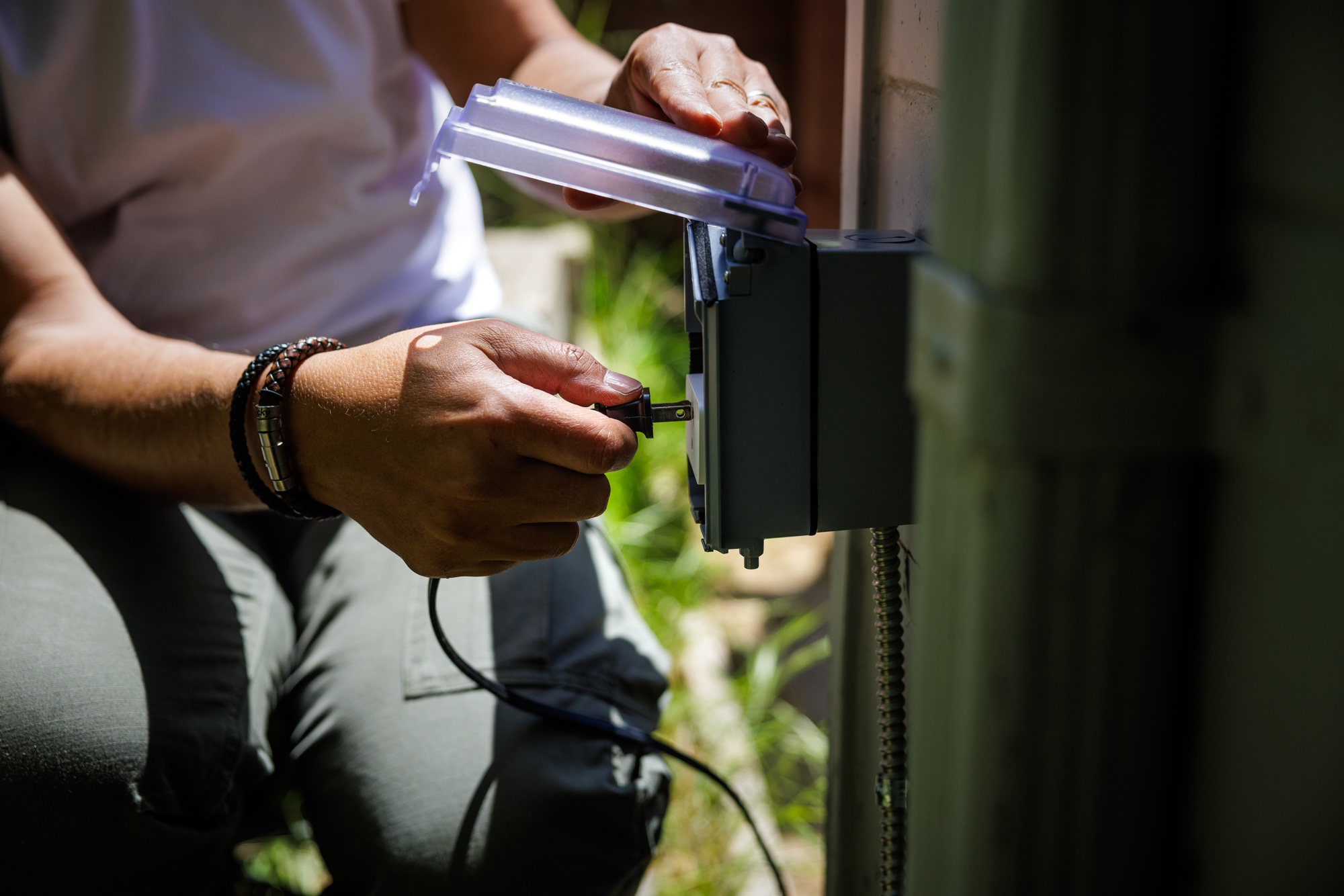
"caption": "A cord connected to solar panels plugs into an outlet in Agnes Chan’s backyard in Berkeley, California, on Aug. 23, 2026.",
"credit": "Tâm Vũ for KQED",
"altTag": null,
"description": null,
"imgSizes": {
"thumbnail": {
"file": "https://cdn.kqed.org/wp-content/uploads/sites/35/2026/08/260823-PLUGINSOLARFOLO-00824_TV-KQED-160x107.jpg",
"width": 160,
"height": 107,
"mimeType": "image/jpeg"
},
"medium_large": {
"file": "https://cdn.kqed.org/wp-content/uploads/sites/35/2026/08/260823-PLUGINSOLARFOLO-00824_TV-KQED-768x512.jpg",
"width": 768,
"height": 512,
"mimeType": "image/jpeg"
},
"1536x1536": {
"file": "https://cdn.kqed.org/wp-content/uploads/sites/35/2026/08/260823-PLUGINSOLARFOLO-00824_TV-KQED-1536x1024.jpg",
"width": 1536,
"height": 1024,
"mimeType": "image/jpeg"
},
"post-thumbnail": {
"file": "https://cdn.kqed.org/wp-content/uploads/sites/35/2026/08/260823-PLUGINSOLARFOLO-00824_TV-KQED-672x372.jpg",
"width": 672,
"height": 372,
"mimeType": "image/jpeg"
},
"twentyfourteen-full-width": {
"file": "https://cdn.kqed.org/wp-content/uploads/sites/35/2026/08/260823-PLUGINSOLARFOLO-00824_TV-KQED-1038x576.jpg",
"width": 1038,
"height": 576,
"mimeType": "image/jpeg"
},
"npr-cds-wide": {
"file": "https://cdn.kqed.org/wp-content/uploads/sites/35/2026/08/260823-PLUGINSOLARFOLO-00824_TV-KQED-1200x675.jpg",
"width": 1200,
"height": 675,
"mimeType": "image/jpeg"
},
"npr-cds-square": {
"file": "https://cdn.kqed.org/wp-content/uploads/sites/35/2026/08/260823-PLUGINSOLARFOLO-00824_TV-KQED-600x600.jpg",
"width": 600,
"height": 600,
"mimeType": "image/jpeg"
},
"kqedFullSize": {
"file": "https://cdn.kqed.org/wp-content/uploads/sites/35/2026/08/260823-PLUGINSOLARFOLO-00824_TV-KQED.jpg",
"width": 2000,
"height": 1333
}
},
"isLoading": false,
"fetchFailed": false
},
"science_2001986": {
"type": "attachments",
"id": "science_2001986",
"meta": {
"index": "attachments_1716263798",
"site": "science",
"id": "2001986",
"found": true
},
"title": "260904-ClimateSolutionsSolarCanal-21-BL-KQED",
"publishDate": 1788886065,
"status": "inherit",
"parent": 0,
"modified": 1788886120,
"caption": "Solar panels cover part of a Turlock Irrigation District canal as part of Project Nexus in Hickman on Sept. 4, 2026. The pilot project is testing the use of solar panels over working irrigation canals to generate renewable energy.",
"credit": "Beth LaBerge/KQED",
"altTag": null,
"description": null,
"imgSizes": {
"thumbnail": {
"file": "https://cdn.kqed.org/wp-content/uploads/sites/35/2026/09/260904-ClimateSolutionsSolarCanal-21-BL-KQED-160x107.jpg",
"width": 160,
"height": 107,
"mimeType": "image/jpeg"
},
"medium_large": {
"file": "https://cdn.kqed.org/wp-content/uploads/sites/35/2026/09/260904-ClimateSolutionsSolarCanal-21-BL-KQED-768x512.jpg",
"width": 768,
"height": 512,
"mimeType": "image/jpeg"
},
"1536x1536": {
"file": "https://cdn.kqed.org/wp-content/uploads/sites/35/2026/09/260904-ClimateSolutionsSolarCanal-21-BL-KQED-1536x1025.jpg",
"width": 1536,
"height": 1025,
"mimeType": "image/jpeg"
},
"post-thumbnail": {
"file": "https://cdn.kqed.org/wp-content/uploads/sites/35/2026/09/260904-ClimateSolutionsSolarCanal-21-BL-KQED-672x372.jpg",
"width": 672,
"height": 372,
"mimeType": "image/jpeg"
},
"twentyfourteen-full-width": {
"file": "https://cdn.kqed.org/wp-content/uploads/sites/35/2026/09/260904-ClimateSolutionsSolarCanal-21-BL-KQED-1038x576.jpg",
"width": 1038,
"height": 576,
"mimeType": "image/jpeg"
},
"npr-cds-wide": {
"file": "https://cdn.kqed.org/wp-content/uploads/sites/35/2026/09/260904-ClimateSolutionsSolarCanal-21-BL-KQED-1200x675.jpg",
"width": 1200,
"height": 675,
"mimeType": "image/jpeg"
},
"npr-cds-square": {
"file": "https://cdn.kqed.org/wp-content/uploads/sites/35/2026/09/260904-ClimateSolutionsSolarCanal-21-BL-KQED-600x600.jpg",
"width": 600,
"height": 600,
"mimeType": "image/jpeg"
},
"kqedFullSize": {
"file": "https://cdn.kqed.org/wp-content/uploads/sites/35/2026/09/260904-ClimateSolutionsSolarCanal-21-BL-KQED.jpg",
"width": 2000,
"height": 1334
}
},
"isLoading": false,
"fetchFailed": false
},
"science_2001785": {
"type": "attachments",
"id": "science_2001785",
"meta": {
"index": "attachments_1716263798",
"site": "science",
"id": "2001785",
"found": true
},
"title": "Agnes Chan poses for a portrait in her backyard in Berkeley on August 23, 2026.",
"publishDate": 1787591660,
"status": "inherit",
"parent": 0,
"modified": 1787602695,
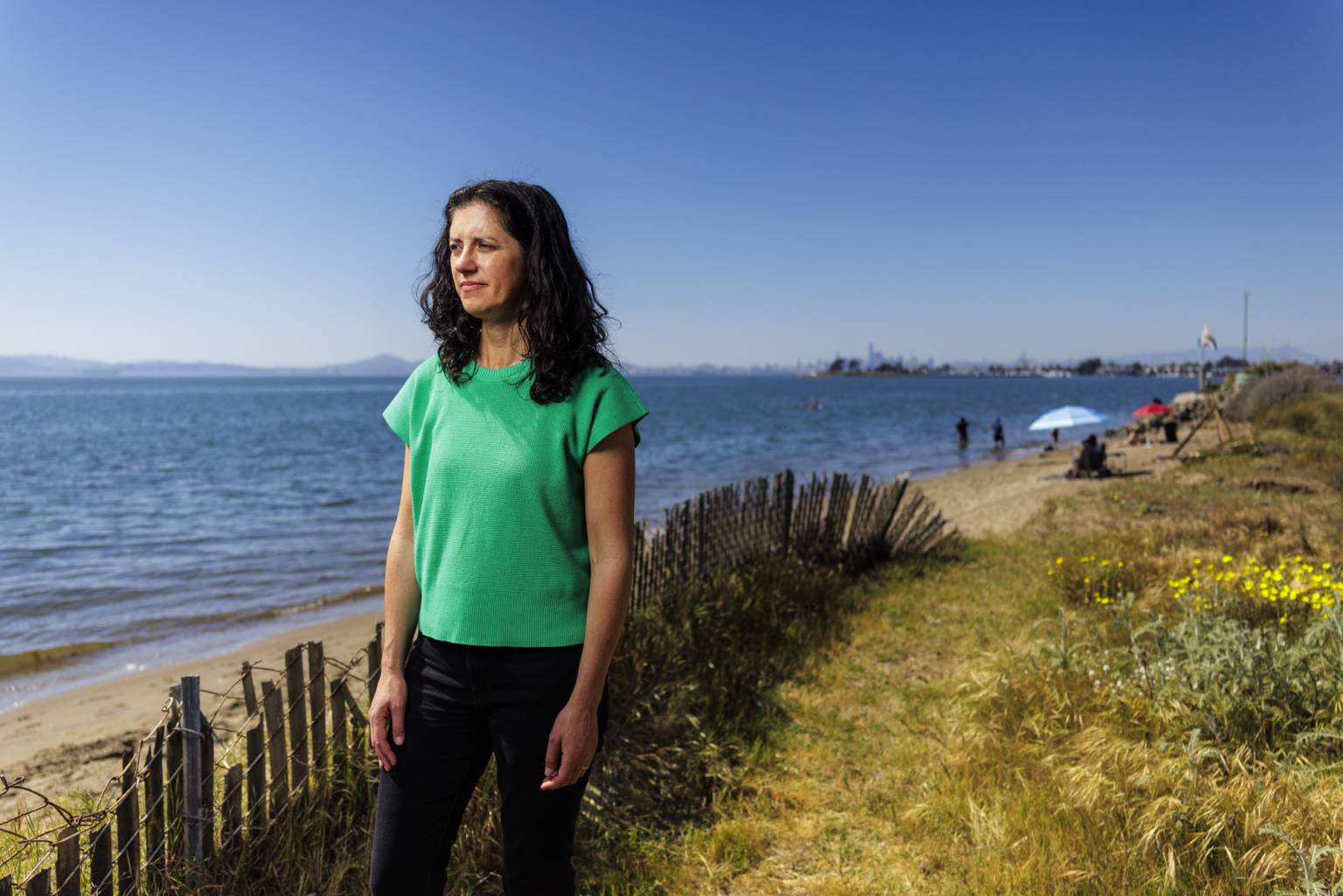
"caption": "Agnes Chan poses for a portrait in her backyard in Berkeley on Aug. 23, 2026.",
"credit": "Tâm Vũ for KQED",
"altTag": null,
"description": null,
"imgSizes": {
"thumbnail": {
"file": "https://cdn.kqed.org/wp-content/uploads/sites/35/2026/08/260823-PLUGINSOLARFOLO-01043_TV-KQED-160x107.jpg",
"width": 160,
"height": 107,
"mimeType": "image/jpeg"
},
"medium_large": {
"file": "https://cdn.kqed.org/wp-content/uploads/sites/35/2026/08/260823-PLUGINSOLARFOLO-01043_TV-KQED-768x512.jpg",
"width": 768,
"height": 512,
"mimeType": "image/jpeg"
},
"1536x1536": {
"file": "https://cdn.kqed.org/wp-content/uploads/sites/35/2026/08/260823-PLUGINSOLARFOLO-01043_TV-KQED-1536x1024.jpg",
"width": 1536,
"height": 1024,
"mimeType": "image/jpeg"
},
"post-thumbnail": {
"file": "https://cdn.kqed.org/wp-content/uploads/sites/35/2026/08/260823-PLUGINSOLARFOLO-01043_TV-KQED-672x372.jpg",
"width": 672,
"height": 372,
"mimeType": "image/jpeg"
},
"twentyfourteen-full-width": {
"file": "https://cdn.kqed.org/wp-content/uploads/sites/35/2026/08/260823-PLUGINSOLARFOLO-01043_TV-KQED-1038x576.jpg",
"width": 1038,
"height": 576,
"mimeType": "image/jpeg"
},
"npr-cds-wide": {
"file": "https://cdn.kqed.org/wp-content/uploads/sites/35/2026/08/260823-PLUGINSOLARFOLO-01043_TV-KQED-1200x675.jpg",
"width": 1200,
"height": 675,
"mimeType": "image/jpeg"
},
"npr-cds-square": {
"file": "https://cdn.kqed.org/wp-content/uploads/sites/35/2026/08/260823-PLUGINSOLARFOLO-01043_TV-KQED-600x600.jpg",
"width": 600,
"height": 600,
"mimeType": "image/jpeg"
},
"kqedFullSize": {
"file": "https://cdn.kqed.org/wp-content/uploads/sites/35/2026/08/260823-PLUGINSOLARFOLO-01043_TV-KQED.jpg",
"width": 2000,
"height": 1333
}
},
"isLoading": false,
"fetchFailed": false
},
"science_2001905": {
"type": "attachments",
"id": "science_2001905",
"meta": {
"index": "attachments_1716263798",
"site": "science",
"id": "2001905",
"found": true
},
"title": "ClimateSolutions1Getty",
"publishDate": 1788283750,
"status": "inherit",
"parent": 2001900,
"modified": 1788283810,
"caption": "Golden Hills Wind farm in Alameda County, California, is a 85.9-megawatt wind farm with 481.7mw GE wind turbines. The turbine blades have a diameter of 100 meters and can power 25,500 homes. The project came online in December 2015 and was developed by Nextera Energy Resources for Google.",
"credit": "Steve Proehl/Getty Images",
"altTag": null,
"description": null,
"imgSizes": {
"thumbnail": {
"file": "https://cdn.kqed.org/wp-content/uploads/sites/35/2026/09/ClimateSolutions1Getty-160x80.jpg",
"width": 160,
"height": 80,
"mimeType": "image/jpeg"
},
"medium_large": {
"file": "https://cdn.kqed.org/wp-content/uploads/sites/35/2026/09/ClimateSolutions1Getty-768x384.jpg",
"width": 768,
"height": 384,
"mimeType": "image/jpeg"
},
"1536x1536": {
"file": "https://cdn.kqed.org/wp-content/uploads/sites/35/2026/09/ClimateSolutions1Getty-1536x767.jpg",
"width": 1536,
"height": 767,
"mimeType": "image/jpeg"
},
"post-thumbnail": {
"file": "https://cdn.kqed.org/wp-content/uploads/sites/35/2026/09/ClimateSolutions1Getty-672x372.jpg",
"width": 672,
"height": 372,
"mimeType": "image/jpeg"
},
"twentyfourteen-full-width": {
"file": "https://cdn.kqed.org/wp-content/uploads/sites/35/2026/09/ClimateSolutions1Getty-1038x576.jpg",
"width": 1038,
"height": 576,
"mimeType": "image/jpeg"
},
"npr-cds-wide": {
"file": "https://cdn.kqed.org/wp-content/uploads/sites/35/2026/09/ClimateSolutions1Getty-1200x675.jpg",
"width": 1200,
"height": 675,
"mimeType": "image/jpeg"
},
"npr-cds-square": {
"file": "https://cdn.kqed.org/wp-content/uploads/sites/35/2026/09/ClimateSolutions1Getty-600x600.jpg",
"width": 600,
"height": 600,
"mimeType": "image/jpeg"
},
"kqedFullSize": {
"file": "https://cdn.kqed.org/wp-content/uploads/sites/35/2026/09/ClimateSolutions1Getty.jpg",
"width": 2000,
"height": 999
}
},
"isLoading": false,
"fetchFailed": false
},
"science_2001784": {
"type": "attachments",
"id": "science_2001784",
"meta": {
"index": "attachments_1716263798",
"site": "science",
"id": "2001784",
"found": true
},
"title": "260823-PLUGINSOLARFOLO-00927_TV-KQED",
"publishDate": 1787591655,
"status": "inherit",
"parent": 0,
"modified": 1788379061,
"caption": "Plug-in solar panels sit on top of an accessory dwelling unit in Agnes Chan’s backyard in Berkeley, California, for KQED on Aug. 23, 2026.",
"credit": "Tâm Vũ for KQED",
"altTag": null,
"description": null,
"imgSizes": {
"thumbnail": {
"file": "https://cdn.kqed.org/wp-content/uploads/sites/35/2026/08/260823-PLUGINSOLARFOLO-00927_TV-KQED-160x107.jpg",
"width": 160,
"height": 107,
"mimeType": "image/jpeg"
},
"medium_large": {
"file": "https://cdn.kqed.org/wp-content/uploads/sites/35/2026/08/260823-PLUGINSOLARFOLO-00927_TV-KQED-768x512.jpg",
"width": 768,
"height": 512,
"mimeType": "image/jpeg"
},
"1536x1536": {
"file": "https://cdn.kqed.org/wp-content/uploads/sites/35/2026/08/260823-PLUGINSOLARFOLO-00927_TV-KQED-1536x1024.jpg",
"width": 1536,
"height": 1024,
"mimeType": "image/jpeg"
},
"post-thumbnail": {
"file": "https://cdn.kqed.org/wp-content/uploads/sites/35/2026/08/260823-PLUGINSOLARFOLO-00927_TV-KQED-672x372.jpg",
"width": 672,
"height": 372,
"mimeType": "image/jpeg"
},
"twentyfourteen-full-width": {
"file": "https://cdn.kqed.org/wp-content/uploads/sites/35/2026/08/260823-PLUGINSOLARFOLO-00927_TV-KQED-1038x576.jpg",
"width": 1038,
"height": 576,
"mimeType": "image/jpeg"
},
"npr-cds-wide": {
"file": "https://cdn.kqed.org/wp-content/uploads/sites/35/2026/08/260823-PLUGINSOLARFOLO-00927_TV-KQED-1200x675.jpg",
"width": 1200,
"height": 675,
"mimeType": "image/jpeg"
},
"npr-cds-square": {
"file": "https://cdn.kqed.org/wp-content/uploads/sites/35/2026/08/260823-PLUGINSOLARFOLO-00927_TV-KQED-600x600.jpg",
"width": 600,
"height": 600,
"mimeType": "image/jpeg"
},
"kqedFullSize": {
"file": "https://cdn.kqed.org/wp-content/uploads/sites/35/2026/08/260823-PLUGINSOLARFOLO-00927_TV-KQED.jpg",
"width": 2000,
"height": 1333
}
},
"isLoading": false,
"fetchFailed": false
},
"science_2001638": {
"type": "attachments",
"id": "science_2001638",
"meta": {
"index": "attachments_1716263798",
"site": "science",
"id": "2001638",
"found": true
},
"title": "Workers install solar panels",
"publishDate": 1786138053,
"status": "inherit",
"parent": 2001611,
"modified": 1786138263,
"caption": "The Los Angeles Department of Water and Power's biggest solar and battery storage plant, the Eland Solar and Storage Center, on Nov. 25, 2024, near California City, California.",
"credit": "Brian van der Brug/Los Angeles Times via Getty Images",
"altTag": null,
"description": null,
"imgSizes": {
"thumbnail": {
"file": "https://cdn.kqed.org/wp-content/uploads/sites/35/2026/08/ClimateSolutionsGetty-160x102.jpg",
"width": 160,
"height": 102,
"mimeType": "image/jpeg"
},
"medium_large": {
"file": "https://cdn.kqed.org/wp-content/uploads/sites/35/2026/08/ClimateSolutionsGetty-768x488.jpg",
"width": 768,
"height": 488,
"mimeType": "image/jpeg"
},
"1536x1536": {
"file": "https://cdn.kqed.org/wp-content/uploads/sites/35/2026/08/ClimateSolutionsGetty-1536x977.jpg",
"width": 1536,
"height": 977,
"mimeType": "image/jpeg"
},
"post-thumbnail": {
"file": "https://cdn.kqed.org/wp-content/uploads/sites/35/2026/08/ClimateSolutionsGetty-672x372.jpg",
"width": 672,
"height": 372,
"mimeType": "image/jpeg"
},
"twentyfourteen-full-width": {
"file": "https://cdn.kqed.org/wp-content/uploads/sites/35/2026/08/ClimateSolutionsGetty-1038x576.jpg",
"width": 1038,
"height": 576,
"mimeType": "image/jpeg"
},
"npr-cds-wide": {
"file": "https://cdn.kqed.org/wp-content/uploads/sites/35/2026/08/ClimateSolutionsGetty-1200x675.jpg",
"width": 1200,
"height": 675,
"mimeType": "image/jpeg"
},
"npr-cds-square": {
"file": "https://cdn.kqed.org/wp-content/uploads/sites/35/2026/08/ClimateSolutionsGetty-600x600.jpg",
"width": 600,
"height": 600,
"mimeType": "image/jpeg"
},
"kqedFullSize": {
"file": "https://cdn.kqed.org/wp-content/uploads/sites/35/2026/08/ClimateSolutionsGetty.jpg",
"width": 2000,
"height": 1272
}
},
"isLoading": false,
"fetchFailed": false
},
"news_12091848": {
"type": "attachments",
"id": "news_12091848",
"meta": {
"index": "attachments_1716263798",
"site": "news",
"id": "12091848",
"found": true
},
"title": "20260716_ClimateSolutionsCapTrade_GC-6-KQED",
"publishDate": 1784567951,
"status": "inherit",
"parent": 0,
"modified": 1784568035,
"caption": "The construction site of RISE, an affordable housing development, across the street from the Berryessa/North San Jose BART Station, in San Jose on July 16, 2026. The 10-story building will have 195 units.",
"credit": "Gina Castro for KQED",
"altTag": null,
"description": null,
"imgSizes": {
"thumbnail": {
"file": "https://cdn.kqed.org/wp-content/uploads/sites/10/2026/07/20260716_ClimateSolutionsCapTrade_GC-6-KQED-160x107.jpg",
"width": 160,
"height": 107,
"mimeType": "image/jpeg"
},
"1536x1536": {
"file": "https://cdn.kqed.org/wp-content/uploads/sites/10/2026/07/20260716_ClimateSolutionsCapTrade_GC-6-KQED-1536x1024.jpg",
"width": 1536,
"height": 1024,
"mimeType": "image/jpeg"
},
"post-thumbnail": {
"file": "https://cdn.kqed.org/wp-content/uploads/sites/10/2026/07/20260716_ClimateSolutionsCapTrade_GC-6-KQED-672x372.jpg",
"width": 672,
"height": 372,
"mimeType": "image/jpeg"
},
"twentyfourteen-full-width": {
"file": "https://cdn.kqed.org/wp-content/uploads/sites/10/2026/07/20260716_ClimateSolutionsCapTrade_GC-6-KQED-1038x576.jpg",
"width": 1038,
"height": 576,
"mimeType": "image/jpeg"
},
"npr-cds-wide": {
"file": "https://cdn.kqed.org/wp-content/uploads/sites/10/2026/07/20260716_ClimateSolutionsCapTrade_GC-6-KQED-1200x675.jpg",
"width": 1200,
"height": 675,
"mimeType": "image/jpeg"
},
"npr-cds-square": {
"file": "https://cdn.kqed.org/wp-content/uploads/sites/10/2026/07/20260716_ClimateSolutionsCapTrade_GC-6-KQED-600x600.jpg",
"width": 600,
"height": 600,
"mimeType": "image/jpeg"
},
"kqedFullSize": {
"file": "https://cdn.kqed.org/wp-content/uploads/sites/10/2026/07/20260716_ClimateSolutionsCapTrade_GC-6-KQED.jpg",
"width": 2000,
"height": 1333
}
},
"isLoading": false,
"fetchFailed": false
},
"science_2001317": {
"type": "attachments",
"id": "science_2001317",
"meta": {
"index": "attachments_1716263798",
"site": "science",
"id": "2001317",
"found": true
},
"title": "2026_06_11_HEAT_PUMP_00005-KQED",
"publishDate": 1781546369,
"status": "inherit",
"parent": 0,
"modified": 1783978002,
"caption": "Carolina Segura cools her Van Nuys home with the heat pump she got for free via state incentives and an enterprising contractor.",
"credit": "Jules Hotz for KQED",
"altTag": null,
"description": null,
"imgSizes": {
"thumbnail": {
"file": "https://cdn.kqed.org/wp-content/uploads/sites/35/2026/06/2026_06_11_HEAT_PUMP_00005-KQED-160x107.jpg",
"width": 160,
"height": 107,
"mimeType": "image/jpeg"
},
"medium_large": {
"file": "https://cdn.kqed.org/wp-content/uploads/sites/35/2026/06/2026_06_11_HEAT_PUMP_00005-KQED-768x512.jpg",
"width": 768,
"height": 512,
"mimeType": "image/jpeg"
},
"1536x1536": {
"file": "https://cdn.kqed.org/wp-content/uploads/sites/35/2026/06/2026_06_11_HEAT_PUMP_00005-KQED-1536x1024.jpg",
"width": 1536,
"height": 1024,
"mimeType": "image/jpeg"
},
"post-thumbnail": {
"file": "https://cdn.kqed.org/wp-content/uploads/sites/35/2026/06/2026_06_11_HEAT_PUMP_00005-KQED-672x372.jpg",
"width": 672,
"height": 372,
"mimeType": "image/jpeg"
},
"twentyfourteen-full-width": {
"file": "https://cdn.kqed.org/wp-content/uploads/sites/35/2026/06/2026_06_11_HEAT_PUMP_00005-KQED-1038x576.jpg",
"width": 1038,
"height": 576,
"mimeType": "image/jpeg"
},
"npr-cds-wide": {
"file": "https://cdn.kqed.org/wp-content/uploads/sites/35/2026/06/2026_06_11_HEAT_PUMP_00005-KQED-1200x675.jpg",
"width": 1200,
"height": 675,
"mimeType": "image/jpeg"
},
"npr-cds-square": {
"file": "https://cdn.kqed.org/wp-content/uploads/sites/35/2026/06/2026_06_11_HEAT_PUMP_00005-KQED-600x600.jpg",
"width": 600,
"height": 600,
"mimeType": "image/jpeg"
},
"kqedFullSize": {
"file": "https://cdn.kqed.org/wp-content/uploads/sites/35/2026/06/2026_06_11_HEAT_PUMP_00005-KQED.jpg",
"width": 2000,
"height": 1333
}
},
"isLoading": false,
"fetchFailed": false
},
"news_12105310": {
"type": "attachments",
"id": "news_12105310",
"meta": {
"index": "attachments_1716263798",
"site": "news",
"id": "12105310",
"found": true
},
"title": "251223-Storm-08-BL_qed",
"publishDate": 1792514379,
"status": "inherit",
"parent": 12105298,
"modified": 1792514388,
"caption": "People walk along Valencia Street in San Francisco on Dec. 23, 2025, as a storm system moves through the Bay Area. The National Weather Service said Bay Area cities can expect about a tenth of an inch of water in the coming days. ",
"credit": "Beth LaBerge/KQED",
"altTag": null,
"description": null,
"imgSizes": {
"thumbnail": {
"file": "https://cdn.kqed.org/wp-content/uploads/sites/10/2026/10/251223-Storm-08-BL_qed-a4841014-160x107.jpg",
"width": 160,
"height": 107,
"mimeType": "image/jpeg"
},
"1536x1536": {
"file": "https://cdn.kqed.org/wp-content/uploads/sites/10/2026/10/251223-Storm-08-BL_qed-a4841014-1536x1024.jpg",
"width": 1536,
"height": 1024,
"mimeType": "image/jpeg"
},
"post-thumbnail": {
"file": "https://cdn.kqed.org/wp-content/uploads/sites/10/2026/10/251223-Storm-08-BL_qed-a4841014-672x372.jpg",
"width": 672,
"height": 372,
"mimeType": "image/jpeg"
},
"twentyfourteen-full-width": {
"file": "https://cdn.kqed.org/wp-content/uploads/sites/10/2026/10/251223-Storm-08-BL_qed-a4841014-1038x576.jpg",
"width": 1038,
"height": 576,
"mimeType": "image/jpeg"
},
"npr-cds-wide": {
"file": "https://cdn.kqed.org/wp-content/uploads/sites/10/2026/10/251223-Storm-08-BL_qed-a4841014-1200x675.jpg",
"width": 1200,
"height": 675,
"mimeType": "image/jpeg"
},
"npr-cds-square": {
"file": "https://cdn.kqed.org/wp-content/uploads/sites/10/2026/10/251223-Storm-08-BL_qed-a4841014-600x600.jpg",
"width": 600,
"height": 600,
"mimeType": "image/jpeg"
},
"kqedFullSize": {
"file": "https://cdn.kqed.org/wp-content/uploads/sites/10/2026/10/251223-Storm-08-BL_qed-a4841014.jpg",
"width": 2000,
"height": 1333
}
},
"isLoading": false,
"fetchFailed": false
},
"news_12105426": {
"type": "attachments",
"id": "news_12105426",
"meta": {
"index": "attachments_1716263798",
"site": "news",
"id": "12105426",
"found": true
},
"title": "261020-Berkeley Hills Fire-MD-01-KQED_1",
"publishDate": 1792529938,
"status": "inherit",
"parent": 0,
"modified": 1792529962,
"caption": "Crews fight the Panoramic Fire in the Berkeley Hills on Oct. 20, 2026.",
"credit": "Martin do Nascimento/KQED",
"altTag": null,
"description": null,
"imgSizes": {
"thumbnail": {
"file": "https://cdn.kqed.org/wp-content/uploads/sites/10/2026/10/261020-Berkeley-Hills-Fire-MD-01-KQED_1-bda6e042-160x107.jpg",
"width": 160,
"height": 107,
"mimeType": "image/jpeg"
},
"1536x1536": {
"file": "https://cdn.kqed.org/wp-content/uploads/sites/10/2026/10/261020-Berkeley-Hills-Fire-MD-01-KQED_1-bda6e042-1536x1025.jpg",
"width": 1536,
"height": 1025,
"mimeType": "image/jpeg"
},
"post-thumbnail": {
"file": "https://cdn.kqed.org/wp-content/uploads/sites/10/2026/10/261020-Berkeley-Hills-Fire-MD-01-KQED_1-bda6e042-672x372.jpg",
"width": 672,
"height": 372,
"mimeType": "image/jpeg"
},
"twentyfourteen-full-width": {
"file": "https://cdn.kqed.org/wp-content/uploads/sites/10/2026/10/261020-Berkeley-Hills-Fire-MD-01-KQED_1-bda6e042-1038x576.jpg",
"width": 1038,
"height": 576,
"mimeType": "image/jpeg"
},
"npr-cds-wide": {
"file": "https://cdn.kqed.org/wp-content/uploads/sites/10/2026/10/261020-Berkeley-Hills-Fire-MD-01-KQED_1-bda6e042-1200x675.jpg",
"width": 1200,
"height": 675,
"mimeType": "image/jpeg"
},
"npr-cds-square": {
"file": "https://cdn.kqed.org/wp-content/uploads/sites/10/2026/10/261020-Berkeley-Hills-Fire-MD-01-KQED_1-bda6e042-600x600.jpg",
"width": 600,
"height": 600,
"mimeType": "image/jpeg"
},
"kqedFullSize": {
"file": "https://cdn.kqed.org/wp-content/uploads/sites/10/2026/10/261020-Berkeley-Hills-Fire-MD-01-KQED_1-bda6e042.jpg",
"width": 2000,
"height": 1334
}
},
"isLoading": false,
"fetchFailed": false
},
"science_2002356": {
"type": "attachments",
"id": "science_2002356",
"meta": {
"index": "attachments_1716263798",
"site": "science",
"id": "2002356",
"found": true
},
"title": "KelvinWaveSoCalGetty",
"publishDate": 1792185986,
"status": "inherit",
"parent": 2002352,
"modified": 1792189612,
"caption": "In an aerial view, wave-damaged homes are boarded up as a powerful ocean surge and very high tides generated by Tropical Storm Rachel batter the Southern California coastline on Oct. 11, 2026, in the Capistrano Beach community of Dana Point, California.",
"credit": "David McNew/Getty Images",
"altTag": null,
"description": null,
"imgSizes": {
"thumbnail": {
"file": "https://cdn.kqed.org/wp-content/uploads/sites/35/2026/10/KelvinWaveSoCalGetty-7c572e43-160x120.jpg",
"width": 160,
"height": 120,
"mimeType": "image/jpeg"
},
"medium_large": {
"file": "https://cdn.kqed.org/wp-content/uploads/sites/35/2026/10/KelvinWaveSoCalGetty-7c572e43-768x575.jpg",
"width": 768,
"height": 575,
"mimeType": "image/jpeg"
},
"1536x1536": {
"file": "https://cdn.kqed.org/wp-content/uploads/sites/35/2026/10/KelvinWaveSoCalGetty-7c572e43-1536x1150.jpg",
"width": 1536,
"height": 1150,
"mimeType": "image/jpeg"
},
"post-thumbnail": {
"file": "https://cdn.kqed.org/wp-content/uploads/sites/35/2026/10/KelvinWaveSoCalGetty-7c572e43-672x372.jpg",
"width": 672,
"height": 372,
"mimeType": "image/jpeg"
},
"twentyfourteen-full-width": {
"file": "https://cdn.kqed.org/wp-content/uploads/sites/35/2026/10/KelvinWaveSoCalGetty-7c572e43-1038x576.jpg",
"width": 1038,
"height": 576,
"mimeType": "image/jpeg"
},
"npr-cds-wide": {
"file": "https://cdn.kqed.org/wp-content/uploads/sites/35/2026/10/KelvinWaveSoCalGetty-7c572e43-1200x675.jpg",
"width": 1200,
"height": 675,
"mimeType": "image/jpeg"
},
"npr-cds-square": {
"file": "https://cdn.kqed.org/wp-content/uploads/sites/35/2026/10/KelvinWaveSoCalGetty-7c572e43-600x600.jpg",
"width": 600,
"height": 600,
"mimeType": "image/jpeg"
},
"kqedFullSize": {
"file": "https://cdn.kqed.org/wp-content/uploads/sites/35/2026/10/KelvinWaveSoCalGetty-7c572e43.jpg",
"width": 2000,
"height": 1497
}
},
"isLoading": false,
"fetchFailed": false
},
"news_12028007": {
"type": "attachments",
"id": "news_12028007",
"meta": {
"index": "attachments_1716263798",
"site": "news",
"id": "12028007",
"found": true
},
"title": "250220-SJFLOODWALLS-JG-4",
"publishDate": 1740095228,
"status": "inherit",
"parent": 12027875,
"modified": 1740095729,
"caption": "Coyote Creek flows past the Olinder-McKinley neighborhood in San José, California, on Thursday, Feb. 20, 2025. The neighborhood was inundated in February 2017 during a major flood.",
"credit": "Joseph Geha/KQED",
"altTag": null,
"description": null,
"imgSizes": {
"medium": {
"file": "https://cdn.kqed.org/wp-content/uploads/sites/10/2025/02/250220-SJFLOODWALLS-JG-4-800x533.jpg",
"width": 800,
"height": 533,
"mimeType": "image/jpeg"
},
"large": {
"file": "https://cdn.kqed.org/wp-content/uploads/sites/10/2025/02/250220-SJFLOODWALLS-JG-4-1020x680.jpg",
"width": 1020,
"height": 680,
"mimeType": "image/jpeg"
},
"thumbnail": {
"file": "https://cdn.kqed.org/wp-content/uploads/sites/10/2025/02/250220-SJFLOODWALLS-JG-4-160x107.jpg",
"width": 160,
"height": 107,
"mimeType": "image/jpeg"
},
"1536x1536": {
"file": "https://cdn.kqed.org/wp-content/uploads/sites/10/2025/02/250220-SJFLOODWALLS-JG-4-1536x1024.jpg",
"width": 1536,
"height": 1024,
"mimeType": "image/jpeg"
},
"post-thumbnail": {
"file": "https://cdn.kqed.org/wp-content/uploads/sites/10/2025/02/250220-SJFLOODWALLS-JG-4-672x372.jpg",
"width": 672,
"height": 372,
"mimeType": "image/jpeg"
},
"twentyfourteen-full-width": {
"file": "https://cdn.kqed.org/wp-content/uploads/sites/10/2025/02/250220-SJFLOODWALLS-JG-4-1038x576.jpg",
"width": 1038,
"height": 576,
"mimeType": "image/jpeg"
},
"full-width": {
"file": "https://cdn.kqed.org/wp-content/uploads/sites/10/2025/02/250220-SJFLOODWALLS-JG-4-1920x1280.jpg",
"width": 1920,
"height": 1280,
"mimeType": "image/jpeg"
},
"kqedFullSize": {
"file": "https://cdn.kqed.org/wp-content/uploads/sites/10/2025/02/250220-SJFLOODWALLS-JG-4.jpg",
"width": 2000,
"height": 1333
}
},
"isLoading": false,
"fetchFailed": false
},
"science_2002331": {
"type": "attachments",
"id": "science_2002331",
"meta": {
"index": "attachments_1716263798",
"site": "science",
"id": "2002331",
"found": true
},
"title": "BleachedCoral1",
"publishDate": 1792014100,
"status": "inherit",
"parent": 2002324,
"modified": 1792015268,
"caption": "Two coral colonies, one sick (pale) and one healthy, touch in a Stanford experiment showing that bleaching can be reversed when a thriving clone shares beneficial algae via contact.",
"credit": "Courtesy of Dan Griffin/GG Films",
"altTag": null,
"description": null,
"imgSizes": {
"thumbnail": {
"file": "https://cdn.kqed.org/wp-content/uploads/sites/35/2026/10/BleachedCoral1-ee610792-160x107.jpg",
"width": 160,
"height": 107,
"mimeType": "image/jpeg"
},
"medium_large": {
"file": "https://cdn.kqed.org/wp-content/uploads/sites/35/2026/10/BleachedCoral1-ee610792-768x512.jpg",
"width": 768,
"height": 512,
"mimeType": "image/jpeg"
},
"1536x1536": {
"file": "https://cdn.kqed.org/wp-content/uploads/sites/35/2026/10/BleachedCoral1-ee610792-1536x1024.jpg",
"width": 1536,
"height": 1024,
"mimeType": "image/jpeg"
},
"post-thumbnail": {
"file": "https://cdn.kqed.org/wp-content/uploads/sites/35/2026/10/BleachedCoral1-ee610792-672x372.jpg",
"width": 672,
"height": 372,
"mimeType": "image/jpeg"
},
"twentyfourteen-full-width": {
"file": "https://cdn.kqed.org/wp-content/uploads/sites/35/2026/10/BleachedCoral1-ee610792-1038x576.jpg",
"width": 1038,
"height": 576,
"mimeType": "image/jpeg"
},
"npr-cds-wide": {
"file": "https://cdn.kqed.org/wp-content/uploads/sites/35/2026/10/BleachedCoral1-ee610792-1200x675.jpg",
"width": 1200,
"height": 675,
"mimeType": "image/jpeg"
},
"npr-cds-square": {
"file": "https://cdn.kqed.org/wp-content/uploads/sites/35/2026/10/BleachedCoral1-ee610792-600x600.jpg",
"width": 600,
"height": 600,
"mimeType": "image/jpeg"
},
"kqedFullSize": {
"file": "https://cdn.kqed.org/wp-content/uploads/sites/35/2026/10/BleachedCoral1-ee610792.jpg",
"width": 2000,
"height": 1333
}
},
"isLoading": false,
"fetchFailed": false
},
"news_12099186": {
"type": "attachments",
"id": "news_12099186",
"meta": {
"index": "attachments_1716263798",
"site": "news",
"id": "12099186",
"found": true
},
"title": "PG&EGetty",
"publishDate": 1789145080,
"status": "inherit",
"parent": 12099181,
"modified": 1792001280,
"caption": "A PG&E crew makes repairs along the Iron Horse Trail near Camille Avenue in Danville, California, on March 15, 2023. ",
"credit": "Jane Tyska/Digital First Media/East Bay Times via Getty Images",
"altTag": null,
"description": null,
"imgSizes": {
"thumbnail": {
"file": "https://cdn.kqed.org/wp-content/uploads/sites/10/2026/09/PGEGetty-160x107.jpg",
"width": 160,
"height": 107,
"mimeType": "image/jpeg"
},
"1536x1536": {
"file": "https://cdn.kqed.org/wp-content/uploads/sites/10/2026/09/PGEGetty-1536x1024.jpg",
"width": 1536,
"height": 1024,
"mimeType": "image/jpeg"
},
"post-thumbnail": {
"file": "https://cdn.kqed.org/wp-content/uploads/sites/10/2026/09/PGEGetty-672x372.jpg",
"width": 672,
"height": 372,
"mimeType": "image/jpeg"
},
"twentyfourteen-full-width": {
"file": "https://cdn.kqed.org/wp-content/uploads/sites/10/2026/09/PGEGetty-1038x576.jpg",
"width": 1038,
"height": 576,
"mimeType": "image/jpeg"
},
"npr-cds-wide": {
"file": "https://cdn.kqed.org/wp-content/uploads/sites/10/2026/09/PGEGetty-1200x675.jpg",
"width": 1200,
"height": 675,
"mimeType": "image/jpeg"
},
"npr-cds-square": {
"file": "https://cdn.kqed.org/wp-content/uploads/sites/10/2026/09/PGEGetty-600x600.jpg",
"width": 600,
"height": 600,
"mimeType": "image/jpeg"
},
"kqedFullSize": {
"file": "https://cdn.kqed.org/wp-content/uploads/sites/10/2026/09/PGEGetty.jpg",
"width": 2000,
"height": 1333
}
},
"isLoading": false,
"fetchFailed": false
},
"news_12104149": {
"type": "attachments",
"id": "news_12104149",
"meta": {
"index": "attachments_1716263798",
"site": "news",
"id": "12104149",
"found": true
},
"title": "ElNinoGetty",
"publishDate": 1791911515,
"status": "inherit",
"parent": 12104145,
"modified": 1791933279,
"caption": "A drone photograph of waves crashing against E. Seaside Walk at Peninsula on Sunday, Oct. 11, 2026, in Long Beach. ",
"credit": "Kayla Bartkowski/Los Angeles Times via Getty Images",
"altTag": null,
"description": null,
"imgSizes": {
"thumbnail": {
"file": "https://cdn.kqed.org/wp-content/uploads/sites/10/2026/10/ElNinoGetty-203e6b11-160x120.jpg",
"width": 160,
"height": 120,
"mimeType": "image/jpeg"
},
"1536x1536": {
"file": "https://cdn.kqed.org/wp-content/uploads/sites/10/2026/10/ElNinoGetty-203e6b11-1536x1150.jpg",
"width": 1536,
"height": 1150,
"mimeType": "image/jpeg"
},
"post-thumbnail": {
"file": "https://cdn.kqed.org/wp-content/uploads/sites/10/2026/10/ElNinoGetty-203e6b11-672x372.jpg",
"width": 672,
"height": 372,
"mimeType": "image/jpeg"
},
"twentyfourteen-full-width": {
"file": "https://cdn.kqed.org/wp-content/uploads/sites/10/2026/10/ElNinoGetty-203e6b11-1038x576.jpg",
"width": 1038,
"height": 576,
"mimeType": "image/jpeg"
},
"npr-cds-wide": {
"file": "https://cdn.kqed.org/wp-content/uploads/sites/10/2026/10/ElNinoGetty-203e6b11-1200x675.jpg",
"width": 1200,
"height": 675,
"mimeType": "image/jpeg"
},
"npr-cds-square": {
"file": "https://cdn.kqed.org/wp-content/uploads/sites/10/2026/10/ElNinoGetty-203e6b11-600x600.jpg",
"width": 600,
"height": 600,
"mimeType": "image/jpeg"
},
"kqedFullSize": {
"file": "https://cdn.kqed.org/wp-content/uploads/sites/10/2026/10/ElNinoGetty-203e6b11.jpg",
"width": 2000,
"height": 1497
}
},
"isLoading": false,
"fetchFailed": false
},
"science_2002242": {
"type": "attachments",
"id": "science_2002242",
"meta": {
"index": "attachments_1716263798",
"site": "science",
"id": "2002242",
"found": true
},
"title": "090326-DeltaFlooding-17-MC-KQED",
"publishDate": 1791406405,
"status": "inherit",
"parent": 0,
"modified": 1791822628,
"caption": "A Conservation Farms and Ranches grain silo on Staten Island is protected by levees on the banks of the North and South Mokelumne River in Thornton on Sept. 3, 2026.",
"credit": "Miles Cull/KQED",
"altTag": null,
"description": null,
"imgSizes": {
"thumbnail": {
"file": "https://cdn.kqed.org/wp-content/uploads/sites/35/2026/10/090326-DeltaFlooding-17-MC-KQED-160x107.jpg",
"width": 160,
"height": 107,
"mimeType": "image/jpeg"
},
"medium_large": {
"file": "https://cdn.kqed.org/wp-content/uploads/sites/35/2026/10/090326-DeltaFlooding-17-MC-KQED-768x512.jpg",
"width": 768,
"height": 512,
"mimeType": "image/jpeg"
},
"1536x1536": {
"file": "https://cdn.kqed.org/wp-content/uploads/sites/35/2026/10/090326-DeltaFlooding-17-MC-KQED-1536x1024.jpg",
"width": 1536,
"height": 1024,
"mimeType": "image/jpeg"
},
"post-thumbnail": {
"file": "https://cdn.kqed.org/wp-content/uploads/sites/35/2026/10/090326-DeltaFlooding-17-MC-KQED-672x372.jpg",
"width": 672,
"height": 372,
"mimeType": "image/jpeg"
},
"twentyfourteen-full-width": {
"file": "https://cdn.kqed.org/wp-content/uploads/sites/35/2026/10/090326-DeltaFlooding-17-MC-KQED-1038x576.jpg",
"width": 1038,
"height": 576,
"mimeType": "image/jpeg"
},
"npr-cds-wide": {
"file": "https://cdn.kqed.org/wp-content/uploads/sites/35/2026/10/090326-DeltaFlooding-17-MC-KQED-1200x675.jpg",
"width": 1200,
"height": 675,
"mimeType": "image/jpeg"
},
"npr-cds-square": {
"file": "https://cdn.kqed.org/wp-content/uploads/sites/35/2026/10/090326-DeltaFlooding-17-MC-KQED-600x600.jpg",
"width": 600,
"height": 600,
"mimeType": "image/jpeg"
},
"kqedFullSize": {
"file": "https://cdn.kqed.org/wp-content/uploads/sites/35/2026/10/090326-DeltaFlooding-17-MC-KQED.jpg",
"width": 2000,
"height": 1333
}
},
"isLoading": false,
"fetchFailed": false
},
"news_11685933": {
"type": "attachments",
"id": "news_11685933",
"meta": {
"index": "attachments_1716263798",
"site": "news",
"id": "11685933",
"found": true
},
"title": "Beach goers wade in the surf at Natural Bridges State Beach in Santa Cruz , Calif. Public access to some beaches in California may be at risk with legal challenges to the California Coastal Act",
"publishDate": 1533832551,
"status": "inherit",
"parent": 11685932,
"modified": 1791831460,
"caption": "Beachgoers wade in the surf at Natural Bridges State Beach in Santa Cruz, California. Public access to some beaches in California may be at risk with legal challenges to the California Coastal Act.",
"credit": "Marcio Jose Sanchez/AP Photo",
"altTag": null,
"description": "Beach goers wade in the surf at Natural Bridges State Beach in Santa Cruz , Calif. Public access to some beaches in California may be at risk with legal challenges to the California Coastal Act.",
"imgSizes": {
"thumbnail": {
"file": "https://cdn.kqed.org/wp-content/uploads/sites/10/2018/08/ap_16293755543069_wide-70c60dc72daa04a75207f584e9c33f8ad1a8196c-160x90.jpg",
"width": 160,
"height": 90,
"mimeType": "image/jpeg"
},
"medium": {
"file": "https://cdn.kqed.org/wp-content/uploads/sites/10/2018/08/ap_16293755543069_wide-70c60dc72daa04a75207f584e9c33f8ad1a8196c-800x450.jpg",
"width": 800,
"height": 450,
"mimeType": "image/jpeg"
},
"large": {
"file": "https://cdn.kqed.org/wp-content/uploads/sites/10/2018/08/ap_16293755543069_wide-70c60dc72daa04a75207f584e9c33f8ad1a8196c-1020x574.jpg",
"width": 1020,
"height": 574,
"mimeType": "image/jpeg"
},
"complete_open_graph": {
"file": "https://cdn.kqed.org/wp-content/uploads/sites/10/2018/08/ap_16293755543069_wide-70c60dc72daa04a75207f584e9c33f8ad1a8196c-1200x675.jpg",
"width": 1200,
"height": 675,
"mimeType": "image/jpeg"
},
"fd-lrg": {
"file": "https://cdn.kqed.org/wp-content/uploads/sites/10/2018/08/ap_16293755543069_wide-70c60dc72daa04a75207f584e9c33f8ad1a8196c-1920x1080.jpg",
"width": 1920,
"height": 1080,
"mimeType": "image/jpeg"
},
"fd-med": {
"file": "https://cdn.kqed.org/wp-content/uploads/sites/10/2018/08/ap_16293755543069_wide-70c60dc72daa04a75207f584e9c33f8ad1a8196c-1180x664.jpg",
"width": 1180,
"height": 664,
"mimeType": "image/jpeg"
},
"fd-sm": {
"file": "https://cdn.kqed.org/wp-content/uploads/sites/10/2018/08/ap_16293755543069_wide-70c60dc72daa04a75207f584e9c33f8ad1a8196c-960x540.jpg",
"width": 960,
"height": 540,
"mimeType": "image/jpeg"
},
"post-thumbnail": {
"file": "https://cdn.kqed.org/wp-content/uploads/sites/10/2018/08/ap_16293755543069_wide-70c60dc72daa04a75207f584e9c33f8ad1a8196c-672x372.jpg",
"width": 672,
"height": 372,
"mimeType": "image/jpeg"
},
"twentyfourteen-full-width": {
"file": "https://cdn.kqed.org/wp-content/uploads/sites/10/2018/08/ap_16293755543069_wide-70c60dc72daa04a75207f584e9c33f8ad1a8196c-1038x576.jpg",
"width": 1038,
"height": 576,
"mimeType": "image/jpeg"
},
"xxsmall": {
"file": "https://cdn.kqed.org/wp-content/uploads/sites/10/2018/08/ap_16293755543069_wide-70c60dc72daa04a75207f584e9c33f8ad1a8196c-240x135.jpg",
"width": 240,
"height": 135,
"mimeType": "image/jpeg"
},
"xsmall": {
"file": "https://cdn.kqed.org/wp-content/uploads/sites/10/2018/08/ap_16293755543069_wide-70c60dc72daa04a75207f584e9c33f8ad1a8196c-375x211.jpg",
"width": 375,
"height": 211,
"mimeType": "image/jpeg"
},
"small": {
"file": "https://cdn.kqed.org/wp-content/uploads/sites/10/2018/08/ap_16293755543069_wide-70c60dc72daa04a75207f584e9c33f8ad1a8196c-520x293.jpg",
"width": 520,
"height": 293,
"mimeType": "image/jpeg"
},
"xlarge": {
"file": "https://cdn.kqed.org/wp-content/uploads/sites/10/2018/08/ap_16293755543069_wide-70c60dc72daa04a75207f584e9c33f8ad1a8196c-1180x664.jpg",
"width": 1180,
"height": 664,
"mimeType": "image/jpeg"
},
"full-width": {
"file": "https://cdn.kqed.org/wp-content/uploads/sites/10/2018/08/ap_16293755543069_wide-70c60dc72daa04a75207f584e9c33f8ad1a8196c-1920x1080.jpg",
"width": 1920,
"height": 1080,
"mimeType": "image/jpeg"
},
"guest-author-32": {
"file": "https://cdn.kqed.org/wp-content/uploads/sites/10/2018/08/ap_16293755543069_wide-70c60dc72daa04a75207f584e9c33f8ad1a8196c-32x32.jpg",
"width": 32,
"height": 32,
"mimeType": "image/jpeg"
},
"guest-author-50": {
"file": "https://cdn.kqed.org/wp-content/uploads/sites/10/2018/08/ap_16293755543069_wide-70c60dc72daa04a75207f584e9c33f8ad1a8196c-50x50.jpg",
"width": 50,
"height": 50,
"mimeType": "image/jpeg"
},
"guest-author-64": {
"file": "https://cdn.kqed.org/wp-content/uploads/sites/10/2018/08/ap_16293755543069_wide-70c60dc72daa04a75207f584e9c33f8ad1a8196c-64x64.jpg",
"width": 64,
"height": 64,
"mimeType": "image/jpeg"
},
"guest-author-96": {
"file": "https://cdn.kqed.org/wp-content/uploads/sites/10/2018/08/ap_16293755543069_wide-70c60dc72daa04a75207f584e9c33f8ad1a8196c-96x96.jpg",
"width": 96,
"height": 96,
"mimeType": "image/jpeg"
},
"guest-author-128": {
"file": "https://cdn.kqed.org/wp-content/uploads/sites/10/2018/08/ap_16293755543069_wide-70c60dc72daa04a75207f584e9c33f8ad1a8196c-128x128.jpg",
"width": 128,
"height": 128,
"mimeType": "image/jpeg"
},
"detail": {
"file": "https://cdn.kqed.org/wp-content/uploads/sites/10/2018/08/ap_16293755543069_wide-70c60dc72daa04a75207f584e9c33f8ad1a8196c-150x150.jpg",
"width": 150,
"height": 150,
"mimeType": "image/jpeg"
},
"kqedFullSize": {
"file": "https://cdn.kqed.org/wp-content/uploads/sites/10/2018/08/ap_16293755543069_wide-70c60dc72daa04a75207f584e9c33f8ad1a8196c-e1533836446143.jpg",
"width": 1920,
"height": 1080
}
},
"isLoading": false,
"fetchFailed": false
},
"science_1982380": {
"type": "attachments",
"id": "science_1982380",
"meta": {
"index": "attachments_1716263798",
"site": "science",
"id": "1982380",
"found": true
},
"title": "US-CLIMATE-WEATHER-FLOOD",
"publishDate": 1682101079,
"status": "inherit",
"parent": 1979603,
"modified": 1791581709,
"caption": "An aerial picture taken on Jan. 3, 2022, shows an intersection completely flooded with ocean water during the \"King Tide\" in Mill Valley, California. \"King Tides\" occur when the Earth, moon and sun align in orbit to produce unusually high water levels and can cause local tidal flooding. Over time, sea level rise is raising the height of tidal systems. ",
"credit": "Josh Edelson/AFP via Getty Images",
"altTag": null,
"description": null,
"imgSizes": {
"medium": {
"file": "https://cdn.kqed.org/wp-content/uploads/sites/35/2028/06/GettyImages-1237523011-1-800x501.jpg",
"width": 800,
"height": 501,
"mimeType": "image/jpeg"
},
"large": {
"file": "https://cdn.kqed.org/wp-content/uploads/sites/35/2028/06/GettyImages-1237523011-1-1020x638.jpg",
"width": 1020,
"height": 638,
"mimeType": "image/jpeg"
},
"thumbnail": {
"file": "https://cdn.kqed.org/wp-content/uploads/sites/35/2028/06/GettyImages-1237523011-1-160x100.jpg",
"width": 160,
"height": 100,
"mimeType": "image/jpeg"
},
"medium_large": {
"file": "https://cdn.kqed.org/wp-content/uploads/sites/35/2028/06/GettyImages-1237523011-1-768x481.jpg",
"width": 768,
"height": 481,
"mimeType": "image/jpeg"
},
"post-thumbnail": {
"file": "https://cdn.kqed.org/wp-content/uploads/sites/35/2028/06/GettyImages-1237523011-1-672x372.jpg",
"width": 672,
"height": 372,
"mimeType": "image/jpeg"
},
"twentyfourteen-full-width": {
"file": "https://cdn.kqed.org/wp-content/uploads/sites/35/2028/06/GettyImages-1237523011-1-1024x576.jpg",
"width": 1024,
"height": 576,
"mimeType": "image/jpeg"
},
"kqedFullSize": {
"file": "https://cdn.kqed.org/wp-content/uploads/sites/35/2028/06/GettyImages-1237523011-1.jpg",
"width": 1024,
"height": 641
}
},
"isLoading": false,
"fetchFailed": false
}
},
"audioPlayerReducer": {
"postId": "stream_live",
"isPaused": true,
"isPlaying": false,
"pfsActive": false,
"pledgeModalIsOpen": true,
"playerDrawerIsOpen": false,
"liveAudioPlayStartedAt": 0,
"liveAudioPlayContext": ""
},
"authorsReducer": {
"ejackson": {
"type": "authors",
"id": "12003",
"meta": {
"index": "authors_1716337520",
"id": "12003",
"found": true
},
"name": "Ella Jackson",
"firstName": "Ella",
"lastName": "Jackson",
"slug": "ejackson",
"email": "ejackson@kqed.org",
"display_author_email": false,
"staff_mastheads": [],
"title": "KQED Contributor",
"bio": null,
"avatar": "https://secure.gravatar.com/avatar/3c688edc62aec1dcae096e1475956d245f72bde99cff316455871c9b22a7205b?s=600&d=blank&r=g",
"twitter": null,
"bluesky": null,
"facebook": null,
"instagram": null,
"linkedin": null,
"sites": [
{
"site": "news",
"roles": [
"author"
]
},
{
"site": "science",
"roles": [
"author"
]
}
],
"headData": {
"title": "Ella Jackson | KQED",
"description": "KQED Contributor",
"ogImgSrc": "https://secure.gravatar.com/avatar/3c688edc62aec1dcae096e1475956d245f72bde99cff316455871c9b22a7205b?s=600&d=blank&r=g",
"twImgSrc": "https://secure.gravatar.com/avatar/3c688edc62aec1dcae096e1475956d245f72bde99cff316455871c9b22a7205b?s=600&d=blank&r=g"
},
"isLoading": false,
"link": "/author/ejackson"
},
"gmarzorati": {
"type": "authors",
"id": "227",
"meta": {
"index": "authors_1716337520",
"id": "227",
"found": true
},
"name": "Guy Marzorati",
"firstName": "Guy",
"lastName": "Marzorati",
"slug": "gmarzorati",
"email": "gmarzorati@KQED.org",
"display_author_email": true,
"staff_mastheads": [
"news"
],
"title": "Correspondent",
"bio": "Guy Marzorati is a correspondent on KQED's California Politics and Government Desk, based in San Jose. A graduate of Santa Clara University, Guy joined KQED in 2013. He reports on state and local politics and produces KQED's digital voter guide.",
"avatar": "https://secure.gravatar.com/avatar/771cddf45ce3a8ed533d82dcc214e9ef925d76d2af5794a33da1ce439eb54a32?s=600&d=blank&r=g",
"twitter": "guymarzorati",
"bluesky": null,
"facebook": null,
"instagram": null,
"linkedin": null,
"sites": [
{
"site": "",
"roles": [
"editor"
]
},
{
"site": "news",
"roles": [
"editor"
]
},
{
"site": "science",
"roles": [
"editor"
]
},
{
"site": "forum",
"roles": [
"editor"
]
},
{
"site": "elections",
"roles": [
"editor"
]
},
{
"site": "liveblog",
"roles": [
"editor"
]
}
],
"headData": {
"title": "Guy Marzorati | KQED",
"description": "Correspondent",
"ogImgSrc": "https://secure.gravatar.com/avatar/771cddf45ce3a8ed533d82dcc214e9ef925d76d2af5794a33da1ce439eb54a32?s=600&d=blank&r=g",
"twImgSrc": "https://secure.gravatar.com/avatar/771cddf45ce3a8ed533d82dcc214e9ef925d76d2af5794a33da1ce439eb54a32?s=600&d=blank&r=g"
},
"isLoading": false,
"link": "/author/gmarzorati"
},
"lklivans": {
"type": "authors",
"id": "8648",
"meta": {
"index": "authors_1716337520",
"id": "8648",
"found": true
},
"name": "Laura Klivans",
"firstName": "Laura",
"lastName": "Klivans",
"slug": "lklivans",
"email": "lklivans@kqed.org",
"display_author_email": true,
"staff_mastheads": [
"news",
"science"
],
"title": "Reporter",
"bio": "Laura Klivans is an award-winning science reporter for KQED News, where she covers climate change with an eye on both groundbreaking progress and gaps in action. She is the former host of KQED's blockbuster video series about tiny, amazing animals, \u003cem>Deep Look\u003c/em>. Her work reaches national audiences through NPR, \u003cem>Here & Now, \u003c/em>PRI, and other major outlets. \r\n\r\nLaura’s won five Northern California Area Emmy Awards for Deep Look and First Place in the Greater Bay Area Journalism Awards for a podcast exploring how one Oakland neighborhood teamed up to reduce planet-heating pollution.\r\n\r\nBeyond her reporting, she hosts and moderates events. In the past, she taught audio storytelling at the UC Berkeley Graduate School of Journalism, led international education programs, worked with immigrants and refugees along the Thai-Burmese border, taught high schoolers sex ed, and was an actress. \r\n\r\nShe's a former UC Berkeley Human Rights Fellow, USC Center for Health Journalism's California Fellow and Coro Fellow in Public Affairs. Laura has a master’s in journalism from UC Berkeley, a master’s in education from Harvard, and an undergraduate degree from Northwestern University.\r\n\r\nShe loves trying to riddle the meaning out of vanity license plates.",
"avatar": "https://secure.gravatar.com/avatar/2d2ecd1550a494cc10ad4a503406965585902124739e775a9b3817eebf1d88be?s=600&d=blank&r=g",
"twitter": "lauraklivans",
"bluesky": null,
"facebook": null,
"instagram": null,
"linkedin": null,
"sites": [
{
"site": "news",
"roles": [
"editor"
]
},
{
"site": "stateofhealth",
"roles": [
"contributor",
"editor"
]
},
{
"site": "science",
"roles": [
"editor"
]
},
{
"site": "forum",
"roles": [
"editor"
]
}
],
"headData": {
"title": "Laura Klivans | KQED",
"description": "Reporter",
"ogImgSrc": "https://secure.gravatar.com/avatar/2d2ecd1550a494cc10ad4a503406965585902124739e775a9b3817eebf1d88be?s=600&d=blank&r=g",
"twImgSrc": "https://secure.gravatar.com/avatar/2d2ecd1550a494cc10ad4a503406965585902124739e775a9b3817eebf1d88be?s=600&d=blank&r=g"
},
"isLoading": false,
"link": "/author/lklivans"
},
"smohamad": {
"type": "authors",
"id": "11631",
"meta": {
"index": "authors_1716337520",
"id": "11631",
"found": true
},
"name": "Sarah Mohamad",
"firstName": "Sarah",
"lastName": "Mohamad",
"slug": "smohamad",
"email": "smohamad@KQED.org",
"display_author_email": true,
"staff_mastheads": [],
"title": "Engagement Producer and Reporter, KQED Science",
"bio": "Sarah Mohamad is an audience engagement reporter and producer for KQED Science. She reports on audience-focused science and environment stories and manages the team's social media, newsletter, and engagement efforts. Prior to this role, she played a key role as project manager for NSF's \u003ca href=\"https://www.kqed.org/crackingthecode\">\u003cem>Cracking the Code: Influencing Millennial Science Engagement\u003c/em> \u003c/a>audience research.",
"avatar": "https://secure.gravatar.com/avatar/e6224957cd82d015183756ddde1f928013a563d7ca2e4565f8c4de1ec64886c5?s=600&d=blank&r=g",
"twitter": "sarahkmohamad",
"bluesky": null,
"facebook": null,
"instagram": null,
"linkedin": null,
"sites": [
{
"site": "",
"roles": [
"editor"
]
},
{
"site": "arts",
"roles": [
"editor"
]
},
{
"site": "news",
"roles": [
"editor"
]
},
{
"site": "about",
"roles": [
"editor"
]
},
{
"site": "science",
"roles": [
"editor"
]
}
],
"headData": {
"title": "Sarah Mohamad | KQED",
"description": "Engagement Producer and Reporter, KQED Science",
"ogImgSrc": "https://secure.gravatar.com/avatar/e6224957cd82d015183756ddde1f928013a563d7ca2e4565f8c4de1ec64886c5?s=600&d=blank&r=g",
"twImgSrc": "https://secure.gravatar.com/avatar/e6224957cd82d015183756ddde1f928013a563d7ca2e4565f8c4de1ec64886c5?s=600&d=blank&r=g"
},
"isLoading": false,
"link": "/author/smohamad"
},
"adahlstromeckman": {
"type": "authors",
"id": "11785",
"meta": {
"index": "authors_1716337520",
"id": "11785",
"found": true
},
"name": "Azul Dahlstrom-Eckman",
"firstName": "Azul",
"lastName": "Dahlstrom-Eckman",
"slug": "adahlstromeckman",
"email": "adahlstrom-eckman@kqed.org",
"display_author_email": true,
"staff_mastheads": [],
"title": "Reporter",
"bio": "Azul is a reporter for KQED focusing on transportation and features. He joined KQED in 2021 as an alumnus of KALW's Audio Academy radio journalism training program.",
"avatar": "https://secure.gravatar.com/avatar/9cb750298435add7815a777f55bf1f46845c1386bb8452555c60a7b820b5aba3?s=600&d=blank&r=g",
"twitter": "@zuliemann",
"bluesky": "@azul415.bsky.social",
"facebook": null,
"instagram": null,
"linkedin": null,
"sites": [
{
"site": "arts",
"roles": [
"editor"
]
},
{
"site": "news",
"roles": [
"editor"
]
},
{
"site": "science",
"roles": [
"editor"
]
},
{
"site": "liveblog",
"roles": [
"author"
]
}
],
"headData": {
"title": "Azul Dahlstrom-Eckman | KQED",
"description": "Reporter",
"ogImgSrc": "https://secure.gravatar.com/avatar/9cb750298435add7815a777f55bf1f46845c1386bb8452555c60a7b820b5aba3?s=600&d=blank&r=g",
"twImgSrc": "https://secure.gravatar.com/avatar/9cb750298435add7815a777f55bf1f46845c1386bb8452555c60a7b820b5aba3?s=600&d=blank&r=g"
},
"isLoading": false,
"link": "/author/adahlstromeckman"
},
"dventon": {
"type": "authors",
"id": "11088",
"meta": {
"index": "authors_1716337520",
"id": "11088",
"found": true
},
"name": "Danielle Venton",
"firstName": "Danielle",
"lastName": "Venton",
"slug": "dventon",
"email": "dventon@kqed.org",
"display_author_email": true,
"staff_mastheads": [
"science"
],
"title": "Science reporter",
"bio": "Danielle Venton is a reporter for KQED Science. She covers wildfires, space and oceans (though she is prone to sea sickness).\r\n\r\nBefore joining KQED in 2015, Danielle was a staff reporter at KRCB in Sonoma County and a freelancer. She studied science communication at UC Santa Cruz and formerly worked at CERN in Geneva, Switzerland where she wrote about computing. She lives in Sonoma County and enjoys backpacking.",
"avatar": "https://secure.gravatar.com/avatar/37b292b5c40c8d93959c4f48d73b5286f41b7abd8588277e941905a3ed4c801c?s=600&d=blank&r=g",
"twitter": "DanielleVenton",
"bluesky": null,
"facebook": null,
"instagram": null,
"linkedin": null,
"sites": [
{
"site": "arts",
"roles": [
"contributor"
]
},
{
"site": "news",
"roles": [
"editor"
]
},
{
"site": "futureofyou",
"roles": [
"editor"
]
},
{
"site": "science",
"roles": [
"editor"
]
},
{
"site": "liveblog",
"roles": [
"contributor"
]
}
],
"headData": {
"title": "Danielle Venton | KQED",
"description": "Science reporter",
"ogImgSrc": "https://secure.gravatar.com/avatar/37b292b5c40c8d93959c4f48d73b5286f41b7abd8588277e941905a3ed4c801c?s=600&d=blank&r=g",
"twImgSrc": "https://secure.gravatar.com/avatar/37b292b5c40c8d93959c4f48d73b5286f41b7abd8588277e941905a3ed4c801c?s=600&d=blank&r=g"
},
"isLoading": false,
"link": "/author/dventon"
},
"eromero": {
"type": "authors",
"id": "11746",
"meta": {
"index": "authors_1716337520",
"id": "11746",
"found": true
},
"name": "Ezra David Romero",
"firstName": "Ezra David",
"lastName": "Romero",
"slug": "eromero",
"email": "eromero@kqed.org",
"display_author_email": true,
"staff_mastheads": [
"news",
"science"
],
"title": "Climate Reporter",
"bio": "Ezra David Romero is a climate reporter for KQED News. He covers the absence and excess of water in the Bay Area — think sea level rise, flooding and drought. For nearly a decade he’s covered how warming temperatures are altering the lives of Californians. He’s reported on farmers worried their pistachio trees aren’t getting enough sleep, families desperate for water, scientists studying dying giant sequoias, and alongside firefighters containing wildfires. His work has appeared on local stations across California and nationally on public radio shows like Morning Edition, Here and Now, All Things Considered and Science Friday. ",
"avatar": "https://secure.gravatar.com/avatar/c76404d287c10ed40224227551ac36e24352c7306f106632caf6fead76f8801f?s=600&d=blank&r=g",
"twitter": "ezraromero",
"bluesky": null,
"facebook": null,
"instagram": null,
"linkedin": null,
"sites": [
{
"site": "arts",
"roles": [
"editor"
]
},
{
"site": "news",
"roles": [
"editor"
]
},
{
"site": "science",
"roles": [
"editor"
]
},
{
"site": "liveblog",
"roles": [
"author"
]
}
],
"headData": {
"title": "Ezra David Romero | KQED",
"description": "Climate Reporter",
"ogImgSrc": "https://secure.gravatar.com/avatar/c76404d287c10ed40224227551ac36e24352c7306f106632caf6fead76f8801f?s=600&d=blank&r=g",
"twImgSrc": "https://secure.gravatar.com/avatar/c76404d287c10ed40224227551ac36e24352c7306f106632caf6fead76f8801f?s=600&d=blank&r=g"
},
"isLoading": false,
"link": "/author/eromero"
},
"kdebenedetti": {
"type": "authors",
"id": "11913",
"meta": {
"index": "authors_1716337520",
"id": "11913",
"found": true
},
"name": "Katie DeBenedetti",
"firstName": "Katie",
"lastName": "DeBenedetti",
"slug": "kdebenedetti",
"email": "kdebenedetti@kqed.org",
"display_author_email": false,
"staff_mastheads": [
"news",
"science"
],
"title": "KQED Contributor",
"bio": "Katie DeBenedetti is a digital reporter covering daily news for the Express Desk. Prior to joining KQED as a culture reporting intern in January 2024, she covered education and city government for the Napa Valley Register.",
"avatar": "https://secure.gravatar.com/avatar/6e31073cb8f7e4214ab03f42771d0f45?s=600&d=blank&r=g",
"twitter": null,
"facebook": null,
"instagram": null,
"linkedin": null,
"sites": [
{
"site": "news",
"roles": [
"author"
]
},
{
"site": "science",
"roles": [
"author"
]
},
{
"site": "liveblog",
"roles": [
"author"
]
}
],
"headData": {
"title": "Katie DeBenedetti | KQED",
"description": "KQED Contributor",
"ogImgSrc": "https://secure.gravatar.com/avatar/6e31073cb8f7e4214ab03f42771d0f45?s=600&d=blank&r=g",
"twImgSrc": "https://secure.gravatar.com/avatar/6e31073cb8f7e4214ab03f42771d0f45?s=600&d=blank&r=g"
},
"isLoading": false,
"link": "/author/kdebenedetti"
},
"skennedy": {
"type": "authors",
"id": "11935",
"meta": {
"index": "authors_1716337520",
"id": "11935",
"found": true
},
"name": "Samantha Kennedy",
"firstName": "Samantha",
"lastName": "Kennedy",
"slug": "skennedy",
"email": "SKennedy@kqed.org",
"display_author_email": false,
"staff_mastheads": [],
"title": "KQED Contributor",
"bio": null,
"avatar": "https://secure.gravatar.com/avatar/adc7b14bf1e801793202a156ecc864d4ad505b0fd63162a2f3da0e5ba57222d0?s=600&d=blank&r=g",
"twitter": null,
"bluesky": null,
"facebook": null,
"instagram": null,
"linkedin": null,
"sites": [
{
"site": "arts",
"roles": [
"author"
]
},
{
"site": "news",
"roles": [
"editor"
]
},
{
"site": "science",
"roles": [
"editor"
]
}
],
"headData": {
"title": "Samantha Kennedy | KQED",
"description": "KQED Contributor",
"ogImgSrc": "https://secure.gravatar.com/avatar/adc7b14bf1e801793202a156ecc864d4ad505b0fd63162a2f3da0e5ba57222d0?s=600&d=blank&r=g",
"twImgSrc": "https://secure.gravatar.com/avatar/adc7b14bf1e801793202a156ecc864d4ad505b0fd63162a2f3da0e5ba57222d0?s=600&d=blank&r=g"
},
"isLoading": false,
"link": "/author/skennedy"
},
"cdriver": {
"type": "authors",
"id": "11991",
"meta": {
"index": "authors_1716337520",
"id": "11991",
"found": true
},
"name": "Caio Driver",
"firstName": "Caio",
"lastName": "Driver",
"slug": "cdriver",
"email": "cdriver@kqed.org",
"display_author_email": false,
"staff_mastheads": [],
"title": "KQED Contributor",
"bio": null,
"avatar": "https://secure.gravatar.com/avatar/8396296a29026df84e01282812399f5cf528e74e05b05083a82fbb64db07af3c?s=600&d=blank&r=g",
"twitter": null,
"bluesky": null,
"facebook": null,
"instagram": null,
"linkedin": null,
"sites": [
{
"site": "forum",
"roles": [
"editor"
]
}
],
"headData": {
"title": "Caio Driver | KQED",
"description": "KQED Contributor",
"ogImgSrc": "https://secure.gravatar.com/avatar/8396296a29026df84e01282812399f5cf528e74e05b05083a82fbb64db07af3c?s=600&d=blank&r=g",
"twImgSrc": "https://secure.gravatar.com/avatar/8396296a29026df84e01282812399f5cf528e74e05b05083a82fbb64db07af3c?s=600&d=blank&r=g"
},
"isLoading": false,
"link": "/author/cdriver"
}
},
"pagesReducer": {
"root-site_climate": {
"type": "pages",
"id": "root-site_15484",
"meta": {
"index": "pages_1716337520",
"site": "root-site",
"id": "15484",
"score": 0
},
"slug": "climate",
"title": "Climate",
"headTitle": "Climate | KQED",
"pagePath": "climate",
"pageMeta": {
"sticky": false,
"WpPageTemplate": "page-topic-editorial",
"excludeFromSiteSearch": "Include"
},
"headData": {
"title": "California Climate - The Latest in Science News, Policy, and Solutions | KQED",
"description": "Learn about the impacts of climate change on California, and what we can do to mitigate and adapt to it.",
"ogTitle": "",
"ogDescription": "",
"ogImgId": "",
"twTitle": "",
"twDescription": "",
"twImgId": "",
"socialTitle": "California Climate - The Latest in Science News, Policy, and Solutions | KQED",
"socialDescription": "Learn about the impacts of climate change on California, and what we can do to mitigate and adapt to it."
},
"labelTerm": {
"site": ""
},
"publishDate": 1580928937,
"content": "\n\u003cp>Helping Californians shape a resilient future. Plus the latest on climate science and policy.\u003c/p>\n\n\n\n\n\n\u003csection class=\"wp-block-kqed-v2-vertical-video-gallery vertical-video-gallery\" aria-label=\"Flipping the Switch: Inside KQED's Climate Solutions Series\">\u003cdiv class=\"vertical-video-gallery__inner\">\u003ch2 class=\"vertical-video-gallery__title\">Flipping the Switch: Inside KQED’s Climate Solutions Series\u003c/h2>\u003cdiv class=\"vertical-video-gallery__track\">\n\u003cfigure class=\"wp-block-video is-vertical-video\">\u003cvideo controls src=\"https://cdn.jwplayer.com/manifests/LzAP1g7w.m3u8\">\u003c/video>\u003c/figure>\n\n\n\n\u003cfigure class=\"wp-block-video is-vertical-video\">\u003cvideo controls src=\"https://cdn.jwplayer.com/manifests/2iJ7Zowo.m3u8\">\u003c/video>\u003c/figure>\n\n\n\n\u003cfigure class=\"wp-block-video is-vertical-video\">\u003cvideo controls src=\"https://cdn.jwplayer.com/manifests/B4DvLLAD.m3u8\">\u003c/video>\u003c/figure>\n\n\n\n\u003cfigure class=\"wp-block-video is-vertical-video\">\u003cvideo controls src=\"https://cdn.jwplayer.com/manifests/TwIPwp3v.m3u8\">\u003c/video>\u003c/figure>\n\u003c/div>\u003c/div>\u003c/section>\n\n\n\n\n\n\n\n\n\n\u003cp>\u003c/p>\n",
"blocks": [
{
"blockName": "core/paragraph",
"attrs": {
"dropCap": false
},
"innerHTML": "\n\u003cp>Helping Californians shape a resilient future. Plus the latest on climate science and policy.\u003c/p>\n",
"innerContent": [
"\n\u003cp>Helping Californians shape a resilient future. Plus the latest on climate science and policy.\u003c/p>\n"
],
"innerBlocks": []
},
{
"blockName": "kqed-v2/top-story",
"attrs": {
"featureQuery": "posts/news,science,arts?tag=featured-climate&queryId=173cd1f1c9e",
"query": "",
"eyebrow": "Today's Top Story",
"eyebrow2": "Climate Solutions",
"promoImg1": "https://cdn.kqed.org/wp-content/uploads/sites/35/2025/05/250523-SOLAR-BALCONY-MD-08-KQED.jpg",
"promoImg2": "https://cdn.kqed.org/wp-content/uploads/sites/35/2026/03/260320-ALAMEDA-ISLAND-MD-13-KQED-1536x1025.jpg",
"title1": "Flipping the Switch",
"title2": "Rising Seas",
"excerpt1": "Energizing new solutions.",
"excerpt2": "Alameda's race to adapt.",
"link1": "https://www.kqed.org/flippingtheswitch",
"link2": "https://www.kqed.org/science/2000377/for-this-bay-area-island-city-water-is-coming-from-all-sides"
},
"innerHTML": "",
"innerContent": [],
"innerBlocks": []
},
{
"blockName": "kqed-v2/vertical-video-gallery",
"attrs": {
"title": "Flipping the Switch: Inside KQED's Climate Solutions Series"
},
"innerHTML": "\n\u003csection class=\"wp-block-kqed-v2-vertical-video-gallery vertical-video-gallery\" aria-label=\"Flipping the Switch: Inside KQED's Climate Solutions Series\">\u003cdiv class=\"vertical-video-gallery__inner\">\u003ch2 class=\"vertical-video-gallery__title\">Flipping the Switch: Inside KQED’s Climate Solutions Series\u003c/h2>\u003cdiv class=\"vertical-video-gallery__track\">\n\n\n\n\n\n\u003c/div>\u003c/div>\u003c/section>\n",
"innerContent": [
"\n\u003csection class=\"wp-block-kqed-v2-vertical-video-gallery vertical-video-gallery\" aria-label=\"Flipping the Switch: Inside KQED's Climate Solutions Series\">\u003cdiv class=\"vertical-video-gallery__inner\">\u003ch2 class=\"vertical-video-gallery__title\">Flipping the Switch: Inside KQED’s Climate Solutions Series\u003c/h2>\u003cdiv class=\"vertical-video-gallery__track\">",
null,
"\n\n",
null,
"\n\n",
null,
"\n\n",
null,
"\u003c/div>\u003c/div>\u003c/section>\n"
],
"innerBlocks": [
{
"blockName": "core/video",
"attrs": {
"className": "is-vertical-video",
"controls": true,
"preload": "metadata",
"tracks": []
},
"innerBlocks": [],
"innerHTML": "\n\u003cfigure class=\"wp-block-video is-vertical-video\">\u003cvideo controls src=\"https://cdn.jwplayer.com/manifests/LzAP1g7w.m3u8\">\u003c/video>\u003c/figure>\n",
"innerContent": [
"\n\u003cfigure class=\"wp-block-video is-vertical-video\">\u003cvideo controls src=\"https://cdn.jwplayer.com/manifests/LzAP1g7w.m3u8\">\u003c/video>\u003c/figure>\n"
]
},
{
"blockName": "core/video",
"attrs": {
"className": "is-vertical-video",
"controls": true,
"preload": "metadata",
"tracks": []
},
"innerBlocks": [],
"innerHTML": "\n\u003cfigure class=\"wp-block-video is-vertical-video\">\u003cvideo controls src=\"https://cdn.jwplayer.com/manifests/2iJ7Zowo.m3u8\">\u003c/video>\u003c/figure>\n",
"innerContent": [
"\n\u003cfigure class=\"wp-block-video is-vertical-video\">\u003cvideo controls src=\"https://cdn.jwplayer.com/manifests/2iJ7Zowo.m3u8\">\u003c/video>\u003c/figure>\n"
]
},
{
"blockName": "core/video",
"attrs": {
"className": "is-vertical-video",
"controls": true,
"preload": "metadata",
"tracks": []
},
"innerBlocks": [],
"innerHTML": "\n\u003cfigure class=\"wp-block-video is-vertical-video\">\u003cvideo controls src=\"https://cdn.jwplayer.com/manifests/B4DvLLAD.m3u8\">\u003c/video>\u003c/figure>\n",
"innerContent": [
"\n\u003cfigure class=\"wp-block-video is-vertical-video\">\u003cvideo controls src=\"https://cdn.jwplayer.com/manifests/B4DvLLAD.m3u8\">\u003c/video>\u003c/figure>\n"
]
},
{
"blockName": "core/video",
"attrs": {
"className": "is-vertical-video",
"controls": true,
"preload": "metadata",
"tracks": []
},
"innerBlocks": [],
"innerHTML": "\n\u003cfigure class=\"wp-block-video is-vertical-video\">\u003cvideo controls src=\"https://cdn.jwplayer.com/manifests/TwIPwp3v.m3u8\">\u003c/video>\u003c/figure>\n",
"innerContent": [
"\n\u003cfigure class=\"wp-block-video is-vertical-video\">\u003cvideo controls src=\"https://cdn.jwplayer.com/manifests/TwIPwp3v.m3u8\">\u003c/video>\u003c/figure>\n"
]
}
]
},
{
"blockName": "kqed/post-list",
"attrs": {
"query": "posts/news,science,arts?tag=climate-solutions&queryId=4376b60e78",
"featureQuery": "posts?tag=featured-climate&queryId=4376b60e78",
"title": "Flipping the Switch"
},
"innerHTML": "",
"innerContent": [],
"innerBlocks": []
},
{
"blockName": "kqed/ad",
"attrs": [],
"innerHTML": "",
"innerContent": [],
"innerBlocks": []
},
{
"blockName": "kqed/post-list",
"attrs": {
"query": "posts/news,science,arts?tag=climate,climate-change,global-warming&queryId=db40b56cbc",
"featureQuery": "posts?tag=featured-climate&queryId=db40b56cbc",
"title": "More Climate Stories"
},
"innerHTML": "",
"innerContent": [],
"innerBlocks": []
},
{
"blockName": "core/paragraph",
"attrs": {
"dropCap": false
},
"innerHTML": "\n\u003cp>\u003c/p>\n",
"innerContent": [
"\n\u003cp>\u003c/p>\n"
],
"innerBlocks": []
}
],
"status": "publish",
"parent": 0,
"modified": 1788207017,
"format": "standard",
"path": "/root-site/15484/climate",
"audioTrackLength": null,
"parsedContent": [
{
"type": "contentString",
"content": "\u003cdiv class=\"post-body\">\u003cp>\n\u003cp>Helping Californians shape a resilient future. Plus the latest on climate science and policy.\u003c/p>\n\n\n\n\n\n\u003csection class=\"wp-block-kqed-v2-vertical-video-gallery vertical-video-gallery\" aria-label=\"Flipping the Switch: Inside KQED's Climate Solutions Series\">\u003cdiv class=\"vertical-video-gallery__inner\">\u003ch2 class=\"vertical-video-gallery__title\">Flipping the Switch: Inside KQED’s Climate Solutions Series\u003c/h2>\u003cdiv class=\"vertical-video-gallery__track\">\n\u003cfigure class=\"wp-block-video is-vertical-video\">\u003cvideo controls src=\"https://cdn.jwplayer.com/manifests/LzAP1g7w.m3u8\">\u003c/video>\u003c/figure>\n\n\n\n\u003cfigure class=\"wp-block-video is-vertical-video\">\u003cvideo controls src=\"https://cdn.jwplayer.com/manifests/2iJ7Zowo.m3u8\">\u003c/video>\u003c/figure>\n\n\n\n\u003cfigure class=\"wp-block-video is-vertical-video\">\u003cvideo controls src=\"https://cdn.jwplayer.com/manifests/B4DvLLAD.m3u8\">\u003c/video>\u003c/figure>\n\n\n\n\u003cfigure class=\"wp-block-video is-vertical-video\">\u003cvideo controls src=\"https://cdn.jwplayer.com/manifests/TwIPwp3v.m3u8\">\u003c/video>\u003c/figure>\n\u003c/div>\u003c/div>\u003c/section>\n\n\n\n\n\n\n\n\n\n\u003cp>\u003c/p>\n\u003c/div>\u003c/p>",
"attributes": {
"named": {},
"numeric": []
}
}
],
"label": "root-site",
"isLoading": false
}
},
"pfsSessionReducer": {},
"postsReducer": {
"stream_live": {
"type": "live",
"id": "stream_live",
"audioUrl": "https://streams.kqed.org/kqedradio",
"title": "Live Stream",
"excerpt": "Live Stream information currently unavailable.",
"link": "/radio",
"featImg": "",
"label": {
"name": "KQED Live",
"link": "/"
}
},
"stream_kqedNewscast": {
"type": "posts",
"id": "stream_kqedNewscast",
"audioUrl": "https://www.kqed.org/.stream/anon/radio/RDnews/newscast.mp3?_=1",
"title": "KQED Newscast",
"featImg": "",
"label": {
"name": "88.5 FM",
"link": "/"
}
},
"news_12093253": {
"type": "posts",
"id": "news_12093253",
"meta": {
"index": "posts_1716263798",
"site": "news",
"id": "12093253",
"score": null,
"sort": [
1785582000000
]
},
"guestAuthors": [],
"slug": "could-smart-homes-make-electrification-more-affordable-for-californians",
"title": "Could Smart Homes Make Electrification More Affordable for Californians?",
"publishDate": 1785582000,
"format": "standard",
"headTitle": "Could Smart Homes Make Electrification More Affordable for Californians? | KQED",
"labelTerm": {
"site": "news"
},
"content": "\n\u003cp>\u003cem>This story is part of KQED’s series “Flipping the Switch,” examining California’s transition to clean energy and what it means for you. Find more of the series \u003ca href=\"https://www.kqed.org/flippingtheswitch\">here\u003c/a>. \u003c/em>\u003c/p>\n\n\n\n\u003cp>Tucked away in the East Bay foothills, a sleek white room houses the appliances of the \u003ca href=\"https://www.kqed.org/science/2000695/california-is-transitioning-from-fossil-fuels-to-electric-power-its-going-to-get-messy\">future\u003c/a> — an induction stove, a battery-powered HVAC system, a fridge with a thin black box resting on top. \u003c/p>\n\n\n\n\u003cp>Though these devices may seem average, behind the scenes, the machines are sharing more than wires — including information about how much energy they’re using, whether or not the refrigerator door is open and increasingly, how to help balance the power grid. \u003c/p>\n\n\n\n\u003cp>Utilities and technology companies say this kind of “smart home” could make the transition to an all-electric future cheaper, more reliable and more resilient during power outages.\u003c/p>\n\n\n\n\u003cp>As part of the state’s ambitious climate agenda, California wants millions of residents to \u003ca href=\"https://www.kqed.org/science/2000695/california-is-transitioning-from-fossil-fuels-to-electric-power-its-going-to-get-messy\">electrify\u003c/a> their homes and shift away from gas-powered vehicles. But every new electric appliance increases \u003ca href=\"https://www.energy.ca.gov/filebrowser/download/9328?fid=9328\">demand\u003c/a> on a grid already under pressure from increased use, expanding data centers and more frequent extreme weather. \u003c/p>\n\n\n\n\u003cfigure class=\"wp-block-gallery has-nested-images columns-default is-cropped wp-block-gallery-3 is-layout-flex wp-block-gallery-is-layout-flex\">\n\u003cfigure class=\"wp-block-image size-large\">\u003cimg loading=\"lazy\" decoding=\"async\" width=\"2000\" height=\"1334\" data-id=\"12093339\" src=\"https://cdn.kqed.org/wp-content/uploads/sites/10/2026/07/260729-POWER-HOUSE-MD-06-KQED.jpg\" alt=\"\" class=\"wp-image-12093339\" srcset=\"https://cdn.kqed.org/wp-content/uploads/sites/10/2026/07/260729-POWER-HOUSE-MD-06-KQED.jpg 2000w, https://cdn.kqed.org/wp-content/uploads/sites/10/2026/07/260729-POWER-HOUSE-MD-06-KQED-160x107.jpg 160w, https://cdn.kqed.org/wp-content/uploads/sites/10/2026/07/260729-POWER-HOUSE-MD-06-KQED-1536x1025.jpg 1536w\" sizes=\"auto, (max-width: 2000px) 100vw, 2000px\" />\u003cfigcaption class=\"wp-element-caption\">A wall of demonstration EV Chargers and smart electrical panels made by Tesla, GM and Span are on display at PG&E’s PowerHouse in San Ramon on July 30, 2026. (Martin do Nascimento/KQED)\u003c/figcaption>\u003c/figure>\n\n\n\n\u003cfigure class=\"wp-block-image size-large\">\u003cimg loading=\"lazy\" decoding=\"async\" width=\"2000\" height=\"1334\" data-id=\"12093337\" src=\"https://cdn.kqed.org/wp-content/uploads/sites/10/2026/07/260729-POWER-HOUSE-MD-04-KQED.jpg\" alt=\"\" class=\"wp-image-12093337\" srcset=\"https://cdn.kqed.org/wp-content/uploads/sites/10/2026/07/260729-POWER-HOUSE-MD-04-KQED.jpg 2000w, https://cdn.kqed.org/wp-content/uploads/sites/10/2026/07/260729-POWER-HOUSE-MD-04-KQED-160x107.jpg 160w, https://cdn.kqed.org/wp-content/uploads/sites/10/2026/07/260729-POWER-HOUSE-MD-04-KQED-1536x1025.jpg 1536w\" sizes=\"auto, (max-width: 2000px) 100vw, 2000px\" />\u003cfigcaption class=\"wp-element-caption\">The interior of the PG&E PowerHouse in San Ramon on July 30, 2026. (Martin do Nascimento/KQED)\u003c/figcaption>\u003c/figure>\n\u003c/figure>\n\n\n\n\u003cp>Building enough infrastructure to meet that demand is expensive, with \u003ca href=\"https://www.kqed.org/news/12081882/san-francisco-has-been-trying-to-leave-pge-for-100-years-will-this-time-be-different\">costs often falling on consumers\u003c/a>. Instead of making costly grid upgrades, utilities are increasingly searching for ways to use the existing grid more efficiently. \u003c/p>\n\n\n\n\u003cp>At the PG&E Applied Technology Services Center, an all-electric home in San Ramon, the utility works with private companies to show how advanced energy management technologies can work together to make electrification easier and more affordable. \u003c/p>\n\n\n\n\u003cp>“PG&E doesn’t make money off of energy; they make money off of stuff,” said Robert Stafford, a researcher at the World Resources Institute working on transportation electrification and grid resiliency. “Once all of those chargers and transformers and wires are out in the world, it is in everyone’s best interest to use them as efficiently as possible.”\u003c/p>\n\n\n\n\n\n\u003cp>Because the grid is built to meet the highest periods of electricity demand, most of the time, we actually only use 40% or 50% of its capacity, said Paul Doherty, a PG&E spokesperson. \u003c/p>\n\n\n\n\u003cp>The utility already offers \u003ca href=\"https://www.pge.com/en/account/rate-plans/time-of-use-rate-plans.html\">“time-of-use”\u003c/a> plans to encourage customers to run appliances overnight or during off-peak hours. Smart devices would automate, or run this process quietly in the background, according to Doherty. \u003c/p>\n\n\n\n\u003cp>Rather than physically turning off lights or turning down thermostats, customers would be able to set their energy preferences and the system would take care of the rest. \u003c/p>\n\n\n\n\u003cp>“If they’re running their air conditioning and their dishwasher, lights are on, TV’s on, dishwasher, the laundry is running — that EV charger may say, ‘Hey, there’s a lot going on within the home, we got to keep that down within capacity,” Doherty said. \u003c/p>\n\n\n\n\u003cp>Another example: the thin black box on top of the fridge in PG&E’s smart home. The device is a Pila battery, which can power most household appliances.\u003c/p>\n\n\n\n\u003cp>Pila CEO Cole Ashman describes the tool as a way for both renters and homeowners to access “seamless” backup power during outages and to shift their power consumption to cheaper times of day. \u003c/p>\n\n\n\u003cdiv class=\"wp-block-image\">\n\u003cfigure class=\"aligncenter size-full\">\u003cimg loading=\"lazy\" decoding=\"async\" width=\"2000\" height=\"1334\" src=\"https://cdn.kqed.org/wp-content/uploads/sites/10/2026/07/260729-POWER-HOUSE-MD-05-KQED.jpg\" alt=\"\" class=\"wp-image-12093338\" srcset=\"https://cdn.kqed.org/wp-content/uploads/sites/10/2026/07/260729-POWER-HOUSE-MD-05-KQED.jpg 2000w, https://cdn.kqed.org/wp-content/uploads/sites/10/2026/07/260729-POWER-HOUSE-MD-05-KQED-160x107.jpg 160w, https://cdn.kqed.org/wp-content/uploads/sites/10/2026/07/260729-POWER-HOUSE-MD-05-KQED-1536x1025.jpg 1536w\" sizes=\"auto, (max-width: 2000px) 100vw, 2000px\" />\u003cfigcaption class=\"wp-element-caption\">Paul Doherty, Manager of Clean Energy & Innovation Communications at PG&E, opens the Span smart electrical panel that operates the PowerHouse at PG&E’s Applied Technology Services Center in San Ramon on July 30, 2026. (Martin do Nascimento/KQED)\u003c/figcaption>\u003c/figure>\n\u003c/div>\n\n\n\u003cp>“All of these batteries kind of have a turbocharged brain inside of them,” Ashman said. “It’s going to work for you in the background, store energy when it’s cheap, charge up at night, and then, when power prices get expensive in the late afternoon, it seamlessly switches to start to run your refrigerator, your window AC, whatever is connected.” \u003c/p>\n\n\n\n\u003cp>Some customers may be put off, however, or concerned by the potential privacy or cybersecurity risks posed by these technologies. International researchers, in collaboration with NYU, \u003ca href=\"https://engineering.nyu.edu/news/new-research-reveals-alarming-privacy-and-security-threats-smart-homes\">found\u003c/a> that potential threats include the exposure of unique device names and even household geolocation data, all of which can be harvested by external companies without user awareness. \u003c/p>\n\n\n\u003cdiv class=\"wp-block-image\">\n\u003cfigure class=\"aligncenter size-full\">\u003cimg loading=\"lazy\" decoding=\"async\" width=\"2000\" height=\"1334\" src=\"https://cdn.kqed.org/wp-content/uploads/sites/10/2026/07/260729-POWER-HOUSE-MD-08-KQED.jpg\" alt=\"\" class=\"wp-image-12093341\" srcset=\"https://cdn.kqed.org/wp-content/uploads/sites/10/2026/07/260729-POWER-HOUSE-MD-08-KQED.jpg 2000w, https://cdn.kqed.org/wp-content/uploads/sites/10/2026/07/260729-POWER-HOUSE-MD-08-KQED-160x107.jpg 160w, https://cdn.kqed.org/wp-content/uploads/sites/10/2026/07/260729-POWER-HOUSE-MD-08-KQED-1536x1025.jpg 1536w\" sizes=\"auto, (max-width: 2000px) 100vw, 2000px\" />\u003cfigcaption class=\"wp-element-caption\">PG&E’s Applied Technology Services Center in San Ramon on July 30, 2026. (Martin do Nascimento/KQED)\u003c/figcaption>\u003c/figure>\n\u003c/div>\n\n\n\u003cp>With his company’s own technology, Ashman emphasized that consumers own all their own data and that the batteries are “local first,” which means they can opt in to wifi connection or cloud data sharing. \u003c/p>\n\n\n\n\u003cp>“Our phones are getting smarter, our computers are getting smarter, and the appliances in our home are also getting smarter,” Ashman said. \u003c/p>\n\n\n\n\u003cp>“While that might sound scary to some folks … that can be really exciting if done well,” Ashman continued. “These things are going to be able to take care of you even when the data center goes down, or Google goes down or the power goes out.”\u003c/p>\n",
"blocks": [
{
"blockName": "core/paragraph",
"attrs": {
"dropCap": false
},
"innerHTML": "\n\u003cp>\u003cem>This story is part of KQED’s series “Flipping the Switch,” examining California’s transition to clean energy and what it means for you. Find more of the series \u003ca href=\"https://www.kqed.org/flippingtheswitch\">here\u003c/a>. \u003c/em>\u003c/p>\n",
"innerContent": [
"\n\u003cp>\u003cem>This story is part of KQED’s series “Flipping the Switch,” examining California’s transition to clean energy and what it means for you. Find more of the series \u003ca href=\"https://www.kqed.org/flippingtheswitch\">here\u003c/a>. \u003c/em>\u003c/p>\n"
],
"innerBlocks": []
},
{
"blockName": "core/paragraph",
"attrs": {
"dropCap": false
},
"innerHTML": "\n\u003cp>Tucked away in the East Bay foothills, a sleek white room houses the appliances of the \u003ca href=\"https://www.kqed.org/science/2000695/california-is-transitioning-from-fossil-fuels-to-electric-power-its-going-to-get-messy\">future\u003c/a> — an induction stove, a battery-powered HVAC system, a fridge with a thin black box resting on top. \u003c/p>\n",
"innerContent": [
"\n\u003cp>Tucked away in the East Bay foothills, a sleek white room houses the appliances of the \u003ca href=\"https://www.kqed.org/science/2000695/california-is-transitioning-from-fossil-fuels-to-electric-power-its-going-to-get-messy\">future\u003c/a> — an induction stove, a battery-powered HVAC system, a fridge with a thin black box resting on top. \u003c/p>\n"
],
"innerBlocks": []
},
{
"blockName": "core/paragraph",
"attrs": {
"dropCap": false
},
"innerHTML": "\n\u003cp>Though these devices may seem average, behind the scenes, the machines are sharing more than wires — including information about how much energy they’re using, whether or not the refrigerator door is open and increasingly, how to help balance the power grid. \u003c/p>\n",
"innerContent": [
"\n\u003cp>Though these devices may seem average, behind the scenes, the machines are sharing more than wires — including information about how much energy they’re using, whether or not the refrigerator door is open and increasingly, how to help balance the power grid. \u003c/p>\n"
],
"innerBlocks": []
},
{
"blockName": "core/paragraph",
"attrs": {
"dropCap": false
},
"innerHTML": "\n\u003cp>Utilities and technology companies say this kind of “smart home” could make the transition to an all-electric future cheaper, more reliable and more resilient during power outages.\u003c/p>\n",
"innerContent": [
"\n\u003cp>Utilities and technology companies say this kind of “smart home” could make the transition to an all-electric future cheaper, more reliable and more resilient during power outages.\u003c/p>\n"
],
"innerBlocks": []
},
{
"blockName": "core/paragraph",
"attrs": {
"dropCap": false
},
"innerHTML": "\n\u003cp>As part of the state’s ambitious climate agenda, California wants millions of residents to \u003ca href=\"https://www.kqed.org/science/2000695/california-is-transitioning-from-fossil-fuels-to-electric-power-its-going-to-get-messy\">electrify\u003c/a> their homes and shift away from gas-powered vehicles. But every new electric appliance increases \u003ca href=\"https://www.energy.ca.gov/filebrowser/download/9328?fid=9328\">demand\u003c/a> on a grid already under pressure from increased use, expanding data centers and more frequent extreme weather. \u003c/p>\n",
"innerContent": [
"\n\u003cp>As part of the state’s ambitious climate agenda, California wants millions of residents to \u003ca href=\"https://www.kqed.org/science/2000695/california-is-transitioning-from-fossil-fuels-to-electric-power-its-going-to-get-messy\">electrify\u003c/a> their homes and shift away from gas-powered vehicles. But every new electric appliance increases \u003ca href=\"https://www.energy.ca.gov/filebrowser/download/9328?fid=9328\">demand\u003c/a> on a grid already under pressure from increased use, expanding data centers and more frequent extreme weather. \u003c/p>\n"
],
"innerBlocks": []
},
{
"blockName": "core/gallery",
"attrs": {
"linkTo": "none",
"images": [],
"ids": [],
"shortCodeTransforms": [],
"imageCrop": true,
"randomOrder": false,
"fixedHeight": true,
"sizeSlug": "large",
"allowResize": false,
"aspectRatio": "auto"
},
"innerHTML": "\n\u003cfigure class=\"wp-block-gallery has-nested-images columns-default is-cropped\">\n\n\u003c/figure>\n",
"innerContent": [
"\n\u003cfigure class=\"wp-block-gallery has-nested-images columns-default is-cropped\">",
null,
"\n\n",
null,
"\u003c/figure>\n"
],
"innerBlocks": [
{
"blockName": "core/image",
"attrs": {
"id": 12093339,
"sizeSlug": "large",
"linkDestination": "none",
"alt": ""
},
"innerBlocks": [],
"innerHTML": "\n\u003cfigure class=\"wp-block-image size-large\">\u003cimg src=\"https://cdn.kqed.org/wp-content/uploads/sites/10/2026/07/260729-POWER-HOUSE-MD-06-KQED.jpg\" alt=\"\" class=\"wp-image-12093339\"/>\u003cfigcaption class=\"wp-element-caption\">A wall of demonstration EV Chargers and smart electrical panels made by Tesla, GM and Span are on display at PG&E’s PowerHouse in San Ramon on July 30, 2026.\u003c/figcaption>\u003c/figure>\n",
"innerContent": [
"\n\u003cfigure class=\"wp-block-image size-large\">\u003cimg src=\"https://cdn.kqed.org/wp-content/uploads/sites/10/2026/07/260729-POWER-HOUSE-MD-06-KQED.jpg\" alt=\"\" class=\"wp-image-12093339\"/>\u003cfigcaption class=\"wp-element-caption\">A wall of demonstration EV Chargers and smart electrical panels made by Tesla, GM and Span are on display at PG&E’s PowerHouse in San Ramon on July 30, 2026.\u003c/figcaption>\u003c/figure>\n"
]
},
{
"blockName": "core/image",
"attrs": {
"id": 12093337,
"sizeSlug": "large",
"linkDestination": "none",
"alt": ""
},
"innerBlocks": [],
"innerHTML": "\n\u003cfigure class=\"wp-block-image size-large\">\u003cimg src=\"https://cdn.kqed.org/wp-content/uploads/sites/10/2026/07/260729-POWER-HOUSE-MD-04-KQED.jpg\" alt=\"\" class=\"wp-image-12093337\"/>\u003cfigcaption class=\"wp-element-caption\">The interior of the PG&E PowerHouse in San Ramon on July 30, 2026.\u003c/figcaption>\u003c/figure>\n",
"innerContent": [
"\n\u003cfigure class=\"wp-block-image size-large\">\u003cimg src=\"https://cdn.kqed.org/wp-content/uploads/sites/10/2026/07/260729-POWER-HOUSE-MD-04-KQED.jpg\" alt=\"\" class=\"wp-image-12093337\"/>\u003cfigcaption class=\"wp-element-caption\">The interior of the PG&E PowerHouse in San Ramon on July 30, 2026.\u003c/figcaption>\u003c/figure>\n"
]
}
]
},
{
"blockName": "core/paragraph",
"attrs": {
"dropCap": false
},
"innerHTML": "\n\u003cp>Building enough infrastructure to meet that demand is expensive, with \u003ca href=\"https://www.kqed.org/news/12081882/san-francisco-has-been-trying-to-leave-pge-for-100-years-will-this-time-be-different\">costs often falling on consumers\u003c/a>. Instead of making costly grid upgrades, utilities are increasingly searching for ways to use the existing grid more efficiently. \u003c/p>\n",
"innerContent": [
"\n\u003cp>Building enough infrastructure to meet that demand is expensive, with \u003ca href=\"https://www.kqed.org/news/12081882/san-francisco-has-been-trying-to-leave-pge-for-100-years-will-this-time-be-different\">costs often falling on consumers\u003c/a>. Instead of making costly grid upgrades, utilities are increasingly searching for ways to use the existing grid more efficiently. \u003c/p>\n"
],
"innerBlocks": []
},
{
"blockName": "core/paragraph",
"attrs": {
"dropCap": false
},
"innerHTML": "\n\u003cp>At the PG&E Applied Technology Services Center, an all-electric home in San Ramon, the utility works with private companies to show how advanced energy management technologies can work together to make electrification easier and more affordable. \u003c/p>\n",
"innerContent": [
"\n\u003cp>At the PG&E Applied Technology Services Center, an all-electric home in San Ramon, the utility works with private companies to show how advanced energy management technologies can work together to make electrification easier and more affordable. \u003c/p>\n"
],
"innerBlocks": []
},
{
"blockName": "core/paragraph",
"attrs": {
"dropCap": false
},
"innerHTML": "\n\u003cp>“PG&E doesn’t make money off of energy; they make money off of stuff,” said Robert Stafford, a researcher at the World Resources Institute working on transportation electrification and grid resiliency. “Once all of those chargers and transformers and wires are out in the world, it is in everyone’s best interest to use them as efficiently as possible.”\u003c/p>\n",
"innerContent": [
"\n\u003cp>“PG&E doesn’t make money off of energy; they make money off of stuff,” said Robert Stafford, a researcher at the World Resources Institute working on transportation electrification and grid resiliency. “Once all of those chargers and transformers and wires are out in the world, it is in everyone’s best interest to use them as efficiently as possible.”\u003c/p>\n"
],
"innerBlocks": []
},
{
"blockName": "kqed-v2/related-articles",
"attrs": {
"postIds": [
"news_12091812"
],
"label": "Related Articles",
"maxPosts": 1,
"showImages": false,
"heroImage": "https://cdn.kqed.org/wp-content/uploads/sites/10/2020/09/RS43113_GettyImages-1188966941-qut.jpg",
"query": "",
"labelWasCleared": false,
"heroImageAlt": "",
"heroImageLink": "",
"labelLink": "",
"alignment": "right",
"target": "_self",
"manualLinks": [],
"posts": []
},
"innerHTML": "",
"innerContent": [],
"innerBlocks": []
},
{
"blockName": "core/paragraph",
"attrs": {
"dropCap": false
},
"innerHTML": "\n\u003cp>Because the grid is built to meet the highest periods of electricity demand, most of the time, we actually only use 40% or 50% of its capacity, said Paul Doherty, a PG&E spokesperson. \u003c/p>\n",
"innerContent": [
"\n\u003cp>Because the grid is built to meet the highest periods of electricity demand, most of the time, we actually only use 40% or 50% of its capacity, said Paul Doherty, a PG&E spokesperson. \u003c/p>\n"
],
"innerBlocks": []
},
{
"blockName": "core/paragraph",
"attrs": {
"dropCap": false
},
"innerHTML": "\n\u003cp>The utility already offers \u003ca href=\"https://www.pge.com/en/account/rate-plans/time-of-use-rate-plans.html\">“time-of-use”\u003c/a> plans to encourage customers to run appliances overnight or during off-peak hours. Smart devices would automate, or run this process quietly in the background, according to Doherty. \u003c/p>\n",
"innerContent": [
"\n\u003cp>The utility already offers \u003ca href=\"https://www.pge.com/en/account/rate-plans/time-of-use-rate-plans.html\">“time-of-use”\u003c/a> plans to encourage customers to run appliances overnight or during off-peak hours. Smart devices would automate, or run this process quietly in the background, according to Doherty. \u003c/p>\n"
],
"innerBlocks": []
},
{
"blockName": "core/paragraph",
"attrs": {
"dropCap": false
},
"innerHTML": "\n\u003cp>Rather than physically turning off lights or turning down thermostats, customers would be able to set their energy preferences and the system would take care of the rest. \u003c/p>\n",
"innerContent": [
"\n\u003cp>Rather than physically turning off lights or turning down thermostats, customers would be able to set their energy preferences and the system would take care of the rest. \u003c/p>\n"
],
"innerBlocks": []
},
{
"blockName": "core/paragraph",
"attrs": {
"dropCap": false
},
"innerHTML": "\n\u003cp>“If they’re running their air conditioning and their dishwasher, lights are on, TV’s on, dishwasher, the laundry is running — that EV charger may say, ‘Hey, there’s a lot going on within the home, we got to keep that down within capacity,” Doherty said. \u003c/p>\n",
"innerContent": [
"\n\u003cp>“If they’re running their air conditioning and their dishwasher, lights are on, TV’s on, dishwasher, the laundry is running — that EV charger may say, ‘Hey, there’s a lot going on within the home, we got to keep that down within capacity,” Doherty said. \u003c/p>\n"
],
"innerBlocks": []
},
{
"blockName": "core/paragraph",
"attrs": {
"dropCap": false
},
"innerHTML": "\n\u003cp>Another example: the thin black box on top of the fridge in PG&E’s smart home. The device is a Pila battery, which can power most household appliances.\u003c/p>\n",
"innerContent": [
"\n\u003cp>Another example: the thin black box on top of the fridge in PG&E’s smart home. The device is a Pila battery, which can power most household appliances.\u003c/p>\n"
],
"innerBlocks": []
},
{
"blockName": "core/paragraph",
"attrs": {
"dropCap": false
},
"innerHTML": "\n\u003cp>Pila CEO Cole Ashman describes the tool as a way for both renters and homeowners to access “seamless” backup power during outages and to shift their power consumption to cheaper times of day. \u003c/p>\n",
"innerContent": [
"\n\u003cp>Pila CEO Cole Ashman describes the tool as a way for both renters and homeowners to access “seamless” backup power during outages and to shift their power consumption to cheaper times of day. \u003c/p>\n"
],
"innerBlocks": []
},
{
"blockName": "core/image",
"attrs": {
"id": 12093338,
"sizeSlug": "full",
"linkDestination": "none",
"align": "center",
"alt": "",
"srcset": "https://cdn.kqed.org/wp-content/uploads/sites/10/2026/07/260729-POWER-HOUSE-MD-05-KQED.jpg 2000w, https://cdn.kqed.org/wp-content/uploads/sites/10/2026/07/260729-POWER-HOUSE-MD-05-KQED-160x107.jpg 160w, https://cdn.kqed.org/wp-content/uploads/sites/10/2026/07/260729-POWER-HOUSE-MD-05-KQED-1536x1025.jpg 1536w",
"sizes": "(min-width: 992px) min(100vw, 1536px), (min-width: 768px) min(100vw, 1280px), min(100vw, 1020px)"
},
"innerHTML": "\n\u003cfigure class=\"wp-block-image aligncenter size-full\">\u003cimg src=\"https://cdn.kqed.org/wp-content/uploads/sites/10/2026/07/260729-POWER-HOUSE-MD-05-KQED.jpg\" alt=\"\" class=\"wp-image-12093338\" srcset=\"https://cdn.kqed.org/wp-content/uploads/sites/10/2026/07/260729-POWER-HOUSE-MD-05-KQED.jpg 2000w, https://cdn.kqed.org/wp-content/uploads/sites/10/2026/07/260729-POWER-HOUSE-MD-05-KQED-160x107.jpg 160w, https://cdn.kqed.org/wp-content/uploads/sites/10/2026/07/260729-POWER-HOUSE-MD-05-KQED-1536x1025.jpg 1536w\" sizes=\"(min-width: 992px) min(100vw, 1536px), (min-width: 768px) min(100vw, 1280px), min(100vw, 1020px)\"/>\u003cfigcaption class=\"wp-element-caption\">Paul Doherty, Manager of Clean Energy & Innovation Communications at PG&E, opens the Span smart electrical panel that operates the PowerHouse at PG&E’s Applied Technology Services Center in San Ramon on July 30, 2026.\u003ccite class=\"wp-inline-image-credit\"> (Martin do Nascimento/KQED)\u003c/cite>\u003c/figcaption>\u003c/figure>\n",
"innerContent": [
"\n\u003cfigure class=\"wp-block-image aligncenter size-full\">\u003cimg src=\"https://cdn.kqed.org/wp-content/uploads/sites/10/2026/07/260729-POWER-HOUSE-MD-05-KQED.jpg\" alt=\"\" class=\"wp-image-12093338\"/>\u003cfigcaption class=\"wp-element-caption\">Paul Doherty, Manager of Clean Energy & Innovation Communications at PG&E, opens the Span smart electrical panel that operates the PowerHouse at PG&E’s Applied Technology Services Center in San Ramon on July 30, 2026.\u003ccite class=\"wp-inline-image-credit\"> (Martin do Nascimento/KQED)\u003c/cite>\u003c/figcaption>\u003c/figure>\n"
],
"innerBlocks": []
},
{
"blockName": "core/paragraph",
"attrs": {
"dropCap": false
},
"innerHTML": "\n\u003cp>“All of these batteries kind of have a turbocharged brain inside of them,” Ashman said. “It’s going to work for you in the background, store energy when it’s cheap, charge up at night, and then, when power prices get expensive in the late afternoon, it seamlessly switches to start to run your refrigerator, your window AC, whatever is connected.” \u003c/p>\n",
"innerContent": [
"\n\u003cp>“All of these batteries kind of have a turbocharged brain inside of them,” Ashman said. “It’s going to work for you in the background, store energy when it’s cheap, charge up at night, and then, when power prices get expensive in the late afternoon, it seamlessly switches to start to run your refrigerator, your window AC, whatever is connected.” \u003c/p>\n"
],
"innerBlocks": []
},
{
"blockName": "core/paragraph",
"attrs": {
"dropCap": false
},
"innerHTML": "\n\u003cp>Some customers may be put off, however, or concerned by the potential privacy or cybersecurity risks posed by these technologies. International researchers, in collaboration with NYU, \u003ca href=\"https://engineering.nyu.edu/news/new-research-reveals-alarming-privacy-and-security-threats-smart-homes\">found\u003c/a> that potential threats include the exposure of unique device names and even household geolocation data, all of which can be harvested by external companies without user awareness. \u003c/p>\n",
"innerContent": [
"\n\u003cp>Some customers may be put off, however, or concerned by the potential privacy or cybersecurity risks posed by these technologies. International researchers, in collaboration with NYU, \u003ca href=\"https://engineering.nyu.edu/news/new-research-reveals-alarming-privacy-and-security-threats-smart-homes\">found\u003c/a> that potential threats include the exposure of unique device names and even household geolocation data, all of which can be harvested by external companies without user awareness. \u003c/p>\n"
],
"innerBlocks": []
},
{
"blockName": "core/image",
"attrs": {
"id": 12093341,
"sizeSlug": "full",
"linkDestination": "none",
"align": "center",
"alt": "",
"srcset": "https://cdn.kqed.org/wp-content/uploads/sites/10/2026/07/260729-POWER-HOUSE-MD-08-KQED.jpg 2000w, https://cdn.kqed.org/wp-content/uploads/sites/10/2026/07/260729-POWER-HOUSE-MD-08-KQED-160x107.jpg 160w, https://cdn.kqed.org/wp-content/uploads/sites/10/2026/07/260729-POWER-HOUSE-MD-08-KQED-1536x1025.jpg 1536w",
"sizes": "(min-width: 992px) min(100vw, 1536px), (min-width: 768px) min(100vw, 1280px), min(100vw, 1020px)"
},
"innerHTML": "\n\u003cfigure class=\"wp-block-image aligncenter size-full\">\u003cimg src=\"https://cdn.kqed.org/wp-content/uploads/sites/10/2026/07/260729-POWER-HOUSE-MD-08-KQED.jpg\" alt=\"\" class=\"wp-image-12093341\" srcset=\"https://cdn.kqed.org/wp-content/uploads/sites/10/2026/07/260729-POWER-HOUSE-MD-08-KQED.jpg 2000w, https://cdn.kqed.org/wp-content/uploads/sites/10/2026/07/260729-POWER-HOUSE-MD-08-KQED-160x107.jpg 160w, https://cdn.kqed.org/wp-content/uploads/sites/10/2026/07/260729-POWER-HOUSE-MD-08-KQED-1536x1025.jpg 1536w\" sizes=\"(min-width: 992px) min(100vw, 1536px), (min-width: 768px) min(100vw, 1280px), min(100vw, 1020px)\"/>\u003cfigcaption class=\"wp-element-caption\">PG&E’s Applied Technology Services Center in San Ramon on July 30, 2026.\u003ccite class=\"wp-inline-image-credit\"> (Martin do Nascimento/KQED)\u003c/cite>\u003c/figcaption>\u003c/figure>\n",
"innerContent": [
"\n\u003cfigure class=\"wp-block-image aligncenter size-full\">\u003cimg src=\"https://cdn.kqed.org/wp-content/uploads/sites/10/2026/07/260729-POWER-HOUSE-MD-08-KQED.jpg\" alt=\"\" class=\"wp-image-12093341\"/>\u003cfigcaption class=\"wp-element-caption\">PG&E’s Applied Technology Services Center in San Ramon on July 30, 2026.\u003ccite class=\"wp-inline-image-credit\"> (Martin do Nascimento/KQED)\u003c/cite>\u003c/figcaption>\u003c/figure>\n"
],
"innerBlocks": []
},
{
"blockName": "core/paragraph",
"attrs": {
"dropCap": false
},
"innerHTML": "\n\u003cp>With his company’s own technology, Ashman emphasized that consumers own all their own data and that the batteries are “local first,” which means they can opt in to wifi connection or cloud data sharing. \u003c/p>\n",
"innerContent": [
"\n\u003cp>With his company’s own technology, Ashman emphasized that consumers own all their own data and that the batteries are “local first,” which means they can opt in to wifi connection or cloud data sharing. \u003c/p>\n"
],
"innerBlocks": []
},
{
"blockName": "core/paragraph",
"attrs": {
"dropCap": false
},
"innerHTML": "\n\u003cp>“Our phones are getting smarter, our computers are getting smarter, and the appliances in our home are also getting smarter,” Ashman said. \u003c/p>\n",
"innerContent": [
"\n\u003cp>“Our phones are getting smarter, our computers are getting smarter, and the appliances in our home are also getting smarter,” Ashman said. \u003c/p>\n"
],
"innerBlocks": []
},
{
"blockName": "core/paragraph",
"attrs": {
"dropCap": false
},
"innerHTML": "\n\u003cp>“While that might sound scary to some folks … that can be really exciting if done well,” Ashman continued. “These things are going to be able to take care of you even when the data center goes down, or Google goes down or the power goes out.”\u003c/p>\n",
"innerContent": [
"\n\u003cp>“While that might sound scary to some folks … that can be really exciting if done well,” Ashman continued. “These things are going to be able to take care of you even when the data center goes down, or Google goes down or the power goes out.”\u003c/p>\n"
],
"innerBlocks": []
}
],
"excerpt": "The state's largest utility is testing new technology to lower energy bills and improve reliability.",
"status": "publish",
"parent": 0,
"modified": 1791570394,
"stats": {
"hasAudio": false,
"hasVideo": false,
"hasChartOrMap": false,
"iframeSrcs": [],
"hasGoogleForm": false,
"hasGallery": false,
"hasHearkenModule": false,
"hasPolis": false,
"paragraphCount": 19,
"wordCount": 888
},
"headData": {
"title": "Could Smart Homes Make Electrification More Affordable for Californians? | KQED",
"description": "The state's largest utility is testing new technology to lower energy bills and improve reliability.",
"ogTitle": "",
"ogDescription": "",
"ogImgId": "",
"twTitle": "",
"twDescription": "",
"twImgId": "",
"schema": {
"@context": "https://schema.org",
"@type": "NewsArticle",
"headline": "Could Smart Homes Make Electrification More Affordable for Californians?",
"datePublished": "2026-08-01T04:00:00-07:00",
"dateModified": "2026-10-09T11:26:34-07:00",
"image": "https://cdn.kqed.org/wp-content/uploads/2020/02/KQED-OG-Image@1x.png",
"isAccessibleForFree": "True",
"publisher": {
"@type": "NewsMediaOrganization",
"@id": "https://www.kqed.org/#organization",
"name": "KQED",
"logo": "https://cdn.kqed.org/wp-content/uploads/2020/02/KQED-OG-Image@1x.png",
"url": "https://www.kqed.org",
"sameAs": [
"https://www.facebook.com/KQED",
"https://twitter.com/KQED",
"https://www.instagram.com/kqed/",
"https://www.tiktok.com/@kqedofficial",
"https://www.linkedin.com/company/kqed",
"https://www.youtube.com/channel/UCeC0IOo7i1P_61zVUWbJ4nw"
]
}
}
},
"primaryCategory": {
"termId": 6266,
"slug": "housing",
"name": "Housing"
},
"sticky": false,
"nprStoryId": "kqed-12093253",
"templateType": "standard",
"featuredImageType": "standard",
"excludeFromSiteSearch": "Include",
"articleAge": "0",
"path": "/news/12093253/could-smart-homes-make-electrification-more-affordable-for-californians",
"audioTrackLength": null,
"parsedContent": [
{
"type": "contentString",
"content": "\u003cdiv class=\"post-body\">\u003cp>\n\u003cp>\u003cem>This story is part of KQED’s series “Flipping the Switch,” examining California’s transition to clean energy and what it means for you. Find more of the series \u003ca href=\"https://www.kqed.org/flippingtheswitch\">here\u003c/a>. \u003c/em>\u003c/p>\n\n\n\n\u003cp>Tucked away in the East Bay foothills, a sleek white room houses the appliances of the \u003ca href=\"https://www.kqed.org/science/2000695/california-is-transitioning-from-fossil-fuels-to-electric-power-its-going-to-get-messy\">future\u003c/a> — an induction stove, a battery-powered HVAC system, a fridge with a thin black box resting on top. \u003c/p>\n\n\n\n\u003cp>Though these devices may seem average, behind the scenes, the machines are sharing more than wires — including information about how much energy they’re using, whether or not the refrigerator door is open and increasingly, how to help balance the power grid. \u003c/p>\n\n\n\n\u003cp>Utilities and technology companies say this kind of “smart home” could make the transition to an all-electric future cheaper, more reliable and more resilient during power outages.\u003c/p>\n\n\n\n\u003cp>As part of the state’s ambitious climate agenda, California wants millions of residents to \u003ca href=\"https://www.kqed.org/science/2000695/california-is-transitioning-from-fossil-fuels-to-electric-power-its-going-to-get-messy\">electrify\u003c/a> their homes and shift away from gas-powered vehicles. But every new electric appliance increases \u003ca href=\"https://www.energy.ca.gov/filebrowser/download/9328?fid=9328\">demand\u003c/a> on a grid already under pressure from increased use, expanding data centers and more frequent extreme weather. \u003c/p>\n\n\n\n\u003cfigure class=\"wp-block-gallery has-nested-images columns-default is-cropped wp-block-gallery-3 is-layout-flex wp-block-gallery-is-layout-flex\">\n\u003cfigure class=\"wp-block-image size-large\">\u003cimg loading=\"lazy\" decoding=\"async\" width=\"2000\" height=\"1334\" data-id=\"12093339\" src=\"https://cdn.kqed.org/wp-content/uploads/sites/10/2026/07/260729-POWER-HOUSE-MD-06-KQED.jpg\" alt=\"\" class=\"wp-image-12093339\" srcset=\"https://cdn.kqed.org/wp-content/uploads/sites/10/2026/07/260729-POWER-HOUSE-MD-06-KQED.jpg 2000w, https://cdn.kqed.org/wp-content/uploads/sites/10/2026/07/260729-POWER-HOUSE-MD-06-KQED-160x107.jpg 160w, https://cdn.kqed.org/wp-content/uploads/sites/10/2026/07/260729-POWER-HOUSE-MD-06-KQED-1536x1025.jpg 1536w\" sizes=\"auto, (max-width: 2000px) 100vw, 2000px\" />\u003cfigcaption class=\"wp-element-caption\">A wall of demonstration EV Chargers and smart electrical panels made by Tesla, GM and Span are on display at PG&E’s PowerHouse in San Ramon on July 30, 2026. (Martin do Nascimento/KQED)\u003c/figcaption>\u003c/figure>\n\n\n\n\u003cfigure class=\"wp-block-image size-large\">\u003cimg loading=\"lazy\" decoding=\"async\" width=\"2000\" height=\"1334\" data-id=\"12093337\" src=\"https://cdn.kqed.org/wp-content/uploads/sites/10/2026/07/260729-POWER-HOUSE-MD-04-KQED.jpg\" alt=\"\" class=\"wp-image-12093337\" srcset=\"https://cdn.kqed.org/wp-content/uploads/sites/10/2026/07/260729-POWER-HOUSE-MD-04-KQED.jpg 2000w, https://cdn.kqed.org/wp-content/uploads/sites/10/2026/07/260729-POWER-HOUSE-MD-04-KQED-160x107.jpg 160w, https://cdn.kqed.org/wp-content/uploads/sites/10/2026/07/260729-POWER-HOUSE-MD-04-KQED-1536x1025.jpg 1536w\" sizes=\"auto, (max-width: 2000px) 100vw, 2000px\" />\u003cfigcaption class=\"wp-element-caption\">The interior of the PG&E PowerHouse in San Ramon on July 30, 2026. (Martin do Nascimento/KQED)\u003c/figcaption>\u003c/figure>\n\u003c/figure>\n\n\n\n\u003cp>Building enough infrastructure to meet that demand is expensive, with \u003ca href=\"https://www.kqed.org/news/12081882/san-francisco-has-been-trying-to-leave-pge-for-100-years-will-this-time-be-different\">costs often falling on consumers\u003c/a>. Instead of making costly grid upgrades, utilities are increasingly searching for ways to use the existing grid more efficiently. \u003c/p>\n\n\n\n\u003cp>At the PG&E Applied Technology Services Center, an all-electric home in San Ramon, the utility works with private companies to show how advanced energy management technologies can work together to make electrification easier and more affordable. \u003c/p>\n\n\n\n\u003cp>“PG&E doesn’t make money off of energy; they make money off of stuff,” said Robert Stafford, a researcher at the World Resources Institute working on transportation electrification and grid resiliency. “Once all of those chargers and transformers and wires are out in the world, it is in everyone’s best interest to use them as efficiently as possible.”\u003c/p>\n\n\n\n\n\n\u003cp>Because the grid is built to meet the highest periods of electricity demand, most of the time, we actually only use 40% or 50% of its capacity, said Paul Doherty, a PG&E spokesperson. \u003c/p>\n\n\n\n\u003cp>The utility already offers \u003ca href=\"https://www.pge.com/en/account/rate-plans/time-of-use-rate-plans.html\">“time-of-use”\u003c/a> plans to encourage customers to run appliances overnight or during off-peak hours. Smart devices would automate, or run this process quietly in the background, according to Doherty. \u003c/p>\n\n\n\n\u003cp>Rather than physically turning off lights or turning down thermostats, customers would be able to set their energy preferences and the system would take care of the rest. \u003c/p>\n\n\n\n\u003cp>“If they’re running their air conditioning and their dishwasher, lights are on, TV’s on, dishwasher, the laundry is running — that EV charger may say, ‘Hey, there’s a lot going on within the home, we got to keep that down within capacity,” Doherty said. \u003c/p>\n\n\n\n\u003cp>Another example: the thin black box on top of the fridge in PG&E’s smart home. The device is a Pila battery, which can power most household appliances.\u003c/p>\n\n\n\n\u003cp>Pila CEO Cole Ashman describes the tool as a way for both renters and homeowners to access “seamless” backup power during outages and to shift their power consumption to cheaper times of day. \u003c/p>\n\n\n\u003cdiv class=\"wp-block-image\">\n\u003cfigure class=\"aligncenter size-full\">\u003cimg loading=\"lazy\" decoding=\"async\" width=\"2000\" height=\"1334\" src=\"https://cdn.kqed.org/wp-content/uploads/sites/10/2026/07/260729-POWER-HOUSE-MD-05-KQED.jpg\" alt=\"\" class=\"wp-image-12093338\" srcset=\"https://cdn.kqed.org/wp-content/uploads/sites/10/2026/07/260729-POWER-HOUSE-MD-05-KQED.jpg 2000w, https://cdn.kqed.org/wp-content/uploads/sites/10/2026/07/260729-POWER-HOUSE-MD-05-KQED-160x107.jpg 160w, https://cdn.kqed.org/wp-content/uploads/sites/10/2026/07/260729-POWER-HOUSE-MD-05-KQED-1536x1025.jpg 1536w\" sizes=\"auto, (max-width: 2000px) 100vw, 2000px\" />\u003cfigcaption class=\"wp-element-caption\">Paul Doherty, Manager of Clean Energy & Innovation Communications at PG&E, opens the Span smart electrical panel that operates the PowerHouse at PG&E’s Applied Technology Services Center in San Ramon on July 30, 2026. (Martin do Nascimento/KQED)\u003c/figcaption>\u003c/figure>\n\u003c/div>\n\n\n\u003cp>“All of these batteries kind of have a turbocharged brain inside of them,” Ashman said. “It’s going to work for you in the background, store energy when it’s cheap, charge up at night, and then, when power prices get expensive in the late afternoon, it seamlessly switches to start to run your refrigerator, your window AC, whatever is connected.” \u003c/p>\n\n\n\n\u003cp>Some customers may be put off, however, or concerned by the potential privacy or cybersecurity risks posed by these technologies. International researchers, in collaboration with NYU, \u003ca href=\"https://engineering.nyu.edu/news/new-research-reveals-alarming-privacy-and-security-threats-smart-homes\">found\u003c/a> that potential threats include the exposure of unique device names and even household geolocation data, all of which can be harvested by external companies without user awareness. \u003c/p>\n\n\n\u003cdiv class=\"wp-block-image\">\n\u003cfigure class=\"aligncenter size-full\">\u003cimg loading=\"lazy\" decoding=\"async\" width=\"2000\" height=\"1334\" src=\"https://cdn.kqed.org/wp-content/uploads/sites/10/2026/07/260729-POWER-HOUSE-MD-08-KQED.jpg\" alt=\"\" class=\"wp-image-12093341\" srcset=\"https://cdn.kqed.org/wp-content/uploads/sites/10/2026/07/260729-POWER-HOUSE-MD-08-KQED.jpg 2000w, https://cdn.kqed.org/wp-content/uploads/sites/10/2026/07/260729-POWER-HOUSE-MD-08-KQED-160x107.jpg 160w, https://cdn.kqed.org/wp-content/uploads/sites/10/2026/07/260729-POWER-HOUSE-MD-08-KQED-1536x1025.jpg 1536w\" sizes=\"auto, (max-width: 2000px) 100vw, 2000px\" />\u003cfigcaption class=\"wp-element-caption\">PG&E’s Applied Technology Services Center in San Ramon on July 30, 2026. (Martin do Nascimento/KQED)\u003c/figcaption>\u003c/figure>\n\u003c/div>\n\n\n\u003cp>With his company’s own technology, Ashman emphasized that consumers own all their own data and that the batteries are “local first,” which means they can opt in to wifi connection or cloud data sharing. \u003c/p>\n\n\n\n\u003cp>“Our phones are getting smarter, our computers are getting smarter, and the appliances in our home are also getting smarter,” Ashman said. \u003c/p>\n\n\n\n\u003cp>“While that might sound scary to some folks … that can be really exciting if done well,” Ashman continued. “These things are going to be able to take care of you even when the data center goes down, or Google goes down or the power goes out.”\u003c/p>\n\u003c/div>\u003c/p>",
"attributes": {
"named": {},
"numeric": []
}
}
],
"link": "/news/12093253/could-smart-homes-make-electrification-more-affordable-for-californians",
"authors": [
"12003"
],
"categories": [
"news_31795",
"news_6266",
"news_8",
"news_356",
"news_248"
],
"tags": [
"news_3921",
"news_255",
"news_34353",
"news_18352",
"news_36077",
"news_30472",
"news_35070",
"news_21973",
"news_20023",
"news_37270",
"news_27626",
"news_37376",
"news_2790",
"news_1775",
"news_140",
"news_20592",
"news_3187",
"news_1955",
"news_1631"
],
"featImg": "news_12093340",
"label": "news"
},
"science_2002089": {
"type": "posts",
"id": "science_2002089",
"meta": {
"index": "posts_1716263798",
"site": "science",
"id": "2002089",
"score": null,
"sort": [
1791314370000
]
},
"guestAuthors": [],
"slug": "heres-what-all-electric-bay-area-restaurants-have-learned-from-ditching-gas",
"title": "Here’s What All-Electric Bay Area Restaurants Have Learned From Ditching Gas",
"publishDate": 1791314370,
"format": "standard",
"headTitle": "Here’s What All-Electric Bay Area Restaurants Have Learned From Ditching Gas | KQED",
"labelTerm": {},
"content": "\n\u003cp>\u003cem>This story is part of \u003ca href=\"https://next.kqed.org/flippingtheswitch\">Flipping the Switch\u003c/a>, KQED’s series about California’s transition to clean energy and what it means for you. What works? What doesn’t? And how much does it cost?\u003c/em>\u003c/p>\n\n\n\n\u003cp>In the highly partisan debate over which \u003ca href=\"https://www.kqed.org/news/tag/bay-area\">Bay Area\u003c/a> restaurant makes the best pizza, Thomas McNaughton admitted his choice to use an electric oven is controversial. \u003c/p>\n\n\n\n\u003cp>For years, the CEO of Flour + Water Hospitality Group — a collection of six Bay Area restaurants and a food brand — couldn’t fathom an electric oven that produced the high heat critical for its award-winning pizza. Most pizza joints use gas or wood-fired ovens instead.\u003c/p>\n\n\n\n\u003cp>But that changed after he discovered professional electric pizza ovens around six years ago and fell in love with how they performed. \u003c/p>\n\n\n\n\u003cp>“ If you’re talking deck ovens, the electric models now outperform gas ovens 100%,” McNaughton said. “I didn’t realize how evolved the technology really is. They’re incredibly powerful.”\u003c/p>\n\n\n\n\u003cp>At the helm of a restaurant group that holds environmental sustainability as one of its core values, McNaughton realized Flour + Water could have an even greater impact if he switched the power source in their restaurants and kitchens from gas to electric. \u003c/p>\n\n\n\u003cdiv class=\"wp-block-image\">\n\u003cfigure class=\"aligncenter size-full\">\u003cimg loading=\"lazy\" decoding=\"async\" width=\"2000\" height=\"1333\" src=\"https://cdn.kqed.org/wp-content/uploads/sites/35/2026/08/260729-ELECTRICRESTAURANT-02-BL-KQED.jpg\" alt=\"\" class=\"wp-image-2001590\" srcset=\"https://cdn.kqed.org/wp-content/uploads/sites/35/2026/08/260729-ELECTRICRESTAURANT-02-BL-KQED.jpg 2000w, https://cdn.kqed.org/wp-content/uploads/sites/35/2026/08/260729-ELECTRICRESTAURANT-02-BL-KQED-160x107.jpg 160w, https://cdn.kqed.org/wp-content/uploads/sites/35/2026/08/260729-ELECTRICRESTAURANT-02-BL-KQED-768x512.jpg 768w, https://cdn.kqed.org/wp-content/uploads/sites/35/2026/08/260729-ELECTRICRESTAURANT-02-BL-KQED-1536x1024.jpg 1536w\" sizes=\"auto, (max-width: 2000px) 100vw, 2000px\" />\u003cfigcaption class=\"wp-element-caption\">An employee prepares a pizza before placing it in an all-electric oven at Flour + Water Pizza Shop in Oakland on July 29, 2026. (Beth LaBerge/KQED)\u003c/figcaption>\u003c/figure>\n\u003c/div>\n\n\n\u003cfigure class=\"wp-block-gallery has-nested-images columns-default is-cropped wp-block-gallery-5 is-layout-flex wp-block-gallery-is-layout-flex\">\n\u003cfigure class=\"wp-block-image size-full\">\u003cimg loading=\"lazy\" decoding=\"async\" width=\"2000\" height=\"1333\" data-id=\"2001594\" src=\"https://cdn.kqed.org/wp-content/uploads/sites/35/2026/08/260729-ELECTRICRESTAURANT-10-BL-KQED.jpg\" alt=\"\" class=\"wp-image-2001594\" srcset=\"https://cdn.kqed.org/wp-content/uploads/sites/35/2026/08/260729-ELECTRICRESTAURANT-10-BL-KQED.jpg 2000w, https://cdn.kqed.org/wp-content/uploads/sites/35/2026/08/260729-ELECTRICRESTAURANT-10-BL-KQED-160x107.jpg 160w, https://cdn.kqed.org/wp-content/uploads/sites/35/2026/08/260729-ELECTRICRESTAURANT-10-BL-KQED-768x512.jpg 768w, https://cdn.kqed.org/wp-content/uploads/sites/35/2026/08/260729-ELECTRICRESTAURANT-10-BL-KQED-1536x1024.jpg 1536w\" sizes=\"auto, (max-width: 2000px) 100vw, 2000px\" />\u003cfigcaption class=\"wp-element-caption\">A deep fryer at Flour + Water Pizza Shop in Oakland on July 29, 2026. (Beth LaBerge/KQED)\u003c/figcaption>\u003c/figure>\n\n\n\n\u003cfigure class=\"wp-block-image size-large\">\u003cimg loading=\"lazy\" decoding=\"async\" width=\"2000\" height=\"1333\" data-id=\"2001589\" src=\"https://cdn.kqed.org/wp-content/uploads/sites/35/2026/08/260729-ELECTRICRESTAURANT-01-BL-KQED.jpg\" alt=\"\" class=\"wp-image-2001589\" srcset=\"https://cdn.kqed.org/wp-content/uploads/sites/35/2026/08/260729-ELECTRICRESTAURANT-01-BL-KQED.jpg 2000w, https://cdn.kqed.org/wp-content/uploads/sites/35/2026/08/260729-ELECTRICRESTAURANT-01-BL-KQED-160x107.jpg 160w, https://cdn.kqed.org/wp-content/uploads/sites/35/2026/08/260729-ELECTRICRESTAURANT-01-BL-KQED-768x512.jpg 768w, https://cdn.kqed.org/wp-content/uploads/sites/35/2026/08/260729-ELECTRICRESTAURANT-01-BL-KQED-1536x1024.jpg 1536w\" sizes=\"auto, (max-width: 2000px) 100vw, 2000px\" />\u003cfigcaption class=\"wp-element-caption\">An employee places a pizza into an all-electric oven at Flour + Water Pizza Shop in Oakland on July 29, 2026. (Beth LaBerge/KQED)\u003c/figcaption>\u003c/figure>\n\u003c/figure>\n\n\n\n\u003cp>“ If this oven is so powerful, couldn’t we build our entire operation around electricity?” McNaughton said. \u003c/p>\n\n\n\n\u003cp>Flour + Water’s Oakland location, which opened Jan. 2026, is a testament to that vision. There, everything from the boozy slushie machine to the deep fryer, induction cooktops and pizza ovens — which churn out hundreds of pies a day — are 100% electric. \u003c/p>\n\n\n\n\u003cp>Three years ago, the company committed to all-electric power in all of its future buildouts, McNaughton said, including a planned pizza shop in Palo Alto and a dough production space in Oakland. Two of Flour + Water’s restaurants are now gas-less, and its flagship location in San Francisco’s pizza-dense North Beach neighborhood is mostly electric.\u003c/p>\n\n\n\n\u003cp>“It’s much easier than people think, and I think there will be a point where it’s not an option,” McNaughton said. \u003c/p>\n\n\n\u003cdiv class=\"wp-block-image\">\n\u003cfigure class=\"aligncenter size-full\">\u003cimg loading=\"lazy\" decoding=\"async\" width=\"2000\" height=\"1333\" src=\"https://cdn.kqed.org/wp-content/uploads/sites/35/2026/08/260729-ELECTRICRESTAURANT-07-BL-KQED.jpg\" alt=\"\" class=\"wp-image-2001592\" srcset=\"https://cdn.kqed.org/wp-content/uploads/sites/35/2026/08/260729-ELECTRICRESTAURANT-07-BL-KQED.jpg 2000w, https://cdn.kqed.org/wp-content/uploads/sites/35/2026/08/260729-ELECTRICRESTAURANT-07-BL-KQED-160x107.jpg 160w, https://cdn.kqed.org/wp-content/uploads/sites/35/2026/08/260729-ELECTRICRESTAURANT-07-BL-KQED-768x512.jpg 768w, https://cdn.kqed.org/wp-content/uploads/sites/35/2026/08/260729-ELECTRICRESTAURANT-07-BL-KQED-1536x1024.jpg 1536w\" sizes=\"auto, (max-width: 2000px) 100vw, 2000px\" />\u003cfigcaption class=\"wp-element-caption\">Thomas McNaughton, co-executive chef and CEO at Flour + Water Pizza Shop in Oakland on July 29, 2026. The Oakland location uses all-electric appliances in its kitchen. (Beth LaBerge/KQED)\u003c/figcaption>\u003c/figure>\n\u003c/div>\n\n\n\u003cp>Chefs like McNaughton are part of a Bay Area culinary movement proving that all-electric restaurants are not only financially viable, but able to produce the same quality food — or even better — as their fossil-fueled peers. \u003c/p>\n\n\n\n\u003cp>Still, these chefs are cutting against the grain in California, where restaurants still rely heavily on gas and industry groups have resisted the switch to electric cooking in the past, most notably by defeating Berkeley’s first-in-the-nation ban on natural gas hookups in new construction.\u003cbr>\u003cbr>The switch to electric appliances — which are less polluting, safer and cleaner — continues to be hampered by transition costs and misconceptions about inferiority.\u003c/p>\n\n\n\n\u003cp>“ We’re truly not giving up a single thing,” McNaughton said. “In fact, we’re enhancing what we believe we’re doing.”\u003c/p>\n\n\n\n\u003ch2 class=\"wp-block-heading\">‘A gas-heavy state’\u003c/h2>\n\n\n\n\u003cp>Despite California’s goals to fight climate change, including achieving net zero greenhouse gas emissions by \u003ca href=\"https://leginfo.legislature.ca.gov/faces/billTextClient.xhtml?bill_id=202120220AB1279\">2045\u003c/a>, it’s a “gas-heavy state,” according to Rob Jackson, an environmental scientist at Stanford University. \u003c/p>\n\n\n\n\u003cp>In California, 85% of restaurants use gas to power their appliances, Jackson said, higher than the \u003ca href=\"https://restaurant.org/nra/media/downloads/pdfs/advocacy/2022/banning-natural-gas-at-the-local-level.pdf\">national average\u003c/a> of 76%.\u003c/p>\n\n\n\u003cdiv class=\"wp-block-image\">\n\u003cfigure class=\"aligncenter size-full\">\u003cimg loading=\"lazy\" decoding=\"async\" width=\"2000\" height=\"1333\" src=\"https://cdn.kqed.org/wp-content/uploads/sites/35/2026/08/20260827_ElectricKitchens_GC-7-KQED.jpg\" alt=\"\" class=\"wp-image-2001894\" srcset=\"https://cdn.kqed.org/wp-content/uploads/sites/35/2026/08/20260827_ElectricKitchens_GC-7-KQED.jpg 2000w, https://cdn.kqed.org/wp-content/uploads/sites/35/2026/08/20260827_ElectricKitchens_GC-7-KQED-160x107.jpg 160w, https://cdn.kqed.org/wp-content/uploads/sites/35/2026/08/20260827_ElectricKitchens_GC-7-KQED-768x512.jpg 768w, https://cdn.kqed.org/wp-content/uploads/sites/35/2026/08/20260827_ElectricKitchens_GC-7-KQED-1536x1024.jpg 1536w\" sizes=\"auto, (max-width: 2000px) 100vw, 2000px\" />\u003cfigcaption class=\"wp-element-caption\">Rob Jackson, environmental scientist at Stanford University, poses for a portrait in the Jackson Lab in Stanford on Aug. 27, 2026. Jackson and his team examine how humans affect the Earth through global warming. He chairs the Global Carbon Project, which is working to measure and reduce greenhouse gas emissions. (Gina Castro for KQED)\u003c/figcaption>\u003c/figure>\n\u003c/div>\n\n\n\u003cp>“ If we’re to reach our climate goals, eventually that has to stop,” Jackson said.\u003c/p>\n\n\n\n\u003cp>Buildings account for nearly a quarter of all greenhouse gas emissions in the state, and restaurants require more energy to run than other commercial buildings, Jackson said. \u003c/p>\n\n\n\n\u003cp>Natural gas is mainly composed of methane, a greenhouse gas 28 times more potent, but shorter-lasting, than carbon dioxide. Transitioning from natural gas to electric appliances is the best way for restaurants to reduce their environmental and carbon footprints, Jackson said. \u003c/p>\n\n\n\u003cdiv class=\"wp-block-image\">\n\u003cfigure class=\"aligncenter size-full\">\u003cimg loading=\"lazy\" decoding=\"async\" width=\"2000\" height=\"1333\" src=\"https://cdn.kqed.org/wp-content/uploads/sites/35/2026/08/20260827_ElectricKitchens_GC-9-KQED.jpg\" alt=\"\" class=\"wp-image-2001895\" srcset=\"https://cdn.kqed.org/wp-content/uploads/sites/35/2026/08/20260827_ElectricKitchens_GC-9-KQED.jpg 2000w, https://cdn.kqed.org/wp-content/uploads/sites/35/2026/08/20260827_ElectricKitchens_GC-9-KQED-160x107.jpg 160w, https://cdn.kqed.org/wp-content/uploads/sites/35/2026/08/20260827_ElectricKitchens_GC-9-KQED-768x512.jpg 768w, https://cdn.kqed.org/wp-content/uploads/sites/35/2026/08/20260827_ElectricKitchens_GC-9-KQED-1536x1024.jpg 1536w\" sizes=\"auto, (max-width: 2000px) 100vw, 2000px\" />\u003cfigcaption class=\"wp-element-caption\">Samea Derrick, staff researcher at the Jackson Lab, holds an air pump to her ear to ensure air is pumping to the Aeris analyzer, which measures greenhouse gases in the air, at Stanford University on Aug. 27, 2026. (Gina Castro for KQED)\u003c/figcaption>\u003c/figure>\n\u003c/div>\n\n\n\u003cfigure class=\"wp-block-gallery has-nested-images columns-default is-cropped wp-block-gallery-6 is-layout-flex wp-block-gallery-is-layout-flex\">\n\u003cfigure class=\"wp-block-image size-full\">\u003cimg loading=\"lazy\" decoding=\"async\" width=\"2000\" height=\"1333\" data-id=\"2001896\" src=\"https://cdn.kqed.org/wp-content/uploads/sites/35/2026/08/20260827_ElectricKitchens_GC-11-KQED.jpg\" alt=\"\" class=\"wp-image-2001896\" srcset=\"https://cdn.kqed.org/wp-content/uploads/sites/35/2026/08/20260827_ElectricKitchens_GC-11-KQED.jpg 2000w, https://cdn.kqed.org/wp-content/uploads/sites/35/2026/08/20260827_ElectricKitchens_GC-11-KQED-160x107.jpg 160w, https://cdn.kqed.org/wp-content/uploads/sites/35/2026/08/20260827_ElectricKitchens_GC-11-KQED-768x512.jpg 768w, https://cdn.kqed.org/wp-content/uploads/sites/35/2026/08/20260827_ElectricKitchens_GC-11-KQED-1536x1024.jpg 1536w\" sizes=\"auto, (max-width: 2000px) 100vw, 2000px\" />\u003cfigcaption class=\"wp-element-caption\">The Jackson Lab at Stanford University on Aug. 27, 2026. The Jackson Lab examines how people affect the Earth and works on projects, including greenhouse gas emissions and climate change. (Gina Castro for KQED)\u003c/figcaption>\u003c/figure>\n\n\n\n\u003cfigure class=\"wp-block-image size-large\">\u003cimg loading=\"lazy\" decoding=\"async\" width=\"2000\" height=\"1333\" data-id=\"2001892\" src=\"https://cdn.kqed.org/wp-content/uploads/sites/35/2026/08/20260827_ElectricKitchens_GC-4-KQED.jpg\" alt=\"\" class=\"wp-image-2001892\" srcset=\"https://cdn.kqed.org/wp-content/uploads/sites/35/2026/08/20260827_ElectricKitchens_GC-4-KQED.jpg 2000w, https://cdn.kqed.org/wp-content/uploads/sites/35/2026/08/20260827_ElectricKitchens_GC-4-KQED-160x107.jpg 160w, https://cdn.kqed.org/wp-content/uploads/sites/35/2026/08/20260827_ElectricKitchens_GC-4-KQED-768x512.jpg 768w, https://cdn.kqed.org/wp-content/uploads/sites/35/2026/08/20260827_ElectricKitchens_GC-4-KQED-1536x1024.jpg 1536w\" sizes=\"auto, (max-width: 2000px) 100vw, 2000px\" />\u003cfigcaption class=\"wp-element-caption\">Samea Derrick, a staff researcher at the Jackson Lab, holds a thermocouple logger that measures the temperature on ovens at Stanford University on Aug. 27, 2026. (Gina Castro for KQED)\u003c/figcaption>\u003c/figure>\n\u003c/figure>\n\n\n\n\u003cp>Utilities in the state are under a mandate from lawmakers to source 100% of their electricity from renewable sources by 2045. The state is more than halfway to that goal, having sourced 67% of its energy from renewables in 2024. \u003c/p>\n\n\n\n\u003cp>But more emphasis needs to be put on decarbonizing the demand for energy in the state, said Brady Seals, director of electrification for health at Stanford’s Center for Human and Planetary Health. \u003c/p>\n\n\n\n\u003cp>“ If we’re not addressing the demand side, we’re going to be building buildings that are going to be using [natural gas] for the next thirty to fifty years,” Seals said. \u003c/p>\n\n\n\n\u003ch2 class=\"wp-block-heading\">A healthier, more efficient kitchen\u003cstrong> \u003c/strong>\u003c/h2>\n\n\n\n\u003cp>Emissions released by burning natural gas may also enter the human body, posing serious health risks. Gas cooking exposes restaurant workers — and homeowners alike — to harmful gases such as methane, benzene and nitrogen dioxide, which leak from stoves whether on or off, Jackson said. \u003c/p>\n\n\n\n\u003cp>Exposure to nitrogen dioxide from gas and propane stoves may be responsible for up to 19,000 deaths annually in the United States, roughly 40% of the deaths attributable to secondhand smoke, according to a \u003ca href=\"https://www.science.org/doi/10.1126/sciadv.adm8680\">2024 study\u003c/a> which Jackson led.\u003c/p>\n\n\n\n\u003cp>“You would never stand over the tailpipe of your car breathing in those pollutants, and yet people stand over the stove breathing the same pollutants day after day, meal after meal,” Jackson said.\u003c/p>\n\n\n\u003cdiv class=\"wp-block-image\">\n\u003cfigure class=\"aligncenter size-full\">\u003cimg loading=\"lazy\" decoding=\"async\" width=\"2000\" height=\"1358\" src=\"https://cdn.kqed.org/wp-content/uploads/sites/35/2026/08/20260827_ElectricKitchens_GC-2-KQED.jpg\" alt=\"\" class=\"wp-image-2001890\" srcset=\"https://cdn.kqed.org/wp-content/uploads/sites/35/2026/08/20260827_ElectricKitchens_GC-2-KQED.jpg 2000w, https://cdn.kqed.org/wp-content/uploads/sites/35/2026/08/20260827_ElectricKitchens_GC-2-KQED-160x109.jpg 160w, https://cdn.kqed.org/wp-content/uploads/sites/35/2026/08/20260827_ElectricKitchens_GC-2-KQED-768x521.jpg 768w, https://cdn.kqed.org/wp-content/uploads/sites/35/2026/08/20260827_ElectricKitchens_GC-2-KQED-1536x1043.jpg 1536w\" sizes=\"auto, (max-width: 2000px) 100vw, 2000px\" />\u003cfigcaption class=\"wp-element-caption\">Aeris analyzers, which measure methane, ethane, nitrous oxide, carbon dioxide and carbon monoxide, in the air rest at the Jackson Lab at Stanford University on Aug. 27, 2026. (Gina Castro for KQED)\u003c/figcaption>\u003c/figure>\n\u003c/div>\n\n\n\u003cp>He called commercial kitchens “amplifiers” of that pollution. Instead of using a single stove, like in a home, professional cooks may work at a 12-burner stove for hours, increasing their exposure. \u003c/p>\n\n\n\n\u003cp>“ We know the pollution that’s created by burning fossil fuels is harmful, and there’s no reason to do that when cleaner, better technologies are available,” Jackson said.\u003c/p>\n\n\n\n\u003cp>Chefs have reported other benefits from switching to induction cooktops, a type of electric stove which uses electromagnetic energy.\u003c/p>\n\n\n\n\u003cp>Induction cooktops are more efficient than gas ones because they heat pots and pans directly, instead of a gas cooktop, where an open flame heats the air around cookware, indirectly warming it, Jackson said. \u003c/p>\n\n\n\n\n\n\u003cp>“ When people say ‘electric kitchen,’ they think about your average apartment stove with a little coil on it, and they’re like, ‘You expect me to run a restaurant on that?’ But that’s not what it is at all,” said Ava Agopsowicz, a line cook at Flour + Water’s Oakland location. \u003c/p>\n\n\n\n\u003cp>Working at an induction cooktop feels “less greasy,” Agopsowicz said, adding that the kitchen also doesn’t get as hot as cooking with an open flame.\u003cbr>\u003cbr>Induction cooktops give chefs what McNaughton described as an “insane” amount of temperature control.\u003c/p>\n\n\n\n\u003cp>“You will never have a pot of cream boil over because they’re just so exact, which is really, really great,” McNaughton said.\u003c/p>\n\n\n\n\u003cp>Induction cooktops also drastically reduce the time restaurant workers spend cleaning their workstations, because they eliminate the soot and heat buildup characteristic of gas grills, said Jilly Middleton, program lead on chefs and cooktops for the Global Cooksafe Coalition.\u003c/p>\n\n\n\n\u003cp>“ With induction it’s literally a 20-second wipe down, and you can have apprentices do it safely because it cools down as soon as you turn the heat off,” Middleton said.\u003c/p>\n\n\n\n\u003cp>Switching from gas to induction also reduces the risk of kitchen workplace hazards such as burns, fires and explosions, Middleton said. \u003c/p>\n\n\n\u003cdiv class=\"wp-block-image\">\n\u003cfigure class=\"aligncenter size-full\">\u003cimg loading=\"lazy\" decoding=\"async\" width=\"2000\" height=\"1333\" src=\"https://cdn.kqed.org/wp-content/uploads/sites/35/2026/08/260729-ELECTRICRESTAURANT-11-BL-KQED.jpg\" alt=\"\" class=\"wp-image-2001595\" srcset=\"https://cdn.kqed.org/wp-content/uploads/sites/35/2026/08/260729-ELECTRICRESTAURANT-11-BL-KQED.jpg 2000w, https://cdn.kqed.org/wp-content/uploads/sites/35/2026/08/260729-ELECTRICRESTAURANT-11-BL-KQED-160x107.jpg 160w, https://cdn.kqed.org/wp-content/uploads/sites/35/2026/08/260729-ELECTRICRESTAURANT-11-BL-KQED-768x512.jpg 768w, https://cdn.kqed.org/wp-content/uploads/sites/35/2026/08/260729-ELECTRICRESTAURANT-11-BL-KQED-1536x1024.jpg 1536w\" sizes=\"auto, (max-width: 2000px) 100vw, 2000px\" />\u003cfigcaption class=\"wp-element-caption\">Jairo Pérez prepares food at Flour + Water Pizza Shop in Oakland on July 29, 2026. (Beth LaBerge/KQED)\u003c/figcaption>\u003c/figure>\n\u003c/div>\n\n\n\u003cp>Katie Chin, a Southern California-based “chefluencer” for the Building Decarbonization Coalition, a group that works to eliminate fossil fuels in buildings, said she was thankful to find an induction kitchen at a client’s house once working as a caterer. \u003c/p>\n\n\n\n\u003cp>She said she was late to the gig and needed to boil a lot of water in a hurry for a 200-person event.\u003c/p>\n\n\n\n\u003cp>“ Luckily that client had induction, so I was able to boil the water for six hundred dumplings in a fraction of the time it would’ve taken for me to use a gas stove and heat up all that water,” Chin said. \u003c/p>\n\n\n\n\u003cp>But while the advantages are many, the barriers are still significant.\u003c/p>\n\n\n\n\u003cp>“Let’s not sugarcoat it. It’s not easy to electrify when you already have gas,” Seals said.\u003c/p>\n\n\n\n\u003ch2 class=\"wp-block-heading\">Change is hard — and expensive \u003c/h2>\n\n\n\n\u003cp>One of the biggest challenges for Flour + Water to realize its all-electric dreams has been finding spaces that can be upgraded to provide the massive amount of energy needed to power their electric ovens, McNaughton said. \u003c/p>\n\n\n\n\u003cp>“A lot of older properties we’re not able to look at, so that can feel somewhat constricting at times,” McNaughton said.\u003c/p>\n\n\n\n\u003cp>Whereas many commercial spaces come with gas lines sufficient for restaurant service already installed, McNaughton said setting up the electric service at their Oakland location was a challenge, as it required contractors to “push incredibly thick conduit through many different 90-degree turns,” a step that wouldn’t have been necessary if they opted to use gas. \u003c/p>\n\n\n\u003cdiv class=\"wp-block-image\">\n\u003cfigure class=\"aligncenter size-full\">\u003cimg loading=\"lazy\" decoding=\"async\" width=\"2000\" height=\"1333\" src=\"https://cdn.kqed.org/wp-content/uploads/sites/35/2026/08/20260827_ElectricKitchens_GC-13-KQED.jpg\" alt=\"\" class=\"wp-image-2001898\" srcset=\"https://cdn.kqed.org/wp-content/uploads/sites/35/2026/08/20260827_ElectricKitchens_GC-13-KQED.jpg 2000w, https://cdn.kqed.org/wp-content/uploads/sites/35/2026/08/20260827_ElectricKitchens_GC-13-KQED-160x107.jpg 160w, https://cdn.kqed.org/wp-content/uploads/sites/35/2026/08/20260827_ElectricKitchens_GC-13-KQED-768x512.jpg 768w, https://cdn.kqed.org/wp-content/uploads/sites/35/2026/08/20260827_ElectricKitchens_GC-13-KQED-1536x1024.jpg 1536w\" sizes=\"auto, (max-width: 2000px) 100vw, 2000px\" />\u003cfigcaption class=\"wp-element-caption\">Brady Seals, Director of Electrification for Health, Human and Planetary Health, poses for a portrait at Stanford University on Aug. 27, 2026. (Gina Castro for KQED)\u003c/figcaption>\u003c/figure>\n\u003c/div>\n\n\n\u003cp>A lot of the cost of converting to all-electric isn’t the appliances themselves; “it’s really the whole electrical system to support it,” Seals said. \u003c/p>\n\n\n\n\u003cp>California’s highest-in-the-continental-U.S. electricity rates are also a consideration. Flour + Water’s Oakland location spends around $8,000 a month on electricity, according to a utility bill shared with KQED. Flour + Water’s most recent electric bill saw usage about 34 times greater than the average home in California uses in a month, according to the latest \u003ca href=\"https://www.eia.gov/electricity/sales_revenue_price/pdf/table_5A.pdf\">data\u003c/a> from the U.S. Energy Information Administration. \u003c/p>\n\n\n\n\u003cp>“ The rule of thumb for us is that it’s a small increase to purchase this equipment, and slightly more to run it on a monthly basis,” McNaughton said. \u003c/p>\n\n\n\n\u003cp>Chefluencers like Chin are also working hard to dispel stereotypes about induction cooking, namely, that it doesn’t get hot enough to appropriately use culturally specific cooking techniques, like Asian Wok cooking. \u003c/p>\n\n\n\n\u003cp>“ You just have to keep an open mind that Asian cooking isn’t synonymous with the blue flame,” Chin said. \u003c/p>\n\n\n\u003cdiv class=\"wp-block-image\">\n\u003cfigure class=\"aligncenter size-full\">\u003cimg loading=\"lazy\" decoding=\"async\" width=\"2000\" height=\"1333\" src=\"https://cdn.kqed.org/wp-content/uploads/sites/35/2026/08/260729-ELECTRICRESTAURANT-04-BL-KQED.jpg\" alt=\"\" class=\"wp-image-2001591\" srcset=\"https://cdn.kqed.org/wp-content/uploads/sites/35/2026/08/260729-ELECTRICRESTAURANT-04-BL-KQED.jpg 2000w, https://cdn.kqed.org/wp-content/uploads/sites/35/2026/08/260729-ELECTRICRESTAURANT-04-BL-KQED-160x107.jpg 160w, https://cdn.kqed.org/wp-content/uploads/sites/35/2026/08/260729-ELECTRICRESTAURANT-04-BL-KQED-768x512.jpg 768w, https://cdn.kqed.org/wp-content/uploads/sites/35/2026/08/260729-ELECTRICRESTAURANT-04-BL-KQED-1536x1024.jpg 1536w\" sizes=\"auto, (max-width: 2000px) 100vw, 2000px\" />\u003cfigcaption class=\"wp-element-caption\">An employee walks through a kitchen with all-electric appliances at Flour + Water Pizza Shop in Oakland on July 29, 2026. (Beth LaBerge/KQED)\u003c/figcaption>\u003c/figure>\n\u003c/div>\n\n\n\u003cp>On the contrary, induction wok burners get “super hot, so quickly,” and have actually improved her cooking due to induction’s superior temperature control, Chin said.\u003c/p>\n\n\n\n\u003cp>“And I’m not so cranky because it’s cooler in my kitchen,” Chin said. \u003c/p>\n\n\n\n\u003cp>Learning to cook on induction does require some technique changes, “but we’re hearing that line cooks are picking it up in a matter of weeks, not months,” Middleton said. \u003c/p>\n\n\n\n\u003cp>“When cooks try induction cookware, they’re often surprised and don’t want to go back,” she said. \u003c/p>\n\n\n\n\u003cp>The idea that induction cooktops could replace gas ones has been challenged by restaurant industry trade groups, such as the California Restaurant Association, which has argued induction cooking is inadequate. \u003c/p>\n\n\n\n\u003cp>The group did not respond to an interview request, but Jot Condie, the Association’s president and CEO, has previously \u003ca href=\"https://www.calrest.org/news/california-restaurant-association-continues-fight-against-ban-natural-gas-infrastructure\">said\u003c/a> that the loss of flame cooking “would dramatically impact restaurant kitchens” and that chefs rely on gas stoves to “grill vegetables, sear meats and create meals of all kinds inspired by cuisines from all over the world.” \u003c/p>\n\n\n\n\u003ch2 class=\"wp-block-heading\">Building momentum \u003c/h2>\n\n\n\n\u003cp>The city of Berkeley led the charge to incentivize building electrification in 2019 when it passed a first-in-the-nation ban on natural gas hookups in new construction.\u003c/p>\n\n\n\n\u003cp>“ The essential point of the bill was to say, if you’re building something new, then you would be putting in all-electric,” said Kate Harrison, a former Berkeley City Council member who spearheaded the ban. “We don’t want to expand the gas network.”\u003c/p>\n\n\n\n\u003cp>But Berkeley was ultimately forced to repeal the ban after a federal court sided with a lawsuit brought by the California Restaurant Association, which argued the city overstepped its authority and violated federal energy law.\u003c/p>\n\n\n\u003cdiv class=\"wp-block-image\">\n\u003cfigure class=\"aligncenter size-full\">\u003cimg loading=\"lazy\" decoding=\"async\" width=\"2000\" height=\"1333\" src=\"https://cdn.kqed.org/wp-content/uploads/sites/35/2026/08/20260827_ElectricKitchens_GC-3-KQED.jpg\" alt=\"\" class=\"wp-image-2001891\" srcset=\"https://cdn.kqed.org/wp-content/uploads/sites/35/2026/08/20260827_ElectricKitchens_GC-3-KQED.jpg 2000w, https://cdn.kqed.org/wp-content/uploads/sites/35/2026/08/20260827_ElectricKitchens_GC-3-KQED-160x107.jpg 160w, https://cdn.kqed.org/wp-content/uploads/sites/35/2026/08/20260827_ElectricKitchens_GC-3-KQED-768x512.jpg 768w, https://cdn.kqed.org/wp-content/uploads/sites/35/2026/08/20260827_ElectricKitchens_GC-3-KQED-1536x1024.jpg 1536w\" sizes=\"auto, (max-width: 2000px) 100vw, 2000px\" />\u003cfigcaption class=\"wp-element-caption\">Samea Derrick, staff researcher at the Jackson Lab, holds an eye button that measures the temperature on stoves and wall heaters, at Stanford University on Aug. 27, 2026. (Gina Castro for KQED)\u003c/figcaption>\u003c/figure>\n\u003c/div>\n\n\n\u003cp>Still, other municipalities are moving forward with all-electric mandates of their own. \u003c/p>\n\n\n\n\u003cp>California \u003ca href=\"https://www.energy.ca.gov/news/2024-09/energy-commission-adopts-updated-building-standards-expanding-requirements-heat\">established\u003c/a> electric-ready infrastructure requirements for some newly constructed commercial kitchens in 2024, mandating that buildings be constructed with the wiring and circuits necessary to replace gas infrastructure. New York City has also successfully \u003ca href=\"https://www.wired.com/story/us-cities-seeking-to-ban-natural-gas-in-new-buildings-just-got-a-big-win-in-court/\">defended\u003c/a> its own ban on natural gas in new buildings against legal challenges brought by plumbing and building trade groups. \u003c/p>\n\n\n\n\u003cp>As support for going all-electric builds, Harrison said she sees Berkeley’s original ban as a “proof of concept.” \u003c/p>\n\n\n\n\u003cp>“It’s inevitable. This is where we’re going,” Harrison said. \u003c/p>\n\n\n\n\u003cp>Electric-ready mandates in new construction are good policy if California is to meet its climate goals, Seals said. But retrofits — redesigning existing spaces to use electricity instead of gas — are “the hardest nut to crack,” she said. \u003c/p>\n\n\n\u003cdiv class=\"wp-block-image\">\n\u003cfigure class=\"aligncenter size-full\">\u003cimg loading=\"lazy\" decoding=\"async\" width=\"2000\" height=\"1333\" src=\"https://cdn.kqed.org/wp-content/uploads/sites/35/2026/09/260729-ElectricRestaurant-03-BL_qed.jpg\" alt=\"\" class=\"wp-image-2002113\" srcset=\"https://cdn.kqed.org/wp-content/uploads/sites/35/2026/09/260729-ElectricRestaurant-03-BL_qed.jpg 2000w, https://cdn.kqed.org/wp-content/uploads/sites/35/2026/09/260729-ElectricRestaurant-03-BL_qed-160x107.jpg 160w, https://cdn.kqed.org/wp-content/uploads/sites/35/2026/09/260729-ElectricRestaurant-03-BL_qed-768x512.jpg 768w, https://cdn.kqed.org/wp-content/uploads/sites/35/2026/09/260729-ElectricRestaurant-03-BL_qed-1536x1024.jpg 1536w\" sizes=\"auto, (max-width: 2000px) 100vw, 2000px\" />\u003cfigcaption class=\"wp-element-caption\">An employee places a pizza into an all-electric oven at Flour + Water Pizza Shop in Oakland on July 29, 2026. The Oakland location uses all-electric appliances, including its pizza ovens. (Beth LaBerge/KQED)\u003c/figcaption>\u003c/figure>\n\u003c/div>\n\n\n\u003cp>“ Policymakers have a real role to play for spurring this market, and that’s going to be happening in places like building codes and other kinds of rulemaking,” Seals said. “ This is a sleeper issue that hasn’t gotten a lot of attention until recently, and we’re really in the beginning part of this wave, which I find to be very exciting.”\u003c/p>\n\n\n\n\u003cp>For Chin, encouraging electrification also means education tailored towards specific ethnic groups and overcoming language barriers. \u003c/p>\n\n\n\n\u003cp>“ I do feel like a lot of the Asian restaurant owners may not have access to learning about induction cooking,” Chin said. \u003c/p>\n\n\n\n\u003cp>Induction advocates said the future is all-electric. \u003c/p>\n\n\n\n\u003cp>“ The Great British Bake Off is induction. Some of the top restaurants in the world are induction,” Seals said. “The momentum in the market is pushing toward renewable energy and electrification.”\u003c/p>\n\n\n\n\u003cp>Flour + Water’s McNaughton isn’t looking back.\u003c/p>\n\n\n\n\u003cp>“We’ve never said, ‘Oh man, I really wish we had a six-burner all-gas range,’” he said. “I don’t miss it at all.”\u003c/p>\n\n\n\n\u003cimg loading=\"lazy\" decoding=\"async\" class=\"size-medium aligncenter\" style=\"width: 500px;margin: 80px auto 40px\" src=\"https://cdn.kqed.org/wp-content/uploads/2026/06/KQED-membership-your-support-makes-this-work-possible-500x353@2x.png\" alt=\"Your support makes this work possible.\" width=\"1000\" height=\"706\" />\nFrom KQED’s Climate desk, “Flipping the Switch” documents California’s transition to clean energy and what it means for you. What works? What doesn’t? How much does it cost? Help us find these answers and more by donating today.\n\u003ca href=\"https://donate.kqed.org/sojo?ms=W2510EANXXXX26\" target=\"_blank\" rel=\"noopener\">\u003cimg loading=\"lazy\" decoding=\"async\" class=\"aligncenter\" style=\"width: 272px;margin: 40px auto\" src=\"https://cdn.kqed.org/wp-content/uploads/2026/06/KQED-membership-support-kqed-journalism-272x57@2x.png\" alt=\"Button: Support KQED journalism\" width=\"544\" height=\"114\" />\u003c/a>\n",
"blocks": [
{
"blockName": "core/paragraph",
"attrs": {
"dropCap": false
},
"innerHTML": "\n\u003cp>\u003cem>This story is part of \u003ca href=\"https://next.kqed.org/flippingtheswitch\">Flipping the Switch\u003c/a>, KQED’s series about California’s transition to clean energy and what it means for you. What works? What doesn’t? And how much does it cost?\u003c/em>\u003c/p>\n",
"innerContent": [
"\n\u003cp>\u003cem>This story is part of \u003ca href=\"https://next.kqed.org/flippingtheswitch\">Flipping the Switch\u003c/a>, KQED’s series about California’s transition to clean energy and what it means for you. What works? What doesn’t? And how much does it cost?\u003c/em>\u003c/p>\n"
],
"innerBlocks": []
},
{
"blockName": "core/paragraph",
"attrs": {
"dropCap": false
},
"innerHTML": "\n\u003cp>In the highly partisan debate over which \u003ca href=\"https://www.kqed.org/news/tag/bay-area\">Bay Area\u003c/a> restaurant makes the best pizza, Thomas McNaughton admitted his choice to use an electric oven is controversial. \u003c/p>\n",
"innerContent": [
"\n\u003cp>In the highly partisan debate over which \u003ca href=\"https://www.kqed.org/news/tag/bay-area\">Bay Area\u003c/a> restaurant makes the best pizza, Thomas McNaughton admitted his choice to use an electric oven is controversial. \u003c/p>\n"
],
"innerBlocks": []
},
{
"blockName": "core/paragraph",
"attrs": {
"dropCap": false
},
"innerHTML": "\n\u003cp>For years, the CEO of Flour + Water Hospitality Group — a collection of six Bay Area restaurants and a food brand — couldn’t fathom an electric oven that produced the high heat critical for its award-winning pizza. Most pizza joints use gas or wood-fired ovens instead.\u003c/p>\n",
"innerContent": [
"\n\u003cp>For years, the CEO of Flour + Water Hospitality Group — a collection of six Bay Area restaurants and a food brand — couldn’t fathom an electric oven that produced the high heat critical for its award-winning pizza. Most pizza joints use gas or wood-fired ovens instead.\u003c/p>\n"
],
"innerBlocks": []
},
{
"blockName": "core/paragraph",
"attrs": {
"dropCap": false
},
"innerHTML": "\n\u003cp>But that changed after he discovered professional electric pizza ovens around six years ago and fell in love with how they performed. \u003c/p>\n",
"innerContent": [
"\n\u003cp>But that changed after he discovered professional electric pizza ovens around six years ago and fell in love with how they performed. \u003c/p>\n"
],
"innerBlocks": []
},
{
"blockName": "core/paragraph",
"attrs": {
"dropCap": false
},
"innerHTML": "\n\u003cp>“ If you’re talking deck ovens, the electric models now outperform gas ovens 100%,” McNaughton said. “I didn’t realize how evolved the technology really is. They’re incredibly powerful.”\u003c/p>\n",
"innerContent": [
"\n\u003cp>“ If you’re talking deck ovens, the electric models now outperform gas ovens 100%,” McNaughton said. “I didn’t realize how evolved the technology really is. They’re incredibly powerful.”\u003c/p>\n"
],
"innerBlocks": []
},
{
"blockName": "core/paragraph",
"attrs": {
"dropCap": false
},
"innerHTML": "\n\u003cp>At the helm of a restaurant group that holds environmental sustainability as one of its core values, McNaughton realized Flour + Water could have an even greater impact if he switched the power source in their restaurants and kitchens from gas to electric. \u003c/p>\n",
"innerContent": [
"\n\u003cp>At the helm of a restaurant group that holds environmental sustainability as one of its core values, McNaughton realized Flour + Water could have an even greater impact if he switched the power source in their restaurants and kitchens from gas to electric. \u003c/p>\n"
],
"innerBlocks": []
},
{
"blockName": "core/image",
"attrs": {
"id": 2001590,
"sizeSlug": "full",
"linkDestination": "none",
"align": "center",
"alt": "",
"srcset": "https://cdn.kqed.org/wp-content/uploads/sites/35/2026/08/260729-ELECTRICRESTAURANT-02-BL-KQED.jpg 2000w, https://cdn.kqed.org/wp-content/uploads/sites/35/2026/08/260729-ELECTRICRESTAURANT-02-BL-KQED-160x107.jpg 160w, https://cdn.kqed.org/wp-content/uploads/sites/35/2026/08/260729-ELECTRICRESTAURANT-02-BL-KQED-768x512.jpg 768w, https://cdn.kqed.org/wp-content/uploads/sites/35/2026/08/260729-ELECTRICRESTAURANT-02-BL-KQED-1536x1024.jpg 1536w",
"sizes": "(min-width: 992px) min(100vw, 1536px), (min-width: 768px) min(100vw, 1280px), min(100vw, 1020px)"
},
"innerHTML": "\n\u003cfigure class=\"wp-block-image aligncenter size-full\">\u003cimg src=\"https://cdn.kqed.org/wp-content/uploads/sites/35/2026/08/260729-ELECTRICRESTAURANT-02-BL-KQED.jpg\" alt=\"\" class=\"wp-image-2001590\" srcset=\"https://cdn.kqed.org/wp-content/uploads/sites/35/2026/08/260729-ELECTRICRESTAURANT-02-BL-KQED.jpg 2000w, https://cdn.kqed.org/wp-content/uploads/sites/35/2026/08/260729-ELECTRICRESTAURANT-02-BL-KQED-160x107.jpg 160w, https://cdn.kqed.org/wp-content/uploads/sites/35/2026/08/260729-ELECTRICRESTAURANT-02-BL-KQED-768x512.jpg 768w, https://cdn.kqed.org/wp-content/uploads/sites/35/2026/08/260729-ELECTRICRESTAURANT-02-BL-KQED-1536x1024.jpg 1536w\" sizes=\"(min-width: 992px) min(100vw, 1536px), (min-width: 768px) min(100vw, 1280px), min(100vw, 1020px)\"/>\u003cfigcaption class=\"wp-element-caption\">An employee prepares a pizza before placing it in an all-electric oven at Flour + Water Pizza Shop in Oakland on July 29, 2026. \u003ccite class=\"wp-inline-image-credit\"> (Beth LaBerge/KQED)\u003c/cite>\u003c/figcaption>\u003c/figure>\n",
"innerContent": [
"\n\u003cfigure class=\"wp-block-image aligncenter size-full\">\u003cimg src=\"https://cdn.kqed.org/wp-content/uploads/sites/35/2026/08/260729-ELECTRICRESTAURANT-02-BL-KQED.jpg\" alt=\"\" class=\"wp-image-2001590\"/>\u003cfigcaption class=\"wp-element-caption\">An employee prepares a pizza before placing it in an all-electric oven at Flour + Water Pizza Shop in Oakland on July 29, 2026. \u003ccite class=\"wp-inline-image-credit\"> (Beth LaBerge/KQED)\u003c/cite>\u003c/figcaption>\u003c/figure>\n"
],
"innerBlocks": []
},
{
"blockName": "core/gallery",
"attrs": {
"linkTo": "none",
"images": [],
"ids": [],
"shortCodeTransforms": [],
"imageCrop": true,
"randomOrder": false,
"fixedHeight": true,
"sizeSlug": "large",
"allowResize": false,
"aspectRatio": "auto"
},
"innerHTML": "\n\u003cfigure class=\"wp-block-gallery has-nested-images columns-default is-cropped\">\n\n\u003c/figure>\n",
"innerContent": [
"\n\u003cfigure class=\"wp-block-gallery has-nested-images columns-default is-cropped\">",
null,
"\n\n",
null,
"\u003c/figure>\n"
],
"innerBlocks": [
{
"blockName": "core/image",
"attrs": {
"id": 2001594,
"sizeSlug": "full",
"linkDestination": "none",
"alt": ""
},
"innerBlocks": [],
"innerHTML": "\n\u003cfigure class=\"wp-block-image size-full\">\u003cimg src=\"https://cdn.kqed.org/wp-content/uploads/sites/35/2026/08/260729-ELECTRICRESTAURANT-10-BL-KQED.jpg\" alt=\"\" class=\"wp-image-2001594\"/>\u003cfigcaption class=\"wp-element-caption\">A deep fryer at Flour + Water Pizza Shop in Oakland on July 29, 2026. \u003c/figcaption>\u003c/figure>\n",
"innerContent": [
"\n\u003cfigure class=\"wp-block-image size-full\">\u003cimg src=\"https://cdn.kqed.org/wp-content/uploads/sites/35/2026/08/260729-ELECTRICRESTAURANT-10-BL-KQED.jpg\" alt=\"\" class=\"wp-image-2001594\"/>\u003cfigcaption class=\"wp-element-caption\">A deep fryer at Flour + Water Pizza Shop in Oakland on July 29, 2026. \u003c/figcaption>\u003c/figure>\n"
]
},
{
"blockName": "core/image",
"attrs": {
"id": 2001589,
"sizeSlug": "large",
"linkDestination": "none",
"alt": ""
},
"innerBlocks": [],
"innerHTML": "\n\u003cfigure class=\"wp-block-image size-large\">\u003cimg src=\"https://cdn.kqed.org/wp-content/uploads/sites/35/2026/08/260729-ELECTRICRESTAURANT-01-BL-KQED.jpg\" alt=\"\" class=\"wp-image-2001589\"/>\u003cfigcaption class=\"wp-element-caption\">An employee places a pizza into an all-electric oven at Flour + Water Pizza Shop in Oakland on July 29, 2026.\u003c/figcaption>\u003c/figure>\n",
"innerContent": [
"\n\u003cfigure class=\"wp-block-image size-large\">\u003cimg src=\"https://cdn.kqed.org/wp-content/uploads/sites/35/2026/08/260729-ELECTRICRESTAURANT-01-BL-KQED.jpg\" alt=\"\" class=\"wp-image-2001589\"/>\u003cfigcaption class=\"wp-element-caption\">An employee places a pizza into an all-electric oven at Flour + Water Pizza Shop in Oakland on July 29, 2026.\u003c/figcaption>\u003c/figure>\n"
]
}
]
},
{
"blockName": "core/paragraph",
"attrs": {
"dropCap": false
},
"innerHTML": "\n\u003cp>“ If this oven is so powerful, couldn’t we build our entire operation around electricity?” McNaughton said. \u003c/p>\n",
"innerContent": [
"\n\u003cp>“ If this oven is so powerful, couldn’t we build our entire operation around electricity?” McNaughton said. \u003c/p>\n"
],
"innerBlocks": []
},
{
"blockName": "core/paragraph",
"attrs": {
"dropCap": false
},
"innerHTML": "\n\u003cp>Flour + Water’s Oakland location, which opened Jan. 2026, is a testament to that vision. There, everything from the boozy slushie machine to the deep fryer, induction cooktops and pizza ovens — which churn out hundreds of pies a day — are 100% electric. \u003c/p>\n",
"innerContent": [
"\n\u003cp>Flour + Water’s Oakland location, which opened Jan. 2026, is a testament to that vision. There, everything from the boozy slushie machine to the deep fryer, induction cooktops and pizza ovens — which churn out hundreds of pies a day — are 100% electric. \u003c/p>\n"
],
"innerBlocks": []
},
{
"blockName": "core/paragraph",
"attrs": {
"dropCap": false
},
"innerHTML": "\n\u003cp>Three years ago, the company committed to all-electric power in all of its future buildouts, McNaughton said, including a planned pizza shop in Palo Alto and a dough production space in Oakland. Two of Flour + Water’s restaurants are now gas-less, and its flagship location in San Francisco’s pizza-dense North Beach neighborhood is mostly electric.\u003c/p>\n",
"innerContent": [
"\n\u003cp>Three years ago, the company committed to all-electric power in all of its future buildouts, McNaughton said, including a planned pizza shop in Palo Alto and a dough production space in Oakland. Two of Flour + Water’s restaurants are now gas-less, and its flagship location in San Francisco’s pizza-dense North Beach neighborhood is mostly electric.\u003c/p>\n"
],
"innerBlocks": []
},
{
"blockName": "core/paragraph",
"attrs": {
"dropCap": false
},
"innerHTML": "\n\u003cp>“It’s much easier than people think, and I think there will be a point where it’s not an option,” McNaughton said. \u003c/p>\n",
"innerContent": [
"\n\u003cp>“It’s much easier than people think, and I think there will be a point where it’s not an option,” McNaughton said. \u003c/p>\n"
],
"innerBlocks": []
},
{
"blockName": "core/image",
"attrs": {
"id": 2001592,
"sizeSlug": "full",
"linkDestination": "none",
"align": "center",
"alt": "",
"srcset": "https://cdn.kqed.org/wp-content/uploads/sites/35/2026/08/260729-ELECTRICRESTAURANT-07-BL-KQED.jpg 2000w, https://cdn.kqed.org/wp-content/uploads/sites/35/2026/08/260729-ELECTRICRESTAURANT-07-BL-KQED-160x107.jpg 160w, https://cdn.kqed.org/wp-content/uploads/sites/35/2026/08/260729-ELECTRICRESTAURANT-07-BL-KQED-768x512.jpg 768w, https://cdn.kqed.org/wp-content/uploads/sites/35/2026/08/260729-ELECTRICRESTAURANT-07-BL-KQED-1536x1024.jpg 1536w",
"sizes": "(min-width: 992px) min(100vw, 1536px), (min-width: 768px) min(100vw, 1280px), min(100vw, 1020px)"
},
"innerHTML": "\n\u003cfigure class=\"wp-block-image aligncenter size-full\">\u003cimg src=\"https://cdn.kqed.org/wp-content/uploads/sites/35/2026/08/260729-ELECTRICRESTAURANT-07-BL-KQED.jpg\" alt=\"\" class=\"wp-image-2001592\" srcset=\"https://cdn.kqed.org/wp-content/uploads/sites/35/2026/08/260729-ELECTRICRESTAURANT-07-BL-KQED.jpg 2000w, https://cdn.kqed.org/wp-content/uploads/sites/35/2026/08/260729-ELECTRICRESTAURANT-07-BL-KQED-160x107.jpg 160w, https://cdn.kqed.org/wp-content/uploads/sites/35/2026/08/260729-ELECTRICRESTAURANT-07-BL-KQED-768x512.jpg 768w, https://cdn.kqed.org/wp-content/uploads/sites/35/2026/08/260729-ELECTRICRESTAURANT-07-BL-KQED-1536x1024.jpg 1536w\" sizes=\"(min-width: 992px) min(100vw, 1536px), (min-width: 768px) min(100vw, 1280px), min(100vw, 1020px)\"/>\u003cfigcaption class=\"wp-element-caption\">Thomas McNaughton, co-executive chef and CEO at Flour + Water Pizza Shop in Oakland on July 29, 2026. The Oakland location uses all-electric appliances in its kitchen.\u003ccite class=\"wp-inline-image-credit\"> (Beth LaBerge/KQED)\u003c/cite>\u003c/figcaption>\u003c/figure>\n",
"innerContent": [
"\n\u003cfigure class=\"wp-block-image aligncenter size-full\">\u003cimg src=\"https://cdn.kqed.org/wp-content/uploads/sites/35/2026/08/260729-ELECTRICRESTAURANT-07-BL-KQED.jpg\" alt=\"\" class=\"wp-image-2001592\"/>\u003cfigcaption class=\"wp-element-caption\">Thomas McNaughton, co-executive chef and CEO at Flour + Water Pizza Shop in Oakland on July 29, 2026. The Oakland location uses all-electric appliances in its kitchen.\u003ccite class=\"wp-inline-image-credit\"> (Beth LaBerge/KQED)\u003c/cite>\u003c/figcaption>\u003c/figure>\n"
],
"innerBlocks": []
},
{
"blockName": "core/paragraph",
"attrs": {
"dropCap": false
},
"innerHTML": "\n\u003cp>Chefs like McNaughton are part of a Bay Area culinary movement proving that all-electric restaurants are not only financially viable, but able to produce the same quality food — or even better — as their fossil-fueled peers. \u003c/p>\n",
"innerContent": [
"\n\u003cp>Chefs like McNaughton are part of a Bay Area culinary movement proving that all-electric restaurants are not only financially viable, but able to produce the same quality food — or even better — as their fossil-fueled peers. \u003c/p>\n"
],
"innerBlocks": []
},
{
"blockName": "core/paragraph",
"attrs": {
"dropCap": false
},
"innerHTML": "\n\u003cp>Still, these chefs are cutting against the grain in California, where restaurants still rely heavily on gas and industry groups have resisted the switch to electric cooking in the past, most notably by defeating Berkeley’s first-in-the-nation ban on natural gas hookups in new construction.\u003cbr>\u003cbr>The switch to electric appliances — which are less polluting, safer and cleaner — continues to be hampered by transition costs and misconceptions about inferiority.\u003c/p>\n",
"innerContent": [
"\n\u003cp>Still, these chefs are cutting against the grain in California, where restaurants still rely heavily on gas and industry groups have resisted the switch to electric cooking in the past, most notably by defeating Berkeley’s first-in-the-nation ban on natural gas hookups in new construction.\u003cbr>\u003cbr>The switch to electric appliances — which are less polluting, safer and cleaner — continues to be hampered by transition costs and misconceptions about inferiority.\u003c/p>\n"
],
"innerBlocks": []
},
{
"blockName": "core/paragraph",
"attrs": {
"dropCap": false
},
"innerHTML": "\n\u003cp>“ We’re truly not giving up a single thing,” McNaughton said. “In fact, we’re enhancing what we believe we’re doing.”\u003c/p>\n",
"innerContent": [
"\n\u003cp>“ We’re truly not giving up a single thing,” McNaughton said. “In fact, we’re enhancing what we believe we’re doing.”\u003c/p>\n"
],
"innerBlocks": []
},
{
"blockName": "core/heading",
"attrs": {
"text": "‘A gas-heavy state’",
"level": 2
},
"innerHTML": "\n\u003ch2 class=\"wp-block-heading\">‘A gas-heavy state’\u003c/h2>\n",
"innerContent": [
"\n\u003ch2 class=\"wp-block-heading\">‘A gas-heavy state’\u003c/h2>\n"
],
"innerBlocks": []
},
{
"blockName": "core/paragraph",
"attrs": {
"dropCap": false
},
"innerHTML": "\n\u003cp>Despite California’s goals to fight climate change, including achieving net zero greenhouse gas emissions by \u003ca href=\"https://leginfo.legislature.ca.gov/faces/billTextClient.xhtml?bill_id=202120220AB1279\">2045\u003c/a>, it’s a “gas-heavy state,” according to Rob Jackson, an environmental scientist at Stanford University. \u003c/p>\n",
"innerContent": [
"\n\u003cp>Despite California’s goals to fight climate change, including achieving net zero greenhouse gas emissions by \u003ca href=\"https://leginfo.legislature.ca.gov/faces/billTextClient.xhtml?bill_id=202120220AB1279\">2045\u003c/a>, it’s a “gas-heavy state,” according to Rob Jackson, an environmental scientist at Stanford University. \u003c/p>\n"
],
"innerBlocks": []
},
{
"blockName": "core/paragraph",
"attrs": {
"dropCap": false
},
"innerHTML": "\n\u003cp>In California, 85% of restaurants use gas to power their appliances, Jackson said, higher than the \u003ca href=\"https://restaurant.org/nra/media/downloads/pdfs/advocacy/2022/banning-natural-gas-at-the-local-level.pdf\">national average\u003c/a> of 76%.\u003c/p>\n",
"innerContent": [
"\n\u003cp>In California, 85% of restaurants use gas to power their appliances, Jackson said, higher than the \u003ca href=\"https://restaurant.org/nra/media/downloads/pdfs/advocacy/2022/banning-natural-gas-at-the-local-level.pdf\">national average\u003c/a> of 76%.\u003c/p>\n"
],
"innerBlocks": []
},
{
"blockName": "core/image",
"attrs": {
"id": 2001894,
"sizeSlug": "full",
"linkDestination": "none",
"align": "center",
"alt": "",
"srcset": "https://cdn.kqed.org/wp-content/uploads/sites/35/2026/08/20260827_ElectricKitchens_GC-7-KQED.jpg 2000w, https://cdn.kqed.org/wp-content/uploads/sites/35/2026/08/20260827_ElectricKitchens_GC-7-KQED-160x107.jpg 160w, https://cdn.kqed.org/wp-content/uploads/sites/35/2026/08/20260827_ElectricKitchens_GC-7-KQED-768x512.jpg 768w, https://cdn.kqed.org/wp-content/uploads/sites/35/2026/08/20260827_ElectricKitchens_GC-7-KQED-1536x1024.jpg 1536w",
"sizes": "(min-width: 992px) min(100vw, 1536px), (min-width: 768px) min(100vw, 1280px), min(100vw, 1020px)"
},
"innerHTML": "\n\u003cfigure class=\"wp-block-image aligncenter size-full\">\u003cimg src=\"https://cdn.kqed.org/wp-content/uploads/sites/35/2026/08/20260827_ElectricKitchens_GC-7-KQED.jpg\" alt=\"\" class=\"wp-image-2001894\" srcset=\"https://cdn.kqed.org/wp-content/uploads/sites/35/2026/08/20260827_ElectricKitchens_GC-7-KQED.jpg 2000w, https://cdn.kqed.org/wp-content/uploads/sites/35/2026/08/20260827_ElectricKitchens_GC-7-KQED-160x107.jpg 160w, https://cdn.kqed.org/wp-content/uploads/sites/35/2026/08/20260827_ElectricKitchens_GC-7-KQED-768x512.jpg 768w, https://cdn.kqed.org/wp-content/uploads/sites/35/2026/08/20260827_ElectricKitchens_GC-7-KQED-1536x1024.jpg 1536w\" sizes=\"(min-width: 992px) min(100vw, 1536px), (min-width: 768px) min(100vw, 1280px), min(100vw, 1020px)\"/>\u003cfigcaption class=\"wp-element-caption\">Rob Jackson, environmental scientist at Stanford University, poses for a portrait in the Jackson Lab in Stanford on Aug. 27, 2026. Jackson and his team examine how humans affect the Earth through global warming. He chairs the Global Carbon Project, which is working to measure and reduce greenhouse gas emissions.\u003ccite class=\"wp-inline-image-credit\"> (Gina Castro for KQED)\u003c/cite>\u003c/figcaption>\u003c/figure>\n",
"innerContent": [
"\n\u003cfigure class=\"wp-block-image aligncenter size-full\">\u003cimg src=\"https://cdn.kqed.org/wp-content/uploads/sites/35/2026/08/20260827_ElectricKitchens_GC-7-KQED.jpg\" alt=\"\" class=\"wp-image-2001894\"/>\u003cfigcaption class=\"wp-element-caption\">Rob Jackson, environmental scientist at Stanford University, poses for a portrait in the Jackson Lab in Stanford on Aug. 27, 2026. Jackson and his team examine how humans affect the Earth through global warming. He chairs the Global Carbon Project, which is working to measure and reduce greenhouse gas emissions.\u003ccite class=\"wp-inline-image-credit\"> (Gina Castro for KQED)\u003c/cite>\u003c/figcaption>\u003c/figure>\n"
],
"innerBlocks": []
},
{
"blockName": "core/paragraph",
"attrs": {
"dropCap": false
},
"innerHTML": "\n\u003cp>“ If we’re to reach our climate goals, eventually that has to stop,” Jackson said.\u003c/p>\n",
"innerContent": [
"\n\u003cp>“ If we’re to reach our climate goals, eventually that has to stop,” Jackson said.\u003c/p>\n"
],
"innerBlocks": []
},
{
"blockName": "core/paragraph",
"attrs": {
"dropCap": false
},
"innerHTML": "\n\u003cp>Buildings account for nearly a quarter of all greenhouse gas emissions in the state, and restaurants require more energy to run than other commercial buildings, Jackson said. \u003c/p>\n",
"innerContent": [
"\n\u003cp>Buildings account for nearly a quarter of all greenhouse gas emissions in the state, and restaurants require more energy to run than other commercial buildings, Jackson said. \u003c/p>\n"
],
"innerBlocks": []
},
{
"blockName": "core/paragraph",
"attrs": {
"dropCap": false
},
"innerHTML": "\n\u003cp>Natural gas is mainly composed of methane, a greenhouse gas 28 times more potent, but shorter-lasting, than carbon dioxide. Transitioning from natural gas to electric appliances is the best way for restaurants to reduce their environmental and carbon footprints, Jackson said. \u003c/p>\n",
"innerContent": [
"\n\u003cp>Natural gas is mainly composed of methane, a greenhouse gas 28 times more potent, but shorter-lasting, than carbon dioxide. Transitioning from natural gas to electric appliances is the best way for restaurants to reduce their environmental and carbon footprints, Jackson said. \u003c/p>\n"
],
"innerBlocks": []
},
{
"blockName": "core/image",
"attrs": {
"id": 2001895,
"sizeSlug": "full",
"linkDestination": "none",
"align": "center",
"alt": "",
"srcset": "https://cdn.kqed.org/wp-content/uploads/sites/35/2026/08/20260827_ElectricKitchens_GC-9-KQED.jpg 2000w, https://cdn.kqed.org/wp-content/uploads/sites/35/2026/08/20260827_ElectricKitchens_GC-9-KQED-160x107.jpg 160w, https://cdn.kqed.org/wp-content/uploads/sites/35/2026/08/20260827_ElectricKitchens_GC-9-KQED-768x512.jpg 768w, https://cdn.kqed.org/wp-content/uploads/sites/35/2026/08/20260827_ElectricKitchens_GC-9-KQED-1536x1024.jpg 1536w",
"sizes": "(min-width: 992px) min(100vw, 1536px), (min-width: 768px) min(100vw, 1280px), min(100vw, 1020px)"
},
"innerHTML": "\n\u003cfigure class=\"wp-block-image aligncenter size-full\">\u003cimg src=\"https://cdn.kqed.org/wp-content/uploads/sites/35/2026/08/20260827_ElectricKitchens_GC-9-KQED.jpg\" alt=\"\" class=\"wp-image-2001895\" srcset=\"https://cdn.kqed.org/wp-content/uploads/sites/35/2026/08/20260827_ElectricKitchens_GC-9-KQED.jpg 2000w, https://cdn.kqed.org/wp-content/uploads/sites/35/2026/08/20260827_ElectricKitchens_GC-9-KQED-160x107.jpg 160w, https://cdn.kqed.org/wp-content/uploads/sites/35/2026/08/20260827_ElectricKitchens_GC-9-KQED-768x512.jpg 768w, https://cdn.kqed.org/wp-content/uploads/sites/35/2026/08/20260827_ElectricKitchens_GC-9-KQED-1536x1024.jpg 1536w\" sizes=\"(min-width: 992px) min(100vw, 1536px), (min-width: 768px) min(100vw, 1280px), min(100vw, 1020px)\"/>\u003cfigcaption class=\"wp-element-caption\">Samea Derrick, staff researcher at the Jackson Lab, holds an air pump to her ear to ensure air is pumping to the Aeris analyzer, which measures greenhouse gases in the air, at Stanford University on Aug. 27, 2026.\u003ccite class=\"wp-inline-image-credit\"> (Gina Castro for KQED)\u003c/cite>\u003c/figcaption>\u003c/figure>\n",
"innerContent": [
"\n\u003cfigure class=\"wp-block-image aligncenter size-full\">\u003cimg src=\"https://cdn.kqed.org/wp-content/uploads/sites/35/2026/08/20260827_ElectricKitchens_GC-9-KQED.jpg\" alt=\"\" class=\"wp-image-2001895\"/>\u003cfigcaption class=\"wp-element-caption\">Samea Derrick, staff researcher at the Jackson Lab, holds an air pump to her ear to ensure air is pumping to the Aeris analyzer, which measures greenhouse gases in the air, at Stanford University on Aug. 27, 2026.\u003ccite class=\"wp-inline-image-credit\"> (Gina Castro for KQED)\u003c/cite>\u003c/figcaption>\u003c/figure>\n"
],
"innerBlocks": []
},
{
"blockName": "core/gallery",
"attrs": {
"linkTo": "none",
"images": [],
"ids": [],
"shortCodeTransforms": [],
"imageCrop": true,
"randomOrder": false,
"fixedHeight": true,
"sizeSlug": "large",
"allowResize": false,
"aspectRatio": "auto"
},
"innerHTML": "\n\u003cfigure class=\"wp-block-gallery has-nested-images columns-default is-cropped\">\n\n\u003c/figure>\n",
"innerContent": [
"\n\u003cfigure class=\"wp-block-gallery has-nested-images columns-default is-cropped\">",
null,
"\n\n",
null,
"\u003c/figure>\n"
],
"innerBlocks": [
{
"blockName": "core/image",
"attrs": {
"id": 2001896,
"sizeSlug": "full",
"linkDestination": "none",
"alt": ""
},
"innerBlocks": [],
"innerHTML": "\n\u003cfigure class=\"wp-block-image size-full\">\u003cimg src=\"https://cdn.kqed.org/wp-content/uploads/sites/35/2026/08/20260827_ElectricKitchens_GC-11-KQED.jpg\" alt=\"\" class=\"wp-image-2001896\"/>\u003cfigcaption class=\"wp-element-caption\">The Jackson Lab at Stanford University on Aug. 27, 2026. The Jackson Lab examines how people affect the Earth and works on projects, including greenhouse gas emissions and climate change.\u003c/figcaption>\u003c/figure>\n",
"innerContent": [
"\n\u003cfigure class=\"wp-block-image size-full\">\u003cimg src=\"https://cdn.kqed.org/wp-content/uploads/sites/35/2026/08/20260827_ElectricKitchens_GC-11-KQED.jpg\" alt=\"\" class=\"wp-image-2001896\"/>\u003cfigcaption class=\"wp-element-caption\">The Jackson Lab at Stanford University on Aug. 27, 2026. The Jackson Lab examines how people affect the Earth and works on projects, including greenhouse gas emissions and climate change.\u003c/figcaption>\u003c/figure>\n"
]
},
{
"blockName": "core/image",
"attrs": {
"id": 2001892,
"sizeSlug": "large",
"linkDestination": "none",
"alt": ""
},
"innerBlocks": [],
"innerHTML": "\n\u003cfigure class=\"wp-block-image size-large\">\u003cimg src=\"https://cdn.kqed.org/wp-content/uploads/sites/35/2026/08/20260827_ElectricKitchens_GC-4-KQED.jpg\" alt=\"\" class=\"wp-image-2001892\"/>\u003cfigcaption class=\"wp-element-caption\">Samea Derrick, a staff researcher at the Jackson Lab, holds a thermocouple logger that measures the temperature on ovens at Stanford University on Aug. 27, 2026.\u003c/figcaption>\u003c/figure>\n",
"innerContent": [
"\n\u003cfigure class=\"wp-block-image size-large\">\u003cimg src=\"https://cdn.kqed.org/wp-content/uploads/sites/35/2026/08/20260827_ElectricKitchens_GC-4-KQED.jpg\" alt=\"\" class=\"wp-image-2001892\"/>\u003cfigcaption class=\"wp-element-caption\">Samea Derrick, a staff researcher at the Jackson Lab, holds a thermocouple logger that measures the temperature on ovens at Stanford University on Aug. 27, 2026.\u003c/figcaption>\u003c/figure>\n"
]
}
]
},
{
"blockName": "core/paragraph",
"attrs": {
"dropCap": false
},
"innerHTML": "\n\u003cp>Utilities in the state are under a mandate from lawmakers to source 100% of their electricity from renewable sources by 2045. The state is more than halfway to that goal, having sourced 67% of its energy from renewables in 2024. \u003c/p>\n",
"innerContent": [
"\n\u003cp>Utilities in the state are under a mandate from lawmakers to source 100% of their electricity from renewable sources by 2045. The state is more than halfway to that goal, having sourced 67% of its energy from renewables in 2024. \u003c/p>\n"
],
"innerBlocks": []
},
{
"blockName": "core/paragraph",
"attrs": {
"dropCap": false
},
"innerHTML": "\n\u003cp>But more emphasis needs to be put on decarbonizing the demand for energy in the state, said Brady Seals, director of electrification for health at Stanford’s Center for Human and Planetary Health. \u003c/p>\n",
"innerContent": [
"\n\u003cp>But more emphasis needs to be put on decarbonizing the demand for energy in the state, said Brady Seals, director of electrification for health at Stanford’s Center for Human and Planetary Health. \u003c/p>\n"
],
"innerBlocks": []
},
{
"blockName": "core/paragraph",
"attrs": {
"dropCap": false
},
"innerHTML": "\n\u003cp>“ If we’re not addressing the demand side, we’re going to be building buildings that are going to be using [natural gas] for the next thirty to fifty years,” Seals said. \u003c/p>\n",
"innerContent": [
"\n\u003cp>“ If we’re not addressing the demand side, we’re going to be building buildings that are going to be using [natural gas] for the next thirty to fifty years,” Seals said. \u003c/p>\n"
],
"innerBlocks": []
},
{
"blockName": "core/heading",
"attrs": {
"text": "A healthier, more efficient kitchen ",
"level": 2
},
"innerHTML": "\n\u003ch2 class=\"wp-block-heading\">A healthier, more efficient kitchen\u003cstrong> \u003c/strong>\u003c/h2>\n",
"innerContent": [
"\n\u003ch2 class=\"wp-block-heading\">A healthier, more efficient kitchen\u003cstrong> \u003c/strong>\u003c/h2>\n"
],
"innerBlocks": []
},
{
"blockName": "core/paragraph",
"attrs": {
"dropCap": false
},
"innerHTML": "\n\u003cp>Emissions released by burning natural gas may also enter the human body, posing serious health risks. Gas cooking exposes restaurant workers — and homeowners alike — to harmful gases such as methane, benzene and nitrogen dioxide, which leak from stoves whether on or off, Jackson said. \u003c/p>\n",
"innerContent": [
"\n\u003cp>Emissions released by burning natural gas may also enter the human body, posing serious health risks. Gas cooking exposes restaurant workers — and homeowners alike — to harmful gases such as methane, benzene and nitrogen dioxide, which leak from stoves whether on or off, Jackson said. \u003c/p>\n"
],
"innerBlocks": []
},
{
"blockName": "core/paragraph",
"attrs": {
"dropCap": false
},
"innerHTML": "\n\u003cp>Exposure to nitrogen dioxide from gas and propane stoves may be responsible for up to 19,000 deaths annually in the United States, roughly 40% of the deaths attributable to secondhand smoke, according to a \u003ca href=\"https://www.science.org/doi/10.1126/sciadv.adm8680\">2024 study\u003c/a> which Jackson led.\u003c/p>\n",
"innerContent": [
"\n\u003cp>Exposure to nitrogen dioxide from gas and propane stoves may be responsible for up to 19,000 deaths annually in the United States, roughly 40% of the deaths attributable to secondhand smoke, according to a \u003ca href=\"https://www.science.org/doi/10.1126/sciadv.adm8680\">2024 study\u003c/a> which Jackson led.\u003c/p>\n"
],
"innerBlocks": []
},
{
"blockName": "core/paragraph",
"attrs": {
"dropCap": false
},
"innerHTML": "\n\u003cp>“You would never stand over the tailpipe of your car breathing in those pollutants, and yet people stand over the stove breathing the same pollutants day after day, meal after meal,” Jackson said.\u003c/p>\n",
"innerContent": [
"\n\u003cp>“You would never stand over the tailpipe of your car breathing in those pollutants, and yet people stand over the stove breathing the same pollutants day after day, meal after meal,” Jackson said.\u003c/p>\n"
],
"innerBlocks": []
},
{
"blockName": "core/image",
"attrs": {
"id": 2001890,
"sizeSlug": "full",
"linkDestination": "none",
"align": "center",
"alt": "",
"srcset": "https://cdn.kqed.org/wp-content/uploads/sites/35/2026/08/20260827_ElectricKitchens_GC-2-KQED.jpg 2000w, https://cdn.kqed.org/wp-content/uploads/sites/35/2026/08/20260827_ElectricKitchens_GC-2-KQED-160x109.jpg 160w, https://cdn.kqed.org/wp-content/uploads/sites/35/2026/08/20260827_ElectricKitchens_GC-2-KQED-768x521.jpg 768w, https://cdn.kqed.org/wp-content/uploads/sites/35/2026/08/20260827_ElectricKitchens_GC-2-KQED-1536x1043.jpg 1536w",
"sizes": "(min-width: 992px) min(100vw, 1536px), (min-width: 768px) min(100vw, 1280px), min(100vw, 1020px)"
},
"innerHTML": "\n\u003cfigure class=\"wp-block-image aligncenter size-full\">\u003cimg src=\"https://cdn.kqed.org/wp-content/uploads/sites/35/2026/08/20260827_ElectricKitchens_GC-2-KQED.jpg\" alt=\"\" class=\"wp-image-2001890\" srcset=\"https://cdn.kqed.org/wp-content/uploads/sites/35/2026/08/20260827_ElectricKitchens_GC-2-KQED.jpg 2000w, https://cdn.kqed.org/wp-content/uploads/sites/35/2026/08/20260827_ElectricKitchens_GC-2-KQED-160x109.jpg 160w, https://cdn.kqed.org/wp-content/uploads/sites/35/2026/08/20260827_ElectricKitchens_GC-2-KQED-768x521.jpg 768w, https://cdn.kqed.org/wp-content/uploads/sites/35/2026/08/20260827_ElectricKitchens_GC-2-KQED-1536x1043.jpg 1536w\" sizes=\"(min-width: 992px) min(100vw, 1536px), (min-width: 768px) min(100vw, 1280px), min(100vw, 1020px)\"/>\u003cfigcaption class=\"wp-element-caption\">Aeris analyzers, which measure methane, ethane, nitrous oxide, carbon dioxide and carbon monoxide, in the air rest at the Jackson Lab at Stanford University on Aug. 27, 2026.\u003ccite class=\"wp-inline-image-credit\"> (Gina Castro for KQED)\u003c/cite>\u003c/figcaption>\u003c/figure>\n",
"innerContent": [
"\n\u003cfigure class=\"wp-block-image aligncenter size-full\">\u003cimg src=\"https://cdn.kqed.org/wp-content/uploads/sites/35/2026/08/20260827_ElectricKitchens_GC-2-KQED.jpg\" alt=\"\" class=\"wp-image-2001890\"/>\u003cfigcaption class=\"wp-element-caption\">Aeris analyzers, which measure methane, ethane, nitrous oxide, carbon dioxide and carbon monoxide, in the air rest at the Jackson Lab at Stanford University on Aug. 27, 2026.\u003ccite class=\"wp-inline-image-credit\"> (Gina Castro for KQED)\u003c/cite>\u003c/figcaption>\u003c/figure>\n"
],
"innerBlocks": []
},
{
"blockName": "core/paragraph",
"attrs": {
"dropCap": false
},
"innerHTML": "\n\u003cp>He called commercial kitchens “amplifiers” of that pollution. Instead of using a single stove, like in a home, professional cooks may work at a 12-burner stove for hours, increasing their exposure. \u003c/p>\n",
"innerContent": [
"\n\u003cp>He called commercial kitchens “amplifiers” of that pollution. Instead of using a single stove, like in a home, professional cooks may work at a 12-burner stove for hours, increasing their exposure. \u003c/p>\n"
],
"innerBlocks": []
},
{
"blockName": "core/paragraph",
"attrs": {
"dropCap": false
},
"innerHTML": "\n\u003cp>“ We know the pollution that’s created by burning fossil fuels is harmful, and there’s no reason to do that when cleaner, better technologies are available,” Jackson said.\u003c/p>\n",
"innerContent": [
"\n\u003cp>“ We know the pollution that’s created by burning fossil fuels is harmful, and there’s no reason to do that when cleaner, better technologies are available,” Jackson said.\u003c/p>\n"
],
"innerBlocks": []
},
{
"blockName": "core/paragraph",
"attrs": {
"dropCap": false
},
"innerHTML": "\n\u003cp>Chefs have reported other benefits from switching to induction cooktops, a type of electric stove which uses electromagnetic energy.\u003c/p>\n",
"innerContent": [
"\n\u003cp>Chefs have reported other benefits from switching to induction cooktops, a type of electric stove which uses electromagnetic energy.\u003c/p>\n"
],
"innerBlocks": []
},
{
"blockName": "core/paragraph",
"attrs": {
"dropCap": false
},
"innerHTML": "\n\u003cp>Induction cooktops are more efficient than gas ones because they heat pots and pans directly, instead of a gas cooktop, where an open flame heats the air around cookware, indirectly warming it, Jackson said. \u003c/p>\n",
"innerContent": [
"\n\u003cp>Induction cooktops are more efficient than gas ones because they heat pots and pans directly, instead of a gas cooktop, where an open flame heats the air around cookware, indirectly warming it, Jackson said. \u003c/p>\n"
],
"innerBlocks": []
},
{
"blockName": "kqed-v2/related-articles",
"attrs": {
"postIds": [
"science_2002033"
],
"label": "Related Articles",
"maxPosts": 1,
"showImages": false,
"heroImage": "https://cdn.kqed.org/wp-content/uploads/sites/35/2026/09/260904-ClimateSolutionsSolarCanal-21-BL-KQED.jpg",
"query": "",
"labelWasCleared": false,
"heroImageAlt": "",
"heroImageLink": "",
"labelLink": "",
"alignment": "right",
"target": "_self",
"manualLinks": [],
"posts": []
},
"innerHTML": "",
"innerContent": [],
"innerBlocks": []
},
{
"blockName": "core/paragraph",
"attrs": {
"dropCap": false
},
"innerHTML": "\n\u003cp>“ When people say ‘electric kitchen,’ they think about your average apartment stove with a little coil on it, and they’re like, ‘You expect me to run a restaurant on that?’ But that’s not what it is at all,” said Ava Agopsowicz, a line cook at Flour + Water’s Oakland location. \u003c/p>\n",
"innerContent": [
"\n\u003cp>“ When people say ‘electric kitchen,’ they think about your average apartment stove with a little coil on it, and they’re like, ‘You expect me to run a restaurant on that?’ But that’s not what it is at all,” said Ava Agopsowicz, a line cook at Flour + Water’s Oakland location. \u003c/p>\n"
],
"innerBlocks": []
},
{
"blockName": "core/paragraph",
"attrs": {
"dropCap": false
},
"innerHTML": "\n\u003cp>Working at an induction cooktop feels “less greasy,” Agopsowicz said, adding that the kitchen also doesn’t get as hot as cooking with an open flame.\u003cbr>\u003cbr>Induction cooktops give chefs what McNaughton described as an “insane” amount of temperature control.\u003c/p>\n",
"innerContent": [
"\n\u003cp>Working at an induction cooktop feels “less greasy,” Agopsowicz said, adding that the kitchen also doesn’t get as hot as cooking with an open flame.\u003cbr>\u003cbr>Induction cooktops give chefs what McNaughton described as an “insane” amount of temperature control.\u003c/p>\n"
],
"innerBlocks": []
},
{
"blockName": "core/paragraph",
"attrs": {
"dropCap": false
},
"innerHTML": "\n\u003cp>“You will never have a pot of cream boil over because they’re just so exact, which is really, really great,” McNaughton said.\u003c/p>\n",
"innerContent": [
"\n\u003cp>“You will never have a pot of cream boil over because they’re just so exact, which is really, really great,” McNaughton said.\u003c/p>\n"
],
"innerBlocks": []
},
{
"blockName": "core/paragraph",
"attrs": {
"dropCap": false
},
"innerHTML": "\n\u003cp>Induction cooktops also drastically reduce the time restaurant workers spend cleaning their workstations, because they eliminate the soot and heat buildup characteristic of gas grills, said Jilly Middleton, program lead on chefs and cooktops for the Global Cooksafe Coalition.\u003c/p>\n",
"innerContent": [
"\n\u003cp>Induction cooktops also drastically reduce the time restaurant workers spend cleaning their workstations, because they eliminate the soot and heat buildup characteristic of gas grills, said Jilly Middleton, program lead on chefs and cooktops for the Global Cooksafe Coalition.\u003c/p>\n"
],
"innerBlocks": []
},
{
"blockName": "core/paragraph",
"attrs": {
"dropCap": false
},
"innerHTML": "\n\u003cp>“ With induction it’s literally a 20-second wipe down, and you can have apprentices do it safely because it cools down as soon as you turn the heat off,” Middleton said.\u003c/p>\n",
"innerContent": [
"\n\u003cp>“ With induction it’s literally a 20-second wipe down, and you can have apprentices do it safely because it cools down as soon as you turn the heat off,” Middleton said.\u003c/p>\n"
],
"innerBlocks": []
},
{
"blockName": "core/paragraph",
"attrs": {
"dropCap": false
},
"innerHTML": "\n\u003cp>Switching from gas to induction also reduces the risk of kitchen workplace hazards such as burns, fires and explosions, Middleton said. \u003c/p>\n",
"innerContent": [
"\n\u003cp>Switching from gas to induction also reduces the risk of kitchen workplace hazards such as burns, fires and explosions, Middleton said. \u003c/p>\n"
],
"innerBlocks": []
},
{
"blockName": "core/image",
"attrs": {
"id": 2001595,
"sizeSlug": "full",
"linkDestination": "none",
"align": "center",
"alt": "",
"srcset": "https://cdn.kqed.org/wp-content/uploads/sites/35/2026/08/260729-ELECTRICRESTAURANT-11-BL-KQED.jpg 2000w, https://cdn.kqed.org/wp-content/uploads/sites/35/2026/08/260729-ELECTRICRESTAURANT-11-BL-KQED-160x107.jpg 160w, https://cdn.kqed.org/wp-content/uploads/sites/35/2026/08/260729-ELECTRICRESTAURANT-11-BL-KQED-768x512.jpg 768w, https://cdn.kqed.org/wp-content/uploads/sites/35/2026/08/260729-ELECTRICRESTAURANT-11-BL-KQED-1536x1024.jpg 1536w",
"sizes": "(min-width: 992px) min(100vw, 1536px), (min-width: 768px) min(100vw, 1280px), min(100vw, 1020px)"
},
"innerHTML": "\n\u003cfigure class=\"wp-block-image aligncenter size-full\">\u003cimg src=\"https://cdn.kqed.org/wp-content/uploads/sites/35/2026/08/260729-ELECTRICRESTAURANT-11-BL-KQED.jpg\" alt=\"\" class=\"wp-image-2001595\" srcset=\"https://cdn.kqed.org/wp-content/uploads/sites/35/2026/08/260729-ELECTRICRESTAURANT-11-BL-KQED.jpg 2000w, https://cdn.kqed.org/wp-content/uploads/sites/35/2026/08/260729-ELECTRICRESTAURANT-11-BL-KQED-160x107.jpg 160w, https://cdn.kqed.org/wp-content/uploads/sites/35/2026/08/260729-ELECTRICRESTAURANT-11-BL-KQED-768x512.jpg 768w, https://cdn.kqed.org/wp-content/uploads/sites/35/2026/08/260729-ELECTRICRESTAURANT-11-BL-KQED-1536x1024.jpg 1536w\" sizes=\"(min-width: 992px) min(100vw, 1536px), (min-width: 768px) min(100vw, 1280px), min(100vw, 1020px)\"/>\u003cfigcaption class=\"wp-element-caption\">Jairo Pérez prepares food at Flour + Water Pizza Shop in Oakland on July 29, 2026. \u003ccite class=\"wp-inline-image-credit\"> (Beth LaBerge/KQED)\u003c/cite>\u003c/figcaption>\u003c/figure>\n",
"innerContent": [
"\n\u003cfigure class=\"wp-block-image aligncenter size-full\">\u003cimg src=\"https://cdn.kqed.org/wp-content/uploads/sites/35/2026/08/260729-ELECTRICRESTAURANT-11-BL-KQED.jpg\" alt=\"\" class=\"wp-image-2001595\"/>\u003cfigcaption class=\"wp-element-caption\">Jairo Pérez prepares food at Flour + Water Pizza Shop in Oakland on July 29, 2026. \u003ccite class=\"wp-inline-image-credit\"> (Beth LaBerge/KQED)\u003c/cite>\u003c/figcaption>\u003c/figure>\n"
],
"innerBlocks": []
},
{
"blockName": "core/paragraph",
"attrs": {
"dropCap": false
},
"innerHTML": "\n\u003cp>Katie Chin, a Southern California-based “chefluencer” for the Building Decarbonization Coalition, a group that works to eliminate fossil fuels in buildings, said she was thankful to find an induction kitchen at a client’s house once working as a caterer. \u003c/p>\n",
"innerContent": [
"\n\u003cp>Katie Chin, a Southern California-based “chefluencer” for the Building Decarbonization Coalition, a group that works to eliminate fossil fuels in buildings, said she was thankful to find an induction kitchen at a client’s house once working as a caterer. \u003c/p>\n"
],
"innerBlocks": []
},
{
"blockName": "core/paragraph",
"attrs": {
"dropCap": false
},
"innerHTML": "\n\u003cp>She said she was late to the gig and needed to boil a lot of water in a hurry for a 200-person event.\u003c/p>\n",
"innerContent": [
"\n\u003cp>She said she was late to the gig and needed to boil a lot of water in a hurry for a 200-person event.\u003c/p>\n"
],
"innerBlocks": []
},
{
"blockName": "core/paragraph",
"attrs": {
"dropCap": false
},
"innerHTML": "\n\u003cp>“ Luckily that client had induction, so I was able to boil the water for six hundred dumplings in a fraction of the time it would’ve taken for me to use a gas stove and heat up all that water,” Chin said. \u003c/p>\n",
"innerContent": [
"\n\u003cp>“ Luckily that client had induction, so I was able to boil the water for six hundred dumplings in a fraction of the time it would’ve taken for me to use a gas stove and heat up all that water,” Chin said. \u003c/p>\n"
],
"innerBlocks": []
},
{
"blockName": "core/paragraph",
"attrs": {
"dropCap": false
},
"innerHTML": "\n\u003cp>But while the advantages are many, the barriers are still significant.\u003c/p>\n",
"innerContent": [
"\n\u003cp>But while the advantages are many, the barriers are still significant.\u003c/p>\n"
],
"innerBlocks": []
},
{
"blockName": "core/paragraph",
"attrs": {
"dropCap": false
},
"innerHTML": "\n\u003cp>“Let’s not sugarcoat it. It’s not easy to electrify when you already have gas,” Seals said.\u003c/p>\n",
"innerContent": [
"\n\u003cp>“Let’s not sugarcoat it. It’s not easy to electrify when you already have gas,” Seals said.\u003c/p>\n"
],
"innerBlocks": []
},
{
"blockName": "core/heading",
"attrs": {
"text": "Change is hard — and expensive",
"level": 2
},
"innerHTML": "\n\u003ch2 class=\"wp-block-heading\">Change is hard — and expensive \u003c/h2>\n",
"innerContent": [
"\n\u003ch2 class=\"wp-block-heading\">Change is hard — and expensive \u003c/h2>\n"
],
"innerBlocks": []
},
{
"blockName": "core/paragraph",
"attrs": {
"dropCap": false
},
"innerHTML": "\n\u003cp>One of the biggest challenges for Flour + Water to realize its all-electric dreams has been finding spaces that can be upgraded to provide the massive amount of energy needed to power their electric ovens, McNaughton said. \u003c/p>\n",
"innerContent": [
"\n\u003cp>One of the biggest challenges for Flour + Water to realize its all-electric dreams has been finding spaces that can be upgraded to provide the massive amount of energy needed to power their electric ovens, McNaughton said. \u003c/p>\n"
],
"innerBlocks": []
},
{
"blockName": "core/paragraph",
"attrs": {
"dropCap": false
},
"innerHTML": "\n\u003cp>“A lot of older properties we’re not able to look at, so that can feel somewhat constricting at times,” McNaughton said.\u003c/p>\n",
"innerContent": [
"\n\u003cp>“A lot of older properties we’re not able to look at, so that can feel somewhat constricting at times,” McNaughton said.\u003c/p>\n"
],
"innerBlocks": []
},
{
"blockName": "core/paragraph",
"attrs": {
"dropCap": false
},
"innerHTML": "\n\u003cp>Whereas many commercial spaces come with gas lines sufficient for restaurant service already installed, McNaughton said setting up the electric service at their Oakland location was a challenge, as it required contractors to “push incredibly thick conduit through many different 90-degree turns,” a step that wouldn’t have been necessary if they opted to use gas. \u003c/p>\n",
"innerContent": [
"\n\u003cp>Whereas many commercial spaces come with gas lines sufficient for restaurant service already installed, McNaughton said setting up the electric service at their Oakland location was a challenge, as it required contractors to “push incredibly thick conduit through many different 90-degree turns,” a step that wouldn’t have been necessary if they opted to use gas. \u003c/p>\n"
],
"innerBlocks": []
},
{
"blockName": "core/image",
"attrs": {
"id": 2001898,
"sizeSlug": "full",
"linkDestination": "none",
"align": "center",
"alt": "",
"srcset": "https://cdn.kqed.org/wp-content/uploads/sites/35/2026/08/20260827_ElectricKitchens_GC-13-KQED.jpg 2000w, https://cdn.kqed.org/wp-content/uploads/sites/35/2026/08/20260827_ElectricKitchens_GC-13-KQED-160x107.jpg 160w, https://cdn.kqed.org/wp-content/uploads/sites/35/2026/08/20260827_ElectricKitchens_GC-13-KQED-768x512.jpg 768w, https://cdn.kqed.org/wp-content/uploads/sites/35/2026/08/20260827_ElectricKitchens_GC-13-KQED-1536x1024.jpg 1536w",
"sizes": "(min-width: 992px) min(100vw, 1536px), (min-width: 768px) min(100vw, 1280px), min(100vw, 1020px)"
},
"innerHTML": "\n\u003cfigure class=\"wp-block-image aligncenter size-full\">\u003cimg src=\"https://cdn.kqed.org/wp-content/uploads/sites/35/2026/08/20260827_ElectricKitchens_GC-13-KQED.jpg\" alt=\"\" class=\"wp-image-2001898\" srcset=\"https://cdn.kqed.org/wp-content/uploads/sites/35/2026/08/20260827_ElectricKitchens_GC-13-KQED.jpg 2000w, https://cdn.kqed.org/wp-content/uploads/sites/35/2026/08/20260827_ElectricKitchens_GC-13-KQED-160x107.jpg 160w, https://cdn.kqed.org/wp-content/uploads/sites/35/2026/08/20260827_ElectricKitchens_GC-13-KQED-768x512.jpg 768w, https://cdn.kqed.org/wp-content/uploads/sites/35/2026/08/20260827_ElectricKitchens_GC-13-KQED-1536x1024.jpg 1536w\" sizes=\"(min-width: 992px) min(100vw, 1536px), (min-width: 768px) min(100vw, 1280px), min(100vw, 1020px)\"/>\u003cfigcaption class=\"wp-element-caption\">Brady Seals, Director of Electrification for Health, Human and Planetary Health, poses for a portrait at Stanford University on Aug. 27, 2026.\u003ccite class=\"wp-inline-image-credit\"> (Gina Castro for KQED)\u003c/cite>\u003c/figcaption>\u003c/figure>\n",
"innerContent": [
"\n\u003cfigure class=\"wp-block-image aligncenter size-full\">\u003cimg src=\"https://cdn.kqed.org/wp-content/uploads/sites/35/2026/08/20260827_ElectricKitchens_GC-13-KQED.jpg\" alt=\"\" class=\"wp-image-2001898\"/>\u003cfigcaption class=\"wp-element-caption\">Brady Seals, Director of Electrification for Health, Human and Planetary Health, poses for a portrait at Stanford University on Aug. 27, 2026.\u003ccite class=\"wp-inline-image-credit\"> (Gina Castro for KQED)\u003c/cite>\u003c/figcaption>\u003c/figure>\n"
],
"innerBlocks": []
},
{
"blockName": "core/paragraph",
"attrs": {
"dropCap": false
},
"innerHTML": "\n\u003cp>A lot of the cost of converting to all-electric isn’t the appliances themselves; “it’s really the whole electrical system to support it,” Seals said. \u003c/p>\n",
"innerContent": [
"\n\u003cp>A lot of the cost of converting to all-electric isn’t the appliances themselves; “it’s really the whole electrical system to support it,” Seals said. \u003c/p>\n"
],
"innerBlocks": []
},
{
"blockName": "core/paragraph",
"attrs": {
"dropCap": false
},
"innerHTML": "\n\u003cp>California’s highest-in-the-continental-U.S. electricity rates are also a consideration. Flour + Water’s Oakland location spends around $8,000 a month on electricity, according to a utility bill shared with KQED. Flour + Water’s most recent electric bill saw usage about 34 times greater than the average home in California uses in a month, according to the latest \u003ca href=\"https://www.eia.gov/electricity/sales_revenue_price/pdf/table_5A.pdf\">data\u003c/a> from the U.S. Energy Information Administration. \u003c/p>\n",
"innerContent": [
"\n\u003cp>California’s highest-in-the-continental-U.S. electricity rates are also a consideration. Flour + Water’s Oakland location spends around $8,000 a month on electricity, according to a utility bill shared with KQED. Flour + Water’s most recent electric bill saw usage about 34 times greater than the average home in California uses in a month, according to the latest \u003ca href=\"https://www.eia.gov/electricity/sales_revenue_price/pdf/table_5A.pdf\">data\u003c/a> from the U.S. Energy Information Administration. \u003c/p>\n"
],
"innerBlocks": []
},
{
"blockName": "core/paragraph",
"attrs": {
"dropCap": false
},
"innerHTML": "\n\u003cp>“ The rule of thumb for us is that it’s a small increase to purchase this equipment, and slightly more to run it on a monthly basis,” McNaughton said. \u003c/p>\n",
"innerContent": [
"\n\u003cp>“ The rule of thumb for us is that it’s a small increase to purchase this equipment, and slightly more to run it on a monthly basis,” McNaughton said. \u003c/p>\n"
],
"innerBlocks": []
},
{
"blockName": "core/paragraph",
"attrs": {
"dropCap": false
},
"innerHTML": "\n\u003cp>Chefluencers like Chin are also working hard to dispel stereotypes about induction cooking, namely, that it doesn’t get hot enough to appropriately use culturally specific cooking techniques, like Asian Wok cooking. \u003c/p>\n",
"innerContent": [
"\n\u003cp>Chefluencers like Chin are also working hard to dispel stereotypes about induction cooking, namely, that it doesn’t get hot enough to appropriately use culturally specific cooking techniques, like Asian Wok cooking. \u003c/p>\n"
],
"innerBlocks": []
},
{
"blockName": "core/paragraph",
"attrs": {
"dropCap": false
},
"innerHTML": "\n\u003cp>“ You just have to keep an open mind that Asian cooking isn’t synonymous with the blue flame,” Chin said. \u003c/p>\n",
"innerContent": [
"\n\u003cp>“ You just have to keep an open mind that Asian cooking isn’t synonymous with the blue flame,” Chin said. \u003c/p>\n"
],
"innerBlocks": []
},
{
"blockName": "core/image",
"attrs": {
"id": 2001591,
"sizeSlug": "full",
"linkDestination": "none",
"align": "center",
"alt": "",
"srcset": "https://cdn.kqed.org/wp-content/uploads/sites/35/2026/08/260729-ELECTRICRESTAURANT-04-BL-KQED.jpg 2000w, https://cdn.kqed.org/wp-content/uploads/sites/35/2026/08/260729-ELECTRICRESTAURANT-04-BL-KQED-160x107.jpg 160w, https://cdn.kqed.org/wp-content/uploads/sites/35/2026/08/260729-ELECTRICRESTAURANT-04-BL-KQED-768x512.jpg 768w, https://cdn.kqed.org/wp-content/uploads/sites/35/2026/08/260729-ELECTRICRESTAURANT-04-BL-KQED-1536x1024.jpg 1536w",
"sizes": "(min-width: 992px) min(100vw, 1536px), (min-width: 768px) min(100vw, 1280px), min(100vw, 1020px)"
},
"innerHTML": "\n\u003cfigure class=\"wp-block-image aligncenter size-full\">\u003cimg src=\"https://cdn.kqed.org/wp-content/uploads/sites/35/2026/08/260729-ELECTRICRESTAURANT-04-BL-KQED.jpg\" alt=\"\" class=\"wp-image-2001591\" srcset=\"https://cdn.kqed.org/wp-content/uploads/sites/35/2026/08/260729-ELECTRICRESTAURANT-04-BL-KQED.jpg 2000w, https://cdn.kqed.org/wp-content/uploads/sites/35/2026/08/260729-ELECTRICRESTAURANT-04-BL-KQED-160x107.jpg 160w, https://cdn.kqed.org/wp-content/uploads/sites/35/2026/08/260729-ELECTRICRESTAURANT-04-BL-KQED-768x512.jpg 768w, https://cdn.kqed.org/wp-content/uploads/sites/35/2026/08/260729-ELECTRICRESTAURANT-04-BL-KQED-1536x1024.jpg 1536w\" sizes=\"(min-width: 992px) min(100vw, 1536px), (min-width: 768px) min(100vw, 1280px), min(100vw, 1020px)\"/>\u003cfigcaption class=\"wp-element-caption\">An employee walks through a kitchen with all-electric appliances at Flour + Water Pizza Shop in Oakland on July 29, 2026. \u003ccite class=\"wp-inline-image-credit\"> (Beth LaBerge/KQED)\u003c/cite>\u003c/figcaption>\u003c/figure>\n",
"innerContent": [
"\n\u003cfigure class=\"wp-block-image aligncenter size-full\">\u003cimg src=\"https://cdn.kqed.org/wp-content/uploads/sites/35/2026/08/260729-ELECTRICRESTAURANT-04-BL-KQED.jpg\" alt=\"\" class=\"wp-image-2001591\"/>\u003cfigcaption class=\"wp-element-caption\">An employee walks through a kitchen with all-electric appliances at Flour + Water Pizza Shop in Oakland on July 29, 2026. \u003ccite class=\"wp-inline-image-credit\"> (Beth LaBerge/KQED)\u003c/cite>\u003c/figcaption>\u003c/figure>\n"
],
"innerBlocks": []
},
{
"blockName": "core/paragraph",
"attrs": {
"dropCap": false
},
"innerHTML": "\n\u003cp>On the contrary, induction wok burners get “super hot, so quickly,” and have actually improved her cooking due to induction’s superior temperature control, Chin said.\u003c/p>\n",
"innerContent": [
"\n\u003cp>On the contrary, induction wok burners get “super hot, so quickly,” and have actually improved her cooking due to induction’s superior temperature control, Chin said.\u003c/p>\n"
],
"innerBlocks": []
},
{
"blockName": "core/paragraph",
"attrs": {
"dropCap": false
},
"innerHTML": "\n\u003cp>“And I’m not so cranky because it’s cooler in my kitchen,” Chin said. \u003c/p>\n",
"innerContent": [
"\n\u003cp>“And I’m not so cranky because it’s cooler in my kitchen,” Chin said. \u003c/p>\n"
],
"innerBlocks": []
},
{
"blockName": "core/paragraph",
"attrs": {
"dropCap": false
},
"innerHTML": "\n\u003cp>Learning to cook on induction does require some technique changes, “but we’re hearing that line cooks are picking it up in a matter of weeks, not months,” Middleton said. \u003c/p>\n",
"innerContent": [
"\n\u003cp>Learning to cook on induction does require some technique changes, “but we’re hearing that line cooks are picking it up in a matter of weeks, not months,” Middleton said. \u003c/p>\n"
],
"innerBlocks": []
},
{
"blockName": "core/paragraph",
"attrs": {
"dropCap": false
},
"innerHTML": "\n\u003cp>“When cooks try induction cookware, they’re often surprised and don’t want to go back,” she said. \u003c/p>\n",
"innerContent": [
"\n\u003cp>“When cooks try induction cookware, they’re often surprised and don’t want to go back,” she said. \u003c/p>\n"
],
"innerBlocks": []
},
{
"blockName": "core/paragraph",
"attrs": {
"dropCap": false
},
"innerHTML": "\n\u003cp>The idea that induction cooktops could replace gas ones has been challenged by restaurant industry trade groups, such as the California Restaurant Association, which has argued induction cooking is inadequate. \u003c/p>\n",
"innerContent": [
"\n\u003cp>The idea that induction cooktops could replace gas ones has been challenged by restaurant industry trade groups, such as the California Restaurant Association, which has argued induction cooking is inadequate. \u003c/p>\n"
],
"innerBlocks": []
},
{
"blockName": "core/paragraph",
"attrs": {
"dropCap": false
},
"innerHTML": "\n\u003cp>The group did not respond to an interview request, but Jot Condie, the Association’s president and CEO, has previously \u003ca href=\"https://www.calrest.org/news/california-restaurant-association-continues-fight-against-ban-natural-gas-infrastructure\">said\u003c/a> that the loss of flame cooking “would dramatically impact restaurant kitchens” and that chefs rely on gas stoves to “grill vegetables, sear meats and create meals of all kinds inspired by cuisines from all over the world.” \u003c/p>\n",
"innerContent": [
"\n\u003cp>The group did not respond to an interview request, but Jot Condie, the Association’s president and CEO, has previously \u003ca href=\"https://www.calrest.org/news/california-restaurant-association-continues-fight-against-ban-natural-gas-infrastructure\">said\u003c/a> that the loss of flame cooking “would dramatically impact restaurant kitchens” and that chefs rely on gas stoves to “grill vegetables, sear meats and create meals of all kinds inspired by cuisines from all over the world.” \u003c/p>\n"
],
"innerBlocks": []
},
{
"blockName": "core/heading",
"attrs": {
"text": "Building momentum",
"level": 2
},
"innerHTML": "\n\u003ch2 class=\"wp-block-heading\">Building momentum \u003c/h2>\n",
"innerContent": [
"\n\u003ch2 class=\"wp-block-heading\">Building momentum \u003c/h2>\n"
],
"innerBlocks": []
},
{
"blockName": "core/paragraph",
"attrs": {
"dropCap": false
},
"innerHTML": "\n\u003cp>The city of Berkeley led the charge to incentivize building electrification in 2019 when it passed a first-in-the-nation ban on natural gas hookups in new construction.\u003c/p>\n",
"innerContent": [
"\n\u003cp>The city of Berkeley led the charge to incentivize building electrification in 2019 when it passed a first-in-the-nation ban on natural gas hookups in new construction.\u003c/p>\n"
],
"innerBlocks": []
},
{
"blockName": "core/paragraph",
"attrs": {
"dropCap": false
},
"innerHTML": "\n\u003cp>“ The essential point of the bill was to say, if you’re building something new, then you would be putting in all-electric,” said Kate Harrison, a former Berkeley City Council member who spearheaded the ban. “We don’t want to expand the gas network.”\u003c/p>\n",
"innerContent": [
"\n\u003cp>“ The essential point of the bill was to say, if you’re building something new, then you would be putting in all-electric,” said Kate Harrison, a former Berkeley City Council member who spearheaded the ban. “We don’t want to expand the gas network.”\u003c/p>\n"
],
"innerBlocks": []
},
{
"blockName": "core/paragraph",
"attrs": {
"dropCap": false
},
"innerHTML": "\n\u003cp>But Berkeley was ultimately forced to repeal the ban after a federal court sided with a lawsuit brought by the California Restaurant Association, which argued the city overstepped its authority and violated federal energy law.\u003c/p>\n",
"innerContent": [
"\n\u003cp>But Berkeley was ultimately forced to repeal the ban after a federal court sided with a lawsuit brought by the California Restaurant Association, which argued the city overstepped its authority and violated federal energy law.\u003c/p>\n"
],
"innerBlocks": []
},
{
"blockName": "core/image",
"attrs": {
"id": 2001891,
"sizeSlug": "full",
"linkDestination": "none",
"align": "center",
"alt": "",
"srcset": "https://cdn.kqed.org/wp-content/uploads/sites/35/2026/08/20260827_ElectricKitchens_GC-3-KQED.jpg 2000w, https://cdn.kqed.org/wp-content/uploads/sites/35/2026/08/20260827_ElectricKitchens_GC-3-KQED-160x107.jpg 160w, https://cdn.kqed.org/wp-content/uploads/sites/35/2026/08/20260827_ElectricKitchens_GC-3-KQED-768x512.jpg 768w, https://cdn.kqed.org/wp-content/uploads/sites/35/2026/08/20260827_ElectricKitchens_GC-3-KQED-1536x1024.jpg 1536w",
"sizes": "(min-width: 992px) min(100vw, 1536px), (min-width: 768px) min(100vw, 1280px), min(100vw, 1020px)"
},
"innerHTML": "\n\u003cfigure class=\"wp-block-image aligncenter size-full\">\u003cimg src=\"https://cdn.kqed.org/wp-content/uploads/sites/35/2026/08/20260827_ElectricKitchens_GC-3-KQED.jpg\" alt=\"\" class=\"wp-image-2001891\" srcset=\"https://cdn.kqed.org/wp-content/uploads/sites/35/2026/08/20260827_ElectricKitchens_GC-3-KQED.jpg 2000w, https://cdn.kqed.org/wp-content/uploads/sites/35/2026/08/20260827_ElectricKitchens_GC-3-KQED-160x107.jpg 160w, https://cdn.kqed.org/wp-content/uploads/sites/35/2026/08/20260827_ElectricKitchens_GC-3-KQED-768x512.jpg 768w, https://cdn.kqed.org/wp-content/uploads/sites/35/2026/08/20260827_ElectricKitchens_GC-3-KQED-1536x1024.jpg 1536w\" sizes=\"(min-width: 992px) min(100vw, 1536px), (min-width: 768px) min(100vw, 1280px), min(100vw, 1020px)\"/>\u003cfigcaption class=\"wp-element-caption\">Samea Derrick, staff researcher at the Jackson Lab, holds an eye button that measures the temperature on stoves and wall heaters, at Stanford University on Aug. 27, 2026.\u003ccite class=\"wp-inline-image-credit\"> (Gina Castro for KQED)\u003c/cite>\u003c/figcaption>\u003c/figure>\n",
"innerContent": [
"\n\u003cfigure class=\"wp-block-image aligncenter size-full\">\u003cimg src=\"https://cdn.kqed.org/wp-content/uploads/sites/35/2026/08/20260827_ElectricKitchens_GC-3-KQED.jpg\" alt=\"\" class=\"wp-image-2001891\"/>\u003cfigcaption class=\"wp-element-caption\">Samea Derrick, staff researcher at the Jackson Lab, holds an eye button that measures the temperature on stoves and wall heaters, at Stanford University on Aug. 27, 2026.\u003ccite class=\"wp-inline-image-credit\"> (Gina Castro for KQED)\u003c/cite>\u003c/figcaption>\u003c/figure>\n"
],
"innerBlocks": []
},
{
"blockName": "core/paragraph",
"attrs": {
"dropCap": false
},
"innerHTML": "\n\u003cp>Still, other municipalities are moving forward with all-electric mandates of their own. \u003c/p>\n",
"innerContent": [
"\n\u003cp>Still, other municipalities are moving forward with all-electric mandates of their own. \u003c/p>\n"
],
"innerBlocks": []
},
{
"blockName": "core/paragraph",
"attrs": {
"dropCap": false
},
"innerHTML": "\n\u003cp>California \u003ca href=\"https://www.energy.ca.gov/news/2024-09/energy-commission-adopts-updated-building-standards-expanding-requirements-heat\">established\u003c/a> electric-ready infrastructure requirements for some newly constructed commercial kitchens in 2024, mandating that buildings be constructed with the wiring and circuits necessary to replace gas infrastructure. New York City has also successfully \u003ca href=\"https://www.wired.com/story/us-cities-seeking-to-ban-natural-gas-in-new-buildings-just-got-a-big-win-in-court/\">defended\u003c/a> its own ban on natural gas in new buildings against legal challenges brought by plumbing and building trade groups. \u003c/p>\n",
"innerContent": [
"\n\u003cp>California \u003ca href=\"https://www.energy.ca.gov/news/2024-09/energy-commission-adopts-updated-building-standards-expanding-requirements-heat\">established\u003c/a> electric-ready infrastructure requirements for some newly constructed commercial kitchens in 2024, mandating that buildings be constructed with the wiring and circuits necessary to replace gas infrastructure. New York City has also successfully \u003ca href=\"https://www.wired.com/story/us-cities-seeking-to-ban-natural-gas-in-new-buildings-just-got-a-big-win-in-court/\">defended\u003c/a> its own ban on natural gas in new buildings against legal challenges brought by plumbing and building trade groups. \u003c/p>\n"
],
"innerBlocks": []
},
{
"blockName": "core/paragraph",
"attrs": {
"dropCap": false
},
"innerHTML": "\n\u003cp>As support for going all-electric builds, Harrison said she sees Berkeley’s original ban as a “proof of concept.” \u003c/p>\n",
"innerContent": [
"\n\u003cp>As support for going all-electric builds, Harrison said she sees Berkeley’s original ban as a “proof of concept.” \u003c/p>\n"
],
"innerBlocks": []
},
{
"blockName": "core/paragraph",
"attrs": {
"dropCap": false
},
"innerHTML": "\n\u003cp>“It’s inevitable. This is where we’re going,” Harrison said. \u003c/p>\n",
"innerContent": [
"\n\u003cp>“It’s inevitable. This is where we’re going,” Harrison said. \u003c/p>\n"
],
"innerBlocks": []
},
{
"blockName": "core/paragraph",
"attrs": {
"dropCap": false
},
"innerHTML": "\n\u003cp>Electric-ready mandates in new construction are good policy if California is to meet its climate goals, Seals said. But retrofits — redesigning existing spaces to use electricity instead of gas — are “the hardest nut to crack,” she said. \u003c/p>\n",
"innerContent": [
"\n\u003cp>Electric-ready mandates in new construction are good policy if California is to meet its climate goals, Seals said. But retrofits — redesigning existing spaces to use electricity instead of gas — are “the hardest nut to crack,” she said. \u003c/p>\n"
],
"innerBlocks": []
},
{
"blockName": "core/image",
"attrs": {
"id": 2002113,
"sizeSlug": "full",
"linkDestination": "none",
"align": "center",
"alt": "",
"srcset": "https://cdn.kqed.org/wp-content/uploads/sites/35/2026/09/260729-ElectricRestaurant-03-BL_qed.jpg 2000w, https://cdn.kqed.org/wp-content/uploads/sites/35/2026/09/260729-ElectricRestaurant-03-BL_qed-160x107.jpg 160w, https://cdn.kqed.org/wp-content/uploads/sites/35/2026/09/260729-ElectricRestaurant-03-BL_qed-768x512.jpg 768w, https://cdn.kqed.org/wp-content/uploads/sites/35/2026/09/260729-ElectricRestaurant-03-BL_qed-1536x1024.jpg 1536w",
"sizes": "(min-width: 992px) min(100vw, 1536px), (min-width: 768px) min(100vw, 1280px), min(100vw, 1020px)"
},
"innerHTML": "\n\u003cfigure class=\"wp-block-image aligncenter size-full\">\u003cimg src=\"https://cdn.kqed.org/wp-content/uploads/sites/35/2026/09/260729-ElectricRestaurant-03-BL_qed.jpg\" alt=\"\" class=\"wp-image-2002113\" srcset=\"https://cdn.kqed.org/wp-content/uploads/sites/35/2026/09/260729-ElectricRestaurant-03-BL_qed.jpg 2000w, https://cdn.kqed.org/wp-content/uploads/sites/35/2026/09/260729-ElectricRestaurant-03-BL_qed-160x107.jpg 160w, https://cdn.kqed.org/wp-content/uploads/sites/35/2026/09/260729-ElectricRestaurant-03-BL_qed-768x512.jpg 768w, https://cdn.kqed.org/wp-content/uploads/sites/35/2026/09/260729-ElectricRestaurant-03-BL_qed-1536x1024.jpg 1536w\" sizes=\"(min-width: 992px) min(100vw, 1536px), (min-width: 768px) min(100vw, 1280px), min(100vw, 1020px)\"/>\u003cfigcaption class=\"wp-element-caption\">An employee places a pizza into an all-electric oven at Flour + Water Pizza Shop in Oakland on July 29, 2026. The Oakland location uses all-electric appliances, including its pizza ovens.\u003ccite class=\"wp-inline-image-credit\"> (Beth LaBerge/KQED)\u003c/cite>\u003c/figcaption>\u003c/figure>\n",
"innerContent": [
"\n\u003cfigure class=\"wp-block-image aligncenter size-full\">\u003cimg src=\"https://cdn.kqed.org/wp-content/uploads/sites/35/2026/09/260729-ElectricRestaurant-03-BL_qed.jpg\" alt=\"\" class=\"wp-image-2002113\"/>\u003cfigcaption class=\"wp-element-caption\">An employee places a pizza into an all-electric oven at Flour + Water Pizza Shop in Oakland on July 29, 2026. The Oakland location uses all-electric appliances, including its pizza ovens.\u003ccite class=\"wp-inline-image-credit\"> (Beth LaBerge/KQED)\u003c/cite>\u003c/figcaption>\u003c/figure>\n"
],
"innerBlocks": []
},
{
"blockName": "core/paragraph",
"attrs": {
"dropCap": false
},
"innerHTML": "\n\u003cp>“ Policymakers have a real role to play for spurring this market, and that’s going to be happening in places like building codes and other kinds of rulemaking,” Seals said. “ This is a sleeper issue that hasn’t gotten a lot of attention until recently, and we’re really in the beginning part of this wave, which I find to be very exciting.”\u003c/p>\n",
"innerContent": [
"\n\u003cp>“ Policymakers have a real role to play for spurring this market, and that’s going to be happening in places like building codes and other kinds of rulemaking,” Seals said. “ This is a sleeper issue that hasn’t gotten a lot of attention until recently, and we’re really in the beginning part of this wave, which I find to be very exciting.”\u003c/p>\n"
],
"innerBlocks": []
},
{
"blockName": "core/paragraph",
"attrs": {
"dropCap": false
},
"innerHTML": "\n\u003cp>For Chin, encouraging electrification also means education tailored towards specific ethnic groups and overcoming language barriers. \u003c/p>\n",
"innerContent": [
"\n\u003cp>For Chin, encouraging electrification also means education tailored towards specific ethnic groups and overcoming language barriers. \u003c/p>\n"
],
"innerBlocks": []
},
{
"blockName": "core/paragraph",
"attrs": {
"dropCap": false
},
"innerHTML": "\n\u003cp>“ I do feel like a lot of the Asian restaurant owners may not have access to learning about induction cooking,” Chin said. \u003c/p>\n",
"innerContent": [
"\n\u003cp>“ I do feel like a lot of the Asian restaurant owners may not have access to learning about induction cooking,” Chin said. \u003c/p>\n"
],
"innerBlocks": []
},
{
"blockName": "core/paragraph",
"attrs": {
"dropCap": false
},
"innerHTML": "\n\u003cp>Induction advocates said the future is all-electric. \u003c/p>\n",
"innerContent": [
"\n\u003cp>Induction advocates said the future is all-electric. \u003c/p>\n"
],
"innerBlocks": []
},
{
"blockName": "core/paragraph",
"attrs": {
"dropCap": false
},
"innerHTML": "\n\u003cp>“ The Great British Bake Off is induction. Some of the top restaurants in the world are induction,” Seals said. “The momentum in the market is pushing toward renewable energy and electrification.”\u003c/p>\n",
"innerContent": [
"\n\u003cp>“ The Great British Bake Off is induction. Some of the top restaurants in the world are induction,” Seals said. “The momentum in the market is pushing toward renewable energy and electrification.”\u003c/p>\n"
],
"innerBlocks": []
},
{
"blockName": "core/paragraph",
"attrs": {
"dropCap": false
},
"innerHTML": "\n\u003cp>Flour + Water’s McNaughton isn’t looking back.\u003c/p>\n",
"innerContent": [
"\n\u003cp>Flour + Water’s McNaughton isn’t looking back.\u003c/p>\n"
],
"innerBlocks": []
},
{
"blockName": "core/paragraph",
"attrs": {
"dropCap": false
},
"innerHTML": "\n\u003cp>“We’ve never said, ‘Oh man, I really wish we had a six-burner all-gas range,’” he said. “I don’t miss it at all.”\u003c/p>\n",
"innerContent": [
"\n\u003cp>“We’ve never said, ‘Oh man, I really wish we had a six-burner all-gas range,’” he said. “I don’t miss it at all.”\u003c/p>\n"
],
"innerBlocks": []
},
{
"blockName": "core/html",
"attrs": [],
"innerHTML": "\n\u003cimg class=\"size-medium aligncenter\" style=\"width: 500px;margin: 80px auto 40px\" src=\"https://cdn.kqed.org/wp-content/uploads/2026/06/KQED-membership-your-support-makes-this-work-possible-500x353@2x.png\" alt=\"Your support makes this work possible.\" width=\"1000\" height=\"706\" />\nFrom KQED’s Climate desk, “Flipping the Switch” documents California’s transition to clean energy and what it means for you. What works? What doesn’t? How much does it cost? Help us find these answers and more by donating today.\n\u003ca href=\"https://donate.kqed.org/sojo?ms=W2510EANXXXX26\" target=\"_blank\" rel=\"noopener\">\u003cimg class=\"aligncenter\" style=\"width: 272px;margin: 40px auto\" src=\"https://cdn.kqed.org/wp-content/uploads/2026/06/KQED-membership-support-kqed-journalism-272x57@2x.png\" alt=\"Button: Support KQED journalism\" width=\"544\" height=\"114\" />\u003c/a>\n",
"innerContent": [
"\n\u003cimg class=\"size-medium aligncenter\" style=\"width: 500px;margin: 80px auto 40px\" src=\"https://cdn.kqed.org/wp-content/uploads/2026/06/KQED-membership-your-support-makes-this-work-possible-500x353@2x.png\" alt=\"Your support makes this work possible.\" width=\"1000\" height=\"706\" />\nFrom KQED’s Climate desk, “Flipping the Switch” documents California’s transition to clean energy and what it means for you. What works? What doesn’t? How much does it cost? Help us find these answers and more by donating today.\n\u003ca href=\"https://donate.kqed.org/sojo?ms=W2510EANXXXX26\" target=\"_blank\" rel=\"noopener\">\u003cimg class=\"aligncenter\" style=\"width: 272px;margin: 40px auto\" src=\"https://cdn.kqed.org/wp-content/uploads/2026/06/KQED-membership-support-kqed-journalism-272x57@2x.png\" alt=\"Button: Support KQED journalism\" width=\"544\" height=\"114\" />\u003c/a>\n"
],
"innerBlocks": []
}
],
"excerpt": "Electric kitchen conversions are expensive, but as California weans itself off fossil fuels, these chefs say it’s good for food quality, climate and health. ",
"status": "publish",
"parent": 0,
"modified": 1791318607,
"stats": {
"hasAudio": false,
"hasVideo": false,
"hasChartOrMap": false,
"iframeSrcs": [],
"hasGoogleForm": false,
"hasGallery": false,
"hasHearkenModule": false,
"hasPolis": false,
"paragraphCount": 68,
"wordCount": 2732
},
"headData": {
"title": "Here’s What All-Electric Bay Area Restaurants Have Learned From Ditching Gas | KQED",
"description": "Electric kitchen conversions are expensive, but as California weans itself off fossil fuels, these chefs say it’s good for food quality, climate and health. ",
"ogTitle": "",
"ogDescription": "",
"ogImgId": "",
"twTitle": "",
"twDescription": "",
"twImgId": "",
"schema": {
"@context": "https://schema.org",
"@type": "Article",
"headline": "Here’s What All-Electric Bay Area Restaurants Have Learned From Ditching Gas",
"datePublished": "2026-10-06T12:19:30-07:00",
"dateModified": "2026-10-06T13:30:07-07:00",
"image": "https://cdn.kqed.org/wp-content/uploads/2020/02/KQED-OG-Image@1x.png"
}
},
"primaryCategory": {
"termId": 35,
"slug": "environment",
"name": "Environment"
},
"source": "News",
"audioUrl": "https://traffic.omny.fm/d/clips/0af137ef-751e-4b19-a055-aaef00d2d578/ffca7e9f-6831-41c5-bcaf-aaef00f5a073/21cd3ac4-a4c0-412a-9aec-b4db013f3321/audio.mp3",
"sticky": false,
"nprStoryId": "kqed-2002089",
"templateType": "standard",
"featuredImageType": "standard",
"excludeFromSiteSearch": "Include",
"articleAge": "0",
"path": "/science/2002089/heres-what-all-electric-bay-area-restaurants-have-learned-from-ditching-gas",
"audioTrackLength": null,
"parsedContent": [
{
"type": "contentString",
"content": "\u003cdiv class=\"post-body\">\u003cp>\n\u003cp>\u003cem>This story is part of \u003ca href=\"https://next.kqed.org/flippingtheswitch\">Flipping the Switch\u003c/a>, KQED’s series about California’s transition to clean energy and what it means for you. What works? What doesn’t? And how much does it cost?\u003c/em>\u003c/p>\n\n\n\n\u003cp>In the highly partisan debate over which \u003ca href=\"https://www.kqed.org/news/tag/bay-area\">Bay Area\u003c/a> restaurant makes the best pizza, Thomas McNaughton admitted his choice to use an electric oven is controversial. \u003c/p>\n\n\n\n\u003cp>For years, the CEO of Flour + Water Hospitality Group — a collection of six Bay Area restaurants and a food brand — couldn’t fathom an electric oven that produced the high heat critical for its award-winning pizza. Most pizza joints use gas or wood-fired ovens instead.\u003c/p>\n\n\n\n\u003cp>But that changed after he discovered professional electric pizza ovens around six years ago and fell in love with how they performed. \u003c/p>\n\n\n\n\u003cp>“ If you’re talking deck ovens, the electric models now outperform gas ovens 100%,” McNaughton said. “I didn’t realize how evolved the technology really is. They’re incredibly powerful.”\u003c/p>\n\n\n\n\u003cp>At the helm of a restaurant group that holds environmental sustainability as one of its core values, McNaughton realized Flour + Water could have an even greater impact if he switched the power source in their restaurants and kitchens from gas to electric. \u003c/p>\n\n\n\u003cdiv class=\"wp-block-image\">\n\u003cfigure class=\"aligncenter size-full\">\u003cimg loading=\"lazy\" decoding=\"async\" width=\"2000\" height=\"1333\" src=\"https://cdn.kqed.org/wp-content/uploads/sites/35/2026/08/260729-ELECTRICRESTAURANT-02-BL-KQED.jpg\" alt=\"\" class=\"wp-image-2001590\" srcset=\"https://cdn.kqed.org/wp-content/uploads/sites/35/2026/08/260729-ELECTRICRESTAURANT-02-BL-KQED.jpg 2000w, https://cdn.kqed.org/wp-content/uploads/sites/35/2026/08/260729-ELECTRICRESTAURANT-02-BL-KQED-160x107.jpg 160w, https://cdn.kqed.org/wp-content/uploads/sites/35/2026/08/260729-ELECTRICRESTAURANT-02-BL-KQED-768x512.jpg 768w, https://cdn.kqed.org/wp-content/uploads/sites/35/2026/08/260729-ELECTRICRESTAURANT-02-BL-KQED-1536x1024.jpg 1536w\" sizes=\"auto, (max-width: 2000px) 100vw, 2000px\" />\u003cfigcaption class=\"wp-element-caption\">An employee prepares a pizza before placing it in an all-electric oven at Flour + Water Pizza Shop in Oakland on July 29, 2026. (Beth LaBerge/KQED)\u003c/figcaption>\u003c/figure>\n\u003c/div>\n\n\n\u003cfigure class=\"wp-block-gallery has-nested-images columns-default is-cropped wp-block-gallery-5 is-layout-flex wp-block-gallery-is-layout-flex\">\n\u003cfigure class=\"wp-block-image size-full\">\u003cimg loading=\"lazy\" decoding=\"async\" width=\"2000\" height=\"1333\" data-id=\"2001594\" src=\"https://cdn.kqed.org/wp-content/uploads/sites/35/2026/08/260729-ELECTRICRESTAURANT-10-BL-KQED.jpg\" alt=\"\" class=\"wp-image-2001594\" srcset=\"https://cdn.kqed.org/wp-content/uploads/sites/35/2026/08/260729-ELECTRICRESTAURANT-10-BL-KQED.jpg 2000w, https://cdn.kqed.org/wp-content/uploads/sites/35/2026/08/260729-ELECTRICRESTAURANT-10-BL-KQED-160x107.jpg 160w, https://cdn.kqed.org/wp-content/uploads/sites/35/2026/08/260729-ELECTRICRESTAURANT-10-BL-KQED-768x512.jpg 768w, https://cdn.kqed.org/wp-content/uploads/sites/35/2026/08/260729-ELECTRICRESTAURANT-10-BL-KQED-1536x1024.jpg 1536w\" sizes=\"auto, (max-width: 2000px) 100vw, 2000px\" />\u003cfigcaption class=\"wp-element-caption\">A deep fryer at Flour + Water Pizza Shop in Oakland on July 29, 2026. (Beth LaBerge/KQED)\u003c/figcaption>\u003c/figure>\n\n\n\n\u003cfigure class=\"wp-block-image size-large\">\u003cimg loading=\"lazy\" decoding=\"async\" width=\"2000\" height=\"1333\" data-id=\"2001589\" src=\"https://cdn.kqed.org/wp-content/uploads/sites/35/2026/08/260729-ELECTRICRESTAURANT-01-BL-KQED.jpg\" alt=\"\" class=\"wp-image-2001589\" srcset=\"https://cdn.kqed.org/wp-content/uploads/sites/35/2026/08/260729-ELECTRICRESTAURANT-01-BL-KQED.jpg 2000w, https://cdn.kqed.org/wp-content/uploads/sites/35/2026/08/260729-ELECTRICRESTAURANT-01-BL-KQED-160x107.jpg 160w, https://cdn.kqed.org/wp-content/uploads/sites/35/2026/08/260729-ELECTRICRESTAURANT-01-BL-KQED-768x512.jpg 768w, https://cdn.kqed.org/wp-content/uploads/sites/35/2026/08/260729-ELECTRICRESTAURANT-01-BL-KQED-1536x1024.jpg 1536w\" sizes=\"auto, (max-width: 2000px) 100vw, 2000px\" />\u003cfigcaption class=\"wp-element-caption\">An employee places a pizza into an all-electric oven at Flour + Water Pizza Shop in Oakland on July 29, 2026. (Beth LaBerge/KQED)\u003c/figcaption>\u003c/figure>\n\u003c/figure>\n\n\n\n\u003cp>“ If this oven is so powerful, couldn’t we build our entire operation around electricity?” McNaughton said. \u003c/p>\n\n\n\n\u003cp>Flour + Water’s Oakland location, which opened Jan. 2026, is a testament to that vision. There, everything from the boozy slushie machine to the deep fryer, induction cooktops and pizza ovens — which churn out hundreds of pies a day — are 100% electric. \u003c/p>\n\n\n\n\u003cp>Three years ago, the company committed to all-electric power in all of its future buildouts, McNaughton said, including a planned pizza shop in Palo Alto and a dough production space in Oakland. Two of Flour + Water’s restaurants are now gas-less, and its flagship location in San Francisco’s pizza-dense North Beach neighborhood is mostly electric.\u003c/p>\n\n\n\n\u003cp>“It’s much easier than people think, and I think there will be a point where it’s not an option,” McNaughton said. \u003c/p>\n\n\n\u003cdiv class=\"wp-block-image\">\n\u003cfigure class=\"aligncenter size-full\">\u003cimg loading=\"lazy\" decoding=\"async\" width=\"2000\" height=\"1333\" src=\"https://cdn.kqed.org/wp-content/uploads/sites/35/2026/08/260729-ELECTRICRESTAURANT-07-BL-KQED.jpg\" alt=\"\" class=\"wp-image-2001592\" srcset=\"https://cdn.kqed.org/wp-content/uploads/sites/35/2026/08/260729-ELECTRICRESTAURANT-07-BL-KQED.jpg 2000w, https://cdn.kqed.org/wp-content/uploads/sites/35/2026/08/260729-ELECTRICRESTAURANT-07-BL-KQED-160x107.jpg 160w, https://cdn.kqed.org/wp-content/uploads/sites/35/2026/08/260729-ELECTRICRESTAURANT-07-BL-KQED-768x512.jpg 768w, https://cdn.kqed.org/wp-content/uploads/sites/35/2026/08/260729-ELECTRICRESTAURANT-07-BL-KQED-1536x1024.jpg 1536w\" sizes=\"auto, (max-width: 2000px) 100vw, 2000px\" />\u003cfigcaption class=\"wp-element-caption\">Thomas McNaughton, co-executive chef and CEO at Flour + Water Pizza Shop in Oakland on July 29, 2026. The Oakland location uses all-electric appliances in its kitchen. (Beth LaBerge/KQED)\u003c/figcaption>\u003c/figure>\n\u003c/div>\n\n\n\u003cp>Chefs like McNaughton are part of a Bay Area culinary movement proving that all-electric restaurants are not only financially viable, but able to produce the same quality food — or even better — as their fossil-fueled peers. \u003c/p>\n\n\n\n\u003cp>Still, these chefs are cutting against the grain in California, where restaurants still rely heavily on gas and industry groups have resisted the switch to electric cooking in the past, most notably by defeating Berkeley’s first-in-the-nation ban on natural gas hookups in new construction.\u003cbr>\u003cbr>The switch to electric appliances — which are less polluting, safer and cleaner — continues to be hampered by transition costs and misconceptions about inferiority.\u003c/p>\n\n\n\n\u003cp>“ We’re truly not giving up a single thing,” McNaughton said. “In fact, we’re enhancing what we believe we’re doing.”\u003c/p>\n\n\n\n\u003ch2 class=\"wp-block-heading\">‘A gas-heavy state’\u003c/h2>\n\n\n\n\u003cp>Despite California’s goals to fight climate change, including achieving net zero greenhouse gas emissions by \u003ca href=\"https://leginfo.legislature.ca.gov/faces/billTextClient.xhtml?bill_id=202120220AB1279\">2045\u003c/a>, it’s a “gas-heavy state,” according to Rob Jackson, an environmental scientist at Stanford University. \u003c/p>\n\n\n\n\u003cp>In California, 85% of restaurants use gas to power their appliances, Jackson said, higher than the \u003ca href=\"https://restaurant.org/nra/media/downloads/pdfs/advocacy/2022/banning-natural-gas-at-the-local-level.pdf\">national average\u003c/a> of 76%.\u003c/p>\n\n\n\u003cdiv class=\"wp-block-image\">\n\u003cfigure class=\"aligncenter size-full\">\u003cimg loading=\"lazy\" decoding=\"async\" width=\"2000\" height=\"1333\" src=\"https://cdn.kqed.org/wp-content/uploads/sites/35/2026/08/20260827_ElectricKitchens_GC-7-KQED.jpg\" alt=\"\" class=\"wp-image-2001894\" srcset=\"https://cdn.kqed.org/wp-content/uploads/sites/35/2026/08/20260827_ElectricKitchens_GC-7-KQED.jpg 2000w, https://cdn.kqed.org/wp-content/uploads/sites/35/2026/08/20260827_ElectricKitchens_GC-7-KQED-160x107.jpg 160w, https://cdn.kqed.org/wp-content/uploads/sites/35/2026/08/20260827_ElectricKitchens_GC-7-KQED-768x512.jpg 768w, https://cdn.kqed.org/wp-content/uploads/sites/35/2026/08/20260827_ElectricKitchens_GC-7-KQED-1536x1024.jpg 1536w\" sizes=\"auto, (max-width: 2000px) 100vw, 2000px\" />\u003cfigcaption class=\"wp-element-caption\">Rob Jackson, environmental scientist at Stanford University, poses for a portrait in the Jackson Lab in Stanford on Aug. 27, 2026. Jackson and his team examine how humans affect the Earth through global warming. He chairs the Global Carbon Project, which is working to measure and reduce greenhouse gas emissions. (Gina Castro for KQED)\u003c/figcaption>\u003c/figure>\n\u003c/div>\n\n\n\u003cp>“ If we’re to reach our climate goals, eventually that has to stop,” Jackson said.\u003c/p>\n\n\n\n\u003cp>Buildings account for nearly a quarter of all greenhouse gas emissions in the state, and restaurants require more energy to run than other commercial buildings, Jackson said. \u003c/p>\n\n\n\n\u003cp>Natural gas is mainly composed of methane, a greenhouse gas 28 times more potent, but shorter-lasting, than carbon dioxide. Transitioning from natural gas to electric appliances is the best way for restaurants to reduce their environmental and carbon footprints, Jackson said. \u003c/p>\n\n\n\u003cdiv class=\"wp-block-image\">\n\u003cfigure class=\"aligncenter size-full\">\u003cimg loading=\"lazy\" decoding=\"async\" width=\"2000\" height=\"1333\" src=\"https://cdn.kqed.org/wp-content/uploads/sites/35/2026/08/20260827_ElectricKitchens_GC-9-KQED.jpg\" alt=\"\" class=\"wp-image-2001895\" srcset=\"https://cdn.kqed.org/wp-content/uploads/sites/35/2026/08/20260827_ElectricKitchens_GC-9-KQED.jpg 2000w, https://cdn.kqed.org/wp-content/uploads/sites/35/2026/08/20260827_ElectricKitchens_GC-9-KQED-160x107.jpg 160w, https://cdn.kqed.org/wp-content/uploads/sites/35/2026/08/20260827_ElectricKitchens_GC-9-KQED-768x512.jpg 768w, https://cdn.kqed.org/wp-content/uploads/sites/35/2026/08/20260827_ElectricKitchens_GC-9-KQED-1536x1024.jpg 1536w\" sizes=\"auto, (max-width: 2000px) 100vw, 2000px\" />\u003cfigcaption class=\"wp-element-caption\">Samea Derrick, staff researcher at the Jackson Lab, holds an air pump to her ear to ensure air is pumping to the Aeris analyzer, which measures greenhouse gases in the air, at Stanford University on Aug. 27, 2026. (Gina Castro for KQED)\u003c/figcaption>\u003c/figure>\n\u003c/div>\n\n\n\u003cfigure class=\"wp-block-gallery has-nested-images columns-default is-cropped wp-block-gallery-6 is-layout-flex wp-block-gallery-is-layout-flex\">\n\u003cfigure class=\"wp-block-image size-full\">\u003cimg loading=\"lazy\" decoding=\"async\" width=\"2000\" height=\"1333\" data-id=\"2001896\" src=\"https://cdn.kqed.org/wp-content/uploads/sites/35/2026/08/20260827_ElectricKitchens_GC-11-KQED.jpg\" alt=\"\" class=\"wp-image-2001896\" srcset=\"https://cdn.kqed.org/wp-content/uploads/sites/35/2026/08/20260827_ElectricKitchens_GC-11-KQED.jpg 2000w, https://cdn.kqed.org/wp-content/uploads/sites/35/2026/08/20260827_ElectricKitchens_GC-11-KQED-160x107.jpg 160w, https://cdn.kqed.org/wp-content/uploads/sites/35/2026/08/20260827_ElectricKitchens_GC-11-KQED-768x512.jpg 768w, https://cdn.kqed.org/wp-content/uploads/sites/35/2026/08/20260827_ElectricKitchens_GC-11-KQED-1536x1024.jpg 1536w\" sizes=\"auto, (max-width: 2000px) 100vw, 2000px\" />\u003cfigcaption class=\"wp-element-caption\">The Jackson Lab at Stanford University on Aug. 27, 2026. The Jackson Lab examines how people affect the Earth and works on projects, including greenhouse gas emissions and climate change. (Gina Castro for KQED)\u003c/figcaption>\u003c/figure>\n\n\n\n\u003cfigure class=\"wp-block-image size-large\">\u003cimg loading=\"lazy\" decoding=\"async\" width=\"2000\" height=\"1333\" data-id=\"2001892\" src=\"https://cdn.kqed.org/wp-content/uploads/sites/35/2026/08/20260827_ElectricKitchens_GC-4-KQED.jpg\" alt=\"\" class=\"wp-image-2001892\" srcset=\"https://cdn.kqed.org/wp-content/uploads/sites/35/2026/08/20260827_ElectricKitchens_GC-4-KQED.jpg 2000w, https://cdn.kqed.org/wp-content/uploads/sites/35/2026/08/20260827_ElectricKitchens_GC-4-KQED-160x107.jpg 160w, https://cdn.kqed.org/wp-content/uploads/sites/35/2026/08/20260827_ElectricKitchens_GC-4-KQED-768x512.jpg 768w, https://cdn.kqed.org/wp-content/uploads/sites/35/2026/08/20260827_ElectricKitchens_GC-4-KQED-1536x1024.jpg 1536w\" sizes=\"auto, (max-width: 2000px) 100vw, 2000px\" />\u003cfigcaption class=\"wp-element-caption\">Samea Derrick, a staff researcher at the Jackson Lab, holds a thermocouple logger that measures the temperature on ovens at Stanford University on Aug. 27, 2026. (Gina Castro for KQED)\u003c/figcaption>\u003c/figure>\n\u003c/figure>\n\n\n\n\u003cp>Utilities in the state are under a mandate from lawmakers to source 100% of their electricity from renewable sources by 2045. The state is more than halfway to that goal, having sourced 67% of its energy from renewables in 2024. \u003c/p>\n\n\n\n\u003cp>But more emphasis needs to be put on decarbonizing the demand for energy in the state, said Brady Seals, director of electrification for health at Stanford’s Center for Human and Planetary Health. \u003c/p>\n\n\n\n\u003cp>“ If we’re not addressing the demand side, we’re going to be building buildings that are going to be using [natural gas] for the next thirty to fifty years,” Seals said. \u003c/p>\n\n\n\n\u003ch2 class=\"wp-block-heading\">A healthier, more efficient kitchen\u003cstrong> \u003c/strong>\u003c/h2>\n\n\n\n\u003cp>Emissions released by burning natural gas may also enter the human body, posing serious health risks. Gas cooking exposes restaurant workers — and homeowners alike — to harmful gases such as methane, benzene and nitrogen dioxide, which leak from stoves whether on or off, Jackson said. \u003c/p>\n\n\n\n\u003cp>Exposure to nitrogen dioxide from gas and propane stoves may be responsible for up to 19,000 deaths annually in the United States, roughly 40% of the deaths attributable to secondhand smoke, according to a \u003ca href=\"https://www.science.org/doi/10.1126/sciadv.adm8680\">2024 study\u003c/a> which Jackson led.\u003c/p>\n\n\n\n\u003cp>“You would never stand over the tailpipe of your car breathing in those pollutants, and yet people stand over the stove breathing the same pollutants day after day, meal after meal,” Jackson said.\u003c/p>\n\n\n\u003cdiv class=\"wp-block-image\">\n\u003cfigure class=\"aligncenter size-full\">\u003cimg loading=\"lazy\" decoding=\"async\" width=\"2000\" height=\"1358\" src=\"https://cdn.kqed.org/wp-content/uploads/sites/35/2026/08/20260827_ElectricKitchens_GC-2-KQED.jpg\" alt=\"\" class=\"wp-image-2001890\" srcset=\"https://cdn.kqed.org/wp-content/uploads/sites/35/2026/08/20260827_ElectricKitchens_GC-2-KQED.jpg 2000w, https://cdn.kqed.org/wp-content/uploads/sites/35/2026/08/20260827_ElectricKitchens_GC-2-KQED-160x109.jpg 160w, https://cdn.kqed.org/wp-content/uploads/sites/35/2026/08/20260827_ElectricKitchens_GC-2-KQED-768x521.jpg 768w, https://cdn.kqed.org/wp-content/uploads/sites/35/2026/08/20260827_ElectricKitchens_GC-2-KQED-1536x1043.jpg 1536w\" sizes=\"auto, (max-width: 2000px) 100vw, 2000px\" />\u003cfigcaption class=\"wp-element-caption\">Aeris analyzers, which measure methane, ethane, nitrous oxide, carbon dioxide and carbon monoxide, in the air rest at the Jackson Lab at Stanford University on Aug. 27, 2026. (Gina Castro for KQED)\u003c/figcaption>\u003c/figure>\n\u003c/div>\n\n\n\u003cp>He called commercial kitchens “amplifiers” of that pollution. Instead of using a single stove, like in a home, professional cooks may work at a 12-burner stove for hours, increasing their exposure. \u003c/p>\n\n\n\n\u003cp>“ We know the pollution that’s created by burning fossil fuels is harmful, and there’s no reason to do that when cleaner, better technologies are available,” Jackson said.\u003c/p>\n\n\n\n\u003cp>Chefs have reported other benefits from switching to induction cooktops, a type of electric stove which uses electromagnetic energy.\u003c/p>\n\n\n\n\u003cp>Induction cooktops are more efficient than gas ones because they heat pots and pans directly, instead of a gas cooktop, where an open flame heats the air around cookware, indirectly warming it, Jackson said. \u003c/p>\n\n\n\n\n\n\u003cp>“ When people say ‘electric kitchen,’ they think about your average apartment stove with a little coil on it, and they’re like, ‘You expect me to run a restaurant on that?’ But that’s not what it is at all,” said Ava Agopsowicz, a line cook at Flour + Water’s Oakland location. \u003c/p>\n\n\n\n\u003cp>Working at an induction cooktop feels “less greasy,” Agopsowicz said, adding that the kitchen also doesn’t get as hot as cooking with an open flame.\u003cbr>\u003cbr>Induction cooktops give chefs what McNaughton described as an “insane” amount of temperature control.\u003c/p>\n\n\n\n\u003cp>“You will never have a pot of cream boil over because they’re just so exact, which is really, really great,” McNaughton said.\u003c/p>\n\n\n\n\u003cp>Induction cooktops also drastically reduce the time restaurant workers spend cleaning their workstations, because they eliminate the soot and heat buildup characteristic of gas grills, said Jilly Middleton, program lead on chefs and cooktops for the Global Cooksafe Coalition.\u003c/p>\n\n\n\n\u003cp>“ With induction it’s literally a 20-second wipe down, and you can have apprentices do it safely because it cools down as soon as you turn the heat off,” Middleton said.\u003c/p>\n\n\n\n\u003cp>Switching from gas to induction also reduces the risk of kitchen workplace hazards such as burns, fires and explosions, Middleton said. \u003c/p>\n\n\n\u003cdiv class=\"wp-block-image\">\n\u003cfigure class=\"aligncenter size-full\">\u003cimg loading=\"lazy\" decoding=\"async\" width=\"2000\" height=\"1333\" src=\"https://cdn.kqed.org/wp-content/uploads/sites/35/2026/08/260729-ELECTRICRESTAURANT-11-BL-KQED.jpg\" alt=\"\" class=\"wp-image-2001595\" srcset=\"https://cdn.kqed.org/wp-content/uploads/sites/35/2026/08/260729-ELECTRICRESTAURANT-11-BL-KQED.jpg 2000w, https://cdn.kqed.org/wp-content/uploads/sites/35/2026/08/260729-ELECTRICRESTAURANT-11-BL-KQED-160x107.jpg 160w, https://cdn.kqed.org/wp-content/uploads/sites/35/2026/08/260729-ELECTRICRESTAURANT-11-BL-KQED-768x512.jpg 768w, https://cdn.kqed.org/wp-content/uploads/sites/35/2026/08/260729-ELECTRICRESTAURANT-11-BL-KQED-1536x1024.jpg 1536w\" sizes=\"auto, (max-width: 2000px) 100vw, 2000px\" />\u003cfigcaption class=\"wp-element-caption\">Jairo Pérez prepares food at Flour + Water Pizza Shop in Oakland on July 29, 2026. (Beth LaBerge/KQED)\u003c/figcaption>\u003c/figure>\n\u003c/div>\n\n\n\u003cp>Katie Chin, a Southern California-based “chefluencer” for the Building Decarbonization Coalition, a group that works to eliminate fossil fuels in buildings, said she was thankful to find an induction kitchen at a client’s house once working as a caterer. \u003c/p>\n\n\n\n\u003cp>She said she was late to the gig and needed to boil a lot of water in a hurry for a 200-person event.\u003c/p>\n\n\n\n\u003cp>“ Luckily that client had induction, so I was able to boil the water for six hundred dumplings in a fraction of the time it would’ve taken for me to use a gas stove and heat up all that water,” Chin said. \u003c/p>\n\n\n\n\u003cp>But while the advantages are many, the barriers are still significant.\u003c/p>\n\n\n\n\u003cp>“Let’s not sugarcoat it. It’s not easy to electrify when you already have gas,” Seals said.\u003c/p>\n\n\n\n\u003ch2 class=\"wp-block-heading\">Change is hard — and expensive \u003c/h2>\n\n\n\n\u003cp>One of the biggest challenges for Flour + Water to realize its all-electric dreams has been finding spaces that can be upgraded to provide the massive amount of energy needed to power their electric ovens, McNaughton said. \u003c/p>\n\n\n\n\u003cp>“A lot of older properties we’re not able to look at, so that can feel somewhat constricting at times,” McNaughton said.\u003c/p>\n\n\n\n\u003cp>Whereas many commercial spaces come with gas lines sufficient for restaurant service already installed, McNaughton said setting up the electric service at their Oakland location was a challenge, as it required contractors to “push incredibly thick conduit through many different 90-degree turns,” a step that wouldn’t have been necessary if they opted to use gas. \u003c/p>\n\n\n\u003cdiv class=\"wp-block-image\">\n\u003cfigure class=\"aligncenter size-full\">\u003cimg loading=\"lazy\" decoding=\"async\" width=\"2000\" height=\"1333\" src=\"https://cdn.kqed.org/wp-content/uploads/sites/35/2026/08/20260827_ElectricKitchens_GC-13-KQED.jpg\" alt=\"\" class=\"wp-image-2001898\" srcset=\"https://cdn.kqed.org/wp-content/uploads/sites/35/2026/08/20260827_ElectricKitchens_GC-13-KQED.jpg 2000w, https://cdn.kqed.org/wp-content/uploads/sites/35/2026/08/20260827_ElectricKitchens_GC-13-KQED-160x107.jpg 160w, https://cdn.kqed.org/wp-content/uploads/sites/35/2026/08/20260827_ElectricKitchens_GC-13-KQED-768x512.jpg 768w, https://cdn.kqed.org/wp-content/uploads/sites/35/2026/08/20260827_ElectricKitchens_GC-13-KQED-1536x1024.jpg 1536w\" sizes=\"auto, (max-width: 2000px) 100vw, 2000px\" />\u003cfigcaption class=\"wp-element-caption\">Brady Seals, Director of Electrification for Health, Human and Planetary Health, poses for a portrait at Stanford University on Aug. 27, 2026. (Gina Castro for KQED)\u003c/figcaption>\u003c/figure>\n\u003c/div>\n\n\n\u003cp>A lot of the cost of converting to all-electric isn’t the appliances themselves; “it’s really the whole electrical system to support it,” Seals said. \u003c/p>\n\n\n\n\u003cp>California’s highest-in-the-continental-U.S. electricity rates are also a consideration. Flour + Water’s Oakland location spends around $8,000 a month on electricity, according to a utility bill shared with KQED. Flour + Water’s most recent electric bill saw usage about 34 times greater than the average home in California uses in a month, according to the latest \u003ca href=\"https://www.eia.gov/electricity/sales_revenue_price/pdf/table_5A.pdf\">data\u003c/a> from the U.S. Energy Information Administration. \u003c/p>\n\n\n\n\u003cp>“ The rule of thumb for us is that it’s a small increase to purchase this equipment, and slightly more to run it on a monthly basis,” McNaughton said. \u003c/p>\n\n\n\n\u003cp>Chefluencers like Chin are also working hard to dispel stereotypes about induction cooking, namely, that it doesn’t get hot enough to appropriately use culturally specific cooking techniques, like Asian Wok cooking. \u003c/p>\n\n\n\n\u003cp>“ You just have to keep an open mind that Asian cooking isn’t synonymous with the blue flame,” Chin said. \u003c/p>\n\n\n\u003cdiv class=\"wp-block-image\">\n\u003cfigure class=\"aligncenter size-full\">\u003cimg loading=\"lazy\" decoding=\"async\" width=\"2000\" height=\"1333\" src=\"https://cdn.kqed.org/wp-content/uploads/sites/35/2026/08/260729-ELECTRICRESTAURANT-04-BL-KQED.jpg\" alt=\"\" class=\"wp-image-2001591\" srcset=\"https://cdn.kqed.org/wp-content/uploads/sites/35/2026/08/260729-ELECTRICRESTAURANT-04-BL-KQED.jpg 2000w, https://cdn.kqed.org/wp-content/uploads/sites/35/2026/08/260729-ELECTRICRESTAURANT-04-BL-KQED-160x107.jpg 160w, https://cdn.kqed.org/wp-content/uploads/sites/35/2026/08/260729-ELECTRICRESTAURANT-04-BL-KQED-768x512.jpg 768w, https://cdn.kqed.org/wp-content/uploads/sites/35/2026/08/260729-ELECTRICRESTAURANT-04-BL-KQED-1536x1024.jpg 1536w\" sizes=\"auto, (max-width: 2000px) 100vw, 2000px\" />\u003cfigcaption class=\"wp-element-caption\">An employee walks through a kitchen with all-electric appliances at Flour + Water Pizza Shop in Oakland on July 29, 2026. (Beth LaBerge/KQED)\u003c/figcaption>\u003c/figure>\n\u003c/div>\n\n\n\u003cp>On the contrary, induction wok burners get “super hot, so quickly,” and have actually improved her cooking due to induction’s superior temperature control, Chin said.\u003c/p>\n\n\n\n\u003cp>“And I’m not so cranky because it’s cooler in my kitchen,” Chin said. \u003c/p>\n\n\n\n\u003cp>Learning to cook on induction does require some technique changes, “but we’re hearing that line cooks are picking it up in a matter of weeks, not months,” Middleton said. \u003c/p>\n\n\n\n\u003cp>“When cooks try induction cookware, they’re often surprised and don’t want to go back,” she said. \u003c/p>\n\n\n\n\u003cp>The idea that induction cooktops could replace gas ones has been challenged by restaurant industry trade groups, such as the California Restaurant Association, which has argued induction cooking is inadequate. \u003c/p>\n\n\n\n\u003cp>The group did not respond to an interview request, but Jot Condie, the Association’s president and CEO, has previously \u003ca href=\"https://www.calrest.org/news/california-restaurant-association-continues-fight-against-ban-natural-gas-infrastructure\">said\u003c/a> that the loss of flame cooking “would dramatically impact restaurant kitchens” and that chefs rely on gas stoves to “grill vegetables, sear meats and create meals of all kinds inspired by cuisines from all over the world.” \u003c/p>\n\n\n\n\u003ch2 class=\"wp-block-heading\">Building momentum \u003c/h2>\n\n\n\n\u003cp>The city of Berkeley led the charge to incentivize building electrification in 2019 when it passed a first-in-the-nation ban on natural gas hookups in new construction.\u003c/p>\n\n\n\n\u003cp>“ The essential point of the bill was to say, if you’re building something new, then you would be putting in all-electric,” said Kate Harrison, a former Berkeley City Council member who spearheaded the ban. “We don’t want to expand the gas network.”\u003c/p>\n\n\n\n\u003cp>But Berkeley was ultimately forced to repeal the ban after a federal court sided with a lawsuit brought by the California Restaurant Association, which argued the city overstepped its authority and violated federal energy law.\u003c/p>\n\n\n\u003cdiv class=\"wp-block-image\">\n\u003cfigure class=\"aligncenter size-full\">\u003cimg loading=\"lazy\" decoding=\"async\" width=\"2000\" height=\"1333\" src=\"https://cdn.kqed.org/wp-content/uploads/sites/35/2026/08/20260827_ElectricKitchens_GC-3-KQED.jpg\" alt=\"\" class=\"wp-image-2001891\" srcset=\"https://cdn.kqed.org/wp-content/uploads/sites/35/2026/08/20260827_ElectricKitchens_GC-3-KQED.jpg 2000w, https://cdn.kqed.org/wp-content/uploads/sites/35/2026/08/20260827_ElectricKitchens_GC-3-KQED-160x107.jpg 160w, https://cdn.kqed.org/wp-content/uploads/sites/35/2026/08/20260827_ElectricKitchens_GC-3-KQED-768x512.jpg 768w, https://cdn.kqed.org/wp-content/uploads/sites/35/2026/08/20260827_ElectricKitchens_GC-3-KQED-1536x1024.jpg 1536w\" sizes=\"auto, (max-width: 2000px) 100vw, 2000px\" />\u003cfigcaption class=\"wp-element-caption\">Samea Derrick, staff researcher at the Jackson Lab, holds an eye button that measures the temperature on stoves and wall heaters, at Stanford University on Aug. 27, 2026. (Gina Castro for KQED)\u003c/figcaption>\u003c/figure>\n\u003c/div>\n\n\n\u003cp>Still, other municipalities are moving forward with all-electric mandates of their own. \u003c/p>\n\n\n\n\u003cp>California \u003ca href=\"https://www.energy.ca.gov/news/2024-09/energy-commission-adopts-updated-building-standards-expanding-requirements-heat\">established\u003c/a> electric-ready infrastructure requirements for some newly constructed commercial kitchens in 2024, mandating that buildings be constructed with the wiring and circuits necessary to replace gas infrastructure. New York City has also successfully \u003ca href=\"https://www.wired.com/story/us-cities-seeking-to-ban-natural-gas-in-new-buildings-just-got-a-big-win-in-court/\">defended\u003c/a> its own ban on natural gas in new buildings against legal challenges brought by plumbing and building trade groups. \u003c/p>\n\n\n\n\u003cp>As support for going all-electric builds, Harrison said she sees Berkeley’s original ban as a “proof of concept.” \u003c/p>\n\n\n\n\u003cp>“It’s inevitable. This is where we’re going,” Harrison said. \u003c/p>\n\n\n\n\u003cp>Electric-ready mandates in new construction are good policy if California is to meet its climate goals, Seals said. But retrofits — redesigning existing spaces to use electricity instead of gas — are “the hardest nut to crack,” she said. \u003c/p>\n\n\n\u003cdiv class=\"wp-block-image\">\n\u003cfigure class=\"aligncenter size-full\">\u003cimg loading=\"lazy\" decoding=\"async\" width=\"2000\" height=\"1333\" src=\"https://cdn.kqed.org/wp-content/uploads/sites/35/2026/09/260729-ElectricRestaurant-03-BL_qed.jpg\" alt=\"\" class=\"wp-image-2002113\" srcset=\"https://cdn.kqed.org/wp-content/uploads/sites/35/2026/09/260729-ElectricRestaurant-03-BL_qed.jpg 2000w, https://cdn.kqed.org/wp-content/uploads/sites/35/2026/09/260729-ElectricRestaurant-03-BL_qed-160x107.jpg 160w, https://cdn.kqed.org/wp-content/uploads/sites/35/2026/09/260729-ElectricRestaurant-03-BL_qed-768x512.jpg 768w, https://cdn.kqed.org/wp-content/uploads/sites/35/2026/09/260729-ElectricRestaurant-03-BL_qed-1536x1024.jpg 1536w\" sizes=\"auto, (max-width: 2000px) 100vw, 2000px\" />\u003cfigcaption class=\"wp-element-caption\">An employee places a pizza into an all-electric oven at Flour + Water Pizza Shop in Oakland on July 29, 2026. The Oakland location uses all-electric appliances, including its pizza ovens. (Beth LaBerge/KQED)\u003c/figcaption>\u003c/figure>\n\u003c/div>\n\n\n\u003cp>“ Policymakers have a real role to play for spurring this market, and that’s going to be happening in places like building codes and other kinds of rulemaking,” Seals said. “ This is a sleeper issue that hasn’t gotten a lot of attention until recently, and we’re really in the beginning part of this wave, which I find to be very exciting.”\u003c/p>\n\n\n\n\u003cp>For Chin, encouraging electrification also means education tailored towards specific ethnic groups and overcoming language barriers. \u003c/p>\n\n\n\n\u003cp>“ I do feel like a lot of the Asian restaurant owners may not have access to learning about induction cooking,” Chin said. \u003c/p>\n\n\n\n\u003cp>Induction advocates said the future is all-electric. \u003c/p>\n\n\n\n\u003cp>“ The Great British Bake Off is induction. Some of the top restaurants in the world are induction,” Seals said. “The momentum in the market is pushing toward renewable energy and electrification.”\u003c/p>\n\n\n\n\u003cp>Flour + Water’s McNaughton isn’t looking back.\u003c/p>\n\n\n\n\u003cp>“We’ve never said, ‘Oh man, I really wish we had a six-burner all-gas range,’” he said. “I don’t miss it at all.”\u003c/p>\n\n\n\n\u003cimg loading=\"lazy\" decoding=\"async\" class=\"size-medium aligncenter\" style=\"width: 500px;margin: 80px auto 40px\" src=\"https://cdn.kqed.org/wp-content/uploads/2026/06/KQED-membership-your-support-makes-this-work-possible-500x353@2x.png\" alt=\"Your support makes this work possible.\" width=\"1000\" height=\"706\" />\nFrom KQED’s Climate desk, “Flipping the Switch” documents California’s transition to clean energy and what it means for you. What works? What doesn’t? How much does it cost? Help us find these answers and more by donating today.\n\u003ca href=\"https://donate.kqed.org/sojo?ms=W2510EANXXXX26\" target=\"_blank\" rel=\"noopener\">\u003cimg loading=\"lazy\" decoding=\"async\" class=\"aligncenter\" style=\"width: 272px;margin: 40px auto\" src=\"https://cdn.kqed.org/wp-content/uploads/2026/06/KQED-membership-support-kqed-journalism-272x57@2x.png\" alt=\"Button: Support KQED journalism\" width=\"544\" height=\"114\" />\u003c/a>\n\u003c/div>\u003c/p>",
"attributes": {
"named": {},
"numeric": []
}
}
],
"link": "/science/2002089/heres-what-all-electric-bay-area-restaurants-have-learned-from-ditching-gas",
"authors": [
"11785"
],
"categories": [
"science_31",
"science_33",
"science_35",
"science_36",
"science_4550",
"science_4450"
],
"tags": [
"science_856",
"science_2889",
"science_182",
"science_5492",
"science_135",
"science_356",
"science_5541",
"science_4414",
"science_5542",
"science_507",
"science_309",
"science_461"
],
"featImg": "science_2001593",
"label": "source_science_2002089"
},
"science_2002120": {
"type": "posts",
"id": "science_2002120",
"meta": {
"index": "posts_1716263798",
"site": "science",
"id": "2002120",
"score": null,
"sort": [
1790815034000
]
},
"guestAuthors": [],
"slug": "california-officially-legalizes-balcony-solar-opening-the-market-to-the-new-technology",
"title": "California Officially Legalizes Balcony Solar, Opening the Market to the New Technology",
"publishDate": 1790815034,
"format": "standard",
"headTitle": "California Officially Legalizes Balcony Solar, Opening the Market to the New Technology | KQED",
"labelTerm": {},
"content": "\n\u003cp>\u003cem>\u003cem>This story is part of \u003ca href=\"https://www.kqed.org/flippingtheswitch\" target=\"_blank\" rel=\"noreferrer noopener\">Flipping the Switch\u003c/a>, KQED’s series about California’s transition to clean energy and what it means for you. What works? What doesn’t? And how much does it cost?\u003c/em>\u003c/em>\u003c/p>\n\n\n\n\u003cp>Gov. Gavin Newsom signed a bill \u003ca href=\"https://www.kqed.org/science/2001842/california-lawmakers-greenlight-solar-panels-you-can-plug-into-the-wall\">legalizing balcony, or “plug-in,” solar\u003c/a> Wednesday.\u003c/p>\n\n\n\n\u003cp>The device is a twist on rooftop solar: smaller, portable, and relatively inexpensive. \u003c/p>\n\n\n\n\u003cp>\u003ca href=\"https://www.pbs.org/newshour/show/small-plug-in-solar-panels-gain-traction-as-an-affordable-way-to-cut-electricity-bills\">Balcony solar\u003c/a> kits consist of just a few panels, an inverter that converts solar energy into the kind used in a home, and cables. In places where the technology is popular, like Germany, it can be plugged into a standard wall outlet. \u003c/p>\n\n\n\n\u003cp>The new law comes as Californians struggle to pay outsized electricity bills, which have risen substantially in recent years. \u003ca href=\"https://www.kqed.org/science/1997918/forget-rooftops-bay-area-residents-are-plugging-solar-into-the-wall\">Plug-in devices\u003c/a> open the solar market to renters, people with unsuitable roofs, and those without the money to invest in a rooftop system.\u003c/p>\n\n\n\n\u003cp>“These small, easy-to-use solar panels will give everyone, including renters, the relief they desperately need on our outrageous energy bills,” said state Senator Scott Wiener (D – San Francisco) in a press release. Wiener authored the legislation. \u003c/p>\n\n\n\n\u003cfigure class=\"wp-block-image size-full\">\u003cimg loading=\"lazy\" decoding=\"async\" width=\"2000\" height=\"1333\" src=\"https://cdn.kqed.org/wp-content/uploads/sites/35/2026/08/260823-PLUGINSOLARFOLO-00927_TV-KQED.jpg\" alt=\"\" class=\"wp-image-2001784\" srcset=\"https://cdn.kqed.org/wp-content/uploads/sites/35/2026/08/260823-PLUGINSOLARFOLO-00927_TV-KQED.jpg 2000w, https://cdn.kqed.org/wp-content/uploads/sites/35/2026/08/260823-PLUGINSOLARFOLO-00927_TV-KQED-160x107.jpg 160w, https://cdn.kqed.org/wp-content/uploads/sites/35/2026/08/260823-PLUGINSOLARFOLO-00927_TV-KQED-768x512.jpg 768w, https://cdn.kqed.org/wp-content/uploads/sites/35/2026/08/260823-PLUGINSOLARFOLO-00927_TV-KQED-1536x1024.jpg 1536w\" sizes=\"auto, (max-width: 2000px) 100vw, 2000px\" />\u003cfigcaption class=\"wp-element-caption\">Plug-in solar panels sit on top of an accessory dwelling unit in Agnes Chan’s backyard in Berkeley, California, for KQED on Aug. 23, 2026. (Tâm Vũ for KQED)\u003c/figcaption>\u003c/figure>\n\n\n\n\u003cp>The \u003ca href=\"https://leginfo.legislature.ca.gov/faces/billTextClient.xhtml?bill_id=202520260SB868\">bill\u003c/a> received overwhelming bipartisan support from state lawmakers before landing on Newsom’s desk. \u003c/p>\n\n\n\n\u003cp>Panels can hang from a balcony, out a window, or be tented in the backyard. Existing models range from \u003ca href=\"https://www.brightsaver.org/\">$300\u003c/a> to \u003ca href=\"https://craftstrom.com/\">$2200\u003c/a>, depending on size. \u003c/p>\n\n\n\n\u003cp>One reason the technology is substantially less expensive than rooftop solar is that it cuts out the costs of installation. Customers themselves set it up, which some have said is \u003ca href=\"https://www.kqed.org/science/2001795/these-bay-area-residents-have-had-plug-in-solar-for-a-year-heres-how-its-going\">straightforward and others have found more challenging than advertised\u003c/a>.\u003cbr>\u003cbr>California’s law comes with a wrinkle, however. Plug-in solar panels must be certified by an outside safety organization. Since the technology is new in the U.S., there is just \u003ca href=\"https://www.ul.com/news/ul-solutions-debuts-testing-and-certification-framework-safer-plug-solar-across-united-states\">one existing certification\u003c/a> offered by Underwriters Laboratories. Depending on how manufacturers innovate and roll out products, some may require an electrician’s help to install, while others may be truly “plug and play.” \u003c/p>\n\n\n\n\u003cp>Electrical experts and other advocates of California’s new law are still calling its passage a massive win, and expect the safety certification to evolve and eventually allow the plug-in panels to connect to a standard wall outlet.\u003c/p>\n\n\n\n\u003cp>“We are celebrating,” said Cora Stryker, co-founder of plug-in solar advocacy group Bright Saver. “The market is sending a clear signal to manufacturers that they need to develop a California system.” \u003c/p>\n\n\n\n\u003cp>The new law will exempt plug-in panels from the typical way rooftop solar must be registered with utilities. Instead of paying upwards of a hundred dollars and waiting days to weeks, the new registration process will be free, straightforward, and immediate.\u003cbr>\u003cbr>A handful of states have passed similar legislation within the past 18 months. Utah was the first, with a law passed in March 2025. \u003c/p>\n\n\n\n\n\n\u003cp>Ten states now have bills on the books that allow a relatively straightforward process for purchasing and setting up balcony solar systems, including Colorado, Virginia and Maine.\u003cbr>\u003cbr>Supporters of the technology include hundreds of environmental and community groups, who argue plug-in solar democratizes access to solar power. They believe adoption by the most populous state would be a boon for the nascent U.S. balcony solar market. \u003c/p>\n\n\n\n\u003cp>Some of the state’s largest investor-owned utilities, including PG&E and SDG&E opposed the legislation, citing safety and a concern that the systems would shift energy costs to people without solar power in any form.\u003cbr>\u003cbr>Labor unions representing firefighters and PG&E employees initially opposed the bill, but took a neutral stance once lawmakers included requirements that systems must comply with state and national electrical codes. \u003c/p>\n\n\n\n\u003cp>Some Californians have already installed plug-in solar panels, but utilities ask them to complete an interconnection agreement, citing \u003ca href=\"https://www.cpuc.ca.gov/Rule21/\">state rules\u003c/a>. If done through PG&E for example, representatives from the utility said that process would cost between roughly $100 to $800 and take about an hour. Typically, the approval comes through in three days, PG&E staff said. \u003c/p>\n\n\n\n\u003cp>Plug-in solar advocates argued that the interconnection process defeated the plug-and-play goal of the technology, and could double or triple its cost.\u003cbr>\u003cbr>Their hope is to make the panels as ubiquitous and easy to install as any off-the-shelf appliance dotting the racks of a Home Depot or Costco. \u003c/p>\n\n\n\n\u003cfigure class=\"wp-block-image size-full\">\u003cimg loading=\"lazy\" decoding=\"async\" width=\"2000\" height=\"1334\" src=\"https://cdn.kqed.org/wp-content/uploads/sites/35/2025/05/250523-SOLAR-BALCONY-MD-13-KQED.jpg\" alt=\"\" class=\"wp-image-1997035\" srcset=\"https://cdn.kqed.org/wp-content/uploads/sites/35/2025/05/250523-SOLAR-BALCONY-MD-13-KQED.jpg 2000w, https://cdn.kqed.org/wp-content/uploads/sites/35/2025/05/250523-SOLAR-BALCONY-MD-13-KQED-800x534.jpg 800w, https://cdn.kqed.org/wp-content/uploads/sites/35/2025/05/250523-SOLAR-BALCONY-MD-13-KQED-1020x680.jpg 1020w, https://cdn.kqed.org/wp-content/uploads/sites/35/2025/05/250523-SOLAR-BALCONY-MD-13-KQED-160x107.jpg 160w, https://cdn.kqed.org/wp-content/uploads/sites/35/2025/05/250523-SOLAR-BALCONY-MD-13-KQED-768x512.jpg 768w, https://cdn.kqed.org/wp-content/uploads/sites/35/2025/05/250523-SOLAR-BALCONY-MD-13-KQED-1536x1025.jpg 1536w, https://cdn.kqed.org/wp-content/uploads/sites/35/2025/05/250523-SOLAR-BALCONY-MD-13-KQED-1920x1281.jpg 1920w\" sizes=\"auto, (max-width: 2000px) 100vw, 2000px\" />\u003cfigcaption class=\"wp-element-caption\">Rupert Mayer installs power inverters on the solar panels at Matthew Milner’s home in Kensington on May 23, 2025. (Martin do Nascimento/KQED)\u003c/figcaption>\u003c/figure>\n\n\n\n\u003cp>Proponents of the technology say it can meet up to 20% of a home’s electricity needs and save as much as $500 annually for a small apartment. \u003c/p>\n\n\n\n\u003cp>The new law outlines several device requirements. The balcony solar systems must not generate more than 1,200 watts per home — enough energy to power a window air-conditioning unit — and offset a customer’s onsite electricity use. They must be certified by an outside safety organization and have a feature that would prevent electricity from feeding back into the grid if there’s a power outage. \u003c/p>\n\n\n\n\u003cp>Plug-in solar products currently on the market do not yet meet the outlined requirements, and customers therefore must still register the available systems as though they are rooftop solar. The sale of non-compliant systems will become illegal in 2030.\u003c/p>\n\n\n\n\u003cp>Groups that sponsored the bill said there are a few companies already developing systems meeting the specific California standards, and they expect these models to hit the market in the spring. \u003c/p>\n\n\n\n\u003cp>The legislation goes into effect in 2027, and sunsets Jan. 1, 2030, “making it a fight that continues,” said Stryker.\u003c/p>\n\n\n\n\u003cimg loading=\"lazy\" decoding=\"async\" class=\"size-medium aligncenter\" style=\"width: 500px;margin: 80px auto 40px\" src=\"https://cdn.kqed.org/wp-content/uploads/2026/06/KQED-membership-your-support-makes-this-work-possible-500x353@2x.png\" alt=\"Your support makes this work possible.\" width=\"1000\" height=\"706\" />\nFrom KQED’s Climate desk, “Flipping the Switch” documents California’s transition to clean energy and what it means for you. What works? What doesn’t? How much does it cost? Help us find these answers and more by donating today.\n\u003ca href=\"https://donate.kqed.org/sojo?ms=W2510EANXXXX26\" target=\"_blank\" rel=\"noopener\">\u003cimg loading=\"lazy\" decoding=\"async\" class=\"aligncenter\" style=\"width: 272px;margin: 40px auto\" src=\"https://cdn.kqed.org/wp-content/uploads/2026/06/KQED-membership-support-kqed-journalism-272x57@2x.png\" alt=\"Button: Support KQED journalism\" width=\"544\" height=\"114\" />\u003c/a>\n",
"blocks": [
{
"blockName": "core/paragraph",
"attrs": {
"dropCap": false
},
"innerHTML": "\n\u003cp>\u003cem>\u003cem>This story is part of \u003ca href=\"https://www.kqed.org/flippingtheswitch\" target=\"_blank\" rel=\"noreferrer noopener\">Flipping the Switch\u003c/a>, KQED’s series about California’s transition to clean energy and what it means for you. What works? What doesn’t? And how much does it cost?\u003c/em>\u003c/em>\u003c/p>\n",
"innerContent": [
"\n\u003cp>\u003cem>\u003cem>This story is part of \u003ca href=\"https://www.kqed.org/flippingtheswitch\" target=\"_blank\" rel=\"noreferrer noopener\">Flipping the Switch\u003c/a>, KQED’s series about California’s transition to clean energy and what it means for you. What works? What doesn’t? And how much does it cost?\u003c/em>\u003c/em>\u003c/p>\n"
],
"innerBlocks": []
},
{
"blockName": "core/paragraph",
"attrs": {
"dropCap": false
},
"innerHTML": "\n\u003cp>Gov. Gavin Newsom signed a bill \u003ca href=\"https://www.kqed.org/science/2001842/california-lawmakers-greenlight-solar-panels-you-can-plug-into-the-wall\">legalizing balcony, or “plug-in,” solar\u003c/a> Wednesday.\u003c/p>\n",
"innerContent": [
"\n\u003cp>Gov. Gavin Newsom signed a bill \u003ca href=\"https://www.kqed.org/science/2001842/california-lawmakers-greenlight-solar-panels-you-can-plug-into-the-wall\">legalizing balcony, or “plug-in,” solar\u003c/a> Wednesday.\u003c/p>\n"
],
"innerBlocks": []
},
{
"blockName": "core/paragraph",
"attrs": {
"dropCap": false
},
"innerHTML": "\n\u003cp>The device is a twist on rooftop solar: smaller, portable, and relatively inexpensive. \u003c/p>\n",
"innerContent": [
"\n\u003cp>The device is a twist on rooftop solar: smaller, portable, and relatively inexpensive. \u003c/p>\n"
],
"innerBlocks": []
},
{
"blockName": "core/paragraph",
"attrs": {
"dropCap": false
},
"innerHTML": "\n\u003cp>\u003ca href=\"https://www.pbs.org/newshour/show/small-plug-in-solar-panels-gain-traction-as-an-affordable-way-to-cut-electricity-bills\">Balcony solar\u003c/a> kits consist of just a few panels, an inverter that converts solar energy into the kind used in a home, and cables. In places where the technology is popular, like Germany, it can be plugged into a standard wall outlet. \u003c/p>\n",
"innerContent": [
"\n\u003cp>\u003ca href=\"https://www.pbs.org/newshour/show/small-plug-in-solar-panels-gain-traction-as-an-affordable-way-to-cut-electricity-bills\">Balcony solar\u003c/a> kits consist of just a few panels, an inverter that converts solar energy into the kind used in a home, and cables. In places where the technology is popular, like Germany, it can be plugged into a standard wall outlet. \u003c/p>\n"
],
"innerBlocks": []
},
{
"blockName": "core/paragraph",
"attrs": {
"dropCap": false
},
"innerHTML": "\n\u003cp>The new law comes as Californians struggle to pay outsized electricity bills, which have risen substantially in recent years. \u003ca href=\"https://www.kqed.org/science/1997918/forget-rooftops-bay-area-residents-are-plugging-solar-into-the-wall\">Plug-in devices\u003c/a> open the solar market to renters, people with unsuitable roofs, and those without the money to invest in a rooftop system.\u003c/p>\n",
"innerContent": [
"\n\u003cp>The new law comes as Californians struggle to pay outsized electricity bills, which have risen substantially in recent years. \u003ca href=\"https://www.kqed.org/science/1997918/forget-rooftops-bay-area-residents-are-plugging-solar-into-the-wall\">Plug-in devices\u003c/a> open the solar market to renters, people with unsuitable roofs, and those without the money to invest in a rooftop system.\u003c/p>\n"
],
"innerBlocks": []
},
{
"blockName": "core/paragraph",
"attrs": {
"dropCap": false
},
"innerHTML": "\n\u003cp>“These small, easy-to-use solar panels will give everyone, including renters, the relief they desperately need on our outrageous energy bills,” said state Senator Scott Wiener (D – San Francisco) in a press release. Wiener authored the legislation. \u003c/p>\n",
"innerContent": [
"\n\u003cp>“These small, easy-to-use solar panels will give everyone, including renters, the relief they desperately need on our outrageous energy bills,” said state Senator Scott Wiener (D – San Francisco) in a press release. Wiener authored the legislation. \u003c/p>\n"
],
"innerBlocks": []
},
{
"blockName": "core/image",
"attrs": {
"id": 2001784,
"sizeSlug": "full",
"linkDestination": "none",
"alt": "",
"srcset": "https://cdn.kqed.org/wp-content/uploads/sites/35/2026/08/260823-PLUGINSOLARFOLO-00927_TV-KQED.jpg 2000w, https://cdn.kqed.org/wp-content/uploads/sites/35/2026/08/260823-PLUGINSOLARFOLO-00927_TV-KQED-160x107.jpg 160w, https://cdn.kqed.org/wp-content/uploads/sites/35/2026/08/260823-PLUGINSOLARFOLO-00927_TV-KQED-768x512.jpg 768w, https://cdn.kqed.org/wp-content/uploads/sites/35/2026/08/260823-PLUGINSOLARFOLO-00927_TV-KQED-1536x1024.jpg 1536w",
"sizes": "(min-width: 992px) min(100vw, 1536px), (min-width: 768px) min(100vw, 1280px), min(100vw, 1020px)"
},
"innerHTML": "\n\u003cfigure class=\"wp-block-image size-full\">\u003cimg src=\"https://cdn.kqed.org/wp-content/uploads/sites/35/2026/08/260823-PLUGINSOLARFOLO-00927_TV-KQED.jpg\" alt=\"\" class=\"wp-image-2001784\" srcset=\"https://cdn.kqed.org/wp-content/uploads/sites/35/2026/08/260823-PLUGINSOLARFOLO-00927_TV-KQED.jpg 2000w, https://cdn.kqed.org/wp-content/uploads/sites/35/2026/08/260823-PLUGINSOLARFOLO-00927_TV-KQED-160x107.jpg 160w, https://cdn.kqed.org/wp-content/uploads/sites/35/2026/08/260823-PLUGINSOLARFOLO-00927_TV-KQED-768x512.jpg 768w, https://cdn.kqed.org/wp-content/uploads/sites/35/2026/08/260823-PLUGINSOLARFOLO-00927_TV-KQED-1536x1024.jpg 1536w\" sizes=\"(min-width: 992px) min(100vw, 1536px), (min-width: 768px) min(100vw, 1280px), min(100vw, 1020px)\"/>\u003cfigcaption class=\"wp-element-caption\">Plug-in solar panels sit on top of an accessory dwelling unit in Agnes Chan’s backyard in Berkeley, California, for KQED on Aug. 23, 2026.\u003ccite class=\"wp-inline-image-credit\"> (Tâm Vũ for KQED)\u003c/cite>\u003c/figcaption>\u003c/figure>\n",
"innerContent": [
"\n\u003cfigure class=\"wp-block-image size-full\">\u003cimg src=\"https://cdn.kqed.org/wp-content/uploads/sites/35/2026/08/260823-PLUGINSOLARFOLO-00927_TV-KQED.jpg\" alt=\"\" class=\"wp-image-2001784\"/>\u003cfigcaption class=\"wp-element-caption\">Plug-in solar panels sit on top of an accessory dwelling unit in Agnes Chan’s backyard in Berkeley, California, for KQED on Aug. 23, 2026.\u003ccite class=\"wp-inline-image-credit\"> (Tâm Vũ for KQED)\u003c/cite>\u003c/figcaption>\u003c/figure>\n"
],
"innerBlocks": []
},
{
"blockName": "core/paragraph",
"attrs": {
"dropCap": false
},
"innerHTML": "\n\u003cp>The \u003ca href=\"https://leginfo.legislature.ca.gov/faces/billTextClient.xhtml?bill_id=202520260SB868\">bill\u003c/a> received overwhelming bipartisan support from state lawmakers before landing on Newsom’s desk. \u003c/p>\n",
"innerContent": [
"\n\u003cp>The \u003ca href=\"https://leginfo.legislature.ca.gov/faces/billTextClient.xhtml?bill_id=202520260SB868\">bill\u003c/a> received overwhelming bipartisan support from state lawmakers before landing on Newsom’s desk. \u003c/p>\n"
],
"innerBlocks": []
},
{
"blockName": "core/paragraph",
"attrs": {
"dropCap": false
},
"innerHTML": "\n\u003cp>Panels can hang from a balcony, out a window, or be tented in the backyard. Existing models range from \u003ca href=\"https://www.brightsaver.org/\">$300\u003c/a> to \u003ca href=\"https://craftstrom.com/\">$2200\u003c/a>, depending on size. \u003c/p>\n",
"innerContent": [
"\n\u003cp>Panels can hang from a balcony, out a window, or be tented in the backyard. Existing models range from \u003ca href=\"https://www.brightsaver.org/\">$300\u003c/a> to \u003ca href=\"https://craftstrom.com/\">$2200\u003c/a>, depending on size. \u003c/p>\n"
],
"innerBlocks": []
},
{
"blockName": "core/paragraph",
"attrs": {
"dropCap": false
},
"innerHTML": "\n\u003cp>One reason the technology is substantially less expensive than rooftop solar is that it cuts out the costs of installation. Customers themselves set it up, which some have said is \u003ca href=\"https://www.kqed.org/science/2001795/these-bay-area-residents-have-had-plug-in-solar-for-a-year-heres-how-its-going\">straightforward and others have found more challenging than advertised\u003c/a>.\u003cbr>\u003cbr>California’s law comes with a wrinkle, however. Plug-in solar panels must be certified by an outside safety organization. Since the technology is new in the U.S., there is just \u003ca href=\"https://www.ul.com/news/ul-solutions-debuts-testing-and-certification-framework-safer-plug-solar-across-united-states\">one existing certification\u003c/a> offered by Underwriters Laboratories. Depending on how manufacturers innovate and roll out products, some may require an electrician’s help to install, while others may be truly “plug and play.” \u003c/p>\n",
"innerContent": [
"\n\u003cp>One reason the technology is substantially less expensive than rooftop solar is that it cuts out the costs of installation. Customers themselves set it up, which some have said is \u003ca href=\"https://www.kqed.org/science/2001795/these-bay-area-residents-have-had-plug-in-solar-for-a-year-heres-how-its-going\">straightforward and others have found more challenging than advertised\u003c/a>.\u003cbr>\u003cbr>California’s law comes with a wrinkle, however. Plug-in solar panels must be certified by an outside safety organization. Since the technology is new in the U.S., there is just \u003ca href=\"https://www.ul.com/news/ul-solutions-debuts-testing-and-certification-framework-safer-plug-solar-across-united-states\">one existing certification\u003c/a> offered by Underwriters Laboratories. Depending on how manufacturers innovate and roll out products, some may require an electrician’s help to install, while others may be truly “plug and play.” \u003c/p>\n"
],
"innerBlocks": []
},
{
"blockName": "core/paragraph",
"attrs": {
"dropCap": false
},
"innerHTML": "\n\u003cp>Electrical experts and other advocates of California’s new law are still calling its passage a massive win, and expect the safety certification to evolve and eventually allow the plug-in panels to connect to a standard wall outlet.\u003c/p>\n",
"innerContent": [
"\n\u003cp>Electrical experts and other advocates of California’s new law are still calling its passage a massive win, and expect the safety certification to evolve and eventually allow the plug-in panels to connect to a standard wall outlet.\u003c/p>\n"
],
"innerBlocks": []
},
{
"blockName": "core/paragraph",
"attrs": {
"dropCap": false
},
"innerHTML": "\n\u003cp>“We are celebrating,” said Cora Stryker, co-founder of plug-in solar advocacy group Bright Saver. “The market is sending a clear signal to manufacturers that they need to develop a California system.” \u003c/p>\n",
"innerContent": [
"\n\u003cp>“We are celebrating,” said Cora Stryker, co-founder of plug-in solar advocacy group Bright Saver. “The market is sending a clear signal to manufacturers that they need to develop a California system.” \u003c/p>\n"
],
"innerBlocks": []
},
{
"blockName": "core/paragraph",
"attrs": {
"dropCap": false
},
"innerHTML": "\n\u003cp>The new law will exempt plug-in panels from the typical way rooftop solar must be registered with utilities. Instead of paying upwards of a hundred dollars and waiting days to weeks, the new registration process will be free, straightforward, and immediate.\u003cbr>\u003cbr>A handful of states have passed similar legislation within the past 18 months. Utah was the first, with a law passed in March 2025. \u003c/p>\n",
"innerContent": [
"\n\u003cp>The new law will exempt plug-in panels from the typical way rooftop solar must be registered with utilities. Instead of paying upwards of a hundred dollars and waiting days to weeks, the new registration process will be free, straightforward, and immediate.\u003cbr>\u003cbr>A handful of states have passed similar legislation within the past 18 months. Utah was the first, with a law passed in March 2025. \u003c/p>\n"
],
"innerBlocks": []
},
{
"blockName": "kqed-v2/related-articles",
"attrs": {
"postIds": [
"science_2002089"
],
"label": "Related Articles",
"maxPosts": 1,
"showImages": false,
"heroImage": "https://cdn.kqed.org/wp-content/uploads/sites/35/2026/08/260729-ELECTRICRESTAURANT-08-BL-KQED.jpg",
"query": "",
"labelWasCleared": false,
"heroImageAlt": "",
"heroImageLink": "",
"labelLink": "",
"alignment": "right",
"target": "_self",
"manualLinks": [],
"posts": []
},
"innerHTML": "",
"innerContent": [],
"innerBlocks": []
},
{
"blockName": "core/paragraph",
"attrs": {
"dropCap": false
},
"innerHTML": "\n\u003cp>Ten states now have bills on the books that allow a relatively straightforward process for purchasing and setting up balcony solar systems, including Colorado, Virginia and Maine.\u003cbr>\u003cbr>Supporters of the technology include hundreds of environmental and community groups, who argue plug-in solar democratizes access to solar power. They believe adoption by the most populous state would be a boon for the nascent U.S. balcony solar market. \u003c/p>\n",
"innerContent": [
"\n\u003cp>Ten states now have bills on the books that allow a relatively straightforward process for purchasing and setting up balcony solar systems, including Colorado, Virginia and Maine.\u003cbr>\u003cbr>Supporters of the technology include hundreds of environmental and community groups, who argue plug-in solar democratizes access to solar power. They believe adoption by the most populous state would be a boon for the nascent U.S. balcony solar market. \u003c/p>\n"
],
"innerBlocks": []
},
{
"blockName": "core/paragraph",
"attrs": {
"dropCap": false
},
"innerHTML": "\n\u003cp>Some of the state’s largest investor-owned utilities, including PG&E and SDG&E opposed the legislation, citing safety and a concern that the systems would shift energy costs to people without solar power in any form.\u003cbr>\u003cbr>Labor unions representing firefighters and PG&E employees initially opposed the bill, but took a neutral stance once lawmakers included requirements that systems must comply with state and national electrical codes. \u003c/p>\n",
"innerContent": [
"\n\u003cp>Some of the state’s largest investor-owned utilities, including PG&E and SDG&E opposed the legislation, citing safety and a concern that the systems would shift energy costs to people without solar power in any form.\u003cbr>\u003cbr>Labor unions representing firefighters and PG&E employees initially opposed the bill, but took a neutral stance once lawmakers included requirements that systems must comply with state and national electrical codes. \u003c/p>\n"
],
"innerBlocks": []
},
{
"blockName": "core/paragraph",
"attrs": {
"dropCap": false
},
"innerHTML": "\n\u003cp>Some Californians have already installed plug-in solar panels, but utilities ask them to complete an interconnection agreement, citing \u003ca href=\"https://www.cpuc.ca.gov/Rule21/\">state rules\u003c/a>. If done through PG&E for example, representatives from the utility said that process would cost between roughly $100 to $800 and take about an hour. Typically, the approval comes through in three days, PG&E staff said. \u003c/p>\n",
"innerContent": [
"\n\u003cp>Some Californians have already installed plug-in solar panels, but utilities ask them to complete an interconnection agreement, citing \u003ca href=\"https://www.cpuc.ca.gov/Rule21/\">state rules\u003c/a>. If done through PG&E for example, representatives from the utility said that process would cost between roughly $100 to $800 and take about an hour. Typically, the approval comes through in three days, PG&E staff said. \u003c/p>\n"
],
"innerBlocks": []
},
{
"blockName": "core/paragraph",
"attrs": {
"dropCap": false
},
"innerHTML": "\n\u003cp>Plug-in solar advocates argued that the interconnection process defeated the plug-and-play goal of the technology, and could double or triple its cost.\u003cbr>\u003cbr>Their hope is to make the panels as ubiquitous and easy to install as any off-the-shelf appliance dotting the racks of a Home Depot or Costco. \u003c/p>\n",
"innerContent": [
"\n\u003cp>Plug-in solar advocates argued that the interconnection process defeated the plug-and-play goal of the technology, and could double or triple its cost.\u003cbr>\u003cbr>Their hope is to make the panels as ubiquitous and easy to install as any off-the-shelf appliance dotting the racks of a Home Depot or Costco. \u003c/p>\n"
],
"innerBlocks": []
},
{
"blockName": "core/image",
"attrs": {
"id": 1997035,
"sizeSlug": "full",
"linkDestination": "none",
"alt": "",
"srcset": "https://cdn.kqed.org/wp-content/uploads/sites/35/2025/05/250523-SOLAR-BALCONY-MD-13-KQED.jpg 2000w, https://cdn.kqed.org/wp-content/uploads/sites/35/2025/05/250523-SOLAR-BALCONY-MD-13-KQED-800x534.jpg 800w, https://cdn.kqed.org/wp-content/uploads/sites/35/2025/05/250523-SOLAR-BALCONY-MD-13-KQED-1020x680.jpg 1020w, https://cdn.kqed.org/wp-content/uploads/sites/35/2025/05/250523-SOLAR-BALCONY-MD-13-KQED-160x107.jpg 160w, https://cdn.kqed.org/wp-content/uploads/sites/35/2025/05/250523-SOLAR-BALCONY-MD-13-KQED-768x512.jpg 768w, https://cdn.kqed.org/wp-content/uploads/sites/35/2025/05/250523-SOLAR-BALCONY-MD-13-KQED-1536x1025.jpg 1536w, https://cdn.kqed.org/wp-content/uploads/sites/35/2025/05/250523-SOLAR-BALCONY-MD-13-KQED-1920x1281.jpg 1920w",
"sizes": "(min-width: 992px) min(100vw, 1536px), (min-width: 768px) min(100vw, 1280px), min(100vw, 1020px)"
},
"innerHTML": "\n\u003cfigure class=\"wp-block-image size-full\">\u003cimg src=\"https://cdn.kqed.org/wp-content/uploads/sites/35/2025/05/250523-SOLAR-BALCONY-MD-13-KQED.jpg\" alt=\"\" class=\"wp-image-1997035\" srcset=\"https://cdn.kqed.org/wp-content/uploads/sites/35/2025/05/250523-SOLAR-BALCONY-MD-13-KQED.jpg 2000w, https://cdn.kqed.org/wp-content/uploads/sites/35/2025/05/250523-SOLAR-BALCONY-MD-13-KQED-800x534.jpg 800w, https://cdn.kqed.org/wp-content/uploads/sites/35/2025/05/250523-SOLAR-BALCONY-MD-13-KQED-1020x680.jpg 1020w, https://cdn.kqed.org/wp-content/uploads/sites/35/2025/05/250523-SOLAR-BALCONY-MD-13-KQED-160x107.jpg 160w, https://cdn.kqed.org/wp-content/uploads/sites/35/2025/05/250523-SOLAR-BALCONY-MD-13-KQED-768x512.jpg 768w, https://cdn.kqed.org/wp-content/uploads/sites/35/2025/05/250523-SOLAR-BALCONY-MD-13-KQED-1536x1025.jpg 1536w, https://cdn.kqed.org/wp-content/uploads/sites/35/2025/05/250523-SOLAR-BALCONY-MD-13-KQED-1920x1281.jpg 1920w\" sizes=\"(min-width: 992px) min(100vw, 1536px), (min-width: 768px) min(100vw, 1280px), min(100vw, 1020px)\"/>\u003cfigcaption class=\"wp-element-caption\">Rupert Mayer installs power inverters on the solar panels at Matthew Milner’s home in Kensington on May 23, 2025.\u003ccite class=\"wp-inline-image-credit\"> (Martin do Nascimento/KQED)\u003c/cite>\u003c/figcaption>\u003c/figure>\n",
"innerContent": [
"\n\u003cfigure class=\"wp-block-image size-full\">\u003cimg src=\"https://cdn.kqed.org/wp-content/uploads/sites/35/2025/05/250523-SOLAR-BALCONY-MD-13-KQED.jpg\" alt=\"\" class=\"wp-image-1997035\"/>\u003cfigcaption class=\"wp-element-caption\">Rupert Mayer installs power inverters on the solar panels at Matthew Milner’s home in Kensington on May 23, 2025.\u003ccite class=\"wp-inline-image-credit\"> (Martin do Nascimento/KQED)\u003c/cite>\u003c/figcaption>\u003c/figure>\n"
],
"innerBlocks": []
},
{
"blockName": "core/paragraph",
"attrs": {
"dropCap": false
},
"innerHTML": "\n\u003cp>Proponents of the technology say it can meet up to 20% of a home’s electricity needs and save as much as $500 annually for a small apartment. \u003c/p>\n",
"innerContent": [
"\n\u003cp>Proponents of the technology say it can meet up to 20% of a home’s electricity needs and save as much as $500 annually for a small apartment. \u003c/p>\n"
],
"innerBlocks": []
},
{
"blockName": "core/paragraph",
"attrs": {
"dropCap": false
},
"innerHTML": "\n\u003cp>The new law outlines several device requirements. The balcony solar systems must not generate more than 1,200 watts per home — enough energy to power a window air-conditioning unit — and offset a customer’s onsite electricity use. They must be certified by an outside safety organization and have a feature that would prevent electricity from feeding back into the grid if there’s a power outage. \u003c/p>\n",
"innerContent": [
"\n\u003cp>The new law outlines several device requirements. The balcony solar systems must not generate more than 1,200 watts per home — enough energy to power a window air-conditioning unit — and offset a customer’s onsite electricity use. They must be certified by an outside safety organization and have a feature that would prevent electricity from feeding back into the grid if there’s a power outage. \u003c/p>\n"
],
"innerBlocks": []
},
{
"blockName": "core/paragraph",
"attrs": {
"dropCap": false
},
"innerHTML": "\n\u003cp>Plug-in solar products currently on the market do not yet meet the outlined requirements, and customers therefore must still register the available systems as though they are rooftop solar. The sale of non-compliant systems will become illegal in 2030.\u003c/p>\n",
"innerContent": [
"\n\u003cp>Plug-in solar products currently on the market do not yet meet the outlined requirements, and customers therefore must still register the available systems as though they are rooftop solar. The sale of non-compliant systems will become illegal in 2030.\u003c/p>\n"
],
"innerBlocks": []
},
{
"blockName": "core/paragraph",
"attrs": {
"dropCap": false
},
"innerHTML": "\n\u003cp>Groups that sponsored the bill said there are a few companies already developing systems meeting the specific California standards, and they expect these models to hit the market in the spring. \u003c/p>\n",
"innerContent": [
"\n\u003cp>Groups that sponsored the bill said there are a few companies already developing systems meeting the specific California standards, and they expect these models to hit the market in the spring. \u003c/p>\n"
],
"innerBlocks": []
},
{
"blockName": "core/paragraph",
"attrs": {
"dropCap": false
},
"innerHTML": "\n\u003cp>The legislation goes into effect in 2027, and sunsets Jan. 1, 2030, “making it a fight that continues,” said Stryker.\u003c/p>\n",
"innerContent": [
"\n\u003cp>The legislation goes into effect in 2027, and sunsets Jan. 1, 2030, “making it a fight that continues,” said Stryker.\u003c/p>\n"
],
"innerBlocks": []
},
{
"blockName": "core/html",
"attrs": [],
"innerHTML": "\n\u003cimg class=\"size-medium aligncenter\" style=\"width: 500px;margin: 80px auto 40px\" src=\"https://cdn.kqed.org/wp-content/uploads/2026/06/KQED-membership-your-support-makes-this-work-possible-500x353@2x.png\" alt=\"Your support makes this work possible.\" width=\"1000\" height=\"706\" />\nFrom KQED’s Climate desk, “Flipping the Switch” documents California’s transition to clean energy and what it means for you. What works? What doesn’t? How much does it cost? Help us find these answers and more by donating today.\n\u003ca href=\"https://donate.kqed.org/sojo?ms=W2510EANXXXX26\" target=\"_blank\" rel=\"noopener\">\u003cimg class=\"aligncenter\" style=\"width: 272px;margin: 40px auto\" src=\"https://cdn.kqed.org/wp-content/uploads/2026/06/KQED-membership-support-kqed-journalism-272x57@2x.png\" alt=\"Button: Support KQED journalism\" width=\"544\" height=\"114\" />\u003c/a>\n",
"innerContent": [
"\n\u003cimg class=\"size-medium aligncenter\" style=\"width: 500px;margin: 80px auto 40px\" src=\"https://cdn.kqed.org/wp-content/uploads/2026/06/KQED-membership-your-support-makes-this-work-possible-500x353@2x.png\" alt=\"Your support makes this work possible.\" width=\"1000\" height=\"706\" />\nFrom KQED’s Climate desk, “Flipping the Switch” documents California’s transition to clean energy and what it means for you. What works? What doesn’t? How much does it cost? Help us find these answers and more by donating today.\n\u003ca href=\"https://donate.kqed.org/sojo?ms=W2510EANXXXX26\" target=\"_blank\" rel=\"noopener\">\u003cimg class=\"aligncenter\" style=\"width: 272px;margin: 40px auto\" src=\"https://cdn.kqed.org/wp-content/uploads/2026/06/KQED-membership-support-kqed-journalism-272x57@2x.png\" alt=\"Button: Support KQED journalism\" width=\"544\" height=\"114\" />\u003c/a>\n"
],
"innerBlocks": []
}
],
"excerpt": "Gov. Gavin Newsom signed legislation to make it simpler for Californians to install plug-in solar panels. Models that meet state standards are expected to be on sale in mid-2027.\n",
"status": "publish",
"parent": 0,
"modified": 1791242336,
"stats": {
"hasAudio": false,
"hasVideo": false,
"hasChartOrMap": false,
"iframeSrcs": [],
"hasGoogleForm": false,
"hasGallery": false,
"hasHearkenModule": false,
"hasPolis": false,
"paragraphCount": 21,
"wordCount": 1020
},
"headData": {
"title": "California Officially Legalizes Balcony Solar, Opening the Market to the New Technology | KQED",
"description": "Gov. Gavin Newsom signed legislation to make it simpler for Californians to install plug-in solar panels. Models that meet state standards are expected to be on sale in mid-2027.\n",
"ogTitle": "",
"ogDescription": "",
"ogImgId": "",
"twTitle": "",
"twDescription": "",
"twImgId": "",
"schema": {
"@context": "https://schema.org",
"@type": "Article",
"headline": "California Officially Legalizes Balcony Solar, Opening the Market to the New Technology",
"datePublished": "2026-09-30T17:37:14-07:00",
"dateModified": "2026-10-05T16:18:56-07:00",
"image": "https://cdn.kqed.org/wp-content/uploads/2020/02/KQED-OG-Image@1x.png"
}
},
"primaryCategory": {
"termId": 33,
"slug": "energy",
"name": "Energy"
},
"source": "News",
"sticky": false,
"nprStoryId": "kqed-2002120",
"templateType": "standard",
"featuredImageType": "standard",
"excludeFromSiteSearch": "Include",
"articleAge": "0",
"path": "/science/2002120/california-officially-legalizes-balcony-solar-opening-the-market-to-the-new-technology",
"audioTrackLength": null,
"parsedContent": [
{
"type": "contentString",
"content": "\u003cdiv class=\"post-body\">\u003cp>\n\u003cp>\u003cem>\u003cem>This story is part of \u003ca href=\"https://www.kqed.org/flippingtheswitch\" target=\"_blank\" rel=\"noreferrer noopener\">Flipping the Switch\u003c/a>, KQED’s series about California’s transition to clean energy and what it means for you. What works? What doesn’t? And how much does it cost?\u003c/em>\u003c/em>\u003c/p>\n\n\n\n\u003cp>Gov. Gavin Newsom signed a bill \u003ca href=\"https://www.kqed.org/science/2001842/california-lawmakers-greenlight-solar-panels-you-can-plug-into-the-wall\">legalizing balcony, or “plug-in,” solar\u003c/a> Wednesday.\u003c/p>\n\n\n\n\u003cp>The device is a twist on rooftop solar: smaller, portable, and relatively inexpensive. \u003c/p>\n\n\n\n\u003cp>\u003ca href=\"https://www.pbs.org/newshour/show/small-plug-in-solar-panels-gain-traction-as-an-affordable-way-to-cut-electricity-bills\">Balcony solar\u003c/a> kits consist of just a few panels, an inverter that converts solar energy into the kind used in a home, and cables. In places where the technology is popular, like Germany, it can be plugged into a standard wall outlet. \u003c/p>\n\n\n\n\u003cp>The new law comes as Californians struggle to pay outsized electricity bills, which have risen substantially in recent years. \u003ca href=\"https://www.kqed.org/science/1997918/forget-rooftops-bay-area-residents-are-plugging-solar-into-the-wall\">Plug-in devices\u003c/a> open the solar market to renters, people with unsuitable roofs, and those without the money to invest in a rooftop system.\u003c/p>\n\n\n\n\u003cp>“These small, easy-to-use solar panels will give everyone, including renters, the relief they desperately need on our outrageous energy bills,” said state Senator Scott Wiener (D – San Francisco) in a press release. Wiener authored the legislation. \u003c/p>\n\n\n\n\u003cfigure class=\"wp-block-image size-full\">\u003cimg loading=\"lazy\" decoding=\"async\" width=\"2000\" height=\"1333\" src=\"https://cdn.kqed.org/wp-content/uploads/sites/35/2026/08/260823-PLUGINSOLARFOLO-00927_TV-KQED.jpg\" alt=\"\" class=\"wp-image-2001784\" srcset=\"https://cdn.kqed.org/wp-content/uploads/sites/35/2026/08/260823-PLUGINSOLARFOLO-00927_TV-KQED.jpg 2000w, https://cdn.kqed.org/wp-content/uploads/sites/35/2026/08/260823-PLUGINSOLARFOLO-00927_TV-KQED-160x107.jpg 160w, https://cdn.kqed.org/wp-content/uploads/sites/35/2026/08/260823-PLUGINSOLARFOLO-00927_TV-KQED-768x512.jpg 768w, https://cdn.kqed.org/wp-content/uploads/sites/35/2026/08/260823-PLUGINSOLARFOLO-00927_TV-KQED-1536x1024.jpg 1536w\" sizes=\"auto, (max-width: 2000px) 100vw, 2000px\" />\u003cfigcaption class=\"wp-element-caption\">Plug-in solar panels sit on top of an accessory dwelling unit in Agnes Chan’s backyard in Berkeley, California, for KQED on Aug. 23, 2026. (Tâm Vũ for KQED)\u003c/figcaption>\u003c/figure>\n\n\n\n\u003cp>The \u003ca href=\"https://leginfo.legislature.ca.gov/faces/billTextClient.xhtml?bill_id=202520260SB868\">bill\u003c/a> received overwhelming bipartisan support from state lawmakers before landing on Newsom’s desk. \u003c/p>\n\n\n\n\u003cp>Panels can hang from a balcony, out a window, or be tented in the backyard. Existing models range from \u003ca href=\"https://www.brightsaver.org/\">$300\u003c/a> to \u003ca href=\"https://craftstrom.com/\">$2200\u003c/a>, depending on size. \u003c/p>\n\n\n\n\u003cp>One reason the technology is substantially less expensive than rooftop solar is that it cuts out the costs of installation. Customers themselves set it up, which some have said is \u003ca href=\"https://www.kqed.org/science/2001795/these-bay-area-residents-have-had-plug-in-solar-for-a-year-heres-how-its-going\">straightforward and others have found more challenging than advertised\u003c/a>.\u003cbr>\u003cbr>California’s law comes with a wrinkle, however. Plug-in solar panels must be certified by an outside safety organization. Since the technology is new in the U.S., there is just \u003ca href=\"https://www.ul.com/news/ul-solutions-debuts-testing-and-certification-framework-safer-plug-solar-across-united-states\">one existing certification\u003c/a> offered by Underwriters Laboratories. Depending on how manufacturers innovate and roll out products, some may require an electrician’s help to install, while others may be truly “plug and play.” \u003c/p>\n\n\n\n\u003cp>Electrical experts and other advocates of California’s new law are still calling its passage a massive win, and expect the safety certification to evolve and eventually allow the plug-in panels to connect to a standard wall outlet.\u003c/p>\n\n\n\n\u003cp>“We are celebrating,” said Cora Stryker, co-founder of plug-in solar advocacy group Bright Saver. “The market is sending a clear signal to manufacturers that they need to develop a California system.” \u003c/p>\n\n\n\n\u003cp>The new law will exempt plug-in panels from the typical way rooftop solar must be registered with utilities. Instead of paying upwards of a hundred dollars and waiting days to weeks, the new registration process will be free, straightforward, and immediate.\u003cbr>\u003cbr>A handful of states have passed similar legislation within the past 18 months. Utah was the first, with a law passed in March 2025. \u003c/p>\n\n\n\n\n\n\u003cp>Ten states now have bills on the books that allow a relatively straightforward process for purchasing and setting up balcony solar systems, including Colorado, Virginia and Maine.\u003cbr>\u003cbr>Supporters of the technology include hundreds of environmental and community groups, who argue plug-in solar democratizes access to solar power. They believe adoption by the most populous state would be a boon for the nascent U.S. balcony solar market. \u003c/p>\n\n\n\n\u003cp>Some of the state’s largest investor-owned utilities, including PG&E and SDG&E opposed the legislation, citing safety and a concern that the systems would shift energy costs to people without solar power in any form.\u003cbr>\u003cbr>Labor unions representing firefighters and PG&E employees initially opposed the bill, but took a neutral stance once lawmakers included requirements that systems must comply with state and national electrical codes. \u003c/p>\n\n\n\n\u003cp>Some Californians have already installed plug-in solar panels, but utilities ask them to complete an interconnection agreement, citing \u003ca href=\"https://www.cpuc.ca.gov/Rule21/\">state rules\u003c/a>. If done through PG&E for example, representatives from the utility said that process would cost between roughly $100 to $800 and take about an hour. Typically, the approval comes through in three days, PG&E staff said. \u003c/p>\n\n\n\n\u003cp>Plug-in solar advocates argued that the interconnection process defeated the plug-and-play goal of the technology, and could double or triple its cost.\u003cbr>\u003cbr>Their hope is to make the panels as ubiquitous and easy to install as any off-the-shelf appliance dotting the racks of a Home Depot or Costco. \u003c/p>\n\n\n\n\u003cfigure class=\"wp-block-image size-full\">\u003cimg loading=\"lazy\" decoding=\"async\" width=\"2000\" height=\"1334\" src=\"https://cdn.kqed.org/wp-content/uploads/sites/35/2025/05/250523-SOLAR-BALCONY-MD-13-KQED.jpg\" alt=\"\" class=\"wp-image-1997035\" srcset=\"https://cdn.kqed.org/wp-content/uploads/sites/35/2025/05/250523-SOLAR-BALCONY-MD-13-KQED.jpg 2000w, https://cdn.kqed.org/wp-content/uploads/sites/35/2025/05/250523-SOLAR-BALCONY-MD-13-KQED-800x534.jpg 800w, https://cdn.kqed.org/wp-content/uploads/sites/35/2025/05/250523-SOLAR-BALCONY-MD-13-KQED-1020x680.jpg 1020w, https://cdn.kqed.org/wp-content/uploads/sites/35/2025/05/250523-SOLAR-BALCONY-MD-13-KQED-160x107.jpg 160w, https://cdn.kqed.org/wp-content/uploads/sites/35/2025/05/250523-SOLAR-BALCONY-MD-13-KQED-768x512.jpg 768w, https://cdn.kqed.org/wp-content/uploads/sites/35/2025/05/250523-SOLAR-BALCONY-MD-13-KQED-1536x1025.jpg 1536w, https://cdn.kqed.org/wp-content/uploads/sites/35/2025/05/250523-SOLAR-BALCONY-MD-13-KQED-1920x1281.jpg 1920w\" sizes=\"auto, (max-width: 2000px) 100vw, 2000px\" />\u003cfigcaption class=\"wp-element-caption\">Rupert Mayer installs power inverters on the solar panels at Matthew Milner’s home in Kensington on May 23, 2025. (Martin do Nascimento/KQED)\u003c/figcaption>\u003c/figure>\n\n\n\n\u003cp>Proponents of the technology say it can meet up to 20% of a home’s electricity needs and save as much as $500 annually for a small apartment. \u003c/p>\n\n\n\n\u003cp>The new law outlines several device requirements. The balcony solar systems must not generate more than 1,200 watts per home — enough energy to power a window air-conditioning unit — and offset a customer’s onsite electricity use. They must be certified by an outside safety organization and have a feature that would prevent electricity from feeding back into the grid if there’s a power outage. \u003c/p>\n\n\n\n\u003cp>Plug-in solar products currently on the market do not yet meet the outlined requirements, and customers therefore must still register the available systems as though they are rooftop solar. The sale of non-compliant systems will become illegal in 2030.\u003c/p>\n\n\n\n\u003cp>Groups that sponsored the bill said there are a few companies already developing systems meeting the specific California standards, and they expect these models to hit the market in the spring. \u003c/p>\n\n\n\n\u003cp>The legislation goes into effect in 2027, and sunsets Jan. 1, 2030, “making it a fight that continues,” said Stryker.\u003c/p>\n\n\n\n\u003cimg loading=\"lazy\" decoding=\"async\" class=\"size-medium aligncenter\" style=\"width: 500px;margin: 80px auto 40px\" src=\"https://cdn.kqed.org/wp-content/uploads/2026/06/KQED-membership-your-support-makes-this-work-possible-500x353@2x.png\" alt=\"Your support makes this work possible.\" width=\"1000\" height=\"706\" />\nFrom KQED’s Climate desk, “Flipping the Switch” documents California’s transition to clean energy and what it means for you. What works? What doesn’t? How much does it cost? Help us find these answers and more by donating today.\n\u003ca href=\"https://donate.kqed.org/sojo?ms=W2510EANXXXX26\" target=\"_blank\" rel=\"noopener\">\u003cimg loading=\"lazy\" decoding=\"async\" class=\"aligncenter\" style=\"width: 272px;margin: 40px auto\" src=\"https://cdn.kqed.org/wp-content/uploads/2026/06/KQED-membership-support-kqed-journalism-272x57@2x.png\" alt=\"Button: Support KQED journalism\" width=\"544\" height=\"114\" />\u003c/a>\n\u003c/div>\u003c/p>",
"attributes": {
"named": {},
"numeric": []
}
}
],
"link": "/science/2002120/california-officially-legalizes-balcony-solar-opening-the-market-to-the-new-technology",
"authors": [
"8648"
],
"categories": [
"science_31",
"science_33",
"science_35",
"science_40",
"science_4450"
],
"tags": [
"science_5178",
"science_194",
"science_5492",
"science_134",
"science_5541",
"science_4417",
"science_4414",
"science_5542",
"science_5371",
"science_5375",
"science_138",
"science_1066",
"science_1134"
],
"featImg": "science_2001781",
"label": "source_science_2002120"
},
"science_2002033": {
"type": "posts",
"id": "science_2002033",
"meta": {
"index": "posts_1716263798",
"site": "science",
"id": "2002033",
"score": null,
"sort": [
1789999200000
]
},
"guestAuthors": [],
"slug": "heres-what-california-is-learning-from-solar-panels-built-over-irrigation-canals",
"title": "Here’s What California Is Learning From Solar Panels Built Over Irrigation Canals",
"publishDate": 1789999200,
"format": "standard",
"headTitle": "Here’s What California Is Learning From Solar Panels Built Over Irrigation Canals | KQED",
"labelTerm": {},
"content": "\n\u003cp>\u003cem>This story is part of \u003ca href=\"https://www.kqed.org/flippingtheswitch\">Flipping the Switch\u003c/a>, KQED’s series about California’s transition to clean energy and what it means for you. What works? What doesn’t? And how much does it cost? \u003c/em>\u003c/p>\n\n\n\n\u003cp>Driving from Los Angeles to \u003ca href=\"https://www.kqed.org/news/tag/san-francisco\">San Francisco\u003c/a>, Jordan Harris saw the concrete canals that transport water across the state slowly evaporating under the scorching West Coast sun.\u003c/p>\n\n\n\n\u003cp>Harris said he spent a lot of his life in France, where he noticed how trees lined the canals and protected their precious water from the wind and sun. “And so I started thinking, could we do something similar in California?”\u003c/p>\n\n\n\n\u003cp>California’s extensive network of canals and aqueducts is the lifeblood of the state, providing clean water to populous cities and expansive farms that wouldn’t otherwise have it. While the state has long struggled with evaporation, researchers at UC Davis estimate that California’s total water supply could \u003ca href=\"https://www.ucdavis.edu/climate/blog/california-risks-billions-economic-losses-without-water-supply-action\">shrink\u003c/a> by up to 25% by 2050, the equivalent of two Lake Shastas. They attribute the decline, in part, to hotter temperatures caused by climate change. \u003c/p>\n\n\n\n\u003cp>In an effort to limit warming poised to dry out the state, California pledged to shift to 100% clean electricity by 2045. \u003c/p>\n\n\n\n\u003cfigure class=\"wp-block-image size-full\">\u003cimg loading=\"lazy\" decoding=\"async\" width=\"2000\" height=\"1333\" src=\"https://cdn.kqed.org/wp-content/uploads/sites/35/2026/09/260904-ClimateSolutionsSolarCanal-27-BL-KQED.jpg\" alt=\"\" class=\"wp-image-2001988\" srcset=\"https://cdn.kqed.org/wp-content/uploads/sites/35/2026/09/260904-ClimateSolutionsSolarCanal-27-BL-KQED.jpg 2000w, https://cdn.kqed.org/wp-content/uploads/sites/35/2026/09/260904-ClimateSolutionsSolarCanal-27-BL-KQED-160x107.jpg 160w, https://cdn.kqed.org/wp-content/uploads/sites/35/2026/09/260904-ClimateSolutionsSolarCanal-27-BL-KQED-768x512.jpg 768w, https://cdn.kqed.org/wp-content/uploads/sites/35/2026/09/260904-ClimateSolutionsSolarCanal-27-BL-KQED-1536x1024.jpg 1536w\" sizes=\"auto, (max-width: 2000px) 100vw, 2000px\" />\u003cfigcaption class=\"wp-element-caption\">Solar panels cover part of a Turlock Irrigation District canal as part of Project Nexus in Hickman, California, on Sept. 4, 2026. (Beth LaBerge/KQED)\u003c/figcaption>\u003c/figure>\n\n\n\n\u003cp>The state currently generates \u003ca href=\"https://www.energy.ca.gov/data-reports/energy-almanac/california-electricity-data/2024-total-system-electric-generation\">62%\u003c/a> of its electricity from renewable and zero-carbon sources, with the largest percentage of that coming from \u003ca href=\"https://www.energy.ca.gov/data-reports/energy-almanac/california-electricity-data/2024-total-system-electric-generation\">solar\u003c/a>. But meeting California’s energy demand will require an \u003ca href=\"https://www.scienceforconservation.org/assets/downloads/TNC_The_Pace_of_Solar_Progress_Final_Report.pdf\">unprecedented expansion of solar and storage capacity\u003c/a>.\u003c/p>\n\n\n\n\u003cp>Thinking back to the baking concrete canals, Harris pitched an “obvious” solution to his friend Robin Raj: Why not build solar panels on top of California’s 4,000 miles of open canals that transport water across the state? The panels would produce clean energy while limiting evaporation by shading the canal — a win-win. \u003c/p>\n\n\n\n\u003cp>The duo went on to start Solar Aquagrid, an advocacy firm dedicated to reimagining aging canals, and partnered with the Turlock Irrigation District, UC Merced and the California Department of Water Resources to cover small sections of Turlock’s canals with solar panels. The new “solar canal” provides shade to limit evaporation and generates power all in one neat package. They call it Project Nexus, and it operates at the intersection of the state’s need for clean water and energy. \u003c/p>\n\n\n\n\n\n\u003cp>Project Nexus tests not one, but three different solar canal models. A wide-span canopy rises over one of Turlock’s 115-foot canals, resembling the top of a barn. A more classic set of slanting solar panels sits atop a 20-foot canal. And accordion-like retractable panels are positioned low across the narrow canal, ready to roll up at a moment’s notice. \u003c/p>\n\n\n\n\u003cp>Raj affectionately called the wide-span canopy his “singular field of dream.” \u003c/p>\n\n\n\n\u003cp>Roger Bales, a professor at UC Merced who co-authored a \u003ca href=\"https://escholarship.org/content/qt8cj5j07p/qt8cj5j07p.pdf\">2021\u003c/a> study that helped convince the state to invest in this pilot, said his initial calculations indicate that putting panels over 100 miles of Turlock’s narrow canals could save enough water for 2,700 households annually. \u003c/p>\n\n\n\n\u003cp>If the state put panels over 100 miles of the wide canals, it could save 11,000 households’ worth. \u003c/p>\n\n\n\n\u003cp>He also estimates that the narrow and the wide canal could generate 330 to 1,400 megawatts per hundred miles respectively — enough to power 77,000 to 304,000 households.\u003c/p>\n\n\n\n\u003cp>The pilot was fully completed and energized last year. Earlier this month, Harris walked alongside the solar panels that arched over a 115-foot canal. \u003c/p>\n\n\n\n\u003cfigure class=\"wp-block-image size-full\">\u003cimg loading=\"lazy\" decoding=\"async\" width=\"2000\" height=\"1333\" src=\"https://cdn.kqed.org/wp-content/uploads/sites/35/2026/09/260904-ClimateSolutionsSolarCanal-10-BL-KQED.jpg\" alt=\"\" class=\"wp-image-2001982\" srcset=\"https://cdn.kqed.org/wp-content/uploads/sites/35/2026/09/260904-ClimateSolutionsSolarCanal-10-BL-KQED.jpg 2000w, https://cdn.kqed.org/wp-content/uploads/sites/35/2026/09/260904-ClimateSolutionsSolarCanal-10-BL-KQED-160x107.jpg 160w, https://cdn.kqed.org/wp-content/uploads/sites/35/2026/09/260904-ClimateSolutionsSolarCanal-10-BL-KQED-768x512.jpg 768w, https://cdn.kqed.org/wp-content/uploads/sites/35/2026/09/260904-ClimateSolutionsSolarCanal-10-BL-KQED-1536x1024.jpg 1536w\" sizes=\"auto, (max-width: 2000px) 100vw, 2000px\" />\u003cfigcaption class=\"wp-element-caption\">Solar AquaGrid co-founders Jordan Harris (left) and Robin Raj walk alongside solar panels covering part of a Turlock Irrigation District canal in Hickman, California, on Sept. 4, 2026. Solar AquaGrid helped develop Project Nexus, a pilot project testing the use of solar panels over working irrigation canals. (Beth LaBerge/KQED)\u003c/figcaption>\u003c/figure>\n\n\n\n\u003cp>“These are disturbed spaces,” Harris said, pointing to the concrete ditch filled with murky water. “So why not take advantage of the fact that we’ve already done that and help them work harder, be more efficient, produce more and protect what’s around us?”\u003c/p>\n\n\n\n\u003cp>The research team also found numerous “co-benefits,” or silver linings that make the project more valuable than the sum of its water and power. \u003c/p>\n\n\n\n\u003cp>Bales said shading the canals led to less algal growth and less fixed aquatic weed growth — reducing maintenance and improving water quality.\u003c/p>\n\n\n\n\u003cp>Preventing new solar development on natural land benefits both people and planet, Bale added, emphasizing how preserving these lands is essential for maintaining life “as we know it on the Earth.” \u003c/p>\n\n\n\n\u003cp>Acquiring permits to build on undeveloped land can be a major bottleneck for developers, too. Building on open space takes 621 days on average, compared with 110 days for projects on developed land, according to a \u003ca href=\"https://www.scienceforconservation.org/assets/downloads/TNC_The_Pace_of_Solar_Progress_Final_Report.pdf\">study\u003c/a> from The Nature Conservancy.\u003c/p>\n\n\n\n\u003cfigure class=\"wp-block-image size-full\">\u003cimg loading=\"lazy\" decoding=\"async\" width=\"2000\" height=\"1334\" src=\"https://cdn.kqed.org/wp-content/uploads/sites/35/2026/09/260904-ClimateSolutionsSolarCanal-25-BL-KQED.jpg\" alt=\"\" class=\"wp-image-2001987\" srcset=\"https://cdn.kqed.org/wp-content/uploads/sites/35/2026/09/260904-ClimateSolutionsSolarCanal-25-BL-KQED.jpg 2000w, https://cdn.kqed.org/wp-content/uploads/sites/35/2026/09/260904-ClimateSolutionsSolarCanal-25-BL-KQED-160x107.jpg 160w, https://cdn.kqed.org/wp-content/uploads/sites/35/2026/09/260904-ClimateSolutionsSolarCanal-25-BL-KQED-768x512.jpg 768w, https://cdn.kqed.org/wp-content/uploads/sites/35/2026/09/260904-ClimateSolutionsSolarCanal-25-BL-KQED-1536x1025.jpg 1536w\" sizes=\"auto, (max-width: 2000px) 100vw, 2000px\" />\u003cfigcaption class=\"wp-element-caption\">A Turlock Irrigation District canal in Hickman, California, on Sept. 4, 2026. (Beth LaBerge/KQED)\u003c/figcaption>\u003c/figure>\n\n\n\n\u003cp>Given the numerous benefits, Bales said the project “just makes sense.” \u003c/p>\n\n\n\n\u003cp>But just because something makes sense does not mean it’s easy to implement. “We often talk about the challenges of getting to the obvious,” Harris said. \u003c/p>\n\n\n\n\u003cp>Projects touching land, water and power often involve coordinating many stakeholders. California’s canals can be managed by state or federal water agencies, as well as municipal governments and local irrigation districts. These operators often do not own the land around the canal, let alone the infrastructure to transmit the power to utilities — one of the most expensive parts of renewable energy projects, according to Harris. \u003c/p>\n\n\n\n\u003cp>Harris and Raj found their “ideal” partner in Turlock Irrigation District, a 139-year-old irrigation district operating 250 miles of canals that provides both water and power to nearly 5,000 farmers in the Central Valley growing everything from beans to peaches. \u003c/p>\n\n\n\n\n\n\u003cp>It is one of four irrigation districts in California providing both water and retail power, noted Josh Weimer, a spokesperson for Turlock.\u003c/p>\n\n\n\n\u003cp>Weimer said that the project received little pushback from locals, in part because, while the Irrigation District used some staff time for the project, a $20 million state grant paid for both the research and the infrastructure. \u003c/p>\n\n\n\n\u003cp>Weimer described the project as a “proof of concept” that generates just 1.7 megawatts of energy, a tiny fraction of the 56 megawatts that they generate with a solar farm in the desert. \u003c/p>\n\n\n\n\u003cp>But the canal site hosts more than just panels. Bales said they “have instruments out there to measure temperature, relative humidity, wind speed, incoming radiation, outgoing radiation, and a prototype instrument to measure evaporation directly.” \u003c/p>\n\n\n\n\u003cp>When it comes to algae, the panels helped. “Last year when we drained the canal at the end of the irrigation season, there was a physical line on the sun side of the canal that had algae growth and then not algae growth from where the shade was,” Weimer said. \u003c/p>\n\n\n\n\u003cp>Turlock’s solar panels tower above the water because the irrigation district cleans the canals on a regular basis with equipment. \u003c/p>\n\n\n\n\u003cfigure class=\"wp-block-image size-full\">\u003cimg loading=\"lazy\" decoding=\"async\" width=\"2000\" height=\"1333\" src=\"https://cdn.kqed.org/wp-content/uploads/sites/35/2026/09/260904-ClimateSolutionsSolarCanal-04-BL-KQED.jpg\" alt=\"\" class=\"wp-image-2001981\" srcset=\"https://cdn.kqed.org/wp-content/uploads/sites/35/2026/09/260904-ClimateSolutionsSolarCanal-04-BL-KQED.jpg 2000w, https://cdn.kqed.org/wp-content/uploads/sites/35/2026/09/260904-ClimateSolutionsSolarCanal-04-BL-KQED-160x107.jpg 160w, https://cdn.kqed.org/wp-content/uploads/sites/35/2026/09/260904-ClimateSolutionsSolarCanal-04-BL-KQED-768x512.jpg 768w, https://cdn.kqed.org/wp-content/uploads/sites/35/2026/09/260904-ClimateSolutionsSolarCanal-04-BL-KQED-1536x1024.jpg 1536w\" sizes=\"auto, (max-width: 2000px) 100vw, 2000px\" />\u003cfigcaption class=\"wp-element-caption\">Solar panels cover part of a Turlock Irrigation District canal as part of Project Nexus in Hickman, California, on Sept. 4, 2026. (Beth LaBerge/KQED)\u003c/figcaption>\u003c/figure>\n\n\n\n\u003cp>“This isn’t gonna be the only way to do it,” Weimer said — describing how they drag a massive anchor chain through the water to rip out weeds. Similar panels in India and Arizona sit low over the canals, leaving little room for the kind of cleaning that Turlock needs to do. \u003c/p>\n\n\n\n\u003cp>Over in Contra Costa County, the urban landscape makes any kind of solar canal project unrealistic, said Jennifer Allen, a spokesperson for the county’s water district.\u003c/p>\n\n\n\n\u003cp>The Contra Costa Water District manages 48 miles of canals winding from Knightsen to Martinez. The Bureau of Reclamation built the system back in the 1930s when the region was predominantly farmland — much like Turlock. \u003c/p>\n\n\n\n\u003cp>Today, the canal system runs through backyards and public parks.\u003c/p>\n\n\n\n\u003cp>Something like Project Nexus wouldn’t work because maintenance workers need to access the canals and have limited space to work alongside them, Allen said. \u003c/p>\n\n\n\n\u003cfigure class=\"wp-block-image size-full\">\u003cimg loading=\"lazy\" decoding=\"async\" width=\"2000\" height=\"1333\" src=\"https://cdn.kqed.org/wp-content/uploads/sites/35/2026/09/260904-ClimateSolutionsSolarCanal-15-BL-KQED.jpg\" alt=\"\" class=\"wp-image-2001984\" srcset=\"https://cdn.kqed.org/wp-content/uploads/sites/35/2026/09/260904-ClimateSolutionsSolarCanal-15-BL-KQED.jpg 2000w, https://cdn.kqed.org/wp-content/uploads/sites/35/2026/09/260904-ClimateSolutionsSolarCanal-15-BL-KQED-160x107.jpg 160w, https://cdn.kqed.org/wp-content/uploads/sites/35/2026/09/260904-ClimateSolutionsSolarCanal-15-BL-KQED-768x512.jpg 768w, https://cdn.kqed.org/wp-content/uploads/sites/35/2026/09/260904-ClimateSolutionsSolarCanal-15-BL-KQED-1536x1024.jpg 1536w\" sizes=\"auto, (max-width: 2000px) 100vw, 2000px\" />\u003cfigcaption class=\"wp-element-caption\">Solar AquaGrid co-founder Robin Raj stands near solar panels covering part of a Turlock Irrigation District canal in Hickman, California, on Sept. 4, 2026. The company helped develop Project Nexus, a pilot project testing solar panels over working irrigation canals. (Beth LaBerge/KQED)\u003c/figcaption>\u003c/figure>\n\n\n\n\u003cp>Even though the canal is fenced in, “we have instances where we have cars go into the canal — we’ll have people go into the canal, and animals go into the canal,” Allen said, describing some of the challenges they faced as an urban water district. \u003c/p>\n\n\n\n\u003cp>“What Turlock is doing with their projects is very impressive, but we have a different-looking canal system going through our service area,” Allen said. They are looking to put their canals into pipes to avoid evaporation, instead. \u003c/p>\n\n\n\n\u003cp>Andrew Schwarz, a spokesperson for the state’s Department of Water Resources, said that they are waiting to see the final report before deciding to invest in more projects. “These canals vary widely — from narrow, unlined dirt channels that deliver irrigation water to individual fields, to concrete-lined channels over a hundred feet wide that transport water across California,” Schwarz said. \u003c/p>\n\n\n\n\u003cp>The state remains focused on “evaluation, continued study, potential scaling and lessons learned.” \u003c/p>\n\n\n\n\u003cp>“Critical infrastructure change is really hard, and if you don’t have science behind it to justify the expense and be able to quantify the benefits, then you’re not gonna scale,” Harris said. \u003c/p>\n\n\n\n\u003cp>“We are fortunate to live in California where this is a priority and where our state agencies are open to this level of examination and exploration,” Raj said. “That can’t be taken for granted.” \u003c/p>\n\n\n\n\u003cp>The final report comes out later this year.\u003c/p>\n\n\n\n\u003cimg loading=\"lazy\" decoding=\"async\" class=\"size-medium aligncenter\" style=\"width: 500px;margin: 80px auto 40px\" src=\"https://cdn.kqed.org/wp-content/uploads/2026/06/KQED-membership-your-support-makes-this-work-possible-500x353@2x.png\" alt=\"Your support makes this work possible.\" width=\"1000\" height=\"706\" />\nFrom KQED’s Climate desk, “Flipping the Switch” documents California’s transition to clean energy and what it means for you. What works? What doesn’t? How much does it cost? Help us find these answers and more by donating today.\n\u003ca href=\"https://donate.kqed.org/sojo?ms=W2510EANXXXX26\" target=\"_blank\" rel=\"noopener\">\u003cimg loading=\"lazy\" decoding=\"async\" class=\"aligncenter\" style=\"width: 272px;margin: 40px auto\" src=\"https://cdn.kqed.org/wp-content/uploads/2026/06/KQED-membership-support-kqed-journalism-272x57@2x.png\" alt=\"Button: Support KQED journalism\" width=\"544\" height=\"114\" />\u003c/a>\n\n\n\n\u003cp>\u003c/p>\n",
"blocks": [
{
"blockName": "core/paragraph",
"attrs": {
"dropCap": false
},
"innerHTML": "\n\u003cp>\u003cem>This story is part of \u003ca href=\"https://www.kqed.org/flippingtheswitch\">Flipping the Switch\u003c/a>, KQED’s series about California’s transition to clean energy and what it means for you. What works? What doesn’t? And how much does it cost? \u003c/em>\u003c/p>\n",
"innerContent": [
"\n\u003cp>\u003cem>This story is part of \u003ca href=\"https://www.kqed.org/flippingtheswitch\">Flipping the Switch\u003c/a>, KQED’s series about California’s transition to clean energy and what it means for you. What works? What doesn’t? And how much does it cost? \u003c/em>\u003c/p>\n"
],
"innerBlocks": []
},
{
"blockName": "core/paragraph",
"attrs": {
"dropCap": false
},
"innerHTML": "\n\u003cp>Driving from Los Angeles to \u003ca href=\"https://www.kqed.org/news/tag/san-francisco\">San Francisco\u003c/a>, Jordan Harris saw the concrete canals that transport water across the state slowly evaporating under the scorching West Coast sun.\u003c/p>\n",
"innerContent": [
"\n\u003cp>Driving from Los Angeles to \u003ca href=\"https://www.kqed.org/news/tag/san-francisco\">San Francisco\u003c/a>, Jordan Harris saw the concrete canals that transport water across the state slowly evaporating under the scorching West Coast sun.\u003c/p>\n"
],
"innerBlocks": []
},
{
"blockName": "core/paragraph",
"attrs": {
"dropCap": false
},
"innerHTML": "\n\u003cp>Harris said he spent a lot of his life in France, where he noticed how trees lined the canals and protected their precious water from the wind and sun. “And so I started thinking, could we do something similar in California?”\u003c/p>\n",
"innerContent": [
"\n\u003cp>Harris said he spent a lot of his life in France, where he noticed how trees lined the canals and protected their precious water from the wind and sun. “And so I started thinking, could we do something similar in California?”\u003c/p>\n"
],
"innerBlocks": []
},
{
"blockName": "core/paragraph",
"attrs": {
"dropCap": false
},
"innerHTML": "\n\u003cp>California’s extensive network of canals and aqueducts is the lifeblood of the state, providing clean water to populous cities and expansive farms that wouldn’t otherwise have it. While the state has long struggled with evaporation, researchers at UC Davis estimate that California’s total water supply could \u003ca href=\"https://www.ucdavis.edu/climate/blog/california-risks-billions-economic-losses-without-water-supply-action\">shrink\u003c/a> by up to 25% by 2050, the equivalent of two Lake Shastas. They attribute the decline, in part, to hotter temperatures caused by climate change. \u003c/p>\n",
"innerContent": [
"\n\u003cp>California’s extensive network of canals and aqueducts is the lifeblood of the state, providing clean water to populous cities and expansive farms that wouldn’t otherwise have it. While the state has long struggled with evaporation, researchers at UC Davis estimate that California’s total water supply could \u003ca href=\"https://www.ucdavis.edu/climate/blog/california-risks-billions-economic-losses-without-water-supply-action\">shrink\u003c/a> by up to 25% by 2050, the equivalent of two Lake Shastas. They attribute the decline, in part, to hotter temperatures caused by climate change. \u003c/p>\n"
],
"innerBlocks": []
},
{
"blockName": "core/paragraph",
"attrs": {
"dropCap": false
},
"innerHTML": "\n\u003cp>In an effort to limit warming poised to dry out the state, California pledged to shift to 100% clean electricity by 2045. \u003c/p>\n",
"innerContent": [
"\n\u003cp>In an effort to limit warming poised to dry out the state, California pledged to shift to 100% clean electricity by 2045. \u003c/p>\n"
],
"innerBlocks": []
},
{
"blockName": "core/image",
"attrs": {
"id": 2001988,
"sizeSlug": "full",
"linkDestination": "none",
"alt": "",
"srcset": "https://cdn.kqed.org/wp-content/uploads/sites/35/2026/09/260904-ClimateSolutionsSolarCanal-27-BL-KQED.jpg 2000w, https://cdn.kqed.org/wp-content/uploads/sites/35/2026/09/260904-ClimateSolutionsSolarCanal-27-BL-KQED-160x107.jpg 160w, https://cdn.kqed.org/wp-content/uploads/sites/35/2026/09/260904-ClimateSolutionsSolarCanal-27-BL-KQED-768x512.jpg 768w, https://cdn.kqed.org/wp-content/uploads/sites/35/2026/09/260904-ClimateSolutionsSolarCanal-27-BL-KQED-1536x1024.jpg 1536w",
"sizes": "(min-width: 992px) min(100vw, 1536px), (min-width: 768px) min(100vw, 1280px), min(100vw, 1020px)"
},
"innerHTML": "\n\u003cfigure class=\"wp-block-image size-full\">\u003cimg src=\"https://cdn.kqed.org/wp-content/uploads/sites/35/2026/09/260904-ClimateSolutionsSolarCanal-27-BL-KQED.jpg\" alt=\"\" class=\"wp-image-2001988\" srcset=\"https://cdn.kqed.org/wp-content/uploads/sites/35/2026/09/260904-ClimateSolutionsSolarCanal-27-BL-KQED.jpg 2000w, https://cdn.kqed.org/wp-content/uploads/sites/35/2026/09/260904-ClimateSolutionsSolarCanal-27-BL-KQED-160x107.jpg 160w, https://cdn.kqed.org/wp-content/uploads/sites/35/2026/09/260904-ClimateSolutionsSolarCanal-27-BL-KQED-768x512.jpg 768w, https://cdn.kqed.org/wp-content/uploads/sites/35/2026/09/260904-ClimateSolutionsSolarCanal-27-BL-KQED-1536x1024.jpg 1536w\" sizes=\"(min-width: 992px) min(100vw, 1536px), (min-width: 768px) min(100vw, 1280px), min(100vw, 1020px)\"/>\u003cfigcaption class=\"wp-element-caption\">Solar panels cover part of a Turlock Irrigation District canal as part of Project Nexus in Hickman, California, on Sept. 4, 2026.\u003ccite class=\"wp-inline-image-credit\"> (Beth LaBerge/KQED)\u003c/cite>\u003c/figcaption>\u003c/figure>\n",
"innerContent": [
"\n\u003cfigure class=\"wp-block-image size-full\">\u003cimg src=\"https://cdn.kqed.org/wp-content/uploads/sites/35/2026/09/260904-ClimateSolutionsSolarCanal-27-BL-KQED.jpg\" alt=\"\" class=\"wp-image-2001988\"/>\u003cfigcaption class=\"wp-element-caption\">Solar panels cover part of a Turlock Irrigation District canal as part of Project Nexus in Hickman, California, on Sept. 4, 2026.\u003ccite class=\"wp-inline-image-credit\"> (Beth LaBerge/KQED)\u003c/cite>\u003c/figcaption>\u003c/figure>\n"
],
"innerBlocks": []
},
{
"blockName": "core/paragraph",
"attrs": {
"dropCap": false
},
"innerHTML": "\n\u003cp>The state currently generates \u003ca href=\"https://www.energy.ca.gov/data-reports/energy-almanac/california-electricity-data/2024-total-system-electric-generation\">62%\u003c/a> of its electricity from renewable and zero-carbon sources, with the largest percentage of that coming from \u003ca href=\"https://www.energy.ca.gov/data-reports/energy-almanac/california-electricity-data/2024-total-system-electric-generation\">solar\u003c/a>. But meeting California’s energy demand will require an \u003ca href=\"https://www.scienceforconservation.org/assets/downloads/TNC_The_Pace_of_Solar_Progress_Final_Report.pdf\">unprecedented expansion of solar and storage capacity\u003c/a>.\u003c/p>\n",
"innerContent": [
"\n\u003cp>The state currently generates \u003ca href=\"https://www.energy.ca.gov/data-reports/energy-almanac/california-electricity-data/2024-total-system-electric-generation\">62%\u003c/a> of its electricity from renewable and zero-carbon sources, with the largest percentage of that coming from \u003ca href=\"https://www.energy.ca.gov/data-reports/energy-almanac/california-electricity-data/2024-total-system-electric-generation\">solar\u003c/a>. But meeting California’s energy demand will require an \u003ca href=\"https://www.scienceforconservation.org/assets/downloads/TNC_The_Pace_of_Solar_Progress_Final_Report.pdf\">unprecedented expansion of solar and storage capacity\u003c/a>.\u003c/p>\n"
],
"innerBlocks": []
},
{
"blockName": "core/paragraph",
"attrs": {
"dropCap": false
},
"innerHTML": "\n\u003cp>Thinking back to the baking concrete canals, Harris pitched an “obvious” solution to his friend Robin Raj: Why not build solar panels on top of California’s 4,000 miles of open canals that transport water across the state? The panels would produce clean energy while limiting evaporation by shading the canal — a win-win. \u003c/p>\n",
"innerContent": [
"\n\u003cp>Thinking back to the baking concrete canals, Harris pitched an “obvious” solution to his friend Robin Raj: Why not build solar panels on top of California’s 4,000 miles of open canals that transport water across the state? The panels would produce clean energy while limiting evaporation by shading the canal — a win-win. \u003c/p>\n"
],
"innerBlocks": []
},
{
"blockName": "core/paragraph",
"attrs": {
"dropCap": false
},
"innerHTML": "\n\u003cp>The duo went on to start Solar Aquagrid, an advocacy firm dedicated to reimagining aging canals, and partnered with the Turlock Irrigation District, UC Merced and the California Department of Water Resources to cover small sections of Turlock’s canals with solar panels. The new “solar canal” provides shade to limit evaporation and generates power all in one neat package. They call it Project Nexus, and it operates at the intersection of the state’s need for clean water and energy. \u003c/p>\n",
"innerContent": [
"\n\u003cp>The duo went on to start Solar Aquagrid, an advocacy firm dedicated to reimagining aging canals, and partnered with the Turlock Irrigation District, UC Merced and the California Department of Water Resources to cover small sections of Turlock’s canals with solar panels. The new “solar canal” provides shade to limit evaporation and generates power all in one neat package. They call it Project Nexus, and it operates at the intersection of the state’s need for clean water and energy. \u003c/p>\n"
],
"innerBlocks": []
},
{
"blockName": "kqed-v2/related-articles",
"attrs": {
"postIds": [
"news_12093253"
],
"label": "Related Articles",
"maxPosts": 1,
"showImages": false,
"heroImage": "https://cdn.kqed.org/wp-content/uploads/sites/10/2026/07/260729-POWER-HOUSE-MD-07-KQED.jpg",
"query": "",
"labelWasCleared": false,
"heroImageAlt": "",
"heroImageLink": "",
"labelLink": "",
"alignment": "right",
"target": "_self",
"manualLinks": [],
"posts": []
},
"innerHTML": "",
"innerContent": [],
"innerBlocks": []
},
{
"blockName": "core/paragraph",
"attrs": {
"dropCap": false
},
"innerHTML": "\n\u003cp>Project Nexus tests not one, but three different solar canal models. A wide-span canopy rises over one of Turlock’s 115-foot canals, resembling the top of a barn. A more classic set of slanting solar panels sits atop a 20-foot canal. And accordion-like retractable panels are positioned low across the narrow canal, ready to roll up at a moment’s notice. \u003c/p>\n",
"innerContent": [
"\n\u003cp>Project Nexus tests not one, but three different solar canal models. A wide-span canopy rises over one of Turlock’s 115-foot canals, resembling the top of a barn. A more classic set of slanting solar panels sits atop a 20-foot canal. And accordion-like retractable panels are positioned low across the narrow canal, ready to roll up at a moment’s notice. \u003c/p>\n"
],
"innerBlocks": []
},
{
"blockName": "core/paragraph",
"attrs": {
"dropCap": false
},
"innerHTML": "\n\u003cp>Raj affectionately called the wide-span canopy his “singular field of dream.” \u003c/p>\n",
"innerContent": [
"\n\u003cp>Raj affectionately called the wide-span canopy his “singular field of dream.” \u003c/p>\n"
],
"innerBlocks": []
},
{
"blockName": "core/paragraph",
"attrs": {
"dropCap": false
},
"innerHTML": "\n\u003cp>Roger Bales, a professor at UC Merced who co-authored a \u003ca href=\"https://escholarship.org/content/qt8cj5j07p/qt8cj5j07p.pdf\">2021\u003c/a> study that helped convince the state to invest in this pilot, said his initial calculations indicate that putting panels over 100 miles of Turlock’s narrow canals could save enough water for 2,700 households annually. \u003c/p>\n",
"innerContent": [
"\n\u003cp>Roger Bales, a professor at UC Merced who co-authored a \u003ca href=\"https://escholarship.org/content/qt8cj5j07p/qt8cj5j07p.pdf\">2021\u003c/a> study that helped convince the state to invest in this pilot, said his initial calculations indicate that putting panels over 100 miles of Turlock’s narrow canals could save enough water for 2,700 households annually. \u003c/p>\n"
],
"innerBlocks": []
},
{
"blockName": "core/paragraph",
"attrs": {
"dropCap": false
},
"innerHTML": "\n\u003cp>If the state put panels over 100 miles of the wide canals, it could save 11,000 households’ worth. \u003c/p>\n",
"innerContent": [
"\n\u003cp>If the state put panels over 100 miles of the wide canals, it could save 11,000 households’ worth. \u003c/p>\n"
],
"innerBlocks": []
},
{
"blockName": "core/paragraph",
"attrs": {
"dropCap": false
},
"innerHTML": "\n\u003cp>He also estimates that the narrow and the wide canal could generate 330 to 1,400 megawatts per hundred miles respectively — enough to power 77,000 to 304,000 households.\u003c/p>\n",
"innerContent": [
"\n\u003cp>He also estimates that the narrow and the wide canal could generate 330 to 1,400 megawatts per hundred miles respectively — enough to power 77,000 to 304,000 households.\u003c/p>\n"
],
"innerBlocks": []
},
{
"blockName": "core/paragraph",
"attrs": {
"dropCap": false
},
"innerHTML": "\n\u003cp>The pilot was fully completed and energized last year. Earlier this month, Harris walked alongside the solar panels that arched over a 115-foot canal. \u003c/p>\n",
"innerContent": [
"\n\u003cp>The pilot was fully completed and energized last year. Earlier this month, Harris walked alongside the solar panels that arched over a 115-foot canal. \u003c/p>\n"
],
"innerBlocks": []
},
{
"blockName": "core/image",
"attrs": {
"id": 2001982,
"sizeSlug": "full",
"linkDestination": "none",
"alt": "",
"srcset": "https://cdn.kqed.org/wp-content/uploads/sites/35/2026/09/260904-ClimateSolutionsSolarCanal-10-BL-KQED.jpg 2000w, https://cdn.kqed.org/wp-content/uploads/sites/35/2026/09/260904-ClimateSolutionsSolarCanal-10-BL-KQED-160x107.jpg 160w, https://cdn.kqed.org/wp-content/uploads/sites/35/2026/09/260904-ClimateSolutionsSolarCanal-10-BL-KQED-768x512.jpg 768w, https://cdn.kqed.org/wp-content/uploads/sites/35/2026/09/260904-ClimateSolutionsSolarCanal-10-BL-KQED-1536x1024.jpg 1536w",
"sizes": "(min-width: 992px) min(100vw, 1536px), (min-width: 768px) min(100vw, 1280px), min(100vw, 1020px)"
},
"innerHTML": "\n\u003cfigure class=\"wp-block-image size-full\">\u003cimg src=\"https://cdn.kqed.org/wp-content/uploads/sites/35/2026/09/260904-ClimateSolutionsSolarCanal-10-BL-KQED.jpg\" alt=\"\" class=\"wp-image-2001982\" srcset=\"https://cdn.kqed.org/wp-content/uploads/sites/35/2026/09/260904-ClimateSolutionsSolarCanal-10-BL-KQED.jpg 2000w, https://cdn.kqed.org/wp-content/uploads/sites/35/2026/09/260904-ClimateSolutionsSolarCanal-10-BL-KQED-160x107.jpg 160w, https://cdn.kqed.org/wp-content/uploads/sites/35/2026/09/260904-ClimateSolutionsSolarCanal-10-BL-KQED-768x512.jpg 768w, https://cdn.kqed.org/wp-content/uploads/sites/35/2026/09/260904-ClimateSolutionsSolarCanal-10-BL-KQED-1536x1024.jpg 1536w\" sizes=\"(min-width: 992px) min(100vw, 1536px), (min-width: 768px) min(100vw, 1280px), min(100vw, 1020px)\"/>\u003cfigcaption class=\"wp-element-caption\">Solar AquaGrid co-founders Jordan Harris (left) and Robin Raj walk alongside solar panels covering part of a Turlock Irrigation District canal in Hickman, California, on Sept. 4, 2026. Solar AquaGrid helped develop Project Nexus, a pilot project testing the use of solar panels over working irrigation canals.\u003ccite class=\"wp-inline-image-credit\"> (Beth LaBerge/KQED)\u003c/cite>\u003c/figcaption>\u003c/figure>\n",
"innerContent": [
"\n\u003cfigure class=\"wp-block-image size-full\">\u003cimg src=\"https://cdn.kqed.org/wp-content/uploads/sites/35/2026/09/260904-ClimateSolutionsSolarCanal-10-BL-KQED.jpg\" alt=\"\" class=\"wp-image-2001982\"/>\u003cfigcaption class=\"wp-element-caption\">Solar AquaGrid co-founders Jordan Harris (left) and Robin Raj walk alongside solar panels covering part of a Turlock Irrigation District canal in Hickman, California, on Sept. 4, 2026. Solar AquaGrid helped develop Project Nexus, a pilot project testing the use of solar panels over working irrigation canals.\u003ccite class=\"wp-inline-image-credit\"> (Beth LaBerge/KQED)\u003c/cite>\u003c/figcaption>\u003c/figure>\n"
],
"innerBlocks": []
},
{
"blockName": "core/paragraph",
"attrs": {
"dropCap": false
},
"innerHTML": "\n\u003cp>“These are disturbed spaces,” Harris said, pointing to the concrete ditch filled with murky water. “So why not take advantage of the fact that we’ve already done that and help them work harder, be more efficient, produce more and protect what’s around us?”\u003c/p>\n",
"innerContent": [
"\n\u003cp>“These are disturbed spaces,” Harris said, pointing to the concrete ditch filled with murky water. “So why not take advantage of the fact that we’ve already done that and help them work harder, be more efficient, produce more and protect what’s around us?”\u003c/p>\n"
],
"innerBlocks": []
},
{
"blockName": "core/paragraph",
"attrs": {
"dropCap": false
},
"innerHTML": "\n\u003cp>The research team also found numerous “co-benefits,” or silver linings that make the project more valuable than the sum of its water and power. \u003c/p>\n",
"innerContent": [
"\n\u003cp>The research team also found numerous “co-benefits,” or silver linings that make the project more valuable than the sum of its water and power. \u003c/p>\n"
],
"innerBlocks": []
},
{
"blockName": "core/paragraph",
"attrs": {
"dropCap": false
},
"innerHTML": "\n\u003cp>Bales said shading the canals led to less algal growth and less fixed aquatic weed growth — reducing maintenance and improving water quality.\u003c/p>\n",
"innerContent": [
"\n\u003cp>Bales said shading the canals led to less algal growth and less fixed aquatic weed growth — reducing maintenance and improving water quality.\u003c/p>\n"
],
"innerBlocks": []
},
{
"blockName": "core/paragraph",
"attrs": {
"dropCap": false
},
"innerHTML": "\n\u003cp>Preventing new solar development on natural land benefits both people and planet, Bale added, emphasizing how preserving these lands is essential for maintaining life “as we know it on the Earth.” \u003c/p>\n",
"innerContent": [
"\n\u003cp>Preventing new solar development on natural land benefits both people and planet, Bale added, emphasizing how preserving these lands is essential for maintaining life “as we know it on the Earth.” \u003c/p>\n"
],
"innerBlocks": []
},
{
"blockName": "core/paragraph",
"attrs": {
"dropCap": false
},
"innerHTML": "\n\u003cp>Acquiring permits to build on undeveloped land can be a major bottleneck for developers, too. Building on open space takes 621 days on average, compared with 110 days for projects on developed land, according to a \u003ca href=\"https://www.scienceforconservation.org/assets/downloads/TNC_The_Pace_of_Solar_Progress_Final_Report.pdf\">study\u003c/a> from The Nature Conservancy.\u003c/p>\n",
"innerContent": [
"\n\u003cp>Acquiring permits to build on undeveloped land can be a major bottleneck for developers, too. Building on open space takes 621 days on average, compared with 110 days for projects on developed land, according to a \u003ca href=\"https://www.scienceforconservation.org/assets/downloads/TNC_The_Pace_of_Solar_Progress_Final_Report.pdf\">study\u003c/a> from The Nature Conservancy.\u003c/p>\n"
],
"innerBlocks": []
},
{
"blockName": "core/image",
"attrs": {
"id": 2001987,
"sizeSlug": "full",
"linkDestination": "none",
"alt": "",
"srcset": "https://cdn.kqed.org/wp-content/uploads/sites/35/2026/09/260904-ClimateSolutionsSolarCanal-25-BL-KQED.jpg 2000w, https://cdn.kqed.org/wp-content/uploads/sites/35/2026/09/260904-ClimateSolutionsSolarCanal-25-BL-KQED-160x107.jpg 160w, https://cdn.kqed.org/wp-content/uploads/sites/35/2026/09/260904-ClimateSolutionsSolarCanal-25-BL-KQED-768x512.jpg 768w, https://cdn.kqed.org/wp-content/uploads/sites/35/2026/09/260904-ClimateSolutionsSolarCanal-25-BL-KQED-1536x1025.jpg 1536w",
"sizes": "(min-width: 992px) min(100vw, 1536px), (min-width: 768px) min(100vw, 1280px), min(100vw, 1020px)"
},
"innerHTML": "\n\u003cfigure class=\"wp-block-image size-full\">\u003cimg src=\"https://cdn.kqed.org/wp-content/uploads/sites/35/2026/09/260904-ClimateSolutionsSolarCanal-25-BL-KQED.jpg\" alt=\"\" class=\"wp-image-2001987\" srcset=\"https://cdn.kqed.org/wp-content/uploads/sites/35/2026/09/260904-ClimateSolutionsSolarCanal-25-BL-KQED.jpg 2000w, https://cdn.kqed.org/wp-content/uploads/sites/35/2026/09/260904-ClimateSolutionsSolarCanal-25-BL-KQED-160x107.jpg 160w, https://cdn.kqed.org/wp-content/uploads/sites/35/2026/09/260904-ClimateSolutionsSolarCanal-25-BL-KQED-768x512.jpg 768w, https://cdn.kqed.org/wp-content/uploads/sites/35/2026/09/260904-ClimateSolutionsSolarCanal-25-BL-KQED-1536x1025.jpg 1536w\" sizes=\"(min-width: 992px) min(100vw, 1536px), (min-width: 768px) min(100vw, 1280px), min(100vw, 1020px)\"/>\u003cfigcaption class=\"wp-element-caption\">A Turlock Irrigation District canal in Hickman, California, on Sept. 4, 2026.\u003ccite class=\"wp-inline-image-credit\"> (Beth LaBerge/KQED)\u003c/cite>\u003c/figcaption>\u003c/figure>\n",
"innerContent": [
"\n\u003cfigure class=\"wp-block-image size-full\">\u003cimg src=\"https://cdn.kqed.org/wp-content/uploads/sites/35/2026/09/260904-ClimateSolutionsSolarCanal-25-BL-KQED.jpg\" alt=\"\" class=\"wp-image-2001987\"/>\u003cfigcaption class=\"wp-element-caption\">A Turlock Irrigation District canal in Hickman, California, on Sept. 4, 2026.\u003ccite class=\"wp-inline-image-credit\"> (Beth LaBerge/KQED)\u003c/cite>\u003c/figcaption>\u003c/figure>\n"
],
"innerBlocks": []
},
{
"blockName": "core/paragraph",
"attrs": {
"dropCap": false
},
"innerHTML": "\n\u003cp>Given the numerous benefits, Bales said the project “just makes sense.” \u003c/p>\n",
"innerContent": [
"\n\u003cp>Given the numerous benefits, Bales said the project “just makes sense.” \u003c/p>\n"
],
"innerBlocks": []
},
{
"blockName": "core/paragraph",
"attrs": {
"dropCap": false
},
"innerHTML": "\n\u003cp>But just because something makes sense does not mean it’s easy to implement. “We often talk about the challenges of getting to the obvious,” Harris said. \u003c/p>\n",
"innerContent": [
"\n\u003cp>But just because something makes sense does not mean it’s easy to implement. “We often talk about the challenges of getting to the obvious,” Harris said. \u003c/p>\n"
],
"innerBlocks": []
},
{
"blockName": "core/paragraph",
"attrs": {
"dropCap": false
},
"innerHTML": "\n\u003cp>Projects touching land, water and power often involve coordinating many stakeholders. California’s canals can be managed by state or federal water agencies, as well as municipal governments and local irrigation districts. These operators often do not own the land around the canal, let alone the infrastructure to transmit the power to utilities — one of the most expensive parts of renewable energy projects, according to Harris. \u003c/p>\n",
"innerContent": [
"\n\u003cp>Projects touching land, water and power often involve coordinating many stakeholders. California’s canals can be managed by state or federal water agencies, as well as municipal governments and local irrigation districts. These operators often do not own the land around the canal, let alone the infrastructure to transmit the power to utilities — one of the most expensive parts of renewable energy projects, according to Harris. \u003c/p>\n"
],
"innerBlocks": []
},
{
"blockName": "core/paragraph",
"attrs": {
"dropCap": false
},
"innerHTML": "\n\u003cp>Harris and Raj found their “ideal” partner in Turlock Irrigation District, a 139-year-old irrigation district operating 250 miles of canals that provides both water and power to nearly 5,000 farmers in the Central Valley growing everything from beans to peaches. \u003c/p>\n",
"innerContent": [
"\n\u003cp>Harris and Raj found their “ideal” partner in Turlock Irrigation District, a 139-year-old irrigation district operating 250 miles of canals that provides both water and power to nearly 5,000 farmers in the Central Valley growing everything from beans to peaches. \u003c/p>\n"
],
"innerBlocks": []
},
{
"blockName": "kqed-v2/related-articles",
"attrs": {
"postIds": [
"science_2001795"
],
"label": "Related Articles",
"maxPosts": 1,
"showImages": false,
"heroImage": "https://cdn.kqed.org/wp-content/uploads/sites/35/2026/08/260823-PLUGINSOLARFOLO-01043_TV-KQED.jpg",
"query": "",
"labelWasCleared": false,
"heroImageAlt": "",
"heroImageLink": "",
"labelLink": "",
"alignment": "right",
"target": "_self",
"manualLinks": [],
"posts": []
},
"innerHTML": "",
"innerContent": [],
"innerBlocks": []
},
{
"blockName": "core/paragraph",
"attrs": {
"dropCap": false
},
"innerHTML": "\n\u003cp>It is one of four irrigation districts in California providing both water and retail power, noted Josh Weimer, a spokesperson for Turlock.\u003c/p>\n",
"innerContent": [
"\n\u003cp>It is one of four irrigation districts in California providing both water and retail power, noted Josh Weimer, a spokesperson for Turlock.\u003c/p>\n"
],
"innerBlocks": []
},
{
"blockName": "core/paragraph",
"attrs": {
"dropCap": false
},
"innerHTML": "\n\u003cp>Weimer said that the project received little pushback from locals, in part because, while the Irrigation District used some staff time for the project, a $20 million state grant paid for both the research and the infrastructure. \u003c/p>\n",
"innerContent": [
"\n\u003cp>Weimer said that the project received little pushback from locals, in part because, while the Irrigation District used some staff time for the project, a $20 million state grant paid for both the research and the infrastructure. \u003c/p>\n"
],
"innerBlocks": []
},
{
"blockName": "core/paragraph",
"attrs": {
"dropCap": false
},
"innerHTML": "\n\u003cp>Weimer described the project as a “proof of concept” that generates just 1.7 megawatts of energy, a tiny fraction of the 56 megawatts that they generate with a solar farm in the desert. \u003c/p>\n",
"innerContent": [
"\n\u003cp>Weimer described the project as a “proof of concept” that generates just 1.7 megawatts of energy, a tiny fraction of the 56 megawatts that they generate with a solar farm in the desert. \u003c/p>\n"
],
"innerBlocks": []
},
{
"blockName": "core/paragraph",
"attrs": {
"dropCap": false
},
"innerHTML": "\n\u003cp>But the canal site hosts more than just panels. Bales said they “have instruments out there to measure temperature, relative humidity, wind speed, incoming radiation, outgoing radiation, and a prototype instrument to measure evaporation directly.” \u003c/p>\n",
"innerContent": [
"\n\u003cp>But the canal site hosts more than just panels. Bales said they “have instruments out there to measure temperature, relative humidity, wind speed, incoming radiation, outgoing radiation, and a prototype instrument to measure evaporation directly.” \u003c/p>\n"
],
"innerBlocks": []
},
{
"blockName": "core/paragraph",
"attrs": {
"dropCap": false
},
"innerHTML": "\n\u003cp>When it comes to algae, the panels helped. “Last year when we drained the canal at the end of the irrigation season, there was a physical line on the sun side of the canal that had algae growth and then not algae growth from where the shade was,” Weimer said. \u003c/p>\n",
"innerContent": [
"\n\u003cp>When it comes to algae, the panels helped. “Last year when we drained the canal at the end of the irrigation season, there was a physical line on the sun side of the canal that had algae growth and then not algae growth from where the shade was,” Weimer said. \u003c/p>\n"
],
"innerBlocks": []
},
{
"blockName": "core/paragraph",
"attrs": {
"dropCap": false
},
"innerHTML": "\n\u003cp>Turlock’s solar panels tower above the water because the irrigation district cleans the canals on a regular basis with equipment. \u003c/p>\n",
"innerContent": [
"\n\u003cp>Turlock’s solar panels tower above the water because the irrigation district cleans the canals on a regular basis with equipment. \u003c/p>\n"
],
"innerBlocks": []
},
{
"blockName": "core/image",
"attrs": {
"id": 2001981,
"sizeSlug": "full",
"linkDestination": "none",
"alt": "",
"srcset": "https://cdn.kqed.org/wp-content/uploads/sites/35/2026/09/260904-ClimateSolutionsSolarCanal-04-BL-KQED.jpg 2000w, https://cdn.kqed.org/wp-content/uploads/sites/35/2026/09/260904-ClimateSolutionsSolarCanal-04-BL-KQED-160x107.jpg 160w, https://cdn.kqed.org/wp-content/uploads/sites/35/2026/09/260904-ClimateSolutionsSolarCanal-04-BL-KQED-768x512.jpg 768w, https://cdn.kqed.org/wp-content/uploads/sites/35/2026/09/260904-ClimateSolutionsSolarCanal-04-BL-KQED-1536x1024.jpg 1536w",
"sizes": "(min-width: 992px) min(100vw, 1536px), (min-width: 768px) min(100vw, 1280px), min(100vw, 1020px)"
},
"innerHTML": "\n\u003cfigure class=\"wp-block-image size-full\">\u003cimg src=\"https://cdn.kqed.org/wp-content/uploads/sites/35/2026/09/260904-ClimateSolutionsSolarCanal-04-BL-KQED.jpg\" alt=\"\" class=\"wp-image-2001981\" srcset=\"https://cdn.kqed.org/wp-content/uploads/sites/35/2026/09/260904-ClimateSolutionsSolarCanal-04-BL-KQED.jpg 2000w, https://cdn.kqed.org/wp-content/uploads/sites/35/2026/09/260904-ClimateSolutionsSolarCanal-04-BL-KQED-160x107.jpg 160w, https://cdn.kqed.org/wp-content/uploads/sites/35/2026/09/260904-ClimateSolutionsSolarCanal-04-BL-KQED-768x512.jpg 768w, https://cdn.kqed.org/wp-content/uploads/sites/35/2026/09/260904-ClimateSolutionsSolarCanal-04-BL-KQED-1536x1024.jpg 1536w\" sizes=\"(min-width: 992px) min(100vw, 1536px), (min-width: 768px) min(100vw, 1280px), min(100vw, 1020px)\"/>\u003cfigcaption class=\"wp-element-caption\">Solar panels cover part of a Turlock Irrigation District canal as part of Project Nexus in Hickman, California, on Sept. 4, 2026.\u003ccite class=\"wp-inline-image-credit\"> (Beth LaBerge/KQED)\u003c/cite>\u003c/figcaption>\u003c/figure>\n",
"innerContent": [
"\n\u003cfigure class=\"wp-block-image size-full\">\u003cimg src=\"https://cdn.kqed.org/wp-content/uploads/sites/35/2026/09/260904-ClimateSolutionsSolarCanal-04-BL-KQED.jpg\" alt=\"\" class=\"wp-image-2001981\"/>\u003cfigcaption class=\"wp-element-caption\">Solar panels cover part of a Turlock Irrigation District canal as part of Project Nexus in Hickman, California, on Sept. 4, 2026.\u003ccite class=\"wp-inline-image-credit\"> (Beth LaBerge/KQED)\u003c/cite>\u003c/figcaption>\u003c/figure>\n"
],
"innerBlocks": []
},
{
"blockName": "core/paragraph",
"attrs": {
"dropCap": false
},
"innerHTML": "\n\u003cp>“This isn’t gonna be the only way to do it,” Weimer said — describing how they drag a massive anchor chain through the water to rip out weeds. Similar panels in India and Arizona sit low over the canals, leaving little room for the kind of cleaning that Turlock needs to do. \u003c/p>\n",
"innerContent": [
"\n\u003cp>“This isn’t gonna be the only way to do it,” Weimer said — describing how they drag a massive anchor chain through the water to rip out weeds. Similar panels in India and Arizona sit low over the canals, leaving little room for the kind of cleaning that Turlock needs to do. \u003c/p>\n"
],
"innerBlocks": []
},
{
"blockName": "core/paragraph",
"attrs": {
"dropCap": false
},
"innerHTML": "\n\u003cp>Over in Contra Costa County, the urban landscape makes any kind of solar canal project unrealistic, said Jennifer Allen, a spokesperson for the county’s water district.\u003c/p>\n",
"innerContent": [
"\n\u003cp>Over in Contra Costa County, the urban landscape makes any kind of solar canal project unrealistic, said Jennifer Allen, a spokesperson for the county’s water district.\u003c/p>\n"
],
"innerBlocks": []
},
{
"blockName": "core/paragraph",
"attrs": {
"dropCap": false
},
"innerHTML": "\n\u003cp>The Contra Costa Water District manages 48 miles of canals winding from Knightsen to Martinez. The Bureau of Reclamation built the system back in the 1930s when the region was predominantly farmland — much like Turlock. \u003c/p>\n",
"innerContent": [
"\n\u003cp>The Contra Costa Water District manages 48 miles of canals winding from Knightsen to Martinez. The Bureau of Reclamation built the system back in the 1930s when the region was predominantly farmland — much like Turlock. \u003c/p>\n"
],
"innerBlocks": []
},
{
"blockName": "core/paragraph",
"attrs": {
"dropCap": false
},
"innerHTML": "\n\u003cp>Today, the canal system runs through backyards and public parks.\u003c/p>\n",
"innerContent": [
"\n\u003cp>Today, the canal system runs through backyards and public parks.\u003c/p>\n"
],
"innerBlocks": []
},
{
"blockName": "core/paragraph",
"attrs": {
"dropCap": false
},
"innerHTML": "\n\u003cp>Something like Project Nexus wouldn’t work because maintenance workers need to access the canals and have limited space to work alongside them, Allen said. \u003c/p>\n",
"innerContent": [
"\n\u003cp>Something like Project Nexus wouldn’t work because maintenance workers need to access the canals and have limited space to work alongside them, Allen said. \u003c/p>\n"
],
"innerBlocks": []
},
{
"blockName": "core/image",
"attrs": {
"id": 2001984,
"sizeSlug": "full",
"linkDestination": "none",
"alt": "",
"srcset": "https://cdn.kqed.org/wp-content/uploads/sites/35/2026/09/260904-ClimateSolutionsSolarCanal-15-BL-KQED.jpg 2000w, https://cdn.kqed.org/wp-content/uploads/sites/35/2026/09/260904-ClimateSolutionsSolarCanal-15-BL-KQED-160x107.jpg 160w, https://cdn.kqed.org/wp-content/uploads/sites/35/2026/09/260904-ClimateSolutionsSolarCanal-15-BL-KQED-768x512.jpg 768w, https://cdn.kqed.org/wp-content/uploads/sites/35/2026/09/260904-ClimateSolutionsSolarCanal-15-BL-KQED-1536x1024.jpg 1536w",
"sizes": "(min-width: 992px) min(100vw, 1536px), (min-width: 768px) min(100vw, 1280px), min(100vw, 1020px)"
},
"innerHTML": "\n\u003cfigure class=\"wp-block-image size-full\">\u003cimg src=\"https://cdn.kqed.org/wp-content/uploads/sites/35/2026/09/260904-ClimateSolutionsSolarCanal-15-BL-KQED.jpg\" alt=\"\" class=\"wp-image-2001984\" srcset=\"https://cdn.kqed.org/wp-content/uploads/sites/35/2026/09/260904-ClimateSolutionsSolarCanal-15-BL-KQED.jpg 2000w, https://cdn.kqed.org/wp-content/uploads/sites/35/2026/09/260904-ClimateSolutionsSolarCanal-15-BL-KQED-160x107.jpg 160w, https://cdn.kqed.org/wp-content/uploads/sites/35/2026/09/260904-ClimateSolutionsSolarCanal-15-BL-KQED-768x512.jpg 768w, https://cdn.kqed.org/wp-content/uploads/sites/35/2026/09/260904-ClimateSolutionsSolarCanal-15-BL-KQED-1536x1024.jpg 1536w\" sizes=\"(min-width: 992px) min(100vw, 1536px), (min-width: 768px) min(100vw, 1280px), min(100vw, 1020px)\"/>\u003cfigcaption class=\"wp-element-caption\">Solar AquaGrid co-founder Robin Raj stands near solar panels covering part of a Turlock Irrigation District canal in Hickman, California, on Sept. 4, 2026. The company helped develop Project Nexus, a pilot project testing solar panels over working irrigation canals.\u003ccite class=\"wp-inline-image-credit\"> (Beth LaBerge/KQED)\u003c/cite>\u003c/figcaption>\u003c/figure>\n",
"innerContent": [
"\n\u003cfigure class=\"wp-block-image size-full\">\u003cimg src=\"https://cdn.kqed.org/wp-content/uploads/sites/35/2026/09/260904-ClimateSolutionsSolarCanal-15-BL-KQED.jpg\" alt=\"\" class=\"wp-image-2001984\"/>\u003cfigcaption class=\"wp-element-caption\">Solar AquaGrid co-founder Robin Raj stands near solar panels covering part of a Turlock Irrigation District canal in Hickman, California, on Sept. 4, 2026. The company helped develop Project Nexus, a pilot project testing solar panels over working irrigation canals.\u003ccite class=\"wp-inline-image-credit\"> (Beth LaBerge/KQED)\u003c/cite>\u003c/figcaption>\u003c/figure>\n"
],
"innerBlocks": []
},
{
"blockName": "core/paragraph",
"attrs": {
"dropCap": false
},
"innerHTML": "\n\u003cp>Even though the canal is fenced in, “we have instances where we have cars go into the canal — we’ll have people go into the canal, and animals go into the canal,” Allen said, describing some of the challenges they faced as an urban water district. \u003c/p>\n",
"innerContent": [
"\n\u003cp>Even though the canal is fenced in, “we have instances where we have cars go into the canal — we’ll have people go into the canal, and animals go into the canal,” Allen said, describing some of the challenges they faced as an urban water district. \u003c/p>\n"
],
"innerBlocks": []
},
{
"blockName": "core/paragraph",
"attrs": {
"dropCap": false
},
"innerHTML": "\n\u003cp>“What Turlock is doing with their projects is very impressive, but we have a different-looking canal system going through our service area,” Allen said. They are looking to put their canals into pipes to avoid evaporation, instead. \u003c/p>\n",
"innerContent": [
"\n\u003cp>“What Turlock is doing with their projects is very impressive, but we have a different-looking canal system going through our service area,” Allen said. They are looking to put their canals into pipes to avoid evaporation, instead. \u003c/p>\n"
],
"innerBlocks": []
},
{
"blockName": "core/paragraph",
"attrs": {
"dropCap": false
},
"innerHTML": "\n\u003cp>Andrew Schwarz, a spokesperson for the state’s Department of Water Resources, said that they are waiting to see the final report before deciding to invest in more projects. “These canals vary widely — from narrow, unlined dirt channels that deliver irrigation water to individual fields, to concrete-lined channels over a hundred feet wide that transport water across California,” Schwarz said. \u003c/p>\n",
"innerContent": [
"\n\u003cp>Andrew Schwarz, a spokesperson for the state’s Department of Water Resources, said that they are waiting to see the final report before deciding to invest in more projects. “These canals vary widely — from narrow, unlined dirt channels that deliver irrigation water to individual fields, to concrete-lined channels over a hundred feet wide that transport water across California,” Schwarz said. \u003c/p>\n"
],
"innerBlocks": []
},
{
"blockName": "core/paragraph",
"attrs": {
"dropCap": false
},
"innerHTML": "\n\u003cp>The state remains focused on “evaluation, continued study, potential scaling and lessons learned.” \u003c/p>\n",
"innerContent": [
"\n\u003cp>The state remains focused on “evaluation, continued study, potential scaling and lessons learned.” \u003c/p>\n"
],
"innerBlocks": []
},
{
"blockName": "core/paragraph",
"attrs": {
"dropCap": false
},
"innerHTML": "\n\u003cp>“Critical infrastructure change is really hard, and if you don’t have science behind it to justify the expense and be able to quantify the benefits, then you’re not gonna scale,” Harris said. \u003c/p>\n",
"innerContent": [
"\n\u003cp>“Critical infrastructure change is really hard, and if you don’t have science behind it to justify the expense and be able to quantify the benefits, then you’re not gonna scale,” Harris said. \u003c/p>\n"
],
"innerBlocks": []
},
{
"blockName": "core/paragraph",
"attrs": {
"dropCap": false
},
"innerHTML": "\n\u003cp>“We are fortunate to live in California where this is a priority and where our state agencies are open to this level of examination and exploration,” Raj said. “That can’t be taken for granted.” \u003c/p>\n",
"innerContent": [
"\n\u003cp>“We are fortunate to live in California where this is a priority and where our state agencies are open to this level of examination and exploration,” Raj said. “That can’t be taken for granted.” \u003c/p>\n"
],
"innerBlocks": []
},
{
"blockName": "core/paragraph",
"attrs": {
"dropCap": false
},
"innerHTML": "\n\u003cp>The final report comes out later this year.\u003c/p>\n",
"innerContent": [
"\n\u003cp>The final report comes out later this year.\u003c/p>\n"
],
"innerBlocks": []
},
{
"blockName": "core/html",
"attrs": [],
"innerHTML": "\n\u003cimg class=\"size-medium aligncenter\" style=\"width: 500px;margin: 80px auto 40px\" src=\"https://cdn.kqed.org/wp-content/uploads/2026/06/KQED-membership-your-support-makes-this-work-possible-500x353@2x.png\" alt=\"Your support makes this work possible.\" width=\"1000\" height=\"706\" />\nFrom KQED’s Climate desk, “Flipping the Switch” documents California’s transition to clean energy and what it means for you. What works? What doesn’t? How much does it cost? Help us find these answers and more by donating today.\n\u003ca href=\"https://donate.kqed.org/sojo?ms=W2510EANXXXX26\" target=\"_blank\" rel=\"noopener\">\u003cimg class=\"aligncenter\" style=\"width: 272px;margin: 40px auto\" src=\"https://cdn.kqed.org/wp-content/uploads/2026/06/KQED-membership-support-kqed-journalism-272x57@2x.png\" alt=\"Button: Support KQED journalism\" width=\"544\" height=\"114\" />\u003c/a>\n",
"innerContent": [
"\n\u003cimg class=\"size-medium aligncenter\" style=\"width: 500px;margin: 80px auto 40px\" src=\"https://cdn.kqed.org/wp-content/uploads/2026/06/KQED-membership-your-support-makes-this-work-possible-500x353@2x.png\" alt=\"Your support makes this work possible.\" width=\"1000\" height=\"706\" />\nFrom KQED’s Climate desk, “Flipping the Switch” documents California’s transition to clean energy and what it means for you. What works? What doesn’t? How much does it cost? Help us find these answers and more by donating today.\n\u003ca href=\"https://donate.kqed.org/sojo?ms=W2510EANXXXX26\" target=\"_blank\" rel=\"noopener\">\u003cimg class=\"aligncenter\" style=\"width: 272px;margin: 40px auto\" src=\"https://cdn.kqed.org/wp-content/uploads/2026/06/KQED-membership-support-kqed-journalism-272x57@2x.png\" alt=\"Button: Support KQED journalism\" width=\"544\" height=\"114\" />\u003c/a>\n"
],
"innerBlocks": []
},
{
"blockName": "core/paragraph",
"attrs": {
"dropCap": false
},
"innerHTML": "\n\u003cp>\u003c/p>\n",
"innerContent": [
"\n\u003cp>\u003c/p>\n"
],
"innerBlocks": []
}
],
"excerpt": "California solar panels tower over canals in Turlock, proving to save water, produce clean energy and improve local water quality.",
"status": "publish",
"parent": 0,
"modified": 1790632170,
"stats": {
"hasAudio": false,
"hasVideo": false,
"hasChartOrMap": false,
"iframeSrcs": [],
"hasGoogleForm": false,
"hasGallery": false,
"hasHearkenModule": false,
"hasPolis": false,
"paragraphCount": 42,
"wordCount": 1707
},
"headData": {
"title": "Here’s What California Is Learning From Solar Panels Built Over Irrigation Canals | KQED",
"description": "California solar panels tower over canals in Turlock, proving to save water, produce clean energy and improve local water quality.",
"ogTitle": "",
"ogDescription": "",
"ogImgId": "",
"twTitle": "",
"twDescription": "",
"twImgId": "",
"schema": {
"@context": "https://schema.org",
"@type": "Article",
"headline": "Here’s What California Is Learning From Solar Panels Built Over Irrigation Canals",
"datePublished": "2026-09-21T07:00:00-07:00",
"dateModified": "2026-09-28T14:49:30-07:00",
"image": "https://cdn.kqed.org/wp-content/uploads/2020/02/KQED-OG-Image@1x.png"
}
},
"primaryCategory": {
"termId": 33,
"slug": "energy",
"name": "Energy"
},
"source": "News",
"sticky": false,
"nprStoryId": "kqed-2002033",
"templateType": "standard",
"featuredImageType": "standard",
"excludeFromSiteSearch": "Include",
"articleAge": "0",
"path": "/science/2002033/heres-what-california-is-learning-from-solar-panels-built-over-irrigation-canals",
"audioTrackLength": null,
"parsedContent": [
{
"type": "contentString",
"content": "\u003cdiv class=\"post-body\">\u003cp>\n\u003cp>\u003cem>This story is part of \u003ca href=\"https://www.kqed.org/flippingtheswitch\">Flipping the Switch\u003c/a>, KQED’s series about California’s transition to clean energy and what it means for you. What works? What doesn’t? And how much does it cost? \u003c/em>\u003c/p>\n\n\n\n\u003cp>Driving from Los Angeles to \u003ca href=\"https://www.kqed.org/news/tag/san-francisco\">San Francisco\u003c/a>, Jordan Harris saw the concrete canals that transport water across the state slowly evaporating under the scorching West Coast sun.\u003c/p>\n\n\n\n\u003cp>Harris said he spent a lot of his life in France, where he noticed how trees lined the canals and protected their precious water from the wind and sun. “And so I started thinking, could we do something similar in California?”\u003c/p>\n\n\n\n\u003cp>California’s extensive network of canals and aqueducts is the lifeblood of the state, providing clean water to populous cities and expansive farms that wouldn’t otherwise have it. While the state has long struggled with evaporation, researchers at UC Davis estimate that California’s total water supply could \u003ca href=\"https://www.ucdavis.edu/climate/blog/california-risks-billions-economic-losses-without-water-supply-action\">shrink\u003c/a> by up to 25% by 2050, the equivalent of two Lake Shastas. They attribute the decline, in part, to hotter temperatures caused by climate change. \u003c/p>\n\n\n\n\u003cp>In an effort to limit warming poised to dry out the state, California pledged to shift to 100% clean electricity by 2045. \u003c/p>\n\n\n\n\u003cfigure class=\"wp-block-image size-full\">\u003cimg loading=\"lazy\" decoding=\"async\" width=\"2000\" height=\"1333\" src=\"https://cdn.kqed.org/wp-content/uploads/sites/35/2026/09/260904-ClimateSolutionsSolarCanal-27-BL-KQED.jpg\" alt=\"\" class=\"wp-image-2001988\" srcset=\"https://cdn.kqed.org/wp-content/uploads/sites/35/2026/09/260904-ClimateSolutionsSolarCanal-27-BL-KQED.jpg 2000w, https://cdn.kqed.org/wp-content/uploads/sites/35/2026/09/260904-ClimateSolutionsSolarCanal-27-BL-KQED-160x107.jpg 160w, https://cdn.kqed.org/wp-content/uploads/sites/35/2026/09/260904-ClimateSolutionsSolarCanal-27-BL-KQED-768x512.jpg 768w, https://cdn.kqed.org/wp-content/uploads/sites/35/2026/09/260904-ClimateSolutionsSolarCanal-27-BL-KQED-1536x1024.jpg 1536w\" sizes=\"auto, (max-width: 2000px) 100vw, 2000px\" />\u003cfigcaption class=\"wp-element-caption\">Solar panels cover part of a Turlock Irrigation District canal as part of Project Nexus in Hickman, California, on Sept. 4, 2026. (Beth LaBerge/KQED)\u003c/figcaption>\u003c/figure>\n\n\n\n\u003cp>The state currently generates \u003ca href=\"https://www.energy.ca.gov/data-reports/energy-almanac/california-electricity-data/2024-total-system-electric-generation\">62%\u003c/a> of its electricity from renewable and zero-carbon sources, with the largest percentage of that coming from \u003ca href=\"https://www.energy.ca.gov/data-reports/energy-almanac/california-electricity-data/2024-total-system-electric-generation\">solar\u003c/a>. But meeting California’s energy demand will require an \u003ca href=\"https://www.scienceforconservation.org/assets/downloads/TNC_The_Pace_of_Solar_Progress_Final_Report.pdf\">unprecedented expansion of solar and storage capacity\u003c/a>.\u003c/p>\n\n\n\n\u003cp>Thinking back to the baking concrete canals, Harris pitched an “obvious” solution to his friend Robin Raj: Why not build solar panels on top of California’s 4,000 miles of open canals that transport water across the state? The panels would produce clean energy while limiting evaporation by shading the canal — a win-win. \u003c/p>\n\n\n\n\u003cp>The duo went on to start Solar Aquagrid, an advocacy firm dedicated to reimagining aging canals, and partnered with the Turlock Irrigation District, UC Merced and the California Department of Water Resources to cover small sections of Turlock’s canals with solar panels. The new “solar canal” provides shade to limit evaporation and generates power all in one neat package. They call it Project Nexus, and it operates at the intersection of the state’s need for clean water and energy. \u003c/p>\n\n\n\n\n\n\u003cp>Project Nexus tests not one, but three different solar canal models. A wide-span canopy rises over one of Turlock’s 115-foot canals, resembling the top of a barn. A more classic set of slanting solar panels sits atop a 20-foot canal. And accordion-like retractable panels are positioned low across the narrow canal, ready to roll up at a moment’s notice. \u003c/p>\n\n\n\n\u003cp>Raj affectionately called the wide-span canopy his “singular field of dream.” \u003c/p>\n\n\n\n\u003cp>Roger Bales, a professor at UC Merced who co-authored a \u003ca href=\"https://escholarship.org/content/qt8cj5j07p/qt8cj5j07p.pdf\">2021\u003c/a> study that helped convince the state to invest in this pilot, said his initial calculations indicate that putting panels over 100 miles of Turlock’s narrow canals could save enough water for 2,700 households annually. \u003c/p>\n\n\n\n\u003cp>If the state put panels over 100 miles of the wide canals, it could save 11,000 households’ worth. \u003c/p>\n\n\n\n\u003cp>He also estimates that the narrow and the wide canal could generate 330 to 1,400 megawatts per hundred miles respectively — enough to power 77,000 to 304,000 households.\u003c/p>\n\n\n\n\u003cp>The pilot was fully completed and energized last year. Earlier this month, Harris walked alongside the solar panels that arched over a 115-foot canal. \u003c/p>\n\n\n\n\u003cfigure class=\"wp-block-image size-full\">\u003cimg loading=\"lazy\" decoding=\"async\" width=\"2000\" height=\"1333\" src=\"https://cdn.kqed.org/wp-content/uploads/sites/35/2026/09/260904-ClimateSolutionsSolarCanal-10-BL-KQED.jpg\" alt=\"\" class=\"wp-image-2001982\" srcset=\"https://cdn.kqed.org/wp-content/uploads/sites/35/2026/09/260904-ClimateSolutionsSolarCanal-10-BL-KQED.jpg 2000w, https://cdn.kqed.org/wp-content/uploads/sites/35/2026/09/260904-ClimateSolutionsSolarCanal-10-BL-KQED-160x107.jpg 160w, https://cdn.kqed.org/wp-content/uploads/sites/35/2026/09/260904-ClimateSolutionsSolarCanal-10-BL-KQED-768x512.jpg 768w, https://cdn.kqed.org/wp-content/uploads/sites/35/2026/09/260904-ClimateSolutionsSolarCanal-10-BL-KQED-1536x1024.jpg 1536w\" sizes=\"auto, (max-width: 2000px) 100vw, 2000px\" />\u003cfigcaption class=\"wp-element-caption\">Solar AquaGrid co-founders Jordan Harris (left) and Robin Raj walk alongside solar panels covering part of a Turlock Irrigation District canal in Hickman, California, on Sept. 4, 2026. Solar AquaGrid helped develop Project Nexus, a pilot project testing the use of solar panels over working irrigation canals. (Beth LaBerge/KQED)\u003c/figcaption>\u003c/figure>\n\n\n\n\u003cp>“These are disturbed spaces,” Harris said, pointing to the concrete ditch filled with murky water. “So why not take advantage of the fact that we’ve already done that and help them work harder, be more efficient, produce more and protect what’s around us?”\u003c/p>\n\n\n\n\u003cp>The research team also found numerous “co-benefits,” or silver linings that make the project more valuable than the sum of its water and power. \u003c/p>\n\n\n\n\u003cp>Bales said shading the canals led to less algal growth and less fixed aquatic weed growth — reducing maintenance and improving water quality.\u003c/p>\n\n\n\n\u003cp>Preventing new solar development on natural land benefits both people and planet, Bale added, emphasizing how preserving these lands is essential for maintaining life “as we know it on the Earth.” \u003c/p>\n\n\n\n\u003cp>Acquiring permits to build on undeveloped land can be a major bottleneck for developers, too. Building on open space takes 621 days on average, compared with 110 days for projects on developed land, according to a \u003ca href=\"https://www.scienceforconservation.org/assets/downloads/TNC_The_Pace_of_Solar_Progress_Final_Report.pdf\">study\u003c/a> from The Nature Conservancy.\u003c/p>\n\n\n\n\u003cfigure class=\"wp-block-image size-full\">\u003cimg loading=\"lazy\" decoding=\"async\" width=\"2000\" height=\"1334\" src=\"https://cdn.kqed.org/wp-content/uploads/sites/35/2026/09/260904-ClimateSolutionsSolarCanal-25-BL-KQED.jpg\" alt=\"\" class=\"wp-image-2001987\" srcset=\"https://cdn.kqed.org/wp-content/uploads/sites/35/2026/09/260904-ClimateSolutionsSolarCanal-25-BL-KQED.jpg 2000w, https://cdn.kqed.org/wp-content/uploads/sites/35/2026/09/260904-ClimateSolutionsSolarCanal-25-BL-KQED-160x107.jpg 160w, https://cdn.kqed.org/wp-content/uploads/sites/35/2026/09/260904-ClimateSolutionsSolarCanal-25-BL-KQED-768x512.jpg 768w, https://cdn.kqed.org/wp-content/uploads/sites/35/2026/09/260904-ClimateSolutionsSolarCanal-25-BL-KQED-1536x1025.jpg 1536w\" sizes=\"auto, (max-width: 2000px) 100vw, 2000px\" />\u003cfigcaption class=\"wp-element-caption\">A Turlock Irrigation District canal in Hickman, California, on Sept. 4, 2026. (Beth LaBerge/KQED)\u003c/figcaption>\u003c/figure>\n\n\n\n\u003cp>Given the numerous benefits, Bales said the project “just makes sense.” \u003c/p>\n\n\n\n\u003cp>But just because something makes sense does not mean it’s easy to implement. “We often talk about the challenges of getting to the obvious,” Harris said. \u003c/p>\n\n\n\n\u003cp>Projects touching land, water and power often involve coordinating many stakeholders. California’s canals can be managed by state or federal water agencies, as well as municipal governments and local irrigation districts. These operators often do not own the land around the canal, let alone the infrastructure to transmit the power to utilities — one of the most expensive parts of renewable energy projects, according to Harris. \u003c/p>\n\n\n\n\u003cp>Harris and Raj found their “ideal” partner in Turlock Irrigation District, a 139-year-old irrigation district operating 250 miles of canals that provides both water and power to nearly 5,000 farmers in the Central Valley growing everything from beans to peaches. \u003c/p>\n\n\n\n\n\n\u003cp>It is one of four irrigation districts in California providing both water and retail power, noted Josh Weimer, a spokesperson for Turlock.\u003c/p>\n\n\n\n\u003cp>Weimer said that the project received little pushback from locals, in part because, while the Irrigation District used some staff time for the project, a $20 million state grant paid for both the research and the infrastructure. \u003c/p>\n\n\n\n\u003cp>Weimer described the project as a “proof of concept” that generates just 1.7 megawatts of energy, a tiny fraction of the 56 megawatts that they generate with a solar farm in the desert. \u003c/p>\n\n\n\n\u003cp>But the canal site hosts more than just panels. Bales said they “have instruments out there to measure temperature, relative humidity, wind speed, incoming radiation, outgoing radiation, and a prototype instrument to measure evaporation directly.” \u003c/p>\n\n\n\n\u003cp>When it comes to algae, the panels helped. “Last year when we drained the canal at the end of the irrigation season, there was a physical line on the sun side of the canal that had algae growth and then not algae growth from where the shade was,” Weimer said. \u003c/p>\n\n\n\n\u003cp>Turlock’s solar panels tower above the water because the irrigation district cleans the canals on a regular basis with equipment. \u003c/p>\n\n\n\n\u003cfigure class=\"wp-block-image size-full\">\u003cimg loading=\"lazy\" decoding=\"async\" width=\"2000\" height=\"1333\" src=\"https://cdn.kqed.org/wp-content/uploads/sites/35/2026/09/260904-ClimateSolutionsSolarCanal-04-BL-KQED.jpg\" alt=\"\" class=\"wp-image-2001981\" srcset=\"https://cdn.kqed.org/wp-content/uploads/sites/35/2026/09/260904-ClimateSolutionsSolarCanal-04-BL-KQED.jpg 2000w, https://cdn.kqed.org/wp-content/uploads/sites/35/2026/09/260904-ClimateSolutionsSolarCanal-04-BL-KQED-160x107.jpg 160w, https://cdn.kqed.org/wp-content/uploads/sites/35/2026/09/260904-ClimateSolutionsSolarCanal-04-BL-KQED-768x512.jpg 768w, https://cdn.kqed.org/wp-content/uploads/sites/35/2026/09/260904-ClimateSolutionsSolarCanal-04-BL-KQED-1536x1024.jpg 1536w\" sizes=\"auto, (max-width: 2000px) 100vw, 2000px\" />\u003cfigcaption class=\"wp-element-caption\">Solar panels cover part of a Turlock Irrigation District canal as part of Project Nexus in Hickman, California, on Sept. 4, 2026. (Beth LaBerge/KQED)\u003c/figcaption>\u003c/figure>\n\n\n\n\u003cp>“This isn’t gonna be the only way to do it,” Weimer said — describing how they drag a massive anchor chain through the water to rip out weeds. Similar panels in India and Arizona sit low over the canals, leaving little room for the kind of cleaning that Turlock needs to do. \u003c/p>\n\n\n\n\u003cp>Over in Contra Costa County, the urban landscape makes any kind of solar canal project unrealistic, said Jennifer Allen, a spokesperson for the county’s water district.\u003c/p>\n\n\n\n\u003cp>The Contra Costa Water District manages 48 miles of canals winding from Knightsen to Martinez. The Bureau of Reclamation built the system back in the 1930s when the region was predominantly farmland — much like Turlock. \u003c/p>\n\n\n\n\u003cp>Today, the canal system runs through backyards and public parks.\u003c/p>\n\n\n\n\u003cp>Something like Project Nexus wouldn’t work because maintenance workers need to access the canals and have limited space to work alongside them, Allen said. \u003c/p>\n\n\n\n\u003cfigure class=\"wp-block-image size-full\">\u003cimg loading=\"lazy\" decoding=\"async\" width=\"2000\" height=\"1333\" src=\"https://cdn.kqed.org/wp-content/uploads/sites/35/2026/09/260904-ClimateSolutionsSolarCanal-15-BL-KQED.jpg\" alt=\"\" class=\"wp-image-2001984\" srcset=\"https://cdn.kqed.org/wp-content/uploads/sites/35/2026/09/260904-ClimateSolutionsSolarCanal-15-BL-KQED.jpg 2000w, https://cdn.kqed.org/wp-content/uploads/sites/35/2026/09/260904-ClimateSolutionsSolarCanal-15-BL-KQED-160x107.jpg 160w, https://cdn.kqed.org/wp-content/uploads/sites/35/2026/09/260904-ClimateSolutionsSolarCanal-15-BL-KQED-768x512.jpg 768w, https://cdn.kqed.org/wp-content/uploads/sites/35/2026/09/260904-ClimateSolutionsSolarCanal-15-BL-KQED-1536x1024.jpg 1536w\" sizes=\"auto, (max-width: 2000px) 100vw, 2000px\" />\u003cfigcaption class=\"wp-element-caption\">Solar AquaGrid co-founder Robin Raj stands near solar panels covering part of a Turlock Irrigation District canal in Hickman, California, on Sept. 4, 2026. The company helped develop Project Nexus, a pilot project testing solar panels over working irrigation canals. (Beth LaBerge/KQED)\u003c/figcaption>\u003c/figure>\n\n\n\n\u003cp>Even though the canal is fenced in, “we have instances where we have cars go into the canal — we’ll have people go into the canal, and animals go into the canal,” Allen said, describing some of the challenges they faced as an urban water district. \u003c/p>\n\n\n\n\u003cp>“What Turlock is doing with their projects is very impressive, but we have a different-looking canal system going through our service area,” Allen said. They are looking to put their canals into pipes to avoid evaporation, instead. \u003c/p>\n\n\n\n\u003cp>Andrew Schwarz, a spokesperson for the state’s Department of Water Resources, said that they are waiting to see the final report before deciding to invest in more projects. “These canals vary widely — from narrow, unlined dirt channels that deliver irrigation water to individual fields, to concrete-lined channels over a hundred feet wide that transport water across California,” Schwarz said. \u003c/p>\n\n\n\n\u003cp>The state remains focused on “evaluation, continued study, potential scaling and lessons learned.” \u003c/p>\n\n\n\n\u003cp>“Critical infrastructure change is really hard, and if you don’t have science behind it to justify the expense and be able to quantify the benefits, then you’re not gonna scale,” Harris said. \u003c/p>\n\n\n\n\u003cp>“We are fortunate to live in California where this is a priority and where our state agencies are open to this level of examination and exploration,” Raj said. “That can’t be taken for granted.” \u003c/p>\n\n\n\n\u003cp>The final report comes out later this year.\u003c/p>\n\n\n\n\u003cimg loading=\"lazy\" decoding=\"async\" class=\"size-medium aligncenter\" style=\"width: 500px;margin: 80px auto 40px\" src=\"https://cdn.kqed.org/wp-content/uploads/2026/06/KQED-membership-your-support-makes-this-work-possible-500x353@2x.png\" alt=\"Your support makes this work possible.\" width=\"1000\" height=\"706\" />\nFrom KQED’s Climate desk, “Flipping the Switch” documents California’s transition to clean energy and what it means for you. What works? What doesn’t? How much does it cost? Help us find these answers and more by donating today.\n\u003ca href=\"https://donate.kqed.org/sojo?ms=W2510EANXXXX26\" target=\"_blank\" rel=\"noopener\">\u003cimg loading=\"lazy\" decoding=\"async\" class=\"aligncenter\" style=\"width: 272px;margin: 40px auto\" src=\"https://cdn.kqed.org/wp-content/uploads/2026/06/KQED-membership-support-kqed-journalism-272x57@2x.png\" alt=\"Button: Support KQED journalism\" width=\"544\" height=\"114\" />\u003c/a>\n\n\n\n\u003cp>\u003c/p>\n\u003c/div>\u003c/p>",
"attributes": {
"named": {},
"numeric": []
}
}
],
"link": "/science/2002033/heres-what-california-is-learning-from-solar-panels-built-over-irrigation-canals",
"authors": [
"12003"
],
"categories": [
"science_31",
"science_33",
"science_35",
"science_40",
"science_4450",
"science_98"
],
"tags": [
"science_5178",
"science_3905",
"science_686",
"science_2889",
"science_182",
"science_5492",
"science_5541",
"science_5542",
"science_309",
"science_1066",
"science_201"
],
"featImg": "science_2001986",
"label": "source_science_2002033"
},
"science_2001795": {
"type": "posts",
"id": "science_2001795",
"meta": {
"index": "posts_1716263798",
"site": "science",
"id": "2001795",
"score": null,
"sort": [
1788444000000
]
},
"guestAuthors": [],
"slug": "these-bay-area-residents-have-had-plug-in-solar-for-a-year-heres-how-its-going",
"title": "These Bay Area Residents Have Had Balcony Solar for a Year. Here’s How It’s Going",
"publishDate": 1788444000,
"format": "standard",
"headTitle": "These Bay Area Residents Have Had Balcony Solar for a Year. Here’s How It’s Going | KQED",
"labelTerm": {},
"content": "\n\u003cp>\u003cem>California is transitioning to clean energy. KQED is reporting on what that means for you. What works? What doesn’t? How much does it cost? Help us find these answers and more by \u003c/em>\u003ca href=\"http://donate.kqed.org/sojo?ms=W2510EANXXXX22\">\u003cem>donating today\u003c/em>\u003c/a>\u003cem>.\u003c/em>\u003c/p>\n\n\n\n\u003cp>Each winter, retired teacher Agnes Chan would prepare for her utility bills to skyrocket, and the draft in her hundred-year-old \u003ca href=\"https://www.kqed.org/news/tag/berkeley\">Berkeley\u003c/a> home to chill her to the bone. \u003c/p>\n\n\n\n\u003cp>She’d tape long, thin pillows to the bottoms of her doors to stop airflow, ready her warmest belongings, and set her thermostat to 60.\u003c/p>\n\n\n\n\u003cp>“I would be so stingy with my usage that I would take one blanket, another blanket, a sleeping bag to sit in my room, which is no fun,” Chan said. \u003c/p>\n\n\n\n\u003cp>She upgraded her windows and doors to be double-paned years ago, but she worried that insulating her craftsman home could cause rot. \u003c/p>\n\n\n\u003cdiv class=\"wp-block-image\">\n\u003cfigure class=\"aligncenter size-full\">\u003cimg loading=\"lazy\" decoding=\"async\" width=\"2000\" height=\"1333\" src=\"https://cdn.kqed.org/wp-content/uploads/sites/35/2026/08/260823-PLUGINSOLARFOLO-00824_TV-KQED.jpg\" alt=\"\" class=\"wp-image-2001781\" srcset=\"https://cdn.kqed.org/wp-content/uploads/sites/35/2026/08/260823-PLUGINSOLARFOLO-00824_TV-KQED.jpg 2000w, https://cdn.kqed.org/wp-content/uploads/sites/35/2026/08/260823-PLUGINSOLARFOLO-00824_TV-KQED-160x107.jpg 160w, https://cdn.kqed.org/wp-content/uploads/sites/35/2026/08/260823-PLUGINSOLARFOLO-00824_TV-KQED-768x512.jpg 768w, https://cdn.kqed.org/wp-content/uploads/sites/35/2026/08/260823-PLUGINSOLARFOLO-00824_TV-KQED-1536x1024.jpg 1536w\" sizes=\"auto, (max-width: 2000px) 100vw, 2000px\" />\u003cfigcaption class=\"wp-element-caption\">A cord connected to solar panels plugs into an outlet in Agnes Chan’s backyard in Berkeley, California, on Aug. 23, 2026. (Tâm Vũ for KQED)\u003c/figcaption>\u003c/figure>\n\u003c/div>\n\n\n\u003cp>Living alone and on a fixed income, Chan would “make myself suffer,” she said.\u003c/p>\n\n\n\n\u003cp>Chan had long wanted to defray the costs of her bills, which would rise to almost $300 a month in the winter, by installing rooftop solar. But the price was prohibitive, in the tens of thousands of dollars.\u003c/p>\n\n\n\n\u003cp>So Chan turned to something else: \u003ca href=\"https://www.kqed.org/science/1997918/forget-rooftops-bay-area-residents-are-plugging-solar-into-the-wall\">plug-in solar\u003c/a>. \u003c/p>\n\n\n\n\u003cp>Plug-in, or balcony, solar is a kit consisting of a few solar panels, an inverter and cables. The devices can be hung from balconies or windows, tented in a backyard or placed on a roof. Their small size generates enough electricity to offset just a portion of someone’s energy use, but can meaningfully decrease monthly bills. Systems already being sold in California range in price from $300 to $2,200, depending on size. \u003c/p>\n\n\n\n\u003cp>California lawmakers \u003ca href=\"https://www.kqed.org/science/2001842/california-lawmakers-greenlight-solar-panels-you-can-plug-into-the-wall\">passed a bill \u003c/a>to formally legalize plug-in solar, which previously existed in a legal gray area. \u003ca href=\"https://leginfo.legislature.ca.gov/faces/billNavClient.xhtml?bill_id=202520260SB868\">That bill\u003c/a> now awaits Gov. Gavin Newsom’s signature. \u003c/p>\n\n\n\u003cdiv class=\"wp-block-image\">\n\u003cfigure class=\"aligncenter size-full\">\u003cimg loading=\"lazy\" decoding=\"async\" width=\"2000\" height=\"1333\" src=\"https://cdn.kqed.org/wp-content/uploads/sites/35/2026/08/260823-PLUGINSOLARFOLO-00883_TV-KQED.jpg\" alt=\"\" class=\"wp-image-2001782\" srcset=\"https://cdn.kqed.org/wp-content/uploads/sites/35/2026/08/260823-PLUGINSOLARFOLO-00883_TV-KQED.jpg 2000w, https://cdn.kqed.org/wp-content/uploads/sites/35/2026/08/260823-PLUGINSOLARFOLO-00883_TV-KQED-160x107.jpg 160w, https://cdn.kqed.org/wp-content/uploads/sites/35/2026/08/260823-PLUGINSOLARFOLO-00883_TV-KQED-768x512.jpg 768w, https://cdn.kqed.org/wp-content/uploads/sites/35/2026/08/260823-PLUGINSOLARFOLO-00883_TV-KQED-1536x1024.jpg 1536w\" sizes=\"auto, (max-width: 2000px) 100vw, 2000px\" />\u003cfigcaption class=\"wp-element-caption\">Plug-in solar panels sit on top of an accessory dwelling unit in Agnes Chan’s backyard in Berkeley, California, on Aug. 23, 2026. (Tâm Vũ for KQED)\u003c/figcaption>\u003c/figure>\n\u003c/div>\n\n\n\u003cp>If signed, it would take effect in January, and products will likely hit the California market in the spring, said Erik Mebust, communications director for Sen. Scott Wiener (D-San Francisco), the bill’s author. \u003c/p>\n\n\n\n\u003cp>The policy would exempt plug-in solar devices that meet safety and technical standards from the costly registration process required for rooftop solar arrays. That exemption would sunset in 2030, and advocates of the technology are already gearing up for a fight to see that date extended or erased. \u003c/p>\n\n\n\n\u003cp>By then, plug-in solar products sold would be required to meet standards outlined by independent safety organizations like Underwriters Laboratories. For now, any product already on the market can continue to be sold, but utilities say customers must register them.\u003c/p>\n\n\n\n\u003cp>Given California’s huge market, sunny weather and high electricity costs, supporters of the technology believe it will take off in the state in the coming years. Many of those who jumped on the plug-in solar bandwagon early have been happy with their purchases, while others offer some cautionary words about a market in its infancy.\u003c/p>\n\n\n\n\n\n\u003cp>Chan, for one, is very pleased with her system. \u003c/p>\n\n\n\n\u003cp>She purchased her kit through the plug-in solar nonprofit \u003ca href=\"https://www.brightsaver.org/\">Bright Saver\u003c/a>. It consists of two panels, an inverter, and cables that plug right into her existing 120-volt outdoor outlet. All told, she paid $400. The Bright Saver team installed her panels for free, something they typically do not do, since Chan is in her 80s and asked for assistance. It took less than an hour. \u003c/p>\n\n\n\n\u003cp>“I am getting a lot of energy on a sunny day. And even on half-foggy days, I’m still getting some. So, I’m pretty happy with that,” Chan said.\u003c/p>\n\n\n\n\u003cp>What’s more, Chan shed her frugal approach and winter sleeping bag get-up. Now, she pads around her one-story home in normal clothes with an electric heater in tow, which she feels is a luxury. Her average monthly bill is down to $200, a price that reflects what she called “comfort and warmth.”\u003c/p>\n\n\n\n\u003cp>Chan’s panels are on top of the accessory dwelling unit in her backyard, and recently, she added a small backup battery. It’s a simple plug-in unit, a large metallic rectangle, about the size of two laptops stacked atop one another. Chan said her battery is fully charged each night, from the excess solar she does not use during the day. She estimated the battery then powers her fridge and internet for the next few hours. \u003c/p>\n\n\n\n\u003cp>Other early adopters have run into roadblocks. \u003c/p>\n\n\n\n\u003cp>Misha Rashkin lives in Hayward and had wanted solar for years. He thought plug-in solar would be a great option to avoid being the first in his homeowners association to forge the path for approval for rooftop solar. \u003c/p>\n\n\n\u003cdiv class=\"wp-block-image\">\n\u003cfigure class=\"aligncenter size-full\">\u003cimg loading=\"lazy\" decoding=\"async\" width=\"2000\" height=\"1333\" src=\"https://cdn.kqed.org/wp-content/uploads/sites/35/2026/08/260823-PLUGINSOLARFOLO-00927_TV-KQED.jpg\" alt=\"\" class=\"wp-image-2001784\" srcset=\"https://cdn.kqed.org/wp-content/uploads/sites/35/2026/08/260823-PLUGINSOLARFOLO-00927_TV-KQED.jpg 2000w, https://cdn.kqed.org/wp-content/uploads/sites/35/2026/08/260823-PLUGINSOLARFOLO-00927_TV-KQED-160x107.jpg 160w, https://cdn.kqed.org/wp-content/uploads/sites/35/2026/08/260823-PLUGINSOLARFOLO-00927_TV-KQED-768x512.jpg 768w, https://cdn.kqed.org/wp-content/uploads/sites/35/2026/08/260823-PLUGINSOLARFOLO-00927_TV-KQED-1536x1024.jpg 1536w\" sizes=\"auto, (max-width: 2000px) 100vw, 2000px\" />\u003cfigcaption class=\"wp-element-caption\">Plug-in solar panels sit on top of an accessory dwelling unit in Agnes Chan’s backyard in Berkeley, California. (Tâm Vũ for KQED)\u003c/figcaption>\u003c/figure>\n\u003c/div>\n\n\n\u003cfigure class=\"wp-block-gallery has-nested-images columns-default is-cropped wp-block-gallery-5 is-layout-flex wp-block-gallery-is-layout-flex\">\n\u003cfigure class=\"wp-block-image size-large\">\u003cimg loading=\"lazy\" decoding=\"async\" width=\"2000\" height=\"1333\" data-id=\"2001789\" src=\"https://cdn.kqed.org/wp-content/uploads/sites/35/2026/08/260823-PLUGINSOLARFOLO-01110_TV-KQED.jpg\" alt=\"\" class=\"wp-image-2001789\" srcset=\"https://cdn.kqed.org/wp-content/uploads/sites/35/2026/08/260823-PLUGINSOLARFOLO-01110_TV-KQED.jpg 2000w, https://cdn.kqed.org/wp-content/uploads/sites/35/2026/08/260823-PLUGINSOLARFOLO-01110_TV-KQED-160x107.jpg 160w, https://cdn.kqed.org/wp-content/uploads/sites/35/2026/08/260823-PLUGINSOLARFOLO-01110_TV-KQED-768x512.jpg 768w, https://cdn.kqed.org/wp-content/uploads/sites/35/2026/08/260823-PLUGINSOLARFOLO-01110_TV-KQED-1536x1024.jpg 1536w\" sizes=\"auto, (max-width: 2000px) 100vw, 2000px\" />\u003cfigcaption class=\"wp-element-caption\">A space heater in Agnes Chan’s home in Berkeley, California. (Tâm Vũ for KQED)\u003c/figcaption>\u003c/figure>\n\n\n\n\u003cfigure class=\"wp-block-image size-large\">\u003cimg loading=\"lazy\" decoding=\"async\" width=\"2000\" height=\"1333\" data-id=\"2001786\" src=\"https://cdn.kqed.org/wp-content/uploads/sites/35/2026/08/260823-PLUGINSOLARFOLO-01049_TV-KQED.jpg\" alt=\"\" class=\"wp-image-2001786\" srcset=\"https://cdn.kqed.org/wp-content/uploads/sites/35/2026/08/260823-PLUGINSOLARFOLO-01049_TV-KQED.jpg 2000w, https://cdn.kqed.org/wp-content/uploads/sites/35/2026/08/260823-PLUGINSOLARFOLO-01049_TV-KQED-160x107.jpg 160w, https://cdn.kqed.org/wp-content/uploads/sites/35/2026/08/260823-PLUGINSOLARFOLO-01049_TV-KQED-768x512.jpg 768w, https://cdn.kqed.org/wp-content/uploads/sites/35/2026/08/260823-PLUGINSOLARFOLO-01049_TV-KQED-1536x1024.jpg 1536w\" sizes=\"auto, (max-width: 2000px) 100vw, 2000px\" />\u003cfigcaption class=\"wp-element-caption\">A draft stopper, which prevents air from traveling through door cracks, is taped to the bottom of a door in Agnes Chan’s home. (Tâm Vũ for KQED)\u003c/figcaption>\u003c/figure>\n\u003c/figure>\n\n\n\n\u003cp>“I have a balcony, and it seemed like the perfect fit for me,” Rashkin said.\u003c/p>\n\n\n\n\u003cp>Rashkin paid around $2,200 for what the manufacturer billed as a “plug-and-play solar” system, and sunk an additional $1,200 to install a new circuit and plug for it.\u003c/p>\n\n\n\n\u003cp>When it arrived, Rashkin attempted to put it together but was quickly overwhelmed, he said.\u003c/p>\n\n\n\n\u003cp>He enlisted a handyman’s help for about $600. Once installation was complete, and his panels were plugged in, Rashkin said he was unable to sync the system’s various parts since it is a smart technology.\u003c/p>\n\n\n\n\u003cp>“It’s just absolutely the opposite of what I need from a product that is called ‘plug and play,’” Rashkin said. \u003c/p>\n\n\n\u003cdiv class=\"wp-block-image\">\n\u003cfigure class=\"aligncenter size-full\">\u003cimg loading=\"lazy\" decoding=\"async\" width=\"2000\" height=\"1333\" src=\"https://cdn.kqed.org/wp-content/uploads/sites/35/2026/08/260823-PLUGINSOLARFOLO-00906_TV-KQED.jpg\" alt=\"\" class=\"wp-image-2001783\" srcset=\"https://cdn.kqed.org/wp-content/uploads/sites/35/2026/08/260823-PLUGINSOLARFOLO-00906_TV-KQED.jpg 2000w, https://cdn.kqed.org/wp-content/uploads/sites/35/2026/08/260823-PLUGINSOLARFOLO-00906_TV-KQED-160x107.jpg 160w, https://cdn.kqed.org/wp-content/uploads/sites/35/2026/08/260823-PLUGINSOLARFOLO-00906_TV-KQED-768x512.jpg 768w, https://cdn.kqed.org/wp-content/uploads/sites/35/2026/08/260823-PLUGINSOLARFOLO-00906_TV-KQED-1536x1024.jpg 1536w\" sizes=\"auto, (max-width: 2000px) 100vw, 2000px\" />\u003cfigcaption class=\"wp-element-caption\">Agnes Chan uses an app to monitor how much energy she uses at her home in Berkeley, California, on Aug. 23, 2026. (Tâm Vũ for KQED)\u003c/figcaption>\u003c/figure>\n\u003c/div>\n\n\n\u003cfigure class=\"wp-block-gallery has-nested-images columns-default is-cropped wp-block-gallery-6 is-layout-flex wp-block-gallery-is-layout-flex\">\n\u003cfigure class=\"wp-block-image size-large\">\u003cimg loading=\"lazy\" decoding=\"async\" width=\"2000\" height=\"1333\" data-id=\"2001788\" src=\"https://cdn.kqed.org/wp-content/uploads/sites/35/2026/08/260823-PLUGINSOLARFOLO-01100_TV-KQED.jpg\" alt=\"\" class=\"wp-image-2001788\" srcset=\"https://cdn.kqed.org/wp-content/uploads/sites/35/2026/08/260823-PLUGINSOLARFOLO-01100_TV-KQED.jpg 2000w, https://cdn.kqed.org/wp-content/uploads/sites/35/2026/08/260823-PLUGINSOLARFOLO-01100_TV-KQED-160x107.jpg 160w, https://cdn.kqed.org/wp-content/uploads/sites/35/2026/08/260823-PLUGINSOLARFOLO-01100_TV-KQED-768x512.jpg 768w, https://cdn.kqed.org/wp-content/uploads/sites/35/2026/08/260823-PLUGINSOLARFOLO-01100_TV-KQED-1536x1024.jpg 1536w\" sizes=\"auto, (max-width: 2000px) 100vw, 2000px\" />\u003cfigcaption class=\"wp-element-caption\">Agnes Chan lifts the curtains she uses to keep drafts from circulating in her home. (Tâm Vũ for KQED)\u003c/figcaption>\u003c/figure>\n\n\n\n\u003cfigure class=\"wp-block-image size-large\">\u003cimg loading=\"lazy\" decoding=\"async\" width=\"2000\" height=\"1333\" data-id=\"2001787\" src=\"https://cdn.kqed.org/wp-content/uploads/sites/35/2026/08/260823-PLUGINSOLARFOLO-01058_TV-KQED.jpg\" alt=\"\" class=\"wp-image-2001787\" srcset=\"https://cdn.kqed.org/wp-content/uploads/sites/35/2026/08/260823-PLUGINSOLARFOLO-01058_TV-KQED.jpg 2000w, https://cdn.kqed.org/wp-content/uploads/sites/35/2026/08/260823-PLUGINSOLARFOLO-01058_TV-KQED-160x107.jpg 160w, https://cdn.kqed.org/wp-content/uploads/sites/35/2026/08/260823-PLUGINSOLARFOLO-01058_TV-KQED-768x512.jpg 768w, https://cdn.kqed.org/wp-content/uploads/sites/35/2026/08/260823-PLUGINSOLARFOLO-01058_TV-KQED-1536x1024.jpg 1536w\" sizes=\"auto, (max-width: 2000px) 100vw, 2000px\" />\u003cfigcaption class=\"wp-element-caption\">Draft stoppers, which prevent air from traveling through door cracks, are placed around the perimeter of a door in Agnes Chan’s home to keep the house warm. (Tâm Vũ for KQED)\u003c/figcaption>\u003c/figure>\n\u003c/figure>\n\n\n\n\u003cp>After several attempts to fix the issues with his system through replacement parts, Rashkin grew frustrated, packaged up the bulky panels and returned the product to the manufacturer, \u003ca href=\"https://craftstrom.com/\">Craftstrom\u003c/a>, who refunded the purchase. \u003c/p>\n\n\n\n\u003cp>Stephan Scherer, Craftstrom’s CEO and founder, said he understood the criticism about the system being a little less user-friendly than people expect. Germany was an early adopter of the technology, and he said people there can literally buy a system and plug it in. He said safety and code requirements in the U.S. necessitate some additional steps. \u003c/p>\n\n\n\n\u003cp>For Craftstrom’s product, that means installing a small black cube called a power meter in a customer’s breaker box. The meter prevents electricity from feeding back into the grid, ensures circuits don’t get overloaded with power and calibrates how much power the panels produce to what is needed in the home.\u003c/p>\n\n\n\n\u003cp>Scherer said a lot of his customers install all the components themselves, but, for those who don’t feel comfortable doing it, his team recommends hiring an electrician for the power meter. \u003c/p>\n\n\n\n\u003cp>“We are actually innovating and trying to figure out ways to make this even more plug and play,” Scherer said. \u003c/p>\n\n\n\n\n\n\u003cp>This is especially important as Scherer has noticed customers are shifting. Many of the early adopters were older people with more time on their hands, or people with engineering backgrounds. Now, customers are younger and less tech-savvy, Scherer said.\u003cbr>\u003cbr>Balcony solar “is a young industry,” he continued. “We’re all learning, and we’re learning with our customers.”\u003c/p>\n\n\n\n\u003cp>Other Bay Area residents have had luck with the same company. Joe Tenenbaum installed four Craftstrom solar panels at his family’s Orinda home last year, and hopes to add a battery. He estimated they’re saving $60 to $70 on their monthly electricity bills. \u003c/p>\n\n\n\n\u003cp>The panels have also changed his family’s behavior around when they use their appliances. When it comes to laundry, he said, “I’m actually trying to use the electricity when the sun is out.”\u003c/p>\n\n\n\n\u003cp>Tenenbaum noted, agreeingly: “A lot of people have said this is a gateway drug. I definitely want more.” \u003c/p>\n\n\n\n\u003cp>Berkeley resident Matthew Milner was one of Bright Saver’s first customers in May 2025. He’d wanted rooftop solar, but the upfront costs were staggering.\u003cbr>\u003cbr>“This allows us to dip our toe in a little bit without having a huge financial cost and see how it works for us,” Milner said in an interview last summer. \u003c/p>\n\n\n\n\u003cp>More than a year later, he said: “They’ve worked like a charm, no real complaints, no real issues.” \u003c/p>\n\n\n\n\u003cp>Milner hopes to add more solar panels to those angled against his backyard fence, and install a battery, too. \u003c/p>\n\n\n\n\u003cp>He said it’s not quite as simple as plug and play. \u003c/p>\n\n\n\n\u003cp>“It’s not that level yet, you have to have some basic understanding of electricity and everything else,” Milner said. “It’s not idiot-proof, let’s put it that way.”\u003c/p>\n\n\n\n\u003cimg loading=\"lazy\" decoding=\"async\" class=\"size-medium aligncenter\" style=\"width: 500px;margin: 80px auto 40px\" src=\"https://cdn.kqed.org/wp-content/uploads/2026/06/KQED-membership-your-support-makes-this-work-possible-500x353@2x.png\" alt=\"Your support makes this work possible.\" width=\"1000\" height=\"706\" />\nFrom KQED’s Climate desk, “Flipping the Switch” documents California’s transition to clean energy and what it means for you. What works? What doesn’t? How much does it cost? Help us find these answers and more by donating today.\n\u003ca href=\"https://donate.kqed.org/sojo?ms=W2510EANXXXX26\" target=\"_blank\" rel=\"noopener\">\u003cimg loading=\"lazy\" decoding=\"async\" class=\"aligncenter\" style=\"width: 272px;margin: 40px auto\" src=\"https://cdn.kqed.org/wp-content/uploads/2026/06/KQED-membership-support-kqed-journalism-272x57@2x.png\" alt=\"Button: Support KQED journalism\" width=\"544\" height=\"114\" />\u003c/a>\n\n\n\n\u003cp>\u003c/p>\n",
"blocks": [
{
"blockName": "core/paragraph",
"attrs": {
"dropCap": false
},
"innerHTML": "\n\u003cp>\u003cem>California is transitioning to clean energy. KQED is reporting on what that means for you. What works? What doesn’t? How much does it cost? Help us find these answers and more by \u003c/em>\u003ca href=\"http://donate.kqed.org/sojo?ms=W2510EANXXXX22\">\u003cem>donating today\u003c/em>\u003c/a>\u003cem>.\u003c/em>\u003c/p>\n",
"innerContent": [
"\n\u003cp>\u003cem>California is transitioning to clean energy. KQED is reporting on what that means for you. What works? What doesn’t? How much does it cost? Help us find these answers and more by \u003c/em>\u003ca href=\"http://donate.kqed.org/sojo?ms=W2510EANXXXX22\">\u003cem>donating today\u003c/em>\u003c/a>\u003cem>.\u003c/em>\u003c/p>\n"
],
"innerBlocks": []
},
{
"blockName": "core/paragraph",
"attrs": {
"dropCap": false
},
"innerHTML": "\n\u003cp>Each winter, retired teacher Agnes Chan would prepare for her utility bills to skyrocket, and the draft in her hundred-year-old \u003ca href=\"https://www.kqed.org/news/tag/berkeley\">Berkeley\u003c/a> home to chill her to the bone. \u003c/p>\n",
"innerContent": [
"\n\u003cp>Each winter, retired teacher Agnes Chan would prepare for her utility bills to skyrocket, and the draft in her hundred-year-old \u003ca href=\"https://www.kqed.org/news/tag/berkeley\">Berkeley\u003c/a> home to chill her to the bone. \u003c/p>\n"
],
"innerBlocks": []
},
{
"blockName": "core/paragraph",
"attrs": {
"dropCap": false
},
"innerHTML": "\n\u003cp>She’d tape long, thin pillows to the bottoms of her doors to stop airflow, ready her warmest belongings, and set her thermostat to 60.\u003c/p>\n",
"innerContent": [
"\n\u003cp>She’d tape long, thin pillows to the bottoms of her doors to stop airflow, ready her warmest belongings, and set her thermostat to 60.\u003c/p>\n"
],
"innerBlocks": []
},
{
"blockName": "core/paragraph",
"attrs": {
"dropCap": false
},
"innerHTML": "\n\u003cp>“I would be so stingy with my usage that I would take one blanket, another blanket, a sleeping bag to sit in my room, which is no fun,” Chan said. \u003c/p>\n",
"innerContent": [
"\n\u003cp>“I would be so stingy with my usage that I would take one blanket, another blanket, a sleeping bag to sit in my room, which is no fun,” Chan said. \u003c/p>\n"
],
"innerBlocks": []
},
{
"blockName": "core/paragraph",
"attrs": {
"dropCap": false
},
"innerHTML": "\n\u003cp>She upgraded her windows and doors to be double-paned years ago, but she worried that insulating her craftsman home could cause rot. \u003c/p>\n",
"innerContent": [
"\n\u003cp>She upgraded her windows and doors to be double-paned years ago, but she worried that insulating her craftsman home could cause rot. \u003c/p>\n"
],
"innerBlocks": []
},
{
"blockName": "core/image",
"attrs": {
"id": 2001781,
"sizeSlug": "full",
"linkDestination": "none",
"align": "center",
"alt": "",
"srcset": "https://cdn.kqed.org/wp-content/uploads/sites/35/2026/08/260823-PLUGINSOLARFOLO-00824_TV-KQED.jpg 2000w, https://cdn.kqed.org/wp-content/uploads/sites/35/2026/08/260823-PLUGINSOLARFOLO-00824_TV-KQED-160x107.jpg 160w, https://cdn.kqed.org/wp-content/uploads/sites/35/2026/08/260823-PLUGINSOLARFOLO-00824_TV-KQED-768x512.jpg 768w, https://cdn.kqed.org/wp-content/uploads/sites/35/2026/08/260823-PLUGINSOLARFOLO-00824_TV-KQED-1536x1024.jpg 1536w",
"sizes": "(min-width: 992px) min(100vw, 1536px), (min-width: 768px) min(100vw, 1280px), min(100vw, 1020px)"
},
"innerHTML": "\n\u003cfigure class=\"wp-block-image aligncenter size-full\">\u003cimg src=\"https://cdn.kqed.org/wp-content/uploads/sites/35/2026/08/260823-PLUGINSOLARFOLO-00824_TV-KQED.jpg\" alt=\"\" class=\"wp-image-2001781\" srcset=\"https://cdn.kqed.org/wp-content/uploads/sites/35/2026/08/260823-PLUGINSOLARFOLO-00824_TV-KQED.jpg 2000w, https://cdn.kqed.org/wp-content/uploads/sites/35/2026/08/260823-PLUGINSOLARFOLO-00824_TV-KQED-160x107.jpg 160w, https://cdn.kqed.org/wp-content/uploads/sites/35/2026/08/260823-PLUGINSOLARFOLO-00824_TV-KQED-768x512.jpg 768w, https://cdn.kqed.org/wp-content/uploads/sites/35/2026/08/260823-PLUGINSOLARFOLO-00824_TV-KQED-1536x1024.jpg 1536w\" sizes=\"(min-width: 992px) min(100vw, 1536px), (min-width: 768px) min(100vw, 1280px), min(100vw, 1020px)\" />\u003cfigcaption class=\"wp-element-caption\">A cord connected to solar panels plugs into an outlet in Agnes Chan’s backyard in Berkeley, California, on Aug. 23, 2026.\u003ccite class=\"wp-inline-image-credit\"> (Tâm Vũ for KQED)\u003c/cite>\u003c/figcaption>\u003c/figure>\n",
"innerContent": [
"\n\u003cfigure class=\"wp-block-image aligncenter size-full\">\u003cimg src=\"https://cdn.kqed.org/wp-content/uploads/sites/35/2026/08/260823-PLUGINSOLARFOLO-00824_TV-KQED.jpg\" alt=\"\" class=\"wp-image-2001781\" />\u003cfigcaption class=\"wp-element-caption\">A cord connected to solar panels plugs into an outlet in Agnes Chan’s backyard in Berkeley, California, on Aug. 23, 2026.\u003ccite class=\"wp-inline-image-credit\"> (Tâm Vũ for KQED)\u003c/cite>\u003c/figcaption>\u003c/figure>\n"
],
"innerBlocks": []
},
{
"blockName": "core/paragraph",
"attrs": {
"dropCap": false
},
"innerHTML": "\n\u003cp>Living alone and on a fixed income, Chan would “make myself suffer,” she said.\u003c/p>\n",
"innerContent": [
"\n\u003cp>Living alone and on a fixed income, Chan would “make myself suffer,” she said.\u003c/p>\n"
],
"innerBlocks": []
},
{
"blockName": "core/paragraph",
"attrs": {
"dropCap": false
},
"innerHTML": "\n\u003cp>Chan had long wanted to defray the costs of her bills, which would rise to almost $300 a month in the winter, by installing rooftop solar. But the price was prohibitive, in the tens of thousands of dollars.\u003c/p>\n",
"innerContent": [
"\n\u003cp>Chan had long wanted to defray the costs of her bills, which would rise to almost $300 a month in the winter, by installing rooftop solar. But the price was prohibitive, in the tens of thousands of dollars.\u003c/p>\n"
],
"innerBlocks": []
},
{
"blockName": "core/paragraph",
"attrs": {
"dropCap": false
},
"innerHTML": "\n\u003cp>So Chan turned to something else: \u003ca href=\"https://www.kqed.org/science/1997918/forget-rooftops-bay-area-residents-are-plugging-solar-into-the-wall\">plug-in solar\u003c/a>. \u003c/p>\n",
"innerContent": [
"\n\u003cp>So Chan turned to something else: \u003ca href=\"https://www.kqed.org/science/1997918/forget-rooftops-bay-area-residents-are-plugging-solar-into-the-wall\">plug-in solar\u003c/a>. \u003c/p>\n"
],
"innerBlocks": []
},
{
"blockName": "core/paragraph",
"attrs": {
"dropCap": false
},
"innerHTML": "\n\u003cp>Plug-in, or balcony, solar is a kit consisting of a few solar panels, an inverter and cables. The devices can be hung from balconies or windows, tented in a backyard or placed on a roof. Their small size generates enough electricity to offset just a portion of someone’s energy use, but can meaningfully decrease monthly bills. Systems already being sold in California range in price from $300 to $2,200, depending on size. \u003c/p>\n",
"innerContent": [
"\n\u003cp>Plug-in, or balcony, solar is a kit consisting of a few solar panels, an inverter and cables. The devices can be hung from balconies or windows, tented in a backyard or placed on a roof. Their small size generates enough electricity to offset just a portion of someone’s energy use, but can meaningfully decrease monthly bills. Systems already being sold in California range in price from $300 to $2,200, depending on size. \u003c/p>\n"
],
"innerBlocks": []
},
{
"blockName": "core/paragraph",
"attrs": {
"dropCap": false
},
"innerHTML": "\n\u003cp>California lawmakers \u003ca href=\"https://www.kqed.org/science/2001842/california-lawmakers-greenlight-solar-panels-you-can-plug-into-the-wall\">passed a bill \u003c/a>to formally legalize plug-in solar, which previously existed in a legal gray area. \u003ca href=\"https://leginfo.legislature.ca.gov/faces/billNavClient.xhtml?bill_id=202520260SB868\">That bill\u003c/a> now awaits Gov. Gavin Newsom’s signature. \u003c/p>\n",
"innerContent": [
"\n\u003cp>California lawmakers \u003ca href=\"https://www.kqed.org/science/2001842/california-lawmakers-greenlight-solar-panels-you-can-plug-into-the-wall\">passed a bill \u003c/a>to formally legalize plug-in solar, which previously existed in a legal gray area. \u003ca href=\"https://leginfo.legislature.ca.gov/faces/billNavClient.xhtml?bill_id=202520260SB868\">That bill\u003c/a> now awaits Gov. Gavin Newsom’s signature. \u003c/p>\n"
],
"innerBlocks": []
},
{
"blockName": "core/image",
"attrs": {
"id": 2001782,
"sizeSlug": "full",
"linkDestination": "none",
"align": "center",
"alt": "",
"srcset": "https://cdn.kqed.org/wp-content/uploads/sites/35/2026/08/260823-PLUGINSOLARFOLO-00883_TV-KQED.jpg 2000w, https://cdn.kqed.org/wp-content/uploads/sites/35/2026/08/260823-PLUGINSOLARFOLO-00883_TV-KQED-160x107.jpg 160w, https://cdn.kqed.org/wp-content/uploads/sites/35/2026/08/260823-PLUGINSOLARFOLO-00883_TV-KQED-768x512.jpg 768w, https://cdn.kqed.org/wp-content/uploads/sites/35/2026/08/260823-PLUGINSOLARFOLO-00883_TV-KQED-1536x1024.jpg 1536w",
"sizes": "(min-width: 992px) min(100vw, 1536px), (min-width: 768px) min(100vw, 1280px), min(100vw, 1020px)"
},
"innerHTML": "\n\u003cfigure class=\"wp-block-image aligncenter size-full\">\u003cimg src=\"https://cdn.kqed.org/wp-content/uploads/sites/35/2026/08/260823-PLUGINSOLARFOLO-00883_TV-KQED.jpg\" alt=\"\" class=\"wp-image-2001782\" srcset=\"https://cdn.kqed.org/wp-content/uploads/sites/35/2026/08/260823-PLUGINSOLARFOLO-00883_TV-KQED.jpg 2000w, https://cdn.kqed.org/wp-content/uploads/sites/35/2026/08/260823-PLUGINSOLARFOLO-00883_TV-KQED-160x107.jpg 160w, https://cdn.kqed.org/wp-content/uploads/sites/35/2026/08/260823-PLUGINSOLARFOLO-00883_TV-KQED-768x512.jpg 768w, https://cdn.kqed.org/wp-content/uploads/sites/35/2026/08/260823-PLUGINSOLARFOLO-00883_TV-KQED-1536x1024.jpg 1536w\" sizes=\"(min-width: 992px) min(100vw, 1536px), (min-width: 768px) min(100vw, 1280px), min(100vw, 1020px)\" />\u003cfigcaption class=\"wp-element-caption\">Plug-in solar panels sit on top of an accessory dwelling unit in Agnes Chan’s backyard in Berkeley, California, on Aug. 23, 2026.\u003ccite class=\"wp-inline-image-credit\"> (Tâm Vũ for KQED)\u003c/cite>\u003c/figcaption>\u003c/figure>\n",
"innerContent": [
"\n\u003cfigure class=\"wp-block-image aligncenter size-full\">\u003cimg src=\"https://cdn.kqed.org/wp-content/uploads/sites/35/2026/08/260823-PLUGINSOLARFOLO-00883_TV-KQED.jpg\" alt=\"\" class=\"wp-image-2001782\" />\u003cfigcaption class=\"wp-element-caption\">Plug-in solar panels sit on top of an accessory dwelling unit in Agnes Chan’s backyard in Berkeley, California, on Aug. 23, 2026.\u003ccite class=\"wp-inline-image-credit\"> (Tâm Vũ for KQED)\u003c/cite>\u003c/figcaption>\u003c/figure>\n"
],
"innerBlocks": []
},
{
"blockName": "core/paragraph",
"attrs": {
"dropCap": false
},
"innerHTML": "\n\u003cp>If signed, it would take effect in January, and products will likely hit the California market in the spring, said Erik Mebust, communications director for Sen. Scott Wiener (D-San Francisco), the bill’s author. \u003c/p>\n",
"innerContent": [
"\n\u003cp>If signed, it would take effect in January, and products will likely hit the California market in the spring, said Erik Mebust, communications director for Sen. Scott Wiener (D-San Francisco), the bill’s author. \u003c/p>\n"
],
"innerBlocks": []
},
{
"blockName": "core/paragraph",
"attrs": {
"dropCap": false
},
"innerHTML": "\n\u003cp>The policy would exempt plug-in solar devices that meet safety and technical standards from the costly registration process required for rooftop solar arrays. That exemption would sunset in 2030, and advocates of the technology are already gearing up for a fight to see that date extended or erased. \u003c/p>\n",
"innerContent": [
"\n\u003cp>The policy would exempt plug-in solar devices that meet safety and technical standards from the costly registration process required for rooftop solar arrays. That exemption would sunset in 2030, and advocates of the technology are already gearing up for a fight to see that date extended or erased. \u003c/p>\n"
],
"innerBlocks": []
},
{
"blockName": "core/paragraph",
"attrs": {
"dropCap": false
},
"innerHTML": "\n\u003cp>By then, plug-in solar products sold would be required to meet standards outlined by independent safety organizations like Underwriters Laboratories. For now, any product already on the market can continue to be sold, but utilities say customers must register them.\u003c/p>\n",
"innerContent": [
"\n\u003cp>By then, plug-in solar products sold would be required to meet standards outlined by independent safety organizations like Underwriters Laboratories. For now, any product already on the market can continue to be sold, but utilities say customers must register them.\u003c/p>\n"
],
"innerBlocks": []
},
{
"blockName": "core/paragraph",
"attrs": {
"dropCap": false
},
"innerHTML": "\n\u003cp>Given California’s huge market, sunny weather and high electricity costs, supporters of the technology believe it will take off in the state in the coming years. Many of those who jumped on the plug-in solar bandwagon early have been happy with their purchases, while others offer some cautionary words about a market in its infancy.\u003c/p>\n",
"innerContent": [
"\n\u003cp>Given California’s huge market, sunny weather and high electricity costs, supporters of the technology believe it will take off in the state in the coming years. Many of those who jumped on the plug-in solar bandwagon early have been happy with their purchases, while others offer some cautionary words about a market in its infancy.\u003c/p>\n"
],
"innerBlocks": []
},
{
"blockName": "kqed-v2/related-articles",
"attrs": {
"postIds": [
"news_12093253"
],
"label": "Related Articles",
"maxPosts": 1,
"showImages": false,
"heroImage": "https://cdn.kqed.org/wp-content/uploads/sites/10/2026/07/260729-POWER-HOUSE-MD-07-KQED.jpg",
"query": "",
"labelWasCleared": false,
"heroImageAlt": "",
"heroImageLink": "",
"labelLink": "",
"alignment": "right",
"target": "_self",
"manualLinks": [],
"posts": []
},
"innerHTML": "",
"innerContent": [],
"innerBlocks": []
},
{
"blockName": "core/paragraph",
"attrs": {
"dropCap": false
},
"innerHTML": "\n\u003cp>Chan, for one, is very pleased with her system. \u003c/p>\n",
"innerContent": [
"\n\u003cp>Chan, for one, is very pleased with her system. \u003c/p>\n"
],
"innerBlocks": []
},
{
"blockName": "core/paragraph",
"attrs": {
"dropCap": false
},
"innerHTML": "\n\u003cp>She purchased her kit through the plug-in solar nonprofit \u003ca href=\"https://www.brightsaver.org/\">Bright Saver\u003c/a>. It consists of two panels, an inverter, and cables that plug right into her existing 120-volt outdoor outlet. All told, she paid $400. The Bright Saver team installed her panels for free, something they typically do not do, since Chan is in her 80s and asked for assistance. It took less than an hour. \u003c/p>\n",
"innerContent": [
"\n\u003cp>She purchased her kit through the plug-in solar nonprofit \u003ca href=\"https://www.brightsaver.org/\">Bright Saver\u003c/a>. It consists of two panels, an inverter, and cables that plug right into her existing 120-volt outdoor outlet. All told, she paid $400. The Bright Saver team installed her panels for free, something they typically do not do, since Chan is in her 80s and asked for assistance. It took less than an hour. \u003c/p>\n"
],
"innerBlocks": []
},
{
"blockName": "core/paragraph",
"attrs": {
"dropCap": false
},
"innerHTML": "\n\u003cp>“I am getting a lot of energy on a sunny day. And even on half-foggy days, I’m still getting some. So, I’m pretty happy with that,” Chan said.\u003c/p>\n",
"innerContent": [
"\n\u003cp>“I am getting a lot of energy on a sunny day. And even on half-foggy days, I’m still getting some. So, I’m pretty happy with that,” Chan said.\u003c/p>\n"
],
"innerBlocks": []
},
{
"blockName": "core/paragraph",
"attrs": {
"dropCap": false
},
"innerHTML": "\n\u003cp>What’s more, Chan shed her frugal approach and winter sleeping bag get-up. Now, she pads around her one-story home in normal clothes with an electric heater in tow, which she feels is a luxury. Her average monthly bill is down to $200, a price that reflects what she called “comfort and warmth.”\u003c/p>\n",
"innerContent": [
"\n\u003cp>What’s more, Chan shed her frugal approach and winter sleeping bag get-up. Now, she pads around her one-story home in normal clothes with an electric heater in tow, which she feels is a luxury. Her average monthly bill is down to $200, a price that reflects what she called “comfort and warmth.”\u003c/p>\n"
],
"innerBlocks": []
},
{
"blockName": "core/paragraph",
"attrs": {
"dropCap": false
},
"innerHTML": "\n\u003cp>Chan’s panels are on top of the accessory dwelling unit in her backyard, and recently, she added a small backup battery. It’s a simple plug-in unit, a large metallic rectangle, about the size of two laptops stacked atop one another. Chan said her battery is fully charged each night, from the excess solar she does not use during the day. She estimated the battery then powers her fridge and internet for the next few hours. \u003c/p>\n",
"innerContent": [
"\n\u003cp>Chan’s panels are on top of the accessory dwelling unit in her backyard, and recently, she added a small backup battery. It’s a simple plug-in unit, a large metallic rectangle, about the size of two laptops stacked atop one another. Chan said her battery is fully charged each night, from the excess solar she does not use during the day. She estimated the battery then powers her fridge and internet for the next few hours. \u003c/p>\n"
],
"innerBlocks": []
},
{
"blockName": "core/paragraph",
"attrs": {
"dropCap": false
},
"innerHTML": "\n\u003cp>Other early adopters have run into roadblocks. \u003c/p>\n",
"innerContent": [
"\n\u003cp>Other early adopters have run into roadblocks. \u003c/p>\n"
],
"innerBlocks": []
},
{
"blockName": "core/paragraph",
"attrs": {
"dropCap": false
},
"innerHTML": "\n\u003cp>Misha Rashkin lives in Hayward and had wanted solar for years. He thought plug-in solar would be a great option to avoid being the first in his homeowners association to forge the path for approval for rooftop solar. \u003c/p>\n",
"innerContent": [
"\n\u003cp>Misha Rashkin lives in Hayward and had wanted solar for years. He thought plug-in solar would be a great option to avoid being the first in his homeowners association to forge the path for approval for rooftop solar. \u003c/p>\n"
],
"innerBlocks": []
},
{
"blockName": "core/image",
"attrs": {
"id": 2001784,
"sizeSlug": "full",
"linkDestination": "none",
"align": "center",
"alt": "",
"srcset": "https://cdn.kqed.org/wp-content/uploads/sites/35/2026/08/260823-PLUGINSOLARFOLO-00927_TV-KQED.jpg 2000w, https://cdn.kqed.org/wp-content/uploads/sites/35/2026/08/260823-PLUGINSOLARFOLO-00927_TV-KQED-160x107.jpg 160w, https://cdn.kqed.org/wp-content/uploads/sites/35/2026/08/260823-PLUGINSOLARFOLO-00927_TV-KQED-768x512.jpg 768w, https://cdn.kqed.org/wp-content/uploads/sites/35/2026/08/260823-PLUGINSOLARFOLO-00927_TV-KQED-1536x1024.jpg 1536w",
"sizes": "(min-width: 992px) min(100vw, 1536px), (min-width: 768px) min(100vw, 1280px), min(100vw, 1020px)"
},
"innerHTML": "\n\u003cfigure class=\"wp-block-image aligncenter size-full\">\u003cimg src=\"https://cdn.kqed.org/wp-content/uploads/sites/35/2026/08/260823-PLUGINSOLARFOLO-00927_TV-KQED.jpg\" alt=\"\" class=\"wp-image-2001784\" srcset=\"https://cdn.kqed.org/wp-content/uploads/sites/35/2026/08/260823-PLUGINSOLARFOLO-00927_TV-KQED.jpg 2000w, https://cdn.kqed.org/wp-content/uploads/sites/35/2026/08/260823-PLUGINSOLARFOLO-00927_TV-KQED-160x107.jpg 160w, https://cdn.kqed.org/wp-content/uploads/sites/35/2026/08/260823-PLUGINSOLARFOLO-00927_TV-KQED-768x512.jpg 768w, https://cdn.kqed.org/wp-content/uploads/sites/35/2026/08/260823-PLUGINSOLARFOLO-00927_TV-KQED-1536x1024.jpg 1536w\" sizes=\"(min-width: 992px) min(100vw, 1536px), (min-width: 768px) min(100vw, 1280px), min(100vw, 1020px)\" />\u003cfigcaption class=\"wp-element-caption\">Plug-in solar panels sit on top of an accessory dwelling unit in Agnes Chan’s backyard in Berkeley, California.\u003ccite class=\"wp-inline-image-credit\"> (Tâm Vũ for KQED)\u003c/cite>\u003c/figcaption>\u003c/figure>\n",
"innerContent": [
"\n\u003cfigure class=\"wp-block-image aligncenter size-full\">\u003cimg src=\"https://cdn.kqed.org/wp-content/uploads/sites/35/2026/08/260823-PLUGINSOLARFOLO-00927_TV-KQED.jpg\" alt=\"\" class=\"wp-image-2001784\" />\u003cfigcaption class=\"wp-element-caption\">Plug-in solar panels sit on top of an accessory dwelling unit in Agnes Chan’s backyard in Berkeley, California.\u003ccite class=\"wp-inline-image-credit\"> (Tâm Vũ for KQED)\u003c/cite>\u003c/figcaption>\u003c/figure>\n"
],
"innerBlocks": []
},
{
"blockName": "core/gallery",
"attrs": {
"linkTo": "none",
"images": [],
"ids": [],
"shortCodeTransforms": [],
"imageCrop": true,
"randomOrder": false,
"fixedHeight": true,
"sizeSlug": "large",
"allowResize": false,
"aspectRatio": "auto"
},
"innerHTML": "\n\u003cfigure class=\"wp-block-gallery has-nested-images columns-default is-cropped\">\n\n\u003c/figure>\n",
"innerContent": [
"\n\u003cfigure class=\"wp-block-gallery has-nested-images columns-default is-cropped\">",
null,
"\n\n",
null,
"\u003c/figure>\n"
],
"innerBlocks": [
{
"blockName": "core/image",
"attrs": {
"id": 2001789,
"sizeSlug": "large",
"linkDestination": "none",
"alt": ""
},
"innerBlocks": [],
"innerHTML": "\n\u003cfigure class=\"wp-block-image size-large\">\u003cimg src=\"https://cdn.kqed.org/wp-content/uploads/sites/35/2026/08/260823-PLUGINSOLARFOLO-01110_TV-KQED.jpg\" alt=\"\" class=\"wp-image-2001789\" />\u003cfigcaption class=\"wp-element-caption\">A space heater in Agnes Chan’s home in Berkeley, California.\u003c/figcaption>\u003c/figure>\n",
"innerContent": [
"\n\u003cfigure class=\"wp-block-image size-large\">\u003cimg src=\"https://cdn.kqed.org/wp-content/uploads/sites/35/2026/08/260823-PLUGINSOLARFOLO-01110_TV-KQED.jpg\" alt=\"\" class=\"wp-image-2001789\" />\u003cfigcaption class=\"wp-element-caption\">A space heater in Agnes Chan’s home in Berkeley, California.\u003c/figcaption>\u003c/figure>\n"
]
},
{
"blockName": "core/image",
"attrs": {
"id": 2001786,
"sizeSlug": "large",
"linkDestination": "none",
"alt": ""
},
"innerBlocks": [],
"innerHTML": "\n\u003cfigure class=\"wp-block-image size-large\">\u003cimg src=\"https://cdn.kqed.org/wp-content/uploads/sites/35/2026/08/260823-PLUGINSOLARFOLO-01049_TV-KQED.jpg\" alt=\"\" class=\"wp-image-2001786\" />\u003cfigcaption class=\"wp-element-caption\">A draft stopper, which prevents air from traveling through door cracks, is taped to the bottom of a door in Agnes Chan’s home.\u003c/figcaption>\u003c/figure>\n",
"innerContent": [
"\n\u003cfigure class=\"wp-block-image size-large\">\u003cimg src=\"https://cdn.kqed.org/wp-content/uploads/sites/35/2026/08/260823-PLUGINSOLARFOLO-01049_TV-KQED.jpg\" alt=\"\" class=\"wp-image-2001786\" />\u003cfigcaption class=\"wp-element-caption\">A draft stopper, which prevents air from traveling through door cracks, is taped to the bottom of a door in Agnes Chan’s home.\u003c/figcaption>\u003c/figure>\n"
]
}
]
},
{
"blockName": "core/paragraph",
"attrs": {
"dropCap": false
},
"innerHTML": "\n\u003cp>“I have a balcony, and it seemed like the perfect fit for me,” Rashkin said.\u003c/p>\n",
"innerContent": [
"\n\u003cp>“I have a balcony, and it seemed like the perfect fit for me,” Rashkin said.\u003c/p>\n"
],
"innerBlocks": []
},
{
"blockName": "core/paragraph",
"attrs": {
"dropCap": false
},
"innerHTML": "\n\u003cp>Rashkin paid around $2,200 for what the manufacturer billed as a “plug-and-play solar” system, and sunk an additional $1,200 to install a new circuit and plug for it.\u003c/p>\n",
"innerContent": [
"\n\u003cp>Rashkin paid around $2,200 for what the manufacturer billed as a “plug-and-play solar” system, and sunk an additional $1,200 to install a new circuit and plug for it.\u003c/p>\n"
],
"innerBlocks": []
},
{
"blockName": "core/paragraph",
"attrs": {
"dropCap": false
},
"innerHTML": "\n\u003cp>When it arrived, Rashkin attempted to put it together but was quickly overwhelmed, he said.\u003c/p>\n",
"innerContent": [
"\n\u003cp>When it arrived, Rashkin attempted to put it together but was quickly overwhelmed, he said.\u003c/p>\n"
],
"innerBlocks": []
},
{
"blockName": "core/paragraph",
"attrs": {
"dropCap": false
},
"innerHTML": "\n\u003cp>He enlisted a handyman’s help for about $600. Once installation was complete, and his panels were plugged in, Rashkin said he was unable to sync the system’s various parts since it is a smart technology.\u003c/p>\n",
"innerContent": [
"\n\u003cp>He enlisted a handyman’s help for about $600. Once installation was complete, and his panels were plugged in, Rashkin said he was unable to sync the system’s various parts since it is a smart technology.\u003c/p>\n"
],
"innerBlocks": []
},
{
"blockName": "core/paragraph",
"attrs": {
"dropCap": false
},
"innerHTML": "\n\u003cp>“It’s just absolutely the opposite of what I need from a product that is called ‘plug and play,’” Rashkin said. \u003c/p>\n",
"innerContent": [
"\n\u003cp>“It’s just absolutely the opposite of what I need from a product that is called ‘plug and play,’” Rashkin said. \u003c/p>\n"
],
"innerBlocks": []
},
{
"blockName": "core/image",
"attrs": {
"id": 2001783,
"sizeSlug": "full",
"linkDestination": "none",
"align": "center",
"alt": "",
"srcset": "https://cdn.kqed.org/wp-content/uploads/sites/35/2026/08/260823-PLUGINSOLARFOLO-00906_TV-KQED.jpg 2000w, https://cdn.kqed.org/wp-content/uploads/sites/35/2026/08/260823-PLUGINSOLARFOLO-00906_TV-KQED-160x107.jpg 160w, https://cdn.kqed.org/wp-content/uploads/sites/35/2026/08/260823-PLUGINSOLARFOLO-00906_TV-KQED-768x512.jpg 768w, https://cdn.kqed.org/wp-content/uploads/sites/35/2026/08/260823-PLUGINSOLARFOLO-00906_TV-KQED-1536x1024.jpg 1536w",
"sizes": "(min-width: 992px) min(100vw, 1536px), (min-width: 768px) min(100vw, 1280px), min(100vw, 1020px)"
},
"innerHTML": "\n\u003cfigure class=\"wp-block-image aligncenter size-full\">\u003cimg src=\"https://cdn.kqed.org/wp-content/uploads/sites/35/2026/08/260823-PLUGINSOLARFOLO-00906_TV-KQED.jpg\" alt=\"\" class=\"wp-image-2001783\" srcset=\"https://cdn.kqed.org/wp-content/uploads/sites/35/2026/08/260823-PLUGINSOLARFOLO-00906_TV-KQED.jpg 2000w, https://cdn.kqed.org/wp-content/uploads/sites/35/2026/08/260823-PLUGINSOLARFOLO-00906_TV-KQED-160x107.jpg 160w, https://cdn.kqed.org/wp-content/uploads/sites/35/2026/08/260823-PLUGINSOLARFOLO-00906_TV-KQED-768x512.jpg 768w, https://cdn.kqed.org/wp-content/uploads/sites/35/2026/08/260823-PLUGINSOLARFOLO-00906_TV-KQED-1536x1024.jpg 1536w\" sizes=\"(min-width: 992px) min(100vw, 1536px), (min-width: 768px) min(100vw, 1280px), min(100vw, 1020px)\" />\u003cfigcaption class=\"wp-element-caption\">Agnes Chan uses an app to monitor how much energy she uses at her home in Berkeley, California, on Aug. 23, 2026.\u003ccite class=\"wp-inline-image-credit\"> (Tâm Vũ for KQED)\u003c/cite>\u003c/figcaption>\u003c/figure>\n",
"innerContent": [
"\n\u003cfigure class=\"wp-block-image aligncenter size-full\">\u003cimg src=\"https://cdn.kqed.org/wp-content/uploads/sites/35/2026/08/260823-PLUGINSOLARFOLO-00906_TV-KQED.jpg\" alt=\"\" class=\"wp-image-2001783\" />\u003cfigcaption class=\"wp-element-caption\">Agnes Chan uses an app to monitor how much energy she uses at her home in Berkeley, California, on Aug. 23, 2026.\u003ccite class=\"wp-inline-image-credit\"> (Tâm Vũ for KQED)\u003c/cite>\u003c/figcaption>\u003c/figure>\n"
],
"innerBlocks": []
},
{
"blockName": "core/gallery",
"attrs": {
"linkTo": "none",
"images": [],
"ids": [],
"shortCodeTransforms": [],
"imageCrop": true,
"randomOrder": false,
"fixedHeight": true,
"sizeSlug": "large",
"allowResize": false,
"aspectRatio": "auto"
},
"innerHTML": "\n\u003cfigure class=\"wp-block-gallery has-nested-images columns-default is-cropped\">\n\n\u003c/figure>\n",
"innerContent": [
"\n\u003cfigure class=\"wp-block-gallery has-nested-images columns-default is-cropped\">",
null,
"\n\n",
null,
"\u003c/figure>\n"
],
"innerBlocks": [
{
"blockName": "core/image",
"attrs": {
"id": 2001788,
"sizeSlug": "large",
"linkDestination": "none",
"alt": ""
},
"innerBlocks": [],
"innerHTML": "\n\u003cfigure class=\"wp-block-image size-large\">\u003cimg src=\"https://cdn.kqed.org/wp-content/uploads/sites/35/2026/08/260823-PLUGINSOLARFOLO-01100_TV-KQED.jpg\" alt=\"\" class=\"wp-image-2001788\" />\u003cfigcaption class=\"wp-element-caption\">Agnes Chan lifts the curtains she uses to keep drafts from circulating in her home.\u003c/figcaption>\u003c/figure>\n",
"innerContent": [
"\n\u003cfigure class=\"wp-block-image size-large\">\u003cimg src=\"https://cdn.kqed.org/wp-content/uploads/sites/35/2026/08/260823-PLUGINSOLARFOLO-01100_TV-KQED.jpg\" alt=\"\" class=\"wp-image-2001788\" />\u003cfigcaption class=\"wp-element-caption\">Agnes Chan lifts the curtains she uses to keep drafts from circulating in her home.\u003c/figcaption>\u003c/figure>\n"
]
},
{
"blockName": "core/image",
"attrs": {
"id": 2001787,
"sizeSlug": "large",
"linkDestination": "none",
"alt": ""
},
"innerBlocks": [],
"innerHTML": "\n\u003cfigure class=\"wp-block-image size-large\">\u003cimg src=\"https://cdn.kqed.org/wp-content/uploads/sites/35/2026/08/260823-PLUGINSOLARFOLO-01058_TV-KQED.jpg\" alt=\"\" class=\"wp-image-2001787\" />\u003cfigcaption class=\"wp-element-caption\">Draft stoppers, which prevent air from traveling through door cracks, are placed around the perimeter of a door in Agnes Chan’s home to keep the house warm.\u003c/figcaption>\u003c/figure>\n",
"innerContent": [
"\n\u003cfigure class=\"wp-block-image size-large\">\u003cimg src=\"https://cdn.kqed.org/wp-content/uploads/sites/35/2026/08/260823-PLUGINSOLARFOLO-01058_TV-KQED.jpg\" alt=\"\" class=\"wp-image-2001787\" />\u003cfigcaption class=\"wp-element-caption\">Draft stoppers, which prevent air from traveling through door cracks, are placed around the perimeter of a door in Agnes Chan’s home to keep the house warm.\u003c/figcaption>\u003c/figure>\n"
]
}
]
},
{
"blockName": "core/paragraph",
"attrs": {
"dropCap": false
},
"innerHTML": "\n\u003cp>After several attempts to fix the issues with his system through replacement parts, Rashkin grew frustrated, packaged up the bulky panels and returned the product to the manufacturer, \u003ca href=\"https://craftstrom.com/\">Craftstrom\u003c/a>, who refunded the purchase. \u003c/p>\n",
"innerContent": [
"\n\u003cp>After several attempts to fix the issues with his system through replacement parts, Rashkin grew frustrated, packaged up the bulky panels and returned the product to the manufacturer, \u003ca href=\"https://craftstrom.com/\">Craftstrom\u003c/a>, who refunded the purchase. \u003c/p>\n"
],
"innerBlocks": []
},
{
"blockName": "core/paragraph",
"attrs": {
"dropCap": false
},
"innerHTML": "\n\u003cp>Stephan Scherer, Craftstrom’s CEO and founder, said he understood the criticism about the system being a little less user-friendly than people expect. Germany was an early adopter of the technology, and he said people there can literally buy a system and plug it in. He said safety and code requirements in the U.S. necessitate some additional steps. \u003c/p>\n",
"innerContent": [
"\n\u003cp>Stephan Scherer, Craftstrom’s CEO and founder, said he understood the criticism about the system being a little less user-friendly than people expect. Germany was an early adopter of the technology, and he said people there can literally buy a system and plug it in. He said safety and code requirements in the U.S. necessitate some additional steps. \u003c/p>\n"
],
"innerBlocks": []
},
{
"blockName": "core/paragraph",
"attrs": {
"dropCap": false
},
"innerHTML": "\n\u003cp>For Craftstrom’s product, that means installing a small black cube called a power meter in a customer’s breaker box. The meter prevents electricity from feeding back into the grid, ensures circuits don’t get overloaded with power and calibrates how much power the panels produce to what is needed in the home.\u003c/p>\n",
"innerContent": [
"\n\u003cp>For Craftstrom’s product, that means installing a small black cube called a power meter in a customer’s breaker box. The meter prevents electricity from feeding back into the grid, ensures circuits don’t get overloaded with power and calibrates how much power the panels produce to what is needed in the home.\u003c/p>\n"
],
"innerBlocks": []
},
{
"blockName": "core/paragraph",
"attrs": {
"dropCap": false
},
"innerHTML": "\n\u003cp>Scherer said a lot of his customers install all the components themselves, but, for those who don’t feel comfortable doing it, his team recommends hiring an electrician for the power meter. \u003c/p>\n",
"innerContent": [
"\n\u003cp>Scherer said a lot of his customers install all the components themselves, but, for those who don’t feel comfortable doing it, his team recommends hiring an electrician for the power meter. \u003c/p>\n"
],
"innerBlocks": []
},
{
"blockName": "core/paragraph",
"attrs": {
"dropCap": false
},
"innerHTML": "\n\u003cp>“We are actually innovating and trying to figure out ways to make this even more plug and play,” Scherer said. \u003c/p>\n",
"innerContent": [
"\n\u003cp>“We are actually innovating and trying to figure out ways to make this even more plug and play,” Scherer said. \u003c/p>\n"
],
"innerBlocks": []
},
{
"blockName": "kqed-v2/related-articles",
"attrs": {
"postIds": [
"science_2001900"
],
"label": "Related Articles",
"maxPosts": 1,
"showImages": false,
"heroImage": "https://cdn.kqed.org/wp-content/uploads/sites/35/2026/09/ClimateSolutions1Getty.jpg",
"query": "",
"labelWasCleared": false,
"heroImageAlt": "",
"heroImageLink": "",
"labelLink": "",
"alignment": "right",
"target": "_self",
"manualLinks": [],
"posts": []
},
"innerHTML": "",
"innerContent": [],
"innerBlocks": []
},
{
"blockName": "core/paragraph",
"attrs": {
"dropCap": false
},
"innerHTML": "\n\u003cp>This is especially important as Scherer has noticed customers are shifting. Many of the early adopters were older people with more time on their hands, or people with engineering backgrounds. Now, customers are younger and less tech-savvy, Scherer said.\u003cbr>\u003cbr>Balcony solar “is a young industry,” he continued. “We’re all learning, and we’re learning with our customers.”\u003c/p>\n",
"innerContent": [
"\n\u003cp>This is especially important as Scherer has noticed customers are shifting. Many of the early adopters were older people with more time on their hands, or people with engineering backgrounds. Now, customers are younger and less tech-savvy, Scherer said.\u003cbr>\u003cbr>Balcony solar “is a young industry,” he continued. “We’re all learning, and we’re learning with our customers.”\u003c/p>\n"
],
"innerBlocks": []
},
{
"blockName": "core/paragraph",
"attrs": {
"dropCap": false
},
"innerHTML": "\n\u003cp>Other Bay Area residents have had luck with the same company. Joe Tenenbaum installed four Craftstrom solar panels at his family’s Orinda home last year, and hopes to add a battery. He estimated they’re saving $60 to $70 on their monthly electricity bills. \u003c/p>\n",
"innerContent": [
"\n\u003cp>Other Bay Area residents have had luck with the same company. Joe Tenenbaum installed four Craftstrom solar panels at his family’s Orinda home last year, and hopes to add a battery. He estimated they’re saving $60 to $70 on their monthly electricity bills. \u003c/p>\n"
],
"innerBlocks": []
},
{
"blockName": "core/paragraph",
"attrs": {
"dropCap": false
},
"innerHTML": "\n\u003cp>The panels have also changed his family’s behavior around when they use their appliances. When it comes to laundry, he said, “I’m actually trying to use the electricity when the sun is out.”\u003c/p>\n",
"innerContent": [
"\n\u003cp>The panels have also changed his family’s behavior around when they use their appliances. When it comes to laundry, he said, “I’m actually trying to use the electricity when the sun is out.”\u003c/p>\n"
],
"innerBlocks": []
},
{
"blockName": "core/paragraph",
"attrs": {
"dropCap": false
},
"innerHTML": "\n\u003cp>Tenenbaum noted, agreeingly: “A lot of people have said this is a gateway drug. I definitely want more.” \u003c/p>\n",
"innerContent": [
"\n\u003cp>Tenenbaum noted, agreeingly: “A lot of people have said this is a gateway drug. I definitely want more.” \u003c/p>\n"
],
"innerBlocks": []
},
{
"blockName": "core/paragraph",
"attrs": {
"dropCap": false
},
"innerHTML": "\n\u003cp>Berkeley resident Matthew Milner was one of Bright Saver’s first customers in May 2025. He’d wanted rooftop solar, but the upfront costs were staggering.\u003cbr>\u003cbr>“This allows us to dip our toe in a little bit without having a huge financial cost and see how it works for us,” Milner said in an interview last summer. \u003c/p>\n",
"innerContent": [
"\n\u003cp>Berkeley resident Matthew Milner was one of Bright Saver’s first customers in May 2025. He’d wanted rooftop solar, but the upfront costs were staggering.\u003cbr>\u003cbr>“This allows us to dip our toe in a little bit without having a huge financial cost and see how it works for us,” Milner said in an interview last summer. \u003c/p>\n"
],
"innerBlocks": []
},
{
"blockName": "core/paragraph",
"attrs": {
"dropCap": false
},
"innerHTML": "\n\u003cp>More than a year later, he said: “They’ve worked like a charm, no real complaints, no real issues.” \u003c/p>\n",
"innerContent": [
"\n\u003cp>More than a year later, he said: “They’ve worked like a charm, no real complaints, no real issues.” \u003c/p>\n"
],
"innerBlocks": []
},
{
"blockName": "core/paragraph",
"attrs": {
"dropCap": false
},
"innerHTML": "\n\u003cp>Milner hopes to add more solar panels to those angled against his backyard fence, and install a battery, too. \u003c/p>\n",
"innerContent": [
"\n\u003cp>Milner hopes to add more solar panels to those angled against his backyard fence, and install a battery, too. \u003c/p>\n"
],
"innerBlocks": []
},
{
"blockName": "core/paragraph",
"attrs": {
"dropCap": false
},
"innerHTML": "\n\u003cp>He said it’s not quite as simple as plug and play. \u003c/p>\n",
"innerContent": [
"\n\u003cp>He said it’s not quite as simple as plug and play. \u003c/p>\n"
],
"innerBlocks": []
},
{
"blockName": "core/paragraph",
"attrs": {
"dropCap": false
},
"innerHTML": "\n\u003cp>“It’s not that level yet, you have to have some basic understanding of electricity and everything else,” Milner said. “It’s not idiot-proof, let’s put it that way.”\u003c/p>\n",
"innerContent": [
"\n\u003cp>“It’s not that level yet, you have to have some basic understanding of electricity and everything else,” Milner said. “It’s not idiot-proof, let’s put it that way.”\u003c/p>\n"
],
"innerBlocks": []
},
{
"blockName": "core/html",
"attrs": [],
"innerHTML": "\n\u003cimg class=\"size-medium aligncenter\" style=\"width: 500px;margin: 80px auto 40px\" src=\"https://cdn.kqed.org/wp-content/uploads/2026/06/KQED-membership-your-support-makes-this-work-possible-500x353@2x.png\" alt=\"Your support makes this work possible.\" width=\"1000\" height=\"706\" />\nFrom KQED’s Climate desk, “Flipping the Switch” documents California’s transition to clean energy and what it means for you. What works? What doesn’t? How much does it cost? Help us find these answers and more by donating today.\n\u003ca href=\"https://donate.kqed.org/sojo?ms=W2510EANXXXX26\" target=\"_blank\" rel=\"noopener\">\u003cimg class=\"aligncenter\" style=\"width: 272px;margin: 40px auto\" src=\"https://cdn.kqed.org/wp-content/uploads/2026/06/KQED-membership-support-kqed-journalism-272x57@2x.png\" alt=\"Button: Support KQED journalism\" width=\"544\" height=\"114\" />\u003c/a>\n",
"innerContent": [
"\n\u003cimg class=\"size-medium aligncenter\" style=\"width: 500px;margin: 80px auto 40px\" src=\"https://cdn.kqed.org/wp-content/uploads/2026/06/KQED-membership-your-support-makes-this-work-possible-500x353@2x.png\" alt=\"Your support makes this work possible.\" width=\"1000\" height=\"706\" />\nFrom KQED’s Climate desk, “Flipping the Switch” documents California’s transition to clean energy and what it means for you. What works? What doesn’t? How much does it cost? Help us find these answers and more by donating today.\n\u003ca href=\"https://donate.kqed.org/sojo?ms=W2510EANXXXX26\" target=\"_blank\" rel=\"noopener\">\u003cimg class=\"aligncenter\" style=\"width: 272px;margin: 40px auto\" src=\"https://cdn.kqed.org/wp-content/uploads/2026/06/KQED-membership-support-kqed-journalism-272x57@2x.png\" alt=\"Button: Support KQED journalism\" width=\"544\" height=\"114\" />\u003c/a>\n"
],
"innerBlocks": []
},
{
"blockName": "core/paragraph",
"attrs": {
"dropCap": false
},
"innerHTML": "\n\u003cp>\u003c/p>\n",
"innerContent": [
"\n\u003cp>\u003c/p>\n"
],
"innerBlocks": []
}
],
"excerpt": "State legislators passed a bill to make plug-in solar simpler to install, and it’s on Gov. Gavin Newsom’s desk. Here’s what Bay Area residents who already have it are saying. ",
"status": "publish",
"parent": 0,
"modified": 1788470710,
"stats": {
"hasAudio": false,
"hasVideo": false,
"hasChartOrMap": false,
"iframeSrcs": [],
"hasGoogleForm": false,
"hasGallery": false,
"hasHearkenModule": false,
"hasPolis": false,
"paragraphCount": 41,
"wordCount": 1661
},
"headData": {
"title": "These Bay Area Residents Have Had Balcony Solar for a Year. Here’s How It’s Going | KQED",
"description": "State legislators passed a bill to make plug-in solar simpler to install, and it’s on Gov. Gavin Newsom’s desk. Here’s what Bay Area residents who already have it are saying. ",
"ogTitle": "",
"ogDescription": "",
"ogImgId": "",
"twTitle": "",
"twDescription": "",
"twImgId": "",
"schema": {
"@context": "https://schema.org",
"@type": "Article",
"headline": "These Bay Area Residents Have Had Balcony Solar for a Year. Here’s How It’s Going",
"datePublished": "2026-09-03T07:00:00-07:00",
"dateModified": "2026-09-03T14:25:10-07:00",
"image": "https://cdn.kqed.org/wp-content/uploads/2020/02/KQED-OG-Image@1x.png"
}
},
"primaryCategory": {
"termId": 31,
"slug": "climate",
"name": "Climate"
},
"source": "News",
"sticky": false,
"nprStoryId": "kqed-2001795",
"templateType": "standard",
"featuredImageType": "standard",
"excludeFromSiteSearch": "Include",
"articleAge": "0",
"path": "/science/2001795/these-bay-area-residents-have-had-plug-in-solar-for-a-year-heres-how-its-going",
"audioTrackLength": null,
"parsedContent": [
{
"type": "contentString",
"content": "\u003cdiv class=\"post-body\">\u003cp>\n\u003cp>\u003cem>California is transitioning to clean energy. KQED is reporting on what that means for you. What works? What doesn’t? How much does it cost? Help us find these answers and more by \u003c/em>\u003ca href=\"http://donate.kqed.org/sojo?ms=W2510EANXXXX22\">\u003cem>donating today\u003c/em>\u003c/a>\u003cem>.\u003c/em>\u003c/p>\n\n\n\n\u003cp>Each winter, retired teacher Agnes Chan would prepare for her utility bills to skyrocket, and the draft in her hundred-year-old \u003ca href=\"https://www.kqed.org/news/tag/berkeley\">Berkeley\u003c/a> home to chill her to the bone. \u003c/p>\n\n\n\n\u003cp>She’d tape long, thin pillows to the bottoms of her doors to stop airflow, ready her warmest belongings, and set her thermostat to 60.\u003c/p>\n\n\n\n\u003cp>“I would be so stingy with my usage that I would take one blanket, another blanket, a sleeping bag to sit in my room, which is no fun,” Chan said. \u003c/p>\n\n\n\n\u003cp>She upgraded her windows and doors to be double-paned years ago, but she worried that insulating her craftsman home could cause rot. \u003c/p>\n\n\n\u003cdiv class=\"wp-block-image\">\n\u003cfigure class=\"aligncenter size-full\">\u003cimg loading=\"lazy\" decoding=\"async\" width=\"2000\" height=\"1333\" src=\"https://cdn.kqed.org/wp-content/uploads/sites/35/2026/08/260823-PLUGINSOLARFOLO-00824_TV-KQED.jpg\" alt=\"\" class=\"wp-image-2001781\" srcset=\"https://cdn.kqed.org/wp-content/uploads/sites/35/2026/08/260823-PLUGINSOLARFOLO-00824_TV-KQED.jpg 2000w, https://cdn.kqed.org/wp-content/uploads/sites/35/2026/08/260823-PLUGINSOLARFOLO-00824_TV-KQED-160x107.jpg 160w, https://cdn.kqed.org/wp-content/uploads/sites/35/2026/08/260823-PLUGINSOLARFOLO-00824_TV-KQED-768x512.jpg 768w, https://cdn.kqed.org/wp-content/uploads/sites/35/2026/08/260823-PLUGINSOLARFOLO-00824_TV-KQED-1536x1024.jpg 1536w\" sizes=\"auto, (max-width: 2000px) 100vw, 2000px\" />\u003cfigcaption class=\"wp-element-caption\">A cord connected to solar panels plugs into an outlet in Agnes Chan’s backyard in Berkeley, California, on Aug. 23, 2026. (Tâm Vũ for KQED)\u003c/figcaption>\u003c/figure>\n\u003c/div>\n\n\n\u003cp>Living alone and on a fixed income, Chan would “make myself suffer,” she said.\u003c/p>\n\n\n\n\u003cp>Chan had long wanted to defray the costs of her bills, which would rise to almost $300 a month in the winter, by installing rooftop solar. But the price was prohibitive, in the tens of thousands of dollars.\u003c/p>\n\n\n\n\u003cp>So Chan turned to something else: \u003ca href=\"https://www.kqed.org/science/1997918/forget-rooftops-bay-area-residents-are-plugging-solar-into-the-wall\">plug-in solar\u003c/a>. \u003c/p>\n\n\n\n\u003cp>Plug-in, or balcony, solar is a kit consisting of a few solar panels, an inverter and cables. The devices can be hung from balconies or windows, tented in a backyard or placed on a roof. Their small size generates enough electricity to offset just a portion of someone’s energy use, but can meaningfully decrease monthly bills. Systems already being sold in California range in price from $300 to $2,200, depending on size. \u003c/p>\n\n\n\n\u003cp>California lawmakers \u003ca href=\"https://www.kqed.org/science/2001842/california-lawmakers-greenlight-solar-panels-you-can-plug-into-the-wall\">passed a bill \u003c/a>to formally legalize plug-in solar, which previously existed in a legal gray area. \u003ca href=\"https://leginfo.legislature.ca.gov/faces/billNavClient.xhtml?bill_id=202520260SB868\">That bill\u003c/a> now awaits Gov. Gavin Newsom’s signature. \u003c/p>\n\n\n\u003cdiv class=\"wp-block-image\">\n\u003cfigure class=\"aligncenter size-full\">\u003cimg loading=\"lazy\" decoding=\"async\" width=\"2000\" height=\"1333\" src=\"https://cdn.kqed.org/wp-content/uploads/sites/35/2026/08/260823-PLUGINSOLARFOLO-00883_TV-KQED.jpg\" alt=\"\" class=\"wp-image-2001782\" srcset=\"https://cdn.kqed.org/wp-content/uploads/sites/35/2026/08/260823-PLUGINSOLARFOLO-00883_TV-KQED.jpg 2000w, https://cdn.kqed.org/wp-content/uploads/sites/35/2026/08/260823-PLUGINSOLARFOLO-00883_TV-KQED-160x107.jpg 160w, https://cdn.kqed.org/wp-content/uploads/sites/35/2026/08/260823-PLUGINSOLARFOLO-00883_TV-KQED-768x512.jpg 768w, https://cdn.kqed.org/wp-content/uploads/sites/35/2026/08/260823-PLUGINSOLARFOLO-00883_TV-KQED-1536x1024.jpg 1536w\" sizes=\"auto, (max-width: 2000px) 100vw, 2000px\" />\u003cfigcaption class=\"wp-element-caption\">Plug-in solar panels sit on top of an accessory dwelling unit in Agnes Chan’s backyard in Berkeley, California, on Aug. 23, 2026. (Tâm Vũ for KQED)\u003c/figcaption>\u003c/figure>\n\u003c/div>\n\n\n\u003cp>If signed, it would take effect in January, and products will likely hit the California market in the spring, said Erik Mebust, communications director for Sen. Scott Wiener (D-San Francisco), the bill’s author. \u003c/p>\n\n\n\n\u003cp>The policy would exempt plug-in solar devices that meet safety and technical standards from the costly registration process required for rooftop solar arrays. That exemption would sunset in 2030, and advocates of the technology are already gearing up for a fight to see that date extended or erased. \u003c/p>\n\n\n\n\u003cp>By then, plug-in solar products sold would be required to meet standards outlined by independent safety organizations like Underwriters Laboratories. For now, any product already on the market can continue to be sold, but utilities say customers must register them.\u003c/p>\n\n\n\n\u003cp>Given California’s huge market, sunny weather and high electricity costs, supporters of the technology believe it will take off in the state in the coming years. Many of those who jumped on the plug-in solar bandwagon early have been happy with their purchases, while others offer some cautionary words about a market in its infancy.\u003c/p>\n\n\n\n\n\n\u003cp>Chan, for one, is very pleased with her system. \u003c/p>\n\n\n\n\u003cp>She purchased her kit through the plug-in solar nonprofit \u003ca href=\"https://www.brightsaver.org/\">Bright Saver\u003c/a>. It consists of two panels, an inverter, and cables that plug right into her existing 120-volt outdoor outlet. All told, she paid $400. The Bright Saver team installed her panels for free, something they typically do not do, since Chan is in her 80s and asked for assistance. It took less than an hour. \u003c/p>\n\n\n\n\u003cp>“I am getting a lot of energy on a sunny day. And even on half-foggy days, I’m still getting some. So, I’m pretty happy with that,” Chan said.\u003c/p>\n\n\n\n\u003cp>What’s more, Chan shed her frugal approach and winter sleeping bag get-up. Now, she pads around her one-story home in normal clothes with an electric heater in tow, which she feels is a luxury. Her average monthly bill is down to $200, a price that reflects what she called “comfort and warmth.”\u003c/p>\n\n\n\n\u003cp>Chan’s panels are on top of the accessory dwelling unit in her backyard, and recently, she added a small backup battery. It’s a simple plug-in unit, a large metallic rectangle, about the size of two laptops stacked atop one another. Chan said her battery is fully charged each night, from the excess solar she does not use during the day. She estimated the battery then powers her fridge and internet for the next few hours. \u003c/p>\n\n\n\n\u003cp>Other early adopters have run into roadblocks. \u003c/p>\n\n\n\n\u003cp>Misha Rashkin lives in Hayward and had wanted solar for years. He thought plug-in solar would be a great option to avoid being the first in his homeowners association to forge the path for approval for rooftop solar. \u003c/p>\n\n\n\u003cdiv class=\"wp-block-image\">\n\u003cfigure class=\"aligncenter size-full\">\u003cimg loading=\"lazy\" decoding=\"async\" width=\"2000\" height=\"1333\" src=\"https://cdn.kqed.org/wp-content/uploads/sites/35/2026/08/260823-PLUGINSOLARFOLO-00927_TV-KQED.jpg\" alt=\"\" class=\"wp-image-2001784\" srcset=\"https://cdn.kqed.org/wp-content/uploads/sites/35/2026/08/260823-PLUGINSOLARFOLO-00927_TV-KQED.jpg 2000w, https://cdn.kqed.org/wp-content/uploads/sites/35/2026/08/260823-PLUGINSOLARFOLO-00927_TV-KQED-160x107.jpg 160w, https://cdn.kqed.org/wp-content/uploads/sites/35/2026/08/260823-PLUGINSOLARFOLO-00927_TV-KQED-768x512.jpg 768w, https://cdn.kqed.org/wp-content/uploads/sites/35/2026/08/260823-PLUGINSOLARFOLO-00927_TV-KQED-1536x1024.jpg 1536w\" sizes=\"auto, (max-width: 2000px) 100vw, 2000px\" />\u003cfigcaption class=\"wp-element-caption\">Plug-in solar panels sit on top of an accessory dwelling unit in Agnes Chan’s backyard in Berkeley, California. (Tâm Vũ for KQED)\u003c/figcaption>\u003c/figure>\n\u003c/div>\n\n\n\u003cfigure class=\"wp-block-gallery has-nested-images columns-default is-cropped wp-block-gallery-5 is-layout-flex wp-block-gallery-is-layout-flex\">\n\u003cfigure class=\"wp-block-image size-large\">\u003cimg loading=\"lazy\" decoding=\"async\" width=\"2000\" height=\"1333\" data-id=\"2001789\" src=\"https://cdn.kqed.org/wp-content/uploads/sites/35/2026/08/260823-PLUGINSOLARFOLO-01110_TV-KQED.jpg\" alt=\"\" class=\"wp-image-2001789\" srcset=\"https://cdn.kqed.org/wp-content/uploads/sites/35/2026/08/260823-PLUGINSOLARFOLO-01110_TV-KQED.jpg 2000w, https://cdn.kqed.org/wp-content/uploads/sites/35/2026/08/260823-PLUGINSOLARFOLO-01110_TV-KQED-160x107.jpg 160w, https://cdn.kqed.org/wp-content/uploads/sites/35/2026/08/260823-PLUGINSOLARFOLO-01110_TV-KQED-768x512.jpg 768w, https://cdn.kqed.org/wp-content/uploads/sites/35/2026/08/260823-PLUGINSOLARFOLO-01110_TV-KQED-1536x1024.jpg 1536w\" sizes=\"auto, (max-width: 2000px) 100vw, 2000px\" />\u003cfigcaption class=\"wp-element-caption\">A space heater in Agnes Chan’s home in Berkeley, California. (Tâm Vũ for KQED)\u003c/figcaption>\u003c/figure>\n\n\n\n\u003cfigure class=\"wp-block-image size-large\">\u003cimg loading=\"lazy\" decoding=\"async\" width=\"2000\" height=\"1333\" data-id=\"2001786\" src=\"https://cdn.kqed.org/wp-content/uploads/sites/35/2026/08/260823-PLUGINSOLARFOLO-01049_TV-KQED.jpg\" alt=\"\" class=\"wp-image-2001786\" srcset=\"https://cdn.kqed.org/wp-content/uploads/sites/35/2026/08/260823-PLUGINSOLARFOLO-01049_TV-KQED.jpg 2000w, https://cdn.kqed.org/wp-content/uploads/sites/35/2026/08/260823-PLUGINSOLARFOLO-01049_TV-KQED-160x107.jpg 160w, https://cdn.kqed.org/wp-content/uploads/sites/35/2026/08/260823-PLUGINSOLARFOLO-01049_TV-KQED-768x512.jpg 768w, https://cdn.kqed.org/wp-content/uploads/sites/35/2026/08/260823-PLUGINSOLARFOLO-01049_TV-KQED-1536x1024.jpg 1536w\" sizes=\"auto, (max-width: 2000px) 100vw, 2000px\" />\u003cfigcaption class=\"wp-element-caption\">A draft stopper, which prevents air from traveling through door cracks, is taped to the bottom of a door in Agnes Chan’s home. (Tâm Vũ for KQED)\u003c/figcaption>\u003c/figure>\n\u003c/figure>\n\n\n\n\u003cp>“I have a balcony, and it seemed like the perfect fit for me,” Rashkin said.\u003c/p>\n\n\n\n\u003cp>Rashkin paid around $2,200 for what the manufacturer billed as a “plug-and-play solar” system, and sunk an additional $1,200 to install a new circuit and plug for it.\u003c/p>\n\n\n\n\u003cp>When it arrived, Rashkin attempted to put it together but was quickly overwhelmed, he said.\u003c/p>\n\n\n\n\u003cp>He enlisted a handyman’s help for about $600. Once installation was complete, and his panels were plugged in, Rashkin said he was unable to sync the system’s various parts since it is a smart technology.\u003c/p>\n\n\n\n\u003cp>“It’s just absolutely the opposite of what I need from a product that is called ‘plug and play,’” Rashkin said. \u003c/p>\n\n\n\u003cdiv class=\"wp-block-image\">\n\u003cfigure class=\"aligncenter size-full\">\u003cimg loading=\"lazy\" decoding=\"async\" width=\"2000\" height=\"1333\" src=\"https://cdn.kqed.org/wp-content/uploads/sites/35/2026/08/260823-PLUGINSOLARFOLO-00906_TV-KQED.jpg\" alt=\"\" class=\"wp-image-2001783\" srcset=\"https://cdn.kqed.org/wp-content/uploads/sites/35/2026/08/260823-PLUGINSOLARFOLO-00906_TV-KQED.jpg 2000w, https://cdn.kqed.org/wp-content/uploads/sites/35/2026/08/260823-PLUGINSOLARFOLO-00906_TV-KQED-160x107.jpg 160w, https://cdn.kqed.org/wp-content/uploads/sites/35/2026/08/260823-PLUGINSOLARFOLO-00906_TV-KQED-768x512.jpg 768w, https://cdn.kqed.org/wp-content/uploads/sites/35/2026/08/260823-PLUGINSOLARFOLO-00906_TV-KQED-1536x1024.jpg 1536w\" sizes=\"auto, (max-width: 2000px) 100vw, 2000px\" />\u003cfigcaption class=\"wp-element-caption\">Agnes Chan uses an app to monitor how much energy she uses at her home in Berkeley, California, on Aug. 23, 2026. (Tâm Vũ for KQED)\u003c/figcaption>\u003c/figure>\n\u003c/div>\n\n\n\u003cfigure class=\"wp-block-gallery has-nested-images columns-default is-cropped wp-block-gallery-6 is-layout-flex wp-block-gallery-is-layout-flex\">\n\u003cfigure class=\"wp-block-image size-large\">\u003cimg loading=\"lazy\" decoding=\"async\" width=\"2000\" height=\"1333\" data-id=\"2001788\" src=\"https://cdn.kqed.org/wp-content/uploads/sites/35/2026/08/260823-PLUGINSOLARFOLO-01100_TV-KQED.jpg\" alt=\"\" class=\"wp-image-2001788\" srcset=\"https://cdn.kqed.org/wp-content/uploads/sites/35/2026/08/260823-PLUGINSOLARFOLO-01100_TV-KQED.jpg 2000w, https://cdn.kqed.org/wp-content/uploads/sites/35/2026/08/260823-PLUGINSOLARFOLO-01100_TV-KQED-160x107.jpg 160w, https://cdn.kqed.org/wp-content/uploads/sites/35/2026/08/260823-PLUGINSOLARFOLO-01100_TV-KQED-768x512.jpg 768w, https://cdn.kqed.org/wp-content/uploads/sites/35/2026/08/260823-PLUGINSOLARFOLO-01100_TV-KQED-1536x1024.jpg 1536w\" sizes=\"auto, (max-width: 2000px) 100vw, 2000px\" />\u003cfigcaption class=\"wp-element-caption\">Agnes Chan lifts the curtains she uses to keep drafts from circulating in her home. (Tâm Vũ for KQED)\u003c/figcaption>\u003c/figure>\n\n\n\n\u003cfigure class=\"wp-block-image size-large\">\u003cimg loading=\"lazy\" decoding=\"async\" width=\"2000\" height=\"1333\" data-id=\"2001787\" src=\"https://cdn.kqed.org/wp-content/uploads/sites/35/2026/08/260823-PLUGINSOLARFOLO-01058_TV-KQED.jpg\" alt=\"\" class=\"wp-image-2001787\" srcset=\"https://cdn.kqed.org/wp-content/uploads/sites/35/2026/08/260823-PLUGINSOLARFOLO-01058_TV-KQED.jpg 2000w, https://cdn.kqed.org/wp-content/uploads/sites/35/2026/08/260823-PLUGINSOLARFOLO-01058_TV-KQED-160x107.jpg 160w, https://cdn.kqed.org/wp-content/uploads/sites/35/2026/08/260823-PLUGINSOLARFOLO-01058_TV-KQED-768x512.jpg 768w, https://cdn.kqed.org/wp-content/uploads/sites/35/2026/08/260823-PLUGINSOLARFOLO-01058_TV-KQED-1536x1024.jpg 1536w\" sizes=\"auto, (max-width: 2000px) 100vw, 2000px\" />\u003cfigcaption class=\"wp-element-caption\">Draft stoppers, which prevent air from traveling through door cracks, are placed around the perimeter of a door in Agnes Chan’s home to keep the house warm. (Tâm Vũ for KQED)\u003c/figcaption>\u003c/figure>\n\u003c/figure>\n\n\n\n\u003cp>After several attempts to fix the issues with his system through replacement parts, Rashkin grew frustrated, packaged up the bulky panels and returned the product to the manufacturer, \u003ca href=\"https://craftstrom.com/\">Craftstrom\u003c/a>, who refunded the purchase. \u003c/p>\n\n\n\n\u003cp>Stephan Scherer, Craftstrom’s CEO and founder, said he understood the criticism about the system being a little less user-friendly than people expect. Germany was an early adopter of the technology, and he said people there can literally buy a system and plug it in. He said safety and code requirements in the U.S. necessitate some additional steps. \u003c/p>\n\n\n\n\u003cp>For Craftstrom’s product, that means installing a small black cube called a power meter in a customer’s breaker box. The meter prevents electricity from feeding back into the grid, ensures circuits don’t get overloaded with power and calibrates how much power the panels produce to what is needed in the home.\u003c/p>\n\n\n\n\u003cp>Scherer said a lot of his customers install all the components themselves, but, for those who don’t feel comfortable doing it, his team recommends hiring an electrician for the power meter. \u003c/p>\n\n\n\n\u003cp>“We are actually innovating and trying to figure out ways to make this even more plug and play,” Scherer said. \u003c/p>\n\n\n\n\n\n\u003cp>This is especially important as Scherer has noticed customers are shifting. Many of the early adopters were older people with more time on their hands, or people with engineering backgrounds. Now, customers are younger and less tech-savvy, Scherer said.\u003cbr>\u003cbr>Balcony solar “is a young industry,” he continued. “We’re all learning, and we’re learning with our customers.”\u003c/p>\n\n\n\n\u003cp>Other Bay Area residents have had luck with the same company. Joe Tenenbaum installed four Craftstrom solar panels at his family’s Orinda home last year, and hopes to add a battery. He estimated they’re saving $60 to $70 on their monthly electricity bills. \u003c/p>\n\n\n\n\u003cp>The panels have also changed his family’s behavior around when they use their appliances. When it comes to laundry, he said, “I’m actually trying to use the electricity when the sun is out.”\u003c/p>\n\n\n\n\u003cp>Tenenbaum noted, agreeingly: “A lot of people have said this is a gateway drug. I definitely want more.” \u003c/p>\n\n\n\n\u003cp>Berkeley resident Matthew Milner was one of Bright Saver’s first customers in May 2025. He’d wanted rooftop solar, but the upfront costs were staggering.\u003cbr>\u003cbr>“This allows us to dip our toe in a little bit without having a huge financial cost and see how it works for us,” Milner said in an interview last summer. \u003c/p>\n\n\n\n\u003cp>More than a year later, he said: “They’ve worked like a charm, no real complaints, no real issues.” \u003c/p>\n\n\n\n\u003cp>Milner hopes to add more solar panels to those angled against his backyard fence, and install a battery, too. \u003c/p>\n\n\n\n\u003cp>He said it’s not quite as simple as plug and play. \u003c/p>\n\n\n\n\u003cp>“It’s not that level yet, you have to have some basic understanding of electricity and everything else,” Milner said. “It’s not idiot-proof, let’s put it that way.”\u003c/p>\n\n\n\n\u003cimg loading=\"lazy\" decoding=\"async\" class=\"size-medium aligncenter\" style=\"width: 500px;margin: 80px auto 40px\" src=\"https://cdn.kqed.org/wp-content/uploads/2026/06/KQED-membership-your-support-makes-this-work-possible-500x353@2x.png\" alt=\"Your support makes this work possible.\" width=\"1000\" height=\"706\" />\nFrom KQED’s Climate desk, “Flipping the Switch” documents California’s transition to clean energy and what it means for you. What works? What doesn’t? How much does it cost? Help us find these answers and more by donating today.\n\u003ca href=\"https://donate.kqed.org/sojo?ms=W2510EANXXXX26\" target=\"_blank\" rel=\"noopener\">\u003cimg loading=\"lazy\" decoding=\"async\" class=\"aligncenter\" style=\"width: 272px;margin: 40px auto\" src=\"https://cdn.kqed.org/wp-content/uploads/2026/06/KQED-membership-support-kqed-journalism-272x57@2x.png\" alt=\"Button: Support KQED journalism\" width=\"544\" height=\"114\" />\u003c/a>\n\n\n\n\u003cp>\u003c/p>\n\u003c/div>\u003c/p>",
"attributes": {
"named": {},
"numeric": []
}
}
],
"link": "/science/2001795/these-bay-area-residents-have-had-plug-in-solar-for-a-year-heres-how-its-going",
"authors": [
"8648"
],
"categories": [
"science_31",
"science_33",
"science_35",
"science_40",
"science_4450"
],
"tags": [
"science_856",
"science_5178",
"science_182",
"science_194",
"science_5492",
"science_134",
"science_5541",
"science_4414",
"science_5542",
"science_5249",
"science_140",
"science_138",
"science_1134"
],
"featImg": "science_2001785",
"label": "source_science_2001795"
},
"science_2001900": {
"type": "posts",
"id": "science_2001900",
"meta": {
"index": "posts_1716263798",
"site": "science",
"id": "2001900",
"score": null,
"sort": [
1788364800000
]
},
"guestAuthors": [],
"slug": "what-will-it-take-for-california-to-meet-its-100-green-energy-goal",
"title": "What Will It Take for California to Meet Its 100% Green Energy Goal?",
"publishDate": 1788364800,
"format": "standard",
"headTitle": "What Will It Take for California to Meet Its 100% Green Energy Goal? | KQED",
"labelTerm": {
"site": "science"
},
"content": "\n\u003cp>\u003cem>California is transitioning to clean energy. KQED is reporting on what that means for you. What works? What doesn’t? How much does it cost? Help us find these answers and more by \u003c/em>\u003ca href=\"http://donate.kqed.org/sojo?ms=W2510EANXXXX22\">\u003cem>donating today\u003c/em>\u003c/a>\u003cem>.\u003c/em>\u003c/p>\n\n\n\n\u003cp>\u003ca href=\"https://www.kqed.org/news/tag/california\">California\u003c/a>’s transition away from fossil fuels is no longer just about building more solar panels and batteries. The state is also changing how Californians heat their homes, drive their cars and power their businesses. \u003c/p>\n\n\n\n\u003cp>California set a goal of achieving 100% clean energy by 2045, as part of its broader effort to reach carbon neutrality. \u003c/p>\n\n\n\n\u003cp>That transition is already underway, but it’s happening at different speeds across the state’s energy systems. And while cleaner technologies are becoming more common, Californians are also facing high electricity bills, expensive home upgrades and questions about how low-income communities that can’t afford to go fully electric will be affected.\u003c/p>\n\n\n\n\u003cp>On a recent \u003ca href=\"https://www.kqed.org/forum/2010101914754/flipping-the-switch-what-will-it-take-for-california-to-meet-its-100-green-energy-goal\">episode of KQED Forum,\u003c/a> state and local leaders discussed where California is making real progress toward its green energy goal and where it’s falling short. \u003c/p>\n\n\n\n\u003ch2 class=\"wp-block-heading\">What does California’s energy transition actually involve?\u003c/h2>\n\n\n\n\u003cp>California is midway through a transition away from its old fossil-fuel system, which remains substantial, while building a new future powered by a clean energy system that is still growing. Experts call it “midtransition.”\u003c/p>\n\n\n\n\u003cp>California Energy Commission Vice Chair Siva Gunda said the state is essentially trying to coordinate three transitions at once: cleaning up the electric grid, reducing petroleum use and beginning to reduce natural gas use. \u003c/p>\n\n\n\n\u003cp>“You have the electric system and petroleum entering midtransition. And natural gas hasn’t really come into midtransition yet. So how do you harmonize the timing of those three systems?” he asked. “And that’s the complexity we face.”\u003c/p>\n\n\n\n\u003cfigure class=\"wp-block-image size-full\">\u003cimg loading=\"lazy\" decoding=\"async\" width=\"2000\" height=\"1334\" src=\"https://cdn.kqed.org/wp-content/uploads/sites/35/2025/05/250523-SOLAR-BALCONY-MD-13-KQED.jpg\" alt=\"\" class=\"wp-image-1997035\" srcset=\"https://cdn.kqed.org/wp-content/uploads/sites/35/2025/05/250523-SOLAR-BALCONY-MD-13-KQED.jpg 2000w, https://cdn.kqed.org/wp-content/uploads/sites/35/2025/05/250523-SOLAR-BALCONY-MD-13-KQED-800x534.jpg 800w, https://cdn.kqed.org/wp-content/uploads/sites/35/2025/05/250523-SOLAR-BALCONY-MD-13-KQED-1020x680.jpg 1020w, https://cdn.kqed.org/wp-content/uploads/sites/35/2025/05/250523-SOLAR-BALCONY-MD-13-KQED-160x107.jpg 160w, https://cdn.kqed.org/wp-content/uploads/sites/35/2025/05/250523-SOLAR-BALCONY-MD-13-KQED-768x512.jpg 768w, https://cdn.kqed.org/wp-content/uploads/sites/35/2025/05/250523-SOLAR-BALCONY-MD-13-KQED-1536x1025.jpg 1536w, https://cdn.kqed.org/wp-content/uploads/sites/35/2025/05/250523-SOLAR-BALCONY-MD-13-KQED-1920x1281.jpg 1920w\" sizes=\"auto, (max-width: 2000px) 100vw, 2000px\" />\u003cfigcaption class=\"wp-element-caption\">Rupert Mayer installs power inverters on the solar panels at Matthew Milner’s home in Kensington, California, on May 23, 2025. (Martin do Nascimento/KQED)\u003c/figcaption>\u003c/figure>\n\n\n\n\u003cp>Electricity generation is one sector that is furthest along this bridge. But it is also happening in vehicle transportation and the heating and cooling of buildings. \u003c/p>\n\n\n\n\u003cp>More Californians are driving electric vehicles, while homes and businesses are increasingly switching from gas furnaces and water heaters to electric heat pumps.\u003c/p>\n\n\n\n\u003cp>Gasoline sales have declined, while natural gas use has fallen about 12% over the past five years, said Merrian Borgeson, the California climate and energy policy director for the Natural Resources Defense Council. \u003c/p>\n\n\n\n\u003ch2 class=\"wp-block-heading\">Are Californians actually using less fossil fuel?\u003c/h2>\n\n\n\n\u003cp>Borgeson said California is running gas power plants less frequently as clean energy resources expand and the state becomes more connected to neighboring electricity markets. Some older gas plants could eventually be retired, she said.\u003c/p>\n\n\n\n\u003cp>Meanwhile, electrification is reshaping homes. Heat pumps can both heat and cool a home without burning fuel. In the first quarter of 2026, about 70% of new California homes were being built with electric space and water heating, Borgeson said. \u003c/p>\n\n\n\n\u003cfigure class=\"wp-block-image size-full\">\u003cimg loading=\"lazy\" decoding=\"async\" width=\"2000\" height=\"1333\" src=\"https://cdn.kqed.org/wp-content/uploads/sites/35/2026/08/260823-PLUGINSOLARFOLO-00906_TV-KQED.jpg\" alt=\"\" class=\"wp-image-2001783\" srcset=\"https://cdn.kqed.org/wp-content/uploads/sites/35/2026/08/260823-PLUGINSOLARFOLO-00906_TV-KQED.jpg 2000w, https://cdn.kqed.org/wp-content/uploads/sites/35/2026/08/260823-PLUGINSOLARFOLO-00906_TV-KQED-160x107.jpg 160w, https://cdn.kqed.org/wp-content/uploads/sites/35/2026/08/260823-PLUGINSOLARFOLO-00906_TV-KQED-768x512.jpg 768w, https://cdn.kqed.org/wp-content/uploads/sites/35/2026/08/260823-PLUGINSOLARFOLO-00906_TV-KQED-1536x1024.jpg 1536w\" sizes=\"auto, (max-width: 2000px) 100vw, 2000px\" />\u003cfigcaption class=\"wp-element-caption\">Agnes Chan uses an app to monitor how much energy she uses at her home in Berkeley, California, on Aug. 23, 2026. (Tâm Vũ for KQED)\u003c/figcaption>\u003c/figure>\n\n\n\n\u003cp>Electric vehicle adoption is also growing. In San José, more than 10% of cars are electric, according to Lori Mitchell, director of San José Clean Energy, and more than half of new car sales in recent years have been electric.\u003c/p>\n\n\n\n\u003cp>San José has moved particularly quickly on clean energy. Through San José Clean Energy, its community choice energy provider, it now offers electricity that is more than 90% carbon-free, Mitchell said. \u003c/p>\n\n\n\n\u003cp>But getting people to adopt these technologies depends on more than functionality. It also depends on whether people can afford them.\u003c/p>\n\n\n\n\u003ch2 class=\"wp-block-heading\">Does going electric actually save people money?\u003c/h2>\n\n\n\n\u003cp>This is one of the biggest questions facing Californians as the state asks households to switch from fossil fuels to electricity. \u003c/p>\n\n\n\n\u003cp>Electricity rates have risen substantially in recent years, in part because utilities are spending more on wildfire prevention, including vegetation management and, in some areas, paying to put power lines underground. \u003c/p>\n\n\n\n\u003cp>At the same time, the economics of electrification vary depending on households’ existing appliances, energy use and income. \u003c/p>\n\n\n\n\u003cfigure class=\"wp-block-image size-full\">\u003cimg loading=\"lazy\" decoding=\"async\" width=\"2000\" height=\"1333\" src=\"https://cdn.kqed.org/wp-content/uploads/sites/35/2026/09/ElectricGridGetty.jpg\" alt=\"\" class=\"wp-image-2001907\" srcset=\"https://cdn.kqed.org/wp-content/uploads/sites/35/2026/09/ElectricGridGetty.jpg 2000w, https://cdn.kqed.org/wp-content/uploads/sites/35/2026/09/ElectricGridGetty-160x107.jpg 160w, https://cdn.kqed.org/wp-content/uploads/sites/35/2026/09/ElectricGridGetty-768x512.jpg 768w, https://cdn.kqed.org/wp-content/uploads/sites/35/2026/09/ElectricGridGetty-1536x1024.jpg 1536w\" sizes=\"auto, (max-width: 2000px) 100vw, 2000px\" />\u003cfigcaption class=\"wp-element-caption\">Electrical power lines and pylons in California. (Bing Guan/Bloomberg via Getty Images)\u003c/figcaption>\u003c/figure>\n\n\n\n\u003cp>State programs tracking tens of thousands of heat-pump installations have found that many households save money after switching, Borgeson said.\u003c/p>\n\n\n\n\u003cp>For people who are replacing an existing air conditioner and gas furnace with a heat pump, the average savings are about $300 a year. Households without air conditioning that add a heat pump may instead save an average of about $80 a year. \u003c/p>\n\n\n\n\u003cp>But even when a technology saves money over time, the up-front cost can be difficult to afford.\u003c/p>\n\n\n\n\u003cp>In San José, a heat pump water heater typically costs about $6,500 to $8,500, Mitchell said. Rebates from community choice energy programs and the state can help \u003ca href=\"https://sanjosecleanenergy.org/ecohome-rebate/\">offset\u003c/a> that expense.\u003c/p>\n\n\n\n\u003ch2 class=\"wp-block-heading\">Who gets left behind?\u003c/h2>\n\n\n\n\u003cp>Affordability is one of the biggest equity challenges in California’s energy transition. \u003c/p>\n\n\n\n\u003cp>The California Energy Commission’s Gunda recalled visiting a household in Imperial Valley where someone earning $1,200 a month was spending $500 on energy. “That is not an example we want to create in California,” the vice chair said. \u003c/p>\n\n\n\n\u003cfigure class=\"wp-block-image size-full\">\u003cimg loading=\"lazy\" decoding=\"async\" width=\"1920\" height=\"1080\" src=\"https://cdn.kqed.org/wp-content/uploads/sites/35/2018/09/ElectricCars_AW_06.jpg\" alt=\"\" class=\"wp-image-1931178\" srcset=\"https://cdn.kqed.org/wp-content/uploads/sites/35/2018/09/ElectricCars_AW_06.jpg 1920w, https://cdn.kqed.org/wp-content/uploads/sites/35/2018/09/ElectricCars_AW_06-160x90.jpg 160w, https://cdn.kqed.org/wp-content/uploads/sites/35/2018/09/ElectricCars_AW_06-800x450.jpg 800w, https://cdn.kqed.org/wp-content/uploads/sites/35/2018/09/ElectricCars_AW_06-768x432.jpg 768w, https://cdn.kqed.org/wp-content/uploads/sites/35/2018/09/ElectricCars_AW_06-1020x574.jpg 1020w, https://cdn.kqed.org/wp-content/uploads/sites/35/2018/09/ElectricCars_AW_06-1200x675.jpg 1200w, https://cdn.kqed.org/wp-content/uploads/sites/35/2018/09/ElectricCars_AW_06-1180x664.jpg 1180w, https://cdn.kqed.org/wp-content/uploads/sites/35/2018/09/ElectricCars_AW_06-960x540.jpg 960w, https://cdn.kqed.org/wp-content/uploads/sites/35/2018/09/ElectricCars_AW_06-240x135.jpg 240w, https://cdn.kqed.org/wp-content/uploads/sites/35/2018/09/ElectricCars_AW_06-375x211.jpg 375w, https://cdn.kqed.org/wp-content/uploads/sites/35/2018/09/ElectricCars_AW_06-520x293.jpg 520w\" sizes=\"auto, (max-width: 1920px) 100vw, 1920px\" />\u003cfigcaption class=\"wp-element-caption\">Electric cars are growing in the Bay Area but are only 6% of new vehicle sales statewide. (Anne Wernikoff/KQED)\u003c/figcaption>\u003c/figure>\n\n\n\n\u003cp>Not everyone can transition at the same pace. A homeowner with money to spend can install solar panels, buy an electric vehicle and replace a gas furnace with a heat pump. A renter may not be able to make those decisions at all. And a lower-income household may not have thousands of dollars available for an appliance upgrade.\u003c/p>\n\n\n\n\u003cp>Mitchell said San José has tried to address that gap with larger incentives for lower-income residents, as well as discounts through the state’s \u003ca href=\"https://www.cpuc.ca.gov/industries-and-topics/electrical-energy/electric-costs/care-fera-program\">utility programs\u003c/a> that help reduce monthly energy costs for income-qualified households.\u003c/p>\n\n\n\n\u003cp>The goal is to ensure customers can afford both the new technology and the electricity required to operate it. \u003c/p>\n\n\n\n\u003ch2 class=\"wp-block-heading\">What happens to the natural gas system as people electrify? \u003c/h2>\n\n\n\n\u003cp>There is another, less visible problem that could become increasingly important: What happens to California’s natural gas infrastructure as fewer people use it?\u003c/p>\n\n\n\n\u003cp>Gas utilities continue to maintain and replace pipelines that serve homes and businesses. But if more customers leave the gas system, those costs could increasingly fall on a smaller group of remaining customers.\u003c/p>\n\n\n\n\u003cp>Borgeson gave an example from her own home. Her gas utility was preparing to replace the service line to her house while her family was in the process of electrifying their home. “What happened with me is, they redid our pipe,” she said. “And now, next month, I’m leaving the gas system. And every other customer is left holding the bag.” \u003c/p>\n\n\n\n\u003cfigure class=\"wp-block-image size-full\">\u003cimg loading=\"lazy\" decoding=\"async\" width=\"1999\" height=\"1333\" src=\"https://cdn.kqed.org/wp-content/uploads/sites/35/2026/09/250509-BeniciaRefinery-30-BL_qed.jpg\" alt=\"\" class=\"wp-image-2001913\" srcset=\"https://cdn.kqed.org/wp-content/uploads/sites/35/2026/09/250509-BeniciaRefinery-30-BL_qed.jpg 1999w, https://cdn.kqed.org/wp-content/uploads/sites/35/2026/09/250509-BeniciaRefinery-30-BL_qed-160x107.jpg 160w, https://cdn.kqed.org/wp-content/uploads/sites/35/2026/09/250509-BeniciaRefinery-30-BL_qed-768x512.jpg 768w, https://cdn.kqed.org/wp-content/uploads/sites/35/2026/09/250509-BeniciaRefinery-30-BL_qed-1536x1024.jpg 1536w\" sizes=\"auto, (max-width: 1999px) 100vw, 1999px\" />\u003cfigcaption class=\"wp-element-caption\">The Valero Benicia Refinery in Benicia on May 8, 2025, which processes up to 170,000 barrels of oil a day, making gasoline, diesel and other fuels for California. Valero plans to shut down the Benicia refinery by April 2026, citing high costs and strict environmental rules. (Beth LaBerge/KQED)\u003c/figcaption>\u003c/figure>\n\n\n\n\u003cp>Utilities can spend $15,000 to $20,000 replacing a gas service line, she said, with those costs ultimately shared among customers.\u003c/p>\n\n\n\n\u003cp>Her concern was that the investment would become unnecessary almost immediately if a household switches entirely to electricity. \u003c/p>\n\n\n\n\u003cp>Gunda said this illustrates why California’s energy transition needs to be better coordinated.\u003cbr>\u003cbr>“Much of our early work was very gadget-by-gadget replacement. But now the work is more integrated across energy systems, and it has to be really well coordinated,” he said.\u003c/p>\n\n\n\n\u003ch2 class=\"wp-block-heading\">What options do people have if they can’t afford a major upgrade? \u003c/h2>\n\n\n\n\u003cp>Electrification doesn’t always require a person to renovate their house. \u003c/p>\n\n\n\n\u003cp>Smaller heat-pump units can help people who rarely turn on their gas furnaces to heat their homes. They can cost substantially less than installing a central system, and some can be installed in a window or through a wall to heat a single room. \u003c/p>\n\n\n\n\u003cfigure class=\"wp-block-image size-full\">\u003cimg loading=\"lazy\" decoding=\"async\" width=\"2000\" height=\"1333\" src=\"https://cdn.kqed.org/wp-content/uploads/sites/35/2026/06/2026_06_11_HEAT_PUMP_00200-KQED.jpg\" alt=\"\" class=\"wp-image-2001321\" srcset=\"https://cdn.kqed.org/wp-content/uploads/sites/35/2026/06/2026_06_11_HEAT_PUMP_00200-KQED.jpg 2000w, https://cdn.kqed.org/wp-content/uploads/sites/35/2026/06/2026_06_11_HEAT_PUMP_00200-KQED-160x107.jpg 160w, https://cdn.kqed.org/wp-content/uploads/sites/35/2026/06/2026_06_11_HEAT_PUMP_00200-KQED-768x512.jpg 768w, https://cdn.kqed.org/wp-content/uploads/sites/35/2026/06/2026_06_11_HEAT_PUMP_00200-KQED-1536x1024.jpg 1536w\" sizes=\"auto, (max-width: 2000px) 100vw, 2000px\" />\u003cfigcaption class=\"wp-element-caption\">The heat-pump unit outside Maria Franco’s home in Van Nuys, California. (Jules Hotz for KQED)\u003c/figcaption>\u003c/figure>\n\n\n\n\u003cp>Renters face another challenge because they generally can’t install rooftop solar or replace major appliances themselves.\u003c/p>\n\n\n\n\u003cp>One potential solution is plug-in or balcony solar, \u003ca href=\"https://www.kqed.org/science/2001842/california-lawmakers-greenlight-solar-panels-you-can-plug-into-the-wall\">which lawmakers just voted to formally legalize in California\u003c/a>. Plug-in solar connects to a standard electrical outlet. \u003c/p>\n\n\n\n\u003cp>Community choice aggregators can also provide assistance. These local agencies purchase electricity and often offer rebates and technical assistance to help residents electrify.\u003c/p>\n\n\n\n\u003ch2 class=\"wp-block-heading\">Can California make the transition affordable and reliable?\u003c/h2>\n\n\n\n\u003cp>Gunda is cautiously optimistic about the grid’s ability to support the transition. But electricity demand is expected to grow as more vehicles, buildings and other parts of the economy become electrified. Large new electricity users, including data centers, could add another challenge. \u003c/p>\n\n\n\n\u003cp>Gunda said California needs to make sure the costs of that new demand don’t fall unfairly on existing ratepayers.\u003c/p>\n\n\n\n\u003cp>The state’s clean energy system has been decades in the making. California has built it while trying to keep energy reliable, affordable and accessible to people who don’t have the same resources to make the switch.\u003c/p>\n\n\n\n\u003cimg loading=\"lazy\" decoding=\"async\" class=\"size-medium aligncenter\" style=\"width: 500px;margin: 80px auto 40px\" src=\"https://cdn.kqed.org/wp-content/uploads/2026/06/KQED-membership-your-support-makes-this-work-possible-500x353@2x.png\" alt=\"Your support makes this work possible.\" width=\"1000\" height=\"706\" />\nFrom KQED’s Climate desk, “Flipping the Switch” documents California’s transition to clean energy and what it means for you. What works? What doesn’t? How much does it cost? Help us find these answers and more by donating today.\n\u003ca href=\"https://donate.kqed.org/sojo?ms=W2510EANXXXX26\" target=\"_blank\" rel=\"noopener\">\u003cimg loading=\"lazy\" decoding=\"async\" class=\"aligncenter\" style=\"width: 272px;margin: 40px auto\" src=\"https://cdn.kqed.org/wp-content/uploads/2026/06/KQED-membership-support-kqed-journalism-272x57@2x.png\" alt=\"Button: Support KQED journalism\" width=\"544\" height=\"114\" />\u003c/a>\n",
"blocks": [
{
"blockName": "core/paragraph",
"attrs": {
"dropCap": false
},
"innerHTML": "\n\u003cp>\u003cem>California is transitioning to clean energy. KQED is reporting on what that means for you. What works? What doesn’t? How much does it cost? Help us find these answers and more by \u003c/em>\u003ca href=\"http://donate.kqed.org/sojo?ms=W2510EANXXXX22\">\u003cem>donating today\u003c/em>\u003c/a>\u003cem>.\u003c/em>\u003c/p>\n",
"innerContent": [
"\n\u003cp>\u003cem>California is transitioning to clean energy. KQED is reporting on what that means for you. What works? What doesn’t? How much does it cost? Help us find these answers and more by \u003c/em>\u003ca href=\"http://donate.kqed.org/sojo?ms=W2510EANXXXX22\">\u003cem>donating today\u003c/em>\u003c/a>\u003cem>.\u003c/em>\u003c/p>\n"
],
"innerBlocks": []
},
{
"blockName": "core/paragraph",
"attrs": {
"dropCap": false
},
"innerHTML": "\n\u003cp>\u003ca href=\"https://www.kqed.org/news/tag/california\">California\u003c/a>’s transition away from fossil fuels is no longer just about building more solar panels and batteries. The state is also changing how Californians heat their homes, drive their cars and power their businesses. \u003c/p>\n",
"innerContent": [
"\n\u003cp>\u003ca href=\"https://www.kqed.org/news/tag/california\">California\u003c/a>’s transition away from fossil fuels is no longer just about building more solar panels and batteries. The state is also changing how Californians heat their homes, drive their cars and power their businesses. \u003c/p>\n"
],
"innerBlocks": []
},
{
"blockName": "core/paragraph",
"attrs": {
"dropCap": false
},
"innerHTML": "\n\u003cp>California set a goal of achieving 100% clean energy by 2045, as part of its broader effort to reach carbon neutrality. \u003c/p>\n",
"innerContent": [
"\n\u003cp>California set a goal of achieving 100% clean energy by 2045, as part of its broader effort to reach carbon neutrality. \u003c/p>\n"
],
"innerBlocks": []
},
{
"blockName": "core/paragraph",
"attrs": {
"dropCap": false
},
"innerHTML": "\n\u003cp>That transition is already underway, but it’s happening at different speeds across the state’s energy systems. And while cleaner technologies are becoming more common, Californians are also facing high electricity bills, expensive home upgrades and questions about how low-income communities that can’t afford to go fully electric will be affected.\u003c/p>\n",
"innerContent": [
"\n\u003cp>That transition is already underway, but it’s happening at different speeds across the state’s energy systems. And while cleaner technologies are becoming more common, Californians are also facing high electricity bills, expensive home upgrades and questions about how low-income communities that can’t afford to go fully electric will be affected.\u003c/p>\n"
],
"innerBlocks": []
},
{
"blockName": "core/paragraph",
"attrs": {
"dropCap": false
},
"innerHTML": "\n\u003cp>On a recent \u003ca href=\"https://www.kqed.org/forum/2010101914754/flipping-the-switch-what-will-it-take-for-california-to-meet-its-100-green-energy-goal\">episode of KQED Forum,\u003c/a> state and local leaders discussed where California is making real progress toward its green energy goal and where it’s falling short. \u003c/p>\n",
"innerContent": [
"\n\u003cp>On a recent \u003ca href=\"https://www.kqed.org/forum/2010101914754/flipping-the-switch-what-will-it-take-for-california-to-meet-its-100-green-energy-goal\">episode of KQED Forum,\u003c/a> state and local leaders discussed where California is making real progress toward its green energy goal and where it’s falling short. \u003c/p>\n"
],
"innerBlocks": []
},
{
"blockName": "core/heading",
"attrs": {
"text": "What does California’s energy transition actually involve?",
"level": 2
},
"innerHTML": "\n\u003ch2 class=\"wp-block-heading\">What does California’s energy transition actually involve?\u003c/h2>\n",
"innerContent": [
"\n\u003ch2 class=\"wp-block-heading\">What does California’s energy transition actually involve?\u003c/h2>\n"
],
"innerBlocks": []
},
{
"blockName": "core/paragraph",
"attrs": {
"dropCap": false
},
"innerHTML": "\n\u003cp>California is midway through a transition away from its old fossil-fuel system, which remains substantial, while building a new future powered by a clean energy system that is still growing. Experts call it “midtransition.”\u003c/p>\n",
"innerContent": [
"\n\u003cp>California is midway through a transition away from its old fossil-fuel system, which remains substantial, while building a new future powered by a clean energy system that is still growing. Experts call it “midtransition.”\u003c/p>\n"
],
"innerBlocks": []
},
{
"blockName": "core/paragraph",
"attrs": {
"dropCap": false
},
"innerHTML": "\n\u003cp>California Energy Commission Vice Chair Siva Gunda said the state is essentially trying to coordinate three transitions at once: cleaning up the electric grid, reducing petroleum use and beginning to reduce natural gas use. \u003c/p>\n",
"innerContent": [
"\n\u003cp>California Energy Commission Vice Chair Siva Gunda said the state is essentially trying to coordinate three transitions at once: cleaning up the electric grid, reducing petroleum use and beginning to reduce natural gas use. \u003c/p>\n"
],
"innerBlocks": []
},
{
"blockName": "core/paragraph",
"attrs": {
"dropCap": false
},
"innerHTML": "\n\u003cp>“You have the electric system and petroleum entering midtransition. And natural gas hasn’t really come into midtransition yet. So how do you harmonize the timing of those three systems?” he asked. “And that’s the complexity we face.”\u003c/p>\n",
"innerContent": [
"\n\u003cp>“You have the electric system and petroleum entering midtransition. And natural gas hasn’t really come into midtransition yet. So how do you harmonize the timing of those three systems?” he asked. “And that’s the complexity we face.”\u003c/p>\n"
],
"innerBlocks": []
},
{
"blockName": "core/image",
"attrs": {
"id": 1997035,
"sizeSlug": "full",
"linkDestination": "none",
"alt": "",
"srcset": "https://cdn.kqed.org/wp-content/uploads/sites/35/2025/05/250523-SOLAR-BALCONY-MD-13-KQED.jpg 2000w, https://cdn.kqed.org/wp-content/uploads/sites/35/2025/05/250523-SOLAR-BALCONY-MD-13-KQED-800x534.jpg 800w, https://cdn.kqed.org/wp-content/uploads/sites/35/2025/05/250523-SOLAR-BALCONY-MD-13-KQED-1020x680.jpg 1020w, https://cdn.kqed.org/wp-content/uploads/sites/35/2025/05/250523-SOLAR-BALCONY-MD-13-KQED-160x107.jpg 160w, https://cdn.kqed.org/wp-content/uploads/sites/35/2025/05/250523-SOLAR-BALCONY-MD-13-KQED-768x512.jpg 768w, https://cdn.kqed.org/wp-content/uploads/sites/35/2025/05/250523-SOLAR-BALCONY-MD-13-KQED-1536x1025.jpg 1536w, https://cdn.kqed.org/wp-content/uploads/sites/35/2025/05/250523-SOLAR-BALCONY-MD-13-KQED-1920x1281.jpg 1920w",
"sizes": "(min-width: 992px) min(100vw, 1536px), (min-width: 768px) min(100vw, 1280px), min(100vw, 1020px)"
},
"innerHTML": "\n\u003cfigure class=\"wp-block-image size-full\">\u003cimg src=\"https://cdn.kqed.org/wp-content/uploads/sites/35/2025/05/250523-SOLAR-BALCONY-MD-13-KQED.jpg\" alt=\"\" class=\"wp-image-1997035\" srcset=\"https://cdn.kqed.org/wp-content/uploads/sites/35/2025/05/250523-SOLAR-BALCONY-MD-13-KQED.jpg 2000w, https://cdn.kqed.org/wp-content/uploads/sites/35/2025/05/250523-SOLAR-BALCONY-MD-13-KQED-800x534.jpg 800w, https://cdn.kqed.org/wp-content/uploads/sites/35/2025/05/250523-SOLAR-BALCONY-MD-13-KQED-1020x680.jpg 1020w, https://cdn.kqed.org/wp-content/uploads/sites/35/2025/05/250523-SOLAR-BALCONY-MD-13-KQED-160x107.jpg 160w, https://cdn.kqed.org/wp-content/uploads/sites/35/2025/05/250523-SOLAR-BALCONY-MD-13-KQED-768x512.jpg 768w, https://cdn.kqed.org/wp-content/uploads/sites/35/2025/05/250523-SOLAR-BALCONY-MD-13-KQED-1536x1025.jpg 1536w, https://cdn.kqed.org/wp-content/uploads/sites/35/2025/05/250523-SOLAR-BALCONY-MD-13-KQED-1920x1281.jpg 1920w\" sizes=\"(min-width: 992px) min(100vw, 1536px), (min-width: 768px) min(100vw, 1280px), min(100vw, 1020px)\" />\u003cfigcaption class=\"wp-element-caption\">Rupert Mayer installs power inverters on the solar panels at Matthew Milner’s home in Kensington, California, on May 23, 2025.\u003ccite class=\"wp-inline-image-credit\"> (Martin do Nascimento/KQED)\u003c/cite>\u003c/figcaption>\u003c/figure>\n",
"innerContent": [
"\n\u003cfigure class=\"wp-block-image size-full\">\u003cimg src=\"https://cdn.kqed.org/wp-content/uploads/sites/35/2025/05/250523-SOLAR-BALCONY-MD-13-KQED.jpg\" alt=\"\" class=\"wp-image-1997035\" />\u003cfigcaption class=\"wp-element-caption\">Rupert Mayer installs power inverters on the solar panels at Matthew Milner’s home in Kensington, California, on May 23, 2025.\u003ccite class=\"wp-inline-image-credit\"> (Martin do Nascimento/KQED)\u003c/cite>\u003c/figcaption>\u003c/figure>\n"
],
"innerBlocks": []
},
{
"blockName": "core/paragraph",
"attrs": {
"dropCap": false
},
"innerHTML": "\n\u003cp>Electricity generation is one sector that is furthest along this bridge. But it is also happening in vehicle transportation and the heating and cooling of buildings. \u003c/p>\n",
"innerContent": [
"\n\u003cp>Electricity generation is one sector that is furthest along this bridge. But it is also happening in vehicle transportation and the heating and cooling of buildings. \u003c/p>\n"
],
"innerBlocks": []
},
{
"blockName": "core/paragraph",
"attrs": {
"dropCap": false
},
"innerHTML": "\n\u003cp>More Californians are driving electric vehicles, while homes and businesses are increasingly switching from gas furnaces and water heaters to electric heat pumps.\u003c/p>\n",
"innerContent": [
"\n\u003cp>More Californians are driving electric vehicles, while homes and businesses are increasingly switching from gas furnaces and water heaters to electric heat pumps.\u003c/p>\n"
],
"innerBlocks": []
},
{
"blockName": "core/paragraph",
"attrs": {
"dropCap": false
},
"innerHTML": "\n\u003cp>Gasoline sales have declined, while natural gas use has fallen about 12% over the past five years, said Merrian Borgeson, the California climate and energy policy director for the Natural Resources Defense Council. \u003c/p>\n",
"innerContent": [
"\n\u003cp>Gasoline sales have declined, while natural gas use has fallen about 12% over the past five years, said Merrian Borgeson, the California climate and energy policy director for the Natural Resources Defense Council. \u003c/p>\n"
],
"innerBlocks": []
},
{
"blockName": "core/heading",
"attrs": {
"text": "Are Californians actually using less fossil fuel?",
"level": 2
},
"innerHTML": "\n\u003ch2 class=\"wp-block-heading\">Are Californians actually using less fossil fuel?\u003c/h2>\n",
"innerContent": [
"\n\u003ch2 class=\"wp-block-heading\">Are Californians actually using less fossil fuel?\u003c/h2>\n"
],
"innerBlocks": []
},
{
"blockName": "core/paragraph",
"attrs": {
"dropCap": false
},
"innerHTML": "\n\u003cp>Borgeson said California is running gas power plants less frequently as clean energy resources expand and the state becomes more connected to neighboring electricity markets. Some older gas plants could eventually be retired, she said.\u003c/p>\n",
"innerContent": [
"\n\u003cp>Borgeson said California is running gas power plants less frequently as clean energy resources expand and the state becomes more connected to neighboring electricity markets. Some older gas plants could eventually be retired, she said.\u003c/p>\n"
],
"innerBlocks": []
},
{
"blockName": "core/paragraph",
"attrs": {
"dropCap": false
},
"innerHTML": "\n\u003cp>Meanwhile, electrification is reshaping homes. Heat pumps can both heat and cool a home without burning fuel. In the first quarter of 2026, about 70% of new California homes were being built with electric space and water heating, Borgeson said. \u003c/p>\n",
"innerContent": [
"\n\u003cp>Meanwhile, electrification is reshaping homes. Heat pumps can both heat and cool a home without burning fuel. In the first quarter of 2026, about 70% of new California homes were being built with electric space and water heating, Borgeson said. \u003c/p>\n"
],
"innerBlocks": []
},
{
"blockName": "core/image",
"attrs": {
"id": 2001783,
"sizeSlug": "full",
"linkDestination": "none",
"alt": "",
"srcset": "https://cdn.kqed.org/wp-content/uploads/sites/35/2026/08/260823-PLUGINSOLARFOLO-00906_TV-KQED.jpg 2000w, https://cdn.kqed.org/wp-content/uploads/sites/35/2026/08/260823-PLUGINSOLARFOLO-00906_TV-KQED-160x107.jpg 160w, https://cdn.kqed.org/wp-content/uploads/sites/35/2026/08/260823-PLUGINSOLARFOLO-00906_TV-KQED-768x512.jpg 768w, https://cdn.kqed.org/wp-content/uploads/sites/35/2026/08/260823-PLUGINSOLARFOLO-00906_TV-KQED-1536x1024.jpg 1536w",
"sizes": "(min-width: 992px) min(100vw, 1536px), (min-width: 768px) min(100vw, 1280px), min(100vw, 1020px)"
},
"innerHTML": "\n\u003cfigure class=\"wp-block-image size-full\">\u003cimg src=\"https://cdn.kqed.org/wp-content/uploads/sites/35/2026/08/260823-PLUGINSOLARFOLO-00906_TV-KQED.jpg\" alt=\"\" class=\"wp-image-2001783\" srcset=\"https://cdn.kqed.org/wp-content/uploads/sites/35/2026/08/260823-PLUGINSOLARFOLO-00906_TV-KQED.jpg 2000w, https://cdn.kqed.org/wp-content/uploads/sites/35/2026/08/260823-PLUGINSOLARFOLO-00906_TV-KQED-160x107.jpg 160w, https://cdn.kqed.org/wp-content/uploads/sites/35/2026/08/260823-PLUGINSOLARFOLO-00906_TV-KQED-768x512.jpg 768w, https://cdn.kqed.org/wp-content/uploads/sites/35/2026/08/260823-PLUGINSOLARFOLO-00906_TV-KQED-1536x1024.jpg 1536w\" sizes=\"(min-width: 992px) min(100vw, 1536px), (min-width: 768px) min(100vw, 1280px), min(100vw, 1020px)\" />\u003cfigcaption class=\"wp-element-caption\">Agnes Chan uses an app to monitor how much energy she uses at her home in Berkeley, California, on Aug. 23, 2026.\u003ccite class=\"wp-inline-image-credit\"> (Tâm Vũ for KQED)\u003c/cite>\u003c/figcaption>\u003c/figure>\n",
"innerContent": [
"\n\u003cfigure class=\"wp-block-image size-full\">\u003cimg src=\"https://cdn.kqed.org/wp-content/uploads/sites/35/2026/08/260823-PLUGINSOLARFOLO-00906_TV-KQED.jpg\" alt=\"\" class=\"wp-image-2001783\" />\u003cfigcaption class=\"wp-element-caption\">Agnes Chan uses an app to monitor how much energy she uses at her home in Berkeley, California, on Aug. 23, 2026.\u003ccite class=\"wp-inline-image-credit\"> (Tâm Vũ for KQED)\u003c/cite>\u003c/figcaption>\u003c/figure>\n"
],
"innerBlocks": []
},
{
"blockName": "core/paragraph",
"attrs": {
"dropCap": false
},
"innerHTML": "\n\u003cp>Electric vehicle adoption is also growing. In San José, more than 10% of cars are electric, according to Lori Mitchell, director of San José Clean Energy, and more than half of new car sales in recent years have been electric.\u003c/p>\n",
"innerContent": [
"\n\u003cp>Electric vehicle adoption is also growing. In San José, more than 10% of cars are electric, according to Lori Mitchell, director of San José Clean Energy, and more than half of new car sales in recent years have been electric.\u003c/p>\n"
],
"innerBlocks": []
},
{
"blockName": "core/paragraph",
"attrs": {
"dropCap": false
},
"innerHTML": "\n\u003cp>San José has moved particularly quickly on clean energy. Through San José Clean Energy, its community choice energy provider, it now offers electricity that is more than 90% carbon-free, Mitchell said. \u003c/p>\n",
"innerContent": [
"\n\u003cp>San José has moved particularly quickly on clean energy. Through San José Clean Energy, its community choice energy provider, it now offers electricity that is more than 90% carbon-free, Mitchell said. \u003c/p>\n"
],
"innerBlocks": []
},
{
"blockName": "core/paragraph",
"attrs": {
"dropCap": false
},
"innerHTML": "\n\u003cp>But getting people to adopt these technologies depends on more than functionality. It also depends on whether people can afford them.\u003c/p>\n",
"innerContent": [
"\n\u003cp>But getting people to adopt these technologies depends on more than functionality. It also depends on whether people can afford them.\u003c/p>\n"
],
"innerBlocks": []
},
{
"blockName": "core/heading",
"attrs": {
"text": "Does going electric actually save people money?",
"level": 2
},
"innerHTML": "\n\u003ch2 class=\"wp-block-heading\">Does going electric actually save people money?\u003c/h2>\n",
"innerContent": [
"\n\u003ch2 class=\"wp-block-heading\">Does going electric actually save people money?\u003c/h2>\n"
],
"innerBlocks": []
},
{
"blockName": "core/paragraph",
"attrs": {
"dropCap": false
},
"innerHTML": "\n\u003cp>This is one of the biggest questions facing Californians as the state asks households to switch from fossil fuels to electricity. \u003c/p>\n",
"innerContent": [
"\n\u003cp>This is one of the biggest questions facing Californians as the state asks households to switch from fossil fuels to electricity. \u003c/p>\n"
],
"innerBlocks": []
},
{
"blockName": "core/paragraph",
"attrs": {
"dropCap": false
},
"innerHTML": "\n\u003cp>Electricity rates have risen substantially in recent years, in part because utilities are spending more on wildfire prevention, including vegetation management and, in some areas, paying to put power lines underground. \u003c/p>\n",
"innerContent": [
"\n\u003cp>Electricity rates have risen substantially in recent years, in part because utilities are spending more on wildfire prevention, including vegetation management and, in some areas, paying to put power lines underground. \u003c/p>\n"
],
"innerBlocks": []
},
{
"blockName": "core/paragraph",
"attrs": {
"dropCap": false
},
"innerHTML": "\n\u003cp>At the same time, the economics of electrification vary depending on households’ existing appliances, energy use and income. \u003c/p>\n",
"innerContent": [
"\n\u003cp>At the same time, the economics of electrification vary depending on households’ existing appliances, energy use and income. \u003c/p>\n"
],
"innerBlocks": []
},
{
"blockName": "core/image",
"attrs": {
"id": 2001907,
"sizeSlug": "full",
"linkDestination": "none",
"alt": "",
"srcset": "https://cdn.kqed.org/wp-content/uploads/sites/35/2026/09/ElectricGridGetty.jpg 2000w, https://cdn.kqed.org/wp-content/uploads/sites/35/2026/09/ElectricGridGetty-160x107.jpg 160w, https://cdn.kqed.org/wp-content/uploads/sites/35/2026/09/ElectricGridGetty-768x512.jpg 768w, https://cdn.kqed.org/wp-content/uploads/sites/35/2026/09/ElectricGridGetty-1536x1024.jpg 1536w",
"sizes": "(min-width: 992px) min(100vw, 1536px), (min-width: 768px) min(100vw, 1280px), min(100vw, 1020px)"
},
"innerHTML": "\n\u003cfigure class=\"wp-block-image size-full\">\u003cimg src=\"https://cdn.kqed.org/wp-content/uploads/sites/35/2026/09/ElectricGridGetty.jpg\" alt=\"\" class=\"wp-image-2001907\" srcset=\"https://cdn.kqed.org/wp-content/uploads/sites/35/2026/09/ElectricGridGetty.jpg 2000w, https://cdn.kqed.org/wp-content/uploads/sites/35/2026/09/ElectricGridGetty-160x107.jpg 160w, https://cdn.kqed.org/wp-content/uploads/sites/35/2026/09/ElectricGridGetty-768x512.jpg 768w, https://cdn.kqed.org/wp-content/uploads/sites/35/2026/09/ElectricGridGetty-1536x1024.jpg 1536w\" sizes=\"(min-width: 992px) min(100vw, 1536px), (min-width: 768px) min(100vw, 1280px), min(100vw, 1020px)\" />\u003cfigcaption class=\"wp-element-caption\">Electrical power lines and pylons in California.\u003ccite class=\"wp-inline-image-credit\"> (Bing Guan/Bloomberg via Getty Images)\u003c/cite>\u003c/figcaption>\u003c/figure>\n",
"innerContent": [
"\n\u003cfigure class=\"wp-block-image size-full\">\u003cimg src=\"https://cdn.kqed.org/wp-content/uploads/sites/35/2026/09/ElectricGridGetty.jpg\" alt=\"\" class=\"wp-image-2001907\" />\u003cfigcaption class=\"wp-element-caption\">Electrical power lines and pylons in California.\u003ccite class=\"wp-inline-image-credit\"> (Bing Guan/Bloomberg via Getty Images)\u003c/cite>\u003c/figcaption>\u003c/figure>\n"
],
"innerBlocks": []
},
{
"blockName": "core/paragraph",
"attrs": {
"dropCap": false
},
"innerHTML": "\n\u003cp>State programs tracking tens of thousands of heat-pump installations have found that many households save money after switching, Borgeson said.\u003c/p>\n",
"innerContent": [
"\n\u003cp>State programs tracking tens of thousands of heat-pump installations have found that many households save money after switching, Borgeson said.\u003c/p>\n"
],
"innerBlocks": []
},
{
"blockName": "core/paragraph",
"attrs": {
"dropCap": false
},
"innerHTML": "\n\u003cp>For people who are replacing an existing air conditioner and gas furnace with a heat pump, the average savings are about $300 a year. Households without air conditioning that add a heat pump may instead save an average of about $80 a year. \u003c/p>\n",
"innerContent": [
"\n\u003cp>For people who are replacing an existing air conditioner and gas furnace with a heat pump, the average savings are about $300 a year. Households without air conditioning that add a heat pump may instead save an average of about $80 a year. \u003c/p>\n"
],
"innerBlocks": []
},
{
"blockName": "core/paragraph",
"attrs": {
"dropCap": false
},
"innerHTML": "\n\u003cp>But even when a technology saves money over time, the up-front cost can be difficult to afford.\u003c/p>\n",
"innerContent": [
"\n\u003cp>But even when a technology saves money over time, the up-front cost can be difficult to afford.\u003c/p>\n"
],
"innerBlocks": []
},
{
"blockName": "core/paragraph",
"attrs": {
"dropCap": false
},
"innerHTML": "\n\u003cp>In San José, a heat pump water heater typically costs about $6,500 to $8,500, Mitchell said. Rebates from community choice energy programs and the state can help \u003ca href=\"https://sanjosecleanenergy.org/ecohome-rebate/\">offset\u003c/a> that expense.\u003c/p>\n",
"innerContent": [
"\n\u003cp>In San José, a heat pump water heater typically costs about $6,500 to $8,500, Mitchell said. Rebates from community choice energy programs and the state can help \u003ca href=\"https://sanjosecleanenergy.org/ecohome-rebate/\">offset\u003c/a> that expense.\u003c/p>\n"
],
"innerBlocks": []
},
{
"blockName": "core/heading",
"attrs": {
"text": "Who gets left behind?",
"level": 2
},
"innerHTML": "\n\u003ch2 class=\"wp-block-heading\">Who gets left behind?\u003c/h2>\n",
"innerContent": [
"\n\u003ch2 class=\"wp-block-heading\">Who gets left behind?\u003c/h2>\n"
],
"innerBlocks": []
},
{
"blockName": "core/paragraph",
"attrs": {
"dropCap": false
},
"innerHTML": "\n\u003cp>Affordability is one of the biggest equity challenges in California’s energy transition. \u003c/p>\n",
"innerContent": [
"\n\u003cp>Affordability is one of the biggest equity challenges in California’s energy transition. \u003c/p>\n"
],
"innerBlocks": []
},
{
"blockName": "core/paragraph",
"attrs": {
"dropCap": false
},
"innerHTML": "\n\u003cp>The California Energy Commission’s Gunda recalled visiting a household in Imperial Valley where someone earning $1,200 a month was spending $500 on energy. “That is not an example we want to create in California,” the vice chair said. \u003c/p>\n",
"innerContent": [
"\n\u003cp>The California Energy Commission’s Gunda recalled visiting a household in Imperial Valley where someone earning $1,200 a month was spending $500 on energy. “That is not an example we want to create in California,” the vice chair said. \u003c/p>\n"
],
"innerBlocks": []
},
{
"blockName": "core/image",
"attrs": {
"id": 1931178,
"sizeSlug": "full",
"linkDestination": "none",
"alt": "",
"srcset": "https://cdn.kqed.org/wp-content/uploads/sites/35/2018/09/ElectricCars_AW_06.jpg 1920w, https://cdn.kqed.org/wp-content/uploads/sites/35/2018/09/ElectricCars_AW_06-160x90.jpg 160w, https://cdn.kqed.org/wp-content/uploads/sites/35/2018/09/ElectricCars_AW_06-800x450.jpg 800w, https://cdn.kqed.org/wp-content/uploads/sites/35/2018/09/ElectricCars_AW_06-768x432.jpg 768w, https://cdn.kqed.org/wp-content/uploads/sites/35/2018/09/ElectricCars_AW_06-1020x574.jpg 1020w, https://cdn.kqed.org/wp-content/uploads/sites/35/2018/09/ElectricCars_AW_06-1200x675.jpg 1200w, https://cdn.kqed.org/wp-content/uploads/sites/35/2018/09/ElectricCars_AW_06-1180x664.jpg 1180w, https://cdn.kqed.org/wp-content/uploads/sites/35/2018/09/ElectricCars_AW_06-960x540.jpg 960w, https://cdn.kqed.org/wp-content/uploads/sites/35/2018/09/ElectricCars_AW_06-240x135.jpg 240w, https://cdn.kqed.org/wp-content/uploads/sites/35/2018/09/ElectricCars_AW_06-375x211.jpg 375w, https://cdn.kqed.org/wp-content/uploads/sites/35/2018/09/ElectricCars_AW_06-520x293.jpg 520w",
"sizes": "(min-width: 992px) min(100vw, 1536px), (min-width: 768px) min(100vw, 1280px), min(100vw, 1020px)"
},
"innerHTML": "\n\u003cfigure class=\"wp-block-image size-full\">\u003cimg src=\"https://cdn.kqed.org/wp-content/uploads/sites/35/2018/09/ElectricCars_AW_06.jpg\" alt=\"\" class=\"wp-image-1931178\" srcset=\"https://cdn.kqed.org/wp-content/uploads/sites/35/2018/09/ElectricCars_AW_06.jpg 1920w, https://cdn.kqed.org/wp-content/uploads/sites/35/2018/09/ElectricCars_AW_06-160x90.jpg 160w, https://cdn.kqed.org/wp-content/uploads/sites/35/2018/09/ElectricCars_AW_06-800x450.jpg 800w, https://cdn.kqed.org/wp-content/uploads/sites/35/2018/09/ElectricCars_AW_06-768x432.jpg 768w, https://cdn.kqed.org/wp-content/uploads/sites/35/2018/09/ElectricCars_AW_06-1020x574.jpg 1020w, https://cdn.kqed.org/wp-content/uploads/sites/35/2018/09/ElectricCars_AW_06-1200x675.jpg 1200w, https://cdn.kqed.org/wp-content/uploads/sites/35/2018/09/ElectricCars_AW_06-1180x664.jpg 1180w, https://cdn.kqed.org/wp-content/uploads/sites/35/2018/09/ElectricCars_AW_06-960x540.jpg 960w, https://cdn.kqed.org/wp-content/uploads/sites/35/2018/09/ElectricCars_AW_06-240x135.jpg 240w, https://cdn.kqed.org/wp-content/uploads/sites/35/2018/09/ElectricCars_AW_06-375x211.jpg 375w, https://cdn.kqed.org/wp-content/uploads/sites/35/2018/09/ElectricCars_AW_06-520x293.jpg 520w\" sizes=\"(min-width: 992px) min(100vw, 1536px), (min-width: 768px) min(100vw, 1280px), min(100vw, 1020px)\" />\u003cfigcaption class=\"wp-element-caption\">Electric cars are growing in the Bay Area but are only 6% of new vehicle sales statewide.\u003ccite class=\"wp-inline-image-credit\"> (Anne Wernikoff/KQED)\u003c/cite>\u003c/figcaption>\u003c/figure>\n",
"innerContent": [
"\n\u003cfigure class=\"wp-block-image size-full\">\u003cimg src=\"https://cdn.kqed.org/wp-content/uploads/sites/35/2018/09/ElectricCars_AW_06.jpg\" alt=\"\" class=\"wp-image-1931178\" />\u003cfigcaption class=\"wp-element-caption\">Electric cars are growing in the Bay Area but are only 6% of new vehicle sales statewide.\u003ccite class=\"wp-inline-image-credit\"> (Anne Wernikoff/KQED)\u003c/cite>\u003c/figcaption>\u003c/figure>\n"
],
"innerBlocks": []
},
{
"blockName": "core/paragraph",
"attrs": {
"dropCap": false
},
"innerHTML": "\n\u003cp>Not everyone can transition at the same pace. A homeowner with money to spend can install solar panels, buy an electric vehicle and replace a gas furnace with a heat pump. A renter may not be able to make those decisions at all. And a lower-income household may not have thousands of dollars available for an appliance upgrade.\u003c/p>\n",
"innerContent": [
"\n\u003cp>Not everyone can transition at the same pace. A homeowner with money to spend can install solar panels, buy an electric vehicle and replace a gas furnace with a heat pump. A renter may not be able to make those decisions at all. And a lower-income household may not have thousands of dollars available for an appliance upgrade.\u003c/p>\n"
],
"innerBlocks": []
},
{
"blockName": "core/paragraph",
"attrs": {
"dropCap": false
},
"innerHTML": "\n\u003cp>Mitchell said San José has tried to address that gap with larger incentives for lower-income residents, as well as discounts through the state’s \u003ca href=\"https://www.cpuc.ca.gov/industries-and-topics/electrical-energy/electric-costs/care-fera-program\">utility programs\u003c/a> that help reduce monthly energy costs for income-qualified households.\u003c/p>\n",
"innerContent": [
"\n\u003cp>Mitchell said San José has tried to address that gap with larger incentives for lower-income residents, as well as discounts through the state’s \u003ca href=\"https://www.cpuc.ca.gov/industries-and-topics/electrical-energy/electric-costs/care-fera-program\">utility programs\u003c/a> that help reduce monthly energy costs for income-qualified households.\u003c/p>\n"
],
"innerBlocks": []
},
{
"blockName": "core/paragraph",
"attrs": {
"dropCap": false
},
"innerHTML": "\n\u003cp>The goal is to ensure customers can afford both the new technology and the electricity required to operate it. \u003c/p>\n",
"innerContent": [
"\n\u003cp>The goal is to ensure customers can afford both the new technology and the electricity required to operate it. \u003c/p>\n"
],
"innerBlocks": []
},
{
"blockName": "core/heading",
"attrs": {
"text": "What happens to the natural gas system as people electrify? ",
"level": 2
},
"innerHTML": "\n\u003ch2 class=\"wp-block-heading\">What happens to the natural gas system as people electrify? \u003c/h2>\n",
"innerContent": [
"\n\u003ch2 class=\"wp-block-heading\">What happens to the natural gas system as people electrify? \u003c/h2>\n"
],
"innerBlocks": []
},
{
"blockName": "core/paragraph",
"attrs": {
"dropCap": false
},
"innerHTML": "\n\u003cp>There is another, less visible problem that could become increasingly important: What happens to California’s natural gas infrastructure as fewer people use it?\u003c/p>\n",
"innerContent": [
"\n\u003cp>There is another, less visible problem that could become increasingly important: What happens to California’s natural gas infrastructure as fewer people use it?\u003c/p>\n"
],
"innerBlocks": []
},
{
"blockName": "core/paragraph",
"attrs": {
"dropCap": false
},
"innerHTML": "\n\u003cp>Gas utilities continue to maintain and replace pipelines that serve homes and businesses. But if more customers leave the gas system, those costs could increasingly fall on a smaller group of remaining customers.\u003c/p>\n",
"innerContent": [
"\n\u003cp>Gas utilities continue to maintain and replace pipelines that serve homes and businesses. But if more customers leave the gas system, those costs could increasingly fall on a smaller group of remaining customers.\u003c/p>\n"
],
"innerBlocks": []
},
{
"blockName": "core/paragraph",
"attrs": {
"dropCap": false
},
"innerHTML": "\n\u003cp>Borgeson gave an example from her own home. Her gas utility was preparing to replace the service line to her house while her family was in the process of electrifying their home. “What happened with me is, they redid our pipe,” she said. “And now, next month, I’m leaving the gas system. And every other customer is left holding the bag.” \u003c/p>\n",
"innerContent": [
"\n\u003cp>Borgeson gave an example from her own home. Her gas utility was preparing to replace the service line to her house while her family was in the process of electrifying their home. “What happened with me is, they redid our pipe,” she said. “And now, next month, I’m leaving the gas system. And every other customer is left holding the bag.” \u003c/p>\n"
],
"innerBlocks": []
},
{
"blockName": "core/image",
"attrs": {
"id": 2001913,
"sizeSlug": "full",
"linkDestination": "none",
"alt": "",
"srcset": "https://cdn.kqed.org/wp-content/uploads/sites/35/2026/09/250509-BeniciaRefinery-30-BL_qed.jpg 1999w, https://cdn.kqed.org/wp-content/uploads/sites/35/2026/09/250509-BeniciaRefinery-30-BL_qed-160x107.jpg 160w, https://cdn.kqed.org/wp-content/uploads/sites/35/2026/09/250509-BeniciaRefinery-30-BL_qed-768x512.jpg 768w, https://cdn.kqed.org/wp-content/uploads/sites/35/2026/09/250509-BeniciaRefinery-30-BL_qed-1536x1024.jpg 1536w",
"sizes": "(min-width: 992px) min(100vw, 1536px), (min-width: 768px) min(100vw, 1280px), min(100vw, 1020px)"
},
"innerHTML": "\n\u003cfigure class=\"wp-block-image size-full\">\u003cimg src=\"https://cdn.kqed.org/wp-content/uploads/sites/35/2026/09/250509-BeniciaRefinery-30-BL_qed.jpg\" alt=\"\" class=\"wp-image-2001913\" srcset=\"https://cdn.kqed.org/wp-content/uploads/sites/35/2026/09/250509-BeniciaRefinery-30-BL_qed.jpg 1999w, https://cdn.kqed.org/wp-content/uploads/sites/35/2026/09/250509-BeniciaRefinery-30-BL_qed-160x107.jpg 160w, https://cdn.kqed.org/wp-content/uploads/sites/35/2026/09/250509-BeniciaRefinery-30-BL_qed-768x512.jpg 768w, https://cdn.kqed.org/wp-content/uploads/sites/35/2026/09/250509-BeniciaRefinery-30-BL_qed-1536x1024.jpg 1536w\" sizes=\"(min-width: 992px) min(100vw, 1536px), (min-width: 768px) min(100vw, 1280px), min(100vw, 1020px)\" />\u003cfigcaption class=\"wp-element-caption\">The Valero Benicia Refinery in Benicia on May 8, 2025, which processes up to 170,000 barrels of oil a day, making gasoline, diesel and other fuels for California. Valero plans to shut down the Benicia refinery by April 2026, citing high costs and strict environmental rules.\u003ccite class=\"wp-inline-image-credit\"> (Beth LaBerge/KQED)\u003c/cite>\u003c/figcaption>\u003c/figure>\n",
"innerContent": [
"\n\u003cfigure class=\"wp-block-image size-full\">\u003cimg src=\"https://cdn.kqed.org/wp-content/uploads/sites/35/2026/09/250509-BeniciaRefinery-30-BL_qed.jpg\" alt=\"\" class=\"wp-image-2001913\" />\u003cfigcaption class=\"wp-element-caption\">The Valero Benicia Refinery in Benicia on May 8, 2025, which processes up to 170,000 barrels of oil a day, making gasoline, diesel and other fuels for California. Valero plans to shut down the Benicia refinery by April 2026, citing high costs and strict environmental rules.\u003ccite class=\"wp-inline-image-credit\"> (Beth LaBerge/KQED)\u003c/cite>\u003c/figcaption>\u003c/figure>\n"
],
"innerBlocks": []
},
{
"blockName": "core/paragraph",
"attrs": {
"dropCap": false
},
"innerHTML": "\n\u003cp>Utilities can spend $15,000 to $20,000 replacing a gas service line, she said, with those costs ultimately shared among customers.\u003c/p>\n",
"innerContent": [
"\n\u003cp>Utilities can spend $15,000 to $20,000 replacing a gas service line, she said, with those costs ultimately shared among customers.\u003c/p>\n"
],
"innerBlocks": []
},
{
"blockName": "core/paragraph",
"attrs": {
"dropCap": false
},
"innerHTML": "\n\u003cp>Her concern was that the investment would become unnecessary almost immediately if a household switches entirely to electricity. \u003c/p>\n",
"innerContent": [
"\n\u003cp>Her concern was that the investment would become unnecessary almost immediately if a household switches entirely to electricity. \u003c/p>\n"
],
"innerBlocks": []
},
{
"blockName": "core/paragraph",
"attrs": {
"dropCap": false
},
"innerHTML": "\n\u003cp>Gunda said this illustrates why California’s energy transition needs to be better coordinated.\u003cbr>\u003cbr>“Much of our early work was very gadget-by-gadget replacement. But now the work is more integrated across energy systems, and it has to be really well coordinated,” he said.\u003c/p>\n",
"innerContent": [
"\n\u003cp>Gunda said this illustrates why California’s energy transition needs to be better coordinated.\u003cbr>\u003cbr>“Much of our early work was very gadget-by-gadget replacement. But now the work is more integrated across energy systems, and it has to be really well coordinated,” he said.\u003c/p>\n"
],
"innerBlocks": []
},
{
"blockName": "core/heading",
"attrs": {
"text": "What options do people have if they can’t afford a major upgrade? ",
"level": 2
},
"innerHTML": "\n\u003ch2 class=\"wp-block-heading\">What options do people have if they can’t afford a major upgrade? \u003c/h2>\n",
"innerContent": [
"\n\u003ch2 class=\"wp-block-heading\">What options do people have if they can’t afford a major upgrade? \u003c/h2>\n"
],
"innerBlocks": []
},
{
"blockName": "core/paragraph",
"attrs": {
"dropCap": false
},
"innerHTML": "\n\u003cp>Electrification doesn’t always require a person to renovate their house. \u003c/p>\n",
"innerContent": [
"\n\u003cp>Electrification doesn’t always require a person to renovate their house. \u003c/p>\n"
],
"innerBlocks": []
},
{
"blockName": "core/paragraph",
"attrs": {
"dropCap": false
},
"innerHTML": "\n\u003cp>Smaller heat-pump units can help people who rarely turn on their gas furnaces to heat their homes. They can cost substantially less than installing a central system, and some can be installed in a window or through a wall to heat a single room. \u003c/p>\n",
"innerContent": [
"\n\u003cp>Smaller heat-pump units can help people who rarely turn on their gas furnaces to heat their homes. They can cost substantially less than installing a central system, and some can be installed in a window or through a wall to heat a single room. \u003c/p>\n"
],
"innerBlocks": []
},
{
"blockName": "core/image",
"attrs": {
"id": 2001321,
"sizeSlug": "full",
"linkDestination": "none",
"alt": "",
"srcset": "https://cdn.kqed.org/wp-content/uploads/sites/35/2026/06/2026_06_11_HEAT_PUMP_00200-KQED.jpg 2000w, https://cdn.kqed.org/wp-content/uploads/sites/35/2026/06/2026_06_11_HEAT_PUMP_00200-KQED-160x107.jpg 160w, https://cdn.kqed.org/wp-content/uploads/sites/35/2026/06/2026_06_11_HEAT_PUMP_00200-KQED-768x512.jpg 768w, https://cdn.kqed.org/wp-content/uploads/sites/35/2026/06/2026_06_11_HEAT_PUMP_00200-KQED-1536x1024.jpg 1536w",
"sizes": "(min-width: 992px) min(100vw, 1536px), (min-width: 768px) min(100vw, 1280px), min(100vw, 1020px)"
},
"innerHTML": "\n\u003cfigure class=\"wp-block-image size-full\">\u003cimg src=\"https://cdn.kqed.org/wp-content/uploads/sites/35/2026/06/2026_06_11_HEAT_PUMP_00200-KQED.jpg\" alt=\"\" class=\"wp-image-2001321\" srcset=\"https://cdn.kqed.org/wp-content/uploads/sites/35/2026/06/2026_06_11_HEAT_PUMP_00200-KQED.jpg 2000w, https://cdn.kqed.org/wp-content/uploads/sites/35/2026/06/2026_06_11_HEAT_PUMP_00200-KQED-160x107.jpg 160w, https://cdn.kqed.org/wp-content/uploads/sites/35/2026/06/2026_06_11_HEAT_PUMP_00200-KQED-768x512.jpg 768w, https://cdn.kqed.org/wp-content/uploads/sites/35/2026/06/2026_06_11_HEAT_PUMP_00200-KQED-1536x1024.jpg 1536w\" sizes=\"(min-width: 992px) min(100vw, 1536px), (min-width: 768px) min(100vw, 1280px), min(100vw, 1020px)\" />\u003cfigcaption class=\"wp-element-caption\">The heat-pump unit outside Maria Franco’s home in Van Nuys, California.\u003ccite class=\"wp-inline-image-credit\"> (Jules Hotz for KQED)\u003c/cite>\u003c/figcaption>\u003c/figure>\n",
"innerContent": [
"\n\u003cfigure class=\"wp-block-image size-full\">\u003cimg src=\"https://cdn.kqed.org/wp-content/uploads/sites/35/2026/06/2026_06_11_HEAT_PUMP_00200-KQED.jpg\" alt=\"\" class=\"wp-image-2001321\" />\u003cfigcaption class=\"wp-element-caption\">The heat-pump unit outside Maria Franco’s home in Van Nuys, California.\u003ccite class=\"wp-inline-image-credit\"> (Jules Hotz for KQED)\u003c/cite>\u003c/figcaption>\u003c/figure>\n"
],
"innerBlocks": []
},
{
"blockName": "core/paragraph",
"attrs": {
"dropCap": false
},
"innerHTML": "\n\u003cp>Renters face another challenge because they generally can’t install rooftop solar or replace major appliances themselves.\u003c/p>\n",
"innerContent": [
"\n\u003cp>Renters face another challenge because they generally can’t install rooftop solar or replace major appliances themselves.\u003c/p>\n"
],
"innerBlocks": []
},
{
"blockName": "core/paragraph",
"attrs": {
"dropCap": false
},
"innerHTML": "\n\u003cp>One potential solution is plug-in or balcony solar, \u003ca href=\"https://www.kqed.org/science/2001842/california-lawmakers-greenlight-solar-panels-you-can-plug-into-the-wall\">which lawmakers just voted to formally legalize in California\u003c/a>. Plug-in solar connects to a standard electrical outlet. \u003c/p>\n",
"innerContent": [
"\n\u003cp>One potential solution is plug-in or balcony solar, \u003ca href=\"https://www.kqed.org/science/2001842/california-lawmakers-greenlight-solar-panels-you-can-plug-into-the-wall\">which lawmakers just voted to formally legalize in California\u003c/a>. Plug-in solar connects to a standard electrical outlet. \u003c/p>\n"
],
"innerBlocks": []
},
{
"blockName": "core/paragraph",
"attrs": {
"dropCap": false
},
"innerHTML": "\n\u003cp>Community choice aggregators can also provide assistance. These local agencies purchase electricity and often offer rebates and technical assistance to help residents electrify.\u003c/p>\n",
"innerContent": [
"\n\u003cp>Community choice aggregators can also provide assistance. These local agencies purchase electricity and often offer rebates and technical assistance to help residents electrify.\u003c/p>\n"
],
"innerBlocks": []
},
{
"blockName": "core/heading",
"attrs": {
"text": "Can California make the transition affordable and reliable?",
"level": 2
},
"innerHTML": "\n\u003ch2 class=\"wp-block-heading\">Can California make the transition affordable and reliable?\u003c/h2>\n",
"innerContent": [
"\n\u003ch2 class=\"wp-block-heading\">Can California make the transition affordable and reliable?\u003c/h2>\n"
],
"innerBlocks": []
},
{
"blockName": "core/paragraph",
"attrs": {
"dropCap": false
},
"innerHTML": "\n\u003cp>Gunda is cautiously optimistic about the grid’s ability to support the transition. But electricity demand is expected to grow as more vehicles, buildings and other parts of the economy become electrified. Large new electricity users, including data centers, could add another challenge. \u003c/p>\n",
"innerContent": [
"\n\u003cp>Gunda is cautiously optimistic about the grid’s ability to support the transition. But electricity demand is expected to grow as more vehicles, buildings and other parts of the economy become electrified. Large new electricity users, including data centers, could add another challenge. \u003c/p>\n"
],
"innerBlocks": []
},
{
"blockName": "core/paragraph",
"attrs": {
"dropCap": false
},
"innerHTML": "\n\u003cp>Gunda said California needs to make sure the costs of that new demand don’t fall unfairly on existing ratepayers.\u003c/p>\n",
"innerContent": [
"\n\u003cp>Gunda said California needs to make sure the costs of that new demand don’t fall unfairly on existing ratepayers.\u003c/p>\n"
],
"innerBlocks": []
},
{
"blockName": "core/paragraph",
"attrs": {
"dropCap": false
},
"innerHTML": "\n\u003cp>The state’s clean energy system has been decades in the making. California has built it while trying to keep energy reliable, affordable and accessible to people who don’t have the same resources to make the switch.\u003c/p>\n",
"innerContent": [
"\n\u003cp>The state’s clean energy system has been decades in the making. California has built it while trying to keep energy reliable, affordable and accessible to people who don’t have the same resources to make the switch.\u003c/p>\n"
],
"innerBlocks": []
},
{
"blockName": "core/html",
"attrs": [],
"innerHTML": "\n\u003cimg class=\"size-medium aligncenter\" style=\"width: 500px;margin: 80px auto 40px\" src=\"https://cdn.kqed.org/wp-content/uploads/2026/06/KQED-membership-your-support-makes-this-work-possible-500x353@2x.png\" alt=\"Your support makes this work possible.\" width=\"1000\" height=\"706\" />\nFrom KQED’s Climate desk, “Flipping the Switch” documents California’s transition to clean energy and what it means for you. What works? What doesn’t? How much does it cost? Help us find these answers and more by donating today.\n\u003ca href=\"https://donate.kqed.org/sojo?ms=W2510EANXXXX26\" target=\"_blank\" rel=\"noopener\">\u003cimg class=\"aligncenter\" style=\"width: 272px;margin: 40px auto\" src=\"https://cdn.kqed.org/wp-content/uploads/2026/06/KQED-membership-support-kqed-journalism-272x57@2x.png\" alt=\"Button: Support KQED journalism\" width=\"544\" height=\"114\" />\u003c/a>\n",
"innerContent": [
"\n\u003cimg class=\"size-medium aligncenter\" style=\"width: 500px;margin: 80px auto 40px\" src=\"https://cdn.kqed.org/wp-content/uploads/2026/06/KQED-membership-your-support-makes-this-work-possible-500x353@2x.png\" alt=\"Your support makes this work possible.\" width=\"1000\" height=\"706\" />\nFrom KQED’s Climate desk, “Flipping the Switch” documents California’s transition to clean energy and what it means for you. What works? What doesn’t? How much does it cost? Help us find these answers and more by donating today.\n\u003ca href=\"https://donate.kqed.org/sojo?ms=W2510EANXXXX26\" target=\"_blank\" rel=\"noopener\">\u003cimg class=\"aligncenter\" style=\"width: 272px;margin: 40px auto\" src=\"https://cdn.kqed.org/wp-content/uploads/2026/06/KQED-membership-support-kqed-journalism-272x57@2x.png\" alt=\"Button: Support KQED journalism\" width=\"544\" height=\"114\" />\u003c/a>\n"
],
"innerBlocks": []
}
],
"excerpt": "Where is California making real progress toward its green energy goal, and where is it falling short?",
"status": "publish",
"parent": 0,
"modified": 1788387606,
"stats": {
"hasAudio": false,
"hasVideo": false,
"hasChartOrMap": false,
"iframeSrcs": [],
"hasGoogleForm": false,
"hasGallery": false,
"hasHearkenModule": false,
"hasPolis": false,
"paragraphCount": 42,
"wordCount": 1594
},
"headData": {
"title": "What Will It Take for California to Meet Its 100% Green Energy Goal? | KQED",
"description": "Where is California making real progress toward its green energy goal, and where is it falling short?",
"ogTitle": "",
"ogDescription": "",
"ogImgId": "",
"twTitle": "",
"twDescription": "",
"twImgId": "",
"schema": {
"@context": "https://schema.org",
"@type": "Article",
"headline": "What Will It Take for California to Meet Its 100% Green Energy Goal?",
"datePublished": "2026-09-02T09:00:00-07:00",
"dateModified": "2026-09-02T15:20:06-07:00",
"image": "https://cdn.kqed.org/wp-content/uploads/2020/02/KQED-OG-Image@1x.png"
}
},
"primaryCategory": {
"termId": 33,
"slug": "energy",
"name": "Energy"
},
"sticky": false,
"nprStoryId": "kqed-2001900",
"templateType": "standard",
"featuredImageType": "standard",
"excludeFromSiteSearch": "Include",
"articleAge": "0",
"path": "/science/2001900/what-will-it-take-for-california-to-meet-its-100-green-energy-goal",
"audioTrackLength": null,
"parsedContent": [
{
"type": "contentString",
"content": "\u003cdiv class=\"post-body\">\u003cp>\n\u003cp>\u003cem>California is transitioning to clean energy. KQED is reporting on what that means for you. What works? What doesn’t? How much does it cost? Help us find these answers and more by \u003c/em>\u003ca href=\"http://donate.kqed.org/sojo?ms=W2510EANXXXX22\">\u003cem>donating today\u003c/em>\u003c/a>\u003cem>.\u003c/em>\u003c/p>\n\n\n\n\u003cp>\u003ca href=\"https://www.kqed.org/news/tag/california\">California\u003c/a>’s transition away from fossil fuels is no longer just about building more solar panels and batteries. The state is also changing how Californians heat their homes, drive their cars and power their businesses. \u003c/p>\n\n\n\n\u003cp>California set a goal of achieving 100% clean energy by 2045, as part of its broader effort to reach carbon neutrality. \u003c/p>\n\n\n\n\u003cp>That transition is already underway, but it’s happening at different speeds across the state’s energy systems. And while cleaner technologies are becoming more common, Californians are also facing high electricity bills, expensive home upgrades and questions about how low-income communities that can’t afford to go fully electric will be affected.\u003c/p>\n\n\n\n\u003cp>On a recent \u003ca href=\"https://www.kqed.org/forum/2010101914754/flipping-the-switch-what-will-it-take-for-california-to-meet-its-100-green-energy-goal\">episode of KQED Forum,\u003c/a> state and local leaders discussed where California is making real progress toward its green energy goal and where it’s falling short. \u003c/p>\n\n\n\n\u003ch2 class=\"wp-block-heading\">What does California’s energy transition actually involve?\u003c/h2>\n\n\n\n\u003cp>California is midway through a transition away from its old fossil-fuel system, which remains substantial, while building a new future powered by a clean energy system that is still growing. Experts call it “midtransition.”\u003c/p>\n\n\n\n\u003cp>California Energy Commission Vice Chair Siva Gunda said the state is essentially trying to coordinate three transitions at once: cleaning up the electric grid, reducing petroleum use and beginning to reduce natural gas use. \u003c/p>\n\n\n\n\u003cp>“You have the electric system and petroleum entering midtransition. And natural gas hasn’t really come into midtransition yet. So how do you harmonize the timing of those three systems?” he asked. “And that’s the complexity we face.”\u003c/p>\n\n\n\n\u003cfigure class=\"wp-block-image size-full\">\u003cimg loading=\"lazy\" decoding=\"async\" width=\"2000\" height=\"1334\" src=\"https://cdn.kqed.org/wp-content/uploads/sites/35/2025/05/250523-SOLAR-BALCONY-MD-13-KQED.jpg\" alt=\"\" class=\"wp-image-1997035\" srcset=\"https://cdn.kqed.org/wp-content/uploads/sites/35/2025/05/250523-SOLAR-BALCONY-MD-13-KQED.jpg 2000w, https://cdn.kqed.org/wp-content/uploads/sites/35/2025/05/250523-SOLAR-BALCONY-MD-13-KQED-800x534.jpg 800w, https://cdn.kqed.org/wp-content/uploads/sites/35/2025/05/250523-SOLAR-BALCONY-MD-13-KQED-1020x680.jpg 1020w, https://cdn.kqed.org/wp-content/uploads/sites/35/2025/05/250523-SOLAR-BALCONY-MD-13-KQED-160x107.jpg 160w, https://cdn.kqed.org/wp-content/uploads/sites/35/2025/05/250523-SOLAR-BALCONY-MD-13-KQED-768x512.jpg 768w, https://cdn.kqed.org/wp-content/uploads/sites/35/2025/05/250523-SOLAR-BALCONY-MD-13-KQED-1536x1025.jpg 1536w, https://cdn.kqed.org/wp-content/uploads/sites/35/2025/05/250523-SOLAR-BALCONY-MD-13-KQED-1920x1281.jpg 1920w\" sizes=\"auto, (max-width: 2000px) 100vw, 2000px\" />\u003cfigcaption class=\"wp-element-caption\">Rupert Mayer installs power inverters on the solar panels at Matthew Milner’s home in Kensington, California, on May 23, 2025. (Martin do Nascimento/KQED)\u003c/figcaption>\u003c/figure>\n\n\n\n\u003cp>Electricity generation is one sector that is furthest along this bridge. But it is also happening in vehicle transportation and the heating and cooling of buildings. \u003c/p>\n\n\n\n\u003cp>More Californians are driving electric vehicles, while homes and businesses are increasingly switching from gas furnaces and water heaters to electric heat pumps.\u003c/p>\n\n\n\n\u003cp>Gasoline sales have declined, while natural gas use has fallen about 12% over the past five years, said Merrian Borgeson, the California climate and energy policy director for the Natural Resources Defense Council. \u003c/p>\n\n\n\n\u003ch2 class=\"wp-block-heading\">Are Californians actually using less fossil fuel?\u003c/h2>\n\n\n\n\u003cp>Borgeson said California is running gas power plants less frequently as clean energy resources expand and the state becomes more connected to neighboring electricity markets. Some older gas plants could eventually be retired, she said.\u003c/p>\n\n\n\n\u003cp>Meanwhile, electrification is reshaping homes. Heat pumps can both heat and cool a home without burning fuel. In the first quarter of 2026, about 70% of new California homes were being built with electric space and water heating, Borgeson said. \u003c/p>\n\n\n\n\u003cfigure class=\"wp-block-image size-full\">\u003cimg loading=\"lazy\" decoding=\"async\" width=\"2000\" height=\"1333\" src=\"https://cdn.kqed.org/wp-content/uploads/sites/35/2026/08/260823-PLUGINSOLARFOLO-00906_TV-KQED.jpg\" alt=\"\" class=\"wp-image-2001783\" srcset=\"https://cdn.kqed.org/wp-content/uploads/sites/35/2026/08/260823-PLUGINSOLARFOLO-00906_TV-KQED.jpg 2000w, https://cdn.kqed.org/wp-content/uploads/sites/35/2026/08/260823-PLUGINSOLARFOLO-00906_TV-KQED-160x107.jpg 160w, https://cdn.kqed.org/wp-content/uploads/sites/35/2026/08/260823-PLUGINSOLARFOLO-00906_TV-KQED-768x512.jpg 768w, https://cdn.kqed.org/wp-content/uploads/sites/35/2026/08/260823-PLUGINSOLARFOLO-00906_TV-KQED-1536x1024.jpg 1536w\" sizes=\"auto, (max-width: 2000px) 100vw, 2000px\" />\u003cfigcaption class=\"wp-element-caption\">Agnes Chan uses an app to monitor how much energy she uses at her home in Berkeley, California, on Aug. 23, 2026. (Tâm Vũ for KQED)\u003c/figcaption>\u003c/figure>\n\n\n\n\u003cp>Electric vehicle adoption is also growing. In San José, more than 10% of cars are electric, according to Lori Mitchell, director of San José Clean Energy, and more than half of new car sales in recent years have been electric.\u003c/p>\n\n\n\n\u003cp>San José has moved particularly quickly on clean energy. Through San José Clean Energy, its community choice energy provider, it now offers electricity that is more than 90% carbon-free, Mitchell said. \u003c/p>\n\n\n\n\u003cp>But getting people to adopt these technologies depends on more than functionality. It also depends on whether people can afford them.\u003c/p>\n\n\n\n\u003ch2 class=\"wp-block-heading\">Does going electric actually save people money?\u003c/h2>\n\n\n\n\u003cp>This is one of the biggest questions facing Californians as the state asks households to switch from fossil fuels to electricity. \u003c/p>\n\n\n\n\u003cp>Electricity rates have risen substantially in recent years, in part because utilities are spending more on wildfire prevention, including vegetation management and, in some areas, paying to put power lines underground. \u003c/p>\n\n\n\n\u003cp>At the same time, the economics of electrification vary depending on households’ existing appliances, energy use and income. \u003c/p>\n\n\n\n\u003cfigure class=\"wp-block-image size-full\">\u003cimg loading=\"lazy\" decoding=\"async\" width=\"2000\" height=\"1333\" src=\"https://cdn.kqed.org/wp-content/uploads/sites/35/2026/09/ElectricGridGetty.jpg\" alt=\"\" class=\"wp-image-2001907\" srcset=\"https://cdn.kqed.org/wp-content/uploads/sites/35/2026/09/ElectricGridGetty.jpg 2000w, https://cdn.kqed.org/wp-content/uploads/sites/35/2026/09/ElectricGridGetty-160x107.jpg 160w, https://cdn.kqed.org/wp-content/uploads/sites/35/2026/09/ElectricGridGetty-768x512.jpg 768w, https://cdn.kqed.org/wp-content/uploads/sites/35/2026/09/ElectricGridGetty-1536x1024.jpg 1536w\" sizes=\"auto, (max-width: 2000px) 100vw, 2000px\" />\u003cfigcaption class=\"wp-element-caption\">Electrical power lines and pylons in California. (Bing Guan/Bloomberg via Getty Images)\u003c/figcaption>\u003c/figure>\n\n\n\n\u003cp>State programs tracking tens of thousands of heat-pump installations have found that many households save money after switching, Borgeson said.\u003c/p>\n\n\n\n\u003cp>For people who are replacing an existing air conditioner and gas furnace with a heat pump, the average savings are about $300 a year. Households without air conditioning that add a heat pump may instead save an average of about $80 a year. \u003c/p>\n\n\n\n\u003cp>But even when a technology saves money over time, the up-front cost can be difficult to afford.\u003c/p>\n\n\n\n\u003cp>In San José, a heat pump water heater typically costs about $6,500 to $8,500, Mitchell said. Rebates from community choice energy programs and the state can help \u003ca href=\"https://sanjosecleanenergy.org/ecohome-rebate/\">offset\u003c/a> that expense.\u003c/p>\n\n\n\n\u003ch2 class=\"wp-block-heading\">Who gets left behind?\u003c/h2>\n\n\n\n\u003cp>Affordability is one of the biggest equity challenges in California’s energy transition. \u003c/p>\n\n\n\n\u003cp>The California Energy Commission’s Gunda recalled visiting a household in Imperial Valley where someone earning $1,200 a month was spending $500 on energy. “That is not an example we want to create in California,” the vice chair said. \u003c/p>\n\n\n\n\u003cfigure class=\"wp-block-image size-full\">\u003cimg loading=\"lazy\" decoding=\"async\" width=\"1920\" height=\"1080\" src=\"https://cdn.kqed.org/wp-content/uploads/sites/35/2018/09/ElectricCars_AW_06.jpg\" alt=\"\" class=\"wp-image-1931178\" srcset=\"https://cdn.kqed.org/wp-content/uploads/sites/35/2018/09/ElectricCars_AW_06.jpg 1920w, https://cdn.kqed.org/wp-content/uploads/sites/35/2018/09/ElectricCars_AW_06-160x90.jpg 160w, https://cdn.kqed.org/wp-content/uploads/sites/35/2018/09/ElectricCars_AW_06-800x450.jpg 800w, https://cdn.kqed.org/wp-content/uploads/sites/35/2018/09/ElectricCars_AW_06-768x432.jpg 768w, https://cdn.kqed.org/wp-content/uploads/sites/35/2018/09/ElectricCars_AW_06-1020x574.jpg 1020w, https://cdn.kqed.org/wp-content/uploads/sites/35/2018/09/ElectricCars_AW_06-1200x675.jpg 1200w, https://cdn.kqed.org/wp-content/uploads/sites/35/2018/09/ElectricCars_AW_06-1180x664.jpg 1180w, https://cdn.kqed.org/wp-content/uploads/sites/35/2018/09/ElectricCars_AW_06-960x540.jpg 960w, https://cdn.kqed.org/wp-content/uploads/sites/35/2018/09/ElectricCars_AW_06-240x135.jpg 240w, https://cdn.kqed.org/wp-content/uploads/sites/35/2018/09/ElectricCars_AW_06-375x211.jpg 375w, https://cdn.kqed.org/wp-content/uploads/sites/35/2018/09/ElectricCars_AW_06-520x293.jpg 520w\" sizes=\"auto, (max-width: 1920px) 100vw, 1920px\" />\u003cfigcaption class=\"wp-element-caption\">Electric cars are growing in the Bay Area but are only 6% of new vehicle sales statewide. (Anne Wernikoff/KQED)\u003c/figcaption>\u003c/figure>\n\n\n\n\u003cp>Not everyone can transition at the same pace. A homeowner with money to spend can install solar panels, buy an electric vehicle and replace a gas furnace with a heat pump. A renter may not be able to make those decisions at all. And a lower-income household may not have thousands of dollars available for an appliance upgrade.\u003c/p>\n\n\n\n\u003cp>Mitchell said San José has tried to address that gap with larger incentives for lower-income residents, as well as discounts through the state’s \u003ca href=\"https://www.cpuc.ca.gov/industries-and-topics/electrical-energy/electric-costs/care-fera-program\">utility programs\u003c/a> that help reduce monthly energy costs for income-qualified households.\u003c/p>\n\n\n\n\u003cp>The goal is to ensure customers can afford both the new technology and the electricity required to operate it. \u003c/p>\n\n\n\n\u003ch2 class=\"wp-block-heading\">What happens to the natural gas system as people electrify? \u003c/h2>\n\n\n\n\u003cp>There is another, less visible problem that could become increasingly important: What happens to California’s natural gas infrastructure as fewer people use it?\u003c/p>\n\n\n\n\u003cp>Gas utilities continue to maintain and replace pipelines that serve homes and businesses. But if more customers leave the gas system, those costs could increasingly fall on a smaller group of remaining customers.\u003c/p>\n\n\n\n\u003cp>Borgeson gave an example from her own home. Her gas utility was preparing to replace the service line to her house while her family was in the process of electrifying their home. “What happened with me is, they redid our pipe,” she said. “And now, next month, I’m leaving the gas system. And every other customer is left holding the bag.” \u003c/p>\n\n\n\n\u003cfigure class=\"wp-block-image size-full\">\u003cimg loading=\"lazy\" decoding=\"async\" width=\"1999\" height=\"1333\" src=\"https://cdn.kqed.org/wp-content/uploads/sites/35/2026/09/250509-BeniciaRefinery-30-BL_qed.jpg\" alt=\"\" class=\"wp-image-2001913\" srcset=\"https://cdn.kqed.org/wp-content/uploads/sites/35/2026/09/250509-BeniciaRefinery-30-BL_qed.jpg 1999w, https://cdn.kqed.org/wp-content/uploads/sites/35/2026/09/250509-BeniciaRefinery-30-BL_qed-160x107.jpg 160w, https://cdn.kqed.org/wp-content/uploads/sites/35/2026/09/250509-BeniciaRefinery-30-BL_qed-768x512.jpg 768w, https://cdn.kqed.org/wp-content/uploads/sites/35/2026/09/250509-BeniciaRefinery-30-BL_qed-1536x1024.jpg 1536w\" sizes=\"auto, (max-width: 1999px) 100vw, 1999px\" />\u003cfigcaption class=\"wp-element-caption\">The Valero Benicia Refinery in Benicia on May 8, 2025, which processes up to 170,000 barrels of oil a day, making gasoline, diesel and other fuels for California. Valero plans to shut down the Benicia refinery by April 2026, citing high costs and strict environmental rules. (Beth LaBerge/KQED)\u003c/figcaption>\u003c/figure>\n\n\n\n\u003cp>Utilities can spend $15,000 to $20,000 replacing a gas service line, she said, with those costs ultimately shared among customers.\u003c/p>\n\n\n\n\u003cp>Her concern was that the investment would become unnecessary almost immediately if a household switches entirely to electricity. \u003c/p>\n\n\n\n\u003cp>Gunda said this illustrates why California’s energy transition needs to be better coordinated.\u003cbr>\u003cbr>“Much of our early work was very gadget-by-gadget replacement. But now the work is more integrated across energy systems, and it has to be really well coordinated,” he said.\u003c/p>\n\n\n\n\u003ch2 class=\"wp-block-heading\">What options do people have if they can’t afford a major upgrade? \u003c/h2>\n\n\n\n\u003cp>Electrification doesn’t always require a person to renovate their house. \u003c/p>\n\n\n\n\u003cp>Smaller heat-pump units can help people who rarely turn on their gas furnaces to heat their homes. They can cost substantially less than installing a central system, and some can be installed in a window or through a wall to heat a single room. \u003c/p>\n\n\n\n\u003cfigure class=\"wp-block-image size-full\">\u003cimg loading=\"lazy\" decoding=\"async\" width=\"2000\" height=\"1333\" src=\"https://cdn.kqed.org/wp-content/uploads/sites/35/2026/06/2026_06_11_HEAT_PUMP_00200-KQED.jpg\" alt=\"\" class=\"wp-image-2001321\" srcset=\"https://cdn.kqed.org/wp-content/uploads/sites/35/2026/06/2026_06_11_HEAT_PUMP_00200-KQED.jpg 2000w, https://cdn.kqed.org/wp-content/uploads/sites/35/2026/06/2026_06_11_HEAT_PUMP_00200-KQED-160x107.jpg 160w, https://cdn.kqed.org/wp-content/uploads/sites/35/2026/06/2026_06_11_HEAT_PUMP_00200-KQED-768x512.jpg 768w, https://cdn.kqed.org/wp-content/uploads/sites/35/2026/06/2026_06_11_HEAT_PUMP_00200-KQED-1536x1024.jpg 1536w\" sizes=\"auto, (max-width: 2000px) 100vw, 2000px\" />\u003cfigcaption class=\"wp-element-caption\">The heat-pump unit outside Maria Franco’s home in Van Nuys, California. (Jules Hotz for KQED)\u003c/figcaption>\u003c/figure>\n\n\n\n\u003cp>Renters face another challenge because they generally can’t install rooftop solar or replace major appliances themselves.\u003c/p>\n\n\n\n\u003cp>One potential solution is plug-in or balcony solar, \u003ca href=\"https://www.kqed.org/science/2001842/california-lawmakers-greenlight-solar-panels-you-can-plug-into-the-wall\">which lawmakers just voted to formally legalize in California\u003c/a>. Plug-in solar connects to a standard electrical outlet. \u003c/p>\n\n\n\n\u003cp>Community choice aggregators can also provide assistance. These local agencies purchase electricity and often offer rebates and technical assistance to help residents electrify.\u003c/p>\n\n\n\n\u003ch2 class=\"wp-block-heading\">Can California make the transition affordable and reliable?\u003c/h2>\n\n\n\n\u003cp>Gunda is cautiously optimistic about the grid’s ability to support the transition. But electricity demand is expected to grow as more vehicles, buildings and other parts of the economy become electrified. Large new electricity users, including data centers, could add another challenge. \u003c/p>\n\n\n\n\u003cp>Gunda said California needs to make sure the costs of that new demand don’t fall unfairly on existing ratepayers.\u003c/p>\n\n\n\n\u003cp>The state’s clean energy system has been decades in the making. California has built it while trying to keep energy reliable, affordable and accessible to people who don’t have the same resources to make the switch.\u003c/p>\n\n\n\n\u003cimg loading=\"lazy\" decoding=\"async\" class=\"size-medium aligncenter\" style=\"width: 500px;margin: 80px auto 40px\" src=\"https://cdn.kqed.org/wp-content/uploads/2026/06/KQED-membership-your-support-makes-this-work-possible-500x353@2x.png\" alt=\"Your support makes this work possible.\" width=\"1000\" height=\"706\" />\nFrom KQED’s Climate desk, “Flipping the Switch” documents California’s transition to clean energy and what it means for you. What works? What doesn’t? How much does it cost? Help us find these answers and more by donating today.\n\u003ca href=\"https://donate.kqed.org/sojo?ms=W2510EANXXXX26\" target=\"_blank\" rel=\"noopener\">\u003cimg loading=\"lazy\" decoding=\"async\" class=\"aligncenter\" style=\"width: 272px;margin: 40px auto\" src=\"https://cdn.kqed.org/wp-content/uploads/2026/06/KQED-membership-support-kqed-journalism-272x57@2x.png\" alt=\"Button: Support KQED journalism\" width=\"544\" height=\"114\" />\u003c/a>\n\u003c/div>\u003c/p>",
"attributes": {
"named": {},
"numeric": []
}
}
],
"link": "/science/2001900/what-will-it-take-for-california-to-meet-its-100-green-energy-goal",
"authors": [
"11631",
"8648"
],
"categories": [
"science_31",
"science_33",
"science_35",
"science_40",
"science_4450"
],
"tags": [
"science_5178",
"science_2889",
"science_182",
"science_5492",
"science_134",
"science_5541",
"science_4414",
"science_5542",
"science_309"
],
"featImg": "science_2001905",
"label": "science"
},
"science_2001842": {
"type": "posts",
"id": "science_2001842",
"meta": {
"index": "posts_1716263798",
"site": "science",
"id": "2001842",
"score": null,
"sort": [
1787846237000
]
},
"guestAuthors": [],
"slug": "california-lawmakers-greenlight-solar-panels-you-can-plug-into-the-wall",
"title": "California Lawmakers Greenlight Solar Panels You Can Plug Into the Wall",
"publishDate": 1787846237,
"format": "standard",
"headTitle": "California Lawmakers Greenlight Solar Panels You Can Plug Into the Wall | KQED",
"labelTerm": {},
"content": "\n\u003cp>\u003cem>California is transitioning to clean energy. KQED is reporting on what that means for you. What works? What doesn’t? How much does it cost? Help us find these answers and more by \u003c/em>\u003ca href=\"http://donate.kqed.org/sojo?ms=W2510EANXXXX22\">\u003cem>donating today\u003c/em>\u003c/a>\u003cem>.\u003c/em>\u003c/p>\n\n\n\n\u003cp>In as little as a year, lowering your electricity bill could be as simple as \u003ca href=\"https://www.kqed.org/science/1997918/forget-rooftops-bay-area-residents-are-plugging-solar-into-the-wall\">buying a kit\u003c/a> with a few solar panels and accessories, completing a quick online registration form, and plugging it into a standard outlet. \u003c/p>\n\n\n\n\u003cp>California lawmakers passed a bill on Wednesday night to formally legalize \u003ca href=\"https://www.pbs.org/newshour/show/small-plug-in-solar-panels-gain-traction-as-an-affordable-way-to-cut-electricity-bills\">plug-in\u003c/a>, or balcony, solar: small, portable and relatively inexpensive systems that do not require rewiring or the costly installation fees that often come with rooftop solar.\u003cbr>\u003cbr>The legislation, \u003ca href=\"https://leginfo.legislature.ca.gov/faces/billTextClient.xhtml?bill_id=202520260SB868\">SB 868\u003c/a>, sailed through the state assembly and senate with bipartisan support. The bill now moves to the governor’s desk for signature.\u003c/p>\n\n\n\n\u003cp>The devices can be tented in a backyard, hung off a balcony or placed on a roof. Models range from as low as \u003ca href=\"https://www.brightsaver.org/\">$300\u003c/a> to \u003ca href=\"https://craftstrom.com/\">$2200\u003c/a>, depending on size. The bill would open the solar market to people who were previously left out: renters, people with unsuitable roofs, and those lacking the capital to build out a rooftop system, which can cost in the tens of thousands of dollars. \u003c/p>\n\n\n\n\u003cfigure class=\"wp-block-image size-full\">\u003cimg loading=\"lazy\" decoding=\"async\" width=\"2000\" height=\"1331\" src=\"https://cdn.kqed.org/wp-content/uploads/sites/35/2026/08/014_Berkeley_SolarHomeGranholmLee_08202021_qed.jpg\" alt=\"\" class=\"wp-image-2001854\" srcset=\"https://cdn.kqed.org/wp-content/uploads/sites/35/2026/08/014_Berkeley_SolarHomeGranholmLee_08202021_qed.jpg 2000w, https://cdn.kqed.org/wp-content/uploads/sites/35/2026/08/014_Berkeley_SolarHomeGranholmLee_08202021_qed-160x106.jpg 160w, https://cdn.kqed.org/wp-content/uploads/sites/35/2026/08/014_Berkeley_SolarHomeGranholmLee_08202021_qed-768x511.jpg 768w, https://cdn.kqed.org/wp-content/uploads/sites/35/2026/08/014_Berkeley_SolarHomeGranholmLee_08202021_qed-1536x1022.jpg 1536w\" sizes=\"auto, (max-width: 2000px) 100vw, 2000px\" />\u003cfigcaption class=\"wp-element-caption\">Bernadette Del Chiaro, executive director of California Solar & Storage Association, speaks during a press conference with Energy Secretary Jennifer Granholm during a visit to a solar-powered Berkeley home on Aug. 20, 2021. (Beth LaBerge/KQED)\u003c/figcaption>\u003c/figure>\n\n\n\n\u003cp>“There’s no question SB 868 is the most exciting clean energy and energy affordability bill right now up for consideration in California,” said Bernadette Del Chiaro, senior vice president at the Environmental Working Group, a nonprofit that co-sponsored the bill. “You never get to pass a big controversial bill in one year. We’re poised to do that. It is a huge win.”\u003cbr>\u003cbr>A wave of state legislation over the past 18 months is making balcony solar — a nascent technology in the U.S. — within reach of everyday Americans. Utah pioneered a law passed in March 2025, and others quickly followed. \u003c/p>\n\n\n\n\u003cp>Eight states now have bills on the books that allow a relatively straightforward process for purchasing and setting up balcony solar systems, including Colorado, Virginia and Maine. Bills in New York and New Jersey are awaiting the governors’ signatures, like California.\u003cbr>\u003cbr>Advocates believe California’s market has massive potential. They’re motivated by Germany, where millions of solar panels dot balconies across the country.\u003c/p>\n\n\n\n\n\n\u003cp>Some of the state’s largest investor-owned utilities, however, opposed the legislation, citing safety and a concern that the systems would shift energy costs to people without solar power. \u003c/p>\n\n\n\n\u003cp>PG&E initially said it supported the bill if it were amended, but opposed the final version. Spokesperson Paul Doherty said the utility is concerned that certain safety and certification requirements on some systems would not be enforced until 2030. \u003c/p>\n\n\n\n\u003cp>But he said that the company “supports plug-in solar and the opportunities it could create for customers, particularly renters and others who have not had easy access to traditional rooftop solar.” \u003c/p>\n\n\n\n\u003cp>San Diego Gas & Electric also opposed the legislation, citing concerns that even if balcony solar is designed to prevent feeding power back to the grid, systems may malfunction and endanger workers or customers. \u003c/p>\n\n\n\n\u003cp>Southern California Edison originally opposed the bill but later took a neutral stance after bill authors updated safety standards and how people notify their utility of their systems, spokesperson David Eisenhauer said.\u003cbr>\u003cbr>Notably, labor unions representing firefighters and PG&E employees dropped their opposition and took a neutral stance on the bill after lawmakers amended it to explicitly comply with state and national electrical codes. \u003c/p>\n\n\n\n\u003cp>If signed into law by Newsom, the legislation would exempt plug-in solar devices from what critics say is a cumbersome and expensive interconnection application process, and replace registration with a free and straightforward online form. \u003c/p>\n\n\n\n\u003cfigure class=\"wp-block-image size-full\">\u003cimg loading=\"lazy\" decoding=\"async\" width=\"2000\" height=\"1337\" src=\"https://cdn.kqed.org/wp-content/uploads/sites/35/2026/01/GavinNewsomStateoftheState2026AP.jpg\" alt=\"\" class=\"wp-image-1999772\" srcset=\"https://cdn.kqed.org/wp-content/uploads/sites/35/2026/01/GavinNewsomStateoftheState2026AP.jpg 2000w, https://cdn.kqed.org/wp-content/uploads/sites/35/2026/01/GavinNewsomStateoftheState2026AP-160x107.jpg 160w, https://cdn.kqed.org/wp-content/uploads/sites/35/2026/01/GavinNewsomStateoftheState2026AP-768x513.jpg 768w, https://cdn.kqed.org/wp-content/uploads/sites/35/2026/01/GavinNewsomStateoftheState2026AP-1536x1027.jpg 1536w\" sizes=\"auto, (max-width: 2000px) 100vw, 2000px\" />\u003cfigcaption class=\"wp-element-caption\">California Gov. Gavin Newsom speaks during his last State of the State address on Jan. 8, 2026, in Sacramento, California. (Godofredo A. Vásquez/AP Photo)\u003c/figcaption>\u003c/figure>\n\n\n\n\u003cp>Some Californians have already installed plug-in solar panels, but utilities ask them to complete an interconnection agreement, citing \u003ca href=\"https://www.cpuc.ca.gov/Rule21/\">state rules\u003c/a>. If done through PG&E, for example, representatives from the utility said that process would cost roughly $100 to $800 and take about an hour. Typically, the approval comes through in three days, PG&E staff said. \u003c/p>\n\n\n\n\u003cp>But plug-in solar advocates argued that the interconnection process defeats the plug-and-play nature of the technology, and could double or triple its cost.\u003cbr>\u003cbr>Their goal is to make the panels as ubiquitous and easy to install as any off-the-shelf appliance dotting the racks of a Home Depot or Costco. \u003c/p>\n\n\n\n\u003cp>The newly passed bill outlines several device requirements. The balcony solar systems must be capped at generating 1,200 watts per home, plug into a standard outlet, offset a customer’s onsite electricity use and meet state and national electrical codes. They also must be certified by an outside safety organization like Underwriters Laboratories and have a feature that would prevent electricity from feeding back into the grid if there’s a power outage. \u003c/p>\n\n\n\n\u003cfigure class=\"wp-block-image size-full\">\u003cimg loading=\"lazy\" decoding=\"async\" width=\"1999\" height=\"1333\" src=\"https://cdn.kqed.org/wp-content/uploads/sites/35/2026/06/250523-SOLAR-BALCONY-MD-12_qed.jpg\" alt=\"\" class=\"wp-image-2001208\" srcset=\"https://cdn.kqed.org/wp-content/uploads/sites/35/2026/06/250523-SOLAR-BALCONY-MD-12_qed.jpg 1999w, https://cdn.kqed.org/wp-content/uploads/sites/35/2026/06/250523-SOLAR-BALCONY-MD-12_qed-160x107.jpg 160w, https://cdn.kqed.org/wp-content/uploads/sites/35/2026/06/250523-SOLAR-BALCONY-MD-12_qed-768x512.jpg 768w, https://cdn.kqed.org/wp-content/uploads/sites/35/2026/06/250523-SOLAR-BALCONY-MD-12_qed-1536x1024.jpg 1536w\" sizes=\"auto, (max-width: 1999px) 100vw, 1999px\" />\u003cfigcaption class=\"wp-element-caption\">Rupert Mayer installs power inverters on the solar panels at Matthew Milner’s home in Kensington on May 23, 2025. (Martin do Nascimento/KQED)\u003c/figcaption>\u003c/figure>\n\n\n\n\u003cp>Current plug-in solar models do not yet meet the outlined requirements, and customers therefore must still register their systems as though they are rooftop solar. Del Chiaro said there are already a few companies developing devices that will meet the standards in the new California legislation.\u003c/p>\n\n\n\n\u003cp>The bill is meant to help reduce the cost of power for Californians and “eliminates red tape, so that people in California can actually use plug-in solar right now,” bill author and state Sen. Scott Wiener said during an Assembly hearing in June.\u003c/p>\n\n\n\n\u003cp>Del Chiaro estimated that just one 400-watt solar panel would cover about 14% of a typical renter’s apartment’s annual electricity bill and translate to energy-bill savings of roughly $250 a year. That system would provide enough juice to run a refrigerator, modem and Wi-Fi. A larger, 1,200-watt system would generate enough energy to power a window air conditioning unit, “enabling families, especially in our hotter regions, to afford to cool their home on increasingly hot days,” Del Chiaro said. \u003c/p>\n\n\n\n\u003cp>Dozens of environmental and community groups and a few cities supported the bill. \u003c/p>\n\n\n\n\u003cp>Plug-in solar advocacy group and nonprofit Bright Saver tentatively celebrated the action. \u003c/p>\n\n\n\n\u003cfigure class=\"wp-block-image size-full\">\u003cimg loading=\"lazy\" decoding=\"async\" width=\"2000\" height=\"1334\" src=\"https://cdn.kqed.org/wp-content/uploads/sites/35/2025/05/250523-SOLAR-BALCONY-MD-11-KQED.jpg\" alt=\"\" class=\"wp-image-1997031\" srcset=\"https://cdn.kqed.org/wp-content/uploads/sites/35/2025/05/250523-SOLAR-BALCONY-MD-11-KQED.jpg 2000w, https://cdn.kqed.org/wp-content/uploads/sites/35/2025/05/250523-SOLAR-BALCONY-MD-11-KQED-800x534.jpg 800w, https://cdn.kqed.org/wp-content/uploads/sites/35/2025/05/250523-SOLAR-BALCONY-MD-11-KQED-1020x680.jpg 1020w, https://cdn.kqed.org/wp-content/uploads/sites/35/2025/05/250523-SOLAR-BALCONY-MD-11-KQED-160x107.jpg 160w, https://cdn.kqed.org/wp-content/uploads/sites/35/2025/05/250523-SOLAR-BALCONY-MD-11-KQED-768x512.jpg 768w, https://cdn.kqed.org/wp-content/uploads/sites/35/2025/05/250523-SOLAR-BALCONY-MD-11-KQED-1536x1025.jpg 1536w, https://cdn.kqed.org/wp-content/uploads/sites/35/2025/05/250523-SOLAR-BALCONY-MD-11-KQED-1920x1281.jpg 1920w\" sizes=\"auto, (max-width: 2000px) 100vw, 2000px\" />\u003cfigcaption class=\"wp-element-caption\">Rupert Mayer monitors the power produced by the newly installed solar panels at Milner’s home in Kensington on May 23, 2025. (Martin do Nascimento/KQED)\u003c/figcaption>\u003c/figure>\n\n\n\n\u003cp>“It’s a clear statement that the biggest state in the union wants this,” said Cora Stryker, the group’s co-founder, although she said she was not happy with an amendment sunsetting the legislation in 2030 and other provisions that could slow down the market for balcony solar. \u003cbr>\u003cbr>“The devil in the details makes it not a home run. It makes it a fight that continues,” she said. \u003c/p>\n\n\n\n\u003cp>Fiscal analysis of the bill estimates implementation will cost the state between $200,000 and $500,000 annually to fund program administrator positions.\u003c/p>\n\n\n\n\u003cp>If Newsom signs, staff in Wiener’s office estimated that people would be able to buy compatible plug-in solar kits in the spring of 2027.\u003c/p>\n\n\n\n\u003cp>From KQED’s Climate desk, “Flipping the Switch” documents California’s transition to clean energy and what it means for you. What works? What doesn’t? How much does it cost? Help us find these answers and more by donating today.\u003c/p>\n\n\n\n\u003cimg loading=\"lazy\" decoding=\"async\" class=\"size-medium aligncenter\" style=\"width: 500px;margin: 80px auto 40px\" src=\"https://cdn.kqed.org/wp-content/uploads/2026/06/KQED-membership-your-support-makes-this-work-possible-500x353@2x.png\" alt=\"Your support makes this work possible.\" width=\"1000\" height=\"706\" />\n\nFrom KQED’s Climate desk, “Flipping the Switch” documents California’s transition to clean energy and what it means for you. What works? What doesn’t? How much does it cost? Help us find these answers and more by donating today.\n\n\u003ca href=\"https://donate.kqed.org/sojo?ms=W2510EANXXXX26\" target=\"_blank\" rel=\"noopener\">\u003cimg loading=\"lazy\" decoding=\"async\" class=\"aligncenter\" style=\"width: 272px;margin: 40px auto\" src=\"https://cdn.kqed.org/wp-content/uploads/2026/06/KQED-membership-support-kqed-journalism-272x57@2x.png\" alt=\"Button: Support KQED journalism\" width=\"544\" height=\"114\" />\u003c/a>\n\n\n\n\u003cp>\u003c/p>\n",
"blocks": [
{
"blockName": "core/paragraph",
"attrs": {
"dropCap": false
},
"innerHTML": "\n\u003cp>\u003cem>California is transitioning to clean energy. KQED is reporting on what that means for you. What works? What doesn’t? How much does it cost? Help us find these answers and more by \u003c/em>\u003ca href=\"http://donate.kqed.org/sojo?ms=W2510EANXXXX22\">\u003cem>donating today\u003c/em>\u003c/a>\u003cem>.\u003c/em>\u003c/p>\n",
"innerContent": [
"\n\u003cp>\u003cem>California is transitioning to clean energy. KQED is reporting on what that means for you. What works? What doesn’t? How much does it cost? Help us find these answers and more by \u003c/em>\u003ca href=\"http://donate.kqed.org/sojo?ms=W2510EANXXXX22\">\u003cem>donating today\u003c/em>\u003c/a>\u003cem>.\u003c/em>\u003c/p>\n"
],
"innerBlocks": []
},
{
"blockName": "core/paragraph",
"attrs": {
"dropCap": false
},
"innerHTML": "\n\u003cp>In as little as a year, lowering your electricity bill could be as simple as \u003ca href=\"https://www.kqed.org/science/1997918/forget-rooftops-bay-area-residents-are-plugging-solar-into-the-wall\">buying a kit\u003c/a> with a few solar panels and accessories, completing a quick online registration form, and plugging it into a standard outlet. \u003c/p>\n",
"innerContent": [
"\n\u003cp>In as little as a year, lowering your electricity bill could be as simple as \u003ca href=\"https://www.kqed.org/science/1997918/forget-rooftops-bay-area-residents-are-plugging-solar-into-the-wall\">buying a kit\u003c/a> with a few solar panels and accessories, completing a quick online registration form, and plugging it into a standard outlet. \u003c/p>\n"
],
"innerBlocks": []
},
{
"blockName": "core/paragraph",
"attrs": {
"dropCap": false
},
"innerHTML": "\n\u003cp>California lawmakers passed a bill on Wednesday night to formally legalize \u003ca href=\"https://www.pbs.org/newshour/show/small-plug-in-solar-panels-gain-traction-as-an-affordable-way-to-cut-electricity-bills\">plug-in\u003c/a>, or balcony, solar: small, portable and relatively inexpensive systems that do not require rewiring or the costly installation fees that often come with rooftop solar.\u003cbr>\u003cbr>The legislation, \u003ca href=\"https://leginfo.legislature.ca.gov/faces/billTextClient.xhtml?bill_id=202520260SB868\">SB 868\u003c/a>, sailed through the state assembly and senate with bipartisan support. The bill now moves to the governor’s desk for signature.\u003c/p>\n",
"innerContent": [
"\n\u003cp>California lawmakers passed a bill on Wednesday night to formally legalize \u003ca href=\"https://www.pbs.org/newshour/show/small-plug-in-solar-panels-gain-traction-as-an-affordable-way-to-cut-electricity-bills\">plug-in\u003c/a>, or balcony, solar: small, portable and relatively inexpensive systems that do not require rewiring or the costly installation fees that often come with rooftop solar.\u003cbr>\u003cbr>The legislation, \u003ca href=\"https://leginfo.legislature.ca.gov/faces/billTextClient.xhtml?bill_id=202520260SB868\">SB 868\u003c/a>, sailed through the state assembly and senate with bipartisan support. The bill now moves to the governor’s desk for signature.\u003c/p>\n"
],
"innerBlocks": []
},
{
"blockName": "core/paragraph",
"attrs": {
"dropCap": false
},
"innerHTML": "\n\u003cp>The devices can be tented in a backyard, hung off a balcony or placed on a roof. Models range from as low as \u003ca href=\"https://www.brightsaver.org/\">$300\u003c/a> to \u003ca href=\"https://craftstrom.com/\">$2200\u003c/a>, depending on size. The bill would open the solar market to people who were previously left out: renters, people with unsuitable roofs, and those lacking the capital to build out a rooftop system, which can cost in the tens of thousands of dollars. \u003c/p>\n",
"innerContent": [
"\n\u003cp>The devices can be tented in a backyard, hung off a balcony or placed on a roof. Models range from as low as \u003ca href=\"https://www.brightsaver.org/\">$300\u003c/a> to \u003ca href=\"https://craftstrom.com/\">$2200\u003c/a>, depending on size. The bill would open the solar market to people who were previously left out: renters, people with unsuitable roofs, and those lacking the capital to build out a rooftop system, which can cost in the tens of thousands of dollars. \u003c/p>\n"
],
"innerBlocks": []
},
{
"blockName": "core/image",
"attrs": {
"id": 2001854,
"sizeSlug": "full",
"linkDestination": "none",
"alt": "",
"srcset": "https://cdn.kqed.org/wp-content/uploads/sites/35/2026/08/014_Berkeley_SolarHomeGranholmLee_08202021_qed.jpg 2000w, https://cdn.kqed.org/wp-content/uploads/sites/35/2026/08/014_Berkeley_SolarHomeGranholmLee_08202021_qed-160x106.jpg 160w, https://cdn.kqed.org/wp-content/uploads/sites/35/2026/08/014_Berkeley_SolarHomeGranholmLee_08202021_qed-768x511.jpg 768w, https://cdn.kqed.org/wp-content/uploads/sites/35/2026/08/014_Berkeley_SolarHomeGranholmLee_08202021_qed-1536x1022.jpg 1536w",
"sizes": "(min-width: 992px) min(100vw, 1536px), (min-width: 768px) min(100vw, 1280px), min(100vw, 1020px)"
},
"innerHTML": "\n\u003cfigure class=\"wp-block-image size-full\">\u003cimg src=\"https://cdn.kqed.org/wp-content/uploads/sites/35/2026/08/014_Berkeley_SolarHomeGranholmLee_08202021_qed.jpg\" alt=\"\" class=\"wp-image-2001854\" srcset=\"https://cdn.kqed.org/wp-content/uploads/sites/35/2026/08/014_Berkeley_SolarHomeGranholmLee_08202021_qed.jpg 2000w, https://cdn.kqed.org/wp-content/uploads/sites/35/2026/08/014_Berkeley_SolarHomeGranholmLee_08202021_qed-160x106.jpg 160w, https://cdn.kqed.org/wp-content/uploads/sites/35/2026/08/014_Berkeley_SolarHomeGranholmLee_08202021_qed-768x511.jpg 768w, https://cdn.kqed.org/wp-content/uploads/sites/35/2026/08/014_Berkeley_SolarHomeGranholmLee_08202021_qed-1536x1022.jpg 1536w\" sizes=\"(min-width: 992px) min(100vw, 1536px), (min-width: 768px) min(100vw, 1280px), min(100vw, 1020px)\" />\u003cfigcaption class=\"wp-element-caption\">Bernadette Del Chiaro, executive director of California Solar & Storage Association, speaks during a press conference with Energy Secretary Jennifer Granholm during a visit to a solar-powered Berkeley home on Aug. 20, 2021.\u003ccite class=\"wp-inline-image-credit\"> (Beth LaBerge/KQED)\u003c/cite>\u003c/figcaption>\u003c/figure>\n",
"innerContent": [
"\n\u003cfigure class=\"wp-block-image size-full\">\u003cimg src=\"https://cdn.kqed.org/wp-content/uploads/sites/35/2026/08/014_Berkeley_SolarHomeGranholmLee_08202021_qed.jpg\" alt=\"\" class=\"wp-image-2001854\" />\u003cfigcaption class=\"wp-element-caption\">Bernadette Del Chiaro, executive director of California Solar & Storage Association, speaks during a press conference with Energy Secretary Jennifer Granholm during a visit to a solar-powered Berkeley home on Aug. 20, 2021.\u003ccite class=\"wp-inline-image-credit\"> (Beth LaBerge/KQED)\u003c/cite>\u003c/figcaption>\u003c/figure>\n"
],
"innerBlocks": []
},
{
"blockName": "core/paragraph",
"attrs": {
"dropCap": false
},
"innerHTML": "\n\u003cp>“There’s no question SB 868 is the most exciting clean energy and energy affordability bill right now up for consideration in California,” said Bernadette Del Chiaro, senior vice president at the Environmental Working Group, a nonprofit that co-sponsored the bill. “You never get to pass a big controversial bill in one year. We’re poised to do that. It is a huge win.”\u003cbr>\u003cbr>A wave of state legislation over the past 18 months is making balcony solar — a nascent technology in the U.S. — within reach of everyday Americans. Utah pioneered a law passed in March 2025, and others quickly followed. \u003c/p>\n",
"innerContent": [
"\n\u003cp>“There’s no question SB 868 is the most exciting clean energy and energy affordability bill right now up for consideration in California,” said Bernadette Del Chiaro, senior vice president at the Environmental Working Group, a nonprofit that co-sponsored the bill. “You never get to pass a big controversial bill in one year. We’re poised to do that. It is a huge win.”\u003cbr>\u003cbr>A wave of state legislation over the past 18 months is making balcony solar — a nascent technology in the U.S. — within reach of everyday Americans. Utah pioneered a law passed in March 2025, and others quickly followed. \u003c/p>\n"
],
"innerBlocks": []
},
{
"blockName": "core/paragraph",
"attrs": {
"dropCap": false
},
"innerHTML": "\n\u003cp>Eight states now have bills on the books that allow a relatively straightforward process for purchasing and setting up balcony solar systems, including Colorado, Virginia and Maine. Bills in New York and New Jersey are awaiting the governors’ signatures, like California.\u003cbr>\u003cbr>Advocates believe California’s market has massive potential. They’re motivated by Germany, where millions of solar panels dot balconies across the country.\u003c/p>\n",
"innerContent": [
"\n\u003cp>Eight states now have bills on the books that allow a relatively straightforward process for purchasing and setting up balcony solar systems, including Colorado, Virginia and Maine. Bills in New York and New Jersey are awaiting the governors’ signatures, like California.\u003cbr>\u003cbr>Advocates believe California’s market has massive potential. They’re motivated by Germany, where millions of solar panels dot balconies across the country.\u003c/p>\n"
],
"innerBlocks": []
},
{
"blockName": "kqed-v2/related-articles",
"attrs": {
"postIds": [
"news_12093253"
],
"label": "Related Articles",
"maxPosts": 1,
"showImages": false,
"heroImage": "https://cdn.kqed.org/wp-content/uploads/sites/10/2026/07/260729-POWER-HOUSE-MD-07-KQED.jpg",
"query": "",
"labelWasCleared": false,
"heroImageAlt": "",
"heroImageLink": "",
"labelLink": "",
"alignment": "right",
"target": "_self",
"manualLinks": [],
"posts": []
},
"innerHTML": "",
"innerContent": [],
"innerBlocks": []
},
{
"blockName": "core/paragraph",
"attrs": {
"dropCap": false
},
"innerHTML": "\n\u003cp>Some of the state’s largest investor-owned utilities, however, opposed the legislation, citing safety and a concern that the systems would shift energy costs to people without solar power. \u003c/p>\n",
"innerContent": [
"\n\u003cp>Some of the state’s largest investor-owned utilities, however, opposed the legislation, citing safety and a concern that the systems would shift energy costs to people without solar power. \u003c/p>\n"
],
"innerBlocks": []
},
{
"blockName": "core/paragraph",
"attrs": {
"dropCap": false
},
"innerHTML": "\n\u003cp>PG&E initially said it supported the bill if it were amended, but opposed the final version. Spokesperson Paul Doherty said the utility is concerned that certain safety and certification requirements on some systems would not be enforced until 2030. \u003c/p>\n",
"innerContent": [
"\n\u003cp>PG&E initially said it supported the bill if it were amended, but opposed the final version. Spokesperson Paul Doherty said the utility is concerned that certain safety and certification requirements on some systems would not be enforced until 2030. \u003c/p>\n"
],
"innerBlocks": []
},
{
"blockName": "core/paragraph",
"attrs": {
"dropCap": false
},
"innerHTML": "\n\u003cp>But he said that the company “supports plug-in solar and the opportunities it could create for customers, particularly renters and others who have not had easy access to traditional rooftop solar.” \u003c/p>\n",
"innerContent": [
"\n\u003cp>But he said that the company “supports plug-in solar and the opportunities it could create for customers, particularly renters and others who have not had easy access to traditional rooftop solar.” \u003c/p>\n"
],
"innerBlocks": []
},
{
"blockName": "core/paragraph",
"attrs": {
"dropCap": false
},
"innerHTML": "\n\u003cp>San Diego Gas & Electric also opposed the legislation, citing concerns that even if balcony solar is designed to prevent feeding power back to the grid, systems may malfunction and endanger workers or customers. \u003c/p>\n",
"innerContent": [
"\n\u003cp>San Diego Gas & Electric also opposed the legislation, citing concerns that even if balcony solar is designed to prevent feeding power back to the grid, systems may malfunction and endanger workers or customers. \u003c/p>\n"
],
"innerBlocks": []
},
{
"blockName": "core/paragraph",
"attrs": {
"dropCap": false
},
"innerHTML": "\n\u003cp>Southern California Edison originally opposed the bill but later took a neutral stance after bill authors updated safety standards and how people notify their utility of their systems, spokesperson David Eisenhauer said.\u003cbr>\u003cbr>Notably, labor unions representing firefighters and PG&E employees dropped their opposition and took a neutral stance on the bill after lawmakers amended it to explicitly comply with state and national electrical codes. \u003c/p>\n",
"innerContent": [
"\n\u003cp>Southern California Edison originally opposed the bill but later took a neutral stance after bill authors updated safety standards and how people notify their utility of their systems, spokesperson David Eisenhauer said.\u003cbr>\u003cbr>Notably, labor unions representing firefighters and PG&E employees dropped their opposition and took a neutral stance on the bill after lawmakers amended it to explicitly comply with state and national electrical codes. \u003c/p>\n"
],
"innerBlocks": []
},
{
"blockName": "core/paragraph",
"attrs": {
"dropCap": false
},
"innerHTML": "\n\u003cp>If signed into law by Newsom, the legislation would exempt plug-in solar devices from what critics say is a cumbersome and expensive interconnection application process, and replace registration with a free and straightforward online form. \u003c/p>\n",
"innerContent": [
"\n\u003cp>If signed into law by Newsom, the legislation would exempt plug-in solar devices from what critics say is a cumbersome and expensive interconnection application process, and replace registration with a free and straightforward online form. \u003c/p>\n"
],
"innerBlocks": []
},
{
"blockName": "core/image",
"attrs": {
"id": 1999772,
"sizeSlug": "full",
"linkDestination": "none",
"alt": "",
"srcset": "https://cdn.kqed.org/wp-content/uploads/sites/35/2026/01/GavinNewsomStateoftheState2026AP.jpg 2000w, https://cdn.kqed.org/wp-content/uploads/sites/35/2026/01/GavinNewsomStateoftheState2026AP-160x107.jpg 160w, https://cdn.kqed.org/wp-content/uploads/sites/35/2026/01/GavinNewsomStateoftheState2026AP-768x513.jpg 768w, https://cdn.kqed.org/wp-content/uploads/sites/35/2026/01/GavinNewsomStateoftheState2026AP-1536x1027.jpg 1536w",
"sizes": "(min-width: 992px) min(100vw, 1536px), (min-width: 768px) min(100vw, 1280px), min(100vw, 1020px)"
},
"innerHTML": "\n\u003cfigure class=\"wp-block-image size-full\">\u003cimg src=\"https://cdn.kqed.org/wp-content/uploads/sites/35/2026/01/GavinNewsomStateoftheState2026AP.jpg\" alt=\"\" class=\"wp-image-1999772\" srcset=\"https://cdn.kqed.org/wp-content/uploads/sites/35/2026/01/GavinNewsomStateoftheState2026AP.jpg 2000w, https://cdn.kqed.org/wp-content/uploads/sites/35/2026/01/GavinNewsomStateoftheState2026AP-160x107.jpg 160w, https://cdn.kqed.org/wp-content/uploads/sites/35/2026/01/GavinNewsomStateoftheState2026AP-768x513.jpg 768w, https://cdn.kqed.org/wp-content/uploads/sites/35/2026/01/GavinNewsomStateoftheState2026AP-1536x1027.jpg 1536w\" sizes=\"(min-width: 992px) min(100vw, 1536px), (min-width: 768px) min(100vw, 1280px), min(100vw, 1020px)\" />\u003cfigcaption class=\"wp-element-caption\">California Gov. Gavin Newsom speaks during his last State of the State address on Jan. 8, 2026, in Sacramento, California.\u003ccite class=\"wp-inline-image-credit\"> (Godofredo A. Vásquez/AP Photo)\u003c/cite>\u003c/figcaption>\u003c/figure>\n",
"innerContent": [
"\n\u003cfigure class=\"wp-block-image size-full\">\u003cimg src=\"https://cdn.kqed.org/wp-content/uploads/sites/35/2026/01/GavinNewsomStateoftheState2026AP.jpg\" alt=\"\" class=\"wp-image-1999772\" />\u003cfigcaption class=\"wp-element-caption\">California Gov. Gavin Newsom speaks during his last State of the State address on Jan. 8, 2026, in Sacramento, California.\u003ccite class=\"wp-inline-image-credit\"> (Godofredo A. Vásquez/AP Photo)\u003c/cite>\u003c/figcaption>\u003c/figure>\n"
],
"innerBlocks": []
},
{
"blockName": "core/paragraph",
"attrs": {
"dropCap": false
},
"innerHTML": "\n\u003cp>Some Californians have already installed plug-in solar panels, but utilities ask them to complete an interconnection agreement, citing \u003ca href=\"https://www.cpuc.ca.gov/Rule21/\">state rules\u003c/a>. If done through PG&E, for example, representatives from the utility said that process would cost roughly $100 to $800 and take about an hour. Typically, the approval comes through in three days, PG&E staff said. \u003c/p>\n",
"innerContent": [
"\n\u003cp>Some Californians have already installed plug-in solar panels, but utilities ask them to complete an interconnection agreement, citing \u003ca href=\"https://www.cpuc.ca.gov/Rule21/\">state rules\u003c/a>. If done through PG&E, for example, representatives from the utility said that process would cost roughly $100 to $800 and take about an hour. Typically, the approval comes through in three days, PG&E staff said. \u003c/p>\n"
],
"innerBlocks": []
},
{
"blockName": "core/paragraph",
"attrs": {
"dropCap": false
},
"innerHTML": "\n\u003cp>But plug-in solar advocates argued that the interconnection process defeats the plug-and-play nature of the technology, and could double or triple its cost.\u003cbr>\u003cbr>Their goal is to make the panels as ubiquitous and easy to install as any off-the-shelf appliance dotting the racks of a Home Depot or Costco. \u003c/p>\n",
"innerContent": [
"\n\u003cp>But plug-in solar advocates argued that the interconnection process defeats the plug-and-play nature of the technology, and could double or triple its cost.\u003cbr>\u003cbr>Their goal is to make the panels as ubiquitous and easy to install as any off-the-shelf appliance dotting the racks of a Home Depot or Costco. \u003c/p>\n"
],
"innerBlocks": []
},
{
"blockName": "core/paragraph",
"attrs": {
"dropCap": false
},
"innerHTML": "\n\u003cp>The newly passed bill outlines several device requirements. The balcony solar systems must be capped at generating 1,200 watts per home, plug into a standard outlet, offset a customer’s onsite electricity use and meet state and national electrical codes. They also must be certified by an outside safety organization like Underwriters Laboratories and have a feature that would prevent electricity from feeding back into the grid if there’s a power outage. \u003c/p>\n",
"innerContent": [
"\n\u003cp>The newly passed bill outlines several device requirements. The balcony solar systems must be capped at generating 1,200 watts per home, plug into a standard outlet, offset a customer’s onsite electricity use and meet state and national electrical codes. They also must be certified by an outside safety organization like Underwriters Laboratories and have a feature that would prevent electricity from feeding back into the grid if there’s a power outage. \u003c/p>\n"
],
"innerBlocks": []
},
{
"blockName": "core/image",
"attrs": {
"id": 2001208,
"sizeSlug": "full",
"linkDestination": "none",
"alt": "",
"srcset": "https://cdn.kqed.org/wp-content/uploads/sites/35/2026/06/250523-SOLAR-BALCONY-MD-12_qed.jpg 1999w, https://cdn.kqed.org/wp-content/uploads/sites/35/2026/06/250523-SOLAR-BALCONY-MD-12_qed-160x107.jpg 160w, https://cdn.kqed.org/wp-content/uploads/sites/35/2026/06/250523-SOLAR-BALCONY-MD-12_qed-768x512.jpg 768w, https://cdn.kqed.org/wp-content/uploads/sites/35/2026/06/250523-SOLAR-BALCONY-MD-12_qed-1536x1024.jpg 1536w",
"sizes": "(min-width: 992px) min(100vw, 1536px), (min-width: 768px) min(100vw, 1280px), min(100vw, 1020px)"
},
"innerHTML": "\n\u003cfigure class=\"wp-block-image size-full\">\u003cimg src=\"https://cdn.kqed.org/wp-content/uploads/sites/35/2026/06/250523-SOLAR-BALCONY-MD-12_qed.jpg\" alt=\"\" class=\"wp-image-2001208\" srcset=\"https://cdn.kqed.org/wp-content/uploads/sites/35/2026/06/250523-SOLAR-BALCONY-MD-12_qed.jpg 1999w, https://cdn.kqed.org/wp-content/uploads/sites/35/2026/06/250523-SOLAR-BALCONY-MD-12_qed-160x107.jpg 160w, https://cdn.kqed.org/wp-content/uploads/sites/35/2026/06/250523-SOLAR-BALCONY-MD-12_qed-768x512.jpg 768w, https://cdn.kqed.org/wp-content/uploads/sites/35/2026/06/250523-SOLAR-BALCONY-MD-12_qed-1536x1024.jpg 1536w\" sizes=\"(min-width: 992px) min(100vw, 1536px), (min-width: 768px) min(100vw, 1280px), min(100vw, 1020px)\" />\u003cfigcaption class=\"wp-element-caption\">Rupert Mayer installs power inverters on the solar panels at Matthew Milner’s home in Kensington on May 23, 2025.\u003ccite class=\"wp-inline-image-credit\"> (Martin do Nascimento/KQED)\u003c/cite>\u003c/figcaption>\u003c/figure>\n",
"innerContent": [
"\n\u003cfigure class=\"wp-block-image size-full\">\u003cimg src=\"https://cdn.kqed.org/wp-content/uploads/sites/35/2026/06/250523-SOLAR-BALCONY-MD-12_qed.jpg\" alt=\"\" class=\"wp-image-2001208\" />\u003cfigcaption class=\"wp-element-caption\">Rupert Mayer installs power inverters on the solar panels at Matthew Milner’s home in Kensington on May 23, 2025.\u003ccite class=\"wp-inline-image-credit\"> (Martin do Nascimento/KQED)\u003c/cite>\u003c/figcaption>\u003c/figure>\n"
],
"innerBlocks": []
},
{
"blockName": "core/paragraph",
"attrs": {
"dropCap": false
},
"innerHTML": "\n\u003cp>Current plug-in solar models do not yet meet the outlined requirements, and customers therefore must still register their systems as though they are rooftop solar. Del Chiaro said there are already a few companies developing devices that will meet the standards in the new California legislation.\u003c/p>\n",
"innerContent": [
"\n\u003cp>Current plug-in solar models do not yet meet the outlined requirements, and customers therefore must still register their systems as though they are rooftop solar. Del Chiaro said there are already a few companies developing devices that will meet the standards in the new California legislation.\u003c/p>\n"
],
"innerBlocks": []
},
{
"blockName": "core/paragraph",
"attrs": {
"dropCap": false
},
"innerHTML": "\n\u003cp>The bill is meant to help reduce the cost of power for Californians and “eliminates red tape, so that people in California can actually use plug-in solar right now,” bill author and state Sen. Scott Wiener said during an Assembly hearing in June.\u003c/p>\n",
"innerContent": [
"\n\u003cp>The bill is meant to help reduce the cost of power for Californians and “eliminates red tape, so that people in California can actually use plug-in solar right now,” bill author and state Sen. Scott Wiener said during an Assembly hearing in June.\u003c/p>\n"
],
"innerBlocks": []
},
{
"blockName": "core/paragraph",
"attrs": {
"dropCap": false
},
"innerHTML": "\n\u003cp>Del Chiaro estimated that just one 400-watt solar panel would cover about 14% of a typical renter’s apartment’s annual electricity bill and translate to energy-bill savings of roughly $250 a year. That system would provide enough juice to run a refrigerator, modem and Wi-Fi. A larger, 1,200-watt system would generate enough energy to power a window air conditioning unit, “enabling families, especially in our hotter regions, to afford to cool their home on increasingly hot days,” Del Chiaro said. \u003c/p>\n",
"innerContent": [
"\n\u003cp>Del Chiaro estimated that just one 400-watt solar panel would cover about 14% of a typical renter’s apartment’s annual electricity bill and translate to energy-bill savings of roughly $250 a year. That system would provide enough juice to run a refrigerator, modem and Wi-Fi. A larger, 1,200-watt system would generate enough energy to power a window air conditioning unit, “enabling families, especially in our hotter regions, to afford to cool their home on increasingly hot days,” Del Chiaro said. \u003c/p>\n"
],
"innerBlocks": []
},
{
"blockName": "core/paragraph",
"attrs": {
"dropCap": false
},
"innerHTML": "\n\u003cp>Dozens of environmental and community groups and a few cities supported the bill. \u003c/p>\n",
"innerContent": [
"\n\u003cp>Dozens of environmental and community groups and a few cities supported the bill. \u003c/p>\n"
],
"innerBlocks": []
},
{
"blockName": "core/paragraph",
"attrs": {
"dropCap": false
},
"innerHTML": "\n\u003cp>Plug-in solar advocacy group and nonprofit Bright Saver tentatively celebrated the action. \u003c/p>\n",
"innerContent": [
"\n\u003cp>Plug-in solar advocacy group and nonprofit Bright Saver tentatively celebrated the action. \u003c/p>\n"
],
"innerBlocks": []
},
{
"blockName": "core/image",
"attrs": {
"id": 1997031,
"sizeSlug": "full",
"linkDestination": "none",
"alt": "",
"srcset": "https://cdn.kqed.org/wp-content/uploads/sites/35/2025/05/250523-SOLAR-BALCONY-MD-11-KQED.jpg 2000w, https://cdn.kqed.org/wp-content/uploads/sites/35/2025/05/250523-SOLAR-BALCONY-MD-11-KQED-800x534.jpg 800w, https://cdn.kqed.org/wp-content/uploads/sites/35/2025/05/250523-SOLAR-BALCONY-MD-11-KQED-1020x680.jpg 1020w, https://cdn.kqed.org/wp-content/uploads/sites/35/2025/05/250523-SOLAR-BALCONY-MD-11-KQED-160x107.jpg 160w, https://cdn.kqed.org/wp-content/uploads/sites/35/2025/05/250523-SOLAR-BALCONY-MD-11-KQED-768x512.jpg 768w, https://cdn.kqed.org/wp-content/uploads/sites/35/2025/05/250523-SOLAR-BALCONY-MD-11-KQED-1536x1025.jpg 1536w, https://cdn.kqed.org/wp-content/uploads/sites/35/2025/05/250523-SOLAR-BALCONY-MD-11-KQED-1920x1281.jpg 1920w",
"sizes": "(min-width: 992px) min(100vw, 1536px), (min-width: 768px) min(100vw, 1280px), min(100vw, 1020px)"
},
"innerHTML": "\n\u003cfigure class=\"wp-block-image size-full\">\u003cimg src=\"https://cdn.kqed.org/wp-content/uploads/sites/35/2025/05/250523-SOLAR-BALCONY-MD-11-KQED.jpg\" alt=\"\" class=\"wp-image-1997031\" srcset=\"https://cdn.kqed.org/wp-content/uploads/sites/35/2025/05/250523-SOLAR-BALCONY-MD-11-KQED.jpg 2000w, https://cdn.kqed.org/wp-content/uploads/sites/35/2025/05/250523-SOLAR-BALCONY-MD-11-KQED-800x534.jpg 800w, https://cdn.kqed.org/wp-content/uploads/sites/35/2025/05/250523-SOLAR-BALCONY-MD-11-KQED-1020x680.jpg 1020w, https://cdn.kqed.org/wp-content/uploads/sites/35/2025/05/250523-SOLAR-BALCONY-MD-11-KQED-160x107.jpg 160w, https://cdn.kqed.org/wp-content/uploads/sites/35/2025/05/250523-SOLAR-BALCONY-MD-11-KQED-768x512.jpg 768w, https://cdn.kqed.org/wp-content/uploads/sites/35/2025/05/250523-SOLAR-BALCONY-MD-11-KQED-1536x1025.jpg 1536w, https://cdn.kqed.org/wp-content/uploads/sites/35/2025/05/250523-SOLAR-BALCONY-MD-11-KQED-1920x1281.jpg 1920w\" sizes=\"(min-width: 992px) min(100vw, 1536px), (min-width: 768px) min(100vw, 1280px), min(100vw, 1020px)\" />\u003cfigcaption class=\"wp-element-caption\">Rupert Mayer monitors the power produced by the newly installed solar panels at Milner’s home in Kensington on May 23, 2025.\u003ccite class=\"wp-inline-image-credit\"> (Martin do Nascimento/KQED)\u003c/cite>\u003c/figcaption>\u003c/figure>\n",
"innerContent": [
"\n\u003cfigure class=\"wp-block-image size-full\">\u003cimg src=\"https://cdn.kqed.org/wp-content/uploads/sites/35/2025/05/250523-SOLAR-BALCONY-MD-11-KQED.jpg\" alt=\"\" class=\"wp-image-1997031\" />\u003cfigcaption class=\"wp-element-caption\">Rupert Mayer monitors the power produced by the newly installed solar panels at Milner’s home in Kensington on May 23, 2025.\u003ccite class=\"wp-inline-image-credit\"> (Martin do Nascimento/KQED)\u003c/cite>\u003c/figcaption>\u003c/figure>\n"
],
"innerBlocks": []
},
{
"blockName": "core/paragraph",
"attrs": {
"dropCap": false
},
"innerHTML": "\n\u003cp>“It’s a clear statement that the biggest state in the union wants this,” said Cora Stryker, the group’s co-founder, although she said she was not happy with an amendment sunsetting the legislation in 2030 and other provisions that could slow down the market for balcony solar. \u003cbr>\u003cbr>“The devil in the details makes it not a home run. It makes it a fight that continues,” she said. \u003c/p>\n",
"innerContent": [
"\n\u003cp>“It’s a clear statement that the biggest state in the union wants this,” said Cora Stryker, the group’s co-founder, although she said she was not happy with an amendment sunsetting the legislation in 2030 and other provisions that could slow down the market for balcony solar. \u003cbr>\u003cbr>“The devil in the details makes it not a home run. It makes it a fight that continues,” she said. \u003c/p>\n"
],
"innerBlocks": []
},
{
"blockName": "core/paragraph",
"attrs": {
"dropCap": false
},
"innerHTML": "\n\u003cp>Fiscal analysis of the bill estimates implementation will cost the state between $200,000 and $500,000 annually to fund program administrator positions.\u003c/p>\n",
"innerContent": [
"\n\u003cp>Fiscal analysis of the bill estimates implementation will cost the state between $200,000 and $500,000 annually to fund program administrator positions.\u003c/p>\n"
],
"innerBlocks": []
},
{
"blockName": "core/paragraph",
"attrs": {
"dropCap": false
},
"innerHTML": "\n\u003cp>If Newsom signs, staff in Wiener’s office estimated that people would be able to buy compatible plug-in solar kits in the spring of 2027.\u003c/p>\n",
"innerContent": [
"\n\u003cp>If Newsom signs, staff in Wiener’s office estimated that people would be able to buy compatible plug-in solar kits in the spring of 2027.\u003c/p>\n"
],
"innerBlocks": []
},
{
"blockName": "core/paragraph",
"attrs": {
"dropCap": false
},
"innerHTML": "\n\u003cp>From KQED’s Climate desk, “Flipping the Switch” documents California’s transition to clean energy and what it means for you. What works? What doesn’t? How much does it cost? Help us find these answers and more by donating today.\u003c/p>\n",
"innerContent": [
"\n\u003cp>From KQED’s Climate desk, “Flipping the Switch” documents California’s transition to clean energy and what it means for you. What works? What doesn’t? How much does it cost? Help us find these answers and more by donating today.\u003c/p>\n"
],
"innerBlocks": []
},
{
"blockName": "core/html",
"attrs": [],
"innerHTML": "\n\u003cimg class=\"size-medium aligncenter\" style=\"width: 500px;margin: 80px auto 40px\" src=\"https://cdn.kqed.org/wp-content/uploads/2026/06/KQED-membership-your-support-makes-this-work-possible-500x353@2x.png\" alt=\"Your support makes this work possible.\" width=\"1000\" height=\"706\" />\n\nFrom KQED’s Climate desk, “Flipping the Switch” documents California’s transition to clean energy and what it means for you. What works? What doesn’t? How much does it cost? Help us find these answers and more by donating today.\n\n\u003ca href=\"https://donate.kqed.org/sojo?ms=W2510EANXXXX26\" target=\"_blank\" rel=\"noopener\">\u003cimg class=\"aligncenter\" style=\"width: 272px;margin: 40px auto\" src=\"https://cdn.kqed.org/wp-content/uploads/2026/06/KQED-membership-support-kqed-journalism-272x57@2x.png\" alt=\"Button: Support KQED journalism\" width=\"544\" height=\"114\" />\u003c/a>\n",
"innerContent": [
"\n\u003cimg class=\"size-medium aligncenter\" style=\"width: 500px;margin: 80px auto 40px\" src=\"https://cdn.kqed.org/wp-content/uploads/2026/06/KQED-membership-your-support-makes-this-work-possible-500x353@2x.png\" alt=\"Your support makes this work possible.\" width=\"1000\" height=\"706\" />\n\nFrom KQED’s Climate desk, “Flipping the Switch” documents California’s transition to clean energy and what it means for you. What works? What doesn’t? How much does it cost? Help us find these answers and more by donating today.\n\n\u003ca href=\"https://donate.kqed.org/sojo?ms=W2510EANXXXX26\" target=\"_blank\" rel=\"noopener\">\u003cimg class=\"aligncenter\" style=\"width: 272px;margin: 40px auto\" src=\"https://cdn.kqed.org/wp-content/uploads/2026/06/KQED-membership-support-kqed-journalism-272x57@2x.png\" alt=\"Button: Support KQED journalism\" width=\"544\" height=\"114\" />\u003c/a>\n"
],
"innerBlocks": []
},
{
"blockName": "core/paragraph",
"attrs": {
"dropCap": false
},
"innerHTML": "\n\u003cp>\u003c/p>\n",
"innerContent": [
"\n\u003cp>\u003c/p>\n"
],
"innerBlocks": []
}
],
"excerpt": "Legislation to make it easy for Californians to install plug-in solar panels is headed to Gov. Gavin Newsom’s desk.",
"status": "publish",
"parent": 0,
"modified": 1788284320,
"stats": {
"hasAudio": false,
"hasVideo": false,
"hasChartOrMap": false,
"iframeSrcs": [],
"hasGoogleForm": false,
"hasGallery": false,
"hasHearkenModule": false,
"hasPolis": false,
"paragraphCount": 25,
"wordCount": 1333
},
"headData": {
"title": "California Lawmakers Greenlight Solar Panels You Can Plug Into the Wall | KQED",
"description": "Legislation to make it easy for Californians to install plug-in solar panels is headed to Gov. Gavin Newsom’s desk.",
"ogTitle": "",
"ogDescription": "",
"ogImgId": "",
"twTitle": "",
"twDescription": "",
"twImgId": "",
"schema": {
"@context": "https://schema.org",
"@type": "Article",
"headline": "California Lawmakers Greenlight Solar Panels You Can Plug Into the Wall",
"datePublished": "2026-08-27T08:57:17-07:00",
"dateModified": "2026-09-01T10:38:40-07:00",
"image": "https://cdn.kqed.org/wp-content/uploads/2020/02/KQED-OG-Image@1x.png"
}
},
"primaryCategory": {
"termId": 33,
"slug": "energy",
"name": "Energy"
},
"source": "News",
"audioUrl": "https://traffic.omny.fm/d/clips/0af137ef-751e-4b19-a055-aaef00d2d578/ffca7e9f-6831-41c5-bcaf-aaef00f5a073/fa8b8bf1-5447-45c8-96b4-b4b8011786b9/audio.mp3",
"sticky": false,
"nprStoryId": "kqed-2001842",
"templateType": "standard",
"featuredImageType": "standard",
"excludeFromSiteSearch": "Include",
"articleAge": "0",
"path": "/science/2001842/california-lawmakers-greenlight-solar-panels-you-can-plug-into-the-wall",
"audioTrackLength": null,
"parsedContent": [
{
"type": "contentString",
"content": "\u003cdiv class=\"post-body\">\u003cp>\n\u003cp>\u003cem>California is transitioning to clean energy. KQED is reporting on what that means for you. What works? What doesn’t? How much does it cost? Help us find these answers and more by \u003c/em>\u003ca href=\"http://donate.kqed.org/sojo?ms=W2510EANXXXX22\">\u003cem>donating today\u003c/em>\u003c/a>\u003cem>.\u003c/em>\u003c/p>\n\n\n\n\u003cp>In as little as a year, lowering your electricity bill could be as simple as \u003ca href=\"https://www.kqed.org/science/1997918/forget-rooftops-bay-area-residents-are-plugging-solar-into-the-wall\">buying a kit\u003c/a> with a few solar panels and accessories, completing a quick online registration form, and plugging it into a standard outlet. \u003c/p>\n\n\n\n\u003cp>California lawmakers passed a bill on Wednesday night to formally legalize \u003ca href=\"https://www.pbs.org/newshour/show/small-plug-in-solar-panels-gain-traction-as-an-affordable-way-to-cut-electricity-bills\">plug-in\u003c/a>, or balcony, solar: small, portable and relatively inexpensive systems that do not require rewiring or the costly installation fees that often come with rooftop solar.\u003cbr>\u003cbr>The legislation, \u003ca href=\"https://leginfo.legislature.ca.gov/faces/billTextClient.xhtml?bill_id=202520260SB868\">SB 868\u003c/a>, sailed through the state assembly and senate with bipartisan support. The bill now moves to the governor’s desk for signature.\u003c/p>\n\n\n\n\u003cp>The devices can be tented in a backyard, hung off a balcony or placed on a roof. Models range from as low as \u003ca href=\"https://www.brightsaver.org/\">$300\u003c/a> to \u003ca href=\"https://craftstrom.com/\">$2200\u003c/a>, depending on size. The bill would open the solar market to people who were previously left out: renters, people with unsuitable roofs, and those lacking the capital to build out a rooftop system, which can cost in the tens of thousands of dollars. \u003c/p>\n\n\n\n\u003cfigure class=\"wp-block-image size-full\">\u003cimg loading=\"lazy\" decoding=\"async\" width=\"2000\" height=\"1331\" src=\"https://cdn.kqed.org/wp-content/uploads/sites/35/2026/08/014_Berkeley_SolarHomeGranholmLee_08202021_qed.jpg\" alt=\"\" class=\"wp-image-2001854\" srcset=\"https://cdn.kqed.org/wp-content/uploads/sites/35/2026/08/014_Berkeley_SolarHomeGranholmLee_08202021_qed.jpg 2000w, https://cdn.kqed.org/wp-content/uploads/sites/35/2026/08/014_Berkeley_SolarHomeGranholmLee_08202021_qed-160x106.jpg 160w, https://cdn.kqed.org/wp-content/uploads/sites/35/2026/08/014_Berkeley_SolarHomeGranholmLee_08202021_qed-768x511.jpg 768w, https://cdn.kqed.org/wp-content/uploads/sites/35/2026/08/014_Berkeley_SolarHomeGranholmLee_08202021_qed-1536x1022.jpg 1536w\" sizes=\"auto, (max-width: 2000px) 100vw, 2000px\" />\u003cfigcaption class=\"wp-element-caption\">Bernadette Del Chiaro, executive director of California Solar & Storage Association, speaks during a press conference with Energy Secretary Jennifer Granholm during a visit to a solar-powered Berkeley home on Aug. 20, 2021. (Beth LaBerge/KQED)\u003c/figcaption>\u003c/figure>\n\n\n\n\u003cp>“There’s no question SB 868 is the most exciting clean energy and energy affordability bill right now up for consideration in California,” said Bernadette Del Chiaro, senior vice president at the Environmental Working Group, a nonprofit that co-sponsored the bill. “You never get to pass a big controversial bill in one year. We’re poised to do that. It is a huge win.”\u003cbr>\u003cbr>A wave of state legislation over the past 18 months is making balcony solar — a nascent technology in the U.S. — within reach of everyday Americans. Utah pioneered a law passed in March 2025, and others quickly followed. \u003c/p>\n\n\n\n\u003cp>Eight states now have bills on the books that allow a relatively straightforward process for purchasing and setting up balcony solar systems, including Colorado, Virginia and Maine. Bills in New York and New Jersey are awaiting the governors’ signatures, like California.\u003cbr>\u003cbr>Advocates believe California’s market has massive potential. They’re motivated by Germany, where millions of solar panels dot balconies across the country.\u003c/p>\n\n\n\n\n\n\u003cp>Some of the state’s largest investor-owned utilities, however, opposed the legislation, citing safety and a concern that the systems would shift energy costs to people without solar power. \u003c/p>\n\n\n\n\u003cp>PG&E initially said it supported the bill if it were amended, but opposed the final version. Spokesperson Paul Doherty said the utility is concerned that certain safety and certification requirements on some systems would not be enforced until 2030. \u003c/p>\n\n\n\n\u003cp>But he said that the company “supports plug-in solar and the opportunities it could create for customers, particularly renters and others who have not had easy access to traditional rooftop solar.” \u003c/p>\n\n\n\n\u003cp>San Diego Gas & Electric also opposed the legislation, citing concerns that even if balcony solar is designed to prevent feeding power back to the grid, systems may malfunction and endanger workers or customers. \u003c/p>\n\n\n\n\u003cp>Southern California Edison originally opposed the bill but later took a neutral stance after bill authors updated safety standards and how people notify their utility of their systems, spokesperson David Eisenhauer said.\u003cbr>\u003cbr>Notably, labor unions representing firefighters and PG&E employees dropped their opposition and took a neutral stance on the bill after lawmakers amended it to explicitly comply with state and national electrical codes. \u003c/p>\n\n\n\n\u003cp>If signed into law by Newsom, the legislation would exempt plug-in solar devices from what critics say is a cumbersome and expensive interconnection application process, and replace registration with a free and straightforward online form. \u003c/p>\n\n\n\n\u003cfigure class=\"wp-block-image size-full\">\u003cimg loading=\"lazy\" decoding=\"async\" width=\"2000\" height=\"1337\" src=\"https://cdn.kqed.org/wp-content/uploads/sites/35/2026/01/GavinNewsomStateoftheState2026AP.jpg\" alt=\"\" class=\"wp-image-1999772\" srcset=\"https://cdn.kqed.org/wp-content/uploads/sites/35/2026/01/GavinNewsomStateoftheState2026AP.jpg 2000w, https://cdn.kqed.org/wp-content/uploads/sites/35/2026/01/GavinNewsomStateoftheState2026AP-160x107.jpg 160w, https://cdn.kqed.org/wp-content/uploads/sites/35/2026/01/GavinNewsomStateoftheState2026AP-768x513.jpg 768w, https://cdn.kqed.org/wp-content/uploads/sites/35/2026/01/GavinNewsomStateoftheState2026AP-1536x1027.jpg 1536w\" sizes=\"auto, (max-width: 2000px) 100vw, 2000px\" />\u003cfigcaption class=\"wp-element-caption\">California Gov. Gavin Newsom speaks during his last State of the State address on Jan. 8, 2026, in Sacramento, California. (Godofredo A. Vásquez/AP Photo)\u003c/figcaption>\u003c/figure>\n\n\n\n\u003cp>Some Californians have already installed plug-in solar panels, but utilities ask them to complete an interconnection agreement, citing \u003ca href=\"https://www.cpuc.ca.gov/Rule21/\">state rules\u003c/a>. If done through PG&E, for example, representatives from the utility said that process would cost roughly $100 to $800 and take about an hour. Typically, the approval comes through in three days, PG&E staff said. \u003c/p>\n\n\n\n\u003cp>But plug-in solar advocates argued that the interconnection process defeats the plug-and-play nature of the technology, and could double or triple its cost.\u003cbr>\u003cbr>Their goal is to make the panels as ubiquitous and easy to install as any off-the-shelf appliance dotting the racks of a Home Depot or Costco. \u003c/p>\n\n\n\n\u003cp>The newly passed bill outlines several device requirements. The balcony solar systems must be capped at generating 1,200 watts per home, plug into a standard outlet, offset a customer’s onsite electricity use and meet state and national electrical codes. They also must be certified by an outside safety organization like Underwriters Laboratories and have a feature that would prevent electricity from feeding back into the grid if there’s a power outage. \u003c/p>\n\n\n\n\u003cfigure class=\"wp-block-image size-full\">\u003cimg loading=\"lazy\" decoding=\"async\" width=\"1999\" height=\"1333\" src=\"https://cdn.kqed.org/wp-content/uploads/sites/35/2026/06/250523-SOLAR-BALCONY-MD-12_qed.jpg\" alt=\"\" class=\"wp-image-2001208\" srcset=\"https://cdn.kqed.org/wp-content/uploads/sites/35/2026/06/250523-SOLAR-BALCONY-MD-12_qed.jpg 1999w, https://cdn.kqed.org/wp-content/uploads/sites/35/2026/06/250523-SOLAR-BALCONY-MD-12_qed-160x107.jpg 160w, https://cdn.kqed.org/wp-content/uploads/sites/35/2026/06/250523-SOLAR-BALCONY-MD-12_qed-768x512.jpg 768w, https://cdn.kqed.org/wp-content/uploads/sites/35/2026/06/250523-SOLAR-BALCONY-MD-12_qed-1536x1024.jpg 1536w\" sizes=\"auto, (max-width: 1999px) 100vw, 1999px\" />\u003cfigcaption class=\"wp-element-caption\">Rupert Mayer installs power inverters on the solar panels at Matthew Milner’s home in Kensington on May 23, 2025. (Martin do Nascimento/KQED)\u003c/figcaption>\u003c/figure>\n\n\n\n\u003cp>Current plug-in solar models do not yet meet the outlined requirements, and customers therefore must still register their systems as though they are rooftop solar. Del Chiaro said there are already a few companies developing devices that will meet the standards in the new California legislation.\u003c/p>\n\n\n\n\u003cp>The bill is meant to help reduce the cost of power for Californians and “eliminates red tape, so that people in California can actually use plug-in solar right now,” bill author and state Sen. Scott Wiener said during an Assembly hearing in June.\u003c/p>\n\n\n\n\u003cp>Del Chiaro estimated that just one 400-watt solar panel would cover about 14% of a typical renter’s apartment’s annual electricity bill and translate to energy-bill savings of roughly $250 a year. That system would provide enough juice to run a refrigerator, modem and Wi-Fi. A larger, 1,200-watt system would generate enough energy to power a window air conditioning unit, “enabling families, especially in our hotter regions, to afford to cool their home on increasingly hot days,” Del Chiaro said. \u003c/p>\n\n\n\n\u003cp>Dozens of environmental and community groups and a few cities supported the bill. \u003c/p>\n\n\n\n\u003cp>Plug-in solar advocacy group and nonprofit Bright Saver tentatively celebrated the action. \u003c/p>\n\n\n\n\u003cfigure class=\"wp-block-image size-full\">\u003cimg loading=\"lazy\" decoding=\"async\" width=\"2000\" height=\"1334\" src=\"https://cdn.kqed.org/wp-content/uploads/sites/35/2025/05/250523-SOLAR-BALCONY-MD-11-KQED.jpg\" alt=\"\" class=\"wp-image-1997031\" srcset=\"https://cdn.kqed.org/wp-content/uploads/sites/35/2025/05/250523-SOLAR-BALCONY-MD-11-KQED.jpg 2000w, https://cdn.kqed.org/wp-content/uploads/sites/35/2025/05/250523-SOLAR-BALCONY-MD-11-KQED-800x534.jpg 800w, https://cdn.kqed.org/wp-content/uploads/sites/35/2025/05/250523-SOLAR-BALCONY-MD-11-KQED-1020x680.jpg 1020w, https://cdn.kqed.org/wp-content/uploads/sites/35/2025/05/250523-SOLAR-BALCONY-MD-11-KQED-160x107.jpg 160w, https://cdn.kqed.org/wp-content/uploads/sites/35/2025/05/250523-SOLAR-BALCONY-MD-11-KQED-768x512.jpg 768w, https://cdn.kqed.org/wp-content/uploads/sites/35/2025/05/250523-SOLAR-BALCONY-MD-11-KQED-1536x1025.jpg 1536w, https://cdn.kqed.org/wp-content/uploads/sites/35/2025/05/250523-SOLAR-BALCONY-MD-11-KQED-1920x1281.jpg 1920w\" sizes=\"auto, (max-width: 2000px) 100vw, 2000px\" />\u003cfigcaption class=\"wp-element-caption\">Rupert Mayer monitors the power produced by the newly installed solar panels at Milner’s home in Kensington on May 23, 2025. (Martin do Nascimento/KQED)\u003c/figcaption>\u003c/figure>\n\n\n\n\u003cp>“It’s a clear statement that the biggest state in the union wants this,” said Cora Stryker, the group’s co-founder, although she said she was not happy with an amendment sunsetting the legislation in 2030 and other provisions that could slow down the market for balcony solar. \u003cbr>\u003cbr>“The devil in the details makes it not a home run. It makes it a fight that continues,” she said. \u003c/p>\n\n\n\n\u003cp>Fiscal analysis of the bill estimates implementation will cost the state between $200,000 and $500,000 annually to fund program administrator positions.\u003c/p>\n\n\n\n\u003cp>If Newsom signs, staff in Wiener’s office estimated that people would be able to buy compatible plug-in solar kits in the spring of 2027.\u003c/p>\n\n\n\n\u003cp>From KQED’s Climate desk, “Flipping the Switch” documents California’s transition to clean energy and what it means for you. What works? What doesn’t? How much does it cost? Help us find these answers and more by donating today.\u003c/p>\n\n\n\n\u003cimg loading=\"lazy\" decoding=\"async\" class=\"size-medium aligncenter\" style=\"width: 500px;margin: 80px auto 40px\" src=\"https://cdn.kqed.org/wp-content/uploads/2026/06/KQED-membership-your-support-makes-this-work-possible-500x353@2x.png\" alt=\"Your support makes this work possible.\" width=\"1000\" height=\"706\" />\n\nFrom KQED’s Climate desk, “Flipping the Switch” documents California’s transition to clean energy and what it means for you. What works? What doesn’t? How much does it cost? Help us find these answers and more by donating today.\n\n\u003ca href=\"https://donate.kqed.org/sojo?ms=W2510EANXXXX26\" target=\"_blank\" rel=\"noopener\">\u003cimg loading=\"lazy\" decoding=\"async\" class=\"aligncenter\" style=\"width: 272px;margin: 40px auto\" src=\"https://cdn.kqed.org/wp-content/uploads/2026/06/KQED-membership-support-kqed-journalism-272x57@2x.png\" alt=\"Button: Support KQED journalism\" width=\"544\" height=\"114\" />\u003c/a>\n\n\n\n\u003cp>\u003c/p>\n\u003c/div>\u003c/p>",
"attributes": {
"named": {},
"numeric": []
}
}
],
"link": "/science/2001842/california-lawmakers-greenlight-solar-panels-you-can-plug-into-the-wall",
"authors": [
"8648"
],
"categories": [
"science_31",
"science_33",
"science_40",
"science_4450"
],
"tags": [
"science_5178",
"science_182",
"science_5492",
"science_134",
"science_5541",
"science_4414",
"science_5542",
"science_309",
"science_138",
"science_1134"
],
"featImg": "science_2001784",
"label": "source_science_2001842"
},
"science_2001611": {
"type": "posts",
"id": "science_2001611",
"meta": {
"index": "posts_1716263798",
"site": "science",
"id": "2001611",
"score": null,
"sort": [
1786456800000
]
},
"guestAuthors": [],
"slug": "californias-solar-and-battery-boom-is-transforming-the-power-grid",
"title": "California’s Solar and Battery Boom Is Transforming the Power Grid",
"publishDate": 1786456800,
"format": "standard",
"headTitle": "California’s Solar and Battery Boom Is Transforming the Power Grid | KQED",
"labelTerm": {},
"content": "\n\u003cp>\u003cem>This story is part of KQED’s series “Flipping the Switch,” examining California’s transition to clean energy and what it means for you. Find the series and more of our climate coverage \u003c/em>\u003ca href=\"https://www.kqed.org/climate\">\u003cem>here\u003c/em>\u003c/a>\u003cem>. \u003c/em>\u003c/p>\n\n\n\n\u003cp>California’s electric grid is cleaner today than it has ever been, thanks to renewable energy sources like solar power. \u003c/p>\n\n\n\n\u003cp>These sources of carbon-free power, including wind, hydroelectric power, geothermal and nuclear, \u003ca href=\"https://www.energy.ca.gov/data-reports/energy-almanac/california-electricity-data/2024-total-system-electric-generation\">provided 62% of California’s electricity in 2024\u003c/a>, according to the California Energy Commission. This is up from \u003ca href=\"https://www.energy.ca.gov/data-reports/energy-almanac/california-electricity-data/2023-total-system-electric-generation\">58% in 2023\u003c/a>, largely due to more electricity coming from solar. \u003c/p>\n\n\n\n\u003cp>Solar is now the state’s largest renewable source, though natural gas remains one of the single largest sources of electricity, particularly after sunset. \u003c/p>\n\n\n\u003cdiv class=\"wp-block-image\">\n\u003cfigure class=\"aligncenter size-full\">\u003cimg loading=\"lazy\" decoding=\"async\" width=\"1536\" height=\"1092\" src=\"https://cdn.kqed.org/wp-content/uploads/sites/35/2026/08/Estimated-Annual-Clean-Energy-1536x1092-1.jpg\" alt=\"\" class=\"wp-image-2001644\" srcset=\"https://cdn.kqed.org/wp-content/uploads/sites/35/2026/08/Estimated-Annual-Clean-Energy-1536x1092-1.jpg 1536w, https://cdn.kqed.org/wp-content/uploads/sites/35/2026/08/Estimated-Annual-Clean-Energy-1536x1092-1-160x114.jpg 160w, https://cdn.kqed.org/wp-content/uploads/sites/35/2026/08/Estimated-Annual-Clean-Energy-1536x1092-1-768x546.jpg 768w\" sizes=\"auto, (max-width: 1536px) 100vw, 1536px\" />\u003cfigcaption class=\"wp-element-caption\">Renewable and carbon-free sources — including solar, wind, hydroelectric and nuclear power — make up the majority of California’s electricity mix. (Courtesy of California Energy Commission)\u003c/figcaption>\u003c/figure>\n\u003c/div>\n\n\n\u003cp>Although that is changing with explosive growth this decade in California’s ability to store power in large batteries. \u003c/p>\n\n\n\n\u003cp>The state is now home to one of the world’s largest battery fleets, capable of punching through enough electricity to power more than 15 San Franciscos at the time of day the city needs it the most.\u003c/p>\n\n\n\n\u003cp>“It’s very steadily and significantly becoming more green,” said Andrew Campbell, executive director of the Energy Institute at UC Berkeley Haas. “The big change over the last 10 years is the dramatic growth in utility-scale solar and the growth of battery storage.\u003c/p>\n\n\n\n\u003cfigure class=\"wp-block-embed is-type-video is-provider-youtube wp-block-embed-youtube wp-embed-aspect-16-9 wp-has-aspect-ratio\">\u003cdiv class=\"wp-block-embed__wrapper\">\nhttps://www.youtube.com/watch?v=q3_zTu1nXKs&list=PLZE94xDSC2Yw&index=1\n\u003c/div>\u003c/figure>\n\n\n\n\u003cp>“California has more batteries installed than any other state or country at this point,” Campbell said. “The batteries alone could probably satisfy about a quarter of the state’s demand at peak times and maybe even half the demand at off-peak times.”\u003c/p>\n\n\n\n\u003cp>Batteries have transformed how California uses renewable energy. \u003c/p>\n\n\n\n\u003cp>They store excess electricity generated during the day, when production exceeds demand, and discharge it in the evening after the sun sets, when more people use electricity.\u003c/p>\n\n\n\n\u003ch2 class=\"wp-block-heading\">California’s electricity has changed dramatically in just one decade\u003c/h2>\n\n\n\n\u003cp>A \u003ca href=\"https://www.energy.ca.gov/data-reports/energy-almanac/california-electricity-data/2021-total-system-electric-generation/2016\">decade ago, natural gas was the main source of California’s electricity supply\u003c/a>, with solar providing just 8% of the energy mix. In 2024, solar’s share had more than doubled to 20%.\u003c/p>\n\n\n\n\u003cp>Large solar farm projects have cropped up across California, and \u003ca href=\"https://environmentamerica.org/california/articles/2026-solar-strong-priorities-for-california/\">more than 2 million homes now have rooftop solar\u003c/a>. Geothermal sources and \u003ca href=\"https://www.kqed.org/science/2000835/the-view-inside-californias-last-nuclear-power-plant\">Diablo Canyon nuclear plant\u003c/a> continue providing carbon-free electricity around the clock. \u003c/p>\n\n\n\n\u003cp>California now has the largest fleet of batteries in the country, producing roughly \u003ca href=\"https://www.energy.ca.gov/news/2026-08/california-surpasses-21000-megawatts-battery-resources-supporting-states\">21,000 megawatts\u003c/a> of power. Just five years ago, that number was only a fraction of today’s capacity.\u003c/p>\n\n\n\u003cdiv class=\"wp-block-image\">\n\u003cfigure class=\"aligncenter size-full\">\u003cimg loading=\"lazy\" decoding=\"async\" width=\"2000\" height=\"1125\" src=\"https://cdn.kqed.org/wp-content/uploads/sites/35/2026/08/Total-California-Power-Mix-08102026.jpg\" alt=\"\" class=\"wp-image-2001679\" srcset=\"https://cdn.kqed.org/wp-content/uploads/sites/35/2026/08/Total-California-Power-Mix-08102026.jpg 2000w, https://cdn.kqed.org/wp-content/uploads/sites/35/2026/08/Total-California-Power-Mix-08102026-160x90.jpg 160w, https://cdn.kqed.org/wp-content/uploads/sites/35/2026/08/Total-California-Power-Mix-08102026-768x432.jpg 768w, https://cdn.kqed.org/wp-content/uploads/sites/35/2026/08/Total-California-Power-Mix-08102026-1536x864.jpg 1536w, https://cdn.kqed.org/wp-content/uploads/sites/35/2026/08/Total-California-Power-Mix-08102026-1200x675.jpg 1200w\" sizes=\"auto, (max-width: 2000px) 100vw, 2000px\" />\u003cfigcaption class=\"wp-element-caption\">California’s electricity mix in 2014 and 2024. Data for 2024 are the latest available from the California Energy Commission. (Source: California Energy Commission. Credit: Sarah Mohamad/KQED)\u003c/figcaption>\u003c/figure>\n\u003c/div>\n\n\n\u003cp>“The grid has been transformed not just by solar, but really coupled with the growth of battery projects,” Campbell said. \u003c/p>\n\n\n\n\u003cp>Last year, California ran on 100% clean energy for 1,856 hours — that’s up from 147 hours in 2022, according to the \u003ca href=\"https://www.energy.ca.gov/data-reports/clean-energy-serving-california/tracking-progress-toward-100-clean-energy\">Energy Commission\u003c/a>. \u003c/p>\n\n\n\n\u003cp>During that time, solar, wind and other renewables collectively generated enough electricity to meet statewide demand, although some natural gas plants are still operating and helping to keep the grid stable. \u003c/p>\n\n\n\n\u003cp>This illustrates how rapidly renewable energy and storage have changed grid operations.\u003c/p>\n\n\n\n\u003ch2 class=\"wp-block-heading\">Why the state’s energy mix changes throughout the day\u003c/h2>\n\n\n\n\u003cp>California’s electricity mix changes minute by minute.\u003c/p>\n\n\n\n\u003cp>Keeping electricity flowing 24 hours a day means the state still relies on natural gas, imports power from neighboring states and constantly balances supply and demand in real time.\u003c/p>\n\n\n\u003cdiv class=\"wp-block-image\">\n\u003cfigure class=\"alignleft size-full\">\u003cimg loading=\"lazy\" decoding=\"async\" width=\"668\" height=\"426\" src=\"https://cdn.kqed.org/wp-content/uploads/sites/35/2026/08/Duck-Curve.png\" alt=\"\" class=\"wp-image-2001652\" srcset=\"https://cdn.kqed.org/wp-content/uploads/sites/35/2026/08/Duck-Curve.png 668w, https://cdn.kqed.org/wp-content/uploads/sites/35/2026/08/Duck-Curve-160x102.png 160w\" sizes=\"auto, (max-width: 668px) 100vw, 668px\" />\u003cfigcaption class=\"wp-element-caption\">The duck curve shows how solar generation peaks during the day, then drops as people return home and electricity demand rises. (Credit: U.S. Department of Energy)\u003c/figcaption>\u003c/figure>\n\u003c/div>\n\n\n\u003cp>The California Independent System Operator (CAISO), which manages about 80% of the state’s power grid, constantly adjusts which power plants, batteries and imports are supplying electricity to match demand.\u003c/p>\n\n\n\n\u003cp>Around midday, solar panels across California produce enormous amounts of electricity. \u003c/p>\n\n\n\n\u003cp>Then the sun begins to set. Between about 5 p.m. and 9 p.m., solar production falls rapidly as millions of Californians return home, cook dinner, charge electric vehicles, and turn on air conditioners.\u003c/p>\n\n\n\n\u003cp>Grid operators call this the \u003ca href=\"https://www.energy.gov/cmei/solar/articles/confronting-duck-curve-how-address-over-generation-solar-energy\">Duck Curve\u003c/a>, the famous phenomenon in which solar generation spikes during the day but drops off just as evening energy demand peaks.\u003c/p>\n\n\n\n\u003cp>For years, natural gas plants have covered that steep evening spike in demand for energy. Today, batteries increasingly do.\u003c/p>\n\n\n\n\u003ch2 class=\"wp-block-heading\">What role do batteries play for a greener grid?\u003c/h2>\n\n\n\n\u003cp>Batteries now provide more than 60% of the power to cover the evening surge in demand during hot months as people get home and turn on their appliances, according to CAISO.\u003c/p>\n\n\n\n\u003cp>That doesn’t mean natural gas has disappeared.\u003c/p>\n\n\n\n\u003cp>While California relies less on natural gas on a normal day because the state uses more wind and solar, “gas plants are still essential for meeting energy needs during,” [the busiest times] said Stacey Shepard, a senior information officer at the California Energy Commission. \u003c/p>\n\n\n\n\u003cp>Battery storage has dramatically reduced how often gas plants are needed, but they are still needed during prolonged heat waves, cloudy periods, wildfire-related power outages and other emergencies. \u003c/p>\n\n\n\n\u003ch2 class=\"wp-block-heading\">What happens when there’s too much solar power\u003c/h2>\n\n\n\n\u003cp>On some sunny afternoons, California generates more solar power than it can use. Thanks to batteries, that energy can be stored for later use in the evening.\u003cbr>\u003cbr>“That energy is then put back onto the grid in the evenings after the sun sets,” Campbell said. \u003c/p>\n\n\n\n\u003cp>California also exports extra energy to neighboring states. “It can be a positive thing where California is essentially making money by selling electricity to [for example] Arizona when the weather may be hot there,” Campbell said. \u003c/p>\n\n\n\n\u003cp>Over the course of a year, California imports more electricity than it exports. \u003c/p>\n\n\n\u003cdiv class=\"wp-block-image\">\n\u003cfigure class=\"aligncenter size-full\">\u003cimg loading=\"lazy\" decoding=\"async\" width=\"1992\" height=\"1504\" src=\"https://cdn.kqed.org/wp-content/uploads/sites/35/2023/12/GettyImages-812546100.jpeg\" alt=\"Solar panels and wind turbines in desert with mountains in the distance.\" class=\"wp-image-1985612\" srcset=\"https://cdn.kqed.org/wp-content/uploads/sites/35/2023/12/GettyImages-812546100.jpeg 1992w, https://cdn.kqed.org/wp-content/uploads/sites/35/2023/12/GettyImages-812546100-800x604.jpeg 800w, https://cdn.kqed.org/wp-content/uploads/sites/35/2023/12/GettyImages-812546100-1020x770.jpeg 1020w, https://cdn.kqed.org/wp-content/uploads/sites/35/2023/12/GettyImages-812546100-160x121.jpeg 160w, https://cdn.kqed.org/wp-content/uploads/sites/35/2023/12/GettyImages-812546100-768x580.jpeg 768w, https://cdn.kqed.org/wp-content/uploads/sites/35/2023/12/GettyImages-812546100-1536x1160.jpeg 1536w, https://cdn.kqed.org/wp-content/uploads/sites/35/2023/12/GettyImages-812546100-1920x1450.jpeg 1920w\" sizes=\"auto, (max-width: 1992px) 100vw, 1992px\" />\u003cfigcaption class=\"wp-element-caption\">A solar and wind farm in Palm Springs that generates 100% renewable energy. (Murat Taner/Getty Images)\u003c/figcaption>\u003c/figure>\n\u003c/div>\n\n\n\u003cp>The state often sends out electricity in the middle of a spring or summer day before bringing power in again in the evening. \u003c/p>\n\n\n\n\u003cp>The negative of having too much solar energy is that CAISO asks solar and wind farms to shut down or back off to avoid overloading the system; what the grid operator calls “curtailment.” \u003c/p>\n\n\n\n\u003cp>In 2024, \u003ca href=\"https://www.eia.gov/todayinenergy/detail.php?id=65364\">CAISO curtailed \u003c/a>29% more output from these farms than in the previous year.\u003c/p>\n\n\n\n\u003cp>“[Electricity] supply and demand have to be precisely equal at all times. What’s happening more and more is that some of these big [wind and solar] plants are being turned off,” Campbell said. \u003c/p>\n\n\n\n\u003ch2 class=\"wp-block-heading\">If renewable energy is so cheap, why are electric bills in California still so high?\u003c/h2>\n\n\n\n\u003cp>While solar and wind are some of the cheapest sources of electricity ever built, utilities have spent billions upgrading poles, wires and substations, expanding transmission lines and making all this equipment more secure and less likely to touch off a destructive wildfire. \u003c/p>\n\n\n\n\u003cp>“[High costs are] entirely related to the distribution grid,” Campbell said. Investments in the network that delivers electricity to homes and businesses are one of the \u003ca href=\"https://www.kqed.org/science/1999400/bay-area-electricity-bills-are-some-of-the-highest-where-does-your-money-go\">biggest drivers of California’s electric rates\u003c/a>, which are the \u003ca href=\"https://www.eia.gov/electricity/monthly/epm_table_grapher.php?t=epmt_5_6_a\">highest in the country\u003c/a> outside of Hawaii.\u003c/p>\n\n\n\n\u003cp>The Energy Commission said it’s trying to reduce future costs by focusing on improving energy efficiency, investing in emerging technologies and identifying the lowest-cost clean energy mix.\u003c/p>\n\n\n\n\u003ch2 class=\"wp-block-heading\">What about AI and data centers? \u003c/h2>\n\n\n\n\u003cp>Electricity demand is expected to grow substantially over the next two decades because of electric vehicles, building electrification and AI data centers. \u003c/p>\n\n\n\n\n\n\u003cp>California already has \u003ca href=\"https://www.energy.ca.gov/programs-and-topics/topics/data-centers\">more than 200 data centers\u003c/a>, and the state forecasts power demand from those facilities to more than quadruple by 2040.\u003c/p>\n\n\n\n\u003cp>Whether that raises consumer electricity bills depends largely on policy.\u003c/p>\n\n\n\n\u003cp>Campbell said the best outcome is for data centers to pay the full cost of connecting to the grid, which could actually help spread infrastructure costs across more customers and reduce the cost for everyone. \u003c/p>\n\n\n\n\u003cp>If they don’t, existing ratepayers may shoulder more of those expenses.\u003c/p>\n\n\n\n\u003ch2 class=\"wp-block-heading\">What can Californians do to help?\u003c/h2>\n\n\n\n\u003cp>When you use electricity increasingly matters as much as how much you use.\u003c/p>\n\n\n\n\u003cp>“Twenty years ago, using electricity in the middle of the day was a very bad idea,” Campbell said, referencing the energy crisis in the early 2000s when the grid relied on fossil fuels. “Now it’s entirely different. The middle of the day is the best time to use electricity.”\u003c/p>\n\n\n\n\u003cp>Power generation from solar panels peaks in the middle of the day. When you charge an electric vehicle, run the dishwasher or do laundry during sunny hours, you are using abundant solar power. \u003ca href=\"https://www.kqed.org/news/12023805/pge-bills-keep-rising-what-can-you-do-to-potentially-lower-your-bills\">Rates are also lower during this time.\u003c/a>\u003c/p>\n\n\n\n\u003cp>As California builds more renewable energy and batteries, residents shifting the time they use appliances is one of the easiest ways they can help make the grid greener.\u003c/p>\n\n\n\n\u003cimg loading=\"lazy\" decoding=\"async\" class=\"size-medium aligncenter\" style=\"width: 500px;margin: 80px auto 40px\" src=\"https://cdn.kqed.org/wp-content/uploads/2026/06/KQED-membership-your-support-makes-this-work-possible-500x353@2x.png\" alt=\"Your support makes this work possible.\" width=\"1000\" height=\"706\" />\nFrom KQED’s Climate desk, “Flipping the Switch” documents California’s transition to clean energy and what it means for you. What works? What doesn’t? How much does it cost? Help us find these answers and more by donating today.\n\u003ca href=\"https://donate.kqed.org/sojo?ms=W2510EANXXXX26\" target=\"_blank\" rel=\"noopener\">\u003cimg loading=\"lazy\" decoding=\"async\" class=\"aligncenter\" style=\"width: 272px;margin: 40px auto\" src=\"https://cdn.kqed.org/wp-content/uploads/2026/06/KQED-membership-support-kqed-journalism-272x57@2x.png\" alt=\"Button: Support KQED journalism\" width=\"544\" height=\"114\" />\u003c/a>\n",
"blocks": [
{
"blockName": "core/paragraph",
"attrs": {
"dropCap": false
},
"innerHTML": "\n\u003cp>\u003cem>This story is part of KQED’s series “Flipping the Switch,” examining California’s transition to clean energy and what it means for you. Find the series and more of our climate coverage \u003c/em>\u003ca href=\"https://www.kqed.org/climate\">\u003cem>here\u003c/em>\u003c/a>\u003cem>. \u003c/em>\u003c/p>\n",
"innerContent": [
"\n\u003cp>\u003cem>This story is part of KQED’s series “Flipping the Switch,” examining California’s transition to clean energy and what it means for you. Find the series and more of our climate coverage \u003c/em>\u003ca href=\"https://www.kqed.org/climate\">\u003cem>here\u003c/em>\u003c/a>\u003cem>. \u003c/em>\u003c/p>\n"
],
"innerBlocks": []
},
{
"blockName": "core/paragraph",
"attrs": {
"dropCap": false
},
"innerHTML": "\n\u003cp>California’s electric grid is cleaner today than it has ever been, thanks to renewable energy sources like solar power. \u003c/p>\n",
"innerContent": [
"\n\u003cp>California’s electric grid is cleaner today than it has ever been, thanks to renewable energy sources like solar power. \u003c/p>\n"
],
"innerBlocks": []
},
{
"blockName": "core/paragraph",
"attrs": {
"dropCap": false
},
"innerHTML": "\n\u003cp>These sources of carbon-free power, including wind, hydroelectric power, geothermal and nuclear, \u003ca href=\"https://www.energy.ca.gov/data-reports/energy-almanac/california-electricity-data/2024-total-system-electric-generation\">provided 62% of California’s electricity in 2024\u003c/a>, according to the California Energy Commission. This is up from \u003ca href=\"https://www.energy.ca.gov/data-reports/energy-almanac/california-electricity-data/2023-total-system-electric-generation\">58% in 2023\u003c/a>, largely due to more electricity coming from solar. \u003c/p>\n",
"innerContent": [
"\n\u003cp>These sources of carbon-free power, including wind, hydroelectric power, geothermal and nuclear, \u003ca href=\"https://www.energy.ca.gov/data-reports/energy-almanac/california-electricity-data/2024-total-system-electric-generation\">provided 62% of California’s electricity in 2024\u003c/a>, according to the California Energy Commission. This is up from \u003ca href=\"https://www.energy.ca.gov/data-reports/energy-almanac/california-electricity-data/2023-total-system-electric-generation\">58% in 2023\u003c/a>, largely due to more electricity coming from solar. \u003c/p>\n"
],
"innerBlocks": []
},
{
"blockName": "core/paragraph",
"attrs": {
"dropCap": false
},
"innerHTML": "\n\u003cp>Solar is now the state’s largest renewable source, though natural gas remains one of the single largest sources of electricity, particularly after sunset. \u003c/p>\n",
"innerContent": [
"\n\u003cp>Solar is now the state’s largest renewable source, though natural gas remains one of the single largest sources of electricity, particularly after sunset. \u003c/p>\n"
],
"innerBlocks": []
},
{
"blockName": "core/image",
"attrs": {
"id": 2001644,
"sizeSlug": "full",
"linkDestination": "none",
"align": "center",
"alt": "",
"srcset": "https://cdn.kqed.org/wp-content/uploads/sites/35/2026/08/Estimated-Annual-Clean-Energy-1536x1092-1.jpg 1536w, https://cdn.kqed.org/wp-content/uploads/sites/35/2026/08/Estimated-Annual-Clean-Energy-1536x1092-1-160x114.jpg 160w, https://cdn.kqed.org/wp-content/uploads/sites/35/2026/08/Estimated-Annual-Clean-Energy-1536x1092-1-768x546.jpg 768w",
"sizes": "(min-width: 992px) min(100vw, 1536px), (min-width: 768px) min(100vw, 1280px), min(100vw, 1020px)"
},
"innerHTML": "\n\u003cfigure class=\"wp-block-image aligncenter size-full\">\u003cimg src=\"https://cdn.kqed.org/wp-content/uploads/sites/35/2026/08/Estimated-Annual-Clean-Energy-1536x1092-1.jpg\" alt=\"\" class=\"wp-image-2001644\" srcset=\"https://cdn.kqed.org/wp-content/uploads/sites/35/2026/08/Estimated-Annual-Clean-Energy-1536x1092-1.jpg 1536w, https://cdn.kqed.org/wp-content/uploads/sites/35/2026/08/Estimated-Annual-Clean-Energy-1536x1092-1-160x114.jpg 160w, https://cdn.kqed.org/wp-content/uploads/sites/35/2026/08/Estimated-Annual-Clean-Energy-1536x1092-1-768x546.jpg 768w\" sizes=\"(min-width: 992px) min(100vw, 1536px), (min-width: 768px) min(100vw, 1280px), min(100vw, 1020px)\"/>\u003cfigcaption class=\"wp-element-caption\">Renewable and carbon-free sources — including solar, wind, hydroelectric and nuclear power — make up the majority of California’s electricity mix. \u003ccite class=\"wp-inline-image-credit\"> (Courtesy of California Energy Commission)\u003c/cite>\u003c/figcaption>\u003c/figure>\n",
"innerContent": [
"\n\u003cfigure class=\"wp-block-image aligncenter size-full\">\u003cimg src=\"https://cdn.kqed.org/wp-content/uploads/sites/35/2026/08/Estimated-Annual-Clean-Energy-1536x1092-1.jpg\" alt=\"\" class=\"wp-image-2001644\"/>\u003cfigcaption class=\"wp-element-caption\">Renewable and carbon-free sources — including solar, wind, hydroelectric and nuclear power — make up the majority of California’s electricity mix. \u003ccite class=\"wp-inline-image-credit\"> (Courtesy of California Energy Commission)\u003c/cite>\u003c/figcaption>\u003c/figure>\n"
],
"innerBlocks": []
},
{
"blockName": "core/paragraph",
"attrs": {
"dropCap": false
},
"innerHTML": "\n\u003cp>Although that is changing with explosive growth this decade in California’s ability to store power in large batteries. \u003c/p>\n",
"innerContent": [
"\n\u003cp>Although that is changing with explosive growth this decade in California’s ability to store power in large batteries. \u003c/p>\n"
],
"innerBlocks": []
},
{
"blockName": "core/paragraph",
"attrs": {
"dropCap": false
},
"innerHTML": "\n\u003cp>The state is now home to one of the world’s largest battery fleets, capable of punching through enough electricity to power more than 15 San Franciscos at the time of day the city needs it the most.\u003c/p>\n",
"innerContent": [
"\n\u003cp>The state is now home to one of the world’s largest battery fleets, capable of punching through enough electricity to power more than 15 San Franciscos at the time of day the city needs it the most.\u003c/p>\n"
],
"innerBlocks": []
},
{
"blockName": "core/paragraph",
"attrs": {
"dropCap": false
},
"innerHTML": "\n\u003cp>“It’s very steadily and significantly becoming more green,” said Andrew Campbell, executive director of the Energy Institute at UC Berkeley Haas. “The big change over the last 10 years is the dramatic growth in utility-scale solar and the growth of battery storage.\u003c/p>\n",
"innerContent": [
"\n\u003cp>“It’s very steadily and significantly becoming more green,” said Andrew Campbell, executive director of the Energy Institute at UC Berkeley Haas. “The big change over the last 10 years is the dramatic growth in utility-scale solar and the growth of battery storage.\u003c/p>\n"
],
"innerBlocks": []
},
{
"blockName": "core/embed",
"attrs": {
"url": "https://www.youtube.com/watch?v=q3_zTu1nXKs&list=PLZE94xDSC2Yw&index=1",
"type": "video",
"providerNameSlug": "youtube",
"responsive": true,
"className": "wp-embed-aspect-16-9 wp-has-aspect-ratio",
"allowResponsive": true,
"previewable": true
},
"innerHTML": "\n\u003cfigure class=\"wp-block-embed is-type-video is-provider-youtube wp-block-embed-youtube wp-embed-aspect-16-9 wp-has-aspect-ratio\">\u003cdiv class=\"wp-block-embed__wrapper\">\nhttps://www.youtube.com/watch?v=q3_zTu1nXKs&list=PLZE94xDSC2Yw&index=1\n\u003c/div>\u003c/figure>\n",
"innerContent": [
"\n\u003cfigure class=\"wp-block-embed is-type-video is-provider-youtube wp-block-embed-youtube wp-embed-aspect-16-9 wp-has-aspect-ratio\">\u003cdiv class=\"wp-block-embed__wrapper\">\nhttps://www.youtube.com/watch?v=q3_zTu1nXKs&list=PLZE94xDSC2Yw&index=1\n\u003c/div>\u003c/figure>\n"
],
"innerBlocks": []
},
{
"blockName": "core/paragraph",
"attrs": {
"dropCap": false
},
"innerHTML": "\n\u003cp>“California has more batteries installed than any other state or country at this point,” Campbell said. “The batteries alone could probably satisfy about a quarter of the state’s demand at peak times and maybe even half the demand at off-peak times.”\u003c/p>\n",
"innerContent": [
"\n\u003cp>“California has more batteries installed than any other state or country at this point,” Campbell said. “The batteries alone could probably satisfy about a quarter of the state’s demand at peak times and maybe even half the demand at off-peak times.”\u003c/p>\n"
],
"innerBlocks": []
},
{
"blockName": "core/paragraph",
"attrs": {
"dropCap": false
},
"innerHTML": "\n\u003cp>Batteries have transformed how California uses renewable energy. \u003c/p>\n",
"innerContent": [
"\n\u003cp>Batteries have transformed how California uses renewable energy. \u003c/p>\n"
],
"innerBlocks": []
},
{
"blockName": "core/paragraph",
"attrs": {
"dropCap": false
},
"innerHTML": "\n\u003cp>They store excess electricity generated during the day, when production exceeds demand, and discharge it in the evening after the sun sets, when more people use electricity.\u003c/p>\n",
"innerContent": [
"\n\u003cp>They store excess electricity generated during the day, when production exceeds demand, and discharge it in the evening after the sun sets, when more people use electricity.\u003c/p>\n"
],
"innerBlocks": []
},
{
"blockName": "core/heading",
"attrs": {
"text": "California’s electricity has changed dramatically in just one decade",
"level": 2
},
"innerHTML": "\n\u003ch2 class=\"wp-block-heading\">California’s electricity has changed dramatically in just one decade\u003c/h2>\n",
"innerContent": [
"\n\u003ch2 class=\"wp-block-heading\">California’s electricity has changed dramatically in just one decade\u003c/h2>\n"
],
"innerBlocks": []
},
{
"blockName": "core/paragraph",
"attrs": {
"dropCap": false
},
"innerHTML": "\n\u003cp>A \u003ca href=\"https://www.energy.ca.gov/data-reports/energy-almanac/california-electricity-data/2021-total-system-electric-generation/2016\">decade ago, natural gas was the main source of California’s electricity supply\u003c/a>, with solar providing just 8% of the energy mix. In 2024, solar’s share had more than doubled to 20%.\u003c/p>\n",
"innerContent": [
"\n\u003cp>A \u003ca href=\"https://www.energy.ca.gov/data-reports/energy-almanac/california-electricity-data/2021-total-system-electric-generation/2016\">decade ago, natural gas was the main source of California’s electricity supply\u003c/a>, with solar providing just 8% of the energy mix. In 2024, solar’s share had more than doubled to 20%.\u003c/p>\n"
],
"innerBlocks": []
},
{
"blockName": "core/paragraph",
"attrs": {
"dropCap": false
},
"innerHTML": "\n\u003cp>Large solar farm projects have cropped up across California, and \u003ca href=\"https://environmentamerica.org/california/articles/2026-solar-strong-priorities-for-california/\">more than 2 million homes now have rooftop solar\u003c/a>. Geothermal sources and \u003ca href=\"https://www.kqed.org/science/2000835/the-view-inside-californias-last-nuclear-power-plant\">Diablo Canyon nuclear plant\u003c/a> continue providing carbon-free electricity around the clock. \u003c/p>\n",
"innerContent": [
"\n\u003cp>Large solar farm projects have cropped up across California, and \u003ca href=\"https://environmentamerica.org/california/articles/2026-solar-strong-priorities-for-california/\">more than 2 million homes now have rooftop solar\u003c/a>. Geothermal sources and \u003ca href=\"https://www.kqed.org/science/2000835/the-view-inside-californias-last-nuclear-power-plant\">Diablo Canyon nuclear plant\u003c/a> continue providing carbon-free electricity around the clock. \u003c/p>\n"
],
"innerBlocks": []
},
{
"blockName": "core/paragraph",
"attrs": {
"dropCap": false
},
"innerHTML": "\n\u003cp>California now has the largest fleet of batteries in the country, producing roughly \u003ca href=\"https://www.energy.ca.gov/news/2026-08/california-surpasses-21000-megawatts-battery-resources-supporting-states\">21,000 megawatts\u003c/a> of power. Just five years ago, that number was only a fraction of today’s capacity.\u003c/p>\n",
"innerContent": [
"\n\u003cp>California now has the largest fleet of batteries in the country, producing roughly \u003ca href=\"https://www.energy.ca.gov/news/2026-08/california-surpasses-21000-megawatts-battery-resources-supporting-states\">21,000 megawatts\u003c/a> of power. Just five years ago, that number was only a fraction of today’s capacity.\u003c/p>\n"
],
"innerBlocks": []
},
{
"blockName": "core/image",
"attrs": {
"id": 2001679,
"sizeSlug": "full",
"linkDestination": "none",
"align": "center",
"alt": "",
"srcset": "https://cdn.kqed.org/wp-content/uploads/sites/35/2026/08/Total-California-Power-Mix-08102026.jpg 2000w, https://cdn.kqed.org/wp-content/uploads/sites/35/2026/08/Total-California-Power-Mix-08102026-160x90.jpg 160w, https://cdn.kqed.org/wp-content/uploads/sites/35/2026/08/Total-California-Power-Mix-08102026-768x432.jpg 768w, https://cdn.kqed.org/wp-content/uploads/sites/35/2026/08/Total-California-Power-Mix-08102026-1536x864.jpg 1536w, https://cdn.kqed.org/wp-content/uploads/sites/35/2026/08/Total-California-Power-Mix-08102026-1200x675.jpg 1200w",
"sizes": "(min-width: 992px) min(100vw, 1536px), (min-width: 768px) min(100vw, 1280px), min(100vw, 1020px)"
},
"innerHTML": "\n\u003cfigure class=\"wp-block-image aligncenter size-full\">\u003cimg src=\"https://cdn.kqed.org/wp-content/uploads/sites/35/2026/08/Total-California-Power-Mix-08102026.jpg\" alt=\"\" class=\"wp-image-2001679\" srcset=\"https://cdn.kqed.org/wp-content/uploads/sites/35/2026/08/Total-California-Power-Mix-08102026.jpg 2000w, https://cdn.kqed.org/wp-content/uploads/sites/35/2026/08/Total-California-Power-Mix-08102026-160x90.jpg 160w, https://cdn.kqed.org/wp-content/uploads/sites/35/2026/08/Total-California-Power-Mix-08102026-768x432.jpg 768w, https://cdn.kqed.org/wp-content/uploads/sites/35/2026/08/Total-California-Power-Mix-08102026-1536x864.jpg 1536w, https://cdn.kqed.org/wp-content/uploads/sites/35/2026/08/Total-California-Power-Mix-08102026-1200x675.jpg 1200w\" sizes=\"(min-width: 992px) min(100vw, 1536px), (min-width: 768px) min(100vw, 1280px), min(100vw, 1020px)\"/>\u003cfigcaption class=\"wp-element-caption\">California’s electricity mix in 2014 and 2024. Data for 2024 are the latest available from the California Energy Commission. \u003ccite class=\"wp-inline-image-credit\"> (Source: California Energy Commission. Credit: Sarah Mohamad/KQED)\u003c/cite>\u003c/figcaption>\u003c/figure>\n",
"innerContent": [
"\n\u003cfigure class=\"wp-block-image aligncenter size-full\">\u003cimg src=\"https://cdn.kqed.org/wp-content/uploads/sites/35/2026/08/Total-California-Power-Mix-08102026.jpg\" alt=\"\" class=\"wp-image-2001679\"/>\u003cfigcaption class=\"wp-element-caption\">California’s electricity mix in 2014 and 2024. Data for 2024 are the latest available from the California Energy Commission. \u003ccite class=\"wp-inline-image-credit\"> (Source: California Energy Commission. Credit: Sarah Mohamad/KQED)\u003c/cite>\u003c/figcaption>\u003c/figure>\n"
],
"innerBlocks": []
},
{
"blockName": "core/paragraph",
"attrs": {
"dropCap": false
},
"innerHTML": "\n\u003cp>“The grid has been transformed not just by solar, but really coupled with the growth of battery projects,” Campbell said. \u003c/p>\n",
"innerContent": [
"\n\u003cp>“The grid has been transformed not just by solar, but really coupled with the growth of battery projects,” Campbell said. \u003c/p>\n"
],
"innerBlocks": []
},
{
"blockName": "core/paragraph",
"attrs": {
"dropCap": false
},
"innerHTML": "\n\u003cp>Last year, California ran on 100% clean energy for 1,856 hours — that’s up from 147 hours in 2022, according to the \u003ca href=\"https://www.energy.ca.gov/data-reports/clean-energy-serving-california/tracking-progress-toward-100-clean-energy\">Energy Commission\u003c/a>. \u003c/p>\n",
"innerContent": [
"\n\u003cp>Last year, California ran on 100% clean energy for 1,856 hours — that’s up from 147 hours in 2022, according to the \u003ca href=\"https://www.energy.ca.gov/data-reports/clean-energy-serving-california/tracking-progress-toward-100-clean-energy\">Energy Commission\u003c/a>. \u003c/p>\n"
],
"innerBlocks": []
},
{
"blockName": "core/paragraph",
"attrs": {
"dropCap": false
},
"innerHTML": "\n\u003cp>During that time, solar, wind and other renewables collectively generated enough electricity to meet statewide demand, although some natural gas plants are still operating and helping to keep the grid stable. \u003c/p>\n",
"innerContent": [
"\n\u003cp>During that time, solar, wind and other renewables collectively generated enough electricity to meet statewide demand, although some natural gas plants are still operating and helping to keep the grid stable. \u003c/p>\n"
],
"innerBlocks": []
},
{
"blockName": "core/paragraph",
"attrs": {
"dropCap": false
},
"innerHTML": "\n\u003cp>This illustrates how rapidly renewable energy and storage have changed grid operations.\u003c/p>\n",
"innerContent": [
"\n\u003cp>This illustrates how rapidly renewable energy and storage have changed grid operations.\u003c/p>\n"
],
"innerBlocks": []
},
{
"blockName": "core/heading",
"attrs": {
"text": "Why the state’s energy mix changes throughout the day",
"level": 2
},
"innerHTML": "\n\u003ch2 class=\"wp-block-heading\">Why the state’s energy mix changes throughout the day\u003c/h2>\n",
"innerContent": [
"\n\u003ch2 class=\"wp-block-heading\">Why the state’s energy mix changes throughout the day\u003c/h2>\n"
],
"innerBlocks": []
},
{
"blockName": "core/paragraph",
"attrs": {
"dropCap": false
},
"innerHTML": "\n\u003cp>California’s electricity mix changes minute by minute.\u003c/p>\n",
"innerContent": [
"\n\u003cp>California’s electricity mix changes minute by minute.\u003c/p>\n"
],
"innerBlocks": []
},
{
"blockName": "core/paragraph",
"attrs": {
"dropCap": false
},
"innerHTML": "\n\u003cp>Keeping electricity flowing 24 hours a day means the state still relies on natural gas, imports power from neighboring states and constantly balances supply and demand in real time.\u003c/p>\n",
"innerContent": [
"\n\u003cp>Keeping electricity flowing 24 hours a day means the state still relies on natural gas, imports power from neighboring states and constantly balances supply and demand in real time.\u003c/p>\n"
],
"innerBlocks": []
},
{
"blockName": "core/image",
"attrs": {
"id": 2001652,
"sizeSlug": "full",
"linkDestination": "none",
"align": "left",
"alt": "",
"srcset": "https://cdn.kqed.org/wp-content/uploads/sites/35/2026/08/Duck-Curve.png 668w, https://cdn.kqed.org/wp-content/uploads/sites/35/2026/08/Duck-Curve-160x102.png 160w",
"sizes": "(min-width: 992px) min(100vw, 1536px), (min-width: 768px) min(100vw, 1280px), min(100vw, 1020px)"
},
"innerHTML": "\n\u003cfigure class=\"wp-block-image alignleft size-full\">\u003cimg src=\"https://cdn.kqed.org/wp-content/uploads/sites/35/2026/08/Duck-Curve.png\" alt=\"\" class=\"wp-image-2001652\" srcset=\"https://cdn.kqed.org/wp-content/uploads/sites/35/2026/08/Duck-Curve.png 668w, https://cdn.kqed.org/wp-content/uploads/sites/35/2026/08/Duck-Curve-160x102.png 160w\" sizes=\"(min-width: 992px) min(100vw, 1536px), (min-width: 768px) min(100vw, 1280px), min(100vw, 1020px)\"/>\u003cfigcaption class=\"wp-element-caption\">The duck curve shows how solar generation peaks during the day, then drops as people return home and electricity demand rises. \u003ccite class=\"wp-inline-image-credit\"> (Credit: U.S. Department of Energy)\u003c/cite>\u003c/figcaption>\u003c/figure>\n",
"innerContent": [
"\n\u003cfigure class=\"wp-block-image alignleft size-full\">\u003cimg src=\"https://cdn.kqed.org/wp-content/uploads/sites/35/2026/08/Duck-Curve.png\" alt=\"\" class=\"wp-image-2001652\"/>\u003cfigcaption class=\"wp-element-caption\">The duck curve shows how solar generation peaks during the day, then drops as people return home and electricity demand rises. \u003ccite class=\"wp-inline-image-credit\"> (Credit: U.S. Department of Energy)\u003c/cite>\u003c/figcaption>\u003c/figure>\n"
],
"innerBlocks": []
},
{
"blockName": "core/paragraph",
"attrs": {
"dropCap": false
},
"innerHTML": "\n\u003cp>The California Independent System Operator (CAISO), which manages about 80% of the state’s power grid, constantly adjusts which power plants, batteries and imports are supplying electricity to match demand.\u003c/p>\n",
"innerContent": [
"\n\u003cp>The California Independent System Operator (CAISO), which manages about 80% of the state’s power grid, constantly adjusts which power plants, batteries and imports are supplying electricity to match demand.\u003c/p>\n"
],
"innerBlocks": []
},
{
"blockName": "core/paragraph",
"attrs": {
"dropCap": false
},
"innerHTML": "\n\u003cp>Around midday, solar panels across California produce enormous amounts of electricity. \u003c/p>\n",
"innerContent": [
"\n\u003cp>Around midday, solar panels across California produce enormous amounts of electricity. \u003c/p>\n"
],
"innerBlocks": []
},
{
"blockName": "core/paragraph",
"attrs": {
"dropCap": false
},
"innerHTML": "\n\u003cp>Then the sun begins to set. Between about 5 p.m. and 9 p.m., solar production falls rapidly as millions of Californians return home, cook dinner, charge electric vehicles, and turn on air conditioners.\u003c/p>\n",
"innerContent": [
"\n\u003cp>Then the sun begins to set. Between about 5 p.m. and 9 p.m., solar production falls rapidly as millions of Californians return home, cook dinner, charge electric vehicles, and turn on air conditioners.\u003c/p>\n"
],
"innerBlocks": []
},
{
"blockName": "core/paragraph",
"attrs": {
"dropCap": false
},
"innerHTML": "\n\u003cp>Grid operators call this the \u003ca href=\"https://www.energy.gov/cmei/solar/articles/confronting-duck-curve-how-address-over-generation-solar-energy\">Duck Curve\u003c/a>, the famous phenomenon in which solar generation spikes during the day but drops off just as evening energy demand peaks.\u003c/p>\n",
"innerContent": [
"\n\u003cp>Grid operators call this the \u003ca href=\"https://www.energy.gov/cmei/solar/articles/confronting-duck-curve-how-address-over-generation-solar-energy\">Duck Curve\u003c/a>, the famous phenomenon in which solar generation spikes during the day but drops off just as evening energy demand peaks.\u003c/p>\n"
],
"innerBlocks": []
},
{
"blockName": "core/paragraph",
"attrs": {
"dropCap": false
},
"innerHTML": "\n\u003cp>For years, natural gas plants have covered that steep evening spike in demand for energy. Today, batteries increasingly do.\u003c/p>\n",
"innerContent": [
"\n\u003cp>For years, natural gas plants have covered that steep evening spike in demand for energy. Today, batteries increasingly do.\u003c/p>\n"
],
"innerBlocks": []
},
{
"blockName": "core/heading",
"attrs": {
"text": "What role do batteries play for a greener grid?",
"level": 2
},
"innerHTML": "\n\u003ch2 class=\"wp-block-heading\">What role do batteries play for a greener grid?\u003c/h2>\n",
"innerContent": [
"\n\u003ch2 class=\"wp-block-heading\">What role do batteries play for a greener grid?\u003c/h2>\n"
],
"innerBlocks": []
},
{
"blockName": "core/paragraph",
"attrs": {
"dropCap": false
},
"innerHTML": "\n\u003cp>Batteries now provide more than 60% of the power to cover the evening surge in demand during hot months as people get home and turn on their appliances, according to CAISO.\u003c/p>\n",
"innerContent": [
"\n\u003cp>Batteries now provide more than 60% of the power to cover the evening surge in demand during hot months as people get home and turn on their appliances, according to CAISO.\u003c/p>\n"
],
"innerBlocks": []
},
{
"blockName": "core/paragraph",
"attrs": {
"dropCap": false
},
"innerHTML": "\n\u003cp>That doesn’t mean natural gas has disappeared.\u003c/p>\n",
"innerContent": [
"\n\u003cp>That doesn’t mean natural gas has disappeared.\u003c/p>\n"
],
"innerBlocks": []
},
{
"blockName": "core/paragraph",
"attrs": {
"dropCap": false
},
"innerHTML": "\n\u003cp>While California relies less on natural gas on a normal day because the state uses more wind and solar, “gas plants are still essential for meeting energy needs during,” [the busiest times] said Stacey Shepard, a senior information officer at the California Energy Commission. \u003c/p>\n",
"innerContent": [
"\n\u003cp>While California relies less on natural gas on a normal day because the state uses more wind and solar, “gas plants are still essential for meeting energy needs during,” [the busiest times] said Stacey Shepard, a senior information officer at the California Energy Commission. \u003c/p>\n"
],
"innerBlocks": []
},
{
"blockName": "core/paragraph",
"attrs": {
"dropCap": false
},
"innerHTML": "\n\u003cp>Battery storage has dramatically reduced how often gas plants are needed, but they are still needed during prolonged heat waves, cloudy periods, wildfire-related power outages and other emergencies. \u003c/p>\n",
"innerContent": [
"\n\u003cp>Battery storage has dramatically reduced how often gas plants are needed, but they are still needed during prolonged heat waves, cloudy periods, wildfire-related power outages and other emergencies. \u003c/p>\n"
],
"innerBlocks": []
},
{
"blockName": "core/heading",
"attrs": {
"text": "What happens when there’s too much solar power",
"level": 2
},
"innerHTML": "\n\u003ch2 class=\"wp-block-heading\">What happens when there’s too much solar power\u003c/h2>\n",
"innerContent": [
"\n\u003ch2 class=\"wp-block-heading\">What happens when there’s too much solar power\u003c/h2>\n"
],
"innerBlocks": []
},
{
"blockName": "core/paragraph",
"attrs": {
"dropCap": false
},
"innerHTML": "\n\u003cp>On some sunny afternoons, California generates more solar power than it can use. Thanks to batteries, that energy can be stored for later use in the evening.\u003cbr>\u003cbr>“That energy is then put back onto the grid in the evenings after the sun sets,” Campbell said. \u003c/p>\n",
"innerContent": [
"\n\u003cp>On some sunny afternoons, California generates more solar power than it can use. Thanks to batteries, that energy can be stored for later use in the evening.\u003cbr>\u003cbr>“That energy is then put back onto the grid in the evenings after the sun sets,” Campbell said. \u003c/p>\n"
],
"innerBlocks": []
},
{
"blockName": "core/paragraph",
"attrs": {
"dropCap": false
},
"innerHTML": "\n\u003cp>California also exports extra energy to neighboring states. “It can be a positive thing where California is essentially making money by selling electricity to [for example] Arizona when the weather may be hot there,” Campbell said. \u003c/p>\n",
"innerContent": [
"\n\u003cp>California also exports extra energy to neighboring states. “It can be a positive thing where California is essentially making money by selling electricity to [for example] Arizona when the weather may be hot there,” Campbell said. \u003c/p>\n"
],
"innerBlocks": []
},
{
"blockName": "core/paragraph",
"attrs": {
"dropCap": false
},
"innerHTML": "\n\u003cp>Over the course of a year, California imports more electricity than it exports. \u003c/p>\n",
"innerContent": [
"\n\u003cp>Over the course of a year, California imports more electricity than it exports. \u003c/p>\n"
],
"innerBlocks": []
},
{
"blockName": "core/image",
"attrs": {
"id": 1985612,
"sizeSlug": "full",
"linkDestination": "none",
"align": "center",
"alt": "Solar panels and wind turbines in desert with mountains in the distance.",
"srcset": "https://cdn.kqed.org/wp-content/uploads/sites/35/2023/12/GettyImages-812546100.jpeg 1992w, https://cdn.kqed.org/wp-content/uploads/sites/35/2023/12/GettyImages-812546100-800x604.jpeg 800w, https://cdn.kqed.org/wp-content/uploads/sites/35/2023/12/GettyImages-812546100-1020x770.jpeg 1020w, https://cdn.kqed.org/wp-content/uploads/sites/35/2023/12/GettyImages-812546100-160x121.jpeg 160w, https://cdn.kqed.org/wp-content/uploads/sites/35/2023/12/GettyImages-812546100-768x580.jpeg 768w, https://cdn.kqed.org/wp-content/uploads/sites/35/2023/12/GettyImages-812546100-1536x1160.jpeg 1536w, https://cdn.kqed.org/wp-content/uploads/sites/35/2023/12/GettyImages-812546100-1920x1450.jpeg 1920w",
"sizes": "(min-width: 992px) min(100vw, 1536px), (min-width: 768px) min(100vw, 1280px), min(100vw, 1020px)"
},
"innerHTML": "\n\u003cfigure class=\"wp-block-image aligncenter size-full\">\u003cimg src=\"https://cdn.kqed.org/wp-content/uploads/sites/35/2023/12/GettyImages-812546100.jpeg\" alt=\"Solar panels and wind turbines in desert with mountains in the distance.\" class=\"wp-image-1985612\" srcset=\"https://cdn.kqed.org/wp-content/uploads/sites/35/2023/12/GettyImages-812546100.jpeg 1992w, https://cdn.kqed.org/wp-content/uploads/sites/35/2023/12/GettyImages-812546100-800x604.jpeg 800w, https://cdn.kqed.org/wp-content/uploads/sites/35/2023/12/GettyImages-812546100-1020x770.jpeg 1020w, https://cdn.kqed.org/wp-content/uploads/sites/35/2023/12/GettyImages-812546100-160x121.jpeg 160w, https://cdn.kqed.org/wp-content/uploads/sites/35/2023/12/GettyImages-812546100-768x580.jpeg 768w, https://cdn.kqed.org/wp-content/uploads/sites/35/2023/12/GettyImages-812546100-1536x1160.jpeg 1536w, https://cdn.kqed.org/wp-content/uploads/sites/35/2023/12/GettyImages-812546100-1920x1450.jpeg 1920w\" sizes=\"(min-width: 992px) min(100vw, 1536px), (min-width: 768px) min(100vw, 1280px), min(100vw, 1020px)\"/>\u003cfigcaption class=\"wp-element-caption\">A solar and wind farm in Palm Springs that generates 100% renewable energy. \u003ccite class=\"wp-inline-image-credit\"> (Murat Taner/Getty Images)\u003c/cite>\u003c/figcaption>\u003c/figure>\n",
"innerContent": [
"\n\u003cfigure class=\"wp-block-image aligncenter size-full\">\u003cimg src=\"https://cdn.kqed.org/wp-content/uploads/sites/35/2023/12/GettyImages-812546100.jpeg\" alt=\"Solar panels and wind turbines in desert with mountains in the distance.\" class=\"wp-image-1985612\"/>\u003cfigcaption class=\"wp-element-caption\">A solar and wind farm in Palm Springs that generates 100% renewable energy. \u003ccite class=\"wp-inline-image-credit\"> (Murat Taner/Getty Images)\u003c/cite>\u003c/figcaption>\u003c/figure>\n"
],
"innerBlocks": []
},
{
"blockName": "core/paragraph",
"attrs": {
"dropCap": false
},
"innerHTML": "\n\u003cp>The state often sends out electricity in the middle of a spring or summer day before bringing power in again in the evening. \u003c/p>\n",
"innerContent": [
"\n\u003cp>The state often sends out electricity in the middle of a spring or summer day before bringing power in again in the evening. \u003c/p>\n"
],
"innerBlocks": []
},
{
"blockName": "core/paragraph",
"attrs": {
"dropCap": false
},
"innerHTML": "\n\u003cp>The negative of having too much solar energy is that CAISO asks solar and wind farms to shut down or back off to avoid overloading the system; what the grid operator calls “curtailment.” \u003c/p>\n",
"innerContent": [
"\n\u003cp>The negative of having too much solar energy is that CAISO asks solar and wind farms to shut down or back off to avoid overloading the system; what the grid operator calls “curtailment.” \u003c/p>\n"
],
"innerBlocks": []
},
{
"blockName": "core/paragraph",
"attrs": {
"dropCap": false
},
"innerHTML": "\n\u003cp>In 2024, \u003ca href=\"https://www.eia.gov/todayinenergy/detail.php?id=65364\">CAISO curtailed \u003c/a>29% more output from these farms than in the previous year.\u003c/p>\n",
"innerContent": [
"\n\u003cp>In 2024, \u003ca href=\"https://www.eia.gov/todayinenergy/detail.php?id=65364\">CAISO curtailed \u003c/a>29% more output from these farms than in the previous year.\u003c/p>\n"
],
"innerBlocks": []
},
{
"blockName": "core/paragraph",
"attrs": {
"dropCap": false
},
"innerHTML": "\n\u003cp>“[Electricity] supply and demand have to be precisely equal at all times. What’s happening more and more is that some of these big [wind and solar] plants are being turned off,” Campbell said. \u003c/p>\n",
"innerContent": [
"\n\u003cp>“[Electricity] supply and demand have to be precisely equal at all times. What’s happening more and more is that some of these big [wind and solar] plants are being turned off,” Campbell said. \u003c/p>\n"
],
"innerBlocks": []
},
{
"blockName": "core/heading",
"attrs": {
"text": "If renewable energy is so cheap, why are electric bills in California still so high?",
"level": 2
},
"innerHTML": "\n\u003ch2 class=\"wp-block-heading\">If renewable energy is so cheap, why are electric bills in California still so high?\u003c/h2>\n",
"innerContent": [
"\n\u003ch2 class=\"wp-block-heading\">If renewable energy is so cheap, why are electric bills in California still so high?\u003c/h2>\n"
],
"innerBlocks": []
},
{
"blockName": "core/paragraph",
"attrs": {
"dropCap": false
},
"innerHTML": "\n\u003cp>While solar and wind are some of the cheapest sources of electricity ever built, utilities have spent billions upgrading poles, wires and substations, expanding transmission lines and making all this equipment more secure and less likely to touch off a destructive wildfire. \u003c/p>\n",
"innerContent": [
"\n\u003cp>While solar and wind are some of the cheapest sources of electricity ever built, utilities have spent billions upgrading poles, wires and substations, expanding transmission lines and making all this equipment more secure and less likely to touch off a destructive wildfire. \u003c/p>\n"
],
"innerBlocks": []
},
{
"blockName": "core/paragraph",
"attrs": {
"dropCap": false
},
"innerHTML": "\n\u003cp>“[High costs are] entirely related to the distribution grid,” Campbell said. Investments in the network that delivers electricity to homes and businesses are one of the \u003ca href=\"https://www.kqed.org/science/1999400/bay-area-electricity-bills-are-some-of-the-highest-where-does-your-money-go\">biggest drivers of California’s electric rates\u003c/a>, which are the \u003ca href=\"https://www.eia.gov/electricity/monthly/epm_table_grapher.php?t=epmt_5_6_a\">highest in the country\u003c/a> outside of Hawaii.\u003c/p>\n",
"innerContent": [
"\n\u003cp>“[High costs are] entirely related to the distribution grid,” Campbell said. Investments in the network that delivers electricity to homes and businesses are one of the \u003ca href=\"https://www.kqed.org/science/1999400/bay-area-electricity-bills-are-some-of-the-highest-where-does-your-money-go\">biggest drivers of California’s electric rates\u003c/a>, which are the \u003ca href=\"https://www.eia.gov/electricity/monthly/epm_table_grapher.php?t=epmt_5_6_a\">highest in the country\u003c/a> outside of Hawaii.\u003c/p>\n"
],
"innerBlocks": []
},
{
"blockName": "core/paragraph",
"attrs": {
"dropCap": false
},
"innerHTML": "\n\u003cp>The Energy Commission said it’s trying to reduce future costs by focusing on improving energy efficiency, investing in emerging technologies and identifying the lowest-cost clean energy mix.\u003c/p>\n",
"innerContent": [
"\n\u003cp>The Energy Commission said it’s trying to reduce future costs by focusing on improving energy efficiency, investing in emerging technologies and identifying the lowest-cost clean energy mix.\u003c/p>\n"
],
"innerBlocks": []
},
{
"blockName": "core/heading",
"attrs": {
"text": "What about AI and data centers? ",
"level": 2
},
"innerHTML": "\n\u003ch2 class=\"wp-block-heading\">What about AI and data centers? \u003c/h2>\n",
"innerContent": [
"\n\u003ch2 class=\"wp-block-heading\">What about AI and data centers? \u003c/h2>\n"
],
"innerBlocks": []
},
{
"blockName": "core/paragraph",
"attrs": {
"dropCap": false
},
"innerHTML": "\n\u003cp>Electricity demand is expected to grow substantially over the next two decades because of electric vehicles, building electrification and AI data centers. \u003c/p>\n",
"innerContent": [
"\n\u003cp>Electricity demand is expected to grow substantially over the next two decades because of electric vehicles, building electrification and AI data centers. \u003c/p>\n"
],
"innerBlocks": []
},
{
"blockName": "kqed-v2/related-articles",
"attrs": {
"postIds": [
"news_12093253"
],
"label": "Related Articles",
"maxPosts": 1,
"showImages": false,
"heroImage": "https://cdn.kqed.org/wp-content/uploads/sites/10/2026/07/260729-POWER-HOUSE-MD-07-KQED.jpg",
"query": "",
"labelWasCleared": false,
"heroImageAlt": "",
"heroImageLink": "",
"labelLink": "",
"alignment": "right",
"target": "_self",
"manualLinks": [],
"posts": []
},
"innerHTML": "",
"innerContent": [],
"innerBlocks": []
},
{
"blockName": "core/paragraph",
"attrs": {
"dropCap": false
},
"innerHTML": "\n\u003cp>California already has \u003ca href=\"https://www.energy.ca.gov/programs-and-topics/topics/data-centers\">more than 200 data centers\u003c/a>, and the state forecasts power demand from those facilities to more than quadruple by 2040.\u003c/p>\n",
"innerContent": [
"\n\u003cp>California already has \u003ca href=\"https://www.energy.ca.gov/programs-and-topics/topics/data-centers\">more than 200 data centers\u003c/a>, and the state forecasts power demand from those facilities to more than quadruple by 2040.\u003c/p>\n"
],
"innerBlocks": []
},
{
"blockName": "core/paragraph",
"attrs": {
"dropCap": false
},
"innerHTML": "\n\u003cp>Whether that raises consumer electricity bills depends largely on policy.\u003c/p>\n",
"innerContent": [
"\n\u003cp>Whether that raises consumer electricity bills depends largely on policy.\u003c/p>\n"
],
"innerBlocks": []
},
{
"blockName": "core/paragraph",
"attrs": {
"dropCap": false
},
"innerHTML": "\n\u003cp>Campbell said the best outcome is for data centers to pay the full cost of connecting to the grid, which could actually help spread infrastructure costs across more customers and reduce the cost for everyone. \u003c/p>\n",
"innerContent": [
"\n\u003cp>Campbell said the best outcome is for data centers to pay the full cost of connecting to the grid, which could actually help spread infrastructure costs across more customers and reduce the cost for everyone. \u003c/p>\n"
],
"innerBlocks": []
},
{
"blockName": "core/paragraph",
"attrs": {
"dropCap": false
},
"innerHTML": "\n\u003cp>If they don’t, existing ratepayers may shoulder more of those expenses.\u003c/p>\n",
"innerContent": [
"\n\u003cp>If they don’t, existing ratepayers may shoulder more of those expenses.\u003c/p>\n"
],
"innerBlocks": []
},
{
"blockName": "core/heading",
"attrs": {
"text": "What can Californians do to help?",
"level": 2
},
"innerHTML": "\n\u003ch2 class=\"wp-block-heading\">What can Californians do to help?\u003c/h2>\n",
"innerContent": [
"\n\u003ch2 class=\"wp-block-heading\">What can Californians do to help?\u003c/h2>\n"
],
"innerBlocks": []
},
{
"blockName": "core/paragraph",
"attrs": {
"dropCap": false
},
"innerHTML": "\n\u003cp>When you use electricity increasingly matters as much as how much you use.\u003c/p>\n",
"innerContent": [
"\n\u003cp>When you use electricity increasingly matters as much as how much you use.\u003c/p>\n"
],
"innerBlocks": []
},
{
"blockName": "core/paragraph",
"attrs": {
"dropCap": false
},
"innerHTML": "\n\u003cp>“Twenty years ago, using electricity in the middle of the day was a very bad idea,” Campbell said, referencing the energy crisis in the early 2000s when the grid relied on fossil fuels. “Now it’s entirely different. The middle of the day is the best time to use electricity.”\u003c/p>\n",
"innerContent": [
"\n\u003cp>“Twenty years ago, using electricity in the middle of the day was a very bad idea,” Campbell said, referencing the energy crisis in the early 2000s when the grid relied on fossil fuels. “Now it’s entirely different. The middle of the day is the best time to use electricity.”\u003c/p>\n"
],
"innerBlocks": []
},
{
"blockName": "core/paragraph",
"attrs": {
"dropCap": false
},
"innerHTML": "\n\u003cp>Power generation from solar panels peaks in the middle of the day. When you charge an electric vehicle, run the dishwasher or do laundry during sunny hours, you are using abundant solar power. \u003ca href=\"https://www.kqed.org/news/12023805/pge-bills-keep-rising-what-can-you-do-to-potentially-lower-your-bills\">Rates are also lower during this time.\u003c/a>\u003c/p>\n",
"innerContent": [
"\n\u003cp>Power generation from solar panels peaks in the middle of the day. When you charge an electric vehicle, run the dishwasher or do laundry during sunny hours, you are using abundant solar power. \u003ca href=\"https://www.kqed.org/news/12023805/pge-bills-keep-rising-what-can-you-do-to-potentially-lower-your-bills\">Rates are also lower during this time.\u003c/a>\u003c/p>\n"
],
"innerBlocks": []
},
{
"blockName": "core/paragraph",
"attrs": {
"dropCap": false
},
"innerHTML": "\n\u003cp>As California builds more renewable energy and batteries, residents shifting the time they use appliances is one of the easiest ways they can help make the grid greener.\u003c/p>\n",
"innerContent": [
"\n\u003cp>As California builds more renewable energy and batteries, residents shifting the time they use appliances is one of the easiest ways they can help make the grid greener.\u003c/p>\n"
],
"innerBlocks": []
},
{
"blockName": "core/html",
"attrs": [],
"innerHTML": "\n\u003cimg class=\"size-medium aligncenter\" style=\"width: 500px;margin: 80px auto 40px\" src=\"https://cdn.kqed.org/wp-content/uploads/2026/06/KQED-membership-your-support-makes-this-work-possible-500x353@2x.png\" alt=\"Your support makes this work possible.\" width=\"1000\" height=\"706\" />\nFrom KQED’s Climate desk, “Flipping the Switch” documents California’s transition to clean energy and what it means for you. What works? What doesn’t? How much does it cost? Help us find these answers and more by donating today.\n\u003ca href=\"https://donate.kqed.org/sojo?ms=W2510EANXXXX26\" target=\"_blank\" rel=\"noopener\">\u003cimg class=\"aligncenter\" style=\"width: 272px;margin: 40px auto\" src=\"https://cdn.kqed.org/wp-content/uploads/2026/06/KQED-membership-support-kqed-journalism-272x57@2x.png\" alt=\"Button: Support KQED journalism\" width=\"544\" height=\"114\" />\u003c/a>\n",
"innerContent": [
"\n\u003cimg class=\"size-medium aligncenter\" style=\"width: 500px;margin: 80px auto 40px\" src=\"https://cdn.kqed.org/wp-content/uploads/2026/06/KQED-membership-your-support-makes-this-work-possible-500x353@2x.png\" alt=\"Your support makes this work possible.\" width=\"1000\" height=\"706\" />\nFrom KQED’s Climate desk, “Flipping the Switch” documents California’s transition to clean energy and what it means for you. What works? What doesn’t? How much does it cost? Help us find these answers and more by donating today.\n\u003ca href=\"https://donate.kqed.org/sojo?ms=W2510EANXXXX26\" target=\"_blank\" rel=\"noopener\">\u003cimg class=\"aligncenter\" style=\"width: 272px;margin: 40px auto\" src=\"https://cdn.kqed.org/wp-content/uploads/2026/06/KQED-membership-support-kqed-journalism-272x57@2x.png\" alt=\"Button: Support KQED journalism\" width=\"544\" height=\"114\" />\u003c/a>\n"
],
"innerBlocks": []
}
],
"excerpt": "KQED readers have asked us about where their electricity comes from, how much of it is “green,” and what's powering the state's electric grid. So we found out.",
"status": "publish",
"parent": 0,
"modified": 1791585790,
"stats": {
"hasAudio": false,
"hasVideo": false,
"hasChartOrMap": false,
"iframeSrcs": [],
"hasGoogleForm": false,
"hasGallery": false,
"hasHearkenModule": false,
"hasPolis": false,
"paragraphCount": 47,
"wordCount": 1541
},
"headData": {
"title": "California’s Solar and Battery Boom Is Transforming the Power Grid | KQED",
"description": "KQED readers have asked us about where their electricity comes from, how much of it is “green,” and what's powering the state's electric grid. So we found out.",
"ogTitle": "",
"ogDescription": "",
"ogImgId": "",
"twTitle": "",
"twDescription": "",
"twImgId": "",
"schema": {
"@context": "https://schema.org",
"@type": "Article",
"headline": "California’s Solar and Battery Boom Is Transforming the Power Grid",
"datePublished": "2026-08-11T07:00:00-07:00",
"dateModified": "2026-10-09T15:43:10-07:00",
"image": "https://cdn.kqed.org/wp-content/uploads/2020/02/KQED-OG-Image@1x.png"
}
},
"primaryCategory": {
"termId": 31,
"slug": "climate",
"name": "Climate"
},
"source": "News",
"audioUrl": "https://traffic.omny.fm/d/clips/0af137ef-751e-4b19-a055-aaef00d2d578/ffca7e9f-6831-4[…]f-aaef00f5a073/d3aacdd5-a26a-480a-952e-b4bf013185bd/audio.mp3",
"sticky": false,
"nprStoryId": "kqed-2001611",
"templateType": "standard",
"featuredImageType": "standard",
"excludeFromSiteSearch": "Include",
"articleAge": "0",
"path": "/science/2001611/californias-solar-and-battery-boom-is-transforming-the-power-grid",
"audioTrackLength": null,
"parsedContent": [
{
"type": "contentString",
"content": "\u003cdiv class=\"post-body\">\u003cp>\n\u003cp>\u003cem>This story is part of KQED’s series “Flipping the Switch,” examining California’s transition to clean energy and what it means for you. Find the series and more of our climate coverage \u003c/em>\u003ca href=\"https://www.kqed.org/climate\">\u003cem>here\u003c/em>\u003c/a>\u003cem>. \u003c/em>\u003c/p>\n\n\n\n\u003cp>California’s electric grid is cleaner today than it has ever been, thanks to renewable energy sources like solar power. \u003c/p>\n\n\n\n\u003cp>These sources of carbon-free power, including wind, hydroelectric power, geothermal and nuclear, \u003ca href=\"https://www.energy.ca.gov/data-reports/energy-almanac/california-electricity-data/2024-total-system-electric-generation\">provided 62% of California’s electricity in 2024\u003c/a>, according to the California Energy Commission. This is up from \u003ca href=\"https://www.energy.ca.gov/data-reports/energy-almanac/california-electricity-data/2023-total-system-electric-generation\">58% in 2023\u003c/a>, largely due to more electricity coming from solar. \u003c/p>\n\n\n\n\u003cp>Solar is now the state’s largest renewable source, though natural gas remains one of the single largest sources of electricity, particularly after sunset. \u003c/p>\n\n\n\u003cdiv class=\"wp-block-image\">\n\u003cfigure class=\"aligncenter size-full\">\u003cimg loading=\"lazy\" decoding=\"async\" width=\"1536\" height=\"1092\" src=\"https://cdn.kqed.org/wp-content/uploads/sites/35/2026/08/Estimated-Annual-Clean-Energy-1536x1092-1.jpg\" alt=\"\" class=\"wp-image-2001644\" srcset=\"https://cdn.kqed.org/wp-content/uploads/sites/35/2026/08/Estimated-Annual-Clean-Energy-1536x1092-1.jpg 1536w, https://cdn.kqed.org/wp-content/uploads/sites/35/2026/08/Estimated-Annual-Clean-Energy-1536x1092-1-160x114.jpg 160w, https://cdn.kqed.org/wp-content/uploads/sites/35/2026/08/Estimated-Annual-Clean-Energy-1536x1092-1-768x546.jpg 768w\" sizes=\"auto, (max-width: 1536px) 100vw, 1536px\" />\u003cfigcaption class=\"wp-element-caption\">Renewable and carbon-free sources — including solar, wind, hydroelectric and nuclear power — make up the majority of California’s electricity mix. (Courtesy of California Energy Commission)\u003c/figcaption>\u003c/figure>\n\u003c/div>\n\n\n\u003cp>Although that is changing with explosive growth this decade in California’s ability to store power in large batteries. \u003c/p>\n\n\n\n\u003cp>The state is now home to one of the world’s largest battery fleets, capable of punching through enough electricity to power more than 15 San Franciscos at the time of day the city needs it the most.\u003c/p>\n\n\n\n\u003cp>“It’s very steadily and significantly becoming more green,” said Andrew Campbell, executive director of the Energy Institute at UC Berkeley Haas. “The big change over the last 10 years is the dramatic growth in utility-scale solar and the growth of battery storage.\u003c/p>\n\n\n\n\u003cfigure class=\"wp-block-embed is-type-video is-provider-youtube wp-block-embed-youtube wp-embed-aspect-16-9 wp-has-aspect-ratio\">\u003cdiv class=\"wp-block-embed__wrapper\">\u003c/p>\u003cp>\u003cspan class='utils-parseShortcode-shortcodes-__youtubeShortcode__embedYoutube'>\n \u003cspan class='utils-parseShortcode-shortcodes-__youtubeShortcode__embedYoutubeInside'>\n \u003ciframe\n loading='lazy'\n class='utils-parseShortcode-shortcodes-__youtubeShortcode__youtubePlayer'\n type='text/html'\n src='//www.youtube.com/embed/q3_zTu1nXKs'\n title='//www.youtube.com/embed/q3_zTu1nXKs'\n allowfullscreen='true'\n style='border:0;'>\u003c/iframe>\n \u003c/span>\n \u003c/span>\u003c/p>\u003cp>\u003c/div>\u003c/figure>\n\n\n\n\u003cp>“California has more batteries installed than any other state or country at this point,” Campbell said. “The batteries alone could probably satisfy about a quarter of the state’s demand at peak times and maybe even half the demand at off-peak times.”\u003c/p>\n\n\n\n\u003cp>Batteries have transformed how California uses renewable energy. \u003c/p>\n\n\n\n\u003cp>They store excess electricity generated during the day, when production exceeds demand, and discharge it in the evening after the sun sets, when more people use electricity.\u003c/p>\n\n\n\n\u003ch2 class=\"wp-block-heading\">California’s electricity has changed dramatically in just one decade\u003c/h2>\n\n\n\n\u003cp>A \u003ca href=\"https://www.energy.ca.gov/data-reports/energy-almanac/california-electricity-data/2021-total-system-electric-generation/2016\">decade ago, natural gas was the main source of California’s electricity supply\u003c/a>, with solar providing just 8% of the energy mix. In 2024, solar’s share had more than doubled to 20%.\u003c/p>\n\n\n\n\u003cp>Large solar farm projects have cropped up across California, and \u003ca href=\"https://environmentamerica.org/california/articles/2026-solar-strong-priorities-for-california/\">more than 2 million homes now have rooftop solar\u003c/a>. Geothermal sources and \u003ca href=\"https://www.kqed.org/science/2000835/the-view-inside-californias-last-nuclear-power-plant\">Diablo Canyon nuclear plant\u003c/a> continue providing carbon-free electricity around the clock. \u003c/p>\n\n\n\n\u003cp>California now has the largest fleet of batteries in the country, producing roughly \u003ca href=\"https://www.energy.ca.gov/news/2026-08/california-surpasses-21000-megawatts-battery-resources-supporting-states\">21,000 megawatts\u003c/a> of power. Just five years ago, that number was only a fraction of today’s capacity.\u003c/p>\n\n\n\u003cdiv class=\"wp-block-image\">\n\u003cfigure class=\"aligncenter size-full\">\u003cimg loading=\"lazy\" decoding=\"async\" width=\"2000\" height=\"1125\" src=\"https://cdn.kqed.org/wp-content/uploads/sites/35/2026/08/Total-California-Power-Mix-08102026.jpg\" alt=\"\" class=\"wp-image-2001679\" srcset=\"https://cdn.kqed.org/wp-content/uploads/sites/35/2026/08/Total-California-Power-Mix-08102026.jpg 2000w, https://cdn.kqed.org/wp-content/uploads/sites/35/2026/08/Total-California-Power-Mix-08102026-160x90.jpg 160w, https://cdn.kqed.org/wp-content/uploads/sites/35/2026/08/Total-California-Power-Mix-08102026-768x432.jpg 768w, https://cdn.kqed.org/wp-content/uploads/sites/35/2026/08/Total-California-Power-Mix-08102026-1536x864.jpg 1536w, https://cdn.kqed.org/wp-content/uploads/sites/35/2026/08/Total-California-Power-Mix-08102026-1200x675.jpg 1200w\" sizes=\"auto, (max-width: 2000px) 100vw, 2000px\" />\u003cfigcaption class=\"wp-element-caption\">California’s electricity mix in 2014 and 2024. Data for 2024 are the latest available from the California Energy Commission. (Source: California Energy Commission. Credit: Sarah Mohamad/KQED)\u003c/figcaption>\u003c/figure>\n\u003c/div>\n\n\n\u003cp>“The grid has been transformed not just by solar, but really coupled with the growth of battery projects,” Campbell said. \u003c/p>\n\n\n\n\u003cp>Last year, California ran on 100% clean energy for 1,856 hours — that’s up from 147 hours in 2022, according to the \u003ca href=\"https://www.energy.ca.gov/data-reports/clean-energy-serving-california/tracking-progress-toward-100-clean-energy\">Energy Commission\u003c/a>. \u003c/p>\n\n\n\n\u003cp>During that time, solar, wind and other renewables collectively generated enough electricity to meet statewide demand, although some natural gas plants are still operating and helping to keep the grid stable. \u003c/p>\n\n\n\n\u003cp>This illustrates how rapidly renewable energy and storage have changed grid operations.\u003c/p>\n\n\n\n\u003ch2 class=\"wp-block-heading\">Why the state’s energy mix changes throughout the day\u003c/h2>\n\n\n\n\u003cp>California’s electricity mix changes minute by minute.\u003c/p>\n\n\n\n\u003cp>Keeping electricity flowing 24 hours a day means the state still relies on natural gas, imports power from neighboring states and constantly balances supply and demand in real time.\u003c/p>\n\n\n\u003cdiv class=\"wp-block-image\">\n\u003cfigure class=\"alignleft size-full\">\u003cimg loading=\"lazy\" decoding=\"async\" width=\"668\" height=\"426\" src=\"https://cdn.kqed.org/wp-content/uploads/sites/35/2026/08/Duck-Curve.png\" alt=\"\" class=\"wp-image-2001652\" srcset=\"https://cdn.kqed.org/wp-content/uploads/sites/35/2026/08/Duck-Curve.png 668w, https://cdn.kqed.org/wp-content/uploads/sites/35/2026/08/Duck-Curve-160x102.png 160w\" sizes=\"auto, (max-width: 668px) 100vw, 668px\" />\u003cfigcaption class=\"wp-element-caption\">The duck curve shows how solar generation peaks during the day, then drops as people return home and electricity demand rises. (Credit: U.S. Department of Energy)\u003c/figcaption>\u003c/figure>\n\u003c/div>\n\n\n\u003cp>The California Independent System Operator (CAISO), which manages about 80% of the state’s power grid, constantly adjusts which power plants, batteries and imports are supplying electricity to match demand.\u003c/p>\n\n\n\n\u003cp>Around midday, solar panels across California produce enormous amounts of electricity. \u003c/p>\n\n\n\n\u003cp>Then the sun begins to set. Between about 5 p.m. and 9 p.m., solar production falls rapidly as millions of Californians return home, cook dinner, charge electric vehicles, and turn on air conditioners.\u003c/p>\n\n\n\n\u003cp>Grid operators call this the \u003ca href=\"https://www.energy.gov/cmei/solar/articles/confronting-duck-curve-how-address-over-generation-solar-energy\">Duck Curve\u003c/a>, the famous phenomenon in which solar generation spikes during the day but drops off just as evening energy demand peaks.\u003c/p>\n\n\n\n\u003cp>For years, natural gas plants have covered that steep evening spike in demand for energy. Today, batteries increasingly do.\u003c/p>\n\n\n\n\u003ch2 class=\"wp-block-heading\">What role do batteries play for a greener grid?\u003c/h2>\n\n\n\n\u003cp>Batteries now provide more than 60% of the power to cover the evening surge in demand during hot months as people get home and turn on their appliances, according to CAISO.\u003c/p>\n\n\n\n\u003cp>That doesn’t mean natural gas has disappeared.\u003c/p>\n\n\n\n\u003cp>While California relies less on natural gas on a normal day because the state uses more wind and solar, “gas plants are still essential for meeting energy needs during,” [the busiest times] said Stacey Shepard, a senior information officer at the California Energy Commission. \u003c/p>\n\n\n\n\u003cp>Battery storage has dramatically reduced how often gas plants are needed, but they are still needed during prolonged heat waves, cloudy periods, wildfire-related power outages and other emergencies. \u003c/p>\n\n\n\n\u003ch2 class=\"wp-block-heading\">What happens when there’s too much solar power\u003c/h2>\n\n\n\n\u003cp>On some sunny afternoons, California generates more solar power than it can use. Thanks to batteries, that energy can be stored for later use in the evening.\u003cbr>\u003cbr>“That energy is then put back onto the grid in the evenings after the sun sets,” Campbell said. \u003c/p>\n\n\n\n\u003cp>California also exports extra energy to neighboring states. “It can be a positive thing where California is essentially making money by selling electricity to [for example] Arizona when the weather may be hot there,” Campbell said. \u003c/p>\n\n\n\n\u003cp>Over the course of a year, California imports more electricity than it exports. \u003c/p>\n\n\n\u003cdiv class=\"wp-block-image\">\n\u003cfigure class=\"aligncenter size-full\">\u003cimg loading=\"lazy\" decoding=\"async\" width=\"1992\" height=\"1504\" src=\"https://cdn.kqed.org/wp-content/uploads/sites/35/2023/12/GettyImages-812546100.jpeg\" alt=\"Solar panels and wind turbines in desert with mountains in the distance.\" class=\"wp-image-1985612\" srcset=\"https://cdn.kqed.org/wp-content/uploads/sites/35/2023/12/GettyImages-812546100.jpeg 1992w, https://cdn.kqed.org/wp-content/uploads/sites/35/2023/12/GettyImages-812546100-800x604.jpeg 800w, https://cdn.kqed.org/wp-content/uploads/sites/35/2023/12/GettyImages-812546100-1020x770.jpeg 1020w, https://cdn.kqed.org/wp-content/uploads/sites/35/2023/12/GettyImages-812546100-160x121.jpeg 160w, https://cdn.kqed.org/wp-content/uploads/sites/35/2023/12/GettyImages-812546100-768x580.jpeg 768w, https://cdn.kqed.org/wp-content/uploads/sites/35/2023/12/GettyImages-812546100-1536x1160.jpeg 1536w, https://cdn.kqed.org/wp-content/uploads/sites/35/2023/12/GettyImages-812546100-1920x1450.jpeg 1920w\" sizes=\"auto, (max-width: 1992px) 100vw, 1992px\" />\u003cfigcaption class=\"wp-element-caption\">A solar and wind farm in Palm Springs that generates 100% renewable energy. (Murat Taner/Getty Images)\u003c/figcaption>\u003c/figure>\n\u003c/div>\n\n\n\u003cp>The state often sends out electricity in the middle of a spring or summer day before bringing power in again in the evening. \u003c/p>\n\n\n\n\u003cp>The negative of having too much solar energy is that CAISO asks solar and wind farms to shut down or back off to avoid overloading the system; what the grid operator calls “curtailment.” \u003c/p>\n\n\n\n\u003cp>In 2024, \u003ca href=\"https://www.eia.gov/todayinenergy/detail.php?id=65364\">CAISO curtailed \u003c/a>29% more output from these farms than in the previous year.\u003c/p>\n\n\n\n\u003cp>“[Electricity] supply and demand have to be precisely equal at all times. What’s happening more and more is that some of these big [wind and solar] plants are being turned off,” Campbell said. \u003c/p>\n\n\n\n\u003ch2 class=\"wp-block-heading\">If renewable energy is so cheap, why are electric bills in California still so high?\u003c/h2>\n\n\n\n\u003cp>While solar and wind are some of the cheapest sources of electricity ever built, utilities have spent billions upgrading poles, wires and substations, expanding transmission lines and making all this equipment more secure and less likely to touch off a destructive wildfire. \u003c/p>\n\n\n\n\u003cp>“[High costs are] entirely related to the distribution grid,” Campbell said. Investments in the network that delivers electricity to homes and businesses are one of the \u003ca href=\"https://www.kqed.org/science/1999400/bay-area-electricity-bills-are-some-of-the-highest-where-does-your-money-go\">biggest drivers of California’s electric rates\u003c/a>, which are the \u003ca href=\"https://www.eia.gov/electricity/monthly/epm_table_grapher.php?t=epmt_5_6_a\">highest in the country\u003c/a> outside of Hawaii.\u003c/p>\n\n\n\n\u003cp>The Energy Commission said it’s trying to reduce future costs by focusing on improving energy efficiency, investing in emerging technologies and identifying the lowest-cost clean energy mix.\u003c/p>\n\n\n\n\u003ch2 class=\"wp-block-heading\">What about AI and data centers? \u003c/h2>\n\n\n\n\u003cp>Electricity demand is expected to grow substantially over the next two decades because of electric vehicles, building electrification and AI data centers. \u003c/p>\n\n\n\n\n\n\u003cp>California already has \u003ca href=\"https://www.energy.ca.gov/programs-and-topics/topics/data-centers\">more than 200 data centers\u003c/a>, and the state forecasts power demand from those facilities to more than quadruple by 2040.\u003c/p>\n\n\n\n\u003cp>Whether that raises consumer electricity bills depends largely on policy.\u003c/p>\n\n\n\n\u003cp>Campbell said the best outcome is for data centers to pay the full cost of connecting to the grid, which could actually help spread infrastructure costs across more customers and reduce the cost for everyone. \u003c/p>\n\n\n\n\u003cp>If they don’t, existing ratepayers may shoulder more of those expenses.\u003c/p>\n\n\n\n\u003ch2 class=\"wp-block-heading\">What can Californians do to help?\u003c/h2>\n\n\n\n\u003cp>When you use electricity increasingly matters as much as how much you use.\u003c/p>\n\n\n\n\u003cp>“Twenty years ago, using electricity in the middle of the day was a very bad idea,” Campbell said, referencing the energy crisis in the early 2000s when the grid relied on fossil fuels. “Now it’s entirely different. The middle of the day is the best time to use electricity.”\u003c/p>\n\n\n\n\u003cp>Power generation from solar panels peaks in the middle of the day. When you charge an electric vehicle, run the dishwasher or do laundry during sunny hours, you are using abundant solar power. \u003ca href=\"https://www.kqed.org/news/12023805/pge-bills-keep-rising-what-can-you-do-to-potentially-lower-your-bills\">Rates are also lower during this time.\u003c/a>\u003c/p>\n\n\n\n\u003cp>As California builds more renewable energy and batteries, residents shifting the time they use appliances is one of the easiest ways they can help make the grid greener.\u003c/p>\n\n\n\n\u003cimg loading=\"lazy\" decoding=\"async\" class=\"size-medium aligncenter\" style=\"width: 500px;margin: 80px auto 40px\" src=\"https://cdn.kqed.org/wp-content/uploads/2026/06/KQED-membership-your-support-makes-this-work-possible-500x353@2x.png\" alt=\"Your support makes this work possible.\" width=\"1000\" height=\"706\" />\nFrom KQED’s Climate desk, “Flipping the Switch” documents California’s transition to clean energy and what it means for you. What works? What doesn’t? How much does it cost? Help us find these answers and more by donating today.\n\u003ca href=\"https://donate.kqed.org/sojo?ms=W2510EANXXXX26\" target=\"_blank\" rel=\"noopener\">\u003cimg loading=\"lazy\" decoding=\"async\" class=\"aligncenter\" style=\"width: 272px;margin: 40px auto\" src=\"https://cdn.kqed.org/wp-content/uploads/2026/06/KQED-membership-support-kqed-journalism-272x57@2x.png\" alt=\"Button: Support KQED journalism\" width=\"544\" height=\"114\" />\u003c/a>\n\u003c/div>\u003c/p>",
"attributes": {
"named": {},
"numeric": []
}
}
],
"link": "/science/2001611/californias-solar-and-battery-boom-is-transforming-the-power-grid",
"authors": [
"11631"
],
"categories": [
"science_31",
"science_33",
"science_40",
"science_4450"
],
"tags": [
"science_856",
"science_5178",
"science_2889",
"science_182",
"science_5492",
"science_134",
"science_356",
"science_5542",
"science_283",
"science_309"
],
"featImg": "science_2001638",
"label": "source_science_2001611"
},
"news_12093409": {
"type": "posts",
"id": "news_12093409",
"meta": {
"index": "posts_1716263798",
"site": "news",
"id": "12093409",
"score": null,
"sort": [
1785772172000
]
},
"guestAuthors": [],
"slug": "inside-the-fight-for-the-future-of-californias-climate-dollars",
"title": "Inside the Fight for the Future of California’s Climate Dollars",
"publishDate": 1785772172,
"format": "standard",
"headTitle": "Inside the Fight for the Future of California’s Climate Dollars | KQED",
"labelTerm": {
"site": "news"
},
"content": "\n\u003cp>\u003cem>This story is part of KQED’s series “Flipping the Switch,” examining California’s transition to clean energy and what it means for you. Find the series and more of our climate coverage \u003c/em>\u003ca href=\"https://www.kqed.org/climate\">\u003cem>here\u003c/em>\u003c/a>\u003cem>. \u003c/em>\u003c/p>\n\n\n\n\u003cp>As state lawmakers return to the Capitol from summer recess on Monday, Democrats are spoiling for a fight with Gov. \u003ca href=\"https://www.kqed.org/news/tag/gavin-newsom\">Gavin Newsom\u003c/a> over the future of California’s signature climate fund. \u003c/p>\n\n\n\n\u003cp>Less than a year ago, Newsom and the Legislature \u003ca href=\"https://www.kqed.org/science/1998536/newsom-signs-climate-energy-bills-charting-state-course-through-perilous-mid-transition\">extended\u003c/a> the cap-and-trade program to 2045, renaming it cap-and-invest — a clear signal about lawmakers’ thoughts on the fiscal benefits of \u003ca href=\"https://www.kqed.org/news/12052825/whats-next-for-californias-landmark-climate-program\">the system\u003c/a>. By requiring major polluters to purchase permits to account for their emissions, it raises billions of dollars a year for programs ranging from high-speed rail to affordable housing. \u003c/p>\n\n\n\n\u003cp>But the climate fund could shrink by as much as half due to new rules governing cap-and-invest, forcing lawmakers to make tough choices about how to spend the polluter proceeds — all while Newsom argues the program was never meant to be a permanent source of revenue. Their negotiations could come to a head in the next few weeks, before the final legislative session of the governor’s tenure comes to a close. \u003c/p>\n\n\n\n\u003cfigure class=\"wp-block-image size-full\">\u003cimg loading=\"lazy\" decoding=\"async\" width=\"1999\" height=\"1333\" src=\"https://cdn.kqed.org/wp-content/uploads/sites/10/2025/05/250509-BeniciaRefinery-30-BL_qed.jpg\" alt=\"\" class=\"wp-image-12040943\" srcset=\"https://cdn.kqed.org/wp-content/uploads/sites/10/2025/05/250509-BeniciaRefinery-30-BL_qed.jpg 1999w, https://cdn.kqed.org/wp-content/uploads/sites/10/2025/05/250509-BeniciaRefinery-30-BL_qed-800x533.jpg 800w, https://cdn.kqed.org/wp-content/uploads/sites/10/2025/05/250509-BeniciaRefinery-30-BL_qed-1020x680.jpg 1020w, https://cdn.kqed.org/wp-content/uploads/sites/10/2025/05/250509-BeniciaRefinery-30-BL_qed-160x107.jpg 160w, https://cdn.kqed.org/wp-content/uploads/sites/10/2025/05/250509-BeniciaRefinery-30-BL_qed-1536x1024.jpg 1536w, https://cdn.kqed.org/wp-content/uploads/sites/10/2025/05/250509-BeniciaRefinery-30-BL_qed-1920x1280.jpg 1920w\" sizes=\"auto, (max-width: 1999px) 100vw, 1999px\" />\u003cfigcaption class=\"wp-element-caption\">The Valero Benicia Refinery in Benicia, on May 8, 2025, processes up to 170,000 barrels of oil a day, making gasoline, diesel, and other fuels for California. Valero plans to shut down the Benicia refinery by April 2026, citing high costs and strict environmental rules. (Beth LaBerge/KQED)\u003c/figcaption>\u003c/figure>\n\n\n\n\u003cp>The cap-and-invest rules, \u003ca href=\"https://www.kqed.org/news/12085401/amid-opposition-california-regulators-approve-major-changes-to-cap-and-trade-program\">approved\u003c/a> by the California Air Resources Board this spring, are expected to drastically reduce the number of pollution permits, known as allowances, that are auctioned off to fill the Greenhouse Gas Reduction Fund over the next three years. \u003c/p>\n\n\n\n\u003cp>Instead, more pollution allowances will be given away to companies covered by the cap, such as oil refineries and factories, to prevent them from leaving California. \u003c/p>\n\n\n\n\u003cp>“There is tension here insofar as there was an effort to rebrand the program as cap-and-invest — and now there are some serious concerns about the magnitude of the investments that will be coming out of this program,” said Kyle Meng, a professor of environmental economics at UC Santa Barbara. \u003c/p>\n\n\n\n\u003ch2 class=\"wp-block-heading\">Regulations boost industry\u003c/h2>\n\n\n\n\u003cp>Newsom signed the reauthorization of cap-and-invest in September, as part of \u003ca href=\"https://www.kqed.org/news/12055461/california-lawmakers-reach-last-minute-deals-on-climate-energy\">sweeping negotiations\u003c/a> on climate and energy that included a bill meant to boost the state’s oil industry by making it easier to drill in Kern County. \u003c/p>\n\n\n\n\u003cp>Air regulators at CARB got to work designing a cap that would allow the state to achieve its climate goals — including reaching net-zero greenhouse gas emissions by 2045 — while also \u003ca href=\"https://www.kqed.org/news/12053867/affordability-concerns-at-center-of-cap-and-trade-renewal-debate\">addressing affordability\u003c/a>, a top priority for lawmakers during last year’s reauthorization debate. \u003c/p>\n\n\n\n\u003cp>The first set of cap-and-invest rules unveiled in January drew fierce lobbying from the oil industry, which had already seen the \u003ca href=\"https://www.kqed.org/forum/2010101910826/california-considers-more-drilling-and-other-concessions-to-big-oil-as-gas-prices-rise\">closure of refineries\u003c/a> in Los Angeles and Benicia in the last two years that supplied roughly 20% of the state’s refining capacity. A Chevron executive \u003ca href=\"https://www.chevron.com/newsroom/2026/q1/californias-economy-faces-threats-with-new-energy-policy-changes\">warned\u003c/a> in a March letter that the regulations would “cripple the survivability of the state’s remaining refineries.”\u003c/p>\n\n\n\n\u003cfigure class=\"wp-block-image size-full\">\u003cimg loading=\"lazy\" decoding=\"async\" width=\"1920\" height=\"1099\" src=\"https://cdn.kqed.org/wp-content/uploads/sites/10/2020/04/49114191696_1eaabc25a9_o-e1589575094581.jpg\" alt=\"Pumpjacks in western Kern County's South Belridge oil field as seen in November 2019.\" class=\"wp-image-11814822\"/>\u003cfigcaption class=\"wp-element-caption\">Pumpjacks in western Kern County’s South Belridge oil field as seen in November 2019. (Dan Brekke/KQED)\u003c/figcaption>\u003c/figure>\n\n\n\n\u003cp>CARB’s final blueprint, approved in May, increased the free allowances granted to polluters over the next three years. It also created the Manufacturing Decarbonization Incentive, which could grant companies additional allowances above the cap if they make investments in clean air technologies. The initiative is still being developed, but critics worry it could increase emissions and depress demand for allowances. \u003c/p>\n\n\n\n\u003cp>“I think that a big focus of these regulations, it seems to me, was to try to provide additional benefits to industry … to prevent businesses from leaving the state, and also help them decarbonize their production processes,” said Helen Kerstein, an analyst with the Legislative Analyst’s Office. \u003c/p>\n\n\n\n\u003cp>The tradeoff is a decline in the allowances given to utilities (which help fund a Climate Credit on customers’ bills) and a significant drop in allowances auctioned off to fill the Greenhouse Gas Reduction Fund. \u003c/p>\n\n\n\n\u003cp>As a result, CARB projects $2 billion annually will be deposited into the fund, roughly half the amount in recent years. \u003c/p>\n\n\n\n\u003ch2 class=\"wp-block-heading\">A revenue program?\u003c/h2>\n\n\n\n\u003cp>In an interview with KQED, Newsom defended CARB’s work as a pragmatic response to rising costs at the pump. \u003c/p>\n\n\n\n\u003cp>Cap-and-invest has historically added roughly $0.25 to the price of a gallon of gas in California. As the state lowers the cap on emissions by issuing fewer pollution allowances over time, the price of each allowance is expected to rise — increasing compliance costs for California’s embattled oil refineries and further complicating the state’s transition away from fossil fuels. \u003c/p>\n\n\n\n\u003cp>“As we accelerate that transition, we also need to stabilize the market so that we don’t have $10 gasoline,” Newsom told KQED. “And so there was some rebalancing and consideration in that space, especially in the impacts of refineries.”\u003c/p>\n\n\n\n\u003cfigure class=\"wp-block-image size-full\">\u003cimg loading=\"lazy\" decoding=\"async\" width=\"2000\" height=\"1211\" src=\"https://cdn.kqed.org/wp-content/uploads/sites/10/2026/03/GettyImages-2265237194-scaled-e1778026995886.jpg\" alt=\"\" class=\"wp-image-12076853\"/>\u003cfigcaption class=\"wp-element-caption\">High gas prices are listed at a Chevron gas station in Los Angeles on March 9, 2026, as gasoline prices surge amid the ongoing war with Iran. (Frederic J. Brown/AFP via Getty Images)\u003c/figcaption>\u003c/figure>\n\n\n\n\u003cp>Newsom and CARB officials have argued that the central purpose of cap-and-invest is to cost-effectively reduce emissions — not bankroll state programs through the revenue that goes to the Greenhouse Gas Reduction Fund. \u003c/p>\n\n\n\n\u003cp>“The whole idea was to reduce the allowances to reduce pollution — it was never to create a fund to subsidize [programs] in perpetuity,” Newsom said. “But now people have become so used to it, it’s become an ongoing funding source. So now everyone’s fighting for more and more resources.” \u003c/p>\n\n\n\n\u003cp>That argument has come as cold comfort to lawmakers who have eyed the fund to pay for housing, transit and wildfire mitigation in otherwise tight budget times. Even Newsom is banking on cap-and-invest revenue for the construction of high-speed rail in the Central Valley. \u003c/p>\n\n\n\n\n\n\u003cp>In fact, the most quantifiable benefit of cap-and-invest has been its ability to print cash. While it’s difficult to pinpoint exactly how much the program has reduced emissions or precisely how many businesses have been retained because of its market design, the carbon allowance auctions have raised $36.1 billion for the GGRF since they began in 2013. \u003c/p>\n\n\n\n\u003cp>Lawmakers see the revenue as key to the political survival of the state’s climate ambitions, by ensuring that a strict emissions cap will result in tangible benefits to California households beyond the avoided costs of climate damages.\u003c/p>\n\n\n\n\u003cp>“You can say cap-and-invest isn’t a revenue program, but we live and die on revenue programs,” state Sen. Dave Cortese, D-San José, said. “So you’re going to need to point us to where we’re going to get the revenue to backfill these programs because they’re not going to go away — I think that’s going to be the standoff.” \u003c/p>\n\n\n\n\u003cp>‘\u003cstrong>Mission critical’ \u003c/strong>\u003c/p>\n\n\n\n\u003cp>In North San José, money from the Greenhouse Gas Reduction Fund is helping transform a vacant lot next to the Berryessa BART station into an apartment complex with 195 units of affordable housing. \u003c/p>\n\n\n\n\u003cp>The development broke ground in May and is expected to open in 2028. On a recent weekday afternoon, construction crews were at work preparing the site’s foundation as BART trains whizzed by. \u003c/p>\n\n\n\n\u003cp>The project received $29 million from the state’s Affordable Housing and Sustainable Communities program, which uses money in the climate fund to build affordable housing near transit. \u003c/p>\n\n\n\n\u003cfigure class=\"wp-block-image size-full\">\u003cimg loading=\"lazy\" decoding=\"async\" width=\"2000\" height=\"1333\" src=\"https://cdn.kqed.org/wp-content/uploads/sites/10/2026/07/20260716_ClimateSolutionsCapTrade_GC-2-KQED.jpg\" alt=\"\" class=\"wp-image-12091847\" srcset=\"https://cdn.kqed.org/wp-content/uploads/sites/10/2026/07/20260716_ClimateSolutionsCapTrade_GC-2-KQED.jpg 2000w, https://cdn.kqed.org/wp-content/uploads/sites/10/2026/07/20260716_ClimateSolutionsCapTrade_GC-2-KQED-160x107.jpg 160w, https://cdn.kqed.org/wp-content/uploads/sites/10/2026/07/20260716_ClimateSolutionsCapTrade_GC-2-KQED-1536x1024.jpg 1536w\" sizes=\"auto, (max-width: 2000px) 100vw, 2000px\" />\u003cfigcaption class=\"wp-element-caption\">Construction crews work at the site of RISE, an affordable housing development, across the street from the Berryessa/North San José BART Station, in San José on July 16, 2026. (Gina Castro for KQED)\u003c/figcaption>\u003c/figure>\n\n\n\n\u003cp>“When your front door is at a station area, the people who live there are much more likely to hop on transit and not utilize a single-occupancy vehicle to get to their destinations,” said Jessie O’Malley Solis, the Santa Clara Valley Transportation Authority’s director of multimodal planning and real estate. \u003c/p>\n\n\n\n\u003cp>VTA has a pipeline of 2,900 affordable units envisioned for future development projects at transit stations in San José, Campbell and Milpitas. All would rely on the AHSC funding generated by cap-and-invest. \u003c/p>\n\n\n\n\u003cp>“It’s critical,” Solis said. “Mission critical.” \u003c/p>\n\n\n\n\u003cp>But AHSC funding could be completely eliminated under the new cap-and-invest rules, according to the state’s Legislative Analyst’s Office.\u003c/p>\n\n\n\n\u003cp>Under a deal Newsom struck last year with Democratic lawmakers on how to spend Greenhouse Gas Reduction Fund revenue, programs would no longer be guaranteed a percentage share of the fund’s proceeds. \u003c/p>\n\n\n\n\u003cp>Instead, a fixed $1 billion a year would go toward the state’s high-speed rail system, a top Newsom priority, and $1 billion would be set aside for discretionary spending. Funding for housing, transit and reducing pollution in low-income hotspots fell further down the list. \u003c/p>\n\n\n\n\u003cfigure class=\"wp-block-image size-full\">\u003cimg loading=\"lazy\" decoding=\"async\" width=\"2000\" height=\"1333\" src=\"https://cdn.kqed.org/wp-content/uploads/sites/10/2026/07/20260716_ClimateSolutionsCapTrade_GC-10-KQED.jpg\" alt=\"\" class=\"wp-image-12091850\" srcset=\"https://cdn.kqed.org/wp-content/uploads/sites/10/2026/07/20260716_ClimateSolutionsCapTrade_GC-10-KQED.jpg 2000w, https://cdn.kqed.org/wp-content/uploads/sites/10/2026/07/20260716_ClimateSolutionsCapTrade_GC-10-KQED-160x107.jpg 160w, https://cdn.kqed.org/wp-content/uploads/sites/10/2026/07/20260716_ClimateSolutionsCapTrade_GC-10-KQED-1536x1024.jpg 1536w\" sizes=\"auto, (max-width: 2000px) 100vw, 2000px\" />\u003cfigcaption class=\"wp-element-caption\">The construction site of RISE, an affordable housing development, next to the Berryessa/North San José BART Station, in San José on July 16, 2026. The 10-story building will have 195 units. (Gina Castro for KQED)\u003c/figcaption>\u003c/figure>\n\n\n\n\u003cp>If that spending blueprint remains unchanged, the Legislative Analyst’s Office estimated that there would be no money in the climate account left earmarked for housing, transit, wildfire resilience or the Community Air Protection Program, which was \u003ca href=\"https://www.kqed.org/news/12050096/californias-clean-air-program-for-polluted-communities-faces-crossroads\">created to reduce\u003c/a> local air pollution.\u003c/p>\n\n\n\n\u003cp>“When you cut funding for things like this, you’re undercutting years of community work,” said Lauren Gallagher, an attorney with Communities for a Better Environment. “The agreements that were made last year in the legislative process were not honored in this rulemaking.” \u003c/p>\n\n\n\n\u003cp>Communities for a Better Environment has sued CARB to block the new cap-and-invest rules, accusing the agency of failing to properly consider the environmental impacts of changes that would leave less money in the Greenhouse Gas Reduction Fund. \u003c/p>\n\n\n\n\u003cp>The new fiscal reality could upend the deal between Newsom and legislative Democrats on climate spending. \u003c/p>\n\n\n\n\u003ch2 class=\"wp-block-heading\">Competing priorities \u003c/h2>\n\n\n\n\u003cp>The governor has been steadfast in his desire to prioritize Greenhouse Gas Reduction Fund dollars for high-speed rail. \u003c/p>\n\n\n\n\u003cp>Rail officials have vowed that an annual $1 billion commitment will allow them to borrow enough money to complete an initial segment from Merced to Bakersfield.\u003c/p>\n\n\n\n\u003cp>“All those folks that are out there shaking their head on the high-speed rail, we can’t make up for the last 20, 30 years, but right now we’re laying damn tracks,” Newsom said. “I believe when it is done, people will look back and go, boy, this was worthwhile.” \u003c/p>\n\n\n\n\u003cp>But lawmakers and analysts have questioned the agency’s plan to complete even the initial segment, let alone the Los Angeles-to-San Francisco line that was promised to voters. \u003c/p>\n\n\n\n\u003cfigure class=\"wp-block-image size-full\">\u003cimg loading=\"lazy\" decoding=\"async\" width=\"2000\" height=\"1333\" src=\"https://cdn.kqed.org/wp-content/uploads/sites/10/2025/12/251208-BART-SILICON-VALLEY-TOUR-MD-03-KQED.jpg\" alt=\"\" class=\"wp-image-12066410\" srcset=\"https://cdn.kqed.org/wp-content/uploads/sites/10/2025/12/251208-BART-SILICON-VALLEY-TOUR-MD-03-KQED.jpg 2000w, https://cdn.kqed.org/wp-content/uploads/sites/10/2025/12/251208-BART-SILICON-VALLEY-TOUR-MD-03-KQED-160x107.jpg 160w, https://cdn.kqed.org/wp-content/uploads/sites/10/2025/12/251208-BART-SILICON-VALLEY-TOUR-MD-03-KQED-1536x1024.jpg 1536w\" sizes=\"auto, (max-width: 2000px) 100vw, 2000px\" />\u003cfigcaption class=\"wp-element-caption\">The tunnel under construction at the West Portal Site of the BART Silicon Valley Phase II Project in San José on Dec. 8, 2025. (Martin do Nascimento/KQED)\u003c/figcaption>\u003c/figure>\n\n\n\n\u003cp>Meanwhile, local transit agencies from BART to Metrolink face ongoing budget shortfalls. The GGRF has historically funded daily transit operations as well as long-term capital improvements, such as VTA’s Eastridge light-rail extension in San José and the expansion of SMART train service in Sonoma County. \u003c/p>\n\n\n\n\u003cp>“Right now, we have high-speed rail in the tier that’s above transit, and I don’t think that makes sense,” Sen. Catherine Blakespear, D-Encinitas, said. “High-speed rail shouldn’t get a billion dollars, and then we’ll starve all the other transit agencies in the state.” \u003c/p>\n\n\n\n\u003cp>Others have advocated for prioritizing adaptation to the climate costs already piling up for Californians. Hotter temperatures and longer droughts have increased the frequency and severity of wildfires, which have raised costs for electric utilities and rattled California’s home insurance market. \u003c/p>\n\n\n\n\u003cp>Researchers at Stanford’s Climate & Energy Policy Program warned against eliminating GGRF funding used to manage forests and harden communities vulnerable to wildfires. \u003c/p>\n\n\n\n\u003cp>“Now is not the time to cut wildfire resilience funding,” they \u003ca href=\"https://cepp.substack.com/p/california-wildfire-resilience-funding\">wrote\u003c/a> on Substack. “Otherwise, we risk losing lives, property, and ecosystems while exacerbating the utility and insurance affordability crises, worsening air quality, and increasing greenhouse gas emissions.” \u003c/p>\n\n\n\n\u003cp>Not all legislators are jumping into the spending fight. Four members of the bipartisan California Problem Solvers Caucus \u003ca href=\"https://www.documentcloud.org/documents/28127828-psc-letter-to-carb-15-day-cap-and-invest-comments-final/\">penned a letter\u003c/a> to CARB supporting the agency’s decision to return pollution allowances to industry and utilities rather than leaving them for lawmakers to divert to pet projects.\u003c/p>\n\n\n\n\u003cp>“Value preserved through free allocation … stays in California,” they wrote. “It stays in worker wages, facility operations, local tax bases, fuel price stability, and ratepayer credits.” \u003c/p>\n\n\n\n\u003cfigure class=\"wp-block-image size-full\">\u003cimg loading=\"lazy\" decoding=\"async\" width=\"2000\" height=\"1334\" src=\"https://cdn.kqed.org/wp-content/uploads/sites/10/2025/12/251208-BART-SILICON-VALLEY-TOUR-MD-09-KQED.jpg\" alt=\"\" class=\"wp-image-12066415\" srcset=\"https://cdn.kqed.org/wp-content/uploads/sites/10/2025/12/251208-BART-SILICON-VALLEY-TOUR-MD-09-KQED.jpg 2000w, https://cdn.kqed.org/wp-content/uploads/sites/10/2025/12/251208-BART-SILICON-VALLEY-TOUR-MD-09-KQED-160x107.jpg 160w, https://cdn.kqed.org/wp-content/uploads/sites/10/2025/12/251208-BART-SILICON-VALLEY-TOUR-MD-09-KQED-1536x1025.jpg 1536w\" sizes=\"auto, (max-width: 2000px) 100vw, 2000px\" />\u003cfigcaption class=\"wp-element-caption\">A crew works to install cross braces in the tunnel under construction at the West Portal Site of the BART Silicon Valley Phase II Project in San José on Dec. 8, 2025. (Martin do Nascimento/KQED)\u003c/figcaption>\u003c/figure>\n\n\n\n\u003cp>Air regulators have stressed that the shift in allowances is only temporary — a three-year adjustment to weather a turbulent energy transition. Come 2030, CARB will again consider a new distribution of pollution permits. \u003c/p>\n\n\n\n\u003cp>But in the meantime, Kerstein said, lawmakers are left with tough choices over prized programs. \u003c/p>\n\n\n\n\u003cp>“In the face of this uncertainty and this potential volatility, what are its priorities?” Kerstein said. “And how does it want to make sure that its top priorities are funded?” \u003c/p>\n\n\n\n\u003cp>For Newsom, there is an added element of time pressure. The last legislative session of his tenure comes to an end Aug. 31 — giving the governor less than a month to leave his mark on the future of California’s climate spending. \u003c/p>\n\n\n\n\u003cp>\u003cem>KQED’s \u003c/em>\u003ca href=\"https://www.kqed.org/author/scottshafer\">\u003cem>Scott Shafer\u003c/em>\u003c/a>\u003cem> contributed to this report.\u003c/em>\u003c/p>\n\n\n\n\u003cimg loading=\"lazy\" decoding=\"async\" class=\"size-medium aligncenter\" style=\"width: 500px; margin: 80px auto 40px;\" src=\"https://cdn.kqed.org/wp-content/uploads/2026/06/KQED-membership-your-support-makes-this-work-possible-500x353@2x.png\" alt=\"Your support makes this work possible.\" width=\"1000\" height=\"706\" />\n\nFrom KQED’s Climate desk, “Flipping the Switch” documents California’s transition to clean energy and what it means for you. What works? What doesn’t? How much does it cost? Help us find these answers and more by donating today.\n\n\u003ca href=\"https://donate.kqed.org/sojo?ms=W2510EANXXXX26\" target=\"_blank\" rel=\"noopener\">\u003cimg loading=\"lazy\" decoding=\"async\" class=\"aligncenter\" style=\"width: 272px; margin: 40px auto;\" src=\"https://cdn.kqed.org/wp-content/uploads/2026/06/KQED-membership-support-kqed-journalism-272x57@2x.png\" alt=\"Button: Support KQED journalism\" width=\"544\" height=\"114\" />\u003c/a>\n",
"blocks": [
{
"blockName": "core/paragraph",
"attrs": {
"dropCap": false
},
"innerHTML": "\n\u003cp>\u003cem>This story is part of KQED’s series “Flipping the Switch,” examining California’s transition to clean energy and what it means for you. Find the series and more of our climate coverage \u003c/em>\u003ca href=\"https://www.kqed.org/climate\">\u003cem>here\u003c/em>\u003c/a>\u003cem>. \u003c/em>\u003c/p>\n",
"innerContent": [
"\n\u003cp>\u003cem>This story is part of KQED’s series “Flipping the Switch,” examining California’s transition to clean energy and what it means for you. Find the series and more of our climate coverage \u003c/em>\u003ca href=\"https://www.kqed.org/climate\">\u003cem>here\u003c/em>\u003c/a>\u003cem>. \u003c/em>\u003c/p>\n"
],
"innerBlocks": []
},
{
"blockName": "core/paragraph",
"attrs": {
"dropCap": false
},
"innerHTML": "\n\u003cp>As state lawmakers return to the Capitol from summer recess on Monday, Democrats are spoiling for a fight with Gov. \u003ca href=\"https://www.kqed.org/news/tag/gavin-newsom\">Gavin Newsom\u003c/a> over the future of California’s signature climate fund. \u003c/p>\n",
"innerContent": [
"\n\u003cp>As state lawmakers return to the Capitol from summer recess on Monday, Democrats are spoiling for a fight with Gov. \u003ca href=\"https://www.kqed.org/news/tag/gavin-newsom\">Gavin Newsom\u003c/a> over the future of California’s signature climate fund. \u003c/p>\n"
],
"innerBlocks": []
},
{
"blockName": "core/paragraph",
"attrs": {
"dropCap": false
},
"innerHTML": "\n\u003cp>Less than a year ago, Newsom and the Legislature \u003ca href=\"https://www.kqed.org/science/1998536/newsom-signs-climate-energy-bills-charting-state-course-through-perilous-mid-transition\">extended\u003c/a> the cap-and-trade program to 2045, renaming it cap-and-invest — a clear signal about lawmakers’ thoughts on the fiscal benefits of \u003ca href=\"https://www.kqed.org/news/12052825/whats-next-for-californias-landmark-climate-program\">the system\u003c/a>. By requiring major polluters to purchase permits to account for their emissions, it raises billions of dollars a year for programs ranging from high-speed rail to affordable housing. \u003c/p>\n",
"innerContent": [
"\n\u003cp>Less than a year ago, Newsom and the Legislature \u003ca href=\"https://www.kqed.org/science/1998536/newsom-signs-climate-energy-bills-charting-state-course-through-perilous-mid-transition\">extended\u003c/a> the cap-and-trade program to 2045, renaming it cap-and-invest — a clear signal about lawmakers’ thoughts on the fiscal benefits of \u003ca href=\"https://www.kqed.org/news/12052825/whats-next-for-californias-landmark-climate-program\">the system\u003c/a>. By requiring major polluters to purchase permits to account for their emissions, it raises billions of dollars a year for programs ranging from high-speed rail to affordable housing. \u003c/p>\n"
],
"innerBlocks": []
},
{
"blockName": "core/paragraph",
"attrs": {
"dropCap": false
},
"innerHTML": "\n\u003cp>But the climate fund could shrink by as much as half due to new rules governing cap-and-invest, forcing lawmakers to make tough choices about how to spend the polluter proceeds — all while Newsom argues the program was never meant to be a permanent source of revenue. Their negotiations could come to a head in the next few weeks, before the final legislative session of the governor’s tenure comes to a close. \u003c/p>\n",
"innerContent": [
"\n\u003cp>But the climate fund could shrink by as much as half due to new rules governing cap-and-invest, forcing lawmakers to make tough choices about how to spend the polluter proceeds — all while Newsom argues the program was never meant to be a permanent source of revenue. Their negotiations could come to a head in the next few weeks, before the final legislative session of the governor’s tenure comes to a close. \u003c/p>\n"
],
"innerBlocks": []
},
{
"blockName": "core/image",
"attrs": {
"id": 12040943,
"sizeSlug": "full",
"linkDestination": "none",
"alt": "",
"srcset": "https://cdn.kqed.org/wp-content/uploads/sites/10/2025/05/250509-BeniciaRefinery-30-BL_qed.jpg 1999w, https://cdn.kqed.org/wp-content/uploads/sites/10/2025/05/250509-BeniciaRefinery-30-BL_qed-800x533.jpg 800w, https://cdn.kqed.org/wp-content/uploads/sites/10/2025/05/250509-BeniciaRefinery-30-BL_qed-1020x680.jpg 1020w, https://cdn.kqed.org/wp-content/uploads/sites/10/2025/05/250509-BeniciaRefinery-30-BL_qed-160x107.jpg 160w, https://cdn.kqed.org/wp-content/uploads/sites/10/2025/05/250509-BeniciaRefinery-30-BL_qed-1536x1024.jpg 1536w, https://cdn.kqed.org/wp-content/uploads/sites/10/2025/05/250509-BeniciaRefinery-30-BL_qed-1920x1280.jpg 1920w",
"sizes": "(min-width: 992px) min(100vw, 1536px), (min-width: 768px) min(100vw, 1280px), min(100vw, 1020px)"
},
"innerHTML": "\n\u003cfigure class=\"wp-block-image size-full\">\u003cimg src=\"https://cdn.kqed.org/wp-content/uploads/sites/10/2025/05/250509-BeniciaRefinery-30-BL_qed.jpg\" alt=\"\" class=\"wp-image-12040943\" srcset=\"https://cdn.kqed.org/wp-content/uploads/sites/10/2025/05/250509-BeniciaRefinery-30-BL_qed.jpg 1999w, https://cdn.kqed.org/wp-content/uploads/sites/10/2025/05/250509-BeniciaRefinery-30-BL_qed-800x533.jpg 800w, https://cdn.kqed.org/wp-content/uploads/sites/10/2025/05/250509-BeniciaRefinery-30-BL_qed-1020x680.jpg 1020w, https://cdn.kqed.org/wp-content/uploads/sites/10/2025/05/250509-BeniciaRefinery-30-BL_qed-160x107.jpg 160w, https://cdn.kqed.org/wp-content/uploads/sites/10/2025/05/250509-BeniciaRefinery-30-BL_qed-1536x1024.jpg 1536w, https://cdn.kqed.org/wp-content/uploads/sites/10/2025/05/250509-BeniciaRefinery-30-BL_qed-1920x1280.jpg 1920w\" sizes=\"(min-width: 992px) min(100vw, 1536px), (min-width: 768px) min(100vw, 1280px), min(100vw, 1020px)\"/>\u003cfigcaption class=\"wp-element-caption\">The Valero Benicia Refinery in Benicia, on May 8, 2025, processes up to 170,000 barrels of oil a day, making gasoline, diesel, and other fuels for California. Valero plans to shut down the Benicia refinery by April 2026, citing high costs and strict environmental rules.\u003ccite class=\"wp-inline-image-credit\"> (Beth LaBerge/KQED)\u003c/cite>\u003c/figcaption>\u003c/figure>\n",
"innerContent": [
"\n\u003cfigure class=\"wp-block-image size-full\">\u003cimg src=\"https://cdn.kqed.org/wp-content/uploads/sites/10/2025/05/250509-BeniciaRefinery-30-BL_qed.jpg\" alt=\"\" class=\"wp-image-12040943\"/>\u003cfigcaption class=\"wp-element-caption\">The Valero Benicia Refinery in Benicia, on May 8, 2025, processes up to 170,000 barrels of oil a day, making gasoline, diesel, and other fuels for California. Valero plans to shut down the Benicia refinery by April 2026, citing high costs and strict environmental rules.\u003ccite class=\"wp-inline-image-credit\"> (Beth LaBerge/KQED)\u003c/cite>\u003c/figcaption>\u003c/figure>\n"
],
"innerBlocks": []
},
{
"blockName": "core/paragraph",
"attrs": {
"dropCap": false
},
"innerHTML": "\n\u003cp>The cap-and-invest rules, \u003ca href=\"https://www.kqed.org/news/12085401/amid-opposition-california-regulators-approve-major-changes-to-cap-and-trade-program\">approved\u003c/a> by the California Air Resources Board this spring, are expected to drastically reduce the number of pollution permits, known as allowances, that are auctioned off to fill the Greenhouse Gas Reduction Fund over the next three years. \u003c/p>\n",
"innerContent": [
"\n\u003cp>The cap-and-invest rules, \u003ca href=\"https://www.kqed.org/news/12085401/amid-opposition-california-regulators-approve-major-changes-to-cap-and-trade-program\">approved\u003c/a> by the California Air Resources Board this spring, are expected to drastically reduce the number of pollution permits, known as allowances, that are auctioned off to fill the Greenhouse Gas Reduction Fund over the next three years. \u003c/p>\n"
],
"innerBlocks": []
},
{
"blockName": "core/paragraph",
"attrs": {
"dropCap": false
},
"innerHTML": "\n\u003cp>Instead, more pollution allowances will be given away to companies covered by the cap, such as oil refineries and factories, to prevent them from leaving California. \u003c/p>\n",
"innerContent": [
"\n\u003cp>Instead, more pollution allowances will be given away to companies covered by the cap, such as oil refineries and factories, to prevent them from leaving California. \u003c/p>\n"
],
"innerBlocks": []
},
{
"blockName": "core/paragraph",
"attrs": {
"dropCap": false
},
"innerHTML": "\n\u003cp>“There is tension here insofar as there was an effort to rebrand the program as cap-and-invest — and now there are some serious concerns about the magnitude of the investments that will be coming out of this program,” said Kyle Meng, a professor of environmental economics at UC Santa Barbara. \u003c/p>\n",
"innerContent": [
"\n\u003cp>“There is tension here insofar as there was an effort to rebrand the program as cap-and-invest — and now there are some serious concerns about the magnitude of the investments that will be coming out of this program,” said Kyle Meng, a professor of environmental economics at UC Santa Barbara. \u003c/p>\n"
],
"innerBlocks": []
},
{
"blockName": "core/heading",
"attrs": {
"text": "Regulations boost industry",
"level": 2
},
"innerHTML": "\n\u003ch2 class=\"wp-block-heading\">Regulations boost industry\u003c/h2>\n",
"innerContent": [
"\n\u003ch2 class=\"wp-block-heading\">Regulations boost industry\u003c/h2>\n"
],
"innerBlocks": []
},
{
"blockName": "core/paragraph",
"attrs": {
"dropCap": false
},
"innerHTML": "\n\u003cp>Newsom signed the reauthorization of cap-and-invest in September, as part of \u003ca href=\"https://www.kqed.org/news/12055461/california-lawmakers-reach-last-minute-deals-on-climate-energy\">sweeping negotiations\u003c/a> on climate and energy that included a bill meant to boost the state’s oil industry by making it easier to drill in Kern County. \u003c/p>\n",
"innerContent": [
"\n\u003cp>Newsom signed the reauthorization of cap-and-invest in September, as part of \u003ca href=\"https://www.kqed.org/news/12055461/california-lawmakers-reach-last-minute-deals-on-climate-energy\">sweeping negotiations\u003c/a> on climate and energy that included a bill meant to boost the state’s oil industry by making it easier to drill in Kern County. \u003c/p>\n"
],
"innerBlocks": []
},
{
"blockName": "core/paragraph",
"attrs": {
"dropCap": false
},
"innerHTML": "\n\u003cp>Air regulators at CARB got to work designing a cap that would allow the state to achieve its climate goals — including reaching net-zero greenhouse gas emissions by 2045 — while also \u003ca href=\"https://www.kqed.org/news/12053867/affordability-concerns-at-center-of-cap-and-trade-renewal-debate\">addressing affordability\u003c/a>, a top priority for lawmakers during last year’s reauthorization debate. \u003c/p>\n",
"innerContent": [
"\n\u003cp>Air regulators at CARB got to work designing a cap that would allow the state to achieve its climate goals — including reaching net-zero greenhouse gas emissions by 2045 — while also \u003ca href=\"https://www.kqed.org/news/12053867/affordability-concerns-at-center-of-cap-and-trade-renewal-debate\">addressing affordability\u003c/a>, a top priority for lawmakers during last year’s reauthorization debate. \u003c/p>\n"
],
"innerBlocks": []
},
{
"blockName": "core/paragraph",
"attrs": {
"dropCap": false
},
"innerHTML": "\n\u003cp>The first set of cap-and-invest rules unveiled in January drew fierce lobbying from the oil industry, which had already seen the \u003ca href=\"https://www.kqed.org/forum/2010101910826/california-considers-more-drilling-and-other-concessions-to-big-oil-as-gas-prices-rise\">closure of refineries\u003c/a> in Los Angeles and Benicia in the last two years that supplied roughly 20% of the state’s refining capacity. A Chevron executive \u003ca href=\"https://www.chevron.com/newsroom/2026/q1/californias-economy-faces-threats-with-new-energy-policy-changes\">warned\u003c/a> in a March letter that the regulations would “cripple the survivability of the state’s remaining refineries.”\u003c/p>\n",
"innerContent": [
"\n\u003cp>The first set of cap-and-invest rules unveiled in January drew fierce lobbying from the oil industry, which had already seen the \u003ca href=\"https://www.kqed.org/forum/2010101910826/california-considers-more-drilling-and-other-concessions-to-big-oil-as-gas-prices-rise\">closure of refineries\u003c/a> in Los Angeles and Benicia in the last two years that supplied roughly 20% of the state’s refining capacity. A Chevron executive \u003ca href=\"https://www.chevron.com/newsroom/2026/q1/californias-economy-faces-threats-with-new-energy-policy-changes\">warned\u003c/a> in a March letter that the regulations would “cripple the survivability of the state’s remaining refineries.”\u003c/p>\n"
],
"innerBlocks": []
},
{
"blockName": "core/image",
"attrs": {
"id": 11814822,
"sizeSlug": "full",
"linkDestination": "none",
"alt": "Pumpjacks in western Kern County's South Belridge oil field as seen in November 2019."
},
"innerHTML": "\n\u003cfigure class=\"wp-block-image size-full\">\u003cimg src=\"https://cdn.kqed.org/wp-content/uploads/sites/10/2020/04/49114191696_1eaabc25a9_o-e1589575094581.jpg\" alt=\"Pumpjacks in western Kern County's South Belridge oil field as seen in November 2019.\" class=\"wp-image-11814822\"/>\u003cfigcaption class=\"wp-element-caption\">Pumpjacks in western Kern County’s South Belridge oil field as seen in November 2019. \u003ccite class=\"wp-inline-image-credit\"> (Dan Brekke/KQED)\u003c/cite>\u003c/figcaption>\u003c/figure>\n",
"innerContent": [
"\n\u003cfigure class=\"wp-block-image size-full\">\u003cimg src=\"https://cdn.kqed.org/wp-content/uploads/sites/10/2020/04/49114191696_1eaabc25a9_o-e1589575094581.jpg\" alt=\"Pumpjacks in western Kern County's South Belridge oil field as seen in November 2019.\" class=\"wp-image-11814822\"/>\u003cfigcaption class=\"wp-element-caption\">Pumpjacks in western Kern County’s South Belridge oil field as seen in November 2019. \u003ccite class=\"wp-inline-image-credit\"> (Dan Brekke/KQED)\u003c/cite>\u003c/figcaption>\u003c/figure>\n"
],
"innerBlocks": []
},
{
"blockName": "core/paragraph",
"attrs": {
"dropCap": false
},
"innerHTML": "\n\u003cp>CARB’s final blueprint, approved in May, increased the free allowances granted to polluters over the next three years. It also created the Manufacturing Decarbonization Incentive, which could grant companies additional allowances above the cap if they make investments in clean air technologies. The initiative is still being developed, but critics worry it could increase emissions and depress demand for allowances. \u003c/p>\n",
"innerContent": [
"\n\u003cp>CARB’s final blueprint, approved in May, increased the free allowances granted to polluters over the next three years. It also created the Manufacturing Decarbonization Incentive, which could grant companies additional allowances above the cap if they make investments in clean air technologies. The initiative is still being developed, but critics worry it could increase emissions and depress demand for allowances. \u003c/p>\n"
],
"innerBlocks": []
},
{
"blockName": "core/paragraph",
"attrs": {
"dropCap": false
},
"innerHTML": "\n\u003cp>“I think that a big focus of these regulations, it seems to me, was to try to provide additional benefits to industry … to prevent businesses from leaving the state, and also help them decarbonize their production processes,” said Helen Kerstein, an analyst with the Legislative Analyst’s Office. \u003c/p>\n",
"innerContent": [
"\n\u003cp>“I think that a big focus of these regulations, it seems to me, was to try to provide additional benefits to industry … to prevent businesses from leaving the state, and also help them decarbonize their production processes,” said Helen Kerstein, an analyst with the Legislative Analyst’s Office. \u003c/p>\n"
],
"innerBlocks": []
},
{
"blockName": "core/paragraph",
"attrs": {
"dropCap": false
},
"innerHTML": "\n\u003cp>The tradeoff is a decline in the allowances given to utilities (which help fund a Climate Credit on customers’ bills) and a significant drop in allowances auctioned off to fill the Greenhouse Gas Reduction Fund. \u003c/p>\n",
"innerContent": [
"\n\u003cp>The tradeoff is a decline in the allowances given to utilities (which help fund a Climate Credit on customers’ bills) and a significant drop in allowances auctioned off to fill the Greenhouse Gas Reduction Fund. \u003c/p>\n"
],
"innerBlocks": []
},
{
"blockName": "core/paragraph",
"attrs": {
"dropCap": false
},
"innerHTML": "\n\u003cp>As a result, CARB projects $2 billion annually will be deposited into the fund, roughly half the amount in recent years. \u003c/p>\n",
"innerContent": [
"\n\u003cp>As a result, CARB projects $2 billion annually will be deposited into the fund, roughly half the amount in recent years. \u003c/p>\n"
],
"innerBlocks": []
},
{
"blockName": "core/heading",
"attrs": {
"text": "A revenue program?",
"level": 2
},
"innerHTML": "\n\u003ch2 class=\"wp-block-heading\">A revenue program?\u003c/h2>\n",
"innerContent": [
"\n\u003ch2 class=\"wp-block-heading\">A revenue program?\u003c/h2>\n"
],
"innerBlocks": []
},
{
"blockName": "core/paragraph",
"attrs": {
"dropCap": false
},
"innerHTML": "\n\u003cp>In an interview with KQED, Newsom defended CARB’s work as a pragmatic response to rising costs at the pump. \u003c/p>\n",
"innerContent": [
"\n\u003cp>In an interview with KQED, Newsom defended CARB’s work as a pragmatic response to rising costs at the pump. \u003c/p>\n"
],
"innerBlocks": []
},
{
"blockName": "core/paragraph",
"attrs": {
"dropCap": false
},
"innerHTML": "\n\u003cp>Cap-and-invest has historically added roughly $0.25 to the price of a gallon of gas in California. As the state lowers the cap on emissions by issuing fewer pollution allowances over time, the price of each allowance is expected to rise — increasing compliance costs for California’s embattled oil refineries and further complicating the state’s transition away from fossil fuels. \u003c/p>\n",
"innerContent": [
"\n\u003cp>Cap-and-invest has historically added roughly $0.25 to the price of a gallon of gas in California. As the state lowers the cap on emissions by issuing fewer pollution allowances over time, the price of each allowance is expected to rise — increasing compliance costs for California’s embattled oil refineries and further complicating the state’s transition away from fossil fuels. \u003c/p>\n"
],
"innerBlocks": []
},
{
"blockName": "core/paragraph",
"attrs": {
"dropCap": false
},
"innerHTML": "\n\u003cp>“As we accelerate that transition, we also need to stabilize the market so that we don’t have $10 gasoline,” Newsom told KQED. “And so there was some rebalancing and consideration in that space, especially in the impacts of refineries.”\u003c/p>\n",
"innerContent": [
"\n\u003cp>“As we accelerate that transition, we also need to stabilize the market so that we don’t have $10 gasoline,” Newsom told KQED. “And so there was some rebalancing and consideration in that space, especially in the impacts of refineries.”\u003c/p>\n"
],
"innerBlocks": []
},
{
"blockName": "core/image",
"attrs": {
"id": 12076853,
"sizeSlug": "full",
"linkDestination": "none",
"alt": ""
},
"innerHTML": "\n\u003cfigure class=\"wp-block-image size-full\">\u003cimg src=\"https://cdn.kqed.org/wp-content/uploads/sites/10/2026/03/GettyImages-2265237194-scaled-e1778026995886.jpg\" alt=\"\" class=\"wp-image-12076853\"/>\u003cfigcaption class=\"wp-element-caption\">High gas prices are listed at a Chevron gas station in Los Angeles on March 9, 2026, as gasoline prices surge amid the ongoing war with Iran.\u003ccite class=\"wp-inline-image-credit\"> (Frederic J. Brown/AFP via Getty Images)\u003c/cite>\u003c/figcaption>\u003c/figure>\n",
"innerContent": [
"\n\u003cfigure class=\"wp-block-image size-full\">\u003cimg src=\"https://cdn.kqed.org/wp-content/uploads/sites/10/2026/03/GettyImages-2265237194-scaled-e1778026995886.jpg\" alt=\"\" class=\"wp-image-12076853\"/>\u003cfigcaption class=\"wp-element-caption\">High gas prices are listed at a Chevron gas station in Los Angeles on March 9, 2026, as gasoline prices surge amid the ongoing war with Iran.\u003ccite class=\"wp-inline-image-credit\"> (Frederic J. Brown/AFP via Getty Images)\u003c/cite>\u003c/figcaption>\u003c/figure>\n"
],
"innerBlocks": []
},
{
"blockName": "core/paragraph",
"attrs": {
"dropCap": false
},
"innerHTML": "\n\u003cp>Newsom and CARB officials have argued that the central purpose of cap-and-invest is to cost-effectively reduce emissions — not bankroll state programs through the revenue that goes to the Greenhouse Gas Reduction Fund. \u003c/p>\n",
"innerContent": [
"\n\u003cp>Newsom and CARB officials have argued that the central purpose of cap-and-invest is to cost-effectively reduce emissions — not bankroll state programs through the revenue that goes to the Greenhouse Gas Reduction Fund. \u003c/p>\n"
],
"innerBlocks": []
},
{
"blockName": "core/paragraph",
"attrs": {
"dropCap": false
},
"innerHTML": "\n\u003cp>“The whole idea was to reduce the allowances to reduce pollution — it was never to create a fund to subsidize [programs] in perpetuity,” Newsom said. “But now people have become so used to it, it’s become an ongoing funding source. So now everyone’s fighting for more and more resources.” \u003c/p>\n",
"innerContent": [
"\n\u003cp>“The whole idea was to reduce the allowances to reduce pollution — it was never to create a fund to subsidize [programs] in perpetuity,” Newsom said. “But now people have become so used to it, it’s become an ongoing funding source. So now everyone’s fighting for more and more resources.” \u003c/p>\n"
],
"innerBlocks": []
},
{
"blockName": "core/paragraph",
"attrs": {
"dropCap": false
},
"innerHTML": "\n\u003cp>That argument has come as cold comfort to lawmakers who have eyed the fund to pay for housing, transit and wildfire mitigation in otherwise tight budget times. Even Newsom is banking on cap-and-invest revenue for the construction of high-speed rail in the Central Valley. \u003c/p>\n",
"innerContent": [
"\n\u003cp>That argument has come as cold comfort to lawmakers who have eyed the fund to pay for housing, transit and wildfire mitigation in otherwise tight budget times. Even Newsom is banking on cap-and-invest revenue for the construction of high-speed rail in the Central Valley. \u003c/p>\n"
],
"innerBlocks": []
},
{
"blockName": "kqed-v2/related-articles",
"attrs": {
"postIds": [
"news_12055461"
],
"label": "Related Articles",
"maxPosts": 1,
"showImages": false,
"heroImage": "https://cdn.kqed.org/wp-content/uploads/sites/10/2025/09/250509-BeniciaRefinery-31-BL_qed.jpg",
"query": "",
"labelWasCleared": false,
"heroImageAlt": "",
"heroImageLink": "",
"labelLink": "",
"alignment": "right",
"target": "_self",
"manualLinks": [],
"posts": []
},
"innerHTML": "",
"innerContent": [],
"innerBlocks": []
},
{
"blockName": "core/paragraph",
"attrs": {
"dropCap": false
},
"innerHTML": "\n\u003cp>In fact, the most quantifiable benefit of cap-and-invest has been its ability to print cash. While it’s difficult to pinpoint exactly how much the program has reduced emissions or precisely how many businesses have been retained because of its market design, the carbon allowance auctions have raised $36.1 billion for the GGRF since they began in 2013. \u003c/p>\n",
"innerContent": [
"\n\u003cp>In fact, the most quantifiable benefit of cap-and-invest has been its ability to print cash. While it’s difficult to pinpoint exactly how much the program has reduced emissions or precisely how many businesses have been retained because of its market design, the carbon allowance auctions have raised $36.1 billion for the GGRF since they began in 2013. \u003c/p>\n"
],
"innerBlocks": []
},
{
"blockName": "core/paragraph",
"attrs": {
"dropCap": false
},
"innerHTML": "\n\u003cp>Lawmakers see the revenue as key to the political survival of the state’s climate ambitions, by ensuring that a strict emissions cap will result in tangible benefits to California households beyond the avoided costs of climate damages.\u003c/p>\n",
"innerContent": [
"\n\u003cp>Lawmakers see the revenue as key to the political survival of the state’s climate ambitions, by ensuring that a strict emissions cap will result in tangible benefits to California households beyond the avoided costs of climate damages.\u003c/p>\n"
],
"innerBlocks": []
},
{
"blockName": "core/paragraph",
"attrs": {
"dropCap": false
},
"innerHTML": "\n\u003cp>“You can say cap-and-invest isn’t a revenue program, but we live and die on revenue programs,” state Sen. Dave Cortese, D-San José, said. “So you’re going to need to point us to where we’re going to get the revenue to backfill these programs because they’re not going to go away — I think that’s going to be the standoff.” \u003c/p>\n",
"innerContent": [
"\n\u003cp>“You can say cap-and-invest isn’t a revenue program, but we live and die on revenue programs,” state Sen. Dave Cortese, D-San José, said. “So you’re going to need to point us to where we’re going to get the revenue to backfill these programs because they’re not going to go away — I think that’s going to be the standoff.” \u003c/p>\n"
],
"innerBlocks": []
},
{
"blockName": "core/paragraph",
"attrs": {
"dropCap": false
},
"innerHTML": "\n\u003cp>‘\u003cstrong>Mission critical’ \u003c/strong>\u003c/p>\n",
"innerContent": [
"\n\u003cp>‘\u003cstrong>Mission critical’ \u003c/strong>\u003c/p>\n"
],
"innerBlocks": []
},
{
"blockName": "core/paragraph",
"attrs": {
"dropCap": false
},
"innerHTML": "\n\u003cp>In North San José, money from the Greenhouse Gas Reduction Fund is helping transform a vacant lot next to the Berryessa BART station into an apartment complex with 195 units of affordable housing. \u003c/p>\n",
"innerContent": [
"\n\u003cp>In North San José, money from the Greenhouse Gas Reduction Fund is helping transform a vacant lot next to the Berryessa BART station into an apartment complex with 195 units of affordable housing. \u003c/p>\n"
],
"innerBlocks": []
},
{
"blockName": "core/paragraph",
"attrs": {
"dropCap": false
},
"innerHTML": "\n\u003cp>The development broke ground in May and is expected to open in 2028. On a recent weekday afternoon, construction crews were at work preparing the site’s foundation as BART trains whizzed by. \u003c/p>\n",
"innerContent": [
"\n\u003cp>The development broke ground in May and is expected to open in 2028. On a recent weekday afternoon, construction crews were at work preparing the site’s foundation as BART trains whizzed by. \u003c/p>\n"
],
"innerBlocks": []
},
{
"blockName": "core/paragraph",
"attrs": {
"dropCap": false
},
"innerHTML": "\n\u003cp>The project received $29 million from the state’s Affordable Housing and Sustainable Communities program, which uses money in the climate fund to build affordable housing near transit. \u003c/p>\n",
"innerContent": [
"\n\u003cp>The project received $29 million from the state’s Affordable Housing and Sustainable Communities program, which uses money in the climate fund to build affordable housing near transit. \u003c/p>\n"
],
"innerBlocks": []
},
{
"blockName": "core/image",
"attrs": {
"id": 12091847,
"sizeSlug": "full",
"linkDestination": "none",
"alt": "",
"srcset": "https://cdn.kqed.org/wp-content/uploads/sites/10/2026/07/20260716_ClimateSolutionsCapTrade_GC-2-KQED.jpg 2000w, https://cdn.kqed.org/wp-content/uploads/sites/10/2026/07/20260716_ClimateSolutionsCapTrade_GC-2-KQED-160x107.jpg 160w, https://cdn.kqed.org/wp-content/uploads/sites/10/2026/07/20260716_ClimateSolutionsCapTrade_GC-2-KQED-1536x1024.jpg 1536w",
"sizes": "(min-width: 992px) min(100vw, 1536px), (min-width: 768px) min(100vw, 1280px), min(100vw, 1020px)"
},
"innerHTML": "\n\u003cfigure class=\"wp-block-image size-full\">\u003cimg src=\"https://cdn.kqed.org/wp-content/uploads/sites/10/2026/07/20260716_ClimateSolutionsCapTrade_GC-2-KQED.jpg\" alt=\"\" class=\"wp-image-12091847\" srcset=\"https://cdn.kqed.org/wp-content/uploads/sites/10/2026/07/20260716_ClimateSolutionsCapTrade_GC-2-KQED.jpg 2000w, https://cdn.kqed.org/wp-content/uploads/sites/10/2026/07/20260716_ClimateSolutionsCapTrade_GC-2-KQED-160x107.jpg 160w, https://cdn.kqed.org/wp-content/uploads/sites/10/2026/07/20260716_ClimateSolutionsCapTrade_GC-2-KQED-1536x1024.jpg 1536w\" sizes=\"(min-width: 992px) min(100vw, 1536px), (min-width: 768px) min(100vw, 1280px), min(100vw, 1020px)\"/>\u003cfigcaption class=\"wp-element-caption\">Construction crews work at the site of RISE, an affordable housing development, across the street from the Berryessa/North San José BART Station, in San José on July 16, 2026.\u003ccite class=\"wp-inline-image-credit\"> (Gina Castro for KQED)\u003c/cite>\u003c/figcaption>\u003c/figure>\n",
"innerContent": [
"\n\u003cfigure class=\"wp-block-image size-full\">\u003cimg src=\"https://cdn.kqed.org/wp-content/uploads/sites/10/2026/07/20260716_ClimateSolutionsCapTrade_GC-2-KQED.jpg\" alt=\"\" class=\"wp-image-12091847\"/>\u003cfigcaption class=\"wp-element-caption\">Construction crews work at the site of RISE, an affordable housing development, across the street from the Berryessa/North San José BART Station, in San José on July 16, 2026.\u003ccite class=\"wp-inline-image-credit\"> (Gina Castro for KQED)\u003c/cite>\u003c/figcaption>\u003c/figure>\n"
],
"innerBlocks": []
},
{
"blockName": "core/paragraph",
"attrs": {
"dropCap": false
},
"innerHTML": "\n\u003cp>“When your front door is at a station area, the people who live there are much more likely to hop on transit and not utilize a single-occupancy vehicle to get to their destinations,” said Jessie O’Malley Solis, the Santa Clara Valley Transportation Authority’s director of multimodal planning and real estate. \u003c/p>\n",
"innerContent": [
"\n\u003cp>“When your front door is at a station area, the people who live there are much more likely to hop on transit and not utilize a single-occupancy vehicle to get to their destinations,” said Jessie O’Malley Solis, the Santa Clara Valley Transportation Authority’s director of multimodal planning and real estate. \u003c/p>\n"
],
"innerBlocks": []
},
{
"blockName": "core/paragraph",
"attrs": {
"dropCap": false
},
"innerHTML": "\n\u003cp>VTA has a pipeline of 2,900 affordable units envisioned for future development projects at transit stations in San José, Campbell and Milpitas. All would rely on the AHSC funding generated by cap-and-invest. \u003c/p>\n",
"innerContent": [
"\n\u003cp>VTA has a pipeline of 2,900 affordable units envisioned for future development projects at transit stations in San José, Campbell and Milpitas. All would rely on the AHSC funding generated by cap-and-invest. \u003c/p>\n"
],
"innerBlocks": []
},
{
"blockName": "core/paragraph",
"attrs": {
"dropCap": false
},
"innerHTML": "\n\u003cp>“It’s critical,” Solis said. “Mission critical.” \u003c/p>\n",
"innerContent": [
"\n\u003cp>“It’s critical,” Solis said. “Mission critical.” \u003c/p>\n"
],
"innerBlocks": []
},
{
"blockName": "core/paragraph",
"attrs": {
"dropCap": false
},
"innerHTML": "\n\u003cp>But AHSC funding could be completely eliminated under the new cap-and-invest rules, according to the state’s Legislative Analyst’s Office.\u003c/p>\n",
"innerContent": [
"\n\u003cp>But AHSC funding could be completely eliminated under the new cap-and-invest rules, according to the state’s Legislative Analyst’s Office.\u003c/p>\n"
],
"innerBlocks": []
},
{
"blockName": "core/paragraph",
"attrs": {
"dropCap": false
},
"innerHTML": "\n\u003cp>Under a deal Newsom struck last year with Democratic lawmakers on how to spend Greenhouse Gas Reduction Fund revenue, programs would no longer be guaranteed a percentage share of the fund’s proceeds. \u003c/p>\n",
"innerContent": [
"\n\u003cp>Under a deal Newsom struck last year with Democratic lawmakers on how to spend Greenhouse Gas Reduction Fund revenue, programs would no longer be guaranteed a percentage share of the fund’s proceeds. \u003c/p>\n"
],
"innerBlocks": []
},
{
"blockName": "core/paragraph",
"attrs": {
"dropCap": false
},
"innerHTML": "\n\u003cp>Instead, a fixed $1 billion a year would go toward the state’s high-speed rail system, a top Newsom priority, and $1 billion would be set aside for discretionary spending. Funding for housing, transit and reducing pollution in low-income hotspots fell further down the list. \u003c/p>\n",
"innerContent": [
"\n\u003cp>Instead, a fixed $1 billion a year would go toward the state’s high-speed rail system, a top Newsom priority, and $1 billion would be set aside for discretionary spending. Funding for housing, transit and reducing pollution in low-income hotspots fell further down the list. \u003c/p>\n"
],
"innerBlocks": []
},
{
"blockName": "core/image",
"attrs": {
"id": 12091850,
"sizeSlug": "full",
"linkDestination": "none",
"alt": "",
"srcset": "https://cdn.kqed.org/wp-content/uploads/sites/10/2026/07/20260716_ClimateSolutionsCapTrade_GC-10-KQED.jpg 2000w, https://cdn.kqed.org/wp-content/uploads/sites/10/2026/07/20260716_ClimateSolutionsCapTrade_GC-10-KQED-160x107.jpg 160w, https://cdn.kqed.org/wp-content/uploads/sites/10/2026/07/20260716_ClimateSolutionsCapTrade_GC-10-KQED-1536x1024.jpg 1536w",
"sizes": "(min-width: 992px) min(100vw, 1536px), (min-width: 768px) min(100vw, 1280px), min(100vw, 1020px)"
},
"innerHTML": "\n\u003cfigure class=\"wp-block-image size-full\">\u003cimg src=\"https://cdn.kqed.org/wp-content/uploads/sites/10/2026/07/20260716_ClimateSolutionsCapTrade_GC-10-KQED.jpg\" alt=\"\" class=\"wp-image-12091850\" srcset=\"https://cdn.kqed.org/wp-content/uploads/sites/10/2026/07/20260716_ClimateSolutionsCapTrade_GC-10-KQED.jpg 2000w, https://cdn.kqed.org/wp-content/uploads/sites/10/2026/07/20260716_ClimateSolutionsCapTrade_GC-10-KQED-160x107.jpg 160w, https://cdn.kqed.org/wp-content/uploads/sites/10/2026/07/20260716_ClimateSolutionsCapTrade_GC-10-KQED-1536x1024.jpg 1536w\" sizes=\"(min-width: 992px) min(100vw, 1536px), (min-width: 768px) min(100vw, 1280px), min(100vw, 1020px)\"/>\u003cfigcaption class=\"wp-element-caption\">The construction site of RISE, an affordable housing development, next to the Berryessa/North San José BART Station, in San José on July 16, 2026. The 10-story building will have 195 units.\u003ccite class=\"wp-inline-image-credit\"> (Gina Castro for KQED)\u003c/cite>\u003c/figcaption>\u003c/figure>\n",
"innerContent": [
"\n\u003cfigure class=\"wp-block-image size-full\">\u003cimg src=\"https://cdn.kqed.org/wp-content/uploads/sites/10/2026/07/20260716_ClimateSolutionsCapTrade_GC-10-KQED.jpg\" alt=\"\" class=\"wp-image-12091850\"/>\u003cfigcaption class=\"wp-element-caption\">The construction site of RISE, an affordable housing development, next to the Berryessa/North San José BART Station, in San José on July 16, 2026. The 10-story building will have 195 units.\u003ccite class=\"wp-inline-image-credit\"> (Gina Castro for KQED)\u003c/cite>\u003c/figcaption>\u003c/figure>\n"
],
"innerBlocks": []
},
{
"blockName": "core/paragraph",
"attrs": {
"dropCap": false
},
"innerHTML": "\n\u003cp>If that spending blueprint remains unchanged, the Legislative Analyst’s Office estimated that there would be no money in the climate account left earmarked for housing, transit, wildfire resilience or the Community Air Protection Program, which was \u003ca href=\"https://www.kqed.org/news/12050096/californias-clean-air-program-for-polluted-communities-faces-crossroads\">created to reduce\u003c/a> local air pollution.\u003c/p>\n",
"innerContent": [
"\n\u003cp>If that spending blueprint remains unchanged, the Legislative Analyst’s Office estimated that there would be no money in the climate account left earmarked for housing, transit, wildfire resilience or the Community Air Protection Program, which was \u003ca href=\"https://www.kqed.org/news/12050096/californias-clean-air-program-for-polluted-communities-faces-crossroads\">created to reduce\u003c/a> local air pollution.\u003c/p>\n"
],
"innerBlocks": []
},
{
"blockName": "core/paragraph",
"attrs": {
"dropCap": false
},
"innerHTML": "\n\u003cp>“When you cut funding for things like this, you’re undercutting years of community work,” said Lauren Gallagher, an attorney with Communities for a Better Environment. “The agreements that were made last year in the legislative process were not honored in this rulemaking.” \u003c/p>\n",
"innerContent": [
"\n\u003cp>“When you cut funding for things like this, you’re undercutting years of community work,” said Lauren Gallagher, an attorney with Communities for a Better Environment. “The agreements that were made last year in the legislative process were not honored in this rulemaking.” \u003c/p>\n"
],
"innerBlocks": []
},
{
"blockName": "core/paragraph",
"attrs": {
"dropCap": false
},
"innerHTML": "\n\u003cp>Communities for a Better Environment has sued CARB to block the new cap-and-invest rules, accusing the agency of failing to properly consider the environmental impacts of changes that would leave less money in the Greenhouse Gas Reduction Fund. \u003c/p>\n",
"innerContent": [
"\n\u003cp>Communities for a Better Environment has sued CARB to block the new cap-and-invest rules, accusing the agency of failing to properly consider the environmental impacts of changes that would leave less money in the Greenhouse Gas Reduction Fund. \u003c/p>\n"
],
"innerBlocks": []
},
{
"blockName": "core/paragraph",
"attrs": {
"dropCap": false
},
"innerHTML": "\n\u003cp>The new fiscal reality could upend the deal between Newsom and legislative Democrats on climate spending. \u003c/p>\n",
"innerContent": [
"\n\u003cp>The new fiscal reality could upend the deal between Newsom and legislative Democrats on climate spending. \u003c/p>\n"
],
"innerBlocks": []
},
{
"blockName": "core/heading",
"attrs": {
"text": "Competing priorities ",
"level": 2
},
"innerHTML": "\n\u003ch2 class=\"wp-block-heading\">Competing priorities \u003c/h2>\n",
"innerContent": [
"\n\u003ch2 class=\"wp-block-heading\">Competing priorities \u003c/h2>\n"
],
"innerBlocks": []
},
{
"blockName": "core/paragraph",
"attrs": {
"dropCap": false
},
"innerHTML": "\n\u003cp>The governor has been steadfast in his desire to prioritize Greenhouse Gas Reduction Fund dollars for high-speed rail. \u003c/p>\n",
"innerContent": [
"\n\u003cp>The governor has been steadfast in his desire to prioritize Greenhouse Gas Reduction Fund dollars for high-speed rail. \u003c/p>\n"
],
"innerBlocks": []
},
{
"blockName": "core/paragraph",
"attrs": {
"dropCap": false
},
"innerHTML": "\n\u003cp>Rail officials have vowed that an annual $1 billion commitment will allow them to borrow enough money to complete an initial segment from Merced to Bakersfield.\u003c/p>\n",
"innerContent": [
"\n\u003cp>Rail officials have vowed that an annual $1 billion commitment will allow them to borrow enough money to complete an initial segment from Merced to Bakersfield.\u003c/p>\n"
],
"innerBlocks": []
},
{
"blockName": "core/paragraph",
"attrs": {
"dropCap": false
},
"innerHTML": "\n\u003cp>“All those folks that are out there shaking their head on the high-speed rail, we can’t make up for the last 20, 30 years, but right now we’re laying damn tracks,” Newsom said. “I believe when it is done, people will look back and go, boy, this was worthwhile.” \u003c/p>\n",
"innerContent": [
"\n\u003cp>“All those folks that are out there shaking their head on the high-speed rail, we can’t make up for the last 20, 30 years, but right now we’re laying damn tracks,” Newsom said. “I believe when it is done, people will look back and go, boy, this was worthwhile.” \u003c/p>\n"
],
"innerBlocks": []
},
{
"blockName": "core/paragraph",
"attrs": {
"dropCap": false
},
"innerHTML": "\n\u003cp>But lawmakers and analysts have questioned the agency’s plan to complete even the initial segment, let alone the Los Angeles-to-San Francisco line that was promised to voters. \u003c/p>\n",
"innerContent": [
"\n\u003cp>But lawmakers and analysts have questioned the agency’s plan to complete even the initial segment, let alone the Los Angeles-to-San Francisco line that was promised to voters. \u003c/p>\n"
],
"innerBlocks": []
},
{
"blockName": "core/image",
"attrs": {
"id": 12066410,
"sizeSlug": "full",
"linkDestination": "none",
"alt": "",
"srcset": "https://cdn.kqed.org/wp-content/uploads/sites/10/2025/12/251208-BART-SILICON-VALLEY-TOUR-MD-03-KQED.jpg 2000w, https://cdn.kqed.org/wp-content/uploads/sites/10/2025/12/251208-BART-SILICON-VALLEY-TOUR-MD-03-KQED-160x107.jpg 160w, https://cdn.kqed.org/wp-content/uploads/sites/10/2025/12/251208-BART-SILICON-VALLEY-TOUR-MD-03-KQED-1536x1024.jpg 1536w",
"sizes": "(min-width: 992px) min(100vw, 1536px), (min-width: 768px) min(100vw, 1280px), min(100vw, 1020px)"
},
"innerHTML": "\n\u003cfigure class=\"wp-block-image size-full\">\u003cimg src=\"https://cdn.kqed.org/wp-content/uploads/sites/10/2025/12/251208-BART-SILICON-VALLEY-TOUR-MD-03-KQED.jpg\" alt=\"\" class=\"wp-image-12066410\" srcset=\"https://cdn.kqed.org/wp-content/uploads/sites/10/2025/12/251208-BART-SILICON-VALLEY-TOUR-MD-03-KQED.jpg 2000w, https://cdn.kqed.org/wp-content/uploads/sites/10/2025/12/251208-BART-SILICON-VALLEY-TOUR-MD-03-KQED-160x107.jpg 160w, https://cdn.kqed.org/wp-content/uploads/sites/10/2025/12/251208-BART-SILICON-VALLEY-TOUR-MD-03-KQED-1536x1024.jpg 1536w\" sizes=\"(min-width: 992px) min(100vw, 1536px), (min-width: 768px) min(100vw, 1280px), min(100vw, 1020px)\"/>\u003cfigcaption class=\"wp-element-caption\">The tunnel under construction at the West Portal Site of the BART Silicon Valley Phase II Project in San José on Dec. 8, 2025.\u003ccite class=\"wp-inline-image-credit\"> (Martin do Nascimento/KQED)\u003c/cite>\u003c/figcaption>\u003c/figure>\n",
"innerContent": [
"\n\u003cfigure class=\"wp-block-image size-full\">\u003cimg src=\"https://cdn.kqed.org/wp-content/uploads/sites/10/2025/12/251208-BART-SILICON-VALLEY-TOUR-MD-03-KQED.jpg\" alt=\"\" class=\"wp-image-12066410\"/>\u003cfigcaption class=\"wp-element-caption\">The tunnel under construction at the West Portal Site of the BART Silicon Valley Phase II Project in San José on Dec. 8, 2025.\u003ccite class=\"wp-inline-image-credit\"> (Martin do Nascimento/KQED)\u003c/cite>\u003c/figcaption>\u003c/figure>\n"
],
"innerBlocks": []
},
{
"blockName": "core/paragraph",
"attrs": {
"dropCap": false
},
"innerHTML": "\n\u003cp>Meanwhile, local transit agencies from BART to Metrolink face ongoing budget shortfalls. The GGRF has historically funded daily transit operations as well as long-term capital improvements, such as VTA’s Eastridge light-rail extension in San José and the expansion of SMART train service in Sonoma County. \u003c/p>\n",
"innerContent": [
"\n\u003cp>Meanwhile, local transit agencies from BART to Metrolink face ongoing budget shortfalls. The GGRF has historically funded daily transit operations as well as long-term capital improvements, such as VTA’s Eastridge light-rail extension in San José and the expansion of SMART train service in Sonoma County. \u003c/p>\n"
],
"innerBlocks": []
},
{
"blockName": "core/paragraph",
"attrs": {
"dropCap": false
},
"innerHTML": "\n\u003cp>“Right now, we have high-speed rail in the tier that’s above transit, and I don’t think that makes sense,” Sen. Catherine Blakespear, D-Encinitas, said. “High-speed rail shouldn’t get a billion dollars, and then we’ll starve all the other transit agencies in the state.” \u003c/p>\n",
"innerContent": [
"\n\u003cp>“Right now, we have high-speed rail in the tier that’s above transit, and I don’t think that makes sense,” Sen. Catherine Blakespear, D-Encinitas, said. “High-speed rail shouldn’t get a billion dollars, and then we’ll starve all the other transit agencies in the state.” \u003c/p>\n"
],
"innerBlocks": []
},
{
"blockName": "core/paragraph",
"attrs": {
"dropCap": false
},
"innerHTML": "\n\u003cp>Others have advocated for prioritizing adaptation to the climate costs already piling up for Californians. Hotter temperatures and longer droughts have increased the frequency and severity of wildfires, which have raised costs for electric utilities and rattled California’s home insurance market. \u003c/p>\n",
"innerContent": [
"\n\u003cp>Others have advocated for prioritizing adaptation to the climate costs already piling up for Californians. Hotter temperatures and longer droughts have increased the frequency and severity of wildfires, which have raised costs for electric utilities and rattled California’s home insurance market. \u003c/p>\n"
],
"innerBlocks": []
},
{
"blockName": "core/paragraph",
"attrs": {
"dropCap": false
},
"innerHTML": "\n\u003cp>Researchers at Stanford’s Climate & Energy Policy Program warned against eliminating GGRF funding used to manage forests and harden communities vulnerable to wildfires. \u003c/p>\n",
"innerContent": [
"\n\u003cp>Researchers at Stanford’s Climate & Energy Policy Program warned against eliminating GGRF funding used to manage forests and harden communities vulnerable to wildfires. \u003c/p>\n"
],
"innerBlocks": []
},
{
"blockName": "core/paragraph",
"attrs": {
"dropCap": false
},
"innerHTML": "\n\u003cp>“Now is not the time to cut wildfire resilience funding,” they \u003ca href=\"https://cepp.substack.com/p/california-wildfire-resilience-funding\">wrote\u003c/a> on Substack. “Otherwise, we risk losing lives, property, and ecosystems while exacerbating the utility and insurance affordability crises, worsening air quality, and increasing greenhouse gas emissions.” \u003c/p>\n",
"innerContent": [
"\n\u003cp>“Now is not the time to cut wildfire resilience funding,” they \u003ca href=\"https://cepp.substack.com/p/california-wildfire-resilience-funding\">wrote\u003c/a> on Substack. “Otherwise, we risk losing lives, property, and ecosystems while exacerbating the utility and insurance affordability crises, worsening air quality, and increasing greenhouse gas emissions.” \u003c/p>\n"
],
"innerBlocks": []
},
{
"blockName": "core/paragraph",
"attrs": {
"dropCap": false
},
"innerHTML": "\n\u003cp>Not all legislators are jumping into the spending fight. Four members of the bipartisan California Problem Solvers Caucus \u003ca href=\"https://www.documentcloud.org/documents/28127828-psc-letter-to-carb-15-day-cap-and-invest-comments-final/\">penned a letter\u003c/a> to CARB supporting the agency’s decision to return pollution allowances to industry and utilities rather than leaving them for lawmakers to divert to pet projects.\u003c/p>\n",
"innerContent": [
"\n\u003cp>Not all legislators are jumping into the spending fight. Four members of the bipartisan California Problem Solvers Caucus \u003ca href=\"https://www.documentcloud.org/documents/28127828-psc-letter-to-carb-15-day-cap-and-invest-comments-final/\">penned a letter\u003c/a> to CARB supporting the agency’s decision to return pollution allowances to industry and utilities rather than leaving them for lawmakers to divert to pet projects.\u003c/p>\n"
],
"innerBlocks": []
},
{
"blockName": "core/paragraph",
"attrs": {
"dropCap": false
},
"innerHTML": "\n\u003cp>“Value preserved through free allocation … stays in California,” they wrote. “It stays in worker wages, facility operations, local tax bases, fuel price stability, and ratepayer credits.” \u003c/p>\n",
"innerContent": [
"\n\u003cp>“Value preserved through free allocation … stays in California,” they wrote. “It stays in worker wages, facility operations, local tax bases, fuel price stability, and ratepayer credits.” \u003c/p>\n"
],
"innerBlocks": []
},
{
"blockName": "core/image",
"attrs": {
"id": 12066415,
"sizeSlug": "full",
"linkDestination": "none",
"alt": "",
"srcset": "https://cdn.kqed.org/wp-content/uploads/sites/10/2025/12/251208-BART-SILICON-VALLEY-TOUR-MD-09-KQED.jpg 2000w, https://cdn.kqed.org/wp-content/uploads/sites/10/2025/12/251208-BART-SILICON-VALLEY-TOUR-MD-09-KQED-160x107.jpg 160w, https://cdn.kqed.org/wp-content/uploads/sites/10/2025/12/251208-BART-SILICON-VALLEY-TOUR-MD-09-KQED-1536x1025.jpg 1536w",
"sizes": "(min-width: 992px) min(100vw, 1536px), (min-width: 768px) min(100vw, 1280px), min(100vw, 1020px)"
},
"innerHTML": "\n\u003cfigure class=\"wp-block-image size-full\">\u003cimg src=\"https://cdn.kqed.org/wp-content/uploads/sites/10/2025/12/251208-BART-SILICON-VALLEY-TOUR-MD-09-KQED.jpg\" alt=\"\" class=\"wp-image-12066415\" srcset=\"https://cdn.kqed.org/wp-content/uploads/sites/10/2025/12/251208-BART-SILICON-VALLEY-TOUR-MD-09-KQED.jpg 2000w, https://cdn.kqed.org/wp-content/uploads/sites/10/2025/12/251208-BART-SILICON-VALLEY-TOUR-MD-09-KQED-160x107.jpg 160w, https://cdn.kqed.org/wp-content/uploads/sites/10/2025/12/251208-BART-SILICON-VALLEY-TOUR-MD-09-KQED-1536x1025.jpg 1536w\" sizes=\"(min-width: 992px) min(100vw, 1536px), (min-width: 768px) min(100vw, 1280px), min(100vw, 1020px)\"/>\u003cfigcaption class=\"wp-element-caption\">A crew works to install cross braces in the tunnel under construction at the West Portal Site of the BART Silicon Valley Phase II Project in San José on Dec. 8, 2025.\u003ccite class=\"wp-inline-image-credit\"> (Martin do Nascimento/KQED)\u003c/cite>\u003c/figcaption>\u003c/figure>\n",
"innerContent": [
"\n\u003cfigure class=\"wp-block-image size-full\">\u003cimg src=\"https://cdn.kqed.org/wp-content/uploads/sites/10/2025/12/251208-BART-SILICON-VALLEY-TOUR-MD-09-KQED.jpg\" alt=\"\" class=\"wp-image-12066415\"/>\u003cfigcaption class=\"wp-element-caption\">A crew works to install cross braces in the tunnel under construction at the West Portal Site of the BART Silicon Valley Phase II Project in San José on Dec. 8, 2025.\u003ccite class=\"wp-inline-image-credit\"> (Martin do Nascimento/KQED)\u003c/cite>\u003c/figcaption>\u003c/figure>\n"
],
"innerBlocks": []
},
{
"blockName": "core/paragraph",
"attrs": {
"dropCap": false
},
"innerHTML": "\n\u003cp>Air regulators have stressed that the shift in allowances is only temporary — a three-year adjustment to weather a turbulent energy transition. Come 2030, CARB will again consider a new distribution of pollution permits. \u003c/p>\n",
"innerContent": [
"\n\u003cp>Air regulators have stressed that the shift in allowances is only temporary — a three-year adjustment to weather a turbulent energy transition. Come 2030, CARB will again consider a new distribution of pollution permits. \u003c/p>\n"
],
"innerBlocks": []
},
{
"blockName": "core/paragraph",
"attrs": {
"dropCap": false
},
"innerHTML": "\n\u003cp>But in the meantime, Kerstein said, lawmakers are left with tough choices over prized programs. \u003c/p>\n",
"innerContent": [
"\n\u003cp>But in the meantime, Kerstein said, lawmakers are left with tough choices over prized programs. \u003c/p>\n"
],
"innerBlocks": []
},
{
"blockName": "core/paragraph",
"attrs": {
"dropCap": false
},
"innerHTML": "\n\u003cp>“In the face of this uncertainty and this potential volatility, what are its priorities?” Kerstein said. “And how does it want to make sure that its top priorities are funded?” \u003c/p>\n",
"innerContent": [
"\n\u003cp>“In the face of this uncertainty and this potential volatility, what are its priorities?” Kerstein said. “And how does it want to make sure that its top priorities are funded?” \u003c/p>\n"
],
"innerBlocks": []
},
{
"blockName": "core/paragraph",
"attrs": {
"dropCap": false
},
"innerHTML": "\n\u003cp>For Newsom, there is an added element of time pressure. The last legislative session of his tenure comes to an end Aug. 31 — giving the governor less than a month to leave his mark on the future of California’s climate spending. \u003c/p>\n",
"innerContent": [
"\n\u003cp>For Newsom, there is an added element of time pressure. The last legislative session of his tenure comes to an end Aug. 31 — giving the governor less than a month to leave his mark on the future of California’s climate spending. \u003c/p>\n"
],
"innerBlocks": []
},
{
"blockName": "core/paragraph",
"attrs": {
"dropCap": false
},
"innerHTML": "\n\u003cp>\u003cem>KQED’s \u003c/em>\u003ca href=\"https://www.kqed.org/author/scottshafer\">\u003cem>Scott Shafer\u003c/em>\u003c/a>\u003cem> contributed to this report.\u003c/em>\u003c/p>\n",
"innerContent": [
"\n\u003cp>\u003cem>KQED’s \u003c/em>\u003ca href=\"https://www.kqed.org/author/scottshafer\">\u003cem>Scott Shafer\u003c/em>\u003c/a>\u003cem> contributed to this report.\u003c/em>\u003c/p>\n"
],
"innerBlocks": []
},
{
"blockName": "core/html",
"attrs": [],
"innerHTML": "\n\u003cimg class=\"size-medium aligncenter\" style=\"width: 500px; margin: 80px auto 40px;\" src=\"https://cdn.kqed.org/wp-content/uploads/2026/06/KQED-membership-your-support-makes-this-work-possible-500x353@2x.png\" alt=\"Your support makes this work possible.\" width=\"1000\" height=\"706\" />\n\nFrom KQED’s Climate desk, “Flipping the Switch” documents California’s transition to clean energy and what it means for you. What works? What doesn’t? How much does it cost? Help us find these answers and more by donating today.\n\n\u003ca href=\"https://donate.kqed.org/sojo?ms=W2510EANXXXX26\" target=\"_blank\" rel=\"noopener\">\u003cimg class=\"aligncenter\" style=\"width: 272px; margin: 40px auto;\" src=\"https://cdn.kqed.org/wp-content/uploads/2026/06/KQED-membership-support-kqed-journalism-272x57@2x.png\" alt=\"Button: Support KQED journalism\" width=\"544\" height=\"114\" />\u003c/a>\n",
"innerContent": [
"\n\u003cimg class=\"size-medium aligncenter\" style=\"width: 500px; margin: 80px auto 40px;\" src=\"https://cdn.kqed.org/wp-content/uploads/2026/06/KQED-membership-your-support-makes-this-work-possible-500x353@2x.png\" alt=\"Your support makes this work possible.\" width=\"1000\" height=\"706\" />\n\nFrom KQED’s Climate desk, “Flipping the Switch” documents California’s transition to clean energy and what it means for you. What works? What doesn’t? How much does it cost? Help us find these answers and more by donating today.\n\n\u003ca href=\"https://donate.kqed.org/sojo?ms=W2510EANXXXX26\" target=\"_blank\" rel=\"noopener\">\u003cimg class=\"aligncenter\" style=\"width: 272px; margin: 40px auto;\" src=\"https://cdn.kqed.org/wp-content/uploads/2026/06/KQED-membership-support-kqed-journalism-272x57@2x.png\" alt=\"Button: Support KQED journalism\" width=\"544\" height=\"114\" />\u003c/a>\n"
],
"innerBlocks": []
}
],
"excerpt": "Changes to the state’s cap-and-invest program could leave billions of dollars less for housing, transit or high-speed rail — forcing lawmakers to make tough spending choices.",
"status": "publish",
"parent": 0,
"modified": 1791570541,
"stats": {
"hasAudio": false,
"hasVideo": false,
"hasChartOrMap": false,
"iframeSrcs": [],
"hasGoogleForm": false,
"hasGallery": false,
"hasHearkenModule": false,
"hasPolis": false,
"paragraphCount": 53,
"wordCount": 2377
},
"headData": {
"title": "Inside the Fight for the Future of California’s Climate Dollars | KQED",
"description": "Changes to the state’s cap-and-invest program could leave billions of dollars less for housing, transit or high-speed rail — forcing lawmakers to make tough spending choices.",
"ogTitle": "",
"ogDescription": "",
"ogImgId": "",
"twTitle": "",
"twDescription": "",
"twImgId": "",
"schema": {
"@context": "https://schema.org",
"@type": "NewsArticle",
"headline": "Inside the Fight for the Future of California’s Climate Dollars",
"datePublished": "2026-08-03T08:49:32-07:00",
"dateModified": "2026-10-09T11:29:01-07:00",
"image": "https://cdn.kqed.org/wp-content/uploads/2020/02/KQED-OG-Image@1x.png",
"isAccessibleForFree": "True",
"publisher": {
"@type": "NewsMediaOrganization",
"@id": "https://www.kqed.org/#organization",
"name": "KQED",
"logo": "https://cdn.kqed.org/wp-content/uploads/2020/02/KQED-OG-Image@1x.png",
"url": "https://www.kqed.org",
"sameAs": [
"https://www.facebook.com/KQED",
"https://twitter.com/KQED",
"https://www.instagram.com/kqed/",
"https://www.tiktok.com/@kqedofficial",
"https://www.linkedin.com/company/kqed",
"https://www.youtube.com/channel/UCeC0IOo7i1P_61zVUWbJ4nw"
]
}
}
},
"primaryCategory": {
"termId": 13,
"slug": "politics",
"name": "Politics"
},
"sticky": false,
"nprStoryId": "kqed-12093409",
"templateType": "standard",
"featuredImageType": "standard",
"excludeFromSiteSearch": "Include",
"articleAge": "0",
"path": "/news/12093409/inside-the-fight-for-the-future-of-californias-climate-dollars",
"audioTrackLength": null,
"parsedContent": [
{
"type": "contentString",
"content": "\u003cdiv class=\"post-body\">\u003cp>\n\u003cp>\u003cem>This story is part of KQED’s series “Flipping the Switch,” examining California’s transition to clean energy and what it means for you. Find the series and more of our climate coverage \u003c/em>\u003ca href=\"https://www.kqed.org/climate\">\u003cem>here\u003c/em>\u003c/a>\u003cem>. \u003c/em>\u003c/p>\n\n\n\n\u003cp>As state lawmakers return to the Capitol from summer recess on Monday, Democrats are spoiling for a fight with Gov. \u003ca href=\"https://www.kqed.org/news/tag/gavin-newsom\">Gavin Newsom\u003c/a> over the future of California’s signature climate fund. \u003c/p>\n\n\n\n\u003cp>Less than a year ago, Newsom and the Legislature \u003ca href=\"https://www.kqed.org/science/1998536/newsom-signs-climate-energy-bills-charting-state-course-through-perilous-mid-transition\">extended\u003c/a> the cap-and-trade program to 2045, renaming it cap-and-invest — a clear signal about lawmakers’ thoughts on the fiscal benefits of \u003ca href=\"https://www.kqed.org/news/12052825/whats-next-for-californias-landmark-climate-program\">the system\u003c/a>. By requiring major polluters to purchase permits to account for their emissions, it raises billions of dollars a year for programs ranging from high-speed rail to affordable housing. \u003c/p>\n\n\n\n\u003cp>But the climate fund could shrink by as much as half due to new rules governing cap-and-invest, forcing lawmakers to make tough choices about how to spend the polluter proceeds — all while Newsom argues the program was never meant to be a permanent source of revenue. Their negotiations could come to a head in the next few weeks, before the final legislative session of the governor’s tenure comes to a close. \u003c/p>\n\n\n\n\u003cfigure class=\"wp-block-image size-full\">\u003cimg loading=\"lazy\" decoding=\"async\" width=\"1999\" height=\"1333\" src=\"https://cdn.kqed.org/wp-content/uploads/sites/10/2025/05/250509-BeniciaRefinery-30-BL_qed.jpg\" alt=\"\" class=\"wp-image-12040943\" srcset=\"https://cdn.kqed.org/wp-content/uploads/sites/10/2025/05/250509-BeniciaRefinery-30-BL_qed.jpg 1999w, https://cdn.kqed.org/wp-content/uploads/sites/10/2025/05/250509-BeniciaRefinery-30-BL_qed-800x533.jpg 800w, https://cdn.kqed.org/wp-content/uploads/sites/10/2025/05/250509-BeniciaRefinery-30-BL_qed-1020x680.jpg 1020w, https://cdn.kqed.org/wp-content/uploads/sites/10/2025/05/250509-BeniciaRefinery-30-BL_qed-160x107.jpg 160w, https://cdn.kqed.org/wp-content/uploads/sites/10/2025/05/250509-BeniciaRefinery-30-BL_qed-1536x1024.jpg 1536w, https://cdn.kqed.org/wp-content/uploads/sites/10/2025/05/250509-BeniciaRefinery-30-BL_qed-1920x1280.jpg 1920w\" sizes=\"auto, (max-width: 1999px) 100vw, 1999px\" />\u003cfigcaption class=\"wp-element-caption\">The Valero Benicia Refinery in Benicia, on May 8, 2025, processes up to 170,000 barrels of oil a day, making gasoline, diesel, and other fuels for California. Valero plans to shut down the Benicia refinery by April 2026, citing high costs and strict environmental rules. (Beth LaBerge/KQED)\u003c/figcaption>\u003c/figure>\n\n\n\n\u003cp>The cap-and-invest rules, \u003ca href=\"https://www.kqed.org/news/12085401/amid-opposition-california-regulators-approve-major-changes-to-cap-and-trade-program\">approved\u003c/a> by the California Air Resources Board this spring, are expected to drastically reduce the number of pollution permits, known as allowances, that are auctioned off to fill the Greenhouse Gas Reduction Fund over the next three years. \u003c/p>\n\n\n\n\u003cp>Instead, more pollution allowances will be given away to companies covered by the cap, such as oil refineries and factories, to prevent them from leaving California. \u003c/p>\n\n\n\n\u003cp>“There is tension here insofar as there was an effort to rebrand the program as cap-and-invest — and now there are some serious concerns about the magnitude of the investments that will be coming out of this program,” said Kyle Meng, a professor of environmental economics at UC Santa Barbara. \u003c/p>\n\n\n\n\u003ch2 class=\"wp-block-heading\">Regulations boost industry\u003c/h2>\n\n\n\n\u003cp>Newsom signed the reauthorization of cap-and-invest in September, as part of \u003ca href=\"https://www.kqed.org/news/12055461/california-lawmakers-reach-last-minute-deals-on-climate-energy\">sweeping negotiations\u003c/a> on climate and energy that included a bill meant to boost the state’s oil industry by making it easier to drill in Kern County. \u003c/p>\n\n\n\n\u003cp>Air regulators at CARB got to work designing a cap that would allow the state to achieve its climate goals — including reaching net-zero greenhouse gas emissions by 2045 — while also \u003ca href=\"https://www.kqed.org/news/12053867/affordability-concerns-at-center-of-cap-and-trade-renewal-debate\">addressing affordability\u003c/a>, a top priority for lawmakers during last year’s reauthorization debate. \u003c/p>\n\n\n\n\u003cp>The first set of cap-and-invest rules unveiled in January drew fierce lobbying from the oil industry, which had already seen the \u003ca href=\"https://www.kqed.org/forum/2010101910826/california-considers-more-drilling-and-other-concessions-to-big-oil-as-gas-prices-rise\">closure of refineries\u003c/a> in Los Angeles and Benicia in the last two years that supplied roughly 20% of the state’s refining capacity. A Chevron executive \u003ca href=\"https://www.chevron.com/newsroom/2026/q1/californias-economy-faces-threats-with-new-energy-policy-changes\">warned\u003c/a> in a March letter that the regulations would “cripple the survivability of the state’s remaining refineries.”\u003c/p>\n\n\n\n\u003cfigure class=\"wp-block-image size-full\">\u003cimg loading=\"lazy\" decoding=\"async\" width=\"1920\" height=\"1099\" src=\"https://cdn.kqed.org/wp-content/uploads/sites/10/2020/04/49114191696_1eaabc25a9_o-e1589575094581.jpg\" alt=\"Pumpjacks in western Kern County's South Belridge oil field as seen in November 2019.\" class=\"wp-image-11814822\"/>\u003cfigcaption class=\"wp-element-caption\">Pumpjacks in western Kern County’s South Belridge oil field as seen in November 2019. (Dan Brekke/KQED)\u003c/figcaption>\u003c/figure>\n\n\n\n\u003cp>CARB’s final blueprint, approved in May, increased the free allowances granted to polluters over the next three years. It also created the Manufacturing Decarbonization Incentive, which could grant companies additional allowances above the cap if they make investments in clean air technologies. The initiative is still being developed, but critics worry it could increase emissions and depress demand for allowances. \u003c/p>\n\n\n\n\u003cp>“I think that a big focus of these regulations, it seems to me, was to try to provide additional benefits to industry … to prevent businesses from leaving the state, and also help them decarbonize their production processes,” said Helen Kerstein, an analyst with the Legislative Analyst’s Office. \u003c/p>\n\n\n\n\u003cp>The tradeoff is a decline in the allowances given to utilities (which help fund a Climate Credit on customers’ bills) and a significant drop in allowances auctioned off to fill the Greenhouse Gas Reduction Fund. \u003c/p>\n\n\n\n\u003cp>As a result, CARB projects $2 billion annually will be deposited into the fund, roughly half the amount in recent years. \u003c/p>\n\n\n\n\u003ch2 class=\"wp-block-heading\">A revenue program?\u003c/h2>\n\n\n\n\u003cp>In an interview with KQED, Newsom defended CARB’s work as a pragmatic response to rising costs at the pump. \u003c/p>\n\n\n\n\u003cp>Cap-and-invest has historically added roughly $0.25 to the price of a gallon of gas in California. As the state lowers the cap on emissions by issuing fewer pollution allowances over time, the price of each allowance is expected to rise — increasing compliance costs for California’s embattled oil refineries and further complicating the state’s transition away from fossil fuels. \u003c/p>\n\n\n\n\u003cp>“As we accelerate that transition, we also need to stabilize the market so that we don’t have $10 gasoline,” Newsom told KQED. “And so there was some rebalancing and consideration in that space, especially in the impacts of refineries.”\u003c/p>\n\n\n\n\u003cfigure class=\"wp-block-image size-full\">\u003cimg loading=\"lazy\" decoding=\"async\" width=\"2000\" height=\"1211\" src=\"https://cdn.kqed.org/wp-content/uploads/sites/10/2026/03/GettyImages-2265237194-scaled-e1778026995886.jpg\" alt=\"\" class=\"wp-image-12076853\"/>\u003cfigcaption class=\"wp-element-caption\">High gas prices are listed at a Chevron gas station in Los Angeles on March 9, 2026, as gasoline prices surge amid the ongoing war with Iran. (Frederic J. Brown/AFP via Getty Images)\u003c/figcaption>\u003c/figure>\n\n\n\n\u003cp>Newsom and CARB officials have argued that the central purpose of cap-and-invest is to cost-effectively reduce emissions — not bankroll state programs through the revenue that goes to the Greenhouse Gas Reduction Fund. \u003c/p>\n\n\n\n\u003cp>“The whole idea was to reduce the allowances to reduce pollution — it was never to create a fund to subsidize [programs] in perpetuity,” Newsom said. “But now people have become so used to it, it’s become an ongoing funding source. So now everyone’s fighting for more and more resources.” \u003c/p>\n\n\n\n\u003cp>That argument has come as cold comfort to lawmakers who have eyed the fund to pay for housing, transit and wildfire mitigation in otherwise tight budget times. Even Newsom is banking on cap-and-invest revenue for the construction of high-speed rail in the Central Valley. \u003c/p>\n\n\n\n\n\n\u003cp>In fact, the most quantifiable benefit of cap-and-invest has been its ability to print cash. While it’s difficult to pinpoint exactly how much the program has reduced emissions or precisely how many businesses have been retained because of its market design, the carbon allowance auctions have raised $36.1 billion for the GGRF since they began in 2013. \u003c/p>\n\n\n\n\u003cp>Lawmakers see the revenue as key to the political survival of the state’s climate ambitions, by ensuring that a strict emissions cap will result in tangible benefits to California households beyond the avoided costs of climate damages.\u003c/p>\n\n\n\n\u003cp>“You can say cap-and-invest isn’t a revenue program, but we live and die on revenue programs,” state Sen. Dave Cortese, D-San José, said. “So you’re going to need to point us to where we’re going to get the revenue to backfill these programs because they’re not going to go away — I think that’s going to be the standoff.” \u003c/p>\n\n\n\n\u003cp>‘\u003cstrong>Mission critical’ \u003c/strong>\u003c/p>\n\n\n\n\u003cp>In North San José, money from the Greenhouse Gas Reduction Fund is helping transform a vacant lot next to the Berryessa BART station into an apartment complex with 195 units of affordable housing. \u003c/p>\n\n\n\n\u003cp>The development broke ground in May and is expected to open in 2028. On a recent weekday afternoon, construction crews were at work preparing the site’s foundation as BART trains whizzed by. \u003c/p>\n\n\n\n\u003cp>The project received $29 million from the state’s Affordable Housing and Sustainable Communities program, which uses money in the climate fund to build affordable housing near transit. \u003c/p>\n\n\n\n\u003cfigure class=\"wp-block-image size-full\">\u003cimg loading=\"lazy\" decoding=\"async\" width=\"2000\" height=\"1333\" src=\"https://cdn.kqed.org/wp-content/uploads/sites/10/2026/07/20260716_ClimateSolutionsCapTrade_GC-2-KQED.jpg\" alt=\"\" class=\"wp-image-12091847\" srcset=\"https://cdn.kqed.org/wp-content/uploads/sites/10/2026/07/20260716_ClimateSolutionsCapTrade_GC-2-KQED.jpg 2000w, https://cdn.kqed.org/wp-content/uploads/sites/10/2026/07/20260716_ClimateSolutionsCapTrade_GC-2-KQED-160x107.jpg 160w, https://cdn.kqed.org/wp-content/uploads/sites/10/2026/07/20260716_ClimateSolutionsCapTrade_GC-2-KQED-1536x1024.jpg 1536w\" sizes=\"auto, (max-width: 2000px) 100vw, 2000px\" />\u003cfigcaption class=\"wp-element-caption\">Construction crews work at the site of RISE, an affordable housing development, across the street from the Berryessa/North San José BART Station, in San José on July 16, 2026. (Gina Castro for KQED)\u003c/figcaption>\u003c/figure>\n\n\n\n\u003cp>“When your front door is at a station area, the people who live there are much more likely to hop on transit and not utilize a single-occupancy vehicle to get to their destinations,” said Jessie O’Malley Solis, the Santa Clara Valley Transportation Authority’s director of multimodal planning and real estate. \u003c/p>\n\n\n\n\u003cp>VTA has a pipeline of 2,900 affordable units envisioned for future development projects at transit stations in San José, Campbell and Milpitas. All would rely on the AHSC funding generated by cap-and-invest. \u003c/p>\n\n\n\n\u003cp>“It’s critical,” Solis said. “Mission critical.” \u003c/p>\n\n\n\n\u003cp>But AHSC funding could be completely eliminated under the new cap-and-invest rules, according to the state’s Legislative Analyst’s Office.\u003c/p>\n\n\n\n\u003cp>Under a deal Newsom struck last year with Democratic lawmakers on how to spend Greenhouse Gas Reduction Fund revenue, programs would no longer be guaranteed a percentage share of the fund’s proceeds. \u003c/p>\n\n\n\n\u003cp>Instead, a fixed $1 billion a year would go toward the state’s high-speed rail system, a top Newsom priority, and $1 billion would be set aside for discretionary spending. Funding for housing, transit and reducing pollution in low-income hotspots fell further down the list. \u003c/p>\n\n\n\n\u003cfigure class=\"wp-block-image size-full\">\u003cimg loading=\"lazy\" decoding=\"async\" width=\"2000\" height=\"1333\" src=\"https://cdn.kqed.org/wp-content/uploads/sites/10/2026/07/20260716_ClimateSolutionsCapTrade_GC-10-KQED.jpg\" alt=\"\" class=\"wp-image-12091850\" srcset=\"https://cdn.kqed.org/wp-content/uploads/sites/10/2026/07/20260716_ClimateSolutionsCapTrade_GC-10-KQED.jpg 2000w, https://cdn.kqed.org/wp-content/uploads/sites/10/2026/07/20260716_ClimateSolutionsCapTrade_GC-10-KQED-160x107.jpg 160w, https://cdn.kqed.org/wp-content/uploads/sites/10/2026/07/20260716_ClimateSolutionsCapTrade_GC-10-KQED-1536x1024.jpg 1536w\" sizes=\"auto, (max-width: 2000px) 100vw, 2000px\" />\u003cfigcaption class=\"wp-element-caption\">The construction site of RISE, an affordable housing development, next to the Berryessa/North San José BART Station, in San José on July 16, 2026. The 10-story building will have 195 units. (Gina Castro for KQED)\u003c/figcaption>\u003c/figure>\n\n\n\n\u003cp>If that spending blueprint remains unchanged, the Legislative Analyst’s Office estimated that there would be no money in the climate account left earmarked for housing, transit, wildfire resilience or the Community Air Protection Program, which was \u003ca href=\"https://www.kqed.org/news/12050096/californias-clean-air-program-for-polluted-communities-faces-crossroads\">created to reduce\u003c/a> local air pollution.\u003c/p>\n\n\n\n\u003cp>“When you cut funding for things like this, you’re undercutting years of community work,” said Lauren Gallagher, an attorney with Communities for a Better Environment. “The agreements that were made last year in the legislative process were not honored in this rulemaking.” \u003c/p>\n\n\n\n\u003cp>Communities for a Better Environment has sued CARB to block the new cap-and-invest rules, accusing the agency of failing to properly consider the environmental impacts of changes that would leave less money in the Greenhouse Gas Reduction Fund. \u003c/p>\n\n\n\n\u003cp>The new fiscal reality could upend the deal between Newsom and legislative Democrats on climate spending. \u003c/p>\n\n\n\n\u003ch2 class=\"wp-block-heading\">Competing priorities \u003c/h2>\n\n\n\n\u003cp>The governor has been steadfast in his desire to prioritize Greenhouse Gas Reduction Fund dollars for high-speed rail. \u003c/p>\n\n\n\n\u003cp>Rail officials have vowed that an annual $1 billion commitment will allow them to borrow enough money to complete an initial segment from Merced to Bakersfield.\u003c/p>\n\n\n\n\u003cp>“All those folks that are out there shaking their head on the high-speed rail, we can’t make up for the last 20, 30 years, but right now we’re laying damn tracks,” Newsom said. “I believe when it is done, people will look back and go, boy, this was worthwhile.” \u003c/p>\n\n\n\n\u003cp>But lawmakers and analysts have questioned the agency’s plan to complete even the initial segment, let alone the Los Angeles-to-San Francisco line that was promised to voters. \u003c/p>\n\n\n\n\u003cfigure class=\"wp-block-image size-full\">\u003cimg loading=\"lazy\" decoding=\"async\" width=\"2000\" height=\"1333\" src=\"https://cdn.kqed.org/wp-content/uploads/sites/10/2025/12/251208-BART-SILICON-VALLEY-TOUR-MD-03-KQED.jpg\" alt=\"\" class=\"wp-image-12066410\" srcset=\"https://cdn.kqed.org/wp-content/uploads/sites/10/2025/12/251208-BART-SILICON-VALLEY-TOUR-MD-03-KQED.jpg 2000w, https://cdn.kqed.org/wp-content/uploads/sites/10/2025/12/251208-BART-SILICON-VALLEY-TOUR-MD-03-KQED-160x107.jpg 160w, https://cdn.kqed.org/wp-content/uploads/sites/10/2025/12/251208-BART-SILICON-VALLEY-TOUR-MD-03-KQED-1536x1024.jpg 1536w\" sizes=\"auto, (max-width: 2000px) 100vw, 2000px\" />\u003cfigcaption class=\"wp-element-caption\">The tunnel under construction at the West Portal Site of the BART Silicon Valley Phase II Project in San José on Dec. 8, 2025. (Martin do Nascimento/KQED)\u003c/figcaption>\u003c/figure>\n\n\n\n\u003cp>Meanwhile, local transit agencies from BART to Metrolink face ongoing budget shortfalls. The GGRF has historically funded daily transit operations as well as long-term capital improvements, such as VTA’s Eastridge light-rail extension in San José and the expansion of SMART train service in Sonoma County. \u003c/p>\n\n\n\n\u003cp>“Right now, we have high-speed rail in the tier that’s above transit, and I don’t think that makes sense,” Sen. Catherine Blakespear, D-Encinitas, said. “High-speed rail shouldn’t get a billion dollars, and then we’ll starve all the other transit agencies in the state.” \u003c/p>\n\n\n\n\u003cp>Others have advocated for prioritizing adaptation to the climate costs already piling up for Californians. Hotter temperatures and longer droughts have increased the frequency and severity of wildfires, which have raised costs for electric utilities and rattled California’s home insurance market. \u003c/p>\n\n\n\n\u003cp>Researchers at Stanford’s Climate & Energy Policy Program warned against eliminating GGRF funding used to manage forests and harden communities vulnerable to wildfires. \u003c/p>\n\n\n\n\u003cp>“Now is not the time to cut wildfire resilience funding,” they \u003ca href=\"https://cepp.substack.com/p/california-wildfire-resilience-funding\">wrote\u003c/a> on Substack. “Otherwise, we risk losing lives, property, and ecosystems while exacerbating the utility and insurance affordability crises, worsening air quality, and increasing greenhouse gas emissions.” \u003c/p>\n\n\n\n\u003cp>Not all legislators are jumping into the spending fight. Four members of the bipartisan California Problem Solvers Caucus \u003ca href=\"https://www.documentcloud.org/documents/28127828-psc-letter-to-carb-15-day-cap-and-invest-comments-final/\">penned a letter\u003c/a> to CARB supporting the agency’s decision to return pollution allowances to industry and utilities rather than leaving them for lawmakers to divert to pet projects.\u003c/p>\n\n\n\n\u003cp>“Value preserved through free allocation … stays in California,” they wrote. “It stays in worker wages, facility operations, local tax bases, fuel price stability, and ratepayer credits.” \u003c/p>\n\n\n\n\u003cfigure class=\"wp-block-image size-full\">\u003cimg loading=\"lazy\" decoding=\"async\" width=\"2000\" height=\"1334\" src=\"https://cdn.kqed.org/wp-content/uploads/sites/10/2025/12/251208-BART-SILICON-VALLEY-TOUR-MD-09-KQED.jpg\" alt=\"\" class=\"wp-image-12066415\" srcset=\"https://cdn.kqed.org/wp-content/uploads/sites/10/2025/12/251208-BART-SILICON-VALLEY-TOUR-MD-09-KQED.jpg 2000w, https://cdn.kqed.org/wp-content/uploads/sites/10/2025/12/251208-BART-SILICON-VALLEY-TOUR-MD-09-KQED-160x107.jpg 160w, https://cdn.kqed.org/wp-content/uploads/sites/10/2025/12/251208-BART-SILICON-VALLEY-TOUR-MD-09-KQED-1536x1025.jpg 1536w\" sizes=\"auto, (max-width: 2000px) 100vw, 2000px\" />\u003cfigcaption class=\"wp-element-caption\">A crew works to install cross braces in the tunnel under construction at the West Portal Site of the BART Silicon Valley Phase II Project in San José on Dec. 8, 2025. (Martin do Nascimento/KQED)\u003c/figcaption>\u003c/figure>\n\n\n\n\u003cp>Air regulators have stressed that the shift in allowances is only temporary — a three-year adjustment to weather a turbulent energy transition. Come 2030, CARB will again consider a new distribution of pollution permits. \u003c/p>\n\n\n\n\u003cp>But in the meantime, Kerstein said, lawmakers are left with tough choices over prized programs. \u003c/p>\n\n\n\n\u003cp>“In the face of this uncertainty and this potential volatility, what are its priorities?” Kerstein said. “And how does it want to make sure that its top priorities are funded?” \u003c/p>\n\n\n\n\u003cp>For Newsom, there is an added element of time pressure. The last legislative session of his tenure comes to an end Aug. 31 — giving the governor less than a month to leave his mark on the future of California’s climate spending. \u003c/p>\n\n\n\n\u003cp>\u003cem>KQED’s \u003c/em>\u003ca href=\"https://www.kqed.org/author/scottshafer\">\u003cem>Scott Shafer\u003c/em>\u003c/a>\u003cem> contributed to this report.\u003c/em>\u003c/p>\n\n\n\n\u003cimg loading=\"lazy\" decoding=\"async\" class=\"size-medium aligncenter\" style=\"width: 500px; margin: 80px auto 40px;\" src=\"https://cdn.kqed.org/wp-content/uploads/2026/06/KQED-membership-your-support-makes-this-work-possible-500x353@2x.png\" alt=\"Your support makes this work possible.\" width=\"1000\" height=\"706\" />\n\nFrom KQED’s Climate desk, “Flipping the Switch” documents California’s transition to clean energy and what it means for you. What works? What doesn’t? How much does it cost? Help us find these answers and more by donating today.\n\n\u003ca href=\"https://donate.kqed.org/sojo?ms=W2510EANXXXX26\" target=\"_blank\" rel=\"noopener\">\u003cimg loading=\"lazy\" decoding=\"async\" class=\"aligncenter\" style=\"width: 272px; margin: 40px auto;\" src=\"https://cdn.kqed.org/wp-content/uploads/2026/06/KQED-membership-support-kqed-journalism-272x57@2x.png\" alt=\"Button: Support KQED journalism\" width=\"544\" height=\"114\" />\u003c/a>\n\u003c/div>\u003c/p>",
"attributes": {
"named": {},
"numeric": []
}
}
],
"link": "/news/12093409/inside-the-fight-for-the-future-of-californias-climate-dollars",
"authors": [
"227"
],
"categories": [
"news_31795",
"news_34165",
"news_28250",
"news_8",
"news_13",
"news_356"
],
"tags": [
"news_1386",
"news_18538",
"news_782",
"news_19204",
"news_255",
"news_34353",
"news_20023",
"news_37376",
"news_17968",
"news_3187"
],
"featImg": "news_12091848",
"label": "news"
},
"science_2001431": {
"type": "posts",
"id": "science_2001431",
"meta": {
"index": "posts_1716263798",
"site": "science",
"id": "2001431",
"score": null,
"sort": [
1785337508000
]
},
"guestAuthors": [],
"slug": "tackling-affordability-and-extreme-heat-in-las-mobile-home-parks",
"title": "‘A Blessing From Heaven’: How Free Heat Pumps Are Saving Low-Income Californians From Extreme Heat",
"publishDate": 1785337508,
"format": "standard",
"headTitle": "‘A Blessing From Heaven’: How Free Heat Pumps Are Saving Low-Income Californians From Extreme Heat | KQED",
"labelTerm": {},
"content": "\u003cp>\u003cem>This story is part of KQED’s series \u003ca href=\"https://www.kqed.org/climate\">“Flipping the Switch,”\u003c/a> examining California’s transition to clean energy and what it means for you. What works? What doesn’t? How much does it cost?\u003c/em>\u003c/p>\n\u003cp>Maria Franco has lived in the Park Royale Mobile Home Community for 25 years, in the Van Nuys neighborhood in north \u003ca href=\"https://www.kqed.org/news/tag/los-angeles\">Los Angeles.\u003c/a> The community has just under 150 rectangular homes, lined up neatly on a large field of mostly asphalt, with fruit trees popping up here and there.\u003c/p>\n\u003cp>Two years ago, Franco faced a string of bad luck. The 65-year-old lost her long-time job packing orders at a distribution company when it abruptly moved to another county, a commute too far for her to make.\u003c/p>\n\u003cp>Then her water heater clonked out, so she hauled warm water from her stovetop to her bathroom, scooping it over her head for a shower.\u003c/p>\n\u003cp>[ad fullwidth]\u003c/p>\n\u003cp>“I was depressed,” Franco said in Spanish. “I was in shock.”\u003c/p>\n\u003cp>The Southern California summer bore down harshly where she lived in the San Fernando Valley, its temperatures regularly 10 to 15 degrees higher than those on the coast.\u003c/p>\n\u003cp>To cool off, Franco relied on a fan and a partially functional window air conditioning unit. When her adult kids and grandchildren came by, they found the heat inside oppressive.\u003c/p>\n\u003cp>A knock on her door changed all that. A young contractor named Ben Shamoon stood on her step, wanting to know if he could install a new water heater, and an HVAC system that both cooled and heated her home. The cost to Franco? Absolutely nothing.\u003c/p>\n\u003cfigure id=\"attachment_2001320\" class=\"wp-caption aligncenter\" style=\"max-width: 2000px\">\u003cimg loading=\"lazy\" decoding=\"async\" class=\"size-full wp-image-2001320\" src=\"https://cdn.kqed.org/wp-content/uploads/sites/35/2026/06/2026_06_11_HEAT_PUMP_00196-KQED.jpg\" alt=\"\" width=\"2000\" height=\"1333\" srcset=\"https://cdn.kqed.org/wp-content/uploads/sites/35/2026/06/2026_06_11_HEAT_PUMP_00196-KQED.jpg 2000w, https://cdn.kqed.org/wp-content/uploads/sites/35/2026/06/2026_06_11_HEAT_PUMP_00196-KQED-160x107.jpg 160w, https://cdn.kqed.org/wp-content/uploads/sites/35/2026/06/2026_06_11_HEAT_PUMP_00196-KQED-768x512.jpg 768w, https://cdn.kqed.org/wp-content/uploads/sites/35/2026/06/2026_06_11_HEAT_PUMP_00196-KQED-1536x1024.jpg 1536w\" sizes=\"auto, (max-width: 2000px) 100vw, 2000px\" />\u003cfigcaption class=\"wp-caption-text\">Heat pump customer, Maria Franco, outside her home in Van Nuys on June 11, 2026. \u003ccite>(Jules Hotz for KQED)\u003c/cite>\u003c/figcaption>\u003c/figure>\n\u003cp>“It was an inexplicable experience, a blessing from heaven,” Franco said.\u003c/p>\n\u003cp>Shamoon won over customers by canvassing trailer parks. By working with families who lived in close proximity, he could buy in bulk and work more efficiently to complete projects faster. The approach maximized incentives from a state program — aimed at supercharging heat pump adoption — to improve homes at no cost to owners.\u003c/p>\n\u003cp>He found a climate solution with a lot of wins — for customers, tradespeople and the planet. The approach cracked the nut of one way to bring heat pumps, which run on electricity rather than gas, to low-income Californians.\u003c/p>\n\u003cp>Best of all, Shamoon brought safety and comfort to families.\u003c/p>\n\u003ch2>Cold calls to San Diego\u003c/h2>\n\u003cp>In July of 2024, Shamoon was working to get his home upgrading business \u003ca href=\"https://livsmart.pro/\">Bryge\u003c/a>, then called LivSmart Home Services, off the ground. Tons of state and federal money was flowing to homeowners and contractors at the time through an initiative called \u003ca href=\"https://techcleanca.com/\">TECH Clean California\u003c/a>, to help deploy appliances like heat pumps that cut pollution. Low-income customers received the highest incentive.\u003c/p>\n\u003cp>Shamoon is based in Los Angeles, but the government incentives in the current funding cycle were exhausted in most parts of the state. He saw that there was some money left — about a million dollars to install heat pump water heaters for low-income customers in San Diego.\u003c/p>\n\u003cp>Shamoon often passed by a mobile home community at the end of his street. One day, an idea came: why not pitch mobile homeowners on the upgrades?\u003c/p>\n\u003cfigure id=\"attachment_2001323\" class=\"wp-caption aligncenter\" style=\"max-width: 2000px\">\u003cimg loading=\"lazy\" decoding=\"async\" class=\"size-full wp-image-2001323\" src=\"https://cdn.kqed.org/wp-content/uploads/sites/35/2026/06/2026_06_11_HEAT_PUMP_00233-KQED.jpg\" alt=\"\" width=\"2000\" height=\"1333\" srcset=\"https://cdn.kqed.org/wp-content/uploads/sites/35/2026/06/2026_06_11_HEAT_PUMP_00233-KQED.jpg 2000w, https://cdn.kqed.org/wp-content/uploads/sites/35/2026/06/2026_06_11_HEAT_PUMP_00233-KQED-160x107.jpg 160w, https://cdn.kqed.org/wp-content/uploads/sites/35/2026/06/2026_06_11_HEAT_PUMP_00233-KQED-768x512.jpg 768w, https://cdn.kqed.org/wp-content/uploads/sites/35/2026/06/2026_06_11_HEAT_PUMP_00233-KQED-1536x1024.jpg 1536w\" sizes=\"auto, (max-width: 2000px) 100vw, 2000px\" />\u003cfigcaption class=\"wp-caption-text\">Park Royale Trailer Park in Van Nuys on June 11, 2026. Van Nuys, which is in the San Fernando Valley, has cool winter nights and hot summer days. \u003ccite>(Jules Hotz for KQED)\u003c/cite>\u003c/figcaption>\u003c/figure>\n\u003cp>He could install the units at no cost to the customer and the roughly $8,885 incentive per job would be enough to pay for the equipment, labor, permits and profit.\u003c/p>\n\u003cp>Shamoon and a colleague found a list of San Diego mobile home parks and started cold-calling managers’ offices. Most said no, he could not go door to door, hoping to keep predatory schemes away from residents. Shamoon’s offer of free upgrades was hard to believe.\u003c/p>\n\u003cp>But a few said yes.\u003c/p>\n\u003cp>Door-knocking his way through each community, Shamoon picked up clients.\u003c/p>\n\u003cp>He found that — along with a higher concentration of potential customers — the mobile home parks were home to many families who made under 80% of the median income in the area, which meant they qualified for state assistance, and higher incentives.[aside postID=science_2001163 hero='https://cdn.kqed.org/wp-content/uploads/sites/35/2026/06/20260531-RENTERSELECTRIFY-JY-15-KQED.jpg']“We started to see a trend,” Shamoon said. Not only did most customers qualify for incentives, but like Franco, they needed the help.\u003c/p>\n\u003cp>He met senior citizens who’d been living without working water heaters for months. And people with no air conditioning on days when outside temperatures exceeded 100 degrees.\u003c/p>\n\u003cp>“It was just one door after the next, after the next,” Shamoon said. He started to see his work as not just about comfort, but about dignity.\u003c/p>\n\u003cp>As installations began, Shamoon stumbled on wins. Sending contractors to one community cut down on commute times and meant he could get three to four jobs done in a day, as opposed to just one or two. He could bulk order supplies and get lower prices.\u003c/p>\n\u003cp>After he and his colleagues first canvassed mobile home parks, word traveled fast through the tightknit communities.\u003c/p>\n\u003cp>People who had initially turned his company away visited their neighbors’ homes and were assured that they had indeed paid nothing for their fancy new appliances. They called Shamoon back and wanted in.\u003c/p>\n\u003cp>For most customers who had older, inefficient air conditioners and live in hot, dry areas, their monthly bills went down noticeably.\u003c/p>\n\u003cfigure id=\"attachment_2001322\" class=\"wp-caption aligncenter\" style=\"max-width: 2000px\">\u003cimg loading=\"lazy\" decoding=\"async\" class=\"size-full wp-image-2001322\" src=\"https://cdn.kqed.org/wp-content/uploads/sites/35/2026/06/2026_06_11_HEAT_PUMP_00226-KQED.jpg\" alt=\"\" width=\"2000\" height=\"1333\" srcset=\"https://cdn.kqed.org/wp-content/uploads/sites/35/2026/06/2026_06_11_HEAT_PUMP_00226-KQED.jpg 2000w, https://cdn.kqed.org/wp-content/uploads/sites/35/2026/06/2026_06_11_HEAT_PUMP_00226-KQED-160x107.jpg 160w, https://cdn.kqed.org/wp-content/uploads/sites/35/2026/06/2026_06_11_HEAT_PUMP_00226-KQED-768x512.jpg 768w, https://cdn.kqed.org/wp-content/uploads/sites/35/2026/06/2026_06_11_HEAT_PUMP_00226-KQED-1536x1024.jpg 1536w\" sizes=\"auto, (max-width: 2000px) 100vw, 2000px\" />\u003cfigcaption class=\"wp-caption-text\">While walking through a neighborhood in Van Nuys, Ben Shamoon (right), founder of Bryge and LivSmart Home Services, showed Evan Kamei, a director at Energy Solutions, one of the ways he creates social media and word of mouth awareness for Bryge. \u003ccite>(Jules Hotz for KQED)\u003c/cite>\u003c/figcaption>\u003c/figure>\n\u003cp>The process was not without challenges: electrical panels in some homes did not have capacity to power the upgrades. Different mobile home parks had restrictive rules about where appliances could be placed on the outside of homes.\u003c/p>\n\u003cp>But Shamoon was not deterred. He repeated the process, adding installations of heat pumps to warm and cool homes.\u003c/p>\n\u003cp>In the beginning, he worked with homeowners of all income levels, as there were incentives for people with high incomes too, but he eventually zeroed in on low-income homeowners.\u003c/p>\n\u003cp>Wealthier clients proved high-maintenance, despite getting free appliances, he said. Low-income families were incredibly grateful, and experienced a dramatic improvement in their quality of life.\u003c/p>\n\u003ch2>Hundreds of miles north in Oakland\u003c/h2>\n\u003cp>Consultant Evan Kamei started to take notice.\u003c/p>\n\u003cp>He had never met Shamoon, nor heard of his company before he started seeing its name pop up on spreadsheets. Kamei works in Oakland for Energy Solutions, an environmental consulting company that implements the state’s incentive program.\u003c/p>\n\u003cp>He keeps track of where heat pumps are being installed and how that impacts customer bills.\u003c/p>\n\u003cfigure id=\"attachment_2001327\" class=\"wp-caption aligncenter\" style=\"max-width: 2000px\">\u003cimg loading=\"lazy\" decoding=\"async\" class=\"size-full wp-image-2001327\" src=\"https://cdn.kqed.org/wp-content/uploads/sites/35/2026/06/2026_06_11_HEAT_PUMP_00350-KQED.jpg\" alt=\"\" width=\"2000\" height=\"1333\" srcset=\"https://cdn.kqed.org/wp-content/uploads/sites/35/2026/06/2026_06_11_HEAT_PUMP_00350-KQED.jpg 2000w, https://cdn.kqed.org/wp-content/uploads/sites/35/2026/06/2026_06_11_HEAT_PUMP_00350-KQED-160x107.jpg 160w, https://cdn.kqed.org/wp-content/uploads/sites/35/2026/06/2026_06_11_HEAT_PUMP_00350-KQED-768x512.jpg 768w, https://cdn.kqed.org/wp-content/uploads/sites/35/2026/06/2026_06_11_HEAT_PUMP_00350-KQED-1536x1024.jpg 1536w\" sizes=\"auto, (max-width: 2000px) 100vw, 2000px\" />\u003cfigcaption class=\"wp-caption-text\">Anissa Stull and Evan Kamei of Energy Solutions, an environmental consulting company that implements the state’s incentive program TECH Clean California, at the Park Royale Trailer Park. \u003ccite>(Jules Hotz for KQED)\u003c/cite>\u003c/figcaption>\u003c/figure>\n\u003cp>Kamei realized more and more mobile homeowners were participating in the program thanks to Shamoon.\u003c/p>\n\u003cp>His company has installed the majority of the roughly 1,500 TECH-funded heat pump HVAC and water heaters in mobile homes statewide. California’s incentive program has funded about 80,000 heat pump installations on all types of homes.\u003c/p>\n\u003cp>In Franco’s mobile home park, Shamoon has completed 38 projects.\u003c/p>\n\u003cp>“That’s the beauty of having a market-based solution of enabling contractors to figure out something that could work,” Kamei said, reflecting on contractor creativity, “It’s not something you typically see with an incentive program like this.”\u003c/p>\n\u003ch2>A lot of wins, and some limits\u003c/h2>\n\u003cp>What Shamoon is doing, swapping gas-powered heating and cooling for electric versions of appliances, lowers carbon pollution by pulling from the state’s \u003ca href=\"https://www.gov.ca.gov/2025/07/14/in-historic-first-california-powered-by-two-thirds-clean-energy-becoming-largest-economy-in-the-world-to-achieve-milestone/\">mostly green grid\u003c/a>. But it also could \u003ca href=\"https://yaleclimateconnections.org/2023/03/gas-stoves-pose-health-risks-are-gas-furnaces-and-other-appliances-safe-to-use/\">improve indoor air quality\u003c/a>.\u003c/p>\n\u003cp>Esperanza Sanchez is breathing easier after she upgraded her HVAC system to a heat pump with Shamoon’s help. Sanchez lives in the Blue Star Mobile Home Park in the San Fernando Valley’s Sylmar neighborhood.\u003c/p>\n\u003cp>Sanchez had previously avoided using her gas heater because it triggered her asthma. “It stung my nose and I couldn’t stand it,” Sanchez said in Spanish. After making the switch, she said her respiratory issues were gone.\u003c/p>\n\u003cfigure id=\"attachment_2001319\" class=\"wp-caption aligncenter\" style=\"max-width: 2000px\">\u003cimg loading=\"lazy\" decoding=\"async\" class=\"size-full wp-image-2001319\" src=\"https://cdn.kqed.org/wp-content/uploads/sites/35/2026/06/2026_06_11_HEAT_PUMP_00163-KQED.jpg\" alt=\"\" width=\"2000\" height=\"1333\" srcset=\"https://cdn.kqed.org/wp-content/uploads/sites/35/2026/06/2026_06_11_HEAT_PUMP_00163-KQED.jpg 2000w, https://cdn.kqed.org/wp-content/uploads/sites/35/2026/06/2026_06_11_HEAT_PUMP_00163-KQED-160x107.jpg 160w, https://cdn.kqed.org/wp-content/uploads/sites/35/2026/06/2026_06_11_HEAT_PUMP_00163-KQED-768x512.jpg 768w, https://cdn.kqed.org/wp-content/uploads/sites/35/2026/06/2026_06_11_HEAT_PUMP_00163-KQED-1536x1024.jpg 1536w\" sizes=\"auto, (max-width: 2000px) 100vw, 2000px\" />\u003cfigcaption class=\"wp-caption-text\">Maria Franco’s heat pump takes just 15 minutes to cool down her two-bedroom home on a scorching day. \u003ccite>(Jules Hotz for KQED)\u003c/cite>\u003c/figcaption>\u003c/figure>\n\u003cp>“It’s a public health thing. It’s an equity thing,” said Ethan Elkind, a UC Berkeley lawyer and policy researcher who’s studied how low-income Californians can adopt more \u003ca href=\"https://www.law.berkeley.edu/research/clee/research/climate/energy-efficiency/limf-energy-savings-retrofits/\">planet-friendly appliances\u003c/a>.\u003c/p>\n\u003cp>“It’s almost a human rights thing in these really hot climate zones — giving people access to reliable air conditioning,” Elkind said. “It checks a lot of boxes for what we need to do.”\u003c/p>\n\u003cp>But there are limits to this solution. There’s no way for the state to provide incentives for every low-income Californian to make the switch. California has doled out more than $219 million so far, but bringing electric appliances to all low-income residents would cost in the hundreds of billions of dollars, Elkind said, money the state does not have.\u003c/p>\n\u003cp>A settlement from a 2016 gas leak in the San Fernando Valley will funnel roughly $30 million in incentives to \u003ca href=\"https://leginfo.legislature.ca.gov/faces/billNavClient.xhtml?bill_id=202320240AB157\">nearby residents\u003c/a> through TECH starting late this summer. It’s unclear when these funds will again be available for Californians who live outside that region, and are not eligible for the settlement money.\u003c/p>\n\u003cp>One way to stretch the state’s limited funds is to use public dollars to attract private investors, Elkind said. Under this model, the state pays the interest upfront — giving low-income homeowners access to no-interest loans — and covers the loss if a borrower defaults. This safety net eliminates risk for private lenders, allowing them to finance the initial equipment upgrades. Homeowners would then pay back the loan principal over time, using the savings many see from now lower utility bills.\u003c/p>\n\u003cfigure id=\"attachment_2001325\" class=\"wp-caption aligncenter\" style=\"max-width: 2000px\">\u003cimg loading=\"lazy\" decoding=\"async\" class=\"size-full wp-image-2001325\" src=\"https://cdn.kqed.org/wp-content/uploads/sites/35/2026/06/2026_06_11_HEAT_PUMP_00274-KQED.jpg\" alt=\"\" width=\"2000\" height=\"1333\" srcset=\"https://cdn.kqed.org/wp-content/uploads/sites/35/2026/06/2026_06_11_HEAT_PUMP_00274-KQED.jpg 2000w, https://cdn.kqed.org/wp-content/uploads/sites/35/2026/06/2026_06_11_HEAT_PUMP_00274-KQED-160x107.jpg 160w, https://cdn.kqed.org/wp-content/uploads/sites/35/2026/06/2026_06_11_HEAT_PUMP_00274-KQED-768x512.jpg 768w, https://cdn.kqed.org/wp-content/uploads/sites/35/2026/06/2026_06_11_HEAT_PUMP_00274-KQED-1536x1024.jpg 1536w\" sizes=\"auto, (max-width: 2000px) 100vw, 2000px\" />\u003cfigcaption class=\"wp-caption-text\">A parked car with its front window shaded by a covering, at Park Royal Trailer Park in Van Nuys. \u003ccite>(Jules Hotz for KQED)\u003c/cite>\u003c/figcaption>\u003c/figure>\n\u003cp>But that could only go so far. National policies incentivizing heat pump adoption like those in the Biden Administration’s Inflation Reduction Act, done away with under the Trump Administration’s tax bill, would need to be reinstated to achieve large-scale adoption.\u003c/p>\n\u003cp>Reaching renters is another story. Gas appliances are cheaper upfront. So landlords have little financial incentive to make the switch — while there are bill savings, those go to renters.\u003c/p>\n\u003cp>Elkind said achieving this shift would take policies like those slated to roll out in the Bay Area in 2027, requiring all new water heater installations be electric.\u003c/p>\n\u003cp>The most glaring limit is California’s high cost of electricity. For many, monthly bills for a gas appliance are lower than electric alternatives. But for Californians like Franco, who replaced old, inefficient window air conditioners, their bills often go down. That’s because new technologies use less energy to do the same – and often a better – job.\u003c/p>\n\u003ch2>Cool air, hot showers\u003c/h2>\n\u003cp>Three months after that knock on her door, Franco watched two men install her new water heater. It had been half a year since she had the ability to step into her shower, turn a knob and have hot water come out.\u003c/p>\n\u003cp>“That first time using the shower was beautiful,” Franco said.\u003c/p>\n\u003cp>A month later, she welcomed a new mini-split heating and cooling unit, blowing crisp air in her living room.\u003c/p>\n\u003cfigure id=\"attachment_2001321\" class=\"wp-caption aligncenter\" style=\"max-width: 2000px\">\u003cimg loading=\"lazy\" decoding=\"async\" class=\"size-full wp-image-2001321\" src=\"https://cdn.kqed.org/wp-content/uploads/sites/35/2026/06/2026_06_11_HEAT_PUMP_00200-KQED.jpg\" alt=\"\" width=\"2000\" height=\"1333\" srcset=\"https://cdn.kqed.org/wp-content/uploads/sites/35/2026/06/2026_06_11_HEAT_PUMP_00200-KQED.jpg 2000w, https://cdn.kqed.org/wp-content/uploads/sites/35/2026/06/2026_06_11_HEAT_PUMP_00200-KQED-160x107.jpg 160w, https://cdn.kqed.org/wp-content/uploads/sites/35/2026/06/2026_06_11_HEAT_PUMP_00200-KQED-768x512.jpg 768w, https://cdn.kqed.org/wp-content/uploads/sites/35/2026/06/2026_06_11_HEAT_PUMP_00200-KQED-1536x1024.jpg 1536w\" sizes=\"auto, (max-width: 2000px) 100vw, 2000px\" />\u003cfigcaption class=\"wp-caption-text\">The heat pump unit outside Maria Franco’s home in Van Nuys. \u003ccite>(Jules Hotz for KQED)\u003c/cite>\u003c/figcaption>\u003c/figure>\n\u003cp>The single unit is powerful enough to transform her two-bedroom home from oppressive to refreshing in just 15 minutes.\u003c/p>\n\u003cp>Before the changes, her gas bill, which covered her furnace, water heater and stove, was $40 to $50 per month. It is now just $10. Her electricity bill went from $150 to around $80. The savings are meaningful given her monthly social security benefits of $1000.\u003c/p>\n\u003cp>Without Shamoon and his coworkers, Franco would have never learned about the state incentives, and never made the change.\u003c/p>\n\u003cp>“When I needed help the most, it came,” Franco said. “If it weren’t for them, we’d be suffering from the heat.”\u003c/p>\n\u003cp>\u003cimg loading=\"lazy\" decoding=\"async\" class=\"size-medium aligncenter\" style=\"width: 500px; margin: 80px auto 40px;\" src=\"https://cdn.kqed.org/wp-content/uploads/2026/06/KQED-membership-your-support-makes-this-work-possible-500x353@2x.png\" alt=\"Your support makes this work possible.\" width=\"1000\" height=\"706\" />\u003c/p>\n\u003cp>From KQED’s Climate desk, “Flipping the Switch” documents California’s transition to clean energy and what it means for you. What works? What doesn’t? How much does it cost? Help us find these answers and more by donating today.\u003c/p>\n\u003cp>\u003ca href=\"https://donate.kqed.org/sojo?ms=W2510EANXXXX26\" target=\"_blank\" rel=\"noopener\">\u003cimg loading=\"lazy\" decoding=\"async\" class=\"aligncenter\" style=\"width: 272px; margin: 40px auto;\" src=\"https://cdn.kqed.org/wp-content/uploads/2026/06/KQED-membership-support-kqed-journalism-272x57@2x.png\" alt=\"Button: Support KQED journalism\" width=\"544\" height=\"114\" />\u003c/a>\u003c/p>\n",
"blocks": [],
"excerpt": "One LA contractor found a greener, cheaper way to keep mobile home residents safe from dangerous summer heat.",
"status": "publish",
"parent": 0,
"modified": 1787939775,
"stats": {
"hasAudio": false,
"hasVideo": false,
"hasChartOrMap": false,
"iframeSrcs": [],
"hasGoogleForm": false,
"hasGallery": false,
"hasHearkenModule": false,
"hasPolis": false,
"paragraphCount": 60,
"wordCount": 2114
},
"headData": {
"title": "‘A Blessing From Heaven’: How Free Heat Pumps Are Saving Low-Income Californians From Extreme Heat | KQED",
"description": "One LA contractor found a greener, cheaper way to keep mobile home residents safe from dangerous summer heat.",
"ogTitle": "",
"ogDescription": "",
"ogImgId": "",
"twTitle": "",
"twDescription": "",
"twImgId": "",
"schema": {
"@context": "https://schema.org",
"@type": "Article",
"headline": "‘A Blessing From Heaven’: How Free Heat Pumps Are Saving Low-Income Californians From Extreme Heat",
"datePublished": "2026-07-29T08:05:08-07:00",
"dateModified": "2026-08-28T10:56:15-07:00",
"image": "https://cdn.kqed.org/wp-content/uploads/2020/02/KQED-OG-Image@1x.png"
}
},
"primaryCategory": {
"termId": 31,
"slug": "climate",
"name": "Climate"
},
"source": "News",
"audioUrl": "https://traffic.omny.fm/d/clips/0af137ef-751e-4b19-a055-aaef00d2d578/ffca7e9f-6831-41c5-bcaf-aaef00f5a073/474c8979-2b64-4694-93d4-b496011d24bd/audio.mp3",
"sticky": false,
"nprStoryId": "kqed-2001431",
"templateType": "standard",
"featuredImageType": "standard",
"excludeFromSiteSearch": "Include",
"articleAge": "0",
"path": "/science/2001431/tackling-affordability-and-extreme-heat-in-las-mobile-home-parks",
"audioTrackLength": null,
"parsedContent": [
{
"type": "contentString",
"content": "\u003cdiv class=\"post-body\">\u003cp>\u003cp>\u003cem>This story is part of KQED’s series \u003ca href=\"https://www.kqed.org/climate\">“Flipping the Switch,”\u003c/a> examining California’s transition to clean energy and what it means for you. What works? What doesn’t? How much does it cost?\u003c/em>\u003c/p>\n\u003cp>Maria Franco has lived in the Park Royale Mobile Home Community for 25 years, in the Van Nuys neighborhood in north \u003ca href=\"https://www.kqed.org/news/tag/los-angeles\">Los Angeles.\u003c/a> The community has just under 150 rectangular homes, lined up neatly on a large field of mostly asphalt, with fruit trees popping up here and there.\u003c/p>\n\u003cp>Two years ago, Franco faced a string of bad luck. The 65-year-old lost her long-time job packing orders at a distribution company when it abruptly moved to another county, a commute too far for her to make.\u003c/p>\n\u003cp>Then her water heater clonked out, so she hauled warm water from her stovetop to her bathroom, scooping it over her head for a shower.\u003c/p>\n\u003cp>\u003c/p>\u003c/div>",
"attributes": {
"named": {},
"numeric": []
}
},
{
"type": "component",
"content": "",
"name": "ad",
"attributes": {
"named": {
"label": "fullwidth"
},
"numeric": [
"fullwidth"
]
}
},
{
"type": "contentString",
"content": "\u003cdiv class=\"post-body\">\u003cp>\u003c/p>\n\u003cp>“I was depressed,” Franco said in Spanish. “I was in shock.”\u003c/p>\n\u003cp>The Southern California summer bore down harshly where she lived in the San Fernando Valley, its temperatures regularly 10 to 15 degrees higher than those on the coast.\u003c/p>\n\u003cp>To cool off, Franco relied on a fan and a partially functional window air conditioning unit. When her adult kids and grandchildren came by, they found the heat inside oppressive.\u003c/p>\n\u003cp>A knock on her door changed all that. A young contractor named Ben Shamoon stood on her step, wanting to know if he could install a new water heater, and an HVAC system that both cooled and heated her home. The cost to Franco? Absolutely nothing.\u003c/p>\n\u003cfigure id=\"attachment_2001320\" class=\"wp-caption aligncenter\" style=\"max-width: 2000px\">\u003cimg loading=\"lazy\" decoding=\"async\" class=\"size-full wp-image-2001320\" src=\"https://cdn.kqed.org/wp-content/uploads/sites/35/2026/06/2026_06_11_HEAT_PUMP_00196-KQED.jpg\" alt=\"\" width=\"2000\" height=\"1333\" srcset=\"https://cdn.kqed.org/wp-content/uploads/sites/35/2026/06/2026_06_11_HEAT_PUMP_00196-KQED.jpg 2000w, https://cdn.kqed.org/wp-content/uploads/sites/35/2026/06/2026_06_11_HEAT_PUMP_00196-KQED-160x107.jpg 160w, https://cdn.kqed.org/wp-content/uploads/sites/35/2026/06/2026_06_11_HEAT_PUMP_00196-KQED-768x512.jpg 768w, https://cdn.kqed.org/wp-content/uploads/sites/35/2026/06/2026_06_11_HEAT_PUMP_00196-KQED-1536x1024.jpg 1536w\" sizes=\"auto, (max-width: 2000px) 100vw, 2000px\" />\u003cfigcaption class=\"wp-caption-text\">Heat pump customer, Maria Franco, outside her home in Van Nuys on June 11, 2026. \u003ccite>(Jules Hotz for KQED)\u003c/cite>\u003c/figcaption>\u003c/figure>\n\u003cp>“It was an inexplicable experience, a blessing from heaven,” Franco said.\u003c/p>\n\u003cp>Shamoon won over customers by canvassing trailer parks. By working with families who lived in close proximity, he could buy in bulk and work more efficiently to complete projects faster. The approach maximized incentives from a state program — aimed at supercharging heat pump adoption — to improve homes at no cost to owners.\u003c/p>\n\u003cp>He found a climate solution with a lot of wins — for customers, tradespeople and the planet. The approach cracked the nut of one way to bring heat pumps, which run on electricity rather than gas, to low-income Californians.\u003c/p>\n\u003cp>Best of all, Shamoon brought safety and comfort to families.\u003c/p>\n\u003ch2>Cold calls to San Diego\u003c/h2>\n\u003cp>In July of 2024, Shamoon was working to get his home upgrading business \u003ca href=\"https://livsmart.pro/\">Bryge\u003c/a>, then called LivSmart Home Services, off the ground. Tons of state and federal money was flowing to homeowners and contractors at the time through an initiative called \u003ca href=\"https://techcleanca.com/\">TECH Clean California\u003c/a>, to help deploy appliances like heat pumps that cut pollution. Low-income customers received the highest incentive.\u003c/p>\n\u003cp>Shamoon is based in Los Angeles, but the government incentives in the current funding cycle were exhausted in most parts of the state. He saw that there was some money left — about a million dollars to install heat pump water heaters for low-income customers in San Diego.\u003c/p>\n\u003cp>Shamoon often passed by a mobile home community at the end of his street. One day, an idea came: why not pitch mobile homeowners on the upgrades?\u003c/p>\n\u003cfigure id=\"attachment_2001323\" class=\"wp-caption aligncenter\" style=\"max-width: 2000px\">\u003cimg loading=\"lazy\" decoding=\"async\" class=\"size-full wp-image-2001323\" src=\"https://cdn.kqed.org/wp-content/uploads/sites/35/2026/06/2026_06_11_HEAT_PUMP_00233-KQED.jpg\" alt=\"\" width=\"2000\" height=\"1333\" srcset=\"https://cdn.kqed.org/wp-content/uploads/sites/35/2026/06/2026_06_11_HEAT_PUMP_00233-KQED.jpg 2000w, https://cdn.kqed.org/wp-content/uploads/sites/35/2026/06/2026_06_11_HEAT_PUMP_00233-KQED-160x107.jpg 160w, https://cdn.kqed.org/wp-content/uploads/sites/35/2026/06/2026_06_11_HEAT_PUMP_00233-KQED-768x512.jpg 768w, https://cdn.kqed.org/wp-content/uploads/sites/35/2026/06/2026_06_11_HEAT_PUMP_00233-KQED-1536x1024.jpg 1536w\" sizes=\"auto, (max-width: 2000px) 100vw, 2000px\" />\u003cfigcaption class=\"wp-caption-text\">Park Royale Trailer Park in Van Nuys on June 11, 2026. Van Nuys, which is in the San Fernando Valley, has cool winter nights and hot summer days. \u003ccite>(Jules Hotz for KQED)\u003c/cite>\u003c/figcaption>\u003c/figure>\n\u003cp>He could install the units at no cost to the customer and the roughly $8,885 incentive per job would be enough to pay for the equipment, labor, permits and profit.\u003c/p>\n\u003cp>Shamoon and a colleague found a list of San Diego mobile home parks and started cold-calling managers’ offices. Most said no, he could not go door to door, hoping to keep predatory schemes away from residents. Shamoon’s offer of free upgrades was hard to believe.\u003c/p>\n\u003cp>But a few said yes.\u003c/p>\n\u003cp>Door-knocking his way through each community, Shamoon picked up clients.\u003c/p>\n\u003cp>He found that — along with a higher concentration of potential customers — the mobile home parks were home to many families who made under 80% of the median income in the area, which meant they qualified for state assistance, and higher incentives.\u003c/p>\u003c/div>",
"attributes": {
"named": {},
"numeric": []
}
},
{
"type": "component",
"content": "",
"name": "aside",
"attributes": {
"named": {
"postid": "science_2001163",
"hero": "https://cdn.kqed.org/wp-content/uploads/sites/35/2026/06/20260531-RENTERSELECTRIFY-JY-15-KQED.jpg",
"label": ""
},
"numeric": []
}
},
{
"type": "contentString",
"content": "\u003cdiv class=\"post-body\">\u003cp>“We started to see a trend,” Shamoon said. Not only did most customers qualify for incentives, but like Franco, they needed the help.\u003c/p>\n\u003cp>He met senior citizens who’d been living without working water heaters for months. And people with no air conditioning on days when outside temperatures exceeded 100 degrees.\u003c/p>\n\u003cp>“It was just one door after the next, after the next,” Shamoon said. He started to see his work as not just about comfort, but about dignity.\u003c/p>\n\u003cp>As installations began, Shamoon stumbled on wins. Sending contractors to one community cut down on commute times and meant he could get three to four jobs done in a day, as opposed to just one or two. He could bulk order supplies and get lower prices.\u003c/p>\n\u003cp>After he and his colleagues first canvassed mobile home parks, word traveled fast through the tightknit communities.\u003c/p>\n\u003cp>People who had initially turned his company away visited their neighbors’ homes and were assured that they had indeed paid nothing for their fancy new appliances. They called Shamoon back and wanted in.\u003c/p>\n\u003cp>For most customers who had older, inefficient air conditioners and live in hot, dry areas, their monthly bills went down noticeably.\u003c/p>\n\u003cfigure id=\"attachment_2001322\" class=\"wp-caption aligncenter\" style=\"max-width: 2000px\">\u003cimg loading=\"lazy\" decoding=\"async\" class=\"size-full wp-image-2001322\" src=\"https://cdn.kqed.org/wp-content/uploads/sites/35/2026/06/2026_06_11_HEAT_PUMP_00226-KQED.jpg\" alt=\"\" width=\"2000\" height=\"1333\" srcset=\"https://cdn.kqed.org/wp-content/uploads/sites/35/2026/06/2026_06_11_HEAT_PUMP_00226-KQED.jpg 2000w, https://cdn.kqed.org/wp-content/uploads/sites/35/2026/06/2026_06_11_HEAT_PUMP_00226-KQED-160x107.jpg 160w, https://cdn.kqed.org/wp-content/uploads/sites/35/2026/06/2026_06_11_HEAT_PUMP_00226-KQED-768x512.jpg 768w, https://cdn.kqed.org/wp-content/uploads/sites/35/2026/06/2026_06_11_HEAT_PUMP_00226-KQED-1536x1024.jpg 1536w\" sizes=\"auto, (max-width: 2000px) 100vw, 2000px\" />\u003cfigcaption class=\"wp-caption-text\">While walking through a neighborhood in Van Nuys, Ben Shamoon (right), founder of Bryge and LivSmart Home Services, showed Evan Kamei, a director at Energy Solutions, one of the ways he creates social media and word of mouth awareness for Bryge. \u003ccite>(Jules Hotz for KQED)\u003c/cite>\u003c/figcaption>\u003c/figure>\n\u003cp>The process was not without challenges: electrical panels in some homes did not have capacity to power the upgrades. Different mobile home parks had restrictive rules about where appliances could be placed on the outside of homes.\u003c/p>\n\u003cp>But Shamoon was not deterred. He repeated the process, adding installations of heat pumps to warm and cool homes.\u003c/p>\n\u003cp>In the beginning, he worked with homeowners of all income levels, as there were incentives for people with high incomes too, but he eventually zeroed in on low-income homeowners.\u003c/p>\n\u003cp>Wealthier clients proved high-maintenance, despite getting free appliances, he said. Low-income families were incredibly grateful, and experienced a dramatic improvement in their quality of life.\u003c/p>\n\u003ch2>Hundreds of miles north in Oakland\u003c/h2>\n\u003cp>Consultant Evan Kamei started to take notice.\u003c/p>\n\u003cp>He had never met Shamoon, nor heard of his company before he started seeing its name pop up on spreadsheets. Kamei works in Oakland for Energy Solutions, an environmental consulting company that implements the state’s incentive program.\u003c/p>\n\u003cp>He keeps track of where heat pumps are being installed and how that impacts customer bills.\u003c/p>\n\u003cfigure id=\"attachment_2001327\" class=\"wp-caption aligncenter\" style=\"max-width: 2000px\">\u003cimg loading=\"lazy\" decoding=\"async\" class=\"size-full wp-image-2001327\" src=\"https://cdn.kqed.org/wp-content/uploads/sites/35/2026/06/2026_06_11_HEAT_PUMP_00350-KQED.jpg\" alt=\"\" width=\"2000\" height=\"1333\" srcset=\"https://cdn.kqed.org/wp-content/uploads/sites/35/2026/06/2026_06_11_HEAT_PUMP_00350-KQED.jpg 2000w, https://cdn.kqed.org/wp-content/uploads/sites/35/2026/06/2026_06_11_HEAT_PUMP_00350-KQED-160x107.jpg 160w, https://cdn.kqed.org/wp-content/uploads/sites/35/2026/06/2026_06_11_HEAT_PUMP_00350-KQED-768x512.jpg 768w, https://cdn.kqed.org/wp-content/uploads/sites/35/2026/06/2026_06_11_HEAT_PUMP_00350-KQED-1536x1024.jpg 1536w\" sizes=\"auto, (max-width: 2000px) 100vw, 2000px\" />\u003cfigcaption class=\"wp-caption-text\">Anissa Stull and Evan Kamei of Energy Solutions, an environmental consulting company that implements the state’s incentive program TECH Clean California, at the Park Royale Trailer Park. \u003ccite>(Jules Hotz for KQED)\u003c/cite>\u003c/figcaption>\u003c/figure>\n\u003cp>Kamei realized more and more mobile homeowners were participating in the program thanks to Shamoon.\u003c/p>\n\u003cp>His company has installed the majority of the roughly 1,500 TECH-funded heat pump HVAC and water heaters in mobile homes statewide. California’s incentive program has funded about 80,000 heat pump installations on all types of homes.\u003c/p>\n\u003cp>In Franco’s mobile home park, Shamoon has completed 38 projects.\u003c/p>\n\u003cp>“That’s the beauty of having a market-based solution of enabling contractors to figure out something that could work,” Kamei said, reflecting on contractor creativity, “It’s not something you typically see with an incentive program like this.”\u003c/p>\n\u003ch2>A lot of wins, and some limits\u003c/h2>\n\u003cp>What Shamoon is doing, swapping gas-powered heating and cooling for electric versions of appliances, lowers carbon pollution by pulling from the state’s \u003ca href=\"https://www.gov.ca.gov/2025/07/14/in-historic-first-california-powered-by-two-thirds-clean-energy-becoming-largest-economy-in-the-world-to-achieve-milestone/\">mostly green grid\u003c/a>. But it also could \u003ca href=\"https://yaleclimateconnections.org/2023/03/gas-stoves-pose-health-risks-are-gas-furnaces-and-other-appliances-safe-to-use/\">improve indoor air quality\u003c/a>.\u003c/p>\n\u003cp>Esperanza Sanchez is breathing easier after she upgraded her HVAC system to a heat pump with Shamoon’s help. Sanchez lives in the Blue Star Mobile Home Park in the San Fernando Valley’s Sylmar neighborhood.\u003c/p>\n\u003cp>Sanchez had previously avoided using her gas heater because it triggered her asthma. “It stung my nose and I couldn’t stand it,” Sanchez said in Spanish. After making the switch, she said her respiratory issues were gone.\u003c/p>\n\u003cfigure id=\"attachment_2001319\" class=\"wp-caption aligncenter\" style=\"max-width: 2000px\">\u003cimg loading=\"lazy\" decoding=\"async\" class=\"size-full wp-image-2001319\" src=\"https://cdn.kqed.org/wp-content/uploads/sites/35/2026/06/2026_06_11_HEAT_PUMP_00163-KQED.jpg\" alt=\"\" width=\"2000\" height=\"1333\" srcset=\"https://cdn.kqed.org/wp-content/uploads/sites/35/2026/06/2026_06_11_HEAT_PUMP_00163-KQED.jpg 2000w, https://cdn.kqed.org/wp-content/uploads/sites/35/2026/06/2026_06_11_HEAT_PUMP_00163-KQED-160x107.jpg 160w, https://cdn.kqed.org/wp-content/uploads/sites/35/2026/06/2026_06_11_HEAT_PUMP_00163-KQED-768x512.jpg 768w, https://cdn.kqed.org/wp-content/uploads/sites/35/2026/06/2026_06_11_HEAT_PUMP_00163-KQED-1536x1024.jpg 1536w\" sizes=\"auto, (max-width: 2000px) 100vw, 2000px\" />\u003cfigcaption class=\"wp-caption-text\">Maria Franco’s heat pump takes just 15 minutes to cool down her two-bedroom home on a scorching day. \u003ccite>(Jules Hotz for KQED)\u003c/cite>\u003c/figcaption>\u003c/figure>\n\u003cp>“It’s a public health thing. It’s an equity thing,” said Ethan Elkind, a UC Berkeley lawyer and policy researcher who’s studied how low-income Californians can adopt more \u003ca href=\"https://www.law.berkeley.edu/research/clee/research/climate/energy-efficiency/limf-energy-savings-retrofits/\">planet-friendly appliances\u003c/a>.\u003c/p>\n\u003cp>“It’s almost a human rights thing in these really hot climate zones — giving people access to reliable air conditioning,” Elkind said. “It checks a lot of boxes for what we need to do.”\u003c/p>\n\u003cp>But there are limits to this solution. There’s no way for the state to provide incentives for every low-income Californian to make the switch. California has doled out more than $219 million so far, but bringing electric appliances to all low-income residents would cost in the hundreds of billions of dollars, Elkind said, money the state does not have.\u003c/p>\n\u003cp>A settlement from a 2016 gas leak in the San Fernando Valley will funnel roughly $30 million in incentives to \u003ca href=\"https://leginfo.legislature.ca.gov/faces/billNavClient.xhtml?bill_id=202320240AB157\">nearby residents\u003c/a> through TECH starting late this summer. It’s unclear when these funds will again be available for Californians who live outside that region, and are not eligible for the settlement money.\u003c/p>\n\u003cp>One way to stretch the state’s limited funds is to use public dollars to attract private investors, Elkind said. Under this model, the state pays the interest upfront — giving low-income homeowners access to no-interest loans — and covers the loss if a borrower defaults. This safety net eliminates risk for private lenders, allowing them to finance the initial equipment upgrades. Homeowners would then pay back the loan principal over time, using the savings many see from now lower utility bills.\u003c/p>\n\u003cfigure id=\"attachment_2001325\" class=\"wp-caption aligncenter\" style=\"max-width: 2000px\">\u003cimg loading=\"lazy\" decoding=\"async\" class=\"size-full wp-image-2001325\" src=\"https://cdn.kqed.org/wp-content/uploads/sites/35/2026/06/2026_06_11_HEAT_PUMP_00274-KQED.jpg\" alt=\"\" width=\"2000\" height=\"1333\" srcset=\"https://cdn.kqed.org/wp-content/uploads/sites/35/2026/06/2026_06_11_HEAT_PUMP_00274-KQED.jpg 2000w, https://cdn.kqed.org/wp-content/uploads/sites/35/2026/06/2026_06_11_HEAT_PUMP_00274-KQED-160x107.jpg 160w, https://cdn.kqed.org/wp-content/uploads/sites/35/2026/06/2026_06_11_HEAT_PUMP_00274-KQED-768x512.jpg 768w, https://cdn.kqed.org/wp-content/uploads/sites/35/2026/06/2026_06_11_HEAT_PUMP_00274-KQED-1536x1024.jpg 1536w\" sizes=\"auto, (max-width: 2000px) 100vw, 2000px\" />\u003cfigcaption class=\"wp-caption-text\">A parked car with its front window shaded by a covering, at Park Royal Trailer Park in Van Nuys. \u003ccite>(Jules Hotz for KQED)\u003c/cite>\u003c/figcaption>\u003c/figure>\n\u003cp>But that could only go so far. National policies incentivizing heat pump adoption like those in the Biden Administration’s Inflation Reduction Act, done away with under the Trump Administration’s tax bill, would need to be reinstated to achieve large-scale adoption.\u003c/p>\n\u003cp>Reaching renters is another story. Gas appliances are cheaper upfront. So landlords have little financial incentive to make the switch — while there are bill savings, those go to renters.\u003c/p>\n\u003cp>Elkind said achieving this shift would take policies like those slated to roll out in the Bay Area in 2027, requiring all new water heater installations be electric.\u003c/p>\n\u003cp>The most glaring limit is California’s high cost of electricity. For many, monthly bills for a gas appliance are lower than electric alternatives. But for Californians like Franco, who replaced old, inefficient window air conditioners, their bills often go down. That’s because new technologies use less energy to do the same – and often a better – job.\u003c/p>\n\u003ch2>Cool air, hot showers\u003c/h2>\n\u003cp>Three months after that knock on her door, Franco watched two men install her new water heater. It had been half a year since she had the ability to step into her shower, turn a knob and have hot water come out.\u003c/p>\n\u003cp>“That first time using the shower was beautiful,” Franco said.\u003c/p>\n\u003cp>A month later, she welcomed a new mini-split heating and cooling unit, blowing crisp air in her living room.\u003c/p>\n\u003cfigure id=\"attachment_2001321\" class=\"wp-caption aligncenter\" style=\"max-width: 2000px\">\u003cimg loading=\"lazy\" decoding=\"async\" class=\"size-full wp-image-2001321\" src=\"https://cdn.kqed.org/wp-content/uploads/sites/35/2026/06/2026_06_11_HEAT_PUMP_00200-KQED.jpg\" alt=\"\" width=\"2000\" height=\"1333\" srcset=\"https://cdn.kqed.org/wp-content/uploads/sites/35/2026/06/2026_06_11_HEAT_PUMP_00200-KQED.jpg 2000w, https://cdn.kqed.org/wp-content/uploads/sites/35/2026/06/2026_06_11_HEAT_PUMP_00200-KQED-160x107.jpg 160w, https://cdn.kqed.org/wp-content/uploads/sites/35/2026/06/2026_06_11_HEAT_PUMP_00200-KQED-768x512.jpg 768w, https://cdn.kqed.org/wp-content/uploads/sites/35/2026/06/2026_06_11_HEAT_PUMP_00200-KQED-1536x1024.jpg 1536w\" sizes=\"auto, (max-width: 2000px) 100vw, 2000px\" />\u003cfigcaption class=\"wp-caption-text\">The heat pump unit outside Maria Franco’s home in Van Nuys. \u003ccite>(Jules Hotz for KQED)\u003c/cite>\u003c/figcaption>\u003c/figure>\n\u003cp>The single unit is powerful enough to transform her two-bedroom home from oppressive to refreshing in just 15 minutes.\u003c/p>\n\u003cp>Before the changes, her gas bill, which covered her furnace, water heater and stove, was $40 to $50 per month. It is now just $10. Her electricity bill went from $150 to around $80. The savings are meaningful given her monthly social security benefits of $1000.\u003c/p>\n\u003cp>Without Shamoon and his coworkers, Franco would have never learned about the state incentives, and never made the change.\u003c/p>\n\u003cp>“When I needed help the most, it came,” Franco said. “If it weren’t for them, we’d be suffering from the heat.”\u003c/p>\n\u003cp>\u003cimg loading=\"lazy\" decoding=\"async\" class=\"size-medium aligncenter\" style=\"width: 500px; margin: 80px auto 40px;\" src=\"https://cdn.kqed.org/wp-content/uploads/2026/06/KQED-membership-your-support-makes-this-work-possible-500x353@2x.png\" alt=\"Your support makes this work possible.\" width=\"1000\" height=\"706\" />\u003c/p>\n\u003cp>From KQED’s Climate desk, “Flipping the Switch” documents California’s transition to clean energy and what it means for you. What works? What doesn’t? How much does it cost? Help us find these answers and more by donating today.\u003c/p>\n\u003cp>\u003ca href=\"https://donate.kqed.org/sojo?ms=W2510EANXXXX26\" target=\"_blank\" rel=\"noopener\">\u003cimg loading=\"lazy\" decoding=\"async\" class=\"aligncenter\" style=\"width: 272px; margin: 40px auto;\" src=\"https://cdn.kqed.org/wp-content/uploads/2026/06/KQED-membership-support-kqed-journalism-272x57@2x.png\" alt=\"Button: Support KQED journalism\" width=\"544\" height=\"114\" />\u003c/a>\u003c/p>\n\u003c/div>\u003c/p>",
"attributes": {
"named": {},
"numeric": []
}
}
],
"link": "/science/2001431/tackling-affordability-and-extreme-heat-in-las-mobile-home-parks",
"authors": [
"8648"
],
"categories": [
"science_31",
"science_40",
"science_4450"
],
"tags": [
"science_5492",
"science_5542",
"science_2184",
"science_309",
"science_201"
],
"featImg": "science_2001317",
"label": "source_science_2001431"
},
"news_12105298": {
"type": "posts",
"id": "news_12105298",
"meta": {
"index": "posts_1716263798",
"site": "news",
"id": "12105298",
"score": null,
"sort": [
1792530994000
]
},
"guestAuthors": [],
"slug": "bay-area-to-see-rainy-days-starting-wednesday-after-a-summer-stretch",
"title": "Bay Area to See Rainy Days Starting Wednesday After a Summer Stretch",
"publishDate": 1792530994,
"format": "standard",
"headTitle": "Bay Area to See Rainy Days Starting Wednesday After a Summer Stretch | KQED",
"labelTerm": {
"site": "news"
},
"content": "\n\u003cp>After a stretch of \u003ca href=\"https://www.kqed.org/news/tag/bay-area-weather\">fall sunshine\u003c/a>, rain will return to the Bay Area on Wednesday morning, officials said. \u003c/p>\n\n\n\n\u003cp>The wetter weather will hit the Central Coast overnight before moving through the Bay Area. Unlike a proper winter storm, this fall shower should be light, sprinkling about a tenth of an inch of water across Bay Area cities. \u003c/p>\n\n\n\n\u003cp>While the rain may be light in the Bay, precipitation could get heavier down south. The National Weather Service said there’s now “marginal severe thunderstorm risk” just south of the Monterey County border and that the rain and “erratic winds” are “too close to comfort” for the recently burned county. \u003c/p>\n\n\n\n\u003cfigure class=\"wp-block-image size-full\">\u003cimg loading=\"lazy\" decoding=\"async\" width=\"2000\" height=\"1333\" src=\"https://cdn.kqed.org/wp-content/uploads/sites/10/2026/08/022_KQED_StormSanFrancisco_01102023_qed.jpg\" alt=\"\" class=\"wp-image-12097608\" srcset=\"https://cdn.kqed.org/wp-content/uploads/sites/10/2026/08/022_KQED_StormSanFrancisco_01102023_qed.jpg 2000w, https://cdn.kqed.org/wp-content/uploads/sites/10/2026/08/022_KQED_StormSanFrancisco_01102023_qed-160x107.jpg 160w, https://cdn.kqed.org/wp-content/uploads/sites/10/2026/08/022_KQED_StormSanFrancisco_01102023_qed-1536x1024.jpg 1536w\" sizes=\"auto, (max-width: 2000px) 100vw, 2000px\" />\u003cfigcaption class=\"wp-element-caption\">Two Mission District residents work to open a clogged drain on Mission and 21st streets in San Francisco on Jan. 10, 2023. (Beth LaBerge/KQED)\u003c/figcaption>\u003c/figure>\n\n\n\n\u003cp>“Any time we have lightning potential that we can end up with another fire start,” said Cynthia Palmer, a meteorologist with the National Weather Service.\u003c/p>\n\n\n\n\u003cp>However, Palmer said that the primary focus and concern remains on the potential for landslides and debris flows caused by heavier rain, especially in the burn scars. \u003c/p>\n\n\n\n\u003cp>“When you have fires, it can make the soil hydrophobic, meaning the soil will resist the water,” Palmer said. Explaining that flows after a fire can carry “ash, dirt, anything that’s on the surface.” \u003c/p>\n\n\n\n\n\n\u003cp>This summer, the Timber and the Plaskett fires left their marks on Monterey County, burning over 55,000 acres, according to \u003ca href=\"https://www.fire.ca.gov/incidents/2026\">CalFire\u003c/a>. The Monterey County Sheriff’s Office lifted the last evacuation order for the Timber Fire on \u003ca href=\"https://www.readymontereycounty.org/emergency/alerts\">Oct. 7\u003c/a>. \u003c/p>\n\n\n\n\u003cp>“The County of Monterey actively monitors weather conditions and is in constant communication with our state and federal partners, and the county is prepared to respond to disasters and emergencies in collaboration with our agency partners and with local community groups,” wrote Nicholas Pasculli, a spokesperson for Monterey County. \u003c/p>\n\n\n\n\u003cp>While it will be the most rain that the Bay Area has seen since the spring, “We’re just at the start of our wet season,” Palmer said. \u003c/p>\n\n\n\n\u003cp>Scientists anticipate the next few months could bring record-breaking rain, thanks to the super \u003ca href=\"https://www.kqed.org/news/12104145/californias-el-nino-winter-could-be-profoundly-unsubtle-scientists-warn\">El Niño\u003c/a>. As the climate pattern continues to strengthen, scientists warn that California could face a winter of intense storms and coastal flooding.\u003c/p>\n\n\n\n\u003cp>Palmer encouraged residents to clean out their storm gutters, change their windshield wipers and watch out for slick roads.\u003c/p>\n",
"blocks": [
{
"blockName": "core/paragraph",
"attrs": {
"dropCap": false
},
"innerHTML": "\n\u003cp>After a stretch of \u003ca href=\"https://www.kqed.org/news/tag/bay-area-weather\">fall sunshine\u003c/a>, rain will return to the Bay Area on Wednesday morning, officials said. \u003c/p>\n",
"innerContent": [
"\n\u003cp>After a stretch of \u003ca href=\"https://www.kqed.org/news/tag/bay-area-weather\">fall sunshine\u003c/a>, rain will return to the Bay Area on Wednesday morning, officials said. \u003c/p>\n"
],
"innerBlocks": []
},
{
"blockName": "core/paragraph",
"attrs": {
"dropCap": false
},
"innerHTML": "\n\u003cp>The wetter weather will hit the Central Coast overnight before moving through the Bay Area. Unlike a proper winter storm, this fall shower should be light, sprinkling about a tenth of an inch of water across Bay Area cities. \u003c/p>\n",
"innerContent": [
"\n\u003cp>The wetter weather will hit the Central Coast overnight before moving through the Bay Area. Unlike a proper winter storm, this fall shower should be light, sprinkling about a tenth of an inch of water across Bay Area cities. \u003c/p>\n"
],
"innerBlocks": []
},
{
"blockName": "core/paragraph",
"attrs": {
"dropCap": false
},
"innerHTML": "\n\u003cp>While the rain may be light in the Bay, precipitation could get heavier down south. The National Weather Service said there’s now “marginal severe thunderstorm risk” just south of the Monterey County border and that the rain and “erratic winds” are “too close to comfort” for the recently burned county. \u003c/p>\n",
"innerContent": [
"\n\u003cp>While the rain may be light in the Bay, precipitation could get heavier down south. The National Weather Service said there’s now “marginal severe thunderstorm risk” just south of the Monterey County border and that the rain and “erratic winds” are “too close to comfort” for the recently burned county. \u003c/p>\n"
],
"innerBlocks": []
},
{
"blockName": "core/image",
"attrs": {
"id": 12097608,
"sizeSlug": "full",
"linkDestination": "none",
"alt": "",
"srcset": "https://cdn.kqed.org/wp-content/uploads/sites/10/2026/08/022_KQED_StormSanFrancisco_01102023_qed.jpg 2000w, https://cdn.kqed.org/wp-content/uploads/sites/10/2026/08/022_KQED_StormSanFrancisco_01102023_qed-160x107.jpg 160w, https://cdn.kqed.org/wp-content/uploads/sites/10/2026/08/022_KQED_StormSanFrancisco_01102023_qed-1536x1024.jpg 1536w",
"sizes": "(min-width: 992px) min(100vw, 1536px), (min-width: 768px) min(100vw, 1280px), min(100vw, 1020px)"
},
"innerHTML": "\n\u003cfigure class=\"wp-block-image size-full\">\u003cimg src=\"https://cdn.kqed.org/wp-content/uploads/sites/10/2026/08/022_KQED_StormSanFrancisco_01102023_qed.jpg\" alt=\"\" class=\"wp-image-12097608\" srcset=\"https://cdn.kqed.org/wp-content/uploads/sites/10/2026/08/022_KQED_StormSanFrancisco_01102023_qed.jpg 2000w, https://cdn.kqed.org/wp-content/uploads/sites/10/2026/08/022_KQED_StormSanFrancisco_01102023_qed-160x107.jpg 160w, https://cdn.kqed.org/wp-content/uploads/sites/10/2026/08/022_KQED_StormSanFrancisco_01102023_qed-1536x1024.jpg 1536w\" sizes=\"(min-width: 992px) min(100vw, 1536px), (min-width: 768px) min(100vw, 1280px), min(100vw, 1020px)\"/>\u003cfigcaption class=\"wp-element-caption\">Two Mission District residents work to open a clogged drain on Mission and 21st streets in San Francisco on Jan. 10, 2023.\u003ccite class=\"wp-inline-image-credit\"> (Beth LaBerge/KQED)\u003c/cite>\u003c/figcaption>\u003c/figure>\n",
"innerContent": [
"\n\u003cfigure class=\"wp-block-image size-full\">\u003cimg src=\"https://cdn.kqed.org/wp-content/uploads/sites/10/2026/08/022_KQED_StormSanFrancisco_01102023_qed.jpg\" alt=\"\" class=\"wp-image-12097608\"/>\u003cfigcaption class=\"wp-element-caption\">Two Mission District residents work to open a clogged drain on Mission and 21st streets in San Francisco on Jan. 10, 2023.\u003ccite class=\"wp-inline-image-credit\"> (Beth LaBerge/KQED)\u003c/cite>\u003c/figcaption>\u003c/figure>\n"
],
"innerBlocks": []
},
{
"blockName": "core/paragraph",
"attrs": {
"dropCap": false
},
"innerHTML": "\n\u003cp>“Any time we have lightning potential that we can end up with another fire start,” said Cynthia Palmer, a meteorologist with the National Weather Service.\u003c/p>\n",
"innerContent": [
"\n\u003cp>“Any time we have lightning potential that we can end up with another fire start,” said Cynthia Palmer, a meteorologist with the National Weather Service.\u003c/p>\n"
],
"innerBlocks": []
},
{
"blockName": "core/paragraph",
"attrs": {
"dropCap": false
},
"innerHTML": "\n\u003cp>However, Palmer said that the primary focus and concern remains on the potential for landslides and debris flows caused by heavier rain, especially in the burn scars. \u003c/p>\n",
"innerContent": [
"\n\u003cp>However, Palmer said that the primary focus and concern remains on the potential for landslides and debris flows caused by heavier rain, especially in the burn scars. \u003c/p>\n"
],
"innerBlocks": []
},
{
"blockName": "core/paragraph",
"attrs": {
"dropCap": false
},
"innerHTML": "\n\u003cp>“When you have fires, it can make the soil hydrophobic, meaning the soil will resist the water,” Palmer said. Explaining that flows after a fire can carry “ash, dirt, anything that’s on the surface.” \u003c/p>\n",
"innerContent": [
"\n\u003cp>“When you have fires, it can make the soil hydrophobic, meaning the soil will resist the water,” Palmer said. Explaining that flows after a fire can carry “ash, dirt, anything that’s on the surface.” \u003c/p>\n"
],
"innerBlocks": []
},
{
"blockName": "kqed-v2/related-articles",
"attrs": {
"postIds": [
"news_12104145"
],
"label": "Related Articles",
"maxPosts": 1,
"showImages": false,
"heroImage": "https://cdn.kqed.org/wp-content/uploads/sites/10/2026/10/ElNinoGetty-203e6b11.jpg",
"query": "",
"labelWasCleared": false,
"heroImageAlt": "",
"heroImageLink": "",
"labelLink": "",
"alignment": "right",
"target": "_self",
"manualLinks": [],
"posts": []
},
"innerHTML": "",
"innerContent": [],
"innerBlocks": []
},
{
"blockName": "core/paragraph",
"attrs": {
"dropCap": false
},
"innerHTML": "\n\u003cp>This summer, the Timber and the Plaskett fires left their marks on Monterey County, burning over 55,000 acres, according to \u003ca href=\"https://www.fire.ca.gov/incidents/2026\">CalFire\u003c/a>. The Monterey County Sheriff’s Office lifted the last evacuation order for the Timber Fire on \u003ca href=\"https://www.readymontereycounty.org/emergency/alerts\">Oct. 7\u003c/a>. \u003c/p>\n",
"innerContent": [
"\n\u003cp>This summer, the Timber and the Plaskett fires left their marks on Monterey County, burning over 55,000 acres, according to \u003ca href=\"https://www.fire.ca.gov/incidents/2026\">CalFire\u003c/a>. The Monterey County Sheriff’s Office lifted the last evacuation order for the Timber Fire on \u003ca href=\"https://www.readymontereycounty.org/emergency/alerts\">Oct. 7\u003c/a>. \u003c/p>\n"
],
"innerBlocks": []
},
{
"blockName": "core/paragraph",
"attrs": {
"dropCap": false
},
"innerHTML": "\n\u003cp>“The County of Monterey actively monitors weather conditions and is in constant communication with our state and federal partners, and the county is prepared to respond to disasters and emergencies in collaboration with our agency partners and with local community groups,” wrote Nicholas Pasculli, a spokesperson for Monterey County. \u003c/p>\n",
"innerContent": [
"\n\u003cp>“The County of Monterey actively monitors weather conditions and is in constant communication with our state and federal partners, and the county is prepared to respond to disasters and emergencies in collaboration with our agency partners and with local community groups,” wrote Nicholas Pasculli, a spokesperson for Monterey County. \u003c/p>\n"
],
"innerBlocks": []
},
{
"blockName": "core/paragraph",
"attrs": {
"dropCap": false
},
"innerHTML": "\n\u003cp>While it will be the most rain that the Bay Area has seen since the spring, “We’re just at the start of our wet season,” Palmer said. \u003c/p>\n",
"innerContent": [
"\n\u003cp>While it will be the most rain that the Bay Area has seen since the spring, “We’re just at the start of our wet season,” Palmer said. \u003c/p>\n"
],
"innerBlocks": []
},
{
"blockName": "core/paragraph",
"attrs": {
"dropCap": false
},
"innerHTML": "\n\u003cp>Scientists anticipate the next few months could bring record-breaking rain, thanks to the super \u003ca href=\"https://www.kqed.org/news/12104145/californias-el-nino-winter-could-be-profoundly-unsubtle-scientists-warn\">El Niño\u003c/a>. As the climate pattern continues to strengthen, scientists warn that California could face a winter of intense storms and coastal flooding.\u003c/p>\n",
"innerContent": [
"\n\u003cp>Scientists anticipate the next few months could bring record-breaking rain, thanks to the super \u003ca href=\"https://www.kqed.org/news/12104145/californias-el-nino-winter-could-be-profoundly-unsubtle-scientists-warn\">El Niño\u003c/a>. As the climate pattern continues to strengthen, scientists warn that California could face a winter of intense storms and coastal flooding.\u003c/p>\n"
],
"innerBlocks": []
},
{
"blockName": "core/paragraph",
"attrs": {
"dropCap": false
},
"innerHTML": "\n\u003cp>Palmer encouraged residents to clean out their storm gutters, change their windshield wipers and watch out for slick roads.\u003c/p>\n",
"innerContent": [
"\n\u003cp>Palmer encouraged residents to clean out their storm gutters, change their windshield wipers and watch out for slick roads.\u003c/p>\n"
],
"innerBlocks": []
}
],
"excerpt": "Light rain returns to the Bay on Wednesday morning bringing concerns of thunderstorms to wildfire-scarred Monterey County. ",
"status": "publish",
"parent": 0,
"modified": 1792534736,
"stats": {
"hasAudio": false,
"hasVideo": false,
"hasChartOrMap": false,
"iframeSrcs": [],
"hasGoogleForm": false,
"hasGallery": false,
"hasHearkenModule": false,
"hasPolis": false,
"paragraphCount": 11,
"wordCount": 404
},
"headData": {
"title": "Bay Area to See Rainy Days Starting Wednesday After a Summer Stretch | KQED",
"description": "Light rain returns to the Bay on Wednesday morning bringing concerns of thunderstorms to wildfire-scarred Monterey County. ",
"ogTitle": "",
"ogDescription": "",
"ogImgId": "",
"twTitle": "",
"twDescription": "",
"twImgId": "",
"schema": {
"@context": "https://schema.org",
"@type": "NewsArticle",
"headline": "Bay Area to See Rainy Days Starting Wednesday After a Summer Stretch",
"datePublished": "2026-10-20T14:16:34-07:00",
"dateModified": "2026-10-20T15:18:56-07:00",
"image": "https://cdn.kqed.org/wp-content/uploads/2020/02/KQED-OG-Image@1x.png",
"isAccessibleForFree": "True",
"publisher": {
"@type": "NewsMediaOrganization",
"@id": "https://www.kqed.org/#organization",
"name": "KQED",
"logo": "https://cdn.kqed.org/wp-content/uploads/2020/02/KQED-OG-Image@1x.png",
"url": "https://www.kqed.org",
"sameAs": [
"https://www.facebook.com/KQED",
"https://twitter.com/KQED",
"https://www.instagram.com/kqed/",
"https://www.tiktok.com/@kqedofficial",
"https://www.linkedin.com/company/kqed",
"https://www.youtube.com/channel/UCeC0IOo7i1P_61zVUWbJ4nw"
]
}
}
},
"primaryCategory": {
"termId": 34165,
"slug": "climate",
"name": "Climate"
},
"sticky": false,
"nprStoryId": "kqed-12105298",
"templateType": "standard",
"featuredImageType": "standard",
"excludeFromSiteSearch": "Include",
"articleAge": "0",
"path": "/news/12105298/bay-area-to-see-rainy-days-starting-wednesday-after-a-summer-stretch",
"audioTrackLength": null,
"parsedContent": [
{
"type": "contentString",
"content": "\u003cdiv class=\"post-body\">\u003cp>\n\u003cp>After a stretch of \u003ca href=\"https://www.kqed.org/news/tag/bay-area-weather\">fall sunshine\u003c/a>, rain will return to the Bay Area on Wednesday morning, officials said. \u003c/p>\n\n\n\n\u003cp>The wetter weather will hit the Central Coast overnight before moving through the Bay Area. Unlike a proper winter storm, this fall shower should be light, sprinkling about a tenth of an inch of water across Bay Area cities. \u003c/p>\n\n\n\n\u003cp>While the rain may be light in the Bay, precipitation could get heavier down south. The National Weather Service said there’s now “marginal severe thunderstorm risk” just south of the Monterey County border and that the rain and “erratic winds” are “too close to comfort” for the recently burned county. \u003c/p>\n\n\n\n\u003cfigure class=\"wp-block-image size-full\">\u003cimg loading=\"lazy\" decoding=\"async\" width=\"2000\" height=\"1333\" src=\"https://cdn.kqed.org/wp-content/uploads/sites/10/2026/08/022_KQED_StormSanFrancisco_01102023_qed.jpg\" alt=\"\" class=\"wp-image-12097608\" srcset=\"https://cdn.kqed.org/wp-content/uploads/sites/10/2026/08/022_KQED_StormSanFrancisco_01102023_qed.jpg 2000w, https://cdn.kqed.org/wp-content/uploads/sites/10/2026/08/022_KQED_StormSanFrancisco_01102023_qed-160x107.jpg 160w, https://cdn.kqed.org/wp-content/uploads/sites/10/2026/08/022_KQED_StormSanFrancisco_01102023_qed-1536x1024.jpg 1536w\" sizes=\"auto, (max-width: 2000px) 100vw, 2000px\" />\u003cfigcaption class=\"wp-element-caption\">Two Mission District residents work to open a clogged drain on Mission and 21st streets in San Francisco on Jan. 10, 2023. (Beth LaBerge/KQED)\u003c/figcaption>\u003c/figure>\n\n\n\n\u003cp>“Any time we have lightning potential that we can end up with another fire start,” said Cynthia Palmer, a meteorologist with the National Weather Service.\u003c/p>\n\n\n\n\u003cp>However, Palmer said that the primary focus and concern remains on the potential for landslides and debris flows caused by heavier rain, especially in the burn scars. \u003c/p>\n\n\n\n\u003cp>“When you have fires, it can make the soil hydrophobic, meaning the soil will resist the water,” Palmer said. Explaining that flows after a fire can carry “ash, dirt, anything that’s on the surface.” \u003c/p>\n\n\n\n\n\n\u003cp>This summer, the Timber and the Plaskett fires left their marks on Monterey County, burning over 55,000 acres, according to \u003ca href=\"https://www.fire.ca.gov/incidents/2026\">CalFire\u003c/a>. The Monterey County Sheriff’s Office lifted the last evacuation order for the Timber Fire on \u003ca href=\"https://www.readymontereycounty.org/emergency/alerts\">Oct. 7\u003c/a>. \u003c/p>\n\n\n\n\u003cp>“The County of Monterey actively monitors weather conditions and is in constant communication with our state and federal partners, and the county is prepared to respond to disasters and emergencies in collaboration with our agency partners and with local community groups,” wrote Nicholas Pasculli, a spokesperson for Monterey County. \u003c/p>\n\n\n\n\u003cp>While it will be the most rain that the Bay Area has seen since the spring, “We’re just at the start of our wet season,” Palmer said. \u003c/p>\n\n\n\n\u003cp>Scientists anticipate the next few months could bring record-breaking rain, thanks to the super \u003ca href=\"https://www.kqed.org/news/12104145/californias-el-nino-winter-could-be-profoundly-unsubtle-scientists-warn\">El Niño\u003c/a>. As the climate pattern continues to strengthen, scientists warn that California could face a winter of intense storms and coastal flooding.\u003c/p>\n\n\n\n\u003cp>Palmer encouraged residents to clean out their storm gutters, change their windshield wipers and watch out for slick roads.\u003c/p>\n\u003c/div>\u003c/p>",
"attributes": {
"named": {},
"numeric": []
}
}
],
"link": "/news/12105298/bay-area-to-see-rainy-days-starting-wednesday-after-a-summer-stretch",
"authors": [
"12003"
],
"categories": [
"news_34165",
"news_28250",
"news_8",
"news_356"
],
"tags": [
"news_1386",
"news_34945",
"news_19204",
"news_28199",
"news_465",
"news_38",
"news_3187",
"news_3"
],
"featImg": "news_12105310",
"label": "news"
},
"news_12093756": {
"type": "posts",
"id": "news_12093756",
"meta": {
"index": "posts_1716263798",
"site": "news",
"id": "12093756",
"score": null,
"sort": [
1792525745000
]
},
"guestAuthors": [],
"slug": "fire-crews-battle-blaze-in-blaze-in-oakland-berkeley-hills",
"title": "Fire Crews Battle Blaze in Oakland-Berkeley Hills",
"publishDate": 1792525745,
"format": "standard",
"headTitle": "Fire Crews Battle Blaze in Oakland-Berkeley Hills | KQED",
"labelTerm": {
"site": "news"
},
"content": "\n\u003cp>A vegetation fire broke out in the Oakland-\u003ca href=\"https://www.kqed.org/news/tag/berkeley\">Berkeley\u003c/a> Hills late Tuesday morning, according to \u003ca href=\"https://www.kqed.org/news/tag/oakland\">Oakland\u003c/a> fire officials. \u003c/p>\n\n\n\n\u003cp>The blaze started around 11:45 a.m. on the 1000 block of Panoramic Way, above UC Berkeley’s campus. \u003c/p>\n\n\n\n\u003cp>At least 60 firefighters from across the East Bay, including the Oakland and Berkeley Fire Departments, rushed to the scene, and were able to stall forward progress within a few hours, according to OFD spokesperson Michael Hunt.\u003c/p>\n\n\n\n\u003cp>The fire had burned about one and a half acres of vegetation by 1:50 p.m., and caused “limited damage” to the roof of one home.\u003c/p>\n\n\n\n\n\n\u003cp>Hunt said no injuries or fatalities have been reported, and no evacuations have been ordered. UC Berkeley told students that roads were closed at Stadium Rim Way and Centennial Drive and Prospect Street and Channing Way.\u003c/p>\n\n\n\n\u003cp>The blaze sparked not far from where almost exactly 35 years ago, the \u003ca href=\"https://www.kqed.org/news/11893199/the-oakland-hills-fire-transformed-firefighting-along-a-citys-edge-in-california\">1991 Tunnel Fire\u003c/a> broke out along the border of the Oakland-Berkeley Hills. That blaze killed 25 people and charred more than 3,000 homes. \u003c/p>\n\n\n\n\u003cp>What started as a small grass fire on Oct. 19, 1991, and firefighters presumed was under control by that night, exploded the following day, roaring through the drought-dry wooded hills in strong Diablo winds. \u003c/p>\n\n\n\n\u003cp>The firestorm, which burned 1,500 acres, spurred major changes to the East Bay’s fire preparedness efforts: fire departments added new stations in the hills, cities revised evacuation routes and residents implemented home hardening tactics to increase their own properties’ fire resilience. But wildfires are still a major threat to the area, where the roads are narrow and homes are nestled in often dry and overgrown brush and trees. \u003c/p>\n\n\n\n\u003cp>\u003cem>This is a developing story and will be updated.\u003c/em>\u003c/p>\n",
"blocks": [
{
"blockName": "core/paragraph",
"attrs": {
"dropCap": false
},
"innerHTML": "\n\u003cp>A vegetation fire broke out in the Oakland-\u003ca href=\"https://www.kqed.org/news/tag/berkeley\">Berkeley\u003c/a> Hills late Tuesday morning, according to \u003ca href=\"https://www.kqed.org/news/tag/oakland\">Oakland\u003c/a> fire officials. \u003c/p>\n",
"innerContent": [
"\n\u003cp>A vegetation fire broke out in the Oakland-\u003ca href=\"https://www.kqed.org/news/tag/berkeley\">Berkeley\u003c/a> Hills late Tuesday morning, according to \u003ca href=\"https://www.kqed.org/news/tag/oakland\">Oakland\u003c/a> fire officials. \u003c/p>\n"
],
"innerBlocks": []
},
{
"blockName": "core/paragraph",
"attrs": {
"dropCap": false
},
"innerHTML": "\n\u003cp>The blaze started around 11:45 a.m. on the 1000 block of Panoramic Way, above UC Berkeley’s campus. \u003c/p>\n",
"innerContent": [
"\n\u003cp>The blaze started around 11:45 a.m. on the 1000 block of Panoramic Way, above UC Berkeley’s campus. \u003c/p>\n"
],
"innerBlocks": []
},
{
"blockName": "core/paragraph",
"attrs": {
"dropCap": false
},
"innerHTML": "\n\u003cp>At least 60 firefighters from across the East Bay, including the Oakland and Berkeley Fire Departments, rushed to the scene, and were able to stall forward progress within a few hours, according to OFD spokesperson Michael Hunt.\u003c/p>\n",
"innerContent": [
"\n\u003cp>At least 60 firefighters from across the East Bay, including the Oakland and Berkeley Fire Departments, rushed to the scene, and were able to stall forward progress within a few hours, according to OFD spokesperson Michael Hunt.\u003c/p>\n"
],
"innerBlocks": []
},
{
"blockName": "core/paragraph",
"attrs": {
"dropCap": false
},
"innerHTML": "\n\u003cp>The fire had burned about one and a half acres of vegetation by 1:50 p.m., and caused “limited damage” to the roof of one home.\u003c/p>\n",
"innerContent": [
"\n\u003cp>The fire had burned about one and a half acres of vegetation by 1:50 p.m., and caused “limited damage” to the roof of one home.\u003c/p>\n"
],
"innerBlocks": []
},
{
"blockName": "kqed-v2/related-articles",
"attrs": {
"postIds": [
"news_12105298"
],
"label": "Related Articles",
"maxPosts": 1,
"showImages": false,
"heroImage": "https://cdn.kqed.org/wp-content/uploads/sites/10/2026/10/251223-Storm-08-BL_qed-a4841014.jpg",
"query": "",
"labelWasCleared": false,
"heroImageAlt": "",
"heroImageLink": "",
"labelLink": "",
"alignment": "right",
"target": "_self",
"manualLinks": [],
"posts": []
},
"innerHTML": "",
"innerContent": [],
"innerBlocks": []
},
{
"blockName": "core/paragraph",
"attrs": {
"dropCap": false
},
"innerHTML": "\n\u003cp>Hunt said no injuries or fatalities have been reported, and no evacuations have been ordered. UC Berkeley told students that roads were closed at Stadium Rim Way and Centennial Drive and Prospect Street and Channing Way.\u003c/p>\n",
"innerContent": [
"\n\u003cp>Hunt said no injuries or fatalities have been reported, and no evacuations have been ordered. UC Berkeley told students that roads were closed at Stadium Rim Way and Centennial Drive and Prospect Street and Channing Way.\u003c/p>\n"
],
"innerBlocks": []
},
{
"blockName": "core/paragraph",
"attrs": {
"dropCap": false
},
"innerHTML": "\n\u003cp>The blaze sparked not far from where almost exactly 35 years ago, the \u003ca href=\"https://www.kqed.org/news/11893199/the-oakland-hills-fire-transformed-firefighting-along-a-citys-edge-in-california\">1991 Tunnel Fire\u003c/a> broke out along the border of the Oakland-Berkeley Hills. That blaze killed 25 people and charred more than 3,000 homes. \u003c/p>\n",
"innerContent": [
"\n\u003cp>The blaze sparked not far from where almost exactly 35 years ago, the \u003ca href=\"https://www.kqed.org/news/11893199/the-oakland-hills-fire-transformed-firefighting-along-a-citys-edge-in-california\">1991 Tunnel Fire\u003c/a> broke out along the border of the Oakland-Berkeley Hills. That blaze killed 25 people and charred more than 3,000 homes. \u003c/p>\n"
],
"innerBlocks": []
},
{
"blockName": "core/paragraph",
"attrs": {
"dropCap": false
},
"innerHTML": "\n\u003cp>What started as a small grass fire on Oct. 19, 1991, and firefighters presumed was under control by that night, exploded the following day, roaring through the drought-dry wooded hills in strong Diablo winds. \u003c/p>\n",
"innerContent": [
"\n\u003cp>What started as a small grass fire on Oct. 19, 1991, and firefighters presumed was under control by that night, exploded the following day, roaring through the drought-dry wooded hills in strong Diablo winds. \u003c/p>\n"
],
"innerBlocks": []
},
{
"blockName": "core/paragraph",
"attrs": {
"dropCap": false
},
"innerHTML": "\n\u003cp>The firestorm, which burned 1,500 acres, spurred major changes to the East Bay’s fire preparedness efforts: fire departments added new stations in the hills, cities revised evacuation routes and residents implemented home hardening tactics to increase their own properties’ fire resilience. But wildfires are still a major threat to the area, where the roads are narrow and homes are nestled in often dry and overgrown brush and trees. \u003c/p>\n",
"innerContent": [
"\n\u003cp>The firestorm, which burned 1,500 acres, spurred major changes to the East Bay’s fire preparedness efforts: fire departments added new stations in the hills, cities revised evacuation routes and residents implemented home hardening tactics to increase their own properties’ fire resilience. But wildfires are still a major threat to the area, where the roads are narrow and homes are nestled in often dry and overgrown brush and trees. \u003c/p>\n"
],
"innerBlocks": []
},
{
"blockName": "core/paragraph",
"attrs": {
"dropCap": false
},
"innerHTML": "\n\u003cp>\u003cem>This is a developing story and will be updated.\u003c/em>\u003c/p>\n",
"innerContent": [
"\n\u003cp>\u003cem>This is a developing story and will be updated.\u003c/em>\u003c/p>\n"
],
"innerBlocks": []
}
],
"excerpt": "The vegetation fire that started just before noon Tuesday has spread a half acre and has impacted at least one structure.",
"status": "publish",
"parent": 0,
"modified": 1792531584,
"stats": {
"hasAudio": false,
"hasVideo": false,
"hasChartOrMap": false,
"iframeSrcs": [],
"hasGoogleForm": false,
"hasGallery": false,
"hasHearkenModule": false,
"hasPolis": false,
"paragraphCount": 9,
"wordCount": 297
},
"headData": {
"title": "Fire Crews Battle Blaze in Oakland-Berkeley Hills | KQED",
"description": "The vegetation fire that started just before noon Tuesday has spread a half acre and has impacted at least one structure.",
"ogTitle": "",
"ogDescription": "",
"ogImgId": "",
"twTitle": "",
"twDescription": "",
"twImgId": "",
"schema": {
"@context": "https://schema.org",
"@type": "NewsArticle",
"headline": "Fire Crews Battle Blaze in Oakland-Berkeley Hills",
"datePublished": "2026-10-20T12:49:05-07:00",
"dateModified": "2026-10-20T14:26:24-07:00",
"image": "https://cdn.kqed.org/wp-content/uploads/2020/02/KQED-OG-Image@1x.png",
"isAccessibleForFree": "True",
"publisher": {
"@type": "NewsMediaOrganization",
"@id": "https://www.kqed.org/#organization",
"name": "KQED",
"logo": "https://cdn.kqed.org/wp-content/uploads/2020/02/KQED-OG-Image@1x.png",
"url": "https://www.kqed.org",
"sameAs": [
"https://www.facebook.com/KQED",
"https://twitter.com/KQED",
"https://www.instagram.com/kqed/",
"https://www.tiktok.com/@kqedofficial",
"https://www.linkedin.com/company/kqed",
"https://www.youtube.com/channel/UCeC0IOo7i1P_61zVUWbJ4nw"
]
}
}
},
"primaryCategory": {
"termId": 28250,
"slug": "local",
"name": "Local"
},
"sticky": false,
"nprStoryId": "kqed-12093756",
"templateType": "standard",
"featuredImageType": "standard",
"excludeFromSiteSearch": "Include",
"articleAge": "0",
"path": "/news/12093756/fire-crews-battle-blaze-in-blaze-in-oakland-berkeley-hills",
"audioTrackLength": null,
"parsedContent": [
{
"type": "contentString",
"content": "\u003cdiv class=\"post-body\">\u003cp>\n\u003cp>A vegetation fire broke out in the Oakland-\u003ca href=\"https://www.kqed.org/news/tag/berkeley\">Berkeley\u003c/a> Hills late Tuesday morning, according to \u003ca href=\"https://www.kqed.org/news/tag/oakland\">Oakland\u003c/a> fire officials. \u003c/p>\n\n\n\n\u003cp>The blaze started around 11:45 a.m. on the 1000 block of Panoramic Way, above UC Berkeley’s campus. \u003c/p>\n\n\n\n\u003cp>At least 60 firefighters from across the East Bay, including the Oakland and Berkeley Fire Departments, rushed to the scene, and were able to stall forward progress within a few hours, according to OFD spokesperson Michael Hunt.\u003c/p>\n\n\n\n\u003cp>The fire had burned about one and a half acres of vegetation by 1:50 p.m., and caused “limited damage” to the roof of one home.\u003c/p>\n\n\n\n\n\n\u003cp>Hunt said no injuries or fatalities have been reported, and no evacuations have been ordered. UC Berkeley told students that roads were closed at Stadium Rim Way and Centennial Drive and Prospect Street and Channing Way.\u003c/p>\n\n\n\n\u003cp>The blaze sparked not far from where almost exactly 35 years ago, the \u003ca href=\"https://www.kqed.org/news/11893199/the-oakland-hills-fire-transformed-firefighting-along-a-citys-edge-in-california\">1991 Tunnel Fire\u003c/a> broke out along the border of the Oakland-Berkeley Hills. That blaze killed 25 people and charred more than 3,000 homes. \u003c/p>\n\n\n\n\u003cp>What started as a small grass fire on Oct. 19, 1991, and firefighters presumed was under control by that night, exploded the following day, roaring through the drought-dry wooded hills in strong Diablo winds. \u003c/p>\n\n\n\n\u003cp>The firestorm, which burned 1,500 acres, spurred major changes to the East Bay’s fire preparedness efforts: fire departments added new stations in the hills, cities revised evacuation routes and residents implemented home hardening tactics to increase their own properties’ fire resilience. But wildfires are still a major threat to the area, where the roads are narrow and homes are nestled in often dry and overgrown brush and trees. \u003c/p>\n\n\n\n\u003cp>\u003cem>This is a developing story and will be updated.\u003c/em>\u003c/p>\n\u003c/div>\u003c/p>",
"attributes": {
"named": {},
"numeric": []
}
}
],
"link": "/news/12093756/fire-crews-battle-blaze-in-blaze-in-oakland-berkeley-hills",
"authors": [
"11913"
],
"categories": [
"news_31795",
"news_34165",
"news_19906",
"news_28250",
"news_8",
"news_356"
],
"tags": [
"news_1386",
"news_18538",
"news_19204",
"news_255",
"news_25411",
"news_27017",
"news_20023",
"news_27626",
"news_28199",
"news_881",
"news_22456",
"news_3187",
"news_4463"
],
"featImg": "news_12105426",
"label": "news"
},
"science_2002352": {
"type": "posts",
"id": "science_2002352",
"meta": {
"index": "posts_1716263798",
"site": "science",
"id": "2002352",
"score": null,
"sort": [
1792441770000
]
},
"guestAuthors": [],
"slug": "what-is-a-kelvin-wave-how-el-nino-can-raise-west-coast-sea-levels",
"title": "What Is a Kelvin Wave? How El Niño Can Raise West Coast Sea Levels",
"publishDate": 1792441770,
"format": "standard",
"headTitle": "What Is a Kelvin Wave? How El Niño Can Raise West Coast Sea Levels | KQED",
"labelTerm": {},
"content": "\n\u003cp>\u003ca href=\"https://www.kqed.org/news/12104145/californias-el-nino-winter-could-be-profoundly-unsubtle-scientists-warn\">El Niño\u003c/a>‘s effects are already being felt on the West Coast. Communities are reeling from coastal flooding across Southern California and parts of the Bay Area.\u003c/p>\n\n\n\n\u003cp>The culprit? In part, scientists say the flooding is due to what they call a \u003ca href=\"https://www.kqed.org/news/12104037/a-perfect-storm-waves-and-tides-could-flood-bay-area-shorelines-this-week\">Kelvin wave\u003c/a>. \u003c/p>\n\n\n\n\u003cp>But this massive wave isn’t visible like a tsunami or a wave surfers can catch; it moves slowly beneath the ocean’s surface and is one of El Niño’s first effects, which could strengthen to historic intensity this winter. \u003c/p>\n\n\n\n\u003cp>“Kelvin waves are like the \u003ca href=\"https://science.nasa.gov/earth/nasa-satellites-observe-historic-2026-el-nino/\">heartbeat of El Niño\u003c/a>,” said Josh Willis, project scientist for sea level missions at NASA’s Jet Propulsion Laboratory in Southern California, in a recent post.\u003c/p>\n\n\n\n\u003cfigure class=\"wp-block-image size-full\">\u003cimg loading=\"lazy\" decoding=\"async\" width=\"2000\" height=\"1333\" src=\"https://cdn.kqed.org/wp-content/uploads/sites/35/2026/08/260807-El-Nino-Worst-01-KQED.jpg\" alt=\"\" class=\"wp-image-2001619\" srcset=\"https://cdn.kqed.org/wp-content/uploads/sites/35/2026/08/260807-El-Nino-Worst-01-KQED.jpg 2000w, https://cdn.kqed.org/wp-content/uploads/sites/35/2026/08/260807-El-Nino-Worst-01-KQED-160x107.jpg 160w, https://cdn.kqed.org/wp-content/uploads/sites/35/2026/08/260807-El-Nino-Worst-01-KQED-768x512.jpg 768w, https://cdn.kqed.org/wp-content/uploads/sites/35/2026/08/260807-El-Nino-Worst-01-KQED-1536x1024.jpg 1536w\" sizes=\"auto, (max-width: 2000px) 100vw, 2000px\" />\u003cfigcaption class=\"wp-element-caption\">Water floods the Embarcadero in San Francisco on March 17, 2026. (Courtesy of The Exploratorium)\u003c/figcaption>\u003c/figure>\n\n\n\n\u003cp>Kelvin waves can cause temporary sea level rise of several inches to more than a foot along the California coast and trigger minor flooding on their own. But when that pulse of water combines with high tides, storm-driven surface waves, thermal expansion from El Niño, and rising sea levels from human-caused climate change, flooding can be exacerbated. \u003c/p>\n\n\n\n\u003cp>“El Niño is a good opportunity to see where our vulnerabilities are throughout the state,” \u003ca href=\"https://www.youtube.com/watch?v=mmmXUkRp6-g\">said Mark Merrifield\u003c/a>, director of the Scripps Center for Climate Change Impacts and Adaptation. “It also is a sobering look at what we could expect with climate change.”\u003c/p>\n\n\n\n\u003cp>Here’s a look into the science behind how Kelvin waves form, their potential impact on the California coast and how the natural phenomenon could flood Bay Area neighborhoods. \u003c/p>\n\n\n\n\u003ch2 class=\"wp-block-heading\">What causes Kelvin waves?\u003c/h2>\n\n\n\n\u003cp>El Niño is marked by warming in the Pacific Ocean’s surface layer. Like an “\u003ca href=\"https://science.nasa.gov/earth/nasa-satellites-observe-historic-2026-el-nino/\">underwater freeway\u003c/a>,” Kelvin waves transfer heat from west to east and can stretch thousands of miles across the Pacific Ocean, according to NASA.\u003c/p>\n\n\n\n\u003cp>“Kelvin waves are a symptom of El Niño,” said Dillon Amaya, a professor at North Carolina State University, who studies marine extremes.\u003c/p>\n\n\n\n\u003cp>The ocean and the atmosphere are strongly connected, and as the water warms, the atmosphere responds by heating up. Normally, strong trade winds — permanent surface-level air currents — blow from east to west, pushing water across the equatorial Pacific toward Asia. \u003c/p>\n\n\n\n\u003cfigure class=\"wp-block-image size-full\">\u003cimg loading=\"lazy\" decoding=\"async\" width=\"1920\" height=\"1280\" src=\"https://cdn.kqed.org/wp-content/uploads/sites/35/2023/02/RS62627__qut.jpg\" alt=\"\" class=\"wp-image-1981523\" srcset=\"https://cdn.kqed.org/wp-content/uploads/sites/35/2023/02/RS62627__qut.jpg 1920w, https://cdn.kqed.org/wp-content/uploads/sites/35/2023/02/RS62627__qut-800x533.jpg 800w, https://cdn.kqed.org/wp-content/uploads/sites/35/2023/02/RS62627__qut-1020x680.jpg 1020w, https://cdn.kqed.org/wp-content/uploads/sites/35/2023/02/RS62627__qut-160x107.jpg 160w, https://cdn.kqed.org/wp-content/uploads/sites/35/2023/02/RS62627__qut-768x512.jpg 768w, https://cdn.kqed.org/wp-content/uploads/sites/35/2023/02/RS62627__qut-1536x1024.jpg 1536w\" sizes=\"auto, (max-width: 1920px) 100vw, 1920px\" />\u003cfigcaption class=\"wp-element-caption\">Seacliff Pier is seen heavily damaged by a rainstorm in Santa Cruz County, on Jan. 5, 2023. (Gabrielle Lurie/The San Francisco Chronicle via Getty Images)\u003c/figcaption>\u003c/figure>\n\n\n\n\u003cp>But as the water warms, the trade winds weaken or reverse as high pressure weakens or breaks down above the tropical Pacific Ocean. When winds change direction, immense amounts of water from the west slosh east, eventually hitting South America and splitting north and south.\u003c/p>\n\n\n\n\u003cp>That slow-moving ocean pulse is known as a Kelvin wave.\u003c/p>\n\n\n\n\u003cp>“Think of it like a bathtub where you’re pushing water from one end of the bathtub to the other,” said Michael Beck, professor and director of the Center for Coastal Climate Resilience at UC Santa Cruz.\u003c/p>\n\n\n\n\u003cp>The Kelvin wave travels at about 6 miles per hour (or about 150 miles per day) just above a cold layer of deep ocean water. The “disturbance inside the ocean” moves up the coastline, like a wave traveling around a sports stadium, said Severine Fournier, an ocean scientist at NASA’s Jet Propulsion Laboratory in Pasadena.\u003c/p>\n\n\n\n\u003cp>“The disturbance gets passed to the next person, and that disturbance is the sea level rise,” Fournier said.\u003c/p>\n\n\n\n\u003ch2 class=\"wp-block-heading\">How do Kelvin waves warm the Pacific Ocean?\u003c/h2>\n\n\n\n\u003cp>As a Kelvin wave develops, it thickens the warmer surface layer and pushes the deeper, colder layer beneath it, known as the thermocline. This takes place “at depths between 660 and 3,300 feet,” according to the National Oceanic and Atmospheric Administration.\u003c/p>\n\n\n\n\u003cp>“The area that’s just a bit beneath the surface of the water is where you see the greatest change in temperature,” Beck said. \u003c/p>\n\n\n\n\u003cfigure class=\"wp-block-image size-full\">\u003cimg loading=\"lazy\" decoding=\"async\" width=\"2000\" height=\"1334\" src=\"https://cdn.kqed.org/wp-content/uploads/sites/35/2026/06/260615-PACIFICAWAVE-12-BL-KQED.jpg\" alt=\"\" class=\"wp-image-2001339\" srcset=\"https://cdn.kqed.org/wp-content/uploads/sites/35/2026/06/260615-PACIFICAWAVE-12-BL-KQED.jpg 2000w, https://cdn.kqed.org/wp-content/uploads/sites/35/2026/06/260615-PACIFICAWAVE-12-BL-KQED-160x107.jpg 160w, https://cdn.kqed.org/wp-content/uploads/sites/35/2026/06/260615-PACIFICAWAVE-12-BL-KQED-768x512.jpg 768w, https://cdn.kqed.org/wp-content/uploads/sites/35/2026/06/260615-PACIFICAWAVE-12-BL-KQED-1536x1025.jpg 1536w\" sizes=\"auto, (max-width: 2000px) 100vw, 2000px\" />\u003cfigcaption class=\"wp-element-caption\">The coastline in Pacifica on June 15, 2026, where erosion remains an ongoing concern. (Beth LaBerge/KQED)\u003c/figcaption>\u003c/figure>\n\n\n\n\u003cp>This change ultimately confines cold water and disrupts the ocean’s nutrient-rich upwelling, which can warm surface water.\u003c/p>\n\n\n\n\u003cp>“If you had water or oil sitting on top of water, the wave is in the interface between oil and water,” said Sean Vitousek, a research oceanographer in the U.S. Geological Survey.\u003c/p>\n\n\n\n\u003ch2 class=\"wp-block-heading\">How do Kelvin waves raise sea levels?\u003c/h2>\n\n\n\n\u003cp>Think of a Kelvin wave as a massive bulge of warm, expanded water. Because it’s warmer, this massive subsurface wave displaces the cold water it pushes aside. As it crawls up the coast, local sea levels can rise from several inches to more than a foot.\u003c/p>\n\n\n\n\n\n\u003cp>But not all the rise felt on the West Coast right now is from a Kelvin wave. The Pacific Ocean is warmer because of the exceptionally strong El Niño event and a separate regional marine heat. Water expands as it warms, and this thermal expansion accounts for roughly an additional 6 to 10 inches of rise.\u003c/p>\n\n\n\n\u003cp>“During El Niño years the water levels are often higher,” said Melissa Lunden, a climate scientist-in-residence at the Exploratorium in San Francisco. Not every El Niño results in higher-than-average water levels, “but overall, the trend is increasing over the decades.”\u003c/p>\n\n\n\n\u003cp>This temporary sea level rise occurs on top of an existing rise of about 8 inches along the San Francisco coast since the 1890s due to long-term climate change. State scientists project another foot or more by 2050. \u003c/p>\n\n\n\n\u003ch2 class=\"wp-block-heading\">How long do Kelvin waves last?\u003c/h2>\n\n\n\n\u003cp>During an El Niño year, as many as six Kelvin waves can occur, and the temporarily high seas can last from weeks to more than a month, depending on the wave’s scale and other ocean and atmosphere conditions.\u003c/p>\n\n\n\n\u003cp>“It takes a long time for the sea state to relax back to where it wants to be,” Amaya said.\u003c/p>\n\n\n\n\u003ch2 class=\"wp-block-heading\">Can Kelvin waves cause flooding?\u003c/h2>\n\n\n\n\u003cp>Kelvin waves can cause flooding on their own, but other factors exacerbate the risk. \u003c/p>\n\n\n\n\u003cp>Beck said background sea level rise, thermal expansion during an El Niño, high tides, and storm surge can amplify flooding or erosion along the coastline. But he said storms “are the real kicker” for the California shoreline and can cause coastal and inland flooding.\u003c/p>\n\n\n\n\u003cp>“Winter storms come straight at us with really huge waves,” Beck said. “If they’re riding fifteen inches to twenty inches [of temporarily higher tides] when we’ve got full El Niño warming and depending upon the size of the Kelvin wave, that’s a lot of water and can hit in exactly the places where you don’t want to hit, like on roads or houses.”\u003c/p>\n\n\n\n\u003cfigure class=\"wp-block-image size-full\">\u003cimg loading=\"lazy\" decoding=\"async\" width=\"1999\" height=\"1333\" src=\"https://cdn.kqed.org/wp-content/uploads/sites/35/2026/10/061526Flooding_GH_011_qed-43703a5e.jpg\" alt=\"\" class=\"wp-image-2002358\" srcset=\"https://cdn.kqed.org/wp-content/uploads/sites/35/2026/10/061526Flooding_GH_011_qed-43703a5e.jpg 1999w, https://cdn.kqed.org/wp-content/uploads/sites/35/2026/10/061526Flooding_GH_011_qed-43703a5e-160x107.jpg 160w, https://cdn.kqed.org/wp-content/uploads/sites/35/2026/10/061526Flooding_GH_011_qed-43703a5e-768x512.jpg 768w, https://cdn.kqed.org/wp-content/uploads/sites/35/2026/10/061526Flooding_GH_011_qed-43703a5e-1536x1024.jpg 1536w\" sizes=\"auto, (max-width: 1999px) 100vw, 1999px\" />\u003cfigcaption class=\"wp-element-caption\">Plastic sheeting and sandbags are placed outside a home along Golden Hind Passage in Corte Madera on June 15, 2026, as residents prepare for potential king tide flooding. (Gustavo Hernandez/KQED)\u003c/figcaption>\u003c/figure>\n\n\n\n\u003cp>Add natural king tides, winter tides that are the highest of the year, and some places can experience even more inundation, said Daniel Swain, a climate scientist with UC Agriculture and Natural Resources \u003c/p>\n\n\n\n\u003cp>“We could get all of those stacked at once,” Swain said, noting that flooding can occur even if only a few of the potential impacts occur in tandem. This short-term flooding “could be comparable to, or greater than, the worst coastal flooding on record in the San Francisco Bay region,” Swain said.\u003c/p>\n\n\n\n\u003cp>El Niño-driven floodwaters can affect major infrastructure, homes, roads and airports. \u003c/p>\n\n\n\n\u003cfigure class=\"wp-block-image size-full\">\u003cimg loading=\"lazy\" decoding=\"async\" width=\"2000\" height=\"1348\" src=\"https://cdn.kqed.org/wp-content/uploads/sites/35/2026/02/FloodingCorteMaderaGetty.jpg\" alt=\"\" class=\"wp-image-2000074\" srcset=\"https://cdn.kqed.org/wp-content/uploads/sites/35/2026/02/FloodingCorteMaderaGetty.jpg 2000w, https://cdn.kqed.org/wp-content/uploads/sites/35/2026/02/FloodingCorteMaderaGetty-160x108.jpg 160w, https://cdn.kqed.org/wp-content/uploads/sites/35/2026/02/FloodingCorteMaderaGetty-768x518.jpg 768w, https://cdn.kqed.org/wp-content/uploads/sites/35/2026/02/FloodingCorteMaderaGetty-1536x1035.jpg 1536w\" sizes=\"auto, (max-width: 2000px) 100vw, 2000px\" />\u003cfigcaption class=\"wp-element-caption\">Pedestrians walk through floodwaters on Jan. 5, 2026, in Corte Madera, California. (Justin Sullivan/Getty Images)\u003c/figcaption>\u003c/figure>\n\n\n\n\u003cp>“Roads may be closed due to the low-lying areas being inundated with water, and if you do come around them, don’t drive around them because you don’t know the depths of the water,” said Karleisa Rogacheski, a meteorologist with the National Weather Service’s Bay Area office.\u003c/p>\n\n\n\n\u003cp>The potentially dangerous conditions may expose weaknesses in flood protections along California’s coastlines, said Kristina Hill, a professor in UC Berkeley’s College of Environmental Design who studies sea level rise. \u003c/p>\n\n\n\n\u003cp>Many cities, including San Francisco, have treated their waterfronts like “a medieval town with a wall around them,” Hill said. Others, like San Rafael in Marin County, have a patchwork of private levees. El Niño-fueled winters can test those barriers. \u003c/p>\n\n\n\n\u003cp>“We’ve been trying to fill the cracks in the bathtub by putting out little informal levees, and then occasionally a very big project like the San Francisco seawall,” Hill said. “We may see some of those informal things fail in surprising and important ways.”\u003c/p>\n\n\n\n\u003ch2 class=\"wp-block-heading\">Why are they called Kelvin waves? \u003c/h2>\n\n\n\n\u003cp>Michael Jacox, a research oceanographer with the Southwest Fisheries Science Center and the NOAA Physical Sciences Laboratory, said in a \u003ca href=\"https://www.fisheries.noaa.gov/feature-story/kelvin-waves-explained\">post\u003c/a> that Kelvin waves “are named after the prominent scientist, Lord Kelvin, who first described the unique wave phenomena in 1879.”\u003c/p>\n\n\n\n\u003cp>He also noted that “Kelvin waves are nothing new, and are a key part of El Niño events.”\u003c/p>\n",
"blocks": [
{
"blockName": "core/paragraph",
"attrs": {
"dropCap": false
},
"innerHTML": "\n\u003cp>\u003ca href=\"https://www.kqed.org/news/12104145/californias-el-nino-winter-could-be-profoundly-unsubtle-scientists-warn\">El Niño\u003c/a>‘s effects are already being felt on the West Coast. Communities are reeling from coastal flooding across Southern California and parts of the Bay Area.\u003c/p>\n",
"innerContent": [
"\n\u003cp>\u003ca href=\"https://www.kqed.org/news/12104145/californias-el-nino-winter-could-be-profoundly-unsubtle-scientists-warn\">El Niño\u003c/a>‘s effects are already being felt on the West Coast. Communities are reeling from coastal flooding across Southern California and parts of the Bay Area.\u003c/p>\n"
],
"innerBlocks": []
},
{
"blockName": "core/paragraph",
"attrs": {
"dropCap": false
},
"innerHTML": "\n\u003cp>The culprit? In part, scientists say the flooding is due to what they call a \u003ca href=\"https://www.kqed.org/news/12104037/a-perfect-storm-waves-and-tides-could-flood-bay-area-shorelines-this-week\">Kelvin wave\u003c/a>. \u003c/p>\n",
"innerContent": [
"\n\u003cp>The culprit? In part, scientists say the flooding is due to what they call a \u003ca href=\"https://www.kqed.org/news/12104037/a-perfect-storm-waves-and-tides-could-flood-bay-area-shorelines-this-week\">Kelvin wave\u003c/a>. \u003c/p>\n"
],
"innerBlocks": []
},
{
"blockName": "core/paragraph",
"attrs": {
"dropCap": false
},
"innerHTML": "\n\u003cp>But this massive wave isn’t visible like a tsunami or a wave surfers can catch; it moves slowly beneath the ocean’s surface and is one of El Niño’s first effects, which could strengthen to historic intensity this winter. \u003c/p>\n",
"innerContent": [
"\n\u003cp>But this massive wave isn’t visible like a tsunami or a wave surfers can catch; it moves slowly beneath the ocean’s surface and is one of El Niño’s first effects, which could strengthen to historic intensity this winter. \u003c/p>\n"
],
"innerBlocks": []
},
{
"blockName": "core/paragraph",
"attrs": {
"dropCap": false
},
"innerHTML": "\n\u003cp>“Kelvin waves are like the \u003ca href=\"https://science.nasa.gov/earth/nasa-satellites-observe-historic-2026-el-nino/\">heartbeat of El Niño\u003c/a>,” said Josh Willis, project scientist for sea level missions at NASA’s Jet Propulsion Laboratory in Southern California, in a recent post.\u003c/p>\n",
"innerContent": [
"\n\u003cp>“Kelvin waves are like the \u003ca href=\"https://science.nasa.gov/earth/nasa-satellites-observe-historic-2026-el-nino/\">heartbeat of El Niño\u003c/a>,” said Josh Willis, project scientist for sea level missions at NASA’s Jet Propulsion Laboratory in Southern California, in a recent post.\u003c/p>\n"
],
"innerBlocks": []
},
{
"blockName": "core/image",
"attrs": {
"id": 2001619,
"sizeSlug": "full",
"linkDestination": "none",
"alt": "",
"srcset": "https://cdn.kqed.org/wp-content/uploads/sites/35/2026/08/260807-El-Nino-Worst-01-KQED.jpg 2000w, https://cdn.kqed.org/wp-content/uploads/sites/35/2026/08/260807-El-Nino-Worst-01-KQED-160x107.jpg 160w, https://cdn.kqed.org/wp-content/uploads/sites/35/2026/08/260807-El-Nino-Worst-01-KQED-768x512.jpg 768w, https://cdn.kqed.org/wp-content/uploads/sites/35/2026/08/260807-El-Nino-Worst-01-KQED-1536x1024.jpg 1536w",
"sizes": "(min-width: 992px) min(100vw, 1536px), (min-width: 768px) min(100vw, 1280px), min(100vw, 1020px)"
},
"innerHTML": "\n\u003cfigure class=\"wp-block-image size-full\">\u003cimg src=\"https://cdn.kqed.org/wp-content/uploads/sites/35/2026/08/260807-El-Nino-Worst-01-KQED.jpg\" alt=\"\" class=\"wp-image-2001619\" srcset=\"https://cdn.kqed.org/wp-content/uploads/sites/35/2026/08/260807-El-Nino-Worst-01-KQED.jpg 2000w, https://cdn.kqed.org/wp-content/uploads/sites/35/2026/08/260807-El-Nino-Worst-01-KQED-160x107.jpg 160w, https://cdn.kqed.org/wp-content/uploads/sites/35/2026/08/260807-El-Nino-Worst-01-KQED-768x512.jpg 768w, https://cdn.kqed.org/wp-content/uploads/sites/35/2026/08/260807-El-Nino-Worst-01-KQED-1536x1024.jpg 1536w\" sizes=\"(min-width: 992px) min(100vw, 1536px), (min-width: 768px) min(100vw, 1280px), min(100vw, 1020px)\"/>\u003cfigcaption class=\"wp-element-caption\">Water floods the Embarcadero in San Francisco on March 17, 2026.\u003ccite class=\"wp-inline-image-credit\"> (Courtesy of The Exploratorium)\u003c/cite>\u003c/figcaption>\u003c/figure>\n",
"innerContent": [
"\n\u003cfigure class=\"wp-block-image size-full\">\u003cimg src=\"https://cdn.kqed.org/wp-content/uploads/sites/35/2026/08/260807-El-Nino-Worst-01-KQED.jpg\" alt=\"\" class=\"wp-image-2001619\"/>\u003cfigcaption class=\"wp-element-caption\">Water floods the Embarcadero in San Francisco on March 17, 2026.\u003ccite class=\"wp-inline-image-credit\"> (Courtesy of The Exploratorium)\u003c/cite>\u003c/figcaption>\u003c/figure>\n"
],
"innerBlocks": []
},
{
"blockName": "core/paragraph",
"attrs": {
"dropCap": false
},
"innerHTML": "\n\u003cp>Kelvin waves can cause temporary sea level rise of several inches to more than a foot along the California coast and trigger minor flooding on their own. But when that pulse of water combines with high tides, storm-driven surface waves, thermal expansion from El Niño, and rising sea levels from human-caused climate change, flooding can be exacerbated. \u003c/p>\n",
"innerContent": [
"\n\u003cp>Kelvin waves can cause temporary sea level rise of several inches to more than a foot along the California coast and trigger minor flooding on their own. But when that pulse of water combines with high tides, storm-driven surface waves, thermal expansion from El Niño, and rising sea levels from human-caused climate change, flooding can be exacerbated. \u003c/p>\n"
],
"innerBlocks": []
},
{
"blockName": "core/paragraph",
"attrs": {
"dropCap": false
},
"innerHTML": "\n\u003cp>“El Niño is a good opportunity to see where our vulnerabilities are throughout the state,” \u003ca href=\"https://www.youtube.com/watch?v=mmmXUkRp6-g\">said Mark Merrifield\u003c/a>, director of the Scripps Center for Climate Change Impacts and Adaptation. “It also is a sobering look at what we could expect with climate change.”\u003c/p>\n",
"innerContent": [
"\n\u003cp>“El Niño is a good opportunity to see where our vulnerabilities are throughout the state,” \u003ca href=\"https://www.youtube.com/watch?v=mmmXUkRp6-g\">said Mark Merrifield\u003c/a>, director of the Scripps Center for Climate Change Impacts and Adaptation. “It also is a sobering look at what we could expect with climate change.”\u003c/p>\n"
],
"innerBlocks": []
},
{
"blockName": "core/paragraph",
"attrs": {
"dropCap": false
},
"innerHTML": "\n\u003cp>Here’s a look into the science behind how Kelvin waves form, their potential impact on the California coast and how the natural phenomenon could flood Bay Area neighborhoods. \u003c/p>\n",
"innerContent": [
"\n\u003cp>Here’s a look into the science behind how Kelvin waves form, their potential impact on the California coast and how the natural phenomenon could flood Bay Area neighborhoods. \u003c/p>\n"
],
"innerBlocks": []
},
{
"blockName": "core/heading",
"attrs": {
"text": "What causes Kelvin waves?",
"level": 2
},
"innerHTML": "\n\u003ch2 class=\"wp-block-heading\">What causes Kelvin waves?\u003c/h2>\n",
"innerContent": [
"\n\u003ch2 class=\"wp-block-heading\">What causes Kelvin waves?\u003c/h2>\n"
],
"innerBlocks": []
},
{
"blockName": "core/paragraph",
"attrs": {
"dropCap": false
},
"innerHTML": "\n\u003cp>El Niño is marked by warming in the Pacific Ocean’s surface layer. Like an “\u003ca href=\"https://science.nasa.gov/earth/nasa-satellites-observe-historic-2026-el-nino/\">underwater freeway\u003c/a>,” Kelvin waves transfer heat from west to east and can stretch thousands of miles across the Pacific Ocean, according to NASA.\u003c/p>\n",
"innerContent": [
"\n\u003cp>El Niño is marked by warming in the Pacific Ocean’s surface layer. Like an “\u003ca href=\"https://science.nasa.gov/earth/nasa-satellites-observe-historic-2026-el-nino/\">underwater freeway\u003c/a>,” Kelvin waves transfer heat from west to east and can stretch thousands of miles across the Pacific Ocean, according to NASA.\u003c/p>\n"
],
"innerBlocks": []
},
{
"blockName": "core/paragraph",
"attrs": {
"dropCap": false
},
"innerHTML": "\n\u003cp>“Kelvin waves are a symptom of El Niño,” said Dillon Amaya, a professor at North Carolina State University, who studies marine extremes.\u003c/p>\n",
"innerContent": [
"\n\u003cp>“Kelvin waves are a symptom of El Niño,” said Dillon Amaya, a professor at North Carolina State University, who studies marine extremes.\u003c/p>\n"
],
"innerBlocks": []
},
{
"blockName": "core/paragraph",
"attrs": {
"dropCap": false
},
"innerHTML": "\n\u003cp>The ocean and the atmosphere are strongly connected, and as the water warms, the atmosphere responds by heating up. Normally, strong trade winds — permanent surface-level air currents — blow from east to west, pushing water across the equatorial Pacific toward Asia. \u003c/p>\n",
"innerContent": [
"\n\u003cp>The ocean and the atmosphere are strongly connected, and as the water warms, the atmosphere responds by heating up. Normally, strong trade winds — permanent surface-level air currents — blow from east to west, pushing water across the equatorial Pacific toward Asia. \u003c/p>\n"
],
"innerBlocks": []
},
{
"blockName": "core/image",
"attrs": {
"id": 1981523,
"sizeSlug": "full",
"linkDestination": "none",
"alt": "",
"srcset": "https://cdn.kqed.org/wp-content/uploads/sites/35/2023/02/RS62627__qut.jpg 1920w, https://cdn.kqed.org/wp-content/uploads/sites/35/2023/02/RS62627__qut-800x533.jpg 800w, https://cdn.kqed.org/wp-content/uploads/sites/35/2023/02/RS62627__qut-1020x680.jpg 1020w, https://cdn.kqed.org/wp-content/uploads/sites/35/2023/02/RS62627__qut-160x107.jpg 160w, https://cdn.kqed.org/wp-content/uploads/sites/35/2023/02/RS62627__qut-768x512.jpg 768w, https://cdn.kqed.org/wp-content/uploads/sites/35/2023/02/RS62627__qut-1536x1024.jpg 1536w",
"sizes": "(min-width: 992px) min(100vw, 1536px), (min-width: 768px) min(100vw, 1280px), min(100vw, 1020px)"
},
"innerHTML": "\n\u003cfigure class=\"wp-block-image size-full\">\u003cimg src=\"https://cdn.kqed.org/wp-content/uploads/sites/35/2023/02/RS62627__qut.jpg\" alt=\"\" class=\"wp-image-1981523\" srcset=\"https://cdn.kqed.org/wp-content/uploads/sites/35/2023/02/RS62627__qut.jpg 1920w, https://cdn.kqed.org/wp-content/uploads/sites/35/2023/02/RS62627__qut-800x533.jpg 800w, https://cdn.kqed.org/wp-content/uploads/sites/35/2023/02/RS62627__qut-1020x680.jpg 1020w, https://cdn.kqed.org/wp-content/uploads/sites/35/2023/02/RS62627__qut-160x107.jpg 160w, https://cdn.kqed.org/wp-content/uploads/sites/35/2023/02/RS62627__qut-768x512.jpg 768w, https://cdn.kqed.org/wp-content/uploads/sites/35/2023/02/RS62627__qut-1536x1024.jpg 1536w\" sizes=\"(min-width: 992px) min(100vw, 1536px), (min-width: 768px) min(100vw, 1280px), min(100vw, 1020px)\"/>\u003cfigcaption class=\"wp-element-caption\">Seacliff Pier is seen heavily damaged by a rainstorm in Santa Cruz County, on Jan. 5, 2023.\u003ccite class=\"wp-inline-image-credit\"> (Gabrielle Lurie/The San Francisco Chronicle via Getty Images)\u003c/cite>\u003c/figcaption>\u003c/figure>\n",
"innerContent": [
"\n\u003cfigure class=\"wp-block-image size-full\">\u003cimg src=\"https://cdn.kqed.org/wp-content/uploads/sites/35/2023/02/RS62627__qut.jpg\" alt=\"\" class=\"wp-image-1981523\"/>\u003cfigcaption class=\"wp-element-caption\">Seacliff Pier is seen heavily damaged by a rainstorm in Santa Cruz County, on Jan. 5, 2023.\u003ccite class=\"wp-inline-image-credit\"> (Gabrielle Lurie/The San Francisco Chronicle via Getty Images)\u003c/cite>\u003c/figcaption>\u003c/figure>\n"
],
"innerBlocks": []
},
{
"blockName": "core/paragraph",
"attrs": {
"dropCap": false
},
"innerHTML": "\n\u003cp>But as the water warms, the trade winds weaken or reverse as high pressure weakens or breaks down above the tropical Pacific Ocean. When winds change direction, immense amounts of water from the west slosh east, eventually hitting South America and splitting north and south.\u003c/p>\n",
"innerContent": [
"\n\u003cp>But as the water warms, the trade winds weaken or reverse as high pressure weakens or breaks down above the tropical Pacific Ocean. When winds change direction, immense amounts of water from the west slosh east, eventually hitting South America and splitting north and south.\u003c/p>\n"
],
"innerBlocks": []
},
{
"blockName": "core/paragraph",
"attrs": {
"dropCap": false
},
"innerHTML": "\n\u003cp>That slow-moving ocean pulse is known as a Kelvin wave.\u003c/p>\n",
"innerContent": [
"\n\u003cp>That slow-moving ocean pulse is known as a Kelvin wave.\u003c/p>\n"
],
"innerBlocks": []
},
{
"blockName": "core/paragraph",
"attrs": {
"dropCap": false
},
"innerHTML": "\n\u003cp>“Think of it like a bathtub where you’re pushing water from one end of the bathtub to the other,” said Michael Beck, professor and director of the Center for Coastal Climate Resilience at UC Santa Cruz.\u003c/p>\n",
"innerContent": [
"\n\u003cp>“Think of it like a bathtub where you’re pushing water from one end of the bathtub to the other,” said Michael Beck, professor and director of the Center for Coastal Climate Resilience at UC Santa Cruz.\u003c/p>\n"
],
"innerBlocks": []
},
{
"blockName": "core/paragraph",
"attrs": {
"dropCap": false
},
"innerHTML": "\n\u003cp>The Kelvin wave travels at about 6 miles per hour (or about 150 miles per day) just above a cold layer of deep ocean water. The “disturbance inside the ocean” moves up the coastline, like a wave traveling around a sports stadium, said Severine Fournier, an ocean scientist at NASA’s Jet Propulsion Laboratory in Pasadena.\u003c/p>\n",
"innerContent": [
"\n\u003cp>The Kelvin wave travels at about 6 miles per hour (or about 150 miles per day) just above a cold layer of deep ocean water. The “disturbance inside the ocean” moves up the coastline, like a wave traveling around a sports stadium, said Severine Fournier, an ocean scientist at NASA’s Jet Propulsion Laboratory in Pasadena.\u003c/p>\n"
],
"innerBlocks": []
},
{
"blockName": "core/paragraph",
"attrs": {
"dropCap": false
},
"innerHTML": "\n\u003cp>“The disturbance gets passed to the next person, and that disturbance is the sea level rise,” Fournier said.\u003c/p>\n",
"innerContent": [
"\n\u003cp>“The disturbance gets passed to the next person, and that disturbance is the sea level rise,” Fournier said.\u003c/p>\n"
],
"innerBlocks": []
},
{
"blockName": "core/heading",
"attrs": {
"text": "How do Kelvin waves warm the Pacific Ocean?",
"level": 2
},
"innerHTML": "\n\u003ch2 class=\"wp-block-heading\">How do Kelvin waves warm the Pacific Ocean?\u003c/h2>\n",
"innerContent": [
"\n\u003ch2 class=\"wp-block-heading\">How do Kelvin waves warm the Pacific Ocean?\u003c/h2>\n"
],
"innerBlocks": []
},
{
"blockName": "core/paragraph",
"attrs": {
"dropCap": false
},
"innerHTML": "\n\u003cp>As a Kelvin wave develops, it thickens the warmer surface layer and pushes the deeper, colder layer beneath it, known as the thermocline. This takes place “at depths between 660 and 3,300 feet,” according to the National Oceanic and Atmospheric Administration.\u003c/p>\n",
"innerContent": [
"\n\u003cp>As a Kelvin wave develops, it thickens the warmer surface layer and pushes the deeper, colder layer beneath it, known as the thermocline. This takes place “at depths between 660 and 3,300 feet,” according to the National Oceanic and Atmospheric Administration.\u003c/p>\n"
],
"innerBlocks": []
},
{
"blockName": "core/paragraph",
"attrs": {
"dropCap": false
},
"innerHTML": "\n\u003cp>“The area that’s just a bit beneath the surface of the water is where you see the greatest change in temperature,” Beck said. \u003c/p>\n",
"innerContent": [
"\n\u003cp>“The area that’s just a bit beneath the surface of the water is where you see the greatest change in temperature,” Beck said. \u003c/p>\n"
],
"innerBlocks": []
},
{
"blockName": "core/image",
"attrs": {
"id": 2001339,
"sizeSlug": "full",
"linkDestination": "none",
"alt": "",
"srcset": "https://cdn.kqed.org/wp-content/uploads/sites/35/2026/06/260615-PACIFICAWAVE-12-BL-KQED.jpg 2000w, https://cdn.kqed.org/wp-content/uploads/sites/35/2026/06/260615-PACIFICAWAVE-12-BL-KQED-160x107.jpg 160w, https://cdn.kqed.org/wp-content/uploads/sites/35/2026/06/260615-PACIFICAWAVE-12-BL-KQED-768x512.jpg 768w, https://cdn.kqed.org/wp-content/uploads/sites/35/2026/06/260615-PACIFICAWAVE-12-BL-KQED-1536x1025.jpg 1536w",
"sizes": "(min-width: 992px) min(100vw, 1536px), (min-width: 768px) min(100vw, 1280px), min(100vw, 1020px)"
},
"innerHTML": "\n\u003cfigure class=\"wp-block-image size-full\">\u003cimg src=\"https://cdn.kqed.org/wp-content/uploads/sites/35/2026/06/260615-PACIFICAWAVE-12-BL-KQED.jpg\" alt=\"\" class=\"wp-image-2001339\" srcset=\"https://cdn.kqed.org/wp-content/uploads/sites/35/2026/06/260615-PACIFICAWAVE-12-BL-KQED.jpg 2000w, https://cdn.kqed.org/wp-content/uploads/sites/35/2026/06/260615-PACIFICAWAVE-12-BL-KQED-160x107.jpg 160w, https://cdn.kqed.org/wp-content/uploads/sites/35/2026/06/260615-PACIFICAWAVE-12-BL-KQED-768x512.jpg 768w, https://cdn.kqed.org/wp-content/uploads/sites/35/2026/06/260615-PACIFICAWAVE-12-BL-KQED-1536x1025.jpg 1536w\" sizes=\"(min-width: 992px) min(100vw, 1536px), (min-width: 768px) min(100vw, 1280px), min(100vw, 1020px)\"/>\u003cfigcaption class=\"wp-element-caption\">The coastline in Pacifica on June 15, 2026, where erosion remains an ongoing concern.\u003ccite class=\"wp-inline-image-credit\"> (Beth LaBerge/KQED)\u003c/cite>\u003c/figcaption>\u003c/figure>\n",
"innerContent": [
"\n\u003cfigure class=\"wp-block-image size-full\">\u003cimg src=\"https://cdn.kqed.org/wp-content/uploads/sites/35/2026/06/260615-PACIFICAWAVE-12-BL-KQED.jpg\" alt=\"\" class=\"wp-image-2001339\"/>\u003cfigcaption class=\"wp-element-caption\">The coastline in Pacifica on June 15, 2026, where erosion remains an ongoing concern.\u003ccite class=\"wp-inline-image-credit\"> (Beth LaBerge/KQED)\u003c/cite>\u003c/figcaption>\u003c/figure>\n"
],
"innerBlocks": []
},
{
"blockName": "core/paragraph",
"attrs": {
"dropCap": false
},
"innerHTML": "\n\u003cp>This change ultimately confines cold water and disrupts the ocean’s nutrient-rich upwelling, which can warm surface water.\u003c/p>\n",
"innerContent": [
"\n\u003cp>This change ultimately confines cold water and disrupts the ocean’s nutrient-rich upwelling, which can warm surface water.\u003c/p>\n"
],
"innerBlocks": []
},
{
"blockName": "core/paragraph",
"attrs": {
"dropCap": false
},
"innerHTML": "\n\u003cp>“If you had water or oil sitting on top of water, the wave is in the interface between oil and water,” said Sean Vitousek, a research oceanographer in the U.S. Geological Survey.\u003c/p>\n",
"innerContent": [
"\n\u003cp>“If you had water or oil sitting on top of water, the wave is in the interface between oil and water,” said Sean Vitousek, a research oceanographer in the U.S. Geological Survey.\u003c/p>\n"
],
"innerBlocks": []
},
{
"blockName": "core/heading",
"attrs": {
"text": "How do Kelvin waves raise sea levels?",
"level": 2
},
"innerHTML": "\n\u003ch2 class=\"wp-block-heading\">How do Kelvin waves raise sea levels?\u003c/h2>\n",
"innerContent": [
"\n\u003ch2 class=\"wp-block-heading\">How do Kelvin waves raise sea levels?\u003c/h2>\n"
],
"innerBlocks": []
},
{
"blockName": "core/paragraph",
"attrs": {
"dropCap": false
},
"innerHTML": "\n\u003cp>Think of a Kelvin wave as a massive bulge of warm, expanded water. Because it’s warmer, this massive subsurface wave displaces the cold water it pushes aside. As it crawls up the coast, local sea levels can rise from several inches to more than a foot.\u003c/p>\n",
"innerContent": [
"\n\u003cp>Think of a Kelvin wave as a massive bulge of warm, expanded water. Because it’s warmer, this massive subsurface wave displaces the cold water it pushes aside. As it crawls up the coast, local sea levels can rise from several inches to more than a foot.\u003c/p>\n"
],
"innerBlocks": []
},
{
"blockName": "kqed-v2/related-articles",
"attrs": {
"postIds": [
"news_12104145"
],
"label": "Related Articles",
"maxPosts": 1,
"showImages": false,
"heroImage": "https://cdn.kqed.org/wp-content/uploads/sites/10/2026/10/ElNinoGetty-203e6b11.jpg",
"query": "",
"labelWasCleared": false,
"heroImageAlt": "",
"heroImageLink": "",
"labelLink": "",
"alignment": "right",
"target": "_self",
"manualLinks": [],
"posts": []
},
"innerHTML": "",
"innerContent": [],
"innerBlocks": []
},
{
"blockName": "core/paragraph",
"attrs": {
"dropCap": false
},
"innerHTML": "\n\u003cp>But not all the rise felt on the West Coast right now is from a Kelvin wave. The Pacific Ocean is warmer because of the exceptionally strong El Niño event and a separate regional marine heat. Water expands as it warms, and this thermal expansion accounts for roughly an additional 6 to 10 inches of rise.\u003c/p>\n",
"innerContent": [
"\n\u003cp>But not all the rise felt on the West Coast right now is from a Kelvin wave. The Pacific Ocean is warmer because of the exceptionally strong El Niño event and a separate regional marine heat. Water expands as it warms, and this thermal expansion accounts for roughly an additional 6 to 10 inches of rise.\u003c/p>\n"
],
"innerBlocks": []
},
{
"blockName": "core/paragraph",
"attrs": {
"dropCap": false
},
"innerHTML": "\n\u003cp>“During El Niño years the water levels are often higher,” said Melissa Lunden, a climate scientist-in-residence at the Exploratorium in San Francisco. Not every El Niño results in higher-than-average water levels, “but overall, the trend is increasing over the decades.”\u003c/p>\n",
"innerContent": [
"\n\u003cp>“During El Niño years the water levels are often higher,” said Melissa Lunden, a climate scientist-in-residence at the Exploratorium in San Francisco. Not every El Niño results in higher-than-average water levels, “but overall, the trend is increasing over the decades.”\u003c/p>\n"
],
"innerBlocks": []
},
{
"blockName": "core/paragraph",
"attrs": {
"dropCap": false
},
"innerHTML": "\n\u003cp>This temporary sea level rise occurs on top of an existing rise of about 8 inches along the San Francisco coast since the 1890s due to long-term climate change. State scientists project another foot or more by 2050. \u003c/p>\n",
"innerContent": [
"\n\u003cp>This temporary sea level rise occurs on top of an existing rise of about 8 inches along the San Francisco coast since the 1890s due to long-term climate change. State scientists project another foot or more by 2050. \u003c/p>\n"
],
"innerBlocks": []
},
{
"blockName": "core/heading",
"attrs": {
"text": "How long do Kelvin waves last?",
"level": 2
},
"innerHTML": "\n\u003ch2 class=\"wp-block-heading\">How long do Kelvin waves last?\u003c/h2>\n",
"innerContent": [
"\n\u003ch2 class=\"wp-block-heading\">How long do Kelvin waves last?\u003c/h2>\n"
],
"innerBlocks": []
},
{
"blockName": "core/paragraph",
"attrs": {
"dropCap": false
},
"innerHTML": "\n\u003cp>During an El Niño year, as many as six Kelvin waves can occur, and the temporarily high seas can last from weeks to more than a month, depending on the wave’s scale and other ocean and atmosphere conditions.\u003c/p>\n",
"innerContent": [
"\n\u003cp>During an El Niño year, as many as six Kelvin waves can occur, and the temporarily high seas can last from weeks to more than a month, depending on the wave’s scale and other ocean and atmosphere conditions.\u003c/p>\n"
],
"innerBlocks": []
},
{
"blockName": "core/paragraph",
"attrs": {
"dropCap": false
},
"innerHTML": "\n\u003cp>“It takes a long time for the sea state to relax back to where it wants to be,” Amaya said.\u003c/p>\n",
"innerContent": [
"\n\u003cp>“It takes a long time for the sea state to relax back to where it wants to be,” Amaya said.\u003c/p>\n"
],
"innerBlocks": []
},
{
"blockName": "core/heading",
"attrs": {
"text": "Can Kelvin waves cause flooding?",
"level": 2
},
"innerHTML": "\n\u003ch2 class=\"wp-block-heading\">Can Kelvin waves cause flooding?\u003c/h2>\n",
"innerContent": [
"\n\u003ch2 class=\"wp-block-heading\">Can Kelvin waves cause flooding?\u003c/h2>\n"
],
"innerBlocks": []
},
{
"blockName": "core/paragraph",
"attrs": {
"dropCap": false
},
"innerHTML": "\n\u003cp>Kelvin waves can cause flooding on their own, but other factors exacerbate the risk. \u003c/p>\n",
"innerContent": [
"\n\u003cp>Kelvin waves can cause flooding on their own, but other factors exacerbate the risk. \u003c/p>\n"
],
"innerBlocks": []
},
{
"blockName": "core/paragraph",
"attrs": {
"dropCap": false
},
"innerHTML": "\n\u003cp>Beck said background sea level rise, thermal expansion during an El Niño, high tides, and storm surge can amplify flooding or erosion along the coastline. But he said storms “are the real kicker” for the California shoreline and can cause coastal and inland flooding.\u003c/p>\n",
"innerContent": [
"\n\u003cp>Beck said background sea level rise, thermal expansion during an El Niño, high tides, and storm surge can amplify flooding or erosion along the coastline. But he said storms “are the real kicker” for the California shoreline and can cause coastal and inland flooding.\u003c/p>\n"
],
"innerBlocks": []
},
{
"blockName": "core/paragraph",
"attrs": {
"dropCap": false
},
"innerHTML": "\n\u003cp>“Winter storms come straight at us with really huge waves,” Beck said. “If they’re riding fifteen inches to twenty inches [of temporarily higher tides] when we’ve got full El Niño warming and depending upon the size of the Kelvin wave, that’s a lot of water and can hit in exactly the places where you don’t want to hit, like on roads or houses.”\u003c/p>\n",
"innerContent": [
"\n\u003cp>“Winter storms come straight at us with really huge waves,” Beck said. “If they’re riding fifteen inches to twenty inches [of temporarily higher tides] when we’ve got full El Niño warming and depending upon the size of the Kelvin wave, that’s a lot of water and can hit in exactly the places where you don’t want to hit, like on roads or houses.”\u003c/p>\n"
],
"innerBlocks": []
},
{
"blockName": "core/image",
"attrs": {
"id": 2002358,
"sizeSlug": "full",
"linkDestination": "none",
"alt": "",
"srcset": "https://cdn.kqed.org/wp-content/uploads/sites/35/2026/10/061526Flooding_GH_011_qed-43703a5e.jpg 1999w, https://cdn.kqed.org/wp-content/uploads/sites/35/2026/10/061526Flooding_GH_011_qed-43703a5e-160x107.jpg 160w, https://cdn.kqed.org/wp-content/uploads/sites/35/2026/10/061526Flooding_GH_011_qed-43703a5e-768x512.jpg 768w, https://cdn.kqed.org/wp-content/uploads/sites/35/2026/10/061526Flooding_GH_011_qed-43703a5e-1536x1024.jpg 1536w",
"sizes": "(min-width: 992px) min(100vw, 1536px), (min-width: 768px) min(100vw, 1280px), min(100vw, 1020px)"
},
"innerHTML": "\n\u003cfigure class=\"wp-block-image size-full\">\u003cimg src=\"https://cdn.kqed.org/wp-content/uploads/sites/35/2026/10/061526Flooding_GH_011_qed-43703a5e.jpg\" alt=\"\" class=\"wp-image-2002358\" srcset=\"https://cdn.kqed.org/wp-content/uploads/sites/35/2026/10/061526Flooding_GH_011_qed-43703a5e.jpg 1999w, https://cdn.kqed.org/wp-content/uploads/sites/35/2026/10/061526Flooding_GH_011_qed-43703a5e-160x107.jpg 160w, https://cdn.kqed.org/wp-content/uploads/sites/35/2026/10/061526Flooding_GH_011_qed-43703a5e-768x512.jpg 768w, https://cdn.kqed.org/wp-content/uploads/sites/35/2026/10/061526Flooding_GH_011_qed-43703a5e-1536x1024.jpg 1536w\" sizes=\"(min-width: 992px) min(100vw, 1536px), (min-width: 768px) min(100vw, 1280px), min(100vw, 1020px)\"/>\u003cfigcaption class=\"wp-element-caption\">Plastic sheeting and sandbags are placed outside a home along Golden Hind Passage in Corte Madera on June 15, 2026, as residents prepare for potential king tide flooding.\u003ccite class=\"wp-inline-image-credit\"> (Gustavo Hernandez/KQED)\u003c/cite>\u003c/figcaption>\u003c/figure>\n",
"innerContent": [
"\n\u003cfigure class=\"wp-block-image size-full\">\u003cimg src=\"https://cdn.kqed.org/wp-content/uploads/sites/35/2026/10/061526Flooding_GH_011_qed-43703a5e.jpg\" alt=\"\" class=\"wp-image-2002358\"/>\u003cfigcaption class=\"wp-element-caption\">Plastic sheeting and sandbags are placed outside a home along Golden Hind Passage in Corte Madera on June 15, 2026, as residents prepare for potential king tide flooding.\u003ccite class=\"wp-inline-image-credit\"> (Gustavo Hernandez/KQED)\u003c/cite>\u003c/figcaption>\u003c/figure>\n"
],
"innerBlocks": []
},
{
"blockName": "core/paragraph",
"attrs": {
"dropCap": false
},
"innerHTML": "\n\u003cp>Add natural king tides, winter tides that are the highest of the year, and some places can experience even more inundation, said Daniel Swain, a climate scientist with UC Agriculture and Natural Resources \u003c/p>\n",
"innerContent": [
"\n\u003cp>Add natural king tides, winter tides that are the highest of the year, and some places can experience even more inundation, said Daniel Swain, a climate scientist with UC Agriculture and Natural Resources \u003c/p>\n"
],
"innerBlocks": []
},
{
"blockName": "core/paragraph",
"attrs": {
"dropCap": false
},
"innerHTML": "\n\u003cp>“We could get all of those stacked at once,” Swain said, noting that flooding can occur even if only a few of the potential impacts occur in tandem. This short-term flooding “could be comparable to, or greater than, the worst coastal flooding on record in the San Francisco Bay region,” Swain said.\u003c/p>\n",
"innerContent": [
"\n\u003cp>“We could get all of those stacked at once,” Swain said, noting that flooding can occur even if only a few of the potential impacts occur in tandem. This short-term flooding “could be comparable to, or greater than, the worst coastal flooding on record in the San Francisco Bay region,” Swain said.\u003c/p>\n"
],
"innerBlocks": []
},
{
"blockName": "core/paragraph",
"attrs": {
"dropCap": false
},
"innerHTML": "\n\u003cp>El Niño-driven floodwaters can affect major infrastructure, homes, roads and airports. \u003c/p>\n",
"innerContent": [
"\n\u003cp>El Niño-driven floodwaters can affect major infrastructure, homes, roads and airports. \u003c/p>\n"
],
"innerBlocks": []
},
{
"blockName": "core/image",
"attrs": {
"id": 2000074,
"sizeSlug": "full",
"linkDestination": "none",
"alt": "",
"srcset": "https://cdn.kqed.org/wp-content/uploads/sites/35/2026/02/FloodingCorteMaderaGetty.jpg 2000w, https://cdn.kqed.org/wp-content/uploads/sites/35/2026/02/FloodingCorteMaderaGetty-160x108.jpg 160w, https://cdn.kqed.org/wp-content/uploads/sites/35/2026/02/FloodingCorteMaderaGetty-768x518.jpg 768w, https://cdn.kqed.org/wp-content/uploads/sites/35/2026/02/FloodingCorteMaderaGetty-1536x1035.jpg 1536w",
"sizes": "(min-width: 992px) min(100vw, 1536px), (min-width: 768px) min(100vw, 1280px), min(100vw, 1020px)"
},
"innerHTML": "\n\u003cfigure class=\"wp-block-image size-full\">\u003cimg src=\"https://cdn.kqed.org/wp-content/uploads/sites/35/2026/02/FloodingCorteMaderaGetty.jpg\" alt=\"\" class=\"wp-image-2000074\" srcset=\"https://cdn.kqed.org/wp-content/uploads/sites/35/2026/02/FloodingCorteMaderaGetty.jpg 2000w, https://cdn.kqed.org/wp-content/uploads/sites/35/2026/02/FloodingCorteMaderaGetty-160x108.jpg 160w, https://cdn.kqed.org/wp-content/uploads/sites/35/2026/02/FloodingCorteMaderaGetty-768x518.jpg 768w, https://cdn.kqed.org/wp-content/uploads/sites/35/2026/02/FloodingCorteMaderaGetty-1536x1035.jpg 1536w\" sizes=\"(min-width: 992px) min(100vw, 1536px), (min-width: 768px) min(100vw, 1280px), min(100vw, 1020px)\"/>\u003cfigcaption class=\"wp-element-caption\">Pedestrians walk through floodwaters on Jan. 5, 2026, in Corte Madera, California. \u003ccite class=\"wp-inline-image-credit\"> (Justin Sullivan/Getty Images)\u003c/cite>\u003c/figcaption>\u003c/figure>\n",
"innerContent": [
"\n\u003cfigure class=\"wp-block-image size-full\">\u003cimg src=\"https://cdn.kqed.org/wp-content/uploads/sites/35/2026/02/FloodingCorteMaderaGetty.jpg\" alt=\"\" class=\"wp-image-2000074\"/>\u003cfigcaption class=\"wp-element-caption\">Pedestrians walk through floodwaters on Jan. 5, 2026, in Corte Madera, California. \u003ccite class=\"wp-inline-image-credit\"> (Justin Sullivan/Getty Images)\u003c/cite>\u003c/figcaption>\u003c/figure>\n"
],
"innerBlocks": []
},
{
"blockName": "core/paragraph",
"attrs": {
"dropCap": false
},
"innerHTML": "\n\u003cp>“Roads may be closed due to the low-lying areas being inundated with water, and if you do come around them, don’t drive around them because you don’t know the depths of the water,” said Karleisa Rogacheski, a meteorologist with the National Weather Service’s Bay Area office.\u003c/p>\n",
"innerContent": [
"\n\u003cp>“Roads may be closed due to the low-lying areas being inundated with water, and if you do come around them, don’t drive around them because you don’t know the depths of the water,” said Karleisa Rogacheski, a meteorologist with the National Weather Service’s Bay Area office.\u003c/p>\n"
],
"innerBlocks": []
},
{
"blockName": "core/paragraph",
"attrs": {
"dropCap": false
},
"innerHTML": "\n\u003cp>The potentially dangerous conditions may expose weaknesses in flood protections along California’s coastlines, said Kristina Hill, a professor in UC Berkeley’s College of Environmental Design who studies sea level rise. \u003c/p>\n",
"innerContent": [
"\n\u003cp>The potentially dangerous conditions may expose weaknesses in flood protections along California’s coastlines, said Kristina Hill, a professor in UC Berkeley’s College of Environmental Design who studies sea level rise. \u003c/p>\n"
],
"innerBlocks": []
},
{
"blockName": "core/paragraph",
"attrs": {
"dropCap": false
},
"innerHTML": "\n\u003cp>Many cities, including San Francisco, have treated their waterfronts like “a medieval town with a wall around them,” Hill said. Others, like San Rafael in Marin County, have a patchwork of private levees. El Niño-fueled winters can test those barriers. \u003c/p>\n",
"innerContent": [
"\n\u003cp>Many cities, including San Francisco, have treated their waterfronts like “a medieval town with a wall around them,” Hill said. Others, like San Rafael in Marin County, have a patchwork of private levees. El Niño-fueled winters can test those barriers. \u003c/p>\n"
],
"innerBlocks": []
},
{
"blockName": "core/paragraph",
"attrs": {
"dropCap": false
},
"innerHTML": "\n\u003cp>“We’ve been trying to fill the cracks in the bathtub by putting out little informal levees, and then occasionally a very big project like the San Francisco seawall,” Hill said. “We may see some of those informal things fail in surprising and important ways.”\u003c/p>\n",
"innerContent": [
"\n\u003cp>“We’ve been trying to fill the cracks in the bathtub by putting out little informal levees, and then occasionally a very big project like the San Francisco seawall,” Hill said. “We may see some of those informal things fail in surprising and important ways.”\u003c/p>\n"
],
"innerBlocks": []
},
{
"blockName": "core/heading",
"attrs": {
"text": "Why are they called Kelvin waves?",
"level": 2
},
"innerHTML": "\n\u003ch2 class=\"wp-block-heading\">Why are they called Kelvin waves? \u003c/h2>\n",
"innerContent": [
"\n\u003ch2 class=\"wp-block-heading\">Why are they called Kelvin waves? \u003c/h2>\n"
],
"innerBlocks": []
},
{
"blockName": "core/paragraph",
"attrs": {
"dropCap": false
},
"innerHTML": "\n\u003cp>Michael Jacox, a research oceanographer with the Southwest Fisheries Science Center and the NOAA Physical Sciences Laboratory, said in a \u003ca href=\"https://www.fisheries.noaa.gov/feature-story/kelvin-waves-explained\">post\u003c/a> that Kelvin waves “are named after the prominent scientist, Lord Kelvin, who first described the unique wave phenomena in 1879.”\u003c/p>\n",
"innerContent": [
"\n\u003cp>Michael Jacox, a research oceanographer with the Southwest Fisheries Science Center and the NOAA Physical Sciences Laboratory, said in a \u003ca href=\"https://www.fisheries.noaa.gov/feature-story/kelvin-waves-explained\">post\u003c/a> that Kelvin waves “are named after the prominent scientist, Lord Kelvin, who first described the unique wave phenomena in 1879.”\u003c/p>\n"
],
"innerBlocks": []
},
{
"blockName": "core/paragraph",
"attrs": {
"dropCap": false
},
"innerHTML": "\n\u003cp>He also noted that “Kelvin waves are nothing new, and are a key part of El Niño events.”\u003c/p>\n",
"innerContent": [
"\n\u003cp>He also noted that “Kelvin waves are nothing new, and are a key part of El Niño events.”\u003c/p>\n"
],
"innerBlocks": []
}
],
"excerpt": "Not a Tsunami or a surfable wave, El Niño’s invisible Kelvin waves can push tides up along the Bay Area shoreline, increasing flood risk. ",
"status": "publish",
"parent": 0,
"modified": 1792441829,
"stats": {
"hasAudio": false,
"hasVideo": false,
"hasChartOrMap": false,
"iframeSrcs": [],
"hasGoogleForm": false,
"hasGallery": false,
"hasHearkenModule": false,
"hasPolis": false,
"paragraphCount": 37,
"wordCount": 1505
},
"headData": {
"title": "What Is a Kelvin Wave? How El Niño Can Raise West Coast Sea Levels | KQED",
"description": "Not a Tsunami or a surfable wave, El Niño’s invisible Kelvin waves can push tides up along the Bay Area shoreline, increasing flood risk. ",
"ogTitle": "",
"ogDescription": "",
"ogImgId": "",
"twTitle": "",
"twDescription": "",
"twImgId": "",
"schema": {
"@context": "https://schema.org",
"@type": "Article",
"headline": "What Is a Kelvin Wave? How El Niño Can Raise West Coast Sea Levels",
"datePublished": "2026-10-19T13:29:30-07:00",
"dateModified": "2026-10-19T13:30:29-07:00",
"image": "https://cdn.kqed.org/wp-content/uploads/2020/02/KQED-OG-Image@1x.png"
}
},
"primaryCategory": {
"termId": 31,
"slug": "climate",
"name": "Climate"
},
"source": "News",
"sticky": false,
"nprStoryId": "kqed-2002352",
"templateType": "standard",
"featuredImageType": "standard",
"excludeFromSiteSearch": "Include",
"articleAge": "0",
"path": "/science/2002352/what-is-a-kelvin-wave-how-el-nino-can-raise-west-coast-sea-levels",
"audioTrackLength": null,
"parsedContent": [
{
"type": "contentString",
"content": "\u003cdiv class=\"post-body\">\u003cp>\n\u003cp>\u003ca href=\"https://www.kqed.org/news/12104145/californias-el-nino-winter-could-be-profoundly-unsubtle-scientists-warn\">El Niño\u003c/a>‘s effects are already being felt on the West Coast. Communities are reeling from coastal flooding across Southern California and parts of the Bay Area.\u003c/p>\n\n\n\n\u003cp>The culprit? In part, scientists say the flooding is due to what they call a \u003ca href=\"https://www.kqed.org/news/12104037/a-perfect-storm-waves-and-tides-could-flood-bay-area-shorelines-this-week\">Kelvin wave\u003c/a>. \u003c/p>\n\n\n\n\u003cp>But this massive wave isn’t visible like a tsunami or a wave surfers can catch; it moves slowly beneath the ocean’s surface and is one of El Niño’s first effects, which could strengthen to historic intensity this winter. \u003c/p>\n\n\n\n\u003cp>“Kelvin waves are like the \u003ca href=\"https://science.nasa.gov/earth/nasa-satellites-observe-historic-2026-el-nino/\">heartbeat of El Niño\u003c/a>,” said Josh Willis, project scientist for sea level missions at NASA’s Jet Propulsion Laboratory in Southern California, in a recent post.\u003c/p>\n\n\n\n\u003cfigure class=\"wp-block-image size-full\">\u003cimg loading=\"lazy\" decoding=\"async\" width=\"2000\" height=\"1333\" src=\"https://cdn.kqed.org/wp-content/uploads/sites/35/2026/08/260807-El-Nino-Worst-01-KQED.jpg\" alt=\"\" class=\"wp-image-2001619\" srcset=\"https://cdn.kqed.org/wp-content/uploads/sites/35/2026/08/260807-El-Nino-Worst-01-KQED.jpg 2000w, https://cdn.kqed.org/wp-content/uploads/sites/35/2026/08/260807-El-Nino-Worst-01-KQED-160x107.jpg 160w, https://cdn.kqed.org/wp-content/uploads/sites/35/2026/08/260807-El-Nino-Worst-01-KQED-768x512.jpg 768w, https://cdn.kqed.org/wp-content/uploads/sites/35/2026/08/260807-El-Nino-Worst-01-KQED-1536x1024.jpg 1536w\" sizes=\"auto, (max-width: 2000px) 100vw, 2000px\" />\u003cfigcaption class=\"wp-element-caption\">Water floods the Embarcadero in San Francisco on March 17, 2026. (Courtesy of The Exploratorium)\u003c/figcaption>\u003c/figure>\n\n\n\n\u003cp>Kelvin waves can cause temporary sea level rise of several inches to more than a foot along the California coast and trigger minor flooding on their own. But when that pulse of water combines with high tides, storm-driven surface waves, thermal expansion from El Niño, and rising sea levels from human-caused climate change, flooding can be exacerbated. \u003c/p>\n\n\n\n\u003cp>“El Niño is a good opportunity to see where our vulnerabilities are throughout the state,” \u003ca href=\"https://www.youtube.com/watch?v=mmmXUkRp6-g\">said Mark Merrifield\u003c/a>, director of the Scripps Center for Climate Change Impacts and Adaptation. “It also is a sobering look at what we could expect with climate change.”\u003c/p>\n\n\n\n\u003cp>Here’s a look into the science behind how Kelvin waves form, their potential impact on the California coast and how the natural phenomenon could flood Bay Area neighborhoods. \u003c/p>\n\n\n\n\u003ch2 class=\"wp-block-heading\">What causes Kelvin waves?\u003c/h2>\n\n\n\n\u003cp>El Niño is marked by warming in the Pacific Ocean’s surface layer. Like an “\u003ca href=\"https://science.nasa.gov/earth/nasa-satellites-observe-historic-2026-el-nino/\">underwater freeway\u003c/a>,” Kelvin waves transfer heat from west to east and can stretch thousands of miles across the Pacific Ocean, according to NASA.\u003c/p>\n\n\n\n\u003cp>“Kelvin waves are a symptom of El Niño,” said Dillon Amaya, a professor at North Carolina State University, who studies marine extremes.\u003c/p>\n\n\n\n\u003cp>The ocean and the atmosphere are strongly connected, and as the water warms, the atmosphere responds by heating up. Normally, strong trade winds — permanent surface-level air currents — blow from east to west, pushing water across the equatorial Pacific toward Asia. \u003c/p>\n\n\n\n\u003cfigure class=\"wp-block-image size-full\">\u003cimg loading=\"lazy\" decoding=\"async\" width=\"1920\" height=\"1280\" src=\"https://cdn.kqed.org/wp-content/uploads/sites/35/2023/02/RS62627__qut.jpg\" alt=\"\" class=\"wp-image-1981523\" srcset=\"https://cdn.kqed.org/wp-content/uploads/sites/35/2023/02/RS62627__qut.jpg 1920w, https://cdn.kqed.org/wp-content/uploads/sites/35/2023/02/RS62627__qut-800x533.jpg 800w, https://cdn.kqed.org/wp-content/uploads/sites/35/2023/02/RS62627__qut-1020x680.jpg 1020w, https://cdn.kqed.org/wp-content/uploads/sites/35/2023/02/RS62627__qut-160x107.jpg 160w, https://cdn.kqed.org/wp-content/uploads/sites/35/2023/02/RS62627__qut-768x512.jpg 768w, https://cdn.kqed.org/wp-content/uploads/sites/35/2023/02/RS62627__qut-1536x1024.jpg 1536w\" sizes=\"auto, (max-width: 1920px) 100vw, 1920px\" />\u003cfigcaption class=\"wp-element-caption\">Seacliff Pier is seen heavily damaged by a rainstorm in Santa Cruz County, on Jan. 5, 2023. (Gabrielle Lurie/The San Francisco Chronicle via Getty Images)\u003c/figcaption>\u003c/figure>\n\n\n\n\u003cp>But as the water warms, the trade winds weaken or reverse as high pressure weakens or breaks down above the tropical Pacific Ocean. When winds change direction, immense amounts of water from the west slosh east, eventually hitting South America and splitting north and south.\u003c/p>\n\n\n\n\u003cp>That slow-moving ocean pulse is known as a Kelvin wave.\u003c/p>\n\n\n\n\u003cp>“Think of it like a bathtub where you’re pushing water from one end of the bathtub to the other,” said Michael Beck, professor and director of the Center for Coastal Climate Resilience at UC Santa Cruz.\u003c/p>\n\n\n\n\u003cp>The Kelvin wave travels at about 6 miles per hour (or about 150 miles per day) just above a cold layer of deep ocean water. The “disturbance inside the ocean” moves up the coastline, like a wave traveling around a sports stadium, said Severine Fournier, an ocean scientist at NASA’s Jet Propulsion Laboratory in Pasadena.\u003c/p>\n\n\n\n\u003cp>“The disturbance gets passed to the next person, and that disturbance is the sea level rise,” Fournier said.\u003c/p>\n\n\n\n\u003ch2 class=\"wp-block-heading\">How do Kelvin waves warm the Pacific Ocean?\u003c/h2>\n\n\n\n\u003cp>As a Kelvin wave develops, it thickens the warmer surface layer and pushes the deeper, colder layer beneath it, known as the thermocline. This takes place “at depths between 660 and 3,300 feet,” according to the National Oceanic and Atmospheric Administration.\u003c/p>\n\n\n\n\u003cp>“The area that’s just a bit beneath the surface of the water is where you see the greatest change in temperature,” Beck said. \u003c/p>\n\n\n\n\u003cfigure class=\"wp-block-image size-full\">\u003cimg loading=\"lazy\" decoding=\"async\" width=\"2000\" height=\"1334\" src=\"https://cdn.kqed.org/wp-content/uploads/sites/35/2026/06/260615-PACIFICAWAVE-12-BL-KQED.jpg\" alt=\"\" class=\"wp-image-2001339\" srcset=\"https://cdn.kqed.org/wp-content/uploads/sites/35/2026/06/260615-PACIFICAWAVE-12-BL-KQED.jpg 2000w, https://cdn.kqed.org/wp-content/uploads/sites/35/2026/06/260615-PACIFICAWAVE-12-BL-KQED-160x107.jpg 160w, https://cdn.kqed.org/wp-content/uploads/sites/35/2026/06/260615-PACIFICAWAVE-12-BL-KQED-768x512.jpg 768w, https://cdn.kqed.org/wp-content/uploads/sites/35/2026/06/260615-PACIFICAWAVE-12-BL-KQED-1536x1025.jpg 1536w\" sizes=\"auto, (max-width: 2000px) 100vw, 2000px\" />\u003cfigcaption class=\"wp-element-caption\">The coastline in Pacifica on June 15, 2026, where erosion remains an ongoing concern. (Beth LaBerge/KQED)\u003c/figcaption>\u003c/figure>\n\n\n\n\u003cp>This change ultimately confines cold water and disrupts the ocean’s nutrient-rich upwelling, which can warm surface water.\u003c/p>\n\n\n\n\u003cp>“If you had water or oil sitting on top of water, the wave is in the interface between oil and water,” said Sean Vitousek, a research oceanographer in the U.S. Geological Survey.\u003c/p>\n\n\n\n\u003ch2 class=\"wp-block-heading\">How do Kelvin waves raise sea levels?\u003c/h2>\n\n\n\n\u003cp>Think of a Kelvin wave as a massive bulge of warm, expanded water. Because it’s warmer, this massive subsurface wave displaces the cold water it pushes aside. As it crawls up the coast, local sea levels can rise from several inches to more than a foot.\u003c/p>\n\n\n\n\n\n\u003cp>But not all the rise felt on the West Coast right now is from a Kelvin wave. The Pacific Ocean is warmer because of the exceptionally strong El Niño event and a separate regional marine heat. Water expands as it warms, and this thermal expansion accounts for roughly an additional 6 to 10 inches of rise.\u003c/p>\n\n\n\n\u003cp>“During El Niño years the water levels are often higher,” said Melissa Lunden, a climate scientist-in-residence at the Exploratorium in San Francisco. Not every El Niño results in higher-than-average water levels, “but overall, the trend is increasing over the decades.”\u003c/p>\n\n\n\n\u003cp>This temporary sea level rise occurs on top of an existing rise of about 8 inches along the San Francisco coast since the 1890s due to long-term climate change. State scientists project another foot or more by 2050. \u003c/p>\n\n\n\n\u003ch2 class=\"wp-block-heading\">How long do Kelvin waves last?\u003c/h2>\n\n\n\n\u003cp>During an El Niño year, as many as six Kelvin waves can occur, and the temporarily high seas can last from weeks to more than a month, depending on the wave’s scale and other ocean and atmosphere conditions.\u003c/p>\n\n\n\n\u003cp>“It takes a long time for the sea state to relax back to where it wants to be,” Amaya said.\u003c/p>\n\n\n\n\u003ch2 class=\"wp-block-heading\">Can Kelvin waves cause flooding?\u003c/h2>\n\n\n\n\u003cp>Kelvin waves can cause flooding on their own, but other factors exacerbate the risk. \u003c/p>\n\n\n\n\u003cp>Beck said background sea level rise, thermal expansion during an El Niño, high tides, and storm surge can amplify flooding or erosion along the coastline. But he said storms “are the real kicker” for the California shoreline and can cause coastal and inland flooding.\u003c/p>\n\n\n\n\u003cp>“Winter storms come straight at us with really huge waves,” Beck said. “If they’re riding fifteen inches to twenty inches [of temporarily higher tides] when we’ve got full El Niño warming and depending upon the size of the Kelvin wave, that’s a lot of water and can hit in exactly the places where you don’t want to hit, like on roads or houses.”\u003c/p>\n\n\n\n\u003cfigure class=\"wp-block-image size-full\">\u003cimg loading=\"lazy\" decoding=\"async\" width=\"1999\" height=\"1333\" src=\"https://cdn.kqed.org/wp-content/uploads/sites/35/2026/10/061526Flooding_GH_011_qed-43703a5e.jpg\" alt=\"\" class=\"wp-image-2002358\" srcset=\"https://cdn.kqed.org/wp-content/uploads/sites/35/2026/10/061526Flooding_GH_011_qed-43703a5e.jpg 1999w, https://cdn.kqed.org/wp-content/uploads/sites/35/2026/10/061526Flooding_GH_011_qed-43703a5e-160x107.jpg 160w, https://cdn.kqed.org/wp-content/uploads/sites/35/2026/10/061526Flooding_GH_011_qed-43703a5e-768x512.jpg 768w, https://cdn.kqed.org/wp-content/uploads/sites/35/2026/10/061526Flooding_GH_011_qed-43703a5e-1536x1024.jpg 1536w\" sizes=\"auto, (max-width: 1999px) 100vw, 1999px\" />\u003cfigcaption class=\"wp-element-caption\">Plastic sheeting and sandbags are placed outside a home along Golden Hind Passage in Corte Madera on June 15, 2026, as residents prepare for potential king tide flooding. (Gustavo Hernandez/KQED)\u003c/figcaption>\u003c/figure>\n\n\n\n\u003cp>Add natural king tides, winter tides that are the highest of the year, and some places can experience even more inundation, said Daniel Swain, a climate scientist with UC Agriculture and Natural Resources \u003c/p>\n\n\n\n\u003cp>“We could get all of those stacked at once,” Swain said, noting that flooding can occur even if only a few of the potential impacts occur in tandem. This short-term flooding “could be comparable to, or greater than, the worst coastal flooding on record in the San Francisco Bay region,” Swain said.\u003c/p>\n\n\n\n\u003cp>El Niño-driven floodwaters can affect major infrastructure, homes, roads and airports. \u003c/p>\n\n\n\n\u003cfigure class=\"wp-block-image size-full\">\u003cimg loading=\"lazy\" decoding=\"async\" width=\"2000\" height=\"1348\" src=\"https://cdn.kqed.org/wp-content/uploads/sites/35/2026/02/FloodingCorteMaderaGetty.jpg\" alt=\"\" class=\"wp-image-2000074\" srcset=\"https://cdn.kqed.org/wp-content/uploads/sites/35/2026/02/FloodingCorteMaderaGetty.jpg 2000w, https://cdn.kqed.org/wp-content/uploads/sites/35/2026/02/FloodingCorteMaderaGetty-160x108.jpg 160w, https://cdn.kqed.org/wp-content/uploads/sites/35/2026/02/FloodingCorteMaderaGetty-768x518.jpg 768w, https://cdn.kqed.org/wp-content/uploads/sites/35/2026/02/FloodingCorteMaderaGetty-1536x1035.jpg 1536w\" sizes=\"auto, (max-width: 2000px) 100vw, 2000px\" />\u003cfigcaption class=\"wp-element-caption\">Pedestrians walk through floodwaters on Jan. 5, 2026, in Corte Madera, California. (Justin Sullivan/Getty Images)\u003c/figcaption>\u003c/figure>\n\n\n\n\u003cp>“Roads may be closed due to the low-lying areas being inundated with water, and if you do come around them, don’t drive around them because you don’t know the depths of the water,” said Karleisa Rogacheski, a meteorologist with the National Weather Service’s Bay Area office.\u003c/p>\n\n\n\n\u003cp>The potentially dangerous conditions may expose weaknesses in flood protections along California’s coastlines, said Kristina Hill, a professor in UC Berkeley’s College of Environmental Design who studies sea level rise. \u003c/p>\n\n\n\n\u003cp>Many cities, including San Francisco, have treated their waterfronts like “a medieval town with a wall around them,” Hill said. Others, like San Rafael in Marin County, have a patchwork of private levees. El Niño-fueled winters can test those barriers. \u003c/p>\n\n\n\n\u003cp>“We’ve been trying to fill the cracks in the bathtub by putting out little informal levees, and then occasionally a very big project like the San Francisco seawall,” Hill said. “We may see some of those informal things fail in surprising and important ways.”\u003c/p>\n\n\n\n\u003ch2 class=\"wp-block-heading\">Why are they called Kelvin waves? \u003c/h2>\n\n\n\n\u003cp>Michael Jacox, a research oceanographer with the Southwest Fisheries Science Center and the NOAA Physical Sciences Laboratory, said in a \u003ca href=\"https://www.fisheries.noaa.gov/feature-story/kelvin-waves-explained\">post\u003c/a> that Kelvin waves “are named after the prominent scientist, Lord Kelvin, who first described the unique wave phenomena in 1879.”\u003c/p>\n\n\n\n\u003cp>He also noted that “Kelvin waves are nothing new, and are a key part of El Niño events.”\u003c/p>\n\u003c/div>\u003c/p>",
"attributes": {
"named": {},
"numeric": []
}
}
],
"link": "/science/2002352/what-is-a-kelvin-wave-how-el-nino-can-raise-west-coast-sea-levels",
"authors": [
"11746"
],
"categories": [
"science_31",
"science_4550",
"science_40",
"science_2873",
"science_4450"
],
"tags": [
"science_5178",
"science_2455",
"science_5527",
"science_182",
"science_194",
"science_4417",
"science_4414",
"science_2114",
"science_1241",
"science_309",
"science_206"
],
"featImg": "science_2002356",
"label": "source_science_2002352"
},
"news_12104538": {
"type": "posts",
"id": "news_12104538",
"meta": {
"index": "posts_1716263798",
"site": "news",
"id": "12104538",
"score": null,
"sort": [
1792159200000
]
},
"guestAuthors": [],
"slug": "staring-down-a-historic-el-nino-san-jose-says-its-ready",
"title": "Staring Down a Historic El Niño, San José Says It’s Ready",
"publishDate": 1792159200,
"format": "standard",
"headTitle": "Staring Down a Historic El Niño, San José Says It’s Ready | KQED",
"labelTerm": {
"site": "news"
},
"content": "\n\u003cp>\u003ca href=\"https://www.kqed.org/news/tag/san-jose\">San José\u003c/a> is ramping up preparations for what forecasters warn could be a “very strong” El Niño, in an effort to avoid another major flood — like the one that prompted mass evacuations almost a decade ago. \u003c/p>\n\n\n\n\u003cp>The city has increased communication with the Santa Clara Valley Water District since learning what Mayor Matt Mahan called “hard lessons” after the \u003ca href=\"https://www.kqed.org/news/12027875/san-jose-floodwalls-should-shield-neighborhoods-against-20-year-flood\">2017 Coyote Creek flood\u003c/a> — which displaced thousands and prompted the city to grade itself an ‘F’ in emergency preparedness.\u003c/p>\n\n\n\n\u003cp>City staff is monitoring dozens of historical flooding sites, with the Transportation Department holding a storm coordination meeting to review emergency response procedures — upgraded public safety measures thanks to the passage of the 2018 bond measure. \u003c/p>\n\n\n\n\u003cfigure class=\"wp-block-image size-full\">\u003cimg loading=\"lazy\" decoding=\"async\" width=\"1999\" height=\"1333\" src=\"https://cdn.kqed.org/wp-content/uploads/sites/10/2025/07/250725-SJPOWER-JG-8_qed.jpg\" alt=\"\" class=\"wp-image-12049894\" srcset=\"https://cdn.kqed.org/wp-content/uploads/sites/10/2025/07/250725-SJPOWER-JG-8_qed.jpg 1999w, https://cdn.kqed.org/wp-content/uploads/sites/10/2025/07/250725-SJPOWER-JG-8_qed-160x107.jpg 160w, https://cdn.kqed.org/wp-content/uploads/sites/10/2025/07/250725-SJPOWER-JG-8_qed-1536x1024.jpg 1536w\" sizes=\"auto, (max-width: 1999px) 100vw, 1999px\" />\u003cfigcaption class=\"wp-element-caption\">San José Mayor Matt Mahan speaks during a July 25, 2025, press conference in North San José. \u003cbr> (Joseph Geha/KQED)\u003c/figcaption>\u003c/figure>\n\n\n\n\u003cp>All of that information could come in handy — El Niño-driven flooding, mudslides, power outages and more have been predicted, as the natural climate pattern \u003ca href=\"https://www.kqed.org/news/12104145/californias-el-nino-winter-could-be-profoundly-unsubtle-scientists-warn\">continues to strengthen\u003c/a> with impacts across the California coast. \u003c/p>\n\n\n\n\u003cp>“We feel we’re prepared,” Mahan told KQED on Thursday. “We keep getting better — we’re investing more in infrastructure, technology, our coordination with Valley Water and continuing to educate our community to make sure individuals are prepared and paying attention and in a position to be resilient as we have extreme weather.” \u003c/p>\n\n\n\n\u003cp>The Climate Protection Center, an arm of the National Weather Service, \u003ca href=\"https://www.cpc.ncep.noaa.gov/products/analysis_monitoring/enso_advisory/ensodisc.html\">said\u003c/a> earlier this month that El Niño has continued to intensify, and chances “remain high” that it could be stronger than any the world has seen since 1950. From October through December, CPC said there’s an 83% chance for a historic event. \u003c/p>\n\n\n\n\n\n\u003cp>In the Bay Area, counties like Marin and San Francisco \u003ca href=\"https://www.kqed.org/news/12097546/el-nino-could-bring-a-wet-wild-winter-how-can-you-and-your-home-be-ready\">have also already started prepping\u003c/a> for the effects by cleaning drains and planning for large amounts of rain. \u003c/p>\n\n\n\n\u003cp>Mahan said a San José voter-passed initiative, Measure T, helped the city expand water catchment basins, upgrade its emergency operations center, improve roadways and its 911 system. \u003c/p>\n\n\n\n\u003cp>“The public’s willingness to invest in public infrastructure is part of the reason that we feel we’re in a much better position heading into this El Niño season than we have in the past,” Mahan said. \u003c/p>\n\n\n\n\u003cp>The city has \u003ca href=\"https://sanjosespotlight.com/san-jose-starts-preparing-for-wet-winter-weather/\">in recent years\u003c/a> experienced heavy rains due to events like atmospheric rivers, which have caused flooding and fallen trees. \u003c/p>\n\n\n\n\u003cp>But that flooding has been minimal compared to the Coyote Creek flood, which forced 14,000 to evacuate and incurred around $100 million in damages. Residents filed a lawsuit after the fact because they said that they weren’t properly notified in advance about emergency preparedness, and that the dam that flooded wasn’t adequately maintained. The parties settled. \u003c/p>\n\n\n\n\u003cp>Efforts for El Niño, he said, do include a focus on locations where flooding has happened historically, though citywide prevention is also a priority. \u003c/p>\n\n\n\n\u003cfigure class=\"wp-block-image size-full\">\u003cimg loading=\"lazy\" decoding=\"async\" width=\"2000\" height=\"1333\" src=\"https://cdn.kqed.org/wp-content/uploads/sites/10/2026/10/230906-BERRYESSA-BART-URBAN-VILLAGE-MD-08_qed-74773039.jpg\" alt=\"\" class=\"wp-image-12104542\" srcset=\"https://cdn.kqed.org/wp-content/uploads/sites/10/2026/10/230906-BERRYESSA-BART-URBAN-VILLAGE-MD-08_qed-74773039.jpg 2000w, https://cdn.kqed.org/wp-content/uploads/sites/10/2026/10/230906-BERRYESSA-BART-URBAN-VILLAGE-MD-08_qed-74773039-160x107.jpg 160w, https://cdn.kqed.org/wp-content/uploads/sites/10/2026/10/230906-BERRYESSA-BART-URBAN-VILLAGE-MD-08_qed-74773039-1536x1024.jpg 1536w\" sizes=\"auto, (max-width: 2000px) 100vw, 2000px\" />\u003cfigcaption class=\"wp-element-caption\">Coyote Creek as seen from Berryessa Rd. in San José on Sept. 6, 2023. (Martin do Nascimento/KQED)\u003c/figcaption>\u003c/figure>\n\n\n\n\u003cp>Valley Water has also increased preparedness. The agency completed over 8,000 feet of flood walls along Coyote Creek and was recently awarded a $100 million contract for the next phase of flood protection improvement. \u003c/p>\n\n\n\n\u003cp>“They are steadily investing in the waterways that they oversee and reducing flood risk,” Mahan said. \u003c/p>\n\n\n\n\u003cp>The mayor said the City Council will receive an update on the highest-risk flooding locations in the coming weeks.\u003c/p>\n",
"blocks": [
{
"blockName": "core/paragraph",
"attrs": {
"dropCap": false
},
"innerHTML": "\n\u003cp>\u003ca href=\"https://www.kqed.org/news/tag/san-jose\">San José\u003c/a> is ramping up preparations for what forecasters warn could be a “very strong” El Niño, in an effort to avoid another major flood — like the one that prompted mass evacuations almost a decade ago. \u003c/p>\n",
"innerContent": [
"\n\u003cp>\u003ca href=\"https://www.kqed.org/news/tag/san-jose\">San José\u003c/a> is ramping up preparations for what forecasters warn could be a “very strong” El Niño, in an effort to avoid another major flood — like the one that prompted mass evacuations almost a decade ago. \u003c/p>\n"
],
"innerBlocks": []
},
{
"blockName": "core/paragraph",
"attrs": {
"dropCap": false
},
"innerHTML": "\n\u003cp>The city has increased communication with the Santa Clara Valley Water District since learning what Mayor Matt Mahan called “hard lessons” after the \u003ca href=\"https://www.kqed.org/news/12027875/san-jose-floodwalls-should-shield-neighborhoods-against-20-year-flood\">2017 Coyote Creek flood\u003c/a> — which displaced thousands and prompted the city to grade itself an ‘F’ in emergency preparedness.\u003c/p>\n",
"innerContent": [
"\n\u003cp>The city has increased communication with the Santa Clara Valley Water District since learning what Mayor Matt Mahan called “hard lessons” after the \u003ca href=\"https://www.kqed.org/news/12027875/san-jose-floodwalls-should-shield-neighborhoods-against-20-year-flood\">2017 Coyote Creek flood\u003c/a> — which displaced thousands and prompted the city to grade itself an ‘F’ in emergency preparedness.\u003c/p>\n"
],
"innerBlocks": []
},
{
"blockName": "core/paragraph",
"attrs": {
"dropCap": false
},
"innerHTML": "\n\u003cp>City staff is monitoring dozens of historical flooding sites, with the Transportation Department holding a storm coordination meeting to review emergency response procedures — upgraded public safety measures thanks to the passage of the 2018 bond measure. \u003c/p>\n",
"innerContent": [
"\n\u003cp>City staff is monitoring dozens of historical flooding sites, with the Transportation Department holding a storm coordination meeting to review emergency response procedures — upgraded public safety measures thanks to the passage of the 2018 bond measure. \u003c/p>\n"
],
"innerBlocks": []
},
{
"blockName": "core/image",
"attrs": {
"id": 12049894,
"sizeSlug": "full",
"linkDestination": "none",
"alt": "",
"srcset": "https://cdn.kqed.org/wp-content/uploads/sites/10/2025/07/250725-SJPOWER-JG-8_qed.jpg 1999w, https://cdn.kqed.org/wp-content/uploads/sites/10/2025/07/250725-SJPOWER-JG-8_qed-160x107.jpg 160w, https://cdn.kqed.org/wp-content/uploads/sites/10/2025/07/250725-SJPOWER-JG-8_qed-1536x1024.jpg 1536w",
"sizes": "(min-width: 992px) min(100vw, 1536px), (min-width: 768px) min(100vw, 1280px), min(100vw, 1020px)"
},
"innerHTML": "\n\u003cfigure class=\"wp-block-image size-full\">\u003cimg src=\"https://cdn.kqed.org/wp-content/uploads/sites/10/2025/07/250725-SJPOWER-JG-8_qed.jpg\" alt=\"\" class=\"wp-image-12049894\" srcset=\"https://cdn.kqed.org/wp-content/uploads/sites/10/2025/07/250725-SJPOWER-JG-8_qed.jpg 1999w, https://cdn.kqed.org/wp-content/uploads/sites/10/2025/07/250725-SJPOWER-JG-8_qed-160x107.jpg 160w, https://cdn.kqed.org/wp-content/uploads/sites/10/2025/07/250725-SJPOWER-JG-8_qed-1536x1024.jpg 1536w\" sizes=\"(min-width: 992px) min(100vw, 1536px), (min-width: 768px) min(100vw, 1280px), min(100vw, 1020px)\"/>\u003cfigcaption class=\"wp-element-caption\">San José Mayor Matt Mahan speaks during a July 25, 2025, press conference in North San José. \u003cbr>\u003ccite class=\"wp-inline-image-credit\"> (Joseph Geha/KQED)\u003c/cite>\u003c/figcaption>\u003c/figure>\n",
"innerContent": [
"\n\u003cfigure class=\"wp-block-image size-full\">\u003cimg src=\"https://cdn.kqed.org/wp-content/uploads/sites/10/2025/07/250725-SJPOWER-JG-8_qed.jpg\" alt=\"\" class=\"wp-image-12049894\"/>\u003cfigcaption class=\"wp-element-caption\">San José Mayor Matt Mahan speaks during a July 25, 2025, press conference in North San José. \u003cbr>\u003ccite class=\"wp-inline-image-credit\"> (Joseph Geha/KQED)\u003c/cite>\u003c/figcaption>\u003c/figure>\n"
],
"innerBlocks": []
},
{
"blockName": "core/paragraph",
"attrs": {
"dropCap": false
},
"innerHTML": "\n\u003cp>All of that information could come in handy — El Niño-driven flooding, mudslides, power outages and more have been predicted, as the natural climate pattern \u003ca href=\"https://www.kqed.org/news/12104145/californias-el-nino-winter-could-be-profoundly-unsubtle-scientists-warn\">continues to strengthen\u003c/a> with impacts across the California coast. \u003c/p>\n",
"innerContent": [
"\n\u003cp>All of that information could come in handy — El Niño-driven flooding, mudslides, power outages and more have been predicted, as the natural climate pattern \u003ca href=\"https://www.kqed.org/news/12104145/californias-el-nino-winter-could-be-profoundly-unsubtle-scientists-warn\">continues to strengthen\u003c/a> with impacts across the California coast. \u003c/p>\n"
],
"innerBlocks": []
},
{
"blockName": "core/paragraph",
"attrs": {
"dropCap": false
},
"innerHTML": "\n\u003cp>“We feel we’re prepared,” Mahan told KQED on Thursday. “We keep getting better — we’re investing more in infrastructure, technology, our coordination with Valley Water and continuing to educate our community to make sure individuals are prepared and paying attention and in a position to be resilient as we have extreme weather.” \u003c/p>\n",
"innerContent": [
"\n\u003cp>“We feel we’re prepared,” Mahan told KQED on Thursday. “We keep getting better — we’re investing more in infrastructure, technology, our coordination with Valley Water and continuing to educate our community to make sure individuals are prepared and paying attention and in a position to be resilient as we have extreme weather.” \u003c/p>\n"
],
"innerBlocks": []
},
{
"blockName": "core/paragraph",
"attrs": {
"dropCap": false
},
"innerHTML": "\n\u003cp>The Climate Protection Center, an arm of the National Weather Service, \u003ca href=\"https://www.cpc.ncep.noaa.gov/products/analysis_monitoring/enso_advisory/ensodisc.html\">said\u003c/a> earlier this month that El Niño has continued to intensify, and chances “remain high” that it could be stronger than any the world has seen since 1950. From October through December, CPC said there’s an 83% chance for a historic event. \u003c/p>\n",
"innerContent": [
"\n\u003cp>The Climate Protection Center, an arm of the National Weather Service, \u003ca href=\"https://www.cpc.ncep.noaa.gov/products/analysis_monitoring/enso_advisory/ensodisc.html\">said\u003c/a> earlier this month that El Niño has continued to intensify, and chances “remain high” that it could be stronger than any the world has seen since 1950. From October through December, CPC said there’s an 83% chance for a historic event. \u003c/p>\n"
],
"innerBlocks": []
},
{
"blockName": "kqed-v2/related-articles",
"attrs": {
"postIds": [
"news_12104352"
],
"label": "Related Articles",
"maxPosts": 1,
"showImages": false,
"heroImage": "https://cdn.kqed.org/wp-content/uploads/sites/10/2026/09/PGEGetty.jpg",
"query": "",
"labelWasCleared": false,
"heroImageAlt": "",
"heroImageLink": "",
"labelLink": "",
"alignment": "right",
"target": "_self",
"manualLinks": [],
"posts": []
},
"innerHTML": "",
"innerContent": [],
"innerBlocks": []
},
{
"blockName": "core/paragraph",
"attrs": {
"dropCap": false
},
"innerHTML": "\n\u003cp>In the Bay Area, counties like Marin and San Francisco \u003ca href=\"https://www.kqed.org/news/12097546/el-nino-could-bring-a-wet-wild-winter-how-can-you-and-your-home-be-ready\">have also already started prepping\u003c/a> for the effects by cleaning drains and planning for large amounts of rain. \u003c/p>\n",
"innerContent": [
"\n\u003cp>In the Bay Area, counties like Marin and San Francisco \u003ca href=\"https://www.kqed.org/news/12097546/el-nino-could-bring-a-wet-wild-winter-how-can-you-and-your-home-be-ready\">have also already started prepping\u003c/a> for the effects by cleaning drains and planning for large amounts of rain. \u003c/p>\n"
],
"innerBlocks": []
},
{
"blockName": "core/paragraph",
"attrs": {
"dropCap": false
},
"innerHTML": "\n\u003cp>Mahan said a San José voter-passed initiative, Measure T, helped the city expand water catchment basins, upgrade its emergency operations center, improve roadways and its 911 system. \u003c/p>\n",
"innerContent": [
"\n\u003cp>Mahan said a San José voter-passed initiative, Measure T, helped the city expand water catchment basins, upgrade its emergency operations center, improve roadways and its 911 system. \u003c/p>\n"
],
"innerBlocks": []
},
{
"blockName": "core/paragraph",
"attrs": {
"dropCap": false
},
"innerHTML": "\n\u003cp>“The public’s willingness to invest in public infrastructure is part of the reason that we feel we’re in a much better position heading into this El Niño season than we have in the past,” Mahan said. \u003c/p>\n",
"innerContent": [
"\n\u003cp>“The public’s willingness to invest in public infrastructure is part of the reason that we feel we’re in a much better position heading into this El Niño season than we have in the past,” Mahan said. \u003c/p>\n"
],
"innerBlocks": []
},
{
"blockName": "core/paragraph",
"attrs": {
"dropCap": false
},
"innerHTML": "\n\u003cp>The city has \u003ca href=\"https://sanjosespotlight.com/san-jose-starts-preparing-for-wet-winter-weather/\">in recent years\u003c/a> experienced heavy rains due to events like atmospheric rivers, which have caused flooding and fallen trees. \u003c/p>\n",
"innerContent": [
"\n\u003cp>The city has \u003ca href=\"https://sanjosespotlight.com/san-jose-starts-preparing-for-wet-winter-weather/\">in recent years\u003c/a> experienced heavy rains due to events like atmospheric rivers, which have caused flooding and fallen trees. \u003c/p>\n"
],
"innerBlocks": []
},
{
"blockName": "core/paragraph",
"attrs": {
"dropCap": false
},
"innerHTML": "\n\u003cp>But that flooding has been minimal compared to the Coyote Creek flood, which forced 14,000 to evacuate and incurred around $100 million in damages. Residents filed a lawsuit after the fact because they said that they weren’t properly notified in advance about emergency preparedness, and that the dam that flooded wasn’t adequately maintained. The parties settled. \u003c/p>\n",
"innerContent": [
"\n\u003cp>But that flooding has been minimal compared to the Coyote Creek flood, which forced 14,000 to evacuate and incurred around $100 million in damages. Residents filed a lawsuit after the fact because they said that they weren’t properly notified in advance about emergency preparedness, and that the dam that flooded wasn’t adequately maintained. The parties settled. \u003c/p>\n"
],
"innerBlocks": []
},
{
"blockName": "core/paragraph",
"attrs": {
"dropCap": false
},
"innerHTML": "\n\u003cp>Efforts for El Niño, he said, do include a focus on locations where flooding has happened historically, though citywide prevention is also a priority. \u003c/p>\n",
"innerContent": [
"\n\u003cp>Efforts for El Niño, he said, do include a focus on locations where flooding has happened historically, though citywide prevention is also a priority. \u003c/p>\n"
],
"innerBlocks": []
},
{
"blockName": "core/image",
"attrs": {
"id": 12104542,
"sizeSlug": "full",
"linkDestination": "none",
"alt": "",
"srcset": "https://cdn.kqed.org/wp-content/uploads/sites/10/2026/10/230906-BERRYESSA-BART-URBAN-VILLAGE-MD-08_qed-74773039.jpg 2000w, https://cdn.kqed.org/wp-content/uploads/sites/10/2026/10/230906-BERRYESSA-BART-URBAN-VILLAGE-MD-08_qed-74773039-160x107.jpg 160w, https://cdn.kqed.org/wp-content/uploads/sites/10/2026/10/230906-BERRYESSA-BART-URBAN-VILLAGE-MD-08_qed-74773039-1536x1024.jpg 1536w",
"sizes": "(min-width: 992px) min(100vw, 1536px), (min-width: 768px) min(100vw, 1280px), min(100vw, 1020px)"
},
"innerHTML": "\n\u003cfigure class=\"wp-block-image size-full\">\u003cimg src=\"https://cdn.kqed.org/wp-content/uploads/sites/10/2026/10/230906-BERRYESSA-BART-URBAN-VILLAGE-MD-08_qed-74773039.jpg\" alt=\"\" class=\"wp-image-12104542\" srcset=\"https://cdn.kqed.org/wp-content/uploads/sites/10/2026/10/230906-BERRYESSA-BART-URBAN-VILLAGE-MD-08_qed-74773039.jpg 2000w, https://cdn.kqed.org/wp-content/uploads/sites/10/2026/10/230906-BERRYESSA-BART-URBAN-VILLAGE-MD-08_qed-74773039-160x107.jpg 160w, https://cdn.kqed.org/wp-content/uploads/sites/10/2026/10/230906-BERRYESSA-BART-URBAN-VILLAGE-MD-08_qed-74773039-1536x1024.jpg 1536w\" sizes=\"(min-width: 992px) min(100vw, 1536px), (min-width: 768px) min(100vw, 1280px), min(100vw, 1020px)\"/>\u003cfigcaption class=\"wp-element-caption\">Coyote Creek as seen from Berryessa Rd. in San José on Sept. 6, 2023.\u003ccite class=\"wp-inline-image-credit\"> (Martin do Nascimento/KQED)\u003c/cite>\u003c/figcaption>\u003c/figure>\n",
"innerContent": [
"\n\u003cfigure class=\"wp-block-image size-full\">\u003cimg src=\"https://cdn.kqed.org/wp-content/uploads/sites/10/2026/10/230906-BERRYESSA-BART-URBAN-VILLAGE-MD-08_qed-74773039.jpg\" alt=\"\" class=\"wp-image-12104542\"/>\u003cfigcaption class=\"wp-element-caption\">Coyote Creek as seen from Berryessa Rd. in San José on Sept. 6, 2023.\u003ccite class=\"wp-inline-image-credit\"> (Martin do Nascimento/KQED)\u003c/cite>\u003c/figcaption>\u003c/figure>\n"
],
"innerBlocks": []
},
{
"blockName": "core/paragraph",
"attrs": {
"dropCap": false
},
"innerHTML": "\n\u003cp>Valley Water has also increased preparedness. The agency completed over 8,000 feet of flood walls along Coyote Creek and was recently awarded a $100 million contract for the next phase of flood protection improvement. \u003c/p>\n",
"innerContent": [
"\n\u003cp>Valley Water has also increased preparedness. The agency completed over 8,000 feet of flood walls along Coyote Creek and was recently awarded a $100 million contract for the next phase of flood protection improvement. \u003c/p>\n"
],
"innerBlocks": []
},
{
"blockName": "core/paragraph",
"attrs": {
"dropCap": false
},
"innerHTML": "\n\u003cp>“They are steadily investing in the waterways that they oversee and reducing flood risk,” Mahan said. \u003c/p>\n",
"innerContent": [
"\n\u003cp>“They are steadily investing in the waterways that they oversee and reducing flood risk,” Mahan said. \u003c/p>\n"
],
"innerBlocks": []
},
{
"blockName": "core/paragraph",
"attrs": {
"dropCap": false
},
"innerHTML": "\n\u003cp>The mayor said the City Council will receive an update on the highest-risk flooding locations in the coming weeks.\u003c/p>\n",
"innerContent": [
"\n\u003cp>The mayor said the City Council will receive an update on the highest-risk flooding locations in the coming weeks.\u003c/p>\n"
],
"innerBlocks": []
}
],
"excerpt": "San José Mayor Matt Mahan said the city is prepared if a potential storm comes its way, thanks to investments in disaster preparedness. ",
"status": "publish",
"parent": 0,
"modified": 1792169782,
"stats": {
"hasAudio": false,
"hasVideo": false,
"hasChartOrMap": false,
"iframeSrcs": [],
"hasGoogleForm": false,
"hasGallery": false,
"hasHearkenModule": false,
"hasPolis": false,
"paragraphCount": 15,
"wordCount": 580
},
"headData": {
"title": "Staring Down a Historic El Niño, San José Says It’s Ready | KQED",
"description": "San José Mayor Matt Mahan said the city is prepared if a potential storm comes its way, thanks to investments in disaster preparedness. ",
"ogTitle": "",
"ogDescription": "",
"ogImgId": "",
"twTitle": "",
"twDescription": "",
"twImgId": "",
"schema": {
"@context": "https://schema.org",
"@type": "NewsArticle",
"headline": "Staring Down a Historic El Niño, San José Says It’s Ready",
"datePublished": "2026-10-16T07:00:00-07:00",
"dateModified": "2026-10-16T09:56:22-07:00",
"image": "https://cdn.kqed.org/wp-content/uploads/2020/02/KQED-OG-Image@1x.png",
"isAccessibleForFree": "True",
"publisher": {
"@type": "NewsMediaOrganization",
"@id": "https://www.kqed.org/#organization",
"name": "KQED",
"logo": "https://cdn.kqed.org/wp-content/uploads/2020/02/KQED-OG-Image@1x.png",
"url": "https://www.kqed.org",
"sameAs": [
"https://www.facebook.com/KQED",
"https://twitter.com/KQED",
"https://www.instagram.com/kqed/",
"https://www.tiktok.com/@kqedofficial",
"https://www.linkedin.com/company/kqed",
"https://www.youtube.com/channel/UCeC0IOo7i1P_61zVUWbJ4nw"
]
}
}
},
"primaryCategory": {
"termId": 34165,
"slug": "climate",
"name": "Climate"
},
"sticky": false,
"nprStoryId": "kqed-12104538",
"templateType": "standard",
"featuredImageType": "standard",
"excludeFromSiteSearch": "Include",
"articleAge": "0",
"path": "/news/12104538/staring-down-a-historic-el-nino-san-jose-says-its-ready",
"audioTrackLength": null,
"parsedContent": [
{
"type": "contentString",
"content": "\u003cdiv class=\"post-body\">\u003cp>\n\u003cp>\u003ca href=\"https://www.kqed.org/news/tag/san-jose\">San José\u003c/a> is ramping up preparations for what forecasters warn could be a “very strong” El Niño, in an effort to avoid another major flood — like the one that prompted mass evacuations almost a decade ago. \u003c/p>\n\n\n\n\u003cp>The city has increased communication with the Santa Clara Valley Water District since learning what Mayor Matt Mahan called “hard lessons” after the \u003ca href=\"https://www.kqed.org/news/12027875/san-jose-floodwalls-should-shield-neighborhoods-against-20-year-flood\">2017 Coyote Creek flood\u003c/a> — which displaced thousands and prompted the city to grade itself an ‘F’ in emergency preparedness.\u003c/p>\n\n\n\n\u003cp>City staff is monitoring dozens of historical flooding sites, with the Transportation Department holding a storm coordination meeting to review emergency response procedures — upgraded public safety measures thanks to the passage of the 2018 bond measure. \u003c/p>\n\n\n\n\u003cfigure class=\"wp-block-image size-full\">\u003cimg loading=\"lazy\" decoding=\"async\" width=\"1999\" height=\"1333\" src=\"https://cdn.kqed.org/wp-content/uploads/sites/10/2025/07/250725-SJPOWER-JG-8_qed.jpg\" alt=\"\" class=\"wp-image-12049894\" srcset=\"https://cdn.kqed.org/wp-content/uploads/sites/10/2025/07/250725-SJPOWER-JG-8_qed.jpg 1999w, https://cdn.kqed.org/wp-content/uploads/sites/10/2025/07/250725-SJPOWER-JG-8_qed-160x107.jpg 160w, https://cdn.kqed.org/wp-content/uploads/sites/10/2025/07/250725-SJPOWER-JG-8_qed-1536x1024.jpg 1536w\" sizes=\"auto, (max-width: 1999px) 100vw, 1999px\" />\u003cfigcaption class=\"wp-element-caption\">San José Mayor Matt Mahan speaks during a July 25, 2025, press conference in North San José. \u003cbr> (Joseph Geha/KQED)\u003c/figcaption>\u003c/figure>\n\n\n\n\u003cp>All of that information could come in handy — El Niño-driven flooding, mudslides, power outages and more have been predicted, as the natural climate pattern \u003ca href=\"https://www.kqed.org/news/12104145/californias-el-nino-winter-could-be-profoundly-unsubtle-scientists-warn\">continues to strengthen\u003c/a> with impacts across the California coast. \u003c/p>\n\n\n\n\u003cp>“We feel we’re prepared,” Mahan told KQED on Thursday. “We keep getting better — we’re investing more in infrastructure, technology, our coordination with Valley Water and continuing to educate our community to make sure individuals are prepared and paying attention and in a position to be resilient as we have extreme weather.” \u003c/p>\n\n\n\n\u003cp>The Climate Protection Center, an arm of the National Weather Service, \u003ca href=\"https://www.cpc.ncep.noaa.gov/products/analysis_monitoring/enso_advisory/ensodisc.html\">said\u003c/a> earlier this month that El Niño has continued to intensify, and chances “remain high” that it could be stronger than any the world has seen since 1950. From October through December, CPC said there’s an 83% chance for a historic event. \u003c/p>\n\n\n\n\n\n\u003cp>In the Bay Area, counties like Marin and San Francisco \u003ca href=\"https://www.kqed.org/news/12097546/el-nino-could-bring-a-wet-wild-winter-how-can-you-and-your-home-be-ready\">have also already started prepping\u003c/a> for the effects by cleaning drains and planning for large amounts of rain. \u003c/p>\n\n\n\n\u003cp>Mahan said a San José voter-passed initiative, Measure T, helped the city expand water catchment basins, upgrade its emergency operations center, improve roadways and its 911 system. \u003c/p>\n\n\n\n\u003cp>“The public’s willingness to invest in public infrastructure is part of the reason that we feel we’re in a much better position heading into this El Niño season than we have in the past,” Mahan said. \u003c/p>\n\n\n\n\u003cp>The city has \u003ca href=\"https://sanjosespotlight.com/san-jose-starts-preparing-for-wet-winter-weather/\">in recent years\u003c/a> experienced heavy rains due to events like atmospheric rivers, which have caused flooding and fallen trees. \u003c/p>\n\n\n\n\u003cp>But that flooding has been minimal compared to the Coyote Creek flood, which forced 14,000 to evacuate and incurred around $100 million in damages. Residents filed a lawsuit after the fact because they said that they weren’t properly notified in advance about emergency preparedness, and that the dam that flooded wasn’t adequately maintained. The parties settled. \u003c/p>\n\n\n\n\u003cp>Efforts for El Niño, he said, do include a focus on locations where flooding has happened historically, though citywide prevention is also a priority. \u003c/p>\n\n\n\n\u003cfigure class=\"wp-block-image size-full\">\u003cimg loading=\"lazy\" decoding=\"async\" width=\"2000\" height=\"1333\" src=\"https://cdn.kqed.org/wp-content/uploads/sites/10/2026/10/230906-BERRYESSA-BART-URBAN-VILLAGE-MD-08_qed-74773039.jpg\" alt=\"\" class=\"wp-image-12104542\" srcset=\"https://cdn.kqed.org/wp-content/uploads/sites/10/2026/10/230906-BERRYESSA-BART-URBAN-VILLAGE-MD-08_qed-74773039.jpg 2000w, https://cdn.kqed.org/wp-content/uploads/sites/10/2026/10/230906-BERRYESSA-BART-URBAN-VILLAGE-MD-08_qed-74773039-160x107.jpg 160w, https://cdn.kqed.org/wp-content/uploads/sites/10/2026/10/230906-BERRYESSA-BART-URBAN-VILLAGE-MD-08_qed-74773039-1536x1024.jpg 1536w\" sizes=\"auto, (max-width: 2000px) 100vw, 2000px\" />\u003cfigcaption class=\"wp-element-caption\">Coyote Creek as seen from Berryessa Rd. in San José on Sept. 6, 2023. (Martin do Nascimento/KQED)\u003c/figcaption>\u003c/figure>\n\n\n\n\u003cp>Valley Water has also increased preparedness. The agency completed over 8,000 feet of flood walls along Coyote Creek and was recently awarded a $100 million contract for the next phase of flood protection improvement. \u003c/p>\n\n\n\n\u003cp>“They are steadily investing in the waterways that they oversee and reducing flood risk,” Mahan said. \u003c/p>\n\n\n\n\u003cp>The mayor said the City Council will receive an update on the highest-risk flooding locations in the coming weeks.\u003c/p>\n\u003c/div>\u003c/p>",
"attributes": {
"named": {},
"numeric": []
}
}
],
"link": "/news/12104538/staring-down-a-historic-el-nino-san-jose-says-its-ready",
"authors": [
"11935"
],
"categories": [
"news_31795",
"news_34165",
"news_28250",
"news_8"
],
"tags": [
"news_19204",
"news_255",
"news_6217",
"news_3431",
"news_31197",
"news_18541",
"news_21285"
],
"featImg": "news_12028007",
"label": "news"
},
"science_2002324": {
"type": "posts",
"id": "science_2002324",
"meta": {
"index": "posts_1716263798",
"site": "science",
"id": "2002324",
"score": null,
"sort": [
1792018500000
]
},
"guestAuthors": [],
"slug": "stanford-scientists-find-new-way-to-revive-bleached-coral",
"title": "Stanford Scientists Find New Way to Revive Bleached Coral",
"publishDate": 1792018500,
"format": "standard",
"headTitle": "Stanford Scientists Find New Way to Revive Bleached Coral | KQED",
"labelTerm": {},
"content": "\n\u003cp>Researchers at \u003ca href=\"https://www.kqed.org/news/tag/stanford-university\">Stanford University\u003c/a> have seen for the first time starving, struggling corals return to colorful, vibrant life within a matter of weeks by being placed in contact with healthy clones, genetically identical copies.\u003c/p>\n\n\n\n\u003cp>“This was shocking, stunning,” said Danny Collins, lead author of a study \u003ca href=\"https://www.science.org/doi/full/10.1126/sciadv.aeh1580\">published Monday\u003c/a>\u003cem>.\u003c/em> “We were blown away [to] actually watch the healthy coral restore the color of the bleached corals essentially right before our eyes.”\u003c/p>\n\n\n\n\u003cp>Color returned within days, with full recovery occurring in just seven weeks — the fastest documented recovery to date. \u003c/p>\n\n\n\n\u003cp>“It was so much faster and more intense than we ever expected,” said Collins, a Ph.D. student at the \u003ca href=\"https://sustainability.stanford.edu/\">Stanford Doerr School of Sustainability\u003c/a>.\u003c/p>\n\n\n\u003cdiv class=\"wp-block-image\">\n\u003cfigure class=\"aligncenter size-full\">\u003cimg loading=\"lazy\" decoding=\"async\" width=\"2000\" height=\"1451\" src=\"https://cdn.kqed.org/wp-content/uploads/sites/35/2026/10/BleachedCoral2-f688e9d8.jpg\" alt=\"\" class=\"wp-image-2002332\" srcset=\"https://cdn.kqed.org/wp-content/uploads/sites/35/2026/10/BleachedCoral2-f688e9d8.jpg 2000w, https://cdn.kqed.org/wp-content/uploads/sites/35/2026/10/BleachedCoral2-f688e9d8-160x116.jpg 160w, https://cdn.kqed.org/wp-content/uploads/sites/35/2026/10/BleachedCoral2-f688e9d8-768x557.jpg 768w, https://cdn.kqed.org/wp-content/uploads/sites/35/2026/10/BleachedCoral2-f688e9d8-1536x1114.jpg 1536w\" sizes=\"auto, (max-width: 2000px) 100vw, 2000px\" />\u003cfigcaption class=\"wp-element-caption\">Lead author Danny Collins is a Ph.D. student at the Stanford Doerr School of Sustainability. (Courtesy of Dan Griffin/GG Films)\u003c/figcaption>\u003c/figure>\n\u003c/div>\n\n\n\u003cp>The results, seen in aquarium-sourced corals in a laboratory setting at the \u003ca href=\"https://hopkinsmarinestation.stanford.edu/\">Hopkins Marine Station\u003c/a> in Monterey County, could lead to faster and more complete recovery for wild corals suffering bleaching.\u003c/p>\n\n\n\n\u003cp>When ocean waters warm too fast, corals — a type of animal known to researchers as “cnidarians” — kick out helpful algae that live within their cells. This can kill the coral. Bleaching intensifies as the planet warms, threatening reefs around the globe.\u003cbr>\u003cbr>Reefs are critical habitats, making up just 0.01% of the ocean floor; they support \u003ca href=\"https://www.wri.org/insights/decoding-coral-reefs\">a quarter of all marine life\u003c/a>. They help economies thrive and protect against flooding and coastal erosion. The Coral Reef Alliance predicts within the next 30 years that \u003ca href=\"https://coral.org/coral-reefs-101/global-threats/\">90% of reefs\u003c/a> will experience severe annual bleaching. \u003c/p>\n\n\n\n\u003cp>The exciting thing about this work, Collins said, “is the demonstration that these bleached corals are not a lost cause, but actually have a remarkable potential to be recovered.”\u003c/p>\n\n\n\n\u003ch2 class=\"wp-block-heading\">A serendipitous mishap leads to discovery\u003c/h2>\n\n\n\n\u003cp>Researchers knew that corals could become sick by touching objects holding dangerous bacteria. Last year, Collins looked at how corals catch disease when plastic waste settles on them. The plastic can harbor disease-causing bacteria and infect the coral.\u003c/p>\n\n\n\n\u003cp>“We were curious if we could harness that mechanism of contact, but instead of introducing bad guys that could cause disease, we could introduce good guys,” Collins said, “such as these beneficial algae that [healthy] corals harbor.”\u003c/p>\n\n\n\n\u003cp>Around the same time, Steve Palumbi, a professor in marine sciences at Stanford and study coauthor, saw in his lab that a sample colony had tipped over in a tank so that a healthy coral and a bleached one were touching each other. Where they touched, color returned to the sick coral.\u003c/p>\n\n\n\n\u003cfigure class=\"wp-block-gallery has-nested-images columns-default is-cropped wp-block-gallery-3 is-layout-flex wp-block-gallery-is-layout-flex\">\n\u003cfigure class=\"wp-block-image size-large\">\u003cimg loading=\"lazy\" decoding=\"async\" width=\"2000\" height=\"2420\" data-id=\"2002334\" src=\"https://cdn.kqed.org/wp-content/uploads/sites/35/2026/10/BleachedCoral4-0f8e49b2.jpg\" alt=\"\" class=\"wp-image-2002334\" srcset=\"https://cdn.kqed.org/wp-content/uploads/sites/35/2026/10/BleachedCoral4-0f8e49b2.jpg 2000w, https://cdn.kqed.org/wp-content/uploads/sites/35/2026/10/BleachedCoral4-0f8e49b2-160x194.jpg 160w, https://cdn.kqed.org/wp-content/uploads/sites/35/2026/10/BleachedCoral4-0f8e49b2-768x929.jpg 768w, https://cdn.kqed.org/wp-content/uploads/sites/35/2026/10/BleachedCoral4-0f8e49b2-1269x1536.jpg 1269w, https://cdn.kqed.org/wp-content/uploads/sites/35/2026/10/BleachedCoral4-0f8e49b2-1693x2048.jpg 1693w\" sizes=\"auto, (max-width: 2000px) 100vw, 2000px\" />\u003cfigcaption class=\"wp-element-caption\">A vibrant and healthy coral colony stands next to its starving identical twin. Corals are animals living symbiotically with photosynthetic algae in their tissues. When a coral is stressed by high heat, they expel these algae in a response known as bleaching. (Courtesy of Dan Griffin/GG Films)\u003c/figcaption>\u003c/figure>\n\n\n\n\u003cfigure class=\"wp-block-image size-large\">\u003cimg loading=\"lazy\" decoding=\"async\" width=\"1978\" height=\"2560\" data-id=\"2002333\" src=\"https://cdn.kqed.org/wp-content/uploads/sites/35/2026/10/BleachedCoral3-cdf79013-scaled.jpg\" alt=\"\" class=\"wp-image-2002333\" srcset=\"https://cdn.kqed.org/wp-content/uploads/sites/35/2026/10/BleachedCoral3-cdf79013-scaled.jpg 1978w, https://cdn.kqed.org/wp-content/uploads/sites/35/2026/10/BleachedCoral3-cdf79013-160x207.jpg 160w, https://cdn.kqed.org/wp-content/uploads/sites/35/2026/10/BleachedCoral3-cdf79013-768x994.jpg 768w, https://cdn.kqed.org/wp-content/uploads/sites/35/2026/10/BleachedCoral3-cdf79013-1187x1536.jpg 1187w, https://cdn.kqed.org/wp-content/uploads/sites/35/2026/10/BleachedCoral3-cdf79013-1583x2048.jpg 1583w\" sizes=\"auto, (max-width: 1978px) 100vw, 1978px\" />\u003cfigcaption class=\"wp-element-caption\">A healthy coral colony creates a nutrient bridge by fusing tissue with a bleached clone. Stanford researchers saw the fastest recorded coral recovery yet documented using this technique to revive bleached corals. (Courtesy of Dan Griffin/GG Films)\u003c/figcaption>\u003c/figure>\n\u003c/figure>\n\n\n\n\u003cp>So they tested it with other samples and were delighted with the results. The corals fused together, creating a nutrient bridge made of tissue, allowing the healthy individual to send over the life-giving, helpful algae.\u003c/p>\n\n\n\n\u003cp>“And within just a few weeks you get complete recovery,” Collins said.\u003c/p>\n\n\n\n\u003cp>They found the corals did not need to touch the entire time; just a brief period was needed, and the sick coral could quickly take it from there.\u003c/p>\n\n\n\n\u003ch2 class=\"wp-block-heading\">Next steps already underway\u003c/h2>\n\n\n\n\u003cp>Creating genetic coral clones and placing them in contact with bleached twins isn’t a feasible recovery route for wild coral; it would take too much work to create a genetically identical, healthy copy of every coral in advance of a bleaching event. But the research does point the way forward for other restoration approaches.\u003c/p>\n\n\n\n\n\n\u003cp>“The key finding is that these bleached corals have remarkable capacity for rapid recovery that was not fully appreciated,” Collins said. “And that if you can get healthy algae into those bleached coral by any means necessary, they can recover at incredible rates.”\u003c/p>\n\n\n\n\u003cp>Scientists have documented bleached corals recovering in the field. But the process can take years, and many corals never recover or never recover fully. He’s excited to try a new avenue that is unexplored: “We hope these inspire a new set of interventions for coral reef restoration for recovering bleached corals.”\u003c/p>\n\n\n\n\u003cp>He and colleagues are now at work finding ways to extract algae, replicate them in a lab, and spread them to bleached corals. He hopes to test the method at field sites in Hawaii and Palau in the coming months to years.\u003c/p>\n",
"blocks": [
{
"blockName": "core/paragraph",
"attrs": {
"dropCap": false
},
"innerHTML": "\n\u003cp>Researchers at \u003ca href=\"https://www.kqed.org/news/tag/stanford-university\">Stanford University\u003c/a> have seen for the first time starving, struggling corals return to colorful, vibrant life within a matter of weeks by being placed in contact with healthy clones, genetically identical copies.\u003c/p>\n",
"innerContent": [
"\n\u003cp>Researchers at \u003ca href=\"https://www.kqed.org/news/tag/stanford-university\">Stanford University\u003c/a> have seen for the first time starving, struggling corals return to colorful, vibrant life within a matter of weeks by being placed in contact with healthy clones, genetically identical copies.\u003c/p>\n"
],
"innerBlocks": []
},
{
"blockName": "core/paragraph",
"attrs": {
"dropCap": false
},
"innerHTML": "\n\u003cp>“This was shocking, stunning,” said Danny Collins, lead author of a study \u003ca href=\"https://www.science.org/doi/full/10.1126/sciadv.aeh1580\">published Monday\u003c/a>\u003cem>.\u003c/em> “We were blown away [to] actually watch the healthy coral restore the color of the bleached corals essentially right before our eyes.”\u003c/p>\n",
"innerContent": [
"\n\u003cp>“This was shocking, stunning,” said Danny Collins, lead author of a study \u003ca href=\"https://www.science.org/doi/full/10.1126/sciadv.aeh1580\">published Monday\u003c/a>\u003cem>.\u003c/em> “We were blown away [to] actually watch the healthy coral restore the color of the bleached corals essentially right before our eyes.”\u003c/p>\n"
],
"innerBlocks": []
},
{
"blockName": "core/paragraph",
"attrs": {
"dropCap": false
},
"innerHTML": "\n\u003cp>Color returned within days, with full recovery occurring in just seven weeks — the fastest documented recovery to date. \u003c/p>\n",
"innerContent": [
"\n\u003cp>Color returned within days, with full recovery occurring in just seven weeks — the fastest documented recovery to date. \u003c/p>\n"
],
"innerBlocks": []
},
{
"blockName": "core/paragraph",
"attrs": {
"dropCap": false
},
"innerHTML": "\n\u003cp>“It was so much faster and more intense than we ever expected,” said Collins, a Ph.D. student at the \u003ca href=\"https://sustainability.stanford.edu/\">Stanford Doerr School of Sustainability\u003c/a>.\u003c/p>\n",
"innerContent": [
"\n\u003cp>“It was so much faster and more intense than we ever expected,” said Collins, a Ph.D. student at the \u003ca href=\"https://sustainability.stanford.edu/\">Stanford Doerr School of Sustainability\u003c/a>.\u003c/p>\n"
],
"innerBlocks": []
},
{
"blockName": "core/image",
"attrs": {
"id": 2002332,
"sizeSlug": "full",
"linkDestination": "none",
"align": "center",
"alt": "",
"srcset": "https://cdn.kqed.org/wp-content/uploads/sites/35/2026/10/BleachedCoral2-f688e9d8.jpg 2000w, https://cdn.kqed.org/wp-content/uploads/sites/35/2026/10/BleachedCoral2-f688e9d8-160x116.jpg 160w, https://cdn.kqed.org/wp-content/uploads/sites/35/2026/10/BleachedCoral2-f688e9d8-768x557.jpg 768w, https://cdn.kqed.org/wp-content/uploads/sites/35/2026/10/BleachedCoral2-f688e9d8-1536x1114.jpg 1536w",
"sizes": "(min-width: 992px) min(100vw, 1536px), (min-width: 768px) min(100vw, 1280px), min(100vw, 1020px)"
},
"innerHTML": "\n\u003cfigure class=\"wp-block-image aligncenter size-full\">\u003cimg src=\"https://cdn.kqed.org/wp-content/uploads/sites/35/2026/10/BleachedCoral2-f688e9d8.jpg\" alt=\"\" class=\"wp-image-2002332\" srcset=\"https://cdn.kqed.org/wp-content/uploads/sites/35/2026/10/BleachedCoral2-f688e9d8.jpg 2000w, https://cdn.kqed.org/wp-content/uploads/sites/35/2026/10/BleachedCoral2-f688e9d8-160x116.jpg 160w, https://cdn.kqed.org/wp-content/uploads/sites/35/2026/10/BleachedCoral2-f688e9d8-768x557.jpg 768w, https://cdn.kqed.org/wp-content/uploads/sites/35/2026/10/BleachedCoral2-f688e9d8-1536x1114.jpg 1536w\" sizes=\"(min-width: 992px) min(100vw, 1536px), (min-width: 768px) min(100vw, 1280px), min(100vw, 1020px)\"/>\u003cfigcaption class=\"wp-element-caption\">Lead author Danny Collins is a Ph.D. student at the Stanford Doerr School of Sustainability.\u003ccite class=\"wp-inline-image-credit\"> (Courtesy of Dan Griffin/GG Films)\u003c/cite>\u003c/figcaption>\u003c/figure>\n",
"innerContent": [
"\n\u003cfigure class=\"wp-block-image aligncenter size-full\">\u003cimg src=\"https://cdn.kqed.org/wp-content/uploads/sites/35/2026/10/BleachedCoral2-f688e9d8.jpg\" alt=\"\" class=\"wp-image-2002332\"/>\u003cfigcaption class=\"wp-element-caption\">Lead author Danny Collins is a Ph.D. student at the Stanford Doerr School of Sustainability.\u003ccite class=\"wp-inline-image-credit\"> (Courtesy of Dan Griffin/GG Films)\u003c/cite>\u003c/figcaption>\u003c/figure>\n"
],
"innerBlocks": []
},
{
"blockName": "core/paragraph",
"attrs": {
"dropCap": false
},
"innerHTML": "\n\u003cp>The results, seen in aquarium-sourced corals in a laboratory setting at the \u003ca href=\"https://hopkinsmarinestation.stanford.edu/\">Hopkins Marine Station\u003c/a> in Monterey County, could lead to faster and more complete recovery for wild corals suffering bleaching.\u003c/p>\n",
"innerContent": [
"\n\u003cp>The results, seen in aquarium-sourced corals in a laboratory setting at the \u003ca href=\"https://hopkinsmarinestation.stanford.edu/\">Hopkins Marine Station\u003c/a> in Monterey County, could lead to faster and more complete recovery for wild corals suffering bleaching.\u003c/p>\n"
],
"innerBlocks": []
},
{
"blockName": "core/paragraph",
"attrs": {
"dropCap": false
},
"innerHTML": "\n\u003cp>When ocean waters warm too fast, corals — a type of animal known to researchers as “cnidarians” — kick out helpful algae that live within their cells. This can kill the coral. Bleaching intensifies as the planet warms, threatening reefs around the globe.\u003cbr>\u003cbr>Reefs are critical habitats, making up just 0.01% of the ocean floor; they support \u003ca href=\"https://www.wri.org/insights/decoding-coral-reefs\">a quarter of all marine life\u003c/a>. They help economies thrive and protect against flooding and coastal erosion. The Coral Reef Alliance predicts within the next 30 years that \u003ca href=\"https://coral.org/coral-reefs-101/global-threats/\">90% of reefs\u003c/a> will experience severe annual bleaching. \u003c/p>\n",
"innerContent": [
"\n\u003cp>When ocean waters warm too fast, corals — a type of animal known to researchers as “cnidarians” — kick out helpful algae that live within their cells. This can kill the coral. Bleaching intensifies as the planet warms, threatening reefs around the globe.\u003cbr>\u003cbr>Reefs are critical habitats, making up just 0.01% of the ocean floor; they support \u003ca href=\"https://www.wri.org/insights/decoding-coral-reefs\">a quarter of all marine life\u003c/a>. They help economies thrive and protect against flooding and coastal erosion. The Coral Reef Alliance predicts within the next 30 years that \u003ca href=\"https://coral.org/coral-reefs-101/global-threats/\">90% of reefs\u003c/a> will experience severe annual bleaching. \u003c/p>\n"
],
"innerBlocks": []
},
{
"blockName": "core/paragraph",
"attrs": {
"dropCap": false
},
"innerHTML": "\n\u003cp>The exciting thing about this work, Collins said, “is the demonstration that these bleached corals are not a lost cause, but actually have a remarkable potential to be recovered.”\u003c/p>\n",
"innerContent": [
"\n\u003cp>The exciting thing about this work, Collins said, “is the demonstration that these bleached corals are not a lost cause, but actually have a remarkable potential to be recovered.”\u003c/p>\n"
],
"innerBlocks": []
},
{
"blockName": "core/heading",
"attrs": {
"text": "A serendipitous mishap leads to discovery",
"level": 2
},
"innerHTML": "\n\u003ch2 class=\"wp-block-heading\">A serendipitous mishap leads to discovery\u003c/h2>\n",
"innerContent": [
"\n\u003ch2 class=\"wp-block-heading\">A serendipitous mishap leads to discovery\u003c/h2>\n"
],
"innerBlocks": []
},
{
"blockName": "core/paragraph",
"attrs": {
"dropCap": false
},
"innerHTML": "\n\u003cp>Researchers knew that corals could become sick by touching objects holding dangerous bacteria. Last year, Collins looked at how corals catch disease when plastic waste settles on them. The plastic can harbor disease-causing bacteria and infect the coral.\u003c/p>\n",
"innerContent": [
"\n\u003cp>Researchers knew that corals could become sick by touching objects holding dangerous bacteria. Last year, Collins looked at how corals catch disease when plastic waste settles on them. The plastic can harbor disease-causing bacteria and infect the coral.\u003c/p>\n"
],
"innerBlocks": []
},
{
"blockName": "core/paragraph",
"attrs": {
"dropCap": false
},
"innerHTML": "\n\u003cp>“We were curious if we could harness that mechanism of contact, but instead of introducing bad guys that could cause disease, we could introduce good guys,” Collins said, “such as these beneficial algae that [healthy] corals harbor.”\u003c/p>\n",
"innerContent": [
"\n\u003cp>“We were curious if we could harness that mechanism of contact, but instead of introducing bad guys that could cause disease, we could introduce good guys,” Collins said, “such as these beneficial algae that [healthy] corals harbor.”\u003c/p>\n"
],
"innerBlocks": []
},
{
"blockName": "core/paragraph",
"attrs": {
"dropCap": false
},
"innerHTML": "\n\u003cp>Around the same time, Steve Palumbi, a professor in marine sciences at Stanford and study coauthor, saw in his lab that a sample colony had tipped over in a tank so that a healthy coral and a bleached one were touching each other. Where they touched, color returned to the sick coral.\u003c/p>\n",
"innerContent": [
"\n\u003cp>Around the same time, Steve Palumbi, a professor in marine sciences at Stanford and study coauthor, saw in his lab that a sample colony had tipped over in a tank so that a healthy coral and a bleached one were touching each other. Where they touched, color returned to the sick coral.\u003c/p>\n"
],
"innerBlocks": []
},
{
"blockName": "core/gallery",
"attrs": {
"linkTo": "none",
"images": [],
"ids": [],
"shortCodeTransforms": [],
"imageCrop": true,
"randomOrder": false,
"fixedHeight": true,
"sizeSlug": "large",
"allowResize": false,
"aspectRatio": "auto"
},
"innerHTML": "\n\u003cfigure class=\"wp-block-gallery has-nested-images columns-default is-cropped\">\n\n\u003c/figure>\n",
"innerContent": [
"\n\u003cfigure class=\"wp-block-gallery has-nested-images columns-default is-cropped\">",
null,
"\n\n",
null,
"\u003c/figure>\n"
],
"innerBlocks": [
{
"blockName": "core/image",
"attrs": {
"id": 2002334,
"sizeSlug": "large",
"linkDestination": "none",
"alt": ""
},
"innerBlocks": [],
"innerHTML": "\n\u003cfigure class=\"wp-block-image size-large\">\u003cimg src=\"https://cdn.kqed.org/wp-content/uploads/sites/35/2026/10/BleachedCoral4-0f8e49b2.jpg\" alt=\"\" class=\"wp-image-2002334\"/>\u003cfigcaption class=\"wp-element-caption\">A vibrant and healthy coral colony stands next to its starving identical twin. Corals are animals living symbiotically with photosynthetic algae in their tissues. When a coral is stressed by high heat, they expel these algae in a response known as bleaching.\u003c/figcaption>\u003c/figure>\n",
"innerContent": [
"\n\u003cfigure class=\"wp-block-image size-large\">\u003cimg src=\"https://cdn.kqed.org/wp-content/uploads/sites/35/2026/10/BleachedCoral4-0f8e49b2.jpg\" alt=\"\" class=\"wp-image-2002334\"/>\u003cfigcaption class=\"wp-element-caption\">A vibrant and healthy coral colony stands next to its starving identical twin. Corals are animals living symbiotically with photosynthetic algae in their tissues. When a coral is stressed by high heat, they expel these algae in a response known as bleaching.\u003c/figcaption>\u003c/figure>\n"
]
},
{
"blockName": "core/image",
"attrs": {
"id": 2002333,
"sizeSlug": "large",
"linkDestination": "none",
"alt": ""
},
"innerBlocks": [],
"innerHTML": "\n\u003cfigure class=\"wp-block-image size-large\">\u003cimg src=\"https://cdn.kqed.org/wp-content/uploads/sites/35/2026/10/BleachedCoral3-cdf79013-scaled.jpg\" alt=\"\" class=\"wp-image-2002333\"/>\u003cfigcaption class=\"wp-element-caption\">A healthy coral colony creates a nutrient bridge by fusing tissue with a bleached clone. Stanford researchers saw the fastest recorded coral recovery yet documented using this technique to revive bleached corals.\u003c/figcaption>\u003c/figure>\n",
"innerContent": [
"\n\u003cfigure class=\"wp-block-image size-large\">\u003cimg src=\"https://cdn.kqed.org/wp-content/uploads/sites/35/2026/10/BleachedCoral3-cdf79013-scaled.jpg\" alt=\"\" class=\"wp-image-2002333\"/>\u003cfigcaption class=\"wp-element-caption\">A healthy coral colony creates a nutrient bridge by fusing tissue with a bleached clone. Stanford researchers saw the fastest recorded coral recovery yet documented using this technique to revive bleached corals.\u003c/figcaption>\u003c/figure>\n"
]
}
]
},
{
"blockName": "core/paragraph",
"attrs": {
"dropCap": false
},
"innerHTML": "\n\u003cp>So they tested it with other samples and were delighted with the results. The corals fused together, creating a nutrient bridge made of tissue, allowing the healthy individual to send over the life-giving, helpful algae.\u003c/p>\n",
"innerContent": [
"\n\u003cp>So they tested it with other samples and were delighted with the results. The corals fused together, creating a nutrient bridge made of tissue, allowing the healthy individual to send over the life-giving, helpful algae.\u003c/p>\n"
],
"innerBlocks": []
},
{
"blockName": "core/paragraph",
"attrs": {
"dropCap": false
},
"innerHTML": "\n\u003cp>“And within just a few weeks you get complete recovery,” Collins said.\u003c/p>\n",
"innerContent": [
"\n\u003cp>“And within just a few weeks you get complete recovery,” Collins said.\u003c/p>\n"
],
"innerBlocks": []
},
{
"blockName": "core/paragraph",
"attrs": {
"dropCap": false
},
"innerHTML": "\n\u003cp>They found the corals did not need to touch the entire time; just a brief period was needed, and the sick coral could quickly take it from there.\u003c/p>\n",
"innerContent": [
"\n\u003cp>They found the corals did not need to touch the entire time; just a brief period was needed, and the sick coral could quickly take it from there.\u003c/p>\n"
],
"innerBlocks": []
},
{
"blockName": "core/heading",
"attrs": {
"text": "Next steps already underway",
"level": 2
},
"innerHTML": "\n\u003ch2 class=\"wp-block-heading\">Next steps already underway\u003c/h2>\n",
"innerContent": [
"\n\u003ch2 class=\"wp-block-heading\">Next steps already underway\u003c/h2>\n"
],
"innerBlocks": []
},
{
"blockName": "core/paragraph",
"attrs": {
"dropCap": false
},
"innerHTML": "\n\u003cp>Creating genetic coral clones and placing them in contact with bleached twins isn’t a feasible recovery route for wild coral; it would take too much work to create a genetically identical, healthy copy of every coral in advance of a bleaching event. But the research does point the way forward for other restoration approaches.\u003c/p>\n",
"innerContent": [
"\n\u003cp>Creating genetic coral clones and placing them in contact with bleached twins isn’t a feasible recovery route for wild coral; it would take too much work to create a genetically identical, healthy copy of every coral in advance of a bleaching event. But the research does point the way forward for other restoration approaches.\u003c/p>\n"
],
"innerBlocks": []
},
{
"blockName": "kqed-v2/related-articles",
"attrs": {
"postIds": [
"science_1991266"
],
"label": "Related Articles",
"maxPosts": 1,
"showImages": false,
"heroImage": "https://cdn.kqed.org/wp-content/uploads/sites/35/2024/02/DL1102-To-Survive-Corals-Turn-the-Ocean-into-a-Giant-Snow-Globe-KQED-C-672x372.jpg",
"query": "",
"labelWasCleared": false,
"heroImageAlt": "",
"heroImageLink": "",
"labelLink": "",
"alignment": "right",
"target": "_self",
"manualLinks": [],
"posts": []
},
"innerHTML": "",
"innerContent": [],
"innerBlocks": []
},
{
"blockName": "core/paragraph",
"attrs": {
"dropCap": false
},
"innerHTML": "\n\u003cp>“The key finding is that these bleached corals have remarkable capacity for rapid recovery that was not fully appreciated,” Collins said. “And that if you can get healthy algae into those bleached coral by any means necessary, they can recover at incredible rates.”\u003c/p>\n",
"innerContent": [
"\n\u003cp>“The key finding is that these bleached corals have remarkable capacity for rapid recovery that was not fully appreciated,” Collins said. “And that if you can get healthy algae into those bleached coral by any means necessary, they can recover at incredible rates.”\u003c/p>\n"
],
"innerBlocks": []
},
{
"blockName": "core/paragraph",
"attrs": {
"dropCap": false
},
"innerHTML": "\n\u003cp>Scientists have documented bleached corals recovering in the field. But the process can take years, and many corals never recover or never recover fully. He’s excited to try a new avenue that is unexplored: “We hope these inspire a new set of interventions for coral reef restoration for recovering bleached corals.”\u003c/p>\n",
"innerContent": [
"\n\u003cp>Scientists have documented bleached corals recovering in the field. But the process can take years, and many corals never recover or never recover fully. He’s excited to try a new avenue that is unexplored: “We hope these inspire a new set of interventions for coral reef restoration for recovering bleached corals.”\u003c/p>\n"
],
"innerBlocks": []
},
{
"blockName": "core/paragraph",
"attrs": {
"dropCap": false
},
"innerHTML": "\n\u003cp>He and colleagues are now at work finding ways to extract algae, replicate them in a lab, and spread them to bleached corals. He hopes to test the method at field sites in Hawaii and Palau in the coming months to years.\u003c/p>\n",
"innerContent": [
"\n\u003cp>He and colleagues are now at work finding ways to extract algae, replicate them in a lab, and spread them to bleached corals. He hopes to test the method at field sites in Hawaii and Palau in the coming months to years.\u003c/p>\n"
],
"innerBlocks": []
}
],
"excerpt": "Bleached corals have a remarkable ability to recover when put in contact with a healthy clone and beneficial algae, Bay Area researchers announced in a study published Monday.",
"status": "publish",
"parent": 0,
"modified": 1792021455,
"stats": {
"hasAudio": false,
"hasVideo": false,
"hasChartOrMap": false,
"iframeSrcs": [],
"hasGoogleForm": false,
"hasGallery": false,
"hasHearkenModule": false,
"hasPolis": false,
"paragraphCount": 17,
"wordCount": 780
},
"headData": {
"title": "Stanford Scientists Find New Way to Revive Bleached Coral | KQED",
"description": "Bleached corals have a remarkable ability to recover when put in contact with a healthy clone and beneficial algae, Bay Area researchers announced in a study published Monday.",
"ogTitle": "",
"ogDescription": "",
"ogImgId": "",
"twTitle": "",
"twDescription": "",
"twImgId": "",
"schema": {
"@context": "https://schema.org",
"@type": "Article",
"headline": "Stanford Scientists Find New Way to Revive Bleached Coral",
"datePublished": "2026-10-14T15:55:00-07:00",
"dateModified": "2026-10-14T16:44:15-07:00",
"image": "https://cdn.kqed.org/wp-content/uploads/2020/02/KQED-OG-Image@1x.png"
}
},
"primaryCategory": {
"termId": 2873,
"slug": "oceans",
"name": "Oceans"
},
"source": "News",
"sticky": false,
"nprStoryId": "kqed-2002324",
"templateType": "standard",
"featuredImageType": "standard",
"excludeFromSiteSearch": "Include",
"articleAge": "0",
"path": "/science/2002324/stanford-scientists-find-new-way-to-revive-bleached-coral",
"audioTrackLength": null,
"parsedContent": [
{
"type": "contentString",
"content": "\u003cdiv class=\"post-body\">\u003cp>\n\u003cp>Researchers at \u003ca href=\"https://www.kqed.org/news/tag/stanford-university\">Stanford University\u003c/a> have seen for the first time starving, struggling corals return to colorful, vibrant life within a matter of weeks by being placed in contact with healthy clones, genetically identical copies.\u003c/p>\n\n\n\n\u003cp>“This was shocking, stunning,” said Danny Collins, lead author of a study \u003ca href=\"https://www.science.org/doi/full/10.1126/sciadv.aeh1580\">published Monday\u003c/a>\u003cem>.\u003c/em> “We were blown away [to] actually watch the healthy coral restore the color of the bleached corals essentially right before our eyes.”\u003c/p>\n\n\n\n\u003cp>Color returned within days, with full recovery occurring in just seven weeks — the fastest documented recovery to date. \u003c/p>\n\n\n\n\u003cp>“It was so much faster and more intense than we ever expected,” said Collins, a Ph.D. student at the \u003ca href=\"https://sustainability.stanford.edu/\">Stanford Doerr School of Sustainability\u003c/a>.\u003c/p>\n\n\n\u003cdiv class=\"wp-block-image\">\n\u003cfigure class=\"aligncenter size-full\">\u003cimg loading=\"lazy\" decoding=\"async\" width=\"2000\" height=\"1451\" src=\"https://cdn.kqed.org/wp-content/uploads/sites/35/2026/10/BleachedCoral2-f688e9d8.jpg\" alt=\"\" class=\"wp-image-2002332\" srcset=\"https://cdn.kqed.org/wp-content/uploads/sites/35/2026/10/BleachedCoral2-f688e9d8.jpg 2000w, https://cdn.kqed.org/wp-content/uploads/sites/35/2026/10/BleachedCoral2-f688e9d8-160x116.jpg 160w, https://cdn.kqed.org/wp-content/uploads/sites/35/2026/10/BleachedCoral2-f688e9d8-768x557.jpg 768w, https://cdn.kqed.org/wp-content/uploads/sites/35/2026/10/BleachedCoral2-f688e9d8-1536x1114.jpg 1536w\" sizes=\"auto, (max-width: 2000px) 100vw, 2000px\" />\u003cfigcaption class=\"wp-element-caption\">Lead author Danny Collins is a Ph.D. student at the Stanford Doerr School of Sustainability. (Courtesy of Dan Griffin/GG Films)\u003c/figcaption>\u003c/figure>\n\u003c/div>\n\n\n\u003cp>The results, seen in aquarium-sourced corals in a laboratory setting at the \u003ca href=\"https://hopkinsmarinestation.stanford.edu/\">Hopkins Marine Station\u003c/a> in Monterey County, could lead to faster and more complete recovery for wild corals suffering bleaching.\u003c/p>\n\n\n\n\u003cp>When ocean waters warm too fast, corals — a type of animal known to researchers as “cnidarians” — kick out helpful algae that live within their cells. This can kill the coral. Bleaching intensifies as the planet warms, threatening reefs around the globe.\u003cbr>\u003cbr>Reefs are critical habitats, making up just 0.01% of the ocean floor; they support \u003ca href=\"https://www.wri.org/insights/decoding-coral-reefs\">a quarter of all marine life\u003c/a>. They help economies thrive and protect against flooding and coastal erosion. The Coral Reef Alliance predicts within the next 30 years that \u003ca href=\"https://coral.org/coral-reefs-101/global-threats/\">90% of reefs\u003c/a> will experience severe annual bleaching. \u003c/p>\n\n\n\n\u003cp>The exciting thing about this work, Collins said, “is the demonstration that these bleached corals are not a lost cause, but actually have a remarkable potential to be recovered.”\u003c/p>\n\n\n\n\u003ch2 class=\"wp-block-heading\">A serendipitous mishap leads to discovery\u003c/h2>\n\n\n\n\u003cp>Researchers knew that corals could become sick by touching objects holding dangerous bacteria. Last year, Collins looked at how corals catch disease when plastic waste settles on them. The plastic can harbor disease-causing bacteria and infect the coral.\u003c/p>\n\n\n\n\u003cp>“We were curious if we could harness that mechanism of contact, but instead of introducing bad guys that could cause disease, we could introduce good guys,” Collins said, “such as these beneficial algae that [healthy] corals harbor.”\u003c/p>\n\n\n\n\u003cp>Around the same time, Steve Palumbi, a professor in marine sciences at Stanford and study coauthor, saw in his lab that a sample colony had tipped over in a tank so that a healthy coral and a bleached one were touching each other. Where they touched, color returned to the sick coral.\u003c/p>\n\n\n\n\u003cfigure class=\"wp-block-gallery has-nested-images columns-default is-cropped wp-block-gallery-3 is-layout-flex wp-block-gallery-is-layout-flex\">\n\u003cfigure class=\"wp-block-image size-large\">\u003cimg loading=\"lazy\" decoding=\"async\" width=\"2000\" height=\"2420\" data-id=\"2002334\" src=\"https://cdn.kqed.org/wp-content/uploads/sites/35/2026/10/BleachedCoral4-0f8e49b2.jpg\" alt=\"\" class=\"wp-image-2002334\" srcset=\"https://cdn.kqed.org/wp-content/uploads/sites/35/2026/10/BleachedCoral4-0f8e49b2.jpg 2000w, https://cdn.kqed.org/wp-content/uploads/sites/35/2026/10/BleachedCoral4-0f8e49b2-160x194.jpg 160w, https://cdn.kqed.org/wp-content/uploads/sites/35/2026/10/BleachedCoral4-0f8e49b2-768x929.jpg 768w, https://cdn.kqed.org/wp-content/uploads/sites/35/2026/10/BleachedCoral4-0f8e49b2-1269x1536.jpg 1269w, https://cdn.kqed.org/wp-content/uploads/sites/35/2026/10/BleachedCoral4-0f8e49b2-1693x2048.jpg 1693w\" sizes=\"auto, (max-width: 2000px) 100vw, 2000px\" />\u003cfigcaption class=\"wp-element-caption\">A vibrant and healthy coral colony stands next to its starving identical twin. Corals are animals living symbiotically with photosynthetic algae in their tissues. When a coral is stressed by high heat, they expel these algae in a response known as bleaching. (Courtesy of Dan Griffin/GG Films)\u003c/figcaption>\u003c/figure>\n\n\n\n\u003cfigure class=\"wp-block-image size-large\">\u003cimg loading=\"lazy\" decoding=\"async\" width=\"1978\" height=\"2560\" data-id=\"2002333\" src=\"https://cdn.kqed.org/wp-content/uploads/sites/35/2026/10/BleachedCoral3-cdf79013-scaled.jpg\" alt=\"\" class=\"wp-image-2002333\" srcset=\"https://cdn.kqed.org/wp-content/uploads/sites/35/2026/10/BleachedCoral3-cdf79013-scaled.jpg 1978w, https://cdn.kqed.org/wp-content/uploads/sites/35/2026/10/BleachedCoral3-cdf79013-160x207.jpg 160w, https://cdn.kqed.org/wp-content/uploads/sites/35/2026/10/BleachedCoral3-cdf79013-768x994.jpg 768w, https://cdn.kqed.org/wp-content/uploads/sites/35/2026/10/BleachedCoral3-cdf79013-1187x1536.jpg 1187w, https://cdn.kqed.org/wp-content/uploads/sites/35/2026/10/BleachedCoral3-cdf79013-1583x2048.jpg 1583w\" sizes=\"auto, (max-width: 1978px) 100vw, 1978px\" />\u003cfigcaption class=\"wp-element-caption\">A healthy coral colony creates a nutrient bridge by fusing tissue with a bleached clone. Stanford researchers saw the fastest recorded coral recovery yet documented using this technique to revive bleached corals. (Courtesy of Dan Griffin/GG Films)\u003c/figcaption>\u003c/figure>\n\u003c/figure>\n\n\n\n\u003cp>So they tested it with other samples and were delighted with the results. The corals fused together, creating a nutrient bridge made of tissue, allowing the healthy individual to send over the life-giving, helpful algae.\u003c/p>\n\n\n\n\u003cp>“And within just a few weeks you get complete recovery,” Collins said.\u003c/p>\n\n\n\n\u003cp>They found the corals did not need to touch the entire time; just a brief period was needed, and the sick coral could quickly take it from there.\u003c/p>\n\n\n\n\u003ch2 class=\"wp-block-heading\">Next steps already underway\u003c/h2>\n\n\n\n\u003cp>Creating genetic coral clones and placing them in contact with bleached twins isn’t a feasible recovery route for wild coral; it would take too much work to create a genetically identical, healthy copy of every coral in advance of a bleaching event. But the research does point the way forward for other restoration approaches.\u003c/p>\n\n\n\n\n\n\u003cp>“The key finding is that these bleached corals have remarkable capacity for rapid recovery that was not fully appreciated,” Collins said. “And that if you can get healthy algae into those bleached coral by any means necessary, they can recover at incredible rates.”\u003c/p>\n\n\n\n\u003cp>Scientists have documented bleached corals recovering in the field. But the process can take years, and many corals never recover or never recover fully. He’s excited to try a new avenue that is unexplored: “We hope these inspire a new set of interventions for coral reef restoration for recovering bleached corals.”\u003c/p>\n\n\n\n\u003cp>He and colleagues are now at work finding ways to extract algae, replicate them in a lab, and spread them to bleached corals. He hopes to test the method at field sites in Hawaii and Palau in the coming months to years.\u003c/p>\n\u003c/div>\u003c/p>",
"attributes": {
"named": {},
"numeric": []
}
}
],
"link": "/science/2002324/stanford-scientists-find-new-way-to-revive-bleached-coral",
"authors": [
"11088"
],
"categories": [
"science_31",
"science_35",
"science_40",
"science_2873",
"science_4450"
],
"tags": [
"science_5234",
"science_5232",
"science_192",
"science_4414",
"science_556",
"science_324",
"science_309"
],
"featImg": "science_2002331",
"label": "source_science_2002324"
},
"news_12104352": {
"type": "posts",
"id": "news_12104352",
"meta": {
"index": "posts_1716263798",
"site": "news",
"id": "12104352",
"score": null,
"sort": [
1792007895000
]
},
"guestAuthors": [],
"slug": "88000-pge-customers-could-lose-power-including-in-5-bay-area-counties",
"title": "88,000 PG&E Customers Could Lose Power — Including in 5 Bay Area Counties",
"publishDate": 1792007895,
"format": "standard",
"headTitle": "88,000 PG&E Customers Could Lose Power — Including in 5 Bay Area Counties | KQED",
"labelTerm": {
"site": "news"
},
"content": "\n\u003cp>\u003ca href=\"https://www.kqed.org/pge\">PG&E\u003c/a> has warned nearly 88,000 customers, including 11,000 in the Bay Area, that they could lose power as early as Wednesday evening.\u003c/p>\n\n\n\n\u003cp>The move would be part of a “public safety power shutoff,” a last resort to prevent utility lines from causing wildfires, due to the upcoming “statewide fire weather event,” according to a \u003ca href=\"https://www.pge.com/en/newsroom/press-release-details.ae941ed4-6671-4763-acbe-56caae753a81.html\">press release\u003c/a> on Wednesday. \u003c/p>\n\n\n\n\u003cp>The cutoff could impact customers in 29 counties — including roughly 11,000 customers in Alameda, Contra Costa, Napa, Sonoma and Solano counties, the press release said.\u003c/p>\n\n\n\n\u003cp>Joe Merchant, a meteorologist for the National Weather Service, said that while they will be messaging “elevated to near-critical fire weather concerns,” he does not anticipate NWS issuing red flag warnings for most of the Bay Area, due to a lack of strong winds. \u003c/p>\n\n\n\n\u003cfigure class=\"wp-block-image size-full\">\u003cimg loading=\"lazy\" decoding=\"async\" width=\"1999\" height=\"1333\" src=\"https://cdn.kqed.org/wp-content/uploads/sites/10/2025/05/drought_1_140115_qed.jpg\" alt=\"\" class=\"wp-image-12040711\" srcset=\"https://cdn.kqed.org/wp-content/uploads/sites/10/2025/05/drought_1_140115_qed.jpg 1999w, https://cdn.kqed.org/wp-content/uploads/sites/10/2025/05/drought_1_140115_qed-800x533.jpg 800w, https://cdn.kqed.org/wp-content/uploads/sites/10/2025/05/drought_1_140115_qed-1020x680.jpg 1020w, https://cdn.kqed.org/wp-content/uploads/sites/10/2025/05/drought_1_140115_qed-160x107.jpg 160w, https://cdn.kqed.org/wp-content/uploads/sites/10/2025/05/drought_1_140115_qed-1536x1024.jpg 1536w, https://cdn.kqed.org/wp-content/uploads/sites/10/2025/05/drought_1_140115_qed-1920x1280.jpg 1920w\" sizes=\"auto, (max-width: 1999px) 100vw, 1999px\" />\u003cfigcaption class=\"wp-element-caption\">Fire warning signs in the Berkeley and Oakland Hills. (Mark Andrew Boyer/KQED)\u003c/figcaption>\u003c/figure>\n\n\n\n\u003cp>Merchant said that conditions remain dry across the Bay. Fire risk will be \u003ca href=\"https://www.weather.gov/wrh/TextProduct?product=fwfmtr\">elevated\u003c/a> in the East Bay Hills and the North Bay Mountains, with winds around 25 to 35 mph. \u003c/p>\n\n\n\n\u003cp>Tamar Sarkissian, a spokesperson for PG&E, said that if they do decide to shut off the power, “all hands are on deck.” \u003c/p>\n\n\n\n\u003cp>PG&E is also working with over 40 community resource centers in 23 of the impacted counties to provide device charging, Wi-Fi, air conditioning and other supplies, according to their \u003ca href=\"https://www.pge.com/en/newsroom/press-release-details.ae941ed4-6671-4763-acbe-56caae753a81.html\">latest\u003c/a> press release. \u003c/p>\n\n\n\n\u003cp>Sarkissian said that they are working closely with the NWS as well as PG&E’s internal weather team to make final calls on whether or not to shut off power. \u003c/p>\n\n\n\n\n\n\u003cp>“We have weather stations in the field that send back data and information. We also have, you know, folks in the fields who are our eyes and ears of what’s really going on,” Sarkissian said. \u003c/p>\n\n\n\n\u003cp>Residents can look up their address \u003ca href=\"https://pgealerts.alerts.pge.com/psps-updates/?WT.mc_id=Vanity_pspsupdates-a\">online\u003c/a> to see if they might be impacted and prepare for potential power loss.\u003c/p>\n\n\n\n\u003cp>“We really encourage those customers who’ve received notifications that they’re in scope to start preparing now,” Sarkissian said, who also advised people to charge their devices and to fill their freezers with ice packs and water bottles.\u003c/p>\n\n\n\n\u003cp>She said that public safety power shutoffs can last longer than standard power shutoffs. Instead of fixing one issue, as they would with a standard outage, they have to wait for the weather event to end before going out and patrolling all of the lines. \u003c/p>\n\n\n\n\u003cp>“We start going out and patrolling both by foot and helicopter to make sure that there is nothing on our lines, no vegetation, no debris, nothing that could spark an issue,” Sarkissian said. “If there is damage, we have to make repairs to it. Once all of that is done, that’s when we’re able to turn our customers back on safely.” \u003c/p>\n\n\n\n\u003cp>If this shutoff happens, it would be the sixth shutoff of the year, she said. \u003c/p>\n\n\n\n\u003cp>PG&E’s utility lines have caused \u003ca href=\"https://www.kqed.org/news/12094546/pge-will-pay-22-million-for-mosquito-fire-biggest-blaze-of-2022\">numerous\u003c/a> deadly fires in the past decade. Earlier this month, they \u003ca href=\"https://investor.pgecorp.com/news-events/press-releases/press-release-details/2026/PGE-Files-10-Year-Electrical-Undergrounding-Plan-to-Deliver-Permanent-Wildfire-Protection-and-Improve-Safety-Reliability-and-Affordability/default.aspx\">filed\u003c/a> a 10-year plan to put nearly 5,000 miles of utility lines underground to reduce the risk of wildfire during events like this one.\u003c/p>\n",
"blocks": [
{
"blockName": "core/paragraph",
"attrs": {
"dropCap": false
},
"innerHTML": "\n\u003cp>\u003ca href=\"https://www.kqed.org/pge\">PG&E\u003c/a> has warned nearly 88,000 customers, including 11,000 in the Bay Area, that they could lose power as early as Wednesday evening.\u003c/p>\n",
"innerContent": [
"\n\u003cp>\u003ca href=\"https://www.kqed.org/pge\">PG&E\u003c/a> has warned nearly 88,000 customers, including 11,000 in the Bay Area, that they could lose power as early as Wednesday evening.\u003c/p>\n"
],
"innerBlocks": []
},
{
"blockName": "core/paragraph",
"attrs": {
"dropCap": false
},
"innerHTML": "\n\u003cp>The move would be part of a “public safety power shutoff,” a last resort to prevent utility lines from causing wildfires, due to the upcoming “statewide fire weather event,” according to a \u003ca href=\"https://www.pge.com/en/newsroom/press-release-details.ae941ed4-6671-4763-acbe-56caae753a81.html\">press release\u003c/a> on Wednesday. \u003c/p>\n",
"innerContent": [
"\n\u003cp>The move would be part of a “public safety power shutoff,” a last resort to prevent utility lines from causing wildfires, due to the upcoming “statewide fire weather event,” according to a \u003ca href=\"https://www.pge.com/en/newsroom/press-release-details.ae941ed4-6671-4763-acbe-56caae753a81.html\">press release\u003c/a> on Wednesday. \u003c/p>\n"
],
"innerBlocks": []
},
{
"blockName": "core/paragraph",
"attrs": {
"dropCap": false
},
"innerHTML": "\n\u003cp>The cutoff could impact customers in 29 counties — including roughly 11,000 customers in Alameda, Contra Costa, Napa, Sonoma and Solano counties, the press release said.\u003c/p>\n",
"innerContent": [
"\n\u003cp>The cutoff could impact customers in 29 counties — including roughly 11,000 customers in Alameda, Contra Costa, Napa, Sonoma and Solano counties, the press release said.\u003c/p>\n"
],
"innerBlocks": []
},
{
"blockName": "core/paragraph",
"attrs": {
"dropCap": false
},
"innerHTML": "\n\u003cp>Joe Merchant, a meteorologist for the National Weather Service, said that while they will be messaging “elevated to near-critical fire weather concerns,” he does not anticipate NWS issuing red flag warnings for most of the Bay Area, due to a lack of strong winds. \u003c/p>\n",
"innerContent": [
"\n\u003cp>Joe Merchant, a meteorologist for the National Weather Service, said that while they will be messaging “elevated to near-critical fire weather concerns,” he does not anticipate NWS issuing red flag warnings for most of the Bay Area, due to a lack of strong winds. \u003c/p>\n"
],
"innerBlocks": []
},
{
"blockName": "core/image",
"attrs": {
"id": 12040711,
"sizeSlug": "full",
"linkDestination": "none",
"alt": "",
"srcset": "https://cdn.kqed.org/wp-content/uploads/sites/10/2025/05/drought_1_140115_qed.jpg 1999w, https://cdn.kqed.org/wp-content/uploads/sites/10/2025/05/drought_1_140115_qed-800x533.jpg 800w, https://cdn.kqed.org/wp-content/uploads/sites/10/2025/05/drought_1_140115_qed-1020x680.jpg 1020w, https://cdn.kqed.org/wp-content/uploads/sites/10/2025/05/drought_1_140115_qed-160x107.jpg 160w, https://cdn.kqed.org/wp-content/uploads/sites/10/2025/05/drought_1_140115_qed-1536x1024.jpg 1536w, https://cdn.kqed.org/wp-content/uploads/sites/10/2025/05/drought_1_140115_qed-1920x1280.jpg 1920w",
"sizes": "(min-width: 992px) min(100vw, 1536px), (min-width: 768px) min(100vw, 1280px), min(100vw, 1020px)"
},
"innerHTML": "\n\u003cfigure class=\"wp-block-image size-full\">\u003cimg src=\"https://cdn.kqed.org/wp-content/uploads/sites/10/2025/05/drought_1_140115_qed.jpg\" alt=\"\" class=\"wp-image-12040711\" srcset=\"https://cdn.kqed.org/wp-content/uploads/sites/10/2025/05/drought_1_140115_qed.jpg 1999w, https://cdn.kqed.org/wp-content/uploads/sites/10/2025/05/drought_1_140115_qed-800x533.jpg 800w, https://cdn.kqed.org/wp-content/uploads/sites/10/2025/05/drought_1_140115_qed-1020x680.jpg 1020w, https://cdn.kqed.org/wp-content/uploads/sites/10/2025/05/drought_1_140115_qed-160x107.jpg 160w, https://cdn.kqed.org/wp-content/uploads/sites/10/2025/05/drought_1_140115_qed-1536x1024.jpg 1536w, https://cdn.kqed.org/wp-content/uploads/sites/10/2025/05/drought_1_140115_qed-1920x1280.jpg 1920w\" sizes=\"(min-width: 992px) min(100vw, 1536px), (min-width: 768px) min(100vw, 1280px), min(100vw, 1020px)\"/>\u003cfigcaption class=\"wp-element-caption\">Fire warning signs in the Berkeley and Oakland Hills. \u003ccite class=\"wp-inline-image-credit\"> (Mark Andrew Boyer/KQED)\u003c/cite>\u003c/figcaption>\u003c/figure>\n",
"innerContent": [
"\n\u003cfigure class=\"wp-block-image size-full\">\u003cimg src=\"https://cdn.kqed.org/wp-content/uploads/sites/10/2025/05/drought_1_140115_qed.jpg\" alt=\"\" class=\"wp-image-12040711\"/>\u003cfigcaption class=\"wp-element-caption\">Fire warning signs in the Berkeley and Oakland Hills. \u003ccite class=\"wp-inline-image-credit\"> (Mark Andrew Boyer/KQED)\u003c/cite>\u003c/figcaption>\u003c/figure>\n"
],
"innerBlocks": []
},
{
"blockName": "core/paragraph",
"attrs": {
"dropCap": false
},
"innerHTML": "\n\u003cp>Merchant said that conditions remain dry across the Bay. Fire risk will be \u003ca href=\"https://www.weather.gov/wrh/TextProduct?product=fwfmtr\">elevated\u003c/a> in the East Bay Hills and the North Bay Mountains, with winds around 25 to 35 mph. \u003c/p>\n",
"innerContent": [
"\n\u003cp>Merchant said that conditions remain dry across the Bay. Fire risk will be \u003ca href=\"https://www.weather.gov/wrh/TextProduct?product=fwfmtr\">elevated\u003c/a> in the East Bay Hills and the North Bay Mountains, with winds around 25 to 35 mph. \u003c/p>\n"
],
"innerBlocks": []
},
{
"blockName": "core/paragraph",
"attrs": {
"dropCap": false
},
"innerHTML": "\n\u003cp>Tamar Sarkissian, a spokesperson for PG&E, said that if they do decide to shut off the power, “all hands are on deck.” \u003c/p>\n",
"innerContent": [
"\n\u003cp>Tamar Sarkissian, a spokesperson for PG&E, said that if they do decide to shut off the power, “all hands are on deck.” \u003c/p>\n"
],
"innerBlocks": []
},
{
"blockName": "core/paragraph",
"attrs": {
"dropCap": false
},
"innerHTML": "\n\u003cp>PG&E is also working with over 40 community resource centers in 23 of the impacted counties to provide device charging, Wi-Fi, air conditioning and other supplies, according to their \u003ca href=\"https://www.pge.com/en/newsroom/press-release-details.ae941ed4-6671-4763-acbe-56caae753a81.html\">latest\u003c/a> press release. \u003c/p>\n",
"innerContent": [
"\n\u003cp>PG&E is also working with over 40 community resource centers in 23 of the impacted counties to provide device charging, Wi-Fi, air conditioning and other supplies, according to their \u003ca href=\"https://www.pge.com/en/newsroom/press-release-details.ae941ed4-6671-4763-acbe-56caae753a81.html\">latest\u003c/a> press release. \u003c/p>\n"
],
"innerBlocks": []
},
{
"blockName": "core/paragraph",
"attrs": {
"dropCap": false
},
"innerHTML": "\n\u003cp>Sarkissian said that they are working closely with the NWS as well as PG&E’s internal weather team to make final calls on whether or not to shut off power. \u003c/p>\n",
"innerContent": [
"\n\u003cp>Sarkissian said that they are working closely with the NWS as well as PG&E’s internal weather team to make final calls on whether or not to shut off power. \u003c/p>\n"
],
"innerBlocks": []
},
{
"blockName": "kqed-v2/related-articles",
"attrs": {
"postIds": [
"news_12104145"
],
"label": "Related Articles",
"maxPosts": 1,
"showImages": false,
"heroImage": "https://cdn.kqed.org/wp-content/uploads/sites/10/2026/10/ElNinoGetty-203e6b11.jpg",
"query": "",
"labelWasCleared": false,
"heroImageAlt": "",
"heroImageLink": "",
"labelLink": "",
"alignment": "right",
"target": "_self",
"manualLinks": [],
"posts": []
},
"innerHTML": "",
"innerContent": [],
"innerBlocks": []
},
{
"blockName": "core/paragraph",
"attrs": {
"dropCap": false
},
"innerHTML": "\n\u003cp>“We have weather stations in the field that send back data and information. We also have, you know, folks in the fields who are our eyes and ears of what’s really going on,” Sarkissian said. \u003c/p>\n",
"innerContent": [
"\n\u003cp>“We have weather stations in the field that send back data and information. We also have, you know, folks in the fields who are our eyes and ears of what’s really going on,” Sarkissian said. \u003c/p>\n"
],
"innerBlocks": []
},
{
"blockName": "core/paragraph",
"attrs": {
"dropCap": false
},
"innerHTML": "\n\u003cp>Residents can look up their address \u003ca href=\"https://pgealerts.alerts.pge.com/psps-updates/?WT.mc_id=Vanity_pspsupdates-a\">online\u003c/a> to see if they might be impacted and prepare for potential power loss.\u003c/p>\n",
"innerContent": [
"\n\u003cp>Residents can look up their address \u003ca href=\"https://pgealerts.alerts.pge.com/psps-updates/?WT.mc_id=Vanity_pspsupdates-a\">online\u003c/a> to see if they might be impacted and prepare for potential power loss.\u003c/p>\n"
],
"innerBlocks": []
},
{
"blockName": "core/paragraph",
"attrs": {
"dropCap": false
},
"innerHTML": "\n\u003cp>“We really encourage those customers who’ve received notifications that they’re in scope to start preparing now,” Sarkissian said, who also advised people to charge their devices and to fill their freezers with ice packs and water bottles.\u003c/p>\n",
"innerContent": [
"\n\u003cp>“We really encourage those customers who’ve received notifications that they’re in scope to start preparing now,” Sarkissian said, who also advised people to charge their devices and to fill their freezers with ice packs and water bottles.\u003c/p>\n"
],
"innerBlocks": []
},
{
"blockName": "core/paragraph",
"attrs": {
"dropCap": false
},
"innerHTML": "\n\u003cp>She said that public safety power shutoffs can last longer than standard power shutoffs. Instead of fixing one issue, as they would with a standard outage, they have to wait for the weather event to end before going out and patrolling all of the lines. \u003c/p>\n",
"innerContent": [
"\n\u003cp>She said that public safety power shutoffs can last longer than standard power shutoffs. Instead of fixing one issue, as they would with a standard outage, they have to wait for the weather event to end before going out and patrolling all of the lines. \u003c/p>\n"
],
"innerBlocks": []
},
{
"blockName": "core/paragraph",
"attrs": {
"dropCap": false
},
"innerHTML": "\n\u003cp>“We start going out and patrolling both by foot and helicopter to make sure that there is nothing on our lines, no vegetation, no debris, nothing that could spark an issue,” Sarkissian said. “If there is damage, we have to make repairs to it. Once all of that is done, that’s when we’re able to turn our customers back on safely.” \u003c/p>\n",
"innerContent": [
"\n\u003cp>“We start going out and patrolling both by foot and helicopter to make sure that there is nothing on our lines, no vegetation, no debris, nothing that could spark an issue,” Sarkissian said. “If there is damage, we have to make repairs to it. Once all of that is done, that’s when we’re able to turn our customers back on safely.” \u003c/p>\n"
],
"innerBlocks": []
},
{
"blockName": "core/paragraph",
"attrs": {
"dropCap": false
},
"innerHTML": "\n\u003cp>If this shutoff happens, it would be the sixth shutoff of the year, she said. \u003c/p>\n",
"innerContent": [
"\n\u003cp>If this shutoff happens, it would be the sixth shutoff of the year, she said. \u003c/p>\n"
],
"innerBlocks": []
},
{
"blockName": "core/paragraph",
"attrs": {
"dropCap": false
},
"innerHTML": "\n\u003cp>PG&E’s utility lines have caused \u003ca href=\"https://www.kqed.org/news/12094546/pge-will-pay-22-million-for-mosquito-fire-biggest-blaze-of-2022\">numerous\u003c/a> deadly fires in the past decade. Earlier this month, they \u003ca href=\"https://investor.pgecorp.com/news-events/press-releases/press-release-details/2026/PGE-Files-10-Year-Electrical-Undergrounding-Plan-to-Deliver-Permanent-Wildfire-Protection-and-Improve-Safety-Reliability-and-Affordability/default.aspx\">filed\u003c/a> a 10-year plan to put nearly 5,000 miles of utility lines underground to reduce the risk of wildfire during events like this one.\u003c/p>\n",
"innerContent": [
"\n\u003cp>PG&E’s utility lines have caused \u003ca href=\"https://www.kqed.org/news/12094546/pge-will-pay-22-million-for-mosquito-fire-biggest-blaze-of-2022\">numerous\u003c/a> deadly fires in the past decade. Earlier this month, they \u003ca href=\"https://investor.pgecorp.com/news-events/press-releases/press-release-details/2026/PGE-Files-10-Year-Electrical-Undergrounding-Plan-to-Deliver-Permanent-Wildfire-Protection-and-Improve-Safety-Reliability-and-Affordability/default.aspx\">filed\u003c/a> a 10-year plan to put nearly 5,000 miles of utility lines underground to reduce the risk of wildfire during events like this one.\u003c/p>\n"
],
"innerBlocks": []
}
],
"excerpt": "PG&E may cut power to reduce wildfire risk as strong winds and warm weather pick up across the state. ",
"status": "publish",
"parent": 0,
"modified": 1792010128,
"stats": {
"hasAudio": false,
"hasVideo": false,
"hasChartOrMap": false,
"iframeSrcs": [],
"hasGoogleForm": false,
"hasGallery": false,
"hasHearkenModule": false,
"hasPolis": false,
"paragraphCount": 15,
"wordCount": 545
},
"headData": {
"title": "88,000 PG&E Customers Could Lose Power — Including in 5 Bay Area Counties | KQED",
"description": "PG&E may cut power to reduce wildfire risk as strong winds and warm weather pick up across the state. ",
"ogTitle": "",
"ogDescription": "",
"ogImgId": "",
"twTitle": "",
"twDescription": "",
"twImgId": "",
"schema": {
"@context": "https://schema.org",
"@type": "NewsArticle",
"headline": "88,000 PG&E Customers Could Lose Power — Including in 5 Bay Area Counties",
"datePublished": "2026-10-14T12:58:15-07:00",
"dateModified": "2026-10-14T13:35:28-07:00",
"image": "https://cdn.kqed.org/wp-content/uploads/2020/02/KQED-OG-Image@1x.png",
"isAccessibleForFree": "True",
"publisher": {
"@type": "NewsMediaOrganization",
"@id": "https://www.kqed.org/#organization",
"name": "KQED",
"logo": "https://cdn.kqed.org/wp-content/uploads/2020/02/KQED-OG-Image@1x.png",
"url": "https://www.kqed.org",
"sameAs": [
"https://www.facebook.com/KQED",
"https://twitter.com/KQED",
"https://www.instagram.com/kqed/",
"https://www.tiktok.com/@kqedofficial",
"https://www.linkedin.com/company/kqed",
"https://www.youtube.com/channel/UCeC0IOo7i1P_61zVUWbJ4nw"
]
}
}
},
"primaryCategory": {
"termId": 28250,
"slug": "local",
"name": "Local"
},
"sticky": false,
"nprStoryId": "kqed-12104352",
"templateType": "standard",
"featuredImageType": "standard",
"excludeFromSiteSearch": "Include",
"articleAge": "0",
"path": "/news/12104352/88000-pge-customers-could-lose-power-including-in-5-bay-area-counties",
"audioTrackLength": null,
"parsedContent": [
{
"type": "contentString",
"content": "\u003cdiv class=\"post-body\">\u003cp>\n\u003cp>\u003ca href=\"https://www.kqed.org/pge\">PG&E\u003c/a> has warned nearly 88,000 customers, including 11,000 in the Bay Area, that they could lose power as early as Wednesday evening.\u003c/p>\n\n\n\n\u003cp>The move would be part of a “public safety power shutoff,” a last resort to prevent utility lines from causing wildfires, due to the upcoming “statewide fire weather event,” according to a \u003ca href=\"https://www.pge.com/en/newsroom/press-release-details.ae941ed4-6671-4763-acbe-56caae753a81.html\">press release\u003c/a> on Wednesday. \u003c/p>\n\n\n\n\u003cp>The cutoff could impact customers in 29 counties — including roughly 11,000 customers in Alameda, Contra Costa, Napa, Sonoma and Solano counties, the press release said.\u003c/p>\n\n\n\n\u003cp>Joe Merchant, a meteorologist for the National Weather Service, said that while they will be messaging “elevated to near-critical fire weather concerns,” he does not anticipate NWS issuing red flag warnings for most of the Bay Area, due to a lack of strong winds. \u003c/p>\n\n\n\n\u003cfigure class=\"wp-block-image size-full\">\u003cimg loading=\"lazy\" decoding=\"async\" width=\"1999\" height=\"1333\" src=\"https://cdn.kqed.org/wp-content/uploads/sites/10/2025/05/drought_1_140115_qed.jpg\" alt=\"\" class=\"wp-image-12040711\" srcset=\"https://cdn.kqed.org/wp-content/uploads/sites/10/2025/05/drought_1_140115_qed.jpg 1999w, https://cdn.kqed.org/wp-content/uploads/sites/10/2025/05/drought_1_140115_qed-800x533.jpg 800w, https://cdn.kqed.org/wp-content/uploads/sites/10/2025/05/drought_1_140115_qed-1020x680.jpg 1020w, https://cdn.kqed.org/wp-content/uploads/sites/10/2025/05/drought_1_140115_qed-160x107.jpg 160w, https://cdn.kqed.org/wp-content/uploads/sites/10/2025/05/drought_1_140115_qed-1536x1024.jpg 1536w, https://cdn.kqed.org/wp-content/uploads/sites/10/2025/05/drought_1_140115_qed-1920x1280.jpg 1920w\" sizes=\"auto, (max-width: 1999px) 100vw, 1999px\" />\u003cfigcaption class=\"wp-element-caption\">Fire warning signs in the Berkeley and Oakland Hills. (Mark Andrew Boyer/KQED)\u003c/figcaption>\u003c/figure>\n\n\n\n\u003cp>Merchant said that conditions remain dry across the Bay. Fire risk will be \u003ca href=\"https://www.weather.gov/wrh/TextProduct?product=fwfmtr\">elevated\u003c/a> in the East Bay Hills and the North Bay Mountains, with winds around 25 to 35 mph. \u003c/p>\n\n\n\n\u003cp>Tamar Sarkissian, a spokesperson for PG&E, said that if they do decide to shut off the power, “all hands are on deck.” \u003c/p>\n\n\n\n\u003cp>PG&E is also working with over 40 community resource centers in 23 of the impacted counties to provide device charging, Wi-Fi, air conditioning and other supplies, according to their \u003ca href=\"https://www.pge.com/en/newsroom/press-release-details.ae941ed4-6671-4763-acbe-56caae753a81.html\">latest\u003c/a> press release. \u003c/p>\n\n\n\n\u003cp>Sarkissian said that they are working closely with the NWS as well as PG&E’s internal weather team to make final calls on whether or not to shut off power. \u003c/p>\n\n\n\n\n\n\u003cp>“We have weather stations in the field that send back data and information. We also have, you know, folks in the fields who are our eyes and ears of what’s really going on,” Sarkissian said. \u003c/p>\n\n\n\n\u003cp>Residents can look up their address \u003ca href=\"https://pgealerts.alerts.pge.com/psps-updates/?WT.mc_id=Vanity_pspsupdates-a\">online\u003c/a> to see if they might be impacted and prepare for potential power loss.\u003c/p>\n\n\n\n\u003cp>“We really encourage those customers who’ve received notifications that they’re in scope to start preparing now,” Sarkissian said, who also advised people to charge their devices and to fill their freezers with ice packs and water bottles.\u003c/p>\n\n\n\n\u003cp>She said that public safety power shutoffs can last longer than standard power shutoffs. Instead of fixing one issue, as they would with a standard outage, they have to wait for the weather event to end before going out and patrolling all of the lines. \u003c/p>\n\n\n\n\u003cp>“We start going out and patrolling both by foot and helicopter to make sure that there is nothing on our lines, no vegetation, no debris, nothing that could spark an issue,” Sarkissian said. “If there is damage, we have to make repairs to it. Once all of that is done, that’s when we’re able to turn our customers back on safely.” \u003c/p>\n\n\n\n\u003cp>If this shutoff happens, it would be the sixth shutoff of the year, she said. \u003c/p>\n\n\n\n\u003cp>PG&E’s utility lines have caused \u003ca href=\"https://www.kqed.org/news/12094546/pge-will-pay-22-million-for-mosquito-fire-biggest-blaze-of-2022\">numerous\u003c/a> deadly fires in the past decade. Earlier this month, they \u003ca href=\"https://investor.pgecorp.com/news-events/press-releases/press-release-details/2026/PGE-Files-10-Year-Electrical-Undergrounding-Plan-to-Deliver-Permanent-Wildfire-Protection-and-Improve-Safety-Reliability-and-Affordability/default.aspx\">filed\u003c/a> a 10-year plan to put nearly 5,000 miles of utility lines underground to reduce the risk of wildfire during events like this one.\u003c/p>\n\u003c/div>\u003c/p>",
"attributes": {
"named": {},
"numeric": []
}
}
],
"link": "/news/12104352/88000-pge-customers-could-lose-power-including-in-5-bay-area-counties",
"authors": [
"12003"
],
"categories": [
"news_34165",
"news_19906",
"news_28250",
"news_8",
"news_356"
],
"tags": [
"news_1386",
"news_19204",
"news_18352",
"news_28199",
"news_6615",
"news_140",
"news_26868",
"news_26823",
"news_3187",
"news_3",
"news_4463",
"news_36271"
],
"featImg": "news_12099186",
"label": "news"
},
"news_12104145": {
"type": "posts",
"id": "news_12104145",
"meta": {
"index": "posts_1716263798",
"site": "news",
"id": "12104145",
"score": null,
"sort": [
1791932895000
]
},
"guestAuthors": [],
"slug": "californias-el-nino-winter-could-be-profoundly-unsubtle-scientists-warn",
"title": "California’s El Niño Winter Could Be ‘Profoundly Unsubtle,’ Scientists Warn",
"publishDate": 1791932895,
"format": "standard",
"headTitle": "California’s El Niño Winter Could Be ‘Profoundly Unsubtle,’ Scientists Warn | KQED",
"labelTerm": {
"site": "news"
},
"content": "\n\u003cp>The odds of an unusually wet winter in the Bay Area are rising as \u003ca href=\"https://www.kqed.org/news/tag/el-nino\">El Niño\u003c/a> continues to strengthen, according to climate scientist Daniel Swain. \u003c/p>\n\n\n\n\u003cp>The UC Agriculture and Natural Resources researcher said that statewide, there’s a “90% to 95% confidence in a wetter-than-average winter,” with the biggest spike most likely to come in January and February. \u003c/p>\n\n\n\n\u003cp>“It’s walking like an El Niño, and it’s talking like an El Niño,” Swain said during a virtual office hours session on Tuesday. “So far, it is all systems go.”\u003c/p>\n\n\n\n\u003cp>Swain’s “high-key level takeaway” is that \u003ca href=\"https://www.cpc.ncep.noaa.gov/products/analysis_monitoring/enso_advisory/ensodisc.shtml\">October El Niño updates\u003c/a> show the likelihood of California-related impacts increasing “from already pretty high confidence” in September. \u003c/p>\n\n\n\n\u003cfigure class=\"wp-block-image size-full\">\u003cimg loading=\"lazy\" decoding=\"async\" width=\"2000\" height=\"1333\" src=\"https://cdn.kqed.org/wp-content/uploads/sites/10/2026/06/CaliforniaRipCurrentsGetty.jpg\" alt=\"\" class=\"wp-image-12088700\" srcset=\"https://cdn.kqed.org/wp-content/uploads/sites/10/2026/06/CaliforniaRipCurrentsGetty.jpg 2000w, https://cdn.kqed.org/wp-content/uploads/sites/10/2026/06/CaliforniaRipCurrentsGetty-160x107.jpg 160w, https://cdn.kqed.org/wp-content/uploads/sites/10/2026/06/CaliforniaRipCurrentsGetty-1536x1024.jpg 1536w\" sizes=\"auto, (max-width: 2000px) 100vw, 2000px\" />\u003cfigcaption class=\"wp-element-caption\">Visitors navigate breaking waves along the coastline of Windansea Beach in La Jolla on June 20, 2026, in San Diego, California. The National Weather Service issued a beach hazard statement for elevated surf and high risk for rip currents. (Kevin Carter/Getty Images)\u003c/figcaption>\u003c/figure>\n\n\n\n\u003cp>Swain said all 10 of the major models “are singing roughly the same tune” about precipitation possibilities. \u003c/p>\n\n\n\n\u003cp>“The Bay Area and the North Bay in particular, all the watersheds there, are more likely to see very wet conditions this winter than not,” Swain said.\u003c/p>\n\n\n\n\u003cp>In his \u003ca href=\"https://weatherwest.com/\">most recent blog post\u003c/a>, Swain said that El Niño will likely strengthen for up to two months before peaking between November and January. But he said that impacts are often delayed to “the peak intensity” of El Niño itself, and “This is likely to be true in California.\u003c/p>\n\n\n\n\n\n\u003cp>“This year’s tilt in the odds toward wet and stormy conditions in California will be profoundly unsubtle,” Swain said.\u003cbr>\u003cbr>Impacts could include torrential downpours, rain instead of snow events, flooding, temporarily elevated sea levels, severe thunderstorms and even “isolated tornadoes.\u003c/p>\n\n\n\n\u003cp>“This might be another winter, but on steroids,” Swain said. “This might be a year when the Hollywood version of bad weather in California actually ends up coming true.”\u003c/p>\n\n\n\n\u003cp>On the Sierra Nevada snowpack and how it might fare this winter, Swain said lower elevations could get more rain than snow, and that higher elevations of 8,000 feet or taller will likely have “a very snowy winter.” Swain said it could spell rain in South Lake Tahoe “almost all winter,” and that “there could be an enormous amount of snow up at the top of the Heavenly chairlift.\u003c/p>\n\n\n\n\u003cp>“I wouldn’t count on November or December in the Sierra Nevada [for snow],” Swain said. “The odds might get a little bit better as we go toward the back end of the season, and El Niño starts to lose its maturity.”\u003c/p>\n\n\n\n\u003cfigure class=\"wp-block-image size-full\">\u003cimg loading=\"lazy\" decoding=\"async\" width=\"2000\" height=\"1333\" src=\"https://cdn.kqed.org/wp-content/uploads/sites/10/2025/12/251204-KINGTIDE-61-BL-KQED.jpg\" alt=\"\" class=\"wp-image-12066253\" srcset=\"https://cdn.kqed.org/wp-content/uploads/sites/10/2025/12/251204-KINGTIDE-61-BL-KQED.jpg 2000w, https://cdn.kqed.org/wp-content/uploads/sites/10/2025/12/251204-KINGTIDE-61-BL-KQED-160x107.jpg 160w, https://cdn.kqed.org/wp-content/uploads/sites/10/2025/12/251204-KINGTIDE-61-BL-KQED-1536x1024.jpg 1536w\" sizes=\"auto, (max-width: 2000px) 100vw, 2000px\" />\u003cfigcaption class=\"wp-element-caption\">Flooding near the Kappa Marina floating home community in Sausalito on Dec. 4, 2025, during a king tide event.\u003c/figcaption>\u003c/figure>\n\n\n\n\u003cp>El Niño also produces massive Kelvin waves — when tropical trade winds slow or reverse. Swain said they have “completely reversed direction” — allowing warm water to push toward South America.\u003c/p>\n\n\n\n\u003cp>That water splits north and south when it hits land. A Kelvin wave \u003ca href=\"https://www.kqed.org/science/2002141/an-el-nino-driven-kelvin-wave-could-raise-bay-area-sea-levels-and-flooding-risk\">has already\u003c/a> swept along the coast, raising sea levels by more than a foot, along with thermal expansion also caused by El Niño. Another coastally trapped wave is also moving up the coast, but won’t reach California for around three weeks. \u003c/p>\n\n\n\n\u003cp>Swain is worried that major flooding could occur later this winter with king tides during Thanksgiving week and Christmas. \u003c/p>\n\n\n\n\u003cp>“This could be a big problem with disruption of transportation on major highways and interstates throughout California that run through low-lying coastal areas,” Swain said. “If there’s a major storm, we could see major or even record-breaking coastal flooding, and it wouldn’t even take an extreme storm.”\u003c/p>\n",
"blocks": [
{
"blockName": "core/paragraph",
"attrs": {
"dropCap": false
},
"innerHTML": "\n\u003cp>The odds of an unusually wet winter in the Bay Area are rising as \u003ca href=\"https://www.kqed.org/news/tag/el-nino\">El Niño\u003c/a> continues to strengthen, according to climate scientist Daniel Swain. \u003c/p>\n",
"innerContent": [
"\n\u003cp>The odds of an unusually wet winter in the Bay Area are rising as \u003ca href=\"https://www.kqed.org/news/tag/el-nino\">El Niño\u003c/a> continues to strengthen, according to climate scientist Daniel Swain. \u003c/p>\n"
],
"innerBlocks": []
},
{
"blockName": "core/paragraph",
"attrs": {
"dropCap": false
},
"innerHTML": "\n\u003cp>The UC Agriculture and Natural Resources researcher said that statewide, there’s a “90% to 95% confidence in a wetter-than-average winter,” with the biggest spike most likely to come in January and February. \u003c/p>\n",
"innerContent": [
"\n\u003cp>The UC Agriculture and Natural Resources researcher said that statewide, there’s a “90% to 95% confidence in a wetter-than-average winter,” with the biggest spike most likely to come in January and February. \u003c/p>\n"
],
"innerBlocks": []
},
{
"blockName": "core/paragraph",
"attrs": {
"dropCap": false
},
"innerHTML": "\n\u003cp>“It’s walking like an El Niño, and it’s talking like an El Niño,” Swain said during a virtual office hours session on Tuesday. “So far, it is all systems go.”\u003c/p>\n",
"innerContent": [
"\n\u003cp>“It’s walking like an El Niño, and it’s talking like an El Niño,” Swain said during a virtual office hours session on Tuesday. “So far, it is all systems go.”\u003c/p>\n"
],
"innerBlocks": []
},
{
"blockName": "core/paragraph",
"attrs": {
"dropCap": false
},
"innerHTML": "\n\u003cp>Swain’s “high-key level takeaway” is that \u003ca href=\"https://www.cpc.ncep.noaa.gov/products/analysis_monitoring/enso_advisory/ensodisc.shtml\">October El Niño updates\u003c/a> show the likelihood of California-related impacts increasing “from already pretty high confidence” in September. \u003c/p>\n",
"innerContent": [
"\n\u003cp>Swain’s “high-key level takeaway” is that \u003ca href=\"https://www.cpc.ncep.noaa.gov/products/analysis_monitoring/enso_advisory/ensodisc.shtml\">October El Niño updates\u003c/a> show the likelihood of California-related impacts increasing “from already pretty high confidence” in September. \u003c/p>\n"
],
"innerBlocks": []
},
{
"blockName": "core/image",
"attrs": {
"id": 12088700,
"sizeSlug": "full",
"linkDestination": "none",
"alt": "",
"srcset": "https://cdn.kqed.org/wp-content/uploads/sites/10/2026/06/CaliforniaRipCurrentsGetty.jpg 2000w, https://cdn.kqed.org/wp-content/uploads/sites/10/2026/06/CaliforniaRipCurrentsGetty-160x107.jpg 160w, https://cdn.kqed.org/wp-content/uploads/sites/10/2026/06/CaliforniaRipCurrentsGetty-1536x1024.jpg 1536w",
"sizes": "(min-width: 992px) min(100vw, 1536px), (min-width: 768px) min(100vw, 1280px), min(100vw, 1020px)"
},
"innerHTML": "\n\u003cfigure class=\"wp-block-image size-full\">\u003cimg src=\"https://cdn.kqed.org/wp-content/uploads/sites/10/2026/06/CaliforniaRipCurrentsGetty.jpg\" alt=\"\" class=\"wp-image-12088700\" srcset=\"https://cdn.kqed.org/wp-content/uploads/sites/10/2026/06/CaliforniaRipCurrentsGetty.jpg 2000w, https://cdn.kqed.org/wp-content/uploads/sites/10/2026/06/CaliforniaRipCurrentsGetty-160x107.jpg 160w, https://cdn.kqed.org/wp-content/uploads/sites/10/2026/06/CaliforniaRipCurrentsGetty-1536x1024.jpg 1536w\" sizes=\"(min-width: 992px) min(100vw, 1536px), (min-width: 768px) min(100vw, 1280px), min(100vw, 1020px)\"/>\u003cfigcaption class=\"wp-element-caption\">Visitors navigate breaking waves along the coastline of Windansea Beach in La Jolla on June 20, 2026, in San Diego, California. The National Weather Service issued a beach hazard statement for elevated surf and high risk for rip currents. \u003ccite class=\"wp-inline-image-credit\"> (Kevin Carter/Getty Images)\u003c/cite>\u003c/figcaption>\u003c/figure>\n",
"innerContent": [
"\n\u003cfigure class=\"wp-block-image size-full\">\u003cimg src=\"https://cdn.kqed.org/wp-content/uploads/sites/10/2026/06/CaliforniaRipCurrentsGetty.jpg\" alt=\"\" class=\"wp-image-12088700\"/>\u003cfigcaption class=\"wp-element-caption\">Visitors navigate breaking waves along the coastline of Windansea Beach in La Jolla on June 20, 2026, in San Diego, California. The National Weather Service issued a beach hazard statement for elevated surf and high risk for rip currents. \u003ccite class=\"wp-inline-image-credit\"> (Kevin Carter/Getty Images)\u003c/cite>\u003c/figcaption>\u003c/figure>\n"
],
"innerBlocks": []
},
{
"blockName": "core/paragraph",
"attrs": {
"dropCap": false
},
"innerHTML": "\n\u003cp>Swain said all 10 of the major models “are singing roughly the same tune” about precipitation possibilities. \u003c/p>\n",
"innerContent": [
"\n\u003cp>Swain said all 10 of the major models “are singing roughly the same tune” about precipitation possibilities. \u003c/p>\n"
],
"innerBlocks": []
},
{
"blockName": "core/paragraph",
"attrs": {
"dropCap": false
},
"innerHTML": "\n\u003cp>“The Bay Area and the North Bay in particular, all the watersheds there, are more likely to see very wet conditions this winter than not,” Swain said.\u003c/p>\n",
"innerContent": [
"\n\u003cp>“The Bay Area and the North Bay in particular, all the watersheds there, are more likely to see very wet conditions this winter than not,” Swain said.\u003c/p>\n"
],
"innerBlocks": []
},
{
"blockName": "core/paragraph",
"attrs": {
"dropCap": false
},
"innerHTML": "\n\u003cp>In his \u003ca href=\"https://weatherwest.com/\">most recent blog post\u003c/a>, Swain said that El Niño will likely strengthen for up to two months before peaking between November and January. But he said that impacts are often delayed to “the peak intensity” of El Niño itself, and “This is likely to be true in California.\u003c/p>\n",
"innerContent": [
"\n\u003cp>In his \u003ca href=\"https://weatherwest.com/\">most recent blog post\u003c/a>, Swain said that El Niño will likely strengthen for up to two months before peaking between November and January. But he said that impacts are often delayed to “the peak intensity” of El Niño itself, and “This is likely to be true in California.\u003c/p>\n"
],
"innerBlocks": []
},
{
"blockName": "kqed-v2/related-articles",
"attrs": {
"postIds": [
"science_2002273"
],
"label": "Related Articles",
"maxPosts": 1,
"showImages": false,
"heroImage": "https://cdn.kqed.org/wp-content/uploads/sites/35/2026/10/090326-DeltaFlooding-17-MC-KQED.jpg",
"query": "",
"labelWasCleared": false,
"heroImageAlt": "",
"heroImageLink": "",
"labelLink": "",
"alignment": "right",
"target": "_self",
"manualLinks": [],
"posts": []
},
"innerHTML": "",
"innerContent": [],
"innerBlocks": []
},
{
"blockName": "core/paragraph",
"attrs": {
"dropCap": false
},
"innerHTML": "\n\u003cp>“This year’s tilt in the odds toward wet and stormy conditions in California will be profoundly unsubtle,” Swain said.\u003cbr>\u003cbr>Impacts could include torrential downpours, rain instead of snow events, flooding, temporarily elevated sea levels, severe thunderstorms and even “isolated tornadoes.\u003c/p>\n",
"innerContent": [
"\n\u003cp>“This year’s tilt in the odds toward wet and stormy conditions in California will be profoundly unsubtle,” Swain said.\u003cbr>\u003cbr>Impacts could include torrential downpours, rain instead of snow events, flooding, temporarily elevated sea levels, severe thunderstorms and even “isolated tornadoes.\u003c/p>\n"
],
"innerBlocks": []
},
{
"blockName": "core/paragraph",
"attrs": {
"dropCap": false
},
"innerHTML": "\n\u003cp>“This might be another winter, but on steroids,” Swain said. “This might be a year when the Hollywood version of bad weather in California actually ends up coming true.”\u003c/p>\n",
"innerContent": [
"\n\u003cp>“This might be another winter, but on steroids,” Swain said. “This might be a year when the Hollywood version of bad weather in California actually ends up coming true.”\u003c/p>\n"
],
"innerBlocks": []
},
{
"blockName": "core/paragraph",
"attrs": {
"dropCap": false
},
"innerHTML": "\n\u003cp>On the Sierra Nevada snowpack and how it might fare this winter, Swain said lower elevations could get more rain than snow, and that higher elevations of 8,000 feet or taller will likely have “a very snowy winter.” Swain said it could spell rain in South Lake Tahoe “almost all winter,” and that “there could be an enormous amount of snow up at the top of the Heavenly chairlift.\u003c/p>\n",
"innerContent": [
"\n\u003cp>On the Sierra Nevada snowpack and how it might fare this winter, Swain said lower elevations could get more rain than snow, and that higher elevations of 8,000 feet or taller will likely have “a very snowy winter.” Swain said it could spell rain in South Lake Tahoe “almost all winter,” and that “there could be an enormous amount of snow up at the top of the Heavenly chairlift.\u003c/p>\n"
],
"innerBlocks": []
},
{
"blockName": "core/paragraph",
"attrs": {
"dropCap": false
},
"innerHTML": "\n\u003cp>“I wouldn’t count on November or December in the Sierra Nevada [for snow],” Swain said. “The odds might get a little bit better as we go toward the back end of the season, and El Niño starts to lose its maturity.”\u003c/p>\n",
"innerContent": [
"\n\u003cp>“I wouldn’t count on November or December in the Sierra Nevada [for snow],” Swain said. “The odds might get a little bit better as we go toward the back end of the season, and El Niño starts to lose its maturity.”\u003c/p>\n"
],
"innerBlocks": []
},
{
"blockName": "core/image",
"attrs": {
"id": 12066253,
"sizeSlug": "full",
"linkDestination": "none",
"alt": "",
"srcset": "https://cdn.kqed.org/wp-content/uploads/sites/10/2025/12/251204-KINGTIDE-61-BL-KQED.jpg 2000w, https://cdn.kqed.org/wp-content/uploads/sites/10/2025/12/251204-KINGTIDE-61-BL-KQED-160x107.jpg 160w, https://cdn.kqed.org/wp-content/uploads/sites/10/2025/12/251204-KINGTIDE-61-BL-KQED-1536x1024.jpg 1536w",
"sizes": "(min-width: 992px) min(100vw, 1536px), (min-width: 768px) min(100vw, 1280px), min(100vw, 1020px)"
},
"innerHTML": "\n\u003cfigure class=\"wp-block-image size-full\">\u003cimg src=\"https://cdn.kqed.org/wp-content/uploads/sites/10/2025/12/251204-KINGTIDE-61-BL-KQED.jpg\" alt=\"\" class=\"wp-image-12066253\" srcset=\"https://cdn.kqed.org/wp-content/uploads/sites/10/2025/12/251204-KINGTIDE-61-BL-KQED.jpg 2000w, https://cdn.kqed.org/wp-content/uploads/sites/10/2025/12/251204-KINGTIDE-61-BL-KQED-160x107.jpg 160w, https://cdn.kqed.org/wp-content/uploads/sites/10/2025/12/251204-KINGTIDE-61-BL-KQED-1536x1024.jpg 1536w\" sizes=\"(min-width: 992px) min(100vw, 1536px), (min-width: 768px) min(100vw, 1280px), min(100vw, 1020px)\"/>\u003cfigcaption class=\"wp-element-caption\">Flooding near the Kappa Marina floating home community in Sausalito on Dec. 4, 2025, during a king tide event.\u003c/figcaption>\u003c/figure>\n",
"innerContent": [
"\n\u003cfigure class=\"wp-block-image size-full\">\u003cimg src=\"https://cdn.kqed.org/wp-content/uploads/sites/10/2025/12/251204-KINGTIDE-61-BL-KQED.jpg\" alt=\"\" class=\"wp-image-12066253\"/>\u003cfigcaption class=\"wp-element-caption\">Flooding near the Kappa Marina floating home community in Sausalito on Dec. 4, 2025, during a king tide event.\u003c/figcaption>\u003c/figure>\n"
],
"innerBlocks": []
},
{
"blockName": "core/paragraph",
"attrs": {
"dropCap": false
},
"innerHTML": "\n\u003cp>El Niño also produces massive Kelvin waves — when tropical trade winds slow or reverse. Swain said they have “completely reversed direction” — allowing warm water to push toward South America.\u003c/p>\n",
"innerContent": [
"\n\u003cp>El Niño also produces massive Kelvin waves — when tropical trade winds slow or reverse. Swain said they have “completely reversed direction” — allowing warm water to push toward South America.\u003c/p>\n"
],
"innerBlocks": []
},
{
"blockName": "core/paragraph",
"attrs": {
"dropCap": false
},
"innerHTML": "\n\u003cp>That water splits north and south when it hits land. A Kelvin wave \u003ca href=\"https://www.kqed.org/science/2002141/an-el-nino-driven-kelvin-wave-could-raise-bay-area-sea-levels-and-flooding-risk\">has already\u003c/a> swept along the coast, raising sea levels by more than a foot, along with thermal expansion also caused by El Niño. Another coastally trapped wave is also moving up the coast, but won’t reach California for around three weeks. \u003c/p>\n",
"innerContent": [
"\n\u003cp>That water splits north and south when it hits land. A Kelvin wave \u003ca href=\"https://www.kqed.org/science/2002141/an-el-nino-driven-kelvin-wave-could-raise-bay-area-sea-levels-and-flooding-risk\">has already\u003c/a> swept along the coast, raising sea levels by more than a foot, along with thermal expansion also caused by El Niño. Another coastally trapped wave is also moving up the coast, but won’t reach California for around three weeks. \u003c/p>\n"
],
"innerBlocks": []
},
{
"blockName": "core/paragraph",
"attrs": {
"dropCap": false
},
"innerHTML": "\n\u003cp>Swain is worried that major flooding could occur later this winter with king tides during Thanksgiving week and Christmas. \u003c/p>\n",
"innerContent": [
"\n\u003cp>Swain is worried that major flooding could occur later this winter with king tides during Thanksgiving week and Christmas. \u003c/p>\n"
],
"innerBlocks": []
},
{
"blockName": "core/paragraph",
"attrs": {
"dropCap": false
},
"innerHTML": "\n\u003cp>“This could be a big problem with disruption of transportation on major highways and interstates throughout California that run through low-lying coastal areas,” Swain said. “If there’s a major storm, we could see major or even record-breaking coastal flooding, and it wouldn’t even take an extreme storm.”\u003c/p>\n",
"innerContent": [
"\n\u003cp>“This could be a big problem with disruption of transportation on major highways and interstates throughout California that run through low-lying coastal areas,” Swain said. “If there’s a major storm, we could see major or even record-breaking coastal flooding, and it wouldn’t even take an extreme storm.”\u003c/p>\n"
],
"innerBlocks": []
}
],
"excerpt": "As El Niño continues to strengthen, scientists warn that California could face a winter of intense storms, heavy rain and coastal flooding.",
"status": "publish",
"parent": 0,
"modified": 1791934489,
"stats": {
"hasAudio": false,
"hasVideo": false,
"hasChartOrMap": false,
"iframeSrcs": [],
"hasGoogleForm": false,
"hasGallery": false,
"hasHearkenModule": false,
"hasPolis": false,
"paragraphCount": 15,
"wordCount": 628
},
"headData": {
"title": "California’s El Niño Winter Could Be ‘Profoundly Unsubtle,’ Scientists Warn | KQED",
"description": "As El Niño continues to strengthen, scientists warn that California could face a winter of intense storms, heavy rain and coastal flooding.",
"ogTitle": "",
"ogDescription": "",
"ogImgId": "",
"twTitle": "",
"twDescription": "",
"twImgId": "",
"schema": {
"@context": "https://schema.org",
"@type": "NewsArticle",
"headline": "California’s El Niño Winter Could Be ‘Profoundly Unsubtle,’ Scientists Warn",
"datePublished": "2026-10-13T16:08:15-07:00",
"dateModified": "2026-10-13T16:34:49-07:00",
"image": "https://cdn.kqed.org/wp-content/uploads/2020/02/KQED-OG-Image@1x.png",
"isAccessibleForFree": "True",
"publisher": {
"@type": "NewsMediaOrganization",
"@id": "https://www.kqed.org/#organization",
"name": "KQED",
"logo": "https://cdn.kqed.org/wp-content/uploads/2020/02/KQED-OG-Image@1x.png",
"url": "https://www.kqed.org",
"sameAs": [
"https://www.facebook.com/KQED",
"https://twitter.com/KQED",
"https://www.instagram.com/kqed/",
"https://www.tiktok.com/@kqedofficial",
"https://www.linkedin.com/company/kqed",
"https://www.youtube.com/channel/UCeC0IOo7i1P_61zVUWbJ4nw"
]
}
}
},
"primaryCategory": {
"termId": 34165,
"slug": "climate",
"name": "Climate"
},
"sticky": false,
"nprStoryId": "kqed-12104145",
"templateType": "standard",
"featuredImageType": "standard",
"excludeFromSiteSearch": "Include",
"articleAge": "0",
"path": "/news/12104145/californias-el-nino-winter-could-be-profoundly-unsubtle-scientists-warn",
"audioTrackLength": null,
"parsedContent": [
{
"type": "contentString",
"content": "\u003cdiv class=\"post-body\">\u003cp>\n\u003cp>The odds of an unusually wet winter in the Bay Area are rising as \u003ca href=\"https://www.kqed.org/news/tag/el-nino\">El Niño\u003c/a> continues to strengthen, according to climate scientist Daniel Swain. \u003c/p>\n\n\n\n\u003cp>The UC Agriculture and Natural Resources researcher said that statewide, there’s a “90% to 95% confidence in a wetter-than-average winter,” with the biggest spike most likely to come in January and February. \u003c/p>\n\n\n\n\u003cp>“It’s walking like an El Niño, and it’s talking like an El Niño,” Swain said during a virtual office hours session on Tuesday. “So far, it is all systems go.”\u003c/p>\n\n\n\n\u003cp>Swain’s “high-key level takeaway” is that \u003ca href=\"https://www.cpc.ncep.noaa.gov/products/analysis_monitoring/enso_advisory/ensodisc.shtml\">October El Niño updates\u003c/a> show the likelihood of California-related impacts increasing “from already pretty high confidence” in September. \u003c/p>\n\n\n\n\u003cfigure class=\"wp-block-image size-full\">\u003cimg loading=\"lazy\" decoding=\"async\" width=\"2000\" height=\"1333\" src=\"https://cdn.kqed.org/wp-content/uploads/sites/10/2026/06/CaliforniaRipCurrentsGetty.jpg\" alt=\"\" class=\"wp-image-12088700\" srcset=\"https://cdn.kqed.org/wp-content/uploads/sites/10/2026/06/CaliforniaRipCurrentsGetty.jpg 2000w, https://cdn.kqed.org/wp-content/uploads/sites/10/2026/06/CaliforniaRipCurrentsGetty-160x107.jpg 160w, https://cdn.kqed.org/wp-content/uploads/sites/10/2026/06/CaliforniaRipCurrentsGetty-1536x1024.jpg 1536w\" sizes=\"auto, (max-width: 2000px) 100vw, 2000px\" />\u003cfigcaption class=\"wp-element-caption\">Visitors navigate breaking waves along the coastline of Windansea Beach in La Jolla on June 20, 2026, in San Diego, California. The National Weather Service issued a beach hazard statement for elevated surf and high risk for rip currents. (Kevin Carter/Getty Images)\u003c/figcaption>\u003c/figure>\n\n\n\n\u003cp>Swain said all 10 of the major models “are singing roughly the same tune” about precipitation possibilities. \u003c/p>\n\n\n\n\u003cp>“The Bay Area and the North Bay in particular, all the watersheds there, are more likely to see very wet conditions this winter than not,” Swain said.\u003c/p>\n\n\n\n\u003cp>In his \u003ca href=\"https://weatherwest.com/\">most recent blog post\u003c/a>, Swain said that El Niño will likely strengthen for up to two months before peaking between November and January. But he said that impacts are often delayed to “the peak intensity” of El Niño itself, and “This is likely to be true in California.\u003c/p>\n\n\n\n\n\n\u003cp>“This year’s tilt in the odds toward wet and stormy conditions in California will be profoundly unsubtle,” Swain said.\u003cbr>\u003cbr>Impacts could include torrential downpours, rain instead of snow events, flooding, temporarily elevated sea levels, severe thunderstorms and even “isolated tornadoes.\u003c/p>\n\n\n\n\u003cp>“This might be another winter, but on steroids,” Swain said. “This might be a year when the Hollywood version of bad weather in California actually ends up coming true.”\u003c/p>\n\n\n\n\u003cp>On the Sierra Nevada snowpack and how it might fare this winter, Swain said lower elevations could get more rain than snow, and that higher elevations of 8,000 feet or taller will likely have “a very snowy winter.” Swain said it could spell rain in South Lake Tahoe “almost all winter,” and that “there could be an enormous amount of snow up at the top of the Heavenly chairlift.\u003c/p>\n\n\n\n\u003cp>“I wouldn’t count on November or December in the Sierra Nevada [for snow],” Swain said. “The odds might get a little bit better as we go toward the back end of the season, and El Niño starts to lose its maturity.”\u003c/p>\n\n\n\n\u003cfigure class=\"wp-block-image size-full\">\u003cimg loading=\"lazy\" decoding=\"async\" width=\"2000\" height=\"1333\" src=\"https://cdn.kqed.org/wp-content/uploads/sites/10/2025/12/251204-KINGTIDE-61-BL-KQED.jpg\" alt=\"\" class=\"wp-image-12066253\" srcset=\"https://cdn.kqed.org/wp-content/uploads/sites/10/2025/12/251204-KINGTIDE-61-BL-KQED.jpg 2000w, https://cdn.kqed.org/wp-content/uploads/sites/10/2025/12/251204-KINGTIDE-61-BL-KQED-160x107.jpg 160w, https://cdn.kqed.org/wp-content/uploads/sites/10/2025/12/251204-KINGTIDE-61-BL-KQED-1536x1024.jpg 1536w\" sizes=\"auto, (max-width: 2000px) 100vw, 2000px\" />\u003cfigcaption class=\"wp-element-caption\">Flooding near the Kappa Marina floating home community in Sausalito on Dec. 4, 2025, during a king tide event.\u003c/figcaption>\u003c/figure>\n\n\n\n\u003cp>El Niño also produces massive Kelvin waves — when tropical trade winds slow or reverse. Swain said they have “completely reversed direction” — allowing warm water to push toward South America.\u003c/p>\n\n\n\n\u003cp>That water splits north and south when it hits land. A Kelvin wave \u003ca href=\"https://www.kqed.org/science/2002141/an-el-nino-driven-kelvin-wave-could-raise-bay-area-sea-levels-and-flooding-risk\">has already\u003c/a> swept along the coast, raising sea levels by more than a foot, along with thermal expansion also caused by El Niño. Another coastally trapped wave is also moving up the coast, but won’t reach California for around three weeks. \u003c/p>\n\n\n\n\u003cp>Swain is worried that major flooding could occur later this winter with king tides during Thanksgiving week and Christmas. \u003c/p>\n\n\n\n\u003cp>“This could be a big problem with disruption of transportation on major highways and interstates throughout California that run through low-lying coastal areas,” Swain said. “If there’s a major storm, we could see major or even record-breaking coastal flooding, and it wouldn’t even take an extreme storm.”\u003c/p>\n\u003c/div>\u003c/p>",
"attributes": {
"named": {},
"numeric": []
}
}
],
"link": "/news/12104145/californias-el-nino-winter-could-be-profoundly-unsubtle-scientists-warn",
"authors": [
"11746"
],
"categories": [
"news_31795",
"news_34165",
"news_28250",
"news_8",
"news_356"
],
"tags": [
"news_1386",
"news_23064",
"news_19204",
"news_255",
"news_6217",
"news_28199",
"news_3431",
"news_3187"
],
"featImg": "news_12104149",
"label": "news"
},
"science_2002273": {
"type": "posts",
"id": "science_2002273",
"meta": {
"index": "posts_1716263798",
"site": "science",
"id": "2002273",
"score": null,
"sort": [
1791907200000
]
},
"guestAuthors": [],
"slug": "a-potential-catastrophe-sacramento-san-joaquin-delta-prepares-for-super-el-nino",
"title": "‘A Potential Catastrophe’: Sacramento-San Joaquin Delta Prepares for Super El Niño",
"publishDate": 1791907200,
"format": "standard",
"headTitle": "‘A Potential Catastrophe’: Sacramento-San Joaquin Delta Prepares for Super El Niño | KQED",
"labelTerm": {},
"content": "\n\u003cp>Aaron Lickingteller pointed down from the top of one of the westernmost levees in the \u003ca href=\"https://www.kqed.org/news/tag/sacramento-san-joaquin-delta\">Sacramento-San Joaquin Delta\u003c/a> to the land 25 feet below. \u003c/p>\n\n\n\n\u003cp>Without constant maintenance work, he said, these levees degrade quickly. “Squirrel holes, dead trees, little leaks, a little bit of erosion. Next thing you know, you’re springing a leak,” he said. “That leak is like a zipper on a pair of pants. You just unzip that, and everything comes out, you know what I mean, or goes in.”\u003c/p>\n\n\n\n\u003cp>Like most Delta islands, Twitchell Island sits below sea level. It is less of an island, more of a bowl. On either side run the Sacramento and San Joaquin rivers, which together capture about 40% of the state’s runoff. This year, as California faces what experts are calling “Super El Niño” conditions, residents in the Delta are preparing for the prospect of devastating flooding. But they have faced tough conditions before, and while they are readying for worst-case scenarios, some feel a hard-earned confidence that comes from decades of work to improve levees and response systems. \u003c/p>\n\n\n\u003cdiv class=\"wp-block-image\">\n\u003cfigure class=\"aligncenter size-full\">\u003cimg loading=\"lazy\" decoding=\"async\" width=\"2000\" height=\"1334\" src=\"https://cdn.kqed.org/wp-content/uploads/sites/35/2026/10/090326-DeltaFlooding-20-MC-KQED.jpg\" alt=\"\" class=\"wp-image-2002243\" srcset=\"https://cdn.kqed.org/wp-content/uploads/sites/35/2026/10/090326-DeltaFlooding-20-MC-KQED.jpg 2000w, https://cdn.kqed.org/wp-content/uploads/sites/35/2026/10/090326-DeltaFlooding-20-MC-KQED-160x107.jpg 160w, https://cdn.kqed.org/wp-content/uploads/sites/35/2026/10/090326-DeltaFlooding-20-MC-KQED-768x512.jpg 768w, https://cdn.kqed.org/wp-content/uploads/sites/35/2026/10/090326-DeltaFlooding-20-MC-KQED-1536x1025.jpg 1536w\" sizes=\"auto, (max-width: 2000px) 100vw, 2000px\" />\u003cfigcaption class=\"wp-element-caption\">Kjeldsen, Sinnock and Neudeck, Inc. construction inspector, Aaron Lickingteller, speaks to a KQED reporter in Rio Vista on Sept. 3, 2026. (Miles Cull/KQED)\u003c/figcaption>\u003c/figure>\n\u003c/div>\n\n\n\u003cp>But if predictions hold, keeping the water out won’t be an easy task. The volume of water pushing against the Delta’s roughly 1,100 miles of levees — many built by hand more than a hundred years ago — will be much higher. \u003c/p>\n\n\n\n\u003cp>With warmer ocean temperatures, tide levels and storm surges will rise, and wet, warm storm systems will become stronger and more frequent. In a possible scenario this year, a supercharged King Tide may coincide with an atmospheric river, sending powerful floodwaters downhill from the Sierra Nevada to meet a water level in the Delta up to six feet higher than normal. \u003c/p>\n\n\n\n\u003cp>Just behind Lickingteller, a cargo ship passed by, its wake breaking against the levee. He walked further along the levee’s interior to a construction site, heavy machinery crawling across the bare, brown earth. “Things have to get messy before they get put back together,” he said. This is the current levee improvement area for KSN, Inc., the engineering company he works for — improvements that never stop. \u003c/p>\n\n\n\u003cdiv class=\"wp-block-image\">\n\u003cfigure class=\"aligncenter size-full\">\u003cimg loading=\"lazy\" decoding=\"async\" width=\"2000\" height=\"1334\" src=\"https://cdn.kqed.org/wp-content/uploads/sites/35/2026/10/090326-DeltaFlooding-49-MC-KQED.jpg\" alt=\"\" class=\"wp-image-2002247\" srcset=\"https://cdn.kqed.org/wp-content/uploads/sites/35/2026/10/090326-DeltaFlooding-49-MC-KQED.jpg 2000w, https://cdn.kqed.org/wp-content/uploads/sites/35/2026/10/090326-DeltaFlooding-49-MC-KQED-160x107.jpg 160w, https://cdn.kqed.org/wp-content/uploads/sites/35/2026/10/090326-DeltaFlooding-49-MC-KQED-768x512.jpg 768w, https://cdn.kqed.org/wp-content/uploads/sites/35/2026/10/090326-DeltaFlooding-49-MC-KQED-1536x1025.jpg 1536w\" sizes=\"auto, (max-width: 2000px) 100vw, 2000px\" />\u003cfigcaption class=\"wp-element-caption\">Kay Dix Ranch owner, Daniel Wilson, speaks to a KQED reporter in Walnut Grove on Sept. 3, 2026. (Miles Cull/KQED)\u003c/figcaption>\u003c/figure>\n\u003c/div>\n\n\n\u003cp>As he explained the risks of this coming winter, the wind gusted from the Carquinez Strait. “By the time the wind comes and smashes the water here, it’s got a lot of force.” If that force is coupled with a high water event, “you’re just looking for a potential catastrophe.”\u003c/p>\n\n\n\n\u003cp>On the eastern end of the Delta, fifth-generation farmer Daniel Wilson said he has a different set of worries. He leaned on an enormous pear-sorting machine, under a shade awning, away from the sun. Behind him were rows of pear and cherry trees — besides irrigation, no water in sight. While the water on Twitchell Island is always close to the top of the levee, on this eastern side the level is dependent on river flow rate, with much more seasonal variation. Most of the year, Wilson said, water isn’t a threat. But during the winter, large storms send powerful surges of water downstream. \u003c/p>\n\n\n\n\u003cp>“When it does go that big, it breaks all the levies [upriver] and all hell breaks loose.” Wilson recalled the worst flooding years in recent memory, and said he has “every reason to believe” this year could be worse. \u003c/p>\n\n\n\n\u003ch2 class=\"wp-block-heading\">‘Their feet haven’t been wet lately’ \u003c/h2>\n\n\n\n\u003cp>The Delta, once a 700,000-acre tidal marsh, is no stranger to flooding. In 1972, a levee failure inundated Brannan-Andrus Island, including the historic town of Isleton, causing $20 million in damage. In January of 1983, Mildred Island flooded when King Tides coincided with an atmospheric river, and it remains underwater to this day. \u003c/p>\n\n\n\n\u003cp>In 1986, more than 30,000 acres of the Delta were flooded, and in 1997, snows from a cold winter storm melted rapidly by rain from a warm atmospheric river, creating floodwaters that ravaged both the Sacramento and San Joaquin systems. That event remains the flood of record for the Delta, flooding Tyler Island, among others. \u003c/p>\n\n\n\u003cdiv class=\"wp-block-image\">\n\u003cfigure class=\"aligncenter size-full\">\u003cimg loading=\"lazy\" decoding=\"async\" width=\"2000\" height=\"1334\" src=\"https://cdn.kqed.org/wp-content/uploads/sites/35/2026/10/090326-DeltaFlooding-14-MC-KQED.jpg\" alt=\"\" class=\"wp-image-2002241\" srcset=\"https://cdn.kqed.org/wp-content/uploads/sites/35/2026/10/090326-DeltaFlooding-14-MC-KQED.jpg 2000w, https://cdn.kqed.org/wp-content/uploads/sites/35/2026/10/090326-DeltaFlooding-14-MC-KQED-160x107.jpg 160w, https://cdn.kqed.org/wp-content/uploads/sites/35/2026/10/090326-DeltaFlooding-14-MC-KQED-768x512.jpg 768w, https://cdn.kqed.org/wp-content/uploads/sites/35/2026/10/090326-DeltaFlooding-14-MC-KQED-1536x1025.jpg 1536w\" sizes=\"auto, (max-width: 2000px) 100vw, 2000px\" />\u003cfigcaption class=\"wp-element-caption\">Pumps remove water from Twitchell Island at the intersection of the San Joaquin River and the Three Mile Slough in Rio Vista on Sept. 3, 2026. (Miles Cull/KQED)\u003c/figcaption>\u003c/figure>\n\u003c/div>\n\n\n\u003cp>This episodic flooding, while costing lives and money, has also led to increased funding to strengthen the Delta’s fragile levee system. Chris Neudeck, president of KSN, Inc., said that since 1972, there’s been a marked improvement in the height and quality of levees. One of the reasons for this? Southern California depends on freshwater that flows through the Delta until Tracy, where it’s pumped south. Half of California’s water supply flows through the Delta and is delivered to three out of five Californians.\u003c/p>\n\n\n\n\u003cp>For that freshwater to stay fresh, the Delta system has to stay intact, Neudeck said. Otherwise, saltwater encroaches too far upstream. In the past, such as the 1972 Brannan-Andrus flood, the salinity line encroached too far east and the state stopped pumping water south. Because of the improvements, there hasn’t been an island flooded by a levee failure in over 20 years.\u003c/p>\n\n\n\n\u003cp>Still, Neudeck said California’s leaders are not spending enough money protecting this vital chokepoint. “I’ll be frank, they’re irresponsible,” he said. “It’s just too convenient to forgo expenditures, when their feet haven’t been wet lately.”\u003c/p>\n\n\n\n\u003ch2 class=\"wp-block-heading\">The Delta of the future\u003c/h2>\n\n\n\n\u003cp>Campbell Ingram, executive officer of the Delta Conservancy, a state agency focused on ecosystem restoration in the Delta, acknowledged the improved levees, but said the system is still under threat.\u003c/p>\n\n\n\n\u003cp>“That’s absolutely a credit to them and great, but I think many people, myself included, have serious doubts about the long-term viability of the Delta given climate change and increasing sea level rising, increasing storm magnitude,” Ingram said. \u003c/p>\n\n\n\n\u003cp>A report from another state agency, the Delta Stewardship Council, found that by 2085, 21% of the Delta’s population, 68% of its land, $22 billion in assets and more than $5 billion in annual economic activity would be exposed by a 100-year flood event. \u003c/p>\n\n\n\u003cdiv class=\"wp-block-image\">\n\u003cfigure class=\"aligncenter size-full\">\u003cimg loading=\"lazy\" decoding=\"async\" width=\"2000\" height=\"1334\" src=\"https://cdn.kqed.org/wp-content/uploads/sites/35/2026/10/090326-DeltaFlooding-30-MC-KQED.jpg\" alt=\"\" class=\"wp-image-2002244\" srcset=\"https://cdn.kqed.org/wp-content/uploads/sites/35/2026/10/090326-DeltaFlooding-30-MC-KQED.jpg 2000w, https://cdn.kqed.org/wp-content/uploads/sites/35/2026/10/090326-DeltaFlooding-30-MC-KQED-160x107.jpg 160w, https://cdn.kqed.org/wp-content/uploads/sites/35/2026/10/090326-DeltaFlooding-30-MC-KQED-768x512.jpg 768w, https://cdn.kqed.org/wp-content/uploads/sites/35/2026/10/090326-DeltaFlooding-30-MC-KQED-1536x1025.jpg 1536w\" sizes=\"auto, (max-width: 2000px) 100vw, 2000px\" />\u003cfigcaption class=\"wp-element-caption\">Conservation Farms and Ranches director, Jerred Dixon, and The Nature Conservancy director of land protection and stewardship speak to a KQED reporter in Thornton on Sept. 3, 2026. (Miles Cull/KQED)\u003c/figcaption>\u003c/figure>\n\u003c/div>\n\n\n\u003cp>One of the primary problems is that the Delta keeps on sinking. Much of the Delta rests on peat, a spongy soil that, while fertile for farming, risks further subsidence when planted with traditional row crops like corn. “There are a 150,000 acres out there in the center of the Delta between twenty and thirty feet below sea level,” Ingram said.\u003c/p>\n\n\n\n\u003cp>Jerred Dixon, a fifth-generation Delta farmer, is piloting a way to create a more resilient future on Staten Island. Owned by The Nature Conservancy and managed by Dixon, the island is now an economically viable, wildlife-friendly farm.\u003c/p>\n\n\n\n\u003cp>“It’s right at the neck of two of the three rivers that feed from the Sacramento River to the San Joaquin for fresh drinking water for the south. And also a kind of a bottleneck for migratory birds,” Dixon said. He described the fragile economic and ecological ecosystem of the Delta alongside his own life, growing up five miles from Staten Island. \u003c/p>\n\n\n\n\u003cp>“My whole life was spent in the Delta, and it’s kind of a little bit in my blood,” Dixon said with a smile. “This is the last Wild West of California.”\u003c/p>\n\n\n\u003cdiv class=\"wp-block-image\">\n\u003cfigure class=\"aligncenter size-full\">\u003cimg loading=\"lazy\" decoding=\"async\" width=\"2000\" height=\"1333\" src=\"https://cdn.kqed.org/wp-content/uploads/sites/35/2026/10/090326-DeltaFlooding-04-MC-KQED.jpg\" alt=\"\" class=\"wp-image-2002238\" srcset=\"https://cdn.kqed.org/wp-content/uploads/sites/35/2026/10/090326-DeltaFlooding-04-MC-KQED.jpg 2000w, https://cdn.kqed.org/wp-content/uploads/sites/35/2026/10/090326-DeltaFlooding-04-MC-KQED-160x107.jpg 160w, https://cdn.kqed.org/wp-content/uploads/sites/35/2026/10/090326-DeltaFlooding-04-MC-KQED-768x512.jpg 768w, https://cdn.kqed.org/wp-content/uploads/sites/35/2026/10/090326-DeltaFlooding-04-MC-KQED-1536x1024.jpg 1536w\" sizes=\"auto, (max-width: 2000px) 100vw, 2000px\" />\u003cfigcaption class=\"wp-element-caption\">Levees protect Twitchell Island at the intersection of the San Joaquin River and the Three Mile Slough in Rio Vista on Sept. 3, 2026. (Miles Cull/KQED)\u003c/figcaption>\u003c/figure>\n\u003c/div>\n\n\n\u003cp>Dixon parked his truck on top of the levee near the meeting of the North and South forks of the Mokelumne River. He pointed toward little saplings, protected by plastic, on the river side – it costs about $5 million a mile to do this levee rehabilitation, he said, laughing. Then he looked over the island to a conservation easement that protects the migratory birds. \u003c/p>\n\n\n\n\u003cp>“We’re making it that agricultural ridge, but still being able to provide that habitat for the birds and foraging and roosting habitat.” On the mineral soil, he can grow corn and alfalfa and triticale, and toward the lower end, a mixture of rice and wetlands, which prevent further subsidence, sequester carbon, and provide habitat for migrating sandhill cranes.\u003cbr>\u003cbr>A large portion of the global population of cranes spend their winter here in the Delta. “The sun is going down behind Mount Diablo, and there’s 50,000 birds coming in,” said Rodd Kesley, California land program director with The Nature Conservancy, of Staten Island. “It’s magical.”\u003c/p>\n\n\n\n\u003cp>“There’s no future of California that’s very bright without the Delta actually being functional and intact in some new ways, not business as usual but toward a future that makes sure we’re still able to deliver the water,” he said.\u003c/p>\n\n\n\n\u003ch2 class=\"wp-block-heading\">‘We’re always kind of on edge’\u003c/h2>\n\n\n\n\u003cp>Zak Thelen, a bartender at Tony’s Place in Walnut Grove, said the risk of flooding is a fact of life for Delta residents. “We’re always kind of on edge.”\u003c/p>\n\n\n\n\u003cp>Delta living means driving long distances to get to grocery stores and other basic needs. And even the frequent, minor flooding can make life difficult. But, over time, you get “used to it,” he said. This year, though, feels different. \u003c/p>\n\n\n\n\u003cp>“I’ve had a lot of people talk about this El Niño.” He said he hoped for the same minor flooding they deal with every year, instead of what “we always dread about it, the levees breaking.”\u003c/p>\n\n\n\u003cdiv class=\"wp-block-image\">\n\u003cfigure class=\"aligncenter size-full\">\u003cimg loading=\"lazy\" decoding=\"async\" width=\"2000\" height=\"1334\" src=\"https://cdn.kqed.org/wp-content/uploads/sites/35/2026/10/090326-DeltaFlooding-36-MC-KQED.jpg\" alt=\"\" class=\"wp-image-2002245\" srcset=\"https://cdn.kqed.org/wp-content/uploads/sites/35/2026/10/090326-DeltaFlooding-36-MC-KQED.jpg 2000w, https://cdn.kqed.org/wp-content/uploads/sites/35/2026/10/090326-DeltaFlooding-36-MC-KQED-160x107.jpg 160w, https://cdn.kqed.org/wp-content/uploads/sites/35/2026/10/090326-DeltaFlooding-36-MC-KQED-768x512.jpg 768w, https://cdn.kqed.org/wp-content/uploads/sites/35/2026/10/090326-DeltaFlooding-36-MC-KQED-1536x1025.jpg 1536w\" sizes=\"auto, (max-width: 2000px) 100vw, 2000px\" />\u003cfigcaption class=\"wp-element-caption\">Zak Thelen, a bartender at Tony’s Place in Walnut Grove, poses for a portrait in Walnut Grove on Sept. 3, 2026. Thelen says that he doesn’t have an exact plan for if the roads flood around Walnut Grove. (Miles Cull/KQED)\u003c/figcaption>\u003c/figure>\n\u003c/div>\n\n\n\u003cp>Across the Delta, living with the constant threat of flooding breeds a particular kind of acquiescence and resilience. \u003c/p>\n\n\n\n\u003cp>“We really don’t have anything to stop it in big years,” Dixon said. “One island kinda always goes down in bad years.”\u003c/p>\n\n\n\n\u003cp>Wilson, meanwhile, hasn’t planted crops on one of the smaller islands on his farm because of the flooding risk. “Will somebody flood this year? Probably, somewhere in the Delta. Hopefully not us, but it’s hard to say.” \u003c/p>\n\n\n\n\u003cfigure class=\"wp-block-gallery has-nested-images columns-default is-cropped wp-block-gallery-3 is-layout-flex wp-block-gallery-is-layout-flex\">\n\u003cfigure class=\"wp-block-image size-large\">\u003cimg loading=\"lazy\" decoding=\"async\" width=\"2000\" height=\"1334\" data-id=\"2002248\" src=\"https://cdn.kqed.org/wp-content/uploads/sites/35/2026/10/090326-DeltaFlooding-51-MC-KQED.jpg\" alt=\"\" class=\"wp-image-2002248\" srcset=\"https://cdn.kqed.org/wp-content/uploads/sites/35/2026/10/090326-DeltaFlooding-51-MC-KQED.jpg 2000w, https://cdn.kqed.org/wp-content/uploads/sites/35/2026/10/090326-DeltaFlooding-51-MC-KQED-160x107.jpg 160w, https://cdn.kqed.org/wp-content/uploads/sites/35/2026/10/090326-DeltaFlooding-51-MC-KQED-768x512.jpg 768w, https://cdn.kqed.org/wp-content/uploads/sites/35/2026/10/090326-DeltaFlooding-51-MC-KQED-1536x1025.jpg 1536w\" sizes=\"auto, (max-width: 2000px) 100vw, 2000px\" />\u003cfigcaption class=\"wp-element-caption\">Sandbags and water barriers pile up at a flood fight material storage yard in Walnut Grove on Sept. 3, 2026. (Miles Cull/KQED)\u003c/figcaption>\u003c/figure>\n\n\n\n\u003cfigure class=\"wp-block-image size-large\">\u003cimg loading=\"lazy\" decoding=\"async\" width=\"2000\" height=\"1333\" data-id=\"2002239\" src=\"https://cdn.kqed.org/wp-content/uploads/sites/35/2026/10/090326-DeltaFlooding-08-MC-KQED.jpg\" alt=\"\" class=\"wp-image-2002239\" srcset=\"https://cdn.kqed.org/wp-content/uploads/sites/35/2026/10/090326-DeltaFlooding-08-MC-KQED.jpg 2000w, https://cdn.kqed.org/wp-content/uploads/sites/35/2026/10/090326-DeltaFlooding-08-MC-KQED-160x107.jpg 160w, https://cdn.kqed.org/wp-content/uploads/sites/35/2026/10/090326-DeltaFlooding-08-MC-KQED-768x512.jpg 768w, https://cdn.kqed.org/wp-content/uploads/sites/35/2026/10/090326-DeltaFlooding-08-MC-KQED-1536x1024.jpg 1536w\" sizes=\"auto, (max-width: 2000px) 100vw, 2000px\" />\u003cfigcaption class=\"wp-element-caption\">Levees protect Twitchell Island at the intersection of the San Joaquin River and the Three Mile Slough in Rio Vista on Sept. 3, 2026. (Miles Cull/KQED)\u003c/figcaption>\u003c/figure>\n\u003c/figure>\n\n\n\n\u003cp>Back on Twitchell Island, Lickingteller said that they’re ready. “There’ll be 24/7 levee patrols when the waters are high, and it’s constantly raining, winds blowing.”\u003c/p>\n\n\n\n\u003cp>And if a levee were to fail, it would be all hands on deck — farmers, landowners, engineers and emergency response — all working together in an effort they call “flood fighting.”\u003c/p>\n\n\n\n\u003cp>“Things happen quick,” he said. You could be out checking the levee, and everything’s fine, then “five minutes later this whole thing collapsed.”\u003cbr>\u003c/p>\n",
"blocks": [
{
"blockName": "core/paragraph",
"attrs": {
"dropCap": false
},
"innerHTML": "\n\u003cp>Aaron Lickingteller pointed down from the top of one of the westernmost levees in the \u003ca href=\"https://www.kqed.org/news/tag/sacramento-san-joaquin-delta\">Sacramento-San Joaquin Delta\u003c/a> to the land 25 feet below. \u003c/p>\n",
"innerContent": [
"\n\u003cp>Aaron Lickingteller pointed down from the top of one of the westernmost levees in the \u003ca href=\"https://www.kqed.org/news/tag/sacramento-san-joaquin-delta\">Sacramento-San Joaquin Delta\u003c/a> to the land 25 feet below. \u003c/p>\n"
],
"innerBlocks": []
},
{
"blockName": "core/paragraph",
"attrs": {
"dropCap": false
},
"innerHTML": "\n\u003cp>Without constant maintenance work, he said, these levees degrade quickly. “Squirrel holes, dead trees, little leaks, a little bit of erosion. Next thing you know, you’re springing a leak,” he said. “That leak is like a zipper on a pair of pants. You just unzip that, and everything comes out, you know what I mean, or goes in.”\u003c/p>\n",
"innerContent": [
"\n\u003cp>Without constant maintenance work, he said, these levees degrade quickly. “Squirrel holes, dead trees, little leaks, a little bit of erosion. Next thing you know, you’re springing a leak,” he said. “That leak is like a zipper on a pair of pants. You just unzip that, and everything comes out, you know what I mean, or goes in.”\u003c/p>\n"
],
"innerBlocks": []
},
{
"blockName": "core/paragraph",
"attrs": {
"dropCap": false
},
"innerHTML": "\n\u003cp>Like most Delta islands, Twitchell Island sits below sea level. It is less of an island, more of a bowl. On either side run the Sacramento and San Joaquin rivers, which together capture about 40% of the state’s runoff. This year, as California faces what experts are calling “Super El Niño” conditions, residents in the Delta are preparing for the prospect of devastating flooding. But they have faced tough conditions before, and while they are readying for worst-case scenarios, some feel a hard-earned confidence that comes from decades of work to improve levees and response systems. \u003c/p>\n",
"innerContent": [
"\n\u003cp>Like most Delta islands, Twitchell Island sits below sea level. It is less of an island, more of a bowl. On either side run the Sacramento and San Joaquin rivers, which together capture about 40% of the state’s runoff. This year, as California faces what experts are calling “Super El Niño” conditions, residents in the Delta are preparing for the prospect of devastating flooding. But they have faced tough conditions before, and while they are readying for worst-case scenarios, some feel a hard-earned confidence that comes from decades of work to improve levees and response systems. \u003c/p>\n"
],
"innerBlocks": []
},
{
"blockName": "core/image",
"attrs": {
"id": 2002243,
"sizeSlug": "full",
"linkDestination": "none",
"align": "center",
"alt": "",
"srcset": "https://cdn.kqed.org/wp-content/uploads/sites/35/2026/10/090326-DeltaFlooding-20-MC-KQED.jpg 2000w, https://cdn.kqed.org/wp-content/uploads/sites/35/2026/10/090326-DeltaFlooding-20-MC-KQED-160x107.jpg 160w, https://cdn.kqed.org/wp-content/uploads/sites/35/2026/10/090326-DeltaFlooding-20-MC-KQED-768x512.jpg 768w, https://cdn.kqed.org/wp-content/uploads/sites/35/2026/10/090326-DeltaFlooding-20-MC-KQED-1536x1025.jpg 1536w",
"sizes": "(min-width: 992px) min(100vw, 1536px), (min-width: 768px) min(100vw, 1280px), min(100vw, 1020px)"
},
"innerHTML": "\n\u003cfigure class=\"wp-block-image aligncenter size-full\">\u003cimg src=\"https://cdn.kqed.org/wp-content/uploads/sites/35/2026/10/090326-DeltaFlooding-20-MC-KQED.jpg\" alt=\"\" class=\"wp-image-2002243\" srcset=\"https://cdn.kqed.org/wp-content/uploads/sites/35/2026/10/090326-DeltaFlooding-20-MC-KQED.jpg 2000w, https://cdn.kqed.org/wp-content/uploads/sites/35/2026/10/090326-DeltaFlooding-20-MC-KQED-160x107.jpg 160w, https://cdn.kqed.org/wp-content/uploads/sites/35/2026/10/090326-DeltaFlooding-20-MC-KQED-768x512.jpg 768w, https://cdn.kqed.org/wp-content/uploads/sites/35/2026/10/090326-DeltaFlooding-20-MC-KQED-1536x1025.jpg 1536w\" sizes=\"(min-width: 992px) min(100vw, 1536px), (min-width: 768px) min(100vw, 1280px), min(100vw, 1020px)\"/>\u003cfigcaption class=\"wp-element-caption\">Kjeldsen, Sinnock and Neudeck, Inc. construction inspector, Aaron Lickingteller, speaks to a KQED reporter in Rio Vista on Sept. 3, 2026.\u003ccite class=\"wp-inline-image-credit\"> (Miles Cull/KQED)\u003c/cite>\u003c/figcaption>\u003c/figure>\n",
"innerContent": [
"\n\u003cfigure class=\"wp-block-image aligncenter size-full\">\u003cimg src=\"https://cdn.kqed.org/wp-content/uploads/sites/35/2026/10/090326-DeltaFlooding-20-MC-KQED.jpg\" alt=\"\" class=\"wp-image-2002243\"/>\u003cfigcaption class=\"wp-element-caption\">Kjeldsen, Sinnock and Neudeck, Inc. construction inspector, Aaron Lickingteller, speaks to a KQED reporter in Rio Vista on Sept. 3, 2026.\u003ccite class=\"wp-inline-image-credit\"> (Miles Cull/KQED)\u003c/cite>\u003c/figcaption>\u003c/figure>\n"
],
"innerBlocks": []
},
{
"blockName": "core/paragraph",
"attrs": {
"dropCap": false
},
"innerHTML": "\n\u003cp>But if predictions hold, keeping the water out won’t be an easy task. The volume of water pushing against the Delta’s roughly 1,100 miles of levees — many built by hand more than a hundred years ago — will be much higher. \u003c/p>\n",
"innerContent": [
"\n\u003cp>But if predictions hold, keeping the water out won’t be an easy task. The volume of water pushing against the Delta’s roughly 1,100 miles of levees — many built by hand more than a hundred years ago — will be much higher. \u003c/p>\n"
],
"innerBlocks": []
},
{
"blockName": "core/paragraph",
"attrs": {
"dropCap": false
},
"innerHTML": "\n\u003cp>With warmer ocean temperatures, tide levels and storm surges will rise, and wet, warm storm systems will become stronger and more frequent. In a possible scenario this year, a supercharged King Tide may coincide with an atmospheric river, sending powerful floodwaters downhill from the Sierra Nevada to meet a water level in the Delta up to six feet higher than normal. \u003c/p>\n",
"innerContent": [
"\n\u003cp>With warmer ocean temperatures, tide levels and storm surges will rise, and wet, warm storm systems will become stronger and more frequent. In a possible scenario this year, a supercharged King Tide may coincide with an atmospheric river, sending powerful floodwaters downhill from the Sierra Nevada to meet a water level in the Delta up to six feet higher than normal. \u003c/p>\n"
],
"innerBlocks": []
},
{
"blockName": "core/paragraph",
"attrs": {
"dropCap": false
},
"innerHTML": "\n\u003cp>Just behind Lickingteller, a cargo ship passed by, its wake breaking against the levee. He walked further along the levee’s interior to a construction site, heavy machinery crawling across the bare, brown earth. “Things have to get messy before they get put back together,” he said. This is the current levee improvement area for KSN, Inc., the engineering company he works for — improvements that never stop. \u003c/p>\n",
"innerContent": [
"\n\u003cp>Just behind Lickingteller, a cargo ship passed by, its wake breaking against the levee. He walked further along the levee’s interior to a construction site, heavy machinery crawling across the bare, brown earth. “Things have to get messy before they get put back together,” he said. This is the current levee improvement area for KSN, Inc., the engineering company he works for — improvements that never stop. \u003c/p>\n"
],
"innerBlocks": []
},
{
"blockName": "core/image",
"attrs": {
"id": 2002247,
"sizeSlug": "full",
"linkDestination": "none",
"align": "center",
"alt": "",
"srcset": "https://cdn.kqed.org/wp-content/uploads/sites/35/2026/10/090326-DeltaFlooding-49-MC-KQED.jpg 2000w, https://cdn.kqed.org/wp-content/uploads/sites/35/2026/10/090326-DeltaFlooding-49-MC-KQED-160x107.jpg 160w, https://cdn.kqed.org/wp-content/uploads/sites/35/2026/10/090326-DeltaFlooding-49-MC-KQED-768x512.jpg 768w, https://cdn.kqed.org/wp-content/uploads/sites/35/2026/10/090326-DeltaFlooding-49-MC-KQED-1536x1025.jpg 1536w",
"sizes": "(min-width: 992px) min(100vw, 1536px), (min-width: 768px) min(100vw, 1280px), min(100vw, 1020px)"
},
"innerHTML": "\n\u003cfigure class=\"wp-block-image aligncenter size-full\">\u003cimg src=\"https://cdn.kqed.org/wp-content/uploads/sites/35/2026/10/090326-DeltaFlooding-49-MC-KQED.jpg\" alt=\"\" class=\"wp-image-2002247\" srcset=\"https://cdn.kqed.org/wp-content/uploads/sites/35/2026/10/090326-DeltaFlooding-49-MC-KQED.jpg 2000w, https://cdn.kqed.org/wp-content/uploads/sites/35/2026/10/090326-DeltaFlooding-49-MC-KQED-160x107.jpg 160w, https://cdn.kqed.org/wp-content/uploads/sites/35/2026/10/090326-DeltaFlooding-49-MC-KQED-768x512.jpg 768w, https://cdn.kqed.org/wp-content/uploads/sites/35/2026/10/090326-DeltaFlooding-49-MC-KQED-1536x1025.jpg 1536w\" sizes=\"(min-width: 992px) min(100vw, 1536px), (min-width: 768px) min(100vw, 1280px), min(100vw, 1020px)\"/>\u003cfigcaption class=\"wp-element-caption\">Kay Dix Ranch owner, Daniel Wilson, speaks to a KQED reporter in Walnut Grove on Sept. 3, 2026.\u003ccite class=\"wp-inline-image-credit\"> (Miles Cull/KQED)\u003c/cite>\u003c/figcaption>\u003c/figure>\n",
"innerContent": [
"\n\u003cfigure class=\"wp-block-image aligncenter size-full\">\u003cimg src=\"https://cdn.kqed.org/wp-content/uploads/sites/35/2026/10/090326-DeltaFlooding-49-MC-KQED.jpg\" alt=\"\" class=\"wp-image-2002247\"/>\u003cfigcaption class=\"wp-element-caption\">Kay Dix Ranch owner, Daniel Wilson, speaks to a KQED reporter in Walnut Grove on Sept. 3, 2026.\u003ccite class=\"wp-inline-image-credit\"> (Miles Cull/KQED)\u003c/cite>\u003c/figcaption>\u003c/figure>\n"
],
"innerBlocks": []
},
{
"blockName": "core/paragraph",
"attrs": {
"dropCap": false
},
"innerHTML": "\n\u003cp>As he explained the risks of this coming winter, the wind gusted from the Carquinez Strait. “By the time the wind comes and smashes the water here, it’s got a lot of force.” If that force is coupled with a high water event, “you’re just looking for a potential catastrophe.”\u003c/p>\n",
"innerContent": [
"\n\u003cp>As he explained the risks of this coming winter, the wind gusted from the Carquinez Strait. “By the time the wind comes and smashes the water here, it’s got a lot of force.” If that force is coupled with a high water event, “you’re just looking for a potential catastrophe.”\u003c/p>\n"
],
"innerBlocks": []
},
{
"blockName": "core/paragraph",
"attrs": {
"dropCap": false
},
"innerHTML": "\n\u003cp>On the eastern end of the Delta, fifth-generation farmer Daniel Wilson said he has a different set of worries. He leaned on an enormous pear-sorting machine, under a shade awning, away from the sun. Behind him were rows of pear and cherry trees — besides irrigation, no water in sight. While the water on Twitchell Island is always close to the top of the levee, on this eastern side the level is dependent on river flow rate, with much more seasonal variation. Most of the year, Wilson said, water isn’t a threat. But during the winter, large storms send powerful surges of water downstream. \u003c/p>\n",
"innerContent": [
"\n\u003cp>On the eastern end of the Delta, fifth-generation farmer Daniel Wilson said he has a different set of worries. He leaned on an enormous pear-sorting machine, under a shade awning, away from the sun. Behind him were rows of pear and cherry trees — besides irrigation, no water in sight. While the water on Twitchell Island is always close to the top of the levee, on this eastern side the level is dependent on river flow rate, with much more seasonal variation. Most of the year, Wilson said, water isn’t a threat. But during the winter, large storms send powerful surges of water downstream. \u003c/p>\n"
],
"innerBlocks": []
},
{
"blockName": "core/paragraph",
"attrs": {
"dropCap": false
},
"innerHTML": "\n\u003cp>“When it does go that big, it breaks all the levies [upriver] and all hell breaks loose.” Wilson recalled the worst flooding years in recent memory, and said he has “every reason to believe” this year could be worse. \u003c/p>\n",
"innerContent": [
"\n\u003cp>“When it does go that big, it breaks all the levies [upriver] and all hell breaks loose.” Wilson recalled the worst flooding years in recent memory, and said he has “every reason to believe” this year could be worse. \u003c/p>\n"
],
"innerBlocks": []
},
{
"blockName": "core/heading",
"attrs": {
"text": "‘Their feet haven’t been wet lately’ ",
"level": 2
},
"innerHTML": "\n\u003ch2 class=\"wp-block-heading\">‘Their feet haven’t been wet lately’ \u003c/h2>\n",
"innerContent": [
"\n\u003ch2 class=\"wp-block-heading\">‘Their feet haven’t been wet lately’ \u003c/h2>\n"
],
"innerBlocks": []
},
{
"blockName": "core/paragraph",
"attrs": {
"dropCap": false
},
"innerHTML": "\n\u003cp>The Delta, once a 700,000-acre tidal marsh, is no stranger to flooding. In 1972, a levee failure inundated Brannan-Andrus Island, including the historic town of Isleton, causing $20 million in damage. In January of 1983, Mildred Island flooded when King Tides coincided with an atmospheric river, and it remains underwater to this day. \u003c/p>\n",
"innerContent": [
"\n\u003cp>The Delta, once a 700,000-acre tidal marsh, is no stranger to flooding. In 1972, a levee failure inundated Brannan-Andrus Island, including the historic town of Isleton, causing $20 million in damage. In January of 1983, Mildred Island flooded when King Tides coincided with an atmospheric river, and it remains underwater to this day. \u003c/p>\n"
],
"innerBlocks": []
},
{
"blockName": "core/paragraph",
"attrs": {
"dropCap": false
},
"innerHTML": "\n\u003cp>In 1986, more than 30,000 acres of the Delta were flooded, and in 1997, snows from a cold winter storm melted rapidly by rain from a warm atmospheric river, creating floodwaters that ravaged both the Sacramento and San Joaquin systems. That event remains the flood of record for the Delta, flooding Tyler Island, among others. \u003c/p>\n",
"innerContent": [
"\n\u003cp>In 1986, more than 30,000 acres of the Delta were flooded, and in 1997, snows from a cold winter storm melted rapidly by rain from a warm atmospheric river, creating floodwaters that ravaged both the Sacramento and San Joaquin systems. That event remains the flood of record for the Delta, flooding Tyler Island, among others. \u003c/p>\n"
],
"innerBlocks": []
},
{
"blockName": "core/image",
"attrs": {
"id": 2002241,
"sizeSlug": "full",
"linkDestination": "none",
"align": "center",
"alt": "",
"srcset": "https://cdn.kqed.org/wp-content/uploads/sites/35/2026/10/090326-DeltaFlooding-14-MC-KQED.jpg 2000w, https://cdn.kqed.org/wp-content/uploads/sites/35/2026/10/090326-DeltaFlooding-14-MC-KQED-160x107.jpg 160w, https://cdn.kqed.org/wp-content/uploads/sites/35/2026/10/090326-DeltaFlooding-14-MC-KQED-768x512.jpg 768w, https://cdn.kqed.org/wp-content/uploads/sites/35/2026/10/090326-DeltaFlooding-14-MC-KQED-1536x1025.jpg 1536w",
"sizes": "(min-width: 992px) min(100vw, 1536px), (min-width: 768px) min(100vw, 1280px), min(100vw, 1020px)"
},
"innerHTML": "\n\u003cfigure class=\"wp-block-image aligncenter size-full\">\u003cimg src=\"https://cdn.kqed.org/wp-content/uploads/sites/35/2026/10/090326-DeltaFlooding-14-MC-KQED.jpg\" alt=\"\" class=\"wp-image-2002241\" srcset=\"https://cdn.kqed.org/wp-content/uploads/sites/35/2026/10/090326-DeltaFlooding-14-MC-KQED.jpg 2000w, https://cdn.kqed.org/wp-content/uploads/sites/35/2026/10/090326-DeltaFlooding-14-MC-KQED-160x107.jpg 160w, https://cdn.kqed.org/wp-content/uploads/sites/35/2026/10/090326-DeltaFlooding-14-MC-KQED-768x512.jpg 768w, https://cdn.kqed.org/wp-content/uploads/sites/35/2026/10/090326-DeltaFlooding-14-MC-KQED-1536x1025.jpg 1536w\" sizes=\"(min-width: 992px) min(100vw, 1536px), (min-width: 768px) min(100vw, 1280px), min(100vw, 1020px)\"/>\u003cfigcaption class=\"wp-element-caption\">Pumps remove water from Twitchell Island at the intersection of the San Joaquin River and the Three Mile Slough in Rio Vista on Sept. 3, 2026.\u003ccite class=\"wp-inline-image-credit\"> (Miles Cull/KQED)\u003c/cite>\u003c/figcaption>\u003c/figure>\n",
"innerContent": [
"\n\u003cfigure class=\"wp-block-image aligncenter size-full\">\u003cimg src=\"https://cdn.kqed.org/wp-content/uploads/sites/35/2026/10/090326-DeltaFlooding-14-MC-KQED.jpg\" alt=\"\" class=\"wp-image-2002241\"/>\u003cfigcaption class=\"wp-element-caption\">Pumps remove water from Twitchell Island at the intersection of the San Joaquin River and the Three Mile Slough in Rio Vista on Sept. 3, 2026.\u003ccite class=\"wp-inline-image-credit\"> (Miles Cull/KQED)\u003c/cite>\u003c/figcaption>\u003c/figure>\n"
],
"innerBlocks": []
},
{
"blockName": "core/paragraph",
"attrs": {
"dropCap": false
},
"innerHTML": "\n\u003cp>This episodic flooding, while costing lives and money, has also led to increased funding to strengthen the Delta’s fragile levee system. Chris Neudeck, president of KSN, Inc., said that since 1972, there’s been a marked improvement in the height and quality of levees. One of the reasons for this? Southern California depends on freshwater that flows through the Delta until Tracy, where it’s pumped south. Half of California’s water supply flows through the Delta and is delivered to three out of five Californians.\u003c/p>\n",
"innerContent": [
"\n\u003cp>This episodic flooding, while costing lives and money, has also led to increased funding to strengthen the Delta’s fragile levee system. Chris Neudeck, president of KSN, Inc., said that since 1972, there’s been a marked improvement in the height and quality of levees. One of the reasons for this? Southern California depends on freshwater that flows through the Delta until Tracy, where it’s pumped south. Half of California’s water supply flows through the Delta and is delivered to three out of five Californians.\u003c/p>\n"
],
"innerBlocks": []
},
{
"blockName": "core/paragraph",
"attrs": {
"dropCap": false
},
"innerHTML": "\n\u003cp>For that freshwater to stay fresh, the Delta system has to stay intact, Neudeck said. Otherwise, saltwater encroaches too far upstream. In the past, such as the 1972 Brannan-Andrus flood, the salinity line encroached too far east and the state stopped pumping water south. Because of the improvements, there hasn’t been an island flooded by a levee failure in over 20 years.\u003c/p>\n",
"innerContent": [
"\n\u003cp>For that freshwater to stay fresh, the Delta system has to stay intact, Neudeck said. Otherwise, saltwater encroaches too far upstream. In the past, such as the 1972 Brannan-Andrus flood, the salinity line encroached too far east and the state stopped pumping water south. Because of the improvements, there hasn’t been an island flooded by a levee failure in over 20 years.\u003c/p>\n"
],
"innerBlocks": []
},
{
"blockName": "core/paragraph",
"attrs": {
"dropCap": false
},
"innerHTML": "\n\u003cp>Still, Neudeck said California’s leaders are not spending enough money protecting this vital chokepoint. “I’ll be frank, they’re irresponsible,” he said. “It’s just too convenient to forgo expenditures, when their feet haven’t been wet lately.”\u003c/p>\n",
"innerContent": [
"\n\u003cp>Still, Neudeck said California’s leaders are not spending enough money protecting this vital chokepoint. “I’ll be frank, they’re irresponsible,” he said. “It’s just too convenient to forgo expenditures, when their feet haven’t been wet lately.”\u003c/p>\n"
],
"innerBlocks": []
},
{
"blockName": "core/heading",
"attrs": {
"text": "The Delta of the future",
"level": 2
},
"innerHTML": "\n\u003ch2 class=\"wp-block-heading\">The Delta of the future\u003c/h2>\n",
"innerContent": [
"\n\u003ch2 class=\"wp-block-heading\">The Delta of the future\u003c/h2>\n"
],
"innerBlocks": []
},
{
"blockName": "core/paragraph",
"attrs": {
"dropCap": false
},
"innerHTML": "\n\u003cp>Campbell Ingram, executive officer of the Delta Conservancy, a state agency focused on ecosystem restoration in the Delta, acknowledged the improved levees, but said the system is still under threat.\u003c/p>\n",
"innerContent": [
"\n\u003cp>Campbell Ingram, executive officer of the Delta Conservancy, a state agency focused on ecosystem restoration in the Delta, acknowledged the improved levees, but said the system is still under threat.\u003c/p>\n"
],
"innerBlocks": []
},
{
"blockName": "core/paragraph",
"attrs": {
"dropCap": false
},
"innerHTML": "\n\u003cp>“That’s absolutely a credit to them and great, but I think many people, myself included, have serious doubts about the long-term viability of the Delta given climate change and increasing sea level rising, increasing storm magnitude,” Ingram said. \u003c/p>\n",
"innerContent": [
"\n\u003cp>“That’s absolutely a credit to them and great, but I think many people, myself included, have serious doubts about the long-term viability of the Delta given climate change and increasing sea level rising, increasing storm magnitude,” Ingram said. \u003c/p>\n"
],
"innerBlocks": []
},
{
"blockName": "core/paragraph",
"attrs": {
"dropCap": false
},
"innerHTML": "\n\u003cp>A report from another state agency, the Delta Stewardship Council, found that by 2085, 21% of the Delta’s population, 68% of its land, $22 billion in assets and more than $5 billion in annual economic activity would be exposed by a 100-year flood event. \u003c/p>\n",
"innerContent": [
"\n\u003cp>A report from another state agency, the Delta Stewardship Council, found that by 2085, 21% of the Delta’s population, 68% of its land, $22 billion in assets and more than $5 billion in annual economic activity would be exposed by a 100-year flood event. \u003c/p>\n"
],
"innerBlocks": []
},
{
"blockName": "core/image",
"attrs": {
"id": 2002244,
"sizeSlug": "full",
"linkDestination": "none",
"align": "center",
"alt": "",
"srcset": "https://cdn.kqed.org/wp-content/uploads/sites/35/2026/10/090326-DeltaFlooding-30-MC-KQED.jpg 2000w, https://cdn.kqed.org/wp-content/uploads/sites/35/2026/10/090326-DeltaFlooding-30-MC-KQED-160x107.jpg 160w, https://cdn.kqed.org/wp-content/uploads/sites/35/2026/10/090326-DeltaFlooding-30-MC-KQED-768x512.jpg 768w, https://cdn.kqed.org/wp-content/uploads/sites/35/2026/10/090326-DeltaFlooding-30-MC-KQED-1536x1025.jpg 1536w",
"sizes": "(min-width: 992px) min(100vw, 1536px), (min-width: 768px) min(100vw, 1280px), min(100vw, 1020px)"
},
"innerHTML": "\n\u003cfigure class=\"wp-block-image aligncenter size-full\">\u003cimg src=\"https://cdn.kqed.org/wp-content/uploads/sites/35/2026/10/090326-DeltaFlooding-30-MC-KQED.jpg\" alt=\"\" class=\"wp-image-2002244\" srcset=\"https://cdn.kqed.org/wp-content/uploads/sites/35/2026/10/090326-DeltaFlooding-30-MC-KQED.jpg 2000w, https://cdn.kqed.org/wp-content/uploads/sites/35/2026/10/090326-DeltaFlooding-30-MC-KQED-160x107.jpg 160w, https://cdn.kqed.org/wp-content/uploads/sites/35/2026/10/090326-DeltaFlooding-30-MC-KQED-768x512.jpg 768w, https://cdn.kqed.org/wp-content/uploads/sites/35/2026/10/090326-DeltaFlooding-30-MC-KQED-1536x1025.jpg 1536w\" sizes=\"(min-width: 992px) min(100vw, 1536px), (min-width: 768px) min(100vw, 1280px), min(100vw, 1020px)\"/>\u003cfigcaption class=\"wp-element-caption\">Conservation Farms and Ranches director, Jerred Dixon, and The Nature Conservancy director of land protection and stewardship speak to a KQED reporter in Thornton on Sept. 3, 2026.\u003ccite class=\"wp-inline-image-credit\"> (Miles Cull/KQED)\u003c/cite>\u003c/figcaption>\u003c/figure>\n",
"innerContent": [
"\n\u003cfigure class=\"wp-block-image aligncenter size-full\">\u003cimg src=\"https://cdn.kqed.org/wp-content/uploads/sites/35/2026/10/090326-DeltaFlooding-30-MC-KQED.jpg\" alt=\"\" class=\"wp-image-2002244\"/>\u003cfigcaption class=\"wp-element-caption\">Conservation Farms and Ranches director, Jerred Dixon, and The Nature Conservancy director of land protection and stewardship speak to a KQED reporter in Thornton on Sept. 3, 2026.\u003ccite class=\"wp-inline-image-credit\"> (Miles Cull/KQED)\u003c/cite>\u003c/figcaption>\u003c/figure>\n"
],
"innerBlocks": []
},
{
"blockName": "core/paragraph",
"attrs": {
"dropCap": false
},
"innerHTML": "\n\u003cp>One of the primary problems is that the Delta keeps on sinking. Much of the Delta rests on peat, a spongy soil that, while fertile for farming, risks further subsidence when planted with traditional row crops like corn. “There are a 150,000 acres out there in the center of the Delta between twenty and thirty feet below sea level,” Ingram said.\u003c/p>\n",
"innerContent": [
"\n\u003cp>One of the primary problems is that the Delta keeps on sinking. Much of the Delta rests on peat, a spongy soil that, while fertile for farming, risks further subsidence when planted with traditional row crops like corn. “There are a 150,000 acres out there in the center of the Delta between twenty and thirty feet below sea level,” Ingram said.\u003c/p>\n"
],
"innerBlocks": []
},
{
"blockName": "core/paragraph",
"attrs": {
"dropCap": false
},
"innerHTML": "\n\u003cp>Jerred Dixon, a fifth-generation Delta farmer, is piloting a way to create a more resilient future on Staten Island. Owned by The Nature Conservancy and managed by Dixon, the island is now an economically viable, wildlife-friendly farm.\u003c/p>\n",
"innerContent": [
"\n\u003cp>Jerred Dixon, a fifth-generation Delta farmer, is piloting a way to create a more resilient future on Staten Island. Owned by The Nature Conservancy and managed by Dixon, the island is now an economically viable, wildlife-friendly farm.\u003c/p>\n"
],
"innerBlocks": []
},
{
"blockName": "core/paragraph",
"attrs": {
"dropCap": false
},
"innerHTML": "\n\u003cp>“It’s right at the neck of two of the three rivers that feed from the Sacramento River to the San Joaquin for fresh drinking water for the south. And also a kind of a bottleneck for migratory birds,” Dixon said. He described the fragile economic and ecological ecosystem of the Delta alongside his own life, growing up five miles from Staten Island. \u003c/p>\n",
"innerContent": [
"\n\u003cp>“It’s right at the neck of two of the three rivers that feed from the Sacramento River to the San Joaquin for fresh drinking water for the south. And also a kind of a bottleneck for migratory birds,” Dixon said. He described the fragile economic and ecological ecosystem of the Delta alongside his own life, growing up five miles from Staten Island. \u003c/p>\n"
],
"innerBlocks": []
},
{
"blockName": "core/paragraph",
"attrs": {
"dropCap": false
},
"innerHTML": "\n\u003cp>“My whole life was spent in the Delta, and it’s kind of a little bit in my blood,” Dixon said with a smile. “This is the last Wild West of California.”\u003c/p>\n",
"innerContent": [
"\n\u003cp>“My whole life was spent in the Delta, and it’s kind of a little bit in my blood,” Dixon said with a smile. “This is the last Wild West of California.”\u003c/p>\n"
],
"innerBlocks": []
},
{
"blockName": "core/image",
"attrs": {
"id": 2002238,
"sizeSlug": "full",
"linkDestination": "none",
"align": "center",
"alt": "",
"srcset": "https://cdn.kqed.org/wp-content/uploads/sites/35/2026/10/090326-DeltaFlooding-04-MC-KQED.jpg 2000w, https://cdn.kqed.org/wp-content/uploads/sites/35/2026/10/090326-DeltaFlooding-04-MC-KQED-160x107.jpg 160w, https://cdn.kqed.org/wp-content/uploads/sites/35/2026/10/090326-DeltaFlooding-04-MC-KQED-768x512.jpg 768w, https://cdn.kqed.org/wp-content/uploads/sites/35/2026/10/090326-DeltaFlooding-04-MC-KQED-1536x1024.jpg 1536w",
"sizes": "(min-width: 992px) min(100vw, 1536px), (min-width: 768px) min(100vw, 1280px), min(100vw, 1020px)"
},
"innerHTML": "\n\u003cfigure class=\"wp-block-image aligncenter size-full\">\u003cimg src=\"https://cdn.kqed.org/wp-content/uploads/sites/35/2026/10/090326-DeltaFlooding-04-MC-KQED.jpg\" alt=\"\" class=\"wp-image-2002238\" srcset=\"https://cdn.kqed.org/wp-content/uploads/sites/35/2026/10/090326-DeltaFlooding-04-MC-KQED.jpg 2000w, https://cdn.kqed.org/wp-content/uploads/sites/35/2026/10/090326-DeltaFlooding-04-MC-KQED-160x107.jpg 160w, https://cdn.kqed.org/wp-content/uploads/sites/35/2026/10/090326-DeltaFlooding-04-MC-KQED-768x512.jpg 768w, https://cdn.kqed.org/wp-content/uploads/sites/35/2026/10/090326-DeltaFlooding-04-MC-KQED-1536x1024.jpg 1536w\" sizes=\"(min-width: 992px) min(100vw, 1536px), (min-width: 768px) min(100vw, 1280px), min(100vw, 1020px)\"/>\u003cfigcaption class=\"wp-element-caption\">Levees protect Twitchell Island at the intersection of the San Joaquin River and the Three Mile Slough in Rio Vista on Sept. 3, 2026.\u003ccite class=\"wp-inline-image-credit\"> (Miles Cull/KQED)\u003c/cite>\u003c/figcaption>\u003c/figure>\n",
"innerContent": [
"\n\u003cfigure class=\"wp-block-image aligncenter size-full\">\u003cimg src=\"https://cdn.kqed.org/wp-content/uploads/sites/35/2026/10/090326-DeltaFlooding-04-MC-KQED.jpg\" alt=\"\" class=\"wp-image-2002238\"/>\u003cfigcaption class=\"wp-element-caption\">Levees protect Twitchell Island at the intersection of the San Joaquin River and the Three Mile Slough in Rio Vista on Sept. 3, 2026.\u003ccite class=\"wp-inline-image-credit\"> (Miles Cull/KQED)\u003c/cite>\u003c/figcaption>\u003c/figure>\n"
],
"innerBlocks": []
},
{
"blockName": "core/paragraph",
"attrs": {
"dropCap": false
},
"innerHTML": "\n\u003cp>Dixon parked his truck on top of the levee near the meeting of the North and South forks of the Mokelumne River. He pointed toward little saplings, protected by plastic, on the river side – it costs about $5 million a mile to do this levee rehabilitation, he said, laughing. Then he looked over the island to a conservation easement that protects the migratory birds. \u003c/p>\n",
"innerContent": [
"\n\u003cp>Dixon parked his truck on top of the levee near the meeting of the North and South forks of the Mokelumne River. He pointed toward little saplings, protected by plastic, on the river side – it costs about $5 million a mile to do this levee rehabilitation, he said, laughing. Then he looked over the island to a conservation easement that protects the migratory birds. \u003c/p>\n"
],
"innerBlocks": []
},
{
"blockName": "core/paragraph",
"attrs": {
"dropCap": false
},
"innerHTML": "\n\u003cp>“We’re making it that agricultural ridge, but still being able to provide that habitat for the birds and foraging and roosting habitat.” On the mineral soil, he can grow corn and alfalfa and triticale, and toward the lower end, a mixture of rice and wetlands, which prevent further subsidence, sequester carbon, and provide habitat for migrating sandhill cranes.\u003cbr>\u003cbr>A large portion of the global population of cranes spend their winter here in the Delta. “The sun is going down behind Mount Diablo, and there’s 50,000 birds coming in,” said Rodd Kesley, California land program director with The Nature Conservancy, of Staten Island. “It’s magical.”\u003c/p>\n",
"innerContent": [
"\n\u003cp>“We’re making it that agricultural ridge, but still being able to provide that habitat for the birds and foraging and roosting habitat.” On the mineral soil, he can grow corn and alfalfa and triticale, and toward the lower end, a mixture of rice and wetlands, which prevent further subsidence, sequester carbon, and provide habitat for migrating sandhill cranes.\u003cbr>\u003cbr>A large portion of the global population of cranes spend their winter here in the Delta. “The sun is going down behind Mount Diablo, and there’s 50,000 birds coming in,” said Rodd Kesley, California land program director with The Nature Conservancy, of Staten Island. “It’s magical.”\u003c/p>\n"
],
"innerBlocks": []
},
{
"blockName": "core/paragraph",
"attrs": {
"dropCap": false
},
"innerHTML": "\n\u003cp>“There’s no future of California that’s very bright without the Delta actually being functional and intact in some new ways, not business as usual but toward a future that makes sure we’re still able to deliver the water,” he said.\u003c/p>\n",
"innerContent": [
"\n\u003cp>“There’s no future of California that’s very bright without the Delta actually being functional and intact in some new ways, not business as usual but toward a future that makes sure we’re still able to deliver the water,” he said.\u003c/p>\n"
],
"innerBlocks": []
},
{
"blockName": "core/heading",
"attrs": {
"text": "‘We’re always kind of on edge’",
"level": 2
},
"innerHTML": "\n\u003ch2 class=\"wp-block-heading\">‘We’re always kind of on edge’\u003c/h2>\n",
"innerContent": [
"\n\u003ch2 class=\"wp-block-heading\">‘We’re always kind of on edge’\u003c/h2>\n"
],
"innerBlocks": []
},
{
"blockName": "core/paragraph",
"attrs": {
"dropCap": false
},
"innerHTML": "\n\u003cp>Zak Thelen, a bartender at Tony’s Place in Walnut Grove, said the risk of flooding is a fact of life for Delta residents. “We’re always kind of on edge.”\u003c/p>\n",
"innerContent": [
"\n\u003cp>Zak Thelen, a bartender at Tony’s Place in Walnut Grove, said the risk of flooding is a fact of life for Delta residents. “We’re always kind of on edge.”\u003c/p>\n"
],
"innerBlocks": []
},
{
"blockName": "core/paragraph",
"attrs": {
"dropCap": false
},
"innerHTML": "\n\u003cp>Delta living means driving long distances to get to grocery stores and other basic needs. And even the frequent, minor flooding can make life difficult. But, over time, you get “used to it,” he said. This year, though, feels different. \u003c/p>\n",
"innerContent": [
"\n\u003cp>Delta living means driving long distances to get to grocery stores and other basic needs. And even the frequent, minor flooding can make life difficult. But, over time, you get “used to it,” he said. This year, though, feels different. \u003c/p>\n"
],
"innerBlocks": []
},
{
"blockName": "core/paragraph",
"attrs": {
"dropCap": false
},
"innerHTML": "\n\u003cp>“I’ve had a lot of people talk about this El Niño.” He said he hoped for the same minor flooding they deal with every year, instead of what “we always dread about it, the levees breaking.”\u003c/p>\n",
"innerContent": [
"\n\u003cp>“I’ve had a lot of people talk about this El Niño.” He said he hoped for the same minor flooding they deal with every year, instead of what “we always dread about it, the levees breaking.”\u003c/p>\n"
],
"innerBlocks": []
},
{
"blockName": "core/image",
"attrs": {
"id": 2002245,
"sizeSlug": "full",
"linkDestination": "none",
"align": "center",
"alt": "",
"srcset": "https://cdn.kqed.org/wp-content/uploads/sites/35/2026/10/090326-DeltaFlooding-36-MC-KQED.jpg 2000w, https://cdn.kqed.org/wp-content/uploads/sites/35/2026/10/090326-DeltaFlooding-36-MC-KQED-160x107.jpg 160w, https://cdn.kqed.org/wp-content/uploads/sites/35/2026/10/090326-DeltaFlooding-36-MC-KQED-768x512.jpg 768w, https://cdn.kqed.org/wp-content/uploads/sites/35/2026/10/090326-DeltaFlooding-36-MC-KQED-1536x1025.jpg 1536w",
"sizes": "(min-width: 992px) min(100vw, 1536px), (min-width: 768px) min(100vw, 1280px), min(100vw, 1020px)"
},
"innerHTML": "\n\u003cfigure class=\"wp-block-image aligncenter size-full\">\u003cimg src=\"https://cdn.kqed.org/wp-content/uploads/sites/35/2026/10/090326-DeltaFlooding-36-MC-KQED.jpg\" alt=\"\" class=\"wp-image-2002245\" srcset=\"https://cdn.kqed.org/wp-content/uploads/sites/35/2026/10/090326-DeltaFlooding-36-MC-KQED.jpg 2000w, https://cdn.kqed.org/wp-content/uploads/sites/35/2026/10/090326-DeltaFlooding-36-MC-KQED-160x107.jpg 160w, https://cdn.kqed.org/wp-content/uploads/sites/35/2026/10/090326-DeltaFlooding-36-MC-KQED-768x512.jpg 768w, https://cdn.kqed.org/wp-content/uploads/sites/35/2026/10/090326-DeltaFlooding-36-MC-KQED-1536x1025.jpg 1536w\" sizes=\"(min-width: 992px) min(100vw, 1536px), (min-width: 768px) min(100vw, 1280px), min(100vw, 1020px)\"/>\u003cfigcaption class=\"wp-element-caption\">Zak Thelen, a bartender at Tony’s Place in Walnut Grove, poses for a portrait in Walnut Grove on Sept. 3, 2026. Thelen says that he doesn’t have an exact plan for if the roads flood around Walnut Grove.\u003ccite class=\"wp-inline-image-credit\"> (Miles Cull/KQED)\u003c/cite>\u003c/figcaption>\u003c/figure>\n",
"innerContent": [
"\n\u003cfigure class=\"wp-block-image aligncenter size-full\">\u003cimg src=\"https://cdn.kqed.org/wp-content/uploads/sites/35/2026/10/090326-DeltaFlooding-36-MC-KQED.jpg\" alt=\"\" class=\"wp-image-2002245\"/>\u003cfigcaption class=\"wp-element-caption\">Zak Thelen, a bartender at Tony’s Place in Walnut Grove, poses for a portrait in Walnut Grove on Sept. 3, 2026. Thelen says that he doesn’t have an exact plan for if the roads flood around Walnut Grove.\u003ccite class=\"wp-inline-image-credit\"> (Miles Cull/KQED)\u003c/cite>\u003c/figcaption>\u003c/figure>\n"
],
"innerBlocks": []
},
{
"blockName": "core/paragraph",
"attrs": {
"dropCap": false
},
"innerHTML": "\n\u003cp>Across the Delta, living with the constant threat of flooding breeds a particular kind of acquiescence and resilience. \u003c/p>\n",
"innerContent": [
"\n\u003cp>Across the Delta, living with the constant threat of flooding breeds a particular kind of acquiescence and resilience. \u003c/p>\n"
],
"innerBlocks": []
},
{
"blockName": "core/paragraph",
"attrs": {
"dropCap": false
},
"innerHTML": "\n\u003cp>“We really don’t have anything to stop it in big years,” Dixon said. “One island kinda always goes down in bad years.”\u003c/p>\n",
"innerContent": [
"\n\u003cp>“We really don’t have anything to stop it in big years,” Dixon said. “One island kinda always goes down in bad years.”\u003c/p>\n"
],
"innerBlocks": []
},
{
"blockName": "core/paragraph",
"attrs": {
"dropCap": false
},
"innerHTML": "\n\u003cp>Wilson, meanwhile, hasn’t planted crops on one of the smaller islands on his farm because of the flooding risk. “Will somebody flood this year? Probably, somewhere in the Delta. Hopefully not us, but it’s hard to say.” \u003c/p>\n",
"innerContent": [
"\n\u003cp>Wilson, meanwhile, hasn’t planted crops on one of the smaller islands on his farm because of the flooding risk. “Will somebody flood this year? Probably, somewhere in the Delta. Hopefully not us, but it’s hard to say.” \u003c/p>\n"
],
"innerBlocks": []
},
{
"blockName": "core/gallery",
"attrs": {
"linkTo": "none",
"images": [],
"ids": [],
"shortCodeTransforms": [],
"imageCrop": true,
"randomOrder": false,
"fixedHeight": true,
"sizeSlug": "large",
"allowResize": false,
"aspectRatio": "auto"
},
"innerHTML": "\n\u003cfigure class=\"wp-block-gallery has-nested-images columns-default is-cropped\">\n\n\u003c/figure>\n",
"innerContent": [
"\n\u003cfigure class=\"wp-block-gallery has-nested-images columns-default is-cropped\">",
null,
"\n\n",
null,
"\u003c/figure>\n"
],
"innerBlocks": [
{
"blockName": "core/image",
"attrs": {
"id": 2002248,
"sizeSlug": "large",
"linkDestination": "none",
"alt": ""
},
"innerBlocks": [],
"innerHTML": "\n\u003cfigure class=\"wp-block-image size-large\">\u003cimg src=\"https://cdn.kqed.org/wp-content/uploads/sites/35/2026/10/090326-DeltaFlooding-51-MC-KQED.jpg\" alt=\"\" class=\"wp-image-2002248\"/>\u003cfigcaption class=\"wp-element-caption\">Sandbags and water barriers pile up at a flood fight material storage yard in Walnut Grove on Sept. 3, 2026.\u003c/figcaption>\u003c/figure>\n",
"innerContent": [
"\n\u003cfigure class=\"wp-block-image size-large\">\u003cimg src=\"https://cdn.kqed.org/wp-content/uploads/sites/35/2026/10/090326-DeltaFlooding-51-MC-KQED.jpg\" alt=\"\" class=\"wp-image-2002248\"/>\u003cfigcaption class=\"wp-element-caption\">Sandbags and water barriers pile up at a flood fight material storage yard in Walnut Grove on Sept. 3, 2026.\u003c/figcaption>\u003c/figure>\n"
]
},
{
"blockName": "core/image",
"attrs": {
"id": 2002239,
"sizeSlug": "large",
"linkDestination": "none",
"alt": ""
},
"innerBlocks": [],
"innerHTML": "\n\u003cfigure class=\"wp-block-image size-large\">\u003cimg src=\"https://cdn.kqed.org/wp-content/uploads/sites/35/2026/10/090326-DeltaFlooding-08-MC-KQED.jpg\" alt=\"\" class=\"wp-image-2002239\"/>\u003cfigcaption class=\"wp-element-caption\">Levees protect Twitchell Island at the intersection of the San Joaquin River and the Three Mile Slough in Rio Vista on Sept. 3, 2026.\u003c/figcaption>\u003c/figure>\n",
"innerContent": [
"\n\u003cfigure class=\"wp-block-image size-large\">\u003cimg src=\"https://cdn.kqed.org/wp-content/uploads/sites/35/2026/10/090326-DeltaFlooding-08-MC-KQED.jpg\" alt=\"\" class=\"wp-image-2002239\"/>\u003cfigcaption class=\"wp-element-caption\">Levees protect Twitchell Island at the intersection of the San Joaquin River and the Three Mile Slough in Rio Vista on Sept. 3, 2026.\u003c/figcaption>\u003c/figure>\n"
]
}
]
},
{
"blockName": "core/paragraph",
"attrs": {
"dropCap": false
},
"innerHTML": "\n\u003cp>Back on Twitchell Island, Lickingteller said that they’re ready. “There’ll be 24/7 levee patrols when the waters are high, and it’s constantly raining, winds blowing.”\u003c/p>\n",
"innerContent": [
"\n\u003cp>Back on Twitchell Island, Lickingteller said that they’re ready. “There’ll be 24/7 levee patrols when the waters are high, and it’s constantly raining, winds blowing.”\u003c/p>\n"
],
"innerBlocks": []
},
{
"blockName": "core/paragraph",
"attrs": {
"dropCap": false
},
"innerHTML": "\n\u003cp>And if a levee were to fail, it would be all hands on deck — farmers, landowners, engineers and emergency response — all working together in an effort they call “flood fighting.”\u003c/p>\n",
"innerContent": [
"\n\u003cp>And if a levee were to fail, it would be all hands on deck — farmers, landowners, engineers and emergency response — all working together in an effort they call “flood fighting.”\u003c/p>\n"
],
"innerBlocks": []
},
{
"blockName": "core/paragraph",
"attrs": {
"dropCap": false
},
"innerHTML": "\n\u003cp>“Things happen quick,” he said. You could be out checking the levee, and everything’s fine, then “five minutes later this whole thing collapsed.”\u003cbr>\u003c/p>\n",
"innerContent": [
"\n\u003cp>“Things happen quick,” he said. You could be out checking the levee, and everything’s fine, then “five minutes later this whole thing collapsed.”\u003cbr>\u003c/p>\n"
],
"innerBlocks": []
}
],
"excerpt": "The Sacramento-San Joaquin Delta, a pivotal region for state water supply, sits below sea level and behind aging levees. Ahead of potential flooding from “Super El Niño” conditions, residents are worried, but prepared.\n",
"status": "publish",
"parent": 0,
"modified": 1792527610,
"stats": {
"hasAudio": false,
"hasVideo": false,
"hasChartOrMap": false,
"iframeSrcs": [],
"hasGoogleForm": false,
"hasGallery": false,
"hasHearkenModule": false,
"hasPolis": false,
"paragraphCount": 33,
"wordCount": 1917
},
"headData": {
"title": "‘A Potential Catastrophe’: Sacramento-San Joaquin Delta Prepares for Super El Niño | KQED",
"description": "The Sacramento-San Joaquin Delta, a pivotal region for state water supply, sits below sea level and behind aging levees. Ahead of potential flooding from “Super El Niño” conditions, residents are worried, but prepared.\n",
"ogTitle": "",
"ogDescription": "",
"ogImgId": "",
"twTitle": "",
"twDescription": "",
"twImgId": "",
"schema": {
"@context": "https://schema.org",
"@type": "Article",
"headline": "‘A Potential Catastrophe’: Sacramento-San Joaquin Delta Prepares for Super El Niño",
"datePublished": "2026-10-13T09:00:00-07:00",
"dateModified": "2026-10-20T13:20:10-07:00",
"image": "https://cdn.kqed.org/wp-content/uploads/2020/02/KQED-OG-Image@1x.png"
}
},
"primaryCategory": {
"termId": 31,
"slug": "climate",
"name": "Climate"
},
"source": "News",
"audioUrl": "https://traffic.omny.fm/d/clips/0af137ef-751e-4b19-a055-aaef00d2d578/ffca7e9f-6831-41c5-bcaf-aaef00f5a073/e11604f8-dc57-4906-931c-b4e8015aa1b5/audio.mp3",
"sticky": false,
"nprStoryId": "kqed-2002273",
"templateType": "standard",
"featuredImageType": "standard",
"excludeFromSiteSearch": "Include",
"showOnAuthorArchivePages": "No",
"articleAge": "0",
"path": "/science/2002273/a-potential-catastrophe-sacramento-san-joaquin-delta-prepares-for-super-el-nino",
"audioTrackLength": null,
"parsedContent": [
{
"type": "contentString",
"content": "\u003cdiv class=\"post-body\">\u003cp>\n\u003cp>Aaron Lickingteller pointed down from the top of one of the westernmost levees in the \u003ca href=\"https://www.kqed.org/news/tag/sacramento-san-joaquin-delta\">Sacramento-San Joaquin Delta\u003c/a> to the land 25 feet below. \u003c/p>\n\n\n\n\u003cp>Without constant maintenance work, he said, these levees degrade quickly. “Squirrel holes, dead trees, little leaks, a little bit of erosion. Next thing you know, you’re springing a leak,” he said. “That leak is like a zipper on a pair of pants. You just unzip that, and everything comes out, you know what I mean, or goes in.”\u003c/p>\n\n\n\n\u003cp>Like most Delta islands, Twitchell Island sits below sea level. It is less of an island, more of a bowl. On either side run the Sacramento and San Joaquin rivers, which together capture about 40% of the state’s runoff. This year, as California faces what experts are calling “Super El Niño” conditions, residents in the Delta are preparing for the prospect of devastating flooding. But they have faced tough conditions before, and while they are readying for worst-case scenarios, some feel a hard-earned confidence that comes from decades of work to improve levees and response systems. \u003c/p>\n\n\n\u003cdiv class=\"wp-block-image\">\n\u003cfigure class=\"aligncenter size-full\">\u003cimg loading=\"lazy\" decoding=\"async\" width=\"2000\" height=\"1334\" src=\"https://cdn.kqed.org/wp-content/uploads/sites/35/2026/10/090326-DeltaFlooding-20-MC-KQED.jpg\" alt=\"\" class=\"wp-image-2002243\" srcset=\"https://cdn.kqed.org/wp-content/uploads/sites/35/2026/10/090326-DeltaFlooding-20-MC-KQED.jpg 2000w, https://cdn.kqed.org/wp-content/uploads/sites/35/2026/10/090326-DeltaFlooding-20-MC-KQED-160x107.jpg 160w, https://cdn.kqed.org/wp-content/uploads/sites/35/2026/10/090326-DeltaFlooding-20-MC-KQED-768x512.jpg 768w, https://cdn.kqed.org/wp-content/uploads/sites/35/2026/10/090326-DeltaFlooding-20-MC-KQED-1536x1025.jpg 1536w\" sizes=\"auto, (max-width: 2000px) 100vw, 2000px\" />\u003cfigcaption class=\"wp-element-caption\">Kjeldsen, Sinnock and Neudeck, Inc. construction inspector, Aaron Lickingteller, speaks to a KQED reporter in Rio Vista on Sept. 3, 2026. (Miles Cull/KQED)\u003c/figcaption>\u003c/figure>\n\u003c/div>\n\n\n\u003cp>But if predictions hold, keeping the water out won’t be an easy task. The volume of water pushing against the Delta’s roughly 1,100 miles of levees — many built by hand more than a hundred years ago — will be much higher. \u003c/p>\n\n\n\n\u003cp>With warmer ocean temperatures, tide levels and storm surges will rise, and wet, warm storm systems will become stronger and more frequent. In a possible scenario this year, a supercharged King Tide may coincide with an atmospheric river, sending powerful floodwaters downhill from the Sierra Nevada to meet a water level in the Delta up to six feet higher than normal. \u003c/p>\n\n\n\n\u003cp>Just behind Lickingteller, a cargo ship passed by, its wake breaking against the levee. He walked further along the levee’s interior to a construction site, heavy machinery crawling across the bare, brown earth. “Things have to get messy before they get put back together,” he said. This is the current levee improvement area for KSN, Inc., the engineering company he works for — improvements that never stop. \u003c/p>\n\n\n\u003cdiv class=\"wp-block-image\">\n\u003cfigure class=\"aligncenter size-full\">\u003cimg loading=\"lazy\" decoding=\"async\" width=\"2000\" height=\"1334\" src=\"https://cdn.kqed.org/wp-content/uploads/sites/35/2026/10/090326-DeltaFlooding-49-MC-KQED.jpg\" alt=\"\" class=\"wp-image-2002247\" srcset=\"https://cdn.kqed.org/wp-content/uploads/sites/35/2026/10/090326-DeltaFlooding-49-MC-KQED.jpg 2000w, https://cdn.kqed.org/wp-content/uploads/sites/35/2026/10/090326-DeltaFlooding-49-MC-KQED-160x107.jpg 160w, https://cdn.kqed.org/wp-content/uploads/sites/35/2026/10/090326-DeltaFlooding-49-MC-KQED-768x512.jpg 768w, https://cdn.kqed.org/wp-content/uploads/sites/35/2026/10/090326-DeltaFlooding-49-MC-KQED-1536x1025.jpg 1536w\" sizes=\"auto, (max-width: 2000px) 100vw, 2000px\" />\u003cfigcaption class=\"wp-element-caption\">Kay Dix Ranch owner, Daniel Wilson, speaks to a KQED reporter in Walnut Grove on Sept. 3, 2026. (Miles Cull/KQED)\u003c/figcaption>\u003c/figure>\n\u003c/div>\n\n\n\u003cp>As he explained the risks of this coming winter, the wind gusted from the Carquinez Strait. “By the time the wind comes and smashes the water here, it’s got a lot of force.” If that force is coupled with a high water event, “you’re just looking for a potential catastrophe.”\u003c/p>\n\n\n\n\u003cp>On the eastern end of the Delta, fifth-generation farmer Daniel Wilson said he has a different set of worries. He leaned on an enormous pear-sorting machine, under a shade awning, away from the sun. Behind him were rows of pear and cherry trees — besides irrigation, no water in sight. While the water on Twitchell Island is always close to the top of the levee, on this eastern side the level is dependent on river flow rate, with much more seasonal variation. Most of the year, Wilson said, water isn’t a threat. But during the winter, large storms send powerful surges of water downstream. \u003c/p>\n\n\n\n\u003cp>“When it does go that big, it breaks all the levies [upriver] and all hell breaks loose.” Wilson recalled the worst flooding years in recent memory, and said he has “every reason to believe” this year could be worse. \u003c/p>\n\n\n\n\u003ch2 class=\"wp-block-heading\">‘Their feet haven’t been wet lately’ \u003c/h2>\n\n\n\n\u003cp>The Delta, once a 700,000-acre tidal marsh, is no stranger to flooding. In 1972, a levee failure inundated Brannan-Andrus Island, including the historic town of Isleton, causing $20 million in damage. In January of 1983, Mildred Island flooded when King Tides coincided with an atmospheric river, and it remains underwater to this day. \u003c/p>\n\n\n\n\u003cp>In 1986, more than 30,000 acres of the Delta were flooded, and in 1997, snows from a cold winter storm melted rapidly by rain from a warm atmospheric river, creating floodwaters that ravaged both the Sacramento and San Joaquin systems. That event remains the flood of record for the Delta, flooding Tyler Island, among others. \u003c/p>\n\n\n\u003cdiv class=\"wp-block-image\">\n\u003cfigure class=\"aligncenter size-full\">\u003cimg loading=\"lazy\" decoding=\"async\" width=\"2000\" height=\"1334\" src=\"https://cdn.kqed.org/wp-content/uploads/sites/35/2026/10/090326-DeltaFlooding-14-MC-KQED.jpg\" alt=\"\" class=\"wp-image-2002241\" srcset=\"https://cdn.kqed.org/wp-content/uploads/sites/35/2026/10/090326-DeltaFlooding-14-MC-KQED.jpg 2000w, https://cdn.kqed.org/wp-content/uploads/sites/35/2026/10/090326-DeltaFlooding-14-MC-KQED-160x107.jpg 160w, https://cdn.kqed.org/wp-content/uploads/sites/35/2026/10/090326-DeltaFlooding-14-MC-KQED-768x512.jpg 768w, https://cdn.kqed.org/wp-content/uploads/sites/35/2026/10/090326-DeltaFlooding-14-MC-KQED-1536x1025.jpg 1536w\" sizes=\"auto, (max-width: 2000px) 100vw, 2000px\" />\u003cfigcaption class=\"wp-element-caption\">Pumps remove water from Twitchell Island at the intersection of the San Joaquin River and the Three Mile Slough in Rio Vista on Sept. 3, 2026. (Miles Cull/KQED)\u003c/figcaption>\u003c/figure>\n\u003c/div>\n\n\n\u003cp>This episodic flooding, while costing lives and money, has also led to increased funding to strengthen the Delta’s fragile levee system. Chris Neudeck, president of KSN, Inc., said that since 1972, there’s been a marked improvement in the height and quality of levees. One of the reasons for this? Southern California depends on freshwater that flows through the Delta until Tracy, where it’s pumped south. Half of California’s water supply flows through the Delta and is delivered to three out of five Californians.\u003c/p>\n\n\n\n\u003cp>For that freshwater to stay fresh, the Delta system has to stay intact, Neudeck said. Otherwise, saltwater encroaches too far upstream. In the past, such as the 1972 Brannan-Andrus flood, the salinity line encroached too far east and the state stopped pumping water south. Because of the improvements, there hasn’t been an island flooded by a levee failure in over 20 years.\u003c/p>\n\n\n\n\u003cp>Still, Neudeck said California’s leaders are not spending enough money protecting this vital chokepoint. “I’ll be frank, they’re irresponsible,” he said. “It’s just too convenient to forgo expenditures, when their feet haven’t been wet lately.”\u003c/p>\n\n\n\n\u003ch2 class=\"wp-block-heading\">The Delta of the future\u003c/h2>\n\n\n\n\u003cp>Campbell Ingram, executive officer of the Delta Conservancy, a state agency focused on ecosystem restoration in the Delta, acknowledged the improved levees, but said the system is still under threat.\u003c/p>\n\n\n\n\u003cp>“That’s absolutely a credit to them and great, but I think many people, myself included, have serious doubts about the long-term viability of the Delta given climate change and increasing sea level rising, increasing storm magnitude,” Ingram said. \u003c/p>\n\n\n\n\u003cp>A report from another state agency, the Delta Stewardship Council, found that by 2085, 21% of the Delta’s population, 68% of its land, $22 billion in assets and more than $5 billion in annual economic activity would be exposed by a 100-year flood event. \u003c/p>\n\n\n\u003cdiv class=\"wp-block-image\">\n\u003cfigure class=\"aligncenter size-full\">\u003cimg loading=\"lazy\" decoding=\"async\" width=\"2000\" height=\"1334\" src=\"https://cdn.kqed.org/wp-content/uploads/sites/35/2026/10/090326-DeltaFlooding-30-MC-KQED.jpg\" alt=\"\" class=\"wp-image-2002244\" srcset=\"https://cdn.kqed.org/wp-content/uploads/sites/35/2026/10/090326-DeltaFlooding-30-MC-KQED.jpg 2000w, https://cdn.kqed.org/wp-content/uploads/sites/35/2026/10/090326-DeltaFlooding-30-MC-KQED-160x107.jpg 160w, https://cdn.kqed.org/wp-content/uploads/sites/35/2026/10/090326-DeltaFlooding-30-MC-KQED-768x512.jpg 768w, https://cdn.kqed.org/wp-content/uploads/sites/35/2026/10/090326-DeltaFlooding-30-MC-KQED-1536x1025.jpg 1536w\" sizes=\"auto, (max-width: 2000px) 100vw, 2000px\" />\u003cfigcaption class=\"wp-element-caption\">Conservation Farms and Ranches director, Jerred Dixon, and The Nature Conservancy director of land protection and stewardship speak to a KQED reporter in Thornton on Sept. 3, 2026. (Miles Cull/KQED)\u003c/figcaption>\u003c/figure>\n\u003c/div>\n\n\n\u003cp>One of the primary problems is that the Delta keeps on sinking. Much of the Delta rests on peat, a spongy soil that, while fertile for farming, risks further subsidence when planted with traditional row crops like corn. “There are a 150,000 acres out there in the center of the Delta between twenty and thirty feet below sea level,” Ingram said.\u003c/p>\n\n\n\n\u003cp>Jerred Dixon, a fifth-generation Delta farmer, is piloting a way to create a more resilient future on Staten Island. Owned by The Nature Conservancy and managed by Dixon, the island is now an economically viable, wildlife-friendly farm.\u003c/p>\n\n\n\n\u003cp>“It’s right at the neck of two of the three rivers that feed from the Sacramento River to the San Joaquin for fresh drinking water for the south. And also a kind of a bottleneck for migratory birds,” Dixon said. He described the fragile economic and ecological ecosystem of the Delta alongside his own life, growing up five miles from Staten Island. \u003c/p>\n\n\n\n\u003cp>“My whole life was spent in the Delta, and it’s kind of a little bit in my blood,” Dixon said with a smile. “This is the last Wild West of California.”\u003c/p>\n\n\n\u003cdiv class=\"wp-block-image\">\n\u003cfigure class=\"aligncenter size-full\">\u003cimg loading=\"lazy\" decoding=\"async\" width=\"2000\" height=\"1333\" src=\"https://cdn.kqed.org/wp-content/uploads/sites/35/2026/10/090326-DeltaFlooding-04-MC-KQED.jpg\" alt=\"\" class=\"wp-image-2002238\" srcset=\"https://cdn.kqed.org/wp-content/uploads/sites/35/2026/10/090326-DeltaFlooding-04-MC-KQED.jpg 2000w, https://cdn.kqed.org/wp-content/uploads/sites/35/2026/10/090326-DeltaFlooding-04-MC-KQED-160x107.jpg 160w, https://cdn.kqed.org/wp-content/uploads/sites/35/2026/10/090326-DeltaFlooding-04-MC-KQED-768x512.jpg 768w, https://cdn.kqed.org/wp-content/uploads/sites/35/2026/10/090326-DeltaFlooding-04-MC-KQED-1536x1024.jpg 1536w\" sizes=\"auto, (max-width: 2000px) 100vw, 2000px\" />\u003cfigcaption class=\"wp-element-caption\">Levees protect Twitchell Island at the intersection of the San Joaquin River and the Three Mile Slough in Rio Vista on Sept. 3, 2026. (Miles Cull/KQED)\u003c/figcaption>\u003c/figure>\n\u003c/div>\n\n\n\u003cp>Dixon parked his truck on top of the levee near the meeting of the North and South forks of the Mokelumne River. He pointed toward little saplings, protected by plastic, on the river side – it costs about $5 million a mile to do this levee rehabilitation, he said, laughing. Then he looked over the island to a conservation easement that protects the migratory birds. \u003c/p>\n\n\n\n\u003cp>“We’re making it that agricultural ridge, but still being able to provide that habitat for the birds and foraging and roosting habitat.” On the mineral soil, he can grow corn and alfalfa and triticale, and toward the lower end, a mixture of rice and wetlands, which prevent further subsidence, sequester carbon, and provide habitat for migrating sandhill cranes.\u003cbr>\u003cbr>A large portion of the global population of cranes spend their winter here in the Delta. “The sun is going down behind Mount Diablo, and there’s 50,000 birds coming in,” said Rodd Kesley, California land program director with The Nature Conservancy, of Staten Island. “It’s magical.”\u003c/p>\n\n\n\n\u003cp>“There’s no future of California that’s very bright without the Delta actually being functional and intact in some new ways, not business as usual but toward a future that makes sure we’re still able to deliver the water,” he said.\u003c/p>\n\n\n\n\u003ch2 class=\"wp-block-heading\">‘We’re always kind of on edge’\u003c/h2>\n\n\n\n\u003cp>Zak Thelen, a bartender at Tony’s Place in Walnut Grove, said the risk of flooding is a fact of life for Delta residents. “We’re always kind of on edge.”\u003c/p>\n\n\n\n\u003cp>Delta living means driving long distances to get to grocery stores and other basic needs. And even the frequent, minor flooding can make life difficult. But, over time, you get “used to it,” he said. This year, though, feels different. \u003c/p>\n\n\n\n\u003cp>“I’ve had a lot of people talk about this El Niño.” He said he hoped for the same minor flooding they deal with every year, instead of what “we always dread about it, the levees breaking.”\u003c/p>\n\n\n\u003cdiv class=\"wp-block-image\">\n\u003cfigure class=\"aligncenter size-full\">\u003cimg loading=\"lazy\" decoding=\"async\" width=\"2000\" height=\"1334\" src=\"https://cdn.kqed.org/wp-content/uploads/sites/35/2026/10/090326-DeltaFlooding-36-MC-KQED.jpg\" alt=\"\" class=\"wp-image-2002245\" srcset=\"https://cdn.kqed.org/wp-content/uploads/sites/35/2026/10/090326-DeltaFlooding-36-MC-KQED.jpg 2000w, https://cdn.kqed.org/wp-content/uploads/sites/35/2026/10/090326-DeltaFlooding-36-MC-KQED-160x107.jpg 160w, https://cdn.kqed.org/wp-content/uploads/sites/35/2026/10/090326-DeltaFlooding-36-MC-KQED-768x512.jpg 768w, https://cdn.kqed.org/wp-content/uploads/sites/35/2026/10/090326-DeltaFlooding-36-MC-KQED-1536x1025.jpg 1536w\" sizes=\"auto, (max-width: 2000px) 100vw, 2000px\" />\u003cfigcaption class=\"wp-element-caption\">Zak Thelen, a bartender at Tony’s Place in Walnut Grove, poses for a portrait in Walnut Grove on Sept. 3, 2026. Thelen says that he doesn’t have an exact plan for if the roads flood around Walnut Grove. (Miles Cull/KQED)\u003c/figcaption>\u003c/figure>\n\u003c/div>\n\n\n\u003cp>Across the Delta, living with the constant threat of flooding breeds a particular kind of acquiescence and resilience. \u003c/p>\n\n\n\n\u003cp>“We really don’t have anything to stop it in big years,” Dixon said. “One island kinda always goes down in bad years.”\u003c/p>\n\n\n\n\u003cp>Wilson, meanwhile, hasn’t planted crops on one of the smaller islands on his farm because of the flooding risk. “Will somebody flood this year? Probably, somewhere in the Delta. Hopefully not us, but it’s hard to say.” \u003c/p>\n\n\n\n\u003cfigure class=\"wp-block-gallery has-nested-images columns-default is-cropped wp-block-gallery-3 is-layout-flex wp-block-gallery-is-layout-flex\">\n\u003cfigure class=\"wp-block-image size-large\">\u003cimg loading=\"lazy\" decoding=\"async\" width=\"2000\" height=\"1334\" data-id=\"2002248\" src=\"https://cdn.kqed.org/wp-content/uploads/sites/35/2026/10/090326-DeltaFlooding-51-MC-KQED.jpg\" alt=\"\" class=\"wp-image-2002248\" srcset=\"https://cdn.kqed.org/wp-content/uploads/sites/35/2026/10/090326-DeltaFlooding-51-MC-KQED.jpg 2000w, https://cdn.kqed.org/wp-content/uploads/sites/35/2026/10/090326-DeltaFlooding-51-MC-KQED-160x107.jpg 160w, https://cdn.kqed.org/wp-content/uploads/sites/35/2026/10/090326-DeltaFlooding-51-MC-KQED-768x512.jpg 768w, https://cdn.kqed.org/wp-content/uploads/sites/35/2026/10/090326-DeltaFlooding-51-MC-KQED-1536x1025.jpg 1536w\" sizes=\"auto, (max-width: 2000px) 100vw, 2000px\" />\u003cfigcaption class=\"wp-element-caption\">Sandbags and water barriers pile up at a flood fight material storage yard in Walnut Grove on Sept. 3, 2026. (Miles Cull/KQED)\u003c/figcaption>\u003c/figure>\n\n\n\n\u003cfigure class=\"wp-block-image size-large\">\u003cimg loading=\"lazy\" decoding=\"async\" width=\"2000\" height=\"1333\" data-id=\"2002239\" src=\"https://cdn.kqed.org/wp-content/uploads/sites/35/2026/10/090326-DeltaFlooding-08-MC-KQED.jpg\" alt=\"\" class=\"wp-image-2002239\" srcset=\"https://cdn.kqed.org/wp-content/uploads/sites/35/2026/10/090326-DeltaFlooding-08-MC-KQED.jpg 2000w, https://cdn.kqed.org/wp-content/uploads/sites/35/2026/10/090326-DeltaFlooding-08-MC-KQED-160x107.jpg 160w, https://cdn.kqed.org/wp-content/uploads/sites/35/2026/10/090326-DeltaFlooding-08-MC-KQED-768x512.jpg 768w, https://cdn.kqed.org/wp-content/uploads/sites/35/2026/10/090326-DeltaFlooding-08-MC-KQED-1536x1024.jpg 1536w\" sizes=\"auto, (max-width: 2000px) 100vw, 2000px\" />\u003cfigcaption class=\"wp-element-caption\">Levees protect Twitchell Island at the intersection of the San Joaquin River and the Three Mile Slough in Rio Vista on Sept. 3, 2026. (Miles Cull/KQED)\u003c/figcaption>\u003c/figure>\n\u003c/figure>\n\n\n\n\u003cp>Back on Twitchell Island, Lickingteller said that they’re ready. “There’ll be 24/7 levee patrols when the waters are high, and it’s constantly raining, winds blowing.”\u003c/p>\n\n\n\n\u003cp>And if a levee were to fail, it would be all hands on deck — farmers, landowners, engineers and emergency response — all working together in an effort they call “flood fighting.”\u003c/p>\n\n\n\n\u003cp>“Things happen quick,” he said. You could be out checking the levee, and everything’s fine, then “five minutes later this whole thing collapsed.”\u003cbr>\u003c/p>\n\u003c/div>\u003c/p>",
"attributes": {
"named": {},
"numeric": []
}
}
],
"link": "/science/2002273/a-potential-catastrophe-sacramento-san-joaquin-delta-prepares-for-super-el-nino",
"authors": [
"11991"
],
"categories": [
"science_31",
"science_4550",
"science_40",
"science_4450",
"science_98"
],
"tags": [
"science_182",
"science_194",
"science_205",
"science_202",
"science_4417",
"science_4414",
"science_2114",
"science_100",
"science_309"
],
"featImg": "science_2002242",
"label": "source_science_2002273"
},
"news_12104037": {
"type": "posts",
"id": "news_12104037",
"meta": {
"index": "posts_1716263798",
"site": "news",
"id": "12104037",
"score": null,
"sort": [
1791842400000
]
},
"guestAuthors": [],
"slug": "a-perfect-storm-waves-and-tides-could-flood-bay-area-shorelines-this-week",
"title": "A Perfect Storm: Waves and Tides Could Flood Bay Area Shorelines This Week",
"publishDate": 1791842400,
"format": "standard",
"headTitle": "A Perfect Storm: Waves and Tides Could Flood Bay Area Shorelines This Week | KQED",
"labelTerm": {
"site": "news"
},
"content": "\n\u003cp>\u003ca href=\"https://www.kqed.org/science/2002141/an-el-nino-driven-kelvin-wave-could-raise-bay-area-sea-levels-and-flooding-risk\">Tides and waves\u003c/a> of varying scales this week mean low-lying parts of the Bay Area could flood by more than a foot and a half, according to the National Weather Service.\u003c/p>\n\n\n\n\u003cp>Along San Pablo Bay, San Francisco Bay, and the Pacific Coast, forecasters expect \u003ca href=\"https://tidesandcurrents.noaa.gov/waterlevels.html?id=9414290\">high tides\u003c/a>, swells from post-tropical cyclone Rachel, a deep-ocean wave or Kelvin wave caused by \u003ca href=\"https://www.kqed.org/news/12097546/el-nino-could-bring-a-wet-wild-winter-how-can-you-and-your-home-be-ready\">El Niño\u003c/a>, larger surface waves, and already \u003ca href=\"https://www.kqed.org/science/2001688/strong-el-nino-may-bring-record-sea-level-and-coastal-flooding-to-bay-area\">above-average sea levels \u003c/a>due to thermal expansion to bring floods. \u003c/p>\n\n\n\n\u003cp>El Niño is marked by warming in the Pacific Ocean’s surface layer, and Kelvin waves are the delivery system for warm water associated with El Niño. As tropical trade winds slow or reverse, ocean water slowly sloshes east, eventually smacking into South America and moving north and south. That deep ocean wave, moving under the ocean’s cold and warm layers, travels about 6 miles per hour and can cause up to a foot of temporary inundation for weeks or months. \u003c/p>\n\n\n\n\u003cp>“Roads may be closed due to the low-lying areas being inundated with water. And if you do come around them, don’t drive around them because you don’t know the depths of the water,” said Karleisa Rogacheski, a meteorologist with the weather service’s Bay Area office. \u003c/p>\n\n\n\u003cdiv class=\"wp-block-image\">\n\u003cfigure class=\"alignleft size-full\">\u003cimg loading=\"lazy\" decoding=\"async\" width=\"770\" height=\"1217\" src=\"https://cdn.kqed.org/wp-content/uploads/sites/10/2026/10/ctw_animation_realtime-3ebe60db.gif\" alt=\"\" class=\"wp-image-12104081\"/>\u003cfigcaption class=\"wp-element-caption\">Dillon Amaya, a professor at North Carolina State University, has modeled sea surface anomalies over the past 45 days, showing how the Pacific Ocean is warming. Part of the deepening red color is Kelvin waves pulsing up the coast. (Dillon Amaya, North Carolina State University)\u003c/figcaption>\u003c/figure>\n\u003c/div>\n\n\n\u003cp>Kristina Hill, a UC Berkeley environmental planning professor and sea level rise expert, \u003ca href=\"https://bsky.app/profile/kzhill.bsky.social/post/3mxkryrlfkk2k\">wrote on Bluesky on Sunday\u003c/a> that tides were “running really high,” about 12 inches above normal, with significant flooding in Marin County at Tam Junction. Another Bluesky user \u003ca href=\"https://bsky.app/profile/larkspurlm.bsky.social/post/3mxms7g2dak2t\">wrote\u003c/a> Sunday that the “bike path (is) under water” near Mill Valley. \u003c/p>\n\n\n\n\u003cp>As a result, the service has issued a coastal flood advisory through 3 p.m. Tuesday for minor coastal flooding. Oceanographers suggest coastal residents pay close attention to flooding up and down the coast, from San Diego to Marin County, as a precursor to what’s to come as the state stares down the effects of a developing El Niño. \u003c/p>\n\n\n\n\u003cp>Dillon Amaya, a professor at North Carolina State University studying how climate change affects U.S. coastal waters, said warmer ocean-driven sea level rise, Kelvin waves, and surge from tropical cyclone Rachel are driving flooding in Southern California — and could foreshadow similar conditions elsewhere in the state this winter. \u003c/p>\n\n\n\n\u003cp>“When you have something like Rachel kicking up storm surge on top of the Kelvin wave, that’s when you get concerned,” Amaya said. “In places like Long Beach, in Newport, some of that flooding almost certainly was exacerbated by the background conditions.”\u003c/p>\n\n\n\n\u003cp>This fall, there’s an 83% chance that this year’s El Niño will become “historic” heading into winter, according to an \u003ca href=\"https://www.cpc.ncep.noaa.gov/products/analysis_monitoring/enso_advisory/ensodisc.shtml\">October outlook\u003c/a> from the National Oceanic and Atmospheric Administration’s Climate Prediction Center.\u003c/p>\n\n\n\n\u003cp>Michael Beck, professor and director of the Center for Coastal Climate Resilience at UC Santa Cruz, said the current Kelvin wave is likely peaking in San Francisco as of Monday.\u003c/p>\n\n\n\n\u003cfigure class=\"wp-block-embed is-type-rich is-provider-x wp-block-embed-x\">\u003cdiv class=\"wp-block-embed__wrapper\">\nhttps://twitter.com/nwsbayarea/status/2109406165893607577?s=46&t=8L9OHVE58oUXKjH2wCBDtA\n\u003c/div>\u003c/figure>\n\n\n\n\u003cp>“We can only tell you how big the Kelvin wave itself was once it’s passed,” Beck said. “But of all the El Niño components in Monterey Bay, we peaked at about 15 inches above normal.”\u003c/p>\n\n\n\n\u003cp>Beck said he expects the Bay Area to peak at just under 15 inches. But Amaya said it’s hard to know exactly how much of the 1 to 1.5 feet of tide-gauge anomalies in Southern California and the Bay Area “is from the Kelvin wave versus other factors.”\u003c/p>\n\n\n\n\u003cp>“This is classic climate system stuff,” Amaya said. “It’s a noisy system, and it can be very difficult to peel back the layers to see what’s what, but we had the good fortune of being able to see this Kelvin wave several weeks ago, and then we had the misfortune of having two back-to-back tropical storms between Polo and Rachel.”\u003c/p>\n\n\n\n\n\n\u003cp>The big deal with flooding comes when a “triggering factor” like a tropical storm “kicks up storm surge on top of the Kelvin wave.”\u003cem> \u003c/em>Amaya said other parts of California should begin to prepare for storm-related flooding on top of the waves — because the stormy season is still ahead for much of the state.\u003c/p>\n\n\n\n\u003cp>“The El Niño-driven storminess is still to come,” Amaya said. “All of that is still to come. I don’t know if it’s going to reach the level of Rachel in terms of storm surge or wind-driven swells, but certainly we expect those stormier conditions to occur later in the year.”\u003c/p>\n\n\n\n\u003cp>Beck said the storms “are the real kicker” for the Bay Area and can cause coastal and inland flooding when water levels are higher.\u003c/p>\n\n\n\n\u003cp>“Our winter storms come straight at us with really huge waves,” Beck said. “If they’re riding 15 inches to 20 inches when we’ve got full El Niño warming and depending upon the size of the Kelvin wave, that’s a lot of water and can hit in exactly the places where you don’t want to hit, like on roads or houses.”\u003c/p>\n\n\n\n\u003cp>Amaya said as many as six Kelvin waves can occur within an El Niño year. He suspects that the current Kelvin wave boosted sea levels by about six inches in the Bay Area. Amaya said another Kelvin wave is moving up the coast and is currently right around the Gulf of California. \u003c/p>\n\n\n\n\u003cp>“It would be about three weeks before it would reach the Bay Area,” Amaya said.\u003c/p>\n",
"blocks": [
{
"blockName": "core/paragraph",
"attrs": {
"dropCap": false
},
"innerHTML": "\n\u003cp>\u003ca href=\"https://www.kqed.org/science/2002141/an-el-nino-driven-kelvin-wave-could-raise-bay-area-sea-levels-and-flooding-risk\">Tides and waves\u003c/a> of varying scales this week mean low-lying parts of the Bay Area could flood by more than a foot and a half, according to the National Weather Service.\u003c/p>\n",
"innerContent": [
"\n\u003cp>\u003ca href=\"https://www.kqed.org/science/2002141/an-el-nino-driven-kelvin-wave-could-raise-bay-area-sea-levels-and-flooding-risk\">Tides and waves\u003c/a> of varying scales this week mean low-lying parts of the Bay Area could flood by more than a foot and a half, according to the National Weather Service.\u003c/p>\n"
],
"innerBlocks": []
},
{
"blockName": "core/paragraph",
"attrs": {
"dropCap": false
},
"innerHTML": "\n\u003cp>Along San Pablo Bay, San Francisco Bay, and the Pacific Coast, forecasters expect \u003ca href=\"https://tidesandcurrents.noaa.gov/waterlevels.html?id=9414290\">high tides\u003c/a>, swells from post-tropical cyclone Rachel, a deep-ocean wave or Kelvin wave caused by \u003ca href=\"https://www.kqed.org/news/12097546/el-nino-could-bring-a-wet-wild-winter-how-can-you-and-your-home-be-ready\">El Niño\u003c/a>, larger surface waves, and already \u003ca href=\"https://www.kqed.org/science/2001688/strong-el-nino-may-bring-record-sea-level-and-coastal-flooding-to-bay-area\">above-average sea levels \u003c/a>due to thermal expansion to bring floods. \u003c/p>\n",
"innerContent": [
"\n\u003cp>Along San Pablo Bay, San Francisco Bay, and the Pacific Coast, forecasters expect \u003ca href=\"https://tidesandcurrents.noaa.gov/waterlevels.html?id=9414290\">high tides\u003c/a>, swells from post-tropical cyclone Rachel, a deep-ocean wave or Kelvin wave caused by \u003ca href=\"https://www.kqed.org/news/12097546/el-nino-could-bring-a-wet-wild-winter-how-can-you-and-your-home-be-ready\">El Niño\u003c/a>, larger surface waves, and already \u003ca href=\"https://www.kqed.org/science/2001688/strong-el-nino-may-bring-record-sea-level-and-coastal-flooding-to-bay-area\">above-average sea levels \u003c/a>due to thermal expansion to bring floods. \u003c/p>\n"
],
"innerBlocks": []
},
{
"blockName": "core/paragraph",
"attrs": {
"dropCap": false
},
"innerHTML": "\n\u003cp>El Niño is marked by warming in the Pacific Ocean’s surface layer, and Kelvin waves are the delivery system for warm water associated with El Niño. As tropical trade winds slow or reverse, ocean water slowly sloshes east, eventually smacking into South America and moving north and south. That deep ocean wave, moving under the ocean’s cold and warm layers, travels about 6 miles per hour and can cause up to a foot of temporary inundation for weeks or months. \u003c/p>\n",
"innerContent": [
"\n\u003cp>El Niño is marked by warming in the Pacific Ocean’s surface layer, and Kelvin waves are the delivery system for warm water associated with El Niño. As tropical trade winds slow or reverse, ocean water slowly sloshes east, eventually smacking into South America and moving north and south. That deep ocean wave, moving under the ocean’s cold and warm layers, travels about 6 miles per hour and can cause up to a foot of temporary inundation for weeks or months. \u003c/p>\n"
],
"innerBlocks": []
},
{
"blockName": "core/paragraph",
"attrs": {
"dropCap": false
},
"innerHTML": "\n\u003cp>“Roads may be closed due to the low-lying areas being inundated with water. And if you do come around them, don’t drive around them because you don’t know the depths of the water,” said Karleisa Rogacheski, a meteorologist with the weather service’s Bay Area office. \u003c/p>\n",
"innerContent": [
"\n\u003cp>“Roads may be closed due to the low-lying areas being inundated with water. And if you do come around them, don’t drive around them because you don’t know the depths of the water,” said Karleisa Rogacheski, a meteorologist with the weather service’s Bay Area office. \u003c/p>\n"
],
"innerBlocks": []
},
{
"blockName": "core/image",
"attrs": {
"id": 12104081,
"sizeSlug": "full",
"linkDestination": "none",
"align": "left",
"alt": ""
},
"innerHTML": "\n\u003cfigure class=\"wp-block-image alignleft size-full\">\u003cimg src=\"https://cdn.kqed.org/wp-content/uploads/sites/10/2026/10/ctw_animation_realtime-3ebe60db.gif\" alt=\"\" class=\"wp-image-12104081\"/>\u003cfigcaption class=\"wp-element-caption\">Dillon Amaya, a professor at North Carolina State University, has modeled sea surface anomalies over the past 45 days, showing how the Pacific Ocean is warming. Part of the deepening red color is Kelvin waves pulsing up the coast.\u003ccite class=\"wp-inline-image-credit\"> (Dillon Amaya, North Carolina State University)\u003c/cite>\u003c/figcaption>\u003c/figure>\n",
"innerContent": [
"\n\u003cfigure class=\"wp-block-image alignleft size-full\">\u003cimg src=\"https://cdn.kqed.org/wp-content/uploads/sites/10/2026/10/ctw_animation_realtime-3ebe60db.gif\" alt=\"\" class=\"wp-image-12104081\"/>\u003cfigcaption class=\"wp-element-caption\">Dillon Amaya, a professor at North Carolina State University, has modeled sea surface anomalies over the past 45 days, showing how the Pacific Ocean is warming. Part of the deepening red color is Kelvin waves pulsing up the coast.\u003ccite class=\"wp-inline-image-credit\"> (Dillon Amaya, North Carolina State University)\u003c/cite>\u003c/figcaption>\u003c/figure>\n"
],
"innerBlocks": []
},
{
"blockName": "core/paragraph",
"attrs": {
"dropCap": false
},
"innerHTML": "\n\u003cp>Kristina Hill, a UC Berkeley environmental planning professor and sea level rise expert, \u003ca href=\"https://bsky.app/profile/kzhill.bsky.social/post/3mxkryrlfkk2k\">wrote on Bluesky on Sunday\u003c/a> that tides were “running really high,” about 12 inches above normal, with significant flooding in Marin County at Tam Junction. Another Bluesky user \u003ca href=\"https://bsky.app/profile/larkspurlm.bsky.social/post/3mxms7g2dak2t\">wrote\u003c/a> Sunday that the “bike path (is) under water” near Mill Valley. \u003c/p>\n",
"innerContent": [
"\n\u003cp>Kristina Hill, a UC Berkeley environmental planning professor and sea level rise expert, \u003ca href=\"https://bsky.app/profile/kzhill.bsky.social/post/3mxkryrlfkk2k\">wrote on Bluesky on Sunday\u003c/a> that tides were “running really high,” about 12 inches above normal, with significant flooding in Marin County at Tam Junction. Another Bluesky user \u003ca href=\"https://bsky.app/profile/larkspurlm.bsky.social/post/3mxms7g2dak2t\">wrote\u003c/a> Sunday that the “bike path (is) under water” near Mill Valley. \u003c/p>\n"
],
"innerBlocks": []
},
{
"blockName": "core/paragraph",
"attrs": {
"dropCap": false
},
"innerHTML": "\n\u003cp>As a result, the service has issued a coastal flood advisory through 3 p.m. Tuesday for minor coastal flooding. Oceanographers suggest coastal residents pay close attention to flooding up and down the coast, from San Diego to Marin County, as a precursor to what’s to come as the state stares down the effects of a developing El Niño. \u003c/p>\n",
"innerContent": [
"\n\u003cp>As a result, the service has issued a coastal flood advisory through 3 p.m. Tuesday for minor coastal flooding. Oceanographers suggest coastal residents pay close attention to flooding up and down the coast, from San Diego to Marin County, as a precursor to what’s to come as the state stares down the effects of a developing El Niño. \u003c/p>\n"
],
"innerBlocks": []
},
{
"blockName": "core/paragraph",
"attrs": {
"dropCap": false
},
"innerHTML": "\n\u003cp>Dillon Amaya, a professor at North Carolina State University studying how climate change affects U.S. coastal waters, said warmer ocean-driven sea level rise, Kelvin waves, and surge from tropical cyclone Rachel are driving flooding in Southern California — and could foreshadow similar conditions elsewhere in the state this winter. \u003c/p>\n",
"innerContent": [
"\n\u003cp>Dillon Amaya, a professor at North Carolina State University studying how climate change affects U.S. coastal waters, said warmer ocean-driven sea level rise, Kelvin waves, and surge from tropical cyclone Rachel are driving flooding in Southern California — and could foreshadow similar conditions elsewhere in the state this winter. \u003c/p>\n"
],
"innerBlocks": []
},
{
"blockName": "core/paragraph",
"attrs": {
"dropCap": false
},
"innerHTML": "\n\u003cp>“When you have something like Rachel kicking up storm surge on top of the Kelvin wave, that’s when you get concerned,” Amaya said. “In places like Long Beach, in Newport, some of that flooding almost certainly was exacerbated by the background conditions.”\u003c/p>\n",
"innerContent": [
"\n\u003cp>“When you have something like Rachel kicking up storm surge on top of the Kelvin wave, that’s when you get concerned,” Amaya said. “In places like Long Beach, in Newport, some of that flooding almost certainly was exacerbated by the background conditions.”\u003c/p>\n"
],
"innerBlocks": []
},
{
"blockName": "core/paragraph",
"attrs": {
"dropCap": false
},
"innerHTML": "\n\u003cp>This fall, there’s an 83% chance that this year’s El Niño will become “historic” heading into winter, according to an \u003ca href=\"https://www.cpc.ncep.noaa.gov/products/analysis_monitoring/enso_advisory/ensodisc.shtml\">October outlook\u003c/a> from the National Oceanic and Atmospheric Administration’s Climate Prediction Center.\u003c/p>\n",
"innerContent": [
"\n\u003cp>This fall, there’s an 83% chance that this year’s El Niño will become “historic” heading into winter, according to an \u003ca href=\"https://www.cpc.ncep.noaa.gov/products/analysis_monitoring/enso_advisory/ensodisc.shtml\">October outlook\u003c/a> from the National Oceanic and Atmospheric Administration’s Climate Prediction Center.\u003c/p>\n"
],
"innerBlocks": []
},
{
"blockName": "core/paragraph",
"attrs": {
"dropCap": false
},
"innerHTML": "\n\u003cp>Michael Beck, professor and director of the Center for Coastal Climate Resilience at UC Santa Cruz, said the current Kelvin wave is likely peaking in San Francisco as of Monday.\u003c/p>\n",
"innerContent": [
"\n\u003cp>Michael Beck, professor and director of the Center for Coastal Climate Resilience at UC Santa Cruz, said the current Kelvin wave is likely peaking in San Francisco as of Monday.\u003c/p>\n"
],
"innerBlocks": []
},
{
"blockName": "core/embed",
"attrs": {
"url": "https://twitter.com/nwsbayarea/status/2109406165893607577?s=46&t=8L9OHVE58oUXKjH2wCBDtA",
"type": "rich",
"providerNameSlug": "x",
"responsive": true,
"allowResponsive": true,
"previewable": true
},
"innerHTML": "\n\u003cfigure class=\"wp-block-embed is-type-rich is-provider-x wp-block-embed-x\">\u003cdiv class=\"wp-block-embed__wrapper\">\nhttps://twitter.com/nwsbayarea/status/2109406165893607577?s=46&t=8L9OHVE58oUXKjH2wCBDtA\n\u003c/div>\u003c/figure>\n",
"innerContent": [
"\n\u003cfigure class=\"wp-block-embed is-type-rich is-provider-x wp-block-embed-x\">\u003cdiv class=\"wp-block-embed__wrapper\">\nhttps://twitter.com/nwsbayarea/status/2109406165893607577?s=46&t=8L9OHVE58oUXKjH2wCBDtA\n\u003c/div>\u003c/figure>\n"
],
"innerBlocks": []
},
{
"blockName": "core/paragraph",
"attrs": {
"dropCap": false
},
"innerHTML": "\n\u003cp>“We can only tell you how big the Kelvin wave itself was once it’s passed,” Beck said. “But of all the El Niño components in Monterey Bay, we peaked at about 15 inches above normal.”\u003c/p>\n",
"innerContent": [
"\n\u003cp>“We can only tell you how big the Kelvin wave itself was once it’s passed,” Beck said. “But of all the El Niño components in Monterey Bay, we peaked at about 15 inches above normal.”\u003c/p>\n"
],
"innerBlocks": []
},
{
"blockName": "core/paragraph",
"attrs": {
"dropCap": false
},
"innerHTML": "\n\u003cp>Beck said he expects the Bay Area to peak at just under 15 inches. But Amaya said it’s hard to know exactly how much of the 1 to 1.5 feet of tide-gauge anomalies in Southern California and the Bay Area “is from the Kelvin wave versus other factors.”\u003c/p>\n",
"innerContent": [
"\n\u003cp>Beck said he expects the Bay Area to peak at just under 15 inches. But Amaya said it’s hard to know exactly how much of the 1 to 1.5 feet of tide-gauge anomalies in Southern California and the Bay Area “is from the Kelvin wave versus other factors.”\u003c/p>\n"
],
"innerBlocks": []
},
{
"blockName": "core/paragraph",
"attrs": {
"dropCap": false
},
"innerHTML": "\n\u003cp>“This is classic climate system stuff,” Amaya said. “It’s a noisy system, and it can be very difficult to peel back the layers to see what’s what, but we had the good fortune of being able to see this Kelvin wave several weeks ago, and then we had the misfortune of having two back-to-back tropical storms between Polo and Rachel.”\u003c/p>\n",
"innerContent": [
"\n\u003cp>“This is classic climate system stuff,” Amaya said. “It’s a noisy system, and it can be very difficult to peel back the layers to see what’s what, but we had the good fortune of being able to see this Kelvin wave several weeks ago, and then we had the misfortune of having two back-to-back tropical storms between Polo and Rachel.”\u003c/p>\n"
],
"innerBlocks": []
},
{
"blockName": "kqed-v2/related-articles",
"attrs": {
"postIds": [
"science_2002141"
],
"label": "Related Articles",
"maxPosts": 1,
"showImages": false,
"heroImage": "https://cdn.kqed.org/wp-content/uploads/sites/35/2028/06/GettyImages-1237523011-1.jpg",
"query": "",
"labelWasCleared": false,
"heroImageAlt": "",
"heroImageLink": "",
"labelLink": "",
"alignment": "right",
"target": "_self",
"manualLinks": [],
"posts": []
},
"innerHTML": "",
"innerContent": [],
"innerBlocks": []
},
{
"blockName": "core/paragraph",
"attrs": {
"dropCap": false
},
"innerHTML": "\n\u003cp>The big deal with flooding comes when a “triggering factor” like a tropical storm “kicks up storm surge on top of the Kelvin wave.”\u003cem> \u003c/em>Amaya said other parts of California should begin to prepare for storm-related flooding on top of the waves — because the stormy season is still ahead for much of the state.\u003c/p>\n",
"innerContent": [
"\n\u003cp>The big deal with flooding comes when a “triggering factor” like a tropical storm “kicks up storm surge on top of the Kelvin wave.”\u003cem> \u003c/em>Amaya said other parts of California should begin to prepare for storm-related flooding on top of the waves — because the stormy season is still ahead for much of the state.\u003c/p>\n"
],
"innerBlocks": []
},
{
"blockName": "core/paragraph",
"attrs": {
"dropCap": false
},
"innerHTML": "\n\u003cp>“The El Niño-driven storminess is still to come,” Amaya said. “All of that is still to come. I don’t know if it’s going to reach the level of Rachel in terms of storm surge or wind-driven swells, but certainly we expect those stormier conditions to occur later in the year.”\u003c/p>\n",
"innerContent": [
"\n\u003cp>“The El Niño-driven storminess is still to come,” Amaya said. “All of that is still to come. I don’t know if it’s going to reach the level of Rachel in terms of storm surge or wind-driven swells, but certainly we expect those stormier conditions to occur later in the year.”\u003c/p>\n"
],
"innerBlocks": []
},
{
"blockName": "core/paragraph",
"attrs": {
"dropCap": false
},
"innerHTML": "\n\u003cp>Beck said the storms “are the real kicker” for the Bay Area and can cause coastal and inland flooding when water levels are higher.\u003c/p>\n",
"innerContent": [
"\n\u003cp>Beck said the storms “are the real kicker” for the Bay Area and can cause coastal and inland flooding when water levels are higher.\u003c/p>\n"
],
"innerBlocks": []
},
{
"blockName": "core/paragraph",
"attrs": {
"dropCap": false
},
"innerHTML": "\n\u003cp>“Our winter storms come straight at us with really huge waves,” Beck said. “If they’re riding 15 inches to 20 inches when we’ve got full El Niño warming and depending upon the size of the Kelvin wave, that’s a lot of water and can hit in exactly the places where you don’t want to hit, like on roads or houses.”\u003c/p>\n",
"innerContent": [
"\n\u003cp>“Our winter storms come straight at us with really huge waves,” Beck said. “If they’re riding 15 inches to 20 inches when we’ve got full El Niño warming and depending upon the size of the Kelvin wave, that’s a lot of water and can hit in exactly the places where you don’t want to hit, like on roads or houses.”\u003c/p>\n"
],
"innerBlocks": []
},
{
"blockName": "core/paragraph",
"attrs": {
"dropCap": false
},
"innerHTML": "\n\u003cp>Amaya said as many as six Kelvin waves can occur within an El Niño year. He suspects that the current Kelvin wave boosted sea levels by about six inches in the Bay Area. Amaya said another Kelvin wave is moving up the coast and is currently right around the Gulf of California. \u003c/p>\n",
"innerContent": [
"\n\u003cp>Amaya said as many as six Kelvin waves can occur within an El Niño year. He suspects that the current Kelvin wave boosted sea levels by about six inches in the Bay Area. Amaya said another Kelvin wave is moving up the coast and is currently right around the Gulf of California. \u003c/p>\n"
],
"innerBlocks": []
},
{
"blockName": "core/paragraph",
"attrs": {
"dropCap": false
},
"innerHTML": "\n\u003cp>“It would be about three weeks before it would reach the Bay Area,” Amaya said.\u003c/p>\n",
"innerContent": [
"\n\u003cp>“It would be about three weeks before it would reach the Bay Area,” Amaya said.\u003c/p>\n"
],
"innerBlocks": []
}
],
"excerpt": "A combination of El Niño-driven waves, tropical storm swells and high tides could flood Bay Area shorelines this week.\n",
"status": "publish",
"parent": 0,
"modified": 1791843859,
"stats": {
"hasAudio": false,
"hasVideo": false,
"hasChartOrMap": false,
"iframeSrcs": [],
"hasGoogleForm": false,
"hasGallery": false,
"hasHearkenModule": false,
"hasPolis": false,
"paragraphCount": 19,
"wordCount": 982
},
"headData": {
"title": "A Perfect Storm: Waves and Tides Could Flood Bay Area Shorelines This Week | KQED",
"description": "A combination of El Niño-driven waves, tropical storm swells and high tides could flood Bay Area shorelines this week.\n",
"ogTitle": "",
"ogDescription": "",
"ogImgId": "",
"twTitle": "",
"twDescription": "",
"twImgId": "",
"schema": {
"@context": "https://schema.org",
"@type": "NewsArticle",
"headline": "A Perfect Storm: Waves and Tides Could Flood Bay Area Shorelines This Week",
"datePublished": "2026-10-12T15:00:00-07:00",
"dateModified": "2026-10-12T15:24:19-07:00",
"image": "https://cdn.kqed.org/wp-content/uploads/2020/02/KQED-OG-Image@1x.png",
"isAccessibleForFree": "True",
"publisher": {
"@type": "NewsMediaOrganization",
"@id": "https://www.kqed.org/#organization",
"name": "KQED",
"logo": "https://cdn.kqed.org/wp-content/uploads/2020/02/KQED-OG-Image@1x.png",
"url": "https://www.kqed.org",
"sameAs": [
"https://www.facebook.com/KQED",
"https://twitter.com/KQED",
"https://www.instagram.com/kqed/",
"https://www.tiktok.com/@kqedofficial",
"https://www.linkedin.com/company/kqed",
"https://www.youtube.com/channel/UCeC0IOo7i1P_61zVUWbJ4nw"
]
}
}
},
"primaryCategory": {
"termId": 34165,
"slug": "climate",
"name": "Climate"
},
"sticky": false,
"nprStoryId": "kqed-12104037",
"templateType": "standard",
"featuredImageType": "standard",
"excludeFromSiteSearch": "Include",
"articleAge": "0",
"path": "/news/12104037/a-perfect-storm-waves-and-tides-could-flood-bay-area-shorelines-this-week",
"audioTrackLength": null,
"parsedContent": [
{
"type": "contentString",
"content": "\u003cdiv class=\"post-body\">\u003cp>\n\u003cp>\u003ca href=\"https://www.kqed.org/science/2002141/an-el-nino-driven-kelvin-wave-could-raise-bay-area-sea-levels-and-flooding-risk\">Tides and waves\u003c/a> of varying scales this week mean low-lying parts of the Bay Area could flood by more than a foot and a half, according to the National Weather Service.\u003c/p>\n\n\n\n\u003cp>Along San Pablo Bay, San Francisco Bay, and the Pacific Coast, forecasters expect \u003ca href=\"https://tidesandcurrents.noaa.gov/waterlevels.html?id=9414290\">high tides\u003c/a>, swells from post-tropical cyclone Rachel, a deep-ocean wave or Kelvin wave caused by \u003ca href=\"https://www.kqed.org/news/12097546/el-nino-could-bring-a-wet-wild-winter-how-can-you-and-your-home-be-ready\">El Niño\u003c/a>, larger surface waves, and already \u003ca href=\"https://www.kqed.org/science/2001688/strong-el-nino-may-bring-record-sea-level-and-coastal-flooding-to-bay-area\">above-average sea levels \u003c/a>due to thermal expansion to bring floods. \u003c/p>\n\n\n\n\u003cp>El Niño is marked by warming in the Pacific Ocean’s surface layer, and Kelvin waves are the delivery system for warm water associated with El Niño. As tropical trade winds slow or reverse, ocean water slowly sloshes east, eventually smacking into South America and moving north and south. That deep ocean wave, moving under the ocean’s cold and warm layers, travels about 6 miles per hour and can cause up to a foot of temporary inundation for weeks or months. \u003c/p>\n\n\n\n\u003cp>“Roads may be closed due to the low-lying areas being inundated with water. And if you do come around them, don’t drive around them because you don’t know the depths of the water,” said Karleisa Rogacheski, a meteorologist with the weather service’s Bay Area office. \u003c/p>\n\n\n\u003cdiv class=\"wp-block-image\">\n\u003cfigure class=\"alignleft size-full\">\u003cimg loading=\"lazy\" decoding=\"async\" width=\"770\" height=\"1217\" src=\"https://cdn.kqed.org/wp-content/uploads/sites/10/2026/10/ctw_animation_realtime-3ebe60db.gif\" alt=\"\" class=\"wp-image-12104081\"/>\u003cfigcaption class=\"wp-element-caption\">Dillon Amaya, a professor at North Carolina State University, has modeled sea surface anomalies over the past 45 days, showing how the Pacific Ocean is warming. Part of the deepening red color is Kelvin waves pulsing up the coast. (Dillon Amaya, North Carolina State University)\u003c/figcaption>\u003c/figure>\n\u003c/div>\n\n\n\u003cp>Kristina Hill, a UC Berkeley environmental planning professor and sea level rise expert, \u003ca href=\"https://bsky.app/profile/kzhill.bsky.social/post/3mxkryrlfkk2k\">wrote on Bluesky on Sunday\u003c/a> that tides were “running really high,” about 12 inches above normal, with significant flooding in Marin County at Tam Junction. Another Bluesky user \u003ca href=\"https://bsky.app/profile/larkspurlm.bsky.social/post/3mxms7g2dak2t\">wrote\u003c/a> Sunday that the “bike path (is) under water” near Mill Valley. \u003c/p>\n\n\n\n\u003cp>As a result, the service has issued a coastal flood advisory through 3 p.m. Tuesday for minor coastal flooding. Oceanographers suggest coastal residents pay close attention to flooding up and down the coast, from San Diego to Marin County, as a precursor to what’s to come as the state stares down the effects of a developing El Niño. \u003c/p>\n\n\n\n\u003cp>Dillon Amaya, a professor at North Carolina State University studying how climate change affects U.S. coastal waters, said warmer ocean-driven sea level rise, Kelvin waves, and surge from tropical cyclone Rachel are driving flooding in Southern California — and could foreshadow similar conditions elsewhere in the state this winter. \u003c/p>\n\n\n\n\u003cp>“When you have something like Rachel kicking up storm surge on top of the Kelvin wave, that’s when you get concerned,” Amaya said. “In places like Long Beach, in Newport, some of that flooding almost certainly was exacerbated by the background conditions.”\u003c/p>\n\n\n\n\u003cp>This fall, there’s an 83% chance that this year’s El Niño will become “historic” heading into winter, according to an \u003ca href=\"https://www.cpc.ncep.noaa.gov/products/analysis_monitoring/enso_advisory/ensodisc.shtml\">October outlook\u003c/a> from the National Oceanic and Atmospheric Administration’s Climate Prediction Center.\u003c/p>\n\n\n\n\u003cp>Michael Beck, professor and director of the Center for Coastal Climate Resilience at UC Santa Cruz, said the current Kelvin wave is likely peaking in San Francisco as of Monday.\u003c/p>\n\n\n\n\u003cfigure class=\"wp-block-embed is-type-rich is-provider-x wp-block-embed-x\">\u003cdiv class=\"wp-block-embed__wrapper\">\u003c/p>\u003c/div>",
"attributes": {
"named": {},
"numeric": []
}
},
{
"type": "component",
"content": "",
"name": "singleTwitterStatus",
"attributes": {
"named": {
"id": "2109406165893607577"
},
"numeric": []
}
},
{
"type": "contentString",
"content": "\u003cdiv class=\"post-body\">\u003cp>\n\u003c/div>\u003c/figure>\n\n\n\n\u003cp>“We can only tell you how big the Kelvin wave itself was once it’s passed,” Beck said. “But of all the El Niño components in Monterey Bay, we peaked at about 15 inches above normal.”\u003c/p>\n\n\n\n\u003cp>Beck said he expects the Bay Area to peak at just under 15 inches. But Amaya said it’s hard to know exactly how much of the 1 to 1.5 feet of tide-gauge anomalies in Southern California and the Bay Area “is from the Kelvin wave versus other factors.”\u003c/p>\n\n\n\n\u003cp>“This is classic climate system stuff,” Amaya said. “It’s a noisy system, and it can be very difficult to peel back the layers to see what’s what, but we had the good fortune of being able to see this Kelvin wave several weeks ago, and then we had the misfortune of having two back-to-back tropical storms between Polo and Rachel.”\u003c/p>\n\n\n\n\n\n\u003cp>The big deal with flooding comes when a “triggering factor” like a tropical storm “kicks up storm surge on top of the Kelvin wave.”\u003cem> \u003c/em>Amaya said other parts of California should begin to prepare for storm-related flooding on top of the waves — because the stormy season is still ahead for much of the state.\u003c/p>\n\n\n\n\u003cp>“The El Niño-driven storminess is still to come,” Amaya said. “All of that is still to come. I don’t know if it’s going to reach the level of Rachel in terms of storm surge or wind-driven swells, but certainly we expect those stormier conditions to occur later in the year.”\u003c/p>\n\n\n\n\u003cp>Beck said the storms “are the real kicker” for the Bay Area and can cause coastal and inland flooding when water levels are higher.\u003c/p>\n\n\n\n\u003cp>“Our winter storms come straight at us with really huge waves,” Beck said. “If they’re riding 15 inches to 20 inches when we’ve got full El Niño warming and depending upon the size of the Kelvin wave, that’s a lot of water and can hit in exactly the places where you don’t want to hit, like on roads or houses.”\u003c/p>\n\n\n\n\u003cp>Amaya said as many as six Kelvin waves can occur within an El Niño year. He suspects that the current Kelvin wave boosted sea levels by about six inches in the Bay Area. Amaya said another Kelvin wave is moving up the coast and is currently right around the Gulf of California. \u003c/p>\n\n\n\n\u003cp>“It would be about three weeks before it would reach the Bay Area,” Amaya said.\u003c/p>\n\u003c/div>\u003c/p>",
"attributes": {
"named": {},
"numeric": []
}
}
],
"link": "/news/12104037/a-perfect-storm-waves-and-tides-could-flood-bay-area-shorelines-this-week",
"authors": [
"11746"
],
"categories": [
"news_31795",
"news_34165",
"news_28250",
"news_8",
"news_356"
],
"tags": [
"news_1386",
"news_18538",
"news_34076",
"news_23064",
"news_19204",
"news_255",
"news_27626",
"news_28199",
"news_3431",
"news_22531",
"news_38",
"news_3187",
"news_2630",
"news_35698",
"news_3"
],
"featImg": "news_11685933",
"label": "news"
},
"science_2002141": {
"type": "posts",
"id": "science_2002141",
"meta": {
"index": "posts_1716263798",
"site": "science",
"id": "2002141",
"score": null,
"sort": [
1791580483000
]
},
"guestAuthors": [],
"slug": "an-el-nino-driven-kelvin-wave-could-raise-bay-area-sea-levels-and-flooding-risk",
"title": "This Weekend, an El Niño-Driven ‘Kelvin Wave’ Will Raise Bay Area Sea Levels and Flooding Risk",
"publishDate": 1791580483,
"format": "standard",
"headTitle": "This Weekend, an El Niño-Driven ‘Kelvin Wave’ Will Raise Bay Area Sea Levels and Flooding Risk | KQED",
"labelTerm": {},
"content": "\n\u003cp>Scientists warn that a deep ocean wave driven by \u003ca href=\"https://www.kqed.org/news/12100741/a-powerful-el-nino-is-brewing-newsom-wants-california-ready-for-the-worst\">El Niño\u003c/a> conditions could raise \u003ca href=\"https://www.kqed.org/science/2001688/strong-el-nino-may-bring-record-sea-level-and-coastal-flooding-to-bay-area\">Bay Area sea levels\u003c/a> by as much as 9 inches by early next week. That’s on top of sea levels already more than \u003ca href=\"https://tidesandcurrents.noaa.gov/waterlevels.html?id=9414290\">6 inches above predicted levels\u003c/a> because of warm water along the West Coast.\u003c/p>\n\n\n\n\u003cp>Ocean scientists in Santa Cruz said they began noticing the change in water levels on Friday. \u003c/p>\n\n\n\n\u003cp>“We’re just beginning to see the first increases in sea levels associated with the current Kelvin wave,” said \u003ca href=\"https://campusdirectory.ucsc.edu/cd_detail?uid=mwbeck\">Mike Beck\u003c/a>, director of the Center for Coastal Climate Resilience at UC Santa Cruz. “By the end of the weekend we should probably see water levels a foot and a half above normal.”\u003c/p>\n\n\n\n\u003cp>Santa Cruz-based swimmer Anna Wolfe-Pauly went swimming with a group at Cowell Beach on Friday morning when she noticed the waves were bigger than normal.\u003c/p>\n\n\n\n\u003cp>“I was thinking maybe we need to get out of the water because it felt so severe to me,” Wolfe-Pauly said. “My friends were swimming about 200 yards ahead of me, and then all of a sudden I just couldn’t see them anymore, and I was like, that is a lot of water that just descended on the beach.”\u003c/p>\n\n\n\n\u003cfigure class=\"wp-block-image size-full\">\u003cimg loading=\"lazy\" decoding=\"async\" width=\"2000\" height=\"1364\" src=\"https://cdn.kqed.org/wp-content/uploads/sites/35/2028/06/GettyImages-1237523373-scaled-e1753215508590.jpg\" alt=\"A man wearing a white bike helmet, yellow jacket and black pants rides through several inches of water on a submerged bike trail. Hills and clouds are in the foreground.\" class=\"wp-image-1982386\"/>\u003cfigcaption class=\"wp-element-caption\">An aerial picture taken Jan. 3, 2022, shows a man riding a bike along a flooded Sausalito/Mill Valley bike path during a king tide in Mill Valley. King tides occur when the Earth, moon and sun align in orbit to produce unusually high water levels and can cause local tidal flooding. Over time, sea level rise is raising the height of tidal systems. (Josh Edelson/AFP via Getty Images)\u003c/figcaption>\u003c/figure>\n\n\n\n\u003cp>Researchers call the pulse of water moving up to the coast a “Kelvin wave” and said it will deliver even more El Niño-associated warm water. \u003c/p>\n\n\n\n\u003cp>“Kelvin waves are a symptom of El Niño,” said Dillon Amaya, a professor at North Carolina State University who studies how climate change affects waters off the U.S. coast. \u003c/p>\n\n\n\n\u003cp>There’s an 83% chance that this year’s El Niño will become “historic” this fall into winter, according to an \u003ca href=\"https://www.cpc.ncep.noaa.gov/products/analysis_monitoring/enso_advisory/ensodisc.shtml\">October outlook\u003c/a> from the National Oceanic and Atmospheric Administration’s Climate Prediction Center. \u003c/p>\n\n\n\n\u003cp>El Niño is marked by warming in the Pacific Ocean’s surface layer. When tropical trade winds weaken or reverse, warm ocean water near Asia can slosh toward the Pacific Coast. That warming has many effects: it can reshape the jet stream and bring \u003ca href=\"https://www.kqed.org/news/12087122/el-nino-is-here-heres-what-it-could-mean-for-the-bay-area-this-winter\">stormier weather\u003c/a>, disrupt the ocean’s nutrient-rich upwelling, heat coastal waters, raise sea levels and stress marine life. \u003c/p>\n\n\n\n\u003cp>Sean Vitousek, a research oceanographer with the U.S. Geological Survey, said it can also trigger Kelvin waves deep in the Pacific Ocean. \u003c/p>\n\n\n\n\n\n\u003cp>The energy first moves toward South America, and when it hits land, it splits and shifts north and south. \u003c/p>\n\n\n\n\u003cp>A Kelvin wave isn’t a surface wave like a tsunami or a “wall of water that’s moving up the coast or a wave that you can surf or that you’re going to see from the beach or from a boat,” Amaya said. \u003c/p>\n\n\n\n\u003cp>But rather, it’s “a disturbance inside the ocean” moving up the coastline a little bit like the wave that travels around a sports stadium, said Severine Fournier, an ocean scientist at NASA Jet Propulsion Laboratory in Pasadena. \u003c/p>\n\n\n\n\u003cp>“The wave travels around the stadium, but the people don’t run around,” Fournier said. “The disturbance gets passed to the next person, and that disturbance is the sea level rise deepening the warm layer of the ocean.” \u003c/p>\n\n\n\n\u003cp>During \u003ca href=\"https://www.kqed.org/news/12100741/a-powerful-el-nino-is-brewing-newsom-wants-california-ready-for-the-worst\">an El Niño year\u003c/a>, as many as six Kelvin waves can occur, and the temporarily high seas can last from days to weeks to months. Amaya said a first Kelvin wave moved up the coastline in May and June. A second wave is traveling about 6 miles per hour northward along the California coastline. Amaya said signs suggest a third wave is propagating around the equator. \u003c/p>\n\n\n\n\u003cp>Researchers worry that the extra push from these Kelvin waves alone will flood coastal areas, worsen erosion and challenge places like Santa Cruz or Pacifica with old sea walls that wrap along the water’s edge. But if the waves arrive during high tide or storms, scientists say flooding could hit low-lying areas like Santa Cruz, \u003ca href=\"https://www.kqed.org/science/1999871/after-king-tides-swamp-marin-san-rafael-weighs-billion-dollar-defenses-against-the-bay\">Marin County\u003c/a> or downtown San Francisco.\u003c/p>\n\n\n\n\u003cp>“The real concern is an increase in water levels when they come with really extreme wave events, and by the time we get to December, when we get our highest tides of the year, that’s when I have really great concerns,” Beck said. \u003c/p>\n\n\n\n\u003cp>Vitousek said high tides, called spring tides, will push above 6 feet around Oct. 11 and peak on Oct. 27 at 6.68 feet along San Francisco. King tides in late November could rise over 7 feet, and that will be “on top of the Kelvin wave,” Vitousek said.\u003c/p>\n\n\n\n\u003cfigure class=\"wp-block-image size-full\">\u003cimg loading=\"lazy\" decoding=\"async\" width=\"2000\" height=\"1348\" src=\"https://cdn.kqed.org/wp-content/uploads/sites/35/2026/02/FloodingCorteMaderaGetty.jpg\" alt=\"\" class=\"wp-image-2000074\" srcset=\"https://cdn.kqed.org/wp-content/uploads/sites/35/2026/02/FloodingCorteMaderaGetty.jpg 2000w, https://cdn.kqed.org/wp-content/uploads/sites/35/2026/02/FloodingCorteMaderaGetty-160x108.jpg 160w, https://cdn.kqed.org/wp-content/uploads/sites/35/2026/02/FloodingCorteMaderaGetty-768x518.jpg 768w, https://cdn.kqed.org/wp-content/uploads/sites/35/2026/02/FloodingCorteMaderaGetty-1536x1035.jpg 1536w\" sizes=\"auto, (max-width: 2000px) 100vw, 2000px\" />\u003cfigcaption class=\"wp-element-caption\">Pedestrians walk through floodwaters on Jan. 5, 2026, in Corte Madera. (Justin Sullivan/Getty Images)\u003c/figcaption>\u003c/figure>\n\n\n\n\u003cp>“That can create a situation where water is getting above critical thresholds that can cause more flooding, more cliff erosion, more dune erosion, more beach erosion,” Vitousek said.\u003c/p>\n\n\n\n\u003cp>Amaya said he wants to “temper expectations” and said the Kelvin wave is still weeks away from impacting the region.\u003c/p>\n\n\n\n\u003cp>“I’ve seen some people who are so concerned that they’re like making a run at Costco for water bottles, but that’s not where we’re at yet,” Amaya said.\u003c/p>\n\n\n\n\u003cp>Fournier wants people to understand that this Kelvin wave results from El Niño conditions.\u003c/p>\n\n\n\n\u003cp>“Whatever impacts we see in California, they’re a consequence, but El Niño is not coming,” Fournier said. “Sometimes people can’t differentiate the two.”\u003c/p>\n",
"blocks": [
{
"blockName": "core/paragraph",
"attrs": {
"dropCap": false
},
"innerHTML": "\n\u003cp>Scientists warn that a deep ocean wave driven by \u003ca href=\"https://www.kqed.org/news/12100741/a-powerful-el-nino-is-brewing-newsom-wants-california-ready-for-the-worst\">El Niño\u003c/a> conditions could raise \u003ca href=\"https://www.kqed.org/science/2001688/strong-el-nino-may-bring-record-sea-level-and-coastal-flooding-to-bay-area\">Bay Area sea levels\u003c/a> by as much as 9 inches by early next week. That’s on top of sea levels already more than \u003ca href=\"https://tidesandcurrents.noaa.gov/waterlevels.html?id=9414290\">6 inches above predicted levels\u003c/a> because of warm water along the West Coast.\u003c/p>\n",
"innerContent": [
"\n\u003cp>Scientists warn that a deep ocean wave driven by \u003ca href=\"https://www.kqed.org/news/12100741/a-powerful-el-nino-is-brewing-newsom-wants-california-ready-for-the-worst\">El Niño\u003c/a> conditions could raise \u003ca href=\"https://www.kqed.org/science/2001688/strong-el-nino-may-bring-record-sea-level-and-coastal-flooding-to-bay-area\">Bay Area sea levels\u003c/a> by as much as 9 inches by early next week. That’s on top of sea levels already more than \u003ca href=\"https://tidesandcurrents.noaa.gov/waterlevels.html?id=9414290\">6 inches above predicted levels\u003c/a> because of warm water along the West Coast.\u003c/p>\n"
],
"innerBlocks": []
},
{
"blockName": "core/paragraph",
"attrs": {
"dropCap": false
},
"innerHTML": "\n\u003cp>Ocean scientists in Santa Cruz said they began noticing the change in water levels on Friday. \u003c/p>\n",
"innerContent": [
"\n\u003cp>Ocean scientists in Santa Cruz said they began noticing the change in water levels on Friday. \u003c/p>\n"
],
"innerBlocks": []
},
{
"blockName": "core/paragraph",
"attrs": {
"dropCap": false
},
"innerHTML": "\n\u003cp>“We’re just beginning to see the first increases in sea levels associated with the current Kelvin wave,” said \u003ca href=\"https://campusdirectory.ucsc.edu/cd_detail?uid=mwbeck\">Mike Beck\u003c/a>, director of the Center for Coastal Climate Resilience at UC Santa Cruz. “By the end of the weekend we should probably see water levels a foot and a half above normal.”\u003c/p>\n",
"innerContent": [
"\n\u003cp>“We’re just beginning to see the first increases in sea levels associated with the current Kelvin wave,” said \u003ca href=\"https://campusdirectory.ucsc.edu/cd_detail?uid=mwbeck\">Mike Beck\u003c/a>, director of the Center for Coastal Climate Resilience at UC Santa Cruz. “By the end of the weekend we should probably see water levels a foot and a half above normal.”\u003c/p>\n"
],
"innerBlocks": []
},
{
"blockName": "core/paragraph",
"attrs": {
"dropCap": false
},
"innerHTML": "\n\u003cp>Santa Cruz-based swimmer Anna Wolfe-Pauly went swimming with a group at Cowell Beach on Friday morning when she noticed the waves were bigger than normal.\u003c/p>\n",
"innerContent": [
"\n\u003cp>Santa Cruz-based swimmer Anna Wolfe-Pauly went swimming with a group at Cowell Beach on Friday morning when she noticed the waves were bigger than normal.\u003c/p>\n"
],
"innerBlocks": []
},
{
"blockName": "core/paragraph",
"attrs": {
"dropCap": false
},
"innerHTML": "\n\u003cp>“I was thinking maybe we need to get out of the water because it felt so severe to me,” Wolfe-Pauly said. “My friends were swimming about 200 yards ahead of me, and then all of a sudden I just couldn’t see them anymore, and I was like, that is a lot of water that just descended on the beach.”\u003c/p>\n",
"innerContent": [
"\n\u003cp>“I was thinking maybe we need to get out of the water because it felt so severe to me,” Wolfe-Pauly said. “My friends were swimming about 200 yards ahead of me, and then all of a sudden I just couldn’t see them anymore, and I was like, that is a lot of water that just descended on the beach.”\u003c/p>\n"
],
"innerBlocks": []
},
{
"blockName": "core/image",
"attrs": {
"id": 1982386,
"sizeSlug": "full",
"linkDestination": "none",
"alt": "A man wearing a white bike helmet, yellow jacket and black pants rides through several inches of water on a submerged bike trail. Hills and clouds are in the foreground."
},
"innerHTML": "\n\u003cfigure class=\"wp-block-image size-full\">\u003cimg src=\"https://cdn.kqed.org/wp-content/uploads/sites/35/2028/06/GettyImages-1237523373-scaled-e1753215508590.jpg\" alt=\"A man wearing a white bike helmet, yellow jacket and black pants rides through several inches of water on a submerged bike trail. Hills and clouds are in the foreground.\" class=\"wp-image-1982386\"/>\u003cfigcaption class=\"wp-element-caption\">An aerial picture taken Jan. 3, 2022, shows a man riding a bike along a flooded Sausalito/Mill Valley bike path during a king tide in Mill Valley. King tides occur when the Earth, moon and sun align in orbit to produce unusually high water levels and can cause local tidal flooding. Over time, sea level rise is raising the height of tidal systems.\u003ccite class=\"wp-inline-image-credit\"> (Josh Edelson/AFP via Getty Images)\u003c/cite>\u003c/figcaption>\u003c/figure>\n",
"innerContent": [
"\n\u003cfigure class=\"wp-block-image size-full\">\u003cimg src=\"https://cdn.kqed.org/wp-content/uploads/sites/35/2028/06/GettyImages-1237523373-scaled-e1753215508590.jpg\" alt=\"A man wearing a white bike helmet, yellow jacket and black pants rides through several inches of water on a submerged bike trail. Hills and clouds are in the foreground.\" class=\"wp-image-1982386\"/>\u003cfigcaption class=\"wp-element-caption\">An aerial picture taken Jan. 3, 2022, shows a man riding a bike along a flooded Sausalito/Mill Valley bike path during a king tide in Mill Valley. King tides occur when the Earth, moon and sun align in orbit to produce unusually high water levels and can cause local tidal flooding. Over time, sea level rise is raising the height of tidal systems.\u003ccite class=\"wp-inline-image-credit\"> (Josh Edelson/AFP via Getty Images)\u003c/cite>\u003c/figcaption>\u003c/figure>\n"
],
"innerBlocks": []
},
{
"blockName": "core/paragraph",
"attrs": {
"dropCap": false
},
"innerHTML": "\n\u003cp>Researchers call the pulse of water moving up to the coast a “Kelvin wave” and said it will deliver even more El Niño-associated warm water. \u003c/p>\n",
"innerContent": [
"\n\u003cp>Researchers call the pulse of water moving up to the coast a “Kelvin wave” and said it will deliver even more El Niño-associated warm water. \u003c/p>\n"
],
"innerBlocks": []
},
{
"blockName": "core/paragraph",
"attrs": {
"dropCap": false
},
"innerHTML": "\n\u003cp>“Kelvin waves are a symptom of El Niño,” said Dillon Amaya, a professor at North Carolina State University who studies how climate change affects waters off the U.S. coast. \u003c/p>\n",
"innerContent": [
"\n\u003cp>“Kelvin waves are a symptom of El Niño,” said Dillon Amaya, a professor at North Carolina State University who studies how climate change affects waters off the U.S. coast. \u003c/p>\n"
],
"innerBlocks": []
},
{
"blockName": "core/paragraph",
"attrs": {
"dropCap": false
},
"innerHTML": "\n\u003cp>There’s an 83% chance that this year’s El Niño will become “historic” this fall into winter, according to an \u003ca href=\"https://www.cpc.ncep.noaa.gov/products/analysis_monitoring/enso_advisory/ensodisc.shtml\">October outlook\u003c/a> from the National Oceanic and Atmospheric Administration’s Climate Prediction Center. \u003c/p>\n",
"innerContent": [
"\n\u003cp>There’s an 83% chance that this year’s El Niño will become “historic” this fall into winter, according to an \u003ca href=\"https://www.cpc.ncep.noaa.gov/products/analysis_monitoring/enso_advisory/ensodisc.shtml\">October outlook\u003c/a> from the National Oceanic and Atmospheric Administration’s Climate Prediction Center. \u003c/p>\n"
],
"innerBlocks": []
},
{
"blockName": "core/paragraph",
"attrs": {
"dropCap": false
},
"innerHTML": "\n\u003cp>El Niño is marked by warming in the Pacific Ocean’s surface layer. When tropical trade winds weaken or reverse, warm ocean water near Asia can slosh toward the Pacific Coast. That warming has many effects: it can reshape the jet stream and bring \u003ca href=\"https://www.kqed.org/news/12087122/el-nino-is-here-heres-what-it-could-mean-for-the-bay-area-this-winter\">stormier weather\u003c/a>, disrupt the ocean’s nutrient-rich upwelling, heat coastal waters, raise sea levels and stress marine life. \u003c/p>\n",
"innerContent": [
"\n\u003cp>El Niño is marked by warming in the Pacific Ocean’s surface layer. When tropical trade winds weaken or reverse, warm ocean water near Asia can slosh toward the Pacific Coast. That warming has many effects: it can reshape the jet stream and bring \u003ca href=\"https://www.kqed.org/news/12087122/el-nino-is-here-heres-what-it-could-mean-for-the-bay-area-this-winter\">stormier weather\u003c/a>, disrupt the ocean’s nutrient-rich upwelling, heat coastal waters, raise sea levels and stress marine life. \u003c/p>\n"
],
"innerBlocks": []
},
{
"blockName": "core/paragraph",
"attrs": {
"dropCap": false
},
"innerHTML": "\n\u003cp>Sean Vitousek, a research oceanographer with the U.S. Geological Survey, said it can also trigger Kelvin waves deep in the Pacific Ocean. \u003c/p>\n",
"innerContent": [
"\n\u003cp>Sean Vitousek, a research oceanographer with the U.S. Geological Survey, said it can also trigger Kelvin waves deep in the Pacific Ocean. \u003c/p>\n"
],
"innerBlocks": []
},
{
"blockName": "kqed-v2/related-articles",
"attrs": {
"postIds": [
"news_12027540"
],
"label": "Related Articles",
"maxPosts": 1,
"showImages": false,
"heroImage": "https://cdn.kqed.org/wp-content/uploads/sites/10/2025/02/BayFarmShoreline_001_qed-1536x1024.jpg",
"query": "",
"labelWasCleared": false,
"heroImageAlt": "",
"heroImageLink": "",
"labelLink": "",
"alignment": "right",
"target": "_self",
"manualLinks": [],
"posts": []
},
"innerHTML": "",
"innerContent": [],
"innerBlocks": []
},
{
"blockName": "core/paragraph",
"attrs": {
"dropCap": false
},
"innerHTML": "\n\u003cp>The energy first moves toward South America, and when it hits land, it splits and shifts north and south. \u003c/p>\n",
"innerContent": [
"\n\u003cp>The energy first moves toward South America, and when it hits land, it splits and shifts north and south. \u003c/p>\n"
],
"innerBlocks": []
},
{
"blockName": "core/paragraph",
"attrs": {
"dropCap": false
},
"innerHTML": "\n\u003cp>A Kelvin wave isn’t a surface wave like a tsunami or a “wall of water that’s moving up the coast or a wave that you can surf or that you’re going to see from the beach or from a boat,” Amaya said. \u003c/p>\n",
"innerContent": [
"\n\u003cp>A Kelvin wave isn’t a surface wave like a tsunami or a “wall of water that’s moving up the coast or a wave that you can surf or that you’re going to see from the beach or from a boat,” Amaya said. \u003c/p>\n"
],
"innerBlocks": []
},
{
"blockName": "core/paragraph",
"attrs": {
"dropCap": false
},
"innerHTML": "\n\u003cp>But rather, it’s “a disturbance inside the ocean” moving up the coastline a little bit like the wave that travels around a sports stadium, said Severine Fournier, an ocean scientist at NASA Jet Propulsion Laboratory in Pasadena. \u003c/p>\n",
"innerContent": [
"\n\u003cp>But rather, it’s “a disturbance inside the ocean” moving up the coastline a little bit like the wave that travels around a sports stadium, said Severine Fournier, an ocean scientist at NASA Jet Propulsion Laboratory in Pasadena. \u003c/p>\n"
],
"innerBlocks": []
},
{
"blockName": "core/paragraph",
"attrs": {
"dropCap": false
},
"innerHTML": "\n\u003cp>“The wave travels around the stadium, but the people don’t run around,” Fournier said. “The disturbance gets passed to the next person, and that disturbance is the sea level rise deepening the warm layer of the ocean.” \u003c/p>\n",
"innerContent": [
"\n\u003cp>“The wave travels around the stadium, but the people don’t run around,” Fournier said. “The disturbance gets passed to the next person, and that disturbance is the sea level rise deepening the warm layer of the ocean.” \u003c/p>\n"
],
"innerBlocks": []
},
{
"blockName": "core/paragraph",
"attrs": {
"dropCap": false
},
"innerHTML": "\n\u003cp>During \u003ca href=\"https://www.kqed.org/news/12100741/a-powerful-el-nino-is-brewing-newsom-wants-california-ready-for-the-worst\">an El Niño year\u003c/a>, as many as six Kelvin waves can occur, and the temporarily high seas can last from days to weeks to months. Amaya said a first Kelvin wave moved up the coastline in May and June. A second wave is traveling about 6 miles per hour northward along the California coastline. Amaya said signs suggest a third wave is propagating around the equator. \u003c/p>\n",
"innerContent": [
"\n\u003cp>During \u003ca href=\"https://www.kqed.org/news/12100741/a-powerful-el-nino-is-brewing-newsom-wants-california-ready-for-the-worst\">an El Niño year\u003c/a>, as many as six Kelvin waves can occur, and the temporarily high seas can last from days to weeks to months. Amaya said a first Kelvin wave moved up the coastline in May and June. A second wave is traveling about 6 miles per hour northward along the California coastline. Amaya said signs suggest a third wave is propagating around the equator. \u003c/p>\n"
],
"innerBlocks": []
},
{
"blockName": "core/paragraph",
"attrs": {
"dropCap": false
},
"innerHTML": "\n\u003cp>Researchers worry that the extra push from these Kelvin waves alone will flood coastal areas, worsen erosion and challenge places like Santa Cruz or Pacifica with old sea walls that wrap along the water’s edge. But if the waves arrive during high tide or storms, scientists say flooding could hit low-lying areas like Santa Cruz, \u003ca href=\"https://www.kqed.org/science/1999871/after-king-tides-swamp-marin-san-rafael-weighs-billion-dollar-defenses-against-the-bay\">Marin County\u003c/a> or downtown San Francisco.\u003c/p>\n",
"innerContent": [
"\n\u003cp>Researchers worry that the extra push from these Kelvin waves alone will flood coastal areas, worsen erosion and challenge places like Santa Cruz or Pacifica with old sea walls that wrap along the water’s edge. But if the waves arrive during high tide or storms, scientists say flooding could hit low-lying areas like Santa Cruz, \u003ca href=\"https://www.kqed.org/science/1999871/after-king-tides-swamp-marin-san-rafael-weighs-billion-dollar-defenses-against-the-bay\">Marin County\u003c/a> or downtown San Francisco.\u003c/p>\n"
],
"innerBlocks": []
},
{
"blockName": "core/paragraph",
"attrs": {
"dropCap": false
},
"innerHTML": "\n\u003cp>“The real concern is an increase in water levels when they come with really extreme wave events, and by the time we get to December, when we get our highest tides of the year, that’s when I have really great concerns,” Beck said. \u003c/p>\n",
"innerContent": [
"\n\u003cp>“The real concern is an increase in water levels when they come with really extreme wave events, and by the time we get to December, when we get our highest tides of the year, that’s when I have really great concerns,” Beck said. \u003c/p>\n"
],
"innerBlocks": []
},
{
"blockName": "core/paragraph",
"attrs": {
"dropCap": false
},
"innerHTML": "\n\u003cp>Vitousek said high tides, called spring tides, will push above 6 feet around Oct. 11 and peak on Oct. 27 at 6.68 feet along San Francisco. King tides in late November could rise over 7 feet, and that will be “on top of the Kelvin wave,” Vitousek said.\u003c/p>\n",
"innerContent": [
"\n\u003cp>Vitousek said high tides, called spring tides, will push above 6 feet around Oct. 11 and peak on Oct. 27 at 6.68 feet along San Francisco. King tides in late November could rise over 7 feet, and that will be “on top of the Kelvin wave,” Vitousek said.\u003c/p>\n"
],
"innerBlocks": []
},
{
"blockName": "core/image",
"attrs": {
"id": 2000074,
"sizeSlug": "full",
"linkDestination": "none",
"alt": "",
"srcset": "https://cdn.kqed.org/wp-content/uploads/sites/35/2026/02/FloodingCorteMaderaGetty.jpg 2000w, https://cdn.kqed.org/wp-content/uploads/sites/35/2026/02/FloodingCorteMaderaGetty-160x108.jpg 160w, https://cdn.kqed.org/wp-content/uploads/sites/35/2026/02/FloodingCorteMaderaGetty-768x518.jpg 768w, https://cdn.kqed.org/wp-content/uploads/sites/35/2026/02/FloodingCorteMaderaGetty-1536x1035.jpg 1536w",
"sizes": "(min-width: 992px) min(100vw, 1536px), (min-width: 768px) min(100vw, 1280px), min(100vw, 1020px)"
},
"innerHTML": "\n\u003cfigure class=\"wp-block-image size-full\">\u003cimg src=\"https://cdn.kqed.org/wp-content/uploads/sites/35/2026/02/FloodingCorteMaderaGetty.jpg\" alt=\"\" class=\"wp-image-2000074\" srcset=\"https://cdn.kqed.org/wp-content/uploads/sites/35/2026/02/FloodingCorteMaderaGetty.jpg 2000w, https://cdn.kqed.org/wp-content/uploads/sites/35/2026/02/FloodingCorteMaderaGetty-160x108.jpg 160w, https://cdn.kqed.org/wp-content/uploads/sites/35/2026/02/FloodingCorteMaderaGetty-768x518.jpg 768w, https://cdn.kqed.org/wp-content/uploads/sites/35/2026/02/FloodingCorteMaderaGetty-1536x1035.jpg 1536w\" sizes=\"(min-width: 992px) min(100vw, 1536px), (min-width: 768px) min(100vw, 1280px), min(100vw, 1020px)\"/>\u003cfigcaption class=\"wp-element-caption\">Pedestrians walk through floodwaters on Jan. 5, 2026, in Corte Madera.\u003ccite class=\"wp-inline-image-credit\"> (Justin Sullivan/Getty Images)\u003c/cite>\u003c/figcaption>\u003c/figure>\n",
"innerContent": [
"\n\u003cfigure class=\"wp-block-image size-full\">\u003cimg src=\"https://cdn.kqed.org/wp-content/uploads/sites/35/2026/02/FloodingCorteMaderaGetty.jpg\" alt=\"\" class=\"wp-image-2000074\"/>\u003cfigcaption class=\"wp-element-caption\">Pedestrians walk through floodwaters on Jan. 5, 2026, in Corte Madera.\u003ccite class=\"wp-inline-image-credit\"> (Justin Sullivan/Getty Images)\u003c/cite>\u003c/figcaption>\u003c/figure>\n"
],
"innerBlocks": []
},
{
"blockName": "core/paragraph",
"attrs": {
"dropCap": false
},
"innerHTML": "\n\u003cp>“That can create a situation where water is getting above critical thresholds that can cause more flooding, more cliff erosion, more dune erosion, more beach erosion,” Vitousek said.\u003c/p>\n",
"innerContent": [
"\n\u003cp>“That can create a situation where water is getting above critical thresholds that can cause more flooding, more cliff erosion, more dune erosion, more beach erosion,” Vitousek said.\u003c/p>\n"
],
"innerBlocks": []
},
{
"blockName": "core/paragraph",
"attrs": {
"dropCap": false
},
"innerHTML": "\n\u003cp>Amaya said he wants to “temper expectations” and said the Kelvin wave is still weeks away from impacting the region.\u003c/p>\n",
"innerContent": [
"\n\u003cp>Amaya said he wants to “temper expectations” and said the Kelvin wave is still weeks away from impacting the region.\u003c/p>\n"
],
"innerBlocks": []
},
{
"blockName": "core/paragraph",
"attrs": {
"dropCap": false
},
"innerHTML": "\n\u003cp>“I’ve seen some people who are so concerned that they’re like making a run at Costco for water bottles, but that’s not where we’re at yet,” Amaya said.\u003c/p>\n",
"innerContent": [
"\n\u003cp>“I’ve seen some people who are so concerned that they’re like making a run at Costco for water bottles, but that’s not where we’re at yet,” Amaya said.\u003c/p>\n"
],
"innerBlocks": []
},
{
"blockName": "core/paragraph",
"attrs": {
"dropCap": false
},
"innerHTML": "\n\u003cp>Fournier wants people to understand that this Kelvin wave results from El Niño conditions.\u003c/p>\n",
"innerContent": [
"\n\u003cp>Fournier wants people to understand that this Kelvin wave results from El Niño conditions.\u003c/p>\n"
],
"innerBlocks": []
},
{
"blockName": "core/paragraph",
"attrs": {
"dropCap": false
},
"innerHTML": "\n\u003cp>“Whatever impacts we see in California, they’re a consequence, but El Niño is not coming,” Fournier said. “Sometimes people can’t differentiate the two.”\u003c/p>\n",
"innerContent": [
"\n\u003cp>“Whatever impacts we see in California, they’re a consequence, but El Niño is not coming,” Fournier said. “Sometimes people can’t differentiate the two.”\u003c/p>\n"
],
"innerBlocks": []
}
],
"excerpt": "The deep-ocean wave could push Bay Area tides up by a foot in October.",
"status": "publish",
"parent": 0,
"modified": 1791583285,
"stats": {
"hasAudio": false,
"hasVideo": false,
"hasChartOrMap": false,
"iframeSrcs": [],
"hasGoogleForm": false,
"hasGallery": false,
"hasHearkenModule": false,
"hasPolis": false,
"paragraphCount": 23,
"wordCount": 973
},
"headData": {
"title": "This Weekend, an El Niño-Driven ‘Kelvin Wave’ Will Raise Bay Area Sea Levels and Flooding Risk | KQED",
"description": "The deep-ocean wave could push Bay Area tides up by a foot in October.",
"ogTitle": "",
"ogDescription": "",
"ogImgId": "",
"twTitle": "",
"twDescription": "",
"twImgId": "",
"schema": {
"@context": "https://schema.org",
"@type": "Article",
"headline": "This Weekend, an El Niño-Driven ‘Kelvin Wave’ Will Raise Bay Area Sea Levels and Flooding Risk",
"datePublished": "2026-10-09T14:14:43-07:00",
"dateModified": "2026-10-09T15:01:25-07:00",
"image": "https://cdn.kqed.org/wp-content/uploads/2020/02/KQED-OG-Image@1x.png"
}
},
"primaryCategory": {
"termId": 31,
"slug": "climate",
"name": "Climate"
},
"source": "News",
"sticky": false,
"nprStoryId": "kqed-2002141",
"templateType": "standard",
"featuredImageType": "standard",
"excludeFromSiteSearch": "Include",
"articleAge": "0",
"path": "/science/2002141/an-el-nino-driven-kelvin-wave-could-raise-bay-area-sea-levels-and-flooding-risk",
"audioTrackLength": null,
"parsedContent": [
{
"type": "contentString",
"content": "\u003cdiv class=\"post-body\">\u003cp>\n\u003cp>Scientists warn that a deep ocean wave driven by \u003ca href=\"https://www.kqed.org/news/12100741/a-powerful-el-nino-is-brewing-newsom-wants-california-ready-for-the-worst\">El Niño\u003c/a> conditions could raise \u003ca href=\"https://www.kqed.org/science/2001688/strong-el-nino-may-bring-record-sea-level-and-coastal-flooding-to-bay-area\">Bay Area sea levels\u003c/a> by as much as 9 inches by early next week. That’s on top of sea levels already more than \u003ca href=\"https://tidesandcurrents.noaa.gov/waterlevels.html?id=9414290\">6 inches above predicted levels\u003c/a> because of warm water along the West Coast.\u003c/p>\n\n\n\n\u003cp>Ocean scientists in Santa Cruz said they began noticing the change in water levels on Friday. \u003c/p>\n\n\n\n\u003cp>“We’re just beginning to see the first increases in sea levels associated with the current Kelvin wave,” said \u003ca href=\"https://campusdirectory.ucsc.edu/cd_detail?uid=mwbeck\">Mike Beck\u003c/a>, director of the Center for Coastal Climate Resilience at UC Santa Cruz. “By the end of the weekend we should probably see water levels a foot and a half above normal.”\u003c/p>\n\n\n\n\u003cp>Santa Cruz-based swimmer Anna Wolfe-Pauly went swimming with a group at Cowell Beach on Friday morning when she noticed the waves were bigger than normal.\u003c/p>\n\n\n\n\u003cp>“I was thinking maybe we need to get out of the water because it felt so severe to me,” Wolfe-Pauly said. “My friends were swimming about 200 yards ahead of me, and then all of a sudden I just couldn’t see them anymore, and I was like, that is a lot of water that just descended on the beach.”\u003c/p>\n\n\n\n\u003cfigure class=\"wp-block-image size-full\">\u003cimg loading=\"lazy\" decoding=\"async\" width=\"2000\" height=\"1364\" src=\"https://cdn.kqed.org/wp-content/uploads/sites/35/2028/06/GettyImages-1237523373-scaled-e1753215508590.jpg\" alt=\"A man wearing a white bike helmet, yellow jacket and black pants rides through several inches of water on a submerged bike trail. Hills and clouds are in the foreground.\" class=\"wp-image-1982386\"/>\u003cfigcaption class=\"wp-element-caption\">An aerial picture taken Jan. 3, 2022, shows a man riding a bike along a flooded Sausalito/Mill Valley bike path during a king tide in Mill Valley. King tides occur when the Earth, moon and sun align in orbit to produce unusually high water levels and can cause local tidal flooding. Over time, sea level rise is raising the height of tidal systems. (Josh Edelson/AFP via Getty Images)\u003c/figcaption>\u003c/figure>\n\n\n\n\u003cp>Researchers call the pulse of water moving up to the coast a “Kelvin wave” and said it will deliver even more El Niño-associated warm water. \u003c/p>\n\n\n\n\u003cp>“Kelvin waves are a symptom of El Niño,” said Dillon Amaya, a professor at North Carolina State University who studies how climate change affects waters off the U.S. coast. \u003c/p>\n\n\n\n\u003cp>There’s an 83% chance that this year’s El Niño will become “historic” this fall into winter, according to an \u003ca href=\"https://www.cpc.ncep.noaa.gov/products/analysis_monitoring/enso_advisory/ensodisc.shtml\">October outlook\u003c/a> from the National Oceanic and Atmospheric Administration’s Climate Prediction Center. \u003c/p>\n\n\n\n\u003cp>El Niño is marked by warming in the Pacific Ocean’s surface layer. When tropical trade winds weaken or reverse, warm ocean water near Asia can slosh toward the Pacific Coast. That warming has many effects: it can reshape the jet stream and bring \u003ca href=\"https://www.kqed.org/news/12087122/el-nino-is-here-heres-what-it-could-mean-for-the-bay-area-this-winter\">stormier weather\u003c/a>, disrupt the ocean’s nutrient-rich upwelling, heat coastal waters, raise sea levels and stress marine life. \u003c/p>\n\n\n\n\u003cp>Sean Vitousek, a research oceanographer with the U.S. Geological Survey, said it can also trigger Kelvin waves deep in the Pacific Ocean. \u003c/p>\n\n\n\n\n\n\u003cp>The energy first moves toward South America, and when it hits land, it splits and shifts north and south. \u003c/p>\n\n\n\n\u003cp>A Kelvin wave isn’t a surface wave like a tsunami or a “wall of water that’s moving up the coast or a wave that you can surf or that you’re going to see from the beach or from a boat,” Amaya said. \u003c/p>\n\n\n\n\u003cp>But rather, it’s “a disturbance inside the ocean” moving up the coastline a little bit like the wave that travels around a sports stadium, said Severine Fournier, an ocean scientist at NASA Jet Propulsion Laboratory in Pasadena. \u003c/p>\n\n\n\n\u003cp>“The wave travels around the stadium, but the people don’t run around,” Fournier said. “The disturbance gets passed to the next person, and that disturbance is the sea level rise deepening the warm layer of the ocean.” \u003c/p>\n\n\n\n\u003cp>During \u003ca href=\"https://www.kqed.org/news/12100741/a-powerful-el-nino-is-brewing-newsom-wants-california-ready-for-the-worst\">an El Niño year\u003c/a>, as many as six Kelvin waves can occur, and the temporarily high seas can last from days to weeks to months. Amaya said a first Kelvin wave moved up the coastline in May and June. A second wave is traveling about 6 miles per hour northward along the California coastline. Amaya said signs suggest a third wave is propagating around the equator. \u003c/p>\n\n\n\n\u003cp>Researchers worry that the extra push from these Kelvin waves alone will flood coastal areas, worsen erosion and challenge places like Santa Cruz or Pacifica with old sea walls that wrap along the water’s edge. But if the waves arrive during high tide or storms, scientists say flooding could hit low-lying areas like Santa Cruz, \u003ca href=\"https://www.kqed.org/science/1999871/after-king-tides-swamp-marin-san-rafael-weighs-billion-dollar-defenses-against-the-bay\">Marin County\u003c/a> or downtown San Francisco.\u003c/p>\n\n\n\n\u003cp>“The real concern is an increase in water levels when they come with really extreme wave events, and by the time we get to December, when we get our highest tides of the year, that’s when I have really great concerns,” Beck said. \u003c/p>\n\n\n\n\u003cp>Vitousek said high tides, called spring tides, will push above 6 feet around Oct. 11 and peak on Oct. 27 at 6.68 feet along San Francisco. King tides in late November could rise over 7 feet, and that will be “on top of the Kelvin wave,” Vitousek said.\u003c/p>\n\n\n\n\u003cfigure class=\"wp-block-image size-full\">\u003cimg loading=\"lazy\" decoding=\"async\" width=\"2000\" height=\"1348\" src=\"https://cdn.kqed.org/wp-content/uploads/sites/35/2026/02/FloodingCorteMaderaGetty.jpg\" alt=\"\" class=\"wp-image-2000074\" srcset=\"https://cdn.kqed.org/wp-content/uploads/sites/35/2026/02/FloodingCorteMaderaGetty.jpg 2000w, https://cdn.kqed.org/wp-content/uploads/sites/35/2026/02/FloodingCorteMaderaGetty-160x108.jpg 160w, https://cdn.kqed.org/wp-content/uploads/sites/35/2026/02/FloodingCorteMaderaGetty-768x518.jpg 768w, https://cdn.kqed.org/wp-content/uploads/sites/35/2026/02/FloodingCorteMaderaGetty-1536x1035.jpg 1536w\" sizes=\"auto, (max-width: 2000px) 100vw, 2000px\" />\u003cfigcaption class=\"wp-element-caption\">Pedestrians walk through floodwaters on Jan. 5, 2026, in Corte Madera. (Justin Sullivan/Getty Images)\u003c/figcaption>\u003c/figure>\n\n\n\n\u003cp>“That can create a situation where water is getting above critical thresholds that can cause more flooding, more cliff erosion, more dune erosion, more beach erosion,” Vitousek said.\u003c/p>\n\n\n\n\u003cp>Amaya said he wants to “temper expectations” and said the Kelvin wave is still weeks away from impacting the region.\u003c/p>\n\n\n\n\u003cp>“I’ve seen some people who are so concerned that they’re like making a run at Costco for water bottles, but that’s not where we’re at yet,” Amaya said.\u003c/p>\n\n\n\n\u003cp>Fournier wants people to understand that this Kelvin wave results from El Niño conditions.\u003c/p>\n\n\n\n\u003cp>“Whatever impacts we see in California, they’re a consequence, but El Niño is not coming,” Fournier said. “Sometimes people can’t differentiate the two.”\u003c/p>\n\u003c/div>\u003c/p>",
"attributes": {
"named": {},
"numeric": []
}
}
],
"link": "/science/2002141/an-el-nino-driven-kelvin-wave-could-raise-bay-area-sea-levels-and-flooding-risk",
"authors": [
"11746"
],
"categories": [
"science_31",
"science_35",
"science_4550",
"science_40",
"science_2873",
"science_4450"
],
"tags": [
"science_856",
"science_5178",
"science_5527",
"science_182",
"science_194",
"science_4414",
"science_4833",
"science_206",
"science_365"
],
"featImg": "science_1982380",
"label": "source_science_2002141"
}
},
"podcastsReducer": {
"isFetching": false,
"fetchFailed": false,
"hasFetched": false,
"podcasts": {}
},
"radioProgramsReducer": {
"isFetching": false,
"fetchFailed": false,
"hasFetched": false,
"radioPrograms": {}
},
"radioSearchSegmentsReducer": {},
"programsReducer": {
"all-things-considered": {
"id": "all-things-considered",
"title": "All Things Considered",
"info": "Every weekday, \u003cem>All Things Considered\u003c/em> hosts Robert Siegel, Audie Cornish, Ari Shapiro, and Kelly McEvers present the program's trademark mix of news, interviews, commentaries, reviews, and offbeat features. Michel Martin hosts on the weekends.",
"airtime": "MON-FRI 1pm-2pm, 4:30pm-6:30pm\u003cbr />SAT-SUN 5pm-6pm",
"imageSrc": "https://cdn.kqed.org/wp-content/uploads/2024/04/All-Things-Considered-Podcast-Tile-360x360-1.jpg",
"officialWebsiteLink": "https://www.npr.org/programs/all-things-considered/",
"meta": {
"site": "news",
"source": "npr"
},
"link": "/radio/program/all-things-considered"
},
"american-suburb-podcast": {
"id": "american-suburb-podcast",
"title": "American Suburb: The Podcast",
"tagline": "The flip side of gentrification, told through one town",
"info": "Gentrification is changing cities across America, forcing people from neighborhoods they have long called home. Call them the displaced. Now those priced out of the Bay Area are looking for a better life in an unlikely place. American Suburb follows this migration to one California town along the Delta, 45 miles from San Francisco. But is this once sleepy suburb ready for them?",
"imageSrc": "https://cdn.kqed.org/wp-content/uploads/2024/04/American-Suburb-Podcast-Tile-703x703-1.jpg",
"officialWebsiteLink": "/news/series/american-suburb-podcast",
"meta": {
"site": "news",
"source": "kqed",
"order": 19
},
"link": "/news/series/american-suburb-podcast/",
"subscribe": {
"npr": "https://rpb3r.app.goo.gl/RBrW",
"apple": "https://itunes.apple.com/WebObjects/MZStore.woa/wa/viewPodcast?mt=2&id=1287748328",
"tuneIn": "https://tunein.com/radio/American-Suburb-p1086805/",
"rss": "https://ww2.kqed.org/news/series/american-suburb-podcast/feed/podcast",
"google": "https://podcasts.google.com/feed/aHR0cHM6Ly9mZWVkcy5tZWdhcGhvbmUuZm0vS1FJTkMzMDExODgxNjA5"
}
},
"baycurious": {
"id": "baycurious",
"title": "Bay Curious",
"tagline": "Exploring the Bay Area, one question at a time",
"info": "KQED’s new podcast, Bay Curious, gets to the bottom of the mysteries — both profound and peculiar — that give the Bay Area its unique identity. And we’ll do it with your help! You ask the questions. You decide what Bay Curious investigates. And you join us on the journey to find the answers.",
"imageSrc": "https://cdn.kqed.org/wp-content/uploads/2024/04/Bay-Curious-Podcast-Tile-703x703-1.jpg",
"imageAlt": "KQED Bay Curious",
"officialWebsiteLink": "/news/series/baycurious",
"meta": {
"site": "news",
"source": "kqed",
"order": 3
},
"link": "/podcasts/baycurious",
"subscribe": {
"apple": "https://podcasts.apple.com/us/podcast/bay-curious/id1172473406",
"npr": "https://www.npr.org/podcasts/500557090/bay-curious",
"rss": "https://ww2.kqed.org/news/category/bay-curious-podcast/feed/podcast",
"amazon": "https://music.amazon.com/podcasts/9a90d476-aa04-455d-9a4c-0871ed6216d4/bay-curious",
"stitcher": "https://www.stitcher.com/podcast/kqed/bay-curious",
"spotify": "https://open.spotify.com/show/6O76IdmhixfijmhTZLIJ8k"
}
},
"bbc-world-service": {
"id": "bbc-world-service",
"title": "BBC World Service",
"info": "The day's top stories from BBC News compiled twice daily in the week, once at weekends.",
"airtime": "MON-FRI 9pm-10pm, TUE-FRI 1am-2am",
"imageSrc": "https://cdn.kqed.org/wp-content/uploads/2024/04/BBC-World-Service-Podcast-Tile-360x360-1.jpg",
"officialWebsiteLink": "https://www.bbc.co.uk/sounds/play/live:bbc_world_service",
"meta": {
"site": "news",
"source": "BBC World Service"
},
"link": "/radio/program/bbc-world-service",
"subscribe": {
"apple": "https://itunes.apple.com/us/podcast/global-news-podcast/id135067274?mt=2",
"tuneIn": "https://tunein.com/radio/BBC-World-Service-p455581/",
"rss": "https://podcasts.files.bbci.co.uk/p02nq0gn.rss"
}
},
"californiareport": {
"id": "californiareport",
"title": "The California Report",
"tagline": "California, day by day",
"info": "KQED’s statewide radio news program providing daily coverage of issues, trends and public policy decisions.",
"imageSrc": "https://cdn.kqed.org/wp-content/uploads/2024/04/The-California-Report-Podcast-Tile-703x703-1.jpg",
"imageAlt": "KQED The California Report",
"officialWebsiteLink": "/californiareport",
"meta": {
"site": "news",
"source": "kqed",
"order": 8
},
"link": "/californiareport",
"subscribe": {
"apple": "https://podcasts.apple.com/us/podcast/kqeds-the-california-report/id79681292",
"amazon": "https://music.amazon.com/podcasts/26099305-72af-4542-9dde-ac1807fe36d5/kqed-s-the-california-report",
"npr": "https://www.npr.org/podcasts/432285393/the-california-report",
"stitcher": "https://www.stitcher.com/podcast/kqedfm-kqeds-the-california-report-podcast-8838",
"rss": "https://ww2.kqed.org/news/tag/tcram/feed/podcast"
}
},
"californiareportmagazine": {
"id": "californiareportmagazine",
"title": "The California Report Magazine",
"tagline": "Your state, your stories",
"info": "Every week, The California Report Magazine takes you on a road trip for the ears: to visit the places and meet the people who make California unique. The in-depth storytelling podcast from the California Report.",
"airtime": "FRI 4:30pm-5pm, 6:30pm-7pm, 11pm-11:30pm",
"imageSrc": "https://cdn.kqed.org/wp-content/uploads/2024/04/The-California-Report-Magazine-Podcast-Tile-703x703-1.jpg",
"imageAlt": "KQED The California Report Magazine",
"officialWebsiteLink": "/californiareportmagazine",
"meta": {
"site": "news",
"source": "kqed",
"order": 10
},
"link": "/californiareportmagazine",
"subscribe": {
"apple": "https://podcasts.apple.com/us/podcast/the-california-report-magazine/id1314750545",
"google": "https://podcasts.google.com/feed/aHR0cHM6Ly9mZWVkcy5tZWdhcGhvbmUuZm0vS1FJTkM3NjkwNjk1OTAz",
"npr": "https://www.npr.org/podcasts/564733126/the-california-report-magazine",
"stitcher": "https://www.stitcher.com/podcast/kqed/the-california-report-magazine",
"rss": "https://ww2.kqed.org/news/tag/tcrmag/feed/podcast"
}
},
"city-arts": {
"id": "city-arts",
"title": "City Arts & Lectures",
"info": "A one-hour radio program to hear celebrated writers, artists and thinkers address contemporary ideas and values, often discussing the creative process. Please note: tapes or transcripts are not available",
"imageSrc": "https://ww2.kqed.org/radio/wp-content/uploads/sites/50/2018/05/cityartsandlecture-300x300.jpg",
"officialWebsiteLink": "https://www.cityarts.net/",
"airtime": "SUN 1pm-2pm, TUE 10pm, WED 1am",
"meta": {
"site": "news",
"source": "City Arts & Lectures"
},
"link": "https://www.cityarts.net",
"subscribe": {
"tuneIn": "https://tunein.com/radio/City-Arts-and-Lectures-p692/",
"rss": "https://www.cityarts.net/feed/"
}
},
"closealltabs": {
"id": "closealltabs",
"title": "Close All Tabs",
"tagline": "Your irreverent guide to the trends redefining our world",
"info": "Close All Tabs breaks down how digital culture shapes our world through thoughtful insights and irreverent humor.",
"imageSrc": "https://cdn.kqed.org/wp-content/uploads/2025/02/CAT_2_Tile-scaled.jpg",
"imageAlt": "KQED Close All Tabs",
"officialWebsiteLink": "/podcasts/closealltabs",
"meta": {
"site": "news",
"source": "kqed",
"order": 1
},
"link": "/podcasts/closealltabs",
"subscribe": {
"apple": "https://podcasts.apple.com/us/podcast/close-all-tabs/id214663465",
"rss": "https://feeds.megaphone.fm/KQINC6993880386",
"amazon": "https://music.amazon.com/podcasts/92d9d4ac-67a3-4eed-b10a-fb45d45b1ef2/close-all-tabs",
"spotify": "https://open.spotify.com/show/6LAJFHnGK1pYXYzv6SIol6?si=deb0cae19813417c"
}
},
"code-switch-life-kit": {
"id": "code-switch-life-kit",
"title": "Code Switch / Life Kit",
"info": "\u003cem>Code Switch\u003c/em>, which listeners will hear in the first part of the hour, has fearless and much-needed conversations about race. Hosted by journalists of color, the show tackles the subject of race head-on, exploring how it impacts every part of society — from politics and pop culture to history, sports and more.\u003cbr />\u003cbr />\u003cem>Life Kit\u003c/em>, which will be in the second part of the hour, guides you through spaces and feelings no one prepares you for — from finances to mental health, from workplace microaggressions to imposter syndrome, from relationships to parenting. The show features experts with real world experience and shares their knowledge. Because everyone needs a little help being human.\u003cbr />\u003cbr />\u003ca href=\"https://www.npr.org/podcasts/510312/codeswitch\">\u003cem>Code Switch\u003c/em> offical site and podcast\u003c/a>\u003cbr />\u003ca href=\"https://www.npr.org/lifekit\">\u003cem>Life Kit\u003c/em> offical site and podcast\u003c/a>\u003cbr />",
"airtime": "SUN 9pm-10pm",
"imageSrc": "https://cdn.kqed.org/wp-content/uploads/2024/04/Code-Switch-Life-Kit-Podcast-Tile-360x360-1.jpg",
"meta": {
"site": "radio",
"source": "npr"
},
"link": "/radio/program/code-switch-life-kit",
"subscribe": {
"apple": "https://podcasts.apple.com/podcast/1112190608?mt=2&at=11l79Y&ct=nprdirectory",
"google": "https://podcasts.google.com/feed/aHR0cHM6Ly93d3cubnByLm9yZy9yc3MvcG9kY2FzdC5waHA_aWQ9NTEwMzEy",
"spotify": "https://open.spotify.com/show/3bExJ9JQpkwNhoHvaIIuyV",
"rss": "https://feeds.npr.org/510312/podcast.xml"
}
},
"commonwealth-club": {
"id": "commonwealth-club",
"title": "Commonwealth Club of California Podcast",
"info": "The Commonwealth Club of California is the nation's oldest and largest public affairs forum. As a non-partisan forum, The Club brings to the public airwaves diverse viewpoints on important topics. The Club's weekly radio broadcast - the oldest in the U.S., dating back to 1924 - is carried across the nation on public radio stations and is now podcasting. Our website archive features audio of our recent programs, as well as selected speeches from our long and distinguished history. This podcast feed is usually updated twice a week and is always un-edited.",
"airtime": "THU 10pm, FRI 1am",
"imageSrc": "https://cdn.kqed.org/wp-content/uploads/2024/04/Commonwealth-Club-Podcast-Tile-360x360-1.jpg",
"officialWebsiteLink": "https://www.commonwealthclub.org/podcasts",
"meta": {
"site": "news",
"source": "Commonwealth Club of California"
},
"link": "/radio/program/commonwealth-club",
"subscribe": {
"apple": "https://itunes.apple.com/us/podcast/commonwealth-club-of-california-podcast/id976334034?mt=2",
"google": "https://podcasts.google.com/feed/aHR0cDovL3d3dy5jb21tb253ZWFsdGhjbHViLm9yZy9hdWRpby9wb2RjYXN0L3dlZWtseS54bWw",
"tuneIn": "https://tunein.com/radio/Commonwealth-Club-of-California-p1060/"
}
},
"forum": {
"id": "forum",
"title": "Forum",
"tagline": "The conversation starts here",
"info": "KQED’s live call-in program discussing local, state, national and international issues, as well as in-depth interviews.",
"airtime": "MON-FRI 9am-11am, 10pm-11pm",
"imageSrc": "https://cdn.kqed.org/wp-content/uploads/2024/04/Forum-Podcast-Tile-703x703-1.jpg",
"imageAlt": "KQED Forum with Mina Kim and Alexis Madrigal",
"officialWebsiteLink": "/forum",
"meta": {
"site": "news",
"source": "kqed",
"order": 9
},
"link": "/forum",
"subscribe": {
"apple": "https://podcasts.apple.com/us/podcast/kqeds-forum/id73329719",
"google": "https://podcasts.google.com/feed/aHR0cHM6Ly9mZWVkcy5tZWdhcGhvbmUuZm0vS1FJTkM5NTU3MzgxNjMz",
"npr": "https://www.npr.org/podcasts/432307980/forum",
"stitcher": "https://www.stitcher.com/podcast/kqedfm-kqeds-forum-podcast",
"rss": "https://feeds.megaphone.fm/KQINC9557381633"
}
},
"freakonomics-radio": {
"id": "freakonomics-radio",
"title": "Freakonomics Radio",
"info": "Freakonomics Radio is a one-hour award-winning podcast and public-radio project hosted by Stephen Dubner, with co-author Steve Levitt as a regular guest. It is produced in partnership with WNYC.",
"imageSrc": "https://ww2.kqed.org/news/wp-content/uploads/sites/10/2018/05/freakonomicsRadio.png",
"officialWebsiteLink": "http://freakonomics.com/",
"airtime": "SUN 1am-2am, SAT 3pm-4pm",
"meta": {
"site": "radio",
"source": "WNYC"
},
"link": "/radio/program/freakonomics-radio",
"subscribe": {
"npr": "https://rpb3r.app.goo.gl/4s8b",
"apple": "https://itunes.apple.com/us/podcast/freakonomics-radio/id354668519",
"tuneIn": "https://tunein.com/podcasts/WNYC-Podcasts/Freakonomics-Radio-p272293/",
"rss": "https://feeds.feedburner.com/freakonomicsradio"
}
},
"fresh-air": {
"id": "fresh-air",
"title": "Fresh Air",
"info": "Hosted by Terry Gross, \u003cem>Fresh Air from WHYY\u003c/em> is the Peabody Award-winning weekday magazine of contemporary arts and issues. One of public radio's most popular programs, Fresh Air features intimate conversations with today's biggest luminaries.",
"airtime": "MON-FRI 7pm-8pm",
"imageSrc": "https://cdn.kqed.org/wp-content/uploads/2024/04/Fresh-Air-Podcast-Tile-360x360-1.jpg",
"officialWebsiteLink": "https://www.npr.org/programs/fresh-air/",
"meta": {
"site": "radio",
"source": "npr"
},
"link": "/radio/program/fresh-air",
"subscribe": {
"npr": "https://rpb3r.app.goo.gl/4s8b",
"apple": "https://itunes.apple.com/WebObjects/MZStore.woa/wa/viewPodcast?s=143441&mt=2&id=214089682&at=11l79Y&ct=nprdirectory",
"tuneIn": "https://tunein.com/radio/Fresh-Air-p17/",
"rss": "https://feeds.npr.org/381444908/podcast.xml"
}
},
"here-and-now": {
"id": "here-and-now",
"title": "Here & Now",
"info": "A live production of NPR and WBUR Boston, in collaboration with stations across the country, Here & Now reflects the fluid world of news as it's happening in the middle of the day, with timely, in-depth news, interviews and conversation. Hosted by Robin Young, Jeremy Hobson and Tonya Mosley.",
"airtime": "MON-THU 11am-12pm",
"imageSrc": "https://cdn.kqed.org/wp-content/uploads/2024/04/Here-And-Now-Podcast-Tile-360x360-1.jpg",
"officialWebsiteLink": "http://www.wbur.org/hereandnow",
"meta": {
"site": "news",
"source": "npr"
},
"link": "/radio/program/here-and-now",
"subsdcribe": {
"apple": "https://itunes.apple.com/WebObjects/MZStore.woa/wa/viewPodcast?mt=2&id=426698661",
"tuneIn": "https://tunein.com/radio/Here--Now-p211/",
"rss": "https://feeds.npr.org/510051/podcast.xml"
}
},
"hidden-brain": {
"id": "hidden-brain",
"title": "Hidden Brain",
"info": "Shankar Vedantam uses science and storytelling to reveal the unconscious patterns that drive human behavior, shape our choices and direct our relationships.",
"imageSrc": "https://ww2.kqed.org/radio/wp-content/uploads/sites/50/2018/05/hiddenbrain.jpg",
"officialWebsiteLink": "https://www.npr.org/series/423302056/hidden-brain",
"airtime": "SUN 7pm-8pm",
"meta": {
"site": "news",
"source": "NPR"
},
"link": "/radio/program/hidden-brain",
"subscribe": {
"apple": "https://itunes.apple.com/us/podcast/hidden-brain/id1028908750?mt=2",
"tuneIn": "https://tunein.com/podcasts/Science-Podcasts/Hidden-Brain-p787503/",
"rss": "https://feeds.npr.org/510308/podcast.xml"
}
},
"how-i-built-this": {
"id": "how-i-built-this",
"title": "How I Built This with Guy Raz",
"info": "Guy Raz dives into the stories behind some of the world's best known companies. How I Built This weaves a narrative journey about innovators, entrepreneurs and idealists—and the movements they built.",
"imageSrc": "https://ww2.kqed.org/news/wp-content/uploads/sites/10/2018/05/howIBuiltThis.png",
"officialWebsiteLink": "https://www.npr.org/podcasts/510313/how-i-built-this",
"airtime": "SUN 7:30pm-8pm",
"meta": {
"site": "news",
"source": "npr"
},
"link": "/radio/program/how-i-built-this",
"subscribe": {
"npr": "https://rpb3r.app.goo.gl/3zxy",
"apple": "https://itunes.apple.com/us/podcast/how-i-built-this-with-guy-raz/id1150510297?mt=2",
"tuneIn": "https://tunein.com/podcasts/Arts--Culture-Podcasts/How-I-Built-This-p910896/",
"rss": "https://feeds.npr.org/510313/podcast.xml"
}
},
"hyphenacion": {
"id": "hyphenacion",
"title": "Hyphenación",
"tagline": "Where conversation and cultura meet",
"info": "What kind of no sabo word is Hyphenación? For us, it’s about living within a hyphenation. Like being a third-gen Mexican-American from the Texas border now living that Bay Area Chicano life. Like Xorje! Each week we bring together a couple of hyphenated Latinos to talk all about personal life choices: family, careers, relationships, belonging … everything is on the table. ",
"imageSrc": "https://cdn.kqed.org/wp-content/uploads/2025/03/Hyphenacion_FinalAssets_PodcastTile.png",
"imageAlt": "KQED Hyphenación",
"officialWebsiteLink": "/podcasts/hyphenacion",
"meta": {
"site": "news",
"source": "kqed",
"order": 15
},
"link": "/podcasts/hyphenacion",
"subscribe": {
"apple": "https://podcasts.apple.com/us/podcast/hyphenaci%C3%B3n/id1191591838",
"spotify": "https://open.spotify.com/show/2p3Fifq96nw9BPcmFdIq0o?si=39209f7b25774f38",
"youtube": "https://www.youtube.com/c/kqedarts",
"amazon": "https://music.amazon.com/podcasts/6c3dd23c-93fb-4aab-97ba-1725fa6315f1/hyphenaci%C3%B3n",
"rss": "https://feeds.megaphone.fm/KQINC2275451163"
}
},
"jerrybrown": {
"id": "jerrybrown",
"title": "The Political Mind of Jerry Brown",
"tagline": "Lessons from a lifetime in politics",
"info": "The Political Mind of Jerry Brown brings listeners the wisdom of the former Governor, Mayor, and presidential candidate. Scott Shafer interviewed Brown for more than 40 hours, covering the former governor's life and half-century in the political game – and Brown has some lessons he'd like to share. ",
"imageSrc": "https://cdn.kqed.org/wp-content/uploads/2024/04/The-Political-Mind-of-Jerry-Brown-Podcast-Tile-703x703-1.jpg",
"imageAlt": "KQED The Political Mind of Jerry Brown",
"officialWebsiteLink": "/podcasts/jerrybrown",
"meta": {
"site": "news",
"source": "kqed",
"order": 18
},
"link": "/podcasts/jerrybrown",
"subscribe": {
"npr": "https://www.npr.org/podcasts/790253322/the-political-mind-of-jerry-brown",
"apple": "https://itunes.apple.com/us/podcast/id1492194549",
"rss": "https://ww2.kqed.org/news/series/jerrybrown/feed/podcast/",
"tuneIn": "http://tun.in/pjGcK",
"stitcher": "https://www.stitcher.com/podcast/kqed/the-political-mind-of-jerry-brown",
"spotify": "https://open.spotify.com/show/54C1dmuyFyKMFttY6X2j6r?si=K8SgRCoISNK6ZbjpXrX5-w",
"amazon": "https://music.amazon.com/podcasts/44420f75-3b0e-4301-ab3b-16da6b09e543/the-political-mind-of-jerry-brown"
}
},
"latino-usa": {
"id": "latino-usa",
"title": "Latino USA",
"airtime": "MON 1am-2am, SUN 6pm-7pm",
"info": "Latino USA, the radio journal of news and culture, is the only national, English-language radio program produced from a Latino perspective.",
"imageSrc": "https://ww2.kqed.org/radio/wp-content/uploads/sites/50/2018/04/latinoUsa.jpg",
"officialWebsiteLink": "http://latinousa.org/",
"meta": {
"site": "news",
"source": "npr"
},
"link": "/radio/program/latino-usa",
"subscribe": {
"npr": "https://rpb3r.app.goo.gl/xtTd",
"apple": "https://itunes.apple.com/WebObjects/MZStore.woa/wa/viewPodcast?s=143441&mt=2&id=79681317&at=11l79Y&ct=nprdirectory",
"tuneIn": "https://tunein.com/radio/Latino-USA-p621/",
"rss": "https://feeds.npr.org/510016/podcast.xml"
}
},
"marketplace": {
"id": "marketplace",
"title": "Marketplace",
"info": "Our flagship program, helmed by Kai Ryssdal, examines what the day in money delivered, through stories, conversations, newsworthy numbers and more. Updated Monday through Friday at about 3:30 p.m. PT.",
"airtime": "MON-FRI 4pm-4:30pm, MON-WED 6:30pm-7pm",
"imageSrc": "https://cdn.kqed.org/wp-content/uploads/2024/04/Marketplace-Podcast-Tile-360x360-1.jpg",
"officialWebsiteLink": "https://www.marketplace.org/",
"meta": {
"site": "news",
"source": "American Public Media"
},
"link": "/radio/program/marketplace",
"subscribe": {
"apple": "https://itunes.apple.com/WebObjects/MZStore.woa/wa/viewPodcast?s=143441&mt=2&id=201853034&at=11l79Y&ct=nprdirectory",
"tuneIn": "https://tunein.com/radio/APM-Marketplace-p88/",
"rss": "https://feeds.publicradio.org/public_feeds/marketplace-pm/rss/rss"
}
},
"masters-of-scale": {
"id": "masters-of-scale",
"title": "Masters of Scale",
"info": "Masters of Scale is an original podcast in which LinkedIn co-founder and Greylock Partner Reid Hoffman sets out to describe and prove theories that explain how great entrepreneurs take their companies from zero to a gazillion in ingenious fashion.",
"airtime": "Every other Wednesday June 12 through October 16 at 8pm (repeats Thursdays at 2am)",
"imageSrc": "https://cdn.kqed.org/wp-content/uploads/2024/04/Masters-of-Scale-Podcast-Tile-360x360-1.jpg",
"officialWebsiteLink": "https://mastersofscale.com/",
"meta": {
"site": "radio",
"source": "WaitWhat"
},
"link": "/radio/program/masters-of-scale",
"subscribe": {
"apple": "http://mastersofscale.app.link/",
"rss": "https://rss.art19.com/masters-of-scale"
}
},
"mindshift": {
"id": "mindshift",
"title": "MindShift",
"tagline": "A podcast about the future of learning and how we raise our kids",
"info": "The MindShift podcast explores the innovations in education that are shaping how kids learn. Hosts Ki Sung and Katrina Schwartz introduce listeners to educators, researchers, parents and students who are developing effective ways to improve how kids learn. We cover topics like how fed-up administrators are developing surprising tactics to deal with classroom disruptions; how listening to podcasts are helping kids develop reading skills; the consequences of overparenting; and why interdisciplinary learning can engage students on all ends of the traditional achievement spectrum. This podcast is part of the MindShift education site, a division of KQED News. KQED is an NPR/PBS member station based in San Francisco. You can also visit the MindShift website for episodes and supplemental blog posts or tweet us \u003ca href=\"https://twitter.com/MindShiftKQED\">@MindShiftKQED\u003c/a> or visit us at \u003ca href=\"/mindshift\">MindShift.KQED.org\u003c/a>",
"imageSrc": "https://cdn.kqed.org/wp-content/uploads/2024/04/Mindshift-Podcast-Tile-703x703-1.jpg",
"imageAlt": "KQED MindShift: How We Will Learn",
"officialWebsiteLink": "/mindshift/",
"meta": {
"site": "news",
"source": "kqed",
"order": 12
},
"link": "/podcasts/mindshift",
"subscribe": {
"apple": "https://podcasts.apple.com/us/podcast/mindshift-podcast/id1078765985",
"google": "https://podcasts.google.com/feed/aHR0cHM6Ly9mZWVkcy5tZWdhcGhvbmUuZm0vS1FJTkM1NzY0NjAwNDI5",
"npr": "https://www.npr.org/podcasts/464615685/mind-shift-podcast",
"stitcher": "https://www.stitcher.com/podcast/kqed/stories-teachers-share",
"spotify": "https://open.spotify.com/show/0MxSpNYZKNprFLCl7eEtyx"
}
},
"morning-edition": {
"id": "morning-edition",
"title": "Morning Edition",
"info": "\u003cem>Morning Edition\u003c/em> takes listeners around the country and the world with multi-faceted stories and commentaries every weekday. Hosts Steve Inskeep, David Greene and Rachel Martin bring you the latest breaking news and features to prepare you for the day.",
"airtime": "MON-FRI 3am-9am",
"imageSrc": "https://cdn.kqed.org/wp-content/uploads/2024/04/Morning-Edition-Podcast-Tile-360x360-1.jpg",
"officialWebsiteLink": "https://www.npr.org/programs/morning-edition/",
"meta": {
"site": "news",
"source": "npr"
},
"link": "/radio/program/morning-edition"
},
"onourwatch": {
"id": "onourwatch",
"title": "On Our Watch",
"tagline": "Deeply-reported investigative journalism",
"info": "For decades, the process for how police police themselves has been inconsistent – if not opaque. In some states, like California, these proceedings were completely hidden. After a new police transparency law unsealed scores of internal affairs files, our reporters set out to examine these cases and the shadow world of police discipline. On Our Watch brings listeners into the rooms where officers are questioned and witnesses are interrogated to find out who this system is really protecting. Is it the officers, or the public they've sworn to serve?",
"imageSrc": "https://cdn.kqed.org/wp-content/uploads/2024/04/On-Our-Watch-Podcast-Tile-703x703-1.jpg",
"imageAlt": "On Our Watch from NPR and KQED",
"officialWebsiteLink": "/podcasts/onourwatch",
"meta": {
"site": "news",
"source": "kqed",
"order": 11
},
"link": "/podcasts/onourwatch",
"subscribe": {
"apple": "https://podcasts.apple.com/podcast/id1567098962",
"google": "https://podcasts.google.com/feed/aHR0cHM6Ly9mZWVkcy5ucHIub3JnLzUxMDM2MC9wb2RjYXN0LnhtbD9zYz1nb29nbGVwb2RjYXN0cw",
"npr": "https://rpb3r.app.goo.gl/onourwatch",
"spotify": "https://open.spotify.com/show/0OLWoyizopu6tY1XiuX70x",
"tuneIn": "https://tunein.com/radio/On-Our-Watch-p1436229/",
"stitcher": "https://www.stitcher.com/show/on-our-watch",
"rss": "https://feeds.npr.org/510360/podcast.xml"
}
},
"on-the-media": {
"id": "on-the-media",
"title": "On The Media",
"info": "Our weekly podcast explores how the media 'sausage' is made, casts an incisive eye on fluctuations in the marketplace of ideas, and examines threats to the freedom of information and expression in America and abroad. For one hour a week, the show tries to lift the veil from the process of \"making media,\" especially news media, because it's through that lens that we see the world and the world sees us",
"airtime": "SUN 2pm-3pm, MON 12am-1am",
"imageSrc": "https://ww2.kqed.org/radio/wp-content/uploads/sites/50/2018/04/onTheMedia.png",
"officialWebsiteLink": "https://www.wnycstudios.org/shows/otm",
"meta": {
"site": "news",
"source": "wnyc"
},
"link": "/radio/program/on-the-media",
"subscribe": {
"apple": "https://itunes.apple.com/us/podcast/on-the-media/id73330715?mt=2",
"tuneIn": "https://tunein.com/radio/On-the-Media-p69/",
"rss": "http://feeds.wnyc.org/onthemedia"
}
},
"pbs-newshour": {
"id": "pbs-newshour",
"title": "PBS NewsHour",
"info": "Analysis, background reports and updates from the PBS NewsHour putting today's news in context.",
"airtime": "MON-FRI 3pm-4pm",
"imageSrc": "https://cdn.kqed.org/wp-content/uploads/2024/04/PBS-News-Hour-Podcast-Tile-360x360-1.jpg",
"officialWebsiteLink": "https://www.pbs.org/newshour/",
"meta": {
"site": "news",
"source": "pbs"
},
"link": "/radio/program/pbs-newshour",
"subscribe": {
"apple": "https://itunes.apple.com/us/podcast/pbs-newshour-full-show/id394432287?mt=2",
"tuneIn": "https://tunein.com/radio/PBS-NewsHour---Full-Show-p425698/",
"rss": "https://www.pbs.org/newshour/feeds/rss/podcasts/show"
}
},
"perspectives": {
"id": "perspectives",
"title": "Perspectives",
"tagline": "KQED's series of daily listener commentaries since 1991",
"info": "KQED's series of daily listener commentaries since 1991.",
"imageSrc": "https://cdn.kqed.org/wp-content/uploads/2025/01/Perspectives_Tile_Final.jpg",
"imageAlt": "KQED Perspectives",
"officialWebsiteLink": "/perspectives/",
"meta": {
"site": "radio",
"source": "kqed",
"order": 14
},
"link": "/perspectives",
"subscribe": {
"apple": "https://podcasts.apple.com/us/podcast/id73801135",
"npr": "https://www.npr.org/podcasts/432309616/perspectives",
"rss": "https://ww2.kqed.org/perspectives/category/perspectives/feed/",
"google": "https://podcasts.google.com/feed/aHR0cHM6Ly93dzIua3FlZC5vcmcvcGVyc3BlY3RpdmVzL2NhdGVnb3J5L3BlcnNwZWN0aXZlcy9mZWVkLw"
}
},
"planet-money": {
"id": "planet-money",
"title": "Planet Money",
"info": "The economy explained. Imagine you could call up a friend and say, Meet me at the bar and tell me what's going on with the economy. Now imagine that's actually a fun evening.",
"airtime": "SUN 3pm-4pm",
"imageSrc": "https://ww2.kqed.org/radio/wp-content/uploads/sites/50/2018/04/planetmoney.jpg",
"officialWebsiteLink": "https://www.npr.org/sections/money/",
"meta": {
"site": "news",
"source": "npr"
},
"link": "/radio/program/planet-money",
"subscribe": {
"npr": "https://rpb3r.app.goo.gl/M4f5",
"apple": "https://itunes.apple.com/us/podcast/planet-money/id290783428?mt=2",
"tuneIn": "https://tunein.com/podcasts/Business--Economics-Podcasts/Planet-Money-p164680/",
"rss": "https://feeds.npr.org/510289/podcast.xml"
}
},
"politicalbreakdown": {
"id": "politicalbreakdown",
"title": "Political Breakdown",
"tagline": "Politics from a personal perspective",
"info": "Political Breakdown is a new series that explores the political intersection of California and the nation. Each week hosts Scott Shafer and Marisa Lagos are joined with a new special guest to unpack politics -- with personality — and offer an insider’s glimpse at how politics happens.",
"airtime": "THU 6:30pm-7pm",
"imageSrc": "https://cdn.kqed.org/wp-content/uploads/2024/04/Political-Breakdown-2024-Podcast-Tile-703x703-1.jpg",
"imageAlt": "KQED Political Breakdown",
"officialWebsiteLink": "/podcasts/politicalbreakdown",
"meta": {
"site": "radio",
"source": "kqed",
"order": 5
},
"link": "/podcasts/politicalbreakdown",
"subscribe": {
"apple": "https://podcasts.apple.com/us/podcast/political-breakdown/id1327641087",
"amazon": "https://music.amazon.com/podcasts/e0c2d153-ad36-4c8d-901d-f1da6a724824/political-breakdown",
"npr": "https://www.npr.org/podcasts/572155894/political-breakdown",
"stitcher": "https://www.stitcher.com/podcast/kqed/political-breakdown",
"spotify": "https://open.spotify.com/show/07RVyIjIdk2WDuVehvBMoN",
"rss": "https://ww2.kqed.org/news/tag/political-breakdown/feed/podcast"
}
},
"possible": {
"id": "possible",
"title": "Possible",
"info": "Possible is hosted by entrepreneur Reid Hoffman and writer Aria Finger. Together in Possible, Hoffman and Finger lead enlightening discussions about building a brighter collective future. The show features interviews with visionary guests like Trevor Noah, Sam Altman and Janette Sadik-Khan. Possible paints an optimistic portrait of the world we can create through science, policy, business, art and our shared humanity. It asks: What if everything goes right for once? How can we get there? Each episode also includes a short fiction story generated by advanced AI GPT-4, serving as a thought-provoking springboard to speculate how humanity could leverage technology for good.",
"airtime": "SUN 2pm",
"imageSrc": "https://cdn.kqed.org/wp-content/uploads/2024/04/Possible-Podcast-Tile-360x360-1.jpg",
"officialWebsiteLink": "https://www.possible.fm/",
"meta": {
"site": "news",
"source": "Possible"
},
"link": "/radio/program/possible",
"subscribe": {
"apple": "https://podcasts.apple.com/us/podcast/possible/id1677184070",
"spotify": "https://open.spotify.com/show/730YpdUSNlMyPQwNnyjp4k"
}
},
"pri-the-world": {
"id": "pri-the-world",
"title": "PRI's The World: Latest Edition",
"info": "Each weekday, host Marco Werman and his team of producers bring you the world's most interesting stories in an hour of radio that reminds us just how small our planet really is.",
"airtime": "MON-FRI 2pm-3pm",
"imageSrc": "https://cdn.kqed.org/wp-content/uploads/2024/04/The-World-Podcast-Tile-360x360-1.jpg",
"officialWebsiteLink": "https://www.pri.org/programs/the-world",
"meta": {
"site": "news",
"source": "PRI"
},
"link": "/radio/program/pri-the-world",
"subscribe": {
"apple": "https://itunes.apple.com/us/podcast/pris-the-world-latest-edition/id278196007?mt=2",
"tuneIn": "https://tunein.com/podcasts/News--Politics-Podcasts/PRIs-The-World-p24/",
"rss": "http://feeds.feedburner.com/pri/theworld"
}
},
"radiolab": {
"id": "radiolab",
"title": "Radiolab",
"info": "A two-time Peabody Award-winner, Radiolab is an investigation told through sounds and stories, and centered around one big idea. In the Radiolab world, information sounds like music and science and culture collide. Hosted by Jad Abumrad and Robert Krulwich, the show is designed for listeners who demand skepticism, but appreciate wonder. WNYC Studios is the producer of other leading podcasts including Freakonomics Radio, Death, Sex & Money, On the Media and many more.",
"airtime": "SUN 12am-1am, SAT 2pm-3pm",
"imageSrc": "https://ww2.kqed.org/radio/wp-content/uploads/sites/50/2018/04/radiolab1400.png",
"officialWebsiteLink": "https://www.wnycstudios.org/shows/radiolab/",
"meta": {
"site": "science",
"source": "WNYC"
},
"link": "/radio/program/radiolab",
"subscribe": {
"apple": "https://itunes.apple.com/us/podcast/radiolab/id152249110?mt=2",
"tuneIn": "https://tunein.com/radio/RadioLab-p68032/",
"rss": "https://feeds.wnyc.org/radiolab"
}
},
"reveal": {
"id": "reveal",
"title": "Reveal",
"info": "Created by The Center for Investigative Reporting and PRX, Reveal is public radios first one-hour weekly radio show and podcast dedicated to investigative reporting. Credible, fact based and without a partisan agenda, Reveal combines the power and artistry of driveway moment storytelling with data-rich reporting on critically important issues. The result is stories that inform and inspire, arming our listeners with information to right injustices, hold the powerful accountable and improve lives.Reveal is hosted by Al Letson and showcases the award-winning work of CIR and newsrooms large and small across the nation. In a radio and podcast market crowded with choices, Reveal focuses on important and often surprising stories that illuminate the world for our listeners.",
"airtime": "SAT 4pm-5pm",
"imageSrc": "https://ww2.kqed.org/radio/wp-content/uploads/sites/50/2018/04/reveal300px.png",
"officialWebsiteLink": "https://www.revealnews.org/episodes/",
"meta": {
"site": "news",
"source": "npr"
},
"link": "/radio/program/reveal",
"subscribe": {
"apple": "https://itunes.apple.com/us/podcast/reveal/id886009669",
"tuneIn": "https://tunein.com/radio/Reveal-p679597/",
"rss": "http://feeds.revealradio.org/revealpodcast"
}
},
"rightnowish": {
"id": "rightnowish",
"title": "Rightnowish",
"tagline": "Art is where you find it",
"info": "Rightnowish digs into life in the Bay Area right now… ish. Journalist Pendarvis Harshaw takes us to galleries painted on the sides of liquor stores in West Oakland. We'll dance in warehouses in the Bayview, make smoothies with kids in South Berkeley, and listen to classical music in a 1984 Cutlass Supreme in Richmond. Every week, Pen talks to movers and shakers about how the Bay Area shapes what they create, and how they shape the place we call home.",
"imageSrc": "https://cdn.kqed.org/wp-content/uploads/2024/04/Rightnowish-Podcast-Tile-500x500-1.jpg",
"imageAlt": "KQED Rightnowish with Pendarvis Harshaw",
"officialWebsiteLink": "/podcasts/rightnowish",
"meta": {
"site": "arts",
"source": "kqed",
"order": 16
},
"link": "/podcasts/rightnowish",
"subscribe": {
"npr": "https://www.npr.org/podcasts/721590300/rightnowish",
"rss": "https://ww2.kqed.org/arts/programs/rightnowish/feed/podcast",
"apple": "https://podcasts.apple.com/us/podcast/rightnowish/id1482187648",
"stitcher": "https://www.stitcher.com/podcast/kqed/rightnowish",
"google": "https://podcasts.google.com/feed/aHR0cHM6Ly9mZWVkcy5tZWdhcGhvbmUuZm0vS1FJTkMxMjU5MTY3NDc4",
"spotify": "https://open.spotify.com/show/7kEJuafTzTVan7B78ttz1I"
}
},
"science-friday": {
"id": "science-friday",
"title": "Science Friday",
"info": "Science Friday is a weekly science talk show, broadcast live over public radio stations nationwide. Each week, the show focuses on science topics that are in the news and tries to bring an educated, balanced discussion to bear on the scientific issues at hand. Panels of expert guests join host Ira Flatow, a veteran science journalist, to discuss science and to take questions from listeners during the call-in portion of the program.",
"airtime": "FRI 11am-1pm",
"imageSrc": "https://cdn.kqed.org/wp-content/uploads/2024/04/Science-Friday-Podcast-Tile-360x360-1.jpg",
"officialWebsiteLink": "https://www.wnycstudios.org/shows/science-friday",
"meta": {
"site": "news",
"source": "npr"
},
"link": "/radio/program/science-friday",
"subscribe": {
"apple": "https://itunes.apple.com/WebObjects/MZStore.woa/wa/viewPodcast?s=143441&mt=2&id=73329284&at=11l79Y&ct=nprdirectory",
"tuneIn": "https://tunein.com/radio/Science-Friday-p394/",
"rss": "http://feeds.wnyc.org/science-friday"
}
},
"snap-judgment": {
"id": "snap-judgment",
"title": "Snap Judgment",
"tagline": "Real stories with killer beats",
"info": "The Snap Judgment radio show and podcast mixes real stories with killer beats to produce cinematic, dramatic radio. Snap's musical brand of storytelling dares listeners to see the world through the eyes of another. This is storytelling... with a BEAT!! Snap first aired on public radio stations nationwide in July 2010. Today, Snap Judgment airs on over 450 public radio stations and is brought to the airwaves by KQED & PRX.",
"airtime": "SAT 1pm-2pm, 9pm-10pm",
"imageSrc": "https://cdn.kqed.org/wp-content/uploads/2024/05/Snap-Judgment-Podcast-Tile-703x703-1.jpg",
"imageAlt": "KQED Snap Judgment",
"officialWebsiteLink": "https://snapjudgment.org",
"meta": {
"site": "arts",
"source": "kqed",
"order": 4
},
"link": "https://snapjudgment.org",
"subscribe": {
"apple": "https://podcasts.apple.com/us/podcast/snap-judgment/id283657561",
"npr": "https://www.npr.org/podcasts/449018144/snap-judgment",
"stitcher": "https://www.pandora.com/podcast/snap-judgment/PC:241?source=stitcher-sunset",
"spotify": "https://open.spotify.com/show/3Cct7ZWmxHNAtLgBTqjC5v",
"rss": "https://snap.feed.snapjudgment.org/"
}
},
"soldout": {
"id": "soldout",
"title": "SOLD OUT: Rethinking Housing in America",
"tagline": "A new future for housing",
"info": "Sold Out: Rethinking Housing in America",
"imageSrc": "https://cdn.kqed.org/wp-content/uploads/2024/04/Sold-Out-Podcast-Tile-703x703-1.jpg",
"imageAlt": "KQED Sold Out: Rethinking Housing in America",
"officialWebsiteLink": "/podcasts/soldout",
"meta": {
"site": "news",
"source": "kqed",
"order": 13
},
"link": "/podcasts/soldout",
"subscribe": {
"npr": "https://www.npr.org/podcasts/911586047/s-o-l-d-o-u-t-a-new-future-for-housing",
"apple": "https://podcasts.apple.com/us/podcast/introducing-sold-out-rethinking-housing-in-america/id1531354937",
"rss": "https://feeds.megaphone.fm/soldout",
"spotify": "https://open.spotify.com/show/38dTBSk2ISFoPiyYNoKn1X",
"stitcher": "https://www.stitcher.com/podcast/kqed/sold-out-rethinking-housing-in-america",
"tunein": "https://tunein.com/radio/SOLD-OUT-Rethinking-Housing-in-America-p1365871/"
}
},
"spooked": {
"id": "spooked",
"title": "Spooked",
"tagline": "True-life supernatural stories",
"info": "",
"imageSrc": "https://cdn.kqed.org/wp-content/uploads/2024/10/Spooked-Podcast-Tile-703x703-1.jpg",
"imageAlt": "KQED Spooked",
"officialWebsiteLink": "https://spookedpodcast.org/",
"meta": {
"site": "news",
"source": "kqed",
"order": 7
},
"link": "https://spookedpodcast.org/",
"subscribe": {
"apple": "https://podcasts.apple.com/us/podcast/spooked/id1279361017",
"npr": "https://www.npr.org/podcasts/549547848/snap-judgment-presents-spooked",
"spotify": "https://open.spotify.com/show/76571Rfl3m7PLJQZKQIGCT",
"rss": "https://feeds.simplecast.com/TBotaapn"
}
},
"tech-nation": {
"id": "tech-nation",
"title": "Tech Nation Radio Podcast",
"info": "Tech Nation is a weekly public radio program, hosted by Dr. Moira Gunn. Founded in 1993, it has grown from a simple interview show to a multi-faceted production, featuring conversations with noted technology and science leaders, and a weekly science and technology-related commentary.",
"airtime": "FRI 10pm",
"imageSrc": "https://cdn.kqed.org/wp-content/uploads/2024/04/Tech-Nation-Radio-Podcast-Tile-360x360-1.jpg",
"officialWebsiteLink": "http://technation.podomatic.com/",
"meta": {
"site": "science",
"source": "Tech Nation Media"
},
"link": "/radio/program/tech-nation",
"subscribe": {
"rss": "https://technation.podomatic.com/rss2.xml"
}
},
"ted-radio-hour": {
"id": "ted-radio-hour",
"title": "TED Radio Hour",
"info": "The TED Radio Hour is a journey through fascinating ideas, astonishing inventions, fresh approaches to old problems, and new ways to think and create.",
"airtime": "SUN 3pm-4pm, SAT 10pm-11pm",
"imageSrc": "https://ww2.kqed.org/radio/wp-content/uploads/sites/50/2018/04/tedRadioHour.jpg",
"officialWebsiteLink": "https://www.npr.org/programs/ted-radio-hour/?showDate=2018-06-22",
"meta": {
"site": "news",
"source": "npr"
},
"link": "/radio/program/ted-radio-hour",
"subscribe": {
"npr": "https://rpb3r.app.goo.gl/8vsS",
"apple": "https://itunes.apple.com/WebObjects/MZStore.woa/wa/viewPodcast?s=143441&mt=2&id=523121474&at=11l79Y&ct=nprdirectory",
"tuneIn": "https://tunein.com/radio/TED-Radio-Hour-p418021/",
"rss": "https://feeds.npr.org/510298/podcast.xml"
}
},
"thebay": {
"id": "thebay",
"title": "The Bay",
"tagline": "Local news to keep you rooted",
"info": "Host Devin Katayama walks you through the biggest story of the day with reporters and newsmakers.",
"imageSrc": "https://cdn.kqed.org/wp-content/uploads/2024/04/The-Bay-Podcast-Tile-703x703-1.jpg",
"imageAlt": "KQED The Bay",
"officialWebsiteLink": "/podcasts/thebay",
"meta": {
"site": "radio",
"source": "kqed",
"order": 2
},
"link": "/podcasts/thebay",
"subscribe": {
"apple": "https://podcasts.apple.com/us/podcast/the-bay/id1350043452",
"amazon": "https://music.amazon.com/podcasts/d800ea4c-7a2c-42f2-b861-edaf78a5db0b/the-bay",
"npr": "https://www.npr.org/podcasts/586725995/the-bay",
"stitcher": "https://www.stitcher.com/podcast/kqed/the-bay",
"spotify": "https://open.spotify.com/show/4BIKBKIujizLHlIlBNaAqQ",
"rss": "https://feeds.megaphone.fm/KQINC8259786327"
}
},
"thelatest": {
"id": "thelatest",
"title": "The Latest",
"tagline": "Trusted local news in real time",
"info": "",
"imageSrc": "https://cdn.kqed.org/wp-content/uploads/2025/05/The-Latest-2025-Podcast-Tile-703x703-1.jpg",
"imageAlt": "KQED The Latest",
"officialWebsiteLink": "/thelatest",
"meta": {
"site": "news",
"source": "kqed",
"order": 6
},
"link": "/thelatest",
"subscribe": {
"apple": "https://podcasts.apple.com/us/podcast/the-latest-from-kqed/id1197721799",
"npr": "https://www.npr.org/podcasts/1257949365/the-latest-from-k-q-e-d",
"spotify": "https://open.spotify.com/show/5KIIXMgM9GTi5AepwOYvIZ?si=bd3053fec7244dba",
"rss": "https://feeds.megaphone.fm/KQINC9137121918"
}
},
"theleap": {
"id": "theleap",
"title": "The Leap",
"tagline": "What if you closed your eyes, and jumped?",
"info": "Stories about people making dramatic, risky changes, told by award-winning public radio reporter Judy Campbell.",
"imageSrc": "https://cdn.kqed.org/wp-content/uploads/2024/04/The-Leap-Podcast-Tile-703x703-1.jpg",
"imageAlt": "KQED The Leap",
"officialWebsiteLink": "/podcasts/theleap",
"meta": {
"site": "news",
"source": "kqed",
"order": 17
},
"link": "/podcasts/theleap",
"subscribe": {
"apple": "https://podcasts.apple.com/us/podcast/the-leap/id1046668171",
"npr": "https://www.npr.org/podcasts/447248267/the-leap",
"stitcher": "https://www.stitcher.com/podcast/kqed/the-leap",
"spotify": "https://open.spotify.com/show/3sSlVHHzU0ytLwuGs1SD1U",
"rss": "https://ww2.kqed.org/news/programs/the-leap/feed/podcast"
}
},
"the-moth-radio-hour": {
"id": "the-moth-radio-hour",
"title": "The Moth Radio Hour",
"info": "Since its launch in 1997, The Moth has presented thousands of true stories, told live and without notes, to standing-room-only crowds worldwide. Moth storytellers stand alone, under a spotlight, with only a microphone and a roomful of strangers. The storyteller and the audience embark on a high-wire act of shared experience which is both terrifying and exhilarating. Since 2008, The Moth podcast has featured many of our favorite stories told live on Moth stages around the country. For information on all of our programs and live events, visit themoth.org.",
"airtime": "SAT 8pm-9pm and SUN 11am-12pm",
"imageSrc": "https://ww2.kqed.org/radio/wp-content/uploads/sites/50/2018/04/theMoth.jpg",
"officialWebsiteLink": "https://themoth.org/",
"meta": {
"site": "arts",
"source": "prx"
},
"link": "/radio/program/the-moth-radio-hour",
"subscribe": {
"apple": "https://itunes.apple.com/us/podcast/the-moth-podcast/id275699983?mt=2",
"tuneIn": "https://tunein.com/radio/The-Moth-p273888/",
"rss": "http://feeds.themoth.org/themothpodcast"
}
},
"the-new-yorker-radio-hour": {
"id": "the-new-yorker-radio-hour",
"title": "The New Yorker Radio Hour",
"info": "The New Yorker Radio Hour is a weekly program presented by the magazine's editor, David Remnick, and produced by WNYC Studios and The New Yorker. Each episode features a diverse mix of interviews, profiles, storytelling, and an occasional burst of humor inspired by the magazine, and shaped by its writers, artists, and editors. This isn't a radio version of a magazine, but something all its own, reflecting the rich possibilities of audio storytelling and conversation. Theme music for the show was composed and performed by Merrill Garbus of tUnE-YArDs.",
"airtime": "SAT 10am-11am",
"imageSrc": "https://cdn.kqed.org/wp-content/uploads/2024/04/The-New-Yorker-Podcast-Tile-360x360-1.jpg",
"officialWebsiteLink": "https://www.wnycstudios.org/shows/tnyradiohour",
"meta": {
"site": "arts",
"source": "WNYC"
},
"link": "/radio/program/the-new-yorker-radio-hour",
"subscribe": {
"apple": "https://itunes.apple.com/us/podcast/id1050430296",
"tuneIn": "https://tunein.com/podcasts/WNYC-Podcasts/New-Yorker-Radio-Hour-p803804/",
"rss": "https://feeds.feedburner.com/newyorkerradiohour"
}
},
"the-sam-sanders-show": {
"id": "the-sam-sanders-show",
"title": "The Sam Sanders Show",
"info": "One of public radio's most dynamic voices, Sam Sanders helped launch The NPR Politics Podcast and hosted NPR's hit show It's Been A Minute. Now, the award-winning host returns with something brand new, The Sam Sanders Show. Every week, Sam Sanders and friends dig into the culture that shapes our lives: what's driving the biggest trends, how artists really think, and even the memes you can't stop scrolling past. Sam is beloved for his way of unpacking the world and bringing you up close to fresh currents and engaging conversations. The Sam Sanders Show is smart, funny and always a good time.",
"airtime": "FRI 12-1pm AND SAT 11am-12pm",
"imageSrc": "https://cdn.kqed.org/wp-content/uploads/2025/11/The-Sam-Sanders-Show-Podcast-Tile-400x400-1.jpg",
"officialWebsiteLink": "https://www.kcrw.com/shows/the-sam-sanders-show/latest",
"meta": {
"site": "arts",
"source": "KCRW"
},
"link": "https://www.kcrw.com/shows/the-sam-sanders-show/latest",
"subscribe": {
"rss": "https://feed.cdnstream1.com/zjb/feed/download/ac/28/59/ac28594c-e1d0-4231-8728-61865cdc80e8.xml"
}
},
"the-splendid-table": {
"id": "the-splendid-table",
"title": "The Splendid Table",
"info": "\u003cem>The Splendid Table\u003c/em> hosts our nation's conversations about cooking, sustainability and food culture.",
"imageSrc": "https://cdn.kqed.org/wp-content/uploads/2024/04/The-Splendid-Table-Podcast-Tile-360x360-1.jpg",
"officialWebsiteLink": "https://www.splendidtable.org/",
"airtime": "SUN 10-11 pm",
"meta": {
"site": "radio",
"source": "npr"
},
"link": "/radio/program/the-splendid-table"
},
"this-american-life": {
"id": "this-american-life",
"title": "This American Life",
"info": "This American Life is a weekly public radio show, heard by 2.2 million people on more than 500 stations. Another 2.5 million people download the weekly podcast. It is hosted by Ira Glass, produced in collaboration with Chicago Public Media, delivered to stations by PRX The Public Radio Exchange, and has won all of the major broadcasting awards.",
"airtime": "SAT 12pm-1pm, 7pm-8pm",
"imageSrc": "https://ww2.kqed.org/radio/wp-content/uploads/sites/50/2018/04/thisAmericanLife.png",
"officialWebsiteLink": "https://www.thisamericanlife.org/",
"meta": {
"site": "news",
"source": "wbez"
},
"link": "/radio/program/this-american-life",
"subscribe": {
"apple": "https://itunes.apple.com/WebObjects/MZStore.woa/wa/viewPodcast?s=143441&mt=2&id=201671138&at=11l79Y&ct=nprdirectory",
"rss": "https://www.thisamericanlife.org/podcast/rss.xml"
}
},
"tinydeskradio": {
"id": "tinydeskradio",
"title": "Tiny Desk Radio",
"info": "We're bringing the best of Tiny Desk to the airwaves, only on public radio.",
"airtime": "SUN 8pm and SAT 9pm",
"imageSrc": "https://cdn.kqed.org/wp-content/uploads/2025/04/300x300-For-Member-Station-Logo-Tiny-Desk-Radio-@2x.png",
"officialWebsiteLink": "https://www.npr.org/series/g-s1-52030/tiny-desk-radio",
"meta": {
"site": "news",
"source": "npr"
},
"link": "/radio/program/tinydeskradio",
"subscribe": {
"rss": "https://feeds.npr.org/g-s1-52030/rss.xml"
}
},
"wait-wait-dont-tell-me": {
"id": "wait-wait-dont-tell-me",
"title": "Wait Wait... Don't Tell Me!",
"info": "Peter Sagal and Bill Kurtis host the weekly NPR News quiz show alongside some of the best and brightest news and entertainment personalities.",
"airtime": "SUN 10am-11am, SAT 11am-12pm, SAT 6pm-7pm",
"imageSrc": "https://cdn.kqed.org/wp-content/uploads/2024/04/Wait-Wait-Podcast-Tile-300x300-1.jpg",
"officialWebsiteLink": "https://www.npr.org/programs/wait-wait-dont-tell-me/",
"meta": {
"site": "news",
"source": "npr"
},
"link": "/radio/program/wait-wait-dont-tell-me",
"subscribe": {
"npr": "https://rpb3r.app.goo.gl/Xogv",
"apple": "https://itunes.apple.com/WebObjects/MZStore.woa/wa/viewPodcast?s=143441&mt=2&id=121493804&at=11l79Y&ct=nprdirectory",
"tuneIn": "https://tunein.com/radio/Wait-Wait-Dont-Tell-Me-p46/",
"rss": "https://feeds.npr.org/344098539/podcast.xml"
}
},
"weekend-edition-saturday": {
"id": "weekend-edition-saturday",
"title": "Weekend Edition Saturday",
"info": "Weekend Edition Saturday wraps up the week's news and offers a mix of analysis and features on a wide range of topics, including arts, sports, entertainment, and human interest stories. The two-hour program is hosted by NPR's Peabody Award-winning Scott Simon.",
"airtime": "SAT 5am-10am",
"imageSrc": "https://cdn.kqed.org/wp-content/uploads/2024/04/Weekend-Edition-Podcast-Tile-360x360-1.jpg",
"officialWebsiteLink": "https://www.npr.org/programs/weekend-edition-saturday/",
"meta": {
"site": "news",
"source": "npr"
},
"link": "/radio/program/weekend-edition-saturday"
},
"weekend-edition-sunday": {
"id": "weekend-edition-sunday",
"title": "Weekend Edition Sunday",
"info": "Weekend Edition Sunday features interviews with newsmakers, artists, scientists, politicians, musicians, writers, theologians and historians. The program has covered news events from Nelson Mandela's 1990 release from a South African prison to the capture of Saddam Hussein.",
"airtime": "SUN 5am-10am",
"imageSrc": "https://cdn.kqed.org/wp-content/uploads/2024/04/Weekend-Edition-Podcast-Tile-360x360-1.jpg",
"officialWebsiteLink": "https://www.npr.org/programs/weekend-edition-sunday/",
"meta": {
"site": "news",
"source": "npr"
},
"link": "/radio/program/weekend-edition-sunday"
}
},
"racesReducer": {},
"racesGenElectionReducer": {},
"racesGenElection2026Reducer": {},
"racesGenElection2026PresidentialReducer": {},
"radioSchedulesReducer": {},
"listsReducer": {
"posts?tag=featured-climate&queryId=4376b60e78": {
"isFetching": false,
"latestQuery": {
"from": 0,
"size": 1
},
"vitalsOnly": false,
"totalRequested": 1,
"isLoading": false,
"isLoadingMore": true,
"total": {
"value": 2,
"relation": "eq"
},
"items": [
"news_12093253"
],
"complete": true
},
"posts/news,science,arts?tag=climate-solutions&queryId=4376b60e78": {
"isFetching": false,
"latestQuery": {
"from": 0,
"size": 10
},
"vitalsOnly": false,
"totalRequested": 10,
"isLoading": false,
"isLoadingMore": true,
"total": {
"value": 20,
"relation": "eq"
},
"items": [
"science_2002089",
"science_2002120",
"science_2002033",
"science_2001795",
"science_2001900",
"science_2001842",
"science_2001611",
"news_12093409",
"news_12093253",
"science_2001431"
],
"complete": true
},
"posts?tag=featured-climate&queryId=db40b56cbc": {
"isFetching": false,
"latestQuery": {
"from": 0,
"size": 1
},
"vitalsOnly": false,
"totalRequested": 1,
"isLoading": false,
"isLoadingMore": true,
"total": {
"value": 2,
"relation": "eq"
},
"items": [
"news_12093253"
],
"complete": true
},
"posts/news,science,arts?tag=climate,climate-change,global-warming&queryId=db40b56cbc": {
"isFetching": false,
"latestQuery": {
"from": 0,
"size": 10
},
"vitalsOnly": false,
"totalRequested": 10,
"isLoading": false,
"isLoadingMore": true,
"total": {
"value": 1504,
"relation": "eq"
},
"items": [
"news_12105298",
"news_12093756",
"science_2002352",
"news_12104538",
"science_2002324",
"news_12104352",
"news_12104145",
"science_2002273",
"news_12104037",
"science_2002141"
],
"complete": true
}
},
"recallGuideReducer": {
"intros": {},
"policy": {},
"candidates": {}
},
"savedArticleReducer": {
"articles": [],
"status": {}
},
"newslettersReducer": {
"isFetching": false,
"fetchFailed": false,
"hasFetched": false,
"newsletters": {},
"isSubscribing": false,
"isUnsubscribing": false,
"subscribedNewsletters": {}
},
"termsReducer": {
"about": {
"name": "About",
"type": "terms",
"id": "about",
"slug": "about",
"link": "/about",
"taxonomy": "site"
},
"arts": {
"name": "Arts & Culture",
"grouping": [
"arts",
"pop",
"trulyca"
],
"description": "KQED Arts provides daily in-depth coverage of the Bay Area's music, art, film, performing arts, literature and arts news, as well as cultural commentary and criticism.",
"type": "terms",
"id": "arts",
"slug": "arts",
"link": "/arts",
"taxonomy": "site"
},
"artschool": {
"name": "Art School",
"parent": "arts",
"type": "terms",
"id": "artschool",
"slug": "artschool",
"link": "/artschool",
"taxonomy": "site"
},
"bayareabites": {
"name": "KQED food",
"grouping": [
"food",
"bayareabites",
"checkplease"
],
"parent": "food",
"type": "terms",
"id": "bayareabites",
"slug": "bayareabites",
"link": "/food",
"taxonomy": "site"
},
"bayareahiphop": {
"name": "Bay Area Hiphop",
"type": "terms",
"id": "bayareahiphop",
"slug": "bayareahiphop",
"link": "/bayareahiphop",
"taxonomy": "site"
},
"campaign21": {
"name": "Campaign 21",
"type": "terms",
"id": "campaign21",
"slug": "campaign21",
"link": "/campaign21",
"taxonomy": "site"
},
"careers": {
"name": "Careers",
"type": "terms",
"id": "careers",
"slug": "careers",
"link": "/careers",
"taxonomy": "site"
},
"checkplease": {
"name": "KQED food",
"grouping": [
"food",
"bayareabites",
"checkplease"
],
"parent": "food",
"type": "terms",
"id": "checkplease",
"slug": "checkplease",
"link": "/food",
"taxonomy": "site"
},
"education": {
"name": "Education",
"grouping": [
"education"
],
"type": "terms",
"id": "education",
"slug": "education",
"link": "/education",
"taxonomy": "site"
},
"elections": {
"name": "Elections",
"type": "terms",
"id": "elections",
"slug": "elections",
"link": "/elections",
"taxonomy": "site"
},
"events": {
"name": "Events",
"type": "terms",
"id": "events",
"slug": "events",
"link": "/events",
"taxonomy": "site"
},
"event": {
"name": "Event",
"alias": "events",
"type": "terms",
"id": "event",
"slug": "event",
"link": "/event",
"taxonomy": "site"
},
"filmschoolshorts": {
"name": "Film School Shorts",
"type": "terms",
"id": "filmschoolshorts",
"slug": "filmschoolshorts",
"link": "/filmschoolshorts",
"taxonomy": "site"
},
"food": {
"name": "KQED food",
"grouping": [
"food",
"bayareabites",
"checkplease"
],
"type": "terms",
"id": "food",
"slug": "food",
"link": "/food",
"taxonomy": "site"
},
"forum": {
"name": "Forum",
"relatedContentQuery": "posts/forum?",
"parent": "news",
"type": "terms",
"id": "forum",
"slug": "forum",
"link": "/forum",
"taxonomy": "site"
},
"futureofyou": {
"name": "Future of You",
"grouping": [
"science",
"futureofyou"
],
"parent": "science",
"type": "terms",
"id": "futureofyou",
"slug": "futureofyou",
"link": "/futureofyou",
"taxonomy": "site"
},
"jpepinheart": {
"name": "KQED food",
"relatedContentQuery": "posts/food,bayareabites,checkplease",
"parent": "food",
"type": "terms",
"id": "jpepinheart",
"slug": "jpepinheart",
"link": "/food",
"taxonomy": "site"
},
"liveblog": {
"name": "Live Blog",
"type": "terms",
"id": "liveblog",
"slug": "liveblog",
"link": "/liveblog",
"taxonomy": "site"
},
"livetv": {
"name": "Live TV",
"parent": "tv",
"type": "terms",
"id": "livetv",
"slug": "livetv",
"link": "/livetv",
"taxonomy": "site"
},
"lowdown": {
"name": "The Lowdown",
"relatedContentQuery": "posts/lowdown?",
"parent": "news",
"type": "terms",
"id": "lowdown",
"slug": "lowdown",
"link": "/lowdown",
"taxonomy": "site"
},
"mindshift": {
"name": "Mindshift",
"parent": "news",
"description": "MindShift explores the future of education by highlighting the innovative – and sometimes counterintuitive – ways educators and parents are helping all children succeed.",
"type": "terms",
"id": "mindshift",
"slug": "mindshift",
"link": "/mindshift",
"taxonomy": "site"
},
"news": {
"name": "News",
"grouping": [
"news",
"forum"
],
"type": "terms",
"id": "news",
"slug": "news",
"link": "/news",
"taxonomy": "site"
},
"newsletters": {
"name": "newsletters",
"type": "terms",
"id": "newsletters",
"slug": "newsletters",
"link": "/newsletters",
"taxonomy": "site"
},
"perspectives": {
"name": "Perspectives",
"parent": "radio",
"type": "terms",
"id": "perspectives",
"slug": "perspectives",
"link": "/perspectives",
"taxonomy": "site"
},
"podcasts": {
"name": "Podcasts",
"type": "terms",
"id": "podcasts",
"slug": "podcasts",
"link": "/podcasts",
"taxonomy": "site"
},
"pop": {
"name": "Pop",
"parent": "arts",
"type": "terms",
"id": "pop",
"slug": "pop",
"link": "/pop",
"taxonomy": "site"
},
"pressroom": {
"name": "Pressroom",
"type": "terms",
"id": "pressroom",
"slug": "pressroom",
"link": "/pressroom",
"taxonomy": "site"
},
"quest": {
"name": "Quest",
"parent": "science",
"type": "terms",
"id": "quest",
"slug": "quest",
"link": "/quest",
"taxonomy": "site"
},
"radio": {
"name": "Radio",
"grouping": [
"forum",
"perspectives"
],
"description": "Listen to KQED Public Radio – home of Forum and The California Report – on 88.5 FM in San Francisco, 89.3 FM in Sacramento, 88.3 FM in Santa Rosa and 88.1 FM in Martinez.",
"type": "terms",
"id": "radio",
"slug": "radio",
"link": "/radio",
"taxonomy": "site"
},
"root": {
"name": "KQED",
"image": "https://ww2.kqed.org/app/uploads/2020/02/KQED-OG-Image@1x.png",
"imageWidth": 1200,
"imageHeight": 630,
"headData": {
"title": "KQED | News, Radio, Podcasts, TV | Public Media for Northern California",
"description": "KQED provides public radio, television, and independent reporting on issues that matter to the Bay Area. We’re the NPR and PBS member station for Northern California."
},
"type": "terms",
"id": "root",
"slug": "root",
"link": "/root",
"taxonomy": "site"
},
"science": {
"name": "Science",
"grouping": [
"science",
"futureofyou"
],
"description": "KQED Science brings you award-winning science and environment coverage from the Bay Area and beyond.",
"type": "terms",
"id": "science",
"slug": "science",
"link": "/science",
"taxonomy": "site"
},
"stateofhealth": {
"name": "State of Health",
"parent": "science",
"type": "terms",
"id": "stateofhealth",
"slug": "stateofhealth",
"link": "/stateofhealth",
"taxonomy": "site"
},
"support": {
"name": "Support",
"type": "terms",
"id": "support",
"slug": "support",
"link": "/support",
"taxonomy": "site"
},
"thedolist": {
"name": "The Do List",
"parent": "arts",
"type": "terms",
"id": "thedolist",
"slug": "thedolist",
"link": "/thedolist",
"taxonomy": "site"
},
"trulyca": {
"name": "Truly CA",
"grouping": [
"arts",
"pop",
"trulyca"
],
"parent": "arts",
"type": "terms",
"id": "trulyca",
"slug": "trulyca",
"link": "/trulyca",
"taxonomy": "site"
},
"tv": {
"name": "TV",
"type": "terms",
"id": "tv",
"slug": "tv",
"link": "/tv",
"taxonomy": "site"
},
"voterguide": {
"name": "Voter Guide",
"parent": "elections",
"alias": "elections",
"type": "terms",
"id": "voterguide",
"slug": "voterguide",
"link": "/voterguide",
"taxonomy": "site"
},
"guiaelectoral": {
"name": "Guia Electoral",
"parent": "elections",
"alias": "elections",
"type": "terms",
"id": "guiaelectoral",
"slug": "guiaelectoral",
"link": "/guiaelectoral",
"taxonomy": "site"
},
"news_31795": {
"type": "terms",
"id": "news_31795",
"meta": {
"index": "terms_1716263798",
"site": "news",
"id": "31795",
"found": true
},
"relationships": {},
"featImg": null,
"name": "California",
"description": null,
"taxonomy": "category",
"headData": {
"twImgId": null,
"twTitle": null,
"ogTitle": null,
"ogImgId": null,
"twDescription": null,
"description": null,
"title": "California Archives | KQED News",
"ogDescription": null
},
"ttid": 31812,
"slug": "california",
"isLoading": false,
"link": "/news/category/california"
},
"news_6266": {
"type": "terms",
"id": "news_6266",
"meta": {
"index": "terms_1716263798",
"site": "news",
"id": "6266",
"found": true
},
"relationships": {},
"featImg": null,
"name": "Housing",
"description": null,
"taxonomy": "category",
"headData": {
"twImgId": null,
"twTitle": null,
"ogTitle": null,
"ogImgId": null,
"twDescription": null,
"description": null,
"title": "Housing Archives | KQED News",
"ogDescription": null
},
"ttid": 6290,
"slug": "housing",
"isLoading": false,
"link": "/news/category/housing"
},
"news_8": {
"type": "terms",
"id": "news_8",
"meta": {
"index": "terms_1716263798",
"site": "news",
"id": "8",
"found": true
},
"relationships": {},
"featImg": null,
"name": "News",
"description": null,
"taxonomy": "category",
"headData": {
"twImgId": null,
"twTitle": null,
"ogTitle": null,
"ogImgId": null,
"twDescription": null,
"description": null,
"title": "News Archives | KQED News",
"ogDescription": null
},
"ttid": 8,
"slug": "news",
"isLoading": false,
"link": "/news/category/news"
},
"news_356": {
"type": "terms",
"id": "news_356",
"meta": {
"index": "terms_1716263798",
"site": "news",
"id": "356",
"found": true
},
"relationships": {},
"featImg": null,
"name": "Science",
"description": null,
"taxonomy": "category",
"headData": {
"twImgId": null,
"twTitle": null,
"ogTitle": null,
"ogImgId": null,
"twDescription": null,
"description": null,
"title": "Science Archives | KQED News",
"ogDescription": null
},
"ttid": 364,
"slug": "science",
"isLoading": false,
"link": "/news/category/science"
},
"news_248": {
"type": "terms",
"id": "news_248",
"meta": {
"index": "terms_1716263798",
"site": "news",
"id": "248",
"found": true
},
"relationships": {},
"featImg": null,
"name": "Technology",
"description": null,
"taxonomy": "category",
"headData": {
"twImgId": null,
"twTitle": null,
"ogTitle": null,
"ogImgId": null,
"twDescription": null,
"description": null,
"title": "Technology Archives | KQED News",
"ogDescription": null
},
"ttid": 256,
"slug": "technology",
"isLoading": false,
"link": "/news/category/technology"
},
"news_3921": {
"type": "terms",
"id": "news_3921",
"meta": {
"index": "terms_1716263798",
"site": "news",
"id": "3921",
"found": true
},
"relationships": {},
"featImg": null,
"name": "affordable housing",
"description": null,
"taxonomy": "tag",
"headData": {
"twImgId": null,
"twTitle": null,
"ogTitle": null,
"ogImgId": null,
"twDescription": null,
"description": null,
"title": "affordable housing Archives | KQED News",
"ogDescription": null
},
"ttid": 3940,
"slug": "affordable-housing",
"isLoading": false,
"link": "/news/tag/affordable-housing"
},
"news_255": {
"type": "terms",
"id": "news_255",
"meta": {
"index": "terms_1716263798",
"site": "news",
"id": "255",
"found": true
},
"relationships": {},
"featImg": null,
"name": "climate change",
"description": null,
"taxonomy": "tag",
"headData": {
"twImgId": null,
"twTitle": null,
"ogTitle": null,
"ogImgId": null,
"twDescription": null,
"description": null,
"title": "climate change Archives | KQED News",
"ogDescription": null
},
"ttid": 263,
"slug": "climate-change",
"isLoading": false,
"link": "/news/tag/climate-change"
},
"news_34353": {
"type": "terms",
"id": "news_34353",
"meta": {
"index": "terms_1716263798",
"site": "news",
"id": "34353",
"found": true
},
"relationships": {},
"name": "climate solutions",
"slug": "climate-solutions",
"taxonomy": "tag",
"description": null,
"featImg": null,
"headData": {
"title": "climate solutions | KQED News",
"description": null,
"ogTitle": null,
"ogDescription": null,
"ogImgId": null,
"twTitle": null,
"twDescription": null,
"twImgId": null,
"metaRobotsNoIndex": "noindex"
},
"ttid": 34370,
"isLoading": false,
"link": "/news/tag/climate-solutions"
},
"news_18352": {
"type": "terms",
"id": "news_18352",
"meta": {
"index": "terms_1716263798",
"site": "news",
"id": "18352",
"found": true
},
"relationships": {},
"featImg": null,
"name": "East Bay",
"description": null,
"taxonomy": "tag",
"headData": {
"twImgId": null,
"twTitle": null,
"ogTitle": null,
"ogImgId": null,
"twDescription": null,
"description": null,
"title": "East Bay Archives | KQED News",
"ogDescription": null
},
"ttid": 18386,
"slug": "east-bay",
"isLoading": false,
"link": "/news/tag/east-bay"
},
"news_36077": {
"type": "terms",
"id": "news_36077",
"meta": {
"index": "terms_1716263798",
"site": "news",
"id": "36077",
"found": true
},
"relationships": {},
"name": "electric home improvements",
"slug": "electric-home-improvements",
"taxonomy": "tag",
"description": null,
"featImg": null,
"headData": {
"title": "electric home improvements | KQED News",
"description": null,
"ogTitle": null,
"ogDescription": null,
"ogImgId": null,
"twTitle": null,
"twDescription": null,
"twImgId": null
},
"ttid": 36094,
"isLoading": false,
"link": "/news/tag/electric-home-improvements"
},
"news_30472": {
"type": "terms",
"id": "news_30472",
"meta": {
"index": "terms_1716263798",
"site": "news",
"id": "30472",
"found": true
},
"relationships": {},
"featImg": null,
"name": "electrical grid",
"description": null,
"taxonomy": "tag",
"headData": {
"twImgId": null,
"twTitle": null,
"ogTitle": null,
"ogImgId": null,
"twDescription": null,
"description": null,
"title": "electrical grid Archives | KQED News",
"ogDescription": null
},
"ttid": 30489,
"slug": "electrical-grid",
"isLoading": false,
"link": "/news/tag/electrical-grid"
},
"news_35070": {
"type": "terms",
"id": "news_35070",
"meta": {
"index": "terms_1716263798",
"site": "news",
"id": "35070",
"found": true
},
"relationships": {},
"name": "electricity bills",
"slug": "electricity-bills",
"taxonomy": "tag",
"description": null,
"featImg": null,
"headData": {
"title": "electricity bills | KQED News",
"description": null,
"ogTitle": null,
"ogDescription": null,
"ogImgId": null,
"twTitle": null,
"twDescription": null,
"twImgId": null
},
"ttid": 35087,
"isLoading": false,
"link": "/news/tag/electricity-bills"
},
"news_21973": {
"type": "terms",
"id": "news_21973",
"meta": {
"index": "terms_1716263798",
"site": "news",
"id": "21973",
"found": true
},
"relationships": {},
"featImg": null,
"name": "energy",
"description": null,
"taxonomy": "tag",
"headData": {
"twImgId": null,
"twTitle": null,
"ogTitle": null,
"ogImgId": null,
"twDescription": null,
"description": null,
"title": "energy Archives | KQED News",
"ogDescription": null
},
"ttid": 21990,
"slug": "energy",
"isLoading": false,
"link": "/news/tag/energy"
},
"news_20023": {
"type": "terms",
"id": "news_20023",
"meta": {
"index": "terms_1716263798",
"site": "news",
"id": "20023",
"found": true
},
"relationships": {},
"featImg": null,
"name": "environment",
"description": null,
"taxonomy": "tag",
"headData": {
"twImgId": null,
"twTitle": null,
"ogTitle": null,
"ogImgId": null,
"twDescription": null,
"description": null,
"title": "environment Archives | KQED News",
"ogDescription": null
},
"ttid": 20040,
"slug": "environment",
"isLoading": false,
"link": "/news/tag/environment"
},
"news_37270": {
"type": "terms",
"id": "news_37270",
"meta": {
"index": "terms_1716263798",
"site": "news",
"id": "37270",
"found": true
},
"relationships": {},
"name": "featured-climate",
"slug": "featured-climate",
"taxonomy": "tag",
"description": null,
"featImg": null,
"headData": {
"title": "featured-climate | KQED News",
"description": null,
"ogTitle": null,
"ogDescription": null,
"ogImgId": null,
"twTitle": null,
"twDescription": null,
"twImgId": null
},
"ttid": 37287,
"isLoading": false,
"link": "/news/tag/featured-climate"
},
"news_27626": {
"type": "terms",
"id": "news_27626",
"meta": {
"index": "terms_1716263798",
"site": "news",
"id": "27626",
"found": true
},
"relationships": {},
"featImg": null,
"name": "featured-news",
"description": null,
"taxonomy": "tag",
"headData": {
"twImgId": null,
"twTitle": null,
"ogTitle": null,
"ogImgId": null,
"twDescription": null,
"description": null,
"title": "featured-news Archives | KQED News",
"ogDescription": null
},
"ttid": 27643,
"slug": "featured-news",
"isLoading": false,
"link": "/news/tag/featured-news"
},
"news_37376": {
"type": "terms",
"id": "news_37376",
"meta": {
"index": "terms_1716263798",
"site": "news",
"id": "37376",
"found": true
},
"relationships": {},
"name": "Flipping the Switch",
"slug": "flipping-the-switch",
"taxonomy": "tag",
"description": null,
"featImg": null,
"headData": {
"title": "Flipping the Switch | KQED News",
"description": null,
"ogTitle": null,
"ogDescription": null,
"ogImgId": null,
"twTitle": null,
"twDescription": null,
"twImgId": null
},
"ttid": 37393,
"isLoading": false,
"link": "/news/tag/flipping-the-switch"
},
"news_2790": {
"type": "terms",
"id": "news_2790",
"meta": {
"index": "terms_1716263798",
"site": "news",
"id": "2790",
"found": true
},
"relationships": {},
"featImg": null,
"name": "Green homes",
"description": null,
"taxonomy": "tag",
"headData": {
"twImgId": null,
"twTitle": null,
"ogTitle": null,
"ogImgId": null,
"twDescription": null,
"description": null,
"title": "Green homes Archives | KQED News",
"ogDescription": null
},
"ttid": 2808,
"slug": "green-homes",
"isLoading": false,
"link": "/news/tag/green-homes"
},
"news_1775": {
"type": "terms",
"id": "news_1775",
"meta": {
"index": "terms_1716263798",
"site": "news",
"id": "1775",
"found": true
},
"relationships": {},
"featImg": null,
"name": "housing",
"description": null,
"taxonomy": "tag",
"headData": {
"twImgId": null,
"twTitle": null,
"ogTitle": null,
"ogImgId": null,
"twDescription": null,
"description": null,
"title": "housing Archives | KQED News",
"ogDescription": null
},
"ttid": 1790,
"slug": "housing",
"isLoading": false,
"link": "/news/tag/housing"
},
"news_140": {
"type": "terms",
"id": "news_140",
"meta": {
"index": "terms_1716263798",
"site": "news",
"id": "140",
"found": true
},
"relationships": {},
"featImg": null,
"name": "PG&E",
"description": null,
"taxonomy": "tag",
"headData": {
"twImgId": null,
"twTitle": null,
"ogTitle": null,
"ogImgId": null,
"twDescription": null,
"description": null,
"title": "PG&E Archives | KQED News",
"ogDescription": null
},
"ttid": 144,
"slug": "pge",
"isLoading": false,
"link": "/news/tag/pge"
},
"news_20592": {
"type": "terms",
"id": "news_20592",
"meta": {
"index": "terms_1716263798",
"site": "news",
"id": "20592",
"found": true
},
"relationships": {},
"featImg": null,
"name": "power",
"description": null,
"taxonomy": "tag",
"headData": {
"twImgId": null,
"twTitle": null,
"ogTitle": null,
"ogImgId": null,
"twDescription": null,
"description": null,
"title": "power Archives | KQED News",
"ogDescription": null
},
"ttid": 20609,
"slug": "power",
"isLoading": false,
"link": "/news/tag/power"
},
"news_3187": {
"type": "terms",
"id": "news_3187",
"meta": {
"index": "terms_1716263798",
"site": "news",
"id": "3187",
"found": true
},
"relationships": {},
"featImg": null,
"name": "science",
"description": null,
"taxonomy": "tag",
"headData": {
"twImgId": null,
"twTitle": null,
"ogTitle": null,
"ogImgId": null,
"twDescription": null,
"description": null,
"title": "science Archives | KQED News",
"ogDescription": null
},
"ttid": 3205,
"slug": "science-2",
"isLoading": false,
"link": "/news/tag/science-2"
},
"news_1955": {
"type": "terms",
"id": "news_1955",
"meta": {
"index": "terms_1716263798",
"site": "news",
"id": "1955",
"found": true
},
"relationships": {},
"name": "smart grid",
"slug": "smart-grid",
"taxonomy": "tag",
"description": null,
"featImg": null,
"headData": {
"title": "smart grid | KQED News",
"description": null,
"ogTitle": null,
"ogDescription": null,
"ogImgId": null,
"twTitle": null,
"twDescription": null,
"twImgId": null,
"metaRobotsNoIndex": "noindex"
},
"ttid": 1970,
"isLoading": false,
"link": "/news/tag/smart-grid"
},
"news_1631": {
"type": "terms",
"id": "news_1631",
"meta": {
"index": "terms_1716263798",
"site": "news",
"id": "1631",
"found": true
},
"relationships": {},
"name": "Technology",
"slug": "technology",
"taxonomy": "tag",
"description": null,
"featImg": null,
"headData": {
"title": "Technology | KQED News",
"description": null,
"ogTitle": null,
"ogDescription": null,
"ogImgId": null,
"twTitle": null,
"twDescription": null,
"twImgId": null
},
"ttid": 1643,
"isLoading": false,
"link": "/news/tag/technology"
},
"news_33738": {
"type": "terms",
"id": "news_33738",
"meta": {
"index": "terms_1716263798",
"site": "news",
"id": "33738",
"found": true
},
"relationships": {},
"featImg": null,
"name": "California",
"description": null,
"taxonomy": "interest",
"headData": {
"twImgId": null,
"twTitle": null,
"ogTitle": null,
"ogImgId": null,
"twDescription": null,
"description": null,
"title": "California Archives | KQED News",
"ogDescription": null
},
"ttid": 33755,
"slug": "california",
"isLoading": false,
"link": "/news/interest/california"
},
"news_33739": {
"type": "terms",
"id": "news_33739",
"meta": {
"index": "terms_1716263798",
"site": "news",
"id": "33739",
"found": true
},
"relationships": {},
"featImg": null,
"name": "Housing",
"description": null,
"taxonomy": "interest",
"headData": {
"twImgId": null,
"twTitle": null,
"ogTitle": null,
"ogImgId": null,
"twDescription": null,
"description": null,
"title": "Housing Archives | KQED News",
"ogDescription": null
},
"ttid": 33756,
"slug": "housing",
"isLoading": false,
"link": "/news/interest/housing"
},
"news_33733": {
"type": "terms",
"id": "news_33733",
"meta": {
"index": "terms_1716263798",
"site": "news",
"id": "33733",
"found": true
},
"relationships": {},
"featImg": null,
"name": "News",
"description": null,
"taxonomy": "interest",
"headData": {
"twImgId": null,
"twTitle": null,
"ogTitle": null,
"ogImgId": null,
"twDescription": null,
"description": null,
"title": "News Archives | KQED News",
"ogDescription": null
},
"ttid": 33750,
"slug": "news",
"isLoading": false,
"link": "/news/interest/news"
},
"source_science_2002089": {
"type": "terms",
"id": "source_science_2002089",
"meta": {
"override": true
},
"name": "News",
"isLoading": false
},
"source_science_2002120": {
"type": "terms",
"id": "source_science_2002120",
"meta": {
"override": true
},
"name": "News",
"isLoading": false
},
"source_science_2002033": {
"type": "terms",
"id": "source_science_2002033",
"meta": {
"override": true
},
"name": "News",
"isLoading": false
},
"source_science_2001795": {
"type": "terms",
"id": "source_science_2001795",
"meta": {
"override": true
},
"name": "News",
"isLoading": false
},
"source_science_2001842": {
"type": "terms",
"id": "source_science_2001842",
"meta": {
"override": true
},
"name": "News",
"isLoading": false
},
"source_science_2001611": {
"type": "terms",
"id": "source_science_2001611",
"meta": {
"override": true
},
"name": "News",
"isLoading": false
},
"source_science_2001431": {
"type": "terms",
"id": "source_science_2001431",
"meta": {
"override": true
},
"name": "News",
"isLoading": false
},
"science_31": {
"type": "terms",
"id": "science_31",
"meta": {
"index": "terms_1716263798",
"site": "science",
"id": "31",
"found": true
},
"relationships": {},
"featImg": null,
"name": "Climate",
"description": null,
"taxonomy": "category",
"headData": {
"twImgId": null,
"twTitle": null,
"ogTitle": null,
"ogImgId": null,
"twDescription": null,
"description": null,
"title": "Climate Archives | KQED Science",
"ogDescription": null
},
"ttid": 33,
"slug": "climate",
"isLoading": false,
"link": "/science/category/climate"
},
"science_33": {
"type": "terms",
"id": "science_33",
"meta": {
"index": "terms_1716263798",
"site": "science",
"id": "33",
"found": true
},
"relationships": {},
"featImg": null,
"name": "Energy",
"description": null,
"taxonomy": "category",
"headData": {
"twImgId": null,
"twTitle": null,
"ogTitle": null,
"ogImgId": null,
"twDescription": null,
"description": null,
"title": "Energy Archives | KQED Science",
"ogDescription": null
},
"ttid": 35,
"slug": "energy",
"isLoading": false,
"link": "/science/category/energy"
},
"science_35": {
"type": "terms",
"id": "science_35",
"meta": {
"index": "terms_1716263798",
"site": "science",
"id": "35",
"found": true
},
"relationships": {},
"featImg": null,
"name": "Environment",
"description": null,
"taxonomy": "category",
"headData": {
"twImgId": null,
"twTitle": null,
"ogTitle": null,
"ogImgId": null,
"twDescription": null,
"description": null,
"title": "Environment Archives | KQED Science",
"ogDescription": null
},
"ttid": 37,
"slug": "environment",
"isLoading": false,
"link": "/science/category/environment"
},
"science_36": {
"type": "terms",
"id": "science_36",
"meta": {
"index": "terms_1716263798",
"site": "science",
"id": "36",
"found": true
},
"relationships": {},
"featImg": null,
"name": "Food",
"description": null,
"taxonomy": "category",
"headData": {
"twImgId": null,
"twTitle": null,
"ogTitle": null,
"ogImgId": null,
"twDescription": null,
"description": null,
"title": "Food Archives | KQED Science",
"ogDescription": null
},
"ttid": 38,
"slug": "food",
"isLoading": false,
"link": "/science/category/food"
},
"science_4550": {
"type": "terms",
"id": "science_4550",
"meta": {
"index": "terms_1716263798",
"site": "science",
"id": "4550",
"found": true
},
"relationships": {},
"featImg": null,
"name": "Local",
"description": null,
"taxonomy": "category",
"headData": {
"twImgId": null,
"twTitle": null,
"ogTitle": null,
"ogImgId": null,
"twDescription": null,
"description": null,
"title": "Local Archives | KQED Science",
"ogDescription": null
},
"ttid": 4550,
"slug": "local",
"isLoading": false,
"link": "/science/category/local"
},
"science_4450": {
"type": "terms",
"id": "science_4450",
"meta": {
"index": "terms_1716263798",
"site": "science",
"id": "4450",
"found": true
},
"relationships": {},
"featImg": null,
"name": "Science",
"description": null,
"taxonomy": "category",
"headData": {
"twImgId": null,
"twTitle": null,
"ogTitle": null,
"ogImgId": null,
"twDescription": null,
"description": null,
"title": "Science Archives | KQED Science",
"ogDescription": null
},
"ttid": 4450,
"slug": "science",
"isLoading": false,
"link": "/science/category/science"
},
"science_856": {
"type": "terms",
"id": "science_856",
"meta": {
"index": "terms_1716263798",
"site": "science",
"id": "856",
"found": true
},
"relationships": {},
"featImg": null,
"name": "bay area",
"description": null,
"taxonomy": "tag",
"headData": {
"twImgId": null,
"twTitle": null,
"ogTitle": null,
"ogImgId": null,
"twDescription": null,
"description": null,
"title": "bay area Archives | KQED Science",
"ogDescription": null
},
"ttid": 862,
"slug": "bay-area",
"isLoading": false,
"link": "/science/tag/bay-area"
},
"science_2889": {
"type": "terms",
"id": "science_2889",
"meta": {
"index": "terms_1716263798",
"site": "science",
"id": "2889",
"found": true
},
"relationships": {},
"featImg": null,
"name": "clean energy",
"description": null,
"taxonomy": "tag",
"headData": {
"twImgId": null,
"twTitle": null,
"ogTitle": null,
"ogImgId": null,
"twDescription": null,
"description": null,
"title": "clean energy Archives | KQED Science",
"ogDescription": null
},
"ttid": 2889,
"slug": "clean-energy",
"isLoading": false,
"link": "/science/tag/clean-energy"
},
"science_182": {
"type": "terms",
"id": "science_182",
"meta": {
"index": "terms_1716263798",
"site": "science",
"id": "182",
"found": true
},
"relationships": {},
"featImg": null,
"name": "climate",
"description": null,
"taxonomy": "tag",
"headData": {
"twImgId": null,
"twTitle": null,
"ogTitle": null,
"ogImgId": null,
"twDescription": null,
"description": null,
"title": "climate Archives | KQED Science",
"ogDescription": null
},
"ttid": 186,
"slug": "climate-2",
"isLoading": false,
"link": "/science/tag/climate-2"
},
"science_5492": {
"type": "terms",
"id": "science_5492",
"meta": {
"index": "terms_1716263798",
"site": "science",
"id": "5492",
"found": true
},
"relationships": {},
"name": "climate solutions",
"slug": "climate-solutions",
"taxonomy": "tag",
"description": null,
"featImg": null,
"headData": {
"title": "climate solutions | KQED Science",
"description": null,
"ogTitle": null,
"ogDescription": null,
"ogImgId": null,
"twTitle": null,
"twDescription": null,
"twImgId": null
},
"ttid": 5492,
"isLoading": false,
"link": "/science/tag/climate-solutions"
},
"science_135": {
"type": "terms",
"id": "science_135",
"meta": {
"index": "terms_1716263798",
"site": "science",
"id": "135",
"found": true
},
"relationships": {},
"featImg": null,
"name": "electricity",
"description": null,
"taxonomy": "tag",
"headData": {
"twImgId": null,
"twTitle": null,
"ogTitle": null,
"ogImgId": null,
"twDescription": null,
"description": null,
"title": "electricity Archives | KQED Science",
"ogDescription": null
},
"ttid": 139,
"slug": "electricity",
"isLoading": false,
"link": "/science/tag/electricity"
},
"science_356": {
"type": "terms",
"id": "science_356",
"meta": {
"index": "terms_1716263798",
"site": "science",
"id": "356",
"found": true
},
"relationships": {},
"featImg": null,
"name": "energy efficiency",
"description": null,
"taxonomy": "tag",
"headData": {
"twImgId": null,
"twTitle": null,
"ogTitle": null,
"ogImgId": null,
"twDescription": null,
"description": null,
"title": "energy efficiency Archives | KQED Science",
"ogDescription": null
},
"ttid": 362,
"slug": "energy-efficiency",
"isLoading": false,
"link": "/science/tag/energy-efficiency"
},
"science_5541": {
"type": "terms",
"id": "science_5541",
"meta": {
"index": "terms_1716263798",
"site": "science",
"id": "5541",
"found": true
},
"relationships": {},
"name": "featured-flipping-the-switch",
"slug": "featured-flipping-the-switch",
"taxonomy": "tag",
"description": null,
"featImg": null,
"headData": {
"title": "featured-flipping-the-switch | KQED Science",
"description": null,
"ogTitle": null,
"ogDescription": null,
"ogImgId": null,
"twTitle": null,
"twDescription": null,
"twImgId": null
},
"ttid": 5541,
"isLoading": false,
"link": "/science/tag/featured-flipping-the-switch"
},
"science_4414": {
"type": "terms",
"id": "science_4414",
"meta": {
"index": "terms_1716263798",
"site": "science",
"id": "4414",
"found": true
},
"relationships": {},
"featImg": null,
"name": "featured-science",
"description": null,
"taxonomy": "tag",
"headData": {
"twImgId": null,
"twTitle": null,
"ogTitle": null,
"ogImgId": null,
"twDescription": null,
"description": null,
"title": "featured-science Archives | KQED Science",
"ogDescription": null
},
"ttid": 4414,
"slug": "featured-science",
"isLoading": false,
"link": "/science/tag/featured-science"
},
"science_5542": {
"type": "terms",
"id": "science_5542",
"meta": {
"index": "terms_1716263798",
"site": "science",
"id": "5542",
"found": true
},
"relationships": {},
"name": "flipping-the-switch",
"slug": "flipping-the-switch",
"taxonomy": "tag",
"description": null,
"featImg": null,
"headData": {
"title": "flipping-the-switch | KQED Science",
"description": null,
"ogTitle": null,
"ogDescription": null,
"ogImgId": null,
"twTitle": null,
"twDescription": null,
"twImgId": null
},
"ttid": 5542,
"isLoading": false,
"link": "/science/tag/flipping-the-switch"
},
"science_507": {
"type": "terms",
"id": "science_507",
"meta": {
"index": "terms_1716263798",
"site": "science",
"id": "507",
"found": true
},
"relationships": {},
"featImg": null,
"name": "food",
"description": null,
"taxonomy": "tag",
"headData": {
"twImgId": null,
"twTitle": null,
"ogTitle": null,
"ogImgId": null,
"twDescription": null,
"description": null,
"title": "food Archives | KQED Science",
"ogDescription": null
},
"ttid": 513,
"slug": "food-2",
"isLoading": false,
"link": "/science/tag/food-2"
},
"science_309": {
"type": "terms",
"id": "science_309",
"meta": {
"index": "terms_1716263798",
"site": "science",
"id": "309",
"found": true
},
"relationships": {},
"featImg": null,
"name": "science",
"description": null,
"taxonomy": "tag",
"headData": {
"twImgId": null,
"twTitle": null,
"ogTitle": null,
"ogImgId": null,
"twDescription": null,
"description": null,
"title": "science Archives | KQED Science",
"ogDescription": null
},
"ttid": 314,
"slug": "science",
"isLoading": false,
"link": "/science/tag/science"
},
"science_461": {
"type": "terms",
"id": "science_461",
"meta": {
"index": "terms_1716263798",
"site": "science",
"id": "461",
"found": true
},
"relationships": {},
"featImg": null,
"name": "technology",
"description": null,
"taxonomy": "tag",
"headData": {
"twImgId": null,
"twTitle": null,
"ogTitle": null,
"ogImgId": null,
"twDescription": null,
"description": null,
"title": "technology Archives | KQED Science",
"ogDescription": null
},
"ttid": 467,
"slug": "technology",
"isLoading": false,
"link": "/science/tag/technology"
},
"science_5229": {
"type": "terms",
"id": "science_5229",
"meta": {
"index": "terms_1716263798",
"site": "science",
"id": "5229",
"found": true
},
"relationships": {},
"featImg": null,
"name": "Climate",
"description": null,
"taxonomy": "interest",
"headData": {
"twImgId": null,
"twTitle": null,
"ogTitle": null,
"ogImgId": null,
"twDescription": null,
"description": null,
"title": "Climate Archives | KQED Science",
"ogDescription": null
},
"ttid": 5229,
"slug": "climate",
"isLoading": false,
"link": "/science/interest/climate"
},
"science_5212": {
"type": "terms",
"id": "science_5212",
"meta": {
"index": "terms_1716263798",
"site": "science",
"id": "5212",
"found": true
},
"relationships": {},
"featImg": null,
"name": "News",
"description": null,
"taxonomy": "interest",
"headData": {
"twImgId": null,
"twTitle": null,
"ogTitle": null,
"ogImgId": null,
"twDescription": null,
"description": null,
"title": "News Archives | KQED Science",
"ogDescription": null
},
"ttid": 5212,
"slug": "news",
"isLoading": false,
"link": "/science/interest/news"
},
"science_5211": {
"type": "terms",
"id": "science_5211",
"meta": {
"index": "terms_1716263798",
"site": "science",
"id": "5211",
"found": true
},
"relationships": {},
"featImg": null,
"name": "Technology",
"description": null,
"taxonomy": "interest",
"headData": {
"twImgId": null,
"twTitle": null,
"ogTitle": null,
"ogImgId": null,
"twDescription": null,
"description": null,
"title": "Technology Archives | KQED Science",
"ogDescription": null
},
"ttid": 5211,
"slug": "technology",
"isLoading": false,
"link": "/science/interest/technology"
},
"science_40": {
"type": "terms",
"id": "science_40",
"meta": {
"index": "terms_1716263798",
"site": "science",
"id": "40",
"found": true
},
"relationships": {},
"featImg": null,
"name": "News",
"description": null,
"taxonomy": "category",
"headData": {
"twImgId": null,
"twTitle": null,
"ogTitle": null,
"ogImgId": null,
"twDescription": null,
"description": null,
"title": "News Archives | KQED Science",
"ogDescription": null
},
"ttid": 42,
"slug": "news",
"isLoading": false,
"link": "/science/category/news"
},
"science_5178": {
"type": "terms",
"id": "science_5178",
"meta": {
"index": "terms_1716263798",
"site": "science",
"id": "5178",
"found": true
},
"relationships": {},
"featImg": null,
"name": "California",
"description": null,
"taxonomy": "tag",
"headData": {
"twImgId": null,
"twTitle": null,
"ogTitle": null,
"ogImgId": null,
"twDescription": null,
"description": null,
"title": "California Archives | KQED Science",
"ogDescription": null
},
"ttid": 5178,
"slug": "california",
"isLoading": false,
"link": "/science/tag/california"
},
"science_194": {
"type": "terms",
"id": "science_194",
"meta": {
"index": "terms_1716263798",
"site": "science",
"id": "194",
"found": true
},
"relationships": {},
"featImg": null,
"name": "climate change",
"description": null,
"taxonomy": "tag",
"headData": {
"twImgId": null,
"twTitle": null,
"ogTitle": null,
"ogImgId": null,
"twDescription": null,
"description": null,
"title": "climate change Archives | KQED Science",
"ogDescription": null
},
"ttid": 198,
"slug": "climate-change",
"isLoading": false,
"link": "/science/tag/climate-change"
},
"science_134": {
"type": "terms",
"id": "science_134",
"meta": {
"index": "terms_1716263798",
"site": "science",
"id": "134",
"found": true
},
"relationships": {},
"featImg": null,
"name": "energy",
"description": null,
"taxonomy": "tag",
"headData": {
"twImgId": null,
"twTitle": null,
"ogTitle": null,
"ogImgId": null,
"twDescription": null,
"description": null,
"title": "energy Archives | KQED Science",
"ogDescription": null
},
"ttid": 138,
"slug": "energy-2",
"isLoading": false,
"link": "/science/tag/energy-2"
},
"science_4417": {
"type": "terms",
"id": "science_4417",
"meta": {
"index": "terms_1716263798",
"site": "science",
"id": "4417",
"found": true
},
"relationships": {},
"featImg": null,
"name": "featured-news",
"description": null,
"taxonomy": "tag",
"headData": {
"twImgId": null,
"twTitle": null,
"ogTitle": null,
"ogImgId": null,
"twDescription": null,
"description": null,
"title": "featured-news Archives | KQED Science",
"ogDescription": null
},
"ttid": 4417,
"slug": "featured-news",
"isLoading": false,
"link": "/science/tag/featured-news"
},
"science_5371": {
"type": "terms",
"id": "science_5371",
"meta": {
"index": "terms_1716263798",
"site": "science",
"id": "5371",
"found": true
},
"relationships": {},
"name": "Gavin Newsom",
"slug": "gavin-newsom",
"taxonomy": "tag",
"description": null,
"featImg": null,
"headData": {
"title": "Gavin Newsom | KQED Science",
"description": null,
"ogTitle": null,
"ogDescription": null,
"ogImgId": null,
"twTitle": null,
"twDescription": null,
"twImgId": null
},
"ttid": 5371,
"isLoading": false,
"link": "/science/tag/gavin-newsom"
},
"science_5375": {
"type": "terms",
"id": "science_5375",
"meta": {
"index": "terms_1716263798",
"site": "science",
"id": "5375",
"found": true
},
"relationships": {},
"name": "politics",
"slug": "politics",
"taxonomy": "tag",
"description": null,
"featImg": null,
"headData": {
"title": "politics | KQED Science",
"description": null,
"ogTitle": null,
"ogDescription": null,
"ogImgId": null,
"twTitle": null,
"twDescription": null,
"twImgId": null
},
"ttid": 5375,
"isLoading": false,
"link": "/science/tag/politics"
},
"science_138": {
"type": "terms",
"id": "science_138",
"meta": {
"index": "terms_1716263798",
"site": "science",
"id": "138",
"found": true
},
"relationships": {},
"featImg": null,
"name": "solar",
"description": null,
"taxonomy": "tag",
"headData": {
"twImgId": null,
"twTitle": null,
"ogTitle": null,
"ogImgId": null,
"twDescription": null,
"description": null,
"title": "solar Archives | KQED Science",
"ogDescription": null
},
"ttid": 142,
"slug": "solar",
"isLoading": false,
"link": "/science/tag/solar"
},
"science_1066": {
"type": "terms",
"id": "science_1066",
"meta": {
"index": "terms_1716263798",
"site": "science",
"id": "1066",
"found": true
},
"relationships": {},
"featImg": null,
"name": "solar energy",
"description": null,
"taxonomy": "tag",
"headData": {
"twImgId": null,
"twTitle": null,
"ogTitle": null,
"ogImgId": null,
"twDescription": null,
"description": null,
"title": "solar energy Archives | KQED Science",
"ogDescription": null
},
"ttid": 1074,
"slug": "solar-energy",
"isLoading": false,
"link": "/science/tag/solar-energy"
},
"science_1134": {
"type": "terms",
"id": "science_1134",
"meta": {
"index": "terms_1716263798",
"site": "science",
"id": "1134",
"found": true
},
"relationships": {},
"featImg": null,
"name": "solar power",
"description": null,
"taxonomy": "tag",
"headData": {
"twImgId": null,
"twTitle": null,
"ogTitle": null,
"ogImgId": null,
"twDescription": null,
"description": null,
"title": "solar power Archives | KQED Science",
"ogDescription": null
},
"ttid": 1142,
"slug": "solar-power",
"isLoading": false,
"link": "/science/tag/solar-power"
},
"science_5217": {
"type": "terms",
"id": "science_5217",
"meta": {
"index": "terms_1716263798",
"site": "science",
"id": "5217",
"found": true
},
"relationships": {},
"featImg": null,
"name": "California",
"description": null,
"taxonomy": "interest",
"headData": {
"twImgId": null,
"twTitle": null,
"ogTitle": null,
"ogImgId": null,
"twDescription": null,
"description": null,
"title": "California Archives | KQED Science",
"ogDescription": null
},
"ttid": 5217,
"slug": "california",
"isLoading": false,
"link": "/science/interest/california"
},
"science_98": {
"type": "terms",
"id": "science_98",
"meta": {
"index": "terms_1716263798",
"site": "science",
"id": "98",
"found": true
},
"relationships": {},
"featImg": null,
"name": "Water",
"description": null,
"taxonomy": "category",
"headData": {
"twImgId": null,
"twTitle": null,
"ogTitle": null,
"ogImgId": null,
"twDescription": null,
"description": null,
"title": "Water Archives | KQED Science",
"ogDescription": null
},
"ttid": 102,
"slug": "water",
"isLoading": false,
"link": "/science/category/water"
},
"science_3905": {
"type": "terms",
"id": "science_3905",
"meta": {
"index": "terms_1716263798",
"site": "science",
"id": "3905",
"found": true
},
"relationships": {},
"featImg": null,
"name": "California water",
"description": null,
"taxonomy": "tag",
"headData": {
"twImgId": null,
"twTitle": null,
"ogTitle": null,
"ogImgId": null,
"twDescription": null,
"description": null,
"title": "California water Archives | KQED Science",
"ogDescription": null
},
"ttid": 3905,
"slug": "california-water",
"isLoading": false,
"link": "/science/tag/california-water"
},
"science_686": {
"type": "terms",
"id": "science_686",
"meta": {
"index": "terms_1716263798",
"site": "science",
"id": "686",
"found": true
},
"relationships": {},
"featImg": null,
"name": "central valley",
"description": null,
"taxonomy": "tag",
"headData": {
"twImgId": null,
"twTitle": null,
"ogTitle": null,
"ogImgId": null,
"twDescription": null,
"description": null,
"title": "central valley Archives | KQED Science",
"ogDescription": null
},
"ttid": 693,
"slug": "central-valley",
"isLoading": false,
"link": "/science/tag/central-valley"
},
"science_201": {
"type": "terms",
"id": "science_201",
"meta": {
"index": "terms_1716263798",
"site": "science",
"id": "201",
"found": true
},
"relationships": {},
"featImg": null,
"name": "water",
"description": null,
"taxonomy": "tag",
"headData": {
"twImgId": null,
"twTitle": null,
"ogTitle": null,
"ogImgId": null,
"twDescription": null,
"description": null,
"title": "water Archives | KQED Science",
"ogDescription": null
},
"ttid": 205,
"slug": "water-2",
"isLoading": false,
"link": "/science/tag/water-2"
},
"science_5249": {
"type": "terms",
"id": "science_5249",
"meta": {
"index": "terms_1716263798",
"site": "science",
"id": "5249",
"found": true
},
"relationships": {},
"featImg": null,
"name": "legislation",
"description": null,
"taxonomy": "tag",
"headData": {
"twImgId": null,
"twTitle": null,
"ogTitle": null,
"ogImgId": null,
"twDescription": null,
"description": null,
"title": "legislation Archives | KQED Science",
"ogDescription": null
},
"ttid": 5249,
"slug": "legislation",
"isLoading": false,
"link": "/science/tag/legislation"
},
"science_140": {
"type": "terms",
"id": "science_140",
"meta": {
"index": "terms_1716263798",
"site": "science",
"id": "140",
"found": true
},
"relationships": {},
"featImg": null,
"name": "renewable energy",
"description": null,
"taxonomy": "tag",
"headData": {
"twImgId": null,
"twTitle": null,
"ogTitle": null,
"ogImgId": null,
"twDescription": null,
"description": null,
"title": "renewable energy Archives | KQED Science",
"ogDescription": null
},
"ttid": 144,
"slug": "renewable-energy",
"isLoading": false,
"link": "/science/tag/renewable-energy"
},
"science_5216": {
"type": "terms",
"id": "science_5216",
"meta": {
"index": "terms_1716263798",
"site": "science",
"id": "5216",
"found": true
},
"relationships": {},
"featImg": null,
"name": "Science",
"description": null,
"taxonomy": "interest",
"headData": {
"twImgId": null,
"twTitle": null,
"ogTitle": null,
"ogImgId": null,
"twDescription": null,
"description": null,
"title": "Science Archives | KQED Science",
"ogDescription": null
},
"ttid": 5216,
"slug": "science",
"isLoading": false,
"link": "/science/interest/science"
},
"science_283": {
"type": "terms",
"id": "science_283",
"meta": {
"index": "terms_1716263798",
"site": "science",
"id": "283",
"found": true
},
"relationships": {},
"featImg": null,
"name": "power grid",
"description": null,
"taxonomy": "tag",
"headData": {
"twImgId": null,
"twTitle": null,
"ogTitle": null,
"ogImgId": null,
"twDescription": null,
"description": null,
"title": "power grid Archives | KQED Science",
"ogDescription": null
},
"ttid": 288,
"slug": "power-grid",
"isLoading": false,
"link": "/science/tag/power-grid"
},
"news_34165": {
"type": "terms",
"id": "news_34165",
"meta": {
"index": "terms_1716263798",
"site": "news",
"id": "34165",
"found": true
},
"relationships": {},
"name": "Climate",
"slug": "climate",
"taxonomy": "category",
"description": null,
"featImg": null,
"headData": {
"title": "Climate Archives | KQED News",
"description": null,
"ogTitle": null,
"ogDescription": null,
"ogImgId": null,
"twTitle": null,
"twDescription": null,
"twImgId": null
},
"ttid": 34182,
"isLoading": false,
"link": "/news/category/climate"
},
"news_28250": {
"type": "terms",
"id": "news_28250",
"meta": {
"index": "terms_1716263798",
"site": "news",
"id": "28250",
"found": true
},
"relationships": {},
"featImg": null,
"name": "Local",
"description": null,
"taxonomy": "category",
"headData": {
"twImgId": null,
"twTitle": null,
"ogTitle": null,
"ogImgId": null,
"twDescription": null,
"description": null,
"title": "Local Archives | KQED News",
"ogDescription": null
},
"ttid": 28267,
"slug": "local",
"isLoading": false,
"link": "/news/category/local"
},
"news_13": {
"type": "terms",
"id": "news_13",
"meta": {
"index": "terms_1716263798",
"site": "news",
"id": "13",
"found": true
},
"relationships": {},
"name": "Politics",
"slug": "politics",
"taxonomy": "category",
"description": null,
"featImg": null,
"headData": {
"title": "Politics | KQED News",
"description": null,
"ogTitle": null,
"ogDescription": null,
"ogImgId": null,
"twTitle": null,
"twDescription": null,
"twImgId": null
},
"ttid": 13,
"isLoading": false,
"link": "/news/category/politics"
},
"news_1386": {
"type": "terms",
"id": "news_1386",
"meta": {
"index": "terms_1716263798",
"site": "news",
"id": "1386",
"found": true
},
"relationships": {},
"featImg": null,
"name": "Bay Area",
"description": null,
"taxonomy": "tag",
"headData": {
"twImgId": null,
"twTitle": null,
"ogTitle": null,
"ogImgId": null,
"twDescription": null,
"description": null,
"title": "Bay Area Archives | KQED News",
"ogDescription": null
},
"ttid": 1398,
"slug": "bay-area",
"isLoading": false,
"link": "/news/tag/bay-area"
},
"news_18538": {
"type": "terms",
"id": "news_18538",
"meta": {
"index": "terms_1716263798",
"site": "news",
"id": "18538",
"found": true
},
"relationships": {},
"featImg": null,
"name": "California",
"description": null,
"taxonomy": "tag",
"headData": {
"twImgId": null,
"twTitle": null,
"ogTitle": null,
"ogImgId": null,
"twDescription": null,
"description": null,
"title": "California Archives | KQED News",
"ogDescription": null
},
"ttid": 31,
"slug": "california",
"isLoading": false,
"link": "/news/tag/california"
},
"news_782": {
"type": "terms",
"id": "news_782",
"meta": {
"index": "terms_1716263798",
"site": "news",
"id": "782",
"found": true
},
"relationships": {},
"featImg": null,
"name": "cap and trade",
"description": null,
"taxonomy": "tag",
"headData": {
"twImgId": null,
"twTitle": null,
"ogTitle": null,
"ogImgId": null,
"twDescription": null,
"description": null,
"title": "cap and trade Archives | KQED News",
"ogDescription": null
},
"ttid": 791,
"slug": "cap-and-trade",
"isLoading": false,
"link": "/news/tag/cap-and-trade"
},
"news_19204": {
"type": "terms",
"id": "news_19204",
"meta": {
"index": "terms_1716263798",
"site": "news",
"id": "19204",
"found": true
},
"relationships": {},
"featImg": null,
"name": "climate",
"description": null,
"taxonomy": "tag",
"headData": {
"twImgId": null,
"twTitle": null,
"ogTitle": null,
"ogImgId": null,
"twDescription": null,
"description": null,
"title": "climate Archives | KQED News",
"ogDescription": null
},
"ttid": 19221,
"slug": "climate",
"isLoading": false,
"link": "/news/tag/climate"
},
"news_17968": {
"type": "terms",
"id": "news_17968",
"meta": {
"index": "terms_1716263798",
"site": "news",
"id": "17968",
"found": true
},
"relationships": {},
"name": "Politics",
"slug": "politics",
"taxonomy": "tag",
"description": null,
"featImg": null,
"headData": {
"title": "Politics | KQED News",
"description": null,
"ogTitle": null,
"ogDescription": null,
"ogImgId": null,
"twTitle": null,
"twDescription": null,
"twImgId": null
},
"ttid": 18002,
"isLoading": false,
"link": "/news/tag/politics"
},
"news_33750": {
"type": "terms",
"id": "news_33750",
"meta": {
"index": "terms_1716263798",
"site": "news",
"id": "33750",
"found": true
},
"relationships": {},
"featImg": null,
"name": "Climate",
"description": null,
"taxonomy": "interest",
"headData": {
"twImgId": null,
"twTitle": null,
"ogTitle": null,
"ogImgId": null,
"twDescription": null,
"description": null,
"title": "Climate Archives | KQED News",
"ogDescription": null
},
"ttid": 33767,
"slug": "climate",
"isLoading": false,
"link": "/news/interest/climate"
},
"news_33734": {
"type": "terms",
"id": "news_33734",
"meta": {
"index": "terms_1716263798",
"site": "news",
"id": "33734",
"found": true
},
"relationships": {},
"featImg": null,
"name": "Local Politics",
"description": null,
"taxonomy": "interest",
"headData": {
"twImgId": null,
"twTitle": null,
"ogTitle": null,
"ogImgId": null,
"twDescription": null,
"description": null,
"title": "Local Politics Archives | KQED News",
"ogDescription": null
},
"ttid": 33751,
"slug": "local-politics",
"isLoading": false,
"link": "/news/interest/local-politics"
},
"science_2184": {
"type": "terms",
"id": "science_2184",
"meta": {
"index": "terms_1716263798",
"site": "science",
"id": "2184",
"found": true
},
"relationships": {},
"featImg": null,
"name": "heat",
"description": null,
"taxonomy": "tag",
"headData": {
"twImgId": null,
"twTitle": null,
"ogTitle": null,
"ogImgId": null,
"twDescription": null,
"description": null,
"title": "heat Archives | KQED Science",
"ogDescription": null
},
"ttid": 2196,
"slug": "heat",
"isLoading": false,
"link": "/science/tag/heat"
},
"source_science_2002352": {
"type": "terms",
"id": "source_science_2002352",
"meta": {
"override": true
},
"name": "News",
"isLoading": false
},
"source_science_2002324": {
"type": "terms",
"id": "source_science_2002324",
"meta": {
"override": true
},
"name": "News",
"isLoading": false
},
"source_science_2002273": {
"type": "terms",
"id": "source_science_2002273",
"meta": {
"override": true
},
"name": "News",
"isLoading": false
},
"source_science_2002141": {
"type": "terms",
"id": "source_science_2002141",
"meta": {
"override": true
},
"name": "News",
"isLoading": false
},
"news_34945": {
"type": "terms",
"id": "news_34945",
"meta": {
"index": "terms_1716263798",
"site": "news",
"id": "34945",
"found": true
},
"relationships": {},
"name": "bay area weather",
"slug": "bay-area-weather",
"taxonomy": "tag",
"description": null,
"featImg": null,
"headData": {
"title": "bay area weather | KQED News",
"description": null,
"ogTitle": null,
"ogDescription": null,
"ogImgId": null,
"twTitle": null,
"twDescription": null,
"twImgId": null
},
"ttid": 34962,
"isLoading": false,
"link": "/news/tag/bay-area-weather"
},
"news_28199": {
"type": "terms",
"id": "news_28199",
"meta": {
"index": "terms_1716263798",
"site": "news",
"id": "28199",
"found": true
},
"relationships": {},
"featImg": null,
"name": "featured-science",
"description": null,
"taxonomy": "tag",
"headData": {
"twImgId": null,
"twTitle": null,
"ogTitle": null,
"ogImgId": null,
"twDescription": null,
"description": null,
"title": "featured-science Archives | KQED News",
"ogDescription": null
},
"ttid": 28216,
"slug": "featured-science",
"isLoading": false,
"link": "/news/tag/featured-science"
},
"news_465": {
"type": "terms",
"id": "news_465",
"meta": {
"index": "terms_1716263798",
"site": "news",
"id": "465",
"found": true
},
"relationships": {},
"featImg": null,
"name": "rain",
"description": null,
"taxonomy": "tag",
"headData": {
"twImgId": null,
"twTitle": null,
"ogTitle": null,
"ogImgId": null,
"twDescription": null,
"description": null,
"title": "rain Archives | KQED News",
"ogDescription": null
},
"ttid": 474,
"slug": "rain",
"isLoading": false,
"link": "/news/tag/rain"
},
"news_38": {
"type": "terms",
"id": "news_38",
"meta": {
"index": "terms_1716263798",
"site": "news",
"id": "38",
"found": true
},
"relationships": {},
"featImg": null,
"name": "San Francisco",
"description": null,
"taxonomy": "tag",
"headData": {
"twImgId": null,
"twTitle": null,
"ogTitle": null,
"ogImgId": null,
"twDescription": null,
"description": null,
"title": "San Francisco Archives | KQED News",
"ogDescription": null
},
"ttid": 58,
"slug": "san-francisco",
"isLoading": false,
"link": "/news/tag/san-francisco"
},
"news_3": {
"type": "terms",
"id": "news_3",
"meta": {
"index": "terms_1716263798",
"site": "news",
"id": "3",
"found": true
},
"relationships": {},
"featImg": null,
"name": "weather",
"description": null,
"taxonomy": "tag",
"headData": {
"twImgId": null,
"twTitle": null,
"ogTitle": null,
"ogImgId": null,
"twDescription": null,
"description": null,
"title": "weather Archives | KQED News",
"ogDescription": null
},
"ttid": 3,
"slug": "weather",
"isLoading": false,
"link": "/news/tag/weather"
},
"news_33737": {
"type": "terms",
"id": "news_33737",
"meta": {
"index": "terms_1716263798",
"site": "news",
"id": "33737",
"found": true
},
"relationships": {},
"featImg": null,
"name": "Science",
"description": null,
"taxonomy": "interest",
"headData": {
"twImgId": null,
"twTitle": null,
"ogTitle": null,
"ogImgId": null,
"twDescription": null,
"description": null,
"title": "Science Archives | KQED News",
"ogDescription": null
},
"ttid": 33754,
"slug": "science",
"isLoading": false,
"link": "/news/interest/science"
},
"news_19906": {
"type": "terms",
"id": "news_19906",
"meta": {
"index": "terms_1716263798",
"site": "news",
"id": "19906",
"found": true
},
"relationships": {},
"featImg": null,
"name": "Environment",
"description": null,
"taxonomy": "category",
"headData": {
"twImgId": null,
"twTitle": null,
"ogTitle": null,
"ogImgId": null,
"twDescription": null,
"description": null,
"title": "Environment Archives | KQED News",
"ogDescription": null
},
"ttid": 19923,
"slug": "environment",
"isLoading": false,
"link": "/news/category/environment"
},
"news_25411": {
"type": "terms",
"id": "news_25411",
"meta": {
"index": "terms_1716263798",
"site": "news",
"id": "25411",
"found": true
},
"relationships": {},
"featImg": null,
"name": "disaster preparedness",
"description": null,
"taxonomy": "tag",
"headData": {
"twImgId": null,
"twTitle": null,
"ogTitle": null,
"ogImgId": null,
"twDescription": null,
"description": null,
"title": "disaster preparedness Archives | KQED News",
"ogDescription": null
},
"ttid": 25428,
"slug": "disaster-preparedness",
"isLoading": false,
"link": "/news/tag/disaster-preparedness"
},
"news_27017": {
"type": "terms",
"id": "news_27017",
"meta": {
"index": "terms_1716263798",
"site": "news",
"id": "27017",
"found": true
},
"relationships": {},
"featImg": null,
"name": "emergency preparedness",
"description": null,
"taxonomy": "tag",
"headData": {
"twImgId": null,
"twTitle": null,
"ogTitle": null,
"ogImgId": null,
"twDescription": null,
"description": null,
"title": "emergency preparedness Archives | KQED News",
"ogDescription": null
},
"ttid": 27034,
"slug": "emergency-preparedness",
"isLoading": false,
"link": "/news/tag/emergency-preparedness"
},
"news_881": {
"type": "terms",
"id": "news_881",
"meta": {
"index": "terms_1716263798",
"site": "news",
"id": "881",
"found": true
},
"relationships": {},
"featImg": null,
"name": "Natural Disasters",
"description": null,
"taxonomy": "tag",
"headData": {
"twImgId": null,
"twTitle": null,
"ogTitle": null,
"ogImgId": null,
"twDescription": null,
"description": null,
"title": "Natural Disasters Archives | KQED News",
"ogDescription": null
},
"ttid": 891,
"slug": "natural-disasters",
"isLoading": false,
"link": "/news/tag/natural-disasters"
},
"news_22456": {
"type": "terms",
"id": "news_22456",
"meta": {
"index": "terms_1716263798",
"site": "news",
"id": "22456",
"found": true
},
"relationships": {},
"featImg": null,
"name": "public safety",
"description": null,
"taxonomy": "tag",
"headData": {
"twImgId": null,
"twTitle": null,
"ogTitle": null,
"ogImgId": null,
"twDescription": null,
"description": null,
"title": "public safety Archives | KQED News",
"ogDescription": null
},
"ttid": 22473,
"slug": "public-safety",
"isLoading": false,
"link": "/news/tag/public-safety"
},
"news_4463": {
"type": "terms",
"id": "news_4463",
"meta": {
"index": "terms_1716263798",
"site": "news",
"id": "4463",
"found": true
},
"relationships": {},
"featImg": null,
"name": "wildfires",
"description": null,
"taxonomy": "tag",
"headData": {
"twImgId": null,
"twTitle": null,
"ogTitle": null,
"ogImgId": null,
"twDescription": null,
"description": null,
"title": "wildfires Archives | KQED News",
"ogDescription": null
},
"ttid": 4482,
"slug": "wildfires",
"isLoading": false,
"link": "/news/tag/wildfires"
},
"science_2873": {
"type": "terms",
"id": "science_2873",
"meta": {
"index": "terms_1716263798",
"site": "science",
"id": "2873",
"found": true
},
"relationships": {},
"featImg": null,
"name": "Oceans",
"description": null,
"taxonomy": "category",
"headData": {
"twImgId": null,
"twTitle": null,
"ogTitle": null,
"ogImgId": null,
"twDescription": null,
"description": null,
"title": "Oceans Archives | KQED Science",
"ogDescription": null
},
"ttid": 2873,
"slug": "oceans",
"isLoading": false,
"link": "/science/category/oceans"
},
"science_2455": {
"type": "terms",
"id": "science_2455",
"meta": {
"index": "terms_1716263798",
"site": "science",
"id": "2455",
"found": true
},
"relationships": {},
"featImg": null,
"name": "California climate",
"description": null,
"taxonomy": "tag",
"headData": {
"twImgId": null,
"twTitle": null,
"ogTitle": null,
"ogImgId": null,
"twDescription": null,
"description": null,
"title": "California climate Archives | KQED Science",
"ogDescription": null
},
"ttid": 2467,
"slug": "california-climate",
"isLoading": false,
"link": "/science/tag/california-climate"
},
"science_5527": {
"type": "terms",
"id": "science_5527",
"meta": {
"index": "terms_1716263798",
"site": "science",
"id": "5527",
"found": true
},
"relationships": {},
"name": "California coast",
"slug": "california-coast",
"taxonomy": "tag",
"description": null,
"featImg": null,
"headData": {
"title": "California coast | KQED Science",
"description": null,
"ogTitle": null,
"ogDescription": null,
"ogImgId": null,
"twTitle": null,
"twDescription": null,
"twImgId": null
},
"ttid": 5527,
"isLoading": false,
"link": "/science/tag/california-coast"
},
"science_2114": {
"type": "terms",
"id": "science_2114",
"meta": {
"index": "terms_1716263798",
"site": "science",
"id": "2114",
"found": true
},
"relationships": {},
"featImg": null,
"name": "flooding",
"description": null,
"taxonomy": "tag",
"headData": {
"twImgId": null,
"twTitle": null,
"ogTitle": null,
"ogImgId": null,
"twDescription": null,
"description": null,
"title": "flooding Archives | KQED Science",
"ogDescription": null
},
"ttid": 2125,
"slug": "flooding",
"isLoading": false,
"link": "/science/tag/flooding"
},
"science_1241": {
"type": "terms",
"id": "science_1241",
"meta": {
"index": "terms_1716263798",
"site": "science",
"id": "1241",
"found": true
},
"relationships": {},
"featImg": null,
"name": "king tides",
"description": null,
"taxonomy": "tag",
"headData": {
"twImgId": null,
"twTitle": null,
"ogTitle": null,
"ogImgId": null,
"twDescription": null,
"description": null,
"title": "king tides Archives | KQED Science",
"ogDescription": null
},
"ttid": 1250,
"slug": "king-tides",
"isLoading": false,
"link": "/science/tag/king-tides"
},
"science_206": {
"type": "terms",
"id": "science_206",
"meta": {
"index": "terms_1716263798",
"site": "science",
"id": "206",
"found": true
},
"relationships": {},
"featImg": null,
"name": "sea level rise",
"description": null,
"taxonomy": "tag",
"headData": {
"twImgId": null,
"twTitle": null,
"ogTitle": null,
"ogImgId": null,
"twDescription": null,
"description": null,
"title": "sea level rise Archives | KQED Science",
"ogDescription": null
},
"ttid": 210,
"slug": "sea-level-rise",
"isLoading": false,
"link": "/science/tag/sea-level-rise"
},
"news_6217": {
"type": "terms",
"id": "news_6217",
"meta": {
"index": "terms_1716263798",
"site": "news",
"id": "6217",
"found": true
},
"relationships": {},
"featImg": null,
"name": "El Niño",
"description": null,
"taxonomy": "tag",
"headData": {
"twImgId": null,
"twTitle": null,
"ogTitle": null,
"ogImgId": null,
"twDescription": null,
"description": null,
"title": "El Niño Archives | KQED News",
"ogDescription": null
},
"ttid": 6241,
"slug": "el-nino",
"isLoading": false,
"link": "/news/tag/el-nino"
},
"news_3431": {
"type": "terms",
"id": "news_3431",
"meta": {
"index": "terms_1716263798",
"site": "news",
"id": "3431",
"found": true
},
"relationships": {},
"name": "Flooding",
"slug": "flooding",
"taxonomy": "tag",
"description": null,
"featImg": null,
"headData": {
"title": "Flooding | KQED News",
"description": null,
"ogTitle": null,
"ogDescription": null,
"ogImgId": null,
"twTitle": null,
"twDescription": null,
"twImgId": null
},
"ttid": 3449,
"isLoading": false,
"link": "/news/tag/flooding"
},
"news_31197": {
"type": "terms",
"id": "news_31197",
"meta": {
"index": "terms_1716263798",
"site": "news",
"id": "31197",
"found": true
},
"relationships": {},
"name": "Matt Mahan",
"slug": "matt-mahan",
"taxonomy": "tag",
"description": null,
"featImg": null,
"headData": {
"title": "Matt Mahan | KQED News",
"description": null,
"ogTitle": null,
"ogDescription": null,
"ogImgId": null,
"twTitle": null,
"twDescription": null,
"twImgId": null
},
"ttid": 31214,
"isLoading": false,
"link": "/news/tag/matt-mahan"
},
"news_18541": {
"type": "terms",
"id": "news_18541",
"meta": {
"index": "terms_1716263798",
"site": "news",
"id": "18541",
"found": true
},
"relationships": {},
"featImg": null,
"name": "San Jose",
"description": null,
"taxonomy": "tag",
"headData": {
"twImgId": null,
"twTitle": null,
"ogTitle": null,
"ogImgId": null,
"twDescription": null,
"description": null,
"title": "San Jose Archives | KQED News",
"ogDescription": null
},
"ttid": 91,
"slug": "san-jose",
"isLoading": false,
"link": "/news/tag/san-jose"
},
"news_21285": {
"type": "terms",
"id": "news_21285",
"meta": {
"index": "terms_1716263798",
"site": "news",
"id": "21285",
"found": true
},
"relationships": {},
"featImg": null,
"name": "South Bay",
"description": null,
"taxonomy": "tag",
"headData": {
"twImgId": null,
"twTitle": null,
"ogTitle": null,
"ogImgId": null,
"twDescription": null,
"description": null,
"title": "South Bay Archives | KQED News",
"ogDescription": null
},
"ttid": 21302,
"slug": "south-bay",
"isLoading": false,
"link": "/news/tag/south-bay"
},
"news_33731": {
"type": "terms",
"id": "news_33731",
"meta": {
"index": "terms_1716263798",
"site": "news",
"id": "33731",
"found": true
},
"relationships": {},
"featImg": null,
"name": "South Bay",
"description": null,
"taxonomy": "interest",
"headData": {
"twImgId": null,
"twTitle": null,
"ogTitle": null,
"ogImgId": null,
"twDescription": null,
"description": null,
"title": "South Bay Archives | KQED News",
"ogDescription": null
},
"ttid": 33748,
"slug": "south-bay",
"isLoading": false,
"link": "/news/interest/south-bay"
},
"science_5234": {
"type": "terms",
"id": "science_5234",
"meta": {
"index": "terms_1716263798",
"site": "science",
"id": "5234",
"found": true
},
"relationships": {},
"featImg": null,
"name": "coral reefs",
"description": null,
"taxonomy": "tag",
"headData": {
"twImgId": null,
"twTitle": null,
"ogTitle": null,
"ogImgId": null,
"twDescription": null,
"description": null,
"title": "coral reefs Archives | KQED Science",
"ogDescription": null
},
"ttid": 5234,
"slug": "coral-reefs",
"isLoading": false,
"link": "/science/tag/coral-reefs"
},
"science_5232": {
"type": "terms",
"id": "science_5232",
"meta": {
"index": "terms_1716263798",
"site": "science",
"id": "5232",
"found": true
},
"relationships": {},
"featImg": null,
"name": "corals",
"description": null,
"taxonomy": "tag",
"headData": {
"twImgId": null,
"twTitle": null,
"ogTitle": null,
"ogImgId": null,
"twDescription": null,
"description": null,
"title": "corals Archives | KQED Science",
"ogDescription": null
},
"ttid": 5232,
"slug": "corals",
"isLoading": false,
"link": "/science/tag/corals"
},
"science_192": {
"type": "terms",
"id": "science_192",
"meta": {
"index": "terms_1716263798",
"site": "science",
"id": "192",
"found": true
},
"relationships": {},
"featImg": null,
"name": "environment",
"description": null,
"taxonomy": "tag",
"headData": {
"twImgId": null,
"twTitle": null,
"ogTitle": null,
"ogImgId": null,
"twDescription": null,
"description": null,
"title": "environment Archives | KQED Science",
"ogDescription": null
},
"ttid": 196,
"slug": "environment-2",
"isLoading": false,
"link": "/science/tag/environment-2"
},
"science_556": {
"type": "terms",
"id": "science_556",
"meta": {
"index": "terms_1716263798",
"site": "science",
"id": "556",
"found": true
},
"relationships": {},
"featImg": null,
"name": "global warming",
"description": null,
"taxonomy": "tag",
"headData": {
"twImgId": null,
"twTitle": null,
"ogTitle": null,
"ogImgId": null,
"twDescription": null,
"description": null,
"title": "global warming Archives | KQED Science",
"ogDescription": null
},
"ttid": 562,
"slug": "global-warming",
"isLoading": false,
"link": "/science/tag/global-warming"
},
"science_324": {
"type": "terms",
"id": "science_324",
"meta": {
"index": "terms_1716263798",
"site": "science",
"id": "324",
"found": true
},
"relationships": {},
"featImg": null,
"name": "oceans",
"description": null,
"taxonomy": "tag",
"headData": {
"twImgId": null,
"twTitle": null,
"ogTitle": null,
"ogImgId": null,
"twDescription": null,
"description": null,
"title": "oceans Archives | KQED Science",
"ogDescription": null
},
"ttid": 330,
"slug": "oceans",
"isLoading": false,
"link": "/science/tag/oceans"
},
"news_6615": {
"type": "terms",
"id": "news_6615",
"meta": {
"index": "terms_1716263798",
"site": "news",
"id": "6615",
"found": true
},
"relationships": {},
"featImg": null,
"name": "North Bay",
"description": null,
"taxonomy": "tag",
"headData": {
"twImgId": null,
"twTitle": null,
"ogTitle": null,
"ogImgId": null,
"twDescription": null,
"description": null,
"title": "North Bay Archives | KQED News",
"ogDescription": null
},
"ttid": 6639,
"slug": "north-bay",
"isLoading": false,
"link": "/news/tag/north-bay"
},
"news_26868": {
"type": "terms",
"id": "news_26868",
"meta": {
"index": "terms_1716263798",
"site": "news",
"id": "26868",
"found": true
},
"relationships": {},
"featImg": null,
"name": "PG&E power shutoffs",
"description": null,
"taxonomy": "tag",
"headData": {
"twImgId": null,
"twTitle": null,
"ogTitle": null,
"ogImgId": null,
"twDescription": null,
"description": null,
"title": "PG&E power shutoffs Archives | KQED News",
"ogDescription": null
},
"ttid": 26885,
"slug": "pge-power-shutoffs",
"isLoading": false,
"link": "/news/tag/pge-power-shutoffs"
},
"news_26823": {
"type": "terms",
"id": "news_26823",
"meta": {
"index": "terms_1716263798",
"site": "news",
"id": "26823",
"found": true
},
"relationships": {},
"featImg": null,
"name": "power outages",
"description": null,
"taxonomy": "tag",
"headData": {
"twImgId": null,
"twTitle": null,
"ogTitle": null,
"ogImgId": null,
"twDescription": null,
"description": null,
"title": "power outages Archives | KQED News",
"ogDescription": null
},
"ttid": 26840,
"slug": "power-outages",
"isLoading": false,
"link": "/news/tag/power-outages"
},
"news_36271": {
"type": "terms",
"id": "news_36271",
"meta": {
"index": "terms_1716263798",
"site": "news",
"id": "36271",
"found": true
},
"relationships": {},
"name": "wind",
"slug": "wind",
"taxonomy": "tag",
"description": null,
"featImg": null,
"headData": {
"title": "wind | KQED News",
"description": null,
"ogTitle": null,
"ogDescription": null,
"ogImgId": null,
"twTitle": null,
"twDescription": null,
"twImgId": null
},
"ttid": 36288,
"isLoading": false,
"link": "/news/tag/wind"
},
"news_33741": {
"type": "terms",
"id": "news_33741",
"meta": {
"index": "terms_1716263798",
"site": "news",
"id": "33741",
"found": true
},
"relationships": {},
"featImg": null,
"name": "East Bay",
"description": null,
"taxonomy": "interest",
"headData": {
"twImgId": null,
"twTitle": null,
"ogTitle": null,
"ogImgId": null,
"twDescription": null,
"description": null,
"title": "East Bay Archives | KQED News",
"ogDescription": null
},
"ttid": 33758,
"slug": "east-bay",
"isLoading": false,
"link": "/news/interest/east-bay"
},
"news_33743": {
"type": "terms",
"id": "news_33743",
"meta": {
"index": "terms_1716263798",
"site": "news",
"id": "33743",
"found": true
},
"relationships": {},
"featImg": null,
"name": "North Bay",
"description": null,
"taxonomy": "interest",
"headData": {
"twImgId": null,
"twTitle": null,
"ogTitle": null,
"ogImgId": null,
"twDescription": null,
"description": null,
"title": "North Bay Archives | KQED News",
"ogDescription": null
},
"ttid": 33760,
"slug": "north-bay",
"isLoading": false,
"link": "/news/interest/north-bay"
},
"news_23064": {
"type": "terms",
"id": "news_23064",
"meta": {
"index": "terms_1716263798",
"site": "news",
"id": "23064",
"found": true
},
"relationships": {},
"featImg": null,
"name": "California weather",
"description": null,
"taxonomy": "tag",
"headData": {
"twImgId": null,
"twTitle": null,
"ogTitle": null,
"ogImgId": null,
"twDescription": null,
"description": null,
"title": "California weather Archives | KQED News",
"ogDescription": null
},
"ttid": 23081,
"slug": "california-weather",
"isLoading": false,
"link": "/news/tag/california-weather"
},
"science_205": {
"type": "terms",
"id": "science_205",
"meta": {
"index": "terms_1716263798",
"site": "science",
"id": "205",
"found": true
},
"relationships": {},
"featImg": null,
"name": "conservation",
"description": null,
"taxonomy": "tag",
"headData": {
"twImgId": null,
"twTitle": null,
"ogTitle": null,
"ogImgId": null,
"twDescription": null,
"description": null,
"title": "conservation Archives | KQED Science",
"ogDescription": null
},
"ttid": 209,
"slug": "conservation",
"isLoading": false,
"link": "/science/tag/conservation"
},
"science_202": {
"type": "terms",
"id": "science_202",
"meta": {
"index": "terms_1716263798",
"site": "science",
"id": "202",
"found": true
},
"relationships": {},
"featImg": null,
"name": "delta",
"description": null,
"taxonomy": "tag",
"headData": {
"twImgId": null,
"twTitle": null,
"ogTitle": null,
"ogImgId": null,
"twDescription": null,
"description": null,
"title": "delta Archives | KQED Science",
"ogDescription": null
},
"ttid": 206,
"slug": "delta",
"isLoading": false,
"link": "/science/tag/delta"
},
"science_100": {
"type": "terms",
"id": "science_100",
"meta": {
"index": "terms_1716263798",
"site": "science",
"id": "100",
"found": true
},
"relationships": {},
"featImg": null,
"name": "Sacramento-San Joaquin Delta",
"description": null,
"taxonomy": "tag",
"headData": {
"twImgId": null,
"twTitle": null,
"ogTitle": null,
"ogImgId": null,
"twDescription": null,
"description": null,
"title": "Sacramento-San Joaquin Delta Archives | KQED Science",
"ogDescription": null
},
"ttid": 104,
"slug": "sacramento-san-joaquin-delta",
"isLoading": false,
"link": "/science/tag/sacramento-san-joaquin-delta"
},
"news_34076": {
"type": "terms",
"id": "news_34076",
"meta": {
"index": "terms_1716263798",
"site": "news",
"id": "34076",
"found": true
},
"relationships": {},
"featImg": null,
"name": "California coast",
"description": null,
"taxonomy": "tag",
"headData": {
"twImgId": null,
"twTitle": null,
"ogTitle": null,
"ogImgId": null,
"twDescription": null,
"description": null,
"title": "California coast Archives | KQED News",
"ogDescription": null
},
"ttid": 34093,
"slug": "california-coast",
"isLoading": false,
"link": "/news/tag/california-coast"
},
"news_22531": {
"type": "terms",
"id": "news_22531",
"meta": {
"index": "terms_1716263798",
"site": "news",
"id": "22531",
"found": true
},
"relationships": {},
"featImg": null,
"name": "oceans",
"description": null,
"taxonomy": "tag",
"headData": {
"twImgId": null,
"twTitle": null,
"ogTitle": null,
"ogImgId": null,
"twDescription": null,
"description": null,
"title": "oceans Archives | KQED News",
"ogDescription": null
},
"ttid": 22548,
"slug": "oceans",
"isLoading": false,
"link": "/news/tag/oceans"
},
"news_2630": {
"type": "terms",
"id": "news_2630",
"meta": {
"index": "terms_1716263798",
"site": "news",
"id": "2630",
"found": true
},
"relationships": {},
"featImg": null,
"name": "sea level",
"description": null,
"taxonomy": "tag",
"headData": {
"twImgId": null,
"twTitle": null,
"ogTitle": null,
"ogImgId": null,
"twDescription": null,
"description": null,
"title": "sea level Archives | KQED News",
"ogDescription": null
},
"ttid": 2646,
"slug": "sea-level",
"isLoading": false,
"link": "/news/tag/sea-level"
},
"news_35698": {
"type": "terms",
"id": "news_35698",
"meta": {
"index": "terms_1716263798",
"site": "news",
"id": "35698",
"found": true
},
"relationships": {},
"name": "waves",
"slug": "waves",
"taxonomy": "tag",
"description": null,
"featImg": null,
"headData": {
"title": "waves | KQED News",
"description": null,
"ogTitle": null,
"ogDescription": null,
"ogImgId": null,
"twTitle": null,
"twDescription": null,
"twImgId": null
},
"ttid": 35715,
"isLoading": false,
"link": "/news/tag/waves"
},
"science_4833": {
"type": "terms",
"id": "science_4833",
"meta": {
"index": "terms_1716263798",
"site": "science",
"id": "4833",
"found": true
},
"relationships": {},
"featImg": null,
"name": "rising sea levels",
"description": null,
"taxonomy": "tag",
"headData": {
"twImgId": null,
"twTitle": null,
"ogTitle": null,
"ogImgId": null,
"twDescription": null,
"description": null,
"title": "rising sea levels Archives | KQED Science",
"ogDescription": null
},
"ttid": 4833,
"slug": "rising-sea-levels",
"isLoading": false,
"link": "/science/tag/rising-sea-levels"
},
"science_365": {
"type": "terms",
"id": "science_365",
"meta": {
"index": "terms_1716263798",
"site": "science",
"id": "365",
"found": true
},
"relationships": {},
"featImg": null,
"name": "weather",
"description": null,
"taxonomy": "tag",
"headData": {
"twImgId": null,
"twTitle": null,
"ogTitle": null,
"ogImgId": null,
"twDescription": null,
"description": null,
"title": "weather Archives | KQED Science",
"ogDescription": null
},
"ttid": 371,
"slug": "weather",
"isLoading": false,
"link": "/science/tag/weather"
}
},
"userPermissionsReducer": {
"wpLoggedIn": false
},
"eventsReducer": {},
"fssReducer": {},
"tvDailyScheduleReducer": {},
"tvWeeklyScheduleReducer": {},
"tvPrimetimeScheduleReducer": {},
"tvMonthlyScheduleReducer": {},
"userAccountReducer": {
"user": {
"email": null,
"emailStatus": "EMAIL_UNVALIDATED",
"loggedStatus": "LOGGED_OUT",
"loggingChecked": false,
"articles": [],
"firstName": null,
"lastName": null,
"phoneNumber": null,
"fetchingMembership": false,
"membershipError": false,
"memberships": [
{
"id": null,
"startDate": null,
"firstName": null,
"lastName": null,
"familyNumber": null,
"memberNumber": null,
"memberSince": null,
"expirationDate": null,
"pfsEligible": false,
"isSustaining": false,
"membershipLevel": "Prospect",
"membershipStatus": "Non Member",
"lastGiftDate": null,
"renewalDate": null,
"lastDonationAmount": null
}
]
},
"authModal": {
"isOpen": false,
"view": "LANDING_VIEW"
},
"error": null
},
"youthMediaReducer": {},
"checkPleaseReducer": {
"filterData": {
"region": {
"key": "Restaurant Region",
"filters": [
"Any Region"
]
},
"cuisine": {
"key": "Restaurant Cuisine",
"filters": [
"Any Cuisine"
]
}
},
"restaurantDataById": {},
"restaurantIdsSorted": [],
"error": null
},
"userAgentReducer": {
"userAgent": "Mozilla/5.0 AppleWebKit/537.36 (KHTML, like Gecko; compatible; ClaudeBot/1.0; +claudebot@anthropic.com)",
"isBot": true
},
"requestOutcomesReducer": {
"notFound": []
},
"navPromosReducer": {
"isFetching": false,
"fetchFailed": false,
"hasFetched": true,
"promos": {
"news": {
"name": "2026 Voter Guide",
"link": "/voterguide",
"imageURL": "https://cdn.kqed.org/wp-content/uploads/2026/10/Nav-News-Nov2026ElectionCoverage@2x-7bd4aad4.png",
"description": "Get informed in minutes with our Voter Guide for California’s November 3 election."
},
"podcasts-radio": {},
"video-tv": {},
"events": {},
"support": {}
}
}
}