window.__IS_SSR__=true
window.__INITIAL_STATE__={
"attachmentsReducer": {
"audio_0": {
"type": "attachments",
"id": "audio_0",
"imgSizes": {
"kqedFullSize": {
"file": "https://ww2.kqed.org/news/wp-content/themes/KQED-unified/img/audio_bgs/background0.jpg"
}
}
},
"audio_1": {
"type": "attachments",
"id": "audio_1",
"imgSizes": {
"kqedFullSize": {
"file": "https://ww2.kqed.org/news/wp-content/themes/KQED-unified/img/audio_bgs/background1.jpg"
}
}
},
"audio_2": {
"type": "attachments",
"id": "audio_2",
"imgSizes": {
"kqedFullSize": {
"file": "https://ww2.kqed.org/news/wp-content/themes/KQED-unified/img/audio_bgs/background2.jpg"
}
}
},
"audio_3": {
"type": "attachments",
"id": "audio_3",
"imgSizes": {
"kqedFullSize": {
"file": "https://ww2.kqed.org/news/wp-content/themes/KQED-unified/img/audio_bgs/background3.jpg"
}
}
},
"audio_4": {
"type": "attachments",
"id": "audio_4",
"imgSizes": {
"kqedFullSize": {
"file": "https://ww2.kqed.org/news/wp-content/themes/KQED-unified/img/audio_bgs/background4.jpg"
}
}
},
"placeholder": {
"type": "attachments",
"id": "placeholder",
"imgSizes": {
"thumbnail": {
"file": "https://cdn.kqed.org/wp-content/uploads/2024/12/KQED-Default-Image-816638274-2000x1333-1-160x107.jpg",
"width": 160,
"height": 107,
"mimeType": "image/jpeg"
},
"medium": {
"file": "https://cdn.kqed.org/wp-content/uploads/2024/12/KQED-Default-Image-816638274-2000x1333-1-800x533.jpg",
"width": 800,
"height": 533,
"mimeType": "image/jpeg"
},
"medium_large": {
"file": "https://cdn.kqed.org/wp-content/uploads/2024/12/KQED-Default-Image-816638274-2000x1333-1-768x512.jpg",
"width": 768,
"height": 512,
"mimeType": "image/jpeg"
},
"large": {
"file": "https://cdn.kqed.org/wp-content/uploads/2024/12/KQED-Default-Image-816638274-2000x1333-1-1020x680.jpg",
"width": 1020,
"height": 680,
"mimeType": "image/jpeg"
},
"1536x1536": {
"file": "https://cdn.kqed.org/wp-content/uploads/2024/12/KQED-Default-Image-816638274-2000x1333-1-1536x1024.jpg",
"width": 1536,
"height": 1024,
"mimeType": "image/jpeg"
},
"fd-lrg": {
"file": "https://cdn.kqed.org/wp-content/uploads/2024/12/KQED-Default-Image-816638274-2000x1333-1-1536x1024.jpg",
"width": 1536,
"height": 1024,
"mimeType": "image/jpeg"
},
"fd-med": {
"file": "https://cdn.kqed.org/wp-content/uploads/2024/12/KQED-Default-Image-816638274-2000x1333-1-1020x680.jpg",
"width": 1020,
"height": 680,
"mimeType": "image/jpeg"
},
"fd-sm": {
"file": "https://cdn.kqed.org/wp-content/uploads/2024/12/KQED-Default-Image-816638274-2000x1333-1-800x533.jpg",
"width": 800,
"height": 533,
"mimeType": "image/jpeg"
},
"post-thumbnail": {
"file": "https://cdn.kqed.org/wp-content/uploads/2024/12/KQED-Default-Image-816638274-2000x1333-1-672x372.jpg",
"width": 672,
"height": 372,
"mimeType": "image/jpeg"
},
"twentyfourteen-full-width": {
"file": "https://cdn.kqed.org/wp-content/uploads/2024/12/KQED-Default-Image-816638274-2000x1333-1-1038x576.jpg",
"width": 1038,
"height": 576,
"mimeType": "image/jpeg"
},
"xxsmall": {
"file": "https://cdn.kqed.org/wp-content/uploads/2024/12/KQED-Default-Image-816638274-2000x1333-1-160x107.jpg",
"width": 160,
"height": 107,
"mimeType": "image/jpeg"
},
"xsmall": {
"file": "https://cdn.kqed.org/wp-content/uploads/2024/12/KQED-Default-Image-816638274-2000x1333-1-672x372.jpg",
"width": 672,
"height": 372,
"mimeType": "image/jpeg"
},
"small": {
"file": "https://cdn.kqed.org/wp-content/uploads/2024/12/KQED-Default-Image-816638274-2000x1333-1-672x372.jpg",
"width": 672,
"height": 372,
"mimeType": "image/jpeg"
},
"xlarge": {
"file": "https://cdn.kqed.org/wp-content/uploads/2024/12/KQED-Default-Image-816638274-2000x1333-1-1020x680.jpg",
"width": 1020,
"height": 680,
"mimeType": "image/jpeg"
},
"full-width": {
"file": "https://cdn.kqed.org/wp-content/uploads/2024/12/KQED-Default-Image-816638274-2000x1333-1-1920x1280.jpg",
"width": 1920,
"height": 1280,
"mimeType": "image/jpeg"
},
"guest-author-32": {
"file": "https://cdn.kqed.org/wp-content/uploads/2025/01/KQED-Default-Image-816638274-1333x1333-1-160x160.jpg",
"width": 32,
"height": 32,
"mimeType": "image/jpeg"
},
"guest-author-50": {
"file": "https://cdn.kqed.org/wp-content/uploads/2025/01/KQED-Default-Image-816638274-1333x1333-1-160x160.jpg",
"width": 50,
"height": 50,
"mimeType": "image/jpeg"
},
"guest-author-64": {
"file": "https://cdn.kqed.org/wp-content/uploads/2025/01/KQED-Default-Image-816638274-1333x1333-1-160x160.jpg",
"width": 64,
"height": 64,
"mimeType": "image/jpeg"
},
"guest-author-96": {
"file": "https://cdn.kqed.org/wp-content/uploads/2025/01/KQED-Default-Image-816638274-1333x1333-1-160x160.jpg",
"width": 96,
"height": 96,
"mimeType": "image/jpeg"
},
"guest-author-128": {
"file": "https://cdn.kqed.org/wp-content/uploads/2025/01/KQED-Default-Image-816638274-1333x1333-1-160x160.jpg",
"width": 128,
"height": 128,
"mimeType": "image/jpeg"
},
"detail": {
"file": "https://cdn.kqed.org/wp-content/uploads/2025/01/KQED-Default-Image-816638274-1333x1333-1-160x160.jpg",
"width": 160,
"height": 160,
"mimeType": "image/jpeg"
},
"kqedFullSize": {
"file": "https://cdn.kqed.org/wp-content/uploads/2024/12/KQED-Default-Image-816638274-2000x1333-1.jpg",
"width": 2000,
"height": 1333
}
}
},
"science_1929241": {
"type": "attachments",
"id": "science_1929241",
"meta": {
"index": "attachments_1716263798",
"site": "science",
"id": "1929241",
"found": true
},
"title": "Firefighters monitor a back fire as they battle the Medocino Complex Fire on August 7, 2018 near Lodoga, California.",
"publishDate": 1533849684,
"status": "inherit",
"parent": 1929240,
"modified": 1763418758,
"caption": "Firefighters monitor a back fire as they battle the Mendocino Complex Fire on Aug. 7, 2018, near Lodoga, California. A new bill sponsored by Sens. Adam Schiff and Alex Padilla would explore landmark respiratory protections to shield wildland firefighters from dangerous wildfire smoke.\r\n",
"credit": "Justin Sullivan/Getty Images",
"altTag": null,
"description": "Firefighters monitor a back fire as they battle the Medocino Complex Fire on August 7, 2018 near Lodoga, California.",
"imgSizes": {
"thumbnail": {
"file": "https://cdn.kqed.org/wp-content/uploads/sites/35/2018/08/gettyimages-1013042968-d42cde49a52b185ef0c81fd477baa7c35b18946a-160x120.jpg",
"width": 160,
"height": 120,
"mimeType": "image/jpeg"
},
"medium": {
"file": "https://cdn.kqed.org/wp-content/uploads/sites/35/2018/08/gettyimages-1013042968-d42cde49a52b185ef0c81fd477baa7c35b18946a-800x600.jpg",
"width": 800,
"height": 600,
"mimeType": "image/jpeg"
},
"medium_large": {
"file": "https://cdn.kqed.org/wp-content/uploads/sites/35/2018/08/gettyimages-1013042968-d42cde49a52b185ef0c81fd477baa7c35b18946a-768x576.jpg",
"width": 768,
"height": 576,
"mimeType": "image/jpeg"
},
"large": {
"file": "https://cdn.kqed.org/wp-content/uploads/sites/35/2018/08/gettyimages-1013042968-d42cde49a52b185ef0c81fd477baa7c35b18946a-1020x765.jpg",
"width": 1020,
"height": 765,
"mimeType": "image/jpeg"
},
"complete_open_graph": {
"file": "https://cdn.kqed.org/wp-content/uploads/sites/35/2018/08/gettyimages-1013042968-d42cde49a52b185ef0c81fd477baa7c35b18946a-1200x900.jpg",
"width": 1200,
"height": 900,
"mimeType": "image/jpeg"
},
"fd-lrg": {
"file": "https://cdn.kqed.org/wp-content/uploads/sites/35/2018/08/gettyimages-1013042968-d42cde49a52b185ef0c81fd477baa7c35b18946a-1920x1440.jpg",
"width": 1920,
"height": 1440,
"mimeType": "image/jpeg"
},
"fd-med": {
"file": "https://cdn.kqed.org/wp-content/uploads/sites/35/2018/08/gettyimages-1013042968-d42cde49a52b185ef0c81fd477baa7c35b18946a-1180x885.jpg",
"width": 1180,
"height": 885,
"mimeType": "image/jpeg"
},
"fd-sm": {
"file": "https://cdn.kqed.org/wp-content/uploads/sites/35/2018/08/gettyimages-1013042968-d42cde49a52b185ef0c81fd477baa7c35b18946a-960x720.jpg",
"width": 960,
"height": 720,
"mimeType": "image/jpeg"
},
"post-thumbnail": {
"file": "https://cdn.kqed.org/wp-content/uploads/sites/35/2018/08/gettyimages-1013042968-d42cde49a52b185ef0c81fd477baa7c35b18946a-672x372.jpg",
"width": 672,
"height": 372,
"mimeType": "image/jpeg"
},
"twentyfourteen-full-width": {
"file": "https://cdn.kqed.org/wp-content/uploads/sites/35/2018/08/gettyimages-1013042968-d42cde49a52b185ef0c81fd477baa7c35b18946a-1038x576.jpg",
"width": 1038,
"height": 576,
"mimeType": "image/jpeg"
},
"xxsmall": {
"file": "https://cdn.kqed.org/wp-content/uploads/sites/35/2018/08/gettyimages-1013042968-d42cde49a52b185ef0c81fd477baa7c35b18946a-240x180.jpg",
"width": 240,
"height": 180,
"mimeType": "image/jpeg"
},
"xsmall": {
"file": "https://cdn.kqed.org/wp-content/uploads/sites/35/2018/08/gettyimages-1013042968-d42cde49a52b185ef0c81fd477baa7c35b18946a-375x281.jpg",
"width": 375,
"height": 281,
"mimeType": "image/jpeg"
},
"small": {
"file": "https://cdn.kqed.org/wp-content/uploads/sites/35/2018/08/gettyimages-1013042968-d42cde49a52b185ef0c81fd477baa7c35b18946a-520x390.jpg",
"width": 520,
"height": 390,
"mimeType": "image/jpeg"
},
"xlarge": {
"file": "https://cdn.kqed.org/wp-content/uploads/sites/35/2018/08/gettyimages-1013042968-d42cde49a52b185ef0c81fd477baa7c35b18946a-1180x885.jpg",
"width": 1180,
"height": 885,
"mimeType": "image/jpeg"
},
"full-width": {
"file": "https://cdn.kqed.org/wp-content/uploads/sites/35/2018/08/gettyimages-1013042968-d42cde49a52b185ef0c81fd477baa7c35b18946a-1920x1440.jpg",
"width": 1920,
"height": 1440,
"mimeType": "image/jpeg"
},
"guest-author-32": {
"file": "https://cdn.kqed.org/wp-content/uploads/sites/35/2018/08/gettyimages-1013042968-d42cde49a52b185ef0c81fd477baa7c35b18946a-32x32.jpg",
"width": 32,
"height": 32,
"mimeType": "image/jpeg"
},
"guest-author-50": {
"file": "https://cdn.kqed.org/wp-content/uploads/sites/35/2018/08/gettyimages-1013042968-d42cde49a52b185ef0c81fd477baa7c35b18946a-50x50.jpg",
"width": 50,
"height": 50,
"mimeType": "image/jpeg"
},
"guest-author-64": {
"file": "https://cdn.kqed.org/wp-content/uploads/sites/35/2018/08/gettyimages-1013042968-d42cde49a52b185ef0c81fd477baa7c35b18946a-64x64.jpg",
"width": 64,
"height": 64,
"mimeType": "image/jpeg"
},
"guest-author-96": {
"file": "https://cdn.kqed.org/wp-content/uploads/sites/35/2018/08/gettyimages-1013042968-d42cde49a52b185ef0c81fd477baa7c35b18946a-96x96.jpg",
"width": 96,
"height": 96,
"mimeType": "image/jpeg"
},
"guest-author-128": {
"file": "https://cdn.kqed.org/wp-content/uploads/sites/35/2018/08/gettyimages-1013042968-d42cde49a52b185ef0c81fd477baa7c35b18946a-128x128.jpg",
"width": 128,
"height": 128,
"mimeType": "image/jpeg"
},
"detail": {
"file": "https://cdn.kqed.org/wp-content/uploads/sites/35/2018/08/gettyimages-1013042968-d42cde49a52b185ef0c81fd477baa7c35b18946a-150x150.jpg",
"width": 150,
"height": 150,
"mimeType": "image/jpeg"
},
"kqedFullSize": {
"file": "https://cdn.kqed.org/wp-content/uploads/sites/35/2018/08/gettyimages-1013042968-d42cde49a52b185ef0c81fd477baa7c35b18946a-e1763418771171.jpg",
"width": 2000,
"height": 1500
}
},
"isLoading": false,
"fetchFailed": false
},
"science_1997571": {
"type": "attachments",
"id": "science_1997571",
"meta": {
"index": "attachments_1716263798",
"site": "science",
"id": "1997571",
"found": true
},
"title": "Governor Gavin Newsom signs legislation related to oversight of oil and gas wells, and community protections",
"publishDate": 1751401816,
"status": "inherit",
"parent": 1997565,
"modified": 1751404129,
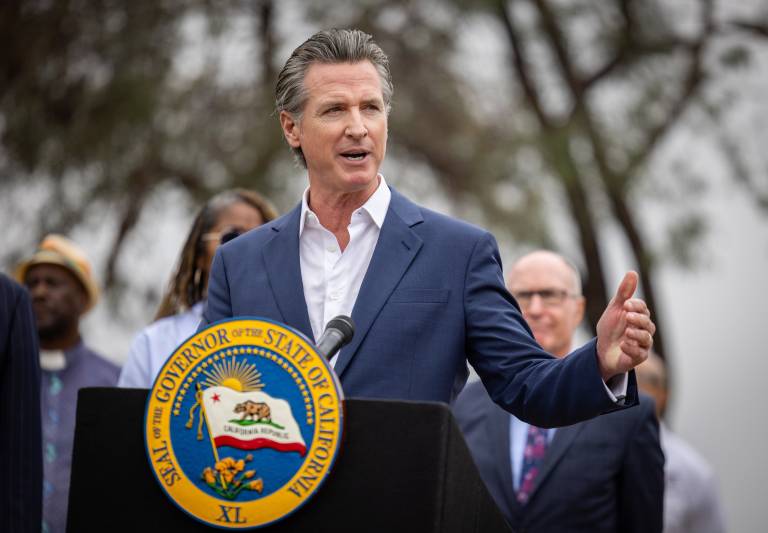
"caption": "Gov. Gavin Newsom speaks at a press conference where he signs legislation related to oversight of oil and gas wells, and community protections on Sept. 25, 2024, in Los Angeles.",
"credit": "Jason Armond/Los Angeles Times via Getty Images",
"altTag": null,
"description": null,
"imgSizes": {
"thumbnail": {
"file": "https://cdn.kqed.org/wp-content/uploads/sites/35/2025/07/GavinNewsomGetty-160x111.jpg",
"width": 160,
"height": 111,
"mimeType": "image/jpeg"
},
"medium_large": {
"file": "https://cdn.kqed.org/wp-content/uploads/sites/35/2025/07/GavinNewsomGetty-768x533.jpg",
"width": 768,
"height": 533,
"mimeType": "image/jpeg"
},
"1536x1536": {
"file": "https://cdn.kqed.org/wp-content/uploads/sites/35/2025/07/GavinNewsomGetty-1536x1065.jpg",
"width": 1536,
"height": 1065,
"mimeType": "image/jpeg"
},
"post-thumbnail": {
"file": "https://cdn.kqed.org/wp-content/uploads/sites/35/2025/07/GavinNewsomGetty-672x372.jpg",
"width": 672,
"height": 372,
"mimeType": "image/jpeg"
},
"twentyfourteen-full-width": {
"file": "https://cdn.kqed.org/wp-content/uploads/sites/35/2025/07/GavinNewsomGetty-1038x576.jpg",
"width": 1038,
"height": 576,
"mimeType": "image/jpeg"
},
"kqedFullSize": {
"file": "https://cdn.kqed.org/wp-content/uploads/sites/35/2025/07/GavinNewsomGetty.jpg",
"width": 2000,
"height": 1387
}
},
"isLoading": false,
"fetchFailed": false
},
"science_1998765": {
"type": "attachments",
"id": "science_1998765",
"meta": {
"index": "attachments_1716263798",
"site": "science",
"id": "1998765",
"found": true
},
"title": "251008-DRONEMARSH-12-BL-KQED",
"publishDate": 1760123057,
"status": "inherit",
"parent": 0,
"modified": 1760123086,
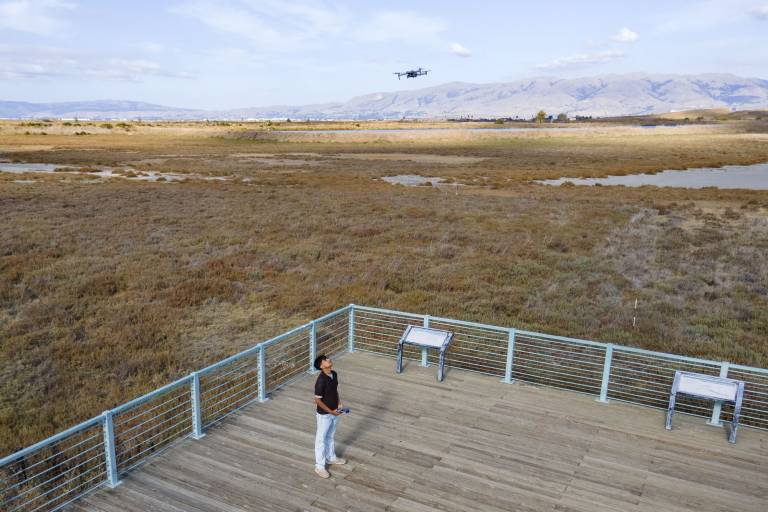
"caption": "Srivathsan Ramanujam flies his drone at Sunnyvale Baylands Park in Sunnyvale on Oct. 8, 2025. He uses a drone to create high-resolution maps of South Bay wetlands, with support from a National Oceanic and Atmospheric Administration grant, to help researchers better understand restoration needs and the impacts of sea level rise.",
"credit": "Beth LaBerge/KQED",
"altTag": null,
"description": null,
"imgSizes": {
"thumbnail": {
"file": "https://cdn.kqed.org/wp-content/uploads/sites/35/2025/10/251008-DRONEMARSH-12-BL-KQED-160x107.jpg",
"width": 160,
"height": 107,
"mimeType": "image/jpeg"
},
"medium_large": {
"file": "https://cdn.kqed.org/wp-content/uploads/sites/35/2025/10/251008-DRONEMARSH-12-BL-KQED-768x512.jpg",
"width": 768,
"height": 512,
"mimeType": "image/jpeg"
},
"1536x1536": {
"file": "https://cdn.kqed.org/wp-content/uploads/sites/35/2025/10/251008-DRONEMARSH-12-BL-KQED-1536x1024.jpg",
"width": 1536,
"height": 1024,
"mimeType": "image/jpeg"
},
"post-thumbnail": {
"file": "https://cdn.kqed.org/wp-content/uploads/sites/35/2025/10/251008-DRONEMARSH-12-BL-KQED-672x372.jpg",
"width": 672,
"height": 372,
"mimeType": "image/jpeg"
},
"twentyfourteen-full-width": {
"file": "https://cdn.kqed.org/wp-content/uploads/sites/35/2025/10/251008-DRONEMARSH-12-BL-KQED-1038x576.jpg",
"width": 1038,
"height": 576,
"mimeType": "image/jpeg"
},
"kqedFullSize": {
"file": "https://cdn.kqed.org/wp-content/uploads/sites/35/2025/10/251008-DRONEMARSH-12-BL-KQED.jpg",
"width": 2000,
"height": 1333
}
},
"isLoading": false,
"fetchFailed": false
},
"science_1998702": {
"type": "attachments",
"id": "science_1998702",
"meta": {
"index": "attachments_1716263798",
"site": "science",
"id": "1998702",
"found": true
},
"title": "250930-MACLURE GLACIER-02-KQED",
"publishDate": 1759273994,
"status": "inherit",
"parent": 0,
"modified": 1759274232,
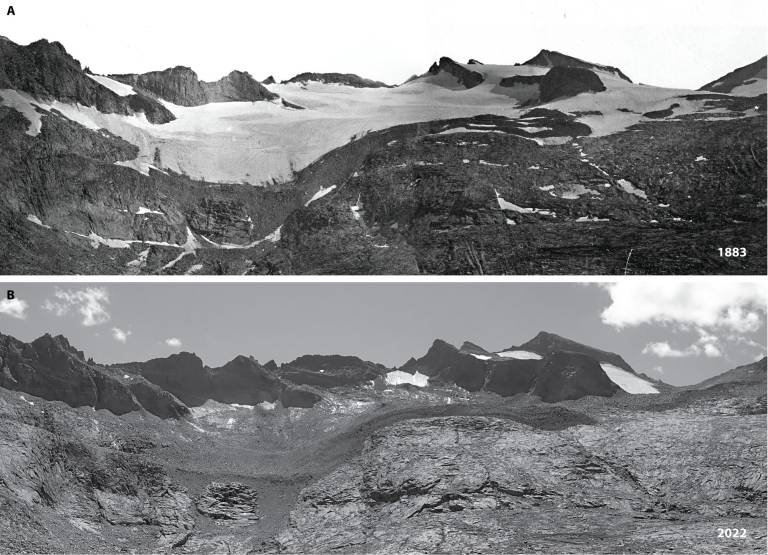
"caption": "Repeat photography of East Lyell Glacier in Yosemite National Park. September 1883 versus September 2022.\n",
"credit": "Courtesy of Israel Russell, United States Geological Survey, and Greg Stock, National Park Service",
"altTag": null,
"description": null,
"imgSizes": {
"thumbnail": {
"file": "https://cdn.kqed.org/wp-content/uploads/sites/35/2025/09/250930-MACLURE-GLACIER-02-KQED-160x116.jpg",
"width": 160,
"height": 116,
"mimeType": "image/jpeg"
},
"medium_large": {
"file": "https://cdn.kqed.org/wp-content/uploads/sites/35/2025/09/250930-MACLURE-GLACIER-02-KQED-768x555.jpg",
"width": 768,
"height": 555,
"mimeType": "image/jpeg"
},
"1536x1536": {
"file": "https://cdn.kqed.org/wp-content/uploads/sites/35/2025/09/250930-MACLURE-GLACIER-02-KQED-1536x1111.jpg",
"width": 1536,
"height": 1111,
"mimeType": "image/jpeg"
},
"post-thumbnail": {
"file": "https://cdn.kqed.org/wp-content/uploads/sites/35/2025/09/250930-MACLURE-GLACIER-02-KQED-672x372.jpg",
"width": 672,
"height": 372,
"mimeType": "image/jpeg"
},
"twentyfourteen-full-width": {
"file": "https://cdn.kqed.org/wp-content/uploads/sites/35/2025/09/250930-MACLURE-GLACIER-02-KQED-1038x576.jpg",
"width": 1038,
"height": 576,
"mimeType": "image/jpeg"
},
"kqedFullSize": {
"file": "https://cdn.kqed.org/wp-content/uploads/sites/35/2025/09/250930-MACLURE-GLACIER-02-KQED.jpg",
"width": 2000,
"height": 1446
}
},
"isLoading": false,
"fetchFailed": false
},
"science_1998076": {
"type": "attachments",
"id": "science_1998076",
"meta": {
"index": "attachments_1716263798",
"site": "science",
"id": "1998076",
"found": true
},
"title": "Warm weather in San Francisco",
"publishDate": 1754584292,
"status": "inherit",
"parent": 1998073,
"modified": 1773252256,
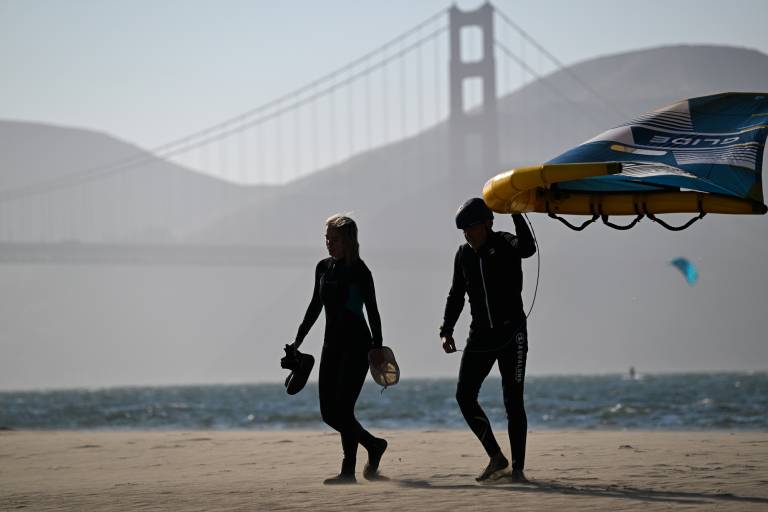
"caption": "People enjoy the warm weather at Crissy Field near the Golden Gate Bridge as a heat wave warning is issued in San Francisco, California, on July 11, 2024.",
"credit": "Tayfun Coskun/Anadolu via Getty Images",
"altTag": null,
"description": null,
"imgSizes": {
"thumbnail": {
"file": "https://cdn.kqed.org/wp-content/uploads/sites/35/2025/08/BayAreaHeatWaveGetty-160x107.jpg",
"width": 160,
"height": 107,
"mimeType": "image/jpeg"
},
"medium_large": {
"file": "https://cdn.kqed.org/wp-content/uploads/sites/35/2025/08/BayAreaHeatWaveGetty-768x512.jpg",
"width": 768,
"height": 512,
"mimeType": "image/jpeg"
},
"1536x1536": {
"file": "https://cdn.kqed.org/wp-content/uploads/sites/35/2025/08/BayAreaHeatWaveGetty-1536x1024.jpg",
"width": 1536,
"height": 1024,
"mimeType": "image/jpeg"
},
"post-thumbnail": {
"file": "https://cdn.kqed.org/wp-content/uploads/sites/35/2025/08/BayAreaHeatWaveGetty-672x372.jpg",
"width": 672,
"height": 372,
"mimeType": "image/jpeg"
},
"twentyfourteen-full-width": {
"file": "https://cdn.kqed.org/wp-content/uploads/sites/35/2025/08/BayAreaHeatWaveGetty-1038x576.jpg",
"width": 1038,
"height": 576,
"mimeType": "image/jpeg"
},
"kqedFullSize": {
"file": "https://cdn.kqed.org/wp-content/uploads/sites/35/2025/08/BayAreaHeatWaveGetty.jpg",
"width": 2000,
"height": 1333
}
},
"isLoading": false,
"fetchFailed": false
},
"science_1998447": {
"type": "attachments",
"id": "science_1998447",
"meta": {
"index": "attachments_1716263798",
"site": "science",
"id": "1998447",
"found": true
},
"title": "Delta",
"publishDate": 1757533422,
"status": "inherit",
"parent": 1998445,
"modified": 1757533576,
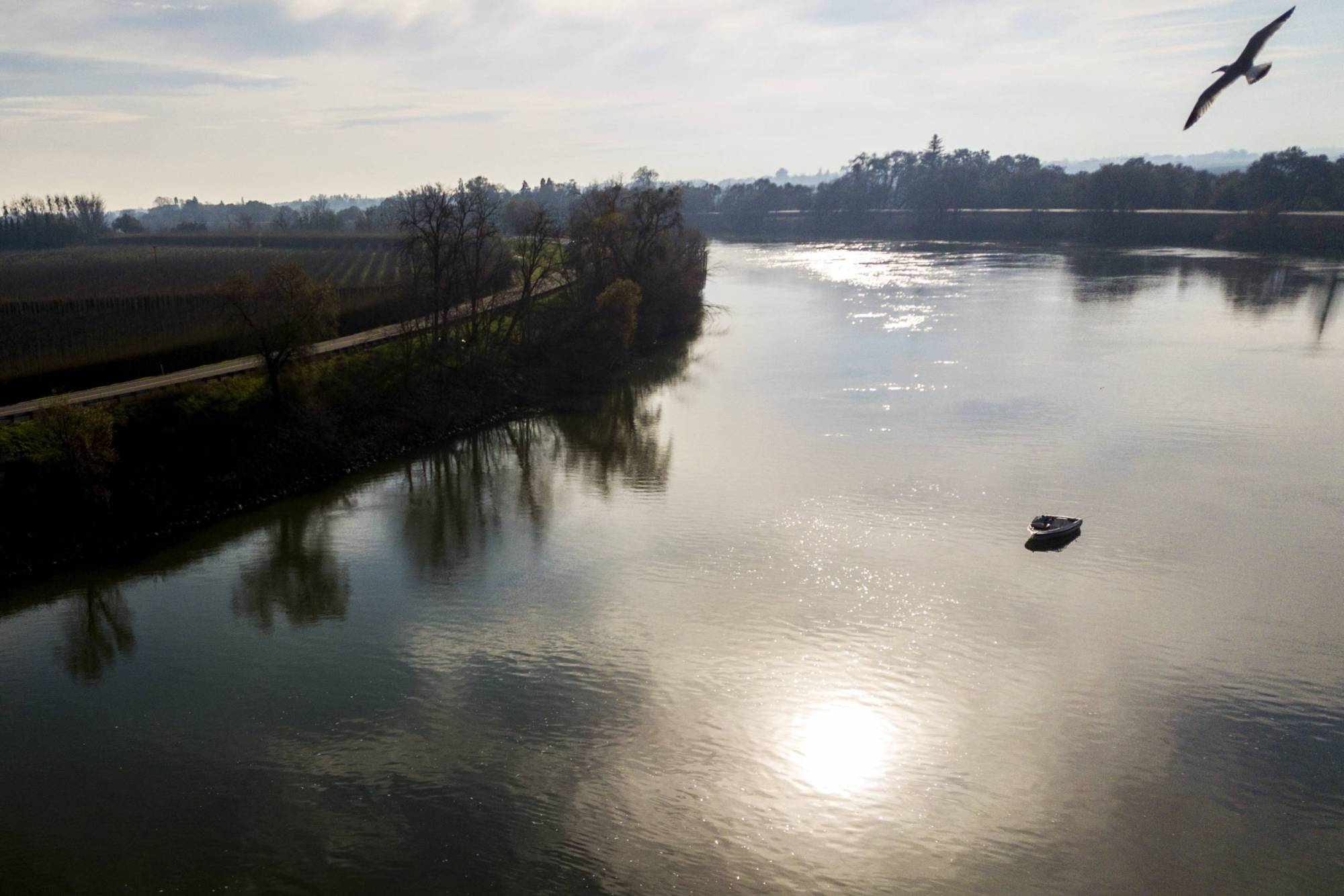
"caption": "The Sacramento River in December 2019, in Clarksburg. The area is near a potential site for a new single tunnel beneath the Sacramento-San Joaquin River Delta that will help move Northern California water south to cities and farms, say state water officials.",
"credit": "Santiago Mejia/The San Francisco Chronicle via Getty Images",
"altTag": null,
"description": null,
"imgSizes": {
"medium": {
"file": "https://cdn.kqed.org/wp-content/uploads/sites/35/2025/09/Delta-2000x1334.jpg",
"width": 2000,
"height": 1334,
"mimeType": "image/jpeg"
},
"large": {
"file": "https://cdn.kqed.org/wp-content/uploads/sites/35/2025/09/Delta-2000x1334.jpg",
"width": 2000,
"height": 1334,
"mimeType": "image/jpeg"
},
"thumbnail": {
"file": "https://cdn.kqed.org/wp-content/uploads/sites/35/2025/09/Delta-160x107.jpg",
"width": 160,
"height": 107,
"mimeType": "image/jpeg"
},
"medium_large": {
"file": "https://cdn.kqed.org/wp-content/uploads/sites/35/2025/09/Delta-768x512.jpg",
"width": 768,
"height": 512,
"mimeType": "image/jpeg"
},
"1536x1536": {
"file": "https://cdn.kqed.org/wp-content/uploads/sites/35/2025/09/Delta-1536x1024.jpg",
"width": 1536,
"height": 1024,
"mimeType": "image/jpeg"
},
"2048x2048": {
"file": "https://cdn.kqed.org/wp-content/uploads/sites/35/2025/09/Delta-2048x1366.jpg",
"width": 2048,
"height": 1366,
"mimeType": "image/jpeg"
},
"post-thumbnail": {
"file": "https://cdn.kqed.org/wp-content/uploads/sites/35/2025/09/Delta-672x372.jpg",
"width": 672,
"height": 372,
"mimeType": "image/jpeg"
},
"twentyfourteen-full-width": {
"file": "https://cdn.kqed.org/wp-content/uploads/sites/35/2025/09/Delta-1038x576.jpg",
"width": 1038,
"height": 576,
"mimeType": "image/jpeg"
},
"full-width": {
"file": "https://cdn.kqed.org/wp-content/uploads/sites/35/2025/09/Delta-2000x1334.jpg",
"width": 2000,
"height": 1334,
"mimeType": "image/jpeg"
},
"kqedFullSize": {
"file": "https://cdn.kqed.org/wp-content/uploads/sites/35/2025/09/Delta-e1757533440936.jpg",
"width": 2000,
"height": 1334
}
},
"isLoading": false,
"fetchFailed": false
},
"science_1998270": {
"type": "attachments",
"id": "science_1998270",
"meta": {
"index": "attachments_1716263798",
"site": "science",
"id": "1998270",
"found": true
},
"title": "250819-ORANGESKYDAYART-44-KQED",
"publishDate": 1756139768,
"status": "inherit",
"parent": 0,
"modified": 1757113506,
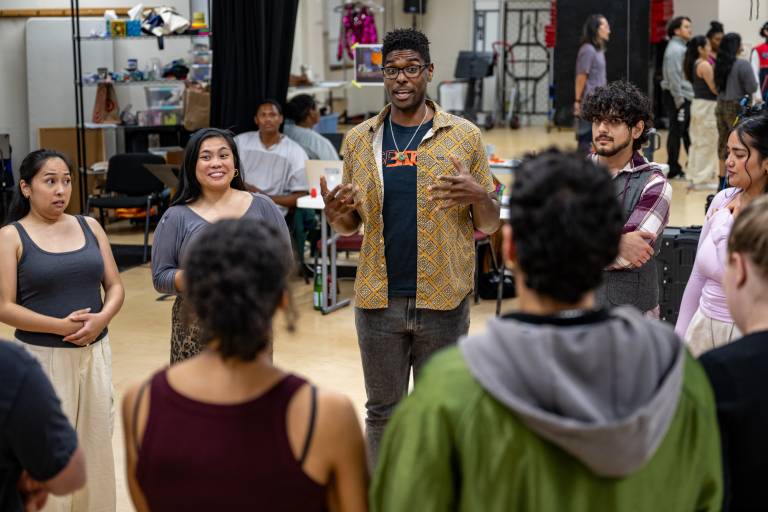
"caption": "Director Rodney Earl Jackson Jr. speaks to the cast during a rehearsal for the musical The Day the Sky Turned Orange at the American Conservatory Theater studio space in San Francisco on Aug. 19, 2025. The new production reflects on the September 2020 day when wildfire smoke turned the Bay Area sky orange.",
"credit": "Beth LaBerge/KQED",
"altTag": null,
"description": null,
"imgSizes": {
"thumbnail": {
"file": "https://cdn.kqed.org/wp-content/uploads/sites/35/2025/08/250819-ORANGESKYDAYART-44-KQED-160x107.jpg",
"width": 160,
"height": 107,
"mimeType": "image/jpeg"
},
"medium_large": {
"file": "https://cdn.kqed.org/wp-content/uploads/sites/35/2025/08/250819-ORANGESKYDAYART-44-KQED-768x512.jpg",
"width": 768,
"height": 512,
"mimeType": "image/jpeg"
},
"1536x1536": {
"file": "https://cdn.kqed.org/wp-content/uploads/sites/35/2025/08/250819-ORANGESKYDAYART-44-KQED-1536x1024.jpg",
"width": 1536,
"height": 1024,
"mimeType": "image/jpeg"
},
"post-thumbnail": {
"file": "https://cdn.kqed.org/wp-content/uploads/sites/35/2025/08/250819-ORANGESKYDAYART-44-KQED-672x372.jpg",
"width": 672,
"height": 372,
"mimeType": "image/jpeg"
},
"twentyfourteen-full-width": {
"file": "https://cdn.kqed.org/wp-content/uploads/sites/35/2025/08/250819-ORANGESKYDAYART-44-KQED-1038x576.jpg",
"width": 1038,
"height": 576,
"mimeType": "image/jpeg"
},
"kqedFullSize": {
"file": "https://cdn.kqed.org/wp-content/uploads/sites/35/2025/08/250819-ORANGESKYDAYART-44-KQED.jpg",
"width": 2000,
"height": 1333
}
},
"isLoading": false,
"fetchFailed": false
},
"science_1998378": {
"type": "attachments",
"id": "science_1998378",
"meta": {
"index": "attachments_1716263798",
"site": "science",
"id": "1998378",
"found": true
},
"title": "Burning-Man-2023",
"publishDate": 1757030065,
"status": "inherit",
"parent": 1998353,
"modified": 1757030097,
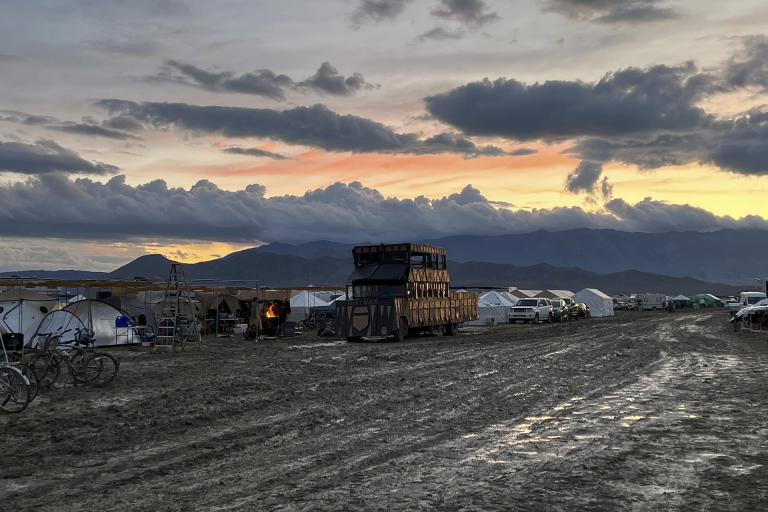
"caption": "Sunset at the Burning Man festival on Sunday, September 3, 2023, the year of the infamous \"mudpocalypse.\"",
"credit": "Photo by Kathy Baird/The Washington Post via Getty Images",
"altTag": null,
"description": null,
"imgSizes": {
"thumbnail": {
"file": "https://cdn.kqed.org/wp-content/uploads/sites/35/2025/09/Burning-Man-2023-160x107.png",
"width": 160,
"height": 107,
"mimeType": "image/png"
},
"medium_large": {
"file": "https://cdn.kqed.org/wp-content/uploads/sites/35/2025/09/Burning-Man-2023-768x512.png",
"width": 768,
"height": 512,
"mimeType": "image/png"
},
"1536x1536": {
"file": "https://cdn.kqed.org/wp-content/uploads/sites/35/2025/09/Burning-Man-2023-1536x1024.png",
"width": 1536,
"height": 1024,
"mimeType": "image/png"
},
"post-thumbnail": {
"file": "https://cdn.kqed.org/wp-content/uploads/sites/35/2025/09/Burning-Man-2023-672x372.png",
"width": 672,
"height": 372,
"mimeType": "image/png"
},
"twentyfourteen-full-width": {
"file": "https://cdn.kqed.org/wp-content/uploads/sites/35/2025/09/Burning-Man-2023-1038x576.png",
"width": 1038,
"height": 576,
"mimeType": "image/png"
},
"kqedFullSize": {
"file": "https://cdn.kqed.org/wp-content/uploads/sites/35/2025/09/Burning-Man-2023.png",
"width": 1920,
"height": 1280
}
},
"isLoading": false,
"fetchFailed": false
},
"science_1998189": {
"type": "attachments",
"id": "science_1998189",
"meta": {
"index": "attachments_1716263798",
"site": "science",
"id": "1998189",
"found": true
},
"title": "250819-2020-FIRESTORM-ANNIVERSARY-03-KQED",
"publishDate": 1755707662,
"status": "inherit",
"parent": 0,
"modified": 1755707745,
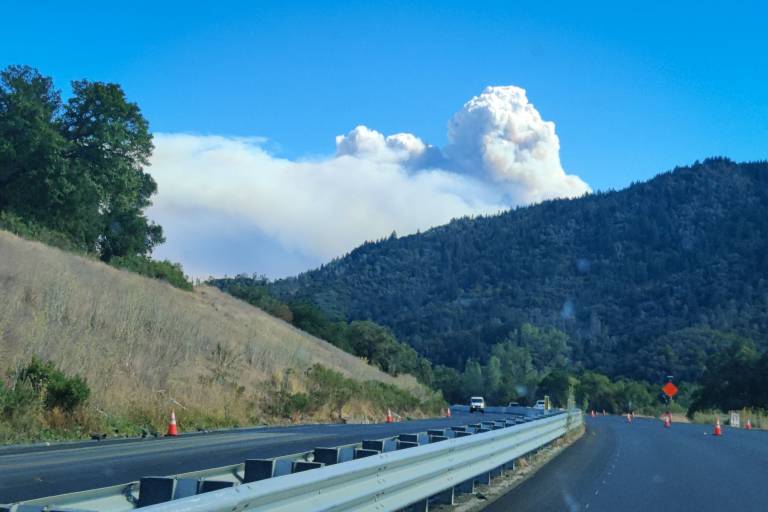
"caption": "Driving home to Sonoma County from camping in Humboldt County, Nate Ericson photographed the plume Mendocino Complex fire beginning to fill the sky.",
"credit": "Courtesy of Nate Ericson",
"altTag": null,
"description": null,
"imgSizes": {
"thumbnail": {
"file": "https://cdn.kqed.org/wp-content/uploads/sites/35/2025/08/250819-2020-FIRESTORM-ANNIVERSARY-03-KQED-160x107.jpg",
"width": 160,
"height": 107,
"mimeType": "image/jpeg"
},
"medium_large": {
"file": "https://cdn.kqed.org/wp-content/uploads/sites/35/2025/08/250819-2020-FIRESTORM-ANNIVERSARY-03-KQED-768x512.jpg",
"width": 768,
"height": 512,
"mimeType": "image/jpeg"
},
"1536x1536": {
"file": "https://cdn.kqed.org/wp-content/uploads/sites/35/2025/08/250819-2020-FIRESTORM-ANNIVERSARY-03-KQED-1536x1024.jpg",
"width": 1536,
"height": 1024,
"mimeType": "image/jpeg"
},
"post-thumbnail": {
"file": "https://cdn.kqed.org/wp-content/uploads/sites/35/2025/08/250819-2020-FIRESTORM-ANNIVERSARY-03-KQED-672x372.jpg",
"width": 672,
"height": 372,
"mimeType": "image/jpeg"
},
"twentyfourteen-full-width": {
"file": "https://cdn.kqed.org/wp-content/uploads/sites/35/2025/08/250819-2020-FIRESTORM-ANNIVERSARY-03-KQED-1038x576.jpg",
"width": 1038,
"height": 576,
"mimeType": "image/jpeg"
},
"kqedFullSize": {
"file": "https://cdn.kqed.org/wp-content/uploads/sites/35/2025/08/250819-2020-FIRESTORM-ANNIVERSARY-03-KQED.jpg",
"width": 2000,
"height": 1333
}
},
"isLoading": false,
"fetchFailed": false
},
"science_1998233": {
"type": "attachments",
"id": "science_1998233",
"meta": {
"index": "attachments_1716263798",
"site": "science",
"id": "1998233",
"found": true
},
"title": "Newsom Denmark",
"publishDate": 1755899068,
"status": "inherit",
"parent": 1998214,
"modified": 1755899609,
"caption": "California Gov. Gavin Newsom met with officials from Denmark on Aug. 22, 2025 in San Francisco. The agreement focuses on bolstering commercial and research ties between the governments, and the announcement emphasized Newsom’s battle against President Donald Trump over the issue of climate change. ",
"credit": "Courtesy of the California Governor's Office",
"altTag": null,
"description": null,
"imgSizes": {
"medium": {
"file": "https://cdn.kqed.org/wp-content/uploads/sites/35/2025/08/Newsom-Denmark-2000x1333.jpg",
"width": 2000,
"height": 1333,
"mimeType": "image/jpeg"
},
"large": {
"file": "https://cdn.kqed.org/wp-content/uploads/sites/35/2025/08/Newsom-Denmark-2000x1333.jpg",
"width": 2000,
"height": 1333,
"mimeType": "image/jpeg"
},
"thumbnail": {
"file": "https://cdn.kqed.org/wp-content/uploads/sites/35/2025/08/Newsom-Denmark-160x107.jpg",
"width": 160,
"height": 107,
"mimeType": "image/jpeg"
},
"medium_large": {
"file": "https://cdn.kqed.org/wp-content/uploads/sites/35/2025/08/Newsom-Denmark-768x512.jpg",
"width": 768,
"height": 512,
"mimeType": "image/jpeg"
},
"1536x1536": {
"file": "https://cdn.kqed.org/wp-content/uploads/sites/35/2025/08/Newsom-Denmark-1536x1024.jpg",
"width": 1536,
"height": 1024,
"mimeType": "image/jpeg"
},
"post-thumbnail": {
"file": "https://cdn.kqed.org/wp-content/uploads/sites/35/2025/08/Newsom-Denmark-672x372.jpg",
"width": 672,
"height": 372,
"mimeType": "image/jpeg"
},
"twentyfourteen-full-width": {
"file": "https://cdn.kqed.org/wp-content/uploads/sites/35/2025/08/Newsom-Denmark-1038x576.jpg",
"width": 1038,
"height": 576,
"mimeType": "image/jpeg"
},
"full-width": {
"file": "https://cdn.kqed.org/wp-content/uploads/sites/35/2025/08/Newsom-Denmark-2000x1333.jpg",
"width": 2000,
"height": 1333,
"mimeType": "image/jpeg"
},
"kqedFullSize": {
"file": "https://cdn.kqed.org/wp-content/uploads/sites/35/2025/08/Newsom-Denmark-e1755899086489.jpg",
"width": 2000,
"height": 1333
}
},
"isLoading": false,
"fetchFailed": false
},
"science_1998084": {
"type": "attachments",
"id": "science_1998084",
"meta": {
"index": "attachments_1716263798",
"site": "science",
"id": "1998084",
"found": true
},
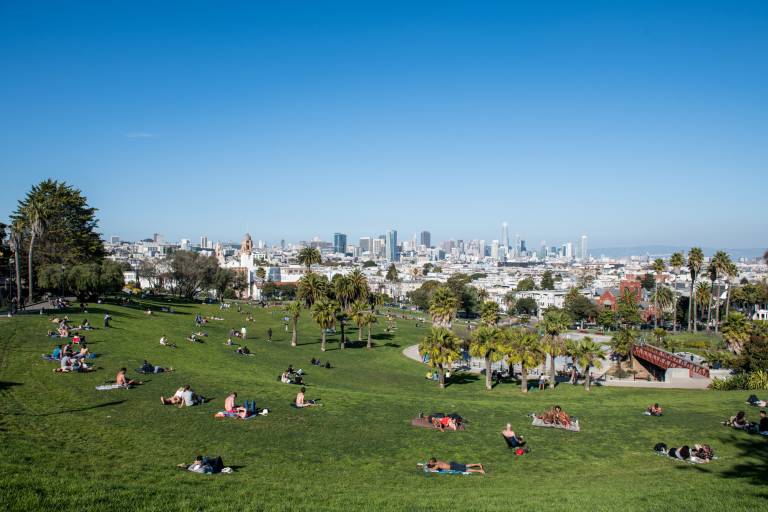
"title": "005_KQED_Weather_DoloresPark_02262020_4360_qed",
"publishDate": 1754590182,
"status": "inherit",
"parent": 1998073,
"modified": 1754590200,
"caption": "People dot the hills of Dolores Park on a 70-degree afternoon in San Francisco's Mission District on Feb. 26, 2020.",
"credit": "Beth LaBerge/KQED",
"altTag": null,
"description": null,
"imgSizes": {
"thumbnail": {
"file": "https://cdn.kqed.org/wp-content/uploads/sites/35/2025/08/005_KQED_Weather_DoloresPark_02262020_4360_qed-160x107.jpg",
"width": 160,
"height": 107,
"mimeType": "image/jpeg"
},
"medium_large": {
"file": "https://cdn.kqed.org/wp-content/uploads/sites/35/2025/08/005_KQED_Weather_DoloresPark_02262020_4360_qed-768x512.jpg",
"width": 768,
"height": 512,
"mimeType": "image/jpeg"
},
"1536x1536": {
"file": "https://cdn.kqed.org/wp-content/uploads/sites/35/2025/08/005_KQED_Weather_DoloresPark_02262020_4360_qed-1536x1024.jpg",
"width": 1536,
"height": 1024,
"mimeType": "image/jpeg"
},
"post-thumbnail": {
"file": "https://cdn.kqed.org/wp-content/uploads/sites/35/2025/08/005_KQED_Weather_DoloresPark_02262020_4360_qed-672x372.jpg",
"width": 672,
"height": 372,
"mimeType": "image/jpeg"
},
"twentyfourteen-full-width": {
"file": "https://cdn.kqed.org/wp-content/uploads/sites/35/2025/08/005_KQED_Weather_DoloresPark_02262020_4360_qed-1038x576.jpg",
"width": 1038,
"height": 576,
"mimeType": "image/jpeg"
},
"kqedFullSize": {
"file": "https://cdn.kqed.org/wp-content/uploads/sites/35/2025/08/005_KQED_Weather_DoloresPark_02262020_4360_qed.jpg",
"width": 2000,
"height": 1333
}
},
"isLoading": false,
"fetchFailed": false
}
},
"audioPlayerReducer": {
"postId": "stream_live",
"isPaused": true,
"isPlaying": false,
"pfsActive": false,
"pledgeModalIsOpen": true,
"playerDrawerIsOpen": false,
"liveAudioPlayStartedAt": 0,
"liveAudioPlayContext": ""
},
"authorsReducer": {
"gmarzorati": {
"type": "authors",
"id": "227",
"meta": {
"index": "authors_1716337520",
"id": "227",
"found": true
},
"name": "Guy Marzorati",
"firstName": "Guy",
"lastName": "Marzorati",
"slug": "gmarzorati",
"email": "gmarzorati@KQED.org",
"display_author_email": true,
"staff_mastheads": [
"news"
],
"title": "Correspondent",
"bio": "Guy Marzorati is a correspondent on KQED's California Politics and Government Desk, based in San Jose. A graduate of Santa Clara University, Guy joined KQED in 2013. He reports on state and local politics and produces KQED's digital voter guide.",
"avatar": "https://secure.gravatar.com/avatar/e7038b8dbfd55b104369b76b1cd0b9de?s=600&d=blank&r=g",
"twitter": "guymarzorati",
"facebook": null,
"instagram": null,
"linkedin": null,
"sites": [
{
"site": "",
"roles": [
"editor"
]
},
{
"site": "news",
"roles": [
"editor"
]
},
{
"site": "science",
"roles": [
"editor"
]
},
{
"site": "forum",
"roles": [
"editor"
]
},
{
"site": "elections",
"roles": [
"editor"
]
},
{
"site": "liveblog",
"roles": [
"editor"
]
}
],
"headData": {
"title": "Guy Marzorati | KQED",
"description": "Correspondent",
"ogImgSrc": "https://secure.gravatar.com/avatar/e7038b8dbfd55b104369b76b1cd0b9de?s=600&d=blank&r=g",
"twImgSrc": "https://secure.gravatar.com/avatar/e7038b8dbfd55b104369b76b1cd0b9de?s=600&d=blank&r=g"
},
"isLoading": false,
"link": "/author/gmarzorati"
},
"lklivans": {
"type": "authors",
"id": "8648",
"meta": {
"index": "authors_1716337520",
"id": "8648",
"found": true
},
"name": "Laura Klivans",
"firstName": "Laura",
"lastName": "Klivans",
"slug": "lklivans",
"email": "lklivans@kqed.org",
"display_author_email": true,
"staff_mastheads": [
"news",
"science"
],
"title": "Reporter",
"bio": "Laura Klivans is an award-winning science reporter for KQED News, where she covers climate change with an eye on both groundbreaking progress and gaps in action. She is the former host of KQED's blockbuster video series about tiny, amazing animals, \u003cem>Deep Look\u003c/em>. Her work reaches national audiences through NPR, \u003cem>Here & Now, \u003c/em>PRI, and other major outlets. \r\n\r\nLaura’s won five Northern California Area Emmy Awards for Deep Look and First Place in the Greater Bay Area Journalism Awards for a podcast exploring how one Oakland neighborhood teamed up to reduce planet-heating pollution.\r\n\r\nBeyond her reporting, she hosts and moderates events. In the past, she taught audio storytelling at the UC Berkeley Graduate School of Journalism, led international education programs, worked with immigrants and refugees along the Thai-Burmese border, taught high schoolers sex ed, and was an actress. \r\n\r\nShe's a former UC Berkeley Human Rights Fellow, USC Center for Health Journalism's California Fellow and Coro Fellow in Public Affairs. Laura has a master’s in journalism from UC Berkeley, a master’s in education from Harvard, and an undergraduate degree from Northwestern University.\r\n\r\nShe loves trying to riddle the meaning out of vanity license plates.",
"avatar": "https://secure.gravatar.com/avatar/2d2ecd1550a494cc10ad4a503406965585902124739e775a9b3817eebf1d88be?s=600&d=blank&r=g",
"twitter": "lauraklivans",
"bluesky": null,
"facebook": null,
"instagram": null,
"linkedin": null,
"sites": [
{
"site": "news",
"roles": [
"editor"
]
},
{
"site": "stateofhealth",
"roles": [
"contributor",
"editor"
]
},
{
"site": "science",
"roles": [
"editor"
]
},
{
"site": "forum",
"roles": [
"editor"
]
}
],
"headData": {
"title": "Laura Klivans | KQED",
"description": "Reporter",
"ogImgSrc": "https://secure.gravatar.com/avatar/2d2ecd1550a494cc10ad4a503406965585902124739e775a9b3817eebf1d88be?s=600&d=blank&r=g",
"twImgSrc": "https://secure.gravatar.com/avatar/2d2ecd1550a494cc10ad4a503406965585902124739e775a9b3817eebf1d88be?s=600&d=blank&r=g"
},
"isLoading": false,
"link": "/author/lklivans"
},
"dventon": {
"type": "authors",
"id": "11088",
"meta": {
"index": "authors_1716337520",
"id": "11088",
"found": true
},
"name": "Danielle Venton",
"firstName": "Danielle",
"lastName": "Venton",
"slug": "dventon",
"email": "dventon@kqed.org",
"display_author_email": true,
"staff_mastheads": [
"science"
],
"title": "Science reporter",
"bio": "Danielle Venton is a reporter for KQED Science. She covers wildfires, space and oceans (though she is prone to sea sickness).\r\n\r\nBefore joining KQED in 2015, Danielle was a staff reporter at KRCB in Sonoma County and a freelancer. She studied science communication at UC Santa Cruz and formerly worked at CERN in Geneva, Switzerland where she wrote about computing. She lives in Sonoma County and enjoys backpacking.",
"avatar": "https://secure.gravatar.com/avatar/37b292b5c40c8d93959c4f48d73b5286f41b7abd8588277e941905a3ed4c801c?s=600&d=blank&r=g",
"twitter": "DanielleVenton",
"bluesky": null,
"facebook": null,
"instagram": null,
"linkedin": null,
"sites": [
{
"site": "arts",
"roles": [
"contributor"
]
},
{
"site": "news",
"roles": [
"editor"
]
},
{
"site": "futureofyou",
"roles": [
"editor"
]
},
{
"site": "science",
"roles": [
"editor"
]
},
{
"site": "liveblog",
"roles": [
"contributor"
]
}
],
"headData": {
"title": "Danielle Venton | KQED",
"description": "Science reporter",
"ogImgSrc": "https://secure.gravatar.com/avatar/37b292b5c40c8d93959c4f48d73b5286f41b7abd8588277e941905a3ed4c801c?s=600&d=blank&r=g",
"twImgSrc": "https://secure.gravatar.com/avatar/37b292b5c40c8d93959c4f48d73b5286f41b7abd8588277e941905a3ed4c801c?s=600&d=blank&r=g"
},
"isLoading": false,
"link": "/author/dventon"
},
"eromero": {
"type": "authors",
"id": "11746",
"meta": {
"index": "authors_1716337520",
"id": "11746",
"found": true
},
"name": "Ezra David Romero",
"firstName": "Ezra David",
"lastName": "Romero",
"slug": "eromero",
"email": "eromero@kqed.org",
"display_author_email": true,
"staff_mastheads": [
"news",
"science"
],
"title": "Climate Reporter",
"bio": "Ezra David Romero is a climate reporter for KQED News. He covers the absence and excess of water in the Bay Area — think sea level rise, flooding and drought. For nearly a decade he’s covered how warming temperatures are altering the lives of Californians. He’s reported on farmers worried their pistachio trees aren’t getting enough sleep, families desperate for water, scientists studying dying giant sequoias, and alongside firefighters containing wildfires. His work has appeared on local stations across California and nationally on public radio shows like Morning Edition, Here and Now, All Things Considered and Science Friday. ",
"avatar": "https://secure.gravatar.com/avatar/c76404d287c10ed40224227551ac36e24352c7306f106632caf6fead76f8801f?s=600&d=blank&r=g",
"twitter": "ezraromero",
"bluesky": null,
"facebook": null,
"instagram": null,
"linkedin": null,
"sites": [
{
"site": "arts",
"roles": [
"editor"
]
},
{
"site": "news",
"roles": [
"editor"
]
},
{
"site": "science",
"roles": [
"editor"
]
},
{
"site": "liveblog",
"roles": [
"author"
]
}
],
"headData": {
"title": "Ezra David Romero | KQED",
"description": "Climate Reporter",
"ogImgSrc": "https://secure.gravatar.com/avatar/c76404d287c10ed40224227551ac36e24352c7306f106632caf6fead76f8801f?s=600&d=blank&r=g",
"twImgSrc": "https://secure.gravatar.com/avatar/c76404d287c10ed40224227551ac36e24352c7306f106632caf6fead76f8801f?s=600&d=blank&r=g"
},
"isLoading": false,
"link": "/author/eromero"
},
"sarahwright": {
"type": "authors",
"id": "11956",
"meta": {
"index": "authors_1716337520",
"id": "11956",
"found": true
},
"name": "Sarah Wright",
"firstName": "Sarah",
"lastName": "Wright",
"slug": "sarahwright",
"email": "swright@kqed.org",
"display_author_email": true,
"staff_mastheads": [],
"title": "Outdoors Engagement Reporter",
"bio": "Sarah Wright is KQED's Outdoors Engagement Reporter. Originally from Lake Tahoe, she completed a thru-hike of the Pacific Crest Trail in 2019 and was a U.S. Fulbright Program grantee to Argentina in 2023. Her journalism has appeared in The Guardian, The San Francisco Standard, The Palo Alto Weekly and the Half Moon Bay Review.",
"avatar": "https://secure.gravatar.com/avatar/c161a3d6441865cba25e6db4fa561099ad665799e9432e34da2b84d7e371524c?s=600&d=blank&r=g",
"twitter": null,
"bluesky": null,
"facebook": null,
"instagram": null,
"linkedin": null,
"sites": [
{
"site": "arts",
"roles": [
"editor"
]
},
{
"site": "news",
"roles": [
"editor"
]
},
{
"site": "science",
"roles": [
"contributor",
"author"
]
},
{
"site": "forum",
"roles": [
"editor"
]
}
],
"headData": {
"title": "Sarah Wright | KQED",
"description": "Outdoors Engagement Reporter",
"ogImgSrc": "https://secure.gravatar.com/avatar/c161a3d6441865cba25e6db4fa561099ad665799e9432e34da2b84d7e371524c?s=600&d=blank&r=g",
"twImgSrc": "https://secure.gravatar.com/avatar/c161a3d6441865cba25e6db4fa561099ad665799e9432e34da2b84d7e371524c?s=600&d=blank&r=g"
},
"isLoading": false,
"link": "/author/sarahwright"
}
},
"pagesReducer": {
"science_tag_climate-change": {
"type": "terms",
"id": "science_194",
"meta": {
"index": "terms_1716263798",
"site": "science",
"id": "194",
"score": 7.946657
},
"featImg": null,
"name": "climate change",
"description": null,
"taxonomy": "tag",
"headData": {
"twImgId": null,
"twTitle": null,
"ogTitle": null,
"ogImgId": null,
"twDescription": null,
"description": null,
"title": "climate change Archives | KQED Science",
"ogDescription": null
},
"ttid": 198,
"slug": "climate-change",
"isLoading": false,
"title": "climate change",
"pageMeta": {
"site": "science",
"WpPageTemplate": "page-topic-editorial",
"currentPage": 3
},
"blocks": [
{
"blockName": "kqed/post-list",
"attrs": {
"layout": "cardArticle2",
"query": "posts/science?tag=climate-change",
"seeMore": false,
"paginated": true,
"page": 3
}
},
{
"blockName": "kqed/ad"
}
]
}
},
"pfsSessionReducer": {},
"postsReducer": {
"stream_live": {
"type": "live",
"id": "stream_live",
"audioUrl": "https://streams.kqed.org/kqedradio",
"title": "Live Stream",
"excerpt": "Live Stream information currently unavailable.",
"link": "/radio",
"featImg": "",
"label": {
"name": "KQED Live",
"link": "/"
}
},
"stream_kqedNewscast": {
"type": "posts",
"id": "stream_kqedNewscast",
"audioUrl": "https://www.kqed.org/.stream/anon/radio/RDnews/newscast.mp3?_=1",
"title": "KQED Newscast",
"featImg": "",
"label": {
"name": "88.5 FM",
"link": "/"
}
},
"science_1999312": {
"type": "posts",
"id": "science_1999312",
"meta": {
"index": "posts_1716263798",
"site": "science",
"id": "1999312",
"score": null,
"sort": [
1763427653000
]
},
"guestAuthors": [],
"slug": "california-senators-demand-ppe-greater-smoke-protections-for-wildland-firefighters",
"title": "California Senators Demand PPE, Greater Smoke Protections for Wildland Firefighters",
"publishDate": 1763427653,
"format": "standard",
"headTitle": "California Senators Demand PPE, Greater Smoke Protections for Wildland Firefighters | KQED",
"labelTerm": {},
"content": "\u003cp>For decades, firefighters facing some of the state’s most destructive wildfires worked \u003ca href=\"https://www.kqed.org/forum/2010101911015/why-are-firefighters-battling-wildfires-without-masks\">without proper masks or respirators\u003c/a>, despite evidence showing long-term \u003ca href=\"https://www.kqed.org/news/12056655/wildfire-smoke-could-kill-over-5000-californians-a-year-by-2050-study-shows\">health risks from wildfire smoke\u003c/a>.\u003c/p>\n\u003cp>That’s why a bipartisan group of senators, including California Democrat Adam Schiff and Utah Republican John Curtis, introduced the first-ever respiratory protection standards for wildland firefighters on Monday.\u003c/p>\n\u003cp>If Congress passes the bipartisan bill, it would ensure the U.S. Forest Service and the U.S. Department of the Interior “take long overdue steps to protect the health of these heroes,” the bill’s authors said in a press release. This legislation was co-sponsored by Sens. Alex Padilla (D-California) and Tim Sheehy (R-Montana).\u003c/p>\n\u003cp>[ad fullwidth]\u003c/p>\n\u003cp>“Wildland firefighters deploy in the most extreme conditions to combat wildfires, preserve vital ecosystems, and save lives,” Padilla said in a press release. “These heroic men and women should not be forced to face long-term illness or premature death due to smoke exposure on the job.”\u003c/p>\n\u003cp>For decades, the U.S. Forest Service \u003ca href=\"https://www.nytimes.com/2025/09/09/us/wildfires-masks-firefighters.html\">banned\u003c/a> firefighters from wearing masks, arguing that they were too unwieldy for the job. In September, the Forest Service posted new guidance, paving the way for the new legislation.\u003c/p>\n\u003cfigure id=\"attachment_1999319\" class=\"wp-caption aligncenter\" style=\"max-width: 2000px\">\u003cimg loading=\"lazy\" decoding=\"async\" class=\"size-full wp-image-1999319\" src=\"https://cdn.kqed.org/wp-content/uploads/sites/35/2025/11/AlexPadillaKQED.jpg\" alt=\"\" width=\"2000\" height=\"1333\" srcset=\"https://cdn.kqed.org/wp-content/uploads/sites/35/2025/11/AlexPadillaKQED.jpg 2000w, https://cdn.kqed.org/wp-content/uploads/sites/35/2025/11/AlexPadillaKQED-160x107.jpg 160w, https://cdn.kqed.org/wp-content/uploads/sites/35/2025/11/AlexPadillaKQED-768x512.jpg 768w, https://cdn.kqed.org/wp-content/uploads/sites/35/2025/11/AlexPadillaKQED-1536x1024.jpg 1536w\" sizes=\"auto, (max-width: 2000px) 100vw, 2000px\">\u003cfigcaption class=\"wp-caption-text\">Sen. Alex Padilla speaks at a press briefing in San Francisco on June 1, 2021. \u003ccite>(Beth LaBerge/KQED)\u003c/cite>\u003c/figcaption>\u003c/figure>\n\u003cp>Under the \u003ca href=\"https://www.curtis.senate.gov/press-releases/sens-curtis-schiff-introduce-bipartisan-bill-to-create-first-ever-respiratory-protection-requirements-for-federal-firefighters/\">Healthy Lungs for Heroes Act\u003c/a>, the agencies would work with the Occupational Safety and Health Administration and the National Institute for Occupational Safety and Health to develop appropriate respiratory protections — masks and other devices — tailored to the unique needs of wildland firefighters when smoke exposure exceeds exposure limits.\u003c/p>\n\u003cp>The lawmakers noted that wildland firefighters frequently work 16-hour shifts while traversing mountains, ash and debris — all while inhaling toxic smoke. They said there is \u003ca href=\"https://www.kqed.org/science/1998209/breathing-poison-you-cant-outrun-wildfire-smoke\">a clear link\u003c/a> between wildfire smoke and adverse health impacts, including multiple forms of cancer. Firefighters have a life expectancy that is around \u003ca href=\"https://woods.stanford.edu/news/health-impacts-wildfire-smoke\">a decade shorter\u003c/a> than that of the average adult due to lung damage.\u003c/p>\n\u003cp>“Firefighters are heroes, and it’s critical that we do everything possible to ensure they’re protected from the health risks associated with wildfires,” Sen. Adam Schiff said in a press release.[aside postID=news_12056655 hero='https://cdn.kqed.org/wp-content/uploads/sites/10/2021/08/Middlebrook-2-1020x765.jpg']Joe Perez, a firefighter based out of Northern California, said he’s fought wildland fires like the Tubbs Fire in 2017 and others in the area.\u003c/p>\n\u003cp>“My whole career, I’ve worn a bandana or sometimes a facial shroud, which was standard practice,” he said. “But fires are burning thousands of homes, the contents of the homes and vehicles, and you’re sitting in that smoke for weeks at a time.”\u003c/p>\n\u003cp>Perez was on administrative leave for months in 2024 due to lung damage sustained in the years prior. A person he was dating at the time told him he needed to get checked out because she heard him wheezing, he said. “She could smell the burnt plastics and stuff coming out of my skin for days.”\u003c/p>\n\u003cp>He now lives with reactive airway disease, which resembles asthma, because of all the smoke he’s breathed.\u003c/p>\n\u003cp>Perez is part of a wildland firefighter respiratory protection working group with Cal/OSHA, and now fights fires while wearing a mask. He said additional protections could have reduced his exposure to dangerous smoke and chemicals, but the culture of firefighting would have made it tough to be the only one wearing a mask.\u003c/p>\n\u003cp>“Whether I would have worn it is another question,” Perez said. “That’s the kind of cultural question that’s difficult.”\u003c/p>\n\u003cfigure id=\"attachment_1941800\" class=\"wp-caption aligncenter\" style=\"max-width: 2000px\">\u003cimg loading=\"lazy\" decoding=\"async\" class=\"size-full wp-image-1941800\" src=\"https://cdn.kqed.org/wp-content/uploads/sites/35/2029/05/RS12068_455629778-e1763427602401.jpg\" alt=\"\" width=\"2000\" height=\"1334\">\u003cfigcaption class=\"wp-caption-text\">Firefighters monitor a backfire as they battle the King Fire on September 17, 2014, in Fresh Pond, California. \u003ccite>(Justin Sullivan/Getty Images)\u003c/cite>\u003c/figcaption>\u003c/figure>\n\u003cp>He thinks the aim of the legislation is a step in the right direction, but noted that while the agencies study the issue, firefighters will still have to deal with all the smoke without strong rules around masking.\u003c/p>\n\u003cp>“If I get cancer or something else down the line, I can pretty much point to where it’s probably coming from,” Perez said of the risks firefighters take in breathing in smoke while on a blaze. “But if we can avoid making that sacrifice, especially when we’re in our later years and supposed to be enjoying our retirement and having grandkids and stuff, that feels like something that makes a lot of sense.”\u003c/p>\n\u003cp>In the September rule change, the Forest Service acknowledged that masks and respirators can protect firefighters against the particles in wildfire smoke. They’re now allowed to use \u003ca href=\"https://health.nifc.gov/node/9\">N95\u003c/a> respirators approved by federal workplace safety regulators.\u003c/p>\n\u003cp>Respirators remain banned during arduous work, like digging trenches, to prevent overheating. Officials note that while N95 respirators filter out particles, they don’t protect against gases, vapors or all tiny solid particles, with no respirators on the market that filter out all inhalation hazards while also complying with federal regulations.\u003c/p>\n\u003cp>Several firefighter associations, unions and organizations, including the nonprofit Grassroots Wildland Firefighters, endorse the bill.\u003c/p>\n\u003cp>“For too long, the physical health and well-being of these responders has been ignored by their own agencies,” said Lucas Mayfield, president of the group.\u003c/p>\n\u003cp>Mayfield added that “wildland firefighters’ lives literally depend on it.”\u003c/p>\n\u003cp>\u003c/p>\n",
"blocks": [],
"excerpt": "A new bill sponsored by Sens. Adam Schiff and Alex Padilla would explore landmark respiratory protections to shield wildland firefighters from dangerous wildfire smoke.",
"status": "publish",
"parent": 0,
"modified": 1763431672,
"stats": {
"hasAudio": false,
"hasVideo": false,
"hasChartOrMap": false,
"iframeSrcs": [],
"hasGoogleForm": false,
"hasGallery": false,
"hasHearkenModule": false,
"hasPolis": false,
"paragraphCount": 22,
"wordCount": 920
},
"headData": {
"title": "California Senators Demand PPE, Greater Smoke Protections for Wildland Firefighters | KQED",
"description": "A new bill sponsored by Sens. Adam Schiff and Alex Padilla would explore landmark respiratory protections to shield wildland firefighters from dangerous wildfire smoke.",
"ogTitle": "",
"ogDescription": "",
"ogImgId": "",
"twTitle": "",
"twDescription": "",
"twImgId": "",
"schema": {
"@context": "https://schema.org",
"@type": "Article",
"headline": "California Senators Demand PPE, Greater Smoke Protections for Wildland Firefighters",
"datePublished": "2025-11-17T17:00:53-08:00",
"dateModified": "2025-11-17T18:07:52-08:00",
"image": "https://cdn.kqed.org/wp-content/uploads/2020/02/KQED-OG-Image@1x.png"
}
},
"primaryCategory": {
"termId": 39,
"slug": "health",
"name": "Health"
},
"source": "News",
"sticky": false,
"nprStoryId": "kqed-1999312",
"templateType": "standard",
"featuredImageType": "standard",
"excludeFromSiteSearch": "Include",
"articleAge": "0",
"path": "/science/1999312/california-senators-demand-ppe-greater-smoke-protections-for-wildland-firefighters",
"audioTrackLength": null,
"parsedContent": [
{
"type": "contentString",
"content": "\u003cdiv class=\"post-body\">\u003cp>\u003cp>For decades, firefighters facing some of the state’s most destructive wildfires worked \u003ca href=\"https://www.kqed.org/forum/2010101911015/why-are-firefighters-battling-wildfires-without-masks\">without proper masks or respirators\u003c/a>, despite evidence showing long-term \u003ca href=\"https://www.kqed.org/news/12056655/wildfire-smoke-could-kill-over-5000-californians-a-year-by-2050-study-shows\">health risks from wildfire smoke\u003c/a>.\u003c/p>\n\u003cp>That’s why a bipartisan group of senators, including California Democrat Adam Schiff and Utah Republican John Curtis, introduced the first-ever respiratory protection standards for wildland firefighters on Monday.\u003c/p>\n\u003cp>If Congress passes the bipartisan bill, it would ensure the U.S. Forest Service and the U.S. Department of the Interior “take long overdue steps to protect the health of these heroes,” the bill’s authors said in a press release. This legislation was co-sponsored by Sens. Alex Padilla (D-California) and Tim Sheehy (R-Montana).\u003c/p>\n\u003cp>\u003c/p>\u003c/div>",
"attributes": {
"named": {},
"numeric": []
}
},
{
"type": "component",
"content": "",
"name": "ad",
"attributes": {
"named": {
"label": "fullwidth"
},
"numeric": [
"fullwidth"
]
}
},
{
"type": "contentString",
"content": "\u003cdiv class=\"post-body\">\u003cp>\u003c/p>\n\u003cp>“Wildland firefighters deploy in the most extreme conditions to combat wildfires, preserve vital ecosystems, and save lives,” Padilla said in a press release. “These heroic men and women should not be forced to face long-term illness or premature death due to smoke exposure on the job.”\u003c/p>\n\u003cp>For decades, the U.S. Forest Service \u003ca href=\"https://www.nytimes.com/2025/09/09/us/wildfires-masks-firefighters.html\">banned\u003c/a> firefighters from wearing masks, arguing that they were too unwieldy for the job. In September, the Forest Service posted new guidance, paving the way for the new legislation.\u003c/p>\n\u003cfigure id=\"attachment_1999319\" class=\"wp-caption aligncenter\" style=\"max-width: 2000px\">\u003cimg loading=\"lazy\" decoding=\"async\" class=\"size-full wp-image-1999319\" src=\"https://cdn.kqed.org/wp-content/uploads/sites/35/2025/11/AlexPadillaKQED.jpg\" alt=\"\" width=\"2000\" height=\"1333\" srcset=\"https://cdn.kqed.org/wp-content/uploads/sites/35/2025/11/AlexPadillaKQED.jpg 2000w, https://cdn.kqed.org/wp-content/uploads/sites/35/2025/11/AlexPadillaKQED-160x107.jpg 160w, https://cdn.kqed.org/wp-content/uploads/sites/35/2025/11/AlexPadillaKQED-768x512.jpg 768w, https://cdn.kqed.org/wp-content/uploads/sites/35/2025/11/AlexPadillaKQED-1536x1024.jpg 1536w\" sizes=\"auto, (max-width: 2000px) 100vw, 2000px\">\u003cfigcaption class=\"wp-caption-text\">Sen. Alex Padilla speaks at a press briefing in San Francisco on June 1, 2021. \u003ccite>(Beth LaBerge/KQED)\u003c/cite>\u003c/figcaption>\u003c/figure>\n\u003cp>Under the \u003ca href=\"https://www.curtis.senate.gov/press-releases/sens-curtis-schiff-introduce-bipartisan-bill-to-create-first-ever-respiratory-protection-requirements-for-federal-firefighters/\">Healthy Lungs for Heroes Act\u003c/a>, the agencies would work with the Occupational Safety and Health Administration and the National Institute for Occupational Safety and Health to develop appropriate respiratory protections — masks and other devices — tailored to the unique needs of wildland firefighters when smoke exposure exceeds exposure limits.\u003c/p>\n\u003cp>The lawmakers noted that wildland firefighters frequently work 16-hour shifts while traversing mountains, ash and debris — all while inhaling toxic smoke. They said there is \u003ca href=\"https://www.kqed.org/science/1998209/breathing-poison-you-cant-outrun-wildfire-smoke\">a clear link\u003c/a> between wildfire smoke and adverse health impacts, including multiple forms of cancer. Firefighters have a life expectancy that is around \u003ca href=\"https://woods.stanford.edu/news/health-impacts-wildfire-smoke\">a decade shorter\u003c/a> than that of the average adult due to lung damage.\u003c/p>\n\u003cp>“Firefighters are heroes, and it’s critical that we do everything possible to ensure they’re protected from the health risks associated with wildfires,” Sen. Adam Schiff said in a press release.\u003c/p>\u003c/div>",
"attributes": {
"named": {},
"numeric": []
}
},
{
"type": "component",
"content": "",
"name": "aside",
"attributes": {
"named": {
"postid": "news_12056655",
"hero": "https://cdn.kqed.org/wp-content/uploads/sites/10/2021/08/Middlebrook-2-1020x765.jpg",
"label": ""
},
"numeric": []
}
},
{
"type": "contentString",
"content": "\u003cdiv class=\"post-body\">\u003cp>Joe Perez, a firefighter based out of Northern California, said he’s fought wildland fires like the Tubbs Fire in 2017 and others in the area.\u003c/p>\n\u003cp>“My whole career, I’ve worn a bandana or sometimes a facial shroud, which was standard practice,” he said. “But fires are burning thousands of homes, the contents of the homes and vehicles, and you’re sitting in that smoke for weeks at a time.”\u003c/p>\n\u003cp>Perez was on administrative leave for months in 2024 due to lung damage sustained in the years prior. A person he was dating at the time told him he needed to get checked out because she heard him wheezing, he said. “She could smell the burnt plastics and stuff coming out of my skin for days.”\u003c/p>\n\u003cp>He now lives with reactive airway disease, which resembles asthma, because of all the smoke he’s breathed.\u003c/p>\n\u003cp>Perez is part of a wildland firefighter respiratory protection working group with Cal/OSHA, and now fights fires while wearing a mask. He said additional protections could have reduced his exposure to dangerous smoke and chemicals, but the culture of firefighting would have made it tough to be the only one wearing a mask.\u003c/p>\n\u003cp>“Whether I would have worn it is another question,” Perez said. “That’s the kind of cultural question that’s difficult.”\u003c/p>\n\u003cfigure id=\"attachment_1941800\" class=\"wp-caption aligncenter\" style=\"max-width: 2000px\">\u003cimg loading=\"lazy\" decoding=\"async\" class=\"size-full wp-image-1941800\" src=\"https://cdn.kqed.org/wp-content/uploads/sites/35/2029/05/RS12068_455629778-e1763427602401.jpg\" alt=\"\" width=\"2000\" height=\"1334\">\u003cfigcaption class=\"wp-caption-text\">Firefighters monitor a backfire as they battle the King Fire on September 17, 2014, in Fresh Pond, California. \u003ccite>(Justin Sullivan/Getty Images)\u003c/cite>\u003c/figcaption>\u003c/figure>\n\u003cp>He thinks the aim of the legislation is a step in the right direction, but noted that while the agencies study the issue, firefighters will still have to deal with all the smoke without strong rules around masking.\u003c/p>\n\u003cp>“If I get cancer or something else down the line, I can pretty much point to where it’s probably coming from,” Perez said of the risks firefighters take in breathing in smoke while on a blaze. “But if we can avoid making that sacrifice, especially when we’re in our later years and supposed to be enjoying our retirement and having grandkids and stuff, that feels like something that makes a lot of sense.”\u003c/p>\n\u003cp>In the September rule change, the Forest Service acknowledged that masks and respirators can protect firefighters against the particles in wildfire smoke. They’re now allowed to use \u003ca href=\"https://health.nifc.gov/node/9\">N95\u003c/a> respirators approved by federal workplace safety regulators.\u003c/p>\n\u003cp>Respirators remain banned during arduous work, like digging trenches, to prevent overheating. Officials note that while N95 respirators filter out particles, they don’t protect against gases, vapors or all tiny solid particles, with no respirators on the market that filter out all inhalation hazards while also complying with federal regulations.\u003c/p>\n\u003cp>Several firefighter associations, unions and organizations, including the nonprofit Grassroots Wildland Firefighters, endorse the bill.\u003c/p>\n\u003cp>“For too long, the physical health and well-being of these responders has been ignored by their own agencies,” said Lucas Mayfield, president of the group.\u003c/p>\n\u003cp>Mayfield added that “wildland firefighters’ lives literally depend on it.”\u003c/p>\n\u003cp>\u003c/p>\n\u003c/div>\u003c/p>",
"attributes": {
"named": {},
"numeric": []
}
}
],
"link": "/science/1999312/california-senators-demand-ppe-greater-smoke-protections-for-wildland-firefighters",
"authors": [
"11746"
],
"categories": [
"science_39",
"science_40",
"science_3730"
],
"tags": [
"science_5178",
"science_194",
"science_4414",
"science_5181",
"science_5347"
],
"featImg": "science_1929241",
"label": "source_science_1999312"
},
"science_1999192": {
"type": "posts",
"id": "science_1999192",
"meta": {
"index": "posts_1716263798",
"site": "science",
"id": "1999192",
"score": null,
"sort": [
1763141691000
]
},
"guestAuthors": [],
"slug": "california-moves-to-fill-the-void-left-by-the-federal-government-on-the-world-stage",
"title": "California Moves to Fill the Void Left by the Federal Government on the World Stage",
"publishDate": 1763141691,
"format": "standard",
"headTitle": "California Moves to Fill the Void Left by the Federal Government on the World Stage | KQED",
"labelTerm": {},
"content": "\u003cp>This week, people from around the world descended on Belém, Brazil, a gateway to the Amazon rainforest. They’re there for the \u003ca href=\"https://www.kqed.org/news/tag/united-nations\">United Nations\u003c/a>’ annual climate summit, called COP30, so-named for the 30 years the meeting has been in existence.\u003c/p>\n\u003cp>But missing among them will be delegates from the federal government of the U.S., including President Trump, who has denied the existence of climate change. The lack of federal officials does not mean the country won’t be represented, however. Filling the void are leaders from states and cities alike. \u003ca href=\"https://www.kqed.org/science/1998536/newsom-signs-climate-energy-bills-charting-state-course-through-perilous-mid-transition\">And California is leading the pack\u003c/a>.\u003c/p>\n\u003cp>“California is a stable and reliable partner in low-carbon green growth,” Gov. Gavin Newsom said while attending the gathering along with several of his top climate leaders. “I’m here because I don’t want the United States of America to be a footnote at this conference.”\u003c/p>\n\u003cp>[ad fullwidth]\u003c/p>\n\u003cp>“It’s embarrassing that the federal government is missing in action on this global crisis,” said Wade Crowfoot, California’s Natural Resources Secretary, who’s in Brazil alongside Newsom this week and spoke with KQED.\u003c/p>\n\u003cp>While the formal part of the conference involves delegates hammering out goals around reducing emissions and more, California has been working through other channels, from both informal meetings to signing memorandums of understanding with other countries, states, and cities.\u003c/p>\n\u003cp>“The fact is that states and cities, led by California, are working to fill the void,” Crowfoot said.\u003c/p>\n\u003cfigure id=\"attachment_1999275\" class=\"wp-caption aligncenter\" style=\"max-width: 2000px\">\u003cimg loading=\"lazy\" decoding=\"async\" class=\"size-full wp-image-1999275\" src=\"https://cdn.kqed.org/wp-content/uploads/sites/35/2025/11/WadeCrowfootGetty.jpg\" alt=\"\" width=\"2000\" height=\"1333\" srcset=\"https://cdn.kqed.org/wp-content/uploads/sites/35/2025/11/WadeCrowfootGetty.jpg 2000w, https://cdn.kqed.org/wp-content/uploads/sites/35/2025/11/WadeCrowfootGetty-160x107.jpg 160w, https://cdn.kqed.org/wp-content/uploads/sites/35/2025/11/WadeCrowfootGetty-768x512.jpg 768w, https://cdn.kqed.org/wp-content/uploads/sites/35/2025/11/WadeCrowfootGetty-1536x1024.jpg 1536w\" sizes=\"auto, (max-width: 2000px) 100vw, 2000px\">\u003cfigcaption class=\"wp-caption-text\">Secretary for Natural Resources State of California Wade Crowfoot speaks during a San Onofre lease agreement celebration at Trail 6 in San Onofre State Park on Monday, April 21, 2025. \u003ccite>(Leonard Ortiz/MediaNews Group/Orange County Register via Getty Images)\u003c/cite>\u003c/figcaption>\u003c/figure>\n\u003cp>California has long punched above its weight in shaping U.S. environmental rules. In the late \u003ca href=\"https://www.congress.gov/crs-product/R48168#:~:text=In%20the%20Air%20Quality%20Act,the%20United%20States%20in%202023\">1950s\u003c/a>, the state established clean air standards before the federal Clean Air Act, signed by President Richard Nixon in \u003ca href=\"https://www.epa.gov/clean-air-act-overview/40th-anniversary-clean-air-act\">1970\u003c/a>.\u003c/p>\n\u003cp>Over time, the state has partnered with other countries like \u003ca href=\"https://www.energy.ca.gov/sites/default/files/2019-12/MOU-Beijing_MEPB_China_ADA.pdf\">China\u003c/a> and \u003ca href=\"https://www.gov.ca.gov/wp-content/uploads/2023/08/8.15.23-MOU.pdf\">Australia\u003c/a> on goals like improving air quality. Crowfoot said these agreements are both symbolic and substantive.\u003c/p>\n\u003cp>“In each instance, the policy and program staff of the different jurisdictions spends months, sometimes a couple of years, really identifying capacities or technologies or expertise that that one government has that the other government might be interested in,” Crowfoot said.\u003c/p>\n\u003cp>California partnered with \u003ca href=\"https://www.gov.ca.gov/wp-content/uploads/2025/09/FILE_7258.pdf\">Brazil\u003c/a> in September to help it set up a carbon market. Another recent \u003ca href=\"https://www.kqed.org/science/1998214/california-and-denmark-sign-comprehensive-agreement-on-climate-and-tech\">deal will bring Danish flood management expertise to California’s delta region\u003c/a>.[aside postID=news_12060700 hero='https://cdn.kqed.org/wp-content/uploads/sites/10/2025/10/251016-DUBAICHOCOLATES-09-BL-KQED.jpg']Experts said agreements like these aren’t new, but they are more visible given the vacuum of federal climate leadership.\u003c/p>\n\u003cp>Newsom is not the only U.S. governor attending the conference or \u003ca href=\"https://www.bloomberg.org/cop30-local-leaders-forum/\">meetings\u003c/a> happening around the formal event. Governors Michelle Lujan Grisham of New Mexico and Tony Evers of Wisconsin also traveled to the climate event.\u003c/p>\n\u003cp>“The impact of governors and mayors traveling to Brazil is to make sure that the rest of the global community recognizes how much progress the United States is still making in spite of the headwinds,” said Casey Katims, executive director of the U.S. Climate Alliance, a coalition of American governors committed to keeping emissions low.\u003c/p>\n\u003cp>Chris Field, director of Stanford’s Woods Institute for the Environment, said the federal government is forfeiting leadership and future economic opportunities by not attending or taking action on climate. But, he said, non-nation actors do matter.\u003c/p>\n\u003cp>“There are critically important roles for states and companies and communities and even individuals. The whole thing is going to be successful only if we can figure out a way to get everybody moving in the same direction,” he said.\u003c/p>\n\u003cp>California’s consistency, despite which political party has held the governor’s office, has been very important in moving the climate needle, Field said.\u003c/p>\n\u003cp>Gov. Newsom has already signed even more agreements while in Brazil. One is with Colombia, to address, among other things, the potent greenhouse gas methane. And another is with Nigeria, to help increase the adoption of electric vehicles.\u003c/p>\n\u003cp>The state’s representation at COP comes as President Trump has rolled back national climate policies. And, for the second time, the U.S. began the process of removing itself from the Paris agreement, which aims to limit global warming.\u003c/p>\n\u003cp>\u003c/p>\n",
"blocks": [],
"excerpt": "The Trump administration is not attending this year’s international climate conference, and said the president won’t pursue “vague climate goals.” That leaves the country’s states and cities in the limelight, and California is leading the pack. ",
"status": "publish",
"parent": 0,
"modified": 1763144334,
"stats": {
"hasAudio": false,
"hasVideo": false,
"hasChartOrMap": false,
"iframeSrcs": [],
"hasGoogleForm": false,
"hasGallery": false,
"hasHearkenModule": false,
"hasPolis": false,
"paragraphCount": 19,
"wordCount": 757
},
"headData": {
"title": "California Moves to Fill the Void Left by the Federal Government on the World Stage | KQED",
"description": "The Trump administration is not attending this year’s international climate conference, and said the president won’t pursue “vague climate goals.” That leaves the country’s states and cities in the limelight, and California is leading the pack. ",
"ogTitle": "",
"ogDescription": "",
"ogImgId": "",
"twTitle": "",
"twDescription": "",
"twImgId": "",
"schema": {
"@context": "https://schema.org",
"@type": "Article",
"headline": "California Moves to Fill the Void Left by the Federal Government on the World Stage",
"datePublished": "2025-11-14T09:34:51-08:00",
"dateModified": "2025-11-14T10:18:54-08:00",
"image": "https://cdn.kqed.org/wp-content/uploads/2020/02/KQED-OG-Image@1x.png"
}
},
"primaryCategory": {
"termId": 31,
"slug": "climate",
"name": "Climate"
},
"source": "News",
"sticky": false,
"nprStoryId": "kqed-1999192",
"templateType": "standard",
"featuredImageType": "standard",
"excludeFromSiteSearch": "Include",
"articleAge": "0",
"path": "/science/1999192/california-moves-to-fill-the-void-left-by-the-federal-government-on-the-world-stage",
"audioTrackLength": null,
"parsedContent": [
{
"type": "contentString",
"content": "\u003cdiv class=\"post-body\">\u003cp>\u003cp>This week, people from around the world descended on Belém, Brazil, a gateway to the Amazon rainforest. They’re there for the \u003ca href=\"https://www.kqed.org/news/tag/united-nations\">United Nations\u003c/a>’ annual climate summit, called COP30, so-named for the 30 years the meeting has been in existence.\u003c/p>\n\u003cp>But missing among them will be delegates from the federal government of the U.S., including President Trump, who has denied the existence of climate change. The lack of federal officials does not mean the country won’t be represented, however. Filling the void are leaders from states and cities alike. \u003ca href=\"https://www.kqed.org/science/1998536/newsom-signs-climate-energy-bills-charting-state-course-through-perilous-mid-transition\">And California is leading the pack\u003c/a>.\u003c/p>\n\u003cp>“California is a stable and reliable partner in low-carbon green growth,” Gov. Gavin Newsom said while attending the gathering along with several of his top climate leaders. “I’m here because I don’t want the United States of America to be a footnote at this conference.”\u003c/p>\n\u003cp>\u003c/p>\u003c/div>",
"attributes": {
"named": {},
"numeric": []
}
},
{
"type": "component",
"content": "",
"name": "ad",
"attributes": {
"named": {
"label": "fullwidth"
},
"numeric": [
"fullwidth"
]
}
},
{
"type": "contentString",
"content": "\u003cdiv class=\"post-body\">\u003cp>\u003c/p>\n\u003cp>“It’s embarrassing that the federal government is missing in action on this global crisis,” said Wade Crowfoot, California’s Natural Resources Secretary, who’s in Brazil alongside Newsom this week and spoke with KQED.\u003c/p>\n\u003cp>While the formal part of the conference involves delegates hammering out goals around reducing emissions and more, California has been working through other channels, from both informal meetings to signing memorandums of understanding with other countries, states, and cities.\u003c/p>\n\u003cp>“The fact is that states and cities, led by California, are working to fill the void,” Crowfoot said.\u003c/p>\n\u003cfigure id=\"attachment_1999275\" class=\"wp-caption aligncenter\" style=\"max-width: 2000px\">\u003cimg loading=\"lazy\" decoding=\"async\" class=\"size-full wp-image-1999275\" src=\"https://cdn.kqed.org/wp-content/uploads/sites/35/2025/11/WadeCrowfootGetty.jpg\" alt=\"\" width=\"2000\" height=\"1333\" srcset=\"https://cdn.kqed.org/wp-content/uploads/sites/35/2025/11/WadeCrowfootGetty.jpg 2000w, https://cdn.kqed.org/wp-content/uploads/sites/35/2025/11/WadeCrowfootGetty-160x107.jpg 160w, https://cdn.kqed.org/wp-content/uploads/sites/35/2025/11/WadeCrowfootGetty-768x512.jpg 768w, https://cdn.kqed.org/wp-content/uploads/sites/35/2025/11/WadeCrowfootGetty-1536x1024.jpg 1536w\" sizes=\"auto, (max-width: 2000px) 100vw, 2000px\">\u003cfigcaption class=\"wp-caption-text\">Secretary for Natural Resources State of California Wade Crowfoot speaks during a San Onofre lease agreement celebration at Trail 6 in San Onofre State Park on Monday, April 21, 2025. \u003ccite>(Leonard Ortiz/MediaNews Group/Orange County Register via Getty Images)\u003c/cite>\u003c/figcaption>\u003c/figure>\n\u003cp>California has long punched above its weight in shaping U.S. environmental rules. In the late \u003ca href=\"https://www.congress.gov/crs-product/R48168#:~:text=In%20the%20Air%20Quality%20Act,the%20United%20States%20in%202023\">1950s\u003c/a>, the state established clean air standards before the federal Clean Air Act, signed by President Richard Nixon in \u003ca href=\"https://www.epa.gov/clean-air-act-overview/40th-anniversary-clean-air-act\">1970\u003c/a>.\u003c/p>\n\u003cp>Over time, the state has partnered with other countries like \u003ca href=\"https://www.energy.ca.gov/sites/default/files/2019-12/MOU-Beijing_MEPB_China_ADA.pdf\">China\u003c/a> and \u003ca href=\"https://www.gov.ca.gov/wp-content/uploads/2023/08/8.15.23-MOU.pdf\">Australia\u003c/a> on goals like improving air quality. Crowfoot said these agreements are both symbolic and substantive.\u003c/p>\n\u003cp>“In each instance, the policy and program staff of the different jurisdictions spends months, sometimes a couple of years, really identifying capacities or technologies or expertise that that one government has that the other government might be interested in,” Crowfoot said.\u003c/p>\n\u003cp>California partnered with \u003ca href=\"https://www.gov.ca.gov/wp-content/uploads/2025/09/FILE_7258.pdf\">Brazil\u003c/a> in September to help it set up a carbon market. Another recent \u003ca href=\"https://www.kqed.org/science/1998214/california-and-denmark-sign-comprehensive-agreement-on-climate-and-tech\">deal will bring Danish flood management expertise to California’s delta region\u003c/a>.\u003c/p>\u003c/div>",
"attributes": {
"named": {},
"numeric": []
}
},
{
"type": "component",
"content": "",
"name": "aside",
"attributes": {
"named": {
"postid": "news_12060700",
"hero": "https://cdn.kqed.org/wp-content/uploads/sites/10/2025/10/251016-DUBAICHOCOLATES-09-BL-KQED.jpg",
"label": ""
},
"numeric": []
}
},
{
"type": "contentString",
"content": "\u003cdiv class=\"post-body\">\u003cp>Experts said agreements like these aren’t new, but they are more visible given the vacuum of federal climate leadership.\u003c/p>\n\u003cp>Newsom is not the only U.S. governor attending the conference or \u003ca href=\"https://www.bloomberg.org/cop30-local-leaders-forum/\">meetings\u003c/a> happening around the formal event. Governors Michelle Lujan Grisham of New Mexico and Tony Evers of Wisconsin also traveled to the climate event.\u003c/p>\n\u003cp>“The impact of governors and mayors traveling to Brazil is to make sure that the rest of the global community recognizes how much progress the United States is still making in spite of the headwinds,” said Casey Katims, executive director of the U.S. Climate Alliance, a coalition of American governors committed to keeping emissions low.\u003c/p>\n\u003cp>Chris Field, director of Stanford’s Woods Institute for the Environment, said the federal government is forfeiting leadership and future economic opportunities by not attending or taking action on climate. But, he said, non-nation actors do matter.\u003c/p>\n\u003cp>“There are critically important roles for states and companies and communities and even individuals. The whole thing is going to be successful only if we can figure out a way to get everybody moving in the same direction,” he said.\u003c/p>\n\u003cp>California’s consistency, despite which political party has held the governor’s office, has been very important in moving the climate needle, Field said.\u003c/p>\n\u003cp>Gov. Newsom has already signed even more agreements while in Brazil. One is with Colombia, to address, among other things, the potent greenhouse gas methane. And another is with Nigeria, to help increase the adoption of electric vehicles.\u003c/p>\n\u003cp>The state’s representation at COP comes as President Trump has rolled back national climate policies. And, for the second time, the U.S. began the process of removing itself from the Paris agreement, which aims to limit global warming.\u003c/p>\n\u003cp>\u003c/p>\n\u003c/div>\u003c/p>",
"attributes": {
"named": {},
"numeric": []
}
}
],
"link": "/science/1999192/california-moves-to-fill-the-void-left-by-the-federal-government-on-the-world-stage",
"authors": [
"8648"
],
"categories": [
"science_31",
"science_33",
"science_40"
],
"tags": [
"science_505",
"science_5178",
"science_2455",
"science_2889",
"science_182",
"science_194",
"science_192",
"science_4414",
"science_5371",
"science_3794"
],
"featImg": "science_1997571",
"label": "source_science_1999192"
},
"science_1998951": {
"type": "posts",
"id": "science_1998951",
"meta": {
"index": "posts_1716263798",
"site": "science",
"id": "1998951",
"score": null,
"sort": [
1761834611000
]
},
"guestAuthors": [],
"slug": "bay-area-teen-uses-drones-to-map-the-wetlands-he-grew-up-loving",
"title": "Bay Area Teen Uses Drones to Map the Wetlands He Grew Up Loving",
"publishDate": 1761834611,
"format": "standard",
"headTitle": "Bay Area Teen Uses Drones to Map the Wetlands He Grew Up Loving | KQED",
"labelTerm": {
"site": "science"
},
"content": "\u003cp>Srivathsan Ramanujam loves looking up at the sky from \u003ca href=\"https://www.kqed.org/news/tag/sunnyvale\">Sunnyvale\u003c/a> Baylands Park and watching plane after plane soar overhead. The protected \u003ca href=\"https://www.kqed.org/science/1998966/rising-tides-drive-a-bay-area-push-to-bring-back-vanished-marshlands\">wetland\u003c/a>, which spans more than 100 acres, served as his most beloved childhood playground. As a kid, he enjoyed spotting red-tailed hawks soaring overhead and shorebirds skittering along the multicolored salt ponds.\u003c/p>\n\u003cp>“I used to come out here and even eat the local pickleweed, which I insisted tastes like French fries,” Ramanujam said.\u003c/p>\n\u003cp>Today, the 17-year-old is a self-proclaimed outdoors and aviation nerd. His passion began during the pandemic, when Ramanujam’s dad bought him his first drone with a high-definition camera to keep him occupied and to get him outside. After learning how to fly it in his backyard, he eventually purchased a second drone and began exploring the nearby marshes.\u003c/p>\n\u003cp>[ad fullwidth]\u003c/p>\n\u003cp>“It’s just so addictive,” Ramanujam said. “Wetlands are the first thing you see when you land in the Bay Area. The beautiful colors, red, pink, green.”\u003c/p>\n\u003cp>He’s worried that rising sea levels, driven by human-caused climate change, could swallow the baylands he loves so dearly. Climate scientists predict that melting ice caps and expanding ocean waters could cause the \u003ca href=\"https://www.kqed.org/science/1997729/oysters-snails-and-a-wall-that-protects-against-climate-change-one-tile-at-a-time\">seas to rise\u003c/a> anywhere between a foot by 2050 and more than six feet by the end of the century.\u003c/p>\n\u003cp>Instead of drowning in fear, Ramanujam channeled his love for the bay into mapping more than 1,000 acres of wetlands across the South Bay. More than 80% of the Bay Area’s tidal wetlands were destroyed in the 19th and 20th centuries, and he wants to help decision-makers better understand what’s left.\u003c/p>\n\u003cfigure id=\"attachment_1998766\" class=\"wp-caption aligncenter\" style=\"max-width: 2000px\">\u003cimg loading=\"lazy\" decoding=\"async\" class=\"size-full wp-image-1998766\" src=\"https://cdn.kqed.org/wp-content/uploads/sites/35/2025/10/251008-DRONEMARSH-14-BL-KQED.jpg\" alt=\"\" width=\"2000\" height=\"1333\" srcset=\"https://cdn.kqed.org/wp-content/uploads/sites/35/2025/10/251008-DRONEMARSH-14-BL-KQED.jpg 2000w, https://cdn.kqed.org/wp-content/uploads/sites/35/2025/10/251008-DRONEMARSH-14-BL-KQED-160x107.jpg 160w, https://cdn.kqed.org/wp-content/uploads/sites/35/2025/10/251008-DRONEMARSH-14-BL-KQED-768x512.jpg 768w, https://cdn.kqed.org/wp-content/uploads/sites/35/2025/10/251008-DRONEMARSH-14-BL-KQED-1536x1024.jpg 1536w\" sizes=\"auto, (max-width: 2000px) 100vw, 2000px\">\u003cfigcaption class=\"wp-caption-text\">Srivathsan Ramanujam holds his drone at Sunnyvale Baylands Park in Sunnyvale on Oct. 8, 2025. \u003ccite>(Beth LaBerge/KQED)\u003c/cite>\u003c/figcaption>\u003c/figure>\n\u003cp>On weekends and after school, Ramanujam sends his drones soaring over the marsh, allowing him to create high-definition maps, photos and videos that track elevation, erosion and plant health. He would like to show how the area has changed over time and identify the marshland areas most vulnerable to future flooding.\u003c/p>\n\u003cp>Many evenings, the Archbishop Mitty High School senior can be found at his computer, sorting through data and layering thousands of images to create maps that he publishes on his website and in videos on his YouTube channel. He convinced a few of his friends to help present his work to the City of Fremont’s Environmental Sustainability Commission back in June and to the Bay Conservation Development Commission in July.\u003c/p>\n\u003cp>He is also partnering with researchers from San Jose State to map how coastal erosion is affecting underserved communities in the Monterey Bay region.\u003c/p>\n\u003cfigure id=\"attachment_1998762\" class=\"wp-caption aligncenter\" style=\"max-width: 2000px\">\u003cimg loading=\"lazy\" decoding=\"async\" class=\"size-full wp-image-1998762\" src=\"https://cdn.kqed.org/wp-content/uploads/sites/35/2025/10/251008-DRONEMARSH-04-BL-KQED.jpg\" alt=\"\" width=\"2000\" height=\"1333\" srcset=\"https://cdn.kqed.org/wp-content/uploads/sites/35/2025/10/251008-DRONEMARSH-04-BL-KQED.jpg 2000w, https://cdn.kqed.org/wp-content/uploads/sites/35/2025/10/251008-DRONEMARSH-04-BL-KQED-160x107.jpg 160w, https://cdn.kqed.org/wp-content/uploads/sites/35/2025/10/251008-DRONEMARSH-04-BL-KQED-768x512.jpg 768w, https://cdn.kqed.org/wp-content/uploads/sites/35/2025/10/251008-DRONEMARSH-04-BL-KQED-1536x1024.jpg 1536w\" sizes=\"auto, (max-width: 2000px) 100vw, 2000px\">\u003cfigcaption class=\"wp-caption-text\">Srivathsan Ramanujam flies his drone at Sunnyvale Baylands Park in Sunnyvale on Oct. 8, 2025. \u003ccite>(Beth LaBerge/KQED)\u003c/cite>\u003c/figcaption>\u003c/figure>\n\u003cp>“I hope these maps encourage youth to come into this field and try to save their backyard,” Ramanujam said. “I want the next generation to be able to enjoy it.”\u003c/p>\n\u003cp>Ramanujam presented his latest findings at the \u003ca href=\"https://www.sfestuary.org/state-of-the-estuary-conference/\">State of the San Francisco Estuary Conference\u003c/a> this week. He wants to encourage leaders to accelerate efforts to restore the Bay Area’s historic waterfront to “its original glory.” He believes his maps will help researchers as data becomes harder to find due to recent federal cuts.\u003c/p>\n\u003cp>Liv Juvera, an environmental planner with the San Francisco Estuary Partnership, said she was excited to receive Ramanujam’s request to present a research poster at the conference.\u003c/p>\n\u003cp>“I had not heard directly from a high schooler before who was so eager to present,” Juvera said. “Him being so tenacious and eager to invest in conservation and restoration of the estuary through his work is singular.”\u003c/p>\n\u003cfigure id=\"attachment_1998763\" class=\"wp-caption aligncenter\" style=\"max-width: 2000px\">\u003cimg loading=\"lazy\" decoding=\"async\" class=\"size-full wp-image-1998763\" src=\"https://cdn.kqed.org/wp-content/uploads/sites/35/2025/10/251008-DRONEMARSH-05-BL-KQED.jpg\" alt=\"\" width=\"2000\" height=\"1333\" srcset=\"https://cdn.kqed.org/wp-content/uploads/sites/35/2025/10/251008-DRONEMARSH-05-BL-KQED.jpg 2000w, https://cdn.kqed.org/wp-content/uploads/sites/35/2025/10/251008-DRONEMARSH-05-BL-KQED-160x107.jpg 160w, https://cdn.kqed.org/wp-content/uploads/sites/35/2025/10/251008-DRONEMARSH-05-BL-KQED-768x512.jpg 768w, https://cdn.kqed.org/wp-content/uploads/sites/35/2025/10/251008-DRONEMARSH-05-BL-KQED-1536x1024.jpg 1536w\" sizes=\"auto, (max-width: 2000px) 100vw, 2000px\">\u003cfigcaption class=\"wp-caption-text\">Srivathsan Ramanujam flies his drone at Sunnyvale Baylands Park in Sunnyvale on Oct. 8, 2025. \u003ccite>(Beth LaBerge/KQED)\u003c/cite>\u003c/figcaption>\u003c/figure>\n\u003cp>Juvera said he could help planners better understand how to meet the regional goal of eventually restoring 100,000 acres of tidal marsh. Today, the Bay Area has met over half its goal. Ramanujam’s research can provide “tangential” insight into how to make communities “more resilient to sea level rise and by proxy flood risk reduction,” Juvera said.\u003c/p>\n\u003cp>While Ramanujam was the only high schooler who presented a poster at the conference, she said other young people shared ideas, panels, sessions and research.\u003c/p>\n\u003cp>She hopes more young people will work to protect and restore San Francisco Bay.\u003c/p>\n\u003cp>“The more youth that get engaged in taking care of the estuary, the better,” Juvera said. “It’s exciting to see people who still want to do good.”\u003c/p>\n\u003cp>\u003c/p>\n",
"blocks": [],
"excerpt": "A South Bay student uses drone technology to show what’s at stake as rising seas threaten the Bay Area wetlands that act as a natural barrier to flooding.",
"status": "publish",
"parent": 0,
"modified": 1764709623,
"stats": {
"hasAudio": false,
"hasVideo": false,
"hasChartOrMap": false,
"iframeSrcs": [],
"hasGoogleForm": false,
"hasGallery": false,
"hasHearkenModule": false,
"hasPolis": false,
"paragraphCount": 19,
"wordCount": 788
},
"headData": {
"title": "Bay Area Teen Uses Drones to Map the Wetlands He Grew Up Loving | KQED",
"description": "A South Bay student uses drone technology to show what’s at stake as rising seas threaten the Bay Area wetlands that act as a natural barrier to flooding.",
"ogTitle": "",
"ogDescription": "",
"ogImgId": "",
"twTitle": "",
"twDescription": "",
"twImgId": "",
"schema": {
"@context": "https://schema.org",
"@type": "Article",
"headline": "Bay Area Teen Uses Drones to Map the Wetlands He Grew Up Loving",
"datePublished": "2025-10-30T07:30:11-07:00",
"dateModified": "2025-12-02T13:07:03-08:00",
"image": "https://cdn.kqed.org/wp-content/uploads/2020/02/KQED-OG-Image@1x.png"
}
},
"primaryCategory": {
"termId": 31,
"slug": "climate",
"name": "Climate"
},
"audioUrl": "https://traffic.omny.fm/d/clips/0af137ef-751e-4b19-a055-aaef00d2d578/ffca7e9f-6831-41c5-bcaf-aaef00f5a073/a570239d-5569-433a-937e-b3a7011d3011/audio.mp3",
"sticky": false,
"nprStoryId": "kqed-1998951",
"templateType": "standard",
"featuredImageType": "standard",
"excludeFromSiteSearch": "Include",
"articleAge": "0",
"path": "/science/1998951/bay-area-teen-uses-drones-to-map-the-wetlands-he-grew-up-loving",
"audioTrackLength": null,
"parsedContent": [
{
"type": "contentString",
"content": "\u003cdiv class=\"post-body\">\u003cp>\u003cp>Srivathsan Ramanujam loves looking up at the sky from \u003ca href=\"https://www.kqed.org/news/tag/sunnyvale\">Sunnyvale\u003c/a> Baylands Park and watching plane after plane soar overhead. The protected \u003ca href=\"https://www.kqed.org/science/1998966/rising-tides-drive-a-bay-area-push-to-bring-back-vanished-marshlands\">wetland\u003c/a>, which spans more than 100 acres, served as his most beloved childhood playground. As a kid, he enjoyed spotting red-tailed hawks soaring overhead and shorebirds skittering along the multicolored salt ponds.\u003c/p>\n\u003cp>“I used to come out here and even eat the local pickleweed, which I insisted tastes like French fries,” Ramanujam said.\u003c/p>\n\u003cp>Today, the 17-year-old is a self-proclaimed outdoors and aviation nerd. His passion began during the pandemic, when Ramanujam’s dad bought him his first drone with a high-definition camera to keep him occupied and to get him outside. After learning how to fly it in his backyard, he eventually purchased a second drone and began exploring the nearby marshes.\u003c/p>\n\u003cp>\u003c/p>\u003c/div>",
"attributes": {
"named": {},
"numeric": []
}
},
{
"type": "component",
"content": "",
"name": "ad",
"attributes": {
"named": {
"label": "fullwidth"
},
"numeric": [
"fullwidth"
]
}
},
{
"type": "contentString",
"content": "\u003cdiv class=\"post-body\">\u003cp>\u003c/p>\n\u003cp>“It’s just so addictive,” Ramanujam said. “Wetlands are the first thing you see when you land in the Bay Area. The beautiful colors, red, pink, green.”\u003c/p>\n\u003cp>He’s worried that rising sea levels, driven by human-caused climate change, could swallow the baylands he loves so dearly. Climate scientists predict that melting ice caps and expanding ocean waters could cause the \u003ca href=\"https://www.kqed.org/science/1997729/oysters-snails-and-a-wall-that-protects-against-climate-change-one-tile-at-a-time\">seas to rise\u003c/a> anywhere between a foot by 2050 and more than six feet by the end of the century.\u003c/p>\n\u003cp>Instead of drowning in fear, Ramanujam channeled his love for the bay into mapping more than 1,000 acres of wetlands across the South Bay. More than 80% of the Bay Area’s tidal wetlands were destroyed in the 19th and 20th centuries, and he wants to help decision-makers better understand what’s left.\u003c/p>\n\u003cfigure id=\"attachment_1998766\" class=\"wp-caption aligncenter\" style=\"max-width: 2000px\">\u003cimg loading=\"lazy\" decoding=\"async\" class=\"size-full wp-image-1998766\" src=\"https://cdn.kqed.org/wp-content/uploads/sites/35/2025/10/251008-DRONEMARSH-14-BL-KQED.jpg\" alt=\"\" width=\"2000\" height=\"1333\" srcset=\"https://cdn.kqed.org/wp-content/uploads/sites/35/2025/10/251008-DRONEMARSH-14-BL-KQED.jpg 2000w, https://cdn.kqed.org/wp-content/uploads/sites/35/2025/10/251008-DRONEMARSH-14-BL-KQED-160x107.jpg 160w, https://cdn.kqed.org/wp-content/uploads/sites/35/2025/10/251008-DRONEMARSH-14-BL-KQED-768x512.jpg 768w, https://cdn.kqed.org/wp-content/uploads/sites/35/2025/10/251008-DRONEMARSH-14-BL-KQED-1536x1024.jpg 1536w\" sizes=\"auto, (max-width: 2000px) 100vw, 2000px\">\u003cfigcaption class=\"wp-caption-text\">Srivathsan Ramanujam holds his drone at Sunnyvale Baylands Park in Sunnyvale on Oct. 8, 2025. \u003ccite>(Beth LaBerge/KQED)\u003c/cite>\u003c/figcaption>\u003c/figure>\n\u003cp>On weekends and after school, Ramanujam sends his drones soaring over the marsh, allowing him to create high-definition maps, photos and videos that track elevation, erosion and plant health. He would like to show how the area has changed over time and identify the marshland areas most vulnerable to future flooding.\u003c/p>\n\u003cp>Many evenings, the Archbishop Mitty High School senior can be found at his computer, sorting through data and layering thousands of images to create maps that he publishes on his website and in videos on his YouTube channel. He convinced a few of his friends to help present his work to the City of Fremont’s Environmental Sustainability Commission back in June and to the Bay Conservation Development Commission in July.\u003c/p>\n\u003cp>He is also partnering with researchers from San Jose State to map how coastal erosion is affecting underserved communities in the Monterey Bay region.\u003c/p>\n\u003cfigure id=\"attachment_1998762\" class=\"wp-caption aligncenter\" style=\"max-width: 2000px\">\u003cimg loading=\"lazy\" decoding=\"async\" class=\"size-full wp-image-1998762\" src=\"https://cdn.kqed.org/wp-content/uploads/sites/35/2025/10/251008-DRONEMARSH-04-BL-KQED.jpg\" alt=\"\" width=\"2000\" height=\"1333\" srcset=\"https://cdn.kqed.org/wp-content/uploads/sites/35/2025/10/251008-DRONEMARSH-04-BL-KQED.jpg 2000w, https://cdn.kqed.org/wp-content/uploads/sites/35/2025/10/251008-DRONEMARSH-04-BL-KQED-160x107.jpg 160w, https://cdn.kqed.org/wp-content/uploads/sites/35/2025/10/251008-DRONEMARSH-04-BL-KQED-768x512.jpg 768w, https://cdn.kqed.org/wp-content/uploads/sites/35/2025/10/251008-DRONEMARSH-04-BL-KQED-1536x1024.jpg 1536w\" sizes=\"auto, (max-width: 2000px) 100vw, 2000px\">\u003cfigcaption class=\"wp-caption-text\">Srivathsan Ramanujam flies his drone at Sunnyvale Baylands Park in Sunnyvale on Oct. 8, 2025. \u003ccite>(Beth LaBerge/KQED)\u003c/cite>\u003c/figcaption>\u003c/figure>\n\u003cp>“I hope these maps encourage youth to come into this field and try to save their backyard,” Ramanujam said. “I want the next generation to be able to enjoy it.”\u003c/p>\n\u003cp>Ramanujam presented his latest findings at the \u003ca href=\"https://www.sfestuary.org/state-of-the-estuary-conference/\">State of the San Francisco Estuary Conference\u003c/a> this week. He wants to encourage leaders to accelerate efforts to restore the Bay Area’s historic waterfront to “its original glory.” He believes his maps will help researchers as data becomes harder to find due to recent federal cuts.\u003c/p>\n\u003cp>Liv Juvera, an environmental planner with the San Francisco Estuary Partnership, said she was excited to receive Ramanujam’s request to present a research poster at the conference.\u003c/p>\n\u003cp>“I had not heard directly from a high schooler before who was so eager to present,” Juvera said. “Him being so tenacious and eager to invest in conservation and restoration of the estuary through his work is singular.”\u003c/p>\n\u003cfigure id=\"attachment_1998763\" class=\"wp-caption aligncenter\" style=\"max-width: 2000px\">\u003cimg loading=\"lazy\" decoding=\"async\" class=\"size-full wp-image-1998763\" src=\"https://cdn.kqed.org/wp-content/uploads/sites/35/2025/10/251008-DRONEMARSH-05-BL-KQED.jpg\" alt=\"\" width=\"2000\" height=\"1333\" srcset=\"https://cdn.kqed.org/wp-content/uploads/sites/35/2025/10/251008-DRONEMARSH-05-BL-KQED.jpg 2000w, https://cdn.kqed.org/wp-content/uploads/sites/35/2025/10/251008-DRONEMARSH-05-BL-KQED-160x107.jpg 160w, https://cdn.kqed.org/wp-content/uploads/sites/35/2025/10/251008-DRONEMARSH-05-BL-KQED-768x512.jpg 768w, https://cdn.kqed.org/wp-content/uploads/sites/35/2025/10/251008-DRONEMARSH-05-BL-KQED-1536x1024.jpg 1536w\" sizes=\"auto, (max-width: 2000px) 100vw, 2000px\">\u003cfigcaption class=\"wp-caption-text\">Srivathsan Ramanujam flies his drone at Sunnyvale Baylands Park in Sunnyvale on Oct. 8, 2025. \u003ccite>(Beth LaBerge/KQED)\u003c/cite>\u003c/figcaption>\u003c/figure>\n\u003cp>Juvera said he could help planners better understand how to meet the regional goal of eventually restoring 100,000 acres of tidal marsh. Today, the Bay Area has met over half its goal. Ramanujam’s research can provide “tangential” insight into how to make communities “more resilient to sea level rise and by proxy flood risk reduction,” Juvera said.\u003c/p>\n\u003cp>While Ramanujam was the only high schooler who presented a poster at the conference, she said other young people shared ideas, panels, sessions and research.\u003c/p>\n\u003cp>She hopes more young people will work to protect and restore San Francisco Bay.\u003c/p>\n\u003cp>“The more youth that get engaged in taking care of the estuary, the better,” Juvera said. “It’s exciting to see people who still want to do good.”\u003c/p>\n\u003cp>\u003c/p>\n\u003c/div>\u003c/p>",
"attributes": {
"named": {},
"numeric": []
}
}
],
"link": "/science/1998951/bay-area-teen-uses-drones-to-map-the-wetlands-he-grew-up-loving",
"authors": [
"11746"
],
"categories": [
"science_31",
"science_32",
"science_35",
"science_40"
],
"tags": [
"science_856",
"science_5178",
"science_182",
"science_194",
"science_192",
"science_4414",
"science_346",
"science_206",
"science_207"
],
"featImg": "science_1998765",
"label": "science"
},
"science_1998695": {
"type": "posts",
"id": "science_1998695",
"meta": {
"index": "posts_1716263798",
"site": "science",
"id": "1998695",
"score": null,
"sort": [
1759341612000
]
},
"guestAuthors": [],
"slug": "californias-ancient-glaciers-are-melting-away-for-the-first-time-in-human-history",
"title": "California’s Ancient Glaciers Are Melting Away for the First Time in Human History",
"publishDate": 1759341612,
"format": "standard",
"headTitle": "California’s Ancient Glaciers Are Melting Away for the First Time in Human History | KQED",
"labelTerm": {
"site": "science"
},
"content": "\u003cp>Glaciers in California’s mountains are \u003ca href=\"https://www.kqed.org/science/3284/californias-vanishing-glaciers-a-defining-moment\">disappearing fast and will likely be gone\u003c/a> by the end of the century. Geologists found that these glaciers have been in place since before humans came to the Americas. This means there is no precedent in the last 20,000 years for their disappearance.\u003c/p>\n\u003cp>The new research challenges a previous assumption that California’s glaciers had waxed and waned into disappearance since the end of the last glacial period, offering a new understanding of their history.\u003c/p>\n\u003cp>Glaciers offer a touchstone — something we can literally hike to and touch — providing a link between our past and present.\u003c/p>\n\u003cp>[ad fullwidth]\u003c/p>\n\u003cp>“The reason this work is important is because climate change feels abstract and nebulous,” said Andrew Jones, a Ph.D. candidate at the University of Wisconsin-Madison and lead author on a study\u003ca href=\"https://www.science.org/doi/10.1126/sciadv.adx9442\"> published Wednesday in \u003cem>Science Advances\u003c/em>\u003c/a>. “You hear about two degrees Celsius of warming. To most people, that’s just an imperceivable difference on their home thermostat. But our findings here are tangible.”\u003c/p>\n\u003cp>To accompany the paper, Jones and his co-authors released comparative photographs showing before and after pictures. For instance, in the late 1880s, when John Muir was studying glacial flow with wooden stakes, the East Lyell Glacier in Yosemite covered a broad sweep of the mountainside. Today, it is just a few blobs clinging on in the hollows.\u003c/p>\n\u003cfigure id=\"attachment_1998701\" class=\"wp-caption aligncenter\" style=\"max-width: 2000px\">\u003ca href=\"https://cdn.kqed.org/wp-content/uploads/sites/35/2025/09/250930-MACLURE-GLACIER-01-KQED.jpg\">\u003cimg loading=\"lazy\" decoding=\"async\" class=\"size-full wp-image-1998701\" src=\"https://cdn.kqed.org/wp-content/uploads/sites/35/2025/09/250930-MACLURE-GLACIER-01-KQED.jpg\" alt=\"\" width=\"2000\" height=\"1500\" srcset=\"https://cdn.kqed.org/wp-content/uploads/sites/35/2025/09/250930-MACLURE-GLACIER-01-KQED.jpg 2000w, https://cdn.kqed.org/wp-content/uploads/sites/35/2025/09/250930-MACLURE-GLACIER-01-KQED-160x120.jpg 160w, https://cdn.kqed.org/wp-content/uploads/sites/35/2025/09/250930-MACLURE-GLACIER-01-KQED-768x576.jpg 768w, https://cdn.kqed.org/wp-content/uploads/sites/35/2025/09/250930-MACLURE-GLACIER-01-KQED-1536x1152.jpg 1536w\" sizes=\"auto, (max-width: 2000px) 100vw, 2000px\">\u003c/a>\u003cfigcaption class=\"wp-caption-text\">Maclure Glacier in Yosemite National Park. \u003ccite>(Courtesy of Andrew Jones)\u003c/cite>\u003c/figcaption>\u003c/figure>\n\u003cp>This glacier will be familiar to anyone who has hiked south from Tuolumne Meadows toward Donahue Pass. Backpackers who love the Sierra Nevada may be likewise familiar with other glaciers evaluated by the research team: Maclure, Conness and Palisade.\u003c/p>\n\u003cp>The researchers, however, had to access these glaciers without the benefit of trails. The fieldwork was grueling, Jones admitted with a laugh: “Man, the hiking was really difficult, honestly.”\u003c/p>\n\u003cp>The research team traversed glacial moraines — large deposits of rock out in front of glaciers — places that had been covered by ice until a few decades ago. From there, they collected samples of bedrock just below glaciers to determine, through isotopes, how long it had been since that rock was last exposed to sunlight. “The [moraines] are very loose, very treacherous. You step on a boulder and it slides,” said Jones. “You’re like, ‘Oh that’s not good.’”\u003c/p>\n\u003cp>Jones also said he had to laugh at the effort he and other members of the research team put into packing ultralight, bare bones gear. They did things like snap toothbrushes in half to save a few ounces, only to then carry out backpacks full of pounds of rock for testing.\u003c/p>\n\u003cp>“It was all the sacrifice of ultralight for none of the benefit,” he said.\u003c/p>\n\u003cp>To determine whether California’s glaciers had disappeared and reemerged since the last glacial maximum, the team used carbon-beryllium isotopes to evaluate those recently exposed rocks. Jones uses a battery analogy to explain. When the ice is gone and rock is exposed, the sun can “charge up” the rock. When the glacier comes back, the charge slowly recedes. But they found no “charge” at all in the glaciers tested in and around Yosemite.[aside postID=science_1992917 hero='https://cdn.kqed.org/wp-content/uploads/sites/35/2024/05/2014-05-12t120000z_163168172_gm1ea5d0e0o01_rtrmadp_3_climatechange-antarctica_wide-dc872b259e838b06facf859b790dcd5ad4af35cf-1020x573.jpg']“That tells us that rock has not seen the light of day for a very, very long time.” They estimate at least 10,000 years, probably 30,000 years. That’s before humans began living on this continent.\u003c/p>\n\u003cp>This finding contrasts with the history of glaciers in the Swiss Alps, which have expanded, shrunk, expanded, and then, with global heating, begun to shrink again.\u003c/p>\n\u003cp>Many of the glaciers in the Sierra Nevada have shrunk so much that they no longer flow or move, which geologists consider “alive.” A slow slide downhill is a hallmark of normal glacial behavior — and it results in beautiful glacial carving of rock — but to do that, it has to be of a certain thickness. Many of California’s glaciers are now too small and thin.\u003c/p>\n\u003cp>When the Sierra Nevada glaciers are all gone, as projected in 2100, the generation of kids living now will be the first humans ever to see the rocks below.\u003c/p>\n\u003cp>Glacial loss feels like emotional loss for many who love the mountains. But here, amid the sadness, there is room for perspective and hope.\u003c/p>\n\u003cp>Mountain glaciers are more sensitive to climate signals than other indicators, like the polar ice sheets. Changing the trend of an ice sheet is a huge undertaking — like turning a colossal ship. A glacier, like Lyell, is comparatively a small boat — one that can turn quickly.\u003c/p>\n\u003cp>“Our decisions really do matter in how many glaciers survive,” Jones said.\u003c/p>\n\u003cp>If we succeed in bringing down the concentration of warming gases in our atmosphere closer to levels we saw in the late 1980s (350 parts per million), glaciers globally would have a good shot at stabilizing, perhaps even starting to grow again. Just as their loss has heralded a heating planet, one that is suffering as if from a fever, their reappearance one day could be an early signal of a planet returning to health.\u003c/p>\n\u003cp>\u003c/p>\n",
"blocks": [],
"excerpt": "New research shows that California's Sierra Nevada glaciers, which will vanish in decades, have remained intact for at least 10,000 years.",
"status": "publish",
"parent": 0,
"modified": 1759342010,
"stats": {
"hasAudio": false,
"hasVideo": false,
"hasChartOrMap": false,
"iframeSrcs": [],
"hasGoogleForm": false,
"hasGallery": false,
"hasHearkenModule": false,
"hasPolis": false,
"paragraphCount": 20,
"wordCount": 901
},
"headData": {
"title": "California’s Ancient Glaciers Are Melting Away for the First Time in Human History | KQED",
"description": "New research shows that California's Sierra Nevada glaciers, which will vanish in decades, have remained intact for at least 10,000 years.",
"ogTitle": "",
"ogDescription": "",
"ogImgId": "",
"twTitle": "",
"twDescription": "",
"twImgId": "",
"schema": {
"@context": "https://schema.org",
"@type": "Article",
"headline": "California’s Ancient Glaciers Are Melting Away for the First Time in Human History",
"datePublished": "2025-10-01T11:00:12-07:00",
"dateModified": "2025-10-01T11:06:50-07:00",
"image": "https://cdn.kqed.org/wp-content/uploads/2020/02/KQED-OG-Image@1x.png"
}
},
"primaryCategory": {
"termId": 31,
"slug": "climate",
"name": "Climate"
},
"sticky": false,
"nprStoryId": "kqed-1998695",
"templateType": "standard",
"featuredImageType": "standard",
"excludeFromSiteSearch": "Include",
"articleAge": "0",
"path": "/science/1998695/californias-ancient-glaciers-are-melting-away-for-the-first-time-in-human-history",
"audioTrackLength": null,
"parsedContent": [
{
"type": "contentString",
"content": "\u003cdiv class=\"post-body\">\u003cp>\u003cp>Glaciers in California’s mountains are \u003ca href=\"https://www.kqed.org/science/3284/californias-vanishing-glaciers-a-defining-moment\">disappearing fast and will likely be gone\u003c/a> by the end of the century. Geologists found that these glaciers have been in place since before humans came to the Americas. This means there is no precedent in the last 20,000 years for their disappearance.\u003c/p>\n\u003cp>The new research challenges a previous assumption that California’s glaciers had waxed and waned into disappearance since the end of the last glacial period, offering a new understanding of their history.\u003c/p>\n\u003cp>Glaciers offer a touchstone — something we can literally hike to and touch — providing a link between our past and present.\u003c/p>\n\u003cp>\u003c/p>\u003c/div>",
"attributes": {
"named": {},
"numeric": []
}
},
{
"type": "component",
"content": "",
"name": "ad",
"attributes": {
"named": {
"label": "fullwidth"
},
"numeric": [
"fullwidth"
]
}
},
{
"type": "contentString",
"content": "\u003cdiv class=\"post-body\">\u003cp>\u003c/p>\n\u003cp>“The reason this work is important is because climate change feels abstract and nebulous,” said Andrew Jones, a Ph.D. candidate at the University of Wisconsin-Madison and lead author on a study\u003ca href=\"https://www.science.org/doi/10.1126/sciadv.adx9442\"> published Wednesday in \u003cem>Science Advances\u003c/em>\u003c/a>. “You hear about two degrees Celsius of warming. To most people, that’s just an imperceivable difference on their home thermostat. But our findings here are tangible.”\u003c/p>\n\u003cp>To accompany the paper, Jones and his co-authors released comparative photographs showing before and after pictures. For instance, in the late 1880s, when John Muir was studying glacial flow with wooden stakes, the East Lyell Glacier in Yosemite covered a broad sweep of the mountainside. Today, it is just a few blobs clinging on in the hollows.\u003c/p>\n\u003cfigure id=\"attachment_1998701\" class=\"wp-caption aligncenter\" style=\"max-width: 2000px\">\u003ca href=\"https://cdn.kqed.org/wp-content/uploads/sites/35/2025/09/250930-MACLURE-GLACIER-01-KQED.jpg\">\u003cimg loading=\"lazy\" decoding=\"async\" class=\"size-full wp-image-1998701\" src=\"https://cdn.kqed.org/wp-content/uploads/sites/35/2025/09/250930-MACLURE-GLACIER-01-KQED.jpg\" alt=\"\" width=\"2000\" height=\"1500\" srcset=\"https://cdn.kqed.org/wp-content/uploads/sites/35/2025/09/250930-MACLURE-GLACIER-01-KQED.jpg 2000w, https://cdn.kqed.org/wp-content/uploads/sites/35/2025/09/250930-MACLURE-GLACIER-01-KQED-160x120.jpg 160w, https://cdn.kqed.org/wp-content/uploads/sites/35/2025/09/250930-MACLURE-GLACIER-01-KQED-768x576.jpg 768w, https://cdn.kqed.org/wp-content/uploads/sites/35/2025/09/250930-MACLURE-GLACIER-01-KQED-1536x1152.jpg 1536w\" sizes=\"auto, (max-width: 2000px) 100vw, 2000px\">\u003c/a>\u003cfigcaption class=\"wp-caption-text\">Maclure Glacier in Yosemite National Park. \u003ccite>(Courtesy of Andrew Jones)\u003c/cite>\u003c/figcaption>\u003c/figure>\n\u003cp>This glacier will be familiar to anyone who has hiked south from Tuolumne Meadows toward Donahue Pass. Backpackers who love the Sierra Nevada may be likewise familiar with other glaciers evaluated by the research team: Maclure, Conness and Palisade.\u003c/p>\n\u003cp>The researchers, however, had to access these glaciers without the benefit of trails. The fieldwork was grueling, Jones admitted with a laugh: “Man, the hiking was really difficult, honestly.”\u003c/p>\n\u003cp>The research team traversed glacial moraines — large deposits of rock out in front of glaciers — places that had been covered by ice until a few decades ago. From there, they collected samples of bedrock just below glaciers to determine, through isotopes, how long it had been since that rock was last exposed to sunlight. “The [moraines] are very loose, very treacherous. You step on a boulder and it slides,” said Jones. “You’re like, ‘Oh that’s not good.’”\u003c/p>\n\u003cp>Jones also said he had to laugh at the effort he and other members of the research team put into packing ultralight, bare bones gear. They did things like snap toothbrushes in half to save a few ounces, only to then carry out backpacks full of pounds of rock for testing.\u003c/p>\n\u003cp>“It was all the sacrifice of ultralight for none of the benefit,” he said.\u003c/p>\n\u003cp>To determine whether California’s glaciers had disappeared and reemerged since the last glacial maximum, the team used carbon-beryllium isotopes to evaluate those recently exposed rocks. Jones uses a battery analogy to explain. When the ice is gone and rock is exposed, the sun can “charge up” the rock. When the glacier comes back, the charge slowly recedes. But they found no “charge” at all in the glaciers tested in and around Yosemite.\u003c/p>\u003c/div>",
"attributes": {
"named": {},
"numeric": []
}
},
{
"type": "component",
"content": "",
"name": "aside",
"attributes": {
"named": {
"postid": "science_1992917",
"hero": "https://cdn.kqed.org/wp-content/uploads/sites/35/2024/05/2014-05-12t120000z_163168172_gm1ea5d0e0o01_rtrmadp_3_climatechange-antarctica_wide-dc872b259e838b06facf859b790dcd5ad4af35cf-1020x573.jpg",
"label": ""
},
"numeric": []
}
},
{
"type": "contentString",
"content": "\u003cdiv class=\"post-body\">\u003cp>“That tells us that rock has not seen the light of day for a very, very long time.” They estimate at least 10,000 years, probably 30,000 years. That’s before humans began living on this continent.\u003c/p>\n\u003cp>This finding contrasts with the history of glaciers in the Swiss Alps, which have expanded, shrunk, expanded, and then, with global heating, begun to shrink again.\u003c/p>\n\u003cp>Many of the glaciers in the Sierra Nevada have shrunk so much that they no longer flow or move, which geologists consider “alive.” A slow slide downhill is a hallmark of normal glacial behavior — and it results in beautiful glacial carving of rock — but to do that, it has to be of a certain thickness. Many of California’s glaciers are now too small and thin.\u003c/p>\n\u003cp>When the Sierra Nevada glaciers are all gone, as projected in 2100, the generation of kids living now will be the first humans ever to see the rocks below.\u003c/p>\n\u003cp>Glacial loss feels like emotional loss for many who love the mountains. But here, amid the sadness, there is room for perspective and hope.\u003c/p>\n\u003cp>Mountain glaciers are more sensitive to climate signals than other indicators, like the polar ice sheets. Changing the trend of an ice sheet is a huge undertaking — like turning a colossal ship. A glacier, like Lyell, is comparatively a small boat — one that can turn quickly.\u003c/p>\n\u003cp>“Our decisions really do matter in how many glaciers survive,” Jones said.\u003c/p>\n\u003cp>If we succeed in bringing down the concentration of warming gases in our atmosphere closer to levels we saw in the late 1980s (350 parts per million), glaciers globally would have a good shot at stabilizing, perhaps even starting to grow again. Just as their loss has heralded a heating planet, one that is suffering as if from a fever, their reappearance one day could be an early signal of a planet returning to health.\u003c/p>\n\u003cp>\u003c/p>\n\u003c/div>\u003c/p>",
"attributes": {
"named": {},
"numeric": []
}
}
],
"link": "/science/1998695/californias-ancient-glaciers-are-melting-away-for-the-first-time-in-human-history",
"authors": [
"11088"
],
"categories": [
"science_31",
"science_40",
"science_2873",
"science_4450",
"science_98"
],
"tags": [
"science_182",
"science_194",
"science_4414",
"science_5317",
"science_324"
],
"featImg": "science_1998702",
"label": "science"
},
"science_1998536": {
"type": "posts",
"id": "science_1998536",
"meta": {
"index": "posts_1716263798",
"site": "science",
"id": "1998536",
"score": null,
"sort": [
1758303060000
]
},
"guestAuthors": [],
"slug": "newsom-signs-climate-energy-bills-charting-state-course-through-perilous-mid-transition",
"title": "Newsom Signs Climate, Energy Bills Charting State Course Through Perilous ‘Mid-Transition’",
"publishDate": 1758303060,
"format": "standard",
"headTitle": "Newsom Signs Climate, Energy Bills Charting State Course Through Perilous ‘Mid-Transition’ | KQED",
"labelTerm": {},
"content": "\u003cp>California embarked on a new phase of climate leadership on Friday, as Gov. Gavin Newsom signed a \u003ca href=\"https://www.kqed.org/news/12055461/california-lawmakers-reach-last-minute-deals-on-climate-energy\">package of bills\u003c/a> aimed at charting the state’s course through a perilous energy transition.\u003c/p>\n\u003cp>The legislation includes an extension of California’s \u003ca href=\"https://www.kqed.org/news/12053867/affordability-concerns-at-center-of-cap-and-trade-renewal-debate\">marquee program\u003c/a> to reduce pollution from refineries and power plants, reaffirming the state’s commitment to limit planet-warming emissions.\u003c/p>\n\u003cp>But changes to that cap-and-trade program — and accompanying bills on electricity and fuel supply — reflect a \u003ca href=\"https://www.kqed.org/news/12055786/energy-climate-and-ai-regulation-take-center-stage-in-sacramento\">struggle\u003c/a> by lawmakers to manage both the impacts of climate change and the move away from fossil fuels, which each threaten to drive up energy costs for residents.\u003c/p>\n\u003cp>[ad fullwidth]\u003c/p>\n\u003cp>“We have to effectively transition,” Newsom said before signing the bills at the Academy of Sciences in San Francisco. “This is not an ideological endeavor.”\u003c/p>\n\u003cp>“We are in the practical application business,” he said. “We have got to manifest our ideals and our goals. And so this lays it out, but it lays it out without laying tracks over folks.”\u003c/p>\n\u003cp>California has reached a unique moment, state leaders and analysts argue. The state is far enough along in its transition away from fossil fuels that it needs to maintain two energy delivery systems at once: oil and gas on one side and electricity built on carbon-free energy on the other. The \u003ca href=\"https://www.kqed.org/news/12023129/how-climate-change-complicating-california-democrats-affordability-agenda\">juggling act\u003c/a> is costly, messy, and requires intentional planning and often unsavory compromises.\u003c/p>\n\u003cfigure id=\"attachment_1927246\" class=\"wp-caption aligncenter\" style=\"max-width: 2000px\">\u003cimg loading=\"lazy\" decoding=\"async\" class=\"size-full wp-image-1927246\" src=\"https://cdn.kqed.org/wp-content/uploads/sites/35/2018/07/GettyImages-71394652-e1758301123123.jpg\" alt=\"\" width=\"2000\" height=\"1333\">\u003cfigcaption class=\"wp-caption-text\">A truck carries a shipping container past an oil refinery at the ports of Long Beach and Los Angeles on July 6, 2006, in Long Beach, California. \u003ccite>(David McNew/Getty Images)\u003c/cite>\u003c/figcaption>\u003c/figure>\n\u003cp>The state of limbo, which will likely last decades in California, has been labeled “\u003ca href=\"https://emilygrubert.org/wp-content/uploads/2022/10/Grubert-and-Hastings-Simon-2022-Designing-the-mid-transition-A-review-of-medium-t.pdf\">mid-transition\u003c/a>” by Emily Grubert, a sustainable energy researcher at the University of Notre Dame. Grubert said California is among the first places “actually dealing with many of these questions of managed transition” away from fossil fuels.\u003c/p>\n\u003cp>“How the state of California deals with the transition of [oil] refining really is going to inform the way that many, many other transitions occur,” Grubert told lawmakers last month, including how the state will move away from gas and towards electricity for tasks like heating and cooling homes.\u003c/p>\n\u003cp>Newsom and fellow Democrats faced a bevy of challenges as they \u003ca href=\"https://www.kqed.org/news/12052825/whats-next-for-californias-landmark-climate-program\">negotiated\u003c/a> the climate package in the waning hours of the legislative year. Voters remain anxious about rising energy costs. Two \u003ca href=\"https://www.kqed.org/forum/2010101910826/california-considers-more-drilling-and-other-concessions-to-big-oil-as-gas-prices-rise\">refineries\u003c/a>, Phillips 66 in Los Angeles and Valero in Benicia, announced plans to close, threatening a spike in gas prices. And wildfires made more intense by climate change have devastated California communities and driven up insurance and electricity \u003ca href=\"https://www.kqed.org/news/12027878/california-lawmakers-aim-lower-electricity-bills-but-theyll-face-tough-choices\">costs\u003c/a>.\u003c/p>\n\u003ch2>Balancing acts, political compromises\u003c/h2>\n\u003cp>The five bills Newsom signed on Friday reflect the delicate balancing act facing lawmakers during this transitory period. The agreements brought both wins and losses for the state’s powerful utilities and oil and gas companies — and left many environmental justice advocates frustrated over the lack of emphasis on reducing local air pollution in low-income communities.\u003c/p>\n\u003cp>“We had five huge planes all circling, and we had to make sure they didn’t crash into each other,” said Sen. Josh Becker, a Democrat representing the Peninsula. “Really, the feeling was they were all going to land or none of them were going to land.”\u003c/p>\n\u003cfigure id=\"attachment_1971419\" class=\"wp-caption aligncenter\" style=\"max-width: 1920px\">\u003cimg loading=\"lazy\" decoding=\"async\" class=\"size-full wp-image-1971419\" src=\"https://cdn.kqed.org/wp-content/uploads/sites/35/2020/12/RS46184_GettyImages-2823144-qut.jpg\" alt=\"\" width=\"1920\" height=\"1283\" srcset=\"https://cdn.kqed.org/wp-content/uploads/sites/35/2020/12/RS46184_GettyImages-2823144-qut.jpg 1920w, https://cdn.kqed.org/wp-content/uploads/sites/35/2020/12/RS46184_GettyImages-2823144-qut-800x535.jpg 800w, https://cdn.kqed.org/wp-content/uploads/sites/35/2020/12/RS46184_GettyImages-2823144-qut-1020x682.jpg 1020w, https://cdn.kqed.org/wp-content/uploads/sites/35/2020/12/RS46184_GettyImages-2823144-qut-160x107.jpg 160w, https://cdn.kqed.org/wp-content/uploads/sites/35/2020/12/RS46184_GettyImages-2823144-qut-768x513.jpg 768w, https://cdn.kqed.org/wp-content/uploads/sites/35/2020/12/RS46184_GettyImages-2823144-qut-1536x1026.jpg 1536w\" sizes=\"auto, (max-width: 1920px) 100vw, 1920px\">\u003cfigcaption class=\"wp-caption-text\">The Wilmington ARCO refinery is seen before dawn on Dec. 19, 2003, in Los Angeles, California. \u003ccite>(David McNew/Getty Images)\u003c/cite>\u003c/figcaption>\u003c/figure>\n\u003cp>Under Assembly Bill 1207, companies will face more strict pollution limits each year until 2045 — that’s the “cap” in the renamed Cap-and-Invest program. State regulators will more closely monitor the financial help oil companies get to follow the program’s rules.\u003c/p>\n\u003cp>“This is the most important U.S. climate policy for the foreseeable future,” said Kyle Meng, a professor at UC Santa Barbara. “In the absence of any climate action from D.C., for California to signal this commitment for two decades, that’s a really big deal.”\u003c/p>\n\u003cp>But a separate bill, Senate Bill 237, eases regulations on oil drilling in Kern County and gives the governor new powers to loosen clean fuel standards if gas prices spike.\u003c/p>\n\u003cp>The compromise is an attempt to appease both environmental advocates and oil companies and address the upcoming \u003ca href=\"https://www.kqed.org/news/12036695/shocking-news-valero-announces-plans-to-end-operations-at-benicia-refinery\">refinery closures\u003c/a>. The state’s demand for gas has consistently declined in recent years, peaking in 2017, according to California Energy Commission data. But supply of both crude and refined oil from California is dropping far faster, leaving a yawning gap that is concerning to state leaders.\u003c/p>\n\u003cp>In addition to legislative concessions, the Energy Commission voted last month to \u003ca href=\"https://apnews.com/article/oil-gas-newsom-profits-prices-california-435d63922284a93130c40bac9558f093\">delay\u003c/a> capping oil company profits until at least 2030 — an about-face from two years earlier, when Newsom called a special session that resulted in that very law.\u003c/p>\n\u003cp>Taken all together, the package of bills and policy changes is by no means a reversal of the state’s aggressive plan to wean itself off of fossil fuels. But the course correction showed that some leading Democrats are worried that the pace of its transition was too rapid.\u003c/p>\n\u003cp>“I probably voted for every bill that went through the legislature to get us off of fossil fuels,” said Lorena Gonzalez, a former Assembly member, while speaking at a Public Policy Institute of California conference last month.\u003c/p>\n\u003cp>“I was very much and am very supportive of a transition to a new energy economy,” said Gonzalez, who is now president of the California Labor Federation. “That being said, the legislature, myself included, rushed this idea.”\u003c/p>\n\u003ch2>Real-time policy for real-time problems\u003c/h2>\n\u003cp>Senate Bill 254 adds $18 billion to the state’s Wildfire Fund, which utilities can tap into to stave off bankruptcy if their equipment has been found to spark a wildfire. With Southern California Edison facing potential exposure from the Eaton Fire, lawmakers leveraged the desire from utilities to replenish the fund to include reforms that aim to lower electricity rates.\u003c/p>\n\u003cp>UC Berkeley professor Meredith Fowlie said Senate Bill 254 is an example of California acting as a laboratory for policies to make electricity more affordable.\u003c/p>\n\u003cfigure id=\"attachment_1995288\" class=\"wp-caption aligncenter\" style=\"max-width: 2000px\">\u003cimg loading=\"lazy\" decoding=\"async\" class=\"size-full wp-image-1995288\" src=\"https://cdn.kqed.org/wp-content/uploads/sites/35/2024/12/84004858_qed.jpg\" alt=\"\" width=\"2000\" height=\"1333\" srcset=\"https://cdn.kqed.org/wp-content/uploads/sites/35/2024/12/84004858_qed.jpg 2000w, https://cdn.kqed.org/wp-content/uploads/sites/35/2024/12/84004858_qed-800x533.jpg 800w, https://cdn.kqed.org/wp-content/uploads/sites/35/2024/12/84004858_qed-1020x680.jpg 1020w, https://cdn.kqed.org/wp-content/uploads/sites/35/2024/12/84004858_qed-160x107.jpg 160w, https://cdn.kqed.org/wp-content/uploads/sites/35/2024/12/84004858_qed-768x512.jpg 768w, https://cdn.kqed.org/wp-content/uploads/sites/35/2024/12/84004858_qed-1536x1024.jpg 1536w, https://cdn.kqed.org/wp-content/uploads/sites/35/2024/12/84004858_qed-1920x1280.jpg 1920w\" sizes=\"auto, (max-width: 2000px) 100vw, 2000px\">\u003cfigcaption class=\"wp-caption-text\">The Department of Water and Power (DWP) San Fernando Valley Generating Station on Dec. 11, 2008, in Sun Valley, California. \u003ccite>(David McNew/Getty Images)\u003c/cite>\u003c/figcaption>\u003c/figure>\n\u003cp>“A lot of this policy is being made in real time in response to challenges that are manifesting in real time,” she said.\u003c/p>\n\u003cp>Senate Bill 254 will allow the state to issue bonds to finance the construction of transmission lines at a cheaper price than utilities. The legislation also gives regulators more tools to rein in the money power companies spend to prevent wildfires, a key driver of higher electricity rates.\u003c/p>\n\u003cp>The new cap-and-invest program will shift the biannual “climate credit” rebate that appears on customers’ bills to the hottest months of the year when Californians are using the most electricity. It will also boost the credit on electric bills by reducing it on gas bills — further incentivizing the energy transition at a household level.[aside postID=news_12056655 hero='https://cdn.kqed.org/wp-content/uploads/sites/10/2021/08/Middlebrook-2-1020x765.jpg']“You’ve got these too-high electricity prices distorting consumer incentives,” Fowlie said. “So when I’m choosing between a heat pump and a natural gas furnace, electricity sure looks expensive. It would be really nice to bring the differences and those prices closer to the true differences in costs.”\u003c/p>\n\u003cp>Still, some analysts said Newsom and legislative leaders failed to strike the right balance in the climate-energy deal.\u003c/p>\n\u003cp>“We have been producing oil for almost 140 years,” said Paasha Mahdavi, an associate professor in political science at UC Santa Barbara. Allowing the companies to drill more in Kern County is like “squeezing a lemon at its dear end.”\u003c/p>\n\u003cp>Mahdavi said the easier-to-reach fuel has already been extracted there, which means companies must rely on techniques that are energy-intensive. This creates significant pollution for nearby communities and the planet overall.\u003c/p>\n\u003cp>Through his own \u003ca href=\"https://static1.squarespace.com/static/60e06de426582d24ad4e2ab7/t/68bb4c15f1beef2669830de8/1757105173357/Mahdavi+-+Analysis+of+Californias+oil+refineries+amid+declining+demand.pdf\">analysis\u003c/a>, Mahdavi found that gasoline demand could be met by supply from in-state refineries and by imports.\u003c/p>\n\u003cp>Mahdavi is on the side of a coalition of environmental justice groups that \u003ca href=\"https://mavensnotebook.com/2025/09/11/press-release-ca-environmental-groups-decry-this-year-as-the-states-worst-legislative-year-for-the-environment-and-climate-in-recent-history/\">labeled \u003c/a>the outcome “the worst legislative year for climate and environmental protection in recent memory.” The coalition said the balancing act between climate leadership and consumer prices failed to reduce\u003ca href=\"https://www.kqed.org/news/12050096/californias-clean-air-program-for-polluted-communities-faces-crossroads\"> local pollution\u003c/a> for Californians who live near hotspots such as refineries.\u003c/p>\n\u003cp>“We have a real responsibility to ensure that the fourth largest economy in the world, a progressive leader on climate, is really committed to not only climate policies, but ensuring that they’re deployed equitably,” said Asha Sharma, state policy manager with the Leadership Counsel for Justice and Accountability.\u003c/p>\n\u003cp>\u003cem>KQED’s \u003c/em>\u003ca href=\"https://www.kqed.org/author/jlara\">\u003cem>Juan Carlos Lara\u003c/em>\u003c/a>\u003cem> contributed to this story.\u003c/em>\u003c/p>\n\u003cp>[ad floatright]\u003c/p>\n",
"blocks": [],
"excerpt": "California has been at the forefront of bold climate policy. Now, the state is one of the first to face a messy transition from fossil fuels to clean energy. ",
"status": "publish",
"parent": 0,
"modified": 1758305301,
"stats": {
"hasAudio": false,
"hasVideo": false,
"hasChartOrMap": false,
"iframeSrcs": [],
"hasGoogleForm": false,
"hasGallery": false,
"hasHearkenModule": false,
"hasPolis": false,
"paragraphCount": 33,
"wordCount": 1519
},
"headData": {
"title": "Newsom Signs Climate, Energy Bills Charting State Course Through Perilous ‘Mid-Transition’ | KQED",
"description": "California has been at the forefront of bold climate policy. Now, the state is one of the first to face a messy transition from fossil fuels to clean energy. ",
"ogTitle": "",
"ogDescription": "",
"ogImgId": "",
"twTitle": "",
"twDescription": "",
"twImgId": "",
"schema": {
"@context": "https://schema.org",
"@type": "Article",
"headline": "Newsom Signs Climate, Energy Bills Charting State Course Through Perilous ‘Mid-Transition’",
"datePublished": "2025-09-19T10:31:00-07:00",
"dateModified": "2025-09-19T11:08:21-07:00",
"image": "https://cdn.kqed.org/wp-content/uploads/2020/02/KQED-OG-Image@1x.png"
}
},
"primaryCategory": {
"termId": 31,
"slug": "climate",
"name": "Climate"
},
"source": "News",
"sticky": false,
"nprStoryId": "kqed-1998536",
"templateType": "standard",
"featuredImageType": "standard",
"excludeFromSiteSearch": "Include",
"articleAge": "0",
"path": "/science/1998536/newsom-signs-climate-energy-bills-charting-state-course-through-perilous-mid-transition",
"audioTrackLength": null,
"parsedContent": [
{
"type": "contentString",
"content": "\u003cdiv class=\"post-body\">\u003cp>\u003cp>California embarked on a new phase of climate leadership on Friday, as Gov. Gavin Newsom signed a \u003ca href=\"https://www.kqed.org/news/12055461/california-lawmakers-reach-last-minute-deals-on-climate-energy\">package of bills\u003c/a> aimed at charting the state’s course through a perilous energy transition.\u003c/p>\n\u003cp>The legislation includes an extension of California’s \u003ca href=\"https://www.kqed.org/news/12053867/affordability-concerns-at-center-of-cap-and-trade-renewal-debate\">marquee program\u003c/a> to reduce pollution from refineries and power plants, reaffirming the state’s commitment to limit planet-warming emissions.\u003c/p>\n\u003cp>But changes to that cap-and-trade program — and accompanying bills on electricity and fuel supply — reflect a \u003ca href=\"https://www.kqed.org/news/12055786/energy-climate-and-ai-regulation-take-center-stage-in-sacramento\">struggle\u003c/a> by lawmakers to manage both the impacts of climate change and the move away from fossil fuels, which each threaten to drive up energy costs for residents.\u003c/p>\n\u003cp>\u003c/p>\u003c/div>",
"attributes": {
"named": {},
"numeric": []
}
},
{
"type": "component",
"content": "",
"name": "ad",
"attributes": {
"named": {
"label": "fullwidth"
},
"numeric": [
"fullwidth"
]
}
},
{
"type": "contentString",
"content": "\u003cdiv class=\"post-body\">\u003cp>\u003c/p>\n\u003cp>“We have to effectively transition,” Newsom said before signing the bills at the Academy of Sciences in San Francisco. “This is not an ideological endeavor.”\u003c/p>\n\u003cp>“We are in the practical application business,” he said. “We have got to manifest our ideals and our goals. And so this lays it out, but it lays it out without laying tracks over folks.”\u003c/p>\n\u003cp>California has reached a unique moment, state leaders and analysts argue. The state is far enough along in its transition away from fossil fuels that it needs to maintain two energy delivery systems at once: oil and gas on one side and electricity built on carbon-free energy on the other. The \u003ca href=\"https://www.kqed.org/news/12023129/how-climate-change-complicating-california-democrats-affordability-agenda\">juggling act\u003c/a> is costly, messy, and requires intentional planning and often unsavory compromises.\u003c/p>\n\u003cfigure id=\"attachment_1927246\" class=\"wp-caption aligncenter\" style=\"max-width: 2000px\">\u003cimg loading=\"lazy\" decoding=\"async\" class=\"size-full wp-image-1927246\" src=\"https://cdn.kqed.org/wp-content/uploads/sites/35/2018/07/GettyImages-71394652-e1758301123123.jpg\" alt=\"\" width=\"2000\" height=\"1333\">\u003cfigcaption class=\"wp-caption-text\">A truck carries a shipping container past an oil refinery at the ports of Long Beach and Los Angeles on July 6, 2006, in Long Beach, California. \u003ccite>(David McNew/Getty Images)\u003c/cite>\u003c/figcaption>\u003c/figure>\n\u003cp>The state of limbo, which will likely last decades in California, has been labeled “\u003ca href=\"https://emilygrubert.org/wp-content/uploads/2022/10/Grubert-and-Hastings-Simon-2022-Designing-the-mid-transition-A-review-of-medium-t.pdf\">mid-transition\u003c/a>” by Emily Grubert, a sustainable energy researcher at the University of Notre Dame. Grubert said California is among the first places “actually dealing with many of these questions of managed transition” away from fossil fuels.\u003c/p>\n\u003cp>“How the state of California deals with the transition of [oil] refining really is going to inform the way that many, many other transitions occur,” Grubert told lawmakers last month, including how the state will move away from gas and towards electricity for tasks like heating and cooling homes.\u003c/p>\n\u003cp>Newsom and fellow Democrats faced a bevy of challenges as they \u003ca href=\"https://www.kqed.org/news/12052825/whats-next-for-californias-landmark-climate-program\">negotiated\u003c/a> the climate package in the waning hours of the legislative year. Voters remain anxious about rising energy costs. Two \u003ca href=\"https://www.kqed.org/forum/2010101910826/california-considers-more-drilling-and-other-concessions-to-big-oil-as-gas-prices-rise\">refineries\u003c/a>, Phillips 66 in Los Angeles and Valero in Benicia, announced plans to close, threatening a spike in gas prices. And wildfires made more intense by climate change have devastated California communities and driven up insurance and electricity \u003ca href=\"https://www.kqed.org/news/12027878/california-lawmakers-aim-lower-electricity-bills-but-theyll-face-tough-choices\">costs\u003c/a>.\u003c/p>\n\u003ch2>Balancing acts, political compromises\u003c/h2>\n\u003cp>The five bills Newsom signed on Friday reflect the delicate balancing act facing lawmakers during this transitory period. The agreements brought both wins and losses for the state’s powerful utilities and oil and gas companies — and left many environmental justice advocates frustrated over the lack of emphasis on reducing local air pollution in low-income communities.\u003c/p>\n\u003cp>“We had five huge planes all circling, and we had to make sure they didn’t crash into each other,” said Sen. Josh Becker, a Democrat representing the Peninsula. “Really, the feeling was they were all going to land or none of them were going to land.”\u003c/p>\n\u003cfigure id=\"attachment_1971419\" class=\"wp-caption aligncenter\" style=\"max-width: 1920px\">\u003cimg loading=\"lazy\" decoding=\"async\" class=\"size-full wp-image-1971419\" src=\"https://cdn.kqed.org/wp-content/uploads/sites/35/2020/12/RS46184_GettyImages-2823144-qut.jpg\" alt=\"\" width=\"1920\" height=\"1283\" srcset=\"https://cdn.kqed.org/wp-content/uploads/sites/35/2020/12/RS46184_GettyImages-2823144-qut.jpg 1920w, https://cdn.kqed.org/wp-content/uploads/sites/35/2020/12/RS46184_GettyImages-2823144-qut-800x535.jpg 800w, https://cdn.kqed.org/wp-content/uploads/sites/35/2020/12/RS46184_GettyImages-2823144-qut-1020x682.jpg 1020w, https://cdn.kqed.org/wp-content/uploads/sites/35/2020/12/RS46184_GettyImages-2823144-qut-160x107.jpg 160w, https://cdn.kqed.org/wp-content/uploads/sites/35/2020/12/RS46184_GettyImages-2823144-qut-768x513.jpg 768w, https://cdn.kqed.org/wp-content/uploads/sites/35/2020/12/RS46184_GettyImages-2823144-qut-1536x1026.jpg 1536w\" sizes=\"auto, (max-width: 1920px) 100vw, 1920px\">\u003cfigcaption class=\"wp-caption-text\">The Wilmington ARCO refinery is seen before dawn on Dec. 19, 2003, in Los Angeles, California. \u003ccite>(David McNew/Getty Images)\u003c/cite>\u003c/figcaption>\u003c/figure>\n\u003cp>Under Assembly Bill 1207, companies will face more strict pollution limits each year until 2045 — that’s the “cap” in the renamed Cap-and-Invest program. State regulators will more closely monitor the financial help oil companies get to follow the program’s rules.\u003c/p>\n\u003cp>“This is the most important U.S. climate policy for the foreseeable future,” said Kyle Meng, a professor at UC Santa Barbara. “In the absence of any climate action from D.C., for California to signal this commitment for two decades, that’s a really big deal.”\u003c/p>\n\u003cp>But a separate bill, Senate Bill 237, eases regulations on oil drilling in Kern County and gives the governor new powers to loosen clean fuel standards if gas prices spike.\u003c/p>\n\u003cp>The compromise is an attempt to appease both environmental advocates and oil companies and address the upcoming \u003ca href=\"https://www.kqed.org/news/12036695/shocking-news-valero-announces-plans-to-end-operations-at-benicia-refinery\">refinery closures\u003c/a>. The state’s demand for gas has consistently declined in recent years, peaking in 2017, according to California Energy Commission data. But supply of both crude and refined oil from California is dropping far faster, leaving a yawning gap that is concerning to state leaders.\u003c/p>\n\u003cp>In addition to legislative concessions, the Energy Commission voted last month to \u003ca href=\"https://apnews.com/article/oil-gas-newsom-profits-prices-california-435d63922284a93130c40bac9558f093\">delay\u003c/a> capping oil company profits until at least 2030 — an about-face from two years earlier, when Newsom called a special session that resulted in that very law.\u003c/p>\n\u003cp>Taken all together, the package of bills and policy changes is by no means a reversal of the state’s aggressive plan to wean itself off of fossil fuels. But the course correction showed that some leading Democrats are worried that the pace of its transition was too rapid.\u003c/p>\n\u003cp>“I probably voted for every bill that went through the legislature to get us off of fossil fuels,” said Lorena Gonzalez, a former Assembly member, while speaking at a Public Policy Institute of California conference last month.\u003c/p>\n\u003cp>“I was very much and am very supportive of a transition to a new energy economy,” said Gonzalez, who is now president of the California Labor Federation. “That being said, the legislature, myself included, rushed this idea.”\u003c/p>\n\u003ch2>Real-time policy for real-time problems\u003c/h2>\n\u003cp>Senate Bill 254 adds $18 billion to the state’s Wildfire Fund, which utilities can tap into to stave off bankruptcy if their equipment has been found to spark a wildfire. With Southern California Edison facing potential exposure from the Eaton Fire, lawmakers leveraged the desire from utilities to replenish the fund to include reforms that aim to lower electricity rates.\u003c/p>\n\u003cp>UC Berkeley professor Meredith Fowlie said Senate Bill 254 is an example of California acting as a laboratory for policies to make electricity more affordable.\u003c/p>\n\u003cfigure id=\"attachment_1995288\" class=\"wp-caption aligncenter\" style=\"max-width: 2000px\">\u003cimg loading=\"lazy\" decoding=\"async\" class=\"size-full wp-image-1995288\" src=\"https://cdn.kqed.org/wp-content/uploads/sites/35/2024/12/84004858_qed.jpg\" alt=\"\" width=\"2000\" height=\"1333\" srcset=\"https://cdn.kqed.org/wp-content/uploads/sites/35/2024/12/84004858_qed.jpg 2000w, https://cdn.kqed.org/wp-content/uploads/sites/35/2024/12/84004858_qed-800x533.jpg 800w, https://cdn.kqed.org/wp-content/uploads/sites/35/2024/12/84004858_qed-1020x680.jpg 1020w, https://cdn.kqed.org/wp-content/uploads/sites/35/2024/12/84004858_qed-160x107.jpg 160w, https://cdn.kqed.org/wp-content/uploads/sites/35/2024/12/84004858_qed-768x512.jpg 768w, https://cdn.kqed.org/wp-content/uploads/sites/35/2024/12/84004858_qed-1536x1024.jpg 1536w, https://cdn.kqed.org/wp-content/uploads/sites/35/2024/12/84004858_qed-1920x1280.jpg 1920w\" sizes=\"auto, (max-width: 2000px) 100vw, 2000px\">\u003cfigcaption class=\"wp-caption-text\">The Department of Water and Power (DWP) San Fernando Valley Generating Station on Dec. 11, 2008, in Sun Valley, California. \u003ccite>(David McNew/Getty Images)\u003c/cite>\u003c/figcaption>\u003c/figure>\n\u003cp>“A lot of this policy is being made in real time in response to challenges that are manifesting in real time,” she said.\u003c/p>\n\u003cp>Senate Bill 254 will allow the state to issue bonds to finance the construction of transmission lines at a cheaper price than utilities. The legislation also gives regulators more tools to rein in the money power companies spend to prevent wildfires, a key driver of higher electricity rates.\u003c/p>\n\u003cp>The new cap-and-invest program will shift the biannual “climate credit” rebate that appears on customers’ bills to the hottest months of the year when Californians are using the most electricity. It will also boost the credit on electric bills by reducing it on gas bills — further incentivizing the energy transition at a household level.\u003c/p>\u003c/div>",
"attributes": {
"named": {},
"numeric": []
}
},
{
"type": "component",
"content": "",
"name": "aside",
"attributes": {
"named": {
"postid": "news_12056655",
"hero": "https://cdn.kqed.org/wp-content/uploads/sites/10/2021/08/Middlebrook-2-1020x765.jpg",
"label": ""
},
"numeric": []
}
},
{
"type": "contentString",
"content": "\u003cdiv class=\"post-body\">\u003cp>“You’ve got these too-high electricity prices distorting consumer incentives,” Fowlie said. “So when I’m choosing between a heat pump and a natural gas furnace, electricity sure looks expensive. It would be really nice to bring the differences and those prices closer to the true differences in costs.”\u003c/p>\n\u003cp>Still, some analysts said Newsom and legislative leaders failed to strike the right balance in the climate-energy deal.\u003c/p>\n\u003cp>“We have been producing oil for almost 140 years,” said Paasha Mahdavi, an associate professor in political science at UC Santa Barbara. Allowing the companies to drill more in Kern County is like “squeezing a lemon at its dear end.”\u003c/p>\n\u003cp>Mahdavi said the easier-to-reach fuel has already been extracted there, which means companies must rely on techniques that are energy-intensive. This creates significant pollution for nearby communities and the planet overall.\u003c/p>\n\u003cp>Through his own \u003ca href=\"https://static1.squarespace.com/static/60e06de426582d24ad4e2ab7/t/68bb4c15f1beef2669830de8/1757105173357/Mahdavi+-+Analysis+of+Californias+oil+refineries+amid+declining+demand.pdf\">analysis\u003c/a>, Mahdavi found that gasoline demand could be met by supply from in-state refineries and by imports.\u003c/p>\n\u003cp>Mahdavi is on the side of a coalition of environmental justice groups that \u003ca href=\"https://mavensnotebook.com/2025/09/11/press-release-ca-environmental-groups-decry-this-year-as-the-states-worst-legislative-year-for-the-environment-and-climate-in-recent-history/\">labeled \u003c/a>the outcome “the worst legislative year for climate and environmental protection in recent memory.” The coalition said the balancing act between climate leadership and consumer prices failed to reduce\u003ca href=\"https://www.kqed.org/news/12050096/californias-clean-air-program-for-polluted-communities-faces-crossroads\"> local pollution\u003c/a> for Californians who live near hotspots such as refineries.\u003c/p>\n\u003cp>“We have a real responsibility to ensure that the fourth largest economy in the world, a progressive leader on climate, is really committed to not only climate policies, but ensuring that they’re deployed equitably,” said Asha Sharma, state policy manager with the Leadership Counsel for Justice and Accountability.\u003c/p>\n\u003cp>\u003cem>KQED’s \u003c/em>\u003ca href=\"https://www.kqed.org/author/jlara\">\u003cem>Juan Carlos Lara\u003c/em>\u003c/a>\u003cem> contributed to this story.\u003c/em>\u003c/p>\n\u003cp>\u003c/p>\u003c/div>",
"attributes": {
"named": {},
"numeric": []
}
},
{
"type": "component",
"content": "",
"name": "ad",
"attributes": {
"named": {
"label": "floatright"
},
"numeric": [
"floatright"
]
}
},
{
"type": "contentString",
"content": "\u003cdiv class=\"post-body\">\u003cp>\u003c/p>\n\u003c/div>\u003c/p>",
"attributes": {
"named": {},
"numeric": []
}
}
],
"link": "/science/1998536/newsom-signs-climate-energy-bills-charting-state-course-through-perilous-mid-transition",
"authors": [
"8648",
"227"
],
"categories": [
"science_31",
"science_35",
"science_40"
],
"tags": [
"science_505",
"science_5178",
"science_2455",
"science_2889",
"science_182",
"science_194",
"science_5426",
"science_4414",
"science_3301",
"science_5371",
"science_5375"
],
"featImg": "science_1997571",
"label": "source_science_1998536"
},
"science_1998472": {
"type": "posts",
"id": "science_1998472",
"meta": {
"index": "posts_1716263798",
"site": "science",
"id": "1998472",
"score": null,
"sort": [
1757700867000
]
},
"guestAuthors": [],
"slug": "bay-area-to-warm-up-in-time-for-a-short-summer-fling",
"title": "Bay Area to Warm Up in Time for a Short Summer Fling",
"publishDate": 1757700867,
"format": "standard",
"headTitle": "Bay Area to Warm Up in Time for a Short Summer Fling | KQED",
"labelTerm": {},
"content": "\u003cp>Don’t stash away your summer swimsuit, sunscreen and towel just yet; Bay Area summer is almost here. After a week of gloomy \u003ca href=\"https://www.kqed.org/news/tag/bay-area-weather\">weather\u003c/a>, forecasters expect the region to warm up this weekend.\u003c/p>\n\u003cp>The warm-up will likely come as the low-pressure system that has been enveloping the region in gloomy, muggy, and rainy weather is displaced by a high-pressure system. Although the transition to hotter days will be gradual, forecasters said temperatures could spike if offshore winds present themselves early next week.\u003c/p>\n\u003cp>Dial Hoang, a meteorologist with the National Weather Service’s Bay Area office, said temperatures could reach the 70s in San Francisco and the 80s in inland areas such as Napa by Sunday. If the high-pressure system develops as models suggest, Hoang said the region could experience a few days of summertime temperatures, but he doesn’t expect extreme heat.\u003c/p>\n\u003cp>[ad fullwidth]\u003c/p>\n\u003cp>“We might see the temperatures reach the upper 80s in downtown Oakland, and for San Francisco, we might get into the mid-80s,” Hoang said.\u003c/p>\n\u003cp>By Tuesday, inland areas such as Walnut Creek could reach the low 90s.[aside postID=science_1998445 hero='https://cdn.kqed.org/wp-content/uploads/sites/35/2025/09/Delta-2000x1334.jpg']The high-pressure system forming isn’t the same as the type that creates record-breaking heat, but it will still likely push the marine layer farther out to sea, allowing for offshore winds to bring hotter days to the region.\u003c/p>\n\u003cp>Hoang said the warm-up is typical for what people call “Bay Area summer,” when the warmest temperatures of the year usually occur.\u003c/p>\n\u003cp>“If we do get that offshore flow, we might just see temperatures rising above what we currently expect,” Hoang said.\u003c/p>\n\u003cp>However, the heat is likely to last only a few days. Meteorologists wrote in \u003ca href=\"https://forecast.weather.gov/product.php?format=ci&glossary=1&issuedby=mtr&product=afd&site=mtr&version=1\">Friday’s daily forecast discussion\u003c/a> that while the end of the week’s weather is still “kind of fantasy land at this point,” another round of rain could be in the picture for the end of the week and into next weekend.\u003c/p>\n\u003cp>“It’s worth keeping an eye on,” forecasters wrote. “Timing would be bad from a fire weather standpoint as warmer weather develops over the weekend and peaks early next week.”\u003c/p>\n\u003cp>\u003c/p>\n",
"blocks": [],
"excerpt": "After a week of gray skies, forecasters expect the Bay Area to warm up with a few days of summer sunshine before the fog and rain may return.",
"status": "publish",
"parent": 0,
"modified": 1757702217,
"stats": {
"hasAudio": false,
"hasVideo": false,
"hasChartOrMap": false,
"iframeSrcs": [],
"hasGoogleForm": false,
"hasGallery": false,
"hasHearkenModule": false,
"hasPolis": false,
"paragraphCount": 11,
"wordCount": 393
},
"headData": {
"title": "Bay Area to Warm Up in Time for a Short Summer Fling | KQED",
"description": "After a week of gray skies, forecasters expect the Bay Area to warm up with a few days of summer sunshine before the fog and rain may return.",
"ogTitle": "",
"ogDescription": "",
"ogImgId": "",
"twTitle": "",
"twDescription": "",
"twImgId": "",
"schema": {
"@context": "https://schema.org",
"@type": "Article",
"headline": "Bay Area to Warm Up in Time for a Short Summer Fling",
"datePublished": "2025-09-12T11:14:27-07:00",
"dateModified": "2025-09-12T11:36:57-07:00",
"image": "https://cdn.kqed.org/wp-content/uploads/2020/02/KQED-OG-Image@1x.png"
}
},
"primaryCategory": {
"termId": 31,
"slug": "climate",
"name": "Climate"
},
"source": "News",
"sticky": false,
"nprStoryId": "kqed-1998472",
"templateType": "standard",
"featuredImageType": "standard",
"excludeFromSiteSearch": "Include",
"articleAge": "0",
"path": "/science/1998472/bay-area-to-warm-up-in-time-for-a-short-summer-fling",
"audioTrackLength": null,
"parsedContent": [
{
"type": "contentString",
"content": "\u003cdiv class=\"post-body\">\u003cp>\u003cp>Don’t stash away your summer swimsuit, sunscreen and towel just yet; Bay Area summer is almost here. After a week of gloomy \u003ca href=\"https://www.kqed.org/news/tag/bay-area-weather\">weather\u003c/a>, forecasters expect the region to warm up this weekend.\u003c/p>\n\u003cp>The warm-up will likely come as the low-pressure system that has been enveloping the region in gloomy, muggy, and rainy weather is displaced by a high-pressure system. Although the transition to hotter days will be gradual, forecasters said temperatures could spike if offshore winds present themselves early next week.\u003c/p>\n\u003cp>Dial Hoang, a meteorologist with the National Weather Service’s Bay Area office, said temperatures could reach the 70s in San Francisco and the 80s in inland areas such as Napa by Sunday. If the high-pressure system develops as models suggest, Hoang said the region could experience a few days of summertime temperatures, but he doesn’t expect extreme heat.\u003c/p>\n\u003cp>\u003c/p>\u003c/div>",
"attributes": {
"named": {},
"numeric": []
}
},
{
"type": "component",
"content": "",
"name": "ad",
"attributes": {
"named": {
"label": "fullwidth"
},
"numeric": [
"fullwidth"
]
}
},
{
"type": "contentString",
"content": "\u003cdiv class=\"post-body\">\u003cp>\u003c/p>\n\u003cp>“We might see the temperatures reach the upper 80s in downtown Oakland, and for San Francisco, we might get into the mid-80s,” Hoang said.\u003c/p>\n\u003cp>By Tuesday, inland areas such as Walnut Creek could reach the low 90s.\u003c/p>\u003c/div>",
"attributes": {
"named": {},
"numeric": []
}
},
{
"type": "component",
"content": "",
"name": "aside",
"attributes": {
"named": {
"postid": "science_1998445",
"hero": "https://cdn.kqed.org/wp-content/uploads/sites/35/2025/09/Delta-2000x1334.jpg",
"label": ""
},
"numeric": []
}
},
{
"type": "contentString",
"content": "\u003cdiv class=\"post-body\">\u003cp>The high-pressure system forming isn’t the same as the type that creates record-breaking heat, but it will still likely push the marine layer farther out to sea, allowing for offshore winds to bring hotter days to the region.\u003c/p>\n\u003cp>Hoang said the warm-up is typical for what people call “Bay Area summer,” when the warmest temperatures of the year usually occur.\u003c/p>\n\u003cp>“If we do get that offshore flow, we might just see temperatures rising above what we currently expect,” Hoang said.\u003c/p>\n\u003cp>However, the heat is likely to last only a few days. Meteorologists wrote in \u003ca href=\"https://forecast.weather.gov/product.php?format=ci&glossary=1&issuedby=mtr&product=afd&site=mtr&version=1\">Friday’s daily forecast discussion\u003c/a> that while the end of the week’s weather is still “kind of fantasy land at this point,” another round of rain could be in the picture for the end of the week and into next weekend.\u003c/p>\n\u003cp>“It’s worth keeping an eye on,” forecasters wrote. “Timing would be bad from a fire weather standpoint as warmer weather develops over the weekend and peaks early next week.”\u003c/p>\n\u003cp>\u003c/p>\n\u003c/div>\u003c/p>",
"attributes": {
"named": {},
"numeric": []
}
}
],
"link": "/science/1998472/bay-area-to-warm-up-in-time-for-a-short-summer-fling",
"authors": [
"11746"
],
"categories": [
"science_31",
"science_40",
"science_4450"
],
"tags": [
"science_4992",
"science_5178",
"science_182",
"science_194",
"science_4417",
"science_4414"
],
"featImg": "science_1998076",
"label": "source_science_1998472"
},
"science_1998445": {
"type": "posts",
"id": "science_1998445",
"meta": {
"index": "posts_1716263798",
"site": "science",
"id": "1998445",
"score": null,
"sort": [
1757539528000
]
},
"guestAuthors": [],
"slug": "newsoms-push-to-fast-track-delta-tunnel-fails-moving-fight-to-high-stakes-hearing",
"title": "Newsom’s Push to Fast-Track Delta Tunnel Fails, Moving Fight to High-Stakes Hearing",
"publishDate": 1757539528,
"format": "standard",
"headTitle": "Newsom’s Push to Fast-Track Delta Tunnel Fails, Moving Fight to High-Stakes Hearing | KQED",
"labelTerm": {},
"content": "\u003cp>Gov. Gavin Newsom’s attempt to fast-track his proposal for a \u003ca href=\"https://www.kqed.org/science/1996769/newsom-pushes-fast-track-20-billion-delta-tunnel-california-water\">45-mile tunnel\u003c/a> under the Sacramento-San Joaquin River Delta failed to pass the Legislature before its deadline overnight Tuesday.\u003c/p>\n\u003cp>The Newsom administration’s tunnel plan aims to send more Northern California water south and prop up the State Water Project as climate change threatens water supplies. Some water agencies are supportive of the plan, along with agricultural and business groups.\u003c/p>\n\u003cp>After the trailer bill failed to pass before midnight, the fate of the tunnel plan is now in the hands of the State Water Resources Control Board, which is holding a monthslong hearing on the project’s viability and the delicate balance of water rights. That hearing, which is set to conclude next month but may be extended, will produce an opinion from the hearing officer as early as 2026 and a decision from the board members on whether to oppose the tunnel or side with Newsom.\u003c/p>\n\u003cp>[ad fullwidth]\u003c/p>\n\u003cp>At the same time, the board is updating the \u003ca href=\"https://mavensnotebook.com/explainers/statewide-and-delta-planning-processes/bay-delta-water-quality-control-plan-bay-delta-plan/\">Bay Delta Water Quality Control Plan\u003c/a>, a massive proposal for protecting the estuary that could reduce the likelihood of extracting water from the river system, essentially making a tunnel project less feasible.\u003c/p>\n\u003cp>California leaders are grappling with an enormous question due to the significant alterations in the state’s waterways and the threat posed by human-caused climate change: How much water needs to remain in rivers to keep the system safe from environmental collapse?\u003c/p>\n\u003cp>“That’s how far we’ve let this go,” said Ashley Overhouse, water policy adviser at Defenders of Wildlife. “We are at the point where we want to make sure that we are keeping the delta functional on a last lifeline.”\u003c/p>\n\u003cfigure id=\"attachment_1996925\" class=\"wp-caption aligncenter\" style=\"max-width: 2000px\">\u003cimg loading=\"lazy\" decoding=\"async\" class=\"size-full wp-image-1996925\" src=\"https://cdn.kqed.org/wp-content/uploads/sites/35/2025/05/GavinNewsom2025AP2.jpg\" alt=\"\" width=\"2000\" height=\"1333\" srcset=\"https://cdn.kqed.org/wp-content/uploads/sites/35/2025/05/GavinNewsom2025AP2.jpg 2000w, https://cdn.kqed.org/wp-content/uploads/sites/35/2025/05/GavinNewsom2025AP2-800x533.jpg 800w, https://cdn.kqed.org/wp-content/uploads/sites/35/2025/05/GavinNewsom2025AP2-1020x680.jpg 1020w, https://cdn.kqed.org/wp-content/uploads/sites/35/2025/05/GavinNewsom2025AP2-160x107.jpg 160w, https://cdn.kqed.org/wp-content/uploads/sites/35/2025/05/GavinNewsom2025AP2-768x512.jpg 768w, https://cdn.kqed.org/wp-content/uploads/sites/35/2025/05/GavinNewsom2025AP2-1536x1024.jpg 1536w, https://cdn.kqed.org/wp-content/uploads/sites/35/2025/05/GavinNewsom2025AP2-1920x1280.jpg 1920w\" sizes=\"auto, (max-width: 2000px) 100vw, 2000px\">\u003cfigcaption class=\"wp-caption-text\">Gov. Gavin Newsom stands in front of a state flag during a press conference about President Donald Trump’s tariffs on April 16, 2025, at an almond farm in Ceres, California. \u003ccite>(Noah Berger/AP Photo)\u003c/cite>\u003c/figcaption>\u003c/figure>\n\u003cp>As part of the board’s water quality control plan process, it’s considering a request from the Newsom administration to relax regulations on the amount of water that must stay in the delta ecosystem, Overhouse said.\u003c/p>\n\u003cp>Water advocates and environmental organizers are highly critical of Newsom’s plan, arguing that it would devastate riverine ecosystems and surrounding communities. They are dubious of the administration’s argument that the tunnel is the right solution to make the state system more resilient to climate change.\u003c/p>\n\u003cp>San Francisco Baykeeper Science Director Jon Rosenfield applauded the Legislature’s decision to rely on processes that would require the tunnel project to undergo environmental review.\u003c/p>\n\u003cp>“I think the Legislature got that message, understood it, and recognized it as true to California’s values and spurned the governor’s efforts to waive California laws for pet projects,” Rosenfield said.[aside postID=science_1996769 hero='https://cdn.kqed.org/wp-content/uploads/sites/35/2025/05/DeltaGetty-1020x574.jpg']Newsom’s trailer bill could have streamlined water rights and other aspects of the project, which his administration estimates could cost $20 billion. In June, Newsom tried to tie similar bills to the passage of the state budget, but legislators pushed those plans out.\u003c/p>\n\u003cp>He continued to call on the Legislature to ease the permitting process, but his administration failed to get it passed during this legislative session. The Newsom administration did not respond to KQED’s request for comment.\u003c/p>\n\u003cp>The State Water Contractors association of public water agencies, among the supporters of the tunnel project, said it would have helped save its customers millions of dollars and vowed to support legislation next year.\u003c/p>\n\u003cp>“Even if action is delayed this year, the need for modern delta conveyance has never been greater, and the sooner we are able to make a decision on construction, the less that construction will cost,” said Jennifer Pierre, general manager of the State Water Contractors.\u003c/p>\n\u003cp>Californians for Water Security, a coalition of dozens of local governments, family farms, labor unions and business groups, said they are “disappointed that the negotiations” stalled. The group said the tunnel project could have captured enough water during last year’s atmospheric rivers “to meet the needs of 9.8 million people.”\u003c/p>\n\u003cfigure id=\"attachment_1996804\" class=\"wp-caption aligncenter\" style=\"max-width: 2000px\">\u003cimg loading=\"lazy\" decoding=\"async\" class=\"size-full wp-image-1996804\" src=\"https://cdn.kqed.org/wp-content/uploads/sites/35/2025/05/DeltaGetty.jpg\" alt=\"\" width=\"2000\" height=\"1125\" srcset=\"https://cdn.kqed.org/wp-content/uploads/sites/35/2025/05/DeltaGetty.jpg 2000w, https://cdn.kqed.org/wp-content/uploads/sites/35/2025/05/DeltaGetty-800x450.jpg 800w, https://cdn.kqed.org/wp-content/uploads/sites/35/2025/05/DeltaGetty-1020x574.jpg 1020w, https://cdn.kqed.org/wp-content/uploads/sites/35/2025/05/DeltaGetty-160x90.jpg 160w, https://cdn.kqed.org/wp-content/uploads/sites/35/2025/05/DeltaGetty-768x432.jpg 768w, https://cdn.kqed.org/wp-content/uploads/sites/35/2025/05/DeltaGetty-1536x864.jpg 1536w, https://cdn.kqed.org/wp-content/uploads/sites/35/2025/05/DeltaGetty-1920x1080.jpg 1920w\" sizes=\"auto, (max-width: 2000px) 100vw, 2000px\">\u003cfigcaption class=\"wp-caption-text\">The potential site of the water tunnel center intake on the Sacramento River on Sunday, March 1, 2020, in Courtland, California. Fishermen, water sports advocates, farmers and environmentalists are lining up on differing sides of the issue regarding plans to build a tunnel system to move San Joaquin River Delta water to southern California. \u003ccite>(Santiago Mejia/The San Francisco Chronicle via Getty Images)\u003c/cite>\u003c/figcaption>\u003c/figure>\n\u003cp>Newsom said the tunnel is imperative for adapting the state to a hotter and drier climate that could result in a 10% reduction in water by the 2040s. California’s current water system is outdated and unprepared to handle the supercharged storms and droughts of the future, Newsom said in May, adding that not investing in a new tunnel would cost Californians more in the long run.\u003c/p>\n\u003cp>For at least six decades, and multiple governors, California leaders have sought to export more water from Northern California to the south. The proposal for the delta water project has had several transformations, including plans for a canal and twin tunnels. When Newsom came into office, he promoted the idea of a single tunnel, known as the \u003ca href=\"https://water.ca.gov/deltaconveyance\">Delta Conveyance Project.\u003c/a>\u003c/p>\n\u003cp>Today, the State Water Project captures, moves and stores enough water to be used by 27 million people and service 750,000 acres of farmland.\u003c/p>\n\u003cp>Richard Walker, professor emeritus of economic and urban geography at UC Berkeley, who said he helped defeat the original canal project with his research, called the project a “zombie idea that won’t … go away” because of Central Valley agribusiness and developers in Southern California who want more water to make more money.\u003c/p>\n\u003cp>“I don’t care what the water board decides,” Walker said. “It won’t solve a problem that can’t be solved. We have to live within our variability.”\u003c/p>\n\u003cfigure id=\"attachment_1996921\" class=\"wp-caption aligncenter\" style=\"max-width: 2000px\">\u003cimg loading=\"lazy\" decoding=\"async\" class=\"size-full wp-image-1996921\" src=\"https://cdn.kqed.org/wp-content/uploads/sites/35/2025/05/SacramentoDelta-8_qed.jpg\" alt=\"\" width=\"2000\" height=\"1333\" srcset=\"https://cdn.kqed.org/wp-content/uploads/sites/35/2025/05/SacramentoDelta-8_qed.jpg 2000w, https://cdn.kqed.org/wp-content/uploads/sites/35/2025/05/SacramentoDelta-8_qed-800x533.jpg 800w, https://cdn.kqed.org/wp-content/uploads/sites/35/2025/05/SacramentoDelta-8_qed-1020x680.jpg 1020w, https://cdn.kqed.org/wp-content/uploads/sites/35/2025/05/SacramentoDelta-8_qed-160x107.jpg 160w, https://cdn.kqed.org/wp-content/uploads/sites/35/2025/05/SacramentoDelta-8_qed-768x512.jpg 768w, https://cdn.kqed.org/wp-content/uploads/sites/35/2025/05/SacramentoDelta-8_qed-1536x1024.jpg 1536w, https://cdn.kqed.org/wp-content/uploads/sites/35/2025/05/SacramentoDelta-8_qed-1920x1280.jpg 1920w\" sizes=\"auto, (max-width: 2000px) 100vw, 2000px\">\u003cfigcaption class=\"wp-caption-text\">Three Mile Slough Bridge on Sept. 10, 2021. The bridge runs alongside the Sacramento River, which is a main tributary of the Sacramento-San Joaquin Delta. The Delta is the hub of California’s water supply, distributing fresh water to two-thirds of the state’s population and millions of acres of farmland. \u003ccite>(Joyce Tsai/KQED)\u003c/cite>\u003c/figcaption>\u003c/figure>\n\u003cp>Walker called the single tunnel the “ugly stepchild” of an idea that Californians defeated more than half a century ago and has “no business being built because it’s a bad investment that will not do what it’s supposed to do, which is solve the water problems for California south of the Bay Area.”\u003c/p>\n\u003cp>Opponents framed Newsom’s tunnel plan as one that aligns with President Donald Trump’s January \u003ca href=\"https://www.kqed.org/news/12023248/trump-again-wades-into-california-water-use-fight-drawing-skepticism-from-experts\">executive action\u003c/a> that aimed to redirect more water from Northern California southward to farms and cities. At a rally last Friday on the steps of the Capitol, one opponent of the tunnels said the Legislature needs to stop Newsom from “turning into Trump in order to defeat Trump.”\u003c/p>\n\u003cp>Rosenfield, with San Francisco Baykeeper, said the tunnel project is likely to cost as much as $\u003ca href=\"https://baykeeper.org/press_release/tribal-leaders-and-environmental-advocates-demand-lawmakers-reject-delta-tunnel-fast-tracking-legislation-in-day-of-action-for-water-justice/#:~:text=Advocates%20cited%20a%20recent%20report,greater%20burdens%20on%20working%20families.\">100\u003c/a> billion, which is \u003ca href=\"https://www.kqed.org/science/1996769/newsom-pushes-fast-track-20-billion-delta-tunnel-california-water\">five times higher than the amount\u003c/a> the Newsom administration proposed.\u003c/p>\n\u003cp>“Newsom desperately wants to win approval for his tunnel so he can claim that he’s done more than President Trump to help the Central Valley industrial nut farms and corporate landowners who export water from San Francisco Bay’s estuary,” Rosenfield said.\u003c/p>\n\u003cp>Opponents said sucking more water out of the Sacramento River and into the tunnel would eviscerate delta communities, adding that the water is needed for the viability of fish and wildlife.\u003c/p>\n\u003cp>Tribal leaders also believe diverting more water from the Sacramento River will put “tribes in a position of lacking access to the things that we need for our cultural practices,” said Malissa Tayaba, vice chair and director of traditional ecological knowledge of the Shingle Springs Band of Miwok Indians. “Everything that we need comes from the river. Our baskets come from the rivers. Our food sources came from the river.”\u003c/p>\n\u003cp>Laurie Riggio and James Renwick farm 80 acres of asparagus and other crops on Sherman Island on the edge of Sacramento County. Holding a sign that read “Stop the Suck” at a recent rally against the project, Riggio said the tunnel would have “very severe” effects on the region, including allowing more saltwater to intrude deeper into the Delta where they live.\u003c/p>\n\u003cp>“It will destroy Northern California farmland, and that’s one of the most pressing issues,” Riggio said. “The other is going to be loss of habitat for fish, including delta smelt, but also salmon.”\u003c/p>\n\u003cp>[ad floatright]\u003c/p>\n",
"blocks": [],
"excerpt": "Gov. Gavin Newsom's plan for a 45-mile tunnel under the Sacramento-San Joaquin River Delta to move water south faces delays and growing opposition. ",
"status": "publish",
"parent": 0,
"modified": 1757541066,
"stats": {
"hasAudio": false,
"hasVideo": false,
"hasChartOrMap": false,
"iframeSrcs": [],
"hasGoogleForm": false,
"hasGallery": false,
"hasHearkenModule": false,
"hasPolis": false,
"paragraphCount": 29,
"wordCount": 1508
},
"headData": {
"title": "Newsom’s Push to Fast-Track Delta Tunnel Fails, Moving Fight to High-Stakes Hearing | KQED",
"description": "Gov. Gavin Newsom's plan for a 45-mile tunnel under the Sacramento-San Joaquin River Delta to move water south faces delays and growing opposition. ",
"ogTitle": "",
"ogDescription": "",
"ogImgId": "",
"twTitle": "",
"twDescription": "",
"twImgId": "",
"schema": {
"@context": "https://schema.org",
"@type": "Article",
"headline": "Newsom’s Push to Fast-Track Delta Tunnel Fails, Moving Fight to High-Stakes Hearing",
"datePublished": "2025-09-10T14:25:28-07:00",
"dateModified": "2025-09-10T14:51:06-07:00",
"image": "https://cdn.kqed.org/wp-content/uploads/2020/02/KQED-OG-Image@1x.png"
}
},
"primaryCategory": {
"termId": 31,
"slug": "climate",
"name": "Climate"
},
"source": "News",
"sticky": false,
"nprStoryId": "kqed-1998445",
"templateType": "standard",
"featuredImageType": "standard",
"excludeFromSiteSearch": "Include",
"articleAge": "0",
"path": "/science/1998445/newsoms-push-to-fast-track-delta-tunnel-fails-moving-fight-to-high-stakes-hearing",
"audioTrackLength": null,
"parsedContent": [
{
"type": "contentString",
"content": "\u003cdiv class=\"post-body\">\u003cp>\u003cp>Gov. Gavin Newsom’s attempt to fast-track his proposal for a \u003ca href=\"https://www.kqed.org/science/1996769/newsom-pushes-fast-track-20-billion-delta-tunnel-california-water\">45-mile tunnel\u003c/a> under the Sacramento-San Joaquin River Delta failed to pass the Legislature before its deadline overnight Tuesday.\u003c/p>\n\u003cp>The Newsom administration’s tunnel plan aims to send more Northern California water south and prop up the State Water Project as climate change threatens water supplies. Some water agencies are supportive of the plan, along with agricultural and business groups.\u003c/p>\n\u003cp>After the trailer bill failed to pass before midnight, the fate of the tunnel plan is now in the hands of the State Water Resources Control Board, which is holding a monthslong hearing on the project’s viability and the delicate balance of water rights. That hearing, which is set to conclude next month but may be extended, will produce an opinion from the hearing officer as early as 2026 and a decision from the board members on whether to oppose the tunnel or side with Newsom.\u003c/p>\n\u003cp>\u003c/p>\u003c/div>",
"attributes": {
"named": {},
"numeric": []
}
},
{
"type": "component",
"content": "",
"name": "ad",
"attributes": {
"named": {
"label": "fullwidth"
},
"numeric": [
"fullwidth"
]
}
},
{
"type": "contentString",
"content": "\u003cdiv class=\"post-body\">\u003cp>\u003c/p>\n\u003cp>At the same time, the board is updating the \u003ca href=\"https://mavensnotebook.com/explainers/statewide-and-delta-planning-processes/bay-delta-water-quality-control-plan-bay-delta-plan/\">Bay Delta Water Quality Control Plan\u003c/a>, a massive proposal for protecting the estuary that could reduce the likelihood of extracting water from the river system, essentially making a tunnel project less feasible.\u003c/p>\n\u003cp>California leaders are grappling with an enormous question due to the significant alterations in the state’s waterways and the threat posed by human-caused climate change: How much water needs to remain in rivers to keep the system safe from environmental collapse?\u003c/p>\n\u003cp>“That’s how far we’ve let this go,” said Ashley Overhouse, water policy adviser at Defenders of Wildlife. “We are at the point where we want to make sure that we are keeping the delta functional on a last lifeline.”\u003c/p>\n\u003cfigure id=\"attachment_1996925\" class=\"wp-caption aligncenter\" style=\"max-width: 2000px\">\u003cimg loading=\"lazy\" decoding=\"async\" class=\"size-full wp-image-1996925\" src=\"https://cdn.kqed.org/wp-content/uploads/sites/35/2025/05/GavinNewsom2025AP2.jpg\" alt=\"\" width=\"2000\" height=\"1333\" srcset=\"https://cdn.kqed.org/wp-content/uploads/sites/35/2025/05/GavinNewsom2025AP2.jpg 2000w, https://cdn.kqed.org/wp-content/uploads/sites/35/2025/05/GavinNewsom2025AP2-800x533.jpg 800w, https://cdn.kqed.org/wp-content/uploads/sites/35/2025/05/GavinNewsom2025AP2-1020x680.jpg 1020w, https://cdn.kqed.org/wp-content/uploads/sites/35/2025/05/GavinNewsom2025AP2-160x107.jpg 160w, https://cdn.kqed.org/wp-content/uploads/sites/35/2025/05/GavinNewsom2025AP2-768x512.jpg 768w, https://cdn.kqed.org/wp-content/uploads/sites/35/2025/05/GavinNewsom2025AP2-1536x1024.jpg 1536w, https://cdn.kqed.org/wp-content/uploads/sites/35/2025/05/GavinNewsom2025AP2-1920x1280.jpg 1920w\" sizes=\"auto, (max-width: 2000px) 100vw, 2000px\">\u003cfigcaption class=\"wp-caption-text\">Gov. Gavin Newsom stands in front of a state flag during a press conference about President Donald Trump’s tariffs on April 16, 2025, at an almond farm in Ceres, California. \u003ccite>(Noah Berger/AP Photo)\u003c/cite>\u003c/figcaption>\u003c/figure>\n\u003cp>As part of the board’s water quality control plan process, it’s considering a request from the Newsom administration to relax regulations on the amount of water that must stay in the delta ecosystem, Overhouse said.\u003c/p>\n\u003cp>Water advocates and environmental organizers are highly critical of Newsom’s plan, arguing that it would devastate riverine ecosystems and surrounding communities. They are dubious of the administration’s argument that the tunnel is the right solution to make the state system more resilient to climate change.\u003c/p>\n\u003cp>San Francisco Baykeeper Science Director Jon Rosenfield applauded the Legislature’s decision to rely on processes that would require the tunnel project to undergo environmental review.\u003c/p>\n\u003cp>“I think the Legislature got that message, understood it, and recognized it as true to California’s values and spurned the governor’s efforts to waive California laws for pet projects,” Rosenfield said.\u003c/p>\u003c/div>",
"attributes": {
"named": {},
"numeric": []
}
},
{
"type": "component",
"content": "",
"name": "aside",
"attributes": {
"named": {
"postid": "science_1996769",
"hero": "https://cdn.kqed.org/wp-content/uploads/sites/35/2025/05/DeltaGetty-1020x574.jpg",
"label": ""
},
"numeric": []
}
},
{
"type": "contentString",
"content": "\u003cdiv class=\"post-body\">\u003cp>Newsom’s trailer bill could have streamlined water rights and other aspects of the project, which his administration estimates could cost $20 billion. In June, Newsom tried to tie similar bills to the passage of the state budget, but legislators pushed those plans out.\u003c/p>\n\u003cp>He continued to call on the Legislature to ease the permitting process, but his administration failed to get it passed during this legislative session. The Newsom administration did not respond to KQED’s request for comment.\u003c/p>\n\u003cp>The State Water Contractors association of public water agencies, among the supporters of the tunnel project, said it would have helped save its customers millions of dollars and vowed to support legislation next year.\u003c/p>\n\u003cp>“Even if action is delayed this year, the need for modern delta conveyance has never been greater, and the sooner we are able to make a decision on construction, the less that construction will cost,” said Jennifer Pierre, general manager of the State Water Contractors.\u003c/p>\n\u003cp>Californians for Water Security, a coalition of dozens of local governments, family farms, labor unions and business groups, said they are “disappointed that the negotiations” stalled. The group said the tunnel project could have captured enough water during last year’s atmospheric rivers “to meet the needs of 9.8 million people.”\u003c/p>\n\u003cfigure id=\"attachment_1996804\" class=\"wp-caption aligncenter\" style=\"max-width: 2000px\">\u003cimg loading=\"lazy\" decoding=\"async\" class=\"size-full wp-image-1996804\" src=\"https://cdn.kqed.org/wp-content/uploads/sites/35/2025/05/DeltaGetty.jpg\" alt=\"\" width=\"2000\" height=\"1125\" srcset=\"https://cdn.kqed.org/wp-content/uploads/sites/35/2025/05/DeltaGetty.jpg 2000w, https://cdn.kqed.org/wp-content/uploads/sites/35/2025/05/DeltaGetty-800x450.jpg 800w, https://cdn.kqed.org/wp-content/uploads/sites/35/2025/05/DeltaGetty-1020x574.jpg 1020w, https://cdn.kqed.org/wp-content/uploads/sites/35/2025/05/DeltaGetty-160x90.jpg 160w, https://cdn.kqed.org/wp-content/uploads/sites/35/2025/05/DeltaGetty-768x432.jpg 768w, https://cdn.kqed.org/wp-content/uploads/sites/35/2025/05/DeltaGetty-1536x864.jpg 1536w, https://cdn.kqed.org/wp-content/uploads/sites/35/2025/05/DeltaGetty-1920x1080.jpg 1920w\" sizes=\"auto, (max-width: 2000px) 100vw, 2000px\">\u003cfigcaption class=\"wp-caption-text\">The potential site of the water tunnel center intake on the Sacramento River on Sunday, March 1, 2020, in Courtland, California. Fishermen, water sports advocates, farmers and environmentalists are lining up on differing sides of the issue regarding plans to build a tunnel system to move San Joaquin River Delta water to southern California. \u003ccite>(Santiago Mejia/The San Francisco Chronicle via Getty Images)\u003c/cite>\u003c/figcaption>\u003c/figure>\n\u003cp>Newsom said the tunnel is imperative for adapting the state to a hotter and drier climate that could result in a 10% reduction in water by the 2040s. California’s current water system is outdated and unprepared to handle the supercharged storms and droughts of the future, Newsom said in May, adding that not investing in a new tunnel would cost Californians more in the long run.\u003c/p>\n\u003cp>For at least six decades, and multiple governors, California leaders have sought to export more water from Northern California to the south. The proposal for the delta water project has had several transformations, including plans for a canal and twin tunnels. When Newsom came into office, he promoted the idea of a single tunnel, known as the \u003ca href=\"https://water.ca.gov/deltaconveyance\">Delta Conveyance Project.\u003c/a>\u003c/p>\n\u003cp>Today, the State Water Project captures, moves and stores enough water to be used by 27 million people and service 750,000 acres of farmland.\u003c/p>\n\u003cp>Richard Walker, professor emeritus of economic and urban geography at UC Berkeley, who said he helped defeat the original canal project with his research, called the project a “zombie idea that won’t … go away” because of Central Valley agribusiness and developers in Southern California who want more water to make more money.\u003c/p>\n\u003cp>“I don’t care what the water board decides,” Walker said. “It won’t solve a problem that can’t be solved. We have to live within our variability.”\u003c/p>\n\u003cfigure id=\"attachment_1996921\" class=\"wp-caption aligncenter\" style=\"max-width: 2000px\">\u003cimg loading=\"lazy\" decoding=\"async\" class=\"size-full wp-image-1996921\" src=\"https://cdn.kqed.org/wp-content/uploads/sites/35/2025/05/SacramentoDelta-8_qed.jpg\" alt=\"\" width=\"2000\" height=\"1333\" srcset=\"https://cdn.kqed.org/wp-content/uploads/sites/35/2025/05/SacramentoDelta-8_qed.jpg 2000w, https://cdn.kqed.org/wp-content/uploads/sites/35/2025/05/SacramentoDelta-8_qed-800x533.jpg 800w, https://cdn.kqed.org/wp-content/uploads/sites/35/2025/05/SacramentoDelta-8_qed-1020x680.jpg 1020w, https://cdn.kqed.org/wp-content/uploads/sites/35/2025/05/SacramentoDelta-8_qed-160x107.jpg 160w, https://cdn.kqed.org/wp-content/uploads/sites/35/2025/05/SacramentoDelta-8_qed-768x512.jpg 768w, https://cdn.kqed.org/wp-content/uploads/sites/35/2025/05/SacramentoDelta-8_qed-1536x1024.jpg 1536w, https://cdn.kqed.org/wp-content/uploads/sites/35/2025/05/SacramentoDelta-8_qed-1920x1280.jpg 1920w\" sizes=\"auto, (max-width: 2000px) 100vw, 2000px\">\u003cfigcaption class=\"wp-caption-text\">Three Mile Slough Bridge on Sept. 10, 2021. The bridge runs alongside the Sacramento River, which is a main tributary of the Sacramento-San Joaquin Delta. The Delta is the hub of California’s water supply, distributing fresh water to two-thirds of the state’s population and millions of acres of farmland. \u003ccite>(Joyce Tsai/KQED)\u003c/cite>\u003c/figcaption>\u003c/figure>\n\u003cp>Walker called the single tunnel the “ugly stepchild” of an idea that Californians defeated more than half a century ago and has “no business being built because it’s a bad investment that will not do what it’s supposed to do, which is solve the water problems for California south of the Bay Area.”\u003c/p>\n\u003cp>Opponents framed Newsom’s tunnel plan as one that aligns with President Donald Trump’s January \u003ca href=\"https://www.kqed.org/news/12023248/trump-again-wades-into-california-water-use-fight-drawing-skepticism-from-experts\">executive action\u003c/a> that aimed to redirect more water from Northern California southward to farms and cities. At a rally last Friday on the steps of the Capitol, one opponent of the tunnels said the Legislature needs to stop Newsom from “turning into Trump in order to defeat Trump.”\u003c/p>\n\u003cp>Rosenfield, with San Francisco Baykeeper, said the tunnel project is likely to cost as much as $\u003ca href=\"https://baykeeper.org/press_release/tribal-leaders-and-environmental-advocates-demand-lawmakers-reject-delta-tunnel-fast-tracking-legislation-in-day-of-action-for-water-justice/#:~:text=Advocates%20cited%20a%20recent%20report,greater%20burdens%20on%20working%20families.\">100\u003c/a> billion, which is \u003ca href=\"https://www.kqed.org/science/1996769/newsom-pushes-fast-track-20-billion-delta-tunnel-california-water\">five times higher than the amount\u003c/a> the Newsom administration proposed.\u003c/p>\n\u003cp>“Newsom desperately wants to win approval for his tunnel so he can claim that he’s done more than President Trump to help the Central Valley industrial nut farms and corporate landowners who export water from San Francisco Bay’s estuary,” Rosenfield said.\u003c/p>\n\u003cp>Opponents said sucking more water out of the Sacramento River and into the tunnel would eviscerate delta communities, adding that the water is needed for the viability of fish and wildlife.\u003c/p>\n\u003cp>Tribal leaders also believe diverting more water from the Sacramento River will put “tribes in a position of lacking access to the things that we need for our cultural practices,” said Malissa Tayaba, vice chair and director of traditional ecological knowledge of the Shingle Springs Band of Miwok Indians. “Everything that we need comes from the river. Our baskets come from the rivers. Our food sources came from the river.”\u003c/p>\n\u003cp>Laurie Riggio and James Renwick farm 80 acres of asparagus and other crops on Sherman Island on the edge of Sacramento County. Holding a sign that read “Stop the Suck” at a recent rally against the project, Riggio said the tunnel would have “very severe” effects on the region, including allowing more saltwater to intrude deeper into the Delta where they live.\u003c/p>\n\u003cp>“It will destroy Northern California farmland, and that’s one of the most pressing issues,” Riggio said. “The other is going to be loss of habitat for fish, including delta smelt, but also salmon.”\u003c/p>\n\u003cp>\u003c/p>\u003c/div>",
"attributes": {
"named": {},
"numeric": []
}
},
{
"type": "component",
"content": "",
"name": "ad",
"attributes": {
"named": {
"label": "floatright"
},
"numeric": [
"floatright"
]
}
},
{
"type": "contentString",
"content": "\u003cdiv class=\"post-body\">\u003cp>\u003c/p>\n\u003c/div>\u003c/p>",
"attributes": {
"named": {},
"numeric": []
}
}
],
"link": "/science/1998445/newsoms-push-to-fast-track-delta-tunnel-fails-moving-fight-to-high-stakes-hearing",
"authors": [
"11746"
],
"categories": [
"science_31",
"science_40"
],
"tags": [
"science_5178",
"science_182",
"science_194",
"science_202",
"science_4417",
"science_5371",
"science_5375",
"science_100"
],
"featImg": "science_1998447",
"label": "source_science_1998445"
},
"science_1998386": {
"type": "posts",
"id": "science_1998386",
"meta": {
"index": "posts_1716263798",
"site": "science",
"id": "1998386",
"score": null,
"sort": [
1757426454000
]
},
"guestAuthors": [],
"slug": "a-new-musical-revisits-the-bay-areas-apocalyptic-orange-sky-day",
"title": "A New Musical Revisits the Bay Area’s Apocalyptic Orange Sky Day",
"publishDate": 1757426454,
"format": "audio",
"headTitle": "A New Musical Revisits the Bay Area’s Apocalyptic Orange Sky Day | KQED",
"labelTerm": {},
"content": "\u003cp>On the morning of Sept. 9, 2020, Rodney Earl Jackson, Jr. woke up to the buzz of his cell phone. It was his mother, telling him to open his \u003ca href=\"https://www.kqed.org/news/tag/san-francisco\">San Francisco\u003c/a> apartment window and peer outside. It was late enough for the morning light to shine down on his Duboce Park neighborhood, but instead the streets were cloaked in darkness.\u003c/p>\n\u003cp>Where was the sun?\u003c/p>\n\u003cp>“Immediately I shut the window, and I said, ‘I’m not dealing with this right now,’” Jackson recalled. His mother, based a few blocks away in the Fillmore, asked if he knew what was happening.\u003c/p>\n\u003cp>He had no idea, he said, and tried to go back to sleep. “Because I thought I was in a dream. It felt like I hadn’t really woken up yet,” Jackson said.\u003c/p>\n\u003cp>[ad fullwidth]\u003c/p>\n\u003cp>More than a hundred miles north of the Bay Area,\u003ca href=\"https://www.kqed.org/science/1998245/the-summer-that-changed-california-forever\"> wildfires\u003c/a> tore through towns, homes and forests. Winds carried massive amounts of smoke into the skies over the Bay Area. The pollution scattered blue-light wavelengths, leaving only reds and oranges to shine through. Not only was it dark, the sky was an eerie orange.\u003c/p>\n\u003cp>Jackson is an actor who’s appeared on Broadway, with deep roots in the Bay Area. He was born and raised in San Francisco before attending college on the East Coast, and returned home more than a decade ago to co-found the \u003ca href=\"https://www.sfbatco.org/\">San Francisco Bay Area Theatre Company\u003c/a>.\u003c/p>\n\u003cfigure id=\"attachment_1998329\" class=\"wp-caption aligncenter\" style=\"max-width: 2000px\">\u003cimg loading=\"lazy\" decoding=\"async\" class=\"size-full wp-image-1998329\" src=\"https://cdn.kqed.org/wp-content/uploads/sites/35/2025/09/250819-ORANGESKYDAYART-24-KQED.jpg\" alt=\"\" width=\"2000\" height=\"1333\" srcset=\"https://cdn.kqed.org/wp-content/uploads/sites/35/2025/09/250819-ORANGESKYDAYART-24-KQED.jpg 2000w, https://cdn.kqed.org/wp-content/uploads/sites/35/2025/09/250819-ORANGESKYDAYART-24-KQED-160x107.jpg 160w, https://cdn.kqed.org/wp-content/uploads/sites/35/2025/09/250819-ORANGESKYDAYART-24-KQED-768x512.jpg 768w, https://cdn.kqed.org/wp-content/uploads/sites/35/2025/09/250819-ORANGESKYDAYART-24-KQED-1536x1024.jpg 1536w\" sizes=\"auto, (max-width: 2000px) 100vw, 2000px\">\u003cfigcaption class=\"wp-caption-text\">The cast of the musical The Day the Sky Turned Orange rehearses at the American Conservatory Theater studio space in San Francisco on Aug. 19, 2025. \u003ccite>(Beth LaBerge/KQED)\u003c/cite>\u003c/figcaption>\u003c/figure>\n\u003cp>The Bay Area is familiar and exciting to Jackson, but on that dark day, it was frightening.\u003c/p>\n\u003cp>He wanted to know how others felt: did it all seem like a dream to them, too? And what meaning were they making from it? So he started interviewing people. The product of those conversations is a musical called “The Day the Sky Turned Orange,” premiering this month.\u003c/p>\n\u003cp>The play invites the audience back to that apocalyptic day, which crashed like a roaring wave on top of pandemic isolation and a national racial reckoning sparked by the murder of George Floyd. Jackson and his co-creators hope that revisiting a day marked by often-repressed emotions will help us process them and move forward.[aside postID=science_1998209 hero='https://cdn.kqed.org/wp-content/uploads/sites/35/2025/08/GettyImages-1271601364.jpg']“I don’t think that we’ve actually fully recovered from that moment. I know I haven’t,” playwright Julius Ernesto Rea said.\u003c/p>\n\u003cp>Rea said coming together in a physical space and going back in time gives the actors and the audience the opportunity to release some of their bottled-up emotions, especially those surrounding the changing climate.\u003c/p>\n\u003cp>“A lot of the play is trying to figure out how we grieve the future that we thought we had, so that we can invite new visions of the future,” Rea said.\u003c/p>\n\u003cp>One memorable song is “\u003ca href=\"https://open.spotify.com/album/7ExTYE1QYCZMXjWtH5YEe3?si=ZlmDzrXQREyeGupFBM-Wtg\">How Far Gone\u003c/a>,” written by musicians Olivia Kuper Harris and David Michael Ott. It acknowledges the damage people have done to the planet and climate, and asks how long it will take to act on climate change:\u003c/p>\n\u003cp>\u003cem>What’s crazy is how I exploit you\u003c/em>\u003c/p>\n\u003cp>\u003cem>When you give and you give I ignore you\u003c/em>\u003c/p>\n\u003cp>\u003cem>If I could take it back, I would take it all back, I would turn the clock back\u003c/em>\u003c/p>\n\u003cp>The show is an example of the belief held by Jamie Beck Alexander of Project Drawdown that “\u003ca href=\"https://www.edf.org/degrees/how-green-any-job-project-drawdown-s-jamie-beck-alexander\">every job is a climate job\u003c/a>,” and anyone can use their passions and skills to talk about climate.\u003c/p>\n\u003cfigure id=\"attachment_1998327\" class=\"wp-caption aligncenter\" style=\"max-width: 2000px\">\u003cimg loading=\"lazy\" decoding=\"async\" class=\"size-full wp-image-1998327\" src=\"https://cdn.kqed.org/wp-content/uploads/sites/35/2025/09/250819-ORANGESKYDAYART-19-KQED.jpg\" alt=\"\" width=\"2000\" height=\"1333\" srcset=\"https://cdn.kqed.org/wp-content/uploads/sites/35/2025/09/250819-ORANGESKYDAYART-19-KQED.jpg 2000w, https://cdn.kqed.org/wp-content/uploads/sites/35/2025/09/250819-ORANGESKYDAYART-19-KQED-160x107.jpg 160w, https://cdn.kqed.org/wp-content/uploads/sites/35/2025/09/250819-ORANGESKYDAYART-19-KQED-768x512.jpg 768w, https://cdn.kqed.org/wp-content/uploads/sites/35/2025/09/250819-ORANGESKYDAYART-19-KQED-1536x1024.jpg 1536w\" sizes=\"auto, (max-width: 2000px) 100vw, 2000px\">\u003cfigcaption class=\"wp-caption-text\">The cast of the musical The Day the Sky Turned Orange rehearses at the American Conservatory Theater studio space in San Francisco on Aug. 19, 2025. The new production reflects on the September 2020 day when wildfire smoke turned the Bay Area sky orange. \u003ccite>(Beth LaBerge/KQED)\u003c/cite>\u003c/figcaption>\u003c/figure>\n\u003cp>The creative team behind the production is furthering public conversation on climate, not just through the show but through a series of post-show “talkbacks,” short conversations, which will cover topics such as how to take action on climate change and eco-anxiety.\u003c/p>\n\u003cp>Furthering conversations about climate change is what scientist and communicator Katharine Hayhoe \u003ca href=\"https://www.ted.com/talks/katharine_hayhoe_the_most_important_thing_you_can_do_to_fight_climate_change_talk_about_it\">argues\u003c/a> is the most important thing an individual can do about the issue.\u003c/p>\n\u003cp>Research shows the majority of people care about climate change, but don’t talk about it, skewing public perception of how important the issue is. A recent \u003ca href=\"https://www.nature.com/articles/s41558-024-01925-3\">global survey\u003c/a> of 130,000 people showed that nearly 9 out of 10 want stronger action to combat climate change, but mistakenly think they are in the minority.\u003c/p>\n\u003cp>“What can we do to break this vicious cycle?” Hayhoe asks in a TED Talk with more than four million views. “The number one thing we can do is the exact thing that we’re not doing: talk about it.”\u003c/p>\n\u003cfigure id=\"attachment_1998330\" class=\"wp-caption aligncenter\" style=\"max-width: 2000px\">\u003cimg loading=\"lazy\" decoding=\"async\" class=\"size-full wp-image-1998330\" src=\"https://cdn.kqed.org/wp-content/uploads/sites/35/2025/09/250819-ORANGESKYDAYART-38-KQED.jpg\" alt=\"\" width=\"2000\" height=\"1333\" srcset=\"https://cdn.kqed.org/wp-content/uploads/sites/35/2025/09/250819-ORANGESKYDAYART-38-KQED.jpg 2000w, https://cdn.kqed.org/wp-content/uploads/sites/35/2025/09/250819-ORANGESKYDAYART-38-KQED-160x107.jpg 160w, https://cdn.kqed.org/wp-content/uploads/sites/35/2025/09/250819-ORANGESKYDAYART-38-KQED-768x512.jpg 768w, https://cdn.kqed.org/wp-content/uploads/sites/35/2025/09/250819-ORANGESKYDAYART-38-KQED-1536x1024.jpg 1536w\" sizes=\"auto, (max-width: 2000px) 100vw, 2000px\">\u003cfigcaption class=\"wp-caption-text\">The cast of the musical The Day the Sky Turned Orange rehearses at the American Conservatory Theater studio space in San Francisco on Aug. 19, 2025. \u003ccite>(Beth LaBerge/KQED)\u003c/cite>\u003c/figcaption>\u003c/figure>\n\u003cp>Sharing support for climate action could unlock a “social tipping point” and push leaders to act, the research suggests.\u003c/p>\n\u003cp>Jackson knows many people don’t want to read the science surrounding climate change. “But maybe I can give them another lens so they can feel it’s accessible,” Jackson said about the musical.\u003c/p>\n\u003cp>The show’s music is inspired by pop, R&B and hip hop, with the goal of reaching a broad audience. It’s deeply rooted in the Bay Area, with clear celebrations of its diversity and even homegrown dance moves like the \u003ca href=\"https://www.cbsnews.com/sanfrancisco/news/947949/\">Smeeze\u003c/a>.\u003c/p>\n\u003cp>The play itself follows the arc of four main characters: a student, a teacher, a therapist and someone who has long COVID but doesn’t know it yet.\u003c/p>\n\u003cfigure id=\"attachment_1998268\" class=\"wp-caption aligncenter\" style=\"max-width: 2000px\">\u003cimg loading=\"lazy\" decoding=\"async\" class=\"size-full wp-image-1998268\" src=\"https://cdn.kqed.org/wp-content/uploads/sites/35/2025/08/250819-ORANGESKYDAYART-15-KQED.jpg\" alt=\"\" width=\"2000\" height=\"1333\" srcset=\"https://cdn.kqed.org/wp-content/uploads/sites/35/2025/08/250819-ORANGESKYDAYART-15-KQED.jpg 2000w, https://cdn.kqed.org/wp-content/uploads/sites/35/2025/08/250819-ORANGESKYDAYART-15-KQED-160x107.jpg 160w, https://cdn.kqed.org/wp-content/uploads/sites/35/2025/08/250819-ORANGESKYDAYART-15-KQED-768x512.jpg 768w, https://cdn.kqed.org/wp-content/uploads/sites/35/2025/08/250819-ORANGESKYDAYART-15-KQED-1536x1024.jpg 1536w\" sizes=\"auto, (max-width: 2000px) 100vw, 2000px\">\u003cfigcaption class=\"wp-caption-text\">Director Rodney Earl Jackson Jr. holds a rendering of the set before a rehearsal for the musical The Day the Sky Turned Orange at the American Conservatory Theater studio space in San Francisco on Aug. 19, 2025. \u003ccite>(Beth LaBerge/KQED)\u003c/cite>\u003c/figcaption>\u003c/figure>\n\u003cp>“The Day the Sky Turned Orange” not only tackles climate, but brings the audience back to the overlapping crises of 2020. A powerful scene comes at the end of the production, as a high school student builds a time capsule to capture the moment. One by one, actors place items in a box: a COVID test, a knitting project, an oxygen mask. It’s a cathartic moment for the characters and begs the question– what do you still need to let go of so you can move forward?\u003c/p>\n\u003cp>“It’s the medicine that you don’t think you need,” Rea said. The audience “walks out not realizing that they needed to talk about their feelings from the pandemic.”\u003c/p>\n\u003cp>One of the show’s more catchy tunes is an ode to San Francisco, invoking the city’s energy and joy. It’s called “\u003ca href=\"https://www.youtube.com/watch?v=_ZKZPXtqiyM\">Good Day\u003c/a>.”\u003c/p>\n\u003cp>\u003cem>I see the Golden Gate, this is our home.\u003c/em>\u003c/p>\n\u003cp>\u003cem>Wake up, new day in San Francisco,\u003c/em>\u003c/p>\n\u003cp>\u003cem>Sun’s up, see my people in the Castro. \u003c/em>\u003c/p>\n\u003cp>\u003cem>Get up, we gotta change the world.\u003c/em>\u003c/p>\n\u003cp>\u003cem>It’s a good day, good day. \u003c/em>\u003c/p>\n\u003cp>“The Day the Sky Turned Orange” is co-produced by the San Francisco Bay Area Theatre Company and Z Space, and runs at Z Space in San Francisco from Sept. 5 to Oct. 5.\u003c/p>\n\u003cp>[ad floatright]\u003c/p>\n",
"blocks": [],
"excerpt": "A new musical, running this month at Z Space in San Francisco, uses hip hop, R&B and soul to ease us back to a day we’d like to forget.",
"status": "publish",
"parent": 0,
"modified": 1757454854,
"stats": {
"hasAudio": false,
"hasVideo": false,
"hasChartOrMap": false,
"iframeSrcs": [],
"hasGoogleForm": false,
"hasGallery": false,
"hasHearkenModule": false,
"hasPolis": false,
"paragraphCount": 35,
"wordCount": 1291
},
"headData": {
"title": "A New Musical Revisits the Bay Area’s Apocalyptic Orange Sky Day | KQED",
"description": "A new musical, running this month at Z Space in San Francisco, uses hip hop, R&B and soul to ease us back to a day we’d like to forget.",
"ogTitle": "",
"ogDescription": "",
"ogImgId": "",
"twTitle": "",
"twDescription": "",
"twImgId": "",
"schema": {
"@context": "https://schema.org",
"@type": "Article",
"headline": "A New Musical Revisits the Bay Area’s Apocalyptic Orange Sky Day",
"datePublished": "2025-09-09T07:00:54-07:00",
"dateModified": "2025-09-09T14:54:14-07:00",
"image": "https://cdn.kqed.org/wp-content/uploads/2020/02/KQED-OG-Image@1x.png"
}
},
"primaryCategory": {
"termId": 31,
"slug": "climate",
"name": "Climate"
},
"source": "News",
"audioUrl": "https://traffic.omny.fm/d/clips/0af137ef-751e-4b19-a055-aaef00d2d578/ffca7e9f-6831-4[…]f-aaef00f5a073/5a3b794f-8c91-4667-92a6-b353011a4bb2/audio.mp3",
"sticky": false,
"nprStoryId": "kqed-1998386",
"templateType": "standard",
"featuredImageType": "standard",
"excludeFromSiteSearch": "Include",
"articleAge": "0",
"path": "/science/1998386/a-new-musical-revisits-the-bay-areas-apocalyptic-orange-sky-day",
"audioTrackLength": null,
"parsedContent": [
{
"type": "contentString",
"content": "\u003cdiv class=\"post-body\">\u003cp>\u003cp>On the morning of Sept. 9, 2020, Rodney Earl Jackson, Jr. woke up to the buzz of his cell phone. It was his mother, telling him to open his \u003ca href=\"https://www.kqed.org/news/tag/san-francisco\">San Francisco\u003c/a> apartment window and peer outside. It was late enough for the morning light to shine down on his Duboce Park neighborhood, but instead the streets were cloaked in darkness.\u003c/p>\n\u003cp>Where was the sun?\u003c/p>\n\u003cp>“Immediately I shut the window, and I said, ‘I’m not dealing with this right now,’” Jackson recalled. His mother, based a few blocks away in the Fillmore, asked if he knew what was happening.\u003c/p>\n\u003cp>He had no idea, he said, and tried to go back to sleep. “Because I thought I was in a dream. It felt like I hadn’t really woken up yet,” Jackson said.\u003c/p>\n\u003cp>\u003c/p>\u003c/div>",
"attributes": {
"named": {},
"numeric": []
}
},
{
"type": "component",
"content": "",
"name": "ad",
"attributes": {
"named": {
"label": "fullwidth"
},
"numeric": [
"fullwidth"
]
}
},
{
"type": "contentString",
"content": "\u003cdiv class=\"post-body\">\u003cp>\u003c/p>\n\u003cp>More than a hundred miles north of the Bay Area,\u003ca href=\"https://www.kqed.org/science/1998245/the-summer-that-changed-california-forever\"> wildfires\u003c/a> tore through towns, homes and forests. Winds carried massive amounts of smoke into the skies over the Bay Area. The pollution scattered blue-light wavelengths, leaving only reds and oranges to shine through. Not only was it dark, the sky was an eerie orange.\u003c/p>\n\u003cp>Jackson is an actor who’s appeared on Broadway, with deep roots in the Bay Area. He was born and raised in San Francisco before attending college on the East Coast, and returned home more than a decade ago to co-found the \u003ca href=\"https://www.sfbatco.org/\">San Francisco Bay Area Theatre Company\u003c/a>.\u003c/p>\n\u003cfigure id=\"attachment_1998329\" class=\"wp-caption aligncenter\" style=\"max-width: 2000px\">\u003cimg loading=\"lazy\" decoding=\"async\" class=\"size-full wp-image-1998329\" src=\"https://cdn.kqed.org/wp-content/uploads/sites/35/2025/09/250819-ORANGESKYDAYART-24-KQED.jpg\" alt=\"\" width=\"2000\" height=\"1333\" srcset=\"https://cdn.kqed.org/wp-content/uploads/sites/35/2025/09/250819-ORANGESKYDAYART-24-KQED.jpg 2000w, https://cdn.kqed.org/wp-content/uploads/sites/35/2025/09/250819-ORANGESKYDAYART-24-KQED-160x107.jpg 160w, https://cdn.kqed.org/wp-content/uploads/sites/35/2025/09/250819-ORANGESKYDAYART-24-KQED-768x512.jpg 768w, https://cdn.kqed.org/wp-content/uploads/sites/35/2025/09/250819-ORANGESKYDAYART-24-KQED-1536x1024.jpg 1536w\" sizes=\"auto, (max-width: 2000px) 100vw, 2000px\">\u003cfigcaption class=\"wp-caption-text\">The cast of the musical The Day the Sky Turned Orange rehearses at the American Conservatory Theater studio space in San Francisco on Aug. 19, 2025. \u003ccite>(Beth LaBerge/KQED)\u003c/cite>\u003c/figcaption>\u003c/figure>\n\u003cp>The Bay Area is familiar and exciting to Jackson, but on that dark day, it was frightening.\u003c/p>\n\u003cp>He wanted to know how others felt: did it all seem like a dream to them, too? And what meaning were they making from it? So he started interviewing people. The product of those conversations is a musical called “The Day the Sky Turned Orange,” premiering this month.\u003c/p>\n\u003cp>The play invites the audience back to that apocalyptic day, which crashed like a roaring wave on top of pandemic isolation and a national racial reckoning sparked by the murder of George Floyd. Jackson and his co-creators hope that revisiting a day marked by often-repressed emotions will help us process them and move forward.\u003c/p>\u003c/div>",
"attributes": {
"named": {},
"numeric": []
}
},
{
"type": "component",
"content": "",
"name": "aside",
"attributes": {
"named": {
"postid": "science_1998209",
"hero": "https://cdn.kqed.org/wp-content/uploads/sites/35/2025/08/GettyImages-1271601364.jpg",
"label": ""
},
"numeric": []
}
},
{
"type": "contentString",
"content": "\u003cdiv class=\"post-body\">\u003cp>“I don’t think that we’ve actually fully recovered from that moment. I know I haven’t,” playwright Julius Ernesto Rea said.\u003c/p>\n\u003cp>Rea said coming together in a physical space and going back in time gives the actors and the audience the opportunity to release some of their bottled-up emotions, especially those surrounding the changing climate.\u003c/p>\n\u003cp>“A lot of the play is trying to figure out how we grieve the future that we thought we had, so that we can invite new visions of the future,” Rea said.\u003c/p>\n\u003cp>One memorable song is “\u003ca href=\"https://open.spotify.com/album/7ExTYE1QYCZMXjWtH5YEe3?si=ZlmDzrXQREyeGupFBM-Wtg\">How Far Gone\u003c/a>,” written by musicians Olivia Kuper Harris and David Michael Ott. It acknowledges the damage people have done to the planet and climate, and asks how long it will take to act on climate change:\u003c/p>\n\u003cp>\u003cem>What’s crazy is how I exploit you\u003c/em>\u003c/p>\n\u003cp>\u003cem>When you give and you give I ignore you\u003c/em>\u003c/p>\n\u003cp>\u003cem>If I could take it back, I would take it all back, I would turn the clock back\u003c/em>\u003c/p>\n\u003cp>The show is an example of the belief held by Jamie Beck Alexander of Project Drawdown that “\u003ca href=\"https://www.edf.org/degrees/how-green-any-job-project-drawdown-s-jamie-beck-alexander\">every job is a climate job\u003c/a>,” and anyone can use their passions and skills to talk about climate.\u003c/p>\n\u003cfigure id=\"attachment_1998327\" class=\"wp-caption aligncenter\" style=\"max-width: 2000px\">\u003cimg loading=\"lazy\" decoding=\"async\" class=\"size-full wp-image-1998327\" src=\"https://cdn.kqed.org/wp-content/uploads/sites/35/2025/09/250819-ORANGESKYDAYART-19-KQED.jpg\" alt=\"\" width=\"2000\" height=\"1333\" srcset=\"https://cdn.kqed.org/wp-content/uploads/sites/35/2025/09/250819-ORANGESKYDAYART-19-KQED.jpg 2000w, https://cdn.kqed.org/wp-content/uploads/sites/35/2025/09/250819-ORANGESKYDAYART-19-KQED-160x107.jpg 160w, https://cdn.kqed.org/wp-content/uploads/sites/35/2025/09/250819-ORANGESKYDAYART-19-KQED-768x512.jpg 768w, https://cdn.kqed.org/wp-content/uploads/sites/35/2025/09/250819-ORANGESKYDAYART-19-KQED-1536x1024.jpg 1536w\" sizes=\"auto, (max-width: 2000px) 100vw, 2000px\">\u003cfigcaption class=\"wp-caption-text\">The cast of the musical The Day the Sky Turned Orange rehearses at the American Conservatory Theater studio space in San Francisco on Aug. 19, 2025. The new production reflects on the September 2020 day when wildfire smoke turned the Bay Area sky orange. \u003ccite>(Beth LaBerge/KQED)\u003c/cite>\u003c/figcaption>\u003c/figure>\n\u003cp>The creative team behind the production is furthering public conversation on climate, not just through the show but through a series of post-show “talkbacks,” short conversations, which will cover topics such as how to take action on climate change and eco-anxiety.\u003c/p>\n\u003cp>Furthering conversations about climate change is what scientist and communicator Katharine Hayhoe \u003ca href=\"https://www.ted.com/talks/katharine_hayhoe_the_most_important_thing_you_can_do_to_fight_climate_change_talk_about_it\">argues\u003c/a> is the most important thing an individual can do about the issue.\u003c/p>\n\u003cp>Research shows the majority of people care about climate change, but don’t talk about it, skewing public perception of how important the issue is. A recent \u003ca href=\"https://www.nature.com/articles/s41558-024-01925-3\">global survey\u003c/a> of 130,000 people showed that nearly 9 out of 10 want stronger action to combat climate change, but mistakenly think they are in the minority.\u003c/p>\n\u003cp>“What can we do to break this vicious cycle?” Hayhoe asks in a TED Talk with more than four million views. “The number one thing we can do is the exact thing that we’re not doing: talk about it.”\u003c/p>\n\u003cfigure id=\"attachment_1998330\" class=\"wp-caption aligncenter\" style=\"max-width: 2000px\">\u003cimg loading=\"lazy\" decoding=\"async\" class=\"size-full wp-image-1998330\" src=\"https://cdn.kqed.org/wp-content/uploads/sites/35/2025/09/250819-ORANGESKYDAYART-38-KQED.jpg\" alt=\"\" width=\"2000\" height=\"1333\" srcset=\"https://cdn.kqed.org/wp-content/uploads/sites/35/2025/09/250819-ORANGESKYDAYART-38-KQED.jpg 2000w, https://cdn.kqed.org/wp-content/uploads/sites/35/2025/09/250819-ORANGESKYDAYART-38-KQED-160x107.jpg 160w, https://cdn.kqed.org/wp-content/uploads/sites/35/2025/09/250819-ORANGESKYDAYART-38-KQED-768x512.jpg 768w, https://cdn.kqed.org/wp-content/uploads/sites/35/2025/09/250819-ORANGESKYDAYART-38-KQED-1536x1024.jpg 1536w\" sizes=\"auto, (max-width: 2000px) 100vw, 2000px\">\u003cfigcaption class=\"wp-caption-text\">The cast of the musical The Day the Sky Turned Orange rehearses at the American Conservatory Theater studio space in San Francisco on Aug. 19, 2025. \u003ccite>(Beth LaBerge/KQED)\u003c/cite>\u003c/figcaption>\u003c/figure>\n\u003cp>Sharing support for climate action could unlock a “social tipping point” and push leaders to act, the research suggests.\u003c/p>\n\u003cp>Jackson knows many people don’t want to read the science surrounding climate change. “But maybe I can give them another lens so they can feel it’s accessible,” Jackson said about the musical.\u003c/p>\n\u003cp>The show’s music is inspired by pop, R&B and hip hop, with the goal of reaching a broad audience. It’s deeply rooted in the Bay Area, with clear celebrations of its diversity and even homegrown dance moves like the \u003ca href=\"https://www.cbsnews.com/sanfrancisco/news/947949/\">Smeeze\u003c/a>.\u003c/p>\n\u003cp>The play itself follows the arc of four main characters: a student, a teacher, a therapist and someone who has long COVID but doesn’t know it yet.\u003c/p>\n\u003cfigure id=\"attachment_1998268\" class=\"wp-caption aligncenter\" style=\"max-width: 2000px\">\u003cimg loading=\"lazy\" decoding=\"async\" class=\"size-full wp-image-1998268\" src=\"https://cdn.kqed.org/wp-content/uploads/sites/35/2025/08/250819-ORANGESKYDAYART-15-KQED.jpg\" alt=\"\" width=\"2000\" height=\"1333\" srcset=\"https://cdn.kqed.org/wp-content/uploads/sites/35/2025/08/250819-ORANGESKYDAYART-15-KQED.jpg 2000w, https://cdn.kqed.org/wp-content/uploads/sites/35/2025/08/250819-ORANGESKYDAYART-15-KQED-160x107.jpg 160w, https://cdn.kqed.org/wp-content/uploads/sites/35/2025/08/250819-ORANGESKYDAYART-15-KQED-768x512.jpg 768w, https://cdn.kqed.org/wp-content/uploads/sites/35/2025/08/250819-ORANGESKYDAYART-15-KQED-1536x1024.jpg 1536w\" sizes=\"auto, (max-width: 2000px) 100vw, 2000px\">\u003cfigcaption class=\"wp-caption-text\">Director Rodney Earl Jackson Jr. holds a rendering of the set before a rehearsal for the musical The Day the Sky Turned Orange at the American Conservatory Theater studio space in San Francisco on Aug. 19, 2025. \u003ccite>(Beth LaBerge/KQED)\u003c/cite>\u003c/figcaption>\u003c/figure>\n\u003cp>“The Day the Sky Turned Orange” not only tackles climate, but brings the audience back to the overlapping crises of 2020. A powerful scene comes at the end of the production, as a high school student builds a time capsule to capture the moment. One by one, actors place items in a box: a COVID test, a knitting project, an oxygen mask. It’s a cathartic moment for the characters and begs the question– what do you still need to let go of so you can move forward?\u003c/p>\n\u003cp>“It’s the medicine that you don’t think you need,” Rea said. The audience “walks out not realizing that they needed to talk about their feelings from the pandemic.”\u003c/p>\n\u003cp>One of the show’s more catchy tunes is an ode to San Francisco, invoking the city’s energy and joy. It’s called “\u003ca href=\"https://www.youtube.com/watch?v=_ZKZPXtqiyM\">Good Day\u003c/a>.”\u003c/p>\n\u003cp>\u003cem>I see the Golden Gate, this is our home.\u003c/em>\u003c/p>\n\u003cp>\u003cem>Wake up, new day in San Francisco,\u003c/em>\u003c/p>\n\u003cp>\u003cem>Sun’s up, see my people in the Castro. \u003c/em>\u003c/p>\n\u003cp>\u003cem>Get up, we gotta change the world.\u003c/em>\u003c/p>\n\u003cp>\u003cem>It’s a good day, good day. \u003c/em>\u003c/p>\n\u003cp>“The Day the Sky Turned Orange” is co-produced by the San Francisco Bay Area Theatre Company and Z Space, and runs at Z Space in San Francisco from Sept. 5 to Oct. 5.\u003c/p>\n\u003cp>\u003c/p>\u003c/div>",
"attributes": {
"named": {},
"numeric": []
}
},
{
"type": "component",
"content": "",
"name": "ad",
"attributes": {
"named": {
"label": "floatright"
},
"numeric": [
"floatright"
]
}
},
{
"type": "contentString",
"content": "\u003cdiv class=\"post-body\">\u003cp>\u003c/p>\n\u003c/div>\u003c/p>",
"attributes": {
"named": {},
"numeric": []
}
}
],
"link": "/science/1998386/a-new-musical-revisits-the-bay-areas-apocalyptic-orange-sky-day",
"authors": [
"8648"
],
"categories": [
"science_5422",
"science_31",
"science_35",
"science_39",
"science_4550",
"science_40",
"science_4450",
"science_3730"
],
"tags": [
"science_505",
"science_5197",
"science_5178",
"science_182",
"science_194",
"science_4417",
"science_4414",
"science_5183",
"science_5347"
],
"featImg": "science_1998270",
"label": "source_science_1998386"
},
"science_1998353": {
"type": "posts",
"id": "science_1998353",
"meta": {
"index": "posts_1716263798",
"site": "science",
"id": "1998353",
"score": null,
"sort": [
1757070000000
]
},
"guestAuthors": [],
"slug": "burning-man-weather-2025-climate-change-duststorm-mudpocalypse-playa-black-rock-city",
"title": "At Burning Man, the Weather Can Feel Biblical. Will Climate Change Make It Even Worse?",
"publishDate": 1757070000,
"format": "standard",
"headTitle": "At Burning Man, the Weather Can Feel Biblical. Will Climate Change Make It Even Worse? | KQED",
"labelTerm": {},
"content": "\u003cp>Mariska Keasberry and her crew of builders got to\u003ca href=\"https://www.kqed.org/news/tag/burning-man\"> Burning Man\u003c/a> in Nevada early this year. As they finished setting up camp — in anticipation of more than 100 people joining their setup in the coming days — they felt proud of their efforts.\u003c/p>\n\u003cp>But then, from a distance, they saw a wall of white approaching them — fast.\u003c/p>\n\u003cp>For the next two hours, as the sandstorm enveloped them, they tried to save what they had just built. But the raging dust “ended up taking out about 70% of our infrastructure,” Keasberry said.\u003c/p>\n\u003cp>Over the course of the week, they would rebuild their camp again and again.\u003c/p>\n\u003cp>[ad fullwidth]\u003c/p>\n\u003cp>“In some ways, this felt a little bit like ‘Building Man,’” said Keasberry, an Oakland resident who has been going to the festival since 2016 and now co-leads a camp called The Heart Collective.\u003c/p>\n\u003cp>This year, the sandstorm was followed by several days of rain and near-triple-digit heat. And multiple years of this kind of extreme weather on the playa — including the torrential rain that created a “\u003ca href=\"https://www.tiktok.com/t/ZP8BwGNfm/\">mudpocalypse\u003c/a>” in 2023 — have caused some \u003ca href=\"https://www.reddit.com/r/BurningMan/comments/1n5svhh/processing_a_really_tough_burn_has_anyone_else/\">attendees to question\u003c/a> whether to return to Black Rock Desert. They’re also wondering if human-caused climate change is threatening the viability of future burns.\u003c/p>\n\u003cfigure id=\"attachment_1998364\" class=\"wp-caption alignnone\" style=\"max-width: 2000px\">\u003cimg loading=\"lazy\" decoding=\"async\" class=\"size-full wp-image-1998364\" src=\"https://cdn.kqed.org/wp-content/uploads/sites/35/2025/09/BurningManGetty1.jpg\" alt=\"\" width=\"2000\" height=\"1499\" srcset=\"https://cdn.kqed.org/wp-content/uploads/sites/35/2025/09/BurningManGetty1.jpg 2000w, https://cdn.kqed.org/wp-content/uploads/sites/35/2025/09/BurningManGetty1-160x120.jpg 160w, https://cdn.kqed.org/wp-content/uploads/sites/35/2025/09/BurningManGetty1-768x576.jpg 768w, https://cdn.kqed.org/wp-content/uploads/sites/35/2025/09/BurningManGetty1-1536x1151.jpg 1536w\" sizes=\"auto, (max-width: 2000px) 100vw, 2000px\">\u003cfigcaption class=\"wp-caption-text\">Tents between puddles and mud on the grounds of the Burning Man festival on Sept. 4, 2023. \u003ccite>(David Crane/picture alliance via Getty Images)\u003c/cite>\u003c/figcaption>\u003c/figure>\n\u003cp>From the outside in — \u003ca href=\"https://www.tiktok.com/@humminglion/video/7542051848904068382\">or even the inside out\u003c/a> — the weather at this year’s burn sure looked biblical. Burning Man officials state clearly on their website to “\u003ca href=\"https://burningman.org/event/preparation/faq/\">be prepared for volatile extremes\u003c/a>,” including excessive heat, freezing temperatures, swift thunderstorms, up to 70 mph winds and intense dust storms. The Burning Man Project, the nonprofit that organizes the festival each year, did not respond to KQED’s request for comment.\u003c/p>\n\u003cp>Online, the organization \u003ca href=\"https://burningman.org/event/preparation/faq/#Preparation\">wrote\u003c/a>: “In Nevada, there is a saying: if you don’t like the weather, stick around for five minutes and it will change.”\u003c/p>\n\u003cp>“Only one thing is completely predictable about the weather in the Black Rock Desert: Unpredictability,” they added.\u003c/p>\n\u003cp>So, how standard is this kind of extreme weather for Burning Man and how much do scientists think climate change could impact (or even cancel) this festival in the coming years?\u003c/p>\n\u003cp>Jump straight to:\u003c/p>\n\u003cul>\n\u003cli>\u003cstrong>\u003ca href=\"#HowtypicalwasthisyearswildweatherforBurningMan\">How typical was this year’s wild weather for Burning Man?\u003c/a>\u003c/strong>\u003c/li>\n\u003cli>\u003cstrong>\u003ca href=\"#WhatabouttheduststormsBurningManisfamousfor\">What about the dust storms Burning Man is famous for?\u003c/a>\u003c/strong>\u003c/li>\n\u003cli>\u003cstrong>\u003ca href=\"#SoclimatechangeisnotcancelingBurningMananytimesoon\">So, climate change is not canceling Burning Man anytime soon?\u003c/a>\u003c/strong>\u003c/li>\n\u003cli>\u003cstrong>\u003ca href=\"#Isnttheinclementweatherkindofthepoint\">Isn’t the inclement weather kind of the point?\u003c/a>\u003c/strong>\u003c/li>\n\u003c/ul>\n\u003ch2>\u003ca id=\"HowtypicalwasthisyearswildweatherforBurningMan\">\u003c/a>How typical was this year’s wild weather for Burning Man?\u003c/h2>\n\u003cp>Daniel McEvoy, a climatologist at the Desert Research Institute in Reno, said the wind, rain, dust and heat Burners experienced this year were not out of the ordinary for late summer.\u003c/p>\n\u003cp>“It wasn’t all that unusual,” McEvoy said. “It was just sort of the timing of everything that seemed to happen to coincide right with the first few days of Burning Man.”\u003c/p>\n\u003cp>The Black Rock Desert is a barren lake bed — and during late August, this place often witnesses a wide range of weather, McEvoy said.[aside postID=news_12054241 hero='https://cdn.kqed.org/wp-content/uploads/sites/10/2024/01/HetchHetchyCentennial_05022023-qut-1020x680.jpg']Typically, this part of the Black Rock Desert is extremely hot in August, but McEvoy said excessive heat wasn’t an issue this year. Instead, multiple days of rain pelted attendees, along with strong winds and a dust storm. But those events were by no means the strongest that Burners have lived through in recent years. In 2023, as much as \u003ca href=\"https://apnews.com/article/burning-man-festival-flooding-entrance-closed-d6cd88ee009c6e1f6d2d92739ec1ca18\">an inch of rain fell\u003c/a> within a 24-hour period, swamping the camps and trapping tens of thousands of attendees in an impassable playa — a situation that drew international attention due to videos posted by high-profile attendees like \u003ca href=\"https://www.cnn.com/2023/09/03/entertainment/diplo-burning-man\">Diplo\u003c/a>.\u003c/p>\n\u003cp>McEvoy views that muddy year as “much more of an anomaly” than the 2025 burn. However, he said the effects of \u003ca href=\"https://www.merriam-webster.com/dictionary/anthropogenic\">anthropogenic \u003c/a>climate change are likely slowly altering weather patterns on the playa. \u003ca href=\"https://www.kqed.org/science/1995420/climate-scientists-warn-of-growing-whiplash-effect-on-weather-patterns\">A warming climate can mean a “juicier” atmosphere\u003c/a> — so when storms occur, especially thunderstorms, they can be more intense and cause major flooding.\u003c/p>\n\u003cp>In general, for the Great Basin area, which houses Burning Man, summertime rainfall is expected to \u003ca href=\"https://url.us.m.mimecastprotect.com/s/9b8hClYpANikLAl5h9hRtzJf7P?domain=climatetoolbox.org\">increase by around 10 to 15%\u003c/a> by the mid to late century, McEvoy said. He also noted that future Burns could be significantly hotter.\u003c/p>\n\u003cp>However, understanding how weather patterns are changing on the playa is challenging because of the lack of long-term weather stations there. The closest are in places like Reno, about 100 miles to the south, and Winnemucca, about 70 miles to the east.\u003c/p>\n\u003ch2>\u003ca id=\"WhatabouttheduststormsBurningManisfamousfor\">\u003c/a>What about the dust storms Burning Man is famous for?\u003c/h2>\n\u003cp>McEvoy said it’s hard to quantify whether human-caused climate change is intensifying the winds that cause the festival’s legendary dust storms. But he notes that winds increase during the formation of a thunderstorm, picking up dust, which loosely suggests that if there are more or stronger thunderstorms, the sandstorms that precede them could also worsen.\u003c/p>\n\u003cp>There are other factors that can determine the intensity of a sandstorm, too. For instance, long-term droughts, exacerbated by a warming planet, supply more dust for winds to carry.\u003c/p>\n\u003cfigure id=\"attachment_1998369\" class=\"wp-caption aligncenter\" style=\"max-width: 2000px\">\u003cimg loading=\"lazy\" decoding=\"async\" class=\"size-full wp-image-1998369\" src=\"https://cdn.kqed.org/wp-content/uploads/sites/35/2025/09/BurningManGetty2.jpg\" alt=\"\" width=\"2000\" height=\"1228\" srcset=\"https://cdn.kqed.org/wp-content/uploads/sites/35/2025/09/BurningManGetty2.jpg 2000w, https://cdn.kqed.org/wp-content/uploads/sites/35/2025/09/BurningManGetty2-160x98.jpg 160w, https://cdn.kqed.org/wp-content/uploads/sites/35/2025/09/BurningManGetty2-768x472.jpg 768w, https://cdn.kqed.org/wp-content/uploads/sites/35/2025/09/BurningManGetty2-1536x943.jpg 1536w\" sizes=\"auto, (max-width: 2000px) 100vw, 2000px\">\u003cfigcaption class=\"wp-caption-text\">Maxar satellite imagery of the 2023 Burning Man Festival held in the Black Rock Desert, about 100 miles north of Reno, Nevada. \u003ccite>(Satellite image (c) 2024 Maxar Technologies via Getty Images)\u003c/cite>\u003c/figcaption>\u003c/figure>\n\u003cp>“There are places on the planet that are so good for providing dust to the atmosphere, and the Black Rock Desert is one of those,” said Mike Kaplan, professor emeritus at the Desert Research Institute.\u003c/p>\n\u003cp>But it’s not just the Great Basin where sandstorms are downright nasty. Kaplan said Northern Mexico is going through a severe drought and is having “one of the \u003ca href=\"https://cimss.ssec.wisc.edu/satellite-blog/archives/64258\">busiest dust storm years\u003c/a> in history.”\u003c/p>\n\u003cp>For Kaplan, what Burners lived through this year mirrors more natural climate variability than a “man-made signal,” he said.\u003c/p>\n\u003cp>“If Burning Man didn’t exist, nobody would know what even happened,” Kaplan said. “It would have just been another dust storm in the Black Rock Desert.”\u003c/p>\n\u003ch2>\u003ca id=\"SoclimatechangeisnotcancelingBurningMananytimesoon\">\u003c/a>So, climate change is not canceling Burning Man anytime soon?\u003c/h2>\n\u003cp>Climate scientists, like McEvoy, suggest that if Burning Man organizers push the event back by a few weeks or even a month “to the end of September, the chances for a lot of these extremes would go way down.”\u003c/p>\n\u003cp>“It’s just a cooler time of the year,” McEvoy said.[aside postID=science_1998214 hero='https://cdn.kqed.org/wp-content/uploads/sites/35/2025/08/Newsom-Denmark-2000x1333.jpg']But by contrast, Kaplan isn’t so sure that moving the event would decrease the probability of poor weather, because the desert is already the land of extremes and is influenced by “very complicated” global systems. As a result, it can be “hard to sort out the relationship between these very massive circulation systems and one fairly localized weather event.”\u003c/p>\n\u003cp>For many Burners, including Keasberry, the festival taking place around a holiday weekend is a key practicality for being able to make the trip. Stephen Wade, who is from San Francisco and participated in the Beardhaus camp this year — which provides beard care and hosts drag shows on the playa — also wondered if other issues, like bugs or wet weather, might become a problem later in the season.\u003c/p>\n\u003cp>But will climate change eventually phase out Burning Man’s viability in the coming years?\u003c/p>\n\u003cp>“I don’t see any reason to believe that climate change would eliminate Burning Man,” McEvoy said, “at least not in the next few decades. I do think it will increase the likelihood of these extreme events becoming more common.”\u003c/p>\n\u003ch2>\u003ca id=\"Isnttheinclementweatherkindofthepoint\">\u003c/a>Isn’t the inclement weather kind of the point?\u003c/h2>\n\u003cp>For many Burners, including Keasberry, the high highs and low lows are part of what makes Burning Man so transformative.\u003c/p>\n\u003cp>While “all forms of going to Burning Man are valid,” she said, “if you’re not getting humbled, are you doing Burning Man right? I don’t think we go to Burning Man for it to be easy.”\u003c/p>\n\u003cp>\u003ca href=\"https://www.reddit.com/r/BurningMan/comments/1mv4c3b/ok_its_time_for_my_annual_preburning_man_rant_and/\">Commenters on a recent Reddit thread\u003c/a> echoed Keasberry: “Burning Man is at its BEST when the weather is at its WORST,” the main author wrote.\u003c/p>\n\u003cblockquote class=\"tiktok-embed\" style=\"max-width: 605px;min-width: 325px\" cite=\"https://www.tiktok.com/@steelandfeels/video/7545216286356147487\" data-video-id=\"7545216286356147487\">\n\u003csection>\u003ca title=\"@steelandfeels\" href=\"https://www.tiktok.com/@steelandfeels?refer=embed\" target=\"_blank\" rel=\"noopener\">@steelandfeels\u003c/a>Burning Man is a protest of convenience culture. Break everything and then figure it out. Or find someone who can teach you how. After 9 years, I’ve become a generalist in electronics, welding, CAD, LEDs, automotive, batteries, solar, plumbing and team building. Necessity is the mother of figuring it the f*ck out, and convenience and self doubt prevents us from taking the first steps.\u003ca title=\"♬ original sound - David Date\" href=\"https://www.tiktok.com/music/original-sound-7545216240671787806?refer=embed\" target=\"_blank\" rel=\"noopener\">♬ original sound – David Date\u003c/a>\u003c/section>\n\u003c/blockquote>\n\u003cp>[tiktok]\u003c/p>\n\u003cp>Rachel Nuwer, a Brooklyn resident and first-time co-lead of the camp Burning Sensation, agreed that this year’s burn felt especially cathartic after enduring the wind and rain.\u003c/p>\n\u003cp>“I don’t want the lows to go too low, but I think having that juxtaposition of hardship and joy really helps to heighten the significance of the experience,” Nuwer said.\u003c/p>\n\u003cp>But ultimately, she said, there is a point at which it’s no longer worth it.\u003c/p>\n\u003cp>“I had moments on the playa [this year] where I said, ‘this is a one and done for me,’” she said. “I remember thinking, when I was lying there crouched in this collapsed \u003ca href=\"https://shiftpod.com/\">shift pod\u003c/a>, ‘someone is gonna lose their life during this storm.’”\u003c/p>\n\u003cp>The weather hasn’t stopped Nuwer from going yet, but she said that could change. Black Rock City is a massive conglomeration of camps, each offering something different — from techno dance parties to smoothie stations to enormous art displays — and a huge part of the appeal for many Burners is exploring the site beyond their own camps and getting lost amid it all.\u003c/p>\n\u003cp>Nuwer said if the bad weather was too constant to leave her camp, “it would no longer be worth it.”\u003c/p>\n\u003cp>Even so, some Burners \u003cem>are \u003c/em>reassessing their future Burns. Wade said most camps already put tons of effort into creating a safe environment for participants. Now, it’s about informing campers about emergency procedures and adapting on the fly — like when his camp transformed their Budget rental truck into a mini club during the rain.\u003c/p>\n\u003cp>“You can either wallow in the fact that we have set up and take down our camp three times in three days, or we can learn how to adapt our structures to make them easier to take down,” he said. “And then also learn how to socialize and party in that space.”\u003c/p>\n\u003cp>Following this year’s weather debacle, Keasberry said, after many years of camping, she might finally make an upgrade.\u003c/p>\n\u003cp>“I finally feel like I’m one of those Burners who’s like, ‘it might be really nice to have an RV,’” she said.\u003c/p>\n\u003cp>https://docs.google.com/forms/d/e/1FAIpQLSeCeDp_MY_h4G6VWj_-VPl-BJlQ3Uya2H0vxRZZd_47BpXwVA/viewform?embedded=true\u003c/p>\n\u003cp>\u003cem>This article has been updated to correct the term “shift pod,” which is a type of shelter.\u003c/em>\u003c/p>\n\u003cp>[ad floatright]\u003c/p>\n",
"blocks": [],
"excerpt": "Extreme events like this year’s rain, heat and hourslong sandstorm could get more common on the playa as the world gets warmer. ",
"status": "publish",
"parent": 0,
"modified": 1757447178,
"stats": {
"hasAudio": false,
"hasVideo": false,
"hasChartOrMap": false,
"iframeSrcs": [],
"hasGoogleForm": true,
"hasGallery": false,
"hasHearkenModule": false,
"hasPolis": false,
"paragraphCount": 45,
"wordCount": 1951
},
"headData": {
"title": "At Burning Man, the Weather Can Feel Biblical. Will Climate Change Make It Even Worse? | KQED",
"description": "Extreme events like this year’s rain, heat and hourslong sandstorm could get more common on the playa as the world gets warmer. ",
"ogTitle": "",
"ogDescription": "",
"ogImgId": "",
"twTitle": "",
"twDescription": "",
"twImgId": "",
"schema": {
"@context": "https://schema.org",
"@type": "Article",
"headline": "At Burning Man, the Weather Can Feel Biblical. Will Climate Change Make It Even Worse?",
"datePublished": "2025-09-05T04:00:00-07:00",
"dateModified": "2025-09-09T12:46:18-07:00",
"image": "https://cdn.kqed.org/wp-content/uploads/2020/02/KQED-OG-Image@1x.png"
}
},
"primaryCategory": {
"termId": 31,
"slug": "climate",
"name": "Climate"
},
"source": "News",
"sticky": false,
"nprStoryId": "kqed-1998353",
"templateType": "standard",
"featuredImageType": "standard",
"excludeFromSiteSearch": "Include",
"articleAge": "0",
"path": "/science/1998353/burning-man-weather-2025-climate-change-duststorm-mudpocalypse-playa-black-rock-city",
"audioTrackLength": null,
"parsedContent": [
{
"type": "contentString",
"content": "\u003cdiv class=\"post-body\">\u003cp>\u003cp>Mariska Keasberry and her crew of builders got to\u003ca href=\"https://www.kqed.org/news/tag/burning-man\"> Burning Man\u003c/a> in Nevada early this year. As they finished setting up camp — in anticipation of more than 100 people joining their setup in the coming days — they felt proud of their efforts.\u003c/p>\n\u003cp>But then, from a distance, they saw a wall of white approaching them — fast.\u003c/p>\n\u003cp>For the next two hours, as the sandstorm enveloped them, they tried to save what they had just built. But the raging dust “ended up taking out about 70% of our infrastructure,” Keasberry said.\u003c/p>\n\u003cp>Over the course of the week, they would rebuild their camp again and again.\u003c/p>\n\u003cp>\u003c/p>\u003c/div>",
"attributes": {
"named": {},
"numeric": []
}
},
{
"type": "component",
"content": "",
"name": "ad",
"attributes": {
"named": {
"label": "fullwidth"
},
"numeric": [
"fullwidth"
]
}
},
{
"type": "contentString",
"content": "\u003cdiv class=\"post-body\">\u003cp>\u003c/p>\n\u003cp>“In some ways, this felt a little bit like ‘Building Man,’” said Keasberry, an Oakland resident who has been going to the festival since 2016 and now co-leads a camp called The Heart Collective.\u003c/p>\n\u003cp>This year, the sandstorm was followed by several days of rain and near-triple-digit heat. And multiple years of this kind of extreme weather on the playa — including the torrential rain that created a “\u003ca href=\"https://www.tiktok.com/t/ZP8BwGNfm/\">mudpocalypse\u003c/a>” in 2023 — have caused some \u003ca href=\"https://www.reddit.com/r/BurningMan/comments/1n5svhh/processing_a_really_tough_burn_has_anyone_else/\">attendees to question\u003c/a> whether to return to Black Rock Desert. They’re also wondering if human-caused climate change is threatening the viability of future burns.\u003c/p>\n\u003cfigure id=\"attachment_1998364\" class=\"wp-caption alignnone\" style=\"max-width: 2000px\">\u003cimg loading=\"lazy\" decoding=\"async\" class=\"size-full wp-image-1998364\" src=\"https://cdn.kqed.org/wp-content/uploads/sites/35/2025/09/BurningManGetty1.jpg\" alt=\"\" width=\"2000\" height=\"1499\" srcset=\"https://cdn.kqed.org/wp-content/uploads/sites/35/2025/09/BurningManGetty1.jpg 2000w, https://cdn.kqed.org/wp-content/uploads/sites/35/2025/09/BurningManGetty1-160x120.jpg 160w, https://cdn.kqed.org/wp-content/uploads/sites/35/2025/09/BurningManGetty1-768x576.jpg 768w, https://cdn.kqed.org/wp-content/uploads/sites/35/2025/09/BurningManGetty1-1536x1151.jpg 1536w\" sizes=\"auto, (max-width: 2000px) 100vw, 2000px\">\u003cfigcaption class=\"wp-caption-text\">Tents between puddles and mud on the grounds of the Burning Man festival on Sept. 4, 2023. \u003ccite>(David Crane/picture alliance via Getty Images)\u003c/cite>\u003c/figcaption>\u003c/figure>\n\u003cp>From the outside in — \u003ca href=\"https://www.tiktok.com/@humminglion/video/7542051848904068382\">or even the inside out\u003c/a> — the weather at this year’s burn sure looked biblical. Burning Man officials state clearly on their website to “\u003ca href=\"https://burningman.org/event/preparation/faq/\">be prepared for volatile extremes\u003c/a>,” including excessive heat, freezing temperatures, swift thunderstorms, up to 70 mph winds and intense dust storms. The Burning Man Project, the nonprofit that organizes the festival each year, did not respond to KQED’s request for comment.\u003c/p>\n\u003cp>Online, the organization \u003ca href=\"https://burningman.org/event/preparation/faq/#Preparation\">wrote\u003c/a>: “In Nevada, there is a saying: if you don’t like the weather, stick around for five minutes and it will change.”\u003c/p>\n\u003cp>“Only one thing is completely predictable about the weather in the Black Rock Desert: Unpredictability,” they added.\u003c/p>\n\u003cp>So, how standard is this kind of extreme weather for Burning Man and how much do scientists think climate change could impact (or even cancel) this festival in the coming years?\u003c/p>\n\u003cp>Jump straight to:\u003c/p>\n\u003cul>\n\u003cli>\u003cstrong>\u003ca href=\"#HowtypicalwasthisyearswildweatherforBurningMan\">How typical was this year’s wild weather for Burning Man?\u003c/a>\u003c/strong>\u003c/li>\n\u003cli>\u003cstrong>\u003ca href=\"#WhatabouttheduststormsBurningManisfamousfor\">What about the dust storms Burning Man is famous for?\u003c/a>\u003c/strong>\u003c/li>\n\u003cli>\u003cstrong>\u003ca href=\"#SoclimatechangeisnotcancelingBurningMananytimesoon\">So, climate change is not canceling Burning Man anytime soon?\u003c/a>\u003c/strong>\u003c/li>\n\u003cli>\u003cstrong>\u003ca href=\"#Isnttheinclementweatherkindofthepoint\">Isn’t the inclement weather kind of the point?\u003c/a>\u003c/strong>\u003c/li>\n\u003c/ul>\n\u003ch2>\u003ca id=\"HowtypicalwasthisyearswildweatherforBurningMan\">\u003c/a>How typical was this year’s wild weather for Burning Man?\u003c/h2>\n\u003cp>Daniel McEvoy, a climatologist at the Desert Research Institute in Reno, said the wind, rain, dust and heat Burners experienced this year were not out of the ordinary for late summer.\u003c/p>\n\u003cp>“It wasn’t all that unusual,” McEvoy said. “It was just sort of the timing of everything that seemed to happen to coincide right with the first few days of Burning Man.”\u003c/p>\n\u003cp>The Black Rock Desert is a barren lake bed — and during late August, this place often witnesses a wide range of weather, McEvoy said.\u003c/p>\u003c/div>",
"attributes": {
"named": {},
"numeric": []
}
},
{
"type": "component",
"content": "",
"name": "aside",
"attributes": {
"named": {
"postid": "news_12054241",
"hero": "https://cdn.kqed.org/wp-content/uploads/sites/10/2024/01/HetchHetchyCentennial_05022023-qut-1020x680.jpg",
"label": ""
},
"numeric": []
}
},
{
"type": "contentString",
"content": "\u003cdiv class=\"post-body\">\u003cp>Typically, this part of the Black Rock Desert is extremely hot in August, but McEvoy said excessive heat wasn’t an issue this year. Instead, multiple days of rain pelted attendees, along with strong winds and a dust storm. But those events were by no means the strongest that Burners have lived through in recent years. In 2023, as much as \u003ca href=\"https://apnews.com/article/burning-man-festival-flooding-entrance-closed-d6cd88ee009c6e1f6d2d92739ec1ca18\">an inch of rain fell\u003c/a> within a 24-hour period, swamping the camps and trapping tens of thousands of attendees in an impassable playa — a situation that drew international attention due to videos posted by high-profile attendees like \u003ca href=\"https://www.cnn.com/2023/09/03/entertainment/diplo-burning-man\">Diplo\u003c/a>.\u003c/p>\n\u003cp>McEvoy views that muddy year as “much more of an anomaly” than the 2025 burn. However, he said the effects of \u003ca href=\"https://www.merriam-webster.com/dictionary/anthropogenic\">anthropogenic \u003c/a>climate change are likely slowly altering weather patterns on the playa. \u003ca href=\"https://www.kqed.org/science/1995420/climate-scientists-warn-of-growing-whiplash-effect-on-weather-patterns\">A warming climate can mean a “juicier” atmosphere\u003c/a> — so when storms occur, especially thunderstorms, they can be more intense and cause major flooding.\u003c/p>\n\u003cp>In general, for the Great Basin area, which houses Burning Man, summertime rainfall is expected to \u003ca href=\"https://url.us.m.mimecastprotect.com/s/9b8hClYpANikLAl5h9hRtzJf7P?domain=climatetoolbox.org\">increase by around 10 to 15%\u003c/a> by the mid to late century, McEvoy said. He also noted that future Burns could be significantly hotter.\u003c/p>\n\u003cp>However, understanding how weather patterns are changing on the playa is challenging because of the lack of long-term weather stations there. The closest are in places like Reno, about 100 miles to the south, and Winnemucca, about 70 miles to the east.\u003c/p>\n\u003ch2>\u003ca id=\"WhatabouttheduststormsBurningManisfamousfor\">\u003c/a>What about the dust storms Burning Man is famous for?\u003c/h2>\n\u003cp>McEvoy said it’s hard to quantify whether human-caused climate change is intensifying the winds that cause the festival’s legendary dust storms. But he notes that winds increase during the formation of a thunderstorm, picking up dust, which loosely suggests that if there are more or stronger thunderstorms, the sandstorms that precede them could also worsen.\u003c/p>\n\u003cp>There are other factors that can determine the intensity of a sandstorm, too. For instance, long-term droughts, exacerbated by a warming planet, supply more dust for winds to carry.\u003c/p>\n\u003cfigure id=\"attachment_1998369\" class=\"wp-caption aligncenter\" style=\"max-width: 2000px\">\u003cimg loading=\"lazy\" decoding=\"async\" class=\"size-full wp-image-1998369\" src=\"https://cdn.kqed.org/wp-content/uploads/sites/35/2025/09/BurningManGetty2.jpg\" alt=\"\" width=\"2000\" height=\"1228\" srcset=\"https://cdn.kqed.org/wp-content/uploads/sites/35/2025/09/BurningManGetty2.jpg 2000w, https://cdn.kqed.org/wp-content/uploads/sites/35/2025/09/BurningManGetty2-160x98.jpg 160w, https://cdn.kqed.org/wp-content/uploads/sites/35/2025/09/BurningManGetty2-768x472.jpg 768w, https://cdn.kqed.org/wp-content/uploads/sites/35/2025/09/BurningManGetty2-1536x943.jpg 1536w\" sizes=\"auto, (max-width: 2000px) 100vw, 2000px\">\u003cfigcaption class=\"wp-caption-text\">Maxar satellite imagery of the 2023 Burning Man Festival held in the Black Rock Desert, about 100 miles north of Reno, Nevada. \u003ccite>(Satellite image (c) 2024 Maxar Technologies via Getty Images)\u003c/cite>\u003c/figcaption>\u003c/figure>\n\u003cp>“There are places on the planet that are so good for providing dust to the atmosphere, and the Black Rock Desert is one of those,” said Mike Kaplan, professor emeritus at the Desert Research Institute.\u003c/p>\n\u003cp>But it’s not just the Great Basin where sandstorms are downright nasty. Kaplan said Northern Mexico is going through a severe drought and is having “one of the \u003ca href=\"https://cimss.ssec.wisc.edu/satellite-blog/archives/64258\">busiest dust storm years\u003c/a> in history.”\u003c/p>\n\u003cp>For Kaplan, what Burners lived through this year mirrors more natural climate variability than a “man-made signal,” he said.\u003c/p>\n\u003cp>“If Burning Man didn’t exist, nobody would know what even happened,” Kaplan said. “It would have just been another dust storm in the Black Rock Desert.”\u003c/p>\n\u003ch2>\u003ca id=\"SoclimatechangeisnotcancelingBurningMananytimesoon\">\u003c/a>So, climate change is not canceling Burning Man anytime soon?\u003c/h2>\n\u003cp>Climate scientists, like McEvoy, suggest that if Burning Man organizers push the event back by a few weeks or even a month “to the end of September, the chances for a lot of these extremes would go way down.”\u003c/p>\n\u003cp>“It’s just a cooler time of the year,” McEvoy said.\u003c/p>\u003c/div>",
"attributes": {
"named": {},
"numeric": []
}
},
{
"type": "component",
"content": "",
"name": "aside",
"attributes": {
"named": {
"postid": "science_1998214",
"hero": "https://cdn.kqed.org/wp-content/uploads/sites/35/2025/08/Newsom-Denmark-2000x1333.jpg",
"label": ""
},
"numeric": []
}
},
{
"type": "contentString",
"content": "\u003cdiv class=\"post-body\">\u003cp>But by contrast, Kaplan isn’t so sure that moving the event would decrease the probability of poor weather, because the desert is already the land of extremes and is influenced by “very complicated” global systems. As a result, it can be “hard to sort out the relationship between these very massive circulation systems and one fairly localized weather event.”\u003c/p>\n\u003cp>For many Burners, including Keasberry, the festival taking place around a holiday weekend is a key practicality for being able to make the trip. Stephen Wade, who is from San Francisco and participated in the Beardhaus camp this year — which provides beard care and hosts drag shows on the playa — also wondered if other issues, like bugs or wet weather, might become a problem later in the season.\u003c/p>\n\u003cp>But will climate change eventually phase out Burning Man’s viability in the coming years?\u003c/p>\n\u003cp>“I don’t see any reason to believe that climate change would eliminate Burning Man,” McEvoy said, “at least not in the next few decades. I do think it will increase the likelihood of these extreme events becoming more common.”\u003c/p>\n\u003ch2>\u003ca id=\"Isnttheinclementweatherkindofthepoint\">\u003c/a>Isn’t the inclement weather kind of the point?\u003c/h2>\n\u003cp>For many Burners, including Keasberry, the high highs and low lows are part of what makes Burning Man so transformative.\u003c/p>\n\u003cp>While “all forms of going to Burning Man are valid,” she said, “if you’re not getting humbled, are you doing Burning Man right? I don’t think we go to Burning Man for it to be easy.”\u003c/p>\n\u003cp>\u003ca href=\"https://www.reddit.com/r/BurningMan/comments/1mv4c3b/ok_its_time_for_my_annual_preburning_man_rant_and/\">Commenters on a recent Reddit thread\u003c/a> echoed Keasberry: “Burning Man is at its BEST when the weather is at its WORST,” the main author wrote.\u003c/p>\n\u003cblockquote class=\"tiktok-embed\" style=\"max-width: 605px;min-width: 325px\" cite=\"https://www.tiktok.com/@steelandfeels/video/7545216286356147487\" data-video-id=\"7545216286356147487\">\n\u003csection>\u003ca title=\"@steelandfeels\" href=\"https://www.tiktok.com/@steelandfeels?refer=embed\" target=\"_blank\" rel=\"noopener\">@steelandfeels\u003c/a>Burning Man is a protest of convenience culture. Break everything and then figure it out. Or find someone who can teach you how. After 9 years, I’ve become a generalist in electronics, welding, CAD, LEDs, automotive, batteries, solar, plumbing and team building. Necessity is the mother of figuring it the f*ck out, and convenience and self doubt prevents us from taking the first steps.\u003ca title=\"♬ original sound - David Date\" href=\"https://www.tiktok.com/music/original-sound-7545216240671787806?refer=embed\" target=\"_blank\" rel=\"noopener\">♬ original sound – David Date\u003c/a>\u003c/section>\n\u003c/blockquote>\n\u003cp>\u003c/p>\u003c/div>",
"attributes": {
"named": {},
"numeric": []
}
},
{
"type": "component",
"content": "",
"name": "tiktok",
"attributes": {
"named": {
"label": ""
},
"numeric": []
}
},
{
"type": "contentString",
"content": "\u003cdiv class=\"post-body\">\u003cp>\u003c/p>\n\u003cp>Rachel Nuwer, a Brooklyn resident and first-time co-lead of the camp Burning Sensation, agreed that this year’s burn felt especially cathartic after enduring the wind and rain.\u003c/p>\n\u003cp>“I don’t want the lows to go too low, but I think having that juxtaposition of hardship and joy really helps to heighten the significance of the experience,” Nuwer said.\u003c/p>\n\u003cp>But ultimately, she said, there is a point at which it’s no longer worth it.\u003c/p>\n\u003cp>“I had moments on the playa [this year] where I said, ‘this is a one and done for me,’” she said. “I remember thinking, when I was lying there crouched in this collapsed \u003ca href=\"https://shiftpod.com/\">shift pod\u003c/a>, ‘someone is gonna lose their life during this storm.’”\u003c/p>\n\u003cp>The weather hasn’t stopped Nuwer from going yet, but she said that could change. Black Rock City is a massive conglomeration of camps, each offering something different — from techno dance parties to smoothie stations to enormous art displays — and a huge part of the appeal for many Burners is exploring the site beyond their own camps and getting lost amid it all.\u003c/p>\n\u003cp>Nuwer said if the bad weather was too constant to leave her camp, “it would no longer be worth it.”\u003c/p>\n\u003cp>Even so, some Burners \u003cem>are \u003c/em>reassessing their future Burns. Wade said most camps already put tons of effort into creating a safe environment for participants. Now, it’s about informing campers about emergency procedures and adapting on the fly — like when his camp transformed their Budget rental truck into a mini club during the rain.\u003c/p>\n\u003cp>“You can either wallow in the fact that we have set up and take down our camp three times in three days, or we can learn how to adapt our structures to make them easier to take down,” he said. “And then also learn how to socialize and party in that space.”\u003c/p>\n\u003cp>Following this year’s weather debacle, Keasberry said, after many years of camping, she might finally make an upgrade.\u003c/p>\n\u003cp>“I finally feel like I’m one of those Burners who’s like, ‘it might be really nice to have an RV,’” she said.\u003c/p>\u003c/p>\u003cp>\u003cdiv class='utils-parseShortcode-shortcodes-__shortcodes__shortcodeWrapper'>\n \u003ciframe\n src='https://docs.google.com/forms/d/e/1FAIpQLSeCeDp_MY_h4G6VWj_-VPl-BJlQ3Uya2H0vxRZZd_47BpXwVA/viewform?embedded=true?embedded=true'\n title='https://docs.google.com/forms/d/e/1FAIpQLSeCeDp_MY_h4G6VWj_-VPl-BJlQ3Uya2H0vxRZZd_47BpXwVA/viewform?embedded=true'\n width='760' height='500'\n frameborder='0'\n marginheight='0' marginwidth='0'>\u003c/iframe>\u003c/div>\u003c/p>\u003cp>\u003cp>\u003cem>This article has been updated to correct the term “shift pod,” which is a type of shelter.\u003c/em>\u003c/p>\n\u003cp>\u003c/p>\u003c/div>",
"attributes": {
"named": {},
"numeric": []
}
},
{
"type": "component",
"content": "",
"name": "ad",
"attributes": {
"named": {
"label": "floatright"
},
"numeric": [
"floatright"
]
}
},
{
"type": "contentString",
"content": "\u003cdiv class=\"post-body\">\u003cp>\u003c/p>\n\u003c/div>\u003c/p>",
"attributes": {
"named": {},
"numeric": []
}
}
],
"link": "/science/1998353/burning-man-weather-2025-climate-change-duststorm-mudpocalypse-playa-black-rock-city",
"authors": [
"11956",
"11746"
],
"categories": [
"science_31",
"science_40",
"science_4450"
],
"tags": [
"science_4992",
"science_5178",
"science_182",
"science_194",
"science_4417",
"science_4414"
],
"featImg": "science_1998378",
"label": "source_science_1998353"
},
"science_1998245": {
"type": "posts",
"id": "science_1998245",
"meta": {
"index": "posts_1716263798",
"site": "science",
"id": "1998245",
"score": null,
"sort": [
1755957641000
]
},
"guestAuthors": [],
"slug": "the-summer-that-changed-california-forever",
"title": "The Summer That Changed California Forever",
"publishDate": 1755957641,
"format": "standard",
"headTitle": "The Summer That Changed California Forever | KQED",
"labelTerm": {},
"content": "\u003cp>Californians who \u003ca href=\"https://www.kqed.org/news/11873396/i-cant-abandon-this-community-months-after-czu-fires-survivors-struggle-to-rebuild\">lived through the 2020 fire siege\u003c/a> — the state’s worst fire year on record by some measures — vividly remember the dry lightning storm of Aug. 15.\u003c/p>\n\u003cp>A blistering summer had pushed temperatures into the triple digits for weeks, priming grass, brush and trees to burn. In mid-August, the remnants of Tropical Storm Fausto swept over Northern California. It brought little rain but pelted the state with 15,000 dry lightning strikes.\u003c/p>\n\u003cp>That storm set off a siege of wildfires unlike anything California had ever seen — a season that upended lives and rewrote the playbook for fighting fire. Five years later, the fires sparked by that lightning storm remain a turning point for California.\u003c/p>\n\u003cp>[ad fullwidth]\u003c/p>\n\u003cp>The 2020 fire season burned more land than any in recorded state history, reshaped firefighting strategy and left thousands of people — from mountain residents to state officials — permanently changed. As climate change fuels hotter summers and more explosive blazes, the lessons of 2020 matter more than ever.\u003c/p>\n\u003cp>“We woke up in the middle of the night to lightning strikes all over the place. It was beautiful, but also terrifying,” said Leigh-Anne Lehrman.\u003c/p>\n\u003cp>She was staying in Woodside, recovering from cancer surgery, away from her \u003ca href=\"https://www.kqed.org/news/11873396/i-cant-abandon-this-community-months-after-czu-fires-survivors-struggle-to-rebuild\">home in the Santa Cruz Mountains\u003c/a>. Her daughters, one in college and one in high school, stayed behind to hold down the fort.\u003c/p>\n\u003cfigure id=\"attachment_1998154\" class=\"wp-caption alignleft\" style=\"max-width: 960px\">\u003cimg loading=\"lazy\" decoding=\"async\" class=\"size-full wp-image-1998154\" src=\"https://cdn.kqed.org/wp-content/uploads/sites/35/2025/08/250819-2020-FIRESTORM-ANNIVERSARY-KQED.jpg\" alt=\"\" width=\"960\" height=\"960\" srcset=\"https://cdn.kqed.org/wp-content/uploads/sites/35/2025/08/250819-2020-FIRESTORM-ANNIVERSARY-KQED.jpg 960w, https://cdn.kqed.org/wp-content/uploads/sites/35/2025/08/250819-2020-FIRESTORM-ANNIVERSARY-KQED-160x160.jpg 160w, https://cdn.kqed.org/wp-content/uploads/sites/35/2025/08/250819-2020-FIRESTORM-ANNIVERSARY-KQED-768x768.jpg 768w\" sizes=\"auto, (max-width: 960px) 100vw, 960px\">\u003cfigcaption class=\"wp-caption-text\">Brian Dean’s home burned in Bonny Doon before (top) and after the fire. \u003ccite>(Courtesy of Brian Dean)\u003c/cite>\u003c/figcaption>\u003c/figure>\n\u003cp>She knew enough about the wildfire risk in her neighborhood to be “instantly very concerned because both the girls were there alone,” Lehrman said.\u003c/p>\n\u003cp>Not far away, Brian Dean, also a resident of the mountains, remembers the wind. His wife woke him up and said:\u003c/p>\n\u003cp>“‘Look at how windy it is out there. Lightning is everywhere,’” Dean recalled.\u003c/p>\n\u003cp>She stepped outside onto their deck, which was covered in sticks. “She turns around to come back in to get her shoes and right then, like half of a redwood [tree] landed right on the deck,” Dean said.\u003c/p>\n\u003cp>Farther north, Sonoma County resident Nate Ericson was camping in Humboldt County for his birthday when he saw a post on Facebook that family members were evacuating their homes.\u003c/p>\n\u003cp>“I’m freaking out,” Ericson recalled. “I start driving home. And I see the Mendocino Complex Fire. Just this massive, massive plume going up into the sky, like everything in me was, ‘Turn around, you’re going the wrong way, but I had to get home.”\u003c/p>\n\u003ch2>A season like no other\u003c/h2>\n\u003cp>Wildfires fueled by extreme heat, supercharged by climate change, roared across an area of California larger than the combined land mass of Delaware and Rhode Island. The firestorms lasted for months, destroyed 9,000 structures and killed 31 people, forever altering the lives of countless more — some fled, others were imprinted by fear and distrust — and the operations of CalFire, the state’s firefighting agency.\u003c/p>\n\u003cp>Following the mid-August lightning strikes, several hundred fires sprang up, some merging into massive “complexes.”\u003c/p>\n\u003cfigure id=\"attachment_1968917\" class=\"wp-caption aligncenter\" style=\"max-width: 1920px\">\u003cimg loading=\"lazy\" decoding=\"async\" class=\"wp-image-1968917 size-full\" src=\"https://cdn.kqed.org/wp-content/uploads/sites/35/2020/08/RS44588_GettyImages-1228132420-1-qut.jpg\" alt=\"\" width=\"1920\" height=\"1264\" srcset=\"https://cdn.kqed.org/wp-content/uploads/sites/35/2020/08/RS44588_GettyImages-1228132420-1-qut.jpg 1920w, https://cdn.kqed.org/wp-content/uploads/sites/35/2020/08/RS44588_GettyImages-1228132420-1-qut-800x527.jpg 800w, https://cdn.kqed.org/wp-content/uploads/sites/35/2020/08/RS44588_GettyImages-1228132420-1-qut-1020x672.jpg 1020w, https://cdn.kqed.org/wp-content/uploads/sites/35/2020/08/RS44588_GettyImages-1228132420-1-qut-160x105.jpg 160w, https://cdn.kqed.org/wp-content/uploads/sites/35/2020/08/RS44588_GettyImages-1228132420-1-qut-768x506.jpg 768w, https://cdn.kqed.org/wp-content/uploads/sites/35/2020/08/RS44588_GettyImages-1228132420-1-qut-1536x1011.jpg 1536w\" sizes=\"auto, (max-width: 1920px) 100vw, 1920px\">\u003cfigcaption class=\"wp-caption-text\">People watch the Walbridge fire, part of the larger LNU Lightning Complex fire, from a vineyard in Healdsburg, Calif., on Aug. 20, 2020. \u003ccite>(Josh Edelson/AFP via Getty Images)\u003c/cite>\u003c/figcaption>\u003c/figure>\n\u003cp>“We ended up in a situation where we had multiple megafires going on at the same time,” said George Morris III, a \u003ca href=\"https://www.fire.ca.gov/about/executive-staff/profile-list/george-morris-iii\"> CalFire region chief\u003c/a> responsible for the units from Monterey County up to the Oregon border.\u003c/p>\n\u003cp>Land burned in and to the north of wine country in the LNU Lightning Complex, in the East Bay not far from San José in the SCU Lightning Complex, and to the south in Santa Cruz County, where a series of fires ignited outside of Big Basin State Park that smoldered for days where firefighters could not access them, Morris said. “That was a ticking time bomb.”\u003c/p>\n\u003cp>Winds that kicked up around Aug. 18 caused a turning point. Separate fires coalesced into the CZU Lightning Complex Fire that \u003ca href=\"https://www.kqed.org/science/1974648/last-years-santa-cruz-lightning-fires-still-causing-trouble\">ripped through 85,000 acres\u003c/a>, burning some redwood forests not typically home to megafire and the communities of Boulder Creek, Bonny Doon.\u003c/p>\n\u003cfigure id=\"attachment_1974779\" class=\"wp-caption aligncenter\" style=\"max-width: 1920px\">\u003cimg loading=\"lazy\" decoding=\"async\" class=\"size-full wp-image-1974779\" src=\"https://cdn.kqed.org/wp-content/uploads/sites/35/2021/05/KQED_BigBasin_Fire_09102020-qut.jpg\" alt=\"\" width=\"1920\" height=\"1278\" srcset=\"https://cdn.kqed.org/wp-content/uploads/sites/35/2021/05/KQED_BigBasin_Fire_09102020-qut.jpg 1920w, https://cdn.kqed.org/wp-content/uploads/sites/35/2021/05/KQED_BigBasin_Fire_09102020-qut-800x533.jpg 800w, https://cdn.kqed.org/wp-content/uploads/sites/35/2021/05/KQED_BigBasin_Fire_09102020-qut-1020x679.jpg 1020w, https://cdn.kqed.org/wp-content/uploads/sites/35/2021/05/KQED_BigBasin_Fire_09102020-qut-160x107.jpg 160w, https://cdn.kqed.org/wp-content/uploads/sites/35/2021/05/KQED_BigBasin_Fire_09102020-qut-768x511.jpg 768w, https://cdn.kqed.org/wp-content/uploads/sites/35/2021/05/KQED_BigBasin_Fire_09102020-qut-1536x1022.jpg 1536w\" sizes=\"auto, (max-width: 1920px) 100vw, 1920px\">\u003cfigcaption class=\"wp-caption-text\">Redwood trees after the CZU Lightning Complex wildfires burned much of the area at Big Basin Redwoods State Park on Sept. 10, 2020. \u003ccite>(Beth LaBerge/KQED)\u003c/cite>\u003c/figcaption>\u003c/figure>\n\u003cp>The sound of the CZU Fire approaching Dean’s home in Bonny Doon reminded him of the movie \u003cem>Backdraft\u003c/em>.\u003c/p>\n\u003cp>“It sounded like a jet airplane,” he said. “And at the same time, you hear propane tanks exploding in the background as the fire was coming down the mountain.”\u003c/p>\n\u003cp>Power and cell service were out. Many of Lehrman’s friends evacuated, and she worried about her daughters. “I started really panicking, and then I couldn’t reach them at all.”\u003c/p>\n\u003ch2>Firefight overwhelmed\u003c/h2>\n\u003cp>As Lehrman panicked about her daughters, fire officials across the state faced a grim reality as the scale of the disaster overwhelmed firefighters. Wildfires continued to flare up — in Plumas, Tehama, Glenn, Butte, Modoc — practically everywhere.\u003c/p>\n\u003cp>The August Complex, which started as 37 separate fires, merged into the state’s first recorded “giga-fire,” topping a million acres.\u003c/p>\n\u003cfigure id=\"attachment_1968871\" class=\"wp-caption aligncenter\" style=\"max-width: 1705px\">\u003cimg loading=\"lazy\" decoding=\"async\" class=\"size-full wp-image-1968871\" src=\"https://cdn.kqed.org/wp-content/uploads/sites/35/2020/08/ap_20234112251700-web-c98ebb85f512e1267d60886e6cb6c12967731dfe.jpg\" alt=\"\" width=\"1705\" height=\"1278\" srcset=\"https://cdn.kqed.org/wp-content/uploads/sites/35/2020/08/ap_20234112251700-web-c98ebb85f512e1267d60886e6cb6c12967731dfe.jpg 1705w, https://cdn.kqed.org/wp-content/uploads/sites/35/2020/08/ap_20234112251700-web-c98ebb85f512e1267d60886e6cb6c12967731dfe-800x600.jpg 800w, https://cdn.kqed.org/wp-content/uploads/sites/35/2020/08/ap_20234112251700-web-c98ebb85f512e1267d60886e6cb6c12967731dfe-1020x765.jpg 1020w, https://cdn.kqed.org/wp-content/uploads/sites/35/2020/08/ap_20234112251700-web-c98ebb85f512e1267d60886e6cb6c12967731dfe-160x120.jpg 160w, https://cdn.kqed.org/wp-content/uploads/sites/35/2020/08/ap_20234112251700-web-c98ebb85f512e1267d60886e6cb6c12967731dfe-768x576.jpg 768w, https://cdn.kqed.org/wp-content/uploads/sites/35/2020/08/ap_20234112251700-web-c98ebb85f512e1267d60886e6cb6c12967731dfe-1536x1151.jpg 1536w\" sizes=\"auto, (max-width: 1705px) 100vw, 1705px\">\u003cfigcaption class=\"wp-caption-text\">A forest burns as the CZU August Lightning Complex fire advances, Aug. 20, 2020, in Bonny Doon, California. \u003ccite>(AP Photo/Marcio Jose Sanchez)\u003c/cite>\u003c/figcaption>\u003c/figure>\n\u003cp>“Every time you thought you were going to get ahead of the original lightning-caused fire, it gave way to other mega fires,” Morris said.\u003c/p>\n\u003cp>Figuring out how to position fire crews was somewhat like playing the game Risk. If you spread out on the board too far, Morris said, “Now you’re not prepared to deal with a threat here.”\u003c/p>\n\u003cp>Morris said 2020 was a watershed moment in his 29-year career. He blames the severity of the fires on climate change drying out vegetation, the increasing encroachment of housing into the wildland urban interface and human activity starting fires, mostly by accident.[aside postID=news_12010708 hero='https://cdn.kqed.org/wp-content/uploads/sites/10/2024/10/004_BoulderCreek_BigBasinRedwoods_08172021_qed-1020x680.jpg']“Our largest and most damaging fires really have occurred in the last 20 years. That’s the reality,” Morris said. “There were damaging fires in the past, but they weren’t happening at the same time.”\u003c/p>\n\u003cp>California, with its Mediterranean climate, has always had a recipe for fire and it’s always been part of the landscape. But now, with 40 million people on that land, it’s a problem like it has never been before.\u003c/p>\n\u003cp>Many of the 2020 fires, said Zeke Lunder, “ran like crazy for a few days and [then had] a lot of beneficial effects after that initial wind-driven run.”\u003c/p>\n\u003cp>Lunder is a fire mapper and analyst. He runs well-informed but unofficial video briefings about fires through his YouTube channel and media company, “\u003ca href=\"https://the-lookout.org/\">The Lookout\u003c/a>.”\u003c/p>\n\u003cp>After the start of September, he said things took a turn for the worse. Winds shifted and moved from land to the ocean, ripping across forests hot, dry and fast — winds like the Santa Anas — and they tend to be associated with the most damaging fires.\u003c/p>\n\u003cp>Sept. 8 was an “Armageddon” wind event that blew up fires across the West Coast, including the Bear Fire in Butte County that ran 30 miles and killed 16 people in a single day.\u003c/p>\n\u003cfigure id=\"attachment_1969499\" class=\"wp-caption aligncenter\" style=\"max-width: 1687px\">\u003cimg loading=\"lazy\" decoding=\"async\" class=\"size-full wp-image-1969499\" src=\"https://cdn.kqed.org/wp-content/uploads/sites/35/2020/09/gettyimages-1228423923-b86494382decf6f35ebe09faefee6c7b23e3e9ec.jpg\" alt=\"Butte county firefighters watch as flames tower over their truck during the Bear fire in Oroville, California on September 9, 2020.\" width=\"1687\" height=\"1264\" srcset=\"https://cdn.kqed.org/wp-content/uploads/sites/35/2020/09/gettyimages-1228423923-b86494382decf6f35ebe09faefee6c7b23e3e9ec.jpg 1687w, https://cdn.kqed.org/wp-content/uploads/sites/35/2020/09/gettyimages-1228423923-b86494382decf6f35ebe09faefee6c7b23e3e9ec-800x599.jpg 800w, https://cdn.kqed.org/wp-content/uploads/sites/35/2020/09/gettyimages-1228423923-b86494382decf6f35ebe09faefee6c7b23e3e9ec-1020x764.jpg 1020w, https://cdn.kqed.org/wp-content/uploads/sites/35/2020/09/gettyimages-1228423923-b86494382decf6f35ebe09faefee6c7b23e3e9ec-160x120.jpg 160w, https://cdn.kqed.org/wp-content/uploads/sites/35/2020/09/gettyimages-1228423923-b86494382decf6f35ebe09faefee6c7b23e3e9ec-768x575.jpg 768w, https://cdn.kqed.org/wp-content/uploads/sites/35/2020/09/gettyimages-1228423923-b86494382decf6f35ebe09faefee6c7b23e3e9ec-1536x1151.jpg 1536w\" sizes=\"auto, (max-width: 1687px) 100vw, 1687px\">\u003cfigcaption class=\"wp-caption-text\">Butte county firefighters watch as flames tower over their truck during the Bear fire in Oroville, California on Sept. 9, 2020. \u003ccite>(Josh Edelson/AFP via Getty Images)\u003c/cite>\u003c/figcaption>\u003c/figure>\n\u003cp>Intense winds blew flames up a canyon, blocking evacuation routes. The Bear Fire was part of the North Complex Fire, an amalgamation of several fires along the middle fork of the Feather River. It was one of the many areas around the state that did not and could not get all the help they wanted as officials coordinating the response made hard decisions with fires threatening Livermore, Susanville, Quincy and other big cities.\u003c/p>\n\u003cp>“Then we have this fire out here in the middle fork in a roadless area that’s like 20 miles from the nearest cabin,” Lunder said. “It’s like, OK, well, those guys aren’t getting any air tankers.”\u003c/p>\n\u003cp>In the end, the firestorms of 2020 burned 4.2 million acres across California — the largest number since records have been kept. It’s believed to be\u003ca href=\"https://www.kqed.org/news/12010708/how-often-should-wild-lands-burn-to-stay-healthy\"> on par with the average number of acres\u003c/a> burned in the state prior to western settlement, when fires started by lightning were allowed to burn freely and when native Indigenous people intentionally set fires for many purposes.\u003c/p>\n\u003cp>After 2020, CalFire said it increased its ranks and boosted year-round positions, invested in aircraft that can fight fires at night and adopted technology that helps firefighters know better when a fire has sparked, how it is burning and what it might do next.\u003c/p>\n\u003cp>To capture memories from the 2020 fire siege, Morris wrote a\u003ca href=\"https://34c031f8-c9fd-4018-8c5a-4159cdff6b0d-cdn-endpoint.azureedge.net/-/media/calfire-website/our-impact/fire-statistics/2020-fire-siege.pdf?rev=80330d3b3d2e4216bf66e684c7784ad3&hash=ADFD85D92AA9DDBCAC1826F67F8DFFAB\"> 122-page report\u003c/a> of the event from CalFire’s perspective, which includes a timeline and narrative accounts, printed in large format and placed in each station around the state. It’s bigger than most other items on the shelf, Morris said, “so that people always remember the weight of 2020.”\u003c/p>\n\u003ch2>Moving on, with scars\u003c/h2>\n\u003cp>In Sonoma and Santa Cruz counties, Lehrman, Dean and Ericson did their best to make it through. Ericson did arrive safely back at his home in Sonoma County. But the stress of season after season of fires — on top of housing costs — made him decide, California just wasn’t worth it.\u003c/p>\n\u003cp>“I needed to go,” Ericson said. “That almost broke me, and I had to move to save my mental health, so that’s why I’m in Wisconsin now.”\u003c/p>\n\u003cp>Dean and his wife lost their house in Bonny Doon. It’s been rebuilt and just finished. He’s waiting for the final inspections. He credits the county with trying to make it easier for people rebuilding to get permits.\u003c/p>\n\u003cfigure id=\"attachment_1998153\" class=\"wp-caption alignleft\" style=\"max-width: 640px\">\u003cimg loading=\"lazy\" decoding=\"async\" class=\"size-full wp-image-1998153\" src=\"https://cdn.kqed.org/wp-content/uploads/sites/35/2025/08/250819-2020-FIRESTORM-ANNIVERSARY-KQED_1.jpg\" alt=\"\" width=\"640\" height=\"480\" srcset=\"https://cdn.kqed.org/wp-content/uploads/sites/35/2025/08/250819-2020-FIRESTORM-ANNIVERSARY-KQED_1.jpg 640w, https://cdn.kqed.org/wp-content/uploads/sites/35/2025/08/250819-2020-FIRESTORM-ANNIVERSARY-KQED_1-160x120.jpg 160w\" sizes=\"auto, (max-width: 640px) 100vw, 640px\">\u003cfigcaption class=\"wp-caption-text\">Brian Dean’s home burned in Bonny Doon after it was rebuilt. \u003ccite>(Courtesy of Brian Dean)\u003c/cite>\u003c/figcaption>\u003c/figure>\n\u003cp>Still, construction was a pain and expensive — he hadn’t known he was underinsured. And now his insurance costs have soared. Before the fires, he paid about $2,400 a year. Now it’s $9,000.\u003c/p>\n\u003cp>Still, he said the experience has helped him better cope with stress, or maybe just worry less.\u003c/p>\n\u003cp>“When something that bad happens and something else bad happens, you’re just numb,” Dean said.\u003c/p>\n\u003cp>Lehrman’s daughters and the pets did get out safely and stayed with friends while the fires raged. Their home burned. Finding a new house to rent in the area, so her youngest daughter could remain at the same high school, felt near impossible. Lehrman contacted 40 landlords before one said yes.\u003c/p>\n\u003cp>She is now recovered from cancer and lives in Woodside with her husband, though she would rather not live in the mountains anymore. She said she leaves for her dad’s home in Santa Rosa whenever the weather feels ripe for fire.\u003c/p>\n\u003cp>“Whenever there’s high wind or it smells like smoke, anything like that, I’m gone,” Lehrman said. “I have a very, very low threshold for evacuation.”[aside postID=science_1998021 hero='https://cdn.kqed.org/wp-content/uploads/sites/35/2025/08/240109-CAWindStorm-069_qed.jpg']The experience helped her realize how little she needs to be happy, that family doesn’t depend on a certain house.\u003c/p>\n\u003cp>“I’m not sure I would have believed that before,” Lehrman said. “I always associated family with our home, but now we can reconstitute our family dynamic in any room that we are in.”\u003c/p>\n\u003cp>Her advice to other Californians facing fire risk: prepare, get good insurance — even if you’re a renter — and know there’s life to live after you get through it.\u003c/p>\n\u003cp>Preparation is good advice. As apocalyptic as the fires may have felt for Californians living through it — and they did feel bad, especially in the midst of a pandemic when many people were forced to stay inside due to \u003ca href=\"https://www.kqed.org/news/11890211/dangerous-air-as-california-burns-america-breathes-toxic-smoke\">weeks of toxic smoke\u003c/a> — dry lightning bursts down onto California roughly every decade.\u003c/p>\n\u003cp>“You can look at 1999, 2008 and then 2020,” Morris said. “But in the era of the megafire, the propagation of large and damaging fire has been really pronounced.”\u003c/p>\n\u003cp>That means another lightning-driven wildfire is highly likely in the near future.\u003c/p>\n\u003cp>As another fire season looms, the lessons from five years ago remain clear: California’s survival depends on how quickly it adapts to a world where megafires are the norm.\u003c/p>\n\u003cp>[ad floatright]\u003c/p>\n",
"blocks": [],
"excerpt": "The 2020 California wildfires, fueled by climate change and dry lightning, scorched over 4 million acres and reshaped how the state prepares for a future of extreme fire risk.",
"status": "publish",
"parent": 0,
"modified": 1756242079,
"stats": {
"hasAudio": false,
"hasVideo": false,
"hasChartOrMap": false,
"iframeSrcs": [],
"hasGoogleForm": false,
"hasGallery": false,
"hasHearkenModule": false,
"hasPolis": false,
"paragraphCount": 52,
"wordCount": 2195
},
"headData": {
"title": "The Summer That Changed California Forever | KQED",
"description": "The 2020 California wildfires, fueled by climate change and dry lightning, scorched over 4 million acres and reshaped how the state prepares for a future of extreme fire risk.",
"ogTitle": "",
"ogDescription": "",
"ogImgId": "",
"twTitle": "",
"twDescription": "",
"twImgId": "",
"schema": {
"@context": "https://schema.org",
"@type": "Article",
"headline": "The Summer That Changed California Forever",
"datePublished": "2025-08-23T07:00:41-07:00",
"dateModified": "2025-08-26T14:01:19-07:00",
"image": "https://cdn.kqed.org/wp-content/uploads/2020/02/KQED-OG-Image@1x.png"
}
},
"primaryCategory": {
"termId": 40,
"slug": "news",
"name": "News"
},
"source": "News",
"sticky": false,
"nprStoryId": "kqed-1998245",
"templateType": "standard",
"featuredImageType": "standard",
"excludeFromSiteSearch": "Include",
"articleAge": "0",
"path": "/science/1998245/the-summer-that-changed-california-forever",
"audioTrackLength": null,
"parsedContent": [
{
"type": "contentString",
"content": "\u003cdiv class=\"post-body\">\u003cp>\u003cp>Californians who \u003ca href=\"https://www.kqed.org/news/11873396/i-cant-abandon-this-community-months-after-czu-fires-survivors-struggle-to-rebuild\">lived through the 2020 fire siege\u003c/a> — the state’s worst fire year on record by some measures — vividly remember the dry lightning storm of Aug. 15.\u003c/p>\n\u003cp>A blistering summer had pushed temperatures into the triple digits for weeks, priming grass, brush and trees to burn. In mid-August, the remnants of Tropical Storm Fausto swept over Northern California. It brought little rain but pelted the state with 15,000 dry lightning strikes.\u003c/p>\n\u003cp>That storm set off a siege of wildfires unlike anything California had ever seen — a season that upended lives and rewrote the playbook for fighting fire. Five years later, the fires sparked by that lightning storm remain a turning point for California.\u003c/p>\n\u003cp>\u003c/p>\u003c/div>",
"attributes": {
"named": {},
"numeric": []
}
},
{
"type": "component",
"content": "",
"name": "ad",
"attributes": {
"named": {
"label": "fullwidth"
},
"numeric": [
"fullwidth"
]
}
},
{
"type": "contentString",
"content": "\u003cdiv class=\"post-body\">\u003cp>\u003c/p>\n\u003cp>The 2020 fire season burned more land than any in recorded state history, reshaped firefighting strategy and left thousands of people — from mountain residents to state officials — permanently changed. As climate change fuels hotter summers and more explosive blazes, the lessons of 2020 matter more than ever.\u003c/p>\n\u003cp>“We woke up in the middle of the night to lightning strikes all over the place. It was beautiful, but also terrifying,” said Leigh-Anne Lehrman.\u003c/p>\n\u003cp>She was staying in Woodside, recovering from cancer surgery, away from her \u003ca href=\"https://www.kqed.org/news/11873396/i-cant-abandon-this-community-months-after-czu-fires-survivors-struggle-to-rebuild\">home in the Santa Cruz Mountains\u003c/a>. Her daughters, one in college and one in high school, stayed behind to hold down the fort.\u003c/p>\n\u003cfigure id=\"attachment_1998154\" class=\"wp-caption alignleft\" style=\"max-width: 960px\">\u003cimg loading=\"lazy\" decoding=\"async\" class=\"size-full wp-image-1998154\" src=\"https://cdn.kqed.org/wp-content/uploads/sites/35/2025/08/250819-2020-FIRESTORM-ANNIVERSARY-KQED.jpg\" alt=\"\" width=\"960\" height=\"960\" srcset=\"https://cdn.kqed.org/wp-content/uploads/sites/35/2025/08/250819-2020-FIRESTORM-ANNIVERSARY-KQED.jpg 960w, https://cdn.kqed.org/wp-content/uploads/sites/35/2025/08/250819-2020-FIRESTORM-ANNIVERSARY-KQED-160x160.jpg 160w, https://cdn.kqed.org/wp-content/uploads/sites/35/2025/08/250819-2020-FIRESTORM-ANNIVERSARY-KQED-768x768.jpg 768w\" sizes=\"auto, (max-width: 960px) 100vw, 960px\">\u003cfigcaption class=\"wp-caption-text\">Brian Dean’s home burned in Bonny Doon before (top) and after the fire. \u003ccite>(Courtesy of Brian Dean)\u003c/cite>\u003c/figcaption>\u003c/figure>\n\u003cp>She knew enough about the wildfire risk in her neighborhood to be “instantly very concerned because both the girls were there alone,” Lehrman said.\u003c/p>\n\u003cp>Not far away, Brian Dean, also a resident of the mountains, remembers the wind. His wife woke him up and said:\u003c/p>\n\u003cp>“‘Look at how windy it is out there. Lightning is everywhere,’” Dean recalled.\u003c/p>\n\u003cp>She stepped outside onto their deck, which was covered in sticks. “She turns around to come back in to get her shoes and right then, like half of a redwood [tree] landed right on the deck,” Dean said.\u003c/p>\n\u003cp>Farther north, Sonoma County resident Nate Ericson was camping in Humboldt County for his birthday when he saw a post on Facebook that family members were evacuating their homes.\u003c/p>\n\u003cp>“I’m freaking out,” Ericson recalled. “I start driving home. And I see the Mendocino Complex Fire. Just this massive, massive plume going up into the sky, like everything in me was, ‘Turn around, you’re going the wrong way, but I had to get home.”\u003c/p>\n\u003ch2>A season like no other\u003c/h2>\n\u003cp>Wildfires fueled by extreme heat, supercharged by climate change, roared across an area of California larger than the combined land mass of Delaware and Rhode Island. The firestorms lasted for months, destroyed 9,000 structures and killed 31 people, forever altering the lives of countless more — some fled, others were imprinted by fear and distrust — and the operations of CalFire, the state’s firefighting agency.\u003c/p>\n\u003cp>Following the mid-August lightning strikes, several hundred fires sprang up, some merging into massive “complexes.”\u003c/p>\n\u003cfigure id=\"attachment_1968917\" class=\"wp-caption aligncenter\" style=\"max-width: 1920px\">\u003cimg loading=\"lazy\" decoding=\"async\" class=\"wp-image-1968917 size-full\" src=\"https://cdn.kqed.org/wp-content/uploads/sites/35/2020/08/RS44588_GettyImages-1228132420-1-qut.jpg\" alt=\"\" width=\"1920\" height=\"1264\" srcset=\"https://cdn.kqed.org/wp-content/uploads/sites/35/2020/08/RS44588_GettyImages-1228132420-1-qut.jpg 1920w, https://cdn.kqed.org/wp-content/uploads/sites/35/2020/08/RS44588_GettyImages-1228132420-1-qut-800x527.jpg 800w, https://cdn.kqed.org/wp-content/uploads/sites/35/2020/08/RS44588_GettyImages-1228132420-1-qut-1020x672.jpg 1020w, https://cdn.kqed.org/wp-content/uploads/sites/35/2020/08/RS44588_GettyImages-1228132420-1-qut-160x105.jpg 160w, https://cdn.kqed.org/wp-content/uploads/sites/35/2020/08/RS44588_GettyImages-1228132420-1-qut-768x506.jpg 768w, https://cdn.kqed.org/wp-content/uploads/sites/35/2020/08/RS44588_GettyImages-1228132420-1-qut-1536x1011.jpg 1536w\" sizes=\"auto, (max-width: 1920px) 100vw, 1920px\">\u003cfigcaption class=\"wp-caption-text\">People watch the Walbridge fire, part of the larger LNU Lightning Complex fire, from a vineyard in Healdsburg, Calif., on Aug. 20, 2020. \u003ccite>(Josh Edelson/AFP via Getty Images)\u003c/cite>\u003c/figcaption>\u003c/figure>\n\u003cp>“We ended up in a situation where we had multiple megafires going on at the same time,” said George Morris III, a \u003ca href=\"https://www.fire.ca.gov/about/executive-staff/profile-list/george-morris-iii\"> CalFire region chief\u003c/a> responsible for the units from Monterey County up to the Oregon border.\u003c/p>\n\u003cp>Land burned in and to the north of wine country in the LNU Lightning Complex, in the East Bay not far from San José in the SCU Lightning Complex, and to the south in Santa Cruz County, where a series of fires ignited outside of Big Basin State Park that smoldered for days where firefighters could not access them, Morris said. “That was a ticking time bomb.”\u003c/p>\n\u003cp>Winds that kicked up around Aug. 18 caused a turning point. Separate fires coalesced into the CZU Lightning Complex Fire that \u003ca href=\"https://www.kqed.org/science/1974648/last-years-santa-cruz-lightning-fires-still-causing-trouble\">ripped through 85,000 acres\u003c/a>, burning some redwood forests not typically home to megafire and the communities of Boulder Creek, Bonny Doon.\u003c/p>\n\u003cfigure id=\"attachment_1974779\" class=\"wp-caption aligncenter\" style=\"max-width: 1920px\">\u003cimg loading=\"lazy\" decoding=\"async\" class=\"size-full wp-image-1974779\" src=\"https://cdn.kqed.org/wp-content/uploads/sites/35/2021/05/KQED_BigBasin_Fire_09102020-qut.jpg\" alt=\"\" width=\"1920\" height=\"1278\" srcset=\"https://cdn.kqed.org/wp-content/uploads/sites/35/2021/05/KQED_BigBasin_Fire_09102020-qut.jpg 1920w, https://cdn.kqed.org/wp-content/uploads/sites/35/2021/05/KQED_BigBasin_Fire_09102020-qut-800x533.jpg 800w, https://cdn.kqed.org/wp-content/uploads/sites/35/2021/05/KQED_BigBasin_Fire_09102020-qut-1020x679.jpg 1020w, https://cdn.kqed.org/wp-content/uploads/sites/35/2021/05/KQED_BigBasin_Fire_09102020-qut-160x107.jpg 160w, https://cdn.kqed.org/wp-content/uploads/sites/35/2021/05/KQED_BigBasin_Fire_09102020-qut-768x511.jpg 768w, https://cdn.kqed.org/wp-content/uploads/sites/35/2021/05/KQED_BigBasin_Fire_09102020-qut-1536x1022.jpg 1536w\" sizes=\"auto, (max-width: 1920px) 100vw, 1920px\">\u003cfigcaption class=\"wp-caption-text\">Redwood trees after the CZU Lightning Complex wildfires burned much of the area at Big Basin Redwoods State Park on Sept. 10, 2020. \u003ccite>(Beth LaBerge/KQED)\u003c/cite>\u003c/figcaption>\u003c/figure>\n\u003cp>The sound of the CZU Fire approaching Dean’s home in Bonny Doon reminded him of the movie \u003cem>Backdraft\u003c/em>.\u003c/p>\n\u003cp>“It sounded like a jet airplane,” he said. “And at the same time, you hear propane tanks exploding in the background as the fire was coming down the mountain.”\u003c/p>\n\u003cp>Power and cell service were out. Many of Lehrman’s friends evacuated, and she worried about her daughters. “I started really panicking, and then I couldn’t reach them at all.”\u003c/p>\n\u003ch2>Firefight overwhelmed\u003c/h2>\n\u003cp>As Lehrman panicked about her daughters, fire officials across the state faced a grim reality as the scale of the disaster overwhelmed firefighters. Wildfires continued to flare up — in Plumas, Tehama, Glenn, Butte, Modoc — practically everywhere.\u003c/p>\n\u003cp>The August Complex, which started as 37 separate fires, merged into the state’s first recorded “giga-fire,” topping a million acres.\u003c/p>\n\u003cfigure id=\"attachment_1968871\" class=\"wp-caption aligncenter\" style=\"max-width: 1705px\">\u003cimg loading=\"lazy\" decoding=\"async\" class=\"size-full wp-image-1968871\" src=\"https://cdn.kqed.org/wp-content/uploads/sites/35/2020/08/ap_20234112251700-web-c98ebb85f512e1267d60886e6cb6c12967731dfe.jpg\" alt=\"\" width=\"1705\" height=\"1278\" srcset=\"https://cdn.kqed.org/wp-content/uploads/sites/35/2020/08/ap_20234112251700-web-c98ebb85f512e1267d60886e6cb6c12967731dfe.jpg 1705w, https://cdn.kqed.org/wp-content/uploads/sites/35/2020/08/ap_20234112251700-web-c98ebb85f512e1267d60886e6cb6c12967731dfe-800x600.jpg 800w, https://cdn.kqed.org/wp-content/uploads/sites/35/2020/08/ap_20234112251700-web-c98ebb85f512e1267d60886e6cb6c12967731dfe-1020x765.jpg 1020w, https://cdn.kqed.org/wp-content/uploads/sites/35/2020/08/ap_20234112251700-web-c98ebb85f512e1267d60886e6cb6c12967731dfe-160x120.jpg 160w, https://cdn.kqed.org/wp-content/uploads/sites/35/2020/08/ap_20234112251700-web-c98ebb85f512e1267d60886e6cb6c12967731dfe-768x576.jpg 768w, https://cdn.kqed.org/wp-content/uploads/sites/35/2020/08/ap_20234112251700-web-c98ebb85f512e1267d60886e6cb6c12967731dfe-1536x1151.jpg 1536w\" sizes=\"auto, (max-width: 1705px) 100vw, 1705px\">\u003cfigcaption class=\"wp-caption-text\">A forest burns as the CZU August Lightning Complex fire advances, Aug. 20, 2020, in Bonny Doon, California. \u003ccite>(AP Photo/Marcio Jose Sanchez)\u003c/cite>\u003c/figcaption>\u003c/figure>\n\u003cp>“Every time you thought you were going to get ahead of the original lightning-caused fire, it gave way to other mega fires,” Morris said.\u003c/p>\n\u003cp>Figuring out how to position fire crews was somewhat like playing the game Risk. If you spread out on the board too far, Morris said, “Now you’re not prepared to deal with a threat here.”\u003c/p>\n\u003cp>Morris said 2020 was a watershed moment in his 29-year career. He blames the severity of the fires on climate change drying out vegetation, the increasing encroachment of housing into the wildland urban interface and human activity starting fires, mostly by accident.\u003c/p>\u003c/div>",
"attributes": {
"named": {},
"numeric": []
}
},
{
"type": "component",
"content": "",
"name": "aside",
"attributes": {
"named": {
"postid": "news_12010708",
"hero": "https://cdn.kqed.org/wp-content/uploads/sites/10/2024/10/004_BoulderCreek_BigBasinRedwoods_08172021_qed-1020x680.jpg",
"label": ""
},
"numeric": []
}
},
{
"type": "contentString",
"content": "\u003cdiv class=\"post-body\">\u003cp>“Our largest and most damaging fires really have occurred in the last 20 years. That’s the reality,” Morris said. “There were damaging fires in the past, but they weren’t happening at the same time.”\u003c/p>\n\u003cp>California, with its Mediterranean climate, has always had a recipe for fire and it’s always been part of the landscape. But now, with 40 million people on that land, it’s a problem like it has never been before.\u003c/p>\n\u003cp>Many of the 2020 fires, said Zeke Lunder, “ran like crazy for a few days and [then had] a lot of beneficial effects after that initial wind-driven run.”\u003c/p>\n\u003cp>Lunder is a fire mapper and analyst. He runs well-informed but unofficial video briefings about fires through his YouTube channel and media company, “\u003ca href=\"https://the-lookout.org/\">The Lookout\u003c/a>.”\u003c/p>\n\u003cp>After the start of September, he said things took a turn for the worse. Winds shifted and moved from land to the ocean, ripping across forests hot, dry and fast — winds like the Santa Anas — and they tend to be associated with the most damaging fires.\u003c/p>\n\u003cp>Sept. 8 was an “Armageddon” wind event that blew up fires across the West Coast, including the Bear Fire in Butte County that ran 30 miles and killed 16 people in a single day.\u003c/p>\n\u003cfigure id=\"attachment_1969499\" class=\"wp-caption aligncenter\" style=\"max-width: 1687px\">\u003cimg loading=\"lazy\" decoding=\"async\" class=\"size-full wp-image-1969499\" src=\"https://cdn.kqed.org/wp-content/uploads/sites/35/2020/09/gettyimages-1228423923-b86494382decf6f35ebe09faefee6c7b23e3e9ec.jpg\" alt=\"Butte county firefighters watch as flames tower over their truck during the Bear fire in Oroville, California on September 9, 2020.\" width=\"1687\" height=\"1264\" srcset=\"https://cdn.kqed.org/wp-content/uploads/sites/35/2020/09/gettyimages-1228423923-b86494382decf6f35ebe09faefee6c7b23e3e9ec.jpg 1687w, https://cdn.kqed.org/wp-content/uploads/sites/35/2020/09/gettyimages-1228423923-b86494382decf6f35ebe09faefee6c7b23e3e9ec-800x599.jpg 800w, https://cdn.kqed.org/wp-content/uploads/sites/35/2020/09/gettyimages-1228423923-b86494382decf6f35ebe09faefee6c7b23e3e9ec-1020x764.jpg 1020w, https://cdn.kqed.org/wp-content/uploads/sites/35/2020/09/gettyimages-1228423923-b86494382decf6f35ebe09faefee6c7b23e3e9ec-160x120.jpg 160w, https://cdn.kqed.org/wp-content/uploads/sites/35/2020/09/gettyimages-1228423923-b86494382decf6f35ebe09faefee6c7b23e3e9ec-768x575.jpg 768w, https://cdn.kqed.org/wp-content/uploads/sites/35/2020/09/gettyimages-1228423923-b86494382decf6f35ebe09faefee6c7b23e3e9ec-1536x1151.jpg 1536w\" sizes=\"auto, (max-width: 1687px) 100vw, 1687px\">\u003cfigcaption class=\"wp-caption-text\">Butte county firefighters watch as flames tower over their truck during the Bear fire in Oroville, California on Sept. 9, 2020. \u003ccite>(Josh Edelson/AFP via Getty Images)\u003c/cite>\u003c/figcaption>\u003c/figure>\n\u003cp>Intense winds blew flames up a canyon, blocking evacuation routes. The Bear Fire was part of the North Complex Fire, an amalgamation of several fires along the middle fork of the Feather River. It was one of the many areas around the state that did not and could not get all the help they wanted as officials coordinating the response made hard decisions with fires threatening Livermore, Susanville, Quincy and other big cities.\u003c/p>\n\u003cp>“Then we have this fire out here in the middle fork in a roadless area that’s like 20 miles from the nearest cabin,” Lunder said. “It’s like, OK, well, those guys aren’t getting any air tankers.”\u003c/p>\n\u003cp>In the end, the firestorms of 2020 burned 4.2 million acres across California — the largest number since records have been kept. It’s believed to be\u003ca href=\"https://www.kqed.org/news/12010708/how-often-should-wild-lands-burn-to-stay-healthy\"> on par with the average number of acres\u003c/a> burned in the state prior to western settlement, when fires started by lightning were allowed to burn freely and when native Indigenous people intentionally set fires for many purposes.\u003c/p>\n\u003cp>After 2020, CalFire said it increased its ranks and boosted year-round positions, invested in aircraft that can fight fires at night and adopted technology that helps firefighters know better when a fire has sparked, how it is burning and what it might do next.\u003c/p>\n\u003cp>To capture memories from the 2020 fire siege, Morris wrote a\u003ca href=\"https://34c031f8-c9fd-4018-8c5a-4159cdff6b0d-cdn-endpoint.azureedge.net/-/media/calfire-website/our-impact/fire-statistics/2020-fire-siege.pdf?rev=80330d3b3d2e4216bf66e684c7784ad3&hash=ADFD85D92AA9DDBCAC1826F67F8DFFAB\"> 122-page report\u003c/a> of the event from CalFire’s perspective, which includes a timeline and narrative accounts, printed in large format and placed in each station around the state. It’s bigger than most other items on the shelf, Morris said, “so that people always remember the weight of 2020.”\u003c/p>\n\u003ch2>Moving on, with scars\u003c/h2>\n\u003cp>In Sonoma and Santa Cruz counties, Lehrman, Dean and Ericson did their best to make it through. Ericson did arrive safely back at his home in Sonoma County. But the stress of season after season of fires — on top of housing costs — made him decide, California just wasn’t worth it.\u003c/p>\n\u003cp>“I needed to go,” Ericson said. “That almost broke me, and I had to move to save my mental health, so that’s why I’m in Wisconsin now.”\u003c/p>\n\u003cp>Dean and his wife lost their house in Bonny Doon. It’s been rebuilt and just finished. He’s waiting for the final inspections. He credits the county with trying to make it easier for people rebuilding to get permits.\u003c/p>\n\u003cfigure id=\"attachment_1998153\" class=\"wp-caption alignleft\" style=\"max-width: 640px\">\u003cimg loading=\"lazy\" decoding=\"async\" class=\"size-full wp-image-1998153\" src=\"https://cdn.kqed.org/wp-content/uploads/sites/35/2025/08/250819-2020-FIRESTORM-ANNIVERSARY-KQED_1.jpg\" alt=\"\" width=\"640\" height=\"480\" srcset=\"https://cdn.kqed.org/wp-content/uploads/sites/35/2025/08/250819-2020-FIRESTORM-ANNIVERSARY-KQED_1.jpg 640w, https://cdn.kqed.org/wp-content/uploads/sites/35/2025/08/250819-2020-FIRESTORM-ANNIVERSARY-KQED_1-160x120.jpg 160w\" sizes=\"auto, (max-width: 640px) 100vw, 640px\">\u003cfigcaption class=\"wp-caption-text\">Brian Dean’s home burned in Bonny Doon after it was rebuilt. \u003ccite>(Courtesy of Brian Dean)\u003c/cite>\u003c/figcaption>\u003c/figure>\n\u003cp>Still, construction was a pain and expensive — he hadn’t known he was underinsured. And now his insurance costs have soared. Before the fires, he paid about $2,400 a year. Now it’s $9,000.\u003c/p>\n\u003cp>Still, he said the experience has helped him better cope with stress, or maybe just worry less.\u003c/p>\n\u003cp>“When something that bad happens and something else bad happens, you’re just numb,” Dean said.\u003c/p>\n\u003cp>Lehrman’s daughters and the pets did get out safely and stayed with friends while the fires raged. Their home burned. Finding a new house to rent in the area, so her youngest daughter could remain at the same high school, felt near impossible. Lehrman contacted 40 landlords before one said yes.\u003c/p>\n\u003cp>She is now recovered from cancer and lives in Woodside with her husband, though she would rather not live in the mountains anymore. She said she leaves for her dad’s home in Santa Rosa whenever the weather feels ripe for fire.\u003c/p>\n\u003cp>“Whenever there’s high wind or it smells like smoke, anything like that, I’m gone,” Lehrman said. “I have a very, very low threshold for evacuation.”\u003c/p>\u003c/div>",
"attributes": {
"named": {},
"numeric": []
}
},
{
"type": "component",
"content": "",
"name": "aside",
"attributes": {
"named": {
"postid": "science_1998021",
"hero": "https://cdn.kqed.org/wp-content/uploads/sites/35/2025/08/240109-CAWindStorm-069_qed.jpg",
"label": ""
},
"numeric": []
}
},
{
"type": "contentString",
"content": "\u003cdiv class=\"post-body\">\u003cp>The experience helped her realize how little she needs to be happy, that family doesn’t depend on a certain house.\u003c/p>\n\u003cp>“I’m not sure I would have believed that before,” Lehrman said. “I always associated family with our home, but now we can reconstitute our family dynamic in any room that we are in.”\u003c/p>\n\u003cp>Her advice to other Californians facing fire risk: prepare, get good insurance — even if you’re a renter — and know there’s life to live after you get through it.\u003c/p>\n\u003cp>Preparation is good advice. As apocalyptic as the fires may have felt for Californians living through it — and they did feel bad, especially in the midst of a pandemic when many people were forced to stay inside due to \u003ca href=\"https://www.kqed.org/news/11890211/dangerous-air-as-california-burns-america-breathes-toxic-smoke\">weeks of toxic smoke\u003c/a> — dry lightning bursts down onto California roughly every decade.\u003c/p>\n\u003cp>“You can look at 1999, 2008 and then 2020,” Morris said. “But in the era of the megafire, the propagation of large and damaging fire has been really pronounced.”\u003c/p>\n\u003cp>That means another lightning-driven wildfire is highly likely in the near future.\u003c/p>\n\u003cp>As another fire season looms, the lessons from five years ago remain clear: California’s survival depends on how quickly it adapts to a world where megafires are the norm.\u003c/p>\n\u003cp>\u003c/p>\u003c/div>",
"attributes": {
"named": {},
"numeric": []
}
},
{
"type": "component",
"content": "",
"name": "ad",
"attributes": {
"named": {
"label": "floatright"
},
"numeric": [
"floatright"
]
}
},
{
"type": "contentString",
"content": "\u003cdiv class=\"post-body\">\u003cp>\u003c/p>\n\u003c/div>\u003c/p>",
"attributes": {
"named": {},
"numeric": []
}
}
],
"link": "/science/1998245/the-summer-that-changed-california-forever",
"authors": [
"11088"
],
"categories": [
"science_4550",
"science_40",
"science_4450",
"science_3730"
],
"tags": [
"science_5178",
"science_2455",
"science_182",
"science_194",
"science_4417",
"science_4414",
"science_5347"
],
"featImg": "science_1998189",
"label": "source_science_1998245"
},
"science_1998214": {
"type": "posts",
"id": "science_1998214",
"meta": {
"index": "posts_1716263798",
"site": "science",
"id": "1998214",
"score": null,
"sort": [
1755899795000
]
},
"guestAuthors": [],
"slug": "california-and-denmark-sign-comprehensive-agreement-on-climate-and-tech",
"title": "California and Denmark Sign ‘Comprehensive’ Agreement on Climate and Tech",
"publishDate": 1755899795,
"format": "standard",
"headTitle": "California and Denmark Sign ‘Comprehensive’ Agreement on Climate and Tech | KQED",
"labelTerm": {},
"content": "\u003cp>In a conference room high atop Salesforce Tower in San Francisco, looking out upon a sea of fog on Friday, officials from California and Denmark signed an agreement between the two governments focused on climate, technology and cybersecurity.\u003c/p>\n\u003cp>Underlying the press conference was a theme of inclusivity, which Gov. Gavin Newsom said “distinguished” California from the Trump administration.\u003c/p>\n\u003cp>“Our mindset is about encouraging people from all over the world to feel like they belong, they’re seen, they’re heard. It’s an economic strategy. And I feel like all those values are challenged at the moment,” Newsom said.\u003c/p>\n\u003cp>[ad fullwidth]\u003c/p>\n\u003cp>Officials said the memorandum of understanding will bolster commercial and research ties between the country and state, which would largely focus on green energy, sustainability and artificial intelligence.\u003c/p>\n\u003cp>“This is the most comprehensive kind of agreement we have made so far with any American state and we are extremely happy to do so,” said Lars Løkke Rasmussen, foreign minister and former prime minister of Denmark.\u003c/p>\n\u003cfigure id=\"attachment_1998251\" class=\"wp-caption aligncenter\" style=\"max-width: 1851px\">\u003ca href=\"https://cdn.kqed.org/wp-content/uploads/sites/35/2025/08/Declaration.jpg\">\u003cimg loading=\"lazy\" decoding=\"async\" src=\"https://cdn.kqed.org/wp-content/uploads/sites/35/2025/08/Declaration.jpg\" alt=\"\" width=\"1851\" height=\"851\" class=\"size-full wp-image-1998251\" srcset=\"https://cdn.kqed.org/wp-content/uploads/sites/35/2025/08/Declaration.jpg 1851w, https://cdn.kqed.org/wp-content/uploads/sites/35/2025/08/Declaration-160x74.jpg 160w, https://cdn.kqed.org/wp-content/uploads/sites/35/2025/08/Declaration-768x353.jpg 768w, https://cdn.kqed.org/wp-content/uploads/sites/35/2025/08/Declaration-1536x706.jpg 1536w\" sizes=\"auto, (max-width: 1851px) 100vw, 1851px\">\u003c/a>\u003cfigcaption class=\"wp-caption-text\">A delegation from Denmark, led by Minister for Foreign Affairs Lars Løkke Rasmussen and Ambassador of Denmark to the U.S. Jesper Møller Sørensen, joined Governor Gavin Newsom and state officials on Aug. 22, 2025 to sign a partnership advancing climate collaboration, technology and innovation. \u003ccite>(California Governor's Office)\u003c/cite>\u003c/figcaption>\u003c/figure>\n\u003cp>Rasmussen cited an example where the two entities are working with Stanford University to map \u003ca href=\"https://mapwater.stanford.edu/\">groundwater reservoirs\u003c/a>, in which “researchers, companies and policy makers from Denmark and California worked together.”\u003c/p>\n\u003cp>The governments agreed to the goal of achieving carbon neutrality by 2045 by transitioning to clean energy and employing “climate smart agriculture,” among other things. They stated an intent to collaborate on “digital and cyber resilience,” and share knowledge on emerging technologies and sustainability. The work would take place through international visits and strategic dialogues.\u003c/p>\n\u003cp>When asked by a Danish journalist whether he was leading the U.S. resistance against President Trump, Newsom responded, “I don’t know if you’ve been watching my Twitter feed, I’m doing what I can.”[aside postID=science_1998169 hero='https://cdn.kqed.org/wp-content/uploads/sites/35/2025/08/ZeroEmissionVehiclesGetty.jpg']Newsom has recently copied Trump’s social media style, firing off missives with all capitals and lots of exclamation-points, trolling, name-calling and grandiose statements. Newsom’s mocking posts have led to a surge in his social media engagement.\u003c/p>\n\u003cp>In their press release announcing the Danish-Californian partnership, Newsom officials cited several other examples of collaboration between the state and countries, which included Sweden, Mexico and China.\u003c/p>\n\u003cp>Chris Field, director of the Woods Institute for the Environment at Stanford, said climate partnerships between California and other countries date back at least to the George W. Bush administration, if not longer.\u003c/p>\n\u003cp>“International collaboration is going to continue to be an important part of tackling the climate crisis and with the lack of engagement of the federal government, states have an opportunity,” Field said.\u003c/p>\n\u003cp>“We in California and countries around the world are trying to figure out how to build the economy that’s going to run us through the 21st century,” Field said. “Relevant technologies and agreements like this really help lay the foundations for those technologies being built.”\u003c/p>\n\u003cp>\u003c/p>\n",
"blocks": [],
"excerpt": "The agreement focuses on bolstering commercial and research ties between the governments, and the announcement emphasized Newsom’s battle against President Donald Trump over the issue of climate change.",
"status": "publish",
"parent": 0,
"modified": 1755904152,
"stats": {
"hasAudio": false,
"hasVideo": false,
"hasChartOrMap": false,
"iframeSrcs": [],
"hasGoogleForm": false,
"hasGallery": false,
"hasHearkenModule": false,
"hasPolis": false,
"paragraphCount": 14,
"wordCount": 570
},
"headData": {
"title": "California and Denmark Sign ‘Comprehensive’ Agreement on Climate and Tech | KQED",
"description": "The agreement focuses on bolstering commercial and research ties between the governments, and the announcement emphasized Newsom’s battle against President Donald Trump over the issue of climate change.",
"ogTitle": "",
"ogDescription": "",
"ogImgId": "",
"twTitle": "",
"twDescription": "",
"twImgId": "",
"schema": {
"@context": "https://schema.org",
"@type": "Article",
"headline": "California and Denmark Sign ‘Comprehensive’ Agreement on Climate and Tech",
"datePublished": "2025-08-22T14:56:35-07:00",
"dateModified": "2025-08-22T16:09:12-07:00",
"image": "https://cdn.kqed.org/wp-content/uploads/2020/02/KQED-OG-Image@1x.png"
}
},
"primaryCategory": {
"termId": 40,
"slug": "news",
"name": "News"
},
"source": "News",
"sticky": false,
"nprStoryId": "kqed-1998214",
"templateType": "standard",
"featuredImageType": "standard",
"excludeFromSiteSearch": "Include",
"articleAge": "0",
"path": "/science/1998214/california-and-denmark-sign-comprehensive-agreement-on-climate-and-tech",
"audioTrackLength": null,
"parsedContent": [
{
"type": "contentString",
"content": "\u003cdiv class=\"post-body\">\u003cp>\u003cp>In a conference room high atop Salesforce Tower in San Francisco, looking out upon a sea of fog on Friday, officials from California and Denmark signed an agreement between the two governments focused on climate, technology and cybersecurity.\u003c/p>\n\u003cp>Underlying the press conference was a theme of inclusivity, which Gov. Gavin Newsom said “distinguished” California from the Trump administration.\u003c/p>\n\u003cp>“Our mindset is about encouraging people from all over the world to feel like they belong, they’re seen, they’re heard. It’s an economic strategy. And I feel like all those values are challenged at the moment,” Newsom said.\u003c/p>\n\u003cp>\u003c/p>\u003c/div>",
"attributes": {
"named": {},
"numeric": []
}
},
{
"type": "component",
"content": "",
"name": "ad",
"attributes": {
"named": {
"label": "fullwidth"
},
"numeric": [
"fullwidth"
]
}
},
{
"type": "contentString",
"content": "\u003cdiv class=\"post-body\">\u003cp>\u003c/p>\n\u003cp>Officials said the memorandum of understanding will bolster commercial and research ties between the country and state, which would largely focus on green energy, sustainability and artificial intelligence.\u003c/p>\n\u003cp>“This is the most comprehensive kind of agreement we have made so far with any American state and we are extremely happy to do so,” said Lars Løkke Rasmussen, foreign minister and former prime minister of Denmark.\u003c/p>\n\u003cfigure id=\"attachment_1998251\" class=\"wp-caption aligncenter\" style=\"max-width: 1851px\">\u003ca href=\"https://cdn.kqed.org/wp-content/uploads/sites/35/2025/08/Declaration.jpg\">\u003cimg loading=\"lazy\" decoding=\"async\" src=\"https://cdn.kqed.org/wp-content/uploads/sites/35/2025/08/Declaration.jpg\" alt=\"\" width=\"1851\" height=\"851\" class=\"size-full wp-image-1998251\" srcset=\"https://cdn.kqed.org/wp-content/uploads/sites/35/2025/08/Declaration.jpg 1851w, https://cdn.kqed.org/wp-content/uploads/sites/35/2025/08/Declaration-160x74.jpg 160w, https://cdn.kqed.org/wp-content/uploads/sites/35/2025/08/Declaration-768x353.jpg 768w, https://cdn.kqed.org/wp-content/uploads/sites/35/2025/08/Declaration-1536x706.jpg 1536w\" sizes=\"auto, (max-width: 1851px) 100vw, 1851px\">\u003c/a>\u003cfigcaption class=\"wp-caption-text\">A delegation from Denmark, led by Minister for Foreign Affairs Lars Løkke Rasmussen and Ambassador of Denmark to the U.S. Jesper Møller Sørensen, joined Governor Gavin Newsom and state officials on Aug. 22, 2025 to sign a partnership advancing climate collaboration, technology and innovation. \u003ccite>(California Governor's Office)\u003c/cite>\u003c/figcaption>\u003c/figure>\n\u003cp>Rasmussen cited an example where the two entities are working with Stanford University to map \u003ca href=\"https://mapwater.stanford.edu/\">groundwater reservoirs\u003c/a>, in which “researchers, companies and policy makers from Denmark and California worked together.”\u003c/p>\n\u003cp>The governments agreed to the goal of achieving carbon neutrality by 2045 by transitioning to clean energy and employing “climate smart agriculture,” among other things. They stated an intent to collaborate on “digital and cyber resilience,” and share knowledge on emerging technologies and sustainability. The work would take place through international visits and strategic dialogues.\u003c/p>\n\u003cp>When asked by a Danish journalist whether he was leading the U.S. resistance against President Trump, Newsom responded, “I don’t know if you’ve been watching my Twitter feed, I’m doing what I can.”\u003c/p>\u003c/div>",
"attributes": {
"named": {},
"numeric": []
}
},
{
"type": "component",
"content": "",
"name": "aside",
"attributes": {
"named": {
"postid": "science_1998169",
"hero": "https://cdn.kqed.org/wp-content/uploads/sites/35/2025/08/ZeroEmissionVehiclesGetty.jpg",
"label": ""
},
"numeric": []
}
},
{
"type": "contentString",
"content": "\u003cdiv class=\"post-body\">\u003cp>Newsom has recently copied Trump’s social media style, firing off missives with all capitals and lots of exclamation-points, trolling, name-calling and grandiose statements. Newsom’s mocking posts have led to a surge in his social media engagement.\u003c/p>\n\u003cp>In their press release announcing the Danish-Californian partnership, Newsom officials cited several other examples of collaboration between the state and countries, which included Sweden, Mexico and China.\u003c/p>\n\u003cp>Chris Field, director of the Woods Institute for the Environment at Stanford, said climate partnerships between California and other countries date back at least to the George W. Bush administration, if not longer.\u003c/p>\n\u003cp>“International collaboration is going to continue to be an important part of tackling the climate crisis and with the lack of engagement of the federal government, states have an opportunity,” Field said.\u003c/p>\n\u003cp>“We in California and countries around the world are trying to figure out how to build the economy that’s going to run us through the 21st century,” Field said. “Relevant technologies and agreements like this really help lay the foundations for those technologies being built.”\u003c/p>\n\u003cp>\u003c/p>\n\u003c/div>\u003c/p>",
"attributes": {
"named": {},
"numeric": []
}
}
],
"link": "/science/1998214/california-and-denmark-sign-comprehensive-agreement-on-climate-and-tech",
"authors": [
"8648"
],
"categories": [
"science_31",
"science_4550",
"science_40"
],
"tags": [
"science_5178",
"science_2455",
"science_182",
"science_194",
"science_4414",
"science_461"
],
"featImg": "science_1998233",
"label": "source_science_1998214"
},
"science_1998073": {
"type": "posts",
"id": "science_1998073",
"meta": {
"index": "posts_1716263798",
"site": "science",
"id": "1998073",
"score": null,
"sort": [
1754590344000
]
},
"guestAuthors": [],
"slug": "after-weeks-of-chill-the-bay-area-finally-gets-its-summer-sizzle",
"title": "After Weeks of Chill, the Bay Area Finally Gets Its Summer Sizzle",
"publishDate": 1754590344,
"format": "standard",
"headTitle": "After Weeks of Chill, the Bay Area Finally Gets Its Summer Sizzle | KQED",
"labelTerm": {},
"content": "\u003cp>\u003ca href=\"https://www.kqed.org/news/tag/san-francisco\">San Francisco\u003c/a>’s Dolores Park is about to get lit.\u003c/p>\n\u003cp>It’s going to be the perfect weekend to ride a ferry to Sausalito, \u003ca href=\"https://www.kqed.org/news/12042938/hiking-along-beautiful-bluffs-can-get-risky-heres-how-to-stay-safe\">hike in the woods\u003c/a> or have a \u003ca href=\"https://www.kqed.org/news/12048576/san-francisco-picnic-park-tunnel-tops-presidio-grill-outpost-meadow\">picnic at your favorite\u003c/a> outdoorsy spot. The Bay Area is set to have its first warm-up in weeks, and forecasters say the sunny weather will last through the weekend.\u003c/p>\n\u003cp>But with blue skies comes \u003ca href=\"https://www.kqed.org/science/1997994/wildfire-evacuation-from-berkeley-hills-could-take-over-4-hours-study-finds\">elevated wildfire risk\u003c/a>, so experts are urging residents to stay alert and take precautions.\u003c/p>\n\u003cp>[ad fullwidth]\u003c/p>\n\u003cp>With a break from one of the \u003ca href=\"https://www.kqed.org/science/1997911/cool-for-the-summer-bay-area-sweater-weather-could-linger-into-august\">coolest summers since 1999,\u003c/a> forecasters said the warmest days this week will likely be Friday and Saturday, bringing possible triple-digit temperatures to North Bay cities from Santa Rosa to Cloverdale and East Bay cities like Concord and Livermore.\u003c/p>\n\u003cp>South Bay cities, like San José, could reach the lower 90s. San Francisco, which hit 75 on Wednesday, will remain in the high 60s.\u003c/p>\n\u003cfigure id=\"attachment_1998076\" class=\"wp-caption aligncenter\" style=\"max-width: 2000px\">\u003cimg loading=\"lazy\" decoding=\"async\" class=\"size-full wp-image-1998076\" src=\"https://cdn.kqed.org/wp-content/uploads/sites/35/2025/08/BayAreaHeatWaveGetty.jpg\" alt=\"\" width=\"2000\" height=\"1333\" srcset=\"https://cdn.kqed.org/wp-content/uploads/sites/35/2025/08/BayAreaHeatWaveGetty.jpg 2000w, https://cdn.kqed.org/wp-content/uploads/sites/35/2025/08/BayAreaHeatWaveGetty-160x107.jpg 160w, https://cdn.kqed.org/wp-content/uploads/sites/35/2025/08/BayAreaHeatWaveGetty-768x512.jpg 768w, https://cdn.kqed.org/wp-content/uploads/sites/35/2025/08/BayAreaHeatWaveGetty-1536x1024.jpg 1536w\" sizes=\"auto, (max-width: 2000px) 100vw, 2000px\">\u003cfigcaption class=\"wp-caption-text\">People enjoy the warm weather at Crissy Field near the Golden Gate Bridge as a heat wave warning is issued in San Francisco, California, on July 11, 2024. \u003ccite>(Tayfun Coskun/Anadolu via Getty Images)\u003c/cite>\u003c/figcaption>\u003c/figure>\n\u003cp>“It’s going to be one of our more notable warm-ups this summer,” said Matt Mehle, a lead meteorologist with the weather service’s Bay Area office.\u003c/p>\n\u003cp>The weather service has categorized the risk associated with the warmer temperatures as moderate, meaning most people used to the heat should be able to handle the temperatures. Still, there is some health risk for those who are more sensitive, like seniors, infants and outdoor workers.\u003c/p>\n\u003cp>But this round of heat won’t last, Mehle said, with warmer weather beginning to cool off by next Tuesday.[aside postID=news_11878134 hero='https://cdn.kqed.org/wp-content/uploads/sites/10/2024/09/GettyImages-2175344883-1020x680.jpg']Why the sudden change from gloomy weather to summertime sunshine?\u003c/p>\n\u003cp>Mehle said the marine layer has weakened, allowing temperatures to rise. A ridge of high pressure over the southwest is starting to suppress the fog that’s shrouded the region in grey. That ridge, which has caused temperatures to soar to 110 degrees in places like Arizona, is beginning “to squeeze over the Bay Area.”\u003c/p>\n\u003cp>The near triple-digit heat nearly encircling the Bay Area also increases the chance of wildfires igniting through early next week. Forecasters expect relative humidity to be low and for coastal winds to pick up, which could help spread sparks.\u003c/p>\n\u003cp>The weather service doesn’t plan, at this time, to issue a red flag warning, but Mehle said fire risk is near critical.\u003c/p>\n\u003cp>“You could probably see an uptick in some grass fires or starts in the Bay Area, but nothing that’s gonna transition to a large fire,” Mehle said.\u003c/p>\n\u003cp>\u003c/p>\n",
"blocks": [],
"excerpt": "The Bay Area is finally getting a burst of summer heat this weekend and a heightened risk of wildfires.\r\n",
"status": "publish",
"parent": 0,
"modified": 1754591871,
"stats": {
"hasAudio": false,
"hasVideo": false,
"hasChartOrMap": false,
"iframeSrcs": [],
"hasGoogleForm": false,
"hasGallery": false,
"hasHearkenModule": false,
"hasPolis": false,
"paragraphCount": 14,
"wordCount": 470
},
"headData": {
"title": "After Weeks of Chill, the Bay Area Finally Gets Its Summer Sizzle | KQED",
"description": "The Bay Area is finally getting a burst of summer heat this weekend and a heightened risk of wildfires.\r\n",
"ogTitle": "",
"ogDescription": "",
"ogImgId": "",
"twTitle": "",
"twDescription": "",
"twImgId": "",
"schema": {
"@context": "https://schema.org",
"@type": "Article",
"headline": "After Weeks of Chill, the Bay Area Finally Gets Its Summer Sizzle",
"datePublished": "2025-08-07T11:12:24-07:00",
"dateModified": "2025-08-07T11:37:51-07:00",
"image": "https://cdn.kqed.org/wp-content/uploads/2020/02/KQED-OG-Image@1x.png"
}
},
"primaryCategory": {
"termId": 40,
"slug": "news",
"name": "News"
},
"source": "News",
"sticky": false,
"nprStoryId": "kqed-1998073",
"templateType": "standard",
"featuredImageType": "standard",
"excludeFromSiteSearch": "Include",
"articleAge": "0",
"path": "/science/1998073/after-weeks-of-chill-the-bay-area-finally-gets-its-summer-sizzle",
"audioTrackLength": null,
"parsedContent": [
{
"type": "contentString",
"content": "\u003cdiv class=\"post-body\">\u003cp>\u003cp>\u003ca href=\"https://www.kqed.org/news/tag/san-francisco\">San Francisco\u003c/a>’s Dolores Park is about to get lit.\u003c/p>\n\u003cp>It’s going to be the perfect weekend to ride a ferry to Sausalito, \u003ca href=\"https://www.kqed.org/news/12042938/hiking-along-beautiful-bluffs-can-get-risky-heres-how-to-stay-safe\">hike in the woods\u003c/a> or have a \u003ca href=\"https://www.kqed.org/news/12048576/san-francisco-picnic-park-tunnel-tops-presidio-grill-outpost-meadow\">picnic at your favorite\u003c/a> outdoorsy spot. The Bay Area is set to have its first warm-up in weeks, and forecasters say the sunny weather will last through the weekend.\u003c/p>\n\u003cp>But with blue skies comes \u003ca href=\"https://www.kqed.org/science/1997994/wildfire-evacuation-from-berkeley-hills-could-take-over-4-hours-study-finds\">elevated wildfire risk\u003c/a>, so experts are urging residents to stay alert and take precautions.\u003c/p>\n\u003cp>\u003c/p>\u003c/div>",
"attributes": {
"named": {},
"numeric": []
}
},
{
"type": "component",
"content": "",
"name": "ad",
"attributes": {
"named": {
"label": "fullwidth"
},
"numeric": [
"fullwidth"
]
}
},
{
"type": "contentString",
"content": "\u003cdiv class=\"post-body\">\u003cp>\u003c/p>\n\u003cp>With a break from one of the \u003ca href=\"https://www.kqed.org/science/1997911/cool-for-the-summer-bay-area-sweater-weather-could-linger-into-august\">coolest summers since 1999,\u003c/a> forecasters said the warmest days this week will likely be Friday and Saturday, bringing possible triple-digit temperatures to North Bay cities from Santa Rosa to Cloverdale and East Bay cities like Concord and Livermore.\u003c/p>\n\u003cp>South Bay cities, like San José, could reach the lower 90s. San Francisco, which hit 75 on Wednesday, will remain in the high 60s.\u003c/p>\n\u003cfigure id=\"attachment_1998076\" class=\"wp-caption aligncenter\" style=\"max-width: 2000px\">\u003cimg loading=\"lazy\" decoding=\"async\" class=\"size-full wp-image-1998076\" src=\"https://cdn.kqed.org/wp-content/uploads/sites/35/2025/08/BayAreaHeatWaveGetty.jpg\" alt=\"\" width=\"2000\" height=\"1333\" srcset=\"https://cdn.kqed.org/wp-content/uploads/sites/35/2025/08/BayAreaHeatWaveGetty.jpg 2000w, https://cdn.kqed.org/wp-content/uploads/sites/35/2025/08/BayAreaHeatWaveGetty-160x107.jpg 160w, https://cdn.kqed.org/wp-content/uploads/sites/35/2025/08/BayAreaHeatWaveGetty-768x512.jpg 768w, https://cdn.kqed.org/wp-content/uploads/sites/35/2025/08/BayAreaHeatWaveGetty-1536x1024.jpg 1536w\" sizes=\"auto, (max-width: 2000px) 100vw, 2000px\">\u003cfigcaption class=\"wp-caption-text\">People enjoy the warm weather at Crissy Field near the Golden Gate Bridge as a heat wave warning is issued in San Francisco, California, on July 11, 2024. \u003ccite>(Tayfun Coskun/Anadolu via Getty Images)\u003c/cite>\u003c/figcaption>\u003c/figure>\n\u003cp>“It’s going to be one of our more notable warm-ups this summer,” said Matt Mehle, a lead meteorologist with the weather service’s Bay Area office.\u003c/p>\n\u003cp>The weather service has categorized the risk associated with the warmer temperatures as moderate, meaning most people used to the heat should be able to handle the temperatures. Still, there is some health risk for those who are more sensitive, like seniors, infants and outdoor workers.\u003c/p>\n\u003cp>But this round of heat won’t last, Mehle said, with warmer weather beginning to cool off by next Tuesday.\u003c/p>\u003c/div>",
"attributes": {
"named": {},
"numeric": []
}
},
{
"type": "component",
"content": "",
"name": "aside",
"attributes": {
"named": {
"postid": "news_11878134",
"hero": "https://cdn.kqed.org/wp-content/uploads/sites/10/2024/09/GettyImages-2175344883-1020x680.jpg",
"label": ""
},
"numeric": []
}
},
{
"type": "contentString",
"content": "\u003cdiv class=\"post-body\">\u003cp>Why the sudden change from gloomy weather to summertime sunshine?\u003c/p>\n\u003cp>Mehle said the marine layer has weakened, allowing temperatures to rise. A ridge of high pressure over the southwest is starting to suppress the fog that’s shrouded the region in grey. That ridge, which has caused temperatures to soar to 110 degrees in places like Arizona, is beginning “to squeeze over the Bay Area.”\u003c/p>\n\u003cp>The near triple-digit heat nearly encircling the Bay Area also increases the chance of wildfires igniting through early next week. Forecasters expect relative humidity to be low and for coastal winds to pick up, which could help spread sparks.\u003c/p>\n\u003cp>The weather service doesn’t plan, at this time, to issue a red flag warning, but Mehle said fire risk is near critical.\u003c/p>\n\u003cp>“You could probably see an uptick in some grass fires or starts in the Bay Area, but nothing that’s gonna transition to a large fire,” Mehle said.\u003c/p>\n\u003cp>\u003c/p>\n\u003c/div>\u003c/p>",
"attributes": {
"named": {},
"numeric": []
}
}
],
"link": "/science/1998073/after-weeks-of-chill-the-bay-area-finally-gets-its-summer-sizzle",
"authors": [
"11746"
],
"categories": [
"science_31",
"science_4550",
"science_40"
],
"tags": [
"science_856",
"science_2924",
"science_5178",
"science_182",
"science_194",
"science_4417",
"science_4414",
"science_2184",
"science_383",
"science_365"
],
"featImg": "science_1998084",
"label": "source_science_1998073"
}
},
"podcastsReducer": {
"isFetching": false,
"fetchFailed": false,
"hasFetched": false,
"podcasts": {}
},
"radioProgramsReducer": {
"isFetching": false,
"fetchFailed": false,
"hasFetched": false,
"radioPrograms": {}
},
"radioSearchSegmentsReducer": {},
"programsReducer": {
"all-things-considered": {
"id": "all-things-considered",
"title": "All Things Considered",
"info": "Every weekday, \u003cem>All Things Considered\u003c/em> hosts Robert Siegel, Audie Cornish, Ari Shapiro, and Kelly McEvers present the program's trademark mix of news, interviews, commentaries, reviews, and offbeat features. Michel Martin hosts on the weekends.",
"airtime": "MON-FRI 1pm-2pm, 4:30pm-6:30pm\u003cbr />SAT-SUN 5pm-6pm",
"imageSrc": "https://cdn.kqed.org/wp-content/uploads/2024/04/All-Things-Considered-Podcast-Tile-360x360-1.jpg",
"officialWebsiteLink": "https://www.npr.org/programs/all-things-considered/",
"meta": {
"site": "news",
"source": "npr"
},
"link": "/radio/program/all-things-considered"
},
"american-suburb-podcast": {
"id": "american-suburb-podcast",
"title": "American Suburb: The Podcast",
"tagline": "The flip side of gentrification, told through one town",
"info": "Gentrification is changing cities across America, forcing people from neighborhoods they have long called home. Call them the displaced. Now those priced out of the Bay Area are looking for a better life in an unlikely place. American Suburb follows this migration to one California town along the Delta, 45 miles from San Francisco. But is this once sleepy suburb ready for them?",
"imageSrc": "https://cdn.kqed.org/wp-content/uploads/2024/04/American-Suburb-Podcast-Tile-703x703-1.jpg",
"officialWebsiteLink": "/news/series/american-suburb-podcast",
"meta": {
"site": "news",
"source": "kqed",
"order": 19
},
"link": "/news/series/american-suburb-podcast/",
"subscribe": {
"npr": "https://rpb3r.app.goo.gl/RBrW",
"apple": "https://itunes.apple.com/WebObjects/MZStore.woa/wa/viewPodcast?mt=2&id=1287748328",
"tuneIn": "https://tunein.com/radio/American-Suburb-p1086805/",
"rss": "https://ww2.kqed.org/news/series/american-suburb-podcast/feed/podcast",
"google": "https://podcasts.google.com/feed/aHR0cHM6Ly9mZWVkcy5tZWdhcGhvbmUuZm0vS1FJTkMzMDExODgxNjA5"
}
},
"baycurious": {
"id": "baycurious",
"title": "Bay Curious",
"tagline": "Exploring the Bay Area, one question at a time",
"info": "KQED’s new podcast, Bay Curious, gets to the bottom of the mysteries — both profound and peculiar — that give the Bay Area its unique identity. And we’ll do it with your help! You ask the questions. You decide what Bay Curious investigates. And you join us on the journey to find the answers.",
"imageSrc": "https://cdn.kqed.org/wp-content/uploads/2024/04/Bay-Curious-Podcast-Tile-703x703-1.jpg",
"imageAlt": "KQED Bay Curious",
"officialWebsiteLink": "/news/series/baycurious",
"meta": {
"site": "news",
"source": "kqed",
"order": 3
},
"link": "/podcasts/baycurious",
"subscribe": {
"apple": "https://podcasts.apple.com/us/podcast/bay-curious/id1172473406",
"npr": "https://www.npr.org/podcasts/500557090/bay-curious",
"rss": "https://ww2.kqed.org/news/category/bay-curious-podcast/feed/podcast",
"amazon": "https://music.amazon.com/podcasts/9a90d476-aa04-455d-9a4c-0871ed6216d4/bay-curious",
"stitcher": "https://www.stitcher.com/podcast/kqed/bay-curious",
"spotify": "https://open.spotify.com/show/6O76IdmhixfijmhTZLIJ8k"
}
},
"bbc-world-service": {
"id": "bbc-world-service",
"title": "BBC World Service",
"info": "The day's top stories from BBC News compiled twice daily in the week, once at weekends.",
"airtime": "MON-FRI 9pm-10pm, TUE-FRI 1am-2am",
"imageSrc": "https://cdn.kqed.org/wp-content/uploads/2024/04/BBC-World-Service-Podcast-Tile-360x360-1.jpg",
"officialWebsiteLink": "https://www.bbc.co.uk/sounds/play/live:bbc_world_service",
"meta": {
"site": "news",
"source": "BBC World Service"
},
"link": "/radio/program/bbc-world-service",
"subscribe": {
"apple": "https://itunes.apple.com/us/podcast/global-news-podcast/id135067274?mt=2",
"tuneIn": "https://tunein.com/radio/BBC-World-Service-p455581/",
"rss": "https://podcasts.files.bbci.co.uk/p02nq0gn.rss"
}
},
"californiareport": {
"id": "californiareport",
"title": "The California Report",
"tagline": "California, day by day",
"info": "KQED’s statewide radio news program providing daily coverage of issues, trends and public policy decisions.",
"imageSrc": "https://cdn.kqed.org/wp-content/uploads/2024/04/The-California-Report-Podcast-Tile-703x703-1.jpg",
"imageAlt": "KQED The California Report",
"officialWebsiteLink": "/californiareport",
"meta": {
"site": "news",
"source": "kqed",
"order": 8
},
"link": "/californiareport",
"subscribe": {
"apple": "https://podcasts.apple.com/us/podcast/kqeds-the-california-report/id79681292",
"amazon": "https://music.amazon.com/podcasts/26099305-72af-4542-9dde-ac1807fe36d5/kqed-s-the-california-report",
"npr": "https://www.npr.org/podcasts/432285393/the-california-report",
"stitcher": "https://www.stitcher.com/podcast/kqedfm-kqeds-the-california-report-podcast-8838",
"rss": "https://ww2.kqed.org/news/tag/tcram/feed/podcast"
}
},
"californiareportmagazine": {
"id": "californiareportmagazine",
"title": "The California Report Magazine",
"tagline": "Your state, your stories",
"info": "Every week, The California Report Magazine takes you on a road trip for the ears: to visit the places and meet the people who make California unique. The in-depth storytelling podcast from the California Report.",
"airtime": "FRI 4:30pm-5pm, 6:30pm-7pm, 11pm-11:30pm",
"imageSrc": "https://cdn.kqed.org/wp-content/uploads/2024/04/The-California-Report-Magazine-Podcast-Tile-703x703-1.jpg",
"imageAlt": "KQED The California Report Magazine",
"officialWebsiteLink": "/californiareportmagazine",
"meta": {
"site": "news",
"source": "kqed",
"order": 10
},
"link": "/californiareportmagazine",
"subscribe": {
"apple": "https://podcasts.apple.com/us/podcast/the-california-report-magazine/id1314750545",
"google": "https://podcasts.google.com/feed/aHR0cHM6Ly9mZWVkcy5tZWdhcGhvbmUuZm0vS1FJTkM3NjkwNjk1OTAz",
"npr": "https://www.npr.org/podcasts/564733126/the-california-report-magazine",
"stitcher": "https://www.stitcher.com/podcast/kqed/the-california-report-magazine",
"rss": "https://ww2.kqed.org/news/tag/tcrmag/feed/podcast"
}
},
"city-arts": {
"id": "city-arts",
"title": "City Arts & Lectures",
"info": "A one-hour radio program to hear celebrated writers, artists and thinkers address contemporary ideas and values, often discussing the creative process. Please note: tapes or transcripts are not available",
"imageSrc": "https://ww2.kqed.org/radio/wp-content/uploads/sites/50/2018/05/cityartsandlecture-300x300.jpg",
"officialWebsiteLink": "https://www.cityarts.net/",
"airtime": "SUN 1pm-2pm, TUE 10pm, WED 1am",
"meta": {
"site": "news",
"source": "City Arts & Lectures"
},
"link": "https://www.cityarts.net",
"subscribe": {
"tuneIn": "https://tunein.com/radio/City-Arts-and-Lectures-p692/",
"rss": "https://www.cityarts.net/feed/"
}
},
"closealltabs": {
"id": "closealltabs",
"title": "Close All Tabs",
"tagline": "Your irreverent guide to the trends redefining our world",
"info": "Close All Tabs breaks down how digital culture shapes our world through thoughtful insights and irreverent humor.",
"imageSrc": "https://cdn.kqed.org/wp-content/uploads/2025/02/CAT_2_Tile-scaled.jpg",
"imageAlt": "KQED Close All Tabs",
"officialWebsiteLink": "/podcasts/closealltabs",
"meta": {
"site": "news",
"source": "kqed",
"order": 1
},
"link": "/podcasts/closealltabs",
"subscribe": {
"apple": "https://podcasts.apple.com/us/podcast/close-all-tabs/id214663465",
"rss": "https://feeds.megaphone.fm/KQINC6993880386",
"amazon": "https://music.amazon.com/podcasts/92d9d4ac-67a3-4eed-b10a-fb45d45b1ef2/close-all-tabs",
"spotify": "https://open.spotify.com/show/6LAJFHnGK1pYXYzv6SIol6?si=deb0cae19813417c"
}
},
"code-switch-life-kit": {
"id": "code-switch-life-kit",
"title": "Code Switch / Life Kit",
"info": "\u003cem>Code Switch\u003c/em>, which listeners will hear in the first part of the hour, has fearless and much-needed conversations about race. Hosted by journalists of color, the show tackles the subject of race head-on, exploring how it impacts every part of society — from politics and pop culture to history, sports and more.\u003cbr />\u003cbr />\u003cem>Life Kit\u003c/em>, which will be in the second part of the hour, guides you through spaces and feelings no one prepares you for — from finances to mental health, from workplace microaggressions to imposter syndrome, from relationships to parenting. The show features experts with real world experience and shares their knowledge. Because everyone needs a little help being human.\u003cbr />\u003cbr />\u003ca href=\"https://www.npr.org/podcasts/510312/codeswitch\">\u003cem>Code Switch\u003c/em> offical site and podcast\u003c/a>\u003cbr />\u003ca href=\"https://www.npr.org/lifekit\">\u003cem>Life Kit\u003c/em> offical site and podcast\u003c/a>\u003cbr />",
"airtime": "SUN 9pm-10pm",
"imageSrc": "https://cdn.kqed.org/wp-content/uploads/2024/04/Code-Switch-Life-Kit-Podcast-Tile-360x360-1.jpg",
"meta": {
"site": "radio",
"source": "npr"
},
"link": "/radio/program/code-switch-life-kit",
"subscribe": {
"apple": "https://podcasts.apple.com/podcast/1112190608?mt=2&at=11l79Y&ct=nprdirectory",
"google": "https://podcasts.google.com/feed/aHR0cHM6Ly93d3cubnByLm9yZy9yc3MvcG9kY2FzdC5waHA_aWQ9NTEwMzEy",
"spotify": "https://open.spotify.com/show/3bExJ9JQpkwNhoHvaIIuyV",
"rss": "https://feeds.npr.org/510312/podcast.xml"
}
},
"commonwealth-club": {
"id": "commonwealth-club",
"title": "Commonwealth Club of California Podcast",
"info": "The Commonwealth Club of California is the nation's oldest and largest public affairs forum. As a non-partisan forum, The Club brings to the public airwaves diverse viewpoints on important topics. The Club's weekly radio broadcast - the oldest in the U.S., dating back to 1924 - is carried across the nation on public radio stations and is now podcasting. Our website archive features audio of our recent programs, as well as selected speeches from our long and distinguished history. This podcast feed is usually updated twice a week and is always un-edited.",
"airtime": "THU 10pm, FRI 1am",
"imageSrc": "https://cdn.kqed.org/wp-content/uploads/2024/04/Commonwealth-Club-Podcast-Tile-360x360-1.jpg",
"officialWebsiteLink": "https://www.commonwealthclub.org/podcasts",
"meta": {
"site": "news",
"source": "Commonwealth Club of California"
},
"link": "/radio/program/commonwealth-club",
"subscribe": {
"apple": "https://itunes.apple.com/us/podcast/commonwealth-club-of-california-podcast/id976334034?mt=2",
"google": "https://podcasts.google.com/feed/aHR0cDovL3d3dy5jb21tb253ZWFsdGhjbHViLm9yZy9hdWRpby9wb2RjYXN0L3dlZWtseS54bWw",
"tuneIn": "https://tunein.com/radio/Commonwealth-Club-of-California-p1060/"
}
},
"forum": {
"id": "forum",
"title": "Forum",
"tagline": "The conversation starts here",
"info": "KQED’s live call-in program discussing local, state, national and international issues, as well as in-depth interviews.",
"airtime": "MON-FRI 9am-11am, 10pm-11pm",
"imageSrc": "https://cdn.kqed.org/wp-content/uploads/2024/04/Forum-Podcast-Tile-703x703-1.jpg",
"imageAlt": "KQED Forum with Mina Kim and Alexis Madrigal",
"officialWebsiteLink": "/forum",
"meta": {
"site": "news",
"source": "kqed",
"order": 9
},
"link": "/forum",
"subscribe": {
"apple": "https://podcasts.apple.com/us/podcast/kqeds-forum/id73329719",
"google": "https://podcasts.google.com/feed/aHR0cHM6Ly9mZWVkcy5tZWdhcGhvbmUuZm0vS1FJTkM5NTU3MzgxNjMz",
"npr": "https://www.npr.org/podcasts/432307980/forum",
"stitcher": "https://www.stitcher.com/podcast/kqedfm-kqeds-forum-podcast",
"rss": "https://feeds.megaphone.fm/KQINC9557381633"
}
},
"freakonomics-radio": {
"id": "freakonomics-radio",
"title": "Freakonomics Radio",
"info": "Freakonomics Radio is a one-hour award-winning podcast and public-radio project hosted by Stephen Dubner, with co-author Steve Levitt as a regular guest. It is produced in partnership with WNYC.",
"imageSrc": "https://ww2.kqed.org/news/wp-content/uploads/sites/10/2018/05/freakonomicsRadio.png",
"officialWebsiteLink": "http://freakonomics.com/",
"airtime": "SUN 1am-2am, SAT 3pm-4pm",
"meta": {
"site": "radio",
"source": "WNYC"
},
"link": "/radio/program/freakonomics-radio",
"subscribe": {
"npr": "https://rpb3r.app.goo.gl/4s8b",
"apple": "https://itunes.apple.com/us/podcast/freakonomics-radio/id354668519",
"tuneIn": "https://tunein.com/podcasts/WNYC-Podcasts/Freakonomics-Radio-p272293/",
"rss": "https://feeds.feedburner.com/freakonomicsradio"
}
},
"fresh-air": {
"id": "fresh-air",
"title": "Fresh Air",
"info": "Hosted by Terry Gross, \u003cem>Fresh Air from WHYY\u003c/em> is the Peabody Award-winning weekday magazine of contemporary arts and issues. One of public radio's most popular programs, Fresh Air features intimate conversations with today's biggest luminaries.",
"airtime": "MON-FRI 7pm-8pm",
"imageSrc": "https://cdn.kqed.org/wp-content/uploads/2024/04/Fresh-Air-Podcast-Tile-360x360-1.jpg",
"officialWebsiteLink": "https://www.npr.org/programs/fresh-air/",
"meta": {
"site": "radio",
"source": "npr"
},
"link": "/radio/program/fresh-air",
"subscribe": {
"npr": "https://rpb3r.app.goo.gl/4s8b",
"apple": "https://itunes.apple.com/WebObjects/MZStore.woa/wa/viewPodcast?s=143441&mt=2&id=214089682&at=11l79Y&ct=nprdirectory",
"tuneIn": "https://tunein.com/radio/Fresh-Air-p17/",
"rss": "https://feeds.npr.org/381444908/podcast.xml"
}
},
"here-and-now": {
"id": "here-and-now",
"title": "Here & Now",
"info": "A live production of NPR and WBUR Boston, in collaboration with stations across the country, Here & Now reflects the fluid world of news as it's happening in the middle of the day, with timely, in-depth news, interviews and conversation. Hosted by Robin Young, Jeremy Hobson and Tonya Mosley.",
"airtime": "MON-THU 11am-12pm",
"imageSrc": "https://cdn.kqed.org/wp-content/uploads/2024/04/Here-And-Now-Podcast-Tile-360x360-1.jpg",
"officialWebsiteLink": "http://www.wbur.org/hereandnow",
"meta": {
"site": "news",
"source": "npr"
},
"link": "/radio/program/here-and-now",
"subsdcribe": {
"apple": "https://itunes.apple.com/WebObjects/MZStore.woa/wa/viewPodcast?mt=2&id=426698661",
"tuneIn": "https://tunein.com/radio/Here--Now-p211/",
"rss": "https://feeds.npr.org/510051/podcast.xml"
}
},
"hidden-brain": {
"id": "hidden-brain",
"title": "Hidden Brain",
"info": "Shankar Vedantam uses science and storytelling to reveal the unconscious patterns that drive human behavior, shape our choices and direct our relationships.",
"imageSrc": "https://ww2.kqed.org/radio/wp-content/uploads/sites/50/2018/05/hiddenbrain.jpg",
"officialWebsiteLink": "https://www.npr.org/series/423302056/hidden-brain",
"airtime": "SUN 7pm-8pm",
"meta": {
"site": "news",
"source": "NPR"
},
"link": "/radio/program/hidden-brain",
"subscribe": {
"apple": "https://itunes.apple.com/us/podcast/hidden-brain/id1028908750?mt=2",
"tuneIn": "https://tunein.com/podcasts/Science-Podcasts/Hidden-Brain-p787503/",
"rss": "https://feeds.npr.org/510308/podcast.xml"
}
},
"how-i-built-this": {
"id": "how-i-built-this",
"title": "How I Built This with Guy Raz",
"info": "Guy Raz dives into the stories behind some of the world's best known companies. How I Built This weaves a narrative journey about innovators, entrepreneurs and idealists—and the movements they built.",
"imageSrc": "https://ww2.kqed.org/news/wp-content/uploads/sites/10/2018/05/howIBuiltThis.png",
"officialWebsiteLink": "https://www.npr.org/podcasts/510313/how-i-built-this",
"airtime": "SUN 7:30pm-8pm",
"meta": {
"site": "news",
"source": "npr"
},
"link": "/radio/program/how-i-built-this",
"subscribe": {
"npr": "https://rpb3r.app.goo.gl/3zxy",
"apple": "https://itunes.apple.com/us/podcast/how-i-built-this-with-guy-raz/id1150510297?mt=2",
"tuneIn": "https://tunein.com/podcasts/Arts--Culture-Podcasts/How-I-Built-This-p910896/",
"rss": "https://feeds.npr.org/510313/podcast.xml"
}
},
"hyphenacion": {
"id": "hyphenacion",
"title": "Hyphenación",
"tagline": "Where conversation and cultura meet",
"info": "What kind of no sabo word is Hyphenación? For us, it’s about living within a hyphenation. Like being a third-gen Mexican-American from the Texas border now living that Bay Area Chicano life. Like Xorje! Each week we bring together a couple of hyphenated Latinos to talk all about personal life choices: family, careers, relationships, belonging … everything is on the table. ",
"imageSrc": "https://cdn.kqed.org/wp-content/uploads/2025/03/Hyphenacion_FinalAssets_PodcastTile.png",
"imageAlt": "KQED Hyphenación",
"officialWebsiteLink": "/podcasts/hyphenacion",
"meta": {
"site": "news",
"source": "kqed",
"order": 15
},
"link": "/podcasts/hyphenacion",
"subscribe": {
"apple": "https://podcasts.apple.com/us/podcast/hyphenaci%C3%B3n/id1191591838",
"spotify": "https://open.spotify.com/show/2p3Fifq96nw9BPcmFdIq0o?si=39209f7b25774f38",
"youtube": "https://www.youtube.com/c/kqedarts",
"amazon": "https://music.amazon.com/podcasts/6c3dd23c-93fb-4aab-97ba-1725fa6315f1/hyphenaci%C3%B3n",
"rss": "https://feeds.megaphone.fm/KQINC2275451163"
}
},
"jerrybrown": {
"id": "jerrybrown",
"title": "The Political Mind of Jerry Brown",
"tagline": "Lessons from a lifetime in politics",
"info": "The Political Mind of Jerry Brown brings listeners the wisdom of the former Governor, Mayor, and presidential candidate. Scott Shafer interviewed Brown for more than 40 hours, covering the former governor's life and half-century in the political game – and Brown has some lessons he'd like to share. ",
"imageSrc": "https://cdn.kqed.org/wp-content/uploads/2024/04/The-Political-Mind-of-Jerry-Brown-Podcast-Tile-703x703-1.jpg",
"imageAlt": "KQED The Political Mind of Jerry Brown",
"officialWebsiteLink": "/podcasts/jerrybrown",
"meta": {
"site": "news",
"source": "kqed",
"order": 18
},
"link": "/podcasts/jerrybrown",
"subscribe": {
"npr": "https://www.npr.org/podcasts/790253322/the-political-mind-of-jerry-brown",
"apple": "https://itunes.apple.com/us/podcast/id1492194549",
"rss": "https://ww2.kqed.org/news/series/jerrybrown/feed/podcast/",
"tuneIn": "http://tun.in/pjGcK",
"stitcher": "https://www.stitcher.com/podcast/kqed/the-political-mind-of-jerry-brown",
"spotify": "https://open.spotify.com/show/54C1dmuyFyKMFttY6X2j6r?si=K8SgRCoISNK6ZbjpXrX5-w",
"amazon": "https://music.amazon.com/podcasts/44420f75-3b0e-4301-ab3b-16da6b09e543/the-political-mind-of-jerry-brown"
}
},
"latino-usa": {
"id": "latino-usa",
"title": "Latino USA",
"airtime": "MON 1am-2am, SUN 6pm-7pm",
"info": "Latino USA, the radio journal of news and culture, is the only national, English-language radio program produced from a Latino perspective.",
"imageSrc": "https://ww2.kqed.org/radio/wp-content/uploads/sites/50/2018/04/latinoUsa.jpg",
"officialWebsiteLink": "http://latinousa.org/",
"meta": {
"site": "news",
"source": "npr"
},
"link": "/radio/program/latino-usa",
"subscribe": {
"npr": "https://rpb3r.app.goo.gl/xtTd",
"apple": "https://itunes.apple.com/WebObjects/MZStore.woa/wa/viewPodcast?s=143441&mt=2&id=79681317&at=11l79Y&ct=nprdirectory",
"tuneIn": "https://tunein.com/radio/Latino-USA-p621/",
"rss": "https://feeds.npr.org/510016/podcast.xml"
}
},
"marketplace": {
"id": "marketplace",
"title": "Marketplace",
"info": "Our flagship program, helmed by Kai Ryssdal, examines what the day in money delivered, through stories, conversations, newsworthy numbers and more. Updated Monday through Friday at about 3:30 p.m. PT.",
"airtime": "MON-FRI 4pm-4:30pm, MON-WED 6:30pm-7pm",
"imageSrc": "https://cdn.kqed.org/wp-content/uploads/2024/04/Marketplace-Podcast-Tile-360x360-1.jpg",
"officialWebsiteLink": "https://www.marketplace.org/",
"meta": {
"site": "news",
"source": "American Public Media"
},
"link": "/radio/program/marketplace",
"subscribe": {
"apple": "https://itunes.apple.com/WebObjects/MZStore.woa/wa/viewPodcast?s=143441&mt=2&id=201853034&at=11l79Y&ct=nprdirectory",
"tuneIn": "https://tunein.com/radio/APM-Marketplace-p88/",
"rss": "https://feeds.publicradio.org/public_feeds/marketplace-pm/rss/rss"
}
},
"masters-of-scale": {
"id": "masters-of-scale",
"title": "Masters of Scale",
"info": "Masters of Scale is an original podcast in which LinkedIn co-founder and Greylock Partner Reid Hoffman sets out to describe and prove theories that explain how great entrepreneurs take their companies from zero to a gazillion in ingenious fashion.",
"airtime": "Every other Wednesday June 12 through October 16 at 8pm (repeats Thursdays at 2am)",
"imageSrc": "https://cdn.kqed.org/wp-content/uploads/2024/04/Masters-of-Scale-Podcast-Tile-360x360-1.jpg",
"officialWebsiteLink": "https://mastersofscale.com/",
"meta": {
"site": "radio",
"source": "WaitWhat"
},
"link": "/radio/program/masters-of-scale",
"subscribe": {
"apple": "http://mastersofscale.app.link/",
"rss": "https://rss.art19.com/masters-of-scale"
}
},
"mindshift": {
"id": "mindshift",
"title": "MindShift",
"tagline": "A podcast about the future of learning and how we raise our kids",
"info": "The MindShift podcast explores the innovations in education that are shaping how kids learn. Hosts Ki Sung and Katrina Schwartz introduce listeners to educators, researchers, parents and students who are developing effective ways to improve how kids learn. We cover topics like how fed-up administrators are developing surprising tactics to deal with classroom disruptions; how listening to podcasts are helping kids develop reading skills; the consequences of overparenting; and why interdisciplinary learning can engage students on all ends of the traditional achievement spectrum. This podcast is part of the MindShift education site, a division of KQED News. KQED is an NPR/PBS member station based in San Francisco. You can also visit the MindShift website for episodes and supplemental blog posts or tweet us \u003ca href=\"https://twitter.com/MindShiftKQED\">@MindShiftKQED\u003c/a> or visit us at \u003ca href=\"/mindshift\">MindShift.KQED.org\u003c/a>",
"imageSrc": "https://cdn.kqed.org/wp-content/uploads/2024/04/Mindshift-Podcast-Tile-703x703-1.jpg",
"imageAlt": "KQED MindShift: How We Will Learn",
"officialWebsiteLink": "/mindshift/",
"meta": {
"site": "news",
"source": "kqed",
"order": 12
},
"link": "/podcasts/mindshift",
"subscribe": {
"apple": "https://podcasts.apple.com/us/podcast/mindshift-podcast/id1078765985",
"google": "https://podcasts.google.com/feed/aHR0cHM6Ly9mZWVkcy5tZWdhcGhvbmUuZm0vS1FJTkM1NzY0NjAwNDI5",
"npr": "https://www.npr.org/podcasts/464615685/mind-shift-podcast",
"stitcher": "https://www.stitcher.com/podcast/kqed/stories-teachers-share",
"spotify": "https://open.spotify.com/show/0MxSpNYZKNprFLCl7eEtyx"
}
},
"morning-edition": {
"id": "morning-edition",
"title": "Morning Edition",
"info": "\u003cem>Morning Edition\u003c/em> takes listeners around the country and the world with multi-faceted stories and commentaries every weekday. Hosts Steve Inskeep, David Greene and Rachel Martin bring you the latest breaking news and features to prepare you for the day.",
"airtime": "MON-FRI 3am-9am",
"imageSrc": "https://cdn.kqed.org/wp-content/uploads/2024/04/Morning-Edition-Podcast-Tile-360x360-1.jpg",
"officialWebsiteLink": "https://www.npr.org/programs/morning-edition/",
"meta": {
"site": "news",
"source": "npr"
},
"link": "/radio/program/morning-edition"
},
"onourwatch": {
"id": "onourwatch",
"title": "On Our Watch",
"tagline": "Deeply-reported investigative journalism",
"info": "For decades, the process for how police police themselves has been inconsistent – if not opaque. In some states, like California, these proceedings were completely hidden. After a new police transparency law unsealed scores of internal affairs files, our reporters set out to examine these cases and the shadow world of police discipline. On Our Watch brings listeners into the rooms where officers are questioned and witnesses are interrogated to find out who this system is really protecting. Is it the officers, or the public they've sworn to serve?",
"imageSrc": "https://cdn.kqed.org/wp-content/uploads/2024/04/On-Our-Watch-Podcast-Tile-703x703-1.jpg",
"imageAlt": "On Our Watch from NPR and KQED",
"officialWebsiteLink": "/podcasts/onourwatch",
"meta": {
"site": "news",
"source": "kqed",
"order": 11
},
"link": "/podcasts/onourwatch",
"subscribe": {
"apple": "https://podcasts.apple.com/podcast/id1567098962",
"google": "https://podcasts.google.com/feed/aHR0cHM6Ly9mZWVkcy5ucHIub3JnLzUxMDM2MC9wb2RjYXN0LnhtbD9zYz1nb29nbGVwb2RjYXN0cw",
"npr": "https://rpb3r.app.goo.gl/onourwatch",
"spotify": "https://open.spotify.com/show/0OLWoyizopu6tY1XiuX70x",
"tuneIn": "https://tunein.com/radio/On-Our-Watch-p1436229/",
"stitcher": "https://www.stitcher.com/show/on-our-watch",
"rss": "https://feeds.npr.org/510360/podcast.xml"
}
},
"on-the-media": {
"id": "on-the-media",
"title": "On The Media",
"info": "Our weekly podcast explores how the media 'sausage' is made, casts an incisive eye on fluctuations in the marketplace of ideas, and examines threats to the freedom of information and expression in America and abroad. For one hour a week, the show tries to lift the veil from the process of \"making media,\" especially news media, because it's through that lens that we see the world and the world sees us",
"airtime": "SUN 2pm-3pm, MON 12am-1am",
"imageSrc": "https://ww2.kqed.org/radio/wp-content/uploads/sites/50/2018/04/onTheMedia.png",
"officialWebsiteLink": "https://www.wnycstudios.org/shows/otm",
"meta": {
"site": "news",
"source": "wnyc"
},
"link": "/radio/program/on-the-media",
"subscribe": {
"apple": "https://itunes.apple.com/us/podcast/on-the-media/id73330715?mt=2",
"tuneIn": "https://tunein.com/radio/On-the-Media-p69/",
"rss": "http://feeds.wnyc.org/onthemedia"
}
},
"pbs-newshour": {
"id": "pbs-newshour",
"title": "PBS NewsHour",
"info": "Analysis, background reports and updates from the PBS NewsHour putting today's news in context.",
"airtime": "MON-FRI 3pm-4pm",
"imageSrc": "https://cdn.kqed.org/wp-content/uploads/2024/04/PBS-News-Hour-Podcast-Tile-360x360-1.jpg",
"officialWebsiteLink": "https://www.pbs.org/newshour/",
"meta": {
"site": "news",
"source": "pbs"
},
"link": "/radio/program/pbs-newshour",
"subscribe": {
"apple": "https://itunes.apple.com/us/podcast/pbs-newshour-full-show/id394432287?mt=2",
"tuneIn": "https://tunein.com/radio/PBS-NewsHour---Full-Show-p425698/",
"rss": "https://www.pbs.org/newshour/feeds/rss/podcasts/show"
}
},
"perspectives": {
"id": "perspectives",
"title": "Perspectives",
"tagline": "KQED's series of daily listener commentaries since 1991",
"info": "KQED's series of daily listener commentaries since 1991.",
"imageSrc": "https://cdn.kqed.org/wp-content/uploads/2025/01/Perspectives_Tile_Final.jpg",
"imageAlt": "KQED Perspectives",
"officialWebsiteLink": "/perspectives/",
"meta": {
"site": "radio",
"source": "kqed",
"order": 14
},
"link": "/perspectives",
"subscribe": {
"apple": "https://podcasts.apple.com/us/podcast/id73801135",
"npr": "https://www.npr.org/podcasts/432309616/perspectives",
"rss": "https://ww2.kqed.org/perspectives/category/perspectives/feed/",
"google": "https://podcasts.google.com/feed/aHR0cHM6Ly93dzIua3FlZC5vcmcvcGVyc3BlY3RpdmVzL2NhdGVnb3J5L3BlcnNwZWN0aXZlcy9mZWVkLw"
}
},
"planet-money": {
"id": "planet-money",
"title": "Planet Money",
"info": "The economy explained. Imagine you could call up a friend and say, Meet me at the bar and tell me what's going on with the economy. Now imagine that's actually a fun evening.",
"airtime": "SUN 3pm-4pm",
"imageSrc": "https://ww2.kqed.org/radio/wp-content/uploads/sites/50/2018/04/planetmoney.jpg",
"officialWebsiteLink": "https://www.npr.org/sections/money/",
"meta": {
"site": "news",
"source": "npr"
},
"link": "/radio/program/planet-money",
"subscribe": {
"npr": "https://rpb3r.app.goo.gl/M4f5",
"apple": "https://itunes.apple.com/us/podcast/planet-money/id290783428?mt=2",
"tuneIn": "https://tunein.com/podcasts/Business--Economics-Podcasts/Planet-Money-p164680/",
"rss": "https://feeds.npr.org/510289/podcast.xml"
}
},
"politicalbreakdown": {
"id": "politicalbreakdown",
"title": "Political Breakdown",
"tagline": "Politics from a personal perspective",
"info": "Political Breakdown is a new series that explores the political intersection of California and the nation. Each week hosts Scott Shafer and Marisa Lagos are joined with a new special guest to unpack politics -- with personality — and offer an insider’s glimpse at how politics happens.",
"airtime": "THU 6:30pm-7pm",
"imageSrc": "https://cdn.kqed.org/wp-content/uploads/2024/04/Political-Breakdown-2024-Podcast-Tile-703x703-1.jpg",
"imageAlt": "KQED Political Breakdown",
"officialWebsiteLink": "/podcasts/politicalbreakdown",
"meta": {
"site": "radio",
"source": "kqed",
"order": 5
},
"link": "/podcasts/politicalbreakdown",
"subscribe": {
"apple": "https://podcasts.apple.com/us/podcast/political-breakdown/id1327641087",
"amazon": "https://music.amazon.com/podcasts/e0c2d153-ad36-4c8d-901d-f1da6a724824/political-breakdown",
"npr": "https://www.npr.org/podcasts/572155894/political-breakdown",
"stitcher": "https://www.stitcher.com/podcast/kqed/political-breakdown",
"spotify": "https://open.spotify.com/show/07RVyIjIdk2WDuVehvBMoN",
"rss": "https://ww2.kqed.org/news/tag/political-breakdown/feed/podcast"
}
},
"possible": {
"id": "possible",
"title": "Possible",
"info": "Possible is hosted by entrepreneur Reid Hoffman and writer Aria Finger. Together in Possible, Hoffman and Finger lead enlightening discussions about building a brighter collective future. The show features interviews with visionary guests like Trevor Noah, Sam Altman and Janette Sadik-Khan. Possible paints an optimistic portrait of the world we can create through science, policy, business, art and our shared humanity. It asks: What if everything goes right for once? How can we get there? Each episode also includes a short fiction story generated by advanced AI GPT-4, serving as a thought-provoking springboard to speculate how humanity could leverage technology for good.",
"airtime": "SUN 2pm",
"imageSrc": "https://cdn.kqed.org/wp-content/uploads/2024/04/Possible-Podcast-Tile-360x360-1.jpg",
"officialWebsiteLink": "https://www.possible.fm/",
"meta": {
"site": "news",
"source": "Possible"
},
"link": "/radio/program/possible",
"subscribe": {
"apple": "https://podcasts.apple.com/us/podcast/possible/id1677184070",
"spotify": "https://open.spotify.com/show/730YpdUSNlMyPQwNnyjp4k"
}
},
"pri-the-world": {
"id": "pri-the-world",
"title": "PRI's The World: Latest Edition",
"info": "Each weekday, host Marco Werman and his team of producers bring you the world's most interesting stories in an hour of radio that reminds us just how small our planet really is.",
"airtime": "MON-FRI 2pm-3pm",
"imageSrc": "https://cdn.kqed.org/wp-content/uploads/2024/04/The-World-Podcast-Tile-360x360-1.jpg",
"officialWebsiteLink": "https://www.pri.org/programs/the-world",
"meta": {
"site": "news",
"source": "PRI"
},
"link": "/radio/program/pri-the-world",
"subscribe": {
"apple": "https://itunes.apple.com/us/podcast/pris-the-world-latest-edition/id278196007?mt=2",
"tuneIn": "https://tunein.com/podcasts/News--Politics-Podcasts/PRIs-The-World-p24/",
"rss": "http://feeds.feedburner.com/pri/theworld"
}
},
"radiolab": {
"id": "radiolab",
"title": "Radiolab",
"info": "A two-time Peabody Award-winner, Radiolab is an investigation told through sounds and stories, and centered around one big idea. In the Radiolab world, information sounds like music and science and culture collide. Hosted by Jad Abumrad and Robert Krulwich, the show is designed for listeners who demand skepticism, but appreciate wonder. WNYC Studios is the producer of other leading podcasts including Freakonomics Radio, Death, Sex & Money, On the Media and many more.",
"airtime": "SUN 12am-1am, SAT 2pm-3pm",
"imageSrc": "https://ww2.kqed.org/radio/wp-content/uploads/sites/50/2018/04/radiolab1400.png",
"officialWebsiteLink": "https://www.wnycstudios.org/shows/radiolab/",
"meta": {
"site": "science",
"source": "WNYC"
},
"link": "/radio/program/radiolab",
"subscribe": {
"apple": "https://itunes.apple.com/us/podcast/radiolab/id152249110?mt=2",
"tuneIn": "https://tunein.com/radio/RadioLab-p68032/",
"rss": "https://feeds.wnyc.org/radiolab"
}
},
"reveal": {
"id": "reveal",
"title": "Reveal",
"info": "Created by The Center for Investigative Reporting and PRX, Reveal is public radios first one-hour weekly radio show and podcast dedicated to investigative reporting. Credible, fact based and without a partisan agenda, Reveal combines the power and artistry of driveway moment storytelling with data-rich reporting on critically important issues. The result is stories that inform and inspire, arming our listeners with information to right injustices, hold the powerful accountable and improve lives.Reveal is hosted by Al Letson and showcases the award-winning work of CIR and newsrooms large and small across the nation. In a radio and podcast market crowded with choices, Reveal focuses on important and often surprising stories that illuminate the world for our listeners.",
"airtime": "SAT 4pm-5pm",
"imageSrc": "https://ww2.kqed.org/radio/wp-content/uploads/sites/50/2018/04/reveal300px.png",
"officialWebsiteLink": "https://www.revealnews.org/episodes/",
"meta": {
"site": "news",
"source": "npr"
},
"link": "/radio/program/reveal",
"subscribe": {
"apple": "https://itunes.apple.com/us/podcast/reveal/id886009669",
"tuneIn": "https://tunein.com/radio/Reveal-p679597/",
"rss": "http://feeds.revealradio.org/revealpodcast"
}
},
"rightnowish": {
"id": "rightnowish",
"title": "Rightnowish",
"tagline": "Art is where you find it",
"info": "Rightnowish digs into life in the Bay Area right now… ish. Journalist Pendarvis Harshaw takes us to galleries painted on the sides of liquor stores in West Oakland. We'll dance in warehouses in the Bayview, make smoothies with kids in South Berkeley, and listen to classical music in a 1984 Cutlass Supreme in Richmond. Every week, Pen talks to movers and shakers about how the Bay Area shapes what they create, and how they shape the place we call home.",
"imageSrc": "https://cdn.kqed.org/wp-content/uploads/2024/04/Rightnowish-Podcast-Tile-500x500-1.jpg",
"imageAlt": "KQED Rightnowish with Pendarvis Harshaw",
"officialWebsiteLink": "/podcasts/rightnowish",
"meta": {
"site": "arts",
"source": "kqed",
"order": 16
},
"link": "/podcasts/rightnowish",
"subscribe": {
"npr": "https://www.npr.org/podcasts/721590300/rightnowish",
"rss": "https://ww2.kqed.org/arts/programs/rightnowish/feed/podcast",
"apple": "https://podcasts.apple.com/us/podcast/rightnowish/id1482187648",
"stitcher": "https://www.stitcher.com/podcast/kqed/rightnowish",
"google": "https://podcasts.google.com/feed/aHR0cHM6Ly9mZWVkcy5tZWdhcGhvbmUuZm0vS1FJTkMxMjU5MTY3NDc4",
"spotify": "https://open.spotify.com/show/7kEJuafTzTVan7B78ttz1I"
}
},
"science-friday": {
"id": "science-friday",
"title": "Science Friday",
"info": "Science Friday is a weekly science talk show, broadcast live over public radio stations nationwide. Each week, the show focuses on science topics that are in the news and tries to bring an educated, balanced discussion to bear on the scientific issues at hand. Panels of expert guests join host Ira Flatow, a veteran science journalist, to discuss science and to take questions from listeners during the call-in portion of the program.",
"airtime": "FRI 11am-1pm",
"imageSrc": "https://cdn.kqed.org/wp-content/uploads/2024/04/Science-Friday-Podcast-Tile-360x360-1.jpg",
"officialWebsiteLink": "https://www.wnycstudios.org/shows/science-friday",
"meta": {
"site": "news",
"source": "npr"
},
"link": "/radio/program/science-friday",
"subscribe": {
"apple": "https://itunes.apple.com/WebObjects/MZStore.woa/wa/viewPodcast?s=143441&mt=2&id=73329284&at=11l79Y&ct=nprdirectory",
"tuneIn": "https://tunein.com/radio/Science-Friday-p394/",
"rss": "http://feeds.wnyc.org/science-friday"
}
},
"snap-judgment": {
"id": "snap-judgment",
"title": "Snap Judgment",
"tagline": "Real stories with killer beats",
"info": "The Snap Judgment radio show and podcast mixes real stories with killer beats to produce cinematic, dramatic radio. Snap's musical brand of storytelling dares listeners to see the world through the eyes of another. This is storytelling... with a BEAT!! Snap first aired on public radio stations nationwide in July 2010. Today, Snap Judgment airs on over 450 public radio stations and is brought to the airwaves by KQED & PRX.",
"airtime": "SAT 1pm-2pm, 9pm-10pm",
"imageSrc": "https://cdn.kqed.org/wp-content/uploads/2024/05/Snap-Judgment-Podcast-Tile-703x703-1.jpg",
"imageAlt": "KQED Snap Judgment",
"officialWebsiteLink": "https://snapjudgment.org",
"meta": {
"site": "arts",
"source": "kqed",
"order": 4
},
"link": "https://snapjudgment.org",
"subscribe": {
"apple": "https://podcasts.apple.com/us/podcast/snap-judgment/id283657561",
"npr": "https://www.npr.org/podcasts/449018144/snap-judgment",
"stitcher": "https://www.pandora.com/podcast/snap-judgment/PC:241?source=stitcher-sunset",
"spotify": "https://open.spotify.com/show/3Cct7ZWmxHNAtLgBTqjC5v",
"rss": "https://snap.feed.snapjudgment.org/"
}
},
"soldout": {
"id": "soldout",
"title": "SOLD OUT: Rethinking Housing in America",
"tagline": "A new future for housing",
"info": "Sold Out: Rethinking Housing in America",
"imageSrc": "https://cdn.kqed.org/wp-content/uploads/2024/04/Sold-Out-Podcast-Tile-703x703-1.jpg",
"imageAlt": "KQED Sold Out: Rethinking Housing in America",
"officialWebsiteLink": "/podcasts/soldout",
"meta": {
"site": "news",
"source": "kqed",
"order": 13
},
"link": "/podcasts/soldout",
"subscribe": {
"npr": "https://www.npr.org/podcasts/911586047/s-o-l-d-o-u-t-a-new-future-for-housing",
"apple": "https://podcasts.apple.com/us/podcast/introducing-sold-out-rethinking-housing-in-america/id1531354937",
"rss": "https://feeds.megaphone.fm/soldout",
"spotify": "https://open.spotify.com/show/38dTBSk2ISFoPiyYNoKn1X",
"stitcher": "https://www.stitcher.com/podcast/kqed/sold-out-rethinking-housing-in-america",
"tunein": "https://tunein.com/radio/SOLD-OUT-Rethinking-Housing-in-America-p1365871/"
}
},
"spooked": {
"id": "spooked",
"title": "Spooked",
"tagline": "True-life supernatural stories",
"info": "",
"imageSrc": "https://cdn.kqed.org/wp-content/uploads/2024/10/Spooked-Podcast-Tile-703x703-1.jpg",
"imageAlt": "KQED Spooked",
"officialWebsiteLink": "https://spookedpodcast.org/",
"meta": {
"site": "news",
"source": "kqed",
"order": 7
},
"link": "https://spookedpodcast.org/",
"subscribe": {
"apple": "https://podcasts.apple.com/us/podcast/spooked/id1279361017",
"npr": "https://www.npr.org/podcasts/549547848/snap-judgment-presents-spooked",
"spotify": "https://open.spotify.com/show/76571Rfl3m7PLJQZKQIGCT",
"rss": "https://feeds.simplecast.com/TBotaapn"
}
},
"tech-nation": {
"id": "tech-nation",
"title": "Tech Nation Radio Podcast",
"info": "Tech Nation is a weekly public radio program, hosted by Dr. Moira Gunn. Founded in 1993, it has grown from a simple interview show to a multi-faceted production, featuring conversations with noted technology and science leaders, and a weekly science and technology-related commentary.",
"airtime": "FRI 10pm",
"imageSrc": "https://cdn.kqed.org/wp-content/uploads/2024/04/Tech-Nation-Radio-Podcast-Tile-360x360-1.jpg",
"officialWebsiteLink": "http://technation.podomatic.com/",
"meta": {
"site": "science",
"source": "Tech Nation Media"
},
"link": "/radio/program/tech-nation",
"subscribe": {
"rss": "https://technation.podomatic.com/rss2.xml"
}
},
"ted-radio-hour": {
"id": "ted-radio-hour",
"title": "TED Radio Hour",
"info": "The TED Radio Hour is a journey through fascinating ideas, astonishing inventions, fresh approaches to old problems, and new ways to think and create.",
"airtime": "SUN 3pm-4pm, SAT 10pm-11pm",
"imageSrc": "https://ww2.kqed.org/radio/wp-content/uploads/sites/50/2018/04/tedRadioHour.jpg",
"officialWebsiteLink": "https://www.npr.org/programs/ted-radio-hour/?showDate=2018-06-22",
"meta": {
"site": "news",
"source": "npr"
},
"link": "/radio/program/ted-radio-hour",
"subscribe": {
"npr": "https://rpb3r.app.goo.gl/8vsS",
"apple": "https://itunes.apple.com/WebObjects/MZStore.woa/wa/viewPodcast?s=143441&mt=2&id=523121474&at=11l79Y&ct=nprdirectory",
"tuneIn": "https://tunein.com/radio/TED-Radio-Hour-p418021/",
"rss": "https://feeds.npr.org/510298/podcast.xml"
}
},
"thebay": {
"id": "thebay",
"title": "The Bay",
"tagline": "Local news to keep you rooted",
"info": "Host Devin Katayama walks you through the biggest story of the day with reporters and newsmakers.",
"imageSrc": "https://cdn.kqed.org/wp-content/uploads/2024/04/The-Bay-Podcast-Tile-703x703-1.jpg",
"imageAlt": "KQED The Bay",
"officialWebsiteLink": "/podcasts/thebay",
"meta": {
"site": "radio",
"source": "kqed",
"order": 2
},
"link": "/podcasts/thebay",
"subscribe": {
"apple": "https://podcasts.apple.com/us/podcast/the-bay/id1350043452",
"amazon": "https://music.amazon.com/podcasts/d800ea4c-7a2c-42f2-b861-edaf78a5db0b/the-bay",
"npr": "https://www.npr.org/podcasts/586725995/the-bay",
"stitcher": "https://www.stitcher.com/podcast/kqed/the-bay",
"spotify": "https://open.spotify.com/show/4BIKBKIujizLHlIlBNaAqQ",
"rss": "https://feeds.megaphone.fm/KQINC8259786327"
}
},
"thelatest": {
"id": "thelatest",
"title": "The Latest",
"tagline": "Trusted local news in real time",
"info": "",
"imageSrc": "https://cdn.kqed.org/wp-content/uploads/2025/05/The-Latest-2025-Podcast-Tile-703x703-1.jpg",
"imageAlt": "KQED The Latest",
"officialWebsiteLink": "/thelatest",
"meta": {
"site": "news",
"source": "kqed",
"order": 6
},
"link": "/thelatest",
"subscribe": {
"apple": "https://podcasts.apple.com/us/podcast/the-latest-from-kqed/id1197721799",
"npr": "https://www.npr.org/podcasts/1257949365/the-latest-from-k-q-e-d",
"spotify": "https://open.spotify.com/show/5KIIXMgM9GTi5AepwOYvIZ?si=bd3053fec7244dba",
"rss": "https://feeds.megaphone.fm/KQINC9137121918"
}
},
"theleap": {
"id": "theleap",
"title": "The Leap",
"tagline": "What if you closed your eyes, and jumped?",
"info": "Stories about people making dramatic, risky changes, told by award-winning public radio reporter Judy Campbell.",
"imageSrc": "https://cdn.kqed.org/wp-content/uploads/2024/04/The-Leap-Podcast-Tile-703x703-1.jpg",
"imageAlt": "KQED The Leap",
"officialWebsiteLink": "/podcasts/theleap",
"meta": {
"site": "news",
"source": "kqed",
"order": 17
},
"link": "/podcasts/theleap",
"subscribe": {
"apple": "https://podcasts.apple.com/us/podcast/the-leap/id1046668171",
"npr": "https://www.npr.org/podcasts/447248267/the-leap",
"stitcher": "https://www.stitcher.com/podcast/kqed/the-leap",
"spotify": "https://open.spotify.com/show/3sSlVHHzU0ytLwuGs1SD1U",
"rss": "https://ww2.kqed.org/news/programs/the-leap/feed/podcast"
}
},
"the-moth-radio-hour": {
"id": "the-moth-radio-hour",
"title": "The Moth Radio Hour",
"info": "Since its launch in 1997, The Moth has presented thousands of true stories, told live and without notes, to standing-room-only crowds worldwide. Moth storytellers stand alone, under a spotlight, with only a microphone and a roomful of strangers. The storyteller and the audience embark on a high-wire act of shared experience which is both terrifying and exhilarating. Since 2008, The Moth podcast has featured many of our favorite stories told live on Moth stages around the country. For information on all of our programs and live events, visit themoth.org.",
"airtime": "SAT 8pm-9pm and SUN 11am-12pm",
"imageSrc": "https://ww2.kqed.org/radio/wp-content/uploads/sites/50/2018/04/theMoth.jpg",
"officialWebsiteLink": "https://themoth.org/",
"meta": {
"site": "arts",
"source": "prx"
},
"link": "/radio/program/the-moth-radio-hour",
"subscribe": {
"apple": "https://itunes.apple.com/us/podcast/the-moth-podcast/id275699983?mt=2",
"tuneIn": "https://tunein.com/radio/The-Moth-p273888/",
"rss": "http://feeds.themoth.org/themothpodcast"
}
},
"the-new-yorker-radio-hour": {
"id": "the-new-yorker-radio-hour",
"title": "The New Yorker Radio Hour",
"info": "The New Yorker Radio Hour is a weekly program presented by the magazine's editor, David Remnick, and produced by WNYC Studios and The New Yorker. Each episode features a diverse mix of interviews, profiles, storytelling, and an occasional burst of humor inspired by the magazine, and shaped by its writers, artists, and editors. This isn't a radio version of a magazine, but something all its own, reflecting the rich possibilities of audio storytelling and conversation. Theme music for the show was composed and performed by Merrill Garbus of tUnE-YArDs.",
"airtime": "SAT 10am-11am",
"imageSrc": "https://cdn.kqed.org/wp-content/uploads/2024/04/The-New-Yorker-Podcast-Tile-360x360-1.jpg",
"officialWebsiteLink": "https://www.wnycstudios.org/shows/tnyradiohour",
"meta": {
"site": "arts",
"source": "WNYC"
},
"link": "/radio/program/the-new-yorker-radio-hour",
"subscribe": {
"apple": "https://itunes.apple.com/us/podcast/id1050430296",
"tuneIn": "https://tunein.com/podcasts/WNYC-Podcasts/New-Yorker-Radio-Hour-p803804/",
"rss": "https://feeds.feedburner.com/newyorkerradiohour"
}
},
"the-sam-sanders-show": {
"id": "the-sam-sanders-show",
"title": "The Sam Sanders Show",
"info": "One of public radio's most dynamic voices, Sam Sanders helped launch The NPR Politics Podcast and hosted NPR's hit show It's Been A Minute. Now, the award-winning host returns with something brand new, The Sam Sanders Show. Every week, Sam Sanders and friends dig into the culture that shapes our lives: what's driving the biggest trends, how artists really think, and even the memes you can't stop scrolling past. Sam is beloved for his way of unpacking the world and bringing you up close to fresh currents and engaging conversations. The Sam Sanders Show is smart, funny and always a good time.",
"airtime": "FRI 12-1pm AND SAT 11am-12pm",
"imageSrc": "https://cdn.kqed.org/wp-content/uploads/2025/11/The-Sam-Sanders-Show-Podcast-Tile-400x400-1.jpg",
"officialWebsiteLink": "https://www.kcrw.com/shows/the-sam-sanders-show/latest",
"meta": {
"site": "arts",
"source": "KCRW"
},
"link": "https://www.kcrw.com/shows/the-sam-sanders-show/latest",
"subscribe": {
"rss": "https://feed.cdnstream1.com/zjb/feed/download/ac/28/59/ac28594c-e1d0-4231-8728-61865cdc80e8.xml"
}
},
"the-splendid-table": {
"id": "the-splendid-table",
"title": "The Splendid Table",
"info": "\u003cem>The Splendid Table\u003c/em> hosts our nation's conversations about cooking, sustainability and food culture.",
"imageSrc": "https://cdn.kqed.org/wp-content/uploads/2024/04/The-Splendid-Table-Podcast-Tile-360x360-1.jpg",
"officialWebsiteLink": "https://www.splendidtable.org/",
"airtime": "SUN 10-11 pm",
"meta": {
"site": "radio",
"source": "npr"
},
"link": "/radio/program/the-splendid-table"
},
"this-american-life": {
"id": "this-american-life",
"title": "This American Life",
"info": "This American Life is a weekly public radio show, heard by 2.2 million people on more than 500 stations. Another 2.5 million people download the weekly podcast. It is hosted by Ira Glass, produced in collaboration with Chicago Public Media, delivered to stations by PRX The Public Radio Exchange, and has won all of the major broadcasting awards.",
"airtime": "SAT 12pm-1pm, 7pm-8pm",
"imageSrc": "https://ww2.kqed.org/radio/wp-content/uploads/sites/50/2018/04/thisAmericanLife.png",
"officialWebsiteLink": "https://www.thisamericanlife.org/",
"meta": {
"site": "news",
"source": "wbez"
},
"link": "/radio/program/this-american-life",
"subscribe": {
"apple": "https://itunes.apple.com/WebObjects/MZStore.woa/wa/viewPodcast?s=143441&mt=2&id=201671138&at=11l79Y&ct=nprdirectory",
"rss": "https://www.thisamericanlife.org/podcast/rss.xml"
}
},
"tinydeskradio": {
"id": "tinydeskradio",
"title": "Tiny Desk Radio",
"info": "We're bringing the best of Tiny Desk to the airwaves, only on public radio.",
"airtime": "SUN 8pm and SAT 9pm",
"imageSrc": "https://cdn.kqed.org/wp-content/uploads/2025/04/300x300-For-Member-Station-Logo-Tiny-Desk-Radio-@2x.png",
"officialWebsiteLink": "https://www.npr.org/series/g-s1-52030/tiny-desk-radio",
"meta": {
"site": "news",
"source": "npr"
},
"link": "/radio/program/tinydeskradio",
"subscribe": {
"rss": "https://feeds.npr.org/g-s1-52030/rss.xml"
}
},
"wait-wait-dont-tell-me": {
"id": "wait-wait-dont-tell-me",
"title": "Wait Wait... Don't Tell Me!",
"info": "Peter Sagal and Bill Kurtis host the weekly NPR News quiz show alongside some of the best and brightest news and entertainment personalities.",
"airtime": "SUN 10am-11am, SAT 11am-12pm, SAT 6pm-7pm",
"imageSrc": "https://cdn.kqed.org/wp-content/uploads/2024/04/Wait-Wait-Podcast-Tile-300x300-1.jpg",
"officialWebsiteLink": "https://www.npr.org/programs/wait-wait-dont-tell-me/",
"meta": {
"site": "news",
"source": "npr"
},
"link": "/radio/program/wait-wait-dont-tell-me",
"subscribe": {
"npr": "https://rpb3r.app.goo.gl/Xogv",
"apple": "https://itunes.apple.com/WebObjects/MZStore.woa/wa/viewPodcast?s=143441&mt=2&id=121493804&at=11l79Y&ct=nprdirectory",
"tuneIn": "https://tunein.com/radio/Wait-Wait-Dont-Tell-Me-p46/",
"rss": "https://feeds.npr.org/344098539/podcast.xml"
}
},
"weekend-edition-saturday": {
"id": "weekend-edition-saturday",
"title": "Weekend Edition Saturday",
"info": "Weekend Edition Saturday wraps up the week's news and offers a mix of analysis and features on a wide range of topics, including arts, sports, entertainment, and human interest stories. The two-hour program is hosted by NPR's Peabody Award-winning Scott Simon.",
"airtime": "SAT 5am-10am",
"imageSrc": "https://cdn.kqed.org/wp-content/uploads/2024/04/Weekend-Edition-Podcast-Tile-360x360-1.jpg",
"officialWebsiteLink": "https://www.npr.org/programs/weekend-edition-saturday/",
"meta": {
"site": "news",
"source": "npr"
},
"link": "/radio/program/weekend-edition-saturday"
},
"weekend-edition-sunday": {
"id": "weekend-edition-sunday",
"title": "Weekend Edition Sunday",
"info": "Weekend Edition Sunday features interviews with newsmakers, artists, scientists, politicians, musicians, writers, theologians and historians. The program has covered news events from Nelson Mandela's 1990 release from a South African prison to the capture of Saddam Hussein.",
"airtime": "SUN 5am-10am",
"imageSrc": "https://cdn.kqed.org/wp-content/uploads/2024/04/Weekend-Edition-Podcast-Tile-360x360-1.jpg",
"officialWebsiteLink": "https://www.npr.org/programs/weekend-edition-sunday/",
"meta": {
"site": "news",
"source": "npr"
},
"link": "/radio/program/weekend-edition-sunday"
}
},
"racesReducer": {},
"racesGenElectionReducer": {},
"racesGenElection2026Reducer": {},
"radioSchedulesReducer": {},
"listsReducer": {
"posts/science?tag=climate-change": {
"isFetching": false,
"latestQuery": {
"from": 24,
"size": 12
},
"vitalsOnly": false,
"totalRequested": 12,
"isLoading": false,
"isLoadingMore": true,
"total": {
"value": 634,
"relation": "eq"
},
"items": [
"science_1999312",
"science_1999192",
"science_1998951",
"science_1998695",
"science_1998536",
"science_1998472",
"science_1998445",
"science_1998386",
"science_1998353",
"science_1998245",
"science_1998214",
"science_1998073"
],
"complete": true
}
},
"recallGuideReducer": {
"intros": {},
"policy": {},
"candidates": {}
},
"savedArticleReducer": {
"articles": [],
"status": {}
},
"newslettersReducer": {
"isFetching": false,
"fetchFailed": false,
"hasFetched": false,
"newsletters": {},
"isSubscribing": false,
"isUnsubscribing": false,
"subscribedNewsletters": {}
},
"termsReducer": {
"about": {
"name": "About",
"type": "terms",
"id": "about",
"slug": "about",
"link": "/about",
"taxonomy": "site"
},
"arts": {
"name": "Arts & Culture",
"grouping": [
"arts",
"pop",
"trulyca"
],
"description": "KQED Arts provides daily in-depth coverage of the Bay Area's music, art, film, performing arts, literature and arts news, as well as cultural commentary and criticism.",
"type": "terms",
"id": "arts",
"slug": "arts",
"link": "/arts",
"taxonomy": "site"
},
"artschool": {
"name": "Art School",
"parent": "arts",
"type": "terms",
"id": "artschool",
"slug": "artschool",
"link": "/artschool",
"taxonomy": "site"
},
"bayareabites": {
"name": "KQED food",
"grouping": [
"food",
"bayareabites",
"checkplease"
],
"parent": "food",
"type": "terms",
"id": "bayareabites",
"slug": "bayareabites",
"link": "/food",
"taxonomy": "site"
},
"bayareahiphop": {
"name": "Bay Area Hiphop",
"type": "terms",
"id": "bayareahiphop",
"slug": "bayareahiphop",
"link": "/bayareahiphop",
"taxonomy": "site"
},
"campaign21": {
"name": "Campaign 21",
"type": "terms",
"id": "campaign21",
"slug": "campaign21",
"link": "/campaign21",
"taxonomy": "site"
},
"careers": {
"name": "Careers",
"type": "terms",
"id": "careers",
"slug": "careers",
"link": "/careers",
"taxonomy": "site"
},
"checkplease": {
"name": "KQED food",
"grouping": [
"food",
"bayareabites",
"checkplease"
],
"parent": "food",
"type": "terms",
"id": "checkplease",
"slug": "checkplease",
"link": "/food",
"taxonomy": "site"
},
"education": {
"name": "Education",
"grouping": [
"education"
],
"type": "terms",
"id": "education",
"slug": "education",
"link": "/education",
"taxonomy": "site"
},
"elections": {
"name": "Elections",
"type": "terms",
"id": "elections",
"slug": "elections",
"link": "/elections",
"taxonomy": "site"
},
"events": {
"name": "Events",
"type": "terms",
"id": "events",
"slug": "events",
"link": "/events",
"taxonomy": "site"
},
"event": {
"name": "Event",
"alias": "events",
"type": "terms",
"id": "event",
"slug": "event",
"link": "/event",
"taxonomy": "site"
},
"filmschoolshorts": {
"name": "Film School Shorts",
"type": "terms",
"id": "filmschoolshorts",
"slug": "filmschoolshorts",
"link": "/filmschoolshorts",
"taxonomy": "site"
},
"food": {
"name": "KQED food",
"grouping": [
"food",
"bayareabites",
"checkplease"
],
"type": "terms",
"id": "food",
"slug": "food",
"link": "/food",
"taxonomy": "site"
},
"forum": {
"name": "Forum",
"relatedContentQuery": "posts/forum?",
"parent": "news",
"type": "terms",
"id": "forum",
"slug": "forum",
"link": "/forum",
"taxonomy": "site"
},
"futureofyou": {
"name": "Future of You",
"grouping": [
"science",
"futureofyou"
],
"parent": "science",
"type": "terms",
"id": "futureofyou",
"slug": "futureofyou",
"link": "/futureofyou",
"taxonomy": "site"
},
"jpepinheart": {
"name": "KQED food",
"relatedContentQuery": "posts/food,bayareabites,checkplease",
"parent": "food",
"type": "terms",
"id": "jpepinheart",
"slug": "jpepinheart",
"link": "/food",
"taxonomy": "site"
},
"liveblog": {
"name": "Live Blog",
"type": "terms",
"id": "liveblog",
"slug": "liveblog",
"link": "/liveblog",
"taxonomy": "site"
},
"livetv": {
"name": "Live TV",
"parent": "tv",
"type": "terms",
"id": "livetv",
"slug": "livetv",
"link": "/livetv",
"taxonomy": "site"
},
"lowdown": {
"name": "The Lowdown",
"relatedContentQuery": "posts/lowdown?",
"parent": "news",
"type": "terms",
"id": "lowdown",
"slug": "lowdown",
"link": "/lowdown",
"taxonomy": "site"
},
"mindshift": {
"name": "Mindshift",
"parent": "news",
"description": "MindShift explores the future of education by highlighting the innovative – and sometimes counterintuitive – ways educators and parents are helping all children succeed.",
"type": "terms",
"id": "mindshift",
"slug": "mindshift",
"link": "/mindshift",
"taxonomy": "site"
},
"news": {
"name": "News",
"grouping": [
"news",
"forum"
],
"type": "terms",
"id": "news",
"slug": "news",
"link": "/news",
"taxonomy": "site"
},
"newsletters": {
"name": "newsletters",
"type": "terms",
"id": "newsletters",
"slug": "newsletters",
"link": "/newsletters",
"taxonomy": "site"
},
"perspectives": {
"name": "Perspectives",
"parent": "radio",
"type": "terms",
"id": "perspectives",
"slug": "perspectives",
"link": "/perspectives",
"taxonomy": "site"
},
"podcasts": {
"name": "Podcasts",
"type": "terms",
"id": "podcasts",
"slug": "podcasts",
"link": "/podcasts",
"taxonomy": "site"
},
"pop": {
"name": "Pop",
"parent": "arts",
"type": "terms",
"id": "pop",
"slug": "pop",
"link": "/pop",
"taxonomy": "site"
},
"pressroom": {
"name": "Pressroom",
"type": "terms",
"id": "pressroom",
"slug": "pressroom",
"link": "/pressroom",
"taxonomy": "site"
},
"quest": {
"name": "Quest",
"parent": "science",
"type": "terms",
"id": "quest",
"slug": "quest",
"link": "/quest",
"taxonomy": "site"
},
"radio": {
"name": "Radio",
"grouping": [
"forum",
"perspectives"
],
"description": "Listen to KQED Public Radio – home of Forum and The California Report – on 88.5 FM in San Francisco, 89.3 FM in Sacramento, 88.3 FM in Santa Rosa and 88.1 FM in Martinez.",
"type": "terms",
"id": "radio",
"slug": "radio",
"link": "/radio",
"taxonomy": "site"
},
"root": {
"name": "KQED",
"image": "https://ww2.kqed.org/app/uploads/2020/02/KQED-OG-Image@1x.png",
"imageWidth": 1200,
"imageHeight": 630,
"headData": {
"title": "KQED | News, Radio, Podcasts, TV | Public Media for Northern California",
"description": "KQED provides public radio, television, and independent reporting on issues that matter to the Bay Area. We’re the NPR and PBS member station for Northern California."
},
"type": "terms",
"id": "root",
"slug": "root",
"link": "/root",
"taxonomy": "site"
},
"science": {
"name": "Science",
"grouping": [
"science",
"futureofyou"
],
"description": "KQED Science brings you award-winning science and environment coverage from the Bay Area and beyond.",
"type": "terms",
"id": "science",
"slug": "science",
"link": "/science",
"taxonomy": "site"
},
"stateofhealth": {
"name": "State of Health",
"parent": "science",
"type": "terms",
"id": "stateofhealth",
"slug": "stateofhealth",
"link": "/stateofhealth",
"taxonomy": "site"
},
"support": {
"name": "Support",
"type": "terms",
"id": "support",
"slug": "support",
"link": "/support",
"taxonomy": "site"
},
"thedolist": {
"name": "The Do List",
"parent": "arts",
"type": "terms",
"id": "thedolist",
"slug": "thedolist",
"link": "/thedolist",
"taxonomy": "site"
},
"trulyca": {
"name": "Truly CA",
"grouping": [
"arts",
"pop",
"trulyca"
],
"parent": "arts",
"type": "terms",
"id": "trulyca",
"slug": "trulyca",
"link": "/trulyca",
"taxonomy": "site"
},
"tv": {
"name": "TV",
"type": "terms",
"id": "tv",
"slug": "tv",
"link": "/tv",
"taxonomy": "site"
},
"voterguide": {
"name": "Voter Guide",
"parent": "elections",
"alias": "elections",
"type": "terms",
"id": "voterguide",
"slug": "voterguide",
"link": "/voterguide",
"taxonomy": "site"
},
"guiaelectoral": {
"name": "Guia Electoral",
"parent": "elections",
"alias": "elections",
"type": "terms",
"id": "guiaelectoral",
"slug": "guiaelectoral",
"link": "/guiaelectoral",
"taxonomy": "site"
},
"science_tag_climate-change": {
"isLoading": true
},
"science_194": {
"type": "terms",
"id": "science_194",
"meta": {
"index": "terms_1716263798",
"site": "science",
"id": "194",
"found": true
},
"relationships": {},
"featImg": null,
"name": "climate change",
"description": null,
"taxonomy": "tag",
"headData": {
"twImgId": null,
"twTitle": null,
"ogTitle": null,
"ogImgId": null,
"twDescription": null,
"description": null,
"title": "climate change Archives | KQED Science",
"ogDescription": null
},
"ttid": 198,
"slug": "climate-change",
"isLoading": false,
"link": "/science/tag/climate-change"
},
"source_science_1999312": {
"type": "terms",
"id": "source_science_1999312",
"meta": {
"override": true
},
"name": "News",
"isLoading": false
},
"source_science_1999192": {
"type": "terms",
"id": "source_science_1999192",
"meta": {
"override": true
},
"name": "News",
"isLoading": false
},
"source_science_1998536": {
"type": "terms",
"id": "source_science_1998536",
"meta": {
"override": true
},
"name": "News",
"isLoading": false
},
"source_science_1998472": {
"type": "terms",
"id": "source_science_1998472",
"meta": {
"override": true
},
"name": "News",
"isLoading": false
},
"source_science_1998445": {
"type": "terms",
"id": "source_science_1998445",
"meta": {
"override": true
},
"name": "News",
"isLoading": false
},
"source_science_1998386": {
"type": "terms",
"id": "source_science_1998386",
"meta": {
"override": true
},
"name": "News",
"isLoading": false
},
"source_science_1998353": {
"type": "terms",
"id": "source_science_1998353",
"meta": {
"override": true
},
"name": "News",
"isLoading": false
},
"source_science_1998245": {
"type": "terms",
"id": "source_science_1998245",
"meta": {
"override": true
},
"name": "News",
"isLoading": false
},
"source_science_1998214": {
"type": "terms",
"id": "source_science_1998214",
"meta": {
"override": true
},
"name": "News",
"isLoading": false
},
"source_science_1998073": {
"type": "terms",
"id": "source_science_1998073",
"meta": {
"override": true
},
"name": "News",
"isLoading": false
},
"science_39": {
"type": "terms",
"id": "science_39",
"meta": {
"index": "terms_1716263798",
"site": "science",
"id": "39",
"found": true
},
"relationships": {},
"featImg": null,
"name": "Health",
"description": null,
"taxonomy": "category",
"headData": {
"twImgId": null,
"twTitle": null,
"ogTitle": null,
"ogImgId": null,
"twDescription": null,
"description": null,
"title": "Health Archives | KQED Science",
"ogDescription": null
},
"ttid": 41,
"slug": "health",
"isLoading": false,
"link": "/science/category/health"
},
"science_40": {
"type": "terms",
"id": "science_40",
"meta": {
"index": "terms_1716263798",
"site": "science",
"id": "40",
"found": true
},
"relationships": {},
"featImg": null,
"name": "News",
"description": null,
"taxonomy": "category",
"headData": {
"twImgId": null,
"twTitle": null,
"ogTitle": null,
"ogImgId": null,
"twDescription": null,
"description": null,
"title": "News Archives | KQED Science",
"ogDescription": null
},
"ttid": 42,
"slug": "news",
"isLoading": false,
"link": "/science/category/news"
},
"science_3730": {
"type": "terms",
"id": "science_3730",
"meta": {
"index": "terms_1716263798",
"site": "science",
"id": "3730",
"found": true
},
"relationships": {},
"featImg": null,
"name": "Wildfires",
"description": null,
"taxonomy": "category",
"headData": {
"twImgId": null,
"twTitle": null,
"ogTitle": null,
"ogImgId": null,
"twDescription": null,
"description": null,
"title": "Wildfires Archives | KQED Science",
"ogDescription": null
},
"ttid": 3730,
"slug": "wildfires",
"isLoading": false,
"link": "/science/category/wildfires"
},
"science_5178": {
"type": "terms",
"id": "science_5178",
"meta": {
"index": "terms_1716263798",
"site": "science",
"id": "5178",
"found": true
},
"relationships": {},
"featImg": null,
"name": "California",
"description": null,
"taxonomy": "tag",
"headData": {
"twImgId": null,
"twTitle": null,
"ogTitle": null,
"ogImgId": null,
"twDescription": null,
"description": null,
"title": "California Archives | KQED Science",
"ogDescription": null
},
"ttid": 5178,
"slug": "california",
"isLoading": false,
"link": "/science/tag/california"
},
"science_4414": {
"type": "terms",
"id": "science_4414",
"meta": {
"index": "terms_1716263798",
"site": "science",
"id": "4414",
"found": true
},
"relationships": {},
"featImg": null,
"name": "featured-science",
"description": null,
"taxonomy": "tag",
"headData": {
"twImgId": null,
"twTitle": null,
"ogTitle": null,
"ogImgId": null,
"twDescription": null,
"description": null,
"title": "featured-science Archives | KQED Science",
"ogDescription": null
},
"ttid": 4414,
"slug": "featured-science",
"isLoading": false,
"link": "/science/tag/featured-science"
},
"science_5181": {
"type": "terms",
"id": "science_5181",
"meta": {
"index": "terms_1716263798",
"site": "science",
"id": "5181",
"found": true
},
"relationships": {},
"featImg": null,
"name": "health",
"description": null,
"taxonomy": "tag",
"headData": {
"twImgId": null,
"twTitle": null,
"ogTitle": null,
"ogImgId": null,
"twDescription": null,
"description": null,
"title": "health Archives | KQED Science",
"ogDescription": null
},
"ttid": 5181,
"slug": "health",
"isLoading": false,
"link": "/science/tag/health"
},
"science_5347": {
"type": "terms",
"id": "science_5347",
"meta": {
"index": "terms_1716263798",
"site": "science",
"id": "5347",
"found": true
},
"relationships": {},
"name": "wildfires",
"slug": "wildfires",
"taxonomy": "tag",
"description": null,
"featImg": null,
"headData": {
"title": "wildfires Archives | KQED Science",
"description": null,
"ogTitle": null,
"ogDescription": null,
"ogImgId": null,
"twTitle": null,
"twDescription": null,
"twImgId": null
},
"ttid": 5347,
"isLoading": false,
"link": "/science/tag/wildfires"
},
"science_5217": {
"type": "terms",
"id": "science_5217",
"meta": {
"index": "terms_1716263798",
"site": "science",
"id": "5217",
"found": true
},
"relationships": {},
"featImg": null,
"name": "California",
"description": null,
"taxonomy": "interest",
"headData": {
"twImgId": null,
"twTitle": null,
"ogTitle": null,
"ogImgId": null,
"twDescription": null,
"description": null,
"title": "California Archives | KQED Science",
"ogDescription": null
},
"ttid": 5217,
"slug": "california",
"isLoading": false,
"link": "/science/interest/california"
},
"science_5226": {
"type": "terms",
"id": "science_5226",
"meta": {
"index": "terms_1716263798",
"site": "science",
"id": "5226",
"found": true
},
"relationships": {},
"featImg": null,
"name": "Health",
"description": null,
"taxonomy": "interest",
"headData": {
"twImgId": null,
"twTitle": null,
"ogTitle": null,
"ogImgId": null,
"twDescription": null,
"description": null,
"title": "Health Archives | KQED Science",
"ogDescription": null
},
"ttid": 5226,
"slug": "health",
"isLoading": false,
"link": "/science/interest/health"
},
"science_5212": {
"type": "terms",
"id": "science_5212",
"meta": {
"index": "terms_1716263798",
"site": "science",
"id": "5212",
"found": true
},
"relationships": {},
"featImg": null,
"name": "News",
"description": null,
"taxonomy": "interest",
"headData": {
"twImgId": null,
"twTitle": null,
"ogTitle": null,
"ogImgId": null,
"twDescription": null,
"description": null,
"title": "News Archives | KQED Science",
"ogDescription": null
},
"ttid": 5212,
"slug": "news",
"isLoading": false,
"link": "/science/interest/news"
},
"science_31": {
"type": "terms",
"id": "science_31",
"meta": {
"index": "terms_1716263798",
"site": "science",
"id": "31",
"found": true
},
"relationships": {},
"featImg": null,
"name": "Climate",
"description": null,
"taxonomy": "category",
"headData": {
"twImgId": null,
"twTitle": null,
"ogTitle": null,
"ogImgId": null,
"twDescription": null,
"description": null,
"title": "Climate Archives | KQED Science",
"ogDescription": null
},
"ttid": 33,
"slug": "climate",
"isLoading": false,
"link": "/science/category/climate"
},
"science_33": {
"type": "terms",
"id": "science_33",
"meta": {
"index": "terms_1716263798",
"site": "science",
"id": "33",
"found": true
},
"relationships": {},
"featImg": null,
"name": "Energy",
"description": null,
"taxonomy": "category",
"headData": {
"twImgId": null,
"twTitle": null,
"ogTitle": null,
"ogImgId": null,
"twDescription": null,
"description": null,
"title": "Energy Archives | KQED Science",
"ogDescription": null
},
"ttid": 35,
"slug": "energy",
"isLoading": false,
"link": "/science/category/energy"
},
"science_505": {
"type": "terms",
"id": "science_505",
"meta": {
"index": "terms_1716263798",
"site": "science",
"id": "505",
"found": true
},
"relationships": {},
"featImg": null,
"name": "air pollution",
"description": null,
"taxonomy": "tag",
"headData": {
"twImgId": null,
"twTitle": null,
"ogTitle": null,
"ogImgId": null,
"twDescription": null,
"description": null,
"title": "air pollution Archives | KQED Science",
"ogDescription": null
},
"ttid": 511,
"slug": "air-pollution",
"isLoading": false,
"link": "/science/tag/air-pollution"
},
"science_2455": {
"type": "terms",
"id": "science_2455",
"meta": {
"index": "terms_1716263798",
"site": "science",
"id": "2455",
"found": true
},
"relationships": {},
"featImg": null,
"name": "California climate",
"description": null,
"taxonomy": "tag",
"headData": {
"twImgId": null,
"twTitle": null,
"ogTitle": null,
"ogImgId": null,
"twDescription": null,
"description": null,
"title": "California climate Archives | KQED Science",
"ogDescription": null
},
"ttid": 2467,
"slug": "california-climate",
"isLoading": false,
"link": "/science/tag/california-climate"
},
"science_2889": {
"type": "terms",
"id": "science_2889",
"meta": {
"index": "terms_1716263798",
"site": "science",
"id": "2889",
"found": true
},
"relationships": {},
"featImg": null,
"name": "clean energy",
"description": null,
"taxonomy": "tag",
"headData": {
"twImgId": null,
"twTitle": null,
"ogTitle": null,
"ogImgId": null,
"twDescription": null,
"description": null,
"title": "clean energy Archives | KQED Science",
"ogDescription": null
},
"ttid": 2889,
"slug": "clean-energy",
"isLoading": false,
"link": "/science/tag/clean-energy"
},
"science_182": {
"type": "terms",
"id": "science_182",
"meta": {
"index": "terms_1716263798",
"site": "science",
"id": "182",
"found": true
},
"relationships": {},
"featImg": null,
"name": "climate",
"description": null,
"taxonomy": "tag",
"headData": {
"twImgId": null,
"twTitle": null,
"ogTitle": null,
"ogImgId": null,
"twDescription": null,
"description": null,
"title": "climate Archives | KQED Science",
"ogDescription": null
},
"ttid": 186,
"slug": "climate-2",
"isLoading": false,
"link": "/science/tag/climate-2"
},
"science_192": {
"type": "terms",
"id": "science_192",
"meta": {
"index": "terms_1716263798",
"site": "science",
"id": "192",
"found": true
},
"relationships": {},
"featImg": null,
"name": "environment",
"description": null,
"taxonomy": "tag",
"headData": {
"twImgId": null,
"twTitle": null,
"ogTitle": null,
"ogImgId": null,
"twDescription": null,
"description": null,
"title": "environment Archives | KQED Science",
"ogDescription": null
},
"ttid": 196,
"slug": "environment-2",
"isLoading": false,
"link": "/science/tag/environment-2"
},
"science_5371": {
"type": "terms",
"id": "science_5371",
"meta": {
"index": "terms_1716263798",
"site": "science",
"id": "5371",
"found": true
},
"relationships": {},
"name": "Gavin Newsom",
"slug": "gavin-newsom",
"taxonomy": "tag",
"description": null,
"featImg": null,
"headData": {
"title": "Gavin Newsom | KQED Science",
"description": null,
"ogTitle": null,
"ogDescription": null,
"ogImgId": null,
"twTitle": null,
"twDescription": null,
"twImgId": null
},
"ttid": 5371,
"isLoading": false,
"link": "/science/tag/gavin-newsom"
},
"science_3794": {
"type": "terms",
"id": "science_3794",
"meta": {
"index": "terms_1716263798",
"site": "science",
"id": "3794",
"found": true
},
"relationships": {},
"featImg": null,
"name": "United Nations",
"description": null,
"taxonomy": "tag",
"headData": {
"twImgId": null,
"twTitle": null,
"ogTitle": null,
"ogImgId": null,
"twDescription": null,
"description": null,
"title": "United Nations Archives | KQED Science",
"ogDescription": null
},
"ttid": 3794,
"slug": "united-nations",
"isLoading": false,
"link": "/science/tag/united-nations"
},
"science_5229": {
"type": "terms",
"id": "science_5229",
"meta": {
"index": "terms_1716263798",
"site": "science",
"id": "5229",
"found": true
},
"relationships": {},
"featImg": null,
"name": "Climate",
"description": null,
"taxonomy": "interest",
"headData": {
"twImgId": null,
"twTitle": null,
"ogTitle": null,
"ogImgId": null,
"twDescription": null,
"description": null,
"title": "Climate Archives | KQED Science",
"ogDescription": null
},
"ttid": 5229,
"slug": "climate",
"isLoading": false,
"link": "/science/interest/climate"
},
"science_32": {
"type": "terms",
"id": "science_32",
"meta": {
"index": "terms_1716263798",
"site": "science",
"id": "32",
"found": true
},
"relationships": {},
"featImg": null,
"name": "Education",
"description": null,
"taxonomy": "category",
"headData": {
"twImgId": null,
"twTitle": null,
"ogTitle": null,
"ogImgId": null,
"twDescription": null,
"description": null,
"title": "Education Archives | KQED Science",
"ogDescription": null
},
"ttid": 34,
"slug": "education",
"isLoading": false,
"link": "/science/category/education"
},
"science_35": {
"type": "terms",
"id": "science_35",
"meta": {
"index": "terms_1716263798",
"site": "science",
"id": "35",
"found": true
},
"relationships": {},
"featImg": null,
"name": "Environment",
"description": null,
"taxonomy": "category",
"headData": {
"twImgId": null,
"twTitle": null,
"ogTitle": null,
"ogImgId": null,
"twDescription": null,
"description": null,
"title": "Environment Archives | KQED Science",
"ogDescription": null
},
"ttid": 37,
"slug": "environment",
"isLoading": false,
"link": "/science/category/environment"
},
"science_856": {
"type": "terms",
"id": "science_856",
"meta": {
"index": "terms_1716263798",
"site": "science",
"id": "856",
"found": true
},
"relationships": {},
"featImg": null,
"name": "bay area",
"description": null,
"taxonomy": "tag",
"headData": {
"twImgId": null,
"twTitle": null,
"ogTitle": null,
"ogImgId": null,
"twDescription": null,
"description": null,
"title": "bay area Archives | KQED Science",
"ogDescription": null
},
"ttid": 862,
"slug": "bay-area",
"isLoading": false,
"link": "/science/tag/bay-area"
},
"science_346": {
"type": "terms",
"id": "science_346",
"meta": {
"index": "terms_1716263798",
"site": "science",
"id": "346",
"found": true
},
"relationships": {},
"featImg": null,
"name": "science education",
"description": null,
"taxonomy": "tag",
"headData": {
"twImgId": null,
"twTitle": null,
"ogTitle": null,
"ogImgId": null,
"twDescription": null,
"description": null,
"title": "science education Archives | KQED Science",
"ogDescription": null
},
"ttid": 352,
"slug": "science-education",
"isLoading": false,
"link": "/science/tag/science-education"
},
"science_206": {
"type": "terms",
"id": "science_206",
"meta": {
"index": "terms_1716263798",
"site": "science",
"id": "206",
"found": true
},
"relationships": {},
"featImg": null,
"name": "sea level rise",
"description": null,
"taxonomy": "tag",
"headData": {
"twImgId": null,
"twTitle": null,
"ogTitle": null,
"ogImgId": null,
"twDescription": null,
"description": null,
"title": "sea level rise Archives | KQED Science",
"ogDescription": null
},
"ttid": 210,
"slug": "sea-level-rise",
"isLoading": false,
"link": "/science/tag/sea-level-rise"
},
"science_207": {
"type": "terms",
"id": "science_207",
"meta": {
"index": "terms_1716263798",
"site": "science",
"id": "207",
"found": true
},
"relationships": {},
"featImg": null,
"name": "wetlands",
"description": null,
"taxonomy": "tag",
"headData": {
"twImgId": null,
"twTitle": null,
"ogTitle": null,
"ogImgId": null,
"twDescription": null,
"description": null,
"title": "wetlands Archives | KQED Science",
"ogDescription": null
},
"ttid": 211,
"slug": "wetlands",
"isLoading": false,
"link": "/science/tag/wetlands"
},
"science_5213": {
"type": "terms",
"id": "science_5213",
"meta": {
"index": "terms_1716263798",
"site": "science",
"id": "5213",
"found": true
},
"relationships": {},
"featImg": null,
"name": "Local Politics",
"description": null,
"taxonomy": "interest",
"headData": {
"twImgId": null,
"twTitle": null,
"ogTitle": null,
"ogImgId": null,
"twDescription": null,
"description": null,
"title": "Local Politics Archives | KQED Science",
"ogDescription": null
},
"ttid": 5213,
"slug": "local-politics",
"isLoading": false,
"link": "/science/interest/local-politics"
},
"science_2873": {
"type": "terms",
"id": "science_2873",
"meta": {
"index": "terms_1716263798",
"site": "science",
"id": "2873",
"found": true
},
"relationships": {},
"featImg": null,
"name": "Oceans",
"description": null,
"taxonomy": "category",
"headData": {
"twImgId": null,
"twTitle": null,
"ogTitle": null,
"ogImgId": null,
"twDescription": null,
"description": null,
"title": "Oceans Archives | KQED Science",
"ogDescription": null
},
"ttid": 2873,
"slug": "oceans",
"isLoading": false,
"link": "/science/category/oceans"
},
"science_4450": {
"type": "terms",
"id": "science_4450",
"meta": {
"index": "terms_1716263798",
"site": "science",
"id": "4450",
"found": true
},
"relationships": {},
"featImg": null,
"name": "Science",
"description": null,
"taxonomy": "category",
"headData": {
"twImgId": null,
"twTitle": null,
"ogTitle": null,
"ogImgId": null,
"twDescription": null,
"description": null,
"title": "Science Archives | KQED Science",
"ogDescription": null
},
"ttid": 4450,
"slug": "science",
"isLoading": false,
"link": "/science/category/science"
},
"science_98": {
"type": "terms",
"id": "science_98",
"meta": {
"index": "terms_1716263798",
"site": "science",
"id": "98",
"found": true
},
"relationships": {},
"featImg": null,
"name": "Water",
"description": null,
"taxonomy": "category",
"headData": {
"twImgId": null,
"twTitle": null,
"ogTitle": null,
"ogImgId": null,
"twDescription": null,
"description": null,
"title": "Water Archives | KQED Science",
"ogDescription": null
},
"ttid": 102,
"slug": "water",
"isLoading": false,
"link": "/science/category/water"
},
"science_5317": {
"type": "terms",
"id": "science_5317",
"meta": {
"index": "terms_1716263798",
"site": "science",
"id": "5317",
"found": true
},
"relationships": {},
"name": "glaciers",
"slug": "glaciers",
"taxonomy": "tag",
"description": null,
"featImg": null,
"headData": {
"title": "glaciers Archives | KQED Science",
"description": null,
"ogTitle": null,
"ogDescription": null,
"ogImgId": null,
"twTitle": null,
"twDescription": null,
"twImgId": null
},
"ttid": 5317,
"isLoading": false,
"link": "/science/tag/glaciers"
},
"science_324": {
"type": "terms",
"id": "science_324",
"meta": {
"index": "terms_1716263798",
"site": "science",
"id": "324",
"found": true
},
"relationships": {},
"featImg": null,
"name": "oceans",
"description": null,
"taxonomy": "tag",
"headData": {
"twImgId": null,
"twTitle": null,
"ogTitle": null,
"ogImgId": null,
"twDescription": null,
"description": null,
"title": "oceans Archives | KQED Science",
"ogDescription": null
},
"ttid": 330,
"slug": "oceans",
"isLoading": false,
"link": "/science/tag/oceans"
},
"science_5216": {
"type": "terms",
"id": "science_5216",
"meta": {
"index": "terms_1716263798",
"site": "science",
"id": "5216",
"found": true
},
"relationships": {},
"featImg": null,
"name": "Science",
"description": null,
"taxonomy": "interest",
"headData": {
"twImgId": null,
"twTitle": null,
"ogTitle": null,
"ogImgId": null,
"twDescription": null,
"description": null,
"title": "Science Archives | KQED Science",
"ogDescription": null
},
"ttid": 5216,
"slug": "science",
"isLoading": false,
"link": "/science/interest/science"
},
"science_5426": {
"type": "terms",
"id": "science_5426",
"meta": {
"index": "terms_1716263798",
"site": "science",
"id": "5426",
"found": true
},
"relationships": {},
"name": "featured-politics",
"slug": "featured-politics",
"taxonomy": "tag",
"description": null,
"featImg": null,
"headData": {
"title": "featured-politics | KQED Science",
"description": null,
"ogTitle": null,
"ogDescription": null,
"ogImgId": null,
"twTitle": null,
"twDescription": null,
"twImgId": null
},
"ttid": 5426,
"isLoading": false,
"link": "/science/tag/featured-politics"
},
"science_3301": {
"type": "terms",
"id": "science_3301",
"meta": {
"index": "terms_1716263798",
"site": "science",
"id": "3301",
"found": true
},
"relationships": {},
"featImg": null,
"name": "fossil fuels",
"description": null,
"taxonomy": "tag",
"headData": {
"twImgId": null,
"twTitle": null,
"ogTitle": null,
"ogImgId": null,
"twDescription": null,
"description": null,
"title": "fossil fuels Archives | KQED Science",
"ogDescription": null
},
"ttid": 3301,
"slug": "fossil-fuels",
"isLoading": false,
"link": "/science/tag/fossil-fuels"
},
"science_5375": {
"type": "terms",
"id": "science_5375",
"meta": {
"index": "terms_1716263798",
"site": "science",
"id": "5375",
"found": true
},
"relationships": {},
"name": "politics",
"slug": "politics",
"taxonomy": "tag",
"description": null,
"featImg": null,
"headData": {
"title": "politics | KQED Science",
"description": null,
"ogTitle": null,
"ogDescription": null,
"ogImgId": null,
"twTitle": null,
"twDescription": null,
"twImgId": null
},
"ttid": 5375,
"isLoading": false,
"link": "/science/tag/politics"
},
"science_4992": {
"type": "terms",
"id": "science_4992",
"meta": {
"index": "terms_1716263798",
"site": "science",
"id": "4992",
"found": true
},
"relationships": {},
"featImg": null,
"name": "audience-news",
"description": null,
"taxonomy": "tag",
"headData": {
"twImgId": null,
"twTitle": null,
"ogTitle": null,
"ogImgId": null,
"twDescription": null,
"description": null,
"title": "audience-news Archives | KQED Science",
"ogDescription": null
},
"ttid": 4992,
"slug": "audience-news",
"isLoading": false,
"link": "/science/tag/audience-news"
},
"science_4417": {
"type": "terms",
"id": "science_4417",
"meta": {
"index": "terms_1716263798",
"site": "science",
"id": "4417",
"found": true
},
"relationships": {},
"featImg": null,
"name": "featured-news",
"description": null,
"taxonomy": "tag",
"headData": {
"twImgId": null,
"twTitle": null,
"ogTitle": null,
"ogImgId": null,
"twDescription": null,
"description": null,
"title": "featured-news Archives | KQED Science",
"ogDescription": null
},
"ttid": 4417,
"slug": "featured-news",
"isLoading": false,
"link": "/science/tag/featured-news"
},
"science_202": {
"type": "terms",
"id": "science_202",
"meta": {
"index": "terms_1716263798",
"site": "science",
"id": "202",
"found": true
},
"relationships": {},
"featImg": null,
"name": "delta",
"description": null,
"taxonomy": "tag",
"headData": {
"twImgId": null,
"twTitle": null,
"ogTitle": null,
"ogImgId": null,
"twDescription": null,
"description": null,
"title": "delta Archives | KQED Science",
"ogDescription": null
},
"ttid": 206,
"slug": "delta",
"isLoading": false,
"link": "/science/tag/delta"
},
"science_100": {
"type": "terms",
"id": "science_100",
"meta": {
"index": "terms_1716263798",
"site": "science",
"id": "100",
"found": true
},
"relationships": {},
"featImg": null,
"name": "Sacramento-San Joaquin Delta",
"description": null,
"taxonomy": "tag",
"headData": {
"twImgId": null,
"twTitle": null,
"ogTitle": null,
"ogImgId": null,
"twDescription": null,
"description": null,
"title": "Sacramento-San Joaquin Delta Archives | KQED Science",
"ogDescription": null
},
"ttid": 104,
"slug": "sacramento-san-joaquin-delta",
"isLoading": false,
"link": "/science/tag/sacramento-san-joaquin-delta"
},
"science_5422": {
"type": "terms",
"id": "science_5422",
"meta": {
"index": "terms_1716263798",
"site": "science",
"id": "5422",
"found": true
},
"relationships": {},
"name": "Arts",
"slug": "arts",
"taxonomy": "category",
"description": null,
"featImg": null,
"headData": {
"title": "Arts | KQED Science",
"description": null,
"ogTitle": null,
"ogDescription": null,
"ogImgId": null,
"twTitle": null,
"twDescription": null,
"twImgId": null
},
"ttid": 5422,
"isLoading": false,
"link": "/science/category/arts"
},
"science_4550": {
"type": "terms",
"id": "science_4550",
"meta": {
"index": "terms_1716263798",
"site": "science",
"id": "4550",
"found": true
},
"relationships": {},
"featImg": null,
"name": "Local",
"description": null,
"taxonomy": "category",
"headData": {
"twImgId": null,
"twTitle": null,
"ogTitle": null,
"ogImgId": null,
"twDescription": null,
"description": null,
"title": "Local Archives | KQED Science",
"ogDescription": null
},
"ttid": 4550,
"slug": "local",
"isLoading": false,
"link": "/science/category/local"
},
"science_5197": {
"type": "terms",
"id": "science_5197",
"meta": {
"index": "terms_1716263798",
"site": "science",
"id": "5197",
"found": true
},
"relationships": {},
"featImg": null,
"name": "arts",
"description": null,
"taxonomy": "tag",
"headData": {
"twImgId": null,
"twTitle": null,
"ogTitle": null,
"ogImgId": null,
"twDescription": null,
"description": null,
"title": "arts Archives | KQED Science",
"ogDescription": null
},
"ttid": 5197,
"slug": "arts",
"isLoading": false,
"link": "/science/tag/arts"
},
"science_5183": {
"type": "terms",
"id": "science_5183",
"meta": {
"index": "terms_1716263798",
"site": "science",
"id": "5183",
"found": true
},
"relationships": {},
"featImg": null,
"name": "San Francisco",
"description": null,
"taxonomy": "tag",
"headData": {
"twImgId": null,
"twTitle": null,
"ogTitle": null,
"ogImgId": null,
"twDescription": null,
"description": null,
"title": "San Francisco Archives | KQED Science",
"ogDescription": null
},
"ttid": 5183,
"slug": "san-francisco",
"isLoading": false,
"link": "/science/tag/san-francisco"
},
"science_5215": {
"type": "terms",
"id": "science_5215",
"meta": {
"index": "terms_1716263798",
"site": "science",
"id": "5215",
"found": true
},
"relationships": {},
"featImg": null,
"name": "Arts and Culture",
"description": null,
"taxonomy": "interest",
"headData": {
"twImgId": null,
"twTitle": null,
"ogTitle": null,
"ogImgId": null,
"twDescription": null,
"description": null,
"title": "Arts and Culture Archives | KQED Science",
"ogDescription": null
},
"ttid": 5215,
"slug": "arts-and-culture",
"isLoading": false,
"link": "/science/interest/arts-and-culture"
},
"science_461": {
"type": "terms",
"id": "science_461",
"meta": {
"index": "terms_1716263798",
"site": "science",
"id": "461",
"found": true
},
"relationships": {},
"featImg": null,
"name": "technology",
"description": null,
"taxonomy": "tag",
"headData": {
"twImgId": null,
"twTitle": null,
"ogTitle": null,
"ogImgId": null,
"twDescription": null,
"description": null,
"title": "technology Archives | KQED Science",
"ogDescription": null
},
"ttid": 467,
"slug": "technology",
"isLoading": false,
"link": "/science/tag/technology"
},
"science_2924": {
"type": "terms",
"id": "science_2924",
"meta": {
"index": "terms_1716263798",
"site": "science",
"id": "2924",
"found": true
},
"relationships": {},
"featImg": null,
"name": "Bay Area weather",
"description": null,
"taxonomy": "tag",
"headData": {
"twImgId": null,
"twTitle": null,
"ogTitle": null,
"ogImgId": null,
"twDescription": null,
"description": null,
"title": "Bay Area weather Archives | KQED Science",
"ogDescription": null
},
"ttid": 2924,
"slug": "bay-area-weather",
"isLoading": false,
"link": "/science/tag/bay-area-weather"
},
"science_2184": {
"type": "terms",
"id": "science_2184",
"meta": {
"index": "terms_1716263798",
"site": "science",
"id": "2184",
"found": true
},
"relationships": {},
"featImg": null,
"name": "heat",
"description": null,
"taxonomy": "tag",
"headData": {
"twImgId": null,
"twTitle": null,
"ogTitle": null,
"ogImgId": null,
"twDescription": null,
"description": null,
"title": "heat Archives | KQED Science",
"ogDescription": null
},
"ttid": 2196,
"slug": "heat",
"isLoading": false,
"link": "/science/tag/heat"
},
"science_383": {
"type": "terms",
"id": "science_383",
"meta": {
"index": "terms_1716263798",
"site": "science",
"id": "383",
"found": true
},
"relationships": {},
"featImg": null,
"name": "heat wave",
"description": null,
"taxonomy": "tag",
"headData": {
"twImgId": null,
"twTitle": null,
"ogTitle": null,
"ogImgId": null,
"twDescription": null,
"description": null,
"title": "heat wave Archives | KQED Science",
"ogDescription": null
},
"ttid": 389,
"slug": "heat-wave",
"isLoading": false,
"link": "/science/tag/heat-wave"
},
"science_365": {
"type": "terms",
"id": "science_365",
"meta": {
"index": "terms_1716263798",
"site": "science",
"id": "365",
"found": true
},
"relationships": {},
"featImg": null,
"name": "weather",
"description": null,
"taxonomy": "tag",
"headData": {
"twImgId": null,
"twTitle": null,
"ogTitle": null,
"ogImgId": null,
"twDescription": null,
"description": null,
"title": "weather Archives | KQED Science",
"ogDescription": null
},
"ttid": 371,
"slug": "weather",
"isLoading": false,
"link": "/science/tag/weather"
}
},
"userPermissionsReducer": {
"wpLoggedIn": false
},
"eventsReducer": {},
"fssReducer": {},
"tvDailyScheduleReducer": {},
"tvWeeklyScheduleReducer": {},
"tvPrimetimeScheduleReducer": {},
"tvMonthlyScheduleReducer": {},
"userAccountReducer": {
"user": {
"email": null,
"emailStatus": "EMAIL_UNVALIDATED",
"loggedStatus": "LOGGED_OUT",
"loggingChecked": false,
"articles": [],
"firstName": null,
"lastName": null,
"phoneNumber": null,
"fetchingMembership": false,
"membershipError": false,
"memberships": [
{
"id": null,
"startDate": null,
"firstName": null,
"lastName": null,
"familyNumber": null,
"memberNumber": null,
"memberSince": null,
"expirationDate": null,
"pfsEligible": false,
"isSustaining": false,
"membershipLevel": "Prospect",
"membershipStatus": "Non Member",
"lastGiftDate": null,
"renewalDate": null,
"lastDonationAmount": null
}
]
},
"authModal": {
"isOpen": false,
"view": "LANDING_VIEW"
},
"error": null
},
"youthMediaReducer": {},
"checkPleaseReducer": {
"filterData": {
"region": {
"key": "Restaurant Region",
"filters": [
"Any Region"
]
},
"cuisine": {
"key": "Restaurant Cuisine",
"filters": [
"Any Cuisine"
]
}
},
"restaurantDataById": {},
"restaurantIdsSorted": [],
"error": null
},
"userAgentReducer": {
"userAgent": "Mozilla/5.0 AppleWebKit/537.36 (KHTML, like Gecko; compatible; ClaudeBot/1.0; +claudebot@anthropic.com)",
"isBot": true
},
"requestOutcomesReducer": {
"notFound": []
}
}