window.__IS_SSR__=true
window.__INITIAL_STATE__={
"attachmentsReducer": {
"audio_0": {
"type": "attachments",
"id": "audio_0",
"imgSizes": {
"kqedFullSize": {
"file": "https://ww2.kqed.org/news/wp-content/themes/KQED-unified/img/audio_bgs/background0.jpg"
}
}
},
"audio_1": {
"type": "attachments",
"id": "audio_1",
"imgSizes": {
"kqedFullSize": {
"file": "https://ww2.kqed.org/news/wp-content/themes/KQED-unified/img/audio_bgs/background1.jpg"
}
}
},
"audio_2": {
"type": "attachments",
"id": "audio_2",
"imgSizes": {
"kqedFullSize": {
"file": "https://ww2.kqed.org/news/wp-content/themes/KQED-unified/img/audio_bgs/background2.jpg"
}
}
},
"audio_3": {
"type": "attachments",
"id": "audio_3",
"imgSizes": {
"kqedFullSize": {
"file": "https://ww2.kqed.org/news/wp-content/themes/KQED-unified/img/audio_bgs/background3.jpg"
}
}
},
"audio_4": {
"type": "attachments",
"id": "audio_4",
"imgSizes": {
"kqedFullSize": {
"file": "https://ww2.kqed.org/news/wp-content/themes/KQED-unified/img/audio_bgs/background4.jpg"
}
}
},
"placeholder": {
"type": "attachments",
"id": "placeholder",
"imgSizes": {
"thumbnail": {
"file": "https://cdn.kqed.org/wp-content/uploads/2024/12/KQED-Default-Image-816638274-2000x1333-1-160x107.jpg",
"width": 160,
"height": 107,
"mimeType": "image/jpeg"
},
"medium": {
"file": "https://cdn.kqed.org/wp-content/uploads/2024/12/KQED-Default-Image-816638274-2000x1333-1-800x533.jpg",
"width": 800,
"height": 533,
"mimeType": "image/jpeg"
},
"medium_large": {
"file": "https://cdn.kqed.org/wp-content/uploads/2024/12/KQED-Default-Image-816638274-2000x1333-1-768x512.jpg",
"width": 768,
"height": 512,
"mimeType": "image/jpeg"
},
"large": {
"file": "https://cdn.kqed.org/wp-content/uploads/2024/12/KQED-Default-Image-816638274-2000x1333-1-1020x680.jpg",
"width": 1020,
"height": 680,
"mimeType": "image/jpeg"
},
"1536x1536": {
"file": "https://cdn.kqed.org/wp-content/uploads/2024/12/KQED-Default-Image-816638274-2000x1333-1-1536x1024.jpg",
"width": 1536,
"height": 1024,
"mimeType": "image/jpeg"
},
"fd-lrg": {
"file": "https://cdn.kqed.org/wp-content/uploads/2024/12/KQED-Default-Image-816638274-2000x1333-1-1536x1024.jpg",
"width": 1536,
"height": 1024,
"mimeType": "image/jpeg"
},
"fd-med": {
"file": "https://cdn.kqed.org/wp-content/uploads/2024/12/KQED-Default-Image-816638274-2000x1333-1-1020x680.jpg",
"width": 1020,
"height": 680,
"mimeType": "image/jpeg"
},
"fd-sm": {
"file": "https://cdn.kqed.org/wp-content/uploads/2024/12/KQED-Default-Image-816638274-2000x1333-1-800x533.jpg",
"width": 800,
"height": 533,
"mimeType": "image/jpeg"
},
"post-thumbnail": {
"file": "https://cdn.kqed.org/wp-content/uploads/2024/12/KQED-Default-Image-816638274-2000x1333-1-672x372.jpg",
"width": 672,
"height": 372,
"mimeType": "image/jpeg"
},
"twentyfourteen-full-width": {
"file": "https://cdn.kqed.org/wp-content/uploads/2024/12/KQED-Default-Image-816638274-2000x1333-1-1038x576.jpg",
"width": 1038,
"height": 576,
"mimeType": "image/jpeg"
},
"xxsmall": {
"file": "https://cdn.kqed.org/wp-content/uploads/2024/12/KQED-Default-Image-816638274-2000x1333-1-160x107.jpg",
"width": 160,
"height": 107,
"mimeType": "image/jpeg"
},
"xsmall": {
"file": "https://cdn.kqed.org/wp-content/uploads/2024/12/KQED-Default-Image-816638274-2000x1333-1-672x372.jpg",
"width": 672,
"height": 372,
"mimeType": "image/jpeg"
},
"small": {
"file": "https://cdn.kqed.org/wp-content/uploads/2024/12/KQED-Default-Image-816638274-2000x1333-1-672x372.jpg",
"width": 672,
"height": 372,
"mimeType": "image/jpeg"
},
"xlarge": {
"file": "https://cdn.kqed.org/wp-content/uploads/2024/12/KQED-Default-Image-816638274-2000x1333-1-1020x680.jpg",
"width": 1020,
"height": 680,
"mimeType": "image/jpeg"
},
"full-width": {
"file": "https://cdn.kqed.org/wp-content/uploads/2024/12/KQED-Default-Image-816638274-2000x1333-1-1920x1280.jpg",
"width": 1920,
"height": 1280,
"mimeType": "image/jpeg"
},
"guest-author-32": {
"file": "https://cdn.kqed.org/wp-content/uploads/2025/01/KQED-Default-Image-816638274-1333x1333-1-160x160.jpg",
"width": 32,
"height": 32,
"mimeType": "image/jpeg"
},
"guest-author-50": {
"file": "https://cdn.kqed.org/wp-content/uploads/2025/01/KQED-Default-Image-816638274-1333x1333-1-160x160.jpg",
"width": 50,
"height": 50,
"mimeType": "image/jpeg"
},
"guest-author-64": {
"file": "https://cdn.kqed.org/wp-content/uploads/2025/01/KQED-Default-Image-816638274-1333x1333-1-160x160.jpg",
"width": 64,
"height": 64,
"mimeType": "image/jpeg"
},
"guest-author-96": {
"file": "https://cdn.kqed.org/wp-content/uploads/2025/01/KQED-Default-Image-816638274-1333x1333-1-160x160.jpg",
"width": 96,
"height": 96,
"mimeType": "image/jpeg"
},
"guest-author-128": {
"file": "https://cdn.kqed.org/wp-content/uploads/2025/01/KQED-Default-Image-816638274-1333x1333-1-160x160.jpg",
"width": 128,
"height": 128,
"mimeType": "image/jpeg"
},
"detail": {
"file": "https://cdn.kqed.org/wp-content/uploads/2025/01/KQED-Default-Image-816638274-1333x1333-1-160x160.jpg",
"width": 160,
"height": 160,
"mimeType": "image/jpeg"
},
"kqedFullSize": {
"file": "https://cdn.kqed.org/wp-content/uploads/2024/12/KQED-Default-Image-816638274-2000x1333-1.jpg",
"width": 2000,
"height": 1333
}
}
},
"science_1981793": {
"type": "attachments",
"id": "science_1981793",
"meta": {
"index": "attachments_1716263798",
"site": "science",
"id": "1981793",
"found": true
},
"parent": 1981790,
"imgSizes": {
"twentyfourteen-full-width": {
"file": "https://ww2.kqed.org/app/uploads/sites/35/2023/03/112922-Drone-Yuma-AZ-MG-CM-01-1038x576.jpg",
"width": 1038,
"mimeType": "image/jpeg",
"height": 576
},
"thumbnail": {
"file": "https://ww2.kqed.org/app/uploads/sites/35/2023/03/112922-Drone-Yuma-AZ-MG-CM-01-160x107.jpg",
"width": 160,
"mimeType": "image/jpeg",
"height": 107
},
"post-thumbnail": {
"file": "https://ww2.kqed.org/app/uploads/sites/35/2023/03/112922-Drone-Yuma-AZ-MG-CM-01-672x372.jpg",
"width": 672,
"mimeType": "image/jpeg",
"height": 372
},
"kqedFullSize": {
"file": "https://ww2.kqed.org/app/uploads/sites/35/2023/03/112922-Drone-Yuma-AZ-MG-CM-01.jpg",
"width": 1200,
"height": 800
},
"large": {
"file": "https://ww2.kqed.org/app/uploads/sites/35/2023/03/112922-Drone-Yuma-AZ-MG-CM-01-1020x680.jpg",
"width": 1020,
"mimeType": "image/jpeg",
"height": 680
},
"medium": {
"file": "https://ww2.kqed.org/app/uploads/sites/35/2023/03/112922-Drone-Yuma-AZ-MG-CM-01-800x533.jpg",
"width": 800,
"mimeType": "image/jpeg",
"height": 533
},
"medium_large": {
"file": "https://ww2.kqed.org/app/uploads/sites/35/2023/03/112922-Drone-Yuma-AZ-MG-CM-01-768x512.jpg",
"width": 768,
"mimeType": "image/jpeg",
"height": 512
}
},
"publishDate": 1677699355,
"modified": 1677719141,
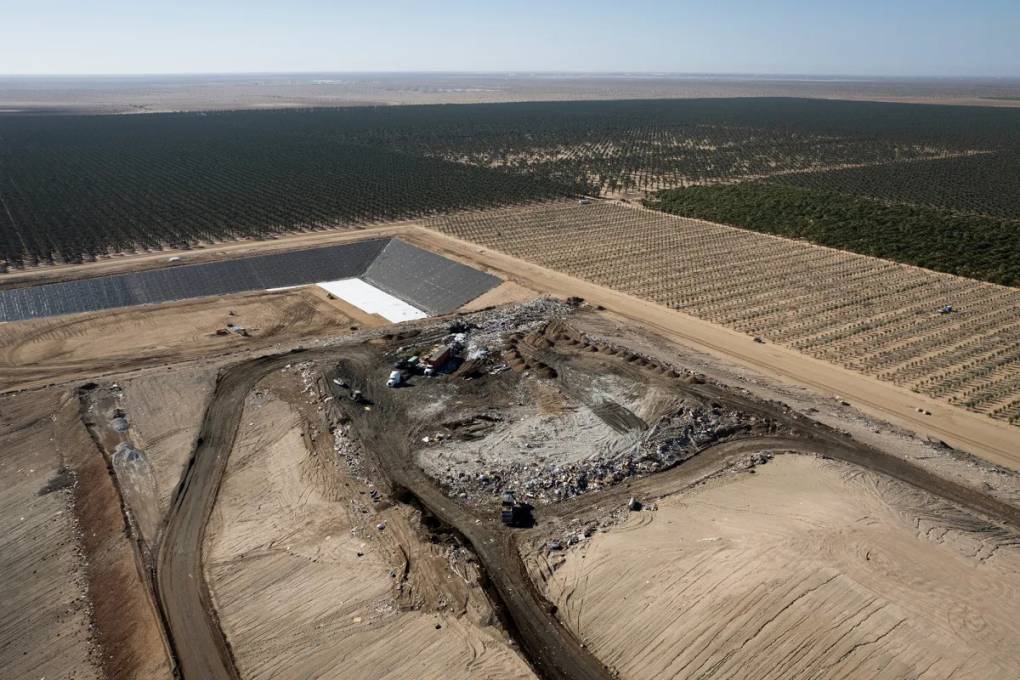
"caption": "The South Yuma County Landfill in Yuma, Arizona, on Nov. 29, 2022.",
"description": null,
"title": "An aerial view of a gray landfill amid beige, sandy soil.",
"credit": "Miguel Gutierrez Jr./CalMatters",
"status": "inherit",
"altTag": "An aerial view of a landfill in Arizona.",
"isLoading": false,
"fetchFailed": false
},
"science_1981715": {
"type": "attachments",
"id": "science_1981715",
"meta": {
"index": "attachments_1716263798",
"site": "science",
"id": "1981715",
"found": true
},
"parent": 1981710,
"imgSizes": {
"twentyfourteen-full-width": {
"file": "https://ww2.kqed.org/app/uploads/sites/35/2023/02/GettyImages-1338023794-1038x576.jpg",
"width": 1038,
"mimeType": "image/jpeg",
"height": 576
},
"thumbnail": {
"file": "https://ww2.kqed.org/app/uploads/sites/35/2023/02/GettyImages-1338023794-160x106.jpg",
"width": 160,
"mimeType": "image/jpeg",
"height": 106
},
"post-thumbnail": {
"file": "https://ww2.kqed.org/app/uploads/sites/35/2023/02/GettyImages-1338023794-672x372.jpg",
"width": 672,
"mimeType": "image/jpeg",
"height": 372
},
"kqedFullSize": {
"file": "https://ww2.kqed.org/app/uploads/sites/35/2023/02/GettyImages-1338023794.jpg",
"width": 2124,
"height": 1411
},
"2048x2048": {
"file": "https://ww2.kqed.org/app/uploads/sites/35/2023/02/GettyImages-1338023794-2048x1361.jpg",
"width": 2048,
"mimeType": "image/jpeg",
"height": 1361
},
"large": {
"file": "https://ww2.kqed.org/app/uploads/sites/35/2023/02/GettyImages-1338023794-1020x678.jpg",
"width": 1020,
"mimeType": "image/jpeg",
"height": 678
},
"1536x1536": {
"file": "https://ww2.kqed.org/app/uploads/sites/35/2023/02/GettyImages-1338023794-1536x1020.jpg",
"width": 1536,
"mimeType": "image/jpeg",
"height": 1020
},
"full-width": {
"file": "https://ww2.kqed.org/app/uploads/sites/35/2023/02/GettyImages-1338023794-1920x1275.jpg",
"width": 1920,
"mimeType": "image/jpeg",
"height": 1275
},
"medium": {
"file": "https://ww2.kqed.org/app/uploads/sites/35/2023/02/GettyImages-1338023794-800x531.jpg",
"width": 800,
"mimeType": "image/jpeg",
"height": 531
},
"medium_large": {
"file": "https://ww2.kqed.org/app/uploads/sites/35/2023/02/GettyImages-1338023794-768x510.jpg",
"width": 768,
"mimeType": "image/jpeg",
"height": 510
}
},
"publishDate": 1677190519,
"modified": 1677262070,
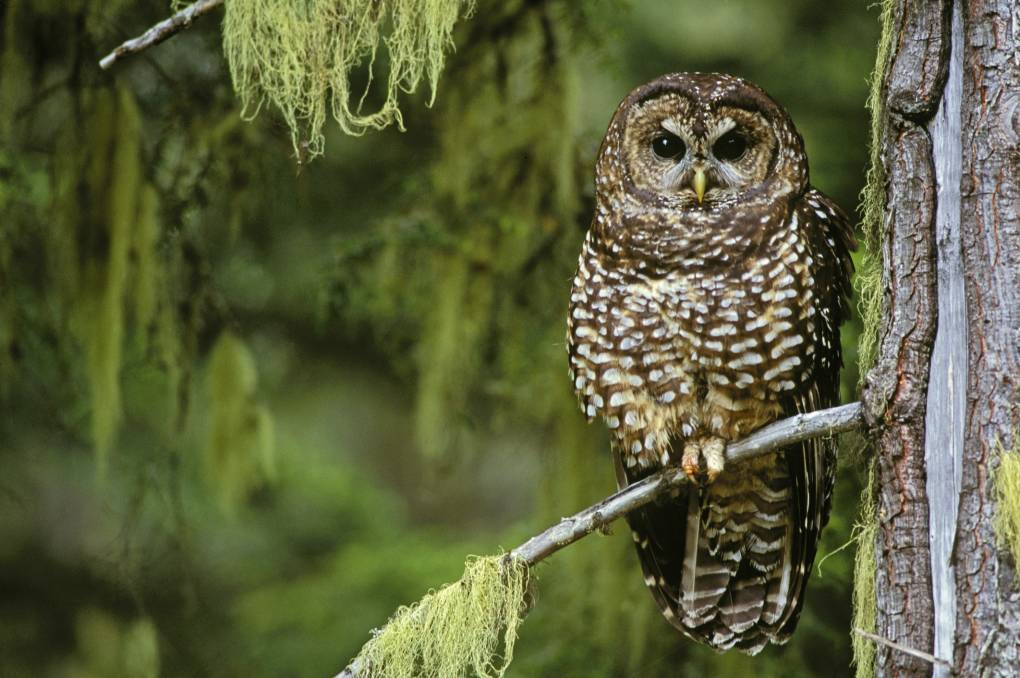
"caption": "A northern spotted owl is seen perched on a tree branch in Willamette National Forest, in Oregon's Cascade Range.",
"description": null,
"title": "Northern Spotted Owl in old-growth forest; Willamette National Forest, Cascade Mountains, Oregon, USA.",
"credit": "Greg Vaughn/Getty Images",
"status": "inherit",
"altTag": "A northern spotted owl is perched on a tree branch in an old-growth forest.",
"isLoading": false,
"fetchFailed": false
},
"science_1981328": {
"type": "attachments",
"id": "science_1981328",
"meta": {
"index": "attachments_1716263798",
"site": "science",
"id": "1981328",
"found": true
},
"parent": 1981327,
"imgSizes": {
"twentyfourteen-full-width": {
"file": "https://ww2.kqed.org/app/uploads/sites/35/2023/01/RS62246_A_IntroNewt2-qut-1038x576.jpg",
"width": 1038,
"mimeType": "image/jpeg",
"height": 576
},
"thumbnail": {
"file": "https://ww2.kqed.org/app/uploads/sites/35/2023/01/RS62246_A_IntroNewt2-qut-160x107.jpg",
"width": 160,
"mimeType": "image/jpeg",
"height": 107
},
"post-thumbnail": {
"file": "https://ww2.kqed.org/app/uploads/sites/35/2023/01/RS62246_A_IntroNewt2-qut-672x372.jpg",
"width": 672,
"mimeType": "image/jpeg",
"height": 372
},
"kqedFullSize": {
"file": "https://ww2.kqed.org/app/uploads/sites/35/2023/01/RS62246_A_IntroNewt2-qut.jpg",
"width": 1920,
"height": 1281
},
"large": {
"file": "https://ww2.kqed.org/app/uploads/sites/35/2023/01/RS62246_A_IntroNewt2-qut-1020x681.jpg",
"width": 1020,
"mimeType": "image/jpeg",
"height": 681
},
"1536x1536": {
"file": "https://ww2.kqed.org/app/uploads/sites/35/2023/01/RS62246_A_IntroNewt2-qut-1536x1025.jpg",
"width": 1536,
"mimeType": "image/jpeg",
"height": 1025
},
"medium": {
"file": "https://ww2.kqed.org/app/uploads/sites/35/2023/01/RS62246_A_IntroNewt2-qut-800x534.jpg",
"width": 800,
"mimeType": "image/jpeg",
"height": 534
},
"medium_large": {
"file": "https://ww2.kqed.org/app/uploads/sites/35/2023/01/RS62246_A_IntroNewt2-qut-768x512.jpg",
"width": 768,
"mimeType": "image/jpeg",
"height": 512
}
},
"publishDate": 1674689913,
"modified": 1675383129,
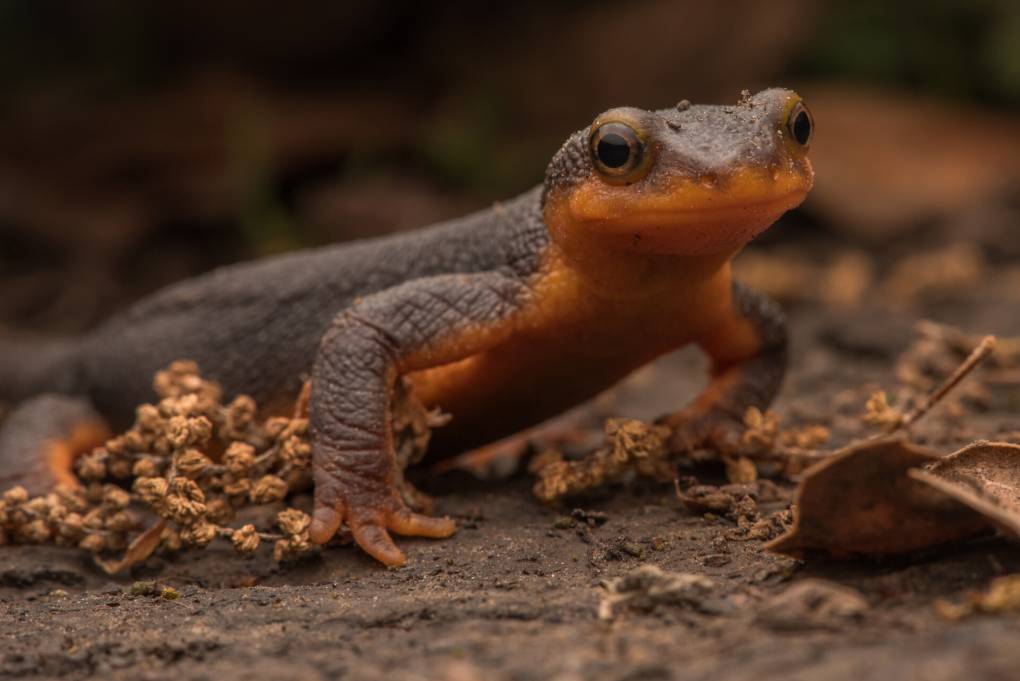
"caption": "A male newt as he migrates toward a pond. Once there he will wait in the water for female newts to arrive.",
"description": "A male newt as he migrates toward a pond. Once there he will wait in the water for female newts to arrive.",
"title": "California Newt",
"credit": "Anton Sorokin/bioGraphic",
"status": "inherit",
"altTag": "A California newt is seen in the outdoors moving towards the camera.",
"isLoading": false,
"fetchFailed": false
},
"science_1981386": {
"type": "attachments",
"id": "science_1981386",
"meta": {
"index": "attachments_1716263798",
"site": "science",
"id": "1981386",
"found": true
},
"parent": 1981378,
"imgSizes": {
"twentyfourteen-full-width": {
"file": "https://ww2.kqed.org/app/uploads/sites/35/2023/01/GettyImages-1244797563-1038x576.jpg",
"width": 1038,
"mimeType": "image/jpeg",
"height": 576
},
"thumbnail": {
"file": "https://ww2.kqed.org/app/uploads/sites/35/2023/01/GettyImages-1244797563-160x107.jpg",
"width": 160,
"mimeType": "image/jpeg",
"height": 107
},
"post-thumbnail": {
"file": "https://ww2.kqed.org/app/uploads/sites/35/2023/01/GettyImages-1244797563-672x372.jpg",
"width": 672,
"mimeType": "image/jpeg",
"height": 372
},
"kqedFullSize": {
"file": "https://ww2.kqed.org/app/uploads/sites/35/2023/01/GettyImages-1244797563-scaled.jpg",
"width": 2560,
"height": 1707
},
"2048x2048": {
"file": "https://ww2.kqed.org/app/uploads/sites/35/2023/01/GettyImages-1244797563-2048x1365.jpg",
"width": 2048,
"mimeType": "image/jpeg",
"height": 1365
},
"large": {
"file": "https://ww2.kqed.org/app/uploads/sites/35/2023/01/GettyImages-1244797563-1020x680.jpg",
"width": 1020,
"mimeType": "image/jpeg",
"height": 680
},
"1536x1536": {
"file": "https://ww2.kqed.org/app/uploads/sites/35/2023/01/GettyImages-1244797563-1536x1024.jpg",
"width": 1536,
"mimeType": "image/jpeg",
"height": 1024
},
"full-width": {
"file": "https://ww2.kqed.org/app/uploads/sites/35/2023/01/GettyImages-1244797563-1920x1280.jpg",
"width": 1920,
"mimeType": "image/jpeg",
"height": 1280
},
"medium": {
"file": "https://ww2.kqed.org/app/uploads/sites/35/2023/01/GettyImages-1244797563-800x533.jpg",
"width": 800,
"mimeType": "image/jpeg",
"height": 533
},
"medium_large": {
"file": "https://ww2.kqed.org/app/uploads/sites/35/2023/01/GettyImages-1244797563-768x512.jpg",
"width": 768,
"mimeType": "image/jpeg",
"height": 512
}
},
"publishDate": 1675204087,
"modified": 1675205358,
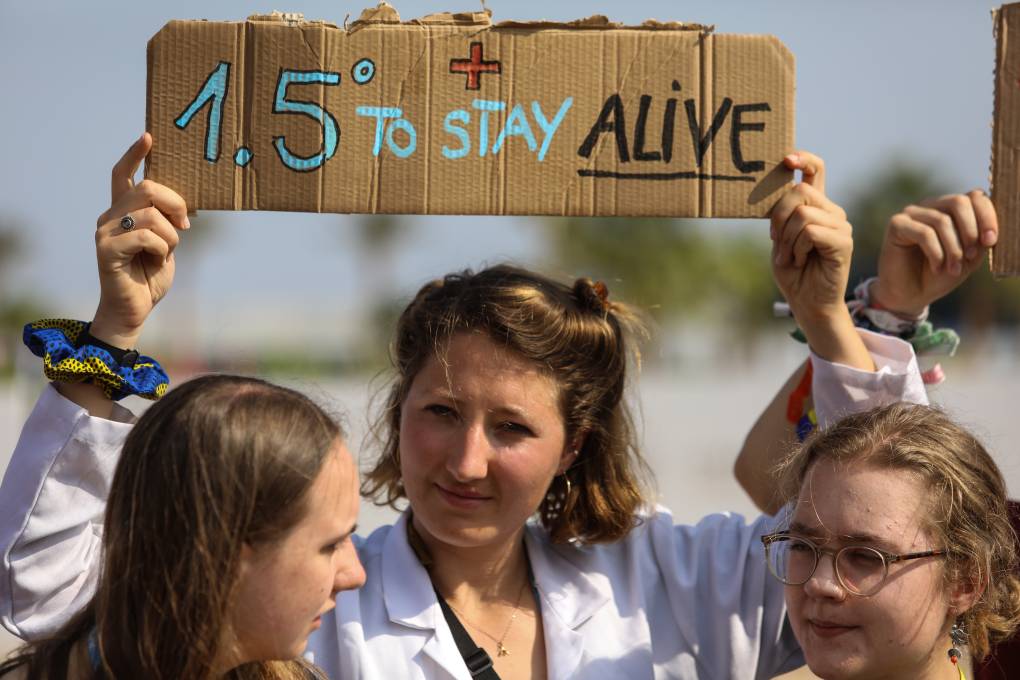
"caption": "Climate activists hold banners during demonstrations to counter the negative effects of climate change at the 2022 United Nations Climate Change Conference (COP27) in Sharm El Sheikh, Egypt, on Nov. 15, 2022.",
"description": "Climate activists holding banners to stage demonstrations to counter the negative effects of climate change as 2022 United Nations Climate Change Conference (COP27) continues in Sharm El Sheikh, Egypt on November 15, 2022.",
"title": "Activists in Egypt stage protest for Climate Change",
"credit": "Mohamed Abdel Hamid/Anadolu Agency via Getty Images",
"status": "inherit",
"altTag": "A protestor is seen holding a card board sign that reads \"1.5 degrees Celcius to stay alive.\"",
"isLoading": false,
"fetchFailed": false
},
"science_1981242": {
"type": "attachments",
"id": "science_1981242",
"meta": {
"index": "attachments_1716263798",
"site": "science",
"id": "1981242",
"found": true
},
"parent": 1981241,
"imgSizes": {
"twentyfourteen-full-width": {
"file": "https://ww2.kqed.org/app/uploads/sites/35/2023/01/2023_01_06_kj_0248_folsom_spillway_custom-87406d51a31dba445f3794ed95445d4196ff01af-1038x576.jpg",
"width": 1038,
"mimeType": "image/jpeg",
"height": 576
},
"thumbnail": {
"file": "https://ww2.kqed.org/app/uploads/sites/35/2023/01/2023_01_06_kj_0248_folsom_spillway_custom-87406d51a31dba445f3794ed95445d4196ff01af-160x99.jpg",
"width": 160,
"mimeType": "image/jpeg",
"height": 99
},
"post-thumbnail": {
"file": "https://ww2.kqed.org/app/uploads/sites/35/2023/01/2023_01_06_kj_0248_folsom_spillway_custom-87406d51a31dba445f3794ed95445d4196ff01af-672x372.jpg",
"width": 672,
"mimeType": "image/jpeg",
"height": 372
},
"kqedFullSize": {
"file": "https://ww2.kqed.org/app/uploads/sites/35/2023/01/2023_01_06_kj_0248_folsom_spillway_custom-87406d51a31dba445f3794ed95445d4196ff01af.jpg",
"width": 2300,
"height": 1427
},
"2048x2048": {
"file": "https://ww2.kqed.org/app/uploads/sites/35/2023/01/2023_01_06_kj_0248_folsom_spillway_custom-87406d51a31dba445f3794ed95445d4196ff01af-2048x1271.jpg",
"width": 2048,
"mimeType": "image/jpeg",
"height": 1271
},
"large": {
"file": "https://ww2.kqed.org/app/uploads/sites/35/2023/01/2023_01_06_kj_0248_folsom_spillway_custom-87406d51a31dba445f3794ed95445d4196ff01af-1020x633.jpg",
"width": 1020,
"mimeType": "image/jpeg",
"height": 633
},
"1536x1536": {
"file": "https://ww2.kqed.org/app/uploads/sites/35/2023/01/2023_01_06_kj_0248_folsom_spillway_custom-87406d51a31dba445f3794ed95445d4196ff01af-1536x953.jpg",
"width": 1536,
"mimeType": "image/jpeg",
"height": 953
},
"full-width": {
"file": "https://ww2.kqed.org/app/uploads/sites/35/2023/01/2023_01_06_kj_0248_folsom_spillway_custom-87406d51a31dba445f3794ed95445d4196ff01af-1920x1191.jpg",
"width": 1920,
"mimeType": "image/jpeg",
"height": 1191
},
"medium": {
"file": "https://ww2.kqed.org/app/uploads/sites/35/2023/01/2023_01_06_kj_0248_folsom_spillway_custom-87406d51a31dba445f3794ed95445d4196ff01af-800x496.jpg",
"width": 800,
"mimeType": "image/jpeg",
"height": 496
},
"medium_large": {
"file": "https://ww2.kqed.org/app/uploads/sites/35/2023/01/2023_01_06_kj_0248_folsom_spillway_custom-87406d51a31dba445f3794ed95445d4196ff01af-768x476.jpg",
"width": 768,
"mimeType": "image/jpeg",
"height": 476
}
},
"publishDate": 1673477696,
"modified": 1673487958,
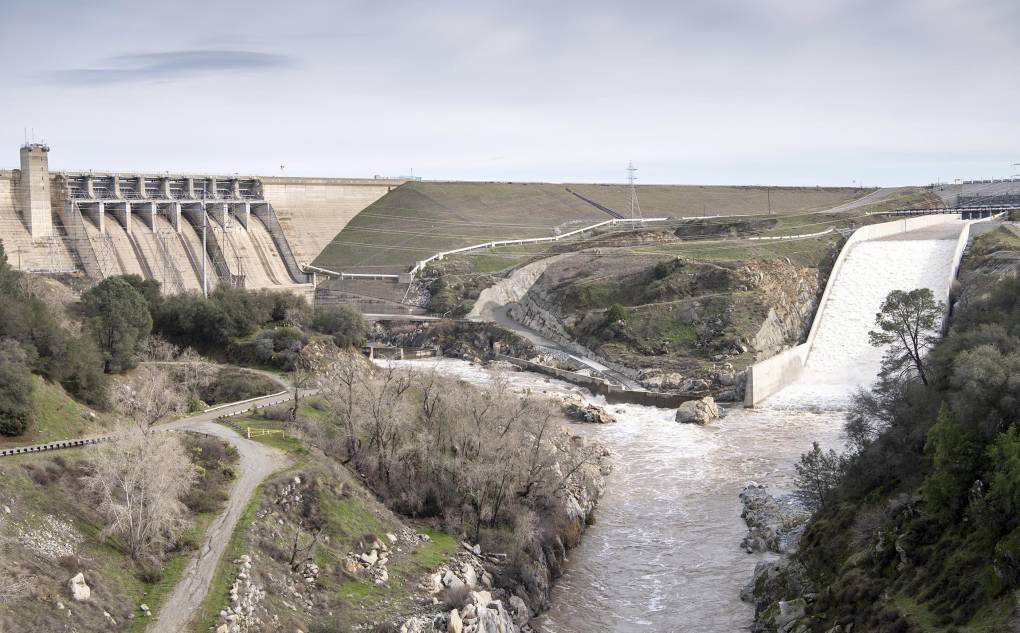
"caption": "Most reservoirs aren't allowed to fill up in the winter, but Folsom Reservoir outside Sacramento is using a new strategy to save more water by using weather forecasts.",
"description": "Water flows down the Folsom Dam Auxiliary Spillway and from the Folsom Dam outlet works in El Dorado County, California on January 6, 2023. Water is being released from Folsom Dam in preparation for upcoming rain storms. Folsom Lake is part of the Central Valley Project, operated by the U.S. Department of the Interior, Bureau of Reclamation.\n\nKen James / California Department of Water Resources.",
"title": "Most reservoirs aren't allowed to fill up in the winter, but Folsom Reservoir outside of Sacramento, California is using a new strategy to save more water by using weather forecasts.",
"credit": "Ken James/California Department of Water Resources",
"status": "inherit",
"altTag": "Water flows down the Folsom Dam Auxiliary Spillway and from the Folsom Dam outlet works in El Dorado County, California on January 6, 2023. Water is being released from Folsom Dam in preparation for upcoming rain storms. Folsom Lake is part of the Central Valley Project, operated by the U.S. Department of the Interior, Bureau of Reclamation. Ken James / California Department of Water Resources.",
"isLoading": false,
"fetchFailed": false
},
"science_1981235": {
"type": "attachments",
"id": "science_1981235",
"meta": {
"index": "attachments_1716263798",
"site": "science",
"id": "1981235",
"found": true
},
"parent": 1981234,
"imgSizes": {
"twentyfourteen-full-width": {
"file": "https://ww2.kqed.org/app/uploads/sites/35/2023/01/gettyimages-1235820035-99d2f123f45342ac5508fd9ff7e8048b9eb3540e-1038x576.jpg",
"width": 1038,
"mimeType": "image/jpeg",
"height": 576
},
"thumbnail": {
"file": "https://ww2.kqed.org/app/uploads/sites/35/2023/01/gettyimages-1235820035-99d2f123f45342ac5508fd9ff7e8048b9eb3540e-160x120.jpg",
"width": 160,
"mimeType": "image/jpeg",
"height": 120
},
"post-thumbnail": {
"file": "https://ww2.kqed.org/app/uploads/sites/35/2023/01/gettyimages-1235820035-99d2f123f45342ac5508fd9ff7e8048b9eb3540e-672x372.jpg",
"width": 672,
"mimeType": "image/jpeg",
"height": 372
},
"kqedFullSize": {
"file": "https://ww2.kqed.org/app/uploads/sites/35/2023/01/gettyimages-1235820035-99d2f123f45342ac5508fd9ff7e8048b9eb3540e-scaled.jpg",
"width": 2560,
"height": 1920
},
"2048x2048": {
"file": "https://ww2.kqed.org/app/uploads/sites/35/2023/01/gettyimages-1235820035-99d2f123f45342ac5508fd9ff7e8048b9eb3540e-2048x1536.jpg",
"width": 2048,
"mimeType": "image/jpeg",
"height": 1536
},
"large": {
"file": "https://ww2.kqed.org/app/uploads/sites/35/2023/01/gettyimages-1235820035-99d2f123f45342ac5508fd9ff7e8048b9eb3540e-1020x765.jpg",
"width": 1020,
"mimeType": "image/jpeg",
"height": 765
},
"1536x1536": {
"file": "https://ww2.kqed.org/app/uploads/sites/35/2023/01/gettyimages-1235820035-99d2f123f45342ac5508fd9ff7e8048b9eb3540e-1536x1152.jpg",
"width": 1536,
"mimeType": "image/jpeg",
"height": 1152
},
"full-width": {
"file": "https://ww2.kqed.org/app/uploads/sites/35/2023/01/gettyimages-1235820035-99d2f123f45342ac5508fd9ff7e8048b9eb3540e-1920x1440.jpg",
"width": 1920,
"mimeType": "image/jpeg",
"height": 1440
},
"medium": {
"file": "https://ww2.kqed.org/app/uploads/sites/35/2023/01/gettyimages-1235820035-99d2f123f45342ac5508fd9ff7e8048b9eb3540e-800x600.jpg",
"width": 800,
"mimeType": "image/jpeg",
"height": 600
},
"medium_large": {
"file": "https://ww2.kqed.org/app/uploads/sites/35/2023/01/gettyimages-1235820035-99d2f123f45342ac5508fd9ff7e8048b9eb3540e-768x576.jpg",
"width": 768,
"mimeType": "image/jpeg",
"height": 576
}
},
"publishDate": 1673377948,
"modified": 1673378366,
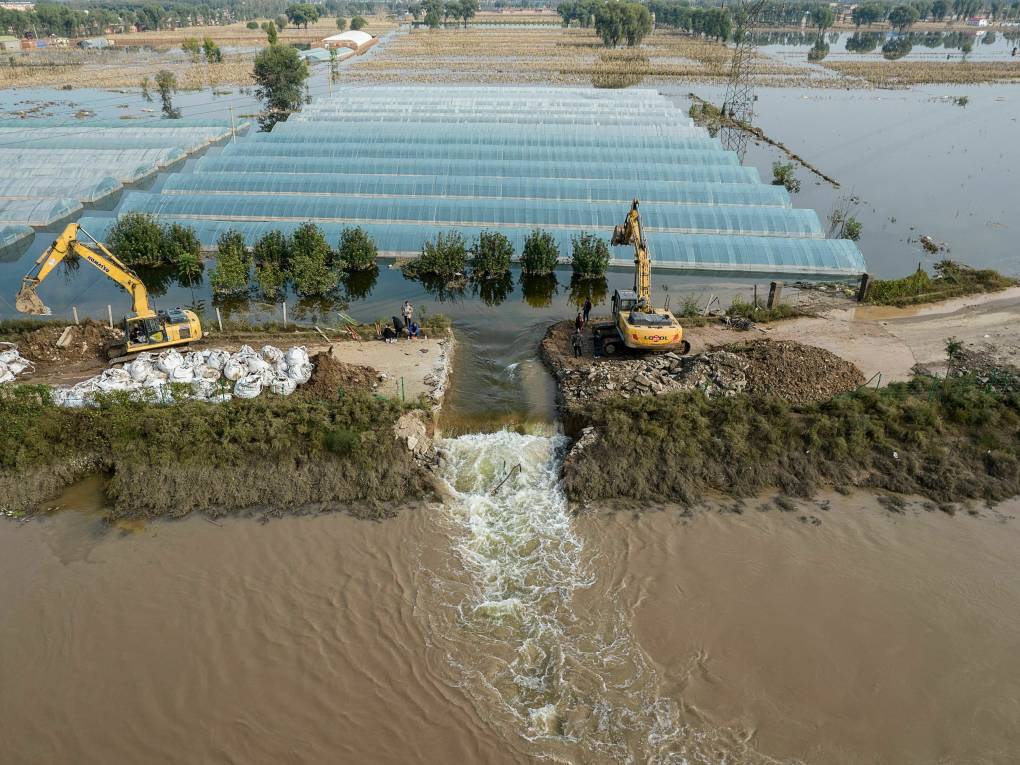
"caption": "Rescuers dig a spillway to release flood waters after heavy rainfall in China's northern Shanxi province in 2021. A new report finds that human-caused climate change made the floods about twice as likely.",
"description": "TOPSHOT - This aerial photo taken on October 11, 2021 shows rescuers digging a spillway with an excavator to release flood waters after heavy rainfall at a flooded area in Jiexiu in the city of Jinzhong in China's northern Shanxi province on October 11, 2021. - China OUT (Photo by AFP) / China OUT (Photo by -/AFP via Getty Images)",
"title": "Rescuers dig a spillway to release flood waters after heavy rainfall in China's northern Shanxi province in 2021. A new report finds that human-caused climate change made the floods about twice as likely.",
"credit": "AFP via Getty Images",
"status": "inherit",
"altTag": "An aerial photo shows rescuers digging a spillway with an excavator to release flood waters after heavy rainfall at a flooded area in Jiexiu in the city of Jinzhong in China's northern Shanxi province.",
"isLoading": false,
"fetchFailed": false
},
"science_1981170": {
"type": "attachments",
"id": "science_1981170",
"meta": {
"index": "attachments_1716263798",
"site": "science",
"id": "1981170",
"found": true
},
"parent": 1981169,
"imgSizes": {
"twentyfourteen-full-width": {
"file": "https://ww2.kqed.org/app/uploads/sites/35/2022/12/RS61811_drought-mendocino_justin-sullivan-getty-2048x1365-qut-1038x576.jpg",
"width": 1038,
"mimeType": "image/jpeg",
"height": 576
},
"thumbnail": {
"file": "https://ww2.kqed.org/app/uploads/sites/35/2022/12/RS61811_drought-mendocino_justin-sullivan-getty-2048x1365-qut-160x107.jpg",
"width": 160,
"mimeType": "image/jpeg",
"height": 107
},
"post-thumbnail": {
"file": "https://ww2.kqed.org/app/uploads/sites/35/2022/12/RS61811_drought-mendocino_justin-sullivan-getty-2048x1365-qut-672x372.jpg",
"width": 672,
"mimeType": "image/jpeg",
"height": 372
},
"kqedFullSize": {
"file": "https://ww2.kqed.org/app/uploads/sites/35/2022/12/RS61811_drought-mendocino_justin-sullivan-getty-2048x1365-qut.jpg",
"width": 1920,
"height": 1280
},
"large": {
"file": "https://ww2.kqed.org/app/uploads/sites/35/2022/12/RS61811_drought-mendocino_justin-sullivan-getty-2048x1365-qut-1020x680.jpg",
"width": 1020,
"mimeType": "image/jpeg",
"height": 680
},
"1536x1536": {
"file": "https://ww2.kqed.org/app/uploads/sites/35/2022/12/RS61811_drought-mendocino_justin-sullivan-getty-2048x1365-qut-1536x1024.jpg",
"width": 1536,
"mimeType": "image/jpeg",
"height": 1024
},
"medium": {
"file": "https://ww2.kqed.org/app/uploads/sites/35/2022/12/RS61811_drought-mendocino_justin-sullivan-getty-2048x1365-qut-800x533.jpg",
"width": 800,
"mimeType": "image/jpeg",
"height": 533
},
"medium_large": {
"file": "https://ww2.kqed.org/app/uploads/sites/35/2022/12/RS61811_drought-mendocino_justin-sullivan-getty-2048x1365-qut-768x512.jpg",
"width": 768,
"mimeType": "image/jpeg",
"height": 512
}
},
"publishDate": 1672337592,
"modified": 1672337635,
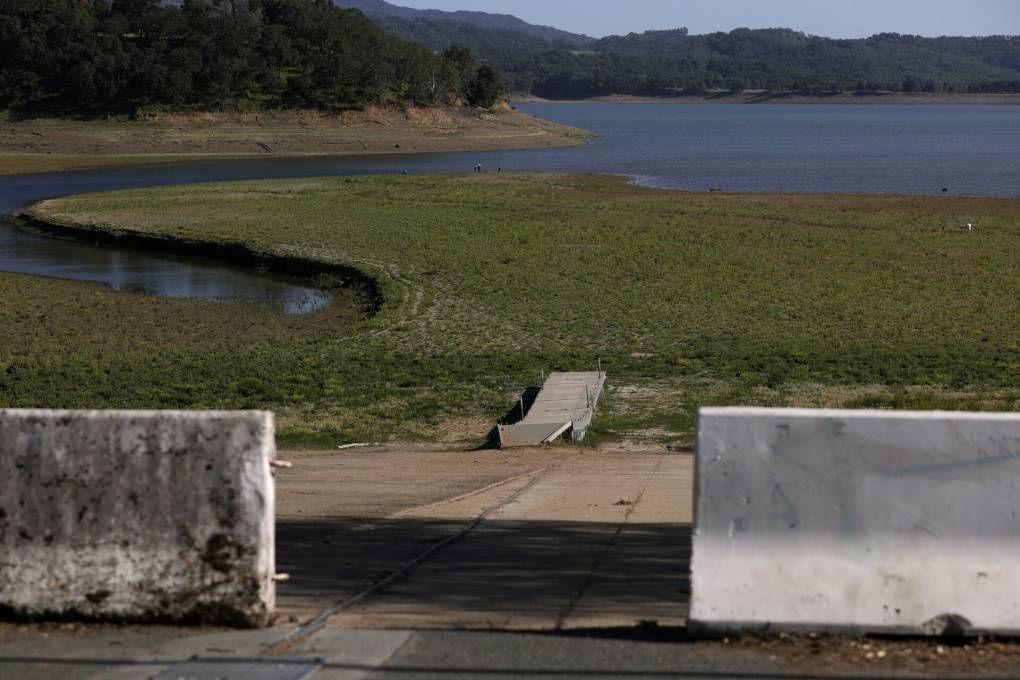
"caption": "A boat dock sits on dry ground far from the water at Lake Mendocino on April 22, 2021 in Ukiah, California. ",
"description": "A boat dock sits on dry ground far from the water at Lake Mendocino on April 22, 2021 in Ukiah, California. ",
"title": "When the State Cut Their Water, These California Users Created a Collaborative Solution",
"credit": "Justin Sullivan/Getty Images",
"status": "inherit",
"altTag": "A boat dock sits on dry ground far from the water at Lake Mendocino on April 22, 2021 in Ukiah, California.",
"isLoading": false,
"fetchFailed": false
},
"science_1981063": {
"type": "attachments",
"id": "science_1981063",
"meta": {
"index": "attachments_1716263798",
"site": "science",
"id": "1981063",
"found": true
},
"parent": 1981061,
"imgSizes": {
"twentyfourteen-full-width": {
"file": "https://ww2.kqed.org/app/uploads/sites/35/2022/12/RS61699_GettyImages-976086950-qut-1038x576.jpg",
"width": 1038,
"mimeType": "image/jpeg",
"height": 576
},
"thumbnail": {
"file": "https://ww2.kqed.org/app/uploads/sites/35/2022/12/RS61699_GettyImages-976086950-qut-160x107.jpg",
"width": 160,
"mimeType": "image/jpeg",
"height": 107
},
"post-thumbnail": {
"file": "https://ww2.kqed.org/app/uploads/sites/35/2022/12/RS61699_GettyImages-976086950-qut-672x372.jpg",
"width": 672,
"mimeType": "image/jpeg",
"height": 372
},
"kqedFullSize": {
"file": "https://ww2.kqed.org/app/uploads/sites/35/2022/12/RS61699_GettyImages-976086950-qut.jpg",
"width": 1920,
"height": 1279
},
"large": {
"file": "https://ww2.kqed.org/app/uploads/sites/35/2022/12/RS61699_GettyImages-976086950-qut-1020x679.jpg",
"width": 1020,
"mimeType": "image/jpeg",
"height": 679
},
"1536x1536": {
"file": "https://ww2.kqed.org/app/uploads/sites/35/2022/12/RS61699_GettyImages-976086950-qut-1536x1023.jpg",
"width": 1536,
"mimeType": "image/jpeg",
"height": 1023
},
"medium": {
"file": "https://ww2.kqed.org/app/uploads/sites/35/2022/12/RS61699_GettyImages-976086950-qut-800x533.jpg",
"width": 800,
"mimeType": "image/jpeg",
"height": 533
},
"medium_large": {
"file": "https://ww2.kqed.org/app/uploads/sites/35/2022/12/RS61699_GettyImages-976086950-qut-768x512.jpg",
"width": 768,
"mimeType": "image/jpeg",
"height": 512
}
},
"publishDate": 1671567122,
"modified": 1672187072,
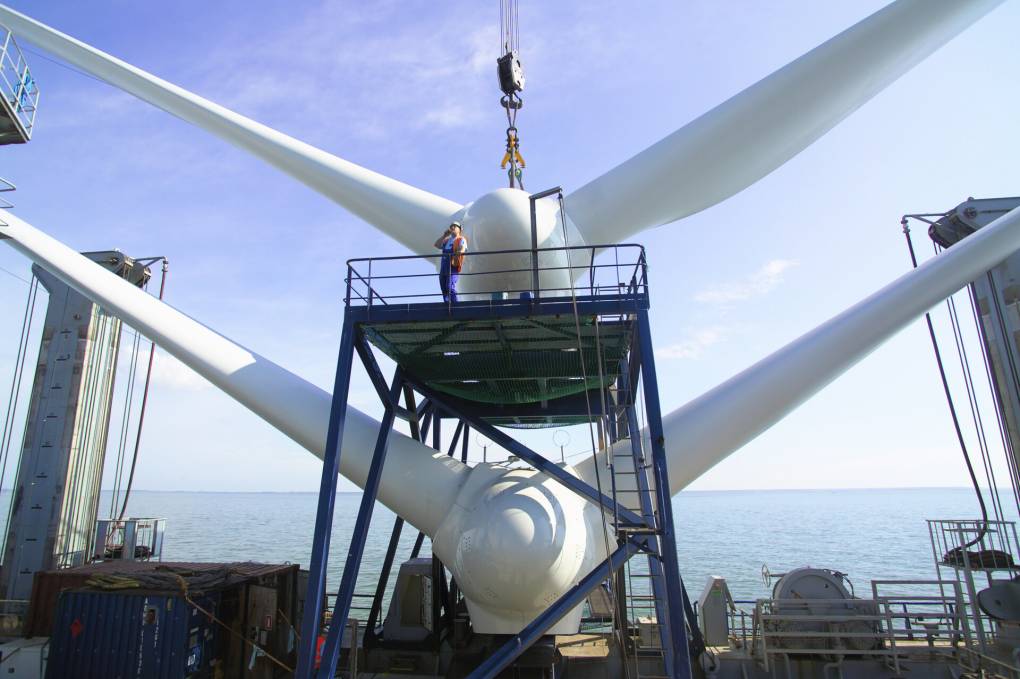
"caption": "The first nacelles onboard a sea energy \"jack-up ship,\" ready for lifting into place on the Kentish Flats Offshore Wind Farm, off Whitstable, Kent, England.",
"description": null,
"title": "First Nacelles onboard the sea energy jackup ship ready for lifting into place on the Kentish flats windfarm sight Whitstable Kent",
"credit": "Chris Laurens/Construction Photography/Avalon/Getty Images",
"status": "inherit",
"altTag": "A man stands on a platform in front of two white wind turbine propellers.",
"isLoading": false,
"fetchFailed": false
},
"science_1981049": {
"type": "attachments",
"id": "science_1981049",
"meta": {
"index": "attachments_1716263798",
"site": "science",
"id": "1981049",
"found": true
},
"parent": 1981041,
"imgSizes": {
"twentyfourteen-full-width": {
"file": "https://ww2.kqed.org/app/uploads/sites/35/2022/12/102622-Shasta-Salmonid-Collection-CDWR-CM-01-1024x576.jpg",
"width": 1024,
"mimeType": "image/jpeg",
"height": 576
},
"thumbnail": {
"file": "https://ww2.kqed.org/app/uploads/sites/35/2022/12/102622-Shasta-Salmonid-Collection-CDWR-CM-01-160x107.jpg",
"width": 160,
"mimeType": "image/jpeg",
"height": 107
},
"post-thumbnail": {
"file": "https://ww2.kqed.org/app/uploads/sites/35/2022/12/102622-Shasta-Salmonid-Collection-CDWR-CM-01-672x372.jpg",
"width": 672,
"mimeType": "image/jpeg",
"height": 372
},
"kqedFullSize": {
"file": "https://ww2.kqed.org/app/uploads/sites/35/2022/12/102622-Shasta-Salmonid-Collection-CDWR-CM-01.jpg",
"width": 1024,
"height": 682
},
"large": {
"file": "https://ww2.kqed.org/app/uploads/sites/35/2022/12/102622-Shasta-Salmonid-Collection-CDWR-CM-01-1020x679.jpg",
"width": 1020,
"mimeType": "image/jpeg",
"height": 679
},
"medium": {
"file": "https://ww2.kqed.org/app/uploads/sites/35/2022/12/102622-Shasta-Salmonid-Collection-CDWR-CM-01-800x533.jpg",
"width": 800,
"mimeType": "image/jpeg",
"height": 533
},
"medium_large": {
"file": "https://ww2.kqed.org/app/uploads/sites/35/2022/12/102622-Shasta-Salmonid-Collection-CDWR-CM-01-768x512.jpg",
"width": 768,
"mimeType": "image/jpeg",
"height": 512
}
},
"publishDate": 1671476425,
"modified": 1671583351,
"caption": "A collection system is set up at Dekkas Rock at Shasta Lake. The pilot project will evaluate the viability of collecting juvenile salmon as they migrate out of the McCloud River upstream of Shasta Dam.",
"description": "A collection system is set up at Dekkas Rock at Shasta Lake. The pilot project will evaluate the viability of collecting juvenile salmon as they migrate out of the McCloud River upstream of Shasta Dam. ",
"title": "A collection system is set up at Dekkas Rock at Shasta Lake. The pilot project will evaluate the viability of collecting juvenile salmon as they migrate out of the McCloud River upstream of Shasta Dam.",
"credit": "Florence Flow/California Department of Water Resources",
"status": "inherit",
"altTag": "Brown dried lake bed rises up out of green water.",
"isLoading": false,
"fetchFailed": false
},
"science_1980934": {
"type": "attachments",
"id": "science_1980934",
"meta": {
"index": "attachments_1716263798",
"site": "science",
"id": "1980934",
"found": true
},
"parent": 1980933,
"imgSizes": {
"twentyfourteen-full-width": {
"file": "https://ww2.kqed.org/app/uploads/sites/35/2022/12/gettyimages-472261648-87229681b2a5093db6d32c529933bb8b620ad4bb-1038x576.jpg",
"width": 1038,
"mimeType": "image/jpeg",
"height": 576
},
"thumbnail": {
"file": "https://ww2.kqed.org/app/uploads/sites/35/2022/12/gettyimages-472261648-87229681b2a5093db6d32c529933bb8b620ad4bb-160x120.jpg",
"width": 160,
"mimeType": "image/jpeg",
"height": 120
},
"post-thumbnail": {
"file": "https://ww2.kqed.org/app/uploads/sites/35/2022/12/gettyimages-472261648-87229681b2a5093db6d32c529933bb8b620ad4bb-672x372.jpg",
"width": 672,
"mimeType": "image/jpeg",
"height": 372
},
"kqedFullSize": {
"file": "https://ww2.kqed.org/app/uploads/sites/35/2022/12/gettyimages-472261648-87229681b2a5093db6d32c529933bb8b620ad4bb-scaled.jpg",
"width": 2560,
"height": 1920
},
"2048x2048": {
"file": "https://ww2.kqed.org/app/uploads/sites/35/2022/12/gettyimages-472261648-87229681b2a5093db6d32c529933bb8b620ad4bb-2048x1536.jpg",
"width": 2048,
"mimeType": "image/jpeg",
"height": 1536
},
"large": {
"file": "https://ww2.kqed.org/app/uploads/sites/35/2022/12/gettyimages-472261648-87229681b2a5093db6d32c529933bb8b620ad4bb-1020x765.jpg",
"width": 1020,
"mimeType": "image/jpeg",
"height": 765
},
"1536x1536": {
"file": "https://ww2.kqed.org/app/uploads/sites/35/2022/12/gettyimages-472261648-87229681b2a5093db6d32c529933bb8b620ad4bb-1536x1152.jpg",
"width": 1536,
"mimeType": "image/jpeg",
"height": 1152
},
"full-width": {
"file": "https://ww2.kqed.org/app/uploads/sites/35/2022/12/gettyimages-472261648-87229681b2a5093db6d32c529933bb8b620ad4bb-1920x1440.jpg",
"width": 1920,
"mimeType": "image/jpeg",
"height": 1440
},
"medium": {
"file": "https://ww2.kqed.org/app/uploads/sites/35/2022/12/gettyimages-472261648-87229681b2a5093db6d32c529933bb8b620ad4bb-800x600.jpg",
"width": 800,
"mimeType": "image/jpeg",
"height": 600
},
"medium_large": {
"file": "https://ww2.kqed.org/app/uploads/sites/35/2022/12/gettyimages-472261648-87229681b2a5093db6d32c529933bb8b620ad4bb-768x576.jpg",
"width": 768,
"mimeType": "image/jpeg",
"height": 576
}
},
"publishDate": 1670609776,
"modified": 1670628135,
"caption": "The transportation sector makes up 27% of US greenhouse gas emissions. Of that percentage, medium- and heavy-duty trucks — everything from delivery vans to big rigs –- make up 26% according to an inventory of greenhouse gas emissions by the EPA.",
"description": null,
"title": "The transportation sector makes up 27% of U.S. greenhouse gas emissions. Of that percentage, medium and heavy duty trucks — everything from delivery vans to big rigs –- make up 26% according to an inventory of greenhouse gas emissions by the EPA.",
"credit": "Ian Mcdonnell/Getty Images",
"status": "inherit",
"altTag": "A line of semi-trucks in the foreground, with the sun setting in the background.",
"isLoading": false,
"fetchFailed": false
},
"science_1980916": {
"type": "attachments",
"id": "science_1980916",
"meta": {
"index": "attachments_1716263798",
"site": "science",
"id": "1980916",
"found": true
},
"parent": 1980900,
"imgSizes": {
"twentyfourteen-full-width": {
"file": "https://ww2.kqed.org/app/uploads/sites/35/2022/12/GettyImages-1407548832-1024x576.jpg",
"width": 1024,
"mimeType": "image/jpeg",
"height": 576
},
"thumbnail": {
"file": "https://ww2.kqed.org/app/uploads/sites/35/2022/12/GettyImages-1407548832-160x115.jpg",
"width": 160,
"mimeType": "image/jpeg",
"height": 115
},
"post-thumbnail": {
"file": "https://ww2.kqed.org/app/uploads/sites/35/2022/12/GettyImages-1407548832-672x372.jpg",
"width": 672,
"mimeType": "image/jpeg",
"height": 372
},
"kqedFullSize": {
"file": "https://ww2.kqed.org/app/uploads/sites/35/2022/12/GettyImages-1407548832.jpg",
"width": 1024,
"height": 736
},
"large": {
"file": "https://ww2.kqed.org/app/uploads/sites/35/2022/12/GettyImages-1407548832-1020x733.jpg",
"width": 1020,
"mimeType": "image/jpeg",
"height": 733
},
"medium": {
"file": "https://ww2.kqed.org/app/uploads/sites/35/2022/12/GettyImages-1407548832-800x575.jpg",
"width": 800,
"mimeType": "image/jpeg",
"height": 575
},
"medium_large": {
"file": "https://ww2.kqed.org/app/uploads/sites/35/2022/12/GettyImages-1407548832-768x552.jpg",
"width": 768,
"mimeType": "image/jpeg",
"height": 552
}
},
"publishDate": 1670460991,
"modified": 1670462632,
"caption": "Wind turbines generate electricity at the Block Island Wind Farm, the first commercial offshore wind farm in the United States, on July 7, 2022, near Block Island, Rhode Island.",
"description": null,
"title": "Waters Off Block Island Host America's First Offshore Wind Farm",
"credit": "John Moore/Getty Images",
"status": "inherit",
"altTag": "Wind turbines at sea.",
"isLoading": false,
"fetchFailed": false
},
"science_1980881": {
"type": "attachments",
"id": "science_1980881",
"meta": {
"index": "attachments_1716263798",
"site": "science",
"id": "1980881",
"found": true
},
"parent": 1980880,
"imgSizes": {
"twentyfourteen-full-width": {
"file": "https://ww2.kqed.org/app/uploads/sites/35/2022/12/ap22005753887062-7a718e407e4ee29be2df2f9497b26a7bb3441091-1038x576.jpg",
"width": 1038,
"mimeType": "image/jpeg",
"height": 576
},
"thumbnail": {
"file": "https://ww2.kqed.org/app/uploads/sites/35/2022/12/ap22005753887062-7a718e407e4ee29be2df2f9497b26a7bb3441091-160x120.jpg",
"width": 160,
"mimeType": "image/jpeg",
"height": 120
},
"post-thumbnail": {
"file": "https://ww2.kqed.org/app/uploads/sites/35/2022/12/ap22005753887062-7a718e407e4ee29be2df2f9497b26a7bb3441091-672x372.jpg",
"width": 672,
"mimeType": "image/jpeg",
"height": 372
},
"kqedFullSize": {
"file": "https://ww2.kqed.org/app/uploads/sites/35/2022/12/ap22005753887062-7a718e407e4ee29be2df2f9497b26a7bb3441091-scaled.jpg",
"width": 2560,
"height": 1919
},
"2048x2048": {
"file": "https://ww2.kqed.org/app/uploads/sites/35/2022/12/ap22005753887062-7a718e407e4ee29be2df2f9497b26a7bb3441091-2048x1536.jpg",
"width": 2048,
"mimeType": "image/jpeg",
"height": 1536
},
"large": {
"file": "https://ww2.kqed.org/app/uploads/sites/35/2022/12/ap22005753887062-7a718e407e4ee29be2df2f9497b26a7bb3441091-1020x765.jpg",
"width": 1020,
"mimeType": "image/jpeg",
"height": 765
},
"1536x1536": {
"file": "https://ww2.kqed.org/app/uploads/sites/35/2022/12/ap22005753887062-7a718e407e4ee29be2df2f9497b26a7bb3441091-1536x1152.jpg",
"width": 1536,
"mimeType": "image/jpeg",
"height": 1152
},
"full-width": {
"file": "https://ww2.kqed.org/app/uploads/sites/35/2022/12/ap22005753887062-7a718e407e4ee29be2df2f9497b26a7bb3441091-1920x1440.jpg",
"width": 1920,
"mimeType": "image/jpeg",
"height": 1440
},
"medium": {
"file": "https://ww2.kqed.org/app/uploads/sites/35/2022/12/ap22005753887062-7a718e407e4ee29be2df2f9497b26a7bb3441091-800x600.jpg",
"width": 800,
"mimeType": "image/jpeg",
"height": 600
},
"medium_large": {
"file": "https://ww2.kqed.org/app/uploads/sites/35/2022/12/ap22005753887062-7a718e407e4ee29be2df2f9497b26a7bb3441091-768x576.jpg",
"width": 768,
"mimeType": "image/jpeg",
"height": 576
}
},
"publishDate": 1669934324,
"modified": 1669934891,
"caption": "This photo from 2019 provided by the U.S. Air Force/Alaska National Guard photo shows how closely the village of Napakiak, Alaska is at risk of severe erosion by the nearby Kuskokwim River.",
"description": "This photo from 2019 provided by the U.S. Air Force/Alaska National Guard photo shows how closely the village of Napakiak, Alaska is at risk of severe erosion by the nearby Kuskokwim River.",
"title": "This photo from 2019 provided by the U.S. Air Force/Alaska National Guard photo shows how closely the village of Napakiak, Alaska is at risk of severe erosion by the nearby Kuskokwim River.",
"credit": "Emily Farnsworth/AP",
"status": "inherit",
"altTag": "This photo from 2019 provided by the U.S. Air Force/Alaska National Guard photo shows how closely the village of Napakiak, Alaska is at risk of severe erosion by the nearby Kuskokwim River.",
"isLoading": false,
"fetchFailed": false
}
},
"audioPlayerReducer": {
"postId": "stream_live",
"isPaused": true,
"isPlaying": false,
"pfsActive": false,
"pledgeModalIsOpen": true,
"playerDrawerIsOpen": false,
"liveAudioPlayStartedAt": 0,
"liveAudioPlayContext": ""
},
"authorsReducer": {
"byline_science_1981790": {
"type": "authors",
"id": "byline_science_1981790",
"meta": {
"override": true
},
"slug": "byline_science_1981790",
"name": "\u003ca href=\"https://calmatters.org/author/robert-lewis/\">Robert Lewis\u003c/a>",
"isLoading": false
},
"byline_science_1981710": {
"type": "authors",
"id": "byline_science_1981710",
"meta": {
"override": true
},
"slug": "byline_science_1981710",
"name": "Olga R. Rodriguez\u003cbr>Associated Press",
"isLoading": false
},
"byline_science_1981327": {
"type": "authors",
"id": "byline_science_1981327",
"meta": {
"override": true
},
"slug": "byline_science_1981327",
"name": "\u003ca href=\"https://www.biographic.com/contributor/Emily-Sohn/\">Emily Sohn\u003c/a> and \u003ca href=\"https://www.biographic.com/contributor/Anton-Sorokin/\">Anton Sorokin\u003c/a>",
"isLoading": false
},
"byline_science_1981378": {
"type": "authors",
"id": "byline_science_1981378",
"meta": {
"override": true
},
"slug": "byline_science_1981378",
"name": "Seth Borenstein\u003cbr>Associated Press",
"isLoading": false
},
"byline_science_1981241": {
"type": "authors",
"id": "byline_science_1981241",
"meta": {
"override": true
},
"slug": "byline_science_1981241",
"name": "Lauren Sommer\u003cbr> NPR",
"isLoading": false
},
"byline_science_1981234": {
"type": "authors",
"id": "byline_science_1981234",
"meta": {
"override": true
},
"slug": "byline_science_1981234",
"name": "Rebecca Hersher\u003cbr> NPR",
"isLoading": false
},
"byline_science_1981169": {
"type": "authors",
"id": "byline_science_1981169",
"meta": {
"override": true
},
"slug": "byline_science_1981169",
"name": "Emma Foehringer Merchant \u003cbr>Inside Climate News \u003cbr>",
"isLoading": false
},
"byline_science_1981061": {
"type": "authors",
"id": "byline_science_1981061",
"meta": {
"override": true
},
"slug": "byline_science_1981061",
"name": "John Upton (Climate Central) and Kevin Stark (KQED)",
"isLoading": false
},
"byline_science_1981041": {
"type": "authors",
"id": "byline_science_1981041",
"meta": {
"override": true
},
"slug": "byline_science_1981041",
"name": "Alastair Bland",
"isLoading": false
},
"byline_science_1980880": {
"type": "authors",
"id": "byline_science_1980880",
"meta": {
"override": true
},
"slug": "byline_science_1980880",
"name": "Jaclyn Diaz\u003cbr>NPR",
"isLoading": false
},
"lklivans": {
"type": "authors",
"id": "8648",
"meta": {
"index": "authors_1716337520",
"id": "8648",
"found": true
},
"name": "Laura Klivans",
"firstName": "Laura",
"lastName": "Klivans",
"slug": "lklivans",
"email": "lklivans@kqed.org",
"display_author_email": true,
"staff_mastheads": [
"news",
"science"
],
"title": "Reporter",
"bio": "Laura Klivans is an award-winning science reporter for KQED News, where she covers climate change with an eye on both groundbreaking progress and gaps in action. She is the former host of KQED's blockbuster video series about tiny, amazing animals, \u003cem>Deep Look\u003c/em>. Her work reaches national audiences through NPR, \u003cem>Here & Now, \u003c/em>PRI, and other major outlets. \r\n\r\nLaura’s won five Northern California Area Emmy Awards for Deep Look and First Place in the Greater Bay Area Journalism Awards for a podcast exploring how one Oakland neighborhood teamed up to reduce planet-heating pollution.\r\n\r\nBeyond her reporting, she hosts and moderates events. In the past, she taught audio storytelling at the UC Berkeley Graduate School of Journalism, led international education programs, worked with immigrants and refugees along the Thai-Burmese border, taught high schoolers sex ed, and was an actress. \r\n\r\nShe's a former UC Berkeley Human Rights Fellow, USC Center for Health Journalism's California Fellow and Coro Fellow in Public Affairs. Laura has a master’s in journalism from UC Berkeley, a master’s in education from Harvard, and an undergraduate degree from Northwestern University.\r\n\r\nShe loves trying to riddle the meaning out of vanity license plates.",
"avatar": "https://secure.gravatar.com/avatar/2d2ecd1550a494cc10ad4a503406965585902124739e775a9b3817eebf1d88be?s=600&d=blank&r=g",
"twitter": "lauraklivans",
"bluesky": null,
"facebook": null,
"instagram": null,
"linkedin": null,
"sites": [
{
"site": "news",
"roles": [
"editor"
]
},
{
"site": "stateofhealth",
"roles": [
"contributor",
"editor"
]
},
{
"site": "science",
"roles": [
"editor"
]
},
{
"site": "forum",
"roles": [
"editor"
]
}
],
"headData": {
"title": "Laura Klivans | KQED",
"description": "Reporter",
"ogImgSrc": "https://secure.gravatar.com/avatar/2d2ecd1550a494cc10ad4a503406965585902124739e775a9b3817eebf1d88be?s=600&d=blank&r=g",
"twImgSrc": "https://secure.gravatar.com/avatar/2d2ecd1550a494cc10ad4a503406965585902124739e775a9b3817eebf1d88be?s=600&d=blank&r=g"
},
"isLoading": false,
"link": "/author/lklivans"
},
"kevinstark": {
"type": "authors",
"id": "11608",
"meta": {
"index": "authors_1716337520",
"id": "11608",
"found": true
},
"name": "Kevin Stark",
"firstName": "Kevin",
"lastName": "Stark",
"slug": "kevinstark",
"email": "kstark@kqed.org",
"display_author_email": true,
"staff_mastheads": [
"science"
],
"title": "Senior Editor",
"bio": "Kevin is a senior editor for KQED Science, managing the station's health and climate desks. His journalism career began in the Pacific Northwest, and he later became a lead reporter for the San Francisco Public Press. His work has appeared in Pacific Standard magazine, the Energy News Network, the Center for Investigative Reporting's Reveal and WBEZ in Chicago. Kevin joined KQED in 2019, and has covered issues related to energy, wildfire, climate change and the environment.",
"avatar": "https://secure.gravatar.com/avatar/365aaa4b597d3a8374f67504ff0facd323d7906e8eb4be0a7efd2427408e802c?s=600&d=blank&r=g",
"twitter": "starkkev",
"bluesky": null,
"facebook": null,
"instagram": null,
"linkedin": null,
"sites": [
{
"site": "",
"roles": [
"editor"
]
},
{
"site": "news",
"roles": [
"editor"
]
},
{
"site": "science",
"roles": [
"administrator"
]
}
],
"headData": {
"title": "Kevin Stark | KQED",
"description": "Senior Editor",
"ogImgSrc": "https://secure.gravatar.com/avatar/365aaa4b597d3a8374f67504ff0facd323d7906e8eb4be0a7efd2427408e802c?s=600&d=blank&r=g",
"twImgSrc": "https://secure.gravatar.com/avatar/365aaa4b597d3a8374f67504ff0facd323d7906e8eb4be0a7efd2427408e802c?s=600&d=blank&r=g"
},
"isLoading": false,
"link": "/author/kevinstark"
}
},
"pagesReducer": {
"science_tag_climate-change": {
"type": "terms",
"id": "science_194",
"meta": {
"index": "terms_1716263798",
"site": "science",
"id": "194",
"score": 7.946657
},
"featImg": null,
"name": "climate change",
"description": null,
"taxonomy": "tag",
"headData": {
"twImgId": null,
"twTitle": null,
"ogTitle": null,
"ogImgId": null,
"twDescription": null,
"description": null,
"title": "climate change Archives | KQED Science",
"ogDescription": null
},
"ttid": 198,
"slug": "climate-change",
"isLoading": false,
"title": "climate change",
"pageMeta": {
"site": "science",
"WpPageTemplate": "page-topic-editorial",
"currentPage": 14
},
"blocks": [
{
"blockName": "kqed/post-list",
"attrs": {
"layout": "cardArticle2",
"query": "posts/science?tag=climate-change",
"seeMore": false,
"paginated": true,
"page": 14
}
},
{
"blockName": "kqed/ad"
}
]
}
},
"pfsSessionReducer": {},
"postsReducer": {
"stream_live": {
"type": "live",
"id": "stream_live",
"audioUrl": "https://streams.kqed.org/kqedradio",
"title": "Live Stream",
"excerpt": "Live Stream information currently unavailable.",
"link": "/radio",
"featImg": "",
"label": {
"name": "KQED Live",
"link": "/"
}
},
"stream_kqedNewscast": {
"type": "posts",
"id": "stream_kqedNewscast",
"audioUrl": "https://www.kqed.org/.stream/anon/radio/RDnews/newscast.mp3?_=1",
"title": "KQED Newscast",
"featImg": "",
"label": {
"name": "88.5 FM",
"link": "/"
}
},
"science_1981790": {
"type": "posts",
"id": "science_1981790",
"meta": {
"index": "posts_1716263798",
"site": "science",
"id": "1981790",
"score": null,
"sort": [
1677765655000
]
},
"guestAuthors": [],
"slug": "california-legislature-reviews-toxic-waste-disposal",
"title": "California Keeps Sending Toxic Soil to Out-of-State Landfills — Newsom and Legislators Are Slow to Change Course",
"publishDate": 1677765655,
"format": "standard",
"headTitle": "California Keeps Sending Toxic Soil to Out-of-State Landfills — Newsom and Legislators Are Slow to Change Course | KQED",
"labelTerm": {},
"content": "\u003cp>State lawmakers are planning an oversight hearing that will look into how California handles toxic soil from old industrial, military and other cleanup sites — waste contaminated with things such as lead, petroleum hydrocarbons and the infamous insecticide DDT.\u003c/p>\n\u003cp>A \u003ca href=\"https://calmatters.org/environment/2023/01/california-toxic-waste-dumped-arizona-utah/\">CalMatters investigation\u003c/a> last month revealed businesses and government agencies routinely dispose of contaminated soil at landfills in Arizona and Utah — states with weaker environmental regulation and oversight — as opposed to in California, where the waste would need to go to specialized hazardous waste disposal facilities.\u003c/p>\n\u003cp>Two of the most heavily used landfills are near Native American reservations in Arizona, including \u003ca href=\"https://www.documentcloud.org/documents/23571798-20211001-consent_order_syclf_final-signed\">one landfill with a spotty environmental record\u003c/a>.\u003c/p>\n\u003cp>California state and local government agencies largely oversee or directly manage the cleanup projects disposing the waste out of state. California’s own hazardous waste watchdog — the Department of Toxic Substances Control — is one of the biggest out-of-state dumpers and has continued to take its toxic waste to Arizona despite the public revelations, according to information the department recently provided.\u003c/p>\n\u003cp>Gov. Gavin Newsom has positioned himself as a national leader on environmental issues. His office failed to respond to requests for comment both before and after CalMatters’ initial report.\u003c/p>\n\u003cp>[ad fullwidth]\u003c/p>\n\u003cp>The as-yet unscheduled hearing had been planned to explore various hazardous waste issues, but the chair of the state Senate’s Environmental Quality Committee said it will now also probe the out-of-state dumping.\u003c/p>\n\u003cp>“It’s a real concern,” said Sen. Ben Allen, a Democrat from Redondo Beach. “I think at a gut level, everybody feels as though every state should be handling its own toxic waste and not sending it across borders to other states and countries with less stringent environmental standards.”\u003c/p>\n\u003cp>CalMatters’ reporting revealed that California businesses and government agencies have disposed of more than 660,000 tons of toxic soil in Arizona landfills since 2018 and nearly a million tons at a Utah landfill, according to data from the state’s hazardous waste tracking system. That includes more than 105,000 tons from the state’s cleanup of lead-contaminated soil in the neighborhoods around the old Exide battery recycling facility in Los Angeles County.\u003c/p>\n\u003cp>The out-of-state landfills are a cheaper option than California’s two hazardous waste disposal facilities, which are in Kings and Kern counties.\u003c/p>\n\u003cp>The Department of Toxic Substances Control took most of the Exide residential cleanup waste to the South Yuma County Landfill, which Arizona environmental regulators in 2021 labeled as posing an “\u003ca href=\"https://www.documentcloud.org/documents/23571796-20210430-south-yuma-county-landfill-inspection-report#document/p25/a2194981\">imminent and substantial threat\u003c/a>” after an inspection noted windblown litter, large amounts of “disease vectors” (flies and birds), and groundwater with elevated levels of chromium — a metal that can harm people and the environment.\u003c/p>\n\u003cp>The landfill made fixes to resolve those and other violations, according to Arizona regulators.\u003c/p>\n\u003cp>Exide waste has continued to go to that state. The Department of Toxic Substances Control shipped 52 loads of hazardous waste from the Exide residential cleanup to the Yuma landfill from Jan. 25 to Feb. 10, according to figures the department provided.\u003c/p>\n\u003cp>In Arizona, one lawmaker told CalMatters that she wasn’t aware California was dumping so much hazardous waste in her state’s landfills and called it “very concerning.”\u003c/p>\n\u003cp>“Arizona is not a dumping ground and hauling California’s hazardous waste so close to Arizona’s agricultural hub and the Colorado River is asking for trouble no matter how many precautions they take,” said Arizona state Rep. Mariana Sandoval, a Democrat whose district includes areas around the South Yuma County Landfill. “I would hope that our new governor will take a close look at this … and encourage California to find landfills in their own state for their own waste.”\u003c/p>\n\u003ch2>New plan coming for California toxic waste\u003c/h2>\n\u003cp>As to whether Californians can expect any major policy change, officials largely pointed to a 2021 law requiring the state to craft a new \u003ca href=\"https://dtsc.ca.gov/hazardous-waste-management-plan/\">hazardous waste management plan\u003c/a>. As part of the process, the Department of Toxic Substances Control is scheduled to release a report in March looking at how much hazardous waste the state is generating and how it’s being handled.\u003c/p>\n\u003cp>“The (Hazardous Waste Management) Plan will propose strategies for reducing hazardous waste generation, managing more waste in state, and addressing issues of concern, such as hazardous waste impacts to disadvantaged communities,” according to a statement from the department.\u003c/p>\n\u003cp>A proposed plan isn’t due until spring 2025.\u003c/p>\n\u003cp>Asked how the state can justify continuing to dump hazardous waste in out-of-state landfills next to Native American reservations, California’s secretary for environmental protection, Yana Garcia, declined an interview request but provided a written statement.\u003c/p>\n\u003cp>“The hazardous waste challenges we face across the country are decades in the making. While we know these issues won’t be resolved overnight, California is fully committed to addressing this urgently, and we are prioritizing investing in the search for solutions to do so,” according to her statement.\u003c/p>\n\u003cp>She said the bill that led to the hazardous waste planning process as well as more stable funding for the department “improved our ability to address this and other toxic waste challenges. Enhancing DTSC’s regulatory oversight and requiring the research and public engagement necessary to come to consensus on solutions moves us in the right direction, but our path to achieve on-the-ground improvements will require true partnership with a multitude of stakeholders and a fundamental shift in how we produce, treat, and handle hazardous waste, across the board.”\u003c/p>\n\u003ch2>Hazardous waste landfills in San Joaquin Valley\u003c/h2>\n\u003cp>Regulators, environmental advocates and lawmakers said the issue is complicated and any solution is likely to be controversial.\u003c/p>\n\u003cp>California is limited in its ability to regulate interstate commerce. State regulators said there’s not much they can do to stop private entities from taking waste across the border.\u003c/p>\n\u003cp>And California has only two hazardous waste landfills, both of them in the San Joaquin Valley: the \u003ca href=\"https://dtsc.ca.gov/kettleman-hills-facility/\">Kettleman Hills Facility\u003c/a> in Kings County and the \u003ca href=\"https://www.envirostor.dtsc.ca.gov/public/hwmp_profile_report?global_id=CAD980675276\">Buttonwillow landfill facility\u003c/a> in Kern County.\u003c/p>\n\u003cp>On paper, the sites appear to have enough space to take contaminated soil. Last year, Jennifer Andrews, a spokesperson for WM (formerly known as Waste Management Inc.), which operates the \u003ca href=\"https://dtsc.ca.gov/kettleman-hills-facility/\">Kettleman Hills Facility\u003c/a>, told CalMatters the site “has enough capacity to meet the State of California’s hazardous waste disposal needs.”\u003c/p>\n\u003cp>“We also have plenty of space to meet the needs of (Department of Toxic Substances Control) waste for years to come, providing the agency permits new disposal units at our site.”\u003c/p>\n\u003cp>But the two landfills have been controversial. Both were the subject of numerous regulatory violations over the years and advocates have long protested about the sites, which are near communities of color. In 2014 the Department of Toxic Substances Control approved \u003ca href=\"https://dtsc.ca.gov/wp-content/uploads/sites/31/2017/03/KettlemanCommunityflyerEnglish512.pdf\">an expansion at Kettleman Hills (PDF)\u003c/a>, prompting environmental justice and community groups to file a civil rights complaint, records show.\u003c/p>\n\u003cp>[pullquote size='medium' align='right' citation='Bradley Angel, executive director, Greenaction for Health and Environmental Justice']‘They need some other alternatives, and the reality is I don’t see them building another hazardous waste landfill.’[/pullquote]\u003c/p>\n\u003cp>Bradley Angel is executive director of Greenaction for Health and Environmental Justice, one of the groups that filed the complaint, which ultimately led to a \u003ca href=\"https://dtsc.ca.gov/2016/08/10/landmark-agreement-reached-to-benefit-environmental-justice-communities-and-resolve-a-civil-rights-complaint-on-hazardous-waste-permitting-decision/\">settlement agreement\u003c/a> including provisions for more health assessment and environmental monitoring, state records show.\u003c/p>\n\u003cp>“They need some other alternatives, and the reality is I don’t see them building another hazardous waste landfill,” Angel said.\u003c/p>\n\u003cp>He said there’s “not the political appetite.”\u003c/p>\n\u003cp>Indeed, the Department of Toxic Substances Control appeared to acknowledge as much in a \u003ca href=\"https://dtsc.ca.gov/wp-content/uploads/sites/31/2021/05/FINAL-CPHWRI-REPORT_ADA_FINAL.pdf?emrc=0e9fe7\">2017 report that looked at ways to reduce hazardous waste\u003c/a>, including treating more contaminated soil on-site as opposed to excavating it. The report cited a “difficulty in gaining consensus in the siting of new facilities” as leading to a focus on strategies to reduce the amount of hazardous waste generated.\u003c/p>\n\u003cp>In other words, if you can’t build more sites to take hazardous waste because nobody wants it in their backyard, then you better figure out a way to make less of it.\u003c/p>\n\u003ch2>Cleaning up hazardous soil\u003c/h2>\n\u003cp>California’s efforts to address a long history of environmental harm at old industrial and military installations produces hundreds of thousands of tons of toxic soil each year.\u003c/p>\n\u003cp>The Department of Toxic Substances Control “is trying to remediate contamination that was created over decades by unscrupulous private sector actors. Now, does that mean they ought to be dumping in Arizona?” Allen, the Democrat from Redondo Beach, asked.\u003c/p>\n\u003cp>The senator said his committee will hold an oversight hearing on the Department of Toxic Substances Control sometime this year. Other topics will likely include recent reporting from \u003cem>The Los Angeles Times\u003c/em> suggesting the state isn’t ensuring properties around the Exide facility are properly \u003ca href=\"https://www.latimes.com/california/story/2023-02-10/exide-lead-cleanup-leaves-fear-and-frustration-in-its-wake\">cleaned of lead-contaminated soil\u003c/a>.\u003c/p>\n\u003cp>“There’s not an easy answer here. But that doesn’t mean that we accept the status quo,” Allen said.\u003c/p>\n\u003cfigure id=\"attachment_1981792\" class=\"wp-caption alignnone\" style=\"max-width: 800px\">\u003cimg loading=\"lazy\" decoding=\"async\" class=\"wp-image-1981792 size-medium\" src=\"https://ww2.kqed.org/app/uploads/sites/35/2023/03/112922-La-Paz-County-AZ-MG-CM-06-800x533.jpg\" alt=\"A landscape of beige, sandy soil and green scrub across it, with a rise the same color as the sand in the distance.\" width=\"800\" height=\"533\" srcset=\"https://cdn.kqed.org/wp-content/uploads/sites/35/2023/03/112922-La-Paz-County-AZ-MG-CM-06-800x533.jpg 800w, https://cdn.kqed.org/wp-content/uploads/sites/35/2023/03/112922-La-Paz-County-AZ-MG-CM-06-1020x679.jpg 1020w, https://cdn.kqed.org/wp-content/uploads/sites/35/2023/03/112922-La-Paz-County-AZ-MG-CM-06-160x107.jpg 160w, https://cdn.kqed.org/wp-content/uploads/sites/35/2023/03/112922-La-Paz-County-AZ-MG-CM-06-768x512.jpg 768w, https://cdn.kqed.org/wp-content/uploads/sites/35/2023/03/112922-La-Paz-County-AZ-MG-CM-06.jpg 1024w\" sizes=\"(max-width: 800px) 100vw, 800px\">\u003cfigcaption class=\"wp-caption-text\">The La Paz County Regional Landfill near the Colorado River Indian Tribes reservation in Arizona on Nov. 29, 2022. \u003ccite>(Miguel Gutierrez Jr./CalMatters)\u003c/cite>\u003c/figcaption>\u003c/figure>\n\u003cp>Other states could, of course, also take action. Oregon in the late 1980s adopted a rule that effectively bars California from dumping hazardous waste in that state’s regular landfills. Nevada has a similar rule. (California disposed of a large amount of contaminated soil at a Nevada facility in recent years, shipping records show. But that site is designed and permitted to handle hazardous waste.)\u003c/p>\n\u003cp>Sandoval, the lawmaker whose district includes an area around the South Yuma landfill, said Arizona legislation to restrict California’s dumping is possible.\u003c/p>\n\u003cp>“Nobody wants that in their backyard,” Sandoval said. “Obviously California doesn’t want it in their backyard. That’s why they’re bringing it over to us.”\u003c/p>\n\u003cp>Utah legislators CalMatters reached out to didn’t respond to requests for comment. Regulators in that state recently signified their intent to deny a permit for a landfill on the banks of the Great Salt Lake that CalMatters reported was planning to take California’s contaminated soil. CalMatters reported in January that the company behind the project filed an economic analysis with its state regulators calling the toxic soil a “unique market opportunity created by California law.”\u003c/p>\n\u003cp>[ad floatright]\u003c/p>\n\u003cp>The \u003ca href=\"https://documents.deq.utah.gov/waste-management-and-radiation-control/facilities/promontory-point-landfill/DSHW-2023-001251.pdf\">proposed permit denial\u003c/a> indicates there is already enough landfill capacity to handle Utah’s waste needs.\u003c/p>\n\n",
"blocks": [],
"excerpt": "California sends toxic soil to landfills in Utah and Arizona, including sites near Native American reservations. Will lawmakers step in to keep the waste in state?",
"status": "publish",
"parent": 0,
"modified": 1725576840,
"stats": {
"hasAudio": false,
"hasVideo": false,
"hasChartOrMap": false,
"iframeSrcs": [],
"hasGoogleForm": false,
"hasGallery": false,
"hasHearkenModule": false,
"hasPolis": false,
"paragraphCount": 43,
"wordCount": 1796
},
"headData": {
"title": "California Keeps Sending Toxic Soil to Out-of-State Landfills — Newsom and Legislators Are Slow to Change Course | KQED",
"description": "California sends toxic soil to landfills in Utah and Arizona, including sites near Native American reservations. Will lawmakers step in to keep the waste in state?",
"ogTitle": "",
"ogDescription": "",
"ogImgId": "",
"twTitle": "",
"twDescription": "",
"twImgId": "",
"schema": {
"@context": "https://schema.org",
"@type": "Article",
"headline": "California Keeps Sending Toxic Soil to Out-of-State Landfills — Newsom and Legislators Are Slow to Change Course",
"datePublished": "2023-03-02T06:00:55-08:00",
"dateModified": "2024-09-05T15:54:00-07:00",
"image": "https://cdn.kqed.org/wp-content/uploads/2020/02/KQED-OG-Image@1x.png"
}
},
"source": "Calmatters",
"sticky": false,
"nprByline": "\u003ca href=\"https://calmatters.org/author/robert-lewis/\">Robert Lewis\u003c/a>",
"excludeFromSiteSearch": "Include",
"showOnAuthorArchivePages": "No",
"articleAge": "0",
"path": "/science/1981790/california-legislature-reviews-toxic-waste-disposal",
"audioTrackLength": null,
"parsedContent": [
{
"type": "contentString",
"content": "\u003cdiv class=\"post-body\">\u003cp>\u003cp>State lawmakers are planning an oversight hearing that will look into how California handles toxic soil from old industrial, military and other cleanup sites — waste contaminated with things such as lead, petroleum hydrocarbons and the infamous insecticide DDT.\u003c/p>\n\u003cp>A \u003ca href=\"https://calmatters.org/environment/2023/01/california-toxic-waste-dumped-arizona-utah/\">CalMatters investigation\u003c/a> last month revealed businesses and government agencies routinely dispose of contaminated soil at landfills in Arizona and Utah — states with weaker environmental regulation and oversight — as opposed to in California, where the waste would need to go to specialized hazardous waste disposal facilities.\u003c/p>\n\u003cp>Two of the most heavily used landfills are near Native American reservations in Arizona, including \u003ca href=\"https://www.documentcloud.org/documents/23571798-20211001-consent_order_syclf_final-signed\">one landfill with a spotty environmental record\u003c/a>.\u003c/p>\n\u003cp>California state and local government agencies largely oversee or directly manage the cleanup projects disposing the waste out of state. California’s own hazardous waste watchdog — the Department of Toxic Substances Control — is one of the biggest out-of-state dumpers and has continued to take its toxic waste to Arizona despite the public revelations, according to information the department recently provided.\u003c/p>\n\u003cp>Gov. Gavin Newsom has positioned himself as a national leader on environmental issues. His office failed to respond to requests for comment both before and after CalMatters’ initial report.\u003c/p>\n\u003cp>\u003c/p>\u003c/div>",
"attributes": {
"named": {},
"numeric": []
}
},
{
"type": "component",
"content": "",
"name": "ad",
"attributes": {
"named": {
"label": "fullwidth"
},
"numeric": [
"fullwidth"
]
}
},
{
"type": "contentString",
"content": "\u003cdiv class=\"post-body\">\u003cp>\u003c/p>\n\u003cp>The as-yet unscheduled hearing had been planned to explore various hazardous waste issues, but the chair of the state Senate’s Environmental Quality Committee said it will now also probe the out-of-state dumping.\u003c/p>\n\u003cp>“It’s a real concern,” said Sen. Ben Allen, a Democrat from Redondo Beach. “I think at a gut level, everybody feels as though every state should be handling its own toxic waste and not sending it across borders to other states and countries with less stringent environmental standards.”\u003c/p>\n\u003cp>CalMatters’ reporting revealed that California businesses and government agencies have disposed of more than 660,000 tons of toxic soil in Arizona landfills since 2018 and nearly a million tons at a Utah landfill, according to data from the state’s hazardous waste tracking system. That includes more than 105,000 tons from the state’s cleanup of lead-contaminated soil in the neighborhoods around the old Exide battery recycling facility in Los Angeles County.\u003c/p>\n\u003cp>The out-of-state landfills are a cheaper option than California’s two hazardous waste disposal facilities, which are in Kings and Kern counties.\u003c/p>\n\u003cp>The Department of Toxic Substances Control took most of the Exide residential cleanup waste to the South Yuma County Landfill, which Arizona environmental regulators in 2021 labeled as posing an “\u003ca href=\"https://www.documentcloud.org/documents/23571796-20210430-south-yuma-county-landfill-inspection-report#document/p25/a2194981\">imminent and substantial threat\u003c/a>” after an inspection noted windblown litter, large amounts of “disease vectors” (flies and birds), and groundwater with elevated levels of chromium — a metal that can harm people and the environment.\u003c/p>\n\u003cp>The landfill made fixes to resolve those and other violations, according to Arizona regulators.\u003c/p>\n\u003cp>Exide waste has continued to go to that state. The Department of Toxic Substances Control shipped 52 loads of hazardous waste from the Exide residential cleanup to the Yuma landfill from Jan. 25 to Feb. 10, according to figures the department provided.\u003c/p>\n\u003cp>In Arizona, one lawmaker told CalMatters that she wasn’t aware California was dumping so much hazardous waste in her state’s landfills and called it “very concerning.”\u003c/p>\n\u003cp>“Arizona is not a dumping ground and hauling California’s hazardous waste so close to Arizona’s agricultural hub and the Colorado River is asking for trouble no matter how many precautions they take,” said Arizona state Rep. Mariana Sandoval, a Democrat whose district includes areas around the South Yuma County Landfill. “I would hope that our new governor will take a close look at this … and encourage California to find landfills in their own state for their own waste.”\u003c/p>\n\u003ch2>New plan coming for California toxic waste\u003c/h2>\n\u003cp>As to whether Californians can expect any major policy change, officials largely pointed to a 2021 law requiring the state to craft a new \u003ca href=\"https://dtsc.ca.gov/hazardous-waste-management-plan/\">hazardous waste management plan\u003c/a>. As part of the process, the Department of Toxic Substances Control is scheduled to release a report in March looking at how much hazardous waste the state is generating and how it’s being handled.\u003c/p>\n\u003cp>“The (Hazardous Waste Management) Plan will propose strategies for reducing hazardous waste generation, managing more waste in state, and addressing issues of concern, such as hazardous waste impacts to disadvantaged communities,” according to a statement from the department.\u003c/p>\n\u003cp>A proposed plan isn’t due until spring 2025.\u003c/p>\n\u003cp>Asked how the state can justify continuing to dump hazardous waste in out-of-state landfills next to Native American reservations, California’s secretary for environmental protection, Yana Garcia, declined an interview request but provided a written statement.\u003c/p>\n\u003cp>“The hazardous waste challenges we face across the country are decades in the making. While we know these issues won’t be resolved overnight, California is fully committed to addressing this urgently, and we are prioritizing investing in the search for solutions to do so,” according to her statement.\u003c/p>\n\u003cp>She said the bill that led to the hazardous waste planning process as well as more stable funding for the department “improved our ability to address this and other toxic waste challenges. Enhancing DTSC’s regulatory oversight and requiring the research and public engagement necessary to come to consensus on solutions moves us in the right direction, but our path to achieve on-the-ground improvements will require true partnership with a multitude of stakeholders and a fundamental shift in how we produce, treat, and handle hazardous waste, across the board.”\u003c/p>\n\u003ch2>Hazardous waste landfills in San Joaquin Valley\u003c/h2>\n\u003cp>Regulators, environmental advocates and lawmakers said the issue is complicated and any solution is likely to be controversial.\u003c/p>\n\u003cp>California is limited in its ability to regulate interstate commerce. State regulators said there’s not much they can do to stop private entities from taking waste across the border.\u003c/p>\n\u003cp>And California has only two hazardous waste landfills, both of them in the San Joaquin Valley: the \u003ca href=\"https://dtsc.ca.gov/kettleman-hills-facility/\">Kettleman Hills Facility\u003c/a> in Kings County and the \u003ca href=\"https://www.envirostor.dtsc.ca.gov/public/hwmp_profile_report?global_id=CAD980675276\">Buttonwillow landfill facility\u003c/a> in Kern County.\u003c/p>\n\u003cp>On paper, the sites appear to have enough space to take contaminated soil. Last year, Jennifer Andrews, a spokesperson for WM (formerly known as Waste Management Inc.), which operates the \u003ca href=\"https://dtsc.ca.gov/kettleman-hills-facility/\">Kettleman Hills Facility\u003c/a>, told CalMatters the site “has enough capacity to meet the State of California’s hazardous waste disposal needs.”\u003c/p>\n\u003cp>“We also have plenty of space to meet the needs of (Department of Toxic Substances Control) waste for years to come, providing the agency permits new disposal units at our site.”\u003c/p>\n\u003cp>But the two landfills have been controversial. Both were the subject of numerous regulatory violations over the years and advocates have long protested about the sites, which are near communities of color. In 2014 the Department of Toxic Substances Control approved \u003ca href=\"https://dtsc.ca.gov/wp-content/uploads/sites/31/2017/03/KettlemanCommunityflyerEnglish512.pdf\">an expansion at Kettleman Hills (PDF)\u003c/a>, prompting environmental justice and community groups to file a civil rights complaint, records show.\u003c/p>\n\u003cp>\u003c/p>\u003c/div>",
"attributes": {
"named": {},
"numeric": []
}
},
{
"type": "component",
"content": "‘They need some other alternatives, and the reality is I don’t see them building another hazardous waste landfill.’",
"name": "pullquote",
"attributes": {
"named": {
"size": "medium",
"align": "right",
"citation": "Bradley Angel, executive director, Greenaction for Health and Environmental Justice",
"label": ""
},
"numeric": []
}
},
{
"type": "contentString",
"content": "\u003cdiv class=\"post-body\">\u003cp>\u003c/p>\n\u003cp>Bradley Angel is executive director of Greenaction for Health and Environmental Justice, one of the groups that filed the complaint, which ultimately led to a \u003ca href=\"https://dtsc.ca.gov/2016/08/10/landmark-agreement-reached-to-benefit-environmental-justice-communities-and-resolve-a-civil-rights-complaint-on-hazardous-waste-permitting-decision/\">settlement agreement\u003c/a> including provisions for more health assessment and environmental monitoring, state records show.\u003c/p>\n\u003cp>“They need some other alternatives, and the reality is I don’t see them building another hazardous waste landfill,” Angel said.\u003c/p>\n\u003cp>He said there’s “not the political appetite.”\u003c/p>\n\u003cp>Indeed, the Department of Toxic Substances Control appeared to acknowledge as much in a \u003ca href=\"https://dtsc.ca.gov/wp-content/uploads/sites/31/2021/05/FINAL-CPHWRI-REPORT_ADA_FINAL.pdf?emrc=0e9fe7\">2017 report that looked at ways to reduce hazardous waste\u003c/a>, including treating more contaminated soil on-site as opposed to excavating it. The report cited a “difficulty in gaining consensus in the siting of new facilities” as leading to a focus on strategies to reduce the amount of hazardous waste generated.\u003c/p>\n\u003cp>In other words, if you can’t build more sites to take hazardous waste because nobody wants it in their backyard, then you better figure out a way to make less of it.\u003c/p>\n\u003ch2>Cleaning up hazardous soil\u003c/h2>\n\u003cp>California’s efforts to address a long history of environmental harm at old industrial and military installations produces hundreds of thousands of tons of toxic soil each year.\u003c/p>\n\u003cp>The Department of Toxic Substances Control “is trying to remediate contamination that was created over decades by unscrupulous private sector actors. Now, does that mean they ought to be dumping in Arizona?” Allen, the Democrat from Redondo Beach, asked.\u003c/p>\n\u003cp>The senator said his committee will hold an oversight hearing on the Department of Toxic Substances Control sometime this year. Other topics will likely include recent reporting from \u003cem>The Los Angeles Times\u003c/em> suggesting the state isn’t ensuring properties around the Exide facility are properly \u003ca href=\"https://www.latimes.com/california/story/2023-02-10/exide-lead-cleanup-leaves-fear-and-frustration-in-its-wake\">cleaned of lead-contaminated soil\u003c/a>.\u003c/p>\n\u003cp>“There’s not an easy answer here. But that doesn’t mean that we accept the status quo,” Allen said.\u003c/p>\n\u003cfigure id=\"attachment_1981792\" class=\"wp-caption alignnone\" style=\"max-width: 800px\">\u003cimg loading=\"lazy\" decoding=\"async\" class=\"wp-image-1981792 size-medium\" src=\"https://ww2.kqed.org/app/uploads/sites/35/2023/03/112922-La-Paz-County-AZ-MG-CM-06-800x533.jpg\" alt=\"A landscape of beige, sandy soil and green scrub across it, with a rise the same color as the sand in the distance.\" width=\"800\" height=\"533\" srcset=\"https://cdn.kqed.org/wp-content/uploads/sites/35/2023/03/112922-La-Paz-County-AZ-MG-CM-06-800x533.jpg 800w, https://cdn.kqed.org/wp-content/uploads/sites/35/2023/03/112922-La-Paz-County-AZ-MG-CM-06-1020x679.jpg 1020w, https://cdn.kqed.org/wp-content/uploads/sites/35/2023/03/112922-La-Paz-County-AZ-MG-CM-06-160x107.jpg 160w, https://cdn.kqed.org/wp-content/uploads/sites/35/2023/03/112922-La-Paz-County-AZ-MG-CM-06-768x512.jpg 768w, https://cdn.kqed.org/wp-content/uploads/sites/35/2023/03/112922-La-Paz-County-AZ-MG-CM-06.jpg 1024w\" sizes=\"(max-width: 800px) 100vw, 800px\">\u003cfigcaption class=\"wp-caption-text\">The La Paz County Regional Landfill near the Colorado River Indian Tribes reservation in Arizona on Nov. 29, 2022. \u003ccite>(Miguel Gutierrez Jr./CalMatters)\u003c/cite>\u003c/figcaption>\u003c/figure>\n\u003cp>Other states could, of course, also take action. Oregon in the late 1980s adopted a rule that effectively bars California from dumping hazardous waste in that state’s regular landfills. Nevada has a similar rule. (California disposed of a large amount of contaminated soil at a Nevada facility in recent years, shipping records show. But that site is designed and permitted to handle hazardous waste.)\u003c/p>\n\u003cp>Sandoval, the lawmaker whose district includes an area around the South Yuma landfill, said Arizona legislation to restrict California’s dumping is possible.\u003c/p>\n\u003cp>“Nobody wants that in their backyard,” Sandoval said. “Obviously California doesn’t want it in their backyard. That’s why they’re bringing it over to us.”\u003c/p>\n\u003cp>Utah legislators CalMatters reached out to didn’t respond to requests for comment. Regulators in that state recently signified their intent to deny a permit for a landfill on the banks of the Great Salt Lake that CalMatters reported was planning to take California’s contaminated soil. CalMatters reported in January that the company behind the project filed an economic analysis with its state regulators calling the toxic soil a “unique market opportunity created by California law.”\u003c/p>\n\u003cp>\u003c/p>\u003c/div>",
"attributes": {
"named": {},
"numeric": []
}
},
{
"type": "component",
"content": "",
"name": "ad",
"attributes": {
"named": {
"label": "floatright"
},
"numeric": [
"floatright"
]
}
},
{
"type": "contentString",
"content": "\u003cdiv class=\"post-body\">\u003cp>\u003c/p>\n\u003cp>The \u003ca href=\"https://documents.deq.utah.gov/waste-management-and-radiation-control/facilities/promontory-point-landfill/DSHW-2023-001251.pdf\">proposed permit denial\u003c/a> indicates there is already enough landfill capacity to handle Utah’s waste needs.\u003c/p>\n\n\u003c/div>\u003c/p>",
"attributes": {
"named": {},
"numeric": []
}
}
],
"link": "/science/1981790/california-legislature-reviews-toxic-waste-disposal",
"authors": [
"byline_science_1981790"
],
"categories": [
"science_31",
"science_35",
"science_40",
"science_4450"
],
"tags": [
"science_182",
"science_194",
"science_192",
"science_490",
"science_309",
"science_381"
],
"featImg": "science_1981793",
"label": "source_science_1981790"
},
"science_1981710": {
"type": "posts",
"id": "science_1981710",
"meta": {
"index": "posts_1716263798",
"site": "science",
"id": "1981710",
"score": null,
"sort": [
1677246023000
]
},
"guestAuthors": [],
"slug": "federal-wildlife-propose-california-spotted-owl-protection",
"title": "Federal Wildlife Officials Propose Listing the California Spotted Owl as Endangered",
"publishDate": 1677246023,
"format": "standard",
"headTitle": "Federal Wildlife Officials Propose Listing the California Spotted Owl as Endangered | KQED",
"labelTerm": {
"site": "science"
},
"content": "\u003cp>Federal wildlife officials on Wednesday announced a proposal to classify one of two dwindling California spotted owl populations as endangered after a lawsuit by conservation groups required the government to reassess a Trump administration decision not to protect the brown-and-white birds.\u003c/p>\n\u003cp>The U.S. Fish and Wildlife Service proposed that California spotted owls that have their habitats in coastal and Southern California be protected under the Endangered Species Act.\u003c/p>\n\u003cp>That population “does not have a strong ability to withstand normal variations in environmental conditions, persist through catastrophic events, or adapt to new environmental conditions throughout its range,” which led the agency to propose listing it as endangered, wildlife officials said.\u003c/p>\n\u003cp>The other California spotted owl population, which lives in Sierra Nevada forests in California and western Nevada, \u003ca href=\"https://www.fws.gov/press-release/2023-02/public-comment-sought-proposal-list-california-spotted-owl\">would be classified as threatened\u003c/a>, the agency said.\u003c/p>\n\u003cp>The habitat of the medium-sized brown owl with white spots on its head and chest and a barred tail is under serious threat from current logging practices and climate change, including increased drought, disease and more extreme wildfires.\u003c/p>\n\u003cp>Most California spotted owls live on land overseen by the Bureau of Land Management and the U.S. Forest Service.\u003c/p>\n\u003cp>How much the population has declined since conservation groups started their effort to protect it more than 20 years ago is unclear.\u003c/p>\n\u003cp>The only available demographic data on spotted owls living in coastal and Southern California was collected in the San Bernardino National Forest and shows a decline of 9%, the federal wildlife service said.\u003c/p>\n\u003cp>The Sierra Nevada population shows declines ranging from 50% to 31% percent in some areas, the agency said.\u003c/p>\n\u003cp>The federal agency’s decision follows an agreement reached in November between the U.S. Fish and Wildlife Service and several conservation groups that sued the federal agency in 2020 over its decision not to protect the California spotted owl population.\u003c/p>\n\u003cp>Justin Augustine, senior attorney at the Center for Biological Diversity, one of the groups that sued, applauded the agency’s decision and said he was happy to see the California spotted owls could finally get the safeguards they need.\u003c/p>\n\u003cp>Augustine said he planned to use the 60-day public comment period to push for more protections for the California spotted owl population in the Sierra Nevada.\u003c/p>\n\u003cp>“One of the things I’ll be addressing is the issue of how to make sure that (Sierra Nevada) spotted owls are actually protected under their threatened status rather than potentially allowing some logging to occur that would be harmful,” he said.\u003c/p>\n\u003cp>The California spotted owl is one of three spotted owl subspecies and the last to be protected under the Endangered Species Act, Augustine said.\u003c/p>\n\u003cp>The other two subspecies are the northern spotted owl and the Mexican spotted owl.\u003c/p>\n\u003cp>The northern spotted owl habitat is in Oregon, Washington and Northern California. The tiny owl was listed as threatened under the Endangered Species Act in 1990, sparking an intense battle over logging in the region. In 2020, the Trump administration refused to upgrade it to endangered status despite its losing nearly 4% of its population annually.\u003c/p>\n\u003cp>The Mexican spotted owl was first listed as threatened in the U.S. in 1993. It is found in Arizona, New Mexico, Colorado, Utah, parts of West Texas and Mexico.\u003c/p>\n\u003cp>The species is in danger of extinction due to loss of habitat to logging, development, mining and wildfires.\u003c/p>\n\u003cp>[ad fullwidth]\u003c/p>\n\u003cp>\u003c/p>\n",
"blocks": [],
"excerpt": "The US Fish and Wildlife Service proposed that California spotted owls, which have their habitats in coastal and Southern California, be protected under the Endangered Species Act.",
"status": "publish",
"parent": 0,
"modified": 1725576841,
"stats": {
"hasAudio": false,
"hasVideo": false,
"hasChartOrMap": false,
"iframeSrcs": [],
"hasGoogleForm": false,
"hasGallery": false,
"hasHearkenModule": false,
"hasPolis": false,
"paragraphCount": 20,
"wordCount": 569
},
"headData": {
"title": "Federal Wildlife Officials Propose Listing the California Spotted Owl as Endangered | KQED",
"description": "The US Fish and Wildlife Service proposed that California spotted owls, which have their habitats in coastal and Southern California, be protected under the Endangered Species Act.",
"ogTitle": "",
"ogDescription": "",
"ogImgId": "",
"twTitle": "",
"twDescription": "",
"twImgId": "",
"schema": {
"@context": "https://schema.org",
"@type": "Article",
"headline": "Federal Wildlife Officials Propose Listing the California Spotted Owl as Endangered",
"datePublished": "2023-02-24T05:40:23-08:00",
"dateModified": "2024-09-05T15:54:01-07:00",
"image": "https://cdn.kqed.org/wp-content/uploads/2020/02/KQED-OG-Image@1x.png"
}
},
"sticky": false,
"nprByline": "Olga R. Rodriguez\u003cbr>Associated Press",
"excludeFromSiteSearch": "Include",
"showOnAuthorArchivePages": "No",
"articleAge": "0",
"path": "/science/1981710/federal-wildlife-propose-california-spotted-owl-protection",
"audioTrackLength": null,
"parsedContent": [
{
"type": "contentString",
"content": "\u003cdiv class=\"post-body\">\u003cp>\u003cp>Federal wildlife officials on Wednesday announced a proposal to classify one of two dwindling California spotted owl populations as endangered after a lawsuit by conservation groups required the government to reassess a Trump administration decision not to protect the brown-and-white birds.\u003c/p>\n\u003cp>The U.S. Fish and Wildlife Service proposed that California spotted owls that have their habitats in coastal and Southern California be protected under the Endangered Species Act.\u003c/p>\n\u003cp>That population “does not have a strong ability to withstand normal variations in environmental conditions, persist through catastrophic events, or adapt to new environmental conditions throughout its range,” which led the agency to propose listing it as endangered, wildlife officials said.\u003c/p>\n\u003cp>The other California spotted owl population, which lives in Sierra Nevada forests in California and western Nevada, \u003ca href=\"https://www.fws.gov/press-release/2023-02/public-comment-sought-proposal-list-california-spotted-owl\">would be classified as threatened\u003c/a>, the agency said.\u003c/p>\n\u003cp>The habitat of the medium-sized brown owl with white spots on its head and chest and a barred tail is under serious threat from current logging practices and climate change, including increased drought, disease and more extreme wildfires.\u003c/p>\n\u003cp>Most California spotted owls live on land overseen by the Bureau of Land Management and the U.S. Forest Service.\u003c/p>\n\u003cp>How much the population has declined since conservation groups started their effort to protect it more than 20 years ago is unclear.\u003c/p>\n\u003cp>The only available demographic data on spotted owls living in coastal and Southern California was collected in the San Bernardino National Forest and shows a decline of 9%, the federal wildlife service said.\u003c/p>\n\u003cp>The Sierra Nevada population shows declines ranging from 50% to 31% percent in some areas, the agency said.\u003c/p>\n\u003cp>The federal agency’s decision follows an agreement reached in November between the U.S. Fish and Wildlife Service and several conservation groups that sued the federal agency in 2020 over its decision not to protect the California spotted owl population.\u003c/p>\n\u003cp>Justin Augustine, senior attorney at the Center for Biological Diversity, one of the groups that sued, applauded the agency’s decision and said he was happy to see the California spotted owls could finally get the safeguards they need.\u003c/p>\n\u003cp>Augustine said he planned to use the 60-day public comment period to push for more protections for the California spotted owl population in the Sierra Nevada.\u003c/p>\n\u003cp>“One of the things I’ll be addressing is the issue of how to make sure that (Sierra Nevada) spotted owls are actually protected under their threatened status rather than potentially allowing some logging to occur that would be harmful,” he said.\u003c/p>\n\u003cp>The California spotted owl is one of three spotted owl subspecies and the last to be protected under the Endangered Species Act, Augustine said.\u003c/p>\n\u003cp>The other two subspecies are the northern spotted owl and the Mexican spotted owl.\u003c/p>\n\u003cp>The northern spotted owl habitat is in Oregon, Washington and Northern California. The tiny owl was listed as threatened under the Endangered Species Act in 1990, sparking an intense battle over logging in the region. In 2020, the Trump administration refused to upgrade it to endangered status despite its losing nearly 4% of its population annually.\u003c/p>\n\u003cp>The Mexican spotted owl was first listed as threatened in the U.S. in 1993. It is found in Arizona, New Mexico, Colorado, Utah, parts of West Texas and Mexico.\u003c/p>\n\u003cp>The species is in danger of extinction due to loss of habitat to logging, development, mining and wildfires.\u003c/p>\n\u003cp>\u003c/p>\u003c/div>",
"attributes": {
"named": {},
"numeric": []
}
},
{
"type": "component",
"content": "",
"name": "ad",
"attributes": {
"named": {
"label": "fullwidth"
},
"numeric": [
"fullwidth"
]
}
},
{
"type": "contentString",
"content": "\u003cdiv class=\"post-body\">\u003cp>\u003c/p>\n\u003cp>\u003c/p>\n\u003c/div>\u003c/p>",
"attributes": {
"named": {},
"numeric": []
}
}
],
"link": "/science/1981710/federal-wildlife-propose-california-spotted-owl-protection",
"authors": [
"byline_science_1981710"
],
"categories": [
"science_31",
"science_4450"
],
"tags": [
"science_194",
"science_261",
"science_804"
],
"featImg": "science_1981715",
"label": "science"
},
"science_1981327": {
"type": "posts",
"id": "science_1981327",
"meta": {
"index": "posts_1716263798",
"site": "science",
"id": "1981327",
"score": null,
"sort": [
1675432829000
]
},
"parent": 0,
"labelTerm": {},
"blocks": [],
"publishDate": 1675432829,
"format": "image",
"title": "The Newt Normal: How Will These Remarkable Animals Survive in Extreme Climates?",
"headTitle": "The Newt Normal: How Will These Remarkable Animals Survive in Extreme Climates? | KQED",
"content": "\u003cp>Anton Sorokin was hiking in the hills near his home in Berkeley when he came across a pond that was packed full of newts. For a couple of delightful hours, he watched the amphibians swim to the surface for a breath and then plunge underwater again. With a background in herpetology and wildlife photography, Sorokin took some pictures without any particular project in mind. He thought to himself, “Oh, what a great find!”\u003c/p>\n\u003cp>It was April 2020 and in the ensuing months, Sorokin occasionally drove the 30 minutes from his house to Briones Regional Park, then walked 45 minutes to the pond to see what was happening with the newts. As the season grew warmer, the pond shrank — a typical pattern during the hot, dry summers in this region of California. From his knowledge of the amphibians, Sorokin expected that the water would evaporate eventually and that the newts would strike out for wetter pastures, or else hunker down underground, where some moisture might linger.\u003c/p>\n\u003cfigure id=\"attachment_1981405\" class=\"wp-caption alignnone\" style=\"max-width: 800px\">\u003cimg loading=\"lazy\" decoding=\"async\" class=\"wp-image-1981405 size-medium\" src=\"https://ww2.kqed.org/app/uploads/sites/35/2023/02/RS62247_G_1stRainExodus-qut-800x534.jpg\" alt=\"A California newt is seen emerging from the ground. \" width=\"800\" height=\"534\" srcset=\"https://cdn.kqed.org/wp-content/uploads/sites/35/2023/02/RS62247_G_1stRainExodus-qut-800x534.jpg 800w, https://cdn.kqed.org/wp-content/uploads/sites/35/2023/02/RS62247_G_1stRainExodus-qut-1020x681.jpg 1020w, https://cdn.kqed.org/wp-content/uploads/sites/35/2023/02/RS62247_G_1stRainExodus-qut-160x107.jpg 160w, https://cdn.kqed.org/wp-content/uploads/sites/35/2023/02/RS62247_G_1stRainExodus-qut-768x512.jpg 768w, https://cdn.kqed.org/wp-content/uploads/sites/35/2023/02/RS62247_G_1stRainExodus-qut-1536x1025.jpg 1536w, https://cdn.kqed.org/wp-content/uploads/sites/35/2023/02/RS62247_G_1stRainExodus-qut.jpg 1920w\" sizes=\"(max-width: 800px) 100vw, 800px\">\u003cfigcaption class=\"wp-caption-text\">When the first sprinkle of rain arrives in the fall, newts emerge from the ground to soak in the raindrops. \u003ccite>(Anton Sorokin/bioGraphic)\u003c/cite>\u003c/figcaption>\u003c/figure>\n\u003cp>By late July, however, the water in the pond turned from muddy brown to vibrant green. Sorokin noticed hundreds of newts sitting at the edge of the water, their heads poking out, seemingly deprived of oxygen by mats of algae. Normally, they absorb oxygen through their skin while swimming underwater, surfacing only occasionally for air, so this was weird.\u003c/p>\n\u003cp>Concerned, Sorokin returned frequently, sometimes several times a week. In a summer of wildfires and record-setting heat waves around the area, he watched the pond turn into a field of muddy cracks. Many newts shriveled up and died. When some rain finally came and moistened the mud in November, he watched some survivors hoist themselves out of the cracks and trundle past desiccated carcasses. The next day, all the living newts were nowhere to be seen.\u003c/p>\n\u003cp>Like many animals, California’s newts are facing new challenges because of climate change, according to growing evidence. Although the animals evolved to deal with drought by delaying reproduction when conditions were extreme, the region has become drier for longer than in the past. These extended droughts and related wildfires are putting an unprecedented level of strain on the amphibians, says Lee Kats, an animal ecologist and conservation biologist who studies newts at Pepperdine University in Los Angeles.\u003c/p>\n\u003cfigure id=\"attachment_1981404\" class=\"wp-caption alignnone\" style=\"max-width: 800px\">\u003cimg loading=\"lazy\" decoding=\"async\" class=\"wp-image-1981404 size-medium\" src=\"https://ww2.kqed.org/app/uploads/sites/35/2023/02/RS62248_E_Heatwave11-qut-800x534.jpg\" alt=\"A California newt is seen walking on cracks on an evaporated pond. \" width=\"800\" height=\"534\" srcset=\"https://cdn.kqed.org/wp-content/uploads/sites/35/2023/02/RS62248_E_Heatwave11-qut-800x534.jpg 800w, https://cdn.kqed.org/wp-content/uploads/sites/35/2023/02/RS62248_E_Heatwave11-qut-1020x681.jpg 1020w, https://cdn.kqed.org/wp-content/uploads/sites/35/2023/02/RS62248_E_Heatwave11-qut-160x107.jpg 160w, https://cdn.kqed.org/wp-content/uploads/sites/35/2023/02/RS62248_E_Heatwave11-qut-768x512.jpg 768w, https://cdn.kqed.org/wp-content/uploads/sites/35/2023/02/RS62248_E_Heatwave11-qut-1536x1025.jpg 1536w, https://cdn.kqed.org/wp-content/uploads/sites/35/2023/02/RS62248_E_Heatwave11-qut.jpg 1920w\" sizes=\"(max-width: 800px) 100vw, 800px\">\u003cfigcaption class=\"wp-caption-text\">Surviving newts take refuge in the cracks left by the evaporated water in the pond. Occasionally, the newts will abandon their home in search of better conditions elsewhere, but many succumb to the heat as they traverse the dried mud. \u003ccite>(Anton Sorokin/bioGraphic)\u003c/cite>\u003c/figcaption>\u003c/figure>\n\u003cfigure id=\"attachment_1981403\" class=\"wp-caption alignnone\" style=\"max-width: 800px\">\u003cimg loading=\"lazy\" decoding=\"async\" class=\"wp-image-1981403 size-medium\" src=\"https://ww2.kqed.org/app/uploads/sites/35/2023/02/RS62249_K_NewtPond-qut-800x533.jpg\" alt=\"A pond with a reflection of the clouds and blue sky. \" width=\"800\" height=\"533\" srcset=\"https://cdn.kqed.org/wp-content/uploads/sites/35/2023/02/RS62249_K_NewtPond-qut-800x533.jpg 800w, https://cdn.kqed.org/wp-content/uploads/sites/35/2023/02/RS62249_K_NewtPond-qut-1020x680.jpg 1020w, https://cdn.kqed.org/wp-content/uploads/sites/35/2023/02/RS62249_K_NewtPond-qut-160x107.jpg 160w, https://cdn.kqed.org/wp-content/uploads/sites/35/2023/02/RS62249_K_NewtPond-qut-768x512.jpg 768w, https://cdn.kqed.org/wp-content/uploads/sites/35/2023/02/RS62249_K_NewtPond-qut-1536x1024.jpg 1536w, https://cdn.kqed.org/wp-content/uploads/sites/35/2023/02/RS62249_K_NewtPond-qut.jpg 1920w\" sizes=\"(max-width: 800px) 100vw, 800px\">\u003cfigcaption class=\"wp-caption-text\">The pond is a magnet for wildlife in the area, attracting newts, birds, mammals, insects and other invertebrates. \u003ccite>(Anton Sorokin/bioGraphic)\u003c/cite>\u003c/figcaption>\u003c/figure>\n\u003cfigure id=\"attachment_1981402\" class=\"wp-caption alignnone\" style=\"max-width: 800px\">\u003cimg loading=\"lazy\" decoding=\"async\" class=\"wp-image-1981402 size-medium\" src=\"https://ww2.kqed.org/app/uploads/sites/35/2023/02/RS62250_I_Aftermath-qut-800x534.jpg\" alt=\"Dead newts on the ground.\" width=\"800\" height=\"534\" srcset=\"https://cdn.kqed.org/wp-content/uploads/sites/35/2023/02/RS62250_I_Aftermath-qut-800x534.jpg 800w, https://cdn.kqed.org/wp-content/uploads/sites/35/2023/02/RS62250_I_Aftermath-qut-1020x681.jpg 1020w, https://cdn.kqed.org/wp-content/uploads/sites/35/2023/02/RS62250_I_Aftermath-qut-160x107.jpg 160w, https://cdn.kqed.org/wp-content/uploads/sites/35/2023/02/RS62250_I_Aftermath-qut-768x512.jpg 768w, https://cdn.kqed.org/wp-content/uploads/sites/35/2023/02/RS62250_I_Aftermath-qut-1536x1025.jpg 1536w, https://cdn.kqed.org/wp-content/uploads/sites/35/2023/02/RS62250_I_Aftermath-qut.jpg 1920w\" sizes=\"(max-width: 800px) 100vw, 800px\">\u003cfigcaption class=\"wp-caption-text\">The bodies of the newts that didn’t survive litter the ground. \u003ccite>(Anton Sorokin/bioGraphic)\u003c/cite>\u003c/figcaption>\u003c/figure>\n\u003cp>In recent years, researchers have begun to document deteriorating health in the animals, echoing a decline seen in amphibian populations worldwide. Projections suggest that things will get worse, emphasizing the need to rally around these often-overlooked animals and to help preserve their habitat. “For newts, a strategy that has worked for thousands and thousands of years is not going to work in this climate alteration that we’re experiencing,” Kats says. “And that’s just an incredible tragedy.”\u003c/p>\n\u003cp>After briefly considering whether he could bring buckets of water to the sickly newts, Sorokin decided the best way for him to help was to document what was happening. He kept taking pictures, hoping to draw attention to the challenges facing newts and other creatures in similar circumstances as a result of climate change. “I don’t like seeing animals in a situation where there’s no escape for them and where they’re clearly in trouble,” he says. “It’s not just in far-off exotic locations that this sort of thing is happening. It’s happening all around us. And the newts are one example.”\u003c/p>\n\u003cfigure id=\"attachment_1981401\" class=\"wp-caption alignnone\" style=\"max-width: 800px\">\u003cimg loading=\"lazy\" decoding=\"async\" class=\"wp-image-1981401 size-medium\" src=\"https://ww2.kqed.org/app/uploads/sites/35/2023/02/RS62251_G_1stRainExodus4-qut-800x534.jpg\" alt=\"Three California newts crawl out of cracked mud.\" width=\"800\" height=\"534\" srcset=\"https://cdn.kqed.org/wp-content/uploads/sites/35/2023/02/RS62251_G_1stRainExodus4-qut-800x534.jpg 800w, https://cdn.kqed.org/wp-content/uploads/sites/35/2023/02/RS62251_G_1stRainExodus4-qut-1020x681.jpg 1020w, https://cdn.kqed.org/wp-content/uploads/sites/35/2023/02/RS62251_G_1stRainExodus4-qut-160x107.jpg 160w, https://cdn.kqed.org/wp-content/uploads/sites/35/2023/02/RS62251_G_1stRainExodus4-qut-768x512.jpg 768w, https://cdn.kqed.org/wp-content/uploads/sites/35/2023/02/RS62251_G_1stRainExodus4-qut-1536x1025.jpg 1536w, https://cdn.kqed.org/wp-content/uploads/sites/35/2023/02/RS62251_G_1stRainExodus4-qut.jpg 1920w\" sizes=\"(max-width: 800px) 100vw, 800px\">\u003cfigcaption class=\"wp-caption-text\">As the first raindrops of the season hit the ground and permeate the cracked mud, survivors wriggle out into the open to bask in the rejuvenating moisture. \u003ccite>(Anton Sorokin/bioGraphic)\u003c/cite>\u003c/figcaption>\u003c/figure>\n\u003cfigure id=\"attachment_1981400\" class=\"wp-caption alignnone\" style=\"max-width: 800px\">\u003cimg loading=\"lazy\" decoding=\"async\" class=\"wp-image-1981400 size-medium\" src=\"https://ww2.kqed.org/app/uploads/sites/35/2023/02/RS62252_G_1stRainExodus5-qut-800x534.jpg\" alt=\"\" width=\"800\" height=\"534\" srcset=\"https://cdn.kqed.org/wp-content/uploads/sites/35/2023/02/RS62252_G_1stRainExodus5-qut-800x534.jpg 800w, https://cdn.kqed.org/wp-content/uploads/sites/35/2023/02/RS62252_G_1stRainExodus5-qut-1020x681.jpg 1020w, https://cdn.kqed.org/wp-content/uploads/sites/35/2023/02/RS62252_G_1stRainExodus5-qut-160x107.jpg 160w, https://cdn.kqed.org/wp-content/uploads/sites/35/2023/02/RS62252_G_1stRainExodus5-qut-768x512.jpg 768w, https://cdn.kqed.org/wp-content/uploads/sites/35/2023/02/RS62252_G_1stRainExodus5-qut-1536x1025.jpg 1536w, https://cdn.kqed.org/wp-content/uploads/sites/35/2023/02/RS62252_G_1stRainExodus5-qut.jpg 1920w\" sizes=\"(max-width: 800px) 100vw, 800px\">\u003cfigcaption class=\"wp-caption-text\">The newts rely on rain to fill nearby ponds so they may reproduce. \u003ccite>(Anton Sorokin/bioGraphic)\u003c/cite>\u003c/figcaption>\u003c/figure>\n\u003cp>To those who know and admire it, the newt is many things: a marvel of longevity; a paragon of resiliency; a deadly vessel of poison; a model organism for regenerative medicine; a golden-eyed charmer of quiet charisma. Though newts share a flat, slithery body shape with lizards, they are amphibians (a type of salamander), not reptiles. They live an entirely different kind of life. Instead of the lizard’s flighty speed, newts move slowly and deliberately.\u003c/p>\n\u003cp>Unlike lizards, newts can lose a limb, heart muscle or even the lens of an eye, and grow it back — a miraculous power that has drawn the attention of scientists working to find better ways of repairing damaged organs in humans. With lives that can last for decades, newts are in no rush, Kats says. They’re chill and approachable, but armed with deadly toxins; they’re also brave, often moving almost casually around much larger creatures. They’re carnivores who live without fear. Their appeal is more subtle than the burly attraction of a polar bear or mountain lion. And that’s what makes them so endearing to those who study them. “It’s the charisma that comes with knowledge,” says Kats, who knows them as well as anyone. “I may be too passionate about this animal, but I love it.”\u003c/p>\n\u003cfigure id=\"attachment_1981399\" class=\"wp-caption alignnone\" style=\"max-width: 800px\">\u003cimg loading=\"lazy\" decoding=\"async\" class=\"wp-image-1981399 size-medium\" src=\"https://ww2.kqed.org/app/uploads/sites/35/2023/02/RS62253_A_IntroNewt1-qut-800x534.jpg\" alt=\"A close-up portrait of a newt.\" width=\"800\" height=\"534\" srcset=\"https://cdn.kqed.org/wp-content/uploads/sites/35/2023/02/RS62253_A_IntroNewt1-qut-800x534.jpg 800w, https://cdn.kqed.org/wp-content/uploads/sites/35/2023/02/RS62253_A_IntroNewt1-qut-1020x681.jpg 1020w, https://cdn.kqed.org/wp-content/uploads/sites/35/2023/02/RS62253_A_IntroNewt1-qut-160x107.jpg 160w, https://cdn.kqed.org/wp-content/uploads/sites/35/2023/02/RS62253_A_IntroNewt1-qut-768x512.jpg 768w, https://cdn.kqed.org/wp-content/uploads/sites/35/2023/02/RS62253_A_IntroNewt1-qut-1536x1025.jpg 1536w, https://cdn.kqed.org/wp-content/uploads/sites/35/2023/02/RS62253_A_IntroNewt1-qut.jpg 1920w\" sizes=\"(max-width: 800px) 100vw, 800px\">\u003cfigcaption class=\"wp-caption-text\">A close-up portrait of a newt. \u003ccite>(Anton Sorokin/bioGraphic)\u003c/cite>\u003c/figcaption>\u003c/figure>\n\u003cfigure id=\"attachment_1981398\" class=\"wp-caption alignnone\" style=\"max-width: 800px\">\u003cimg loading=\"lazy\" decoding=\"async\" class=\"wp-image-1981398 size-medium\" src=\"https://ww2.kqed.org/app/uploads/sites/35/2023/02/RS62254_K_WaterAgain-qut-800x533.jpg\" alt=\"A newt swims in a pond. \" width=\"800\" height=\"533\" srcset=\"https://cdn.kqed.org/wp-content/uploads/sites/35/2023/02/RS62254_K_WaterAgain-qut-800x533.jpg 800w, https://cdn.kqed.org/wp-content/uploads/sites/35/2023/02/RS62254_K_WaterAgain-qut-1020x680.jpg 1020w, https://cdn.kqed.org/wp-content/uploads/sites/35/2023/02/RS62254_K_WaterAgain-qut-160x107.jpg 160w, https://cdn.kqed.org/wp-content/uploads/sites/35/2023/02/RS62254_K_WaterAgain-qut-768x512.jpg 768w, https://cdn.kqed.org/wp-content/uploads/sites/35/2023/02/RS62254_K_WaterAgain-qut-1536x1024.jpg 1536w, https://cdn.kqed.org/wp-content/uploads/sites/35/2023/02/RS62254_K_WaterAgain-qut.jpg 1920w\" sizes=\"(max-width: 800px) 100vw, 800px\">\u003cfigcaption class=\"wp-caption-text\">Once the pond contains water again, many of the returning newts are in visibly poor condition. Thankfully, a full pond hosts plenty of aquatic invertebrates for the newts to feed on. \u003ccite>(Anton Sorokin/bioGraphic)\u003c/cite>\u003c/figcaption>\u003c/figure>\n\u003cp>Out of 100 or so newt species around the world, four live in California. Three of them live in the Bay Area. The California newt (Taricha torosa), the kind that Sorokin observed on his hikes, has a range that extends to Southern California, where in the early 1990s, Kats started tagging them in a first-of-its-kind project. He wanted to gather basic information about the animals, so he captured a few dozen, anesthetized them and implanted rice-sized transponders — like the ones veterinarians use to identify pets—into their abdomens. Over time, the number of tagged newts has grown, allowing Kats and colleagues to recapture, identify and take measurements of individuals over time.\u003c/p>\n\u003cp>The results have provided key insights into the lives of newts, their extraordinary abilities, and also their vulnerabilities. Kats found that California newts reappeared around 15 meters of their last sighting, year after year, suggesting that they might not leave their habitats, even if the quality of that environment declines. The tags also revealed extremely long lives. Some of the newts with Kats’s original tags from the 1990s still appear in surveys, and they were already adults when he marked them. It’s not unusual, he says, for newts to live into their 30s and possibly even 40s — a remarkably long life expectancy compared to other amphibians. Many tree frogs live for only three to five years in the wild.\u003c/p>\n\u003cfigure id=\"attachment_1981397\" class=\"wp-caption alignnone\" style=\"max-width: 800px\">\u003cimg loading=\"lazy\" decoding=\"async\" class=\"size-medium wp-image-1981397\" src=\"https://ww2.kqed.org/app/uploads/sites/35/2023/02/RS62255_HealthyNewtsDifferentPond-qut-800x534.jpg\" alt=\"A group of newts gather to breed in a healthy pond.\" width=\"800\" height=\"534\" srcset=\"https://cdn.kqed.org/wp-content/uploads/sites/35/2023/02/RS62255_HealthyNewtsDifferentPond-qut-800x534.jpg 800w, https://cdn.kqed.org/wp-content/uploads/sites/35/2023/02/RS62255_HealthyNewtsDifferentPond-qut-1020x681.jpg 1020w, https://cdn.kqed.org/wp-content/uploads/sites/35/2023/02/RS62255_HealthyNewtsDifferentPond-qut-160x107.jpg 160w, https://cdn.kqed.org/wp-content/uploads/sites/35/2023/02/RS62255_HealthyNewtsDifferentPond-qut-768x512.jpg 768w, https://cdn.kqed.org/wp-content/uploads/sites/35/2023/02/RS62255_HealthyNewtsDifferentPond-qut-1536x1025.jpg 1536w, https://cdn.kqed.org/wp-content/uploads/sites/35/2023/02/RS62255_HealthyNewtsDifferentPond-qut.jpg 1920w\" sizes=\"(max-width: 800px) 100vw, 800px\">\u003cfigcaption class=\"wp-caption-text\">A group of newts gather to breed in a healthy pond. \u003ccite>(Anton Sorokin/bioGraphic)\u003c/cite>\u003c/figcaption>\u003c/figure>\n\u003cp>Over millennia, newts developed strategies for surviving California’s notoriously variable weather, and a long life span was part of the deal, says Samuel Sweet, a herpetologist at the University of California, Santa Barbara. The animals, which spend most of their time on land, rely on streams or ponds for mating and laying eggs. Historically, when water dried up during periodic droughts, they could defer the energy-demanding task of reproduction for a few years. And even when the conditions were unusually dry, they could often still find water. Kats remembers how, 30 years ago, streams in Southern California continued to flow even during particularly dry periods. While longer droughts were already a concern then, he thought those perennial streams would help the newts persevere.\u003c/p>\n\u003cp>Starting around 2013, however, streams that seemed like they would flow forever started to dry up in the springtime for what Kats thinks may be the first time in recorded history. By then, he was collaborating in the tagging work with Gary Bucciarelli, a conservation biologist at the University of California, Los Angeles, whose interests include the neurotoxins that newts harbor in their skin and how these chemicals affect other animals in the ecosystem. (Those toxins are so powerful they killed a 29-year-old man in 1979 after he swallowed an Oregon newt on a dare while under the influence of whiskey, according to a report published in the Journal of the American Medical Association.)\u003c/p>\n\u003cfigure id=\"attachment_1981407\" class=\"wp-caption alignnone\" style=\"max-width: 800px\">\u003cimg loading=\"lazy\" decoding=\"async\" class=\"wp-image-1981407 size-medium\" src=\"https://ww2.kqed.org/app/uploads/sites/35/2023/02/RS62480_BiographicNewt7-2-qut-800x534.jpg\" alt=\"Newts huddle around strands of vegetation in the water. \" width=\"800\" height=\"534\" srcset=\"https://cdn.kqed.org/wp-content/uploads/sites/35/2023/02/RS62480_BiographicNewt7-2-qut-800x534.jpg 800w, https://cdn.kqed.org/wp-content/uploads/sites/35/2023/02/RS62480_BiographicNewt7-2-qut-1020x681.jpg 1020w, https://cdn.kqed.org/wp-content/uploads/sites/35/2023/02/RS62480_BiographicNewt7-2-qut-160x107.jpg 160w, https://cdn.kqed.org/wp-content/uploads/sites/35/2023/02/RS62480_BiographicNewt7-2-qut-768x512.jpg 768w, https://cdn.kqed.org/wp-content/uploads/sites/35/2023/02/RS62480_BiographicNewt7-2-qut-1536x1025.jpg 1536w, https://cdn.kqed.org/wp-content/uploads/sites/35/2023/02/RS62480_BiographicNewt7-2-qut.jpg 1920w\" sizes=\"(max-width: 800px) 100vw, 800px\">\u003cfigcaption class=\"wp-caption-text\">Newts huddle around strands of vegetation where they attach their eggs. As a female lays her eggs, she will remain motionless as the coating surrounding the eggs absorbs water and solidifies to form a gelatinous sac. \u003ccite>(Anton Sorokin/bioGraphic)\u003c/cite>\u003c/figcaption>\u003c/figure>\n\u003cfigure id=\"attachment_1981408\" class=\"wp-caption alignnone\" style=\"max-width: 800px\">\u003cimg loading=\"lazy\" decoding=\"async\" class=\"wp-image-1981408 size-medium\" src=\"https://ww2.kqed.org/app/uploads/sites/35/2023/02/RS62481_BiographicNewt26-2-qut-800x533.jpg\" alt=\"The developing eggs shortly after being laid.\" width=\"800\" height=\"533\" srcset=\"https://cdn.kqed.org/wp-content/uploads/sites/35/2023/02/RS62481_BiographicNewt26-2-qut-800x533.jpg 800w, https://cdn.kqed.org/wp-content/uploads/sites/35/2023/02/RS62481_BiographicNewt26-2-qut-1020x680.jpg 1020w, https://cdn.kqed.org/wp-content/uploads/sites/35/2023/02/RS62481_BiographicNewt26-2-qut-160x107.jpg 160w, https://cdn.kqed.org/wp-content/uploads/sites/35/2023/02/RS62481_BiographicNewt26-2-qut-768x512.jpg 768w, https://cdn.kqed.org/wp-content/uploads/sites/35/2023/02/RS62481_BiographicNewt26-2-qut-1536x1024.jpg 1536w, https://cdn.kqed.org/wp-content/uploads/sites/35/2023/02/RS62481_BiographicNewt26-2-qut.jpg 1920w\" sizes=\"(max-width: 800px) 100vw, 800px\">\u003cfigcaption class=\"wp-caption-text\">The developing eggs shortly after being laid. \u003ccite>(Anton Sorokin/bioGraphic)\u003c/cite>\u003c/figcaption>\u003c/figure>\n\u003cfigure id=\"attachment_1981409\" class=\"wp-caption alignnone\" style=\"max-width: 800px\">\u003cimg loading=\"lazy\" decoding=\"async\" class=\"wp-image-1981409 size-medium\" src=\"https://ww2.kqed.org/app/uploads/sites/35/2023/02/RS62482_BiographicNewt27-qut-800x533.jpg\" alt=\"Newt embryos inside gelatinous case.\" width=\"800\" height=\"533\" srcset=\"https://cdn.kqed.org/wp-content/uploads/sites/35/2023/02/RS62482_BiographicNewt27-qut-800x533.jpg 800w, https://cdn.kqed.org/wp-content/uploads/sites/35/2023/02/RS62482_BiographicNewt27-qut-1020x680.jpg 1020w, https://cdn.kqed.org/wp-content/uploads/sites/35/2023/02/RS62482_BiographicNewt27-qut-160x107.jpg 160w, https://cdn.kqed.org/wp-content/uploads/sites/35/2023/02/RS62482_BiographicNewt27-qut-768x512.jpg 768w, https://cdn.kqed.org/wp-content/uploads/sites/35/2023/02/RS62482_BiographicNewt27-qut-1536x1024.jpg 1536w, https://cdn.kqed.org/wp-content/uploads/sites/35/2023/02/RS62482_BiographicNewt27-qut.jpg 1920w\" sizes=\"(max-width: 800px) 100vw, 800px\">\u003cfigcaption class=\"wp-caption-text\">The newt embryos begin to take shape within a gelatinous case that helps keeps them safe from parasites and predators. \u003ccite>(Anton Sorokin/bioGraphic)\u003c/cite>\u003c/figcaption>\u003c/figure>\n\u003cfigure id=\"attachment_1981410\" class=\"wp-caption alignnone\" style=\"max-width: 800px\">\u003cimg loading=\"lazy\" decoding=\"async\" class=\"wp-image-1981410 size-medium\" src=\"https://ww2.kqed.org/app/uploads/sites/35/2023/02/RS62483_BiographicNewt18-qut-800x533.jpg\" alt=\"Young newts inside gelatinous case that are almost ready to hatch.\" width=\"800\" height=\"533\" srcset=\"https://cdn.kqed.org/wp-content/uploads/sites/35/2023/02/RS62483_BiographicNewt18-qut-800x533.jpg 800w, https://cdn.kqed.org/wp-content/uploads/sites/35/2023/02/RS62483_BiographicNewt18-qut-1020x680.jpg 1020w, https://cdn.kqed.org/wp-content/uploads/sites/35/2023/02/RS62483_BiographicNewt18-qut-160x107.jpg 160w, https://cdn.kqed.org/wp-content/uploads/sites/35/2023/02/RS62483_BiographicNewt18-qut-768x512.jpg 768w, https://cdn.kqed.org/wp-content/uploads/sites/35/2023/02/RS62483_BiographicNewt18-qut-1536x1024.jpg 1536w, https://cdn.kqed.org/wp-content/uploads/sites/35/2023/02/RS62483_BiographicNewt18-qut.jpg 1920w\" sizes=\"(max-width: 800px) 100vw, 800px\">\u003cfigcaption class=\"wp-caption-text\">These young newts are nearly ready to hatch. They will start life with external gills, which will gradually be absorbed as they mature. \u003ccite>(Anton Sorokin/bioGraphic)\u003c/cite>\u003c/figcaption>\u003c/figure>\n\u003cp>The scientists had expanded the newt research from LA’s Santa Monica Mountains south to Orange County and San Diego, east to the San Gabriel Mountains, and north to the Bay Area, Mendocino County and the Sierra Foothills. As the water dried up around LA, researchers started detecting fewer tagged newts, Bucciarelli says. By the end of 2016, many of the newts that did come back to their streams were looking scrawny and unwell. “You could see their ribs, vertebra, the pelvic girdle,” Bucciarelli says. “Things that you should not see in a healthy population.”\u003c/p>\n\u003cp>To figure out what was going on, the researchers looked to their large and long-term data set, where they found that what they were seeing was more than a fluke. Between 2008 and 2016, they found a nearly 20% decline in a measure of body condition among California newts across 30 breeding sites in Southern California. That period of drastic deterioration in size was more rapid than other studies have documented in any other amphibian species, Bucciarelli says. It also coincided with record-setting high temperatures and what is thought to be the most severe drought in California in 1,200 years.\u003c/p>\n\u003cfigure id=\"attachment_1981411\" class=\"wp-caption alignnone\" style=\"max-width: 800px\">\u003cimg loading=\"lazy\" decoding=\"async\" class=\"wp-image-1981411 size-medium\" src=\"https://ww2.kqed.org/app/uploads/sites/35/2023/02/RS62484_I_JuvenileMortality2-qut-800x560.jpg\" alt=\"Multiple juvenile newts that didn't survive harsh conditions seen laying. \" width=\"800\" height=\"560\" srcset=\"https://cdn.kqed.org/wp-content/uploads/sites/35/2023/02/RS62484_I_JuvenileMortality2-qut-800x560.jpg 800w, https://cdn.kqed.org/wp-content/uploads/sites/35/2023/02/RS62484_I_JuvenileMortality2-qut-1020x715.jpg 1020w, https://cdn.kqed.org/wp-content/uploads/sites/35/2023/02/RS62484_I_JuvenileMortality2-qut-160x112.jpg 160w, https://cdn.kqed.org/wp-content/uploads/sites/35/2023/02/RS62484_I_JuvenileMortality2-qut-768x538.jpg 768w, https://cdn.kqed.org/wp-content/uploads/sites/35/2023/02/RS62484_I_JuvenileMortality2-qut-1536x1076.jpg 1536w, https://cdn.kqed.org/wp-content/uploads/sites/35/2023/02/RS62484_I_JuvenileMortality2-qut.jpg 1920w\" sizes=\"(max-width: 800px) 100vw, 800px\">\u003cfigcaption class=\"wp-caption-text\">Although many adult newts are able to survive the drought and harsh conditions, the juveniles are less fortunate. These younger newts were unable to crawl the distance to the sheltering mud cracks. \u003ccite>(Anton Sorokin/bioGraphic)\u003c/cite>\u003c/figcaption>\u003c/figure>\n\u003cp>In Northern California, where climate records didn’t show the same extremes, newts appear to have retained their body condition during the same period. But with modeling, the team predicted that droughts and related declines would soon catch up to newts and other amphibians in the Bay Area and other parts of Northern California. Newts once inhabited 10 streams in the mountains above San Diego, Sweet says. Now they occupy only three of those streams. In Orange County, he estimates half the newt streams that existed in the 1960s are gone because of drought and development. “What we’re seeing in LA and San Diego counties, those are going to be the conditions sometime in the not-too-distant future in San Luis Obispo County and Monterey County,” he says.\u003c/p>\n\u003cp>California newts in Southern California are already classified as a species of special concern by the California Department of Fish and Wildlife, an acknowledgment of their vulnerability, although they are not yet listed as threatened or endangered. As environmental stress becomes relentless, experts worry it may be hard for them to hang on. “These newts down here have adapted to deal with drought. That’s part of our climate here in Southern California landscapes,” Bucciarelli says. “But what they haven’t evolved to deal with is drought simultaneously combined with record warming temperatures, and that’s a result of climate change. Now, a double threat is occurring.”\u003c/p>\n\u003cfigure id=\"attachment_1981412\" class=\"wp-caption alignnone\" style=\"max-width: 800px\">\u003cimg loading=\"lazy\" decoding=\"async\" class=\"wp-image-1981412 size-medium\" src=\"https://ww2.kqed.org/app/uploads/sites/35/2023/02/RS62485_BiographicNewt1-3-qut-800x534.jpg\" alt=\"Newts breeding season begins. \" width=\"800\" height=\"534\" srcset=\"https://cdn.kqed.org/wp-content/uploads/sites/35/2023/02/RS62485_BiographicNewt1-3-qut-800x534.jpg 800w, https://cdn.kqed.org/wp-content/uploads/sites/35/2023/02/RS62485_BiographicNewt1-3-qut-1020x681.jpg 1020w, https://cdn.kqed.org/wp-content/uploads/sites/35/2023/02/RS62485_BiographicNewt1-3-qut-160x107.jpg 160w, https://cdn.kqed.org/wp-content/uploads/sites/35/2023/02/RS62485_BiographicNewt1-3-qut-768x512.jpg 768w, https://cdn.kqed.org/wp-content/uploads/sites/35/2023/02/RS62485_BiographicNewt1-3-qut-1536x1025.jpg 1536w, https://cdn.kqed.org/wp-content/uploads/sites/35/2023/02/RS62485_BiographicNewt1-3-qut.jpg 1920w\" sizes=\"(max-width: 800px) 100vw, 800px\">\u003cfigcaption class=\"wp-caption-text\">After the pond refills, newts return and their breeding season begins. Mated females attach egg masses to submerged vegetation while males wander around looking for mates. \u003ccite>(Anton Sorokin/bioGraphic)\u003c/cite>\u003c/figcaption>\u003c/figure>\n\u003cfigure id=\"attachment_1981413\" class=\"wp-caption alignnone\" style=\"max-width: 800px\">\u003cimg loading=\"lazy\" decoding=\"async\" class=\"wp-image-1981413 size-medium\" src=\"https://ww2.kqed.org/app/uploads/sites/35/2023/02/RS62486_BiographicNewt3-2-qut-800x534.jpg\" alt=\"A pair of submerged newts conserve energy and remain motionless as the gelatinousmatrix surrounding their eggs solidifies and attaches to the vegetation.\" width=\"800\" height=\"534\" srcset=\"https://cdn.kqed.org/wp-content/uploads/sites/35/2023/02/RS62486_BiographicNewt3-2-qut-800x534.jpg 800w, https://cdn.kqed.org/wp-content/uploads/sites/35/2023/02/RS62486_BiographicNewt3-2-qut-1020x681.jpg 1020w, https://cdn.kqed.org/wp-content/uploads/sites/35/2023/02/RS62486_BiographicNewt3-2-qut-160x107.jpg 160w, https://cdn.kqed.org/wp-content/uploads/sites/35/2023/02/RS62486_BiographicNewt3-2-qut-768x512.jpg 768w, https://cdn.kqed.org/wp-content/uploads/sites/35/2023/02/RS62486_BiographicNewt3-2-qut-1536x1025.jpg 1536w, https://cdn.kqed.org/wp-content/uploads/sites/35/2023/02/RS62486_BiographicNewt3-2-qut.jpg 1920w\" sizes=\"(max-width: 800px) 100vw, 800px\">\u003cfigcaption class=\"wp-caption-text\">A pair of submerged newts conserve energy and remain motionless as the gelatinous matrix surrounding their eggs solidifies and attaches to the vegetation. \u003ccite>(Anton Sorokin/bioGraphic)\u003c/cite>\u003c/figcaption>\u003c/figure>\n\u003cp>By the time Sorokin was visiting his newt pond in Berkeley in 2020, COVID-19 had upended life for humans, and California’s newts appeared to be experiencing a pandemic of their own. In addition to newts with protruding hip bones and lack of fat stored on their bodies that Kats and Bucciarelli noted, researchers started finding newts with tail lesions so severe that muscle and skin had worn away to expose the tips of their tail bones. Some animals had clouded eyeballs that looked like cataracts. The animals also acted strangely, whirling around in circles. It was the first major disease in Southern California newts in 30 years, Kats says.\u003c/p>\n\u003cp>Researchers at the U.S. Geological Survey euthanized an emaciated newt to investigate what had sickened it. The researchers found numerous issues, they wrote in a September 2021 report, including lungworms, inflammation in the inner ears, and parasites in its intestinal tract. Yet no single cause could explain all the symptoms. Kats suspects that extended dry spells and high temperatures may have weakened the amphibians’ immune systems, making them more vulnerable to several ordinary infections. “I’m absolutely convinced,” he says, “that the conditions they were experiencing contributed to this major disease outbreak.”\u003c/p>\n\u003cfigure id=\"attachment_1981414\" class=\"wp-caption alignnone\" style=\"max-width: 800px\">\u003cimg loading=\"lazy\" decoding=\"async\" class=\"wp-image-1981414 size-medium\" src=\"https://ww2.kqed.org/app/uploads/sites/35/2023/02/RS62487_F_PredationDifferentPond1-qut-800x534.jpg\" alt=\"A garter snake eats a California newt.\" width=\"800\" height=\"534\" srcset=\"https://cdn.kqed.org/wp-content/uploads/sites/35/2023/02/RS62487_F_PredationDifferentPond1-qut-800x534.jpg 800w, https://cdn.kqed.org/wp-content/uploads/sites/35/2023/02/RS62487_F_PredationDifferentPond1-qut-1020x681.jpg 1020w, https://cdn.kqed.org/wp-content/uploads/sites/35/2023/02/RS62487_F_PredationDifferentPond1-qut-160x107.jpg 160w, https://cdn.kqed.org/wp-content/uploads/sites/35/2023/02/RS62487_F_PredationDifferentPond1-qut-768x512.jpg 768w, https://cdn.kqed.org/wp-content/uploads/sites/35/2023/02/RS62487_F_PredationDifferentPond1-qut-1536x1025.jpg 1536w, https://cdn.kqed.org/wp-content/uploads/sites/35/2023/02/RS62487_F_PredationDifferentPond1-qut.jpg 1920w\" sizes=\"(max-width: 800px) 100vw, 800px\">\u003cfigcaption class=\"wp-caption-text\">As the newts are stranded, they become more susceptible to various threats. Although the newts are poisonous, some predators like this garter snake are still able to eat them. \u003ccite>(Anton Sorokin/bioGraphic)\u003c/cite>\u003c/figcaption>\u003c/figure>\n\u003cp>Strange illnesses and dry streambeds aren’t the only challenges facing newts. Invasive crayfish, somehow unfazed by the newts’ toxins, have been spreading in California lakes and decimating newt populations by feeding on egg masses and larvae. Blooms of cyanobacteria may be another problem: These photosynthetic microorganisms, which produce a variety of toxins of their own, have been proliferating in lakes around the world, a trend linked to warming temperatures, among other factors. In the first assessment of two Southern California lakes, published in 2021, a group of researchers from several universities and government agencies found the highest concentrations ever recorded in the region of three cyanotoxins, which have been linked to health issues in people and wildlife, including amphibians. Sorokin suspects that a cyanobacteria bloom explains the greening of that pond near his Berkeley home.\u003c/p>\n\u003cp>Traffic is another concern. Generally unconcerned with predators because of their poisonous skin, newts move slowly, as if they don’t have a care in the world, Kats says. After spending much of their lives in the woods and waiting on average five years, sometimes longer, to become sexually mature, they often must cross busy roads to get to streams for mating. Drivers don’t usually see them — or else they don’t stop. One of Sweet’s graduate students visited a study site in San Luis Obispo one day after it rained and counted more than 100 road-killed newts. “The average newt there might be 25 or 30 years old,” Sweet says. “They get all ready to breed: ‘I’m going to walk down to the creek and lay my eggs for the first time tonight.’ Squish. They get run over 10 minutes before they do that.”\u003c/p>\n\u003cfigure id=\"attachment_1981415\" class=\"wp-caption alignnone\" style=\"max-width: 800px\">\u003cimg loading=\"lazy\" decoding=\"async\" class=\"wp-image-1981415 size-medium\" src=\"https://ww2.kqed.org/app/uploads/sites/35/2023/02/RS62488_D_Cyanobacteria-qut-800x534.jpg\" alt=\"Blue-green algae. \" width=\"800\" height=\"534\" srcset=\"https://cdn.kqed.org/wp-content/uploads/sites/35/2023/02/RS62488_D_Cyanobacteria-qut-800x534.jpg 800w, https://cdn.kqed.org/wp-content/uploads/sites/35/2023/02/RS62488_D_Cyanobacteria-qut-1020x681.jpg 1020w, https://cdn.kqed.org/wp-content/uploads/sites/35/2023/02/RS62488_D_Cyanobacteria-qut-160x107.jpg 160w, https://cdn.kqed.org/wp-content/uploads/sites/35/2023/02/RS62488_D_Cyanobacteria-qut-768x513.jpg 768w, https://cdn.kqed.org/wp-content/uploads/sites/35/2023/02/RS62488_D_Cyanobacteria-qut-1536x1026.jpg 1536w, https://cdn.kqed.org/wp-content/uploads/sites/35/2023/02/RS62488_D_Cyanobacteria-qut.jpg 1920w\" sizes=\"(max-width: 800px) 100vw, 800px\">\u003cfigcaption class=\"wp-caption-text\">As the pond shrinks and temperatures remain high, the water turns to a slurry of toxic blue-green algae and cyanobacteria. \u003ccite>(Anton Sorokin/bioGraphic)\u003c/cite>\u003c/figcaption>\u003c/figure>\n\u003cfigure id=\"attachment_1981416\" class=\"wp-caption alignnone\" style=\"max-width: 800px\">\u003cimg loading=\"lazy\" decoding=\"async\" class=\"wp-image-1981416 size-medium\" src=\"https://ww2.kqed.org/app/uploads/sites/35/2023/02/RS62489_D_EutrophicationLate11-qut-800x534.jpg\" alt=\"Newts line the edges of the pond with their heads raised above the algae andcyanobacteria.\" width=\"800\" height=\"534\" srcset=\"https://cdn.kqed.org/wp-content/uploads/sites/35/2023/02/RS62489_D_EutrophicationLate11-qut-800x534.jpg 800w, https://cdn.kqed.org/wp-content/uploads/sites/35/2023/02/RS62489_D_EutrophicationLate11-qut-1020x681.jpg 1020w, https://cdn.kqed.org/wp-content/uploads/sites/35/2023/02/RS62489_D_EutrophicationLate11-qut-160x107.jpg 160w, https://cdn.kqed.org/wp-content/uploads/sites/35/2023/02/RS62489_D_EutrophicationLate11-qut-768x512.jpg 768w, https://cdn.kqed.org/wp-content/uploads/sites/35/2023/02/RS62489_D_EutrophicationLate11-qut-1536x1025.jpg 1536w, https://cdn.kqed.org/wp-content/uploads/sites/35/2023/02/RS62489_D_EutrophicationLate11-qut.jpg 1920w\" sizes=\"(max-width: 800px) 100vw, 800px\">\u003cfigcaption class=\"wp-caption-text\">Newts line the edges of the pond with their heads raised above the algae and cyanobacteria to breathe. Although conditions in the pond are noxious, the newts choose to remain — likely because the heat away from the moisture is simply too dangerous. \u003ccite>(Anton Sorokin/bioGraphic)\u003c/cite>\u003c/figcaption>\u003c/figure>\n\u003cp>Habitat fragmentation makes it harder now than in the past for newts to cope with harsh conditions, Sweet adds. When newts experienced changes to the climate in the past, they were able to rebound and expand their range again when conditions improved. But they can’t come back if there isn’t a connected population to replenish them.\u003c/p>\n\u003cp>Altogether, the cards can seem stacked against a species that has endured its share of environmental stress for thousands of years. “The stuff that amphibians like newts are facing is kind of death of a thousand cuts,” Sweet says. “It’s not any one thing. It’s not drought, it’s drought and getting run over when you’re 25 years old and half an hour away from laying eggs for the first time. It’s having your eggs die because a septic tank has overflowed and the stream is full of salt. It’s getting eaten by a raccoon that’s wandering up and down the creek because somebody has garbage out and there are too many raccoons, and the road department wanted to widen the road and fill in the stream with boulders. It’s all this stuff.”\u003c/p>\n\u003cfigure id=\"attachment_1981417\" class=\"wp-caption alignnone\" style=\"max-width: 800px\">\u003cimg loading=\"lazy\" decoding=\"async\" class=\"wp-image-1981417 size-medium\" src=\"https://ww2.kqed.org/app/uploads/sites/35/2023/02/RS62490_D_EutrophicationLate5-qut-800x534.jpg\" alt=\"\" width=\"800\" height=\"534\" srcset=\"https://cdn.kqed.org/wp-content/uploads/sites/35/2023/02/RS62490_D_EutrophicationLate5-qut-800x534.jpg 800w, https://cdn.kqed.org/wp-content/uploads/sites/35/2023/02/RS62490_D_EutrophicationLate5-qut-1020x681.jpg 1020w, https://cdn.kqed.org/wp-content/uploads/sites/35/2023/02/RS62490_D_EutrophicationLate5-qut-160x107.jpg 160w, https://cdn.kqed.org/wp-content/uploads/sites/35/2023/02/RS62490_D_EutrophicationLate5-qut-768x513.jpg 768w, https://cdn.kqed.org/wp-content/uploads/sites/35/2023/02/RS62490_D_EutrophicationLate5-qut-1536x1026.jpg 1536w, https://cdn.kqed.org/wp-content/uploads/sites/35/2023/02/RS62490_D_EutrophicationLate5-qut.jpg 1920w\" sizes=\"(max-width: 800px) 100vw, 800px\">\u003cfigcaption class=\"wp-caption-text\">A newt pokes its head above the algae and cyanobacteria. \u003ccite>(Anton Sorokin/bioGraphic)\u003c/cite>\u003c/figcaption>\u003c/figure>\n\u003cp>Despite all they’re up against, it’s not too late for newts, Kats says. Some environmental groups have mobilized to help newts around the world, including in California. In the hills north of San Francisco, volunteers with the Chileno Valley Newt Brigade spend winter nights picking up the amphibians as they make their way to or from their breeding sites, carrying them across roads to protect them from cars. Along the East Coast and in parts of Berkeley, roads frequented by newts are closed annually for the same reason.\u003c/p>\n\u003cp>Some of the most promising strategies for protecting newts focus on improving and protecting their habitats and ecosystems and, with them, biodiversity more generally, Bucciarelli says. One major effort in the works is California’s 30×30 initiative, an executive order signed by the governor that has a goal of conserving 30% of the state’s land and coastal waters by 2030. Because amphibian habitats span much of the state’s land and watersheds, they stand to benefit substantially from the plan.\u003c/p>\n\u003cp>Habitat protection includes human intervention to mitigate disaster and destruction. Multiple studies in Europe have shown that enlarging and deepening ponds can lead to rapid and major increases in populations of newts, frogs and toads — a technique that could be useful for removing silt after wildfires, as well. Researchers have also found value in “newt hotels,” human-made piles of stones covered with soil and fabric that mimic the kinds of environments the animals use to overwinter in harsh conditions. And in California, government agencies are actively working to create freshwater ponds that are free of invasive species, such as crayfish, to replace what amphibians have lost.\u003c/p>\n\u003cfigure id=\"attachment_1981418\" class=\"wp-caption alignnone\" style=\"max-width: 800px\">\u003cimg loading=\"lazy\" decoding=\"async\" class=\"wp-image-1981418 size-medium\" src=\"https://ww2.kqed.org/app/uploads/sites/35/2023/02/RS62491_NewtinHandB-qut-800x534.jpg\" alt=\"\" width=\"800\" height=\"534\" srcset=\"https://cdn.kqed.org/wp-content/uploads/sites/35/2023/02/RS62491_NewtinHandB-qut-800x534.jpg 800w, https://cdn.kqed.org/wp-content/uploads/sites/35/2023/02/RS62491_NewtinHandB-qut-1020x681.jpg 1020w, https://cdn.kqed.org/wp-content/uploads/sites/35/2023/02/RS62491_NewtinHandB-qut-160x107.jpg 160w, https://cdn.kqed.org/wp-content/uploads/sites/35/2023/02/RS62491_NewtinHandB-qut-768x512.jpg 768w, https://cdn.kqed.org/wp-content/uploads/sites/35/2023/02/RS62491_NewtinHandB-qut-1536x1025.jpg 1536w, https://cdn.kqed.org/wp-content/uploads/sites/35/2023/02/RS62491_NewtinHandB-qut.jpg 1920w\" sizes=\"(max-width: 800px) 100vw, 800px\">\u003cfigcaption class=\"wp-caption-text\">A dead newt in cupped hands. This one succumbed to the heat. \u003ccite>(Anton Sorokin/bioGraphic)\u003c/cite>\u003c/figcaption>\u003c/figure>\n\u003cfigure id=\"attachment_1981419\" class=\"wp-caption alignnone\" style=\"max-width: 800px\">\u003cimg loading=\"lazy\" decoding=\"async\" class=\"wp-image-1981419 size-medium\" src=\"https://ww2.kqed.org/app/uploads/sites/35/2023/02/RS62492_NewtinHandA-qut-800x534.jpg\" alt=\"\" width=\"800\" height=\"534\" srcset=\"https://cdn.kqed.org/wp-content/uploads/sites/35/2023/02/RS62492_NewtinHandA-qut-800x534.jpg 800w, https://cdn.kqed.org/wp-content/uploads/sites/35/2023/02/RS62492_NewtinHandA-qut-1020x681.jpg 1020w, https://cdn.kqed.org/wp-content/uploads/sites/35/2023/02/RS62492_NewtinHandA-qut-160x107.jpg 160w, https://cdn.kqed.org/wp-content/uploads/sites/35/2023/02/RS62492_NewtinHandA-qut-768x512.jpg 768w, https://cdn.kqed.org/wp-content/uploads/sites/35/2023/02/RS62492_NewtinHandA-qut-1536x1025.jpg 1536w, https://cdn.kqed.org/wp-content/uploads/sites/35/2023/02/RS62492_NewtinHandA-qut.jpg 1920w\" sizes=\"(max-width: 800px) 100vw, 800px\">\u003cfigcaption class=\"wp-caption-text\">A live newt in cupped hands. \u003ccite>(Anton Sorokin/bioGraphic)\u003c/cite>\u003c/figcaption>\u003c/figure>\n\u003cp>The California Conservation Genomics Project is another statewide effort to protect amphibians and other creatures, not by protecting habitat but by protecting genetic diversity. The government-funded project aims to sequence the genomes of more than 230 animal and plant species, including some amphibians and reptiles — as a way to identify areas of high and low genetic diversity that should be the focus of conservation work. The newt is not on the sequencing list in part because its genome is gigantic and intractable, Bucciarelli says. But the initiative, which has a goal of producing “the most comprehensive, multispecies, genomic data set ever assembled to help manage regional biodiversity,” focuses on creatures that share newt habitat. Those animals — and newts — would ultimately benefit from any resulting changes and protections.\u003c/p>\n\u003cp>Disease surveillance should help, too, by detecting emerging illnesses before they can spread. In the United States, the USGS has set up a nationwide program to check newts and other amphibians around the country for signs of a fungal infection that has devastated European salamander populations.\u003c/p>\n\u003cp>Efforts like these may give newts a fighting chance to do what they do best: persevere. Because newts are so long-lived, seemingly small measures could help them wait out poor conditions until favorable years return, and with those years the right conditions for mating, experts say.\u003c/p>\n\u003cfigure id=\"attachment_1981420\" class=\"wp-caption alignnone\" style=\"max-width: 800px\">\u003cimg loading=\"lazy\" decoding=\"async\" class=\"wp-image-1981420 size-medium\" src=\"https://ww2.kqed.org/app/uploads/sites/35/2023/02/RS62493_A_IntroNewt3-qut-800x534.jpg\" alt=\"A portrait of a male newt.\" width=\"800\" height=\"534\" srcset=\"https://cdn.kqed.org/wp-content/uploads/sites/35/2023/02/RS62493_A_IntroNewt3-qut-800x534.jpg 800w, https://cdn.kqed.org/wp-content/uploads/sites/35/2023/02/RS62493_A_IntroNewt3-qut-1020x681.jpg 1020w, https://cdn.kqed.org/wp-content/uploads/sites/35/2023/02/RS62493_A_IntroNewt3-qut-160x107.jpg 160w, https://cdn.kqed.org/wp-content/uploads/sites/35/2023/02/RS62493_A_IntroNewt3-qut-768x512.jpg 768w, https://cdn.kqed.org/wp-content/uploads/sites/35/2023/02/RS62493_A_IntroNewt3-qut-1536x1025.jpg 1536w, https://cdn.kqed.org/wp-content/uploads/sites/35/2023/02/RS62493_A_IntroNewt3-qut.jpg 1920w\" sizes=\"(max-width: 800px) 100vw, 800px\">\u003cfigcaption class=\"wp-caption-text\">A male newt migrates toward a pond during the breeding season. \u003ccite>(Anton Sorokin/bioGraphic)\u003c/cite>\u003c/figcaption>\u003c/figure>\n\u003cp>Sorokin has seen this potential for redemption in his Berkeley-area pond over the past two years. When Northern California finally got a real rainy season in late 2021, the pond refilled again. Since then, he has observed plenty of healthy newts and lots of breeding activity. When they come up for air, they sometimes let out a little squeak. Seeing them return has filled him with relief — and also trepidation. He worries about the next dry season and the next generations of newts. He takes photos, he says, to spread his love for newts to a wider audience, and to convince people to care about this animal that doesn’t get its fair share of headlines about the impacts of a changing climate.\u003c/p>\n\u003cp>As we move deeper into the Anthropocene, more humans need to embrace our role in protecting such animals, and we need to start now, says Bucciarelli. We put them in this predicament. It’s up to us to get them out of it. Solving the puzzle of how to help newts could have benefits far beyond one amphibian, he says — creating a road map for how we deal with many other biodiversity issues on a hotter, drier planet.\u003c/p>\n\u003cp>“There are so many dedicated, talented and passionate people working collaboratively to come up with viable solutions. We can’t fix the problems of drought. We can’t make it rain. But we can figure out ways to manage populations so that they have the highest probability of persisting through this really stressful time,” Bucciarelli says. “I have a lot of hope.”\u003c/p>\n\u003cfigure id=\"attachment_1981421\" class=\"wp-caption alignnone\" style=\"max-width: 800px\">\u003cimg loading=\"lazy\" decoding=\"async\" class=\"wp-image-1981421 size-medium\" src=\"https://ww2.kqed.org/app/uploads/sites/35/2023/02/RS62494_BiographicNewt12-qut-800x534.jpg\" alt=\"\" width=\"800\" height=\"534\" srcset=\"https://cdn.kqed.org/wp-content/uploads/sites/35/2023/02/RS62494_BiographicNewt12-qut-800x534.jpg 800w, https://cdn.kqed.org/wp-content/uploads/sites/35/2023/02/RS62494_BiographicNewt12-qut-1020x681.jpg 1020w, https://cdn.kqed.org/wp-content/uploads/sites/35/2023/02/RS62494_BiographicNewt12-qut-160x107.jpg 160w, https://cdn.kqed.org/wp-content/uploads/sites/35/2023/02/RS62494_BiographicNewt12-qut-768x512.jpg 768w, https://cdn.kqed.org/wp-content/uploads/sites/35/2023/02/RS62494_BiographicNewt12-qut-1536x1025.jpg 1536w, https://cdn.kqed.org/wp-content/uploads/sites/35/2023/02/RS62494_BiographicNewt12-qut.jpg 1920w\" sizes=\"(max-width: 800px) 100vw, 800px\">\u003cfigcaption class=\"wp-caption-text\">A male newt holds on tight to a female during a mating event. \u003ccite>(Anton Sorokin/bioGraphic)\u003c/cite>\u003c/figcaption>\u003c/figure>\n\u003cp>\u003cem>This story originally appeared in \u003ca href=\"https://www.biographic.com/the-newt-normal/\">bioGraphic\u003c/a>, an independent magazine about nature and regeneration powered by the California Academy of Sciences.\u003c/em>\u003c/p>\n\u003cp>[ad fullwidth]\u003c/p>\n\u003cp>[ad floatright]\u003c/p>\n",
"stats": {
"hasVideo": false,
"hasChartOrMap": false,
"hasAudio": false,
"hasPolis": false,
"wordCount": 3846,
"hasGoogleForm": false,
"hasGallery": false,
"hasHearkenModule": false,
"iframeSrcs": [],
"paragraphCount": 35
},
"modified": 1704846099,
"excerpt": "Droughts, wildfires, floods, and other extreme weather events are putting an unprecedented strain on California newts. With help, scientists think these remarkable animals will be able to persevere.",
"headData": {
"twImgId": "science_1981328",
"twTitle": "The Newt Normal: How Will These Remarkable Animals Survive in Extreme Climates?",
"ogTitle": "",
"ogImgId": "",
"twDescription": "",
"description": "Droughts, wildfires, floods, and other extreme weather events are putting an unprecedented strain on California newts. With help, scientists think these remarkable animals will be able to persevere.",
"title": "The Newt Normal: How Will These Remarkable Animals Survive in Extreme Climates? | KQED",
"ogDescription": "",
"schema": {
"@context": "https://schema.org",
"@type": "Article",
"headline": "The Newt Normal: How Will These Remarkable Animals Survive in Extreme Climates?",
"datePublished": "2023-02-03T06:00:29-08:00",
"dateModified": "2024-01-09T16:21:39-08:00",
"image": "https://cdn.kqed.org/wp-content/uploads/2020/02/KQED-OG-Image@1x.png"
}
},
"guestAuthors": [],
"slug": "the-newt-normal",
"status": "publish",
"sourceUrl": "https://www.calacademy.org/biographic",
"nprByline": "\u003ca href=\"https://www.biographic.com/contributor/Emily-Sohn/\">Emily Sohn\u003c/a> and \u003ca href=\"https://www.biographic.com/contributor/Anton-Sorokin/\">Anton Sorokin\u003c/a>",
"excludeFromSiteSearch": "Include",
"sticky": false,
"source": "Biographic",
"showOnAuthorArchivePages": "No",
"articleAge": "0",
"path": "/science/1981327/the-newt-normal",
"audioTrackLength": null,
"parsedContent": [
{
"type": "contentString",
"content": "\u003cdiv class=\"post-body\">\u003cp>\u003cp>Anton Sorokin was hiking in the hills near his home in Berkeley when he came across a pond that was packed full of newts. For a couple of delightful hours, he watched the amphibians swim to the surface for a breath and then plunge underwater again. With a background in herpetology and wildlife photography, Sorokin took some pictures without any particular project in mind. He thought to himself, “Oh, what a great find!”\u003c/p>\n\u003cp>It was April 2020 and in the ensuing months, Sorokin occasionally drove the 30 minutes from his house to Briones Regional Park, then walked 45 minutes to the pond to see what was happening with the newts. As the season grew warmer, the pond shrank — a typical pattern during the hot, dry summers in this region of California. From his knowledge of the amphibians, Sorokin expected that the water would evaporate eventually and that the newts would strike out for wetter pastures, or else hunker down underground, where some moisture might linger.\u003c/p>\n\u003cfigure id=\"attachment_1981405\" class=\"wp-caption alignnone\" style=\"max-width: 800px\">\u003cimg loading=\"lazy\" decoding=\"async\" class=\"wp-image-1981405 size-medium\" src=\"https://ww2.kqed.org/app/uploads/sites/35/2023/02/RS62247_G_1stRainExodus-qut-800x534.jpg\" alt=\"A California newt is seen emerging from the ground. \" width=\"800\" height=\"534\" srcset=\"https://cdn.kqed.org/wp-content/uploads/sites/35/2023/02/RS62247_G_1stRainExodus-qut-800x534.jpg 800w, https://cdn.kqed.org/wp-content/uploads/sites/35/2023/02/RS62247_G_1stRainExodus-qut-1020x681.jpg 1020w, https://cdn.kqed.org/wp-content/uploads/sites/35/2023/02/RS62247_G_1stRainExodus-qut-160x107.jpg 160w, https://cdn.kqed.org/wp-content/uploads/sites/35/2023/02/RS62247_G_1stRainExodus-qut-768x512.jpg 768w, https://cdn.kqed.org/wp-content/uploads/sites/35/2023/02/RS62247_G_1stRainExodus-qut-1536x1025.jpg 1536w, https://cdn.kqed.org/wp-content/uploads/sites/35/2023/02/RS62247_G_1stRainExodus-qut.jpg 1920w\" sizes=\"(max-width: 800px) 100vw, 800px\">\u003cfigcaption class=\"wp-caption-text\">When the first sprinkle of rain arrives in the fall, newts emerge from the ground to soak in the raindrops. \u003ccite>(Anton Sorokin/bioGraphic)\u003c/cite>\u003c/figcaption>\u003c/figure>\n\u003cp>By late July, however, the water in the pond turned from muddy brown to vibrant green. Sorokin noticed hundreds of newts sitting at the edge of the water, their heads poking out, seemingly deprived of oxygen by mats of algae. Normally, they absorb oxygen through their skin while swimming underwater, surfacing only occasionally for air, so this was weird.\u003c/p>\n\u003cp>Concerned, Sorokin returned frequently, sometimes several times a week. In a summer of wildfires and record-setting heat waves around the area, he watched the pond turn into a field of muddy cracks. Many newts shriveled up and died. When some rain finally came and moistened the mud in November, he watched some survivors hoist themselves out of the cracks and trundle past desiccated carcasses. The next day, all the living newts were nowhere to be seen.\u003c/p>\n\u003cp>Like many animals, California’s newts are facing new challenges because of climate change, according to growing evidence. Although the animals evolved to deal with drought by delaying reproduction when conditions were extreme, the region has become drier for longer than in the past. These extended droughts and related wildfires are putting an unprecedented level of strain on the amphibians, says Lee Kats, an animal ecologist and conservation biologist who studies newts at Pepperdine University in Los Angeles.\u003c/p>\n\u003cfigure id=\"attachment_1981404\" class=\"wp-caption alignnone\" style=\"max-width: 800px\">\u003cimg loading=\"lazy\" decoding=\"async\" class=\"wp-image-1981404 size-medium\" src=\"https://ww2.kqed.org/app/uploads/sites/35/2023/02/RS62248_E_Heatwave11-qut-800x534.jpg\" alt=\"A California newt is seen walking on cracks on an evaporated pond. \" width=\"800\" height=\"534\" srcset=\"https://cdn.kqed.org/wp-content/uploads/sites/35/2023/02/RS62248_E_Heatwave11-qut-800x534.jpg 800w, https://cdn.kqed.org/wp-content/uploads/sites/35/2023/02/RS62248_E_Heatwave11-qut-1020x681.jpg 1020w, https://cdn.kqed.org/wp-content/uploads/sites/35/2023/02/RS62248_E_Heatwave11-qut-160x107.jpg 160w, https://cdn.kqed.org/wp-content/uploads/sites/35/2023/02/RS62248_E_Heatwave11-qut-768x512.jpg 768w, https://cdn.kqed.org/wp-content/uploads/sites/35/2023/02/RS62248_E_Heatwave11-qut-1536x1025.jpg 1536w, https://cdn.kqed.org/wp-content/uploads/sites/35/2023/02/RS62248_E_Heatwave11-qut.jpg 1920w\" sizes=\"(max-width: 800px) 100vw, 800px\">\u003cfigcaption class=\"wp-caption-text\">Surviving newts take refuge in the cracks left by the evaporated water in the pond. Occasionally, the newts will abandon their home in search of better conditions elsewhere, but many succumb to the heat as they traverse the dried mud. \u003ccite>(Anton Sorokin/bioGraphic)\u003c/cite>\u003c/figcaption>\u003c/figure>\n\u003cfigure id=\"attachment_1981403\" class=\"wp-caption alignnone\" style=\"max-width: 800px\">\u003cimg loading=\"lazy\" decoding=\"async\" class=\"wp-image-1981403 size-medium\" src=\"https://ww2.kqed.org/app/uploads/sites/35/2023/02/RS62249_K_NewtPond-qut-800x533.jpg\" alt=\"A pond with a reflection of the clouds and blue sky. \" width=\"800\" height=\"533\" srcset=\"https://cdn.kqed.org/wp-content/uploads/sites/35/2023/02/RS62249_K_NewtPond-qut-800x533.jpg 800w, https://cdn.kqed.org/wp-content/uploads/sites/35/2023/02/RS62249_K_NewtPond-qut-1020x680.jpg 1020w, https://cdn.kqed.org/wp-content/uploads/sites/35/2023/02/RS62249_K_NewtPond-qut-160x107.jpg 160w, https://cdn.kqed.org/wp-content/uploads/sites/35/2023/02/RS62249_K_NewtPond-qut-768x512.jpg 768w, https://cdn.kqed.org/wp-content/uploads/sites/35/2023/02/RS62249_K_NewtPond-qut-1536x1024.jpg 1536w, https://cdn.kqed.org/wp-content/uploads/sites/35/2023/02/RS62249_K_NewtPond-qut.jpg 1920w\" sizes=\"(max-width: 800px) 100vw, 800px\">\u003cfigcaption class=\"wp-caption-text\">The pond is a magnet for wildlife in the area, attracting newts, birds, mammals, insects and other invertebrates. \u003ccite>(Anton Sorokin/bioGraphic)\u003c/cite>\u003c/figcaption>\u003c/figure>\n\u003cfigure id=\"attachment_1981402\" class=\"wp-caption alignnone\" style=\"max-width: 800px\">\u003cimg loading=\"lazy\" decoding=\"async\" class=\"wp-image-1981402 size-medium\" src=\"https://ww2.kqed.org/app/uploads/sites/35/2023/02/RS62250_I_Aftermath-qut-800x534.jpg\" alt=\"Dead newts on the ground.\" width=\"800\" height=\"534\" srcset=\"https://cdn.kqed.org/wp-content/uploads/sites/35/2023/02/RS62250_I_Aftermath-qut-800x534.jpg 800w, https://cdn.kqed.org/wp-content/uploads/sites/35/2023/02/RS62250_I_Aftermath-qut-1020x681.jpg 1020w, https://cdn.kqed.org/wp-content/uploads/sites/35/2023/02/RS62250_I_Aftermath-qut-160x107.jpg 160w, https://cdn.kqed.org/wp-content/uploads/sites/35/2023/02/RS62250_I_Aftermath-qut-768x512.jpg 768w, https://cdn.kqed.org/wp-content/uploads/sites/35/2023/02/RS62250_I_Aftermath-qut-1536x1025.jpg 1536w, https://cdn.kqed.org/wp-content/uploads/sites/35/2023/02/RS62250_I_Aftermath-qut.jpg 1920w\" sizes=\"(max-width: 800px) 100vw, 800px\">\u003cfigcaption class=\"wp-caption-text\">The bodies of the newts that didn’t survive litter the ground. \u003ccite>(Anton Sorokin/bioGraphic)\u003c/cite>\u003c/figcaption>\u003c/figure>\n\u003cp>In recent years, researchers have begun to document deteriorating health in the animals, echoing a decline seen in amphibian populations worldwide. Projections suggest that things will get worse, emphasizing the need to rally around these often-overlooked animals and to help preserve their habitat. “For newts, a strategy that has worked for thousands and thousands of years is not going to work in this climate alteration that we’re experiencing,” Kats says. “And that’s just an incredible tragedy.”\u003c/p>\n\u003cp>After briefly considering whether he could bring buckets of water to the sickly newts, Sorokin decided the best way for him to help was to document what was happening. He kept taking pictures, hoping to draw attention to the challenges facing newts and other creatures in similar circumstances as a result of climate change. “I don’t like seeing animals in a situation where there’s no escape for them and where they’re clearly in trouble,” he says. “It’s not just in far-off exotic locations that this sort of thing is happening. It’s happening all around us. And the newts are one example.”\u003c/p>\n\u003cfigure id=\"attachment_1981401\" class=\"wp-caption alignnone\" style=\"max-width: 800px\">\u003cimg loading=\"lazy\" decoding=\"async\" class=\"wp-image-1981401 size-medium\" src=\"https://ww2.kqed.org/app/uploads/sites/35/2023/02/RS62251_G_1stRainExodus4-qut-800x534.jpg\" alt=\"Three California newts crawl out of cracked mud.\" width=\"800\" height=\"534\" srcset=\"https://cdn.kqed.org/wp-content/uploads/sites/35/2023/02/RS62251_G_1stRainExodus4-qut-800x534.jpg 800w, https://cdn.kqed.org/wp-content/uploads/sites/35/2023/02/RS62251_G_1stRainExodus4-qut-1020x681.jpg 1020w, https://cdn.kqed.org/wp-content/uploads/sites/35/2023/02/RS62251_G_1stRainExodus4-qut-160x107.jpg 160w, https://cdn.kqed.org/wp-content/uploads/sites/35/2023/02/RS62251_G_1stRainExodus4-qut-768x512.jpg 768w, https://cdn.kqed.org/wp-content/uploads/sites/35/2023/02/RS62251_G_1stRainExodus4-qut-1536x1025.jpg 1536w, https://cdn.kqed.org/wp-content/uploads/sites/35/2023/02/RS62251_G_1stRainExodus4-qut.jpg 1920w\" sizes=\"(max-width: 800px) 100vw, 800px\">\u003cfigcaption class=\"wp-caption-text\">As the first raindrops of the season hit the ground and permeate the cracked mud, survivors wriggle out into the open to bask in the rejuvenating moisture. \u003ccite>(Anton Sorokin/bioGraphic)\u003c/cite>\u003c/figcaption>\u003c/figure>\n\u003cfigure id=\"attachment_1981400\" class=\"wp-caption alignnone\" style=\"max-width: 800px\">\u003cimg loading=\"lazy\" decoding=\"async\" class=\"wp-image-1981400 size-medium\" src=\"https://ww2.kqed.org/app/uploads/sites/35/2023/02/RS62252_G_1stRainExodus5-qut-800x534.jpg\" alt=\"\" width=\"800\" height=\"534\" srcset=\"https://cdn.kqed.org/wp-content/uploads/sites/35/2023/02/RS62252_G_1stRainExodus5-qut-800x534.jpg 800w, https://cdn.kqed.org/wp-content/uploads/sites/35/2023/02/RS62252_G_1stRainExodus5-qut-1020x681.jpg 1020w, https://cdn.kqed.org/wp-content/uploads/sites/35/2023/02/RS62252_G_1stRainExodus5-qut-160x107.jpg 160w, https://cdn.kqed.org/wp-content/uploads/sites/35/2023/02/RS62252_G_1stRainExodus5-qut-768x512.jpg 768w, https://cdn.kqed.org/wp-content/uploads/sites/35/2023/02/RS62252_G_1stRainExodus5-qut-1536x1025.jpg 1536w, https://cdn.kqed.org/wp-content/uploads/sites/35/2023/02/RS62252_G_1stRainExodus5-qut.jpg 1920w\" sizes=\"(max-width: 800px) 100vw, 800px\">\u003cfigcaption class=\"wp-caption-text\">The newts rely on rain to fill nearby ponds so they may reproduce. \u003ccite>(Anton Sorokin/bioGraphic)\u003c/cite>\u003c/figcaption>\u003c/figure>\n\u003cp>To those who know and admire it, the newt is many things: a marvel of longevity; a paragon of resiliency; a deadly vessel of poison; a model organism for regenerative medicine; a golden-eyed charmer of quiet charisma. Though newts share a flat, slithery body shape with lizards, they are amphibians (a type of salamander), not reptiles. They live an entirely different kind of life. Instead of the lizard’s flighty speed, newts move slowly and deliberately.\u003c/p>\n\u003cp>Unlike lizards, newts can lose a limb, heart muscle or even the lens of an eye, and grow it back — a miraculous power that has drawn the attention of scientists working to find better ways of repairing damaged organs in humans. With lives that can last for decades, newts are in no rush, Kats says. They’re chill and approachable, but armed with deadly toxins; they’re also brave, often moving almost casually around much larger creatures. They’re carnivores who live without fear. Their appeal is more subtle than the burly attraction of a polar bear or mountain lion. And that’s what makes them so endearing to those who study them. “It’s the charisma that comes with knowledge,” says Kats, who knows them as well as anyone. “I may be too passionate about this animal, but I love it.”\u003c/p>\n\u003cfigure id=\"attachment_1981399\" class=\"wp-caption alignnone\" style=\"max-width: 800px\">\u003cimg loading=\"lazy\" decoding=\"async\" class=\"wp-image-1981399 size-medium\" src=\"https://ww2.kqed.org/app/uploads/sites/35/2023/02/RS62253_A_IntroNewt1-qut-800x534.jpg\" alt=\"A close-up portrait of a newt.\" width=\"800\" height=\"534\" srcset=\"https://cdn.kqed.org/wp-content/uploads/sites/35/2023/02/RS62253_A_IntroNewt1-qut-800x534.jpg 800w, https://cdn.kqed.org/wp-content/uploads/sites/35/2023/02/RS62253_A_IntroNewt1-qut-1020x681.jpg 1020w, https://cdn.kqed.org/wp-content/uploads/sites/35/2023/02/RS62253_A_IntroNewt1-qut-160x107.jpg 160w, https://cdn.kqed.org/wp-content/uploads/sites/35/2023/02/RS62253_A_IntroNewt1-qut-768x512.jpg 768w, https://cdn.kqed.org/wp-content/uploads/sites/35/2023/02/RS62253_A_IntroNewt1-qut-1536x1025.jpg 1536w, https://cdn.kqed.org/wp-content/uploads/sites/35/2023/02/RS62253_A_IntroNewt1-qut.jpg 1920w\" sizes=\"(max-width: 800px) 100vw, 800px\">\u003cfigcaption class=\"wp-caption-text\">A close-up portrait of a newt. \u003ccite>(Anton Sorokin/bioGraphic)\u003c/cite>\u003c/figcaption>\u003c/figure>\n\u003cfigure id=\"attachment_1981398\" class=\"wp-caption alignnone\" style=\"max-width: 800px\">\u003cimg loading=\"lazy\" decoding=\"async\" class=\"wp-image-1981398 size-medium\" src=\"https://ww2.kqed.org/app/uploads/sites/35/2023/02/RS62254_K_WaterAgain-qut-800x533.jpg\" alt=\"A newt swims in a pond. \" width=\"800\" height=\"533\" srcset=\"https://cdn.kqed.org/wp-content/uploads/sites/35/2023/02/RS62254_K_WaterAgain-qut-800x533.jpg 800w, https://cdn.kqed.org/wp-content/uploads/sites/35/2023/02/RS62254_K_WaterAgain-qut-1020x680.jpg 1020w, https://cdn.kqed.org/wp-content/uploads/sites/35/2023/02/RS62254_K_WaterAgain-qut-160x107.jpg 160w, https://cdn.kqed.org/wp-content/uploads/sites/35/2023/02/RS62254_K_WaterAgain-qut-768x512.jpg 768w, https://cdn.kqed.org/wp-content/uploads/sites/35/2023/02/RS62254_K_WaterAgain-qut-1536x1024.jpg 1536w, https://cdn.kqed.org/wp-content/uploads/sites/35/2023/02/RS62254_K_WaterAgain-qut.jpg 1920w\" sizes=\"(max-width: 800px) 100vw, 800px\">\u003cfigcaption class=\"wp-caption-text\">Once the pond contains water again, many of the returning newts are in visibly poor condition. Thankfully, a full pond hosts plenty of aquatic invertebrates for the newts to feed on. \u003ccite>(Anton Sorokin/bioGraphic)\u003c/cite>\u003c/figcaption>\u003c/figure>\n\u003cp>Out of 100 or so newt species around the world, four live in California. Three of them live in the Bay Area. The California newt (Taricha torosa), the kind that Sorokin observed on his hikes, has a range that extends to Southern California, where in the early 1990s, Kats started tagging them in a first-of-its-kind project. He wanted to gather basic information about the animals, so he captured a few dozen, anesthetized them and implanted rice-sized transponders — like the ones veterinarians use to identify pets—into their abdomens. Over time, the number of tagged newts has grown, allowing Kats and colleagues to recapture, identify and take measurements of individuals over time.\u003c/p>\n\u003cp>The results have provided key insights into the lives of newts, their extraordinary abilities, and also their vulnerabilities. Kats found that California newts reappeared around 15 meters of their last sighting, year after year, suggesting that they might not leave their habitats, even if the quality of that environment declines. The tags also revealed extremely long lives. Some of the newts with Kats’s original tags from the 1990s still appear in surveys, and they were already adults when he marked them. It’s not unusual, he says, for newts to live into their 30s and possibly even 40s — a remarkably long life expectancy compared to other amphibians. Many tree frogs live for only three to five years in the wild.\u003c/p>\n\u003cfigure id=\"attachment_1981397\" class=\"wp-caption alignnone\" style=\"max-width: 800px\">\u003cimg loading=\"lazy\" decoding=\"async\" class=\"size-medium wp-image-1981397\" src=\"https://ww2.kqed.org/app/uploads/sites/35/2023/02/RS62255_HealthyNewtsDifferentPond-qut-800x534.jpg\" alt=\"A group of newts gather to breed in a healthy pond.\" width=\"800\" height=\"534\" srcset=\"https://cdn.kqed.org/wp-content/uploads/sites/35/2023/02/RS62255_HealthyNewtsDifferentPond-qut-800x534.jpg 800w, https://cdn.kqed.org/wp-content/uploads/sites/35/2023/02/RS62255_HealthyNewtsDifferentPond-qut-1020x681.jpg 1020w, https://cdn.kqed.org/wp-content/uploads/sites/35/2023/02/RS62255_HealthyNewtsDifferentPond-qut-160x107.jpg 160w, https://cdn.kqed.org/wp-content/uploads/sites/35/2023/02/RS62255_HealthyNewtsDifferentPond-qut-768x512.jpg 768w, https://cdn.kqed.org/wp-content/uploads/sites/35/2023/02/RS62255_HealthyNewtsDifferentPond-qut-1536x1025.jpg 1536w, https://cdn.kqed.org/wp-content/uploads/sites/35/2023/02/RS62255_HealthyNewtsDifferentPond-qut.jpg 1920w\" sizes=\"(max-width: 800px) 100vw, 800px\">\u003cfigcaption class=\"wp-caption-text\">A group of newts gather to breed in a healthy pond. \u003ccite>(Anton Sorokin/bioGraphic)\u003c/cite>\u003c/figcaption>\u003c/figure>\n\u003cp>Over millennia, newts developed strategies for surviving California’s notoriously variable weather, and a long life span was part of the deal, says Samuel Sweet, a herpetologist at the University of California, Santa Barbara. The animals, which spend most of their time on land, rely on streams or ponds for mating and laying eggs. Historically, when water dried up during periodic droughts, they could defer the energy-demanding task of reproduction for a few years. And even when the conditions were unusually dry, they could often still find water. Kats remembers how, 30 years ago, streams in Southern California continued to flow even during particularly dry periods. While longer droughts were already a concern then, he thought those perennial streams would help the newts persevere.\u003c/p>\n\u003cp>Starting around 2013, however, streams that seemed like they would flow forever started to dry up in the springtime for what Kats thinks may be the first time in recorded history. By then, he was collaborating in the tagging work with Gary Bucciarelli, a conservation biologist at the University of California, Los Angeles, whose interests include the neurotoxins that newts harbor in their skin and how these chemicals affect other animals in the ecosystem. (Those toxins are so powerful they killed a 29-year-old man in 1979 after he swallowed an Oregon newt on a dare while under the influence of whiskey, according to a report published in the Journal of the American Medical Association.)\u003c/p>\n\u003cfigure id=\"attachment_1981407\" class=\"wp-caption alignnone\" style=\"max-width: 800px\">\u003cimg loading=\"lazy\" decoding=\"async\" class=\"wp-image-1981407 size-medium\" src=\"https://ww2.kqed.org/app/uploads/sites/35/2023/02/RS62480_BiographicNewt7-2-qut-800x534.jpg\" alt=\"Newts huddle around strands of vegetation in the water. \" width=\"800\" height=\"534\" srcset=\"https://cdn.kqed.org/wp-content/uploads/sites/35/2023/02/RS62480_BiographicNewt7-2-qut-800x534.jpg 800w, https://cdn.kqed.org/wp-content/uploads/sites/35/2023/02/RS62480_BiographicNewt7-2-qut-1020x681.jpg 1020w, https://cdn.kqed.org/wp-content/uploads/sites/35/2023/02/RS62480_BiographicNewt7-2-qut-160x107.jpg 160w, https://cdn.kqed.org/wp-content/uploads/sites/35/2023/02/RS62480_BiographicNewt7-2-qut-768x512.jpg 768w, https://cdn.kqed.org/wp-content/uploads/sites/35/2023/02/RS62480_BiographicNewt7-2-qut-1536x1025.jpg 1536w, https://cdn.kqed.org/wp-content/uploads/sites/35/2023/02/RS62480_BiographicNewt7-2-qut.jpg 1920w\" sizes=\"(max-width: 800px) 100vw, 800px\">\u003cfigcaption class=\"wp-caption-text\">Newts huddle around strands of vegetation where they attach their eggs. As a female lays her eggs, she will remain motionless as the coating surrounding the eggs absorbs water and solidifies to form a gelatinous sac. \u003ccite>(Anton Sorokin/bioGraphic)\u003c/cite>\u003c/figcaption>\u003c/figure>\n\u003cfigure id=\"attachment_1981408\" class=\"wp-caption alignnone\" style=\"max-width: 800px\">\u003cimg loading=\"lazy\" decoding=\"async\" class=\"wp-image-1981408 size-medium\" src=\"https://ww2.kqed.org/app/uploads/sites/35/2023/02/RS62481_BiographicNewt26-2-qut-800x533.jpg\" alt=\"The developing eggs shortly after being laid.\" width=\"800\" height=\"533\" srcset=\"https://cdn.kqed.org/wp-content/uploads/sites/35/2023/02/RS62481_BiographicNewt26-2-qut-800x533.jpg 800w, https://cdn.kqed.org/wp-content/uploads/sites/35/2023/02/RS62481_BiographicNewt26-2-qut-1020x680.jpg 1020w, https://cdn.kqed.org/wp-content/uploads/sites/35/2023/02/RS62481_BiographicNewt26-2-qut-160x107.jpg 160w, https://cdn.kqed.org/wp-content/uploads/sites/35/2023/02/RS62481_BiographicNewt26-2-qut-768x512.jpg 768w, https://cdn.kqed.org/wp-content/uploads/sites/35/2023/02/RS62481_BiographicNewt26-2-qut-1536x1024.jpg 1536w, https://cdn.kqed.org/wp-content/uploads/sites/35/2023/02/RS62481_BiographicNewt26-2-qut.jpg 1920w\" sizes=\"(max-width: 800px) 100vw, 800px\">\u003cfigcaption class=\"wp-caption-text\">The developing eggs shortly after being laid. \u003ccite>(Anton Sorokin/bioGraphic)\u003c/cite>\u003c/figcaption>\u003c/figure>\n\u003cfigure id=\"attachment_1981409\" class=\"wp-caption alignnone\" style=\"max-width: 800px\">\u003cimg loading=\"lazy\" decoding=\"async\" class=\"wp-image-1981409 size-medium\" src=\"https://ww2.kqed.org/app/uploads/sites/35/2023/02/RS62482_BiographicNewt27-qut-800x533.jpg\" alt=\"Newt embryos inside gelatinous case.\" width=\"800\" height=\"533\" srcset=\"https://cdn.kqed.org/wp-content/uploads/sites/35/2023/02/RS62482_BiographicNewt27-qut-800x533.jpg 800w, https://cdn.kqed.org/wp-content/uploads/sites/35/2023/02/RS62482_BiographicNewt27-qut-1020x680.jpg 1020w, https://cdn.kqed.org/wp-content/uploads/sites/35/2023/02/RS62482_BiographicNewt27-qut-160x107.jpg 160w, https://cdn.kqed.org/wp-content/uploads/sites/35/2023/02/RS62482_BiographicNewt27-qut-768x512.jpg 768w, https://cdn.kqed.org/wp-content/uploads/sites/35/2023/02/RS62482_BiographicNewt27-qut-1536x1024.jpg 1536w, https://cdn.kqed.org/wp-content/uploads/sites/35/2023/02/RS62482_BiographicNewt27-qut.jpg 1920w\" sizes=\"(max-width: 800px) 100vw, 800px\">\u003cfigcaption class=\"wp-caption-text\">The newt embryos begin to take shape within a gelatinous case that helps keeps them safe from parasites and predators. \u003ccite>(Anton Sorokin/bioGraphic)\u003c/cite>\u003c/figcaption>\u003c/figure>\n\u003cfigure id=\"attachment_1981410\" class=\"wp-caption alignnone\" style=\"max-width: 800px\">\u003cimg loading=\"lazy\" decoding=\"async\" class=\"wp-image-1981410 size-medium\" src=\"https://ww2.kqed.org/app/uploads/sites/35/2023/02/RS62483_BiographicNewt18-qut-800x533.jpg\" alt=\"Young newts inside gelatinous case that are almost ready to hatch.\" width=\"800\" height=\"533\" srcset=\"https://cdn.kqed.org/wp-content/uploads/sites/35/2023/02/RS62483_BiographicNewt18-qut-800x533.jpg 800w, https://cdn.kqed.org/wp-content/uploads/sites/35/2023/02/RS62483_BiographicNewt18-qut-1020x680.jpg 1020w, https://cdn.kqed.org/wp-content/uploads/sites/35/2023/02/RS62483_BiographicNewt18-qut-160x107.jpg 160w, https://cdn.kqed.org/wp-content/uploads/sites/35/2023/02/RS62483_BiographicNewt18-qut-768x512.jpg 768w, https://cdn.kqed.org/wp-content/uploads/sites/35/2023/02/RS62483_BiographicNewt18-qut-1536x1024.jpg 1536w, https://cdn.kqed.org/wp-content/uploads/sites/35/2023/02/RS62483_BiographicNewt18-qut.jpg 1920w\" sizes=\"(max-width: 800px) 100vw, 800px\">\u003cfigcaption class=\"wp-caption-text\">These young newts are nearly ready to hatch. They will start life with external gills, which will gradually be absorbed as they mature. \u003ccite>(Anton Sorokin/bioGraphic)\u003c/cite>\u003c/figcaption>\u003c/figure>\n\u003cp>The scientists had expanded the newt research from LA’s Santa Monica Mountains south to Orange County and San Diego, east to the San Gabriel Mountains, and north to the Bay Area, Mendocino County and the Sierra Foothills. As the water dried up around LA, researchers started detecting fewer tagged newts, Bucciarelli says. By the end of 2016, many of the newts that did come back to their streams were looking scrawny and unwell. “You could see their ribs, vertebra, the pelvic girdle,” Bucciarelli says. “Things that you should not see in a healthy population.”\u003c/p>\n\u003cp>To figure out what was going on, the researchers looked to their large and long-term data set, where they found that what they were seeing was more than a fluke. Between 2008 and 2016, they found a nearly 20% decline in a measure of body condition among California newts across 30 breeding sites in Southern California. That period of drastic deterioration in size was more rapid than other studies have documented in any other amphibian species, Bucciarelli says. It also coincided with record-setting high temperatures and what is thought to be the most severe drought in California in 1,200 years.\u003c/p>\n\u003cfigure id=\"attachment_1981411\" class=\"wp-caption alignnone\" style=\"max-width: 800px\">\u003cimg loading=\"lazy\" decoding=\"async\" class=\"wp-image-1981411 size-medium\" src=\"https://ww2.kqed.org/app/uploads/sites/35/2023/02/RS62484_I_JuvenileMortality2-qut-800x560.jpg\" alt=\"Multiple juvenile newts that didn't survive harsh conditions seen laying. \" width=\"800\" height=\"560\" srcset=\"https://cdn.kqed.org/wp-content/uploads/sites/35/2023/02/RS62484_I_JuvenileMortality2-qut-800x560.jpg 800w, https://cdn.kqed.org/wp-content/uploads/sites/35/2023/02/RS62484_I_JuvenileMortality2-qut-1020x715.jpg 1020w, https://cdn.kqed.org/wp-content/uploads/sites/35/2023/02/RS62484_I_JuvenileMortality2-qut-160x112.jpg 160w, https://cdn.kqed.org/wp-content/uploads/sites/35/2023/02/RS62484_I_JuvenileMortality2-qut-768x538.jpg 768w, https://cdn.kqed.org/wp-content/uploads/sites/35/2023/02/RS62484_I_JuvenileMortality2-qut-1536x1076.jpg 1536w, https://cdn.kqed.org/wp-content/uploads/sites/35/2023/02/RS62484_I_JuvenileMortality2-qut.jpg 1920w\" sizes=\"(max-width: 800px) 100vw, 800px\">\u003cfigcaption class=\"wp-caption-text\">Although many adult newts are able to survive the drought and harsh conditions, the juveniles are less fortunate. These younger newts were unable to crawl the distance to the sheltering mud cracks. \u003ccite>(Anton Sorokin/bioGraphic)\u003c/cite>\u003c/figcaption>\u003c/figure>\n\u003cp>In Northern California, where climate records didn’t show the same extremes, newts appear to have retained their body condition during the same period. But with modeling, the team predicted that droughts and related declines would soon catch up to newts and other amphibians in the Bay Area and other parts of Northern California. Newts once inhabited 10 streams in the mountains above San Diego, Sweet says. Now they occupy only three of those streams. In Orange County, he estimates half the newt streams that existed in the 1960s are gone because of drought and development. “What we’re seeing in LA and San Diego counties, those are going to be the conditions sometime in the not-too-distant future in San Luis Obispo County and Monterey County,” he says.\u003c/p>\n\u003cp>California newts in Southern California are already classified as a species of special concern by the California Department of Fish and Wildlife, an acknowledgment of their vulnerability, although they are not yet listed as threatened or endangered. As environmental stress becomes relentless, experts worry it may be hard for them to hang on. “These newts down here have adapted to deal with drought. That’s part of our climate here in Southern California landscapes,” Bucciarelli says. “But what they haven’t evolved to deal with is drought simultaneously combined with record warming temperatures, and that’s a result of climate change. Now, a double threat is occurring.”\u003c/p>\n\u003cfigure id=\"attachment_1981412\" class=\"wp-caption alignnone\" style=\"max-width: 800px\">\u003cimg loading=\"lazy\" decoding=\"async\" class=\"wp-image-1981412 size-medium\" src=\"https://ww2.kqed.org/app/uploads/sites/35/2023/02/RS62485_BiographicNewt1-3-qut-800x534.jpg\" alt=\"Newts breeding season begins. \" width=\"800\" height=\"534\" srcset=\"https://cdn.kqed.org/wp-content/uploads/sites/35/2023/02/RS62485_BiographicNewt1-3-qut-800x534.jpg 800w, https://cdn.kqed.org/wp-content/uploads/sites/35/2023/02/RS62485_BiographicNewt1-3-qut-1020x681.jpg 1020w, https://cdn.kqed.org/wp-content/uploads/sites/35/2023/02/RS62485_BiographicNewt1-3-qut-160x107.jpg 160w, https://cdn.kqed.org/wp-content/uploads/sites/35/2023/02/RS62485_BiographicNewt1-3-qut-768x512.jpg 768w, https://cdn.kqed.org/wp-content/uploads/sites/35/2023/02/RS62485_BiographicNewt1-3-qut-1536x1025.jpg 1536w, https://cdn.kqed.org/wp-content/uploads/sites/35/2023/02/RS62485_BiographicNewt1-3-qut.jpg 1920w\" sizes=\"(max-width: 800px) 100vw, 800px\">\u003cfigcaption class=\"wp-caption-text\">After the pond refills, newts return and their breeding season begins. Mated females attach egg masses to submerged vegetation while males wander around looking for mates. \u003ccite>(Anton Sorokin/bioGraphic)\u003c/cite>\u003c/figcaption>\u003c/figure>\n\u003cfigure id=\"attachment_1981413\" class=\"wp-caption alignnone\" style=\"max-width: 800px\">\u003cimg loading=\"lazy\" decoding=\"async\" class=\"wp-image-1981413 size-medium\" src=\"https://ww2.kqed.org/app/uploads/sites/35/2023/02/RS62486_BiographicNewt3-2-qut-800x534.jpg\" alt=\"A pair of submerged newts conserve energy and remain motionless as the gelatinousmatrix surrounding their eggs solidifies and attaches to the vegetation.\" width=\"800\" height=\"534\" srcset=\"https://cdn.kqed.org/wp-content/uploads/sites/35/2023/02/RS62486_BiographicNewt3-2-qut-800x534.jpg 800w, https://cdn.kqed.org/wp-content/uploads/sites/35/2023/02/RS62486_BiographicNewt3-2-qut-1020x681.jpg 1020w, https://cdn.kqed.org/wp-content/uploads/sites/35/2023/02/RS62486_BiographicNewt3-2-qut-160x107.jpg 160w, https://cdn.kqed.org/wp-content/uploads/sites/35/2023/02/RS62486_BiographicNewt3-2-qut-768x512.jpg 768w, https://cdn.kqed.org/wp-content/uploads/sites/35/2023/02/RS62486_BiographicNewt3-2-qut-1536x1025.jpg 1536w, https://cdn.kqed.org/wp-content/uploads/sites/35/2023/02/RS62486_BiographicNewt3-2-qut.jpg 1920w\" sizes=\"(max-width: 800px) 100vw, 800px\">\u003cfigcaption class=\"wp-caption-text\">A pair of submerged newts conserve energy and remain motionless as the gelatinous matrix surrounding their eggs solidifies and attaches to the vegetation. \u003ccite>(Anton Sorokin/bioGraphic)\u003c/cite>\u003c/figcaption>\u003c/figure>\n\u003cp>By the time Sorokin was visiting his newt pond in Berkeley in 2020, COVID-19 had upended life for humans, and California’s newts appeared to be experiencing a pandemic of their own. In addition to newts with protruding hip bones and lack of fat stored on their bodies that Kats and Bucciarelli noted, researchers started finding newts with tail lesions so severe that muscle and skin had worn away to expose the tips of their tail bones. Some animals had clouded eyeballs that looked like cataracts. The animals also acted strangely, whirling around in circles. It was the first major disease in Southern California newts in 30 years, Kats says.\u003c/p>\n\u003cp>Researchers at the U.S. Geological Survey euthanized an emaciated newt to investigate what had sickened it. The researchers found numerous issues, they wrote in a September 2021 report, including lungworms, inflammation in the inner ears, and parasites in its intestinal tract. Yet no single cause could explain all the symptoms. Kats suspects that extended dry spells and high temperatures may have weakened the amphibians’ immune systems, making them more vulnerable to several ordinary infections. “I’m absolutely convinced,” he says, “that the conditions they were experiencing contributed to this major disease outbreak.”\u003c/p>\n\u003cfigure id=\"attachment_1981414\" class=\"wp-caption alignnone\" style=\"max-width: 800px\">\u003cimg loading=\"lazy\" decoding=\"async\" class=\"wp-image-1981414 size-medium\" src=\"https://ww2.kqed.org/app/uploads/sites/35/2023/02/RS62487_F_PredationDifferentPond1-qut-800x534.jpg\" alt=\"A garter snake eats a California newt.\" width=\"800\" height=\"534\" srcset=\"https://cdn.kqed.org/wp-content/uploads/sites/35/2023/02/RS62487_F_PredationDifferentPond1-qut-800x534.jpg 800w, https://cdn.kqed.org/wp-content/uploads/sites/35/2023/02/RS62487_F_PredationDifferentPond1-qut-1020x681.jpg 1020w, https://cdn.kqed.org/wp-content/uploads/sites/35/2023/02/RS62487_F_PredationDifferentPond1-qut-160x107.jpg 160w, https://cdn.kqed.org/wp-content/uploads/sites/35/2023/02/RS62487_F_PredationDifferentPond1-qut-768x512.jpg 768w, https://cdn.kqed.org/wp-content/uploads/sites/35/2023/02/RS62487_F_PredationDifferentPond1-qut-1536x1025.jpg 1536w, https://cdn.kqed.org/wp-content/uploads/sites/35/2023/02/RS62487_F_PredationDifferentPond1-qut.jpg 1920w\" sizes=\"(max-width: 800px) 100vw, 800px\">\u003cfigcaption class=\"wp-caption-text\">As the newts are stranded, they become more susceptible to various threats. Although the newts are poisonous, some predators like this garter snake are still able to eat them. \u003ccite>(Anton Sorokin/bioGraphic)\u003c/cite>\u003c/figcaption>\u003c/figure>\n\u003cp>Strange illnesses and dry streambeds aren’t the only challenges facing newts. Invasive crayfish, somehow unfazed by the newts’ toxins, have been spreading in California lakes and decimating newt populations by feeding on egg masses and larvae. Blooms of cyanobacteria may be another problem: These photosynthetic microorganisms, which produce a variety of toxins of their own, have been proliferating in lakes around the world, a trend linked to warming temperatures, among other factors. In the first assessment of two Southern California lakes, published in 2021, a group of researchers from several universities and government agencies found the highest concentrations ever recorded in the region of three cyanotoxins, which have been linked to health issues in people and wildlife, including amphibians. Sorokin suspects that a cyanobacteria bloom explains the greening of that pond near his Berkeley home.\u003c/p>\n\u003cp>Traffic is another concern. Generally unconcerned with predators because of their poisonous skin, newts move slowly, as if they don’t have a care in the world, Kats says. After spending much of their lives in the woods and waiting on average five years, sometimes longer, to become sexually mature, they often must cross busy roads to get to streams for mating. Drivers don’t usually see them — or else they don’t stop. One of Sweet’s graduate students visited a study site in San Luis Obispo one day after it rained and counted more than 100 road-killed newts. “The average newt there might be 25 or 30 years old,” Sweet says. “They get all ready to breed: ‘I’m going to walk down to the creek and lay my eggs for the first time tonight.’ Squish. They get run over 10 minutes before they do that.”\u003c/p>\n\u003cfigure id=\"attachment_1981415\" class=\"wp-caption alignnone\" style=\"max-width: 800px\">\u003cimg loading=\"lazy\" decoding=\"async\" class=\"wp-image-1981415 size-medium\" src=\"https://ww2.kqed.org/app/uploads/sites/35/2023/02/RS62488_D_Cyanobacteria-qut-800x534.jpg\" alt=\"Blue-green algae. \" width=\"800\" height=\"534\" srcset=\"https://cdn.kqed.org/wp-content/uploads/sites/35/2023/02/RS62488_D_Cyanobacteria-qut-800x534.jpg 800w, https://cdn.kqed.org/wp-content/uploads/sites/35/2023/02/RS62488_D_Cyanobacteria-qut-1020x681.jpg 1020w, https://cdn.kqed.org/wp-content/uploads/sites/35/2023/02/RS62488_D_Cyanobacteria-qut-160x107.jpg 160w, https://cdn.kqed.org/wp-content/uploads/sites/35/2023/02/RS62488_D_Cyanobacteria-qut-768x513.jpg 768w, https://cdn.kqed.org/wp-content/uploads/sites/35/2023/02/RS62488_D_Cyanobacteria-qut-1536x1026.jpg 1536w, https://cdn.kqed.org/wp-content/uploads/sites/35/2023/02/RS62488_D_Cyanobacteria-qut.jpg 1920w\" sizes=\"(max-width: 800px) 100vw, 800px\">\u003cfigcaption class=\"wp-caption-text\">As the pond shrinks and temperatures remain high, the water turns to a slurry of toxic blue-green algae and cyanobacteria. \u003ccite>(Anton Sorokin/bioGraphic)\u003c/cite>\u003c/figcaption>\u003c/figure>\n\u003cfigure id=\"attachment_1981416\" class=\"wp-caption alignnone\" style=\"max-width: 800px\">\u003cimg loading=\"lazy\" decoding=\"async\" class=\"wp-image-1981416 size-medium\" src=\"https://ww2.kqed.org/app/uploads/sites/35/2023/02/RS62489_D_EutrophicationLate11-qut-800x534.jpg\" alt=\"Newts line the edges of the pond with their heads raised above the algae andcyanobacteria.\" width=\"800\" height=\"534\" srcset=\"https://cdn.kqed.org/wp-content/uploads/sites/35/2023/02/RS62489_D_EutrophicationLate11-qut-800x534.jpg 800w, https://cdn.kqed.org/wp-content/uploads/sites/35/2023/02/RS62489_D_EutrophicationLate11-qut-1020x681.jpg 1020w, https://cdn.kqed.org/wp-content/uploads/sites/35/2023/02/RS62489_D_EutrophicationLate11-qut-160x107.jpg 160w, https://cdn.kqed.org/wp-content/uploads/sites/35/2023/02/RS62489_D_EutrophicationLate11-qut-768x512.jpg 768w, https://cdn.kqed.org/wp-content/uploads/sites/35/2023/02/RS62489_D_EutrophicationLate11-qut-1536x1025.jpg 1536w, https://cdn.kqed.org/wp-content/uploads/sites/35/2023/02/RS62489_D_EutrophicationLate11-qut.jpg 1920w\" sizes=\"(max-width: 800px) 100vw, 800px\">\u003cfigcaption class=\"wp-caption-text\">Newts line the edges of the pond with their heads raised above the algae and cyanobacteria to breathe. Although conditions in the pond are noxious, the newts choose to remain — likely because the heat away from the moisture is simply too dangerous. \u003ccite>(Anton Sorokin/bioGraphic)\u003c/cite>\u003c/figcaption>\u003c/figure>\n\u003cp>Habitat fragmentation makes it harder now than in the past for newts to cope with harsh conditions, Sweet adds. When newts experienced changes to the climate in the past, they were able to rebound and expand their range again when conditions improved. But they can’t come back if there isn’t a connected population to replenish them.\u003c/p>\n\u003cp>Altogether, the cards can seem stacked against a species that has endured its share of environmental stress for thousands of years. “The stuff that amphibians like newts are facing is kind of death of a thousand cuts,” Sweet says. “It’s not any one thing. It’s not drought, it’s drought and getting run over when you’re 25 years old and half an hour away from laying eggs for the first time. It’s having your eggs die because a septic tank has overflowed and the stream is full of salt. It’s getting eaten by a raccoon that’s wandering up and down the creek because somebody has garbage out and there are too many raccoons, and the road department wanted to widen the road and fill in the stream with boulders. It’s all this stuff.”\u003c/p>\n\u003cfigure id=\"attachment_1981417\" class=\"wp-caption alignnone\" style=\"max-width: 800px\">\u003cimg loading=\"lazy\" decoding=\"async\" class=\"wp-image-1981417 size-medium\" src=\"https://ww2.kqed.org/app/uploads/sites/35/2023/02/RS62490_D_EutrophicationLate5-qut-800x534.jpg\" alt=\"\" width=\"800\" height=\"534\" srcset=\"https://cdn.kqed.org/wp-content/uploads/sites/35/2023/02/RS62490_D_EutrophicationLate5-qut-800x534.jpg 800w, https://cdn.kqed.org/wp-content/uploads/sites/35/2023/02/RS62490_D_EutrophicationLate5-qut-1020x681.jpg 1020w, https://cdn.kqed.org/wp-content/uploads/sites/35/2023/02/RS62490_D_EutrophicationLate5-qut-160x107.jpg 160w, https://cdn.kqed.org/wp-content/uploads/sites/35/2023/02/RS62490_D_EutrophicationLate5-qut-768x513.jpg 768w, https://cdn.kqed.org/wp-content/uploads/sites/35/2023/02/RS62490_D_EutrophicationLate5-qut-1536x1026.jpg 1536w, https://cdn.kqed.org/wp-content/uploads/sites/35/2023/02/RS62490_D_EutrophicationLate5-qut.jpg 1920w\" sizes=\"(max-width: 800px) 100vw, 800px\">\u003cfigcaption class=\"wp-caption-text\">A newt pokes its head above the algae and cyanobacteria. \u003ccite>(Anton Sorokin/bioGraphic)\u003c/cite>\u003c/figcaption>\u003c/figure>\n\u003cp>Despite all they’re up against, it’s not too late for newts, Kats says. Some environmental groups have mobilized to help newts around the world, including in California. In the hills north of San Francisco, volunteers with the Chileno Valley Newt Brigade spend winter nights picking up the amphibians as they make their way to or from their breeding sites, carrying them across roads to protect them from cars. Along the East Coast and in parts of Berkeley, roads frequented by newts are closed annually for the same reason.\u003c/p>\n\u003cp>Some of the most promising strategies for protecting newts focus on improving and protecting their habitats and ecosystems and, with them, biodiversity more generally, Bucciarelli says. One major effort in the works is California’s 30×30 initiative, an executive order signed by the governor that has a goal of conserving 30% of the state’s land and coastal waters by 2030. Because amphibian habitats span much of the state’s land and watersheds, they stand to benefit substantially from the plan.\u003c/p>\n\u003cp>Habitat protection includes human intervention to mitigate disaster and destruction. Multiple studies in Europe have shown that enlarging and deepening ponds can lead to rapid and major increases in populations of newts, frogs and toads — a technique that could be useful for removing silt after wildfires, as well. Researchers have also found value in “newt hotels,” human-made piles of stones covered with soil and fabric that mimic the kinds of environments the animals use to overwinter in harsh conditions. And in California, government agencies are actively working to create freshwater ponds that are free of invasive species, such as crayfish, to replace what amphibians have lost.\u003c/p>\n\u003cfigure id=\"attachment_1981418\" class=\"wp-caption alignnone\" style=\"max-width: 800px\">\u003cimg loading=\"lazy\" decoding=\"async\" class=\"wp-image-1981418 size-medium\" src=\"https://ww2.kqed.org/app/uploads/sites/35/2023/02/RS62491_NewtinHandB-qut-800x534.jpg\" alt=\"\" width=\"800\" height=\"534\" srcset=\"https://cdn.kqed.org/wp-content/uploads/sites/35/2023/02/RS62491_NewtinHandB-qut-800x534.jpg 800w, https://cdn.kqed.org/wp-content/uploads/sites/35/2023/02/RS62491_NewtinHandB-qut-1020x681.jpg 1020w, https://cdn.kqed.org/wp-content/uploads/sites/35/2023/02/RS62491_NewtinHandB-qut-160x107.jpg 160w, https://cdn.kqed.org/wp-content/uploads/sites/35/2023/02/RS62491_NewtinHandB-qut-768x512.jpg 768w, https://cdn.kqed.org/wp-content/uploads/sites/35/2023/02/RS62491_NewtinHandB-qut-1536x1025.jpg 1536w, https://cdn.kqed.org/wp-content/uploads/sites/35/2023/02/RS62491_NewtinHandB-qut.jpg 1920w\" sizes=\"(max-width: 800px) 100vw, 800px\">\u003cfigcaption class=\"wp-caption-text\">A dead newt in cupped hands. This one succumbed to the heat. \u003ccite>(Anton Sorokin/bioGraphic)\u003c/cite>\u003c/figcaption>\u003c/figure>\n\u003cfigure id=\"attachment_1981419\" class=\"wp-caption alignnone\" style=\"max-width: 800px\">\u003cimg loading=\"lazy\" decoding=\"async\" class=\"wp-image-1981419 size-medium\" src=\"https://ww2.kqed.org/app/uploads/sites/35/2023/02/RS62492_NewtinHandA-qut-800x534.jpg\" alt=\"\" width=\"800\" height=\"534\" srcset=\"https://cdn.kqed.org/wp-content/uploads/sites/35/2023/02/RS62492_NewtinHandA-qut-800x534.jpg 800w, https://cdn.kqed.org/wp-content/uploads/sites/35/2023/02/RS62492_NewtinHandA-qut-1020x681.jpg 1020w, https://cdn.kqed.org/wp-content/uploads/sites/35/2023/02/RS62492_NewtinHandA-qut-160x107.jpg 160w, https://cdn.kqed.org/wp-content/uploads/sites/35/2023/02/RS62492_NewtinHandA-qut-768x512.jpg 768w, https://cdn.kqed.org/wp-content/uploads/sites/35/2023/02/RS62492_NewtinHandA-qut-1536x1025.jpg 1536w, https://cdn.kqed.org/wp-content/uploads/sites/35/2023/02/RS62492_NewtinHandA-qut.jpg 1920w\" sizes=\"(max-width: 800px) 100vw, 800px\">\u003cfigcaption class=\"wp-caption-text\">A live newt in cupped hands. \u003ccite>(Anton Sorokin/bioGraphic)\u003c/cite>\u003c/figcaption>\u003c/figure>\n\u003cp>The California Conservation Genomics Project is another statewide effort to protect amphibians and other creatures, not by protecting habitat but by protecting genetic diversity. The government-funded project aims to sequence the genomes of more than 230 animal and plant species, including some amphibians and reptiles — as a way to identify areas of high and low genetic diversity that should be the focus of conservation work. The newt is not on the sequencing list in part because its genome is gigantic and intractable, Bucciarelli says. But the initiative, which has a goal of producing “the most comprehensive, multispecies, genomic data set ever assembled to help manage regional biodiversity,” focuses on creatures that share newt habitat. Those animals — and newts — would ultimately benefit from any resulting changes and protections.\u003c/p>\n\u003cp>Disease surveillance should help, too, by detecting emerging illnesses before they can spread. In the United States, the USGS has set up a nationwide program to check newts and other amphibians around the country for signs of a fungal infection that has devastated European salamander populations.\u003c/p>\n\u003cp>Efforts like these may give newts a fighting chance to do what they do best: persevere. Because newts are so long-lived, seemingly small measures could help them wait out poor conditions until favorable years return, and with those years the right conditions for mating, experts say.\u003c/p>\n\u003cfigure id=\"attachment_1981420\" class=\"wp-caption alignnone\" style=\"max-width: 800px\">\u003cimg loading=\"lazy\" decoding=\"async\" class=\"wp-image-1981420 size-medium\" src=\"https://ww2.kqed.org/app/uploads/sites/35/2023/02/RS62493_A_IntroNewt3-qut-800x534.jpg\" alt=\"A portrait of a male newt.\" width=\"800\" height=\"534\" srcset=\"https://cdn.kqed.org/wp-content/uploads/sites/35/2023/02/RS62493_A_IntroNewt3-qut-800x534.jpg 800w, https://cdn.kqed.org/wp-content/uploads/sites/35/2023/02/RS62493_A_IntroNewt3-qut-1020x681.jpg 1020w, https://cdn.kqed.org/wp-content/uploads/sites/35/2023/02/RS62493_A_IntroNewt3-qut-160x107.jpg 160w, https://cdn.kqed.org/wp-content/uploads/sites/35/2023/02/RS62493_A_IntroNewt3-qut-768x512.jpg 768w, https://cdn.kqed.org/wp-content/uploads/sites/35/2023/02/RS62493_A_IntroNewt3-qut-1536x1025.jpg 1536w, https://cdn.kqed.org/wp-content/uploads/sites/35/2023/02/RS62493_A_IntroNewt3-qut.jpg 1920w\" sizes=\"(max-width: 800px) 100vw, 800px\">\u003cfigcaption class=\"wp-caption-text\">A male newt migrates toward a pond during the breeding season. \u003ccite>(Anton Sorokin/bioGraphic)\u003c/cite>\u003c/figcaption>\u003c/figure>\n\u003cp>Sorokin has seen this potential for redemption in his Berkeley-area pond over the past two years. When Northern California finally got a real rainy season in late 2021, the pond refilled again. Since then, he has observed plenty of healthy newts and lots of breeding activity. When they come up for air, they sometimes let out a little squeak. Seeing them return has filled him with relief — and also trepidation. He worries about the next dry season and the next generations of newts. He takes photos, he says, to spread his love for newts to a wider audience, and to convince people to care about this animal that doesn’t get its fair share of headlines about the impacts of a changing climate.\u003c/p>\n\u003cp>As we move deeper into the Anthropocene, more humans need to embrace our role in protecting such animals, and we need to start now, says Bucciarelli. We put them in this predicament. It’s up to us to get them out of it. Solving the puzzle of how to help newts could have benefits far beyond one amphibian, he says — creating a road map for how we deal with many other biodiversity issues on a hotter, drier planet.\u003c/p>\n\u003cp>“There are so many dedicated, talented and passionate people working collaboratively to come up with viable solutions. We can’t fix the problems of drought. We can’t make it rain. But we can figure out ways to manage populations so that they have the highest probability of persisting through this really stressful time,” Bucciarelli says. “I have a lot of hope.”\u003c/p>\n\u003cfigure id=\"attachment_1981421\" class=\"wp-caption alignnone\" style=\"max-width: 800px\">\u003cimg loading=\"lazy\" decoding=\"async\" class=\"wp-image-1981421 size-medium\" src=\"https://ww2.kqed.org/app/uploads/sites/35/2023/02/RS62494_BiographicNewt12-qut-800x534.jpg\" alt=\"\" width=\"800\" height=\"534\" srcset=\"https://cdn.kqed.org/wp-content/uploads/sites/35/2023/02/RS62494_BiographicNewt12-qut-800x534.jpg 800w, https://cdn.kqed.org/wp-content/uploads/sites/35/2023/02/RS62494_BiographicNewt12-qut-1020x681.jpg 1020w, https://cdn.kqed.org/wp-content/uploads/sites/35/2023/02/RS62494_BiographicNewt12-qut-160x107.jpg 160w, https://cdn.kqed.org/wp-content/uploads/sites/35/2023/02/RS62494_BiographicNewt12-qut-768x512.jpg 768w, https://cdn.kqed.org/wp-content/uploads/sites/35/2023/02/RS62494_BiographicNewt12-qut-1536x1025.jpg 1536w, https://cdn.kqed.org/wp-content/uploads/sites/35/2023/02/RS62494_BiographicNewt12-qut.jpg 1920w\" sizes=\"(max-width: 800px) 100vw, 800px\">\u003cfigcaption class=\"wp-caption-text\">A male newt holds on tight to a female during a mating event. \u003ccite>(Anton Sorokin/bioGraphic)\u003c/cite>\u003c/figcaption>\u003c/figure>\n\u003cp>\u003cem>This story originally appeared in \u003ca href=\"https://www.biographic.com/the-newt-normal/\">bioGraphic\u003c/a>, an independent magazine about nature and regeneration powered by the California Academy of Sciences.\u003c/em>\u003c/p>\n\u003cp>\u003c/p>\u003c/div>",
"attributes": {
"named": {},
"numeric": []
}
},
{
"type": "component",
"content": "",
"name": "ad",
"attributes": {
"named": {
"label": "fullwidth"
},
"numeric": [
"fullwidth"
]
}
},
{
"type": "contentString",
"content": "\u003cdiv class=\"post-body\">\u003cp>\u003c/p>\n\u003cp>\u003c/p>\u003c/div>",
"attributes": {
"named": {},
"numeric": []
}
},
{
"type": "component",
"content": "",
"name": "ad",
"attributes": {
"named": {
"label": "floatright"
},
"numeric": [
"floatright"
]
}
},
{
"type": "contentString",
"content": "\u003cdiv class=\"post-body\">\u003cp>\u003c/p>\n\u003c/div>\u003c/p>",
"attributes": {
"named": {},
"numeric": []
}
}
],
"link": "/science/1981327/the-newt-normal",
"authors": [
"byline_science_1981327"
],
"categories": [
"science_31",
"science_35",
"science_40",
"science_2873",
"science_4450"
],
"tags": [
"science_194",
"science_192",
"science_4414"
],
"featImg": "science_1981328",
"label": "source_science_1981327"
},
"science_1981378": {
"type": "posts",
"id": "science_1981378",
"meta": {
"index": "posts_1716263798",
"site": "science",
"id": "1981378",
"score": null,
"sort": [
1675207822000
]
},
"parent": 0,
"labelTerm": {},
"blocks": [],
"publishDate": 1675207822,
"format": "standard",
"title": "AI Is Predicting the World Is Likely to Hit a Key Warming Threshold in 10–12 Years",
"headTitle": "AI Is Predicting the World Is Likely to Hit a Key Warming Threshold in 10–12 Years | KQED",
"content": "\u003cp>The world will likely breach the internationally agreed-upon climate change threshold in about a decade, and keep heating to break through a next warming limit around mid-century, even with big pollution cuts, artificial intelligence predicts in a new study that’s more pessimistic than previous modeling.\u003c/p>\n\u003cp>The study in Monday’s journal \u003ca href=\"https://www.pnas.org/\">Proceedings of the National Academy of Sciences\u003c/a> reignites a debate on whether it’s still possible to limit global warming to 1.5 degrees Celsius, as called for in the 2015 Paris climate agreement, to minimize the most damaging effects of climate change. The world has already warmed 1.1 or 1.2 degrees since pre-industrial times, or the mid-19th century, scientists say.\u003c/p>\n\u003cp>Two climate scientists using machine learning calculated that Earth will surpass the 1.5 degree (2.7 degrees Fahrenheit) mark between 2033 and 2035. Their results fit with other, more conventional methods of predicting when Earth will break the mark, though with a bit more precision.\u003c/p>\n\u003cp>“There will come a time when we call the 1.5C target for maximum warming dead, beyond the shadow of a doubt,” Brown University environment institute director Kim Cobb, who wasn’t part of the study, said in an email interview. “And this paper may be the beginning of the end of the 1.5C target.”\u003c/p>\n\u003cp>Stanford University’s Noah Diffenbaugh, a study co-author, said the world is on the brink of the 1.5-degree mark in “any realistic emissions reduction scenario.” Avoiding a 2-degree rise, he said, may depend on nations meeting zero-emissions goals by the middle of this century.\u003c/p>\n\u003cp>The artificial intelligence-based study found it unlikely that temperature increase could be held below 2 degrees Celsius, even with tough emissions cuts. And that’s where the AI really differs with scientists who had been forecasting using computer models that are based on past observations, Diffenbaugh said.\u003c/p>\n\u003cp>In a high-pollution scenario, the AI calculated, the world would hit the 2-degree mark around 2050. Lower pollution could stave that off until 2054, the machine learning calculated.\u003c/p>\n\u003cp>In contrast, the United Nations’ Intergovernmental Panel on Climate Change figured in its 2021 report that the same lower-pollution scenario would see the world pushing past 2 degrees sometime in the 2090s.\u003c/p>\n\u003cp>Cornell University climate scientist Natalie Mahowald, who wasn’t part of the Diffenbaugh study but was part of the IPCC, said the study makes sense and fits with what scientists know, but seems a bit more pessimistic.\u003c/p>\n\u003cp>There’s a lot of power in using AI, and in the future that may be shown to produce better projections, but more evidence is needed before concluding that, Mahowald said.\u003c/p>\n\u003cp>Normally, climate scientists use a bunch of computer model simulations, some running hot and some cold, and then try to figure out which ones are doing the best job. That’s often based on how they performed in the past or in simulations of the past, Diffenbaugh said. What the AI does is more keyed to the climate system now, he said.\u003c/p>\n\u003cp>“We’re using this very powerful tool that is able to take information and integrate it in a way that no human mind is able to do, for better or for worse,” Diffenbaugh said.\u003c/p>\n\u003cp>Each year, government climate negotiators at a United Nations summit proclaim that they have managed to “keep 1.5 alive.” But with the latest study, there’s a divide among scientists on how true that really is. Diffenbaugh said there’s been so much warming already that it really doesn’t matter how pollution is cut in the next several years, the world will hit 1.5, the AI figures.\u003c/p>\n\u003cp>Zeke Hausfather of the tech company Stripe and of Berkeley Earth, who was not part of the study, agreed, saying it’s time to “stop pretending” that limiting warming to 1.5 degrees is possible. Some scenarios do see temperatures warming past the mark but then coming back down, something called “overshoot.”\u003c/p>\n\u003cp>Other scientists not involved with the study, such as University of Pennsylvania’s Michael Mann and Climate Analytics’ Bill Hare and Carl-Friedrich Schleussner maintain 1.5 is still alive. They say one rapid decarbonization scenario that Diffenbaugh didn’t examine shows the world can mostly keep under the threshold.\u003c/p>\n\u003cp>If the world can cut its carbon emissions in half by 2030, “then warming can be limited to 1.5 degrees” with a tiny overshoot and then reductions to get under the mark, Hare said.\u003c/p>\n\u003cp>Believing that the world can no longer keep warming below 1.5 “is a self-fulfilling prophecy,” Mann said by email. “In the end it’s easy to overinterpret the significance of a precise threshold like 1.5C warming. The challenge is to limit warming as much as possible.”\u003c/p>\n\u003cdiv>[ad fullwidth]\u003c/div>\n\u003cp>\u003c/p>\n",
"stats": {
"hasVideo": false,
"hasChartOrMap": false,
"hasAudio": false,
"hasPolis": false,
"wordCount": 842,
"hasGoogleForm": false,
"hasGallery": false,
"hasHearkenModule": false,
"iframeSrcs": [],
"paragraphCount": 18
},
"modified": 1704846105,
"excerpt": "The world will likely breach the internationally agreed-upon climate change threshold in about a decade, artificial intelligence predicts in a new study that's more pessimistic than previous modeling.",
"headData": {
"twImgId": "",
"twTitle": "",
"ogTitle": "",
"ogImgId": "",
"twDescription": "",
"description": "The world will likely breach the internationally agreed-upon climate change threshold in about a decade, artificial intelligence predicts in a new study that's more pessimistic than previous modeling.",
"title": "AI Is Predicting the World Is Likely to Hit a Key Warming Threshold in 10–12 Years | KQED",
"ogDescription": "",
"schema": {
"@context": "https://schema.org",
"@type": "Article",
"headline": "AI Is Predicting the World Is Likely to Hit a Key Warming Threshold in 10–12 Years",
"datePublished": "2023-01-31T15:30:22-08:00",
"dateModified": "2024-01-09T16:21:45-08:00",
"image": "https://cdn.kqed.org/wp-content/uploads/2020/02/KQED-OG-Image@1x.png"
}
},
"guestAuthors": [],
"slug": "ai-is-predicting-the-world-is-likely-to-hit-a-key-warming-threshold-in-10-12-years",
"status": "publish",
"nprApiLink": "http://api.npr.org/query?id=1152738997&apiKey=MDAxOTAwOTE4MDEyMTkxMDAzNjczZDljZA004",
"nprStoryDate": "Tue, 31 Jan 2023 03:16:12 -0500",
"excludeFromSiteSearch": "Include",
"nprLastModifiedDate": "Tue, 31 Jan 2023 03:16:12 -0500",
"nprHtmlLink": "https://www.npr.org/2023/01/31/1152738997/ai-is-predicting-the-world-is-likely-to-hit-a-key-warming-threshold-in-10-12-yea?ft=nprml&f=1152738997",
"nprImageAgency": "AP",
"source": "News",
"nprStoryId": "1152738997",
"nprByline": "Seth Borenstein\u003cbr>Associated Press",
"sticky": false,
"nprImageCredit": "Peter Dejong",
"showOnAuthorArchivePages": "No",
"articleAge": "0",
"nprRetrievedStory": "1",
"nprPubDate": "Tue, 31 Jan 2023 03:16:00 -0500",
"path": "/science/1981378/ai-is-predicting-the-world-is-likely-to-hit-a-key-warming-threshold-in-10-12-years",
"audioTrackLength": null,
"parsedContent": [
{
"type": "contentString",
"content": "\u003cdiv class=\"post-body\">\u003cp>\u003cp>The world will likely breach the internationally agreed-upon climate change threshold in about a decade, and keep heating to break through a next warming limit around mid-century, even with big pollution cuts, artificial intelligence predicts in a new study that’s more pessimistic than previous modeling.\u003c/p>\n\u003cp>The study in Monday’s journal \u003ca href=\"https://www.pnas.org/\">Proceedings of the National Academy of Sciences\u003c/a> reignites a debate on whether it’s still possible to limit global warming to 1.5 degrees Celsius, as called for in the 2015 Paris climate agreement, to minimize the most damaging effects of climate change. The world has already warmed 1.1 or 1.2 degrees since pre-industrial times, or the mid-19th century, scientists say.\u003c/p>\n\u003cp>Two climate scientists using machine learning calculated that Earth will surpass the 1.5 degree (2.7 degrees Fahrenheit) mark between 2033 and 2035. Their results fit with other, more conventional methods of predicting when Earth will break the mark, though with a bit more precision.\u003c/p>\n\u003cp>“There will come a time when we call the 1.5C target for maximum warming dead, beyond the shadow of a doubt,” Brown University environment institute director Kim Cobb, who wasn’t part of the study, said in an email interview. “And this paper may be the beginning of the end of the 1.5C target.”\u003c/p>\n\u003cp>Stanford University’s Noah Diffenbaugh, a study co-author, said the world is on the brink of the 1.5-degree mark in “any realistic emissions reduction scenario.” Avoiding a 2-degree rise, he said, may depend on nations meeting zero-emissions goals by the middle of this century.\u003c/p>\n\u003cp>The artificial intelligence-based study found it unlikely that temperature increase could be held below 2 degrees Celsius, even with tough emissions cuts. And that’s where the AI really differs with scientists who had been forecasting using computer models that are based on past observations, Diffenbaugh said.\u003c/p>\n\u003cp>In a high-pollution scenario, the AI calculated, the world would hit the 2-degree mark around 2050. Lower pollution could stave that off until 2054, the machine learning calculated.\u003c/p>\n\u003cp>In contrast, the United Nations’ Intergovernmental Panel on Climate Change figured in its 2021 report that the same lower-pollution scenario would see the world pushing past 2 degrees sometime in the 2090s.\u003c/p>\n\u003cp>Cornell University climate scientist Natalie Mahowald, who wasn’t part of the Diffenbaugh study but was part of the IPCC, said the study makes sense and fits with what scientists know, but seems a bit more pessimistic.\u003c/p>\n\u003cp>There’s a lot of power in using AI, and in the future that may be shown to produce better projections, but more evidence is needed before concluding that, Mahowald said.\u003c/p>\n\u003cp>Normally, climate scientists use a bunch of computer model simulations, some running hot and some cold, and then try to figure out which ones are doing the best job. That’s often based on how they performed in the past or in simulations of the past, Diffenbaugh said. What the AI does is more keyed to the climate system now, he said.\u003c/p>\n\u003cp>“We’re using this very powerful tool that is able to take information and integrate it in a way that no human mind is able to do, for better or for worse,” Diffenbaugh said.\u003c/p>\n\u003cp>Each year, government climate negotiators at a United Nations summit proclaim that they have managed to “keep 1.5 alive.” But with the latest study, there’s a divide among scientists on how true that really is. Diffenbaugh said there’s been so much warming already that it really doesn’t matter how pollution is cut in the next several years, the world will hit 1.5, the AI figures.\u003c/p>\n\u003cp>Zeke Hausfather of the tech company Stripe and of Berkeley Earth, who was not part of the study, agreed, saying it’s time to “stop pretending” that limiting warming to 1.5 degrees is possible. Some scenarios do see temperatures warming past the mark but then coming back down, something called “overshoot.”\u003c/p>\n\u003cp>Other scientists not involved with the study, such as University of Pennsylvania’s Michael Mann and Climate Analytics’ Bill Hare and Carl-Friedrich Schleussner maintain 1.5 is still alive. They say one rapid decarbonization scenario that Diffenbaugh didn’t examine shows the world can mostly keep under the threshold.\u003c/p>\n\u003cp>If the world can cut its carbon emissions in half by 2030, “then warming can be limited to 1.5 degrees” with a tiny overshoot and then reductions to get under the mark, Hare said.\u003c/p>\n\u003cp>Believing that the world can no longer keep warming below 1.5 “is a self-fulfilling prophecy,” Mann said by email. “In the end it’s easy to overinterpret the significance of a precise threshold like 1.5C warming. The challenge is to limit warming as much as possible.”\u003c/p>\n\u003cdiv>\u003c/p>\u003c/div>",
"attributes": {
"named": {},
"numeric": []
}
},
{
"type": "component",
"content": "",
"name": "ad",
"attributes": {
"named": {
"label": "fullwidth"
},
"numeric": [
"fullwidth"
]
}
},
{
"type": "contentString",
"content": "\u003cdiv class=\"post-body\">\u003cp>\u003c/div>\n\u003cp>\u003c/p>\n\u003c/div>\u003c/p>",
"attributes": {
"named": {},
"numeric": []
}
}
],
"link": "/science/1981378/ai-is-predicting-the-world-is-likely-to-hit-a-key-warming-threshold-in-10-12-years",
"authors": [
"byline_science_1981378"
],
"categories": [
"science_31",
"science_40",
"science_4450"
],
"tags": [
"science_3663",
"science_194",
"science_192",
"science_4414"
],
"featImg": "science_1981386",
"label": "source_science_1981378"
},
"science_1981241": {
"type": "posts",
"id": "science_1981241",
"meta": {
"index": "posts_1716263798",
"site": "science",
"id": "1981241",
"score": null,
"sort": [
1673483687000
]
},
"parent": 0,
"labelTerm": {},
"blocks": [],
"publishDate": 1673483687,
"format": "standard",
"title": "Heavy Rain Is Still Hitting California. A Few Reservoirs Figured Out How to Capture More for Drought",
"headTitle": "Heavy Rain Is Still Hitting California. A Few Reservoirs Figured Out How to Capture More for Drought | KQED",
"content": "\u003cp>Despite several weeks of torrential rain and flooding, California is still facing a severe multi-year drought. That has many people thinking about how to better capture winter floodwaters to last through the dry season.\u003c/p>\n\u003cp>An innovative approach at two California reservoirs could help boost the state’s water supply, potentially marking a larger shift from decades-old water management approaches to a system that can quickly adapt to precipitation in a changing climate.\u003c/p>\n\u003cp>At issue are rules that, at face value, seem perplexing to many Californians. Even in a chronically dry state, reservoirs are not allowed to fill up in the winter.\u003c/p>\n\u003cp>Throughout the late fall and winter, most are required to release water if they get too full, sometimes emptying out almost by half. That’s because the empty space is crucial if an intense storm hits. Reservoirs collect runoff and prevent it from flooding downstream cities.\u003c/p>\n\u003cp>Still, in some years, reservoirs preemptively empty out with little need if no major storms materialize. That means valuable water is lost for potentially drier months ahead.\u003c/p>\n\u003cp>Two sites, Folsom Reservoir and Lake Mendocino, are rethinking this by using weather forecasts to guide their operations. Instead of sticking to set rules, they only empty out if a major storm is forecasted for the days ahead.\u003c/p>\n\u003cp>The parade of major storms that have hit California, known as atmospheric rivers, is providing a key test for these systems. Water experts say it’s showing that “\u003ca href=\"https://www.npr.org/2016/03/18/469799456/in-california-dealing-with-a-drought-and-preparing-for-a-flood\">forecast-informed” reservoir operations\u003c/a> have the potential to reshape how water is stored across the West.\u003c/p>\n\u003cfigure id=\"attachment_1981243\" class=\"wp-caption alignnone\" style=\"max-width: 800px\">\u003cimg loading=\"lazy\" decoding=\"async\" class=\"size-medium wp-image-1981243\" src=\"https://ww2.kqed.org/app/uploads/sites/35/2023/01/view-from-g-iv-flying-over-ar-system-during-mission-010923-credit-rich-henning-noaa_custom-87334cc6caa619682ee57703124d39d5e27efe25-800x523.jpg\" alt=\"The NOAA Hurricane Hunters plane wing seen above clouds in the clear sky.\" width=\"800\" height=\"523\" srcset=\"https://cdn.kqed.org/wp-content/uploads/sites/35/2023/01/view-from-g-iv-flying-over-ar-system-during-mission-010923-credit-rich-henning-noaa_custom-87334cc6caa619682ee57703124d39d5e27efe25-800x523.jpg 800w, https://cdn.kqed.org/wp-content/uploads/sites/35/2023/01/view-from-g-iv-flying-over-ar-system-during-mission-010923-credit-rich-henning-noaa_custom-87334cc6caa619682ee57703124d39d5e27efe25-1020x667.jpg 1020w, https://cdn.kqed.org/wp-content/uploads/sites/35/2023/01/view-from-g-iv-flying-over-ar-system-during-mission-010923-credit-rich-henning-noaa_custom-87334cc6caa619682ee57703124d39d5e27efe25-160x105.jpg 160w, https://cdn.kqed.org/wp-content/uploads/sites/35/2023/01/view-from-g-iv-flying-over-ar-system-during-mission-010923-credit-rich-henning-noaa_custom-87334cc6caa619682ee57703124d39d5e27efe25-768x502.jpg 768w, https://cdn.kqed.org/wp-content/uploads/sites/35/2023/01/view-from-g-iv-flying-over-ar-system-during-mission-010923-credit-rich-henning-noaa_custom-87334cc6caa619682ee57703124d39d5e27efe25-1536x1004.jpg 1536w, https://cdn.kqed.org/wp-content/uploads/sites/35/2023/01/view-from-g-iv-flying-over-ar-system-during-mission-010923-credit-rich-henning-noaa_custom-87334cc6caa619682ee57703124d39d5e27efe25-2048x1339.jpg 2048w, https://cdn.kqed.org/wp-content/uploads/sites/35/2023/01/view-from-g-iv-flying-over-ar-system-during-mission-010923-credit-rich-henning-noaa_custom-87334cc6caa619682ee57703124d39d5e27efe25-1920x1255.jpg 1920w\" sizes=\"(max-width: 800px) 100vw, 800px\">\u003cfigcaption class=\"wp-caption-text\">The NOAA Hurricane Hunters fly above an atmospheric river on January 9th, 2023, preparing to drop instruments into the storm to aid with weather forecasts. \u003ccite>(Rich Henning/NOAA)\u003c/cite>\u003c/figcaption>\u003c/figure>\n\u003cp>“We have to use every drop of water that much more effectively,” says Marty Ralph, director for the Center for Western Weather and Water Extremes at UC San Diego’s Scripps Institution of Oceanography. “There’s not much to spare, and we need to do the best we can to use that water efficiently.”\u003c/p>\n\u003ch2>Making water decisions in real-time\u003c/h2>\n\u003cp>Most reservoirs have two jobs that are completely at odds with each other.\u003c/p>\n\u003cp>On the one hand, reservoirs need to be as full as possible to provide water for people and wildlife. On the other, staying empty ensures they can safely handle the runoff from major storms.\u003c/p>\n\u003cp>The stakes are huge for walking that line. If a dam is overwhelmed, potentially hundreds of thousands of people risk being flooded downstream. Stay too empty, and cities and agriculture run short of water when a drought hits.\u003c/p>\n\u003cp>Historically, reservoirs used fixed rules to guide those decisions, most created decades ago before human-induced climate change began fueling extreme weather. At Folsom Reservoir outside Sacramento, California, the water level could only reach 60 percent full in the winter. If more water flowed in, it had to be released. Some winters, where major storms stopped arriving, that water could have been safely stored and used later during the long, dry summer months.\u003c/p>\n\u003cp>After \u003ca href=\"https://www.npr.org/2016/03/18/469799456/in-california-dealing-with-a-drought-and-preparing-for-a-flood\">many years of study\u003c/a>, water managers remade that system in 2019, working with the federal Army Corps of Engineers which is responsible for flood safety. Now, the reservoir can stay 20 percent fuller in the winter, though not completely full. Then, if a major storm appears, the reservoir makes space by releasing water three to five days ahead of time.\u003c/p>\n\u003cp>“Back when the dams were built, it was a pretty wise choice in my opinion not to use weather forecasts because they weren’t very good,” Ralph says. “But now with satellites and radars and models and science, there’s been a lot of improvements so it seems sensible to give it a try.”\u003c/p>\n\u003cfigure id=\"attachment_1981244\" class=\"wp-caption alignnone\" style=\"max-width: 800px\">\u003cimg loading=\"lazy\" decoding=\"async\" class=\"size-medium wp-image-1981244\" src=\"https://ww2.kqed.org/app/uploads/sites/35/2023/01/2023_01_06_kj_0080_folsom_lake_custom-fe2aefafcdbe3180e688c7e4f59b5a32bcfea412-800x506.jpg\" alt=\"Image shows lake level conditions surrounding Granite Bay Main Beach at Folsom Lake in Placer County, California.\" width=\"800\" height=\"506\" srcset=\"https://cdn.kqed.org/wp-content/uploads/sites/35/2023/01/2023_01_06_kj_0080_folsom_lake_custom-fe2aefafcdbe3180e688c7e4f59b5a32bcfea412-800x506.jpg 800w, https://cdn.kqed.org/wp-content/uploads/sites/35/2023/01/2023_01_06_kj_0080_folsom_lake_custom-fe2aefafcdbe3180e688c7e4f59b5a32bcfea412-1020x646.jpg 1020w, https://cdn.kqed.org/wp-content/uploads/sites/35/2023/01/2023_01_06_kj_0080_folsom_lake_custom-fe2aefafcdbe3180e688c7e4f59b5a32bcfea412-160x101.jpg 160w, https://cdn.kqed.org/wp-content/uploads/sites/35/2023/01/2023_01_06_kj_0080_folsom_lake_custom-fe2aefafcdbe3180e688c7e4f59b5a32bcfea412-768x486.jpg 768w, https://cdn.kqed.org/wp-content/uploads/sites/35/2023/01/2023_01_06_kj_0080_folsom_lake_custom-fe2aefafcdbe3180e688c7e4f59b5a32bcfea412-1536x972.jpg 1536w, https://cdn.kqed.org/wp-content/uploads/sites/35/2023/01/2023_01_06_kj_0080_folsom_lake_custom-fe2aefafcdbe3180e688c7e4f59b5a32bcfea412-2048x1296.jpg 2048w, https://cdn.kqed.org/wp-content/uploads/sites/35/2023/01/2023_01_06_kj_0080_folsom_lake_custom-fe2aefafcdbe3180e688c7e4f59b5a32bcfea412-1920x1215.jpg 1920w\" sizes=\"(max-width: 800px) 100vw, 800px\">\u003cfigcaption class=\"wp-caption-text\">By using flexible rules, Folsom Lake outside Sacramento, California could hold onto 20 percent more water by the summer, helping the state with its severe drought. \u003ccite>(Kenneth James/California Department of Water Resources)\u003c/cite>\u003c/figcaption>\u003c/figure>\n\u003cp>The key is spotting atmospheric rivers, massive plumes of moisture that stretch hundreds of miles across the Pacific. Predicting where they’ll land in California is crucial for forecasting how much runoff a reservoir will see. The relentless storms hitting the state this winter means water managers are continually recalibrating how much water Folsom Reservoir can hold.\u003c/p>\n\u003cp>“They’re constantly rerunning these ensemble forecasts for river flows,” says Drew Lessard, who manages Folsom Reservoir at the Central California office of the Bureau of Reclamation. “So it’s working as intended, but it’s certainly pretty dynamic.”\u003c/p>\n\u003ch2>Other Western reservoirs looking at dynamic methods\u003c/h2>\n\u003cp>Closer to the Bay Area, Lake Mendocino is \u003ca href=\"https://www.sonomawater.org/firo\">also using forecast-informed operations\u003c/a>. A handful of other California reservoirs are in the process of studying it as well. The federal Bureau of Reclamation, the largest provider of water for utilities in the country, says it’s looking into other places where it might be a good fit.\u003c/p>\n\u003cp>“The climate is changing, hydrology is changing, weather patterns are changing,” says David Raff, chief engineer at the Bureau of Reclamation. “In addition to that, the demand for water is increasing in the Western United States. When you put those things together, there is a significant interest to optimize operations in all of our reservoirs.”\u003c/p>\n\u003cp>The method may not be a good fit in all Western reservoirs, however. Some are affected by other weather patterns or melting snow that’s harder to predict than California’s weather. Other reservoirs, like on the Colorado River, have the capacity to hold so much water that releasing water during the flood season isn’t much of an issue.\u003c/p>\n\u003cp>Water experts say as the climate gets hotter, Western water managers will need to use real-time data to be more responsive to the changing conditions. California is expected to see more “weather whiplash,” the abrupt swings from extreme dry periods to extreme floods.\u003c/p>\n\u003cp>“Longer droughts, deeper droughts and bigger storms between them,” Ralph says. “That’s what Mother Nature is going to deliver us under a warmer climate. So we need to prepare. There’s a lot at stake and these are methods that could really help us with climate adaptation.”\u003c/p>\n\u003cdiv class=\"fullattribution\">Copyright 2023 NPR. To see more, visit https://www.npr.org.\u003cimg decoding=\"async\" src=\"https://www.google-analytics.com/__utm.gif?utmac=UA-5828686-4&utmdt=Heavy+rain+is+still+hitting+California.+A+few+reservoirs+figured+out+how+to+capture+more+for+drought&utme=8(APIKey)9(MDAxOTAwOTE4MDEyMTkxMDAzNjczZDljZA004)\">\u003c/div>\n\u003cdiv>\u003c/div>\n\u003cdiv>[ad fullwidth]\u003c/div>\n\u003cp>[ad floatright]\u003c/p>\n",
"stats": {
"hasVideo": false,
"hasChartOrMap": false,
"hasAudio": false,
"hasPolis": false,
"wordCount": 1075,
"hasGoogleForm": false,
"hasGallery": false,
"hasHearkenModule": false,
"iframeSrcs": [],
"paragraphCount": 22
},
"modified": 1704846116,
"excerpt": "Decades-old rules mean most reservoirs aren't allowed to fill up in the winter. A new approach using weather forecasts is helping some save more water to help with California's drought.",
"headData": {
"twImgId": "",
"twTitle": "",
"ogTitle": "",
"ogImgId": "",
"twDescription": "",
"description": "Decades-old rules mean most reservoirs aren't allowed to fill up in the winter. A new approach using weather forecasts is helping some save more water to help with California's drought.",
"title": "Heavy Rain Is Still Hitting California. A Few Reservoirs Figured Out How to Capture More for Drought | KQED",
"ogDescription": "",
"schema": {
"@context": "https://schema.org",
"@type": "Article",
"headline": "Heavy Rain Is Still Hitting California. A Few Reservoirs Figured Out How to Capture More for Drought",
"datePublished": "2023-01-11T16:34:47-08:00",
"dateModified": "2024-01-09T16:21:56-08:00",
"image": "https://cdn.kqed.org/wp-content/uploads/2020/02/KQED-OG-Image@1x.png"
}
},
"guestAuthors": [],
"slug": "heavy-rain-is-still-hitting-california-a-few-reservoirs-figured-out-how-to-capture-more-for-drought",
"status": "publish",
"nprApiLink": "http://api.npr.org/query?id=1148421818&apiKey=MDAxOTAwOTE4MDEyMTkxMDAzNjczZDljZA004",
"nprStoryDate": "Wed, 11 Jan 2023 17:11:35 -0500",
"excludeFromSiteSearch": "Include",
"nprLastModifiedDate": "Wed, 11 Jan 2023 17:11:35 -0500",
"nprHtmlLink": "https://www.npr.org/2023/01/11/1148421818/heavy-rain-is-still-hitting-california-a-few-reservoirs-figured-out-how-to-captu?ft=nprml&f=1148421818",
"nprAudio": "https://ondemand.npr.org/anon.npr-mp3/npr/atc/2023/01/20230111_atc_heavy_rain_is_still_hitting_california_a_few_reservoirs_figured_out_how_to_capture_more_for_drought.mp3?orgId=1&topicId=1167&d=276&p=2&story=1148421818&ft=nprml&f=1148421818",
"nprImageAgency": "California Department of Water Resources",
"source": "NPR",
"nprAudioM3u": "http://api.npr.org/m3u/11148488998-53cc07.m3u?orgId=1&topicId=1167&d=276&p=2&story=1148421818&ft=nprml&f=1148421818",
"nprStoryId": "1148421818",
"nprByline": "Lauren Sommer\u003cbr> NPR",
"sticky": false,
"nprImageCredit": "Ken James",
"showOnAuthorArchivePages": "No",
"articleAge": "0",
"nprRetrievedStory": "1",
"nprPubDate": "Wed, 11 Jan 2023 17:46:00 -0500",
"path": "/science/1981241/heavy-rain-is-still-hitting-california-a-few-reservoirs-figured-out-how-to-capture-more-for-drought",
"audioUrl": "https://ondemand.npr.org/anon.npr-mp3/npr/atc/2023/01/20230111_atc_heavy_rain_is_still_hitting_california_a_few_reservoirs_figured_out_how_to_capture_more_for_drought.mp3?orgId=1&topicId=1167&d=276&p=2&story=1148421818&ft=nprml&f=1148421818",
"audioTrackLength": null,
"parsedContent": [
{
"type": "contentString",
"content": "\u003cdiv class=\"post-body\">\u003cp>\u003cp>Despite several weeks of torrential rain and flooding, California is still facing a severe multi-year drought. That has many people thinking about how to better capture winter floodwaters to last through the dry season.\u003c/p>\n\u003cp>An innovative approach at two California reservoirs could help boost the state’s water supply, potentially marking a larger shift from decades-old water management approaches to a system that can quickly adapt to precipitation in a changing climate.\u003c/p>\n\u003cp>At issue are rules that, at face value, seem perplexing to many Californians. Even in a chronically dry state, reservoirs are not allowed to fill up in the winter.\u003c/p>\n\u003cp>Throughout the late fall and winter, most are required to release water if they get too full, sometimes emptying out almost by half. That’s because the empty space is crucial if an intense storm hits. Reservoirs collect runoff and prevent it from flooding downstream cities.\u003c/p>\n\u003cp>Still, in some years, reservoirs preemptively empty out with little need if no major storms materialize. That means valuable water is lost for potentially drier months ahead.\u003c/p>\n\u003cp>Two sites, Folsom Reservoir and Lake Mendocino, are rethinking this by using weather forecasts to guide their operations. Instead of sticking to set rules, they only empty out if a major storm is forecasted for the days ahead.\u003c/p>\n\u003cp>The parade of major storms that have hit California, known as atmospheric rivers, is providing a key test for these systems. Water experts say it’s showing that “\u003ca href=\"https://www.npr.org/2016/03/18/469799456/in-california-dealing-with-a-drought-and-preparing-for-a-flood\">forecast-informed” reservoir operations\u003c/a> have the potential to reshape how water is stored across the West.\u003c/p>\n\u003cfigure id=\"attachment_1981243\" class=\"wp-caption alignnone\" style=\"max-width: 800px\">\u003cimg loading=\"lazy\" decoding=\"async\" class=\"size-medium wp-image-1981243\" src=\"https://ww2.kqed.org/app/uploads/sites/35/2023/01/view-from-g-iv-flying-over-ar-system-during-mission-010923-credit-rich-henning-noaa_custom-87334cc6caa619682ee57703124d39d5e27efe25-800x523.jpg\" alt=\"The NOAA Hurricane Hunters plane wing seen above clouds in the clear sky.\" width=\"800\" height=\"523\" srcset=\"https://cdn.kqed.org/wp-content/uploads/sites/35/2023/01/view-from-g-iv-flying-over-ar-system-during-mission-010923-credit-rich-henning-noaa_custom-87334cc6caa619682ee57703124d39d5e27efe25-800x523.jpg 800w, https://cdn.kqed.org/wp-content/uploads/sites/35/2023/01/view-from-g-iv-flying-over-ar-system-during-mission-010923-credit-rich-henning-noaa_custom-87334cc6caa619682ee57703124d39d5e27efe25-1020x667.jpg 1020w, https://cdn.kqed.org/wp-content/uploads/sites/35/2023/01/view-from-g-iv-flying-over-ar-system-during-mission-010923-credit-rich-henning-noaa_custom-87334cc6caa619682ee57703124d39d5e27efe25-160x105.jpg 160w, https://cdn.kqed.org/wp-content/uploads/sites/35/2023/01/view-from-g-iv-flying-over-ar-system-during-mission-010923-credit-rich-henning-noaa_custom-87334cc6caa619682ee57703124d39d5e27efe25-768x502.jpg 768w, https://cdn.kqed.org/wp-content/uploads/sites/35/2023/01/view-from-g-iv-flying-over-ar-system-during-mission-010923-credit-rich-henning-noaa_custom-87334cc6caa619682ee57703124d39d5e27efe25-1536x1004.jpg 1536w, https://cdn.kqed.org/wp-content/uploads/sites/35/2023/01/view-from-g-iv-flying-over-ar-system-during-mission-010923-credit-rich-henning-noaa_custom-87334cc6caa619682ee57703124d39d5e27efe25-2048x1339.jpg 2048w, https://cdn.kqed.org/wp-content/uploads/sites/35/2023/01/view-from-g-iv-flying-over-ar-system-during-mission-010923-credit-rich-henning-noaa_custom-87334cc6caa619682ee57703124d39d5e27efe25-1920x1255.jpg 1920w\" sizes=\"(max-width: 800px) 100vw, 800px\">\u003cfigcaption class=\"wp-caption-text\">The NOAA Hurricane Hunters fly above an atmospheric river on January 9th, 2023, preparing to drop instruments into the storm to aid with weather forecasts. \u003ccite>(Rich Henning/NOAA)\u003c/cite>\u003c/figcaption>\u003c/figure>\n\u003cp>“We have to use every drop of water that much more effectively,” says Marty Ralph, director for the Center for Western Weather and Water Extremes at UC San Diego’s Scripps Institution of Oceanography. “There’s not much to spare, and we need to do the best we can to use that water efficiently.”\u003c/p>\n\u003ch2>Making water decisions in real-time\u003c/h2>\n\u003cp>Most reservoirs have two jobs that are completely at odds with each other.\u003c/p>\n\u003cp>On the one hand, reservoirs need to be as full as possible to provide water for people and wildlife. On the other, staying empty ensures they can safely handle the runoff from major storms.\u003c/p>\n\u003cp>The stakes are huge for walking that line. If a dam is overwhelmed, potentially hundreds of thousands of people risk being flooded downstream. Stay too empty, and cities and agriculture run short of water when a drought hits.\u003c/p>\n\u003cp>Historically, reservoirs used fixed rules to guide those decisions, most created decades ago before human-induced climate change began fueling extreme weather. At Folsom Reservoir outside Sacramento, California, the water level could only reach 60 percent full in the winter. If more water flowed in, it had to be released. Some winters, where major storms stopped arriving, that water could have been safely stored and used later during the long, dry summer months.\u003c/p>\n\u003cp>After \u003ca href=\"https://www.npr.org/2016/03/18/469799456/in-california-dealing-with-a-drought-and-preparing-for-a-flood\">many years of study\u003c/a>, water managers remade that system in 2019, working with the federal Army Corps of Engineers which is responsible for flood safety. Now, the reservoir can stay 20 percent fuller in the winter, though not completely full. Then, if a major storm appears, the reservoir makes space by releasing water three to five days ahead of time.\u003c/p>\n\u003cp>“Back when the dams were built, it was a pretty wise choice in my opinion not to use weather forecasts because they weren’t very good,” Ralph says. “But now with satellites and radars and models and science, there’s been a lot of improvements so it seems sensible to give it a try.”\u003c/p>\n\u003cfigure id=\"attachment_1981244\" class=\"wp-caption alignnone\" style=\"max-width: 800px\">\u003cimg loading=\"lazy\" decoding=\"async\" class=\"size-medium wp-image-1981244\" src=\"https://ww2.kqed.org/app/uploads/sites/35/2023/01/2023_01_06_kj_0080_folsom_lake_custom-fe2aefafcdbe3180e688c7e4f59b5a32bcfea412-800x506.jpg\" alt=\"Image shows lake level conditions surrounding Granite Bay Main Beach at Folsom Lake in Placer County, California.\" width=\"800\" height=\"506\" srcset=\"https://cdn.kqed.org/wp-content/uploads/sites/35/2023/01/2023_01_06_kj_0080_folsom_lake_custom-fe2aefafcdbe3180e688c7e4f59b5a32bcfea412-800x506.jpg 800w, https://cdn.kqed.org/wp-content/uploads/sites/35/2023/01/2023_01_06_kj_0080_folsom_lake_custom-fe2aefafcdbe3180e688c7e4f59b5a32bcfea412-1020x646.jpg 1020w, https://cdn.kqed.org/wp-content/uploads/sites/35/2023/01/2023_01_06_kj_0080_folsom_lake_custom-fe2aefafcdbe3180e688c7e4f59b5a32bcfea412-160x101.jpg 160w, https://cdn.kqed.org/wp-content/uploads/sites/35/2023/01/2023_01_06_kj_0080_folsom_lake_custom-fe2aefafcdbe3180e688c7e4f59b5a32bcfea412-768x486.jpg 768w, https://cdn.kqed.org/wp-content/uploads/sites/35/2023/01/2023_01_06_kj_0080_folsom_lake_custom-fe2aefafcdbe3180e688c7e4f59b5a32bcfea412-1536x972.jpg 1536w, https://cdn.kqed.org/wp-content/uploads/sites/35/2023/01/2023_01_06_kj_0080_folsom_lake_custom-fe2aefafcdbe3180e688c7e4f59b5a32bcfea412-2048x1296.jpg 2048w, https://cdn.kqed.org/wp-content/uploads/sites/35/2023/01/2023_01_06_kj_0080_folsom_lake_custom-fe2aefafcdbe3180e688c7e4f59b5a32bcfea412-1920x1215.jpg 1920w\" sizes=\"(max-width: 800px) 100vw, 800px\">\u003cfigcaption class=\"wp-caption-text\">By using flexible rules, Folsom Lake outside Sacramento, California could hold onto 20 percent more water by the summer, helping the state with its severe drought. \u003ccite>(Kenneth James/California Department of Water Resources)\u003c/cite>\u003c/figcaption>\u003c/figure>\n\u003cp>The key is spotting atmospheric rivers, massive plumes of moisture that stretch hundreds of miles across the Pacific. Predicting where they’ll land in California is crucial for forecasting how much runoff a reservoir will see. The relentless storms hitting the state this winter means water managers are continually recalibrating how much water Folsom Reservoir can hold.\u003c/p>\n\u003cp>“They’re constantly rerunning these ensemble forecasts for river flows,” says Drew Lessard, who manages Folsom Reservoir at the Central California office of the Bureau of Reclamation. “So it’s working as intended, but it’s certainly pretty dynamic.”\u003c/p>\n\u003ch2>Other Western reservoirs looking at dynamic methods\u003c/h2>\n\u003cp>Closer to the Bay Area, Lake Mendocino is \u003ca href=\"https://www.sonomawater.org/firo\">also using forecast-informed operations\u003c/a>. A handful of other California reservoirs are in the process of studying it as well. The federal Bureau of Reclamation, the largest provider of water for utilities in the country, says it’s looking into other places where it might be a good fit.\u003c/p>\n\u003cp>“The climate is changing, hydrology is changing, weather patterns are changing,” says David Raff, chief engineer at the Bureau of Reclamation. “In addition to that, the demand for water is increasing in the Western United States. When you put those things together, there is a significant interest to optimize operations in all of our reservoirs.”\u003c/p>\n\u003cp>The method may not be a good fit in all Western reservoirs, however. Some are affected by other weather patterns or melting snow that’s harder to predict than California’s weather. Other reservoirs, like on the Colorado River, have the capacity to hold so much water that releasing water during the flood season isn’t much of an issue.\u003c/p>\n\u003cp>Water experts say as the climate gets hotter, Western water managers will need to use real-time data to be more responsive to the changing conditions. California is expected to see more “weather whiplash,” the abrupt swings from extreme dry periods to extreme floods.\u003c/p>\n\u003cp>“Longer droughts, deeper droughts and bigger storms between them,” Ralph says. “That’s what Mother Nature is going to deliver us under a warmer climate. So we need to prepare. There’s a lot at stake and these are methods that could really help us with climate adaptation.”\u003c/p>\n\u003cdiv class=\"fullattribution\">Copyright 2023 NPR. To see more, visit https://www.npr.org.\u003cimg decoding=\"async\" src=\"https://www.google-analytics.com/__utm.gif?utmac=UA-5828686-4&utmdt=Heavy+rain+is+still+hitting+California.+A+few+reservoirs+figured+out+how+to+capture+more+for+drought&utme=8(APIKey)9(MDAxOTAwOTE4MDEyMTkxMDAzNjczZDljZA004)\">\u003c/div>\n\u003cdiv>\u003c/div>\n\u003cdiv>\u003c/p>\u003c/div>",
"attributes": {
"named": {},
"numeric": []
}
},
{
"type": "component",
"content": "",
"name": "ad",
"attributes": {
"named": {
"label": "fullwidth"
},
"numeric": [
"fullwidth"
]
}
},
{
"type": "contentString",
"content": "\u003cdiv class=\"post-body\">\u003cp>\u003c/div>\n\u003cp>\u003c/p>\u003c/div>",
"attributes": {
"named": {},
"numeric": []
}
},
{
"type": "component",
"content": "",
"name": "ad",
"attributes": {
"named": {
"label": "floatright"
},
"numeric": [
"floatright"
]
}
},
{
"type": "contentString",
"content": "\u003cdiv class=\"post-body\">\u003cp>\u003c/p>\n\u003c/div>\u003c/p>",
"attributes": {
"named": {},
"numeric": []
}
}
],
"link": "/science/1981241/heavy-rain-is-still-hitting-california-a-few-reservoirs-figured-out-how-to-capture-more-for-drought",
"authors": [
"byline_science_1981241"
],
"categories": [
"science_31",
"science_40",
"science_4450"
],
"tags": [
"science_2227",
"science_1622",
"science_182",
"science_194",
"science_572",
"science_539",
"science_201"
],
"featImg": "science_1981242",
"label": "source_science_1981241"
},
"science_1981234": {
"type": "posts",
"id": "science_1981234",
"meta": {
"index": "posts_1716263798",
"site": "science",
"id": "1981234",
"score": null,
"sort": [
1673379378000
]
},
"parent": 0,
"labelTerm": {},
"blocks": [],
"publishDate": 1673379378,
"format": "standard",
"title": "Climate Change Makes Heat Waves, Storms and Droughts Worse, Report Confirms",
"headTitle": "Climate Change Makes Heat Waves, Storms and Droughts Worse, Report Confirms | KQED",
"content": "\u003cp>Climate change is causing the weather around the world to get more extreme, and scientists are increasingly able to pinpoint exactly how the weather is changing as the Earth heats up.\u003c/p>\n\u003cp>A sweeping \u003ca href=\"https://www.ametsoc.org/ams/index.cfm/publications/bulletin-of-the-american-meteorological-society-bams/explaining-extreme-events-from-a-climate-perspective/\">new report\u003c/a> by top climate scientists and meteorologists describes how climate change drove unprecedented heat waves, floods and droughts in recent years. The annual report from the American Meteorological Society (AMS) compiles the leading science about the role of climate change in extreme weather.\u003c/p>\n\u003cp>“It’s a reminder that the risk of extreme events is growing, and they’re affecting every corner of the world,” says Sarah Kapnick, the chief scientist at the National Oceanographic and Atmospheric Administration (NOAA).\u003c/p>\n\u003cp>The Earth is \u003ca href=\"https://www.npr.org/2022/11/07/1132796190/faq-whats-at-stake-at-the-cop27-global-climate-negotiations\">already about 2 degrees Fahrenheit hotter\u003c/a> than it was in the late 1800s, and scientists warn that humans must cut greenhouse gas emissions in half this decade to avoid catastrophic warming later this century.\u003c/p>\n\u003cp>One way to understand and predict the effects of a hotter Earth is to look for the fingerprints of climate change on extreme weather events such as floods, heat waves and droughts. The last decade has seen huge leaps forward for the field known as extreme-event attribution science, which uses statistics and climate models to detect global warming’s impact on weather disasters. The extreme drought in California and Nevada in 2021, for example, was six times more likely because of climate change.\u003c/p>\n\u003cp>One of the big takeaways from the new report is that heat waves that used to be virtually impossible are increasingly likely.\u003c/p>\n\u003cp>“Extreme heat events are more extreme than ever,” says Stephanie Herring, one of the authors of the report and a scientist at NOAA. “Research is showing they’re likely to become the new normal in the not so distant future.”\u003c/p>\n\u003cp>In October 2021 parts of South Korea experienced average temperatures that were 7 degrees Fahrenheit higher than average. In the past, that would have been an exceedingly rare heat wave – something that would never occur twice in a millennium, let alone in a person’s lifetime.\u003c/p>\n\u003cp>But \u003ca href=\"https://journals.ametsoc.org/view/journals/bams/103/12/BAMS-D-22-0124.1.xml\">scientists found\u003c/a> that if humans do not dramatically reduce greenhouse gas emissions, such heat waves in South Korea will be the new norm by 2060.\u003c/p>\n\u003cp>The connection between \u003ca href=\"https://www.npr.org/2022/11/23/1136809782/climate-change-is-making-the-weather-more-severe-why-dont-most-forecasts-mention\">climate change and heat waves\u003c/a> is particularly well-understood and documented, in part because rising temperatures are relatively simple to measure and predict.\u003c/p>\n\u003cp>Other types of weather are \u003ca href=\"https://www.npr.org/2022/07/07/1107814440/researchers-can-now-explain-how-climate-change-is-affecting-your-weather\">more complex\u003c/a>. Climate change affects hurricanes, for instance, in many ways, from changing the temperature of the air and the water, to potentially affecting wind patterns and ocean currents. For that reason, scientists tend to focus on individual effects of a storm, such as coastal flooding from storm surge and sea level rise or inland flooding from abnormally heavy rain.\u003c/p>\n\u003cp>Such floods are particularly dangerous when they occur at the same time. Hurricane Ian brought both extreme storm surge and extreme rain to Florida last year, which led to deadly and destructive flooding across a huge swath of the state.\u003c/p>\n\u003cp>The AMS report highlights these so-called compound events, where climate change causes two extreme things to happen at the same time, because they can have such profound effects.\u003c/p>\n\u003cp>“Compound events lead to exacerbated impacts,” explains Andrew Hoell, a scientist at NOAA who studies such disasters.\u003c/p>\n\u003cp>The megadrought in the Western U.S. is a prime example, Hoell says. The drought was caused by simultaneous extreme heat and lack of precipitation. That, in turn, causes a cascade of other hazards, including more wildfire risk and ecological destruction.\u003c/p>\n\u003cp>Understanding how climate change will affect extreme weather in the future, and how common these types of disasters will become as the Earth continues to heat up, is crucial for elected officials and business leaders, says Kapnick, the chief scientist at NOAA.\u003c/p>\n\u003cp>She says scientists at her agency are prioritizing research that people can use to make long-term financial investments and infrastructure choices in a changing climate.\u003c/p>\n\u003cp>One way that such research \u003ca href=\"https://ametsoc.net/eee/2021_22/AcceptedMS_BAMS-D-22-0214.pdf\">can help people prepare\u003c/a> for a hotter future is by informing decisions about how to manage reservoirs, aquifers and other water resources in places that face increasingly frequent and severe droughts, the report notes.\u003c/p>\n\u003cdiv class=\"fullattribution\">Copyright 2023 NPR. To see more, visit https://www.npr.org.\u003cimg decoding=\"async\" src=\"https://www.google-analytics.com/__utm.gif?utmac=UA-5828686-4&utmdt=Climate+change+makes+heat+waves%2C+storms+and+droughts+worse%2C+climate+report+confirms&utme=8(APIKey)9(MDAxOTAwOTE4MDEyMTkxMDAzNjczZDljZA004)\">\u003c/div>\n\u003cdiv>\u003c/div>\n\u003cdiv>[ad fullwidth]\u003c/div>\n\u003cp>\u003c/p>\n",
"stats": {
"hasVideo": false,
"hasChartOrMap": false,
"hasAudio": false,
"hasPolis": false,
"wordCount": 719,
"hasGoogleForm": false,
"hasGallery": false,
"hasHearkenModule": false,
"iframeSrcs": [],
"paragraphCount": 19
},
"modified": 1704846118,
"excerpt": "The connection between weather and climate change has never been clearer. And simultaneous extremes, such as hot and dry weather together, are particularly dangerous.",
"headData": {
"twImgId": "",
"twTitle": "",
"ogTitle": "",
"ogImgId": "",
"twDescription": "",
"description": "The connection between weather and climate change has never been clearer. And simultaneous extremes, such as hot and dry weather together, are particularly dangerous.",
"title": "Climate Change Makes Heat Waves, Storms and Droughts Worse, Report Confirms | KQED",
"ogDescription": "",
"schema": {
"@context": "https://schema.org",
"@type": "Article",
"headline": "Climate Change Makes Heat Waves, Storms and Droughts Worse, Report Confirms",
"datePublished": "2023-01-10T11:36:18-08:00",
"dateModified": "2024-01-09T16:21:58-08:00",
"image": "https://cdn.kqed.org/wp-content/uploads/2020/02/KQED-OG-Image@1x.png"
}
},
"guestAuthors": [],
"slug": "climate-change-makes-heat-waves-storms-and-droughts-worse-report-confirms",
"status": "publish",
"nprApiLink": "http://api.npr.org/query?id=1147805696&apiKey=MDAxOTAwOTE4MDEyMTkxMDAzNjczZDljZA004",
"nprStoryDate": "Mon, 09 Jan 2023 17:10:08 -0500",
"excludeFromSiteSearch": "Include",
"nprLastModifiedDate": "Mon, 09 Jan 2023 17:10:08 -0500",
"nprHtmlLink": "https://www.npr.org/2023/01/09/1147805696/climate-change-makes-heat-waves-storms-and-droughts-worse-climate-report-confirm?ft=nprml&f=1147805696",
"nprImageAgency": "AFP via Getty Images",
"source": "NPR",
"nprStoryId": "1147805696",
"nprByline": "Rebecca Hersher\u003cbr> NPR",
"sticky": false,
"nprImageCredit": "-",
"showOnAuthorArchivePages": "No",
"articleAge": "0",
"nprRetrievedStory": "1",
"nprPubDate": "Mon, 09 Jan 2023 17:10:00 -0500",
"path": "/science/1981234/climate-change-makes-heat-waves-storms-and-droughts-worse-report-confirms",
"audioTrackLength": null,
"parsedContent": [
{
"type": "contentString",
"content": "\u003cdiv class=\"post-body\">\u003cp>\u003cp>Climate change is causing the weather around the world to get more extreme, and scientists are increasingly able to pinpoint exactly how the weather is changing as the Earth heats up.\u003c/p>\n\u003cp>A sweeping \u003ca href=\"https://www.ametsoc.org/ams/index.cfm/publications/bulletin-of-the-american-meteorological-society-bams/explaining-extreme-events-from-a-climate-perspective/\">new report\u003c/a> by top climate scientists and meteorologists describes how climate change drove unprecedented heat waves, floods and droughts in recent years. The annual report from the American Meteorological Society (AMS) compiles the leading science about the role of climate change in extreme weather.\u003c/p>\n\u003cp>“It’s a reminder that the risk of extreme events is growing, and they’re affecting every corner of the world,” says Sarah Kapnick, the chief scientist at the National Oceanographic and Atmospheric Administration (NOAA).\u003c/p>\n\u003cp>The Earth is \u003ca href=\"https://www.npr.org/2022/11/07/1132796190/faq-whats-at-stake-at-the-cop27-global-climate-negotiations\">already about 2 degrees Fahrenheit hotter\u003c/a> than it was in the late 1800s, and scientists warn that humans must cut greenhouse gas emissions in half this decade to avoid catastrophic warming later this century.\u003c/p>\n\u003cp>One way to understand and predict the effects of a hotter Earth is to look for the fingerprints of climate change on extreme weather events such as floods, heat waves and droughts. The last decade has seen huge leaps forward for the field known as extreme-event attribution science, which uses statistics and climate models to detect global warming’s impact on weather disasters. The extreme drought in California and Nevada in 2021, for example, was six times more likely because of climate change.\u003c/p>\n\u003cp>One of the big takeaways from the new report is that heat waves that used to be virtually impossible are increasingly likely.\u003c/p>\n\u003cp>“Extreme heat events are more extreme than ever,” says Stephanie Herring, one of the authors of the report and a scientist at NOAA. “Research is showing they’re likely to become the new normal in the not so distant future.”\u003c/p>\n\u003cp>In October 2021 parts of South Korea experienced average temperatures that were 7 degrees Fahrenheit higher than average. In the past, that would have been an exceedingly rare heat wave – something that would never occur twice in a millennium, let alone in a person’s lifetime.\u003c/p>\n\u003cp>But \u003ca href=\"https://journals.ametsoc.org/view/journals/bams/103/12/BAMS-D-22-0124.1.xml\">scientists found\u003c/a> that if humans do not dramatically reduce greenhouse gas emissions, such heat waves in South Korea will be the new norm by 2060.\u003c/p>\n\u003cp>The connection between \u003ca href=\"https://www.npr.org/2022/11/23/1136809782/climate-change-is-making-the-weather-more-severe-why-dont-most-forecasts-mention\">climate change and heat waves\u003c/a> is particularly well-understood and documented, in part because rising temperatures are relatively simple to measure and predict.\u003c/p>\n\u003cp>Other types of weather are \u003ca href=\"https://www.npr.org/2022/07/07/1107814440/researchers-can-now-explain-how-climate-change-is-affecting-your-weather\">more complex\u003c/a>. Climate change affects hurricanes, for instance, in many ways, from changing the temperature of the air and the water, to potentially affecting wind patterns and ocean currents. For that reason, scientists tend to focus on individual effects of a storm, such as coastal flooding from storm surge and sea level rise or inland flooding from abnormally heavy rain.\u003c/p>\n\u003cp>Such floods are particularly dangerous when they occur at the same time. Hurricane Ian brought both extreme storm surge and extreme rain to Florida last year, which led to deadly and destructive flooding across a huge swath of the state.\u003c/p>\n\u003cp>The AMS report highlights these so-called compound events, where climate change causes two extreme things to happen at the same time, because they can have such profound effects.\u003c/p>\n\u003cp>“Compound events lead to exacerbated impacts,” explains Andrew Hoell, a scientist at NOAA who studies such disasters.\u003c/p>\n\u003cp>The megadrought in the Western U.S. is a prime example, Hoell says. The drought was caused by simultaneous extreme heat and lack of precipitation. That, in turn, causes a cascade of other hazards, including more wildfire risk and ecological destruction.\u003c/p>\n\u003cp>Understanding how climate change will affect extreme weather in the future, and how common these types of disasters will become as the Earth continues to heat up, is crucial for elected officials and business leaders, says Kapnick, the chief scientist at NOAA.\u003c/p>\n\u003cp>She says scientists at her agency are prioritizing research that people can use to make long-term financial investments and infrastructure choices in a changing climate.\u003c/p>\n\u003cp>One way that such research \u003ca href=\"https://ametsoc.net/eee/2021_22/AcceptedMS_BAMS-D-22-0214.pdf\">can help people prepare\u003c/a> for a hotter future is by informing decisions about how to manage reservoirs, aquifers and other water resources in places that face increasingly frequent and severe droughts, the report notes.\u003c/p>\n\u003cdiv class=\"fullattribution\">Copyright 2023 NPR. To see more, visit https://www.npr.org.\u003cimg decoding=\"async\" src=\"https://www.google-analytics.com/__utm.gif?utmac=UA-5828686-4&utmdt=Climate+change+makes+heat+waves%2C+storms+and+droughts+worse%2C+climate+report+confirms&utme=8(APIKey)9(MDAxOTAwOTE4MDEyMTkxMDAzNjczZDljZA004)\">\u003c/div>\n\u003cdiv>\u003c/div>\n\u003cdiv>\u003c/p>\u003c/div>",
"attributes": {
"named": {},
"numeric": []
}
},
{
"type": "component",
"content": "",
"name": "ad",
"attributes": {
"named": {
"label": "fullwidth"
},
"numeric": [
"fullwidth"
]
}
},
{
"type": "contentString",
"content": "\u003cdiv class=\"post-body\">\u003cp>\u003c/div>\n\u003cp>\u003c/p>\n\u003c/div>\u003c/p>",
"attributes": {
"named": {},
"numeric": []
}
}
],
"link": "/science/1981234/climate-change-makes-heat-waves-storms-and-droughts-worse-report-confirms",
"authors": [
"byline_science_1981234"
],
"categories": [
"science_31",
"science_40",
"science_4450"
],
"tags": [
"science_182",
"science_194",
"science_572",
"science_4414",
"science_2878"
],
"featImg": "science_1981235",
"label": "source_science_1981234"
},
"science_1981169": {
"type": "posts",
"id": "science_1981169",
"meta": {
"index": "posts_1716263798",
"site": "science",
"id": "1981169",
"score": null,
"sort": [
1672340866000
]
},
"parent": 0,
"labelTerm": {},
"blocks": [],
"publishDate": 1672340866,
"format": "standard",
"title": "When the State Cut Their Water, These California Users Created a Collaborative Solution",
"headTitle": "When the State Cut Their Water, These California Users Created a Collaborative Solution | KQED",
"content": "\u003cp>California Gov. Gavin Newsom stood at a podium placed on the sandy bottom of Lake Mendocino, a basin built to hold more than 20 billion gallons of water. It was spring, which meant that the reservoir should have held water from the winter rains that in past decades provided water to millions of Californians. Instead, on this afternoon in 2021, the ground was dry and cracked. Newsom was there to declare a drought emergency.\u003c/p>\n\u003cp>“Climate change is intensifying both the frequency and the severity of dry periods,” he said. It was time for California to prepare for “what may be a prolonged drought at our doorstep.”\u003c/p>\n\u003cp>The state is contending with its driest three-year period on record. The lake reservoir where Newsom set his declaration supplies water to the Russian River, which in turn provides water for 600,000 people and to some of California’s best-known wineries. Now, the watershed and the reservoir where this drought began have become the proving ground for an innovative water agreement that aims to make more of scarce supplies. Creators say the program could become a prototype for accords elsewhere in the state and in the West, a beacon of collaboration in a place where water can be contentious.\u003c/p>\n\u003cp>Working through the state’s convoluted water rights system, the novel agreement inked this summer allows water users to voluntarily conserve. The water left over can be passed on to other users in the area who have less priority and who, without the program, may have been left with nothing. Very generally, in a normal year, users with older water rights are allowed first priority, and in times of shortage, junior users are the first to be cut back.\u003c/p>\n\u003cp>This year, the project ran for about four weeks of the growing season, an abbreviated test run that allowed some grape growers to keep plants alive after years of scrimping.\u003c/p>\n\u003cp>“Even if it was for only a few more weeks than the previous year, for a farmer, particularly, that can be make or break,” said Elizabeth Salomone, general manager of the Russian River Flood Control and Water Conservation Improvement District, which has contracts to disburse water from Lake Mendocino and the Russian River to farmers and water suppliers.\u003c/p>\n\u003cp>An order to reduce flows further upstream shut the program down early, but the agreement’s architects hope to keep it ready to run again next year as they plan for the potential of another dry winter in California.\u003c/p>\n\u003ch2>After privation, working together\u003c/h2>\n\u003cp>A few months after Newsom stood at the bottom of Lake Mendocino, water rights attorney Philip Williams recalls sitting in his law office, surrounded by a portrait of Abraham Lincoln and framed paintings commemorating his time serving in the Army. He was logged onto a state court website, ready to sue California.\u003c/p>\n\u003cp>“My finger was on the trigger,” he said.\u003c/p>\n\u003cp>\u003cimg loading=\"lazy\" decoding=\"async\" class=\"alignnone size-full wp-image-1981171\" src=\"https://ww2.kqed.org/app/uploads/sites/35/2022/12/RussianRiverSantaRosaCA700px.png\" alt=\"California Gov. Gavin Newsome has implemented a conservation program to provide water from Lake Mendocimo and the Russian River to drought-stricken wineries, farms and 600,000 area residents\" width=\"700\" height=\"820\" srcset=\"https://cdn.kqed.org/wp-content/uploads/sites/35/2022/12/RussianRiverSantaRosaCA700px.png 700w, https://cdn.kqed.org/wp-content/uploads/sites/35/2022/12/RussianRiverSantaRosaCA700px-160x187.png 160w\" sizes=\"(max-width: 700px) 100vw, 700px\">\u003c/p>\n\u003cp>In May 2021, the state board that controls California water rights warned that Lake Mendocino was at a critically low level. Later in the summer, to prevent the reservoir from running dry, the state ordered thousands of users to stop diverting water from several rivers, a policy known as curtailment. The state even cut the rights for Ukiah, a town of about 20,000 in rural wine country with senior water rights that is one of Williams’ clients.\u003c/p>\n\u003cp>The attorney thought the restrictions were wrong. Ukiah, which had access to recycled water and groundwater, wasn’t in danger of running out of supplies. But the town wanted to help other communities that didn’t have the same backup. The disagreement took Williams to the brink of legal action.\u003c/p>\n\u003cp>Though a lawyer by trade, litigation wasn’t Williams’ preferred remedy. A veteran who served in Iraq, Williams felt the war was an institutional failure. Though his tour was decades ago, taking the state to court felt similar to him — parties have long sued over water, yet the fights over water supplies continued. He thought there was a better path.\u003c/p>\n\u003cp>“This program is a way to show that we can get out of that cycle,” he said.\u003c/p>\n\u003cp>According to Salomone, the state water board had floated the potential for alternatives to curtailment back in 2020, suggesting in a meeting with water providers and users in the Russian River watershed that they devise some type of sharing program for constrained supplies.\u003c/p>\n\u003cp>In California, those types of agreements are exceedingly rare. A complex rights system governs water, designating who can pull from underground supplies, rivers and state-run reservoirs and canals at certain times. Williams also remembers the board raising the idea, on a call he took while driving. Others on the call met the proposal with silence, which he read as surprise. Water supplies reached severe lows before any such agreement could be hatched, and then came the curtailments in 2021.\u003c/p>\n\u003cp>Ukiah was far from the only user upset by the policy, which affected thousands of rights holders, including municipalities and farms. In Redwood Valley, a community north of Ukiah that purchases most of its water, residents were each limited to 55 gallons per day, an amount the state sets for human health and safety needs. Some reported showering with rainwater collected from their roofs. Ukiah trucked water to the coast, where restaurants could only serve water on request.\u003c/p>\n\u003cp>When users in the watershed got together in the fall to discuss solutions, the pain of those cuts and earlier ones remained fresh.\u003c/p>\n\u003cp>“There was still a lot of bruising among the community,” said Salomone, who attended the meetings and helped coordinate the agreement. “So it took us a while to get the ball rolling.”\u003c/p>\n\u003cp>The state hired a facilitator to help water users work together. Over the next several months, state regulators, water users, suppliers, tribes and city representatives including Williams met once a week, with many members gathering even more frequently in smaller groups. After months of negotiations, they unveiled a voluntary sharing agreement designed to avoid the cuts many of them had just experienced. Users signed up, agreed to conserve a certain amount based on previous usage and shared the extra water with more junior users.\u003c/p>\n\u003cp>Water users accounting for about 42% of the watershed’s demand participated, which felt like a success to the organizers of an unproven program. Contributors like Salomone see it as a way to bend the inflexibility of California water law to modern conditions influenced by climate change.\u003c/p>\n\u003cp>“It does provide a creative mentality of looking at solutions that are locally driven and collaborative,” said Devon Jones, executive director at the Mendocino County Farm Bureau, a grower membership organization where Jones estimates about three-quarters of the work is water-related. “That in itself is an improvement.”\u003c/p>\n\u003ch2>Appreciating a bit of leeway as supplies dry up\u003c/h2>\n\u003cp>California gets three-quarters of its precipitation in the months between November and March. Some of that falls as snow, which melts and eventually runs from the mountains down to the ocean. But in recent years, winters have been dry.\u003c/p>\n\u003cp>On the cusp of December this year, Lake Mendocino looked about as empty as it did in April 2021 when Newsom made his announcement. Residents walked their dogs on the reservoir’s floor, and craggy rocks marked a historic shoreline yards above the lake’s exposed bottom. Part of the reason the basin is so dry is because of a lack of rain. Climate change is making precipitation patterns in California more erratic, increasing temperatures and melting snow earlier, which makes the state drier.\u003c/p>\n\u003cp>With precipitation growing more inconsistent, users have had to look to other supplies.\u003c/p>\n\u003cp>In Ukiah, where Lake Mendocino is located, concrete basins on the edge of town can hold up to 66 million gallons of recycled water, enough to supply roughly 30% of the city’s annual use and to provide nitrogen-rich water to nearby farms. Ukiah spent $34 million to build the facility, which came online in 2019. At the end of August, the basins that hold the recycled stores were completely empty, said Sean White, Ukiah’s director of water and sewer resources.\u003c/p>\n\u003cp>Jackson Family Wines, one of the largest wine companies in the U.S., is recycling water, too. The company, which has vineyards across California, Oregon and abroad, now reuses water for washing wine barrels. In lean years, growers will also lop off weaker grape clusters to leave resources for more promising ones, or water just enough to keep vines alive.\u003c/p>\n\u003cp>Other users rely on groundwater. The Dry Creek Rancheria Band of Pomo Indians, which owns sovereign land south of Ukiah and grows grapes on nearby vineyards, muscled through the last few years of drought using only wells. Though it supports the water sharing agreement, the Tribe didn’t sign on because it had sufficient water for its needs this year, said Christopher Ott, the Tribe’s environmental director. The Tribe will consider participating in future years if the program continues.\u003c/p>\n\u003cp>When the sharing program began in July, it offered greater water supply for participants. Big wineries like Sutter Home and Gallo and cities including Ukiah and Healdsburg joined.\u003c/p>\n\u003cp>Participants said the program offered a bit of leeway amid more state water curtailments. In 2021, for example, Healdsburg was forced to stop nearly all irrigation. This year, the agreement allowed the city 10% to 20% more water, according to Terry Crowley, the city’s utilities director.\u003c/p>\n\u003cp>Carolyn Wasem, senior vice president for government relations and external affairs at Jackson Family Wines, said the company was able to extend its growing weeks when water was available. “We had one more month of water or two more months of water than we would have had otherwise,” she said.\u003c/p>\n\u003cp>“Which to me was the ultimate goal,” said Susanne Zechiel, the company’s vice president for environmental regulatory compliance.\u003c/p>\n\u003cp>But the agreement functioned for just a few weeks before it hit a snag: a federal commission ordered a reduction in water flows through a hydroelectric project and into Lake Mendocino. The reduced flows lowered the amount of water available to downstream users participating in the agreement. In August, the state put the program on indefinite hiatus and told participants that many of them would have to adhere to the very cuts they had tried to avoid.\u003c/p>\n\u003cp>The order was intended to protect water storage levels and habitat for fish. But for many associated with the water sharing agreement, the change in flows was a frustrating wrinkle in an already complex process. It’s unclear when and if flows will increase.\u003c/p>\n\u003cp>Barring any change in California’s drought emergency, the agreement officially ends at the end of the year.\u003c/p>\n\u003cp>The collaboration was nothing short of remarkable, said Sam Boland-Brien, a program manager at the state water board who helped set it in motion, and it could help other areas dealing with scarce water — even within restrictive water rights systems — to look at sharing. In Nevada, a recent Supreme Court ruling green-lighted a plan in which farmers and ranchers will work to reduce use and can trade the water left over.\u003c/p>\n\u003cp>In California, many expect the program to get a second shot next year. Its creators are working on a report to the state about how to improve the agreement for 2023.\u003c/p>\n\u003cp>“Everybody looked at each other and said, ‘I’m better off with you than without you, and the only way we’re all going to get through the drought is if we work together and we share,” said Laurel Marcus, who helped develop the agreement and operates a certification program called Fish Friendly Farming in nine California counties. “I don’t know how many places that can happen, but I bet a lot of the rural West can do that.”\u003c/p>\n\u003cp>\u003cem>\u003ca href=\"https://insideclimatenews.org/\">Inside Climate News\u003c/a> is a nonprofit, independent news organization that covers climate, energy and the environment. Sign up for the ICN newsletter \u003ca href=\"https://insideclimatenews.org/newsletter/\">here\u003c/a>.\u003c/em>\u003c/p>\n\u003cp>[ad fullwidth]\u003c/p>\n\u003cp>[ad floatright]\u003c/p>\n",
"stats": {
"hasVideo": false,
"hasChartOrMap": false,
"hasAudio": false,
"hasPolis": false,
"wordCount": 2034,
"hasGoogleForm": false,
"hasGallery": false,
"hasHearkenModule": false,
"iframeSrcs": [],
"paragraphCount": 41
},
"modified": 1704846122,
"excerpt": "In a potential beacon for other parched regions, a new program allowed users to share water.",
"headData": {
"twImgId": "",
"twTitle": "",
"ogTitle": "",
"ogImgId": "",
"twDescription": "",
"description": "In a potential beacon for other parched regions, a new program allowed users to share water.",
"title": "When the State Cut Their Water, These California Users Created a Collaborative Solution | KQED",
"ogDescription": "",
"schema": {
"@context": "https://schema.org",
"@type": "Article",
"headline": "When the State Cut Their Water, These California Users Created a Collaborative Solution",
"datePublished": "2022-12-29T11:07:46-08:00",
"dateModified": "2024-01-09T16:22:02-08:00",
"image": "https://cdn.kqed.org/wp-content/uploads/2020/02/KQED-OG-Image@1x.png"
}
},
"guestAuthors": [],
"slug": "when-the-state-cut-their-water-these-california-users-created-a-collaborative-solution",
"status": "publish",
"nprByline": "Emma Foehringer Merchant \u003cbr>Inside Climate News \u003cbr>",
"excludeFromSiteSearch": "Include",
"sticky": false,
"source": "Inside Climate News",
"showOnAuthorArchivePages": "No",
"articleAge": "0",
"path": "/science/1981169/when-the-state-cut-their-water-these-california-users-created-a-collaborative-solution",
"audioTrackLength": null,
"parsedContent": [
{
"type": "contentString",
"content": "\u003cdiv class=\"post-body\">\u003cp>\u003cp>California Gov. Gavin Newsom stood at a podium placed on the sandy bottom of Lake Mendocino, a basin built to hold more than 20 billion gallons of water. It was spring, which meant that the reservoir should have held water from the winter rains that in past decades provided water to millions of Californians. Instead, on this afternoon in 2021, the ground was dry and cracked. Newsom was there to declare a drought emergency.\u003c/p>\n\u003cp>“Climate change is intensifying both the frequency and the severity of dry periods,” he said. It was time for California to prepare for “what may be a prolonged drought at our doorstep.”\u003c/p>\n\u003cp>The state is contending with its driest three-year period on record. The lake reservoir where Newsom set his declaration supplies water to the Russian River, which in turn provides water for 600,000 people and to some of California’s best-known wineries. Now, the watershed and the reservoir where this drought began have become the proving ground for an innovative water agreement that aims to make more of scarce supplies. Creators say the program could become a prototype for accords elsewhere in the state and in the West, a beacon of collaboration in a place where water can be contentious.\u003c/p>\n\u003cp>Working through the state’s convoluted water rights system, the novel agreement inked this summer allows water users to voluntarily conserve. The water left over can be passed on to other users in the area who have less priority and who, without the program, may have been left with nothing. Very generally, in a normal year, users with older water rights are allowed first priority, and in times of shortage, junior users are the first to be cut back.\u003c/p>\n\u003cp>This year, the project ran for about four weeks of the growing season, an abbreviated test run that allowed some grape growers to keep plants alive after years of scrimping.\u003c/p>\n\u003cp>“Even if it was for only a few more weeks than the previous year, for a farmer, particularly, that can be make or break,” said Elizabeth Salomone, general manager of the Russian River Flood Control and Water Conservation Improvement District, which has contracts to disburse water from Lake Mendocino and the Russian River to farmers and water suppliers.\u003c/p>\n\u003cp>An order to reduce flows further upstream shut the program down early, but the agreement’s architects hope to keep it ready to run again next year as they plan for the potential of another dry winter in California.\u003c/p>\n\u003ch2>After privation, working together\u003c/h2>\n\u003cp>A few months after Newsom stood at the bottom of Lake Mendocino, water rights attorney Philip Williams recalls sitting in his law office, surrounded by a portrait of Abraham Lincoln and framed paintings commemorating his time serving in the Army. He was logged onto a state court website, ready to sue California.\u003c/p>\n\u003cp>“My finger was on the trigger,” he said.\u003c/p>\n\u003cp>\u003cimg loading=\"lazy\" decoding=\"async\" class=\"alignnone size-full wp-image-1981171\" src=\"https://ww2.kqed.org/app/uploads/sites/35/2022/12/RussianRiverSantaRosaCA700px.png\" alt=\"California Gov. Gavin Newsome has implemented a conservation program to provide water from Lake Mendocimo and the Russian River to drought-stricken wineries, farms and 600,000 area residents\" width=\"700\" height=\"820\" srcset=\"https://cdn.kqed.org/wp-content/uploads/sites/35/2022/12/RussianRiverSantaRosaCA700px.png 700w, https://cdn.kqed.org/wp-content/uploads/sites/35/2022/12/RussianRiverSantaRosaCA700px-160x187.png 160w\" sizes=\"(max-width: 700px) 100vw, 700px\">\u003c/p>\n\u003cp>In May 2021, the state board that controls California water rights warned that Lake Mendocino was at a critically low level. Later in the summer, to prevent the reservoir from running dry, the state ordered thousands of users to stop diverting water from several rivers, a policy known as curtailment. The state even cut the rights for Ukiah, a town of about 20,000 in rural wine country with senior water rights that is one of Williams’ clients.\u003c/p>\n\u003cp>The attorney thought the restrictions were wrong. Ukiah, which had access to recycled water and groundwater, wasn’t in danger of running out of supplies. But the town wanted to help other communities that didn’t have the same backup. The disagreement took Williams to the brink of legal action.\u003c/p>\n\u003cp>Though a lawyer by trade, litigation wasn’t Williams’ preferred remedy. A veteran who served in Iraq, Williams felt the war was an institutional failure. Though his tour was decades ago, taking the state to court felt similar to him — parties have long sued over water, yet the fights over water supplies continued. He thought there was a better path.\u003c/p>\n\u003cp>“This program is a way to show that we can get out of that cycle,” he said.\u003c/p>\n\u003cp>According to Salomone, the state water board had floated the potential for alternatives to curtailment back in 2020, suggesting in a meeting with water providers and users in the Russian River watershed that they devise some type of sharing program for constrained supplies.\u003c/p>\n\u003cp>In California, those types of agreements are exceedingly rare. A complex rights system governs water, designating who can pull from underground supplies, rivers and state-run reservoirs and canals at certain times. Williams also remembers the board raising the idea, on a call he took while driving. Others on the call met the proposal with silence, which he read as surprise. Water supplies reached severe lows before any such agreement could be hatched, and then came the curtailments in 2021.\u003c/p>\n\u003cp>Ukiah was far from the only user upset by the policy, which affected thousands of rights holders, including municipalities and farms. In Redwood Valley, a community north of Ukiah that purchases most of its water, residents were each limited to 55 gallons per day, an amount the state sets for human health and safety needs. Some reported showering with rainwater collected from their roofs. Ukiah trucked water to the coast, where restaurants could only serve water on request.\u003c/p>\n\u003cp>When users in the watershed got together in the fall to discuss solutions, the pain of those cuts and earlier ones remained fresh.\u003c/p>\n\u003cp>“There was still a lot of bruising among the community,” said Salomone, who attended the meetings and helped coordinate the agreement. “So it took us a while to get the ball rolling.”\u003c/p>\n\u003cp>The state hired a facilitator to help water users work together. Over the next several months, state regulators, water users, suppliers, tribes and city representatives including Williams met once a week, with many members gathering even more frequently in smaller groups. After months of negotiations, they unveiled a voluntary sharing agreement designed to avoid the cuts many of them had just experienced. Users signed up, agreed to conserve a certain amount based on previous usage and shared the extra water with more junior users.\u003c/p>\n\u003cp>Water users accounting for about 42% of the watershed’s demand participated, which felt like a success to the organizers of an unproven program. Contributors like Salomone see it as a way to bend the inflexibility of California water law to modern conditions influenced by climate change.\u003c/p>\n\u003cp>“It does provide a creative mentality of looking at solutions that are locally driven and collaborative,” said Devon Jones, executive director at the Mendocino County Farm Bureau, a grower membership organization where Jones estimates about three-quarters of the work is water-related. “That in itself is an improvement.”\u003c/p>\n\u003ch2>Appreciating a bit of leeway as supplies dry up\u003c/h2>\n\u003cp>California gets three-quarters of its precipitation in the months between November and March. Some of that falls as snow, which melts and eventually runs from the mountains down to the ocean. But in recent years, winters have been dry.\u003c/p>\n\u003cp>On the cusp of December this year, Lake Mendocino looked about as empty as it did in April 2021 when Newsom made his announcement. Residents walked their dogs on the reservoir’s floor, and craggy rocks marked a historic shoreline yards above the lake’s exposed bottom. Part of the reason the basin is so dry is because of a lack of rain. Climate change is making precipitation patterns in California more erratic, increasing temperatures and melting snow earlier, which makes the state drier.\u003c/p>\n\u003cp>With precipitation growing more inconsistent, users have had to look to other supplies.\u003c/p>\n\u003cp>In Ukiah, where Lake Mendocino is located, concrete basins on the edge of town can hold up to 66 million gallons of recycled water, enough to supply roughly 30% of the city’s annual use and to provide nitrogen-rich water to nearby farms. Ukiah spent $34 million to build the facility, which came online in 2019. At the end of August, the basins that hold the recycled stores were completely empty, said Sean White, Ukiah’s director of water and sewer resources.\u003c/p>\n\u003cp>Jackson Family Wines, one of the largest wine companies in the U.S., is recycling water, too. The company, which has vineyards across California, Oregon and abroad, now reuses water for washing wine barrels. In lean years, growers will also lop off weaker grape clusters to leave resources for more promising ones, or water just enough to keep vines alive.\u003c/p>\n\u003cp>Other users rely on groundwater. The Dry Creek Rancheria Band of Pomo Indians, which owns sovereign land south of Ukiah and grows grapes on nearby vineyards, muscled through the last few years of drought using only wells. Though it supports the water sharing agreement, the Tribe didn’t sign on because it had sufficient water for its needs this year, said Christopher Ott, the Tribe’s environmental director. The Tribe will consider participating in future years if the program continues.\u003c/p>\n\u003cp>When the sharing program began in July, it offered greater water supply for participants. Big wineries like Sutter Home and Gallo and cities including Ukiah and Healdsburg joined.\u003c/p>\n\u003cp>Participants said the program offered a bit of leeway amid more state water curtailments. In 2021, for example, Healdsburg was forced to stop nearly all irrigation. This year, the agreement allowed the city 10% to 20% more water, according to Terry Crowley, the city’s utilities director.\u003c/p>\n\u003cp>Carolyn Wasem, senior vice president for government relations and external affairs at Jackson Family Wines, said the company was able to extend its growing weeks when water was available. “We had one more month of water or two more months of water than we would have had otherwise,” she said.\u003c/p>\n\u003cp>“Which to me was the ultimate goal,” said Susanne Zechiel, the company’s vice president for environmental regulatory compliance.\u003c/p>\n\u003cp>But the agreement functioned for just a few weeks before it hit a snag: a federal commission ordered a reduction in water flows through a hydroelectric project and into Lake Mendocino. The reduced flows lowered the amount of water available to downstream users participating in the agreement. In August, the state put the program on indefinite hiatus and told participants that many of them would have to adhere to the very cuts they had tried to avoid.\u003c/p>\n\u003cp>The order was intended to protect water storage levels and habitat for fish. But for many associated with the water sharing agreement, the change in flows was a frustrating wrinkle in an already complex process. It’s unclear when and if flows will increase.\u003c/p>\n\u003cp>Barring any change in California’s drought emergency, the agreement officially ends at the end of the year.\u003c/p>\n\u003cp>The collaboration was nothing short of remarkable, said Sam Boland-Brien, a program manager at the state water board who helped set it in motion, and it could help other areas dealing with scarce water — even within restrictive water rights systems — to look at sharing. In Nevada, a recent Supreme Court ruling green-lighted a plan in which farmers and ranchers will work to reduce use and can trade the water left over.\u003c/p>\n\u003cp>In California, many expect the program to get a second shot next year. Its creators are working on a report to the state about how to improve the agreement for 2023.\u003c/p>\n\u003cp>“Everybody looked at each other and said, ‘I’m better off with you than without you, and the only way we’re all going to get through the drought is if we work together and we share,” said Laurel Marcus, who helped develop the agreement and operates a certification program called Fish Friendly Farming in nine California counties. “I don’t know how many places that can happen, but I bet a lot of the rural West can do that.”\u003c/p>\n\u003cp>\u003cem>\u003ca href=\"https://insideclimatenews.org/\">Inside Climate News\u003c/a> is a nonprofit, independent news organization that covers climate, energy and the environment. Sign up for the ICN newsletter \u003ca href=\"https://insideclimatenews.org/newsletter/\">here\u003c/a>.\u003c/em>\u003c/p>\n\u003cp>\u003c/p>\u003c/div>",
"attributes": {
"named": {},
"numeric": []
}
},
{
"type": "component",
"content": "",
"name": "ad",
"attributes": {
"named": {
"label": "fullwidth"
},
"numeric": [
"fullwidth"
]
}
},
{
"type": "contentString",
"content": "\u003cdiv class=\"post-body\">\u003cp>\u003c/p>\n\u003cp>\u003c/p>\u003c/div>",
"attributes": {
"named": {},
"numeric": []
}
},
{
"type": "component",
"content": "",
"name": "ad",
"attributes": {
"named": {
"label": "floatright"
},
"numeric": [
"floatright"
]
}
},
{
"type": "contentString",
"content": "\u003cdiv class=\"post-body\">\u003cp>\u003c/p>\n\u003c/div>\u003c/p>",
"attributes": {
"named": {},
"numeric": []
}
}
],
"link": "/science/1981169/when-the-state-cut-their-water-these-california-users-created-a-collaborative-solution",
"authors": [
"byline_science_1981169"
],
"categories": [
"science_31",
"science_40",
"science_4450",
"science_98"
],
"tags": [
"science_1622",
"science_182",
"science_194",
"science_192",
"science_309",
"science_201",
"science_110"
],
"featImg": "science_1981170",
"label": "source_science_1981169"
},
"science_1981061": {
"type": "posts",
"id": "science_1981061",
"meta": {
"index": "posts_1716263798",
"site": "science",
"id": "1981061",
"score": null,
"sort": [
1672138853000
]
},
"parent": 0,
"labelTerm": {},
"blocks": [],
"publishDate": 1672138853,
"format": "standard",
"title": "California Jobs Boom Anticipated Following Offshore Wind Auction",
"headTitle": "California Jobs Boom Anticipated Following Offshore Wind Auction | KQED",
"content": "\u003cp>\u003cem>This story was produced through a collaboration between \u003ca href=\"https://www.kqed.org/\">KQED\u003c/a> in California and \u003ca href=\"https://www.climatecentral.org/\">Climate Central\u003c/a>.\u003c/em>\u003c/p>\n\u003cp>Jeff Hunerlach, a building trades union leader based in Humboldt County, doesn’t represent any maritime workers — but he expects a windfall of new jobs for his members from two clusters of wind turbines planned on floating platforms 20 miles off the coast.\u003c/p>\n\u003cp>While the turbines are unlikely to generate power for another decade, the transformation of 80 acres of waterfront land in Humboldt into a hub for offshore wind operators and their vessels is imminent following a federal lease auction earlier this month. Similar work will be needed in Morro Bay, onshore from three clusters of wind turbines.\u003c/p>\n\u003cp>“The work starts now,” said Hunerlach, district representative at Operating Engineers Local No. 3 and local leader of 16 affiliated locals representing a variety of trades laborers. “For Humboldt this means growing the middle class.”\u003c/p>\n\u003cp>Joining the chorus of environmental groups that celebrated the results of the lease auctions were unions representing electricians, laborers and other trades — groups that for decades were frequently at odds with the green movement.\u003c/p>\n\u003cp>[ad fullwidth]\u003c/p>\n\u003cp>Substantial new waterfront infrastructure will be needed at Humboldt and Morro Bay to bring electricity from offshore wind turbines onto shore, where it will power homes, electric vehicles and industry.\u003c/p>\n\u003cp>At the Humboldt port, Hunerlach anticipates that hundreds of union workers will be employed during construction, with additional permanent jobs once the facility is running. Statewide, he expects that the number of jobs created to support the new industry will be in the “tens of thousands.”\u003c/p>\n\u003cp>The wind farm development rights were secured by large energy companies already developing wind farms on the East Coast, where shallower waters allow for the use of traditional tower-based designs. Some of the winning bidders are transitioning or expanding from fossil fuel to clean energy production.\u003c/p>\n\u003cfigure id=\"attachment_1981159\" class=\"wp-caption alignright\" style=\"max-width: 1920px\">\u003cimg loading=\"lazy\" decoding=\"async\" class=\"wp-image-1981159 size-full\" src=\"https://ww2.kqed.org/app/uploads/sites/35/2022/12/kqed-graphic.jpg\" alt=\"A blue graphic with a gray map of California. Turbines are located off the state's northern and central coast. \" width=\"1920\" height=\"1080\" srcset=\"https://cdn.kqed.org/wp-content/uploads/sites/35/2022/12/kqed-graphic.jpg 1920w, https://cdn.kqed.org/wp-content/uploads/sites/35/2022/12/kqed-graphic-800x450.jpg 800w, https://cdn.kqed.org/wp-content/uploads/sites/35/2022/12/kqed-graphic-1020x574.jpg 1020w, https://cdn.kqed.org/wp-content/uploads/sites/35/2022/12/kqed-graphic-160x90.jpg 160w, https://cdn.kqed.org/wp-content/uploads/sites/35/2022/12/kqed-graphic-768x432.jpg 768w, https://cdn.kqed.org/wp-content/uploads/sites/35/2022/12/kqed-graphic-1536x864.jpg 1536w\" sizes=\"(max-width: 1920px) 100vw, 1920px\">\u003cfigcaption class=\"wp-caption-text\">The floating platforms would be located about 20 miles off the state’s coast.\u003c/figcaption>\u003c/figure>\n\u003cp>“On an overall basis for offshore wind, we see the U.S. market as one of the top one or two markets globally that we’ll be investing in over the next decade and a half,” said Sam Eaton, a U.S.-based executive at RWE, a German energy company founded more than a century ago that secured the rights to build one of the wind farms off Northern California.\u003c/p>\n\u003cp>“When we focused in on the floating offshore wind space, California’s option really put the U.S. right at the forefront,” Eaton said. “It’s one of the first to hit the kind of scale that we’re talking about and sets up the Western part of the country extremely well to be a hub for the industry globally.”\u003c/p>\n\u003ch2>Best wind potential\u003c/h2>\n\u003cp>While offshore wind power is a significant component of energy industries in Europe and Asia, just a handful of turbines are currently generating power in the U.S.\u003c/p>\n\u003cp>A belated offshore wind farming boom along the Atlantic, Pacific and Gulf coasts is anticipated in the years and decades ahead, aided by international technology and know-how. Offshore wind energy is also being considered for Hawaii.\u003c/p>\n\u003cp>Offshore wind farming off the West Coast is complicated by the closeness to shore of the steep continental shelf. Waters viable for wind farming are too deep for the towers that hold most offshore turbines in place worldwide. The wind farms off California will be among the first in the world to float on giant platforms tethered to the seafloor and connected to land through electrical cables.\u003c/p>\n\u003cp>Efforts to build out the new industry will create jobs while providing federal incentives for developers to invest in coastal communities where new infrastructure will be needed. The efforts are, however, creating clashes with fishing fleets fretful not only of losing hunting grounds, but of broader impacts on their quarry from the new approach to renewables generation.\u003c/p>\n\u003cfigure id=\"attachment_1981066\" class=\"wp-caption alignleft\" style=\"max-width: 1920px\">\u003cimg loading=\"lazy\" decoding=\"async\" class=\"wp-image-1981066 size-full\" src=\"https://ww2.kqed.org/app/uploads/sites/35/2022/12/RS61560_DSC01937-qut.jpg\" alt=\"An older man who appears to be of both white and Asian ancestry, with close-cropped gray hair and a black hoodie pictured below-deck of a boat on a bright yet cloudy, glare-y day.\" width=\"1920\" height=\"2400\" srcset=\"https://cdn.kqed.org/wp-content/uploads/sites/35/2022/12/RS61560_DSC01937-qut.jpg 1920w, https://cdn.kqed.org/wp-content/uploads/sites/35/2022/12/RS61560_DSC01937-qut-800x1000.jpg 800w, https://cdn.kqed.org/wp-content/uploads/sites/35/2022/12/RS61560_DSC01937-qut-1020x1275.jpg 1020w, https://cdn.kqed.org/wp-content/uploads/sites/35/2022/12/RS61560_DSC01937-qut-160x200.jpg 160w, https://cdn.kqed.org/wp-content/uploads/sites/35/2022/12/RS61560_DSC01937-qut-768x960.jpg 768w, https://cdn.kqed.org/wp-content/uploads/sites/35/2022/12/RS61560_DSC01937-qut-1229x1536.jpg 1229w, https://cdn.kqed.org/wp-content/uploads/sites/35/2022/12/RS61560_DSC01937-qut-1638x2048.jpg 1638w\" sizes=\"(max-width: 1920px) 100vw, 1920px\">\u003cfigcaption class=\"wp-caption-text\">Dick Ogg is a commercial fisherman based out of Bodega Bay. \u003ccite>(Aryk Copley/KQED)\u003c/cite>\u003c/figcaption>\u003c/figure>\n\u003cp>“We’re going to throw billions of dollars into something that we don’t really know what the impact is going to be,” said Dick Ogg, a commercial fisherman of crab, albacore, black cod and rockfish. He’s based out of Bodega Bay but chases salmon from the state’s North Coast south to Morro Bay, which is another quiet part of California where an infrastructure boom is planned to get electricity from offshore wind turbines to land-based power customers. “We’d like to see a project that is smaller.”\u003c/p>\n\u003cp>Fishing fleets nationally are angry about what they say is a lack of consultation with them by wind developers and by the federal government, with hundreds of lobstermen in Maine attending protests about plans there. Tribes, too, say their members are being ignored.\u003c/p>\n\u003cp>“We’re asking developers to simply view us for what we are: sovereign nations,” said Frankie Myers, vice chairman of the Yurok Tribe, who for thousands of years have lived on the redwood coast and along the Klamath River in what is now northwestern California.\u003c/p>\n\u003cp>Yurok tribal leaders spoke with half a dozen potential developers in advance of California’s offshore wind auction, but Myers said they weren’t consulted by RWE or the other auction winners.\u003c/p>\n\u003cp>Myers said the worst impacts would be visual, viewed from sacred high country, particularly at night during ceremonies that include prayers. But he said the tribe also worries about unknown effects of rapid development in what has long been a quiet region.\u003c/p>\n\u003cp>“The last thing we want to do is destroy the environment in the process of trying to save it.” Myers said. “This gung ho approach of having a single-minded goal is exactly how that happens. We have to look at this. We have to weigh every step. That’s what we do as tribal people.”\u003c/p>\n\u003cp>RWE’s Eaton said the company had held off on engaging with groups like fishing fleets and tribes in California until it had won a lease at auction. “We’re prepared to begin those dialogues very soon,” he said.\u003c/p>\n\u003cp>Researchers at Princeton University modeled a variety of pathways that could see the U.S. reach net carbon neutrality by 2050, meaning the nation would stop being a net climate polluter by that point. Without offshore wind, it would technically be possible to reach “net zero” by 2050, but that would be “more expensive than tapping into the abundant strong wind potential that’s right off our shores,” said Jesse Jenkins, a member of Princeton’s \u003ca href=\"https://netzeroamerica.princeton.edu/?explorer=pathway&state=national&table=e-positive&limit=200\">Net-Zero America project\u003c/a>.\u003c/p>\n\u003cp>“The best wind potential in the country, if not the world, is off the Northern California and Southern Oregon coast,” Jenkins said. “It’s an important resource that the region is looking to tap into.”\u003c/p>\n\u003cp>While the Net-Zero America project didn’t consider potential wave energy generation because it isn’t yet commercially viable, Jenkins said the heavy chop of the Pacific Ocean could eventually be used to produce this additional form of clean ocean energy — perhaps operating off the same floating platforms as wind turbines.\u003c/p>\n\u003cp>“There are several companies working to develop wave energy,” Jenkins said. “It’s very difficult to build things that can survive the pummeling of West Coast waves.”\u003c/p>\n\u003ch2>A cornerstone of ambitious plans\u003c/h2>\n\u003cp>State renewable energy mandates in California and elsewhere have for years spurred planning of offshore wind farming, with the goal of replacing power plants that generate the pollution responsible for climate change. More recently the federal government under President Joe Biden has been working to open up additional offshore waters for potential leases and to eliminate development bottlenecks imposed by the pro-fossil-fuel Trump administration.\u003c/p>\n\u003cp>California air regulators have charted an ambitious path to dramatically reducing planet-warming emissions over the next two decades, which Gov. Gavin Newsom has said will “spur an economic transformation akin to the industrial revolution” and create a “pollution-free future.”\u003c/p>\n\u003cp>To hit clean energy targets that are among the most ambitious in the world, California will have to foster the construction of renewable generating capacity faster than ever before. The state is relying on robust offshore wind development in this plan, and it wants to see 5 gigawatts of offshore wind capacity installed by 2030, which would be roughly equivalent to the output of eight or 10 natural gas power plants. The goal quadruples by 2045.\u003c/p>\n\u003cp>California is working to overcome workforce and technological barriers that could hinder the new industry, and it’s banking on rapid global innovation to push wind farms into deeper waters.\u003c/p>\n\u003cp>“Floating platforms are going through a period of great innovation,” said Stephanie McClellan, executive director of the nonprofit \u003ca href=\"https://turnforward.org/about/\">Turn Forward\u003c/a>, which aims to accelerate the build-out of offshore wind farms nationally. Gas-and-oil drillers already use floating turbines, and some of those designs are being adapted for wind farming.\u003c/p>\n\u003cp>“We’re starting to see a variety of different innovations, a number of different designs,” McClellan said. “We’ll start to see which of these are going to rise to the top in terms of usage.”\u003c/p>\n\u003cp>While floating technology is essential for building wind turbines along California’s coast, it in many ways could turn out to be superior to the fixed-tower turbines that currently dominate the industry.\u003c/p>\n\u003cp>That’s because building further offshore, where floating technology would be required even along the East Coast and along other shallower coastlines, reaches stronger winds while reducing potential conflicts with fishing fleets. It can also ease concerns of residents and tourism operators about impacts of wind farms on ocean views. “There’s higher wind speeds in deeper waters,” McLellan said.\u003c/p>\n\u003cfigure id=\"attachment_1981064\" class=\"wp-caption aligncenter\" style=\"max-width: 1920px\">\u003cimg loading=\"lazy\" decoding=\"async\" class=\"wp-image-1981064 size-full\" src=\"https://ww2.kqed.org/app/uploads/sites/35/2022/12/RS61698_GettyImages-1241365168-qut.jpg\" alt=\"Blue water with small white turbines photographed from the sky. \" width=\"1920\" height=\"1280\" srcset=\"https://cdn.kqed.org/wp-content/uploads/sites/35/2022/12/RS61698_GettyImages-1241365168-qut.jpg 1920w, https://cdn.kqed.org/wp-content/uploads/sites/35/2022/12/RS61698_GettyImages-1241365168-qut-800x533.jpg 800w, https://cdn.kqed.org/wp-content/uploads/sites/35/2022/12/RS61698_GettyImages-1241365168-qut-1020x680.jpg 1020w, https://cdn.kqed.org/wp-content/uploads/sites/35/2022/12/RS61698_GettyImages-1241365168-qut-160x107.jpg 160w, https://cdn.kqed.org/wp-content/uploads/sites/35/2022/12/RS61698_GettyImages-1241365168-qut-768x512.jpg 768w, https://cdn.kqed.org/wp-content/uploads/sites/35/2022/12/RS61698_GettyImages-1241365168-qut-1536x1024.jpg 1536w\" sizes=\"(max-width: 1920px) 100vw, 1920px\">\u003cfigcaption class=\"wp-caption-text\">This aerial photograph taken on June 16, 2022, shows a wind turbine farm in the Baltic Sea, northeast of the island of Rügen in Germany. \u003ccite>(Fred Tanneau/AFP via Getty Images)\u003c/cite>\u003c/figcaption>\u003c/figure>\n\u003ch2>Some environmental risks, many benefits\u003c/h2>\n\u003cp>Assessing the likely environmental impacts of floating wind generation is difficult “because there’s not an awful lot of it in the world,” said Andrea Copping, an oceanographer at the Pacific Northwest National Laboratory. After spending a decade investigating likely impacts, she said, “I think the risks are reasonably small and manageable.”\u003c/p>\n\u003cp>Because the turbines will be so far out to sea, there would be fewer threats of turbine blades striking land-based birds and bats, Copping said. And tethering of platforms to the seafloor should cause fewer harms than the installation of towers, which require extensive pile driving that can harm whales and other wildlife by creating underwater booms.\u003c/p>\n\u003cp>“The more platforms you put out there, you increase the risk incrementally with each one,” Copping said. “If I have concerns at all, it’s probably looking 30 or 40 years in the future with many, many things out there.”\u003c/p>\n\u003cp>Impacts aside, some environmentalists are leery at the presence of fossil fuel companies in the growing offshore wind sector.\u003c/p>\n\u003cp>Shell is a joint-venture partner on a wind farm planned off the coast of New Jersey, which is leading efforts on the East Coast to attract offshore wind farm manufacturing and other facilities to its shores. Other gas and oil giants like BP registered to bid for last week’s auction, though none emerged as auction winners.\u003c/p>\n\u003cp>Jeff Tittel, a veteran New Jersey environmentalist and former president of the state’s Sierra Club chapter, points out that many of the wind developers setting up operations in the U.S. retain extensive fossil fuel operations, which he says erodes trust. RWE, for example, operates natural-gas-fired power plants across Western Europe.\u003c/p>\n\u003cp>“I kind of get it, that energy companies want to diversify, like they used to be coal, and then they went into oil and then they went into wind and solar,” Tittel said. “Does that mean that they’re willing to go to 100% renewable and put their other businesses out of business? That’s why I say there’s a trust issue.”\u003c/p>\n\u003cfigure id=\"attachment_1981065\" class=\"wp-caption alignleft\" style=\"max-width: 1920px\">\u003cimg loading=\"lazy\" decoding=\"async\" class=\"wp-image-1981065 size-full\" src=\"https://ww2.kqed.org/app/uploads/sites/35/2022/12/RS61700_IMG_5344-15-qut.jpg\" alt=\"Men in orange, yellow, gray shirts and hard hats stand in front of a crane. \" width=\"1920\" height=\"1280\" srcset=\"https://cdn.kqed.org/wp-content/uploads/sites/35/2022/12/RS61700_IMG_5344-15-qut.jpg 1920w, https://cdn.kqed.org/wp-content/uploads/sites/35/2022/12/RS61700_IMG_5344-15-qut-800x533.jpg 800w, https://cdn.kqed.org/wp-content/uploads/sites/35/2022/12/RS61700_IMG_5344-15-qut-1020x680.jpg 1020w, https://cdn.kqed.org/wp-content/uploads/sites/35/2022/12/RS61700_IMG_5344-15-qut-160x107.jpg 160w, https://cdn.kqed.org/wp-content/uploads/sites/35/2022/12/RS61700_IMG_5344-15-qut-768x512.jpg 768w, https://cdn.kqed.org/wp-content/uploads/sites/35/2022/12/RS61700_IMG_5344-15-qut-1536x1024.jpg 1536w\" sizes=\"(max-width: 1920px) 100vw, 1920px\">\u003cfigcaption class=\"wp-caption-text\">Jeff Hunerlach (far left), district representative at Operating Engineers Local No. 3, photographed here with the Golden State Bridge operating engineers. \u003ccite>(Courtesy of Jeff Hunerlach)\u003c/cite>\u003c/figcaption>\u003c/figure>\n\u003cp>For unions, working for fossil fuel companies is nothing new. What’s new for them are vast workforce opportunities in a fast-emerging industry — one that’s slowing the destruction of a livable climate, instead of contributing to it.\u003c/p>\n\u003cp>[ad floatright]\u003c/p>\n\u003cp>“This is a climate change issue,” said Hunerlach, the union official in Humboldt County. “We’re really excited to be able to be part of this historic new industry.”\u003c/p>\n\n",
"stats": {
"hasVideo": false,
"hasChartOrMap": false,
"hasAudio": false,
"hasPolis": false,
"wordCount": 2182,
"hasGoogleForm": false,
"hasGallery": false,
"hasHearkenModule": false,
"iframeSrcs": [],
"paragraphCount": 44
},
"modified": 1704846123,
"excerpt": "Efforts to build out the new industry will create jobs while providing federal incentives for developers to invest in coastal communities where new infrastructure will be needed.",
"headData": {
"twImgId": "",
"twTitle": "",
"ogTitle": "",
"ogImgId": "",
"twDescription": "",
"description": "Efforts to build out the new industry will create jobs while providing federal incentives for developers to invest in coastal communities where new infrastructure will be needed.",
"title": "California Jobs Boom Anticipated Following Offshore Wind Auction | KQED",
"ogDescription": "",
"schema": {
"@context": "https://schema.org",
"@type": "Article",
"headline": "California Jobs Boom Anticipated Following Offshore Wind Auction",
"datePublished": "2022-12-27T03:00:53-08:00",
"dateModified": "2024-01-09T16:22:03-08:00",
"image": "https://cdn.kqed.org/wp-content/uploads/2020/02/KQED-OG-Image@1x.png"
}
},
"guestAuthors": [],
"slug": "california-jobs-boom-anticipated-following-offshore-wind-auction",
"status": "publish",
"nprByline": "John Upton (Climate Central) and Kevin Stark (KQED)",
"excludeFromSiteSearch": "Include",
"sticky": false,
"source": "Climate Change",
"showOnAuthorArchivePages": "No",
"articleAge": "0",
"path": "/science/1981061/california-jobs-boom-anticipated-following-offshore-wind-auction",
"audioTrackLength": null,
"parsedContent": [
{
"type": "contentString",
"content": "\u003cdiv class=\"post-body\">\u003cp>\u003cp>\u003cem>This story was produced through a collaboration between \u003ca href=\"https://www.kqed.org/\">KQED\u003c/a> in California and \u003ca href=\"https://www.climatecentral.org/\">Climate Central\u003c/a>.\u003c/em>\u003c/p>\n\u003cp>Jeff Hunerlach, a building trades union leader based in Humboldt County, doesn’t represent any maritime workers — but he expects a windfall of new jobs for his members from two clusters of wind turbines planned on floating platforms 20 miles off the coast.\u003c/p>\n\u003cp>While the turbines are unlikely to generate power for another decade, the transformation of 80 acres of waterfront land in Humboldt into a hub for offshore wind operators and their vessels is imminent following a federal lease auction earlier this month. Similar work will be needed in Morro Bay, onshore from three clusters of wind turbines.\u003c/p>\n\u003cp>“The work starts now,” said Hunerlach, district representative at Operating Engineers Local No. 3 and local leader of 16 affiliated locals representing a variety of trades laborers. “For Humboldt this means growing the middle class.”\u003c/p>\n\u003cp>Joining the chorus of environmental groups that celebrated the results of the lease auctions were unions representing electricians, laborers and other trades — groups that for decades were frequently at odds with the green movement.\u003c/p>\n\u003cp>\u003c/p>\u003c/div>",
"attributes": {
"named": {},
"numeric": []
}
},
{
"type": "component",
"content": "",
"name": "ad",
"attributes": {
"named": {
"label": "fullwidth"
},
"numeric": [
"fullwidth"
]
}
},
{
"type": "contentString",
"content": "\u003cdiv class=\"post-body\">\u003cp>\u003c/p>\n\u003cp>Substantial new waterfront infrastructure will be needed at Humboldt and Morro Bay to bring electricity from offshore wind turbines onto shore, where it will power homes, electric vehicles and industry.\u003c/p>\n\u003cp>At the Humboldt port, Hunerlach anticipates that hundreds of union workers will be employed during construction, with additional permanent jobs once the facility is running. Statewide, he expects that the number of jobs created to support the new industry will be in the “tens of thousands.”\u003c/p>\n\u003cp>The wind farm development rights were secured by large energy companies already developing wind farms on the East Coast, where shallower waters allow for the use of traditional tower-based designs. Some of the winning bidders are transitioning or expanding from fossil fuel to clean energy production.\u003c/p>\n\u003cfigure id=\"attachment_1981159\" class=\"wp-caption alignright\" style=\"max-width: 1920px\">\u003cimg loading=\"lazy\" decoding=\"async\" class=\"wp-image-1981159 size-full\" src=\"https://ww2.kqed.org/app/uploads/sites/35/2022/12/kqed-graphic.jpg\" alt=\"A blue graphic with a gray map of California. Turbines are located off the state's northern and central coast. \" width=\"1920\" height=\"1080\" srcset=\"https://cdn.kqed.org/wp-content/uploads/sites/35/2022/12/kqed-graphic.jpg 1920w, https://cdn.kqed.org/wp-content/uploads/sites/35/2022/12/kqed-graphic-800x450.jpg 800w, https://cdn.kqed.org/wp-content/uploads/sites/35/2022/12/kqed-graphic-1020x574.jpg 1020w, https://cdn.kqed.org/wp-content/uploads/sites/35/2022/12/kqed-graphic-160x90.jpg 160w, https://cdn.kqed.org/wp-content/uploads/sites/35/2022/12/kqed-graphic-768x432.jpg 768w, https://cdn.kqed.org/wp-content/uploads/sites/35/2022/12/kqed-graphic-1536x864.jpg 1536w\" sizes=\"(max-width: 1920px) 100vw, 1920px\">\u003cfigcaption class=\"wp-caption-text\">The floating platforms would be located about 20 miles off the state’s coast.\u003c/figcaption>\u003c/figure>\n\u003cp>“On an overall basis for offshore wind, we see the U.S. market as one of the top one or two markets globally that we’ll be investing in over the next decade and a half,” said Sam Eaton, a U.S.-based executive at RWE, a German energy company founded more than a century ago that secured the rights to build one of the wind farms off Northern California.\u003c/p>\n\u003cp>“When we focused in on the floating offshore wind space, California’s option really put the U.S. right at the forefront,” Eaton said. “It’s one of the first to hit the kind of scale that we’re talking about and sets up the Western part of the country extremely well to be a hub for the industry globally.”\u003c/p>\n\u003ch2>Best wind potential\u003c/h2>\n\u003cp>While offshore wind power is a significant component of energy industries in Europe and Asia, just a handful of turbines are currently generating power in the U.S.\u003c/p>\n\u003cp>A belated offshore wind farming boom along the Atlantic, Pacific and Gulf coasts is anticipated in the years and decades ahead, aided by international technology and know-how. Offshore wind energy is also being considered for Hawaii.\u003c/p>\n\u003cp>Offshore wind farming off the West Coast is complicated by the closeness to shore of the steep continental shelf. Waters viable for wind farming are too deep for the towers that hold most offshore turbines in place worldwide. The wind farms off California will be among the first in the world to float on giant platforms tethered to the seafloor and connected to land through electrical cables.\u003c/p>\n\u003cp>Efforts to build out the new industry will create jobs while providing federal incentives for developers to invest in coastal communities where new infrastructure will be needed. The efforts are, however, creating clashes with fishing fleets fretful not only of losing hunting grounds, but of broader impacts on their quarry from the new approach to renewables generation.\u003c/p>\n\u003cfigure id=\"attachment_1981066\" class=\"wp-caption alignleft\" style=\"max-width: 1920px\">\u003cimg loading=\"lazy\" decoding=\"async\" class=\"wp-image-1981066 size-full\" src=\"https://ww2.kqed.org/app/uploads/sites/35/2022/12/RS61560_DSC01937-qut.jpg\" alt=\"An older man who appears to be of both white and Asian ancestry, with close-cropped gray hair and a black hoodie pictured below-deck of a boat on a bright yet cloudy, glare-y day.\" width=\"1920\" height=\"2400\" srcset=\"https://cdn.kqed.org/wp-content/uploads/sites/35/2022/12/RS61560_DSC01937-qut.jpg 1920w, https://cdn.kqed.org/wp-content/uploads/sites/35/2022/12/RS61560_DSC01937-qut-800x1000.jpg 800w, https://cdn.kqed.org/wp-content/uploads/sites/35/2022/12/RS61560_DSC01937-qut-1020x1275.jpg 1020w, https://cdn.kqed.org/wp-content/uploads/sites/35/2022/12/RS61560_DSC01937-qut-160x200.jpg 160w, https://cdn.kqed.org/wp-content/uploads/sites/35/2022/12/RS61560_DSC01937-qut-768x960.jpg 768w, https://cdn.kqed.org/wp-content/uploads/sites/35/2022/12/RS61560_DSC01937-qut-1229x1536.jpg 1229w, https://cdn.kqed.org/wp-content/uploads/sites/35/2022/12/RS61560_DSC01937-qut-1638x2048.jpg 1638w\" sizes=\"(max-width: 1920px) 100vw, 1920px\">\u003cfigcaption class=\"wp-caption-text\">Dick Ogg is a commercial fisherman based out of Bodega Bay. \u003ccite>(Aryk Copley/KQED)\u003c/cite>\u003c/figcaption>\u003c/figure>\n\u003cp>“We’re going to throw billions of dollars into something that we don’t really know what the impact is going to be,” said Dick Ogg, a commercial fisherman of crab, albacore, black cod and rockfish. He’s based out of Bodega Bay but chases salmon from the state’s North Coast south to Morro Bay, which is another quiet part of California where an infrastructure boom is planned to get electricity from offshore wind turbines to land-based power customers. “We’d like to see a project that is smaller.”\u003c/p>\n\u003cp>Fishing fleets nationally are angry about what they say is a lack of consultation with them by wind developers and by the federal government, with hundreds of lobstermen in Maine attending protests about plans there. Tribes, too, say their members are being ignored.\u003c/p>\n\u003cp>“We’re asking developers to simply view us for what we are: sovereign nations,” said Frankie Myers, vice chairman of the Yurok Tribe, who for thousands of years have lived on the redwood coast and along the Klamath River in what is now northwestern California.\u003c/p>\n\u003cp>Yurok tribal leaders spoke with half a dozen potential developers in advance of California’s offshore wind auction, but Myers said they weren’t consulted by RWE or the other auction winners.\u003c/p>\n\u003cp>Myers said the worst impacts would be visual, viewed from sacred high country, particularly at night during ceremonies that include prayers. But he said the tribe also worries about unknown effects of rapid development in what has long been a quiet region.\u003c/p>\n\u003cp>“The last thing we want to do is destroy the environment in the process of trying to save it.” Myers said. “This gung ho approach of having a single-minded goal is exactly how that happens. We have to look at this. We have to weigh every step. That’s what we do as tribal people.”\u003c/p>\n\u003cp>RWE’s Eaton said the company had held off on engaging with groups like fishing fleets and tribes in California until it had won a lease at auction. “We’re prepared to begin those dialogues very soon,” he said.\u003c/p>\n\u003cp>Researchers at Princeton University modeled a variety of pathways that could see the U.S. reach net carbon neutrality by 2050, meaning the nation would stop being a net climate polluter by that point. Without offshore wind, it would technically be possible to reach “net zero” by 2050, but that would be “more expensive than tapping into the abundant strong wind potential that’s right off our shores,” said Jesse Jenkins, a member of Princeton’s \u003ca href=\"https://netzeroamerica.princeton.edu/?explorer=pathway&state=national&table=e-positive&limit=200\">Net-Zero America project\u003c/a>.\u003c/p>\n\u003cp>“The best wind potential in the country, if not the world, is off the Northern California and Southern Oregon coast,” Jenkins said. “It’s an important resource that the region is looking to tap into.”\u003c/p>\n\u003cp>While the Net-Zero America project didn’t consider potential wave energy generation because it isn’t yet commercially viable, Jenkins said the heavy chop of the Pacific Ocean could eventually be used to produce this additional form of clean ocean energy — perhaps operating off the same floating platforms as wind turbines.\u003c/p>\n\u003cp>“There are several companies working to develop wave energy,” Jenkins said. “It’s very difficult to build things that can survive the pummeling of West Coast waves.”\u003c/p>\n\u003ch2>A cornerstone of ambitious plans\u003c/h2>\n\u003cp>State renewable energy mandates in California and elsewhere have for years spurred planning of offshore wind farming, with the goal of replacing power plants that generate the pollution responsible for climate change. More recently the federal government under President Joe Biden has been working to open up additional offshore waters for potential leases and to eliminate development bottlenecks imposed by the pro-fossil-fuel Trump administration.\u003c/p>\n\u003cp>California air regulators have charted an ambitious path to dramatically reducing planet-warming emissions over the next two decades, which Gov. Gavin Newsom has said will “spur an economic transformation akin to the industrial revolution” and create a “pollution-free future.”\u003c/p>\n\u003cp>To hit clean energy targets that are among the most ambitious in the world, California will have to foster the construction of renewable generating capacity faster than ever before. The state is relying on robust offshore wind development in this plan, and it wants to see 5 gigawatts of offshore wind capacity installed by 2030, which would be roughly equivalent to the output of eight or 10 natural gas power plants. The goal quadruples by 2045.\u003c/p>\n\u003cp>California is working to overcome workforce and technological barriers that could hinder the new industry, and it’s banking on rapid global innovation to push wind farms into deeper waters.\u003c/p>\n\u003cp>“Floating platforms are going through a period of great innovation,” said Stephanie McClellan, executive director of the nonprofit \u003ca href=\"https://turnforward.org/about/\">Turn Forward\u003c/a>, which aims to accelerate the build-out of offshore wind farms nationally. Gas-and-oil drillers already use floating turbines, and some of those designs are being adapted for wind farming.\u003c/p>\n\u003cp>“We’re starting to see a variety of different innovations, a number of different designs,” McClellan said. “We’ll start to see which of these are going to rise to the top in terms of usage.”\u003c/p>\n\u003cp>While floating technology is essential for building wind turbines along California’s coast, it in many ways could turn out to be superior to the fixed-tower turbines that currently dominate the industry.\u003c/p>\n\u003cp>That’s because building further offshore, where floating technology would be required even along the East Coast and along other shallower coastlines, reaches stronger winds while reducing potential conflicts with fishing fleets. It can also ease concerns of residents and tourism operators about impacts of wind farms on ocean views. “There’s higher wind speeds in deeper waters,” McLellan said.\u003c/p>\n\u003cfigure id=\"attachment_1981064\" class=\"wp-caption aligncenter\" style=\"max-width: 1920px\">\u003cimg loading=\"lazy\" decoding=\"async\" class=\"wp-image-1981064 size-full\" src=\"https://ww2.kqed.org/app/uploads/sites/35/2022/12/RS61698_GettyImages-1241365168-qut.jpg\" alt=\"Blue water with small white turbines photographed from the sky. \" width=\"1920\" height=\"1280\" srcset=\"https://cdn.kqed.org/wp-content/uploads/sites/35/2022/12/RS61698_GettyImages-1241365168-qut.jpg 1920w, https://cdn.kqed.org/wp-content/uploads/sites/35/2022/12/RS61698_GettyImages-1241365168-qut-800x533.jpg 800w, https://cdn.kqed.org/wp-content/uploads/sites/35/2022/12/RS61698_GettyImages-1241365168-qut-1020x680.jpg 1020w, https://cdn.kqed.org/wp-content/uploads/sites/35/2022/12/RS61698_GettyImages-1241365168-qut-160x107.jpg 160w, https://cdn.kqed.org/wp-content/uploads/sites/35/2022/12/RS61698_GettyImages-1241365168-qut-768x512.jpg 768w, https://cdn.kqed.org/wp-content/uploads/sites/35/2022/12/RS61698_GettyImages-1241365168-qut-1536x1024.jpg 1536w\" sizes=\"(max-width: 1920px) 100vw, 1920px\">\u003cfigcaption class=\"wp-caption-text\">This aerial photograph taken on June 16, 2022, shows a wind turbine farm in the Baltic Sea, northeast of the island of Rügen in Germany. \u003ccite>(Fred Tanneau/AFP via Getty Images)\u003c/cite>\u003c/figcaption>\u003c/figure>\n\u003ch2>Some environmental risks, many benefits\u003c/h2>\n\u003cp>Assessing the likely environmental impacts of floating wind generation is difficult “because there’s not an awful lot of it in the world,” said Andrea Copping, an oceanographer at the Pacific Northwest National Laboratory. After spending a decade investigating likely impacts, she said, “I think the risks are reasonably small and manageable.”\u003c/p>\n\u003cp>Because the turbines will be so far out to sea, there would be fewer threats of turbine blades striking land-based birds and bats, Copping said. And tethering of platforms to the seafloor should cause fewer harms than the installation of towers, which require extensive pile driving that can harm whales and other wildlife by creating underwater booms.\u003c/p>\n\u003cp>“The more platforms you put out there, you increase the risk incrementally with each one,” Copping said. “If I have concerns at all, it’s probably looking 30 or 40 years in the future with many, many things out there.”\u003c/p>\n\u003cp>Impacts aside, some environmentalists are leery at the presence of fossil fuel companies in the growing offshore wind sector.\u003c/p>\n\u003cp>Shell is a joint-venture partner on a wind farm planned off the coast of New Jersey, which is leading efforts on the East Coast to attract offshore wind farm manufacturing and other facilities to its shores. Other gas and oil giants like BP registered to bid for last week’s auction, though none emerged as auction winners.\u003c/p>\n\u003cp>Jeff Tittel, a veteran New Jersey environmentalist and former president of the state’s Sierra Club chapter, points out that many of the wind developers setting up operations in the U.S. retain extensive fossil fuel operations, which he says erodes trust. RWE, for example, operates natural-gas-fired power plants across Western Europe.\u003c/p>\n\u003cp>“I kind of get it, that energy companies want to diversify, like they used to be coal, and then they went into oil and then they went into wind and solar,” Tittel said. “Does that mean that they’re willing to go to 100% renewable and put their other businesses out of business? That’s why I say there’s a trust issue.”\u003c/p>\n\u003cfigure id=\"attachment_1981065\" class=\"wp-caption alignleft\" style=\"max-width: 1920px\">\u003cimg loading=\"lazy\" decoding=\"async\" class=\"wp-image-1981065 size-full\" src=\"https://ww2.kqed.org/app/uploads/sites/35/2022/12/RS61700_IMG_5344-15-qut.jpg\" alt=\"Men in orange, yellow, gray shirts and hard hats stand in front of a crane. \" width=\"1920\" height=\"1280\" srcset=\"https://cdn.kqed.org/wp-content/uploads/sites/35/2022/12/RS61700_IMG_5344-15-qut.jpg 1920w, https://cdn.kqed.org/wp-content/uploads/sites/35/2022/12/RS61700_IMG_5344-15-qut-800x533.jpg 800w, https://cdn.kqed.org/wp-content/uploads/sites/35/2022/12/RS61700_IMG_5344-15-qut-1020x680.jpg 1020w, https://cdn.kqed.org/wp-content/uploads/sites/35/2022/12/RS61700_IMG_5344-15-qut-160x107.jpg 160w, https://cdn.kqed.org/wp-content/uploads/sites/35/2022/12/RS61700_IMG_5344-15-qut-768x512.jpg 768w, https://cdn.kqed.org/wp-content/uploads/sites/35/2022/12/RS61700_IMG_5344-15-qut-1536x1024.jpg 1536w\" sizes=\"(max-width: 1920px) 100vw, 1920px\">\u003cfigcaption class=\"wp-caption-text\">Jeff Hunerlach (far left), district representative at Operating Engineers Local No. 3, photographed here with the Golden State Bridge operating engineers. \u003ccite>(Courtesy of Jeff Hunerlach)\u003c/cite>\u003c/figcaption>\u003c/figure>\n\u003cp>For unions, working for fossil fuel companies is nothing new. What’s new for them are vast workforce opportunities in a fast-emerging industry — one that’s slowing the destruction of a livable climate, instead of contributing to it.\u003c/p>\n\u003cp>\u003c/p>\u003c/div>",
"attributes": {
"named": {},
"numeric": []
}
},
{
"type": "component",
"content": "",
"name": "ad",
"attributes": {
"named": {
"label": "floatright"
},
"numeric": [
"floatright"
]
}
},
{
"type": "contentString",
"content": "\u003cdiv class=\"post-body\">\u003cp>\u003c/p>\n\u003cp>“This is a climate change issue,” said Hunerlach, the union official in Humboldt County. “We’re really excited to be able to be part of this historic new industry.”\u003c/p>\n\n\u003c/div>\u003c/p>",
"attributes": {
"named": {},
"numeric": []
}
}
],
"link": "/science/1981061/california-jobs-boom-anticipated-following-offshore-wind-auction",
"authors": [
"byline_science_1981061"
],
"categories": [
"science_31",
"science_33",
"science_40",
"science_4450",
"science_98"
],
"tags": [
"science_2889",
"science_194",
"science_134",
"science_4414",
"science_3301"
],
"featImg": "science_1981063",
"label": "source_science_1981061"
},
"science_1981041": {
"type": "posts",
"id": "science_1981041",
"meta": {
"index": "posts_1716263798",
"site": "science",
"id": "1981041",
"score": null,
"sort": [
1671562594000
]
},
"parent": 0,
"labelTerm": {},
"blocks": [],
"publishDate": 1671562594,
"format": "standard",
"title": "Saving Salmon: Chinook Return to California's Far North — With a Lot of Human Help",
"headTitle": "Saving Salmon: Chinook Return to California’s Far North — With a Lot of Human Help | KQED",
"content": "\u003cp>Chinook salmon haven’t spawned in the McCloud River for more than 80 years. But last summer, thousands of juveniles were born in the waters of this remote tributary, miles upstream of Shasta Dam.\u003c/p>\n\u003cp>The young Chinook salmon — some now finger-sized smolts in mid-migration toward the Pacific Ocean — are part of a state and federal experiment that could help make the McCloud a salmon river once again.\u003c/p>\n\u003cp>Winter-run Chinook were federally listed as endangered in 1994, but recent years have been especially hard for the fish. Facing severe drought and warm river conditions, \u003ca href=\"https://www.nrdc.org/experts/doug-obegi/agencies-planning-disaster-ca-salmon-if-2022-dry\">most winter-run salmon born naturally in the Sacramento River have perished\u003c/a> over the past three years.\u003c/p>\n\u003cp>So restoring Chinook to the McCloud has become an urgent priority for state and federal officials. In the first year of a drought-response project, about 40,000 salmon eggs were brought back to the McCloud, a picturesque river in the wilderness of the Cascade mountains.\u003c/p>\n\u003cp>Iconic in Northern California, Chinook salmon are critical pieces of the region’s environment. They are consumed by sea lions, orcas and bears, and they still support a commercial fishing industry. Chinook remain vital to the culture and traditional foods of Native Americans, including the Winnemem Wintu Tribe, whose historical salmon fishing grounds include the McCloud River.\u003c/p>\n\u003cp>[ad fullwidth]\u003c/p>\n\u003cp>Conservation experts say the McCloud’s cold, clean water holds great promise as a potential Chinook refuge — and is perhaps even a future stronghold for the species. Restoring salmon there is considered critical to the species’ survival, since they now spawn only in low-lying parts of the Central Valley near Redding and Red Bluff, where it’s often too hot and dry for most newborn fish to survive.\u003c/p>\n\u003cp>“We probably won’t be able to maintain winter-run Chinook on the valley floor forever,” said Matt Johnson, senior environmental scientist with the California Department of Fish and Wildlife.\u003c/p>\n\u003cfigure id=\"attachment_1981043\" class=\"wp-caption alignnone\" style=\"max-width: 800px\">\u003cimg loading=\"lazy\" decoding=\"async\" class=\"size-medium wp-image-1981043\" src=\"https://ww2.kqed.org/app/uploads/sites/35/2022/12/121222-Hatchery-Fish-CM-01-800x533.jpg\" alt=\"Photo shows two hatchery juveniles (with copper tails) that were used to test efficiency of the trapping system and two that spent their early lives imprinting on McCloud River water. \" width=\"800\" height=\"533\" srcset=\"https://cdn.kqed.org/wp-content/uploads/sites/35/2022/12/121222-Hatchery-Fish-CM-01-800x533.jpg 800w, https://cdn.kqed.org/wp-content/uploads/sites/35/2022/12/121222-Hatchery-Fish-CM-01-1020x679.jpg 1020w, https://cdn.kqed.org/wp-content/uploads/sites/35/2022/12/121222-Hatchery-Fish-CM-01-160x107.jpg 160w, https://cdn.kqed.org/wp-content/uploads/sites/35/2022/12/121222-Hatchery-Fish-CM-01-768x512.jpg 768w, https://cdn.kqed.org/wp-content/uploads/sites/35/2022/12/121222-Hatchery-Fish-CM-01.jpg 1024w\" sizes=\"(max-width: 800px) 100vw, 800px\">\u003cfigcaption class=\"wp-caption-text\">Matt Johnson of the state Department of Fish and Wildlife measures four winter-run Chinook salmon as part of a trial to estimate the species’ production and survival. \u003ccite>(Eric Holmes/UC Davis)\u003c/cite>\u003c/figcaption>\u003c/figure>\n\u003cp>Johnson spent much of the past five months camped beside the incubation site on the lower McCloud River, guarding the eggs and emerging fry and overseeing the experiment, which is a \u003ca href=\"https://wildlife.ca.gov/News/partners-return-winter-run-chinook-salmon-eggs-to-mccloud-river\">collaboration between his agency, the National Marine Fisheries Service (also known as NOAA Fisheries), the U.S. Fish and Wildlife Service and the Winnemem Wintu Tribe\u003c/a>.\u003c/p>\n\u003cp>So far, biologists say, the project has gone well. About 90% of the eggs hatched, and the young fish reportedly have thrived in the McCloud, growing faster than hatchery fish.\u003c/p>\n\u003cp>Recent rainstorms have boosted \u003ca href=\"https://waterdata.usgs.gov/monitoring-location/11377100/#parameterCode=00060&period=P7D\">river flows\u003c/a>, which may increase the odds that salmon will reach the ocean this year, escaping the dangerous water pumps and predators of the Sacramento–San Joaquin Delta.\u003c/p>\n\u003cp>The project is the first step in a long-term plan that may involve capturing adult winter-run Chinook in the lower Sacramento and transporting them to the McCloud to spawn. It’s a difficult and risky venture for the fish but it may be the best shot the species has at survival.\u003c/p>\n\u003cp>“The winter run is headed for extinction, no question, if we don’t develop an artificial system for keeping it going,” said Peter Moyle, a fish biologist at UC Davis who has studied Central Valley fish since the 1970s. He co-authored a \u003ca href=\"https://caltrout.org/wp-content/uploads/2017/05/SOS-II-Fish-in-Hot-Water-Report.pdf\">report warning that many of California’s native salmon and trout are likely to vanish this century (PDF)\u003c/a> as the environment warms.\u003c/p>\n\u003cp>A genetically unique run of salmon, winter-run Chinook once spawned in the McCloud in great numbers, along with other seasonal runs of the fish.\u003c/p>\n\u003cp>[pullquote size='medium' align='right' citation='Peter Moyle, fish biologist, UC Davis']‘The winter run is headed for extinction, no question, if we don’t develop an artificial system for keeping it going.’[/pullquote]\u003c/p>\n\u003cp>Even though the Central Valley’s river system, which includes the McCloud River, marks the southern limit of the Chinook’s range, it was once their stronghold. \u003ca href=\"https://cws.ucdavis.edu/library/historical-abundance-and-decline-chinook-salmon-central-valley-region-california\">Between 1 and 2 million fish\u003c/a>, some weighing 50 pounds or more, spawned in the tributaries of the Sacramento and San Joaquin rivers each year before the Gold Rush.\u003c/p>\n\u003cp>The fish have dwindled to a fraction of their historic abundance. \u003ca href=\"https://nrm.dfg.ca.gov/FileHandler.ashx?DocumentID=84381&inline\">Spawning numbers of winter-run Chinook\u003c/a> dropped to fewer than 200 in the early 1990s. They’ve rebounded, but their future remains in doubt.\u003c/p>\n\u003cp>The McCloud — a state-designated wild and scenic river — used to offer prime habitat, with deep gravel beds for egg-laying and year-round flows of clean, cold water from Mount Shasta. Construction of Shasta Dam in the 1940s — and Keswick Dam shortly after — changed all this by \u003ca href=\"https://noaa.maps.arcgis.com/apps/MapJournal/index.html?appid=ceebefd9685143daa5bf30d5a7e0c7fa\">locking ocean-run salmon out of some 500 miles of productive high-elevation habitat\u003c/a>.\u003c/p>\n\u003cp>The salmon became confined instead to the lower reaches of the Sacramento River system, where they did not previously spawn. Blazing temperatures in the summer — when the winter-run fish lay and fertilize their eggs near Redding and Red Bluff — have made it difficult for salmon to thrive. Chinook, especially in their early life stages, are sensitive to high temperatures.\u003c/p>\n\u003cp>Only with the support of hatcheries have California salmon remained abundant enough to be fished.\u003c/p>\n\u003ch2>River habitat for winter-run Chinook salmon has shrunk\u003c/h2>\n\u003cp>Juvenile Chinook salmon born in the McCloud River once migrated downstream, into the Sacramento River and out to the Pacific Ocean. Today, about 80% of the salmon’s historical river habitat is behind dams, which prevents the adult fish from swimming upstream to spawn. The state is mounting an experiment to return them to the McCloud River.\u003c/p>\n\u003cfigure id=\"attachment_1981045\" class=\"wp-caption alignnone\" style=\"max-width: 740px\">\u003cimg loading=\"lazy\" decoding=\"async\" class=\"wp-image-1981045 size-full\" src=\"https://ww2.kqed.org/app/uploads/sites/35/2022/12/download-11.png\" alt=\"Color coded map of river habitat for winter-run chinook salmon.\" width=\"740\" height=\"561\" srcset=\"https://cdn.kqed.org/wp-content/uploads/sites/35/2022/12/download-11.png 740w, https://cdn.kqed.org/wp-content/uploads/sites/35/2022/12/download-11-160x121.png 160w\" sizes=\"(max-width: 740px) 100vw, 740px\">\u003cfigcaption class=\"wp-caption-text\">Map of river habitat for winter-run Chinook salmon. \u003ccite>(NOAA)\u003c/cite>\u003c/figcaption>\u003c/figure>\n\u003cp>For decades, fishing groups, agencies and Winnemem Wintu tribal leaders have pondered the possibility of reintroducing salmon into the McCloud. Finally, last spring and summer, after two poor spawning years in a row — and with a third one looking likely — federal and state agencies took action.\u003c/p>\n\u003cp>Last year “temperature modeling going into the winter-run spawning season showed a lot of uncertainty — basically a 50-50 chance of being able to maintain suitable temperatures for winter-run eggs to develop in the river,” said Johnson of the Department of Fish and Wildlife.\u003c/p>\n\u003ch2>A bumpy trip for precious salmon eggs\u003c/h2>\n\u003cp>Because winter-run Chinook are listed as endangered, fishery agencies are scrambling to save the fish. Last spring they transported about three dozen adult winter-run Chinook trapped at the base of Keswick Dam, just north of Redding, about 50 miles southeast to the north fork of Battle Creek, a tributary near Red Bluff where waters typically run cool and clear.\u003c/p>\n\u003cp>They also launched a more complicated effort: They took winter-run Chinook eggs from adult fish at a federal salmon hatchery and transported them up and over Shasta Dam to a remote national forest campground next to the McCloud River.\u003c/p>\n\u003cp>They came in two batches of 20,000 — the first by truck on a bumpy, 80-mile ride. A helicopter delivered the second clutch. “We wanted to make sure the transportation phase went smoothly,” Johnson said.\u003c/p>\n\u003cp>The fertilized eggs were incubated in protective cages submerged in river water for weeks. The scientists even placed an electrified barrier around the eggs to protect them from foraging black bears.\u003c/p>\n\u003cfigure id=\"attachment_1981046\" class=\"wp-caption alignnone\" style=\"max-width: 800px\">\u003cimg loading=\"lazy\" decoding=\"async\" class=\"wp-image-1981046 size-medium\" src=\"https://ww2.kqed.org/app/uploads/sites/35/2022/12/121222-Hatchery-Fish-CM-003-800x533.jpg\" alt=\"Rachel Johnson of NOAA Fisheries and state biologists Sam Funakoshi and Ross Schaefer check a trap for winter-run Chinook salmon that will be transported downstream of Keswick Dam to help them migrate to the ocean.\" width=\"800\" height=\"533\" srcset=\"https://cdn.kqed.org/wp-content/uploads/sites/35/2022/12/121222-Hatchery-Fish-CM-003-800x533.jpg 800w, https://cdn.kqed.org/wp-content/uploads/sites/35/2022/12/121222-Hatchery-Fish-CM-003-1020x679.jpg 1020w, https://cdn.kqed.org/wp-content/uploads/sites/35/2022/12/121222-Hatchery-Fish-CM-003-160x107.jpg 160w, https://cdn.kqed.org/wp-content/uploads/sites/35/2022/12/121222-Hatchery-Fish-CM-003-768x512.jpg 768w, https://cdn.kqed.org/wp-content/uploads/sites/35/2022/12/121222-Hatchery-Fish-CM-003.jpg 1024w\" sizes=\"(max-width: 800px) 100vw, 800px\">\u003cfigcaption class=\"wp-caption-text\">Rachel Johnson of NOAA Fisheries and state biologists Sam Funakoshi and Ross Schaefer check a trap for winter-run Chinook salmon that will be transported downstream of Keswick Dam to help them migrate to the ocean. \u003ccite>(Carson Jeffres/UC Davis)\u003c/cite>\u003c/figcaption>\u003c/figure>\n\u003cp>Of the 40,000 eggs, Johnson said, about 36,000 emerged as fry. In late summer, the biologists released them into the wild.\u003c/p>\n\u003cp>The scientists wanted the fish to spend time in McCloud, both to utilize its invertebrate food sources and to undergo the olfactory imprinting process that enables migrating adult salmon to find their birth streams years later. Indeed, it is this process that gives salmon their remarkable homing powers and would truly make these fish McCloud River salmon.\u003c/p>\n\u003cp>In an undisturbed ecosystem, the fish in the river would simply swim downstream, through San Francisco Bay, and out into the ocean. But this unique scenario, where a dam and reservoir block their migration, called on a different approach that required human help.\u003c/p>\n\u003cp>State and federal scientists had to recapture the salmon and release them into the lower Sacramento River. The Fish and Wildlife team placed several traps on the McCloud about 20 miles below the release site and managed to capture 1,600 of them. They then drove the fish downstream and released them into the Sacramento River. If all goes well, some of the young salmon will return from the ocean in two to four years.\u003c/p>\n\u003cp>The agencies plan to repeat the project next year, transporting more Chinook eggs up to the McCloud and again hauling the young fish back downstream. “We intend to do it again, and do it better,” Johnson said.\u003c/p>\n\u003cp>To improve the program’s effectiveness, scientists are now addressing some unanswered questions from the experiment.\u003c/p>\n\u003cp>\u003ca href=\"https://www.fisheries.noaa.gov/contact/rachel-johnson-phd\">Rachel Johnson\u003c/a>, a biologist with the National Oceanic and Atmospheric Administration’s Southwest Fisheries Science Center, wants to know how many of the salmon released at the incubation site made it as far downstream as the fish trap array. This will reveal the survival rate of the released fish and help Johnson and her colleagues better understand the quality of the McCloud’s habitat.\u003c/p>\n\u003cp>To do this, she is studying data on daily river flow rates and capture rates in the traps, then combining this information with the known effectiveness of the types of gear they used. That, she said, would “give us the number that swam past.”\u003c/p>\n\u003cp>From what they already know about the size of the fish upon recapture, it’s looking good.\u003c/p>\n\u003cp>“The fish in the McCloud were 30 to 40% larger than the average winter-run fish that were being caught at the Red Bluff Diversion Dam,” she said, referring to a structure downstream of Shasta.\u003c/p>\n\u003ch2>A gem in ‘a string of pearls’\u003c/h2>\n\u003cp>A great deal of work has already been done to help Sacramento River salmon. State agencies and conservation groups have \u003ca href=\"https://calmatters.org/environment/2018/12/restoring-floodplains-reversal-california-central-valley/\">restored floodplains\u003c/a> and side channels, where slow-moving water provides young fish with abundant food and shelter from predators. This work often involves removing, or carving notches in, levees so that river water can flow over farm fields.\u003c/p>\n\u003cp>Johnson sees this connected system of restored habitat parcels as a “string of pearls,” and says the McCloud might be one of its more valuable gems.\u003c/p>\n\u003cp>Better still, the McCloud’s geographic location at the upper end of the watershed could have a beneficial trickle-down effect through the watershed and the early life stages of Chinook, ultimately improving their lifelong survival rates.\u003c/p>\n\u003cp>“If you can have such highly productive, good-growth habitat so high in the system, it starts the fish off in such a strong condition,” she said.\u003c/p>\n\u003cp>Protecting areas lower in the watershed are important to Chinook, too. Research by Jacob Katz, biologist with the group California Trout, shows that floodplains restored in the lower stretches of the Sacramento watershed have helped salmon. Smolts grow faster on inundated floodplains than they do in the river’s channelized main stem.\u003c/p>\n\u003cp>Katz said reintroducing Chinook to the high-elevation spawning areas in the McCloud will complement the work he has done, and vice versa.\u003c/p>\n\u003cp>“Both spawning habitat and rearing habitat are necessary, yet insufficient on their own,” he said. “We need to restore every link in the habitat chain.”\u003c/p>\n\u003ch2>Ambitious future plans\u003c/h2>\n\u003cp>The summer’s salmon relocation effort was technically not a reintroduction project but an emergency drought action required by the state and federal endangered species acts and intended to shield winter-run Chinook from drought impacts.\u003c/p>\n\u003cp>However, it’s likely that the McCloud effort of last summer will develop in years ahead into a full-fledged salmon reintroduction program.\u003c/p>\n\u003cp>Randy Beckwith, head of the state Department of Water Resources’ Riverine Stewardship branch, said “the juvenile collection piece is the most difficult part” of a potential long-term McCloud River reintroduction plan.\u003c/p>\n\u003cfigure id=\"attachment_1981047\" class=\"wp-caption alignnone\" style=\"max-width: 800px\">\u003cimg loading=\"lazy\" decoding=\"async\" class=\"wp-image-1981047 size-medium\" src=\"https://ww2.kqed.org/app/uploads/sites/35/2022/12/121222-Hatchery-Fish-CM-02-800x533.jpg\" alt=\"Marine Sisk, a biologist with the Winnemem Wintu tribe, measures a juvenile winter-run Chinook salmon reared in the McCloud (top) compared to a much smaller similar-age fish reared in the hatchery.\" width=\"800\" height=\"533\" srcset=\"https://cdn.kqed.org/wp-content/uploads/sites/35/2022/12/121222-Hatchery-Fish-CM-02-800x533.jpg 800w, https://cdn.kqed.org/wp-content/uploads/sites/35/2022/12/121222-Hatchery-Fish-CM-02-1020x679.jpg 1020w, https://cdn.kqed.org/wp-content/uploads/sites/35/2022/12/121222-Hatchery-Fish-CM-02-160x107.jpg 160w, https://cdn.kqed.org/wp-content/uploads/sites/35/2022/12/121222-Hatchery-Fish-CM-02-768x512.jpg 768w, https://cdn.kqed.org/wp-content/uploads/sites/35/2022/12/121222-Hatchery-Fish-CM-02.jpg 1024w\" sizes=\"(max-width: 800px) 100vw, 800px\">\u003cfigcaption class=\"wp-caption-text\">Marine Sisk, biologist with the Winnemem Wintu Tribe, measures a juvenile winter-run Chinook salmon reared in the McCloud (top) compared to a much smaller similar-age fish reared in the hatchery. \u003ccite>(Eric Holmes/UC Davis)\u003c/cite>\u003c/figcaption>\u003c/figure>\n\u003cp>While the state and federal fishery scientists did their work a few miles upstream, Beckwith’s agency tested a $1.5 million contraption dubbed the Juvenile Salmonid Collection System in the narrow McCloud River arm of Lake Shasta. The setup is a floating array designed to deflect floating debris, like logs and trash, while a dangling synthetic curtain funnels the young salmon into a dead-end live trap. The trap component has not been installed yet due to regulatory constraints associated with handling endangered species, but the agency has plans to do so, possibly next summer.\u003c/p>\n\u003cp>While traps of the sort already used on the McCloud are designed to catch a sample fraction of a river’s fish, the system the state is working on will hopefully catch all of them.\u003c/p>\n\u003cp>A successful McCloud River salmon reintroduction would also mean giving adult salmon access to the river. Currently, Keswick Dam, just upstream of Redding, marks the end of the line for free-swimming adult salmon. If they are to get beyond this point, fishery managers will need to do one of two things: build a stairway, called a fish ladder or fishway, which leads migrating salmon around a dam, or trap the fish and truck them upstream.\u003c/p>\n\u003cp>Ladders would give the salmon autonomy to migrate on their own. But Shasta Dam is a 600-foot-high barrier, so hauling them instead would be much cheaper. It is generally considered the only feasible solution on the table, although federal officials have no firm plans to do so yet.\u003c/p>\n\u003cp>But scientists have questioned the effectiveness of trap-and-haul programs. In a 2017 paper, Moyle and a colleague, biologist \u003ca href=\"https://watershed.ucdavis.edu/people/robert-lusardi\">Robert Lusardi\u003c/a>, warned that \u003ca href=\"https://afspubs.onlinelibrary.wiley.com/doi/abs/10.1080/03632415.2017.1356124\">it can cause high mortality rates in transferred fish\u003c/a>, both adults going upstream and juveniles coming downstream. A trap-and-haul program for salmon “should proceed with extreme caution,” they wrote.\u003c/p>\n\u003cp>There’s another option, too. Battle Creek, which flows off Mount Lassen’s south flank, could also serve as a lifeline for winter-run Chinook. It was once an important spawning stream and, like most California rivers, is now riddled with dams.\u003c/p>\n\u003cp>But unlike Keswick and Shasta, they are small. \u003ca href=\"https://www.usbr.gov/mp/battlecreek/status.html\">One dam was removed in 2010\u003c/a>, and Katz said there are \u003ca href=\"https://caltrout.org/campaigns/battle-creek-dams\">plans to remove or modify the rest to provide Chinook with unassisted passage\u003c/a>.\u003c/p>\n\u003cp>[ad floatright]\u003c/p>\n\u003cp>“Battle Creek offers an opportunity to have a second population of winter-run fish that doesn’t need to be trucked — a completely volitional population,” he said. “Battle Creek could be the epitome of a 21st-century reconciled watershed.”\u003c/p>\n\n",
"stats": {
"hasVideo": false,
"hasChartOrMap": false,
"hasAudio": false,
"hasPolis": false,
"wordCount": 2557,
"hasGoogleForm": false,
"hasGallery": false,
"hasHearkenModule": false,
"iframeSrcs": [],
"paragraphCount": 56
},
"modified": 1704846127,
"excerpt": "Urgently trying to help an endangered species devastated by drought, biologists hauled 40,000 eggs to the McCloud River this year, then brought the young fish back again to migrate. So far, it's gone well.",
"headData": {
"twImgId": "",
"twTitle": "",
"ogTitle": "",
"ogImgId": "",
"twDescription": "",
"description": "Urgently trying to help an endangered species devastated by drought, biologists hauled 40,000 eggs to the McCloud River this year, then brought the young fish back again to migrate. So far, it's gone well.",
"title": "Saving Salmon: Chinook Return to California's Far North — With a Lot of Human Help | KQED",
"ogDescription": "",
"schema": {
"@context": "https://schema.org",
"@type": "Article",
"headline": "Saving Salmon: Chinook Return to California's Far North — With a Lot of Human Help",
"datePublished": "2022-12-20T10:56:34-08:00",
"dateModified": "2024-01-09T16:22:07-08:00",
"image": "https://cdn.kqed.org/wp-content/uploads/2020/02/KQED-OG-Image@1x.png"
}
},
"guestAuthors": [],
"slug": "saving-salmon-chinook-return-to-californias-far-north-with-a-lot-of-human-help",
"status": "publish",
"nprByline": "Alastair Bland",
"excludeFromSiteSearch": "Include",
"sticky": false,
"source": "CalMatters",
"showOnAuthorArchivePages": "No",
"articleAge": "0",
"path": "/science/1981041/saving-salmon-chinook-return-to-californias-far-north-with-a-lot-of-human-help",
"audioTrackLength": null,
"parsedContent": [
{
"type": "contentString",
"content": "\u003cdiv class=\"post-body\">\u003cp>\u003cp>Chinook salmon haven’t spawned in the McCloud River for more than 80 years. But last summer, thousands of juveniles were born in the waters of this remote tributary, miles upstream of Shasta Dam.\u003c/p>\n\u003cp>The young Chinook salmon — some now finger-sized smolts in mid-migration toward the Pacific Ocean — are part of a state and federal experiment that could help make the McCloud a salmon river once again.\u003c/p>\n\u003cp>Winter-run Chinook were federally listed as endangered in 1994, but recent years have been especially hard for the fish. Facing severe drought and warm river conditions, \u003ca href=\"https://www.nrdc.org/experts/doug-obegi/agencies-planning-disaster-ca-salmon-if-2022-dry\">most winter-run salmon born naturally in the Sacramento River have perished\u003c/a> over the past three years.\u003c/p>\n\u003cp>So restoring Chinook to the McCloud has become an urgent priority for state and federal officials. In the first year of a drought-response project, about 40,000 salmon eggs were brought back to the McCloud, a picturesque river in the wilderness of the Cascade mountains.\u003c/p>\n\u003cp>Iconic in Northern California, Chinook salmon are critical pieces of the region’s environment. They are consumed by sea lions, orcas and bears, and they still support a commercial fishing industry. Chinook remain vital to the culture and traditional foods of Native Americans, including the Winnemem Wintu Tribe, whose historical salmon fishing grounds include the McCloud River.\u003c/p>\n\u003cp>\u003c/p>\u003c/div>",
"attributes": {
"named": {},
"numeric": []
}
},
{
"type": "component",
"content": "",
"name": "ad",
"attributes": {
"named": {
"label": "fullwidth"
},
"numeric": [
"fullwidth"
]
}
},
{
"type": "contentString",
"content": "\u003cdiv class=\"post-body\">\u003cp>\u003c/p>\n\u003cp>Conservation experts say the McCloud’s cold, clean water holds great promise as a potential Chinook refuge — and is perhaps even a future stronghold for the species. Restoring salmon there is considered critical to the species’ survival, since they now spawn only in low-lying parts of the Central Valley near Redding and Red Bluff, where it’s often too hot and dry for most newborn fish to survive.\u003c/p>\n\u003cp>“We probably won’t be able to maintain winter-run Chinook on the valley floor forever,” said Matt Johnson, senior environmental scientist with the California Department of Fish and Wildlife.\u003c/p>\n\u003cfigure id=\"attachment_1981043\" class=\"wp-caption alignnone\" style=\"max-width: 800px\">\u003cimg loading=\"lazy\" decoding=\"async\" class=\"size-medium wp-image-1981043\" src=\"https://ww2.kqed.org/app/uploads/sites/35/2022/12/121222-Hatchery-Fish-CM-01-800x533.jpg\" alt=\"Photo shows two hatchery juveniles (with copper tails) that were used to test efficiency of the trapping system and two that spent their early lives imprinting on McCloud River water. \" width=\"800\" height=\"533\" srcset=\"https://cdn.kqed.org/wp-content/uploads/sites/35/2022/12/121222-Hatchery-Fish-CM-01-800x533.jpg 800w, https://cdn.kqed.org/wp-content/uploads/sites/35/2022/12/121222-Hatchery-Fish-CM-01-1020x679.jpg 1020w, https://cdn.kqed.org/wp-content/uploads/sites/35/2022/12/121222-Hatchery-Fish-CM-01-160x107.jpg 160w, https://cdn.kqed.org/wp-content/uploads/sites/35/2022/12/121222-Hatchery-Fish-CM-01-768x512.jpg 768w, https://cdn.kqed.org/wp-content/uploads/sites/35/2022/12/121222-Hatchery-Fish-CM-01.jpg 1024w\" sizes=\"(max-width: 800px) 100vw, 800px\">\u003cfigcaption class=\"wp-caption-text\">Matt Johnson of the state Department of Fish and Wildlife measures four winter-run Chinook salmon as part of a trial to estimate the species’ production and survival. \u003ccite>(Eric Holmes/UC Davis)\u003c/cite>\u003c/figcaption>\u003c/figure>\n\u003cp>Johnson spent much of the past five months camped beside the incubation site on the lower McCloud River, guarding the eggs and emerging fry and overseeing the experiment, which is a \u003ca href=\"https://wildlife.ca.gov/News/partners-return-winter-run-chinook-salmon-eggs-to-mccloud-river\">collaboration between his agency, the National Marine Fisheries Service (also known as NOAA Fisheries), the U.S. Fish and Wildlife Service and the Winnemem Wintu Tribe\u003c/a>.\u003c/p>\n\u003cp>So far, biologists say, the project has gone well. About 90% of the eggs hatched, and the young fish reportedly have thrived in the McCloud, growing faster than hatchery fish.\u003c/p>\n\u003cp>Recent rainstorms have boosted \u003ca href=\"https://waterdata.usgs.gov/monitoring-location/11377100/#parameterCode=00060&period=P7D\">river flows\u003c/a>, which may increase the odds that salmon will reach the ocean this year, escaping the dangerous water pumps and predators of the Sacramento–San Joaquin Delta.\u003c/p>\n\u003cp>The project is the first step in a long-term plan that may involve capturing adult winter-run Chinook in the lower Sacramento and transporting them to the McCloud to spawn. It’s a difficult and risky venture for the fish but it may be the best shot the species has at survival.\u003c/p>\n\u003cp>“The winter run is headed for extinction, no question, if we don’t develop an artificial system for keeping it going,” said Peter Moyle, a fish biologist at UC Davis who has studied Central Valley fish since the 1970s. He co-authored a \u003ca href=\"https://caltrout.org/wp-content/uploads/2017/05/SOS-II-Fish-in-Hot-Water-Report.pdf\">report warning that many of California’s native salmon and trout are likely to vanish this century (PDF)\u003c/a> as the environment warms.\u003c/p>\n\u003cp>A genetically unique run of salmon, winter-run Chinook once spawned in the McCloud in great numbers, along with other seasonal runs of the fish.\u003c/p>\n\u003cp>\u003c/p>\u003c/div>",
"attributes": {
"named": {},
"numeric": []
}
},
{
"type": "component",
"content": "‘The winter run is headed for extinction, no question, if we don’t develop an artificial system for keeping it going.’",
"name": "pullquote",
"attributes": {
"named": {
"size": "medium",
"align": "right",
"citation": "Peter Moyle, fish biologist, UC Davis",
"label": ""
},
"numeric": []
}
},
{
"type": "contentString",
"content": "\u003cdiv class=\"post-body\">\u003cp>\u003c/p>\n\u003cp>Even though the Central Valley’s river system, which includes the McCloud River, marks the southern limit of the Chinook’s range, it was once their stronghold. \u003ca href=\"https://cws.ucdavis.edu/library/historical-abundance-and-decline-chinook-salmon-central-valley-region-california\">Between 1 and 2 million fish\u003c/a>, some weighing 50 pounds or more, spawned in the tributaries of the Sacramento and San Joaquin rivers each year before the Gold Rush.\u003c/p>\n\u003cp>The fish have dwindled to a fraction of their historic abundance. \u003ca href=\"https://nrm.dfg.ca.gov/FileHandler.ashx?DocumentID=84381&inline\">Spawning numbers of winter-run Chinook\u003c/a> dropped to fewer than 200 in the early 1990s. They’ve rebounded, but their future remains in doubt.\u003c/p>\n\u003cp>The McCloud — a state-designated wild and scenic river — used to offer prime habitat, with deep gravel beds for egg-laying and year-round flows of clean, cold water from Mount Shasta. Construction of Shasta Dam in the 1940s — and Keswick Dam shortly after — changed all this by \u003ca href=\"https://noaa.maps.arcgis.com/apps/MapJournal/index.html?appid=ceebefd9685143daa5bf30d5a7e0c7fa\">locking ocean-run salmon out of some 500 miles of productive high-elevation habitat\u003c/a>.\u003c/p>\n\u003cp>The salmon became confined instead to the lower reaches of the Sacramento River system, where they did not previously spawn. Blazing temperatures in the summer — when the winter-run fish lay and fertilize their eggs near Redding and Red Bluff — have made it difficult for salmon to thrive. Chinook, especially in their early life stages, are sensitive to high temperatures.\u003c/p>\n\u003cp>Only with the support of hatcheries have California salmon remained abundant enough to be fished.\u003c/p>\n\u003ch2>River habitat for winter-run Chinook salmon has shrunk\u003c/h2>\n\u003cp>Juvenile Chinook salmon born in the McCloud River once migrated downstream, into the Sacramento River and out to the Pacific Ocean. Today, about 80% of the salmon’s historical river habitat is behind dams, which prevents the adult fish from swimming upstream to spawn. The state is mounting an experiment to return them to the McCloud River.\u003c/p>\n\u003cfigure id=\"attachment_1981045\" class=\"wp-caption alignnone\" style=\"max-width: 740px\">\u003cimg loading=\"lazy\" decoding=\"async\" class=\"wp-image-1981045 size-full\" src=\"https://ww2.kqed.org/app/uploads/sites/35/2022/12/download-11.png\" alt=\"Color coded map of river habitat for winter-run chinook salmon.\" width=\"740\" height=\"561\" srcset=\"https://cdn.kqed.org/wp-content/uploads/sites/35/2022/12/download-11.png 740w, https://cdn.kqed.org/wp-content/uploads/sites/35/2022/12/download-11-160x121.png 160w\" sizes=\"(max-width: 740px) 100vw, 740px\">\u003cfigcaption class=\"wp-caption-text\">Map of river habitat for winter-run Chinook salmon. \u003ccite>(NOAA)\u003c/cite>\u003c/figcaption>\u003c/figure>\n\u003cp>For decades, fishing groups, agencies and Winnemem Wintu tribal leaders have pondered the possibility of reintroducing salmon into the McCloud. Finally, last spring and summer, after two poor spawning years in a row — and with a third one looking likely — federal and state agencies took action.\u003c/p>\n\u003cp>Last year “temperature modeling going into the winter-run spawning season showed a lot of uncertainty — basically a 50-50 chance of being able to maintain suitable temperatures for winter-run eggs to develop in the river,” said Johnson of the Department of Fish and Wildlife.\u003c/p>\n\u003ch2>A bumpy trip for precious salmon eggs\u003c/h2>\n\u003cp>Because winter-run Chinook are listed as endangered, fishery agencies are scrambling to save the fish. Last spring they transported about three dozen adult winter-run Chinook trapped at the base of Keswick Dam, just north of Redding, about 50 miles southeast to the north fork of Battle Creek, a tributary near Red Bluff where waters typically run cool and clear.\u003c/p>\n\u003cp>They also launched a more complicated effort: They took winter-run Chinook eggs from adult fish at a federal salmon hatchery and transported them up and over Shasta Dam to a remote national forest campground next to the McCloud River.\u003c/p>\n\u003cp>They came in two batches of 20,000 — the first by truck on a bumpy, 80-mile ride. A helicopter delivered the second clutch. “We wanted to make sure the transportation phase went smoothly,” Johnson said.\u003c/p>\n\u003cp>The fertilized eggs were incubated in protective cages submerged in river water for weeks. The scientists even placed an electrified barrier around the eggs to protect them from foraging black bears.\u003c/p>\n\u003cfigure id=\"attachment_1981046\" class=\"wp-caption alignnone\" style=\"max-width: 800px\">\u003cimg loading=\"lazy\" decoding=\"async\" class=\"wp-image-1981046 size-medium\" src=\"https://ww2.kqed.org/app/uploads/sites/35/2022/12/121222-Hatchery-Fish-CM-003-800x533.jpg\" alt=\"Rachel Johnson of NOAA Fisheries and state biologists Sam Funakoshi and Ross Schaefer check a trap for winter-run Chinook salmon that will be transported downstream of Keswick Dam to help them migrate to the ocean.\" width=\"800\" height=\"533\" srcset=\"https://cdn.kqed.org/wp-content/uploads/sites/35/2022/12/121222-Hatchery-Fish-CM-003-800x533.jpg 800w, https://cdn.kqed.org/wp-content/uploads/sites/35/2022/12/121222-Hatchery-Fish-CM-003-1020x679.jpg 1020w, https://cdn.kqed.org/wp-content/uploads/sites/35/2022/12/121222-Hatchery-Fish-CM-003-160x107.jpg 160w, https://cdn.kqed.org/wp-content/uploads/sites/35/2022/12/121222-Hatchery-Fish-CM-003-768x512.jpg 768w, https://cdn.kqed.org/wp-content/uploads/sites/35/2022/12/121222-Hatchery-Fish-CM-003.jpg 1024w\" sizes=\"(max-width: 800px) 100vw, 800px\">\u003cfigcaption class=\"wp-caption-text\">Rachel Johnson of NOAA Fisheries and state biologists Sam Funakoshi and Ross Schaefer check a trap for winter-run Chinook salmon that will be transported downstream of Keswick Dam to help them migrate to the ocean. \u003ccite>(Carson Jeffres/UC Davis)\u003c/cite>\u003c/figcaption>\u003c/figure>\n\u003cp>Of the 40,000 eggs, Johnson said, about 36,000 emerged as fry. In late summer, the biologists released them into the wild.\u003c/p>\n\u003cp>The scientists wanted the fish to spend time in McCloud, both to utilize its invertebrate food sources and to undergo the olfactory imprinting process that enables migrating adult salmon to find their birth streams years later. Indeed, it is this process that gives salmon their remarkable homing powers and would truly make these fish McCloud River salmon.\u003c/p>\n\u003cp>In an undisturbed ecosystem, the fish in the river would simply swim downstream, through San Francisco Bay, and out into the ocean. But this unique scenario, where a dam and reservoir block their migration, called on a different approach that required human help.\u003c/p>\n\u003cp>State and federal scientists had to recapture the salmon and release them into the lower Sacramento River. The Fish and Wildlife team placed several traps on the McCloud about 20 miles below the release site and managed to capture 1,600 of them. They then drove the fish downstream and released them into the Sacramento River. If all goes well, some of the young salmon will return from the ocean in two to four years.\u003c/p>\n\u003cp>The agencies plan to repeat the project next year, transporting more Chinook eggs up to the McCloud and again hauling the young fish back downstream. “We intend to do it again, and do it better,” Johnson said.\u003c/p>\n\u003cp>To improve the program’s effectiveness, scientists are now addressing some unanswered questions from the experiment.\u003c/p>\n\u003cp>\u003ca href=\"https://www.fisheries.noaa.gov/contact/rachel-johnson-phd\">Rachel Johnson\u003c/a>, a biologist with the National Oceanic and Atmospheric Administration’s Southwest Fisheries Science Center, wants to know how many of the salmon released at the incubation site made it as far downstream as the fish trap array. This will reveal the survival rate of the released fish and help Johnson and her colleagues better understand the quality of the McCloud’s habitat.\u003c/p>\n\u003cp>To do this, she is studying data on daily river flow rates and capture rates in the traps, then combining this information with the known effectiveness of the types of gear they used. That, she said, would “give us the number that swam past.”\u003c/p>\n\u003cp>From what they already know about the size of the fish upon recapture, it’s looking good.\u003c/p>\n\u003cp>“The fish in the McCloud were 30 to 40% larger than the average winter-run fish that were being caught at the Red Bluff Diversion Dam,” she said, referring to a structure downstream of Shasta.\u003c/p>\n\u003ch2>A gem in ‘a string of pearls’\u003c/h2>\n\u003cp>A great deal of work has already been done to help Sacramento River salmon. State agencies and conservation groups have \u003ca href=\"https://calmatters.org/environment/2018/12/restoring-floodplains-reversal-california-central-valley/\">restored floodplains\u003c/a> and side channels, where slow-moving water provides young fish with abundant food and shelter from predators. This work often involves removing, or carving notches in, levees so that river water can flow over farm fields.\u003c/p>\n\u003cp>Johnson sees this connected system of restored habitat parcels as a “string of pearls,” and says the McCloud might be one of its more valuable gems.\u003c/p>\n\u003cp>Better still, the McCloud’s geographic location at the upper end of the watershed could have a beneficial trickle-down effect through the watershed and the early life stages of Chinook, ultimately improving their lifelong survival rates.\u003c/p>\n\u003cp>“If you can have such highly productive, good-growth habitat so high in the system, it starts the fish off in such a strong condition,” she said.\u003c/p>\n\u003cp>Protecting areas lower in the watershed are important to Chinook, too. Research by Jacob Katz, biologist with the group California Trout, shows that floodplains restored in the lower stretches of the Sacramento watershed have helped salmon. Smolts grow faster on inundated floodplains than they do in the river’s channelized main stem.\u003c/p>\n\u003cp>Katz said reintroducing Chinook to the high-elevation spawning areas in the McCloud will complement the work he has done, and vice versa.\u003c/p>\n\u003cp>“Both spawning habitat and rearing habitat are necessary, yet insufficient on their own,” he said. “We need to restore every link in the habitat chain.”\u003c/p>\n\u003ch2>Ambitious future plans\u003c/h2>\n\u003cp>The summer’s salmon relocation effort was technically not a reintroduction project but an emergency drought action required by the state and federal endangered species acts and intended to shield winter-run Chinook from drought impacts.\u003c/p>\n\u003cp>However, it’s likely that the McCloud effort of last summer will develop in years ahead into a full-fledged salmon reintroduction program.\u003c/p>\n\u003cp>Randy Beckwith, head of the state Department of Water Resources’ Riverine Stewardship branch, said “the juvenile collection piece is the most difficult part” of a potential long-term McCloud River reintroduction plan.\u003c/p>\n\u003cfigure id=\"attachment_1981047\" class=\"wp-caption alignnone\" style=\"max-width: 800px\">\u003cimg loading=\"lazy\" decoding=\"async\" class=\"wp-image-1981047 size-medium\" src=\"https://ww2.kqed.org/app/uploads/sites/35/2022/12/121222-Hatchery-Fish-CM-02-800x533.jpg\" alt=\"Marine Sisk, a biologist with the Winnemem Wintu tribe, measures a juvenile winter-run Chinook salmon reared in the McCloud (top) compared to a much smaller similar-age fish reared in the hatchery.\" width=\"800\" height=\"533\" srcset=\"https://cdn.kqed.org/wp-content/uploads/sites/35/2022/12/121222-Hatchery-Fish-CM-02-800x533.jpg 800w, https://cdn.kqed.org/wp-content/uploads/sites/35/2022/12/121222-Hatchery-Fish-CM-02-1020x679.jpg 1020w, https://cdn.kqed.org/wp-content/uploads/sites/35/2022/12/121222-Hatchery-Fish-CM-02-160x107.jpg 160w, https://cdn.kqed.org/wp-content/uploads/sites/35/2022/12/121222-Hatchery-Fish-CM-02-768x512.jpg 768w, https://cdn.kqed.org/wp-content/uploads/sites/35/2022/12/121222-Hatchery-Fish-CM-02.jpg 1024w\" sizes=\"(max-width: 800px) 100vw, 800px\">\u003cfigcaption class=\"wp-caption-text\">Marine Sisk, biologist with the Winnemem Wintu Tribe, measures a juvenile winter-run Chinook salmon reared in the McCloud (top) compared to a much smaller similar-age fish reared in the hatchery. \u003ccite>(Eric Holmes/UC Davis)\u003c/cite>\u003c/figcaption>\u003c/figure>\n\u003cp>While the state and federal fishery scientists did their work a few miles upstream, Beckwith’s agency tested a $1.5 million contraption dubbed the Juvenile Salmonid Collection System in the narrow McCloud River arm of Lake Shasta. The setup is a floating array designed to deflect floating debris, like logs and trash, while a dangling synthetic curtain funnels the young salmon into a dead-end live trap. The trap component has not been installed yet due to regulatory constraints associated with handling endangered species, but the agency has plans to do so, possibly next summer.\u003c/p>\n\u003cp>While traps of the sort already used on the McCloud are designed to catch a sample fraction of a river’s fish, the system the state is working on will hopefully catch all of them.\u003c/p>\n\u003cp>A successful McCloud River salmon reintroduction would also mean giving adult salmon access to the river. Currently, Keswick Dam, just upstream of Redding, marks the end of the line for free-swimming adult salmon. If they are to get beyond this point, fishery managers will need to do one of two things: build a stairway, called a fish ladder or fishway, which leads migrating salmon around a dam, or trap the fish and truck them upstream.\u003c/p>\n\u003cp>Ladders would give the salmon autonomy to migrate on their own. But Shasta Dam is a 600-foot-high barrier, so hauling them instead would be much cheaper. It is generally considered the only feasible solution on the table, although federal officials have no firm plans to do so yet.\u003c/p>\n\u003cp>But scientists have questioned the effectiveness of trap-and-haul programs. In a 2017 paper, Moyle and a colleague, biologist \u003ca href=\"https://watershed.ucdavis.edu/people/robert-lusardi\">Robert Lusardi\u003c/a>, warned that \u003ca href=\"https://afspubs.onlinelibrary.wiley.com/doi/abs/10.1080/03632415.2017.1356124\">it can cause high mortality rates in transferred fish\u003c/a>, both adults going upstream and juveniles coming downstream. A trap-and-haul program for salmon “should proceed with extreme caution,” they wrote.\u003c/p>\n\u003cp>There’s another option, too. Battle Creek, which flows off Mount Lassen’s south flank, could also serve as a lifeline for winter-run Chinook. It was once an important spawning stream and, like most California rivers, is now riddled with dams.\u003c/p>\n\u003cp>But unlike Keswick and Shasta, they are small. \u003ca href=\"https://www.usbr.gov/mp/battlecreek/status.html\">One dam was removed in 2010\u003c/a>, and Katz said there are \u003ca href=\"https://caltrout.org/campaigns/battle-creek-dams\">plans to remove or modify the rest to provide Chinook with unassisted passage\u003c/a>.\u003c/p>\n\u003cp>\u003c/p>\u003c/div>",
"attributes": {
"named": {},
"numeric": []
}
},
{
"type": "component",
"content": "",
"name": "ad",
"attributes": {
"named": {
"label": "floatright"
},
"numeric": [
"floatright"
]
}
},
{
"type": "contentString",
"content": "\u003cdiv class=\"post-body\">\u003cp>\u003c/p>\n\u003cp>“Battle Creek offers an opportunity to have a second population of winter-run fish that doesn’t need to be trucked — a completely volitional population,” he said. “Battle Creek could be the epitome of a 21st-century reconciled watershed.”\u003c/p>\n\n\u003c/div>\u003c/p>",
"attributes": {
"named": {},
"numeric": []
}
}
],
"link": "/science/1981041/saving-salmon-chinook-return-to-californias-far-north-with-a-lot-of-human-help",
"authors": [
"byline_science_1981041"
],
"categories": [
"science_31",
"science_33",
"science_35",
"science_40",
"science_2873",
"science_4450"
],
"tags": [
"science_194",
"science_192",
"science_4414",
"science_248",
"science_1275",
"science_463"
],
"featImg": "science_1981049",
"label": "source_science_1981041"
},
"science_1980933": {
"type": "posts",
"id": "science_1980933",
"meta": {
"index": "posts_1716263798",
"site": "science",
"id": "1980933",
"score": null,
"sort": [
1670626126000
]
},
"parent": 0,
"labelTerm": {},
"blocks": [],
"publishDate": 1670626126,
"format": "standard",
"title": "Report: Truck Makers Lobby to Weaken US and California Climate Policies",
"headTitle": "Report: Truck Makers Lobby to Weaken US and California Climate Policies | KQED",
"content": "\u003cp>Truck manufacturers and an industry trade group \u003ca href=\"https://influencemap.org/report/US-Heavy-Duty-Transport-Climate-Change-20434\">privately lobbied to weaken U.S. climate policies while publicly promoting zero-emissions trucks\u003c/a>, according to a new report from a think tank that tracks corporate influence on climate policy.\u003c/p>\n\u003cp>Climate watchdog \u003ca href=\"https://influencemap.org/\">InfluenceMap\u003c/a> found that trade group \u003ca href=\"http://www.truckandenginemanufacturers.org/\">the Truck and Engine Manufacturers Association\u003c/a> (EMA) and companies \u003ca href=\"https://www.volvotrucks.us/\">Volvo\u003c/a>, \u003ca href=\"https://www.daimlertruck.com/en/\">Daimler Truck\u003c/a>, \u003ca href=\"https://www.navistar.com/\">Volkswagen (Navistar)\u003c/a> and \u003ca href=\"https://www.paccar.com/\">PACCAR\u003c/a> opposed climate policy on the federal and state levels while publicly promoting zero-emissions fleets.\u003c/p>\n\u003cp>Nationally, truck manufacturers lobbied against the \u003ca href=\"https://www.epa.gov/newsreleases/epa-seeks-input-phase-3-greenhouse-gas-standard-rulemaking-heavy-duty-engines-and\">U.S. Environmental Protection Agency’s requirements to reduce greenhouse gas emissions\u003c/a> from heavy-duty truck models. The agency started phasing in new compliance and emissions standards in 2011. It’s now developing new greenhouse gas requirements for heavy-duty engines and trucks that would be applied to model year 2030 trucks.\u003c/p>\n\u003cp>At the state level, the EMA led a lobbying campaign in several states to oppose the adoption of the \u003ca href=\"https://ww2.arb.ca.gov/resources/fact-sheets/advanced-clean-trucks-fact-sheet\">Advanced Clean Trucks rule\u003c/a> (ACT), which originated in California. The rule gradually increases the percentage of electric truck sales over the coming years. California, New Jersey, New York, Massachusetts, Oregon, Vermont and Washington have adopted the ACT.\u003c/p>\n\u003cp>The transportation sector makes up \u003ca href=\"https://www.epa.gov/greenvehicles/fast-facts-transportation-greenhouse-gas-emissions\">27% of U.S. greenhouse gas emissions\u003c/a>. Of that percentage, medium- and heavy-duty trucks — everything from delivery vans to big rigs — make up 26%, according to an inventory of greenhouse gas emissions by the EPA.\u003c/p>\n\u003cp>[ad fullwidth]\u003c/p>\n\u003cp>In November, the U.S. signed a nonbinding global agreement committing to 100% new zero-emission medium- and heavy-duty sales by 2040.\u003c/p>\n\u003cp>InfluenceMap found that while manufacturers privately oppose ambitious climate rules, they publicly promote zero-emissions fleets. The organization’s report notes that Ford Motor and General Motors disclosed “less on climate policy than the other EMA truck makers analyzed.”\u003c/p>\n\u003cp>Findings showed that Ford and GM did not join an EMA lawsuit against the California Air Resources Board that would delay emissions from heavy-duty trucks. The two companies were the only ones analyzed in the report that did not join \u003ca href=\"https://www.pzevf.org/\">Partners for a Zero Emission Vehicle Future\u003c/a>. That’s a coalition of truck manufacturers, retailers and trucking associations that opposes what it calls “a patchwork” of state regulations for getting to zero emissions.\u003c/p>\n\u003ch2>The extent of lobbying\u003c/h2>\n\u003cp>InfluenceMap analyst Kalina Dmitriew wrote \u003ca href=\"https://influencemap.org/report/US-Heavy-Duty-Transport-Climate-Change-20434\">the report\u003c/a> based in part on previously unseen lobbying documents, including private emails and letters received through 33 public records requests across 11 states.\u003c/p>\n\u003cp>Dmitriew says she knew lobbying was taking place but the “sheer scale” and the extent of it was surprising. She says such an endeavor “really appears to be a strategic and coordinated effort across multiple U.S. states.”\u003c/p>\n\u003cp>InfluenceMap’s report identified the Truck and Engine Manufacturers Association as spearheading lobbying efforts, especially on ACT rules.\u003c/p>\n\u003cp>In an email, EMA President Jed Mandel wrote that his group is “committed to a zero-emissions future for the U.S. trucking industry, which is why manufacturers are investing billions of dollars, developing groundbreaking zero-emission technologies and commercial vehicles, and working to ensure that federal and state regulations are workable and effective.”\u003c/p>\n\u003cp>Truck manufacturers are responding to regulatory demands. \u003ca href=\"https://www.epa.gov/regulations-emissions-vehicles-and-engines/regulations-greenhouse-gas-emissions-commercial-trucks\">Federal policy\u003c/a> requires the reduction of greenhouse gas emissions from diesel vehicles. States that have adopted the ACT rule require manufacturers to build zero-emissions trucks.\u003c/p>\n\u003cp>Patricio Portillo, senior advocate at the Natural Resources Defense Council, says the report shows that some truck manufacturers can’t be trusted. “The hypocrisy is frankly pretty outrageous,” he says.\u003c/p>\n\u003cp>“What’s unfortunate about this is that state and federal policymakers really look to (truck manufacturers) as valued stakeholders with important input,” Portillo says.\u003c/p>\n\u003cp>Maine and Colorado have delayed adopting versions of California’s ACT rule, and Portillo believes lobbying from truck manufacturers played a role.\u003c/p>\n\u003cp>“Rather than spending those millions to oppose clean truck rules, they should be investing [in] them,” Portillo says. “Build the manufacturing and supply chains that are actually needed to get these vehicles to market into fleets and into these states that want to see the big significant benefits that can accrue from this rule.”\u003c/p>\n\u003cp>Portillo says the regulations are not just good for the climate, but for local air quality. Medium- and heavy-duty trucks, he says, pass more frequently through lower-income communities and communities of color, generating pollution.\u003c/p>\n\u003cp>Bob Ramorino is president of Roadstar Trucking in Hayward, and he wants to add electric trucks to his fleet of about 25 vehicles. He thinks the new regulations at the federal and state levels are challenging for truck makers to address at the same time.\u003c/p>\n\u003cp>“They have got to meet the challenge,” Ramorino says, yet “they’ve got to remain profitable.”\u003c/p>\n\u003cp>For Carlos Morales, who owns and operates a tractor-trailer in Richmond, stricter standards in the state could force him to leave the industry he’s been a part of since 2003. Over the years Morales has upgraded his vehicle and bought new ones to meet changing emissions requirements.\u003c/p>\n\u003cp>\u003c/p>\n\u003cp>“This may be my last truck,” he says in Spanish. “The laws are very strict and really impact us.” Morales says he’s concerned he won’t be able to buy an electric vehicle when the time comes.\u003cimg decoding=\"async\" src=\"https://www.google-analytics.com/__utm.gif?utmac=UA-5828686-4&utmdt=Truck+makers+lobby+to+weaken+U.S.+climate+policies%2C+report+finds&utme=8(APIKey)9(MDAxOTAwOTE4MDEyMTkxMDAzNjczZDljZA004)\">\u003c/p>\n\n",
"stats": {
"hasVideo": false,
"hasChartOrMap": false,
"hasAudio": false,
"hasPolis": false,
"wordCount": 899,
"hasGoogleForm": false,
"hasGallery": false,
"hasHearkenModule": false,
"iframeSrcs": [],
"paragraphCount": 24
},
"modified": 1704846138,
"excerpt": "A new report finds that truck manufacturers and an industry trade group privately lobbied to weaken US climate policies while publicly promoting zero-emissions trucks.",
"headData": {
"twImgId": "",
"twTitle": "",
"ogTitle": "",
"ogImgId": "",
"twDescription": "",
"description": "A new report finds that truck manufacturers and an industry trade group privately lobbied to weaken US climate policies while publicly promoting zero-emissions trucks.",
"title": "Report: Truck Makers Lobby to Weaken US and California Climate Policies | KQED",
"ogDescription": "",
"schema": {
"@context": "https://schema.org",
"@type": "Article",
"headline": "Report: Truck Makers Lobby to Weaken US and California Climate Policies",
"datePublished": "2022-12-09T14:48:46-08:00",
"dateModified": "2024-01-09T16:22:18-08:00",
"image": "https://cdn.kqed.org/wp-content/uploads/2020/02/KQED-OG-Image@1x.png"
}
},
"guestAuthors": [],
"slug": "report-truck-makers-lobby-to-weaken-u-s-and-california-climate-policies",
"status": "publish",
"nprApiLink": "http://api.npr.org/query?id=1141303693&apiKey=MDAxOTAwOTE4MDEyMTkxMDAzNjczZDljZA004",
"nprStoryDate": "Thu, 08 Dec 2022 17:27:38 -0500",
"excludeFromSiteSearch": "Include",
"nprLastModifiedDate": "Thu, 08 Dec 2022 17:27:38 -0500",
"nprHtmlLink": "https://www.npr.org/2022/12/08/1141303693/truck-makers-lobby-to-weaken-u-s-climate-policies-report-finds?ft=nprml&f=1141303693",
"nprAudio": "https://ondemand.npr.org/anon.npr-mp3/npr/me/2022/12/20221206_me_truckers_anti-climate_push.mp3?orgId=150&topicId=1167&d=155&story=1141303693&ft=nprml&f=1141303693",
"nprImageAgency": "Getty Images",
"source": "NPR",
"nprAudioM3u": "http://api.npr.org/m3u/11141665363-1a4643.m3u?orgId=150&topicId=1167&d=155&story=1141303693&ft=nprml&f=1141303693",
"nprStoryId": "1141303693",
"sticky": false,
"nprImageCredit": "Ian Mcdonnell",
"showOnAuthorArchivePages": "No",
"nprRetrievedStory": "1",
"nprPubDate": "Thu, 08 Dec 2022 17:27:00 -0500",
"path": "/science/1980933/report-truck-makers-lobby-to-weaken-u-s-and-california-climate-policies",
"audioUrl": "https://ondemand.npr.org/anon.npr-mp3/npr/me/2022/12/20221206_me_truckers_anti-climate_push.mp3?orgId=150&topicId=1167&d=155&story=1141303693&ft=nprml&f=1141303693",
"audioTrackLength": null,
"parsedContent": [
{
"type": "contentString",
"content": "\u003cdiv class=\"post-body\">\u003cp>\u003cp>Truck manufacturers and an industry trade group \u003ca href=\"https://influencemap.org/report/US-Heavy-Duty-Transport-Climate-Change-20434\">privately lobbied to weaken U.S. climate policies while publicly promoting zero-emissions trucks\u003c/a>, according to a new report from a think tank that tracks corporate influence on climate policy.\u003c/p>\n\u003cp>Climate watchdog \u003ca href=\"https://influencemap.org/\">InfluenceMap\u003c/a> found that trade group \u003ca href=\"http://www.truckandenginemanufacturers.org/\">the Truck and Engine Manufacturers Association\u003c/a> (EMA) and companies \u003ca href=\"https://www.volvotrucks.us/\">Volvo\u003c/a>, \u003ca href=\"https://www.daimlertruck.com/en/\">Daimler Truck\u003c/a>, \u003ca href=\"https://www.navistar.com/\">Volkswagen (Navistar)\u003c/a> and \u003ca href=\"https://www.paccar.com/\">PACCAR\u003c/a> opposed climate policy on the federal and state levels while publicly promoting zero-emissions fleets.\u003c/p>\n\u003cp>Nationally, truck manufacturers lobbied against the \u003ca href=\"https://www.epa.gov/newsreleases/epa-seeks-input-phase-3-greenhouse-gas-standard-rulemaking-heavy-duty-engines-and\">U.S. Environmental Protection Agency’s requirements to reduce greenhouse gas emissions\u003c/a> from heavy-duty truck models. The agency started phasing in new compliance and emissions standards in 2011. It’s now developing new greenhouse gas requirements for heavy-duty engines and trucks that would be applied to model year 2030 trucks.\u003c/p>\n\u003cp>At the state level, the EMA led a lobbying campaign in several states to oppose the adoption of the \u003ca href=\"https://ww2.arb.ca.gov/resources/fact-sheets/advanced-clean-trucks-fact-sheet\">Advanced Clean Trucks rule\u003c/a> (ACT), which originated in California. The rule gradually increases the percentage of electric truck sales over the coming years. California, New Jersey, New York, Massachusetts, Oregon, Vermont and Washington have adopted the ACT.\u003c/p>\n\u003cp>The transportation sector makes up \u003ca href=\"https://www.epa.gov/greenvehicles/fast-facts-transportation-greenhouse-gas-emissions\">27% of U.S. greenhouse gas emissions\u003c/a>. Of that percentage, medium- and heavy-duty trucks — everything from delivery vans to big rigs — make up 26%, according to an inventory of greenhouse gas emissions by the EPA.\u003c/p>\n\u003cp>\u003c/p>\u003c/div>",
"attributes": {
"named": {},
"numeric": []
}
},
{
"type": "component",
"content": "",
"name": "ad",
"attributes": {
"named": {
"label": "fullwidth"
},
"numeric": [
"fullwidth"
]
}
},
{
"type": "contentString",
"content": "\u003cdiv class=\"post-body\">\u003cp>\u003c/p>\n\u003cp>In November, the U.S. signed a nonbinding global agreement committing to 100% new zero-emission medium- and heavy-duty sales by 2040.\u003c/p>\n\u003cp>InfluenceMap found that while manufacturers privately oppose ambitious climate rules, they publicly promote zero-emissions fleets. The organization’s report notes that Ford Motor and General Motors disclosed “less on climate policy than the other EMA truck makers analyzed.”\u003c/p>\n\u003cp>Findings showed that Ford and GM did not join an EMA lawsuit against the California Air Resources Board that would delay emissions from heavy-duty trucks. The two companies were the only ones analyzed in the report that did not join \u003ca href=\"https://www.pzevf.org/\">Partners for a Zero Emission Vehicle Future\u003c/a>. That’s a coalition of truck manufacturers, retailers and trucking associations that opposes what it calls “a patchwork” of state regulations for getting to zero emissions.\u003c/p>\n\u003ch2>The extent of lobbying\u003c/h2>\n\u003cp>InfluenceMap analyst Kalina Dmitriew wrote \u003ca href=\"https://influencemap.org/report/US-Heavy-Duty-Transport-Climate-Change-20434\">the report\u003c/a> based in part on previously unseen lobbying documents, including private emails and letters received through 33 public records requests across 11 states.\u003c/p>\n\u003cp>Dmitriew says she knew lobbying was taking place but the “sheer scale” and the extent of it was surprising. She says such an endeavor “really appears to be a strategic and coordinated effort across multiple U.S. states.”\u003c/p>\n\u003cp>InfluenceMap’s report identified the Truck and Engine Manufacturers Association as spearheading lobbying efforts, especially on ACT rules.\u003c/p>\n\u003cp>In an email, EMA President Jed Mandel wrote that his group is “committed to a zero-emissions future for the U.S. trucking industry, which is why manufacturers are investing billions of dollars, developing groundbreaking zero-emission technologies and commercial vehicles, and working to ensure that federal and state regulations are workable and effective.”\u003c/p>\n\u003cp>Truck manufacturers are responding to regulatory demands. \u003ca href=\"https://www.epa.gov/regulations-emissions-vehicles-and-engines/regulations-greenhouse-gas-emissions-commercial-trucks\">Federal policy\u003c/a> requires the reduction of greenhouse gas emissions from diesel vehicles. States that have adopted the ACT rule require manufacturers to build zero-emissions trucks.\u003c/p>\n\u003cp>Patricio Portillo, senior advocate at the Natural Resources Defense Council, says the report shows that some truck manufacturers can’t be trusted. “The hypocrisy is frankly pretty outrageous,” he says.\u003c/p>\n\u003cp>“What’s unfortunate about this is that state and federal policymakers really look to (truck manufacturers) as valued stakeholders with important input,” Portillo says.\u003c/p>\n\u003cp>Maine and Colorado have delayed adopting versions of California’s ACT rule, and Portillo believes lobbying from truck manufacturers played a role.\u003c/p>\n\u003cp>“Rather than spending those millions to oppose clean truck rules, they should be investing [in] them,” Portillo says. “Build the manufacturing and supply chains that are actually needed to get these vehicles to market into fleets and into these states that want to see the big significant benefits that can accrue from this rule.”\u003c/p>\n\u003cp>Portillo says the regulations are not just good for the climate, but for local air quality. Medium- and heavy-duty trucks, he says, pass more frequently through lower-income communities and communities of color, generating pollution.\u003c/p>\n\u003cp>Bob Ramorino is president of Roadstar Trucking in Hayward, and he wants to add electric trucks to his fleet of about 25 vehicles. He thinks the new regulations at the federal and state levels are challenging for truck makers to address at the same time.\u003c/p>\n\u003cp>“They have got to meet the challenge,” Ramorino says, yet “they’ve got to remain profitable.”\u003c/p>\n\u003cp>For Carlos Morales, who owns and operates a tractor-trailer in Richmond, stricter standards in the state could force him to leave the industry he’s been a part of since 2003. Over the years Morales has upgraded his vehicle and bought new ones to meet changing emissions requirements.\u003c/p>\n\u003cp>\u003c/p>\n\u003cp>“This may be my last truck,” he says in Spanish. “The laws are very strict and really impact us.” Morales says he’s concerned he won’t be able to buy an electric vehicle when the time comes.\u003cimg decoding=\"async\" src=\"https://www.google-analytics.com/__utm.gif?utmac=UA-5828686-4&utmdt=Truck+makers+lobby+to+weaken+U.S.+climate+policies%2C+report+finds&utme=8(APIKey)9(MDAxOTAwOTE4MDEyMTkxMDAzNjczZDljZA004)\">\u003c/p>\n\n\u003c/div>\u003c/p>",
"attributes": {
"named": {},
"numeric": []
}
}
],
"link": "/science/1980933/report-truck-makers-lobby-to-weaken-u-s-and-california-climate-policies",
"authors": [
"8648"
],
"categories": [
"science_31",
"science_33",
"science_40",
"science_4450"
],
"tags": [
"science_182",
"science_194",
"science_2936"
],
"featImg": "science_1980934",
"label": "source_science_1980933"
},
"science_1980900": {
"type": "posts",
"id": "science_1980900",
"meta": {
"index": "posts_1716263798",
"site": "science",
"id": "1980900",
"score": null,
"sort": [
1670462796000
]
},
"parent": 0,
"labelTerm": {},
"blocks": [],
"publishDate": 1670462796,
"format": "standard",
"title": "First California Offshore Wind Auction Nets Over $750 Million",
"headTitle": "First California Offshore Wind Auction Nets Over $750 Million | KQED",
"content": "\u003cp>The Bureau of Ocean Energy Management finalized the sale of offshore wind leases along California’s coastline Wednesday, with the combined bids totaling $757.1 million, which the agency says well exceeds the first lease sales that were held in the Atlantic.\u003c/p>\n\u003cp>The U.S. Department of the Interior’s auction lasted for more than 30 rounds over the course of two days, as developers bid aggressively for five lease areas totaling more than 500 square miles both northwest of Morro Bay and off the coast of Humboldt County.[pullquote align=\"right\" size=\"medium\" citation=\"Gov. Gavin Newsom\"]‘Together with leadership from the Biden-Harris Administration, we’re entering a new era of climate action and solutions that give our planet a new lease on life.’[/pullquote]\u003c/p>\n\u003cp>Department Secretary Deb Haaland said in a statement that the aggressive bidding is a signal of industry momentum around American offshore wind.\u003c/p>\n\u003cp>“A sustainable, clean energy future is within our grasp and the Interior Department is doing everything we can to ensure that American communities nationwide benefit,” Haaland said.\u003c/p>\n\u003cp>The auction is a crucial step toward a new source of clean power for California.\u003c/p>\n\u003cp>The federal government estimates that floating turbines that harness energy from powerful winds could power more than 1.5 million homes, and development of these turbines could create tons of new jobs.\u003c/p>\n\u003cp>“Tens of thousands of jobs from construction phase to operation and maintenance and supply chain,” Jeff Hunerlach, a district representative with Operating Engineers Local 3 in Humboldt County, told KQED in an interview. “It’s such a historical day. The work starts now. Now, we know who the companies are. We know where our energy is to zero in on, making sure that we put Californians to work.”\u003c/p>\n\u003cp>Industry analysts say the winning developers are well-known companies in the fledgling offshore wind industry.\u003c/p>\n\u003cfigure id=\"attachment_1980905\" class=\"wp-caption alignright\" style=\"max-width: 1496px\">\u003cimg loading=\"lazy\" decoding=\"async\" class=\"size-full wp-image-1980905\" src=\"https://ww2.kqed.org/app/uploads/sites/35/2022/12/floating-wind-turbines.png\" alt=\"Map of California coastline showing parcels leased for wind turbines\" width=\"1496\" height=\"1342\" srcset=\"https://cdn.kqed.org/wp-content/uploads/sites/35/2022/12/floating-wind-turbines.png 1496w, https://cdn.kqed.org/wp-content/uploads/sites/35/2022/12/floating-wind-turbines-800x718.png 800w, https://cdn.kqed.org/wp-content/uploads/sites/35/2022/12/floating-wind-turbines-1020x915.png 1020w, https://cdn.kqed.org/wp-content/uploads/sites/35/2022/12/floating-wind-turbines-160x144.png 160w, https://cdn.kqed.org/wp-content/uploads/sites/35/2022/12/floating-wind-turbines-768x689.png 768w\" sizes=\"(max-width: 1496px) 100vw, 1496px\">\u003cfigcaption class=\"wp-caption-text\">The federal government auctioned off leases for wind production in 583 square miles of deep ocean waters, located about 20 miles offshore of Humboldt County and Morro Bay. Combined, the five lease zones have the potential to produce more than 4.5 gigawatts, enough to power roughly 1.5 million homes. \u003ccite>(Associated Press, using data from the US Bureau of Ocean Energy Management)\u003c/cite>\u003c/figcaption>\u003c/figure>\n\u003cp>“These are established players, the developers that the leases are in the hands of,” said Stephanie McClellan, executive director of the offshore wind nonprofit Turn Forward, in an interview with KQED. “They’ve already got leases on the East Coast and these leases are in good hands. California West Coast offshore wind is off to the races.”\u003c/p>\n\u003cp>Gov. Gavin Newsom described the wind lease sale as a “critical component” of the state hitting its goal of 90% clean energy by 2035. “Together with leadership from the Biden-Harris Administration, we’re entering a new era of climate action and solutions that give our planet a new lease on life,” Newsom said in a statement.\u003c/p>\n\u003cp>But commercial fishers have urged federal and state regulatory agencies to slow down the process, fearing impacts to their business.\u003c/p>\n\u003cp>“Fishermen are not opposed to renewable energy,” Ken Bates, president of the California Fishermen’s Resiliency Association, told KQED in an interview. “Fishermen see what’s going on in the ocean. We see warm-water events, species shift, all of those things. Fishermen are opposed to losing the very limited fishing grounds in California. That’s our concern.”\u003c/p>\n\u003cp>Developers must now submit design, construction and operation plans to California and to the federal government for review and permitting.\u003c/p>\n\u003cp>\u003cem>Climate Central’s John Upton contributed to this report. \u003c/em>\u003c/p>\n\u003cp>[ad fullwidth]\u003c/p>\n\u003cp>\u003c/p>\n",
"stats": {
"hasVideo": false,
"hasChartOrMap": false,
"hasAudio": false,
"hasPolis": false,
"wordCount": 623,
"hasGoogleForm": false,
"hasGallery": false,
"hasHearkenModule": false,
"iframeSrcs": [],
"paragraphCount": 16
},
"modified": 1704846140,
"excerpt": "Gov. Gavin Newsom described the wind lease sale as a 'critical component' of the state hitting its goal of 90% clean energy by 2035 in what he hailed as a 'new era of climate action.'",
"headData": {
"twImgId": "",
"twTitle": "",
"ogTitle": "",
"ogImgId": "",
"twDescription": "",
"description": "Gov. Gavin Newsom described the wind lease sale as a 'critical component' of the state hitting its goal of 90% clean energy by 2035 in what he hailed as a 'new era of climate action.'",
"title": "First California Offshore Wind Auction Nets Over $750 Million | KQED",
"ogDescription": "",
"schema": {
"@context": "https://schema.org",
"@type": "Article",
"headline": "First California Offshore Wind Auction Nets Over $750 Million",
"datePublished": "2022-12-07T17:26:36-08:00",
"dateModified": "2024-01-09T16:22:20-08:00",
"image": "https://cdn.kqed.org/wp-content/uploads/2020/02/KQED-OG-Image@1x.png"
}
},
"guestAuthors": [],
"slug": "first-california-offshore-wind-auction-nets-over-750-million",
"status": "publish",
"excludeFromSiteSearch": "Include",
"sticky": false,
"source": "Climate Change",
"path": "/science/1980900/first-california-offshore-wind-auction-nets-over-750-million",
"audioTrackLength": null,
"parsedContent": [
{
"type": "contentString",
"content": "\u003cdiv class=\"post-body\">\u003cp>\u003cp>The Bureau of Ocean Energy Management finalized the sale of offshore wind leases along California’s coastline Wednesday, with the combined bids totaling $757.1 million, which the agency says well exceeds the first lease sales that were held in the Atlantic.\u003c/p>\n\u003cp>The U.S. Department of the Interior’s auction lasted for more than 30 rounds over the course of two days, as developers bid aggressively for five lease areas totaling more than 500 square miles both northwest of Morro Bay and off the coast of Humboldt County.\u003c/p>\u003c/div>",
"attributes": {
"named": {},
"numeric": []
}
},
{
"type": "component",
"content": "‘Together with leadership from the Biden-Harris Administration, we’re entering a new era of climate action and solutions that give our planet a new lease on life.’",
"name": "pullquote",
"attributes": {
"named": {
"align": "right",
"size": "medium",
"citation": "Gov. Gavin Newsom",
"label": ""
},
"numeric": []
}
},
{
"type": "contentString",
"content": "\u003cdiv class=\"post-body\">\u003cp>\u003c/p>\n\u003cp>Department Secretary Deb Haaland said in a statement that the aggressive bidding is a signal of industry momentum around American offshore wind.\u003c/p>\n\u003cp>“A sustainable, clean energy future is within our grasp and the Interior Department is doing everything we can to ensure that American communities nationwide benefit,” Haaland said.\u003c/p>\n\u003cp>The auction is a crucial step toward a new source of clean power for California.\u003c/p>\n\u003cp>The federal government estimates that floating turbines that harness energy from powerful winds could power more than 1.5 million homes, and development of these turbines could create tons of new jobs.\u003c/p>\n\u003cp>“Tens of thousands of jobs from construction phase to operation and maintenance and supply chain,” Jeff Hunerlach, a district representative with Operating Engineers Local 3 in Humboldt County, told KQED in an interview. “It’s such a historical day. The work starts now. Now, we know who the companies are. We know where our energy is to zero in on, making sure that we put Californians to work.”\u003c/p>\n\u003cp>Industry analysts say the winning developers are well-known companies in the fledgling offshore wind industry.\u003c/p>\n\u003cfigure id=\"attachment_1980905\" class=\"wp-caption alignright\" style=\"max-width: 1496px\">\u003cimg loading=\"lazy\" decoding=\"async\" class=\"size-full wp-image-1980905\" src=\"https://ww2.kqed.org/app/uploads/sites/35/2022/12/floating-wind-turbines.png\" alt=\"Map of California coastline showing parcels leased for wind turbines\" width=\"1496\" height=\"1342\" srcset=\"https://cdn.kqed.org/wp-content/uploads/sites/35/2022/12/floating-wind-turbines.png 1496w, https://cdn.kqed.org/wp-content/uploads/sites/35/2022/12/floating-wind-turbines-800x718.png 800w, https://cdn.kqed.org/wp-content/uploads/sites/35/2022/12/floating-wind-turbines-1020x915.png 1020w, https://cdn.kqed.org/wp-content/uploads/sites/35/2022/12/floating-wind-turbines-160x144.png 160w, https://cdn.kqed.org/wp-content/uploads/sites/35/2022/12/floating-wind-turbines-768x689.png 768w\" sizes=\"(max-width: 1496px) 100vw, 1496px\">\u003cfigcaption class=\"wp-caption-text\">The federal government auctioned off leases for wind production in 583 square miles of deep ocean waters, located about 20 miles offshore of Humboldt County and Morro Bay. Combined, the five lease zones have the potential to produce more than 4.5 gigawatts, enough to power roughly 1.5 million homes. \u003ccite>(Associated Press, using data from the US Bureau of Ocean Energy Management)\u003c/cite>\u003c/figcaption>\u003c/figure>\n\u003cp>“These are established players, the developers that the leases are in the hands of,” said Stephanie McClellan, executive director of the offshore wind nonprofit Turn Forward, in an interview with KQED. “They’ve already got leases on the East Coast and these leases are in good hands. California West Coast offshore wind is off to the races.”\u003c/p>\n\u003cp>Gov. Gavin Newsom described the wind lease sale as a “critical component” of the state hitting its goal of 90% clean energy by 2035. “Together with leadership from the Biden-Harris Administration, we’re entering a new era of climate action and solutions that give our planet a new lease on life,” Newsom said in a statement.\u003c/p>\n\u003cp>But commercial fishers have urged federal and state regulatory agencies to slow down the process, fearing impacts to their business.\u003c/p>\n\u003cp>“Fishermen are not opposed to renewable energy,” Ken Bates, president of the California Fishermen’s Resiliency Association, told KQED in an interview. “Fishermen see what’s going on in the ocean. We see warm-water events, species shift, all of those things. Fishermen are opposed to losing the very limited fishing grounds in California. That’s our concern.”\u003c/p>\n\u003cp>Developers must now submit design, construction and operation plans to California and to the federal government for review and permitting.\u003c/p>\n\u003cp>\u003cem>Climate Central’s John Upton contributed to this report. \u003c/em>\u003c/p>\n\u003cp>\u003c/p>\u003c/div>",
"attributes": {
"named": {},
"numeric": []
}
},
{
"type": "component",
"content": "",
"name": "ad",
"attributes": {
"named": {
"label": "fullwidth"
},
"numeric": [
"fullwidth"
]
}
},
{
"type": "contentString",
"content": "\u003cdiv class=\"post-body\">\u003cp>\u003c/p>\n\u003cp>\u003c/p>\n\u003c/div>\u003c/p>",
"attributes": {
"named": {},
"numeric": []
}
}
],
"link": "/science/1980900/first-california-offshore-wind-auction-nets-over-750-million",
"authors": [
"11608"
],
"categories": [
"science_31",
"science_33",
"science_35",
"science_40",
"science_2873",
"science_4450"
],
"tags": [
"science_2889",
"science_194",
"science_4417",
"science_1275"
],
"featImg": "science_1980916",
"label": "source_science_1980900"
},
"science_1980880": {
"type": "posts",
"id": "science_1980880",
"meta": {
"index": "posts_1716263798",
"site": "science",
"id": "1980880",
"score": null,
"sort": [
1669936815000
]
},
"guestAuthors": [],
"slug": "3-tribes-dealing-with-the-toll-of-climate-change-get-75-million-to-relocate",
"title": "3 Tribes Dealing With the Toll of Climate Change Get $75 Million to Relocate",
"publishDate": 1669936815,
"format": "standard",
"headTitle": "3 Tribes Dealing With the Toll of Climate Change Get $75 Million to Relocate | KQED",
"labelTerm": {},
"content": "\u003cp>Three Tribal communities in Alaska and Washington that have been severely impacted by the effects of climate change on their homes are getting $75 million from the Biden administration to help relocate to higher ground.\u003c/p>\n\u003cp>The Quinault Indian Nation, located on the Olympic Peninsula in Washington; the Newtok Village, located on the Ninglick River in Alaska; and the Native Village of Napakiak, located on Alaska’s Kuskokwim River will each receive $25 million, \u003ca href=\"https://www.doi.gov/pressreleases/biden-harris-administration-makes-135-million-commitment-support-relocation-tribal\">the Interior Department announced on Wednesday. \u003c/a>\u003c/p>\n\u003cp>In addition to those funds, FEMA is also awarding approximately $17.7 million to help these three communities buy, demolish and build new infrastructure.\u003c/p>\n\u003cp>These three tribes are just part of a growing number of communities in the U.S. that are facing a ticking clock as the effects of climate change pose serious risk to their homes. These tribes are already well into the expensive process of moving elsewhere, often leaving areas their families have called home for centuries. Funding has been a major obstacle in getting this done.\u003c/p>\n\u003cp>The full cost of moving the Quinault Indian Nation’s two villages about a mile uphill from its spot at the junction of the Quinault River and the Pacific Ocean is around $100 million, said Guy Capoeman, president of The Quinault Indian Nation.\u003c/p>\n\u003cp>[ad fullwidth]\u003c/p>\n\u003cp>The tribe has more than 3,000 members, “and over half of them live in these villages,” Capoeman told NPR. “Getting them up up on the hill is critical for us.”\u003c/p>\n\u003cp>The new funds will go towards moving the community’s most critical buildings. Down the line, Quinault’s plan is to develop new homes and a school.\u003c/p>\n\u003cfigure id=\"attachment_1980885\" class=\"wp-caption alignnone\" style=\"max-width: 800px\">\u003cimg loading=\"lazy\" decoding=\"async\" class=\"size-medium wp-image-1980885\" src=\"https://ww2.kqed.org/app/uploads/sites/35/2022/12/AP_507812572312-800x384.jpg\" alt=\"In this photo taken May 28, 2014, houses in the village of Taholah, on the Quinault Indian Reservation on the Pacific are shown at right. Repairs were made to the storm-damaged seawall that protects the village back in 2014, but continued erosion is forcing the community to move elsewhere.\" width=\"800\" height=\"384\" srcset=\"https://cdn.kqed.org/wp-content/uploads/sites/35/2022/12/AP_507812572312-800x384.jpg 800w, https://cdn.kqed.org/wp-content/uploads/sites/35/2022/12/AP_507812572312-1020x489.jpg 1020w, https://cdn.kqed.org/wp-content/uploads/sites/35/2022/12/AP_507812572312-160x77.jpg 160w, https://cdn.kqed.org/wp-content/uploads/sites/35/2022/12/AP_507812572312-768x368.jpg 768w, https://cdn.kqed.org/wp-content/uploads/sites/35/2022/12/AP_507812572312-1536x736.jpg 1536w, https://cdn.kqed.org/wp-content/uploads/sites/35/2022/12/AP_507812572312.jpg 1700w\" sizes=\"(max-width: 800px) 100vw, 800px\">\u003cfigcaption class=\"wp-caption-text\">In this photo taken May 28, 2014, houses in the village of Taholah, on the Quinault Indian Reservation on the Pacific are shown at right. Repairs were made to the storm-damaged seawall that protects the village back in 2014, but continued erosion is forcing the community to move elsewhere. \u003ccite>(Doug Esser/AP)\u003c/cite>\u003c/figcaption>\u003c/figure>\n\u003cp>Every bit of funding helps in this massive endeavor, Capoeman said.\u003c/p>\n\u003cp>The community started their process more than 12 years ago, even before Capoeman became the nation’s president, he said.\u003c/p>\n\u003cp>“I just picked it up as I came on board and worked with our council, our lobbyist and other people and getting the message out that this is a need. We’re here at ground zero of the very climate change everybody’s talking about,” he said.\u003c/p>\n\u003cp>The tribe is extremely vulnerable to rising sea levels, flooding, potential tsunamis and other storm surges. Capoeman noted the community is also at particular risk of a potentially big earthquake as the village sits right along the \u003ca href=\"https://www.oregon.gov/oem/hazardsprep/pages/cascadia-subduction-zone.aspx\">Cascadia subduction zone\u003c/a>. That fault line runs for hundreds of miles off the coast of the Pacific Northwest and has been building up pressure for years.\u003c/p>\n\u003cp>Earlier this year, the Newtok Village\u003ca href=\"https://www.npr.org/2022/10/07/1127400863/residents-in-an-alaska-village-try-to-outrun-the-effects-of-climate-change\"> experienced a typhoon\u003c/a> that knocked out 40 feet of land between the village and the Ninglick River.\u003c/p>\n\u003cp>\u003cimg loading=\"lazy\" decoding=\"async\" class=\"alignnone size-medium wp-image-1980883\" src=\"https://ww2.kqed.org/app/uploads/sites/35/2022/12/ap19182010913879-449ed7b98075d32406a23f6f8d13f47106dcd66c-800x599.jpg\" alt=\"This May 24, 2006, file photo shows the village of Newtok, Alaska, where the eroding bank along the Ninglick River has long been a problem for the village, 480 miles west of Anchorage.\" width=\"800\" height=\"599\" srcset=\"https://cdn.kqed.org/wp-content/uploads/sites/35/2022/12/ap19182010913879-449ed7b98075d32406a23f6f8d13f47106dcd66c-800x599.jpg 800w, https://cdn.kqed.org/wp-content/uploads/sites/35/2022/12/ap19182010913879-449ed7b98075d32406a23f6f8d13f47106dcd66c-1020x764.jpg 1020w, https://cdn.kqed.org/wp-content/uploads/sites/35/2022/12/ap19182010913879-449ed7b98075d32406a23f6f8d13f47106dcd66c-160x120.jpg 160w, https://cdn.kqed.org/wp-content/uploads/sites/35/2022/12/ap19182010913879-449ed7b98075d32406a23f6f8d13f47106dcd66c-768x575.jpg 768w, https://cdn.kqed.org/wp-content/uploads/sites/35/2022/12/ap19182010913879-449ed7b98075d32406a23f6f8d13f47106dcd66c-1536x1151.jpg 1536w, https://cdn.kqed.org/wp-content/uploads/sites/35/2022/12/ap19182010913879-449ed7b98075d32406a23f6f8d13f47106dcd66c-2048x1534.jpg 2048w, https://cdn.kqed.org/wp-content/uploads/sites/35/2022/12/ap19182010913879-449ed7b98075d32406a23f6f8d13f47106dcd66c-1920x1438.jpg 1920w\" sizes=\"(max-width: 800px) 100vw, 800px\">\u003c/p>\n\u003cp>The village is suffering from serious coastal erosion from storms, just like the one earlier this year, and degrading permafrost, according to the Interior Department.\u003c/p>\n\u003cp>“At the current rate of erosion of approximately 70 feet per year, the river is expected to threaten structures within two years and the village’s critical infrastructure within four years,” the department said.\u003c/p>\n\u003cp>Napakiak is dealing with such serious erosion that its school, fuel farm, water supply well, airport, homes and other critical infrastructure are at risk.\u003c/p>\n\u003cp>“The ongoing erosion is estimated to be 25-50 feet per year. Most of the current critical infrastructure is expected to be destroyed by 2030,” the Interior Department said in a news release.\u003c/p>\n\u003cp>The village has already established a 50-year, $200 million plan for managing relocation. \u003ca href=\"https://alaskapublic.org/2021/06/02/napakiak-develops-first-of-its-kind-50-year-plan-for-erosion-response/\">Alaska Public Media reported\u003c/a> last year that, in the next 10 years, “Napakiak will have to build the new school and move 38 homes, the store, the multi-purpose building, the water plant, and other structures.”\u003c/p>\n\u003cp>In addition to the three tribes receiving $25 million, eight additional communities will also receive $5 million, the Interior Department said.\u003c/p>\n\u003cp>Those include:\u003c/p>\n\u003cul>\n\u003cli>Native Village of Point Lay (in Alaska)\u003c/li>\n\u003cli>Huslia Village (in Alaska)\u003c/li>\n\u003cli>Native Village of Fort Yukon (in Alaska)\u003c/li>\n\u003cli>Native Village of Nelson Lagoon (in Alaska)\u003c/li>\n\u003cli>Havasupai Tribe (in Arizona)\u003c/li>\n\u003cli>Yurok Tribe (in California)\u003c/li>\n\u003cli>Chitimacha Tribe (in Louisiana)\u003c/li>\n\u003cli>Passamaquoddy Indian Tribe (in Maine)\u003c/li>\n\u003c/ul>\n\u003cp>Undergoing such a transformative move upends many of these communities’ ties to tradition, Capoeman said. For example, the Quinault have lived by the water for centuries in order to fish and gather clams.\u003c/p>\n\u003cp>\u003c/p>\n\u003cp>“We’ve lived off the land and resources for thousands and thousands of years. We can see the changes. These tides that are coming in are not normal,” he said. “To take ourselves away from that is not traditional, but we have to save ourselves. We realize that it’s the key to our very own survival at this point.”\u003c/p>\n\u003cdiv class=\"fullattribution\">Copyright 2022 NPR. To see more, visit https://www.npr.org.\u003cimg decoding=\"async\" src=\"https://www.google-analytics.com/__utm.gif?utmac=UA-5828686-4&utmdt=3+tribes+dealing+with+the+toll+of+climate+change+get+%2475+million+to+relocate&utme=8(APIKey)9(MDAxOTAwOTE4MDEyMTkxMDAzNjczZDljZA004)\">\u003c/div>\n\n",
"blocks": [],
"excerpt": "The Biden administration gave $75 million in aid to the three communities in Alaska and Washington. Eight other tribal communities received an additional $40 million.",
"status": "publish",
"parent": 0,
"modified": 1725576843,
"stats": {
"hasAudio": false,
"hasVideo": false,
"hasChartOrMap": false,
"iframeSrcs": [],
"hasGoogleForm": false,
"hasGallery": false,
"hasHearkenModule": false,
"hasPolis": false,
"paragraphCount": 24,
"wordCount": 851
},
"headData": {
"title": "3 Tribes Dealing With the Toll of Climate Change Get $75 Million to Relocate | KQED",
"description": "The Biden administration gave $75 million in aid to the three communities in Alaska and Washington. Eight other tribal communities received an additional $40 million.",
"ogTitle": "",
"ogDescription": "",
"ogImgId": "",
"twTitle": "",
"twDescription": "",
"twImgId": "",
"schema": {
"@context": "https://schema.org",
"@type": "Article",
"headline": "3 Tribes Dealing With the Toll of Climate Change Get $75 Million to Relocate",
"datePublished": "2022-12-01T15:20:15-08:00",
"dateModified": "2024-09-05T15:54:03-07:00",
"image": "https://cdn.kqed.org/wp-content/uploads/2020/02/KQED-OG-Image@1x.png"
}
},
"source": "NPR",
"sticky": false,
"nprImageCredit": "Emily Farnsworth",
"nprByline": "Jaclyn Diaz\u003cbr>NPR",
"nprImageAgency": "AP",
"nprStoryId": "1139949450",
"nprApiLink": "http://api.npr.org/query?id=1139949450&apiKey=MDAxOTAwOTE4MDEyMTkxMDAzNjczZDljZA004",
"nprHtmlLink": "https://www.npr.org/2022/12/01/1139949450/tribes-climate-change-relocation-department-of-interior?ft=nprml&f=1139949450",
"nprRetrievedStory": "1",
"nprPubDate": "Thu, 01 Dec 2022 05:01:00 -0500",
"nprStoryDate": "Thu, 01 Dec 2022 05:01:15 -0500",
"nprLastModifiedDate": "Thu, 01 Dec 2022 05:01:16 -0500",
"excludeFromSiteSearch": "Include",
"showOnAuthorArchivePages": "No",
"path": "/science/1980880/3-tribes-dealing-with-the-toll-of-climate-change-get-75-million-to-relocate",
"audioTrackLength": null,
"parsedContent": [
{
"type": "contentString",
"content": "\u003cdiv class=\"post-body\">\u003cp>\u003cp>Three Tribal communities in Alaska and Washington that have been severely impacted by the effects of climate change on their homes are getting $75 million from the Biden administration to help relocate to higher ground.\u003c/p>\n\u003cp>The Quinault Indian Nation, located on the Olympic Peninsula in Washington; the Newtok Village, located on the Ninglick River in Alaska; and the Native Village of Napakiak, located on Alaska’s Kuskokwim River will each receive $25 million, \u003ca href=\"https://www.doi.gov/pressreleases/biden-harris-administration-makes-135-million-commitment-support-relocation-tribal\">the Interior Department announced on Wednesday. \u003c/a>\u003c/p>\n\u003cp>In addition to those funds, FEMA is also awarding approximately $17.7 million to help these three communities buy, demolish and build new infrastructure.\u003c/p>\n\u003cp>These three tribes are just part of a growing number of communities in the U.S. that are facing a ticking clock as the effects of climate change pose serious risk to their homes. These tribes are already well into the expensive process of moving elsewhere, often leaving areas their families have called home for centuries. Funding has been a major obstacle in getting this done.\u003c/p>\n\u003cp>The full cost of moving the Quinault Indian Nation’s two villages about a mile uphill from its spot at the junction of the Quinault River and the Pacific Ocean is around $100 million, said Guy Capoeman, president of The Quinault Indian Nation.\u003c/p>\n\u003cp>\u003c/p>\u003c/div>",
"attributes": {
"named": {},
"numeric": []
}
},
{
"type": "component",
"content": "",
"name": "ad",
"attributes": {
"named": {
"label": "fullwidth"
},
"numeric": [
"fullwidth"
]
}
},
{
"type": "contentString",
"content": "\u003cdiv class=\"post-body\">\u003cp>\u003c/p>\n\u003cp>The tribe has more than 3,000 members, “and over half of them live in these villages,” Capoeman told NPR. “Getting them up up on the hill is critical for us.”\u003c/p>\n\u003cp>The new funds will go towards moving the community’s most critical buildings. Down the line, Quinault’s plan is to develop new homes and a school.\u003c/p>\n\u003cfigure id=\"attachment_1980885\" class=\"wp-caption alignnone\" style=\"max-width: 800px\">\u003cimg loading=\"lazy\" decoding=\"async\" class=\"size-medium wp-image-1980885\" src=\"https://ww2.kqed.org/app/uploads/sites/35/2022/12/AP_507812572312-800x384.jpg\" alt=\"In this photo taken May 28, 2014, houses in the village of Taholah, on the Quinault Indian Reservation on the Pacific are shown at right. Repairs were made to the storm-damaged seawall that protects the village back in 2014, but continued erosion is forcing the community to move elsewhere.\" width=\"800\" height=\"384\" srcset=\"https://cdn.kqed.org/wp-content/uploads/sites/35/2022/12/AP_507812572312-800x384.jpg 800w, https://cdn.kqed.org/wp-content/uploads/sites/35/2022/12/AP_507812572312-1020x489.jpg 1020w, https://cdn.kqed.org/wp-content/uploads/sites/35/2022/12/AP_507812572312-160x77.jpg 160w, https://cdn.kqed.org/wp-content/uploads/sites/35/2022/12/AP_507812572312-768x368.jpg 768w, https://cdn.kqed.org/wp-content/uploads/sites/35/2022/12/AP_507812572312-1536x736.jpg 1536w, https://cdn.kqed.org/wp-content/uploads/sites/35/2022/12/AP_507812572312.jpg 1700w\" sizes=\"(max-width: 800px) 100vw, 800px\">\u003cfigcaption class=\"wp-caption-text\">In this photo taken May 28, 2014, houses in the village of Taholah, on the Quinault Indian Reservation on the Pacific are shown at right. Repairs were made to the storm-damaged seawall that protects the village back in 2014, but continued erosion is forcing the community to move elsewhere. \u003ccite>(Doug Esser/AP)\u003c/cite>\u003c/figcaption>\u003c/figure>\n\u003cp>Every bit of funding helps in this massive endeavor, Capoeman said.\u003c/p>\n\u003cp>The community started their process more than 12 years ago, even before Capoeman became the nation’s president, he said.\u003c/p>\n\u003cp>“I just picked it up as I came on board and worked with our council, our lobbyist and other people and getting the message out that this is a need. We’re here at ground zero of the very climate change everybody’s talking about,” he said.\u003c/p>\n\u003cp>The tribe is extremely vulnerable to rising sea levels, flooding, potential tsunamis and other storm surges. Capoeman noted the community is also at particular risk of a potentially big earthquake as the village sits right along the \u003ca href=\"https://www.oregon.gov/oem/hazardsprep/pages/cascadia-subduction-zone.aspx\">Cascadia subduction zone\u003c/a>. That fault line runs for hundreds of miles off the coast of the Pacific Northwest and has been building up pressure for years.\u003c/p>\n\u003cp>Earlier this year, the Newtok Village\u003ca href=\"https://www.npr.org/2022/10/07/1127400863/residents-in-an-alaska-village-try-to-outrun-the-effects-of-climate-change\"> experienced a typhoon\u003c/a> that knocked out 40 feet of land between the village and the Ninglick River.\u003c/p>\n\u003cp>\u003cimg loading=\"lazy\" decoding=\"async\" class=\"alignnone size-medium wp-image-1980883\" src=\"https://ww2.kqed.org/app/uploads/sites/35/2022/12/ap19182010913879-449ed7b98075d32406a23f6f8d13f47106dcd66c-800x599.jpg\" alt=\"This May 24, 2006, file photo shows the village of Newtok, Alaska, where the eroding bank along the Ninglick River has long been a problem for the village, 480 miles west of Anchorage.\" width=\"800\" height=\"599\" srcset=\"https://cdn.kqed.org/wp-content/uploads/sites/35/2022/12/ap19182010913879-449ed7b98075d32406a23f6f8d13f47106dcd66c-800x599.jpg 800w, https://cdn.kqed.org/wp-content/uploads/sites/35/2022/12/ap19182010913879-449ed7b98075d32406a23f6f8d13f47106dcd66c-1020x764.jpg 1020w, https://cdn.kqed.org/wp-content/uploads/sites/35/2022/12/ap19182010913879-449ed7b98075d32406a23f6f8d13f47106dcd66c-160x120.jpg 160w, https://cdn.kqed.org/wp-content/uploads/sites/35/2022/12/ap19182010913879-449ed7b98075d32406a23f6f8d13f47106dcd66c-768x575.jpg 768w, https://cdn.kqed.org/wp-content/uploads/sites/35/2022/12/ap19182010913879-449ed7b98075d32406a23f6f8d13f47106dcd66c-1536x1151.jpg 1536w, https://cdn.kqed.org/wp-content/uploads/sites/35/2022/12/ap19182010913879-449ed7b98075d32406a23f6f8d13f47106dcd66c-2048x1534.jpg 2048w, https://cdn.kqed.org/wp-content/uploads/sites/35/2022/12/ap19182010913879-449ed7b98075d32406a23f6f8d13f47106dcd66c-1920x1438.jpg 1920w\" sizes=\"(max-width: 800px) 100vw, 800px\">\u003c/p>\n\u003cp>The village is suffering from serious coastal erosion from storms, just like the one earlier this year, and degrading permafrost, according to the Interior Department.\u003c/p>\n\u003cp>“At the current rate of erosion of approximately 70 feet per year, the river is expected to threaten structures within two years and the village’s critical infrastructure within four years,” the department said.\u003c/p>\n\u003cp>Napakiak is dealing with such serious erosion that its school, fuel farm, water supply well, airport, homes and other critical infrastructure are at risk.\u003c/p>\n\u003cp>“The ongoing erosion is estimated to be 25-50 feet per year. Most of the current critical infrastructure is expected to be destroyed by 2030,” the Interior Department said in a news release.\u003c/p>\n\u003cp>The village has already established a 50-year, $200 million plan for managing relocation. \u003ca href=\"https://alaskapublic.org/2021/06/02/napakiak-develops-first-of-its-kind-50-year-plan-for-erosion-response/\">Alaska Public Media reported\u003c/a> last year that, in the next 10 years, “Napakiak will have to build the new school and move 38 homes, the store, the multi-purpose building, the water plant, and other structures.”\u003c/p>\n\u003cp>In addition to the three tribes receiving $25 million, eight additional communities will also receive $5 million, the Interior Department said.\u003c/p>\n\u003cp>Those include:\u003c/p>\n\u003cul>\n\u003cli>Native Village of Point Lay (in Alaska)\u003c/li>\n\u003cli>Huslia Village (in Alaska)\u003c/li>\n\u003cli>Native Village of Fort Yukon (in Alaska)\u003c/li>\n\u003cli>Native Village of Nelson Lagoon (in Alaska)\u003c/li>\n\u003cli>Havasupai Tribe (in Arizona)\u003c/li>\n\u003cli>Yurok Tribe (in California)\u003c/li>\n\u003cli>Chitimacha Tribe (in Louisiana)\u003c/li>\n\u003cli>Passamaquoddy Indian Tribe (in Maine)\u003c/li>\n\u003c/ul>\n\u003cp>Undergoing such a transformative move upends many of these communities’ ties to tradition, Capoeman said. For example, the Quinault have lived by the water for centuries in order to fish and gather clams.\u003c/p>\n\u003cp>\u003c/p>\n\u003cp>“We’ve lived off the land and resources for thousands and thousands of years. We can see the changes. These tides that are coming in are not normal,” he said. “To take ourselves away from that is not traditional, but we have to save ourselves. We realize that it’s the key to our very own survival at this point.”\u003c/p>\n\u003cdiv class=\"fullattribution\">Copyright 2022 NPR. To see more, visit https://www.npr.org.\u003cimg decoding=\"async\" src=\"https://www.google-analytics.com/__utm.gif?utmac=UA-5828686-4&utmdt=3+tribes+dealing+with+the+toll+of+climate+change+get+%2475+million+to+relocate&utme=8(APIKey)9(MDAxOTAwOTE4MDEyMTkxMDAzNjczZDljZA004)\">\u003c/div>\n\n\u003c/div>\u003c/p>",
"attributes": {
"named": {},
"numeric": []
}
}
],
"link": "/science/1980880/3-tribes-dealing-with-the-toll-of-climate-change-get-75-million-to-relocate",
"authors": [
"byline_science_1980880"
],
"categories": [
"science_31",
"science_40",
"science_4450"
],
"tags": [
"science_194"
],
"featImg": "science_1980881",
"label": "source_science_1980880"
}
},
"podcastsReducer": {
"isFetching": false,
"fetchFailed": false,
"hasFetched": false,
"podcasts": {}
},
"radioProgramsReducer": {
"isFetching": false,
"fetchFailed": false,
"hasFetched": false,
"radioPrograms": {}
},
"radioSearchSegmentsReducer": {},
"programsReducer": {
"all-things-considered": {
"id": "all-things-considered",
"title": "All Things Considered",
"info": "Every weekday, \u003cem>All Things Considered\u003c/em> hosts Robert Siegel, Audie Cornish, Ari Shapiro, and Kelly McEvers present the program's trademark mix of news, interviews, commentaries, reviews, and offbeat features. Michel Martin hosts on the weekends.",
"airtime": "MON-FRI 1pm-2pm, 4:30pm-6:30pm\u003cbr />SAT-SUN 5pm-6pm",
"imageSrc": "https://cdn.kqed.org/wp-content/uploads/2024/04/All-Things-Considered-Podcast-Tile-360x360-1.jpg",
"officialWebsiteLink": "https://www.npr.org/programs/all-things-considered/",
"meta": {
"site": "news",
"source": "npr"
},
"link": "/radio/program/all-things-considered"
},
"american-suburb-podcast": {
"id": "american-suburb-podcast",
"title": "American Suburb: The Podcast",
"tagline": "The flip side of gentrification, told through one town",
"info": "Gentrification is changing cities across America, forcing people from neighborhoods they have long called home. Call them the displaced. Now those priced out of the Bay Area are looking for a better life in an unlikely place. American Suburb follows this migration to one California town along the Delta, 45 miles from San Francisco. But is this once sleepy suburb ready for them?",
"imageSrc": "https://cdn.kqed.org/wp-content/uploads/2024/04/American-Suburb-Podcast-Tile-703x703-1.jpg",
"officialWebsiteLink": "/news/series/american-suburb-podcast",
"meta": {
"site": "news",
"source": "kqed",
"order": 19
},
"link": "/news/series/american-suburb-podcast/",
"subscribe": {
"npr": "https://rpb3r.app.goo.gl/RBrW",
"apple": "https://itunes.apple.com/WebObjects/MZStore.woa/wa/viewPodcast?mt=2&id=1287748328",
"tuneIn": "https://tunein.com/radio/American-Suburb-p1086805/",
"rss": "https://ww2.kqed.org/news/series/american-suburb-podcast/feed/podcast",
"google": "https://podcasts.google.com/feed/aHR0cHM6Ly9mZWVkcy5tZWdhcGhvbmUuZm0vS1FJTkMzMDExODgxNjA5"
}
},
"baycurious": {
"id": "baycurious",
"title": "Bay Curious",
"tagline": "Exploring the Bay Area, one question at a time",
"info": "KQED’s new podcast, Bay Curious, gets to the bottom of the mysteries — both profound and peculiar — that give the Bay Area its unique identity. And we’ll do it with your help! You ask the questions. You decide what Bay Curious investigates. And you join us on the journey to find the answers.",
"imageSrc": "https://cdn.kqed.org/wp-content/uploads/2024/04/Bay-Curious-Podcast-Tile-703x703-1.jpg",
"imageAlt": "KQED Bay Curious",
"officialWebsiteLink": "/news/series/baycurious",
"meta": {
"site": "news",
"source": "kqed",
"order": 3
},
"link": "/podcasts/baycurious",
"subscribe": {
"apple": "https://podcasts.apple.com/us/podcast/bay-curious/id1172473406",
"npr": "https://www.npr.org/podcasts/500557090/bay-curious",
"rss": "https://ww2.kqed.org/news/category/bay-curious-podcast/feed/podcast",
"amazon": "https://music.amazon.com/podcasts/9a90d476-aa04-455d-9a4c-0871ed6216d4/bay-curious",
"stitcher": "https://www.stitcher.com/podcast/kqed/bay-curious",
"spotify": "https://open.spotify.com/show/6O76IdmhixfijmhTZLIJ8k"
}
},
"bbc-world-service": {
"id": "bbc-world-service",
"title": "BBC World Service",
"info": "The day's top stories from BBC News compiled twice daily in the week, once at weekends.",
"airtime": "MON-FRI 9pm-10pm, TUE-FRI 1am-2am",
"imageSrc": "https://cdn.kqed.org/wp-content/uploads/2024/04/BBC-World-Service-Podcast-Tile-360x360-1.jpg",
"officialWebsiteLink": "https://www.bbc.co.uk/sounds/play/live:bbc_world_service",
"meta": {
"site": "news",
"source": "BBC World Service"
},
"link": "/radio/program/bbc-world-service",
"subscribe": {
"apple": "https://itunes.apple.com/us/podcast/global-news-podcast/id135067274?mt=2",
"tuneIn": "https://tunein.com/radio/BBC-World-Service-p455581/",
"rss": "https://podcasts.files.bbci.co.uk/p02nq0gn.rss"
}
},
"californiareport": {
"id": "californiareport",
"title": "The California Report",
"tagline": "California, day by day",
"info": "KQED’s statewide radio news program providing daily coverage of issues, trends and public policy decisions.",
"imageSrc": "https://cdn.kqed.org/wp-content/uploads/2024/04/The-California-Report-Podcast-Tile-703x703-1.jpg",
"imageAlt": "KQED The California Report",
"officialWebsiteLink": "/californiareport",
"meta": {
"site": "news",
"source": "kqed",
"order": 8
},
"link": "/californiareport",
"subscribe": {
"apple": "https://podcasts.apple.com/us/podcast/kqeds-the-california-report/id79681292",
"amazon": "https://music.amazon.com/podcasts/26099305-72af-4542-9dde-ac1807fe36d5/kqed-s-the-california-report",
"npr": "https://www.npr.org/podcasts/432285393/the-california-report",
"stitcher": "https://www.stitcher.com/podcast/kqedfm-kqeds-the-california-report-podcast-8838",
"rss": "https://ww2.kqed.org/news/tag/tcram/feed/podcast"
}
},
"californiareportmagazine": {
"id": "californiareportmagazine",
"title": "The California Report Magazine",
"tagline": "Your state, your stories",
"info": "Every week, The California Report Magazine takes you on a road trip for the ears: to visit the places and meet the people who make California unique. The in-depth storytelling podcast from the California Report.",
"airtime": "FRI 4:30pm-5pm, 6:30pm-7pm, 11pm-11:30pm",
"imageSrc": "https://cdn.kqed.org/wp-content/uploads/2024/04/The-California-Report-Magazine-Podcast-Tile-703x703-1.jpg",
"imageAlt": "KQED The California Report Magazine",
"officialWebsiteLink": "/californiareportmagazine",
"meta": {
"site": "news",
"source": "kqed",
"order": 10
},
"link": "/californiareportmagazine",
"subscribe": {
"apple": "https://podcasts.apple.com/us/podcast/the-california-report-magazine/id1314750545",
"google": "https://podcasts.google.com/feed/aHR0cHM6Ly9mZWVkcy5tZWdhcGhvbmUuZm0vS1FJTkM3NjkwNjk1OTAz",
"npr": "https://www.npr.org/podcasts/564733126/the-california-report-magazine",
"stitcher": "https://www.stitcher.com/podcast/kqed/the-california-report-magazine",
"rss": "https://ww2.kqed.org/news/tag/tcrmag/feed/podcast"
}
},
"city-arts": {
"id": "city-arts",
"title": "City Arts & Lectures",
"info": "A one-hour radio program to hear celebrated writers, artists and thinkers address contemporary ideas and values, often discussing the creative process. Please note: tapes or transcripts are not available",
"imageSrc": "https://ww2.kqed.org/radio/wp-content/uploads/sites/50/2018/05/cityartsandlecture-300x300.jpg",
"officialWebsiteLink": "https://www.cityarts.net/",
"airtime": "SUN 1pm-2pm, TUE 10pm, WED 1am",
"meta": {
"site": "news",
"source": "City Arts & Lectures"
},
"link": "https://www.cityarts.net",
"subscribe": {
"tuneIn": "https://tunein.com/radio/City-Arts-and-Lectures-p692/",
"rss": "https://www.cityarts.net/feed/"
}
},
"closealltabs": {
"id": "closealltabs",
"title": "Close All Tabs",
"tagline": "Your irreverent guide to the trends redefining our world",
"info": "Close All Tabs breaks down how digital culture shapes our world through thoughtful insights and irreverent humor.",
"imageSrc": "https://cdn.kqed.org/wp-content/uploads/2025/02/CAT_2_Tile-scaled.jpg",
"imageAlt": "KQED Close All Tabs",
"officialWebsiteLink": "/podcasts/closealltabs",
"meta": {
"site": "news",
"source": "kqed",
"order": 1
},
"link": "/podcasts/closealltabs",
"subscribe": {
"apple": "https://podcasts.apple.com/us/podcast/close-all-tabs/id214663465",
"rss": "https://feeds.megaphone.fm/KQINC6993880386",
"amazon": "https://music.amazon.com/podcasts/92d9d4ac-67a3-4eed-b10a-fb45d45b1ef2/close-all-tabs",
"spotify": "https://open.spotify.com/show/6LAJFHnGK1pYXYzv6SIol6?si=deb0cae19813417c"
}
},
"code-switch-life-kit": {
"id": "code-switch-life-kit",
"title": "Code Switch / Life Kit",
"info": "\u003cem>Code Switch\u003c/em>, which listeners will hear in the first part of the hour, has fearless and much-needed conversations about race. Hosted by journalists of color, the show tackles the subject of race head-on, exploring how it impacts every part of society — from politics and pop culture to history, sports and more.\u003cbr />\u003cbr />\u003cem>Life Kit\u003c/em>, which will be in the second part of the hour, guides you through spaces and feelings no one prepares you for — from finances to mental health, from workplace microaggressions to imposter syndrome, from relationships to parenting. The show features experts with real world experience and shares their knowledge. Because everyone needs a little help being human.\u003cbr />\u003cbr />\u003ca href=\"https://www.npr.org/podcasts/510312/codeswitch\">\u003cem>Code Switch\u003c/em> offical site and podcast\u003c/a>\u003cbr />\u003ca href=\"https://www.npr.org/lifekit\">\u003cem>Life Kit\u003c/em> offical site and podcast\u003c/a>\u003cbr />",
"airtime": "SUN 9pm-10pm",
"imageSrc": "https://cdn.kqed.org/wp-content/uploads/2024/04/Code-Switch-Life-Kit-Podcast-Tile-360x360-1.jpg",
"meta": {
"site": "radio",
"source": "npr"
},
"link": "/radio/program/code-switch-life-kit",
"subscribe": {
"apple": "https://podcasts.apple.com/podcast/1112190608?mt=2&at=11l79Y&ct=nprdirectory",
"google": "https://podcasts.google.com/feed/aHR0cHM6Ly93d3cubnByLm9yZy9yc3MvcG9kY2FzdC5waHA_aWQ9NTEwMzEy",
"spotify": "https://open.spotify.com/show/3bExJ9JQpkwNhoHvaIIuyV",
"rss": "https://feeds.npr.org/510312/podcast.xml"
}
},
"commonwealth-club": {
"id": "commonwealth-club",
"title": "Commonwealth Club of California Podcast",
"info": "The Commonwealth Club of California is the nation's oldest and largest public affairs forum. As a non-partisan forum, The Club brings to the public airwaves diverse viewpoints on important topics. The Club's weekly radio broadcast - the oldest in the U.S., dating back to 1924 - is carried across the nation on public radio stations and is now podcasting. Our website archive features audio of our recent programs, as well as selected speeches from our long and distinguished history. This podcast feed is usually updated twice a week and is always un-edited.",
"airtime": "THU 10pm, FRI 1am",
"imageSrc": "https://cdn.kqed.org/wp-content/uploads/2024/04/Commonwealth-Club-Podcast-Tile-360x360-1.jpg",
"officialWebsiteLink": "https://www.commonwealthclub.org/podcasts",
"meta": {
"site": "news",
"source": "Commonwealth Club of California"
},
"link": "/radio/program/commonwealth-club",
"subscribe": {
"apple": "https://itunes.apple.com/us/podcast/commonwealth-club-of-california-podcast/id976334034?mt=2",
"google": "https://podcasts.google.com/feed/aHR0cDovL3d3dy5jb21tb253ZWFsdGhjbHViLm9yZy9hdWRpby9wb2RjYXN0L3dlZWtseS54bWw",
"tuneIn": "https://tunein.com/radio/Commonwealth-Club-of-California-p1060/"
}
},
"forum": {
"id": "forum",
"title": "Forum",
"tagline": "The conversation starts here",
"info": "KQED’s live call-in program discussing local, state, national and international issues, as well as in-depth interviews.",
"airtime": "MON-FRI 9am-11am, 10pm-11pm",
"imageSrc": "https://cdn.kqed.org/wp-content/uploads/2024/04/Forum-Podcast-Tile-703x703-1.jpg",
"imageAlt": "KQED Forum with Mina Kim and Alexis Madrigal",
"officialWebsiteLink": "/forum",
"meta": {
"site": "news",
"source": "kqed",
"order": 9
},
"link": "/forum",
"subscribe": {
"apple": "https://podcasts.apple.com/us/podcast/kqeds-forum/id73329719",
"google": "https://podcasts.google.com/feed/aHR0cHM6Ly9mZWVkcy5tZWdhcGhvbmUuZm0vS1FJTkM5NTU3MzgxNjMz",
"npr": "https://www.npr.org/podcasts/432307980/forum",
"stitcher": "https://www.stitcher.com/podcast/kqedfm-kqeds-forum-podcast",
"rss": "https://feeds.megaphone.fm/KQINC9557381633"
}
},
"freakonomics-radio": {
"id": "freakonomics-radio",
"title": "Freakonomics Radio",
"info": "Freakonomics Radio is a one-hour award-winning podcast and public-radio project hosted by Stephen Dubner, with co-author Steve Levitt as a regular guest. It is produced in partnership with WNYC.",
"imageSrc": "https://ww2.kqed.org/news/wp-content/uploads/sites/10/2018/05/freakonomicsRadio.png",
"officialWebsiteLink": "http://freakonomics.com/",
"airtime": "SUN 1am-2am, SAT 3pm-4pm",
"meta": {
"site": "radio",
"source": "WNYC"
},
"link": "/radio/program/freakonomics-radio",
"subscribe": {
"npr": "https://rpb3r.app.goo.gl/4s8b",
"apple": "https://itunes.apple.com/us/podcast/freakonomics-radio/id354668519",
"tuneIn": "https://tunein.com/podcasts/WNYC-Podcasts/Freakonomics-Radio-p272293/",
"rss": "https://feeds.feedburner.com/freakonomicsradio"
}
},
"fresh-air": {
"id": "fresh-air",
"title": "Fresh Air",
"info": "Hosted by Terry Gross, \u003cem>Fresh Air from WHYY\u003c/em> is the Peabody Award-winning weekday magazine of contemporary arts and issues. One of public radio's most popular programs, Fresh Air features intimate conversations with today's biggest luminaries.",
"airtime": "MON-FRI 7pm-8pm",
"imageSrc": "https://cdn.kqed.org/wp-content/uploads/2024/04/Fresh-Air-Podcast-Tile-360x360-1.jpg",
"officialWebsiteLink": "https://www.npr.org/programs/fresh-air/",
"meta": {
"site": "radio",
"source": "npr"
},
"link": "/radio/program/fresh-air",
"subscribe": {
"npr": "https://rpb3r.app.goo.gl/4s8b",
"apple": "https://itunes.apple.com/WebObjects/MZStore.woa/wa/viewPodcast?s=143441&mt=2&id=214089682&at=11l79Y&ct=nprdirectory",
"tuneIn": "https://tunein.com/radio/Fresh-Air-p17/",
"rss": "https://feeds.npr.org/381444908/podcast.xml"
}
},
"here-and-now": {
"id": "here-and-now",
"title": "Here & Now",
"info": "A live production of NPR and WBUR Boston, in collaboration with stations across the country, Here & Now reflects the fluid world of news as it's happening in the middle of the day, with timely, in-depth news, interviews and conversation. Hosted by Robin Young, Jeremy Hobson and Tonya Mosley.",
"airtime": "MON-THU 11am-12pm",
"imageSrc": "https://cdn.kqed.org/wp-content/uploads/2024/04/Here-And-Now-Podcast-Tile-360x360-1.jpg",
"officialWebsiteLink": "http://www.wbur.org/hereandnow",
"meta": {
"site": "news",
"source": "npr"
},
"link": "/radio/program/here-and-now",
"subsdcribe": {
"apple": "https://itunes.apple.com/WebObjects/MZStore.woa/wa/viewPodcast?mt=2&id=426698661",
"tuneIn": "https://tunein.com/radio/Here--Now-p211/",
"rss": "https://feeds.npr.org/510051/podcast.xml"
}
},
"hidden-brain": {
"id": "hidden-brain",
"title": "Hidden Brain",
"info": "Shankar Vedantam uses science and storytelling to reveal the unconscious patterns that drive human behavior, shape our choices and direct our relationships.",
"imageSrc": "https://ww2.kqed.org/radio/wp-content/uploads/sites/50/2018/05/hiddenbrain.jpg",
"officialWebsiteLink": "https://www.npr.org/series/423302056/hidden-brain",
"airtime": "SUN 7pm-8pm",
"meta": {
"site": "news",
"source": "NPR"
},
"link": "/radio/program/hidden-brain",
"subscribe": {
"apple": "https://itunes.apple.com/us/podcast/hidden-brain/id1028908750?mt=2",
"tuneIn": "https://tunein.com/podcasts/Science-Podcasts/Hidden-Brain-p787503/",
"rss": "https://feeds.npr.org/510308/podcast.xml"
}
},
"how-i-built-this": {
"id": "how-i-built-this",
"title": "How I Built This with Guy Raz",
"info": "Guy Raz dives into the stories behind some of the world's best known companies. How I Built This weaves a narrative journey about innovators, entrepreneurs and idealists—and the movements they built.",
"imageSrc": "https://ww2.kqed.org/news/wp-content/uploads/sites/10/2018/05/howIBuiltThis.png",
"officialWebsiteLink": "https://www.npr.org/podcasts/510313/how-i-built-this",
"airtime": "SUN 7:30pm-8pm",
"meta": {
"site": "news",
"source": "npr"
},
"link": "/radio/program/how-i-built-this",
"subscribe": {
"npr": "https://rpb3r.app.goo.gl/3zxy",
"apple": "https://itunes.apple.com/us/podcast/how-i-built-this-with-guy-raz/id1150510297?mt=2",
"tuneIn": "https://tunein.com/podcasts/Arts--Culture-Podcasts/How-I-Built-This-p910896/",
"rss": "https://feeds.npr.org/510313/podcast.xml"
}
},
"hyphenacion": {
"id": "hyphenacion",
"title": "Hyphenación",
"tagline": "Where conversation and cultura meet",
"info": "What kind of no sabo word is Hyphenación? For us, it’s about living within a hyphenation. Like being a third-gen Mexican-American from the Texas border now living that Bay Area Chicano life. Like Xorje! Each week we bring together a couple of hyphenated Latinos to talk all about personal life choices: family, careers, relationships, belonging … everything is on the table. ",
"imageSrc": "https://cdn.kqed.org/wp-content/uploads/2025/03/Hyphenacion_FinalAssets_PodcastTile.png",
"imageAlt": "KQED Hyphenación",
"officialWebsiteLink": "/podcasts/hyphenacion",
"meta": {
"site": "news",
"source": "kqed",
"order": 15
},
"link": "/podcasts/hyphenacion",
"subscribe": {
"apple": "https://podcasts.apple.com/us/podcast/hyphenaci%C3%B3n/id1191591838",
"spotify": "https://open.spotify.com/show/2p3Fifq96nw9BPcmFdIq0o?si=39209f7b25774f38",
"youtube": "https://www.youtube.com/c/kqedarts",
"amazon": "https://music.amazon.com/podcasts/6c3dd23c-93fb-4aab-97ba-1725fa6315f1/hyphenaci%C3%B3n",
"rss": "https://feeds.megaphone.fm/KQINC2275451163"
}
},
"jerrybrown": {
"id": "jerrybrown",
"title": "The Political Mind of Jerry Brown",
"tagline": "Lessons from a lifetime in politics",
"info": "The Political Mind of Jerry Brown brings listeners the wisdom of the former Governor, Mayor, and presidential candidate. Scott Shafer interviewed Brown for more than 40 hours, covering the former governor's life and half-century in the political game – and Brown has some lessons he'd like to share. ",
"imageSrc": "https://cdn.kqed.org/wp-content/uploads/2024/04/The-Political-Mind-of-Jerry-Brown-Podcast-Tile-703x703-1.jpg",
"imageAlt": "KQED The Political Mind of Jerry Brown",
"officialWebsiteLink": "/podcasts/jerrybrown",
"meta": {
"site": "news",
"source": "kqed",
"order": 18
},
"link": "/podcasts/jerrybrown",
"subscribe": {
"npr": "https://www.npr.org/podcasts/790253322/the-political-mind-of-jerry-brown",
"apple": "https://itunes.apple.com/us/podcast/id1492194549",
"rss": "https://ww2.kqed.org/news/series/jerrybrown/feed/podcast/",
"tuneIn": "http://tun.in/pjGcK",
"stitcher": "https://www.stitcher.com/podcast/kqed/the-political-mind-of-jerry-brown",
"spotify": "https://open.spotify.com/show/54C1dmuyFyKMFttY6X2j6r?si=K8SgRCoISNK6ZbjpXrX5-w",
"amazon": "https://music.amazon.com/podcasts/44420f75-3b0e-4301-ab3b-16da6b09e543/the-political-mind-of-jerry-brown"
}
},
"latino-usa": {
"id": "latino-usa",
"title": "Latino USA",
"airtime": "MON 1am-2am, SUN 6pm-7pm",
"info": "Latino USA, the radio journal of news and culture, is the only national, English-language radio program produced from a Latino perspective.",
"imageSrc": "https://ww2.kqed.org/radio/wp-content/uploads/sites/50/2018/04/latinoUsa.jpg",
"officialWebsiteLink": "http://latinousa.org/",
"meta": {
"site": "news",
"source": "npr"
},
"link": "/radio/program/latino-usa",
"subscribe": {
"npr": "https://rpb3r.app.goo.gl/xtTd",
"apple": "https://itunes.apple.com/WebObjects/MZStore.woa/wa/viewPodcast?s=143441&mt=2&id=79681317&at=11l79Y&ct=nprdirectory",
"tuneIn": "https://tunein.com/radio/Latino-USA-p621/",
"rss": "https://feeds.npr.org/510016/podcast.xml"
}
},
"marketplace": {
"id": "marketplace",
"title": "Marketplace",
"info": "Our flagship program, helmed by Kai Ryssdal, examines what the day in money delivered, through stories, conversations, newsworthy numbers and more. Updated Monday through Friday at about 3:30 p.m. PT.",
"airtime": "MON-FRI 4pm-4:30pm, MON-WED 6:30pm-7pm",
"imageSrc": "https://cdn.kqed.org/wp-content/uploads/2024/04/Marketplace-Podcast-Tile-360x360-1.jpg",
"officialWebsiteLink": "https://www.marketplace.org/",
"meta": {
"site": "news",
"source": "American Public Media"
},
"link": "/radio/program/marketplace",
"subscribe": {
"apple": "https://itunes.apple.com/WebObjects/MZStore.woa/wa/viewPodcast?s=143441&mt=2&id=201853034&at=11l79Y&ct=nprdirectory",
"tuneIn": "https://tunein.com/radio/APM-Marketplace-p88/",
"rss": "https://feeds.publicradio.org/public_feeds/marketplace-pm/rss/rss"
}
},
"masters-of-scale": {
"id": "masters-of-scale",
"title": "Masters of Scale",
"info": "Masters of Scale is an original podcast in which LinkedIn co-founder and Greylock Partner Reid Hoffman sets out to describe and prove theories that explain how great entrepreneurs take their companies from zero to a gazillion in ingenious fashion.",
"airtime": "Every other Wednesday June 12 through October 16 at 8pm (repeats Thursdays at 2am)",
"imageSrc": "https://cdn.kqed.org/wp-content/uploads/2024/04/Masters-of-Scale-Podcast-Tile-360x360-1.jpg",
"officialWebsiteLink": "https://mastersofscale.com/",
"meta": {
"site": "radio",
"source": "WaitWhat"
},
"link": "/radio/program/masters-of-scale",
"subscribe": {
"apple": "http://mastersofscale.app.link/",
"rss": "https://rss.art19.com/masters-of-scale"
}
},
"mindshift": {
"id": "mindshift",
"title": "MindShift",
"tagline": "A podcast about the future of learning and how we raise our kids",
"info": "The MindShift podcast explores the innovations in education that are shaping how kids learn. Hosts Ki Sung and Katrina Schwartz introduce listeners to educators, researchers, parents and students who are developing effective ways to improve how kids learn. We cover topics like how fed-up administrators are developing surprising tactics to deal with classroom disruptions; how listening to podcasts are helping kids develop reading skills; the consequences of overparenting; and why interdisciplinary learning can engage students on all ends of the traditional achievement spectrum. This podcast is part of the MindShift education site, a division of KQED News. KQED is an NPR/PBS member station based in San Francisco. You can also visit the MindShift website for episodes and supplemental blog posts or tweet us \u003ca href=\"https://twitter.com/MindShiftKQED\">@MindShiftKQED\u003c/a> or visit us at \u003ca href=\"/mindshift\">MindShift.KQED.org\u003c/a>",
"imageSrc": "https://cdn.kqed.org/wp-content/uploads/2024/04/Mindshift-Podcast-Tile-703x703-1.jpg",
"imageAlt": "KQED MindShift: How We Will Learn",
"officialWebsiteLink": "/mindshift/",
"meta": {
"site": "news",
"source": "kqed",
"order": 12
},
"link": "/podcasts/mindshift",
"subscribe": {
"apple": "https://podcasts.apple.com/us/podcast/mindshift-podcast/id1078765985",
"google": "https://podcasts.google.com/feed/aHR0cHM6Ly9mZWVkcy5tZWdhcGhvbmUuZm0vS1FJTkM1NzY0NjAwNDI5",
"npr": "https://www.npr.org/podcasts/464615685/mind-shift-podcast",
"stitcher": "https://www.stitcher.com/podcast/kqed/stories-teachers-share",
"spotify": "https://open.spotify.com/show/0MxSpNYZKNprFLCl7eEtyx"
}
},
"morning-edition": {
"id": "morning-edition",
"title": "Morning Edition",
"info": "\u003cem>Morning Edition\u003c/em> takes listeners around the country and the world with multi-faceted stories and commentaries every weekday. Hosts Steve Inskeep, David Greene and Rachel Martin bring you the latest breaking news and features to prepare you for the day.",
"airtime": "MON-FRI 3am-9am",
"imageSrc": "https://cdn.kqed.org/wp-content/uploads/2024/04/Morning-Edition-Podcast-Tile-360x360-1.jpg",
"officialWebsiteLink": "https://www.npr.org/programs/morning-edition/",
"meta": {
"site": "news",
"source": "npr"
},
"link": "/radio/program/morning-edition"
},
"onourwatch": {
"id": "onourwatch",
"title": "On Our Watch",
"tagline": "Deeply-reported investigative journalism",
"info": "For decades, the process for how police police themselves has been inconsistent – if not opaque. In some states, like California, these proceedings were completely hidden. After a new police transparency law unsealed scores of internal affairs files, our reporters set out to examine these cases and the shadow world of police discipline. On Our Watch brings listeners into the rooms where officers are questioned and witnesses are interrogated to find out who this system is really protecting. Is it the officers, or the public they've sworn to serve?",
"imageSrc": "https://cdn.kqed.org/wp-content/uploads/2024/04/On-Our-Watch-Podcast-Tile-703x703-1.jpg",
"imageAlt": "On Our Watch from NPR and KQED",
"officialWebsiteLink": "/podcasts/onourwatch",
"meta": {
"site": "news",
"source": "kqed",
"order": 11
},
"link": "/podcasts/onourwatch",
"subscribe": {
"apple": "https://podcasts.apple.com/podcast/id1567098962",
"google": "https://podcasts.google.com/feed/aHR0cHM6Ly9mZWVkcy5ucHIub3JnLzUxMDM2MC9wb2RjYXN0LnhtbD9zYz1nb29nbGVwb2RjYXN0cw",
"npr": "https://rpb3r.app.goo.gl/onourwatch",
"spotify": "https://open.spotify.com/show/0OLWoyizopu6tY1XiuX70x",
"tuneIn": "https://tunein.com/radio/On-Our-Watch-p1436229/",
"stitcher": "https://www.stitcher.com/show/on-our-watch",
"rss": "https://feeds.npr.org/510360/podcast.xml"
}
},
"on-the-media": {
"id": "on-the-media",
"title": "On The Media",
"info": "Our weekly podcast explores how the media 'sausage' is made, casts an incisive eye on fluctuations in the marketplace of ideas, and examines threats to the freedom of information and expression in America and abroad. For one hour a week, the show tries to lift the veil from the process of \"making media,\" especially news media, because it's through that lens that we see the world and the world sees us",
"airtime": "SUN 2pm-3pm, MON 12am-1am",
"imageSrc": "https://ww2.kqed.org/radio/wp-content/uploads/sites/50/2018/04/onTheMedia.png",
"officialWebsiteLink": "https://www.wnycstudios.org/shows/otm",
"meta": {
"site": "news",
"source": "wnyc"
},
"link": "/radio/program/on-the-media",
"subscribe": {
"apple": "https://itunes.apple.com/us/podcast/on-the-media/id73330715?mt=2",
"tuneIn": "https://tunein.com/radio/On-the-Media-p69/",
"rss": "http://feeds.wnyc.org/onthemedia"
}
},
"pbs-newshour": {
"id": "pbs-newshour",
"title": "PBS NewsHour",
"info": "Analysis, background reports and updates from the PBS NewsHour putting today's news in context.",
"airtime": "MON-FRI 3pm-4pm",
"imageSrc": "https://cdn.kqed.org/wp-content/uploads/2024/04/PBS-News-Hour-Podcast-Tile-360x360-1.jpg",
"officialWebsiteLink": "https://www.pbs.org/newshour/",
"meta": {
"site": "news",
"source": "pbs"
},
"link": "/radio/program/pbs-newshour",
"subscribe": {
"apple": "https://itunes.apple.com/us/podcast/pbs-newshour-full-show/id394432287?mt=2",
"tuneIn": "https://tunein.com/radio/PBS-NewsHour---Full-Show-p425698/",
"rss": "https://www.pbs.org/newshour/feeds/rss/podcasts/show"
}
},
"perspectives": {
"id": "perspectives",
"title": "Perspectives",
"tagline": "KQED's series of daily listener commentaries since 1991",
"info": "KQED's series of daily listener commentaries since 1991.",
"imageSrc": "https://cdn.kqed.org/wp-content/uploads/2025/01/Perspectives_Tile_Final.jpg",
"imageAlt": "KQED Perspectives",
"officialWebsiteLink": "/perspectives/",
"meta": {
"site": "radio",
"source": "kqed",
"order": 14
},
"link": "/perspectives",
"subscribe": {
"apple": "https://podcasts.apple.com/us/podcast/id73801135",
"npr": "https://www.npr.org/podcasts/432309616/perspectives",
"rss": "https://ww2.kqed.org/perspectives/category/perspectives/feed/",
"google": "https://podcasts.google.com/feed/aHR0cHM6Ly93dzIua3FlZC5vcmcvcGVyc3BlY3RpdmVzL2NhdGVnb3J5L3BlcnNwZWN0aXZlcy9mZWVkLw"
}
},
"planet-money": {
"id": "planet-money",
"title": "Planet Money",
"info": "The economy explained. Imagine you could call up a friend and say, Meet me at the bar and tell me what's going on with the economy. Now imagine that's actually a fun evening.",
"airtime": "SUN 3pm-4pm",
"imageSrc": "https://ww2.kqed.org/radio/wp-content/uploads/sites/50/2018/04/planetmoney.jpg",
"officialWebsiteLink": "https://www.npr.org/sections/money/",
"meta": {
"site": "news",
"source": "npr"
},
"link": "/radio/program/planet-money",
"subscribe": {
"npr": "https://rpb3r.app.goo.gl/M4f5",
"apple": "https://itunes.apple.com/us/podcast/planet-money/id290783428?mt=2",
"tuneIn": "https://tunein.com/podcasts/Business--Economics-Podcasts/Planet-Money-p164680/",
"rss": "https://feeds.npr.org/510289/podcast.xml"
}
},
"politicalbreakdown": {
"id": "politicalbreakdown",
"title": "Political Breakdown",
"tagline": "Politics from a personal perspective",
"info": "Political Breakdown is a new series that explores the political intersection of California and the nation. Each week hosts Scott Shafer and Marisa Lagos are joined with a new special guest to unpack politics -- with personality — and offer an insider’s glimpse at how politics happens.",
"airtime": "THU 6:30pm-7pm",
"imageSrc": "https://cdn.kqed.org/wp-content/uploads/2024/04/Political-Breakdown-2024-Podcast-Tile-703x703-1.jpg",
"imageAlt": "KQED Political Breakdown",
"officialWebsiteLink": "/podcasts/politicalbreakdown",
"meta": {
"site": "radio",
"source": "kqed",
"order": 5
},
"link": "/podcasts/politicalbreakdown",
"subscribe": {
"apple": "https://podcasts.apple.com/us/podcast/political-breakdown/id1327641087",
"amazon": "https://music.amazon.com/podcasts/e0c2d153-ad36-4c8d-901d-f1da6a724824/political-breakdown",
"npr": "https://www.npr.org/podcasts/572155894/political-breakdown",
"stitcher": "https://www.stitcher.com/podcast/kqed/political-breakdown",
"spotify": "https://open.spotify.com/show/07RVyIjIdk2WDuVehvBMoN",
"rss": "https://ww2.kqed.org/news/tag/political-breakdown/feed/podcast"
}
},
"possible": {
"id": "possible",
"title": "Possible",
"info": "Possible is hosted by entrepreneur Reid Hoffman and writer Aria Finger. Together in Possible, Hoffman and Finger lead enlightening discussions about building a brighter collective future. The show features interviews with visionary guests like Trevor Noah, Sam Altman and Janette Sadik-Khan. Possible paints an optimistic portrait of the world we can create through science, policy, business, art and our shared humanity. It asks: What if everything goes right for once? How can we get there? Each episode also includes a short fiction story generated by advanced AI GPT-4, serving as a thought-provoking springboard to speculate how humanity could leverage technology for good.",
"airtime": "SUN 2pm",
"imageSrc": "https://cdn.kqed.org/wp-content/uploads/2024/04/Possible-Podcast-Tile-360x360-1.jpg",
"officialWebsiteLink": "https://www.possible.fm/",
"meta": {
"site": "news",
"source": "Possible"
},
"link": "/radio/program/possible",
"subscribe": {
"apple": "https://podcasts.apple.com/us/podcast/possible/id1677184070",
"spotify": "https://open.spotify.com/show/730YpdUSNlMyPQwNnyjp4k"
}
},
"pri-the-world": {
"id": "pri-the-world",
"title": "PRI's The World: Latest Edition",
"info": "Each weekday, host Marco Werman and his team of producers bring you the world's most interesting stories in an hour of radio that reminds us just how small our planet really is.",
"airtime": "MON-FRI 2pm-3pm",
"imageSrc": "https://cdn.kqed.org/wp-content/uploads/2024/04/The-World-Podcast-Tile-360x360-1.jpg",
"officialWebsiteLink": "https://www.pri.org/programs/the-world",
"meta": {
"site": "news",
"source": "PRI"
},
"link": "/radio/program/pri-the-world",
"subscribe": {
"apple": "https://itunes.apple.com/us/podcast/pris-the-world-latest-edition/id278196007?mt=2",
"tuneIn": "https://tunein.com/podcasts/News--Politics-Podcasts/PRIs-The-World-p24/",
"rss": "http://feeds.feedburner.com/pri/theworld"
}
},
"radiolab": {
"id": "radiolab",
"title": "Radiolab",
"info": "A two-time Peabody Award-winner, Radiolab is an investigation told through sounds and stories, and centered around one big idea. In the Radiolab world, information sounds like music and science and culture collide. Hosted by Jad Abumrad and Robert Krulwich, the show is designed for listeners who demand skepticism, but appreciate wonder. WNYC Studios is the producer of other leading podcasts including Freakonomics Radio, Death, Sex & Money, On the Media and many more.",
"airtime": "SUN 12am-1am, SAT 2pm-3pm",
"imageSrc": "https://ww2.kqed.org/radio/wp-content/uploads/sites/50/2018/04/radiolab1400.png",
"officialWebsiteLink": "https://www.wnycstudios.org/shows/radiolab/",
"meta": {
"site": "science",
"source": "WNYC"
},
"link": "/radio/program/radiolab",
"subscribe": {
"apple": "https://itunes.apple.com/us/podcast/radiolab/id152249110?mt=2",
"tuneIn": "https://tunein.com/radio/RadioLab-p68032/",
"rss": "https://feeds.wnyc.org/radiolab"
}
},
"reveal": {
"id": "reveal",
"title": "Reveal",
"info": "Created by The Center for Investigative Reporting and PRX, Reveal is public radios first one-hour weekly radio show and podcast dedicated to investigative reporting. Credible, fact based and without a partisan agenda, Reveal combines the power and artistry of driveway moment storytelling with data-rich reporting on critically important issues. The result is stories that inform and inspire, arming our listeners with information to right injustices, hold the powerful accountable and improve lives.Reveal is hosted by Al Letson and showcases the award-winning work of CIR and newsrooms large and small across the nation. In a radio and podcast market crowded with choices, Reveal focuses on important and often surprising stories that illuminate the world for our listeners.",
"airtime": "SAT 4pm-5pm",
"imageSrc": "https://ww2.kqed.org/radio/wp-content/uploads/sites/50/2018/04/reveal300px.png",
"officialWebsiteLink": "https://www.revealnews.org/episodes/",
"meta": {
"site": "news",
"source": "npr"
},
"link": "/radio/program/reveal",
"subscribe": {
"apple": "https://itunes.apple.com/us/podcast/reveal/id886009669",
"tuneIn": "https://tunein.com/radio/Reveal-p679597/",
"rss": "http://feeds.revealradio.org/revealpodcast"
}
},
"rightnowish": {
"id": "rightnowish",
"title": "Rightnowish",
"tagline": "Art is where you find it",
"info": "Rightnowish digs into life in the Bay Area right now… ish. Journalist Pendarvis Harshaw takes us to galleries painted on the sides of liquor stores in West Oakland. We'll dance in warehouses in the Bayview, make smoothies with kids in South Berkeley, and listen to classical music in a 1984 Cutlass Supreme in Richmond. Every week, Pen talks to movers and shakers about how the Bay Area shapes what they create, and how they shape the place we call home.",
"imageSrc": "https://cdn.kqed.org/wp-content/uploads/2024/04/Rightnowish-Podcast-Tile-500x500-1.jpg",
"imageAlt": "KQED Rightnowish with Pendarvis Harshaw",
"officialWebsiteLink": "/podcasts/rightnowish",
"meta": {
"site": "arts",
"source": "kqed",
"order": 16
},
"link": "/podcasts/rightnowish",
"subscribe": {
"npr": "https://www.npr.org/podcasts/721590300/rightnowish",
"rss": "https://ww2.kqed.org/arts/programs/rightnowish/feed/podcast",
"apple": "https://podcasts.apple.com/us/podcast/rightnowish/id1482187648",
"stitcher": "https://www.stitcher.com/podcast/kqed/rightnowish",
"google": "https://podcasts.google.com/feed/aHR0cHM6Ly9mZWVkcy5tZWdhcGhvbmUuZm0vS1FJTkMxMjU5MTY3NDc4",
"spotify": "https://open.spotify.com/show/7kEJuafTzTVan7B78ttz1I"
}
},
"science-friday": {
"id": "science-friday",
"title": "Science Friday",
"info": "Science Friday is a weekly science talk show, broadcast live over public radio stations nationwide. Each week, the show focuses on science topics that are in the news and tries to bring an educated, balanced discussion to bear on the scientific issues at hand. Panels of expert guests join host Ira Flatow, a veteran science journalist, to discuss science and to take questions from listeners during the call-in portion of the program.",
"airtime": "FRI 11am-1pm",
"imageSrc": "https://cdn.kqed.org/wp-content/uploads/2024/04/Science-Friday-Podcast-Tile-360x360-1.jpg",
"officialWebsiteLink": "https://www.wnycstudios.org/shows/science-friday",
"meta": {
"site": "news",
"source": "npr"
},
"link": "/radio/program/science-friday",
"subscribe": {
"apple": "https://itunes.apple.com/WebObjects/MZStore.woa/wa/viewPodcast?s=143441&mt=2&id=73329284&at=11l79Y&ct=nprdirectory",
"tuneIn": "https://tunein.com/radio/Science-Friday-p394/",
"rss": "http://feeds.wnyc.org/science-friday"
}
},
"snap-judgment": {
"id": "snap-judgment",
"title": "Snap Judgment",
"tagline": "Real stories with killer beats",
"info": "The Snap Judgment radio show and podcast mixes real stories with killer beats to produce cinematic, dramatic radio. Snap's musical brand of storytelling dares listeners to see the world through the eyes of another. This is storytelling... with a BEAT!! Snap first aired on public radio stations nationwide in July 2010. Today, Snap Judgment airs on over 450 public radio stations and is brought to the airwaves by KQED & PRX.",
"airtime": "SAT 1pm-2pm, 9pm-10pm",
"imageSrc": "https://cdn.kqed.org/wp-content/uploads/2024/05/Snap-Judgment-Podcast-Tile-703x703-1.jpg",
"imageAlt": "KQED Snap Judgment",
"officialWebsiteLink": "https://snapjudgment.org",
"meta": {
"site": "arts",
"source": "kqed",
"order": 4
},
"link": "https://snapjudgment.org",
"subscribe": {
"apple": "https://podcasts.apple.com/us/podcast/snap-judgment/id283657561",
"npr": "https://www.npr.org/podcasts/449018144/snap-judgment",
"stitcher": "https://www.pandora.com/podcast/snap-judgment/PC:241?source=stitcher-sunset",
"spotify": "https://open.spotify.com/show/3Cct7ZWmxHNAtLgBTqjC5v",
"rss": "https://snap.feed.snapjudgment.org/"
}
},
"soldout": {
"id": "soldout",
"title": "SOLD OUT: Rethinking Housing in America",
"tagline": "A new future for housing",
"info": "Sold Out: Rethinking Housing in America",
"imageSrc": "https://cdn.kqed.org/wp-content/uploads/2024/04/Sold-Out-Podcast-Tile-703x703-1.jpg",
"imageAlt": "KQED Sold Out: Rethinking Housing in America",
"officialWebsiteLink": "/podcasts/soldout",
"meta": {
"site": "news",
"source": "kqed",
"order": 13
},
"link": "/podcasts/soldout",
"subscribe": {
"npr": "https://www.npr.org/podcasts/911586047/s-o-l-d-o-u-t-a-new-future-for-housing",
"apple": "https://podcasts.apple.com/us/podcast/introducing-sold-out-rethinking-housing-in-america/id1531354937",
"rss": "https://feeds.megaphone.fm/soldout",
"spotify": "https://open.spotify.com/show/38dTBSk2ISFoPiyYNoKn1X",
"stitcher": "https://www.stitcher.com/podcast/kqed/sold-out-rethinking-housing-in-america",
"tunein": "https://tunein.com/radio/SOLD-OUT-Rethinking-Housing-in-America-p1365871/"
}
},
"spooked": {
"id": "spooked",
"title": "Spooked",
"tagline": "True-life supernatural stories",
"info": "",
"imageSrc": "https://cdn.kqed.org/wp-content/uploads/2024/10/Spooked-Podcast-Tile-703x703-1.jpg",
"imageAlt": "KQED Spooked",
"officialWebsiteLink": "https://spookedpodcast.org/",
"meta": {
"site": "news",
"source": "kqed",
"order": 7
},
"link": "https://spookedpodcast.org/",
"subscribe": {
"apple": "https://podcasts.apple.com/us/podcast/spooked/id1279361017",
"npr": "https://www.npr.org/podcasts/549547848/snap-judgment-presents-spooked",
"spotify": "https://open.spotify.com/show/76571Rfl3m7PLJQZKQIGCT",
"rss": "https://feeds.simplecast.com/TBotaapn"
}
},
"tech-nation": {
"id": "tech-nation",
"title": "Tech Nation Radio Podcast",
"info": "Tech Nation is a weekly public radio program, hosted by Dr. Moira Gunn. Founded in 1993, it has grown from a simple interview show to a multi-faceted production, featuring conversations with noted technology and science leaders, and a weekly science and technology-related commentary.",
"airtime": "FRI 10pm",
"imageSrc": "https://cdn.kqed.org/wp-content/uploads/2024/04/Tech-Nation-Radio-Podcast-Tile-360x360-1.jpg",
"officialWebsiteLink": "http://technation.podomatic.com/",
"meta": {
"site": "science",
"source": "Tech Nation Media"
},
"link": "/radio/program/tech-nation",
"subscribe": {
"rss": "https://technation.podomatic.com/rss2.xml"
}
},
"ted-radio-hour": {
"id": "ted-radio-hour",
"title": "TED Radio Hour",
"info": "The TED Radio Hour is a journey through fascinating ideas, astonishing inventions, fresh approaches to old problems, and new ways to think and create.",
"airtime": "SUN 3pm-4pm, SAT 10pm-11pm",
"imageSrc": "https://ww2.kqed.org/radio/wp-content/uploads/sites/50/2018/04/tedRadioHour.jpg",
"officialWebsiteLink": "https://www.npr.org/programs/ted-radio-hour/?showDate=2018-06-22",
"meta": {
"site": "news",
"source": "npr"
},
"link": "/radio/program/ted-radio-hour",
"subscribe": {
"npr": "https://rpb3r.app.goo.gl/8vsS",
"apple": "https://itunes.apple.com/WebObjects/MZStore.woa/wa/viewPodcast?s=143441&mt=2&id=523121474&at=11l79Y&ct=nprdirectory",
"tuneIn": "https://tunein.com/radio/TED-Radio-Hour-p418021/",
"rss": "https://feeds.npr.org/510298/podcast.xml"
}
},
"thebay": {
"id": "thebay",
"title": "The Bay",
"tagline": "Local news to keep you rooted",
"info": "Host Devin Katayama walks you through the biggest story of the day with reporters and newsmakers.",
"imageSrc": "https://cdn.kqed.org/wp-content/uploads/2024/04/The-Bay-Podcast-Tile-703x703-1.jpg",
"imageAlt": "KQED The Bay",
"officialWebsiteLink": "/podcasts/thebay",
"meta": {
"site": "radio",
"source": "kqed",
"order": 2
},
"link": "/podcasts/thebay",
"subscribe": {
"apple": "https://podcasts.apple.com/us/podcast/the-bay/id1350043452",
"amazon": "https://music.amazon.com/podcasts/d800ea4c-7a2c-42f2-b861-edaf78a5db0b/the-bay",
"npr": "https://www.npr.org/podcasts/586725995/the-bay",
"stitcher": "https://www.stitcher.com/podcast/kqed/the-bay",
"spotify": "https://open.spotify.com/show/4BIKBKIujizLHlIlBNaAqQ",
"rss": "https://feeds.megaphone.fm/KQINC8259786327"
}
},
"thelatest": {
"id": "thelatest",
"title": "The Latest",
"tagline": "Trusted local news in real time",
"info": "",
"imageSrc": "https://cdn.kqed.org/wp-content/uploads/2025/05/The-Latest-2025-Podcast-Tile-703x703-1.jpg",
"imageAlt": "KQED The Latest",
"officialWebsiteLink": "/thelatest",
"meta": {
"site": "news",
"source": "kqed",
"order": 6
},
"link": "/thelatest",
"subscribe": {
"apple": "https://podcasts.apple.com/us/podcast/the-latest-from-kqed/id1197721799",
"npr": "https://www.npr.org/podcasts/1257949365/the-latest-from-k-q-e-d",
"spotify": "https://open.spotify.com/show/5KIIXMgM9GTi5AepwOYvIZ?si=bd3053fec7244dba",
"rss": "https://feeds.megaphone.fm/KQINC9137121918"
}
},
"theleap": {
"id": "theleap",
"title": "The Leap",
"tagline": "What if you closed your eyes, and jumped?",
"info": "Stories about people making dramatic, risky changes, told by award-winning public radio reporter Judy Campbell.",
"imageSrc": "https://cdn.kqed.org/wp-content/uploads/2024/04/The-Leap-Podcast-Tile-703x703-1.jpg",
"imageAlt": "KQED The Leap",
"officialWebsiteLink": "/podcasts/theleap",
"meta": {
"site": "news",
"source": "kqed",
"order": 17
},
"link": "/podcasts/theleap",
"subscribe": {
"apple": "https://podcasts.apple.com/us/podcast/the-leap/id1046668171",
"npr": "https://www.npr.org/podcasts/447248267/the-leap",
"stitcher": "https://www.stitcher.com/podcast/kqed/the-leap",
"spotify": "https://open.spotify.com/show/3sSlVHHzU0ytLwuGs1SD1U",
"rss": "https://ww2.kqed.org/news/programs/the-leap/feed/podcast"
}
},
"the-moth-radio-hour": {
"id": "the-moth-radio-hour",
"title": "The Moth Radio Hour",
"info": "Since its launch in 1997, The Moth has presented thousands of true stories, told live and without notes, to standing-room-only crowds worldwide. Moth storytellers stand alone, under a spotlight, with only a microphone and a roomful of strangers. The storyteller and the audience embark on a high-wire act of shared experience which is both terrifying and exhilarating. Since 2008, The Moth podcast has featured many of our favorite stories told live on Moth stages around the country. For information on all of our programs and live events, visit themoth.org.",
"airtime": "SAT 8pm-9pm and SUN 11am-12pm",
"imageSrc": "https://ww2.kqed.org/radio/wp-content/uploads/sites/50/2018/04/theMoth.jpg",
"officialWebsiteLink": "https://themoth.org/",
"meta": {
"site": "arts",
"source": "prx"
},
"link": "/radio/program/the-moth-radio-hour",
"subscribe": {
"apple": "https://itunes.apple.com/us/podcast/the-moth-podcast/id275699983?mt=2",
"tuneIn": "https://tunein.com/radio/The-Moth-p273888/",
"rss": "http://feeds.themoth.org/themothpodcast"
}
},
"the-new-yorker-radio-hour": {
"id": "the-new-yorker-radio-hour",
"title": "The New Yorker Radio Hour",
"info": "The New Yorker Radio Hour is a weekly program presented by the magazine's editor, David Remnick, and produced by WNYC Studios and The New Yorker. Each episode features a diverse mix of interviews, profiles, storytelling, and an occasional burst of humor inspired by the magazine, and shaped by its writers, artists, and editors. This isn't a radio version of a magazine, but something all its own, reflecting the rich possibilities of audio storytelling and conversation. Theme music for the show was composed and performed by Merrill Garbus of tUnE-YArDs.",
"airtime": "SAT 10am-11am",
"imageSrc": "https://cdn.kqed.org/wp-content/uploads/2024/04/The-New-Yorker-Podcast-Tile-360x360-1.jpg",
"officialWebsiteLink": "https://www.wnycstudios.org/shows/tnyradiohour",
"meta": {
"site": "arts",
"source": "WNYC"
},
"link": "/radio/program/the-new-yorker-radio-hour",
"subscribe": {
"apple": "https://itunes.apple.com/us/podcast/id1050430296",
"tuneIn": "https://tunein.com/podcasts/WNYC-Podcasts/New-Yorker-Radio-Hour-p803804/",
"rss": "https://feeds.feedburner.com/newyorkerradiohour"
}
},
"the-sam-sanders-show": {
"id": "the-sam-sanders-show",
"title": "The Sam Sanders Show",
"info": "One of public radio's most dynamic voices, Sam Sanders helped launch The NPR Politics Podcast and hosted NPR's hit show It's Been A Minute. Now, the award-winning host returns with something brand new, The Sam Sanders Show. Every week, Sam Sanders and friends dig into the culture that shapes our lives: what's driving the biggest trends, how artists really think, and even the memes you can't stop scrolling past. Sam is beloved for his way of unpacking the world and bringing you up close to fresh currents and engaging conversations. The Sam Sanders Show is smart, funny and always a good time.",
"airtime": "FRI 12-1pm AND SAT 11am-12pm",
"imageSrc": "https://cdn.kqed.org/wp-content/uploads/2025/11/The-Sam-Sanders-Show-Podcast-Tile-400x400-1.jpg",
"officialWebsiteLink": "https://www.kcrw.com/shows/the-sam-sanders-show/latest",
"meta": {
"site": "arts",
"source": "KCRW"
},
"link": "https://www.kcrw.com/shows/the-sam-sanders-show/latest",
"subscribe": {
"rss": "https://feed.cdnstream1.com/zjb/feed/download/ac/28/59/ac28594c-e1d0-4231-8728-61865cdc80e8.xml"
}
},
"the-splendid-table": {
"id": "the-splendid-table",
"title": "The Splendid Table",
"info": "\u003cem>The Splendid Table\u003c/em> hosts our nation's conversations about cooking, sustainability and food culture.",
"imageSrc": "https://cdn.kqed.org/wp-content/uploads/2024/04/The-Splendid-Table-Podcast-Tile-360x360-1.jpg",
"officialWebsiteLink": "https://www.splendidtable.org/",
"airtime": "SUN 10-11 pm",
"meta": {
"site": "radio",
"source": "npr"
},
"link": "/radio/program/the-splendid-table"
},
"this-american-life": {
"id": "this-american-life",
"title": "This American Life",
"info": "This American Life is a weekly public radio show, heard by 2.2 million people on more than 500 stations. Another 2.5 million people download the weekly podcast. It is hosted by Ira Glass, produced in collaboration with Chicago Public Media, delivered to stations by PRX The Public Radio Exchange, and has won all of the major broadcasting awards.",
"airtime": "SAT 12pm-1pm, 7pm-8pm",
"imageSrc": "https://ww2.kqed.org/radio/wp-content/uploads/sites/50/2018/04/thisAmericanLife.png",
"officialWebsiteLink": "https://www.thisamericanlife.org/",
"meta": {
"site": "news",
"source": "wbez"
},
"link": "/radio/program/this-american-life",
"subscribe": {
"apple": "https://itunes.apple.com/WebObjects/MZStore.woa/wa/viewPodcast?s=143441&mt=2&id=201671138&at=11l79Y&ct=nprdirectory",
"rss": "https://www.thisamericanlife.org/podcast/rss.xml"
}
},
"tinydeskradio": {
"id": "tinydeskradio",
"title": "Tiny Desk Radio",
"info": "We're bringing the best of Tiny Desk to the airwaves, only on public radio.",
"airtime": "SUN 8pm and SAT 9pm",
"imageSrc": "https://cdn.kqed.org/wp-content/uploads/2025/04/300x300-For-Member-Station-Logo-Tiny-Desk-Radio-@2x.png",
"officialWebsiteLink": "https://www.npr.org/series/g-s1-52030/tiny-desk-radio",
"meta": {
"site": "news",
"source": "npr"
},
"link": "/radio/program/tinydeskradio",
"subscribe": {
"rss": "https://feeds.npr.org/g-s1-52030/rss.xml"
}
},
"wait-wait-dont-tell-me": {
"id": "wait-wait-dont-tell-me",
"title": "Wait Wait... Don't Tell Me!",
"info": "Peter Sagal and Bill Kurtis host the weekly NPR News quiz show alongside some of the best and brightest news and entertainment personalities.",
"airtime": "SUN 10am-11am, SAT 11am-12pm, SAT 6pm-7pm",
"imageSrc": "https://cdn.kqed.org/wp-content/uploads/2024/04/Wait-Wait-Podcast-Tile-300x300-1.jpg",
"officialWebsiteLink": "https://www.npr.org/programs/wait-wait-dont-tell-me/",
"meta": {
"site": "news",
"source": "npr"
},
"link": "/radio/program/wait-wait-dont-tell-me",
"subscribe": {
"npr": "https://rpb3r.app.goo.gl/Xogv",
"apple": "https://itunes.apple.com/WebObjects/MZStore.woa/wa/viewPodcast?s=143441&mt=2&id=121493804&at=11l79Y&ct=nprdirectory",
"tuneIn": "https://tunein.com/radio/Wait-Wait-Dont-Tell-Me-p46/",
"rss": "https://feeds.npr.org/344098539/podcast.xml"
}
},
"weekend-edition-saturday": {
"id": "weekend-edition-saturday",
"title": "Weekend Edition Saturday",
"info": "Weekend Edition Saturday wraps up the week's news and offers a mix of analysis and features on a wide range of topics, including arts, sports, entertainment, and human interest stories. The two-hour program is hosted by NPR's Peabody Award-winning Scott Simon.",
"airtime": "SAT 5am-10am",
"imageSrc": "https://cdn.kqed.org/wp-content/uploads/2024/04/Weekend-Edition-Podcast-Tile-360x360-1.jpg",
"officialWebsiteLink": "https://www.npr.org/programs/weekend-edition-saturday/",
"meta": {
"site": "news",
"source": "npr"
},
"link": "/radio/program/weekend-edition-saturday"
},
"weekend-edition-sunday": {
"id": "weekend-edition-sunday",
"title": "Weekend Edition Sunday",
"info": "Weekend Edition Sunday features interviews with newsmakers, artists, scientists, politicians, musicians, writers, theologians and historians. The program has covered news events from Nelson Mandela's 1990 release from a South African prison to the capture of Saddam Hussein.",
"airtime": "SUN 5am-10am",
"imageSrc": "https://cdn.kqed.org/wp-content/uploads/2024/04/Weekend-Edition-Podcast-Tile-360x360-1.jpg",
"officialWebsiteLink": "https://www.npr.org/programs/weekend-edition-sunday/",
"meta": {
"site": "news",
"source": "npr"
},
"link": "/radio/program/weekend-edition-sunday"
}
},
"racesReducer": {},
"racesGenElectionReducer": {},
"racesGenElection2026Reducer": {},
"radioSchedulesReducer": {},
"listsReducer": {
"posts/science?tag=climate-change": {
"isFetching": false,
"latestQuery": {
"from": 156,
"size": 12
},
"vitalsOnly": false,
"totalRequested": 12,
"isLoading": false,
"isLoadingMore": true,
"total": {
"value": 634,
"relation": "eq"
},
"items": [
"science_1981790",
"science_1981710",
"science_1981327",
"science_1981378",
"science_1981241",
"science_1981234",
"science_1981169",
"science_1981061",
"science_1981041",
"science_1980933",
"science_1980900",
"science_1980880"
],
"complete": true
}
},
"recallGuideReducer": {
"intros": {},
"policy": {},
"candidates": {}
},
"savedArticleReducer": {
"articles": [],
"status": {}
},
"newslettersReducer": {
"isFetching": false,
"fetchFailed": false,
"hasFetched": false,
"newsletters": {},
"isSubscribing": false,
"isUnsubscribing": false,
"subscribedNewsletters": {}
},
"termsReducer": {
"about": {
"name": "About",
"type": "terms",
"id": "about",
"slug": "about",
"link": "/about",
"taxonomy": "site"
},
"arts": {
"name": "Arts & Culture",
"grouping": [
"arts",
"pop",
"trulyca"
],
"description": "KQED Arts provides daily in-depth coverage of the Bay Area's music, art, film, performing arts, literature and arts news, as well as cultural commentary and criticism.",
"type": "terms",
"id": "arts",
"slug": "arts",
"link": "/arts",
"taxonomy": "site"
},
"artschool": {
"name": "Art School",
"parent": "arts",
"type": "terms",
"id": "artschool",
"slug": "artschool",
"link": "/artschool",
"taxonomy": "site"
},
"bayareabites": {
"name": "KQED food",
"grouping": [
"food",
"bayareabites",
"checkplease"
],
"parent": "food",
"type": "terms",
"id": "bayareabites",
"slug": "bayareabites",
"link": "/food",
"taxonomy": "site"
},
"bayareahiphop": {
"name": "Bay Area Hiphop",
"type": "terms",
"id": "bayareahiphop",
"slug": "bayareahiphop",
"link": "/bayareahiphop",
"taxonomy": "site"
},
"campaign21": {
"name": "Campaign 21",
"type": "terms",
"id": "campaign21",
"slug": "campaign21",
"link": "/campaign21",
"taxonomy": "site"
},
"careers": {
"name": "Careers",
"type": "terms",
"id": "careers",
"slug": "careers",
"link": "/careers",
"taxonomy": "site"
},
"checkplease": {
"name": "KQED food",
"grouping": [
"food",
"bayareabites",
"checkplease"
],
"parent": "food",
"type": "terms",
"id": "checkplease",
"slug": "checkplease",
"link": "/food",
"taxonomy": "site"
},
"education": {
"name": "Education",
"grouping": [
"education"
],
"type": "terms",
"id": "education",
"slug": "education",
"link": "/education",
"taxonomy": "site"
},
"elections": {
"name": "Elections",
"type": "terms",
"id": "elections",
"slug": "elections",
"link": "/elections",
"taxonomy": "site"
},
"events": {
"name": "Events",
"type": "terms",
"id": "events",
"slug": "events",
"link": "/events",
"taxonomy": "site"
},
"event": {
"name": "Event",
"alias": "events",
"type": "terms",
"id": "event",
"slug": "event",
"link": "/event",
"taxonomy": "site"
},
"filmschoolshorts": {
"name": "Film School Shorts",
"type": "terms",
"id": "filmschoolshorts",
"slug": "filmschoolshorts",
"link": "/filmschoolshorts",
"taxonomy": "site"
},
"food": {
"name": "KQED food",
"grouping": [
"food",
"bayareabites",
"checkplease"
],
"type": "terms",
"id": "food",
"slug": "food",
"link": "/food",
"taxonomy": "site"
},
"forum": {
"name": "Forum",
"relatedContentQuery": "posts/forum?",
"parent": "news",
"type": "terms",
"id": "forum",
"slug": "forum",
"link": "/forum",
"taxonomy": "site"
},
"futureofyou": {
"name": "Future of You",
"grouping": [
"science",
"futureofyou"
],
"parent": "science",
"type": "terms",
"id": "futureofyou",
"slug": "futureofyou",
"link": "/futureofyou",
"taxonomy": "site"
},
"jpepinheart": {
"name": "KQED food",
"relatedContentQuery": "posts/food,bayareabites,checkplease",
"parent": "food",
"type": "terms",
"id": "jpepinheart",
"slug": "jpepinheart",
"link": "/food",
"taxonomy": "site"
},
"liveblog": {
"name": "Live Blog",
"type": "terms",
"id": "liveblog",
"slug": "liveblog",
"link": "/liveblog",
"taxonomy": "site"
},
"livetv": {
"name": "Live TV",
"parent": "tv",
"type": "terms",
"id": "livetv",
"slug": "livetv",
"link": "/livetv",
"taxonomy": "site"
},
"lowdown": {
"name": "The Lowdown",
"relatedContentQuery": "posts/lowdown?",
"parent": "news",
"type": "terms",
"id": "lowdown",
"slug": "lowdown",
"link": "/lowdown",
"taxonomy": "site"
},
"mindshift": {
"name": "Mindshift",
"parent": "news",
"description": "MindShift explores the future of education by highlighting the innovative – and sometimes counterintuitive – ways educators and parents are helping all children succeed.",
"type": "terms",
"id": "mindshift",
"slug": "mindshift",
"link": "/mindshift",
"taxonomy": "site"
},
"news": {
"name": "News",
"grouping": [
"news",
"forum"
],
"type": "terms",
"id": "news",
"slug": "news",
"link": "/news",
"taxonomy": "site"
},
"newsletters": {
"name": "newsletters",
"type": "terms",
"id": "newsletters",
"slug": "newsletters",
"link": "/newsletters",
"taxonomy": "site"
},
"perspectives": {
"name": "Perspectives",
"parent": "radio",
"type": "terms",
"id": "perspectives",
"slug": "perspectives",
"link": "/perspectives",
"taxonomy": "site"
},
"podcasts": {
"name": "Podcasts",
"type": "terms",
"id": "podcasts",
"slug": "podcasts",
"link": "/podcasts",
"taxonomy": "site"
},
"pop": {
"name": "Pop",
"parent": "arts",
"type": "terms",
"id": "pop",
"slug": "pop",
"link": "/pop",
"taxonomy": "site"
},
"pressroom": {
"name": "Pressroom",
"type": "terms",
"id": "pressroom",
"slug": "pressroom",
"link": "/pressroom",
"taxonomy": "site"
},
"quest": {
"name": "Quest",
"parent": "science",
"type": "terms",
"id": "quest",
"slug": "quest",
"link": "/quest",
"taxonomy": "site"
},
"radio": {
"name": "Radio",
"grouping": [
"forum",
"perspectives"
],
"description": "Listen to KQED Public Radio – home of Forum and The California Report – on 88.5 FM in San Francisco, 89.3 FM in Sacramento, 88.3 FM in Santa Rosa and 88.1 FM in Martinez.",
"type": "terms",
"id": "radio",
"slug": "radio",
"link": "/radio",
"taxonomy": "site"
},
"root": {
"name": "KQED",
"image": "https://ww2.kqed.org/app/uploads/2020/02/KQED-OG-Image@1x.png",
"imageWidth": 1200,
"imageHeight": 630,
"headData": {
"title": "KQED | News, Radio, Podcasts, TV | Public Media for Northern California",
"description": "KQED provides public radio, television, and independent reporting on issues that matter to the Bay Area. We’re the NPR and PBS member station for Northern California."
},
"type": "terms",
"id": "root",
"slug": "root",
"link": "/root",
"taxonomy": "site"
},
"science": {
"name": "Science",
"grouping": [
"science",
"futureofyou"
],
"description": "KQED Science brings you award-winning science and environment coverage from the Bay Area and beyond.",
"type": "terms",
"id": "science",
"slug": "science",
"link": "/science",
"taxonomy": "site"
},
"stateofhealth": {
"name": "State of Health",
"parent": "science",
"type": "terms",
"id": "stateofhealth",
"slug": "stateofhealth",
"link": "/stateofhealth",
"taxonomy": "site"
},
"support": {
"name": "Support",
"type": "terms",
"id": "support",
"slug": "support",
"link": "/support",
"taxonomy": "site"
},
"thedolist": {
"name": "The Do List",
"parent": "arts",
"type": "terms",
"id": "thedolist",
"slug": "thedolist",
"link": "/thedolist",
"taxonomy": "site"
},
"trulyca": {
"name": "Truly CA",
"grouping": [
"arts",
"pop",
"trulyca"
],
"parent": "arts",
"type": "terms",
"id": "trulyca",
"slug": "trulyca",
"link": "/trulyca",
"taxonomy": "site"
},
"tv": {
"name": "TV",
"type": "terms",
"id": "tv",
"slug": "tv",
"link": "/tv",
"taxonomy": "site"
},
"voterguide": {
"name": "Voter Guide",
"parent": "elections",
"alias": "elections",
"type": "terms",
"id": "voterguide",
"slug": "voterguide",
"link": "/voterguide",
"taxonomy": "site"
},
"guiaelectoral": {
"name": "Guia Electoral",
"parent": "elections",
"alias": "elections",
"type": "terms",
"id": "guiaelectoral",
"slug": "guiaelectoral",
"link": "/guiaelectoral",
"taxonomy": "site"
},
"science_tag_climate-change": {
"isLoading": true
},
"science_194": {
"type": "terms",
"id": "science_194",
"meta": {
"index": "terms_1716263798",
"site": "science",
"id": "194",
"found": true
},
"relationships": {},
"featImg": null,
"name": "climate change",
"description": null,
"taxonomy": "tag",
"headData": {
"twImgId": null,
"twTitle": null,
"ogTitle": null,
"ogImgId": null,
"twDescription": null,
"description": null,
"title": "climate change Archives | KQED Science",
"ogDescription": null
},
"ttid": 198,
"slug": "climate-change",
"isLoading": false,
"link": "/science/tag/climate-change"
},
"source_science_1981790": {
"type": "terms",
"id": "source_science_1981790",
"meta": {
"override": true
},
"name": "Calmatters",
"isLoading": false
},
"source_science_1981327": {
"type": "terms",
"id": "source_science_1981327",
"meta": {
"override": true
},
"name": "Biographic",
"link": "https://www.calacademy.org/biographic",
"isLoading": false
},
"source_science_1981378": {
"type": "terms",
"id": "source_science_1981378",
"meta": {
"override": true
},
"name": "News",
"isLoading": false
},
"source_science_1981241": {
"type": "terms",
"id": "source_science_1981241",
"meta": {
"override": true
},
"name": "NPR",
"isLoading": false
},
"source_science_1981234": {
"type": "terms",
"id": "source_science_1981234",
"meta": {
"override": true
},
"name": "NPR",
"isLoading": false
},
"source_science_1981169": {
"type": "terms",
"id": "source_science_1981169",
"meta": {
"override": true
},
"name": "Inside Climate News",
"isLoading": false
},
"source_science_1981061": {
"type": "terms",
"id": "source_science_1981061",
"meta": {
"override": true
},
"name": "Climate Change",
"isLoading": false
},
"source_science_1981041": {
"type": "terms",
"id": "source_science_1981041",
"meta": {
"override": true
},
"name": "CalMatters",
"isLoading": false
},
"source_science_1980933": {
"type": "terms",
"id": "source_science_1980933",
"meta": {
"override": true
},
"name": "NPR",
"isLoading": false
},
"source_science_1980900": {
"type": "terms",
"id": "source_science_1980900",
"meta": {
"override": true
},
"name": "Climate Change",
"isLoading": false
},
"source_science_1980880": {
"type": "terms",
"id": "source_science_1980880",
"meta": {
"override": true
},
"name": "NPR",
"isLoading": false
},
"science_31": {
"type": "terms",
"id": "science_31",
"meta": {
"index": "terms_1716263798",
"site": "science",
"id": "31",
"found": true
},
"relationships": {},
"featImg": null,
"name": "Climate",
"description": null,
"taxonomy": "category",
"headData": {
"twImgId": null,
"twTitle": null,
"ogTitle": null,
"ogImgId": null,
"twDescription": null,
"description": null,
"title": "Climate Archives | KQED Science",
"ogDescription": null
},
"ttid": 33,
"slug": "climate",
"isLoading": false,
"link": "/science/category/climate"
},
"science_35": {
"type": "terms",
"id": "science_35",
"meta": {
"index": "terms_1716263798",
"site": "science",
"id": "35",
"found": true
},
"relationships": {},
"featImg": null,
"name": "Environment",
"description": null,
"taxonomy": "category",
"headData": {
"twImgId": null,
"twTitle": null,
"ogTitle": null,
"ogImgId": null,
"twDescription": null,
"description": null,
"title": "Environment Archives | KQED Science",
"ogDescription": null
},
"ttid": 37,
"slug": "environment",
"isLoading": false,
"link": "/science/category/environment"
},
"science_40": {
"type": "terms",
"id": "science_40",
"meta": {
"index": "terms_1716263798",
"site": "science",
"id": "40",
"found": true
},
"relationships": {},
"featImg": null,
"name": "News",
"description": null,
"taxonomy": "category",
"headData": {
"twImgId": null,
"twTitle": null,
"ogTitle": null,
"ogImgId": null,
"twDescription": null,
"description": null,
"title": "News Archives | KQED Science",
"ogDescription": null
},
"ttid": 42,
"slug": "news",
"isLoading": false,
"link": "/science/category/news"
},
"science_4450": {
"type": "terms",
"id": "science_4450",
"meta": {
"index": "terms_1716263798",
"site": "science",
"id": "4450",
"found": true
},
"relationships": {},
"featImg": null,
"name": "Science",
"description": null,
"taxonomy": "category",
"headData": {
"twImgId": null,
"twTitle": null,
"ogTitle": null,
"ogImgId": null,
"twDescription": null,
"description": null,
"title": "Science Archives | KQED Science",
"ogDescription": null
},
"ttid": 4450,
"slug": "science",
"isLoading": false,
"link": "/science/category/science"
},
"science_182": {
"type": "terms",
"id": "science_182",
"meta": {
"index": "terms_1716263798",
"site": "science",
"id": "182",
"found": true
},
"relationships": {},
"featImg": null,
"name": "climate",
"description": null,
"taxonomy": "tag",
"headData": {
"twImgId": null,
"twTitle": null,
"ogTitle": null,
"ogImgId": null,
"twDescription": null,
"description": null,
"title": "climate Archives | KQED Science",
"ogDescription": null
},
"ttid": 186,
"slug": "climate-2",
"isLoading": false,
"link": "/science/tag/climate-2"
},
"science_192": {
"type": "terms",
"id": "science_192",
"meta": {
"index": "terms_1716263798",
"site": "science",
"id": "192",
"found": true
},
"relationships": {},
"featImg": null,
"name": "environment",
"description": null,
"taxonomy": "tag",
"headData": {
"twImgId": null,
"twTitle": null,
"ogTitle": null,
"ogImgId": null,
"twDescription": null,
"description": null,
"title": "environment Archives | KQED Science",
"ogDescription": null
},
"ttid": 196,
"slug": "environment-2",
"isLoading": false,
"link": "/science/tag/environment-2"
},
"science_490": {
"type": "terms",
"id": "science_490",
"meta": {
"index": "terms_1716263798",
"site": "science",
"id": "490",
"found": true
},
"relationships": {},
"featImg": null,
"name": "groundwater",
"description": null,
"taxonomy": "tag",
"headData": {
"twImgId": null,
"twTitle": null,
"ogTitle": null,
"ogImgId": null,
"twDescription": null,
"description": null,
"title": "groundwater Archives | KQED Science",
"ogDescription": null
},
"ttid": 496,
"slug": "groundwater",
"isLoading": false,
"link": "/science/tag/groundwater"
},
"science_309": {
"type": "terms",
"id": "science_309",
"meta": {
"index": "terms_1716263798",
"site": "science",
"id": "309",
"found": true
},
"relationships": {},
"featImg": null,
"name": "science",
"description": null,
"taxonomy": "tag",
"headData": {
"twImgId": null,
"twTitle": null,
"ogTitle": null,
"ogImgId": null,
"twDescription": null,
"description": null,
"title": "science Archives | KQED Science",
"ogDescription": null
},
"ttid": 314,
"slug": "science",
"isLoading": false,
"link": "/science/tag/science"
},
"science_381": {
"type": "terms",
"id": "science_381",
"meta": {
"index": "terms_1716263798",
"site": "science",
"id": "381",
"found": true
},
"relationships": {},
"featImg": null,
"name": "toxics",
"description": null,
"taxonomy": "tag",
"headData": {
"twImgId": null,
"twTitle": null,
"ogTitle": null,
"ogImgId": null,
"twDescription": null,
"description": null,
"title": "toxics Archives | KQED Science",
"ogDescription": null
},
"ttid": 387,
"slug": "toxics",
"isLoading": false,
"link": "/science/tag/toxics"
},
"science_261": {
"type": "terms",
"id": "science_261",
"meta": {
"index": "terms_1716263798",
"site": "science",
"id": "261",
"found": true
},
"relationships": {},
"featImg": null,
"name": "endangered species",
"description": null,
"taxonomy": "tag",
"headData": {
"twImgId": null,
"twTitle": null,
"ogTitle": null,
"ogImgId": null,
"twDescription": null,
"description": null,
"title": "endangered species Archives | KQED Science",
"ogDescription": null
},
"ttid": 265,
"slug": "endangered-species",
"isLoading": false,
"link": "/science/tag/endangered-species"
},
"science_804": {
"type": "terms",
"id": "science_804",
"meta": {
"index": "terms_1716263798",
"site": "science",
"id": "804",
"found": true
},
"relationships": {},
"featImg": null,
"name": "wildlife",
"description": null,
"taxonomy": "tag",
"headData": {
"twImgId": null,
"twTitle": null,
"ogTitle": null,
"ogImgId": null,
"twDescription": null,
"description": null,
"title": "wildlife Archives | KQED Science",
"ogDescription": null
},
"ttid": 811,
"slug": "wildlife",
"isLoading": false,
"link": "/science/tag/wildlife"
},
"science_2873": {
"type": "terms",
"id": "science_2873",
"meta": {
"index": "terms_1716263798",
"site": "science",
"id": "2873",
"found": true
},
"relationships": {},
"featImg": null,
"name": "Oceans",
"description": null,
"taxonomy": "category",
"headData": {
"twImgId": null,
"twTitle": null,
"ogTitle": null,
"ogImgId": null,
"twDescription": null,
"description": null,
"title": "Oceans Archives | KQED Science",
"ogDescription": null
},
"ttid": 2873,
"slug": "oceans",
"isLoading": false,
"link": "/science/category/oceans"
},
"science_4414": {
"type": "terms",
"id": "science_4414",
"meta": {
"index": "terms_1716263798",
"site": "science",
"id": "4414",
"found": true
},
"relationships": {},
"featImg": null,
"name": "featured-science",
"description": null,
"taxonomy": "tag",
"headData": {
"twImgId": null,
"twTitle": null,
"ogTitle": null,
"ogImgId": null,
"twDescription": null,
"description": null,
"title": "featured-science Archives | KQED Science",
"ogDescription": null
},
"ttid": 4414,
"slug": "featured-science",
"isLoading": false,
"link": "/science/tag/featured-science"
},
"science_3663": {
"type": "terms",
"id": "science_3663",
"meta": {
"index": "terms_1716263798",
"site": "science",
"id": "3663",
"found": true
},
"relationships": {},
"featImg": null,
"name": "artificial intelligence",
"description": null,
"taxonomy": "tag",
"headData": {
"twImgId": null,
"twTitle": null,
"ogTitle": null,
"ogImgId": null,
"twDescription": null,
"description": null,
"title": "artificial intelligence Archives | KQED Science",
"ogDescription": null
},
"ttid": 3663,
"slug": "artificial-intelligence",
"isLoading": false,
"link": "/science/tag/artificial-intelligence"
},
"science_2227": {
"type": "terms",
"id": "science_2227",
"meta": {
"index": "terms_1716263798",
"site": "science",
"id": "2227",
"found": true
},
"relationships": {},
"featImg": null,
"name": "atmospheric river",
"description": null,
"taxonomy": "tag",
"headData": {
"twImgId": null,
"twTitle": null,
"ogTitle": null,
"ogImgId": null,
"twDescription": null,
"description": null,
"title": "atmospheric river Archives | KQED Science",
"ogDescription": null
},
"ttid": 2239,
"slug": "atmospheric-river",
"isLoading": false,
"link": "/science/tag/atmospheric-river"
},
"science_1622": {
"type": "terms",
"id": "science_1622",
"meta": {
"index": "terms_1716263798",
"site": "science",
"id": "1622",
"found": true
},
"relationships": {},
"featImg": null,
"name": "California drought",
"description": null,
"taxonomy": "tag",
"headData": {
"twImgId": null,
"twTitle": null,
"ogTitle": null,
"ogImgId": null,
"twDescription": null,
"description": null,
"title": "California drought Archives | KQED Science",
"ogDescription": null
},
"ttid": 1631,
"slug": "california-drought",
"isLoading": false,
"link": "/science/tag/california-drought"
},
"science_572": {
"type": "terms",
"id": "science_572",
"meta": {
"index": "terms_1716263798",
"site": "science",
"id": "572",
"found": true
},
"relationships": {},
"featImg": null,
"name": "drought",
"description": null,
"taxonomy": "tag",
"headData": {
"twImgId": null,
"twTitle": null,
"ogTitle": null,
"ogImgId": null,
"twDescription": null,
"description": null,
"title": "drought Archives | KQED Science",
"ogDescription": null
},
"ttid": 578,
"slug": "drought",
"isLoading": false,
"link": "/science/tag/drought"
},
"science_539": {
"type": "terms",
"id": "science_539",
"meta": {
"index": "terms_1716263798",
"site": "science",
"id": "539",
"found": true
},
"relationships": {},
"featImg": null,
"name": "reservoir",
"description": null,
"taxonomy": "tag",
"headData": {
"twImgId": null,
"twTitle": null,
"ogTitle": null,
"ogImgId": null,
"twDescription": null,
"description": null,
"title": "reservoir Archives | KQED Science",
"ogDescription": null
},
"ttid": 545,
"slug": "reservoir",
"isLoading": false,
"link": "/science/tag/reservoir"
},
"science_201": {
"type": "terms",
"id": "science_201",
"meta": {
"index": "terms_1716263798",
"site": "science",
"id": "201",
"found": true
},
"relationships": {},
"featImg": null,
"name": "water",
"description": null,
"taxonomy": "tag",
"headData": {
"twImgId": null,
"twTitle": null,
"ogTitle": null,
"ogImgId": null,
"twDescription": null,
"description": null,
"title": "water Archives | KQED Science",
"ogDescription": null
},
"ttid": 205,
"slug": "water-2",
"isLoading": false,
"link": "/science/tag/water-2"
},
"science_2878": {
"type": "terms",
"id": "science_2878",
"meta": {
"index": "terms_1716263798",
"site": "science",
"id": "2878",
"found": true
},
"relationships": {},
"featImg": null,
"name": "storms",
"description": null,
"taxonomy": "tag",
"headData": {
"twImgId": null,
"twTitle": null,
"ogTitle": null,
"ogImgId": null,
"twDescription": null,
"description": null,
"title": "storms Archives | KQED Science",
"ogDescription": null
},
"ttid": 2878,
"slug": "storms",
"isLoading": false,
"link": "/science/tag/storms"
},
"science_98": {
"type": "terms",
"id": "science_98",
"meta": {
"index": "terms_1716263798",
"site": "science",
"id": "98",
"found": true
},
"relationships": {},
"featImg": null,
"name": "Water",
"description": null,
"taxonomy": "category",
"headData": {
"twImgId": null,
"twTitle": null,
"ogTitle": null,
"ogImgId": null,
"twDescription": null,
"description": null,
"title": "Water Archives | KQED Science",
"ogDescription": null
},
"ttid": 102,
"slug": "water",
"isLoading": false,
"link": "/science/category/water"
},
"science_110": {
"type": "terms",
"id": "science_110",
"meta": {
"index": "terms_1716263798",
"site": "science",
"id": "110",
"found": true
},
"relationships": {},
"featImg": null,
"name": "water supply",
"description": null,
"taxonomy": "tag",
"headData": {
"twImgId": null,
"twTitle": null,
"ogTitle": null,
"ogImgId": null,
"twDescription": null,
"description": null,
"title": "water supply Archives | KQED Science",
"ogDescription": null
},
"ttid": 114,
"slug": "water-supply",
"isLoading": false,
"link": "/science/tag/water-supply"
},
"science_33": {
"type": "terms",
"id": "science_33",
"meta": {
"index": "terms_1716263798",
"site": "science",
"id": "33",
"found": true
},
"relationships": {},
"featImg": null,
"name": "Energy",
"description": null,
"taxonomy": "category",
"headData": {
"twImgId": null,
"twTitle": null,
"ogTitle": null,
"ogImgId": null,
"twDescription": null,
"description": null,
"title": "Energy Archives | KQED Science",
"ogDescription": null
},
"ttid": 35,
"slug": "energy",
"isLoading": false,
"link": "/science/category/energy"
},
"science_2889": {
"type": "terms",
"id": "science_2889",
"meta": {
"index": "terms_1716263798",
"site": "science",
"id": "2889",
"found": true
},
"relationships": {},
"featImg": null,
"name": "clean energy",
"description": null,
"taxonomy": "tag",
"headData": {
"twImgId": null,
"twTitle": null,
"ogTitle": null,
"ogImgId": null,
"twDescription": null,
"description": null,
"title": "clean energy Archives | KQED Science",
"ogDescription": null
},
"ttid": 2889,
"slug": "clean-energy",
"isLoading": false,
"link": "/science/tag/clean-energy"
},
"science_134": {
"type": "terms",
"id": "science_134",
"meta": {
"index": "terms_1716263798",
"site": "science",
"id": "134",
"found": true
},
"relationships": {},
"featImg": null,
"name": "energy",
"description": null,
"taxonomy": "tag",
"headData": {
"twImgId": null,
"twTitle": null,
"ogTitle": null,
"ogImgId": null,
"twDescription": null,
"description": null,
"title": "energy Archives | KQED Science",
"ogDescription": null
},
"ttid": 138,
"slug": "energy-2",
"isLoading": false,
"link": "/science/tag/energy-2"
},
"science_3301": {
"type": "terms",
"id": "science_3301",
"meta": {
"index": "terms_1716263798",
"site": "science",
"id": "3301",
"found": true
},
"relationships": {},
"featImg": null,
"name": "fossil fuels",
"description": null,
"taxonomy": "tag",
"headData": {
"twImgId": null,
"twTitle": null,
"ogTitle": null,
"ogImgId": null,
"twDescription": null,
"description": null,
"title": "fossil fuels Archives | KQED Science",
"ogDescription": null
},
"ttid": 3301,
"slug": "fossil-fuels",
"isLoading": false,
"link": "/science/tag/fossil-fuels"
},
"science_248": {
"type": "terms",
"id": "science_248",
"meta": {
"index": "terms_1716263798",
"site": "science",
"id": "248",
"found": true
},
"relationships": {},
"featImg": null,
"name": "fish",
"description": null,
"taxonomy": "tag",
"headData": {
"twImgId": null,
"twTitle": null,
"ogTitle": null,
"ogImgId": null,
"twDescription": null,
"description": null,
"title": "fish Archives | KQED Science",
"ogDescription": null
},
"ttid": 252,
"slug": "fish",
"isLoading": false,
"link": "/science/tag/fish"
},
"science_1275": {
"type": "terms",
"id": "science_1275",
"meta": {
"index": "terms_1716263798",
"site": "science",
"id": "1275",
"found": true
},
"relationships": {},
"featImg": null,
"name": "fishing",
"description": null,
"taxonomy": "tag",
"headData": {
"twImgId": null,
"twTitle": null,
"ogTitle": null,
"ogImgId": null,
"twDescription": null,
"description": null,
"title": "fishing Archives | KQED Science",
"ogDescription": null
},
"ttid": 1284,
"slug": "fishing",
"isLoading": false,
"link": "/science/tag/fishing"
},
"science_463": {
"type": "terms",
"id": "science_463",
"meta": {
"index": "terms_1716263798",
"site": "science",
"id": "463",
"found": true
},
"relationships": {},
"featImg": null,
"name": "Shasta Dam",
"description": null,
"taxonomy": "tag",
"headData": {
"twImgId": null,
"twTitle": null,
"ogTitle": null,
"ogImgId": null,
"twDescription": null,
"description": null,
"title": "Shasta Dam Archives | KQED Science",
"ogDescription": null
},
"ttid": 469,
"slug": "shasta-dam",
"isLoading": false,
"link": "/science/tag/shasta-dam"
},
"science_2936": {
"type": "terms",
"id": "science_2936",
"meta": {
"index": "terms_1716263798",
"site": "science",
"id": "2936",
"found": true
},
"relationships": {},
"featImg": null,
"name": "NPR",
"description": null,
"taxonomy": "tag",
"headData": {
"twImgId": null,
"twTitle": null,
"ogTitle": null,
"ogImgId": null,
"twDescription": null,
"description": null,
"title": "NPR Archives | KQED Science",
"ogDescription": null
},
"ttid": 2936,
"slug": "npr",
"isLoading": false,
"link": "/science/tag/npr"
},
"science_4417": {
"type": "terms",
"id": "science_4417",
"meta": {
"index": "terms_1716263798",
"site": "science",
"id": "4417",
"found": true
},
"relationships": {},
"featImg": null,
"name": "featured-news",
"description": null,
"taxonomy": "tag",
"headData": {
"twImgId": null,
"twTitle": null,
"ogTitle": null,
"ogImgId": null,
"twDescription": null,
"description": null,
"title": "featured-news Archives | KQED Science",
"ogDescription": null
},
"ttid": 4417,
"slug": "featured-news",
"isLoading": false,
"link": "/science/tag/featured-news"
}
},
"userPermissionsReducer": {
"wpLoggedIn": false
},
"eventsReducer": {},
"fssReducer": {},
"tvDailyScheduleReducer": {},
"tvWeeklyScheduleReducer": {},
"tvPrimetimeScheduleReducer": {},
"tvMonthlyScheduleReducer": {},
"userAccountReducer": {
"user": {
"email": null,
"emailStatus": "EMAIL_UNVALIDATED",
"loggedStatus": "LOGGED_OUT",
"loggingChecked": false,
"articles": [],
"firstName": null,
"lastName": null,
"phoneNumber": null,
"fetchingMembership": false,
"membershipError": false,
"memberships": [
{
"id": null,
"startDate": null,
"firstName": null,
"lastName": null,
"familyNumber": null,
"memberNumber": null,
"memberSince": null,
"expirationDate": null,
"pfsEligible": false,
"isSustaining": false,
"membershipLevel": "Prospect",
"membershipStatus": "Non Member",
"lastGiftDate": null,
"renewalDate": null,
"lastDonationAmount": null
}
]
},
"authModal": {
"isOpen": false,
"view": "LANDING_VIEW"
},
"error": null
},
"youthMediaReducer": {},
"checkPleaseReducer": {
"filterData": {
"region": {
"key": "Restaurant Region",
"filters": [
"Any Region"
]
},
"cuisine": {
"key": "Restaurant Cuisine",
"filters": [
"Any Cuisine"
]
}
},
"restaurantDataById": {},
"restaurantIdsSorted": [],
"error": null
},
"userAgentReducer": {
"userAgent": "Mozilla/5.0 AppleWebKit/537.36 (KHTML, like Gecko; compatible; ClaudeBot/1.0; +claudebot@anthropic.com)",
"isBot": true
},
"requestOutcomesReducer": {
"notFound": []
}
}