window.__IS_SSR__=true
window.__INITIAL_STATE__={
"attachmentsReducer": {
"audio_0": {
"type": "attachments",
"id": "audio_0",
"imgSizes": {
"kqedFullSize": {
"file": "https://ww2.kqed.org/news/wp-content/themes/KQED-unified/img/audio_bgs/background0.jpg"
}
}
},
"audio_1": {
"type": "attachments",
"id": "audio_1",
"imgSizes": {
"kqedFullSize": {
"file": "https://ww2.kqed.org/news/wp-content/themes/KQED-unified/img/audio_bgs/background1.jpg"
}
}
},
"audio_2": {
"type": "attachments",
"id": "audio_2",
"imgSizes": {
"kqedFullSize": {
"file": "https://ww2.kqed.org/news/wp-content/themes/KQED-unified/img/audio_bgs/background2.jpg"
}
}
},
"audio_3": {
"type": "attachments",
"id": "audio_3",
"imgSizes": {
"kqedFullSize": {
"file": "https://ww2.kqed.org/news/wp-content/themes/KQED-unified/img/audio_bgs/background3.jpg"
}
}
},
"audio_4": {
"type": "attachments",
"id": "audio_4",
"imgSizes": {
"kqedFullSize": {
"file": "https://ww2.kqed.org/news/wp-content/themes/KQED-unified/img/audio_bgs/background4.jpg"
}
}
},
"placeholder": {
"type": "attachments",
"id": "placeholder",
"imgSizes": {
"thumbnail": {
"file": "https://cdn.kqed.org/wp-content/uploads/2024/12/KQED-Default-Image-816638274-2000x1333-1-160x107.jpg",
"width": 160,
"height": 107,
"mimeType": "image/jpeg"
},
"medium": {
"file": "https://cdn.kqed.org/wp-content/uploads/2024/12/KQED-Default-Image-816638274-2000x1333-1-800x533.jpg",
"width": 800,
"height": 533,
"mimeType": "image/jpeg"
},
"medium_large": {
"file": "https://cdn.kqed.org/wp-content/uploads/2024/12/KQED-Default-Image-816638274-2000x1333-1-768x512.jpg",
"width": 768,
"height": 512,
"mimeType": "image/jpeg"
},
"large": {
"file": "https://cdn.kqed.org/wp-content/uploads/2024/12/KQED-Default-Image-816638274-2000x1333-1-1020x680.jpg",
"width": 1020,
"height": 680,
"mimeType": "image/jpeg"
},
"1536x1536": {
"file": "https://cdn.kqed.org/wp-content/uploads/2024/12/KQED-Default-Image-816638274-2000x1333-1-1536x1024.jpg",
"width": 1536,
"height": 1024,
"mimeType": "image/jpeg"
},
"fd-lrg": {
"file": "https://cdn.kqed.org/wp-content/uploads/2024/12/KQED-Default-Image-816638274-2000x1333-1-1536x1024.jpg",
"width": 1536,
"height": 1024,
"mimeType": "image/jpeg"
},
"fd-med": {
"file": "https://cdn.kqed.org/wp-content/uploads/2024/12/KQED-Default-Image-816638274-2000x1333-1-1020x680.jpg",
"width": 1020,
"height": 680,
"mimeType": "image/jpeg"
},
"fd-sm": {
"file": "https://cdn.kqed.org/wp-content/uploads/2024/12/KQED-Default-Image-816638274-2000x1333-1-800x533.jpg",
"width": 800,
"height": 533,
"mimeType": "image/jpeg"
},
"post-thumbnail": {
"file": "https://cdn.kqed.org/wp-content/uploads/2024/12/KQED-Default-Image-816638274-2000x1333-1-672x372.jpg",
"width": 672,
"height": 372,
"mimeType": "image/jpeg"
},
"twentyfourteen-full-width": {
"file": "https://cdn.kqed.org/wp-content/uploads/2024/12/KQED-Default-Image-816638274-2000x1333-1-1038x576.jpg",
"width": 1038,
"height": 576,
"mimeType": "image/jpeg"
},
"xxsmall": {
"file": "https://cdn.kqed.org/wp-content/uploads/2024/12/KQED-Default-Image-816638274-2000x1333-1-160x107.jpg",
"width": 160,
"height": 107,
"mimeType": "image/jpeg"
},
"xsmall": {
"file": "https://cdn.kqed.org/wp-content/uploads/2024/12/KQED-Default-Image-816638274-2000x1333-1-672x372.jpg",
"width": 672,
"height": 372,
"mimeType": "image/jpeg"
},
"small": {
"file": "https://cdn.kqed.org/wp-content/uploads/2024/12/KQED-Default-Image-816638274-2000x1333-1-672x372.jpg",
"width": 672,
"height": 372,
"mimeType": "image/jpeg"
},
"xlarge": {
"file": "https://cdn.kqed.org/wp-content/uploads/2024/12/KQED-Default-Image-816638274-2000x1333-1-1020x680.jpg",
"width": 1020,
"height": 680,
"mimeType": "image/jpeg"
},
"full-width": {
"file": "https://cdn.kqed.org/wp-content/uploads/2024/12/KQED-Default-Image-816638274-2000x1333-1-1920x1280.jpg",
"width": 1920,
"height": 1280,
"mimeType": "image/jpeg"
},
"guest-author-32": {
"file": "https://cdn.kqed.org/wp-content/uploads/2025/01/KQED-Default-Image-816638274-1333x1333-1-160x160.jpg",
"width": 32,
"height": 32,
"mimeType": "image/jpeg"
},
"guest-author-50": {
"file": "https://cdn.kqed.org/wp-content/uploads/2025/01/KQED-Default-Image-816638274-1333x1333-1-160x160.jpg",
"width": 50,
"height": 50,
"mimeType": "image/jpeg"
},
"guest-author-64": {
"file": "https://cdn.kqed.org/wp-content/uploads/2025/01/KQED-Default-Image-816638274-1333x1333-1-160x160.jpg",
"width": 64,
"height": 64,
"mimeType": "image/jpeg"
},
"guest-author-96": {
"file": "https://cdn.kqed.org/wp-content/uploads/2025/01/KQED-Default-Image-816638274-1333x1333-1-160x160.jpg",
"width": 96,
"height": 96,
"mimeType": "image/jpeg"
},
"guest-author-128": {
"file": "https://cdn.kqed.org/wp-content/uploads/2025/01/KQED-Default-Image-816638274-1333x1333-1-160x160.jpg",
"width": 128,
"height": 128,
"mimeType": "image/jpeg"
},
"detail": {
"file": "https://cdn.kqed.org/wp-content/uploads/2025/01/KQED-Default-Image-816638274-1333x1333-1-160x160.jpg",
"width": 160,
"height": 160,
"mimeType": "image/jpeg"
},
"kqedFullSize": {
"file": "https://cdn.kqed.org/wp-content/uploads/2024/12/KQED-Default-Image-816638274-2000x1333-1.jpg",
"width": 2000,
"height": 1333
}
}
},
"science_1925770": {
"type": "attachments",
"id": "science_1925770",
"meta": {
"index": "attachments_1716263798",
"site": "science",
"id": "1925770",
"found": true
},
"parent": 1925768,
"imgSizes": {
"small": {
"file": "https://ww2.kqed.org/app/uploads/sites/35/2018/06/RS27216_GettyImages-859406004-520x347.jpg",
"width": 520,
"mimeType": "image/jpeg",
"height": 347
},
"twentyfourteen-full-width": {
"file": "https://ww2.kqed.org/app/uploads/sites/35/2018/06/RS27216_GettyImages-859406004-1038x576.jpg",
"width": 1038,
"mimeType": "image/jpeg",
"height": 576
},
"thumbnail": {
"file": "https://ww2.kqed.org/app/uploads/sites/35/2018/06/RS27216_GettyImages-859406004-160x107.jpg",
"width": 160,
"mimeType": "image/jpeg",
"height": 107
},
"fd-sm": {
"file": "https://ww2.kqed.org/app/uploads/sites/35/2018/06/RS27216_GettyImages-859406004-960x640.jpg",
"width": 960,
"mimeType": "image/jpeg",
"height": 640
},
"post-thumbnail": {
"file": "https://ww2.kqed.org/app/uploads/sites/35/2018/06/RS27216_GettyImages-859406004-672x372.jpg",
"width": 672,
"mimeType": "image/jpeg",
"height": 372
},
"xsmall": {
"file": "https://ww2.kqed.org/app/uploads/sites/35/2018/06/RS27216_GettyImages-859406004-375x250.jpg",
"width": 375,
"mimeType": "image/jpeg",
"height": 250
},
"kqedFullSize": {
"file": "https://ww2.kqed.org/app/uploads/sites/35/2018/06/RS27216_GettyImages-859406004.jpg",
"width": 3000,
"height": 2000
},
"large": {
"file": "https://ww2.kqed.org/app/uploads/sites/35/2018/06/RS27216_GettyImages-859406004-1020x680.jpg",
"width": 1020,
"mimeType": "image/jpeg",
"height": 680
},
"xlarge": {
"file": "https://ww2.kqed.org/app/uploads/sites/35/2018/06/RS27216_GettyImages-859406004-1180x787.jpg",
"width": 1180,
"mimeType": "image/jpeg",
"height": 787
},
"complete_open_graph": {
"file": "https://ww2.kqed.org/app/uploads/sites/35/2018/06/RS27216_GettyImages-859406004-1200x800.jpg",
"width": 1200,
"mimeType": "image/jpeg",
"height": 800
},
"guest-author-50": {
"file": "https://ww2.kqed.org/app/uploads/sites/35/2018/06/RS27216_GettyImages-859406004-50x50.jpg",
"width": 50,
"mimeType": "image/jpeg",
"height": 50
},
"guest-author-96": {
"file": "https://ww2.kqed.org/app/uploads/sites/35/2018/06/RS27216_GettyImages-859406004-96x96.jpg",
"width": 96,
"mimeType": "image/jpeg",
"height": 96
},
"medium": {
"file": "https://ww2.kqed.org/app/uploads/sites/35/2018/06/RS27216_GettyImages-859406004-800x533.jpg",
"width": 800,
"mimeType": "image/jpeg",
"height": 533
},
"guest-author-64": {
"file": "https://ww2.kqed.org/app/uploads/sites/35/2018/06/RS27216_GettyImages-859406004-64x64.jpg",
"width": 64,
"mimeType": "image/jpeg",
"height": 64
},
"guest-author-32": {
"file": "https://ww2.kqed.org/app/uploads/sites/35/2018/06/RS27216_GettyImages-859406004-32x32.jpg",
"width": 32,
"mimeType": "image/jpeg",
"height": 32
},
"fd-lrg": {
"file": "https://ww2.kqed.org/app/uploads/sites/35/2018/06/RS27216_GettyImages-859406004-1920x1280.jpg",
"width": 1920,
"mimeType": "image/jpeg",
"height": 1280
},
"fd-med": {
"file": "https://ww2.kqed.org/app/uploads/sites/35/2018/06/RS27216_GettyImages-859406004-1180x787.jpg",
"width": 1180,
"mimeType": "image/jpeg",
"height": 787
},
"full-width": {
"file": "https://ww2.kqed.org/app/uploads/sites/35/2018/06/RS27216_GettyImages-859406004-1920x1280.jpg",
"width": 1920,
"mimeType": "image/jpeg",
"height": 1280
},
"detail": {
"file": "https://ww2.kqed.org/app/uploads/sites/35/2018/06/RS27216_GettyImages-859406004-150x150.jpg",
"width": 150,
"mimeType": "image/jpeg",
"height": 150
},
"medium_large": {
"file": "https://ww2.kqed.org/app/uploads/sites/35/2018/06/RS27216_GettyImages-859406004-768x512.jpg",
"width": 768,
"mimeType": "image/jpeg",
"height": 512
},
"guest-author-128": {
"file": "https://ww2.kqed.org/app/uploads/sites/35/2018/06/RS27216_GettyImages-859406004-128x128.jpg",
"width": 128,
"mimeType": "image/jpeg",
"height": 128
},
"xxsmall": {
"file": "https://ww2.kqed.org/app/uploads/sites/35/2018/06/RS27216_GettyImages-859406004-240x160.jpg",
"width": 240,
"mimeType": "image/jpeg",
"height": 160
}
},
"publishDate": 1529003379,
"modified": 1529003494,
"caption": "Flames consume a home as out-of-control wildfires move through the area on October 9, 2017 in Glen Ellen, California. Insurers are now asking to raise rates in areas where climate change puts homes at greater risk.",
"description": null,
"title": "Wildfire",
"credit": "Justin Sullivan/Getty Images",
"status": "inherit",
"isLoading": false,
"fetchFailed": false
},
"science_1925502": {
"type": "attachments",
"id": "science_1925502",
"meta": {
"index": "attachments_1716263798",
"site": "science",
"id": "1925502",
"found": true
},
"parent": 1925483,
"imgSizes": {
"small": {
"file": "https://ww2.kqed.org/app/uploads/sites/35/2018/06/RET0720_v021.1056-520x274.jpg",
"width": 520,
"mimeType": "image/jpeg",
"height": 274
},
"twentyfourteen-full-width": {
"file": "https://ww2.kqed.org/app/uploads/sites/35/2018/06/RET0720_v021.1056-1038x576.jpg",
"width": 1038,
"mimeType": "image/jpeg",
"height": 576
},
"thumbnail": {
"file": "https://ww2.kqed.org/app/uploads/sites/35/2018/06/RET0720_v021.1056-160x84.jpg",
"width": 160,
"mimeType": "image/jpeg",
"height": 84
},
"fd-sm": {
"file": "https://ww2.kqed.org/app/uploads/sites/35/2018/06/RET0720_v021.1056-960x506.jpg",
"width": 960,
"mimeType": "image/jpeg",
"height": 506
},
"post-thumbnail": {
"file": "https://ww2.kqed.org/app/uploads/sites/35/2018/06/RET0720_v021.1056-672x372.jpg",
"width": 672,
"mimeType": "image/jpeg",
"height": 372
},
"xsmall": {
"file": "https://ww2.kqed.org/app/uploads/sites/35/2018/06/RET0720_v021.1056-375x198.jpg",
"width": 375,
"mimeType": "image/jpeg",
"height": 198
},
"kqedFullSize": {
"file": "https://ww2.kqed.org/app/uploads/sites/35/2018/06/RET0720_v021.1056.jpg",
"width": 2048,
"height": 1080
},
"large": {
"file": "https://ww2.kqed.org/app/uploads/sites/35/2018/06/RET0720_v021.1056-1020x538.jpg",
"width": 1020,
"mimeType": "image/jpeg",
"height": 538
},
"xlarge": {
"file": "https://ww2.kqed.org/app/uploads/sites/35/2018/06/RET0720_v021.1056-1180x622.jpg",
"width": 1180,
"mimeType": "image/jpeg",
"height": 622
},
"complete_open_graph": {
"file": "https://ww2.kqed.org/app/uploads/sites/35/2018/06/RET0720_v021.1056-1200x633.jpg",
"width": 1200,
"mimeType": "image/jpeg",
"height": 633
},
"guest-author-50": {
"file": "https://ww2.kqed.org/app/uploads/sites/35/2018/06/RET0720_v021.1056-50x50.jpg",
"width": 50,
"mimeType": "image/jpeg",
"height": 50
},
"guest-author-96": {
"file": "https://ww2.kqed.org/app/uploads/sites/35/2018/06/RET0720_v021.1056-96x96.jpg",
"width": 96,
"mimeType": "image/jpeg",
"height": 96
},
"medium": {
"file": "https://ww2.kqed.org/app/uploads/sites/35/2018/06/RET0720_v021.1056-800x422.jpg",
"width": 800,
"mimeType": "image/jpeg",
"height": 422
},
"guest-author-64": {
"file": "https://ww2.kqed.org/app/uploads/sites/35/2018/06/RET0720_v021.1056-64x64.jpg",
"width": 64,
"mimeType": "image/jpeg",
"height": 64
},
"guest-author-32": {
"file": "https://ww2.kqed.org/app/uploads/sites/35/2018/06/RET0720_v021.1056-32x32.jpg",
"width": 32,
"mimeType": "image/jpeg",
"height": 32
},
"fd-lrg": {
"file": "https://ww2.kqed.org/app/uploads/sites/35/2018/06/RET0720_v021.1056-1920x1013.jpg",
"width": 1920,
"mimeType": "image/jpeg",
"height": 1013
},
"fd-med": {
"file": "https://ww2.kqed.org/app/uploads/sites/35/2018/06/RET0720_v021.1056-1180x622.jpg",
"width": 1180,
"mimeType": "image/jpeg",
"height": 622
},
"full-width": {
"file": "https://ww2.kqed.org/app/uploads/sites/35/2018/06/RET0720_v021.1056-1920x1013.jpg",
"width": 1920,
"mimeType": "image/jpeg",
"height": 1013
},
"detail": {
"file": "https://ww2.kqed.org/app/uploads/sites/35/2018/06/RET0720_v021.1056-150x150.jpg",
"width": 150,
"mimeType": "image/jpeg",
"height": 150
},
"medium_large": {
"file": "https://ww2.kqed.org/app/uploads/sites/35/2018/06/RET0720_v021.1056-768x405.jpg",
"width": 768,
"mimeType": "image/jpeg",
"height": 405
},
"guest-author-128": {
"file": "https://ww2.kqed.org/app/uploads/sites/35/2018/06/RET0720_v021.1056-128x128.jpg",
"width": 128,
"mimeType": "image/jpeg",
"height": 128
},
"xxsmall": {
"file": "https://ww2.kqed.org/app/uploads/sites/35/2018/06/RET0720_v021.1056-240x127.jpg",
"width": 240,
"mimeType": "image/jpeg",
"height": 127
}
},
"publishDate": 1528499917,
"modified": 1528500278,
"caption": "Marvel Studios’ “Black Panther” follows T’Challa who, after the death of his father, the King of Wakanda, returns home to the isolated, technologically advanced African nation to succeed to the throne and take his rightful place as king. Pictured (L-R) are Nakia (Lupita Nyong’o), T’Challa (Chadwick Boseman) and Shuri (Letitia Wright).",
"description": null,
"title": "Black Panther",
"credit": "Walt Disney Studios",
"status": "inherit",
"isLoading": false,
"fetchFailed": false
},
"science_1486032": {
"type": "attachments",
"id": "science_1486032",
"meta": {
"index": "attachments_1716263798",
"site": "science",
"id": "1486032",
"found": true
},
"parent": 0,
"imgSizes": {
"small": {
"file": "https://ww2.kqed.org/app/uploads/sites/35/2017/03/Salt-Point-SP-blufftop-trail-north-of-Gerstle-Cove-1-520x345.jpg",
"width": 520,
"mimeType": "image/jpeg",
"height": 345
},
"twentyfourteen-full-width": {
"file": "https://ww2.kqed.org/app/uploads/sites/35/2017/03/Salt-Point-SP-blufftop-trail-north-of-Gerstle-Cove-1-1038x576.jpg",
"width": 1038,
"mimeType": "image/jpeg",
"height": 576
},
"thumbnail": {
"file": "https://ww2.kqed.org/app/uploads/sites/35/2017/03/Salt-Point-SP-blufftop-trail-north-of-Gerstle-Cove-1-160x106.jpg",
"width": 160,
"mimeType": "image/jpeg",
"height": 106
},
"fd-sm": {
"file": "https://ww2.kqed.org/app/uploads/sites/35/2017/03/Salt-Point-SP-blufftop-trail-north-of-Gerstle-Cove-1-960x638.jpg",
"width": 960,
"mimeType": "image/jpeg",
"height": 638
},
"post-thumbnail": {
"file": "https://ww2.kqed.org/app/uploads/sites/35/2017/03/Salt-Point-SP-blufftop-trail-north-of-Gerstle-Cove-1-672x372.jpg",
"width": 672,
"mimeType": "image/jpeg",
"height": 372
},
"xsmall": {
"file": "https://ww2.kqed.org/app/uploads/sites/35/2017/03/Salt-Point-SP-blufftop-trail-north-of-Gerstle-Cove-1-375x249.jpg",
"width": 375,
"mimeType": "image/jpeg",
"height": 249
},
"kqedFullSize": {
"file": "https://ww2.kqed.org/app/uploads/sites/35/2017/03/Salt-Point-SP-blufftop-trail-north-of-Gerstle-Cove-1.jpg",
"width": 4288,
"height": 2848
},
"large": {
"file": "https://ww2.kqed.org/app/uploads/sites/35/2017/03/Salt-Point-SP-blufftop-trail-north-of-Gerstle-Cove-1-1020x677.jpg",
"width": 1020,
"mimeType": "image/jpeg",
"height": 677
},
"xlarge": {
"file": "https://ww2.kqed.org/app/uploads/sites/35/2017/03/Salt-Point-SP-blufftop-trail-north-of-Gerstle-Cove-1-1180x784.jpg",
"width": 1180,
"mimeType": "image/jpeg",
"height": 784
},
"guest-author-50": {
"file": "https://ww2.kqed.org/app/uploads/sites/35/2017/03/Salt-Point-SP-blufftop-trail-north-of-Gerstle-Cove-1-50x50.jpg",
"width": 50,
"mimeType": "image/jpeg",
"height": 50
},
"guest-author-96": {
"file": "https://ww2.kqed.org/app/uploads/sites/35/2017/03/Salt-Point-SP-blufftop-trail-north-of-Gerstle-Cove-1-96x96.jpg",
"width": 96,
"mimeType": "image/jpeg",
"height": 96
},
"medium": {
"file": "https://ww2.kqed.org/app/uploads/sites/35/2017/03/Salt-Point-SP-blufftop-trail-north-of-Gerstle-Cove-1-800x531.jpg",
"width": 800,
"mimeType": "image/jpeg",
"height": 531
},
"guest-author-64": {
"file": "https://ww2.kqed.org/app/uploads/sites/35/2017/03/Salt-Point-SP-blufftop-trail-north-of-Gerstle-Cove-1-64x64.jpg",
"width": 64,
"mimeType": "image/jpeg",
"height": 64
},
"guest-author-32": {
"file": "https://ww2.kqed.org/app/uploads/sites/35/2017/03/Salt-Point-SP-blufftop-trail-north-of-Gerstle-Cove-1-32x32.jpg",
"width": 32,
"mimeType": "image/jpeg",
"height": 32
},
"fd-lrg": {
"file": "https://ww2.kqed.org/app/uploads/sites/35/2017/03/Salt-Point-SP-blufftop-trail-north-of-Gerstle-Cove-1-1920x1275.jpg",
"width": 1920,
"mimeType": "image/jpeg",
"height": 1275
},
"fd-med": {
"file": "https://ww2.kqed.org/app/uploads/sites/35/2017/03/Salt-Point-SP-blufftop-trail-north-of-Gerstle-Cove-1-1180x784.jpg",
"width": 1180,
"mimeType": "image/jpeg",
"height": 784
},
"full-width": {
"file": "https://ww2.kqed.org/app/uploads/sites/35/2017/03/Salt-Point-SP-blufftop-trail-north-of-Gerstle-Cove-1-1920x1275.jpg",
"width": 1920,
"mimeType": "image/jpeg",
"height": 1275
},
"detail": {
"file": "https://ww2.kqed.org/app/uploads/sites/35/2017/03/Salt-Point-SP-blufftop-trail-north-of-Gerstle-Cove-1-150x150.jpg",
"width": 150,
"mimeType": "image/jpeg",
"height": 150
},
"medium_large": {
"file": "https://ww2.kqed.org/app/uploads/sites/35/2017/03/Salt-Point-SP-blufftop-trail-north-of-Gerstle-Cove-1-768x510.jpg",
"width": 768,
"mimeType": "image/jpeg",
"height": 510
},
"guest-author-128": {
"file": "https://ww2.kqed.org/app/uploads/sites/35/2017/03/Salt-Point-SP-blufftop-trail-north-of-Gerstle-Cove-1-128x128.jpg",
"width": 128,
"mimeType": "image/jpeg",
"height": 128
},
"xxsmall": {
"file": "https://ww2.kqed.org/app/uploads/sites/35/2017/03/Salt-Point-SP-blufftop-trail-north-of-Gerstle-Cove-1-240x159.jpg",
"width": 240,
"mimeType": "image/jpeg",
"height": 159
}
},
"publishDate": 1489788347,
"modified": 1489788432,
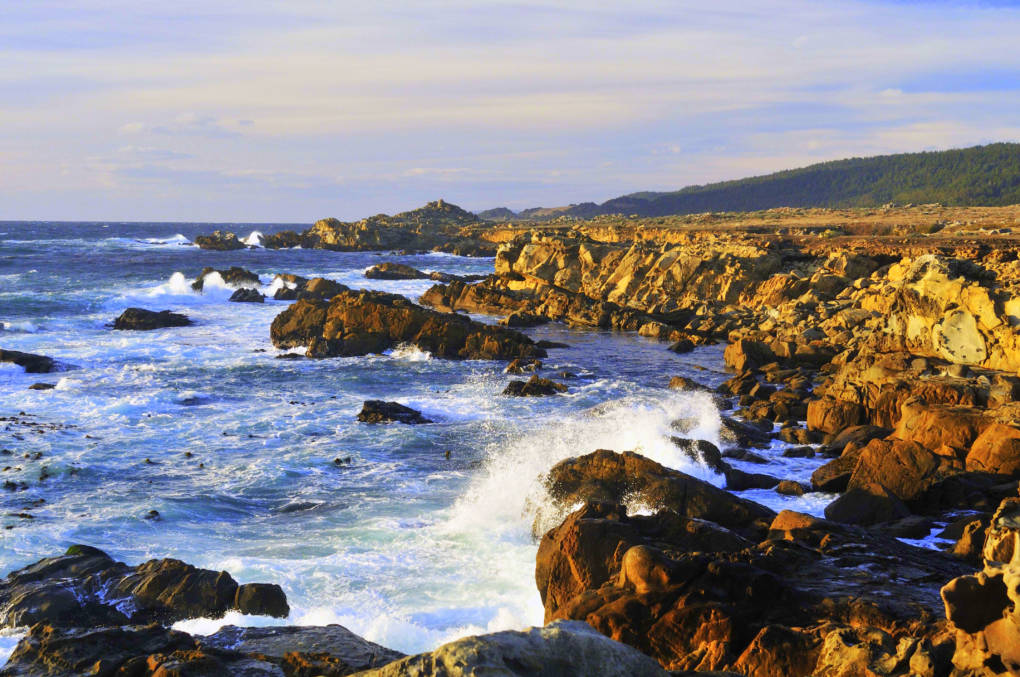
"caption": "Salt Point state park in Sonoma County.",
"description": null,
"title": "Salt Point SP blufftop trail north of Gerstle Cove",
"credit": "California Coastal Commission",
"status": "inherit",
"isLoading": false,
"fetchFailed": false
},
"science_1924139": {
"type": "attachments",
"id": "science_1924139",
"meta": {
"index": "attachments_1716263798",
"site": "science",
"id": "1924139",
"found": true
},
"parent": 1924022,
"imgSizes": {
"small": {
"file": "https://ww2.kqed.org/app/uploads/sites/35/2018/05/unnamed-520x347.jpg",
"width": 520,
"mimeType": "image/jpeg",
"height": 347
},
"twentyfourteen-full-width": {
"file": "https://ww2.kqed.org/app/uploads/sites/35/2018/05/unnamed-1038x576.jpg",
"width": 1038,
"mimeType": "image/jpeg",
"height": 576
},
"thumbnail": {
"file": "https://ww2.kqed.org/app/uploads/sites/35/2018/05/unnamed-160x107.jpg",
"width": 160,
"mimeType": "image/jpeg",
"height": 107
},
"fd-sm": {
"file": "https://ww2.kqed.org/app/uploads/sites/35/2018/05/unnamed-960x640.jpg",
"width": 960,
"mimeType": "image/jpeg",
"height": 640
},
"post-thumbnail": {
"file": "https://ww2.kqed.org/app/uploads/sites/35/2018/05/unnamed-672x372.jpg",
"width": 672,
"mimeType": "image/jpeg",
"height": 372
},
"xsmall": {
"file": "https://ww2.kqed.org/app/uploads/sites/35/2018/05/unnamed-375x250.jpg",
"width": 375,
"mimeType": "image/jpeg",
"height": 250
},
"kqedFullSize": {
"file": "https://ww2.kqed.org/app/uploads/sites/35/2018/05/unnamed.jpg",
"width": 1500,
"height": 1000
},
"large": {
"file": "https://ww2.kqed.org/app/uploads/sites/35/2018/05/unnamed-1020x680.jpg",
"width": 1020,
"mimeType": "image/jpeg",
"height": 680
},
"xlarge": {
"file": "https://ww2.kqed.org/app/uploads/sites/35/2018/05/unnamed-1180x787.jpg",
"width": 1180,
"mimeType": "image/jpeg",
"height": 787
},
"complete_open_graph": {
"file": "https://ww2.kqed.org/app/uploads/sites/35/2018/05/unnamed-1200x800.jpg",
"width": 1200,
"mimeType": "image/jpeg",
"height": 800
},
"guest-author-50": {
"file": "https://ww2.kqed.org/app/uploads/sites/35/2018/05/unnamed-50x50.jpg",
"width": 50,
"mimeType": "image/jpeg",
"height": 50
},
"guest-author-96": {
"file": "https://ww2.kqed.org/app/uploads/sites/35/2018/05/unnamed-96x96.jpg",
"width": 96,
"mimeType": "image/jpeg",
"height": 96
},
"medium": {
"file": "https://ww2.kqed.org/app/uploads/sites/35/2018/05/unnamed-800x533.jpg",
"width": 800,
"mimeType": "image/jpeg",
"height": 533
},
"guest-author-64": {
"file": "https://ww2.kqed.org/app/uploads/sites/35/2018/05/unnamed-64x64.jpg",
"width": 64,
"mimeType": "image/jpeg",
"height": 64
},
"guest-author-32": {
"file": "https://ww2.kqed.org/app/uploads/sites/35/2018/05/unnamed-32x32.jpg",
"width": 32,
"mimeType": "image/jpeg",
"height": 32
},
"fd-med": {
"file": "https://ww2.kqed.org/app/uploads/sites/35/2018/05/unnamed-1180x787.jpg",
"width": 1180,
"mimeType": "image/jpeg",
"height": 787
},
"detail": {
"file": "https://ww2.kqed.org/app/uploads/sites/35/2018/05/unnamed-150x150.jpg",
"width": 150,
"mimeType": "image/jpeg",
"height": 150
},
"medium_large": {
"file": "https://ww2.kqed.org/app/uploads/sites/35/2018/05/unnamed-768x512.jpg",
"width": 768,
"mimeType": "image/jpeg",
"height": 512
},
"guest-author-128": {
"file": "https://ww2.kqed.org/app/uploads/sites/35/2018/05/unnamed-128x128.jpg",
"width": 128,
"mimeType": "image/jpeg",
"height": 128
},
"xxsmall": {
"file": "https://ww2.kqed.org/app/uploads/sites/35/2018/05/unnamed-240x160.jpg",
"width": 240,
"mimeType": "image/jpeg",
"height": 160
}
},
"publishDate": 1526671387,
"modified": 1526679679,
"caption": "Young Simon Lonacker fills his watering can with rainwater stored in a catchment system in Petaluma, Calif.",
"description": "Young Simon Lonacker fills his watering can with rainwater stored in a catchment system.",
"title": "Simon uses rainwater",
"credit": "John and Carolyn Lonacker",
"status": "inherit",
"isLoading": false,
"fetchFailed": false
},
"science_1923550": {
"type": "attachments",
"id": "science_1923550",
"meta": {
"index": "attachments_1716263798",
"site": "science",
"id": "1923550",
"found": true
},
"parent": 1923414,
"imgSizes": {
"small": {
"file": "https://ww2.kqed.org/app/uploads/sites/35/2018/05/Michael-Mann_617_1001-520x382.jpg",
"width": 520,
"mimeType": "image/jpeg",
"height": 382
},
"twentyfourteen-full-width": {
"file": "https://ww2.kqed.org/app/uploads/sites/35/2018/05/Michael-Mann_617_1001-1038x576.jpg",
"width": 1038,
"mimeType": "image/jpeg",
"height": 576
},
"thumbnail": {
"file": "https://ww2.kqed.org/app/uploads/sites/35/2018/05/Michael-Mann_617_1001-160x117.jpg",
"width": 160,
"mimeType": "image/jpeg",
"height": 117
},
"fd-sm": {
"file": "https://ww2.kqed.org/app/uploads/sites/35/2018/05/Michael-Mann_617_1001-960x705.jpg",
"width": 960,
"mimeType": "image/jpeg",
"height": 705
},
"post-thumbnail": {
"file": "https://ww2.kqed.org/app/uploads/sites/35/2018/05/Michael-Mann_617_1001-672x372.jpg",
"width": 672,
"mimeType": "image/jpeg",
"height": 372
},
"xsmall": {
"file": "https://ww2.kqed.org/app/uploads/sites/35/2018/05/Michael-Mann_617_1001-375x275.jpg",
"width": 375,
"mimeType": "image/jpeg",
"height": 275
},
"kqedFullSize": {
"file": "https://ww2.kqed.org/app/uploads/sites/35/2018/05/Michael-Mann_617_1001.jpg",
"width": 2000,
"height": 1468
},
"large": {
"file": "https://ww2.kqed.org/app/uploads/sites/35/2018/05/Michael-Mann_617_1001-1020x749.jpg",
"width": 1020,
"mimeType": "image/jpeg",
"height": 749
},
"xlarge": {
"file": "https://ww2.kqed.org/app/uploads/sites/35/2018/05/Michael-Mann_617_1001-1180x866.jpg",
"width": 1180,
"mimeType": "image/jpeg",
"height": 866
},
"complete_open_graph": {
"file": "https://ww2.kqed.org/app/uploads/sites/35/2018/05/Michael-Mann_617_1001-1200x881.jpg",
"width": 1200,
"mimeType": "image/jpeg",
"height": 881
},
"guest-author-50": {
"file": "https://ww2.kqed.org/app/uploads/sites/35/2018/05/Michael-Mann_617_1001-50x50.jpg",
"width": 50,
"mimeType": "image/jpeg",
"height": 50
},
"guest-author-96": {
"file": "https://ww2.kqed.org/app/uploads/sites/35/2018/05/Michael-Mann_617_1001-96x96.jpg",
"width": 96,
"mimeType": "image/jpeg",
"height": 96
},
"medium": {
"file": "https://ww2.kqed.org/app/uploads/sites/35/2018/05/Michael-Mann_617_1001-800x587.jpg",
"width": 800,
"mimeType": "image/jpeg",
"height": 587
},
"guest-author-64": {
"file": "https://ww2.kqed.org/app/uploads/sites/35/2018/05/Michael-Mann_617_1001-64x64.jpg",
"width": 64,
"mimeType": "image/jpeg",
"height": 64
},
"guest-author-32": {
"file": "https://ww2.kqed.org/app/uploads/sites/35/2018/05/Michael-Mann_617_1001-32x32.jpg",
"width": 32,
"mimeType": "image/jpeg",
"height": 32
},
"fd-lrg": {
"file": "https://ww2.kqed.org/app/uploads/sites/35/2018/05/Michael-Mann_617_1001-1920x1409.jpg",
"width": 1920,
"mimeType": "image/jpeg",
"height": 1409
},
"fd-med": {
"file": "https://ww2.kqed.org/app/uploads/sites/35/2018/05/Michael-Mann_617_1001-1180x866.jpg",
"width": 1180,
"mimeType": "image/jpeg",
"height": 866
},
"full-width": {
"file": "https://ww2.kqed.org/app/uploads/sites/35/2018/05/Michael-Mann_617_1001-1920x1409.jpg",
"width": 1920,
"mimeType": "image/jpeg",
"height": 1409
},
"detail": {
"file": "https://ww2.kqed.org/app/uploads/sites/35/2018/05/Michael-Mann_617_1001-150x150.jpg",
"width": 150,
"mimeType": "image/jpeg",
"height": 150
},
"medium_large": {
"file": "https://ww2.kqed.org/app/uploads/sites/35/2018/05/Michael-Mann_617_1001-768x564.jpg",
"width": 768,
"mimeType": "image/jpeg",
"height": 564
},
"guest-author-128": {
"file": "https://ww2.kqed.org/app/uploads/sites/35/2018/05/Michael-Mann_617_1001-128x128.jpg",
"width": 128,
"mimeType": "image/jpeg",
"height": 128
},
"xxsmall": {
"file": "https://ww2.kqed.org/app/uploads/sites/35/2018/05/Michael-Mann_617_1001-240x176.jpg",
"width": 240,
"mimeType": "image/jpeg",
"height": 176
}
},
"publishDate": 1525465313,
"modified": 1525467381,
"caption": "Climate scientist Michael Mann and colleagues are credited with using the \"hockey stick curve\" to bring world attention to global warming -- with a little help from Al Gore.",
"description": "Climate scientist Michael Mann and colleagues are credited with using the \"hockey stick curve\" to bring world attention to global warming.",
"title": "Michael Mann_617_1001",
"credit": "Patrick Mansell/Penn State Univ.",
"status": "inherit",
"isLoading": false,
"fetchFailed": false
},
"science_1922907": {
"type": "attachments",
"id": "science_1922907",
"meta": {
"index": "attachments_1716263798",
"site": "science",
"id": "1922907",
"found": true
},
"parent": 1922899,
"imgSizes": {
"small": {
"file": "https://ww2.kqed.org/app/uploads/sites/35/2018/04/lettuce-520x390.jpg",
"width": 520,
"mimeType": "image/jpeg",
"height": 390
},
"twentyfourteen-full-width": {
"file": "https://ww2.kqed.org/app/uploads/sites/35/2018/04/lettuce-1038x576.jpg",
"width": 1038,
"mimeType": "image/jpeg",
"height": 576
},
"thumbnail": {
"file": "https://ww2.kqed.org/app/uploads/sites/35/2018/04/lettuce-160x120.jpg",
"width": 160,
"mimeType": "image/jpeg",
"height": 120
},
"fd-sm": {
"file": "https://ww2.kqed.org/app/uploads/sites/35/2018/04/lettuce-960x720.jpg",
"width": 960,
"mimeType": "image/jpeg",
"height": 720
},
"post-thumbnail": {
"file": "https://ww2.kqed.org/app/uploads/sites/35/2018/04/lettuce-672x372.jpg",
"width": 672,
"mimeType": "image/jpeg",
"height": 372
},
"xsmall": {
"file": "https://ww2.kqed.org/app/uploads/sites/35/2018/04/lettuce-375x281.jpg",
"width": 375,
"mimeType": "image/jpeg",
"height": 281
},
"kqedFullSize": {
"file": "https://ww2.kqed.org/app/uploads/sites/35/2018/04/lettuce.jpg",
"width": 2500,
"height": 1875
},
"large": {
"file": "https://ww2.kqed.org/app/uploads/sites/35/2018/04/lettuce-1020x765.jpg",
"width": 1020,
"mimeType": "image/jpeg",
"height": 765
},
"xlarge": {
"file": "https://ww2.kqed.org/app/uploads/sites/35/2018/04/lettuce-1180x885.jpg",
"width": 1180,
"mimeType": "image/jpeg",
"height": 885
},
"complete_open_graph": {
"file": "https://ww2.kqed.org/app/uploads/sites/35/2018/04/lettuce-1200x900.jpg",
"width": 1200,
"mimeType": "image/jpeg",
"height": 900
},
"guest-author-50": {
"file": "https://ww2.kqed.org/app/uploads/sites/35/2018/04/lettuce-50x50.jpg",
"width": 50,
"mimeType": "image/jpeg",
"height": 50
},
"guest-author-96": {
"file": "https://ww2.kqed.org/app/uploads/sites/35/2018/04/lettuce-96x96.jpg",
"width": 96,
"mimeType": "image/jpeg",
"height": 96
},
"medium": {
"file": "https://ww2.kqed.org/app/uploads/sites/35/2018/04/lettuce-800x600.jpg",
"width": 800,
"mimeType": "image/jpeg",
"height": 600
},
"guest-author-64": {
"file": "https://ww2.kqed.org/app/uploads/sites/35/2018/04/lettuce-64x64.jpg",
"width": 64,
"mimeType": "image/jpeg",
"height": 64
},
"guest-author-32": {
"file": "https://ww2.kqed.org/app/uploads/sites/35/2018/04/lettuce-32x32.jpg",
"width": 32,
"mimeType": "image/jpeg",
"height": 32
},
"fd-lrg": {
"file": "https://ww2.kqed.org/app/uploads/sites/35/2018/04/lettuce-1920x1440.jpg",
"width": 1920,
"mimeType": "image/jpeg",
"height": 1440
},
"fd-med": {
"file": "https://ww2.kqed.org/app/uploads/sites/35/2018/04/lettuce-1180x885.jpg",
"width": 1180,
"mimeType": "image/jpeg",
"height": 885
},
"full-width": {
"file": "https://ww2.kqed.org/app/uploads/sites/35/2018/04/lettuce-1920x1440.jpg",
"width": 1920,
"mimeType": "image/jpeg",
"height": 1440
},
"detail": {
"file": "https://ww2.kqed.org/app/uploads/sites/35/2018/04/lettuce-150x150.jpg",
"width": 150,
"mimeType": "image/jpeg",
"height": 150
},
"medium_large": {
"file": "https://ww2.kqed.org/app/uploads/sites/35/2018/04/lettuce-768x576.jpg",
"width": 768,
"mimeType": "image/jpeg",
"height": 576
},
"guest-author-128": {
"file": "https://ww2.kqed.org/app/uploads/sites/35/2018/04/lettuce-128x128.jpg",
"width": 128,
"mimeType": "image/jpeg",
"height": 128
},
"xxsmall": {
"file": "https://ww2.kqed.org/app/uploads/sites/35/2018/04/lettuce-240x180.jpg",
"width": 240,
"mimeType": "image/jpeg",
"height": 180
}
},
"publishDate": 1524190326,
"modified": 1524190386,
"caption": "Lettuce plants grow on lettuce boards that float on water. The boards function as an assembly line with the ripe ones in the front and the newly planted ones in the back.\n",
"description": null,
"title": "lettuce",
"credit": "Bonnie Liu/KQED",
"status": "inherit",
"isLoading": false,
"fetchFailed": false
},
"science_1922461": {
"type": "attachments",
"id": "science_1922461",
"meta": {
"index": "attachments_1716263798",
"site": "science",
"id": "1922461",
"found": true
},
"parent": 1922458,
"imgSizes": {
"small": {
"file": "https://ww2.kqed.org/app/uploads/sites/35/2018/04/insight_surface_operations_large-520x293.jpg",
"width": 520,
"mimeType": "image/jpeg",
"height": 293
},
"twentyfourteen-full-width": {
"file": "https://ww2.kqed.org/app/uploads/sites/35/2018/04/insight_surface_operations_large-1038x576.jpg",
"width": 1038,
"mimeType": "image/jpeg",
"height": 576
},
"thumbnail": {
"file": "https://ww2.kqed.org/app/uploads/sites/35/2018/04/insight_surface_operations_large-160x90.jpg",
"width": 160,
"mimeType": "image/jpeg",
"height": 90
},
"fd-sm": {
"file": "https://ww2.kqed.org/app/uploads/sites/35/2018/04/insight_surface_operations_large-960x540.jpg",
"width": 960,
"mimeType": "image/jpeg",
"height": 540
},
"post-thumbnail": {
"file": "https://ww2.kqed.org/app/uploads/sites/35/2018/04/insight_surface_operations_large-672x372.jpg",
"width": 672,
"mimeType": "image/jpeg",
"height": 372
},
"xsmall": {
"file": "https://ww2.kqed.org/app/uploads/sites/35/2018/04/insight_surface_operations_large-375x211.jpg",
"width": 375,
"mimeType": "image/jpeg",
"height": 211
},
"kqedFullSize": {
"file": "https://ww2.kqed.org/app/uploads/sites/35/2018/04/insight_surface_operations_large.jpg",
"width": 2400,
"height": 1350
},
"large": {
"file": "https://ww2.kqed.org/app/uploads/sites/35/2018/04/insight_surface_operations_large-1020x574.jpg",
"width": 1020,
"mimeType": "image/jpeg",
"height": 574
},
"xlarge": {
"file": "https://ww2.kqed.org/app/uploads/sites/35/2018/04/insight_surface_operations_large-1180x664.jpg",
"width": 1180,
"mimeType": "image/jpeg",
"height": 664
},
"complete_open_graph": {
"file": "https://ww2.kqed.org/app/uploads/sites/35/2018/04/insight_surface_operations_large-1200x675.jpg",
"width": 1200,
"mimeType": "image/jpeg",
"height": 675
},
"guest-author-50": {
"file": "https://ww2.kqed.org/app/uploads/sites/35/2018/04/insight_surface_operations_large-50x50.jpg",
"width": 50,
"mimeType": "image/jpeg",
"height": 50
},
"guest-author-96": {
"file": "https://ww2.kqed.org/app/uploads/sites/35/2018/04/insight_surface_operations_large-96x96.jpg",
"width": 96,
"mimeType": "image/jpeg",
"height": 96
},
"medium": {
"file": "https://ww2.kqed.org/app/uploads/sites/35/2018/04/insight_surface_operations_large-800x450.jpg",
"width": 800,
"mimeType": "image/jpeg",
"height": 450
},
"guest-author-64": {
"file": "https://ww2.kqed.org/app/uploads/sites/35/2018/04/insight_surface_operations_large-64x64.jpg",
"width": 64,
"mimeType": "image/jpeg",
"height": 64
},
"guest-author-32": {
"file": "https://ww2.kqed.org/app/uploads/sites/35/2018/04/insight_surface_operations_large-32x32.jpg",
"width": 32,
"mimeType": "image/jpeg",
"height": 32
},
"fd-lrg": {
"file": "https://ww2.kqed.org/app/uploads/sites/35/2018/04/insight_surface_operations_large-1920x1080.jpg",
"width": 1920,
"mimeType": "image/jpeg",
"height": 1080
},
"fd-med": {
"file": "https://ww2.kqed.org/app/uploads/sites/35/2018/04/insight_surface_operations_large-1180x664.jpg",
"width": 1180,
"mimeType": "image/jpeg",
"height": 664
},
"full-width": {
"file": "https://ww2.kqed.org/app/uploads/sites/35/2018/04/insight_surface_operations_large-1920x1080.jpg",
"width": 1920,
"mimeType": "image/jpeg",
"height": 1080
},
"detail": {
"file": "https://ww2.kqed.org/app/uploads/sites/35/2018/04/insight_surface_operations_large-150x150.jpg",
"width": 150,
"mimeType": "image/jpeg",
"height": 150
},
"medium_large": {
"file": "https://ww2.kqed.org/app/uploads/sites/35/2018/04/insight_surface_operations_large-768x432.jpg",
"width": 768,
"mimeType": "image/jpeg",
"height": 432
},
"guest-author-128": {
"file": "https://ww2.kqed.org/app/uploads/sites/35/2018/04/insight_surface_operations_large-128x128.jpg",
"width": 128,
"mimeType": "image/jpeg",
"height": 128
},
"xxsmall": {
"file": "https://ww2.kqed.org/app/uploads/sites/35/2018/04/insight_surface_operations_large-240x135.jpg",
"width": 240,
"mimeType": "image/jpeg",
"height": 135
}
},
"publishDate": 1523574924,
"modified": 1523575021,
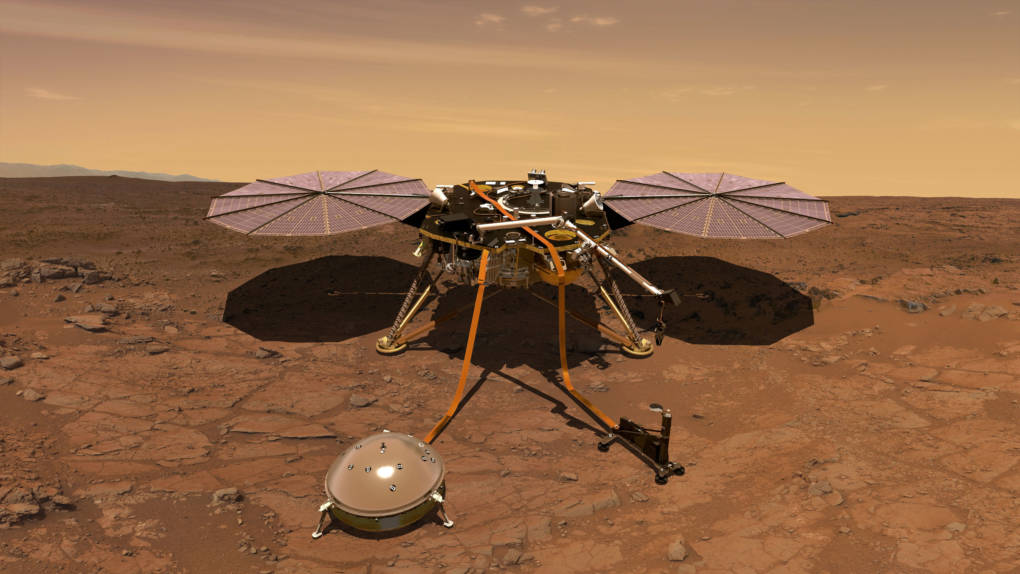
"caption": "An artist's concept of the InSight lander on Mars. ",
"description": null,
"title": "insight_surface_operations_large",
"credit": "NASA/JPL-CalTech",
"status": "inherit",
"isLoading": false,
"fetchFailed": false
},
"science_1922161": {
"type": "attachments",
"id": "science_1922161",
"meta": {
"index": "attachments_1716263798",
"site": "science",
"id": "1922161",
"found": true
},
"parent": 1922125,
"imgSizes": {
"small": {
"file": "https://ww2.kqed.org/app/uploads/sites/35/2018/04/RS30327_Ryan-Rock-1-520x347.jpg",
"width": 520,
"mimeType": "image/jpeg",
"height": 347
},
"twentyfourteen-full-width": {
"file": "https://ww2.kqed.org/app/uploads/sites/35/2018/04/RS30327_Ryan-Rock-1-1038x576.jpg",
"width": 1038,
"mimeType": "image/jpeg",
"height": 576
},
"thumbnail": {
"file": "https://ww2.kqed.org/app/uploads/sites/35/2018/04/RS30327_Ryan-Rock-1-160x107.jpg",
"width": 160,
"mimeType": "image/jpeg",
"height": 107
},
"fd-sm": {
"file": "https://ww2.kqed.org/app/uploads/sites/35/2018/04/RS30327_Ryan-Rock-1-960x640.jpg",
"width": 960,
"mimeType": "image/jpeg",
"height": 640
},
"post-thumbnail": {
"file": "https://ww2.kqed.org/app/uploads/sites/35/2018/04/RS30327_Ryan-Rock-1-672x372.jpg",
"width": 672,
"mimeType": "image/jpeg",
"height": 372
},
"xsmall": {
"file": "https://ww2.kqed.org/app/uploads/sites/35/2018/04/RS30327_Ryan-Rock-1-375x250.jpg",
"width": 375,
"mimeType": "image/jpeg",
"height": 250
},
"kqedFullSize": {
"file": "https://ww2.kqed.org/app/uploads/sites/35/2018/04/RS30327_Ryan-Rock-1.jpg",
"width": 4896,
"height": 3264
},
"large": {
"file": "https://ww2.kqed.org/app/uploads/sites/35/2018/04/RS30327_Ryan-Rock-1-1020x680.jpg",
"width": 1020,
"mimeType": "image/jpeg",
"height": 680
},
"xlarge": {
"file": "https://ww2.kqed.org/app/uploads/sites/35/2018/04/RS30327_Ryan-Rock-1-1180x787.jpg",
"width": 1180,
"mimeType": "image/jpeg",
"height": 787
},
"guest-author-50": {
"file": "https://ww2.kqed.org/app/uploads/sites/35/2018/04/RS30327_Ryan-Rock-1-50x50.jpg",
"width": 50,
"mimeType": "image/jpeg",
"height": 50
},
"guest-author-96": {
"file": "https://ww2.kqed.org/app/uploads/sites/35/2018/04/RS30327_Ryan-Rock-1-96x96.jpg",
"width": 96,
"mimeType": "image/jpeg",
"height": 96
},
"medium": {
"file": "https://ww2.kqed.org/app/uploads/sites/35/2018/04/RS30327_Ryan-Rock-1-800x533.jpg",
"width": 800,
"mimeType": "image/jpeg",
"height": 533
},
"guest-author-64": {
"file": "https://ww2.kqed.org/app/uploads/sites/35/2018/04/RS30327_Ryan-Rock-1-64x64.jpg",
"width": 64,
"mimeType": "image/jpeg",
"height": 64
},
"guest-author-32": {
"file": "https://ww2.kqed.org/app/uploads/sites/35/2018/04/RS30327_Ryan-Rock-1-32x32.jpg",
"width": 32,
"mimeType": "image/jpeg",
"height": 32
},
"fd-lrg": {
"file": "https://ww2.kqed.org/app/uploads/sites/35/2018/04/RS30327_Ryan-Rock-1-1920x1280.jpg",
"width": 1920,
"mimeType": "image/jpeg",
"height": 1280
},
"fd-med": {
"file": "https://ww2.kqed.org/app/uploads/sites/35/2018/04/RS30327_Ryan-Rock-1-1180x787.jpg",
"width": 1180,
"mimeType": "image/jpeg",
"height": 787
},
"full-width": {
"file": "https://ww2.kqed.org/app/uploads/sites/35/2018/04/RS30327_Ryan-Rock-1-1920x1280.jpg",
"width": 1920,
"mimeType": "image/jpeg",
"height": 1280
},
"detail": {
"file": "https://ww2.kqed.org/app/uploads/sites/35/2018/04/RS30327_Ryan-Rock-1-150x150.jpg",
"width": 150,
"mimeType": "image/jpeg",
"height": 150
},
"medium_large": {
"file": "https://ww2.kqed.org/app/uploads/sites/35/2018/04/RS30327_Ryan-Rock-1-768x512.jpg",
"width": 768,
"mimeType": "image/jpeg",
"height": 512
},
"guest-author-128": {
"file": "https://ww2.kqed.org/app/uploads/sites/35/2018/04/RS30327_Ryan-Rock-1-128x128.jpg",
"width": 128,
"mimeType": "image/jpeg",
"height": 128
},
"xxsmall": {
"file": "https://ww2.kqed.org/app/uploads/sites/35/2018/04/RS30327_Ryan-Rock-1-240x160.jpg",
"width": 240,
"mimeType": "image/jpeg",
"height": 160
}
},
"publishDate": 1523056816,
"modified": 1523056898,
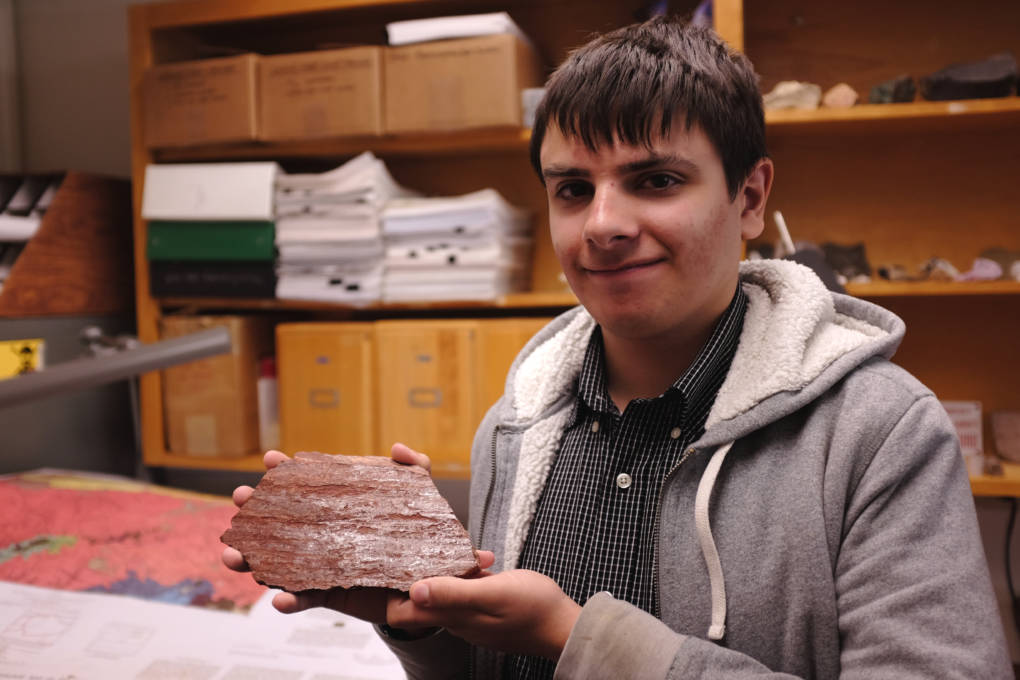
"caption": "Ryan Karsner helps geologists catalog thousands of rocks at the US Geological Survey headquarters in Menlo Park.",
"description": null,
"title": "RS30327_Ryan Rock 1",
"credit": "Peter Arcuni/KQED",
"status": "inherit",
"isLoading": false,
"fetchFailed": false
},
"science_1921894": {
"type": "attachments",
"id": "science_1921894",
"meta": {
"index": "attachments_1716263798",
"site": "science",
"id": "1921894",
"found": true
},
"parent": 1921891,
"imgSizes": {
"small": {
"file": "https://ww2.kqed.org/app/uploads/sites/35/2018/03/RS30108_SELFDRIVE_170-520x347.jpg",
"width": 520,
"mimeType": "image/jpeg",
"height": 347
},
"twentyfourteen-full-width": {
"file": "https://ww2.kqed.org/app/uploads/sites/35/2018/03/RS30108_SELFDRIVE_170-1038x576.jpg",
"width": 1038,
"mimeType": "image/jpeg",
"height": 576
},
"thumbnail": {
"file": "https://ww2.kqed.org/app/uploads/sites/35/2018/03/RS30108_SELFDRIVE_170-160x107.jpg",
"width": 160,
"mimeType": "image/jpeg",
"height": 107
},
"fd-sm": {
"file": "https://ww2.kqed.org/app/uploads/sites/35/2018/03/RS30108_SELFDRIVE_170-960x641.jpg",
"width": 960,
"mimeType": "image/jpeg",
"height": 641
},
"post-thumbnail": {
"file": "https://ww2.kqed.org/app/uploads/sites/35/2018/03/RS30108_SELFDRIVE_170-672x372.jpg",
"width": 672,
"mimeType": "image/jpeg",
"height": 372
},
"xsmall": {
"file": "https://ww2.kqed.org/app/uploads/sites/35/2018/03/RS30108_SELFDRIVE_170-375x250.jpg",
"width": 375,
"mimeType": "image/jpeg",
"height": 250
},
"kqedFullSize": {
"file": "https://ww2.kqed.org/app/uploads/sites/35/2018/03/RS30108_SELFDRIVE_170.jpg",
"width": 6016,
"height": 4016
},
"large": {
"file": "https://ww2.kqed.org/app/uploads/sites/35/2018/03/RS30108_SELFDRIVE_170-1020x681.jpg",
"width": 1020,
"mimeType": "image/jpeg",
"height": 681
},
"xlarge": {
"file": "https://ww2.kqed.org/app/uploads/sites/35/2018/03/RS30108_SELFDRIVE_170-1180x788.jpg",
"width": 1180,
"mimeType": "image/jpeg",
"height": 788
},
"guest-author-50": {
"file": "https://ww2.kqed.org/app/uploads/sites/35/2018/03/RS30108_SELFDRIVE_170-50x50.jpg",
"width": 50,
"mimeType": "image/jpeg",
"height": 50
},
"guest-author-96": {
"file": "https://ww2.kqed.org/app/uploads/sites/35/2018/03/RS30108_SELFDRIVE_170-96x96.jpg",
"width": 96,
"mimeType": "image/jpeg",
"height": 96
},
"medium": {
"file": "https://ww2.kqed.org/app/uploads/sites/35/2018/03/RS30108_SELFDRIVE_170-800x534.jpg",
"width": 800,
"mimeType": "image/jpeg",
"height": 534
},
"guest-author-64": {
"file": "https://ww2.kqed.org/app/uploads/sites/35/2018/03/RS30108_SELFDRIVE_170-64x64.jpg",
"width": 64,
"mimeType": "image/jpeg",
"height": 64
},
"guest-author-32": {
"file": "https://ww2.kqed.org/app/uploads/sites/35/2018/03/RS30108_SELFDRIVE_170-32x32.jpg",
"width": 32,
"mimeType": "image/jpeg",
"height": 32
},
"fd-lrg": {
"file": "https://ww2.kqed.org/app/uploads/sites/35/2018/03/RS30108_SELFDRIVE_170-1920x1282.jpg",
"width": 1920,
"mimeType": "image/jpeg",
"height": 1282
},
"fd-med": {
"file": "https://ww2.kqed.org/app/uploads/sites/35/2018/03/RS30108_SELFDRIVE_170-1180x788.jpg",
"width": 1180,
"mimeType": "image/jpeg",
"height": 788
},
"full-width": {
"file": "https://ww2.kqed.org/app/uploads/sites/35/2018/03/RS30108_SELFDRIVE_170-1920x1282.jpg",
"width": 1920,
"mimeType": "image/jpeg",
"height": 1282
},
"detail": {
"file": "https://ww2.kqed.org/app/uploads/sites/35/2018/03/RS30108_SELFDRIVE_170-150x150.jpg",
"width": 150,
"mimeType": "image/jpeg",
"height": 150
},
"medium_large": {
"file": "https://ww2.kqed.org/app/uploads/sites/35/2018/03/RS30108_SELFDRIVE_170-768x513.jpg",
"width": 768,
"mimeType": "image/jpeg",
"height": 513
},
"guest-author-128": {
"file": "https://ww2.kqed.org/app/uploads/sites/35/2018/03/RS30108_SELFDRIVE_170-128x128.jpg",
"width": 128,
"mimeType": "image/jpeg",
"height": 128
},
"xxsmall": {
"file": "https://ww2.kqed.org/app/uploads/sites/35/2018/03/RS30108_SELFDRIVE_170-240x160.jpg",
"width": 240,
"mimeType": "image/jpeg",
"height": 160
}
},
"publishDate": 1522451139,
"modified": 1522650603,
"caption": "An autonomous car parked outside the headquarters of semiconductor company Ambarella in Santa Clara, in March 2018.",
"description": null,
"title": "SELF DRIVING",
"credit": "Lauren Hanussak/KQED",
"status": "inherit",
"isLoading": false,
"fetchFailed": false
},
"science_1921358": {
"type": "attachments",
"id": "science_1921358",
"meta": {
"index": "attachments_1716263798",
"site": "science",
"id": "1921358",
"found": true
},
"parent": 1921232,
"imgSizes": {
"small": {
"file": "https://ww2.kqed.org/app/uploads/sites/35/2018/03/GettyImages-56704756-520x347.jpg",
"width": 520,
"mimeType": "image/jpeg",
"height": 347
},
"twentyfourteen-full-width": {
"file": "https://ww2.kqed.org/app/uploads/sites/35/2018/03/GettyImages-56704756-1038x576.jpg",
"width": 1038,
"mimeType": "image/jpeg",
"height": 576
},
"thumbnail": {
"file": "https://ww2.kqed.org/app/uploads/sites/35/2018/03/GettyImages-56704756-160x107.jpg",
"width": 160,
"mimeType": "image/jpeg",
"height": 107
},
"fd-sm": {
"file": "https://ww2.kqed.org/app/uploads/sites/35/2018/03/GettyImages-56704756-960x640.jpg",
"width": 960,
"mimeType": "image/jpeg",
"height": 640
},
"post-thumbnail": {
"file": "https://ww2.kqed.org/app/uploads/sites/35/2018/03/GettyImages-56704756-672x372.jpg",
"width": 672,
"mimeType": "image/jpeg",
"height": 372
},
"xsmall": {
"file": "https://ww2.kqed.org/app/uploads/sites/35/2018/03/GettyImages-56704756-375x250.jpg",
"width": 375,
"mimeType": "image/jpeg",
"height": 250
},
"kqedFullSize": {
"file": "https://ww2.kqed.org/app/uploads/sites/35/2018/03/GettyImages-56704756.jpg",
"width": 3000,
"height": 2000
},
"large": {
"file": "https://ww2.kqed.org/app/uploads/sites/35/2018/03/GettyImages-56704756-1020x680.jpg",
"width": 1020,
"mimeType": "image/jpeg",
"height": 680
},
"xlarge": {
"file": "https://ww2.kqed.org/app/uploads/sites/35/2018/03/GettyImages-56704756-1180x787.jpg",
"width": 1180,
"mimeType": "image/jpeg",
"height": 787
},
"guest-author-50": {
"file": "https://ww2.kqed.org/app/uploads/sites/35/2018/03/GettyImages-56704756-50x50.jpg",
"width": 50,
"mimeType": "image/jpeg",
"height": 50
},
"guest-author-96": {
"file": "https://ww2.kqed.org/app/uploads/sites/35/2018/03/GettyImages-56704756-96x96.jpg",
"width": 96,
"mimeType": "image/jpeg",
"height": 96
},
"medium": {
"file": "https://ww2.kqed.org/app/uploads/sites/35/2018/03/GettyImages-56704756-800x533.jpg",
"width": 800,
"mimeType": "image/jpeg",
"height": 533
},
"guest-author-64": {
"file": "https://ww2.kqed.org/app/uploads/sites/35/2018/03/GettyImages-56704756-64x64.jpg",
"width": 64,
"mimeType": "image/jpeg",
"height": 64
},
"guest-author-32": {
"file": "https://ww2.kqed.org/app/uploads/sites/35/2018/03/GettyImages-56704756-32x32.jpg",
"width": 32,
"mimeType": "image/jpeg",
"height": 32
},
"fd-lrg": {
"file": "https://ww2.kqed.org/app/uploads/sites/35/2018/03/GettyImages-56704756-1920x1280.jpg",
"width": 1920,
"mimeType": "image/jpeg",
"height": 1280
},
"fd-med": {
"file": "https://ww2.kqed.org/app/uploads/sites/35/2018/03/GettyImages-56704756-1180x787.jpg",
"width": 1180,
"mimeType": "image/jpeg",
"height": 787
},
"full-width": {
"file": "https://ww2.kqed.org/app/uploads/sites/35/2018/03/GettyImages-56704756-1920x1280.jpg",
"width": 1920,
"mimeType": "image/jpeg",
"height": 1280
},
"detail": {
"file": "https://ww2.kqed.org/app/uploads/sites/35/2018/03/GettyImages-56704756-150x150.jpg",
"width": 150,
"mimeType": "image/jpeg",
"height": 150
},
"medium_large": {
"file": "https://ww2.kqed.org/app/uploads/sites/35/2018/03/GettyImages-56704756-768x512.jpg",
"width": 768,
"mimeType": "image/jpeg",
"height": 512
},
"guest-author-128": {
"file": "https://ww2.kqed.org/app/uploads/sites/35/2018/03/GettyImages-56704756-128x128.jpg",
"width": 128,
"mimeType": "image/jpeg",
"height": 128
},
"xxsmall": {
"file": "https://ww2.kqed.org/app/uploads/sites/35/2018/03/GettyImages-56704756-240x160.jpg",
"width": 240,
"mimeType": "image/jpeg",
"height": 160
}
},
"publishDate": 1521480456,
"modified": 1521480544,
"caption": "The smoke and steam billows from the stacks at the Exxon Mobil Corp. refinery in Joliet, Illinois, in 2006. ",
"description": null,
"title": "Exxon Mobil Posts Record $10.7 Billion Q4 Profit",
"credit": "Scott Olson/Getty Images",
"status": "inherit",
"isLoading": false,
"fetchFailed": false
},
"science_1921286": {
"type": "attachments",
"id": "science_1921286",
"meta": {
"index": "attachments_1716263798",
"site": "science",
"id": "1921286",
"found": true
},
"parent": 1919473,
"imgSizes": {
"small": {
"file": "https://ww2.kqed.org/app/uploads/sites/35/2018/03/hermitwarbler_Michael-McGrann_0105-520x357.jpeg",
"width": 520,
"mimeType": "image/jpeg",
"height": 357
},
"twentyfourteen-full-width": {
"file": "https://ww2.kqed.org/app/uploads/sites/35/2018/03/hermitwarbler_Michael-McGrann_0105-1038x576.jpeg",
"width": 1038,
"mimeType": "image/jpeg",
"height": 576
},
"thumbnail": {
"file": "https://ww2.kqed.org/app/uploads/sites/35/2018/03/hermitwarbler_Michael-McGrann_0105-160x110.jpeg",
"width": 160,
"mimeType": "image/jpeg",
"height": 110
},
"fd-sm": {
"file": "https://ww2.kqed.org/app/uploads/sites/35/2018/03/hermitwarbler_Michael-McGrann_0105-960x659.jpeg",
"width": 960,
"mimeType": "image/jpeg",
"height": 659
},
"post-thumbnail": {
"file": "https://ww2.kqed.org/app/uploads/sites/35/2018/03/hermitwarbler_Michael-McGrann_0105-672x372.jpeg",
"width": 672,
"mimeType": "image/jpeg",
"height": 372
},
"xsmall": {
"file": "https://ww2.kqed.org/app/uploads/sites/35/2018/03/hermitwarbler_Michael-McGrann_0105-375x257.jpeg",
"width": 375,
"mimeType": "image/jpeg",
"height": 257
},
"kqedFullSize": {
"file": "https://ww2.kqed.org/app/uploads/sites/35/2018/03/hermitwarbler_Michael-McGrann_0105.jpeg",
"width": 2000,
"height": 1372
},
"large": {
"file": "https://ww2.kqed.org/app/uploads/sites/35/2018/03/hermitwarbler_Michael-McGrann_0105-1020x700.jpeg",
"width": 1020,
"mimeType": "image/jpeg",
"height": 700
},
"xlarge": {
"file": "https://ww2.kqed.org/app/uploads/sites/35/2018/03/hermitwarbler_Michael-McGrann_0105-1180x809.jpeg",
"width": 1180,
"mimeType": "image/jpeg",
"height": 809
},
"guest-author-50": {
"file": "https://ww2.kqed.org/app/uploads/sites/35/2018/03/hermitwarbler_Michael-McGrann_0105-50x50.jpeg",
"width": 50,
"mimeType": "image/jpeg",
"height": 50
},
"guest-author-96": {
"file": "https://ww2.kqed.org/app/uploads/sites/35/2018/03/hermitwarbler_Michael-McGrann_0105-96x96.jpeg",
"width": 96,
"mimeType": "image/jpeg",
"height": 96
},
"medium": {
"file": "https://ww2.kqed.org/app/uploads/sites/35/2018/03/hermitwarbler_Michael-McGrann_0105-800x549.jpeg",
"width": 800,
"mimeType": "image/jpeg",
"height": 549
},
"guest-author-64": {
"file": "https://ww2.kqed.org/app/uploads/sites/35/2018/03/hermitwarbler_Michael-McGrann_0105-64x64.jpeg",
"width": 64,
"mimeType": "image/jpeg",
"height": 64
},
"guest-author-32": {
"file": "https://ww2.kqed.org/app/uploads/sites/35/2018/03/hermitwarbler_Michael-McGrann_0105-32x32.jpeg",
"width": 32,
"mimeType": "image/jpeg",
"height": 32
},
"fd-lrg": {
"file": "https://ww2.kqed.org/app/uploads/sites/35/2018/03/hermitwarbler_Michael-McGrann_0105-1920x1317.jpeg",
"width": 1920,
"mimeType": "image/jpeg",
"height": 1317
},
"fd-med": {
"file": "https://ww2.kqed.org/app/uploads/sites/35/2018/03/hermitwarbler_Michael-McGrann_0105-1180x809.jpeg",
"width": 1180,
"mimeType": "image/jpeg",
"height": 809
},
"full-width": {
"file": "https://ww2.kqed.org/app/uploads/sites/35/2018/03/hermitwarbler_Michael-McGrann_0105-1920x1317.jpeg",
"width": 1920,
"mimeType": "image/jpeg",
"height": 1317
},
"detail": {
"file": "https://ww2.kqed.org/app/uploads/sites/35/2018/03/hermitwarbler_Michael-McGrann_0105-150x150.jpeg",
"width": 150,
"mimeType": "image/jpeg",
"height": 150
},
"medium_large": {
"file": "https://ww2.kqed.org/app/uploads/sites/35/2018/03/hermitwarbler_Michael-McGrann_0105-768x527.jpeg",
"width": 768,
"mimeType": "image/jpeg",
"height": 527
},
"guest-author-128": {
"file": "https://ww2.kqed.org/app/uploads/sites/35/2018/03/hermitwarbler_Michael-McGrann_0105-128x128.jpeg",
"width": 128,
"mimeType": "image/jpeg",
"height": 128
},
"xxsmall": {
"file": "https://ww2.kqed.org/app/uploads/sites/35/2018/03/hermitwarbler_Michael-McGrann_0105-240x165.jpeg",
"width": 240,
"mimeType": "image/jpeg",
"height": 165
}
},
"publishDate": 1521225720,
"modified": 1521226569,
"caption": "A hermit warbler sings in a forest near Lake Almanor. Scientists are tracking changes in bird migration by listening to birdsong patterns.",
"description": "A hermit warbler sings in a forest near Lake Almanor. Scientists are tracking changes in bird migration by listening to birdsong patterns.",
"title": "hermitwarbler_Michael McGrann_0105",
"credit": "Michael McGrann",
"status": "inherit",
"isLoading": false,
"fetchFailed": false
},
"science_1920676": {
"type": "attachments",
"id": "science_1920676",
"meta": {
"index": "attachments_1716263798",
"site": "science",
"id": "1920676",
"found": true
},
"parent": 0,
"imgSizes": {
"small": {
"file": "https://ww2.kqed.org/app/uploads/sites/35/2018/03/RS29708_PointReyes_098-520x347.jpg",
"width": 520,
"mimeType": "image/jpeg",
"height": 347
},
"twentyfourteen-full-width": {
"file": "https://ww2.kqed.org/app/uploads/sites/35/2018/03/RS29708_PointReyes_098-1038x576.jpg",
"width": 1038,
"mimeType": "image/jpeg",
"height": 576
},
"thumbnail": {
"file": "https://ww2.kqed.org/app/uploads/sites/35/2018/03/RS29708_PointReyes_098-160x107.jpg",
"width": 160,
"mimeType": "image/jpeg",
"height": 107
},
"fd-sm": {
"file": "https://ww2.kqed.org/app/uploads/sites/35/2018/03/RS29708_PointReyes_098-960x641.jpg",
"width": 960,
"mimeType": "image/jpeg",
"height": 641
},
"post-thumbnail": {
"file": "https://ww2.kqed.org/app/uploads/sites/35/2018/03/RS29708_PointReyes_098-672x372.jpg",
"width": 672,
"mimeType": "image/jpeg",
"height": 372
},
"xsmall": {
"file": "https://ww2.kqed.org/app/uploads/sites/35/2018/03/RS29708_PointReyes_098-375x250.jpg",
"width": 375,
"mimeType": "image/jpeg",
"height": 250
},
"kqedFullSize": {
"file": "https://ww2.kqed.org/app/uploads/sites/35/2018/03/RS29708_PointReyes_098.jpg",
"width": 5720,
"height": 3818
},
"large": {
"file": "https://ww2.kqed.org/app/uploads/sites/35/2018/03/RS29708_PointReyes_098-1020x681.jpg",
"width": 1020,
"mimeType": "image/jpeg",
"height": 681
},
"xlarge": {
"file": "https://ww2.kqed.org/app/uploads/sites/35/2018/03/RS29708_PointReyes_098-1180x788.jpg",
"width": 1180,
"mimeType": "image/jpeg",
"height": 788
},
"guest-author-50": {
"file": "https://ww2.kqed.org/app/uploads/sites/35/2018/03/RS29708_PointReyes_098-50x50.jpg",
"width": 50,
"mimeType": "image/jpeg",
"height": 50
},
"guest-author-96": {
"file": "https://ww2.kqed.org/app/uploads/sites/35/2018/03/RS29708_PointReyes_098-96x96.jpg",
"width": 96,
"mimeType": "image/jpeg",
"height": 96
},
"medium": {
"file": "https://ww2.kqed.org/app/uploads/sites/35/2018/03/RS29708_PointReyes_098-800x534.jpg",
"width": 800,
"mimeType": "image/jpeg",
"height": 534
},
"guest-author-64": {
"file": "https://ww2.kqed.org/app/uploads/sites/35/2018/03/RS29708_PointReyes_098-64x64.jpg",
"width": 64,
"mimeType": "image/jpeg",
"height": 64
},
"guest-author-32": {
"file": "https://ww2.kqed.org/app/uploads/sites/35/2018/03/RS29708_PointReyes_098-32x32.jpg",
"width": 32,
"mimeType": "image/jpeg",
"height": 32
},
"fd-lrg": {
"file": "https://ww2.kqed.org/app/uploads/sites/35/2018/03/RS29708_PointReyes_098-1920x1282.jpg",
"width": 1920,
"mimeType": "image/jpeg",
"height": 1282
},
"fd-med": {
"file": "https://ww2.kqed.org/app/uploads/sites/35/2018/03/RS29708_PointReyes_098-1180x788.jpg",
"width": 1180,
"mimeType": "image/jpeg",
"height": 788
},
"full-width": {
"file": "https://ww2.kqed.org/app/uploads/sites/35/2018/03/RS29708_PointReyes_098-1920x1282.jpg",
"width": 1920,
"mimeType": "image/jpeg",
"height": 1282
},
"detail": {
"file": "https://ww2.kqed.org/app/uploads/sites/35/2018/03/RS29708_PointReyes_098-150x150.jpg",
"width": 150,
"mimeType": "image/jpeg",
"height": 150
},
"medium_large": {
"file": "https://ww2.kqed.org/app/uploads/sites/35/2018/03/RS29708_PointReyes_098-768x513.jpg",
"width": 768,
"mimeType": "image/jpeg",
"height": 513
},
"guest-author-128": {
"file": "https://ww2.kqed.org/app/uploads/sites/35/2018/03/RS29708_PointReyes_098-128x128.jpg",
"width": 128,
"mimeType": "image/jpeg",
"height": 128
},
"xxsmall": {
"file": "https://ww2.kqed.org/app/uploads/sites/35/2018/03/RS29708_PointReyes_098-240x160.jpg",
"width": 240,
"mimeType": "image/jpeg",
"height": 160
}
},
"publishDate": 1520225559,
"modified": 1520225728,
"caption": "Tule elk graze in the foreground while cattle graze in the background at Point Reyes National Seashore in February. ",
"description": null,
"title": "Point Reyes",
"credit": "Lauren Hanussak/KQED",
"status": "inherit",
"isLoading": false,
"fetchFailed": false
}
},
"audioPlayerReducer": {
"postId": "stream_live",
"isPaused": true,
"isPlaying": false,
"pfsActive": false,
"pledgeModalIsOpen": true,
"playerDrawerIsOpen": false,
"liveAudioPlayStartedAt": 0,
"liveAudioPlayContext": ""
},
"authorsReducer": {
"byline_science_1922899": {
"type": "authors",
"id": "byline_science_1922899",
"meta": {
"override": true
},
"slug": "byline_science_1922899",
"name": "Bonnie Liu\u003cbr>KQED Youth Takeover Staff",
"isLoading": false
},
"byline_science_1920624": {
"type": "authors",
"id": "byline_science_1920624",
"meta": {
"override": true
},
"slug": "byline_science_1920624",
"name": "\u003cstrong>Molly Peterson\u003c/strong>",
"isLoading": false
},
"cmiller": {
"type": "authors",
"id": "221",
"meta": {
"index": "authors_1716337520",
"id": "221",
"found": true
},
"name": "Craig Miller",
"firstName": "Craig",
"lastName": "Miller",
"slug": "cmiller",
"email": "craig@voxterra.net",
"display_author_email": false,
"staff_mastheads": [
"science"
],
"title": "Editor Emeritus, Science",
"bio": "Craig is a former KQED Science editor, specializing in weather, climate, water & energy issues, with a little seismology thrown in just to shake things up. Prior to that, he launched and led the station's award-winning multimedia project, Climate Watch. Craig is also an accomplished writer/producer of television documentaries, with a focus on natural resource issues.",
"avatar": "https://secure.gravatar.com/avatar/b91661df645e001a9cafe0861fa685f9?s=600&d=blank&r=g",
"twitter": "voxterra",
"facebook": null,
"instagram": null,
"linkedin": null,
"sites": [
{
"site": "news",
"roles": [
"author"
]
},
{
"site": "futureofyou",
"roles": [
"editor"
]
},
{
"site": "stateofhealth",
"roles": [
"author"
]
},
{
"site": "science",
"roles": [
"editor"
]
},
{
"site": "quest",
"roles": [
"editor"
]
}
],
"headData": {
"title": "Craig Miller | KQED",
"description": "Editor Emeritus, Science",
"ogImgSrc": "https://secure.gravatar.com/avatar/b91661df645e001a9cafe0861fa685f9?s=600&d=blank&r=g",
"twImgSrc": "https://secure.gravatar.com/avatar/b91661df645e001a9cafe0861fa685f9?s=600&d=blank&r=g"
},
"isLoading": false,
"link": "/author/cmiller"
},
"dventon": {
"type": "authors",
"id": "11088",
"meta": {
"index": "authors_1716337520",
"id": "11088",
"found": true
},
"name": "Danielle Venton",
"firstName": "Danielle",
"lastName": "Venton",
"slug": "dventon",
"email": "dventon@kqed.org",
"display_author_email": true,
"staff_mastheads": [
"science"
],
"title": "Science reporter",
"bio": "Danielle Venton is a reporter for KQED Science. She covers wildfires, space and oceans (though she is prone to sea sickness).\r\n\r\nBefore joining KQED in 2015, Danielle was a staff reporter at KRCB in Sonoma County and a freelancer. She studied science communication at UC Santa Cruz and formerly worked at CERN in Geneva, Switzerland where she wrote about computing. She lives in Sonoma County and enjoys backpacking.",
"avatar": "https://secure.gravatar.com/avatar/37b292b5c40c8d93959c4f48d73b5286f41b7abd8588277e941905a3ed4c801c?s=600&d=blank&r=g",
"twitter": "DanielleVenton",
"bluesky": null,
"facebook": null,
"instagram": null,
"linkedin": null,
"sites": [
{
"site": "arts",
"roles": [
"contributor"
]
},
{
"site": "news",
"roles": [
"editor"
]
},
{
"site": "futureofyou",
"roles": [
"editor"
]
},
{
"site": "science",
"roles": [
"editor"
]
},
{
"site": "liveblog",
"roles": [
"contributor"
]
}
],
"headData": {
"title": "Danielle Venton | KQED",
"description": "Science reporter",
"ogImgSrc": "https://secure.gravatar.com/avatar/37b292b5c40c8d93959c4f48d73b5286f41b7abd8588277e941905a3ed4c801c?s=600&d=blank&r=g",
"twImgSrc": "https://secure.gravatar.com/avatar/37b292b5c40c8d93959c4f48d73b5286f41b7abd8588277e941905a3ed4c801c?s=600&d=blank&r=g"
},
"isLoading": false,
"link": "/author/dventon"
},
"mpeterson": {
"type": "authors",
"id": "11223",
"meta": {
"index": "authors_1716337520",
"id": "11223",
"found": true
},
"name": "Molly Peterson",
"firstName": "Molly",
"lastName": "Peterson",
"slug": "mpeterson",
"email": "mpeterson@kqed.org",
"display_author_email": false,
"staff_mastheads": [],
"title": null,
"bio": "Molly Peterson reports for KQED science and news on climate change, catastrophe and risk. Previously she was environment correspondent at Southern California Public Radio. Her work has also appeared at The New York Times, The Guardian, on NPR, at High Country News, on Code Switch, and other national outlets. She has been honored with awards from Public Radio News Directors Incorporated, Investigative Reporters and Editors, the Society for Professional Journalists, the Los Angeles Press Club, and RTNDA Edward R. Murrow awards, among others.",
"avatar": "https://secure.gravatar.com/avatar/7908e2807131f776cc8165c649530b05?s=600&d=blank&r=g",
"twitter": "Mollydacious",
"facebook": null,
"instagram": "https://www.instagram.com/radiomolly/",
"linkedin": null,
"sites": [
{
"site": "news",
"roles": [
"subscriber"
]
},
{
"site": "futureofyou",
"roles": [
"editor"
]
},
{
"site": "science",
"roles": [
"editor"
]
}
],
"headData": {
"title": "Molly Peterson | KQED",
"description": null,
"ogImgSrc": "https://secure.gravatar.com/avatar/7908e2807131f776cc8165c649530b05?s=600&d=blank&r=g",
"twImgSrc": "https://secure.gravatar.com/avatar/7908e2807131f776cc8165c649530b05?s=600&d=blank&r=g"
},
"isLoading": false,
"link": "/author/mpeterson"
},
"lesleymcclurg": {
"type": "authors",
"id": "11229",
"meta": {
"index": "authors_1716337520",
"id": "11229",
"found": true
},
"name": "Lesley McClurg",
"firstName": "Lesley",
"lastName": "McClurg",
"slug": "lesleymcclurg",
"email": "lmcclurg@KQED.org",
"display_author_email": false,
"staff_mastheads": [
"news",
"science"
],
"title": "KQED Health Correspondent",
"bio": "Lesley McClurg is a health correspondent and fill-in host whose work is regularly rebroadcast on NPR and PBS programs. She’s earned multiple regional Emmy awards, a national and a regional Edward R. Murrow award, and was named Best Beat Reporter by the Association of Health Care Journalists. The Society of Professional Journalists has recognized her work several times, and the Society of Environmental Journalists spotlighted her coverage of California’s historic drought.\r\n\r\nBefore joining KQED in 2016, Lesley covered food and sustainability for Capital Public Radio, environmental issues for Colorado Public Radio, and reported for KUOW and KCTS 9 in Seattle. Away from the newsroom, she loves skiing with her daughter, mountain biking with her partner, and playing with Ollie, the family’s goldendoodle. On deadline, she runs almost entirely on chocolate chips.\r\n\r\n ",
"avatar": "https://secure.gravatar.com/avatar/bab49e972ea10c774fe0f5e29dba1722b158f7c0d58a360923d1389d380b2978?s=600&d=blank&r=g",
"twitter": "lesleywmcclurg",
"bluesky": null,
"facebook": null,
"instagram": null,
"linkedin": null,
"sites": [
{
"site": "arts",
"roles": [
"author"
]
},
{
"site": "news",
"roles": [
"editor"
]
},
{
"site": "futureofyou",
"roles": [
"editor"
]
},
{
"site": "stateofhealth",
"roles": [
"author"
]
},
{
"site": "science",
"roles": [
"editor"
]
},
{
"site": "quest",
"roles": [
"subscriber"
]
},
{
"site": "forum",
"roles": [
"administrator"
]
},
{
"site": "liveblog",
"roles": [
"author"
]
}
],
"headData": {
"title": "Lesley McClurg | KQED",
"description": "KQED Health Correspondent",
"ogImgSrc": "https://secure.gravatar.com/avatar/bab49e972ea10c774fe0f5e29dba1722b158f7c0d58a360923d1389d380b2978?s=600&d=blank&r=g",
"twImgSrc": "https://secure.gravatar.com/avatar/bab49e972ea10c774fe0f5e29dba1722b158f7c0d58a360923d1389d380b2978?s=600&d=blank&r=g"
},
"isLoading": false,
"link": "/author/lesleymcclurg"
},
"parcuni": {
"type": "authors",
"id": "11368",
"meta": {
"index": "authors_1716337520",
"id": "11368",
"found": true
},
"name": "Peter Arcuni",
"firstName": "Peter",
"lastName": "Arcuni",
"slug": "parcuni",
"email": "parcuni@KQED.org",
"display_author_email": false,
"staff_mastheads": [
"science"
],
"title": "Reporter",
"bio": "Peter reports radio and online stories for \u003cem>KQED Science\u003c/em>. His work has also appeared on the \u003cem>The California Report\u003c/em> morning show and \u003cem>KQED News\u003c/em>. His production credits include \u003cem>The California Report, The California Report Magazine\u003c/em> and KQED's local news podcast \u003cem>The Bay\u003c/em>. Other credits include NPR's \u003cem>All Things Considered\u003c/em>, WNYC's \u003cem>Science Friday\u003c/em>, WBUR's \u003cem>Here & Now\u003c/em>, WIRED and SFGate. Peter graduated from Brown University and earned a master's degree in journalism from Stanford. He's covered everything from homelessness to wildfires, health, the environment, arts and Thanksgiving in San Quentin prison. In other lives, he played rock n roll music and studied neuroscience. You can email him at: parcuni@kqed.org",
"avatar": "https://secure.gravatar.com/avatar/d5032f6f27199d478af34ad2e1d98732?s=600&d=blank&r=g",
"twitter": "peterarcuni",
"facebook": null,
"instagram": null,
"linkedin": null,
"sites": [
{
"site": "news",
"roles": [
"editor"
]
},
{
"site": "science",
"roles": [
"editor"
]
}
],
"headData": {
"title": "Peter Arcuni | KQED",
"description": "Reporter",
"ogImgSrc": "https://secure.gravatar.com/avatar/d5032f6f27199d478af34ad2e1d98732?s=600&d=blank&r=g",
"twImgSrc": "https://secure.gravatar.com/avatar/d5032f6f27199d478af34ad2e1d98732?s=600&d=blank&r=g"
},
"isLoading": false,
"link": "/author/parcuni"
}
},
"pagesReducer": {
"science_program_science-podcast": {
"type": "terms",
"id": "science_5376",
"meta": {
"index": "terms_1716263798",
"site": "science",
"id": "5376",
"score": 15.530214
},
"name": "Science Podcast",
"slug": "science-podcast",
"taxonomy": "program",
"description": null,
"featImg": null,
"headData": {
"title": "Science Podcast | KQED Science",
"description": null,
"ogTitle": null,
"ogDescription": null,
"ogImgId": null,
"twTitle": null,
"twDescription": null,
"twImgId": null
},
"ttid": 5376,
"isLoading": false,
"title": "Science Podcast",
"pageMeta": {
"site": "science",
"WpPageTemplate": "page-topic-editorial",
"currentPage": 7
},
"blocks": [
{
"blockName": "kqed/post-list",
"attrs": {
"layout": "cardArticle2",
"query": "posts/science?program=science-podcast",
"seeMore": false,
"paginated": true,
"page": 7
}
},
{
"blockName": "kqed/ad"
}
]
}
},
"pfsSessionReducer": {},
"postsReducer": {
"stream_live": {
"type": "live",
"id": "stream_live",
"audioUrl": "https://streams.kqed.org/kqedradio",
"title": "Live Stream",
"excerpt": "Live Stream information currently unavailable.",
"link": "/radio",
"featImg": "",
"label": {
"name": "KQED Live",
"link": "/"
}
},
"stream_kqedNewscast": {
"type": "posts",
"id": "stream_kqedNewscast",
"audioUrl": "https://www.kqed.org/.stream/anon/radio/RDnews/newscast.mp3?_=1",
"title": "KQED Newscast",
"featImg": "",
"label": {
"name": "88.5 FM",
"link": "/"
}
},
"science_1925768": {
"type": "posts",
"id": "science_1925768",
"meta": {
"index": "posts_1716263798",
"site": "science",
"id": "1925768",
"score": null,
"sort": [
1529305302000
]
},
"guestAuthors": [],
"slug": "climate-related-disasters-make-it-harder-to-buy-home-insurance-in-california",
"title": "Climate-Related Disasters Make It Harder to Buy Home Insurance in California",
"publishDate": 1529305302,
"format": "audio",
"headTitle": "Climate-Related Disasters Make It Harder to Buy Home Insurance in California | KQED",
"labelTerm": {
"term": 5376,
"site": "science"
},
"content": "\u003cp>Insurers can calculate how likely your home is to burn down in a wildfire, or flood in a high tide, and for some time now they’ve been using climate science to shape those estimates.\u003c/p>\n\u003caside class=\"pullquote alignright\">‘Areas that were thought to be lower risk like Santa Rosa are now understood to be at a higher risk.’\u003ccite>Dave Jones,\u003cbr>\nCalifornia Insurance Commissioner\u003c/cite>\u003c/aside>\n\u003cp>KQED Science Reporter Molly Peterson spoke with state Insurance Commissioner Dave Jones. He told her the growing risk of climate-related disasters is already hitting the insurance market.\u003c/p>\n\u003cp>\u003cstrong>DAVE JONES:\u003c/strong> So one measure of this is the incidence of nonrenewals between 2015 and 2016 in these wildland urban interface counties. We’ve seen about a 15 percent increase in nonrenewals. Now, that doesn’t mean that those 15 percent can’t find any insurance. But the company they did have decided it was too risky to write insurance for them and decided not to renew them.\u003c/p>\n\u003cp>\u003cstrong>MOLLY PETERSON:\u003c/strong> How can Californians know that the insurance industry is pricing the risk of climate change correctly?\u003c/p>\n\u003cp>\u003cstrong>Percent of California Housing in High-Risk Fire Zones\u003c/strong>\u003c/p>\n\u003cp>[ad fullwidth]\u003c/p>\n\u003cp>\u003c!-- iframe plugin v.4.3 wordpress.org/plugins/iframe/ -->\u003cbr>\n\u003ciframe loading=\"lazy\" src=\"https://kqednews.carto.com/builder/4d933281-119d-401a-b29a-739d8844de95/embed\" width=\"100%\" height=\"500\" scrolling=\"yes\" class=\"iframe-class\" frameborder=\"0\">\u003c/iframe>\u003c/p>\n\u003cp>\u003cem>SOURCE: California Department of Insurance;\u003cbr>\nCREDIT: Lisa Pickoff-White, Teodros Hailye/KQED\u003c/em>\u003c/p>\n\u003cp>\u003cstrong>DJ:\u003c/strong> Fundamentally what they’re rating on is their experience in historic losses. So the fires that occured in 2017 — which caused some $12.3 billion in losses — they’re not allowed to take those $12.3 billion and shove them into next year’s rate. But there is a catastrophic load in the rate development that allows them to, over time, get rate increases accordingly.\u003c/p>\n\u003cp>So as climate change drives more catastrophic weather events, property and casualty insurers are thinking about these sorts of risks. For example, they’re starting to use ever more sophisticated fire risk models. So they look at things like topography, slope, wind direction. It used to be that insurers had more generic approaches to try to figure out these risks. They would look at whole zip codes or whole counties or whole area codes. But now they’re able to do it on a home-by-home basis.\u003c/p>\n\u003cp>[contextly_sidebar id=”5g5CbqXmALdCjZt9Y3YSQuRIanjEl0Kt”]\u003cstrong>MP:\u003c/strong> If fires are getting bigger because of climate change, past experience only tells you so much about what that experience is going to be in the future.\u003c/p>\n\u003cp>\u003cstrong>DJ:\u003c/strong> But the forward-looking science isn’t fully developed enough to be able to rely on. There is a gap between the climate modeling versus the kind of modeling insurance companies need (in order) to decide what risk to write. And I think we are going to see rates go up. We’re already getting rate filings that reflect the losses that the carriers experienced in 2017.\u003c/p>\n\u003cp>The other thing that’s occurring too — areas that were thought to be lower risk like Santa Rosa are now understood to be at a higher risk. And so what that means is that the rate that they’re entitled to get in certain areas is going to change, because those areas now demonstrably are at higher risk, too.\u003c/p>\n\u003cp>\u003cstrong>MP:\u003c/strong> What do we know about how insurance companies use climate science?\u003c/p>\n\u003cp>[emailsignup newslettername='science' align='right']\u003cstrong>DJ:\u003c/strong> Where the big deficit has occurred is in insurance companies thinking about climate-related risk on the investment side of what they do. So, what’s an example of this? Coal. Well, what’s happened with regard to coal over the past couple of years? Some 35 coal companies went bankrupt. The Dow Jones stock indices for coal dropped some 92 percent in value. Major U.S. banks said they’re no longer going to invest in coal infrastructure because it’s not a good investment. I want insurance companies, as their regulator, to be invested in things that retain value, not things that drop in value. And I want them, at a minimum, to be thinking about this, and I concluded that they weren’t.\u003c/p>\n\u003cp>\u003cstrong>MP:\u003c/strong> We’re talking about property owners around California who are vulnerable to a flood, vulnerable to fire, vulnerable to sea level rise in ways that weren’t true in the past. Do you think the state should increase that burden on property owners to prepare for that vulnerability?\u003c/p>\n\u003cp>\u003c/p>\n\u003cp>\u003cstrong>DJ:\u003c/strong> There’s no question that the state of California, like every other state, does a lousy job of making land-use decisions. One of the big disconnects that’s resulting in more businesses and people living in harm’s way is that decisions about whether to put new subdivisions or new homes, new businesses, into a floodplain or a high-risk fire area or on top of an earthquake fault, are made by local governments. And those local governments are not required, nor do they have any financial liability for, those decisions. Probably the biggest single improvement we could make is saying, look, we’re going to require local governments to bear some of the cost of those decisions.\u003c/p>\n\n",
"blocks": [],
"excerpt": "California's Insurance Commissioner says home insurance rates are likely to go up. Companies have already filed rate hike requests to start recouping some of the costs of last fall's wildfires.",
"status": "publish",
"parent": 0,
"modified": 1727135683,
"stats": {
"hasAudio": false,
"hasVideo": false,
"hasChartOrMap": true,
"iframeSrcs": [
"https://kqednews.carto.com/builder/4d933281-119d-401a-b29a-739d8844de95/embed"
],
"hasGoogleForm": false,
"hasGallery": false,
"hasHearkenModule": false,
"hasPolis": false,
"paragraphCount": 18,
"wordCount": 853
},
"headData": {
"title": "Climate-Related Disasters Make It Harder to Buy Home Insurance in California | KQED",
"description": "California's Insurance Commissioner says home insurance rates are likely to go up. Companies have already filed rate hike requests to start recouping some of the costs of last fall's wildfires.",
"ogTitle": "",
"ogDescription": "",
"ogImgId": "",
"twTitle": "",
"twDescription": "",
"twImgId": "",
"schema": {
"@context": "https://schema.org",
"@type": "Article",
"headline": "Climate-Related Disasters Make It Harder to Buy Home Insurance in California",
"datePublished": "2018-06-18T00:01:42-07:00",
"dateModified": "2024-09-23T16:54:43-07:00",
"image": "https://cdn.kqed.org/wp-content/uploads/2020/02/KQED-OG-Image@1x.png"
}
},
"audioUrl": "https://www.kqed.org/.stream/anon/radio/science/2018/06/Peterson2wayInsuranceClimateChange.mp3",
"sticky": false,
"path": "/science/1925768/climate-related-disasters-make-it-harder-to-buy-home-insurance-in-california",
"audioTrackLength": null,
"parsedContent": [
{
"type": "contentString",
"content": "\u003cdiv class=\"post-body\">\u003cp>\u003cp>Insurers can calculate how likely your home is to burn down in a wildfire, or flood in a high tide, and for some time now they’ve been using climate science to shape those estimates.\u003c/p>\n\u003caside class=\"pullquote alignright\">‘Areas that were thought to be lower risk like Santa Rosa are now understood to be at a higher risk.’\u003ccite>Dave Jones,\u003cbr>\nCalifornia Insurance Commissioner\u003c/cite>\u003c/aside>\n\u003cp>KQED Science Reporter Molly Peterson spoke with state Insurance Commissioner Dave Jones. He told her the growing risk of climate-related disasters is already hitting the insurance market.\u003c/p>\n\u003cp>\u003cstrong>DAVE JONES:\u003c/strong> So one measure of this is the incidence of nonrenewals between 2015 and 2016 in these wildland urban interface counties. We’ve seen about a 15 percent increase in nonrenewals. Now, that doesn’t mean that those 15 percent can’t find any insurance. But the company they did have decided it was too risky to write insurance for them and decided not to renew them.\u003c/p>\n\u003cp>\u003cstrong>MOLLY PETERSON:\u003c/strong> How can Californians know that the insurance industry is pricing the risk of climate change correctly?\u003c/p>\n\u003cp>\u003cstrong>Percent of California Housing in High-Risk Fire Zones\u003c/strong>\u003c/p>\n\u003cp>\u003c/p>\u003c/div>",
"attributes": {
"named": {},
"numeric": []
}
},
{
"type": "component",
"content": "",
"name": "ad",
"attributes": {
"named": {
"label": "fullwidth"
},
"numeric": [
"fullwidth"
]
}
},
{
"type": "contentString",
"content": "\u003cdiv class=\"post-body\">\u003cp>\u003c/p>\n\u003cp>\u003c!-- iframe plugin v.4.3 wordpress.org/plugins/iframe/ -->\u003cbr>\n\u003ciframe loading=\"lazy\" src=\"https://kqednews.carto.com/builder/4d933281-119d-401a-b29a-739d8844de95/embed\" width=\"100%\" height=\"500\" scrolling=\"yes\" class=\"iframe-class\" frameborder=\"0\">\u003c/iframe>\u003c/p>\n\u003cp>\u003cem>SOURCE: California Department of Insurance;\u003cbr>\nCREDIT: Lisa Pickoff-White, Teodros Hailye/KQED\u003c/em>\u003c/p>\n\u003cp>\u003cstrong>DJ:\u003c/strong> Fundamentally what they’re rating on is their experience in historic losses. So the fires that occured in 2017 — which caused some $12.3 billion in losses — they’re not allowed to take those $12.3 billion and shove them into next year’s rate. But there is a catastrophic load in the rate development that allows them to, over time, get rate increases accordingly.\u003c/p>\n\u003cp>So as climate change drives more catastrophic weather events, property and casualty insurers are thinking about these sorts of risks. For example, they’re starting to use ever more sophisticated fire risk models. So they look at things like topography, slope, wind direction. It used to be that insurers had more generic approaches to try to figure out these risks. They would look at whole zip codes or whole counties or whole area codes. But now they’re able to do it on a home-by-home basis.\u003c/p>\n\u003cp>\u003c/p>\u003cp>\u003c/p>\u003cp>\u003cstrong>MP:\u003c/strong> If fires are getting bigger because of climate change, past experience only tells you so much about what that experience is going to be in the future.\u003c/p>\n\u003cp>\u003cstrong>DJ:\u003c/strong> But the forward-looking science isn’t fully developed enough to be able to rely on. There is a gap between the climate modeling versus the kind of modeling insurance companies need (in order) to decide what risk to write. And I think we are going to see rates go up. We’re already getting rate filings that reflect the losses that the carriers experienced in 2017.\u003c/p>\n\u003cp>The other thing that’s occurring too — areas that were thought to be lower risk like Santa Rosa are now understood to be at a higher risk. And so what that means is that the rate that they’re entitled to get in certain areas is going to change, because those areas now demonstrably are at higher risk, too.\u003c/p>\n\u003cp>\u003cstrong>MP:\u003c/strong> What do we know about how insurance companies use climate science?\u003c/p>\n\u003cp>\u003c/p>\u003c/div>",
"attributes": {
"named": {},
"numeric": []
}
},
{
"type": "component",
"content": "",
"name": "emailsignup",
"attributes": {
"named": {
"newslettername": "science",
"align": "right",
"label": ""
},
"numeric": []
}
},
{
"type": "contentString",
"content": "\u003cdiv class=\"post-body\">\u003cp>\u003cstrong>DJ:\u003c/strong> Where the big deficit has occurred is in insurance companies thinking about climate-related risk on the investment side of what they do. So, what’s an example of this? Coal. Well, what’s happened with regard to coal over the past couple of years? Some 35 coal companies went bankrupt. The Dow Jones stock indices for coal dropped some 92 percent in value. Major U.S. banks said they’re no longer going to invest in coal infrastructure because it’s not a good investment. I want insurance companies, as their regulator, to be invested in things that retain value, not things that drop in value. And I want them, at a minimum, to be thinking about this, and I concluded that they weren’t.\u003c/p>\n\u003cp>\u003cstrong>MP:\u003c/strong> We’re talking about property owners around California who are vulnerable to a flood, vulnerable to fire, vulnerable to sea level rise in ways that weren’t true in the past. Do you think the state should increase that burden on property owners to prepare for that vulnerability?\u003c/p>\n\u003cp>\u003c/p>\n\u003cp>\u003cstrong>DJ:\u003c/strong> There’s no question that the state of California, like every other state, does a lousy job of making land-use decisions. One of the big disconnects that’s resulting in more businesses and people living in harm’s way is that decisions about whether to put new subdivisions or new homes, new businesses, into a floodplain or a high-risk fire area or on top of an earthquake fault, are made by local governments. And those local governments are not required, nor do they have any financial liability for, those decisions. Probably the biggest single improvement we could make is saying, look, we’re going to require local governments to bear some of the cost of those decisions.\u003c/p>\n\n\u003c/div>\u003c/p>",
"attributes": {
"named": {},
"numeric": []
}
}
],
"link": "/science/1925768/climate-related-disasters-make-it-harder-to-buy-home-insurance-in-california",
"authors": [
"11223"
],
"programs": [
"science_5376"
],
"categories": [
"science_46",
"science_31",
"science_40",
"science_5141",
"science_43",
"science_3423"
],
"tags": [
"science_194",
"science_3370",
"science_113"
],
"featImg": "science_1925770",
"label": "science_5376"
},
"science_1925483": {
"type": "posts",
"id": "science_1925483",
"meta": {
"index": "posts_1716263798",
"site": "science",
"id": "1925483",
"score": null,
"sort": [
1528727450000
]
},
"guestAuthors": [],
"slug": "lets-talk-thors-hammer-and-wakanda-sciencewise",
"title": "Let's Talk Thor's Hammer and Wakanda ... Sciencewise",
"publishDate": 1528727450,
"format": "audio",
"headTitle": "Let’s Talk Thor’s Hammer and Wakanda … Sciencewise | KQED",
"labelTerm": {},
"content": "\u003cp>The season of summer blockbusters is in full swing. From the rollicking space adventure of “Solo,” to the universe-spanning “Avengers: Infinity War,” characters are dodging blasters, collecting stones of power, and falling in love as their world hangs in peril.\u003c/p>\n\u003caside class=\"pullquote alignright\">‘We’re not trying to be the accuracy police. For us, it’s a lot more about inspiration.’\u003ccite>Rick Loverd,\u003cbr>\nScience & Entertainment Exchange\u003c/cite>\u003c/aside>\n\u003cp>It’s a lot of popcorn, and whole lot of fun. It’s also a chance to lose yourself in new imaginary worlds. Sometimes what you see on screen can become inspiration for real life.\u003c/p>\n\u003cp>“The number of present-day scientists who might point to a character like Spock as a point of inspiration that got them interested in science is many,” says Rick Loverd, program director of the \u003ca href=\"http://scienceandentertainmentexchange.org/\" target=\"_blank\" rel=\"noopener\">Science & Entertainment Exchange\u003c/a>, a project of the \u003ca href=\"http://www.nasonline.org/\" target=\"_blank\" rel=\"noopener\">National Academy of Sciences\u003c/a>.\u003c/p>\n\u003cp>“It’s our job here at the Exchange to try to facilitate as many of those moments as possible for the next generation of kids.”\u003c/p>\n\u003cp>The service is free and works best, Loverd says, when a researcher connects with a storyteller early on, while the project is still being envisioned.\u003c/p>\n\u003cp>[ad fullwidth]\u003c/p>\n\u003cp>“While we’re happy to help at anytime,” Loverd says, “we’re most excited by those projects where a screenwriter calls us up and says, ‘Hey, I just had an idea. It involves time travel and I’d love to talk to a scientist.'”\u003c/p>\n\u003cp>Loverd helped “Black Panther” movie makers conceive the city of Wakanda, for example, finding architects, city planners and anthropologists to contribute to a document the crew used as a reference for the history, culture and layout of Wakanda.\u003c/p>\n\u003cp>Lovered recently spoke with KQED Science editor Danielle Venton about what science can offer to Hollywood.\u003c/p>\n\u003cfigure id=\"attachment_1925504\" class=\"wp-caption alignright\" style=\"max-width: 548px\">\u003ca href=\"https://ww2.kqed.org/science/wp-content/uploads/sites/35/2018/06/GettyImages-921755700-1.jpg\">\u003cimg loading=\"lazy\" decoding=\"async\" class=\" wp-image-1925504\" src=\"https://ww2.kqed.org/science/wp-content/uploads/sites/35/2018/06/GettyImages-921755700-1.jpg\" alt=\"\" width=\"548\" height=\"365\" srcset=\"https://cdn.kqed.org/wp-content/uploads/sites/35/2018/06/GettyImages-921755700-1.jpg 3500w, https://cdn.kqed.org/wp-content/uploads/sites/35/2018/06/GettyImages-921755700-1-160x107.jpg 160w, https://cdn.kqed.org/wp-content/uploads/sites/35/2018/06/GettyImages-921755700-1-800x533.jpg 800w, https://cdn.kqed.org/wp-content/uploads/sites/35/2018/06/GettyImages-921755700-1-768x512.jpg 768w, https://cdn.kqed.org/wp-content/uploads/sites/35/2018/06/GettyImages-921755700-1-1020x680.jpg 1020w, https://cdn.kqed.org/wp-content/uploads/sites/35/2018/06/GettyImages-921755700-1-1200x800.jpg 1200w, https://cdn.kqed.org/wp-content/uploads/sites/35/2018/06/GettyImages-921755700-1-1920x1280.jpg 1920w, https://cdn.kqed.org/wp-content/uploads/sites/35/2018/06/GettyImages-921755700-1-1180x787.jpg 1180w, https://cdn.kqed.org/wp-content/uploads/sites/35/2018/06/GettyImages-921755700-1-960x640.jpg 960w, https://cdn.kqed.org/wp-content/uploads/sites/35/2018/06/GettyImages-921755700-1-240x160.jpg 240w, https://cdn.kqed.org/wp-content/uploads/sites/35/2018/06/GettyImages-921755700-1-375x250.jpg 375w, https://cdn.kqed.org/wp-content/uploads/sites/35/2018/06/GettyImages-921755700-1-520x347.jpg 520w\" sizes=\"(max-width: 548px) 100vw, 548px\">\u003c/a>\u003cfigcaption class=\"wp-caption-text\">Black Panther toys are displayed to attendees at the Hasbro showroom during the annual New York Toy Fair, on February 20, 2018, in New York. \u003ccite>(EDUARDO MUNOZ ALVAREZ/AFP/Getty Images)\u003c/cite>\u003c/figcaption>\u003c/figure>\n\u003cp>\u003cstrong>DANIELLE VENTON:\u003c/strong> I wanted to know, is this really about getting the science right?\u003c/p>\n\u003cp>\u003cstrong>RICK LOVERD:\u003c/strong> For us, we’re not trying to be the accuracy police and the least interesting consults for us, though we’re happy to do them, are the ones where we’re just fact checking. For us it’s a lot more about inspiration and about giving storytellers ideas.\u003c/p>\n\u003cp>\u003cstrong>DV:\u003c/strong> What’s an example or two of a Hollywood movie that really got the science right?\u003c/p>\n\u003cp>\u003cstrong>RL:\u003c/strong> I’d like to say that it’s not always important to get the science right. You know, especially in the narrative summer popcorn movie. Some of the more exciting science moments for me have come in Marvel films, not necessarily because they have deadly accuracy in them, but because they’re seen by so many people. And a character like Shuri from “Black Panther,” has an opportunity to inspire a lot of kids into science and engineering.\u003c/p>\n\u003cp>https://www.youtube.com/watch?v=2LqzF5WauAw\u003c/p>\n\u003cp>Also another example that I like is “Interstellar.” Because the visualization of the black hole actually was based on a Nobel Laureate’s work. We hear about black holes our whole lives and we kind of have this image of the absence of light. But when you see it in “Interstellar,” it’s actually quite vibrant and bright. I think that moment of wonder when you see the unexpected and then you later find out that there’s some truth to it, those are really the moments that the Science & Entertainment Exchange tries to facilitate.\u003c/p>\n\u003cp>\u003cstrong>DV:\u003c/strong> I gotta say though as someone who has a science degree, when I’m watching a movie and there is something just obviously inaccurate it completely pulls me out of the story. I might be a curmudgeon but I can’t suspend my belief if I’m like, ‘Oh, that definitely couldn’t happen.’\u003c/p>\n\u003cp>\u003cstrong>[contextly_sidebar id=”uK4SZByLMh3UzYH99lxqWsSmDzKpBgWc”]\u003c/strong>\u003cstrong>RL:\u003c/strong> I can tell you that that is something that no filmmaker wants. But I don’t think that these mistakes usually are intentionally done, and when they are intentionally done I actually have no problem with the idea of a storyteller knowing what the facts are, and then saying, ‘You know what? It’s going to serve my story better to not be completely accurate in this situation.’\u003c/p>\n\u003cp>\u003cstrong>DV:\u003c/strong> Some of my colleagues who are extreme movie fans had a couple of extra questions for you, if you’re game.\u003c/p>\n\u003cp>\u003cstrong>RL:\u003c/strong> Okay, alright.\u003c/p>\n\u003cp>\u003cstrong>DV:\u003c/strong> Alright, if you had unlimited resources, which company would you hire to build a real Iron Man suit?\u003c/p>\n\u003cp>\u003cstrong>RL:\u003c/strong> There are places like the Media lab at MIT where there’s just such a trove of brilliant minds that I would definitely feel comfortable that they’d be able to make something pretty spectacular, given unlimited resources.\u003c/p>\n\u003cp>https://www.youtube.com/watch?v=ue80QwXMRHg\u003c/p>\n\u003cp>\u003cstrong>DV:\u003c/strong> To the best of your knowledge what is Thor’s hammer composed of?\u003c/p>\n\u003cp>\u003cstrong>RL:\u003c/strong> Well it was forged in a dying star, so it’s gotta be made of some exotic materials that are super dense. Actually, there are materials that exist, I understand, in dying stars in our universe that are extraordinarily dense that could be targets for something like Thor’s hammer. I don’t know exactly, other than the magic of the character and the mystique of Thor, why one person would be able to lift it and another person would not, though.\u003c/p>\n\u003cp>\u003cstrong>DV: \u003c/strong>That’s a mystery that will have to stand.\u003c/p>\n\u003cp> \u003c/p>\n\u003cp>\u003c/p>\n\u003cp> \u003c/p>\n\n",
"blocks": [],
"excerpt": "In Hollywood, it’s not all about getting the science right; it’s really about how science can inspire the twists and turns in a great story. We talk with the man who helps ignite that inspiration. ",
"status": "publish",
"parent": 0,
"modified": 1727135685,
"stats": {
"hasAudio": false,
"hasVideo": true,
"hasChartOrMap": false,
"iframeSrcs": [],
"hasGoogleForm": false,
"hasGallery": false,
"hasHearkenModule": false,
"hasPolis": false,
"paragraphCount": 24,
"wordCount": 981
},
"headData": {
"title": "Let's Talk Thor's Hammer and Wakanda ... Sciencewise | KQED",
"description": "In Hollywood, it’s not all about getting the science right; it’s really about how science can inspire the twists and turns in a great story. We talk with the man who helps ignite that inspiration. ",
"ogTitle": "",
"ogDescription": "",
"ogImgId": "",
"twTitle": "",
"twDescription": "",
"twImgId": "",
"schema": {
"@context": "https://schema.org",
"@type": "Article",
"headline": "Let's Talk Thor's Hammer and Wakanda ... Sciencewise",
"datePublished": "2018-06-11T07:30:50-07:00",
"dateModified": "2024-09-23T16:54:45-07:00",
"image": "https://cdn.kqed.org/wp-content/uploads/2020/02/KQED-OG-Image@1x.png"
}
},
"source": "KQED Science",
"audioUrl": "https://www.kqed.org/.stream/anon/radio/science/2018/06/VentonScienceInMovies.mp3",
"sticky": false,
"path": "/science/1925483/lets-talk-thors-hammer-and-wakanda-sciencewise",
"audioDuration": 309000,
"audioTrackLength": null,
"parsedContent": [
{
"type": "contentString",
"content": "\u003cdiv class=\"post-body\">\u003cp>\u003cp>The season of summer blockbusters is in full swing. From the rollicking space adventure of “Solo,” to the universe-spanning “Avengers: Infinity War,” characters are dodging blasters, collecting stones of power, and falling in love as their world hangs in peril.\u003c/p>\n\u003caside class=\"pullquote alignright\">‘We’re not trying to be the accuracy police. For us, it’s a lot more about inspiration.’\u003ccite>Rick Loverd,\u003cbr>\nScience & Entertainment Exchange\u003c/cite>\u003c/aside>\n\u003cp>It’s a lot of popcorn, and whole lot of fun. It’s also a chance to lose yourself in new imaginary worlds. Sometimes what you see on screen can become inspiration for real life.\u003c/p>\n\u003cp>“The number of present-day scientists who might point to a character like Spock as a point of inspiration that got them interested in science is many,” says Rick Loverd, program director of the \u003ca href=\"http://scienceandentertainmentexchange.org/\" target=\"_blank\" rel=\"noopener\">Science & Entertainment Exchange\u003c/a>, a project of the \u003ca href=\"http://www.nasonline.org/\" target=\"_blank\" rel=\"noopener\">National Academy of Sciences\u003c/a>.\u003c/p>\n\u003cp>“It’s our job here at the Exchange to try to facilitate as many of those moments as possible for the next generation of kids.”\u003c/p>\n\u003cp>The service is free and works best, Loverd says, when a researcher connects with a storyteller early on, while the project is still being envisioned.\u003c/p>\n\u003cp>\u003c/p>\u003c/div>",
"attributes": {
"named": {},
"numeric": []
}
},
{
"type": "component",
"content": "",
"name": "ad",
"attributes": {
"named": {
"label": "fullwidth"
},
"numeric": [
"fullwidth"
]
}
},
{
"type": "contentString",
"content": "\u003cdiv class=\"post-body\">\u003cp>\u003c/p>\n\u003cp>“While we’re happy to help at anytime,” Loverd says, “we’re most excited by those projects where a screenwriter calls us up and says, ‘Hey, I just had an idea. It involves time travel and I’d love to talk to a scientist.'”\u003c/p>\n\u003cp>Loverd helped “Black Panther” movie makers conceive the city of Wakanda, for example, finding architects, city planners and anthropologists to contribute to a document the crew used as a reference for the history, culture and layout of Wakanda.\u003c/p>\n\u003cp>Lovered recently spoke with KQED Science editor Danielle Venton about what science can offer to Hollywood.\u003c/p>\n\u003cfigure id=\"attachment_1925504\" class=\"wp-caption alignright\" style=\"max-width: 548px\">\u003ca href=\"https://ww2.kqed.org/science/wp-content/uploads/sites/35/2018/06/GettyImages-921755700-1.jpg\">\u003cimg loading=\"lazy\" decoding=\"async\" class=\" wp-image-1925504\" src=\"https://ww2.kqed.org/science/wp-content/uploads/sites/35/2018/06/GettyImages-921755700-1.jpg\" alt=\"\" width=\"548\" height=\"365\" srcset=\"https://cdn.kqed.org/wp-content/uploads/sites/35/2018/06/GettyImages-921755700-1.jpg 3500w, https://cdn.kqed.org/wp-content/uploads/sites/35/2018/06/GettyImages-921755700-1-160x107.jpg 160w, https://cdn.kqed.org/wp-content/uploads/sites/35/2018/06/GettyImages-921755700-1-800x533.jpg 800w, https://cdn.kqed.org/wp-content/uploads/sites/35/2018/06/GettyImages-921755700-1-768x512.jpg 768w, https://cdn.kqed.org/wp-content/uploads/sites/35/2018/06/GettyImages-921755700-1-1020x680.jpg 1020w, https://cdn.kqed.org/wp-content/uploads/sites/35/2018/06/GettyImages-921755700-1-1200x800.jpg 1200w, https://cdn.kqed.org/wp-content/uploads/sites/35/2018/06/GettyImages-921755700-1-1920x1280.jpg 1920w, https://cdn.kqed.org/wp-content/uploads/sites/35/2018/06/GettyImages-921755700-1-1180x787.jpg 1180w, https://cdn.kqed.org/wp-content/uploads/sites/35/2018/06/GettyImages-921755700-1-960x640.jpg 960w, https://cdn.kqed.org/wp-content/uploads/sites/35/2018/06/GettyImages-921755700-1-240x160.jpg 240w, https://cdn.kqed.org/wp-content/uploads/sites/35/2018/06/GettyImages-921755700-1-375x250.jpg 375w, https://cdn.kqed.org/wp-content/uploads/sites/35/2018/06/GettyImages-921755700-1-520x347.jpg 520w\" sizes=\"(max-width: 548px) 100vw, 548px\">\u003c/a>\u003cfigcaption class=\"wp-caption-text\">Black Panther toys are displayed to attendees at the Hasbro showroom during the annual New York Toy Fair, on February 20, 2018, in New York. \u003ccite>(EDUARDO MUNOZ ALVAREZ/AFP/Getty Images)\u003c/cite>\u003c/figcaption>\u003c/figure>\n\u003cp>\u003cstrong>DANIELLE VENTON:\u003c/strong> I wanted to know, is this really about getting the science right?\u003c/p>\n\u003cp>\u003cstrong>RICK LOVERD:\u003c/strong> For us, we’re not trying to be the accuracy police and the least interesting consults for us, though we’re happy to do them, are the ones where we’re just fact checking. For us it’s a lot more about inspiration and about giving storytellers ideas.\u003c/p>\n\u003cp>\u003cstrong>DV:\u003c/strong> What’s an example or two of a Hollywood movie that really got the science right?\u003c/p>\n\u003cp>\u003cstrong>RL:\u003c/strong> I’d like to say that it’s not always important to get the science right. You know, especially in the narrative summer popcorn movie. Some of the more exciting science moments for me have come in Marvel films, not necessarily because they have deadly accuracy in them, but because they’re seen by so many people. And a character like Shuri from “Black Panther,” has an opportunity to inspire a lot of kids into science and engineering.\u003c/p>\u003c/p>\u003cp>\u003cspan class='utils-parseShortcode-shortcodes-__youtubeShortcode__embedYoutube'>\n \u003cspan class='utils-parseShortcode-shortcodes-__youtubeShortcode__embedYoutubeInside'>\n \u003ciframe\n loading='lazy'\n class='utils-parseShortcode-shortcodes-__youtubeShortcode__youtubePlayer'\n type='text/html'\n src='//www.youtube.com/embed/2LqzF5WauAw'\n title='//www.youtube.com/embed/2LqzF5WauAw'\n allowfullscreen='true'\n style='border:0;'>\u003c/iframe>\n \u003c/span>\n \u003c/span>\u003c/p>\u003cp>\u003cp>Also another example that I like is “Interstellar.” Because the visualization of the black hole actually was based on a Nobel Laureate’s work. We hear about black holes our whole lives and we kind of have this image of the absence of light. But when you see it in “Interstellar,” it’s actually quite vibrant and bright. I think that moment of wonder when you see the unexpected and then you later find out that there’s some truth to it, those are really the moments that the Science & Entertainment Exchange tries to facilitate.\u003c/p>\n\u003cp>\u003cstrong>DV:\u003c/strong> I gotta say though as someone who has a science degree, when I’m watching a movie and there is something just obviously inaccurate it completely pulls me out of the story. I might be a curmudgeon but I can’t suspend my belief if I’m like, ‘Oh, that definitely couldn’t happen.’\u003c/p>\n\u003cp>\u003cstrong>\u003c/p>\u003cp>\u003c/p>\u003cp>\u003c/strong>\u003cstrong>RL:\u003c/strong> I can tell you that that is something that no filmmaker wants. But I don’t think that these mistakes usually are intentionally done, and when they are intentionally done I actually have no problem with the idea of a storyteller knowing what the facts are, and then saying, ‘You know what? It’s going to serve my story better to not be completely accurate in this situation.’\u003c/p>\n\u003cp>\u003cstrong>DV:\u003c/strong> Some of my colleagues who are extreme movie fans had a couple of extra questions for you, if you’re game.\u003c/p>\n\u003cp>\u003cstrong>RL:\u003c/strong> Okay, alright.\u003c/p>\n\u003cp>\u003cstrong>DV:\u003c/strong> Alright, if you had unlimited resources, which company would you hire to build a real Iron Man suit?\u003c/p>\n\u003cp>\u003cstrong>RL:\u003c/strong> There are places like the Media lab at MIT where there’s just such a trove of brilliant minds that I would definitely feel comfortable that they’d be able to make something pretty spectacular, given unlimited resources.\u003c/p>\u003c/p>\u003cp>\u003cspan class='utils-parseShortcode-shortcodes-__youtubeShortcode__embedYoutube'>\n \u003cspan class='utils-parseShortcode-shortcodes-__youtubeShortcode__embedYoutubeInside'>\n \u003ciframe\n loading='lazy'\n class='utils-parseShortcode-shortcodes-__youtubeShortcode__youtubePlayer'\n type='text/html'\n src='//www.youtube.com/embed/ue80QwXMRHg'\n title='//www.youtube.com/embed/ue80QwXMRHg'\n allowfullscreen='true'\n style='border:0;'>\u003c/iframe>\n \u003c/span>\n \u003c/span>\u003c/p>\u003cp>\u003cp>\u003cstrong>DV:\u003c/strong> To the best of your knowledge what is Thor’s hammer composed of?\u003c/p>\n\u003cp>\u003cstrong>RL:\u003c/strong> Well it was forged in a dying star, so it’s gotta be made of some exotic materials that are super dense. Actually, there are materials that exist, I understand, in dying stars in our universe that are extraordinarily dense that could be targets for something like Thor’s hammer. I don’t know exactly, other than the magic of the character and the mystique of Thor, why one person would be able to lift it and another person would not, though.\u003c/p>\n\u003cp>\u003cstrong>DV: \u003c/strong>That’s a mystery that will have to stand.\u003c/p>\n\u003cp> \u003c/p>\n\u003cp>\u003c/p>\n\u003cp> \u003c/p>\n\n\u003c/div>\u003c/p>",
"attributes": {
"named": {},
"numeric": []
}
}
],
"link": "/science/1925483/lets-talk-thors-hammer-and-wakanda-sciencewise",
"authors": [
"11088"
],
"programs": [
"science_5376"
],
"categories": [
"science_28",
"science_46",
"science_40",
"science_42",
"science_5141",
"science_43",
"science_3423"
],
"tags": [
"science_3370"
],
"featImg": "science_1925502",
"label": "source_science_1925483"
},
"science_1924321": {
"type": "posts",
"id": "science_1924321",
"meta": {
"index": "posts_1716263798",
"site": "science",
"id": "1924321",
"score": null,
"sort": [
1527206759000
]
},
"guestAuthors": [],
"slug": "proposition-68-money-for-parks-beaches-and-water-projects",
"title": "Proposition 68: Money for Parks, Beaches and Water Projects",
"publishDate": 1527206759,
"format": "audio",
"headTitle": "Proposition 68: Money for Parks, Beaches and Water Projects | KQED",
"labelTerm": {
"term": 5376,
"site": "science"
},
"content": "\u003cp>\u003ca href=\"http://voterguide.sos.ca.gov/propositions/68/\" target=\"_blank\" rel=\"noopener\">Proposition 68\u003c/a> is a $4.1 billion bond measure that will clean up dilapidated parks, improve water projects, upgrade flood protection and protect scenic open spaces.\u003c/p>\n\u003cp>\u003cstrong>What You Need to Know About Proposition 68\u003c/strong>\u003c/p>\n\u003cul>\n\u003cli>About two-thirds of the money would be dedicated to parks and wildlife, and one-third would be allocated to water and flood control projects.\u003c/li>\n\u003cli>Payments on the bond will cost taxpayers about $200 million annually over 40 years.\u003c/li>\n\u003cli>The \u003ca href=\"http://www.lao.ca.gov/BallotAnalysis/Proposition?number=68&year=2018\" target=\"_blank\" rel=\"noopener\">Legislative Analyst’s Office\u003c/a> (LAO) estimates the\u003cspan style=\"font-weight: 400\"> infrastructure investments will likely save communities tens of millions of dollars annually.\u003c/span>\u003c/li>\n\u003cli>Here’s how the allocations break down:\n\u003cul>\n\u003cli>Parks and Recreation: $1.283 billion for neighborhood parks in low-income communities, plus city and county park facilities\u003c/li>\n\u003cli>Natural Resources: $1.547 billion for conservation projects and climate change preparedness\u003c/li>\n\u003cli>Water: $1.27 billion for drinking water treatment, groundwater clean-up and flood protection\u003c/li>\n\u003c/ul>\n\u003c/li>\n\u003c/ul>\n\u003cp>\u003cstrong>How did Proposition 68 Get on the Ballot?\u003c/strong>\u003c/p>\n\u003cp>Proposition 68 was written by state Sen. Kevin de León, D-Los Angeles, and was placed on the ballot by a two-thirds vote of state lawmakers last year.\u003c/p>\n\u003cp>“I grew up in a neighborhood in San Diego that was all asphalt, that was concrete and cement,” de León says. “No green parks. No open space. No trees for shade. This is an intentional way of democratizing our benefits so that every child regardless of their zip code has access to Mother Nature.”\u003c/p>\n\u003cp>[ad fullwidth]\u003c/p>\n\u003cp>\u003cstrong>Why Do People Support It?\u003c/strong>\u003c/p>\n\u003cp>Prop. 68 provides funding for disaster prevention, clean drinking water and safe parks for children and future generations.\u003c/p>\n\u003cfigure id=\"attachment_1923211\" class=\"wp-caption alignright\" style=\"max-width: 5184px\">\u003ca href=\"https://ww2.kqed.org/science/wp-content/uploads/sites/35/2018/04/IMG_0894.jpg\">\u003cimg loading=\"lazy\" decoding=\"async\" class=\"size-full wp-image-1923211\" src=\"https://ww2.kqed.org/science/wp-content/uploads/sites/35/2018/04/IMG_0894.jpg\" alt=\"\" width=\"5184\" height=\"3456\" srcset=\"https://cdn.kqed.org/wp-content/uploads/sites/35/2018/04/IMG_0894.jpg 5184w, https://cdn.kqed.org/wp-content/uploads/sites/35/2018/04/IMG_0894-160x107.jpg 160w, https://cdn.kqed.org/wp-content/uploads/sites/35/2018/04/IMG_0894-800x533.jpg 800w, https://cdn.kqed.org/wp-content/uploads/sites/35/2018/04/IMG_0894-768x512.jpg 768w, https://cdn.kqed.org/wp-content/uploads/sites/35/2018/04/IMG_0894-1020x680.jpg 1020w, https://cdn.kqed.org/wp-content/uploads/sites/35/2018/04/IMG_0894-1200x800.jpg 1200w, https://cdn.kqed.org/wp-content/uploads/sites/35/2018/04/IMG_0894-1920x1280.jpg 1920w, https://cdn.kqed.org/wp-content/uploads/sites/35/2018/04/IMG_0894-1180x787.jpg 1180w, https://cdn.kqed.org/wp-content/uploads/sites/35/2018/04/IMG_0894-960x640.jpg 960w, https://cdn.kqed.org/wp-content/uploads/sites/35/2018/04/IMG_0894-240x160.jpg 240w, https://cdn.kqed.org/wp-content/uploads/sites/35/2018/04/IMG_0894-375x250.jpg 375w, https://cdn.kqed.org/wp-content/uploads/sites/35/2018/04/IMG_0894-520x347.jpg 520w\" sizes=\"(max-width: 5184px) 100vw, 5184px\">\u003c/a>\u003cfigcaption class=\"wp-caption-text\">Fellow “fairy lanterns” bloom at Sugarloaf Ridge State Park. This year they are especially abundant following the recent wildfire. \u003ccite>(Danielle Venton/KQED)\u003c/cite>\u003c/figcaption>\u003c/figure>\n\u003cp>Voters have not approved a statewide ballot measure to fund parks, beaches, wildlife and forests in 12 years. Environmentalists say the measure is necessary to protect the state from droughts, floods, sea level rise and wildfires that are likely to increase in intensity under climate change.\u003c/p>\n\u003cp>“It’s never a mistake to invest in people and nature,” said Louis Blumberg, of The Nature Conservancy. “We look back and we always say we are glad we did.”\u003c/p>\n\u003cp>Other proponents include the American Lung Association in California, California Chamber of Commerce and The Nature Conservancy.\u003c/p>\n\u003cp>\u003cstrong>Why Do People Oppose It?\u003c/strong>\u003c/p>\n\u003cp>There is no organized campaign against the measure. But some critics do not support more state debt.\u003c/p>\n\u003cp>“We can’t borrow more,” said Sen. John Moorlach, R-Orange County. “We should pay as we go. We actually have extra money because the state has a budget surplus.”\u003c/p>\n\u003cp>The state’s budget surplus is $9 billion, but Governor Jerry Brown argues that money should remain in a rainy day fund. Moorlach disagrees because a bond like Proposition 68 will end up costing a lot more than it’s initial price.\u003c/p>\n\u003cp>“When you borrow money you have to pay double for the infrastructure because of the interest costs,” said Moorlach.\u003c/p>\n\u003cp>The interest on Prop. 68 will cost about 200 million dollars annually for 40 years. According to the \u003ca href=\"http://www.lao.ca.gov/BallotAnalysis/Proposition?number=68&year=2018\" target=\"_blank\" rel=\"noopener\">Legislative Analyst’s Office\u003c/a> that’s about about one-fifth of one percent of the state’s current General Fund budget.\u003c/p>\n\u003cp> \u003c/p>\n\u003cp>\u003c/p>\n\u003cp> \u003c/p>\n\n",
"blocks": [],
"excerpt": "California voters have not passed a statewide ballot measure to provide funding for parks, beaches, wildlife and forests since 2006. This measure provides 4.1 billion dollars for parks, beaches and water projects, with a focus on parks in low-income neighborhoods.",
"status": "publish",
"parent": 0,
"modified": 1727135692,
"stats": {
"hasAudio": false,
"hasVideo": false,
"hasChartOrMap": false,
"iframeSrcs": [],
"hasGoogleForm": false,
"hasGallery": false,
"hasHearkenModule": false,
"hasPolis": false,
"paragraphCount": 18,
"wordCount": 562
},
"headData": {
"title": "Proposition 68: Money for Parks, Beaches and Water Projects | KQED",
"description": "California voters have not passed a statewide ballot measure to provide funding for parks, beaches, wildlife and forests since 2006. This measure provides 4.1 billion dollars for parks, beaches and water projects, with a focus on parks in low-income neighborhoods.",
"ogTitle": "",
"ogDescription": "",
"ogImgId": "",
"twTitle": "",
"twDescription": "",
"twImgId": "",
"schema": {
"@context": "https://schema.org",
"@type": "Article",
"headline": "Proposition 68: Money for Parks, Beaches and Water Projects",
"datePublished": "2018-05-24T17:05:59-07:00",
"dateModified": "2024-09-23T16:54:52-07:00",
"image": "https://cdn.kqed.org/wp-content/uploads/2020/02/KQED-OG-Image@1x.png"
}
},
"audioUrl": "https://www.kqed.org/.stream/anon/radio/RDnews/2018/05/Prop68DebateMcClurg.mp3",
"sticky": false,
"audioTrackLength": 215,
"path": "/science/1924321/proposition-68-money-for-parks-beaches-and-water-projects",
"audioDuration": 201000,
"parsedContent": [
{
"type": "contentString",
"content": "\u003cdiv class=\"post-body\">\u003cp>\u003cp>\u003ca href=\"http://voterguide.sos.ca.gov/propositions/68/\" target=\"_blank\" rel=\"noopener\">Proposition 68\u003c/a> is a $4.1 billion bond measure that will clean up dilapidated parks, improve water projects, upgrade flood protection and protect scenic open spaces.\u003c/p>\n\u003cp>\u003cstrong>What You Need to Know About Proposition 68\u003c/strong>\u003c/p>\n\u003cul>\n\u003cli>About two-thirds of the money would be dedicated to parks and wildlife, and one-third would be allocated to water and flood control projects.\u003c/li>\n\u003cli>Payments on the bond will cost taxpayers about $200 million annually over 40 years.\u003c/li>\n\u003cli>The \u003ca href=\"http://www.lao.ca.gov/BallotAnalysis/Proposition?number=68&year=2018\" target=\"_blank\" rel=\"noopener\">Legislative Analyst’s Office\u003c/a> (LAO) estimates the\u003cspan style=\"font-weight: 400\"> infrastructure investments will likely save communities tens of millions of dollars annually.\u003c/span>\u003c/li>\n\u003cli>Here’s how the allocations break down:\n\u003cul>\n\u003cli>Parks and Recreation: $1.283 billion for neighborhood parks in low-income communities, plus city and county park facilities\u003c/li>\n\u003cli>Natural Resources: $1.547 billion for conservation projects and climate change preparedness\u003c/li>\n\u003cli>Water: $1.27 billion for drinking water treatment, groundwater clean-up and flood protection\u003c/li>\n\u003c/ul>\n\u003c/li>\n\u003c/ul>\n\u003cp>\u003cstrong>How did Proposition 68 Get on the Ballot?\u003c/strong>\u003c/p>\n\u003cp>Proposition 68 was written by state Sen. Kevin de León, D-Los Angeles, and was placed on the ballot by a two-thirds vote of state lawmakers last year.\u003c/p>\n\u003cp>“I grew up in a neighborhood in San Diego that was all asphalt, that was concrete and cement,” de León says. “No green parks. No open space. No trees for shade. This is an intentional way of democratizing our benefits so that every child regardless of their zip code has access to Mother Nature.”\u003c/p>\n\u003cp>\u003c/p>\u003c/div>",
"attributes": {
"named": {},
"numeric": []
}
},
{
"type": "component",
"content": "",
"name": "ad",
"attributes": {
"named": {
"label": "fullwidth"
},
"numeric": [
"fullwidth"
]
}
},
{
"type": "contentString",
"content": "\u003cdiv class=\"post-body\">\u003cp>\u003c/p>\n\u003cp>\u003cstrong>Why Do People Support It?\u003c/strong>\u003c/p>\n\u003cp>Prop. 68 provides funding for disaster prevention, clean drinking water and safe parks for children and future generations.\u003c/p>\n\u003cfigure id=\"attachment_1923211\" class=\"wp-caption alignright\" style=\"max-width: 5184px\">\u003ca href=\"https://ww2.kqed.org/science/wp-content/uploads/sites/35/2018/04/IMG_0894.jpg\">\u003cimg loading=\"lazy\" decoding=\"async\" class=\"size-full wp-image-1923211\" src=\"https://ww2.kqed.org/science/wp-content/uploads/sites/35/2018/04/IMG_0894.jpg\" alt=\"\" width=\"5184\" height=\"3456\" srcset=\"https://cdn.kqed.org/wp-content/uploads/sites/35/2018/04/IMG_0894.jpg 5184w, https://cdn.kqed.org/wp-content/uploads/sites/35/2018/04/IMG_0894-160x107.jpg 160w, https://cdn.kqed.org/wp-content/uploads/sites/35/2018/04/IMG_0894-800x533.jpg 800w, https://cdn.kqed.org/wp-content/uploads/sites/35/2018/04/IMG_0894-768x512.jpg 768w, https://cdn.kqed.org/wp-content/uploads/sites/35/2018/04/IMG_0894-1020x680.jpg 1020w, https://cdn.kqed.org/wp-content/uploads/sites/35/2018/04/IMG_0894-1200x800.jpg 1200w, https://cdn.kqed.org/wp-content/uploads/sites/35/2018/04/IMG_0894-1920x1280.jpg 1920w, https://cdn.kqed.org/wp-content/uploads/sites/35/2018/04/IMG_0894-1180x787.jpg 1180w, https://cdn.kqed.org/wp-content/uploads/sites/35/2018/04/IMG_0894-960x640.jpg 960w, https://cdn.kqed.org/wp-content/uploads/sites/35/2018/04/IMG_0894-240x160.jpg 240w, https://cdn.kqed.org/wp-content/uploads/sites/35/2018/04/IMG_0894-375x250.jpg 375w, https://cdn.kqed.org/wp-content/uploads/sites/35/2018/04/IMG_0894-520x347.jpg 520w\" sizes=\"(max-width: 5184px) 100vw, 5184px\">\u003c/a>\u003cfigcaption class=\"wp-caption-text\">Fellow “fairy lanterns” bloom at Sugarloaf Ridge State Park. This year they are especially abundant following the recent wildfire. \u003ccite>(Danielle Venton/KQED)\u003c/cite>\u003c/figcaption>\u003c/figure>\n\u003cp>Voters have not approved a statewide ballot measure to fund parks, beaches, wildlife and forests in 12 years. Environmentalists say the measure is necessary to protect the state from droughts, floods, sea level rise and wildfires that are likely to increase in intensity under climate change.\u003c/p>\n\u003cp>“It’s never a mistake to invest in people and nature,” said Louis Blumberg, of The Nature Conservancy. “We look back and we always say we are glad we did.”\u003c/p>\n\u003cp>Other proponents include the American Lung Association in California, California Chamber of Commerce and The Nature Conservancy.\u003c/p>\n\u003cp>\u003cstrong>Why Do People Oppose It?\u003c/strong>\u003c/p>\n\u003cp>There is no organized campaign against the measure. But some critics do not support more state debt.\u003c/p>\n\u003cp>“We can’t borrow more,” said Sen. John Moorlach, R-Orange County. “We should pay as we go. We actually have extra money because the state has a budget surplus.”\u003c/p>\n\u003cp>The state’s budget surplus is $9 billion, but Governor Jerry Brown argues that money should remain in a rainy day fund. Moorlach disagrees because a bond like Proposition 68 will end up costing a lot more than it’s initial price.\u003c/p>\n\u003cp>“When you borrow money you have to pay double for the infrastructure because of the interest costs,” said Moorlach.\u003c/p>\n\u003cp>The interest on Prop. 68 will cost about 200 million dollars annually for 40 years. According to the \u003ca href=\"http://www.lao.ca.gov/BallotAnalysis/Proposition?number=68&year=2018\" target=\"_blank\" rel=\"noopener\">Legislative Analyst’s Office\u003c/a> that’s about about one-fifth of one percent of the state’s current General Fund budget.\u003c/p>\n\u003cp> \u003c/p>\n\u003cp>\u003c/p>\n\u003cp> \u003c/p>\n\n\u003c/div>\u003c/p>",
"attributes": {
"named": {},
"numeric": []
}
}
],
"link": "/science/1924321/proposition-68-money-for-parks-beaches-and-water-projects",
"authors": [
"11229"
],
"programs": [
"science_5376"
],
"categories": [
"science_31",
"science_35",
"science_40",
"science_5141",
"science_3423",
"science_98"
],
"tags": [
"science_448",
"science_201"
],
"featImg": "science_1486032",
"label": "science_5376"
},
"science_1924022": {
"type": "posts",
"id": "science_1924022",
"meta": {
"index": "posts_1716263798",
"site": "science",
"id": "1924022",
"score": null,
"sort": [
1526886066000
]
},
"guestAuthors": [],
"slug": "prop-72-encourages-homeowners-to-capture-rainwater",
"title": "Proposition 72: Rainwater Capture Tax Break Passes Handily",
"publishDate": 1526886066,
"format": "audio",
"headTitle": "Proposition 72: Rainwater Capture Tax Break Passes Handily | KQED",
"labelTerm": {},
"content": "\u003cp>\u003cem>UPDATE: Voters overwhelmingly approved Proposition 72 by a roughly 83-17 margin, in a move to promote water conservation in the state.\u003c/em>\u003c/p>\n\u003cp>\u003cstrong>What You Need to Know About Proposition 72\u003c/strong>\u003c/p>\n\u003cp>• Exempts rainwater catchment systems from property tax assessments\u003cbr>\n• Applies to systems constructed on or after Jan. 1, 2019\u003cbr>\n• The rainwater system is included in the value of the home when it is sold.\u003c/p>\n\u003cp>\u003cstrong>How did It Get on the Ballot?\u003c/strong>\u003c/p>\n\u003cp>State lawmakers put Proposition 72 on the ballot with a unanimous vote in both houses.\u003c/p>\n\u003cp>[ad fullwidth]\u003c/p>\n\u003cp>\u003cstrong>Why Do People Support It?\u003c/strong>\u003c/p>\n\u003cp>Rainwater systems catch rain from the roof of a home and siphon it to a large barrel, or even larger cistern, for outdoor use. Prop 72 aims to encourage rainwater catchment by ensuring that homeowners who install a system won’t have to pay property tax on the increased value of the home. Using rainwater for landscaping will preserve drinking water, lower utility bills and retain more water in streams and rivers, thereby aiding fish and wildlife.\u003c/p>\n\u003cp>Prominent state newspapers have endorsed it. So have environmental groups like Save the Bay and Trout Unlimited.\u003c/p>\n\u003cp>\u003cstrong>Why Do People Oppose It?\u003c/strong>\u003c/p>\n\u003cp>Actually, there’s no organized opposition to Proposition 72, and no opposition statement listed in the California Secretary of State voter guide.\u003c/p>\n\u003cp>\u003cstrong>Who Gains — Who Loses?\u003c/strong>\u003c/p>\n\u003cp>Homeowners gain an incentive to install rainwater catchment systems, because they won’t have to pay property tax on the home improvement. The savings for homeowners can be varied. An inexpensive system might mean only a few dollars saved in property taxes. But there are also bigger, more expensive systems that can cost thousands to install and would otherwise raise property taxes a noticeable amount. The value of the catchment system would be included in the value of the home when it is sold.\u003c/p>\n\u003cp>\u003c/p>\n\u003cp>Local governments may bring in slightly lower property tax revenues.\u003c/p>\n\n",
"blocks": [],
"excerpt": "Homeowners who install rainwater catchment systems would not have to pay property taxes on the home improvement, if voters pass Prop. 72 on June 5th.",
"status": "publish",
"parent": 0,
"modified": 1727135700,
"stats": {
"hasAudio": false,
"hasVideo": false,
"hasChartOrMap": false,
"iframeSrcs": [],
"hasGoogleForm": false,
"hasGallery": false,
"hasHearkenModule": false,
"hasPolis": false,
"paragraphCount": 15,
"wordCount": 318
},
"headData": {
"title": "Proposition 72: Rainwater Capture Tax Break Passes Handily | KQED",
"description": "Homeowners who install rainwater catchment systems would not have to pay property taxes on the home improvement, if voters pass Prop. 72 on June 5th.",
"ogTitle": "",
"ogDescription": "",
"ogImgId": "",
"twTitle": "",
"twDescription": "",
"twImgId": "",
"schema": {
"@context": "https://schema.org",
"@type": "Article",
"headline": "Proposition 72: Rainwater Capture Tax Break Passes Handily",
"datePublished": "2018-05-21T00:01:06-07:00",
"dateModified": "2024-09-23T16:55:00-07:00",
"image": "https://cdn.kqed.org/wp-content/uploads/2020/02/KQED-OG-Image@1x.png"
}
},
"source": "Water",
"audioUrl": "https://www.kqed.org/.stream/anon/radio/science/2018/05/VentonProp72Rainwater.mp3",
"sticky": false,
"audioTrackLength": 189,
"path": "/science/1924022/prop-72-encourages-homeowners-to-capture-rainwater",
"audioDuration": 205000,
"parsedContent": [
{
"type": "contentString",
"content": "\u003cdiv class=\"post-body\">\u003cp>\u003cp>\u003cem>UPDATE: Voters overwhelmingly approved Proposition 72 by a roughly 83-17 margin, in a move to promote water conservation in the state.\u003c/em>\u003c/p>\n\u003cp>\u003cstrong>What You Need to Know About Proposition 72\u003c/strong>\u003c/p>\n\u003cp>• Exempts rainwater catchment systems from property tax assessments\u003cbr>\n• Applies to systems constructed on or after Jan. 1, 2019\u003cbr>\n• The rainwater system is included in the value of the home when it is sold.\u003c/p>\n\u003cp>\u003cstrong>How did It Get on the Ballot?\u003c/strong>\u003c/p>\n\u003cp>State lawmakers put Proposition 72 on the ballot with a unanimous vote in both houses.\u003c/p>\n\u003cp>\u003c/p>\u003c/div>",
"attributes": {
"named": {},
"numeric": []
}
},
{
"type": "component",
"content": "",
"name": "ad",
"attributes": {
"named": {
"label": "fullwidth"
},
"numeric": [
"fullwidth"
]
}
},
{
"type": "contentString",
"content": "\u003cdiv class=\"post-body\">\u003cp>\u003c/p>\n\u003cp>\u003cstrong>Why Do People Support It?\u003c/strong>\u003c/p>\n\u003cp>Rainwater systems catch rain from the roof of a home and siphon it to a large barrel, or even larger cistern, for outdoor use. Prop 72 aims to encourage rainwater catchment by ensuring that homeowners who install a system won’t have to pay property tax on the increased value of the home. Using rainwater for landscaping will preserve drinking water, lower utility bills and retain more water in streams and rivers, thereby aiding fish and wildlife.\u003c/p>\n\u003cp>Prominent state newspapers have endorsed it. So have environmental groups like Save the Bay and Trout Unlimited.\u003c/p>\n\u003cp>\u003cstrong>Why Do People Oppose It?\u003c/strong>\u003c/p>\n\u003cp>Actually, there’s no organized opposition to Proposition 72, and no opposition statement listed in the California Secretary of State voter guide.\u003c/p>\n\u003cp>\u003cstrong>Who Gains — Who Loses?\u003c/strong>\u003c/p>\n\u003cp>Homeowners gain an incentive to install rainwater catchment systems, because they won’t have to pay property tax on the home improvement. The savings for homeowners can be varied. An inexpensive system might mean only a few dollars saved in property taxes. But there are also bigger, more expensive systems that can cost thousands to install and would otherwise raise property taxes a noticeable amount. The value of the catchment system would be included in the value of the home when it is sold.\u003c/p>\n\u003cp>\u003c/p>\n\u003cp>Local governments may bring in slightly lower property tax revenues.\u003c/p>\n\n\u003c/div>\u003c/p>",
"attributes": {
"named": {},
"numeric": []
}
}
],
"link": "/science/1924022/prop-72-encourages-homeowners-to-capture-rainwater",
"authors": [
"11088"
],
"programs": [
"science_5376"
],
"categories": [
"science_35",
"science_40",
"science_5141",
"science_3423",
"science_98"
],
"tags": [
"science_3370"
],
"featImg": "science_1924139",
"label": "source_science_1924022"
},
"science_1923414": {
"type": "posts",
"id": "science_1923414",
"meta": {
"index": "posts_1716263798",
"site": "science",
"id": "1923414",
"score": null,
"sort": [
1525702141000
]
},
"guestAuthors": [],
"slug": "why-this-climate-scientist-is-optimistic-despite-record-co2-levels",
"title": "Climate Scientist Won't Back Down Despite Threats, Harassment",
"publishDate": 1525702141,
"format": "audio",
"headTitle": "Climate Scientist Won’t Back Down Despite Threats, Harassment | KQED",
"labelTerm": {},
"content": "\u003cul>\n\u003cli>Michael Mann, creator of ‘hockey stick’ curve for greenhouse gases, says we now have to double sea rise projections.\u003c/li>\n\u003cli>Sees California as ‘shining beacon’ for how to take action\u003c/li>\n\u003cli>Despite harassment, says ‘You don’t back off from a worthy battle when the stakes are important.’\u003c/li>\n\u003c/ul>\n\u003cp>Even as negotiators wind up another round of climate talks in Germany this week, there is little evidence that leaders are reining in global greenhouse gas emissions enough to avoid warming Earth by more than 2 degrees Celsius (3.6 degrees Fahrenheit) — that’s the threshold at which scientists say we can avoid the worst impacts of climate change.\u003c/p>\n\u003cp>In fact, the concentration of carbon dioxide in the atmosphere averaged \u003ca href=\"https://www.kqed.org/science/1923455/co2-atmospheric-concentrations-just-crossed-a-scary-mark\" target=\"_blank\" rel=\"noopener\">more than 410 parts per million\u003c/a> in April, for the first time since scientists have been tracking it.\u003c/p>\n\u003caside class=\"pullquote alignright\">‘You don’t back off from a worthy battle when the stakes are important.’\u003ccite>Michael Mann, Penn State\u003c/cite>\u003c/aside>\n\u003cp>KQED Science Editor Craig Miller sat down recently with \u003ca href=\"http://www.michaelmann.net/\" target=\"_blank\" rel=\"noopener\">Michael Mann\u003c/a>, who directs the \u003ca href=\"http://www.essc.psu.edu/\" target=\"_blank\" rel=\"noopener\">Earth System Science Center\u003c/a> at Penn State University, to assess where things stand.\u003c/p>\n\u003cp>Mann’s major claim to fame is the hockey stick. Not the Wayne Gretzky kind, but the data plot that came to be known as the “\u003ca href=\"https://en.wikipedia.org/wiki/Hockey_stick_graph\" target=\"_blank\" rel=\"noopener\">hockey stick curve\u003c/a>.” Al Gore used it in his “Inconvenient Truth” documentary to show the sharp upward trend in temperatures since the start of the industrial age.\u003c/p>\n\u003cfigure id=\"attachment_1923551\" class=\"wp-caption aligncenter\" style=\"max-width: 1515px\">\u003ca href=\"https://ww2.kqed.org/science/wp-content/uploads/sites/35/2018/05/IPCC_2001_3rd-Assessment_Report_SPM.png\">\u003cimg loading=\"lazy\" decoding=\"async\" class=\"wp-image-1923551 size-full\" src=\"https://ww2.kqed.org/science/wp-content/uploads/sites/35/2018/05/IPCC_2001_3rd-Assessment_Report_SPM.png\" alt=\"Hockey stick graph of temperatures\" width=\"1515\" height=\"1040\" srcset=\"https://cdn.kqed.org/wp-content/uploads/sites/35/2018/05/IPCC_2001_3rd-Assessment_Report_SPM.png 1515w, https://cdn.kqed.org/wp-content/uploads/sites/35/2018/05/IPCC_2001_3rd-Assessment_Report_SPM-160x110.png 160w, https://cdn.kqed.org/wp-content/uploads/sites/35/2018/05/IPCC_2001_3rd-Assessment_Report_SPM-800x549.png 800w, https://cdn.kqed.org/wp-content/uploads/sites/35/2018/05/IPCC_2001_3rd-Assessment_Report_SPM-768x527.png 768w, https://cdn.kqed.org/wp-content/uploads/sites/35/2018/05/IPCC_2001_3rd-Assessment_Report_SPM-1020x700.png 1020w, https://cdn.kqed.org/wp-content/uploads/sites/35/2018/05/IPCC_2001_3rd-Assessment_Report_SPM-1200x824.png 1200w, https://cdn.kqed.org/wp-content/uploads/sites/35/2018/05/IPCC_2001_3rd-Assessment_Report_SPM-1180x810.png 1180w, https://cdn.kqed.org/wp-content/uploads/sites/35/2018/05/IPCC_2001_3rd-Assessment_Report_SPM-960x659.png 960w, https://cdn.kqed.org/wp-content/uploads/sites/35/2018/05/IPCC_2001_3rd-Assessment_Report_SPM-240x165.png 240w, https://cdn.kqed.org/wp-content/uploads/sites/35/2018/05/IPCC_2001_3rd-Assessment_Report_SPM-375x257.png 375w, https://cdn.kqed.org/wp-content/uploads/sites/35/2018/05/IPCC_2001_3rd-Assessment_Report_SPM-520x357.png 520w\" sizes=\"(max-width: 1515px) 100vw, 1515px\">\u003c/a>\u003cfigcaption class=\"wp-caption-text\">The “hockey stick:” temperatures in blue represent the “shaft,” steeply rising red part of the curve is the “blade.” \u003ccite>(Michael Mann)\u003c/cite>\u003c/figcaption>\u003c/figure>\n\u003cp>Four years ago, Mann \u003ca href=\"https://www.scientificamerican.com/article/earth-will-cross-the-climate-danger-threshold-by-2036/\" target=\"_blank\" rel=\"noopener\">wrote a piece\u003c/a> for \u003ca href=\"https://www.scientificamerican.com/\" target=\"_blank\" rel=\"noopener\">Scientific American\u003c/a> warning that crossing 405 parts per million would be leaping over the “danger threshold.”\u003c/p>\n\u003cp>[ad fullwidth]\u003c/p>\n\u003cp>\u003cem>The following is an edited transcript.\u003c/em>\u003c/p>\n\u003cp>\u003cstrong>Miller: Given what we know now that maybe we didn’t know or weren’t as certain of even five years ago, are you more concerned or less concerned than you were then?\u003c/strong>\u003c/p>\n\u003cp>Mann: I’m more concerned. Over the last several years, we’ve learned that there are processes that are now playing out that we didn’t have in our models in our early projections that are causing the ice sheets to lose ice faster than we expected, earlier than we expected, that’s leading to more sea level rise than we expected.\u003c/p>\n\u003caside class=\"pullquote alignright\">‘It’s like a minefield that we’re walking out onto, and the farther we walk out onto that minefield, the more of those mines we’re going to set off.’\u003ccite>Michael Mann, Penn State\u003c/cite>\u003c/aside>\n\u003cp>Just within the last year, even since the last report of the Intergovernmental Panel on Climate Change, we’ve now learned that the west Antarctic ice sheet may lose twice as much ice by the end of this century as we thought previously. We now have to double the sea level rise projections. Previously, the upper end of the range that you typically heard — by the end of the century maybe three feet of sea level rise — we now think we could see more than six feet of sea level rise. And far more than that, if we don’t act, ultimately, if we lose the west Antarctic ice sheet and the Greenland ice sheet, which we’ll do if we burn all of the available fossil fuels. Then we’re talking 80, 100 feet of sea level rise. We’re not quite in “\u003ca href=\"https://www.youtube.com/watch?v=NpKbULrB9Z8\" target=\"_blank\" rel=\"noopener\">Waterworld\u003c/a>” but headed in that direction.\u003c/p>\n\u003cp>\u003cstrong>CM: What happens in the polar regions doesn’t stay in the polar regions.\u003c/strong>\u003c/p>\n\u003cp>MM: Absolutely.\u003c/p>\n\u003cp>We didn’t understand, five years ago, that the melting of the Arctic sea ice and the change in the pattern of warming in the poles that that causes might change the jet stream in the way that it appears to be doing. For California, it’s a disastrous impact because it’s causing the jet stream to sort of veer north and deny California of all of that rainfall and snowfall that it depends on for water supply in the water. Hotter summers, more evaporation.\u003c/p>\n\u003cfigure id=\"attachment_1923557\" class=\"wp-caption aligncenter\" style=\"max-width: 640px\">\u003ca href=\"https://ww2.kqed.org/science/wp-content/uploads/sites/35/2018/05/jetstream_wobbly_NASA.jpg\">\u003cimg loading=\"lazy\" decoding=\"async\" class=\"size-full wp-image-1923557\" src=\"https://ww2.kqed.org/science/wp-content/uploads/sites/35/2018/05/jetstream_wobbly_NASA.jpg\" alt=\"Illustration: globe with wavy jet stream pattern\" width=\"640\" height=\"469\" srcset=\"https://cdn.kqed.org/wp-content/uploads/sites/35/2018/05/jetstream_wobbly_NASA.jpg 640w, https://cdn.kqed.org/wp-content/uploads/sites/35/2018/05/jetstream_wobbly_NASA-160x117.jpg 160w, https://cdn.kqed.org/wp-content/uploads/sites/35/2018/05/jetstream_wobbly_NASA-240x176.jpg 240w, https://cdn.kqed.org/wp-content/uploads/sites/35/2018/05/jetstream_wobbly_NASA-375x275.jpg 375w, https://cdn.kqed.org/wp-content/uploads/sites/35/2018/05/jetstream_wobbly_NASA-520x381.jpg 520w\" sizes=\"(max-width: 640px) 100vw, 640px\">\u003c/a>\u003cfigcaption class=\"wp-caption-text\">High-altitude winds known as the jet stream have taken a wavy path, diverting winter storms up and around California. \u003ccite>(NASA)\u003c/cite>\u003c/figcaption>\u003c/figure>\n\u003cp>The jet stream is steering north of California, denying the state the precipitation that it needs, and then that same jet stream comes crashing down in the east, giving us very unusual, if brief, episodes of cold. We’re just starting to understand the subtle physics of why it is that climate change may be causing the jet stream to behave in this wacky way, and it’s not a good surprise. It’s a bad surprise.\u003c/p>\n\u003cp>\u003cstrong>CM: And the president’s response to that is, “Hey, it’s really cold here. We could use a little bit of global warming.” How much do you think this current administration has set back the cause of awareness of climate science?\u003c/strong>\u003c/p>\n\u003cp>MM: It’s really unprecedented. What’s most worrying to me isn’t what Donald Trump tweets about climate change, but what his administration is doing to set back our efforts. It’s dismantling protections — the Clean Power Plan that the Obama administration put in place, that helps us achieve the sorts of reductions in carbon emissions that we have committed to in the Paris agreement — backing out of the Paris agreement, and taking away incentives for renewable energy. I mean pretty much doing everything that polluting interests want him to do to ensure that we double down in fossil fuels rather than join the rest of the world, and move on toward the great revolution, the economic revolution of the next century: renewable energy.\u003c/p>\n\u003cp>\u003cstrong>CM: At this point there is so much warming in the pipeline, so to speak, how can you be optimistic that we can make any difference with any kind of policy?\u003c/strong>\u003c/p>\n\u003cp>[contextly_sidebar id=”9AW9BpTzhQiGDUoHVbkIVxfH6malhOxj”]MM: Well, sometimes there’s a danger that when we hold a number up like 405 parts per million, or 2 degrees Celsius warming, it makes it sound like there’s some cliff that we fall off and there’s no going back. And the way I prefer to think of it is rather than a cliff that we go off, it’s like a minefield that we’re walking out onto, and the farther we walk out onto that minefield, the more of those mines we’re going to set off. We don’t know exactly where they are, but we know they’re out there, and we know that the only safe thing is to stop marching headlong into that minefield.\u003c/p>\n\u003cp>\u003cstrong>CM: Let me just ask you about California’s efforts, bucking the trend at the federal level of doing either nothing or actually reversing progress. It’s been said that California’s about 1 percent of global emissions, that it can’t really move the needle no matter what it does. You agree with that?\u003c/strong>\u003c/p>\n\u003cp>MM: I don’t. I do see California as a great shining beacon. It isn’t just the emissions reductions that it is achieving itself. It’s the message it’s sending to the world, and it is the credibility that it gives policymakers when they say that this can be done. They can point to California.\u003c/p>\n\u003cp>\u003cstrong>CM: You’ve paid a high personal price for all of your efforts toward communicating climate science. Can you just run down a list of some of the things that have happened to you as a result of your work?\u003c/strong>\u003c/p>\n\u003cp>MM: I didn’t realize that I would be hauled into a hostile congressional hearing, be attacked on the editorial pages of The Wall Street Journal, have police come to my office to investigate a white substance that I had received in the mail, dealing with death threats against me, thinly veiled threats against my family. Certainly not what you think you’re signing up for when you, as I did, study science at UC Berkeley.\u003c/p>\n\u003cp>You go into the field of science and when that science comes into conflict with certain vested interests — in this case, the science of climate change perceived by some fossil fuel interests as a threat to their bottom line — in some cases, they have decided to sort of wage this war against the science. And often it takes the form of personal attacks against the scientists themselves.\u003c/p>\n\u003cp>\u003cstrong>CM: What made you decide not to lay low? Because that had to be a tough call.\u003c/strong>\u003c/p>\n\u003cp>[ad floatright]\u003c/p>\n\u003cp>MM: It was. I think frankly, it was a matter just of personality and temperament. I wasn’t a big kid when I was in elementary school but I always stood up to bullies and I always fought back, even if I was likely to get beat up, because it was the right thing to do. You don’t back off from a worthy battle when the stakes are important. And in this case, what could be more important than the battle to preserve this planet for future generations?\u003c/p>\n\n",
"blocks": [],
"excerpt": "Michael Mann, a leading scientist and agitator for climate action, says his concern is growing, but the situation isn't hopeless ... yet.",
"status": "publish",
"parent": 0,
"modified": 1727135703,
"stats": {
"hasAudio": false,
"hasVideo": false,
"hasChartOrMap": false,
"iframeSrcs": [],
"hasGoogleForm": false,
"hasGallery": false,
"hasHearkenModule": false,
"hasPolis": false,
"paragraphCount": 26,
"wordCount": 1582
},
"headData": {
"title": "Climate Scientist Won't Back Down Despite Threats, Harassment | KQED",
"description": "Michael Mann, a leading scientist and agitator for climate action, says his concern is growing, but the situation isn't hopeless ... yet.",
"ogTitle": "",
"ogDescription": "",
"ogImgId": "",
"twTitle": "",
"twDescription": "",
"twImgId": "",
"schema": {
"@context": "https://schema.org",
"@type": "Article",
"headline": "Climate Scientist Won't Back Down Despite Threats, Harassment",
"datePublished": "2018-05-07T07:09:01-07:00",
"dateModified": "2024-09-23T16:55:03-07:00",
"image": "https://cdn.kqed.org/wp-content/uploads/2020/02/KQED-OG-Image@1x.png"
}
},
"source": "Climate",
"audioUrl": "https://www.kqed.org/.stream/anon/radio/science/2018/05/SciClimateChangeFull.mp3",
"sticky": false,
"path": "/science/1923414/why-this-climate-scientist-is-optimistic-despite-record-co2-levels",
"audioDuration": 433000,
"audioTrackLength": null,
"parsedContent": [
{
"type": "contentString",
"content": "\u003cdiv class=\"post-body\">\u003cp>\u003cul>\n\u003cli>Michael Mann, creator of ‘hockey stick’ curve for greenhouse gases, says we now have to double sea rise projections.\u003c/li>\n\u003cli>Sees California as ‘shining beacon’ for how to take action\u003c/li>\n\u003cli>Despite harassment, says ‘You don’t back off from a worthy battle when the stakes are important.’\u003c/li>\n\u003c/ul>\n\u003cp>Even as negotiators wind up another round of climate talks in Germany this week, there is little evidence that leaders are reining in global greenhouse gas emissions enough to avoid warming Earth by more than 2 degrees Celsius (3.6 degrees Fahrenheit) — that’s the threshold at which scientists say we can avoid the worst impacts of climate change.\u003c/p>\n\u003cp>In fact, the concentration of carbon dioxide in the atmosphere averaged \u003ca href=\"https://www.kqed.org/science/1923455/co2-atmospheric-concentrations-just-crossed-a-scary-mark\" target=\"_blank\" rel=\"noopener\">more than 410 parts per million\u003c/a> in April, for the first time since scientists have been tracking it.\u003c/p>\n\u003caside class=\"pullquote alignright\">‘You don’t back off from a worthy battle when the stakes are important.’\u003ccite>Michael Mann, Penn State\u003c/cite>\u003c/aside>\n\u003cp>KQED Science Editor Craig Miller sat down recently with \u003ca href=\"http://www.michaelmann.net/\" target=\"_blank\" rel=\"noopener\">Michael Mann\u003c/a>, who directs the \u003ca href=\"http://www.essc.psu.edu/\" target=\"_blank\" rel=\"noopener\">Earth System Science Center\u003c/a> at Penn State University, to assess where things stand.\u003c/p>\n\u003cp>Mann’s major claim to fame is the hockey stick. Not the Wayne Gretzky kind, but the data plot that came to be known as the “\u003ca href=\"https://en.wikipedia.org/wiki/Hockey_stick_graph\" target=\"_blank\" rel=\"noopener\">hockey stick curve\u003c/a>.” Al Gore used it in his “Inconvenient Truth” documentary to show the sharp upward trend in temperatures since the start of the industrial age.\u003c/p>\n\u003cfigure id=\"attachment_1923551\" class=\"wp-caption aligncenter\" style=\"max-width: 1515px\">\u003ca href=\"https://ww2.kqed.org/science/wp-content/uploads/sites/35/2018/05/IPCC_2001_3rd-Assessment_Report_SPM.png\">\u003cimg loading=\"lazy\" decoding=\"async\" class=\"wp-image-1923551 size-full\" src=\"https://ww2.kqed.org/science/wp-content/uploads/sites/35/2018/05/IPCC_2001_3rd-Assessment_Report_SPM.png\" alt=\"Hockey stick graph of temperatures\" width=\"1515\" height=\"1040\" srcset=\"https://cdn.kqed.org/wp-content/uploads/sites/35/2018/05/IPCC_2001_3rd-Assessment_Report_SPM.png 1515w, https://cdn.kqed.org/wp-content/uploads/sites/35/2018/05/IPCC_2001_3rd-Assessment_Report_SPM-160x110.png 160w, https://cdn.kqed.org/wp-content/uploads/sites/35/2018/05/IPCC_2001_3rd-Assessment_Report_SPM-800x549.png 800w, https://cdn.kqed.org/wp-content/uploads/sites/35/2018/05/IPCC_2001_3rd-Assessment_Report_SPM-768x527.png 768w, https://cdn.kqed.org/wp-content/uploads/sites/35/2018/05/IPCC_2001_3rd-Assessment_Report_SPM-1020x700.png 1020w, https://cdn.kqed.org/wp-content/uploads/sites/35/2018/05/IPCC_2001_3rd-Assessment_Report_SPM-1200x824.png 1200w, https://cdn.kqed.org/wp-content/uploads/sites/35/2018/05/IPCC_2001_3rd-Assessment_Report_SPM-1180x810.png 1180w, https://cdn.kqed.org/wp-content/uploads/sites/35/2018/05/IPCC_2001_3rd-Assessment_Report_SPM-960x659.png 960w, https://cdn.kqed.org/wp-content/uploads/sites/35/2018/05/IPCC_2001_3rd-Assessment_Report_SPM-240x165.png 240w, https://cdn.kqed.org/wp-content/uploads/sites/35/2018/05/IPCC_2001_3rd-Assessment_Report_SPM-375x257.png 375w, https://cdn.kqed.org/wp-content/uploads/sites/35/2018/05/IPCC_2001_3rd-Assessment_Report_SPM-520x357.png 520w\" sizes=\"(max-width: 1515px) 100vw, 1515px\">\u003c/a>\u003cfigcaption class=\"wp-caption-text\">The “hockey stick:” temperatures in blue represent the “shaft,” steeply rising red part of the curve is the “blade.” \u003ccite>(Michael Mann)\u003c/cite>\u003c/figcaption>\u003c/figure>\n\u003cp>Four years ago, Mann \u003ca href=\"https://www.scientificamerican.com/article/earth-will-cross-the-climate-danger-threshold-by-2036/\" target=\"_blank\" rel=\"noopener\">wrote a piece\u003c/a> for \u003ca href=\"https://www.scientificamerican.com/\" target=\"_blank\" rel=\"noopener\">Scientific American\u003c/a> warning that crossing 405 parts per million would be leaping over the “danger threshold.”\u003c/p>\n\u003cp>\u003c/p>\u003c/div>",
"attributes": {
"named": {},
"numeric": []
}
},
{
"type": "component",
"content": "",
"name": "ad",
"attributes": {
"named": {
"label": "fullwidth"
},
"numeric": [
"fullwidth"
]
}
},
{
"type": "contentString",
"content": "\u003cdiv class=\"post-body\">\u003cp>\u003c/p>\n\u003cp>\u003cem>The following is an edited transcript.\u003c/em>\u003c/p>\n\u003cp>\u003cstrong>Miller: Given what we know now that maybe we didn’t know or weren’t as certain of even five years ago, are you more concerned or less concerned than you were then?\u003c/strong>\u003c/p>\n\u003cp>Mann: I’m more concerned. Over the last several years, we’ve learned that there are processes that are now playing out that we didn’t have in our models in our early projections that are causing the ice sheets to lose ice faster than we expected, earlier than we expected, that’s leading to more sea level rise than we expected.\u003c/p>\n\u003caside class=\"pullquote alignright\">‘It’s like a minefield that we’re walking out onto, and the farther we walk out onto that minefield, the more of those mines we’re going to set off.’\u003ccite>Michael Mann, Penn State\u003c/cite>\u003c/aside>\n\u003cp>Just within the last year, even since the last report of the Intergovernmental Panel on Climate Change, we’ve now learned that the west Antarctic ice sheet may lose twice as much ice by the end of this century as we thought previously. We now have to double the sea level rise projections. Previously, the upper end of the range that you typically heard — by the end of the century maybe three feet of sea level rise — we now think we could see more than six feet of sea level rise. And far more than that, if we don’t act, ultimately, if we lose the west Antarctic ice sheet and the Greenland ice sheet, which we’ll do if we burn all of the available fossil fuels. Then we’re talking 80, 100 feet of sea level rise. We’re not quite in “\u003ca href=\"https://www.youtube.com/watch?v=NpKbULrB9Z8\" target=\"_blank\" rel=\"noopener\">Waterworld\u003c/a>” but headed in that direction.\u003c/p>\n\u003cp>\u003cstrong>CM: What happens in the polar regions doesn’t stay in the polar regions.\u003c/strong>\u003c/p>\n\u003cp>MM: Absolutely.\u003c/p>\n\u003cp>We didn’t understand, five years ago, that the melting of the Arctic sea ice and the change in the pattern of warming in the poles that that causes might change the jet stream in the way that it appears to be doing. For California, it’s a disastrous impact because it’s causing the jet stream to sort of veer north and deny California of all of that rainfall and snowfall that it depends on for water supply in the water. Hotter summers, more evaporation.\u003c/p>\n\u003cfigure id=\"attachment_1923557\" class=\"wp-caption aligncenter\" style=\"max-width: 640px\">\u003ca href=\"https://ww2.kqed.org/science/wp-content/uploads/sites/35/2018/05/jetstream_wobbly_NASA.jpg\">\u003cimg loading=\"lazy\" decoding=\"async\" class=\"size-full wp-image-1923557\" src=\"https://ww2.kqed.org/science/wp-content/uploads/sites/35/2018/05/jetstream_wobbly_NASA.jpg\" alt=\"Illustration: globe with wavy jet stream pattern\" width=\"640\" height=\"469\" srcset=\"https://cdn.kqed.org/wp-content/uploads/sites/35/2018/05/jetstream_wobbly_NASA.jpg 640w, https://cdn.kqed.org/wp-content/uploads/sites/35/2018/05/jetstream_wobbly_NASA-160x117.jpg 160w, https://cdn.kqed.org/wp-content/uploads/sites/35/2018/05/jetstream_wobbly_NASA-240x176.jpg 240w, https://cdn.kqed.org/wp-content/uploads/sites/35/2018/05/jetstream_wobbly_NASA-375x275.jpg 375w, https://cdn.kqed.org/wp-content/uploads/sites/35/2018/05/jetstream_wobbly_NASA-520x381.jpg 520w\" sizes=\"(max-width: 640px) 100vw, 640px\">\u003c/a>\u003cfigcaption class=\"wp-caption-text\">High-altitude winds known as the jet stream have taken a wavy path, diverting winter storms up and around California. \u003ccite>(NASA)\u003c/cite>\u003c/figcaption>\u003c/figure>\n\u003cp>The jet stream is steering north of California, denying the state the precipitation that it needs, and then that same jet stream comes crashing down in the east, giving us very unusual, if brief, episodes of cold. We’re just starting to understand the subtle physics of why it is that climate change may be causing the jet stream to behave in this wacky way, and it’s not a good surprise. It’s a bad surprise.\u003c/p>\n\u003cp>\u003cstrong>CM: And the president’s response to that is, “Hey, it’s really cold here. We could use a little bit of global warming.” How much do you think this current administration has set back the cause of awareness of climate science?\u003c/strong>\u003c/p>\n\u003cp>MM: It’s really unprecedented. What’s most worrying to me isn’t what Donald Trump tweets about climate change, but what his administration is doing to set back our efforts. It’s dismantling protections — the Clean Power Plan that the Obama administration put in place, that helps us achieve the sorts of reductions in carbon emissions that we have committed to in the Paris agreement — backing out of the Paris agreement, and taking away incentives for renewable energy. I mean pretty much doing everything that polluting interests want him to do to ensure that we double down in fossil fuels rather than join the rest of the world, and move on toward the great revolution, the economic revolution of the next century: renewable energy.\u003c/p>\n\u003cp>\u003cstrong>CM: At this point there is so much warming in the pipeline, so to speak, how can you be optimistic that we can make any difference with any kind of policy?\u003c/strong>\u003c/p>\n\u003cp>\u003c/p>\u003cp>\u003c/p>\u003cp>MM: Well, sometimes there’s a danger that when we hold a number up like 405 parts per million, or 2 degrees Celsius warming, it makes it sound like there’s some cliff that we fall off and there’s no going back. And the way I prefer to think of it is rather than a cliff that we go off, it’s like a minefield that we’re walking out onto, and the farther we walk out onto that minefield, the more of those mines we’re going to set off. We don’t know exactly where they are, but we know they’re out there, and we know that the only safe thing is to stop marching headlong into that minefield.\u003c/p>\n\u003cp>\u003cstrong>CM: Let me just ask you about California’s efforts, bucking the trend at the federal level of doing either nothing or actually reversing progress. It’s been said that California’s about 1 percent of global emissions, that it can’t really move the needle no matter what it does. You agree with that?\u003c/strong>\u003c/p>\n\u003cp>MM: I don’t. I do see California as a great shining beacon. It isn’t just the emissions reductions that it is achieving itself. It’s the message it’s sending to the world, and it is the credibility that it gives policymakers when they say that this can be done. They can point to California.\u003c/p>\n\u003cp>\u003cstrong>CM: You’ve paid a high personal price for all of your efforts toward communicating climate science. Can you just run down a list of some of the things that have happened to you as a result of your work?\u003c/strong>\u003c/p>\n\u003cp>MM: I didn’t realize that I would be hauled into a hostile congressional hearing, be attacked on the editorial pages of The Wall Street Journal, have police come to my office to investigate a white substance that I had received in the mail, dealing with death threats against me, thinly veiled threats against my family. Certainly not what you think you’re signing up for when you, as I did, study science at UC Berkeley.\u003c/p>\n\u003cp>You go into the field of science and when that science comes into conflict with certain vested interests — in this case, the science of climate change perceived by some fossil fuel interests as a threat to their bottom line — in some cases, they have decided to sort of wage this war against the science. And often it takes the form of personal attacks against the scientists themselves.\u003c/p>\n\u003cp>\u003cstrong>CM: What made you decide not to lay low? Because that had to be a tough call.\u003c/strong>\u003c/p>\n\u003cp>\u003c/p>\u003c/div>",
"attributes": {
"named": {},
"numeric": []
}
},
{
"type": "component",
"content": "",
"name": "ad",
"attributes": {
"named": {
"label": "floatright"
},
"numeric": [
"floatright"
]
}
},
{
"type": "contentString",
"content": "\u003cdiv class=\"post-body\">\u003cp>\u003c/p>\n\u003cp>MM: It was. I think frankly, it was a matter just of personality and temperament. I wasn’t a big kid when I was in elementary school but I always stood up to bullies and I always fought back, even if I was likely to get beat up, because it was the right thing to do. You don’t back off from a worthy battle when the stakes are important. And in this case, what could be more important than the battle to preserve this planet for future generations?\u003c/p>\n\n\u003c/div>\u003c/p>",
"attributes": {
"named": {},
"numeric": []
}
}
],
"link": "/science/1923414/why-this-climate-scientist-is-optimistic-despite-record-co2-levels",
"authors": [
"221"
],
"programs": [
"science_5376"
],
"categories": [
"science_46",
"science_31",
"science_40",
"science_5141",
"science_43",
"science_3423"
],
"tags": [
"science_182",
"science_3370"
],
"featImg": "science_1923550",
"label": "source_science_1923414"
},
"science_1922899": {
"type": "posts",
"id": "science_1922899",
"meta": {
"index": "posts_1716263798",
"site": "science",
"id": "1922899",
"score": null,
"sort": [
1524488530000
]
},
"guestAuthors": [],
"slug": "the-little-known-farming-method-that-saves-water",
"title": "Farming That Uses a Little Water ... And a Whole Lot of Fish Poop",
"publishDate": 1524488530,
"format": "audio",
"headTitle": "Farming That Uses a Little Water … And a Whole Lot of Fish Poop | KQED",
"labelTerm": {},
"content": "\u003cp>\u003cem>Editor’s Note: The following story was produced for Youth Takeover week at KQED.\u003c/em>\u003c/p>\n\u003cp>Most farms grow food with soil and water. But at Ouroboros Farm in Half Moon Bay, Ken Armstrong grows food with water and fish.\u003c/p>\n\u003caside class=\"pullquote alignright\">‘If our water allotment was reduced by 85 percent, I wouldn’t have to change a single thing about the way I do business. It’s not even a blip on my radar.’\u003ccite>Ken Armstrong, Ouroboros Farm\u003c/cite>\u003c/aside>\n\u003cp>Inside a building about the size of a professional basketball court, water pours from a pipe into huge tubs where goldfish, catfish and tilapia are swimming. Then a complex pipe system takes water from the tubs to feed rows of lettuce, cabbage, and kale, floating on large platforms over water beds. What we’re looking at is called “aquaponics.”\u003c/p>\n\u003cp>“More and more people are looking for sustainable solutions to our agricultural needs in the future,” Armstrong says, “and aquaponics is one of those solutions.”\u003c/p>\n\u003cp>Farming with aquaponics means balancing three ecosystems: fish, plants and bacteria. The system is a loop that circulates the same water over and over from fish to plants to fish to plants. The job of the fish is just to eat and poop. Bacteria turn the fish poop into nitrates for plants. As the plants take in nourishment, they filter the water and clean it. The clean water goes back to the fish tanks.\u003c/p>\n\u003cfigure id=\"attachment_1922906\" class=\"wp-caption aligncenter\" style=\"max-width: 919px\">\u003ca href=\"https://ww2.kqed.org/science/wp-content/uploads/sites/35/2018/04/fish-tubs.png\">\u003cimg loading=\"lazy\" decoding=\"async\" class=\"size-full wp-image-1922906\" src=\"https://ww2.kqed.org/science/wp-content/uploads/sites/35/2018/04/fish-tubs.png\" alt=\"\" width=\"919\" height=\"690\" srcset=\"https://cdn.kqed.org/wp-content/uploads/sites/35/2018/04/fish-tubs.png 919w, https://cdn.kqed.org/wp-content/uploads/sites/35/2018/04/fish-tubs-160x120.png 160w, https://cdn.kqed.org/wp-content/uploads/sites/35/2018/04/fish-tubs-800x601.png 800w, https://cdn.kqed.org/wp-content/uploads/sites/35/2018/04/fish-tubs-768x577.png 768w, https://cdn.kqed.org/wp-content/uploads/sites/35/2018/04/fish-tubs-240x180.png 240w, https://cdn.kqed.org/wp-content/uploads/sites/35/2018/04/fish-tubs-375x282.png 375w, https://cdn.kqed.org/wp-content/uploads/sites/35/2018/04/fish-tubs-520x390.png 520w\" sizes=\"(max-width: 919px) 100vw, 919px\">\u003c/a>\u003cfigcaption class=\"wp-caption-text\">Goldfish, catfish and tilapia swim in large tubs, their waste nourishing the greens. The plants clean the water, which then returns to the fish tubs. \u003ccite>(Bonnie Liu/KQED)\u003c/cite>\u003c/figcaption>\u003c/figure>\n\u003cp>“Pretty much the only utilization of water in an aquaponics system is through transpiration,” Armstrong says, “what the plants actually utilize, and very little is lost to evaporation, which is the case in most soil-based agriculture.”\u003c/p>\n\u003cp>[ad fullwidth]\u003c/p>\n\u003cp>In a state prone to drought, water is a huge worry for farmers. During the most recent drought, some farmers had to fallow their fields for lack of water. Armstrong says that wouldn’t happen to him, even in a severe drought.\u003c/p>\n\u003cp>“If our water allotment was reduced by 85 percent, I wouldn’t have to change a single thing about the way I do business. It’s not even a blip on my radar.”\u003c/p>\n\u003cp>[contextly_sidebar id=”3VFuuEySRDwWsaLZCUb6okqN4g9136oF”]Despite the benefits, there are some challenges in using aquaponics. Plants that prefer low acidity, like blueberries, don’t do well. And there are high upfront costs to all that infrastructure, plus high energy costs.\u003c/p>\n\u003cp>“You have to heat the water, aerate the water, and pump the water,” says Jackson Gross, a researcher at the UC Davis Department of Animal Science. “It’s not without its inefficiencies.”\u003c/p>\n\u003cp>Still, there are ways to minimize these in the water system.\u003c/p>\n\u003cp>“It can be hooked up with solar,” Gross says. “You can utilize gravity. You can be better with water conservation.”\u003c/p>\n\u003cp>Aquaponics has been around since the days of the Aztecs and Mayans, who used floating gardens to take advantage of the nutrient-rich waters of nearby lakes. The Asian cultures put tilapia or carp in their rice fields to increase yields and reduce the number of insects. Now, Armstrong says, aquaponics is intriguing as a possible climate change solution.\u003c/p>\n\u003cp>“You’re sequestering carbon by doing this,” he says. “You’re not using a lot of chemical-based fertilizers.”\u003c/p>\n\u003cfigure id=\"attachment_1922905\" class=\"wp-caption aligncenter\" style=\"max-width: 1875px\">\u003ca href=\"https://ww2.kqed.org/science/wp-content/uploads/sites/35/2018/04/collards.jpg\">\u003cimg loading=\"lazy\" decoding=\"async\" class=\"size-full wp-image-1922905\" src=\"https://ww2.kqed.org/science/wp-content/uploads/sites/35/2018/04/collards.jpg\" alt=\"\" width=\"1875\" height=\"2500\" srcset=\"https://cdn.kqed.org/wp-content/uploads/sites/35/2018/04/collards.jpg 1875w, https://cdn.kqed.org/wp-content/uploads/sites/35/2018/04/collards-160x213.jpg 160w, https://cdn.kqed.org/wp-content/uploads/sites/35/2018/04/collards-800x1067.jpg 800w, https://cdn.kqed.org/wp-content/uploads/sites/35/2018/04/collards-768x1024.jpg 768w, https://cdn.kqed.org/wp-content/uploads/sites/35/2018/04/collards-1020x1360.jpg 1020w, https://cdn.kqed.org/wp-content/uploads/sites/35/2018/04/collards-900x1200.jpg 900w, https://cdn.kqed.org/wp-content/uploads/sites/35/2018/04/collards-1180x1573.jpg 1180w, https://cdn.kqed.org/wp-content/uploads/sites/35/2018/04/collards-960x1280.jpg 960w, https://cdn.kqed.org/wp-content/uploads/sites/35/2018/04/collards-240x320.jpg 240w, https://cdn.kqed.org/wp-content/uploads/sites/35/2018/04/collards-375x500.jpg 375w, https://cdn.kqed.org/wp-content/uploads/sites/35/2018/04/collards-520x693.jpg 520w\" sizes=\"(max-width: 1875px) 100vw, 1875px\">\u003c/a>\u003cfigcaption class=\"wp-caption-text\">Collard greens grow in clay pebbles at Ouroboros Farm. \u003ccite>(Bonnie Liu/KQED)\u003c/cite>\u003c/figcaption>\u003c/figure>\n\u003cp>In the future, aquaponics could be used in urban areas to grow leafy green vegetables, which are the plants these systems are most suitable for.\u003c/p>\n\u003cp>Armstrong did a thought experiment using a famous San Francisco skyscraper:\u003c/p>\n\u003cp>“If you were to use the Bank of America building, that footprint, put aquaponics systems on every floor there — that one square block radius of San Francisco could probably produce 1 to 2 million pounds of fish per year and over 300 million heads of lettuce.”\u003c/p>\n\u003cp>And the transportation costs?\u003c/p>\n\u003cp>Zero.\u003c/p>\n\u003cp>“You’re going down the ground floor of the Bank of America building,” he says, “there would be your fish and produce market, so your fish and produce are just coming up and down in an elevator.”\u003c/p>\n\u003cp>That vision could be a ways away, but up at UC Davis, Jackson Gross and other researchers are working on a plan for a new commercial- scale aquaponics farm. And as climate change poses new challenges, someday the fish and lettuce on your future dinner plate may be grown together.\u003c/p>\n\u003cp>\u003cem>Bonnie Liu is a junior at Santa Clara High School. Her story was produced as part of Youth Takeover week at KQED.\u003c/em>\u003c/p>\n\u003cp> \u003c/p>\n\u003cp>\u003c/p>\n\u003cp>\u003cspan style=\"text-decoration: line-through\"> \u003c/span>\u003c/p>\n\n",
"blocks": [],
"excerpt": "Most farms grow food with soil and water. But at Ouroboros Farm in Half Moon Bay, Ken Armstrong grows food with water and fish.",
"status": "publish",
"parent": 0,
"modified": 1727135706,
"stats": {
"hasAudio": false,
"hasVideo": false,
"hasChartOrMap": false,
"iframeSrcs": [],
"hasGoogleForm": false,
"hasGallery": false,
"hasHearkenModule": false,
"hasPolis": false,
"paragraphCount": 24,
"wordCount": 817
},
"headData": {
"title": "Farming That Uses a Little Water ... And a Whole Lot of Fish Poop | KQED",
"description": "Most farms grow food with soil and water. But at Ouroboros Farm in Half Moon Bay, Ken Armstrong grows food with water and fish.",
"ogTitle": "",
"ogDescription": "",
"ogImgId": "",
"twTitle": "",
"twDescription": "",
"twImgId": "",
"schema": {
"@context": "https://schema.org",
"@type": "Article",
"headline": "Farming That Uses a Little Water ... And a Whole Lot of Fish Poop",
"datePublished": "2018-04-23T06:02:10-07:00",
"dateModified": "2024-09-23T16:55:06-07:00",
"image": "https://cdn.kqed.org/wp-content/uploads/2020/02/KQED-OG-Image@1x.png"
}
},
"source": "Climate",
"sourceUrl": "Water",
"audioUrl": "https://www.kqed.org/.stream/anon/radio/science/2018/04/WEBAquaponicsLiu180423.mp3",
"sticky": false,
"nprByline": "Bonnie Liu\u003cbr>KQED Youth Takeover Staff",
"path": "/science/1922899/the-little-known-farming-method-that-saves-water",
"audioTrackLength": null,
"parsedContent": [
{
"type": "contentString",
"content": "\u003cdiv class=\"post-body\">\u003cp>\u003cp>\u003cem>Editor’s Note: The following story was produced for Youth Takeover week at KQED.\u003c/em>\u003c/p>\n\u003cp>Most farms grow food with soil and water. But at Ouroboros Farm in Half Moon Bay, Ken Armstrong grows food with water and fish.\u003c/p>\n\u003caside class=\"pullquote alignright\">‘If our water allotment was reduced by 85 percent, I wouldn’t have to change a single thing about the way I do business. It’s not even a blip on my radar.’\u003ccite>Ken Armstrong, Ouroboros Farm\u003c/cite>\u003c/aside>\n\u003cp>Inside a building about the size of a professional basketball court, water pours from a pipe into huge tubs where goldfish, catfish and tilapia are swimming. Then a complex pipe system takes water from the tubs to feed rows of lettuce, cabbage, and kale, floating on large platforms over water beds. What we’re looking at is called “aquaponics.”\u003c/p>\n\u003cp>“More and more people are looking for sustainable solutions to our agricultural needs in the future,” Armstrong says, “and aquaponics is one of those solutions.”\u003c/p>\n\u003cp>Farming with aquaponics means balancing three ecosystems: fish, plants and bacteria. The system is a loop that circulates the same water over and over from fish to plants to fish to plants. The job of the fish is just to eat and poop. Bacteria turn the fish poop into nitrates for plants. As the plants take in nourishment, they filter the water and clean it. The clean water goes back to the fish tanks.\u003c/p>\n\u003cfigure id=\"attachment_1922906\" class=\"wp-caption aligncenter\" style=\"max-width: 919px\">\u003ca href=\"https://ww2.kqed.org/science/wp-content/uploads/sites/35/2018/04/fish-tubs.png\">\u003cimg loading=\"lazy\" decoding=\"async\" class=\"size-full wp-image-1922906\" src=\"https://ww2.kqed.org/science/wp-content/uploads/sites/35/2018/04/fish-tubs.png\" alt=\"\" width=\"919\" height=\"690\" srcset=\"https://cdn.kqed.org/wp-content/uploads/sites/35/2018/04/fish-tubs.png 919w, https://cdn.kqed.org/wp-content/uploads/sites/35/2018/04/fish-tubs-160x120.png 160w, https://cdn.kqed.org/wp-content/uploads/sites/35/2018/04/fish-tubs-800x601.png 800w, https://cdn.kqed.org/wp-content/uploads/sites/35/2018/04/fish-tubs-768x577.png 768w, https://cdn.kqed.org/wp-content/uploads/sites/35/2018/04/fish-tubs-240x180.png 240w, https://cdn.kqed.org/wp-content/uploads/sites/35/2018/04/fish-tubs-375x282.png 375w, https://cdn.kqed.org/wp-content/uploads/sites/35/2018/04/fish-tubs-520x390.png 520w\" sizes=\"(max-width: 919px) 100vw, 919px\">\u003c/a>\u003cfigcaption class=\"wp-caption-text\">Goldfish, catfish and tilapia swim in large tubs, their waste nourishing the greens. The plants clean the water, which then returns to the fish tubs. \u003ccite>(Bonnie Liu/KQED)\u003c/cite>\u003c/figcaption>\u003c/figure>\n\u003cp>“Pretty much the only utilization of water in an aquaponics system is through transpiration,” Armstrong says, “what the plants actually utilize, and very little is lost to evaporation, which is the case in most soil-based agriculture.”\u003c/p>\n\u003cp>\u003c/p>\u003c/div>",
"attributes": {
"named": {},
"numeric": []
}
},
{
"type": "component",
"content": "",
"name": "ad",
"attributes": {
"named": {
"label": "fullwidth"
},
"numeric": [
"fullwidth"
]
}
},
{
"type": "contentString",
"content": "\u003cdiv class=\"post-body\">\u003cp>\u003c/p>\n\u003cp>In a state prone to drought, water is a huge worry for farmers. During the most recent drought, some farmers had to fallow their fields for lack of water. Armstrong says that wouldn’t happen to him, even in a severe drought.\u003c/p>\n\u003cp>“If our water allotment was reduced by 85 percent, I wouldn’t have to change a single thing about the way I do business. It’s not even a blip on my radar.”\u003c/p>\n\u003cp>\u003c/p>\u003cp>\u003c/p>\u003cp>Despite the benefits, there are some challenges in using aquaponics. Plants that prefer low acidity, like blueberries, don’t do well. And there are high upfront costs to all that infrastructure, plus high energy costs.\u003c/p>\n\u003cp>“You have to heat the water, aerate the water, and pump the water,” says Jackson Gross, a researcher at the UC Davis Department of Animal Science. “It’s not without its inefficiencies.”\u003c/p>\n\u003cp>Still, there are ways to minimize these in the water system.\u003c/p>\n\u003cp>“It can be hooked up with solar,” Gross says. “You can utilize gravity. You can be better with water conservation.”\u003c/p>\n\u003cp>Aquaponics has been around since the days of the Aztecs and Mayans, who used floating gardens to take advantage of the nutrient-rich waters of nearby lakes. The Asian cultures put tilapia or carp in their rice fields to increase yields and reduce the number of insects. Now, Armstrong says, aquaponics is intriguing as a possible climate change solution.\u003c/p>\n\u003cp>“You’re sequestering carbon by doing this,” he says. “You’re not using a lot of chemical-based fertilizers.”\u003c/p>\n\u003cfigure id=\"attachment_1922905\" class=\"wp-caption aligncenter\" style=\"max-width: 1875px\">\u003ca href=\"https://ww2.kqed.org/science/wp-content/uploads/sites/35/2018/04/collards.jpg\">\u003cimg loading=\"lazy\" decoding=\"async\" class=\"size-full wp-image-1922905\" src=\"https://ww2.kqed.org/science/wp-content/uploads/sites/35/2018/04/collards.jpg\" alt=\"\" width=\"1875\" height=\"2500\" srcset=\"https://cdn.kqed.org/wp-content/uploads/sites/35/2018/04/collards.jpg 1875w, https://cdn.kqed.org/wp-content/uploads/sites/35/2018/04/collards-160x213.jpg 160w, https://cdn.kqed.org/wp-content/uploads/sites/35/2018/04/collards-800x1067.jpg 800w, https://cdn.kqed.org/wp-content/uploads/sites/35/2018/04/collards-768x1024.jpg 768w, https://cdn.kqed.org/wp-content/uploads/sites/35/2018/04/collards-1020x1360.jpg 1020w, https://cdn.kqed.org/wp-content/uploads/sites/35/2018/04/collards-900x1200.jpg 900w, https://cdn.kqed.org/wp-content/uploads/sites/35/2018/04/collards-1180x1573.jpg 1180w, https://cdn.kqed.org/wp-content/uploads/sites/35/2018/04/collards-960x1280.jpg 960w, https://cdn.kqed.org/wp-content/uploads/sites/35/2018/04/collards-240x320.jpg 240w, https://cdn.kqed.org/wp-content/uploads/sites/35/2018/04/collards-375x500.jpg 375w, https://cdn.kqed.org/wp-content/uploads/sites/35/2018/04/collards-520x693.jpg 520w\" sizes=\"(max-width: 1875px) 100vw, 1875px\">\u003c/a>\u003cfigcaption class=\"wp-caption-text\">Collard greens grow in clay pebbles at Ouroboros Farm. \u003ccite>(Bonnie Liu/KQED)\u003c/cite>\u003c/figcaption>\u003c/figure>\n\u003cp>In the future, aquaponics could be used in urban areas to grow leafy green vegetables, which are the plants these systems are most suitable for.\u003c/p>\n\u003cp>Armstrong did a thought experiment using a famous San Francisco skyscraper:\u003c/p>\n\u003cp>“If you were to use the Bank of America building, that footprint, put aquaponics systems on every floor there — that one square block radius of San Francisco could probably produce 1 to 2 million pounds of fish per year and over 300 million heads of lettuce.”\u003c/p>\n\u003cp>And the transportation costs?\u003c/p>\n\u003cp>Zero.\u003c/p>\n\u003cp>“You’re going down the ground floor of the Bank of America building,” he says, “there would be your fish and produce market, so your fish and produce are just coming up and down in an elevator.”\u003c/p>\n\u003cp>That vision could be a ways away, but up at UC Davis, Jackson Gross and other researchers are working on a plan for a new commercial- scale aquaponics farm. And as climate change poses new challenges, someday the fish and lettuce on your future dinner plate may be grown together.\u003c/p>\n\u003cp>\u003cem>Bonnie Liu is a junior at Santa Clara High School. Her story was produced as part of Youth Takeover week at KQED.\u003c/em>\u003c/p>\n\u003cp> \u003c/p>\n\u003cp>\u003c/p>\n\u003cp>\u003cspan style=\"text-decoration: line-through\"> \u003c/span>\u003c/p>\n\n\u003c/div>\u003c/p>",
"attributes": {
"named": {},
"numeric": []
}
}
],
"link": "/science/1922899/the-little-known-farming-method-that-saves-water",
"authors": [
"byline_science_1922899"
],
"programs": [
"science_5376"
],
"categories": [
"science_30",
"science_29",
"science_31",
"science_36",
"science_40",
"science_5141",
"science_3423",
"science_98"
],
"tags": [
"science_194",
"science_3370"
],
"featImg": "science_1922907",
"label": "source_science_1922899"
},
"science_1922458": {
"type": "posts",
"id": "science_1922458",
"meta": {
"index": "posts_1716263798",
"site": "science",
"id": "1922458",
"score": null,
"sort": [
1523890931000
]
},
"guestAuthors": [],
"slug": "there-are-earthquakes-on-mars-wait-theyre-marsquakes",
"title": "There Are Earthquakes on Mars! Wait ... They're 'Marsquakes'",
"publishDate": 1523890931,
"format": "audio",
"headTitle": "There Are Earthquakes on Mars! Wait … They’re ‘Marsquakes’ | KQED",
"labelTerm": {},
"content": "\u003cp>Scientists are about to measure seismic activity on Mars for the first time. NASA is set to launch the InSight lander as early as May 5, carrying a seismometer to the red planet.\u003c/p>\n\u003caside class=\"pullquote alignright\">‘We can travel across the solar system and do investigations that will give us insight as to how we came to be and how we’re evolving.’\u003ccite>Isabel Hawkins, Exploratorium\u003c/cite>\u003c/aside>\n\u003cp>The goal: learning how planets are born. Like Earth, Mars and other rocky planets have a crust, mantle and core. And Mars \u003ca href=\"http://newsroom.ucla.edu/releases/ucla-scientist-discovers-plate-237303\" target=\"_blank\" rel=\"noopener\">has tectonic plates\u003c/a>, too, although fewer than Earth does.\u003c/p>\n\u003cp>Earth is like an egg shell, with its surface broken in many small pieces. Over billions of years, these actively shifting tectonic plates have hidden much of our planet’s ancient history.\u003c/p>\n\u003cp>Mars has fewer breaks in its crust, and the planet’s surface is breaking at a very slow pace. So Mars, at an earlier phase in its geologic evolution, offers the chance to see an infant version of our home planet.\u003c/p>\n\u003cp>InSight, which stands for Interior Exploration using Seismic Investigations, will spend about six months traveling to Mars. And before InSight heads off on its mission, NASA’s Jet Propulsion Laboratory is taking a \u003ca href=\"https://mars.nasa.gov/insight/participate/roadshow/\" target=\"_blank\" rel=\"noopener\">model of the lander \u003c/a>on a roadshow. Bay Area residents can catch \u003ca href=\"https://www.exploratorium.edu/visit/calendar/insight-lander-april-18-to-22-2018\" target=\"_blank\" rel=\"noopener\">InSight at the Exploratorium\u003c/a> in San Francisco, April 18-22.\u003c/p>\n\u003cfigure id=\"attachment_1922463\" class=\"wp-caption aligncenter\" style=\"max-width: 800px\">\u003cimg loading=\"lazy\" decoding=\"async\" class=\"size-medium wp-image-1922463\" src=\"https://ww2.kqed.org/science/wp-content/uploads/sites/35/2018/04/PIA22232-full-800x400.jpg\" alt=\"A map of the red planet.\" width=\"800\" height=\"400\" srcset=\"https://cdn.kqed.org/wp-content/uploads/sites/35/2018/04/PIA22232-full-800x400.jpg 800w, https://cdn.kqed.org/wp-content/uploads/sites/35/2018/04/PIA22232-full-160x80.jpg 160w, https://cdn.kqed.org/wp-content/uploads/sites/35/2018/04/PIA22232-full-768x384.jpg 768w, https://cdn.kqed.org/wp-content/uploads/sites/35/2018/04/PIA22232-full-1020x510.jpg 1020w, https://cdn.kqed.org/wp-content/uploads/sites/35/2018/04/PIA22232-full-1200x600.jpg 1200w, https://cdn.kqed.org/wp-content/uploads/sites/35/2018/04/PIA22232-full-1920x960.jpg 1920w, https://cdn.kqed.org/wp-content/uploads/sites/35/2018/04/PIA22232-full-1180x590.jpg 1180w, https://cdn.kqed.org/wp-content/uploads/sites/35/2018/04/PIA22232-full-960x480.jpg 960w, https://cdn.kqed.org/wp-content/uploads/sites/35/2018/04/PIA22232-full-240x120.jpg 240w, https://cdn.kqed.org/wp-content/uploads/sites/35/2018/04/PIA22232-full-375x188.jpg 375w, https://cdn.kqed.org/wp-content/uploads/sites/35/2018/04/PIA22232-full-520x260.jpg 520w\" sizes=\"(max-width: 800px) 100vw, 800px\">\u003cfigcaption class=\"wp-caption-text\">InSight’s Landing Site: Elysium Planitia. This region is a a flat-smooth plain just north of the equator. \u003ccite>(NASA/JPL-CalTech)\u003c/cite>\u003c/figcaption>\u003c/figure>\n\u003cp>\u003cstrong>Venton: So, we’re here at the webcast studio at the Exploratorium and there’s going to be a very special visitor here in a few days. \u003c/strong>\u003c/p>\n\u003cp>[ad fullwidth]\u003c/p>\n\u003cp>Hawkins: That’s right, we have the whole team from the Jet Propulsion Laboratory in Pasadena that’s coming to share with us all the excitement of the InSight Lander.\u003c/p>\n\u003cp>\u003cstrong>Venton: So there will be a model of it here. It has some kind of interesting equipment on it. What do you think is especially important?\u003c/strong>\u003c/p>\n\u003cp>[contextly_sidebar id=”DrCdsukBP1v1bOUuYNzvtwfypJFtMQv7″]Hawkins: There are three scientific instruments aboard the InSight Lander. The one that I’m most excited about is the seismometer, because it will measure quakes on Mars.\u003c/p>\n\u003cp>\u003cstrong>Venton: Why do we want to know about earthquakes — not earthquakes, I guess they’re called marsquakes. Why do we want to know about quakes on Mars? I think a lot of people would be surprised to even know that there are quakes that happen in space.\u003c/strong>\u003c/p>\n\u003cp>Hawkins: Yeah, they’re not part of the popular consciousness as evidenced by our stumbling in terms of how we call it, what do we call it. Marsquake, or earthquake, or earthquakes on the moon. I mean it starts to get confusing, but as a matter of fact there are moonquakes, for example, in our own satellite, our own moon.\u003c/p>\n\u003cp>https://www.youtube.com/watch?v=7Dc-8WOtJPY&feature=youtu.be\u003c/p>\n\u003cp>There are also ioquakes in one of the moons of Jupiter and there have been research studies that have shown that there are plate tectonics, or evidence of plate tectonics, which are the drivers of many earthquakes here on Earth. Also, that another moon of Jupiter, called Europa, has evidence for such plate tectonics. And so we expect seismic activities are also taking place there.\u003c/p>\n\u003cp>\u003cstrong>Venton: What will a better understanding of marsquakes help us learn about the planet?\u003c/strong>\u003c/p>\n\u003cp>Hawkins: Well, by understanding how the planet is quaking, we can get an idea of how the early solar system was formed and what were those early processes. Not just on Mars, but also on the other terrestrial planets, which are the inner rocky planets of the solar system.\u003c/p>\n\u003cfigure id=\"attachment_1922464\" class=\"wp-caption aligncenter\" style=\"max-width: 800px\">\u003cimg loading=\"lazy\" decoding=\"async\" class=\"size-medium wp-image-1922464\" src=\"https://ww2.kqed.org/science/wp-content/uploads/sites/35/2018/04/InterplanetaryLaunch-1280-full-800x600.jpg\" alt=\"A space craft in a clean lab.\" width=\"800\" height=\"600\" srcset=\"https://cdn.kqed.org/wp-content/uploads/sites/35/2018/04/InterplanetaryLaunch-1280-full-800x600.jpg 800w, https://cdn.kqed.org/wp-content/uploads/sites/35/2018/04/InterplanetaryLaunch-1280-full-160x120.jpg 160w, https://cdn.kqed.org/wp-content/uploads/sites/35/2018/04/InterplanetaryLaunch-1280-full-768x576.jpg 768w, https://cdn.kqed.org/wp-content/uploads/sites/35/2018/04/InterplanetaryLaunch-1280-full-1020x765.jpg 1020w, https://cdn.kqed.org/wp-content/uploads/sites/35/2018/04/InterplanetaryLaunch-1280-full-1200x900.jpg 1200w, https://cdn.kqed.org/wp-content/uploads/sites/35/2018/04/InterplanetaryLaunch-1280-full-1180x885.jpg 1180w, https://cdn.kqed.org/wp-content/uploads/sites/35/2018/04/InterplanetaryLaunch-1280-full-960x720.jpg 960w, https://cdn.kqed.org/wp-content/uploads/sites/35/2018/04/InterplanetaryLaunch-1280-full-240x180.jpg 240w, https://cdn.kqed.org/wp-content/uploads/sites/35/2018/04/InterplanetaryLaunch-1280-full-375x281.jpg 375w, https://cdn.kqed.org/wp-content/uploads/sites/35/2018/04/InterplanetaryLaunch-1280-full-520x390.jpg 520w, https://cdn.kqed.org/wp-content/uploads/sites/35/2018/04/InterplanetaryLaunch-1280-full.jpg 1280w\" sizes=\"(max-width: 800px) 100vw, 800px\">\u003cfigcaption class=\"wp-caption-text\">InSight receiving finishing touches at Vandenberg Air Force Base in Central California, ahead of its launch, expected May 5, 2018. \u003ccite>(NASA/JPL-CalTech)\u003c/cite>\u003c/figcaption>\u003c/figure>\n\u003cp>\u003cstrong>Venton: Is Earth one of those?\u003c/strong>\u003c/p>\n\u003cp>Hawkins: Yes, Earth is one of those.\u003c/p>\n\u003cp>\u003cstrong>Venton: So, will studying quakes on Mars help us understand more about our own planet?\u003c/strong>\u003c/p>\n\u003cp>Hawkins: Yes, definitely by studying the inner layers of Mars and understanding how Mars formed and evolved geologically, that information can provide insights into the other terrestrial planets or the other inner solar system planets.\u003c/p>\n\u003cp>[contextly_sidebar id=”mm580ZuDUuCpjPSC3DyeN7WpNuDa4BxU”]Earth is much more geologically active than Mars, so Mars retains those early fingerprints as to how those processes began a long time ago. And that information has been lost here on Earth, because the planet is so much more active, but Mars still retained that early fingerprint information that’s so necessary.\u003c/p>\n\u003cp>\u003cstrong>Venton: So is Mars in this way an earlier version of the Earth?\u003c/strong>\u003c/p>\n\u003cp>Hawkins: Yes, that’s a great way of putting it.\u003c/p>\n\u003cp>\u003cstrong>Venton: That is really cool.\u003c/strong>\u003c/p>\n\u003cp>\u003c/p>\n\u003cp>Hawkins: Yeah, it’s really cool that we can actually travel across the solar system and do investigations that will give us insights as to how we came to be and how we’re evolving.\u003c/p>\n\n",
"blocks": [],
"excerpt": "NASA is sending a robot to Mars to measure quakes for the first time. Scientists hope to learn more about early Earth.\r\n",
"status": "publish",
"parent": 0,
"modified": 1727135708,
"stats": {
"hasAudio": false,
"hasVideo": true,
"hasChartOrMap": false,
"iframeSrcs": [],
"hasGoogleForm": false,
"hasGallery": false,
"hasHearkenModule": false,
"hasPolis": false,
"paragraphCount": 25,
"wordCount": 839
},
"headData": {
"title": "There Are Earthquakes on Mars! Wait ... They're 'Marsquakes' | KQED",
"description": "NASA is sending a robot to Mars to measure quakes for the first time. Scientists hope to learn more about early Earth.\r\n",
"ogTitle": "",
"ogDescription": "",
"ogImgId": "",
"twTitle": "",
"twDescription": "",
"twImgId": "",
"schema": {
"@context": "https://schema.org",
"@type": "Article",
"headline": "There Are Earthquakes on Mars! Wait ... They're 'Marsquakes'",
"datePublished": "2018-04-16T08:02:11-07:00",
"dateModified": "2024-09-23T16:55:08-07:00",
"image": "https://cdn.kqed.org/wp-content/uploads/2020/02/KQED-OG-Image@1x.png"
}
},
"source": "Food",
"sourceUrl": "https://www.kqed.org/food",
"audioUrl": "https://www.kqed.org/.stream/anon/radio/science/2018/04/VentonMarsquake.mp3",
"sticky": false,
"path": "/science/1922458/there-are-earthquakes-on-mars-wait-theyre-marsquakes",
"audioTrackLength": null,
"parsedContent": [
{
"type": "contentString",
"content": "\u003cdiv class=\"post-body\">\u003cp>\u003cp>Scientists are about to measure seismic activity on Mars for the first time. NASA is set to launch the InSight lander as early as May 5, carrying a seismometer to the red planet.\u003c/p>\n\u003caside class=\"pullquote alignright\">‘We can travel across the solar system and do investigations that will give us insight as to how we came to be and how we’re evolving.’\u003ccite>Isabel Hawkins, Exploratorium\u003c/cite>\u003c/aside>\n\u003cp>The goal: learning how planets are born. Like Earth, Mars and other rocky planets have a crust, mantle and core. And Mars \u003ca href=\"http://newsroom.ucla.edu/releases/ucla-scientist-discovers-plate-237303\" target=\"_blank\" rel=\"noopener\">has tectonic plates\u003c/a>, too, although fewer than Earth does.\u003c/p>\n\u003cp>Earth is like an egg shell, with its surface broken in many small pieces. Over billions of years, these actively shifting tectonic plates have hidden much of our planet’s ancient history.\u003c/p>\n\u003cp>Mars has fewer breaks in its crust, and the planet’s surface is breaking at a very slow pace. So Mars, at an earlier phase in its geologic evolution, offers the chance to see an infant version of our home planet.\u003c/p>\n\u003cp>InSight, which stands for Interior Exploration using Seismic Investigations, will spend about six months traveling to Mars. And before InSight heads off on its mission, NASA’s Jet Propulsion Laboratory is taking a \u003ca href=\"https://mars.nasa.gov/insight/participate/roadshow/\" target=\"_blank\" rel=\"noopener\">model of the lander \u003c/a>on a roadshow. Bay Area residents can catch \u003ca href=\"https://www.exploratorium.edu/visit/calendar/insight-lander-april-18-to-22-2018\" target=\"_blank\" rel=\"noopener\">InSight at the Exploratorium\u003c/a> in San Francisco, April 18-22.\u003c/p>\n\u003cfigure id=\"attachment_1922463\" class=\"wp-caption aligncenter\" style=\"max-width: 800px\">\u003cimg loading=\"lazy\" decoding=\"async\" class=\"size-medium wp-image-1922463\" src=\"https://ww2.kqed.org/science/wp-content/uploads/sites/35/2018/04/PIA22232-full-800x400.jpg\" alt=\"A map of the red planet.\" width=\"800\" height=\"400\" srcset=\"https://cdn.kqed.org/wp-content/uploads/sites/35/2018/04/PIA22232-full-800x400.jpg 800w, https://cdn.kqed.org/wp-content/uploads/sites/35/2018/04/PIA22232-full-160x80.jpg 160w, https://cdn.kqed.org/wp-content/uploads/sites/35/2018/04/PIA22232-full-768x384.jpg 768w, https://cdn.kqed.org/wp-content/uploads/sites/35/2018/04/PIA22232-full-1020x510.jpg 1020w, https://cdn.kqed.org/wp-content/uploads/sites/35/2018/04/PIA22232-full-1200x600.jpg 1200w, https://cdn.kqed.org/wp-content/uploads/sites/35/2018/04/PIA22232-full-1920x960.jpg 1920w, https://cdn.kqed.org/wp-content/uploads/sites/35/2018/04/PIA22232-full-1180x590.jpg 1180w, https://cdn.kqed.org/wp-content/uploads/sites/35/2018/04/PIA22232-full-960x480.jpg 960w, https://cdn.kqed.org/wp-content/uploads/sites/35/2018/04/PIA22232-full-240x120.jpg 240w, https://cdn.kqed.org/wp-content/uploads/sites/35/2018/04/PIA22232-full-375x188.jpg 375w, https://cdn.kqed.org/wp-content/uploads/sites/35/2018/04/PIA22232-full-520x260.jpg 520w\" sizes=\"(max-width: 800px) 100vw, 800px\">\u003cfigcaption class=\"wp-caption-text\">InSight’s Landing Site: Elysium Planitia. This region is a a flat-smooth plain just north of the equator. \u003ccite>(NASA/JPL-CalTech)\u003c/cite>\u003c/figcaption>\u003c/figure>\n\u003cp>\u003cstrong>Venton: So, we’re here at the webcast studio at the Exploratorium and there’s going to be a very special visitor here in a few days. \u003c/strong>\u003c/p>\n\u003cp>\u003c/p>\u003c/div>",
"attributes": {
"named": {},
"numeric": []
}
},
{
"type": "component",
"content": "",
"name": "ad",
"attributes": {
"named": {
"label": "fullwidth"
},
"numeric": [
"fullwidth"
]
}
},
{
"type": "contentString",
"content": "\u003cdiv class=\"post-body\">\u003cp>\u003c/p>\n\u003cp>Hawkins: That’s right, we have the whole team from the Jet Propulsion Laboratory in Pasadena that’s coming to share with us all the excitement of the InSight Lander.\u003c/p>\n\u003cp>\u003cstrong>Venton: So there will be a model of it here. It has some kind of interesting equipment on it. What do you think is especially important?\u003c/strong>\u003c/p>\n\u003cp>\u003c/p>\u003cp>\u003c/p>\u003cp>Hawkins: There are three scientific instruments aboard the InSight Lander. The one that I’m most excited about is the seismometer, because it will measure quakes on Mars.\u003c/p>\n\u003cp>\u003cstrong>Venton: Why do we want to know about earthquakes — not earthquakes, I guess they’re called marsquakes. Why do we want to know about quakes on Mars? I think a lot of people would be surprised to even know that there are quakes that happen in space.\u003c/strong>\u003c/p>\n\u003cp>Hawkins: Yeah, they’re not part of the popular consciousness as evidenced by our stumbling in terms of how we call it, what do we call it. Marsquake, or earthquake, or earthquakes on the moon. I mean it starts to get confusing, but as a matter of fact there are moonquakes, for example, in our own satellite, our own moon.\u003c/p>\u003c/p>\u003cp>\u003cspan class='utils-parseShortcode-shortcodes-__youtubeShortcode__embedYoutube'>\n \u003cspan class='utils-parseShortcode-shortcodes-__youtubeShortcode__embedYoutubeInside'>\n \u003ciframe\n loading='lazy'\n class='utils-parseShortcode-shortcodes-__youtubeShortcode__youtubePlayer'\n type='text/html'\n src='//www.youtube.com/embed/7Dc-8WOtJPY'\n title='//www.youtube.com/embed/7Dc-8WOtJPY'\n allowfullscreen='true'\n style='border:0;'>\u003c/iframe>\n \u003c/span>\n \u003c/span>\u003c/p>\u003cp>\u003cp>There are also ioquakes in one of the moons of Jupiter and there have been research studies that have shown that there are plate tectonics, or evidence of plate tectonics, which are the drivers of many earthquakes here on Earth. Also, that another moon of Jupiter, called Europa, has evidence for such plate tectonics. And so we expect seismic activities are also taking place there.\u003c/p>\n\u003cp>\u003cstrong>Venton: What will a better understanding of marsquakes help us learn about the planet?\u003c/strong>\u003c/p>\n\u003cp>Hawkins: Well, by understanding how the planet is quaking, we can get an idea of how the early solar system was formed and what were those early processes. Not just on Mars, but also on the other terrestrial planets, which are the inner rocky planets of the solar system.\u003c/p>\n\u003cfigure id=\"attachment_1922464\" class=\"wp-caption aligncenter\" style=\"max-width: 800px\">\u003cimg loading=\"lazy\" decoding=\"async\" class=\"size-medium wp-image-1922464\" src=\"https://ww2.kqed.org/science/wp-content/uploads/sites/35/2018/04/InterplanetaryLaunch-1280-full-800x600.jpg\" alt=\"A space craft in a clean lab.\" width=\"800\" height=\"600\" srcset=\"https://cdn.kqed.org/wp-content/uploads/sites/35/2018/04/InterplanetaryLaunch-1280-full-800x600.jpg 800w, https://cdn.kqed.org/wp-content/uploads/sites/35/2018/04/InterplanetaryLaunch-1280-full-160x120.jpg 160w, https://cdn.kqed.org/wp-content/uploads/sites/35/2018/04/InterplanetaryLaunch-1280-full-768x576.jpg 768w, https://cdn.kqed.org/wp-content/uploads/sites/35/2018/04/InterplanetaryLaunch-1280-full-1020x765.jpg 1020w, https://cdn.kqed.org/wp-content/uploads/sites/35/2018/04/InterplanetaryLaunch-1280-full-1200x900.jpg 1200w, https://cdn.kqed.org/wp-content/uploads/sites/35/2018/04/InterplanetaryLaunch-1280-full-1180x885.jpg 1180w, https://cdn.kqed.org/wp-content/uploads/sites/35/2018/04/InterplanetaryLaunch-1280-full-960x720.jpg 960w, https://cdn.kqed.org/wp-content/uploads/sites/35/2018/04/InterplanetaryLaunch-1280-full-240x180.jpg 240w, https://cdn.kqed.org/wp-content/uploads/sites/35/2018/04/InterplanetaryLaunch-1280-full-375x281.jpg 375w, https://cdn.kqed.org/wp-content/uploads/sites/35/2018/04/InterplanetaryLaunch-1280-full-520x390.jpg 520w, https://cdn.kqed.org/wp-content/uploads/sites/35/2018/04/InterplanetaryLaunch-1280-full.jpg 1280w\" sizes=\"(max-width: 800px) 100vw, 800px\">\u003cfigcaption class=\"wp-caption-text\">InSight receiving finishing touches at Vandenberg Air Force Base in Central California, ahead of its launch, expected May 5, 2018. \u003ccite>(NASA/JPL-CalTech)\u003c/cite>\u003c/figcaption>\u003c/figure>\n\u003cp>\u003cstrong>Venton: Is Earth one of those?\u003c/strong>\u003c/p>\n\u003cp>Hawkins: Yes, Earth is one of those.\u003c/p>\n\u003cp>\u003cstrong>Venton: So, will studying quakes on Mars help us understand more about our own planet?\u003c/strong>\u003c/p>\n\u003cp>Hawkins: Yes, definitely by studying the inner layers of Mars and understanding how Mars formed and evolved geologically, that information can provide insights into the other terrestrial planets or the other inner solar system planets.\u003c/p>\n\u003cp>\u003c/p>\u003cp>\u003c/p>\u003cp>Earth is much more geologically active than Mars, so Mars retains those early fingerprints as to how those processes began a long time ago. And that information has been lost here on Earth, because the planet is so much more active, but Mars still retained that early fingerprint information that’s so necessary.\u003c/p>\n\u003cp>\u003cstrong>Venton: So is Mars in this way an earlier version of the Earth?\u003c/strong>\u003c/p>\n\u003cp>Hawkins: Yes, that’s a great way of putting it.\u003c/p>\n\u003cp>\u003cstrong>Venton: That is really cool.\u003c/strong>\u003c/p>\n\u003cp>\u003c/p>\n\u003cp>Hawkins: Yeah, it’s really cool that we can actually travel across the solar system and do investigations that will give us insights as to how we came to be and how we’re evolving.\u003c/p>\n\n\u003c/div>\u003c/p>",
"attributes": {
"named": {},
"numeric": []
}
}
],
"link": "/science/1922458/there-are-earthquakes-on-mars-wait-theyre-marsquakes",
"authors": [
"11088"
],
"programs": [
"science_5376"
],
"categories": [
"science_28",
"science_5141",
"science_3423"
],
"tags": [
"science_3370",
"science_5188",
"science_5179",
"science_5175",
"science_813",
"science_550",
"science_577"
],
"featImg": "science_1922461",
"label": "source_science_1922458"
},
"science_1922125": {
"type": "posts",
"id": "science_1922125",
"meta": {
"index": "posts_1716263798",
"site": "science",
"id": "1922125",
"score": null,
"sort": [
1523278880000
]
},
"guestAuthors": [],
"slug": "students-with-autism-excel-in-working-with-data-helping-scientists",
"title": "Students With Autism Excel in Working With Data, Helping Scientists",
"publishDate": 1523278880,
"format": "audio",
"headTitle": "Students With Autism Excel in Working With Data, Helping Scientists | KQED",
"labelTerm": {},
"content": "\u003cp>Twenty-year-old Ryan Karsner is surrounded by rocks. Thousands of them overflow from boxes and cabinets in a cramped storeroom at the U.S. Geological Survey in Menlo Park, Calif.\u003c/p>\n\u003cp>The rocks range from rust-hued sandstone to smooth grey basalt. Some have been collecting dust in rooms like this for more than 50 years, until now. Ryan’s task is to catalog the collection into a massive spreadsheet.\u003c/p>\n\u003cfigure id=\"attachment_1922176\" class=\"wp-caption alignright\" style=\"max-width: 800px\">\u003cimg loading=\"lazy\" decoding=\"async\" class=\"wp-image-1922176 size-medium\" src=\"https://ww2.kqed.org/science/wp-content/uploads/sites/35/2018/04/Samples-2-800x533.jpg\" alt=\"\" width=\"800\" height=\"533\" srcset=\"https://cdn.kqed.org/wp-content/uploads/sites/35/2018/04/Samples-2-800x533.jpg 800w, https://cdn.kqed.org/wp-content/uploads/sites/35/2018/04/Samples-2-160x107.jpg 160w, https://cdn.kqed.org/wp-content/uploads/sites/35/2018/04/Samples-2-768x512.jpg 768w, https://cdn.kqed.org/wp-content/uploads/sites/35/2018/04/Samples-2-1020x680.jpg 1020w, https://cdn.kqed.org/wp-content/uploads/sites/35/2018/04/Samples-2-1920x1280.jpg 1920w, https://cdn.kqed.org/wp-content/uploads/sites/35/2018/04/Samples-2-1180x787.jpg 1180w, https://cdn.kqed.org/wp-content/uploads/sites/35/2018/04/Samples-2-960x640.jpg 960w, https://cdn.kqed.org/wp-content/uploads/sites/35/2018/04/Samples-2-240x160.jpg 240w, https://cdn.kqed.org/wp-content/uploads/sites/35/2018/04/Samples-2-375x250.jpg 375w, https://cdn.kqed.org/wp-content/uploads/sites/35/2018/04/Samples-2-520x347.jpg 520w\" sizes=\"(max-width: 800px) 100vw, 800px\">\u003cfigcaption class=\"wp-caption-text\">A storeroom at USGS in Menlo Park, Calif: Some of the rocks Ryan Karsner works with have waited to be cataloged for over 50 years. \u003ccite>(Peter Arcuni/KQED)\u003c/cite>\u003c/figcaption>\u003c/figure>\n\u003cp>He might seem like your typical college-aged research assistant. He’s dedicated and enthusiastic about science. But Ryan has struggled with autism his whole life. In elementary school, he had trouble with the most basic math and reading. Ryan’s teachers told his family he would be lucky to one day work at a 7-Eleven.\u003c/p>\n\u003cp>Now he helps scientists conduct important research.\u003c/p>\n\u003caside class=\"pullquote alignright\">‘The obsessions or passionate interests of autistic people often provide the basis of a career or a pathway forward.’\u003ccite>Steve Silberman, author\u003c/cite>\u003c/aside>\n\u003cp>“If someone told me I would be working here ten years ago,” says Ryan, “I would never have believed them.”\u003c/p>\n\u003cp>[ad fullwidth]\u003c/p>\n\u003cp>Ryan is one of 12 Bay Area students participating in a new job training program called \u003ca href=\"https://www.usgs.gov/news/step-science-engaging-young-adults-disabilities\">STEP-UP\u003c/a>, or Secondary Transition to Employment Program – USGS Partnership. The program pairs young adults with autism and other developmental disabilities with scientists to assist with research projects. The students, aged 18 to 22, volunteer at the agency’s headquarters in Menlo Park a few times a week, and receive a stipend from the state.\u003c/p>\n\u003cp>USGS geologist Scott Bennett says that since the program launched in January, the STEP-UP students have made an “invaluable” contribution to his work.\u003c/p>\n\u003cp>“Their ability to focus and complete the task at hand is really exceptional,” says Bennett. “They’re just doing a great job.”\u003c/p>\n\u003cfigure id=\"attachment_1922165\" class=\"wp-caption alignnone\" style=\"max-width: 800px\">\u003cimg loading=\"lazy\" decoding=\"async\" class=\"size-medium wp-image-1922165\" src=\"https://ww2.kqed.org/science/wp-content/uploads/sites/35/2018/04/RS30328_Carla-Young-800x533.jpg\" alt=\"\" width=\"800\" height=\"533\" srcset=\"https://cdn.kqed.org/wp-content/uploads/sites/35/2018/04/RS30328_Carla-Young-800x533.jpg 800w, https://cdn.kqed.org/wp-content/uploads/sites/35/2018/04/RS30328_Carla-Young-160x107.jpg 160w, https://cdn.kqed.org/wp-content/uploads/sites/35/2018/04/RS30328_Carla-Young-768x512.jpg 768w, https://cdn.kqed.org/wp-content/uploads/sites/35/2018/04/RS30328_Carla-Young-1020x680.jpg 1020w, https://cdn.kqed.org/wp-content/uploads/sites/35/2018/04/RS30328_Carla-Young-1920x1280.jpg 1920w, https://cdn.kqed.org/wp-content/uploads/sites/35/2018/04/RS30328_Carla-Young-1180x787.jpg 1180w, https://cdn.kqed.org/wp-content/uploads/sites/35/2018/04/RS30328_Carla-Young-960x640.jpg 960w, https://cdn.kqed.org/wp-content/uploads/sites/35/2018/04/RS30328_Carla-Young-240x160.jpg 240w, https://cdn.kqed.org/wp-content/uploads/sites/35/2018/04/RS30328_Carla-Young-375x250.jpg 375w, https://cdn.kqed.org/wp-content/uploads/sites/35/2018/04/RS30328_Carla-Young-520x347.jpg 520w\" sizes=\"(max-width: 800px) 100vw, 800px\">\u003cfigcaption class=\"wp-caption-text\">20-year-old Carla Young scans handwritten geological field notebooks dating back to the 1940’s for Scott Bennett’s lab at USGS. Carla commutes two hours each way for the opportunity to participate in STEP-UP. She says, “My goal was trying new things. I started taking things slowly, and I love it so much.” \u003ccite>(Peter Arcuni/KQED)\u003c/cite>\u003c/figcaption>\u003c/figure>\n\u003cp>Bennett is in the map-making business. His lab uses rock samples and field measurements collected throughout the Pacific Northwest to locate geologic hazards like fault-lines and landslide-prone areas.\u003c/p>\n\u003cp>“It’s not glamorous work to be honest,” Bennett says of the archival project the students are undertaking. But it’s essential to the preservation of their data.\u003c/p>\n\u003cp>For Ryan Karsner, whose passion is the outdoors, the opportunity is a chance to do something meaningful.\u003c/p>\n\u003cfigure id=\"attachment_1922175\" class=\"wp-caption alignright\" style=\"max-width: 800px\">\u003cimg loading=\"lazy\" decoding=\"async\" class=\"wp-image-1922175 size-medium\" src=\"https://ww2.kqed.org/science/wp-content/uploads/sites/35/2018/04/Ryan-Archiving-800x533.jpg\" alt=\"\" width=\"800\" height=\"533\" srcset=\"https://cdn.kqed.org/wp-content/uploads/sites/35/2018/04/Ryan-Archiving-800x533.jpg 800w, https://cdn.kqed.org/wp-content/uploads/sites/35/2018/04/Ryan-Archiving-160x107.jpg 160w, https://cdn.kqed.org/wp-content/uploads/sites/35/2018/04/Ryan-Archiving-768x512.jpg 768w, https://cdn.kqed.org/wp-content/uploads/sites/35/2018/04/Ryan-Archiving-1020x680.jpg 1020w, https://cdn.kqed.org/wp-content/uploads/sites/35/2018/04/Ryan-Archiving-1920x1280.jpg 1920w, https://cdn.kqed.org/wp-content/uploads/sites/35/2018/04/Ryan-Archiving-1180x787.jpg 1180w, https://cdn.kqed.org/wp-content/uploads/sites/35/2018/04/Ryan-Archiving-960x640.jpg 960w, https://cdn.kqed.org/wp-content/uploads/sites/35/2018/04/Ryan-Archiving-240x160.jpg 240w, https://cdn.kqed.org/wp-content/uploads/sites/35/2018/04/Ryan-Archiving-375x250.jpg 375w, https://cdn.kqed.org/wp-content/uploads/sites/35/2018/04/Ryan-Archiving-520x347.jpg 520w\" sizes=\"(max-width: 800px) 100vw, 800px\">\u003cfigcaption class=\"wp-caption-text\">Ryan Karsner holds a thin section of volcanic rock. \u003ccite>(Peter Arcuni/KQED)\u003c/cite>\u003c/figcaption>\u003c/figure>\n\u003cp>“I like rocks a lot,” he says, “and to know that I am assisting in building maps that could help people, it’s kind of like, ‘Wow.’”\u003c/p>\n\u003cp>Ryan’s parents, Janine and Richard Karsner, learned about the STEP-UP program from a teacher from Santa Clara Unified School District. Ryan came a long way since elementary school, but at 20, he still doesn’t have a high school diploma. Without clear college or job prospects on the table, his parents worried about his future.\u003c/p>\n\u003cp>“When you have a special needs child, your options a lot of times are limited, and you don’t know what’s out there,” Janine Karsner says.\u003c/p>\n\u003cp>This is real concern for families like the Karsner’s. The \u003ca href=\"https://www.thehrdigest.com/66-adults-autism-unemployed-blame/\">unemployment rate\u003c/a> for autistic adults is more than 15 times the national average — even though the majority don’t have impaired intelligence. This can fuel \u003ca href=\"https://www.npr.org/sections/health-shots/2015/04/21/401243060/young-adults-with-autism-more-likely-to-be-unemployed-isolated\">anxiety and depression\u003c/a> in a group prone to \u003ca href=\"https://www.npr.org/sections/health-shots/2017/10/01/554461501/many-young-adults-with-autism-also-have-mental-health-issues\">emotional distress\u003c/a>.\u003c/p>\n\u003caside class=\"pullquote alignright\">‘These students are tuned to unique and wonderful wavelengths. And when you get them on that wavelength, they are just incredible.’\u003ccite>Chris Hammond, USGS STEP-UP program manager\u003c/cite>\u003c/aside>\n\u003cp>Federal law requires public schools offer job training to students with disabilities. Melissa Mitchell, the teacher who told the Karsner’s about STEP-UP, says this mandate doesn’t come with funding. It’s left up to the individual school districts to develop and, for the most part, pay for programs out of their already strained budgets. This limits the number and variety of what’s offered.\u003c/p>\n\u003cp>The Karsner’s found that most programs prepared students for simple tasks like folding laundry or bagging groceries. While beneficial to many, Richard Karsnser says these one-size-fit-all options overlook the potential people like his son have to contribute to a workplace.\u003c/p>\n\u003cp>STEP-UP, he says, is different. Richard still remembers the first day his son came home from the program in January. He couldn’t stop talking about a particular rock.\u003c/p>\n\u003cfigure id=\"attachment_1922170\" class=\"wp-caption alignright\" style=\"max-width: 800px\">\u003cimg loading=\"lazy\" decoding=\"async\" class=\"wp-image-1922170 size-medium\" src=\"https://ww2.kqed.org/science/wp-content/uploads/sites/35/2018/04/RS30334_Ryan-Rock-3-cropped-800x533.jpg\" alt=\"\" width=\"800\" height=\"533\" srcset=\"https://cdn.kqed.org/wp-content/uploads/sites/35/2018/04/RS30334_Ryan-Rock-3-cropped-800x533.jpg 800w, https://cdn.kqed.org/wp-content/uploads/sites/35/2018/04/RS30334_Ryan-Rock-3-cropped-160x107.jpg 160w, https://cdn.kqed.org/wp-content/uploads/sites/35/2018/04/RS30334_Ryan-Rock-3-cropped-768x512.jpg 768w, https://cdn.kqed.org/wp-content/uploads/sites/35/2018/04/RS30334_Ryan-Rock-3-cropped-1020x680.jpg 1020w, https://cdn.kqed.org/wp-content/uploads/sites/35/2018/04/RS30334_Ryan-Rock-3-cropped-1920x1280.jpg 1920w, https://cdn.kqed.org/wp-content/uploads/sites/35/2018/04/RS30334_Ryan-Rock-3-cropped-1180x787.jpg 1180w, https://cdn.kqed.org/wp-content/uploads/sites/35/2018/04/RS30334_Ryan-Rock-3-cropped-960x640.jpg 960w, https://cdn.kqed.org/wp-content/uploads/sites/35/2018/04/RS30334_Ryan-Rock-3-cropped-240x160.jpg 240w, https://cdn.kqed.org/wp-content/uploads/sites/35/2018/04/RS30334_Ryan-Rock-3-cropped-375x250.jpg 375w, https://cdn.kqed.org/wp-content/uploads/sites/35/2018/04/RS30334_Ryan-Rock-3-cropped-520x347.jpg 520w\" sizes=\"(max-width: 800px) 100vw, 800px\">\u003cfigcaption class=\"wp-caption-text\">Ryan Karsner shows off his favorite rock – a piece of fault line that was formed millions of years ago. \u003ccite>(Peter Arcuni/KQED)\u003c/cite>\u003c/figcaption>\u003c/figure>\n\u003cp>“He walks in the door and he has a smile ear to ear, and he goes, ‘You’ll never believe what happened. I got to hold a piece of a fault line and it’s 6 million years old. How awesome is that?’ And I was like, ‘This is going to be a great place.’”\u003c/p>\n\u003cp>While new to California, the program was pioneered in 2012 at USGS’s main office in Reston, Virginia. It proved \u003ca href=\"https://www.usgs.gov/news/a-grand-slam-students-schools-and-science\">so beneficial\u003c/a> to students and scientists, the agency decided to expand it.\u003c/p>\n\u003cp>Chris Hammond, who manages the program for USGS, says he’s been amazed by what students have been able to accomplish.\u003c/p>\n\u003cp>“I didn’t know much about autism before I got involved with this group,” says Hammond. “But what I’m finding is these students are tuned to very fine, unique and wonderful wavelengths. And when you get them on that wavelength, they are just incredible.”\u003c/p>\n\u003cfigure id=\"attachment_1922167\" class=\"wp-caption alignnone\" style=\"max-width: 800px\">\u003cimg loading=\"lazy\" decoding=\"async\" class=\"size-medium wp-image-1922167\" src=\"https://ww2.kqed.org/science/wp-content/uploads/sites/35/2018/04/RS30332_Kevin-Kim-USGS-800x600.jpg\" alt=\"\" width=\"800\" height=\"600\" srcset=\"https://cdn.kqed.org/wp-content/uploads/sites/35/2018/04/RS30332_Kevin-Kim-USGS-800x600.jpg 800w, https://cdn.kqed.org/wp-content/uploads/sites/35/2018/04/RS30332_Kevin-Kim-USGS-160x120.jpg 160w, https://cdn.kqed.org/wp-content/uploads/sites/35/2018/04/RS30332_Kevin-Kim-USGS-768x576.jpg 768w, https://cdn.kqed.org/wp-content/uploads/sites/35/2018/04/RS30332_Kevin-Kim-USGS-1020x765.jpg 1020w, https://cdn.kqed.org/wp-content/uploads/sites/35/2018/04/RS30332_Kevin-Kim-USGS-1920x1440.jpg 1920w, https://cdn.kqed.org/wp-content/uploads/sites/35/2018/04/RS30332_Kevin-Kim-USGS-1180x885.jpg 1180w, https://cdn.kqed.org/wp-content/uploads/sites/35/2018/04/RS30332_Kevin-Kim-USGS-960x720.jpg 960w, https://cdn.kqed.org/wp-content/uploads/sites/35/2018/04/RS30332_Kevin-Kim-USGS-240x180.jpg 240w, https://cdn.kqed.org/wp-content/uploads/sites/35/2018/04/RS30332_Kevin-Kim-USGS-375x281.jpg 375w, https://cdn.kqed.org/wp-content/uploads/sites/35/2018/04/RS30332_Kevin-Kim-USGS-520x390.jpg 520w\" sizes=\"(max-width: 800px) 100vw, 800px\">\u003cfigcaption class=\"wp-caption-text\">STEP-UP alumnus Kevin Kim now works part-time for USGS in Virginia. While in the program, Kevin worked so fast, he crashed one of the agency’s email servers. \u003ccite>(Chris Hammond/USGS)\u003c/cite>\u003c/figcaption>\u003c/figure>\n\u003cp>Data entry, archiving, and digitization make up the bulk of the tasks assigned to the students. Hammond says the error rate of most people USGS hires for this type of work is around three percent. The STEP-UP cohort in Virginia averages point-three percent. The students often find mistakes in other people’s work.\u003c/p>\n\u003cp>“They do things that neurotypical people just wouldn’t have the time, patience or attention to detail on,” Hammond says.\u003c/p>\n\u003cp>[contextly_sidebar id=”zcbWqU8dMmaNg6QfR9Dh8HOPoaFEroa5″]When students turn 22, they age out of STEP-UP, and many of the services offered to autistic people. So far, USGS in Virginia has hired four out of the eight students that have graduated the program as part-time employees.\u003c/p>\n\u003cp>So, what is the key to unlocking the potential of someone on the spectrum?\u003c/p>\n\u003cp>Journalist Steve Silberman got to know hundreds of young people with autism for his book \u003ca href=\"http://stevesilberman.com/book/neurotribes/\">NeuroTribes\u003c/a>. He says each one is passionate about something — whether it’s Pokemon or computer games or collecting rocks. The interests of autistic people can seem like obsessions.\u003c/p>\n\u003cp>“It turns out that the obsessions or, if you will, passionate interests, of autistic people often provide the basis of a career or a pathway forward,” Silberman says.\u003c/p>\n\u003cp>Traits associated with autistic people, like hyper-focus and repetitive behavior, can translate into them becoming hard-working, detail-oriented employees.\u003c/p>\n\u003cfigure id=\"attachment_1922173\" class=\"wp-caption alignnone\" style=\"max-width: 800px\">\u003cimg loading=\"lazy\" decoding=\"async\" class=\"size-medium wp-image-1922173\" src=\"https://ww2.kqed.org/science/wp-content/uploads/sites/35/2018/04/RS30336_Ryan-and-Family-800x533.jpg\" alt=\"\" width=\"800\" height=\"533\" srcset=\"https://cdn.kqed.org/wp-content/uploads/sites/35/2018/04/RS30336_Ryan-and-Family-800x533.jpg 800w, https://cdn.kqed.org/wp-content/uploads/sites/35/2018/04/RS30336_Ryan-and-Family-160x107.jpg 160w, https://cdn.kqed.org/wp-content/uploads/sites/35/2018/04/RS30336_Ryan-and-Family-768x512.jpg 768w, https://cdn.kqed.org/wp-content/uploads/sites/35/2018/04/RS30336_Ryan-and-Family-1020x680.jpg 1020w, https://cdn.kqed.org/wp-content/uploads/sites/35/2018/04/RS30336_Ryan-and-Family-1920x1280.jpg 1920w, https://cdn.kqed.org/wp-content/uploads/sites/35/2018/04/RS30336_Ryan-and-Family-1180x787.jpg 1180w, https://cdn.kqed.org/wp-content/uploads/sites/35/2018/04/RS30336_Ryan-and-Family-960x640.jpg 960w, https://cdn.kqed.org/wp-content/uploads/sites/35/2018/04/RS30336_Ryan-and-Family-240x160.jpg 240w, https://cdn.kqed.org/wp-content/uploads/sites/35/2018/04/RS30336_Ryan-and-Family-375x250.jpg 375w, https://cdn.kqed.org/wp-content/uploads/sites/35/2018/04/RS30336_Ryan-and-Family-520x347.jpg 520w\" sizes=\"(max-width: 800px) 100vw, 800px\">\u003cfigcaption class=\"wp-caption-text\">Janine, Ryan and Richard Karsner inside USGS offices in Menlo Park. Janine and Richard say working at the Geological Survey has given Ryan a new perspective on his future. \u003ccite>(Peter Arcuni/KQED)\u003c/cite>\u003c/figcaption>\u003c/figure>\n\u003cp>“So, by supporting those interests,” says Silberman, “you actually give the person the best chance of success.”\u003c/p>\n\u003cp>Vocational training programs like STEP-UP play a big role in this. They help young people with autism figure out what they like, and what they’re good at. They also teach employers the value of their skills and how to work with them.\u003c/p>\n\u003cp>Without the chance to put their abilities to use, autistic kids can find it difficult to transition to adulthood.[contextly_sidebar id=”vpol7h4P27cHZoAdp0gLj9JzPESwyjNo”]\u003c/p>\n\u003cp>“Suicide is a serious problem for autistic adults because they never found a career or perhaps don’t have any way to make a meaningful contribution to society,” says Silberman. “So we’re not just talking about making people’s lives more fun or something, we’re actually talking about issues of life and death.”\u003c/p>\n\u003cp>Stanford psychiatrist Antonio Hardan has been treating autistic children and adults for over 25 years. He says there’s a growing awareness of the hidden potential of many people on the spectrum.\u003c/p>\n\u003cp>“The sky’s the limit, if you find an area that matches the person’s interests,” Hardan says.\u003c/p>\n\u003cfigure id=\"attachment_1922178\" class=\"wp-caption alignnone\" style=\"max-width: 800px\">\u003cimg loading=\"lazy\" decoding=\"async\" class=\"size-medium wp-image-1922178\" src=\"https://ww2.kqed.org/science/wp-content/uploads/sites/35/2018/04/Diya-800x533.jpg\" alt=\"\" width=\"800\" height=\"533\" srcset=\"https://cdn.kqed.org/wp-content/uploads/sites/35/2018/04/Diya-800x533.jpg 800w, https://cdn.kqed.org/wp-content/uploads/sites/35/2018/04/Diya-160x107.jpg 160w, https://cdn.kqed.org/wp-content/uploads/sites/35/2018/04/Diya-768x512.jpg 768w, https://cdn.kqed.org/wp-content/uploads/sites/35/2018/04/Diya-1020x680.jpg 1020w, https://cdn.kqed.org/wp-content/uploads/sites/35/2018/04/Diya-1920x1280.jpg 1920w, https://cdn.kqed.org/wp-content/uploads/sites/35/2018/04/Diya-1180x787.jpg 1180w, https://cdn.kqed.org/wp-content/uploads/sites/35/2018/04/Diya-960x640.jpg 960w, https://cdn.kqed.org/wp-content/uploads/sites/35/2018/04/Diya-240x160.jpg 240w, https://cdn.kqed.org/wp-content/uploads/sites/35/2018/04/Diya-375x250.jpg 375w, https://cdn.kqed.org/wp-content/uploads/sites/35/2018/04/Diya-520x347.jpg 520w\" sizes=\"(max-width: 800px) 100vw, 800px\">\u003cfigcaption class=\"wp-caption-text\">STEP-UP student Diya Rao helps geologists measure the water content of soil. She says the best part is running the samples through the soil splitter (pictured left). \u003ccite>(Peter Arcuni/KQED)\u003c/cite>\u003c/figcaption>\u003c/figure>\n\u003cp>With this this awareness comes a greater need to fund opportunities like STEP-UP. “It’s a great thing,” says Hardan. “We need more programs like this.”\u003c/p>\n\u003cp>Hardan says local, state and federal governments need to put more financial backing behind these resources. He’s looking to universities like Stanford to lead the way in developing programs.\u003c/p>\n\u003cp>It’s still too early to tell whether Ryan Karsner will have job waiting for him at the end of the STEP-UP program. Scott Bennett from USGS says he hopes they’ll be able to keep him on to finish the rock archival project, and maybe even get him out into the field to collect samples.\u003c/p>\n\u003cp>[ad floatright]\u003c/p>\n\u003cp>Regardless, Ryan says the experience has him rethinking what’s possible. He’s realizing he can, “be somebody that I want to be,” instead of have everyone tell him what he can’t.\u003c/p>\n\n",
"blocks": [],
"excerpt": "A new Bay Area job-training program is pioneering ways to turn what some employers might view as disabilities into strength. ",
"status": "publish",
"parent": 0,
"modified": 1727135710,
"stats": {
"hasAudio": false,
"hasVideo": false,
"hasChartOrMap": false,
"iframeSrcs": [],
"hasGoogleForm": false,
"hasGallery": false,
"hasHearkenModule": false,
"hasPolis": false,
"paragraphCount": 41,
"wordCount": 1740
},
"headData": {
"title": "Students With Autism Excel in Working With Data, Helping Scientists | KQED",
"description": "A new Bay Area job-training program is pioneering ways to turn what some employers might view as disabilities into strength. ",
"ogTitle": "",
"ogDescription": "",
"ogImgId": "",
"twTitle": "",
"twDescription": "",
"twImgId": "",
"schema": {
"@context": "https://schema.org",
"@type": "Article",
"headline": "Students With Autism Excel in Working With Data, Helping Scientists",
"datePublished": "2018-04-09T06:01:20-07:00",
"dateModified": "2024-09-23T16:55:10-07:00",
"image": "https://cdn.kqed.org/wp-content/uploads/2020/02/KQED-OG-Image@1x.png"
}
},
"source": "Education",
"sticky": false,
"audioTrackLength": 451,
"path": "/science/1922125/students-with-autism-excel-in-working-with-data-helping-scientists",
"audioUrl": "https://www.kqed.org/.stream/anon/radio/science/2018/04/FORWEBArcuniAutism.mp3",
"audioDuration": 436000,
"parsedContent": [
{
"type": "contentString",
"content": "\u003cdiv class=\"post-body\">\u003cp>\u003cp>Twenty-year-old Ryan Karsner is surrounded by rocks. Thousands of them overflow from boxes and cabinets in a cramped storeroom at the U.S. Geological Survey in Menlo Park, Calif.\u003c/p>\n\u003cp>The rocks range from rust-hued sandstone to smooth grey basalt. Some have been collecting dust in rooms like this for more than 50 years, until now. Ryan’s task is to catalog the collection into a massive spreadsheet.\u003c/p>\n\u003cfigure id=\"attachment_1922176\" class=\"wp-caption alignright\" style=\"max-width: 800px\">\u003cimg loading=\"lazy\" decoding=\"async\" class=\"wp-image-1922176 size-medium\" src=\"https://ww2.kqed.org/science/wp-content/uploads/sites/35/2018/04/Samples-2-800x533.jpg\" alt=\"\" width=\"800\" height=\"533\" srcset=\"https://cdn.kqed.org/wp-content/uploads/sites/35/2018/04/Samples-2-800x533.jpg 800w, https://cdn.kqed.org/wp-content/uploads/sites/35/2018/04/Samples-2-160x107.jpg 160w, https://cdn.kqed.org/wp-content/uploads/sites/35/2018/04/Samples-2-768x512.jpg 768w, https://cdn.kqed.org/wp-content/uploads/sites/35/2018/04/Samples-2-1020x680.jpg 1020w, https://cdn.kqed.org/wp-content/uploads/sites/35/2018/04/Samples-2-1920x1280.jpg 1920w, https://cdn.kqed.org/wp-content/uploads/sites/35/2018/04/Samples-2-1180x787.jpg 1180w, https://cdn.kqed.org/wp-content/uploads/sites/35/2018/04/Samples-2-960x640.jpg 960w, https://cdn.kqed.org/wp-content/uploads/sites/35/2018/04/Samples-2-240x160.jpg 240w, https://cdn.kqed.org/wp-content/uploads/sites/35/2018/04/Samples-2-375x250.jpg 375w, https://cdn.kqed.org/wp-content/uploads/sites/35/2018/04/Samples-2-520x347.jpg 520w\" sizes=\"(max-width: 800px) 100vw, 800px\">\u003cfigcaption class=\"wp-caption-text\">A storeroom at USGS in Menlo Park, Calif: Some of the rocks Ryan Karsner works with have waited to be cataloged for over 50 years. \u003ccite>(Peter Arcuni/KQED)\u003c/cite>\u003c/figcaption>\u003c/figure>\n\u003cp>He might seem like your typical college-aged research assistant. He’s dedicated and enthusiastic about science. But Ryan has struggled with autism his whole life. In elementary school, he had trouble with the most basic math and reading. Ryan’s teachers told his family he would be lucky to one day work at a 7-Eleven.\u003c/p>\n\u003cp>Now he helps scientists conduct important research.\u003c/p>\n\u003caside class=\"pullquote alignright\">‘The obsessions or passionate interests of autistic people often provide the basis of a career or a pathway forward.’\u003ccite>Steve Silberman, author\u003c/cite>\u003c/aside>\n\u003cp>“If someone told me I would be working here ten years ago,” says Ryan, “I would never have believed them.”\u003c/p>\n\u003cp>\u003c/p>\u003c/div>",
"attributes": {
"named": {},
"numeric": []
}
},
{
"type": "component",
"content": "",
"name": "ad",
"attributes": {
"named": {
"label": "fullwidth"
},
"numeric": [
"fullwidth"
]
}
},
{
"type": "contentString",
"content": "\u003cdiv class=\"post-body\">\u003cp>\u003c/p>\n\u003cp>Ryan is one of 12 Bay Area students participating in a new job training program called \u003ca href=\"https://www.usgs.gov/news/step-science-engaging-young-adults-disabilities\">STEP-UP\u003c/a>, or Secondary Transition to Employment Program – USGS Partnership. The program pairs young adults with autism and other developmental disabilities with scientists to assist with research projects. The students, aged 18 to 22, volunteer at the agency’s headquarters in Menlo Park a few times a week, and receive a stipend from the state.\u003c/p>\n\u003cp>USGS geologist Scott Bennett says that since the program launched in January, the STEP-UP students have made an “invaluable” contribution to his work.\u003c/p>\n\u003cp>“Their ability to focus and complete the task at hand is really exceptional,” says Bennett. “They’re just doing a great job.”\u003c/p>\n\u003cfigure id=\"attachment_1922165\" class=\"wp-caption alignnone\" style=\"max-width: 800px\">\u003cimg loading=\"lazy\" decoding=\"async\" class=\"size-medium wp-image-1922165\" src=\"https://ww2.kqed.org/science/wp-content/uploads/sites/35/2018/04/RS30328_Carla-Young-800x533.jpg\" alt=\"\" width=\"800\" height=\"533\" srcset=\"https://cdn.kqed.org/wp-content/uploads/sites/35/2018/04/RS30328_Carla-Young-800x533.jpg 800w, https://cdn.kqed.org/wp-content/uploads/sites/35/2018/04/RS30328_Carla-Young-160x107.jpg 160w, https://cdn.kqed.org/wp-content/uploads/sites/35/2018/04/RS30328_Carla-Young-768x512.jpg 768w, https://cdn.kqed.org/wp-content/uploads/sites/35/2018/04/RS30328_Carla-Young-1020x680.jpg 1020w, https://cdn.kqed.org/wp-content/uploads/sites/35/2018/04/RS30328_Carla-Young-1920x1280.jpg 1920w, https://cdn.kqed.org/wp-content/uploads/sites/35/2018/04/RS30328_Carla-Young-1180x787.jpg 1180w, https://cdn.kqed.org/wp-content/uploads/sites/35/2018/04/RS30328_Carla-Young-960x640.jpg 960w, https://cdn.kqed.org/wp-content/uploads/sites/35/2018/04/RS30328_Carla-Young-240x160.jpg 240w, https://cdn.kqed.org/wp-content/uploads/sites/35/2018/04/RS30328_Carla-Young-375x250.jpg 375w, https://cdn.kqed.org/wp-content/uploads/sites/35/2018/04/RS30328_Carla-Young-520x347.jpg 520w\" sizes=\"(max-width: 800px) 100vw, 800px\">\u003cfigcaption class=\"wp-caption-text\">20-year-old Carla Young scans handwritten geological field notebooks dating back to the 1940’s for Scott Bennett’s lab at USGS. Carla commutes two hours each way for the opportunity to participate in STEP-UP. She says, “My goal was trying new things. I started taking things slowly, and I love it so much.” \u003ccite>(Peter Arcuni/KQED)\u003c/cite>\u003c/figcaption>\u003c/figure>\n\u003cp>Bennett is in the map-making business. His lab uses rock samples and field measurements collected throughout the Pacific Northwest to locate geologic hazards like fault-lines and landslide-prone areas.\u003c/p>\n\u003cp>“It’s not glamorous work to be honest,” Bennett says of the archival project the students are undertaking. But it’s essential to the preservation of their data.\u003c/p>\n\u003cp>For Ryan Karsner, whose passion is the outdoors, the opportunity is a chance to do something meaningful.\u003c/p>\n\u003cfigure id=\"attachment_1922175\" class=\"wp-caption alignright\" style=\"max-width: 800px\">\u003cimg loading=\"lazy\" decoding=\"async\" class=\"wp-image-1922175 size-medium\" src=\"https://ww2.kqed.org/science/wp-content/uploads/sites/35/2018/04/Ryan-Archiving-800x533.jpg\" alt=\"\" width=\"800\" height=\"533\" srcset=\"https://cdn.kqed.org/wp-content/uploads/sites/35/2018/04/Ryan-Archiving-800x533.jpg 800w, https://cdn.kqed.org/wp-content/uploads/sites/35/2018/04/Ryan-Archiving-160x107.jpg 160w, https://cdn.kqed.org/wp-content/uploads/sites/35/2018/04/Ryan-Archiving-768x512.jpg 768w, https://cdn.kqed.org/wp-content/uploads/sites/35/2018/04/Ryan-Archiving-1020x680.jpg 1020w, https://cdn.kqed.org/wp-content/uploads/sites/35/2018/04/Ryan-Archiving-1920x1280.jpg 1920w, https://cdn.kqed.org/wp-content/uploads/sites/35/2018/04/Ryan-Archiving-1180x787.jpg 1180w, https://cdn.kqed.org/wp-content/uploads/sites/35/2018/04/Ryan-Archiving-960x640.jpg 960w, https://cdn.kqed.org/wp-content/uploads/sites/35/2018/04/Ryan-Archiving-240x160.jpg 240w, https://cdn.kqed.org/wp-content/uploads/sites/35/2018/04/Ryan-Archiving-375x250.jpg 375w, https://cdn.kqed.org/wp-content/uploads/sites/35/2018/04/Ryan-Archiving-520x347.jpg 520w\" sizes=\"(max-width: 800px) 100vw, 800px\">\u003cfigcaption class=\"wp-caption-text\">Ryan Karsner holds a thin section of volcanic rock. \u003ccite>(Peter Arcuni/KQED)\u003c/cite>\u003c/figcaption>\u003c/figure>\n\u003cp>“I like rocks a lot,” he says, “and to know that I am assisting in building maps that could help people, it’s kind of like, ‘Wow.’”\u003c/p>\n\u003cp>Ryan’s parents, Janine and Richard Karsner, learned about the STEP-UP program from a teacher from Santa Clara Unified School District. Ryan came a long way since elementary school, but at 20, he still doesn’t have a high school diploma. Without clear college or job prospects on the table, his parents worried about his future.\u003c/p>\n\u003cp>“When you have a special needs child, your options a lot of times are limited, and you don’t know what’s out there,” Janine Karsner says.\u003c/p>\n\u003cp>This is real concern for families like the Karsner’s. The \u003ca href=\"https://www.thehrdigest.com/66-adults-autism-unemployed-blame/\">unemployment rate\u003c/a> for autistic adults is more than 15 times the national average — even though the majority don’t have impaired intelligence. This can fuel \u003ca href=\"https://www.npr.org/sections/health-shots/2015/04/21/401243060/young-adults-with-autism-more-likely-to-be-unemployed-isolated\">anxiety and depression\u003c/a> in a group prone to \u003ca href=\"https://www.npr.org/sections/health-shots/2017/10/01/554461501/many-young-adults-with-autism-also-have-mental-health-issues\">emotional distress\u003c/a>.\u003c/p>\n\u003caside class=\"pullquote alignright\">‘These students are tuned to unique and wonderful wavelengths. And when you get them on that wavelength, they are just incredible.’\u003ccite>Chris Hammond, USGS STEP-UP program manager\u003c/cite>\u003c/aside>\n\u003cp>Federal law requires public schools offer job training to students with disabilities. Melissa Mitchell, the teacher who told the Karsner’s about STEP-UP, says this mandate doesn’t come with funding. It’s left up to the individual school districts to develop and, for the most part, pay for programs out of their already strained budgets. This limits the number and variety of what’s offered.\u003c/p>\n\u003cp>The Karsner’s found that most programs prepared students for simple tasks like folding laundry or bagging groceries. While beneficial to many, Richard Karsnser says these one-size-fit-all options overlook the potential people like his son have to contribute to a workplace.\u003c/p>\n\u003cp>STEP-UP, he says, is different. Richard still remembers the first day his son came home from the program in January. He couldn’t stop talking about a particular rock.\u003c/p>\n\u003cfigure id=\"attachment_1922170\" class=\"wp-caption alignright\" style=\"max-width: 800px\">\u003cimg loading=\"lazy\" decoding=\"async\" class=\"wp-image-1922170 size-medium\" src=\"https://ww2.kqed.org/science/wp-content/uploads/sites/35/2018/04/RS30334_Ryan-Rock-3-cropped-800x533.jpg\" alt=\"\" width=\"800\" height=\"533\" srcset=\"https://cdn.kqed.org/wp-content/uploads/sites/35/2018/04/RS30334_Ryan-Rock-3-cropped-800x533.jpg 800w, https://cdn.kqed.org/wp-content/uploads/sites/35/2018/04/RS30334_Ryan-Rock-3-cropped-160x107.jpg 160w, https://cdn.kqed.org/wp-content/uploads/sites/35/2018/04/RS30334_Ryan-Rock-3-cropped-768x512.jpg 768w, https://cdn.kqed.org/wp-content/uploads/sites/35/2018/04/RS30334_Ryan-Rock-3-cropped-1020x680.jpg 1020w, https://cdn.kqed.org/wp-content/uploads/sites/35/2018/04/RS30334_Ryan-Rock-3-cropped-1920x1280.jpg 1920w, https://cdn.kqed.org/wp-content/uploads/sites/35/2018/04/RS30334_Ryan-Rock-3-cropped-1180x787.jpg 1180w, https://cdn.kqed.org/wp-content/uploads/sites/35/2018/04/RS30334_Ryan-Rock-3-cropped-960x640.jpg 960w, https://cdn.kqed.org/wp-content/uploads/sites/35/2018/04/RS30334_Ryan-Rock-3-cropped-240x160.jpg 240w, https://cdn.kqed.org/wp-content/uploads/sites/35/2018/04/RS30334_Ryan-Rock-3-cropped-375x250.jpg 375w, https://cdn.kqed.org/wp-content/uploads/sites/35/2018/04/RS30334_Ryan-Rock-3-cropped-520x347.jpg 520w\" sizes=\"(max-width: 800px) 100vw, 800px\">\u003cfigcaption class=\"wp-caption-text\">Ryan Karsner shows off his favorite rock – a piece of fault line that was formed millions of years ago. \u003ccite>(Peter Arcuni/KQED)\u003c/cite>\u003c/figcaption>\u003c/figure>\n\u003cp>“He walks in the door and he has a smile ear to ear, and he goes, ‘You’ll never believe what happened. I got to hold a piece of a fault line and it’s 6 million years old. How awesome is that?’ And I was like, ‘This is going to be a great place.’”\u003c/p>\n\u003cp>While new to California, the program was pioneered in 2012 at USGS’s main office in Reston, Virginia. It proved \u003ca href=\"https://www.usgs.gov/news/a-grand-slam-students-schools-and-science\">so beneficial\u003c/a> to students and scientists, the agency decided to expand it.\u003c/p>\n\u003cp>Chris Hammond, who manages the program for USGS, says he’s been amazed by what students have been able to accomplish.\u003c/p>\n\u003cp>“I didn’t know much about autism before I got involved with this group,” says Hammond. “But what I’m finding is these students are tuned to very fine, unique and wonderful wavelengths. And when you get them on that wavelength, they are just incredible.”\u003c/p>\n\u003cfigure id=\"attachment_1922167\" class=\"wp-caption alignnone\" style=\"max-width: 800px\">\u003cimg loading=\"lazy\" decoding=\"async\" class=\"size-medium wp-image-1922167\" src=\"https://ww2.kqed.org/science/wp-content/uploads/sites/35/2018/04/RS30332_Kevin-Kim-USGS-800x600.jpg\" alt=\"\" width=\"800\" height=\"600\" srcset=\"https://cdn.kqed.org/wp-content/uploads/sites/35/2018/04/RS30332_Kevin-Kim-USGS-800x600.jpg 800w, https://cdn.kqed.org/wp-content/uploads/sites/35/2018/04/RS30332_Kevin-Kim-USGS-160x120.jpg 160w, https://cdn.kqed.org/wp-content/uploads/sites/35/2018/04/RS30332_Kevin-Kim-USGS-768x576.jpg 768w, https://cdn.kqed.org/wp-content/uploads/sites/35/2018/04/RS30332_Kevin-Kim-USGS-1020x765.jpg 1020w, https://cdn.kqed.org/wp-content/uploads/sites/35/2018/04/RS30332_Kevin-Kim-USGS-1920x1440.jpg 1920w, https://cdn.kqed.org/wp-content/uploads/sites/35/2018/04/RS30332_Kevin-Kim-USGS-1180x885.jpg 1180w, https://cdn.kqed.org/wp-content/uploads/sites/35/2018/04/RS30332_Kevin-Kim-USGS-960x720.jpg 960w, https://cdn.kqed.org/wp-content/uploads/sites/35/2018/04/RS30332_Kevin-Kim-USGS-240x180.jpg 240w, https://cdn.kqed.org/wp-content/uploads/sites/35/2018/04/RS30332_Kevin-Kim-USGS-375x281.jpg 375w, https://cdn.kqed.org/wp-content/uploads/sites/35/2018/04/RS30332_Kevin-Kim-USGS-520x390.jpg 520w\" sizes=\"(max-width: 800px) 100vw, 800px\">\u003cfigcaption class=\"wp-caption-text\">STEP-UP alumnus Kevin Kim now works part-time for USGS in Virginia. While in the program, Kevin worked so fast, he crashed one of the agency’s email servers. \u003ccite>(Chris Hammond/USGS)\u003c/cite>\u003c/figcaption>\u003c/figure>\n\u003cp>Data entry, archiving, and digitization make up the bulk of the tasks assigned to the students. Hammond says the error rate of most people USGS hires for this type of work is around three percent. The STEP-UP cohort in Virginia averages point-three percent. The students often find mistakes in other people’s work.\u003c/p>\n\u003cp>“They do things that neurotypical people just wouldn’t have the time, patience or attention to detail on,” Hammond says.\u003c/p>\n\u003cp>\u003c/p>\u003cp>\u003c/p>\u003cp>When students turn 22, they age out of STEP-UP, and many of the services offered to autistic people. So far, USGS in Virginia has hired four out of the eight students that have graduated the program as part-time employees.\u003c/p>\n\u003cp>So, what is the key to unlocking the potential of someone on the spectrum?\u003c/p>\n\u003cp>Journalist Steve Silberman got to know hundreds of young people with autism for his book \u003ca href=\"http://stevesilberman.com/book/neurotribes/\">NeuroTribes\u003c/a>. He says each one is passionate about something — whether it’s Pokemon or computer games or collecting rocks. The interests of autistic people can seem like obsessions.\u003c/p>\n\u003cp>“It turns out that the obsessions or, if you will, passionate interests, of autistic people often provide the basis of a career or a pathway forward,” Silberman says.\u003c/p>\n\u003cp>Traits associated with autistic people, like hyper-focus and repetitive behavior, can translate into them becoming hard-working, detail-oriented employees.\u003c/p>\n\u003cfigure id=\"attachment_1922173\" class=\"wp-caption alignnone\" style=\"max-width: 800px\">\u003cimg loading=\"lazy\" decoding=\"async\" class=\"size-medium wp-image-1922173\" src=\"https://ww2.kqed.org/science/wp-content/uploads/sites/35/2018/04/RS30336_Ryan-and-Family-800x533.jpg\" alt=\"\" width=\"800\" height=\"533\" srcset=\"https://cdn.kqed.org/wp-content/uploads/sites/35/2018/04/RS30336_Ryan-and-Family-800x533.jpg 800w, https://cdn.kqed.org/wp-content/uploads/sites/35/2018/04/RS30336_Ryan-and-Family-160x107.jpg 160w, https://cdn.kqed.org/wp-content/uploads/sites/35/2018/04/RS30336_Ryan-and-Family-768x512.jpg 768w, https://cdn.kqed.org/wp-content/uploads/sites/35/2018/04/RS30336_Ryan-and-Family-1020x680.jpg 1020w, https://cdn.kqed.org/wp-content/uploads/sites/35/2018/04/RS30336_Ryan-and-Family-1920x1280.jpg 1920w, https://cdn.kqed.org/wp-content/uploads/sites/35/2018/04/RS30336_Ryan-and-Family-1180x787.jpg 1180w, https://cdn.kqed.org/wp-content/uploads/sites/35/2018/04/RS30336_Ryan-and-Family-960x640.jpg 960w, https://cdn.kqed.org/wp-content/uploads/sites/35/2018/04/RS30336_Ryan-and-Family-240x160.jpg 240w, https://cdn.kqed.org/wp-content/uploads/sites/35/2018/04/RS30336_Ryan-and-Family-375x250.jpg 375w, https://cdn.kqed.org/wp-content/uploads/sites/35/2018/04/RS30336_Ryan-and-Family-520x347.jpg 520w\" sizes=\"(max-width: 800px) 100vw, 800px\">\u003cfigcaption class=\"wp-caption-text\">Janine, Ryan and Richard Karsner inside USGS offices in Menlo Park. Janine and Richard say working at the Geological Survey has given Ryan a new perspective on his future. \u003ccite>(Peter Arcuni/KQED)\u003c/cite>\u003c/figcaption>\u003c/figure>\n\u003cp>“So, by supporting those interests,” says Silberman, “you actually give the person the best chance of success.”\u003c/p>\n\u003cp>Vocational training programs like STEP-UP play a big role in this. They help young people with autism figure out what they like, and what they’re good at. They also teach employers the value of their skills and how to work with them.\u003c/p>\n\u003cp>Without the chance to put their abilities to use, autistic kids can find it difficult to transition to adulthood.\u003c/p>\u003cp>\u003c/p>\u003cp>\u003c/p>\n\u003cp>“Suicide is a serious problem for autistic adults because they never found a career or perhaps don’t have any way to make a meaningful contribution to society,” says Silberman. “So we’re not just talking about making people’s lives more fun or something, we’re actually talking about issues of life and death.”\u003c/p>\n\u003cp>Stanford psychiatrist Antonio Hardan has been treating autistic children and adults for over 25 years. He says there’s a growing awareness of the hidden potential of many people on the spectrum.\u003c/p>\n\u003cp>“The sky’s the limit, if you find an area that matches the person’s interests,” Hardan says.\u003c/p>\n\u003cfigure id=\"attachment_1922178\" class=\"wp-caption alignnone\" style=\"max-width: 800px\">\u003cimg loading=\"lazy\" decoding=\"async\" class=\"size-medium wp-image-1922178\" src=\"https://ww2.kqed.org/science/wp-content/uploads/sites/35/2018/04/Diya-800x533.jpg\" alt=\"\" width=\"800\" height=\"533\" srcset=\"https://cdn.kqed.org/wp-content/uploads/sites/35/2018/04/Diya-800x533.jpg 800w, https://cdn.kqed.org/wp-content/uploads/sites/35/2018/04/Diya-160x107.jpg 160w, https://cdn.kqed.org/wp-content/uploads/sites/35/2018/04/Diya-768x512.jpg 768w, https://cdn.kqed.org/wp-content/uploads/sites/35/2018/04/Diya-1020x680.jpg 1020w, https://cdn.kqed.org/wp-content/uploads/sites/35/2018/04/Diya-1920x1280.jpg 1920w, https://cdn.kqed.org/wp-content/uploads/sites/35/2018/04/Diya-1180x787.jpg 1180w, https://cdn.kqed.org/wp-content/uploads/sites/35/2018/04/Diya-960x640.jpg 960w, https://cdn.kqed.org/wp-content/uploads/sites/35/2018/04/Diya-240x160.jpg 240w, https://cdn.kqed.org/wp-content/uploads/sites/35/2018/04/Diya-375x250.jpg 375w, https://cdn.kqed.org/wp-content/uploads/sites/35/2018/04/Diya-520x347.jpg 520w\" sizes=\"(max-width: 800px) 100vw, 800px\">\u003cfigcaption class=\"wp-caption-text\">STEP-UP student Diya Rao helps geologists measure the water content of soil. She says the best part is running the samples through the soil splitter (pictured left). \u003ccite>(Peter Arcuni/KQED)\u003c/cite>\u003c/figcaption>\u003c/figure>\n\u003cp>With this this awareness comes a greater need to fund opportunities like STEP-UP. “It’s a great thing,” says Hardan. “We need more programs like this.”\u003c/p>\n\u003cp>Hardan says local, state and federal governments need to put more financial backing behind these resources. He’s looking to universities like Stanford to lead the way in developing programs.\u003c/p>\n\u003cp>It’s still too early to tell whether Ryan Karsner will have job waiting for him at the end of the STEP-UP program. Scott Bennett from USGS says he hopes they’ll be able to keep him on to finish the rock archival project, and maybe even get him out into the field to collect samples.\u003c/p>\n\u003cp>\u003c/p>\u003c/div>",
"attributes": {
"named": {},
"numeric": []
}
},
{
"type": "component",
"content": "",
"name": "ad",
"attributes": {
"named": {
"label": "floatright"
},
"numeric": [
"floatright"
]
}
},
{
"type": "contentString",
"content": "\u003cdiv class=\"post-body\">\u003cp>\u003c/p>\n\u003cp>Regardless, Ryan says the experience has him rethinking what’s possible. He’s realizing he can, “be somebody that I want to be,” instead of have everyone tell him what he can’t.\u003c/p>\n\n\u003c/div>\u003c/p>",
"attributes": {
"named": {},
"numeric": []
}
}
],
"link": "/science/1922125/students-with-autism-excel-in-working-with-data-helping-scientists",
"authors": [
"11368"
],
"programs": [
"science_5376"
],
"categories": [
"science_32",
"science_40",
"science_5141",
"science_3423"
],
"tags": [
"science_1947",
"science_3370",
"science_813",
"science_838"
],
"featImg": "science_1922161",
"label": "source_science_1922125"
},
"science_1921891": {
"type": "posts",
"id": "science_1921891",
"meta": {
"index": "posts_1716263798",
"site": "science",
"id": "1921891",
"score": null,
"sort": [
1522674036000
]
},
"guestAuthors": [],
"slug": "california-offering-permits-for-driver-less-car-testing-no-humans-required",
"title": "Today, A Milestone for Cars: No Driver Needed",
"publishDate": 1522674036,
"format": "audio",
"headTitle": "Today, A Milestone for Cars: No Driver Needed | KQED",
"labelTerm": {},
"content": "\u003cp>One day we may tell our kids or grandkids about the first time we ever saw a car drive down the street without a human behind the wheel. Today in California, we are a little closer to that milestone. As of April 2, the DMV can issue permits to test driverless cars on public roads. Unlike previous testing, the new permits will not require cars to have a person behind the wheel.\u003c/p>\n\u003caside class=\"pullquote alignright\">‘This technology right now is, by many measures, like teenage drivers. They’re pretty good. They’re not perfect. And they’ve got a ways to go still.’\u003ccite>Nidhi Kalra, RAND Corporation\u003c/cite>\u003c/aside>\n\u003cp>KQED’s Brian Watt spoke with Nidhi Kalra, senior information scientist at the RAND Corporation and an expert on self-driving cars, about what this means for our roads.\u003c/p>\n\u003cp>\u003cstrong>Watt: How far are we, do you think, from seeing cars regularly go by on the street without a human driver?\u003c/strong>\u003c/p>\n\u003cp>Kalra: We’re not far at all. I would say by 2020, which is around the corner, we are going to see self driving cars. We’re going to look over at the car next to us and there will be no one behind the wheel, there may not be a wheel.\u003c/p>\n\u003cp>\u003cstrong>Watt: Let’s talk about the significance of April 2nd. Is today a big change in policy, a big change in opportunity?\u003c/strong>\u003c/p>\n\u003cp>[ad fullwidth]\u003c/p>\n\u003cp>Kalra: It is a big change. You know, until now there’s had to be a test driver behind a vehicle even if it’s driving itself. And now that changes. And that matters for a couple of reasons.\u003c/p>\n\u003cp>[contextly_sidebar id=”v1yAWUEFm3MQvL7Sg7IzDZKyZNgv7wkq”]The big benefits of self-driving vehicles are that there doesn’t need to be anyone paying attention. Not even anyone there. To get that [technology] on the road for consumer use we have to get that on the road for testing. That’s what this allows.\u003c/p>\n\u003cp>It’s a mixed bag, though. On the good side, we’re getting towards technology that many people think is going to hold a lot of promise. On the negative side, there’s a lot more risk in having a vehicle that doesn’t have someone paying attention.\u003c/p>\n\u003cp>\u003cstrong>Watt: As we look at this emerging technology, what are the safety pros and cons of driverless cars?\u003c/strong>\u003c/p>\n\u003cp>Kalra: Let’s do a little context-setting. Every year there are 40,000 fatalities on our roads in the United States alone. So it’s a public health crisis that we sort of take for granted. Over 90 percent of those crashes involve some kind of human error. These vehicles are never tired. They’re never drunk and never distracted. They don’t make the routine mistakes that you and I might make all the time. That’s their potential in terms of safety.\u003c/p>\n\u003cfigure id=\"attachment_1921897\" class=\"wp-caption alignright\" style=\"max-width: 539px\">\u003cimg loading=\"lazy\" decoding=\"async\" class=\"size-full wp-image-1921897\" src=\"https://ww2.kqed.org/science/wp-content/uploads/sites/35/2018/03/RS30110_SELFDRIVE_087-sfi.jpg\" alt=\"A man sits behind a steering wheel, without his hands on it.\" width=\"539\" height=\"360\" srcset=\"https://cdn.kqed.org/wp-content/uploads/sites/35/2018/03/RS30110_SELFDRIVE_087-sfi.jpg 539w, https://cdn.kqed.org/wp-content/uploads/sites/35/2018/03/RS30110_SELFDRIVE_087-sfi-160x107.jpg 160w, https://cdn.kqed.org/wp-content/uploads/sites/35/2018/03/RS30110_SELFDRIVE_087-sfi-240x160.jpg 240w, https://cdn.kqed.org/wp-content/uploads/sites/35/2018/03/RS30110_SELFDRIVE_087-sfi-375x250.jpg 375w, https://cdn.kqed.org/wp-content/uploads/sites/35/2018/03/RS30110_SELFDRIVE_087-sfi-520x347.jpg 520w\" sizes=\"(max-width: 539px) 100vw, 539px\">\u003cfigcaption class=\"wp-caption-text\">Ambarella’s autonomous car drives a 5-minute route near the semicconductor company’s headquarters. Gabriele Lini is in the driver seat as a “safety driver.” Starting April 2, 2018 the DMV is offering permits to companies that want to test cars without a back-up driver. \u003ccite>(Lauren Hanussak/KQED)\u003c/cite>\u003c/figcaption>\u003c/figure>\n\u003cp>But there’s a risk. One is that they might make mistakes that we would never make or they might not be able to solve all of the safety issues we have. And then there’s issues of cyber security. Will these vehicles be hacked and will we have simultaneous crashes? Or will a bug in the program cause them to do crazy things? So just because we’re terrible drivers doesn’t necessarily mean that the vehicles will be great, but there’s a lot of room for improvement.\u003c/p>\n\u003cp>\u003cstrong>Watt: What are the pros and cons of having a driver testing a self-driving car and not having a driver in them?\u003c/strong>\u003c/p>\n\u003cp>Kalra: The obvious pro is that there’s a backup safety driver because this technology right now is by many measures like teenage drivers. They’re pretty good. They’re not perfect. And they’ve got a ways to go still, so that backup driver is this professional who is going to jump in if something goes wrong.\u003c/p>\n\u003cp>[contextly_sidebar id=”iGyOxumUpHg9ygnatlXSyvgPlcutIVpl”]But eventually you’ve got to let that technology be on the road without a backup driver because that’s the way we want people to start using it. The public is interested in this technology. So this is a step towards that. It’s not without its risks.\u003c/p>\n\u003cp>\u003cstrong>Watt: What’s the coolest and most interesting thing you’ve seen so far in this field?\u003c/strong>\u003c/p>\n\u003cp>Kalra: You know the coolest part of it is the brains of the self-driving cars, the stuff you can’t even see. It’s making sense of the world, figuring out what’s going on and deciding what to do. That requires a level of computation and algorithmic sophistication that, a few years ago, wouldn’t have been possible. So this technology couldn’t have happened 10 years earlier, and that’s really exciting that we have it now.\u003c/p>\n\u003cfigure id=\"attachment_1921898\" class=\"wp-caption alignright\" style=\"max-width: 539px\">\u003cimg loading=\"lazy\" decoding=\"async\" class=\"size-full wp-image-1921898\" src=\"https://ww2.kqed.org/science/wp-content/uploads/sites/35/2018/03/RS30103_SELFDRIVE_108-sfi.jpg\" alt=\"\" width=\"539\" height=\"360\" srcset=\"https://cdn.kqed.org/wp-content/uploads/sites/35/2018/03/RS30103_SELFDRIVE_108-sfi.jpg 539w, https://cdn.kqed.org/wp-content/uploads/sites/35/2018/03/RS30103_SELFDRIVE_108-sfi-160x107.jpg 160w, https://cdn.kqed.org/wp-content/uploads/sites/35/2018/03/RS30103_SELFDRIVE_108-sfi-240x160.jpg 240w, https://cdn.kqed.org/wp-content/uploads/sites/35/2018/03/RS30103_SELFDRIVE_108-sfi-375x250.jpg 375w, https://cdn.kqed.org/wp-content/uploads/sites/35/2018/03/RS30103_SELFDRIVE_108-sfi-520x347.jpg 520w\" sizes=\"(max-width: 539px) 100vw, 539px\">\u003cfigcaption class=\"wp-caption-text\">The “Data Framework Fusion – Visualizer” in Ambarella’s autonomous car displays the external environment. \u003ccite>(Lauren Hanussak/KQED)\u003c/cite>\u003c/figcaption>\u003c/figure>\n\u003cp>\u003cstrong>Watt: Now at any intersection in San Francisco, you’re seeing all kinds of different vehicles. You’ve got a lot of fire trucks passing through, city buses, Muni, little scooters. These brains powering these cars, are they ready for all of the nuances of driving on a city street?\u003c/strong>\u003c/p>\n\u003cp>Kalra: It’s not clear that they’re ready yet, but there’s no way to get them ready without getting them on the street. There’s so much diversity on our roads, not to mention the pedestrians and the dog walkers and squirrels crossing. There’s so much to take in but that can only happen when you actually get the vehicles on the road. And they’re pretty advanced; they can tell you that this is a kind of a vehicle and that’s a two-wheeler. They can put the world together pretty well.\u003c/p>\n\u003cp>\u003cstrong>Watt: So another thing a car might at an intersection is that between the hours of 7 and 9 a.m., say, you can’t make a left turn. This all gets programmed into the into the computer, the “brains” of a self-driving car?\u003c/strong>\u003c/p>\n\u003cp>[ad floatright]\u003c/p>\n\u003cp>Kalra: Absolutely. Keeping up with not only the rules of the road, which change from time to time, but the signage and what’s happening. So these vehicles need pretty detailed maps of the world and then they have a pretty good idea of where they are within that world. There’s a lot of technology on location, on sensing perception algorithms, and driving execution — a whole lot of stuff that goes inside this technology.\u003c/p>\n\n",
"blocks": [],
"excerpt": "Are you ready to see a car go by without a human behind the wheel? The California DMV can issue permits for these road tests, starting today.",
"status": "publish",
"parent": 0,
"modified": 1727135722,
"stats": {
"hasAudio": false,
"hasVideo": false,
"hasChartOrMap": false,
"iframeSrcs": [],
"hasGoogleForm": false,
"hasGallery": false,
"hasHearkenModule": false,
"hasPolis": false,
"paragraphCount": 22,
"wordCount": 1195
},
"headData": {
"title": "Today, A Milestone for Cars: No Driver Needed | KQED",
"description": "Are you ready to see a car go by without a human behind the wheel? The California DMV can issue permits for these road tests, starting today.",
"ogTitle": "",
"ogDescription": "",
"ogImgId": "",
"twTitle": "",
"twDescription": "",
"twImgId": "",
"schema": {
"@context": "https://schema.org",
"@type": "Article",
"headline": "Today, A Milestone for Cars: No Driver Needed",
"datePublished": "2018-04-02T06:00:36-07:00",
"dateModified": "2024-09-23T16:55:22-07:00",
"image": "https://cdn.kqed.org/wp-content/uploads/2020/02/KQED-OG-Image@1x.png"
}
},
"source": "Engineering",
"audioUrl": "https://www.kqed.org/.stream/anon/radio/science/2018/03/DriverlessCars2wayFORWEB.mp3",
"sticky": false,
"path": "/science/1921891/california-offering-permits-for-driver-less-car-testing-no-humans-required",
"audioDuration": 313000,
"audioTrackLength": null,
"parsedContent": [
{
"type": "contentString",
"content": "\u003cdiv class=\"post-body\">\u003cp>\u003cp>One day we may tell our kids or grandkids about the first time we ever saw a car drive down the street without a human behind the wheel. Today in California, we are a little closer to that milestone. As of April 2, the DMV can issue permits to test driverless cars on public roads. Unlike previous testing, the new permits will not require cars to have a person behind the wheel.\u003c/p>\n\u003caside class=\"pullquote alignright\">‘This technology right now is, by many measures, like teenage drivers. They’re pretty good. They’re not perfect. And they’ve got a ways to go still.’\u003ccite>Nidhi Kalra, RAND Corporation\u003c/cite>\u003c/aside>\n\u003cp>KQED’s Brian Watt spoke with Nidhi Kalra, senior information scientist at the RAND Corporation and an expert on self-driving cars, about what this means for our roads.\u003c/p>\n\u003cp>\u003cstrong>Watt: How far are we, do you think, from seeing cars regularly go by on the street without a human driver?\u003c/strong>\u003c/p>\n\u003cp>Kalra: We’re not far at all. I would say by 2020, which is around the corner, we are going to see self driving cars. We’re going to look over at the car next to us and there will be no one behind the wheel, there may not be a wheel.\u003c/p>\n\u003cp>\u003cstrong>Watt: Let’s talk about the significance of April 2nd. Is today a big change in policy, a big change in opportunity?\u003c/strong>\u003c/p>\n\u003cp>\u003c/p>\u003c/div>",
"attributes": {
"named": {},
"numeric": []
}
},
{
"type": "component",
"content": "",
"name": "ad",
"attributes": {
"named": {
"label": "fullwidth"
},
"numeric": [
"fullwidth"
]
}
},
{
"type": "contentString",
"content": "\u003cdiv class=\"post-body\">\u003cp>\u003c/p>\n\u003cp>Kalra: It is a big change. You know, until now there’s had to be a test driver behind a vehicle even if it’s driving itself. And now that changes. And that matters for a couple of reasons.\u003c/p>\n\u003cp>\u003c/p>\u003cp>\u003c/p>\u003cp>The big benefits of self-driving vehicles are that there doesn’t need to be anyone paying attention. Not even anyone there. To get that [technology] on the road for consumer use we have to get that on the road for testing. That’s what this allows.\u003c/p>\n\u003cp>It’s a mixed bag, though. On the good side, we’re getting towards technology that many people think is going to hold a lot of promise. On the negative side, there’s a lot more risk in having a vehicle that doesn’t have someone paying attention.\u003c/p>\n\u003cp>\u003cstrong>Watt: As we look at this emerging technology, what are the safety pros and cons of driverless cars?\u003c/strong>\u003c/p>\n\u003cp>Kalra: Let’s do a little context-setting. Every year there are 40,000 fatalities on our roads in the United States alone. So it’s a public health crisis that we sort of take for granted. Over 90 percent of those crashes involve some kind of human error. These vehicles are never tired. They’re never drunk and never distracted. They don’t make the routine mistakes that you and I might make all the time. That’s their potential in terms of safety.\u003c/p>\n\u003cfigure id=\"attachment_1921897\" class=\"wp-caption alignright\" style=\"max-width: 539px\">\u003cimg loading=\"lazy\" decoding=\"async\" class=\"size-full wp-image-1921897\" src=\"https://ww2.kqed.org/science/wp-content/uploads/sites/35/2018/03/RS30110_SELFDRIVE_087-sfi.jpg\" alt=\"A man sits behind a steering wheel, without his hands on it.\" width=\"539\" height=\"360\" srcset=\"https://cdn.kqed.org/wp-content/uploads/sites/35/2018/03/RS30110_SELFDRIVE_087-sfi.jpg 539w, https://cdn.kqed.org/wp-content/uploads/sites/35/2018/03/RS30110_SELFDRIVE_087-sfi-160x107.jpg 160w, https://cdn.kqed.org/wp-content/uploads/sites/35/2018/03/RS30110_SELFDRIVE_087-sfi-240x160.jpg 240w, https://cdn.kqed.org/wp-content/uploads/sites/35/2018/03/RS30110_SELFDRIVE_087-sfi-375x250.jpg 375w, https://cdn.kqed.org/wp-content/uploads/sites/35/2018/03/RS30110_SELFDRIVE_087-sfi-520x347.jpg 520w\" sizes=\"(max-width: 539px) 100vw, 539px\">\u003cfigcaption class=\"wp-caption-text\">Ambarella’s autonomous car drives a 5-minute route near the semicconductor company’s headquarters. Gabriele Lini is in the driver seat as a “safety driver.” Starting April 2, 2018 the DMV is offering permits to companies that want to test cars without a back-up driver. \u003ccite>(Lauren Hanussak/KQED)\u003c/cite>\u003c/figcaption>\u003c/figure>\n\u003cp>But there’s a risk. One is that they might make mistakes that we would never make or they might not be able to solve all of the safety issues we have. And then there’s issues of cyber security. Will these vehicles be hacked and will we have simultaneous crashes? Or will a bug in the program cause them to do crazy things? So just because we’re terrible drivers doesn’t necessarily mean that the vehicles will be great, but there’s a lot of room for improvement.\u003c/p>\n\u003cp>\u003cstrong>Watt: What are the pros and cons of having a driver testing a self-driving car and not having a driver in them?\u003c/strong>\u003c/p>\n\u003cp>Kalra: The obvious pro is that there’s a backup safety driver because this technology right now is by many measures like teenage drivers. They’re pretty good. They’re not perfect. And they’ve got a ways to go still, so that backup driver is this professional who is going to jump in if something goes wrong.\u003c/p>\n\u003cp>\u003c/p>\u003cp>\u003c/p>\u003cp>But eventually you’ve got to let that technology be on the road without a backup driver because that’s the way we want people to start using it. The public is interested in this technology. So this is a step towards that. It’s not without its risks.\u003c/p>\n\u003cp>\u003cstrong>Watt: What’s the coolest and most interesting thing you’ve seen so far in this field?\u003c/strong>\u003c/p>\n\u003cp>Kalra: You know the coolest part of it is the brains of the self-driving cars, the stuff you can’t even see. It’s making sense of the world, figuring out what’s going on and deciding what to do. That requires a level of computation and algorithmic sophistication that, a few years ago, wouldn’t have been possible. So this technology couldn’t have happened 10 years earlier, and that’s really exciting that we have it now.\u003c/p>\n\u003cfigure id=\"attachment_1921898\" class=\"wp-caption alignright\" style=\"max-width: 539px\">\u003cimg loading=\"lazy\" decoding=\"async\" class=\"size-full wp-image-1921898\" src=\"https://ww2.kqed.org/science/wp-content/uploads/sites/35/2018/03/RS30103_SELFDRIVE_108-sfi.jpg\" alt=\"\" width=\"539\" height=\"360\" srcset=\"https://cdn.kqed.org/wp-content/uploads/sites/35/2018/03/RS30103_SELFDRIVE_108-sfi.jpg 539w, https://cdn.kqed.org/wp-content/uploads/sites/35/2018/03/RS30103_SELFDRIVE_108-sfi-160x107.jpg 160w, https://cdn.kqed.org/wp-content/uploads/sites/35/2018/03/RS30103_SELFDRIVE_108-sfi-240x160.jpg 240w, https://cdn.kqed.org/wp-content/uploads/sites/35/2018/03/RS30103_SELFDRIVE_108-sfi-375x250.jpg 375w, https://cdn.kqed.org/wp-content/uploads/sites/35/2018/03/RS30103_SELFDRIVE_108-sfi-520x347.jpg 520w\" sizes=\"(max-width: 539px) 100vw, 539px\">\u003cfigcaption class=\"wp-caption-text\">The “Data Framework Fusion – Visualizer” in Ambarella’s autonomous car displays the external environment. \u003ccite>(Lauren Hanussak/KQED)\u003c/cite>\u003c/figcaption>\u003c/figure>\n\u003cp>\u003cstrong>Watt: Now at any intersection in San Francisco, you’re seeing all kinds of different vehicles. You’ve got a lot of fire trucks passing through, city buses, Muni, little scooters. These brains powering these cars, are they ready for all of the nuances of driving on a city street?\u003c/strong>\u003c/p>\n\u003cp>Kalra: It’s not clear that they’re ready yet, but there’s no way to get them ready without getting them on the street. There’s so much diversity on our roads, not to mention the pedestrians and the dog walkers and squirrels crossing. There’s so much to take in but that can only happen when you actually get the vehicles on the road. And they’re pretty advanced; they can tell you that this is a kind of a vehicle and that’s a two-wheeler. They can put the world together pretty well.\u003c/p>\n\u003cp>\u003cstrong>Watt: So another thing a car might at an intersection is that between the hours of 7 and 9 a.m., say, you can’t make a left turn. This all gets programmed into the into the computer, the “brains” of a self-driving car?\u003c/strong>\u003c/p>\n\u003cp>\u003c/p>\u003c/div>",
"attributes": {
"named": {},
"numeric": []
}
},
{
"type": "component",
"content": "",
"name": "ad",
"attributes": {
"named": {
"label": "floatright"
},
"numeric": [
"floatright"
]
}
},
{
"type": "contentString",
"content": "\u003cdiv class=\"post-body\">\u003cp>\u003c/p>\n\u003cp>Kalra: Absolutely. Keeping up with not only the rules of the road, which change from time to time, but the signage and what’s happening. So these vehicles need pretty detailed maps of the world and then they have a pretty good idea of where they are within that world. There’s a lot of technology on location, on sensing perception algorithms, and driving execution — a whole lot of stuff that goes inside this technology.\u003c/p>\n\n\u003c/div>\u003c/p>",
"attributes": {
"named": {},
"numeric": []
}
}
],
"link": "/science/1921891/california-offering-permits-for-driver-less-car-testing-no-humans-required",
"authors": [
"11088"
],
"programs": [
"science_5376"
],
"categories": [
"science_89",
"science_40",
"science_5141",
"science_3423"
],
"tags": [
"science_460",
"science_3370",
"science_813"
],
"featImg": "science_1921894",
"label": "source_science_1921891"
},
"science_1921232": {
"type": "posts",
"id": "science_1921232",
"meta": {
"index": "posts_1716263798",
"site": "science",
"id": "1921232",
"score": null,
"sort": [
1521469804000
]
},
"guestAuthors": [],
"slug": "what-exxon-knew-and-when-they-knew-it-climate-science-in-s-f-federal-court",
"title": "What Exxon Knew and When They Knew It: Climate Science in S.F. Federal Court",
"publishDate": 1521469804,
"format": "audio",
"headTitle": "What Exxon Knew and When They Knew It: Climate Science in S.F. Federal Court | KQED",
"labelTerm": {},
"content": "\u003cp>It’s not a trial, nor is it quite a debate, but what’s happening Wednesday in Judge William Alsup’s federal courtroom is an unusual and possibly unprecedented proceeding. That’s because Alsup \u003ca href=\"http://blogs2.law.columbia.edu/climate-change-litigation/wp-content/uploads/sites/16/case-documents/2018/20180227_docket-317-cv-06011_notice.pdf\">has ordered a four-hour tutorial on climate change\u003c/a> – what scientists know about global warming, and when they knew it. And it’s because of who’s responsible for the tutorial: Bay Area cities on one side, and oil companies on the other.\u003c/p>\n\u003cp>The cities sued the oil companies over the impacts of sea level rise, and the tutorial is a key early step in the case, one of dozens of similar cases across the country.\u003c/p>\n\u003cp>Lawyers for San Francisco and Oakland claim BP, Exxon, Chevron and others created a public nuisance to the Bay Area by producing and selling oil and gas while misleading the public about known consequences. The two Bay Area cases represent one strategy among several in a growing body of law relying on tort and common-law claims to hold fossil fuel producers responsible for global warming.\u003c/p>\n\u003cp>Complicating these arguments are the other human activities that also contribute to global warming – and the fact that fossil fuel burning is global, which means companies and countries in the oil and gas industry outside of California are responsible.\u003c/p>\n\u003cp>“And that’s why probably there’s going to be a big focus on the fraud part: who was overtly and aggressively denying the science, who knew internally,” says Stanford University historian of science Robert N. Proctor. “There’s a lot of evidence that some of these fossil fuel makers really did know quite a while ago that there was going to be this threat but they covered it up.”\u003c/p>\n\u003cp>[ad fullwidth]\u003c/p>\n\u003cp>Proctor says the cases resemble efforts to hold major tobacco producers responsible for smoking-related lung cancer.\u003c/p>\n\u003cp>“Both of these industries– tobacco and big carbon – have been kind of embracing science and a sense of open inquiry,” he says, “with the idea being that as long as we leave the inquiry open we can maximize uncertainty and say that we don’t really know the truth.”\u003c/p>\n\u003cp>Alsup has \u003ca href=\"http://blogs2.law.columbia.edu/climate-change-litigation/wp-content/uploads/sites/16/case-documents/2018/20180306_docket-317-cv-06011_order-1.pdf\" target=\"_blank\" rel=\"noopener\">issued a list of questions\u003c/a> he wants answered in the presentations. They include the cause of the ice ages, the origins of carbon dioxide in the atmosphere, and even whether billions of peoples’ breathing is warming up the planet.\u003c/p>\n\u003cp>“These questions are great questions, they’re interesting questions, but they’re not the questions that you would want to say, ‘What’s the state of knowledge?’” says Katherine Mach, a Stanford researcher whose work focuses on assessing climate science. Mach and other scientists characterized the questions as simple, and straightforward.\u003c/p>\n\u003cp>They’re also pretty easy to answer for scientists. “Turns out answers to those questions are actually pretty well known,” wrote Andrew Dressler, a climate scientist at Texas A&M. Dressler has sketched out his responses on Twitter.\u003c/p>\n\u003cp>https://twitter.com/AndrewDessler/status/971818482915532800\u003c/p>\n\u003cp>\u003ca href=\"http://www.realclimate.org/index.php/archives/2018/03/alsup-asks-for-answers/\">At the website Real Climate\u003c/a>, scientists are compiling and updating crowdsourced responses.\u003c/p>\n\u003cp>The semi-adversarial nature of the tutorial has reminded some observers of an idea circulated last year, \u003ca href=\"https://www.wsj.com/articles/a-red-team-exercise-would-strengthen-climate-science-1492728579\">by NYU professor Steven Koonin\u003c/a> and then by Environmental Protection Agency Administrator Scott Pruitt, that climate science should be the subject of an intellectual \u003ca href=\"https://www.washingtonpost.com/news/capital-weather-gang/wp/2017/06/07/epas-scott-pruitt-wants-to-set-up-opposing-teams-to-debate-climate-change-science/?utm_term=.22e1ad058e44\">“red team-blue team”\u003c/a> exercise, that name taken from military simulations in which one side attacks another. But Wednesday’s briefing is fundamentally different, for at least a few reasons: the judge has wide latitude in using the information presented there, and these days, it’s more likely that the science presented by cities and oil companies will overlap or even agree.\u003c/p>\n\u003cp>Fossil fuel companies now characterize themselves as active but risk-adverse participants in the global discussion about climate science – and these companies have acknowledged risks posed by climate change in public statements.\u003c/p>\n\u003cp>ExxonMobil, for example, \u003ca href=\"http://corporate.exxonmobil.com/en/current-issues/climate-policy/climate-perspectives/our-climate-science-history\">states\u003c/a> on its website that it “unequivocally reject[s] allegations that [it] suppressed climate change research contained in media reports that are inaccurate distortions of [the company’s] nearly 40-year history of climate research.”\u003c/p>\n\u003cp>But each side has its own time to present the best climate science, and its own version of history. Experts say that format means key differences may emerge in questions around certainty, both past and present.\u003c/p>\n\u003cp>Cities, for their part, are likely to emphasize growing certainty in climate research.\u003c/p>\n\u003cp>\u003c/p>\n\u003cp>“What we’ve seen over the last 5-10 years is an incredible amount of research into the science of detection and attribution,” says Aaron Strong, an associate professor of ocean science at the University of Maine. “There are a lot of uncertainties in terms of of future projection of sea level rise, but there’s not a lot of uncertainty in the fact that it’s rising at all.”\u003c/p>\n\n",
"blocks": [],
"excerpt": "San Francisco and Oakland sued oil companies, demanding they pay the costs of sea level rise. A federal judge hears the science Wednesday.",
"status": "publish",
"parent": 0,
"modified": 1727135731,
"stats": {
"hasAudio": false,
"hasVideo": false,
"hasChartOrMap": false,
"iframeSrcs": [],
"hasGoogleForm": false,
"hasGallery": false,
"hasHearkenModule": false,
"hasPolis": false,
"paragraphCount": 19,
"wordCount": 848
},
"headData": {
"title": "What Exxon Knew and When They Knew It: Climate Science in S.F. Federal Court | KQED",
"description": "San Francisco and Oakland sued oil companies, demanding they pay the costs of sea level rise. A federal judge hears the science Wednesday.",
"ogTitle": "",
"ogDescription": "",
"ogImgId": "",
"twTitle": "",
"twDescription": "",
"twImgId": "",
"schema": {
"@context": "https://schema.org",
"@type": "Article",
"headline": "What Exxon Knew and When They Knew It: Climate Science in S.F. Federal Court",
"datePublished": "2018-03-19T07:30:04-07:00",
"dateModified": "2024-09-23T16:55:31-07:00",
"image": "https://cdn.kqed.org/wp-content/uploads/2020/02/KQED-OG-Image@1x.png"
}
},
"source": "Climate",
"audioUrl": "https://www.kqed.org/.stream/anon/radio/science/2018/03/WEBClimateScienceinCourtPeterson180319.mp3",
"sticky": false,
"path": "/science/1921232/what-exxon-knew-and-when-they-knew-it-climate-science-in-s-f-federal-court",
"audioDuration": 284000,
"audioTrackLength": null,
"parsedContent": [
{
"type": "contentString",
"content": "\u003cdiv class=\"post-body\">\u003cp>\u003cp>It’s not a trial, nor is it quite a debate, but what’s happening Wednesday in Judge William Alsup’s federal courtroom is an unusual and possibly unprecedented proceeding. That’s because Alsup \u003ca href=\"http://blogs2.law.columbia.edu/climate-change-litigation/wp-content/uploads/sites/16/case-documents/2018/20180227_docket-317-cv-06011_notice.pdf\">has ordered a four-hour tutorial on climate change\u003c/a> – what scientists know about global warming, and when they knew it. And it’s because of who’s responsible for the tutorial: Bay Area cities on one side, and oil companies on the other.\u003c/p>\n\u003cp>The cities sued the oil companies over the impacts of sea level rise, and the tutorial is a key early step in the case, one of dozens of similar cases across the country.\u003c/p>\n\u003cp>Lawyers for San Francisco and Oakland claim BP, Exxon, Chevron and others created a public nuisance to the Bay Area by producing and selling oil and gas while misleading the public about known consequences. The two Bay Area cases represent one strategy among several in a growing body of law relying on tort and common-law claims to hold fossil fuel producers responsible for global warming.\u003c/p>\n\u003cp>Complicating these arguments are the other human activities that also contribute to global warming – and the fact that fossil fuel burning is global, which means companies and countries in the oil and gas industry outside of California are responsible.\u003c/p>\n\u003cp>“And that’s why probably there’s going to be a big focus on the fraud part: who was overtly and aggressively denying the science, who knew internally,” says Stanford University historian of science Robert N. Proctor. “There’s a lot of evidence that some of these fossil fuel makers really did know quite a while ago that there was going to be this threat but they covered it up.”\u003c/p>\n\u003cp>\u003c/p>\u003c/div>",
"attributes": {
"named": {},
"numeric": []
}
},
{
"type": "component",
"content": "",
"name": "ad",
"attributes": {
"named": {
"label": "fullwidth"
},
"numeric": [
"fullwidth"
]
}
},
{
"type": "contentString",
"content": "\u003cdiv class=\"post-body\">\u003cp>\u003c/p>\n\u003cp>Proctor says the cases resemble efforts to hold major tobacco producers responsible for smoking-related lung cancer.\u003c/p>\n\u003cp>“Both of these industries– tobacco and big carbon – have been kind of embracing science and a sense of open inquiry,” he says, “with the idea being that as long as we leave the inquiry open we can maximize uncertainty and say that we don’t really know the truth.”\u003c/p>\n\u003cp>Alsup has \u003ca href=\"http://blogs2.law.columbia.edu/climate-change-litigation/wp-content/uploads/sites/16/case-documents/2018/20180306_docket-317-cv-06011_order-1.pdf\" target=\"_blank\" rel=\"noopener\">issued a list of questions\u003c/a> he wants answered in the presentations. They include the cause of the ice ages, the origins of carbon dioxide in the atmosphere, and even whether billions of peoples’ breathing is warming up the planet.\u003c/p>\n\u003cp>“These questions are great questions, they’re interesting questions, but they’re not the questions that you would want to say, ‘What’s the state of knowledge?’” says Katherine Mach, a Stanford researcher whose work focuses on assessing climate science. Mach and other scientists characterized the questions as simple, and straightforward.\u003c/p>\n\u003cp>They’re also pretty easy to answer for scientists. “Turns out answers to those questions are actually pretty well known,” wrote Andrew Dressler, a climate scientist at Texas A&M. Dressler has sketched out his responses on Twitter.\u003c/p>\u003c/p>\u003c/div>",
"attributes": {
"named": {},
"numeric": []
}
},
{
"type": "component",
"content": "",
"name": "singleTwitterStatus",
"attributes": {
"named": {
"id": "971818482915532800"
},
"numeric": []
}
},
{
"type": "contentString",
"content": "\u003cdiv class=\"post-body\">\u003cp>\n\u003cp>\u003ca href=\"http://www.realclimate.org/index.php/archives/2018/03/alsup-asks-for-answers/\">At the website Real Climate\u003c/a>, scientists are compiling and updating crowdsourced responses.\u003c/p>\n\u003cp>The semi-adversarial nature of the tutorial has reminded some observers of an idea circulated last year, \u003ca href=\"https://www.wsj.com/articles/a-red-team-exercise-would-strengthen-climate-science-1492728579\">by NYU professor Steven Koonin\u003c/a> and then by Environmental Protection Agency Administrator Scott Pruitt, that climate science should be the subject of an intellectual \u003ca href=\"https://www.washingtonpost.com/news/capital-weather-gang/wp/2017/06/07/epas-scott-pruitt-wants-to-set-up-opposing-teams-to-debate-climate-change-science/?utm_term=.22e1ad058e44\">“red team-blue team”\u003c/a> exercise, that name taken from military simulations in which one side attacks another. But Wednesday’s briefing is fundamentally different, for at least a few reasons: the judge has wide latitude in using the information presented there, and these days, it’s more likely that the science presented by cities and oil companies will overlap or even agree.\u003c/p>\n\u003cp>Fossil fuel companies now characterize themselves as active but risk-adverse participants in the global discussion about climate science – and these companies have acknowledged risks posed by climate change in public statements.\u003c/p>\n\u003cp>ExxonMobil, for example, \u003ca href=\"http://corporate.exxonmobil.com/en/current-issues/climate-policy/climate-perspectives/our-climate-science-history\">states\u003c/a> on its website that it “unequivocally reject[s] allegations that [it] suppressed climate change research contained in media reports that are inaccurate distortions of [the company’s] nearly 40-year history of climate research.”\u003c/p>\n\u003cp>But each side has its own time to present the best climate science, and its own version of history. Experts say that format means key differences may emerge in questions around certainty, both past and present.\u003c/p>\n\u003cp>Cities, for their part, are likely to emphasize growing certainty in climate research.\u003c/p>\n\u003cp>\u003c/p>\n\u003cp>“What we’ve seen over the last 5-10 years is an incredible amount of research into the science of detection and attribution,” says Aaron Strong, an associate professor of ocean science at the University of Maine. “There are a lot of uncertainties in terms of of future projection of sea level rise, but there’s not a lot of uncertainty in the fact that it’s rising at all.”\u003c/p>\n\n\u003c/div>\u003c/p>",
"attributes": {
"named": {},
"numeric": []
}
}
],
"link": "/science/1921232/what-exxon-knew-and-when-they-knew-it-climate-science-in-s-f-federal-court",
"authors": [
"11223"
],
"programs": [
"science_5376"
],
"categories": [
"science_46",
"science_29",
"science_31",
"science_35",
"science_40",
"science_5141",
"science_3423"
],
"tags": [
"science_194",
"science_3370",
"science_952"
],
"featImg": "science_1921358",
"label": "source_science_1921232"
},
"science_1919473": {
"type": "posts",
"id": "science_1919473",
"meta": {
"index": "posts_1716263798",
"site": "science",
"id": "1919473",
"score": null,
"sort": [
1521250291000
]
},
"guestAuthors": [],
"slug": "songbirds-have-a-story-to-tell-about-climate-change",
"title": "Songbirds Have a Story To Tell About Climate Change",
"publishDate": 1521250291,
"format": "audio",
"headTitle": "Songbirds Have a Story To Tell About Climate Change | KQED",
"labelTerm": {},
"content": "\u003cp>Birds have a story to tell about climate change and scientists are listening.\u003c/p>\n\u003cp>Researchers and bird watchers have known for years that the changing climate has been tweaking the timing of bird migrations and breeding — a study known as \u003ca href=\"https://www.usanpn.org/about/why-phenology\" target=\"_blank\" rel=\"noopener\">phenology\u003c/a>. But the field work to document changes in the schedule of arrivals and departures has been laborious — techniques like catching birds in nets and banding them one-by-one, or putting platoons of birders in the field to count them.\u003c/p>\n\u003cp>Now, some scientists are doing their birding by ear.\u003c/p>\n\u003cp>“Their song is beautiful to listen to, but they’re singing for a reason,” explains \u003ca href=\"https://www.researchgate.net/profile/Brett_Furnas\" target=\"_blank\" rel=\"noopener\">Brett Furnas\u003c/a>, a statistician-turned-ecologist with the California Dept. of Fish and Wildlife. “They’re singing to attract mates and establish territories, And this is important for them to breed and then maintain the population levels.”\u003c/p>\n\u003cfigure id=\"attachment_1921300\" class=\"wp-caption aligncenter\" style=\"max-width: 434px\">\u003ca href=\"https://ww2.kqed.org/science/wp-content/uploads/sites/35/2018/03/map_CDFW.png\">\u003cimg loading=\"lazy\" decoding=\"async\" class=\"size-full wp-image-1921300\" src=\"https://ww2.kqed.org/science/wp-content/uploads/sites/35/2018/03/map_CDFW.png\" alt=\"Map showing recording locations\" width=\"434\" height=\"586\" srcset=\"https://cdn.kqed.org/wp-content/uploads/sites/35/2018/03/map_CDFW.png 434w, https://cdn.kqed.org/wp-content/uploads/sites/35/2018/03/map_CDFW-160x216.png 160w, https://cdn.kqed.org/wp-content/uploads/sites/35/2018/03/map_CDFW-240x324.png 240w, https://cdn.kqed.org/wp-content/uploads/sites/35/2018/03/map_CDFW-375x506.png 375w\" sizes=\"(max-width: 434px) 100vw, 434px\">\u003c/a>\u003cfigcaption class=\"wp-caption-text\">Scientists have analyzed birdsong recordings from hundreds of locations around California, to detect changes in migration timing. \u003ccite>(Brett Furnas/CDFW)\u003c/cite>\u003c/figcaption>\u003c/figure>\n\u003cp>“When they’re singing the most, it’s a sign of the peak of the breeding season,” Furnas explains.\u003c/p>\n\u003cp>[ad fullwidth]\u003c/p>\n\u003cp> \u003c/p>\n\u003cp>The team, led by Furnas from the state’s \u003ca href=\"https://www.wildlife.ca.gov/Conservation/Laboratories/Wildlife-Investigations\" target=\"_blank\" rel=\"noopener\">Wildlife Investigations Laboratory\u003c/a> and Michael McGrann of \u003ca href=\"http://www.jessup.edu/\" target=\"_blank\" rel=\"noopener\">William Jessup University\u003c/a> in Rocklin have been buying off-the-shelf digital recorders and placing them in selected Northern California forests. The tiny devices are deployed for days at a time in each location, recording the intensity of birdsong to gauge peak breeding times. Their \u003ca href=\"http://www.bioone.org/doi/full/10.1650/CONDOR-17-165.1\" target=\"_blank\" rel=\"noopener\">latest findings\u003c/a> were published earlier this year in a journal of the \u003ca href=\"http://www.americanornithology.org/\" target=\"_blank\" rel=\"noopener\">American Ornithological Society\u003c/a>.\u003c/p>\n\u003cfigure id=\"attachment_1921306\" class=\"wp-caption alignright\" style=\"max-width: 1920px\">\u003ca href=\"https://ww2.kqed.org/science/wp-content/uploads/sites/35/2018/03/RS29097_BIRDSONG_012718_209-qut.jpg\">\u003cimg loading=\"lazy\" decoding=\"async\" class=\"size-full wp-image-1921306\" src=\"https://ww2.kqed.org/science/wp-content/uploads/sites/35/2018/03/RS29097_BIRDSONG_012718_209-qut.jpg\" alt=\"Brett Furnas placing a field recorder in Tilden Regional Park\" width=\"1920\" height=\"2876\" srcset=\"https://cdn.kqed.org/wp-content/uploads/sites/35/2018/03/RS29097_BIRDSONG_012718_209-qut.jpg 1920w, https://cdn.kqed.org/wp-content/uploads/sites/35/2018/03/RS29097_BIRDSONG_012718_209-qut-160x240.jpg 160w, https://cdn.kqed.org/wp-content/uploads/sites/35/2018/03/RS29097_BIRDSONG_012718_209-qut-800x1198.jpg 800w, https://cdn.kqed.org/wp-content/uploads/sites/35/2018/03/RS29097_BIRDSONG_012718_209-qut-768x1150.jpg 768w, https://cdn.kqed.org/wp-content/uploads/sites/35/2018/03/RS29097_BIRDSONG_012718_209-qut-1020x1528.jpg 1020w, https://cdn.kqed.org/wp-content/uploads/sites/35/2018/03/RS29097_BIRDSONG_012718_209-qut-1180x1768.jpg 1180w, https://cdn.kqed.org/wp-content/uploads/sites/35/2018/03/RS29097_BIRDSONG_012718_209-qut-960x1438.jpg 960w, https://cdn.kqed.org/wp-content/uploads/sites/35/2018/03/RS29097_BIRDSONG_012718_209-qut-240x360.jpg 240w, https://cdn.kqed.org/wp-content/uploads/sites/35/2018/03/RS29097_BIRDSONG_012718_209-qut-375x562.jpg 375w, https://cdn.kqed.org/wp-content/uploads/sites/35/2018/03/RS29097_BIRDSONG_012718_209-qut-520x779.jpg 520w\" sizes=\"(max-width: 1920px) 100vw, 1920px\">\u003c/a>\u003cfigcaption class=\"wp-caption-text\">Wildlife ecologist Brett Furnas demonstrates placement of one of his field recorders. A lid is snapped on with holes punched to allow the sound in. \u003ccite>(Lauren Hanussak/KQED)\u003c/cite>\u003c/figcaption>\u003c/figure>\n\u003cp>“As the climate warms, there’s gonna be pressure on the birds to advance the time of their breeding earlier in the season,” says Furnas.\u003c/p>\n\u003cp>Over several years of wilderness eavesdropping, Furnas’ team has amassed 1,500 hours of recordings. Experts go through them all, listening to identify different species by their song — but they also use their eyes, scrutinizing digital visualizations of sound called spectrograms. Sometimes it’s easier to pick out individual species visually, from the spectrograms.\u003c/p>\n\u003cp>“They’re all kind of partitioning the time, singing, not all on top of each other but in different frequency ranges at different times,” Furnas explains. “It reminds me of an orchestra, but there’s no conductor.\u003c/p>\n\u003cp>And the more birds, the fuller the orchestra, which reaches a crescendo at the peak of the mating season.\u003c/p>\n\u003cp>Over the years, Furnas’ team has made hundreds of these recordings in the forests of northern CA, including nearly 370 sites along the Pacific Crest Trail. They’ve pinpointed peak breeding dates for at least eight species of migrating birds. Furnas says they’re shifting.\u003c/p>\n\u003cp>“Indeed, other studies have shown that across the northern hemisphere, the breeding is advancing on average four days per decade, which is quite alarming.”\u003c/p>\n\u003cp>What Furnas is most concerned about is “mismatch.” To migratory birds, timing is everything.\u003c/p>\n\u003cp>Imagine you’re on a road trip, tired, and counting on a late meal at the motel diner up ahead. And when you get there, the motel is open but the diner is closed. That’s what migrating birds encounter if the timing of their arrival, feeding and breeding are out of sync with their surroundings.\u003c/p>\n\u003cp>“And over time with climate change, we expect that to advance,” adds Furnas.\u003c/p>\n\u003cp>If the timing is too far off, it could threaten the populations of some species.\u003c/p>\n\u003cp>The equipment for this audio data gathering is surprisingly simple. The team uses tiny digital recorders, about the size of a matchbox, strapped to a piece of foam, and placed inside a Ziplok plastic tub — the kind used to refrigerate leftovers.\u003c/p>\n\u003cfigure id=\"attachment_1921307\" class=\"wp-caption aligncenter\" style=\"max-width: 1920px\">\u003ca href=\"https://ww2.kqed.org/science/wp-content/uploads/sites/35/2018/03/RS29094_BIRDSONG_012718_167-qut.jpg\">\u003cimg loading=\"lazy\" decoding=\"async\" class=\"size-full wp-image-1921307\" src=\"https://ww2.kqed.org/science/wp-content/uploads/sites/35/2018/03/RS29094_BIRDSONG_012718_167-qut.jpg\" alt=\"Olympus digital audio recorder in container\" width=\"1920\" height=\"1282\" srcset=\"https://cdn.kqed.org/wp-content/uploads/sites/35/2018/03/RS29094_BIRDSONG_012718_167-qut.jpg 1920w, https://cdn.kqed.org/wp-content/uploads/sites/35/2018/03/RS29094_BIRDSONG_012718_167-qut-160x107.jpg 160w, https://cdn.kqed.org/wp-content/uploads/sites/35/2018/03/RS29094_BIRDSONG_012718_167-qut-800x534.jpg 800w, https://cdn.kqed.org/wp-content/uploads/sites/35/2018/03/RS29094_BIRDSONG_012718_167-qut-768x513.jpg 768w, https://cdn.kqed.org/wp-content/uploads/sites/35/2018/03/RS29094_BIRDSONG_012718_167-qut-1020x681.jpg 1020w, https://cdn.kqed.org/wp-content/uploads/sites/35/2018/03/RS29094_BIRDSONG_012718_167-qut-1180x788.jpg 1180w, https://cdn.kqed.org/wp-content/uploads/sites/35/2018/03/RS29094_BIRDSONG_012718_167-qut-960x641.jpg 960w, https://cdn.kqed.org/wp-content/uploads/sites/35/2018/03/RS29094_BIRDSONG_012718_167-qut-240x160.jpg 240w, https://cdn.kqed.org/wp-content/uploads/sites/35/2018/03/RS29094_BIRDSONG_012718_167-qut-375x250.jpg 375w, https://cdn.kqed.org/wp-content/uploads/sites/35/2018/03/RS29094_BIRDSONG_012718_167-qut-520x347.jpg 520w\" sizes=\"(max-width: 1920px) 100vw, 1920px\">\u003c/a>\u003cfigcaption class=\"wp-caption-text\">Furnas’ team uses inexpensive off-the-shelf recorders and plastic containers. They’re set to record for five minutes at a time, three times a day, around sunrise at each location. \u003ccite>(Lauren Hanussak/KQED)\u003c/cite>\u003c/figcaption>\u003c/figure>\n\u003cp>You might expect that they’d hang them in trees (I did), but they leave them right on the ground at the various listening sites, which Furnas admits makes them a bit vulnerable.\u003c/p>\n\u003cp>“Funny things happen to these,” he recalls. “I’ve found these, recovered them, and bears have chewed them up and spit out all the batteries a few times. So, these things take a beating.”\u003c/p>\n\u003cp>“So do the researchers at times. Furnas says he’s been chased by a wild horse, and stepped on a hornets’ nest and nearly a rattlesnake, which is why these days he leaves most of the field work to assistants.\u003c/p>\n\u003cp>Even so, Furnas says he’s always inspired by his time in the field.\u003c/p>\n\u003cp>\u003c/p>\n\u003cp>“Even if you don’t know what all the birds are, you hear them and it affects you,” Furnas reflects. “And so you don’t have to be a scientist to appreciate why nature, and the sounds of nature are really important for our quality of life.”\u003c/p>\n\n",
"blocks": [],
"excerpt": "And scientists are listening in, to track how climate change is shifting migration patterns, possibly to the birds' peril.",
"status": "publish",
"parent": 0,
"modified": 1727135733,
"stats": {
"hasAudio": false,
"hasVideo": false,
"hasChartOrMap": false,
"iframeSrcs": [],
"hasGoogleForm": false,
"hasGallery": false,
"hasHearkenModule": false,
"hasPolis": false,
"paragraphCount": 24,
"wordCount": 887
},
"headData": {
"title": "Songbirds Have a Story To Tell About Climate Change | KQED",
"description": "And scientists are listening in, to track how climate change is shifting migration patterns, possibly to the birds' peril.",
"ogTitle": "",
"ogDescription": "",
"ogImgId": "",
"twTitle": "",
"twDescription": "",
"twImgId": "",
"schema": {
"@context": "https://schema.org",
"@type": "Article",
"headline": "Songbirds Have a Story To Tell About Climate Change",
"datePublished": "2018-03-16T18:31:31-07:00",
"dateModified": "2024-09-23T16:55:33-07:00",
"image": "https://cdn.kqed.org/wp-content/uploads/2020/02/KQED-OG-Image@1x.png"
}
},
"source": "Climate",
"audioUrl": "https://www.kqed.org/.stream/anon/radio/tcrmag/2018/03/TCRMAG20180316d.mp3",
"sticky": false,
"path": "/science/1919473/songbirds-have-a-story-to-tell-about-climate-change",
"audioTrackLength": null,
"parsedContent": [
{
"type": "contentString",
"content": "\u003cdiv class=\"post-body\">\u003cp>\u003cp>Birds have a story to tell about climate change and scientists are listening.\u003c/p>\n\u003cp>Researchers and bird watchers have known for years that the changing climate has been tweaking the timing of bird migrations and breeding — a study known as \u003ca href=\"https://www.usanpn.org/about/why-phenology\" target=\"_blank\" rel=\"noopener\">phenology\u003c/a>. But the field work to document changes in the schedule of arrivals and departures has been laborious — techniques like catching birds in nets and banding them one-by-one, or putting platoons of birders in the field to count them.\u003c/p>\n\u003cp>Now, some scientists are doing their birding by ear.\u003c/p>\n\u003cp>“Their song is beautiful to listen to, but they’re singing for a reason,” explains \u003ca href=\"https://www.researchgate.net/profile/Brett_Furnas\" target=\"_blank\" rel=\"noopener\">Brett Furnas\u003c/a>, a statistician-turned-ecologist with the California Dept. of Fish and Wildlife. “They’re singing to attract mates and establish territories, And this is important for them to breed and then maintain the population levels.”\u003c/p>\n\u003cfigure id=\"attachment_1921300\" class=\"wp-caption aligncenter\" style=\"max-width: 434px\">\u003ca href=\"https://ww2.kqed.org/science/wp-content/uploads/sites/35/2018/03/map_CDFW.png\">\u003cimg loading=\"lazy\" decoding=\"async\" class=\"size-full wp-image-1921300\" src=\"https://ww2.kqed.org/science/wp-content/uploads/sites/35/2018/03/map_CDFW.png\" alt=\"Map showing recording locations\" width=\"434\" height=\"586\" srcset=\"https://cdn.kqed.org/wp-content/uploads/sites/35/2018/03/map_CDFW.png 434w, https://cdn.kqed.org/wp-content/uploads/sites/35/2018/03/map_CDFW-160x216.png 160w, https://cdn.kqed.org/wp-content/uploads/sites/35/2018/03/map_CDFW-240x324.png 240w, https://cdn.kqed.org/wp-content/uploads/sites/35/2018/03/map_CDFW-375x506.png 375w\" sizes=\"(max-width: 434px) 100vw, 434px\">\u003c/a>\u003cfigcaption class=\"wp-caption-text\">Scientists have analyzed birdsong recordings from hundreds of locations around California, to detect changes in migration timing. \u003ccite>(Brett Furnas/CDFW)\u003c/cite>\u003c/figcaption>\u003c/figure>\n\u003cp>“When they’re singing the most, it’s a sign of the peak of the breeding season,” Furnas explains.\u003c/p>\n\u003cp>\u003c/p>\u003c/div>",
"attributes": {
"named": {},
"numeric": []
}
},
{
"type": "component",
"content": "",
"name": "ad",
"attributes": {
"named": {
"label": "fullwidth"
},
"numeric": [
"fullwidth"
]
}
},
{
"type": "contentString",
"content": "\u003cdiv class=\"post-body\">\u003cp>\u003c/p>\n\u003cp> \u003c/p>\n\u003cp>The team, led by Furnas from the state’s \u003ca href=\"https://www.wildlife.ca.gov/Conservation/Laboratories/Wildlife-Investigations\" target=\"_blank\" rel=\"noopener\">Wildlife Investigations Laboratory\u003c/a> and Michael McGrann of \u003ca href=\"http://www.jessup.edu/\" target=\"_blank\" rel=\"noopener\">William Jessup University\u003c/a> in Rocklin have been buying off-the-shelf digital recorders and placing them in selected Northern California forests. The tiny devices are deployed for days at a time in each location, recording the intensity of birdsong to gauge peak breeding times. Their \u003ca href=\"http://www.bioone.org/doi/full/10.1650/CONDOR-17-165.1\" target=\"_blank\" rel=\"noopener\">latest findings\u003c/a> were published earlier this year in a journal of the \u003ca href=\"http://www.americanornithology.org/\" target=\"_blank\" rel=\"noopener\">American Ornithological Society\u003c/a>.\u003c/p>\n\u003cfigure id=\"attachment_1921306\" class=\"wp-caption alignright\" style=\"max-width: 1920px\">\u003ca href=\"https://ww2.kqed.org/science/wp-content/uploads/sites/35/2018/03/RS29097_BIRDSONG_012718_209-qut.jpg\">\u003cimg loading=\"lazy\" decoding=\"async\" class=\"size-full wp-image-1921306\" src=\"https://ww2.kqed.org/science/wp-content/uploads/sites/35/2018/03/RS29097_BIRDSONG_012718_209-qut.jpg\" alt=\"Brett Furnas placing a field recorder in Tilden Regional Park\" width=\"1920\" height=\"2876\" srcset=\"https://cdn.kqed.org/wp-content/uploads/sites/35/2018/03/RS29097_BIRDSONG_012718_209-qut.jpg 1920w, https://cdn.kqed.org/wp-content/uploads/sites/35/2018/03/RS29097_BIRDSONG_012718_209-qut-160x240.jpg 160w, https://cdn.kqed.org/wp-content/uploads/sites/35/2018/03/RS29097_BIRDSONG_012718_209-qut-800x1198.jpg 800w, https://cdn.kqed.org/wp-content/uploads/sites/35/2018/03/RS29097_BIRDSONG_012718_209-qut-768x1150.jpg 768w, https://cdn.kqed.org/wp-content/uploads/sites/35/2018/03/RS29097_BIRDSONG_012718_209-qut-1020x1528.jpg 1020w, https://cdn.kqed.org/wp-content/uploads/sites/35/2018/03/RS29097_BIRDSONG_012718_209-qut-1180x1768.jpg 1180w, https://cdn.kqed.org/wp-content/uploads/sites/35/2018/03/RS29097_BIRDSONG_012718_209-qut-960x1438.jpg 960w, https://cdn.kqed.org/wp-content/uploads/sites/35/2018/03/RS29097_BIRDSONG_012718_209-qut-240x360.jpg 240w, https://cdn.kqed.org/wp-content/uploads/sites/35/2018/03/RS29097_BIRDSONG_012718_209-qut-375x562.jpg 375w, https://cdn.kqed.org/wp-content/uploads/sites/35/2018/03/RS29097_BIRDSONG_012718_209-qut-520x779.jpg 520w\" sizes=\"(max-width: 1920px) 100vw, 1920px\">\u003c/a>\u003cfigcaption class=\"wp-caption-text\">Wildlife ecologist Brett Furnas demonstrates placement of one of his field recorders. A lid is snapped on with holes punched to allow the sound in. \u003ccite>(Lauren Hanussak/KQED)\u003c/cite>\u003c/figcaption>\u003c/figure>\n\u003cp>“As the climate warms, there’s gonna be pressure on the birds to advance the time of their breeding earlier in the season,” says Furnas.\u003c/p>\n\u003cp>Over several years of wilderness eavesdropping, Furnas’ team has amassed 1,500 hours of recordings. Experts go through them all, listening to identify different species by their song — but they also use their eyes, scrutinizing digital visualizations of sound called spectrograms. Sometimes it’s easier to pick out individual species visually, from the spectrograms.\u003c/p>\n\u003cp>“They’re all kind of partitioning the time, singing, not all on top of each other but in different frequency ranges at different times,” Furnas explains. “It reminds me of an orchestra, but there’s no conductor.\u003c/p>\n\u003cp>And the more birds, the fuller the orchestra, which reaches a crescendo at the peak of the mating season.\u003c/p>\n\u003cp>Over the years, Furnas’ team has made hundreds of these recordings in the forests of northern CA, including nearly 370 sites along the Pacific Crest Trail. They’ve pinpointed peak breeding dates for at least eight species of migrating birds. Furnas says they’re shifting.\u003c/p>\n\u003cp>“Indeed, other studies have shown that across the northern hemisphere, the breeding is advancing on average four days per decade, which is quite alarming.”\u003c/p>\n\u003cp>What Furnas is most concerned about is “mismatch.” To migratory birds, timing is everything.\u003c/p>\n\u003cp>Imagine you’re on a road trip, tired, and counting on a late meal at the motel diner up ahead. And when you get there, the motel is open but the diner is closed. That’s what migrating birds encounter if the timing of their arrival, feeding and breeding are out of sync with their surroundings.\u003c/p>\n\u003cp>“And over time with climate change, we expect that to advance,” adds Furnas.\u003c/p>\n\u003cp>If the timing is too far off, it could threaten the populations of some species.\u003c/p>\n\u003cp>The equipment for this audio data gathering is surprisingly simple. The team uses tiny digital recorders, about the size of a matchbox, strapped to a piece of foam, and placed inside a Ziplok plastic tub — the kind used to refrigerate leftovers.\u003c/p>\n\u003cfigure id=\"attachment_1921307\" class=\"wp-caption aligncenter\" style=\"max-width: 1920px\">\u003ca href=\"https://ww2.kqed.org/science/wp-content/uploads/sites/35/2018/03/RS29094_BIRDSONG_012718_167-qut.jpg\">\u003cimg loading=\"lazy\" decoding=\"async\" class=\"size-full wp-image-1921307\" src=\"https://ww2.kqed.org/science/wp-content/uploads/sites/35/2018/03/RS29094_BIRDSONG_012718_167-qut.jpg\" alt=\"Olympus digital audio recorder in container\" width=\"1920\" height=\"1282\" srcset=\"https://cdn.kqed.org/wp-content/uploads/sites/35/2018/03/RS29094_BIRDSONG_012718_167-qut.jpg 1920w, https://cdn.kqed.org/wp-content/uploads/sites/35/2018/03/RS29094_BIRDSONG_012718_167-qut-160x107.jpg 160w, https://cdn.kqed.org/wp-content/uploads/sites/35/2018/03/RS29094_BIRDSONG_012718_167-qut-800x534.jpg 800w, https://cdn.kqed.org/wp-content/uploads/sites/35/2018/03/RS29094_BIRDSONG_012718_167-qut-768x513.jpg 768w, https://cdn.kqed.org/wp-content/uploads/sites/35/2018/03/RS29094_BIRDSONG_012718_167-qut-1020x681.jpg 1020w, https://cdn.kqed.org/wp-content/uploads/sites/35/2018/03/RS29094_BIRDSONG_012718_167-qut-1180x788.jpg 1180w, https://cdn.kqed.org/wp-content/uploads/sites/35/2018/03/RS29094_BIRDSONG_012718_167-qut-960x641.jpg 960w, https://cdn.kqed.org/wp-content/uploads/sites/35/2018/03/RS29094_BIRDSONG_012718_167-qut-240x160.jpg 240w, https://cdn.kqed.org/wp-content/uploads/sites/35/2018/03/RS29094_BIRDSONG_012718_167-qut-375x250.jpg 375w, https://cdn.kqed.org/wp-content/uploads/sites/35/2018/03/RS29094_BIRDSONG_012718_167-qut-520x347.jpg 520w\" sizes=\"(max-width: 1920px) 100vw, 1920px\">\u003c/a>\u003cfigcaption class=\"wp-caption-text\">Furnas’ team uses inexpensive off-the-shelf recorders and plastic containers. They’re set to record for five minutes at a time, three times a day, around sunrise at each location. \u003ccite>(Lauren Hanussak/KQED)\u003c/cite>\u003c/figcaption>\u003c/figure>\n\u003cp>You might expect that they’d hang them in trees (I did), but they leave them right on the ground at the various listening sites, which Furnas admits makes them a bit vulnerable.\u003c/p>\n\u003cp>“Funny things happen to these,” he recalls. “I’ve found these, recovered them, and bears have chewed them up and spit out all the batteries a few times. So, these things take a beating.”\u003c/p>\n\u003cp>“So do the researchers at times. Furnas says he’s been chased by a wild horse, and stepped on a hornets’ nest and nearly a rattlesnake, which is why these days he leaves most of the field work to assistants.\u003c/p>\n\u003cp>Even so, Furnas says he’s always inspired by his time in the field.\u003c/p>\n\u003cp>\u003c/p>\n\u003cp>“Even if you don’t know what all the birds are, you hear them and it affects you,” Furnas reflects. “And so you don’t have to be a scientist to appreciate why nature, and the sounds of nature are really important for our quality of life.”\u003c/p>\n\n\u003c/div>\u003c/p>",
"attributes": {
"named": {},
"numeric": []
}
}
],
"link": "/science/1919473/songbirds-have-a-story-to-tell-about-climate-change",
"authors": [
"221"
],
"programs": [
"science_5376"
],
"categories": [
"science_2874",
"science_31",
"science_35",
"science_40",
"science_5141",
"science_3423"
],
"tags": [
"science_194",
"science_3370"
],
"featImg": "science_1921286",
"label": "source_science_1919473"
},
"science_1920624": {
"type": "posts",
"id": "science_1920624",
"meta": {
"index": "posts_1716263798",
"site": "science",
"id": "1920624",
"score": null,
"sort": [
1520263828000
]
},
"guestAuthors": [],
"slug": "the-contentious-future-of-point-reyes-heres-what-you-need-to-know",
"title": "The Contentious Future of Point Reyes -- Here's What You Need to Know",
"publishDate": 1520263828,
"format": "image",
"headTitle": "The Contentious Future of Point Reyes — Here’s What You Need to Know | KQED",
"labelTerm": {},
"content": "\u003cp>\u003cspan style=\"font-weight: 400\">On a rocky peninsula with sweeping views of the Pacific Ocean, an hour north of San Francisco, cows, tule elk, and people have shared the land for several hundred years — but lately, with growing conflict. That’s why the National Park Service is rethinking how to manage the rangelands in the Point Reyes National Seashore. \u003c/span>\u003c/p>\n\u003caside class=\"pullquote alignright\">‘Everything is on the table.’\u003ccite>Melanie Gunn\u003cbr>\nPoint Reyes National Seashore\u003c/cite>\u003c/aside>\n\u003cp>President John F. Kennedy established the national park at Point Reyes in 1962, but the government only owned some of the land. The rest had been cattle and dairy land for 100 years. So federal authorities paid out $50 million in the 1960s and 70s to buy the land from the cattle and dairy ranchers. Ranchers were able to stay under long-term leases, and some two million people visit annually, from all over the world.\u003c/p>\n\u003cp>\u003cspan style=\"font-weight: 400\">After an effort to restore tule elk, the herds now roam over the park’s wildlands, as they did before human development nearly drove them to extinction. But they’ve also spread to the ranchlands, becoming a little too free-range for the liking of ranchers, who make their livelihood on public lands. And a bacteria common to dairy and cattle has sickened some of the elk. \u003c/span>\u003c/p>\n\u003cp>\u003cspan style=\"font-weight: 400\">These conditions brewed a sour fight among conservationists, the park service, and ranchers, culminating in litigation four years ago. \u003c/span>\u003c/p>\n\u003cfigure id=\"attachment_1920695\" class=\"wp-caption aligncenter\" style=\"max-width: 1920px\">\u003ca href=\"https://ww2.kqed.org/science/wp-content/uploads/sites/35/2018/03/RS29680_Point-Reyes_480-qut-1.jpg\">\u003cimg loading=\"lazy\" decoding=\"async\" class=\"size-full wp-image-1920695\" src=\"https://ww2.kqed.org/science/wp-content/uploads/sites/35/2018/03/RS29680_Point-Reyes_480-qut-1.jpg\" alt=\"\" width=\"1920\" height=\"1281\" srcset=\"https://cdn.kqed.org/wp-content/uploads/sites/35/2018/03/RS29680_Point-Reyes_480-qut-1.jpg 1920w, https://cdn.kqed.org/wp-content/uploads/sites/35/2018/03/RS29680_Point-Reyes_480-qut-1-160x107.jpg 160w, https://cdn.kqed.org/wp-content/uploads/sites/35/2018/03/RS29680_Point-Reyes_480-qut-1-800x534.jpg 800w, https://cdn.kqed.org/wp-content/uploads/sites/35/2018/03/RS29680_Point-Reyes_480-qut-1-768x512.jpg 768w, https://cdn.kqed.org/wp-content/uploads/sites/35/2018/03/RS29680_Point-Reyes_480-qut-1-1020x681.jpg 1020w, https://cdn.kqed.org/wp-content/uploads/sites/35/2018/03/RS29680_Point-Reyes_480-qut-1-1180x787.jpg 1180w, https://cdn.kqed.org/wp-content/uploads/sites/35/2018/03/RS29680_Point-Reyes_480-qut-1-960x641.jpg 960w, https://cdn.kqed.org/wp-content/uploads/sites/35/2018/03/RS29680_Point-Reyes_480-qut-1-240x160.jpg 240w, https://cdn.kqed.org/wp-content/uploads/sites/35/2018/03/RS29680_Point-Reyes_480-qut-1-375x250.jpg 375w, https://cdn.kqed.org/wp-content/uploads/sites/35/2018/03/RS29680_Point-Reyes_480-qut-1-520x347.jpg 520w\" sizes=\"(max-width: 1920px) 100vw, 1920px\">\u003c/a>\u003cfigcaption class=\"wp-caption-text\">Cattle belonging to Marin Sun Farms, Inc. graze the land on Point Reyes National Seashore. \u003ccite>(Lauren Hanussak/KQED)\u003c/cite>\u003c/figcaption>\u003c/figure>\n\u003cp>\u003cspan style=\"font-weight: 400\">As a result, the park service now is modifying its General Management Plan, a kind of road map to the next twenty years on rangelands at Point Reyes. In doing that, the park service must consider cutting ranching out of the national seashore altogether. Other ideas for the future include expanding farming and eliminating some of the elk.\u003c/span>\u003c/p>\n\u003cp>[ad fullwidth]\u003c/p>\n\u003cp>\u003cspan style=\"font-weight: 400\">“The question we need to resolve through this planning process is whether or not we can have elk and cattle coexisting and what it takes to make it work,” says Dave Press, a National Park Service wildlife ecologist. \u003c/span>\u003c/p>\n\u003cp>\u003ca href=\"https://ww2.kqed.org/science/wp-content/uploads/sites/35/2018/03/PtReyes_Desktop_Final_180302.jpg\">\u003cimg loading=\"lazy\" decoding=\"async\" src=\"https://ww2.kqed.org/science/wp-content/uploads/sites/35/2018/03/PtReyes_Desktop_Final_180302.jpg\" alt=\"\" width=\"1336\" height=\"1075\" class=\"aligncenter size-full wp-image-1920716\" srcset=\"https://cdn.kqed.org/wp-content/uploads/sites/35/2018/03/PtReyes_Desktop_Final_180302.jpg 1336w, https://cdn.kqed.org/wp-content/uploads/sites/35/2018/03/PtReyes_Desktop_Final_180302-160x129.jpg 160w, https://cdn.kqed.org/wp-content/uploads/sites/35/2018/03/PtReyes_Desktop_Final_180302-800x644.jpg 800w, https://cdn.kqed.org/wp-content/uploads/sites/35/2018/03/PtReyes_Desktop_Final_180302-768x618.jpg 768w, https://cdn.kqed.org/wp-content/uploads/sites/35/2018/03/PtReyes_Desktop_Final_180302-1020x821.jpg 1020w, https://cdn.kqed.org/wp-content/uploads/sites/35/2018/03/PtReyes_Desktop_Final_180302-1180x949.jpg 1180w, https://cdn.kqed.org/wp-content/uploads/sites/35/2018/03/PtReyes_Desktop_Final_180302-960x772.jpg 960w, https://cdn.kqed.org/wp-content/uploads/sites/35/2018/03/PtReyes_Desktop_Final_180302-240x193.jpg 240w, https://cdn.kqed.org/wp-content/uploads/sites/35/2018/03/PtReyes_Desktop_Final_180302-375x302.jpg 375w, https://cdn.kqed.org/wp-content/uploads/sites/35/2018/03/PtReyes_Desktop_Final_180302-520x418.jpg 520w\" sizes=\"(max-width: 1336px) 100vw, 1336px\">\u003c/a>Melanie Gunn, a spokeswoman for the seashore, says it’s a public process, “so everything is on the table.” Even the alternatives the public has seen so far aren’t set in stone. “We’re in listening mode,” she says. \u003c/p>\n\u003cp>\u003cspan style=\"font-weight: 400\">The park service has now released thousands of comments about the park’s future, but the actual planning is only just beginning. Here’s what you need to know to make sense of, or participate in, the process.\u003c/span>\u003c/p>\n\u003cp>\u003cb>Point Reyes is the only national park where tule elk are visible. \u003c/b>\u003cspan style=\"font-weight: 400\">Tule elk disappeared from the peninsula in the mid-nineteenth century; they didn’t move back until 1978, after the seashore was established. Today the \u003ca href=\"https://www.nps.gov/pore/learn/nature/tule_elk_tomales_point_faq.htm\" target=\"_blank\" rel=\"noopener\">Tomales Point Elk Preserve\u003c/a> holds around 450 of them, behind a tall fence on the north side of the seashore. \u003c/span>\u003c/p>\n\u003cfigure id=\"attachment_1920679\" class=\"wp-caption aligncenter\" style=\"max-width: 1920px\">\u003ca href=\"https://ww2.kqed.org/science/wp-content/uploads/sites/35/2018/03/RS29679_Point-Reyes_463-qut.jpg\">\u003cimg loading=\"lazy\" decoding=\"async\" class=\"size-full wp-image-1920679\" src=\"https://ww2.kqed.org/science/wp-content/uploads/sites/35/2018/03/RS29679_Point-Reyes_463-qut.jpg\" alt=\"\" width=\"1920\" height=\"1281\" srcset=\"https://cdn.kqed.org/wp-content/uploads/sites/35/2018/03/RS29679_Point-Reyes_463-qut.jpg 1920w, https://cdn.kqed.org/wp-content/uploads/sites/35/2018/03/RS29679_Point-Reyes_463-qut-160x107.jpg 160w, https://cdn.kqed.org/wp-content/uploads/sites/35/2018/03/RS29679_Point-Reyes_463-qut-800x534.jpg 800w, https://cdn.kqed.org/wp-content/uploads/sites/35/2018/03/RS29679_Point-Reyes_463-qut-768x512.jpg 768w, https://cdn.kqed.org/wp-content/uploads/sites/35/2018/03/RS29679_Point-Reyes_463-qut-1020x681.jpg 1020w, https://cdn.kqed.org/wp-content/uploads/sites/35/2018/03/RS29679_Point-Reyes_463-qut-1180x787.jpg 1180w, https://cdn.kqed.org/wp-content/uploads/sites/35/2018/03/RS29679_Point-Reyes_463-qut-960x641.jpg 960w, https://cdn.kqed.org/wp-content/uploads/sites/35/2018/03/RS29679_Point-Reyes_463-qut-240x160.jpg 240w, https://cdn.kqed.org/wp-content/uploads/sites/35/2018/03/RS29679_Point-Reyes_463-qut-375x250.jpg 375w, https://cdn.kqed.org/wp-content/uploads/sites/35/2018/03/RS29679_Point-Reyes_463-qut-520x347.jpg 520w\" sizes=\"(max-width: 1920px) 100vw, 1920px\">\u003c/a>\u003cfigcaption class=\"wp-caption-text\">Tule elk are native to California, and were reintroduced to Point Reyes National Seashore beginning 40 years ago. \u003ccite>(Lauren Hanussak/KQED)\u003c/cite>\u003c/figcaption>\u003c/figure>\n\u003cp>\u003cb>Elk have spread along the seashore. \u003cspan style=\"font-weight: 400\">The fenced preserve was so successful, wildlife managers added a free-range herd in 1998. That second herd has split, with more than a hundred elk hanging out down by Drake’s Estero, and Limantour Road, and a smaller number further north, by Drake’s Beach. Our map shows the range for both free-range herds, based on NPS data. \u003c/span>\u003c/b>\u003c/p>\n\u003cp>\u003cb>Cattle fences don’t work on elk.\u003c/b>\u003cspan style=\"font-weight: 400\"> Tule elk are the smallest elk species (of three) in California, but they’re still 600 pounds, and nimble. They can jump a cattle fence easily, to graze the organic grasses ranchers maintain for their grass-fed beef and organic cheese. Ranch fences keep cattle away from some sensitive waterways and wilderness at the seashore. But the only fencing at Point Reyes that controls elk is at the elk preserve, where a three-mile long, ten-foot high, wood-and-wire fence confines the original herd.\u003c/span>\u003cspan style=\"font-weight: 400\">\u003cbr>\n\u003c/span>\u003c/p>\n\u003cfigure id=\"attachment_1920684\" class=\"wp-caption aligncenter\" style=\"max-width: 1920px\">\u003ca href=\"https://ww2.kqed.org/science/wp-content/uploads/sites/35/2018/03/RS29693_Point-Reyes_727-qut.jpg\">\u003cimg loading=\"lazy\" decoding=\"async\" class=\"size-full wp-image-1920684\" src=\"https://ww2.kqed.org/science/wp-content/uploads/sites/35/2018/03/RS29693_Point-Reyes_727-qut.jpg\" alt=\"\" width=\"1920\" height=\"1282\" srcset=\"https://cdn.kqed.org/wp-content/uploads/sites/35/2018/03/RS29693_Point-Reyes_727-qut.jpg 1920w, https://cdn.kqed.org/wp-content/uploads/sites/35/2018/03/RS29693_Point-Reyes_727-qut-160x107.jpg 160w, https://cdn.kqed.org/wp-content/uploads/sites/35/2018/03/RS29693_Point-Reyes_727-qut-800x534.jpg 800w, https://cdn.kqed.org/wp-content/uploads/sites/35/2018/03/RS29693_Point-Reyes_727-qut-768x513.jpg 768w, https://cdn.kqed.org/wp-content/uploads/sites/35/2018/03/RS29693_Point-Reyes_727-qut-1020x681.jpg 1020w, https://cdn.kqed.org/wp-content/uploads/sites/35/2018/03/RS29693_Point-Reyes_727-qut-1180x788.jpg 1180w, https://cdn.kqed.org/wp-content/uploads/sites/35/2018/03/RS29693_Point-Reyes_727-qut-960x641.jpg 960w, https://cdn.kqed.org/wp-content/uploads/sites/35/2018/03/RS29693_Point-Reyes_727-qut-240x160.jpg 240w, https://cdn.kqed.org/wp-content/uploads/sites/35/2018/03/RS29693_Point-Reyes_727-qut-375x250.jpg 375w, https://cdn.kqed.org/wp-content/uploads/sites/35/2018/03/RS29693_Point-Reyes_727-qut-520x347.jpg 520w\" sizes=\"(max-width: 1920px) 100vw, 1920px\">\u003c/a>\u003cfigcaption class=\"wp-caption-text\">A pasture of fresh grass belonging to Marin Sun Farms, Inc. is ready for grazing. \u003ccite>(Lauren Hanussak/KQED)\u003c/cite>\u003c/figcaption>\u003c/figure>\n\u003cdiv class=\"mceTemp\">\u003c/div>\n\u003cp>\u003cb>A wasting disease has struck elk and cattle out on the Point Reyes peninsula.\u003cspan style=\"font-weight: 400\"> A bacteria found at Tomales Point decades ago, probably connected to a defunct ranching operation, has caused outbreaks of Johne’s Disease over the years – a contagious, chronic, common, and often fatal sickness in dairy operations. Its symptoms include weight loss and diarrhea for affected animals. \u003c/span>\u003c/b>\u003c/p>\n\u003cp>[contextly_sidebar id=”dtU0Yc0WDKONGgcKXeia50w0azAM1epd”]\u003cb>We haven’t fully sleuthed out the disease – in part because no testing is required for it. \u003cspan style=\"font-weight: 400\">The park service tests and quarantines elk from the free-range herd, but the last tests for elk in the fenced reserve were a decade ago. The park service says there’s no money for genetic tests for the bacterium that causes the disease, and the test itself can be hard to interpret. Finally, cattle and dairy operations may or may not test for Johne’s in their herds. All that means it’s hard to say with certainty which animals have passed the disease to each other, and when. \u003c/span>\u003c/b>\u003c/p>\n\u003cp>\u003cb>Everyone agrees the federal government paid fair market value for land bought from ranchers, but grazing fees may be a different story.\u003c/b>\u003cspan style=\"font-weight: 400\"> Between 1963-1978, the government paid ranching families nearly $50 million for their lands, then allowed them to run dairy and cattle operations on public land under successive 20- and 30-year leases. \u003c/span>\u003c/p>\n\u003cfigure id=\"attachment_1920681\" class=\"wp-caption aligncenter\" style=\"max-width: 1920px\">\u003ca href=\"https://ww2.kqed.org/science/wp-content/uploads/sites/35/2018/03/RS29684_Point-Reyes_502-qut.jpg\">\u003cimg loading=\"lazy\" decoding=\"async\" class=\"size-full wp-image-1920681\" src=\"https://ww2.kqed.org/science/wp-content/uploads/sites/35/2018/03/RS29684_Point-Reyes_502-qut.jpg\" alt=\"\" width=\"1920\" height=\"1282\" srcset=\"https://cdn.kqed.org/wp-content/uploads/sites/35/2018/03/RS29684_Point-Reyes_502-qut.jpg 1920w, https://cdn.kqed.org/wp-content/uploads/sites/35/2018/03/RS29684_Point-Reyes_502-qut-160x107.jpg 160w, https://cdn.kqed.org/wp-content/uploads/sites/35/2018/03/RS29684_Point-Reyes_502-qut-800x534.jpg 800w, https://cdn.kqed.org/wp-content/uploads/sites/35/2018/03/RS29684_Point-Reyes_502-qut-768x513.jpg 768w, https://cdn.kqed.org/wp-content/uploads/sites/35/2018/03/RS29684_Point-Reyes_502-qut-1020x681.jpg 1020w, https://cdn.kqed.org/wp-content/uploads/sites/35/2018/03/RS29684_Point-Reyes_502-qut-1180x788.jpg 1180w, https://cdn.kqed.org/wp-content/uploads/sites/35/2018/03/RS29684_Point-Reyes_502-qut-960x641.jpg 960w, https://cdn.kqed.org/wp-content/uploads/sites/35/2018/03/RS29684_Point-Reyes_502-qut-240x160.jpg 240w, https://cdn.kqed.org/wp-content/uploads/sites/35/2018/03/RS29684_Point-Reyes_502-qut-375x250.jpg 375w, https://cdn.kqed.org/wp-content/uploads/sites/35/2018/03/RS29684_Point-Reyes_502-qut-520x347.jpg 520w\" sizes=\"(max-width: 1920px) 100vw, 1920px\">\u003c/a>\u003cfigcaption class=\"wp-caption-text\">David Evans and his wife Claire Herminjard of Marin Sun Farms say they rotate their cattle and take care to protect habitats for endangered species. \u003ccite>(Lauren Hanussak/KQED)\u003c/cite>\u003c/figcaption>\u003c/figure>\n\u003cp>\u003cspan style=\"font-weight: 400\">Ranchers pay $7 a cow a month to graze on public land. That’s higher than other federal lands, and park management says those fees \u003ca href=\"https://www.gao.gov/assets/100/94025.pdf\" target=\"_blank\" rel=\"noopener\">cover the cost\u003c/a> of administering the lands,\u003c/span>\u003cspan style=\"font-weight: 400\"> still, conservationists point out that grazing costs are as much as double on other Marin lands. \u003c/span>\u003c/p>\n\u003cp>\u003cspan style=\"font-weight: 400\">\u003cb>Want to see row crops at Point Reyes? Ranchers do.\u003c/b> The word artichoke appears 92 times in the \u003ca href=\"https://www.nps.gov/pore/getinvolved/upload/planning_gmp_amendment_initial_public_comments.pdf\" target=\"_blank\" rel=\"noopener\">public comments file\u003c/a>, and for a reason: the Point Reyes Seashore Ranchers Association is pushing for something called “agricultural diversification.” It would permit pigs, sheep and row crops within park boundaries; interested West Marin residents have weighed in for and against the idea.\u003cbr>\n\u003c/span>\u003c/p>\n\u003cp>\u003cspan style=\"font-weight: 400\">And ranchers argue cattle grazing can be beneficial to grassland. David Evans and Claire Herminjard, who manage Marin Sun Farms and Mindful Meats on park service land, say they control the timing and severity of grazing to manage the land. “Our central love and goal is to make sure that we are doing the best possible job we can, in taking care of the land, the pastures, and all of the layers of ecosystem that are out here, in tandem with our livestock,” Herminjard says, “and our livestock do the best job at being able to keep grasslands viable.” \u003c/span>\u003cspan style=\"font-weight: 400\">\u003cbr>\n\u003c/span>\u003c/p>\n\u003cdiv class=\"mceTemp\">\u003c/div>\n\u003cfigure id=\"attachment_1920703\" class=\"wp-caption aligncenter\" style=\"max-width: 1920px\">\u003ca href=\"https://ww2.kqed.org/science/wp-content/uploads/sites/35/2018/03/RS15482_GettyImages-470387040-qut.jpg\">\u003cimg loading=\"lazy\" decoding=\"async\" class=\"size-full wp-image-1920703\" src=\"https://ww2.kqed.org/science/wp-content/uploads/sites/35/2018/03/RS15482_GettyImages-470387040-qut.jpg\" alt=\"\" width=\"1920\" height=\"1245\" srcset=\"https://cdn.kqed.org/wp-content/uploads/sites/35/2018/03/RS15482_GettyImages-470387040-qut.jpg 1920w, https://cdn.kqed.org/wp-content/uploads/sites/35/2018/03/RS15482_GettyImages-470387040-qut-160x104.jpg 160w, https://cdn.kqed.org/wp-content/uploads/sites/35/2018/03/RS15482_GettyImages-470387040-qut-800x519.jpg 800w, https://cdn.kqed.org/wp-content/uploads/sites/35/2018/03/RS15482_GettyImages-470387040-qut-768x498.jpg 768w, https://cdn.kqed.org/wp-content/uploads/sites/35/2018/03/RS15482_GettyImages-470387040-qut-1020x661.jpg 1020w, https://cdn.kqed.org/wp-content/uploads/sites/35/2018/03/RS15482_GettyImages-470387040-qut-1180x765.jpg 1180w, https://cdn.kqed.org/wp-content/uploads/sites/35/2018/03/RS15482_GettyImages-470387040-qut-960x623.jpg 960w, https://cdn.kqed.org/wp-content/uploads/sites/35/2018/03/RS15482_GettyImages-470387040-qut-240x156.jpg 240w, https://cdn.kqed.org/wp-content/uploads/sites/35/2018/03/RS15482_GettyImages-470387040-qut-375x243.jpg 375w, https://cdn.kqed.org/wp-content/uploads/sites/35/2018/03/RS15482_GettyImages-470387040-qut-520x337.jpg 520w\" sizes=\"(max-width: 1920px) 100vw, 1920px\">\u003c/a>\u003cfigcaption class=\"wp-caption-text\">Tule Elk graze on grass in a field at Point Reyes National Seashore Elk Preserve. \u003ccite>(Justin Sullivan/Getty Images)\u003c/cite>\u003c/figcaption>\u003c/figure>\n\u003cp>\u003cb>Environmental groups who sued the National Park Service in 2014 remain skeptical about federal rangeland management at Point Reyes.\u003c/b>\u003cspan style=\"font-weight: 400\"> “From impacts to endangered species, to water pollution, invasive species, soil erosion and conflicts with native wildlife – there’s enough negative impacts from grazing that the park service has to look at them,” says the Center for Biological Diversity’s Jeff Miller. Grazing is a privilege, not a right, say environmental advocates, and the government should take it away if ranching doesn’t meet high standards. “We feel that the general management plan should prioritize the protection of wildlife and habitat, and also it being a resource for visitors,” says Deb Moskowitz, with the Resource Renewal Institute of Mill Valley, “and \u003c/span>\u003cspan style=\"font-weight: 400\">then\u003c/span>\u003cspan style=\"font-weight: 400\"> see how ranching could possibly fit into that.” \u003c/span>\u003cspan style=\"font-weight: 400\">\u003cbr>\n\u003c/span>\u003cspan style=\"font-weight: 400\">\u003cbr>\n\u003c/span>\u003cb>Climate change may mean that the national seashore looks different in 20 years. \u003c/b>\u003cspan style=\"font-weight: 400\">“We know that we’re going to have sea level rise, average temperature changes, rainfall total changes, distribution of native and non native invasive species, are also going to change,” says Morgan Patton, a fourth-generation Marin resident who runs the Environmental Action Center of West Marin. “We would like to see some discussion about how climate change is going to impact the park’s resources.” NPS ecologist Dave Press says that discussion will happen. \u003c/span>\u003cspan style=\"font-weight: 400\">\u003cbr>\n\u003c/span>\u003cspan style=\"font-weight: 400\">\u003cbr>\n\u003c/span>\u003c/p>\n\u003cfigure id=\"attachment_1920683\" class=\"wp-caption aligncenter\" style=\"max-width: 1920px\">\u003ca href=\"https://ww2.kqed.org/science/wp-content/uploads/sites/35/2018/03/RS29689_Point-Reyes_622-qut.jpg\">\u003cimg loading=\"lazy\" decoding=\"async\" class=\"size-full wp-image-1920683\" src=\"https://ww2.kqed.org/science/wp-content/uploads/sites/35/2018/03/RS29689_Point-Reyes_622-qut.jpg\" alt=\"\" width=\"1920\" height=\"1282\" srcset=\"https://cdn.kqed.org/wp-content/uploads/sites/35/2018/03/RS29689_Point-Reyes_622-qut.jpg 1920w, https://cdn.kqed.org/wp-content/uploads/sites/35/2018/03/RS29689_Point-Reyes_622-qut-160x107.jpg 160w, https://cdn.kqed.org/wp-content/uploads/sites/35/2018/03/RS29689_Point-Reyes_622-qut-800x534.jpg 800w, https://cdn.kqed.org/wp-content/uploads/sites/35/2018/03/RS29689_Point-Reyes_622-qut-768x513.jpg 768w, https://cdn.kqed.org/wp-content/uploads/sites/35/2018/03/RS29689_Point-Reyes_622-qut-1020x681.jpg 1020w, https://cdn.kqed.org/wp-content/uploads/sites/35/2018/03/RS29689_Point-Reyes_622-qut-1180x788.jpg 1180w, https://cdn.kqed.org/wp-content/uploads/sites/35/2018/03/RS29689_Point-Reyes_622-qut-960x641.jpg 960w, https://cdn.kqed.org/wp-content/uploads/sites/35/2018/03/RS29689_Point-Reyes_622-qut-240x160.jpg 240w, https://cdn.kqed.org/wp-content/uploads/sites/35/2018/03/RS29689_Point-Reyes_622-qut-375x250.jpg 375w, https://cdn.kqed.org/wp-content/uploads/sites/35/2018/03/RS29689_Point-Reyes_622-qut-520x347.jpg 520w\" sizes=\"(max-width: 1920px) 100vw, 1920px\">\u003c/a>\u003cfigcaption class=\"wp-caption-text\">A Marin Sun Farms, Inc. calf chewing on foliage at Point Reyes National Seashore. \u003ccite>(Lauren Hanussak/KQED)\u003c/cite>\u003c/figcaption>\u003c/figure>\n\u003cp>\u003cb>Thirty national parks (out of 417) permit some sort of grazing — and at least one permits agriculture.\u003c/b>\u003cspan style=\"font-weight: 400\"> When the law was passed to create the national park service a hundred years ago, then-Interior Secretary Franklin K. Lane announced that \u003ca href=\"https://www.nps.gov/cuva/learn/historyculture/farming-in-a-national-park.htm\" target=\"_blank\" rel=\"noopener\">grazing would be permitted\u003c/a> in park areas away from visitors, where it wouldn’t interfere with natural resources. During World War I and II, grazing expanded; in western states, operations remain particularly active. And in the Cuyahoga Valley National Park, sustainable \u003ca href=\"http://www.cvcountryside.org/farm-farming-home.htm\" target=\"_blank\" rel=\"noopener\">row-crop agriculture\u003c/a> is managed by a collective. \u003c/span>\u003c/p>\n\u003cp>[ad floatright]\u003c/p>\n\u003cp>\u003cspan style=\"font-weight: 400\">What happens in Point Reyes will help shape an evolving and communal understanding of what our national parkland is for.\u003c/span>\u003c/p>\n\u003cdiv class=\"mceTemp\">\u003c/div>\n\n",
"blocks": [],
"excerpt": "Can farming and ranching coexist with wildlife in a national park? At Point Reyes National Seashore, the question is the center of a battle over the park's future.",
"status": "publish",
"parent": 0,
"modified": 1727135740,
"stats": {
"hasAudio": false,
"hasVideo": false,
"hasChartOrMap": false,
"iframeSrcs": [],
"hasGoogleForm": false,
"hasGallery": false,
"hasHearkenModule": false,
"hasPolis": false,
"paragraphCount": 22,
"wordCount": 1563
},
"headData": {
"title": "The Contentious Future of Point Reyes -- Here's What You Need to Know | KQED",
"description": "Can farming and ranching coexist with wildlife in a national park? At Point Reyes National Seashore, the question is the center of a battle over the park's future.",
"ogTitle": "",
"ogDescription": "",
"ogImgId": "",
"twTitle": "",
"twDescription": "",
"twImgId": "",
"schema": {
"@context": "https://schema.org",
"@type": "Article",
"headline": "The Contentious Future of Point Reyes -- Here's What You Need to Know",
"datePublished": "2018-03-05T07:30:28-08:00",
"dateModified": "2024-09-23T16:55:40-07:00",
"image": "https://cdn.kqed.org/wp-content/uploads/2020/02/KQED-OG-Image@1x.png"
}
},
"source": "Environment",
"audioUrl": "https://www.kqed.org/.stream/anon/radio/science/2018/03/WEBPointReyestwowayPeterson180305.mp3",
"sticky": false,
"nprByline": "\u003cstrong>Molly Peterson\u003c/strong>",
"path": "/science/1920624/the-contentious-future-of-point-reyes-heres-what-you-need-to-know",
"audioDuration": 435000,
"audioTrackLength": null,
"parsedContent": [
{
"type": "contentString",
"content": "\u003cdiv class=\"post-body\">\u003cp>\u003cp>\u003cspan style=\"font-weight: 400\">On a rocky peninsula with sweeping views of the Pacific Ocean, an hour north of San Francisco, cows, tule elk, and people have shared the land for several hundred years — but lately, with growing conflict. That’s why the National Park Service is rethinking how to manage the rangelands in the Point Reyes National Seashore. \u003c/span>\u003c/p>\n\u003caside class=\"pullquote alignright\">‘Everything is on the table.’\u003ccite>Melanie Gunn\u003cbr>\nPoint Reyes National Seashore\u003c/cite>\u003c/aside>\n\u003cp>President John F. Kennedy established the national park at Point Reyes in 1962, but the government only owned some of the land. The rest had been cattle and dairy land for 100 years. So federal authorities paid out $50 million in the 1960s and 70s to buy the land from the cattle and dairy ranchers. Ranchers were able to stay under long-term leases, and some two million people visit annually, from all over the world.\u003c/p>\n\u003cp>\u003cspan style=\"font-weight: 400\">After an effort to restore tule elk, the herds now roam over the park’s wildlands, as they did before human development nearly drove them to extinction. But they’ve also spread to the ranchlands, becoming a little too free-range for the liking of ranchers, who make their livelihood on public lands. And a bacteria common to dairy and cattle has sickened some of the elk. \u003c/span>\u003c/p>\n\u003cp>\u003cspan style=\"font-weight: 400\">These conditions brewed a sour fight among conservationists, the park service, and ranchers, culminating in litigation four years ago. \u003c/span>\u003c/p>\n\u003cfigure id=\"attachment_1920695\" class=\"wp-caption aligncenter\" style=\"max-width: 1920px\">\u003ca href=\"https://ww2.kqed.org/science/wp-content/uploads/sites/35/2018/03/RS29680_Point-Reyes_480-qut-1.jpg\">\u003cimg loading=\"lazy\" decoding=\"async\" class=\"size-full wp-image-1920695\" src=\"https://ww2.kqed.org/science/wp-content/uploads/sites/35/2018/03/RS29680_Point-Reyes_480-qut-1.jpg\" alt=\"\" width=\"1920\" height=\"1281\" srcset=\"https://cdn.kqed.org/wp-content/uploads/sites/35/2018/03/RS29680_Point-Reyes_480-qut-1.jpg 1920w, https://cdn.kqed.org/wp-content/uploads/sites/35/2018/03/RS29680_Point-Reyes_480-qut-1-160x107.jpg 160w, https://cdn.kqed.org/wp-content/uploads/sites/35/2018/03/RS29680_Point-Reyes_480-qut-1-800x534.jpg 800w, https://cdn.kqed.org/wp-content/uploads/sites/35/2018/03/RS29680_Point-Reyes_480-qut-1-768x512.jpg 768w, https://cdn.kqed.org/wp-content/uploads/sites/35/2018/03/RS29680_Point-Reyes_480-qut-1-1020x681.jpg 1020w, https://cdn.kqed.org/wp-content/uploads/sites/35/2018/03/RS29680_Point-Reyes_480-qut-1-1180x787.jpg 1180w, https://cdn.kqed.org/wp-content/uploads/sites/35/2018/03/RS29680_Point-Reyes_480-qut-1-960x641.jpg 960w, https://cdn.kqed.org/wp-content/uploads/sites/35/2018/03/RS29680_Point-Reyes_480-qut-1-240x160.jpg 240w, https://cdn.kqed.org/wp-content/uploads/sites/35/2018/03/RS29680_Point-Reyes_480-qut-1-375x250.jpg 375w, https://cdn.kqed.org/wp-content/uploads/sites/35/2018/03/RS29680_Point-Reyes_480-qut-1-520x347.jpg 520w\" sizes=\"(max-width: 1920px) 100vw, 1920px\">\u003c/a>\u003cfigcaption class=\"wp-caption-text\">Cattle belonging to Marin Sun Farms, Inc. graze the land on Point Reyes National Seashore. \u003ccite>(Lauren Hanussak/KQED)\u003c/cite>\u003c/figcaption>\u003c/figure>\n\u003cp>\u003cspan style=\"font-weight: 400\">As a result, the park service now is modifying its General Management Plan, a kind of road map to the next twenty years on rangelands at Point Reyes. In doing that, the park service must consider cutting ranching out of the national seashore altogether. Other ideas for the future include expanding farming and eliminating some of the elk.\u003c/span>\u003c/p>\n\u003cp>\u003c/p>\u003c/div>",
"attributes": {
"named": {},
"numeric": []
}
},
{
"type": "component",
"content": "",
"name": "ad",
"attributes": {
"named": {
"label": "fullwidth"
},
"numeric": [
"fullwidth"
]
}
},
{
"type": "contentString",
"content": "\u003cdiv class=\"post-body\">\u003cp>\u003c/p>\n\u003cp>\u003cspan style=\"font-weight: 400\">“The question we need to resolve through this planning process is whether or not we can have elk and cattle coexisting and what it takes to make it work,” says Dave Press, a National Park Service wildlife ecologist. \u003c/span>\u003c/p>\n\u003cp>\u003ca href=\"https://ww2.kqed.org/science/wp-content/uploads/sites/35/2018/03/PtReyes_Desktop_Final_180302.jpg\">\u003cimg loading=\"lazy\" decoding=\"async\" src=\"https://ww2.kqed.org/science/wp-content/uploads/sites/35/2018/03/PtReyes_Desktop_Final_180302.jpg\" alt=\"\" width=\"1336\" height=\"1075\" class=\"aligncenter size-full wp-image-1920716\" srcset=\"https://cdn.kqed.org/wp-content/uploads/sites/35/2018/03/PtReyes_Desktop_Final_180302.jpg 1336w, https://cdn.kqed.org/wp-content/uploads/sites/35/2018/03/PtReyes_Desktop_Final_180302-160x129.jpg 160w, https://cdn.kqed.org/wp-content/uploads/sites/35/2018/03/PtReyes_Desktop_Final_180302-800x644.jpg 800w, https://cdn.kqed.org/wp-content/uploads/sites/35/2018/03/PtReyes_Desktop_Final_180302-768x618.jpg 768w, https://cdn.kqed.org/wp-content/uploads/sites/35/2018/03/PtReyes_Desktop_Final_180302-1020x821.jpg 1020w, https://cdn.kqed.org/wp-content/uploads/sites/35/2018/03/PtReyes_Desktop_Final_180302-1180x949.jpg 1180w, https://cdn.kqed.org/wp-content/uploads/sites/35/2018/03/PtReyes_Desktop_Final_180302-960x772.jpg 960w, https://cdn.kqed.org/wp-content/uploads/sites/35/2018/03/PtReyes_Desktop_Final_180302-240x193.jpg 240w, https://cdn.kqed.org/wp-content/uploads/sites/35/2018/03/PtReyes_Desktop_Final_180302-375x302.jpg 375w, https://cdn.kqed.org/wp-content/uploads/sites/35/2018/03/PtReyes_Desktop_Final_180302-520x418.jpg 520w\" sizes=\"(max-width: 1336px) 100vw, 1336px\">\u003c/a>Melanie Gunn, a spokeswoman for the seashore, says it’s a public process, “so everything is on the table.” Even the alternatives the public has seen so far aren’t set in stone. “We’re in listening mode,” she says. \u003c/p>\n\u003cp>\u003cspan style=\"font-weight: 400\">The park service has now released thousands of comments about the park’s future, but the actual planning is only just beginning. Here’s what you need to know to make sense of, or participate in, the process.\u003c/span>\u003c/p>\n\u003cp>\u003cb>Point Reyes is the only national park where tule elk are visible. \u003c/b>\u003cspan style=\"font-weight: 400\">Tule elk disappeared from the peninsula in the mid-nineteenth century; they didn’t move back until 1978, after the seashore was established. Today the \u003ca href=\"https://www.nps.gov/pore/learn/nature/tule_elk_tomales_point_faq.htm\" target=\"_blank\" rel=\"noopener\">Tomales Point Elk Preserve\u003c/a> holds around 450 of them, behind a tall fence on the north side of the seashore. \u003c/span>\u003c/p>\n\u003cfigure id=\"attachment_1920679\" class=\"wp-caption aligncenter\" style=\"max-width: 1920px\">\u003ca href=\"https://ww2.kqed.org/science/wp-content/uploads/sites/35/2018/03/RS29679_Point-Reyes_463-qut.jpg\">\u003cimg loading=\"lazy\" decoding=\"async\" class=\"size-full wp-image-1920679\" src=\"https://ww2.kqed.org/science/wp-content/uploads/sites/35/2018/03/RS29679_Point-Reyes_463-qut.jpg\" alt=\"\" width=\"1920\" height=\"1281\" srcset=\"https://cdn.kqed.org/wp-content/uploads/sites/35/2018/03/RS29679_Point-Reyes_463-qut.jpg 1920w, https://cdn.kqed.org/wp-content/uploads/sites/35/2018/03/RS29679_Point-Reyes_463-qut-160x107.jpg 160w, https://cdn.kqed.org/wp-content/uploads/sites/35/2018/03/RS29679_Point-Reyes_463-qut-800x534.jpg 800w, https://cdn.kqed.org/wp-content/uploads/sites/35/2018/03/RS29679_Point-Reyes_463-qut-768x512.jpg 768w, https://cdn.kqed.org/wp-content/uploads/sites/35/2018/03/RS29679_Point-Reyes_463-qut-1020x681.jpg 1020w, https://cdn.kqed.org/wp-content/uploads/sites/35/2018/03/RS29679_Point-Reyes_463-qut-1180x787.jpg 1180w, https://cdn.kqed.org/wp-content/uploads/sites/35/2018/03/RS29679_Point-Reyes_463-qut-960x641.jpg 960w, https://cdn.kqed.org/wp-content/uploads/sites/35/2018/03/RS29679_Point-Reyes_463-qut-240x160.jpg 240w, https://cdn.kqed.org/wp-content/uploads/sites/35/2018/03/RS29679_Point-Reyes_463-qut-375x250.jpg 375w, https://cdn.kqed.org/wp-content/uploads/sites/35/2018/03/RS29679_Point-Reyes_463-qut-520x347.jpg 520w\" sizes=\"(max-width: 1920px) 100vw, 1920px\">\u003c/a>\u003cfigcaption class=\"wp-caption-text\">Tule elk are native to California, and were reintroduced to Point Reyes National Seashore beginning 40 years ago. \u003ccite>(Lauren Hanussak/KQED)\u003c/cite>\u003c/figcaption>\u003c/figure>\n\u003cp>\u003cb>Elk have spread along the seashore. \u003cspan style=\"font-weight: 400\">The fenced preserve was so successful, wildlife managers added a free-range herd in 1998. That second herd has split, with more than a hundred elk hanging out down by Drake’s Estero, and Limantour Road, and a smaller number further north, by Drake’s Beach. Our map shows the range for both free-range herds, based on NPS data. \u003c/span>\u003c/b>\u003c/p>\n\u003cp>\u003cb>Cattle fences don’t work on elk.\u003c/b>\u003cspan style=\"font-weight: 400\"> Tule elk are the smallest elk species (of three) in California, but they’re still 600 pounds, and nimble. They can jump a cattle fence easily, to graze the organic grasses ranchers maintain for their grass-fed beef and organic cheese. Ranch fences keep cattle away from some sensitive waterways and wilderness at the seashore. But the only fencing at Point Reyes that controls elk is at the elk preserve, where a three-mile long, ten-foot high, wood-and-wire fence confines the original herd.\u003c/span>\u003cspan style=\"font-weight: 400\">\u003cbr>\n\u003c/span>\u003c/p>\n\u003cfigure id=\"attachment_1920684\" class=\"wp-caption aligncenter\" style=\"max-width: 1920px\">\u003ca href=\"https://ww2.kqed.org/science/wp-content/uploads/sites/35/2018/03/RS29693_Point-Reyes_727-qut.jpg\">\u003cimg loading=\"lazy\" decoding=\"async\" class=\"size-full wp-image-1920684\" src=\"https://ww2.kqed.org/science/wp-content/uploads/sites/35/2018/03/RS29693_Point-Reyes_727-qut.jpg\" alt=\"\" width=\"1920\" height=\"1282\" srcset=\"https://cdn.kqed.org/wp-content/uploads/sites/35/2018/03/RS29693_Point-Reyes_727-qut.jpg 1920w, https://cdn.kqed.org/wp-content/uploads/sites/35/2018/03/RS29693_Point-Reyes_727-qut-160x107.jpg 160w, https://cdn.kqed.org/wp-content/uploads/sites/35/2018/03/RS29693_Point-Reyes_727-qut-800x534.jpg 800w, https://cdn.kqed.org/wp-content/uploads/sites/35/2018/03/RS29693_Point-Reyes_727-qut-768x513.jpg 768w, https://cdn.kqed.org/wp-content/uploads/sites/35/2018/03/RS29693_Point-Reyes_727-qut-1020x681.jpg 1020w, https://cdn.kqed.org/wp-content/uploads/sites/35/2018/03/RS29693_Point-Reyes_727-qut-1180x788.jpg 1180w, https://cdn.kqed.org/wp-content/uploads/sites/35/2018/03/RS29693_Point-Reyes_727-qut-960x641.jpg 960w, https://cdn.kqed.org/wp-content/uploads/sites/35/2018/03/RS29693_Point-Reyes_727-qut-240x160.jpg 240w, https://cdn.kqed.org/wp-content/uploads/sites/35/2018/03/RS29693_Point-Reyes_727-qut-375x250.jpg 375w, https://cdn.kqed.org/wp-content/uploads/sites/35/2018/03/RS29693_Point-Reyes_727-qut-520x347.jpg 520w\" sizes=\"(max-width: 1920px) 100vw, 1920px\">\u003c/a>\u003cfigcaption class=\"wp-caption-text\">A pasture of fresh grass belonging to Marin Sun Farms, Inc. is ready for grazing. \u003ccite>(Lauren Hanussak/KQED)\u003c/cite>\u003c/figcaption>\u003c/figure>\n\u003cdiv class=\"mceTemp\">\u003c/div>\n\u003cp>\u003cb>A wasting disease has struck elk and cattle out on the Point Reyes peninsula.\u003cspan style=\"font-weight: 400\"> A bacteria found at Tomales Point decades ago, probably connected to a defunct ranching operation, has caused outbreaks of Johne’s Disease over the years – a contagious, chronic, common, and often fatal sickness in dairy operations. Its symptoms include weight loss and diarrhea for affected animals. \u003c/span>\u003c/b>\u003c/p>\n\u003cp>\u003c/p>\u003cp>\u003c/p>\u003cp>\u003cb>We haven’t fully sleuthed out the disease – in part because no testing is required for it. \u003cspan style=\"font-weight: 400\">The park service tests and quarantines elk from the free-range herd, but the last tests for elk in the fenced reserve were a decade ago. The park service says there’s no money for genetic tests for the bacterium that causes the disease, and the test itself can be hard to interpret. Finally, cattle and dairy operations may or may not test for Johne’s in their herds. All that means it’s hard to say with certainty which animals have passed the disease to each other, and when. \u003c/span>\u003c/b>\u003c/p>\n\u003cp>\u003cb>Everyone agrees the federal government paid fair market value for land bought from ranchers, but grazing fees may be a different story.\u003c/b>\u003cspan style=\"font-weight: 400\"> Between 1963-1978, the government paid ranching families nearly $50 million for their lands, then allowed them to run dairy and cattle operations on public land under successive 20- and 30-year leases. \u003c/span>\u003c/p>\n\u003cfigure id=\"attachment_1920681\" class=\"wp-caption aligncenter\" style=\"max-width: 1920px\">\u003ca href=\"https://ww2.kqed.org/science/wp-content/uploads/sites/35/2018/03/RS29684_Point-Reyes_502-qut.jpg\">\u003cimg loading=\"lazy\" decoding=\"async\" class=\"size-full wp-image-1920681\" src=\"https://ww2.kqed.org/science/wp-content/uploads/sites/35/2018/03/RS29684_Point-Reyes_502-qut.jpg\" alt=\"\" width=\"1920\" height=\"1282\" srcset=\"https://cdn.kqed.org/wp-content/uploads/sites/35/2018/03/RS29684_Point-Reyes_502-qut.jpg 1920w, https://cdn.kqed.org/wp-content/uploads/sites/35/2018/03/RS29684_Point-Reyes_502-qut-160x107.jpg 160w, https://cdn.kqed.org/wp-content/uploads/sites/35/2018/03/RS29684_Point-Reyes_502-qut-800x534.jpg 800w, https://cdn.kqed.org/wp-content/uploads/sites/35/2018/03/RS29684_Point-Reyes_502-qut-768x513.jpg 768w, https://cdn.kqed.org/wp-content/uploads/sites/35/2018/03/RS29684_Point-Reyes_502-qut-1020x681.jpg 1020w, https://cdn.kqed.org/wp-content/uploads/sites/35/2018/03/RS29684_Point-Reyes_502-qut-1180x788.jpg 1180w, https://cdn.kqed.org/wp-content/uploads/sites/35/2018/03/RS29684_Point-Reyes_502-qut-960x641.jpg 960w, https://cdn.kqed.org/wp-content/uploads/sites/35/2018/03/RS29684_Point-Reyes_502-qut-240x160.jpg 240w, https://cdn.kqed.org/wp-content/uploads/sites/35/2018/03/RS29684_Point-Reyes_502-qut-375x250.jpg 375w, https://cdn.kqed.org/wp-content/uploads/sites/35/2018/03/RS29684_Point-Reyes_502-qut-520x347.jpg 520w\" sizes=\"(max-width: 1920px) 100vw, 1920px\">\u003c/a>\u003cfigcaption class=\"wp-caption-text\">David Evans and his wife Claire Herminjard of Marin Sun Farms say they rotate their cattle and take care to protect habitats for endangered species. \u003ccite>(Lauren Hanussak/KQED)\u003c/cite>\u003c/figcaption>\u003c/figure>\n\u003cp>\u003cspan style=\"font-weight: 400\">Ranchers pay $7 a cow a month to graze on public land. That’s higher than other federal lands, and park management says those fees \u003ca href=\"https://www.gao.gov/assets/100/94025.pdf\" target=\"_blank\" rel=\"noopener\">cover the cost\u003c/a> of administering the lands,\u003c/span>\u003cspan style=\"font-weight: 400\"> still, conservationists point out that grazing costs are as much as double on other Marin lands. \u003c/span>\u003c/p>\n\u003cp>\u003cspan style=\"font-weight: 400\">\u003cb>Want to see row crops at Point Reyes? Ranchers do.\u003c/b> The word artichoke appears 92 times in the \u003ca href=\"https://www.nps.gov/pore/getinvolved/upload/planning_gmp_amendment_initial_public_comments.pdf\" target=\"_blank\" rel=\"noopener\">public comments file\u003c/a>, and for a reason: the Point Reyes Seashore Ranchers Association is pushing for something called “agricultural diversification.” It would permit pigs, sheep and row crops within park boundaries; interested West Marin residents have weighed in for and against the idea.\u003cbr>\n\u003c/span>\u003c/p>\n\u003cp>\u003cspan style=\"font-weight: 400\">And ranchers argue cattle grazing can be beneficial to grassland. David Evans and Claire Herminjard, who manage Marin Sun Farms and Mindful Meats on park service land, say they control the timing and severity of grazing to manage the land. “Our central love and goal is to make sure that we are doing the best possible job we can, in taking care of the land, the pastures, and all of the layers of ecosystem that are out here, in tandem with our livestock,” Herminjard says, “and our livestock do the best job at being able to keep grasslands viable.” \u003c/span>\u003cspan style=\"font-weight: 400\">\u003cbr>\n\u003c/span>\u003c/p>\n\u003cdiv class=\"mceTemp\">\u003c/div>\n\u003cfigure id=\"attachment_1920703\" class=\"wp-caption aligncenter\" style=\"max-width: 1920px\">\u003ca href=\"https://ww2.kqed.org/science/wp-content/uploads/sites/35/2018/03/RS15482_GettyImages-470387040-qut.jpg\">\u003cimg loading=\"lazy\" decoding=\"async\" class=\"size-full wp-image-1920703\" src=\"https://ww2.kqed.org/science/wp-content/uploads/sites/35/2018/03/RS15482_GettyImages-470387040-qut.jpg\" alt=\"\" width=\"1920\" height=\"1245\" srcset=\"https://cdn.kqed.org/wp-content/uploads/sites/35/2018/03/RS15482_GettyImages-470387040-qut.jpg 1920w, https://cdn.kqed.org/wp-content/uploads/sites/35/2018/03/RS15482_GettyImages-470387040-qut-160x104.jpg 160w, https://cdn.kqed.org/wp-content/uploads/sites/35/2018/03/RS15482_GettyImages-470387040-qut-800x519.jpg 800w, https://cdn.kqed.org/wp-content/uploads/sites/35/2018/03/RS15482_GettyImages-470387040-qut-768x498.jpg 768w, https://cdn.kqed.org/wp-content/uploads/sites/35/2018/03/RS15482_GettyImages-470387040-qut-1020x661.jpg 1020w, https://cdn.kqed.org/wp-content/uploads/sites/35/2018/03/RS15482_GettyImages-470387040-qut-1180x765.jpg 1180w, https://cdn.kqed.org/wp-content/uploads/sites/35/2018/03/RS15482_GettyImages-470387040-qut-960x623.jpg 960w, https://cdn.kqed.org/wp-content/uploads/sites/35/2018/03/RS15482_GettyImages-470387040-qut-240x156.jpg 240w, https://cdn.kqed.org/wp-content/uploads/sites/35/2018/03/RS15482_GettyImages-470387040-qut-375x243.jpg 375w, https://cdn.kqed.org/wp-content/uploads/sites/35/2018/03/RS15482_GettyImages-470387040-qut-520x337.jpg 520w\" sizes=\"(max-width: 1920px) 100vw, 1920px\">\u003c/a>\u003cfigcaption class=\"wp-caption-text\">Tule Elk graze on grass in a field at Point Reyes National Seashore Elk Preserve. \u003ccite>(Justin Sullivan/Getty Images)\u003c/cite>\u003c/figcaption>\u003c/figure>\n\u003cp>\u003cb>Environmental groups who sued the National Park Service in 2014 remain skeptical about federal rangeland management at Point Reyes.\u003c/b>\u003cspan style=\"font-weight: 400\"> “From impacts to endangered species, to water pollution, invasive species, soil erosion and conflicts with native wildlife – there’s enough negative impacts from grazing that the park service has to look at them,” says the Center for Biological Diversity’s Jeff Miller. Grazing is a privilege, not a right, say environmental advocates, and the government should take it away if ranching doesn’t meet high standards. “We feel that the general management plan should prioritize the protection of wildlife and habitat, and also it being a resource for visitors,” says Deb Moskowitz, with the Resource Renewal Institute of Mill Valley, “and \u003c/span>\u003cspan style=\"font-weight: 400\">then\u003c/span>\u003cspan style=\"font-weight: 400\"> see how ranching could possibly fit into that.” \u003c/span>\u003cspan style=\"font-weight: 400\">\u003cbr>\n\u003c/span>\u003cspan style=\"font-weight: 400\">\u003cbr>\n\u003c/span>\u003cb>Climate change may mean that the national seashore looks different in 20 years. \u003c/b>\u003cspan style=\"font-weight: 400\">“We know that we’re going to have sea level rise, average temperature changes, rainfall total changes, distribution of native and non native invasive species, are also going to change,” says Morgan Patton, a fourth-generation Marin resident who runs the Environmental Action Center of West Marin. “We would like to see some discussion about how climate change is going to impact the park’s resources.” NPS ecologist Dave Press says that discussion will happen. \u003c/span>\u003cspan style=\"font-weight: 400\">\u003cbr>\n\u003c/span>\u003cspan style=\"font-weight: 400\">\u003cbr>\n\u003c/span>\u003c/p>\n\u003cfigure id=\"attachment_1920683\" class=\"wp-caption aligncenter\" style=\"max-width: 1920px\">\u003ca href=\"https://ww2.kqed.org/science/wp-content/uploads/sites/35/2018/03/RS29689_Point-Reyes_622-qut.jpg\">\u003cimg loading=\"lazy\" decoding=\"async\" class=\"size-full wp-image-1920683\" src=\"https://ww2.kqed.org/science/wp-content/uploads/sites/35/2018/03/RS29689_Point-Reyes_622-qut.jpg\" alt=\"\" width=\"1920\" height=\"1282\" srcset=\"https://cdn.kqed.org/wp-content/uploads/sites/35/2018/03/RS29689_Point-Reyes_622-qut.jpg 1920w, https://cdn.kqed.org/wp-content/uploads/sites/35/2018/03/RS29689_Point-Reyes_622-qut-160x107.jpg 160w, https://cdn.kqed.org/wp-content/uploads/sites/35/2018/03/RS29689_Point-Reyes_622-qut-800x534.jpg 800w, https://cdn.kqed.org/wp-content/uploads/sites/35/2018/03/RS29689_Point-Reyes_622-qut-768x513.jpg 768w, https://cdn.kqed.org/wp-content/uploads/sites/35/2018/03/RS29689_Point-Reyes_622-qut-1020x681.jpg 1020w, https://cdn.kqed.org/wp-content/uploads/sites/35/2018/03/RS29689_Point-Reyes_622-qut-1180x788.jpg 1180w, https://cdn.kqed.org/wp-content/uploads/sites/35/2018/03/RS29689_Point-Reyes_622-qut-960x641.jpg 960w, https://cdn.kqed.org/wp-content/uploads/sites/35/2018/03/RS29689_Point-Reyes_622-qut-240x160.jpg 240w, https://cdn.kqed.org/wp-content/uploads/sites/35/2018/03/RS29689_Point-Reyes_622-qut-375x250.jpg 375w, https://cdn.kqed.org/wp-content/uploads/sites/35/2018/03/RS29689_Point-Reyes_622-qut-520x347.jpg 520w\" sizes=\"(max-width: 1920px) 100vw, 1920px\">\u003c/a>\u003cfigcaption class=\"wp-caption-text\">A Marin Sun Farms, Inc. calf chewing on foliage at Point Reyes National Seashore. \u003ccite>(Lauren Hanussak/KQED)\u003c/cite>\u003c/figcaption>\u003c/figure>\n\u003cp>\u003cb>Thirty national parks (out of 417) permit some sort of grazing — and at least one permits agriculture.\u003c/b>\u003cspan style=\"font-weight: 400\"> When the law was passed to create the national park service a hundred years ago, then-Interior Secretary Franklin K. Lane announced that \u003ca href=\"https://www.nps.gov/cuva/learn/historyculture/farming-in-a-national-park.htm\" target=\"_blank\" rel=\"noopener\">grazing would be permitted\u003c/a> in park areas away from visitors, where it wouldn’t interfere with natural resources. During World War I and II, grazing expanded; in western states, operations remain particularly active. And in the Cuyahoga Valley National Park, sustainable \u003ca href=\"http://www.cvcountryside.org/farm-farming-home.htm\" target=\"_blank\" rel=\"noopener\">row-crop agriculture\u003c/a> is managed by a collective. \u003c/span>\u003c/p>\n\u003cp>\u003c/p>\u003c/div>",
"attributes": {
"named": {},
"numeric": []
}
},
{
"type": "component",
"content": "",
"name": "ad",
"attributes": {
"named": {
"label": "floatright"
},
"numeric": [
"floatright"
]
}
},
{
"type": "contentString",
"content": "\u003cdiv class=\"post-body\">\u003cp>\u003c/p>\n\u003cp>\u003cspan style=\"font-weight: 400\">What happens in Point Reyes will help shape an evolving and communal understanding of what our national parkland is for.\u003c/span>\u003c/p>\n\u003cdiv class=\"mceTemp\">\u003c/div>\n\n\u003c/div>\u003c/p>",
"attributes": {
"named": {},
"numeric": []
}
}
],
"link": "/science/1920624/the-contentious-future-of-point-reyes-heres-what-you-need-to-know",
"authors": [
"byline_science_1920624"
],
"programs": [
"science_5376"
],
"categories": [
"science_2874",
"science_46",
"science_30",
"science_35",
"science_40",
"science_5141",
"science_43",
"science_3423"
],
"tags": [
"science_3370"
],
"featImg": "science_1920676",
"label": "source_science_1920624"
}
},
"podcastsReducer": {
"isFetching": false,
"fetchFailed": false,
"hasFetched": false,
"podcasts": {}
},
"radioProgramsReducer": {
"isFetching": false,
"fetchFailed": false,
"hasFetched": false,
"radioPrograms": {}
},
"radioSearchSegmentsReducer": {},
"programsReducer": {
"all-things-considered": {
"id": "all-things-considered",
"title": "All Things Considered",
"info": "Every weekday, \u003cem>All Things Considered\u003c/em> hosts Robert Siegel, Audie Cornish, Ari Shapiro, and Kelly McEvers present the program's trademark mix of news, interviews, commentaries, reviews, and offbeat features. Michel Martin hosts on the weekends.",
"airtime": "MON-FRI 1pm-2pm, 4:30pm-6:30pm\u003cbr />SAT-SUN 5pm-6pm",
"imageSrc": "https://cdn.kqed.org/wp-content/uploads/2024/04/All-Things-Considered-Podcast-Tile-360x360-1.jpg",
"officialWebsiteLink": "https://www.npr.org/programs/all-things-considered/",
"meta": {
"site": "news",
"source": "npr"
},
"link": "/radio/program/all-things-considered"
},
"american-suburb-podcast": {
"id": "american-suburb-podcast",
"title": "American Suburb: The Podcast",
"tagline": "The flip side of gentrification, told through one town",
"info": "Gentrification is changing cities across America, forcing people from neighborhoods they have long called home. Call them the displaced. Now those priced out of the Bay Area are looking for a better life in an unlikely place. American Suburb follows this migration to one California town along the Delta, 45 miles from San Francisco. But is this once sleepy suburb ready for them?",
"imageSrc": "https://cdn.kqed.org/wp-content/uploads/2024/04/American-Suburb-Podcast-Tile-703x703-1.jpg",
"officialWebsiteLink": "/news/series/american-suburb-podcast",
"meta": {
"site": "news",
"source": "kqed",
"order": 19
},
"link": "/news/series/american-suburb-podcast/",
"subscribe": {
"npr": "https://rpb3r.app.goo.gl/RBrW",
"apple": "https://itunes.apple.com/WebObjects/MZStore.woa/wa/viewPodcast?mt=2&id=1287748328",
"tuneIn": "https://tunein.com/radio/American-Suburb-p1086805/",
"rss": "https://ww2.kqed.org/news/series/american-suburb-podcast/feed/podcast",
"google": "https://podcasts.google.com/feed/aHR0cHM6Ly9mZWVkcy5tZWdhcGhvbmUuZm0vS1FJTkMzMDExODgxNjA5"
}
},
"baycurious": {
"id": "baycurious",
"title": "Bay Curious",
"tagline": "Exploring the Bay Area, one question at a time",
"info": "KQED’s new podcast, Bay Curious, gets to the bottom of the mysteries — both profound and peculiar — that give the Bay Area its unique identity. And we’ll do it with your help! You ask the questions. You decide what Bay Curious investigates. And you join us on the journey to find the answers.",
"imageSrc": "https://cdn.kqed.org/wp-content/uploads/2024/04/Bay-Curious-Podcast-Tile-703x703-1.jpg",
"imageAlt": "KQED Bay Curious",
"officialWebsiteLink": "/news/series/baycurious",
"meta": {
"site": "news",
"source": "kqed",
"order": 3
},
"link": "/podcasts/baycurious",
"subscribe": {
"apple": "https://podcasts.apple.com/us/podcast/bay-curious/id1172473406",
"npr": "https://www.npr.org/podcasts/500557090/bay-curious",
"rss": "https://ww2.kqed.org/news/category/bay-curious-podcast/feed/podcast",
"amazon": "https://music.amazon.com/podcasts/9a90d476-aa04-455d-9a4c-0871ed6216d4/bay-curious",
"stitcher": "https://www.stitcher.com/podcast/kqed/bay-curious",
"spotify": "https://open.spotify.com/show/6O76IdmhixfijmhTZLIJ8k"
}
},
"bbc-world-service": {
"id": "bbc-world-service",
"title": "BBC World Service",
"info": "The day's top stories from BBC News compiled twice daily in the week, once at weekends.",
"airtime": "MON-FRI 9pm-10pm, TUE-FRI 1am-2am",
"imageSrc": "https://cdn.kqed.org/wp-content/uploads/2024/04/BBC-World-Service-Podcast-Tile-360x360-1.jpg",
"officialWebsiteLink": "https://www.bbc.co.uk/sounds/play/live:bbc_world_service",
"meta": {
"site": "news",
"source": "BBC World Service"
},
"link": "/radio/program/bbc-world-service",
"subscribe": {
"apple": "https://itunes.apple.com/us/podcast/global-news-podcast/id135067274?mt=2",
"tuneIn": "https://tunein.com/radio/BBC-World-Service-p455581/",
"rss": "https://podcasts.files.bbci.co.uk/p02nq0gn.rss"
}
},
"californiareport": {
"id": "californiareport",
"title": "The California Report",
"tagline": "California, day by day",
"info": "KQED’s statewide radio news program providing daily coverage of issues, trends and public policy decisions.",
"imageSrc": "https://cdn.kqed.org/wp-content/uploads/2024/04/The-California-Report-Podcast-Tile-703x703-1.jpg",
"imageAlt": "KQED The California Report",
"officialWebsiteLink": "/californiareport",
"meta": {
"site": "news",
"source": "kqed",
"order": 8
},
"link": "/californiareport",
"subscribe": {
"apple": "https://podcasts.apple.com/us/podcast/kqeds-the-california-report/id79681292",
"amazon": "https://music.amazon.com/podcasts/26099305-72af-4542-9dde-ac1807fe36d5/kqed-s-the-california-report",
"npr": "https://www.npr.org/podcasts/432285393/the-california-report",
"stitcher": "https://www.stitcher.com/podcast/kqedfm-kqeds-the-california-report-podcast-8838",
"rss": "https://ww2.kqed.org/news/tag/tcram/feed/podcast"
}
},
"californiareportmagazine": {
"id": "californiareportmagazine",
"title": "The California Report Magazine",
"tagline": "Your state, your stories",
"info": "Every week, The California Report Magazine takes you on a road trip for the ears: to visit the places and meet the people who make California unique. The in-depth storytelling podcast from the California Report.",
"airtime": "FRI 4:30pm-5pm, 6:30pm-7pm, 11pm-11:30pm",
"imageSrc": "https://cdn.kqed.org/wp-content/uploads/2024/04/The-California-Report-Magazine-Podcast-Tile-703x703-1.jpg",
"imageAlt": "KQED The California Report Magazine",
"officialWebsiteLink": "/californiareportmagazine",
"meta": {
"site": "news",
"source": "kqed",
"order": 10
},
"link": "/californiareportmagazine",
"subscribe": {
"apple": "https://podcasts.apple.com/us/podcast/the-california-report-magazine/id1314750545",
"google": "https://podcasts.google.com/feed/aHR0cHM6Ly9mZWVkcy5tZWdhcGhvbmUuZm0vS1FJTkM3NjkwNjk1OTAz",
"npr": "https://www.npr.org/podcasts/564733126/the-california-report-magazine",
"stitcher": "https://www.stitcher.com/podcast/kqed/the-california-report-magazine",
"rss": "https://ww2.kqed.org/news/tag/tcrmag/feed/podcast"
}
},
"city-arts": {
"id": "city-arts",
"title": "City Arts & Lectures",
"info": "A one-hour radio program to hear celebrated writers, artists and thinkers address contemporary ideas and values, often discussing the creative process. Please note: tapes or transcripts are not available",
"imageSrc": "https://ww2.kqed.org/radio/wp-content/uploads/sites/50/2018/05/cityartsandlecture-300x300.jpg",
"officialWebsiteLink": "https://www.cityarts.net/",
"airtime": "SUN 1pm-2pm, TUE 10pm, WED 1am",
"meta": {
"site": "news",
"source": "City Arts & Lectures"
},
"link": "https://www.cityarts.net",
"subscribe": {
"tuneIn": "https://tunein.com/radio/City-Arts-and-Lectures-p692/",
"rss": "https://www.cityarts.net/feed/"
}
},
"closealltabs": {
"id": "closealltabs",
"title": "Close All Tabs",
"tagline": "Your irreverent guide to the trends redefining our world",
"info": "Close All Tabs breaks down how digital culture shapes our world through thoughtful insights and irreverent humor.",
"imageSrc": "https://cdn.kqed.org/wp-content/uploads/2025/02/CAT_2_Tile-scaled.jpg",
"imageAlt": "KQED Close All Tabs",
"officialWebsiteLink": "/podcasts/closealltabs",
"meta": {
"site": "news",
"source": "kqed",
"order": 1
},
"link": "/podcasts/closealltabs",
"subscribe": {
"apple": "https://podcasts.apple.com/us/podcast/close-all-tabs/id214663465",
"rss": "https://feeds.megaphone.fm/KQINC6993880386",
"amazon": "https://music.amazon.com/podcasts/92d9d4ac-67a3-4eed-b10a-fb45d45b1ef2/close-all-tabs",
"spotify": "https://open.spotify.com/show/6LAJFHnGK1pYXYzv6SIol6?si=deb0cae19813417c"
}
},
"code-switch-life-kit": {
"id": "code-switch-life-kit",
"title": "Code Switch / Life Kit",
"info": "\u003cem>Code Switch\u003c/em>, which listeners will hear in the first part of the hour, has fearless and much-needed conversations about race. Hosted by journalists of color, the show tackles the subject of race head-on, exploring how it impacts every part of society — from politics and pop culture to history, sports and more.\u003cbr />\u003cbr />\u003cem>Life Kit\u003c/em>, which will be in the second part of the hour, guides you through spaces and feelings no one prepares you for — from finances to mental health, from workplace microaggressions to imposter syndrome, from relationships to parenting. The show features experts with real world experience and shares their knowledge. Because everyone needs a little help being human.\u003cbr />\u003cbr />\u003ca href=\"https://www.npr.org/podcasts/510312/codeswitch\">\u003cem>Code Switch\u003c/em> offical site and podcast\u003c/a>\u003cbr />\u003ca href=\"https://www.npr.org/lifekit\">\u003cem>Life Kit\u003c/em> offical site and podcast\u003c/a>\u003cbr />",
"airtime": "SUN 9pm-10pm",
"imageSrc": "https://cdn.kqed.org/wp-content/uploads/2024/04/Code-Switch-Life-Kit-Podcast-Tile-360x360-1.jpg",
"meta": {
"site": "radio",
"source": "npr"
},
"link": "/radio/program/code-switch-life-kit",
"subscribe": {
"apple": "https://podcasts.apple.com/podcast/1112190608?mt=2&at=11l79Y&ct=nprdirectory",
"google": "https://podcasts.google.com/feed/aHR0cHM6Ly93d3cubnByLm9yZy9yc3MvcG9kY2FzdC5waHA_aWQ9NTEwMzEy",
"spotify": "https://open.spotify.com/show/3bExJ9JQpkwNhoHvaIIuyV",
"rss": "https://feeds.npr.org/510312/podcast.xml"
}
},
"commonwealth-club": {
"id": "commonwealth-club",
"title": "Commonwealth Club of California Podcast",
"info": "The Commonwealth Club of California is the nation's oldest and largest public affairs forum. As a non-partisan forum, The Club brings to the public airwaves diverse viewpoints on important topics. The Club's weekly radio broadcast - the oldest in the U.S., dating back to 1924 - is carried across the nation on public radio stations and is now podcasting. Our website archive features audio of our recent programs, as well as selected speeches from our long and distinguished history. This podcast feed is usually updated twice a week and is always un-edited.",
"airtime": "THU 10pm, FRI 1am",
"imageSrc": "https://cdn.kqed.org/wp-content/uploads/2024/04/Commonwealth-Club-Podcast-Tile-360x360-1.jpg",
"officialWebsiteLink": "https://www.commonwealthclub.org/podcasts",
"meta": {
"site": "news",
"source": "Commonwealth Club of California"
},
"link": "/radio/program/commonwealth-club",
"subscribe": {
"apple": "https://itunes.apple.com/us/podcast/commonwealth-club-of-california-podcast/id976334034?mt=2",
"google": "https://podcasts.google.com/feed/aHR0cDovL3d3dy5jb21tb253ZWFsdGhjbHViLm9yZy9hdWRpby9wb2RjYXN0L3dlZWtseS54bWw",
"tuneIn": "https://tunein.com/radio/Commonwealth-Club-of-California-p1060/"
}
},
"forum": {
"id": "forum",
"title": "Forum",
"tagline": "The conversation starts here",
"info": "KQED’s live call-in program discussing local, state, national and international issues, as well as in-depth interviews.",
"airtime": "MON-FRI 9am-11am, 10pm-11pm",
"imageSrc": "https://cdn.kqed.org/wp-content/uploads/2024/04/Forum-Podcast-Tile-703x703-1.jpg",
"imageAlt": "KQED Forum with Mina Kim and Alexis Madrigal",
"officialWebsiteLink": "/forum",
"meta": {
"site": "news",
"source": "kqed",
"order": 9
},
"link": "/forum",
"subscribe": {
"apple": "https://podcasts.apple.com/us/podcast/kqeds-forum/id73329719",
"google": "https://podcasts.google.com/feed/aHR0cHM6Ly9mZWVkcy5tZWdhcGhvbmUuZm0vS1FJTkM5NTU3MzgxNjMz",
"npr": "https://www.npr.org/podcasts/432307980/forum",
"stitcher": "https://www.stitcher.com/podcast/kqedfm-kqeds-forum-podcast",
"rss": "https://feeds.megaphone.fm/KQINC9557381633"
}
},
"freakonomics-radio": {
"id": "freakonomics-radio",
"title": "Freakonomics Radio",
"info": "Freakonomics Radio is a one-hour award-winning podcast and public-radio project hosted by Stephen Dubner, with co-author Steve Levitt as a regular guest. It is produced in partnership with WNYC.",
"imageSrc": "https://ww2.kqed.org/news/wp-content/uploads/sites/10/2018/05/freakonomicsRadio.png",
"officialWebsiteLink": "http://freakonomics.com/",
"airtime": "SUN 1am-2am, SAT 3pm-4pm",
"meta": {
"site": "radio",
"source": "WNYC"
},
"link": "/radio/program/freakonomics-radio",
"subscribe": {
"npr": "https://rpb3r.app.goo.gl/4s8b",
"apple": "https://itunes.apple.com/us/podcast/freakonomics-radio/id354668519",
"tuneIn": "https://tunein.com/podcasts/WNYC-Podcasts/Freakonomics-Radio-p272293/",
"rss": "https://feeds.feedburner.com/freakonomicsradio"
}
},
"fresh-air": {
"id": "fresh-air",
"title": "Fresh Air",
"info": "Hosted by Terry Gross, \u003cem>Fresh Air from WHYY\u003c/em> is the Peabody Award-winning weekday magazine of contemporary arts and issues. One of public radio's most popular programs, Fresh Air features intimate conversations with today's biggest luminaries.",
"airtime": "MON-FRI 7pm-8pm",
"imageSrc": "https://cdn.kqed.org/wp-content/uploads/2024/04/Fresh-Air-Podcast-Tile-360x360-1.jpg",
"officialWebsiteLink": "https://www.npr.org/programs/fresh-air/",
"meta": {
"site": "radio",
"source": "npr"
},
"link": "/radio/program/fresh-air",
"subscribe": {
"npr": "https://rpb3r.app.goo.gl/4s8b",
"apple": "https://itunes.apple.com/WebObjects/MZStore.woa/wa/viewPodcast?s=143441&mt=2&id=214089682&at=11l79Y&ct=nprdirectory",
"tuneIn": "https://tunein.com/radio/Fresh-Air-p17/",
"rss": "https://feeds.npr.org/381444908/podcast.xml"
}
},
"here-and-now": {
"id": "here-and-now",
"title": "Here & Now",
"info": "A live production of NPR and WBUR Boston, in collaboration with stations across the country, Here & Now reflects the fluid world of news as it's happening in the middle of the day, with timely, in-depth news, interviews and conversation. Hosted by Robin Young, Jeremy Hobson and Tonya Mosley.",
"airtime": "MON-THU 11am-12pm",
"imageSrc": "https://cdn.kqed.org/wp-content/uploads/2024/04/Here-And-Now-Podcast-Tile-360x360-1.jpg",
"officialWebsiteLink": "http://www.wbur.org/hereandnow",
"meta": {
"site": "news",
"source": "npr"
},
"link": "/radio/program/here-and-now",
"subsdcribe": {
"apple": "https://itunes.apple.com/WebObjects/MZStore.woa/wa/viewPodcast?mt=2&id=426698661",
"tuneIn": "https://tunein.com/radio/Here--Now-p211/",
"rss": "https://feeds.npr.org/510051/podcast.xml"
}
},
"hidden-brain": {
"id": "hidden-brain",
"title": "Hidden Brain",
"info": "Shankar Vedantam uses science and storytelling to reveal the unconscious patterns that drive human behavior, shape our choices and direct our relationships.",
"imageSrc": "https://ww2.kqed.org/radio/wp-content/uploads/sites/50/2018/05/hiddenbrain.jpg",
"officialWebsiteLink": "https://www.npr.org/series/423302056/hidden-brain",
"airtime": "SUN 7pm-8pm",
"meta": {
"site": "news",
"source": "NPR"
},
"link": "/radio/program/hidden-brain",
"subscribe": {
"apple": "https://itunes.apple.com/us/podcast/hidden-brain/id1028908750?mt=2",
"tuneIn": "https://tunein.com/podcasts/Science-Podcasts/Hidden-Brain-p787503/",
"rss": "https://feeds.npr.org/510308/podcast.xml"
}
},
"how-i-built-this": {
"id": "how-i-built-this",
"title": "How I Built This with Guy Raz",
"info": "Guy Raz dives into the stories behind some of the world's best known companies. How I Built This weaves a narrative journey about innovators, entrepreneurs and idealists—and the movements they built.",
"imageSrc": "https://ww2.kqed.org/news/wp-content/uploads/sites/10/2018/05/howIBuiltThis.png",
"officialWebsiteLink": "https://www.npr.org/podcasts/510313/how-i-built-this",
"airtime": "SUN 7:30pm-8pm",
"meta": {
"site": "news",
"source": "npr"
},
"link": "/radio/program/how-i-built-this",
"subscribe": {
"npr": "https://rpb3r.app.goo.gl/3zxy",
"apple": "https://itunes.apple.com/us/podcast/how-i-built-this-with-guy-raz/id1150510297?mt=2",
"tuneIn": "https://tunein.com/podcasts/Arts--Culture-Podcasts/How-I-Built-This-p910896/",
"rss": "https://feeds.npr.org/510313/podcast.xml"
}
},
"hyphenacion": {
"id": "hyphenacion",
"title": "Hyphenación",
"tagline": "Where conversation and cultura meet",
"info": "What kind of no sabo word is Hyphenación? For us, it’s about living within a hyphenation. Like being a third-gen Mexican-American from the Texas border now living that Bay Area Chicano life. Like Xorje! Each week we bring together a couple of hyphenated Latinos to talk all about personal life choices: family, careers, relationships, belonging … everything is on the table. ",
"imageSrc": "https://cdn.kqed.org/wp-content/uploads/2025/03/Hyphenacion_FinalAssets_PodcastTile.png",
"imageAlt": "KQED Hyphenación",
"officialWebsiteLink": "/podcasts/hyphenacion",
"meta": {
"site": "news",
"source": "kqed",
"order": 15
},
"link": "/podcasts/hyphenacion",
"subscribe": {
"apple": "https://podcasts.apple.com/us/podcast/hyphenaci%C3%B3n/id1191591838",
"spotify": "https://open.spotify.com/show/2p3Fifq96nw9BPcmFdIq0o?si=39209f7b25774f38",
"youtube": "https://www.youtube.com/c/kqedarts",
"amazon": "https://music.amazon.com/podcasts/6c3dd23c-93fb-4aab-97ba-1725fa6315f1/hyphenaci%C3%B3n",
"rss": "https://feeds.megaphone.fm/KQINC2275451163"
}
},
"jerrybrown": {
"id": "jerrybrown",
"title": "The Political Mind of Jerry Brown",
"tagline": "Lessons from a lifetime in politics",
"info": "The Political Mind of Jerry Brown brings listeners the wisdom of the former Governor, Mayor, and presidential candidate. Scott Shafer interviewed Brown for more than 40 hours, covering the former governor's life and half-century in the political game – and Brown has some lessons he'd like to share. ",
"imageSrc": "https://cdn.kqed.org/wp-content/uploads/2024/04/The-Political-Mind-of-Jerry-Brown-Podcast-Tile-703x703-1.jpg",
"imageAlt": "KQED The Political Mind of Jerry Brown",
"officialWebsiteLink": "/podcasts/jerrybrown",
"meta": {
"site": "news",
"source": "kqed",
"order": 18
},
"link": "/podcasts/jerrybrown",
"subscribe": {
"npr": "https://www.npr.org/podcasts/790253322/the-political-mind-of-jerry-brown",
"apple": "https://itunes.apple.com/us/podcast/id1492194549",
"rss": "https://ww2.kqed.org/news/series/jerrybrown/feed/podcast/",
"tuneIn": "http://tun.in/pjGcK",
"stitcher": "https://www.stitcher.com/podcast/kqed/the-political-mind-of-jerry-brown",
"spotify": "https://open.spotify.com/show/54C1dmuyFyKMFttY6X2j6r?si=K8SgRCoISNK6ZbjpXrX5-w",
"amazon": "https://music.amazon.com/podcasts/44420f75-3b0e-4301-ab3b-16da6b09e543/the-political-mind-of-jerry-brown"
}
},
"latino-usa": {
"id": "latino-usa",
"title": "Latino USA",
"airtime": "MON 1am-2am, SUN 6pm-7pm",
"info": "Latino USA, the radio journal of news and culture, is the only national, English-language radio program produced from a Latino perspective.",
"imageSrc": "https://ww2.kqed.org/radio/wp-content/uploads/sites/50/2018/04/latinoUsa.jpg",
"officialWebsiteLink": "http://latinousa.org/",
"meta": {
"site": "news",
"source": "npr"
},
"link": "/radio/program/latino-usa",
"subscribe": {
"npr": "https://rpb3r.app.goo.gl/xtTd",
"apple": "https://itunes.apple.com/WebObjects/MZStore.woa/wa/viewPodcast?s=143441&mt=2&id=79681317&at=11l79Y&ct=nprdirectory",
"tuneIn": "https://tunein.com/radio/Latino-USA-p621/",
"rss": "https://feeds.npr.org/510016/podcast.xml"
}
},
"marketplace": {
"id": "marketplace",
"title": "Marketplace",
"info": "Our flagship program, helmed by Kai Ryssdal, examines what the day in money delivered, through stories, conversations, newsworthy numbers and more. Updated Monday through Friday at about 3:30 p.m. PT.",
"airtime": "MON-FRI 4pm-4:30pm, MON-WED 6:30pm-7pm",
"imageSrc": "https://cdn.kqed.org/wp-content/uploads/2024/04/Marketplace-Podcast-Tile-360x360-1.jpg",
"officialWebsiteLink": "https://www.marketplace.org/",
"meta": {
"site": "news",
"source": "American Public Media"
},
"link": "/radio/program/marketplace",
"subscribe": {
"apple": "https://itunes.apple.com/WebObjects/MZStore.woa/wa/viewPodcast?s=143441&mt=2&id=201853034&at=11l79Y&ct=nprdirectory",
"tuneIn": "https://tunein.com/radio/APM-Marketplace-p88/",
"rss": "https://feeds.publicradio.org/public_feeds/marketplace-pm/rss/rss"
}
},
"masters-of-scale": {
"id": "masters-of-scale",
"title": "Masters of Scale",
"info": "Masters of Scale is an original podcast in which LinkedIn co-founder and Greylock Partner Reid Hoffman sets out to describe and prove theories that explain how great entrepreneurs take their companies from zero to a gazillion in ingenious fashion.",
"airtime": "Every other Wednesday June 12 through October 16 at 8pm (repeats Thursdays at 2am)",
"imageSrc": "https://cdn.kqed.org/wp-content/uploads/2024/04/Masters-of-Scale-Podcast-Tile-360x360-1.jpg",
"officialWebsiteLink": "https://mastersofscale.com/",
"meta": {
"site": "radio",
"source": "WaitWhat"
},
"link": "/radio/program/masters-of-scale",
"subscribe": {
"apple": "http://mastersofscale.app.link/",
"rss": "https://rss.art19.com/masters-of-scale"
}
},
"mindshift": {
"id": "mindshift",
"title": "MindShift",
"tagline": "A podcast about the future of learning and how we raise our kids",
"info": "The MindShift podcast explores the innovations in education that are shaping how kids learn. Hosts Ki Sung and Katrina Schwartz introduce listeners to educators, researchers, parents and students who are developing effective ways to improve how kids learn. We cover topics like how fed-up administrators are developing surprising tactics to deal with classroom disruptions; how listening to podcasts are helping kids develop reading skills; the consequences of overparenting; and why interdisciplinary learning can engage students on all ends of the traditional achievement spectrum. This podcast is part of the MindShift education site, a division of KQED News. KQED is an NPR/PBS member station based in San Francisco. You can also visit the MindShift website for episodes and supplemental blog posts or tweet us \u003ca href=\"https://twitter.com/MindShiftKQED\">@MindShiftKQED\u003c/a> or visit us at \u003ca href=\"/mindshift\">MindShift.KQED.org\u003c/a>",
"imageSrc": "https://cdn.kqed.org/wp-content/uploads/2024/04/Mindshift-Podcast-Tile-703x703-1.jpg",
"imageAlt": "KQED MindShift: How We Will Learn",
"officialWebsiteLink": "/mindshift/",
"meta": {
"site": "news",
"source": "kqed",
"order": 12
},
"link": "/podcasts/mindshift",
"subscribe": {
"apple": "https://podcasts.apple.com/us/podcast/mindshift-podcast/id1078765985",
"google": "https://podcasts.google.com/feed/aHR0cHM6Ly9mZWVkcy5tZWdhcGhvbmUuZm0vS1FJTkM1NzY0NjAwNDI5",
"npr": "https://www.npr.org/podcasts/464615685/mind-shift-podcast",
"stitcher": "https://www.stitcher.com/podcast/kqed/stories-teachers-share",
"spotify": "https://open.spotify.com/show/0MxSpNYZKNprFLCl7eEtyx"
}
},
"morning-edition": {
"id": "morning-edition",
"title": "Morning Edition",
"info": "\u003cem>Morning Edition\u003c/em> takes listeners around the country and the world with multi-faceted stories and commentaries every weekday. Hosts Steve Inskeep, David Greene and Rachel Martin bring you the latest breaking news and features to prepare you for the day.",
"airtime": "MON-FRI 3am-9am",
"imageSrc": "https://cdn.kqed.org/wp-content/uploads/2024/04/Morning-Edition-Podcast-Tile-360x360-1.jpg",
"officialWebsiteLink": "https://www.npr.org/programs/morning-edition/",
"meta": {
"site": "news",
"source": "npr"
},
"link": "/radio/program/morning-edition"
},
"onourwatch": {
"id": "onourwatch",
"title": "On Our Watch",
"tagline": "Deeply-reported investigative journalism",
"info": "For decades, the process for how police police themselves has been inconsistent – if not opaque. In some states, like California, these proceedings were completely hidden. After a new police transparency law unsealed scores of internal affairs files, our reporters set out to examine these cases and the shadow world of police discipline. On Our Watch brings listeners into the rooms where officers are questioned and witnesses are interrogated to find out who this system is really protecting. Is it the officers, or the public they've sworn to serve?",
"imageSrc": "https://cdn.kqed.org/wp-content/uploads/2024/04/On-Our-Watch-Podcast-Tile-703x703-1.jpg",
"imageAlt": "On Our Watch from NPR and KQED",
"officialWebsiteLink": "/podcasts/onourwatch",
"meta": {
"site": "news",
"source": "kqed",
"order": 11
},
"link": "/podcasts/onourwatch",
"subscribe": {
"apple": "https://podcasts.apple.com/podcast/id1567098962",
"google": "https://podcasts.google.com/feed/aHR0cHM6Ly9mZWVkcy5ucHIub3JnLzUxMDM2MC9wb2RjYXN0LnhtbD9zYz1nb29nbGVwb2RjYXN0cw",
"npr": "https://rpb3r.app.goo.gl/onourwatch",
"spotify": "https://open.spotify.com/show/0OLWoyizopu6tY1XiuX70x",
"tuneIn": "https://tunein.com/radio/On-Our-Watch-p1436229/",
"stitcher": "https://www.stitcher.com/show/on-our-watch",
"rss": "https://feeds.npr.org/510360/podcast.xml"
}
},
"on-the-media": {
"id": "on-the-media",
"title": "On The Media",
"info": "Our weekly podcast explores how the media 'sausage' is made, casts an incisive eye on fluctuations in the marketplace of ideas, and examines threats to the freedom of information and expression in America and abroad. For one hour a week, the show tries to lift the veil from the process of \"making media,\" especially news media, because it's through that lens that we see the world and the world sees us",
"airtime": "SUN 2pm-3pm, MON 12am-1am",
"imageSrc": "https://ww2.kqed.org/radio/wp-content/uploads/sites/50/2018/04/onTheMedia.png",
"officialWebsiteLink": "https://www.wnycstudios.org/shows/otm",
"meta": {
"site": "news",
"source": "wnyc"
},
"link": "/radio/program/on-the-media",
"subscribe": {
"apple": "https://itunes.apple.com/us/podcast/on-the-media/id73330715?mt=2",
"tuneIn": "https://tunein.com/radio/On-the-Media-p69/",
"rss": "http://feeds.wnyc.org/onthemedia"
}
},
"pbs-newshour": {
"id": "pbs-newshour",
"title": "PBS NewsHour",
"info": "Analysis, background reports and updates from the PBS NewsHour putting today's news in context.",
"airtime": "MON-FRI 3pm-4pm",
"imageSrc": "https://cdn.kqed.org/wp-content/uploads/2024/04/PBS-News-Hour-Podcast-Tile-360x360-1.jpg",
"officialWebsiteLink": "https://www.pbs.org/newshour/",
"meta": {
"site": "news",
"source": "pbs"
},
"link": "/radio/program/pbs-newshour",
"subscribe": {
"apple": "https://itunes.apple.com/us/podcast/pbs-newshour-full-show/id394432287?mt=2",
"tuneIn": "https://tunein.com/radio/PBS-NewsHour---Full-Show-p425698/",
"rss": "https://www.pbs.org/newshour/feeds/rss/podcasts/show"
}
},
"perspectives": {
"id": "perspectives",
"title": "Perspectives",
"tagline": "KQED's series of daily listener commentaries since 1991",
"info": "KQED's series of daily listener commentaries since 1991.",
"imageSrc": "https://cdn.kqed.org/wp-content/uploads/2025/01/Perspectives_Tile_Final.jpg",
"imageAlt": "KQED Perspectives",
"officialWebsiteLink": "/perspectives/",
"meta": {
"site": "radio",
"source": "kqed",
"order": 14
},
"link": "/perspectives",
"subscribe": {
"apple": "https://podcasts.apple.com/us/podcast/id73801135",
"npr": "https://www.npr.org/podcasts/432309616/perspectives",
"rss": "https://ww2.kqed.org/perspectives/category/perspectives/feed/",
"google": "https://podcasts.google.com/feed/aHR0cHM6Ly93dzIua3FlZC5vcmcvcGVyc3BlY3RpdmVzL2NhdGVnb3J5L3BlcnNwZWN0aXZlcy9mZWVkLw"
}
},
"planet-money": {
"id": "planet-money",
"title": "Planet Money",
"info": "The economy explained. Imagine you could call up a friend and say, Meet me at the bar and tell me what's going on with the economy. Now imagine that's actually a fun evening.",
"airtime": "SUN 3pm-4pm",
"imageSrc": "https://ww2.kqed.org/radio/wp-content/uploads/sites/50/2018/04/planetmoney.jpg",
"officialWebsiteLink": "https://www.npr.org/sections/money/",
"meta": {
"site": "news",
"source": "npr"
},
"link": "/radio/program/planet-money",
"subscribe": {
"npr": "https://rpb3r.app.goo.gl/M4f5",
"apple": "https://itunes.apple.com/us/podcast/planet-money/id290783428?mt=2",
"tuneIn": "https://tunein.com/podcasts/Business--Economics-Podcasts/Planet-Money-p164680/",
"rss": "https://feeds.npr.org/510289/podcast.xml"
}
},
"politicalbreakdown": {
"id": "politicalbreakdown",
"title": "Political Breakdown",
"tagline": "Politics from a personal perspective",
"info": "Political Breakdown is a new series that explores the political intersection of California and the nation. Each week hosts Scott Shafer and Marisa Lagos are joined with a new special guest to unpack politics -- with personality — and offer an insider’s glimpse at how politics happens.",
"airtime": "THU 6:30pm-7pm",
"imageSrc": "https://cdn.kqed.org/wp-content/uploads/2024/04/Political-Breakdown-2024-Podcast-Tile-703x703-1.jpg",
"imageAlt": "KQED Political Breakdown",
"officialWebsiteLink": "/podcasts/politicalbreakdown",
"meta": {
"site": "radio",
"source": "kqed",
"order": 5
},
"link": "/podcasts/politicalbreakdown",
"subscribe": {
"apple": "https://podcasts.apple.com/us/podcast/political-breakdown/id1327641087",
"amazon": "https://music.amazon.com/podcasts/e0c2d153-ad36-4c8d-901d-f1da6a724824/political-breakdown",
"npr": "https://www.npr.org/podcasts/572155894/political-breakdown",
"stitcher": "https://www.stitcher.com/podcast/kqed/political-breakdown",
"spotify": "https://open.spotify.com/show/07RVyIjIdk2WDuVehvBMoN",
"rss": "https://ww2.kqed.org/news/tag/political-breakdown/feed/podcast"
}
},
"possible": {
"id": "possible",
"title": "Possible",
"info": "Possible is hosted by entrepreneur Reid Hoffman and writer Aria Finger. Together in Possible, Hoffman and Finger lead enlightening discussions about building a brighter collective future. The show features interviews with visionary guests like Trevor Noah, Sam Altman and Janette Sadik-Khan. Possible paints an optimistic portrait of the world we can create through science, policy, business, art and our shared humanity. It asks: What if everything goes right for once? How can we get there? Each episode also includes a short fiction story generated by advanced AI GPT-4, serving as a thought-provoking springboard to speculate how humanity could leverage technology for good.",
"airtime": "SUN 2pm",
"imageSrc": "https://cdn.kqed.org/wp-content/uploads/2024/04/Possible-Podcast-Tile-360x360-1.jpg",
"officialWebsiteLink": "https://www.possible.fm/",
"meta": {
"site": "news",
"source": "Possible"
},
"link": "/radio/program/possible",
"subscribe": {
"apple": "https://podcasts.apple.com/us/podcast/possible/id1677184070",
"spotify": "https://open.spotify.com/show/730YpdUSNlMyPQwNnyjp4k"
}
},
"pri-the-world": {
"id": "pri-the-world",
"title": "PRI's The World: Latest Edition",
"info": "Each weekday, host Marco Werman and his team of producers bring you the world's most interesting stories in an hour of radio that reminds us just how small our planet really is.",
"airtime": "MON-FRI 2pm-3pm",
"imageSrc": "https://cdn.kqed.org/wp-content/uploads/2024/04/The-World-Podcast-Tile-360x360-1.jpg",
"officialWebsiteLink": "https://www.pri.org/programs/the-world",
"meta": {
"site": "news",
"source": "PRI"
},
"link": "/radio/program/pri-the-world",
"subscribe": {
"apple": "https://itunes.apple.com/us/podcast/pris-the-world-latest-edition/id278196007?mt=2",
"tuneIn": "https://tunein.com/podcasts/News--Politics-Podcasts/PRIs-The-World-p24/",
"rss": "http://feeds.feedburner.com/pri/theworld"
}
},
"radiolab": {
"id": "radiolab",
"title": "Radiolab",
"info": "A two-time Peabody Award-winner, Radiolab is an investigation told through sounds and stories, and centered around one big idea. In the Radiolab world, information sounds like music and science and culture collide. Hosted by Jad Abumrad and Robert Krulwich, the show is designed for listeners who demand skepticism, but appreciate wonder. WNYC Studios is the producer of other leading podcasts including Freakonomics Radio, Death, Sex & Money, On the Media and many more.",
"airtime": "SUN 12am-1am, SAT 2pm-3pm",
"imageSrc": "https://ww2.kqed.org/radio/wp-content/uploads/sites/50/2018/04/radiolab1400.png",
"officialWebsiteLink": "https://www.wnycstudios.org/shows/radiolab/",
"meta": {
"site": "science",
"source": "WNYC"
},
"link": "/radio/program/radiolab",
"subscribe": {
"apple": "https://itunes.apple.com/us/podcast/radiolab/id152249110?mt=2",
"tuneIn": "https://tunein.com/radio/RadioLab-p68032/",
"rss": "https://feeds.wnyc.org/radiolab"
}
},
"reveal": {
"id": "reveal",
"title": "Reveal",
"info": "Created by The Center for Investigative Reporting and PRX, Reveal is public radios first one-hour weekly radio show and podcast dedicated to investigative reporting. Credible, fact based and without a partisan agenda, Reveal combines the power and artistry of driveway moment storytelling with data-rich reporting on critically important issues. The result is stories that inform and inspire, arming our listeners with information to right injustices, hold the powerful accountable and improve lives.Reveal is hosted by Al Letson and showcases the award-winning work of CIR and newsrooms large and small across the nation. In a radio and podcast market crowded with choices, Reveal focuses on important and often surprising stories that illuminate the world for our listeners.",
"airtime": "SAT 4pm-5pm",
"imageSrc": "https://ww2.kqed.org/radio/wp-content/uploads/sites/50/2018/04/reveal300px.png",
"officialWebsiteLink": "https://www.revealnews.org/episodes/",
"meta": {
"site": "news",
"source": "npr"
},
"link": "/radio/program/reveal",
"subscribe": {
"apple": "https://itunes.apple.com/us/podcast/reveal/id886009669",
"tuneIn": "https://tunein.com/radio/Reveal-p679597/",
"rss": "http://feeds.revealradio.org/revealpodcast"
}
},
"rightnowish": {
"id": "rightnowish",
"title": "Rightnowish",
"tagline": "Art is where you find it",
"info": "Rightnowish digs into life in the Bay Area right now… ish. Journalist Pendarvis Harshaw takes us to galleries painted on the sides of liquor stores in West Oakland. We'll dance in warehouses in the Bayview, make smoothies with kids in South Berkeley, and listen to classical music in a 1984 Cutlass Supreme in Richmond. Every week, Pen talks to movers and shakers about how the Bay Area shapes what they create, and how they shape the place we call home.",
"imageSrc": "https://cdn.kqed.org/wp-content/uploads/2024/04/Rightnowish-Podcast-Tile-500x500-1.jpg",
"imageAlt": "KQED Rightnowish with Pendarvis Harshaw",
"officialWebsiteLink": "/podcasts/rightnowish",
"meta": {
"site": "arts",
"source": "kqed",
"order": 16
},
"link": "/podcasts/rightnowish",
"subscribe": {
"npr": "https://www.npr.org/podcasts/721590300/rightnowish",
"rss": "https://ww2.kqed.org/arts/programs/rightnowish/feed/podcast",
"apple": "https://podcasts.apple.com/us/podcast/rightnowish/id1482187648",
"stitcher": "https://www.stitcher.com/podcast/kqed/rightnowish",
"google": "https://podcasts.google.com/feed/aHR0cHM6Ly9mZWVkcy5tZWdhcGhvbmUuZm0vS1FJTkMxMjU5MTY3NDc4",
"spotify": "https://open.spotify.com/show/7kEJuafTzTVan7B78ttz1I"
}
},
"science-friday": {
"id": "science-friday",
"title": "Science Friday",
"info": "Science Friday is a weekly science talk show, broadcast live over public radio stations nationwide. Each week, the show focuses on science topics that are in the news and tries to bring an educated, balanced discussion to bear on the scientific issues at hand. Panels of expert guests join host Ira Flatow, a veteran science journalist, to discuss science and to take questions from listeners during the call-in portion of the program.",
"airtime": "FRI 11am-1pm",
"imageSrc": "https://cdn.kqed.org/wp-content/uploads/2024/04/Science-Friday-Podcast-Tile-360x360-1.jpg",
"officialWebsiteLink": "https://www.wnycstudios.org/shows/science-friday",
"meta": {
"site": "news",
"source": "npr"
},
"link": "/radio/program/science-friday",
"subscribe": {
"apple": "https://itunes.apple.com/WebObjects/MZStore.woa/wa/viewPodcast?s=143441&mt=2&id=73329284&at=11l79Y&ct=nprdirectory",
"tuneIn": "https://tunein.com/radio/Science-Friday-p394/",
"rss": "http://feeds.wnyc.org/science-friday"
}
},
"snap-judgment": {
"id": "snap-judgment",
"title": "Snap Judgment",
"tagline": "Real stories with killer beats",
"info": "The Snap Judgment radio show and podcast mixes real stories with killer beats to produce cinematic, dramatic radio. Snap's musical brand of storytelling dares listeners to see the world through the eyes of another. This is storytelling... with a BEAT!! Snap first aired on public radio stations nationwide in July 2010. Today, Snap Judgment airs on over 450 public radio stations and is brought to the airwaves by KQED & PRX.",
"airtime": "SAT 1pm-2pm, 9pm-10pm",
"imageSrc": "https://cdn.kqed.org/wp-content/uploads/2024/05/Snap-Judgment-Podcast-Tile-703x703-1.jpg",
"imageAlt": "KQED Snap Judgment",
"officialWebsiteLink": "https://snapjudgment.org",
"meta": {
"site": "arts",
"source": "kqed",
"order": 4
},
"link": "https://snapjudgment.org",
"subscribe": {
"apple": "https://podcasts.apple.com/us/podcast/snap-judgment/id283657561",
"npr": "https://www.npr.org/podcasts/449018144/snap-judgment",
"stitcher": "https://www.pandora.com/podcast/snap-judgment/PC:241?source=stitcher-sunset",
"spotify": "https://open.spotify.com/show/3Cct7ZWmxHNAtLgBTqjC5v",
"rss": "https://snap.feed.snapjudgment.org/"
}
},
"soldout": {
"id": "soldout",
"title": "SOLD OUT: Rethinking Housing in America",
"tagline": "A new future for housing",
"info": "Sold Out: Rethinking Housing in America",
"imageSrc": "https://cdn.kqed.org/wp-content/uploads/2024/04/Sold-Out-Podcast-Tile-703x703-1.jpg",
"imageAlt": "KQED Sold Out: Rethinking Housing in America",
"officialWebsiteLink": "/podcasts/soldout",
"meta": {
"site": "news",
"source": "kqed",
"order": 13
},
"link": "/podcasts/soldout",
"subscribe": {
"npr": "https://www.npr.org/podcasts/911586047/s-o-l-d-o-u-t-a-new-future-for-housing",
"apple": "https://podcasts.apple.com/us/podcast/introducing-sold-out-rethinking-housing-in-america/id1531354937",
"rss": "https://feeds.megaphone.fm/soldout",
"spotify": "https://open.spotify.com/show/38dTBSk2ISFoPiyYNoKn1X",
"stitcher": "https://www.stitcher.com/podcast/kqed/sold-out-rethinking-housing-in-america",
"tunein": "https://tunein.com/radio/SOLD-OUT-Rethinking-Housing-in-America-p1365871/"
}
},
"spooked": {
"id": "spooked",
"title": "Spooked",
"tagline": "True-life supernatural stories",
"info": "",
"imageSrc": "https://cdn.kqed.org/wp-content/uploads/2024/10/Spooked-Podcast-Tile-703x703-1.jpg",
"imageAlt": "KQED Spooked",
"officialWebsiteLink": "https://spookedpodcast.org/",
"meta": {
"site": "news",
"source": "kqed",
"order": 7
},
"link": "https://spookedpodcast.org/",
"subscribe": {
"apple": "https://podcasts.apple.com/us/podcast/spooked/id1279361017",
"npr": "https://www.npr.org/podcasts/549547848/snap-judgment-presents-spooked",
"spotify": "https://open.spotify.com/show/76571Rfl3m7PLJQZKQIGCT",
"rss": "https://feeds.simplecast.com/TBotaapn"
}
},
"tech-nation": {
"id": "tech-nation",
"title": "Tech Nation Radio Podcast",
"info": "Tech Nation is a weekly public radio program, hosted by Dr. Moira Gunn. Founded in 1993, it has grown from a simple interview show to a multi-faceted production, featuring conversations with noted technology and science leaders, and a weekly science and technology-related commentary.",
"airtime": "FRI 10pm",
"imageSrc": "https://cdn.kqed.org/wp-content/uploads/2024/04/Tech-Nation-Radio-Podcast-Tile-360x360-1.jpg",
"officialWebsiteLink": "http://technation.podomatic.com/",
"meta": {
"site": "science",
"source": "Tech Nation Media"
},
"link": "/radio/program/tech-nation",
"subscribe": {
"rss": "https://technation.podomatic.com/rss2.xml"
}
},
"ted-radio-hour": {
"id": "ted-radio-hour",
"title": "TED Radio Hour",
"info": "The TED Radio Hour is a journey through fascinating ideas, astonishing inventions, fresh approaches to old problems, and new ways to think and create.",
"airtime": "SUN 3pm-4pm, SAT 10pm-11pm",
"imageSrc": "https://ww2.kqed.org/radio/wp-content/uploads/sites/50/2018/04/tedRadioHour.jpg",
"officialWebsiteLink": "https://www.npr.org/programs/ted-radio-hour/?showDate=2018-06-22",
"meta": {
"site": "news",
"source": "npr"
},
"link": "/radio/program/ted-radio-hour",
"subscribe": {
"npr": "https://rpb3r.app.goo.gl/8vsS",
"apple": "https://itunes.apple.com/WebObjects/MZStore.woa/wa/viewPodcast?s=143441&mt=2&id=523121474&at=11l79Y&ct=nprdirectory",
"tuneIn": "https://tunein.com/radio/TED-Radio-Hour-p418021/",
"rss": "https://feeds.npr.org/510298/podcast.xml"
}
},
"thebay": {
"id": "thebay",
"title": "The Bay",
"tagline": "Local news to keep you rooted",
"info": "Host Devin Katayama walks you through the biggest story of the day with reporters and newsmakers.",
"imageSrc": "https://cdn.kqed.org/wp-content/uploads/2024/04/The-Bay-Podcast-Tile-703x703-1.jpg",
"imageAlt": "KQED The Bay",
"officialWebsiteLink": "/podcasts/thebay",
"meta": {
"site": "radio",
"source": "kqed",
"order": 2
},
"link": "/podcasts/thebay",
"subscribe": {
"apple": "https://podcasts.apple.com/us/podcast/the-bay/id1350043452",
"amazon": "https://music.amazon.com/podcasts/d800ea4c-7a2c-42f2-b861-edaf78a5db0b/the-bay",
"npr": "https://www.npr.org/podcasts/586725995/the-bay",
"stitcher": "https://www.stitcher.com/podcast/kqed/the-bay",
"spotify": "https://open.spotify.com/show/4BIKBKIujizLHlIlBNaAqQ",
"rss": "https://feeds.megaphone.fm/KQINC8259786327"
}
},
"thelatest": {
"id": "thelatest",
"title": "The Latest",
"tagline": "Trusted local news in real time",
"info": "",
"imageSrc": "https://cdn.kqed.org/wp-content/uploads/2025/05/The-Latest-2025-Podcast-Tile-703x703-1.jpg",
"imageAlt": "KQED The Latest",
"officialWebsiteLink": "/thelatest",
"meta": {
"site": "news",
"source": "kqed",
"order": 6
},
"link": "/thelatest",
"subscribe": {
"apple": "https://podcasts.apple.com/us/podcast/the-latest-from-kqed/id1197721799",
"npr": "https://www.npr.org/podcasts/1257949365/the-latest-from-k-q-e-d",
"spotify": "https://open.spotify.com/show/5KIIXMgM9GTi5AepwOYvIZ?si=bd3053fec7244dba",
"rss": "https://feeds.megaphone.fm/KQINC9137121918"
}
},
"theleap": {
"id": "theleap",
"title": "The Leap",
"tagline": "What if you closed your eyes, and jumped?",
"info": "Stories about people making dramatic, risky changes, told by award-winning public radio reporter Judy Campbell.",
"imageSrc": "https://cdn.kqed.org/wp-content/uploads/2024/04/The-Leap-Podcast-Tile-703x703-1.jpg",
"imageAlt": "KQED The Leap",
"officialWebsiteLink": "/podcasts/theleap",
"meta": {
"site": "news",
"source": "kqed",
"order": 17
},
"link": "/podcasts/theleap",
"subscribe": {
"apple": "https://podcasts.apple.com/us/podcast/the-leap/id1046668171",
"npr": "https://www.npr.org/podcasts/447248267/the-leap",
"stitcher": "https://www.stitcher.com/podcast/kqed/the-leap",
"spotify": "https://open.spotify.com/show/3sSlVHHzU0ytLwuGs1SD1U",
"rss": "https://ww2.kqed.org/news/programs/the-leap/feed/podcast"
}
},
"the-moth-radio-hour": {
"id": "the-moth-radio-hour",
"title": "The Moth Radio Hour",
"info": "Since its launch in 1997, The Moth has presented thousands of true stories, told live and without notes, to standing-room-only crowds worldwide. Moth storytellers stand alone, under a spotlight, with only a microphone and a roomful of strangers. The storyteller and the audience embark on a high-wire act of shared experience which is both terrifying and exhilarating. Since 2008, The Moth podcast has featured many of our favorite stories told live on Moth stages around the country. For information on all of our programs and live events, visit themoth.org.",
"airtime": "SAT 8pm-9pm and SUN 11am-12pm",
"imageSrc": "https://ww2.kqed.org/radio/wp-content/uploads/sites/50/2018/04/theMoth.jpg",
"officialWebsiteLink": "https://themoth.org/",
"meta": {
"site": "arts",
"source": "prx"
},
"link": "/radio/program/the-moth-radio-hour",
"subscribe": {
"apple": "https://itunes.apple.com/us/podcast/the-moth-podcast/id275699983?mt=2",
"tuneIn": "https://tunein.com/radio/The-Moth-p273888/",
"rss": "http://feeds.themoth.org/themothpodcast"
}
},
"the-new-yorker-radio-hour": {
"id": "the-new-yorker-radio-hour",
"title": "The New Yorker Radio Hour",
"info": "The New Yorker Radio Hour is a weekly program presented by the magazine's editor, David Remnick, and produced by WNYC Studios and The New Yorker. Each episode features a diverse mix of interviews, profiles, storytelling, and an occasional burst of humor inspired by the magazine, and shaped by its writers, artists, and editors. This isn't a radio version of a magazine, but something all its own, reflecting the rich possibilities of audio storytelling and conversation. Theme music for the show was composed and performed by Merrill Garbus of tUnE-YArDs.",
"airtime": "SAT 10am-11am",
"imageSrc": "https://cdn.kqed.org/wp-content/uploads/2024/04/The-New-Yorker-Podcast-Tile-360x360-1.jpg",
"officialWebsiteLink": "https://www.wnycstudios.org/shows/tnyradiohour",
"meta": {
"site": "arts",
"source": "WNYC"
},
"link": "/radio/program/the-new-yorker-radio-hour",
"subscribe": {
"apple": "https://itunes.apple.com/us/podcast/id1050430296",
"tuneIn": "https://tunein.com/podcasts/WNYC-Podcasts/New-Yorker-Radio-Hour-p803804/",
"rss": "https://feeds.feedburner.com/newyorkerradiohour"
}
},
"the-sam-sanders-show": {
"id": "the-sam-sanders-show",
"title": "The Sam Sanders Show",
"info": "One of public radio's most dynamic voices, Sam Sanders helped launch The NPR Politics Podcast and hosted NPR's hit show It's Been A Minute. Now, the award-winning host returns with something brand new, The Sam Sanders Show. Every week, Sam Sanders and friends dig into the culture that shapes our lives: what's driving the biggest trends, how artists really think, and even the memes you can't stop scrolling past. Sam is beloved for his way of unpacking the world and bringing you up close to fresh currents and engaging conversations. The Sam Sanders Show is smart, funny and always a good time.",
"airtime": "FRI 12-1pm AND SAT 11am-12pm",
"imageSrc": "https://cdn.kqed.org/wp-content/uploads/2025/11/The-Sam-Sanders-Show-Podcast-Tile-400x400-1.jpg",
"officialWebsiteLink": "https://www.kcrw.com/shows/the-sam-sanders-show/latest",
"meta": {
"site": "arts",
"source": "KCRW"
},
"link": "https://www.kcrw.com/shows/the-sam-sanders-show/latest",
"subscribe": {
"rss": "https://feed.cdnstream1.com/zjb/feed/download/ac/28/59/ac28594c-e1d0-4231-8728-61865cdc80e8.xml"
}
},
"the-splendid-table": {
"id": "the-splendid-table",
"title": "The Splendid Table",
"info": "\u003cem>The Splendid Table\u003c/em> hosts our nation's conversations about cooking, sustainability and food culture.",
"imageSrc": "https://cdn.kqed.org/wp-content/uploads/2024/04/The-Splendid-Table-Podcast-Tile-360x360-1.jpg",
"officialWebsiteLink": "https://www.splendidtable.org/",
"airtime": "SUN 10-11 pm",
"meta": {
"site": "radio",
"source": "npr"
},
"link": "/radio/program/the-splendid-table"
},
"this-american-life": {
"id": "this-american-life",
"title": "This American Life",
"info": "This American Life is a weekly public radio show, heard by 2.2 million people on more than 500 stations. Another 2.5 million people download the weekly podcast. It is hosted by Ira Glass, produced in collaboration with Chicago Public Media, delivered to stations by PRX The Public Radio Exchange, and has won all of the major broadcasting awards.",
"airtime": "SAT 12pm-1pm, 7pm-8pm",
"imageSrc": "https://ww2.kqed.org/radio/wp-content/uploads/sites/50/2018/04/thisAmericanLife.png",
"officialWebsiteLink": "https://www.thisamericanlife.org/",
"meta": {
"site": "news",
"source": "wbez"
},
"link": "/radio/program/this-american-life",
"subscribe": {
"apple": "https://itunes.apple.com/WebObjects/MZStore.woa/wa/viewPodcast?s=143441&mt=2&id=201671138&at=11l79Y&ct=nprdirectory",
"rss": "https://www.thisamericanlife.org/podcast/rss.xml"
}
},
"tinydeskradio": {
"id": "tinydeskradio",
"title": "Tiny Desk Radio",
"info": "We're bringing the best of Tiny Desk to the airwaves, only on public radio.",
"airtime": "SUN 8pm and SAT 9pm",
"imageSrc": "https://cdn.kqed.org/wp-content/uploads/2025/04/300x300-For-Member-Station-Logo-Tiny-Desk-Radio-@2x.png",
"officialWebsiteLink": "https://www.npr.org/series/g-s1-52030/tiny-desk-radio",
"meta": {
"site": "news",
"source": "npr"
},
"link": "/radio/program/tinydeskradio",
"subscribe": {
"rss": "https://feeds.npr.org/g-s1-52030/rss.xml"
}
},
"wait-wait-dont-tell-me": {
"id": "wait-wait-dont-tell-me",
"title": "Wait Wait... Don't Tell Me!",
"info": "Peter Sagal and Bill Kurtis host the weekly NPR News quiz show alongside some of the best and brightest news and entertainment personalities.",
"airtime": "SUN 10am-11am, SAT 11am-12pm, SAT 6pm-7pm",
"imageSrc": "https://cdn.kqed.org/wp-content/uploads/2024/04/Wait-Wait-Podcast-Tile-300x300-1.jpg",
"officialWebsiteLink": "https://www.npr.org/programs/wait-wait-dont-tell-me/",
"meta": {
"site": "news",
"source": "npr"
},
"link": "/radio/program/wait-wait-dont-tell-me",
"subscribe": {
"npr": "https://rpb3r.app.goo.gl/Xogv",
"apple": "https://itunes.apple.com/WebObjects/MZStore.woa/wa/viewPodcast?s=143441&mt=2&id=121493804&at=11l79Y&ct=nprdirectory",
"tuneIn": "https://tunein.com/radio/Wait-Wait-Dont-Tell-Me-p46/",
"rss": "https://feeds.npr.org/344098539/podcast.xml"
}
},
"weekend-edition-saturday": {
"id": "weekend-edition-saturday",
"title": "Weekend Edition Saturday",
"info": "Weekend Edition Saturday wraps up the week's news and offers a mix of analysis and features on a wide range of topics, including arts, sports, entertainment, and human interest stories. The two-hour program is hosted by NPR's Peabody Award-winning Scott Simon.",
"airtime": "SAT 5am-10am",
"imageSrc": "https://cdn.kqed.org/wp-content/uploads/2024/04/Weekend-Edition-Podcast-Tile-360x360-1.jpg",
"officialWebsiteLink": "https://www.npr.org/programs/weekend-edition-saturday/",
"meta": {
"site": "news",
"source": "npr"
},
"link": "/radio/program/weekend-edition-saturday"
},
"weekend-edition-sunday": {
"id": "weekend-edition-sunday",
"title": "Weekend Edition Sunday",
"info": "Weekend Edition Sunday features interviews with newsmakers, artists, scientists, politicians, musicians, writers, theologians and historians. The program has covered news events from Nelson Mandela's 1990 release from a South African prison to the capture of Saddam Hussein.",
"airtime": "SUN 5am-10am",
"imageSrc": "https://cdn.kqed.org/wp-content/uploads/2024/04/Weekend-Edition-Podcast-Tile-360x360-1.jpg",
"officialWebsiteLink": "https://www.npr.org/programs/weekend-edition-sunday/",
"meta": {
"site": "news",
"source": "npr"
},
"link": "/radio/program/weekend-edition-sunday"
}
},
"racesReducer": {},
"racesGenElectionReducer": {},
"racesGenElection2026Reducer": {},
"racesGenElection2026PresidentialReducer": {},
"radioSchedulesReducer": {},
"listsReducer": {
"posts/science?program=science-podcast": {
"isFetching": false,
"latestQuery": {
"from": 72,
"size": 12
},
"vitalsOnly": false,
"totalRequested": 12,
"isLoading": false,
"isLoadingMore": true,
"total": {
"value": 107,
"relation": "eq"
},
"items": [
"science_1925768",
"science_1925483",
"science_1924321",
"science_1924022",
"science_1923414",
"science_1922899",
"science_1922458",
"science_1922125",
"science_1921891",
"science_1921232",
"science_1919473",
"science_1920624"
],
"complete": true
}
},
"recallGuideReducer": {
"intros": {},
"policy": {},
"candidates": {}
},
"savedArticleReducer": {
"articles": [],
"status": {}
},
"newslettersReducer": {
"isFetching": false,
"fetchFailed": false,
"hasFetched": false,
"newsletters": {},
"isSubscribing": false,
"isUnsubscribing": false,
"subscribedNewsletters": {}
},
"termsReducer": {
"about": {
"name": "About",
"type": "terms",
"id": "about",
"slug": "about",
"link": "/about",
"taxonomy": "site"
},
"arts": {
"name": "Arts & Culture",
"grouping": [
"arts",
"pop",
"trulyca"
],
"description": "KQED Arts provides daily in-depth coverage of the Bay Area's music, art, film, performing arts, literature and arts news, as well as cultural commentary and criticism.",
"type": "terms",
"id": "arts",
"slug": "arts",
"link": "/arts",
"taxonomy": "site"
},
"artschool": {
"name": "Art School",
"parent": "arts",
"type": "terms",
"id": "artschool",
"slug": "artschool",
"link": "/artschool",
"taxonomy": "site"
},
"bayareabites": {
"name": "KQED food",
"grouping": [
"food",
"bayareabites",
"checkplease"
],
"parent": "food",
"type": "terms",
"id": "bayareabites",
"slug": "bayareabites",
"link": "/food",
"taxonomy": "site"
},
"bayareahiphop": {
"name": "Bay Area Hiphop",
"type": "terms",
"id": "bayareahiphop",
"slug": "bayareahiphop",
"link": "/bayareahiphop",
"taxonomy": "site"
},
"campaign21": {
"name": "Campaign 21",
"type": "terms",
"id": "campaign21",
"slug": "campaign21",
"link": "/campaign21",
"taxonomy": "site"
},
"careers": {
"name": "Careers",
"type": "terms",
"id": "careers",
"slug": "careers",
"link": "/careers",
"taxonomy": "site"
},
"checkplease": {
"name": "KQED food",
"grouping": [
"food",
"bayareabites",
"checkplease"
],
"parent": "food",
"type": "terms",
"id": "checkplease",
"slug": "checkplease",
"link": "/food",
"taxonomy": "site"
},
"education": {
"name": "Education",
"grouping": [
"education"
],
"type": "terms",
"id": "education",
"slug": "education",
"link": "/education",
"taxonomy": "site"
},
"elections": {
"name": "Elections",
"type": "terms",
"id": "elections",
"slug": "elections",
"link": "/elections",
"taxonomy": "site"
},
"events": {
"name": "Events",
"type": "terms",
"id": "events",
"slug": "events",
"link": "/events",
"taxonomy": "site"
},
"event": {
"name": "Event",
"alias": "events",
"type": "terms",
"id": "event",
"slug": "event",
"link": "/event",
"taxonomy": "site"
},
"filmschoolshorts": {
"name": "Film School Shorts",
"type": "terms",
"id": "filmschoolshorts",
"slug": "filmschoolshorts",
"link": "/filmschoolshorts",
"taxonomy": "site"
},
"food": {
"name": "KQED food",
"grouping": [
"food",
"bayareabites",
"checkplease"
],
"type": "terms",
"id": "food",
"slug": "food",
"link": "/food",
"taxonomy": "site"
},
"forum": {
"name": "Forum",
"relatedContentQuery": "posts/forum?",
"parent": "news",
"type": "terms",
"id": "forum",
"slug": "forum",
"link": "/forum",
"taxonomy": "site"
},
"futureofyou": {
"name": "Future of You",
"grouping": [
"science",
"futureofyou"
],
"parent": "science",
"type": "terms",
"id": "futureofyou",
"slug": "futureofyou",
"link": "/futureofyou",
"taxonomy": "site"
},
"jpepinheart": {
"name": "KQED food",
"relatedContentQuery": "posts/food,bayareabites,checkplease",
"parent": "food",
"type": "terms",
"id": "jpepinheart",
"slug": "jpepinheart",
"link": "/food",
"taxonomy": "site"
},
"liveblog": {
"name": "Live Blog",
"type": "terms",
"id": "liveblog",
"slug": "liveblog",
"link": "/liveblog",
"taxonomy": "site"
},
"livetv": {
"name": "Live TV",
"parent": "tv",
"type": "terms",
"id": "livetv",
"slug": "livetv",
"link": "/livetv",
"taxonomy": "site"
},
"lowdown": {
"name": "The Lowdown",
"relatedContentQuery": "posts/lowdown?",
"parent": "news",
"type": "terms",
"id": "lowdown",
"slug": "lowdown",
"link": "/lowdown",
"taxonomy": "site"
},
"mindshift": {
"name": "Mindshift",
"parent": "news",
"description": "MindShift explores the future of education by highlighting the innovative – and sometimes counterintuitive – ways educators and parents are helping all children succeed.",
"type": "terms",
"id": "mindshift",
"slug": "mindshift",
"link": "/mindshift",
"taxonomy": "site"
},
"news": {
"name": "News",
"grouping": [
"news",
"forum"
],
"type": "terms",
"id": "news",
"slug": "news",
"link": "/news",
"taxonomy": "site"
},
"newsletters": {
"name": "newsletters",
"type": "terms",
"id": "newsletters",
"slug": "newsletters",
"link": "/newsletters",
"taxonomy": "site"
},
"perspectives": {
"name": "Perspectives",
"parent": "radio",
"type": "terms",
"id": "perspectives",
"slug": "perspectives",
"link": "/perspectives",
"taxonomy": "site"
},
"podcasts": {
"name": "Podcasts",
"type": "terms",
"id": "podcasts",
"slug": "podcasts",
"link": "/podcasts",
"taxonomy": "site"
},
"pop": {
"name": "Pop",
"parent": "arts",
"type": "terms",
"id": "pop",
"slug": "pop",
"link": "/pop",
"taxonomy": "site"
},
"pressroom": {
"name": "Pressroom",
"type": "terms",
"id": "pressroom",
"slug": "pressroom",
"link": "/pressroom",
"taxonomy": "site"
},
"quest": {
"name": "Quest",
"parent": "science",
"type": "terms",
"id": "quest",
"slug": "quest",
"link": "/quest",
"taxonomy": "site"
},
"radio": {
"name": "Radio",
"grouping": [
"forum",
"perspectives"
],
"description": "Listen to KQED Public Radio – home of Forum and The California Report – on 88.5 FM in San Francisco, 89.3 FM in Sacramento, 88.3 FM in Santa Rosa and 88.1 FM in Martinez.",
"type": "terms",
"id": "radio",
"slug": "radio",
"link": "/radio",
"taxonomy": "site"
},
"root": {
"name": "KQED",
"image": "https://ww2.kqed.org/app/uploads/2020/02/KQED-OG-Image@1x.png",
"imageWidth": 1200,
"imageHeight": 630,
"headData": {
"title": "KQED | News, Radio, Podcasts, TV | Public Media for Northern California",
"description": "KQED provides public radio, television, and independent reporting on issues that matter to the Bay Area. We’re the NPR and PBS member station for Northern California."
},
"type": "terms",
"id": "root",
"slug": "root",
"link": "/root",
"taxonomy": "site"
},
"science": {
"name": "Science",
"grouping": [
"science",
"futureofyou"
],
"description": "KQED Science brings you award-winning science and environment coverage from the Bay Area and beyond.",
"type": "terms",
"id": "science",
"slug": "science",
"link": "/science",
"taxonomy": "site"
},
"stateofhealth": {
"name": "State of Health",
"parent": "science",
"type": "terms",
"id": "stateofhealth",
"slug": "stateofhealth",
"link": "/stateofhealth",
"taxonomy": "site"
},
"support": {
"name": "Support",
"type": "terms",
"id": "support",
"slug": "support",
"link": "/support",
"taxonomy": "site"
},
"thedolist": {
"name": "The Do List",
"parent": "arts",
"type": "terms",
"id": "thedolist",
"slug": "thedolist",
"link": "/thedolist",
"taxonomy": "site"
},
"trulyca": {
"name": "Truly CA",
"grouping": [
"arts",
"pop",
"trulyca"
],
"parent": "arts",
"type": "terms",
"id": "trulyca",
"slug": "trulyca",
"link": "/trulyca",
"taxonomy": "site"
},
"tv": {
"name": "TV",
"type": "terms",
"id": "tv",
"slug": "tv",
"link": "/tv",
"taxonomy": "site"
},
"voterguide": {
"name": "Voter Guide",
"parent": "elections",
"alias": "elections",
"type": "terms",
"id": "voterguide",
"slug": "voterguide",
"link": "/voterguide",
"taxonomy": "site"
},
"guiaelectoral": {
"name": "Guia Electoral",
"parent": "elections",
"alias": "elections",
"type": "terms",
"id": "guiaelectoral",
"slug": "guiaelectoral",
"link": "/guiaelectoral",
"taxonomy": "site"
},
"science_program_science-podcast": {
"isLoading": true
},
"science_5376": {
"type": "terms",
"id": "science_5376",
"meta": {
"index": "terms_1716263798",
"site": "science",
"id": "5376",
"found": true
},
"relationships": {},
"name": "Science Podcast",
"slug": "science-podcast",
"taxonomy": "program",
"description": null,
"featImg": null,
"headData": {
"title": "Science Podcast | KQED Science",
"description": null,
"ogTitle": null,
"ogDescription": null,
"ogImgId": null,
"twTitle": null,
"twDescription": null,
"twImgId": null
},
"ttid": 5376,
"isLoading": false,
"link": "/science/program/science-podcast"
},
"source_science_1925483": {
"type": "terms",
"id": "source_science_1925483",
"meta": {
"override": true
},
"name": "KQED Science",
"isLoading": false
},
"source_science_1924022": {
"type": "terms",
"id": "source_science_1924022",
"meta": {
"override": true
},
"name": "Water",
"isLoading": false
},
"source_science_1923414": {
"type": "terms",
"id": "source_science_1923414",
"meta": {
"override": true
},
"name": "Climate",
"isLoading": false
},
"source_science_1922899": {
"type": "terms",
"id": "source_science_1922899",
"meta": {
"override": true
},
"name": "Climate",
"link": "Water",
"isLoading": false
},
"source_science_1922458": {
"type": "terms",
"id": "source_science_1922458",
"meta": {
"override": true
},
"name": "Food",
"link": "https://www.kqed.org/food",
"isLoading": false
},
"source_science_1922125": {
"type": "terms",
"id": "source_science_1922125",
"meta": {
"override": true
},
"name": "Education",
"isLoading": false
},
"source_science_1921891": {
"type": "terms",
"id": "source_science_1921891",
"meta": {
"override": true
},
"name": "Engineering",
"isLoading": false
},
"source_science_1921232": {
"type": "terms",
"id": "source_science_1921232",
"meta": {
"override": true
},
"name": "Climate",
"isLoading": false
},
"source_science_1919473": {
"type": "terms",
"id": "source_science_1919473",
"meta": {
"override": true
},
"name": "Climate",
"isLoading": false
},
"source_science_1920624": {
"type": "terms",
"id": "source_science_1920624",
"meta": {
"override": true
},
"name": "Environment",
"isLoading": false
},
"science_46": {
"type": "terms",
"id": "science_46",
"meta": {
"index": "terms_1716263798",
"site": "science",
"id": "46",
"found": true
},
"relationships": {},
"featImg": null,
"name": "Audio",
"description": null,
"taxonomy": "category",
"headData": {
"twImgId": null,
"twTitle": null,
"ogTitle": null,
"ogImgId": null,
"twDescription": null,
"description": null,
"title": "Audio Archives | KQED Science",
"ogDescription": null
},
"ttid": 48,
"slug": "audio",
"isLoading": false,
"link": "/science/category/audio"
},
"science_31": {
"type": "terms",
"id": "science_31",
"meta": {
"index": "terms_1716263798",
"site": "science",
"id": "31",
"found": true
},
"relationships": {},
"featImg": null,
"name": "Climate",
"description": null,
"taxonomy": "category",
"headData": {
"twImgId": null,
"twTitle": null,
"ogTitle": null,
"ogImgId": null,
"twDescription": null,
"description": null,
"title": "Climate Archives | KQED Science",
"ogDescription": null
},
"ttid": 33,
"slug": "climate",
"isLoading": false,
"link": "/science/category/climate"
},
"science_40": {
"type": "terms",
"id": "science_40",
"meta": {
"index": "terms_1716263798",
"site": "science",
"id": "40",
"found": true
},
"relationships": {},
"featImg": null,
"name": "News",
"description": null,
"taxonomy": "category",
"headData": {
"twImgId": null,
"twTitle": null,
"ogTitle": null,
"ogImgId": null,
"twDescription": null,
"description": null,
"title": "News Archives | KQED Science",
"ogDescription": null
},
"ttid": 42,
"slug": "news",
"isLoading": false,
"link": "/science/category/news"
},
"science_5141": {
"type": "terms",
"id": "science_5141",
"meta": {
"index": "terms_1716263798",
"site": "science",
"id": "5141",
"found": true
},
"relationships": {},
"featImg": null,
"name": "Podcast",
"description": null,
"taxonomy": "category",
"headData": {
"twImgId": null,
"twTitle": null,
"ogTitle": null,
"ogImgId": null,
"twDescription": null,
"description": null,
"title": "Podcast Archives | KQED Science",
"ogDescription": null
},
"ttid": 5141,
"slug": "podcast",
"isLoading": false,
"link": "/science/category/podcast"
},
"science_43": {
"type": "terms",
"id": "science_43",
"meta": {
"index": "terms_1716263798",
"site": "science",
"id": "43",
"found": true
},
"relationships": {},
"featImg": null,
"name": "Radio",
"description": null,
"taxonomy": "category",
"headData": {
"twImgId": null,
"twTitle": null,
"ogTitle": null,
"ogImgId": null,
"twDescription": null,
"description": null,
"title": "Radio Archives | KQED Science",
"ogDescription": null
},
"ttid": 45,
"slug": "radio",
"isLoading": false,
"link": "/science/category/radio"
},
"science_3423": {
"type": "terms",
"id": "science_3423",
"meta": {
"index": "terms_1716263798",
"site": "science",
"id": "3423",
"found": true
},
"relationships": {},
"featImg": null,
"name": "Science Podcast",
"description": null,
"taxonomy": "category",
"headData": {
"twImgId": null,
"twTitle": null,
"socialTitle": "Bay Area Science: Stories & Insights with KQED's Science Podcasts",
"ogTitle": null,
"ogImgId": null,
"twDescription": null,
"description": "Our captivating podcasts take you on a journey through the Bay Area's vibrant scientific landscape. Discover groundbreaking research & hear expert insights.",
"title": "Bay Area Science: Stories & Insights with KQED's Science Podcasts",
"ogDescription": null
},
"ttid": 3423,
"slug": "science-podcast",
"isLoading": false,
"link": "/science/category/science-podcast"
},
"science_194": {
"type": "terms",
"id": "science_194",
"meta": {
"index": "terms_1716263798",
"site": "science",
"id": "194",
"found": true
},
"relationships": {},
"featImg": null,
"name": "climate change",
"description": null,
"taxonomy": "tag",
"headData": {
"twImgId": null,
"twTitle": null,
"ogTitle": null,
"ogImgId": null,
"twDescription": null,
"description": null,
"title": "climate change Archives | KQED Science",
"ogDescription": null
},
"ttid": 198,
"slug": "climate-change",
"isLoading": false,
"link": "/science/tag/climate-change"
},
"science_3370": {
"type": "terms",
"id": "science_3370",
"meta": {
"index": "terms_1716263798",
"site": "science",
"id": "3370",
"found": true
},
"relationships": {},
"featImg": null,
"name": "featured",
"description": null,
"taxonomy": "tag",
"headData": {
"twImgId": null,
"twTitle": null,
"ogTitle": null,
"ogImgId": null,
"twDescription": null,
"description": null,
"title": "featured Archives | KQED Science",
"ogDescription": null
},
"ttid": 3370,
"slug": "featured",
"isLoading": false,
"link": "/science/tag/featured"
},
"science_113": {
"type": "terms",
"id": "science_113",
"meta": {
"index": "terms_1716263798",
"site": "science",
"id": "113",
"found": true
},
"relationships": {},
"featImg": null,
"name": "wildfire",
"description": null,
"taxonomy": "tag",
"headData": {
"twImgId": null,
"twTitle": null,
"ogTitle": null,
"ogImgId": null,
"twDescription": null,
"description": null,
"title": "wildfire Archives | KQED Science",
"ogDescription": null
},
"ttid": 117,
"slug": "wildfire",
"isLoading": false,
"link": "/science/tag/wildfire"
},
"science_28": {
"type": "terms",
"id": "science_28",
"meta": {
"index": "terms_1716263798",
"site": "science",
"id": "28",
"found": true
},
"relationships": {},
"featImg": null,
"name": "Astronomy",
"description": "Explore the universe with KQED Science! Dive into the latest astronomy news, discover celestial events, and unravel the mysteries of outer space.",
"taxonomy": "category",
"headData": {
"twImgId": null,
"twTitle": null,
"ogTitle": null,
"ogImgId": null,
"twDescription": null,
"description": "Explore the universe with KQED Science! Dive into the latest astronomy news, discover celestial events, and unravel the mysteries of outer space.",
"title": "Astronomy Articles | KQED Science",
"ogDescription": null
},
"ttid": 30,
"slug": "astronomy",
"isLoading": false,
"link": "/science/category/astronomy"
},
"science_42": {
"type": "terms",
"id": "science_42",
"meta": {
"index": "terms_1716263798",
"site": "science",
"id": "42",
"found": true
},
"relationships": {},
"featImg": null,
"name": "Physics",
"description": null,
"taxonomy": "category",
"headData": {
"twImgId": null,
"twTitle": null,
"ogTitle": null,
"ogImgId": null,
"twDescription": null,
"description": null,
"title": "Physics Archives | KQED Science",
"ogDescription": null
},
"ttid": 44,
"slug": "physics",
"isLoading": false,
"link": "/science/category/physics"
},
"science_35": {
"type": "terms",
"id": "science_35",
"meta": {
"index": "terms_1716263798",
"site": "science",
"id": "35",
"found": true
},
"relationships": {},
"featImg": null,
"name": "Environment",
"description": null,
"taxonomy": "category",
"headData": {
"twImgId": null,
"twTitle": null,
"ogTitle": null,
"ogImgId": null,
"twDescription": null,
"description": null,
"title": "Environment Archives | KQED Science",
"ogDescription": null
},
"ttid": 37,
"slug": "environment",
"isLoading": false,
"link": "/science/category/environment"
},
"science_98": {
"type": "terms",
"id": "science_98",
"meta": {
"index": "terms_1716263798",
"site": "science",
"id": "98",
"found": true
},
"relationships": {},
"featImg": null,
"name": "Water",
"description": null,
"taxonomy": "category",
"headData": {
"twImgId": null,
"twTitle": null,
"ogTitle": null,
"ogImgId": null,
"twDescription": null,
"description": null,
"title": "Water Archives | KQED Science",
"ogDescription": null
},
"ttid": 102,
"slug": "water",
"isLoading": false,
"link": "/science/category/water"
},
"science_448": {
"type": "terms",
"id": "science_448",
"meta": {
"index": "terms_1716263798",
"site": "science",
"id": "448",
"found": true
},
"relationships": {},
"featImg": null,
"name": "parks",
"description": null,
"taxonomy": "tag",
"headData": {
"twImgId": null,
"twTitle": null,
"ogTitle": null,
"ogImgId": null,
"twDescription": null,
"description": null,
"title": "parks Archives | KQED Science",
"ogDescription": null
},
"ttid": 454,
"slug": "parks",
"isLoading": false,
"link": "/science/tag/parks"
},
"science_201": {
"type": "terms",
"id": "science_201",
"meta": {
"index": "terms_1716263798",
"site": "science",
"id": "201",
"found": true
},
"relationships": {},
"featImg": null,
"name": "water",
"description": null,
"taxonomy": "tag",
"headData": {
"twImgId": null,
"twTitle": null,
"ogTitle": null,
"ogImgId": null,
"twDescription": null,
"description": null,
"title": "water Archives | KQED Science",
"ogDescription": null
},
"ttid": 205,
"slug": "water-2",
"isLoading": false,
"link": "/science/tag/water-2"
},
"science_182": {
"type": "terms",
"id": "science_182",
"meta": {
"index": "terms_1716263798",
"site": "science",
"id": "182",
"found": true
},
"relationships": {},
"featImg": null,
"name": "climate",
"description": null,
"taxonomy": "tag",
"headData": {
"twImgId": null,
"twTitle": null,
"ogTitle": null,
"ogImgId": null,
"twDescription": null,
"description": null,
"title": "climate Archives | KQED Science",
"ogDescription": null
},
"ttid": 186,
"slug": "climate-2",
"isLoading": false,
"link": "/science/tag/climate-2"
},
"science_30": {
"type": "terms",
"id": "science_30",
"meta": {
"index": "terms_1716263798",
"site": "science",
"id": "30",
"found": true
},
"relationships": {},
"featImg": null,
"name": "Biology",
"description": null,
"taxonomy": "category",
"headData": {
"twImgId": null,
"twTitle": null,
"ogTitle": null,
"ogImgId": null,
"twDescription": null,
"description": null,
"title": "Biology Archives | KQED Science",
"ogDescription": null
},
"ttid": 32,
"slug": "biology",
"isLoading": false,
"link": "/science/category/biology"
},
"science_29": {
"type": "terms",
"id": "science_29",
"meta": {
"index": "terms_1716263798",
"site": "science",
"id": "29",
"found": true
},
"relationships": {},
"featImg": null,
"name": "Chemistry",
"description": null,
"taxonomy": "category",
"headData": {
"twImgId": null,
"twTitle": null,
"ogTitle": null,
"ogImgId": null,
"twDescription": null,
"description": null,
"title": "Chemistry Archives | KQED Science",
"ogDescription": null
},
"ttid": 31,
"slug": "chemistry",
"isLoading": false,
"link": "/science/category/chemistry"
},
"science_36": {
"type": "terms",
"id": "science_36",
"meta": {
"index": "terms_1716263798",
"site": "science",
"id": "36",
"found": true
},
"relationships": {},
"featImg": null,
"name": "Food",
"description": null,
"taxonomy": "category",
"headData": {
"twImgId": null,
"twTitle": null,
"ogTitle": null,
"ogImgId": null,
"twDescription": null,
"description": null,
"title": "Food Archives | KQED Science",
"ogDescription": null
},
"ttid": 38,
"slug": "food",
"isLoading": false,
"link": "/science/category/food"
},
"science_5188": {
"type": "terms",
"id": "science_5188",
"meta": {
"index": "terms_1716263798",
"site": "science",
"id": "5188",
"found": true
},
"relationships": {},
"featImg": null,
"name": "JPL",
"description": null,
"taxonomy": "tag",
"headData": {
"twImgId": null,
"twTitle": null,
"ogTitle": null,
"ogImgId": null,
"twDescription": null,
"description": null,
"title": "JPL Archives | KQED Science",
"ogDescription": null
},
"ttid": 5188,
"slug": "jpl",
"isLoading": false,
"link": "/science/tag/jpl"
},
"science_5179": {
"type": "terms",
"id": "science_5179",
"meta": {
"index": "terms_1716263798",
"site": "science",
"id": "5179",
"found": true
},
"relationships": {},
"featImg": null,
"name": "Mars",
"description": null,
"taxonomy": "tag",
"headData": {
"twImgId": null,
"twTitle": null,
"ogTitle": null,
"ogImgId": null,
"twDescription": null,
"description": null,
"title": "Mars Archives | KQED Science",
"ogDescription": null
},
"ttid": 5179,
"slug": "mars",
"isLoading": false,
"link": "/science/tag/mars"
},
"science_5175": {
"type": "terms",
"id": "science_5175",
"meta": {
"index": "terms_1716263798",
"site": "science",
"id": "5175",
"found": true
},
"relationships": {},
"featImg": null,
"name": "NASA",
"description": null,
"taxonomy": "tag",
"headData": {
"twImgId": null,
"twTitle": null,
"ogTitle": null,
"ogImgId": null,
"twDescription": null,
"description": null,
"title": "NASA Archives | KQED Science",
"ogDescription": null
},
"ttid": 5175,
"slug": "nasa",
"isLoading": false,
"link": "/science/tag/nasa"
},
"science_813": {
"type": "terms",
"id": "science_813",
"meta": {
"index": "terms_1716263798",
"site": "science",
"id": "813",
"found": true
},
"relationships": {},
"featImg": null,
"name": "news",
"description": null,
"taxonomy": "tag",
"headData": {
"twImgId": null,
"twTitle": null,
"ogTitle": null,
"ogImgId": null,
"twDescription": null,
"description": null,
"title": "news Archives | KQED Science",
"ogDescription": null
},
"ttid": 820,
"slug": "news-2",
"isLoading": false,
"link": "/science/tag/news-2"
},
"science_550": {
"type": "terms",
"id": "science_550",
"meta": {
"index": "terms_1716263798",
"site": "science",
"id": "550",
"found": true
},
"relationships": {},
"featImg": null,
"name": "seismology",
"description": null,
"taxonomy": "tag",
"headData": {
"twImgId": null,
"twTitle": null,
"ogTitle": null,
"ogImgId": null,
"twDescription": null,
"description": null,
"title": "seismology Archives | KQED Science",
"ogDescription": null
},
"ttid": 556,
"slug": "seismology",
"isLoading": false,
"link": "/science/tag/seismology"
},
"science_577": {
"type": "terms",
"id": "science_577",
"meta": {
"index": "terms_1716263798",
"site": "science",
"id": "577",
"found": true
},
"relationships": {},
"featImg": null,
"name": "space",
"description": null,
"taxonomy": "tag",
"headData": {
"twImgId": null,
"twTitle": null,
"ogTitle": null,
"ogImgId": null,
"twDescription": null,
"description": null,
"title": "space Archives | KQED Science",
"ogDescription": null
},
"ttid": 583,
"slug": "space",
"isLoading": false,
"link": "/science/tag/space"
},
"science_32": {
"type": "terms",
"id": "science_32",
"meta": {
"index": "terms_1716263798",
"site": "science",
"id": "32",
"found": true
},
"relationships": {},
"featImg": null,
"name": "Education",
"description": null,
"taxonomy": "category",
"headData": {
"twImgId": null,
"twTitle": null,
"ogTitle": null,
"ogImgId": null,
"twDescription": null,
"description": null,
"title": "Education Archives | KQED Science",
"ogDescription": null
},
"ttid": 34,
"slug": "education",
"isLoading": false,
"link": "/science/category/education"
},
"science_1947": {
"type": "terms",
"id": "science_1947",
"meta": {
"index": "terms_1716263798",
"site": "science",
"id": "1947",
"found": true
},
"relationships": {},
"featImg": null,
"name": "education",
"description": null,
"taxonomy": "tag",
"headData": {
"twImgId": null,
"twTitle": null,
"ogTitle": null,
"ogImgId": null,
"twDescription": null,
"description": null,
"title": "education Archives | KQED Science",
"ogDescription": null
},
"ttid": 1958,
"slug": "education-2",
"isLoading": false,
"link": "/science/tag/education-2"
},
"science_838": {
"type": "terms",
"id": "science_838",
"meta": {
"index": "terms_1716263798",
"site": "science",
"id": "838",
"found": true
},
"relationships": {},
"featImg": null,
"name": "USGS",
"description": null,
"taxonomy": "tag",
"headData": {
"twImgId": null,
"twTitle": null,
"ogTitle": null,
"ogImgId": null,
"twDescription": null,
"description": null,
"title": "USGS Archives | KQED Science",
"ogDescription": null
},
"ttid": 844,
"slug": "usgs-2",
"isLoading": false,
"link": "/science/tag/usgs-2"
},
"science_89": {
"type": "terms",
"id": "science_89",
"meta": {
"index": "terms_1716263798",
"site": "science",
"id": "89",
"found": true
},
"relationships": {},
"featImg": null,
"name": "Engineering",
"description": null,
"taxonomy": "category",
"headData": {
"twImgId": null,
"twTitle": null,
"ogTitle": null,
"ogImgId": null,
"twDescription": null,
"description": null,
"title": "Engineering Archives | KQED Science",
"ogDescription": null
},
"ttid": 92,
"slug": "engineering",
"isLoading": false,
"link": "/science/category/engineering"
},
"science_460": {
"type": "terms",
"id": "science_460",
"meta": {
"index": "terms_1716263798",
"site": "science",
"id": "460",
"found": true
},
"relationships": {},
"featImg": null,
"name": "engineering",
"description": null,
"taxonomy": "tag",
"headData": {
"twImgId": null,
"twTitle": null,
"ogTitle": null,
"ogImgId": null,
"twDescription": null,
"description": null,
"title": "engineering Archives | KQED Science",
"ogDescription": null
},
"ttid": 466,
"slug": "engineering-2",
"isLoading": false,
"link": "/science/tag/engineering-2"
},
"science_952": {
"type": "terms",
"id": "science_952",
"meta": {
"index": "terms_1716263798",
"site": "science",
"id": "952",
"found": true
},
"relationships": {},
"featImg": null,
"name": "oil",
"description": null,
"taxonomy": "tag",
"headData": {
"twImgId": null,
"twTitle": null,
"ogTitle": null,
"ogImgId": null,
"twDescription": null,
"description": null,
"title": "oil Archives | KQED Science",
"ogDescription": null
},
"ttid": 959,
"slug": "oil",
"isLoading": false,
"link": "/science/tag/oil"
},
"science_2874": {
"type": "terms",
"id": "science_2874",
"meta": {
"index": "terms_1716263798",
"site": "science",
"id": "2874",
"found": true
},
"relationships": {},
"featImg": null,
"name": "Animals",
"description": null,
"taxonomy": "category",
"headData": {
"twImgId": null,
"twTitle": null,
"ogTitle": null,
"ogImgId": null,
"twDescription": null,
"description": null,
"title": "Animals Archives | KQED Science",
"ogDescription": null
},
"ttid": 2874,
"slug": "animals",
"isLoading": false,
"link": "/science/category/animals"
}
},
"userPermissionsReducer": {
"wpLoggedIn": false
},
"eventsReducer": {},
"fssReducer": {},
"tvDailyScheduleReducer": {},
"tvWeeklyScheduleReducer": {},
"tvPrimetimeScheduleReducer": {},
"tvMonthlyScheduleReducer": {},
"userAccountReducer": {
"user": {
"email": null,
"emailStatus": "EMAIL_UNVALIDATED",
"loggedStatus": "LOGGED_OUT",
"loggingChecked": false,
"articles": [],
"firstName": null,
"lastName": null,
"phoneNumber": null,
"fetchingMembership": false,
"membershipError": false,
"memberships": [
{
"id": null,
"startDate": null,
"firstName": null,
"lastName": null,
"familyNumber": null,
"memberNumber": null,
"memberSince": null,
"expirationDate": null,
"pfsEligible": false,
"isSustaining": false,
"membershipLevel": "Prospect",
"membershipStatus": "Non Member",
"lastGiftDate": null,
"renewalDate": null,
"lastDonationAmount": null
}
]
},
"authModal": {
"isOpen": false,
"view": "LANDING_VIEW"
},
"error": null
},
"youthMediaReducer": {},
"checkPleaseReducer": {
"filterData": {
"region": {
"key": "Restaurant Region",
"filters": [
"Any Region"
]
},
"cuisine": {
"key": "Restaurant Cuisine",
"filters": [
"Any Cuisine"
]
}
},
"restaurantDataById": {},
"restaurantIdsSorted": [],
"error": null
},
"userAgentReducer": {
"userAgent": "Mozilla/5.0 AppleWebKit/537.36 (KHTML, like Gecko; compatible; ClaudeBot/1.0; +claudebot@anthropic.com)",
"isBot": true
},
"requestOutcomesReducer": {
"notFound": []
}
}