window.__IS_SSR__=true
window.__INITIAL_STATE__={
"attachmentsReducer": {
"audio_0": {
"type": "attachments",
"id": "audio_0",
"imgSizes": {
"kqedFullSize": {
"file": "https://ww2.kqed.org/news/wp-content/themes/KQED-unified/img/audio_bgs/background0.jpg"
}
}
},
"audio_1": {
"type": "attachments",
"id": "audio_1",
"imgSizes": {
"kqedFullSize": {
"file": "https://ww2.kqed.org/news/wp-content/themes/KQED-unified/img/audio_bgs/background1.jpg"
}
}
},
"audio_2": {
"type": "attachments",
"id": "audio_2",
"imgSizes": {
"kqedFullSize": {
"file": "https://ww2.kqed.org/news/wp-content/themes/KQED-unified/img/audio_bgs/background2.jpg"
}
}
},
"audio_3": {
"type": "attachments",
"id": "audio_3",
"imgSizes": {
"kqedFullSize": {
"file": "https://ww2.kqed.org/news/wp-content/themes/KQED-unified/img/audio_bgs/background3.jpg"
}
}
},
"audio_4": {
"type": "attachments",
"id": "audio_4",
"imgSizes": {
"kqedFullSize": {
"file": "https://ww2.kqed.org/news/wp-content/themes/KQED-unified/img/audio_bgs/background4.jpg"
}
}
},
"placeholder": {
"type": "attachments",
"id": "placeholder",
"imgSizes": {
"thumbnail": {
"file": "https://cdn.kqed.org/wp-content/uploads/2024/12/KQED-Default-Image-816638274-2000x1333-1-160x107.jpg",
"width": 160,
"height": 107,
"mimeType": "image/jpeg"
},
"medium": {
"file": "https://cdn.kqed.org/wp-content/uploads/2024/12/KQED-Default-Image-816638274-2000x1333-1-800x533.jpg",
"width": 800,
"height": 533,
"mimeType": "image/jpeg"
},
"medium_large": {
"file": "https://cdn.kqed.org/wp-content/uploads/2024/12/KQED-Default-Image-816638274-2000x1333-1-768x512.jpg",
"width": 768,
"height": 512,
"mimeType": "image/jpeg"
},
"large": {
"file": "https://cdn.kqed.org/wp-content/uploads/2024/12/KQED-Default-Image-816638274-2000x1333-1-1020x680.jpg",
"width": 1020,
"height": 680,
"mimeType": "image/jpeg"
},
"1536x1536": {
"file": "https://cdn.kqed.org/wp-content/uploads/2024/12/KQED-Default-Image-816638274-2000x1333-1-1536x1024.jpg",
"width": 1536,
"height": 1024,
"mimeType": "image/jpeg"
},
"fd-lrg": {
"file": "https://cdn.kqed.org/wp-content/uploads/2024/12/KQED-Default-Image-816638274-2000x1333-1-1536x1024.jpg",
"width": 1536,
"height": 1024,
"mimeType": "image/jpeg"
},
"fd-med": {
"file": "https://cdn.kqed.org/wp-content/uploads/2024/12/KQED-Default-Image-816638274-2000x1333-1-1020x680.jpg",
"width": 1020,
"height": 680,
"mimeType": "image/jpeg"
},
"fd-sm": {
"file": "https://cdn.kqed.org/wp-content/uploads/2024/12/KQED-Default-Image-816638274-2000x1333-1-800x533.jpg",
"width": 800,
"height": 533,
"mimeType": "image/jpeg"
},
"post-thumbnail": {
"file": "https://cdn.kqed.org/wp-content/uploads/2024/12/KQED-Default-Image-816638274-2000x1333-1-672x372.jpg",
"width": 672,
"height": 372,
"mimeType": "image/jpeg"
},
"twentyfourteen-full-width": {
"file": "https://cdn.kqed.org/wp-content/uploads/2024/12/KQED-Default-Image-816638274-2000x1333-1-1038x576.jpg",
"width": 1038,
"height": 576,
"mimeType": "image/jpeg"
},
"xxsmall": {
"file": "https://cdn.kqed.org/wp-content/uploads/2024/12/KQED-Default-Image-816638274-2000x1333-1-160x107.jpg",
"width": 160,
"height": 107,
"mimeType": "image/jpeg"
},
"xsmall": {
"file": "https://cdn.kqed.org/wp-content/uploads/2024/12/KQED-Default-Image-816638274-2000x1333-1-672x372.jpg",
"width": 672,
"height": 372,
"mimeType": "image/jpeg"
},
"small": {
"file": "https://cdn.kqed.org/wp-content/uploads/2024/12/KQED-Default-Image-816638274-2000x1333-1-672x372.jpg",
"width": 672,
"height": 372,
"mimeType": "image/jpeg"
},
"xlarge": {
"file": "https://cdn.kqed.org/wp-content/uploads/2024/12/KQED-Default-Image-816638274-2000x1333-1-1020x680.jpg",
"width": 1020,
"height": 680,
"mimeType": "image/jpeg"
},
"full-width": {
"file": "https://cdn.kqed.org/wp-content/uploads/2024/12/KQED-Default-Image-816638274-2000x1333-1-1920x1280.jpg",
"width": 1920,
"height": 1280,
"mimeType": "image/jpeg"
},
"guest-author-32": {
"file": "https://cdn.kqed.org/wp-content/uploads/2025/01/KQED-Default-Image-816638274-1333x1333-1-160x160.jpg",
"width": 32,
"height": 32,
"mimeType": "image/jpeg"
},
"guest-author-50": {
"file": "https://cdn.kqed.org/wp-content/uploads/2025/01/KQED-Default-Image-816638274-1333x1333-1-160x160.jpg",
"width": 50,
"height": 50,
"mimeType": "image/jpeg"
},
"guest-author-64": {
"file": "https://cdn.kqed.org/wp-content/uploads/2025/01/KQED-Default-Image-816638274-1333x1333-1-160x160.jpg",
"width": 64,
"height": 64,
"mimeType": "image/jpeg"
},
"guest-author-96": {
"file": "https://cdn.kqed.org/wp-content/uploads/2025/01/KQED-Default-Image-816638274-1333x1333-1-160x160.jpg",
"width": 96,
"height": 96,
"mimeType": "image/jpeg"
},
"guest-author-128": {
"file": "https://cdn.kqed.org/wp-content/uploads/2025/01/KQED-Default-Image-816638274-1333x1333-1-160x160.jpg",
"width": 128,
"height": 128,
"mimeType": "image/jpeg"
},
"detail": {
"file": "https://cdn.kqed.org/wp-content/uploads/2025/01/KQED-Default-Image-816638274-1333x1333-1-160x160.jpg",
"width": 160,
"height": 160,
"mimeType": "image/jpeg"
},
"kqedFullSize": {
"file": "https://cdn.kqed.org/wp-content/uploads/2024/12/KQED-Default-Image-816638274-2000x1333-1.jpg",
"width": 2000,
"height": 1333
}
}
},
"science_1931601": {
"type": "attachments",
"id": "science_1931601",
"meta": {
"index": "attachments_1716263798",
"site": "science",
"id": "1931601",
"found": true
},
"parent": 1931599,
"imgSizes": {
"small": {
"file": "https://ww2.kqed.org/app/uploads/sites/35/2018/09/CD02-520x293.jpg",
"width": 520,
"mimeType": "image/jpeg",
"height": 293
},
"twentyfourteen-full-width": {
"file": "https://ww2.kqed.org/app/uploads/sites/35/2018/09/CD02-1038x576.jpg",
"width": 1038,
"mimeType": "image/jpeg",
"height": 576
},
"thumbnail": {
"file": "https://ww2.kqed.org/app/uploads/sites/35/2018/09/CD02-160x90.jpg",
"width": 160,
"mimeType": "image/jpeg",
"height": 90
},
"fd-sm": {
"file": "https://ww2.kqed.org/app/uploads/sites/35/2018/09/CD02-960x540.jpg",
"width": 960,
"mimeType": "image/jpeg",
"height": 540
},
"post-thumbnail": {
"file": "https://ww2.kqed.org/app/uploads/sites/35/2018/09/CD02-672x372.jpg",
"width": 672,
"mimeType": "image/jpeg",
"height": 372
},
"xsmall": {
"file": "https://ww2.kqed.org/app/uploads/sites/35/2018/09/CD02-375x211.jpg",
"width": 375,
"mimeType": "image/jpeg",
"height": 211
},
"kqedFullSize": {
"file": "https://ww2.kqed.org/app/uploads/sites/35/2018/09/CD02.jpg",
"width": 1920,
"height": 1080
},
"large": {
"file": "https://ww2.kqed.org/app/uploads/sites/35/2018/09/CD02-1020x574.jpg",
"width": 1020,
"mimeType": "image/jpeg",
"height": 574
},
"xlarge": {
"file": "https://ww2.kqed.org/app/uploads/sites/35/2018/09/CD02-1180x664.jpg",
"width": 1180,
"mimeType": "image/jpeg",
"height": 664
},
"complete_open_graph": {
"file": "https://ww2.kqed.org/app/uploads/sites/35/2018/09/CD02-1200x675.jpg",
"width": 1200,
"mimeType": "image/jpeg",
"height": 675
},
"guest-author-50": {
"file": "https://ww2.kqed.org/app/uploads/sites/35/2018/09/CD02-50x50.jpg",
"width": 50,
"mimeType": "image/jpeg",
"height": 50
},
"guest-author-96": {
"file": "https://ww2.kqed.org/app/uploads/sites/35/2018/09/CD02-96x96.jpg",
"width": 96,
"mimeType": "image/jpeg",
"height": 96
},
"medium": {
"file": "https://ww2.kqed.org/app/uploads/sites/35/2018/09/CD02-800x450.jpg",
"width": 800,
"mimeType": "image/jpeg",
"height": 450
},
"guest-author-64": {
"file": "https://ww2.kqed.org/app/uploads/sites/35/2018/09/CD02-64x64.jpg",
"width": 64,
"mimeType": "image/jpeg",
"height": 64
},
"guest-author-32": {
"file": "https://ww2.kqed.org/app/uploads/sites/35/2018/09/CD02-32x32.jpg",
"width": 32,
"mimeType": "image/jpeg",
"height": 32
},
"fd-lrg": {
"file": "https://ww2.kqed.org/app/uploads/sites/35/2018/09/CD02-1920x1080.jpg",
"width": 1920,
"mimeType": "image/jpeg",
"height": 1080
},
"fd-med": {
"file": "https://ww2.kqed.org/app/uploads/sites/35/2018/09/CD02-1180x664.jpg",
"width": 1180,
"mimeType": "image/jpeg",
"height": 664
},
"full-width": {
"file": "https://ww2.kqed.org/app/uploads/sites/35/2018/09/CD02-1920x1080.jpg",
"width": 1920,
"mimeType": "image/jpeg",
"height": 1080
},
"detail": {
"file": "https://ww2.kqed.org/app/uploads/sites/35/2018/09/CD02-150x150.jpg",
"width": 150,
"mimeType": "image/jpeg",
"height": 150
},
"medium_large": {
"file": "https://ww2.kqed.org/app/uploads/sites/35/2018/09/CD02-768x432.jpg",
"width": 768,
"mimeType": "image/jpeg",
"height": 432
},
"guest-author-128": {
"file": "https://ww2.kqed.org/app/uploads/sites/35/2018/09/CD02-128x128.jpg",
"width": 128,
"mimeType": "image/jpeg",
"height": 128
},
"xxsmall": {
"file": "https://ww2.kqed.org/app/uploads/sites/35/2018/09/CD02-240x135.jpg",
"width": 240,
"mimeType": "image/jpeg",
"height": 135
}
},
"publishDate": 1537479675,
"modified": 1537554223,
"caption": "A photo of the new Calaveras Dam, which sits near the Santa Clara-Alameda county line.",
"description": null,
"title": "CD02",
"credit": "San Francisco Public Utilities Commission",
"status": "inherit",
"isLoading": false,
"fetchFailed": false
},
"science_1931514": {
"type": "attachments",
"id": "science_1931514",
"meta": {
"index": "attachments_1716263798",
"site": "science",
"id": "1931514",
"found": true
},
"parent": 1931512,
"imgSizes": {
"small": {
"file": "https://ww2.kqed.org/app/uploads/sites/35/2018/09/GettyImages-1033341226-520x335.jpg",
"width": 520,
"mimeType": "image/jpeg",
"height": 335
},
"twentyfourteen-full-width": {
"file": "https://ww2.kqed.org/app/uploads/sites/35/2018/09/GettyImages-1033341226-1038x576.jpg",
"width": 1038,
"mimeType": "image/jpeg",
"height": 576
},
"thumbnail": {
"file": "https://ww2.kqed.org/app/uploads/sites/35/2018/09/GettyImages-1033341226-160x103.jpg",
"width": 160,
"mimeType": "image/jpeg",
"height": 103
},
"fd-sm": {
"file": "https://ww2.kqed.org/app/uploads/sites/35/2018/09/GettyImages-1033341226-960x619.jpg",
"width": 960,
"mimeType": "image/jpeg",
"height": 619
},
"post-thumbnail": {
"file": "https://ww2.kqed.org/app/uploads/sites/35/2018/09/GettyImages-1033341226-672x372.jpg",
"width": 672,
"mimeType": "image/jpeg",
"height": 372
},
"xsmall": {
"file": "https://ww2.kqed.org/app/uploads/sites/35/2018/09/GettyImages-1033341226-375x242.jpg",
"width": 375,
"mimeType": "image/jpeg",
"height": 242
},
"kqedFullSize": {
"file": "https://ww2.kqed.org/app/uploads/sites/35/2018/09/GettyImages-1033341226.jpg",
"width": 4144,
"height": 2670
},
"large": {
"file": "https://ww2.kqed.org/app/uploads/sites/35/2018/09/GettyImages-1033341226-1020x657.jpg",
"width": 1020,
"mimeType": "image/jpeg",
"height": 657
},
"xlarge": {
"file": "https://ww2.kqed.org/app/uploads/sites/35/2018/09/GettyImages-1033341226-1180x760.jpg",
"width": 1180,
"mimeType": "image/jpeg",
"height": 760
},
"complete_open_graph": {
"file": "https://ww2.kqed.org/app/uploads/sites/35/2018/09/GettyImages-1033341226-1200x773.jpg",
"width": 1200,
"mimeType": "image/jpeg",
"height": 773
},
"guest-author-50": {
"file": "https://ww2.kqed.org/app/uploads/sites/35/2018/09/GettyImages-1033341226-50x50.jpg",
"width": 50,
"mimeType": "image/jpeg",
"height": 50
},
"guest-author-96": {
"file": "https://ww2.kqed.org/app/uploads/sites/35/2018/09/GettyImages-1033341226-96x96.jpg",
"width": 96,
"mimeType": "image/jpeg",
"height": 96
},
"medium": {
"file": "https://ww2.kqed.org/app/uploads/sites/35/2018/09/GettyImages-1033341226-800x515.jpg",
"width": 800,
"mimeType": "image/jpeg",
"height": 515
},
"guest-author-64": {
"file": "https://ww2.kqed.org/app/uploads/sites/35/2018/09/GettyImages-1033341226-64x64.jpg",
"width": 64,
"mimeType": "image/jpeg",
"height": 64
},
"guest-author-32": {
"file": "https://ww2.kqed.org/app/uploads/sites/35/2018/09/GettyImages-1033341226-32x32.jpg",
"width": 32,
"mimeType": "image/jpeg",
"height": 32
},
"fd-lrg": {
"file": "https://ww2.kqed.org/app/uploads/sites/35/2018/09/GettyImages-1033341226-1920x1237.jpg",
"width": 1920,
"mimeType": "image/jpeg",
"height": 1237
},
"fd-med": {
"file": "https://ww2.kqed.org/app/uploads/sites/35/2018/09/GettyImages-1033341226-1180x760.jpg",
"width": 1180,
"mimeType": "image/jpeg",
"height": 760
},
"full-width": {
"file": "https://ww2.kqed.org/app/uploads/sites/35/2018/09/GettyImages-1033341226-1920x1237.jpg",
"width": 1920,
"mimeType": "image/jpeg",
"height": 1237
},
"detail": {
"file": "https://ww2.kqed.org/app/uploads/sites/35/2018/09/GettyImages-1033341226-150x150.jpg",
"width": 150,
"mimeType": "image/jpeg",
"height": 150
},
"medium_large": {
"file": "https://ww2.kqed.org/app/uploads/sites/35/2018/09/GettyImages-1033341226-768x495.jpg",
"width": 768,
"mimeType": "image/jpeg",
"height": 495
},
"guest-author-128": {
"file": "https://ww2.kqed.org/app/uploads/sites/35/2018/09/GettyImages-1033341226-128x128.jpg",
"width": 128,
"mimeType": "image/jpeg",
"height": 128
},
"xxsmall": {
"file": "https://ww2.kqed.org/app/uploads/sites/35/2018/09/GettyImages-1033341226-240x155.jpg",
"width": 240,
"mimeType": "image/jpeg",
"height": 155
}
},
"publishDate": 1537224770,
"modified": 1537224975,
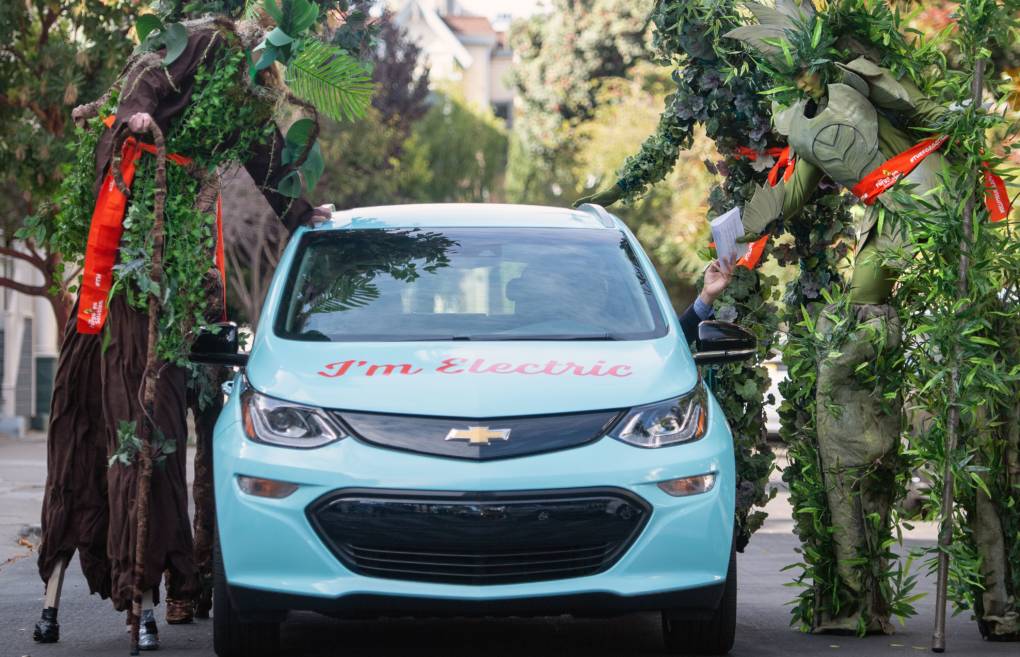
"caption": "On the final day of the Global Climate Action Summit, people dressed as trees hand a letter to a driver in an electric car who will travel across the country to New York City to hand deliver it to the Secretary-General of the United Nations. ",
"description": "On the final day of the Global Climate Action Summit, people dressed as trees hand a letter to a driver in an electric car who will travel across the country to New York City to hand deliver it to the Secretary-General of the United Nations. ",
"title": "US-ENVIRONMENT-CALIFORNIA-CLIMATE",
"credit": "Josh Edelson/AFP/Getty Images)",
"status": "inherit",
"isLoading": false,
"fetchFailed": false
},
"science_1930978": {
"type": "attachments",
"id": "science_1930978",
"meta": {
"index": "attachments_1716263798",
"site": "science",
"id": "1930978",
"found": true
},
"parent": 1930972,
"imgSizes": {
"small": {
"file": "https://ww2.kqed.org/app/uploads/sites/35/2018/09/solar-roof-520x293.jpg",
"width": 520,
"mimeType": "image/jpeg",
"height": 293
},
"twentyfourteen-full-width": {
"file": "https://ww2.kqed.org/app/uploads/sites/35/2018/09/solar-roof-1038x576.jpg",
"width": 1038,
"mimeType": "image/jpeg",
"height": 576
},
"thumbnail": {
"file": "https://ww2.kqed.org/app/uploads/sites/35/2018/09/solar-roof-160x90.jpg",
"width": 160,
"mimeType": "image/jpeg",
"height": 90
},
"fd-sm": {
"file": "https://ww2.kqed.org/app/uploads/sites/35/2018/09/solar-roof-960x540.jpg",
"width": 960,
"mimeType": "image/jpeg",
"height": 540
},
"post-thumbnail": {
"file": "https://ww2.kqed.org/app/uploads/sites/35/2018/09/solar-roof-672x372.jpg",
"width": 672,
"mimeType": "image/jpeg",
"height": 372
},
"xsmall": {
"file": "https://ww2.kqed.org/app/uploads/sites/35/2018/09/solar-roof-375x211.jpg",
"width": 375,
"mimeType": "image/jpeg",
"height": 211
},
"kqedFullSize": {
"file": "https://ww2.kqed.org/app/uploads/sites/35/2018/09/solar-roof.jpg",
"width": 1920,
"height": 1080
},
"large": {
"file": "https://ww2.kqed.org/app/uploads/sites/35/2018/09/solar-roof-1020x574.jpg",
"width": 1020,
"mimeType": "image/jpeg",
"height": 574
},
"xlarge": {
"file": "https://ww2.kqed.org/app/uploads/sites/35/2018/09/solar-roof-1180x664.jpg",
"width": 1180,
"mimeType": "image/jpeg",
"height": 664
},
"complete_open_graph": {
"file": "https://ww2.kqed.org/app/uploads/sites/35/2018/09/solar-roof-1200x675.jpg",
"width": 1200,
"mimeType": "image/jpeg",
"height": 675
},
"guest-author-50": {
"file": "https://ww2.kqed.org/app/uploads/sites/35/2018/09/solar-roof-50x50.jpg",
"width": 50,
"mimeType": "image/jpeg",
"height": 50
},
"guest-author-96": {
"file": "https://ww2.kqed.org/app/uploads/sites/35/2018/09/solar-roof-96x96.jpg",
"width": 96,
"mimeType": "image/jpeg",
"height": 96
},
"medium": {
"file": "https://ww2.kqed.org/app/uploads/sites/35/2018/09/solar-roof-800x450.jpg",
"width": 800,
"mimeType": "image/jpeg",
"height": 450
},
"guest-author-64": {
"file": "https://ww2.kqed.org/app/uploads/sites/35/2018/09/solar-roof-64x64.jpg",
"width": 64,
"mimeType": "image/jpeg",
"height": 64
},
"guest-author-32": {
"file": "https://ww2.kqed.org/app/uploads/sites/35/2018/09/solar-roof-32x32.jpg",
"width": 32,
"mimeType": "image/jpeg",
"height": 32
},
"fd-lrg": {
"file": "https://ww2.kqed.org/app/uploads/sites/35/2018/09/solar-roof-1920x1080.jpg",
"width": 1920,
"mimeType": "image/jpeg",
"height": 1080
},
"fd-med": {
"file": "https://ww2.kqed.org/app/uploads/sites/35/2018/09/solar-roof-1180x664.jpg",
"width": 1180,
"mimeType": "image/jpeg",
"height": 664
},
"full-width": {
"file": "https://ww2.kqed.org/app/uploads/sites/35/2018/09/solar-roof-1920x1080.jpg",
"width": 1920,
"mimeType": "image/jpeg",
"height": 1080
},
"detail": {
"file": "https://ww2.kqed.org/app/uploads/sites/35/2018/09/solar-roof-150x150.jpg",
"width": 150,
"mimeType": "image/jpeg",
"height": 150
},
"medium_large": {
"file": "https://ww2.kqed.org/app/uploads/sites/35/2018/09/solar-roof-768x432.jpg",
"width": 768,
"mimeType": "image/jpeg",
"height": 432
},
"guest-author-128": {
"file": "https://ww2.kqed.org/app/uploads/sites/35/2018/09/solar-roof-128x128.jpg",
"width": 128,
"mimeType": "image/jpeg",
"height": 128
},
"xxsmall": {
"file": "https://ww2.kqed.org/app/uploads/sites/35/2018/09/solar-roof-240x135.jpg",
"width": 240,
"mimeType": "image/jpeg",
"height": 135
}
},
"publishDate": 1536599035,
"modified": 1536599075,
"caption": "Workers install rooftop solar panels in Vallejo, California.",
"description": null,
"title": "SOLARPANELS",
"credit": "Lauren Hanussak/KQED",
"status": "inherit",
"isLoading": false,
"fetchFailed": false
},
"science_1930823": {
"type": "attachments",
"id": "science_1930823",
"meta": {
"index": "attachments_1716263798",
"site": "science",
"id": "1930823",
"found": true
},
"parent": 1930643,
"imgSizes": {
"small": {
"file": "https://ww2.kqed.org/app/uploads/sites/35/2018/09/RS4911_Lyell_Stock_p92-520x345.jpg",
"width": 520,
"mimeType": "image/jpeg",
"height": 345
},
"twentyfourteen-full-width": {
"file": "https://ww2.kqed.org/app/uploads/sites/35/2018/09/RS4911_Lyell_Stock_p92-1038x576.jpg",
"width": 1038,
"mimeType": "image/jpeg",
"height": 576
},
"thumbnail": {
"file": "https://ww2.kqed.org/app/uploads/sites/35/2018/09/RS4911_Lyell_Stock_p92-160x106.jpg",
"width": 160,
"mimeType": "image/jpeg",
"height": 106
},
"fd-sm": {
"file": "https://ww2.kqed.org/app/uploads/sites/35/2018/09/RS4911_Lyell_Stock_p92-960x636.jpg",
"width": 960,
"mimeType": "image/jpeg",
"height": 636
},
"post-thumbnail": {
"file": "https://ww2.kqed.org/app/uploads/sites/35/2018/09/RS4911_Lyell_Stock_p92-672x372.jpg",
"width": 672,
"mimeType": "image/jpeg",
"height": 372
},
"xsmall": {
"file": "https://ww2.kqed.org/app/uploads/sites/35/2018/09/RS4911_Lyell_Stock_p92-375x249.jpg",
"width": 375,
"mimeType": "image/jpeg",
"height": 249
},
"kqedFullSize": {
"file": "https://ww2.kqed.org/app/uploads/sites/35/2018/09/RS4911_Lyell_Stock_p92.jpg",
"width": 1207,
"height": 800
},
"large": {
"file": "https://ww2.kqed.org/app/uploads/sites/35/2018/09/RS4911_Lyell_Stock_p92-1020x676.jpg",
"width": 1020,
"mimeType": "image/jpeg",
"height": 676
},
"xlarge": {
"file": "https://ww2.kqed.org/app/uploads/sites/35/2018/09/RS4911_Lyell_Stock_p92-1180x782.jpg",
"width": 1180,
"mimeType": "image/jpeg",
"height": 782
},
"complete_open_graph": {
"file": "https://ww2.kqed.org/app/uploads/sites/35/2018/09/RS4911_Lyell_Stock_p92-1200x795.jpg",
"width": 1200,
"mimeType": "image/jpeg",
"height": 795
},
"guest-author-50": {
"file": "https://ww2.kqed.org/app/uploads/sites/35/2018/09/RS4911_Lyell_Stock_p92-50x50.jpg",
"width": 50,
"mimeType": "image/jpeg",
"height": 50
},
"guest-author-96": {
"file": "https://ww2.kqed.org/app/uploads/sites/35/2018/09/RS4911_Lyell_Stock_p92-96x96.jpg",
"width": 96,
"mimeType": "image/jpeg",
"height": 96
},
"medium": {
"file": "https://ww2.kqed.org/app/uploads/sites/35/2018/09/RS4911_Lyell_Stock_p92-800x530.jpg",
"width": 800,
"mimeType": "image/jpeg",
"height": 530
},
"guest-author-64": {
"file": "https://ww2.kqed.org/app/uploads/sites/35/2018/09/RS4911_Lyell_Stock_p92-64x64.jpg",
"width": 64,
"mimeType": "image/jpeg",
"height": 64
},
"guest-author-32": {
"file": "https://ww2.kqed.org/app/uploads/sites/35/2018/09/RS4911_Lyell_Stock_p92-32x32.jpg",
"width": 32,
"mimeType": "image/jpeg",
"height": 32
},
"fd-med": {
"file": "https://ww2.kqed.org/app/uploads/sites/35/2018/09/RS4911_Lyell_Stock_p92-1180x782.jpg",
"width": 1180,
"mimeType": "image/jpeg",
"height": 782
},
"detail": {
"file": "https://ww2.kqed.org/app/uploads/sites/35/2018/09/RS4911_Lyell_Stock_p92-150x150.jpg",
"width": 150,
"mimeType": "image/jpeg",
"height": 150
},
"medium_large": {
"file": "https://ww2.kqed.org/app/uploads/sites/35/2018/09/RS4911_Lyell_Stock_p92-768x509.jpg",
"width": 768,
"mimeType": "image/jpeg",
"height": 509
},
"guest-author-128": {
"file": "https://ww2.kqed.org/app/uploads/sites/35/2018/09/RS4911_Lyell_Stock_p92-128x128.jpg",
"width": 128,
"mimeType": "image/jpeg",
"height": 128
},
"xxsmall": {
"file": "https://ww2.kqed.org/app/uploads/sites/35/2018/09/RS4911_Lyell_Stock_p92-240x159.jpg",
"width": 240,
"mimeType": "image/jpeg",
"height": 159
}
},
"publishDate": 1536266687,
"modified": 1536266789,
"caption": "Yosemite National Park geologist Greg Stock on the Lyell Glacier, in 2010. Nearly all of California's glaciers have been shrinking from higher temperatures.",
"description": "Yosemite National Park geologist Greg Stock on the Lyell Glacier, in 2010.",
"title": "RS4911_Lyell_Stock_p92",
"credit": "Tim Palmer/Heyday",
"status": "inherit",
"isLoading": false,
"fetchFailed": false
},
"science_1928056": {
"type": "attachments",
"id": "science_1928056",
"meta": {
"index": "attachments_1716263798",
"site": "science",
"id": "1928056",
"found": true
},
"parent": 1926500,
"imgSizes": {
"small": {
"file": "https://ww2.kqed.org/app/uploads/sites/35/2018/07/1280px-Achillea_millefolium_bloem-520x390.jpg",
"width": 520,
"mimeType": "image/jpeg",
"height": 390
},
"twentyfourteen-full-width": {
"file": "https://ww2.kqed.org/app/uploads/sites/35/2018/07/1280px-Achillea_millefolium_bloem-1038x576.jpg",
"width": 1038,
"mimeType": "image/jpeg",
"height": 576
},
"thumbnail": {
"file": "https://ww2.kqed.org/app/uploads/sites/35/2018/07/1280px-Achillea_millefolium_bloem-160x120.jpg",
"width": 160,
"mimeType": "image/jpeg",
"height": 120
},
"fd-sm": {
"file": "https://ww2.kqed.org/app/uploads/sites/35/2018/07/1280px-Achillea_millefolium_bloem-960x720.jpg",
"width": 960,
"mimeType": "image/jpeg",
"height": 720
},
"post-thumbnail": {
"file": "https://ww2.kqed.org/app/uploads/sites/35/2018/07/1280px-Achillea_millefolium_bloem-672x372.jpg",
"width": 672,
"mimeType": "image/jpeg",
"height": 372
},
"xsmall": {
"file": "https://ww2.kqed.org/app/uploads/sites/35/2018/07/1280px-Achillea_millefolium_bloem-375x281.jpg",
"width": 375,
"mimeType": "image/jpeg",
"height": 281
},
"kqedFullSize": {
"file": "https://ww2.kqed.org/app/uploads/sites/35/2018/07/1280px-Achillea_millefolium_bloem.jpg",
"width": 1280,
"height": 960
},
"large": {
"file": "https://ww2.kqed.org/app/uploads/sites/35/2018/07/1280px-Achillea_millefolium_bloem-1020x765.jpg",
"width": 1020,
"mimeType": "image/jpeg",
"height": 765
},
"xlarge": {
"file": "https://ww2.kqed.org/app/uploads/sites/35/2018/07/1280px-Achillea_millefolium_bloem-1180x885.jpg",
"width": 1180,
"mimeType": "image/jpeg",
"height": 885
},
"complete_open_graph": {
"file": "https://ww2.kqed.org/app/uploads/sites/35/2018/07/1280px-Achillea_millefolium_bloem-1200x900.jpg",
"width": 1200,
"mimeType": "image/jpeg",
"height": 900
},
"guest-author-50": {
"file": "https://ww2.kqed.org/app/uploads/sites/35/2018/07/1280px-Achillea_millefolium_bloem-50x50.jpg",
"width": 50,
"mimeType": "image/jpeg",
"height": 50
},
"guest-author-96": {
"file": "https://ww2.kqed.org/app/uploads/sites/35/2018/07/1280px-Achillea_millefolium_bloem-96x96.jpg",
"width": 96,
"mimeType": "image/jpeg",
"height": 96
},
"medium": {
"file": "https://ww2.kqed.org/app/uploads/sites/35/2018/07/1280px-Achillea_millefolium_bloem-800x600.jpg",
"width": 800,
"mimeType": "image/jpeg",
"height": 600
},
"guest-author-64": {
"file": "https://ww2.kqed.org/app/uploads/sites/35/2018/07/1280px-Achillea_millefolium_bloem-64x64.jpg",
"width": 64,
"mimeType": "image/jpeg",
"height": 64
},
"guest-author-32": {
"file": "https://ww2.kqed.org/app/uploads/sites/35/2018/07/1280px-Achillea_millefolium_bloem-32x32.jpg",
"width": 32,
"mimeType": "image/jpeg",
"height": 32
},
"fd-med": {
"file": "https://ww2.kqed.org/app/uploads/sites/35/2018/07/1280px-Achillea_millefolium_bloem-1180x885.jpg",
"width": 1180,
"mimeType": "image/jpeg",
"height": 885
},
"detail": {
"file": "https://ww2.kqed.org/app/uploads/sites/35/2018/07/1280px-Achillea_millefolium_bloem-150x150.jpg",
"width": 150,
"mimeType": "image/jpeg",
"height": 150
},
"medium_large": {
"file": "https://ww2.kqed.org/app/uploads/sites/35/2018/07/1280px-Achillea_millefolium_bloem-768x576.jpg",
"width": 768,
"mimeType": "image/jpeg",
"height": 576
},
"guest-author-128": {
"file": "https://ww2.kqed.org/app/uploads/sites/35/2018/07/1280px-Achillea_millefolium_bloem-128x128.jpg",
"width": 128,
"mimeType": "image/jpeg",
"height": 128
},
"xxsmall": {
"file": "https://ww2.kqed.org/app/uploads/sites/35/2018/07/1280px-Achillea_millefolium_bloem-240x180.jpg",
"width": 240,
"mimeType": "image/jpeg",
"height": 180
}
},
"publishDate": 1532628980,
"modified": 1532629240,
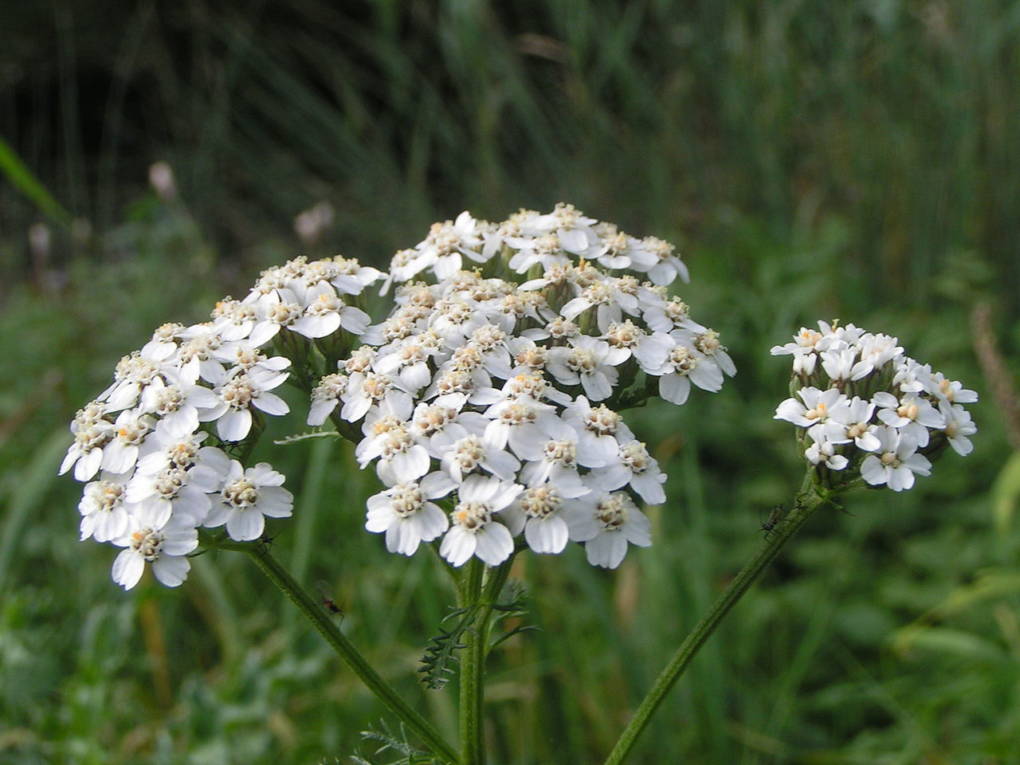
"caption": "Common Yarrow (Achillea millefolium), one of the plants selected for 'Future Garden,' attracts predatory insects that feed on botanical pests. It is also credited with stopping bleeding and inhibiting bacterial growth.",
"description": null,
"title": "1280px-Achillea_millefolium_bloem",
"credit": "\u003ca href=\"https://nl.wikipedia.org/wiki/User:Pethan\">Pethan\u003c/a>",
"status": "inherit",
"isLoading": false,
"fetchFailed": false
},
"science_1929799": {
"type": "attachments",
"id": "science_1929799",
"meta": {
"index": "attachments_1716263798",
"site": "science",
"id": "1929799",
"found": true
},
"parent": 1929784,
"imgSizes": {
"small": {
"file": "https://ww2.kqed.org/app/uploads/sites/35/2018/08/8_15_18_Upton_KQED_CentralValley1-520x292.jpg",
"width": 520,
"mimeType": "image/jpeg",
"height": 292
},
"twentyfourteen-full-width": {
"file": "https://ww2.kqed.org/app/uploads/sites/35/2018/08/8_15_18_Upton_KQED_CentralValley1-1038x576.jpg",
"width": 1038,
"mimeType": "image/jpeg",
"height": 576
},
"thumbnail": {
"file": "https://ww2.kqed.org/app/uploads/sites/35/2018/08/8_15_18_Upton_KQED_CentralValley1-160x90.jpg",
"width": 160,
"mimeType": "image/jpeg",
"height": 90
},
"fd-sm": {
"file": "https://ww2.kqed.org/app/uploads/sites/35/2018/08/8_15_18_Upton_KQED_CentralValley1-960x539.jpg",
"width": 960,
"mimeType": "image/jpeg",
"height": 539
},
"post-thumbnail": {
"file": "https://ww2.kqed.org/app/uploads/sites/35/2018/08/8_15_18_Upton_KQED_CentralValley1-672x372.jpg",
"width": 672,
"mimeType": "image/jpeg",
"height": 372
},
"xsmall": {
"file": "https://ww2.kqed.org/app/uploads/sites/35/2018/08/8_15_18_Upton_KQED_CentralValley1-375x211.jpg",
"width": 375,
"mimeType": "image/jpeg",
"height": 211
},
"kqedFullSize": {
"file": "https://ww2.kqed.org/app/uploads/sites/35/2018/08/8_15_18_Upton_KQED_CentralValley1.jpg",
"width": 1200,
"height": 674
},
"large": {
"file": "https://ww2.kqed.org/app/uploads/sites/35/2018/08/8_15_18_Upton_KQED_CentralValley1-1020x573.jpg",
"width": 1020,
"mimeType": "image/jpeg",
"height": 573
},
"xlarge": {
"file": "https://ww2.kqed.org/app/uploads/sites/35/2018/08/8_15_18_Upton_KQED_CentralValley1-1180x663.jpg",
"width": 1180,
"mimeType": "image/jpeg",
"height": 663
},
"complete_open_graph": {
"file": "https://ww2.kqed.org/app/uploads/sites/35/2018/08/8_15_18_Upton_KQED_CentralValley1-1200x674.jpg",
"width": 1200,
"mimeType": "image/jpeg",
"height": 674
},
"guest-author-50": {
"file": "https://ww2.kqed.org/app/uploads/sites/35/2018/08/8_15_18_Upton_KQED_CentralValley1-50x50.jpg",
"width": 50,
"mimeType": "image/jpeg",
"height": 50
},
"guest-author-96": {
"file": "https://ww2.kqed.org/app/uploads/sites/35/2018/08/8_15_18_Upton_KQED_CentralValley1-96x96.jpg",
"width": 96,
"mimeType": "image/jpeg",
"height": 96
},
"medium": {
"file": "https://ww2.kqed.org/app/uploads/sites/35/2018/08/8_15_18_Upton_KQED_CentralValley1-800x449.jpg",
"width": 800,
"mimeType": "image/jpeg",
"height": 449
},
"guest-author-64": {
"file": "https://ww2.kqed.org/app/uploads/sites/35/2018/08/8_15_18_Upton_KQED_CentralValley1-64x64.jpg",
"width": 64,
"mimeType": "image/jpeg",
"height": 64
},
"guest-author-32": {
"file": "https://ww2.kqed.org/app/uploads/sites/35/2018/08/8_15_18_Upton_KQED_CentralValley1-32x32.jpg",
"width": 32,
"mimeType": "image/jpeg",
"height": 32
},
"fd-med": {
"file": "https://ww2.kqed.org/app/uploads/sites/35/2018/08/8_15_18_Upton_KQED_CentralValley1-1180x663.jpg",
"width": 1180,
"mimeType": "image/jpeg",
"height": 663
},
"detail": {
"file": "https://ww2.kqed.org/app/uploads/sites/35/2018/08/8_15_18_Upton_KQED_CentralValley1-150x150.jpg",
"width": 150,
"mimeType": "image/jpeg",
"height": 150
},
"medium_large": {
"file": "https://ww2.kqed.org/app/uploads/sites/35/2018/08/8_15_18_Upton_KQED_CentralValley1-768x431.jpg",
"width": 768,
"mimeType": "image/jpeg",
"height": 431
},
"guest-author-128": {
"file": "https://ww2.kqed.org/app/uploads/sites/35/2018/08/8_15_18_Upton_KQED_CentralValley1-128x128.jpg",
"width": 128,
"mimeType": "image/jpeg",
"height": 128
},
"xxsmall": {
"file": "https://ww2.kqed.org/app/uploads/sites/35/2018/08/8_15_18_Upton_KQED_CentralValley1-240x135.jpg",
"width": 240,
"mimeType": "image/jpeg",
"height": 135
}
},
"publishDate": 1534281072,
"modified": 1534284281,
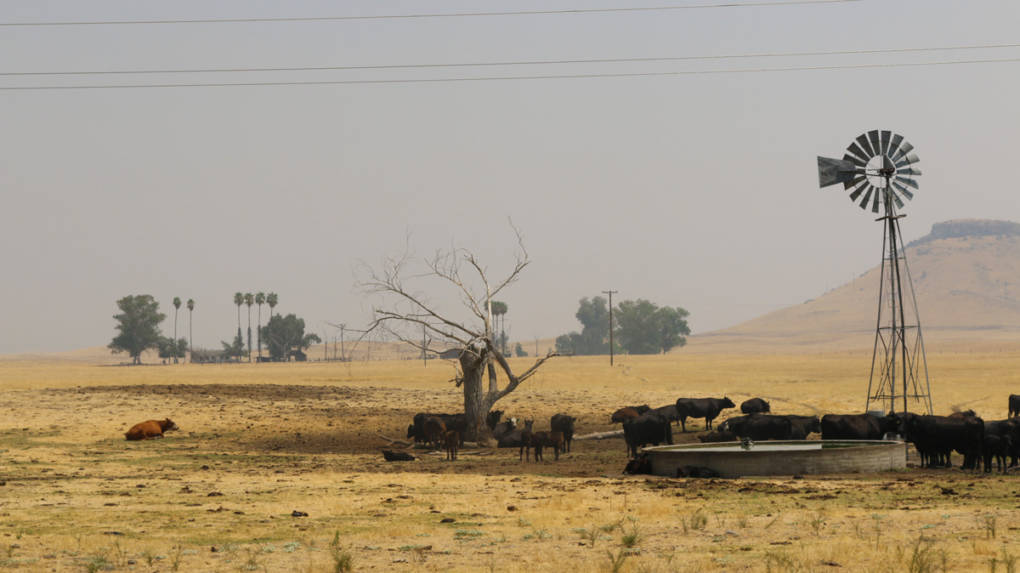
"caption": "Cows graze in a smoky field north of Fresno. Smoke from the nearby Ferguson fire and other blazes burning throughout the state has drifted and settled into the Central Valley.",
"description": "Cows graze in a smoky field north of Fresno. Smoke from the nearby Ferguson fire and other blazes burning throughout the state has drifted and settled into the Central Valley.",
"title": "8_15_18_Upton_KQED_CentralValley[1]",
"credit": "Alex Hall/KQED",
"status": "inherit",
"isLoading": false,
"fetchFailed": false
},
"science_1928401": {
"type": "attachments",
"id": "science_1928401",
"meta": {
"index": "attachments_1716263798",
"site": "science",
"id": "1928401",
"found": true
},
"parent": 1928390,
"imgSizes": {
"small": {
"file": "https://ww2.kqed.org/app/uploads/sites/35/2018/07/IMG_0609-520x390.jpg",
"width": 520,
"mimeType": "image/jpeg",
"height": 390
},
"twentyfourteen-full-width": {
"file": "https://ww2.kqed.org/app/uploads/sites/35/2018/07/IMG_0609-1038x576.jpg",
"width": 1038,
"mimeType": "image/jpeg",
"height": 576
},
"thumbnail": {
"file": "https://ww2.kqed.org/app/uploads/sites/35/2018/07/IMG_0609-160x120.jpg",
"width": 160,
"mimeType": "image/jpeg",
"height": 120
},
"fd-sm": {
"file": "https://ww2.kqed.org/app/uploads/sites/35/2018/07/IMG_0609-960x720.jpg",
"width": 960,
"mimeType": "image/jpeg",
"height": 720
},
"post-thumbnail": {
"file": "https://ww2.kqed.org/app/uploads/sites/35/2018/07/IMG_0609-672x372.jpg",
"width": 672,
"mimeType": "image/jpeg",
"height": 372
},
"xsmall": {
"file": "https://ww2.kqed.org/app/uploads/sites/35/2018/07/IMG_0609-375x281.jpg",
"width": 375,
"mimeType": "image/jpeg",
"height": 281
},
"kqedFullSize": {
"file": "https://ww2.kqed.org/app/uploads/sites/35/2018/07/IMG_0609.jpg",
"width": 2000,
"height": 1500
},
"large": {
"file": "https://ww2.kqed.org/app/uploads/sites/35/2018/07/IMG_0609-1020x765.jpg",
"width": 1020,
"mimeType": "image/jpeg",
"height": 765
},
"xlarge": {
"file": "https://ww2.kqed.org/app/uploads/sites/35/2018/07/IMG_0609-1180x885.jpg",
"width": 1180,
"mimeType": "image/jpeg",
"height": 885
},
"complete_open_graph": {
"file": "https://ww2.kqed.org/app/uploads/sites/35/2018/07/IMG_0609-1200x900.jpg",
"width": 1200,
"mimeType": "image/jpeg",
"height": 900
},
"guest-author-50": {
"file": "https://ww2.kqed.org/app/uploads/sites/35/2018/07/IMG_0609-50x50.jpg",
"width": 50,
"mimeType": "image/jpeg",
"height": 50
},
"guest-author-96": {
"file": "https://ww2.kqed.org/app/uploads/sites/35/2018/07/IMG_0609-96x96.jpg",
"width": 96,
"mimeType": "image/jpeg",
"height": 96
},
"medium": {
"file": "https://ww2.kqed.org/app/uploads/sites/35/2018/07/IMG_0609-800x600.jpg",
"width": 800,
"mimeType": "image/jpeg",
"height": 600
},
"guest-author-64": {
"file": "https://ww2.kqed.org/app/uploads/sites/35/2018/07/IMG_0609-64x64.jpg",
"width": 64,
"mimeType": "image/jpeg",
"height": 64
},
"guest-author-32": {
"file": "https://ww2.kqed.org/app/uploads/sites/35/2018/07/IMG_0609-32x32.jpg",
"width": 32,
"mimeType": "image/jpeg",
"height": 32
},
"fd-lrg": {
"file": "https://ww2.kqed.org/app/uploads/sites/35/2018/07/IMG_0609-1920x1440.jpg",
"width": 1920,
"mimeType": "image/jpeg",
"height": 1440
},
"fd-med": {
"file": "https://ww2.kqed.org/app/uploads/sites/35/2018/07/IMG_0609-1180x885.jpg",
"width": 1180,
"mimeType": "image/jpeg",
"height": 885
},
"full-width": {
"file": "https://ww2.kqed.org/app/uploads/sites/35/2018/07/IMG_0609-1920x1440.jpg",
"width": 1920,
"mimeType": "image/jpeg",
"height": 1440
},
"detail": {
"file": "https://ww2.kqed.org/app/uploads/sites/35/2018/07/IMG_0609-150x150.jpg",
"width": 150,
"mimeType": "image/jpeg",
"height": 150
},
"medium_large": {
"file": "https://ww2.kqed.org/app/uploads/sites/35/2018/07/IMG_0609-768x576.jpg",
"width": 768,
"mimeType": "image/jpeg",
"height": 576
},
"guest-author-128": {
"file": "https://ww2.kqed.org/app/uploads/sites/35/2018/07/IMG_0609-128x128.jpg",
"width": 128,
"mimeType": "image/jpeg",
"height": 128
},
"xxsmall": {
"file": "https://ww2.kqed.org/app/uploads/sites/35/2018/07/IMG_0609-240x180.jpg",
"width": 240,
"mimeType": "image/jpeg",
"height": 180
}
},
"publishDate": 1533082826,
"modified": 1533097967,
"caption": "Near the Carr Fire, Jackson Yip prepares to launch a weather balloon from the SJSU Fire Weather Research Lab's mobile unit.",
"description": "Near the Carr Fire, Jackson Yip prepares to launch a weather balloon from the SJSU Fire Weather Research Lab's mobile unit.",
"title": "wildfire",
"credit": "Craig Miller/KQED",
"status": "inherit",
"isLoading": false,
"fetchFailed": false
},
"science_1928231": {
"type": "attachments",
"id": "science_1928231",
"meta": {
"index": "attachments_1716263798",
"site": "science",
"id": "1928231",
"found": true
},
"parent": 1928143,
"imgSizes": {
"small": {
"file": "https://ww2.kqed.org/app/uploads/sites/35/2018/07/RS32077_IMG_1096-qut-520x347.jpg",
"width": 520,
"mimeType": "image/jpeg",
"height": 347
},
"twentyfourteen-full-width": {
"file": "https://ww2.kqed.org/app/uploads/sites/35/2018/07/RS32077_IMG_1096-qut-1038x576.jpg",
"width": 1038,
"mimeType": "image/jpeg",
"height": 576
},
"thumbnail": {
"file": "https://ww2.kqed.org/app/uploads/sites/35/2018/07/RS32077_IMG_1096-qut-160x107.jpg",
"width": 160,
"mimeType": "image/jpeg",
"height": 107
},
"fd-sm": {
"file": "https://ww2.kqed.org/app/uploads/sites/35/2018/07/RS32077_IMG_1096-qut-960x640.jpg",
"width": 960,
"mimeType": "image/jpeg",
"height": 640
},
"post-thumbnail": {
"file": "https://ww2.kqed.org/app/uploads/sites/35/2018/07/RS32077_IMG_1096-qut-672x372.jpg",
"width": 672,
"mimeType": "image/jpeg",
"height": 372
},
"xsmall": {
"file": "https://ww2.kqed.org/app/uploads/sites/35/2018/07/RS32077_IMG_1096-qut-375x250.jpg",
"width": 375,
"mimeType": "image/jpeg",
"height": 250
},
"kqedFullSize": {
"file": "https://ww2.kqed.org/app/uploads/sites/35/2018/07/RS32077_IMG_1096-qut.jpg",
"width": 1920,
"height": 1280
},
"large": {
"file": "https://ww2.kqed.org/app/uploads/sites/35/2018/07/RS32077_IMG_1096-qut-1020x680.jpg",
"width": 1020,
"mimeType": "image/jpeg",
"height": 680
},
"xlarge": {
"file": "https://ww2.kqed.org/app/uploads/sites/35/2018/07/RS32077_IMG_1096-qut-1180x787.jpg",
"width": 1180,
"mimeType": "image/jpeg",
"height": 787
},
"complete_open_graph": {
"file": "https://ww2.kqed.org/app/uploads/sites/35/2018/07/RS32077_IMG_1096-qut-1200x800.jpg",
"width": 1200,
"mimeType": "image/jpeg",
"height": 800
},
"guest-author-50": {
"file": "https://ww2.kqed.org/app/uploads/sites/35/2018/07/RS32077_IMG_1096-qut-50x50.jpg",
"width": 50,
"mimeType": "image/jpeg",
"height": 50
},
"guest-author-96": {
"file": "https://ww2.kqed.org/app/uploads/sites/35/2018/07/RS32077_IMG_1096-qut-96x96.jpg",
"width": 96,
"mimeType": "image/jpeg",
"height": 96
},
"medium": {
"file": "https://ww2.kqed.org/app/uploads/sites/35/2018/07/RS32077_IMG_1096-qut-800x533.jpg",
"width": 800,
"mimeType": "image/jpeg",
"height": 533
},
"guest-author-64": {
"file": "https://ww2.kqed.org/app/uploads/sites/35/2018/07/RS32077_IMG_1096-qut-64x64.jpg",
"width": 64,
"mimeType": "image/jpeg",
"height": 64
},
"guest-author-32": {
"file": "https://ww2.kqed.org/app/uploads/sites/35/2018/07/RS32077_IMG_1096-qut-32x32.jpg",
"width": 32,
"mimeType": "image/jpeg",
"height": 32
},
"fd-lrg": {
"file": "https://ww2.kqed.org/app/uploads/sites/35/2018/07/RS32077_IMG_1096-qut-1920x1280.jpg",
"width": 1920,
"mimeType": "image/jpeg",
"height": 1280
},
"fd-med": {
"file": "https://ww2.kqed.org/app/uploads/sites/35/2018/07/RS32077_IMG_1096-qut-1180x787.jpg",
"width": 1180,
"mimeType": "image/jpeg",
"height": 787
},
"full-width": {
"file": "https://ww2.kqed.org/app/uploads/sites/35/2018/07/RS32077_IMG_1096-qut-1920x1280.jpg",
"width": 1920,
"mimeType": "image/jpeg",
"height": 1280
},
"detail": {
"file": "https://ww2.kqed.org/app/uploads/sites/35/2018/07/RS32077_IMG_1096-qut-150x150.jpg",
"width": 150,
"mimeType": "image/jpeg",
"height": 150
},
"medium_large": {
"file": "https://ww2.kqed.org/app/uploads/sites/35/2018/07/RS32077_IMG_1096-qut-768x512.jpg",
"width": 768,
"mimeType": "image/jpeg",
"height": 512
},
"guest-author-128": {
"file": "https://ww2.kqed.org/app/uploads/sites/35/2018/07/RS32077_IMG_1096-qut-128x128.jpg",
"width": 128,
"mimeType": "image/jpeg",
"height": 128
},
"xxsmall": {
"file": "https://ww2.kqed.org/app/uploads/sites/35/2018/07/RS32077_IMG_1096-qut-240x160.jpg",
"width": 240,
"mimeType": "image/jpeg",
"height": 160
}
},
"publishDate": 1532966878,
"modified": 1532966973,
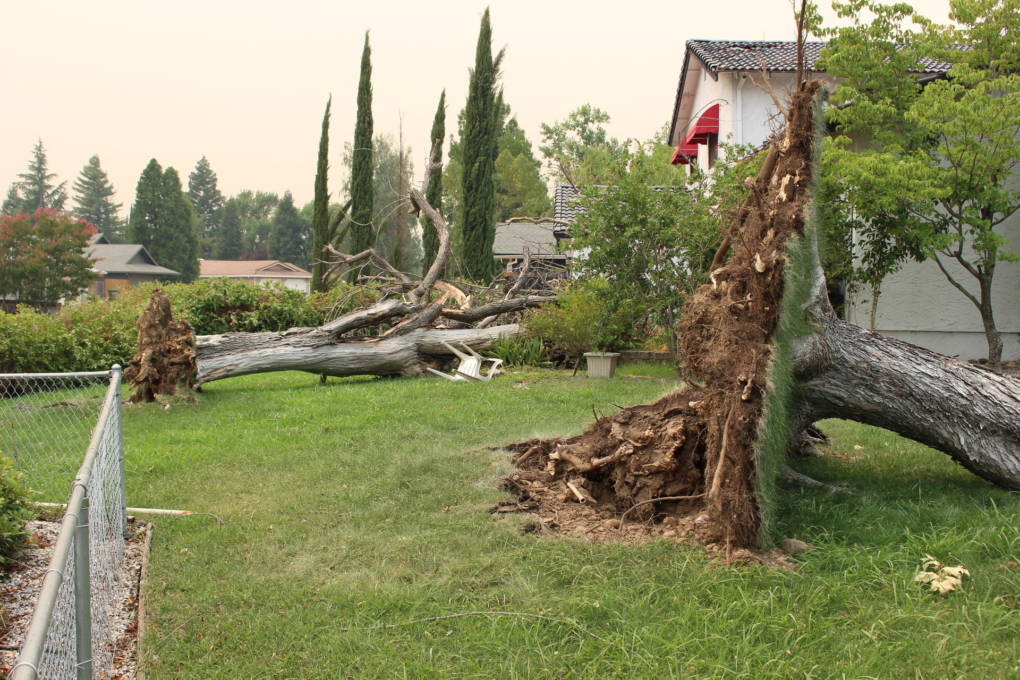
"caption": "Trees uprooted outside the burn zone by fierce winds around the Carr Fire.",
"description": "Trees uprooted by fierce winds around the Carr Fire.",
"title": "RS32077_IMG_1096-qut",
"credit": "Danielle Venton/KQED",
"status": "inherit",
"isLoading": false,
"fetchFailed": false
},
"science_1927714": {
"type": "attachments",
"id": "science_1927714",
"meta": {
"index": "attachments_1716263798",
"site": "science",
"id": "1927714",
"found": true
},
"parent": 1927711,
"imgSizes": {
"small": {
"file": "https://ww2.kqed.org/app/uploads/sites/35/2018/07/news_release_shasta_dam-web-520x342.jpg",
"width": 520,
"mimeType": "image/jpeg",
"height": 342
},
"twentyfourteen-full-width": {
"file": "https://ww2.kqed.org/app/uploads/sites/35/2018/07/news_release_shasta_dam-web-1038x576.jpg",
"width": 1038,
"mimeType": "image/jpeg",
"height": 576
},
"thumbnail": {
"file": "https://ww2.kqed.org/app/uploads/sites/35/2018/07/news_release_shasta_dam-web-160x105.jpg",
"width": 160,
"mimeType": "image/jpeg",
"height": 105
},
"fd-sm": {
"file": "https://ww2.kqed.org/app/uploads/sites/35/2018/07/news_release_shasta_dam-web-960x632.jpg",
"width": 960,
"mimeType": "image/jpeg",
"height": 632
},
"post-thumbnail": {
"file": "https://ww2.kqed.org/app/uploads/sites/35/2018/07/news_release_shasta_dam-web-672x372.jpg",
"width": 672,
"mimeType": "image/jpeg",
"height": 372
},
"xsmall": {
"file": "https://ww2.kqed.org/app/uploads/sites/35/2018/07/news_release_shasta_dam-web-375x247.jpg",
"width": 375,
"mimeType": "image/jpeg",
"height": 247
},
"kqedFullSize": {
"file": "https://ww2.kqed.org/app/uploads/sites/35/2018/07/news_release_shasta_dam-web.jpg",
"width": 1920,
"height": 1263
},
"large": {
"file": "https://ww2.kqed.org/app/uploads/sites/35/2018/07/news_release_shasta_dam-web-1020x671.jpg",
"width": 1020,
"mimeType": "image/jpeg",
"height": 671
},
"xlarge": {
"file": "https://ww2.kqed.org/app/uploads/sites/35/2018/07/news_release_shasta_dam-web-1180x776.jpg",
"width": 1180,
"mimeType": "image/jpeg",
"height": 776
},
"complete_open_graph": {
"file": "https://ww2.kqed.org/app/uploads/sites/35/2018/07/news_release_shasta_dam-web-1200x789.jpg",
"width": 1200,
"mimeType": "image/jpeg",
"height": 789
},
"guest-author-50": {
"file": "https://ww2.kqed.org/app/uploads/sites/35/2018/07/news_release_shasta_dam-web-50x50.jpg",
"width": 50,
"mimeType": "image/jpeg",
"height": 50
},
"guest-author-96": {
"file": "https://ww2.kqed.org/app/uploads/sites/35/2018/07/news_release_shasta_dam-web-96x96.jpg",
"width": 96,
"mimeType": "image/jpeg",
"height": 96
},
"medium": {
"file": "https://ww2.kqed.org/app/uploads/sites/35/2018/07/news_release_shasta_dam-web-800x526.jpg",
"width": 800,
"mimeType": "image/jpeg",
"height": 526
},
"guest-author-64": {
"file": "https://ww2.kqed.org/app/uploads/sites/35/2018/07/news_release_shasta_dam-web-64x64.jpg",
"width": 64,
"mimeType": "image/jpeg",
"height": 64
},
"guest-author-32": {
"file": "https://ww2.kqed.org/app/uploads/sites/35/2018/07/news_release_shasta_dam-web-32x32.jpg",
"width": 32,
"mimeType": "image/jpeg",
"height": 32
},
"fd-lrg": {
"file": "https://ww2.kqed.org/app/uploads/sites/35/2018/07/news_release_shasta_dam-web-1920x1263.jpg",
"width": 1920,
"mimeType": "image/jpeg",
"height": 1263
},
"fd-med": {
"file": "https://ww2.kqed.org/app/uploads/sites/35/2018/07/news_release_shasta_dam-web-1180x776.jpg",
"width": 1180,
"mimeType": "image/jpeg",
"height": 776
},
"full-width": {
"file": "https://ww2.kqed.org/app/uploads/sites/35/2018/07/news_release_shasta_dam-web-1920x1263.jpg",
"width": 1920,
"mimeType": "image/jpeg",
"height": 1263
},
"detail": {
"file": "https://ww2.kqed.org/app/uploads/sites/35/2018/07/news_release_shasta_dam-web-150x150.jpg",
"width": 150,
"mimeType": "image/jpeg",
"height": 150
},
"medium_large": {
"file": "https://ww2.kqed.org/app/uploads/sites/35/2018/07/news_release_shasta_dam-web-768x505.jpg",
"width": 768,
"mimeType": "image/jpeg",
"height": 505
},
"guest-author-128": {
"file": "https://ww2.kqed.org/app/uploads/sites/35/2018/07/news_release_shasta_dam-web-128x128.jpg",
"width": 128,
"mimeType": "image/jpeg",
"height": 128
},
"xxsmall": {
"file": "https://ww2.kqed.org/app/uploads/sites/35/2018/07/news_release_shasta_dam-web-240x158.jpg",
"width": 240,
"mimeType": "image/jpeg",
"height": 158
}
},
"publishDate": 1532125931,
"modified": 1532125948,
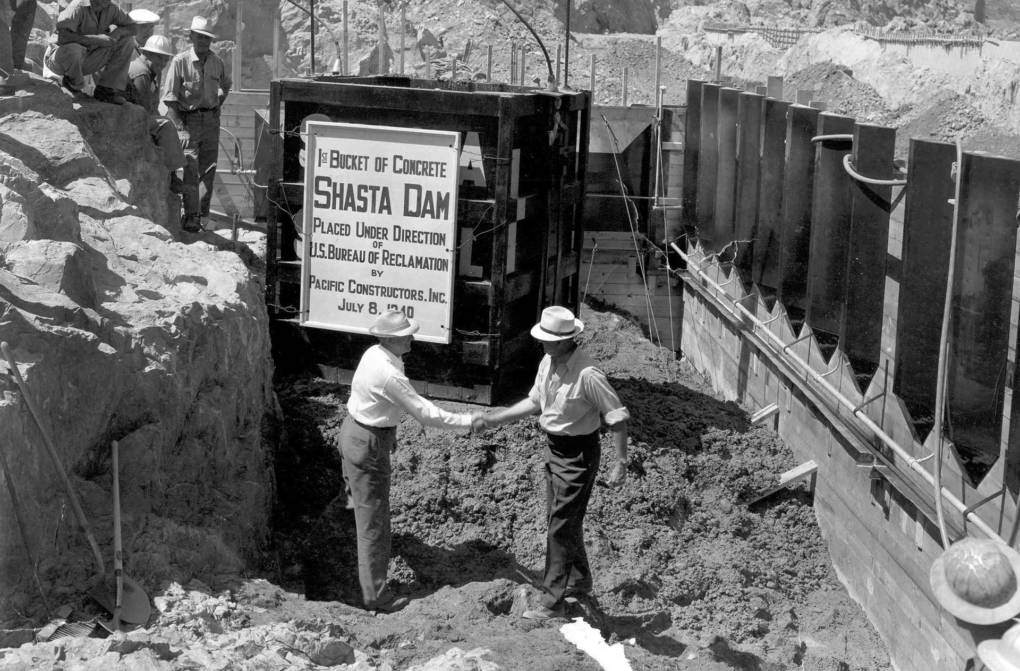
"caption": "Shasta Dam took thousands of workers and holds the largest reservoir in California.",
"description": null,
"title": "news_release_shasta_dam-web",
"credit": "US Bureau of Reclamation",
"status": "inherit",
"isLoading": false,
"fetchFailed": false
},
"science_1927406": {
"type": "attachments",
"id": "science_1927406",
"meta": {
"index": "attachments_1716263798",
"site": "science",
"id": "1927406",
"found": true
},
"title": "IMG_0118",
"publishDate": 1531516248,
"status": "inherit",
"parent": 1927354,
"modified": 1742855404,
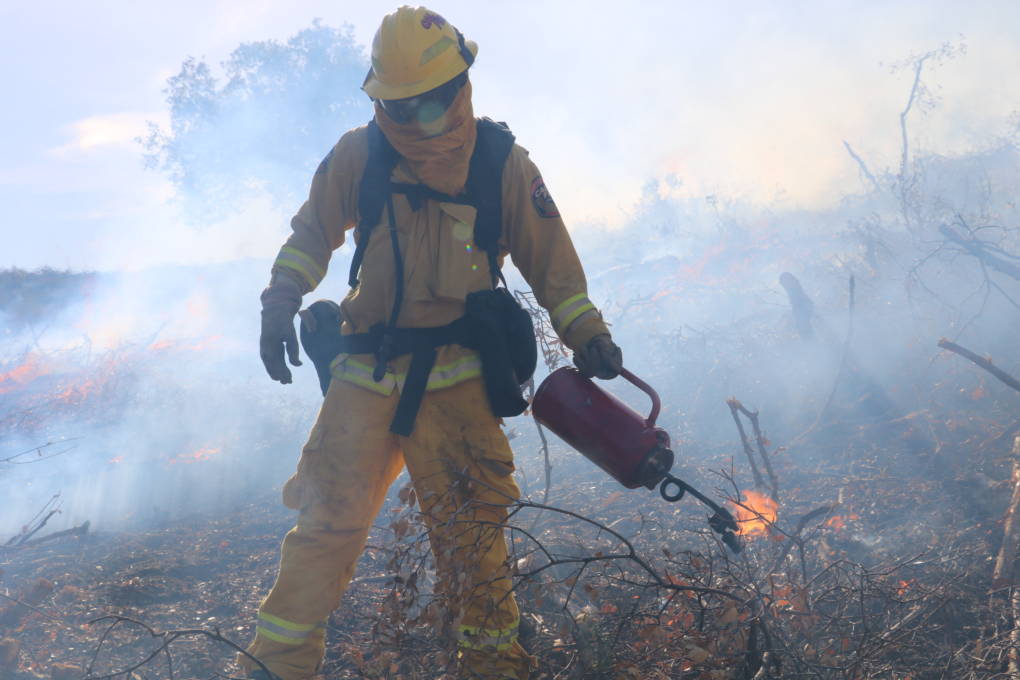
"caption": "California fire officials say planning more burns safely could reduce catastrophic risks posed by wildfire.",
"credit": "Courtesy Cal Fire",
"altTag": "A CalFire wildland crewmember uses a drip torch to light land on fire for a prescribed burn.",
"description": null,
"imgSizes": {
"thumbnail": {
"file": "https://cdn.kqed.org/wp-content/uploads/sites/35/2018/07/IMG_0118-160x107.jpg",
"width": 160,
"height": 107,
"mimeType": "image/jpeg"
},
"medium": {
"file": "https://cdn.kqed.org/wp-content/uploads/sites/35/2018/07/IMG_0118-800x533.jpg",
"width": 800,
"height": 533,
"mimeType": "image/jpeg"
},
"medium_large": {
"file": "https://cdn.kqed.org/wp-content/uploads/sites/35/2018/07/IMG_0118-768x512.jpg",
"width": 768,
"height": 512,
"mimeType": "image/jpeg"
},
"large": {
"file": "https://cdn.kqed.org/wp-content/uploads/sites/35/2018/07/IMG_0118-1020x680.jpg",
"width": 1020,
"height": 680,
"mimeType": "image/jpeg"
},
"complete_open_graph": {
"file": "https://cdn.kqed.org/wp-content/uploads/sites/35/2018/07/IMG_0118-1200x800.jpg",
"width": 1200,
"height": 800,
"mimeType": "image/jpeg"
},
"fd-lrg": {
"file": "https://cdn.kqed.org/wp-content/uploads/sites/35/2018/07/IMG_0118-1920x1280.jpg",
"width": 1920,
"height": 1280,
"mimeType": "image/jpeg"
},
"fd-med": {
"file": "https://cdn.kqed.org/wp-content/uploads/sites/35/2018/07/IMG_0118-1180x787.jpg",
"width": 1180,
"height": 787,
"mimeType": "image/jpeg"
},
"fd-sm": {
"file": "https://cdn.kqed.org/wp-content/uploads/sites/35/2018/07/IMG_0118-960x640.jpg",
"width": 960,
"height": 640,
"mimeType": "image/jpeg"
},
"post-thumbnail": {
"file": "https://cdn.kqed.org/wp-content/uploads/sites/35/2018/07/IMG_0118-672x372.jpg",
"width": 672,
"height": 372,
"mimeType": "image/jpeg"
},
"twentyfourteen-full-width": {
"file": "https://cdn.kqed.org/wp-content/uploads/sites/35/2018/07/IMG_0118-1038x576.jpg",
"width": 1038,
"height": 576,
"mimeType": "image/jpeg"
},
"xxsmall": {
"file": "https://cdn.kqed.org/wp-content/uploads/sites/35/2018/07/IMG_0118-240x160.jpg",
"width": 240,
"height": 160,
"mimeType": "image/jpeg"
},
"xsmall": {
"file": "https://cdn.kqed.org/wp-content/uploads/sites/35/2018/07/IMG_0118-375x250.jpg",
"width": 375,
"height": 250,
"mimeType": "image/jpeg"
},
"small": {
"file": "https://cdn.kqed.org/wp-content/uploads/sites/35/2018/07/IMG_0118-520x347.jpg",
"width": 520,
"height": 347,
"mimeType": "image/jpeg"
},
"xlarge": {
"file": "https://cdn.kqed.org/wp-content/uploads/sites/35/2018/07/IMG_0118-1180x787.jpg",
"width": 1180,
"height": 787,
"mimeType": "image/jpeg"
},
"full-width": {
"file": "https://cdn.kqed.org/wp-content/uploads/sites/35/2018/07/IMG_0118-1920x1280.jpg",
"width": 1920,
"height": 1280,
"mimeType": "image/jpeg"
},
"guest-author-32": {
"file": "https://cdn.kqed.org/wp-content/uploads/sites/35/2018/07/IMG_0118-32x32.jpg",
"width": 32,
"height": 32,
"mimeType": "image/jpeg"
},
"guest-author-50": {
"file": "https://cdn.kqed.org/wp-content/uploads/sites/35/2018/07/IMG_0118-50x50.jpg",
"width": 50,
"height": 50,
"mimeType": "image/jpeg"
},
"guest-author-64": {
"file": "https://cdn.kqed.org/wp-content/uploads/sites/35/2018/07/IMG_0118-64x64.jpg",
"width": 64,
"height": 64,
"mimeType": "image/jpeg"
},
"guest-author-96": {
"file": "https://cdn.kqed.org/wp-content/uploads/sites/35/2018/07/IMG_0118-96x96.jpg",
"width": 96,
"height": 96,
"mimeType": "image/jpeg"
},
"guest-author-128": {
"file": "https://cdn.kqed.org/wp-content/uploads/sites/35/2018/07/IMG_0118-128x128.jpg",
"width": 128,
"height": 128,
"mimeType": "image/jpeg"
},
"detail": {
"file": "https://cdn.kqed.org/wp-content/uploads/sites/35/2018/07/IMG_0118-150x150.jpg",
"width": 150,
"height": 150,
"mimeType": "image/jpeg"
},
"kqedFullSize": {
"file": "https://cdn.kqed.org/wp-content/uploads/sites/35/2018/07/IMG_0118-e1742855390118.jpg",
"width": 2000,
"height": 1333
}
},
"isLoading": false,
"fetchFailed": false
},
"science_1927038": {
"type": "attachments",
"id": "science_1927038",
"meta": {
"index": "attachments_1716263798",
"site": "science",
"id": "1927038",
"found": true
},
"parent": 1926996,
"imgSizes": {
"small": {
"file": "https://ww2.kqed.org/app/uploads/sites/35/2018/07/RS16260_GettyImages-482742956-qut-520x304.jpg",
"width": 520,
"mimeType": "image/jpeg",
"height": 304
},
"twentyfourteen-full-width": {
"file": "https://ww2.kqed.org/app/uploads/sites/35/2018/07/RS16260_GettyImages-482742956-qut-1038x576.jpg",
"width": 1038,
"mimeType": "image/jpeg",
"height": 576
},
"thumbnail": {
"file": "https://ww2.kqed.org/app/uploads/sites/35/2018/07/RS16260_GettyImages-482742956-qut-160x94.jpg",
"width": 160,
"mimeType": "image/jpeg",
"height": 94
},
"fd-sm": {
"file": "https://ww2.kqed.org/app/uploads/sites/35/2018/07/RS16260_GettyImages-482742956-qut-960x561.jpg",
"width": 960,
"mimeType": "image/jpeg",
"height": 561
},
"post-thumbnail": {
"file": "https://ww2.kqed.org/app/uploads/sites/35/2018/07/RS16260_GettyImages-482742956-qut-672x372.jpg",
"width": 672,
"mimeType": "image/jpeg",
"height": 372
},
"xsmall": {
"file": "https://ww2.kqed.org/app/uploads/sites/35/2018/07/RS16260_GettyImages-482742956-qut-375x219.jpg",
"width": 375,
"mimeType": "image/jpeg",
"height": 219
},
"kqedFullSize": {
"file": "https://ww2.kqed.org/app/uploads/sites/35/2018/07/RS16260_GettyImages-482742956-qut.jpg",
"width": 1920,
"height": 1122
},
"large": {
"file": "https://ww2.kqed.org/app/uploads/sites/35/2018/07/RS16260_GettyImages-482742956-qut-1020x596.jpg",
"width": 1020,
"mimeType": "image/jpeg",
"height": 596
},
"xlarge": {
"file": "https://ww2.kqed.org/app/uploads/sites/35/2018/07/RS16260_GettyImages-482742956-qut-1180x690.jpg",
"width": 1180,
"mimeType": "image/jpeg",
"height": 690
},
"complete_open_graph": {
"file": "https://ww2.kqed.org/app/uploads/sites/35/2018/07/RS16260_GettyImages-482742956-qut-1200x701.jpg",
"width": 1200,
"mimeType": "image/jpeg",
"height": 701
},
"guest-author-50": {
"file": "https://ww2.kqed.org/app/uploads/sites/35/2018/07/RS16260_GettyImages-482742956-qut-50x50.jpg",
"width": 50,
"mimeType": "image/jpeg",
"height": 50
},
"guest-author-96": {
"file": "https://ww2.kqed.org/app/uploads/sites/35/2018/07/RS16260_GettyImages-482742956-qut-96x96.jpg",
"width": 96,
"mimeType": "image/jpeg",
"height": 96
},
"medium": {
"file": "https://ww2.kqed.org/app/uploads/sites/35/2018/07/RS16260_GettyImages-482742956-qut-800x468.jpg",
"width": 800,
"mimeType": "image/jpeg",
"height": 468
},
"guest-author-64": {
"file": "https://ww2.kqed.org/app/uploads/sites/35/2018/07/RS16260_GettyImages-482742956-qut-64x64.jpg",
"width": 64,
"mimeType": "image/jpeg",
"height": 64
},
"guest-author-32": {
"file": "https://ww2.kqed.org/app/uploads/sites/35/2018/07/RS16260_GettyImages-482742956-qut-32x32.jpg",
"width": 32,
"mimeType": "image/jpeg",
"height": 32
},
"fd-lrg": {
"file": "https://ww2.kqed.org/app/uploads/sites/35/2018/07/RS16260_GettyImages-482742956-qut-1920x1122.jpg",
"width": 1920,
"mimeType": "image/jpeg",
"height": 1122
},
"fd-med": {
"file": "https://ww2.kqed.org/app/uploads/sites/35/2018/07/RS16260_GettyImages-482742956-qut-1180x690.jpg",
"width": 1180,
"mimeType": "image/jpeg",
"height": 690
},
"full-width": {
"file": "https://ww2.kqed.org/app/uploads/sites/35/2018/07/RS16260_GettyImages-482742956-qut-1920x1122.jpg",
"width": 1920,
"mimeType": "image/jpeg",
"height": 1122
},
"detail": {
"file": "https://ww2.kqed.org/app/uploads/sites/35/2018/07/RS16260_GettyImages-482742956-qut-150x150.jpg",
"width": 150,
"mimeType": "image/jpeg",
"height": 150
},
"medium_large": {
"file": "https://ww2.kqed.org/app/uploads/sites/35/2018/07/RS16260_GettyImages-482742956-qut-768x449.jpg",
"width": 768,
"mimeType": "image/jpeg",
"height": 449
},
"guest-author-128": {
"file": "https://ww2.kqed.org/app/uploads/sites/35/2018/07/RS16260_GettyImages-482742956-qut-128x128.jpg",
"width": 128,
"mimeType": "image/jpeg",
"height": 128
},
"xxsmall": {
"file": "https://ww2.kqed.org/app/uploads/sites/35/2018/07/RS16260_GettyImages-482742956-qut-240x140.jpg",
"width": 240,
"mimeType": "image/jpeg",
"height": 140
}
},
"publishDate": 1530925726,
"modified": 1530925874,
"caption": "Warmer nighttime temperatures could be a key factor in recent changes in fire behavior.",
"description": "Warmer nighttime temperatures could be a key factor in recent changes in fire behavior.",
"title": "RS16260_GettyImages-482742956-qut",
"credit": "Josh Edelson",
"status": "inherit",
"isLoading": false,
"fetchFailed": false
},
"science_1925816": {
"type": "attachments",
"id": "science_1925816",
"meta": {
"index": "attachments_1716263798",
"site": "science",
"id": "1925816",
"found": true
},
"parent": 1924950,
"imgSizes": {
"small": {
"file": "https://ww2.kqed.org/app/uploads/sites/35/2018/06/Zoo_7-520x347.jpg",
"width": 520,
"mimeType": "image/jpeg",
"height": 347
},
"twentyfourteen-full-width": {
"file": "https://ww2.kqed.org/app/uploads/sites/35/2018/06/Zoo_7-1038x576.jpg",
"width": 1038,
"mimeType": "image/jpeg",
"height": 576
},
"thumbnail": {
"file": "https://ww2.kqed.org/app/uploads/sites/35/2018/06/Zoo_7-160x107.jpg",
"width": 160,
"mimeType": "image/jpeg",
"height": 107
},
"fd-sm": {
"file": "https://ww2.kqed.org/app/uploads/sites/35/2018/06/Zoo_7-960x640.jpg",
"width": 960,
"mimeType": "image/jpeg",
"height": 640
},
"post-thumbnail": {
"file": "https://ww2.kqed.org/app/uploads/sites/35/2018/06/Zoo_7-672x372.jpg",
"width": 672,
"mimeType": "image/jpeg",
"height": 372
},
"xsmall": {
"file": "https://ww2.kqed.org/app/uploads/sites/35/2018/06/Zoo_7-375x250.jpg",
"width": 375,
"mimeType": "image/jpeg",
"height": 250
},
"kqedFullSize": {
"file": "https://ww2.kqed.org/app/uploads/sites/35/2018/06/Zoo_7-e1529090967817.jpg",
"width": 1920,
"height": 1280
},
"large": {
"file": "https://ww2.kqed.org/app/uploads/sites/35/2018/06/Zoo_7-1020x680.jpg",
"width": 1020,
"mimeType": "image/jpeg",
"height": 680
},
"xlarge": {
"file": "https://ww2.kqed.org/app/uploads/sites/35/2018/06/Zoo_7-1180x787.jpg",
"width": 1180,
"mimeType": "image/jpeg",
"height": 787
},
"complete_open_graph": {
"file": "https://ww2.kqed.org/app/uploads/sites/35/2018/06/Zoo_7-1200x800.jpg",
"width": 1200,
"mimeType": "image/jpeg",
"height": 800
},
"guest-author-50": {
"file": "https://ww2.kqed.org/app/uploads/sites/35/2018/06/Zoo_7-50x50.jpg",
"width": 50,
"mimeType": "image/jpeg",
"height": 50
},
"guest-author-96": {
"file": "https://ww2.kqed.org/app/uploads/sites/35/2018/06/Zoo_7-96x96.jpg",
"width": 96,
"mimeType": "image/jpeg",
"height": 96
},
"medium": {
"file": "https://ww2.kqed.org/app/uploads/sites/35/2018/06/Zoo_7-800x533.jpg",
"width": 800,
"mimeType": "image/jpeg",
"height": 533
},
"guest-author-64": {
"file": "https://ww2.kqed.org/app/uploads/sites/35/2018/06/Zoo_7-64x64.jpg",
"width": 64,
"mimeType": "image/jpeg",
"height": 64
},
"guest-author-32": {
"file": "https://ww2.kqed.org/app/uploads/sites/35/2018/06/Zoo_7-32x32.jpg",
"width": 32,
"mimeType": "image/jpeg",
"height": 32
},
"fd-lrg": {
"file": "https://ww2.kqed.org/app/uploads/sites/35/2018/06/Zoo_7-1920x1280.jpg",
"width": 1920,
"mimeType": "image/jpeg",
"height": 1280
},
"fd-med": {
"file": "https://ww2.kqed.org/app/uploads/sites/35/2018/06/Zoo_7-1180x787.jpg",
"width": 1180,
"mimeType": "image/jpeg",
"height": 787
},
"full-width": {
"file": "https://ww2.kqed.org/app/uploads/sites/35/2018/06/Zoo_7-1920x1280.jpg",
"width": 1920,
"mimeType": "image/jpeg",
"height": 1280
},
"detail": {
"file": "https://ww2.kqed.org/app/uploads/sites/35/2018/06/Zoo_7-150x150.jpg",
"width": 150,
"mimeType": "image/jpeg",
"height": 150
},
"medium_large": {
"file": "https://ww2.kqed.org/app/uploads/sites/35/2018/06/Zoo_7-768x512.jpg",
"width": 768,
"mimeType": "image/jpeg",
"height": 512
},
"guest-author-128": {
"file": "https://ww2.kqed.org/app/uploads/sites/35/2018/06/Zoo_7-128x128.jpg",
"width": 128,
"mimeType": "image/jpeg",
"height": 128
},
"xxsmall": {
"file": "https://ww2.kqed.org/app/uploads/sites/35/2018/06/Zoo_7-240x160.jpg",
"width": 240,
"mimeType": "image/jpeg",
"height": 160
}
},
"publishDate": 1529090774,
"modified": 1529090980,
"caption": "The Oakland Zoo rescued four black bears - one mother and her three cubs - from Pine Mountain Club in Kern County, California. The mother, pictured on the right, was deemed a threat to public safety and was going to be put down and her cubs were ineligible for re-release as they were too habituated to humans.",
"description": null,
"title": "Zoo_7",
"credit": "Sarah Craig/KQED",
"status": "inherit",
"isLoading": false,
"fetchFailed": false
}
},
"audioPlayerReducer": {
"postId": "stream_live",
"isPaused": true,
"isPlaying": false,
"pfsActive": false,
"pledgeModalIsOpen": true,
"playerDrawerIsOpen": false,
"liveAudioPlayStartedAt": 0,
"liveAudioPlayContext": ""
},
"authorsReducer": {
"byline_science_1929784": {
"type": "authors",
"id": "byline_science_1929784",
"meta": {
"override": true
},
"slug": "byline_science_1929784",
"name": "Maya Miller, Climate Central \u003cbr /> and Alex Hall, KQED",
"isLoading": false
},
"cmiller": {
"type": "authors",
"id": "221",
"meta": {
"index": "authors_1716337520",
"id": "221",
"found": true
},
"name": "Craig Miller",
"firstName": "Craig",
"lastName": "Miller",
"slug": "cmiller",
"email": "craig@voxterra.net",
"display_author_email": false,
"staff_mastheads": [
"science"
],
"title": "Editor Emeritus, Science",
"bio": "Craig is a former KQED Science editor, specializing in weather, climate, water & energy issues, with a little seismology thrown in just to shake things up. Prior to that, he launched and led the station's award-winning multimedia project, Climate Watch. Craig is also an accomplished writer/producer of television documentaries, with a focus on natural resource issues.",
"avatar": "https://secure.gravatar.com/avatar/b91661df645e001a9cafe0861fa685f9?s=600&d=blank&r=g",
"twitter": "voxterra",
"facebook": null,
"instagram": null,
"linkedin": null,
"sites": [
{
"site": "news",
"roles": [
"author"
]
},
{
"site": "futureofyou",
"roles": [
"editor"
]
},
{
"site": "stateofhealth",
"roles": [
"author"
]
},
{
"site": "science",
"roles": [
"editor"
]
},
{
"site": "quest",
"roles": [
"editor"
]
}
],
"headData": {
"title": "Craig Miller | KQED",
"description": "Editor Emeritus, Science",
"ogImgSrc": "https://secure.gravatar.com/avatar/b91661df645e001a9cafe0861fa685f9?s=600&d=blank&r=g",
"twImgSrc": "https://secure.gravatar.com/avatar/b91661df645e001a9cafe0861fa685f9?s=600&d=blank&r=g"
},
"isLoading": false,
"link": "/author/cmiller"
},
"katsnow": {
"type": "authors",
"id": "235",
"meta": {
"index": "authors_1716337520",
"id": "235",
"found": true
},
"name": "Katrin Snow",
"firstName": "Katrin",
"lastName": "Snow",
"slug": "katsnow",
"email": "ksnow@kqed.org",
"display_author_email": true,
"staff_mastheads": [
"science"
],
"title": "Senior Editor",
"bio": "Kat started in radio in 1985 at KMUN in Astoria, Oregon, where the Columbia River meets the sea. She worked several years protecting monarch butterfly habitat in California with the Xerces Society, an invertebrate conservation organization, before a love for radio news drew her back into journalism. Kat came to KQED in 2002, and before that was a reporter and news director at KUER in Salt Lake City, covering the state legislature, the environment and health. Kat coaches reporters and others in embodied narration and public speaking. She is a certified teacher of Soul Motion®, a conscious dance practice, and can sometimes be found in the Mojave desert or the Eastern Sierra.",
"avatar": "https://secure.gravatar.com/avatar/fa6bf8a74a2692973a5484e64ebd2b52?s=600&d=blank&r=g",
"twitter": "cosmologicalkat",
"facebook": null,
"instagram": null,
"linkedin": null,
"sites": [
{
"site": "arts",
"roles": [
"contributor"
]
},
{
"site": "news",
"roles": [
"editor"
]
},
{
"site": "futureofyou",
"roles": [
"editor"
]
},
{
"site": "science",
"roles": [
"editor"
]
}
],
"headData": {
"title": "Katrin Snow | KQED",
"description": "Senior Editor",
"ogImgSrc": "https://secure.gravatar.com/avatar/fa6bf8a74a2692973a5484e64ebd2b52?s=600&d=blank&r=g",
"twImgSrc": "https://secure.gravatar.com/avatar/fa6bf8a74a2692973a5484e64ebd2b52?s=600&d=blank&r=g"
},
"isLoading": false,
"link": "/author/katsnow"
},
"laurensommer": {
"type": "authors",
"id": "239",
"meta": {
"index": "authors_1716337520",
"id": "239",
"found": true
},
"name": "Lauren Sommer",
"firstName": "Lauren",
"lastName": "Sommer",
"slug": "laurensommer",
"email": "lsommer@kqed.org",
"display_author_email": false,
"staff_mastheads": [],
"title": "KQED Contributor",
"bio": "Lauren is a radio reporter formerly covering environment, water, and energy for KQED Science. As part of her day job, she has scaled Sierra Nevada peaks, run from charging elephant seals, and desperately tried to get her sea legs - all in pursuit of good radio. Her work has appeared on Marketplace, Living on Earth, Science Friday and NPR's Morning Edition and All Things Considered. You can find her on Twitter at \u003ca href=\"https://twitter.com/lesommer\">@lesommer\u003c/a>.",
"avatar": "https://secure.gravatar.com/avatar/33aa3772bb86c6ad45b8aca6a238bbdf?s=600&d=blank&r=g",
"twitter": null,
"facebook": null,
"instagram": null,
"linkedin": null,
"sites": [
{
"site": "news",
"roles": [
"author"
]
},
{
"site": "science",
"roles": [
"editor",
"manage_content_types",
"manage_taxonomies"
]
},
{
"site": "quest",
"roles": [
"editor"
]
}
],
"headData": {
"title": "Lauren Sommer | KQED",
"description": "KQED Contributor",
"ogImgSrc": "https://secure.gravatar.com/avatar/33aa3772bb86c6ad45b8aca6a238bbdf?s=600&d=blank&r=g",
"twImgSrc": "https://secure.gravatar.com/avatar/33aa3772bb86c6ad45b8aca6a238bbdf?s=600&d=blank&r=g"
},
"isLoading": false,
"link": "/author/laurensommer"
},
"kqedscience": {
"type": "authors",
"id": "6387",
"meta": {
"index": "authors_1716337520",
"id": "6387",
"found": true
},
"name": "KQED Science",
"firstName": "KQED",
"lastName": "Science",
"slug": "kqedscience",
"email": "kqedscience@gmail.com",
"display_author_email": false,
"staff_mastheads": [],
"title": null,
"bio": "KQED Science brings you award-winning science and environment coverage from the Bay Area and beyond by the flagship Northern California PBS and NPR affiliate.",
"avatar": "https://secure.gravatar.com/avatar/5a295ff49cf82a8c0f30937d3f788b2f?s=600&d=blank&r=g",
"twitter": null,
"facebook": null,
"instagram": null,
"linkedin": null,
"sites": [
{
"site": "science",
"roles": [
"contributor"
]
},
{
"site": "quest",
"roles": [
"editor"
]
},
{
"site": "food",
"roles": [
"contributor"
]
}
],
"headData": {
"title": "KQED Science | KQED",
"description": null,
"ogImgSrc": "https://secure.gravatar.com/avatar/5a295ff49cf82a8c0f30937d3f788b2f?s=600&d=blank&r=g",
"twImgSrc": "https://secure.gravatar.com/avatar/5a295ff49cf82a8c0f30937d3f788b2f?s=600&d=blank&r=g"
},
"isLoading": false,
"link": "/author/kqedscience"
},
"cveltman": {
"type": "authors",
"id": "8608",
"meta": {
"index": "authors_1716337520",
"id": "8608",
"found": true
},
"name": "Chloe Veltman",
"firstName": "Chloe",
"lastName": "Veltman",
"slug": "cveltman",
"email": "cveltman@kqed.org",
"display_author_email": true,
"staff_mastheads": [],
"title": "Arts and Culture Reporter",
"bio": "Chloe Veltman is a former arts and culture reporter for KQED. Prior to joining the organization, she launched and led the arts bureau at Colorado Public Radio, served as the Bay Area's culture columnist for the New York Times, and was the founder, host and executive producer of VoiceBox, a national award-winning weekly podcast/radio show and live events series all about the human voice. Chloe is the recipient of numerous prizes, grants and fellowships including a Webby Award for her work on interactive storytelling, both the John S Knight Journalism Fellowship and Humanities Center Fellowship at Stanford University, the Sundance Arts Writing Fellowship and a Library of Congress Research Fellowship. She is the author of the book \"On Acting\" and has appeared as a guest lecturer at Yale University and the San Francisco Conservatory of Music among other institutions. She holds a BA in english literature from King's College, Cambridge, and a Masters in Dramaturgy from the Central School of Speech and Drama/Harvard Institute for Advanced Theater Training.\r\n\u003ca href=\"https://www.chloeveltman.com\">www.chloeveltman.com\u003c/a>",
"avatar": "https://secure.gravatar.com/avatar/55403394b00a1ddab683952c2eb2cf85?s=600&d=blank&r=g",
"twitter": "chloeveltman",
"facebook": null,
"instagram": null,
"linkedin": null,
"sites": [
{
"site": "arts",
"roles": []
},
{
"site": "news",
"roles": [
"author"
]
},
{
"site": "pop",
"roles": [
"editor"
]
},
{
"site": "science",
"roles": []
}
],
"headData": {
"title": "Chloe Veltman | KQED",
"description": "Arts and Culture Reporter",
"ogImgSrc": "https://secure.gravatar.com/avatar/55403394b00a1ddab683952c2eb2cf85?s=600&d=blank&r=g",
"twImgSrc": "https://secure.gravatar.com/avatar/55403394b00a1ddab683952c2eb2cf85?s=600&d=blank&r=g"
},
"isLoading": false,
"link": "/author/cveltman"
},
"dventon": {
"type": "authors",
"id": "11088",
"meta": {
"index": "authors_1716337520",
"id": "11088",
"found": true
},
"name": "Danielle Venton",
"firstName": "Danielle",
"lastName": "Venton",
"slug": "dventon",
"email": "dventon@kqed.org",
"display_author_email": true,
"staff_mastheads": [
"science"
],
"title": "Science reporter",
"bio": "Danielle Venton is a reporter for KQED Science. She covers wildfires, space and oceans (though she is prone to sea sickness).\r\n\r\nBefore joining KQED in 2015, Danielle was a staff reporter at KRCB in Sonoma County and a freelancer. She studied science communication at UC Santa Cruz and formerly worked at CERN in Geneva, Switzerland where she wrote about computing. She lives in Sonoma County and enjoys backpacking.",
"avatar": "https://secure.gravatar.com/avatar/37b292b5c40c8d93959c4f48d73b5286f41b7abd8588277e941905a3ed4c801c?s=600&d=blank&r=g",
"twitter": "DanielleVenton",
"bluesky": null,
"facebook": null,
"instagram": null,
"linkedin": null,
"sites": [
{
"site": "arts",
"roles": [
"contributor"
]
},
{
"site": "news",
"roles": [
"editor"
]
},
{
"site": "futureofyou",
"roles": [
"editor"
]
},
{
"site": "science",
"roles": [
"editor"
]
},
{
"site": "liveblog",
"roles": [
"contributor"
]
}
],
"headData": {
"title": "Danielle Venton | KQED",
"description": "Science reporter",
"ogImgSrc": "https://secure.gravatar.com/avatar/37b292b5c40c8d93959c4f48d73b5286f41b7abd8588277e941905a3ed4c801c?s=600&d=blank&r=g",
"twImgSrc": "https://secure.gravatar.com/avatar/37b292b5c40c8d93959c4f48d73b5286f41b7abd8588277e941905a3ed4c801c?s=600&d=blank&r=g"
},
"isLoading": false,
"link": "/author/dventon"
},
"mpeterson": {
"type": "authors",
"id": "11223",
"meta": {
"index": "authors_1716337520",
"id": "11223",
"found": true
},
"name": "Molly Peterson",
"firstName": "Molly",
"lastName": "Peterson",
"slug": "mpeterson",
"email": "mpeterson@kqed.org",
"display_author_email": false,
"staff_mastheads": [],
"title": null,
"bio": "Molly Peterson reports for KQED science and news on climate change, catastrophe and risk. Previously she was environment correspondent at Southern California Public Radio. Her work has also appeared at The New York Times, The Guardian, on NPR, at High Country News, on Code Switch, and other national outlets. She has been honored with awards from Public Radio News Directors Incorporated, Investigative Reporters and Editors, the Society for Professional Journalists, the Los Angeles Press Club, and RTNDA Edward R. Murrow awards, among others.",
"avatar": "https://secure.gravatar.com/avatar/7908e2807131f776cc8165c649530b05?s=600&d=blank&r=g",
"twitter": "Mollydacious",
"facebook": null,
"instagram": "https://www.instagram.com/radiomolly/",
"linkedin": null,
"sites": [
{
"site": "news",
"roles": [
"subscriber"
]
},
{
"site": "futureofyou",
"roles": [
"editor"
]
},
{
"site": "science",
"roles": [
"editor"
]
}
],
"headData": {
"title": "Molly Peterson | KQED",
"description": null,
"ogImgSrc": "https://secure.gravatar.com/avatar/7908e2807131f776cc8165c649530b05?s=600&d=blank&r=g",
"twImgSrc": "https://secure.gravatar.com/avatar/7908e2807131f776cc8165c649530b05?s=600&d=blank&r=g"
},
"isLoading": false,
"link": "/author/mpeterson"
},
"scraig": {
"type": "authors",
"id": "11327",
"meta": {
"index": "authors_1716337520",
"id": "11327",
"found": true
},
"name": "Sarah Craig",
"firstName": "Sarah",
"lastName": "Craig",
"slug": "scraig",
"email": "scraig@KQED.org",
"display_author_email": false,
"staff_mastheads": [],
"title": "KQED Contributor",
"bio": "Sarah Craig is a freelance radio reporter and documentary photographer. She is currently working on \u003cem>Dreams of Dust\u003c/em>, @dreamsofdust, a multimedia project that documents stories of climate migration in California’s Central Valley, previously funded by the California Humanities. Her completed projects include \u003cem>\u003ca href=\"http://www.facesoffracking.org/\" target=\"_blank\" rel=\"nofollow noopener noreferrer\">Faces of Fracking\u003c/a>,\u003c/em> an investigation into the impact of fracking on the people and places of California, and \u003cem>\u003ca href=\"http://sarahcraig.visura.co/gulf-disaster-2\" target=\"_blank\" rel=\"nofollow noopener noreferrer\">The Gulf Disaster\u003c/a>,\u003c/em> stories on the lives of fishermen in the aftermath of the BP spill. Her work has been published by Marketplace, KQED's Bay Curious and Q'ed Up podcasts, KQED's California Report Magazine, KALW's Crosscurrents, Grist.org, High Country News, Earth Island Journal, and others. Sarah received a B.A. in Geography at Vassar College and attended the \u003ca href=\"http://www.salt.edu/\" target=\"_blank\" rel=\"nofollow noopener noreferrer\">Salt Institute of Documentary Studies\u003c/a> in Portland, ME. She recently received an Excellence in Journalism Award from the NorCal Society of Professional Journalists for her documentary radio piece, \u003ca href=\"http://kalw.org/post/215-will-water-come#stream/0\">\"Will the Water Come.\"\u003c/a> Email: scraig@kqed.org Twitter: @sarahcraigmedia Website: sarahcraigmedia.com",
"avatar": "https://secure.gravatar.com/avatar/97f17950c828429d3df9f2907412a50b?s=600&d=blank&r=g",
"twitter": null,
"facebook": null,
"instagram": null,
"linkedin": null,
"sites": [
{
"site": "news",
"roles": [
"subscriber"
]
},
{
"site": "science",
"roles": [
"editor"
]
}
],
"headData": {
"title": "Sarah Craig | KQED",
"description": "KQED Contributor",
"ogImgSrc": "https://secure.gravatar.com/avatar/97f17950c828429d3df9f2907412a50b?s=600&d=blank&r=g",
"twImgSrc": "https://secure.gravatar.com/avatar/97f17950c828429d3df9f2907412a50b?s=600&d=blank&r=g"
},
"isLoading": false,
"link": "/author/scraig"
},
"aweill": {
"type": "authors",
"id": "11518",
"meta": {
"index": "authors_1716337520",
"id": "11518",
"found": true
},
"name": "Allie Weill",
"firstName": "Allie",
"lastName": "Weill",
"slug": "aweill",
"email": "aweill@kqed.org",
"display_author_email": false,
"staff_mastheads": [],
"title": "KQED Contributor",
"bio": "Allie Weill is the 2018 AAAS Mass Media Fellow at KQED Science. Allie comes to KQED from the University of California, Davis, where her dissertation research focuses on wildfire in California shrublands. She has a background in youth science education and citizen science and has taught about environmental topics in a wide range of places, from boats on the Hudson River to the forests of the Sierra Nevada. She has a BA in Biological Sciences and a BS in Geophysical Sciences from the University of Chicago. Her interests include plants, fire, lichens, fossils, diversity in science, crossword puzzles, and pie making. Find her on Twitter @Al_R_Wallace",
"avatar": "https://secure.gravatar.com/avatar/f08760c1295c7adfc339c9eb765a3230?s=600&d=blank&r=g",
"twitter": null,
"facebook": null,
"instagram": null,
"linkedin": null,
"sites": [
{
"site": "news",
"roles": [
"contributor"
]
},
{
"site": "science",
"roles": []
}
],
"headData": {
"title": "Allie Weill | KQED",
"description": "KQED Contributor",
"ogImgSrc": "https://secure.gravatar.com/avatar/f08760c1295c7adfc339c9eb765a3230?s=600&d=blank&r=g",
"twImgSrc": "https://secure.gravatar.com/avatar/f08760c1295c7adfc339c9eb765a3230?s=600&d=blank&r=g"
},
"isLoading": false,
"link": "/author/aweill"
}
},
"pagesReducer": {
"science_program_science-podcast": {
"type": "terms",
"id": "science_5376",
"meta": {
"index": "terms_1716263798",
"site": "science",
"id": "5376",
"score": 15.530214
},
"name": "Science Podcast",
"slug": "science-podcast",
"taxonomy": "program",
"description": null,
"featImg": null,
"headData": {
"title": "Science Podcast | KQED Science",
"description": null,
"ogTitle": null,
"ogDescription": null,
"ogImgId": null,
"twTitle": null,
"twDescription": null,
"twImgId": null
},
"ttid": 5376,
"isLoading": false,
"title": "Science Podcast",
"pageMeta": {
"site": "science",
"WpPageTemplate": "page-topic-editorial",
"currentPage": 6
},
"blocks": [
{
"blockName": "kqed/post-list",
"attrs": {
"layout": "cardArticle2",
"query": "posts/science?program=science-podcast",
"seeMore": false,
"paginated": true,
"page": 6
}
},
{
"blockName": "kqed/ad"
}
]
}
},
"pfsSessionReducer": {},
"postsReducer": {
"stream_live": {
"type": "live",
"id": "stream_live",
"audioUrl": "https://streams.kqed.org/kqedradio",
"title": "Live Stream",
"excerpt": "Live Stream information currently unavailable.",
"link": "/radio",
"featImg": "",
"label": {
"name": "KQED Live",
"link": "/"
}
},
"stream_kqedNewscast": {
"type": "posts",
"id": "stream_kqedNewscast",
"audioUrl": "https://www.kqed.org/.stream/anon/radio/RDnews/newscast.mp3?_=1",
"title": "KQED Newscast",
"featImg": "",
"label": {
"name": "88.5 FM",
"link": "/"
}
},
"science_1931599": {
"type": "posts",
"id": "science_1931599",
"meta": {
"index": "posts_1716263798",
"site": "science",
"id": "1931599",
"score": null,
"sort": [
1537513261000
]
},
"guestAuthors": [],
"slug": "new-south-bay-dam-could-save-lives",
"title": "New South Bay Dam Could Save Lives",
"publishDate": 1537513261,
"format": "audio",
"headTitle": "New South Bay Dam Could Save Lives | KQED",
"labelTerm": {},
"content": "\u003cp style=\"text-align: left\">Residents in the city of Fremont face one less threat from a big earthquake today, with the opening of the new dam at the Calaveras Reservoir.\u003c/p>\n\u003cp>Fifteen years ago, engineers realized the 93-year-old dam could fail in a major earthquake, sending a gush of water onto nearly a quarter-million people living downstream.\u003c/p>\n\u003cp>Today, the reservoir, which sits near the Santa Clara-Alameda county line, has a new, 220-foot-high dam that can withstand a 7.2 magnitude earthquake.\u003c/p>\n\u003cp>\u003cimg loading=\"lazy\" decoding=\"async\" class=\"alignright wp-image-1931603 size-full\" src=\"https://ww2.kqed.org/science/wp-content/uploads/sites/35/2018/09/CR_V01_180920.jpg\" alt=\"\" width=\"750\" height=\"1335\" srcset=\"https://cdn.kqed.org/wp-content/uploads/sites/35/2018/09/CR_V01_180920.jpg 750w, https://cdn.kqed.org/wp-content/uploads/sites/35/2018/09/CR_V01_180920-160x285.jpg 160w, https://cdn.kqed.org/wp-content/uploads/sites/35/2018/09/CR_V01_180920-674x1200.jpg 674w, https://cdn.kqed.org/wp-content/uploads/sites/35/2018/09/CR_V01_180920-240x427.jpg 240w, https://cdn.kqed.org/wp-content/uploads/sites/35/2018/09/CR_V01_180920-375x668.jpg 375w, https://cdn.kqed.org/wp-content/uploads/sites/35/2018/09/CR_V01_180920-520x926.jpg 520w\" sizes=\"(max-width: 750px) 100vw, 750px\">\u003c/p>\n\u003cp>For more on the new dam, KQED’s Brian Watt spoke with Paul Rogers, managing editor at KQED Science and environmental writer at Mercury News.\u003c/p>\n\u003cp>\u003cstrong>Brian Watt: Can you tell us why this dam needed to be done?\u003c/strong>\u003c/p>\n\u003cp>\u003cstrong>Paul Rogers:\u003c/strong> Yeah, you know, this reservoir, Calaveras Reservoir, it kind of is hidden. It sits back in the hills behind I-680 in a rural area near the Alameda-Santa Clara County line, and it’s been there since 1925. About 15 years ago, state engineers realized it wasn’t really up to modern earthquake standards and that if a big quake happened on the Calaveras Fault, which literally runs right through the middle of the reservoir, it could break the dam and send a 30-foot-high wall of water into downtown Fremont.\u003c/p>\n\u003cp>\u003cstrong>Q: So when you decide to rebuild something like this, it strikes me as the kind of project that is a lot more involved than maybe you know at the outset. \u003c/strong>\u003c/p>\n\u003cp>Absolutely. It’s like buying an old house, and you start to go into the walls and you realize there’s dry rot and all sorts of problems there. The San Francisco Public Utilities Commission, which owns this dam and the Hetch Hetchy System, they thought this project to replace the dam was going to be done three years ago. They thought it was going to cost $400 million. It’s ended up being three years late and costing $800 million, and it wasn’t really their fault. They found all of these ancient landslides and other just pieces of a geologic layer cake out there in the mountains when they started to dig away.\u003c/p>\n\u003cp>\u003cimg loading=\"lazy\" decoding=\"async\" class=\"aligncenter size-large wp-image-1931602\" src=\"https://ww2.kqed.org/science/wp-content/uploads/sites/35/2018/09/CD01-1020x574.jpg\" alt=\"\" width=\"640\" height=\"360\" srcset=\"https://cdn.kqed.org/wp-content/uploads/sites/35/2018/09/CD01-1020x574.jpg 1020w, https://cdn.kqed.org/wp-content/uploads/sites/35/2018/09/CD01-160x90.jpg 160w, https://cdn.kqed.org/wp-content/uploads/sites/35/2018/09/CD01-800x450.jpg 800w, https://cdn.kqed.org/wp-content/uploads/sites/35/2018/09/CD01-768x432.jpg 768w, https://cdn.kqed.org/wp-content/uploads/sites/35/2018/09/CD01-1200x675.jpg 1200w, https://cdn.kqed.org/wp-content/uploads/sites/35/2018/09/CD01.jpg 1920w, https://cdn.kqed.org/wp-content/uploads/sites/35/2018/09/CD01-1180x664.jpg 1180w, https://cdn.kqed.org/wp-content/uploads/sites/35/2018/09/CD01-960x540.jpg 960w, https://cdn.kqed.org/wp-content/uploads/sites/35/2018/09/CD01-240x135.jpg 240w, https://cdn.kqed.org/wp-content/uploads/sites/35/2018/09/CD01-375x211.jpg 375w, https://cdn.kqed.org/wp-content/uploads/sites/35/2018/09/CD01-520x293.jpg 520w\" sizes=\"(max-width: 640px) 100vw, 640px\">\u003c/p>\n\u003cp>\u003cstrong>Q: So we’re talking about fossils? \u003c/strong>\u003c/p>\n\u003cp>\u003cstrong>Paul Rogers:\u003c/strong> Well, there were all sorts of cool faults and things like that, which ended up being a problem for them, but there were also amazing fossils, like shark teeth from 50-foot-long megalodon sharks 20 million years ago that used to swim around here. They found 20 whale skulls. They found fossilized palm trees. All sorts of amazing stuff which is now up at the UC Berkeley Museum of Paleontology.\u003c/p>\n\u003cp>\u003cstrong>Q: Can you put this dam rebuilding in the context of all that is happening in the San Francisco Bay Area to shore up the water supply system?\u003c/strong>\u003c/p>\n\u003cp>Sure. After the 1989 Loma Prieta Earthquake, a lot of people were really worried that we had a pretty old water system in the Bay Area, and particularly the Hetch Hetchy System, which serves 2.7 million people in four counties, that a big quake like Loma Prieta could cut off water supply to large sections of the Bay Area for up to 60 days. So the San Francisco Public Utilities Commission went to the people in 2002. There was a vote. The voters agreed to triple their water bills, essentially, and do a $5 billion upgrade, that’s billion with a B, of the water system all throughout the Bay Area. They’ve done almost all of that work. It’s more than 80 projects. They built a tunnel under the Bay to move water, they’ve upgraded not wastewater, but regular drinking water treatment plants, all sorts of cool projects, and this Calaveras project is the biggest final piece of all that.\u003c/p>\n\u003cp>\u003cstrong>Q: So this sounds a little bit like going to the dentist. You don’t want to do it, it’s expensive, but you kind of know you have to do it. You have to push though it. \u003c/strong>\u003c/p>\n\u003cp>\u003cstrong>Paul Rogers:\u003c/strong> Absolutely. You have to suffer, you have to pay the bill, and in this case, it means we’ll have a more reliable water supply for the next hundred years.\u003c/p>\n\u003cp>[ad fullwidth]\u003c/p>\n\u003cp>\u003c/p>\n",
"blocks": [],
"excerpt": "The new Calaveras dam, located along the Alameda-Santa Clara boundary, gets an earthquake upgrade that should last another century. ",
"status": "publish",
"parent": 0,
"modified": 1727135637,
"stats": {
"hasAudio": false,
"hasVideo": false,
"hasChartOrMap": false,
"iframeSrcs": [],
"hasGoogleForm": false,
"hasGallery": false,
"hasHearkenModule": false,
"hasPolis": false,
"paragraphCount": 17,
"wordCount": 725
},
"headData": {
"title": "New South Bay Dam Could Save Lives | KQED",
"description": "The new Calaveras dam, located along the Alameda-Santa Clara boundary, gets an earthquake upgrade that should last another century. ",
"ogTitle": "",
"ogDescription": "",
"ogImgId": "",
"twTitle": "",
"twDescription": "",
"twImgId": "",
"schema": {
"@context": "https://schema.org",
"@type": "Article",
"headline": "New South Bay Dam Could Save Lives",
"datePublished": "2018-09-21T00:01:01-07:00",
"dateModified": "2024-09-23T16:53:57-07:00",
"image": "https://cdn.kqed.org/wp-content/uploads/2020/02/KQED-OG-Image@1x.png"
}
},
"source": "Environment",
"audioUrl": "https://www.kqed.org/.stream/anon/radio/science/2018/09/Rogers2wayCalaverasDam.mp3",
"sticky": false,
"path": "/science/1931599/new-south-bay-dam-could-save-lives",
"audioTrackLength": null,
"parsedContent": [
{
"type": "contentString",
"content": "\u003cdiv class=\"post-body\">\u003cp>\u003cp style=\"text-align: left\">Residents in the city of Fremont face one less threat from a big earthquake today, with the opening of the new dam at the Calaveras Reservoir.\u003c/p>\n\u003cp>Fifteen years ago, engineers realized the 93-year-old dam could fail in a major earthquake, sending a gush of water onto nearly a quarter-million people living downstream.\u003c/p>\n\u003cp>Today, the reservoir, which sits near the Santa Clara-Alameda county line, has a new, 220-foot-high dam that can withstand a 7.2 magnitude earthquake.\u003c/p>\n\u003cp>\u003cimg loading=\"lazy\" decoding=\"async\" class=\"alignright wp-image-1931603 size-full\" src=\"https://ww2.kqed.org/science/wp-content/uploads/sites/35/2018/09/CR_V01_180920.jpg\" alt=\"\" width=\"750\" height=\"1335\" srcset=\"https://cdn.kqed.org/wp-content/uploads/sites/35/2018/09/CR_V01_180920.jpg 750w, https://cdn.kqed.org/wp-content/uploads/sites/35/2018/09/CR_V01_180920-160x285.jpg 160w, https://cdn.kqed.org/wp-content/uploads/sites/35/2018/09/CR_V01_180920-674x1200.jpg 674w, https://cdn.kqed.org/wp-content/uploads/sites/35/2018/09/CR_V01_180920-240x427.jpg 240w, https://cdn.kqed.org/wp-content/uploads/sites/35/2018/09/CR_V01_180920-375x668.jpg 375w, https://cdn.kqed.org/wp-content/uploads/sites/35/2018/09/CR_V01_180920-520x926.jpg 520w\" sizes=\"(max-width: 750px) 100vw, 750px\">\u003c/p>\n\u003cp>For more on the new dam, KQED’s Brian Watt spoke with Paul Rogers, managing editor at KQED Science and environmental writer at Mercury News.\u003c/p>\n\u003cp>\u003cstrong>Brian Watt: Can you tell us why this dam needed to be done?\u003c/strong>\u003c/p>\n\u003cp>\u003cstrong>Paul Rogers:\u003c/strong> Yeah, you know, this reservoir, Calaveras Reservoir, it kind of is hidden. It sits back in the hills behind I-680 in a rural area near the Alameda-Santa Clara County line, and it’s been there since 1925. About 15 years ago, state engineers realized it wasn’t really up to modern earthquake standards and that if a big quake happened on the Calaveras Fault, which literally runs right through the middle of the reservoir, it could break the dam and send a 30-foot-high wall of water into downtown Fremont.\u003c/p>\n\u003cp>\u003cstrong>Q: So when you decide to rebuild something like this, it strikes me as the kind of project that is a lot more involved than maybe you know at the outset. \u003c/strong>\u003c/p>\n\u003cp>Absolutely. It’s like buying an old house, and you start to go into the walls and you realize there’s dry rot and all sorts of problems there. The San Francisco Public Utilities Commission, which owns this dam and the Hetch Hetchy System, they thought this project to replace the dam was going to be done three years ago. They thought it was going to cost $400 million. It’s ended up being three years late and costing $800 million, and it wasn’t really their fault. They found all of these ancient landslides and other just pieces of a geologic layer cake out there in the mountains when they started to dig away.\u003c/p>\n\u003cp>\u003cimg loading=\"lazy\" decoding=\"async\" class=\"aligncenter size-large wp-image-1931602\" src=\"https://ww2.kqed.org/science/wp-content/uploads/sites/35/2018/09/CD01-1020x574.jpg\" alt=\"\" width=\"640\" height=\"360\" srcset=\"https://cdn.kqed.org/wp-content/uploads/sites/35/2018/09/CD01-1020x574.jpg 1020w, https://cdn.kqed.org/wp-content/uploads/sites/35/2018/09/CD01-160x90.jpg 160w, https://cdn.kqed.org/wp-content/uploads/sites/35/2018/09/CD01-800x450.jpg 800w, https://cdn.kqed.org/wp-content/uploads/sites/35/2018/09/CD01-768x432.jpg 768w, https://cdn.kqed.org/wp-content/uploads/sites/35/2018/09/CD01-1200x675.jpg 1200w, https://cdn.kqed.org/wp-content/uploads/sites/35/2018/09/CD01.jpg 1920w, https://cdn.kqed.org/wp-content/uploads/sites/35/2018/09/CD01-1180x664.jpg 1180w, https://cdn.kqed.org/wp-content/uploads/sites/35/2018/09/CD01-960x540.jpg 960w, https://cdn.kqed.org/wp-content/uploads/sites/35/2018/09/CD01-240x135.jpg 240w, https://cdn.kqed.org/wp-content/uploads/sites/35/2018/09/CD01-375x211.jpg 375w, https://cdn.kqed.org/wp-content/uploads/sites/35/2018/09/CD01-520x293.jpg 520w\" sizes=\"(max-width: 640px) 100vw, 640px\">\u003c/p>\n\u003cp>\u003cstrong>Q: So we’re talking about fossils? \u003c/strong>\u003c/p>\n\u003cp>\u003cstrong>Paul Rogers:\u003c/strong> Well, there were all sorts of cool faults and things like that, which ended up being a problem for them, but there were also amazing fossils, like shark teeth from 50-foot-long megalodon sharks 20 million years ago that used to swim around here. They found 20 whale skulls. They found fossilized palm trees. All sorts of amazing stuff which is now up at the UC Berkeley Museum of Paleontology.\u003c/p>\n\u003cp>\u003cstrong>Q: Can you put this dam rebuilding in the context of all that is happening in the San Francisco Bay Area to shore up the water supply system?\u003c/strong>\u003c/p>\n\u003cp>Sure. After the 1989 Loma Prieta Earthquake, a lot of people were really worried that we had a pretty old water system in the Bay Area, and particularly the Hetch Hetchy System, which serves 2.7 million people in four counties, that a big quake like Loma Prieta could cut off water supply to large sections of the Bay Area for up to 60 days. So the San Francisco Public Utilities Commission went to the people in 2002. There was a vote. The voters agreed to triple their water bills, essentially, and do a $5 billion upgrade, that’s billion with a B, of the water system all throughout the Bay Area. They’ve done almost all of that work. It’s more than 80 projects. They built a tunnel under the Bay to move water, they’ve upgraded not wastewater, but regular drinking water treatment plants, all sorts of cool projects, and this Calaveras project is the biggest final piece of all that.\u003c/p>\n\u003cp>\u003cstrong>Q: So this sounds a little bit like going to the dentist. You don’t want to do it, it’s expensive, but you kind of know you have to do it. You have to push though it. \u003c/strong>\u003c/p>\n\u003cp>\u003cstrong>Paul Rogers:\u003c/strong> Absolutely. You have to suffer, you have to pay the bill, and in this case, it means we’ll have a more reliable water supply for the next hundred years.\u003c/p>\n\u003cp>\u003c/p>\u003c/div>",
"attributes": {
"named": {},
"numeric": []
}
},
{
"type": "component",
"content": "",
"name": "ad",
"attributes": {
"named": {
"label": "fullwidth"
},
"numeric": [
"fullwidth"
]
}
},
{
"type": "contentString",
"content": "\u003cdiv class=\"post-body\">\u003cp>\u003c/p>\n\u003cp>\u003c/p>\n\u003c/div>\u003c/p>",
"attributes": {
"named": {},
"numeric": []
}
}
],
"link": "/science/1931599/new-south-bay-dam-could-save-lives",
"authors": [
"6387"
],
"programs": [
"science_5376"
],
"categories": [
"science_46",
"science_89",
"science_35",
"science_40",
"science_5141",
"science_43",
"science_3423",
"science_98"
],
"tags": [
"science_856",
"science_192",
"science_3370",
"science_201"
],
"featImg": "science_1931601",
"label": "source_science_1931599"
},
"science_1931512": {
"type": "posts",
"id": "science_1931512",
"meta": {
"index": "posts_1716263798",
"site": "science",
"id": "1931512",
"score": null,
"sort": [
1537228923000
]
},
"guestAuthors": [],
"slug": "climate-summit-what-happened-and-what-it-means",
"title": "Climate Summit: What Happened and What It Means",
"publishDate": 1537228923,
"format": "audio",
"headTitle": "Climate Summit: What Happened and What It Means | KQED",
"labelTerm": {
"term": 5376,
"site": "science"
},
"content": "\u003cp>Thousands of leaders from around the world gathered in San Francisco last week to announce what they’ve accomplished in the effort to reduce greenhouse gas emissions, and to make new commitments for the transition from fossil fuels.\u003c/p>\n\u003cp>The transition from fossil fuels affects everything from housing to transportation to building to buying. It can feel like a daunting task.\u003c/p>\n\u003cp>In this hour-long special report on the Global Climate Action Summit, we explore how to handle the emotions climate change raises, what happened at the summit, and what it meant.\u003c/p>\n\u003cp>Major commitments:\u003c/p>\n\u003cul>\n\u003cli>Governor Jerry Brown signed \u003ca href=\"https://leginfo.legislature.ca.gov/faces/billNavClient.xhtml?bill_id=201720180SB100\" target=\"_blank\" rel=\"noopener\">SB 100\u003c/a>, requiring all of California’s energy to be carbon-neutral by 2045. He also signed a broad \u003ca href=\"https://www.vox.com/energy-and-environment/2018/9/11/17844896/california-jerry-brown-carbon-neutral-2045-climate-change\" target=\"_blank\" rel=\"noopener\">executive order\u003c/a> calling for the entire economy of the state to be carbon-neutral by 2045.\u003c/li>\n\u003cli>Business leaders \u003ca href=\"https://www.wearestillin.com/\" target=\"_blank\" rel=\"noopener\">pledged\u003c/a> to cut carbon emissions using science-based targets. And financial leaders mapped out \u003ca href=\"https://theinvestoragenda.org/\" target=\"_blank\" rel=\"noopener\">strategies\u003c/a> for transparency and accountability in cutting fossil fuel investments.\u003c/li>\n\u003cli>In all, cities, CEOs, states, counties, and other sub-national governments made \u003ca href=\"https://medium.com/@ClimateNexusOrg/global-climate-action-summit-live-blog-76151b80fd9c\" target=\"_blank\" rel=\"noopener\">500 commitments\u003c/a> to strengthen their climate change actions by building more clean energy, reducing city waste, cutting emissions from new and existing buildings, building electric vehicle charging stations, and other actions.\u003c/li>\n\u003c/ul>\n\u003cp>[ad fullwidth]\u003c/p>\u003cp>\u003c/p>\n",
"blocks": [],
"excerpt": "Thousands of world leaders, hundreds of new commitments to cut carbon emissions. Stark facts. We talk about the emotions climate change raises, the practical solutions, and the reasons for hope.",
"status": "publish",
"parent": 0,
"modified": 1727135644,
"stats": {
"hasAudio": false,
"hasVideo": false,
"hasChartOrMap": false,
"iframeSrcs": [],
"hasGoogleForm": false,
"hasGallery": false,
"hasHearkenModule": false,
"hasPolis": false,
"paragraphCount": 6,
"wordCount": 205
},
"headData": {
"title": "Climate Summit: What Happened and What It Means | KQED",
"description": "Thousands of world leaders, hundreds of new commitments to cut carbon emissions. Stark facts. We talk about the emotions climate change raises, the practical solutions, and the reasons for hope.",
"ogTitle": "",
"ogDescription": "",
"ogImgId": "",
"twTitle": "",
"twDescription": "",
"twImgId": "",
"schema": {
"@context": "https://schema.org",
"@type": "Article",
"headline": "Climate Summit: What Happened and What It Means",
"datePublished": "2018-09-17T17:02:03-07:00",
"dateModified": "2024-09-23T16:54:04-07:00",
"image": "https://cdn.kqed.org/wp-content/uploads/2020/02/KQED-OG-Image@1x.png"
}
},
"audioUrl": "https://www.kqed.org/.stream/anon/radio/science/2018/09/ClimateSummitSpecialFORWEB.mp3",
"sticky": false,
"audioTrackLength": 3254,
"path": "/science/1931512/climate-summit-what-happened-and-what-it-means",
"parsedContent": [
{
"type": "contentString",
"content": "\u003cdiv class=\"post-body\">\u003cp>\u003cp>Thousands of leaders from around the world gathered in San Francisco last week to announce what they’ve accomplished in the effort to reduce greenhouse gas emissions, and to make new commitments for the transition from fossil fuels.\u003c/p>\n\u003cp>The transition from fossil fuels affects everything from housing to transportation to building to buying. It can feel like a daunting task.\u003c/p>\n\u003cp>In this hour-long special report on the Global Climate Action Summit, we explore how to handle the emotions climate change raises, what happened at the summit, and what it meant.\u003c/p>\n\u003cp>Major commitments:\u003c/p>\n\u003cul>\n\u003cli>Governor Jerry Brown signed \u003ca href=\"https://leginfo.legislature.ca.gov/faces/billNavClient.xhtml?bill_id=201720180SB100\" target=\"_blank\" rel=\"noopener\">SB 100\u003c/a>, requiring all of California’s energy to be carbon-neutral by 2045. He also signed a broad \u003ca href=\"https://www.vox.com/energy-and-environment/2018/9/11/17844896/california-jerry-brown-carbon-neutral-2045-climate-change\" target=\"_blank\" rel=\"noopener\">executive order\u003c/a> calling for the entire economy of the state to be carbon-neutral by 2045.\u003c/li>\n\u003cli>Business leaders \u003ca href=\"https://www.wearestillin.com/\" target=\"_blank\" rel=\"noopener\">pledged\u003c/a> to cut carbon emissions using science-based targets. And financial leaders mapped out \u003ca href=\"https://theinvestoragenda.org/\" target=\"_blank\" rel=\"noopener\">strategies\u003c/a> for transparency and accountability in cutting fossil fuel investments.\u003c/li>\n\u003cli>In all, cities, CEOs, states, counties, and other sub-national governments made \u003ca href=\"https://medium.com/@ClimateNexusOrg/global-climate-action-summit-live-blog-76151b80fd9c\" target=\"_blank\" rel=\"noopener\">500 commitments\u003c/a> to strengthen their climate change actions by building more clean energy, reducing city waste, cutting emissions from new and existing buildings, building electric vehicle charging stations, and other actions.\u003c/li>\n\u003c/ul>\n\u003cp>\u003c/p>\u003c/div>",
"attributes": {
"named": {},
"numeric": []
}
},
{
"type": "component",
"content": "",
"name": "ad",
"attributes": {
"named": {
"label": "fullwidth"
},
"numeric": [
"fullwidth"
]
}
},
{
"type": "contentString",
"content": "\u003cdiv class=\"post-body\">\u003cp>\u003c/p>\u003cp>\u003c/p>\n\u003c/div>\u003c/p>",
"attributes": {
"named": {},
"numeric": []
}
}
],
"link": "/science/1931512/climate-summit-what-happened-and-what-it-means",
"authors": [
"235"
],
"programs": [
"science_5376"
],
"categories": [
"science_46",
"science_31",
"science_40",
"science_5141",
"science_43",
"science_3423"
],
"tags": [
"science_194",
"science_3761"
],
"featImg": "science_1931514",
"label": "science_5376"
},
"science_1930972": {
"type": "posts",
"id": "science_1930972",
"meta": {
"index": "posts_1716263798",
"site": "science",
"id": "1930972",
"score": null,
"sort": [
1536611854000
]
},
"guestAuthors": [],
"slug": "why-100-percent-clean-energy-in-california-is-gonna-be-tricky",
"title": "Why 100 Percent Clean Energy in California is Gonna Be Tricky",
"publishDate": 1536611854,
"format": "audio",
"headTitle": "Why 100 Percent Clean Energy in California is Gonna Be Tricky | KQED",
"labelTerm": {
"term": 5376,
"site": "science"
},
"content": "\u003cp>California has some hurdles to overcome in meeting the most ambitious clean energy goal in the country.\u003c/p>\n\u003cp>Gov. Jerry Brown signed \u003ca href=\"//leginfo.legislature.ca.gov/faces/billNavClient.xhtml?bill_id=201720180SB100\" target=\"_blank\" rel=\"noopener\">SB 100\u003c/a> Monday, requiring that 100 percent of the state’s electricity must come from solar, wind and other emissions-free sources by 2045. He also signed an executive order that directs the state to achieve “carbon neutrality” by the same year, and “net negative greenhouse gas emissions” after that.\u003c/p>\n\u003caside class=\"pullquote alignright\">‘There’s no understating the importance of this measure.\u003cbr>\nSB 100 is sending a message to California and to the world.’\u003ccite>Governor Jerry Brown\u003c/cite>\u003c/aside>\n\u003cp>For the fifth largest economy in the world, moving to 100 percent emissions-free energy would mean a wholesale transformation.\u003c/p>\n\u003cp>But will it bring about the end of fossils fuels in California?\u003c/p>\n\u003cp>If the past is any precedent, it’s going to be difficult. So far, California hasn’t gotten as much benefit from its capacity for solar as it could. That’s because California has to keep natural gas running to supply energy on cloudy days and at night.\u003c/p>\n\u003cp>[ad fullwidth]\u003c/p>\n\u003cp>So renewable energy has created new challenges for running the state’s electric grid. And grid operators have turned to California’s primary fossil fuel resource, large natural-gas power plants, to solve them.\u003c/p>\n\u003cp>That’s created an uncomfortable marriage between renewable energy and fossil fuels\u003cstrong>.\u003c/strong> And it’s one that California policymakers will have to figure out how to dissolve, if the state wants to reach its clean energy targets.\u003c/p>\n\u003cp>“Have no illusions. California and the rest of the world have miles to go before we achieve zero carbon emissions,” the governor said Monday, upon signing SB 100. “But you have to begin. You have to get something done. California’s been doing stuff that the rest of the world — most of the world — is just hoping they might get to someday.”\u003c/p>\n\u003cp>The next steps in clean energy will be a bit tougher than what the state has done so far, says Laura Wisland, who works on energy policy for the Union of Concerned Scientists.\u003c/p>\n\u003cp>“The easy part is bringing renewables onto the grid,” she says. “How do we actually turn down the fossil at the same time?”\u003c/p>\n\u003cp>\u003cstrong>Rise of Renewables\u003c/strong>\u003c/p>\n\u003cp>It wasn’t long ago that solar energy was considered an expensive, niche technology. Then, in 2002, California lawmakers passed the first renewable mandate, requiring utilities to put 20 percent renewable energy onto the grid. Opponents cautioned that the technology would be too expensive and unreliable.\u003c/p>\n\u003cp>“A lot of those fears were really unfounded,” says Wisland. “The cost of renewable energy has come down quite significantly.” Today, solar and wind are competitive with natural gas power.\u003c/p>\n\u003cp>In the years that followed, California lawmakers got even more ambitious, requiring 33 percent renewables by 2020 and 50 percent by 2030.\u003c/p>\n\u003cp>\u003c!-- iframe plugin v.4.3 wordpress.org/plugins/iframe/ -->\u003cbr>\n\u003ciframe loading=\"lazy\" src=\"https://datawrapper.dwcdn.net/Z1G6u/8/\" width=\"100%\" height=\"500\" scrolling=\"yes\" class=\"iframe-class\" frameborder=\"0\">\u003c/iframe>\u003c/p>\n\u003cp>“One of the most important things we’ve done over the years is the legislature has set goals that are within reach but seem like stretch goals at the time,” Wisland says.\u003c/p>\n\u003cp>Today, about a third of California’s electricity comes from renewables, including solar, wind, geothermal, biomass and small hydropower dams.\u003c/p>\n\u003cp>Solar installations, in particular, skyrocketed. In just five years, solar went from less than 1 percent of California’s in-state electricity generation in 2012 to over 11 percent in 2017.\u003c/p>\n\u003cp>But electricity from natural gas has also held steady. In 2017, it represented more than 40 percent of California’s in-state generation.\u003c/p>\n\u003cp>And that’s because solar energy has fundamentally shifted the way the state’s electric grid is run.\u003c/p>\n\u003cp>\u003cstrong>Balancing the Grid\u003c/strong>\u003c/p>\n\u003cp>That’s because solar energy has fundamentally shifted the way the state’s electric grid is run. When the majority of Californians turn on their lights, it’s due in large part to about a dozen people staring at a wall of screens in Folsom, California. It’s the California Independent System Operator, which runs most of the state’s grid.\u003c/p>\n\u003cfigure id=\"attachment_1930976\" class=\"wp-caption aligncenter\" style=\"max-width: 800px\">\u003cimg loading=\"lazy\" decoding=\"async\" class=\"size-medium wp-image-1930976\" src=\"https://ww2.kqed.org/science/wp-content/uploads/sites/35/2018/09/ISO-800x388.jpg\" alt=\"\" width=\"800\" height=\"388\" srcset=\"https://cdn.kqed.org/wp-content/uploads/sites/35/2018/09/ISO-800x388.jpg 800w, https://cdn.kqed.org/wp-content/uploads/sites/35/2018/09/ISO-160x78.jpg 160w, https://cdn.kqed.org/wp-content/uploads/sites/35/2018/09/ISO-768x372.jpg 768w, https://cdn.kqed.org/wp-content/uploads/sites/35/2018/09/ISO-1020x494.jpg 1020w, https://cdn.kqed.org/wp-content/uploads/sites/35/2018/09/ISO-1200x581.jpg 1200w, https://cdn.kqed.org/wp-content/uploads/sites/35/2018/09/ISO-1920x930.jpg 1920w, https://cdn.kqed.org/wp-content/uploads/sites/35/2018/09/ISO-1180x572.jpg 1180w, https://cdn.kqed.org/wp-content/uploads/sites/35/2018/09/ISO-960x465.jpg 960w, https://cdn.kqed.org/wp-content/uploads/sites/35/2018/09/ISO-240x116.jpg 240w, https://cdn.kqed.org/wp-content/uploads/sites/35/2018/09/ISO-375x182.jpg 375w, https://cdn.kqed.org/wp-content/uploads/sites/35/2018/09/ISO-520x252.jpg 520w, https://cdn.kqed.org/wp-content/uploads/sites/35/2018/09/ISO.jpg 1930w\" sizes=\"(max-width: 800px) 100vw, 800px\">\u003cfigcaption class=\"wp-caption-text\">The control room at California’s grid operation center in Folsom, California. \u003ccite>(Lauren Sommer/KQED)\u003c/cite>\u003c/figcaption>\u003c/figure>\n\u003cp>“It’s constantly solving a constant problem,” said Nancy Traweek, who directs systems operations there.\u003c/p>\n\u003cp>When I visited two years ago, it was a sunny day, which meant the state’s solar farms were cranking out electricity. But solar presents a few tricky problems for grid operators.\u003c/p>\n\u003cp>“Within an hour, you could have a cloud come over a solar field and then a few minutes later move away and then come back over,” Traweek said. That would cause the power supply to drop suddenly. “That needs to come from somewhere else immediately.”\u003c/p>\n\u003cp>Solar electricity also drops off as the sun sets, but that is the time when the state needs electricity the most, because Californians are coming home from work and turning their lights on.\u003c/p>\n\u003cp>So grid operators have to keep natural gas plants running in the background. If they’re turned off, they can take as long as eight hours to start up if the power plant hasn’t been run recently\u003c/p>\n\u003cp>But running solar and natural gas together during the day can create more electricity than is needed, especially in the spring and fall, when Californians aren’t running their air air conditioners. And flooding the grid with too much power can cause it to fail.\u003c/p>\n\u003cp>“Now we really [have] to start cutting as much as we possibly can,” said Traweek. “If that’s not done, then you could have a blackout.”\u003c/p>\n\u003cp>So, grid operators have to tell solar farms to shut off. And it’s happening more and more often. So far this year, California has \u003ca href=\"http://www.caiso.com/informed/Pages/ManagingOversupply.aspx\" target=\"_blank\" rel=\"noopener\">forgone enough solar electricity\u003c/a> to power San Francisco for 20 days.\u003c/p>\n\u003cp>\u003cstrong>Making Space for Solar\u003c/strong>\u003c/p>\n\u003cp>“Part of that problem is that we’re not making enough room for solar on the grid,” says Wisland. “There’s a lot of different ways to deal with that issue.”\u003c/p>\n\u003cp>The extra solar energy could be stored in large batteries or other energy storage technologies, or it could be shared with neighboring states. That would preclude the necessity of turning it off.\u003c/p>\n\u003cp>“We can do more to shift our electricity demand to the middle of the day, so that we’re taking advantage of that solar resource,” Wisland says. “We can also do more to make investments in different types of renewable generation technologies that actually do generate during the nighttime. Examples of that are geothermal or wind, especially wind in other places in the West.”\u003c/p>\n\u003cp>The state has mandated that California utilities install energy storage. Many of those solutions, however, are still being developed.\u003c/p>\n\u003cp>Maybe that’s why the natural gas industry isn’t quite as worried as you’d think.\u003c/p>\n\u003cp>“The bulk of the modern gas fleet is going to stick around and be needed for a while,” says Matt Barmack of Calpine, which owns 20 natural gas power plants in California.\u003c/p>\n\u003cp>Today, the big batteries on the grid only store several hours worth of electricity. That is not enough to fill big energy gaps created by the weather.\u003c/p>\n\u003cp>“Not just hours or days, but weeks when solar generation is low and wind generation is low,” Barmack says. “And gas is very good for getting through those kinds of events.”\u003c/p>\n\u003cp>\u003cstrong>Can’t Compete\u003c/strong>\u003c/p>\n\u003cp>But the rise in solar power has upended the economic model for many natural gas plants in California.\u003c/p>\n\u003cp>“It used to be that we would generate the most in the afternoon,” Barmack says. Now, that’s when solar is available at a very low price, and the electricity from natural gas power can’t compete.\u003c/p>\n\u003cp>“It’s getting harder, and there’s definitely less compensation available from the energy market,” says Barmack. “We’ve retired several plants already probably before the end of their economically useful lives.”\u003c/p>\n\u003cp>Barmack says there’s a real risk that many natural gas power plants will go out of business while California still needs them.\u003c/p>\n\u003cp>“I think in some cases that’s OK, because that’s a market signal that the generation from those plants isn’t necessary anymore,” says Wisland.\u003c/p>\n\u003cp>But there needs to be a careful exit strategy for natural gas power, he says. Some natural gas plants are located in places where they’re important to ensure reliable power for a local area.\u003c/p>\n\u003cp>“It’s clear that there is going to be a role for some natural gas on the system,” Wisland says. “And in those cases, we will need to have a conversation about whether it’s necessary to rethink the way certain natural gas plants get paid, at least in the short term, so that they don’t retire before we’re ready to replace them with a cleaner resource.”\u003c/p>\n\u003cp>That could be through an existing special energy market in California, known as “resource adequacy.” Power plants get payments that way simply for being available to ensure the grid can function reliably.\u003c/p>\n\u003cp>Some argue those annual payments aren’t enough to keep natural gas power plants around. That’s already \u003ca href=\"https://www.utilitydive.com/news/pges-landmark-energy-storage-projects-snagged-by-pushback/530007/\" target=\"_blank\" rel=\"noopener\">led to a controversy\u003c/a> over one of Calpine’s natural gas power plants, which was granted extra payments from the grid operators to stay open.\u003c/p>\n\u003cp>\u003cstrong>The Long-Term Outlook\u003c/strong>\u003c/p>\n\u003cp>While California’s 2045 goal could mean the end of fossil fuel plants as they operate today, there could be a way for them to survive. The state’s electricity doesn’t only have to come from renewable energy, but “clean” sources that don’t produce emissions. That could include large hydropower dams or fossil fuels that don’t release emissions.\u003c/p>\n\u003cp>So, Calpine says it’s looking at capturing the carbon emissions from its power plants and trapping them, a technology known as carbon capture and storage. But the technology is \u003ca href=\"https://www.kqed.org/science/485125/despite-millions-in-investment-carbon-capture-flops-in-california\" target=\"_blank\" rel=\"noopener\">still in its early days\u003c/a>.\u003c/p>\n\u003cp>“It’s safe to say that it’s at the pilot phase,” says Barmack. “It’s definitely something we’re interested in.”\u003c/p>\n\u003cp>The question remains about how fast technology like energy storage will develop to augment renewable energy.\u003c/p>\n\u003cp>“You can do a lot with wind, solar and storage technology, but it’s very difficult to squeeze the last bit of gas generation out of the system,” says Barmack. “How far do we really want to go,” he says, alluding to the state’s new 100 percent goal. “Is 95 percent enough, given that 95 percent is likely to be a lot less expensive than 100 percent?”\u003c/p>\n\u003cp>But “2045 is a really long time away, and we’ve got a lot of tools on the table already to get there,” says Wisland. “California never ceases to surpass and exceed people’s expectations in terms of what we can come up with when we set our minds to it.”\u003c/p>\n\u003cp>[ad floatright]\u003c/p>\n\u003cp>So far, at least, the state has met every one of its renewable energy goals.\u003c/p>\n\n",
"blocks": [],
"excerpt": "Governor Jerry Brown just signed the landmark law requiring 100 percent clean energy by 2045. So why isn't the fossil fuel industry more scared?",
"status": "publish",
"parent": 0,
"modified": 1727135646,
"stats": {
"hasAudio": false,
"hasVideo": false,
"hasChartOrMap": true,
"iframeSrcs": [
"https://datawrapper.dwcdn.net/Z1G6u/8/"
],
"hasGoogleForm": false,
"hasGallery": false,
"hasHearkenModule": false,
"hasPolis": false,
"paragraphCount": 59,
"wordCount": 1937
},
"headData": {
"title": "Why 100 Percent Clean Energy in California is Gonna Be Tricky | KQED",
"description": "Governor Jerry Brown just signed the landmark law requiring 100 percent clean energy by 2045. So why isn't the fossil fuel industry more scared?",
"ogTitle": "",
"ogDescription": "",
"ogImgId": "",
"twTitle": "",
"twDescription": "",
"twImgId": "",
"schema": {
"@context": "https://schema.org",
"@type": "Article",
"headline": "Why 100 Percent Clean Energy in California is Gonna Be Tricky",
"datePublished": "2018-09-10T13:37:34-07:00",
"dateModified": "2024-09-23T16:54:06-07:00",
"image": "https://cdn.kqed.org/wp-content/uploads/2020/02/KQED-OG-Image@1x.png"
}
},
"audioUrl": "https://www.kqed.org/.stream/anon/radio/science/2018/09/SommerRenewableEnergy.mp3",
"sticky": false,
"audioTrackLength": 429,
"path": "/science/1930972/why-100-percent-clean-energy-in-california-is-gonna-be-tricky",
"parsedContent": [
{
"type": "contentString",
"content": "\u003cdiv class=\"post-body\">\u003cp>\u003cp>California has some hurdles to overcome in meeting the most ambitious clean energy goal in the country.\u003c/p>\n\u003cp>Gov. Jerry Brown signed \u003ca href=\"//leginfo.legislature.ca.gov/faces/billNavClient.xhtml?bill_id=201720180SB100\" target=\"_blank\" rel=\"noopener\">SB 100\u003c/a> Monday, requiring that 100 percent of the state’s electricity must come from solar, wind and other emissions-free sources by 2045. He also signed an executive order that directs the state to achieve “carbon neutrality” by the same year, and “net negative greenhouse gas emissions” after that.\u003c/p>\n\u003caside class=\"pullquote alignright\">‘There’s no understating the importance of this measure.\u003cbr>\nSB 100 is sending a message to California and to the world.’\u003ccite>Governor Jerry Brown\u003c/cite>\u003c/aside>\n\u003cp>For the fifth largest economy in the world, moving to 100 percent emissions-free energy would mean a wholesale transformation.\u003c/p>\n\u003cp>But will it bring about the end of fossils fuels in California?\u003c/p>\n\u003cp>If the past is any precedent, it’s going to be difficult. So far, California hasn’t gotten as much benefit from its capacity for solar as it could. That’s because California has to keep natural gas running to supply energy on cloudy days and at night.\u003c/p>\n\u003cp>\u003c/p>\u003c/div>",
"attributes": {
"named": {},
"numeric": []
}
},
{
"type": "component",
"content": "",
"name": "ad",
"attributes": {
"named": {
"label": "fullwidth"
},
"numeric": [
"fullwidth"
]
}
},
{
"type": "contentString",
"content": "\u003cdiv class=\"post-body\">\u003cp>\u003c/p>\n\u003cp>So renewable energy has created new challenges for running the state’s electric grid. And grid operators have turned to California’s primary fossil fuel resource, large natural-gas power plants, to solve them.\u003c/p>\n\u003cp>That’s created an uncomfortable marriage between renewable energy and fossil fuels\u003cstrong>.\u003c/strong> And it’s one that California policymakers will have to figure out how to dissolve, if the state wants to reach its clean energy targets.\u003c/p>\n\u003cp>“Have no illusions. California and the rest of the world have miles to go before we achieve zero carbon emissions,” the governor said Monday, upon signing SB 100. “But you have to begin. You have to get something done. California’s been doing stuff that the rest of the world — most of the world — is just hoping they might get to someday.”\u003c/p>\n\u003cp>The next steps in clean energy will be a bit tougher than what the state has done so far, says Laura Wisland, who works on energy policy for the Union of Concerned Scientists.\u003c/p>\n\u003cp>“The easy part is bringing renewables onto the grid,” she says. “How do we actually turn down the fossil at the same time?”\u003c/p>\n\u003cp>\u003cstrong>Rise of Renewables\u003c/strong>\u003c/p>\n\u003cp>It wasn’t long ago that solar energy was considered an expensive, niche technology. Then, in 2002, California lawmakers passed the first renewable mandate, requiring utilities to put 20 percent renewable energy onto the grid. Opponents cautioned that the technology would be too expensive and unreliable.\u003c/p>\n\u003cp>“A lot of those fears were really unfounded,” says Wisland. “The cost of renewable energy has come down quite significantly.” Today, solar and wind are competitive with natural gas power.\u003c/p>\n\u003cp>In the years that followed, California lawmakers got even more ambitious, requiring 33 percent renewables by 2020 and 50 percent by 2030.\u003c/p>\n\u003cp>\u003c!-- iframe plugin v.4.3 wordpress.org/plugins/iframe/ -->\u003cbr>\n\u003ciframe loading=\"lazy\" src=\"https://datawrapper.dwcdn.net/Z1G6u/8/\" width=\"100%\" height=\"500\" scrolling=\"yes\" class=\"iframe-class\" frameborder=\"0\">\u003c/iframe>\u003c/p>\n\u003cp>“One of the most important things we’ve done over the years is the legislature has set goals that are within reach but seem like stretch goals at the time,” Wisland says.\u003c/p>\n\u003cp>Today, about a third of California’s electricity comes from renewables, including solar, wind, geothermal, biomass and small hydropower dams.\u003c/p>\n\u003cp>Solar installations, in particular, skyrocketed. In just five years, solar went from less than 1 percent of California’s in-state electricity generation in 2012 to over 11 percent in 2017.\u003c/p>\n\u003cp>But electricity from natural gas has also held steady. In 2017, it represented more than 40 percent of California’s in-state generation.\u003c/p>\n\u003cp>And that’s because solar energy has fundamentally shifted the way the state’s electric grid is run.\u003c/p>\n\u003cp>\u003cstrong>Balancing the Grid\u003c/strong>\u003c/p>\n\u003cp>That’s because solar energy has fundamentally shifted the way the state’s electric grid is run. When the majority of Californians turn on their lights, it’s due in large part to about a dozen people staring at a wall of screens in Folsom, California. It’s the California Independent System Operator, which runs most of the state’s grid.\u003c/p>\n\u003cfigure id=\"attachment_1930976\" class=\"wp-caption aligncenter\" style=\"max-width: 800px\">\u003cimg loading=\"lazy\" decoding=\"async\" class=\"size-medium wp-image-1930976\" src=\"https://ww2.kqed.org/science/wp-content/uploads/sites/35/2018/09/ISO-800x388.jpg\" alt=\"\" width=\"800\" height=\"388\" srcset=\"https://cdn.kqed.org/wp-content/uploads/sites/35/2018/09/ISO-800x388.jpg 800w, https://cdn.kqed.org/wp-content/uploads/sites/35/2018/09/ISO-160x78.jpg 160w, https://cdn.kqed.org/wp-content/uploads/sites/35/2018/09/ISO-768x372.jpg 768w, https://cdn.kqed.org/wp-content/uploads/sites/35/2018/09/ISO-1020x494.jpg 1020w, https://cdn.kqed.org/wp-content/uploads/sites/35/2018/09/ISO-1200x581.jpg 1200w, https://cdn.kqed.org/wp-content/uploads/sites/35/2018/09/ISO-1920x930.jpg 1920w, https://cdn.kqed.org/wp-content/uploads/sites/35/2018/09/ISO-1180x572.jpg 1180w, https://cdn.kqed.org/wp-content/uploads/sites/35/2018/09/ISO-960x465.jpg 960w, https://cdn.kqed.org/wp-content/uploads/sites/35/2018/09/ISO-240x116.jpg 240w, https://cdn.kqed.org/wp-content/uploads/sites/35/2018/09/ISO-375x182.jpg 375w, https://cdn.kqed.org/wp-content/uploads/sites/35/2018/09/ISO-520x252.jpg 520w, https://cdn.kqed.org/wp-content/uploads/sites/35/2018/09/ISO.jpg 1930w\" sizes=\"(max-width: 800px) 100vw, 800px\">\u003cfigcaption class=\"wp-caption-text\">The control room at California’s grid operation center in Folsom, California. \u003ccite>(Lauren Sommer/KQED)\u003c/cite>\u003c/figcaption>\u003c/figure>\n\u003cp>“It’s constantly solving a constant problem,” said Nancy Traweek, who directs systems operations there.\u003c/p>\n\u003cp>When I visited two years ago, it was a sunny day, which meant the state’s solar farms were cranking out electricity. But solar presents a few tricky problems for grid operators.\u003c/p>\n\u003cp>“Within an hour, you could have a cloud come over a solar field and then a few minutes later move away and then come back over,” Traweek said. That would cause the power supply to drop suddenly. “That needs to come from somewhere else immediately.”\u003c/p>\n\u003cp>Solar electricity also drops off as the sun sets, but that is the time when the state needs electricity the most, because Californians are coming home from work and turning their lights on.\u003c/p>\n\u003cp>So grid operators have to keep natural gas plants running in the background. If they’re turned off, they can take as long as eight hours to start up if the power plant hasn’t been run recently\u003c/p>\n\u003cp>But running solar and natural gas together during the day can create more electricity than is needed, especially in the spring and fall, when Californians aren’t running their air air conditioners. And flooding the grid with too much power can cause it to fail.\u003c/p>\n\u003cp>“Now we really [have] to start cutting as much as we possibly can,” said Traweek. “If that’s not done, then you could have a blackout.”\u003c/p>\n\u003cp>So, grid operators have to tell solar farms to shut off. And it’s happening more and more often. So far this year, California has \u003ca href=\"http://www.caiso.com/informed/Pages/ManagingOversupply.aspx\" target=\"_blank\" rel=\"noopener\">forgone enough solar electricity\u003c/a> to power San Francisco for 20 days.\u003c/p>\n\u003cp>\u003cstrong>Making Space for Solar\u003c/strong>\u003c/p>\n\u003cp>“Part of that problem is that we’re not making enough room for solar on the grid,” says Wisland. “There’s a lot of different ways to deal with that issue.”\u003c/p>\n\u003cp>The extra solar energy could be stored in large batteries or other energy storage technologies, or it could be shared with neighboring states. That would preclude the necessity of turning it off.\u003c/p>\n\u003cp>“We can do more to shift our electricity demand to the middle of the day, so that we’re taking advantage of that solar resource,” Wisland says. “We can also do more to make investments in different types of renewable generation technologies that actually do generate during the nighttime. Examples of that are geothermal or wind, especially wind in other places in the West.”\u003c/p>\n\u003cp>The state has mandated that California utilities install energy storage. Many of those solutions, however, are still being developed.\u003c/p>\n\u003cp>Maybe that’s why the natural gas industry isn’t quite as worried as you’d think.\u003c/p>\n\u003cp>“The bulk of the modern gas fleet is going to stick around and be needed for a while,” says Matt Barmack of Calpine, which owns 20 natural gas power plants in California.\u003c/p>\n\u003cp>Today, the big batteries on the grid only store several hours worth of electricity. That is not enough to fill big energy gaps created by the weather.\u003c/p>\n\u003cp>“Not just hours or days, but weeks when solar generation is low and wind generation is low,” Barmack says. “And gas is very good for getting through those kinds of events.”\u003c/p>\n\u003cp>\u003cstrong>Can’t Compete\u003c/strong>\u003c/p>\n\u003cp>But the rise in solar power has upended the economic model for many natural gas plants in California.\u003c/p>\n\u003cp>“It used to be that we would generate the most in the afternoon,” Barmack says. Now, that’s when solar is available at a very low price, and the electricity from natural gas power can’t compete.\u003c/p>\n\u003cp>“It’s getting harder, and there’s definitely less compensation available from the energy market,” says Barmack. “We’ve retired several plants already probably before the end of their economically useful lives.”\u003c/p>\n\u003cp>Barmack says there’s a real risk that many natural gas power plants will go out of business while California still needs them.\u003c/p>\n\u003cp>“I think in some cases that’s OK, because that’s a market signal that the generation from those plants isn’t necessary anymore,” says Wisland.\u003c/p>\n\u003cp>But there needs to be a careful exit strategy for natural gas power, he says. Some natural gas plants are located in places where they’re important to ensure reliable power for a local area.\u003c/p>\n\u003cp>“It’s clear that there is going to be a role for some natural gas on the system,” Wisland says. “And in those cases, we will need to have a conversation about whether it’s necessary to rethink the way certain natural gas plants get paid, at least in the short term, so that they don’t retire before we’re ready to replace them with a cleaner resource.”\u003c/p>\n\u003cp>That could be through an existing special energy market in California, known as “resource adequacy.” Power plants get payments that way simply for being available to ensure the grid can function reliably.\u003c/p>\n\u003cp>Some argue those annual payments aren’t enough to keep natural gas power plants around. That’s already \u003ca href=\"https://www.utilitydive.com/news/pges-landmark-energy-storage-projects-snagged-by-pushback/530007/\" target=\"_blank\" rel=\"noopener\">led to a controversy\u003c/a> over one of Calpine’s natural gas power plants, which was granted extra payments from the grid operators to stay open.\u003c/p>\n\u003cp>\u003cstrong>The Long-Term Outlook\u003c/strong>\u003c/p>\n\u003cp>While California’s 2045 goal could mean the end of fossil fuel plants as they operate today, there could be a way for them to survive. The state’s electricity doesn’t only have to come from renewable energy, but “clean” sources that don’t produce emissions. That could include large hydropower dams or fossil fuels that don’t release emissions.\u003c/p>\n\u003cp>So, Calpine says it’s looking at capturing the carbon emissions from its power plants and trapping them, a technology known as carbon capture and storage. But the technology is \u003ca href=\"https://www.kqed.org/science/485125/despite-millions-in-investment-carbon-capture-flops-in-california\" target=\"_blank\" rel=\"noopener\">still in its early days\u003c/a>.\u003c/p>\n\u003cp>“It’s safe to say that it’s at the pilot phase,” says Barmack. “It’s definitely something we’re interested in.”\u003c/p>\n\u003cp>The question remains about how fast technology like energy storage will develop to augment renewable energy.\u003c/p>\n\u003cp>“You can do a lot with wind, solar and storage technology, but it’s very difficult to squeeze the last bit of gas generation out of the system,” says Barmack. “How far do we really want to go,” he says, alluding to the state’s new 100 percent goal. “Is 95 percent enough, given that 95 percent is likely to be a lot less expensive than 100 percent?”\u003c/p>\n\u003cp>But “2045 is a really long time away, and we’ve got a lot of tools on the table already to get there,” says Wisland. “California never ceases to surpass and exceed people’s expectations in terms of what we can come up with when we set our minds to it.”\u003c/p>\n\u003cp>\u003c/p>\u003c/div>",
"attributes": {
"named": {},
"numeric": []
}
},
{
"type": "component",
"content": "",
"name": "ad",
"attributes": {
"named": {
"label": "floatright"
},
"numeric": [
"floatright"
]
}
},
{
"type": "contentString",
"content": "\u003cdiv class=\"post-body\">\u003cp>\u003c/p>\n\u003cp>So far, at least, the state has met every one of its renewable energy goals.\u003c/p>\n\n\u003c/div>\u003c/p>",
"attributes": {
"named": {},
"numeric": []
}
}
],
"link": "/science/1930972/why-100-percent-clean-energy-in-california-is-gonna-be-tricky",
"authors": [
"239"
],
"programs": [
"science_5376"
],
"categories": [
"science_31",
"science_33",
"science_89",
"science_35",
"science_40",
"science_5141",
"science_3423"
],
"tags": [
"science_194",
"science_4203",
"science_134",
"science_3370",
"science_3301"
],
"featImg": "science_1930978",
"label": "science_5376"
},
"science_1930643": {
"type": "posts",
"id": "science_1930643",
"meta": {
"index": "posts_1716263798",
"site": "science",
"id": "1930643",
"score": null,
"sort": [
1536562873000
]
},
"guestAuthors": [],
"slug": "outlook-grim-but-not-hopeless-as-climate-summit-convenes-in-san-francisco",
"title": "Outlook Grim But Not Hopeless as Climate Summit Convenes in San Francisco",
"publishDate": 1536562873,
"format": "audio",
"headTitle": "Outlook Grim But Not Hopeless as Climate Summit Convenes in San Francisco | KQED",
"labelTerm": {},
"content": "\u003cp>This week corporate and civic leaders from around the world will gather in San Francisco for the \u003ca href=\"http://globalclimateactionsummit.org/\" target=\"_blank\" rel=\"noopener\">Global Climate Action Summit\u003c/a>.\u003c/p>\n\u003cp>The effort was spearheaded by Gov. Jerry Brown to move the fight against global warming beyond the national commitments made in Paris nearly three years ago.\u003c/p>\n\u003caside class=\"pullquote alignright\">‘Thirty years ago we predicted it in the models — and now I’m feeling it. I’m experiencing it.’\u003ccite>Inez Fung, UC Berkeley\u003c/cite>\u003c/aside>\n\u003cp>“Look, it’s up to you and it’s up to me and tens of millions of other people to get it together to roll back the forces of carbonization,” says Brown in a promotional video for the summit.\u003c/p>\n\u003cp>It is likely to be Brown’s last big climate event before he leaves office next year, and it comes at a time when many scientists agree that time is running out for a major counteroffensive against global warming, which Brown has repeatedly called an “existential threat.”\u003c/p>\n\u003cp>“We are not prepared,” says Inez Fung, an atmospheric scientist at UC Berkeley, who can see the accelerated effects of a warming planet all around her, from raging wildfires in the western U.S. to death-dealing floods in India.\u003c/p>\n\u003cp>[ad fullwidth]\u003c/p>\n\u003cp>“Thirty years ago we predicted it in the models,” she says, “and now I’m feeling it. I’m experiencing it.”\u003c/p>\n\u003caside class=\"pullquote alignright\">‘None of the students in my classes have grown up in a normal climate. None of them.’\u003ccite>Bill Collins, UC Berkeley\u003c/cite>\u003c/aside>\n\u003cp>Across the U.S., the average temperature has risen almost 2 degrees Fahrenheit since the start of the 20th Century. \u003ca href=\"http://www.climateassessment.ca.gov/\" target=\"_blank\" rel=\"noopener\">In California\u003c/a>, the heat has been turned up unevenly, with portions of the state warming over the same period by anywhere from one, to nearly three degrees. (The South Coast of California has experienced the biggest rise.)\u003c/p>\n\u003cp>\u003c!-- iframe plugin v.4.3 wordpress.org/plugins/iframe/ -->\u003cbr>\n\u003ciframe loading=\"lazy\" src=\"https://datawrapper.dwcdn.net/wJL49/6/\" width=\"100%\" height=\"500\" scrolling=\"yes\" class=\"iframe-class\" frameborder=\"0\">\u003c/iframe>\u003c/p>\n\u003cp>And because the global oven was first fired up with the burning of fossil fuels more than 200 years ago, scientists say a certain amount of future warming is already “baked in.”\u003c/p>\n\u003cp>“We released enough carbon dioxide to continue warming the climate for several centuries to come,” observes Bill Collins, who directs climate and ecological science at Lawrence Berkeley National Lab.\u003c/p>\n\u003cp>“If we were to stop emissions entirely of all greenhouse gases right this minute,” he reckons, “we’d see roughly another half a degree centigrade … by the end of the 21st Century.”\u003c/p>\n\u003cp>That’s almost a full degree (Fahrenheit) already in the pipeline. So even if we shut down all emissions — which is not happening — we might still get to the 3.5 F threshold where scientists say the worst effects of climate change would kick in. (This is normally expressed by scientists as 2 degrees Celsius, which is the same as 3.5 F).\u003c/p>\n\u003cp>\u003cstrong>But Wait, There’s More!\u003cbr>\n\u003c/strong>\u003c/p>\n\u003cp>“We’re seeing years now that basically blow the roof off of records that have been maintained by the National Climate Data Service back to the late 19th century,” notes Collins — and then a remarkable thought occurs to him:\u003c/p>\n\u003cp>“None of the students in my classes have grown up in a normal climate,” he adds. “None of them.”\u003c/p>\n\u003cp>Think about that. On the flipside, if you’re over, say 30 years old and can actually recall “normal,” well, that’s over.\u003c/p>\n\u003cp>“I have to say that all the projections that were made 30 years ago are still valid,” says Fung. “The only thing we had not anticipated … is that the CO2 increases much faster than we ever thought that it would.”\u003c/p>\n\u003cp>Despite the pledges made in Paris by nearly every nation in the world (the U.S. is alone among signatories in \u003ca href=\"https://www.brookings.edu/blog/planetpolicy/2018/06/01/one-year-since-trumps-withdrawal-from-the-paris-climate-agreement/\" target=\"_blank\" rel=\"noopener\">backing out\u003c/a> of the climate accord, under the Trump administration), emissions are still rising. And even those historic commitments — if they’re all kept — won’t be sufficient to turn things around.\u003c/p>\n\u003cp>“No, we’re already beyond that,” says Fung. “The commitments, I think, are very good start, but they’re just not adequate.”\u003c/p>\n\u003cp>\u003cstrong>Don’t Give Up the Ship\u003c/strong>\u003c/p>\n\u003cp>All this grim talk might lead one to ask what point there is in trying to reverse the climate train. But \u003ca href=\"http://www.climateassessment.ca.gov/\" target=\"_blank\" rel=\"noopener\">recently refined climate models\u003c/a> suggest that aggressively cutting emissions could improve future life on Earth in significant ways — or at least blunt the impact of continued warming. It could, for example, reduce periods of extreme heat in Sacramento from two weeks a year to as little as two days. The Sierra snowpack might shrink by “just” 20 percent, rather than 75 percent. That’s the optimistic scenario.\u003c/p>\n\u003cp>This week’s climate summit will pull together mayors, state and provincial governors, scientists and corporate leaders to keep momentum going with \u003ca href=\"https://www.americaspledgeonclimate.com/\" target=\"_blank\" rel=\"noopener\">“subnational” actions\u003c/a> to reduce greenhouse gas emissions. They’ll be joined by major players such as former Vice President Al Gore and former Secretary of State John Kerry, who signed the Paris accord on behalf of the U.S. with his tiny granddaughter perched on his lap.\u003c/p>\n\u003cp>One of the themes attendees will discuss is, “key building blocks required to peak global emissions by 2020,” a goal that seems wildly optimistic given current trajectories and with most of 2018 already behind us.\u003c/p>\n\u003cfigure id=\"attachment_1930832\" class=\"wp-caption alignright\" style=\"max-width: 1704px\">\u003ca href=\"https://ww2.kqed.org/science/wp-content/uploads/sites/35/2018/09/RS879_Download090427-009.jpg\">\u003cimg loading=\"lazy\" decoding=\"async\" class=\"size-full wp-image-1930832\" src=\"https://ww2.kqed.org/science/wp-content/uploads/sites/35/2018/09/RS879_Download090427-009.jpg\" alt=\"Photo: traffic on I-80 near Crockett, CA\" width=\"1704\" height=\"2272\" srcset=\"https://cdn.kqed.org/wp-content/uploads/sites/35/2018/09/RS879_Download090427-009.jpg 1704w, https://cdn.kqed.org/wp-content/uploads/sites/35/2018/09/RS879_Download090427-009-160x213.jpg 160w, https://cdn.kqed.org/wp-content/uploads/sites/35/2018/09/RS879_Download090427-009-800x1067.jpg 800w, https://cdn.kqed.org/wp-content/uploads/sites/35/2018/09/RS879_Download090427-009-768x1024.jpg 768w, https://cdn.kqed.org/wp-content/uploads/sites/35/2018/09/RS879_Download090427-009-1020x1360.jpg 1020w, https://cdn.kqed.org/wp-content/uploads/sites/35/2018/09/RS879_Download090427-009-900x1200.jpg 900w, https://cdn.kqed.org/wp-content/uploads/sites/35/2018/09/RS879_Download090427-009-1180x1573.jpg 1180w, https://cdn.kqed.org/wp-content/uploads/sites/35/2018/09/RS879_Download090427-009-960x1280.jpg 960w, https://cdn.kqed.org/wp-content/uploads/sites/35/2018/09/RS879_Download090427-009-240x320.jpg 240w, https://cdn.kqed.org/wp-content/uploads/sites/35/2018/09/RS879_Download090427-009-375x500.jpg 375w, https://cdn.kqed.org/wp-content/uploads/sites/35/2018/09/RS879_Download090427-009-520x693.jpg 520w\" sizes=\"(max-width: 1704px) 100vw, 1704px\">\u003c/a>\u003cfigcaption class=\"wp-caption-text\">Transportation is the single largest source of climate emissions in California. After leveling off briefly, emissions from cars and trucks have been rising again. \u003ccite>(Craig Miller)\u003c/cite>\u003c/figcaption>\u003c/figure>\n\u003cp>“First thing we have to do as a global community is reverse course rather sharply,” says Collins. “We think it is technically feasible.”\u003c/p>\n\u003cp>Technically feasible, perhaps — but not easy. California, for instance, has the nation’s most aggressive efforts to cut greenhouse gases and overall, it’s working: total emissions are down 13 percent since 2004. And still, climate \u003ca href=\"https://www.arb.ca.gov/cc/inventory/pubs/reports/2000_2016/ghg_inventory_trends_00-16.pdf\" target=\"_blank\" rel=\"noopener\">emissions from cars and trucks\u003c/a> have been on the rise in recent years.\u003c/p>\n\u003cp>“Our cars are literally our time machines,” says Collins.\u003cb>\u003cbr>\n\u003c/b>\u003c/p>\n\u003cp>But unlike Doc Brown’s Delorean in the 1983 film, Back to the Future, Collins says most cars are driving us backwards.\u003c/p>\n\u003cp>“They’re taking the atmosphere to a chemical state that it has not been in for millions of years.” he says. “Currently, we have as much carbon dioxide in the earth’s atmosphere as we did five million years ago.”\u003c/p>\n\u003cp>The world 5 millions years ago was not “our” world. There were early ancestors of humans and the first tree sloths, but \u003ci>mammoths\u003c/i> had yet to appear.\u003c/p>\n\u003cp>“Our steam engines, our factories, our cars, in the space of a little over 230 years since the start of industrialization, since the first steam engine,” notes Collins. “In 230 years they’ve taken us back five million years.”\u003c/p>\n\u003cp>And Collins says we have about 25 years — roughly one generation — to reverse course.\u003c/p>\n\u003cp>He and Fung both have their glimmers of optimism that technology and the boom in solar, wind and other forms of clean energy could quickly reduce climate emissions. Fung points to the young college students passing by us on campus as her best hope.\u003c/p>\n\u003cp>“I think I am optimistic about the young people. I’m optimistic that they are taking — they’re very proactive about the future.”\u003c/p>\n\u003cp>[ad floatright]\u003c/p>\n\u003cp>But Fung and Collins agree that time is what’s running out.\u003c/p>\n\n",
"blocks": [],
"excerpt": "But scientists still insist that it's not too late to save ourselves from the most menacing impacts of global warming. What can another \"summit\" contribute?",
"status": "publish",
"parent": 0,
"modified": 1727135649,
"stats": {
"hasAudio": false,
"hasVideo": false,
"hasChartOrMap": true,
"iframeSrcs": [
"https://datawrapper.dwcdn.net/wJL49/6/"
],
"hasGoogleForm": false,
"hasGallery": false,
"hasHearkenModule": false,
"hasPolis": false,
"paragraphCount": 36,
"wordCount": 1287
},
"headData": {
"title": "Outlook Grim But Not Hopeless as Climate Summit Convenes in San Francisco | KQED",
"description": "But scientists still insist that it's not too late to save ourselves from the most menacing impacts of global warming. What can another "summit" contribute?",
"ogTitle": "",
"ogDescription": "",
"ogImgId": "",
"twTitle": "",
"twDescription": "",
"twImgId": "",
"schema": {
"@context": "https://schema.org",
"@type": "Article",
"headline": "Outlook Grim But Not Hopeless as Climate Summit Convenes in San Francisco",
"datePublished": "2018-09-10T00:01:13-07:00",
"dateModified": "2024-09-23T16:54:09-07:00",
"image": "https://cdn.kqed.org/wp-content/uploads/2020/02/KQED-OG-Image@1x.png"
}
},
"source": "Climate",
"audioUrl": "https://www.kqed.org/.stream/anon/radio/science/2018/09/MillerStateofClimate.mp3",
"sticky": false,
"audioTrackLength": 430,
"path": "/science/1930643/outlook-grim-but-not-hopeless-as-climate-summit-convenes-in-san-francisco",
"audioDuration": 452000,
"parsedContent": [
{
"type": "contentString",
"content": "\u003cdiv class=\"post-body\">\u003cp>\u003cp>This week corporate and civic leaders from around the world will gather in San Francisco for the \u003ca href=\"http://globalclimateactionsummit.org/\" target=\"_blank\" rel=\"noopener\">Global Climate Action Summit\u003c/a>.\u003c/p>\n\u003cp>The effort was spearheaded by Gov. Jerry Brown to move the fight against global warming beyond the national commitments made in Paris nearly three years ago.\u003c/p>\n\u003caside class=\"pullquote alignright\">‘Thirty years ago we predicted it in the models — and now I’m feeling it. I’m experiencing it.’\u003ccite>Inez Fung, UC Berkeley\u003c/cite>\u003c/aside>\n\u003cp>“Look, it’s up to you and it’s up to me and tens of millions of other people to get it together to roll back the forces of carbonization,” says Brown in a promotional video for the summit.\u003c/p>\n\u003cp>It is likely to be Brown’s last big climate event before he leaves office next year, and it comes at a time when many scientists agree that time is running out for a major counteroffensive against global warming, which Brown has repeatedly called an “existential threat.”\u003c/p>\n\u003cp>“We are not prepared,” says Inez Fung, an atmospheric scientist at UC Berkeley, who can see the accelerated effects of a warming planet all around her, from raging wildfires in the western U.S. to death-dealing floods in India.\u003c/p>\n\u003cp>\u003c/p>\u003c/div>",
"attributes": {
"named": {},
"numeric": []
}
},
{
"type": "component",
"content": "",
"name": "ad",
"attributes": {
"named": {
"label": "fullwidth"
},
"numeric": [
"fullwidth"
]
}
},
{
"type": "contentString",
"content": "\u003cdiv class=\"post-body\">\u003cp>\u003c/p>\n\u003cp>“Thirty years ago we predicted it in the models,” she says, “and now I’m feeling it. I’m experiencing it.”\u003c/p>\n\u003caside class=\"pullquote alignright\">‘None of the students in my classes have grown up in a normal climate. None of them.’\u003ccite>Bill Collins, UC Berkeley\u003c/cite>\u003c/aside>\n\u003cp>Across the U.S., the average temperature has risen almost 2 degrees Fahrenheit since the start of the 20th Century. \u003ca href=\"http://www.climateassessment.ca.gov/\" target=\"_blank\" rel=\"noopener\">In California\u003c/a>, the heat has been turned up unevenly, with portions of the state warming over the same period by anywhere from one, to nearly three degrees. (The South Coast of California has experienced the biggest rise.)\u003c/p>\n\u003cp>\u003c!-- iframe plugin v.4.3 wordpress.org/plugins/iframe/ -->\u003cbr>\n\u003ciframe loading=\"lazy\" src=\"https://datawrapper.dwcdn.net/wJL49/6/\" width=\"100%\" height=\"500\" scrolling=\"yes\" class=\"iframe-class\" frameborder=\"0\">\u003c/iframe>\u003c/p>\n\u003cp>And because the global oven was first fired up with the burning of fossil fuels more than 200 years ago, scientists say a certain amount of future warming is already “baked in.”\u003c/p>\n\u003cp>“We released enough carbon dioxide to continue warming the climate for several centuries to come,” observes Bill Collins, who directs climate and ecological science at Lawrence Berkeley National Lab.\u003c/p>\n\u003cp>“If we were to stop emissions entirely of all greenhouse gases right this minute,” he reckons, “we’d see roughly another half a degree centigrade … by the end of the 21st Century.”\u003c/p>\n\u003cp>That’s almost a full degree (Fahrenheit) already in the pipeline. So even if we shut down all emissions — which is not happening — we might still get to the 3.5 F threshold where scientists say the worst effects of climate change would kick in. (This is normally expressed by scientists as 2 degrees Celsius, which is the same as 3.5 F).\u003c/p>\n\u003cp>\u003cstrong>But Wait, There’s More!\u003cbr>\n\u003c/strong>\u003c/p>\n\u003cp>“We’re seeing years now that basically blow the roof off of records that have been maintained by the National Climate Data Service back to the late 19th century,” notes Collins — and then a remarkable thought occurs to him:\u003c/p>\n\u003cp>“None of the students in my classes have grown up in a normal climate,” he adds. “None of them.”\u003c/p>\n\u003cp>Think about that. On the flipside, if you’re over, say 30 years old and can actually recall “normal,” well, that’s over.\u003c/p>\n\u003cp>“I have to say that all the projections that were made 30 years ago are still valid,” says Fung. “The only thing we had not anticipated … is that the CO2 increases much faster than we ever thought that it would.”\u003c/p>\n\u003cp>Despite the pledges made in Paris by nearly every nation in the world (the U.S. is alone among signatories in \u003ca href=\"https://www.brookings.edu/blog/planetpolicy/2018/06/01/one-year-since-trumps-withdrawal-from-the-paris-climate-agreement/\" target=\"_blank\" rel=\"noopener\">backing out\u003c/a> of the climate accord, under the Trump administration), emissions are still rising. And even those historic commitments — if they’re all kept — won’t be sufficient to turn things around.\u003c/p>\n\u003cp>“No, we’re already beyond that,” says Fung. “The commitments, I think, are very good start, but they’re just not adequate.”\u003c/p>\n\u003cp>\u003cstrong>Don’t Give Up the Ship\u003c/strong>\u003c/p>\n\u003cp>All this grim talk might lead one to ask what point there is in trying to reverse the climate train. But \u003ca href=\"http://www.climateassessment.ca.gov/\" target=\"_blank\" rel=\"noopener\">recently refined climate models\u003c/a> suggest that aggressively cutting emissions could improve future life on Earth in significant ways — or at least blunt the impact of continued warming. It could, for example, reduce periods of extreme heat in Sacramento from two weeks a year to as little as two days. The Sierra snowpack might shrink by “just” 20 percent, rather than 75 percent. That’s the optimistic scenario.\u003c/p>\n\u003cp>This week’s climate summit will pull together mayors, state and provincial governors, scientists and corporate leaders to keep momentum going with \u003ca href=\"https://www.americaspledgeonclimate.com/\" target=\"_blank\" rel=\"noopener\">“subnational” actions\u003c/a> to reduce greenhouse gas emissions. They’ll be joined by major players such as former Vice President Al Gore and former Secretary of State John Kerry, who signed the Paris accord on behalf of the U.S. with his tiny granddaughter perched on his lap.\u003c/p>\n\u003cp>One of the themes attendees will discuss is, “key building blocks required to peak global emissions by 2020,” a goal that seems wildly optimistic given current trajectories and with most of 2018 already behind us.\u003c/p>\n\u003cfigure id=\"attachment_1930832\" class=\"wp-caption alignright\" style=\"max-width: 1704px\">\u003ca href=\"https://ww2.kqed.org/science/wp-content/uploads/sites/35/2018/09/RS879_Download090427-009.jpg\">\u003cimg loading=\"lazy\" decoding=\"async\" class=\"size-full wp-image-1930832\" src=\"https://ww2.kqed.org/science/wp-content/uploads/sites/35/2018/09/RS879_Download090427-009.jpg\" alt=\"Photo: traffic on I-80 near Crockett, CA\" width=\"1704\" height=\"2272\" srcset=\"https://cdn.kqed.org/wp-content/uploads/sites/35/2018/09/RS879_Download090427-009.jpg 1704w, https://cdn.kqed.org/wp-content/uploads/sites/35/2018/09/RS879_Download090427-009-160x213.jpg 160w, https://cdn.kqed.org/wp-content/uploads/sites/35/2018/09/RS879_Download090427-009-800x1067.jpg 800w, https://cdn.kqed.org/wp-content/uploads/sites/35/2018/09/RS879_Download090427-009-768x1024.jpg 768w, https://cdn.kqed.org/wp-content/uploads/sites/35/2018/09/RS879_Download090427-009-1020x1360.jpg 1020w, https://cdn.kqed.org/wp-content/uploads/sites/35/2018/09/RS879_Download090427-009-900x1200.jpg 900w, https://cdn.kqed.org/wp-content/uploads/sites/35/2018/09/RS879_Download090427-009-1180x1573.jpg 1180w, https://cdn.kqed.org/wp-content/uploads/sites/35/2018/09/RS879_Download090427-009-960x1280.jpg 960w, https://cdn.kqed.org/wp-content/uploads/sites/35/2018/09/RS879_Download090427-009-240x320.jpg 240w, https://cdn.kqed.org/wp-content/uploads/sites/35/2018/09/RS879_Download090427-009-375x500.jpg 375w, https://cdn.kqed.org/wp-content/uploads/sites/35/2018/09/RS879_Download090427-009-520x693.jpg 520w\" sizes=\"(max-width: 1704px) 100vw, 1704px\">\u003c/a>\u003cfigcaption class=\"wp-caption-text\">Transportation is the single largest source of climate emissions in California. After leveling off briefly, emissions from cars and trucks have been rising again. \u003ccite>(Craig Miller)\u003c/cite>\u003c/figcaption>\u003c/figure>\n\u003cp>“First thing we have to do as a global community is reverse course rather sharply,” says Collins. “We think it is technically feasible.”\u003c/p>\n\u003cp>Technically feasible, perhaps — but not easy. California, for instance, has the nation’s most aggressive efforts to cut greenhouse gases and overall, it’s working: total emissions are down 13 percent since 2004. And still, climate \u003ca href=\"https://www.arb.ca.gov/cc/inventory/pubs/reports/2000_2016/ghg_inventory_trends_00-16.pdf\" target=\"_blank\" rel=\"noopener\">emissions from cars and trucks\u003c/a> have been on the rise in recent years.\u003c/p>\n\u003cp>“Our cars are literally our time machines,” says Collins.\u003cb>\u003cbr>\n\u003c/b>\u003c/p>\n\u003cp>But unlike Doc Brown’s Delorean in the 1983 film, Back to the Future, Collins says most cars are driving us backwards.\u003c/p>\n\u003cp>“They’re taking the atmosphere to a chemical state that it has not been in for millions of years.” he says. “Currently, we have as much carbon dioxide in the earth’s atmosphere as we did five million years ago.”\u003c/p>\n\u003cp>The world 5 millions years ago was not “our” world. There were early ancestors of humans and the first tree sloths, but \u003ci>mammoths\u003c/i> had yet to appear.\u003c/p>\n\u003cp>“Our steam engines, our factories, our cars, in the space of a little over 230 years since the start of industrialization, since the first steam engine,” notes Collins. “In 230 years they’ve taken us back five million years.”\u003c/p>\n\u003cp>And Collins says we have about 25 years — roughly one generation — to reverse course.\u003c/p>\n\u003cp>He and Fung both have their glimmers of optimism that technology and the boom in solar, wind and other forms of clean energy could quickly reduce climate emissions. Fung points to the young college students passing by us on campus as her best hope.\u003c/p>\n\u003cp>“I think I am optimistic about the young people. I’m optimistic that they are taking — they’re very proactive about the future.”\u003c/p>\n\u003cp>\u003c/p>\u003c/div>",
"attributes": {
"named": {},
"numeric": []
}
},
{
"type": "component",
"content": "",
"name": "ad",
"attributes": {
"named": {
"label": "floatright"
},
"numeric": [
"floatright"
]
}
},
{
"type": "contentString",
"content": "\u003cdiv class=\"post-body\">\u003cp>\u003c/p>\n\u003cp>But Fung and Collins agree that time is what’s running out.\u003c/p>\n\n\u003c/div>\u003c/p>",
"attributes": {
"named": {},
"numeric": []
}
}
],
"link": "/science/1930643/outlook-grim-but-not-hopeless-as-climate-summit-convenes-in-san-francisco",
"authors": [
"221"
],
"programs": [
"science_5376"
],
"categories": [
"science_31",
"science_33",
"science_40",
"science_5141",
"science_3423"
],
"tags": [
"science_194",
"science_3370",
"science_556",
"science_2164"
],
"featImg": "science_1930823",
"label": "source_science_1930643"
},
"science_1926500": {
"type": "posts",
"id": "science_1926500",
"meta": {
"index": "posts_1716263798",
"site": "science",
"id": "1926500",
"score": null,
"sort": [
1534489298000
]
},
"guestAuthors": [],
"slug": "a-glimpse-into-the-future-of-northern-california-plantlife",
"title": "A Glimpse Into the Future of Northern California Plant Life",
"publishDate": 1534489298,
"format": "audio",
"headTitle": "A Glimpse Into the Future of Northern California Plant Life | KQED",
"labelTerm": {
"term": 5376,
"site": "science"
},
"content": "\u003cp>Imagine what a Northern California garden might look like 100 years from now as temperatures keep rising. Where lush grasses, riotously bright California poppies and quaking aspens once stood, picture — what? Cracked earth, tumbleweeds, cactus and giant cockroaches, maybe?\u003c/p>\n\u003cp>A group of artists and scientists at UC Santa Cruz (UCSC) have a different vision for the California landscape of the future, and they’re starting to prepare for it now.\u003c/p>\n\u003cp>Part science experiment and part art installation, \u003ca href=\"http://ias.ucsc.edu/events/2018/future-garden-opening-may-19\" target=\"_blank\" rel=\"noopener\">“Future Garden for the Central Coast of California” \u003c/a>aims to discover which plants are most likely to survive escalating temperatures and can help regenerate the regional ecosystem as climates shift.\u003c/p>\n\u003cfigure id=\"attachment_1926525\" class=\"wp-caption aligncenter\" style=\"max-width: 800px\">\u003cimg loading=\"lazy\" decoding=\"async\" class=\"size-medium wp-image-1926525\" src=\"https://ww2.kqed.org/science/wp-content/uploads/sites/35/2018/06/IMG_0684-800x600.jpg\" alt=\"The three eco-domes at the UCSC Arboretum that are the main focus of the 'Future Garden' project.\" width=\"800\" height=\"600\" srcset=\"https://cdn.kqed.org/wp-content/uploads/sites/35/2018/06/IMG_0684-800x600.jpg 800w, https://cdn.kqed.org/wp-content/uploads/sites/35/2018/06/IMG_0684-160x120.jpg 160w, https://cdn.kqed.org/wp-content/uploads/sites/35/2018/06/IMG_0684-768x576.jpg 768w, https://cdn.kqed.org/wp-content/uploads/sites/35/2018/06/IMG_0684-1020x765.jpg 1020w, https://cdn.kqed.org/wp-content/uploads/sites/35/2018/06/IMG_0684-1200x900.jpg 1200w, https://cdn.kqed.org/wp-content/uploads/sites/35/2018/06/IMG_0684-1920x1440.jpg 1920w, https://cdn.kqed.org/wp-content/uploads/sites/35/2018/06/IMG_0684-1180x885.jpg 1180w, https://cdn.kqed.org/wp-content/uploads/sites/35/2018/06/IMG_0684-960x720.jpg 960w, https://cdn.kqed.org/wp-content/uploads/sites/35/2018/06/IMG_0684-240x180.jpg 240w, https://cdn.kqed.org/wp-content/uploads/sites/35/2018/06/IMG_0684-375x281.jpg 375w, https://cdn.kqed.org/wp-content/uploads/sites/35/2018/06/IMG_0684-520x390.jpg 520w\" sizes=\"(max-width: 800px) 100vw, 800px\">\u003cfigcaption class=\"wp-caption-text\">The three eco-domes at the UCSC Arboretum that are the main focus of the ‘Future Garden’ project. \u003ccite>(Photo: Chloe Veltman/KQED)\u003c/cite>\u003c/figcaption>\u003c/figure>\n\u003cp>There are 16 different species of plants in each of the three restored, 1970s-era geodesic domes at the \u003ca href=\"https://arboretum.ucsc.edu/\" target=\"_blank\" rel=\"noopener\">UCSC Arboretum and Botanic Garden\u003c/a>. The plan is to accelerate the process of climate change inside the domes to find out which species are more resilient over time.\u003c/p>\n\u003cp>The process is going to take a while; the recently-installed project is expected to last 50 to 75 years.\u003c/p>\n\u003cp>[ad fullwidth]\u003c/p>\n\u003cp>“W\u003cspan style=\"font-weight: 400\">e’re assisting the migration of species through time,” says Santa Cruz-based environmental artist Newton Harrison, who co-created the project with his late wife Helen Mayer Harrison and other science and art partners at UCSC. \u003c/span>\u003c/p>\n\u003cp>\u003cspan style=\"font-weight: 400\">The world-renowned artists, who in 2016 became the subject of a \u003ca href=\"https://www.amazon.com/Time-Force-Majeure-Counterforce-Horizon/dp/379135549X\" target=\"_blank\" rel=\"noopener\">beautifully-illustrated tome\u003c/a> published by Random House, and whose \u003ca href=\"https://exhibits.stanford.edu/harrison/about/the-helen-and-newton-harrison-papers-at-stanford\" target=\"_blank\" rel=\"noopener\">archives are housed at Stanford University\u003c/a>, have been making environmental artworks on a global scale since 1969. \u003c/span>\u003cspan style=\"font-weight: 400\">The Harrisons’ work mostly takes the form of installations, writings and large-format wall maps. And it has brought them both fame and notoriety over the years.\u003c/span>\u003cstrong> \u003c/strong>\u003c/p>\n\u003cfigure id=\"attachment_1926528\" class=\"wp-caption aligncenter\" style=\"max-width: 800px\">\u003cimg loading=\"lazy\" decoding=\"async\" class=\"wp-image-1926528 size-medium\" src=\"https://ww2.kqed.org/science/wp-content/uploads/sites/35/2018/06/HelenNewtonCover-1038x576-800x444.jpg\" alt=\"Helen Mayer Harrison and Newton Harrison. A collage composed of two different photos taken in the early 1990s. Helen would have been about 64 and Newton about 59 at the time these photos were taken.\" width=\"800\" height=\"444\" srcset=\"https://cdn.kqed.org/wp-content/uploads/sites/35/2018/06/HelenNewtonCover-1038x576-800x444.jpg 800w, https://cdn.kqed.org/wp-content/uploads/sites/35/2018/06/HelenNewtonCover-1038x576-160x89.jpg 160w, https://cdn.kqed.org/wp-content/uploads/sites/35/2018/06/HelenNewtonCover-1038x576-768x426.jpg 768w, https://cdn.kqed.org/wp-content/uploads/sites/35/2018/06/HelenNewtonCover-1038x576-1020x566.jpg 1020w, https://cdn.kqed.org/wp-content/uploads/sites/35/2018/06/HelenNewtonCover-1038x576-960x533.jpg 960w, https://cdn.kqed.org/wp-content/uploads/sites/35/2018/06/HelenNewtonCover-1038x576-672x372.jpg 672w, https://cdn.kqed.org/wp-content/uploads/sites/35/2018/06/HelenNewtonCover-1038x576-240x133.jpg 240w, https://cdn.kqed.org/wp-content/uploads/sites/35/2018/06/HelenNewtonCover-1038x576-375x208.jpg 375w, https://cdn.kqed.org/wp-content/uploads/sites/35/2018/06/HelenNewtonCover-1038x576-520x289.jpg 520w, https://cdn.kqed.org/wp-content/uploads/sites/35/2018/06/HelenNewtonCover-1038x576.jpg 1038w\" sizes=\"(max-width: 800px) 100vw, 800px\">\u003cfigcaption class=\"wp-caption-text\">Helen Mayer Harrison and Newton Harrison. A collage composed of two different photos taken in the early 1990s. Helen would have been about 64 and Newton about 59 at the time these photos were taken. \u003ccite>(Photo: Peggy Jarrell Kaplan Courtesy of The Harrison Studio)\u003c/cite>\u003c/figcaption>\u003c/figure>\n\u003cp>\u003cspan style=\"font-weight: 400\">One the one hand, they inspired a branch of the Dutch government to change its approach to urban planning as a result of their \u003ca href=\"http://theharrisonstudio.net/?page_id=534\" target=\"_blank\" rel=\"noopener\">\u003cem>Green Heart of Holland\u003c/em>\u003c/a> project; on the other, they caused political uproar in England during \u003ca href=\"http://theharrisonstudio.net/?page_id=192\" target=\"_blank\" rel=\"noopener\">an exhibition at London’s Hayward Gallery\u003c/a> involving the electrocution of catfish. (The controversy was later transformed into a \u003ca href=\"http://www.tete-a-tete.org.uk/catfish-conundrum/\" target=\"_blank\" rel=\"noopener\">chamber opera\u003c/a>.) \u003c/span>\u003cspan style=\"font-weight: 400\">You can read and listen to a KQED profile of the Harrisons and their epic career \u003ca href=\"https://www.kqed.org/arts/11314278/how-two-santa-cruz-artists-changed-the-course-of-environmental-history\" target=\"_blank\" rel=\"noopener\">here\u003c/a>. \u003c/span>\u003c/p>\n\u003cp>The inspiration for this latest project at the UCSC Arboretum came more than two years ago, when the Harrisons happened to stroll past the three, then-decrepit domes and saw an opportunity to renovate and convert them into testing grounds for local plants facing the effects of climate change. “Nature is pretty opportunistic,” Harrison says. “And artists are pretty opportunistic, too.”\u003c/p>\n\u003cp>“Two of the domes had been completely shut off and empty and one of them was being used for a crafting group,” says Martin Quigley, executive director of the UCSC Arboretum and the Harrisons’ main collaborator on the project. “All of them were in very bad repair. So this has revitalized the whole area.”\u003c/p>\n\u003cp>There’s new fabric on the domes, and a fresh, stable framework, plus new landscaping all around the area.\u003c/p>\n\u003cfigure id=\"attachment_1926522\" class=\"wp-caption aligncenter\" style=\"max-width: 800px\">\u003cimg loading=\"lazy\" decoding=\"async\" class=\"size-medium wp-image-1926522\" src=\"https://ww2.kqed.org/science/wp-content/uploads/sites/35/2018/06/IMG_0665-800x600.jpg\" alt=\"UCSC Arboretum executive director Martin Quigley.\" width=\"800\" height=\"600\" srcset=\"https://cdn.kqed.org/wp-content/uploads/sites/35/2018/06/IMG_0665-800x600.jpg 800w, https://cdn.kqed.org/wp-content/uploads/sites/35/2018/06/IMG_0665-160x120.jpg 160w, https://cdn.kqed.org/wp-content/uploads/sites/35/2018/06/IMG_0665-768x576.jpg 768w, https://cdn.kqed.org/wp-content/uploads/sites/35/2018/06/IMG_0665-1020x765.jpg 1020w, https://cdn.kqed.org/wp-content/uploads/sites/35/2018/06/IMG_0665-1200x900.jpg 1200w, https://cdn.kqed.org/wp-content/uploads/sites/35/2018/06/IMG_0665-1920x1440.jpg 1920w, https://cdn.kqed.org/wp-content/uploads/sites/35/2018/06/IMG_0665-1180x885.jpg 1180w, https://cdn.kqed.org/wp-content/uploads/sites/35/2018/06/IMG_0665-960x720.jpg 960w, https://cdn.kqed.org/wp-content/uploads/sites/35/2018/06/IMG_0665-240x180.jpg 240w, https://cdn.kqed.org/wp-content/uploads/sites/35/2018/06/IMG_0665-375x281.jpg 375w, https://cdn.kqed.org/wp-content/uploads/sites/35/2018/06/IMG_0665-520x390.jpg 520w\" sizes=\"(max-width: 800px) 100vw, 800px\">\u003cfigcaption class=\"wp-caption-text\">UCSC Arboretum executive director Martin Quigley. \u003ccite>(Photo: Chloe Veltman/KQED)\u003c/cite>\u003c/figcaption>\u003c/figure>\n\u003cp>Each \u003cem>Future Garden\u003c/em> dome houses an assortment of 16 native plants, chosen chiefly for their likely resilience in the face of sudden, drastic temperature and water fluctuations. Species on display include yarrow, fescue and coyote mint. Some of the plants are edible. Some have medicinal properties. Many have also been a staple of Native American life in the region for thousands of years.\u003c/p>\n\u003cp>After a year of establishing the plants, the project team members plan to start playing with the conditions inside each dome. One dome will experience heat spikes in summer months and less than normal rain during the winter, similar to a continental desert. One dome will mimic coastal temperate conditions in the Pacific northwest, with ambient temperatures and summer rainfall. The third dome will experience both heat and water spikes amid warmer than average temperatures, mimicking subtropical conditions.\u003c/p>\n\u003cp>Outside the domes, the same species have been planted in small walled gardens around each dome to provide a set of control experiments.\u003c/p>\n\u003cfigure id=\"attachment_1926524\" class=\"wp-caption aligncenter\" style=\"max-width: 800px\">\u003cimg loading=\"lazy\" decoding=\"async\" class=\"size-medium wp-image-1926524\" src=\"https://ww2.kqed.org/science/wp-content/uploads/sites/35/2018/06/IMG_0680-800x600.jpg\" alt=\"Inside one of the eco-domes.\" width=\"800\" height=\"600\" srcset=\"https://cdn.kqed.org/wp-content/uploads/sites/35/2018/06/IMG_0680-800x600.jpg 800w, https://cdn.kqed.org/wp-content/uploads/sites/35/2018/06/IMG_0680-160x120.jpg 160w, https://cdn.kqed.org/wp-content/uploads/sites/35/2018/06/IMG_0680-768x576.jpg 768w, https://cdn.kqed.org/wp-content/uploads/sites/35/2018/06/IMG_0680-1020x765.jpg 1020w, https://cdn.kqed.org/wp-content/uploads/sites/35/2018/06/IMG_0680-1200x900.jpg 1200w, https://cdn.kqed.org/wp-content/uploads/sites/35/2018/06/IMG_0680-1920x1440.jpg 1920w, https://cdn.kqed.org/wp-content/uploads/sites/35/2018/06/IMG_0680-1180x885.jpg 1180w, https://cdn.kqed.org/wp-content/uploads/sites/35/2018/06/IMG_0680-960x720.jpg 960w, https://cdn.kqed.org/wp-content/uploads/sites/35/2018/06/IMG_0680-240x180.jpg 240w, https://cdn.kqed.org/wp-content/uploads/sites/35/2018/06/IMG_0680-375x281.jpg 375w, https://cdn.kqed.org/wp-content/uploads/sites/35/2018/06/IMG_0680-520x390.jpg 520w\" sizes=\"(max-width: 800px) 100vw, 800px\">\u003cfigcaption class=\"wp-caption-text\">Inside one of the eco-domes. \u003ccite>(Photo: Chloe Veltman/KQED)\u003c/cite>\u003c/figcaption>\u003c/figure>\n\u003cp>“Climate change isn’t about a slow steady temperature increase,” says Quigley. “It’s about spikes and randomness that increase. And because these domes are smallish, it’s very easy to manipulate that in a strong way.”\u003c/p>\n\u003cp>\u003cem>Future Garde\u003c/em>n is part of a larger, ongoing investigation by the Harrisons into the survival of species in the face of climate change, entitled \u003cem>\u003ca href=\"http://theharrisonstudio.net/art-projects-2/force-majeure-synthesis-2009-present\" target=\"_blank\" rel=\"noopener\">The Force Majeure\u003c/a>. \u003c/em>The Harrisons co-opted the legal term “force majeure” for this body of work, which means a huge power that cannot be controlled, not unlike the fast-encroaching water levels and rising temperatures we’re experiencing on the planet today.\u003c/p>\n\u003cfigure id=\"attachment_1926521\" class=\"wp-caption aligncenter\" style=\"max-width: 800px\">\u003cimg loading=\"lazy\" decoding=\"async\" class=\"size-medium wp-image-1926521\" src=\"https://ww2.kqed.org/science/wp-content/uploads/sites/35/2018/06/IMG_0661-800x600.jpg\" alt=\"Artist Newton Harrison\" width=\"800\" height=\"600\" srcset=\"https://cdn.kqed.org/wp-content/uploads/sites/35/2018/06/IMG_0661-800x600.jpg 800w, https://cdn.kqed.org/wp-content/uploads/sites/35/2018/06/IMG_0661-160x120.jpg 160w, https://cdn.kqed.org/wp-content/uploads/sites/35/2018/06/IMG_0661-768x576.jpg 768w, https://cdn.kqed.org/wp-content/uploads/sites/35/2018/06/IMG_0661-1020x765.jpg 1020w, https://cdn.kqed.org/wp-content/uploads/sites/35/2018/06/IMG_0661-1200x900.jpg 1200w, https://cdn.kqed.org/wp-content/uploads/sites/35/2018/06/IMG_0661-1920x1440.jpg 1920w, https://cdn.kqed.org/wp-content/uploads/sites/35/2018/06/IMG_0661-1180x885.jpg 1180w, https://cdn.kqed.org/wp-content/uploads/sites/35/2018/06/IMG_0661-960x720.jpg 960w, https://cdn.kqed.org/wp-content/uploads/sites/35/2018/06/IMG_0661-240x180.jpg 240w, https://cdn.kqed.org/wp-content/uploads/sites/35/2018/06/IMG_0661-375x281.jpg 375w, https://cdn.kqed.org/wp-content/uploads/sites/35/2018/06/IMG_0661-520x390.jpg 520w\" sizes=\"(max-width: 800px) 100vw, 800px\">\u003cfigcaption class=\"wp-caption-text\">Artist Newton Harrison today. The artist’s wife and long-term creative partner Helen Mayer Harrison recently passed away. \u003ccite>(Photo: Chloe Veltman/KQED)\u003c/cite>\u003c/figcaption>\u003c/figure>\n\u003cp>Another \u003cem>Force Majeure\u003c/em> project, at the University of California Berkeley’s \u003ca href=\"http://www.ucnrs.org/reserves/sagehen-creek-field-station.html\" target=\"_blank\" rel=\"noopener\">Sagehen Creek Field Station\u003c/a> in the Eastern Sierra Nevada, is already starting to see results. For the four-year-old installation, artists collaborated with field station scientists to physically move groups of plant species to different altitude levels. The aim is to help seedlings — such as wild rose and red fir — become resilient to the warming effects of climate change.\u003c/p>\n\u003cp>“We found something rather astonishing, after drought and all the other problems it could possibly have,” says Harrison. “Of the 21 species we installed, about six — or 25 percent — live at all levels. That’s success.”\u003c/p>\n\u003cfigure id=\"attachment_1926523\" class=\"wp-caption aligncenter\" style=\"max-width: 800px\">\u003cimg loading=\"lazy\" decoding=\"async\" class=\"size-medium wp-image-1926523\" src=\"https://ww2.kqed.org/science/wp-content/uploads/sites/35/2018/06/IMG_0675-800x600.jpg\" alt=\"A 'Future Garden' eco-dome.\" width=\"800\" height=\"600\" srcset=\"https://cdn.kqed.org/wp-content/uploads/sites/35/2018/06/IMG_0675-800x600.jpg 800w, https://cdn.kqed.org/wp-content/uploads/sites/35/2018/06/IMG_0675-160x120.jpg 160w, https://cdn.kqed.org/wp-content/uploads/sites/35/2018/06/IMG_0675-768x576.jpg 768w, https://cdn.kqed.org/wp-content/uploads/sites/35/2018/06/IMG_0675-1020x765.jpg 1020w, https://cdn.kqed.org/wp-content/uploads/sites/35/2018/06/IMG_0675-1200x900.jpg 1200w, https://cdn.kqed.org/wp-content/uploads/sites/35/2018/06/IMG_0675-1920x1440.jpg 1920w, https://cdn.kqed.org/wp-content/uploads/sites/35/2018/06/IMG_0675-1180x885.jpg 1180w, https://cdn.kqed.org/wp-content/uploads/sites/35/2018/06/IMG_0675-960x720.jpg 960w, https://cdn.kqed.org/wp-content/uploads/sites/35/2018/06/IMG_0675-240x180.jpg 240w, https://cdn.kqed.org/wp-content/uploads/sites/35/2018/06/IMG_0675-375x281.jpg 375w, https://cdn.kqed.org/wp-content/uploads/sites/35/2018/06/IMG_0675-520x390.jpg 520w\" sizes=\"(max-width: 800px) 100vw, 800px\">\u003cfigcaption class=\"wp-caption-text\">A ‘Future Garden’ eco-dome. \u003ccite>(Photo: Chloe Veltman/KQED)\u003c/cite>\u003c/figcaption>\u003c/figure>\n\u003cp>Although he has reason to be mildly optimistic, Harrison continues to worry about what our hot, dry future might look like. And though it’s a controversial idea, he believes finding a way to help a few, hardy species learn to become more adaptable to rising temperatures is ultimately more likely to succeed than trying to save many already-endangered species from dying out.\u003c/p>\n\u003cp>“An awful lot of the experimentation that receives grants aims to save the most endangered species, which if the temperature gets hot enough, are not inherently savable,” Harrison says. “We take exactly the opposite position. We look for the most resilient species.”\u003c/p>\n\u003cp>\u003cem>“Future Garden for the Central Coast of California” is presented by UCSC’s Institute of the Arts and Sciences.\u003c/em>\u003c/p>\n\u003cp> \u003c/p>\n\u003cp>[ad floatright]\u003c/p>\n\u003cp> \u003c/p>\n\n",
"blocks": [],
"excerpt": "A new, long-term art and science project at the University of California Santa Cruz tests possible scenarios for what gardens might look like 50 years from now as regional temperatures continue to rise.",
"status": "publish",
"parent": 0,
"modified": 1727135655,
"stats": {
"hasAudio": false,
"hasVideo": false,
"hasChartOrMap": false,
"iframeSrcs": [],
"hasGoogleForm": false,
"hasGallery": false,
"hasHearkenModule": false,
"hasPolis": false,
"paragraphCount": 23,
"wordCount": 1185
},
"headData": {
"title": "A Glimpse Into the Future of Northern California Plant Life | KQED",
"description": "A new, long-term art and science project at the University of California Santa Cruz tests possible scenarios for what gardens might look like 50 years from now as regional temperatures continue to rise.",
"ogTitle": "",
"ogDescription": "",
"ogImgId": "",
"twTitle": "",
"twDescription": "",
"twImgId": "",
"schema": {
"@context": "https://schema.org",
"@type": "Article",
"headline": "A Glimpse Into the Future of Northern California Plant Life",
"datePublished": "2018-08-17T00:01:38-07:00",
"dateModified": "2024-09-23T16:54:15-07:00",
"image": "https://cdn.kqed.org/wp-content/uploads/2020/02/KQED-OG-Image@1x.png"
}
},
"audioUrl": "https://www.kqed.org/.stream/anon/radio/RDnews/2018/08/VeltmanVentonFutureGardens.mp3",
"sticky": false,
"audioTrackLength": 438,
"path": "/science/1926500/a-glimpse-into-the-future-of-northern-california-plantlife",
"audioDuration": 440000,
"parsedContent": [
{
"type": "contentString",
"content": "\u003cdiv class=\"post-body\">\u003cp>\u003cp>Imagine what a Northern California garden might look like 100 years from now as temperatures keep rising. Where lush grasses, riotously bright California poppies and quaking aspens once stood, picture — what? Cracked earth, tumbleweeds, cactus and giant cockroaches, maybe?\u003c/p>\n\u003cp>A group of artists and scientists at UC Santa Cruz (UCSC) have a different vision for the California landscape of the future, and they’re starting to prepare for it now.\u003c/p>\n\u003cp>Part science experiment and part art installation, \u003ca href=\"http://ias.ucsc.edu/events/2018/future-garden-opening-may-19\" target=\"_blank\" rel=\"noopener\">“Future Garden for the Central Coast of California” \u003c/a>aims to discover which plants are most likely to survive escalating temperatures and can help regenerate the regional ecosystem as climates shift.\u003c/p>\n\u003cfigure id=\"attachment_1926525\" class=\"wp-caption aligncenter\" style=\"max-width: 800px\">\u003cimg loading=\"lazy\" decoding=\"async\" class=\"size-medium wp-image-1926525\" src=\"https://ww2.kqed.org/science/wp-content/uploads/sites/35/2018/06/IMG_0684-800x600.jpg\" alt=\"The three eco-domes at the UCSC Arboretum that are the main focus of the 'Future Garden' project.\" width=\"800\" height=\"600\" srcset=\"https://cdn.kqed.org/wp-content/uploads/sites/35/2018/06/IMG_0684-800x600.jpg 800w, https://cdn.kqed.org/wp-content/uploads/sites/35/2018/06/IMG_0684-160x120.jpg 160w, https://cdn.kqed.org/wp-content/uploads/sites/35/2018/06/IMG_0684-768x576.jpg 768w, https://cdn.kqed.org/wp-content/uploads/sites/35/2018/06/IMG_0684-1020x765.jpg 1020w, https://cdn.kqed.org/wp-content/uploads/sites/35/2018/06/IMG_0684-1200x900.jpg 1200w, https://cdn.kqed.org/wp-content/uploads/sites/35/2018/06/IMG_0684-1920x1440.jpg 1920w, https://cdn.kqed.org/wp-content/uploads/sites/35/2018/06/IMG_0684-1180x885.jpg 1180w, https://cdn.kqed.org/wp-content/uploads/sites/35/2018/06/IMG_0684-960x720.jpg 960w, https://cdn.kqed.org/wp-content/uploads/sites/35/2018/06/IMG_0684-240x180.jpg 240w, https://cdn.kqed.org/wp-content/uploads/sites/35/2018/06/IMG_0684-375x281.jpg 375w, https://cdn.kqed.org/wp-content/uploads/sites/35/2018/06/IMG_0684-520x390.jpg 520w\" sizes=\"(max-width: 800px) 100vw, 800px\">\u003cfigcaption class=\"wp-caption-text\">The three eco-domes at the UCSC Arboretum that are the main focus of the ‘Future Garden’ project. \u003ccite>(Photo: Chloe Veltman/KQED)\u003c/cite>\u003c/figcaption>\u003c/figure>\n\u003cp>There are 16 different species of plants in each of the three restored, 1970s-era geodesic domes at the \u003ca href=\"https://arboretum.ucsc.edu/\" target=\"_blank\" rel=\"noopener\">UCSC Arboretum and Botanic Garden\u003c/a>. The plan is to accelerate the process of climate change inside the domes to find out which species are more resilient over time.\u003c/p>\n\u003cp>The process is going to take a while; the recently-installed project is expected to last 50 to 75 years.\u003c/p>\n\u003cp>\u003c/p>\u003c/div>",
"attributes": {
"named": {},
"numeric": []
}
},
{
"type": "component",
"content": "",
"name": "ad",
"attributes": {
"named": {
"label": "fullwidth"
},
"numeric": [
"fullwidth"
]
}
},
{
"type": "contentString",
"content": "\u003cdiv class=\"post-body\">\u003cp>\u003c/p>\n\u003cp>“W\u003cspan style=\"font-weight: 400\">e’re assisting the migration of species through time,” says Santa Cruz-based environmental artist Newton Harrison, who co-created the project with his late wife Helen Mayer Harrison and other science and art partners at UCSC. \u003c/span>\u003c/p>\n\u003cp>\u003cspan style=\"font-weight: 400\">The world-renowned artists, who in 2016 became the subject of a \u003ca href=\"https://www.amazon.com/Time-Force-Majeure-Counterforce-Horizon/dp/379135549X\" target=\"_blank\" rel=\"noopener\">beautifully-illustrated tome\u003c/a> published by Random House, and whose \u003ca href=\"https://exhibits.stanford.edu/harrison/about/the-helen-and-newton-harrison-papers-at-stanford\" target=\"_blank\" rel=\"noopener\">archives are housed at Stanford University\u003c/a>, have been making environmental artworks on a global scale since 1969. \u003c/span>\u003cspan style=\"font-weight: 400\">The Harrisons’ work mostly takes the form of installations, writings and large-format wall maps. And it has brought them both fame and notoriety over the years.\u003c/span>\u003cstrong> \u003c/strong>\u003c/p>\n\u003cfigure id=\"attachment_1926528\" class=\"wp-caption aligncenter\" style=\"max-width: 800px\">\u003cimg loading=\"lazy\" decoding=\"async\" class=\"wp-image-1926528 size-medium\" src=\"https://ww2.kqed.org/science/wp-content/uploads/sites/35/2018/06/HelenNewtonCover-1038x576-800x444.jpg\" alt=\"Helen Mayer Harrison and Newton Harrison. A collage composed of two different photos taken in the early 1990s. Helen would have been about 64 and Newton about 59 at the time these photos were taken.\" width=\"800\" height=\"444\" srcset=\"https://cdn.kqed.org/wp-content/uploads/sites/35/2018/06/HelenNewtonCover-1038x576-800x444.jpg 800w, https://cdn.kqed.org/wp-content/uploads/sites/35/2018/06/HelenNewtonCover-1038x576-160x89.jpg 160w, https://cdn.kqed.org/wp-content/uploads/sites/35/2018/06/HelenNewtonCover-1038x576-768x426.jpg 768w, https://cdn.kqed.org/wp-content/uploads/sites/35/2018/06/HelenNewtonCover-1038x576-1020x566.jpg 1020w, https://cdn.kqed.org/wp-content/uploads/sites/35/2018/06/HelenNewtonCover-1038x576-960x533.jpg 960w, https://cdn.kqed.org/wp-content/uploads/sites/35/2018/06/HelenNewtonCover-1038x576-672x372.jpg 672w, https://cdn.kqed.org/wp-content/uploads/sites/35/2018/06/HelenNewtonCover-1038x576-240x133.jpg 240w, https://cdn.kqed.org/wp-content/uploads/sites/35/2018/06/HelenNewtonCover-1038x576-375x208.jpg 375w, https://cdn.kqed.org/wp-content/uploads/sites/35/2018/06/HelenNewtonCover-1038x576-520x289.jpg 520w, https://cdn.kqed.org/wp-content/uploads/sites/35/2018/06/HelenNewtonCover-1038x576.jpg 1038w\" sizes=\"(max-width: 800px) 100vw, 800px\">\u003cfigcaption class=\"wp-caption-text\">Helen Mayer Harrison and Newton Harrison. A collage composed of two different photos taken in the early 1990s. Helen would have been about 64 and Newton about 59 at the time these photos were taken. \u003ccite>(Photo: Peggy Jarrell Kaplan Courtesy of The Harrison Studio)\u003c/cite>\u003c/figcaption>\u003c/figure>\n\u003cp>\u003cspan style=\"font-weight: 400\">One the one hand, they inspired a branch of the Dutch government to change its approach to urban planning as a result of their \u003ca href=\"http://theharrisonstudio.net/?page_id=534\" target=\"_blank\" rel=\"noopener\">\u003cem>Green Heart of Holland\u003c/em>\u003c/a> project; on the other, they caused political uproar in England during \u003ca href=\"http://theharrisonstudio.net/?page_id=192\" target=\"_blank\" rel=\"noopener\">an exhibition at London’s Hayward Gallery\u003c/a> involving the electrocution of catfish. (The controversy was later transformed into a \u003ca href=\"http://www.tete-a-tete.org.uk/catfish-conundrum/\" target=\"_blank\" rel=\"noopener\">chamber opera\u003c/a>.) \u003c/span>\u003cspan style=\"font-weight: 400\">You can read and listen to a KQED profile of the Harrisons and their epic career \u003ca href=\"https://www.kqed.org/arts/11314278/how-two-santa-cruz-artists-changed-the-course-of-environmental-history\" target=\"_blank\" rel=\"noopener\">here\u003c/a>. \u003c/span>\u003c/p>\n\u003cp>The inspiration for this latest project at the UCSC Arboretum came more than two years ago, when the Harrisons happened to stroll past the three, then-decrepit domes and saw an opportunity to renovate and convert them into testing grounds for local plants facing the effects of climate change. “Nature is pretty opportunistic,” Harrison says. “And artists are pretty opportunistic, too.”\u003c/p>\n\u003cp>“Two of the domes had been completely shut off and empty and one of them was being used for a crafting group,” says Martin Quigley, executive director of the UCSC Arboretum and the Harrisons’ main collaborator on the project. “All of them were in very bad repair. So this has revitalized the whole area.”\u003c/p>\n\u003cp>There’s new fabric on the domes, and a fresh, stable framework, plus new landscaping all around the area.\u003c/p>\n\u003cfigure id=\"attachment_1926522\" class=\"wp-caption aligncenter\" style=\"max-width: 800px\">\u003cimg loading=\"lazy\" decoding=\"async\" class=\"size-medium wp-image-1926522\" src=\"https://ww2.kqed.org/science/wp-content/uploads/sites/35/2018/06/IMG_0665-800x600.jpg\" alt=\"UCSC Arboretum executive director Martin Quigley.\" width=\"800\" height=\"600\" srcset=\"https://cdn.kqed.org/wp-content/uploads/sites/35/2018/06/IMG_0665-800x600.jpg 800w, https://cdn.kqed.org/wp-content/uploads/sites/35/2018/06/IMG_0665-160x120.jpg 160w, https://cdn.kqed.org/wp-content/uploads/sites/35/2018/06/IMG_0665-768x576.jpg 768w, https://cdn.kqed.org/wp-content/uploads/sites/35/2018/06/IMG_0665-1020x765.jpg 1020w, https://cdn.kqed.org/wp-content/uploads/sites/35/2018/06/IMG_0665-1200x900.jpg 1200w, https://cdn.kqed.org/wp-content/uploads/sites/35/2018/06/IMG_0665-1920x1440.jpg 1920w, https://cdn.kqed.org/wp-content/uploads/sites/35/2018/06/IMG_0665-1180x885.jpg 1180w, https://cdn.kqed.org/wp-content/uploads/sites/35/2018/06/IMG_0665-960x720.jpg 960w, https://cdn.kqed.org/wp-content/uploads/sites/35/2018/06/IMG_0665-240x180.jpg 240w, https://cdn.kqed.org/wp-content/uploads/sites/35/2018/06/IMG_0665-375x281.jpg 375w, https://cdn.kqed.org/wp-content/uploads/sites/35/2018/06/IMG_0665-520x390.jpg 520w\" sizes=\"(max-width: 800px) 100vw, 800px\">\u003cfigcaption class=\"wp-caption-text\">UCSC Arboretum executive director Martin Quigley. \u003ccite>(Photo: Chloe Veltman/KQED)\u003c/cite>\u003c/figcaption>\u003c/figure>\n\u003cp>Each \u003cem>Future Garden\u003c/em> dome houses an assortment of 16 native plants, chosen chiefly for their likely resilience in the face of sudden, drastic temperature and water fluctuations. Species on display include yarrow, fescue and coyote mint. Some of the plants are edible. Some have medicinal properties. Many have also been a staple of Native American life in the region for thousands of years.\u003c/p>\n\u003cp>After a year of establishing the plants, the project team members plan to start playing with the conditions inside each dome. One dome will experience heat spikes in summer months and less than normal rain during the winter, similar to a continental desert. One dome will mimic coastal temperate conditions in the Pacific northwest, with ambient temperatures and summer rainfall. The third dome will experience both heat and water spikes amid warmer than average temperatures, mimicking subtropical conditions.\u003c/p>\n\u003cp>Outside the domes, the same species have been planted in small walled gardens around each dome to provide a set of control experiments.\u003c/p>\n\u003cfigure id=\"attachment_1926524\" class=\"wp-caption aligncenter\" style=\"max-width: 800px\">\u003cimg loading=\"lazy\" decoding=\"async\" class=\"size-medium wp-image-1926524\" src=\"https://ww2.kqed.org/science/wp-content/uploads/sites/35/2018/06/IMG_0680-800x600.jpg\" alt=\"Inside one of the eco-domes.\" width=\"800\" height=\"600\" srcset=\"https://cdn.kqed.org/wp-content/uploads/sites/35/2018/06/IMG_0680-800x600.jpg 800w, https://cdn.kqed.org/wp-content/uploads/sites/35/2018/06/IMG_0680-160x120.jpg 160w, https://cdn.kqed.org/wp-content/uploads/sites/35/2018/06/IMG_0680-768x576.jpg 768w, https://cdn.kqed.org/wp-content/uploads/sites/35/2018/06/IMG_0680-1020x765.jpg 1020w, https://cdn.kqed.org/wp-content/uploads/sites/35/2018/06/IMG_0680-1200x900.jpg 1200w, https://cdn.kqed.org/wp-content/uploads/sites/35/2018/06/IMG_0680-1920x1440.jpg 1920w, https://cdn.kqed.org/wp-content/uploads/sites/35/2018/06/IMG_0680-1180x885.jpg 1180w, https://cdn.kqed.org/wp-content/uploads/sites/35/2018/06/IMG_0680-960x720.jpg 960w, https://cdn.kqed.org/wp-content/uploads/sites/35/2018/06/IMG_0680-240x180.jpg 240w, https://cdn.kqed.org/wp-content/uploads/sites/35/2018/06/IMG_0680-375x281.jpg 375w, https://cdn.kqed.org/wp-content/uploads/sites/35/2018/06/IMG_0680-520x390.jpg 520w\" sizes=\"(max-width: 800px) 100vw, 800px\">\u003cfigcaption class=\"wp-caption-text\">Inside one of the eco-domes. \u003ccite>(Photo: Chloe Veltman/KQED)\u003c/cite>\u003c/figcaption>\u003c/figure>\n\u003cp>“Climate change isn’t about a slow steady temperature increase,” says Quigley. “It’s about spikes and randomness that increase. And because these domes are smallish, it’s very easy to manipulate that in a strong way.”\u003c/p>\n\u003cp>\u003cem>Future Garde\u003c/em>n is part of a larger, ongoing investigation by the Harrisons into the survival of species in the face of climate change, entitled \u003cem>\u003ca href=\"http://theharrisonstudio.net/art-projects-2/force-majeure-synthesis-2009-present\" target=\"_blank\" rel=\"noopener\">The Force Majeure\u003c/a>. \u003c/em>The Harrisons co-opted the legal term “force majeure” for this body of work, which means a huge power that cannot be controlled, not unlike the fast-encroaching water levels and rising temperatures we’re experiencing on the planet today.\u003c/p>\n\u003cfigure id=\"attachment_1926521\" class=\"wp-caption aligncenter\" style=\"max-width: 800px\">\u003cimg loading=\"lazy\" decoding=\"async\" class=\"size-medium wp-image-1926521\" src=\"https://ww2.kqed.org/science/wp-content/uploads/sites/35/2018/06/IMG_0661-800x600.jpg\" alt=\"Artist Newton Harrison\" width=\"800\" height=\"600\" srcset=\"https://cdn.kqed.org/wp-content/uploads/sites/35/2018/06/IMG_0661-800x600.jpg 800w, https://cdn.kqed.org/wp-content/uploads/sites/35/2018/06/IMG_0661-160x120.jpg 160w, https://cdn.kqed.org/wp-content/uploads/sites/35/2018/06/IMG_0661-768x576.jpg 768w, https://cdn.kqed.org/wp-content/uploads/sites/35/2018/06/IMG_0661-1020x765.jpg 1020w, https://cdn.kqed.org/wp-content/uploads/sites/35/2018/06/IMG_0661-1200x900.jpg 1200w, https://cdn.kqed.org/wp-content/uploads/sites/35/2018/06/IMG_0661-1920x1440.jpg 1920w, https://cdn.kqed.org/wp-content/uploads/sites/35/2018/06/IMG_0661-1180x885.jpg 1180w, https://cdn.kqed.org/wp-content/uploads/sites/35/2018/06/IMG_0661-960x720.jpg 960w, https://cdn.kqed.org/wp-content/uploads/sites/35/2018/06/IMG_0661-240x180.jpg 240w, https://cdn.kqed.org/wp-content/uploads/sites/35/2018/06/IMG_0661-375x281.jpg 375w, https://cdn.kqed.org/wp-content/uploads/sites/35/2018/06/IMG_0661-520x390.jpg 520w\" sizes=\"(max-width: 800px) 100vw, 800px\">\u003cfigcaption class=\"wp-caption-text\">Artist Newton Harrison today. The artist’s wife and long-term creative partner Helen Mayer Harrison recently passed away. \u003ccite>(Photo: Chloe Veltman/KQED)\u003c/cite>\u003c/figcaption>\u003c/figure>\n\u003cp>Another \u003cem>Force Majeure\u003c/em> project, at the University of California Berkeley’s \u003ca href=\"http://www.ucnrs.org/reserves/sagehen-creek-field-station.html\" target=\"_blank\" rel=\"noopener\">Sagehen Creek Field Station\u003c/a> in the Eastern Sierra Nevada, is already starting to see results. For the four-year-old installation, artists collaborated with field station scientists to physically move groups of plant species to different altitude levels. The aim is to help seedlings — such as wild rose and red fir — become resilient to the warming effects of climate change.\u003c/p>\n\u003cp>“We found something rather astonishing, after drought and all the other problems it could possibly have,” says Harrison. “Of the 21 species we installed, about six — or 25 percent — live at all levels. That’s success.”\u003c/p>\n\u003cfigure id=\"attachment_1926523\" class=\"wp-caption aligncenter\" style=\"max-width: 800px\">\u003cimg loading=\"lazy\" decoding=\"async\" class=\"size-medium wp-image-1926523\" src=\"https://ww2.kqed.org/science/wp-content/uploads/sites/35/2018/06/IMG_0675-800x600.jpg\" alt=\"A 'Future Garden' eco-dome.\" width=\"800\" height=\"600\" srcset=\"https://cdn.kqed.org/wp-content/uploads/sites/35/2018/06/IMG_0675-800x600.jpg 800w, https://cdn.kqed.org/wp-content/uploads/sites/35/2018/06/IMG_0675-160x120.jpg 160w, https://cdn.kqed.org/wp-content/uploads/sites/35/2018/06/IMG_0675-768x576.jpg 768w, https://cdn.kqed.org/wp-content/uploads/sites/35/2018/06/IMG_0675-1020x765.jpg 1020w, https://cdn.kqed.org/wp-content/uploads/sites/35/2018/06/IMG_0675-1200x900.jpg 1200w, https://cdn.kqed.org/wp-content/uploads/sites/35/2018/06/IMG_0675-1920x1440.jpg 1920w, https://cdn.kqed.org/wp-content/uploads/sites/35/2018/06/IMG_0675-1180x885.jpg 1180w, https://cdn.kqed.org/wp-content/uploads/sites/35/2018/06/IMG_0675-960x720.jpg 960w, https://cdn.kqed.org/wp-content/uploads/sites/35/2018/06/IMG_0675-240x180.jpg 240w, https://cdn.kqed.org/wp-content/uploads/sites/35/2018/06/IMG_0675-375x281.jpg 375w, https://cdn.kqed.org/wp-content/uploads/sites/35/2018/06/IMG_0675-520x390.jpg 520w\" sizes=\"(max-width: 800px) 100vw, 800px\">\u003cfigcaption class=\"wp-caption-text\">A ‘Future Garden’ eco-dome. \u003ccite>(Photo: Chloe Veltman/KQED)\u003c/cite>\u003c/figcaption>\u003c/figure>\n\u003cp>Although he has reason to be mildly optimistic, Harrison continues to worry about what our hot, dry future might look like. And though it’s a controversial idea, he believes finding a way to help a few, hardy species learn to become more adaptable to rising temperatures is ultimately more likely to succeed than trying to save many already-endangered species from dying out.\u003c/p>\n\u003cp>“An awful lot of the experimentation that receives grants aims to save the most endangered species, which if the temperature gets hot enough, are not inherently savable,” Harrison says. “We take exactly the opposite position. We look for the most resilient species.”\u003c/p>\n\u003cp>\u003cem>“Future Garden for the Central Coast of California” is presented by UCSC’s Institute of the Arts and Sciences.\u003c/em>\u003c/p>\n\u003cp> \u003c/p>\n\u003cp>\u003c/p>\u003c/div>",
"attributes": {
"named": {},
"numeric": []
}
},
{
"type": "component",
"content": "",
"name": "ad",
"attributes": {
"named": {
"label": "floatright"
},
"numeric": [
"floatright"
]
}
},
{
"type": "contentString",
"content": "\u003cdiv class=\"post-body\">\u003cp>\u003c/p>\n\u003cp> \u003c/p>\n\n\u003c/div>\u003c/p>",
"attributes": {
"named": {},
"numeric": []
}
}
],
"link": "/science/1926500/a-glimpse-into-the-future-of-northern-california-plantlife",
"authors": [
"8608",
"11088"
],
"programs": [
"science_5376"
],
"categories": [
"science_31",
"science_35",
"science_40",
"science_5141",
"science_3423"
],
"tags": [
"science_1678",
"science_3370",
"science_311",
"science_727"
],
"featImg": "science_1928056",
"label": "science_5376"
},
"science_1929784": {
"type": "posts",
"id": "science_1929784",
"meta": {
"index": "posts_1716263798",
"site": "science",
"id": "1929784",
"score": null,
"sort": [
1534352405000
]
},
"guestAuthors": [],
"slug": "breathing-fire-californias-central-valley-bears-the-brunt-of-harmful-wildfire-smoke",
"title": "Breathing Fire: California's Central Valley Bears the Brunt of Harmful Wildfire Smoke",
"publishDate": 1534352405,
"format": "audio",
"headTitle": "Breathing Fire: California’s Central Valley Bears the Brunt of Harmful Wildfire Smoke | KQED",
"labelTerm": {},
"content": "\u003cp>\u003ci>Worsening wildfires linked to the weather, climate change and forest management policies are causing unprecedented smoke pollution across the West and beyond, creating public health risks and undermining decades of air quality gains. \u003c/i>\u003c/p>\n\u003cp>\u003cspan style=\"font-size: 4.6875em;float: left;line-height: 0.733em;padding: 0.05em 0.1em 0 0;font-family: times, serif, georgia\">A\u003c/span>fter 30 minutes of gardening, Donna Fisher’s eyes are burning. One is swollen shut. Since retiring to the forested foothills of the Sierra Nevada mountain range 20 years ago, the 74-year-old has cultivated a garden large enough to feed her and her husband well into the winter. For the past two years, smoke from wildfires has reduced the time she can spend tending to her vegetables before her asthma and bronchitis are triggered.\u003c/p>\n\u003cp>“It’s like somebody choking you, or putting a band around your chest and pulling it tight,” she said. Wildfire seasons in the Western U.S. are \u003ca href=\"http://assets.climatecentral.org/pdfs/westernwildfires2016v2.pdf\">105 days longer\u003c/a> than they were five decades ago, billowing smoke that contains tiny chemical particles that threaten public health. “It used to be a few days, maybe a week at worse. Now it’s longer than it’s ever been.”\u003c/p>\n\u003cfigure id=\"attachment_1929787\" class=\"wp-caption aligncenter\" style=\"max-width: 1200px\">\u003ca href=\"https://ww2.kqed.org/science/wp-content/uploads/sites/35/2018/08/8_15_18_Upton_KQED_DonnaFisher.jpg\">\u003cimg loading=\"lazy\" decoding=\"async\" class=\"wp-image-1929787 size-full\" src=\"https://ww2.kqed.org/science/wp-content/uploads/sites/35/2018/08/8_15_18_Upton_KQED_DonnaFisher.jpg\" alt=\"\" width=\"1200\" height=\"674\" srcset=\"https://cdn.kqed.org/wp-content/uploads/sites/35/2018/08/8_15_18_Upton_KQED_DonnaFisher.jpg 1200w, https://cdn.kqed.org/wp-content/uploads/sites/35/2018/08/8_15_18_Upton_KQED_DonnaFisher-160x90.jpg 160w, https://cdn.kqed.org/wp-content/uploads/sites/35/2018/08/8_15_18_Upton_KQED_DonnaFisher-800x449.jpg 800w, https://cdn.kqed.org/wp-content/uploads/sites/35/2018/08/8_15_18_Upton_KQED_DonnaFisher-768x431.jpg 768w, https://cdn.kqed.org/wp-content/uploads/sites/35/2018/08/8_15_18_Upton_KQED_DonnaFisher-1020x573.jpg 1020w, https://cdn.kqed.org/wp-content/uploads/sites/35/2018/08/8_15_18_Upton_KQED_DonnaFisher-1180x663.jpg 1180w, https://cdn.kqed.org/wp-content/uploads/sites/35/2018/08/8_15_18_Upton_KQED_DonnaFisher-960x539.jpg 960w, https://cdn.kqed.org/wp-content/uploads/sites/35/2018/08/8_15_18_Upton_KQED_DonnaFisher-240x135.jpg 240w, https://cdn.kqed.org/wp-content/uploads/sites/35/2018/08/8_15_18_Upton_KQED_DonnaFisher-375x211.jpg 375w, https://cdn.kqed.org/wp-content/uploads/sites/35/2018/08/8_15_18_Upton_KQED_DonnaFisher-520x292.jpg 520w\" sizes=\"(max-width: 1200px) 100vw, 1200px\">\u003c/a>\u003cfigcaption class=\"wp-caption-text\">Retired nurse Donna Fisher wears a hat and sunglasses to protect from the sun while she picks squash from her garden. Fisher says smoke that has settled in near her home in the Sierra Nevada foothills has affected her health. \u003ccite>(Alex Hall/KQED)\u003c/cite>\u003c/figcaption>\u003c/figure>\n\u003cp>Smoke from wildfires is undermining decades of gains made in reducing air pollution from exhaust pipes and power plants. The number of days each year that wildfires foul the air is increasing in parts of the West, with worse expected as temperatures continue to rise.\u003c/p>\n\u003caside class=\"pullquote alignright\">‘You might not automatically have a heart attack or get asthma, but health effects can last for a year or more.’\u003ccite>Loretta Mickley, Harvard chemist\u003c/cite>\u003c/aside>\n\u003cp>\u003ca href=\"http://www.pnas.org/content/113/42/11770\">Wildfires are projected to continue increasing in size and frequency,\u003c/a> leading to more ‘smoke waves’ — days-long bouts of dangerous pollution. For asthmatics like Fisher, that means more days of lung-pinching pain and confinement indoors. For those who aren’t retired, it can mean missed work.\u003c/p>\n\u003cp>[ad fullwidth]\u003c/p>\n\u003cp>Someone exposed to smoke for a few weeks can feel health impacts long afterward, says \u003ca href=\"http://www.people.fas.harvard.edu/~mickley/\">Loretta Mickley\u003c/a>, an atmospheric chemist at Harvard University who studies the relationship between smoke particles and health. In the longer term, exposure to the pollution is associated with earlier deaths.\u003c/p>\n\u003cp>“You might not automatically have a heart attack or get asthma,” Mickley said. “But health effects can last for a year or more.”\u003c/p>\n\u003cp>[contextly_sidebar id=”HWK9Tdsapvxh9XUBThIRFS0pCQet5a2x”]Fisher’s home is surrounded by forests that are naturally prone to burn, putting her at the front lines of smoke waves. Forty miles downhill, smoke from fires burning around California funnels into the Central Valley — a farming region where \u003ca href=\"http://www.ppic.org/content/pubs/jtf/JTF_CentralValleyJTF.pdf\">6.5 million residents\u003c/a>, many of them poor and working outdoors, endure some of the country’s most polluted air.\u003c/p>\n\u003cp>Since 2010, residents of the San Joaquin Valley, one of the two valleys that comprise the Central Valley, experienced at least \u003ca href=\"http://www.climatecentral.org/news/report-air-pollution-progress-still-undermined-by-western-wildfires-21911\">40 days each year\u003c/a> when air quality was dangerous according to EPA standards.\u003c/p>\n\u003cp>\u003ca href=\"https://ww2.kqed.org/science/wp-content/uploads/sites/35/2018/08/SanJoaquinExceedences.jpg\">\u003cimg loading=\"lazy\" decoding=\"async\" class=\"aligncenter size-full wp-image-1929810\" src=\"https://ww2.kqed.org/science/wp-content/uploads/sites/35/2018/08/SanJoaquinExceedences.jpg\" alt=\"Graph: AQ exceedances in the San Joaquin Valley\" width=\"1200\" height=\"847\" srcset=\"https://cdn.kqed.org/wp-content/uploads/sites/35/2018/08/SanJoaquinExceedences.jpg 1200w, https://cdn.kqed.org/wp-content/uploads/sites/35/2018/08/SanJoaquinExceedences-160x113.jpg 160w, https://cdn.kqed.org/wp-content/uploads/sites/35/2018/08/SanJoaquinExceedences-800x565.jpg 800w, https://cdn.kqed.org/wp-content/uploads/sites/35/2018/08/SanJoaquinExceedences-768x542.jpg 768w, https://cdn.kqed.org/wp-content/uploads/sites/35/2018/08/SanJoaquinExceedences-1020x720.jpg 1020w, https://cdn.kqed.org/wp-content/uploads/sites/35/2018/08/SanJoaquinExceedences-1180x833.jpg 1180w, https://cdn.kqed.org/wp-content/uploads/sites/35/2018/08/SanJoaquinExceedences-960x678.jpg 960w, https://cdn.kqed.org/wp-content/uploads/sites/35/2018/08/SanJoaquinExceedences-240x169.jpg 240w, https://cdn.kqed.org/wp-content/uploads/sites/35/2018/08/SanJoaquinExceedences-375x265.jpg 375w, https://cdn.kqed.org/wp-content/uploads/sites/35/2018/08/SanJoaquinExceedences-520x367.jpg 520w\" sizes=\"(max-width: 1200px) 100vw, 1200px\">\u003c/a>“We have the biggest challenge that any air district has in the nation,” said Jon Klassen, a program manager at the San Joaquin Valley Air Pollution Control District.\u003c/p>\n\u003cp>Amid \u003ca href=\"http://newscenter.lbl.gov/2014/08/20/air-quality-in-san-joaquin-valley/\">advances in reducing pollution\u003c/a> from farms and the trucks that haul away their produce, longer and larger wildfires burning throughout California are ushering more smoke waves into this hard-hit region. Rising temperatures, a build-up of fuel on forest floors and the growth of neighborhoods in fire-prone areas are amplifying hazards. With these wildfires, comes more smoke.\u003c/p>\n\u003cp>Residents of the Central Valley endure \u003ca href=\"https://www.cdph.ca.gov/Programs/CCDPHP/DCDIC/CDCB/CDPH%20Document%20Library/BurdenReport04-04-13_ADA.pdf\">greater risks\u003c/a> than others in the U.S. of developing asthma, suffering heart attacks and strokes, and experiencing related mental health problems. Health care costs follow. The smoke affects day-to-day activities, \u003ca href=\"https://www.npr.org/sections/ed/2017/10/21/558754511/california-wildfires-have-disrupted-school-for-a-quarter-of-a-million-students\">putting classes\u003c/a> and \u003ca href=\"https://www.sacbee.com/sports/high-school/joe-davidson/article216243435.html\">sports practices on hold\u003c/a> and keeping the sick and elderly indoors.\u003c/p>\n\u003cfigure id=\"attachment_1929819\" class=\"wp-caption aligncenter\" style=\"max-width: 1200px\">\u003ca href=\"https://ww2.kqed.org/science/wp-content/uploads/sites/35/2018/08/8_15_18_Upton_KQED_AJRamnisien1.jpg\">\u003cimg loading=\"lazy\" decoding=\"async\" class=\"size-full wp-image-1929819\" src=\"https://ww2.kqed.org/science/wp-content/uploads/sites/35/2018/08/8_15_18_Upton_KQED_AJRamnisien1.jpg\" alt=\"Photo: detailer Danny Espinoza at work in Fresno\" width=\"1200\" height=\"674\" srcset=\"https://cdn.kqed.org/wp-content/uploads/sites/35/2018/08/8_15_18_Upton_KQED_AJRamnisien1.jpg 1200w, https://cdn.kqed.org/wp-content/uploads/sites/35/2018/08/8_15_18_Upton_KQED_AJRamnisien1-160x90.jpg 160w, https://cdn.kqed.org/wp-content/uploads/sites/35/2018/08/8_15_18_Upton_KQED_AJRamnisien1-800x449.jpg 800w, https://cdn.kqed.org/wp-content/uploads/sites/35/2018/08/8_15_18_Upton_KQED_AJRamnisien1-768x431.jpg 768w, https://cdn.kqed.org/wp-content/uploads/sites/35/2018/08/8_15_18_Upton_KQED_AJRamnisien1-1020x573.jpg 1020w, https://cdn.kqed.org/wp-content/uploads/sites/35/2018/08/8_15_18_Upton_KQED_AJRamnisien1-1180x663.jpg 1180w, https://cdn.kqed.org/wp-content/uploads/sites/35/2018/08/8_15_18_Upton_KQED_AJRamnisien1-960x539.jpg 960w, https://cdn.kqed.org/wp-content/uploads/sites/35/2018/08/8_15_18_Upton_KQED_AJRamnisien1-240x135.jpg 240w, https://cdn.kqed.org/wp-content/uploads/sites/35/2018/08/8_15_18_Upton_KQED_AJRamnisien1-375x211.jpg 375w, https://cdn.kqed.org/wp-content/uploads/sites/35/2018/08/8_15_18_Upton_KQED_AJRamnisien1-520x292.jpg 520w\" sizes=\"(max-width: 1200px) 100vw, 1200px\">\u003c/a>\u003cfigcaption class=\"wp-caption-text\">Detailer Danny Espinoza wipes the windows of a client’s car in Fresno. Espinoza, who works outside, says the smoke and sun bother him, but his job requires it and he’s gotten used to it. \u003ccite>(Alex Hall/KQED)\u003c/cite>\u003c/figcaption>\u003c/figure>\n\u003cp>\u003ca href=\"https://faculty.washington.edu/djaffe/\">Dan Jaffe\u003c/a>, a chemistry professor at the University of Washington, Bothell who studies air quality, \u003ca href=\"http://www.pnas.org/content/early/2018/07/10/1804353115.short?rss=1\">analyzed data\u003c/a> from air monitors. He found that since 1970, air quality on the most polluted days each year improved on average across much of the continental U.S. But it worsened across swaths of the West, including the northern half of California and other areas affected by smoke waves.\u003c/p>\n\u003cp>“There really has been a statistically robust increase in wildfires in the Western U.S., and that’s directly impacting air pollution,” Jaffe said.\u003c/p>\n\u003cp>\u003cb>Breathing Fire \u003c/b>\u003c/p>\n\u003cp>Regina Sorondo was born and raised in Fresno, a San Joaquin Valley city home to \u003ca href=\"https://www.census.gov/quickfacts/fact/table/fresnocitycalifornia,fresnocountycalifornia,sanluisobispocountycalifornia,US/PST045217\">500,000 \u003c/a>people. Now, she’s raising her daughter and son here. Like one in four children living in Fresno County, both have been diagnosed with asthma.\u003c/p>\n\u003cp>“Last season to this season has been really bad,” said Sorondo, a call center employee, of the smoke from record-breaking fire seasons. “It’s really dangerous — it’s really scary.”\u003c/p>\n\u003cp>The tiny particles in the smoke, released when fire burns through fuel, is what Sorondo worries about most. Small enough to sneak through defense systems in the eyes, nose and mouth, the particulate matter, called PM2.5, can pierce through the lungs and travel through the bloodstream to organs including the heart.\u003c/p>\n\u003cp>“Particulate matter does affect how our central nervous system works,” said \u003ca href=\"https://www.epa.gov/sciencematters/meet-epa-lab-director-wayne-cascio-md\">Wayne Cascio\u003c/a>, a cardiologist and lab director at the federal EPA who studies the topic. “It also has an effect on inflammation, which we now know is an important role in driving cardiovascular outcomes.”\u003c/p>\n\u003cp>Staying indoors for prolonged periods, which is one of the few ways of guarding against particulate matter, can affect mental health. The Oregon Health Authority is working to help people in the southern half of the state, where wildfire smoke from California has led to sustained exposure, find psychologists and therapists.\u003c/p>\n\u003cp>The veil of pollution clouding much of the West this summer comes with fatal consequences. A \u003ca href=\"https://agupubs.onlinelibrary.wiley.com/doi/epdf/10.1029/2018GH000144\">study\u003c/a> published in \u003ci>GeoHealth\u003c/i> this summer concluded that early deaths related to wildfire smoke could double this century, even as deaths from breathing fossil fuel pollution decline amid a transition to cleaner energy.\u003c/p>\n\u003cp>“You see more patients coming in with typical symptoms of shortness of breath, wheezing, chronic cough,“ said \u003ca href=\"http://www.familyallergyasthmaclinic.com/dr-buddiga/\">Praveen Buddiga\u003c/a>, an asthma doctor who has been treating patients in Fresno for 13 years.\u003c/p>\n\u003cp>These particles don’t just affect people living close to burning wildfires. In the weeks after the Carr Fire broke out nearly 350 miles north of Fresno, Buddiga said there was an uptick in patients visiting his clinic — particularly children. Smoke from Western wildfires in early August reached far as \u003ca href=\"http://www.sonomatech.com/projects/2421\">Louisiana\u003c/a> and \u003ca href=\"https://twitter.com/NWSSanDiego/status/1027192594294628352\">New York\u003c/a>.\u003c/p>\n\u003cp>“What’s been dramatic is how the smoke is traveling eastward,” said the EPA’s Cascio. “It’s not just a local phenomena, it’s a national one.”\u003c/p>\n\u003cp>\u003cb>\u003ca href=\"https://ww2.kqed.org/science/wp-content/uploads/sites/35/2018/08/PM25map.jpg\">\u003cimg loading=\"lazy\" decoding=\"async\" class=\"aligncenter size-full wp-image-1929815\" src=\"https://ww2.kqed.org/science/wp-content/uploads/sites/35/2018/08/PM25map.jpg\" alt=\"Map: national progress toward clean air goals\" width=\"1200\" height=\"720\" srcset=\"https://cdn.kqed.org/wp-content/uploads/sites/35/2018/08/PM25map.jpg 1200w, https://cdn.kqed.org/wp-content/uploads/sites/35/2018/08/PM25map-160x96.jpg 160w, https://cdn.kqed.org/wp-content/uploads/sites/35/2018/08/PM25map-800x480.jpg 800w, https://cdn.kqed.org/wp-content/uploads/sites/35/2018/08/PM25map-768x461.jpg 768w, https://cdn.kqed.org/wp-content/uploads/sites/35/2018/08/PM25map-1020x612.jpg 1020w, https://cdn.kqed.org/wp-content/uploads/sites/35/2018/08/PM25map-1180x708.jpg 1180w, https://cdn.kqed.org/wp-content/uploads/sites/35/2018/08/PM25map-960x576.jpg 960w, https://cdn.kqed.org/wp-content/uploads/sites/35/2018/08/PM25map-240x144.jpg 240w, https://cdn.kqed.org/wp-content/uploads/sites/35/2018/08/PM25map-375x225.jpg 375w, https://cdn.kqed.org/wp-content/uploads/sites/35/2018/08/PM25map-520x312.jpg 520w\" sizes=\"(max-width: 1200px) 100vw, 1200px\">\u003c/a>Reversing Decades of Air Quality Gains\u003c/b>\u003c/p>\n\u003cp>Since the 1990s, when monitors began \u003ca href=\"https://airnow.gov/\">tracking PM2.5\u003c/a> and the EPA began fining states for breaching its standards, air quality nationwide has been improving. The number of people exposed to particulate matter has halved, and related deaths have fallen by about a third, according to \u003ca href=\"https://ehp.niehs.nih.gov/wp-content/uploads/2017/09/EHP507.alt_.pdf\">a study\u003c/a> by the National Institutes of Health.\u003c/p>\n\u003cp>With wildfires increasing in size and intensity, those gains are being undermined.\u003c/p>\n\u003cp>Climate Central \u003ca href=\"http://www.climatecentral.org/news/report-air-pollution-progress-still-undermined-by-western-wildfires-21911\">researchers examined the number of days each year\u003c/a> when PM2.5 levels exceeded federal standards. In both of the valleys that comprise California’s Central Valley, the number of these days decreased overall since 2000, but the proportion of those days occurring during the wildfire season increased.\u003c/p>\n\u003caside class=\"pullquote alignright\">‘Fire responds exponentially to warming. For every degree of warming there is in the Western U.S., the impact is a lot more.’\u003ccite>Park Williams, Columbia Univ.\u003c/cite>\u003c/aside>\n\u003cp>Health risks depend on age, health conditions and wealth. Poorer residents may not be able to miss work, and may live in drafty homes that allow smoke to permeate indoors.\u003c/p>\n\u003cp>\u003ca href=\"http://csu-cvmbs.colostate.edu/academics/erhs/Pages/sheryl-magzamen.aspx\">Sheryl Magzamen\u003c/a>, an epidemiologist at Colorado State University, has been tracking asthma-related hospital admissions in Western counties. At the beginning of August, as the Mendocino Complex Fire burned in northern California, she said she found that the likelihood of being hospitalized with asthma-related issues more than doubled along counties on the Oregon-California border.\u003c/p>\n\u003cp>“We breathe every minute of every day multiple times and it’s not something that we can stop doing,” said Magzamen. “That’s why this is concerning — this impacts everyone, it’s widespread and we’re seeing real impacts.”\u003c/p>\n\u003cp>\u003cb>The Role of Humans\u003c/b>\u003c/p>\n\u003cp>Climate change, the whims of the weather and a century of firefighting practices have all been contributing to the destructiveness of the West’s recent wildfire seasons. Even as scientists and California firefighters point to the role of warming temperatures in fueling blazes, the Trump administration has been downplaying or falsely denying the links.\u003c/p>\n\u003cp>\u003ca href=\"https://earthobservatory.nasa.gov/images/7596/california-temperatures-on-the-rise\">Rising temperatures in California\u003c/a> caused in part by the heat-trapping effects of fossil fuel pollution are sucking moisture from Western landscapes and hastening the annual melting of snowpacks, drying fuel for wildfires.\u003c/p>\n\u003cp>“Fire responds exponentially to warming,” said \u003ca href=\"https://www.ldeo.columbia.edu/user/williams\">Park Williams,\u003c/a> a bioclimatologist at Columbia University. “For every degree of warming there is in the Western U.S., the impact is a lot more.”\u003c/p>\n\u003cp>Meanwhile, \u003ca href=\"http://www.pnas.org/content/early/2018/03/06/1718850115.short\">new residents continue to move into areas\u003c/a> that are prone to burn, increasing risks to themselves, and \u003ca href=\"http://www.climatecentral.org/news/humans-blamed-for-most-wildfires-us-21197\">accidentally or deliberately starting fires\u003c/a>.\u003c/p>\n\u003cp>\u003ca href=\"https://foresthistory.org/research-explore/us-forest-service-history/policy-and-law/fire-u-s-forest-service/u-s-forest-service-fire-suppression/\">A century of aggressive firefighting\u003c/a> to protect residents and property has also contributed to the devastation, leaving fuel on forest floors that would once have burned naturally during low-level fires kindled by lightning strikes.\u003c/p>\n\u003cp>Since a series of forest fires burned three million acres of Montana, Idaho and Washington in 1910, strategies for managing fires have generally favored extinguishing them as quickly as possible.\u003c/p>\n\u003cp>“We shouldn’t suppress all fires, they are part of our ecosystem and are necessary,” said \u003ca href=\"https://www.colorado.edu/geography/colleen-reid-0\">Colleen Reid\u003c/a>, a geographer at the University of Colorado-Boulder who is investigating how controlled burns and wildfires affect public health. “The challenge is having that perspective but also caring about the health of populations.”\u003c/p>\n\u003cp>In recent years, the federal government has been working with local and state agencies to boost prescribed burns, where officials set and manage low-level fires that consume shrubs, small trees and leaf litter. The efforts have been be limited by funding shortfalls. And nearby residents and local agencies sometimes oppose prescribed burns, worried about smoke pollution and risks that the fires will get out of control.\u003c/p>\n\u003cp>As the Trump administration eliminates climate protections and falsely denies climate change’s role in wildfires, it has proposed reduced spending to agencies researching and managing wildfires.\u003c/p>\n\u003cp>“When you’re spending $2.5 billion fighting forest fires, there’s not a lot left in the budget to do forest management,” Interior Secretary Ryan Zinke \u003ca href=\"https://www.kqed.org/science/1929627/interior-secretary-ryan-zinke-says-california-fires-have-nothing-to-do-with-climate-change-hes-wrong\">said in a radio interview Sunday\u003c/a> with KCRA 3 in Sacramento. (During the interview, he incorrectly said this year’s wildfires have “nothing to do with climate change.”)\u003c/p>\n\u003cp>As federal government leaders reject basic science and \u003ca href=\"https://www.revealnews.org/article/as-wildfires-rage-trump-administration-plans-to-slash-fire-science-funding/\">move to shrink programs\u003c/a> that could reduce risks, the air district that regulates air pollution in the San Joaquin Valley is becoming more flexible in allowing for prescribed burns — even when the air is already dirty.\u003c/p>\n\u003cfigure id=\"attachment_1929790\" class=\"wp-caption aligncenter\" style=\"max-width: 1920px\">\u003ca href=\"https://ww2.kqed.org/science/wp-content/uploads/sites/35/2018/08/RANCH_SCALE_MILES_180811.jpg\">\u003cimg loading=\"lazy\" decoding=\"async\" class=\"size-full wp-image-1929790\" src=\"https://ww2.kqed.org/science/wp-content/uploads/sites/35/2018/08/RANCH_SCALE_MILES_180811.jpg\" alt=\"\" width=\"1920\" height=\"1080\" srcset=\"https://cdn.kqed.org/wp-content/uploads/sites/35/2018/08/RANCH_SCALE_MILES_180811.jpg 1920w, https://cdn.kqed.org/wp-content/uploads/sites/35/2018/08/RANCH_SCALE_MILES_180811-160x90.jpg 160w, https://cdn.kqed.org/wp-content/uploads/sites/35/2018/08/RANCH_SCALE_MILES_180811-800x450.jpg 800w, https://cdn.kqed.org/wp-content/uploads/sites/35/2018/08/RANCH_SCALE_MILES_180811-768x432.jpg 768w, https://cdn.kqed.org/wp-content/uploads/sites/35/2018/08/RANCH_SCALE_MILES_180811-1020x574.jpg 1020w, https://cdn.kqed.org/wp-content/uploads/sites/35/2018/08/RANCH_SCALE_MILES_180811-1200x675.jpg 1200w, https://cdn.kqed.org/wp-content/uploads/sites/35/2018/08/RANCH_SCALE_MILES_180811-1180x664.jpg 1180w, https://cdn.kqed.org/wp-content/uploads/sites/35/2018/08/RANCH_SCALE_MILES_180811-960x540.jpg 960w, https://cdn.kqed.org/wp-content/uploads/sites/35/2018/08/RANCH_SCALE_MILES_180811-240x135.jpg 240w, https://cdn.kqed.org/wp-content/uploads/sites/35/2018/08/RANCH_SCALE_MILES_180811-375x211.jpg 375w, https://cdn.kqed.org/wp-content/uploads/sites/35/2018/08/RANCH_SCALE_MILES_180811-520x293.jpg 520w\" sizes=\"(max-width: 1920px) 100vw, 1920px\">\u003c/a>\u003cfigcaption class=\"wp-caption-text\">A satellite image of smoke from the Ranch Fire, August 11, 2018. Smoke from fires across Northern California tends to get drawn into the Central Valley. \u003ccite>(Planet Labs)\u003c/cite>\u003c/figcaption>\u003c/figure>\n\u003cp>“We’ve had to go further than any region has before,” said Klassen, of the San Joaquin Valley’s air district. It has implemented hundreds of rules in an effort to reduce pollution, including allowing more prescribed burns in the region.\u003c/p>\n\u003cp>Still, AJ Rassamni, who manages a car wash in Fresno, wants to see more comprehensive forest management. With fewer people leaving their homes amid recent smoke waves, fewer customers have been coming through his car wash. He provides masks to protect staff, but they can make breathing difficult.\u003c/p>\n\u003cp>Worried about effects from climate change, Rassamni bought an electric car and had solar panels installed at home to reduce his climate pollution. Without aggressive steps from governments to systematically reduce pollution and boost prescribed burns, though, his efforts alone will do little to protect Central Valley residents.\u003c/p>\n\u003cp>“Is it good for us?” he said. “No. But you have a life, and you’re going to live with the weather you have.”\u003c/p>\n\u003cp>[ad floatright]\u003c/p>\n\u003cp>\u003ci>This story was produced and published in partnership with \u003c/i>\u003ca href=\"http://www.climatecentral.org/\">\u003ci>Climate Central\u003c/i>\u003c/a>\u003ci>, a non-advocacy group that researches and reports on the changing climate.\u003c/i>\u003c/p>\n\n",
"blocks": [],
"excerpt": "Worsening wildfires linked to climate change and forest management policies are causing unprecedented smoke pollution across the West and beyond, creating public health risks and undermining decades of air quality gains. ",
"status": "publish",
"parent": 0,
"modified": 1727135657,
"stats": {
"hasAudio": false,
"hasVideo": false,
"hasChartOrMap": false,
"iframeSrcs": [],
"hasGoogleForm": false,
"hasGallery": false,
"hasHearkenModule": false,
"hasPolis": false,
"paragraphCount": 50,
"wordCount": 2195
},
"headData": {
"title": "Breathing Fire: California's Central Valley Bears the Brunt of Harmful Wildfire Smoke | KQED",
"description": "Worsening wildfires linked to climate change and forest management policies are causing unprecedented smoke pollution across the West and beyond, creating public health risks and undermining decades of air quality gains. ",
"ogTitle": "",
"ogDescription": "",
"ogImgId": "",
"twTitle": "",
"twDescription": "",
"twImgId": "",
"schema": {
"@context": "https://schema.org",
"@type": "Article",
"headline": "Breathing Fire: California's Central Valley Bears the Brunt of Harmful Wildfire Smoke",
"datePublished": "2018-08-15T10:00:05-07:00",
"dateModified": "2024-09-23T16:54:17-07:00",
"image": "https://cdn.kqed.org/wp-content/uploads/2020/02/KQED-OG-Image@1x.png"
}
},
"source": "Wildfires",
"audioUrl": "https://www.kqed.org/.stream/anon/radio/RDnews/2018/08/HallAirQuality.mp3",
"sticky": false,
"nprByline": "Maya Miller, Climate Central \u003cbr /> and Alex Hall, KQED",
"audioTrackLength": 290,
"path": "/science/1929784/breathing-fire-californias-central-valley-bears-the-brunt-of-harmful-wildfire-smoke",
"audioDuration": 292000,
"parsedContent": [
{
"type": "contentString",
"content": "\u003cdiv class=\"post-body\">\u003cp>\u003cp>\u003ci>Worsening wildfires linked to the weather, climate change and forest management policies are causing unprecedented smoke pollution across the West and beyond, creating public health risks and undermining decades of air quality gains. \u003c/i>\u003c/p>\n\u003cp>\u003cspan style=\"font-size: 4.6875em;float: left;line-height: 0.733em;padding: 0.05em 0.1em 0 0;font-family: times, serif, georgia\">A\u003c/span>fter 30 minutes of gardening, Donna Fisher’s eyes are burning. One is swollen shut. Since retiring to the forested foothills of the Sierra Nevada mountain range 20 years ago, the 74-year-old has cultivated a garden large enough to feed her and her husband well into the winter. For the past two years, smoke from wildfires has reduced the time she can spend tending to her vegetables before her asthma and bronchitis are triggered.\u003c/p>\n\u003cp>“It’s like somebody choking you, or putting a band around your chest and pulling it tight,” she said. Wildfire seasons in the Western U.S. are \u003ca href=\"http://assets.climatecentral.org/pdfs/westernwildfires2016v2.pdf\">105 days longer\u003c/a> than they were five decades ago, billowing smoke that contains tiny chemical particles that threaten public health. “It used to be a few days, maybe a week at worse. Now it’s longer than it’s ever been.”\u003c/p>\n\u003cfigure id=\"attachment_1929787\" class=\"wp-caption aligncenter\" style=\"max-width: 1200px\">\u003ca href=\"https://ww2.kqed.org/science/wp-content/uploads/sites/35/2018/08/8_15_18_Upton_KQED_DonnaFisher.jpg\">\u003cimg loading=\"lazy\" decoding=\"async\" class=\"wp-image-1929787 size-full\" src=\"https://ww2.kqed.org/science/wp-content/uploads/sites/35/2018/08/8_15_18_Upton_KQED_DonnaFisher.jpg\" alt=\"\" width=\"1200\" height=\"674\" srcset=\"https://cdn.kqed.org/wp-content/uploads/sites/35/2018/08/8_15_18_Upton_KQED_DonnaFisher.jpg 1200w, https://cdn.kqed.org/wp-content/uploads/sites/35/2018/08/8_15_18_Upton_KQED_DonnaFisher-160x90.jpg 160w, https://cdn.kqed.org/wp-content/uploads/sites/35/2018/08/8_15_18_Upton_KQED_DonnaFisher-800x449.jpg 800w, https://cdn.kqed.org/wp-content/uploads/sites/35/2018/08/8_15_18_Upton_KQED_DonnaFisher-768x431.jpg 768w, https://cdn.kqed.org/wp-content/uploads/sites/35/2018/08/8_15_18_Upton_KQED_DonnaFisher-1020x573.jpg 1020w, https://cdn.kqed.org/wp-content/uploads/sites/35/2018/08/8_15_18_Upton_KQED_DonnaFisher-1180x663.jpg 1180w, https://cdn.kqed.org/wp-content/uploads/sites/35/2018/08/8_15_18_Upton_KQED_DonnaFisher-960x539.jpg 960w, https://cdn.kqed.org/wp-content/uploads/sites/35/2018/08/8_15_18_Upton_KQED_DonnaFisher-240x135.jpg 240w, https://cdn.kqed.org/wp-content/uploads/sites/35/2018/08/8_15_18_Upton_KQED_DonnaFisher-375x211.jpg 375w, https://cdn.kqed.org/wp-content/uploads/sites/35/2018/08/8_15_18_Upton_KQED_DonnaFisher-520x292.jpg 520w\" sizes=\"(max-width: 1200px) 100vw, 1200px\">\u003c/a>\u003cfigcaption class=\"wp-caption-text\">Retired nurse Donna Fisher wears a hat and sunglasses to protect from the sun while she picks squash from her garden. Fisher says smoke that has settled in near her home in the Sierra Nevada foothills has affected her health. \u003ccite>(Alex Hall/KQED)\u003c/cite>\u003c/figcaption>\u003c/figure>\n\u003cp>Smoke from wildfires is undermining decades of gains made in reducing air pollution from exhaust pipes and power plants. The number of days each year that wildfires foul the air is increasing in parts of the West, with worse expected as temperatures continue to rise.\u003c/p>\n\u003caside class=\"pullquote alignright\">‘You might not automatically have a heart attack or get asthma, but health effects can last for a year or more.’\u003ccite>Loretta Mickley, Harvard chemist\u003c/cite>\u003c/aside>\n\u003cp>\u003ca href=\"http://www.pnas.org/content/113/42/11770\">Wildfires are projected to continue increasing in size and frequency,\u003c/a> leading to more ‘smoke waves’ — days-long bouts of dangerous pollution. For asthmatics like Fisher, that means more days of lung-pinching pain and confinement indoors. For those who aren’t retired, it can mean missed work.\u003c/p>\n\u003cp>\u003c/p>\u003c/div>",
"attributes": {
"named": {},
"numeric": []
}
},
{
"type": "component",
"content": "",
"name": "ad",
"attributes": {
"named": {
"label": "fullwidth"
},
"numeric": [
"fullwidth"
]
}
},
{
"type": "contentString",
"content": "\u003cdiv class=\"post-body\">\u003cp>\u003c/p>\n\u003cp>Someone exposed to smoke for a few weeks can feel health impacts long afterward, says \u003ca href=\"http://www.people.fas.harvard.edu/~mickley/\">Loretta Mickley\u003c/a>, an atmospheric chemist at Harvard University who studies the relationship between smoke particles and health. In the longer term, exposure to the pollution is associated with earlier deaths.\u003c/p>\n\u003cp>“You might not automatically have a heart attack or get asthma,” Mickley said. “But health effects can last for a year or more.”\u003c/p>\n\u003cp>\u003c/p>\u003cp>\u003c/p>\u003cp>Fisher’s home is surrounded by forests that are naturally prone to burn, putting her at the front lines of smoke waves. Forty miles downhill, smoke from fires burning around California funnels into the Central Valley — a farming region where \u003ca href=\"http://www.ppic.org/content/pubs/jtf/JTF_CentralValleyJTF.pdf\">6.5 million residents\u003c/a>, many of them poor and working outdoors, endure some of the country’s most polluted air.\u003c/p>\n\u003cp>Since 2010, residents of the San Joaquin Valley, one of the two valleys that comprise the Central Valley, experienced at least \u003ca href=\"http://www.climatecentral.org/news/report-air-pollution-progress-still-undermined-by-western-wildfires-21911\">40 days each year\u003c/a> when air quality was dangerous according to EPA standards.\u003c/p>\n\u003cp>\u003ca href=\"https://ww2.kqed.org/science/wp-content/uploads/sites/35/2018/08/SanJoaquinExceedences.jpg\">\u003cimg loading=\"lazy\" decoding=\"async\" class=\"aligncenter size-full wp-image-1929810\" src=\"https://ww2.kqed.org/science/wp-content/uploads/sites/35/2018/08/SanJoaquinExceedences.jpg\" alt=\"Graph: AQ exceedances in the San Joaquin Valley\" width=\"1200\" height=\"847\" srcset=\"https://cdn.kqed.org/wp-content/uploads/sites/35/2018/08/SanJoaquinExceedences.jpg 1200w, https://cdn.kqed.org/wp-content/uploads/sites/35/2018/08/SanJoaquinExceedences-160x113.jpg 160w, https://cdn.kqed.org/wp-content/uploads/sites/35/2018/08/SanJoaquinExceedences-800x565.jpg 800w, https://cdn.kqed.org/wp-content/uploads/sites/35/2018/08/SanJoaquinExceedences-768x542.jpg 768w, https://cdn.kqed.org/wp-content/uploads/sites/35/2018/08/SanJoaquinExceedences-1020x720.jpg 1020w, https://cdn.kqed.org/wp-content/uploads/sites/35/2018/08/SanJoaquinExceedences-1180x833.jpg 1180w, https://cdn.kqed.org/wp-content/uploads/sites/35/2018/08/SanJoaquinExceedences-960x678.jpg 960w, https://cdn.kqed.org/wp-content/uploads/sites/35/2018/08/SanJoaquinExceedences-240x169.jpg 240w, https://cdn.kqed.org/wp-content/uploads/sites/35/2018/08/SanJoaquinExceedences-375x265.jpg 375w, https://cdn.kqed.org/wp-content/uploads/sites/35/2018/08/SanJoaquinExceedences-520x367.jpg 520w\" sizes=\"(max-width: 1200px) 100vw, 1200px\">\u003c/a>“We have the biggest challenge that any air district has in the nation,” said Jon Klassen, a program manager at the San Joaquin Valley Air Pollution Control District.\u003c/p>\n\u003cp>Amid \u003ca href=\"http://newscenter.lbl.gov/2014/08/20/air-quality-in-san-joaquin-valley/\">advances in reducing pollution\u003c/a> from farms and the trucks that haul away their produce, longer and larger wildfires burning throughout California are ushering more smoke waves into this hard-hit region. Rising temperatures, a build-up of fuel on forest floors and the growth of neighborhoods in fire-prone areas are amplifying hazards. With these wildfires, comes more smoke.\u003c/p>\n\u003cp>Residents of the Central Valley endure \u003ca href=\"https://www.cdph.ca.gov/Programs/CCDPHP/DCDIC/CDCB/CDPH%20Document%20Library/BurdenReport04-04-13_ADA.pdf\">greater risks\u003c/a> than others in the U.S. of developing asthma, suffering heart attacks and strokes, and experiencing related mental health problems. Health care costs follow. The smoke affects day-to-day activities, \u003ca href=\"https://www.npr.org/sections/ed/2017/10/21/558754511/california-wildfires-have-disrupted-school-for-a-quarter-of-a-million-students\">putting classes\u003c/a> and \u003ca href=\"https://www.sacbee.com/sports/high-school/joe-davidson/article216243435.html\">sports practices on hold\u003c/a> and keeping the sick and elderly indoors.\u003c/p>\n\u003cfigure id=\"attachment_1929819\" class=\"wp-caption aligncenter\" style=\"max-width: 1200px\">\u003ca href=\"https://ww2.kqed.org/science/wp-content/uploads/sites/35/2018/08/8_15_18_Upton_KQED_AJRamnisien1.jpg\">\u003cimg loading=\"lazy\" decoding=\"async\" class=\"size-full wp-image-1929819\" src=\"https://ww2.kqed.org/science/wp-content/uploads/sites/35/2018/08/8_15_18_Upton_KQED_AJRamnisien1.jpg\" alt=\"Photo: detailer Danny Espinoza at work in Fresno\" width=\"1200\" height=\"674\" srcset=\"https://cdn.kqed.org/wp-content/uploads/sites/35/2018/08/8_15_18_Upton_KQED_AJRamnisien1.jpg 1200w, https://cdn.kqed.org/wp-content/uploads/sites/35/2018/08/8_15_18_Upton_KQED_AJRamnisien1-160x90.jpg 160w, https://cdn.kqed.org/wp-content/uploads/sites/35/2018/08/8_15_18_Upton_KQED_AJRamnisien1-800x449.jpg 800w, https://cdn.kqed.org/wp-content/uploads/sites/35/2018/08/8_15_18_Upton_KQED_AJRamnisien1-768x431.jpg 768w, https://cdn.kqed.org/wp-content/uploads/sites/35/2018/08/8_15_18_Upton_KQED_AJRamnisien1-1020x573.jpg 1020w, https://cdn.kqed.org/wp-content/uploads/sites/35/2018/08/8_15_18_Upton_KQED_AJRamnisien1-1180x663.jpg 1180w, https://cdn.kqed.org/wp-content/uploads/sites/35/2018/08/8_15_18_Upton_KQED_AJRamnisien1-960x539.jpg 960w, https://cdn.kqed.org/wp-content/uploads/sites/35/2018/08/8_15_18_Upton_KQED_AJRamnisien1-240x135.jpg 240w, https://cdn.kqed.org/wp-content/uploads/sites/35/2018/08/8_15_18_Upton_KQED_AJRamnisien1-375x211.jpg 375w, https://cdn.kqed.org/wp-content/uploads/sites/35/2018/08/8_15_18_Upton_KQED_AJRamnisien1-520x292.jpg 520w\" sizes=\"(max-width: 1200px) 100vw, 1200px\">\u003c/a>\u003cfigcaption class=\"wp-caption-text\">Detailer Danny Espinoza wipes the windows of a client’s car in Fresno. Espinoza, who works outside, says the smoke and sun bother him, but his job requires it and he’s gotten used to it. \u003ccite>(Alex Hall/KQED)\u003c/cite>\u003c/figcaption>\u003c/figure>\n\u003cp>\u003ca href=\"https://faculty.washington.edu/djaffe/\">Dan Jaffe\u003c/a>, a chemistry professor at the University of Washington, Bothell who studies air quality, \u003ca href=\"http://www.pnas.org/content/early/2018/07/10/1804353115.short?rss=1\">analyzed data\u003c/a> from air monitors. He found that since 1970, air quality on the most polluted days each year improved on average across much of the continental U.S. But it worsened across swaths of the West, including the northern half of California and other areas affected by smoke waves.\u003c/p>\n\u003cp>“There really has been a statistically robust increase in wildfires in the Western U.S., and that’s directly impacting air pollution,” Jaffe said.\u003c/p>\n\u003cp>\u003cb>Breathing Fire \u003c/b>\u003c/p>\n\u003cp>Regina Sorondo was born and raised in Fresno, a San Joaquin Valley city home to \u003ca href=\"https://www.census.gov/quickfacts/fact/table/fresnocitycalifornia,fresnocountycalifornia,sanluisobispocountycalifornia,US/PST045217\">500,000 \u003c/a>people. Now, she’s raising her daughter and son here. Like one in four children living in Fresno County, both have been diagnosed with asthma.\u003c/p>\n\u003cp>“Last season to this season has been really bad,” said Sorondo, a call center employee, of the smoke from record-breaking fire seasons. “It’s really dangerous — it’s really scary.”\u003c/p>\n\u003cp>The tiny particles in the smoke, released when fire burns through fuel, is what Sorondo worries about most. Small enough to sneak through defense systems in the eyes, nose and mouth, the particulate matter, called PM2.5, can pierce through the lungs and travel through the bloodstream to organs including the heart.\u003c/p>\n\u003cp>“Particulate matter does affect how our central nervous system works,” said \u003ca href=\"https://www.epa.gov/sciencematters/meet-epa-lab-director-wayne-cascio-md\">Wayne Cascio\u003c/a>, a cardiologist and lab director at the federal EPA who studies the topic. “It also has an effect on inflammation, which we now know is an important role in driving cardiovascular outcomes.”\u003c/p>\n\u003cp>Staying indoors for prolonged periods, which is one of the few ways of guarding against particulate matter, can affect mental health. The Oregon Health Authority is working to help people in the southern half of the state, where wildfire smoke from California has led to sustained exposure, find psychologists and therapists.\u003c/p>\n\u003cp>The veil of pollution clouding much of the West this summer comes with fatal consequences. A \u003ca href=\"https://agupubs.onlinelibrary.wiley.com/doi/epdf/10.1029/2018GH000144\">study\u003c/a> published in \u003ci>GeoHealth\u003c/i> this summer concluded that early deaths related to wildfire smoke could double this century, even as deaths from breathing fossil fuel pollution decline amid a transition to cleaner energy.\u003c/p>\n\u003cp>“You see more patients coming in with typical symptoms of shortness of breath, wheezing, chronic cough,“ said \u003ca href=\"http://www.familyallergyasthmaclinic.com/dr-buddiga/\">Praveen Buddiga\u003c/a>, an asthma doctor who has been treating patients in Fresno for 13 years.\u003c/p>\n\u003cp>These particles don’t just affect people living close to burning wildfires. In the weeks after the Carr Fire broke out nearly 350 miles north of Fresno, Buddiga said there was an uptick in patients visiting his clinic — particularly children. Smoke from Western wildfires in early August reached far as \u003ca href=\"http://www.sonomatech.com/projects/2421\">Louisiana\u003c/a> and \u003ca href=\"https://twitter.com/NWSSanDiego/status/1027192594294628352\">New York\u003c/a>.\u003c/p>\n\u003cp>“What’s been dramatic is how the smoke is traveling eastward,” said the EPA’s Cascio. “It’s not just a local phenomena, it’s a national one.”\u003c/p>\n\u003cp>\u003cb>\u003ca href=\"https://ww2.kqed.org/science/wp-content/uploads/sites/35/2018/08/PM25map.jpg\">\u003cimg loading=\"lazy\" decoding=\"async\" class=\"aligncenter size-full wp-image-1929815\" src=\"https://ww2.kqed.org/science/wp-content/uploads/sites/35/2018/08/PM25map.jpg\" alt=\"Map: national progress toward clean air goals\" width=\"1200\" height=\"720\" srcset=\"https://cdn.kqed.org/wp-content/uploads/sites/35/2018/08/PM25map.jpg 1200w, https://cdn.kqed.org/wp-content/uploads/sites/35/2018/08/PM25map-160x96.jpg 160w, https://cdn.kqed.org/wp-content/uploads/sites/35/2018/08/PM25map-800x480.jpg 800w, https://cdn.kqed.org/wp-content/uploads/sites/35/2018/08/PM25map-768x461.jpg 768w, https://cdn.kqed.org/wp-content/uploads/sites/35/2018/08/PM25map-1020x612.jpg 1020w, https://cdn.kqed.org/wp-content/uploads/sites/35/2018/08/PM25map-1180x708.jpg 1180w, https://cdn.kqed.org/wp-content/uploads/sites/35/2018/08/PM25map-960x576.jpg 960w, https://cdn.kqed.org/wp-content/uploads/sites/35/2018/08/PM25map-240x144.jpg 240w, https://cdn.kqed.org/wp-content/uploads/sites/35/2018/08/PM25map-375x225.jpg 375w, https://cdn.kqed.org/wp-content/uploads/sites/35/2018/08/PM25map-520x312.jpg 520w\" sizes=\"(max-width: 1200px) 100vw, 1200px\">\u003c/a>Reversing Decades of Air Quality Gains\u003c/b>\u003c/p>\n\u003cp>Since the 1990s, when monitors began \u003ca href=\"https://airnow.gov/\">tracking PM2.5\u003c/a> and the EPA began fining states for breaching its standards, air quality nationwide has been improving. The number of people exposed to particulate matter has halved, and related deaths have fallen by about a third, according to \u003ca href=\"https://ehp.niehs.nih.gov/wp-content/uploads/2017/09/EHP507.alt_.pdf\">a study\u003c/a> by the National Institutes of Health.\u003c/p>\n\u003cp>With wildfires increasing in size and intensity, those gains are being undermined.\u003c/p>\n\u003cp>Climate Central \u003ca href=\"http://www.climatecentral.org/news/report-air-pollution-progress-still-undermined-by-western-wildfires-21911\">researchers examined the number of days each year\u003c/a> when PM2.5 levels exceeded federal standards. In both of the valleys that comprise California’s Central Valley, the number of these days decreased overall since 2000, but the proportion of those days occurring during the wildfire season increased.\u003c/p>\n\u003caside class=\"pullquote alignright\">‘Fire responds exponentially to warming. For every degree of warming there is in the Western U.S., the impact is a lot more.’\u003ccite>Park Williams, Columbia Univ.\u003c/cite>\u003c/aside>\n\u003cp>Health risks depend on age, health conditions and wealth. Poorer residents may not be able to miss work, and may live in drafty homes that allow smoke to permeate indoors.\u003c/p>\n\u003cp>\u003ca href=\"http://csu-cvmbs.colostate.edu/academics/erhs/Pages/sheryl-magzamen.aspx\">Sheryl Magzamen\u003c/a>, an epidemiologist at Colorado State University, has been tracking asthma-related hospital admissions in Western counties. At the beginning of August, as the Mendocino Complex Fire burned in northern California, she said she found that the likelihood of being hospitalized with asthma-related issues more than doubled along counties on the Oregon-California border.\u003c/p>\n\u003cp>“We breathe every minute of every day multiple times and it’s not something that we can stop doing,” said Magzamen. “That’s why this is concerning — this impacts everyone, it’s widespread and we’re seeing real impacts.”\u003c/p>\n\u003cp>\u003cb>The Role of Humans\u003c/b>\u003c/p>\n\u003cp>Climate change, the whims of the weather and a century of firefighting practices have all been contributing to the destructiveness of the West’s recent wildfire seasons. Even as scientists and California firefighters point to the role of warming temperatures in fueling blazes, the Trump administration has been downplaying or falsely denying the links.\u003c/p>\n\u003cp>\u003ca href=\"https://earthobservatory.nasa.gov/images/7596/california-temperatures-on-the-rise\">Rising temperatures in California\u003c/a> caused in part by the heat-trapping effects of fossil fuel pollution are sucking moisture from Western landscapes and hastening the annual melting of snowpacks, drying fuel for wildfires.\u003c/p>\n\u003cp>“Fire responds exponentially to warming,” said \u003ca href=\"https://www.ldeo.columbia.edu/user/williams\">Park Williams,\u003c/a> a bioclimatologist at Columbia University. “For every degree of warming there is in the Western U.S., the impact is a lot more.”\u003c/p>\n\u003cp>Meanwhile, \u003ca href=\"http://www.pnas.org/content/early/2018/03/06/1718850115.short\">new residents continue to move into areas\u003c/a> that are prone to burn, increasing risks to themselves, and \u003ca href=\"http://www.climatecentral.org/news/humans-blamed-for-most-wildfires-us-21197\">accidentally or deliberately starting fires\u003c/a>.\u003c/p>\n\u003cp>\u003ca href=\"https://foresthistory.org/research-explore/us-forest-service-history/policy-and-law/fire-u-s-forest-service/u-s-forest-service-fire-suppression/\">A century of aggressive firefighting\u003c/a> to protect residents and property has also contributed to the devastation, leaving fuel on forest floors that would once have burned naturally during low-level fires kindled by lightning strikes.\u003c/p>\n\u003cp>Since a series of forest fires burned three million acres of Montana, Idaho and Washington in 1910, strategies for managing fires have generally favored extinguishing them as quickly as possible.\u003c/p>\n\u003cp>“We shouldn’t suppress all fires, they are part of our ecosystem and are necessary,” said \u003ca href=\"https://www.colorado.edu/geography/colleen-reid-0\">Colleen Reid\u003c/a>, a geographer at the University of Colorado-Boulder who is investigating how controlled burns and wildfires affect public health. “The challenge is having that perspective but also caring about the health of populations.”\u003c/p>\n\u003cp>In recent years, the federal government has been working with local and state agencies to boost prescribed burns, where officials set and manage low-level fires that consume shrubs, small trees and leaf litter. The efforts have been be limited by funding shortfalls. And nearby residents and local agencies sometimes oppose prescribed burns, worried about smoke pollution and risks that the fires will get out of control.\u003c/p>\n\u003cp>As the Trump administration eliminates climate protections and falsely denies climate change’s role in wildfires, it has proposed reduced spending to agencies researching and managing wildfires.\u003c/p>\n\u003cp>“When you’re spending $2.5 billion fighting forest fires, there’s not a lot left in the budget to do forest management,” Interior Secretary Ryan Zinke \u003ca href=\"https://www.kqed.org/science/1929627/interior-secretary-ryan-zinke-says-california-fires-have-nothing-to-do-with-climate-change-hes-wrong\">said in a radio interview Sunday\u003c/a> with KCRA 3 in Sacramento. (During the interview, he incorrectly said this year’s wildfires have “nothing to do with climate change.”)\u003c/p>\n\u003cp>As federal government leaders reject basic science and \u003ca href=\"https://www.revealnews.org/article/as-wildfires-rage-trump-administration-plans-to-slash-fire-science-funding/\">move to shrink programs\u003c/a> that could reduce risks, the air district that regulates air pollution in the San Joaquin Valley is becoming more flexible in allowing for prescribed burns — even when the air is already dirty.\u003c/p>\n\u003cfigure id=\"attachment_1929790\" class=\"wp-caption aligncenter\" style=\"max-width: 1920px\">\u003ca href=\"https://ww2.kqed.org/science/wp-content/uploads/sites/35/2018/08/RANCH_SCALE_MILES_180811.jpg\">\u003cimg loading=\"lazy\" decoding=\"async\" class=\"size-full wp-image-1929790\" src=\"https://ww2.kqed.org/science/wp-content/uploads/sites/35/2018/08/RANCH_SCALE_MILES_180811.jpg\" alt=\"\" width=\"1920\" height=\"1080\" srcset=\"https://cdn.kqed.org/wp-content/uploads/sites/35/2018/08/RANCH_SCALE_MILES_180811.jpg 1920w, https://cdn.kqed.org/wp-content/uploads/sites/35/2018/08/RANCH_SCALE_MILES_180811-160x90.jpg 160w, https://cdn.kqed.org/wp-content/uploads/sites/35/2018/08/RANCH_SCALE_MILES_180811-800x450.jpg 800w, https://cdn.kqed.org/wp-content/uploads/sites/35/2018/08/RANCH_SCALE_MILES_180811-768x432.jpg 768w, https://cdn.kqed.org/wp-content/uploads/sites/35/2018/08/RANCH_SCALE_MILES_180811-1020x574.jpg 1020w, https://cdn.kqed.org/wp-content/uploads/sites/35/2018/08/RANCH_SCALE_MILES_180811-1200x675.jpg 1200w, https://cdn.kqed.org/wp-content/uploads/sites/35/2018/08/RANCH_SCALE_MILES_180811-1180x664.jpg 1180w, https://cdn.kqed.org/wp-content/uploads/sites/35/2018/08/RANCH_SCALE_MILES_180811-960x540.jpg 960w, https://cdn.kqed.org/wp-content/uploads/sites/35/2018/08/RANCH_SCALE_MILES_180811-240x135.jpg 240w, https://cdn.kqed.org/wp-content/uploads/sites/35/2018/08/RANCH_SCALE_MILES_180811-375x211.jpg 375w, https://cdn.kqed.org/wp-content/uploads/sites/35/2018/08/RANCH_SCALE_MILES_180811-520x293.jpg 520w\" sizes=\"(max-width: 1920px) 100vw, 1920px\">\u003c/a>\u003cfigcaption class=\"wp-caption-text\">A satellite image of smoke from the Ranch Fire, August 11, 2018. Smoke from fires across Northern California tends to get drawn into the Central Valley. \u003ccite>(Planet Labs)\u003c/cite>\u003c/figcaption>\u003c/figure>\n\u003cp>“We’ve had to go further than any region has before,” said Klassen, of the San Joaquin Valley’s air district. It has implemented hundreds of rules in an effort to reduce pollution, including allowing more prescribed burns in the region.\u003c/p>\n\u003cp>Still, AJ Rassamni, who manages a car wash in Fresno, wants to see more comprehensive forest management. With fewer people leaving their homes amid recent smoke waves, fewer customers have been coming through his car wash. He provides masks to protect staff, but they can make breathing difficult.\u003c/p>\n\u003cp>Worried about effects from climate change, Rassamni bought an electric car and had solar panels installed at home to reduce his climate pollution. Without aggressive steps from governments to systematically reduce pollution and boost prescribed burns, though, his efforts alone will do little to protect Central Valley residents.\u003c/p>\n\u003cp>“Is it good for us?” he said. “No. But you have a life, and you’re going to live with the weather you have.”\u003c/p>\n\u003cp>\u003c/p>\u003c/div>",
"attributes": {
"named": {},
"numeric": []
}
},
{
"type": "component",
"content": "",
"name": "ad",
"attributes": {
"named": {
"label": "floatright"
},
"numeric": [
"floatright"
]
}
},
{
"type": "contentString",
"content": "\u003cdiv class=\"post-body\">\u003cp>\u003c/p>\n\u003cp>\u003ci>This story was produced and published in partnership with \u003c/i>\u003ca href=\"http://www.climatecentral.org/\">\u003ci>Climate Central\u003c/i>\u003c/a>\u003ci>, a non-advocacy group that researches and reports on the changing climate.\u003c/i>\u003c/p>\n\n\u003c/div>\u003c/p>",
"attributes": {
"named": {},
"numeric": []
}
}
],
"link": "/science/1929784/breathing-fire-californias-central-valley-bears-the-brunt-of-harmful-wildfire-smoke",
"authors": [
"byline_science_1929784"
],
"programs": [
"science_5376"
],
"categories": [
"science_39",
"science_40",
"science_5141",
"science_3423",
"science_3730"
],
"tags": [
"science_505",
"science_3203",
"science_1596",
"science_1487",
"science_3693"
],
"featImg": "science_1929799",
"label": "source_science_1929784"
},
"science_1928390": {
"type": "posts",
"id": "science_1928390",
"meta": {
"index": "posts_1716263798",
"site": "science",
"id": "1928390",
"score": null,
"sort": [
1533106904000
]
},
"guestAuthors": [],
"slug": "smoke-chasers-help-predict-wildfire-behavior",
"title": "Smoke-Chasers Help Predict Wildfire Behavior",
"publishDate": 1533106904,
"format": "audio",
"headTitle": "Smoke-Chasers Help Predict Wildfire Behavior | KQED",
"labelTerm": {},
"content": "\u003cp>One thing that stands out in this already-staggering fire season is the repeated accounts of bizarre fire behavior that seem to defy conventional wisdom.\u003c/p>\n\u003cp>Now, scientists are looking for new clues to that behavior. It turns out that the smoke plume from a wildfire tells its own complex story that contains some of those clues, and in California, there’s a new breed of “smoke chaser” looking to decode them.\u003c/p>\n\u003cfigure id=\"attachment_1928405\" class=\"wp-caption aligncenter\" style=\"max-width: 1920px\">\u003ca href=\"https://ww2.kqed.org/science/wp-content/uploads/sites/35/2018/07/RS32074_GettyImages-1006951752-qut.jpg\">\u003cimg loading=\"lazy\" decoding=\"async\" class=\"size-full wp-image-1928405\" src=\"https://ww2.kqed.org/science/wp-content/uploads/sites/35/2018/07/RS32074_GettyImages-1006951752-qut.jpg\" alt=\"Photo: smoke plume from Carr Fire, near Redding, CA\" width=\"1920\" height=\"1182\" srcset=\"https://cdn.kqed.org/wp-content/uploads/sites/35/2018/07/RS32074_GettyImages-1006951752-qut.jpg 1920w, https://cdn.kqed.org/wp-content/uploads/sites/35/2018/07/RS32074_GettyImages-1006951752-qut-160x99.jpg 160w, https://cdn.kqed.org/wp-content/uploads/sites/35/2018/07/RS32074_GettyImages-1006951752-qut-800x493.jpg 800w, https://cdn.kqed.org/wp-content/uploads/sites/35/2018/07/RS32074_GettyImages-1006951752-qut-768x473.jpg 768w, https://cdn.kqed.org/wp-content/uploads/sites/35/2018/07/RS32074_GettyImages-1006951752-qut-1020x628.jpg 1020w, https://cdn.kqed.org/wp-content/uploads/sites/35/2018/07/RS32074_GettyImages-1006951752-qut-1200x739.jpg 1200w, https://cdn.kqed.org/wp-content/uploads/sites/35/2018/07/RS32074_GettyImages-1006951752-qut-1180x726.jpg 1180w, https://cdn.kqed.org/wp-content/uploads/sites/35/2018/07/RS32074_GettyImages-1006951752-qut-960x591.jpg 960w, https://cdn.kqed.org/wp-content/uploads/sites/35/2018/07/RS32074_GettyImages-1006951752-qut-240x148.jpg 240w, https://cdn.kqed.org/wp-content/uploads/sites/35/2018/07/RS32074_GettyImages-1006951752-qut-375x231.jpg 375w, https://cdn.kqed.org/wp-content/uploads/sites/35/2018/07/RS32074_GettyImages-1006951752-qut-520x320.jpg 520w\" sizes=\"(max-width: 1920px) 100vw, 1920px\">\u003c/a>\u003cfigcaption class=\"wp-caption-text\">Scientists are probing smoke plumes from the Carr Fire and other wildfires to better predict fire behavior. \u003ccite>(Josh Edelson/AFP/Getty Images)\u003c/cite>\u003c/figcaption>\u003c/figure>\n\u003cp>When I arrive at the Carr Fire’s incident command post in Anderson, just south of Redding, Craig Clements had just come out of a briefing with the incident meteorologist. Every big fire has one.\u003c/p>\n\u003cp>“They’re having issues with the smoke and they want to know how deep it is,” explains Clements. “We’re gonna map the smoke layer.”\u003c/p>\n\u003cp>Clements runs the \u003ca href=\"http://www.fireweather.org/\" target=\"_blank\" rel=\"noopener\">Fire Weather Research Lab\u003c/a> at San Jose State State University — and he’s taken it on the road. The lab’s mobile unit is a white, heavy-duty pickup, outfitted with a cluster of weather instruments and a LIDAR unit. \u003ca href=\"https://oceanservice.noaa.gov/facts/lidar.html\" target=\"_blank\" rel=\"noopener\">LIDAR is kind of like radar\u003c/a>, but instead of using radio waves, shoots a beam of light skyward, in this case to make a vertical map of the smoke column.\u003c/p>\n\u003cfigure id=\"attachment_1928403\" class=\"wp-caption aligncenter\" style=\"max-width: 2000px\">\u003ca href=\"https://ww2.kqed.org/science/wp-content/uploads/sites/35/2018/07/IMG_0621.jpg\">\u003cimg loading=\"lazy\" decoding=\"async\" class=\"size-full wp-image-1928403\" src=\"https://ww2.kqed.org/science/wp-content/uploads/sites/35/2018/07/IMG_0621.jpg\" alt=\"Photo: mobile unit on site\" width=\"2000\" height=\"1500\" srcset=\"https://cdn.kqed.org/wp-content/uploads/sites/35/2018/07/IMG_0621.jpg 2000w, https://cdn.kqed.org/wp-content/uploads/sites/35/2018/07/IMG_0621-160x120.jpg 160w, https://cdn.kqed.org/wp-content/uploads/sites/35/2018/07/IMG_0621-800x600.jpg 800w, https://cdn.kqed.org/wp-content/uploads/sites/35/2018/07/IMG_0621-768x576.jpg 768w, https://cdn.kqed.org/wp-content/uploads/sites/35/2018/07/IMG_0621-1020x765.jpg 1020w, https://cdn.kqed.org/wp-content/uploads/sites/35/2018/07/IMG_0621-1200x900.jpg 1200w, https://cdn.kqed.org/wp-content/uploads/sites/35/2018/07/IMG_0621-1920x1440.jpg 1920w, https://cdn.kqed.org/wp-content/uploads/sites/35/2018/07/IMG_0621-1180x885.jpg 1180w, https://cdn.kqed.org/wp-content/uploads/sites/35/2018/07/IMG_0621-960x720.jpg 960w, https://cdn.kqed.org/wp-content/uploads/sites/35/2018/07/IMG_0621-240x180.jpg 240w, https://cdn.kqed.org/wp-content/uploads/sites/35/2018/07/IMG_0621-375x281.jpg 375w, https://cdn.kqed.org/wp-content/uploads/sites/35/2018/07/IMG_0621-520x390.jpg 520w\" sizes=\"(max-width: 2000px) 100vw, 2000px\">\u003c/a>\u003cfigcaption class=\"wp-caption-text\">SJSU’s mobile fire weather unit is the only one of its kind operated by a U.S. university. \u003ccite>(Craig Miller/KQED)\u003c/cite>\u003c/figcaption>\u003c/figure>\n\u003cp>“We can track the smoke,” says Clements, “but we can also measure the wind circulation patterns in the smoke plume.”\u003c/p>\n\u003cp>[ad fullwidth]\u003c/p>\n\u003cp>Meteorology student Jackson Yip pulls the rig off of Highway 299 onto an open field, about 5 miles from the fire line, and gets to work inflating a small weather balloon — about four feet across. It carries a transmitter the size of an eyeglass case, called \u003ca href=\"https://www.weather.gov/upperair/factsheet\" target=\"_blank\" rel=\"noopener\">a radiosonde\u003c/a>, that will send data back to the truck. He lets it go and it shoots into the air.\u003c/p>\n\u003cp>“That’s a good sight. Come on, keep goin’, keep goin’!,” urges Clements.\u003cb>\u003c/b>\u003cb>\u003c/b>\u003c/p>\n\u003cp>It will keep going, sampling and transmitting data back once every second, until it reaches 40,000 feet or more above the earth. The fire lab crew will transmit their data to the meteorologist on duty at the command post, where it can help form a better picture of conditions aloft.\u003c/p>\n\u003cp>[contextly_sidebar id=”DtKkbwvPmAseBAsYXj8h5MqEwXQxwCdC”]Launch sites for weather balloons are “few and far between,” according to Clements, so the team’s ability to launch on site was a boon to the “i-met,” the incident meteorologist who asked them to do so.\u003c/p>\n\u003cp>“Wow–look at that,” Clements exclaims, as the information starts to form a picture. The first thing they notice is a strong inversion: a layer of air about 9,000 feet up that’s warmer than the air below.\u003c/p>\n\u003cp>“The air’s really, really warm above,” he observes.\u003cb>\u003cbr>\n\u003c/b>\u003c/p>\n\u003cp>That warm air acts as a lid on the lower atmosphere, which helps explain why the entire Sacramento Valley seems to be enshrouded in a yellow, smokey haze. But what the team is really looking for, are signs that the fire’s behavior might be changing.\u003c/p>\n\u003cfigure id=\"attachment_1928402\" class=\"wp-caption aligncenter\" style=\"max-width: 2000px\">\u003ca href=\"https://ww2.kqed.org/science/wp-content/uploads/sites/35/2018/07/IMG_0629.jpg\">\u003cimg loading=\"lazy\" decoding=\"async\" class=\"size-full wp-image-1928402\" src=\"https://ww2.kqed.org/science/wp-content/uploads/sites/35/2018/07/IMG_0629.jpg\" alt=\"Photo: smoke haze near Redding\" width=\"2000\" height=\"1507\" srcset=\"https://cdn.kqed.org/wp-content/uploads/sites/35/2018/07/IMG_0629.jpg 2000w, https://cdn.kqed.org/wp-content/uploads/sites/35/2018/07/IMG_0629-160x121.jpg 160w, https://cdn.kqed.org/wp-content/uploads/sites/35/2018/07/IMG_0629-800x603.jpg 800w, https://cdn.kqed.org/wp-content/uploads/sites/35/2018/07/IMG_0629-768x579.jpg 768w, https://cdn.kqed.org/wp-content/uploads/sites/35/2018/07/IMG_0629-1020x769.jpg 1020w, https://cdn.kqed.org/wp-content/uploads/sites/35/2018/07/IMG_0629-1200x904.jpg 1200w, https://cdn.kqed.org/wp-content/uploads/sites/35/2018/07/IMG_0629-1920x1447.jpg 1920w, https://cdn.kqed.org/wp-content/uploads/sites/35/2018/07/IMG_0629-1180x889.jpg 1180w, https://cdn.kqed.org/wp-content/uploads/sites/35/2018/07/IMG_0629-960x723.jpg 960w, https://cdn.kqed.org/wp-content/uploads/sites/35/2018/07/IMG_0629-240x181.jpg 240w, https://cdn.kqed.org/wp-content/uploads/sites/35/2018/07/IMG_0629-375x283.jpg 375w, https://cdn.kqed.org/wp-content/uploads/sites/35/2018/07/IMG_0629-520x392.jpg 520w\" sizes=\"(max-width: 2000px) 100vw, 2000px\">\u003c/a>\u003cfigcaption class=\"wp-caption-text\">A yellow pall of smoke haze hangs over Interstate 5 south of Redding, during the Carr Fire. \u003ccite>(Craig Miller/KQED)\u003c/cite>\u003c/figcaption>\u003c/figure>\n\u003cp>“If you have a very convective day, let’s say, in the atmosphere, where a lot of vertical motion is occurring,” Clements explains, “that can impact the fire behavior.”\u003c/p>\n\u003cp>One thing they can spot is something called a “velocity couplet,” where winds above the fire are moving in opposite directions, just meters apart. That indicates rotation, and the possible formation of fire “tornadoes,” like the \u003ca href=\"https://www.kqed.org/science/1928143/reddings-firenado-was-not-your-garden-variety-fire-whirl\" target=\"_blank\" rel=\"noopener\">one that added to the devastation\u003c/a> near Redding.\u003c/p>\n\u003cp>They’re not seeing that on this day — but as the information comes in, it reveals something else that’s potentially dangerous.\u003c/p>\n\u003cp>[emailsignup newslettername='science' align='right']“The air is really, really dry aloft,” notes Clements, “so if that really dry air mixes down to the surface, it could really impact fire behavior, because it’ll dry out the fuels.”\u003cb>\u003cbr>\n\u003c/b>\u003c/p>\n\u003cp>For now, it’s something to keep an eye on — no need to sound an alarm.\u003c/p>\n\u003cp>“As air descends, it’ll only warm more and get drier,” explains grad student Matthew Brewer. “If the sun’s able to warm the surface, and you start to get surface mixing, and we get convection, and get these big circulations going, and that could bring down some of the dry air; as air comes up, air has to come back down.”\u003c/p>\n\u003cp>Currently, San Jose State has the only mobile fire weather lab in the nation, and the immediate goal is research. But Clements hopes they can make the case for units like this to become a staple of wildfire management — especially when current fires seem to be breaking all the conventional rules of fire behavior.\u003c/p>\n\u003cp>“There are general rules of thumb,” Clements says, “but it doesn’t always happen. And so the more observations we can get on a wildfire in terms of meteorology, fire behavior, and fuels conditions, the better for predicting the fire.”\u003c/p>\n\u003cp>But maybe the bottom line of why they’re out here was best expressed by the undergrad student in the crew, 23-year-old Jackson Yip.\u003c/p>\n\u003cp>“Well, the papers that will be coming out of these observations and the knowledge we gain from it will ultimately save property and save lives,” he says.\u003c/p>\n\u003cp>\u003c/p>\n\u003cp>This fall, the lab is adding a \u003ca href=\"https://en.wikipedia.org/wiki/Ka_band\" target=\"_blank\" rel=\"noopener\">Ka-band mobile Doppler radar\u003c/a> unit to its arsenal. Clements says that will give them unprecedented range and power to demystify the forces inside a fire’s smoke plume.\u003c/p>\n\n",
"blocks": [],
"excerpt": "Every big fire has a meteorologist whose job is to help figure out what the fire might do next. So it helps if that meteorologist has a smoke-chaser.",
"status": "publish",
"parent": 0,
"modified": 1727135659,
"stats": {
"hasAudio": false,
"hasVideo": false,
"hasChartOrMap": false,
"iframeSrcs": [],
"hasGoogleForm": false,
"hasGallery": false,
"hasHearkenModule": false,
"hasPolis": false,
"paragraphCount": 26,
"wordCount": 1023
},
"headData": {
"title": "Smoke-Chasers Help Predict Wildfire Behavior | KQED",
"description": "Every big fire has a meteorologist whose job is to help figure out what the fire might do next. So it helps if that meteorologist has a smoke-chaser.",
"ogTitle": "",
"ogDescription": "",
"ogImgId": "",
"twTitle": "",
"twDescription": "",
"twImgId": "",
"schema": {
"@context": "https://schema.org",
"@type": "Article",
"headline": "Smoke-Chasers Help Predict Wildfire Behavior",
"datePublished": "2018-08-01T00:01:44-07:00",
"dateModified": "2024-09-23T16:54:19-07:00",
"image": "https://cdn.kqed.org/wp-content/uploads/2020/02/KQED-OG-Image@1x.png"
}
},
"source": "Wildfires",
"audioUrl": "https://www.kqed.org/.stream/anon/radio/science/2018/08/MillerSmokeChasers.mp3",
"sticky": false,
"audioTrackLength": 286,
"path": "/science/1928390/smoke-chasers-help-predict-wildfire-behavior",
"audioDuration": 303000,
"parsedContent": [
{
"type": "contentString",
"content": "\u003cdiv class=\"post-body\">\u003cp>\u003cp>One thing that stands out in this already-staggering fire season is the repeated accounts of bizarre fire behavior that seem to defy conventional wisdom.\u003c/p>\n\u003cp>Now, scientists are looking for new clues to that behavior. It turns out that the smoke plume from a wildfire tells its own complex story that contains some of those clues, and in California, there’s a new breed of “smoke chaser” looking to decode them.\u003c/p>\n\u003cfigure id=\"attachment_1928405\" class=\"wp-caption aligncenter\" style=\"max-width: 1920px\">\u003ca href=\"https://ww2.kqed.org/science/wp-content/uploads/sites/35/2018/07/RS32074_GettyImages-1006951752-qut.jpg\">\u003cimg loading=\"lazy\" decoding=\"async\" class=\"size-full wp-image-1928405\" src=\"https://ww2.kqed.org/science/wp-content/uploads/sites/35/2018/07/RS32074_GettyImages-1006951752-qut.jpg\" alt=\"Photo: smoke plume from Carr Fire, near Redding, CA\" width=\"1920\" height=\"1182\" srcset=\"https://cdn.kqed.org/wp-content/uploads/sites/35/2018/07/RS32074_GettyImages-1006951752-qut.jpg 1920w, https://cdn.kqed.org/wp-content/uploads/sites/35/2018/07/RS32074_GettyImages-1006951752-qut-160x99.jpg 160w, https://cdn.kqed.org/wp-content/uploads/sites/35/2018/07/RS32074_GettyImages-1006951752-qut-800x493.jpg 800w, https://cdn.kqed.org/wp-content/uploads/sites/35/2018/07/RS32074_GettyImages-1006951752-qut-768x473.jpg 768w, https://cdn.kqed.org/wp-content/uploads/sites/35/2018/07/RS32074_GettyImages-1006951752-qut-1020x628.jpg 1020w, https://cdn.kqed.org/wp-content/uploads/sites/35/2018/07/RS32074_GettyImages-1006951752-qut-1200x739.jpg 1200w, https://cdn.kqed.org/wp-content/uploads/sites/35/2018/07/RS32074_GettyImages-1006951752-qut-1180x726.jpg 1180w, https://cdn.kqed.org/wp-content/uploads/sites/35/2018/07/RS32074_GettyImages-1006951752-qut-960x591.jpg 960w, https://cdn.kqed.org/wp-content/uploads/sites/35/2018/07/RS32074_GettyImages-1006951752-qut-240x148.jpg 240w, https://cdn.kqed.org/wp-content/uploads/sites/35/2018/07/RS32074_GettyImages-1006951752-qut-375x231.jpg 375w, https://cdn.kqed.org/wp-content/uploads/sites/35/2018/07/RS32074_GettyImages-1006951752-qut-520x320.jpg 520w\" sizes=\"(max-width: 1920px) 100vw, 1920px\">\u003c/a>\u003cfigcaption class=\"wp-caption-text\">Scientists are probing smoke plumes from the Carr Fire and other wildfires to better predict fire behavior. \u003ccite>(Josh Edelson/AFP/Getty Images)\u003c/cite>\u003c/figcaption>\u003c/figure>\n\u003cp>When I arrive at the Carr Fire’s incident command post in Anderson, just south of Redding, Craig Clements had just come out of a briefing with the incident meteorologist. Every big fire has one.\u003c/p>\n\u003cp>“They’re having issues with the smoke and they want to know how deep it is,” explains Clements. “We’re gonna map the smoke layer.”\u003c/p>\n\u003cp>Clements runs the \u003ca href=\"http://www.fireweather.org/\" target=\"_blank\" rel=\"noopener\">Fire Weather Research Lab\u003c/a> at San Jose State State University — and he’s taken it on the road. The lab’s mobile unit is a white, heavy-duty pickup, outfitted with a cluster of weather instruments and a LIDAR unit. \u003ca href=\"https://oceanservice.noaa.gov/facts/lidar.html\" target=\"_blank\" rel=\"noopener\">LIDAR is kind of like radar\u003c/a>, but instead of using radio waves, shoots a beam of light skyward, in this case to make a vertical map of the smoke column.\u003c/p>\n\u003cfigure id=\"attachment_1928403\" class=\"wp-caption aligncenter\" style=\"max-width: 2000px\">\u003ca href=\"https://ww2.kqed.org/science/wp-content/uploads/sites/35/2018/07/IMG_0621.jpg\">\u003cimg loading=\"lazy\" decoding=\"async\" class=\"size-full wp-image-1928403\" src=\"https://ww2.kqed.org/science/wp-content/uploads/sites/35/2018/07/IMG_0621.jpg\" alt=\"Photo: mobile unit on site\" width=\"2000\" height=\"1500\" srcset=\"https://cdn.kqed.org/wp-content/uploads/sites/35/2018/07/IMG_0621.jpg 2000w, https://cdn.kqed.org/wp-content/uploads/sites/35/2018/07/IMG_0621-160x120.jpg 160w, https://cdn.kqed.org/wp-content/uploads/sites/35/2018/07/IMG_0621-800x600.jpg 800w, https://cdn.kqed.org/wp-content/uploads/sites/35/2018/07/IMG_0621-768x576.jpg 768w, https://cdn.kqed.org/wp-content/uploads/sites/35/2018/07/IMG_0621-1020x765.jpg 1020w, https://cdn.kqed.org/wp-content/uploads/sites/35/2018/07/IMG_0621-1200x900.jpg 1200w, https://cdn.kqed.org/wp-content/uploads/sites/35/2018/07/IMG_0621-1920x1440.jpg 1920w, https://cdn.kqed.org/wp-content/uploads/sites/35/2018/07/IMG_0621-1180x885.jpg 1180w, https://cdn.kqed.org/wp-content/uploads/sites/35/2018/07/IMG_0621-960x720.jpg 960w, https://cdn.kqed.org/wp-content/uploads/sites/35/2018/07/IMG_0621-240x180.jpg 240w, https://cdn.kqed.org/wp-content/uploads/sites/35/2018/07/IMG_0621-375x281.jpg 375w, https://cdn.kqed.org/wp-content/uploads/sites/35/2018/07/IMG_0621-520x390.jpg 520w\" sizes=\"(max-width: 2000px) 100vw, 2000px\">\u003c/a>\u003cfigcaption class=\"wp-caption-text\">SJSU’s mobile fire weather unit is the only one of its kind operated by a U.S. university. \u003ccite>(Craig Miller/KQED)\u003c/cite>\u003c/figcaption>\u003c/figure>\n\u003cp>“We can track the smoke,” says Clements, “but we can also measure the wind circulation patterns in the smoke plume.”\u003c/p>\n\u003cp>\u003c/p>\u003c/div>",
"attributes": {
"named": {},
"numeric": []
}
},
{
"type": "component",
"content": "",
"name": "ad",
"attributes": {
"named": {
"label": "fullwidth"
},
"numeric": [
"fullwidth"
]
}
},
{
"type": "contentString",
"content": "\u003cdiv class=\"post-body\">\u003cp>\u003c/p>\n\u003cp>Meteorology student Jackson Yip pulls the rig off of Highway 299 onto an open field, about 5 miles from the fire line, and gets to work inflating a small weather balloon — about four feet across. It carries a transmitter the size of an eyeglass case, called \u003ca href=\"https://www.weather.gov/upperair/factsheet\" target=\"_blank\" rel=\"noopener\">a radiosonde\u003c/a>, that will send data back to the truck. He lets it go and it shoots into the air.\u003c/p>\n\u003cp>“That’s a good sight. Come on, keep goin’, keep goin’!,” urges Clements.\u003cb>\u003c/b>\u003cb>\u003c/b>\u003c/p>\n\u003cp>It will keep going, sampling and transmitting data back once every second, until it reaches 40,000 feet or more above the earth. The fire lab crew will transmit their data to the meteorologist on duty at the command post, where it can help form a better picture of conditions aloft.\u003c/p>\n\u003cp>\u003c/p>\u003cp>\u003c/p>\u003cp>Launch sites for weather balloons are “few and far between,” according to Clements, so the team’s ability to launch on site was a boon to the “i-met,” the incident meteorologist who asked them to do so.\u003c/p>\n\u003cp>“Wow–look at that,” Clements exclaims, as the information starts to form a picture. The first thing they notice is a strong inversion: a layer of air about 9,000 feet up that’s warmer than the air below.\u003c/p>\n\u003cp>“The air’s really, really warm above,” he observes.\u003cb>\u003cbr>\n\u003c/b>\u003c/p>\n\u003cp>That warm air acts as a lid on the lower atmosphere, which helps explain why the entire Sacramento Valley seems to be enshrouded in a yellow, smokey haze. But what the team is really looking for, are signs that the fire’s behavior might be changing.\u003c/p>\n\u003cfigure id=\"attachment_1928402\" class=\"wp-caption aligncenter\" style=\"max-width: 2000px\">\u003ca href=\"https://ww2.kqed.org/science/wp-content/uploads/sites/35/2018/07/IMG_0629.jpg\">\u003cimg loading=\"lazy\" decoding=\"async\" class=\"size-full wp-image-1928402\" src=\"https://ww2.kqed.org/science/wp-content/uploads/sites/35/2018/07/IMG_0629.jpg\" alt=\"Photo: smoke haze near Redding\" width=\"2000\" height=\"1507\" srcset=\"https://cdn.kqed.org/wp-content/uploads/sites/35/2018/07/IMG_0629.jpg 2000w, https://cdn.kqed.org/wp-content/uploads/sites/35/2018/07/IMG_0629-160x121.jpg 160w, https://cdn.kqed.org/wp-content/uploads/sites/35/2018/07/IMG_0629-800x603.jpg 800w, https://cdn.kqed.org/wp-content/uploads/sites/35/2018/07/IMG_0629-768x579.jpg 768w, https://cdn.kqed.org/wp-content/uploads/sites/35/2018/07/IMG_0629-1020x769.jpg 1020w, https://cdn.kqed.org/wp-content/uploads/sites/35/2018/07/IMG_0629-1200x904.jpg 1200w, https://cdn.kqed.org/wp-content/uploads/sites/35/2018/07/IMG_0629-1920x1447.jpg 1920w, https://cdn.kqed.org/wp-content/uploads/sites/35/2018/07/IMG_0629-1180x889.jpg 1180w, https://cdn.kqed.org/wp-content/uploads/sites/35/2018/07/IMG_0629-960x723.jpg 960w, https://cdn.kqed.org/wp-content/uploads/sites/35/2018/07/IMG_0629-240x181.jpg 240w, https://cdn.kqed.org/wp-content/uploads/sites/35/2018/07/IMG_0629-375x283.jpg 375w, https://cdn.kqed.org/wp-content/uploads/sites/35/2018/07/IMG_0629-520x392.jpg 520w\" sizes=\"(max-width: 2000px) 100vw, 2000px\">\u003c/a>\u003cfigcaption class=\"wp-caption-text\">A yellow pall of smoke haze hangs over Interstate 5 south of Redding, during the Carr Fire. \u003ccite>(Craig Miller/KQED)\u003c/cite>\u003c/figcaption>\u003c/figure>\n\u003cp>“If you have a very convective day, let’s say, in the atmosphere, where a lot of vertical motion is occurring,” Clements explains, “that can impact the fire behavior.”\u003c/p>\n\u003cp>One thing they can spot is something called a “velocity couplet,” where winds above the fire are moving in opposite directions, just meters apart. That indicates rotation, and the possible formation of fire “tornadoes,” like the \u003ca href=\"https://www.kqed.org/science/1928143/reddings-firenado-was-not-your-garden-variety-fire-whirl\" target=\"_blank\" rel=\"noopener\">one that added to the devastation\u003c/a> near Redding.\u003c/p>\n\u003cp>They’re not seeing that on this day — but as the information comes in, it reveals something else that’s potentially dangerous.\u003c/p>\n\u003cp>\u003c/p>\u003c/div>",
"attributes": {
"named": {},
"numeric": []
}
},
{
"type": "component",
"content": "",
"name": "emailsignup",
"attributes": {
"named": {
"newslettername": "science",
"align": "right",
"label": ""
},
"numeric": []
}
},
{
"type": "contentString",
"content": "\u003cdiv class=\"post-body\">\u003cp>“The air is really, really dry aloft,” notes Clements, “so if that really dry air mixes down to the surface, it could really impact fire behavior, because it’ll dry out the fuels.”\u003cb>\u003cbr>\n\u003c/b>\u003c/p>\n\u003cp>For now, it’s something to keep an eye on — no need to sound an alarm.\u003c/p>\n\u003cp>“As air descends, it’ll only warm more and get drier,” explains grad student Matthew Brewer. “If the sun’s able to warm the surface, and you start to get surface mixing, and we get convection, and get these big circulations going, and that could bring down some of the dry air; as air comes up, air has to come back down.”\u003c/p>\n\u003cp>Currently, San Jose State has the only mobile fire weather lab in the nation, and the immediate goal is research. But Clements hopes they can make the case for units like this to become a staple of wildfire management — especially when current fires seem to be breaking all the conventional rules of fire behavior.\u003c/p>\n\u003cp>“There are general rules of thumb,” Clements says, “but it doesn’t always happen. And so the more observations we can get on a wildfire in terms of meteorology, fire behavior, and fuels conditions, the better for predicting the fire.”\u003c/p>\n\u003cp>But maybe the bottom line of why they’re out here was best expressed by the undergrad student in the crew, 23-year-old Jackson Yip.\u003c/p>\n\u003cp>“Well, the papers that will be coming out of these observations and the knowledge we gain from it will ultimately save property and save lives,” he says.\u003c/p>\n\u003cp>\u003c/p>\n\u003cp>This fall, the lab is adding a \u003ca href=\"https://en.wikipedia.org/wiki/Ka_band\" target=\"_blank\" rel=\"noopener\">Ka-band mobile Doppler radar\u003c/a> unit to its arsenal. Clements says that will give them unprecedented range and power to demystify the forces inside a fire’s smoke plume.\u003c/p>\n\n\u003c/div>\u003c/p>",
"attributes": {
"named": {},
"numeric": []
}
}
],
"link": "/science/1928390/smoke-chasers-help-predict-wildfire-behavior",
"authors": [
"221"
],
"programs": [
"science_5376"
],
"categories": [
"science_31",
"science_35",
"science_40",
"science_5141",
"science_3423",
"science_3730"
],
"tags": [
"science_182",
"science_3370",
"science_813",
"science_113"
],
"featImg": "science_1928401",
"label": "source_science_1928390"
},
"science_1928143": {
"type": "posts",
"id": "science_1928143",
"meta": {
"index": "posts_1716263798",
"site": "science",
"id": "1928143",
"score": null,
"sort": [
1532968280000
]
},
"guestAuthors": [],
"slug": "reddings-firenado-was-not-your-garden-variety-fire-whirl",
"title": "Redding's Fire Tornado Was Not Your Garden Variety Fire Whirl (Video)",
"publishDate": 1532968280,
"format": "audio",
"headTitle": "Redding’s Fire Tornado Was Not Your Garden Variety Fire Whirl (Video) | KQED",
"labelTerm": {},
"content": "\u003cp>On Thursday evening, \u003ca href=\"https://www.kqed.org/news/11683111/wildfire-races-to-outskirts-of-redding-firefighter-dozer-driver-killed\">the Carr Fire exploded\u003c/a> into the outskirts of Redding, blazing through everything in its path.\u003c/p>\n\u003cp>By the next morning, through images and video posted online, the world could see the force that had driven the fire’s leap across the Sacramento River and rapid spread into the city: a massive, rotating cloud of smoke and ash and flame. ABC10, which \u003ca href=\"https://twitter.com/ABC10/status/1022862397780852739\">posted one of the most widely shared videos on Twitter\u003c/a>, said it wasn’t a tornado. But it sure looked like one.\u003c/p>\n\u003cp>It was a fire whirl, also known as a fire devil, fire vortex, fire tornado, or “firenado.”\u003c/p>\n\u003cp>\u003ca href=\"https://twitter.com/ABC10/status/1022862397780852739\" target=\"_blank\" rel=\"noopener\">\u003cimg loading=\"lazy\" decoding=\"async\" class=\"aligncenter wp-image-1928250 size-full\" src=\"https://ww2.kqed.org/science/wp-content/uploads/sites/35/2018/07/firenado.png\" alt=\"\" width=\"474\" height=\"472\" srcset=\"https://cdn.kqed.org/wp-content/uploads/sites/35/2018/07/firenado.png 474w, https://cdn.kqed.org/wp-content/uploads/sites/35/2018/07/firenado-160x159.png 160w, https://cdn.kqed.org/wp-content/uploads/sites/35/2018/07/firenado-240x239.png 240w, https://cdn.kqed.org/wp-content/uploads/sites/35/2018/07/firenado-375x373.png 375w, https://cdn.kqed.org/wp-content/uploads/sites/35/2018/07/firenado-32x32.png 32w, https://cdn.kqed.org/wp-content/uploads/sites/35/2018/07/firenado-50x50.png 50w, https://cdn.kqed.org/wp-content/uploads/sites/35/2018/07/firenado-64x64.png 64w, https://cdn.kqed.org/wp-content/uploads/sites/35/2018/07/firenado-96x96.png 96w, https://cdn.kqed.org/wp-content/uploads/sites/35/2018/07/firenado-128x128.png 128w, https://cdn.kqed.org/wp-content/uploads/sites/35/2018/07/firenado-150x150.png 150w\" sizes=\"(max-width: 474px) 100vw, 474px\">\u003c/a>\u003c/p>\n\u003cp>A \u003ca href=\"https://en.wikipedia.org/wiki/Fire_whirl\" target=\"_blank\" rel=\"noopener\">fire whirl\u003c/a> is any intensely rotating column of heated air that rises from a wildfire, according to Neil Lareau, an atmospheric scientist at the University of Nevada, Reno.\u003c/p>\n\u003cp>[ad fullwidth]\u003c/p>\n\u003cp>It begins to form when air starts to rotate, usually near the surface of the earth. The air is very hot because of the fire, but also due to the hot ambient air temperatures that set the stage for the fire in the first place. Heat rises, so that spinning air at the surface gets stretched high into the atmosphere, forming a rotating column of hot air that pulls ash and flame along with it.\u003c/p>\n\u003cp>What causes the rotation in the first place?\u003c/p>\n\u003cp>“That’s the part we don’t really know,” says Lareau.\u003c/p>\n\u003caside class=\"pullquote alignright\">Fire tornadoes are just one type of extreme fire behavior that may be exacerbated by climate change.\u003c/aside>\n\u003cp>Rotation can be driven by differences in wind speed or temperature, caused by features of the local environment: the terrain or an obstacle on the ground. But researchers don’t understand this part very well, and it’s difficult to pinpoint what exactly started the rotation at the Carr Fire.\u003c/p>\n\u003cp>What happens when the rotation rises into the air is better understood. The rotation becomes concentrated in that column. Lareau likens it to a whirling figure skater who puts their arms up over their head to spin faster.\u003c/p>\n\u003cp>https://www.youtube.com/watch?time_continue=1&v=UBAcJ3BP_GM\u003c/p>\n\u003cp>“They kind of concentrate that rotation, and make it stronger. And the fire is doing this huge vertical boost to that rotation that may have been at the surface,” he explains, “It’s starting to look more like a tornado than your garden-variety fire whirl.”\u003c/p>\n\u003cp>Usually, meteorologists take issue with describing fire whirls as “fire tornadoes” because they form differently, and fire whirls are usually made up of much weaker winds than tornadoes. Last Thursday, though, seeing the aftermath with roofs ripped off of homes and large trees completely uprooted just outside the burn zone, even the weather experts were tempted to describe the Carr Fire whirl as a tornado.\u003c/p>\n\u003cblockquote class=\"twitter-tweet\">\n\u003cp dir=\"ltr\" lang=\"en\">Always see confusion about calling firewhirls tornados, yet this damage from the \u003ca href=\"https://twitter.com/hashtag/CarrFire?src=hash&ref_src=twsrc%5Etfw\">#CarrFire\u003c/a> is very compelling. Not sure what it takes to knock over light posts, but these photos suggest severe mesoscale tornadic-like winds in unburned neighborhoods. Incredible. \u003ca href=\"https://twitter.com/hashtag/CAfire?src=hash&ref_src=twsrc%5Etfw\">#CAfire\u003c/a> \u003ca href=\"https://twitter.com/hashtag/CAwx?src=hash&ref_src=twsrc%5Etfw\">#CAwx\u003c/a> \u003ca href=\"https://t.co/1aoxkbTT5D\">https://t.co/1aoxkbTT5D\u003c/a>\u003c/p>\n\u003cp>— Matt Roberts (@WxMattt) \u003ca href=\"https://twitter.com/WxMattt/status/1022914361797439489?ref_src=twsrc%5Etfw\">July 27, 2018\u003c/a>\u003c/p>\u003c/blockquote>\n\u003cp>Fire whirls are not an uncommon sight at a wildfire. But they’re usually small, up to 1,000 feet high, and last only minutes or even seconds. On Thursday night, the fire whirl outside of Redding stretched to about 18,000 feet into the air and lasted for nearly an hour, and winds were clocked near the lower end of tornado-strength wind speeds.\u003c/p>\n\u003cp>“It’s very rare as well to have these really persistent long-lived events like that, ” says Lareau, “To get a big one like this is really scary.”\u003c/p>\n\u003cp>Fire whirls are dangerous not only because of the strength of the winds involved but because they lift embers high into the air, where higher-altitude winds can carry them far from the flaming front. That’s one way that fires get past what should be major barriers — like the Sacramento River.\u003c/p>\n\u003cfigure id=\"attachment_1928160\" class=\"wp-caption alignnone\" style=\"max-width: 800px\">\u003cimg loading=\"lazy\" decoding=\"async\" class=\"size-medium wp-image-1928160\" src=\"https://ww2.kqed.org/science/wp-content/uploads/sites/35/2018/07/CARR_PYROCB_VORTEX-800x677.png\" alt=\"\" width=\"800\" height=\"677\" srcset=\"https://cdn.kqed.org/wp-content/uploads/sites/35/2018/07/CARR_PYROCB_VORTEX-800x677.png 800w, https://cdn.kqed.org/wp-content/uploads/sites/35/2018/07/CARR_PYROCB_VORTEX-160x135.png 160w, https://cdn.kqed.org/wp-content/uploads/sites/35/2018/07/CARR_PYROCB_VORTEX-768x650.png 768w, https://cdn.kqed.org/wp-content/uploads/sites/35/2018/07/CARR_PYROCB_VORTEX-1020x864.png 1020w, https://cdn.kqed.org/wp-content/uploads/sites/35/2018/07/CARR_PYROCB_VORTEX-1200x1016.png 1200w, https://cdn.kqed.org/wp-content/uploads/sites/35/2018/07/CARR_PYROCB_VORTEX-1180x999.png 1180w, https://cdn.kqed.org/wp-content/uploads/sites/35/2018/07/CARR_PYROCB_VORTEX-960x813.png 960w, https://cdn.kqed.org/wp-content/uploads/sites/35/2018/07/CARR_PYROCB_VORTEX-240x203.png 240w, https://cdn.kqed.org/wp-content/uploads/sites/35/2018/07/CARR_PYROCB_VORTEX-375x318.png 375w, https://cdn.kqed.org/wp-content/uploads/sites/35/2018/07/CARR_PYROCB_VORTEX-520x440.png 520w, https://cdn.kqed.org/wp-content/uploads/sites/35/2018/07/CARR_PYROCB_VORTEX.png 1324w\" sizes=\"(max-width: 800px) 100vw, 800px\">\u003cfigcaption class=\"wp-caption-text\">A 3D visualization of the ‘fire tornado’ at the Carr Fire on the evening of July 26. \u003ccite>(Neil Lareau)\u003c/cite>\u003c/figcaption>\u003c/figure>\n\u003cp>Lareau says that other fire whirls on this scale have occurred in Northern California in the recent past, but not in densely populated areas like Redding. Big fire whirls may have played a role in the spread of last year’s \u003ca href=\"https://www.cnn.com/2018/06/02/us/thomas-fire-officially-out/index.html\" target=\"_blank\" rel=\"noopener\">Thomas Fire\u003c/a> and North Bay Fires — counted as the state’s largest and most destructive on record, respectively — but the fire whirls were not on the same scale, and those fires were mostly driven by regional Santa Ana and Diablo winds.\u003c/p>\n\u003cp>Scientists are really just starting to learn about fire whirls, and are a long way from being able to predict the occurrence of major fire whirl events — but they can identify the ingredients that make such an event more likely. The topography of the area is part of it. And the heat, which reached 113 degrees in Redding last week.\u003c/p>\n\u003cp>“When you get a big temperature differential you get a big pressure differential. And when you get a big pressure differential you accelerate the winds,” explains Lareau, “You’re kind of off to the races once you get something like this going.”\u003c/p>\n\u003cp>While it’s difficult to tie any one event to climate change, Lareau says that “it’s not a coincidence the that this is the record-[hottest] July for the northern Sacramento Valley, embedded in a broader trend, and we’re going to keep seeing that.”\u003c/p>\n\u003cp>Fire tornadoes are just one type of extreme fire behavior that may be exacerbated by climate change. And as UC Merced fire scientist Anthony Westerling argued on Twitter, the “new normal” of fire might not really be “normal” at all, but a permanent state of unpredictability.\u003c/p>\n\u003cblockquote class=\"twitter-tweet\">\n\u003cp dir=\"ltr\" lang=\"en\">We are not, and will not, experience a “new normal” of wildland fire behavior. A “normal” is a long term average that provides a useful guide to the future, but wildfire is responding to accelerating climate change: no one alive today will ever see a stable climate again. \u003ca href=\"https://t.co/wyqnMz7AFP\">https://t.co/wyqnMz7AFP\u003c/a>\u003c/p>\n\u003cp>— A. LeRoy Westerling (@LeroyWesterling) \u003ca href=\"https://twitter.com/LeroyWesterling/status/1023767908080467973?ref_src=twsrc%5Etfw\">July 30, 2018\u003c/a>\u003c/p>\u003c/blockquote>\n\u003cp>[ad floatright]\u003c/p>\n\u003cp>But whether it’s fires \u003ca href=\"https://www.kqed.org/science/1926996/something-else-adding-fuel-to-californias-fire-season-warmer-nights\">burning intensely at night\u003c/a>, or \u003ca href=\"https://www.kqed.org/science/1927988/how-wildfires-are-breaking-the-rules-in-california-by-racing-downhill\">rapidly downhill\u003c/a>, or forming fire whirls with tornado strength winds, or all three at the same time — as has been the case at the Carr Fire — firefighters and communities will need to adjust. Soon.\u003c/p>\n\n",
"blocks": [],
"excerpt": "'Fire whirls' are not unusual, but the tornado-like scale and ferocity of the whirl in Redding stunned even the experts.",
"status": "publish",
"parent": 0,
"modified": 1727135661,
"stats": {
"hasAudio": false,
"hasVideo": true,
"hasChartOrMap": false,
"iframeSrcs": [],
"hasGoogleForm": false,
"hasGallery": false,
"hasHearkenModule": false,
"hasPolis": false,
"paragraphCount": 25,
"wordCount": 1104
},
"headData": {
"title": "Redding's Fire Tornado Was Not Your Garden Variety Fire Whirl (Video) | KQED",
"description": "'Fire whirls' are not unusual, but the tornado-like scale and ferocity of the whirl in Redding stunned even the experts.",
"ogTitle": "",
"ogDescription": "",
"ogImgId": "",
"twTitle": "",
"twDescription": "",
"twImgId": "",
"schema": {
"@context": "https://schema.org",
"@type": "Article",
"headline": "Redding's Fire Tornado Was Not Your Garden Variety Fire Whirl (Video)",
"datePublished": "2018-07-30T09:31:20-07:00",
"dateModified": "2024-09-23T16:54:21-07:00",
"image": "https://cdn.kqed.org/wp-content/uploads/2020/02/KQED-OG-Image@1x.png"
}
},
"source": "Wildfires",
"audioUrl": "https://www.kqed.org/.stream/anon/radio/science/2018/07/VentonFireTornados.mp3",
"sticky": false,
"audioTrackLength": 422,
"path": "/science/1928143/reddings-firenado-was-not-your-garden-variety-fire-whirl",
"parsedContent": [
{
"type": "contentString",
"content": "\u003cdiv class=\"post-body\">\u003cp>\u003cp>On Thursday evening, \u003ca href=\"https://www.kqed.org/news/11683111/wildfire-races-to-outskirts-of-redding-firefighter-dozer-driver-killed\">the Carr Fire exploded\u003c/a> into the outskirts of Redding, blazing through everything in its path.\u003c/p>\n\u003cp>By the next morning, through images and video posted online, the world could see the force that had driven the fire’s leap across the Sacramento River and rapid spread into the city: a massive, rotating cloud of smoke and ash and flame. ABC10, which \u003ca href=\"https://twitter.com/ABC10/status/1022862397780852739\">posted one of the most widely shared videos on Twitter\u003c/a>, said it wasn’t a tornado. But it sure looked like one.\u003c/p>\n\u003cp>It was a fire whirl, also known as a fire devil, fire vortex, fire tornado, or “firenado.”\u003c/p>\n\u003cp>\u003ca href=\"https://twitter.com/ABC10/status/1022862397780852739\" target=\"_blank\" rel=\"noopener\">\u003cimg loading=\"lazy\" decoding=\"async\" class=\"aligncenter wp-image-1928250 size-full\" src=\"https://ww2.kqed.org/science/wp-content/uploads/sites/35/2018/07/firenado.png\" alt=\"\" width=\"474\" height=\"472\" srcset=\"https://cdn.kqed.org/wp-content/uploads/sites/35/2018/07/firenado.png 474w, https://cdn.kqed.org/wp-content/uploads/sites/35/2018/07/firenado-160x159.png 160w, https://cdn.kqed.org/wp-content/uploads/sites/35/2018/07/firenado-240x239.png 240w, https://cdn.kqed.org/wp-content/uploads/sites/35/2018/07/firenado-375x373.png 375w, https://cdn.kqed.org/wp-content/uploads/sites/35/2018/07/firenado-32x32.png 32w, https://cdn.kqed.org/wp-content/uploads/sites/35/2018/07/firenado-50x50.png 50w, https://cdn.kqed.org/wp-content/uploads/sites/35/2018/07/firenado-64x64.png 64w, https://cdn.kqed.org/wp-content/uploads/sites/35/2018/07/firenado-96x96.png 96w, https://cdn.kqed.org/wp-content/uploads/sites/35/2018/07/firenado-128x128.png 128w, https://cdn.kqed.org/wp-content/uploads/sites/35/2018/07/firenado-150x150.png 150w\" sizes=\"(max-width: 474px) 100vw, 474px\">\u003c/a>\u003c/p>\n\u003cp>A \u003ca href=\"https://en.wikipedia.org/wiki/Fire_whirl\" target=\"_blank\" rel=\"noopener\">fire whirl\u003c/a> is any intensely rotating column of heated air that rises from a wildfire, according to Neil Lareau, an atmospheric scientist at the University of Nevada, Reno.\u003c/p>\n\u003cp>\u003c/p>\u003c/div>",
"attributes": {
"named": {},
"numeric": []
}
},
{
"type": "component",
"content": "",
"name": "ad",
"attributes": {
"named": {
"label": "fullwidth"
},
"numeric": [
"fullwidth"
]
}
},
{
"type": "contentString",
"content": "\u003cdiv class=\"post-body\">\u003cp>\u003c/p>\n\u003cp>It begins to form when air starts to rotate, usually near the surface of the earth. The air is very hot because of the fire, but also due to the hot ambient air temperatures that set the stage for the fire in the first place. Heat rises, so that spinning air at the surface gets stretched high into the atmosphere, forming a rotating column of hot air that pulls ash and flame along with it.\u003c/p>\n\u003cp>What causes the rotation in the first place?\u003c/p>\n\u003cp>“That’s the part we don’t really know,” says Lareau.\u003c/p>\n\u003caside class=\"pullquote alignright\">Fire tornadoes are just one type of extreme fire behavior that may be exacerbated by climate change.\u003c/aside>\n\u003cp>Rotation can be driven by differences in wind speed or temperature, caused by features of the local environment: the terrain or an obstacle on the ground. But researchers don’t understand this part very well, and it’s difficult to pinpoint what exactly started the rotation at the Carr Fire.\u003c/p>\n\u003cp>What happens when the rotation rises into the air is better understood. The rotation becomes concentrated in that column. Lareau likens it to a whirling figure skater who puts their arms up over their head to spin faster.\u003c/p>\u003c/p>\u003cp>\u003cspan class='utils-parseShortcode-shortcodes-__youtubeShortcode__embedYoutube'>\n \u003cspan class='utils-parseShortcode-shortcodes-__youtubeShortcode__embedYoutubeInside'>\n \u003ciframe\n loading='lazy'\n class='utils-parseShortcode-shortcodes-__youtubeShortcode__youtubePlayer'\n type='text/html'\n src='//www.youtube.com/embed/UBAcJ3BP_GM'\n title='//www.youtube.com/embed/UBAcJ3BP_GM'\n allowfullscreen='true'\n style='border:0;'>\u003c/iframe>\n \u003c/span>\n \u003c/span>\u003c/p>\u003cp>\u003cp>“They kind of concentrate that rotation, and make it stronger. And the fire is doing this huge vertical boost to that rotation that may have been at the surface,” he explains, “It’s starting to look more like a tornado than your garden-variety fire whirl.”\u003c/p>\n\u003cp>Usually, meteorologists take issue with describing fire whirls as “fire tornadoes” because they form differently, and fire whirls are usually made up of much weaker winds than tornadoes. Last Thursday, though, seeing the aftermath with roofs ripped off of homes and large trees completely uprooted just outside the burn zone, even the weather experts were tempted to describe the Carr Fire whirl as a tornado.\u003c/p>\n\u003cblockquote class=\"twitter-tweet\">\n\u003cp dir=\"ltr\" lang=\"en\">Always see confusion about calling firewhirls tornados, yet this damage from the \u003ca href=\"https://twitter.com/hashtag/CarrFire?src=hash&ref_src=twsrc%5Etfw\">#CarrFire\u003c/a> is very compelling. Not sure what it takes to knock over light posts, but these photos suggest severe mesoscale tornadic-like winds in unburned neighborhoods. Incredible. \u003ca href=\"https://twitter.com/hashtag/CAfire?src=hash&ref_src=twsrc%5Etfw\">#CAfire\u003c/a> \u003ca href=\"https://twitter.com/hashtag/CAwx?src=hash&ref_src=twsrc%5Etfw\">#CAwx\u003c/a> \u003ca href=\"https://t.co/1aoxkbTT5D\">https://t.co/1aoxkbTT5D\u003c/a>\u003c/p>\n\u003cp>— Matt Roberts (@WxMattt) \u003ca href=\"https://twitter.com/WxMattt/status/1022914361797439489?ref_src=twsrc%5Etfw\">July 27, 2018\u003c/a>\u003c/p>\u003c/blockquote>\n\u003cp>Fire whirls are not an uncommon sight at a wildfire. But they’re usually small, up to 1,000 feet high, and last only minutes or even seconds. On Thursday night, the fire whirl outside of Redding stretched to about 18,000 feet into the air and lasted for nearly an hour, and winds were clocked near the lower end of tornado-strength wind speeds.\u003c/p>\n\u003cp>“It’s very rare as well to have these really persistent long-lived events like that, ” says Lareau, “To get a big one like this is really scary.”\u003c/p>\n\u003cp>Fire whirls are dangerous not only because of the strength of the winds involved but because they lift embers high into the air, where higher-altitude winds can carry them far from the flaming front. That’s one way that fires get past what should be major barriers — like the Sacramento River.\u003c/p>\n\u003cfigure id=\"attachment_1928160\" class=\"wp-caption alignnone\" style=\"max-width: 800px\">\u003cimg loading=\"lazy\" decoding=\"async\" class=\"size-medium wp-image-1928160\" src=\"https://ww2.kqed.org/science/wp-content/uploads/sites/35/2018/07/CARR_PYROCB_VORTEX-800x677.png\" alt=\"\" width=\"800\" height=\"677\" srcset=\"https://cdn.kqed.org/wp-content/uploads/sites/35/2018/07/CARR_PYROCB_VORTEX-800x677.png 800w, https://cdn.kqed.org/wp-content/uploads/sites/35/2018/07/CARR_PYROCB_VORTEX-160x135.png 160w, https://cdn.kqed.org/wp-content/uploads/sites/35/2018/07/CARR_PYROCB_VORTEX-768x650.png 768w, https://cdn.kqed.org/wp-content/uploads/sites/35/2018/07/CARR_PYROCB_VORTEX-1020x864.png 1020w, https://cdn.kqed.org/wp-content/uploads/sites/35/2018/07/CARR_PYROCB_VORTEX-1200x1016.png 1200w, https://cdn.kqed.org/wp-content/uploads/sites/35/2018/07/CARR_PYROCB_VORTEX-1180x999.png 1180w, https://cdn.kqed.org/wp-content/uploads/sites/35/2018/07/CARR_PYROCB_VORTEX-960x813.png 960w, https://cdn.kqed.org/wp-content/uploads/sites/35/2018/07/CARR_PYROCB_VORTEX-240x203.png 240w, https://cdn.kqed.org/wp-content/uploads/sites/35/2018/07/CARR_PYROCB_VORTEX-375x318.png 375w, https://cdn.kqed.org/wp-content/uploads/sites/35/2018/07/CARR_PYROCB_VORTEX-520x440.png 520w, https://cdn.kqed.org/wp-content/uploads/sites/35/2018/07/CARR_PYROCB_VORTEX.png 1324w\" sizes=\"(max-width: 800px) 100vw, 800px\">\u003cfigcaption class=\"wp-caption-text\">A 3D visualization of the ‘fire tornado’ at the Carr Fire on the evening of July 26. \u003ccite>(Neil Lareau)\u003c/cite>\u003c/figcaption>\u003c/figure>\n\u003cp>Lareau says that other fire whirls on this scale have occurred in Northern California in the recent past, but not in densely populated areas like Redding. Big fire whirls may have played a role in the spread of last year’s \u003ca href=\"https://www.cnn.com/2018/06/02/us/thomas-fire-officially-out/index.html\" target=\"_blank\" rel=\"noopener\">Thomas Fire\u003c/a> and North Bay Fires — counted as the state’s largest and most destructive on record, respectively — but the fire whirls were not on the same scale, and those fires were mostly driven by regional Santa Ana and Diablo winds.\u003c/p>\n\u003cp>Scientists are really just starting to learn about fire whirls, and are a long way from being able to predict the occurrence of major fire whirl events — but they can identify the ingredients that make such an event more likely. The topography of the area is part of it. And the heat, which reached 113 degrees in Redding last week.\u003c/p>\n\u003cp>“When you get a big temperature differential you get a big pressure differential. And when you get a big pressure differential you accelerate the winds,” explains Lareau, “You’re kind of off to the races once you get something like this going.”\u003c/p>\n\u003cp>While it’s difficult to tie any one event to climate change, Lareau says that “it’s not a coincidence the that this is the record-[hottest] July for the northern Sacramento Valley, embedded in a broader trend, and we’re going to keep seeing that.”\u003c/p>\n\u003cp>Fire tornadoes are just one type of extreme fire behavior that may be exacerbated by climate change. And as UC Merced fire scientist Anthony Westerling argued on Twitter, the “new normal” of fire might not really be “normal” at all, but a permanent state of unpredictability.\u003c/p>\n\u003cblockquote class=\"twitter-tweet\">\n\u003cp dir=\"ltr\" lang=\"en\">We are not, and will not, experience a “new normal” of wildland fire behavior. A “normal” is a long term average that provides a useful guide to the future, but wildfire is responding to accelerating climate change: no one alive today will ever see a stable climate again. \u003ca href=\"https://t.co/wyqnMz7AFP\">https://t.co/wyqnMz7AFP\u003c/a>\u003c/p>\n\u003cp>— A. LeRoy Westerling (@LeroyWesterling) \u003ca href=\"https://twitter.com/LeroyWesterling/status/1023767908080467973?ref_src=twsrc%5Etfw\">July 30, 2018\u003c/a>\u003c/p>\u003c/blockquote>\n\u003cp>\u003c/p>\u003c/div>",
"attributes": {
"named": {},
"numeric": []
}
},
{
"type": "component",
"content": "",
"name": "ad",
"attributes": {
"named": {
"label": "floatright"
},
"numeric": [
"floatright"
]
}
},
{
"type": "contentString",
"content": "\u003cdiv class=\"post-body\">\u003cp>\u003c/p>\n\u003cp>But whether it’s fires \u003ca href=\"https://www.kqed.org/science/1926996/something-else-adding-fuel-to-californias-fire-season-warmer-nights\">burning intensely at night\u003c/a>, or \u003ca href=\"https://www.kqed.org/science/1927988/how-wildfires-are-breaking-the-rules-in-california-by-racing-downhill\">rapidly downhill\u003c/a>, or forming fire whirls with tornado strength winds, or all three at the same time — as has been the case at the Carr Fire — firefighters and communities will need to adjust. Soon.\u003c/p>\n\n\u003c/div>\u003c/p>",
"attributes": {
"named": {},
"numeric": []
}
}
],
"link": "/science/1928143/reddings-firenado-was-not-your-garden-variety-fire-whirl",
"authors": [
"11518"
],
"programs": [
"science_5376"
],
"categories": [
"science_31",
"science_35",
"science_40",
"science_42",
"science_5141",
"science_3423",
"science_3730"
],
"tags": [
"science_194",
"science_3203",
"science_3370",
"science_113"
],
"featImg": "science_1928231",
"label": "source_science_1928143"
},
"science_1927711": {
"type": "posts",
"id": "science_1927711",
"meta": {
"index": "posts_1716263798",
"site": "science",
"id": "1927711",
"score": null,
"sort": [
1532329287000
]
},
"guestAuthors": [],
"slug": "the-great-era-of-california-dam-building-may-be-over-heres-whats-next",
"title": "The Great Era of California Dam Building May Be Over. Here's What's Next",
"publishDate": 1532329287,
"format": "audio",
"headTitle": "The Great Era of California Dam Building May Be Over. Here’s What’s Next | KQED",
"labelTerm": {},
"content": "\u003cp>For a century, California has harnessed its water with concrete, building dams and reservoirs on an epic scale.\u003c/p>\n\u003cp>Now, as the state prepares to hand out $2.7 billion for new water storage projects, it looks as though that era of dam-building might be ending.\u003c/p>\n\u003cp>During the height of the California’s 5-year drought, state voters approved new funding for water storage as part of Proposition 1. This week, the California Water Commission will allocate those funds to the \u003ca href=\"https://cwc.ca.gov/Documents/2018/WSIP/RankTable_Final.pdf\" target=\"_blank\" rel=\"noopener\">eight projects\u003c/a> that have qualified after a lengthy analysis.\u003c/p>\n\u003cp>Some projects are classic dams, but several won’t get the windfall they’d been hoping for. Instead, next-generation projects are in the running, like using the state’s vast network of natural underground aquifers for water storage.\u003c/p>\n\u003cp>That’s sparked a fierce debate over how California can get more water.\u003c/p>\n\u003cp>[ad fullwidth]\u003c/p>\n\u003cp>\u003cstrong>Era of Dam-Building\u003c/strong>\u003c/p>\n\u003cp>After the Depression, California’s first major dam rose on a river of federal money. At the time, Shasta Dam on the Sacramento River was the second tallest in the country.\u003c/p>\n\u003cp>The dam-building era stretched into the 1970s, as California’s major water projects were built. Canals and aqueducts stretched across the state. One promotional film dubbed it “one of the greatest engineering and construction achievements of the modern age,” providing “water to protect the health of generations to come.”\u003c/p>\n\u003cfigure id=\"attachment_1927718\" class=\"wp-caption aligncenter\" style=\"max-width: 800px\">\u003cimg loading=\"lazy\" decoding=\"async\" class=\"size-medium wp-image-1927718\" src=\"https://ww2.kqed.org/science/wp-content/uploads/sites/35/2018/07/Santoyo-800x471.jpg\" alt=\"\" width=\"800\" height=\"471\" srcset=\"https://cdn.kqed.org/wp-content/uploads/sites/35/2018/07/Santoyo-800x471.jpg 800w, https://cdn.kqed.org/wp-content/uploads/sites/35/2018/07/Santoyo-160x94.jpg 160w, https://cdn.kqed.org/wp-content/uploads/sites/35/2018/07/Santoyo-768x452.jpg 768w, https://cdn.kqed.org/wp-content/uploads/sites/35/2018/07/Santoyo-1020x601.jpg 1020w, https://cdn.kqed.org/wp-content/uploads/sites/35/2018/07/Santoyo-1200x707.jpg 1200w, https://cdn.kqed.org/wp-content/uploads/sites/35/2018/07/Santoyo.jpg 1920w, https://cdn.kqed.org/wp-content/uploads/sites/35/2018/07/Santoyo-1180x695.jpg 1180w, https://cdn.kqed.org/wp-content/uploads/sites/35/2018/07/Santoyo-960x566.jpg 960w, https://cdn.kqed.org/wp-content/uploads/sites/35/2018/07/Santoyo-240x141.jpg 240w, https://cdn.kqed.org/wp-content/uploads/sites/35/2018/07/Santoyo-375x221.jpg 375w, https://cdn.kqed.org/wp-content/uploads/sites/35/2018/07/Santoyo-520x306.jpg 520w\" sizes=\"(max-width: 800px) 100vw, 800px\">\u003cfigcaption class=\"wp-caption-text\">Mario Santoyo points to the site proposed for Temperance Flat Dam, which would essentially create an extension of Millerton Lake near Fresno. \u003ccite>(Jeffrey Hess)\u003c/cite>\u003c/figcaption>\u003c/figure>\n\u003cp>“That’s all we’re trying to do today,” says Mario Santoyo, executive director of the San Joaquin Valley Water Infrastructure Authority. “We’re trying to build these things not for us in particular, but for our children.”\u003c/p>\n\u003ch5>New Water Projects in California\u003c/h5>\n\u003cp style=\"line-height: 90%\">\u003cspan style=\"font-size: small\">\u003cem>Projects competed for state funding, scored partly on the basis of ‘public benefits’ they offered. These are the eight finalists, a combination of traditional dams, groundwater banking and recycling.\u003c/em>\u003c/span>\u003cbr>\n\u003c!-- iframe plugin v.4.3 wordpress.org/plugins/iframe/ -->\u003cbr>\n\u003ciframe loading=\"lazy\" src=\"https://kqednews.carto.com/builder/b523ddf1-3f0a-4886-a1cf-fde8f3696803/embed\" width=\"100%\" height=\"500\" scrolling=\"yes\" class=\"iframe-class\" frameborder=\"0\">\u003c/iframe>\u003cbr>\n\u003cem>\u003cspan style=\"font-size: small\">Source: California Water Commmission\u003c/span>\u003c/em>\u003c/p>\n\u003cp>The group is championing a new dam project known as Temperance Flat. It would sit just upriver from the 300-foot-tall wall of concrete known as Friant Dam.\u003c/p>\n\u003cp>That dam, built in the 1940s, helped turn the San Joaquin Valley into an agricultural powerhouse. Almost all of the country’s almonds, pistachios and raisins come from just nearby.\u003c/p>\n\u003cp>“This is, for all practical purposes, one of the best prime agricultural areas in the world,” says Santoyo.\u003c/p>\n\u003cfigure id=\"attachment_1927720\" class=\"wp-caption alignleft\" style=\"max-width: 800px\">\u003cimg loading=\"lazy\" decoding=\"async\" class=\"wp-image-1927720 size-medium\" src=\"https://ww2.kqed.org/science/wp-content/uploads/sites/35/2018/07/Shasta2-web-800x819.jpg\" alt=\"\" width=\"800\" height=\"819\" srcset=\"https://cdn.kqed.org/wp-content/uploads/sites/35/2018/07/Shasta2-web-800x819.jpg 800w, https://cdn.kqed.org/wp-content/uploads/sites/35/2018/07/Shasta2-web-160x164.jpg 160w, https://cdn.kqed.org/wp-content/uploads/sites/35/2018/07/Shasta2-web-768x787.jpg 768w, https://cdn.kqed.org/wp-content/uploads/sites/35/2018/07/Shasta2-web-1020x1045.jpg 1020w, https://cdn.kqed.org/wp-content/uploads/sites/35/2018/07/Shasta2-web-1172x1200.jpg 1172w, https://cdn.kqed.org/wp-content/uploads/sites/35/2018/07/Shasta2-web-1180x1209.jpg 1180w, https://cdn.kqed.org/wp-content/uploads/sites/35/2018/07/Shasta2-web-960x983.jpg 960w, https://cdn.kqed.org/wp-content/uploads/sites/35/2018/07/Shasta2-web-240x246.jpg 240w, https://cdn.kqed.org/wp-content/uploads/sites/35/2018/07/Shasta2-web-375x384.jpg 375w, https://cdn.kqed.org/wp-content/uploads/sites/35/2018/07/Shasta2-web-520x533.jpg 520w, https://cdn.kqed.org/wp-content/uploads/sites/35/2018/07/Shasta2-web-32x32.jpg 32w, https://cdn.kqed.org/wp-content/uploads/sites/35/2018/07/Shasta2-web-50x50.jpg 50w, https://cdn.kqed.org/wp-content/uploads/sites/35/2018/07/Shasta2-web.jpg 1482w\" sizes=\"(max-width: 800px) 100vw, 800px\">\u003cfigcaption class=\"wp-caption-text\">Shasta Dam under construction in the 1940s. \u003ccite>(Russel Lee, US Farm Security Administration)\u003c/cite>\u003c/figcaption>\u003c/figure>\n\u003cp>Santoyo says to keep crops growing, California needs the new dam, a project that supporters have had their eye on for decades.\u003c/p>\n\u003cp>“It’s a V-shaped canyon area which is almost perfect for placing a dam,” he says.\u003c/p>\n\u003cp>Faced with a price tag for that of about $3 billion, the San Joaquin Valley Water Infrastructure Authority applied for $1 billion in Prop 1 funding.\u003c/p>\n\u003cp>But after the California Water Commission analyzed the project under a new scoring system, it determined that Temperance Flat wasn’t eligible for the full amount. The funding request was dropped to $171 million.\u003c/p>\n\u003cp>“It was a major blow for us ’cause we didn’t see it coming,” says Santoyo.\u003c/p>\n\u003cp>And the reason? This water bond has a dramatically different approach to funding infrastructure.\u003c/p>\n\u003cp>\u003cstrong>Broader Benefits\u003c/strong>\u003c/p>\n\u003cp>“The bond was really clear: fund the projects that could provide the most public benefits,” says Rachel Zwillinger, who works on water policy for the environmental advocacy group, Defenders of Wildlife.\u003c/p>\n\u003cp>In the past, many water bonds supported the building of particular projects. But the way state lawmakers wrote Prop 1, funding can only go toward the public benefits that a project provides. That includes things like flood control, recreation, or improving habitat for endangered species.\u003c/p>\n\u003cp>[contextly_sidebar id=”5pFi75De6xCXlL1AmyzKkkija66FNFtt”]To Zwillinger, it’s a sign that California is learning from its past.\u003c/p>\n\u003cp>“We didn’t really think about and perhaps understand the impact that these dams would have on the environment,” she reflects. “We’ve seen native wildlife species crashing.”\u003c/p>\n\u003cp>California’s major dams blocked salmon from reaching their historic spawning grounds. Today, several iconic salmon runs are endangered.\u003c/p>\n\u003cp>Plus, the water in most rivers is already spoken for, so even if a new dam captures water, Zwillinger says most of it already belongs to someone else.\u003c/p>\n\u003cp>“We’re thinking about storage in new ways in California,” she says. “And hopefully moving past the era of on-river dams to other forms of storage that are going to serve us much better as we see more climate change and longer droughts.”\u003c/p>\n\u003cp>\u003cstrong>Underground Reservoirs\u003c/strong>\u003c/p>\n\u003cp>“The wastewater industry as a whole is learning that it’s not wastewater,” says Christoph Dobson, as he walks around Regional San’s wastewater treatment plant in Sacramento. It’s the end of the line for sewage from 1.4 million Sacramento residents — but not for long.\u003c/p>\n\u003cp>[emailsignup newslettername='science' align='right']“Right now, we’re in the middle of the EchoWater project construction area,” he says, pointing to a battalion of cranes and trucks.\u003c/p>\n\u003cp>The plant is getting an almost-$2 billion upgrade. When it’s done, the treated wastewater coming out of the plant will be much cleaner than it used to be.\u003c/p>\n\u003cp>“It is not potable, so you can’t drink it, but you can do a lot with it,” he says. “So why not reuse this water?”\u003c/p>\n\u003cfigure id=\"attachment_1927722\" class=\"wp-caption aligncenter\" style=\"max-width: 800px\">\u003cimg loading=\"lazy\" decoding=\"async\" class=\"size-medium wp-image-1927722\" src=\"https://ww2.kqed.org/science/wp-content/uploads/sites/35/2018/07/regional-san-800x439.jpg\" alt=\"\" width=\"800\" height=\"439\" srcset=\"https://cdn.kqed.org/wp-content/uploads/sites/35/2018/07/regional-san-800x439.jpg 800w, https://cdn.kqed.org/wp-content/uploads/sites/35/2018/07/regional-san-160x88.jpg 160w, https://cdn.kqed.org/wp-content/uploads/sites/35/2018/07/regional-san-768x421.jpg 768w, https://cdn.kqed.org/wp-content/uploads/sites/35/2018/07/regional-san-1020x559.jpg 1020w, https://cdn.kqed.org/wp-content/uploads/sites/35/2018/07/regional-san-1200x658.jpg 1200w, https://cdn.kqed.org/wp-content/uploads/sites/35/2018/07/regional-san.jpg 1920w, https://cdn.kqed.org/wp-content/uploads/sites/35/2018/07/regional-san-1180x647.jpg 1180w, https://cdn.kqed.org/wp-content/uploads/sites/35/2018/07/regional-san-960x527.jpg 960w, https://cdn.kqed.org/wp-content/uploads/sites/35/2018/07/regional-san-240x132.jpg 240w, https://cdn.kqed.org/wp-content/uploads/sites/35/2018/07/regional-san-375x206.jpg 375w, https://cdn.kqed.org/wp-content/uploads/sites/35/2018/07/regional-san-520x285.jpg 520w\" sizes=\"(max-width: 800px) 100vw, 800px\">\u003cfigcaption class=\"wp-caption-text\">Christoph Dobson looks over the construction upgrade for Sacramento’s wastewater treatment plant. \u003ccite>(Lauren Sommer/KQED)\u003c/cite>\u003c/figcaption>\u003c/figure>\n\u003cp>In a dry state like California, it’s not hard to find someone who wants it. Just a few miles away are acres of grapes, alfalfa, and almond fields. Currently, farmers there get water by pumping it out of the ground.\u003c/p>\n\u003cp>“The water under the ground is going down, there’s less of it,” Dobson says. “So, the idea is that we’ll take our high-quality recycled water and provide that to the farmers.”\u003c/p>\n\u003cp>In theory, farmers would then use the recycled water instead of over-drafting the groundwater. The $280 million in Prop 1 funding would go toward building a pipeline and distribution network to deliver the recycled water.\u003c/p>\n\u003cp>Raising the groundwater levels in the area could also be an ecological boon. If the water table is higher, it might improve the flow of the nearby Cosumnes River, which would benefit fish and wildlife.\u003c/p>\n\u003cp>Dobson admits that the project doesn’t seem to have a lot in common with a dam.\u003c/p>\n\u003cp>“But really it’s the same thing,” he says. “It’s just another reservoir. It’s just that reservoir is underground and you can’t see it. The scarcity of water has really made this project more possible.”\u003c/p>\n\u003cp>[ad floatright]\u003c/p>\n\u003cp>Three other projects expecting Prop 1 funding are based on groundwater storage or recycled water. The California Water Commission will make a final funding determination this week.\u003c/p>\n\n",
"blocks": [],
"excerpt": "Storing water doesn't necessarily mean pouring a lot of concrete anymore -- and that's affecting which projects get funded.",
"status": "publish",
"parent": 0,
"modified": 1727135664,
"stats": {
"hasAudio": false,
"hasVideo": false,
"hasChartOrMap": true,
"iframeSrcs": [
"https://kqednews.carto.com/builder/b523ddf1-3f0a-4886-a1cf-fde8f3696803/embed"
],
"hasGoogleForm": false,
"hasGallery": false,
"hasHearkenModule": false,
"hasPolis": false,
"paragraphCount": 40,
"wordCount": 1220
},
"headData": {
"title": "The Great Era of California Dam Building May Be Over. Here's What's Next | KQED",
"description": "Storing water doesn't necessarily mean pouring a lot of concrete anymore -- and that's affecting which projects get funded.",
"ogTitle": "",
"ogDescription": "",
"ogImgId": "",
"twTitle": "",
"twDescription": "",
"twImgId": "",
"schema": {
"@context": "https://schema.org",
"@type": "Article",
"headline": "The Great Era of California Dam Building May Be Over. Here's What's Next",
"datePublished": "2018-07-23T00:01:27-07:00",
"dateModified": "2024-09-23T16:54:24-07:00",
"image": "https://cdn.kqed.org/wp-content/uploads/2020/02/KQED-OG-Image@1x.png"
}
},
"source": "Water",
"audioUrl": "https://www.kqed.org/.stream/anon/radio/science/2018/07/CaliforniaDamsFORWEB.mp3",
"sticky": false,
"audioTrackLength": 442,
"path": "/science/1927711/the-great-era-of-california-dam-building-may-be-over-heres-whats-next",
"audioDuration": 459000,
"parsedContent": [
{
"type": "contentString",
"content": "\u003cdiv class=\"post-body\">\u003cp>\u003cp>For a century, California has harnessed its water with concrete, building dams and reservoirs on an epic scale.\u003c/p>\n\u003cp>Now, as the state prepares to hand out $2.7 billion for new water storage projects, it looks as though that era of dam-building might be ending.\u003c/p>\n\u003cp>During the height of the California’s 5-year drought, state voters approved new funding for water storage as part of Proposition 1. This week, the California Water Commission will allocate those funds to the \u003ca href=\"https://cwc.ca.gov/Documents/2018/WSIP/RankTable_Final.pdf\" target=\"_blank\" rel=\"noopener\">eight projects\u003c/a> that have qualified after a lengthy analysis.\u003c/p>\n\u003cp>Some projects are classic dams, but several won’t get the windfall they’d been hoping for. Instead, next-generation projects are in the running, like using the state’s vast network of natural underground aquifers for water storage.\u003c/p>\n\u003cp>That’s sparked a fierce debate over how California can get more water.\u003c/p>\n\u003cp>\u003c/p>\u003c/div>",
"attributes": {
"named": {},
"numeric": []
}
},
{
"type": "component",
"content": "",
"name": "ad",
"attributes": {
"named": {
"label": "fullwidth"
},
"numeric": [
"fullwidth"
]
}
},
{
"type": "contentString",
"content": "\u003cdiv class=\"post-body\">\u003cp>\u003c/p>\n\u003cp>\u003cstrong>Era of Dam-Building\u003c/strong>\u003c/p>\n\u003cp>After the Depression, California’s first major dam rose on a river of federal money. At the time, Shasta Dam on the Sacramento River was the second tallest in the country.\u003c/p>\n\u003cp>The dam-building era stretched into the 1970s, as California’s major water projects were built. Canals and aqueducts stretched across the state. One promotional film dubbed it “one of the greatest engineering and construction achievements of the modern age,” providing “water to protect the health of generations to come.”\u003c/p>\n\u003cfigure id=\"attachment_1927718\" class=\"wp-caption aligncenter\" style=\"max-width: 800px\">\u003cimg loading=\"lazy\" decoding=\"async\" class=\"size-medium wp-image-1927718\" src=\"https://ww2.kqed.org/science/wp-content/uploads/sites/35/2018/07/Santoyo-800x471.jpg\" alt=\"\" width=\"800\" height=\"471\" srcset=\"https://cdn.kqed.org/wp-content/uploads/sites/35/2018/07/Santoyo-800x471.jpg 800w, https://cdn.kqed.org/wp-content/uploads/sites/35/2018/07/Santoyo-160x94.jpg 160w, https://cdn.kqed.org/wp-content/uploads/sites/35/2018/07/Santoyo-768x452.jpg 768w, https://cdn.kqed.org/wp-content/uploads/sites/35/2018/07/Santoyo-1020x601.jpg 1020w, https://cdn.kqed.org/wp-content/uploads/sites/35/2018/07/Santoyo-1200x707.jpg 1200w, https://cdn.kqed.org/wp-content/uploads/sites/35/2018/07/Santoyo.jpg 1920w, https://cdn.kqed.org/wp-content/uploads/sites/35/2018/07/Santoyo-1180x695.jpg 1180w, https://cdn.kqed.org/wp-content/uploads/sites/35/2018/07/Santoyo-960x566.jpg 960w, https://cdn.kqed.org/wp-content/uploads/sites/35/2018/07/Santoyo-240x141.jpg 240w, https://cdn.kqed.org/wp-content/uploads/sites/35/2018/07/Santoyo-375x221.jpg 375w, https://cdn.kqed.org/wp-content/uploads/sites/35/2018/07/Santoyo-520x306.jpg 520w\" sizes=\"(max-width: 800px) 100vw, 800px\">\u003cfigcaption class=\"wp-caption-text\">Mario Santoyo points to the site proposed for Temperance Flat Dam, which would essentially create an extension of Millerton Lake near Fresno. \u003ccite>(Jeffrey Hess)\u003c/cite>\u003c/figcaption>\u003c/figure>\n\u003cp>“That’s all we’re trying to do today,” says Mario Santoyo, executive director of the San Joaquin Valley Water Infrastructure Authority. “We’re trying to build these things not for us in particular, but for our children.”\u003c/p>\n\u003ch5>New Water Projects in California\u003c/h5>\n\u003cp style=\"line-height: 90%\">\u003cspan style=\"font-size: small\">\u003cem>Projects competed for state funding, scored partly on the basis of ‘public benefits’ they offered. These are the eight finalists, a combination of traditional dams, groundwater banking and recycling.\u003c/em>\u003c/span>\u003cbr>\n\u003c!-- iframe plugin v.4.3 wordpress.org/plugins/iframe/ -->\u003cbr>\n\u003ciframe loading=\"lazy\" src=\"https://kqednews.carto.com/builder/b523ddf1-3f0a-4886-a1cf-fde8f3696803/embed\" width=\"100%\" height=\"500\" scrolling=\"yes\" class=\"iframe-class\" frameborder=\"0\">\u003c/iframe>\u003cbr>\n\u003cem>\u003cspan style=\"font-size: small\">Source: California Water Commmission\u003c/span>\u003c/em>\u003c/p>\n\u003cp>The group is championing a new dam project known as Temperance Flat. It would sit just upriver from the 300-foot-tall wall of concrete known as Friant Dam.\u003c/p>\n\u003cp>That dam, built in the 1940s, helped turn the San Joaquin Valley into an agricultural powerhouse. Almost all of the country’s almonds, pistachios and raisins come from just nearby.\u003c/p>\n\u003cp>“This is, for all practical purposes, one of the best prime agricultural areas in the world,” says Santoyo.\u003c/p>\n\u003cfigure id=\"attachment_1927720\" class=\"wp-caption alignleft\" style=\"max-width: 800px\">\u003cimg loading=\"lazy\" decoding=\"async\" class=\"wp-image-1927720 size-medium\" src=\"https://ww2.kqed.org/science/wp-content/uploads/sites/35/2018/07/Shasta2-web-800x819.jpg\" alt=\"\" width=\"800\" height=\"819\" srcset=\"https://cdn.kqed.org/wp-content/uploads/sites/35/2018/07/Shasta2-web-800x819.jpg 800w, https://cdn.kqed.org/wp-content/uploads/sites/35/2018/07/Shasta2-web-160x164.jpg 160w, https://cdn.kqed.org/wp-content/uploads/sites/35/2018/07/Shasta2-web-768x787.jpg 768w, https://cdn.kqed.org/wp-content/uploads/sites/35/2018/07/Shasta2-web-1020x1045.jpg 1020w, https://cdn.kqed.org/wp-content/uploads/sites/35/2018/07/Shasta2-web-1172x1200.jpg 1172w, https://cdn.kqed.org/wp-content/uploads/sites/35/2018/07/Shasta2-web-1180x1209.jpg 1180w, https://cdn.kqed.org/wp-content/uploads/sites/35/2018/07/Shasta2-web-960x983.jpg 960w, https://cdn.kqed.org/wp-content/uploads/sites/35/2018/07/Shasta2-web-240x246.jpg 240w, https://cdn.kqed.org/wp-content/uploads/sites/35/2018/07/Shasta2-web-375x384.jpg 375w, https://cdn.kqed.org/wp-content/uploads/sites/35/2018/07/Shasta2-web-520x533.jpg 520w, https://cdn.kqed.org/wp-content/uploads/sites/35/2018/07/Shasta2-web-32x32.jpg 32w, https://cdn.kqed.org/wp-content/uploads/sites/35/2018/07/Shasta2-web-50x50.jpg 50w, https://cdn.kqed.org/wp-content/uploads/sites/35/2018/07/Shasta2-web.jpg 1482w\" sizes=\"(max-width: 800px) 100vw, 800px\">\u003cfigcaption class=\"wp-caption-text\">Shasta Dam under construction in the 1940s. \u003ccite>(Russel Lee, US Farm Security Administration)\u003c/cite>\u003c/figcaption>\u003c/figure>\n\u003cp>Santoyo says to keep crops growing, California needs the new dam, a project that supporters have had their eye on for decades.\u003c/p>\n\u003cp>“It’s a V-shaped canyon area which is almost perfect for placing a dam,” he says.\u003c/p>\n\u003cp>Faced with a price tag for that of about $3 billion, the San Joaquin Valley Water Infrastructure Authority applied for $1 billion in Prop 1 funding.\u003c/p>\n\u003cp>But after the California Water Commission analyzed the project under a new scoring system, it determined that Temperance Flat wasn’t eligible for the full amount. The funding request was dropped to $171 million.\u003c/p>\n\u003cp>“It was a major blow for us ’cause we didn’t see it coming,” says Santoyo.\u003c/p>\n\u003cp>And the reason? This water bond has a dramatically different approach to funding infrastructure.\u003c/p>\n\u003cp>\u003cstrong>Broader Benefits\u003c/strong>\u003c/p>\n\u003cp>“The bond was really clear: fund the projects that could provide the most public benefits,” says Rachel Zwillinger, who works on water policy for the environmental advocacy group, Defenders of Wildlife.\u003c/p>\n\u003cp>In the past, many water bonds supported the building of particular projects. But the way state lawmakers wrote Prop 1, funding can only go toward the public benefits that a project provides. That includes things like flood control, recreation, or improving habitat for endangered species.\u003c/p>\n\u003cp>\u003c/p>\u003cp>\u003c/p>\u003cp>To Zwillinger, it’s a sign that California is learning from its past.\u003c/p>\n\u003cp>“We didn’t really think about and perhaps understand the impact that these dams would have on the environment,” she reflects. “We’ve seen native wildlife species crashing.”\u003c/p>\n\u003cp>California’s major dams blocked salmon from reaching their historic spawning grounds. Today, several iconic salmon runs are endangered.\u003c/p>\n\u003cp>Plus, the water in most rivers is already spoken for, so even if a new dam captures water, Zwillinger says most of it already belongs to someone else.\u003c/p>\n\u003cp>“We’re thinking about storage in new ways in California,” she says. “And hopefully moving past the era of on-river dams to other forms of storage that are going to serve us much better as we see more climate change and longer droughts.”\u003c/p>\n\u003cp>\u003cstrong>Underground Reservoirs\u003c/strong>\u003c/p>\n\u003cp>“The wastewater industry as a whole is learning that it’s not wastewater,” says Christoph Dobson, as he walks around Regional San’s wastewater treatment plant in Sacramento. It’s the end of the line for sewage from 1.4 million Sacramento residents — but not for long.\u003c/p>\n\u003cp>\u003c/p>\u003c/div>",
"attributes": {
"named": {},
"numeric": []
}
},
{
"type": "component",
"content": "",
"name": "emailsignup",
"attributes": {
"named": {
"newslettername": "science",
"align": "right",
"label": ""
},
"numeric": []
}
},
{
"type": "contentString",
"content": "\u003cdiv class=\"post-body\">\u003cp>“Right now, we’re in the middle of the EchoWater project construction area,” he says, pointing to a battalion of cranes and trucks.\u003c/p>\n\u003cp>The plant is getting an almost-$2 billion upgrade. When it’s done, the treated wastewater coming out of the plant will be much cleaner than it used to be.\u003c/p>\n\u003cp>“It is not potable, so you can’t drink it, but you can do a lot with it,” he says. “So why not reuse this water?”\u003c/p>\n\u003cfigure id=\"attachment_1927722\" class=\"wp-caption aligncenter\" style=\"max-width: 800px\">\u003cimg loading=\"lazy\" decoding=\"async\" class=\"size-medium wp-image-1927722\" src=\"https://ww2.kqed.org/science/wp-content/uploads/sites/35/2018/07/regional-san-800x439.jpg\" alt=\"\" width=\"800\" height=\"439\" srcset=\"https://cdn.kqed.org/wp-content/uploads/sites/35/2018/07/regional-san-800x439.jpg 800w, https://cdn.kqed.org/wp-content/uploads/sites/35/2018/07/regional-san-160x88.jpg 160w, https://cdn.kqed.org/wp-content/uploads/sites/35/2018/07/regional-san-768x421.jpg 768w, https://cdn.kqed.org/wp-content/uploads/sites/35/2018/07/regional-san-1020x559.jpg 1020w, https://cdn.kqed.org/wp-content/uploads/sites/35/2018/07/regional-san-1200x658.jpg 1200w, https://cdn.kqed.org/wp-content/uploads/sites/35/2018/07/regional-san.jpg 1920w, https://cdn.kqed.org/wp-content/uploads/sites/35/2018/07/regional-san-1180x647.jpg 1180w, https://cdn.kqed.org/wp-content/uploads/sites/35/2018/07/regional-san-960x527.jpg 960w, https://cdn.kqed.org/wp-content/uploads/sites/35/2018/07/regional-san-240x132.jpg 240w, https://cdn.kqed.org/wp-content/uploads/sites/35/2018/07/regional-san-375x206.jpg 375w, https://cdn.kqed.org/wp-content/uploads/sites/35/2018/07/regional-san-520x285.jpg 520w\" sizes=\"(max-width: 800px) 100vw, 800px\">\u003cfigcaption class=\"wp-caption-text\">Christoph Dobson looks over the construction upgrade for Sacramento’s wastewater treatment plant. \u003ccite>(Lauren Sommer/KQED)\u003c/cite>\u003c/figcaption>\u003c/figure>\n\u003cp>In a dry state like California, it’s not hard to find someone who wants it. Just a few miles away are acres of grapes, alfalfa, and almond fields. Currently, farmers there get water by pumping it out of the ground.\u003c/p>\n\u003cp>“The water under the ground is going down, there’s less of it,” Dobson says. “So, the idea is that we’ll take our high-quality recycled water and provide that to the farmers.”\u003c/p>\n\u003cp>In theory, farmers would then use the recycled water instead of over-drafting the groundwater. The $280 million in Prop 1 funding would go toward building a pipeline and distribution network to deliver the recycled water.\u003c/p>\n\u003cp>Raising the groundwater levels in the area could also be an ecological boon. If the water table is higher, it might improve the flow of the nearby Cosumnes River, which would benefit fish and wildlife.\u003c/p>\n\u003cp>Dobson admits that the project doesn’t seem to have a lot in common with a dam.\u003c/p>\n\u003cp>“But really it’s the same thing,” he says. “It’s just another reservoir. It’s just that reservoir is underground and you can’t see it. The scarcity of water has really made this project more possible.”\u003c/p>\n\u003cp>\u003c/p>\u003c/div>",
"attributes": {
"named": {},
"numeric": []
}
},
{
"type": "component",
"content": "",
"name": "ad",
"attributes": {
"named": {
"label": "floatright"
},
"numeric": [
"floatright"
]
}
},
{
"type": "contentString",
"content": "\u003cdiv class=\"post-body\">\u003cp>\u003c/p>\n\u003cp>Three other projects expecting Prop 1 funding are based on groundwater storage or recycled water. The California Water Commission will make a final funding determination this week.\u003c/p>\n\n\u003c/div>\u003c/p>",
"attributes": {
"named": {},
"numeric": []
}
}
],
"link": "/science/1927711/the-great-era-of-california-dam-building-may-be-over-heres-whats-next",
"authors": [
"239"
],
"programs": [
"science_5376"
],
"categories": [
"science_89",
"science_35",
"science_40",
"science_5141",
"science_43",
"science_3423",
"science_98"
],
"tags": [
"science_182",
"science_1195",
"science_3370",
"science_490",
"science_201"
],
"featImg": "science_1927714",
"label": "source_science_1927711"
},
"science_1927354": {
"type": "posts",
"id": "science_1927354",
"meta": {
"index": "posts_1716263798",
"site": "science",
"id": "1927354",
"score": null,
"sort": [
1531724479000
]
},
"guestAuthors": [],
"slug": "controlled-burns-can-help-solve-californias-fire-problem-so-why-arent-there-more-of-them",
"title": "Why California's Best Strategy Against Wildfire Is Hardly Ever Used",
"publishDate": 1531724479,
"format": "audio",
"headTitle": "Why California’s Best Strategy Against Wildfire Is Hardly Ever Used | KQED",
"labelTerm": {},
"content": "\u003cp>With climate change, wildfires threaten disaster and chaos in more California communities, more often. But experts say it’s possible to avoid catastrophic harm to human and forest health by setting planned burns before human error, lightning or arson choose when fires start.\u003c/p>\n\u003cp>[contextly_sidebar id=”jxcGO35mXk1KJYVaQ7fcALHMXXhgpY5X”]“Putting prescribed fire back out on the landscape at a pace and scale to get real work done and to actually make a difference is a high priority,” says Cal Fire chief Ken Pimlott. “It really is, and it’s going to take a lot of effort.”\u003c/p>\n\u003cp>\u003cstrong>‘Unprecedented Catastrophe’\u003c/strong>\u003c/p>\n\u003cp>In a February report, the watchdog \u003ca href=\"http://www.lhc.ca.gov/\" target=\"_blank\" rel=\"noopener\">Little Hoover Commission\u003c/a> concluded that the way California landowners have collectively managed forests is an “unprecedented catastrophe.” In May, Gov. Jerry Brown issued an executive order to improve forest management, and with it, a dramatic change.\u003c/p>\n\u003cp>Now Pimlott says that Cal Fire intends to triple the amount of prescribed fire on lands the state controls.\u003c/p>\n\u003cp>[ad fullwidth]\u003c/p>\n\u003cp>“We can prevent these large catastrophic fires or at least reduce the intensity when fires do occur,” he says. “So a little bit of smoke now and a little bit of inconvenience now is well worth offsetting these large damaging fires.”\u003c/p>\n\u003cp>That’s a small step toward addressing a major deficit. According to \u003ca href=\"http://www.lhc.ca.gov/report/fire-mountain-rethinking-forest-management-sierra-nevada\" target=\"_blank\" rel=\"noopener\">the commission’s report\u003c/a>, an area the size of Maryland—including state, private and federal land—needs maintenance or planned fire to become healthier.\u003c/p>\n\u003caside class=\"pullquote alignright\">‘We can prevent these large catastrophic fires or at least reduce the intensity…’\u003ccite>Ken Pimlott, CalFire Chief\u003c/cite>\u003c/aside>\n\u003cp>One day of prescribed burning in the Tahoe National Forest offers a glimpse of the difficulties in completing these projects.\u003c/p>\n\u003cp>\u003cstrong>Easier Said Than Done\u003c/strong>\u003c/p>\n\u003cp>U.S. Forest Service wildland firefighters hacked a line into the earth, around a patch of land on the Yuba River District near Pendola, overlooking Bullard’s Bar for one day of work. A “hot shot” crew and crew members from two engine companies gathered for the day’s work.\u003c/p>\n\u003cfigure id=\"attachment_1927417\" class=\"wp-caption aligncenter\" style=\"max-width: 640px\">\u003ca href=\"https://ww2.kqed.org/science/wp-content/uploads/sites/35/2018/07/20180522_FS_TNF_Yuba_rxfire_5-e1531518096613.jpg\">\u003cimg loading=\"lazy\" decoding=\"async\" class=\"size-large wp-image-1927417\" src=\"https://ww2.kqed.org/science/wp-content/uploads/sites/35/2018/07/20180522_FS_TNF_Yuba_rxfire_5-e1531518096613-1020x1020.jpg\" alt=\"In May, U.S. Forest Service crews set a 23-acre prescribed burn in the Yuba River District for the Tahoe National Forest. \" width=\"640\" height=\"640\" srcset=\"https://cdn.kqed.org/wp-content/uploads/sites/35/2018/07/20180522_FS_TNF_Yuba_rxfire_5-e1531518096613-1020x1020.jpg 1020w, https://cdn.kqed.org/wp-content/uploads/sites/35/2018/07/20180522_FS_TNF_Yuba_rxfire_5-e1531518096613-160x160.jpg 160w, https://cdn.kqed.org/wp-content/uploads/sites/35/2018/07/20180522_FS_TNF_Yuba_rxfire_5-e1531518096613-800x800.jpg 800w, https://cdn.kqed.org/wp-content/uploads/sites/35/2018/07/20180522_FS_TNF_Yuba_rxfire_5-e1531518096613-768x768.jpg 768w, https://cdn.kqed.org/wp-content/uploads/sites/35/2018/07/20180522_FS_TNF_Yuba_rxfire_5-e1531518096613-1200x1200.jpg 1200w, https://cdn.kqed.org/wp-content/uploads/sites/35/2018/07/20180522_FS_TNF_Yuba_rxfire_5-e1531518096613-1180x1180.jpg 1180w, https://cdn.kqed.org/wp-content/uploads/sites/35/2018/07/20180522_FS_TNF_Yuba_rxfire_5-e1531518096613-960x960.jpg 960w, https://cdn.kqed.org/wp-content/uploads/sites/35/2018/07/20180522_FS_TNF_Yuba_rxfire_5-e1531518096613-240x240.jpg 240w, https://cdn.kqed.org/wp-content/uploads/sites/35/2018/07/20180522_FS_TNF_Yuba_rxfire_5-e1531518096613-375x375.jpg 375w, https://cdn.kqed.org/wp-content/uploads/sites/35/2018/07/20180522_FS_TNF_Yuba_rxfire_5-e1531518096613-520x520.jpg 520w, https://cdn.kqed.org/wp-content/uploads/sites/35/2018/07/20180522_FS_TNF_Yuba_rxfire_5-e1531518096613-32x32.jpg 32w, https://cdn.kqed.org/wp-content/uploads/sites/35/2018/07/20180522_FS_TNF_Yuba_rxfire_5-e1531518096613-50x50.jpg 50w, https://cdn.kqed.org/wp-content/uploads/sites/35/2018/07/20180522_FS_TNF_Yuba_rxfire_5-e1531518096613-64x64.jpg 64w, https://cdn.kqed.org/wp-content/uploads/sites/35/2018/07/20180522_FS_TNF_Yuba_rxfire_5-e1531518096613-96x96.jpg 96w, https://cdn.kqed.org/wp-content/uploads/sites/35/2018/07/20180522_FS_TNF_Yuba_rxfire_5-e1531518096613-128x128.jpg 128w, https://cdn.kqed.org/wp-content/uploads/sites/35/2018/07/20180522_FS_TNF_Yuba_rxfire_5-e1531518096613-150x150.jpg 150w, https://cdn.kqed.org/wp-content/uploads/sites/35/2018/07/20180522_FS_TNF_Yuba_rxfire_5-e1531518096613.jpg 1536w\" sizes=\"(max-width: 640px) 100vw, 640px\">\u003c/a>\u003cfigcaption class=\"wp-caption-text\">In May, U.S. Forest Service crews set a 23-acre prescribed burn in the Yuba River District for the Tahoe National Forest. \u003ccite>(Jennifer Hinckley)\u003c/cite>\u003c/figcaption>\u003c/figure>\n\u003cp>“This day started a few years back,” Jennifer Hinckley laughs dryly. Hinckley is a fire and fuels specialist for the Tahoe National Forest. And she does a lot of paperwork: before the first torch even can drip fire on the ground, federal law requires extensive environmental review.\u003c/p>\n\u003cp>Even with approval, federal wildland managers waited months for the right weather and environmental conditions here. Hinckley says those criteria range from wind speed and temperature, to how much water is in the soil. It was a very wet spring; on-and-off rains created several months of delay here.\u003c/p>\n\u003cp>Thick vegetation in the understory is a limiting factor, too. Hinckley says her crews often need to chop and flatten vegetation to make safe conditions for burning.\u003c/p>\n\u003cp>Even when all of the stars align, Hinckley says she might not have warm bodies for the job. That happened last fall, when fires up and down the state kept fire crews hamstrung.\u003c/p>\n\u003cp>“I didn’t have crews to perform prescribed burns,” she says, “because the wildfires take priority.”\u003c/p>\n\u003cp>Even when the permit is done and the weather is right and crews are available, the air might already be too polluted to add more smoke to the mix. Air regulators grant permission for burn days, and it’s hard to get: regional atmospheric conditions mean that smoke from Sierra Nevada forests funnels toward the central valley, where air pollution is consistently bad.\u003c/p>\n\u003cp>\u003cstrong>Balancing Forest and Human Health\u003c/strong>\u003c/p>\n\u003cp>Whether from wildfire or planned burn, smoke feels like pollution to vulnerable lungs.\u003c/p>\n\u003cp>“The consequences are the same in terms of patient response,” says Fresno-based asthma and allergy specialist Praveen Budigga. “I mean, patients are going to have the same effects of the fire.”\u003c/p>\n\u003cp>State and regional air boards say they’re working to balance forest and human health.\u003c/p>\n\u003cp>“We have to protect public health; that’s our mandate,” says Dar Mims, a meteorologist with the California Air Resources Board. “But we also recognize that we need burning in the forest, and a lot of those trade-offs have to happen in real time because the decisions have to be made—do we want to potentially impact the air basin, or do we want to burn.”\u003c/p>\n\u003caside class=\"pullquote alignright\">’We have to protect public health. That’s our mandate.’\u003ccite>Dar Mims, CARB\u003c/cite>\u003c/aside>\n\u003cp>Air regulators and fire officials say that to promote prescribed burns will require better public education about their relative hazards. Last year, a \u003ca href=\"https://agupubs.onlinelibrary.wiley.com/doi/full/10.1002/2016JD026315\" target=\"_blank\" rel=\"noopener\">groundbreaking study\u003c/a> concluded that wildfire smoke contains three times as much pollution as smoke from prescribed fires.\u003c/p>\n\u003cp>CalFire’s Ken Pimlott says that’s reason to push for more burn days.\u003c/p>\n\u003cp>“We want the ability to have some more flexibility to be able to burn on days [when] maybe it’s not quite as close to an air quality attainment day as one would like but it’s a perfect prescription window,” he says. “Say we have the resources available and the temperatures and humidities and wind—all of those, vegetation, are all in alignment to make a perfect burn and so we want the ability have a little flexibility.”\u003c/p>\n\u003cfigure id=\"attachment_1927412\" class=\"wp-caption alignright\" style=\"max-width: 800px\">\u003ca href=\"https://ww2.kqed.org/science/wp-content/uploads/sites/35/2018/07/FullSizeRender.jpg\">\u003cimg loading=\"lazy\" decoding=\"async\" class=\"size-medium wp-image-1927412\" src=\"https://ww2.kqed.org/science/wp-content/uploads/sites/35/2018/07/FullSizeRender-800x1067.jpg\" alt=\"\" width=\"800\" height=\"1067\" srcset=\"https://cdn.kqed.org/wp-content/uploads/sites/35/2018/07/FullSizeRender-800x1067.jpg 800w, https://cdn.kqed.org/wp-content/uploads/sites/35/2018/07/FullSizeRender-160x213.jpg 160w, https://cdn.kqed.org/wp-content/uploads/sites/35/2018/07/FullSizeRender-768x1024.jpg 768w, https://cdn.kqed.org/wp-content/uploads/sites/35/2018/07/FullSizeRender-1020x1360.jpg 1020w, https://cdn.kqed.org/wp-content/uploads/sites/35/2018/07/FullSizeRender-900x1200.jpg 900w, https://cdn.kqed.org/wp-content/uploads/sites/35/2018/07/FullSizeRender-1920x2560.jpg 1920w, https://cdn.kqed.org/wp-content/uploads/sites/35/2018/07/FullSizeRender-1180x1573.jpg 1180w, https://cdn.kqed.org/wp-content/uploads/sites/35/2018/07/FullSizeRender-960x1280.jpg 960w, https://cdn.kqed.org/wp-content/uploads/sites/35/2018/07/FullSizeRender-240x320.jpg 240w, https://cdn.kqed.org/wp-content/uploads/sites/35/2018/07/FullSizeRender-375x500.jpg 375w, https://cdn.kqed.org/wp-content/uploads/sites/35/2018/07/FullSizeRender-520x693.jpg 520w\" sizes=\"(max-width: 800px) 100vw, 800px\">\u003c/a>\u003cfigcaption class=\"wp-caption-text\">A flame-scarred tree trunk at Bouverie Preserve. A prescribed burn might have kept fire from burning hot and high, destroying buildings, and damaging trees. \u003ccite>(Molly Peterson)\u003c/cite>\u003c/figcaption>\u003c/figure>\n\u003cp>\u003cstrong>Bringing Fire to a Healthier Landscape\u003c/strong>\u003c/p>\n\u003cp>Evidence of the ecological benefits of fire are visible at the Bouverie Preserve, a wildland area in Sonoma County. Beginning in spring, a living carpet of purple lupine, white popcornflower, yellow fiddleneck unrolled across the preserve’s fields and canyons.\u003c/p>\n\u003cp>“It’s lush and green with wildflowers. It’s pretty beautiful,” says fire ecologist Sasha Berleman. To her, this off-the-charts growth signals a healthy landscape, where wildflowers followed the fire in short order.\u003c/p>\n\u003cp>But look closer at the trees, she says, pointing out how the heat of the Nuns fire blackened the ground and charred the oaks, their trunks scarred with flames up to six feet high. Berleman wonders whether the fire needed to be that severe.\u003c/p>\n\u003cp>“With that wind event that we had, it’s not that this fire is completely preventable but we could have probably had an impact on the behavior of the fire within the area that burned,” she reflects.\u003c/p>\n\u003cp>To see how, she points across the path, to a 17.5-acre plot where she lit a prescribed fire last May. Those trees remained green. Flames were only inches high. These lands will recover faster.\u003c/p>\n\u003cp>“They might have not burned so hot or so extreme in the oak woodlands if we had been managing them on a regular basis,” Berleman says.\u003c/p>\n\u003cfigure id=\"attachment_1927414\" class=\"wp-caption aligncenter\" style=\"max-width: 640px\">\u003ca href=\"https://ww2.kqed.org/science/wp-content/uploads/sites/35/2018/07/IMG_5492.jpg\">\u003cimg loading=\"lazy\" decoding=\"async\" class=\"size-large wp-image-1927414\" src=\"https://ww2.kqed.org/science/wp-content/uploads/sites/35/2018/07/IMG_5492-1020x765.jpg\" alt=\"\" width=\"640\" height=\"480\" srcset=\"https://cdn.kqed.org/wp-content/uploads/sites/35/2018/07/IMG_5492-1020x765.jpg 1020w, https://cdn.kqed.org/wp-content/uploads/sites/35/2018/07/IMG_5492-160x120.jpg 160w, https://cdn.kqed.org/wp-content/uploads/sites/35/2018/07/IMG_5492-800x600.jpg 800w, https://cdn.kqed.org/wp-content/uploads/sites/35/2018/07/IMG_5492-768x576.jpg 768w, https://cdn.kqed.org/wp-content/uploads/sites/35/2018/07/IMG_5492-1200x900.jpg 1200w, https://cdn.kqed.org/wp-content/uploads/sites/35/2018/07/IMG_5492-1920x1440.jpg 1920w, https://cdn.kqed.org/wp-content/uploads/sites/35/2018/07/IMG_5492-1180x885.jpg 1180w, https://cdn.kqed.org/wp-content/uploads/sites/35/2018/07/IMG_5492-960x720.jpg 960w, https://cdn.kqed.org/wp-content/uploads/sites/35/2018/07/IMG_5492-240x180.jpg 240w, https://cdn.kqed.org/wp-content/uploads/sites/35/2018/07/IMG_5492-375x281.jpg 375w, https://cdn.kqed.org/wp-content/uploads/sites/35/2018/07/IMG_5492-520x390.jpg 520w\" sizes=\"(max-width: 640px) 100vw, 640px\">\u003c/a>\u003cfigcaption class=\"wp-caption-text\">Fire ecologist Sasha Berleman set a prescribed burn at the Bouverie Preserve last spring. She says it prepared the land for the October fires that tore across Sonoma County. \u003ccite>(Molly Peterson)\u003c/cite>\u003c/figcaption>\u003c/figure>\n\u003cp>She also thinks more planned burns could have saved Bouverie’s buildings. That hot and extreme fire torched all but one of them. Berleman went back to the preserve as the fire raged. She and two men were able to save that last building, David Bouverie’s own, using a bucket, a shovel and a chain.\u003c/p>\n\u003cp>“So now that building has a special place in my heart,” she laughs. “We spent a good 24 hours together.”\u003c/p>\n\u003cp>Berleman now works as a consultant, promoting the use of ecologically applied fire for private clients and the East Bay Regional Park District, among others. Paradoxically this summer, she’s deploying her “hot shot” training as a wildland firefighter, where the job is to stamp fires out.\u003c/p>\n\u003cp>“I felt like we’re sometimes putting out fires that were doing good work. Just because that’s what the machine does,” Berleman says. “That’s what we do, put out fires.”\u003c/p>\n\u003cp>Her hope is to reconcile the conflicting aims of these jobs, and the relationship between fire and California’s landscape, to get scientists and wildland managers heading in the same direction.\u003c/p>\n\u003cp>\u003cstrong>In Harm’s Way\u003c/strong>\u003c/p>\n\u003cp>Craig Thomas, conservation director for the Sierra Forest Legacy, says in the last 25 years, that’s become easier to do. But during those years, Thomas points out a different challenge has been growing: more people have moved into wildlands from cities.\u003c/p>\n\u003cp>“There is a, you know, thinking that a landscape is like a photograph,” he says ruefully. “You know, when you have these big beautiful trees and we want to freeze-frame them.”\u003c/p>\n\u003cp>Thomas argues that’s a bad idea. Fire is a natural disturbance, he says, “a process that is every bit as much of the picture of where you land as the trees are.”\u003c/p>\n\u003cp>[ad floatright]\u003c/p>\n\u003cp>For him, the forests are a movie, not a picture. Trees have a starring role, but so does fire. And it doesn’t have to be the bad guy in a summer blockbuster.\u003c/p>\n\n",
"blocks": [],
"excerpt": "Experts say it’s possible to avoid catastrophic harm to human and forest health by setting planned burns before human error, lightning or arson choose when fires start. But it's easier said than done.",
"status": "publish",
"parent": 0,
"modified": 1727135671,
"stats": {
"hasAudio": false,
"hasVideo": false,
"hasChartOrMap": false,
"iframeSrcs": [],
"hasGoogleForm": false,
"hasGallery": false,
"hasHearkenModule": false,
"hasPolis": false,
"paragraphCount": 43,
"wordCount": 1574
},
"headData": {
"title": "Why California's Best Strategy Against Wildfire Is Hardly Ever Used | KQED",
"description": "Experts say it’s possible to avoid catastrophic harm to human and forest health by setting planned burns before human error, lightning or arson choose when fires start. But it's easier said than done.",
"ogTitle": "",
"ogDescription": "",
"ogImgId": "",
"twTitle": "",
"twDescription": "",
"twImgId": "",
"schema": {
"@context": "https://schema.org",
"@type": "Article",
"headline": "Why California's Best Strategy Against Wildfire Is Hardly Ever Used",
"datePublished": "2018-07-16T00:01:19-07:00",
"dateModified": "2024-09-23T16:54:31-07:00",
"image": "https://cdn.kqed.org/wp-content/uploads/2020/02/KQED-OG-Image@1x.png"
}
},
"source": "Environment",
"audioUrl": "https://www.kqed.org/.stream/anon/radio/science/2018/07/PetersonControlledBurns.mp3",
"sticky": false,
"audioTrackLength": 437,
"path": "/science/1927354/controlled-burns-can-help-solve-californias-fire-problem-so-why-arent-there-more-of-them",
"audioDuration": 454000,
"parsedContent": [
{
"type": "contentString",
"content": "\u003cdiv class=\"post-body\">\u003cp>\u003cp>With climate change, wildfires threaten disaster and chaos in more California communities, more often. But experts say it’s possible to avoid catastrophic harm to human and forest health by setting planned burns before human error, lightning or arson choose when fires start.\u003c/p>\n\u003cp>\u003c/p>\u003cp>\u003c/p>\u003cp>“Putting prescribed fire back out on the landscape at a pace and scale to get real work done and to actually make a difference is a high priority,” says Cal Fire chief Ken Pimlott. “It really is, and it’s going to take a lot of effort.”\u003c/p>\n\u003cp>\u003cstrong>‘Unprecedented Catastrophe’\u003c/strong>\u003c/p>\n\u003cp>In a February report, the watchdog \u003ca href=\"http://www.lhc.ca.gov/\" target=\"_blank\" rel=\"noopener\">Little Hoover Commission\u003c/a> concluded that the way California landowners have collectively managed forests is an “unprecedented catastrophe.” In May, Gov. Jerry Brown issued an executive order to improve forest management, and with it, a dramatic change.\u003c/p>\n\u003cp>Now Pimlott says that Cal Fire intends to triple the amount of prescribed fire on lands the state controls.\u003c/p>\n\u003cp>\u003c/p>\u003c/div>",
"attributes": {
"named": {},
"numeric": []
}
},
{
"type": "component",
"content": "",
"name": "ad",
"attributes": {
"named": {
"label": "fullwidth"
},
"numeric": [
"fullwidth"
]
}
},
{
"type": "contentString",
"content": "\u003cdiv class=\"post-body\">\u003cp>\u003c/p>\n\u003cp>“We can prevent these large catastrophic fires or at least reduce the intensity when fires do occur,” he says. “So a little bit of smoke now and a little bit of inconvenience now is well worth offsetting these large damaging fires.”\u003c/p>\n\u003cp>That’s a small step toward addressing a major deficit. According to \u003ca href=\"http://www.lhc.ca.gov/report/fire-mountain-rethinking-forest-management-sierra-nevada\" target=\"_blank\" rel=\"noopener\">the commission’s report\u003c/a>, an area the size of Maryland—including state, private and federal land—needs maintenance or planned fire to become healthier.\u003c/p>\n\u003caside class=\"pullquote alignright\">‘We can prevent these large catastrophic fires or at least reduce the intensity…’\u003ccite>Ken Pimlott, CalFire Chief\u003c/cite>\u003c/aside>\n\u003cp>One day of prescribed burning in the Tahoe National Forest offers a glimpse of the difficulties in completing these projects.\u003c/p>\n\u003cp>\u003cstrong>Easier Said Than Done\u003c/strong>\u003c/p>\n\u003cp>U.S. Forest Service wildland firefighters hacked a line into the earth, around a patch of land on the Yuba River District near Pendola, overlooking Bullard’s Bar for one day of work. A “hot shot” crew and crew members from two engine companies gathered for the day’s work.\u003c/p>\n\u003cfigure id=\"attachment_1927417\" class=\"wp-caption aligncenter\" style=\"max-width: 640px\">\u003ca href=\"https://ww2.kqed.org/science/wp-content/uploads/sites/35/2018/07/20180522_FS_TNF_Yuba_rxfire_5-e1531518096613.jpg\">\u003cimg loading=\"lazy\" decoding=\"async\" class=\"size-large wp-image-1927417\" src=\"https://ww2.kqed.org/science/wp-content/uploads/sites/35/2018/07/20180522_FS_TNF_Yuba_rxfire_5-e1531518096613-1020x1020.jpg\" alt=\"In May, U.S. Forest Service crews set a 23-acre prescribed burn in the Yuba River District for the Tahoe National Forest. \" width=\"640\" height=\"640\" srcset=\"https://cdn.kqed.org/wp-content/uploads/sites/35/2018/07/20180522_FS_TNF_Yuba_rxfire_5-e1531518096613-1020x1020.jpg 1020w, https://cdn.kqed.org/wp-content/uploads/sites/35/2018/07/20180522_FS_TNF_Yuba_rxfire_5-e1531518096613-160x160.jpg 160w, https://cdn.kqed.org/wp-content/uploads/sites/35/2018/07/20180522_FS_TNF_Yuba_rxfire_5-e1531518096613-800x800.jpg 800w, https://cdn.kqed.org/wp-content/uploads/sites/35/2018/07/20180522_FS_TNF_Yuba_rxfire_5-e1531518096613-768x768.jpg 768w, https://cdn.kqed.org/wp-content/uploads/sites/35/2018/07/20180522_FS_TNF_Yuba_rxfire_5-e1531518096613-1200x1200.jpg 1200w, https://cdn.kqed.org/wp-content/uploads/sites/35/2018/07/20180522_FS_TNF_Yuba_rxfire_5-e1531518096613-1180x1180.jpg 1180w, https://cdn.kqed.org/wp-content/uploads/sites/35/2018/07/20180522_FS_TNF_Yuba_rxfire_5-e1531518096613-960x960.jpg 960w, https://cdn.kqed.org/wp-content/uploads/sites/35/2018/07/20180522_FS_TNF_Yuba_rxfire_5-e1531518096613-240x240.jpg 240w, https://cdn.kqed.org/wp-content/uploads/sites/35/2018/07/20180522_FS_TNF_Yuba_rxfire_5-e1531518096613-375x375.jpg 375w, https://cdn.kqed.org/wp-content/uploads/sites/35/2018/07/20180522_FS_TNF_Yuba_rxfire_5-e1531518096613-520x520.jpg 520w, https://cdn.kqed.org/wp-content/uploads/sites/35/2018/07/20180522_FS_TNF_Yuba_rxfire_5-e1531518096613-32x32.jpg 32w, https://cdn.kqed.org/wp-content/uploads/sites/35/2018/07/20180522_FS_TNF_Yuba_rxfire_5-e1531518096613-50x50.jpg 50w, https://cdn.kqed.org/wp-content/uploads/sites/35/2018/07/20180522_FS_TNF_Yuba_rxfire_5-e1531518096613-64x64.jpg 64w, https://cdn.kqed.org/wp-content/uploads/sites/35/2018/07/20180522_FS_TNF_Yuba_rxfire_5-e1531518096613-96x96.jpg 96w, https://cdn.kqed.org/wp-content/uploads/sites/35/2018/07/20180522_FS_TNF_Yuba_rxfire_5-e1531518096613-128x128.jpg 128w, https://cdn.kqed.org/wp-content/uploads/sites/35/2018/07/20180522_FS_TNF_Yuba_rxfire_5-e1531518096613-150x150.jpg 150w, https://cdn.kqed.org/wp-content/uploads/sites/35/2018/07/20180522_FS_TNF_Yuba_rxfire_5-e1531518096613.jpg 1536w\" sizes=\"(max-width: 640px) 100vw, 640px\">\u003c/a>\u003cfigcaption class=\"wp-caption-text\">In May, U.S. Forest Service crews set a 23-acre prescribed burn in the Yuba River District for the Tahoe National Forest. \u003ccite>(Jennifer Hinckley)\u003c/cite>\u003c/figcaption>\u003c/figure>\n\u003cp>“This day started a few years back,” Jennifer Hinckley laughs dryly. Hinckley is a fire and fuels specialist for the Tahoe National Forest. And she does a lot of paperwork: before the first torch even can drip fire on the ground, federal law requires extensive environmental review.\u003c/p>\n\u003cp>Even with approval, federal wildland managers waited months for the right weather and environmental conditions here. Hinckley says those criteria range from wind speed and temperature, to how much water is in the soil. It was a very wet spring; on-and-off rains created several months of delay here.\u003c/p>\n\u003cp>Thick vegetation in the understory is a limiting factor, too. Hinckley says her crews often need to chop and flatten vegetation to make safe conditions for burning.\u003c/p>\n\u003cp>Even when all of the stars align, Hinckley says she might not have warm bodies for the job. That happened last fall, when fires up and down the state kept fire crews hamstrung.\u003c/p>\n\u003cp>“I didn’t have crews to perform prescribed burns,” she says, “because the wildfires take priority.”\u003c/p>\n\u003cp>Even when the permit is done and the weather is right and crews are available, the air might already be too polluted to add more smoke to the mix. Air regulators grant permission for burn days, and it’s hard to get: regional atmospheric conditions mean that smoke from Sierra Nevada forests funnels toward the central valley, where air pollution is consistently bad.\u003c/p>\n\u003cp>\u003cstrong>Balancing Forest and Human Health\u003c/strong>\u003c/p>\n\u003cp>Whether from wildfire or planned burn, smoke feels like pollution to vulnerable lungs.\u003c/p>\n\u003cp>“The consequences are the same in terms of patient response,” says Fresno-based asthma and allergy specialist Praveen Budigga. “I mean, patients are going to have the same effects of the fire.”\u003c/p>\n\u003cp>State and regional air boards say they’re working to balance forest and human health.\u003c/p>\n\u003cp>“We have to protect public health; that’s our mandate,” says Dar Mims, a meteorologist with the California Air Resources Board. “But we also recognize that we need burning in the forest, and a lot of those trade-offs have to happen in real time because the decisions have to be made—do we want to potentially impact the air basin, or do we want to burn.”\u003c/p>\n\u003caside class=\"pullquote alignright\">’We have to protect public health. That’s our mandate.’\u003ccite>Dar Mims, CARB\u003c/cite>\u003c/aside>\n\u003cp>Air regulators and fire officials say that to promote prescribed burns will require better public education about their relative hazards. Last year, a \u003ca href=\"https://agupubs.onlinelibrary.wiley.com/doi/full/10.1002/2016JD026315\" target=\"_blank\" rel=\"noopener\">groundbreaking study\u003c/a> concluded that wildfire smoke contains three times as much pollution as smoke from prescribed fires.\u003c/p>\n\u003cp>CalFire’s Ken Pimlott says that’s reason to push for more burn days.\u003c/p>\n\u003cp>“We want the ability to have some more flexibility to be able to burn on days [when] maybe it’s not quite as close to an air quality attainment day as one would like but it’s a perfect prescription window,” he says. “Say we have the resources available and the temperatures and humidities and wind—all of those, vegetation, are all in alignment to make a perfect burn and so we want the ability have a little flexibility.”\u003c/p>\n\u003cfigure id=\"attachment_1927412\" class=\"wp-caption alignright\" style=\"max-width: 800px\">\u003ca href=\"https://ww2.kqed.org/science/wp-content/uploads/sites/35/2018/07/FullSizeRender.jpg\">\u003cimg loading=\"lazy\" decoding=\"async\" class=\"size-medium wp-image-1927412\" src=\"https://ww2.kqed.org/science/wp-content/uploads/sites/35/2018/07/FullSizeRender-800x1067.jpg\" alt=\"\" width=\"800\" height=\"1067\" srcset=\"https://cdn.kqed.org/wp-content/uploads/sites/35/2018/07/FullSizeRender-800x1067.jpg 800w, https://cdn.kqed.org/wp-content/uploads/sites/35/2018/07/FullSizeRender-160x213.jpg 160w, https://cdn.kqed.org/wp-content/uploads/sites/35/2018/07/FullSizeRender-768x1024.jpg 768w, https://cdn.kqed.org/wp-content/uploads/sites/35/2018/07/FullSizeRender-1020x1360.jpg 1020w, https://cdn.kqed.org/wp-content/uploads/sites/35/2018/07/FullSizeRender-900x1200.jpg 900w, https://cdn.kqed.org/wp-content/uploads/sites/35/2018/07/FullSizeRender-1920x2560.jpg 1920w, https://cdn.kqed.org/wp-content/uploads/sites/35/2018/07/FullSizeRender-1180x1573.jpg 1180w, https://cdn.kqed.org/wp-content/uploads/sites/35/2018/07/FullSizeRender-960x1280.jpg 960w, https://cdn.kqed.org/wp-content/uploads/sites/35/2018/07/FullSizeRender-240x320.jpg 240w, https://cdn.kqed.org/wp-content/uploads/sites/35/2018/07/FullSizeRender-375x500.jpg 375w, https://cdn.kqed.org/wp-content/uploads/sites/35/2018/07/FullSizeRender-520x693.jpg 520w\" sizes=\"(max-width: 800px) 100vw, 800px\">\u003c/a>\u003cfigcaption class=\"wp-caption-text\">A flame-scarred tree trunk at Bouverie Preserve. A prescribed burn might have kept fire from burning hot and high, destroying buildings, and damaging trees. \u003ccite>(Molly Peterson)\u003c/cite>\u003c/figcaption>\u003c/figure>\n\u003cp>\u003cstrong>Bringing Fire to a Healthier Landscape\u003c/strong>\u003c/p>\n\u003cp>Evidence of the ecological benefits of fire are visible at the Bouverie Preserve, a wildland area in Sonoma County. Beginning in spring, a living carpet of purple lupine, white popcornflower, yellow fiddleneck unrolled across the preserve’s fields and canyons.\u003c/p>\n\u003cp>“It’s lush and green with wildflowers. It’s pretty beautiful,” says fire ecologist Sasha Berleman. To her, this off-the-charts growth signals a healthy landscape, where wildflowers followed the fire in short order.\u003c/p>\n\u003cp>But look closer at the trees, she says, pointing out how the heat of the Nuns fire blackened the ground and charred the oaks, their trunks scarred with flames up to six feet high. Berleman wonders whether the fire needed to be that severe.\u003c/p>\n\u003cp>“With that wind event that we had, it’s not that this fire is completely preventable but we could have probably had an impact on the behavior of the fire within the area that burned,” she reflects.\u003c/p>\n\u003cp>To see how, she points across the path, to a 17.5-acre plot where she lit a prescribed fire last May. Those trees remained green. Flames were only inches high. These lands will recover faster.\u003c/p>\n\u003cp>“They might have not burned so hot or so extreme in the oak woodlands if we had been managing them on a regular basis,” Berleman says.\u003c/p>\n\u003cfigure id=\"attachment_1927414\" class=\"wp-caption aligncenter\" style=\"max-width: 640px\">\u003ca href=\"https://ww2.kqed.org/science/wp-content/uploads/sites/35/2018/07/IMG_5492.jpg\">\u003cimg loading=\"lazy\" decoding=\"async\" class=\"size-large wp-image-1927414\" src=\"https://ww2.kqed.org/science/wp-content/uploads/sites/35/2018/07/IMG_5492-1020x765.jpg\" alt=\"\" width=\"640\" height=\"480\" srcset=\"https://cdn.kqed.org/wp-content/uploads/sites/35/2018/07/IMG_5492-1020x765.jpg 1020w, https://cdn.kqed.org/wp-content/uploads/sites/35/2018/07/IMG_5492-160x120.jpg 160w, https://cdn.kqed.org/wp-content/uploads/sites/35/2018/07/IMG_5492-800x600.jpg 800w, https://cdn.kqed.org/wp-content/uploads/sites/35/2018/07/IMG_5492-768x576.jpg 768w, https://cdn.kqed.org/wp-content/uploads/sites/35/2018/07/IMG_5492-1200x900.jpg 1200w, https://cdn.kqed.org/wp-content/uploads/sites/35/2018/07/IMG_5492-1920x1440.jpg 1920w, https://cdn.kqed.org/wp-content/uploads/sites/35/2018/07/IMG_5492-1180x885.jpg 1180w, https://cdn.kqed.org/wp-content/uploads/sites/35/2018/07/IMG_5492-960x720.jpg 960w, https://cdn.kqed.org/wp-content/uploads/sites/35/2018/07/IMG_5492-240x180.jpg 240w, https://cdn.kqed.org/wp-content/uploads/sites/35/2018/07/IMG_5492-375x281.jpg 375w, https://cdn.kqed.org/wp-content/uploads/sites/35/2018/07/IMG_5492-520x390.jpg 520w\" sizes=\"(max-width: 640px) 100vw, 640px\">\u003c/a>\u003cfigcaption class=\"wp-caption-text\">Fire ecologist Sasha Berleman set a prescribed burn at the Bouverie Preserve last spring. She says it prepared the land for the October fires that tore across Sonoma County. \u003ccite>(Molly Peterson)\u003c/cite>\u003c/figcaption>\u003c/figure>\n\u003cp>She also thinks more planned burns could have saved Bouverie’s buildings. That hot and extreme fire torched all but one of them. Berleman went back to the preserve as the fire raged. She and two men were able to save that last building, David Bouverie’s own, using a bucket, a shovel and a chain.\u003c/p>\n\u003cp>“So now that building has a special place in my heart,” she laughs. “We spent a good 24 hours together.”\u003c/p>\n\u003cp>Berleman now works as a consultant, promoting the use of ecologically applied fire for private clients and the East Bay Regional Park District, among others. Paradoxically this summer, she’s deploying her “hot shot” training as a wildland firefighter, where the job is to stamp fires out.\u003c/p>\n\u003cp>“I felt like we’re sometimes putting out fires that were doing good work. Just because that’s what the machine does,” Berleman says. “That’s what we do, put out fires.”\u003c/p>\n\u003cp>Her hope is to reconcile the conflicting aims of these jobs, and the relationship between fire and California’s landscape, to get scientists and wildland managers heading in the same direction.\u003c/p>\n\u003cp>\u003cstrong>In Harm’s Way\u003c/strong>\u003c/p>\n\u003cp>Craig Thomas, conservation director for the Sierra Forest Legacy, says in the last 25 years, that’s become easier to do. But during those years, Thomas points out a different challenge has been growing: more people have moved into wildlands from cities.\u003c/p>\n\u003cp>“There is a, you know, thinking that a landscape is like a photograph,” he says ruefully. “You know, when you have these big beautiful trees and we want to freeze-frame them.”\u003c/p>\n\u003cp>Thomas argues that’s a bad idea. Fire is a natural disturbance, he says, “a process that is every bit as much of the picture of where you land as the trees are.”\u003c/p>\n\u003cp>\u003c/p>\u003c/div>",
"attributes": {
"named": {},
"numeric": []
}
},
{
"type": "component",
"content": "",
"name": "ad",
"attributes": {
"named": {
"label": "floatright"
},
"numeric": [
"floatright"
]
}
},
{
"type": "contentString",
"content": "\u003cdiv class=\"post-body\">\u003cp>\u003c/p>\n\u003cp>For him, the forests are a movie, not a picture. Trees have a starring role, but so does fire. And it doesn’t have to be the bad guy in a summer blockbuster.\u003c/p>\n\n\u003c/div>\u003c/p>",
"attributes": {
"named": {},
"numeric": []
}
}
],
"link": "/science/1927354/controlled-burns-can-help-solve-californias-fire-problem-so-why-arent-there-more-of-them",
"authors": [
"11223"
],
"programs": [
"science_5376"
],
"categories": [
"science_35",
"science_40",
"science_5141",
"science_3423"
],
"tags": [
"science_3203",
"science_3370",
"science_113"
],
"featImg": "science_1927406",
"label": "source_science_1927354"
},
"science_1926996": {
"type": "posts",
"id": "science_1926996",
"meta": {
"index": "posts_1716263798",
"site": "science",
"id": "1926996",
"score": null,
"sort": [
1531119707000
]
},
"guestAuthors": [],
"slug": "something-else-adding-fuel-to-californias-fire-season-warmer-nights",
"title": "Something Else Adding Fuel to California's Fire Season: Warmer Nights",
"publishDate": 1531119707,
"format": "audio",
"headTitle": "Something Else Adding Fuel to California’s Fire Season: Warmer Nights | KQED",
"labelTerm": {},
"content": "\u003cp>It will most likely be weeks before the County Fire west of Sacramento is completely extinguished. By Friday it had consumed nearly 140 square miles — an area larger than Las Vegas.\u003c/p>\n\u003cp>Firefighters say it was a vicious cycle of weather conditions, terrain and vegetation that made it one of the fastest-growing fires in recent memory. But there was something else at work: a relatively new challenge confronting fire crews.\u003c/p>\n\u003cp>Scientists have noted that nighttime temperatures — overnight lows, in particular — are rising at a faster rate than daytime highs.\u003c/p>\n\u003caside class=\"pullquote alignright\">‘We know this has been going on and impacting firefighting operations.’\u003ccite>Tim Brown, Western Regional Climate Ctr.\u003c/cite>\u003c/aside>\n\u003cp>“It is a significant difference,” says Tim Brown, who directs the \u003ca href=\"https://wrcc.dri.edu/\" target=\"_blank\" rel=\"noopener\">Western Regional Climate Center\u003c/a> in Reno. “Both temperatures are rising, but the minimum temperatures are rising even more.”\u003c/p>\n\u003cp>Brown says the difference in rates first started showing up in the data around 1980, and that overnight lows are now running about 2 degrees F above the 1981-2010 period that climate scientists use as a benchmark.\u003c/p>\n\u003cp>[ad fullwidth]\u003c/p>\n\u003cp>“We can see both the trends in the daily high temperatures,” he notes, “but an even stronger trend in the daily night time temperature.”\u003c/p>\n\u003cfigure id=\"attachment_1927045\" class=\"wp-caption aligncenter\" style=\"max-width: 2000px\">\u003ca href=\"https://ww2.kqed.org/science/wp-content/uploads/sites/35/2018/07/NorCalTmins_20186timeseries_sm.png\">\u003cimg loading=\"lazy\" decoding=\"async\" class=\"size-full wp-image-1927045\" src=\"https://ww2.kqed.org/science/wp-content/uploads/sites/35/2018/07/NorCalTmins_20186timeseries_sm.png\" alt=\"Graph: N. Calif. overnight low temps since pre-20th C.\" width=\"2000\" height=\"1180\" srcset=\"https://cdn.kqed.org/wp-content/uploads/sites/35/2018/07/NorCalTmins_20186timeseries_sm.png 2000w, https://cdn.kqed.org/wp-content/uploads/sites/35/2018/07/NorCalTmins_20186timeseries_sm-160x94.png 160w, https://cdn.kqed.org/wp-content/uploads/sites/35/2018/07/NorCalTmins_20186timeseries_sm-800x472.png 800w, https://cdn.kqed.org/wp-content/uploads/sites/35/2018/07/NorCalTmins_20186timeseries_sm-768x453.png 768w, https://cdn.kqed.org/wp-content/uploads/sites/35/2018/07/NorCalTmins_20186timeseries_sm-1020x602.png 1020w, https://cdn.kqed.org/wp-content/uploads/sites/35/2018/07/NorCalTmins_20186timeseries_sm-1200x708.png 1200w, https://cdn.kqed.org/wp-content/uploads/sites/35/2018/07/NorCalTmins_20186timeseries_sm-1920x1133.png 1920w, https://cdn.kqed.org/wp-content/uploads/sites/35/2018/07/NorCalTmins_20186timeseries_sm-1180x696.png 1180w, https://cdn.kqed.org/wp-content/uploads/sites/35/2018/07/NorCalTmins_20186timeseries_sm-960x566.png 960w, https://cdn.kqed.org/wp-content/uploads/sites/35/2018/07/NorCalTmins_20186timeseries_sm-240x142.png 240w, https://cdn.kqed.org/wp-content/uploads/sites/35/2018/07/NorCalTmins_20186timeseries_sm-375x221.png 375w, https://cdn.kqed.org/wp-content/uploads/sites/35/2018/07/NorCalTmins_20186timeseries_sm-520x307.png 520w\" sizes=\"(max-width: 2000px) 100vw, 2000px\">\u003c/a>\u003cfigcaption class=\"wp-caption-text\">Graph shows the recent spike in Northern California’s overnight low temperatures, compared to 1981-2010 period. \u003ccite>(Western Regional Climate Center)\u003c/cite>\u003c/figcaption>\u003c/figure>\n\u003cp>And it’s not good news for firefighters, who have complained in recent years that wildfires have not been “laying down” at night as they had in the past.\u003c/p>\n\u003cp>Brown says the trend has been particularly apparent at this time of year, and in the part of the state where the season’s first two major fires erupted.\u003c/p>\n\u003cp>“This rise has been occurring all over the state,” says Brown. “But where the current fires are — the County Fire, the Pawnee Fire — yes, over the last six years, we can see from these observations that the nighttime temperatures have been particularly warmer than usual during the spring months and into summer.”\u003c/p>\n\u003cp>It could’ve been a contributing factor when \u003ca href=\"https://www.kqed.org/news/11678850/firefighters-struggle-to-contain-massive-northern-california-blaze\" target=\"_blank\" rel=\"noopener\">the County Fire\u003c/a> started devouring landscape at the rate of 1,000 acres an hour, growing fourfold in size on its first night. The higher nighttime temperatures were just part of a witch’s brew of heat, low humidity, erratic winds, and terrain that made for a difficult fire fight.\u003c/p>\n\u003cp>“We know this has been going on and impacting firefighting operations,” says Brown.\u003c/p>\n\u003cp>California’s fire season is off to an early start. By early July, Cal Fire had responded to about \u003ca href=\"https://www.sacbee.com/latest-news/article214198989.html\" target=\"_blank\" rel=\"noopener\">260 more fires\u003c/a> than by the same time last year.\u003c/p>\n\u003cp>Brown says that since nights have warmed and humidity dropped, there isn’t as much moisture for “cured” or dead vegetation to absorb from the air. And, he says, if fire crews can’t make as much headway at night as they used to, it means there is also more smoke to contend with.\u003c/p>\n\u003cp>\u003c/p>\n\u003cp>“There’s a substantial increase in the potential for public health impacts that we can link to this increase in nighttime temperature,” says Brown.\u003c/p>\n\n",
"blocks": [],
"excerpt": "It's a little-known oddity about the changing climate: overnight low temperatures are rising faster than daytime highs. That's not good news for the fire season.",
"status": "publish",
"parent": 0,
"modified": 1727135679,
"stats": {
"hasAudio": false,
"hasVideo": false,
"hasChartOrMap": false,
"iframeSrcs": [],
"hasGoogleForm": false,
"hasGallery": false,
"hasHearkenModule": false,
"hasPolis": false,
"paragraphCount": 16,
"wordCount": 545
},
"headData": {
"title": "Something Else Adding Fuel to California's Fire Season: Warmer Nights | KQED",
"description": "It's a little-known oddity about the changing climate: overnight low temperatures are rising faster than daytime highs. That's not good news for the fire season.",
"ogTitle": "",
"ogDescription": "",
"ogImgId": "",
"twTitle": "",
"twDescription": "",
"twImgId": "",
"schema": {
"@context": "https://schema.org",
"@type": "Article",
"headline": "Something Else Adding Fuel to California's Fire Season: Warmer Nights",
"datePublished": "2018-07-09T00:01:47-07:00",
"dateModified": "2024-09-23T16:54:39-07:00",
"image": "https://cdn.kqed.org/wp-content/uploads/2020/02/KQED-OG-Image@1x.png"
}
},
"source": "Climate",
"audioUrl": "https://www.kqed.org/.stream/anon/radio/science/2018/07/MillerFiresNightTemps.mp3",
"sticky": false,
"path": "/science/1926996/something-else-adding-fuel-to-californias-fire-season-warmer-nights",
"audioDuration": 441000,
"audioTrackLength": null,
"parsedContent": [
{
"type": "contentString",
"content": "\u003cdiv class=\"post-body\">\u003cp>\u003cp>It will most likely be weeks before the County Fire west of Sacramento is completely extinguished. By Friday it had consumed nearly 140 square miles — an area larger than Las Vegas.\u003c/p>\n\u003cp>Firefighters say it was a vicious cycle of weather conditions, terrain and vegetation that made it one of the fastest-growing fires in recent memory. But there was something else at work: a relatively new challenge confronting fire crews.\u003c/p>\n\u003cp>Scientists have noted that nighttime temperatures — overnight lows, in particular — are rising at a faster rate than daytime highs.\u003c/p>\n\u003caside class=\"pullquote alignright\">‘We know this has been going on and impacting firefighting operations.’\u003ccite>Tim Brown, Western Regional Climate Ctr.\u003c/cite>\u003c/aside>\n\u003cp>“It is a significant difference,” says Tim Brown, who directs the \u003ca href=\"https://wrcc.dri.edu/\" target=\"_blank\" rel=\"noopener\">Western Regional Climate Center\u003c/a> in Reno. “Both temperatures are rising, but the minimum temperatures are rising even more.”\u003c/p>\n\u003cp>Brown says the difference in rates first started showing up in the data around 1980, and that overnight lows are now running about 2 degrees F above the 1981-2010 period that climate scientists use as a benchmark.\u003c/p>\n\u003cp>\u003c/p>\u003c/div>",
"attributes": {
"named": {},
"numeric": []
}
},
{
"type": "component",
"content": "",
"name": "ad",
"attributes": {
"named": {
"label": "fullwidth"
},
"numeric": [
"fullwidth"
]
}
},
{
"type": "contentString",
"content": "\u003cdiv class=\"post-body\">\u003cp>\u003c/p>\n\u003cp>“We can see both the trends in the daily high temperatures,” he notes, “but an even stronger trend in the daily night time temperature.”\u003c/p>\n\u003cfigure id=\"attachment_1927045\" class=\"wp-caption aligncenter\" style=\"max-width: 2000px\">\u003ca href=\"https://ww2.kqed.org/science/wp-content/uploads/sites/35/2018/07/NorCalTmins_20186timeseries_sm.png\">\u003cimg loading=\"lazy\" decoding=\"async\" class=\"size-full wp-image-1927045\" src=\"https://ww2.kqed.org/science/wp-content/uploads/sites/35/2018/07/NorCalTmins_20186timeseries_sm.png\" alt=\"Graph: N. Calif. overnight low temps since pre-20th C.\" width=\"2000\" height=\"1180\" srcset=\"https://cdn.kqed.org/wp-content/uploads/sites/35/2018/07/NorCalTmins_20186timeseries_sm.png 2000w, https://cdn.kqed.org/wp-content/uploads/sites/35/2018/07/NorCalTmins_20186timeseries_sm-160x94.png 160w, https://cdn.kqed.org/wp-content/uploads/sites/35/2018/07/NorCalTmins_20186timeseries_sm-800x472.png 800w, https://cdn.kqed.org/wp-content/uploads/sites/35/2018/07/NorCalTmins_20186timeseries_sm-768x453.png 768w, https://cdn.kqed.org/wp-content/uploads/sites/35/2018/07/NorCalTmins_20186timeseries_sm-1020x602.png 1020w, https://cdn.kqed.org/wp-content/uploads/sites/35/2018/07/NorCalTmins_20186timeseries_sm-1200x708.png 1200w, https://cdn.kqed.org/wp-content/uploads/sites/35/2018/07/NorCalTmins_20186timeseries_sm-1920x1133.png 1920w, https://cdn.kqed.org/wp-content/uploads/sites/35/2018/07/NorCalTmins_20186timeseries_sm-1180x696.png 1180w, https://cdn.kqed.org/wp-content/uploads/sites/35/2018/07/NorCalTmins_20186timeseries_sm-960x566.png 960w, https://cdn.kqed.org/wp-content/uploads/sites/35/2018/07/NorCalTmins_20186timeseries_sm-240x142.png 240w, https://cdn.kqed.org/wp-content/uploads/sites/35/2018/07/NorCalTmins_20186timeseries_sm-375x221.png 375w, https://cdn.kqed.org/wp-content/uploads/sites/35/2018/07/NorCalTmins_20186timeseries_sm-520x307.png 520w\" sizes=\"(max-width: 2000px) 100vw, 2000px\">\u003c/a>\u003cfigcaption class=\"wp-caption-text\">Graph shows the recent spike in Northern California’s overnight low temperatures, compared to 1981-2010 period. \u003ccite>(Western Regional Climate Center)\u003c/cite>\u003c/figcaption>\u003c/figure>\n\u003cp>And it’s not good news for firefighters, who have complained in recent years that wildfires have not been “laying down” at night as they had in the past.\u003c/p>\n\u003cp>Brown says the trend has been particularly apparent at this time of year, and in the part of the state where the season’s first two major fires erupted.\u003c/p>\n\u003cp>“This rise has been occurring all over the state,” says Brown. “But where the current fires are — the County Fire, the Pawnee Fire — yes, over the last six years, we can see from these observations that the nighttime temperatures have been particularly warmer than usual during the spring months and into summer.”\u003c/p>\n\u003cp>It could’ve been a contributing factor when \u003ca href=\"https://www.kqed.org/news/11678850/firefighters-struggle-to-contain-massive-northern-california-blaze\" target=\"_blank\" rel=\"noopener\">the County Fire\u003c/a> started devouring landscape at the rate of 1,000 acres an hour, growing fourfold in size on its first night. The higher nighttime temperatures were just part of a witch’s brew of heat, low humidity, erratic winds, and terrain that made for a difficult fire fight.\u003c/p>\n\u003cp>“We know this has been going on and impacting firefighting operations,” says Brown.\u003c/p>\n\u003cp>California’s fire season is off to an early start. By early July, Cal Fire had responded to about \u003ca href=\"https://www.sacbee.com/latest-news/article214198989.html\" target=\"_blank\" rel=\"noopener\">260 more fires\u003c/a> than by the same time last year.\u003c/p>\n\u003cp>Brown says that since nights have warmed and humidity dropped, there isn’t as much moisture for “cured” or dead vegetation to absorb from the air. And, he says, if fire crews can’t make as much headway at night as they used to, it means there is also more smoke to contend with.\u003c/p>\n\u003cp>\u003c/p>\n\u003cp>“There’s a substantial increase in the potential for public health impacts that we can link to this increase in nighttime temperature,” says Brown.\u003c/p>\n\n\u003c/div>\u003c/p>",
"attributes": {
"named": {},
"numeric": []
}
}
],
"link": "/science/1926996/something-else-adding-fuel-to-californias-fire-season-warmer-nights",
"authors": [
"221"
],
"programs": [
"science_5376"
],
"categories": [
"science_31",
"science_35",
"science_40",
"science_5141",
"science_3423"
],
"tags": [
"science_194",
"science_3370",
"science_3428",
"science_113"
],
"featImg": "science_1927038",
"label": "source_science_1926996"
},
"science_1924950": {
"type": "posts",
"id": "science_1924950",
"meta": {
"index": "posts_1716263798",
"site": "science",
"id": "1924950",
"score": null,
"sort": [
1530538259000
]
},
"guestAuthors": [],
"slug": "oakland-zoos-new-expansion-gives-animals-more-room",
"title": "Oakland Zoo Makes Room for Big Predators. But Is it Enough?",
"publishDate": 1530538259,
"format": "audio",
"headTitle": "Oakland Zoo Makes Room for Big Predators. But Is it Enough? | KQED",
"labelTerm": {},
"content": "\u003cp>On a sunny, crisp day in April, LeRoy Little Bear and a dozen other tribal members from the Blackfeet Nation sang and danced a traditional rite to honor fourteen American bison they brought from Montana to the Oakland Zoo.\u003c/p>\n\u003cp>“Today is a very historic day because we’ve brought down buffalo that were almost extinct,” announced Little Bear from an overlook above the grazing herd.\u003c/p>\n\u003cp>These bison are rare, he said, because they haven’t been bred with cattle, unlike most bison seen today.\u003c/p>\n\u003cp>“You’re getting full-blood buffalo from the way they used to be,” Little Bear proclaimed with visible pride.\u003c/p>\n\u003cdiv class=\"mceTemp\">\u003c/div>\n\u003cfigure id=\"attachment_1927016\" class=\"wp-caption aligncenter\" style=\"max-width: 5472px\">\u003ca href=\"https://ww2.kqed.org/science/wp-content/uploads/sites/35/2018/07/RS31311_ZOO-3.jpg\">\u003cimg loading=\"lazy\" decoding=\"async\" class=\"size-full wp-image-1927016\" src=\"https://ww2.kqed.org/science/wp-content/uploads/sites/35/2018/07/RS31311_ZOO-3.jpg\" alt=\"\" width=\"5472\" height=\"3648\" srcset=\"https://cdn.kqed.org/wp-content/uploads/sites/35/2018/07/RS31311_ZOO-3.jpg 5472w, https://cdn.kqed.org/wp-content/uploads/sites/35/2018/07/RS31311_ZOO-3-160x107.jpg 160w, https://cdn.kqed.org/wp-content/uploads/sites/35/2018/07/RS31311_ZOO-3-800x533.jpg 800w, https://cdn.kqed.org/wp-content/uploads/sites/35/2018/07/RS31311_ZOO-3-768x512.jpg 768w, https://cdn.kqed.org/wp-content/uploads/sites/35/2018/07/RS31311_ZOO-3-1020x680.jpg 1020w, https://cdn.kqed.org/wp-content/uploads/sites/35/2018/07/RS31311_ZOO-3-1200x800.jpg 1200w, https://cdn.kqed.org/wp-content/uploads/sites/35/2018/07/RS31311_ZOO-3-1920x1280.jpg 1920w, https://cdn.kqed.org/wp-content/uploads/sites/35/2018/07/RS31311_ZOO-3-1180x787.jpg 1180w, https://cdn.kqed.org/wp-content/uploads/sites/35/2018/07/RS31311_ZOO-3-960x640.jpg 960w, https://cdn.kqed.org/wp-content/uploads/sites/35/2018/07/RS31311_ZOO-3-240x160.jpg 240w, https://cdn.kqed.org/wp-content/uploads/sites/35/2018/07/RS31311_ZOO-3-375x250.jpg 375w, https://cdn.kqed.org/wp-content/uploads/sites/35/2018/07/RS31311_ZOO-3-520x347.jpg 520w\" sizes=\"(max-width: 5472px) 100vw, 5472px\">\u003c/a>\u003cfigcaption class=\"wp-caption-text\">Tribal members from the Blackfeet Nation sing together to honor and welcome fourteen bison they brought from Montana to their new home at Oakland Zoo. \u003ccite>(Sarah Craig)\u003c/cite>\u003c/figcaption>\u003c/figure>\n\u003cp>The bison are one of eight species at \u003ca href=\"http://www.oaklandzoo.org/california-trail\">California Trail,\u003c/a> the Zoo’s new exhibit hosting animals native — or once native to California. It’s scheduled to open to the public in July 12.\u003c/p>\n\u003cp>[ad fullwidth]\u003c/p>\n\u003cp>Amy Gotliffe, the zoo’s conservation director, says the exhibit is a way to, “show people from the Bay Area what beautiful biodiverse wildlife we live with now, lived with before and could live with again.”\u003c/p>\n\u003cp>The bison, she says, are an example of how the zoo is trying to support animals in the wild. They will breed the bison and send the offspring back to the tribe to repopulate the wild herd.\u003c/p>\n\u003cp>[contextly_sidebar id=”aTk151tBzHueIylie0dSc9QmqJtX4Gam”]The zoo is also supporting a range of conservation efforts for each of their new animals, which include mountain lions, wolves, jaguars, California condors, bald eagles, black bears — even the long-extirpated grizzly bear.\u003c/p>\n\u003cp>For example, the four black bears at the zoo — a mother and her three cubs — \u003ca href=\"http://www.oaklandzoo.org/news/black-bears-to-california-trail\" target=\"_blank\" rel=\"noopener\">were rescued from Pine Mountain Club\u003c/a> in Kern County.\u003c/p>\n\u003cp>“There was a possibility of them all being put down because they were considered a nuisance,” said Gotliffe.\u003c/p>\n\u003cp>The zoo is partnering with the \u003ca href=\"http://www.savebears.org/mission.html\">Bear League\u003c/a> in Tahoe that helps to deter black bears from wandering into human areas.\u003c/p>\n\u003cdiv class=\"mceTemp\">\u003c/div>\n\u003cfigure id=\"attachment_1927018\" class=\"wp-caption aligncenter\" style=\"max-width: 4607px\">\u003ca href=\"https://ww2.kqed.org/science/wp-content/uploads/sites/35/2018/07/RS31312_ZOO-4.jpg\">\u003cimg loading=\"lazy\" decoding=\"async\" class=\"size-full wp-image-1927018\" src=\"https://ww2.kqed.org/science/wp-content/uploads/sites/35/2018/07/RS31312_ZOO-4.jpg\" alt='Jaklyn Mistaken Chief, 12, and Dallis Mistaken Chief, 9, from the Blood Tribe, dance the \"Fancy Shawl\" dance during a ceremony to welcome fourteen bison brought from the Blackfeet Nation in Montana.' width=\"4607\" height=\"3072\" srcset=\"https://cdn.kqed.org/wp-content/uploads/sites/35/2018/07/RS31312_ZOO-4.jpg 4607w, https://cdn.kqed.org/wp-content/uploads/sites/35/2018/07/RS31312_ZOO-4-160x107.jpg 160w, https://cdn.kqed.org/wp-content/uploads/sites/35/2018/07/RS31312_ZOO-4-800x533.jpg 800w, https://cdn.kqed.org/wp-content/uploads/sites/35/2018/07/RS31312_ZOO-4-768x512.jpg 768w, https://cdn.kqed.org/wp-content/uploads/sites/35/2018/07/RS31312_ZOO-4-1020x680.jpg 1020w, https://cdn.kqed.org/wp-content/uploads/sites/35/2018/07/RS31312_ZOO-4-1200x800.jpg 1200w, https://cdn.kqed.org/wp-content/uploads/sites/35/2018/07/RS31312_ZOO-4-1920x1280.jpg 1920w, https://cdn.kqed.org/wp-content/uploads/sites/35/2018/07/RS31312_ZOO-4-1180x787.jpg 1180w, https://cdn.kqed.org/wp-content/uploads/sites/35/2018/07/RS31312_ZOO-4-960x640.jpg 960w, https://cdn.kqed.org/wp-content/uploads/sites/35/2018/07/RS31312_ZOO-4-240x160.jpg 240w, https://cdn.kqed.org/wp-content/uploads/sites/35/2018/07/RS31312_ZOO-4-375x250.jpg 375w, https://cdn.kqed.org/wp-content/uploads/sites/35/2018/07/RS31312_ZOO-4-520x347.jpg 520w\" sizes=\"(max-width: 4607px) 100vw, 4607px\">\u003c/a>\u003cfigcaption class=\"wp-caption-text\">Jaklyn Mistaken Chief, 12, and Dallis Mistaken Chief, 9, from the Blood Tribe, offer the “Fancy Shawl” dance during a ceremony to welcome fourteen bison brought from the Blackfeet Nation in Montana. \u003ccite>(Sarah Craig)\u003c/cite>\u003c/figcaption>\u003c/figure>\n\u003cp>The zoo also rescued four grizzly cubs from Alaska, and three mountain lion cubs, one from El Dorado County and two from Orange County. (The \u003ca href=\"https://www.kqed.org/science/654146/grizzly-bears-are-everywhere-in-california-but-the-woods\" target=\"_blank\" rel=\"noopener\">original California Grizzly\u003c/a> is considered extinct, hunted out nearly a century ago.)\u003c/p>\n\u003cp>“The mountain lions are another story,” said Gotliffe, “They were all found abandoned [as cubs] on the side of the road.”\u003c/p>\n\u003cp>[emailsignup newslettername='science' align='right']The zoo is working with the \u003ca href=\"http://www.mountainlion.org/\" target=\"_blank\" rel=\"noopener\">Mountain Lion Foundation\u003c/a> and the \u003ca href=\"http://www.bapp.org/\">Bay Area Puma Project\u003c/a> and has created a task force called the Bay Area Cougar Action Team.\u003c/p>\n\u003cp>There’s also a plan to help California condors and bald eagles recover from lead bullet poisoning and then release them back into the wild.\u003c/p>\n\u003cp>In order to support all these partnerships, the zoo \u003ca href=\"http://www.oaklandzoo.org/news/action-for-wildlife-oakland-zoo-raises-126-000-for-conservation-organizations\">contributes 50 cents\u003c/a> of its admission price ($22 for adults) as well as a portion of future Zoo membership fees, to conservation funds. Managers expect to raise at least a quarter of a million dollars this fiscal year for conservation.\u003c/p>\n\u003cp>The Association of Zoos and Aquariums, or AZA, recommends that zoos under its accreditation — like the Oakland Zoo — spend at least three percent of their revenue for conservation.\u003c/p>\n\u003cp>Gotliffe says they aren’t there yet, but they “have that goal in mind.”\u003c/p>\n\u003cp>She says with the opening of California Trail, which cost $80 million dollars and more than doubled the size of the zoo, they “will definitely be there.”\u003c/p>\n\u003cdiv class=\"mceTemp\">\u003c/div>\n\u003cfigure id=\"attachment_1927019\" class=\"wp-caption aligncenter\" style=\"max-width: 4860px\">\u003ca href=\"https://ww2.kqed.org/science/wp-content/uploads/sites/35/2018/07/RS31313_ZOO-2.jpg\">\u003cimg loading=\"lazy\" decoding=\"async\" class=\"size-full wp-image-1927019\" src=\"https://ww2.kqed.org/science/wp-content/uploads/sites/35/2018/07/RS31313_ZOO-2.jpg\" alt=\"Fourteen bison graze on native grasslands in their new exhibit at Oakland Zoo, in what was once part of Knowland Park.\" width=\"4860\" height=\"3240\" srcset=\"https://cdn.kqed.org/wp-content/uploads/sites/35/2018/07/RS31313_ZOO-2.jpg 4860w, https://cdn.kqed.org/wp-content/uploads/sites/35/2018/07/RS31313_ZOO-2-160x107.jpg 160w, https://cdn.kqed.org/wp-content/uploads/sites/35/2018/07/RS31313_ZOO-2-800x533.jpg 800w, https://cdn.kqed.org/wp-content/uploads/sites/35/2018/07/RS31313_ZOO-2-768x512.jpg 768w, https://cdn.kqed.org/wp-content/uploads/sites/35/2018/07/RS31313_ZOO-2-1020x680.jpg 1020w, https://cdn.kqed.org/wp-content/uploads/sites/35/2018/07/RS31313_ZOO-2-1200x800.jpg 1200w, https://cdn.kqed.org/wp-content/uploads/sites/35/2018/07/RS31313_ZOO-2-1920x1280.jpg 1920w, https://cdn.kqed.org/wp-content/uploads/sites/35/2018/07/RS31313_ZOO-2-1180x787.jpg 1180w, https://cdn.kqed.org/wp-content/uploads/sites/35/2018/07/RS31313_ZOO-2-960x640.jpg 960w, https://cdn.kqed.org/wp-content/uploads/sites/35/2018/07/RS31313_ZOO-2-240x160.jpg 240w, https://cdn.kqed.org/wp-content/uploads/sites/35/2018/07/RS31313_ZOO-2-375x250.jpg 375w, https://cdn.kqed.org/wp-content/uploads/sites/35/2018/07/RS31313_ZOO-2-520x347.jpg 520w\" sizes=\"(max-width: 4860px) 100vw, 4860px\">\u003c/a>\u003cfigcaption class=\"wp-caption-text\">Fourteen bison graze on native grasslands in their new exhibit at Oakland Zoo, in what was once part of Knowland Park. \u003ccite>(Sarah Craig)\u003c/cite>\u003c/figcaption>\u003c/figure>\n\u003cp>Ironically, to achieve these conservation goals, the zoo expanded into 57 acres of Knowland Park, cutting into habitat for the threatened Alameda striped racer — also known as the Alameda whipsnake — and the California red-legged frog.\u003c/p>\n\u003cp>This angered park advocates who formed an organization called \u003ca href=\"http://www.saveknowland.org/the-campaign/our-concerns/\" target=\"_blank\" rel=\"noopener\">Friends of Knowland Park\u003c/a>. In 2011, they waged a \u003ca href=\"https://www.documentcloud.org/documents/4433271-FriendsofKnowlandParkLawsuit-2-FOKP-Judgment.html\" target=\"_blank\" rel=\"noopener\">losing legal battle\u003c/a> against the zoo and the City of Oakland, arguing that the city didn’t fully mitigate for impacts to the Alameda striped racer, native grasslands and sensitive plant species, like the Oakland star tulip and bristly leptosiphon.\u003c/p>\n\u003cp>[contextly_sidebar id=”Zzzpoj8QtT25UzxkQDqfkHX9iaAUm5po”]Under the existing requirements, the zoo must set aside 13 acres for native grasslands and 53 acres for the striped racer.\u003c/p>\n\u003cp>“We don’t know if the snake is going to go into an animal enclosure and I’m not sure if that’s a good thing or a bad thing,” said Shawn Smallwood, an independent biologist from UC Davis hired by Friends of Knowland Park to review the zoo’s plan.\u003c/p>\n\u003cp>But, he added, when you are dealing with an endangered species you must err on the side of caution.\u003c/p>\n\u003cp>“It’s just been so political,” says Karen Swain, the biologist hired by the zoo to monitor the frog and the snake during construction. She’s tasked with making sure construction workers don’t harm the snake.\u003c/p>\n\u003cp>“I’ve had to walk this honest line for what the biology is.”\u003c/p>\n\u003cp>In a way, the zoo is walking its own line: even making adequate space for its own animals remains controversial.\u003c/p>\n\u003cfigure id=\"attachment_1924954\" class=\"wp-caption alignnone\" style=\"max-width: 640px\">\u003cimg loading=\"lazy\" decoding=\"async\" class=\"size-large wp-image-1924954\" src=\"https://ww2.kqed.org/science/wp-content/uploads/sites/35/2018/06/ZOO-5-1020x680.jpg\" alt=\"Heather Paddock and her fellow zookeeper rake old hay away from the feeding areas for the zoo's fourteen American bison. \" width=\"640\" height=\"427\">\u003cfigcaption class=\"wp-caption-text\">Heather Paddock and her fellow zookeeper rake old hay away from the feeding areas for the zoo’s fourteen American bison. \u003ccite>(Sarah Craig/KQED)\u003c/cite>\u003c/figcaption>\u003c/figure>\n\u003cp>“We are trying to provide these guys with as varied of an environment as possible, to help them not be sitting around all day bored,” says Heather Paddock, one of the zookeepers in charge of the black bears.\u003c/p>\n\u003cp>The bears have more than an acre, dotted with dens, oak trees — even a swimming pool. The zoo says the bears exhibit, as well as all of their new exhibits, exceed the \u003ca href=\"https://www.speakcdn.com/assets/2332/aza-accreditation-standards.pdf\">industry’s best standards\u003c/a>.\u003c/p>\n\u003cp>But Mark Bekoff, an Emeritus Professor of Ecology who studies animal behavior at the University of Colorado, says zoos shouldn’t keep large predators because of their need to roam vast distances and hunt prey.\u003c/p>\n\u003cfigure id=\"attachment_1924956\" class=\"wp-caption alignnone\" style=\"max-width: 640px\">\u003cimg loading=\"lazy\" decoding=\"async\" class=\"size-large wp-image-1924956\" src=\"https://ww2.kqed.org/science/wp-content/uploads/sites/35/2018/06/ZOO-7-1020x733.jpg\" alt=\"One of the black bear cubs wanders over to the glass of his exhibit that is over an acre and features three dens, oak trees and a swimming pool. \" width=\"640\" height=\"460\">\u003cfigcaption class=\"wp-caption-text\">One of the black bear cubs wanders over to the glass of his enclosure, which is over an acre and features three dens, oak trees and a swimming pool. \u003ccite>(Sarah Craig/KQED)\u003c/cite>\u003c/figcaption>\u003c/figure>\n\u003cp>“Wide-ranging carnivores are among the animals who suffer the most when they are put into a cage,” he said, referencing \u003ca href=\"https://www.researchgate.net/publication/9069205_Animal_Welfare_Captivity_effects_on_wide-ranging_carnivores\">a 2014 study published in Nature.\u003c/a>\u003c/p>\n\u003cp>While Bekoff agrees that zoos should take in animals who have nowhere else to go, like these bears, he wants them to have more choice and control over their lives.\u003c/p>\n\u003cp>Zookeeper Paddock said she is trying to compensate for this with training and enrichment activities.\u003c/p>\n\u003cp>“We are providing them enrichment every single day, whether that’s a new food item or a new device, a toy, a new scent,” she said as she fed the black bears a mixture of bird seed, mealworms, romaine lettuce and oranges.\u003c/p>\n\u003cp>But Bekoff maintains that animals need privacy, too.\u003c/p>\n\u003cp>“Because let’s face it,” he says, “zoos bring animals in as money makers and so many animals in zoos suffer from boredom or stress from being unable to get out of the public’s eye.”\u003c/p>\n\u003cdiv class=\"mceTemp\">\u003c/div>\n\u003cfigure id=\"attachment_1927021\" class=\"wp-caption aligncenter\" style=\"max-width: 5472px\">\u003ca href=\"https://ww2.kqed.org/science/wp-content/uploads/sites/35/2018/07/RS31317_ZOO-8.jpg\">\u003cimg loading=\"lazy\" decoding=\"async\" class=\"size-full wp-image-1927021\" src=\"https://ww2.kqed.org/science/wp-content/uploads/sites/35/2018/07/RS31317_ZOO-8.jpg\" alt=\"Heather Paddock, a zookeeper for the Oakland Zoo's new exhibit, prepares a food enrichment activity for the zoo's four black bears. She pours bird seed and mealworms into large round containers and tapes off the holes to make it harder for the bears to get the food.\" width=\"5472\" height=\"3648\" srcset=\"https://cdn.kqed.org/wp-content/uploads/sites/35/2018/07/RS31317_ZOO-8.jpg 5472w, https://cdn.kqed.org/wp-content/uploads/sites/35/2018/07/RS31317_ZOO-8-160x107.jpg 160w, https://cdn.kqed.org/wp-content/uploads/sites/35/2018/07/RS31317_ZOO-8-800x533.jpg 800w, https://cdn.kqed.org/wp-content/uploads/sites/35/2018/07/RS31317_ZOO-8-768x512.jpg 768w, https://cdn.kqed.org/wp-content/uploads/sites/35/2018/07/RS31317_ZOO-8-1020x680.jpg 1020w, https://cdn.kqed.org/wp-content/uploads/sites/35/2018/07/RS31317_ZOO-8-1200x800.jpg 1200w, https://cdn.kqed.org/wp-content/uploads/sites/35/2018/07/RS31317_ZOO-8-1920x1280.jpg 1920w, https://cdn.kqed.org/wp-content/uploads/sites/35/2018/07/RS31317_ZOO-8-1180x787.jpg 1180w, https://cdn.kqed.org/wp-content/uploads/sites/35/2018/07/RS31317_ZOO-8-960x640.jpg 960w, https://cdn.kqed.org/wp-content/uploads/sites/35/2018/07/RS31317_ZOO-8-240x160.jpg 240w, https://cdn.kqed.org/wp-content/uploads/sites/35/2018/07/RS31317_ZOO-8-375x250.jpg 375w, https://cdn.kqed.org/wp-content/uploads/sites/35/2018/07/RS31317_ZOO-8-520x347.jpg 520w\" sizes=\"(max-width: 5472px) 100vw, 5472px\">\u003c/a>\u003cfigcaption class=\"wp-caption-text\">Heather Paddock, a zookeeper for the Oakland Zoo’s new exhibit, prepares a food enrichment activity for the zoo’s four black bears. She pours bird seed and mealworms into large round containers and tapes off the holes to make it harder for the bears to get the food. \u003ccite>(Sarah Craig)\u003c/cite>\u003c/figcaption>\u003c/figure>\n\u003cp>But Paddock says the public needs to connect with these animals so they care about saving them in the wild.\u003c/p>\n\u003cp>“You know the wild isn’t butterflies and rainbows for a lot of these animals,” she says. “They’re getting pushed further and further to the fringe of wild spaces.”\u003c/p>\n\u003cp>[ad floatright]\u003c/p>\n\u003cp>Ultimately, that fringe habitat could be the last refuge — for both snakes \u003cem>and\u003c/em> bears — because there just isn’t enough wild space left.\u003c/p>\n\u003cfigure id=\"attachment_1926637\" class=\"wp-caption aligncenter\" style=\"max-width: 640px\">\u003cimg loading=\"lazy\" decoding=\"async\" class=\"size-large wp-image-1926637\" src=\"https://ww2.kqed.org/science/wp-content/uploads/sites/35/2018/07/KQED_OaklandZoo-1020x1577.jpg\" alt=\"A map giving the layout of the Oakland Zoo\" width=\"640\" height=\"989\" srcset=\"https://cdn.kqed.org/wp-content/uploads/sites/35/2018/07/KQED_OaklandZoo-1020x1577.jpg 1020w, https://cdn.kqed.org/wp-content/uploads/sites/35/2018/07/KQED_OaklandZoo-160x247.jpg 160w, https://cdn.kqed.org/wp-content/uploads/sites/35/2018/07/KQED_OaklandZoo-800x1236.jpg 800w, https://cdn.kqed.org/wp-content/uploads/sites/35/2018/07/KQED_OaklandZoo-768x1187.jpg 768w, https://cdn.kqed.org/wp-content/uploads/sites/35/2018/07/KQED_OaklandZoo-776x1200.jpg 776w, https://cdn.kqed.org/wp-content/uploads/sites/35/2018/07/KQED_OaklandZoo-1180x1824.jpg 1180w, https://cdn.kqed.org/wp-content/uploads/sites/35/2018/07/KQED_OaklandZoo-960x1484.jpg 960w, https://cdn.kqed.org/wp-content/uploads/sites/35/2018/07/KQED_OaklandZoo-240x371.jpg 240w, https://cdn.kqed.org/wp-content/uploads/sites/35/2018/07/KQED_OaklandZoo-375x580.jpg 375w, https://cdn.kqed.org/wp-content/uploads/sites/35/2018/07/KQED_OaklandZoo-520x804.jpg 520w, https://cdn.kqed.org/wp-content/uploads/sites/35/2018/07/KQED_OaklandZoo.jpg 1294w\" sizes=\"(max-width: 640px) 100vw, 640px\">\u003cfigcaption class=\"wp-caption-text\">A major new expansion doubling the size of the Oakland Zoo, called California Trails, opens July 12, and features eight species native or once native to California, a gondola and hilltop restaurant. Source: The Oakland Zoo\u003c/figcaption>\u003c/figure>\n\n",
"blocks": [],
"excerpt": "The zoo says its new California Trail is designed to re-acquaint visitors with native species, including some long gone.",
"status": "publish",
"parent": 0,
"modified": 1727135681,
"stats": {
"hasAudio": false,
"hasVideo": false,
"hasChartOrMap": false,
"iframeSrcs": [],
"hasGoogleForm": false,
"hasGallery": false,
"hasHearkenModule": false,
"hasPolis": false,
"paragraphCount": 41,
"wordCount": 1477
},
"headData": {
"title": "Oakland Zoo Makes Room for Big Predators. But Is it Enough? | KQED",
"description": "The zoo says its new California Trail is designed to re-acquaint visitors with native species, including some long gone.",
"ogTitle": "",
"ogDescription": "",
"ogImgId": "",
"twTitle": "",
"twDescription": "",
"twImgId": "",
"schema": {
"@context": "https://schema.org",
"@type": "Article",
"headline": "Oakland Zoo Makes Room for Big Predators. But Is it Enough?",
"datePublished": "2018-07-02T06:30:59-07:00",
"dateModified": "2024-09-23T16:54:41-07:00",
"image": "https://cdn.kqed.org/wp-content/uploads/2020/02/KQED-OG-Image@1x.png"
}
},
"source": "Animals",
"audioUrl": "https://www.kqed.org/.stream/anon/radio/science/2018/06/FORWEBOaklandzoo.mp3",
"sticky": false,
"path": "/science/1924950/oakland-zoos-new-expansion-gives-animals-more-room",
"audioDuration": 298000,
"audioTrackLength": null,
"parsedContent": [
{
"type": "contentString",
"content": "\u003cdiv class=\"post-body\">\u003cp>\u003cp>On a sunny, crisp day in April, LeRoy Little Bear and a dozen other tribal members from the Blackfeet Nation sang and danced a traditional rite to honor fourteen American bison they brought from Montana to the Oakland Zoo.\u003c/p>\n\u003cp>“Today is a very historic day because we’ve brought down buffalo that were almost extinct,” announced Little Bear from an overlook above the grazing herd.\u003c/p>\n\u003cp>These bison are rare, he said, because they haven’t been bred with cattle, unlike most bison seen today.\u003c/p>\n\u003cp>“You’re getting full-blood buffalo from the way they used to be,” Little Bear proclaimed with visible pride.\u003c/p>\n\u003cdiv class=\"mceTemp\">\u003c/div>\n\u003cfigure id=\"attachment_1927016\" class=\"wp-caption aligncenter\" style=\"max-width: 5472px\">\u003ca href=\"https://ww2.kqed.org/science/wp-content/uploads/sites/35/2018/07/RS31311_ZOO-3.jpg\">\u003cimg loading=\"lazy\" decoding=\"async\" class=\"size-full wp-image-1927016\" src=\"https://ww2.kqed.org/science/wp-content/uploads/sites/35/2018/07/RS31311_ZOO-3.jpg\" alt=\"\" width=\"5472\" height=\"3648\" srcset=\"https://cdn.kqed.org/wp-content/uploads/sites/35/2018/07/RS31311_ZOO-3.jpg 5472w, https://cdn.kqed.org/wp-content/uploads/sites/35/2018/07/RS31311_ZOO-3-160x107.jpg 160w, https://cdn.kqed.org/wp-content/uploads/sites/35/2018/07/RS31311_ZOO-3-800x533.jpg 800w, https://cdn.kqed.org/wp-content/uploads/sites/35/2018/07/RS31311_ZOO-3-768x512.jpg 768w, https://cdn.kqed.org/wp-content/uploads/sites/35/2018/07/RS31311_ZOO-3-1020x680.jpg 1020w, https://cdn.kqed.org/wp-content/uploads/sites/35/2018/07/RS31311_ZOO-3-1200x800.jpg 1200w, https://cdn.kqed.org/wp-content/uploads/sites/35/2018/07/RS31311_ZOO-3-1920x1280.jpg 1920w, https://cdn.kqed.org/wp-content/uploads/sites/35/2018/07/RS31311_ZOO-3-1180x787.jpg 1180w, https://cdn.kqed.org/wp-content/uploads/sites/35/2018/07/RS31311_ZOO-3-960x640.jpg 960w, https://cdn.kqed.org/wp-content/uploads/sites/35/2018/07/RS31311_ZOO-3-240x160.jpg 240w, https://cdn.kqed.org/wp-content/uploads/sites/35/2018/07/RS31311_ZOO-3-375x250.jpg 375w, https://cdn.kqed.org/wp-content/uploads/sites/35/2018/07/RS31311_ZOO-3-520x347.jpg 520w\" sizes=\"(max-width: 5472px) 100vw, 5472px\">\u003c/a>\u003cfigcaption class=\"wp-caption-text\">Tribal members from the Blackfeet Nation sing together to honor and welcome fourteen bison they brought from Montana to their new home at Oakland Zoo. \u003ccite>(Sarah Craig)\u003c/cite>\u003c/figcaption>\u003c/figure>\n\u003cp>The bison are one of eight species at \u003ca href=\"http://www.oaklandzoo.org/california-trail\">California Trail,\u003c/a> the Zoo’s new exhibit hosting animals native — or once native to California. It’s scheduled to open to the public in July 12.\u003c/p>\n\u003cp>\u003c/p>\u003c/div>",
"attributes": {
"named": {},
"numeric": []
}
},
{
"type": "component",
"content": "",
"name": "ad",
"attributes": {
"named": {
"label": "fullwidth"
},
"numeric": [
"fullwidth"
]
}
},
{
"type": "contentString",
"content": "\u003cdiv class=\"post-body\">\u003cp>\u003c/p>\n\u003cp>Amy Gotliffe, the zoo’s conservation director, says the exhibit is a way to, “show people from the Bay Area what beautiful biodiverse wildlife we live with now, lived with before and could live with again.”\u003c/p>\n\u003cp>The bison, she says, are an example of how the zoo is trying to support animals in the wild. They will breed the bison and send the offspring back to the tribe to repopulate the wild herd.\u003c/p>\n\u003cp>\u003c/p>\u003cp>\u003c/p>\u003cp>The zoo is also supporting a range of conservation efforts for each of their new animals, which include mountain lions, wolves, jaguars, California condors, bald eagles, black bears — even the long-extirpated grizzly bear.\u003c/p>\n\u003cp>For example, the four black bears at the zoo — a mother and her three cubs — \u003ca href=\"http://www.oaklandzoo.org/news/black-bears-to-california-trail\" target=\"_blank\" rel=\"noopener\">were rescued from Pine Mountain Club\u003c/a> in Kern County.\u003c/p>\n\u003cp>“There was a possibility of them all being put down because they were considered a nuisance,” said Gotliffe.\u003c/p>\n\u003cp>The zoo is partnering with the \u003ca href=\"http://www.savebears.org/mission.html\">Bear League\u003c/a> in Tahoe that helps to deter black bears from wandering into human areas.\u003c/p>\n\u003cdiv class=\"mceTemp\">\u003c/div>\n\u003cfigure id=\"attachment_1927018\" class=\"wp-caption aligncenter\" style=\"max-width: 4607px\">\u003ca href=\"https://ww2.kqed.org/science/wp-content/uploads/sites/35/2018/07/RS31312_ZOO-4.jpg\">\u003cimg loading=\"lazy\" decoding=\"async\" class=\"size-full wp-image-1927018\" src=\"https://ww2.kqed.org/science/wp-content/uploads/sites/35/2018/07/RS31312_ZOO-4.jpg\" alt='Jaklyn Mistaken Chief, 12, and Dallis Mistaken Chief, 9, from the Blood Tribe, dance the \"Fancy Shawl\" dance during a ceremony to welcome fourteen bison brought from the Blackfeet Nation in Montana.' width=\"4607\" height=\"3072\" srcset=\"https://cdn.kqed.org/wp-content/uploads/sites/35/2018/07/RS31312_ZOO-4.jpg 4607w, https://cdn.kqed.org/wp-content/uploads/sites/35/2018/07/RS31312_ZOO-4-160x107.jpg 160w, https://cdn.kqed.org/wp-content/uploads/sites/35/2018/07/RS31312_ZOO-4-800x533.jpg 800w, https://cdn.kqed.org/wp-content/uploads/sites/35/2018/07/RS31312_ZOO-4-768x512.jpg 768w, https://cdn.kqed.org/wp-content/uploads/sites/35/2018/07/RS31312_ZOO-4-1020x680.jpg 1020w, https://cdn.kqed.org/wp-content/uploads/sites/35/2018/07/RS31312_ZOO-4-1200x800.jpg 1200w, https://cdn.kqed.org/wp-content/uploads/sites/35/2018/07/RS31312_ZOO-4-1920x1280.jpg 1920w, https://cdn.kqed.org/wp-content/uploads/sites/35/2018/07/RS31312_ZOO-4-1180x787.jpg 1180w, https://cdn.kqed.org/wp-content/uploads/sites/35/2018/07/RS31312_ZOO-4-960x640.jpg 960w, https://cdn.kqed.org/wp-content/uploads/sites/35/2018/07/RS31312_ZOO-4-240x160.jpg 240w, https://cdn.kqed.org/wp-content/uploads/sites/35/2018/07/RS31312_ZOO-4-375x250.jpg 375w, https://cdn.kqed.org/wp-content/uploads/sites/35/2018/07/RS31312_ZOO-4-520x347.jpg 520w\" sizes=\"(max-width: 4607px) 100vw, 4607px\">\u003c/a>\u003cfigcaption class=\"wp-caption-text\">Jaklyn Mistaken Chief, 12, and Dallis Mistaken Chief, 9, from the Blood Tribe, offer the “Fancy Shawl” dance during a ceremony to welcome fourteen bison brought from the Blackfeet Nation in Montana. \u003ccite>(Sarah Craig)\u003c/cite>\u003c/figcaption>\u003c/figure>\n\u003cp>The zoo also rescued four grizzly cubs from Alaska, and three mountain lion cubs, one from El Dorado County and two from Orange County. (The \u003ca href=\"https://www.kqed.org/science/654146/grizzly-bears-are-everywhere-in-california-but-the-woods\" target=\"_blank\" rel=\"noopener\">original California Grizzly\u003c/a> is considered extinct, hunted out nearly a century ago.)\u003c/p>\n\u003cp>“The mountain lions are another story,” said Gotliffe, “They were all found abandoned [as cubs] on the side of the road.”\u003c/p>\n\u003cp>\u003c/p>\u003c/div>",
"attributes": {
"named": {},
"numeric": []
}
},
{
"type": "component",
"content": "",
"name": "emailsignup",
"attributes": {
"named": {
"newslettername": "science",
"align": "right",
"label": ""
},
"numeric": []
}
},
{
"type": "contentString",
"content": "\u003cdiv class=\"post-body\">\u003cp>The zoo is working with the \u003ca href=\"http://www.mountainlion.org/\" target=\"_blank\" rel=\"noopener\">Mountain Lion Foundation\u003c/a> and the \u003ca href=\"http://www.bapp.org/\">Bay Area Puma Project\u003c/a> and has created a task force called the Bay Area Cougar Action Team.\u003c/p>\n\u003cp>There’s also a plan to help California condors and bald eagles recover from lead bullet poisoning and then release them back into the wild.\u003c/p>\n\u003cp>In order to support all these partnerships, the zoo \u003ca href=\"http://www.oaklandzoo.org/news/action-for-wildlife-oakland-zoo-raises-126-000-for-conservation-organizations\">contributes 50 cents\u003c/a> of its admission price ($22 for adults) as well as a portion of future Zoo membership fees, to conservation funds. Managers expect to raise at least a quarter of a million dollars this fiscal year for conservation.\u003c/p>\n\u003cp>The Association of Zoos and Aquariums, or AZA, recommends that zoos under its accreditation — like the Oakland Zoo — spend at least three percent of their revenue for conservation.\u003c/p>\n\u003cp>Gotliffe says they aren’t there yet, but they “have that goal in mind.”\u003c/p>\n\u003cp>She says with the opening of California Trail, which cost $80 million dollars and more than doubled the size of the zoo, they “will definitely be there.”\u003c/p>\n\u003cdiv class=\"mceTemp\">\u003c/div>\n\u003cfigure id=\"attachment_1927019\" class=\"wp-caption aligncenter\" style=\"max-width: 4860px\">\u003ca href=\"https://ww2.kqed.org/science/wp-content/uploads/sites/35/2018/07/RS31313_ZOO-2.jpg\">\u003cimg loading=\"lazy\" decoding=\"async\" class=\"size-full wp-image-1927019\" src=\"https://ww2.kqed.org/science/wp-content/uploads/sites/35/2018/07/RS31313_ZOO-2.jpg\" alt=\"Fourteen bison graze on native grasslands in their new exhibit at Oakland Zoo, in what was once part of Knowland Park.\" width=\"4860\" height=\"3240\" srcset=\"https://cdn.kqed.org/wp-content/uploads/sites/35/2018/07/RS31313_ZOO-2.jpg 4860w, https://cdn.kqed.org/wp-content/uploads/sites/35/2018/07/RS31313_ZOO-2-160x107.jpg 160w, https://cdn.kqed.org/wp-content/uploads/sites/35/2018/07/RS31313_ZOO-2-800x533.jpg 800w, https://cdn.kqed.org/wp-content/uploads/sites/35/2018/07/RS31313_ZOO-2-768x512.jpg 768w, https://cdn.kqed.org/wp-content/uploads/sites/35/2018/07/RS31313_ZOO-2-1020x680.jpg 1020w, https://cdn.kqed.org/wp-content/uploads/sites/35/2018/07/RS31313_ZOO-2-1200x800.jpg 1200w, https://cdn.kqed.org/wp-content/uploads/sites/35/2018/07/RS31313_ZOO-2-1920x1280.jpg 1920w, https://cdn.kqed.org/wp-content/uploads/sites/35/2018/07/RS31313_ZOO-2-1180x787.jpg 1180w, https://cdn.kqed.org/wp-content/uploads/sites/35/2018/07/RS31313_ZOO-2-960x640.jpg 960w, https://cdn.kqed.org/wp-content/uploads/sites/35/2018/07/RS31313_ZOO-2-240x160.jpg 240w, https://cdn.kqed.org/wp-content/uploads/sites/35/2018/07/RS31313_ZOO-2-375x250.jpg 375w, https://cdn.kqed.org/wp-content/uploads/sites/35/2018/07/RS31313_ZOO-2-520x347.jpg 520w\" sizes=\"(max-width: 4860px) 100vw, 4860px\">\u003c/a>\u003cfigcaption class=\"wp-caption-text\">Fourteen bison graze on native grasslands in their new exhibit at Oakland Zoo, in what was once part of Knowland Park. \u003ccite>(Sarah Craig)\u003c/cite>\u003c/figcaption>\u003c/figure>\n\u003cp>Ironically, to achieve these conservation goals, the zoo expanded into 57 acres of Knowland Park, cutting into habitat for the threatened Alameda striped racer — also known as the Alameda whipsnake — and the California red-legged frog.\u003c/p>\n\u003cp>This angered park advocates who formed an organization called \u003ca href=\"http://www.saveknowland.org/the-campaign/our-concerns/\" target=\"_blank\" rel=\"noopener\">Friends of Knowland Park\u003c/a>. In 2011, they waged a \u003ca href=\"https://www.documentcloud.org/documents/4433271-FriendsofKnowlandParkLawsuit-2-FOKP-Judgment.html\" target=\"_blank\" rel=\"noopener\">losing legal battle\u003c/a> against the zoo and the City of Oakland, arguing that the city didn’t fully mitigate for impacts to the Alameda striped racer, native grasslands and sensitive plant species, like the Oakland star tulip and bristly leptosiphon.\u003c/p>\n\u003cp>\u003c/p>\u003cp>\u003c/p>\u003cp>Under the existing requirements, the zoo must set aside 13 acres for native grasslands and 53 acres for the striped racer.\u003c/p>\n\u003cp>“We don’t know if the snake is going to go into an animal enclosure and I’m not sure if that’s a good thing or a bad thing,” said Shawn Smallwood, an independent biologist from UC Davis hired by Friends of Knowland Park to review the zoo’s plan.\u003c/p>\n\u003cp>But, he added, when you are dealing with an endangered species you must err on the side of caution.\u003c/p>\n\u003cp>“It’s just been so political,” says Karen Swain, the biologist hired by the zoo to monitor the frog and the snake during construction. She’s tasked with making sure construction workers don’t harm the snake.\u003c/p>\n\u003cp>“I’ve had to walk this honest line for what the biology is.”\u003c/p>\n\u003cp>In a way, the zoo is walking its own line: even making adequate space for its own animals remains controversial.\u003c/p>\n\u003cfigure id=\"attachment_1924954\" class=\"wp-caption alignnone\" style=\"max-width: 640px\">\u003cimg loading=\"lazy\" decoding=\"async\" class=\"size-large wp-image-1924954\" src=\"https://ww2.kqed.org/science/wp-content/uploads/sites/35/2018/06/ZOO-5-1020x680.jpg\" alt=\"Heather Paddock and her fellow zookeeper rake old hay away from the feeding areas for the zoo's fourteen American bison. \" width=\"640\" height=\"427\">\u003cfigcaption class=\"wp-caption-text\">Heather Paddock and her fellow zookeeper rake old hay away from the feeding areas for the zoo’s fourteen American bison. \u003ccite>(Sarah Craig/KQED)\u003c/cite>\u003c/figcaption>\u003c/figure>\n\u003cp>“We are trying to provide these guys with as varied of an environment as possible, to help them not be sitting around all day bored,” says Heather Paddock, one of the zookeepers in charge of the black bears.\u003c/p>\n\u003cp>The bears have more than an acre, dotted with dens, oak trees — even a swimming pool. The zoo says the bears exhibit, as well as all of their new exhibits, exceed the \u003ca href=\"https://www.speakcdn.com/assets/2332/aza-accreditation-standards.pdf\">industry’s best standards\u003c/a>.\u003c/p>\n\u003cp>But Mark Bekoff, an Emeritus Professor of Ecology who studies animal behavior at the University of Colorado, says zoos shouldn’t keep large predators because of their need to roam vast distances and hunt prey.\u003c/p>\n\u003cfigure id=\"attachment_1924956\" class=\"wp-caption alignnone\" style=\"max-width: 640px\">\u003cimg loading=\"lazy\" decoding=\"async\" class=\"size-large wp-image-1924956\" src=\"https://ww2.kqed.org/science/wp-content/uploads/sites/35/2018/06/ZOO-7-1020x733.jpg\" alt=\"One of the black bear cubs wanders over to the glass of his exhibit that is over an acre and features three dens, oak trees and a swimming pool. \" width=\"640\" height=\"460\">\u003cfigcaption class=\"wp-caption-text\">One of the black bear cubs wanders over to the glass of his enclosure, which is over an acre and features three dens, oak trees and a swimming pool. \u003ccite>(Sarah Craig/KQED)\u003c/cite>\u003c/figcaption>\u003c/figure>\n\u003cp>“Wide-ranging carnivores are among the animals who suffer the most when they are put into a cage,” he said, referencing \u003ca href=\"https://www.researchgate.net/publication/9069205_Animal_Welfare_Captivity_effects_on_wide-ranging_carnivores\">a 2014 study published in Nature.\u003c/a>\u003c/p>\n\u003cp>While Bekoff agrees that zoos should take in animals who have nowhere else to go, like these bears, he wants them to have more choice and control over their lives.\u003c/p>\n\u003cp>Zookeeper Paddock said she is trying to compensate for this with training and enrichment activities.\u003c/p>\n\u003cp>“We are providing them enrichment every single day, whether that’s a new food item or a new device, a toy, a new scent,” she said as she fed the black bears a mixture of bird seed, mealworms, romaine lettuce and oranges.\u003c/p>\n\u003cp>But Bekoff maintains that animals need privacy, too.\u003c/p>\n\u003cp>“Because let’s face it,” he says, “zoos bring animals in as money makers and so many animals in zoos suffer from boredom or stress from being unable to get out of the public’s eye.”\u003c/p>\n\u003cdiv class=\"mceTemp\">\u003c/div>\n\u003cfigure id=\"attachment_1927021\" class=\"wp-caption aligncenter\" style=\"max-width: 5472px\">\u003ca href=\"https://ww2.kqed.org/science/wp-content/uploads/sites/35/2018/07/RS31317_ZOO-8.jpg\">\u003cimg loading=\"lazy\" decoding=\"async\" class=\"size-full wp-image-1927021\" src=\"https://ww2.kqed.org/science/wp-content/uploads/sites/35/2018/07/RS31317_ZOO-8.jpg\" alt=\"Heather Paddock, a zookeeper for the Oakland Zoo's new exhibit, prepares a food enrichment activity for the zoo's four black bears. She pours bird seed and mealworms into large round containers and tapes off the holes to make it harder for the bears to get the food.\" width=\"5472\" height=\"3648\" srcset=\"https://cdn.kqed.org/wp-content/uploads/sites/35/2018/07/RS31317_ZOO-8.jpg 5472w, https://cdn.kqed.org/wp-content/uploads/sites/35/2018/07/RS31317_ZOO-8-160x107.jpg 160w, https://cdn.kqed.org/wp-content/uploads/sites/35/2018/07/RS31317_ZOO-8-800x533.jpg 800w, https://cdn.kqed.org/wp-content/uploads/sites/35/2018/07/RS31317_ZOO-8-768x512.jpg 768w, https://cdn.kqed.org/wp-content/uploads/sites/35/2018/07/RS31317_ZOO-8-1020x680.jpg 1020w, https://cdn.kqed.org/wp-content/uploads/sites/35/2018/07/RS31317_ZOO-8-1200x800.jpg 1200w, https://cdn.kqed.org/wp-content/uploads/sites/35/2018/07/RS31317_ZOO-8-1920x1280.jpg 1920w, https://cdn.kqed.org/wp-content/uploads/sites/35/2018/07/RS31317_ZOO-8-1180x787.jpg 1180w, https://cdn.kqed.org/wp-content/uploads/sites/35/2018/07/RS31317_ZOO-8-960x640.jpg 960w, https://cdn.kqed.org/wp-content/uploads/sites/35/2018/07/RS31317_ZOO-8-240x160.jpg 240w, https://cdn.kqed.org/wp-content/uploads/sites/35/2018/07/RS31317_ZOO-8-375x250.jpg 375w, https://cdn.kqed.org/wp-content/uploads/sites/35/2018/07/RS31317_ZOO-8-520x347.jpg 520w\" sizes=\"(max-width: 5472px) 100vw, 5472px\">\u003c/a>\u003cfigcaption class=\"wp-caption-text\">Heather Paddock, a zookeeper for the Oakland Zoo’s new exhibit, prepares a food enrichment activity for the zoo’s four black bears. She pours bird seed and mealworms into large round containers and tapes off the holes to make it harder for the bears to get the food. \u003ccite>(Sarah Craig)\u003c/cite>\u003c/figcaption>\u003c/figure>\n\u003cp>But Paddock says the public needs to connect with these animals so they care about saving them in the wild.\u003c/p>\n\u003cp>“You know the wild isn’t butterflies and rainbows for a lot of these animals,” she says. “They’re getting pushed further and further to the fringe of wild spaces.”\u003c/p>\n\u003cp>\u003c/p>\u003c/div>",
"attributes": {
"named": {},
"numeric": []
}
},
{
"type": "component",
"content": "",
"name": "ad",
"attributes": {
"named": {
"label": "floatright"
},
"numeric": [
"floatright"
]
}
},
{
"type": "contentString",
"content": "\u003cdiv class=\"post-body\">\u003cp>\u003c/p>\n\u003cp>Ultimately, that fringe habitat could be the last refuge — for both snakes \u003cem>and\u003c/em> bears — because there just isn’t enough wild space left.\u003c/p>\n\u003cfigure id=\"attachment_1926637\" class=\"wp-caption aligncenter\" style=\"max-width: 640px\">\u003cimg loading=\"lazy\" decoding=\"async\" class=\"size-large wp-image-1926637\" src=\"https://ww2.kqed.org/science/wp-content/uploads/sites/35/2018/07/KQED_OaklandZoo-1020x1577.jpg\" alt=\"A map giving the layout of the Oakland Zoo\" width=\"640\" height=\"989\" srcset=\"https://cdn.kqed.org/wp-content/uploads/sites/35/2018/07/KQED_OaklandZoo-1020x1577.jpg 1020w, https://cdn.kqed.org/wp-content/uploads/sites/35/2018/07/KQED_OaklandZoo-160x247.jpg 160w, https://cdn.kqed.org/wp-content/uploads/sites/35/2018/07/KQED_OaklandZoo-800x1236.jpg 800w, https://cdn.kqed.org/wp-content/uploads/sites/35/2018/07/KQED_OaklandZoo-768x1187.jpg 768w, https://cdn.kqed.org/wp-content/uploads/sites/35/2018/07/KQED_OaklandZoo-776x1200.jpg 776w, https://cdn.kqed.org/wp-content/uploads/sites/35/2018/07/KQED_OaklandZoo-1180x1824.jpg 1180w, https://cdn.kqed.org/wp-content/uploads/sites/35/2018/07/KQED_OaklandZoo-960x1484.jpg 960w, https://cdn.kqed.org/wp-content/uploads/sites/35/2018/07/KQED_OaklandZoo-240x371.jpg 240w, https://cdn.kqed.org/wp-content/uploads/sites/35/2018/07/KQED_OaklandZoo-375x580.jpg 375w, https://cdn.kqed.org/wp-content/uploads/sites/35/2018/07/KQED_OaklandZoo-520x804.jpg 520w, https://cdn.kqed.org/wp-content/uploads/sites/35/2018/07/KQED_OaklandZoo.jpg 1294w\" sizes=\"(max-width: 640px) 100vw, 640px\">\u003cfigcaption class=\"wp-caption-text\">A major new expansion doubling the size of the Oakland Zoo, called California Trails, opens July 12, and features eight species native or once native to California, a gondola and hilltop restaurant. Source: The Oakland Zoo\u003c/figcaption>\u003c/figure>\n\n\u003c/div>\u003c/p>",
"attributes": {
"named": {},
"numeric": []
}
}
],
"link": "/science/1924950/oakland-zoos-new-expansion-gives-animals-more-room",
"authors": [
"11327"
],
"programs": [
"science_5376"
],
"categories": [
"science_2874",
"science_35",
"science_40",
"science_5141",
"science_3423"
],
"tags": [
"science_205",
"science_3370",
"science_5192"
],
"featImg": "science_1925816",
"label": "source_science_1924950"
}
},
"podcastsReducer": {
"isFetching": false,
"fetchFailed": false,
"hasFetched": false,
"podcasts": {}
},
"radioProgramsReducer": {
"isFetching": false,
"fetchFailed": false,
"hasFetched": false,
"radioPrograms": {}
},
"radioSearchSegmentsReducer": {},
"programsReducer": {
"all-things-considered": {
"id": "all-things-considered",
"title": "All Things Considered",
"info": "Every weekday, \u003cem>All Things Considered\u003c/em> hosts Robert Siegel, Audie Cornish, Ari Shapiro, and Kelly McEvers present the program's trademark mix of news, interviews, commentaries, reviews, and offbeat features. Michel Martin hosts on the weekends.",
"airtime": "MON-FRI 1pm-2pm, 4:30pm-6:30pm\u003cbr />SAT-SUN 5pm-6pm",
"imageSrc": "https://cdn.kqed.org/wp-content/uploads/2024/04/All-Things-Considered-Podcast-Tile-360x360-1.jpg",
"officialWebsiteLink": "https://www.npr.org/programs/all-things-considered/",
"meta": {
"site": "news",
"source": "npr"
},
"link": "/radio/program/all-things-considered"
},
"american-suburb-podcast": {
"id": "american-suburb-podcast",
"title": "American Suburb: The Podcast",
"tagline": "The flip side of gentrification, told through one town",
"info": "Gentrification is changing cities across America, forcing people from neighborhoods they have long called home. Call them the displaced. Now those priced out of the Bay Area are looking for a better life in an unlikely place. American Suburb follows this migration to one California town along the Delta, 45 miles from San Francisco. But is this once sleepy suburb ready for them?",
"imageSrc": "https://cdn.kqed.org/wp-content/uploads/2024/04/American-Suburb-Podcast-Tile-703x703-1.jpg",
"officialWebsiteLink": "/news/series/american-suburb-podcast",
"meta": {
"site": "news",
"source": "kqed",
"order": 19
},
"link": "/news/series/american-suburb-podcast/",
"subscribe": {
"npr": "https://rpb3r.app.goo.gl/RBrW",
"apple": "https://itunes.apple.com/WebObjects/MZStore.woa/wa/viewPodcast?mt=2&id=1287748328",
"tuneIn": "https://tunein.com/radio/American-Suburb-p1086805/",
"rss": "https://ww2.kqed.org/news/series/american-suburb-podcast/feed/podcast",
"google": "https://podcasts.google.com/feed/aHR0cHM6Ly9mZWVkcy5tZWdhcGhvbmUuZm0vS1FJTkMzMDExODgxNjA5"
}
},
"baycurious": {
"id": "baycurious",
"title": "Bay Curious",
"tagline": "Exploring the Bay Area, one question at a time",
"info": "KQED’s new podcast, Bay Curious, gets to the bottom of the mysteries — both profound and peculiar — that give the Bay Area its unique identity. And we’ll do it with your help! You ask the questions. You decide what Bay Curious investigates. And you join us on the journey to find the answers.",
"imageSrc": "https://cdn.kqed.org/wp-content/uploads/2024/04/Bay-Curious-Podcast-Tile-703x703-1.jpg",
"imageAlt": "KQED Bay Curious",
"officialWebsiteLink": "/news/series/baycurious",
"meta": {
"site": "news",
"source": "kqed",
"order": 3
},
"link": "/podcasts/baycurious",
"subscribe": {
"apple": "https://podcasts.apple.com/us/podcast/bay-curious/id1172473406",
"npr": "https://www.npr.org/podcasts/500557090/bay-curious",
"rss": "https://ww2.kqed.org/news/category/bay-curious-podcast/feed/podcast",
"amazon": "https://music.amazon.com/podcasts/9a90d476-aa04-455d-9a4c-0871ed6216d4/bay-curious",
"stitcher": "https://www.stitcher.com/podcast/kqed/bay-curious",
"spotify": "https://open.spotify.com/show/6O76IdmhixfijmhTZLIJ8k"
}
},
"bbc-world-service": {
"id": "bbc-world-service",
"title": "BBC World Service",
"info": "The day's top stories from BBC News compiled twice daily in the week, once at weekends.",
"airtime": "MON-FRI 9pm-10pm, TUE-FRI 1am-2am",
"imageSrc": "https://cdn.kqed.org/wp-content/uploads/2024/04/BBC-World-Service-Podcast-Tile-360x360-1.jpg",
"officialWebsiteLink": "https://www.bbc.co.uk/sounds/play/live:bbc_world_service",
"meta": {
"site": "news",
"source": "BBC World Service"
},
"link": "/radio/program/bbc-world-service",
"subscribe": {
"apple": "https://itunes.apple.com/us/podcast/global-news-podcast/id135067274?mt=2",
"tuneIn": "https://tunein.com/radio/BBC-World-Service-p455581/",
"rss": "https://podcasts.files.bbci.co.uk/p02nq0gn.rss"
}
},
"californiareport": {
"id": "californiareport",
"title": "The California Report",
"tagline": "California, day by day",
"info": "KQED’s statewide radio news program providing daily coverage of issues, trends and public policy decisions.",
"imageSrc": "https://cdn.kqed.org/wp-content/uploads/2024/04/The-California-Report-Podcast-Tile-703x703-1.jpg",
"imageAlt": "KQED The California Report",
"officialWebsiteLink": "/californiareport",
"meta": {
"site": "news",
"source": "kqed",
"order": 8
},
"link": "/californiareport",
"subscribe": {
"apple": "https://podcasts.apple.com/us/podcast/kqeds-the-california-report/id79681292",
"amazon": "https://music.amazon.com/podcasts/26099305-72af-4542-9dde-ac1807fe36d5/kqed-s-the-california-report",
"npr": "https://www.npr.org/podcasts/432285393/the-california-report",
"stitcher": "https://www.stitcher.com/podcast/kqedfm-kqeds-the-california-report-podcast-8838",
"rss": "https://ww2.kqed.org/news/tag/tcram/feed/podcast"
}
},
"californiareportmagazine": {
"id": "californiareportmagazine",
"title": "The California Report Magazine",
"tagline": "Your state, your stories",
"info": "Every week, The California Report Magazine takes you on a road trip for the ears: to visit the places and meet the people who make California unique. The in-depth storytelling podcast from the California Report.",
"airtime": "FRI 4:30pm-5pm, 6:30pm-7pm, 11pm-11:30pm",
"imageSrc": "https://cdn.kqed.org/wp-content/uploads/2024/04/The-California-Report-Magazine-Podcast-Tile-703x703-1.jpg",
"imageAlt": "KQED The California Report Magazine",
"officialWebsiteLink": "/californiareportmagazine",
"meta": {
"site": "news",
"source": "kqed",
"order": 10
},
"link": "/californiareportmagazine",
"subscribe": {
"apple": "https://podcasts.apple.com/us/podcast/the-california-report-magazine/id1314750545",
"google": "https://podcasts.google.com/feed/aHR0cHM6Ly9mZWVkcy5tZWdhcGhvbmUuZm0vS1FJTkM3NjkwNjk1OTAz",
"npr": "https://www.npr.org/podcasts/564733126/the-california-report-magazine",
"stitcher": "https://www.stitcher.com/podcast/kqed/the-california-report-magazine",
"rss": "https://ww2.kqed.org/news/tag/tcrmag/feed/podcast"
}
},
"city-arts": {
"id": "city-arts",
"title": "City Arts & Lectures",
"info": "A one-hour radio program to hear celebrated writers, artists and thinkers address contemporary ideas and values, often discussing the creative process. Please note: tapes or transcripts are not available",
"imageSrc": "https://ww2.kqed.org/radio/wp-content/uploads/sites/50/2018/05/cityartsandlecture-300x300.jpg",
"officialWebsiteLink": "https://www.cityarts.net/",
"airtime": "SUN 1pm-2pm, TUE 10pm, WED 1am",
"meta": {
"site": "news",
"source": "City Arts & Lectures"
},
"link": "https://www.cityarts.net",
"subscribe": {
"tuneIn": "https://tunein.com/radio/City-Arts-and-Lectures-p692/",
"rss": "https://www.cityarts.net/feed/"
}
},
"closealltabs": {
"id": "closealltabs",
"title": "Close All Tabs",
"tagline": "Your irreverent guide to the trends redefining our world",
"info": "Close All Tabs breaks down how digital culture shapes our world through thoughtful insights and irreverent humor.",
"imageSrc": "https://cdn.kqed.org/wp-content/uploads/2025/02/CAT_2_Tile-scaled.jpg",
"imageAlt": "KQED Close All Tabs",
"officialWebsiteLink": "/podcasts/closealltabs",
"meta": {
"site": "news",
"source": "kqed",
"order": 1
},
"link": "/podcasts/closealltabs",
"subscribe": {
"apple": "https://podcasts.apple.com/us/podcast/close-all-tabs/id214663465",
"rss": "https://feeds.megaphone.fm/KQINC6993880386",
"amazon": "https://music.amazon.com/podcasts/92d9d4ac-67a3-4eed-b10a-fb45d45b1ef2/close-all-tabs",
"spotify": "https://open.spotify.com/show/6LAJFHnGK1pYXYzv6SIol6?si=deb0cae19813417c"
}
},
"code-switch-life-kit": {
"id": "code-switch-life-kit",
"title": "Code Switch / Life Kit",
"info": "\u003cem>Code Switch\u003c/em>, which listeners will hear in the first part of the hour, has fearless and much-needed conversations about race. Hosted by journalists of color, the show tackles the subject of race head-on, exploring how it impacts every part of society — from politics and pop culture to history, sports and more.\u003cbr />\u003cbr />\u003cem>Life Kit\u003c/em>, which will be in the second part of the hour, guides you through spaces and feelings no one prepares you for — from finances to mental health, from workplace microaggressions to imposter syndrome, from relationships to parenting. The show features experts with real world experience and shares their knowledge. Because everyone needs a little help being human.\u003cbr />\u003cbr />\u003ca href=\"https://www.npr.org/podcasts/510312/codeswitch\">\u003cem>Code Switch\u003c/em> offical site and podcast\u003c/a>\u003cbr />\u003ca href=\"https://www.npr.org/lifekit\">\u003cem>Life Kit\u003c/em> offical site and podcast\u003c/a>\u003cbr />",
"airtime": "SUN 9pm-10pm",
"imageSrc": "https://cdn.kqed.org/wp-content/uploads/2024/04/Code-Switch-Life-Kit-Podcast-Tile-360x360-1.jpg",
"meta": {
"site": "radio",
"source": "npr"
},
"link": "/radio/program/code-switch-life-kit",
"subscribe": {
"apple": "https://podcasts.apple.com/podcast/1112190608?mt=2&at=11l79Y&ct=nprdirectory",
"google": "https://podcasts.google.com/feed/aHR0cHM6Ly93d3cubnByLm9yZy9yc3MvcG9kY2FzdC5waHA_aWQ9NTEwMzEy",
"spotify": "https://open.spotify.com/show/3bExJ9JQpkwNhoHvaIIuyV",
"rss": "https://feeds.npr.org/510312/podcast.xml"
}
},
"commonwealth-club": {
"id": "commonwealth-club",
"title": "Commonwealth Club of California Podcast",
"info": "The Commonwealth Club of California is the nation's oldest and largest public affairs forum. As a non-partisan forum, The Club brings to the public airwaves diverse viewpoints on important topics. The Club's weekly radio broadcast - the oldest in the U.S., dating back to 1924 - is carried across the nation on public radio stations and is now podcasting. Our website archive features audio of our recent programs, as well as selected speeches from our long and distinguished history. This podcast feed is usually updated twice a week and is always un-edited.",
"airtime": "THU 10pm, FRI 1am",
"imageSrc": "https://cdn.kqed.org/wp-content/uploads/2024/04/Commonwealth-Club-Podcast-Tile-360x360-1.jpg",
"officialWebsiteLink": "https://www.commonwealthclub.org/podcasts",
"meta": {
"site": "news",
"source": "Commonwealth Club of California"
},
"link": "/radio/program/commonwealth-club",
"subscribe": {
"apple": "https://itunes.apple.com/us/podcast/commonwealth-club-of-california-podcast/id976334034?mt=2",
"google": "https://podcasts.google.com/feed/aHR0cDovL3d3dy5jb21tb253ZWFsdGhjbHViLm9yZy9hdWRpby9wb2RjYXN0L3dlZWtseS54bWw",
"tuneIn": "https://tunein.com/radio/Commonwealth-Club-of-California-p1060/"
}
},
"forum": {
"id": "forum",
"title": "Forum",
"tagline": "The conversation starts here",
"info": "KQED’s live call-in program discussing local, state, national and international issues, as well as in-depth interviews.",
"airtime": "MON-FRI 9am-11am, 10pm-11pm",
"imageSrc": "https://cdn.kqed.org/wp-content/uploads/2024/04/Forum-Podcast-Tile-703x703-1.jpg",
"imageAlt": "KQED Forum with Mina Kim and Alexis Madrigal",
"officialWebsiteLink": "/forum",
"meta": {
"site": "news",
"source": "kqed",
"order": 9
},
"link": "/forum",
"subscribe": {
"apple": "https://podcasts.apple.com/us/podcast/kqeds-forum/id73329719",
"google": "https://podcasts.google.com/feed/aHR0cHM6Ly9mZWVkcy5tZWdhcGhvbmUuZm0vS1FJTkM5NTU3MzgxNjMz",
"npr": "https://www.npr.org/podcasts/432307980/forum",
"stitcher": "https://www.stitcher.com/podcast/kqedfm-kqeds-forum-podcast",
"rss": "https://feeds.megaphone.fm/KQINC9557381633"
}
},
"freakonomics-radio": {
"id": "freakonomics-radio",
"title": "Freakonomics Radio",
"info": "Freakonomics Radio is a one-hour award-winning podcast and public-radio project hosted by Stephen Dubner, with co-author Steve Levitt as a regular guest. It is produced in partnership with WNYC.",
"imageSrc": "https://ww2.kqed.org/news/wp-content/uploads/sites/10/2018/05/freakonomicsRadio.png",
"officialWebsiteLink": "http://freakonomics.com/",
"airtime": "SUN 1am-2am, SAT 3pm-4pm",
"meta": {
"site": "radio",
"source": "WNYC"
},
"link": "/radio/program/freakonomics-radio",
"subscribe": {
"npr": "https://rpb3r.app.goo.gl/4s8b",
"apple": "https://itunes.apple.com/us/podcast/freakonomics-radio/id354668519",
"tuneIn": "https://tunein.com/podcasts/WNYC-Podcasts/Freakonomics-Radio-p272293/",
"rss": "https://feeds.feedburner.com/freakonomicsradio"
}
},
"fresh-air": {
"id": "fresh-air",
"title": "Fresh Air",
"info": "Hosted by Terry Gross, \u003cem>Fresh Air from WHYY\u003c/em> is the Peabody Award-winning weekday magazine of contemporary arts and issues. One of public radio's most popular programs, Fresh Air features intimate conversations with today's biggest luminaries.",
"airtime": "MON-FRI 7pm-8pm",
"imageSrc": "https://cdn.kqed.org/wp-content/uploads/2024/04/Fresh-Air-Podcast-Tile-360x360-1.jpg",
"officialWebsiteLink": "https://www.npr.org/programs/fresh-air/",
"meta": {
"site": "radio",
"source": "npr"
},
"link": "/radio/program/fresh-air",
"subscribe": {
"npr": "https://rpb3r.app.goo.gl/4s8b",
"apple": "https://itunes.apple.com/WebObjects/MZStore.woa/wa/viewPodcast?s=143441&mt=2&id=214089682&at=11l79Y&ct=nprdirectory",
"tuneIn": "https://tunein.com/radio/Fresh-Air-p17/",
"rss": "https://feeds.npr.org/381444908/podcast.xml"
}
},
"here-and-now": {
"id": "here-and-now",
"title": "Here & Now",
"info": "A live production of NPR and WBUR Boston, in collaboration with stations across the country, Here & Now reflects the fluid world of news as it's happening in the middle of the day, with timely, in-depth news, interviews and conversation. Hosted by Robin Young, Jeremy Hobson and Tonya Mosley.",
"airtime": "MON-THU 11am-12pm",
"imageSrc": "https://cdn.kqed.org/wp-content/uploads/2024/04/Here-And-Now-Podcast-Tile-360x360-1.jpg",
"officialWebsiteLink": "http://www.wbur.org/hereandnow",
"meta": {
"site": "news",
"source": "npr"
},
"link": "/radio/program/here-and-now",
"subsdcribe": {
"apple": "https://itunes.apple.com/WebObjects/MZStore.woa/wa/viewPodcast?mt=2&id=426698661",
"tuneIn": "https://tunein.com/radio/Here--Now-p211/",
"rss": "https://feeds.npr.org/510051/podcast.xml"
}
},
"hidden-brain": {
"id": "hidden-brain",
"title": "Hidden Brain",
"info": "Shankar Vedantam uses science and storytelling to reveal the unconscious patterns that drive human behavior, shape our choices and direct our relationships.",
"imageSrc": "https://ww2.kqed.org/radio/wp-content/uploads/sites/50/2018/05/hiddenbrain.jpg",
"officialWebsiteLink": "https://www.npr.org/series/423302056/hidden-brain",
"airtime": "SUN 7pm-8pm",
"meta": {
"site": "news",
"source": "NPR"
},
"link": "/radio/program/hidden-brain",
"subscribe": {
"apple": "https://itunes.apple.com/us/podcast/hidden-brain/id1028908750?mt=2",
"tuneIn": "https://tunein.com/podcasts/Science-Podcasts/Hidden-Brain-p787503/",
"rss": "https://feeds.npr.org/510308/podcast.xml"
}
},
"how-i-built-this": {
"id": "how-i-built-this",
"title": "How I Built This with Guy Raz",
"info": "Guy Raz dives into the stories behind some of the world's best known companies. How I Built This weaves a narrative journey about innovators, entrepreneurs and idealists—and the movements they built.",
"imageSrc": "https://ww2.kqed.org/news/wp-content/uploads/sites/10/2018/05/howIBuiltThis.png",
"officialWebsiteLink": "https://www.npr.org/podcasts/510313/how-i-built-this",
"airtime": "SUN 7:30pm-8pm",
"meta": {
"site": "news",
"source": "npr"
},
"link": "/radio/program/how-i-built-this",
"subscribe": {
"npr": "https://rpb3r.app.goo.gl/3zxy",
"apple": "https://itunes.apple.com/us/podcast/how-i-built-this-with-guy-raz/id1150510297?mt=2",
"tuneIn": "https://tunein.com/podcasts/Arts--Culture-Podcasts/How-I-Built-This-p910896/",
"rss": "https://feeds.npr.org/510313/podcast.xml"
}
},
"hyphenacion": {
"id": "hyphenacion",
"title": "Hyphenación",
"tagline": "Where conversation and cultura meet",
"info": "What kind of no sabo word is Hyphenación? For us, it’s about living within a hyphenation. Like being a third-gen Mexican-American from the Texas border now living that Bay Area Chicano life. Like Xorje! Each week we bring together a couple of hyphenated Latinos to talk all about personal life choices: family, careers, relationships, belonging … everything is on the table. ",
"imageSrc": "https://cdn.kqed.org/wp-content/uploads/2025/03/Hyphenacion_FinalAssets_PodcastTile.png",
"imageAlt": "KQED Hyphenación",
"officialWebsiteLink": "/podcasts/hyphenacion",
"meta": {
"site": "news",
"source": "kqed",
"order": 15
},
"link": "/podcasts/hyphenacion",
"subscribe": {
"apple": "https://podcasts.apple.com/us/podcast/hyphenaci%C3%B3n/id1191591838",
"spotify": "https://open.spotify.com/show/2p3Fifq96nw9BPcmFdIq0o?si=39209f7b25774f38",
"youtube": "https://www.youtube.com/c/kqedarts",
"amazon": "https://music.amazon.com/podcasts/6c3dd23c-93fb-4aab-97ba-1725fa6315f1/hyphenaci%C3%B3n",
"rss": "https://feeds.megaphone.fm/KQINC2275451163"
}
},
"jerrybrown": {
"id": "jerrybrown",
"title": "The Political Mind of Jerry Brown",
"tagline": "Lessons from a lifetime in politics",
"info": "The Political Mind of Jerry Brown brings listeners the wisdom of the former Governor, Mayor, and presidential candidate. Scott Shafer interviewed Brown for more than 40 hours, covering the former governor's life and half-century in the political game – and Brown has some lessons he'd like to share. ",
"imageSrc": "https://cdn.kqed.org/wp-content/uploads/2024/04/The-Political-Mind-of-Jerry-Brown-Podcast-Tile-703x703-1.jpg",
"imageAlt": "KQED The Political Mind of Jerry Brown",
"officialWebsiteLink": "/podcasts/jerrybrown",
"meta": {
"site": "news",
"source": "kqed",
"order": 18
},
"link": "/podcasts/jerrybrown",
"subscribe": {
"npr": "https://www.npr.org/podcasts/790253322/the-political-mind-of-jerry-brown",
"apple": "https://itunes.apple.com/us/podcast/id1492194549",
"rss": "https://ww2.kqed.org/news/series/jerrybrown/feed/podcast/",
"tuneIn": "http://tun.in/pjGcK",
"stitcher": "https://www.stitcher.com/podcast/kqed/the-political-mind-of-jerry-brown",
"spotify": "https://open.spotify.com/show/54C1dmuyFyKMFttY6X2j6r?si=K8SgRCoISNK6ZbjpXrX5-w",
"amazon": "https://music.amazon.com/podcasts/44420f75-3b0e-4301-ab3b-16da6b09e543/the-political-mind-of-jerry-brown"
}
},
"latino-usa": {
"id": "latino-usa",
"title": "Latino USA",
"airtime": "MON 1am-2am, SUN 6pm-7pm",
"info": "Latino USA, the radio journal of news and culture, is the only national, English-language radio program produced from a Latino perspective.",
"imageSrc": "https://ww2.kqed.org/radio/wp-content/uploads/sites/50/2018/04/latinoUsa.jpg",
"officialWebsiteLink": "http://latinousa.org/",
"meta": {
"site": "news",
"source": "npr"
},
"link": "/radio/program/latino-usa",
"subscribe": {
"npr": "https://rpb3r.app.goo.gl/xtTd",
"apple": "https://itunes.apple.com/WebObjects/MZStore.woa/wa/viewPodcast?s=143441&mt=2&id=79681317&at=11l79Y&ct=nprdirectory",
"tuneIn": "https://tunein.com/radio/Latino-USA-p621/",
"rss": "https://feeds.npr.org/510016/podcast.xml"
}
},
"marketplace": {
"id": "marketplace",
"title": "Marketplace",
"info": "Our flagship program, helmed by Kai Ryssdal, examines what the day in money delivered, through stories, conversations, newsworthy numbers and more. Updated Monday through Friday at about 3:30 p.m. PT.",
"airtime": "MON-FRI 4pm-4:30pm, MON-WED 6:30pm-7pm",
"imageSrc": "https://cdn.kqed.org/wp-content/uploads/2024/04/Marketplace-Podcast-Tile-360x360-1.jpg",
"officialWebsiteLink": "https://www.marketplace.org/",
"meta": {
"site": "news",
"source": "American Public Media"
},
"link": "/radio/program/marketplace",
"subscribe": {
"apple": "https://itunes.apple.com/WebObjects/MZStore.woa/wa/viewPodcast?s=143441&mt=2&id=201853034&at=11l79Y&ct=nprdirectory",
"tuneIn": "https://tunein.com/radio/APM-Marketplace-p88/",
"rss": "https://feeds.publicradio.org/public_feeds/marketplace-pm/rss/rss"
}
},
"masters-of-scale": {
"id": "masters-of-scale",
"title": "Masters of Scale",
"info": "Masters of Scale is an original podcast in which LinkedIn co-founder and Greylock Partner Reid Hoffman sets out to describe and prove theories that explain how great entrepreneurs take their companies from zero to a gazillion in ingenious fashion.",
"airtime": "Every other Wednesday June 12 through October 16 at 8pm (repeats Thursdays at 2am)",
"imageSrc": "https://cdn.kqed.org/wp-content/uploads/2024/04/Masters-of-Scale-Podcast-Tile-360x360-1.jpg",
"officialWebsiteLink": "https://mastersofscale.com/",
"meta": {
"site": "radio",
"source": "WaitWhat"
},
"link": "/radio/program/masters-of-scale",
"subscribe": {
"apple": "http://mastersofscale.app.link/",
"rss": "https://rss.art19.com/masters-of-scale"
}
},
"mindshift": {
"id": "mindshift",
"title": "MindShift",
"tagline": "A podcast about the future of learning and how we raise our kids",
"info": "The MindShift podcast explores the innovations in education that are shaping how kids learn. Hosts Ki Sung and Katrina Schwartz introduce listeners to educators, researchers, parents and students who are developing effective ways to improve how kids learn. We cover topics like how fed-up administrators are developing surprising tactics to deal with classroom disruptions; how listening to podcasts are helping kids develop reading skills; the consequences of overparenting; and why interdisciplinary learning can engage students on all ends of the traditional achievement spectrum. This podcast is part of the MindShift education site, a division of KQED News. KQED is an NPR/PBS member station based in San Francisco. You can also visit the MindShift website for episodes and supplemental blog posts or tweet us \u003ca href=\"https://twitter.com/MindShiftKQED\">@MindShiftKQED\u003c/a> or visit us at \u003ca href=\"/mindshift\">MindShift.KQED.org\u003c/a>",
"imageSrc": "https://cdn.kqed.org/wp-content/uploads/2024/04/Mindshift-Podcast-Tile-703x703-1.jpg",
"imageAlt": "KQED MindShift: How We Will Learn",
"officialWebsiteLink": "/mindshift/",
"meta": {
"site": "news",
"source": "kqed",
"order": 12
},
"link": "/podcasts/mindshift",
"subscribe": {
"apple": "https://podcasts.apple.com/us/podcast/mindshift-podcast/id1078765985",
"google": "https://podcasts.google.com/feed/aHR0cHM6Ly9mZWVkcy5tZWdhcGhvbmUuZm0vS1FJTkM1NzY0NjAwNDI5",
"npr": "https://www.npr.org/podcasts/464615685/mind-shift-podcast",
"stitcher": "https://www.stitcher.com/podcast/kqed/stories-teachers-share",
"spotify": "https://open.spotify.com/show/0MxSpNYZKNprFLCl7eEtyx"
}
},
"morning-edition": {
"id": "morning-edition",
"title": "Morning Edition",
"info": "\u003cem>Morning Edition\u003c/em> takes listeners around the country and the world with multi-faceted stories and commentaries every weekday. Hosts Steve Inskeep, David Greene and Rachel Martin bring you the latest breaking news and features to prepare you for the day.",
"airtime": "MON-FRI 3am-9am",
"imageSrc": "https://cdn.kqed.org/wp-content/uploads/2024/04/Morning-Edition-Podcast-Tile-360x360-1.jpg",
"officialWebsiteLink": "https://www.npr.org/programs/morning-edition/",
"meta": {
"site": "news",
"source": "npr"
},
"link": "/radio/program/morning-edition"
},
"onourwatch": {
"id": "onourwatch",
"title": "On Our Watch",
"tagline": "Deeply-reported investigative journalism",
"info": "For decades, the process for how police police themselves has been inconsistent – if not opaque. In some states, like California, these proceedings were completely hidden. After a new police transparency law unsealed scores of internal affairs files, our reporters set out to examine these cases and the shadow world of police discipline. On Our Watch brings listeners into the rooms where officers are questioned and witnesses are interrogated to find out who this system is really protecting. Is it the officers, or the public they've sworn to serve?",
"imageSrc": "https://cdn.kqed.org/wp-content/uploads/2024/04/On-Our-Watch-Podcast-Tile-703x703-1.jpg",
"imageAlt": "On Our Watch from NPR and KQED",
"officialWebsiteLink": "/podcasts/onourwatch",
"meta": {
"site": "news",
"source": "kqed",
"order": 11
},
"link": "/podcasts/onourwatch",
"subscribe": {
"apple": "https://podcasts.apple.com/podcast/id1567098962",
"google": "https://podcasts.google.com/feed/aHR0cHM6Ly9mZWVkcy5ucHIub3JnLzUxMDM2MC9wb2RjYXN0LnhtbD9zYz1nb29nbGVwb2RjYXN0cw",
"npr": "https://rpb3r.app.goo.gl/onourwatch",
"spotify": "https://open.spotify.com/show/0OLWoyizopu6tY1XiuX70x",
"tuneIn": "https://tunein.com/radio/On-Our-Watch-p1436229/",
"stitcher": "https://www.stitcher.com/show/on-our-watch",
"rss": "https://feeds.npr.org/510360/podcast.xml"
}
},
"on-the-media": {
"id": "on-the-media",
"title": "On The Media",
"info": "Our weekly podcast explores how the media 'sausage' is made, casts an incisive eye on fluctuations in the marketplace of ideas, and examines threats to the freedom of information and expression in America and abroad. For one hour a week, the show tries to lift the veil from the process of \"making media,\" especially news media, because it's through that lens that we see the world and the world sees us",
"airtime": "SUN 2pm-3pm, MON 12am-1am",
"imageSrc": "https://ww2.kqed.org/radio/wp-content/uploads/sites/50/2018/04/onTheMedia.png",
"officialWebsiteLink": "https://www.wnycstudios.org/shows/otm",
"meta": {
"site": "news",
"source": "wnyc"
},
"link": "/radio/program/on-the-media",
"subscribe": {
"apple": "https://itunes.apple.com/us/podcast/on-the-media/id73330715?mt=2",
"tuneIn": "https://tunein.com/radio/On-the-Media-p69/",
"rss": "http://feeds.wnyc.org/onthemedia"
}
},
"pbs-newshour": {
"id": "pbs-newshour",
"title": "PBS NewsHour",
"info": "Analysis, background reports and updates from the PBS NewsHour putting today's news in context.",
"airtime": "MON-FRI 3pm-4pm",
"imageSrc": "https://cdn.kqed.org/wp-content/uploads/2024/04/PBS-News-Hour-Podcast-Tile-360x360-1.jpg",
"officialWebsiteLink": "https://www.pbs.org/newshour/",
"meta": {
"site": "news",
"source": "pbs"
},
"link": "/radio/program/pbs-newshour",
"subscribe": {
"apple": "https://itunes.apple.com/us/podcast/pbs-newshour-full-show/id394432287?mt=2",
"tuneIn": "https://tunein.com/radio/PBS-NewsHour---Full-Show-p425698/",
"rss": "https://www.pbs.org/newshour/feeds/rss/podcasts/show"
}
},
"perspectives": {
"id": "perspectives",
"title": "Perspectives",
"tagline": "KQED's series of daily listener commentaries since 1991",
"info": "KQED's series of daily listener commentaries since 1991.",
"imageSrc": "https://cdn.kqed.org/wp-content/uploads/2025/01/Perspectives_Tile_Final.jpg",
"imageAlt": "KQED Perspectives",
"officialWebsiteLink": "/perspectives/",
"meta": {
"site": "radio",
"source": "kqed",
"order": 14
},
"link": "/perspectives",
"subscribe": {
"apple": "https://podcasts.apple.com/us/podcast/id73801135",
"npr": "https://www.npr.org/podcasts/432309616/perspectives",
"rss": "https://ww2.kqed.org/perspectives/category/perspectives/feed/",
"google": "https://podcasts.google.com/feed/aHR0cHM6Ly93dzIua3FlZC5vcmcvcGVyc3BlY3RpdmVzL2NhdGVnb3J5L3BlcnNwZWN0aXZlcy9mZWVkLw"
}
},
"planet-money": {
"id": "planet-money",
"title": "Planet Money",
"info": "The economy explained. Imagine you could call up a friend and say, Meet me at the bar and tell me what's going on with the economy. Now imagine that's actually a fun evening.",
"airtime": "SUN 3pm-4pm",
"imageSrc": "https://ww2.kqed.org/radio/wp-content/uploads/sites/50/2018/04/planetmoney.jpg",
"officialWebsiteLink": "https://www.npr.org/sections/money/",
"meta": {
"site": "news",
"source": "npr"
},
"link": "/radio/program/planet-money",
"subscribe": {
"npr": "https://rpb3r.app.goo.gl/M4f5",
"apple": "https://itunes.apple.com/us/podcast/planet-money/id290783428?mt=2",
"tuneIn": "https://tunein.com/podcasts/Business--Economics-Podcasts/Planet-Money-p164680/",
"rss": "https://feeds.npr.org/510289/podcast.xml"
}
},
"politicalbreakdown": {
"id": "politicalbreakdown",
"title": "Political Breakdown",
"tagline": "Politics from a personal perspective",
"info": "Political Breakdown is a new series that explores the political intersection of California and the nation. Each week hosts Scott Shafer and Marisa Lagos are joined with a new special guest to unpack politics -- with personality — and offer an insider’s glimpse at how politics happens.",
"airtime": "THU 6:30pm-7pm",
"imageSrc": "https://cdn.kqed.org/wp-content/uploads/2024/04/Political-Breakdown-2024-Podcast-Tile-703x703-1.jpg",
"imageAlt": "KQED Political Breakdown",
"officialWebsiteLink": "/podcasts/politicalbreakdown",
"meta": {
"site": "radio",
"source": "kqed",
"order": 5
},
"link": "/podcasts/politicalbreakdown",
"subscribe": {
"apple": "https://podcasts.apple.com/us/podcast/political-breakdown/id1327641087",
"amazon": "https://music.amazon.com/podcasts/e0c2d153-ad36-4c8d-901d-f1da6a724824/political-breakdown",
"npr": "https://www.npr.org/podcasts/572155894/political-breakdown",
"stitcher": "https://www.stitcher.com/podcast/kqed/political-breakdown",
"spotify": "https://open.spotify.com/show/07RVyIjIdk2WDuVehvBMoN",
"rss": "https://ww2.kqed.org/news/tag/political-breakdown/feed/podcast"
}
},
"possible": {
"id": "possible",
"title": "Possible",
"info": "Possible is hosted by entrepreneur Reid Hoffman and writer Aria Finger. Together in Possible, Hoffman and Finger lead enlightening discussions about building a brighter collective future. The show features interviews with visionary guests like Trevor Noah, Sam Altman and Janette Sadik-Khan. Possible paints an optimistic portrait of the world we can create through science, policy, business, art and our shared humanity. It asks: What if everything goes right for once? How can we get there? Each episode also includes a short fiction story generated by advanced AI GPT-4, serving as a thought-provoking springboard to speculate how humanity could leverage technology for good.",
"airtime": "SUN 2pm",
"imageSrc": "https://cdn.kqed.org/wp-content/uploads/2024/04/Possible-Podcast-Tile-360x360-1.jpg",
"officialWebsiteLink": "https://www.possible.fm/",
"meta": {
"site": "news",
"source": "Possible"
},
"link": "/radio/program/possible",
"subscribe": {
"apple": "https://podcasts.apple.com/us/podcast/possible/id1677184070",
"spotify": "https://open.spotify.com/show/730YpdUSNlMyPQwNnyjp4k"
}
},
"pri-the-world": {
"id": "pri-the-world",
"title": "PRI's The World: Latest Edition",
"info": "Each weekday, host Marco Werman and his team of producers bring you the world's most interesting stories in an hour of radio that reminds us just how small our planet really is.",
"airtime": "MON-FRI 2pm-3pm",
"imageSrc": "https://cdn.kqed.org/wp-content/uploads/2024/04/The-World-Podcast-Tile-360x360-1.jpg",
"officialWebsiteLink": "https://www.pri.org/programs/the-world",
"meta": {
"site": "news",
"source": "PRI"
},
"link": "/radio/program/pri-the-world",
"subscribe": {
"apple": "https://itunes.apple.com/us/podcast/pris-the-world-latest-edition/id278196007?mt=2",
"tuneIn": "https://tunein.com/podcasts/News--Politics-Podcasts/PRIs-The-World-p24/",
"rss": "http://feeds.feedburner.com/pri/theworld"
}
},
"radiolab": {
"id": "radiolab",
"title": "Radiolab",
"info": "A two-time Peabody Award-winner, Radiolab is an investigation told through sounds and stories, and centered around one big idea. In the Radiolab world, information sounds like music and science and culture collide. Hosted by Jad Abumrad and Robert Krulwich, the show is designed for listeners who demand skepticism, but appreciate wonder. WNYC Studios is the producer of other leading podcasts including Freakonomics Radio, Death, Sex & Money, On the Media and many more.",
"airtime": "SUN 12am-1am, SAT 2pm-3pm",
"imageSrc": "https://ww2.kqed.org/radio/wp-content/uploads/sites/50/2018/04/radiolab1400.png",
"officialWebsiteLink": "https://www.wnycstudios.org/shows/radiolab/",
"meta": {
"site": "science",
"source": "WNYC"
},
"link": "/radio/program/radiolab",
"subscribe": {
"apple": "https://itunes.apple.com/us/podcast/radiolab/id152249110?mt=2",
"tuneIn": "https://tunein.com/radio/RadioLab-p68032/",
"rss": "https://feeds.wnyc.org/radiolab"
}
},
"reveal": {
"id": "reveal",
"title": "Reveal",
"info": "Created by The Center for Investigative Reporting and PRX, Reveal is public radios first one-hour weekly radio show and podcast dedicated to investigative reporting. Credible, fact based and without a partisan agenda, Reveal combines the power and artistry of driveway moment storytelling with data-rich reporting on critically important issues. The result is stories that inform and inspire, arming our listeners with information to right injustices, hold the powerful accountable and improve lives.Reveal is hosted by Al Letson and showcases the award-winning work of CIR and newsrooms large and small across the nation. In a radio and podcast market crowded with choices, Reveal focuses on important and often surprising stories that illuminate the world for our listeners.",
"airtime": "SAT 4pm-5pm",
"imageSrc": "https://ww2.kqed.org/radio/wp-content/uploads/sites/50/2018/04/reveal300px.png",
"officialWebsiteLink": "https://www.revealnews.org/episodes/",
"meta": {
"site": "news",
"source": "npr"
},
"link": "/radio/program/reveal",
"subscribe": {
"apple": "https://itunes.apple.com/us/podcast/reveal/id886009669",
"tuneIn": "https://tunein.com/radio/Reveal-p679597/",
"rss": "http://feeds.revealradio.org/revealpodcast"
}
},
"rightnowish": {
"id": "rightnowish",
"title": "Rightnowish",
"tagline": "Art is where you find it",
"info": "Rightnowish digs into life in the Bay Area right now… ish. Journalist Pendarvis Harshaw takes us to galleries painted on the sides of liquor stores in West Oakland. We'll dance in warehouses in the Bayview, make smoothies with kids in South Berkeley, and listen to classical music in a 1984 Cutlass Supreme in Richmond. Every week, Pen talks to movers and shakers about how the Bay Area shapes what they create, and how they shape the place we call home.",
"imageSrc": "https://cdn.kqed.org/wp-content/uploads/2024/04/Rightnowish-Podcast-Tile-500x500-1.jpg",
"imageAlt": "KQED Rightnowish with Pendarvis Harshaw",
"officialWebsiteLink": "/podcasts/rightnowish",
"meta": {
"site": "arts",
"source": "kqed",
"order": 16
},
"link": "/podcasts/rightnowish",
"subscribe": {
"npr": "https://www.npr.org/podcasts/721590300/rightnowish",
"rss": "https://ww2.kqed.org/arts/programs/rightnowish/feed/podcast",
"apple": "https://podcasts.apple.com/us/podcast/rightnowish/id1482187648",
"stitcher": "https://www.stitcher.com/podcast/kqed/rightnowish",
"google": "https://podcasts.google.com/feed/aHR0cHM6Ly9mZWVkcy5tZWdhcGhvbmUuZm0vS1FJTkMxMjU5MTY3NDc4",
"spotify": "https://open.spotify.com/show/7kEJuafTzTVan7B78ttz1I"
}
},
"science-friday": {
"id": "science-friday",
"title": "Science Friday",
"info": "Science Friday is a weekly science talk show, broadcast live over public radio stations nationwide. Each week, the show focuses on science topics that are in the news and tries to bring an educated, balanced discussion to bear on the scientific issues at hand. Panels of expert guests join host Ira Flatow, a veteran science journalist, to discuss science and to take questions from listeners during the call-in portion of the program.",
"airtime": "FRI 11am-1pm",
"imageSrc": "https://cdn.kqed.org/wp-content/uploads/2024/04/Science-Friday-Podcast-Tile-360x360-1.jpg",
"officialWebsiteLink": "https://www.wnycstudios.org/shows/science-friday",
"meta": {
"site": "news",
"source": "npr"
},
"link": "/radio/program/science-friday",
"subscribe": {
"apple": "https://itunes.apple.com/WebObjects/MZStore.woa/wa/viewPodcast?s=143441&mt=2&id=73329284&at=11l79Y&ct=nprdirectory",
"tuneIn": "https://tunein.com/radio/Science-Friday-p394/",
"rss": "http://feeds.wnyc.org/science-friday"
}
},
"snap-judgment": {
"id": "snap-judgment",
"title": "Snap Judgment",
"tagline": "Real stories with killer beats",
"info": "The Snap Judgment radio show and podcast mixes real stories with killer beats to produce cinematic, dramatic radio. Snap's musical brand of storytelling dares listeners to see the world through the eyes of another. This is storytelling... with a BEAT!! Snap first aired on public radio stations nationwide in July 2010. Today, Snap Judgment airs on over 450 public radio stations and is brought to the airwaves by KQED & PRX.",
"airtime": "SAT 1pm-2pm, 9pm-10pm",
"imageSrc": "https://cdn.kqed.org/wp-content/uploads/2024/05/Snap-Judgment-Podcast-Tile-703x703-1.jpg",
"imageAlt": "KQED Snap Judgment",
"officialWebsiteLink": "https://snapjudgment.org",
"meta": {
"site": "arts",
"source": "kqed",
"order": 4
},
"link": "https://snapjudgment.org",
"subscribe": {
"apple": "https://podcasts.apple.com/us/podcast/snap-judgment/id283657561",
"npr": "https://www.npr.org/podcasts/449018144/snap-judgment",
"stitcher": "https://www.pandora.com/podcast/snap-judgment/PC:241?source=stitcher-sunset",
"spotify": "https://open.spotify.com/show/3Cct7ZWmxHNAtLgBTqjC5v",
"rss": "https://snap.feed.snapjudgment.org/"
}
},
"soldout": {
"id": "soldout",
"title": "SOLD OUT: Rethinking Housing in America",
"tagline": "A new future for housing",
"info": "Sold Out: Rethinking Housing in America",
"imageSrc": "https://cdn.kqed.org/wp-content/uploads/2024/04/Sold-Out-Podcast-Tile-703x703-1.jpg",
"imageAlt": "KQED Sold Out: Rethinking Housing in America",
"officialWebsiteLink": "/podcasts/soldout",
"meta": {
"site": "news",
"source": "kqed",
"order": 13
},
"link": "/podcasts/soldout",
"subscribe": {
"npr": "https://www.npr.org/podcasts/911586047/s-o-l-d-o-u-t-a-new-future-for-housing",
"apple": "https://podcasts.apple.com/us/podcast/introducing-sold-out-rethinking-housing-in-america/id1531354937",
"rss": "https://feeds.megaphone.fm/soldout",
"spotify": "https://open.spotify.com/show/38dTBSk2ISFoPiyYNoKn1X",
"stitcher": "https://www.stitcher.com/podcast/kqed/sold-out-rethinking-housing-in-america",
"tunein": "https://tunein.com/radio/SOLD-OUT-Rethinking-Housing-in-America-p1365871/"
}
},
"spooked": {
"id": "spooked",
"title": "Spooked",
"tagline": "True-life supernatural stories",
"info": "",
"imageSrc": "https://cdn.kqed.org/wp-content/uploads/2024/10/Spooked-Podcast-Tile-703x703-1.jpg",
"imageAlt": "KQED Spooked",
"officialWebsiteLink": "https://spookedpodcast.org/",
"meta": {
"site": "news",
"source": "kqed",
"order": 7
},
"link": "https://spookedpodcast.org/",
"subscribe": {
"apple": "https://podcasts.apple.com/us/podcast/spooked/id1279361017",
"npr": "https://www.npr.org/podcasts/549547848/snap-judgment-presents-spooked",
"spotify": "https://open.spotify.com/show/76571Rfl3m7PLJQZKQIGCT",
"rss": "https://feeds.simplecast.com/TBotaapn"
}
},
"tech-nation": {
"id": "tech-nation",
"title": "Tech Nation Radio Podcast",
"info": "Tech Nation is a weekly public radio program, hosted by Dr. Moira Gunn. Founded in 1993, it has grown from a simple interview show to a multi-faceted production, featuring conversations with noted technology and science leaders, and a weekly science and technology-related commentary.",
"airtime": "FRI 10pm",
"imageSrc": "https://cdn.kqed.org/wp-content/uploads/2024/04/Tech-Nation-Radio-Podcast-Tile-360x360-1.jpg",
"officialWebsiteLink": "http://technation.podomatic.com/",
"meta": {
"site": "science",
"source": "Tech Nation Media"
},
"link": "/radio/program/tech-nation",
"subscribe": {
"rss": "https://technation.podomatic.com/rss2.xml"
}
},
"ted-radio-hour": {
"id": "ted-radio-hour",
"title": "TED Radio Hour",
"info": "The TED Radio Hour is a journey through fascinating ideas, astonishing inventions, fresh approaches to old problems, and new ways to think and create.",
"airtime": "SUN 3pm-4pm, SAT 10pm-11pm",
"imageSrc": "https://ww2.kqed.org/radio/wp-content/uploads/sites/50/2018/04/tedRadioHour.jpg",
"officialWebsiteLink": "https://www.npr.org/programs/ted-radio-hour/?showDate=2018-06-22",
"meta": {
"site": "news",
"source": "npr"
},
"link": "/radio/program/ted-radio-hour",
"subscribe": {
"npr": "https://rpb3r.app.goo.gl/8vsS",
"apple": "https://itunes.apple.com/WebObjects/MZStore.woa/wa/viewPodcast?s=143441&mt=2&id=523121474&at=11l79Y&ct=nprdirectory",
"tuneIn": "https://tunein.com/radio/TED-Radio-Hour-p418021/",
"rss": "https://feeds.npr.org/510298/podcast.xml"
}
},
"thebay": {
"id": "thebay",
"title": "The Bay",
"tagline": "Local news to keep you rooted",
"info": "Host Devin Katayama walks you through the biggest story of the day with reporters and newsmakers.",
"imageSrc": "https://cdn.kqed.org/wp-content/uploads/2024/04/The-Bay-Podcast-Tile-703x703-1.jpg",
"imageAlt": "KQED The Bay",
"officialWebsiteLink": "/podcasts/thebay",
"meta": {
"site": "radio",
"source": "kqed",
"order": 2
},
"link": "/podcasts/thebay",
"subscribe": {
"apple": "https://podcasts.apple.com/us/podcast/the-bay/id1350043452",
"amazon": "https://music.amazon.com/podcasts/d800ea4c-7a2c-42f2-b861-edaf78a5db0b/the-bay",
"npr": "https://www.npr.org/podcasts/586725995/the-bay",
"stitcher": "https://www.stitcher.com/podcast/kqed/the-bay",
"spotify": "https://open.spotify.com/show/4BIKBKIujizLHlIlBNaAqQ",
"rss": "https://feeds.megaphone.fm/KQINC8259786327"
}
},
"thelatest": {
"id": "thelatest",
"title": "The Latest",
"tagline": "Trusted local news in real time",
"info": "",
"imageSrc": "https://cdn.kqed.org/wp-content/uploads/2025/05/The-Latest-2025-Podcast-Tile-703x703-1.jpg",
"imageAlt": "KQED The Latest",
"officialWebsiteLink": "/thelatest",
"meta": {
"site": "news",
"source": "kqed",
"order": 6
},
"link": "/thelatest",
"subscribe": {
"apple": "https://podcasts.apple.com/us/podcast/the-latest-from-kqed/id1197721799",
"npr": "https://www.npr.org/podcasts/1257949365/the-latest-from-k-q-e-d",
"spotify": "https://open.spotify.com/show/5KIIXMgM9GTi5AepwOYvIZ?si=bd3053fec7244dba",
"rss": "https://feeds.megaphone.fm/KQINC9137121918"
}
},
"theleap": {
"id": "theleap",
"title": "The Leap",
"tagline": "What if you closed your eyes, and jumped?",
"info": "Stories about people making dramatic, risky changes, told by award-winning public radio reporter Judy Campbell.",
"imageSrc": "https://cdn.kqed.org/wp-content/uploads/2024/04/The-Leap-Podcast-Tile-703x703-1.jpg",
"imageAlt": "KQED The Leap",
"officialWebsiteLink": "/podcasts/theleap",
"meta": {
"site": "news",
"source": "kqed",
"order": 17
},
"link": "/podcasts/theleap",
"subscribe": {
"apple": "https://podcasts.apple.com/us/podcast/the-leap/id1046668171",
"npr": "https://www.npr.org/podcasts/447248267/the-leap",
"stitcher": "https://www.stitcher.com/podcast/kqed/the-leap",
"spotify": "https://open.spotify.com/show/3sSlVHHzU0ytLwuGs1SD1U",
"rss": "https://ww2.kqed.org/news/programs/the-leap/feed/podcast"
}
},
"the-moth-radio-hour": {
"id": "the-moth-radio-hour",
"title": "The Moth Radio Hour",
"info": "Since its launch in 1997, The Moth has presented thousands of true stories, told live and without notes, to standing-room-only crowds worldwide. Moth storytellers stand alone, under a spotlight, with only a microphone and a roomful of strangers. The storyteller and the audience embark on a high-wire act of shared experience which is both terrifying and exhilarating. Since 2008, The Moth podcast has featured many of our favorite stories told live on Moth stages around the country. For information on all of our programs and live events, visit themoth.org.",
"airtime": "SAT 8pm-9pm and SUN 11am-12pm",
"imageSrc": "https://ww2.kqed.org/radio/wp-content/uploads/sites/50/2018/04/theMoth.jpg",
"officialWebsiteLink": "https://themoth.org/",
"meta": {
"site": "arts",
"source": "prx"
},
"link": "/radio/program/the-moth-radio-hour",
"subscribe": {
"apple": "https://itunes.apple.com/us/podcast/the-moth-podcast/id275699983?mt=2",
"tuneIn": "https://tunein.com/radio/The-Moth-p273888/",
"rss": "http://feeds.themoth.org/themothpodcast"
}
},
"the-new-yorker-radio-hour": {
"id": "the-new-yorker-radio-hour",
"title": "The New Yorker Radio Hour",
"info": "The New Yorker Radio Hour is a weekly program presented by the magazine's editor, David Remnick, and produced by WNYC Studios and The New Yorker. Each episode features a diverse mix of interviews, profiles, storytelling, and an occasional burst of humor inspired by the magazine, and shaped by its writers, artists, and editors. This isn't a radio version of a magazine, but something all its own, reflecting the rich possibilities of audio storytelling and conversation. Theme music for the show was composed and performed by Merrill Garbus of tUnE-YArDs.",
"airtime": "SAT 10am-11am",
"imageSrc": "https://cdn.kqed.org/wp-content/uploads/2024/04/The-New-Yorker-Podcast-Tile-360x360-1.jpg",
"officialWebsiteLink": "https://www.wnycstudios.org/shows/tnyradiohour",
"meta": {
"site": "arts",
"source": "WNYC"
},
"link": "/radio/program/the-new-yorker-radio-hour",
"subscribe": {
"apple": "https://itunes.apple.com/us/podcast/id1050430296",
"tuneIn": "https://tunein.com/podcasts/WNYC-Podcasts/New-Yorker-Radio-Hour-p803804/",
"rss": "https://feeds.feedburner.com/newyorkerradiohour"
}
},
"the-sam-sanders-show": {
"id": "the-sam-sanders-show",
"title": "The Sam Sanders Show",
"info": "One of public radio's most dynamic voices, Sam Sanders helped launch The NPR Politics Podcast and hosted NPR's hit show It's Been A Minute. Now, the award-winning host returns with something brand new, The Sam Sanders Show. Every week, Sam Sanders and friends dig into the culture that shapes our lives: what's driving the biggest trends, how artists really think, and even the memes you can't stop scrolling past. Sam is beloved for his way of unpacking the world and bringing you up close to fresh currents and engaging conversations. The Sam Sanders Show is smart, funny and always a good time.",
"airtime": "FRI 12-1pm AND SAT 11am-12pm",
"imageSrc": "https://cdn.kqed.org/wp-content/uploads/2025/11/The-Sam-Sanders-Show-Podcast-Tile-400x400-1.jpg",
"officialWebsiteLink": "https://www.kcrw.com/shows/the-sam-sanders-show/latest",
"meta": {
"site": "arts",
"source": "KCRW"
},
"link": "https://www.kcrw.com/shows/the-sam-sanders-show/latest",
"subscribe": {
"rss": "https://feed.cdnstream1.com/zjb/feed/download/ac/28/59/ac28594c-e1d0-4231-8728-61865cdc80e8.xml"
}
},
"the-splendid-table": {
"id": "the-splendid-table",
"title": "The Splendid Table",
"info": "\u003cem>The Splendid Table\u003c/em> hosts our nation's conversations about cooking, sustainability and food culture.",
"imageSrc": "https://cdn.kqed.org/wp-content/uploads/2024/04/The-Splendid-Table-Podcast-Tile-360x360-1.jpg",
"officialWebsiteLink": "https://www.splendidtable.org/",
"airtime": "SUN 10-11 pm",
"meta": {
"site": "radio",
"source": "npr"
},
"link": "/radio/program/the-splendid-table"
},
"this-american-life": {
"id": "this-american-life",
"title": "This American Life",
"info": "This American Life is a weekly public radio show, heard by 2.2 million people on more than 500 stations. Another 2.5 million people download the weekly podcast. It is hosted by Ira Glass, produced in collaboration with Chicago Public Media, delivered to stations by PRX The Public Radio Exchange, and has won all of the major broadcasting awards.",
"airtime": "SAT 12pm-1pm, 7pm-8pm",
"imageSrc": "https://ww2.kqed.org/radio/wp-content/uploads/sites/50/2018/04/thisAmericanLife.png",
"officialWebsiteLink": "https://www.thisamericanlife.org/",
"meta": {
"site": "news",
"source": "wbez"
},
"link": "/radio/program/this-american-life",
"subscribe": {
"apple": "https://itunes.apple.com/WebObjects/MZStore.woa/wa/viewPodcast?s=143441&mt=2&id=201671138&at=11l79Y&ct=nprdirectory",
"rss": "https://www.thisamericanlife.org/podcast/rss.xml"
}
},
"tinydeskradio": {
"id": "tinydeskradio",
"title": "Tiny Desk Radio",
"info": "We're bringing the best of Tiny Desk to the airwaves, only on public radio.",
"airtime": "SUN 8pm and SAT 9pm",
"imageSrc": "https://cdn.kqed.org/wp-content/uploads/2025/04/300x300-For-Member-Station-Logo-Tiny-Desk-Radio-@2x.png",
"officialWebsiteLink": "https://www.npr.org/series/g-s1-52030/tiny-desk-radio",
"meta": {
"site": "news",
"source": "npr"
},
"link": "/radio/program/tinydeskradio",
"subscribe": {
"rss": "https://feeds.npr.org/g-s1-52030/rss.xml"
}
},
"wait-wait-dont-tell-me": {
"id": "wait-wait-dont-tell-me",
"title": "Wait Wait... Don't Tell Me!",
"info": "Peter Sagal and Bill Kurtis host the weekly NPR News quiz show alongside some of the best and brightest news and entertainment personalities.",
"airtime": "SUN 10am-11am, SAT 11am-12pm, SAT 6pm-7pm",
"imageSrc": "https://cdn.kqed.org/wp-content/uploads/2024/04/Wait-Wait-Podcast-Tile-300x300-1.jpg",
"officialWebsiteLink": "https://www.npr.org/programs/wait-wait-dont-tell-me/",
"meta": {
"site": "news",
"source": "npr"
},
"link": "/radio/program/wait-wait-dont-tell-me",
"subscribe": {
"npr": "https://rpb3r.app.goo.gl/Xogv",
"apple": "https://itunes.apple.com/WebObjects/MZStore.woa/wa/viewPodcast?s=143441&mt=2&id=121493804&at=11l79Y&ct=nprdirectory",
"tuneIn": "https://tunein.com/radio/Wait-Wait-Dont-Tell-Me-p46/",
"rss": "https://feeds.npr.org/344098539/podcast.xml"
}
},
"weekend-edition-saturday": {
"id": "weekend-edition-saturday",
"title": "Weekend Edition Saturday",
"info": "Weekend Edition Saturday wraps up the week's news and offers a mix of analysis and features on a wide range of topics, including arts, sports, entertainment, and human interest stories. The two-hour program is hosted by NPR's Peabody Award-winning Scott Simon.",
"airtime": "SAT 5am-10am",
"imageSrc": "https://cdn.kqed.org/wp-content/uploads/2024/04/Weekend-Edition-Podcast-Tile-360x360-1.jpg",
"officialWebsiteLink": "https://www.npr.org/programs/weekend-edition-saturday/",
"meta": {
"site": "news",
"source": "npr"
},
"link": "/radio/program/weekend-edition-saturday"
},
"weekend-edition-sunday": {
"id": "weekend-edition-sunday",
"title": "Weekend Edition Sunday",
"info": "Weekend Edition Sunday features interviews with newsmakers, artists, scientists, politicians, musicians, writers, theologians and historians. The program has covered news events from Nelson Mandela's 1990 release from a South African prison to the capture of Saddam Hussein.",
"airtime": "SUN 5am-10am",
"imageSrc": "https://cdn.kqed.org/wp-content/uploads/2024/04/Weekend-Edition-Podcast-Tile-360x360-1.jpg",
"officialWebsiteLink": "https://www.npr.org/programs/weekend-edition-sunday/",
"meta": {
"site": "news",
"source": "npr"
},
"link": "/radio/program/weekend-edition-sunday"
}
},
"racesReducer": {},
"racesGenElectionReducer": {},
"racesGenElection2026Reducer": {},
"racesGenElection2026PresidentialReducer": {},
"radioSchedulesReducer": {},
"listsReducer": {
"posts/science?program=science-podcast": {
"isFetching": false,
"latestQuery": {
"from": 60,
"size": 12
},
"vitalsOnly": false,
"totalRequested": 12,
"isLoading": false,
"isLoadingMore": true,
"total": {
"value": 107,
"relation": "eq"
},
"items": [
"science_1931599",
"science_1931512",
"science_1930972",
"science_1930643",
"science_1926500",
"science_1929784",
"science_1928390",
"science_1928143",
"science_1927711",
"science_1927354",
"science_1926996",
"science_1924950"
],
"complete": true
}
},
"recallGuideReducer": {
"intros": {},
"policy": {},
"candidates": {}
},
"savedArticleReducer": {
"articles": [],
"status": {}
},
"newslettersReducer": {
"isFetching": false,
"fetchFailed": false,
"hasFetched": false,
"newsletters": {},
"isSubscribing": false,
"isUnsubscribing": false,
"subscribedNewsletters": {}
},
"termsReducer": {
"about": {
"name": "About",
"type": "terms",
"id": "about",
"slug": "about",
"link": "/about",
"taxonomy": "site"
},
"arts": {
"name": "Arts & Culture",
"grouping": [
"arts",
"pop",
"trulyca"
],
"description": "KQED Arts provides daily in-depth coverage of the Bay Area's music, art, film, performing arts, literature and arts news, as well as cultural commentary and criticism.",
"type": "terms",
"id": "arts",
"slug": "arts",
"link": "/arts",
"taxonomy": "site"
},
"artschool": {
"name": "Art School",
"parent": "arts",
"type": "terms",
"id": "artschool",
"slug": "artschool",
"link": "/artschool",
"taxonomy": "site"
},
"bayareabites": {
"name": "KQED food",
"grouping": [
"food",
"bayareabites",
"checkplease"
],
"parent": "food",
"type": "terms",
"id": "bayareabites",
"slug": "bayareabites",
"link": "/food",
"taxonomy": "site"
},
"bayareahiphop": {
"name": "Bay Area Hiphop",
"type": "terms",
"id": "bayareahiphop",
"slug": "bayareahiphop",
"link": "/bayareahiphop",
"taxonomy": "site"
},
"campaign21": {
"name": "Campaign 21",
"type": "terms",
"id": "campaign21",
"slug": "campaign21",
"link": "/campaign21",
"taxonomy": "site"
},
"careers": {
"name": "Careers",
"type": "terms",
"id": "careers",
"slug": "careers",
"link": "/careers",
"taxonomy": "site"
},
"checkplease": {
"name": "KQED food",
"grouping": [
"food",
"bayareabites",
"checkplease"
],
"parent": "food",
"type": "terms",
"id": "checkplease",
"slug": "checkplease",
"link": "/food",
"taxonomy": "site"
},
"education": {
"name": "Education",
"grouping": [
"education"
],
"type": "terms",
"id": "education",
"slug": "education",
"link": "/education",
"taxonomy": "site"
},
"elections": {
"name": "Elections",
"type": "terms",
"id": "elections",
"slug": "elections",
"link": "/elections",
"taxonomy": "site"
},
"events": {
"name": "Events",
"type": "terms",
"id": "events",
"slug": "events",
"link": "/events",
"taxonomy": "site"
},
"event": {
"name": "Event",
"alias": "events",
"type": "terms",
"id": "event",
"slug": "event",
"link": "/event",
"taxonomy": "site"
},
"filmschoolshorts": {
"name": "Film School Shorts",
"type": "terms",
"id": "filmschoolshorts",
"slug": "filmschoolshorts",
"link": "/filmschoolshorts",
"taxonomy": "site"
},
"food": {
"name": "KQED food",
"grouping": [
"food",
"bayareabites",
"checkplease"
],
"type": "terms",
"id": "food",
"slug": "food",
"link": "/food",
"taxonomy": "site"
},
"forum": {
"name": "Forum",
"relatedContentQuery": "posts/forum?",
"parent": "news",
"type": "terms",
"id": "forum",
"slug": "forum",
"link": "/forum",
"taxonomy": "site"
},
"futureofyou": {
"name": "Future of You",
"grouping": [
"science",
"futureofyou"
],
"parent": "science",
"type": "terms",
"id": "futureofyou",
"slug": "futureofyou",
"link": "/futureofyou",
"taxonomy": "site"
},
"jpepinheart": {
"name": "KQED food",
"relatedContentQuery": "posts/food,bayareabites,checkplease",
"parent": "food",
"type": "terms",
"id": "jpepinheart",
"slug": "jpepinheart",
"link": "/food",
"taxonomy": "site"
},
"liveblog": {
"name": "Live Blog",
"type": "terms",
"id": "liveblog",
"slug": "liveblog",
"link": "/liveblog",
"taxonomy": "site"
},
"livetv": {
"name": "Live TV",
"parent": "tv",
"type": "terms",
"id": "livetv",
"slug": "livetv",
"link": "/livetv",
"taxonomy": "site"
},
"lowdown": {
"name": "The Lowdown",
"relatedContentQuery": "posts/lowdown?",
"parent": "news",
"type": "terms",
"id": "lowdown",
"slug": "lowdown",
"link": "/lowdown",
"taxonomy": "site"
},
"mindshift": {
"name": "Mindshift",
"parent": "news",
"description": "MindShift explores the future of education by highlighting the innovative – and sometimes counterintuitive – ways educators and parents are helping all children succeed.",
"type": "terms",
"id": "mindshift",
"slug": "mindshift",
"link": "/mindshift",
"taxonomy": "site"
},
"news": {
"name": "News",
"grouping": [
"news",
"forum"
],
"type": "terms",
"id": "news",
"slug": "news",
"link": "/news",
"taxonomy": "site"
},
"newsletters": {
"name": "newsletters",
"type": "terms",
"id": "newsletters",
"slug": "newsletters",
"link": "/newsletters",
"taxonomy": "site"
},
"perspectives": {
"name": "Perspectives",
"parent": "radio",
"type": "terms",
"id": "perspectives",
"slug": "perspectives",
"link": "/perspectives",
"taxonomy": "site"
},
"podcasts": {
"name": "Podcasts",
"type": "terms",
"id": "podcasts",
"slug": "podcasts",
"link": "/podcasts",
"taxonomy": "site"
},
"pop": {
"name": "Pop",
"parent": "arts",
"type": "terms",
"id": "pop",
"slug": "pop",
"link": "/pop",
"taxonomy": "site"
},
"pressroom": {
"name": "Pressroom",
"type": "terms",
"id": "pressroom",
"slug": "pressroom",
"link": "/pressroom",
"taxonomy": "site"
},
"quest": {
"name": "Quest",
"parent": "science",
"type": "terms",
"id": "quest",
"slug": "quest",
"link": "/quest",
"taxonomy": "site"
},
"radio": {
"name": "Radio",
"grouping": [
"forum",
"perspectives"
],
"description": "Listen to KQED Public Radio – home of Forum and The California Report – on 88.5 FM in San Francisco, 89.3 FM in Sacramento, 88.3 FM in Santa Rosa and 88.1 FM in Martinez.",
"type": "terms",
"id": "radio",
"slug": "radio",
"link": "/radio",
"taxonomy": "site"
},
"root": {
"name": "KQED",
"image": "https://ww2.kqed.org/app/uploads/2020/02/KQED-OG-Image@1x.png",
"imageWidth": 1200,
"imageHeight": 630,
"headData": {
"title": "KQED | News, Radio, Podcasts, TV | Public Media for Northern California",
"description": "KQED provides public radio, television, and independent reporting on issues that matter to the Bay Area. We’re the NPR and PBS member station for Northern California."
},
"type": "terms",
"id": "root",
"slug": "root",
"link": "/root",
"taxonomy": "site"
},
"science": {
"name": "Science",
"grouping": [
"science",
"futureofyou"
],
"description": "KQED Science brings you award-winning science and environment coverage from the Bay Area and beyond.",
"type": "terms",
"id": "science",
"slug": "science",
"link": "/science",
"taxonomy": "site"
},
"stateofhealth": {
"name": "State of Health",
"parent": "science",
"type": "terms",
"id": "stateofhealth",
"slug": "stateofhealth",
"link": "/stateofhealth",
"taxonomy": "site"
},
"support": {
"name": "Support",
"type": "terms",
"id": "support",
"slug": "support",
"link": "/support",
"taxonomy": "site"
},
"thedolist": {
"name": "The Do List",
"parent": "arts",
"type": "terms",
"id": "thedolist",
"slug": "thedolist",
"link": "/thedolist",
"taxonomy": "site"
},
"trulyca": {
"name": "Truly CA",
"grouping": [
"arts",
"pop",
"trulyca"
],
"parent": "arts",
"type": "terms",
"id": "trulyca",
"slug": "trulyca",
"link": "/trulyca",
"taxonomy": "site"
},
"tv": {
"name": "TV",
"type": "terms",
"id": "tv",
"slug": "tv",
"link": "/tv",
"taxonomy": "site"
},
"voterguide": {
"name": "Voter Guide",
"parent": "elections",
"alias": "elections",
"type": "terms",
"id": "voterguide",
"slug": "voterguide",
"link": "/voterguide",
"taxonomy": "site"
},
"guiaelectoral": {
"name": "Guia Electoral",
"parent": "elections",
"alias": "elections",
"type": "terms",
"id": "guiaelectoral",
"slug": "guiaelectoral",
"link": "/guiaelectoral",
"taxonomy": "site"
},
"science_program_science-podcast": {
"isLoading": true
},
"science_5376": {
"type": "terms",
"id": "science_5376",
"meta": {
"index": "terms_1716263798",
"site": "science",
"id": "5376",
"found": true
},
"relationships": {},
"name": "Science Podcast",
"slug": "science-podcast",
"taxonomy": "program",
"description": null,
"featImg": null,
"headData": {
"title": "Science Podcast | KQED Science",
"description": null,
"ogTitle": null,
"ogDescription": null,
"ogImgId": null,
"twTitle": null,
"twDescription": null,
"twImgId": null
},
"ttid": 5376,
"isLoading": false,
"link": "/science/program/science-podcast"
},
"source_science_1931599": {
"type": "terms",
"id": "source_science_1931599",
"meta": {
"override": true
},
"name": "Environment",
"isLoading": false
},
"source_science_1930643": {
"type": "terms",
"id": "source_science_1930643",
"meta": {
"override": true
},
"name": "Climate",
"isLoading": false
},
"source_science_1929784": {
"type": "terms",
"id": "source_science_1929784",
"meta": {
"override": true
},
"name": "Wildfires",
"isLoading": false
},
"source_science_1928390": {
"type": "terms",
"id": "source_science_1928390",
"meta": {
"override": true
},
"name": "Wildfires",
"isLoading": false
},
"source_science_1928143": {
"type": "terms",
"id": "source_science_1928143",
"meta": {
"override": true
},
"name": "Wildfires",
"isLoading": false
},
"source_science_1927711": {
"type": "terms",
"id": "source_science_1927711",
"meta": {
"override": true
},
"name": "Water",
"isLoading": false
},
"source_science_1927354": {
"type": "terms",
"id": "source_science_1927354",
"meta": {
"override": true
},
"name": "Environment",
"isLoading": false
},
"source_science_1926996": {
"type": "terms",
"id": "source_science_1926996",
"meta": {
"override": true
},
"name": "Climate",
"isLoading": false
},
"source_science_1924950": {
"type": "terms",
"id": "source_science_1924950",
"meta": {
"override": true
},
"name": "Animals",
"isLoading": false
},
"science_46": {
"type": "terms",
"id": "science_46",
"meta": {
"index": "terms_1716263798",
"site": "science",
"id": "46",
"found": true
},
"relationships": {},
"featImg": null,
"name": "Audio",
"description": null,
"taxonomy": "category",
"headData": {
"twImgId": null,
"twTitle": null,
"ogTitle": null,
"ogImgId": null,
"twDescription": null,
"description": null,
"title": "Audio Archives | KQED Science",
"ogDescription": null
},
"ttid": 48,
"slug": "audio",
"isLoading": false,
"link": "/science/category/audio"
},
"science_89": {
"type": "terms",
"id": "science_89",
"meta": {
"index": "terms_1716263798",
"site": "science",
"id": "89",
"found": true
},
"relationships": {},
"featImg": null,
"name": "Engineering",
"description": null,
"taxonomy": "category",
"headData": {
"twImgId": null,
"twTitle": null,
"ogTitle": null,
"ogImgId": null,
"twDescription": null,
"description": null,
"title": "Engineering Archives | KQED Science",
"ogDescription": null
},
"ttid": 92,
"slug": "engineering",
"isLoading": false,
"link": "/science/category/engineering"
},
"science_35": {
"type": "terms",
"id": "science_35",
"meta": {
"index": "terms_1716263798",
"site": "science",
"id": "35",
"found": true
},
"relationships": {},
"featImg": null,
"name": "Environment",
"description": null,
"taxonomy": "category",
"headData": {
"twImgId": null,
"twTitle": null,
"ogTitle": null,
"ogImgId": null,
"twDescription": null,
"description": null,
"title": "Environment Archives | KQED Science",
"ogDescription": null
},
"ttid": 37,
"slug": "environment",
"isLoading": false,
"link": "/science/category/environment"
},
"science_40": {
"type": "terms",
"id": "science_40",
"meta": {
"index": "terms_1716263798",
"site": "science",
"id": "40",
"found": true
},
"relationships": {},
"featImg": null,
"name": "News",
"description": null,
"taxonomy": "category",
"headData": {
"twImgId": null,
"twTitle": null,
"ogTitle": null,
"ogImgId": null,
"twDescription": null,
"description": null,
"title": "News Archives | KQED Science",
"ogDescription": null
},
"ttid": 42,
"slug": "news",
"isLoading": false,
"link": "/science/category/news"
},
"science_5141": {
"type": "terms",
"id": "science_5141",
"meta": {
"index": "terms_1716263798",
"site": "science",
"id": "5141",
"found": true
},
"relationships": {},
"featImg": null,
"name": "Podcast",
"description": null,
"taxonomy": "category",
"headData": {
"twImgId": null,
"twTitle": null,
"ogTitle": null,
"ogImgId": null,
"twDescription": null,
"description": null,
"title": "Podcast Archives | KQED Science",
"ogDescription": null
},
"ttid": 5141,
"slug": "podcast",
"isLoading": false,
"link": "/science/category/podcast"
},
"science_43": {
"type": "terms",
"id": "science_43",
"meta": {
"index": "terms_1716263798",
"site": "science",
"id": "43",
"found": true
},
"relationships": {},
"featImg": null,
"name": "Radio",
"description": null,
"taxonomy": "category",
"headData": {
"twImgId": null,
"twTitle": null,
"ogTitle": null,
"ogImgId": null,
"twDescription": null,
"description": null,
"title": "Radio Archives | KQED Science",
"ogDescription": null
},
"ttid": 45,
"slug": "radio",
"isLoading": false,
"link": "/science/category/radio"
},
"science_3423": {
"type": "terms",
"id": "science_3423",
"meta": {
"index": "terms_1716263798",
"site": "science",
"id": "3423",
"found": true
},
"relationships": {},
"featImg": null,
"name": "Science Podcast",
"description": null,
"taxonomy": "category",
"headData": {
"twImgId": null,
"twTitle": null,
"socialTitle": "Bay Area Science: Stories & Insights with KQED's Science Podcasts",
"ogTitle": null,
"ogImgId": null,
"twDescription": null,
"description": "Our captivating podcasts take you on a journey through the Bay Area's vibrant scientific landscape. Discover groundbreaking research & hear expert insights.",
"title": "Bay Area Science: Stories & Insights with KQED's Science Podcasts",
"ogDescription": null
},
"ttid": 3423,
"slug": "science-podcast",
"isLoading": false,
"link": "/science/category/science-podcast"
},
"science_98": {
"type": "terms",
"id": "science_98",
"meta": {
"index": "terms_1716263798",
"site": "science",
"id": "98",
"found": true
},
"relationships": {},
"featImg": null,
"name": "Water",
"description": null,
"taxonomy": "category",
"headData": {
"twImgId": null,
"twTitle": null,
"ogTitle": null,
"ogImgId": null,
"twDescription": null,
"description": null,
"title": "Water Archives | KQED Science",
"ogDescription": null
},
"ttid": 102,
"slug": "water",
"isLoading": false,
"link": "/science/category/water"
},
"science_856": {
"type": "terms",
"id": "science_856",
"meta": {
"index": "terms_1716263798",
"site": "science",
"id": "856",
"found": true
},
"relationships": {},
"featImg": null,
"name": "bay area",
"description": null,
"taxonomy": "tag",
"headData": {
"twImgId": null,
"twTitle": null,
"ogTitle": null,
"ogImgId": null,
"twDescription": null,
"description": null,
"title": "bay area Archives | KQED Science",
"ogDescription": null
},
"ttid": 862,
"slug": "bay-area",
"isLoading": false,
"link": "/science/tag/bay-area"
},
"science_192": {
"type": "terms",
"id": "science_192",
"meta": {
"index": "terms_1716263798",
"site": "science",
"id": "192",
"found": true
},
"relationships": {},
"featImg": null,
"name": "environment",
"description": null,
"taxonomy": "tag",
"headData": {
"twImgId": null,
"twTitle": null,
"ogTitle": null,
"ogImgId": null,
"twDescription": null,
"description": null,
"title": "environment Archives | KQED Science",
"ogDescription": null
},
"ttid": 196,
"slug": "environment-2",
"isLoading": false,
"link": "/science/tag/environment-2"
},
"science_3370": {
"type": "terms",
"id": "science_3370",
"meta": {
"index": "terms_1716263798",
"site": "science",
"id": "3370",
"found": true
},
"relationships": {},
"featImg": null,
"name": "featured",
"description": null,
"taxonomy": "tag",
"headData": {
"twImgId": null,
"twTitle": null,
"ogTitle": null,
"ogImgId": null,
"twDescription": null,
"description": null,
"title": "featured Archives | KQED Science",
"ogDescription": null
},
"ttid": 3370,
"slug": "featured",
"isLoading": false,
"link": "/science/tag/featured"
},
"science_201": {
"type": "terms",
"id": "science_201",
"meta": {
"index": "terms_1716263798",
"site": "science",
"id": "201",
"found": true
},
"relationships": {},
"featImg": null,
"name": "water",
"description": null,
"taxonomy": "tag",
"headData": {
"twImgId": null,
"twTitle": null,
"ogTitle": null,
"ogImgId": null,
"twDescription": null,
"description": null,
"title": "water Archives | KQED Science",
"ogDescription": null
},
"ttid": 205,
"slug": "water-2",
"isLoading": false,
"link": "/science/tag/water-2"
},
"science_31": {
"type": "terms",
"id": "science_31",
"meta": {
"index": "terms_1716263798",
"site": "science",
"id": "31",
"found": true
},
"relationships": {},
"featImg": null,
"name": "Climate",
"description": null,
"taxonomy": "category",
"headData": {
"twImgId": null,
"twTitle": null,
"ogTitle": null,
"ogImgId": null,
"twDescription": null,
"description": null,
"title": "Climate Archives | KQED Science",
"ogDescription": null
},
"ttid": 33,
"slug": "climate",
"isLoading": false,
"link": "/science/category/climate"
},
"science_194": {
"type": "terms",
"id": "science_194",
"meta": {
"index": "terms_1716263798",
"site": "science",
"id": "194",
"found": true
},
"relationships": {},
"featImg": null,
"name": "climate change",
"description": null,
"taxonomy": "tag",
"headData": {
"twImgId": null,
"twTitle": null,
"ogTitle": null,
"ogImgId": null,
"twDescription": null,
"description": null,
"title": "climate change Archives | KQED Science",
"ogDescription": null
},
"ttid": 198,
"slug": "climate-change",
"isLoading": false,
"link": "/science/tag/climate-change"
},
"science_3761": {
"type": "terms",
"id": "science_3761",
"meta": {
"index": "terms_1716263798",
"site": "science",
"id": "3761",
"found": true
},
"relationships": {},
"featImg": null,
"name": "global climate action summit",
"description": null,
"taxonomy": "tag",
"headData": {
"twImgId": null,
"twTitle": null,
"ogTitle": null,
"ogImgId": null,
"twDescription": null,
"description": null,
"title": "global climate action summit Archives | KQED Science",
"ogDescription": null
},
"ttid": 3761,
"slug": "global-climate-action-summit",
"isLoading": false,
"link": "/science/tag/global-climate-action-summit"
},
"science_33": {
"type": "terms",
"id": "science_33",
"meta": {
"index": "terms_1716263798",
"site": "science",
"id": "33",
"found": true
},
"relationships": {},
"featImg": null,
"name": "Energy",
"description": null,
"taxonomy": "category",
"headData": {
"twImgId": null,
"twTitle": null,
"ogTitle": null,
"ogImgId": null,
"twDescription": null,
"description": null,
"title": "Energy Archives | KQED Science",
"ogDescription": null
},
"ttid": 35,
"slug": "energy",
"isLoading": false,
"link": "/science/category/energy"
},
"science_4203": {
"type": "terms",
"id": "science_4203",
"meta": {
"index": "terms_1716263798",
"site": "science",
"id": "4203",
"found": true
},
"relationships": {},
"featImg": null,
"name": "Covering Climate Now",
"description": null,
"taxonomy": "tag",
"headData": {
"twImgId": null,
"twTitle": null,
"ogTitle": null,
"ogImgId": null,
"twDescription": null,
"description": null,
"title": "Covering Climate Now Archives | KQED Science",
"ogDescription": null
},
"ttid": 4203,
"slug": "covering-climate-now",
"isLoading": false,
"link": "/science/tag/covering-climate-now"
},
"science_134": {
"type": "terms",
"id": "science_134",
"meta": {
"index": "terms_1716263798",
"site": "science",
"id": "134",
"found": true
},
"relationships": {},
"featImg": null,
"name": "energy",
"description": null,
"taxonomy": "tag",
"headData": {
"twImgId": null,
"twTitle": null,
"ogTitle": null,
"ogImgId": null,
"twDescription": null,
"description": null,
"title": "energy Archives | KQED Science",
"ogDescription": null
},
"ttid": 138,
"slug": "energy-2",
"isLoading": false,
"link": "/science/tag/energy-2"
},
"science_3301": {
"type": "terms",
"id": "science_3301",
"meta": {
"index": "terms_1716263798",
"site": "science",
"id": "3301",
"found": true
},
"relationships": {},
"featImg": null,
"name": "fossil fuels",
"description": null,
"taxonomy": "tag",
"headData": {
"twImgId": null,
"twTitle": null,
"ogTitle": null,
"ogImgId": null,
"twDescription": null,
"description": null,
"title": "fossil fuels Archives | KQED Science",
"ogDescription": null
},
"ttid": 3301,
"slug": "fossil-fuels",
"isLoading": false,
"link": "/science/tag/fossil-fuels"
},
"science_556": {
"type": "terms",
"id": "science_556",
"meta": {
"index": "terms_1716263798",
"site": "science",
"id": "556",
"found": true
},
"relationships": {},
"featImg": null,
"name": "global warming",
"description": null,
"taxonomy": "tag",
"headData": {
"twImgId": null,
"twTitle": null,
"ogTitle": null,
"ogImgId": null,
"twDescription": null,
"description": null,
"title": "global warming Archives | KQED Science",
"ogDescription": null
},
"ttid": 562,
"slug": "global-warming",
"isLoading": false,
"link": "/science/tag/global-warming"
},
"science_2164": {
"type": "terms",
"id": "science_2164",
"meta": {
"index": "terms_1716263798",
"site": "science",
"id": "2164",
"found": true
},
"relationships": {},
"featImg": null,
"name": "greenhouse gas emissions",
"description": null,
"taxonomy": "tag",
"headData": {
"twImgId": null,
"twTitle": null,
"ogTitle": null,
"ogImgId": null,
"twDescription": null,
"description": null,
"title": "greenhouse gas emissions Archives | KQED Science",
"ogDescription": null
},
"ttid": 2175,
"slug": "greenhouse-gas-emissions",
"isLoading": false,
"link": "/science/tag/greenhouse-gas-emissions"
},
"science_1678": {
"type": "terms",
"id": "science_1678",
"meta": {
"index": "terms_1716263798",
"site": "science",
"id": "1678",
"found": true
},
"relationships": {},
"featImg": null,
"name": "climate central",
"description": null,
"taxonomy": "tag",
"headData": {
"twImgId": null,
"twTitle": null,
"ogTitle": null,
"ogImgId": null,
"twDescription": null,
"description": null,
"title": "climate central Archives | KQED Science",
"ogDescription": null
},
"ttid": 1687,
"slug": "climate-central",
"isLoading": false,
"link": "/science/tag/climate-central"
},
"science_311": {
"type": "terms",
"id": "science_311",
"meta": {
"index": "terms_1716263798",
"site": "science",
"id": "311",
"found": true
},
"relationships": {},
"featImg": null,
"name": "native plants",
"description": null,
"taxonomy": "tag",
"headData": {
"twImgId": null,
"twTitle": null,
"ogTitle": null,
"ogImgId": null,
"twDescription": null,
"description": null,
"title": "native plants Archives | KQED Science",
"ogDescription": null
},
"ttid": 317,
"slug": "native-plants",
"isLoading": false,
"link": "/science/tag/native-plants"
},
"science_727": {
"type": "terms",
"id": "science_727",
"meta": {
"index": "terms_1716263798",
"site": "science",
"id": "727",
"found": true
},
"relationships": {},
"featImg": null,
"name": "UC Santa Cruz",
"description": null,
"taxonomy": "tag",
"headData": {
"twImgId": null,
"twTitle": null,
"ogTitle": null,
"ogImgId": null,
"twDescription": null,
"description": null,
"title": "UC Santa Cruz Archives | KQED Science",
"ogDescription": null
},
"ttid": 734,
"slug": "uc-santa-cruz",
"isLoading": false,
"link": "/science/tag/uc-santa-cruz"
},
"science_39": {
"type": "terms",
"id": "science_39",
"meta": {
"index": "terms_1716263798",
"site": "science",
"id": "39",
"found": true
},
"relationships": {},
"featImg": null,
"name": "Health",
"description": null,
"taxonomy": "category",
"headData": {
"twImgId": null,
"twTitle": null,
"ogTitle": null,
"ogImgId": null,
"twDescription": null,
"description": null,
"title": "Health Archives | KQED Science",
"ogDescription": null
},
"ttid": 41,
"slug": "health",
"isLoading": false,
"link": "/science/category/health"
},
"science_3730": {
"type": "terms",
"id": "science_3730",
"meta": {
"index": "terms_1716263798",
"site": "science",
"id": "3730",
"found": true
},
"relationships": {},
"featImg": null,
"name": "Wildfires",
"description": null,
"taxonomy": "category",
"headData": {
"twImgId": null,
"twTitle": null,
"ogTitle": null,
"ogImgId": null,
"twDescription": null,
"description": null,
"title": "Wildfires Archives | KQED Science",
"ogDescription": null
},
"ttid": 3730,
"slug": "wildfires",
"isLoading": false,
"link": "/science/category/wildfires"
},
"science_505": {
"type": "terms",
"id": "science_505",
"meta": {
"index": "terms_1716263798",
"site": "science",
"id": "505",
"found": true
},
"relationships": {},
"featImg": null,
"name": "air pollution",
"description": null,
"taxonomy": "tag",
"headData": {
"twImgId": null,
"twTitle": null,
"ogTitle": null,
"ogImgId": null,
"twDescription": null,
"description": null,
"title": "air pollution Archives | KQED Science",
"ogDescription": null
},
"ttid": 511,
"slug": "air-pollution",
"isLoading": false,
"link": "/science/tag/air-pollution"
},
"science_3203": {
"type": "terms",
"id": "science_3203",
"meta": {
"index": "terms_1716263798",
"site": "science",
"id": "3203",
"found": true
},
"relationships": {},
"featImg": null,
"name": "exclude",
"description": null,
"taxonomy": "tag",
"headData": {
"twImgId": null,
"twTitle": null,
"ogTitle": null,
"ogImgId": null,
"twDescription": null,
"description": null,
"title": "exclude Archives | KQED Science",
"ogDescription": null
},
"ttid": 3203,
"slug": "exclude",
"isLoading": false,
"link": "/science/tag/exclude"
},
"science_1596": {
"type": "terms",
"id": "science_1596",
"meta": {
"index": "terms_1716263798",
"site": "science",
"id": "1596",
"found": true
},
"relationships": {},
"featImg": null,
"name": "fire season",
"description": null,
"taxonomy": "tag",
"headData": {
"twImgId": null,
"twTitle": null,
"ogTitle": null,
"ogImgId": null,
"twDescription": null,
"description": null,
"title": "fire season Archives | KQED Science",
"ogDescription": null
},
"ttid": 1605,
"slug": "fire-season",
"isLoading": false,
"link": "/science/tag/fire-season"
},
"science_1487": {
"type": "terms",
"id": "science_1487",
"meta": {
"index": "terms_1716263798",
"site": "science",
"id": "1487",
"found": true
},
"relationships": {},
"featImg": null,
"name": "San Joaquin Valley",
"description": null,
"taxonomy": "tag",
"headData": {
"twImgId": null,
"twTitle": null,
"ogTitle": null,
"ogImgId": null,
"twDescription": null,
"description": null,
"title": "San Joaquin Valley Archives | KQED Science",
"ogDescription": null
},
"ttid": 1496,
"slug": "san-joaquin-valley",
"isLoading": false,
"link": "/science/tag/san-joaquin-valley"
},
"science_3693": {
"type": "terms",
"id": "science_3693",
"meta": {
"index": "terms_1716263798",
"site": "science",
"id": "3693",
"found": true
},
"relationships": {},
"featImg": null,
"name": "wildfire smoke",
"description": null,
"taxonomy": "tag",
"headData": {
"twImgId": null,
"twTitle": null,
"ogTitle": null,
"ogImgId": null,
"twDescription": null,
"description": null,
"title": "wildfire smoke Archives | KQED Science",
"ogDescription": null
},
"ttid": 3693,
"slug": "wildfire-smoke",
"isLoading": false,
"link": "/science/tag/wildfire-smoke"
},
"science_182": {
"type": "terms",
"id": "science_182",
"meta": {
"index": "terms_1716263798",
"site": "science",
"id": "182",
"found": true
},
"relationships": {},
"featImg": null,
"name": "climate",
"description": null,
"taxonomy": "tag",
"headData": {
"twImgId": null,
"twTitle": null,
"ogTitle": null,
"ogImgId": null,
"twDescription": null,
"description": null,
"title": "climate Archives | KQED Science",
"ogDescription": null
},
"ttid": 186,
"slug": "climate-2",
"isLoading": false,
"link": "/science/tag/climate-2"
},
"science_813": {
"type": "terms",
"id": "science_813",
"meta": {
"index": "terms_1716263798",
"site": "science",
"id": "813",
"found": true
},
"relationships": {},
"featImg": null,
"name": "news",
"description": null,
"taxonomy": "tag",
"headData": {
"twImgId": null,
"twTitle": null,
"ogTitle": null,
"ogImgId": null,
"twDescription": null,
"description": null,
"title": "news Archives | KQED Science",
"ogDescription": null
},
"ttid": 820,
"slug": "news-2",
"isLoading": false,
"link": "/science/tag/news-2"
},
"science_113": {
"type": "terms",
"id": "science_113",
"meta": {
"index": "terms_1716263798",
"site": "science",
"id": "113",
"found": true
},
"relationships": {},
"featImg": null,
"name": "wildfire",
"description": null,
"taxonomy": "tag",
"headData": {
"twImgId": null,
"twTitle": null,
"ogTitle": null,
"ogImgId": null,
"twDescription": null,
"description": null,
"title": "wildfire Archives | KQED Science",
"ogDescription": null
},
"ttid": 117,
"slug": "wildfire",
"isLoading": false,
"link": "/science/tag/wildfire"
},
"science_42": {
"type": "terms",
"id": "science_42",
"meta": {
"index": "terms_1716263798",
"site": "science",
"id": "42",
"found": true
},
"relationships": {},
"featImg": null,
"name": "Physics",
"description": null,
"taxonomy": "category",
"headData": {
"twImgId": null,
"twTitle": null,
"ogTitle": null,
"ogImgId": null,
"twDescription": null,
"description": null,
"title": "Physics Archives | KQED Science",
"ogDescription": null
},
"ttid": 44,
"slug": "physics",
"isLoading": false,
"link": "/science/category/physics"
},
"science_1195": {
"type": "terms",
"id": "science_1195",
"meta": {
"index": "terms_1716263798",
"site": "science",
"id": "1195",
"found": true
},
"relationships": {},
"featImg": null,
"name": "dams",
"description": null,
"taxonomy": "tag",
"headData": {
"twImgId": null,
"twTitle": null,
"ogTitle": null,
"ogImgId": null,
"twDescription": null,
"description": null,
"title": "dams Archives | KQED Science",
"ogDescription": null
},
"ttid": 1204,
"slug": "dams",
"isLoading": false,
"link": "/science/tag/dams"
},
"science_490": {
"type": "terms",
"id": "science_490",
"meta": {
"index": "terms_1716263798",
"site": "science",
"id": "490",
"found": true
},
"relationships": {},
"featImg": null,
"name": "groundwater",
"description": null,
"taxonomy": "tag",
"headData": {
"twImgId": null,
"twTitle": null,
"ogTitle": null,
"ogImgId": null,
"twDescription": null,
"description": null,
"title": "groundwater Archives | KQED Science",
"ogDescription": null
},
"ttid": 496,
"slug": "groundwater",
"isLoading": false,
"link": "/science/tag/groundwater"
},
"science_3428": {
"type": "terms",
"id": "science_3428",
"meta": {
"index": "terms_1716263798",
"site": "science",
"id": "3428",
"found": true
},
"relationships": {},
"featImg": null,
"name": "temperature",
"description": null,
"taxonomy": "tag",
"headData": {
"twImgId": null,
"twTitle": null,
"ogTitle": null,
"ogImgId": null,
"twDescription": null,
"description": null,
"title": "temperature Archives | KQED Science",
"ogDescription": null
},
"ttid": 3428,
"slug": "temperature",
"isLoading": false,
"link": "/science/tag/temperature"
},
"science_2874": {
"type": "terms",
"id": "science_2874",
"meta": {
"index": "terms_1716263798",
"site": "science",
"id": "2874",
"found": true
},
"relationships": {},
"featImg": null,
"name": "Animals",
"description": null,
"taxonomy": "category",
"headData": {
"twImgId": null,
"twTitle": null,
"ogTitle": null,
"ogImgId": null,
"twDescription": null,
"description": null,
"title": "Animals Archives | KQED Science",
"ogDescription": null
},
"ttid": 2874,
"slug": "animals",
"isLoading": false,
"link": "/science/category/animals"
},
"science_205": {
"type": "terms",
"id": "science_205",
"meta": {
"index": "terms_1716263798",
"site": "science",
"id": "205",
"found": true
},
"relationships": {},
"featImg": null,
"name": "conservation",
"description": null,
"taxonomy": "tag",
"headData": {
"twImgId": null,
"twTitle": null,
"ogTitle": null,
"ogImgId": null,
"twDescription": null,
"description": null,
"title": "conservation Archives | KQED Science",
"ogDescription": null
},
"ttid": 209,
"slug": "conservation",
"isLoading": false,
"link": "/science/tag/conservation"
},
"science_5192": {
"type": "terms",
"id": "science_5192",
"meta": {
"index": "terms_1716263798",
"site": "science",
"id": "5192",
"found": true
},
"relationships": {},
"featImg": null,
"name": "Oakland Zoo",
"description": null,
"taxonomy": "tag",
"headData": {
"twImgId": null,
"twTitle": null,
"ogTitle": null,
"ogImgId": null,
"twDescription": null,
"description": null,
"title": "Oakland Zoo Archives | KQED Science",
"ogDescription": null
},
"ttid": 5192,
"slug": "oakland-zoo",
"isLoading": false,
"link": "/science/tag/oakland-zoo"
}
},
"userPermissionsReducer": {
"wpLoggedIn": false
},
"eventsReducer": {},
"fssReducer": {},
"tvDailyScheduleReducer": {},
"tvWeeklyScheduleReducer": {},
"tvPrimetimeScheduleReducer": {},
"tvMonthlyScheduleReducer": {},
"userAccountReducer": {
"user": {
"email": null,
"emailStatus": "EMAIL_UNVALIDATED",
"loggedStatus": "LOGGED_OUT",
"loggingChecked": false,
"articles": [],
"firstName": null,
"lastName": null,
"phoneNumber": null,
"fetchingMembership": false,
"membershipError": false,
"memberships": [
{
"id": null,
"startDate": null,
"firstName": null,
"lastName": null,
"familyNumber": null,
"memberNumber": null,
"memberSince": null,
"expirationDate": null,
"pfsEligible": false,
"isSustaining": false,
"membershipLevel": "Prospect",
"membershipStatus": "Non Member",
"lastGiftDate": null,
"renewalDate": null,
"lastDonationAmount": null
}
]
},
"authModal": {
"isOpen": false,
"view": "LANDING_VIEW"
},
"error": null
},
"youthMediaReducer": {},
"checkPleaseReducer": {
"filterData": {
"region": {
"key": "Restaurant Region",
"filters": [
"Any Region"
]
},
"cuisine": {
"key": "Restaurant Cuisine",
"filters": [
"Any Cuisine"
]
}
},
"restaurantDataById": {},
"restaurantIdsSorted": [],
"error": null
},
"userAgentReducer": {
"userAgent": "Mozilla/5.0 AppleWebKit/537.36 (KHTML, like Gecko; compatible; ClaudeBot/1.0; +claudebot@anthropic.com)",
"isBot": true
},
"requestOutcomesReducer": {
"notFound": []
}
}