window.__IS_SSR__=true
window.__INITIAL_STATE__={
"attachmentsReducer": {
"audio_0": {
"type": "attachments",
"id": "audio_0",
"imgSizes": {
"kqedFullSize": {
"file": "https://ww2.kqed.org/news/wp-content/themes/KQED-unified/img/audio_bgs/background0.jpg"
}
}
},
"audio_1": {
"type": "attachments",
"id": "audio_1",
"imgSizes": {
"kqedFullSize": {
"file": "https://ww2.kqed.org/news/wp-content/themes/KQED-unified/img/audio_bgs/background1.jpg"
}
}
},
"audio_2": {
"type": "attachments",
"id": "audio_2",
"imgSizes": {
"kqedFullSize": {
"file": "https://ww2.kqed.org/news/wp-content/themes/KQED-unified/img/audio_bgs/background2.jpg"
}
}
},
"audio_3": {
"type": "attachments",
"id": "audio_3",
"imgSizes": {
"kqedFullSize": {
"file": "https://ww2.kqed.org/news/wp-content/themes/KQED-unified/img/audio_bgs/background3.jpg"
}
}
},
"audio_4": {
"type": "attachments",
"id": "audio_4",
"imgSizes": {
"kqedFullSize": {
"file": "https://ww2.kqed.org/news/wp-content/themes/KQED-unified/img/audio_bgs/background4.jpg"
}
}
},
"placeholder": {
"type": "attachments",
"id": "placeholder",
"imgSizes": {
"thumbnail": {
"file": "https://cdn.kqed.org/wp-content/uploads/2024/12/KQED-Default-Image-816638274-2000x1333-1-160x107.jpg",
"width": 160,
"height": 107,
"mimeType": "image/jpeg"
},
"medium": {
"file": "https://cdn.kqed.org/wp-content/uploads/2024/12/KQED-Default-Image-816638274-2000x1333-1-800x533.jpg",
"width": 800,
"height": 533,
"mimeType": "image/jpeg"
},
"medium_large": {
"file": "https://cdn.kqed.org/wp-content/uploads/2024/12/KQED-Default-Image-816638274-2000x1333-1-768x512.jpg",
"width": 768,
"height": 512,
"mimeType": "image/jpeg"
},
"large": {
"file": "https://cdn.kqed.org/wp-content/uploads/2024/12/KQED-Default-Image-816638274-2000x1333-1-1020x680.jpg",
"width": 1020,
"height": 680,
"mimeType": "image/jpeg"
},
"1536x1536": {
"file": "https://cdn.kqed.org/wp-content/uploads/2024/12/KQED-Default-Image-816638274-2000x1333-1-1536x1024.jpg",
"width": 1536,
"height": 1024,
"mimeType": "image/jpeg"
},
"fd-lrg": {
"file": "https://cdn.kqed.org/wp-content/uploads/2024/12/KQED-Default-Image-816638274-2000x1333-1-1536x1024.jpg",
"width": 1536,
"height": 1024,
"mimeType": "image/jpeg"
},
"fd-med": {
"file": "https://cdn.kqed.org/wp-content/uploads/2024/12/KQED-Default-Image-816638274-2000x1333-1-1020x680.jpg",
"width": 1020,
"height": 680,
"mimeType": "image/jpeg"
},
"fd-sm": {
"file": "https://cdn.kqed.org/wp-content/uploads/2024/12/KQED-Default-Image-816638274-2000x1333-1-800x533.jpg",
"width": 800,
"height": 533,
"mimeType": "image/jpeg"
},
"post-thumbnail": {
"file": "https://cdn.kqed.org/wp-content/uploads/2024/12/KQED-Default-Image-816638274-2000x1333-1-672x372.jpg",
"width": 672,
"height": 372,
"mimeType": "image/jpeg"
},
"twentyfourteen-full-width": {
"file": "https://cdn.kqed.org/wp-content/uploads/2024/12/KQED-Default-Image-816638274-2000x1333-1-1038x576.jpg",
"width": 1038,
"height": 576,
"mimeType": "image/jpeg"
},
"xxsmall": {
"file": "https://cdn.kqed.org/wp-content/uploads/2024/12/KQED-Default-Image-816638274-2000x1333-1-160x107.jpg",
"width": 160,
"height": 107,
"mimeType": "image/jpeg"
},
"xsmall": {
"file": "https://cdn.kqed.org/wp-content/uploads/2024/12/KQED-Default-Image-816638274-2000x1333-1-672x372.jpg",
"width": 672,
"height": 372,
"mimeType": "image/jpeg"
},
"small": {
"file": "https://cdn.kqed.org/wp-content/uploads/2024/12/KQED-Default-Image-816638274-2000x1333-1-672x372.jpg",
"width": 672,
"height": 372,
"mimeType": "image/jpeg"
},
"xlarge": {
"file": "https://cdn.kqed.org/wp-content/uploads/2024/12/KQED-Default-Image-816638274-2000x1333-1-1020x680.jpg",
"width": 1020,
"height": 680,
"mimeType": "image/jpeg"
},
"full-width": {
"file": "https://cdn.kqed.org/wp-content/uploads/2024/12/KQED-Default-Image-816638274-2000x1333-1-1920x1280.jpg",
"width": 1920,
"height": 1280,
"mimeType": "image/jpeg"
},
"guest-author-32": {
"file": "https://cdn.kqed.org/wp-content/uploads/2025/01/KQED-Default-Image-816638274-1333x1333-1-160x160.jpg",
"width": 32,
"height": 32,
"mimeType": "image/jpeg"
},
"guest-author-50": {
"file": "https://cdn.kqed.org/wp-content/uploads/2025/01/KQED-Default-Image-816638274-1333x1333-1-160x160.jpg",
"width": 50,
"height": 50,
"mimeType": "image/jpeg"
},
"guest-author-64": {
"file": "https://cdn.kqed.org/wp-content/uploads/2025/01/KQED-Default-Image-816638274-1333x1333-1-160x160.jpg",
"width": 64,
"height": 64,
"mimeType": "image/jpeg"
},
"guest-author-96": {
"file": "https://cdn.kqed.org/wp-content/uploads/2025/01/KQED-Default-Image-816638274-1333x1333-1-160x160.jpg",
"width": 96,
"height": 96,
"mimeType": "image/jpeg"
},
"guest-author-128": {
"file": "https://cdn.kqed.org/wp-content/uploads/2025/01/KQED-Default-Image-816638274-1333x1333-1-160x160.jpg",
"width": 128,
"height": 128,
"mimeType": "image/jpeg"
},
"detail": {
"file": "https://cdn.kqed.org/wp-content/uploads/2025/01/KQED-Default-Image-816638274-1333x1333-1-160x160.jpg",
"width": 160,
"height": 160,
"mimeType": "image/jpeg"
},
"kqedFullSize": {
"file": "https://cdn.kqed.org/wp-content/uploads/2024/12/KQED-Default-Image-816638274-2000x1333-1.jpg",
"width": 2000,
"height": 1333
}
}
},
"science_23936": {
"type": "attachments",
"id": "science_23936",
"meta": {
"index": "attachments_1716263798",
"site": "science",
"id": "23936",
"found": true
},
"parent": 23927,
"imgSizes": {
"kqedFullSize": {
"file": "https://ww2.kqed.org/app/uploads/sites/35/2014/11/Galls-Marquee.-png.png",
"width": 1672,
"height": 1008
}
},
"publishDate": 1416277712,
"modified": 1416277712,
"caption": null,
"description": null,
"title": "Galls Marquee. png",
"credit": null,
"status": "inherit",
"isLoading": false,
"fetchFailed": false
},
"science_23384": {
"type": "attachments",
"id": "science_23384",
"meta": {
"index": "attachments_1716263798",
"site": "science",
"id": "23384",
"found": true
},
"parent": 23057,
"imgSizes": {
"kqedFullSize": {
"file": "https://ww2.kqed.org/app/uploads/sites/35/2014/11/sand-vials.png",
"width": 1436,
"height": 787
}
},
"publishDate": 1415069616,
"modified": 1415069616,
"caption": null,
"description": null,
"title": "sand vials",
"credit": null,
"status": "inherit",
"isLoading": false,
"fetchFailed": false
},
"science_22803": {
"type": "attachments",
"id": "science_22803",
"meta": {
"index": "attachments_1716263798",
"site": "science",
"id": "22803",
"found": true
},
"parent": 22700,
"imgSizes": {
"kqedFullSize": {
"file": "https://ww2.kqed.org/app/uploads/sites/35/2014/10/pygmy-seahorse-profile.jpg",
"width": 3840,
"height": 2160
}
},
"publishDate": 1413850997,
"modified": 1413850997,
"caption": "A female pygmy seahorse uses her prehensile tail to grasp a section of Gorgonian sea fan at The California Academy of Sciences in San Francisco (Josh Cassidy/KQED)",
"description": "A female pygmy seahorse uses her prehensile tail to grasp a section of Gorgonian sea fan at the California Academy of Sciences in San Francisco (Josh Cassidy/KQED)",
"title": "Pygmy Seahorse at The California Academy of Sceinces ",
"credit": null,
"status": "inherit",
"isLoading": false,
"fetchFailed": false
},
"science_19341": {
"type": "attachments",
"id": "science_19341",
"meta": {
"index": "attachments_1716263798",
"site": "science",
"id": "19341",
"found": true
},
"parent": 19337,
"imgSizes": {
"kqedFullSize": {
"file": "https://ww2.kqed.org/app/uploads/sites/35/2014/07/fracking2.jpg",
"width": 640,
"height": 360
}
},
"publishDate": 1405124208,
"modified": 1405124208,
"caption": "A volunteer in San Benito County paints a sign in support of the fracking ban on the November ballot. (Lauren Sommer/KQED)",
"description": null,
"title": "fracking2",
"credit": null,
"status": "inherit",
"isLoading": false,
"fetchFailed": false
},
"science_14742": {
"type": "attachments",
"id": "science_14742",
"meta": {
"index": "attachments_1716263798",
"site": "science",
"id": "14742",
"found": true
},
"parent": 12317,
"imgSizes": {
"kqedFullSize": {
"file": "https://ww2.kqed.org/app/uploads/sites/35/2014/02/Cobra-GIF-05-15fps.gif",
"width": 500,
"height": 281
}
},
"publishDate": 1393548958,
"modified": 1393548958,
"caption": null,
"description": null,
"title": "Cobra-GIF-05-15fps",
"credit": null,
"status": "inherit",
"isLoading": false,
"fetchFailed": false
},
"science_14122": {
"type": "attachments",
"id": "science_14122",
"meta": {
"index": "attachments_1716263798",
"site": "science",
"id": "14122",
"found": true
},
"parent": 13030,
"imgSizes": {
"kqedFullSize": {
"file": "https://ww2.kqed.org/app/uploads/sites/35/2014/02/yeast_featured-e1392940260818.png",
"width": 640,
"height": 360
}
},
"publishDate": 1392149432,
"modified": 1392149432,
"caption": null,
"description": null,
"title": "yeast_featured",
"credit": null,
"status": "inherit",
"isLoading": false,
"fetchFailed": false
},
"science_10699": {
"type": "attachments",
"id": "science_10699",
"meta": {
"index": "attachments_1716263798",
"site": "science",
"id": "10699",
"found": true
},
"parent": 10698,
"imgSizes": {
"kqedFullSize": {
"file": "https://ww2.kqed.org/app/uploads/sites/35/2013/11/10698-thumb.jpg",
"width": 640,
"height": 360
}
},
"publishDate": 1383663986,
"modified": 1383663986,
"caption": null,
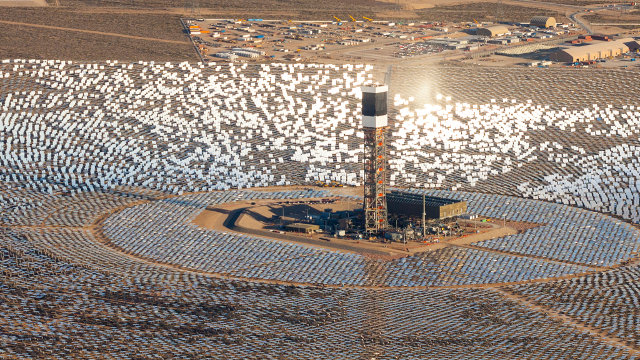
"description": "IVANPAH, CALIFORNIA, APRIL 05 2013: An aerial view of the Ivanpah Solar Power Facility with Tower 1, 2 and 3, where heliostats installation is nearly completed. Located in the Mojave Desert 40 miles southwest of Las Vegas, The Ivanpah Solar Power Facility is a solar thermal power project, currently under construction, with a planned capacity of 392 megawatts, enough to power approximately 140,000 houses. It will deploy 170,000 heliostat mirrors spread over 4,000 hectares, focusing solar energy on boilers located atop three solar power towers, generating steam to drive specially adapted steam turbines The project, developed by Bechtel, will cost $2.2 billion and be the largest solar farm in the world (photo Gilles Mingasson/Getty Images for Bechtel).",
"title": "Thumbnail for 10698",
"credit": null,
"status": "inherit",
"isLoading": false,
"fetchFailed": false
},
"science_11289": {
"type": "attachments",
"id": "science_11289",
"meta": {
"index": "attachments_1716263798",
"site": "science",
"id": "11289",
"found": true
},
"parent": 11233,
"imgSizes": {
"kqedFullSize": {
"file": "https://ww2.kqed.org/app/uploads/sites/35/2013/11/featuredukulele.png",
"width": 640,
"height": 360
}
},
"publishDate": 1384998371,
"modified": 1384998371,
"caption": null,
"description": null,
"title": "featuredukulele",
"credit": null,
"status": "inherit",
"isLoading": false,
"fetchFailed": false
},
"science_11244": {
"type": "attachments",
"id": "science_11244",
"meta": {
"index": "attachments_1716263798",
"site": "science",
"id": "11244",
"found": true
},
"parent": 11141,
"imgSizes": {
"kqedFullSize": {
"file": "https://ww2.kqed.org/app/uploads/sites/35/2013/11/703_KQEDSci_Space_BMcHugh_Jurvetson_01120608-e1384970593600.jpg",
"width": 640,
"height": 360
}
},
"publishDate": 1384970571,
"modified": 1384970571,
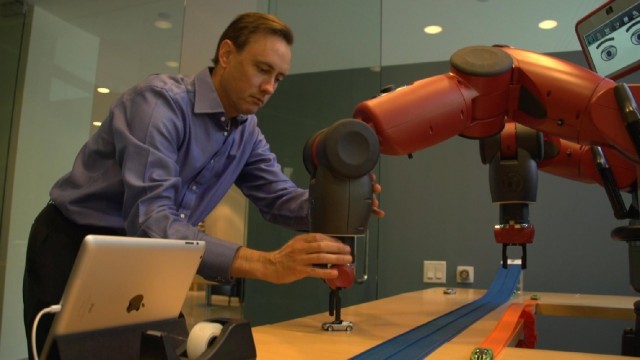
"caption": "Silicon Venture capitalist Steve Jurvetson helps a robot engineered by a startup firm maneuver a toy car on a race track at his office in Menlo Park.",
"description": null,
"title": "703_KQEDSci_Space_BMcHugh_Jurvetson_01120608",
"credit": null,
"status": "inherit",
"isLoading": false,
"fetchFailed": false
},
"science_11140": {
"type": "attachments",
"id": "science_11140",
"meta": {
"index": "attachments_1716263798",
"site": "science",
"id": "11140",
"found": true
},
"parent": 11135,
"imgSizes": {
"kqedFullSize": {
"file": "https://ww2.kqed.org/app/uploads/sites/35/2013/11/703_KQEDSci_Space_JRoy_Masten_14044207_2.jpg",
"width": 640,
"height": 360
}
},
"publishDate": 1384800255,
"modified": 1384800255,
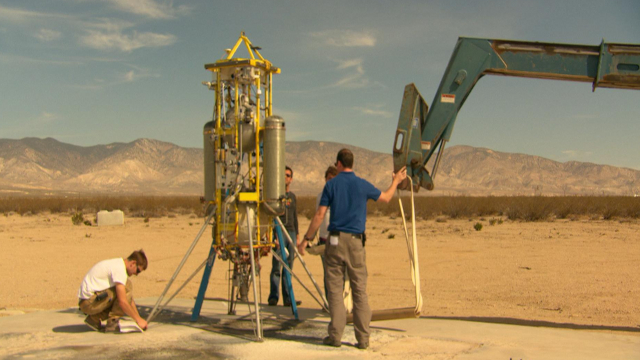
"caption": "Engineer Travis O'Neal (in blue) oversees interns setting up Masten's Xaero-B rocket for a tethered flight test. Image by Jayme Roy.",
"description": null,
"title": "703_KQEDSci_Space_JRoy_Masten_14044207_2",
"credit": null,
"status": "inherit",
"isLoading": false,
"fetchFailed": false
},
"science_10415": {
"type": "attachments",
"id": "science_10415",
"meta": {
"index": "attachments_1716263798",
"site": "science",
"id": "10415",
"found": true
},
"parent": 10241,
"imgSizes": {
"kqedFullSize": {
"file": "https://ww2.kqed.org/app/uploads/sites/35/2013/10/Zombees-side-640x360.jpg",
"width": 640,
"height": 360
}
},
"publishDate": 1383085323,
"modified": 1383085323,
"caption": null,
"description": null,
"title": "Zombees side 640x360",
"credit": null,
"status": "inherit",
"isLoading": false,
"fetchFailed": false
},
"science_10343": {
"type": "attachments",
"id": "science_10343",
"meta": {
"index": "attachments_1716263798",
"site": "science",
"id": "10343",
"found": true
},
"parent": 10330,
"imgSizes": {
"kqedFullSize": {
"file": "https://ww2.kqed.org/app/uploads/sites/35/2013/10/2446974503_c72442d844_z-e1382753760905.jpg",
"width": 640,
"height": 360
}
},
"publishDate": 1382753680,
"modified": 1382753680,
"caption": "The St. Louis Cardinals' Adam Wainwright delivers. St. Louis, MO, 2008. (bk1bennett/Flickr)",
"description": "Adam Wainwright delivers. St. Louis, MO, 2008. (bk1bennett/Flickr)",
"title": "2446974503_c72442d844_z",
"credit": null,
"status": "inherit",
"isLoading": false,
"fetchFailed": false
}
},
"audioPlayerReducer": {
"postId": "stream_live",
"isPaused": true,
"isPlaying": false,
"pfsActive": false,
"pledgeModalIsOpen": true,
"playerDrawerIsOpen": false,
"liveAudioPlayStartedAt": 0,
"liveAudioPlayContext": ""
},
"authorsReducer": {
"454": {
"type": "authors",
"id": "454",
"meta": {
"override": true
},
"slug": "454",
"name": "Craig Rosa",
"firstName": "Craig",
"lastName": "Rosa",
"bio": "Craig is responsible for the integration of traditional and web-based media across all Science platforms, as well as ongoing production of web-only content features. He is also the Series Producer for KQED's award-winning science web video series \u003ca href=\"https://www.youtube.com/user/KQEDDeepLook\">Deep Look\u003c/a> on YouTube. Prior to joining \u003cspan class=\"org\">KQED\u003c/span> in October of 2006, he spent 11 years with \u003ca href=\"http://www.thetech.org/\">The Tech Museum of Innovation\u003c/a> in San Jose, where he worked to create innovative educational visitor experiences online and within the museum space. He was also responsible for the museum's Information Services operations. He began his informal science interpretation career at the \u003ca href=\"http://www.brooklynkids.org/\">Brooklyn Children's Museum\u003c/a> as an Assistant Exhibit Developer and Greenhouse Program Coordinator. Craig has a B.A. in World Arts and Cultures from UCLA, and an M.A. in Performance Studies from New York University.",
"email": "crosa@kqed.org",
"isLoading": false
},
"katsnow": {
"type": "authors",
"id": "235",
"meta": {
"index": "authors_1716337520",
"id": "235",
"found": true
},
"name": "Katrin Snow",
"firstName": "Katrin",
"lastName": "Snow",
"slug": "katsnow",
"email": "ksnow@kqed.org",
"display_author_email": true,
"staff_mastheads": [
"science"
],
"title": "Senior Editor",
"bio": "Kat started in radio in 1985 at KMUN in Astoria, Oregon, where the Columbia River meets the sea. She worked several years protecting monarch butterfly habitat in California with the Xerces Society, an invertebrate conservation organization, before a love for radio news drew her back into journalism. Kat came to KQED in 2002, and before that was a reporter and news director at KUER in Salt Lake City, covering the state legislature, the environment and health. Kat coaches reporters and others in embodied narration and public speaking. She is a certified teacher of Soul Motion®, a conscious dance practice, and can sometimes be found in the Mojave desert or the Eastern Sierra.",
"avatar": "https://secure.gravatar.com/avatar/fa6bf8a74a2692973a5484e64ebd2b52?s=600&d=blank&r=g",
"twitter": "cosmologicalkat",
"facebook": null,
"instagram": null,
"linkedin": null,
"sites": [
{
"site": "arts",
"roles": [
"contributor"
]
},
{
"site": "news",
"roles": [
"editor"
]
},
{
"site": "futureofyou",
"roles": [
"editor"
]
},
{
"site": "science",
"roles": [
"editor"
]
}
],
"headData": {
"title": "Katrin Snow | KQED",
"description": "Senior Editor",
"ogImgSrc": "https://secure.gravatar.com/avatar/fa6bf8a74a2692973a5484e64ebd2b52?s=600&d=blank&r=g",
"twImgSrc": "https://secure.gravatar.com/avatar/fa6bf8a74a2692973a5484e64ebd2b52?s=600&d=blank&r=g"
},
"isLoading": false,
"link": "/author/katsnow"
},
"laurensommer": {
"type": "authors",
"id": "239",
"meta": {
"index": "authors_1716337520",
"id": "239",
"found": true
},
"name": "Lauren Sommer",
"firstName": "Lauren",
"lastName": "Sommer",
"slug": "laurensommer",
"email": "lsommer@kqed.org",
"display_author_email": false,
"staff_mastheads": [],
"title": "KQED Contributor",
"bio": "Lauren is a radio reporter formerly covering environment, water, and energy for KQED Science. As part of her day job, she has scaled Sierra Nevada peaks, run from charging elephant seals, and desperately tried to get her sea legs - all in pursuit of good radio. Her work has appeared on Marketplace, Living on Earth, Science Friday and NPR's Morning Edition and All Things Considered. You can find her on Twitter at \u003ca href=\"https://twitter.com/lesommer\">@lesommer\u003c/a>.",
"avatar": "https://secure.gravatar.com/avatar/33aa3772bb86c6ad45b8aca6a238bbdf?s=600&d=blank&r=g",
"twitter": null,
"facebook": null,
"instagram": null,
"linkedin": null,
"sites": [
{
"site": "news",
"roles": [
"author"
]
},
{
"site": "science",
"roles": [
"editor",
"manage_content_types",
"manage_taxonomies"
]
},
{
"site": "quest",
"roles": [
"editor"
]
}
],
"headData": {
"title": "Lauren Sommer | KQED",
"description": "KQED Contributor",
"ogImgSrc": "https://secure.gravatar.com/avatar/33aa3772bb86c6ad45b8aca6a238bbdf?s=600&d=blank&r=g",
"twImgSrc": "https://secure.gravatar.com/avatar/33aa3772bb86c6ad45b8aca6a238bbdf?s=600&d=blank&r=g"
},
"isLoading": false,
"link": "/author/laurensommer"
},
"jennyoh": {
"type": "authors",
"id": "2100",
"meta": {
"index": "authors_1716337520",
"id": "2100",
"found": true
},
"name": "Jenny Oh",
"firstName": "Jenny",
"lastName": "Oh",
"slug": "jennyoh",
"email": "joh@kqed.org",
"display_author_email": false,
"staff_mastheads": [],
"title": "Audience Engagement Producer, Deep Look",
"bio": "Jenny is an Emmy Award-winning producer and is currently the Audience Engagement Producer for KQED Science's \u003cem>Deep Look\u003c/em> online video series. She was also a long-time contributor to Bay Area Bites, KQED's popular food blog. Jenny graduated with honors from New York University’s Tisch School of the Arts Film and Television program and has worked for WNET/PBS, The Learning Channel, Sundance Channel, HBO and the University of California.",
"avatar": "https://secure.gravatar.com/avatar/7ddda0ed657e46dbe66083f569967752?s=600&d=mm&r=g",
"twitter": null,
"facebook": null,
"instagram": null,
"linkedin": null,
"sites": [
{
"site": "arts",
"roles": []
},
{
"site": "pop",
"roles": []
},
{
"site": "about",
"roles": []
},
{
"site": "bayareabites",
"roles": []
},
{
"site": "science",
"roles": []
},
{
"site": "education",
"roles": []
},
{
"site": "quest",
"roles": []
},
{
"site": "food",
"roles": []
}
],
"headData": {
"title": "Jenny Oh | KQED",
"description": "Audience Engagement Producer, Deep Look",
"ogImgSrc": "https://secure.gravatar.com/avatar/7ddda0ed657e46dbe66083f569967752?s=600&d=mm&r=g",
"twImgSrc": "https://secure.gravatar.com/avatar/7ddda0ed657e46dbe66083f569967752?s=600&d=mm&r=g"
},
"isLoading": false,
"link": "/author/jennyoh"
},
"sheraz-sadiq": {
"type": "authors",
"id": "6176",
"meta": {
"index": "authors_1716337520",
"id": "6176",
"found": true
},
"name": "Sheraz Sadiq",
"firstName": "Sheraz",
"lastName": "Sadiq",
"slug": "sheraz-sadiq",
"email": "ssadiq@kqed.org",
"display_author_email": false,
"staff_mastheads": [],
"title": "KQED Contributor",
"bio": "Sheraz Sadiq is an Emmy Award-winning producer at San Francisco PBS affiliate KQED. In 2012, he received the AAAS Kavli Science Journalism award for a story he produced about the seismic retrofit of the Hetch Hetchy water delivery system which serves the San Francisco Bay Area. In addition to producing television content for KQED Science, he has also created online features and written news articles on scientific subjects ranging from astronomy to synthetic biology.",
"avatar": "https://secure.gravatar.com/avatar/d88c61c214e477c4c6f0ebaed4f581bf7c9b1dafd94cd4361285d427107adb8d?s=600&d=blank&r=g",
"twitter": null,
"bluesky": null,
"facebook": null,
"instagram": null,
"linkedin": null,
"sites": [
{
"site": "arts",
"roles": [
"subscriber"
]
},
{
"site": "news",
"roles": [
"subscriber"
]
},
{
"site": "futureofyou",
"roles": [
"subscriber"
]
},
{
"site": "science",
"roles": [
"subscriber"
]
},
{
"site": "quest",
"roles": [
"leadcoordinator",
"subscriber"
]
}
],
"headData": {
"title": "Sheraz Sadiq | KQED",
"description": "KQED Contributor",
"ogImgSrc": "https://secure.gravatar.com/avatar/d88c61c214e477c4c6f0ebaed4f581bf7c9b1dafd94cd4361285d427107adb8d?s=600&d=blank&r=g",
"twImgSrc": "https://secure.gravatar.com/avatar/d88c61c214e477c4c6f0ebaed4f581bf7c9b1dafd94cd4361285d427107adb8d?s=600&d=blank&r=g"
},
"isLoading": false,
"link": "/author/sheraz-sadiq"
},
"joshua-cassidy": {
"type": "authors",
"id": "6219",
"meta": {
"index": "authors_1716337520",
"id": "6219",
"found": true
},
"name": "Josh Cassidy",
"firstName": "Josh",
"lastName": "Cassidy",
"slug": "joshua-cassidy",
"email": "jcassidy@kqed.org",
"display_author_email": false,
"staff_mastheads": [
"science"
],
"title": "Digital Video Producer",
"bio": "Josh is a Senior Video Producer for KQED Science, and the Lead Producer and Cinematographer for Deep Look. After receiving his BS in Wildlife Biology from Ohio University, he went on to participate in marine mammal research for NOAA, USGS and the Intersea Foundation. He also served as the president of The Pacific Cetacean Group, a nonprofit organization dedicated to teaching students K-6 about whales. Josh studied science and natural history filmmaking at San Francisco State University and Montana State University.",
"avatar": "https://secure.gravatar.com/avatar/f2582a0801a35af53b734d56bcac2bbe?s=600&d=blank&r=g",
"twitter": null,
"facebook": null,
"instagram": null,
"linkedin": null,
"sites": [
{
"site": "science",
"roles": [
"editor"
]
},
{
"site": "quest",
"roles": [
"author",
"edit_others_posts"
]
}
],
"headData": {
"title": "Josh Cassidy | KQED",
"description": "Digital Video Producer",
"ogImgSrc": "https://secure.gravatar.com/avatar/f2582a0801a35af53b734d56bcac2bbe?s=600&d=blank&r=g",
"twImgSrc": "https://secure.gravatar.com/avatar/f2582a0801a35af53b734d56bcac2bbe?s=600&d=blank&r=g"
},
"isLoading": false,
"link": "/author/joshua-cassidy"
},
"kqedscience": {
"type": "authors",
"id": "6387",
"meta": {
"index": "authors_1716337520",
"id": "6387",
"found": true
},
"name": "KQED Science",
"firstName": "KQED",
"lastName": "Science",
"slug": "kqedscience",
"email": "kqedscience@gmail.com",
"display_author_email": false,
"staff_mastheads": [],
"title": null,
"bio": "KQED Science brings you award-winning science and environment coverage from the Bay Area and beyond by the flagship Northern California PBS and NPR affiliate.",
"avatar": "https://secure.gravatar.com/avatar/5a295ff49cf82a8c0f30937d3f788b2f?s=600&d=blank&r=g",
"twitter": null,
"facebook": null,
"instagram": null,
"linkedin": null,
"sites": [
{
"site": "science",
"roles": [
"contributor"
]
},
{
"site": "quest",
"roles": [
"editor"
]
},
{
"site": "food",
"roles": [
"contributor"
]
}
],
"headData": {
"title": "KQED Science | KQED",
"description": null,
"ogImgSrc": "https://secure.gravatar.com/avatar/5a295ff49cf82a8c0f30937d3f788b2f?s=600&d=blank&r=g",
"twImgSrc": "https://secure.gravatar.com/avatar/5a295ff49cf82a8c0f30937d3f788b2f?s=600&d=blank&r=g"
},
"isLoading": false,
"link": "/author/kqedscience"
},
"lrothjohnson": {
"type": "authors",
"id": "6569",
"meta": {
"index": "authors_1716337520",
"id": "6569",
"found": true
},
"name": "Liz Roth-Johnson",
"firstName": "Liz",
"lastName": "Roth-Johnson",
"slug": "lrothjohnson",
"email": "lrothjohnson@KQED.org",
"display_author_email": false,
"staff_mastheads": [],
"title": null,
"bio": "Liz Roth-Johnson received her B.A. degrees in Molecular & Cell Biology and Music from UC Berkeley and recently finished her Ph.D. in Molecular Biology at UCLA, where she studied early development in fruit flies. Outside of the lab, Liz co-founded the K-8 science and engineering outreach program BEAM at UCLA and has worked extensively with the public outreach program Science & Food. Liz is delighted to be joining KQED Science as a 2014 AAAS Mass Media Fellow.",
"avatar": "https://secure.gravatar.com/avatar/2a05f38b66374c92661c37593c548376?s=600&d=blank&r=g",
"twitter": null,
"facebook": null,
"instagram": null,
"linkedin": null,
"sites": [
{
"site": "science",
"roles": [
"editor"
]
},
{
"site": "quest",
"roles": [
"subscriber"
]
}
],
"headData": {
"title": "Liz Roth-Johnson | KQED",
"description": null,
"ogImgSrc": "https://secure.gravatar.com/avatar/2a05f38b66374c92661c37593c548376?s=600&d=blank&r=g",
"twImgSrc": "https://secure.gravatar.com/avatar/2a05f38b66374c92661c37593c548376?s=600&d=blank&r=g"
},
"isLoading": false,
"link": "/author/lrothjohnson"
}
},
"pagesReducer": {
"science_category_video": {
"type": "terms",
"id": "science_86",
"meta": {
"index": "terms_1716263798",
"site": "science",
"id": "86",
"score": 12.138481
},
"featImg": null,
"name": "Video",
"description": null,
"taxonomy": "category",
"headData": {
"twImgId": null,
"twTitle": null,
"ogTitle": null,
"ogImgId": null,
"twDescription": null,
"description": null,
"title": "Video Archives | KQED Science",
"ogDescription": null
},
"ttid": 89,
"slug": "video",
"isLoading": false,
"title": "Video",
"pageMeta": {
"site": "science",
"WpPageTemplate": "page-topic-editorial",
"currentPage": 21
},
"blocks": [
{
"blockName": "kqed/post-list",
"attrs": {
"layout": "cardArticle2",
"query": "posts/science?category=video",
"seeMore": false,
"paginated": true,
"page": 21
}
},
{
"blockName": "kqed/ad"
}
]
}
},
"pfsSessionReducer": {},
"postsReducer": {
"stream_live": {
"type": "live",
"id": "stream_live",
"audioUrl": "https://streams.kqed.org/kqedradio",
"title": "Live Stream",
"excerpt": "Live Stream information currently unavailable.",
"link": "/radio",
"featImg": "",
"label": {
"name": "KQED Live",
"link": "/"
}
},
"stream_kqedNewscast": {
"type": "posts",
"id": "stream_kqedNewscast",
"audioUrl": "https://www.kqed.org/.stream/anon/radio/RDnews/newscast.mp3?_=1",
"title": "KQED Newscast",
"featImg": "",
"label": {
"name": "88.5 FM",
"link": "/"
}
},
"science_23927": {
"type": "posts",
"id": "science_23927",
"meta": {
"index": "posts_1716263798",
"site": "science",
"id": "23927",
"score": null,
"sort": [
1416321048000
]
},
"guestAuthors": [
{
"ID": "454",
"displayName": "Craig Rosa",
"firstName": "Craig",
"lastName": "Rosa",
"userLogin": "craig-rosa",
"userEmail": "crosa@kqed.org",
"linkedAccount": "craig rosa",
"website": "",
"description": "Craig is responsible for the integration of traditional and web-based media across all Science platforms, as well as ongoing production of web-only content features. He is also the Series Producer for KQED's award-winning science web video series \u003ca href=\"https://www.youtube.com/user/KQEDDeepLook\">Deep Look\u003c/a> on YouTube. Prior to joining \u003cspan class=\"org\">KQED\u003c/span> in October of 2006, he spent 11 years with \u003ca href=\"http://www.thetech.org/\">The Tech Museum of Innovation\u003c/a> in San Jose, where he worked to create innovative educational visitor experiences online and within the museum space. He was also responsible for the museum's Information Services operations. He began his informal science interpretation career at the \u003ca href=\"http://www.brooklynkids.org/\">Brooklyn Children's Museum\u003c/a> as an Assistant Exhibit Developer and Greenhouse Program Coordinator. Craig has a B.A. in World Arts and Cultures from UCLA, and an M.A. in Performance Studies from New York University.",
"userNicename": "craig-rosa",
"type": "guest-author",
"nickname": "",
"wpUser": {
"data": {
"ID": "6166",
"user_login": "craig rosa",
"user_pass": "$2y$10$wwDV/FYc8lqAWb2QwK2rHOIQWQIa1qtzku77v2ejvEZexQ8L9RXZK",
"user_nicename": "craig-rosa",
"user_email": "crosa@kqed.org",
"user_url": "http://kqed.org/science",
"user_registered": "2011-02-03 20:30:35",
"user_activation_key": "",
"user_status": "0",
"display_name": "Craig Rosa",
"spam": "0",
"deleted": "0"
},
"ID": 6166,
"caps": [],
"cap_key": "wp_35_capabilities",
"roles": [],
"allcaps": [],
"filter": null
}
}
],
"slug": "what-gall-the-crazy-cribs-of-parasitic-wasps",
"title": "What Gall! The Crazy Cribs of Parasitic Wasps",
"publishDate": 1416321048,
"format": "video",
"headTitle": "What Gall! The Crazy Cribs of Parasitic Wasps | KQED",
"labelTerm": {
"term": 1935,
"site": "science"
},
"content": "\u003cp>[dl_subscribe]Plenty of animals build their homes in oak trees. But some very teeny, tricky wasps make the tree do all the work. “What nerve!” you might say. What… gall! And you’d be right. The wasps are called gall-inducers. And each miniature mansion that the trees build for the wasps’ larvae is weirder and more flamboyant than the next.\u003c/p>\n\u003cp>If you’ve ever spent a Summer or Fall around oak trees – such as the stalwart Valley Oak – \u003cem>\u003ca href=\"http://en.wikipedia.org/wiki/Quercus_lobata\">Quercus lobata\u003c/a>\u003c/em>, or the stately Blue Oak, \u003cem>\u003ca href=\"http://en.wikipedia.org/wiki/Quercus_douglasii\">Quercus douglasii\u003c/a>\u003c/em> – you may be familiar with the large, vaguely fruity-looking objects clinging to the branches and leaves. Commonly called oak apples, these growths are the last thing you’d want to put in your mouth. They are intensely bitter, loaded with tannin compounds – the same compounds that in modest amounts give red wine its pleasant dryness, and tea its refreshing earthy tang.\u003c/p>\n\u003cfigure id=\"attachment_23972\" class=\"wp-caption aligncenter\" style=\"max-width: 1920px\">\u003ca href=\"http://ww2.kqed.org/science/wp-content/uploads/sites/35/2014/11/oak-apple-gall.jpg\">\u003cimg loading=\"lazy\" decoding=\"async\" class=\"size-full wp-image-23972\" src=\"http://ww2.kqed.org/science/wp-content/uploads/sites/35/2014/11/oak-apple-gall.jpg\" alt=\"Oak apple galls, from the California Oak Gall Wasp (Andricus quercuscalifornicus). \" width=\"1920\" height=\"1080\">\u003c/a>\u003cfigcaption class=\"wp-caption-text\">Oak apple gall from the California Oak Gall Wasp (Andricus quercuscalifornicus).\u003c/figcaption>\u003c/figure>\n\u003cp>That said, the oak apple’s powerful astringency has been prized for millennia. Tanning leather, making \u003ca href=\"http://www.instructables.com/id/Making-Iron-Gall-Ink/\">ink\u003c/a> or \u003ca href=\"http://wooltribulations.blogspot.com/2013/11/dyeing-wool-with-galls-acorns-and-oak.html\">dye\u003c/a>, and cleaning wounds have been but a few of the gall’s historical uses.\u003c/p>\n\u003cp>But on closer inspection of these oaks – and many other plants and trees such as willows, alders, manzanitas, or pines – you can find a rogue’s gallery of smaller galls. Carefully peeking under leaves, along the stems and branches, or around the flower buds and acorns will likely lead you to unexpected finds. Smooth ones. Spiky ones. Long skinny ones, flat ones, lumpy, boxy ones. From the size of a golf ball down to that of a poppy seed. \u003ca href=\"http://joycegross.com/galls_ca_oak.php\">These structures wear shades of yellow, green, brown, purple, pink and red\u003c/a> – and sometimes all of the above. A single tree may be host to dozens of types of gall, each one caused by a specific organism. And their shapes range from the sublime to the downright creepy. One tree may be encrusted with them, like a Christmas tree laden with ornaments and tinsel; and the next tree over may be almost completely free of galls. Why? It’s a mystery, like many other aspects of Cecidology, the study of plant galls and their inducers.\u003c/p>\n\u003cfigure id=\"attachment_23953\" class=\"wp-caption aligncenter\" style=\"max-width: 1920px\">\u003ca href=\"http://ww2.kqed.org/science/wp-content/uploads/sites/35/2014/11/Andricus-crystallinu.png\">\u003cimg loading=\"lazy\" decoding=\"async\" class=\"size-full wp-image-23953\" src=\"http://ww2.kqed.org/science/wp-content/uploads/sites/35/2014/11/Andricus-crystallinu.png\" alt=\"A cluster of galls by the Crystalline Gall Wasp (Andricus crystallinus) under the leaf of a Blue Oak (Quercus douglasii). \" width=\"1920\" height=\"1080\">\u003c/a>\u003cfigcaption class=\"wp-caption-text\">A cluster of galls by the Crystalline Gall Wasp (Andricus crystallinus) under the leaf of a Blue Oak (Quercus douglasii).\u003c/figcaption>\u003c/figure>\n\u003cp>Who causes galls? Lots of creatures; midges, mites, aphids, flies, even bacteria and viruses. But the undisputed champs are a big family of little wasps called \u003ca href=\"http://leftcoastnatty.blogspot.com/2010/09/oak-gall-wasps-cynipids.html\">Cynipids\u003c/a>– rarely exceeding the size of a mosquito, a quarter of an inch in length.\u003c/p>\n\u003cp>[ad fullwidth]\u003c/p>\n\u003cp>“These tiny wasps cannot sting,” says Dr. Kathy Schick, Assistant Specialist/Curatorial Assistant at the \u003ca href=\"http://essig.berkeley.edu/\">Essig Museum of Entomology\u003c/a> at UC Berkeley. “Gall-inducers are fascinating in that they are very specialized to their organ of the host plant.” Galls are generally formed when an insect, or its larvae, introduce chemicals into a specific location, to push the plant’s growth hormones into overdrive. This can result in a great profusion of normal cells, increased size of existing cells, or the alteration of entire plant structures into new, alien forms.\u003c/p>\n\u003cfigure id=\"attachment_23969\" class=\"wp-caption aligncenter\" style=\"max-width: 1920px\">\u003ca href=\"http://ww2.kqed.org/science/wp-content/uploads/sites/35/2014/11/california-oak-gall-wasp.jpg\">\u003cimg loading=\"lazy\" decoding=\"async\" class=\"size-full wp-image-23969\" src=\"http://ww2.kqed.org/science/wp-content/uploads/sites/35/2014/11/california-oak-gall-wasp.jpg\" alt=\"The California Gall Wasp (Andricus quercuscalifornicus).\" width=\"1920\" height=\"1080\">\u003c/a>\u003cfigcaption class=\"wp-caption-text\">The California Gall Wasp (Andricus quercuscalifornicus). This member of the Cynipid family is on the larger side – about 1/4″ long.\u003c/figcaption>\u003c/figure>\n\u003cp>These wasp houses are not homes exactly, but more akin to nurseries. The galls serve as an ideal environment for wasp larvae, whether it is a single offspring, or dozens. The tree is tricked into generating outsize amounts of soft, pillowy tissue inside each gall, on which the larvae gladly gorge themselves as they grow.\u003c/p>\n\u003cp>But gall-inducers are not the only wasps who come to the party. All the free eats and nice digs attract uninvited guests. These other wasps – called inquilines – invade other galls to steal the food from the larvae. Yet another kind of wasp — a parasitoid — injects its eggs into the first wasp’s gall, so its offspring can eat the plant tissue eating the food and even the residents. And the parasitoids, they have to watch out for other Johnny-come-lately wasps called hyper-parasitoids, which go after their larvae or even the parasitoids themselves. And on and on.\u003c/p>\n\u003cfigure id=\"attachment_23960\" class=\"wp-caption aligncenter\" style=\"max-width: 1920px\">\u003ca href=\"http://ww2.kqed.org/science/wp-content/uploads/sites/35/2014/11/Galls-prod-still.jpg\">\u003cimg loading=\"lazy\" decoding=\"async\" class=\"size-full wp-image-23960\" src=\"http://ww2.kqed.org/science/wp-content/uploads/sites/35/2014/11/Galls-prod-still.jpg\" alt=\"Left to right: Dr. Kathy Schick of UC Berkeley's Essig Museum of Entomology; Joyce Gross, Berkeley Natural History Museums; the author; and Joshua Cassidy, Lead Producer / Photographer for KQED's Deep Look series.\" width=\"1920\" height=\"1080\">\u003c/a>\u003cfigcaption class=\"wp-caption-text\">Left to Right: Dr. Kathy Schick of UC Berkeley’s Essig Museum of Entomology; Joyce Gross, Berkeley Natural History Museums; the author; and Joshua Cassidy, Lead Producer / Photographer for KQED’s Deep Look series.\u003c/figcaption>\u003c/figure>\n\u003cp>But assuming the original offspring survive, the larvae pupate and as new adult wasps chew their way out – weeks, months, or even years later depending on the species and environmental conditions.\u003c/p>\n\u003cp>Then off to find a mate. Or not?\u003c/p>\n\u003cp>The life cycle of gall-inducers can be exceedingly complex, especially among Cynipids.There can be both sexual (male and female get together, eggs are fertilized) and asexual (no males = parthenogenic) phases at different times of year, which result in different types of galls, even on different parts of the plant.\u003c/p>\n\u003cp>\u003c/p>\n\u003cp>And the California Gall Wasp in our video, \u003cem>Andricus quercuscalifornicus\u003c/em>? Researchers are still searching for a male specimen. To date, not a single one has been found. It is debated whether they even exist at all. Yet another unsolved mystery, in the under appreciated realm of plant galls and their iinhabitants.\u003c/p>\n\n",
"blocks": [],
"excerpt": "Plenty of animals build their homes in oak trees. But some very teeny, tricky wasps make the tree do all the work. “What nerve!” you might say. What… gall! And you’d be right. The wasps are called gall-inducers. And each miniature mansion that the trees build for the wasps' larvae is weirder and more flamboyant than the next. ",
"status": "publish",
"parent": 0,
"modified": 1738702220,
"stats": {
"hasAudio": false,
"hasVideo": false,
"hasChartOrMap": false,
"iframeSrcs": [],
"hasGoogleForm": false,
"hasGallery": false,
"hasHearkenModule": false,
"hasPolis": false,
"paragraphCount": 14,
"wordCount": 906
},
"headData": {
"title": "What Gall! The Crazy Cribs of Parasitic Wasps | KQED",
"description": "Plenty of animals build their homes in oak trees. But some very teeny, tricky wasps make the tree do all the work. “What nerve!” you might say. What… gall! And you’d be right. The wasps are called gall-inducers. And each miniature mansion that the trees build for the wasps' larvae is weirder and more flamboyant than the next. ",
"ogTitle": "",
"ogDescription": "",
"ogImgId": "",
"twTitle": "",
"twDescription": "",
"twImgId": "",
"schema": {
"@context": "https://schema.org",
"@type": "Article",
"headline": "What Gall! The Crazy Cribs of Parasitic Wasps",
"datePublished": "2014-11-18T06:30:48-08:00",
"dateModified": "2025-02-04T12:50:20-08:00",
"image": "https://cdn.kqed.org/wp-content/uploads/2020/02/KQED-OG-Image@1x.png"
}
},
"videoEmbed": "https://www.youtube.com/watch?v=lOgP5NzcTuA&autohide=2&rel=0",
"pbsMediaId": "2365579247",
"sticky": false,
"excludeFromSiteSearch": "Include",
"articleAge": "0",
"path": "/science/23927/what-gall-the-crazy-cribs-of-parasitic-wasps",
"audioTrackLength": null,
"parsedContent": [
{
"type": "contentString",
"content": "\u003cdiv class=\"post-body\">\u003cp>\u003cp>\u003c/p>\u003c/div>",
"attributes": {
"named": {},
"numeric": []
}
},
{
"type": "component",
"content": "",
"name": "dl_subscribe",
"attributes": {
"named": {
"label": ""
},
"numeric": []
}
},
{
"type": "contentString",
"content": "\u003cdiv class=\"post-body\">\u003cp>Plenty of animals build their homes in oak trees. But some very teeny, tricky wasps make the tree do all the work. “What nerve!” you might say. What… gall! And you’d be right. The wasps are called gall-inducers. And each miniature mansion that the trees build for the wasps’ larvae is weirder and more flamboyant than the next.\u003c/p>\n\u003cp>If you’ve ever spent a Summer or Fall around oak trees – such as the stalwart Valley Oak – \u003cem>\u003ca href=\"http://en.wikipedia.org/wiki/Quercus_lobata\">Quercus lobata\u003c/a>\u003c/em>, or the stately Blue Oak, \u003cem>\u003ca href=\"http://en.wikipedia.org/wiki/Quercus_douglasii\">Quercus douglasii\u003c/a>\u003c/em> – you may be familiar with the large, vaguely fruity-looking objects clinging to the branches and leaves. Commonly called oak apples, these growths are the last thing you’d want to put in your mouth. They are intensely bitter, loaded with tannin compounds – the same compounds that in modest amounts give red wine its pleasant dryness, and tea its refreshing earthy tang.\u003c/p>\n\u003cfigure id=\"attachment_23972\" class=\"wp-caption aligncenter\" style=\"max-width: 1920px\">\u003ca href=\"http://ww2.kqed.org/science/wp-content/uploads/sites/35/2014/11/oak-apple-gall.jpg\">\u003cimg loading=\"lazy\" decoding=\"async\" class=\"size-full wp-image-23972\" src=\"http://ww2.kqed.org/science/wp-content/uploads/sites/35/2014/11/oak-apple-gall.jpg\" alt=\"Oak apple galls, from the California Oak Gall Wasp (Andricus quercuscalifornicus). \" width=\"1920\" height=\"1080\">\u003c/a>\u003cfigcaption class=\"wp-caption-text\">Oak apple gall from the California Oak Gall Wasp (Andricus quercuscalifornicus).\u003c/figcaption>\u003c/figure>\n\u003cp>That said, the oak apple’s powerful astringency has been prized for millennia. Tanning leather, making \u003ca href=\"http://www.instructables.com/id/Making-Iron-Gall-Ink/\">ink\u003c/a> or \u003ca href=\"http://wooltribulations.blogspot.com/2013/11/dyeing-wool-with-galls-acorns-and-oak.html\">dye\u003c/a>, and cleaning wounds have been but a few of the gall’s historical uses.\u003c/p>\n\u003cp>But on closer inspection of these oaks – and many other plants and trees such as willows, alders, manzanitas, or pines – you can find a rogue’s gallery of smaller galls. Carefully peeking under leaves, along the stems and branches, or around the flower buds and acorns will likely lead you to unexpected finds. Smooth ones. Spiky ones. Long skinny ones, flat ones, lumpy, boxy ones. From the size of a golf ball down to that of a poppy seed. \u003ca href=\"http://joycegross.com/galls_ca_oak.php\">These structures wear shades of yellow, green, brown, purple, pink and red\u003c/a> – and sometimes all of the above. A single tree may be host to dozens of types of gall, each one caused by a specific organism. And their shapes range from the sublime to the downright creepy. One tree may be encrusted with them, like a Christmas tree laden with ornaments and tinsel; and the next tree over may be almost completely free of galls. Why? It’s a mystery, like many other aspects of Cecidology, the study of plant galls and their inducers.\u003c/p>\n\u003cfigure id=\"attachment_23953\" class=\"wp-caption aligncenter\" style=\"max-width: 1920px\">\u003ca href=\"http://ww2.kqed.org/science/wp-content/uploads/sites/35/2014/11/Andricus-crystallinu.png\">\u003cimg loading=\"lazy\" decoding=\"async\" class=\"size-full wp-image-23953\" src=\"http://ww2.kqed.org/science/wp-content/uploads/sites/35/2014/11/Andricus-crystallinu.png\" alt=\"A cluster of galls by the Crystalline Gall Wasp (Andricus crystallinus) under the leaf of a Blue Oak (Quercus douglasii). \" width=\"1920\" height=\"1080\">\u003c/a>\u003cfigcaption class=\"wp-caption-text\">A cluster of galls by the Crystalline Gall Wasp (Andricus crystallinus) under the leaf of a Blue Oak (Quercus douglasii).\u003c/figcaption>\u003c/figure>\n\u003cp>Who causes galls? Lots of creatures; midges, mites, aphids, flies, even bacteria and viruses. But the undisputed champs are a big family of little wasps called \u003ca href=\"http://leftcoastnatty.blogspot.com/2010/09/oak-gall-wasps-cynipids.html\">Cynipids\u003c/a>– rarely exceeding the size of a mosquito, a quarter of an inch in length.\u003c/p>\n\u003cp>\u003c/p>\u003c/div>",
"attributes": {
"named": {},
"numeric": []
}
},
{
"type": "component",
"content": "",
"name": "ad",
"attributes": {
"named": {
"label": "fullwidth"
},
"numeric": [
"fullwidth"
]
}
},
{
"type": "contentString",
"content": "\u003cdiv class=\"post-body\">\u003cp>\u003c/p>\n\u003cp>“These tiny wasps cannot sting,” says Dr. Kathy Schick, Assistant Specialist/Curatorial Assistant at the \u003ca href=\"http://essig.berkeley.edu/\">Essig Museum of Entomology\u003c/a> at UC Berkeley. “Gall-inducers are fascinating in that they are very specialized to their organ of the host plant.” Galls are generally formed when an insect, or its larvae, introduce chemicals into a specific location, to push the plant’s growth hormones into overdrive. This can result in a great profusion of normal cells, increased size of existing cells, or the alteration of entire plant structures into new, alien forms.\u003c/p>\n\u003cfigure id=\"attachment_23969\" class=\"wp-caption aligncenter\" style=\"max-width: 1920px\">\u003ca href=\"http://ww2.kqed.org/science/wp-content/uploads/sites/35/2014/11/california-oak-gall-wasp.jpg\">\u003cimg loading=\"lazy\" decoding=\"async\" class=\"size-full wp-image-23969\" src=\"http://ww2.kqed.org/science/wp-content/uploads/sites/35/2014/11/california-oak-gall-wasp.jpg\" alt=\"The California Gall Wasp (Andricus quercuscalifornicus).\" width=\"1920\" height=\"1080\">\u003c/a>\u003cfigcaption class=\"wp-caption-text\">The California Gall Wasp (Andricus quercuscalifornicus). This member of the Cynipid family is on the larger side – about 1/4″ long.\u003c/figcaption>\u003c/figure>\n\u003cp>These wasp houses are not homes exactly, but more akin to nurseries. The galls serve as an ideal environment for wasp larvae, whether it is a single offspring, or dozens. The tree is tricked into generating outsize amounts of soft, pillowy tissue inside each gall, on which the larvae gladly gorge themselves as they grow.\u003c/p>\n\u003cp>But gall-inducers are not the only wasps who come to the party. All the free eats and nice digs attract uninvited guests. These other wasps – called inquilines – invade other galls to steal the food from the larvae. Yet another kind of wasp — a parasitoid — injects its eggs into the first wasp’s gall, so its offspring can eat the plant tissue eating the food and even the residents. And the parasitoids, they have to watch out for other Johnny-come-lately wasps called hyper-parasitoids, which go after their larvae or even the parasitoids themselves. And on and on.\u003c/p>\n\u003cfigure id=\"attachment_23960\" class=\"wp-caption aligncenter\" style=\"max-width: 1920px\">\u003ca href=\"http://ww2.kqed.org/science/wp-content/uploads/sites/35/2014/11/Galls-prod-still.jpg\">\u003cimg loading=\"lazy\" decoding=\"async\" class=\"size-full wp-image-23960\" src=\"http://ww2.kqed.org/science/wp-content/uploads/sites/35/2014/11/Galls-prod-still.jpg\" alt=\"Left to right: Dr. Kathy Schick of UC Berkeley's Essig Museum of Entomology; Joyce Gross, Berkeley Natural History Museums; the author; and Joshua Cassidy, Lead Producer / Photographer for KQED's Deep Look series.\" width=\"1920\" height=\"1080\">\u003c/a>\u003cfigcaption class=\"wp-caption-text\">Left to Right: Dr. Kathy Schick of UC Berkeley’s Essig Museum of Entomology; Joyce Gross, Berkeley Natural History Museums; the author; and Joshua Cassidy, Lead Producer / Photographer for KQED’s Deep Look series.\u003c/figcaption>\u003c/figure>\n\u003cp>But assuming the original offspring survive, the larvae pupate and as new adult wasps chew their way out – weeks, months, or even years later depending on the species and environmental conditions.\u003c/p>\n\u003cp>Then off to find a mate. Or not?\u003c/p>\n\u003cp>The life cycle of gall-inducers can be exceedingly complex, especially among Cynipids.There can be both sexual (male and female get together, eggs are fertilized) and asexual (no males = parthenogenic) phases at different times of year, which result in different types of galls, even on different parts of the plant.\u003c/p>\n\u003cp>\u003c/p>\n\u003cp>And the California Gall Wasp in our video, \u003cem>Andricus quercuscalifornicus\u003c/em>? Researchers are still searching for a male specimen. To date, not a single one has been found. It is debated whether they even exist at all. Yet another unsolved mystery, in the under appreciated realm of plant galls and their iinhabitants.\u003c/p>\n\n\u003c/div>\u003c/p>",
"attributes": {
"named": {},
"numeric": []
}
}
],
"link": "/science/23927/what-gall-the-crazy-cribs-of-parasitic-wasps",
"authors": [
"454"
],
"series": [
"science_1935"
],
"categories": [
"science_30",
"science_35",
"science_86"
],
"tags": [
"science_157",
"science_325",
"science_309"
],
"featImg": "science_23936",
"label": "science_1935"
},
"science_23057": {
"type": "posts",
"id": "science_23057",
"meta": {
"index": "posts_1716263798",
"site": "science",
"id": "23057",
"score": null,
"sort": [
1415113258000
]
},
"guestAuthors": [],
"slug": "the-amazing-life-of-sand",
"title": "The Amazing Life of Sand",
"publishDate": 1415113258,
"format": "video",
"headTitle": "The Amazing Life of Sand | KQED",
"labelTerm": {
"term": 1935,
"site": "science"
},
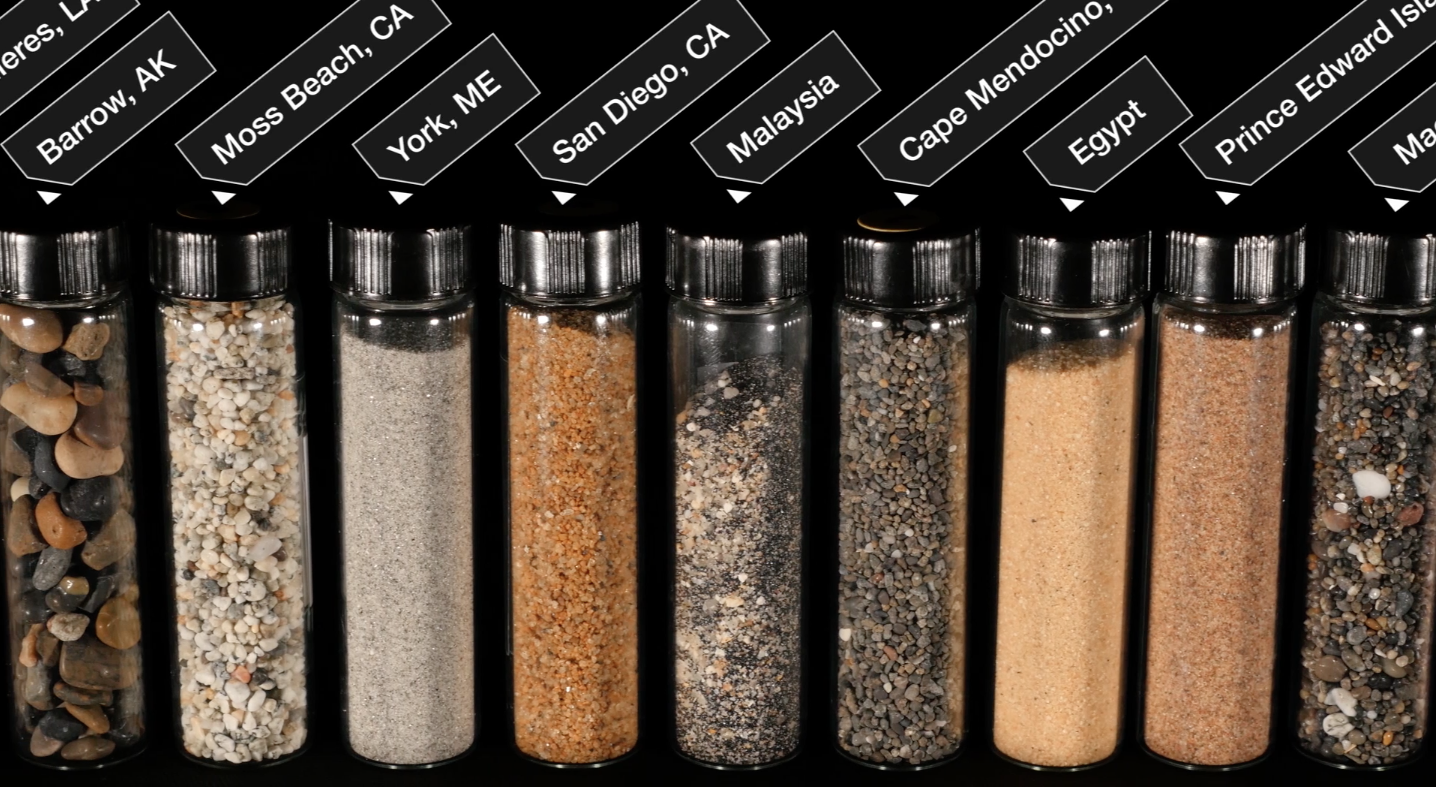
"content": "\u003cp>\u003cem>\u003ca href=\"http://ww2.kqed.org/science/author/lrothjohnson/\">Article by Liz Roth-Johnson\u003c/a>\u003c/em>\u003c/p>\n\u003cp>[dl_subscribe]Every grain of sand has a story to tell.\u003c/p>\n\u003cp>By studying the composition and texture of sand, geologists can reconstruct its incredible life history. “There’s just a ton of information out there, and all of it is in the sand,” said Mary McGann, a geologist at the United States Geological Survey in Menlo Park, CA.\u003c/p>\n\u003cp>McGann recently took part in a comprehensive research project mapping sand’s journey into and throughout San Francisco Bay.\u003c/p>\n\u003cp>Patrick Barnard, another USGS geologist who helped oversee the project, said that it will help scientists understand how local beaches are changing over time. In particular, Barnard wants to understand why beaches just south of San Francisco Bay are among the most rapidly eroding beaches in the state.\u003c/p>\n\u003cp>[ad fullwidth]\u003c/p>\n\u003cp>“It comes down to sand,” he said. “Where does the sand supply come from to these beaches, and is it being cut off?”\u003c/p>\n\u003cfigure id=\"attachment_23060\" class=\"wp-caption aligncenter\" style=\"max-width: 509px\">\u003ca href=\"http://ww2.kqed.org/science/wp-content/uploads/sites/35/2014/10/Hoover-and-Goeden.png\">\u003cimg loading=\"lazy\" decoding=\"async\" class=\"size-full wp-image-23060\" src=\"http://ww2.kqed.org/science/wp-content/uploads/sites/35/2014/10/Hoover-and-Goeden.png\" alt=\"Daniel Hoover and Brenda Goeden collect sand samples along the coast of Drakes Bay in California. (Amy Foxgrover/USGS)\" width=\"509\" height=\"678\">\u003c/a>\u003cfigcaption class=\"wp-caption-text\">Daniel Hoover of the USGS and Brenda Goeden of the SF Bay Conservation and Development Commission collect sand samples along the open coast of Drakes Bay in California. (Amy Foxgrover/USGS)\u003c/figcaption>\u003c/figure>\n\u003cp>From 2010-2012, Barnard and his team sampled beaches, outcrops, rivers and creeks to track sand’s journey around the bay. They even collected sand from the ocean floor. The researchers then carefully analyzed the samples to characterize the shapes, sizes, and chemical properties of the sand grains.\u003c/p>\n\u003cp>Barnard said the information provides a kind of fingerprint, or signature, for each sample that can then be matched to a potential source. For example, certain minerals may only come from the Sierra Mountains or the Marin Headlands.\u003c/p>\n\u003cp>“If we’ve covered all of the potential sources, and we know the unique signature of the sand from these different sources, and we find it on a beach somewhere, then we basically know where it came from,” explained Barnard.\u003c/p>\n\u003cfigure id=\"attachment_23061\" class=\"wp-caption aligncenter\" style=\"max-width: 817px\">\u003ca href=\"http://ww2.kqed.org/science/wp-content/uploads/sites/35/2014/10/Sand-Grab.png\">\u003cimg loading=\"lazy\" decoding=\"async\" class=\"size-full wp-image-23061\" src=\"http://ww2.kqed.org/science/wp-content/uploads/sites/35/2014/10/Sand-Grab.png\" alt=\"Jeff Hansen and Daniel Hoover send a “sand grab” into San Pablo Bay to collect sand samples. (Amy Foxgrover/USGS)\" width=\"817\" height=\"613\">\u003c/a>\u003cfigcaption class=\"wp-caption-text\">Jeff Hansen and Daniel Hoover of the USGS get ready to send a “sand grab” into San Pablo Bay to collect sand samples from the ocean floor. (Amy Foxgrover/USGS)\u003c/figcaption>\u003c/figure>\n\u003cp>But sometimes this geological information isn’t enough.\u003c/p>\n\u003cp>“Sometimes it’s difficult to say where sand comes from,” said McGann. “Sometimes it’s distinct and comes from different watersheds and people know it. Sometimes it’s not obvious at all.”\u003c/p>\n\u003cp>McGann studies tiny ocean-dwelling organisms called forams and diatoms, which can provide additional information about how sand travels. Because these critters prefer to live in very specific environments, their location can offer clues about how ocean currents transport material.\u003c/p>\n\u003cp>McGann has found marine diatoms near Pittsburg, in Honker Bay, and ocean floor-dwelling forams near the Dumbarton Bridge. “They wouldn’t normally live there,” she said. “There’s no way those things would live there. It shows us that there’s a pathway.”\u003c/p>\n\u003cp>And those species aren’t the only things finding their way into the sand. Manmade materials can show up there, too. McGann has found metal welding scraps and tiny glass spheres (commonly sprinkled on highways to make road stripes reflective) in sand samples from around the bay.\u003c/p>\n\u003cfigure id=\"attachment_23345\" class=\"wp-caption aligncenter\" style=\"max-width: 726px\">\u003ca href=\"http://ww2.kqed.org/science/wp-content/uploads/sites/35/2014/11/Foram.png\">\u003cimg loading=\"lazy\" decoding=\"async\" class=\"size-full wp-image-23345\" src=\"http://ww2.kqed.org/science/wp-content/uploads/sites/35/2014/11/Foram.png\" alt=\"A single foram sits on the “W” of a penny. (Mary McGann/USGS)\" width=\"726\" height=\"521\">\u003c/a>\u003cfigcaption class=\"wp-caption-text\">A single foram sits on the “W” of a penny. (Mary McGann/USGS)\u003c/figcaption>\u003c/figure>\n\u003cp>“All of these things can get washed into our rivers or our creeks, or washed off the road in storm drains,” explained McGann. “Eventually they end up in, for example, San Francisco Bay.”\u003c/p>\n\u003cp>By piecing together all of these clues – the information found in the minerals, biological material and manmade objects that make up sand – the researchers ended up with a pretty clear picture of how sand travels around San Francisco Bay.\u003c/p>\n\u003cp>Some sands stay close to home. Rocky sand in the Marin Headlands comes from nearby bluffs, never straying far from its source.\u003c/p>\n\u003cp>Other sands travel hundreds of miles. Granite from the Sierra Nevada mountains careens down rivers and streams on a century-long sojourn to the coast.\u003c/p>\n\u003cp>In fact, much of the sand in the Bay Area comes from the Sacramento and San Joaquin rivers, with local watersheds also playing an important role in transporting sand to the beach.\u003c/p>\n\u003cp>Barnard said he hopes this research will help Californians realize that the sand they enjoy at the beach has to travel through inland rivers and watersheds to arrive at the coast. By mining and constructing dams, residents could be cutting off sand sources and compromising the sustainability of local beaches, he said.\u003c/p>\n\u003cp>“Ultimately we’re potentially cutting off a supply of sand, which is what makes these beaches we enjoy wide to provide storm protection and recreational use,” said Barnard.\u003c/p>\n\u003cp>\u003c/p>\n\u003cp>Although this project focused on San Francisco Bay, the same techniques could be used to study other coastal systems, he added, revealing the incredible life stories of sand from around the world.\u003c/p>\n\n",
"blocks": [],
"excerpt": "There’s a story in every grain of sand: tales of life and death, fire and water. If you scooped up a handful of sand from every beach, you'd have a history of the world sifting through your fingers. From mountain boulders to the shells of tiny ocean creatures, follow the journey that sand takes through thousands of years across entire continents to wind up stuck between your toes.",
"status": "publish",
"parent": 0,
"modified": 1738702141,
"stats": {
"hasAudio": false,
"hasVideo": false,
"hasChartOrMap": false,
"iframeSrcs": [],
"hasGoogleForm": false,
"hasGallery": false,
"hasHearkenModule": false,
"hasPolis": false,
"paragraphCount": 24,
"wordCount": 829
},
"headData": {
"title": "The Amazing Life of Sand | KQED",
"description": "There’s a story in every grain of sand: tales of life and death, fire and water. If you scooped up a handful of sand from every beach, you'd have a history of the world sifting through your fingers. From mountain boulders to the shells of tiny ocean creatures, follow the journey that sand takes through thousands of years across entire continents to wind up stuck between your toes.",
"ogTitle": "",
"ogDescription": "",
"ogImgId": "",
"twTitle": "",
"twDescription": "",
"twImgId": "",
"schema": {
"@context": "https://schema.org",
"@type": "Article",
"headline": "The Amazing Life of Sand",
"datePublished": "2014-11-04T07:00:58-08:00",
"dateModified": "2025-02-04T12:49:01-08:00",
"image": "https://cdn.kqed.org/wp-content/uploads/2020/02/KQED-OG-Image@1x.png"
}
},
"videoEmbed": "https://www.youtube.com/watch?v=VkrQ9QuKprE&autohide=2&rel=0",
"pbsMediaId": "2365577603",
"sticky": false,
"excludeFromSiteSearch": "Include",
"articleAge": "0",
"path": "/science/23057/the-amazing-life-of-sand",
"audioTrackLength": null,
"parsedContent": [
{
"type": "contentString",
"content": "\u003cdiv class=\"post-body\">\u003cp>\u003cp>\u003cem>\u003ca href=\"http://ww2.kqed.org/science/author/lrothjohnson/\">Article by Liz Roth-Johnson\u003c/a>\u003c/em>\u003c/p>\n\u003cp>\u003c/p>\u003c/div>",
"attributes": {
"named": {},
"numeric": []
}
},
{
"type": "component",
"content": "",
"name": "dl_subscribe",
"attributes": {
"named": {
"label": ""
},
"numeric": []
}
},
{
"type": "contentString",
"content": "\u003cdiv class=\"post-body\">\u003cp>Every grain of sand has a story to tell.\u003c/p>\n\u003cp>By studying the composition and texture of sand, geologists can reconstruct its incredible life history. “There’s just a ton of information out there, and all of it is in the sand,” said Mary McGann, a geologist at the United States Geological Survey in Menlo Park, CA.\u003c/p>\n\u003cp>McGann recently took part in a comprehensive research project mapping sand’s journey into and throughout San Francisco Bay.\u003c/p>\n\u003cp>Patrick Barnard, another USGS geologist who helped oversee the project, said that it will help scientists understand how local beaches are changing over time. In particular, Barnard wants to understand why beaches just south of San Francisco Bay are among the most rapidly eroding beaches in the state.\u003c/p>\n\u003cp>\u003c/p>\u003c/div>",
"attributes": {
"named": {},
"numeric": []
}
},
{
"type": "component",
"content": "",
"name": "ad",
"attributes": {
"named": {
"label": "fullwidth"
},
"numeric": [
"fullwidth"
]
}
},
{
"type": "contentString",
"content": "\u003cdiv class=\"post-body\">\u003cp>\u003c/p>\n\u003cp>“It comes down to sand,” he said. “Where does the sand supply come from to these beaches, and is it being cut off?”\u003c/p>\n\u003cfigure id=\"attachment_23060\" class=\"wp-caption aligncenter\" style=\"max-width: 509px\">\u003ca href=\"http://ww2.kqed.org/science/wp-content/uploads/sites/35/2014/10/Hoover-and-Goeden.png\">\u003cimg loading=\"lazy\" decoding=\"async\" class=\"size-full wp-image-23060\" src=\"http://ww2.kqed.org/science/wp-content/uploads/sites/35/2014/10/Hoover-and-Goeden.png\" alt=\"Daniel Hoover and Brenda Goeden collect sand samples along the coast of Drakes Bay in California. (Amy Foxgrover/USGS)\" width=\"509\" height=\"678\">\u003c/a>\u003cfigcaption class=\"wp-caption-text\">Daniel Hoover of the USGS and Brenda Goeden of the SF Bay Conservation and Development Commission collect sand samples along the open coast of Drakes Bay in California. (Amy Foxgrover/USGS)\u003c/figcaption>\u003c/figure>\n\u003cp>From 2010-2012, Barnard and his team sampled beaches, outcrops, rivers and creeks to track sand’s journey around the bay. They even collected sand from the ocean floor. The researchers then carefully analyzed the samples to characterize the shapes, sizes, and chemical properties of the sand grains.\u003c/p>\n\u003cp>Barnard said the information provides a kind of fingerprint, or signature, for each sample that can then be matched to a potential source. For example, certain minerals may only come from the Sierra Mountains or the Marin Headlands.\u003c/p>\n\u003cp>“If we’ve covered all of the potential sources, and we know the unique signature of the sand from these different sources, and we find it on a beach somewhere, then we basically know where it came from,” explained Barnard.\u003c/p>\n\u003cfigure id=\"attachment_23061\" class=\"wp-caption aligncenter\" style=\"max-width: 817px\">\u003ca href=\"http://ww2.kqed.org/science/wp-content/uploads/sites/35/2014/10/Sand-Grab.png\">\u003cimg loading=\"lazy\" decoding=\"async\" class=\"size-full wp-image-23061\" src=\"http://ww2.kqed.org/science/wp-content/uploads/sites/35/2014/10/Sand-Grab.png\" alt=\"Jeff Hansen and Daniel Hoover send a “sand grab” into San Pablo Bay to collect sand samples. (Amy Foxgrover/USGS)\" width=\"817\" height=\"613\">\u003c/a>\u003cfigcaption class=\"wp-caption-text\">Jeff Hansen and Daniel Hoover of the USGS get ready to send a “sand grab” into San Pablo Bay to collect sand samples from the ocean floor. (Amy Foxgrover/USGS)\u003c/figcaption>\u003c/figure>\n\u003cp>But sometimes this geological information isn’t enough.\u003c/p>\n\u003cp>“Sometimes it’s difficult to say where sand comes from,” said McGann. “Sometimes it’s distinct and comes from different watersheds and people know it. Sometimes it’s not obvious at all.”\u003c/p>\n\u003cp>McGann studies tiny ocean-dwelling organisms called forams and diatoms, which can provide additional information about how sand travels. Because these critters prefer to live in very specific environments, their location can offer clues about how ocean currents transport material.\u003c/p>\n\u003cp>McGann has found marine diatoms near Pittsburg, in Honker Bay, and ocean floor-dwelling forams near the Dumbarton Bridge. “They wouldn’t normally live there,” she said. “There’s no way those things would live there. It shows us that there’s a pathway.”\u003c/p>\n\u003cp>And those species aren’t the only things finding their way into the sand. Manmade materials can show up there, too. McGann has found metal welding scraps and tiny glass spheres (commonly sprinkled on highways to make road stripes reflective) in sand samples from around the bay.\u003c/p>\n\u003cfigure id=\"attachment_23345\" class=\"wp-caption aligncenter\" style=\"max-width: 726px\">\u003ca href=\"http://ww2.kqed.org/science/wp-content/uploads/sites/35/2014/11/Foram.png\">\u003cimg loading=\"lazy\" decoding=\"async\" class=\"size-full wp-image-23345\" src=\"http://ww2.kqed.org/science/wp-content/uploads/sites/35/2014/11/Foram.png\" alt=\"A single foram sits on the “W” of a penny. (Mary McGann/USGS)\" width=\"726\" height=\"521\">\u003c/a>\u003cfigcaption class=\"wp-caption-text\">A single foram sits on the “W” of a penny. (Mary McGann/USGS)\u003c/figcaption>\u003c/figure>\n\u003cp>“All of these things can get washed into our rivers or our creeks, or washed off the road in storm drains,” explained McGann. “Eventually they end up in, for example, San Francisco Bay.”\u003c/p>\n\u003cp>By piecing together all of these clues – the information found in the minerals, biological material and manmade objects that make up sand – the researchers ended up with a pretty clear picture of how sand travels around San Francisco Bay.\u003c/p>\n\u003cp>Some sands stay close to home. Rocky sand in the Marin Headlands comes from nearby bluffs, never straying far from its source.\u003c/p>\n\u003cp>Other sands travel hundreds of miles. Granite from the Sierra Nevada mountains careens down rivers and streams on a century-long sojourn to the coast.\u003c/p>\n\u003cp>In fact, much of the sand in the Bay Area comes from the Sacramento and San Joaquin rivers, with local watersheds also playing an important role in transporting sand to the beach.\u003c/p>\n\u003cp>Barnard said he hopes this research will help Californians realize that the sand they enjoy at the beach has to travel through inland rivers and watersheds to arrive at the coast. By mining and constructing dams, residents could be cutting off sand sources and compromising the sustainability of local beaches, he said.\u003c/p>\n\u003cp>“Ultimately we’re potentially cutting off a supply of sand, which is what makes these beaches we enjoy wide to provide storm protection and recreational use,” said Barnard.\u003c/p>\n\u003cp>\u003c/p>\n\u003cp>Although this project focused on San Francisco Bay, the same techniques could be used to study other coastal systems, he added, revealing the incredible life stories of sand from around the world.\u003c/p>\n\n\u003c/div>\u003c/p>",
"attributes": {
"named": {},
"numeric": []
}
}
],
"link": "/science/23057/the-amazing-life-of-sand",
"authors": [
"6219",
"6569"
],
"series": [
"science_1935"
],
"categories": [
"science_35",
"science_38",
"science_86"
],
"tags": [
"science_1602",
"science_1003",
"science_64",
"science_218",
"science_843",
"science_325",
"science_309",
"science_1999"
],
"featImg": "science_23384",
"label": "science_1935"
},
"science_22700": {
"type": "posts",
"id": "science_22700",
"meta": {
"index": "posts_1716263798",
"site": "science",
"id": "22700",
"score": null,
"sort": [
1413896417000
]
},
"guestAuthors": [],
"slug": "pygmy-seahorses-masters-of-camouflage",
"title": "Pygmy Seahorses: Masters of Camouflage",
"publishDate": 1413896417,
"format": "video",
"headTitle": "Pygmy Seahorses: Masters of Camouflage | KQED",
"labelTerm": {
"term": 1935,
"site": "science"
},
"content": "\u003cp>[dl_subscribe]Over the summer, biologists from the California Academy of Sciences in San Francisco returned from an expedition to the Philippines with some very rare and diminutive guests, a mating pair of pygmy seahorses. The two tiny fish, each shorter than an inch and bright orange, were collected as part of a larger study of the stunning biodiversity found in the “Twilight Zone” of the ocean. It’s a relatively unexplored environment located at depths where the bright tropical sunlight barely penetrates.\u003c/p>\n\u003cp>Pygmy seahorses live their entire adult lives attached to a type of coral called a Gorgonian sea fan. The seahorses use their long tails to grab on to the delicately branched sea fans. But what’s really amazing is their ability to match the coral’s bright color and knobby texture. They blend in so perfectly that they are barely visible, even to a trained eye.\u003c/p>\n\u003caside class=\"pullquote alignleft\">More people have walked on the moon than have seen a juvenile land on a sea fan.\u003c/aside>\n\u003cp>Pygmy seahorses are nearly impossible to raise in captivity. More people have walked on the moon than have seen a juvenile land on a sea fan. Until recently, there was no record of the seahorses ever living long enough to breed in an aquarium. As a result, very little is known about them, making them extremely attractive to researchers eager to learn about the mysterious species.\u003c/p>\n\u003cp>One of the biggest hurdles is keeping the host sea fans alive, since the pygmy sea horses cannot live without them. Biologists Matt Wandell and Rich Ross knew this would be tough, but they had been preparing since 2011 when Bart Shepherd, Director of the Steinhart Aquarium, issued them a challenge. They were tasked with keeping the sea fans alive for three years before they could even attempt bring back the seahorses.\u003c/p>\n\u003cfigure id=\"attachment_22720\" class=\"wp-caption aligncenter\" style=\"max-width: 800px\">\u003ca href=\"http://ww2.kqed.org/science/wp-content/uploads/sites/35/2014/10/Matt_Wandel_Pygmy-Seahorses_800x450.jpg\">\u003cimg loading=\"lazy\" decoding=\"async\" class=\"size-full wp-image-22720\" src=\"http://ww2.kqed.org/science/wp-content/uploads/sites/35/2014/10/Matt_Wandel_Pygmy-Seahorses_800x450.jpg\" alt=\"Matt Wandell of The California Academy of Sciences\" width=\"800\" height=\"450\">\u003c/a>\u003cfigcaption class=\"wp-caption-text\">Matt Wandell inspects the tank used to house the first generation of pygmy seahorses at The California Academy of Sciences (Sally Schilling/KQED)\u003c/figcaption>\u003c/figure>\n\u003cp>The Gorgonian sea fan is itself an animal, distantly related to jellyfish and anemones, and is very difficult to raise in tanks. But these seahorses cannot live without the them. So the team became experts in raising small sections of the brightly colored coral. They even came up with a custom-tailored mix to feed the sea fans, consisting of baby brine shrimp, copepods, and oyster reproductive organs. By 2014, the captive sea fans were thriving. The team was ready to go back to the Philippines and bring back their treasured new tenants, a carefully selected mating pair of pygmy seahorses.\u003c/p>\n\u003cp>[ad fullwidth]\u003c/p>\n\u003cp>Having located the species on a previous expedition, it took the group of divers, biologists and aquarists less than 36 hours to gently collect the pygmy seahorses and transport them to the other side of the world. From the bottom of the ocean, the \u003ca href=\"http://www.calacademy.org/sciencetoday/pygmy-seahorses/5517021/\" target=\"_blank\" rel=\"noopener\">seahorses would now spend their days in a small tank at the Steinhart Aquarium\u003c/a>, housed within the California Academy of Sciences. The tiny travelers immediately made themselves at home grasping onto the long waiting sea fans. But then something amazing happened: the sea horses gave birth. Like other seahorses, it is the male pygmy that rears the offspring in his brood pouch, re-releasing groups of offspring every two weeks.\u003c/p>\n\u003cp>Juvenile pygmy seahorses swim well and it is during this time that they venture away from the host sea fan to find new places to live. As they mature, they settle down and find a sea fan to call home. How exactly they find the sea fan has yet to be discovered.\u003c/p>\n\u003cp>\u003c/p>\n\u003cp>Over the course of several months, the Cal Academy biologists were searching for the answer to an elusive question: Are pygmy seahorses born certain colors, or do they change colors as they find sea fans of the same color? The answer, captured in this “Deep Look” video, may surprise you.\u003c/p>\n\u003cfigure id=\"attachment_22709\" class=\"wp-caption aligncenter\" style=\"max-width: 800px\">\u003ca href=\"http://ww2.kqed.org/science/wp-content/uploads/sites/35/2014/10/JoshCassidy_PygmySeahorses_800x450.jpg\">\u003cimg loading=\"lazy\" decoding=\"async\" class=\"size-full wp-image-22709\" src=\"http://ww2.kqed.org/science/wp-content/uploads/sites/35/2014/10/JoshCassidy_PygmySeahorses_800x450.jpg\" alt=\"Josh Cassidy films pygmy seahorses\" width=\"800\" height=\"450\">\u003c/a>\u003cfigcaption class=\"wp-caption-text\">Josh Cassidy films pygmy seahorses at The California Academy of Sciences (Sally Schilling/KQED)\u003c/figcaption>\u003c/figure>\n\n",
"blocks": [],
"excerpt": "Tiny and delicate, pygmy seahorses survive by attaching to vibrant corals where they become nearly invisible to both predators and researchers. Now, biologists at the California Academy of Sciences have successfully bred them in captivity for the first time. Finally, they're able to study the seahorses' amazing act of camouflage up close. ",
"status": "publish",
"parent": 0,
"modified": 1738702059,
"stats": {
"hasAudio": false,
"hasVideo": false,
"hasChartOrMap": false,
"iframeSrcs": [],
"hasGoogleForm": false,
"hasGallery": false,
"hasHearkenModule": false,
"hasPolis": false,
"paragraphCount": 10,
"wordCount": 666
},
"headData": {
"title": "Pygmy Seahorses: Masters of Camouflage | KQED",
"description": "Tiny and delicate, pygmy seahorses survive by attaching to vibrant corals where they become nearly invisible to both predators and researchers. Now, biologists at the California Academy of Sciences have successfully bred them in captivity for the first time. Finally, they're able to study the seahorses' amazing act of camouflage up close. ",
"ogTitle": "",
"ogDescription": "",
"ogImgId": "",
"twTitle": "",
"twDescription": "",
"twImgId": "",
"schema": {
"@context": "https://schema.org",
"@type": "Article",
"headline": "Pygmy Seahorses: Masters of Camouflage",
"datePublished": "2014-10-21T06:00:17-07:00",
"dateModified": "2025-02-04T12:47:39-08:00",
"image": "https://cdn.kqed.org/wp-content/uploads/2020/02/KQED-OG-Image@1x.png"
}
},
"videoEmbed": "https://www.youtube.com/watch?v=Q3CtGoqz3ww&autohide=2&rel=0",
"pbsMediaId": "2365574120",
"sticky": false,
"excludeFromSiteSearch": "Include",
"articleAge": "0",
"path": "/science/22700/pygmy-seahorses-masters-of-camouflage",
"audioTrackLength": null,
"parsedContent": [
{
"type": "contentString",
"content": "\u003cdiv class=\"post-body\">\u003cp>\u003cp>\u003c/p>\u003c/div>",
"attributes": {
"named": {},
"numeric": []
}
},
{
"type": "component",
"content": "",
"name": "dl_subscribe",
"attributes": {
"named": {
"label": ""
},
"numeric": []
}
},
{
"type": "contentString",
"content": "\u003cdiv class=\"post-body\">\u003cp>Over the summer, biologists from the California Academy of Sciences in San Francisco returned from an expedition to the Philippines with some very rare and diminutive guests, a mating pair of pygmy seahorses. The two tiny fish, each shorter than an inch and bright orange, were collected as part of a larger study of the stunning biodiversity found in the “Twilight Zone” of the ocean. It’s a relatively unexplored environment located at depths where the bright tropical sunlight barely penetrates.\u003c/p>\n\u003cp>Pygmy seahorses live their entire adult lives attached to a type of coral called a Gorgonian sea fan. The seahorses use their long tails to grab on to the delicately branched sea fans. But what’s really amazing is their ability to match the coral’s bright color and knobby texture. They blend in so perfectly that they are barely visible, even to a trained eye.\u003c/p>\n\u003caside class=\"pullquote alignleft\">More people have walked on the moon than have seen a juvenile land on a sea fan.\u003c/aside>\n\u003cp>Pygmy seahorses are nearly impossible to raise in captivity. More people have walked on the moon than have seen a juvenile land on a sea fan. Until recently, there was no record of the seahorses ever living long enough to breed in an aquarium. As a result, very little is known about them, making them extremely attractive to researchers eager to learn about the mysterious species.\u003c/p>\n\u003cp>One of the biggest hurdles is keeping the host sea fans alive, since the pygmy sea horses cannot live without them. Biologists Matt Wandell and Rich Ross knew this would be tough, but they had been preparing since 2011 when Bart Shepherd, Director of the Steinhart Aquarium, issued them a challenge. They were tasked with keeping the sea fans alive for three years before they could even attempt bring back the seahorses.\u003c/p>\n\u003cfigure id=\"attachment_22720\" class=\"wp-caption aligncenter\" style=\"max-width: 800px\">\u003ca href=\"http://ww2.kqed.org/science/wp-content/uploads/sites/35/2014/10/Matt_Wandel_Pygmy-Seahorses_800x450.jpg\">\u003cimg loading=\"lazy\" decoding=\"async\" class=\"size-full wp-image-22720\" src=\"http://ww2.kqed.org/science/wp-content/uploads/sites/35/2014/10/Matt_Wandel_Pygmy-Seahorses_800x450.jpg\" alt=\"Matt Wandell of The California Academy of Sciences\" width=\"800\" height=\"450\">\u003c/a>\u003cfigcaption class=\"wp-caption-text\">Matt Wandell inspects the tank used to house the first generation of pygmy seahorses at The California Academy of Sciences (Sally Schilling/KQED)\u003c/figcaption>\u003c/figure>\n\u003cp>The Gorgonian sea fan is itself an animal, distantly related to jellyfish and anemones, and is very difficult to raise in tanks. But these seahorses cannot live without the them. So the team became experts in raising small sections of the brightly colored coral. They even came up with a custom-tailored mix to feed the sea fans, consisting of baby brine shrimp, copepods, and oyster reproductive organs. By 2014, the captive sea fans were thriving. The team was ready to go back to the Philippines and bring back their treasured new tenants, a carefully selected mating pair of pygmy seahorses.\u003c/p>\n\u003cp>\u003c/p>\u003c/div>",
"attributes": {
"named": {},
"numeric": []
}
},
{
"type": "component",
"content": "",
"name": "ad",
"attributes": {
"named": {
"label": "fullwidth"
},
"numeric": [
"fullwidth"
]
}
},
{
"type": "contentString",
"content": "\u003cdiv class=\"post-body\">\u003cp>\u003c/p>\n\u003cp>Having located the species on a previous expedition, it took the group of divers, biologists and aquarists less than 36 hours to gently collect the pygmy seahorses and transport them to the other side of the world. From the bottom of the ocean, the \u003ca href=\"http://www.calacademy.org/sciencetoday/pygmy-seahorses/5517021/\" target=\"_blank\" rel=\"noopener\">seahorses would now spend their days in a small tank at the Steinhart Aquarium\u003c/a>, housed within the California Academy of Sciences. The tiny travelers immediately made themselves at home grasping onto the long waiting sea fans. But then something amazing happened: the sea horses gave birth. Like other seahorses, it is the male pygmy that rears the offspring in his brood pouch, re-releasing groups of offspring every two weeks.\u003c/p>\n\u003cp>Juvenile pygmy seahorses swim well and it is during this time that they venture away from the host sea fan to find new places to live. As they mature, they settle down and find a sea fan to call home. How exactly they find the sea fan has yet to be discovered.\u003c/p>\n\u003cp>\u003c/p>\n\u003cp>Over the course of several months, the Cal Academy biologists were searching for the answer to an elusive question: Are pygmy seahorses born certain colors, or do they change colors as they find sea fans of the same color? The answer, captured in this “Deep Look” video, may surprise you.\u003c/p>\n\u003cfigure id=\"attachment_22709\" class=\"wp-caption aligncenter\" style=\"max-width: 800px\">\u003ca href=\"http://ww2.kqed.org/science/wp-content/uploads/sites/35/2014/10/JoshCassidy_PygmySeahorses_800x450.jpg\">\u003cimg loading=\"lazy\" decoding=\"async\" class=\"size-full wp-image-22709\" src=\"http://ww2.kqed.org/science/wp-content/uploads/sites/35/2014/10/JoshCassidy_PygmySeahorses_800x450.jpg\" alt=\"Josh Cassidy films pygmy seahorses\" width=\"800\" height=\"450\">\u003c/a>\u003cfigcaption class=\"wp-caption-text\">Josh Cassidy films pygmy seahorses at The California Academy of Sciences (Sally Schilling/KQED)\u003c/figcaption>\u003c/figure>\n\n\u003c/div>\u003c/p>",
"attributes": {
"named": {},
"numeric": []
}
}
],
"link": "/science/22700/pygmy-seahorses-masters-of-camouflage",
"authors": [
"6219"
],
"series": [
"science_1935"
],
"categories": [
"science_30",
"science_86"
],
"tags": [
"science_64",
"science_325",
"science_309"
],
"featImg": "science_22803",
"label": "science_1935"
},
"science_19337": {
"type": "posts",
"id": "science_19337",
"meta": {
"index": "posts_1716263798",
"site": "science",
"id": "19337",
"score": null,
"sort": [
1412935234000
]
},
"parent": 0,
"labelTerm": {
"site": "science",
"term": 1022
},
"blocks": [],
"publishDate": 1412935234,
"format": "aside",
"title": "Anti-Fracking Activists in California Take Fight to County Ballots",
"headTitle": "Anti-Fracking Activists in California Take Fight to County Ballots | KQED",
"content": "\u003cp>\u003cstrong>Update October 10th:\u003c/strong> Fracking bans are on the November ballots in Mendocino, San Benito and Santa Barbara Counties. Butte County voters could see a measure on the 2016 ballot.\u003c/p>\n\u003cp>\u003cstrong>Original Post, July 14th: \u003c/strong>Opponents of hydraulic fracturing — or fracking — have pushed for a statewide moratorium on the controversial oil production technique. With those efforts stalled in the state legislature, activists are taking the fight to the county level.\u003c/p>\n\u003cp>Copying tactics that have worked in Colorado and New York, activists have qualified November ballot measures that would ban fracking in two counties and possibly others, trying a piecemeal approach to banning fracking in the state.\u003c/p>\n\u003cp>http://www.youtube.com/embed/W2NeqeaSFTc\u003cbr>\n\u003cem>Video reported by Gabriela Quirós and Lauren Sommer, who narrates.\u003c/em>\u003c/p>\n\u003cp>Oil companies use fracking to squeeze more oil out of rocks. Water mixed with sand and chemicals is injected underground at high pressure to create tiny fractures. The sand props open the cracks, so oil can flow out.\u003c/p>\n\u003cp>[ad fullwidth]\u003c/p>\n\u003cp>[contextly_sidebar id=”w4nKuhIm9gQiH3d9tzQJf1PP2G6IOC4d”]\u003c/p>\n\u003cp>California legislators have debated a moratorium on fracking for the past four years, but the bills have repeatedly failed.\u003c/p>\n\u003cp>\u003cstrong>San Benito County Qualifies First\u003cbr>\n\u003c/strong>\u003c/p>\n\u003cp>In a parking lot in San Juan Bautista, an hour south of San Jose, volunteers paint signs that read, “Protect our water. Ban fracking in San Benito County.”\u003c/p>\n\u003cp>“We collected enough signatures to qualify in 14 days which was maybe a state record,” says Andy Hsia-Coron of San Benito Rising, the group that’s rallying support for a fracking ban on San Benito County’s November ballot.\u003c/p>\n\u003cp>[contextly_sidebar id=”d9531efb2815df8ad2fe5db4dd70d801″]\u003c/p>\n\u003cp>The ballot measure is largely pre-emptive. While San Benito County has a handful of oil wells in production, oil companies haven’t reported using fracking there.\u003c/p>\n\u003cp>“And we don’t want you to frack in San Benito County,” Hsia-Coron says. “We know this a county with a lot of oil potential.”\u003c/p>\n\u003cp>Hisa-Coron says his group is collaborating with activists across the country. Cities in Colorado and New York have banned fracking over concerns about groundwater contamination and land impacts.\u003c/p>\n\u003cp>\u003cstrong>Bigger Fight in Santa Barbara\u003c/strong>\u003c/p>\n\u003cp>“We see a battle for sure, but we also see a great opportunity,” says Rebecca Claassen of the Santa Barbara County Water Guardians, a volunteer group that’s put a measure on the local ballot to ban fracking on unincorporated land in the county.\u003c/p>\n\u003caside class=\"pullquote alignleft\">‘We see a battle for sure, but we also see a great opportunity.’\u003ccite>— Rebecca Claassen, Santa Barbara County Water Guardians\u003c/cite>\u003c/aside>\n\u003cp>Claassen says the legacy of Santa Barbara’s 1969 oil spill came up often as her group gathered 20,000 signatures for measure.\u003c/p>\n\u003cp>“Home of the first major oil spill in the United States,” she says. “In ’69, there were hundreds of thousands of gallons of oil pouring into the ocean and washing up on these beaches here.”\u003c/p>\n\u003cp>Also fueling support for the ban are economic concerns. “We have a lot of agriculture and tourism that both depend on clean water,” Claassen says, “and so the risks of water contamination really resonated with most everyone.”\u003c/p>\n\u003cp>Claasen’s group is facing an uphill battle, because Santa Barbara’s oil industry is much larger than San Benito’s. When the measure came up at county supervisors meeting, industry workers turned out in force with concerns about their jobs.\u003c/p>\n\u003cp>\u003cstrong>Banning More Than Fracking\u003c/strong>\u003c/p>\n\u003cp>“It’s attempting to outlaw all methods of oil extraction, not only fracking, but a number of other means of well stimulating,” says Armen Nahabedian of Citadel Exploration, a company that develops oil projects. “It is an absolute anti-hydrocarbon initiative.”\u003c/p>\n\u003cp>On a recent morning, Nahabedian is meeting with rancher Skip Ramsey about putting an oil well on his land outside of San Ardo, an hour south of Salinas.\u003c/p>\n\u003cfigure id=\"attachment_19346\" class=\"wp-caption alignleft\" style=\"max-width: 640px\">\u003ca href=\"http://ww2.kqed.org/science/wp-content/uploads/sites/35/2014/07/fracking3.jpg\">\u003cimg loading=\"lazy\" decoding=\"async\" class=\"size-full wp-image-19346\" src=\"http://ww2.kqed.org/science/wp-content/uploads/sites/35/2014/07/fracking3.jpg\" alt=\"Armen Nahabedian of Citadel Exploration talks with rancher Skip Ramsey about an oil project. (Lauren Sommer/KQED)\" width=\"640\" height=\"371\">\u003c/a>\u003cfigcaption class=\"wp-caption-text\">Armen Nahabedian of Citadel Exploration (right) talks with rancher Skip Ramsey about an oil project. (Lauren Sommer/KQED)\u003c/figcaption>\u003c/figure>\n\u003cp>The drought has hit Ramsey’s ranch hard, drying up feed for his cattle months sooner than expected. He says royalty payments from an oil well would go a long way for his family and his ranch. “To just support college educations,” he says, “and I’d like to increase my water capability to raise more feed for my cattle.”\u003c/p>\n\u003cp>Nahabedian says if the San Benito measure passes, it could stand in the way of deals like this one. “It’s difficult to make the same sort of offers to landowners in this area with this sort of uncertainty hanging the balance,” he says.\u003c/p>\n\u003cp>Nahabedian’s company doesn’t use fracking, but it does use another oil extraction technique that the initiatives would ban, called cyclic steam injection. Oil in California is heavy, so producers inject steam underground to loosen it up.\u003c/p>\n\u003caside class=\"pullquote alignleft\">‘You can drill for it or you can kill for it.’\u003ccite>— Armen Nahabedian, Citadel Exploration\u003c/cite>\u003c/aside>\n\u003cp> “Steam injection is an old technique,” he says. “We’ve been using it in the industry since the early 1960s. It’s not much different than cleaning a dirty engine block.”\u003c/p>\n\u003cp>About 60 percent of oil produced in California is extracted with steam injection and similar methods, making it more common than fracking. Nahabedian says banning steam injection would mean the state’s refineries would have to look at importing oil from outside the state.\u003c/p>\n\u003cp>“I say very simply — and some people say very crudely — that you can drill for it or you can kill for it, but that’s just the truth,” he says. “I’m a veteran from Operation Iraqi Freedom, and I have a firm belief that it’s our social responsibility and our civil responsibility to become a domestic producer that’s totally independent of foreign oil supply.”\u003c/p>\n\u003cfigure id=\"attachment_19348\" class=\"wp-caption alignleft\" style=\"max-width: 640px\">\u003ca href=\"http://ww2.kqed.org/science/wp-content/uploads/sites/35/2014/07/fracking1.jpg\">\u003cimg loading=\"lazy\" decoding=\"async\" class=\"size-full wp-image-19348\" src=\"http://ww2.kqed.org/science/wp-content/uploads/sites/35/2014/07/fracking1.jpg\" alt=\"About 60 percent of oil pumped in California uses steam injection or similar methods, something the ballot measures seek to ban. (Lauren Sommer/KQED)\" width=\"640\" height=\"360\">\u003c/a>\u003cfigcaption class=\"wp-caption-text\">About 60 percent of oil pumped in California is produced with steam injection or similar methods, which would also be banned under the ballot measures. (Lauren Sommer/KQED)\u003c/figcaption>\u003c/figure>\n\u003cp>“It would hurt oil production in our state, particularly in regions that are more economically depressed like the Central Valley,” says Sabrina Lockheart of Californians for Energy Independence, an advocacy group that’s funded in part by the oil industry and is fighting the local fracking bans.\u003c/p>\n\u003cp>California regulators \u003ca href=\"http://ww2.kqed.org/science/2013/11/15/what-californias-new-fracking-rules-would-do-and-not-do/\">are currently drafting new regulations\u003c/a> for fracking, ones that the oil industry says are more than enough to ensure fracking is done safely.\u003c/p>\n\u003cp>“They’re the strongest regulations in the country as it relates to fracking,” Lockheart says. “It includes conducting a science-based study, disclosure of the chemicals used, monitoring protected groundwater and prior notification of surrounding landowners.”\u003c/p>\n\u003cp>Activists like Andy Hsia-Coron don’t believe those regulations go far enough.\u003c/p>\n\u003cp>“We figure that if we pass these initiatives in November,” he says, “that dozens of counties will be filing their initiatives and it can even be done a city level.”\u003c/p>\n\u003cp>In May, Santa Cruz County supervisors voted to pass a fracking ban. Voters in San Benito and Santa Barbara counties will vote on bans in November. Activists in Butte and Mendocino counties are still working to qualify ballot measures.\u003c/p>\n\u003cp>[ad floatright]\u003c/p>\n\u003cp>\u003c!-- iframe plugin v.4.3 wordpress.org/plugins/iframe/ -->\u003cbr>\n\u003ciframe loading=\"lazy\" src=\"https://w.soundcloud.com/player/?url=https%3A//api.soundcloud.com/tracks/158339780&color=ff5500&auto_play=false&hide_related=false&show_comments=true&show_user=true&show_reposts=false\" width=\"100%\" height=\"166\" frameborder=\"no\" scrolling=\"no\" class=\"iframe-class\">\u003c/iframe>\u003c/p>\n\n",
"stats": {
"hasVideo": true,
"hasChartOrMap": false,
"hasAudio": true,
"hasPolis": false,
"wordCount": 1245,
"hasGoogleForm": false,
"hasGallery": false,
"hasHearkenModule": false,
"iframeSrcs": [],
"paragraphCount": 37
},
"modified": 1704932788,
"excerpt": "Activists are hoping local residents will do what state legislators haven’t done -- shut down the controversial oil production technique known as hydraulic fracturing.\r\n",
"headData": {
"twImgId": "",
"twTitle": "",
"ogTitle": "",
"ogImgId": "",
"twDescription": "",
"description": "Activists are hoping local residents will do what state legislators haven’t done -- shut down the controversial oil production technique known as hydraulic fracturing.\r\n",
"title": "Anti-Fracking Activists in California Take Fight to County Ballots | KQED",
"ogDescription": "",
"schema": {
"@context": "https://schema.org",
"@type": "Article",
"headline": "Anti-Fracking Activists in California Take Fight to County Ballots",
"datePublished": "2014-10-10T03:00:34-07:00",
"dateModified": "2024-01-10T16:26:28-08:00",
"image": "https://cdn.kqed.org/wp-content/uploads/2020/02/KQED-OG-Image@1x.png"
}
},
"guestAuthors": [],
"slug": "anti-fracking-activists-in-california-take-fight-to-county-ballots",
"status": "publish",
"sticky": false,
"path": "/science/19337/anti-fracking-activists-in-california-take-fight-to-county-ballots",
"audioTrackLength": null,
"parsedContent": [
{
"type": "contentString",
"content": "\u003cdiv class=\"post-body\">\u003cp>\u003cp>\u003cstrong>Update October 10th:\u003c/strong> Fracking bans are on the November ballots in Mendocino, San Benito and Santa Barbara Counties. Butte County voters could see a measure on the 2016 ballot.\u003c/p>\n\u003cp>\u003cstrong>Original Post, July 14th: \u003c/strong>Opponents of hydraulic fracturing — or fracking — have pushed for a statewide moratorium on the controversial oil production technique. With those efforts stalled in the state legislature, activists are taking the fight to the county level.\u003c/p>\n\u003cp>Copying tactics that have worked in Colorado and New York, activists have qualified November ballot measures that would ban fracking in two counties and possibly others, trying a piecemeal approach to banning fracking in the state.\u003c/p>\n\u003cp>http://www.youtube.com/embed/W2NeqeaSFTc\u003cbr>\n\u003cem>Video reported by Gabriela Quirós and Lauren Sommer, who narrates.\u003c/em>\u003c/p>\n\u003cp>Oil companies use fracking to squeeze more oil out of rocks. Water mixed with sand and chemicals is injected underground at high pressure to create tiny fractures. The sand props open the cracks, so oil can flow out.\u003c/p>\n\u003cp>\u003c/p>\u003c/div>",
"attributes": {
"named": {},
"numeric": []
}
},
{
"type": "component",
"content": "",
"name": "ad",
"attributes": {
"named": {
"label": "fullwidth"
},
"numeric": [
"fullwidth"
]
}
},
{
"type": "contentString",
"content": "\u003cdiv class=\"post-body\">\u003cp>\u003c/p>\n\u003cp>\u003c/p>\u003cp>\u003c/p>\u003cp>\u003c/p>\n\u003cp>California legislators have debated a moratorium on fracking for the past four years, but the bills have repeatedly failed.\u003c/p>\n\u003cp>\u003cstrong>San Benito County Qualifies First\u003cbr>\n\u003c/strong>\u003c/p>\n\u003cp>In a parking lot in San Juan Bautista, an hour south of San Jose, volunteers paint signs that read, “Protect our water. Ban fracking in San Benito County.”\u003c/p>\n\u003cp>“We collected enough signatures to qualify in 14 days which was maybe a state record,” says Andy Hsia-Coron of San Benito Rising, the group that’s rallying support for a fracking ban on San Benito County’s November ballot.\u003c/p>\n\u003cp>\u003c/p>\u003cp>\u003c/p>\u003cp>\u003c/p>\n\u003cp>The ballot measure is largely pre-emptive. While San Benito County has a handful of oil wells in production, oil companies haven’t reported using fracking there.\u003c/p>\n\u003cp>“And we don’t want you to frack in San Benito County,” Hsia-Coron says. “We know this a county with a lot of oil potential.”\u003c/p>\n\u003cp>Hisa-Coron says his group is collaborating with activists across the country. Cities in Colorado and New York have banned fracking over concerns about groundwater contamination and land impacts.\u003c/p>\n\u003cp>\u003cstrong>Bigger Fight in Santa Barbara\u003c/strong>\u003c/p>\n\u003cp>“We see a battle for sure, but we also see a great opportunity,” says Rebecca Claassen of the Santa Barbara County Water Guardians, a volunteer group that’s put a measure on the local ballot to ban fracking on unincorporated land in the county.\u003c/p>\n\u003caside class=\"pullquote alignleft\">‘We see a battle for sure, but we also see a great opportunity.’\u003ccite>— Rebecca Claassen, Santa Barbara County Water Guardians\u003c/cite>\u003c/aside>\n\u003cp>Claassen says the legacy of Santa Barbara’s 1969 oil spill came up often as her group gathered 20,000 signatures for measure.\u003c/p>\n\u003cp>“Home of the first major oil spill in the United States,” she says. “In ’69, there were hundreds of thousands of gallons of oil pouring into the ocean and washing up on these beaches here.”\u003c/p>\n\u003cp>Also fueling support for the ban are economic concerns. “We have a lot of agriculture and tourism that both depend on clean water,” Claassen says, “and so the risks of water contamination really resonated with most everyone.”\u003c/p>\n\u003cp>Claasen’s group is facing an uphill battle, because Santa Barbara’s oil industry is much larger than San Benito’s. When the measure came up at county supervisors meeting, industry workers turned out in force with concerns about their jobs.\u003c/p>\n\u003cp>\u003cstrong>Banning More Than Fracking\u003c/strong>\u003c/p>\n\u003cp>“It’s attempting to outlaw all methods of oil extraction, not only fracking, but a number of other means of well stimulating,” says Armen Nahabedian of Citadel Exploration, a company that develops oil projects. “It is an absolute anti-hydrocarbon initiative.”\u003c/p>\n\u003cp>On a recent morning, Nahabedian is meeting with rancher Skip Ramsey about putting an oil well on his land outside of San Ardo, an hour south of Salinas.\u003c/p>\n\u003cfigure id=\"attachment_19346\" class=\"wp-caption alignleft\" style=\"max-width: 640px\">\u003ca href=\"http://ww2.kqed.org/science/wp-content/uploads/sites/35/2014/07/fracking3.jpg\">\u003cimg loading=\"lazy\" decoding=\"async\" class=\"size-full wp-image-19346\" src=\"http://ww2.kqed.org/science/wp-content/uploads/sites/35/2014/07/fracking3.jpg\" alt=\"Armen Nahabedian of Citadel Exploration talks with rancher Skip Ramsey about an oil project. (Lauren Sommer/KQED)\" width=\"640\" height=\"371\">\u003c/a>\u003cfigcaption class=\"wp-caption-text\">Armen Nahabedian of Citadel Exploration (right) talks with rancher Skip Ramsey about an oil project. (Lauren Sommer/KQED)\u003c/figcaption>\u003c/figure>\n\u003cp>The drought has hit Ramsey’s ranch hard, drying up feed for his cattle months sooner than expected. He says royalty payments from an oil well would go a long way for his family and his ranch. “To just support college educations,” he says, “and I’d like to increase my water capability to raise more feed for my cattle.”\u003c/p>\n\u003cp>Nahabedian says if the San Benito measure passes, it could stand in the way of deals like this one. “It’s difficult to make the same sort of offers to landowners in this area with this sort of uncertainty hanging the balance,” he says.\u003c/p>\n\u003cp>Nahabedian’s company doesn’t use fracking, but it does use another oil extraction technique that the initiatives would ban, called cyclic steam injection. Oil in California is heavy, so producers inject steam underground to loosen it up.\u003c/p>\n\u003caside class=\"pullquote alignleft\">‘You can drill for it or you can kill for it.’\u003ccite>— Armen Nahabedian, Citadel Exploration\u003c/cite>\u003c/aside>\n\u003cp> “Steam injection is an old technique,” he says. “We’ve been using it in the industry since the early 1960s. It’s not much different than cleaning a dirty engine block.”\u003c/p>\n\u003cp>About 60 percent of oil produced in California is extracted with steam injection and similar methods, making it more common than fracking. Nahabedian says banning steam injection would mean the state’s refineries would have to look at importing oil from outside the state.\u003c/p>\n\u003cp>“I say very simply — and some people say very crudely — that you can drill for it or you can kill for it, but that’s just the truth,” he says. “I’m a veteran from Operation Iraqi Freedom, and I have a firm belief that it’s our social responsibility and our civil responsibility to become a domestic producer that’s totally independent of foreign oil supply.”\u003c/p>\n\u003cfigure id=\"attachment_19348\" class=\"wp-caption alignleft\" style=\"max-width: 640px\">\u003ca href=\"http://ww2.kqed.org/science/wp-content/uploads/sites/35/2014/07/fracking1.jpg\">\u003cimg loading=\"lazy\" decoding=\"async\" class=\"size-full wp-image-19348\" src=\"http://ww2.kqed.org/science/wp-content/uploads/sites/35/2014/07/fracking1.jpg\" alt=\"About 60 percent of oil pumped in California uses steam injection or similar methods, something the ballot measures seek to ban. (Lauren Sommer/KQED)\" width=\"640\" height=\"360\">\u003c/a>\u003cfigcaption class=\"wp-caption-text\">About 60 percent of oil pumped in California is produced with steam injection or similar methods, which would also be banned under the ballot measures. (Lauren Sommer/KQED)\u003c/figcaption>\u003c/figure>\n\u003cp>“It would hurt oil production in our state, particularly in regions that are more economically depressed like the Central Valley,” says Sabrina Lockheart of Californians for Energy Independence, an advocacy group that’s funded in part by the oil industry and is fighting the local fracking bans.\u003c/p>\n\u003cp>California regulators \u003ca href=\"http://ww2.kqed.org/science/2013/11/15/what-californias-new-fracking-rules-would-do-and-not-do/\">are currently drafting new regulations\u003c/a> for fracking, ones that the oil industry says are more than enough to ensure fracking is done safely.\u003c/p>\n\u003cp>“They’re the strongest regulations in the country as it relates to fracking,” Lockheart says. “It includes conducting a science-based study, disclosure of the chemicals used, monitoring protected groundwater and prior notification of surrounding landowners.”\u003c/p>\n\u003cp>Activists like Andy Hsia-Coron don’t believe those regulations go far enough.\u003c/p>\n\u003cp>“We figure that if we pass these initiatives in November,” he says, “that dozens of counties will be filing their initiatives and it can even be done a city level.”\u003c/p>\n\u003cp>In May, Santa Cruz County supervisors voted to pass a fracking ban. Voters in San Benito and Santa Barbara counties will vote on bans in November. Activists in Butte and Mendocino counties are still working to qualify ballot measures.\u003c/p>\n\u003cp>\u003c/p>\u003c/div>",
"attributes": {
"named": {},
"numeric": []
}
},
{
"type": "component",
"content": "",
"name": "ad",
"attributes": {
"named": {
"label": "floatright"
},
"numeric": [
"floatright"
]
}
},
{
"type": "contentString",
"content": "\u003cdiv class=\"post-body\">\u003cp>\u003c/p>\n\u003cp>\u003c!-- iframe plugin v.4.3 wordpress.org/plugins/iframe/ -->\u003cbr>\n\u003ciframe loading=\"lazy\" src=\"https://w.soundcloud.com/player/?url=https%3A//api.soundcloud.com/tracks/158339780&color=ff5500&auto_play=false&hide_related=false&show_comments=true&show_user=true&show_reposts=false\" width=\"100%\" height=\"166\" frameborder=\"no\" scrolling=\"no\" class=\"iframe-class\">\u003c/iframe>\u003c/p>\n\n\u003c/div>\u003c/p>",
"attributes": {
"named": {},
"numeric": []
}
}
],
"link": "/science/19337/anti-fracking-activists-in-california-take-fight-to-county-ballots",
"authors": [
"239"
],
"series": [
"science_1022"
],
"categories": [
"science_46",
"science_31",
"science_33",
"science_89",
"science_35",
"science_40",
"science_43",
"science_86",
"science_98"
],
"tags": [
"science_134",
"science_429",
"science_64",
"science_952",
"science_201"
],
"featImg": "science_19341",
"label": "science_1022"
},
"science_12317": {
"type": "posts",
"id": "science_12317",
"meta": {
"index": "posts_1716263798",
"site": "science",
"id": "12317",
"score": null,
"sort": [
1393871399000
]
},
"parent": 0,
"labelTerm": {
"site": "science",
"term": 66
},
"blocks": [],
"publishDate": 1393871399,
"format": "video",
"title": "Predatory Plant: Lure of the Cobra Lily",
"headTitle": "Predatory Plant: Lure of the Cobra Lily | KQED",
"content": "\u003cp>The cobra lily (Darlingtonia californica) is a patient and devious predatory plant native to Northern California and Southern Oregon. Also called the California pitcher plant, it has evolved an astonishing set of adaptations that allow it to trap, kill and digest its animal prey using highly modified pitcher-shaped leaves. But what would make a plant select a diet of insect meat?\u003c/p>\n\u003cp>“It seems strange to us that a plant can be carnivorous,” said Barry Rice, a botanist at the University of California, Davis Center for Plant Diversity. “We’ve gotten used to what we think of as a natural order of things, where people and animals eat plants, not the other way around.”\u003c/p>\n\u003cfigure id=\"attachment_12326\" class=\"wp-caption alignleft\" style=\"max-width: 288px\">\u003ca href=\"http://ww2.kqed.org/science/wp-content/uploads/sites/35/2013/12/Butterfly-Valley-288x162.jpg\">\u003cimg loading=\"lazy\" decoding=\"async\" class=\"size-medium wp-image-12326\" src=\"http://ww2.kqed.org/science/wp-content/uploads/sites/35/2013/12/Butterfly-Valley-288x162.jpg\" alt=\"Butterfly Valley, located Plumas Nationa Forest, is one of the only protected cobra lily habitats. Photo by Josh Cassidy/KQED.\" width=\"288\" height=\"162\">\u003c/a>\u003cfigcaption class=\"wp-caption-text\">Butterfly Valley, located Plumas Nationa Forest, is one of the only protected cobra lily habitats. Photo by Josh Cassidy/KQED.\u003c/figcaption>\u003c/figure>\n\u003cp>But Butterfly Valley Botanical Area is a place where the tables are turned. Located in Plumas National Forest, about 150 miles northeast of Sacramento, Butterfly Valley is home to the Darlingtonia bog. More accurately described as a fen, this wetland is home to some amazing carnivorous plants. The combination of cold, slow moving water, nutrient-poor soils and bright sun provide the perfect conditions for cobra lilies to thrive.\u003c/p>\n\u003cfigure id=\"attachment_12636\" class=\"wp-caption alignright\" style=\"max-width: 288px\">\u003ca href=\"http://ww2.kqed.org/science/wp-content/uploads/sites/35/2013/12/fly-under-hood-288x162.jpg\">\u003cimg loading=\"lazy\" decoding=\"async\" class=\"size-medium wp-image-12636\" src=\"http://ww2.kqed.org/science/wp-content/uploads/sites/35/2013/12/fly-under-hood-288x162.jpg\" alt=\"The cobra lily uses nectar to lure insects into its pitcher traps. Photo by Phi Tran.\" width=\"288\" height=\"162\">\u003c/a>\u003cfigcaption class=\"wp-caption-text\">The cobra lily uses nectar to lure insects into its pitcher traps. Photo by Phi Tran.\u003c/figcaption>\u003c/figure>\n\u003cp>Drudging through the soggy fen recently, Rice said: “In habitats like this, where there are very few nutrients, carnivorous plants act as the top predator of the ecosystem. And they’ll eat just about anything they can lure into them.”\u003c/p>\n\u003cp>The plants entice insects into their pitcher-shaped traps with an offering of sugary nectar on their long leafy fangs. Insects that land on the plants gorge on the nectar, which leads them to the cobra lillies’ downward facing openings.\u003c/p>\n\u003cfigure id=\"attachment_12325\" class=\"wp-caption alignleft\" style=\"max-width: 288px\">\u003ca href=\"http://ww2.kqed.org/science/wp-content/uploads/sites/35/2013/12/Ant03-cropped-288x162.jpg\">\u003cimg loading=\"lazy\" decoding=\"async\" class=\"size-medium wp-image-12325\" src=\"http://ww2.kqed.org/science/wp-content/uploads/sites/35/2013/12/Ant03-cropped-288x162.jpg\" alt=\"The entrance to the cobra lily's pitcher trap is curled inwards making it easy for insects to enter, but difficult for them to find the exit once inside. Photo by Josh Cassidy/KQED.\" width=\"288\" height=\"162\">\u003c/a>\u003cfigcaption class=\"wp-caption-text\">The entrance to the cobra lily’s pitcher trap is curled inwards making it easy for insects to enter, but difficult for them to find the exit once inside. Photo by Josh Cassidy/KQED.\u003c/figcaption>\u003c/figure>\n\u003cp>Once inside a cobra lily, insects become confused by the light shining down through the transparent windows — called fenestrations — at the top of the chamber. Insects are drawn to light, but the false exits only serve to confuse and tire the plant’s prey. The entrance to the pitcher curls into the chamber obscuring the only way out.\u003c/p>\n\u003cp>[ad fullwidth]\u003c/p>\n\u003cp>After buzzing around within the chamber and repeatedly slamming into the fenestrations, some unlucky insects fall or crawl down into the pitcher’s descending tube. The tube is lined with tiny downward facing hairs to discourage the insects from crawling back up to safety.\u003c/p>\n\u003cfigure id=\"attachment_12329\" class=\"wp-caption alignright\" style=\"max-width: 288px\">\u003ca href=\"http://ww2.kqed.org/science/wp-content/uploads/sites/35/2013/12/fenistrations-288x162.jpg\">\u003cimg loading=\"lazy\" decoding=\"async\" class=\"size-medium wp-image-12329\" src=\"http://ww2.kqed.org/science/wp-content/uploads/sites/35/2013/12/fenistrations-288x162.jpg\" alt=\"Transparent windows called fenestrations confuse trapped insects. Photo by Josh Cassidy/KQED\" width=\"288\" height=\"162\">\u003c/a>\u003cfigcaption class=\"wp-caption-text\">Transparent windows called fenestrations confuse trapped insects. Photo by Josh Cassidy/KQED\u003c/figcaption>\u003c/figure>\n\u003cp>Exhausted, the insects eventually drown in the puddle of fluid at the bottom of the pitcher. Symbiotic midge larvae and bacteria living in the fluid, assist the cobra lily in digesting the doomed bugs. The plant then absorbs the nutrients through cells that line the inside of the pitcher tube, much the same way that roots absorb nutrients and water from the soil.\u003c/p>\n\u003cp>Carnivorous plants like the cobra lily still collect energy from the sun. But plants also require nutrients, and not all habitats have ideal nutrients in the soil. Carnivorous plants have evolved an alternative method of absorbing the essential nutrients. Instead of depending entirely on their roots to draw nitrogen and phosphorus up from the soil, carnivorous plants can supplement their input by absorbing the nutrients from the carcasses of their insect prey.\u003c/p>\n\u003cfigure id=\"attachment_12328\" class=\"wp-caption alignleft\" style=\"max-width: 162px\">\u003ca href=\"http://ww2.kqed.org/science/wp-content/uploads/sites/35/2013/12/Darlingtonia-range-map-1300-162x162.jpg\">\u003cimg loading=\"lazy\" decoding=\"async\" class=\"size-medium wp-image-12328\" src=\"http://ww2.kqed.org/science/wp-content/uploads/sites/35/2013/12/Darlingtonia-range-map-1300-162x162.jpg\" alt=\"The cobra lily is endemic to northern California and southern Oregon. Based on map by Noah Elhardt.\" width=\"162\" height=\"162\">\u003c/a>\u003cfigcaption class=\"wp-caption-text\">The cobra lily is endemic to Northern California and Southern Oregon. Based on map by Noah Elhardt.\u003c/figcaption>\u003c/figure>\n\u003cp>By adopting this alternative method of nutrition, the cobra lily is able to thrive in habitats that might otherwise be hostile to plant growth. The plant’s unusual affinity for frigid water and hot sun also make it a poor choice for carnivorous plant enthusiasts hoping to keep a cobra lily at home, since the plant’s preferred habitat is extremely difficult to recreate. Cobra lilies also receive federal protection in Butterfly Valley Botanical Area, so taking one home is not permitted. Those interested in growing carnivorous plants can check out Rice’s book, \u003ca href=\"http://www.sarracenia.com/cp.html\">Growing Carnivorous Plants\u003c/a>, or make a visit to \u003ca href=\"http://www.californiacarnivores.com/\">California Carnivores\u003c/a>, a carnivorous plant shop in Sebastopol, CA.\u003c/p>\n\u003cp>While carnivorous plants seem exotic, North America is actually home to lots of predatory plants.\u003c/p>\n\u003cp>“Many people think that carnivorous plants are only found in the tropics,” said Rice. “They don’t know that North America’s a hotspot for carnivorous plants. These Darlingtonia, for example, are only found in California and Oregon. The Venus flytrap is from North and South Carolina. So we have a lot of impressive carnivorous plant biodiversity in the United States.”\u003c/p>\n\u003cp>\u003c/p>\n\u003cp>\u003cimg loading=\"lazy\" decoding=\"async\" class=\"aligncenter size-full wp-image-14742\" src=\"http://ww2.kqed.org/science/wp-content/uploads/sites/35/2014/02/Cobra-GIF-05-15fps.gif\" alt=\"Cobra-GIF-05-15fps\" width=\"500\" height=\"281\">\u003c/p>\n\n",
"stats": {
"hasVideo": false,
"hasChartOrMap": false,
"hasAudio": false,
"hasPolis": false,
"wordCount": 811,
"hasGoogleForm": false,
"hasGallery": false,
"hasHearkenModule": false,
"iframeSrcs": [],
"paragraphCount": 15
},
"modified": 1704934087,
"excerpt": "What lurks inside a hungry pitcher plant? The cobra lily, a carnivorous plant native to California, uses deception, patience and bacteria to catch and digest its prey. Watch it in action. ",
"headData": {
"twImgId": "",
"twTitle": "",
"ogTitle": "",
"ogImgId": "",
"twDescription": "",
"description": "What lurks inside a hungry pitcher plant? The cobra lily, a carnivorous plant native to California, uses deception, patience and bacteria to catch and digest its prey. Watch it in action. ",
"title": "Predatory Plant: Lure of the Cobra Lily | KQED",
"ogDescription": "",
"schema": {
"@context": "https://schema.org",
"@type": "Article",
"headline": "Predatory Plant: Lure of the Cobra Lily",
"datePublished": "2014-03-03T10:29:59-08:00",
"dateModified": "2024-01-10T16:48:07-08:00",
"image": "https://cdn.kqed.org/wp-content/uploads/2020/02/KQED-OG-Image@1x.png"
}
},
"guestAuthors": [],
"slug": "predatory-plant-lure-of-the-cobra-lily",
"status": "publish",
"videoEmbed": "https://www.youtube.com/watch?v=TJpC05V2EaE",
"sticky": false,
"path": "/science/12317/predatory-plant-lure-of-the-cobra-lily",
"audioTrackLength": null,
"parsedContent": [
{
"type": "contentString",
"content": "\u003cdiv class=\"post-body\">\u003cp>\u003cp>The cobra lily (Darlingtonia californica) is a patient and devious predatory plant native to Northern California and Southern Oregon. Also called the California pitcher plant, it has evolved an astonishing set of adaptations that allow it to trap, kill and digest its animal prey using highly modified pitcher-shaped leaves. But what would make a plant select a diet of insect meat?\u003c/p>\n\u003cp>“It seems strange to us that a plant can be carnivorous,” said Barry Rice, a botanist at the University of California, Davis Center for Plant Diversity. “We’ve gotten used to what we think of as a natural order of things, where people and animals eat plants, not the other way around.”\u003c/p>\n\u003cfigure id=\"attachment_12326\" class=\"wp-caption alignleft\" style=\"max-width: 288px\">\u003ca href=\"http://ww2.kqed.org/science/wp-content/uploads/sites/35/2013/12/Butterfly-Valley-288x162.jpg\">\u003cimg loading=\"lazy\" decoding=\"async\" class=\"size-medium wp-image-12326\" src=\"http://ww2.kqed.org/science/wp-content/uploads/sites/35/2013/12/Butterfly-Valley-288x162.jpg\" alt=\"Butterfly Valley, located Plumas Nationa Forest, is one of the only protected cobra lily habitats. Photo by Josh Cassidy/KQED.\" width=\"288\" height=\"162\">\u003c/a>\u003cfigcaption class=\"wp-caption-text\">Butterfly Valley, located Plumas Nationa Forest, is one of the only protected cobra lily habitats. Photo by Josh Cassidy/KQED.\u003c/figcaption>\u003c/figure>\n\u003cp>But Butterfly Valley Botanical Area is a place where the tables are turned. Located in Plumas National Forest, about 150 miles northeast of Sacramento, Butterfly Valley is home to the Darlingtonia bog. More accurately described as a fen, this wetland is home to some amazing carnivorous plants. The combination of cold, slow moving water, nutrient-poor soils and bright sun provide the perfect conditions for cobra lilies to thrive.\u003c/p>\n\u003cfigure id=\"attachment_12636\" class=\"wp-caption alignright\" style=\"max-width: 288px\">\u003ca href=\"http://ww2.kqed.org/science/wp-content/uploads/sites/35/2013/12/fly-under-hood-288x162.jpg\">\u003cimg loading=\"lazy\" decoding=\"async\" class=\"size-medium wp-image-12636\" src=\"http://ww2.kqed.org/science/wp-content/uploads/sites/35/2013/12/fly-under-hood-288x162.jpg\" alt=\"The cobra lily uses nectar to lure insects into its pitcher traps. Photo by Phi Tran.\" width=\"288\" height=\"162\">\u003c/a>\u003cfigcaption class=\"wp-caption-text\">The cobra lily uses nectar to lure insects into its pitcher traps. Photo by Phi Tran.\u003c/figcaption>\u003c/figure>\n\u003cp>Drudging through the soggy fen recently, Rice said: “In habitats like this, where there are very few nutrients, carnivorous plants act as the top predator of the ecosystem. And they’ll eat just about anything they can lure into them.”\u003c/p>\n\u003cp>The plants entice insects into their pitcher-shaped traps with an offering of sugary nectar on their long leafy fangs. Insects that land on the plants gorge on the nectar, which leads them to the cobra lillies’ downward facing openings.\u003c/p>\n\u003cfigure id=\"attachment_12325\" class=\"wp-caption alignleft\" style=\"max-width: 288px\">\u003ca href=\"http://ww2.kqed.org/science/wp-content/uploads/sites/35/2013/12/Ant03-cropped-288x162.jpg\">\u003cimg loading=\"lazy\" decoding=\"async\" class=\"size-medium wp-image-12325\" src=\"http://ww2.kqed.org/science/wp-content/uploads/sites/35/2013/12/Ant03-cropped-288x162.jpg\" alt=\"The entrance to the cobra lily's pitcher trap is curled inwards making it easy for insects to enter, but difficult for them to find the exit once inside. Photo by Josh Cassidy/KQED.\" width=\"288\" height=\"162\">\u003c/a>\u003cfigcaption class=\"wp-caption-text\">The entrance to the cobra lily’s pitcher trap is curled inwards making it easy for insects to enter, but difficult for them to find the exit once inside. Photo by Josh Cassidy/KQED.\u003c/figcaption>\u003c/figure>\n\u003cp>Once inside a cobra lily, insects become confused by the light shining down through the transparent windows — called fenestrations — at the top of the chamber. Insects are drawn to light, but the false exits only serve to confuse and tire the plant’s prey. The entrance to the pitcher curls into the chamber obscuring the only way out.\u003c/p>\n\u003cp>\u003c/p>\u003c/div>",
"attributes": {
"named": {},
"numeric": []
}
},
{
"type": "component",
"content": "",
"name": "ad",
"attributes": {
"named": {
"label": "fullwidth"
},
"numeric": [
"fullwidth"
]
}
},
{
"type": "contentString",
"content": "\u003cdiv class=\"post-body\">\u003cp>\u003c/p>\n\u003cp>After buzzing around within the chamber and repeatedly slamming into the fenestrations, some unlucky insects fall or crawl down into the pitcher’s descending tube. The tube is lined with tiny downward facing hairs to discourage the insects from crawling back up to safety.\u003c/p>\n\u003cfigure id=\"attachment_12329\" class=\"wp-caption alignright\" style=\"max-width: 288px\">\u003ca href=\"http://ww2.kqed.org/science/wp-content/uploads/sites/35/2013/12/fenistrations-288x162.jpg\">\u003cimg loading=\"lazy\" decoding=\"async\" class=\"size-medium wp-image-12329\" src=\"http://ww2.kqed.org/science/wp-content/uploads/sites/35/2013/12/fenistrations-288x162.jpg\" alt=\"Transparent windows called fenestrations confuse trapped insects. Photo by Josh Cassidy/KQED\" width=\"288\" height=\"162\">\u003c/a>\u003cfigcaption class=\"wp-caption-text\">Transparent windows called fenestrations confuse trapped insects. Photo by Josh Cassidy/KQED\u003c/figcaption>\u003c/figure>\n\u003cp>Exhausted, the insects eventually drown in the puddle of fluid at the bottom of the pitcher. Symbiotic midge larvae and bacteria living in the fluid, assist the cobra lily in digesting the doomed bugs. The plant then absorbs the nutrients through cells that line the inside of the pitcher tube, much the same way that roots absorb nutrients and water from the soil.\u003c/p>\n\u003cp>Carnivorous plants like the cobra lily still collect energy from the sun. But plants also require nutrients, and not all habitats have ideal nutrients in the soil. Carnivorous plants have evolved an alternative method of absorbing the essential nutrients. Instead of depending entirely on their roots to draw nitrogen and phosphorus up from the soil, carnivorous plants can supplement their input by absorbing the nutrients from the carcasses of their insect prey.\u003c/p>\n\u003cfigure id=\"attachment_12328\" class=\"wp-caption alignleft\" style=\"max-width: 162px\">\u003ca href=\"http://ww2.kqed.org/science/wp-content/uploads/sites/35/2013/12/Darlingtonia-range-map-1300-162x162.jpg\">\u003cimg loading=\"lazy\" decoding=\"async\" class=\"size-medium wp-image-12328\" src=\"http://ww2.kqed.org/science/wp-content/uploads/sites/35/2013/12/Darlingtonia-range-map-1300-162x162.jpg\" alt=\"The cobra lily is endemic to northern California and southern Oregon. Based on map by Noah Elhardt.\" width=\"162\" height=\"162\">\u003c/a>\u003cfigcaption class=\"wp-caption-text\">The cobra lily is endemic to Northern California and Southern Oregon. Based on map by Noah Elhardt.\u003c/figcaption>\u003c/figure>\n\u003cp>By adopting this alternative method of nutrition, the cobra lily is able to thrive in habitats that might otherwise be hostile to plant growth. The plant’s unusual affinity for frigid water and hot sun also make it a poor choice for carnivorous plant enthusiasts hoping to keep a cobra lily at home, since the plant’s preferred habitat is extremely difficult to recreate. Cobra lilies also receive federal protection in Butterfly Valley Botanical Area, so taking one home is not permitted. Those interested in growing carnivorous plants can check out Rice’s book, \u003ca href=\"http://www.sarracenia.com/cp.html\">Growing Carnivorous Plants\u003c/a>, or make a visit to \u003ca href=\"http://www.californiacarnivores.com/\">California Carnivores\u003c/a>, a carnivorous plant shop in Sebastopol, CA.\u003c/p>\n\u003cp>While carnivorous plants seem exotic, North America is actually home to lots of predatory plants.\u003c/p>\n\u003cp>“Many people think that carnivorous plants are only found in the tropics,” said Rice. “They don’t know that North America’s a hotspot for carnivorous plants. These Darlingtonia, for example, are only found in California and Oregon. The Venus flytrap is from North and South Carolina. So we have a lot of impressive carnivorous plant biodiversity in the United States.”\u003c/p>\n\u003cp>\u003c/p>\n\u003cp>\u003cimg loading=\"lazy\" decoding=\"async\" class=\"aligncenter size-full wp-image-14742\" src=\"http://ww2.kqed.org/science/wp-content/uploads/sites/35/2014/02/Cobra-GIF-05-15fps.gif\" alt=\"Cobra-GIF-05-15fps\" width=\"500\" height=\"281\">\u003c/p>\n\n\u003c/div>\u003c/p>",
"attributes": {
"named": {},
"numeric": []
}
}
],
"link": "/science/12317/predatory-plant-lure-of-the-cobra-lily",
"authors": [
"6219"
],
"series": [
"science_66"
],
"categories": [
"science_30",
"science_35",
"science_86"
],
"tags": [
"science_5196",
"science_5178",
"science_83",
"science_1097"
],
"featImg": "science_14742",
"label": "science_66"
},
"science_13030": {
"type": "posts",
"id": "science_13030",
"meta": {
"index": "posts_1716263798",
"site": "science",
"id": "13030",
"score": null,
"sort": [
1392130803000
]
},
"parent": 0,
"labelTerm": {},
"blocks": [],
"publishDate": 1392130803,
"format": "video",
"title": "Science of Beer: Tapping the Power of Brewer's Yeast",
"headTitle": "Science of Beer: Tapping the Power of Brewer’s Yeast | KQED",
"content": "\u003cp>Beer is one of the world’s oldest beverages, dating back thousands of years to ancient Egypt and Iraq. People drank it for centuries, but never really understood the chemistry of what turned its ingredients to alcohol.\u003c/p>\n\u003cfigure id=\"attachment_13187\" class=\"wp-caption alignleft\" style=\"max-width: 251px\">\u003ca href=\"http://ww2.kqed.org/science/wp-content/uploads/sites/35/2014/01/jim-e1389919470743.jpg\">\u003cimg loading=\"lazy\" decoding=\"async\" class=\" wp-image-13187 \" src=\"http://ww2.kqed.org/science/wp-content/uploads/sites/35/2014/01/jim-e1389919470743.jpg\" alt=\"Jim Withee\" width=\"251\" height=\"215\">\u003c/a>\u003cfigcaption class=\"wp-caption-text\">Jim Withee, Founder of GigaYeast, Inc.\u003c/figcaption>\u003c/figure>\n\u003cp>“When it went well, it was attributed to the beer god,” said Jim Withee, a genetic scientist and CEO of \u003ca href=\"http://www.gigayeast.com/\" target=\"_blank\" rel=\"noopener\">GigaYeast\u003c/a>, a Belmont company that sells yeast to brewers. “And when it went poorly, it was attributed to beer witches.”\u003c/p>\n\u003cp>The secrets of successful beer don’t come from witchcraft, but from brewer’s yeast, or \u003ca href=\"http://en.wikipedia.org/wiki/Saccharomyces_cerevisiae\" target=\"_blank\" rel=\"noopener\">Saccharomyces cerevisiae\u003c/a>: a microscopic organism that has fascinated Withee for decades. It’s integral to \u003ca href=\"http://en.wikipedia.org/wiki/Fermentation_(biochemistry)\" target=\"_blank\" rel=\"noopener\">fermentation\u003c/a>, the chemical process that transforms ordinary water boiled with grains into a tasty beverage.\u003c/p>\n\u003cp>“You take a sweet extract from grain, and over time it’s converted into a beverage with all kinds of amazing flavors and ethanol and CO2,” said Withee.\u003c/p>\n\u003cfigure id=\"attachment_13186\" class=\"wp-caption alignright\" style=\"max-width: 284px\">\u003ca href=\"http://ww2.kqed.org/science/wp-content/uploads/sites/35/2014/01/cultivateyeast.jpg\">\u003cimg loading=\"lazy\" decoding=\"async\" class=\" wp-image-13186 \" src=\"http://ww2.kqed.org/science/wp-content/uploads/sites/35/2014/01/cultivateyeast.jpg\" alt=\"Loren Gibbs works with liquid yeast at GigaYeast, Inc. Photo: Leslie David / KQED\" width=\"284\" height=\"476\">\u003c/a>\u003cfigcaption class=\"wp-caption-text\">Loren Gibbs works with liquid yeast at GigaYeast, Inc. \u003cem>Photo: Leslie David / KQED\u003c/em>\u003c/figcaption>\u003c/figure>\n\u003cp>With giant tanks looming in his Belmont facility, Withee and his staff produce large batches of liquid yeast for his customers — like Malcolm McGinnis, a co-founder and brew master for \u003ca href=\"http://www.freewheelbrewing.com/\" target=\"_blank\" rel=\"noopener\">Freewheel Brewery Company\u003c/a> in nearby Redwood City. (You can see him at work in the video and learn more about Freewheel in this interview at \u003ca href=\"http://blogs.kqed.org/bayareabites/2014/02/11/a-nod-to-british-beer-traditions-freewheel-brewing-company/\" target=\"_blank\" rel=\"noopener\">KQED’s Bay Area Bites\u003c/a> food blog.)\u003c/p>\n\u003cp>[ad fullwidth]\u003c/p>\n\u003cp>“Yeast that’s sold to people that make wine and spirits and beer comes in two basic forms,” said Withee. “There’s liquid yeast and there’s dried yeast. Both of them are alive and active. Liquid yeast is exactly what you would think it is. It’s a live culture that’s grown up and concentrated into a wet slurry.\u003c/p>\n\u003cp>“Dried yeast is also alive,” he added. “But it’s grown up as a liquid culture and then it’s dried in such a way that it actually is still alive even though it’s dried down, much like the baking yeast you probably use at home if you ever make bread. The water is extracted from it at a very low temperature and under very low pressure, so the yeast stay alive.”\u003c/p>\n\u003cfigure id=\"attachment_13189\" class=\"wp-caption alignnone\" style=\"max-width: 640px\">\u003ca href=\"http://ww2.kqed.org/science/wp-content/uploads/sites/35/2014/01/tanks3.jpg\">\u003cimg loading=\"lazy\" decoding=\"async\" class=\"size-full wp-image-13189\" src=\"http://ww2.kqed.org/science/wp-content/uploads/sites/35/2014/01/tanks3.jpg\" alt=\"Yeast propagation tanks \" width=\"640\" height=\"427\">\u003c/a>\u003cfigcaption class=\"wp-caption-text\">Yeast propagation tanks \u003cem>Photo: Leslie David / KQED\u003c/em>\u003c/figcaption>\u003c/figure>\n\u003cp>While dry yeast is more convenient for brewers because it’s less perishable if kept in cool, stable temperatures, liquid yeast is prized for its diversity.\u003c/p>\n\u003cfigure id=\"attachment_13188\" class=\"wp-caption alignleft\" style=\"max-width: 242px\">\u003ca href=\"http://ww2.kqed.org/science/wp-content/uploads/sites/35/2014/01/liquidyeast.jpg\">\u003cimg loading=\"lazy\" decoding=\"async\" class=\"size-medium wp-image-13188\" src=\"http://ww2.kqed.org/science/wp-content/uploads/sites/35/2014/01/liquidyeast.jpg\" alt=\"Liquid yeast\" width=\"242\" height=\"162\">\u003c/a>\u003cfigcaption class=\"wp-caption-text\">Liquid yeast Photo: \u003cem>Leslie David / KQED\u003c/em>\u003c/figcaption>\u003c/figure>\n\u003cp>“Not all yeast are available in dried form, not even close,” Withee said. “It takes a significant amount of work to convert a yeast strain into a strain that can be dried down and maintain viability and all the properties that you want to go with it. So we’re still at a stage where there’s just a fraction of the available yeast available as dried yeast.”\u003c/p>\n\u003cp>And brewer’s yeast, perhaps the world’s oldest domesticated organism, has numerous strains as humans have been capturing and propagating it for different purposes for thousands of years.\u003c/p>\n\u003cp>“It has led to an amazing diversity, much like you can think about dogs or agricultural animals like horses or cattle,” said Withee. “Each strain of yeast was selected where it was isolated to perform a particular function. So yeast used to make bread in different parts of the world was selected over generation and generation to make the kind of bread those people favored.\u003c/p>\n\u003cfigure id=\"attachment_13335\" class=\"wp-caption alignright\" style=\"max-width: 414px\">\u003ca href=\"http://ww2.kqed.org/science/wp-content/uploads/sites/35/2014/01/filming-1024x682.jpg\">\u003cimg loading=\"lazy\" decoding=\"async\" class=\" wp-image-13335 \" src=\"http://ww2.kqed.org/science/wp-content/uploads/sites/35/2014/01/filming-1024x682.jpg\" alt=\"KQED Science Producer Jenny Oh with Multimedia Producer Josh Cassidy filming Steven Smith of GigaYeast, Inc. Photo: Leslie David / KQED\" width=\"414\" height=\"209\">\u003c/a>\u003cfigcaption class=\"wp-caption-text\">KQED Science Producer Jenny Oh with Multimedia Producer Josh Cassidy filming Steven Smith of GigaYeast, Inc. \u003cem>Photo: Leslie David / KQED\u003c/em>\u003c/figcaption>\u003c/figure>\n\u003cp>“And the same with beer. Depending on the whether there was wheat available or different kinds of barley or whatever they were fermenting, brewers were selecting for the beer they liked and selecting for the yeast that they wanted.”\u003c/p>\n\u003cp>Today there are more than 300 different types of yeast that are used in industry and in brewing, making wines and spirits and in biofuels. With this wide variety of yeast strains, a vast range of flavors can be produced.\u003c/p>\n\u003cp>Yeast is a crucial ingredient for beer production, but it’s also been important to the development of important scientific discoveries over time. French scientist \u003ca href=\"http://en.wikipedia.org/wiki/Louis_Pasteur\" target=\"_blank\" rel=\"noopener\">Louis Pasteur\u003c/a> formulated his theories about germs through his studies of beer and wine, and the process of sanitizing solutions by boiling them, or “pasteurization,” now bears his name.\u003c/p>\n\u003cfigure id=\"attachment_13286\" class=\"wp-caption alignleft\" style=\"max-width: 269px\">\u003ca href=\"http://ww2.kqed.org/science/wp-content/uploads/sites/35/2014/01/Beer_Vertical1.jpg\">\u003cimg loading=\"lazy\" decoding=\"async\" class=\" wp-image-13286 \" src=\"http://ww2.kqed.org/science/wp-content/uploads/sites/35/2014/01/Beer_Vertical1.jpg\" alt=\"Freewheel Brewery’s Ordinary Bitter\" width=\"269\" height=\"480\">\u003c/a>\u003cfigcaption class=\"wp-caption-text\">Freewheel Brewery’s Ordinary Bitter. \u003cem>Image: Jenny Oh / KQED\u003c/em>\u003c/figcaption>\u003c/figure>\n\u003cp>Given the strong connection between beer brewing and science, it’s no surprise that other scientists have become smitten with this occupation. When Withee was fresh out of grad school with a doctorate in yeast genetics, he assisted with the development of the \u003ca href=\"http://www.yeastgenome.org/\" target=\"_blank\" rel=\"noopener\">Saccharomyces Genome Database\u003c/a> at Stanford University. In addition to being used by bakers and brewers, \u003ca href=\"http://en.wikipedia.org/wiki/Saccharomyces_cerevisiae\" target=\"_blank\" rel=\"noopener\">Saccharomyces cerevisiae\u003c/a> also serves as an important model organism for microbiology research and was the first \u003ca href=\"http://en.wikipedia.org/wiki/Eukaryote\" target=\"_blank\" rel=\"noopener\">eukaryotic organism\u003c/a> (an organism with a nucleus) to be sequenced. Withee then embarked on his postdoctoral research that focused on the development of the nervous system, which was followed by a position for the federal government designing risk models for food-borne illness.\u003c/p>\n\u003cp>But a chance meeting with a craft brewer while on vacation — who was searching for high-quality, commercial grade yeast — inspired him to apply his science background away from public health sector and found GigaYeast.\u003c/p>\n\u003cp>\u003c/p>\n\u003cp>So what’s Withee’s favorite beer? He gets this question a lot, and he replies with a big laugh, “The first one of the day.” But he adds, “I love the beer of the style that’s made perfectly. I love Belgians, I love the British ales, German ales, German lagers, American craft beer. I love the one that’s made correctly.”\u003c/p>\n\n",
"stats": {
"hasVideo": false,
"hasChartOrMap": false,
"hasAudio": false,
"hasPolis": false,
"wordCount": 1014,
"hasGoogleForm": false,
"hasGallery": false,
"hasHearkenModule": false,
"iframeSrcs": [],
"paragraphCount": 19
},
"modified": 1704934213,
"excerpt": "Whether it’s a lager or ale, sour or bitter, dark or light, most beer has one thing in common: yeast. KQED Science visits a commercial yeast laboratory and a local brewery to reveal how this key ingredient is a major player in both science history and beer production. ",
"headData": {
"twImgId": "",
"twTitle": "",
"ogTitle": "",
"ogImgId": "",
"twDescription": "",
"description": "Whether it’s a lager or ale, sour or bitter, dark or light, most beer has one thing in common: yeast. KQED Science visits a commercial yeast laboratory and a local brewery to reveal how this key ingredient is a major player in both science history and beer production. ",
"title": "Science of Beer: Tapping the Power of Brewer's Yeast | KQED",
"ogDescription": "",
"schema": {
"@context": "https://schema.org",
"@type": "Article",
"headline": "Science of Beer: Tapping the Power of Brewer's Yeast",
"datePublished": "2014-02-11T07:00:03-08:00",
"dateModified": "2024-01-10T16:50:13-08:00",
"image": "https://cdn.kqed.org/wp-content/uploads/2020/02/KQED-OG-Image@1x.png"
}
},
"guestAuthors": [],
"slug": "science-of-beer-tapping-the-power-of-brewers-yeast",
"status": "publish",
"videoEmbed": "https://www.youtube.com/watch?v=TVtqwWGguFk",
"sticky": false,
"path": "/science/13030/science-of-beer-tapping-the-power-of-brewers-yeast",
"audioTrackLength": null,
"parsedContent": [
{
"type": "contentString",
"content": "\u003cdiv class=\"post-body\">\u003cp>\u003cp>Beer is one of the world’s oldest beverages, dating back thousands of years to ancient Egypt and Iraq. People drank it for centuries, but never really understood the chemistry of what turned its ingredients to alcohol.\u003c/p>\n\u003cfigure id=\"attachment_13187\" class=\"wp-caption alignleft\" style=\"max-width: 251px\">\u003ca href=\"http://ww2.kqed.org/science/wp-content/uploads/sites/35/2014/01/jim-e1389919470743.jpg\">\u003cimg loading=\"lazy\" decoding=\"async\" class=\" wp-image-13187 \" src=\"http://ww2.kqed.org/science/wp-content/uploads/sites/35/2014/01/jim-e1389919470743.jpg\" alt=\"Jim Withee\" width=\"251\" height=\"215\">\u003c/a>\u003cfigcaption class=\"wp-caption-text\">Jim Withee, Founder of GigaYeast, Inc.\u003c/figcaption>\u003c/figure>\n\u003cp>“When it went well, it was attributed to the beer god,” said Jim Withee, a genetic scientist and CEO of \u003ca href=\"http://www.gigayeast.com/\" target=\"_blank\" rel=\"noopener\">GigaYeast\u003c/a>, a Belmont company that sells yeast to brewers. “And when it went poorly, it was attributed to beer witches.”\u003c/p>\n\u003cp>The secrets of successful beer don’t come from witchcraft, but from brewer’s yeast, or \u003ca href=\"http://en.wikipedia.org/wiki/Saccharomyces_cerevisiae\" target=\"_blank\" rel=\"noopener\">Saccharomyces cerevisiae\u003c/a>: a microscopic organism that has fascinated Withee for decades. It’s integral to \u003ca href=\"http://en.wikipedia.org/wiki/Fermentation_(biochemistry)\" target=\"_blank\" rel=\"noopener\">fermentation\u003c/a>, the chemical process that transforms ordinary water boiled with grains into a tasty beverage.\u003c/p>\n\u003cp>“You take a sweet extract from grain, and over time it’s converted into a beverage with all kinds of amazing flavors and ethanol and CO2,” said Withee.\u003c/p>\n\u003cfigure id=\"attachment_13186\" class=\"wp-caption alignright\" style=\"max-width: 284px\">\u003ca href=\"http://ww2.kqed.org/science/wp-content/uploads/sites/35/2014/01/cultivateyeast.jpg\">\u003cimg loading=\"lazy\" decoding=\"async\" class=\" wp-image-13186 \" src=\"http://ww2.kqed.org/science/wp-content/uploads/sites/35/2014/01/cultivateyeast.jpg\" alt=\"Loren Gibbs works with liquid yeast at GigaYeast, Inc. Photo: Leslie David / KQED\" width=\"284\" height=\"476\">\u003c/a>\u003cfigcaption class=\"wp-caption-text\">Loren Gibbs works with liquid yeast at GigaYeast, Inc. \u003cem>Photo: Leslie David / KQED\u003c/em>\u003c/figcaption>\u003c/figure>\n\u003cp>With giant tanks looming in his Belmont facility, Withee and his staff produce large batches of liquid yeast for his customers — like Malcolm McGinnis, a co-founder and brew master for \u003ca href=\"http://www.freewheelbrewing.com/\" target=\"_blank\" rel=\"noopener\">Freewheel Brewery Company\u003c/a> in nearby Redwood City. (You can see him at work in the video and learn more about Freewheel in this interview at \u003ca href=\"http://blogs.kqed.org/bayareabites/2014/02/11/a-nod-to-british-beer-traditions-freewheel-brewing-company/\" target=\"_blank\" rel=\"noopener\">KQED’s Bay Area Bites\u003c/a> food blog.)\u003c/p>\n\u003cp>\u003c/p>\u003c/div>",
"attributes": {
"named": {},
"numeric": []
}
},
{
"type": "component",
"content": "",
"name": "ad",
"attributes": {
"named": {
"label": "fullwidth"
},
"numeric": [
"fullwidth"
]
}
},
{
"type": "contentString",
"content": "\u003cdiv class=\"post-body\">\u003cp>\u003c/p>\n\u003cp>“Yeast that’s sold to people that make wine and spirits and beer comes in two basic forms,” said Withee. “There’s liquid yeast and there’s dried yeast. Both of them are alive and active. Liquid yeast is exactly what you would think it is. It’s a live culture that’s grown up and concentrated into a wet slurry.\u003c/p>\n\u003cp>“Dried yeast is also alive,” he added. “But it’s grown up as a liquid culture and then it’s dried in such a way that it actually is still alive even though it’s dried down, much like the baking yeast you probably use at home if you ever make bread. The water is extracted from it at a very low temperature and under very low pressure, so the yeast stay alive.”\u003c/p>\n\u003cfigure id=\"attachment_13189\" class=\"wp-caption alignnone\" style=\"max-width: 640px\">\u003ca href=\"http://ww2.kqed.org/science/wp-content/uploads/sites/35/2014/01/tanks3.jpg\">\u003cimg loading=\"lazy\" decoding=\"async\" class=\"size-full wp-image-13189\" src=\"http://ww2.kqed.org/science/wp-content/uploads/sites/35/2014/01/tanks3.jpg\" alt=\"Yeast propagation tanks \" width=\"640\" height=\"427\">\u003c/a>\u003cfigcaption class=\"wp-caption-text\">Yeast propagation tanks \u003cem>Photo: Leslie David / KQED\u003c/em>\u003c/figcaption>\u003c/figure>\n\u003cp>While dry yeast is more convenient for brewers because it’s less perishable if kept in cool, stable temperatures, liquid yeast is prized for its diversity.\u003c/p>\n\u003cfigure id=\"attachment_13188\" class=\"wp-caption alignleft\" style=\"max-width: 242px\">\u003ca href=\"http://ww2.kqed.org/science/wp-content/uploads/sites/35/2014/01/liquidyeast.jpg\">\u003cimg loading=\"lazy\" decoding=\"async\" class=\"size-medium wp-image-13188\" src=\"http://ww2.kqed.org/science/wp-content/uploads/sites/35/2014/01/liquidyeast.jpg\" alt=\"Liquid yeast\" width=\"242\" height=\"162\">\u003c/a>\u003cfigcaption class=\"wp-caption-text\">Liquid yeast Photo: \u003cem>Leslie David / KQED\u003c/em>\u003c/figcaption>\u003c/figure>\n\u003cp>“Not all yeast are available in dried form, not even close,” Withee said. “It takes a significant amount of work to convert a yeast strain into a strain that can be dried down and maintain viability and all the properties that you want to go with it. So we’re still at a stage where there’s just a fraction of the available yeast available as dried yeast.”\u003c/p>\n\u003cp>And brewer’s yeast, perhaps the world’s oldest domesticated organism, has numerous strains as humans have been capturing and propagating it for different purposes for thousands of years.\u003c/p>\n\u003cp>“It has led to an amazing diversity, much like you can think about dogs or agricultural animals like horses or cattle,” said Withee. “Each strain of yeast was selected where it was isolated to perform a particular function. So yeast used to make bread in different parts of the world was selected over generation and generation to make the kind of bread those people favored.\u003c/p>\n\u003cfigure id=\"attachment_13335\" class=\"wp-caption alignright\" style=\"max-width: 414px\">\u003ca href=\"http://ww2.kqed.org/science/wp-content/uploads/sites/35/2014/01/filming-1024x682.jpg\">\u003cimg loading=\"lazy\" decoding=\"async\" class=\" wp-image-13335 \" src=\"http://ww2.kqed.org/science/wp-content/uploads/sites/35/2014/01/filming-1024x682.jpg\" alt=\"KQED Science Producer Jenny Oh with Multimedia Producer Josh Cassidy filming Steven Smith of GigaYeast, Inc. Photo: Leslie David / KQED\" width=\"414\" height=\"209\">\u003c/a>\u003cfigcaption class=\"wp-caption-text\">KQED Science Producer Jenny Oh with Multimedia Producer Josh Cassidy filming Steven Smith of GigaYeast, Inc. \u003cem>Photo: Leslie David / KQED\u003c/em>\u003c/figcaption>\u003c/figure>\n\u003cp>“And the same with beer. Depending on the whether there was wheat available or different kinds of barley or whatever they were fermenting, brewers were selecting for the beer they liked and selecting for the yeast that they wanted.”\u003c/p>\n\u003cp>Today there are more than 300 different types of yeast that are used in industry and in brewing, making wines and spirits and in biofuels. With this wide variety of yeast strains, a vast range of flavors can be produced.\u003c/p>\n\u003cp>Yeast is a crucial ingredient for beer production, but it’s also been important to the development of important scientific discoveries over time. French scientist \u003ca href=\"http://en.wikipedia.org/wiki/Louis_Pasteur\" target=\"_blank\" rel=\"noopener\">Louis Pasteur\u003c/a> formulated his theories about germs through his studies of beer and wine, and the process of sanitizing solutions by boiling them, or “pasteurization,” now bears his name.\u003c/p>\n\u003cfigure id=\"attachment_13286\" class=\"wp-caption alignleft\" style=\"max-width: 269px\">\u003ca href=\"http://ww2.kqed.org/science/wp-content/uploads/sites/35/2014/01/Beer_Vertical1.jpg\">\u003cimg loading=\"lazy\" decoding=\"async\" class=\" wp-image-13286 \" src=\"http://ww2.kqed.org/science/wp-content/uploads/sites/35/2014/01/Beer_Vertical1.jpg\" alt=\"Freewheel Brewery’s Ordinary Bitter\" width=\"269\" height=\"480\">\u003c/a>\u003cfigcaption class=\"wp-caption-text\">Freewheel Brewery’s Ordinary Bitter. \u003cem>Image: Jenny Oh / KQED\u003c/em>\u003c/figcaption>\u003c/figure>\n\u003cp>Given the strong connection between beer brewing and science, it’s no surprise that other scientists have become smitten with this occupation. When Withee was fresh out of grad school with a doctorate in yeast genetics, he assisted with the development of the \u003ca href=\"http://www.yeastgenome.org/\" target=\"_blank\" rel=\"noopener\">Saccharomyces Genome Database\u003c/a> at Stanford University. In addition to being used by bakers and brewers, \u003ca href=\"http://en.wikipedia.org/wiki/Saccharomyces_cerevisiae\" target=\"_blank\" rel=\"noopener\">Saccharomyces cerevisiae\u003c/a> also serves as an important model organism for microbiology research and was the first \u003ca href=\"http://en.wikipedia.org/wiki/Eukaryote\" target=\"_blank\" rel=\"noopener\">eukaryotic organism\u003c/a> (an organism with a nucleus) to be sequenced. Withee then embarked on his postdoctoral research that focused on the development of the nervous system, which was followed by a position for the federal government designing risk models for food-borne illness.\u003c/p>\n\u003cp>But a chance meeting with a craft brewer while on vacation — who was searching for high-quality, commercial grade yeast — inspired him to apply his science background away from public health sector and found GigaYeast.\u003c/p>\n\u003cp>\u003c/p>\n\u003cp>So what’s Withee’s favorite beer? He gets this question a lot, and he replies with a big laugh, “The first one of the day.” But he adds, “I love the beer of the style that’s made perfectly. I love Belgians, I love the British ales, German ales, German lagers, American craft beer. I love the one that’s made correctly.”\u003c/p>\n\n\u003c/div>\u003c/p>",
"attributes": {
"named": {},
"numeric": []
}
}
],
"link": "/science/13030/science-of-beer-tapping-the-power-of-brewers-yeast",
"authors": [
"2100"
],
"series": [
"science_66"
],
"categories": [
"science_29",
"science_36",
"science_86"
],
"tags": [
"science_64",
"science_309"
],
"featImg": "science_14122",
"label": "science"
},
"science_11982": {
"type": "posts",
"id": "science_11982",
"meta": {
"index": "posts_1716263798",
"site": "science",
"id": "11982",
"score": null,
"sort": [
1387467017000
]
},
"parent": 0,
"labelTerm": {
"site": "science"
},
"blocks": [],
"publishDate": 1387467017,
"format": "aside",
"title": "Our Top Science Stories from 2013",
"headTitle": "Our Top Science Stories from 2013 | KQED",
"content": "\u003cp>From the debut of the world’s largest solar plant to Comet ISON, zombified bees to the physics of sailing — it’s been another year of diverse storytelling from the KQED Science team. Here’s a round-up of our top 10 stories (based on page views) that you’ve enjoyed in 2013. Please let us know what other stories you’ve enjoyed in the comments section below and if there’s anything you’d like to see in the coming season!\u003c/p>\n\u003ch3>\u003ca href=\"http://ww2.kqed.org/science/audio/as-worlds-largest-solar-thermal-plant-opens-california-looks-to-end-solar-wars/\" target=\"_blank\" rel=\"noopener\">As World’s Largest Solar Thermal Plant Opens, California Looks to End Solar Wars\u003c/a>\u003c/h3>\n\u003cp>[gallery type=\"slideshow\" link=\"file\" ids=\"5477,5479,5480,5478,5482,5481,5484\" width=\"640\"]\u003c/p>\n\u003cp>After controversy over a threatened species delayed several large solar projects, state officials are trying to broker an agreement between conservation groups and solar companies on a path forward for renewable energy. \u003cem>\u003ca href=\"http://ww2.kqed.org/science/audio/as-worlds-largest-solar-thermal-plant-opens-california-looks-to-end-solar-wars/\" target=\"_blank\" rel=\"noopener\">Read more.\u003c/a>\u003c/em>\u003c/p>\n\u003ch3>\u003ca href=\"http://ww2.kqed.org/science/video/zombees-flight-of-the-living-dead/\" target=\"_blank\" rel=\"noopener\">ZomBees: Flight of the Living Dead\u003c/a>\u003c/h3>\n\u003cp>\u003cobject width=\"639\" height=\"359\" classid=\"d27cdb6e-ae6d-11cf-96b8-444553540000\" codebase=\"http://download.macromedia.com/pub/shockwave/cabs/flash/swflash.cab#version=6,0,40,0\">\u003cparam name=\"src\" value=\"http://ww2.kqed.org/science/wp-content/uploads/sites/35/jw-player-plugin-for-wordpress/player/player.swf\">\u003cparam name=\"allowscriptaccess\" value=\"always\">\u003cparam name=\"allowfullscreen\" value=\"true\">\u003cparam name=\"flashvars\" value=\"&bandwidth=2841&controlbar=over&dock=false&file=WS405_zombees.flv&image=http%3A%2F%2Fblogs.kqed.org%2Fscience%2Fwp-content%2Fblogs.dir%2F48%2Ffiles%2F2013%2F10%2FZombees-side-640x360.jpg&gapro.accountid=UA-1538528-1&gapro.height=359&gapro.pluginmode=FLASH&gapro.trackpercentage=true&gapro.trackstarts=true&gapro.tracktime=true&gapro.visible=true&gapro.width=639&gapro.x=0&gapro.y=0&plugins=gapro-1&skin=http%3A%2F%2Fblogs.kqed.org%2Fscience%2Fwp-content%2Fplugins%2Fjw-player-plugin-for-wordpress%2Fskins%2Fglow.zip&streamer=rtmp%3A%2F%2Fkqed-flash02.streamguys.us%2Fquest%2F&viral.allowmenu=true&viral.bgcolor=0x333333&viral.fgcolor=0xffffff&viral.functions=embed&viral.matchplayercolors=true&viral.oncomplete=false&viral.pluginmode=FLASH\">\u003cembed width=\"639\" height=\"359\" type=\"application/x-shockwave-flash\" src=\"http://ww2.kqed.org/science/wp-content/uploads/sites/35/jw-player-plugin-for-wordpress/player/player.swf\" flashvars=\"&bandwidth=2841&controlbar=over&dock=false&file=WS405_zombees.flv&image=http%3A%2F%2Fblogs.kqed.org%2Fscience%2Fwp-content%2Fblogs.dir%2F48%2Ffiles%2F2013%2F10%2FZombees-side-640x360.jpg&gapro.accountid=UA-1538528-1&gapro.height=359&gapro.pluginmode=FLASH&gapro.trackpercentage=true&gapro.trackstarts=true&gapro.tracktime=true&gapro.visible=true&gapro.width=639&gapro.x=0&gapro.y=0&plugins=gapro-1&skin=http%3A%2F%2Fblogs.kqed.org%2Fscience%2Fwp-content%2Fplugins%2Fjw-player-plugin-for-wordpress%2Fskins%2Fglow.zip&streamer=rtmp%3A%2F%2Fkqed-flash02.streamguys.us%2Fquest%2F&viral.allowmenu=true&viral.bgcolor=0x333333&viral.fgcolor=0xffffff&viral.functions=embed&viral.matchplayercolors=true&viral.oncomplete=false&viral.pluginmode=FLASH\">\u003c/embed>\u003c/object>\u003c/p>\n\u003cp>Something strange and unsettling is happening to Bay Area honeybees. Entomologists at San Francisco State University have identified the culprit: a tiny parasitic fly is causing the bees to exhibit bizarre nocturnal behaviors before suffering a gruesome demise. \u003cem>\u003ca href=\"http://ww2.kqed.org/science/video/zombees-flight-of-the-living-dead/\" target=\"_blank\" rel=\"noopener\">Read more.\u003c/a>\u003c/em>\u003c/p>\n\u003ch3>\u003ca href=\"http://ww2.kqed.org/science/video/silicon-valley-goes-to-space/\" target=\"_blank\" rel=\"noopener\">Silicon Valley Goes to Space\u003c/a>\u003c/h3>\n\u003cp>\u003cobject width=\"639\" height=\"359\" classid=\"d27cdb6e-ae6d-11cf-96b8-444553540000\" codebase=\"http://download.macromedia.com/pub/shockwave/cabs/flash/swflash.cab#version=6,0,40,0\">\u003cparam name=\"src\" value=\"http://ww2.kqed.org/science/wp-content/uploads/sites/35/jw-player-plugin-for-wordpress/player/player.swf\">\u003cparam name=\"allowscriptaccess\" value=\"always\">\u003cparam name=\"allowfullscreen\" value=\"true\">\u003cparam name=\"flashvars\" value=\"&bandwidth=2841&controlbar=over&dock=false&file=KS101_svspace.flv&image=http%3A%2F%2Fblogs.kqed.org%2Fscience%2Fwp-content%2Fblogs.dir%2F48%2Ffiles%2F2013%2F11%2F703_KQEDSci_Space_JRoy_Masten_14044207_2.jpg&gapro.accountid=UA-1538528-1&gapro.height=359&gapro.pluginmode=FLASH&gapro.trackpercentage=true&gapro.trackstarts=true&gapro.tracktime=true&gapro.visible=true&gapro.width=639&gapro.x=0&gapro.y=0&plugins=gapro-1&skin=http%3A%2F%2Fblogs.kqed.org%2Fscience%2Fwp-content%2Fplugins%2Fjw-player-plugin-for-wordpress%2Fskins%2Fglow.zip&streamer=rtmp%3A%2F%2Fkqed-flash02.streamguys.us%2Fquest%2F&viral.allowmenu=true&viral.bgcolor=0x333333&viral.fgcolor=0xffffff&viral.functions=embed&viral.matchplayercolors=true&viral.oncomplete=false&viral.pluginmode=FLASH\">\u003cembed width=\"639\" height=\"359\" type=\"application/x-shockwave-flash\" src=\"http://ww2.kqed.org/science/wp-content/uploads/sites/35/jw-player-plugin-for-wordpress/player/player.swf\" flashvars=\"&bandwidth=2841&controlbar=over&dock=false&file=KS101_svspace.flv&image=http%3A%2F%2Fblogs.kqed.org%2Fscience%2Fwp-content%2Fblogs.dir%2F48%2Ffiles%2F2013%2F11%2F703_KQEDSci_Space_JRoy_Masten_14044207_2.jpg&gapro.accountid=UA-1538528-1&gapro.height=359&gapro.pluginmode=FLASH&gapro.trackpercentage=true&gapro.trackstarts=true&gapro.tracktime=true&gapro.visible=true&gapro.width=639&gapro.x=0&gapro.y=0&plugins=gapro-1&skin=http%3A%2F%2Fblogs.kqed.org%2Fscience%2Fwp-content%2Fplugins%2Fjw-player-plugin-for-wordpress%2Fskins%2Fglow.zip&streamer=rtmp%3A%2F%2Fkqed-flash02.streamguys.us%2Fquest%2F&viral.allowmenu=true&viral.bgcolor=0x333333&viral.fgcolor=0xffffff&viral.functions=embed&viral.matchplayercolors=true&viral.oncomplete=false&viral.pluginmode=FLASH\">\u003c/embed>\u003c/object>\u003c/p>\n\u003cp>[ad fullwidth]\u003c/p>\n\u003cp>Commercial space ventures are taking off and opening up space like never before. With its culture of risk and game-changing startups, Silicon Valley is playing a starring role in many of these new space companies. But risks and costs emerge with the increasing privatization of space. \u003cem>\u003ca href=\"http://ww2.kqed.org/science/video/silicon-valley-goes-to-space/\" target=\"_blank\" rel=\"noopener\">Read more.\u003c/a>\u003c/em>\u003c/p>\n\u003ch3>\u003ca href=\"http://ww2.kqed.org/science/audio/could-rooftop-solar-kill-utilities-california-grapples-with-solars-success-2/\" target=\"_blank\" rel=\"noopener\">Could Rooftop Solar Kill Utilities? California Grapples with Solar’s Success\u003c/a>\u003c/h3>\n\u003cfigure id=\"attachment_2790\" class=\"wp-caption aligncenter\" style=\"max-width: 640px\">\u003ca href=\"http://ww2.kqed.org/science/wp-content/uploads/sites/35/2013/05/NetMetering.jpg\">\u003cimg loading=\"lazy\" decoding=\"async\" class=\"size-full wp-image-2790 \" src=\"http://ww2.kqed.org/science/wp-content/uploads/sites/35/2013/05/NetMetering.jpg\" alt=\"As rooftop solar power grows, the electric utility business model could change. (Photo: Lauren Sommer/KQED)\" width=\"640\" height=\"360\">\u003c/a>\u003cfigcaption class=\"wp-caption-text\">As rooftop solar power grows, the electric utility business model could change. (Photo: Lauren Sommer/KQED)\u003c/figcaption>\u003c/figure>\n\u003cp>As increasing numbers of Californians generate their own electricity, they rely less on electric utilities. That’s raising major questions about the future of California’s utilities. \u003cem>\u003ca href=\"http://ww2.kqed.org/science/audio/could-rooftop-solar-kill-utilities-california-grapples-with-solars-success-2/\" target=\"_blank\" rel=\"noopener\">Read more.\u003c/a>\u003c/em>\u003c/p>\n\u003ch3>\u003ca href=\"http://ww2.kqed.org/science/2013/09/11/how-do-these-boats-sail-faster-than-the-wind/\" target=\"_blank\" rel=\"noopener\">How Do These Boats Sail Faster Than the Wind?\u003c/a>\u003c/h3>\n\u003cfigure id=\"attachment_8511\" class=\"wp-caption aligncenter\" style=\"max-width: 640px\">\u003ca href=\"http://ww2.kqed.org/science/wp-content/uploads/sites/35/2013/09/americascup-featured.jpg\">\u003cimg loading=\"lazy\" decoding=\"async\" class=\"size-full wp-image-8511 \" src=\"http://ww2.kqed.org/science/wp-content/uploads/sites/35/2013/09/americascup-featured.jpg\" alt=\"Emirates Team New Zealand and Oracle Team USA during race three of the America's Cup finals on September 8, 2013. (Justin Sullivan/Getty Images)\" width=\"640\" height=\"360\">\u003c/a>\u003cfigcaption class=\"wp-caption-text\">Emirates Team New Zealand and Oracle Team USA during race three of the America’s Cup finals on September 8, 2013. (Justin Sullivan/Getty Images)\u003c/figcaption>\u003c/figure>\n\u003cp>It isn’t magic; it’s just physics. And it’s an idea as simple as rocket science, which in this case really breaks down to what you learned from riding a bike. \u003cem>\u003ca href=\"http://ww2.kqed.org/science/2013/09/11/how-do-these-boats-sail-faster-than-the-wind/\" target=\"_blank\" rel=\"noopener\">Read more.\u003c/a>\u003c/em>\u003c/p>\n\u003ch3>\u003ca href=\"http://ww2.kqed.org/science/2013/09/06/comet-ison-comet-of-the-century-or-fanciful-fluff/\" target=\"_blank\" rel=\"noopener\">Comet ISON: Comet of the Century or Fanciful Fluff?\u003c/a>\u003c/h3>\n\u003cfigure id=\"attachment_7956\" class=\"wp-caption alignnone\" style=\"max-width: 630px\">\u003ca href=\"http://ww2.kqed.org/science/wp-content/uploads/sites/35/2013/09/cometISON-hst-april2013.jpg\">\u003cimg loading=\"lazy\" decoding=\"async\" class=\"size-full wp-image-7956 \" src=\"http://ww2.kqed.org/science/wp-content/uploads/sites/35/2013/09/cometISON-hst-april2013.jpg\" alt=\"Hubble Space Telescope Image of Comet ISON, April 2013\" width=\"630\" height=\"360\">\u003c/a>\u003cfigcaption class=\"wp-caption-text\">Hubble Space Telescope Image of Comet ISON, April 2013\u003c/figcaption>\u003c/figure>\n\u003cp>A comet named ISON has been hailed as a possible “comet of the century.” But scientists aren’t sure yet if it will survive a hairpin turn around the sun. \u003cem>\u003ca href=\"http://ww2.kqed.org/science/2013/09/06/comet-ison-comet-of-the-century-or-fanciful-fluff/\" target=\"_blank\" rel=\"noopener\">Read more.\u003c/a>\u003c/em> \u003c/p>\n\u003ch3>\u003ca href=\"http://ww2.kqed.org/science/2013/12/02/garcinia-cambogia-the-fastest-fat-buster-or-another-fad-diet/\" target=\"_blank\" rel=\"noopener\">Garcinia Cambogia: The Fastest Fat-Buster or Another Fad Diet?\u003c/a>\u003c/h3>\n\u003cfigure id=\"attachment_11529\" class=\"wp-caption alignnone\" style=\"max-width: 640px\">\u003ca href=\"http://ww2.kqed.org/science/wp-content/uploads/sites/35/2013/11/GarciniaGummi-Gutta_wikimedia_Vssun_640x360.jpg\">\u003cimg loading=\"lazy\" decoding=\"async\" class=\"size-full wp-image-11529 \" src=\"http://ww2.kqed.org/science/wp-content/uploads/sites/35/2013/11/GarciniaGummi-Gutta_wikimedia_Vssun_640x360.jpg\" alt=\"garcinia cambogia fruit\" width=\"640\" height=\"360\">\u003c/a>\u003cfigcaption class=\"wp-caption-text\">Garcinia cambogia fruit, photograph courtesy of \u003ca href=\"http://commons.wikimedia.org/wiki/File:%E0%B4%95%E0%B5%81%E0%B4%9F%E0%B4%AA%E0%B5%8D%E0%B4%AA%E0%B5%81%E0%B4%B3%E0%B4%BF.JPG\">Vssun\u003c/a> via Wikimedia Commons.\u003c/figcaption>\u003c/figure>\n\u003cp>Garcinia cambogia has been called the ”newest, fastest fat-buster” and a “magic ingredient that lets you lose weight without diet or exercise,” but scientific research questions its effectiveness. \u003cem>\u003ca href=\"http://ww2.kqed.org/science/2013/12/02/garcinia-cambogia-the-fastest-fat-buster-or-another-fad-diet/\" target=\"_blank\" rel=\"noopener\">Read more.\u003c/a>\u003c/em>\u003c/p>\n\u003ch3>\u003ca href=\"http://ww2.kqed.org/science/2013/09/19/birders-flock-to-see-blue-footed-boobies/\" target=\"_blank\" rel=\"noopener\">Birders Flock to See Blue-Footed Boobies\u003c/a>\u003c/h3>\n\u003cfigure id=\"attachment_9087\" class=\"wp-caption alignright\" style=\"max-width: 960px\">\u003ca href=\"http://ww2.kqed.org/science/wp-content/uploads/sites/35/2013/09/bluefootedbooby.jpg\">\u003cimg loading=\"lazy\" decoding=\"async\" class=\"size-full wp-image-9087 \" src=\"http://ww2.kqed.org/science/wp-content/uploads/sites/35/2013/09/bluefootedbooby.jpg\" alt=\"A blue-footed booby fails to blend in with the pelicans and cormorants at Año Nuevo State Park earlier this week. It's the brown and white bird at the lower left. (Photo: Jennifer Rycenga)\" width=\"960\" height=\"720\">\u003c/a>\u003cfigcaption class=\"wp-caption-text\">A blue-footed booby fails to blend in with the pelicans and cormorants at Año Nuevo State Park earlier this week. It’s the brown and white bird at the lower left. (Photo: Jennifer Rycenga)\u003c/figcaption>\u003c/figure>\n\u003cp>Blue-footed boobies are most commonly seen down in the Gulf of California or the Galapagos, but this week they’ve been flooding the Southern California coast, and making their way up north, where very few have come before. \u003cem>\u003ca href=\"http://ww2.kqed.org/science/2013/09/19/birders-flock-to-see-blue-footed-boobies/\" target=\"_blank\" rel=\"noopener\">Read more.\u003c/a>\u003c/em>\u003c/p>\n\u003ch3>\u003ca href=\"http://ww2.kqed.org/science/2013/10/11/californas-tarantulas-are-on-the-move-during-mating-season/\" target=\"_blank\" rel=\"noopener\">California’s Tarantulas Are on the Move During Mating Season\u003c/a>\u003c/h3>\n\u003cfigure id=\"attachment_9837\" class=\"wp-caption aligncenter\" style=\"max-width: 480px\">\u003ca href=\"http://ww2.kqed.org/science/wp-content/uploads/sites/35/2013/10/dussau-holds-tarantula-e1381367430751.jpg\">\u003cimg loading=\"lazy\" decoding=\"async\" class=\"size-full wp-image-9837 \" src=\"http://ww2.kqed.org/science/wp-content/uploads/sites/35/2013/10/dussau-holds-tarantula-e1381367430751.jpg\" alt=\"Wandering male tarantulas go searching for females in the fall, never to return home again. Photo by Robert Kanagaki, EBRPD\" width=\"480\" height=\"360\">\u003c/a>\u003cfigcaption class=\"wp-caption-text\">Wandering male tarantulas go searching for females in the fall, never to return home again. Photo by Robert Kanagaki, EBRPD\u003c/figcaption>\u003c/figure>\n\u003cp>Male California tarantulas are now roaming through the Bay Area looking for love. Find out more about where you can see them, what they’re doing and what dangers they face from naturalist Sharol Nelson-Embry. \u003cem>\u003ca href=\"http://ww2.kqed.org/science/2013/10/11/californas-tarantulas-are-on-the-move-during-mating-season/\" target=\"_blank\" rel=\"noopener\">Read more.\u003c/a>\u003c/em>\u003c/p>\n\u003ch3>\u003ca href=\"http://ww2.kqed.org/science/2013/11/21/its-official-toxic-flame-retardants-no-longer-required-in-furniture/\" target=\"_blank\" rel=\"noopener\">It’s Official: Toxic Flame Retardants No Longer Required in Furniture\u003c/a>\u003c/h3>\n\u003cfigure id=\"attachment_11324\" class=\"wp-caption alignleft\" style=\"max-width: 640px\">\u003ca href=\"http://ww2.kqed.org/science/wp-content/uploads/sites/35/2013/11/sofa.jpg\">\u003cimg loading=\"lazy\" decoding=\"async\" class=\"size-full wp-image-11324 \" src=\"http://ww2.kqed.org/science/wp-content/uploads/sites/35/2013/11/sofa.jpg\" alt=\"Starting next year, shoppers will be able to buy sofas that don't contain flame retardant chemicals. \" width=\"640\" height=\"360\">\u003c/a>\u003cfigcaption class=\"wp-caption-text\">Starting next year, shoppers will be able to buy sofas that don’t contain flame retardant chemicals.\u003c/figcaption>\u003c/figure>\n\u003cp>\u003c/p>\n\u003cp>California overturns a nearly 40-year-old law that made your sofa potentially menacing. \u003cem>\u003ca href=\"http://ww2.kqed.org/science/2013/11/21/its-official-toxic-flame-retardants-no-longer-required-in-furniture/\" target=\"_blank\" rel=\"noopener\">Read more.\u003c/a>\u003c/em>\u003c/p>\n\n",
"stats": {
"hasVideo": false,
"hasChartOrMap": false,
"hasAudio": false,
"hasPolis": false,
"wordCount": 699,
"hasGoogleForm": false,
"hasGallery": true,
"hasHearkenModule": false,
"iframeSrcs": [],
"paragraphCount": 16
},
"modified": 1704934518,
"excerpt": "From the debut of the world's largest solar plant to Comet ISON, zombified bees to the physics of sailing — it's been another year of diverse storytelling from the KQED Science team. Here's a round-up of our top 10 stories (based on page views) that you've enjoyed in 2013.",
"headData": {
"twImgId": "",
"twTitle": "",
"ogTitle": "",
"ogImgId": "",
"twDescription": "",
"description": "From the debut of the world's largest solar plant to Comet ISON, zombified bees to the physics of sailing — it's been another year of diverse storytelling from the KQED Science team. Here's a round-up of our top 10 stories (based on page views) that you've enjoyed in 2013.",
"title": "Our Top Science Stories from 2013 | KQED",
"ogDescription": "",
"schema": {
"@context": "https://schema.org",
"@type": "Article",
"headline": "Our Top Science Stories from 2013",
"datePublished": "2013-12-19T07:30:17-08:00",
"dateModified": "2024-01-10T16:55:18-08:00",
"image": "https://cdn.kqed.org/wp-content/uploads/2020/02/KQED-OG-Image@1x.png"
}
},
"guestAuthors": [],
"slug": "the-birds-and-the-bees-renewable-energy-and-space-too-our-top-science-stories-from-2013",
"status": "publish",
"sticky": false,
"path": "/science/11982/the-birds-and-the-bees-renewable-energy-and-space-too-our-top-science-stories-from-2013",
"audioTrackLength": null,
"parsedContent": [
{
"type": "contentString",
"content": "\u003cdiv class=\"post-body\">\u003cp>\u003cp>From the debut of the world’s largest solar plant to Comet ISON, zombified bees to the physics of sailing — it’s been another year of diverse storytelling from the KQED Science team. Here’s a round-up of our top 10 stories (based on page views) that you’ve enjoyed in 2013. Please let us know what other stories you’ve enjoyed in the comments section below and if there’s anything you’d like to see in the coming season!\u003c/p>\n\u003ch3>\u003ca href=\"http://ww2.kqed.org/science/audio/as-worlds-largest-solar-thermal-plant-opens-california-looks-to-end-solar-wars/\" target=\"_blank\" rel=\"noopener\">As World’s Largest Solar Thermal Plant Opens, California Looks to End Solar Wars\u003c/a>\u003c/h3>\n\u003cp>\u003c/p>\u003c/div>",
"attributes": {
"named": {},
"numeric": []
}
},
{
"type": "component",
"content": "",
"name": "gallery",
"attributes": {
"named": {
"type": "slideshow",
"link": "file",
"ids": "5477,5479,5480,5478,5482,5481,5484",
"width": "640",
"label": ""
},
"numeric": []
}
},
{
"type": "contentString",
"content": "\u003cdiv class=\"post-body\">\u003cp>\u003c/p>\n\u003cp>After controversy over a threatened species delayed several large solar projects, state officials are trying to broker an agreement between conservation groups and solar companies on a path forward for renewable energy. \u003cem>\u003ca href=\"http://ww2.kqed.org/science/audio/as-worlds-largest-solar-thermal-plant-opens-california-looks-to-end-solar-wars/\" target=\"_blank\" rel=\"noopener\">Read more.\u003c/a>\u003c/em>\u003c/p>\n\u003ch3>\u003ca href=\"http://ww2.kqed.org/science/video/zombees-flight-of-the-living-dead/\" target=\"_blank\" rel=\"noopener\">ZomBees: Flight of the Living Dead\u003c/a>\u003c/h3>\n\u003cp>\u003cobject width=\"639\" height=\"359\" classid=\"d27cdb6e-ae6d-11cf-96b8-444553540000\" codebase=\"http://download.macromedia.com/pub/shockwave/cabs/flash/swflash.cab#version=6,0,40,0\">\u003cparam name=\"src\" value=\"http://ww2.kqed.org/science/wp-content/uploads/sites/35/jw-player-plugin-for-wordpress/player/player.swf\">\u003cparam name=\"allowscriptaccess\" value=\"always\">\u003cparam name=\"allowfullscreen\" value=\"true\">\u003cparam name=\"flashvars\" value=\"&bandwidth=2841&controlbar=over&dock=false&file=WS405_zombees.flv&image=http%3A%2F%2Fblogs.kqed.org%2Fscience%2Fwp-content%2Fblogs.dir%2F48%2Ffiles%2F2013%2F10%2FZombees-side-640x360.jpg&gapro.accountid=UA-1538528-1&gapro.height=359&gapro.pluginmode=FLASH&gapro.trackpercentage=true&gapro.trackstarts=true&gapro.tracktime=true&gapro.visible=true&gapro.width=639&gapro.x=0&gapro.y=0&plugins=gapro-1&skin=http%3A%2F%2Fblogs.kqed.org%2Fscience%2Fwp-content%2Fplugins%2Fjw-player-plugin-for-wordpress%2Fskins%2Fglow.zip&streamer=rtmp%3A%2F%2Fkqed-flash02.streamguys.us%2Fquest%2F&viral.allowmenu=true&viral.bgcolor=0x333333&viral.fgcolor=0xffffff&viral.functions=embed&viral.matchplayercolors=true&viral.oncomplete=false&viral.pluginmode=FLASH\">\u003cembed width=\"639\" height=\"359\" type=\"application/x-shockwave-flash\" src=\"http://ww2.kqed.org/science/wp-content/uploads/sites/35/jw-player-plugin-for-wordpress/player/player.swf\" flashvars=\"&bandwidth=2841&controlbar=over&dock=false&file=WS405_zombees.flv&image=http%3A%2F%2Fblogs.kqed.org%2Fscience%2Fwp-content%2Fblogs.dir%2F48%2Ffiles%2F2013%2F10%2FZombees-side-640x360.jpg&gapro.accountid=UA-1538528-1&gapro.height=359&gapro.pluginmode=FLASH&gapro.trackpercentage=true&gapro.trackstarts=true&gapro.tracktime=true&gapro.visible=true&gapro.width=639&gapro.x=0&gapro.y=0&plugins=gapro-1&skin=http%3A%2F%2Fblogs.kqed.org%2Fscience%2Fwp-content%2Fplugins%2Fjw-player-plugin-for-wordpress%2Fskins%2Fglow.zip&streamer=rtmp%3A%2F%2Fkqed-flash02.streamguys.us%2Fquest%2F&viral.allowmenu=true&viral.bgcolor=0x333333&viral.fgcolor=0xffffff&viral.functions=embed&viral.matchplayercolors=true&viral.oncomplete=false&viral.pluginmode=FLASH\">\u003c/embed>\u003c/object>\u003c/p>\n\u003cp>Something strange and unsettling is happening to Bay Area honeybees. Entomologists at San Francisco State University have identified the culprit: a tiny parasitic fly is causing the bees to exhibit bizarre nocturnal behaviors before suffering a gruesome demise. \u003cem>\u003ca href=\"http://ww2.kqed.org/science/video/zombees-flight-of-the-living-dead/\" target=\"_blank\" rel=\"noopener\">Read more.\u003c/a>\u003c/em>\u003c/p>\n\u003ch3>\u003ca href=\"http://ww2.kqed.org/science/video/silicon-valley-goes-to-space/\" target=\"_blank\" rel=\"noopener\">Silicon Valley Goes to Space\u003c/a>\u003c/h3>\n\u003cp>\u003cobject width=\"639\" height=\"359\" classid=\"d27cdb6e-ae6d-11cf-96b8-444553540000\" codebase=\"http://download.macromedia.com/pub/shockwave/cabs/flash/swflash.cab#version=6,0,40,0\">\u003cparam name=\"src\" value=\"http://ww2.kqed.org/science/wp-content/uploads/sites/35/jw-player-plugin-for-wordpress/player/player.swf\">\u003cparam name=\"allowscriptaccess\" value=\"always\">\u003cparam name=\"allowfullscreen\" value=\"true\">\u003cparam name=\"flashvars\" value=\"&bandwidth=2841&controlbar=over&dock=false&file=KS101_svspace.flv&image=http%3A%2F%2Fblogs.kqed.org%2Fscience%2Fwp-content%2Fblogs.dir%2F48%2Ffiles%2F2013%2F11%2F703_KQEDSci_Space_JRoy_Masten_14044207_2.jpg&gapro.accountid=UA-1538528-1&gapro.height=359&gapro.pluginmode=FLASH&gapro.trackpercentage=true&gapro.trackstarts=true&gapro.tracktime=true&gapro.visible=true&gapro.width=639&gapro.x=0&gapro.y=0&plugins=gapro-1&skin=http%3A%2F%2Fblogs.kqed.org%2Fscience%2Fwp-content%2Fplugins%2Fjw-player-plugin-for-wordpress%2Fskins%2Fglow.zip&streamer=rtmp%3A%2F%2Fkqed-flash02.streamguys.us%2Fquest%2F&viral.allowmenu=true&viral.bgcolor=0x333333&viral.fgcolor=0xffffff&viral.functions=embed&viral.matchplayercolors=true&viral.oncomplete=false&viral.pluginmode=FLASH\">\u003cembed width=\"639\" height=\"359\" type=\"application/x-shockwave-flash\" src=\"http://ww2.kqed.org/science/wp-content/uploads/sites/35/jw-player-plugin-for-wordpress/player/player.swf\" flashvars=\"&bandwidth=2841&controlbar=over&dock=false&file=KS101_svspace.flv&image=http%3A%2F%2Fblogs.kqed.org%2Fscience%2Fwp-content%2Fblogs.dir%2F48%2Ffiles%2F2013%2F11%2F703_KQEDSci_Space_JRoy_Masten_14044207_2.jpg&gapro.accountid=UA-1538528-1&gapro.height=359&gapro.pluginmode=FLASH&gapro.trackpercentage=true&gapro.trackstarts=true&gapro.tracktime=true&gapro.visible=true&gapro.width=639&gapro.x=0&gapro.y=0&plugins=gapro-1&skin=http%3A%2F%2Fblogs.kqed.org%2Fscience%2Fwp-content%2Fplugins%2Fjw-player-plugin-for-wordpress%2Fskins%2Fglow.zip&streamer=rtmp%3A%2F%2Fkqed-flash02.streamguys.us%2Fquest%2F&viral.allowmenu=true&viral.bgcolor=0x333333&viral.fgcolor=0xffffff&viral.functions=embed&viral.matchplayercolors=true&viral.oncomplete=false&viral.pluginmode=FLASH\">\u003c/embed>\u003c/object>\u003c/p>\n\u003cp>\u003c/p>\u003c/div>",
"attributes": {
"named": {},
"numeric": []
}
},
{
"type": "component",
"content": "",
"name": "ad",
"attributes": {
"named": {
"label": "fullwidth"
},
"numeric": [
"fullwidth"
]
}
},
{
"type": "contentString",
"content": "\u003cdiv class=\"post-body\">\u003cp>\u003c/p>\n\u003cp>Commercial space ventures are taking off and opening up space like never before. With its culture of risk and game-changing startups, Silicon Valley is playing a starring role in many of these new space companies. But risks and costs emerge with the increasing privatization of space. \u003cem>\u003ca href=\"http://ww2.kqed.org/science/video/silicon-valley-goes-to-space/\" target=\"_blank\" rel=\"noopener\">Read more.\u003c/a>\u003c/em>\u003c/p>\n\u003ch3>\u003ca href=\"http://ww2.kqed.org/science/audio/could-rooftop-solar-kill-utilities-california-grapples-with-solars-success-2/\" target=\"_blank\" rel=\"noopener\">Could Rooftop Solar Kill Utilities? California Grapples with Solar’s Success\u003c/a>\u003c/h3>\n\u003cfigure id=\"attachment_2790\" class=\"wp-caption aligncenter\" style=\"max-width: 640px\">\u003ca href=\"http://ww2.kqed.org/science/wp-content/uploads/sites/35/2013/05/NetMetering.jpg\">\u003cimg loading=\"lazy\" decoding=\"async\" class=\"size-full wp-image-2790 \" src=\"http://ww2.kqed.org/science/wp-content/uploads/sites/35/2013/05/NetMetering.jpg\" alt=\"As rooftop solar power grows, the electric utility business model could change. (Photo: Lauren Sommer/KQED)\" width=\"640\" height=\"360\">\u003c/a>\u003cfigcaption class=\"wp-caption-text\">As rooftop solar power grows, the electric utility business model could change. (Photo: Lauren Sommer/KQED)\u003c/figcaption>\u003c/figure>\n\u003cp>As increasing numbers of Californians generate their own electricity, they rely less on electric utilities. That’s raising major questions about the future of California’s utilities. \u003cem>\u003ca href=\"http://ww2.kqed.org/science/audio/could-rooftop-solar-kill-utilities-california-grapples-with-solars-success-2/\" target=\"_blank\" rel=\"noopener\">Read more.\u003c/a>\u003c/em>\u003c/p>\n\u003ch3>\u003ca href=\"http://ww2.kqed.org/science/2013/09/11/how-do-these-boats-sail-faster-than-the-wind/\" target=\"_blank\" rel=\"noopener\">How Do These Boats Sail Faster Than the Wind?\u003c/a>\u003c/h3>\n\u003cfigure id=\"attachment_8511\" class=\"wp-caption aligncenter\" style=\"max-width: 640px\">\u003ca href=\"http://ww2.kqed.org/science/wp-content/uploads/sites/35/2013/09/americascup-featured.jpg\">\u003cimg loading=\"lazy\" decoding=\"async\" class=\"size-full wp-image-8511 \" src=\"http://ww2.kqed.org/science/wp-content/uploads/sites/35/2013/09/americascup-featured.jpg\" alt=\"Emirates Team New Zealand and Oracle Team USA during race three of the America's Cup finals on September 8, 2013. (Justin Sullivan/Getty Images)\" width=\"640\" height=\"360\">\u003c/a>\u003cfigcaption class=\"wp-caption-text\">Emirates Team New Zealand and Oracle Team USA during race three of the America’s Cup finals on September 8, 2013. (Justin Sullivan/Getty Images)\u003c/figcaption>\u003c/figure>\n\u003cp>It isn’t magic; it’s just physics. And it’s an idea as simple as rocket science, which in this case really breaks down to what you learned from riding a bike. \u003cem>\u003ca href=\"http://ww2.kqed.org/science/2013/09/11/how-do-these-boats-sail-faster-than-the-wind/\" target=\"_blank\" rel=\"noopener\">Read more.\u003c/a>\u003c/em>\u003c/p>\n\u003ch3>\u003ca href=\"http://ww2.kqed.org/science/2013/09/06/comet-ison-comet-of-the-century-or-fanciful-fluff/\" target=\"_blank\" rel=\"noopener\">Comet ISON: Comet of the Century or Fanciful Fluff?\u003c/a>\u003c/h3>\n\u003cfigure id=\"attachment_7956\" class=\"wp-caption alignnone\" style=\"max-width: 630px\">\u003ca href=\"http://ww2.kqed.org/science/wp-content/uploads/sites/35/2013/09/cometISON-hst-april2013.jpg\">\u003cimg loading=\"lazy\" decoding=\"async\" class=\"size-full wp-image-7956 \" src=\"http://ww2.kqed.org/science/wp-content/uploads/sites/35/2013/09/cometISON-hst-april2013.jpg\" alt=\"Hubble Space Telescope Image of Comet ISON, April 2013\" width=\"630\" height=\"360\">\u003c/a>\u003cfigcaption class=\"wp-caption-text\">Hubble Space Telescope Image of Comet ISON, April 2013\u003c/figcaption>\u003c/figure>\n\u003cp>A comet named ISON has been hailed as a possible “comet of the century.” But scientists aren’t sure yet if it will survive a hairpin turn around the sun. \u003cem>\u003ca href=\"http://ww2.kqed.org/science/2013/09/06/comet-ison-comet-of-the-century-or-fanciful-fluff/\" target=\"_blank\" rel=\"noopener\">Read more.\u003c/a>\u003c/em> \u003c/p>\n\u003ch3>\u003ca href=\"http://ww2.kqed.org/science/2013/12/02/garcinia-cambogia-the-fastest-fat-buster-or-another-fad-diet/\" target=\"_blank\" rel=\"noopener\">Garcinia Cambogia: The Fastest Fat-Buster or Another Fad Diet?\u003c/a>\u003c/h3>\n\u003cfigure id=\"attachment_11529\" class=\"wp-caption alignnone\" style=\"max-width: 640px\">\u003ca href=\"http://ww2.kqed.org/science/wp-content/uploads/sites/35/2013/11/GarciniaGummi-Gutta_wikimedia_Vssun_640x360.jpg\">\u003cimg loading=\"lazy\" decoding=\"async\" class=\"size-full wp-image-11529 \" src=\"http://ww2.kqed.org/science/wp-content/uploads/sites/35/2013/11/GarciniaGummi-Gutta_wikimedia_Vssun_640x360.jpg\" alt=\"garcinia cambogia fruit\" width=\"640\" height=\"360\">\u003c/a>\u003cfigcaption class=\"wp-caption-text\">Garcinia cambogia fruit, photograph courtesy of \u003ca href=\"http://commons.wikimedia.org/wiki/File:%E0%B4%95%E0%B5%81%E0%B4%9F%E0%B4%AA%E0%B5%8D%E0%B4%AA%E0%B5%81%E0%B4%B3%E0%B4%BF.JPG\">Vssun\u003c/a> via Wikimedia Commons.\u003c/figcaption>\u003c/figure>\n\u003cp>Garcinia cambogia has been called the ”newest, fastest fat-buster” and a “magic ingredient that lets you lose weight without diet or exercise,” but scientific research questions its effectiveness. \u003cem>\u003ca href=\"http://ww2.kqed.org/science/2013/12/02/garcinia-cambogia-the-fastest-fat-buster-or-another-fad-diet/\" target=\"_blank\" rel=\"noopener\">Read more.\u003c/a>\u003c/em>\u003c/p>\n\u003ch3>\u003ca href=\"http://ww2.kqed.org/science/2013/09/19/birders-flock-to-see-blue-footed-boobies/\" target=\"_blank\" rel=\"noopener\">Birders Flock to See Blue-Footed Boobies\u003c/a>\u003c/h3>\n\u003cfigure id=\"attachment_9087\" class=\"wp-caption alignright\" style=\"max-width: 960px\">\u003ca href=\"http://ww2.kqed.org/science/wp-content/uploads/sites/35/2013/09/bluefootedbooby.jpg\">\u003cimg loading=\"lazy\" decoding=\"async\" class=\"size-full wp-image-9087 \" src=\"http://ww2.kqed.org/science/wp-content/uploads/sites/35/2013/09/bluefootedbooby.jpg\" alt=\"A blue-footed booby fails to blend in with the pelicans and cormorants at Año Nuevo State Park earlier this week. It's the brown and white bird at the lower left. (Photo: Jennifer Rycenga)\" width=\"960\" height=\"720\">\u003c/a>\u003cfigcaption class=\"wp-caption-text\">A blue-footed booby fails to blend in with the pelicans and cormorants at Año Nuevo State Park earlier this week. It’s the brown and white bird at the lower left. (Photo: Jennifer Rycenga)\u003c/figcaption>\u003c/figure>\n\u003cp>Blue-footed boobies are most commonly seen down in the Gulf of California or the Galapagos, but this week they’ve been flooding the Southern California coast, and making their way up north, where very few have come before. \u003cem>\u003ca href=\"http://ww2.kqed.org/science/2013/09/19/birders-flock-to-see-blue-footed-boobies/\" target=\"_blank\" rel=\"noopener\">Read more.\u003c/a>\u003c/em>\u003c/p>\n\u003ch3>\u003ca href=\"http://ww2.kqed.org/science/2013/10/11/californas-tarantulas-are-on-the-move-during-mating-season/\" target=\"_blank\" rel=\"noopener\">California’s Tarantulas Are on the Move During Mating Season\u003c/a>\u003c/h3>\n\u003cfigure id=\"attachment_9837\" class=\"wp-caption aligncenter\" style=\"max-width: 480px\">\u003ca href=\"http://ww2.kqed.org/science/wp-content/uploads/sites/35/2013/10/dussau-holds-tarantula-e1381367430751.jpg\">\u003cimg loading=\"lazy\" decoding=\"async\" class=\"size-full wp-image-9837 \" src=\"http://ww2.kqed.org/science/wp-content/uploads/sites/35/2013/10/dussau-holds-tarantula-e1381367430751.jpg\" alt=\"Wandering male tarantulas go searching for females in the fall, never to return home again. Photo by Robert Kanagaki, EBRPD\" width=\"480\" height=\"360\">\u003c/a>\u003cfigcaption class=\"wp-caption-text\">Wandering male tarantulas go searching for females in the fall, never to return home again. Photo by Robert Kanagaki, EBRPD\u003c/figcaption>\u003c/figure>\n\u003cp>Male California tarantulas are now roaming through the Bay Area looking for love. Find out more about where you can see them, what they’re doing and what dangers they face from naturalist Sharol Nelson-Embry. \u003cem>\u003ca href=\"http://ww2.kqed.org/science/2013/10/11/californas-tarantulas-are-on-the-move-during-mating-season/\" target=\"_blank\" rel=\"noopener\">Read more.\u003c/a>\u003c/em>\u003c/p>\n\u003ch3>\u003ca href=\"http://ww2.kqed.org/science/2013/11/21/its-official-toxic-flame-retardants-no-longer-required-in-furniture/\" target=\"_blank\" rel=\"noopener\">It’s Official: Toxic Flame Retardants No Longer Required in Furniture\u003c/a>\u003c/h3>\n\u003cfigure id=\"attachment_11324\" class=\"wp-caption alignleft\" style=\"max-width: 640px\">\u003ca href=\"http://ww2.kqed.org/science/wp-content/uploads/sites/35/2013/11/sofa.jpg\">\u003cimg loading=\"lazy\" decoding=\"async\" class=\"size-full wp-image-11324 \" src=\"http://ww2.kqed.org/science/wp-content/uploads/sites/35/2013/11/sofa.jpg\" alt=\"Starting next year, shoppers will be able to buy sofas that don't contain flame retardant chemicals. \" width=\"640\" height=\"360\">\u003c/a>\u003cfigcaption class=\"wp-caption-text\">Starting next year, shoppers will be able to buy sofas that don’t contain flame retardant chemicals.\u003c/figcaption>\u003c/figure>\n\u003cp>\u003c/p>\n\u003cp>California overturns a nearly 40-year-old law that made your sofa potentially menacing. \u003cem>\u003ca href=\"http://ww2.kqed.org/science/2013/11/21/its-official-toxic-flame-retardants-no-longer-required-in-furniture/\" target=\"_blank\" rel=\"noopener\">Read more.\u003c/a>\u003c/em>\u003c/p>\n\n\u003c/div>\u003c/p>",
"attributes": {
"named": {},
"numeric": []
}
}
],
"link": "/science/11982/the-birds-and-the-bees-renewable-energy-and-space-too-our-top-science-stories-from-2013",
"authors": [
"2100"
],
"categories": [
"science_28",
"science_46",
"science_33",
"science_35",
"science_39",
"science_42",
"science_86"
],
"tags": [
"science_896",
"science_163",
"science_134",
"science_64",
"science_5181",
"science_179",
"science_672",
"science_968",
"science_1066",
"science_577"
],
"featImg": "science_10699",
"label": "science"
},
"science_11233": {
"type": "posts",
"id": "science_11233",
"meta": {
"index": "posts_1716263798",
"site": "science",
"id": "11233",
"score": null,
"sort": [
1386095181000
]
},
"parent": 0,
"labelTerm": {
"site": "science",
"term": 66
},
"blocks": [],
"publishDate": 1386095181,
"format": "video",
"title": "200 Geeks, 24 Hours: Science Hack Day in San Francisco",
"headTitle": "200 Geeks, 24 Hours: Science Hack Day in San Francisco | KQED",
"content": "\u003cp>What happens when you fill up a giant space with more than 200 eager science fans from around the Bay Area for a weekend? You get \u003ca href=\"http://sf.sciencehackday.org\" target=\"_blank\" rel=\"noopener\">Science Hack Day San Francisco\u003c/a>, a two-day event where a diverse group of hackers — from developers and designers to scientists and students — works side-by-side to see what they can quickly create within 24 consecutive hours.\u003c/p>\n\u003cp>“To me, a hack is a modification of something for a purpose that wasn’t originally intended for. So this can be used for something good or something bad,” said Ariel Waldman, the organizer or “global instigator” of \u003ca href=\"http://sciencehackday.org\" target=\"_blank\" rel=\"noopener\">Science Hack Day\u003c/a>, at the most recent event held this past September. Science Hack Day isn’t an official organization or company, but they do help coordinate a loose grassroots network of people who are interested in experimenting with science.\u003c/p>\n\u003cfigure id=\"attachment_11263\" class=\"wp-caption alignright\" style=\"max-width: 288px\">\u003ca href=\"http://ww2.kqed.org/science/wp-content/uploads/sites/35/2013/11/badges.jpg\">\u003cimg loading=\"lazy\" decoding=\"async\" class=\"size-medium wp-image-11263\" src=\"http://ww2.kqed.org/science/wp-content/uploads/sites/35/2013/11/badges.jpg\" alt=\"Science Hack Day SF brings together a diverse group of science fans. Credit: Jenny Oh\" width=\"288\" height=\"162\">\u003c/a>\u003cfigcaption class=\"wp-caption-text\">Science Hack Day SF brings together a diverse group of science fans. Credit: Jenny Oh\u003c/figcaption>\u003c/figure>\n\u003cp>“And so hacks are really just clever ideas for how to modify things,” she said. “We mostly use it to create amazing things no one would have thought of. And other people use it to do bad things like hack computers and get people’s personal information. But here, we’re just all too excited to do any of the bad stuff,” she laughed.\u003c/p>\n\u003cp>While Ariel’s a designer by trade, she invests a lot of her time into \u003ca href=\"http://arielwaldman.com/about/\" target=\"_blank\" rel=\"noopener\">science-related projects\u003c/a>.\u003c/p>\n\u003cp>“I just really like the idea about playing with science and playing with different things. And so to me, Science Hack Day is all just about getting excited and trying to prototype stuff as much as you can. It’s really not about having any specific skill set.”\u003c/p>\n\u003cfigure id=\"attachment_11265\" class=\"wp-caption alignleft\" style=\"max-width: 288px\">\u003ca href=\"http://ww2.kqed.org/science/wp-content/uploads/sites/35/2013/11/jeremy.jpg\">\u003cimg loading=\"lazy\" decoding=\"async\" class=\"size-medium wp-image-11265\" src=\"http://ww2.kqed.org/science/wp-content/uploads/sites/35/2013/11/jeremy.jpg\" alt=\"Computer scientist Tantek Çelik (left) and web developer Jeremy Keith at this year's Hack Day San Francisco. Credit: Jenny Oh\" width=\"288\" height=\"162\">\u003c/a>\u003cfigcaption class=\"wp-caption-text\">Computer scientist Tantek Çelik (left) and web developer Jeremy Keith at this year’s Hack Day San Francisco. Credit: Jenny Oh\u003c/figcaption>\u003c/figure>\n\u003cp>Science Hack Day sparked to life at an “Open Science” panel at the \u003ca href=\"http://sxsw.com/\" target=\"blank\" rel=\"noopener\">SXSW media festival\u003c/a> several years ago.\u003c/p>\n\u003cp>[ad fullwidth]\u003c/p>\n\u003cp>“We were really frustrated about the fact that there is actually a lot of the open science stuff out there, but no one was really doing anything interesting with it,” she said.\u003c/p>\n\u003cp>The first Science Hack Day, founded by Jeremy Keith, happened in London in June 2010. A few months later, Waldman created the first one in San Francisco. Since then, it’s expanded all over the world, with Science Hack Days in New York City, Boston, Mexico City, Nairobi, Dublin and 20 other cities.\u003c/p>\n\u003cp>This year’s Science Hack Day took place at the \u003ca href=\"http://www.calacademy.org/\" target=\"_blank\" rel=\"noopener\">California Academy of Sciences\u003c/a>, which donated ample space and staff time to help run the event for the large number of attendees.\u003c/p>\n\u003cp>“We came from very humble beginnings and started in 2010 just with 75 or 100 people in office spaces,” she said. “The coolest thing is that we got to spend the night in the aquarium and in different areas of the museum.”\u003c/p>\n\u003caside class=\"pullquote alignleft\">\u003cem>The mission of Science Hack Day is to get excited and make things with science.\u003c/em> –– Ariel Waldman\u003c/aside>\n\u003cp>Organizing an event at a museum that includes providing rooms and resources for hacking, along with meals and sleeping accommodations, posed plenty of challenges, she said.\u003c/p>\n\u003cp>The event was free to attend. It was staffed by volunteers and expenses were paid by mix of grants, corporate sponsorship and in-kind donations.\u003c/p>\n\u003cp>[gallery ids=\"11437,11438,11436,11443,11439,11440\"]\u003c/p>\n\u003cp>At the recent San Francisco event, even though they were a little bleary-eyed from sleep deprivation, hackers enthusiastically showcased their innovations to their fellow attendees. They had only 2 minutes and 30 seconds to present their projects. Several judges watched the demonstrations to determine various awards, such as “Best Use of Data,” “Best Design,” “Best Hardware” and “Best in Show.” The “People’s Choice Award” is voted upon by participants and is “arguably the best award to get,” Waldman said.\u003c/p>\n\u003cfigure id=\"attachment_11441\" class=\"wp-caption alignleft\" style=\"max-width: 288px\">\u003ca href=\"http://ww2.kqed.org/science/wp-content/uploads/sites/35/2013/11/IMG_6561.jpg\">\u003cimg loading=\"lazy\" decoding=\"async\" class=\"size-medium wp-image-11441\" src=\"http://ww2.kqed.org/science/wp-content/uploads/sites/35/2013/11/IMG_6561.jpg\" alt=\"For Science! Credit: Jenny Oh\" width=\"288\" height=\"162\">\u003c/a>\u003cfigcaption class=\"wp-caption-text\">For Science! Credit: Jenny Oh\u003c/figcaption>\u003c/figure>\n\u003cp>Organizers also created new categories of prizes because they had extra medals. One project, “Darwin, the Poet,” earned a local 11-year-old student, Quinn Muller, the “Best Young Scientist” award. And Kira Hammond’s team, which developed a cheap, portable planetarium called “Personal Planetarium,” won the “Judges Would Like to Own Award.” (Visit the wiki to see the full list of winners and \u003ca href=\"http://sciencehackday.pbworks.com/w/page/69019453/sfhacks2013#hack_0\" target=\"_blank\" rel=\"noopener\">hacks shown at the event.)\u003c/a> Individuals received medals emblazoned with “Science” on the front and engraved with “Science Hack Day” on the back.\u003c/p>\n\u003cp>“People really actually enjoy this,” Waldman said. “It’s great because it’s not so much about who’s winning and that someone beat all the rest. It’s about having fun, and so we try and award as many medals as we can. It’s just amazing to see everyone smiling at the end.”\u003c/p>\n\u003cp>http://www.youtube.com/watch?v=dijUnpR2SLE\u003c/p>\n\u003cp>Waldman said the most gratifying aspect for her has been to see the events’ growth and evolution since Science Hack Day’s inception.\u003c/p>\n\u003cp>“It’ll be the most successful when Science Hack Days start popping up around the world and I don’t even hear about them because people feel like they can just run with it and be empowered and do it,” she said, “that no one owns it and that it’s up to them to sort of carry it out into the world.”\u003c/p>\n\u003cdiv class=\"alignright\">\u003csub>\u003cem>Here’s the promotional video for \u003ca href=\"http://gleitzman.com:1338/\" target=\"_blank\" rel=\"noopener\">Symphony of Satellites\u003c/a>, which won this year’s “People’s Choice Award.”\u003c/em>\u003c/sub>\u003c/div>\n\u003cp>\u003c/p>\n\u003cp> \u003c/p>\n\n",
"stats": {
"hasVideo": false,
"hasChartOrMap": false,
"hasAudio": false,
"hasPolis": false,
"wordCount": 986,
"hasGoogleForm": false,
"hasGallery": true,
"hasHearkenModule": false,
"iframeSrcs": [],
"paragraphCount": 20
},
"modified": 1704934597,
"excerpt": "What happens when you fill up a giant space with over 200 eager science fans from around the Bay Area for a weekend? You get Science Hack Day San Francisco, a two-day event where a diverse group of \"hackers\" -- from developers and designers to scientists and students -- works side-by-side to see what they can quickly create within 24 consecutive hours.",
"headData": {
"twImgId": "",
"twTitle": "",
"ogTitle": "",
"ogImgId": "",
"twDescription": "",
"description": "What happens when you fill up a giant space with over 200 eager science fans from around the Bay Area for a weekend? You get Science Hack Day San Francisco, a two-day event where a diverse group of "hackers" -- from developers and designers to scientists and students -- works side-by-side to see what they can quickly create within 24 consecutive hours.",
"title": "200 Geeks, 24 Hours: Science Hack Day in San Francisco | KQED",
"ogDescription": "",
"schema": {
"@context": "https://schema.org",
"@type": "Article",
"headline": "200 Geeks, 24 Hours: Science Hack Day in San Francisco",
"datePublished": "2013-12-03T10:26:21-08:00",
"dateModified": "2024-01-10T16:56:37-08:00",
"image": "https://cdn.kqed.org/wp-content/uploads/2020/02/KQED-OG-Image@1x.png"
}
},
"guestAuthors": [],
"slug": "200-geeks-24-hours-science-hack-day-san-francisco",
"status": "publish",
"videoEmbed": "https://www.youtube.com/watch?v=Dzb_QCYxi3I",
"sticky": false,
"path": "/science/11233/200-geeks-24-hours-science-hack-day-san-francisco",
"audioTrackLength": null,
"parsedContent": [
{
"type": "contentString",
"content": "\u003cdiv class=\"post-body\">\u003cp>\u003cp>What happens when you fill up a giant space with more than 200 eager science fans from around the Bay Area for a weekend? You get \u003ca href=\"http://sf.sciencehackday.org\" target=\"_blank\" rel=\"noopener\">Science Hack Day San Francisco\u003c/a>, a two-day event where a diverse group of hackers — from developers and designers to scientists and students — works side-by-side to see what they can quickly create within 24 consecutive hours.\u003c/p>\n\u003cp>“To me, a hack is a modification of something for a purpose that wasn’t originally intended for. So this can be used for something good or something bad,” said Ariel Waldman, the organizer or “global instigator” of \u003ca href=\"http://sciencehackday.org\" target=\"_blank\" rel=\"noopener\">Science Hack Day\u003c/a>, at the most recent event held this past September. Science Hack Day isn’t an official organization or company, but they do help coordinate a loose grassroots network of people who are interested in experimenting with science.\u003c/p>\n\u003cfigure id=\"attachment_11263\" class=\"wp-caption alignright\" style=\"max-width: 288px\">\u003ca href=\"http://ww2.kqed.org/science/wp-content/uploads/sites/35/2013/11/badges.jpg\">\u003cimg loading=\"lazy\" decoding=\"async\" class=\"size-medium wp-image-11263\" src=\"http://ww2.kqed.org/science/wp-content/uploads/sites/35/2013/11/badges.jpg\" alt=\"Science Hack Day SF brings together a diverse group of science fans. Credit: Jenny Oh\" width=\"288\" height=\"162\">\u003c/a>\u003cfigcaption class=\"wp-caption-text\">Science Hack Day SF brings together a diverse group of science fans. Credit: Jenny Oh\u003c/figcaption>\u003c/figure>\n\u003cp>“And so hacks are really just clever ideas for how to modify things,” she said. “We mostly use it to create amazing things no one would have thought of. And other people use it to do bad things like hack computers and get people’s personal information. But here, we’re just all too excited to do any of the bad stuff,” she laughed.\u003c/p>\n\u003cp>While Ariel’s a designer by trade, she invests a lot of her time into \u003ca href=\"http://arielwaldman.com/about/\" target=\"_blank\" rel=\"noopener\">science-related projects\u003c/a>.\u003c/p>\n\u003cp>“I just really like the idea about playing with science and playing with different things. And so to me, Science Hack Day is all just about getting excited and trying to prototype stuff as much as you can. It’s really not about having any specific skill set.”\u003c/p>\n\u003cfigure id=\"attachment_11265\" class=\"wp-caption alignleft\" style=\"max-width: 288px\">\u003ca href=\"http://ww2.kqed.org/science/wp-content/uploads/sites/35/2013/11/jeremy.jpg\">\u003cimg loading=\"lazy\" decoding=\"async\" class=\"size-medium wp-image-11265\" src=\"http://ww2.kqed.org/science/wp-content/uploads/sites/35/2013/11/jeremy.jpg\" alt=\"Computer scientist Tantek Çelik (left) and web developer Jeremy Keith at this year's Hack Day San Francisco. Credit: Jenny Oh\" width=\"288\" height=\"162\">\u003c/a>\u003cfigcaption class=\"wp-caption-text\">Computer scientist Tantek Çelik (left) and web developer Jeremy Keith at this year’s Hack Day San Francisco. Credit: Jenny Oh\u003c/figcaption>\u003c/figure>\n\u003cp>Science Hack Day sparked to life at an “Open Science” panel at the \u003ca href=\"http://sxsw.com/\" target=\"blank\" rel=\"noopener\">SXSW media festival\u003c/a> several years ago.\u003c/p>\n\u003cp>\u003c/p>\u003c/div>",
"attributes": {
"named": {},
"numeric": []
}
},
{
"type": "component",
"content": "",
"name": "ad",
"attributes": {
"named": {
"label": "fullwidth"
},
"numeric": [
"fullwidth"
]
}
},
{
"type": "contentString",
"content": "\u003cdiv class=\"post-body\">\u003cp>\u003c/p>\n\u003cp>“We were really frustrated about the fact that there is actually a lot of the open science stuff out there, but no one was really doing anything interesting with it,” she said.\u003c/p>\n\u003cp>The first Science Hack Day, founded by Jeremy Keith, happened in London in June 2010. A few months later, Waldman created the first one in San Francisco. Since then, it’s expanded all over the world, with Science Hack Days in New York City, Boston, Mexico City, Nairobi, Dublin and 20 other cities.\u003c/p>\n\u003cp>This year’s Science Hack Day took place at the \u003ca href=\"http://www.calacademy.org/\" target=\"_blank\" rel=\"noopener\">California Academy of Sciences\u003c/a>, which donated ample space and staff time to help run the event for the large number of attendees.\u003c/p>\n\u003cp>“We came from very humble beginnings and started in 2010 just with 75 or 100 people in office spaces,” she said. “The coolest thing is that we got to spend the night in the aquarium and in different areas of the museum.”\u003c/p>\n\u003caside class=\"pullquote alignleft\">\u003cem>The mission of Science Hack Day is to get excited and make things with science.\u003c/em> –– Ariel Waldman\u003c/aside>\n\u003cp>Organizing an event at a museum that includes providing rooms and resources for hacking, along with meals and sleeping accommodations, posed plenty of challenges, she said.\u003c/p>\n\u003cp>The event was free to attend. It was staffed by volunteers and expenses were paid by mix of grants, corporate sponsorship and in-kind donations.\u003c/p>\n\u003cp>\u003c/p>\u003c/div>",
"attributes": {
"named": {},
"numeric": []
}
},
{
"type": "component",
"content": "",
"name": "gallery",
"attributes": {
"named": {
"ids": "11437,11438,11436,11443,11439,11440",
"label": ""
},
"numeric": []
}
},
{
"type": "contentString",
"content": "\u003cdiv class=\"post-body\">\u003cp>\u003c/p>\n\u003cp>At the recent San Francisco event, even though they were a little bleary-eyed from sleep deprivation, hackers enthusiastically showcased their innovations to their fellow attendees. They had only 2 minutes and 30 seconds to present their projects. Several judges watched the demonstrations to determine various awards, such as “Best Use of Data,” “Best Design,” “Best Hardware” and “Best in Show.” The “People’s Choice Award” is voted upon by participants and is “arguably the best award to get,” Waldman said.\u003c/p>\n\u003cfigure id=\"attachment_11441\" class=\"wp-caption alignleft\" style=\"max-width: 288px\">\u003ca href=\"http://ww2.kqed.org/science/wp-content/uploads/sites/35/2013/11/IMG_6561.jpg\">\u003cimg loading=\"lazy\" decoding=\"async\" class=\"size-medium wp-image-11441\" src=\"http://ww2.kqed.org/science/wp-content/uploads/sites/35/2013/11/IMG_6561.jpg\" alt=\"For Science! Credit: Jenny Oh\" width=\"288\" height=\"162\">\u003c/a>\u003cfigcaption class=\"wp-caption-text\">For Science! Credit: Jenny Oh\u003c/figcaption>\u003c/figure>\n\u003cp>Organizers also created new categories of prizes because they had extra medals. One project, “Darwin, the Poet,” earned a local 11-year-old student, Quinn Muller, the “Best Young Scientist” award. And Kira Hammond’s team, which developed a cheap, portable planetarium called “Personal Planetarium,” won the “Judges Would Like to Own Award.” (Visit the wiki to see the full list of winners and \u003ca href=\"http://sciencehackday.pbworks.com/w/page/69019453/sfhacks2013#hack_0\" target=\"_blank\" rel=\"noopener\">hacks shown at the event.)\u003c/a> Individuals received medals emblazoned with “Science” on the front and engraved with “Science Hack Day” on the back.\u003c/p>\n\u003cp>“People really actually enjoy this,” Waldman said. “It’s great because it’s not so much about who’s winning and that someone beat all the rest. It’s about having fun, and so we try and award as many medals as we can. It’s just amazing to see everyone smiling at the end.”\u003c/p>\u003c/p>\u003cp>\u003cspan class='utils-parseShortcode-shortcodes-__youtubeShortcode__embedYoutube'>\n \u003cspan class='utils-parseShortcode-shortcodes-__youtubeShortcode__embedYoutubeInside'>\n \u003ciframe\n loading='lazy'\n class='utils-parseShortcode-shortcodes-__youtubeShortcode__youtubePlayer'\n type='text/html'\n src='//www.youtube.com/embed/dijUnpR2SLE'\n title='//www.youtube.com/embed/dijUnpR2SLE'\n allowfullscreen='true'\n style='border:0;'>\u003c/iframe>\n \u003c/span>\n \u003c/span>\u003c/p>\u003cp>\u003cp>Waldman said the most gratifying aspect for her has been to see the events’ growth and evolution since Science Hack Day’s inception.\u003c/p>\n\u003cp>“It’ll be the most successful when Science Hack Days start popping up around the world and I don’t even hear about them because people feel like they can just run with it and be empowered and do it,” she said, “that no one owns it and that it’s up to them to sort of carry it out into the world.”\u003c/p>\n\u003cdiv class=\"alignright\">\u003csub>\u003cem>Here’s the promotional video for \u003ca href=\"http://gleitzman.com:1338/\" target=\"_blank\" rel=\"noopener\">Symphony of Satellites\u003c/a>, which won this year’s “People’s Choice Award.”\u003c/em>\u003c/sub>\u003c/div>\n\u003cp>\u003c/p>\n\u003cp> \u003c/p>\n\n\u003c/div>\u003c/p>",
"attributes": {
"named": {},
"numeric": []
}
}
],
"link": "/science/11233/200-geeks-24-hours-science-hack-day-san-francisco",
"authors": [
"2100"
],
"series": [
"science_66"
],
"categories": [
"science_89",
"science_86"
],
"tags": [
"science_986",
"science_460",
"science_64",
"science_309"
],
"featImg": "science_11289",
"label": "science_66"
},
"science_11141": {
"type": "posts",
"id": "science_11141",
"meta": {
"index": "posts_1716263798",
"site": "science",
"id": "11141",
"score": null,
"sort": [
1384963237000
]
},
"guestAuthors": [],
"slug": "silicon-valley-vcs-take-on-successful-space-startups",
"title": "Silicon Valley VC's Take on Successful Space Startups",
"publishDate": 1384963237,
"format": "video",
"headTitle": "Silicon Valley VC’s Take on Successful Space Startups | KQED",
"labelTerm": {
"site": "science"
},
"content": "\u003cp>A conversation with Silicon Valley venture capitalist \u003ca href=\"http://en.wikipedia.org/wiki/Steve_Jurvetson\">Steve Jurvetson\u003c/a> is the intellectual equivalent of an amusement park ride – thrilling and dizzying, with unexpected turns and twists taken at a breakneck pace. Jurvetson has an uncanny ability to find connections between scientific fields ranging from nanotechnology to renewable energy, with a high-octane curiosity and enthusiasm. I interviewed Jurvetson at \u003ca href=\"http://www.dfj.com/\">DFJ\u003c/a>, the venture capital firm where he has backed top tier startups such as Hotmail, Skype and Baidu.\u003c/p>\n\u003cfigure id=\"attachment_11212\" class=\"wp-caption alignleft\" style=\"max-width: 300px\">\u003ca href=\"http://ww2.kqed.org/science/wp-content/uploads/sites/35/2013/11/Jurvetson-Still-049-e1384911218495.jpg\">\u003cimg loading=\"lazy\" decoding=\"async\" class=\"size-full wp-image-11212\" src=\"http://ww2.kqed.org/science/wp-content/uploads/sites/35/2013/11/Jurvetson-Still-049-e1384911218495.jpg\" alt=\"Silicon Valley venture capitalist Steve Jurvetson stands next to some of his space memorabilia, including a prototype of the American flag planted on the moon. Image by Arwen Curry / KQED Science.\" width=\"300\" height=\"169\">\u003c/a>\u003cfigcaption class=\"wp-caption-text\">Silicon Valley venture capitalist Steve Jurvetson stands next to his space memorabilia, including a prototype of the American flag planted on the moon. Image by Arwen Curry / KQED\u003c/figcaption>\u003c/figure>\n\u003cp>Jurvetson is also an unabashed space geek, with a love for rockets and engineering instilled as a boy during summer stints at \u003ca href=\"http://www.spacecamp.com/\">Space Camp\u003c/a>. Today, he fires off amateur rockets with his children and collects uber-rare space memorabilia, including an original Apollo-era fuel cell, the prototype of the US flag planted on the moon by Buzz Aldrin and a control panel salvaged from a Soviet-era Soyuz spacecraft, all on display at his Menlo Park office.\u003c/p>\n\u003cp>Jurvetson has secured tens of millions of dollars for billionaire entrepreneur Elon Musk’s startups, including the electric car maker Tesla Motors and SpaceX, a rocket-building and launch services company based near Los Angeles that has Jurvetson on its board. When I interviewed him this spring for the new KQED Science documentary, \u003ca title='\"Silicon Valley Goes to Space\"' href=\"http://ww2.kqed.org/science/video/silicon-valley-goes-to-space/\" target=\"_blank\" rel=\"noopener\">“Silicon Valley Goes to Space”\u003c/a>, I was keen to get his thoughts about the new flurry of commercial space ventures launched by Musk and other successful, tech-savvy entrepreneurs, including Microsoft co-founder Paul Allen, Richard Branson and Amazon CEO Jeff Bezos.\u003c/p>\n\u003caside class=\"pullquote alignleft\">“You’re dealing with big things that blow up on the pad. And in many cases, the need for a lot more money to get into space.”\u003c/aside>\n\u003cp>As Jurvetson pointed out, some of these new space startups aren’t based in Silicon Valley. But the world’s capital of high-tech innovation has played an out-sized role in influencing and spurring the innovations and efficiencies that are allowing companies like SpaceX and Virgin Galactic to compete with and, it could be argued, out-innovate Boeing, Lockheed and other titans of the aerospace sector.\u003c/p>\n\u003cp>“Part of it is the culture, the willingness to take risk,” Jurvetson said. “Whether it’s Tesla Motors and electric cars, SpaceX with rockets, some of the satellite companies that are thriving here, they are willing to approach things differently, re-engineer the problem, and radically change the landscape.”\u003c/p>\n\u003cp>[ad fullwidth]\u003c/p>\n\u003cp>What do venture capitalists look for when evaluating startups in need of funding to overcome some hefty hurdles in the space industry?\u003c/p>\n\u003cp>“You’re dealing with nation states as your competitors,” he said. “You’re dealing with political processes. You’re dealing with big things that blow up on the pad. And in many cases, the need for a lot more money to get into space.”\u003c/p>\n\u003cp>According to Jurvetson, succeeding in the space startup world requires attributes common to any successful high-tech startup.\u003c/p>\n\u003cp>\u003c/p>\n\u003cp>In fact, one of the defining features of the new space era now underway is the appropriation of design and engineering strategies commonplace within the tech sector. This means that it’s much easier today than just five or 10 years ago to test and modify rocket designs, launch systems and robotic landers and innovate the “modular reuse” of hardware components such as SpaceX is doing with its Falcon 9 rockets. Ultimately, making it in the cutthroat world of startups requires perseverance, focused leadership and innovation, he said – traits that could apply just as readily to a startup making software or a startup making rocket ships to possibly ferry passengers to a space hotel or even Mars some day.\u003c/p>\n\n",
"blocks": [],
"excerpt": "Steve Jurvetson is a leading Silicon Valley venture capitalist and a board member of rocket maker and launch services company, SpaceX. He shares what it takes to launch a successful start-up in the high-stakes space industry.",
"status": "publish",
"parent": 0,
"modified": 1720819135,
"stats": {
"hasAudio": false,
"hasVideo": false,
"hasChartOrMap": false,
"iframeSrcs": [],
"hasGoogleForm": false,
"hasGallery": false,
"hasHearkenModule": false,
"hasPolis": false,
"paragraphCount": 11,
"wordCount": 654
},
"headData": {
"title": "Silicon Valley VC's Take on Successful Space Startups | KQED",
"description": "Steve Jurvetson is a leading Silicon Valley venture capitalist and a board member of rocket maker and launch services company, SpaceX. He shares what it takes to launch a successful start-up in the high-stakes space industry.",
"ogTitle": "",
"ogDescription": "",
"ogImgId": "",
"twTitle": "",
"twDescription": "",
"twImgId": "",
"schema": {
"@context": "https://schema.org",
"@type": "Article",
"headline": "Silicon Valley VC's Take on Successful Space Startups",
"datePublished": "2013-11-20T08:00:37-08:00",
"dateModified": "2024-07-12T14:18:55-07:00",
"image": "https://cdn.kqed.org/wp-content/uploads/2020/02/KQED-OG-Image@1x.png"
}
},
"videoEmbed": "https://www.youtube.com/watch?v=6UJKhfzxlZM",
"sticky": false,
"excludeFromSiteSearch": "Include",
"articleAge": "0",
"path": "/science/11141/silicon-valley-vcs-take-on-successful-space-startups",
"audioTrackLength": null,
"parsedContent": [
{
"type": "contentString",
"content": "\u003cdiv class=\"post-body\">\u003cp>\u003cp>A conversation with Silicon Valley venture capitalist \u003ca href=\"http://en.wikipedia.org/wiki/Steve_Jurvetson\">Steve Jurvetson\u003c/a> is the intellectual equivalent of an amusement park ride – thrilling and dizzying, with unexpected turns and twists taken at a breakneck pace. Jurvetson has an uncanny ability to find connections between scientific fields ranging from nanotechnology to renewable energy, with a high-octane curiosity and enthusiasm. I interviewed Jurvetson at \u003ca href=\"http://www.dfj.com/\">DFJ\u003c/a>, the venture capital firm where he has backed top tier startups such as Hotmail, Skype and Baidu.\u003c/p>\n\u003cfigure id=\"attachment_11212\" class=\"wp-caption alignleft\" style=\"max-width: 300px\">\u003ca href=\"http://ww2.kqed.org/science/wp-content/uploads/sites/35/2013/11/Jurvetson-Still-049-e1384911218495.jpg\">\u003cimg loading=\"lazy\" decoding=\"async\" class=\"size-full wp-image-11212\" src=\"http://ww2.kqed.org/science/wp-content/uploads/sites/35/2013/11/Jurvetson-Still-049-e1384911218495.jpg\" alt=\"Silicon Valley venture capitalist Steve Jurvetson stands next to some of his space memorabilia, including a prototype of the American flag planted on the moon. Image by Arwen Curry / KQED Science.\" width=\"300\" height=\"169\">\u003c/a>\u003cfigcaption class=\"wp-caption-text\">Silicon Valley venture capitalist Steve Jurvetson stands next to his space memorabilia, including a prototype of the American flag planted on the moon. Image by Arwen Curry / KQED\u003c/figcaption>\u003c/figure>\n\u003cp>Jurvetson is also an unabashed space geek, with a love for rockets and engineering instilled as a boy during summer stints at \u003ca href=\"http://www.spacecamp.com/\">Space Camp\u003c/a>. Today, he fires off amateur rockets with his children and collects uber-rare space memorabilia, including an original Apollo-era fuel cell, the prototype of the US flag planted on the moon by Buzz Aldrin and a control panel salvaged from a Soviet-era Soyuz spacecraft, all on display at his Menlo Park office.\u003c/p>\n\u003cp>Jurvetson has secured tens of millions of dollars for billionaire entrepreneur Elon Musk’s startups, including the electric car maker Tesla Motors and SpaceX, a rocket-building and launch services company based near Los Angeles that has Jurvetson on its board. When I interviewed him this spring for the new KQED Science documentary, \u003ca title='\"Silicon Valley Goes to Space\"' href=\"http://ww2.kqed.org/science/video/silicon-valley-goes-to-space/\" target=\"_blank\" rel=\"noopener\">“Silicon Valley Goes to Space”\u003c/a>, I was keen to get his thoughts about the new flurry of commercial space ventures launched by Musk and other successful, tech-savvy entrepreneurs, including Microsoft co-founder Paul Allen, Richard Branson and Amazon CEO Jeff Bezos.\u003c/p>\n\u003caside class=\"pullquote alignleft\">“You’re dealing with big things that blow up on the pad. And in many cases, the need for a lot more money to get into space.”\u003c/aside>\n\u003cp>As Jurvetson pointed out, some of these new space startups aren’t based in Silicon Valley. But the world’s capital of high-tech innovation has played an out-sized role in influencing and spurring the innovations and efficiencies that are allowing companies like SpaceX and Virgin Galactic to compete with and, it could be argued, out-innovate Boeing, Lockheed and other titans of the aerospace sector.\u003c/p>\n\u003cp>“Part of it is the culture, the willingness to take risk,” Jurvetson said. “Whether it’s Tesla Motors and electric cars, SpaceX with rockets, some of the satellite companies that are thriving here, they are willing to approach things differently, re-engineer the problem, and radically change the landscape.”\u003c/p>\n\u003cp>\u003c/p>\u003c/div>",
"attributes": {
"named": {},
"numeric": []
}
},
{
"type": "component",
"content": "",
"name": "ad",
"attributes": {
"named": {
"label": "fullwidth"
},
"numeric": [
"fullwidth"
]
}
},
{
"type": "contentString",
"content": "\u003cdiv class=\"post-body\">\u003cp>\u003c/p>\n\u003cp>What do venture capitalists look for when evaluating startups in need of funding to overcome some hefty hurdles in the space industry?\u003c/p>\n\u003cp>“You’re dealing with nation states as your competitors,” he said. “You’re dealing with political processes. You’re dealing with big things that blow up on the pad. And in many cases, the need for a lot more money to get into space.”\u003c/p>\n\u003cp>According to Jurvetson, succeeding in the space startup world requires attributes common to any successful high-tech startup.\u003c/p>\n\u003cp>\u003c/p>\n\u003cp>In fact, one of the defining features of the new space era now underway is the appropriation of design and engineering strategies commonplace within the tech sector. This means that it’s much easier today than just five or 10 years ago to test and modify rocket designs, launch systems and robotic landers and innovate the “modular reuse” of hardware components such as SpaceX is doing with its Falcon 9 rockets. Ultimately, making it in the cutthroat world of startups requires perseverance, focused leadership and innovation, he said – traits that could apply just as readily to a startup making software or a startup making rocket ships to possibly ferry passengers to a space hotel or even Mars some day.\u003c/p>\n\n\u003c/div>\u003c/p>",
"attributes": {
"named": {},
"numeric": []
}
}
],
"link": "/science/11141/silicon-valley-vcs-take-on-successful-space-startups",
"authors": [
"6176"
],
"categories": [
"science_28",
"science_89",
"science_44",
"science_86"
],
"tags": [
"science_968",
"science_970"
],
"featImg": "science_11244",
"label": "science"
},
"science_11135": {
"type": "posts",
"id": "science_11135",
"meta": {
"index": "posts_1716263798",
"site": "science",
"id": "11135",
"score": null,
"sort": [
1384814148000
]
},
"guestAuthors": [],
"slug": "silicon-valley-goes-to-space-2",
"title": "Silicon Valley Goes to Space",
"publishDate": 1384814148,
"format": "video",
"headTitle": "Silicon Valley Goes to Space | KQED",
"labelTerm": {
"site": "science"
},
"content": "\u003cp>\u003cstrong>\u003cem>Editor’s Note:\u003c/em>\u003c/strong>\u003c/p>\n\u003cp>\u003cem>On the morning of October 31, 2014, Virgin Galactic’s SpaceShipTwo crashed during a test flight 25 miles north of the Mojave Air and Space Port, killing one of the two pilots flying the craft. “Space is hard and today was a tough day,” said Virgin Galactic CEO George Whitesides at a press conference held a few hours later. Hundreds of wealthy would-be space tourists have put down deposits for a $250,000 rocketship ride into the edge of space, with Virgin Galactic’s flights scheduled to begin as early as 2015. The tragedy capped a tumultuous week for private space ventures, with the explosion a few days earlier of an unmanned Orbital Sciences rocket just moments after takeoff from Wallops Island in Virginia. Investigations are ongoing into the cause of both accidents. For more information, read the \u003ca href=\"http://ww2.kqed.org/news/2014/10/31/virgin-galactics-spaceshiptwo-destroyed-in-test-flight\">KQED News Fix blog post\u003c/a>. \u003c/em>\u003c/p>\n\u003cp>In May 2012, \u003ca href=\"http://spacex.com/\">SpaceX\u003c/a> became the first company to make a commercial mission to the International Space Station, successfully ferrying more than 1,000 pounds of supplies to the station. But SpaceX’s founder and CEO, billionaire entrepreneur Elon Musk, has a larger prize in mind: flying people to Mars aboard SpaceX rockets within 10 or 15 years.\u003c/p>\n\u003cp>Meanwhile, \u003ca href=\"http://www.virgingalactic.com/\">Virgin Galactic\u003c/a>, founded by billionaire British entrepreneur Richard Branson, is on track to launch its first commercial spacecraft next year, rocketing “space tourists” on a $250,000 ride to the edge of space. So far, the company has collected deposits from more than 600 passengers, including wealthy children of the space age and celebrities like Justin Bieber and Leonardo DiCaprio.\u003c/p>\n\u003cp>Today’s space exploration efforts look far different than the historic exploration of space pioneered by \u003ca href=\"http://www.nasa.gov/\">NASA\u003c/a> during the Apollo missions of the 1960s and ’70s. Then, during the height of the Cold War, the US locked technological and ideological horns with the Soviet Union to prove that American ingenuity and technological prowess would triumph in the race to land a man on the moon.\u003c/p>\n\u003cp>[ad fullwidth]\u003c/p>\n\u003cp>But now, in the age of cutbacks and federal furloughs, NASA is turning to the private sector to more cheaply get to Low Earth Orbit, a region roughly 100 to 600 miles above earth where the \u003ca href=\"http://www.nasa.gov/mission_pages/station/main/\">International Space Station\u003c/a> is located. From space tourism to plans to mine the moon, dozens of for-profit companies, many with the business models, characters and the high-tech, risk-taking culture of Silicon Valley, are reshaping American space exploration.\u003c/p>\n\u003cp>Stanford Aeronautics Professor G. Scott Hubbard, who worked at NASA for 20 years, and served as the director at one of its centers, the NASA Ames Research Center, said the space agency’s growing partnership with the private sector is critical for America to work more efficiently and cheaply in space.\u003c/p>\n\u003cp>“In the old days, with all of these specifications, the reviews would get down to every nut and bolt,” he said. “In this new age, now, in ‘new space’, companies like SpaceX, like \u003ca href=\"http://www.orbital.com/\">Orbital Sciences\u003c/a>, are building their own vehicles, and NASA is saying, ‘OK, if you give us a service meeting this type of a milestone and this level of reliability, we’ll just take it…we’re not going to investigate every nut and bolt.'”\u003c/p>\n\u003cfigure id=\"attachment_11241\" class=\"wp-caption alignleft\" style=\"max-width: 640px\">\u003ca href=\"http://ww2.kqed.org/science/wp-content/uploads/sites/35/2013/11/703_KQEDSci_Space_JRoy_GShotwell_19563123.jpg\">\u003cimg loading=\"lazy\" decoding=\"async\" class=\"wp-image-11241\" src=\"http://ww2.kqed.org/science/wp-content/uploads/sites/35/2013/11/703_KQEDSci_Space_JRoy_GShotwell_19563123.jpg\" alt=\"Gwynne Shotwell, President and COO of SpaceX, shows off rocket engines being built at the company's headquarters near L.A. Image by Jayme Roy\" width=\"640\" height=\"360\">\u003c/a>\u003cfigcaption class=\"wp-caption-text\">Gwynne Shotwell, President and COO of SpaceX, shows off rocket engines being built at the company’s headquarters near L.A. Image by Jayme Roy\u003c/figcaption>\u003c/figure>\n\u003cp>But the private sector isn’t simply providing lower-cost services to NASA. More fundamentally, it is disrupting the space industry by creating new technologies that make getting into space cheaper. And that is expanding the commercial, scientific and even extreme adventure possibilities of space.\u003c/p>\n\u003cp>Many of the country’s new space entrepreneurs hail from the tech sector and some, like Elon Musk, rocketed to prominence with startup success in the early days of e-commerce.\u003c/p>\n\u003cp>“Elon Musk didn’t come from an aerospace background, he is a computer scientist by training,” said Silicon Valley venture capitalist Steve Jurvetson, a SpaceX board member and investor in the company. “And he thinks about the rocket like computer scientists would – modular reuse, modern programming languages, everything.”\u003c/p>\n\u003cp>Clearly, there are risks associated with these new, for-profit space ventures. Not only does the threat of commercial failure loom large, so too is the threat of accidents aboard the rocket ships gearing up to fly wealthy thrill-seekers and space buffs dozens of miles above earth.\u003c/p>\n\u003cp>“If we fly in space often enough, people will die. That’s not a pleasant truth but it is the truth,” said Jeff Greason, CEO of \u003ca href=\"http://www.xcor.com/\">XCOR Aerospace\u003c/a>, a Mojave, California company that, like Virgin Galactic, is also accepting deposits for rides aboard its rocket ship.\u003c/p>\n\u003cp>Tragically, this sentiment became reality on Oct. 31, 2014, when Virgin Galactic’s SpaceShipTwo crashed during a test flight, killing Michael Alsbury, a Scotts Valley native and one of the two pilots on board.\u003c/p>\n\u003cp>The disaster came just three days after the explosion of an unmanned Orbital Sciences rocket in Virginia. The rocket was scheduled to make a resupply mission to the International Space Station, as part of NASA’s Commercial Crew and Cargo program, under which the company, along with its competitor, SpaceX, had won lucrative, billion-dollar contracts to haul cargo to and from the ISS.\u003c/p>\n\u003cp>Hubbard said the disasters occurred in two different areas of the private space sector, so the impact of the crashes should be examined separately.\u003c/p>\n\u003cp>“NASA’s commercial cargo and crew program represents one industry and it has almost nothing to do with the Virgin Galactic crash, which has to do with suborbital space tourism,” Hubbard said. “Orbital Sciences will have to stand down and evaluate their vehicle until they fly again. I don’t see NASA deviating in any substantial way from their commercial cargo and commercial crew program.”\u003c/p>\n\u003cp>Hubbard served as the sole NASA official on the investigation into the February 2003 crash of the Space Shuttle Columbia, which killed all seven crew members.\u003c/p>\n\u003cp>He said he thinks that the crash of SpaceShipTwo will not derail the launch of space tourism, adding that the risks are not unlike those of the early days of aviation.\u003c/p>\n\u003cp>“I think within the next five years, you will see space tourism,” he said. “Flying cross country is safer per seat mille that it is per seat mile driving in your car, but that occurred over a period of 100 years, from Kitty Hawk to now.”\u003c/p>\n\u003cp>“And I think Richard Branson will need to restore the faith of his paying customers that he has a safe operation,” he added. “But I don’t see the interest in suborbital space tourism going away.”\u003c/p>\n\u003cp>As Orbital Sciences and Virgin Galactic struggle to move on from their setbacks, other private space companies have seen major successes in recent months.\u003cs>\u003c/s>\u003c/p>\n\u003cfigure id=\"attachment_11239\" class=\"wp-caption alignleft\" style=\"max-width: 640px\">\u003ca href=\"http://ww2.kqed.org/science/wp-content/uploads/sites/35/2013/11/703_KQEDSci_Space_BMcHugh_Skybox_07343803_2.jpg\">\u003cimg loading=\"lazy\" decoding=\"async\" class=\"size-full wp-image-11239\" src=\"http://ww2.kqed.org/science/wp-content/uploads/sites/35/2013/11/703_KQEDSci_Space_BMcHugh_Skybox_07343803_2.jpg\" alt=\"Technicians at Skybox Imaging work on a satellite in a clean room at the company's headquarters in Mountain View. Image by Blake McHugh.\" width=\"640\" height=\"360\">\u003c/a>\u003cfigcaption class=\"wp-caption-text\">Technicians at Skybox Imaging work on a satellite in a clean room at the company’s headquarters in Mountain View. Image by Blake McHugh.\u003c/figcaption>\u003c/figure>\n\u003cp>\u003ca href=\"http://www.skyboximaging.com/\">Skybox Imaging\u003c/a>, based in Mountain View, sees itself as building “the iPhone of satellites.” The company is carving out a new niche in the satellite imaging industry with lower-cost imaging satellites that are built with the latest computer processors to transmit rapid satellite imagery and video of practically any location on the planet, said the company’s co-founder and executive vice president, Dan Berkenstock.\u003cs>\u003c/s>\u003c/p>\n\u003cp>The potential applications include monitoring deforestation activity to tracking shipping activity in a busy California port, from day-to-day and month to month.\u003c/p>\n\u003cp>Skybox says its customers will be able to access online current satellite imagery of locations they’re interested in tracking for presumably a lot less than the “couple of thousand dollars” that Berkenstock said it costs today for a customer to order a new satellite image and receive it months later.\u003c/p>\n\u003cp>The trade-off, however, is quality: although Skybox’s satellites will provide high-resolution images, they won’t be as sophisticated as what the SUV-sized, expensive imaging satellites can provide.\u003c/p>\n\u003cp>“We can count how many cars are in a parking lot, but we probably can’t tell you it’s a Buick versus a Honda,” said Berkenstock.\u003c/p>\n\u003cp>The company launched its first two satellites from rockets in Kazakhstan in November 2013. In August 2014, Google acquired Skybox Imaging for $500 million.\u003c/p>\n\u003cp> \u003c/p>\n\u003cp>[ad floatright]\u003c/p>\n\u003cp> \u003c/p>\n\n",
"blocks": [],
"excerpt": "Commercial space ventures are taking off and opening up space like never before. With its culture of risk and game-changing startups, Silicon Valley is playing a starring role in many of these new space companies. But risks and costs emerge with the increasing privatization of space. ",
"status": "publish",
"parent": 0,
"modified": 1720819161,
"stats": {
"hasAudio": false,
"hasVideo": false,
"hasChartOrMap": false,
"iframeSrcs": [],
"hasGoogleForm": false,
"hasGallery": false,
"hasHearkenModule": false,
"hasPolis": false,
"paragraphCount": 30,
"wordCount": 1454
},
"headData": {
"title": "Silicon Valley Goes to Space | KQED",
"description": "Commercial space ventures are taking off and opening up space like never before. With its culture of risk and game-changing startups, Silicon Valley is playing a starring role in many of these new space companies. But risks and costs emerge with the increasing privatization of space. ",
"ogTitle": "",
"ogDescription": "",
"ogImgId": "",
"twTitle": "",
"twDescription": "",
"twImgId": "",
"schema": {
"@context": "https://schema.org",
"@type": "Article",
"headline": "Silicon Valley Goes to Space",
"datePublished": "2013-11-18T14:35:48-08:00",
"dateModified": "2024-07-12T14:19:21-07:00",
"image": "https://cdn.kqed.org/wp-content/uploads/2020/02/KQED-OG-Image@1x.png"
}
},
"videoEmbed": "https://www.youtube.com/watch?v=D9oTeQ2FC84",
"sticky": false,
"WpOldSlug": "silicon-valley-goes-to-space",
"path": "/science/11135/silicon-valley-goes-to-space-2",
"audioTrackLength": null,
"parsedContent": [
{
"type": "contentString",
"content": "\u003cdiv class=\"post-body\">\u003cp>\u003cp>\u003cstrong>\u003cem>Editor’s Note:\u003c/em>\u003c/strong>\u003c/p>\n\u003cp>\u003cem>On the morning of October 31, 2014, Virgin Galactic’s SpaceShipTwo crashed during a test flight 25 miles north of the Mojave Air and Space Port, killing one of the two pilots flying the craft. “Space is hard and today was a tough day,” said Virgin Galactic CEO George Whitesides at a press conference held a few hours later. Hundreds of wealthy would-be space tourists have put down deposits for a $250,000 rocketship ride into the edge of space, with Virgin Galactic’s flights scheduled to begin as early as 2015. The tragedy capped a tumultuous week for private space ventures, with the explosion a few days earlier of an unmanned Orbital Sciences rocket just moments after takeoff from Wallops Island in Virginia. Investigations are ongoing into the cause of both accidents. For more information, read the \u003ca href=\"http://ww2.kqed.org/news/2014/10/31/virgin-galactics-spaceshiptwo-destroyed-in-test-flight\">KQED News Fix blog post\u003c/a>. \u003c/em>\u003c/p>\n\u003cp>In May 2012, \u003ca href=\"http://spacex.com/\">SpaceX\u003c/a> became the first company to make a commercial mission to the International Space Station, successfully ferrying more than 1,000 pounds of supplies to the station. But SpaceX’s founder and CEO, billionaire entrepreneur Elon Musk, has a larger prize in mind: flying people to Mars aboard SpaceX rockets within 10 or 15 years.\u003c/p>\n\u003cp>Meanwhile, \u003ca href=\"http://www.virgingalactic.com/\">Virgin Galactic\u003c/a>, founded by billionaire British entrepreneur Richard Branson, is on track to launch its first commercial spacecraft next year, rocketing “space tourists” on a $250,000 ride to the edge of space. So far, the company has collected deposits from more than 600 passengers, including wealthy children of the space age and celebrities like Justin Bieber and Leonardo DiCaprio.\u003c/p>\n\u003cp>Today’s space exploration efforts look far different than the historic exploration of space pioneered by \u003ca href=\"http://www.nasa.gov/\">NASA\u003c/a> during the Apollo missions of the 1960s and ’70s. Then, during the height of the Cold War, the US locked technological and ideological horns with the Soviet Union to prove that American ingenuity and technological prowess would triumph in the race to land a man on the moon.\u003c/p>\n\u003cp>\u003c/p>\u003c/div>",
"attributes": {
"named": {},
"numeric": []
}
},
{
"type": "component",
"content": "",
"name": "ad",
"attributes": {
"named": {
"label": "fullwidth"
},
"numeric": [
"fullwidth"
]
}
},
{
"type": "contentString",
"content": "\u003cdiv class=\"post-body\">\u003cp>\u003c/p>\n\u003cp>But now, in the age of cutbacks and federal furloughs, NASA is turning to the private sector to more cheaply get to Low Earth Orbit, a region roughly 100 to 600 miles above earth where the \u003ca href=\"http://www.nasa.gov/mission_pages/station/main/\">International Space Station\u003c/a> is located. From space tourism to plans to mine the moon, dozens of for-profit companies, many with the business models, characters and the high-tech, risk-taking culture of Silicon Valley, are reshaping American space exploration.\u003c/p>\n\u003cp>Stanford Aeronautics Professor G. Scott Hubbard, who worked at NASA for 20 years, and served as the director at one of its centers, the NASA Ames Research Center, said the space agency’s growing partnership with the private sector is critical for America to work more efficiently and cheaply in space.\u003c/p>\n\u003cp>“In the old days, with all of these specifications, the reviews would get down to every nut and bolt,” he said. “In this new age, now, in ‘new space’, companies like SpaceX, like \u003ca href=\"http://www.orbital.com/\">Orbital Sciences\u003c/a>, are building their own vehicles, and NASA is saying, ‘OK, if you give us a service meeting this type of a milestone and this level of reliability, we’ll just take it…we’re not going to investigate every nut and bolt.'”\u003c/p>\n\u003cfigure id=\"attachment_11241\" class=\"wp-caption alignleft\" style=\"max-width: 640px\">\u003ca href=\"http://ww2.kqed.org/science/wp-content/uploads/sites/35/2013/11/703_KQEDSci_Space_JRoy_GShotwell_19563123.jpg\">\u003cimg loading=\"lazy\" decoding=\"async\" class=\"wp-image-11241\" src=\"http://ww2.kqed.org/science/wp-content/uploads/sites/35/2013/11/703_KQEDSci_Space_JRoy_GShotwell_19563123.jpg\" alt=\"Gwynne Shotwell, President and COO of SpaceX, shows off rocket engines being built at the company's headquarters near L.A. Image by Jayme Roy\" width=\"640\" height=\"360\">\u003c/a>\u003cfigcaption class=\"wp-caption-text\">Gwynne Shotwell, President and COO of SpaceX, shows off rocket engines being built at the company’s headquarters near L.A. Image by Jayme Roy\u003c/figcaption>\u003c/figure>\n\u003cp>But the private sector isn’t simply providing lower-cost services to NASA. More fundamentally, it is disrupting the space industry by creating new technologies that make getting into space cheaper. And that is expanding the commercial, scientific and even extreme adventure possibilities of space.\u003c/p>\n\u003cp>Many of the country’s new space entrepreneurs hail from the tech sector and some, like Elon Musk, rocketed to prominence with startup success in the early days of e-commerce.\u003c/p>\n\u003cp>“Elon Musk didn’t come from an aerospace background, he is a computer scientist by training,” said Silicon Valley venture capitalist Steve Jurvetson, a SpaceX board member and investor in the company. “And he thinks about the rocket like computer scientists would – modular reuse, modern programming languages, everything.”\u003c/p>\n\u003cp>Clearly, there are risks associated with these new, for-profit space ventures. Not only does the threat of commercial failure loom large, so too is the threat of accidents aboard the rocket ships gearing up to fly wealthy thrill-seekers and space buffs dozens of miles above earth.\u003c/p>\n\u003cp>“If we fly in space often enough, people will die. That’s not a pleasant truth but it is the truth,” said Jeff Greason, CEO of \u003ca href=\"http://www.xcor.com/\">XCOR Aerospace\u003c/a>, a Mojave, California company that, like Virgin Galactic, is also accepting deposits for rides aboard its rocket ship.\u003c/p>\n\u003cp>Tragically, this sentiment became reality on Oct. 31, 2014, when Virgin Galactic’s SpaceShipTwo crashed during a test flight, killing Michael Alsbury, a Scotts Valley native and one of the two pilots on board.\u003c/p>\n\u003cp>The disaster came just three days after the explosion of an unmanned Orbital Sciences rocket in Virginia. The rocket was scheduled to make a resupply mission to the International Space Station, as part of NASA’s Commercial Crew and Cargo program, under which the company, along with its competitor, SpaceX, had won lucrative, billion-dollar contracts to haul cargo to and from the ISS.\u003c/p>\n\u003cp>Hubbard said the disasters occurred in two different areas of the private space sector, so the impact of the crashes should be examined separately.\u003c/p>\n\u003cp>“NASA’s commercial cargo and crew program represents one industry and it has almost nothing to do with the Virgin Galactic crash, which has to do with suborbital space tourism,” Hubbard said. “Orbital Sciences will have to stand down and evaluate their vehicle until they fly again. I don’t see NASA deviating in any substantial way from their commercial cargo and commercial crew program.”\u003c/p>\n\u003cp>Hubbard served as the sole NASA official on the investigation into the February 2003 crash of the Space Shuttle Columbia, which killed all seven crew members.\u003c/p>\n\u003cp>He said he thinks that the crash of SpaceShipTwo will not derail the launch of space tourism, adding that the risks are not unlike those of the early days of aviation.\u003c/p>\n\u003cp>“I think within the next five years, you will see space tourism,” he said. “Flying cross country is safer per seat mille that it is per seat mile driving in your car, but that occurred over a period of 100 years, from Kitty Hawk to now.”\u003c/p>\n\u003cp>“And I think Richard Branson will need to restore the faith of his paying customers that he has a safe operation,” he added. “But I don’t see the interest in suborbital space tourism going away.”\u003c/p>\n\u003cp>As Orbital Sciences and Virgin Galactic struggle to move on from their setbacks, other private space companies have seen major successes in recent months.\u003cs>\u003c/s>\u003c/p>\n\u003cfigure id=\"attachment_11239\" class=\"wp-caption alignleft\" style=\"max-width: 640px\">\u003ca href=\"http://ww2.kqed.org/science/wp-content/uploads/sites/35/2013/11/703_KQEDSci_Space_BMcHugh_Skybox_07343803_2.jpg\">\u003cimg loading=\"lazy\" decoding=\"async\" class=\"size-full wp-image-11239\" src=\"http://ww2.kqed.org/science/wp-content/uploads/sites/35/2013/11/703_KQEDSci_Space_BMcHugh_Skybox_07343803_2.jpg\" alt=\"Technicians at Skybox Imaging work on a satellite in a clean room at the company's headquarters in Mountain View. Image by Blake McHugh.\" width=\"640\" height=\"360\">\u003c/a>\u003cfigcaption class=\"wp-caption-text\">Technicians at Skybox Imaging work on a satellite in a clean room at the company’s headquarters in Mountain View. Image by Blake McHugh.\u003c/figcaption>\u003c/figure>\n\u003cp>\u003ca href=\"http://www.skyboximaging.com/\">Skybox Imaging\u003c/a>, based in Mountain View, sees itself as building “the iPhone of satellites.” The company is carving out a new niche in the satellite imaging industry with lower-cost imaging satellites that are built with the latest computer processors to transmit rapid satellite imagery and video of practically any location on the planet, said the company’s co-founder and executive vice president, Dan Berkenstock.\u003cs>\u003c/s>\u003c/p>\n\u003cp>The potential applications include monitoring deforestation activity to tracking shipping activity in a busy California port, from day-to-day and month to month.\u003c/p>\n\u003cp>Skybox says its customers will be able to access online current satellite imagery of locations they’re interested in tracking for presumably a lot less than the “couple of thousand dollars” that Berkenstock said it costs today for a customer to order a new satellite image and receive it months later.\u003c/p>\n\u003cp>The trade-off, however, is quality: although Skybox’s satellites will provide high-resolution images, they won’t be as sophisticated as what the SUV-sized, expensive imaging satellites can provide.\u003c/p>\n\u003cp>“We can count how many cars are in a parking lot, but we probably can’t tell you it’s a Buick versus a Honda,” said Berkenstock.\u003c/p>\n\u003cp>The company launched its first two satellites from rockets in Kazakhstan in November 2013. In August 2014, Google acquired Skybox Imaging for $500 million.\u003c/p>\n\u003cp> \u003c/p>\n\u003cp>\u003c/p>\u003c/div>",
"attributes": {
"named": {},
"numeric": []
}
},
{
"type": "component",
"content": "",
"name": "ad",
"attributes": {
"named": {
"label": "floatright"
},
"numeric": [
"floatright"
]
}
},
{
"type": "contentString",
"content": "\u003cdiv class=\"post-body\">\u003cp>\u003c/p>\n\u003cp> \u003c/p>\n\n\u003c/div>\u003c/p>",
"attributes": {
"named": {},
"numeric": []
}
}
],
"link": "/science/11135/silicon-valley-goes-to-space-2",
"authors": [
"6176"
],
"categories": [
"science_28",
"science_89",
"science_44",
"science_86"
],
"tags": [
"science_5175",
"science_968",
"science_577",
"science_970"
],
"featImg": "science_11140",
"label": "science"
},
"science_10241": {
"type": "posts",
"id": "science_10241",
"meta": {
"index": "posts_1716263798",
"site": "science",
"id": "10241",
"score": null,
"sort": [
1383235217000
]
},
"parent": 0,
"labelTerm": {
"site": "science",
"term": 66
},
"blocks": [],
"publishDate": 1383235217,
"format": "video",
"title": "ZomBees: Flight of the Living Dead",
"headTitle": "ZomBees: Flight of the Living Dead | KQED",
"content": "\u003cp>Professor John Hafernik of San Francisco State University doesn’t leave home without an empty vial in his pocket. Entomology isn’t just a job; it’s a way of life, and Hafernik never knows when he’ll come across an interesting specimen during his daily travels. It was this personal habit that led to his accidental discovery that Bay Area bees were falling victim to an insidious insect, a parasitic fly that would come to be known as the “Zombie fly”.\u003c/p>\n\u003cfigure id=\"attachment_10396\" class=\"wp-caption alignright\" style=\"max-width: 288px\">\u003ca href=\"http://ww2.kqed.org/science/wp-content/uploads/sites/35/2013/10/Phorid-on-bee-1Christopher-Quock640x360-288x162.jpg\">\u003cimg loading=\"lazy\" decoding=\"async\" class=\"size-medium wp-image-10396\" src=\"http://ww2.kqed.org/science/wp-content/uploads/sites/35/2013/10/Phorid-on-bee-1Christopher-Quock640x360-288x162.jpg\" alt=\"A female Phorid fly injects her eggs between the armored plates on a honeybee's abdomen. Christopher Quock/SFSU\" width=\"288\" height=\"162\">\u003c/a>\u003cfigcaption class=\"wp-caption-text\">A female Phorid fly injects her eggs between the armored plates on a honeybee’s abdomen. Christopher Quock/SFSU\u003c/figcaption>\u003c/figure>\n\u003cp>In the school’s entomology museum, Hafernik lifts up a vial full of dead bees surrounded by tiny brown pupae. “This is the stuff of horror movies,” he said, “with maggots eating the insides out of these bees. Altering their behavior, perhaps, and causing their ultimate destruction.”\u003c/p>\n\u003cp>“I made this discovery entirely by accident, walking into the biology building on the San Francisco State campus one morning. I noticed that there were honey bees in front of the building that were on the ground, behaving strangely, walking around in circles.” Hafernik scooped up a few of the honeybees to feed a praying mantis that he was keeping in his office as a pet. “I put them on my desk and forgot about them. When I came back in a week or so and looked at it, that vial was filled with just a large number of these little brown fly pupae. And that’s when I knew that those bees were parasitized.”\u003c/p>\n\u003cfigure id=\"attachment_10533\" class=\"wp-caption alignleft\" style=\"max-width: 295px\">\u003ca href=\"http://ww2.kqed.org/science/wp-content/uploads/sites/35/2013/10/A.-borealis-female-Jessica-Van-Den-Berg.jpg\">\u003cimg loading=\"lazy\" decoding=\"async\" class=\"size-full wp-image-10533\" src=\"http://ww2.kqed.org/science/wp-content/uploads/sites/35/2013/10/A.-borealis-female-Jessica-Van-Den-Berg.jpg\" alt=\"A female Zombie fly (A. borealis). Photo by Jessica Andrieux/SFSU\" width=\"295\" height=\"324\">\u003c/a>\u003cfigcaption class=\"wp-caption-text\">A female Zombie fly (A. borealis). Photo by Jessica Andrieux/SFSU\u003c/figcaption>\u003c/figure>\n\u003cp>Originally described in the boreal forests of Maine, this Phorid fly, \u003cem>Apocephalon borealis\u003c/em>, is distributed over virtually all of the United States and Canada. “It’s a very small fly, smaller than a fruit fly. It’s the kind of fly that most people would not notice, even entomologists often don’t notice these flies,” said Hafernik. But despite their diminutive size, \u003cem>A. borealis\u003c/em> can have a catastrophic effect on the host organisms that they parasitize. The female fly is equipped with a specialized ova-depositor, a needle-like stinger that she uses to inject her eggs into the abdomen of a hapless insect host. The eggs hatch and the juvenile larvae, or maggots, feed on their living host from the inside. At some point, the host insect dies and the larvae escape their host’s carcass, often through a weak spot in the neck, emerging like the monster in the movie “Alien.”\u003c/p>\n\u003caside class=\"pullquote alignleft\">“Bees that fly away at night basically are on a flight of the living dead. They’re not coming back.”\u003c/aside>\n\u003cp>While this fly has traditionally made use of native bumblebees and paper wasps as hosts, it has begun making use of the European honeybee — a foreign species brought to California by ship. “My graduate students and I, Andy Core and Jonathan Ivers, have been sampling honey bee colonies in collaboration with bee keepers around the San Francisco Bay Area. And what we’ve found is that almost 80 percent of the hives that we’ve worked with are infected or have been infected by this fly. So it’s a very common phenomenon in this part of the world.”\u003c/p>\n\u003cp>[ad fullwidth]\u003c/p>\n\u003cp>“The bees that are parasitized essentially get bee insomnia. They leave their hives at night, which is a really bad time for honey bees to be leaving their hives. Bees that fly away at night basically are on a flight of the living dead. They’re not coming back,” said Hafernik. While on their nocturnal outings, parasitized honeybees also seem to be compelled to seek out light sources. This behavior differentiates them from healthy bees who do not typically show interest in lights at night.\u003c/p>\n\u003cfigure id=\"attachment_10414\" class=\"wp-caption alignleft\" style=\"max-width: 288px\">\u003ca href=\"http://ww2.kqed.org/science/wp-content/uploads/sites/35/2013/10/Zombees-RF-chips-640x360-288x162.jpg\">\u003cimg loading=\"lazy\" decoding=\"async\" class=\"size-medium wp-image-10414\" src=\"http://ww2.kqed.org/science/wp-content/uploads/sites/35/2013/10/Zombees-RF-chips-640x360-288x162.jpg\" alt=\"SFSU graduate student Chris Quock outfits captive honeybees with tiny radio frequency chips that allow him to monitor the nocturnal behavior of bees infected by the A. borealis parasite. Photo by Josh Cassidy/KQED \" width=\"288\" height=\"162\">\u003c/a>\u003cfigcaption class=\"wp-caption-text\">SFSU graduate student Chris Quock outfits captive honeybees with tiny radio frequency chips that allow him to monitor the nocturnal behavior of bees infected by the A. borealis parasite. Photo by Josh Cassidy/KQED\u003c/figcaption>\u003c/figure>\n\u003cp>In order to begin the pursuit of a future cure or treatment for the parasite infection, researchers must first determine what is happening to the honeybees. While SFSU graduate students like Chris Quock study the day and nighttime behavior of infected bees, Hafernik has set up a citizen scientist project in order to analyze the locations where \u003cem>A. borealis\u003c/em> has switched to parasitizing honeybees. \u003ca href=\"https://www.zombeewatch.org/\">ZomBee Watch\u003c/a> provides instructions of finding, collecting and identifying parasitized honeybees using a nighttime light trap. Participants can then upload their findings to the ZomBee Watch website, where Hafernik is able to map the phenomenon and look for trends.\u003c/p>\n\u003cfigure id=\"attachment_10413\" class=\"wp-caption alignright\" style=\"max-width: 288px\">\u003ca href=\"http://ww2.kqed.org/science/wp-content/uploads/sites/35/2013/10/Zombees-bee-in-vial-CU-640x360-288x162.jpg\">\u003cimg loading=\"lazy\" decoding=\"async\" class=\"size-medium wp-image-10413\" src=\"http://ww2.kqed.org/science/wp-content/uploads/sites/35/2013/10/Zombees-bee-in-vial-CU-640x360-288x162.jpg\" alt=\"Professor John Hafernik of SFSU inspects a honeybee that may have been parasitized by A. borealis. Photo by Josh Cassidy/KQED.\" width=\"288\" height=\"162\">\u003c/a>\u003cfigcaption class=\"wp-caption-text\">Professor John Hafernik of SFSU inspects a honeybee that may have been parasitized by A. borealis. Photo by Josh Cassidy/KQED.\u003c/figcaption>\u003c/figure>\n\u003cp>\u003c/p>\n\u003cp>The plight of honeybees is of particular importance to humans. “If we lost the bees, we’d end up having to change our diet, because we rely on honey bees for pollinating many of the crops that we put on our table.” Hafernik added, “Most of the fruits and vegetables that we eat are bee pollinated. Bees really are our best friends.”\u003c/p>\n\n",
"stats": {
"hasVideo": false,
"hasChartOrMap": false,
"hasAudio": false,
"hasPolis": false,
"wordCount": 895,
"hasGoogleForm": false,
"hasGallery": false,
"hasHearkenModule": false,
"iframeSrcs": [],
"paragraphCount": 10
},
"modified": 1704934781,
"excerpt": "Something strange and unsettling is happening to Bay Area honeybees. Entomologists at San Francisco State University have identified the culprit: a tiny parasitic fly is causing the bees to exhibit bizarre nocturnal behaviors before suffering a gruesome demise. ",
"headData": {
"twImgId": "",
"twTitle": "",
"ogTitle": "",
"ogImgId": "",
"twDescription": "",
"description": "Something strange and unsettling is happening to Bay Area honeybees. Entomologists at San Francisco State University have identified the culprit: a tiny parasitic fly is causing the bees to exhibit bizarre nocturnal behaviors before suffering a gruesome demise. ",
"title": "ZomBees: Flight of the Living Dead | KQED",
"ogDescription": "",
"schema": {
"@context": "https://schema.org",
"@type": "Article",
"headline": "ZomBees: Flight of the Living Dead",
"datePublished": "2013-10-31T09:00:17-07:00",
"dateModified": "2024-01-10T16:59:41-08:00",
"image": "https://cdn.kqed.org/wp-content/uploads/2020/02/KQED-OG-Image@1x.png"
}
},
"guestAuthors": [],
"slug": "zombees-flight-of-the-living-dead",
"status": "publish",
"videoEmbed": "https://www.youtube.com/watch?v=fdZ3M8C6yhs",
"sticky": false,
"path": "/science/10241/zombees-flight-of-the-living-dead",
"audioTrackLength": null,
"parsedContent": [
{
"type": "contentString",
"content": "\u003cdiv class=\"post-body\">\u003cp>\u003cp>Professor John Hafernik of San Francisco State University doesn’t leave home without an empty vial in his pocket. Entomology isn’t just a job; it’s a way of life, and Hafernik never knows when he’ll come across an interesting specimen during his daily travels. It was this personal habit that led to his accidental discovery that Bay Area bees were falling victim to an insidious insect, a parasitic fly that would come to be known as the “Zombie fly”.\u003c/p>\n\u003cfigure id=\"attachment_10396\" class=\"wp-caption alignright\" style=\"max-width: 288px\">\u003ca href=\"http://ww2.kqed.org/science/wp-content/uploads/sites/35/2013/10/Phorid-on-bee-1Christopher-Quock640x360-288x162.jpg\">\u003cimg loading=\"lazy\" decoding=\"async\" class=\"size-medium wp-image-10396\" src=\"http://ww2.kqed.org/science/wp-content/uploads/sites/35/2013/10/Phorid-on-bee-1Christopher-Quock640x360-288x162.jpg\" alt=\"A female Phorid fly injects her eggs between the armored plates on a honeybee's abdomen. Christopher Quock/SFSU\" width=\"288\" height=\"162\">\u003c/a>\u003cfigcaption class=\"wp-caption-text\">A female Phorid fly injects her eggs between the armored plates on a honeybee’s abdomen. Christopher Quock/SFSU\u003c/figcaption>\u003c/figure>\n\u003cp>In the school’s entomology museum, Hafernik lifts up a vial full of dead bees surrounded by tiny brown pupae. “This is the stuff of horror movies,” he said, “with maggots eating the insides out of these bees. Altering their behavior, perhaps, and causing their ultimate destruction.”\u003c/p>\n\u003cp>“I made this discovery entirely by accident, walking into the biology building on the San Francisco State campus one morning. I noticed that there were honey bees in front of the building that were on the ground, behaving strangely, walking around in circles.” Hafernik scooped up a few of the honeybees to feed a praying mantis that he was keeping in his office as a pet. “I put them on my desk and forgot about them. When I came back in a week or so and looked at it, that vial was filled with just a large number of these little brown fly pupae. And that’s when I knew that those bees were parasitized.”\u003c/p>\n\u003cfigure id=\"attachment_10533\" class=\"wp-caption alignleft\" style=\"max-width: 295px\">\u003ca href=\"http://ww2.kqed.org/science/wp-content/uploads/sites/35/2013/10/A.-borealis-female-Jessica-Van-Den-Berg.jpg\">\u003cimg loading=\"lazy\" decoding=\"async\" class=\"size-full wp-image-10533\" src=\"http://ww2.kqed.org/science/wp-content/uploads/sites/35/2013/10/A.-borealis-female-Jessica-Van-Den-Berg.jpg\" alt=\"A female Zombie fly (A. borealis). Photo by Jessica Andrieux/SFSU\" width=\"295\" height=\"324\">\u003c/a>\u003cfigcaption class=\"wp-caption-text\">A female Zombie fly (A. borealis). Photo by Jessica Andrieux/SFSU\u003c/figcaption>\u003c/figure>\n\u003cp>Originally described in the boreal forests of Maine, this Phorid fly, \u003cem>Apocephalon borealis\u003c/em>, is distributed over virtually all of the United States and Canada. “It’s a very small fly, smaller than a fruit fly. It’s the kind of fly that most people would not notice, even entomologists often don’t notice these flies,” said Hafernik. But despite their diminutive size, \u003cem>A. borealis\u003c/em> can have a catastrophic effect on the host organisms that they parasitize. The female fly is equipped with a specialized ova-depositor, a needle-like stinger that she uses to inject her eggs into the abdomen of a hapless insect host. The eggs hatch and the juvenile larvae, or maggots, feed on their living host from the inside. At some point, the host insect dies and the larvae escape their host’s carcass, often through a weak spot in the neck, emerging like the monster in the movie “Alien.”\u003c/p>\n\u003caside class=\"pullquote alignleft\">“Bees that fly away at night basically are on a flight of the living dead. They’re not coming back.”\u003c/aside>\n\u003cp>While this fly has traditionally made use of native bumblebees and paper wasps as hosts, it has begun making use of the European honeybee — a foreign species brought to California by ship. “My graduate students and I, Andy Core and Jonathan Ivers, have been sampling honey bee colonies in collaboration with bee keepers around the San Francisco Bay Area. And what we’ve found is that almost 80 percent of the hives that we’ve worked with are infected or have been infected by this fly. So it’s a very common phenomenon in this part of the world.”\u003c/p>\n\u003cp>\u003c/p>\u003c/div>",
"attributes": {
"named": {},
"numeric": []
}
},
{
"type": "component",
"content": "",
"name": "ad",
"attributes": {
"named": {
"label": "fullwidth"
},
"numeric": [
"fullwidth"
]
}
},
{
"type": "contentString",
"content": "\u003cdiv class=\"post-body\">\u003cp>\u003c/p>\n\u003cp>“The bees that are parasitized essentially get bee insomnia. They leave their hives at night, which is a really bad time for honey bees to be leaving their hives. Bees that fly away at night basically are on a flight of the living dead. They’re not coming back,” said Hafernik. While on their nocturnal outings, parasitized honeybees also seem to be compelled to seek out light sources. This behavior differentiates them from healthy bees who do not typically show interest in lights at night.\u003c/p>\n\u003cfigure id=\"attachment_10414\" class=\"wp-caption alignleft\" style=\"max-width: 288px\">\u003ca href=\"http://ww2.kqed.org/science/wp-content/uploads/sites/35/2013/10/Zombees-RF-chips-640x360-288x162.jpg\">\u003cimg loading=\"lazy\" decoding=\"async\" class=\"size-medium wp-image-10414\" src=\"http://ww2.kqed.org/science/wp-content/uploads/sites/35/2013/10/Zombees-RF-chips-640x360-288x162.jpg\" alt=\"SFSU graduate student Chris Quock outfits captive honeybees with tiny radio frequency chips that allow him to monitor the nocturnal behavior of bees infected by the A. borealis parasite. Photo by Josh Cassidy/KQED \" width=\"288\" height=\"162\">\u003c/a>\u003cfigcaption class=\"wp-caption-text\">SFSU graduate student Chris Quock outfits captive honeybees with tiny radio frequency chips that allow him to monitor the nocturnal behavior of bees infected by the A. borealis parasite. Photo by Josh Cassidy/KQED\u003c/figcaption>\u003c/figure>\n\u003cp>In order to begin the pursuit of a future cure or treatment for the parasite infection, researchers must first determine what is happening to the honeybees. While SFSU graduate students like Chris Quock study the day and nighttime behavior of infected bees, Hafernik has set up a citizen scientist project in order to analyze the locations where \u003cem>A. borealis\u003c/em> has switched to parasitizing honeybees. \u003ca href=\"https://www.zombeewatch.org/\">ZomBee Watch\u003c/a> provides instructions of finding, collecting and identifying parasitized honeybees using a nighttime light trap. Participants can then upload their findings to the ZomBee Watch website, where Hafernik is able to map the phenomenon and look for trends.\u003c/p>\n\u003cfigure id=\"attachment_10413\" class=\"wp-caption alignright\" style=\"max-width: 288px\">\u003ca href=\"http://ww2.kqed.org/science/wp-content/uploads/sites/35/2013/10/Zombees-bee-in-vial-CU-640x360-288x162.jpg\">\u003cimg loading=\"lazy\" decoding=\"async\" class=\"size-medium wp-image-10413\" src=\"http://ww2.kqed.org/science/wp-content/uploads/sites/35/2013/10/Zombees-bee-in-vial-CU-640x360-288x162.jpg\" alt=\"Professor John Hafernik of SFSU inspects a honeybee that may have been parasitized by A. borealis. Photo by Josh Cassidy/KQED.\" width=\"288\" height=\"162\">\u003c/a>\u003cfigcaption class=\"wp-caption-text\">Professor John Hafernik of SFSU inspects a honeybee that may have been parasitized by A. borealis. Photo by Josh Cassidy/KQED.\u003c/figcaption>\u003c/figure>\n\u003cp>\u003c/p>\n\u003cp>The plight of honeybees is of particular importance to humans. “If we lost the bees, we’d end up having to change our diet, because we rely on honey bees for pollinating many of the crops that we put on our table.” Hafernik added, “Most of the fruits and vegetables that we eat are bee pollinated. Bees really are our best friends.”\u003c/p>\n\n\u003c/div>\u003c/p>",
"attributes": {
"named": {},
"numeric": []
}
}
],
"link": "/science/10241/zombees-flight-of-the-living-dead",
"authors": [
"6219"
],
"series": [
"science_66"
],
"categories": [
"science_30",
"science_35",
"science_86"
],
"tags": [
"science_896",
"science_5196",
"science_664",
"science_64"
],
"featImg": "science_10415",
"label": "science_66"
},
"science_10330": {
"type": "posts",
"id": "science_10330",
"meta": {
"index": "posts_1716263798",
"site": "science",
"id": "10330",
"score": null,
"sort": [
1382758270000
]
},
"parent": 0,
"labelTerm": {
"site": "science"
},
"blocks": [],
"publishDate": 1382758270,
"format": "aside",
"title": "Why Does a Curveball Curve?",
"headTitle": "Why Does a Curveball Curve? | KQED",
"content": "\u003cfigure id=\"attachment_10343\" class=\"wp-caption aligncenter\" style=\"max-width: 640px\">\u003cimg loading=\"lazy\" decoding=\"async\" class=\"size-full wp-image-10343\" src=\"http://ww2.kqed.org/science/wp-content/uploads/sites/35/2013/10/2446974503_c72442d844_z-e1382753760905.jpg\" alt=\"Adam Wainwright delivers. St. Louis, MO, 2008. (bk1bennett/Flickr)\" width=\"640\" height=\"360\">\u003cfigcaption class=\"wp-caption-text\">The St. Louis Cardinals’ Adam Wainwright delivers. St. Louis, MO 2008. (bk1bennett/Flickr)\u003c/figcaption>\u003c/figure>\n\u003cp>With the \u003ca href=\"http://mlb.mlb.com/home\" target=\"_blank\" rel=\"noopener\">World Series\u003c/a> in full swing, most Americans would probably say they know the basic rules of baseball: the pitcher throws it, the batter hits it, three strikes and you’re out.\u003c/p>\n\u003cp>But underneath it all, the rules that truly govern this game are the laws of physics.\u003c/p>\n\u003cp>“When you go to a ballgame you’re seeing all the interplay of force and velocity and projectile motion,” said Paul Robinson, a physics teacher at San Mateo High School and a passionate baseball fan. “It’s a beautiful thing to see and watch.”\u003c/p>\n\u003cp>Robinson, who was interviewed several years ago by KQED for a TV story on the physics of baseball, uses the sport to teach his students how the universe works. To illustrate a sample lesson, he draws a baseball on a white board. Then he draws one arrow pointing forward from the ball, as if it’s going straight from the pitcher to the hitter, and one arrow angling up, to show the angular displacement of a curve ball.\u003c/p>\n\u003cp>“Physics is a beautiful way to see the world we live in,” Robinson said. “Being a student of physics just makes the game that much more interesting and fascinating.”\u003c/p>\n\u003cp>[ad fullwidth]\u003c/p>\n\u003cp>\u003cstrong>In the lab\u003c/strong>\u003c/p>\n\u003cp>The great pitchers put power into their arms by building momentum from a twist of the hips and that huge step with the front leg. “The phrase we like to use,” said Dan Hubbs, former pitching coach for the Cal Bears, “is ‘let your arm just go for the ride.’”\u003c/p>\n\u003cp>But sending your arm on that ride is a surprisingly complex task. It takes a biomechanical analysis to see just how intricate the throwing motion is. Big league pitchers get this done in a lab, using a 3-D, high-speed, infrared, eight-camera motion analysis system that tracks every aspect of the throw.\u003c/p>\n\u003cp>The players wear skin tight clothing with reflective markers that the computer can pick up. These markers allow the computer to calculate the exact body angles, joint velocities, and timing. It can also analyze the physical kinetics (or joint forces and torques) placed on the body.\u003c/p>\n\u003cp>Seeing the relationship between timing and velocity, between angles and spin, can help big leaguers make subtle changes in biomechanics to enhance their performance and reduce injuries.\u003c/p>\n\u003cfigure id=\"attachment_10337\" class=\"wp-caption alignright\" style=\"max-width: 288px\">\u003ca href=\"http://ww2.kqed.org/science/wp-content/uploads/sites/35/2013/10/RS4803_LincecumPitches-scr-e1382750227774-288x162.jpg\" rel=\"attachment wp-att-10337\">\u003cimg loading=\"lazy\" decoding=\"async\" class=\"size-medium wp-image-10337\" src=\"http://ww2.kqed.org/science/wp-content/uploads/sites/35/2013/10/RS4803_LincecumPitches-scr-e1382750227774-288x162.jpg\" alt=\"San Francisco Giants starting pitcher Tim Lincecum delivers against the Colorado Rockies at Coors Field on April 11, 2012 in Denver, Colorado. (Doug Pensinger/Getty Images)\" width=\"288\" height=\"162\">\u003c/a>\u003cfigcaption class=\"wp-caption-text\">San Francisco Giants starting pitcher Tim Lincecum, against the Colorado Rockies at Coors Field on April 11, 2012 in Denver, Colorado. (Doug Pensinger/Getty Images)\u003c/figcaption>\u003c/figure>\n\u003cp>“Baseball pitchers are great experimental physicists,” Robinson said, “because they’re constantly trying this, trying that, to see what works.”\u003c/p>\n\u003cp>What works, that is, to get the ball to do exactly what the pitcher wants it to do—like get there fast. A 95-mile an hour fastball will get to the batter in four-tenths of a second.\u003c/p>\n\u003cp>Newton’s second law of motion tells us that the acceleration of an object is dependent upon two things – its mass and how much net force is acting on it. Translated: the harder you throw, the faster it goes. But pitching takes more than throwing hard. There are also external forces in play. Each pitch is fighting gravity and friction.\u003c/p>\n\u003cp>“When a pitcher throws a ball,” Robinson said, “it has to push the air out of the way. When it leaves the pitcher’s hand it’s going as fast as it’s going to go. From that point on, friction slows it down.”\u003c/p>\n\u003cp>While external forces may cut down on momentum and velocity, a good pitcher will be able to use this to his advantage. Friction and gravity can make the ball do nasty things. A splitter, for example, looks like a fastball until it loses velocity; then it suddenly drops down toward the batter’s knees.\u003c/p>\n\u003cp>And in case you’re wondering, that curve ball is not an optical illusion—it really does curve. How much it curves depends on how fast you spin the ball. A curve ball that spins 30 times a second can break as much as 17 inches.\u003c/p>\n\u003cp>The reason the ball curves is a force called “lift.” Lift is the reason airplanes can fly, and it’s the force that allows sailboats to go faster than the wind.\u003c/p>\n\u003cp>“When a ball spins it generates greater pressure on one side as it moves through the air than on the other side,” Robinson said. “The difference in pressure is a form of lift. It’s called the Magnus effect.”\u003c/p>\n\u003cp>Can’t quite see it? Try this: Imagine a baseball spinning clockwise on your computer screen, in slow-motion. Now imagine smoke streaming from left to right past the ball as it spins. The smoke streams easily over the top of the ball; it’s almost pushed along by the clockwise motion. But the smoke underneath is going past the ball in the opposite direction of the spin. So that smoke makes a bigger curve to get around the ball. The ball is going to break the other direction, toward the easier flow of air. (If your imagination needs some assistance, just go to 5:43 on our video.)\u003c/p>\n\u003cp>\u003cobject width=\"639\" height=\"359\" classid=\"d27cdb6e-ae6d-11cf-96b8-444553540000\" codebase=\"http://download.macromedia.com/pub/shockwave/cabs/flash/swflash.cab#version=6,0,40,0\">\u003cparam name=\"src\" value=\"http://science.kqed.org/quest/files/jw-player-plugin-for-wordpress/player/player.swf\">\u003cparam name=\"flashvars\" value=\"&bandwidth=2841&controlbar=over&dock=false&file=112a_baseball.flv&image=http%3A%2F%2Fscience.kqed.org%2Fquest%2Fwp-content%2Fuploads%2Fposter_frames%2F112a_baseball640.jpg&gapro.accountid=UA-1538528-1&gapro.height=359&gapro.pluginmode=FLASH&gapro.trackpercentage=true&gapro.trackstarts=true&gapro.tracktime=true&gapro.visible=true&gapro.width=639&gapro.x=0&gapro.y=0&plugins=gapro-1&skin=http%3A%2F%2Fscience.kqed.org%2Fquest%2Fwp-content%2Fplugins%2Fjw-player-plugin-for-wordpress%2Fskins%2Fglow.zip&streamer=rtmp%3A%2F%2Fkqed-flash02.streamguys.us%2Fquest%2F&viral.allowmenu=true&viral.bgcolor=0x333333&viral.fgcolor=0xffffff&viral.functions=embed&viral.matchplayercolors=true&viral.oncomplete=false&viral.pluginmode=FLASH\">\u003cembed width=\"639\" height=\"359\" type=\"application/x-shockwave-flash\" src=\"http://science.kqed.org/quest/files/jw-player-plugin-for-wordpress/player/player.swf\" flashvars=\"&bandwidth=2841&controlbar=over&dock=false&file=112a_baseball.flv&image=http%3A%2F%2Fscience.kqed.org%2Fquest%2Fwp-content%2Fuploads%2Fposter_frames%2F112a_baseball640.jpg&gapro.accountid=UA-1538528-1&gapro.height=359&gapro.pluginmode=FLASH&gapro.trackpercentage=true&gapro.trackstarts=true&gapro.tracktime=true&gapro.visible=true&gapro.width=639&gapro.x=0&gapro.y=0&plugins=gapro-1&skin=http%3A%2F%2Fscience.kqed.org%2Fquest%2Fwp-content%2Fplugins%2Fjw-player-plugin-for-wordpress%2Fskins%2Fglow.zip&streamer=rtmp%3A%2F%2Fkqed-flash02.streamguys.us%2Fquest%2F&viral.allowmenu=true&viral.bgcolor=0x333333&viral.fgcolor=0xffffff&viral.functions=embed&viral.matchplayercolors=true&viral.oncomplete=false&viral.pluginmode=FLASH\">\u003c/embed>\u003c/object>\u003c/p>\n\u003cp>But how does the batter know in which direction the ball is going to break?\u003c/p>\n\u003cp>The answer, said physicist Linda Shore of the San Francisco Exploratium, is simple. Just figure out which direction the front of the ball is spinning.\u003c/p>\n\u003cp>Oh. That’s all it takes?\u003c/p>\n\u003cp>\u003cstrong>Step up to the plate\u003c/strong>\u003c/p>\n\u003cp>Once the ball leaves the pitchers hand, the batter has barely the blink of an eye before it crosses the plate.\u003c/p>\n\u003cp>“You’ve got to decide swing, don’t swing, what kind of ball,” said Robinson. “Curveball, fastball, slider—you’ve got to make all those decisions in .2 seconds. It’s almost a reaction instead of a thought process. Some say it’s the hardest thing to do in sports. A round bat, hitting a round ball, that’s not easy.”\u003c/p>\n\u003cp align=\"left\">The batter wants both power and accuracy. And bat speed is the key to power, said Jon Zuber, a former major leaguer with the Philadelphia Phillies and member of the University of California Hall of Fame.\u003c/p>\n\u003cp>As part of KQED’s visit to Cal’s Evans Diamond to film the physics of baseball TV story, Zuber demonstrated that distance a batter’s hands have to move to get from ready, to the point where the bat makes contact with the ball. “I need my hands to get from there to there, short and quick, as fast as possible,” he said.\u003c/p>\n\u003cp align=\"left\">He slapped his thigh and hip to demonstrate that the batter does the same thing the pitcher does: he uses a twist in the heavy parts of the body to build momentum. “I need this weight and that muscle and torque and force,” Zuber said, “and now I have a whole lot of stuff hitting the ball at the same time, which is going to propel it out towards the field.”\u003c/p>\n\u003cp>When the bat and the ball collide, the ball squishes up close to half its size. “And it compresses like a spring,” Robinson said, “and then in a thousandth of a second it springs off the bat, leaving faster than it came in, maybe 110, as much as 120 miles per hour.”\u003c/p>\n\u003cfigure id=\"attachment_10350\" class=\"wp-caption aligncenter\" style=\"max-width: 625px\">\u003ca href=\"http://ww2.kqed.org/science/wp-content/uploads/sites/35/2013/10/Robinson-talking-big.jpg\">\u003cimg loading=\"lazy\" decoding=\"async\" class=\"size-full wp-image-10350 \" src=\"http://ww2.kqed.org/science/wp-content/uploads/sites/35/2013/10/Robinson-talking-big.jpg\" alt=\"San Mateo High School physics teacher Paul Robinson says heavier bats hit the ball with more force, but baseball has moved toward lighter bats, that can swing more quickly. (Chris Bauer/Quest)\" width=\"625\" height=\"360\">\u003c/a>\u003cfigcaption class=\"wp-caption-text\">San Mateo High School physics teacher Paul Robinson said heavier bats hit the ball with more force, but baseball has moved toward lighter bats that can swing more quickly. (Chris Bauer/Quest)\u003c/figcaption>\u003c/figure>\n\u003cp>To get the most out of the hit, the batter can’t rely only on power; he needs accuracy. He needs to slam the ball with a particular part of the bat, known as the sweet spot. The reason? Physics, of course.\u003c/p>\n\u003cp>Newton’s 3\u003csup>rd\u003c/sup> law of motion states “for every action, there is an equal and opposite \u003cspan style=\"text-decoration: underline\">re\u003c/span>action.”\u003c/p>\n\u003cp>The collision of a ball on the bat lasts only about 1/1000th of a second. In that instant the batter can exert up to 8,000 pounds of force on the baseball. The ball is now headed across the field; what’s the equal and opposite reaction?\u003c/p>\n\u003cp>The bat trembles.\u003c/p>\n\u003cp>“When you ring a bell it vibrates,” Robinson said. “Or when you hit a gong, you can see it vibrating. When a ball hits a bat, the bat actually vibrates too. But there’s a point on the bat where it doesn’t vibrate. The so-called node.”\u003c/p>\n\u003cp>A node is the point along a wave where the wave crosses the zero line—where it has minimal amplitude. When a ball hits a bat it causes waves of vibration. So when a hitter gets the sweet spot onto the ball, there’s less vibration and the bat imparts all that kinetic energy into the hit. You know you’ve hit the sweet spot by the sound of the crack.\u003c/p>\n\u003cp>So next time you’re watching the St. Louis Cardinals’ Adam Wainwright throw a curveball to a Red Sox slugger, listen for the sound of physics at work in America’s favorite pastime.\u003c/p>\n\u003cp> \u003c/p>\n\u003cp>[ad floatright]\u003c/p>\n\u003cp> \u003c/p>\n\n",
"stats": {
"hasVideo": false,
"hasChartOrMap": false,
"hasAudio": false,
"hasPolis": false,
"wordCount": 1608,
"hasGoogleForm": false,
"hasGallery": false,
"hasHearkenModule": false,
"iframeSrcs": [],
"paragraphCount": 37
},
"modified": 1704934809,
"excerpt": null,
"headData": {
"twImgId": "",
"twTitle": "",
"ogTitle": "",
"ogImgId": "",
"twDescription": "",
"description": "With the World Series in full swing, most Americans would probably say they know the basic rules of baseball: the pitcher throws it, the batter hits it, three strikes and you’re out. But underneath it all, the rules that truly govern this game are the laws of physics. “When you go to a ballgame you’re",
"title": "Why Does a Curveball Curve? | KQED",
"ogDescription": "",
"schema": {
"@context": "https://schema.org",
"@type": "Article",
"headline": "Why Does a Curveball Curve?",
"datePublished": "2013-10-25T20:31:10-07:00",
"dateModified": "2024-01-10T17:00:09-08:00",
"image": "https://cdn.kqed.org/wp-content/uploads/2020/02/KQED-OG-Image@1x.png"
}
},
"guestAuthors": [],
"slug": "why-does-a-curveball-curve",
"status": "publish",
"sticky": false,
"path": "/science/10330/why-does-a-curveball-curve",
"audioTrackLength": null,
"parsedContent": [
{
"type": "contentString",
"content": "\u003cdiv class=\"post-body\">\u003cp>\u003cfigure id=\"attachment_10343\" class=\"wp-caption aligncenter\" style=\"max-width: 640px\">\u003cimg loading=\"lazy\" decoding=\"async\" class=\"size-full wp-image-10343\" src=\"http://ww2.kqed.org/science/wp-content/uploads/sites/35/2013/10/2446974503_c72442d844_z-e1382753760905.jpg\" alt=\"Adam Wainwright delivers. St. Louis, MO, 2008. (bk1bennett/Flickr)\" width=\"640\" height=\"360\">\u003cfigcaption class=\"wp-caption-text\">The St. Louis Cardinals’ Adam Wainwright delivers. St. Louis, MO 2008. (bk1bennett/Flickr)\u003c/figcaption>\u003c/figure>\n\u003cp>With the \u003ca href=\"http://mlb.mlb.com/home\" target=\"_blank\" rel=\"noopener\">World Series\u003c/a> in full swing, most Americans would probably say they know the basic rules of baseball: the pitcher throws it, the batter hits it, three strikes and you’re out.\u003c/p>\n\u003cp>But underneath it all, the rules that truly govern this game are the laws of physics.\u003c/p>\n\u003cp>“When you go to a ballgame you’re seeing all the interplay of force and velocity and projectile motion,” said Paul Robinson, a physics teacher at San Mateo High School and a passionate baseball fan. “It’s a beautiful thing to see and watch.”\u003c/p>\n\u003cp>Robinson, who was interviewed several years ago by KQED for a TV story on the physics of baseball, uses the sport to teach his students how the universe works. To illustrate a sample lesson, he draws a baseball on a white board. Then he draws one arrow pointing forward from the ball, as if it’s going straight from the pitcher to the hitter, and one arrow angling up, to show the angular displacement of a curve ball.\u003c/p>\n\u003cp>“Physics is a beautiful way to see the world we live in,” Robinson said. “Being a student of physics just makes the game that much more interesting and fascinating.”\u003c/p>\n\u003cp>\u003c/p>\u003c/div>",
"attributes": {
"named": {},
"numeric": []
}
},
{
"type": "component",
"content": "",
"name": "ad",
"attributes": {
"named": {
"label": "fullwidth"
},
"numeric": [
"fullwidth"
]
}
},
{
"type": "contentString",
"content": "\u003cdiv class=\"post-body\">\u003cp>\u003c/p>\n\u003cp>\u003cstrong>In the lab\u003c/strong>\u003c/p>\n\u003cp>The great pitchers put power into their arms by building momentum from a twist of the hips and that huge step with the front leg. “The phrase we like to use,” said Dan Hubbs, former pitching coach for the Cal Bears, “is ‘let your arm just go for the ride.’”\u003c/p>\n\u003cp>But sending your arm on that ride is a surprisingly complex task. It takes a biomechanical analysis to see just how intricate the throwing motion is. Big league pitchers get this done in a lab, using a 3-D, high-speed, infrared, eight-camera motion analysis system that tracks every aspect of the throw.\u003c/p>\n\u003cp>The players wear skin tight clothing with reflective markers that the computer can pick up. These markers allow the computer to calculate the exact body angles, joint velocities, and timing. It can also analyze the physical kinetics (or joint forces and torques) placed on the body.\u003c/p>\n\u003cp>Seeing the relationship between timing and velocity, between angles and spin, can help big leaguers make subtle changes in biomechanics to enhance their performance and reduce injuries.\u003c/p>\n\u003cfigure id=\"attachment_10337\" class=\"wp-caption alignright\" style=\"max-width: 288px\">\u003ca href=\"http://ww2.kqed.org/science/wp-content/uploads/sites/35/2013/10/RS4803_LincecumPitches-scr-e1382750227774-288x162.jpg\" rel=\"attachment wp-att-10337\">\u003cimg loading=\"lazy\" decoding=\"async\" class=\"size-medium wp-image-10337\" src=\"http://ww2.kqed.org/science/wp-content/uploads/sites/35/2013/10/RS4803_LincecumPitches-scr-e1382750227774-288x162.jpg\" alt=\"San Francisco Giants starting pitcher Tim Lincecum delivers against the Colorado Rockies at Coors Field on April 11, 2012 in Denver, Colorado. (Doug Pensinger/Getty Images)\" width=\"288\" height=\"162\">\u003c/a>\u003cfigcaption class=\"wp-caption-text\">San Francisco Giants starting pitcher Tim Lincecum, against the Colorado Rockies at Coors Field on April 11, 2012 in Denver, Colorado. (Doug Pensinger/Getty Images)\u003c/figcaption>\u003c/figure>\n\u003cp>“Baseball pitchers are great experimental physicists,” Robinson said, “because they’re constantly trying this, trying that, to see what works.”\u003c/p>\n\u003cp>What works, that is, to get the ball to do exactly what the pitcher wants it to do—like get there fast. A 95-mile an hour fastball will get to the batter in four-tenths of a second.\u003c/p>\n\u003cp>Newton’s second law of motion tells us that the acceleration of an object is dependent upon two things – its mass and how much net force is acting on it. Translated: the harder you throw, the faster it goes. But pitching takes more than throwing hard. There are also external forces in play. Each pitch is fighting gravity and friction.\u003c/p>\n\u003cp>“When a pitcher throws a ball,” Robinson said, “it has to push the air out of the way. When it leaves the pitcher’s hand it’s going as fast as it’s going to go. From that point on, friction slows it down.”\u003c/p>\n\u003cp>While external forces may cut down on momentum and velocity, a good pitcher will be able to use this to his advantage. Friction and gravity can make the ball do nasty things. A splitter, for example, looks like a fastball until it loses velocity; then it suddenly drops down toward the batter’s knees.\u003c/p>\n\u003cp>And in case you’re wondering, that curve ball is not an optical illusion—it really does curve. How much it curves depends on how fast you spin the ball. A curve ball that spins 30 times a second can break as much as 17 inches.\u003c/p>\n\u003cp>The reason the ball curves is a force called “lift.” Lift is the reason airplanes can fly, and it’s the force that allows sailboats to go faster than the wind.\u003c/p>\n\u003cp>“When a ball spins it generates greater pressure on one side as it moves through the air than on the other side,” Robinson said. “The difference in pressure is a form of lift. It’s called the Magnus effect.”\u003c/p>\n\u003cp>Can’t quite see it? Try this: Imagine a baseball spinning clockwise on your computer screen, in slow-motion. Now imagine smoke streaming from left to right past the ball as it spins. The smoke streams easily over the top of the ball; it’s almost pushed along by the clockwise motion. But the smoke underneath is going past the ball in the opposite direction of the spin. So that smoke makes a bigger curve to get around the ball. The ball is going to break the other direction, toward the easier flow of air. (If your imagination needs some assistance, just go to 5:43 on our video.)\u003c/p>\n\u003cp>\u003cobject width=\"639\" height=\"359\" classid=\"d27cdb6e-ae6d-11cf-96b8-444553540000\" codebase=\"http://download.macromedia.com/pub/shockwave/cabs/flash/swflash.cab#version=6,0,40,0\">\u003cparam name=\"src\" value=\"http://science.kqed.org/quest/files/jw-player-plugin-for-wordpress/player/player.swf\">\u003cparam name=\"flashvars\" value=\"&bandwidth=2841&controlbar=over&dock=false&file=112a_baseball.flv&image=http%3A%2F%2Fscience.kqed.org%2Fquest%2Fwp-content%2Fuploads%2Fposter_frames%2F112a_baseball640.jpg&gapro.accountid=UA-1538528-1&gapro.height=359&gapro.pluginmode=FLASH&gapro.trackpercentage=true&gapro.trackstarts=true&gapro.tracktime=true&gapro.visible=true&gapro.width=639&gapro.x=0&gapro.y=0&plugins=gapro-1&skin=http%3A%2F%2Fscience.kqed.org%2Fquest%2Fwp-content%2Fplugins%2Fjw-player-plugin-for-wordpress%2Fskins%2Fglow.zip&streamer=rtmp%3A%2F%2Fkqed-flash02.streamguys.us%2Fquest%2F&viral.allowmenu=true&viral.bgcolor=0x333333&viral.fgcolor=0xffffff&viral.functions=embed&viral.matchplayercolors=true&viral.oncomplete=false&viral.pluginmode=FLASH\">\u003cembed width=\"639\" height=\"359\" type=\"application/x-shockwave-flash\" src=\"http://science.kqed.org/quest/files/jw-player-plugin-for-wordpress/player/player.swf\" flashvars=\"&bandwidth=2841&controlbar=over&dock=false&file=112a_baseball.flv&image=http%3A%2F%2Fscience.kqed.org%2Fquest%2Fwp-content%2Fuploads%2Fposter_frames%2F112a_baseball640.jpg&gapro.accountid=UA-1538528-1&gapro.height=359&gapro.pluginmode=FLASH&gapro.trackpercentage=true&gapro.trackstarts=true&gapro.tracktime=true&gapro.visible=true&gapro.width=639&gapro.x=0&gapro.y=0&plugins=gapro-1&skin=http%3A%2F%2Fscience.kqed.org%2Fquest%2Fwp-content%2Fplugins%2Fjw-player-plugin-for-wordpress%2Fskins%2Fglow.zip&streamer=rtmp%3A%2F%2Fkqed-flash02.streamguys.us%2Fquest%2F&viral.allowmenu=true&viral.bgcolor=0x333333&viral.fgcolor=0xffffff&viral.functions=embed&viral.matchplayercolors=true&viral.oncomplete=false&viral.pluginmode=FLASH\">\u003c/embed>\u003c/object>\u003c/p>\n\u003cp>But how does the batter know in which direction the ball is going to break?\u003c/p>\n\u003cp>The answer, said physicist Linda Shore of the San Francisco Exploratium, is simple. Just figure out which direction the front of the ball is spinning.\u003c/p>\n\u003cp>Oh. That’s all it takes?\u003c/p>\n\u003cp>\u003cstrong>Step up to the plate\u003c/strong>\u003c/p>\n\u003cp>Once the ball leaves the pitchers hand, the batter has barely the blink of an eye before it crosses the plate.\u003c/p>\n\u003cp>“You’ve got to decide swing, don’t swing, what kind of ball,” said Robinson. “Curveball, fastball, slider—you’ve got to make all those decisions in .2 seconds. It’s almost a reaction instead of a thought process. Some say it’s the hardest thing to do in sports. A round bat, hitting a round ball, that’s not easy.”\u003c/p>\n\u003cp align=\"left\">The batter wants both power and accuracy. And bat speed is the key to power, said Jon Zuber, a former major leaguer with the Philadelphia Phillies and member of the University of California Hall of Fame.\u003c/p>\n\u003cp>As part of KQED’s visit to Cal’s Evans Diamond to film the physics of baseball TV story, Zuber demonstrated that distance a batter’s hands have to move to get from ready, to the point where the bat makes contact with the ball. “I need my hands to get from there to there, short and quick, as fast as possible,” he said.\u003c/p>\n\u003cp align=\"left\">He slapped his thigh and hip to demonstrate that the batter does the same thing the pitcher does: he uses a twist in the heavy parts of the body to build momentum. “I need this weight and that muscle and torque and force,” Zuber said, “and now I have a whole lot of stuff hitting the ball at the same time, which is going to propel it out towards the field.”\u003c/p>\n\u003cp>When the bat and the ball collide, the ball squishes up close to half its size. “And it compresses like a spring,” Robinson said, “and then in a thousandth of a second it springs off the bat, leaving faster than it came in, maybe 110, as much as 120 miles per hour.”\u003c/p>\n\u003cfigure id=\"attachment_10350\" class=\"wp-caption aligncenter\" style=\"max-width: 625px\">\u003ca href=\"http://ww2.kqed.org/science/wp-content/uploads/sites/35/2013/10/Robinson-talking-big.jpg\">\u003cimg loading=\"lazy\" decoding=\"async\" class=\"size-full wp-image-10350 \" src=\"http://ww2.kqed.org/science/wp-content/uploads/sites/35/2013/10/Robinson-talking-big.jpg\" alt=\"San Mateo High School physics teacher Paul Robinson says heavier bats hit the ball with more force, but baseball has moved toward lighter bats, that can swing more quickly. (Chris Bauer/Quest)\" width=\"625\" height=\"360\">\u003c/a>\u003cfigcaption class=\"wp-caption-text\">San Mateo High School physics teacher Paul Robinson said heavier bats hit the ball with more force, but baseball has moved toward lighter bats that can swing more quickly. (Chris Bauer/Quest)\u003c/figcaption>\u003c/figure>\n\u003cp>To get the most out of the hit, the batter can’t rely only on power; he needs accuracy. He needs to slam the ball with a particular part of the bat, known as the sweet spot. The reason? Physics, of course.\u003c/p>\n\u003cp>Newton’s 3\u003csup>rd\u003c/sup> law of motion states “for every action, there is an equal and opposite \u003cspan style=\"text-decoration: underline\">re\u003c/span>action.”\u003c/p>\n\u003cp>The collision of a ball on the bat lasts only about 1/1000th of a second. In that instant the batter can exert up to 8,000 pounds of force on the baseball. The ball is now headed across the field; what’s the equal and opposite reaction?\u003c/p>\n\u003cp>The bat trembles.\u003c/p>\n\u003cp>“When you ring a bell it vibrates,” Robinson said. “Or when you hit a gong, you can see it vibrating. When a ball hits a bat, the bat actually vibrates too. But there’s a point on the bat where it doesn’t vibrate. The so-called node.”\u003c/p>\n\u003cp>A node is the point along a wave where the wave crosses the zero line—where it has minimal amplitude. When a ball hits a bat it causes waves of vibration. So when a hitter gets the sweet spot onto the ball, there’s less vibration and the bat imparts all that kinetic energy into the hit. You know you’ve hit the sweet spot by the sound of the crack.\u003c/p>\n\u003cp>So next time you’re watching the St. Louis Cardinals’ Adam Wainwright throw a curveball to a Red Sox slugger, listen for the sound of physics at work in America’s favorite pastime.\u003c/p>\n\u003cp> \u003c/p>\n\u003cp>\u003c/p>\u003c/div>",
"attributes": {
"named": {},
"numeric": []
}
},
{
"type": "component",
"content": "",
"name": "ad",
"attributes": {
"named": {
"label": "floatright"
},
"numeric": [
"floatright"
]
}
},
{
"type": "contentString",
"content": "\u003cdiv class=\"post-body\">\u003cp>\u003c/p>\n\u003cp> \u003c/p>\n\n\u003c/div>\u003c/p>",
"attributes": {
"named": {},
"numeric": []
}
}
],
"link": "/science/10330/why-does-a-curveball-curve",
"authors": [
"235",
"6387"
],
"categories": [
"science_40",
"science_42",
"science_86"
],
"tags": [
"science_672"
],
"featImg": "science_10343",
"label": "science"
}
},
"podcastsReducer": {
"isFetching": false,
"fetchFailed": false,
"hasFetched": false,
"podcasts": {}
},
"radioProgramsReducer": {
"isFetching": false,
"fetchFailed": false,
"hasFetched": false,
"radioPrograms": {}
},
"radioSearchSegmentsReducer": {},
"programsReducer": {
"all-things-considered": {
"id": "all-things-considered",
"title": "All Things Considered",
"info": "Every weekday, \u003cem>All Things Considered\u003c/em> hosts Robert Siegel, Audie Cornish, Ari Shapiro, and Kelly McEvers present the program's trademark mix of news, interviews, commentaries, reviews, and offbeat features. Michel Martin hosts on the weekends.",
"airtime": "MON-FRI 1pm-2pm, 4:30pm-6:30pm\u003cbr />SAT-SUN 5pm-6pm",
"imageSrc": "https://cdn.kqed.org/wp-content/uploads/2024/04/All-Things-Considered-Podcast-Tile-360x360-1.jpg",
"officialWebsiteLink": "https://www.npr.org/programs/all-things-considered/",
"meta": {
"site": "news",
"source": "npr"
},
"link": "/radio/program/all-things-considered"
},
"american-suburb-podcast": {
"id": "american-suburb-podcast",
"title": "American Suburb: The Podcast",
"tagline": "The flip side of gentrification, told through one town",
"info": "Gentrification is changing cities across America, forcing people from neighborhoods they have long called home. Call them the displaced. Now those priced out of the Bay Area are looking for a better life in an unlikely place. American Suburb follows this migration to one California town along the Delta, 45 miles from San Francisco. But is this once sleepy suburb ready for them?",
"imageSrc": "https://cdn.kqed.org/wp-content/uploads/2024/04/American-Suburb-Podcast-Tile-703x703-1.jpg",
"officialWebsiteLink": "/news/series/american-suburb-podcast",
"meta": {
"site": "news",
"source": "kqed",
"order": 19
},
"link": "/news/series/american-suburb-podcast/",
"subscribe": {
"npr": "https://rpb3r.app.goo.gl/RBrW",
"apple": "https://itunes.apple.com/WebObjects/MZStore.woa/wa/viewPodcast?mt=2&id=1287748328",
"tuneIn": "https://tunein.com/radio/American-Suburb-p1086805/",
"rss": "https://ww2.kqed.org/news/series/american-suburb-podcast/feed/podcast",
"google": "https://podcasts.google.com/feed/aHR0cHM6Ly9mZWVkcy5tZWdhcGhvbmUuZm0vS1FJTkMzMDExODgxNjA5"
}
},
"baycurious": {
"id": "baycurious",
"title": "Bay Curious",
"tagline": "Exploring the Bay Area, one question at a time",
"info": "KQED’s new podcast, Bay Curious, gets to the bottom of the mysteries — both profound and peculiar — that give the Bay Area its unique identity. And we’ll do it with your help! You ask the questions. You decide what Bay Curious investigates. And you join us on the journey to find the answers.",
"imageSrc": "https://cdn.kqed.org/wp-content/uploads/2024/04/Bay-Curious-Podcast-Tile-703x703-1.jpg",
"imageAlt": "KQED Bay Curious",
"officialWebsiteLink": "/news/series/baycurious",
"meta": {
"site": "news",
"source": "kqed",
"order": 3
},
"link": "/podcasts/baycurious",
"subscribe": {
"apple": "https://podcasts.apple.com/us/podcast/bay-curious/id1172473406",
"npr": "https://www.npr.org/podcasts/500557090/bay-curious",
"rss": "https://ww2.kqed.org/news/category/bay-curious-podcast/feed/podcast",
"amazon": "https://music.amazon.com/podcasts/9a90d476-aa04-455d-9a4c-0871ed6216d4/bay-curious",
"stitcher": "https://www.stitcher.com/podcast/kqed/bay-curious",
"spotify": "https://open.spotify.com/show/6O76IdmhixfijmhTZLIJ8k"
}
},
"bbc-world-service": {
"id": "bbc-world-service",
"title": "BBC World Service",
"info": "The day's top stories from BBC News compiled twice daily in the week, once at weekends.",
"airtime": "MON-FRI 9pm-10pm, TUE-FRI 1am-2am",
"imageSrc": "https://cdn.kqed.org/wp-content/uploads/2024/04/BBC-World-Service-Podcast-Tile-360x360-1.jpg",
"officialWebsiteLink": "https://www.bbc.co.uk/sounds/play/live:bbc_world_service",
"meta": {
"site": "news",
"source": "BBC World Service"
},
"link": "/radio/program/bbc-world-service",
"subscribe": {
"apple": "https://itunes.apple.com/us/podcast/global-news-podcast/id135067274?mt=2",
"tuneIn": "https://tunein.com/radio/BBC-World-Service-p455581/",
"rss": "https://podcasts.files.bbci.co.uk/p02nq0gn.rss"
}
},
"californiareport": {
"id": "californiareport",
"title": "The California Report",
"tagline": "California, day by day",
"info": "KQED’s statewide radio news program providing daily coverage of issues, trends and public policy decisions.",
"imageSrc": "https://cdn.kqed.org/wp-content/uploads/2024/04/The-California-Report-Podcast-Tile-703x703-1.jpg",
"imageAlt": "KQED The California Report",
"officialWebsiteLink": "/californiareport",
"meta": {
"site": "news",
"source": "kqed",
"order": 8
},
"link": "/californiareport",
"subscribe": {
"apple": "https://podcasts.apple.com/us/podcast/kqeds-the-california-report/id79681292",
"amazon": "https://music.amazon.com/podcasts/26099305-72af-4542-9dde-ac1807fe36d5/kqed-s-the-california-report",
"npr": "https://www.npr.org/podcasts/432285393/the-california-report",
"stitcher": "https://www.stitcher.com/podcast/kqedfm-kqeds-the-california-report-podcast-8838",
"rss": "https://ww2.kqed.org/news/tag/tcram/feed/podcast"
}
},
"californiareportmagazine": {
"id": "californiareportmagazine",
"title": "The California Report Magazine",
"tagline": "Your state, your stories",
"info": "Every week, The California Report Magazine takes you on a road trip for the ears: to visit the places and meet the people who make California unique. The in-depth storytelling podcast from the California Report.",
"airtime": "FRI 4:30pm-5pm, 6:30pm-7pm, 11pm-11:30pm",
"imageSrc": "https://cdn.kqed.org/wp-content/uploads/2024/04/The-California-Report-Magazine-Podcast-Tile-703x703-1.jpg",
"imageAlt": "KQED The California Report Magazine",
"officialWebsiteLink": "/californiareportmagazine",
"meta": {
"site": "news",
"source": "kqed",
"order": 10
},
"link": "/californiareportmagazine",
"subscribe": {
"apple": "https://podcasts.apple.com/us/podcast/the-california-report-magazine/id1314750545",
"google": "https://podcasts.google.com/feed/aHR0cHM6Ly9mZWVkcy5tZWdhcGhvbmUuZm0vS1FJTkM3NjkwNjk1OTAz",
"npr": "https://www.npr.org/podcasts/564733126/the-california-report-magazine",
"stitcher": "https://www.stitcher.com/podcast/kqed/the-california-report-magazine",
"rss": "https://ww2.kqed.org/news/tag/tcrmag/feed/podcast"
}
},
"city-arts": {
"id": "city-arts",
"title": "City Arts & Lectures",
"info": "A one-hour radio program to hear celebrated writers, artists and thinkers address contemporary ideas and values, often discussing the creative process. Please note: tapes or transcripts are not available",
"imageSrc": "https://ww2.kqed.org/radio/wp-content/uploads/sites/50/2018/05/cityartsandlecture-300x300.jpg",
"officialWebsiteLink": "https://www.cityarts.net/",
"airtime": "SUN 1pm-2pm, TUE 10pm, WED 1am",
"meta": {
"site": "news",
"source": "City Arts & Lectures"
},
"link": "https://www.cityarts.net",
"subscribe": {
"tuneIn": "https://tunein.com/radio/City-Arts-and-Lectures-p692/",
"rss": "https://www.cityarts.net/feed/"
}
},
"closealltabs": {
"id": "closealltabs",
"title": "Close All Tabs",
"tagline": "Your irreverent guide to the trends redefining our world",
"info": "Close All Tabs breaks down how digital culture shapes our world through thoughtful insights and irreverent humor.",
"imageSrc": "https://cdn.kqed.org/wp-content/uploads/2025/02/CAT_2_Tile-scaled.jpg",
"imageAlt": "KQED Close All Tabs",
"officialWebsiteLink": "/podcasts/closealltabs",
"meta": {
"site": "news",
"source": "kqed",
"order": 1
},
"link": "/podcasts/closealltabs",
"subscribe": {
"apple": "https://podcasts.apple.com/us/podcast/close-all-tabs/id214663465",
"rss": "https://feeds.megaphone.fm/KQINC6993880386",
"amazon": "https://music.amazon.com/podcasts/92d9d4ac-67a3-4eed-b10a-fb45d45b1ef2/close-all-tabs",
"spotify": "https://open.spotify.com/show/6LAJFHnGK1pYXYzv6SIol6?si=deb0cae19813417c"
}
},
"code-switch-life-kit": {
"id": "code-switch-life-kit",
"title": "Code Switch / Life Kit",
"info": "\u003cem>Code Switch\u003c/em>, which listeners will hear in the first part of the hour, has fearless and much-needed conversations about race. Hosted by journalists of color, the show tackles the subject of race head-on, exploring how it impacts every part of society — from politics and pop culture to history, sports and more.\u003cbr />\u003cbr />\u003cem>Life Kit\u003c/em>, which will be in the second part of the hour, guides you through spaces and feelings no one prepares you for — from finances to mental health, from workplace microaggressions to imposter syndrome, from relationships to parenting. The show features experts with real world experience and shares their knowledge. Because everyone needs a little help being human.\u003cbr />\u003cbr />\u003ca href=\"https://www.npr.org/podcasts/510312/codeswitch\">\u003cem>Code Switch\u003c/em> offical site and podcast\u003c/a>\u003cbr />\u003ca href=\"https://www.npr.org/lifekit\">\u003cem>Life Kit\u003c/em> offical site and podcast\u003c/a>\u003cbr />",
"airtime": "SUN 9pm-10pm",
"imageSrc": "https://cdn.kqed.org/wp-content/uploads/2024/04/Code-Switch-Life-Kit-Podcast-Tile-360x360-1.jpg",
"meta": {
"site": "radio",
"source": "npr"
},
"link": "/radio/program/code-switch-life-kit",
"subscribe": {
"apple": "https://podcasts.apple.com/podcast/1112190608?mt=2&at=11l79Y&ct=nprdirectory",
"google": "https://podcasts.google.com/feed/aHR0cHM6Ly93d3cubnByLm9yZy9yc3MvcG9kY2FzdC5waHA_aWQ9NTEwMzEy",
"spotify": "https://open.spotify.com/show/3bExJ9JQpkwNhoHvaIIuyV",
"rss": "https://feeds.npr.org/510312/podcast.xml"
}
},
"commonwealth-club": {
"id": "commonwealth-club",
"title": "Commonwealth Club of California Podcast",
"info": "The Commonwealth Club of California is the nation's oldest and largest public affairs forum. As a non-partisan forum, The Club brings to the public airwaves diverse viewpoints on important topics. The Club's weekly radio broadcast - the oldest in the U.S., dating back to 1924 - is carried across the nation on public radio stations and is now podcasting. Our website archive features audio of our recent programs, as well as selected speeches from our long and distinguished history. This podcast feed is usually updated twice a week and is always un-edited.",
"airtime": "THU 10pm, FRI 1am",
"imageSrc": "https://cdn.kqed.org/wp-content/uploads/2024/04/Commonwealth-Club-Podcast-Tile-360x360-1.jpg",
"officialWebsiteLink": "https://www.commonwealthclub.org/podcasts",
"meta": {
"site": "news",
"source": "Commonwealth Club of California"
},
"link": "/radio/program/commonwealth-club",
"subscribe": {
"apple": "https://itunes.apple.com/us/podcast/commonwealth-club-of-california-podcast/id976334034?mt=2",
"google": "https://podcasts.google.com/feed/aHR0cDovL3d3dy5jb21tb253ZWFsdGhjbHViLm9yZy9hdWRpby9wb2RjYXN0L3dlZWtseS54bWw",
"tuneIn": "https://tunein.com/radio/Commonwealth-Club-of-California-p1060/"
}
},
"forum": {
"id": "forum",
"title": "Forum",
"tagline": "The conversation starts here",
"info": "KQED’s live call-in program discussing local, state, national and international issues, as well as in-depth interviews.",
"airtime": "MON-FRI 9am-11am, 10pm-11pm",
"imageSrc": "https://cdn.kqed.org/wp-content/uploads/2024/04/Forum-Podcast-Tile-703x703-1.jpg",
"imageAlt": "KQED Forum with Mina Kim and Alexis Madrigal",
"officialWebsiteLink": "/forum",
"meta": {
"site": "news",
"source": "kqed",
"order": 9
},
"link": "/forum",
"subscribe": {
"apple": "https://podcasts.apple.com/us/podcast/kqeds-forum/id73329719",
"google": "https://podcasts.google.com/feed/aHR0cHM6Ly9mZWVkcy5tZWdhcGhvbmUuZm0vS1FJTkM5NTU3MzgxNjMz",
"npr": "https://www.npr.org/podcasts/432307980/forum",
"stitcher": "https://www.stitcher.com/podcast/kqedfm-kqeds-forum-podcast",
"rss": "https://feeds.megaphone.fm/KQINC9557381633"
}
},
"freakonomics-radio": {
"id": "freakonomics-radio",
"title": "Freakonomics Radio",
"info": "Freakonomics Radio is a one-hour award-winning podcast and public-radio project hosted by Stephen Dubner, with co-author Steve Levitt as a regular guest. It is produced in partnership with WNYC.",
"imageSrc": "https://ww2.kqed.org/news/wp-content/uploads/sites/10/2018/05/freakonomicsRadio.png",
"officialWebsiteLink": "http://freakonomics.com/",
"airtime": "SUN 1am-2am, SAT 3pm-4pm",
"meta": {
"site": "radio",
"source": "WNYC"
},
"link": "/radio/program/freakonomics-radio",
"subscribe": {
"npr": "https://rpb3r.app.goo.gl/4s8b",
"apple": "https://itunes.apple.com/us/podcast/freakonomics-radio/id354668519",
"tuneIn": "https://tunein.com/podcasts/WNYC-Podcasts/Freakonomics-Radio-p272293/",
"rss": "https://feeds.feedburner.com/freakonomicsradio"
}
},
"fresh-air": {
"id": "fresh-air",
"title": "Fresh Air",
"info": "Hosted by Terry Gross, \u003cem>Fresh Air from WHYY\u003c/em> is the Peabody Award-winning weekday magazine of contemporary arts and issues. One of public radio's most popular programs, Fresh Air features intimate conversations with today's biggest luminaries.",
"airtime": "MON-FRI 7pm-8pm",
"imageSrc": "https://cdn.kqed.org/wp-content/uploads/2024/04/Fresh-Air-Podcast-Tile-360x360-1.jpg",
"officialWebsiteLink": "https://www.npr.org/programs/fresh-air/",
"meta": {
"site": "radio",
"source": "npr"
},
"link": "/radio/program/fresh-air",
"subscribe": {
"npr": "https://rpb3r.app.goo.gl/4s8b",
"apple": "https://itunes.apple.com/WebObjects/MZStore.woa/wa/viewPodcast?s=143441&mt=2&id=214089682&at=11l79Y&ct=nprdirectory",
"tuneIn": "https://tunein.com/radio/Fresh-Air-p17/",
"rss": "https://feeds.npr.org/381444908/podcast.xml"
}
},
"here-and-now": {
"id": "here-and-now",
"title": "Here & Now",
"info": "A live production of NPR and WBUR Boston, in collaboration with stations across the country, Here & Now reflects the fluid world of news as it's happening in the middle of the day, with timely, in-depth news, interviews and conversation. Hosted by Robin Young, Jeremy Hobson and Tonya Mosley.",
"airtime": "MON-THU 11am-12pm",
"imageSrc": "https://cdn.kqed.org/wp-content/uploads/2024/04/Here-And-Now-Podcast-Tile-360x360-1.jpg",
"officialWebsiteLink": "http://www.wbur.org/hereandnow",
"meta": {
"site": "news",
"source": "npr"
},
"link": "/radio/program/here-and-now",
"subsdcribe": {
"apple": "https://itunes.apple.com/WebObjects/MZStore.woa/wa/viewPodcast?mt=2&id=426698661",
"tuneIn": "https://tunein.com/radio/Here--Now-p211/",
"rss": "https://feeds.npr.org/510051/podcast.xml"
}
},
"hidden-brain": {
"id": "hidden-brain",
"title": "Hidden Brain",
"info": "Shankar Vedantam uses science and storytelling to reveal the unconscious patterns that drive human behavior, shape our choices and direct our relationships.",
"imageSrc": "https://ww2.kqed.org/radio/wp-content/uploads/sites/50/2018/05/hiddenbrain.jpg",
"officialWebsiteLink": "https://www.npr.org/series/423302056/hidden-brain",
"airtime": "SUN 7pm-8pm",
"meta": {
"site": "news",
"source": "NPR"
},
"link": "/radio/program/hidden-brain",
"subscribe": {
"apple": "https://itunes.apple.com/us/podcast/hidden-brain/id1028908750?mt=2",
"tuneIn": "https://tunein.com/podcasts/Science-Podcasts/Hidden-Brain-p787503/",
"rss": "https://feeds.npr.org/510308/podcast.xml"
}
},
"how-i-built-this": {
"id": "how-i-built-this",
"title": "How I Built This with Guy Raz",
"info": "Guy Raz dives into the stories behind some of the world's best known companies. How I Built This weaves a narrative journey about innovators, entrepreneurs and idealists—and the movements they built.",
"imageSrc": "https://ww2.kqed.org/news/wp-content/uploads/sites/10/2018/05/howIBuiltThis.png",
"officialWebsiteLink": "https://www.npr.org/podcasts/510313/how-i-built-this",
"airtime": "SUN 7:30pm-8pm",
"meta": {
"site": "news",
"source": "npr"
},
"link": "/radio/program/how-i-built-this",
"subscribe": {
"npr": "https://rpb3r.app.goo.gl/3zxy",
"apple": "https://itunes.apple.com/us/podcast/how-i-built-this-with-guy-raz/id1150510297?mt=2",
"tuneIn": "https://tunein.com/podcasts/Arts--Culture-Podcasts/How-I-Built-This-p910896/",
"rss": "https://feeds.npr.org/510313/podcast.xml"
}
},
"hyphenacion": {
"id": "hyphenacion",
"title": "Hyphenación",
"tagline": "Where conversation and cultura meet",
"info": "What kind of no sabo word is Hyphenación? For us, it’s about living within a hyphenation. Like being a third-gen Mexican-American from the Texas border now living that Bay Area Chicano life. Like Xorje! Each week we bring together a couple of hyphenated Latinos to talk all about personal life choices: family, careers, relationships, belonging … everything is on the table. ",
"imageSrc": "https://cdn.kqed.org/wp-content/uploads/2025/03/Hyphenacion_FinalAssets_PodcastTile.png",
"imageAlt": "KQED Hyphenación",
"officialWebsiteLink": "/podcasts/hyphenacion",
"meta": {
"site": "news",
"source": "kqed",
"order": 15
},
"link": "/podcasts/hyphenacion",
"subscribe": {
"apple": "https://podcasts.apple.com/us/podcast/hyphenaci%C3%B3n/id1191591838",
"spotify": "https://open.spotify.com/show/2p3Fifq96nw9BPcmFdIq0o?si=39209f7b25774f38",
"youtube": "https://www.youtube.com/c/kqedarts",
"amazon": "https://music.amazon.com/podcasts/6c3dd23c-93fb-4aab-97ba-1725fa6315f1/hyphenaci%C3%B3n",
"rss": "https://feeds.megaphone.fm/KQINC2275451163"
}
},
"jerrybrown": {
"id": "jerrybrown",
"title": "The Political Mind of Jerry Brown",
"tagline": "Lessons from a lifetime in politics",
"info": "The Political Mind of Jerry Brown brings listeners the wisdom of the former Governor, Mayor, and presidential candidate. Scott Shafer interviewed Brown for more than 40 hours, covering the former governor's life and half-century in the political game – and Brown has some lessons he'd like to share. ",
"imageSrc": "https://cdn.kqed.org/wp-content/uploads/2024/04/The-Political-Mind-of-Jerry-Brown-Podcast-Tile-703x703-1.jpg",
"imageAlt": "KQED The Political Mind of Jerry Brown",
"officialWebsiteLink": "/podcasts/jerrybrown",
"meta": {
"site": "news",
"source": "kqed",
"order": 18
},
"link": "/podcasts/jerrybrown",
"subscribe": {
"npr": "https://www.npr.org/podcasts/790253322/the-political-mind-of-jerry-brown",
"apple": "https://itunes.apple.com/us/podcast/id1492194549",
"rss": "https://ww2.kqed.org/news/series/jerrybrown/feed/podcast/",
"tuneIn": "http://tun.in/pjGcK",
"stitcher": "https://www.stitcher.com/podcast/kqed/the-political-mind-of-jerry-brown",
"spotify": "https://open.spotify.com/show/54C1dmuyFyKMFttY6X2j6r?si=K8SgRCoISNK6ZbjpXrX5-w",
"amazon": "https://music.amazon.com/podcasts/44420f75-3b0e-4301-ab3b-16da6b09e543/the-political-mind-of-jerry-brown"
}
},
"latino-usa": {
"id": "latino-usa",
"title": "Latino USA",
"airtime": "MON 1am-2am, SUN 6pm-7pm",
"info": "Latino USA, the radio journal of news and culture, is the only national, English-language radio program produced from a Latino perspective.",
"imageSrc": "https://ww2.kqed.org/radio/wp-content/uploads/sites/50/2018/04/latinoUsa.jpg",
"officialWebsiteLink": "http://latinousa.org/",
"meta": {
"site": "news",
"source": "npr"
},
"link": "/radio/program/latino-usa",
"subscribe": {
"npr": "https://rpb3r.app.goo.gl/xtTd",
"apple": "https://itunes.apple.com/WebObjects/MZStore.woa/wa/viewPodcast?s=143441&mt=2&id=79681317&at=11l79Y&ct=nprdirectory",
"tuneIn": "https://tunein.com/radio/Latino-USA-p621/",
"rss": "https://feeds.npr.org/510016/podcast.xml"
}
},
"marketplace": {
"id": "marketplace",
"title": "Marketplace",
"info": "Our flagship program, helmed by Kai Ryssdal, examines what the day in money delivered, through stories, conversations, newsworthy numbers and more. Updated Monday through Friday at about 3:30 p.m. PT.",
"airtime": "MON-FRI 4pm-4:30pm, MON-WED 6:30pm-7pm",
"imageSrc": "https://cdn.kqed.org/wp-content/uploads/2024/04/Marketplace-Podcast-Tile-360x360-1.jpg",
"officialWebsiteLink": "https://www.marketplace.org/",
"meta": {
"site": "news",
"source": "American Public Media"
},
"link": "/radio/program/marketplace",
"subscribe": {
"apple": "https://itunes.apple.com/WebObjects/MZStore.woa/wa/viewPodcast?s=143441&mt=2&id=201853034&at=11l79Y&ct=nprdirectory",
"tuneIn": "https://tunein.com/radio/APM-Marketplace-p88/",
"rss": "https://feeds.publicradio.org/public_feeds/marketplace-pm/rss/rss"
}
},
"masters-of-scale": {
"id": "masters-of-scale",
"title": "Masters of Scale",
"info": "Masters of Scale is an original podcast in which LinkedIn co-founder and Greylock Partner Reid Hoffman sets out to describe and prove theories that explain how great entrepreneurs take their companies from zero to a gazillion in ingenious fashion.",
"airtime": "Every other Wednesday June 12 through October 16 at 8pm (repeats Thursdays at 2am)",
"imageSrc": "https://cdn.kqed.org/wp-content/uploads/2024/04/Masters-of-Scale-Podcast-Tile-360x360-1.jpg",
"officialWebsiteLink": "https://mastersofscale.com/",
"meta": {
"site": "radio",
"source": "WaitWhat"
},
"link": "/radio/program/masters-of-scale",
"subscribe": {
"apple": "http://mastersofscale.app.link/",
"rss": "https://rss.art19.com/masters-of-scale"
}
},
"mindshift": {
"id": "mindshift",
"title": "MindShift",
"tagline": "A podcast about the future of learning and how we raise our kids",
"info": "The MindShift podcast explores the innovations in education that are shaping how kids learn. Hosts Ki Sung and Katrina Schwartz introduce listeners to educators, researchers, parents and students who are developing effective ways to improve how kids learn. We cover topics like how fed-up administrators are developing surprising tactics to deal with classroom disruptions; how listening to podcasts are helping kids develop reading skills; the consequences of overparenting; and why interdisciplinary learning can engage students on all ends of the traditional achievement spectrum. This podcast is part of the MindShift education site, a division of KQED News. KQED is an NPR/PBS member station based in San Francisco. You can also visit the MindShift website for episodes and supplemental blog posts or tweet us \u003ca href=\"https://twitter.com/MindShiftKQED\">@MindShiftKQED\u003c/a> or visit us at \u003ca href=\"/mindshift\">MindShift.KQED.org\u003c/a>",
"imageSrc": "https://cdn.kqed.org/wp-content/uploads/2024/04/Mindshift-Podcast-Tile-703x703-1.jpg",
"imageAlt": "KQED MindShift: How We Will Learn",
"officialWebsiteLink": "/mindshift/",
"meta": {
"site": "news",
"source": "kqed",
"order": 12
},
"link": "/podcasts/mindshift",
"subscribe": {
"apple": "https://podcasts.apple.com/us/podcast/mindshift-podcast/id1078765985",
"google": "https://podcasts.google.com/feed/aHR0cHM6Ly9mZWVkcy5tZWdhcGhvbmUuZm0vS1FJTkM1NzY0NjAwNDI5",
"npr": "https://www.npr.org/podcasts/464615685/mind-shift-podcast",
"stitcher": "https://www.stitcher.com/podcast/kqed/stories-teachers-share",
"spotify": "https://open.spotify.com/show/0MxSpNYZKNprFLCl7eEtyx"
}
},
"morning-edition": {
"id": "morning-edition",
"title": "Morning Edition",
"info": "\u003cem>Morning Edition\u003c/em> takes listeners around the country and the world with multi-faceted stories and commentaries every weekday. Hosts Steve Inskeep, David Greene and Rachel Martin bring you the latest breaking news and features to prepare you for the day.",
"airtime": "MON-FRI 3am-9am",
"imageSrc": "https://cdn.kqed.org/wp-content/uploads/2024/04/Morning-Edition-Podcast-Tile-360x360-1.jpg",
"officialWebsiteLink": "https://www.npr.org/programs/morning-edition/",
"meta": {
"site": "news",
"source": "npr"
},
"link": "/radio/program/morning-edition"
},
"onourwatch": {
"id": "onourwatch",
"title": "On Our Watch",
"tagline": "Deeply-reported investigative journalism",
"info": "For decades, the process for how police police themselves has been inconsistent – if not opaque. In some states, like California, these proceedings were completely hidden. After a new police transparency law unsealed scores of internal affairs files, our reporters set out to examine these cases and the shadow world of police discipline. On Our Watch brings listeners into the rooms where officers are questioned and witnesses are interrogated to find out who this system is really protecting. Is it the officers, or the public they've sworn to serve?",
"imageSrc": "https://cdn.kqed.org/wp-content/uploads/2024/04/On-Our-Watch-Podcast-Tile-703x703-1.jpg",
"imageAlt": "On Our Watch from NPR and KQED",
"officialWebsiteLink": "/podcasts/onourwatch",
"meta": {
"site": "news",
"source": "kqed",
"order": 11
},
"link": "/podcasts/onourwatch",
"subscribe": {
"apple": "https://podcasts.apple.com/podcast/id1567098962",
"google": "https://podcasts.google.com/feed/aHR0cHM6Ly9mZWVkcy5ucHIub3JnLzUxMDM2MC9wb2RjYXN0LnhtbD9zYz1nb29nbGVwb2RjYXN0cw",
"npr": "https://rpb3r.app.goo.gl/onourwatch",
"spotify": "https://open.spotify.com/show/0OLWoyizopu6tY1XiuX70x",
"tuneIn": "https://tunein.com/radio/On-Our-Watch-p1436229/",
"stitcher": "https://www.stitcher.com/show/on-our-watch",
"rss": "https://feeds.npr.org/510360/podcast.xml"
}
},
"on-the-media": {
"id": "on-the-media",
"title": "On The Media",
"info": "Our weekly podcast explores how the media 'sausage' is made, casts an incisive eye on fluctuations in the marketplace of ideas, and examines threats to the freedom of information and expression in America and abroad. For one hour a week, the show tries to lift the veil from the process of \"making media,\" especially news media, because it's through that lens that we see the world and the world sees us",
"airtime": "SUN 2pm-3pm, MON 12am-1am",
"imageSrc": "https://ww2.kqed.org/radio/wp-content/uploads/sites/50/2018/04/onTheMedia.png",
"officialWebsiteLink": "https://www.wnycstudios.org/shows/otm",
"meta": {
"site": "news",
"source": "wnyc"
},
"link": "/radio/program/on-the-media",
"subscribe": {
"apple": "https://itunes.apple.com/us/podcast/on-the-media/id73330715?mt=2",
"tuneIn": "https://tunein.com/radio/On-the-Media-p69/",
"rss": "http://feeds.wnyc.org/onthemedia"
}
},
"pbs-newshour": {
"id": "pbs-newshour",
"title": "PBS NewsHour",
"info": "Analysis, background reports and updates from the PBS NewsHour putting today's news in context.",
"airtime": "MON-FRI 3pm-4pm",
"imageSrc": "https://cdn.kqed.org/wp-content/uploads/2024/04/PBS-News-Hour-Podcast-Tile-360x360-1.jpg",
"officialWebsiteLink": "https://www.pbs.org/newshour/",
"meta": {
"site": "news",
"source": "pbs"
},
"link": "/radio/program/pbs-newshour",
"subscribe": {
"apple": "https://itunes.apple.com/us/podcast/pbs-newshour-full-show/id394432287?mt=2",
"tuneIn": "https://tunein.com/radio/PBS-NewsHour---Full-Show-p425698/",
"rss": "https://www.pbs.org/newshour/feeds/rss/podcasts/show"
}
},
"perspectives": {
"id": "perspectives",
"title": "Perspectives",
"tagline": "KQED's series of daily listener commentaries since 1991",
"info": "KQED's series of daily listener commentaries since 1991.",
"imageSrc": "https://cdn.kqed.org/wp-content/uploads/2025/01/Perspectives_Tile_Final.jpg",
"imageAlt": "KQED Perspectives",
"officialWebsiteLink": "/perspectives/",
"meta": {
"site": "radio",
"source": "kqed",
"order": 14
},
"link": "/perspectives",
"subscribe": {
"apple": "https://podcasts.apple.com/us/podcast/id73801135",
"npr": "https://www.npr.org/podcasts/432309616/perspectives",
"rss": "https://ww2.kqed.org/perspectives/category/perspectives/feed/",
"google": "https://podcasts.google.com/feed/aHR0cHM6Ly93dzIua3FlZC5vcmcvcGVyc3BlY3RpdmVzL2NhdGVnb3J5L3BlcnNwZWN0aXZlcy9mZWVkLw"
}
},
"planet-money": {
"id": "planet-money",
"title": "Planet Money",
"info": "The economy explained. Imagine you could call up a friend and say, Meet me at the bar and tell me what's going on with the economy. Now imagine that's actually a fun evening.",
"airtime": "SUN 3pm-4pm",
"imageSrc": "https://ww2.kqed.org/radio/wp-content/uploads/sites/50/2018/04/planetmoney.jpg",
"officialWebsiteLink": "https://www.npr.org/sections/money/",
"meta": {
"site": "news",
"source": "npr"
},
"link": "/radio/program/planet-money",
"subscribe": {
"npr": "https://rpb3r.app.goo.gl/M4f5",
"apple": "https://itunes.apple.com/us/podcast/planet-money/id290783428?mt=2",
"tuneIn": "https://tunein.com/podcasts/Business--Economics-Podcasts/Planet-Money-p164680/",
"rss": "https://feeds.npr.org/510289/podcast.xml"
}
},
"politicalbreakdown": {
"id": "politicalbreakdown",
"title": "Political Breakdown",
"tagline": "Politics from a personal perspective",
"info": "Political Breakdown is a new series that explores the political intersection of California and the nation. Each week hosts Scott Shafer and Marisa Lagos are joined with a new special guest to unpack politics -- with personality — and offer an insider’s glimpse at how politics happens.",
"airtime": "THU 6:30pm-7pm",
"imageSrc": "https://cdn.kqed.org/wp-content/uploads/2024/04/Political-Breakdown-2024-Podcast-Tile-703x703-1.jpg",
"imageAlt": "KQED Political Breakdown",
"officialWebsiteLink": "/podcasts/politicalbreakdown",
"meta": {
"site": "radio",
"source": "kqed",
"order": 5
},
"link": "/podcasts/politicalbreakdown",
"subscribe": {
"apple": "https://podcasts.apple.com/us/podcast/political-breakdown/id1327641087",
"amazon": "https://music.amazon.com/podcasts/e0c2d153-ad36-4c8d-901d-f1da6a724824/political-breakdown",
"npr": "https://www.npr.org/podcasts/572155894/political-breakdown",
"stitcher": "https://www.stitcher.com/podcast/kqed/political-breakdown",
"spotify": "https://open.spotify.com/show/07RVyIjIdk2WDuVehvBMoN",
"rss": "https://ww2.kqed.org/news/tag/political-breakdown/feed/podcast"
}
},
"possible": {
"id": "possible",
"title": "Possible",
"info": "Possible is hosted by entrepreneur Reid Hoffman and writer Aria Finger. Together in Possible, Hoffman and Finger lead enlightening discussions about building a brighter collective future. The show features interviews with visionary guests like Trevor Noah, Sam Altman and Janette Sadik-Khan. Possible paints an optimistic portrait of the world we can create through science, policy, business, art and our shared humanity. It asks: What if everything goes right for once? How can we get there? Each episode also includes a short fiction story generated by advanced AI GPT-4, serving as a thought-provoking springboard to speculate how humanity could leverage technology for good.",
"airtime": "SUN 2pm",
"imageSrc": "https://cdn.kqed.org/wp-content/uploads/2024/04/Possible-Podcast-Tile-360x360-1.jpg",
"officialWebsiteLink": "https://www.possible.fm/",
"meta": {
"site": "news",
"source": "Possible"
},
"link": "/radio/program/possible",
"subscribe": {
"apple": "https://podcasts.apple.com/us/podcast/possible/id1677184070",
"spotify": "https://open.spotify.com/show/730YpdUSNlMyPQwNnyjp4k"
}
},
"pri-the-world": {
"id": "pri-the-world",
"title": "PRI's The World: Latest Edition",
"info": "Each weekday, host Marco Werman and his team of producers bring you the world's most interesting stories in an hour of radio that reminds us just how small our planet really is.",
"airtime": "MON-FRI 2pm-3pm",
"imageSrc": "https://cdn.kqed.org/wp-content/uploads/2024/04/The-World-Podcast-Tile-360x360-1.jpg",
"officialWebsiteLink": "https://www.pri.org/programs/the-world",
"meta": {
"site": "news",
"source": "PRI"
},
"link": "/radio/program/pri-the-world",
"subscribe": {
"apple": "https://itunes.apple.com/us/podcast/pris-the-world-latest-edition/id278196007?mt=2",
"tuneIn": "https://tunein.com/podcasts/News--Politics-Podcasts/PRIs-The-World-p24/",
"rss": "http://feeds.feedburner.com/pri/theworld"
}
},
"radiolab": {
"id": "radiolab",
"title": "Radiolab",
"info": "A two-time Peabody Award-winner, Radiolab is an investigation told through sounds and stories, and centered around one big idea. In the Radiolab world, information sounds like music and science and culture collide. Hosted by Jad Abumrad and Robert Krulwich, the show is designed for listeners who demand skepticism, but appreciate wonder. WNYC Studios is the producer of other leading podcasts including Freakonomics Radio, Death, Sex & Money, On the Media and many more.",
"airtime": "SUN 12am-1am, SAT 2pm-3pm",
"imageSrc": "https://ww2.kqed.org/radio/wp-content/uploads/sites/50/2018/04/radiolab1400.png",
"officialWebsiteLink": "https://www.wnycstudios.org/shows/radiolab/",
"meta": {
"site": "science",
"source": "WNYC"
},
"link": "/radio/program/radiolab",
"subscribe": {
"apple": "https://itunes.apple.com/us/podcast/radiolab/id152249110?mt=2",
"tuneIn": "https://tunein.com/radio/RadioLab-p68032/",
"rss": "https://feeds.wnyc.org/radiolab"
}
},
"reveal": {
"id": "reveal",
"title": "Reveal",
"info": "Created by The Center for Investigative Reporting and PRX, Reveal is public radios first one-hour weekly radio show and podcast dedicated to investigative reporting. Credible, fact based and without a partisan agenda, Reveal combines the power and artistry of driveway moment storytelling with data-rich reporting on critically important issues. The result is stories that inform and inspire, arming our listeners with information to right injustices, hold the powerful accountable and improve lives.Reveal is hosted by Al Letson and showcases the award-winning work of CIR and newsrooms large and small across the nation. In a radio and podcast market crowded with choices, Reveal focuses on important and often surprising stories that illuminate the world for our listeners.",
"airtime": "SAT 4pm-5pm",
"imageSrc": "https://ww2.kqed.org/radio/wp-content/uploads/sites/50/2018/04/reveal300px.png",
"officialWebsiteLink": "https://www.revealnews.org/episodes/",
"meta": {
"site": "news",
"source": "npr"
},
"link": "/radio/program/reveal",
"subscribe": {
"apple": "https://itunes.apple.com/us/podcast/reveal/id886009669",
"tuneIn": "https://tunein.com/radio/Reveal-p679597/",
"rss": "http://feeds.revealradio.org/revealpodcast"
}
},
"rightnowish": {
"id": "rightnowish",
"title": "Rightnowish",
"tagline": "Art is where you find it",
"info": "Rightnowish digs into life in the Bay Area right now… ish. Journalist Pendarvis Harshaw takes us to galleries painted on the sides of liquor stores in West Oakland. We'll dance in warehouses in the Bayview, make smoothies with kids in South Berkeley, and listen to classical music in a 1984 Cutlass Supreme in Richmond. Every week, Pen talks to movers and shakers about how the Bay Area shapes what they create, and how they shape the place we call home.",
"imageSrc": "https://cdn.kqed.org/wp-content/uploads/2024/04/Rightnowish-Podcast-Tile-500x500-1.jpg",
"imageAlt": "KQED Rightnowish with Pendarvis Harshaw",
"officialWebsiteLink": "/podcasts/rightnowish",
"meta": {
"site": "arts",
"source": "kqed",
"order": 16
},
"link": "/podcasts/rightnowish",
"subscribe": {
"npr": "https://www.npr.org/podcasts/721590300/rightnowish",
"rss": "https://ww2.kqed.org/arts/programs/rightnowish/feed/podcast",
"apple": "https://podcasts.apple.com/us/podcast/rightnowish/id1482187648",
"stitcher": "https://www.stitcher.com/podcast/kqed/rightnowish",
"google": "https://podcasts.google.com/feed/aHR0cHM6Ly9mZWVkcy5tZWdhcGhvbmUuZm0vS1FJTkMxMjU5MTY3NDc4",
"spotify": "https://open.spotify.com/show/7kEJuafTzTVan7B78ttz1I"
}
},
"science-friday": {
"id": "science-friday",
"title": "Science Friday",
"info": "Science Friday is a weekly science talk show, broadcast live over public radio stations nationwide. Each week, the show focuses on science topics that are in the news and tries to bring an educated, balanced discussion to bear on the scientific issues at hand. Panels of expert guests join host Ira Flatow, a veteran science journalist, to discuss science and to take questions from listeners during the call-in portion of the program.",
"airtime": "FRI 11am-1pm",
"imageSrc": "https://cdn.kqed.org/wp-content/uploads/2024/04/Science-Friday-Podcast-Tile-360x360-1.jpg",
"officialWebsiteLink": "https://www.wnycstudios.org/shows/science-friday",
"meta": {
"site": "news",
"source": "npr"
},
"link": "/radio/program/science-friday",
"subscribe": {
"apple": "https://itunes.apple.com/WebObjects/MZStore.woa/wa/viewPodcast?s=143441&mt=2&id=73329284&at=11l79Y&ct=nprdirectory",
"tuneIn": "https://tunein.com/radio/Science-Friday-p394/",
"rss": "http://feeds.wnyc.org/science-friday"
}
},
"snap-judgment": {
"id": "snap-judgment",
"title": "Snap Judgment",
"tagline": "Real stories with killer beats",
"info": "The Snap Judgment radio show and podcast mixes real stories with killer beats to produce cinematic, dramatic radio. Snap's musical brand of storytelling dares listeners to see the world through the eyes of another. This is storytelling... with a BEAT!! Snap first aired on public radio stations nationwide in July 2010. Today, Snap Judgment airs on over 450 public radio stations and is brought to the airwaves by KQED & PRX.",
"airtime": "SAT 1pm-2pm, 9pm-10pm",
"imageSrc": "https://cdn.kqed.org/wp-content/uploads/2024/05/Snap-Judgment-Podcast-Tile-703x703-1.jpg",
"imageAlt": "KQED Snap Judgment",
"officialWebsiteLink": "https://snapjudgment.org",
"meta": {
"site": "arts",
"source": "kqed",
"order": 4
},
"link": "https://snapjudgment.org",
"subscribe": {
"apple": "https://podcasts.apple.com/us/podcast/snap-judgment/id283657561",
"npr": "https://www.npr.org/podcasts/449018144/snap-judgment",
"stitcher": "https://www.pandora.com/podcast/snap-judgment/PC:241?source=stitcher-sunset",
"spotify": "https://open.spotify.com/show/3Cct7ZWmxHNAtLgBTqjC5v",
"rss": "https://snap.feed.snapjudgment.org/"
}
},
"soldout": {
"id": "soldout",
"title": "SOLD OUT: Rethinking Housing in America",
"tagline": "A new future for housing",
"info": "Sold Out: Rethinking Housing in America",
"imageSrc": "https://cdn.kqed.org/wp-content/uploads/2024/04/Sold-Out-Podcast-Tile-703x703-1.jpg",
"imageAlt": "KQED Sold Out: Rethinking Housing in America",
"officialWebsiteLink": "/podcasts/soldout",
"meta": {
"site": "news",
"source": "kqed",
"order": 13
},
"link": "/podcasts/soldout",
"subscribe": {
"npr": "https://www.npr.org/podcasts/911586047/s-o-l-d-o-u-t-a-new-future-for-housing",
"apple": "https://podcasts.apple.com/us/podcast/introducing-sold-out-rethinking-housing-in-america/id1531354937",
"rss": "https://feeds.megaphone.fm/soldout",
"spotify": "https://open.spotify.com/show/38dTBSk2ISFoPiyYNoKn1X",
"stitcher": "https://www.stitcher.com/podcast/kqed/sold-out-rethinking-housing-in-america",
"tunein": "https://tunein.com/radio/SOLD-OUT-Rethinking-Housing-in-America-p1365871/"
}
},
"spooked": {
"id": "spooked",
"title": "Spooked",
"tagline": "True-life supernatural stories",
"info": "",
"imageSrc": "https://cdn.kqed.org/wp-content/uploads/2024/10/Spooked-Podcast-Tile-703x703-1.jpg",
"imageAlt": "KQED Spooked",
"officialWebsiteLink": "https://spookedpodcast.org/",
"meta": {
"site": "news",
"source": "kqed",
"order": 7
},
"link": "https://spookedpodcast.org/",
"subscribe": {
"apple": "https://podcasts.apple.com/us/podcast/spooked/id1279361017",
"npr": "https://www.npr.org/podcasts/549547848/snap-judgment-presents-spooked",
"spotify": "https://open.spotify.com/show/76571Rfl3m7PLJQZKQIGCT",
"rss": "https://feeds.simplecast.com/TBotaapn"
}
},
"tech-nation": {
"id": "tech-nation",
"title": "Tech Nation Radio Podcast",
"info": "Tech Nation is a weekly public radio program, hosted by Dr. Moira Gunn. Founded in 1993, it has grown from a simple interview show to a multi-faceted production, featuring conversations with noted technology and science leaders, and a weekly science and technology-related commentary.",
"airtime": "FRI 10pm",
"imageSrc": "https://cdn.kqed.org/wp-content/uploads/2024/04/Tech-Nation-Radio-Podcast-Tile-360x360-1.jpg",
"officialWebsiteLink": "http://technation.podomatic.com/",
"meta": {
"site": "science",
"source": "Tech Nation Media"
},
"link": "/radio/program/tech-nation",
"subscribe": {
"rss": "https://technation.podomatic.com/rss2.xml"
}
},
"ted-radio-hour": {
"id": "ted-radio-hour",
"title": "TED Radio Hour",
"info": "The TED Radio Hour is a journey through fascinating ideas, astonishing inventions, fresh approaches to old problems, and new ways to think and create.",
"airtime": "SUN 3pm-4pm, SAT 10pm-11pm",
"imageSrc": "https://ww2.kqed.org/radio/wp-content/uploads/sites/50/2018/04/tedRadioHour.jpg",
"officialWebsiteLink": "https://www.npr.org/programs/ted-radio-hour/?showDate=2018-06-22",
"meta": {
"site": "news",
"source": "npr"
},
"link": "/radio/program/ted-radio-hour",
"subscribe": {
"npr": "https://rpb3r.app.goo.gl/8vsS",
"apple": "https://itunes.apple.com/WebObjects/MZStore.woa/wa/viewPodcast?s=143441&mt=2&id=523121474&at=11l79Y&ct=nprdirectory",
"tuneIn": "https://tunein.com/radio/TED-Radio-Hour-p418021/",
"rss": "https://feeds.npr.org/510298/podcast.xml"
}
},
"thebay": {
"id": "thebay",
"title": "The Bay",
"tagline": "Local news to keep you rooted",
"info": "Host Devin Katayama walks you through the biggest story of the day with reporters and newsmakers.",
"imageSrc": "https://cdn.kqed.org/wp-content/uploads/2024/04/The-Bay-Podcast-Tile-703x703-1.jpg",
"imageAlt": "KQED The Bay",
"officialWebsiteLink": "/podcasts/thebay",
"meta": {
"site": "radio",
"source": "kqed",
"order": 2
},
"link": "/podcasts/thebay",
"subscribe": {
"apple": "https://podcasts.apple.com/us/podcast/the-bay/id1350043452",
"amazon": "https://music.amazon.com/podcasts/d800ea4c-7a2c-42f2-b861-edaf78a5db0b/the-bay",
"npr": "https://www.npr.org/podcasts/586725995/the-bay",
"stitcher": "https://www.stitcher.com/podcast/kqed/the-bay",
"spotify": "https://open.spotify.com/show/4BIKBKIujizLHlIlBNaAqQ",
"rss": "https://feeds.megaphone.fm/KQINC8259786327"
}
},
"thelatest": {
"id": "thelatest",
"title": "The Latest",
"tagline": "Trusted local news in real time",
"info": "",
"imageSrc": "https://cdn.kqed.org/wp-content/uploads/2025/05/The-Latest-2025-Podcast-Tile-703x703-1.jpg",
"imageAlt": "KQED The Latest",
"officialWebsiteLink": "/thelatest",
"meta": {
"site": "news",
"source": "kqed",
"order": 6
},
"link": "/thelatest",
"subscribe": {
"apple": "https://podcasts.apple.com/us/podcast/the-latest-from-kqed/id1197721799",
"npr": "https://www.npr.org/podcasts/1257949365/the-latest-from-k-q-e-d",
"spotify": "https://open.spotify.com/show/5KIIXMgM9GTi5AepwOYvIZ?si=bd3053fec7244dba",
"rss": "https://feeds.megaphone.fm/KQINC9137121918"
}
},
"theleap": {
"id": "theleap",
"title": "The Leap",
"tagline": "What if you closed your eyes, and jumped?",
"info": "Stories about people making dramatic, risky changes, told by award-winning public radio reporter Judy Campbell.",
"imageSrc": "https://cdn.kqed.org/wp-content/uploads/2024/04/The-Leap-Podcast-Tile-703x703-1.jpg",
"imageAlt": "KQED The Leap",
"officialWebsiteLink": "/podcasts/theleap",
"meta": {
"site": "news",
"source": "kqed",
"order": 17
},
"link": "/podcasts/theleap",
"subscribe": {
"apple": "https://podcasts.apple.com/us/podcast/the-leap/id1046668171",
"npr": "https://www.npr.org/podcasts/447248267/the-leap",
"stitcher": "https://www.stitcher.com/podcast/kqed/the-leap",
"spotify": "https://open.spotify.com/show/3sSlVHHzU0ytLwuGs1SD1U",
"rss": "https://ww2.kqed.org/news/programs/the-leap/feed/podcast"
}
},
"the-moth-radio-hour": {
"id": "the-moth-radio-hour",
"title": "The Moth Radio Hour",
"info": "Since its launch in 1997, The Moth has presented thousands of true stories, told live and without notes, to standing-room-only crowds worldwide. Moth storytellers stand alone, under a spotlight, with only a microphone and a roomful of strangers. The storyteller and the audience embark on a high-wire act of shared experience which is both terrifying and exhilarating. Since 2008, The Moth podcast has featured many of our favorite stories told live on Moth stages around the country. For information on all of our programs and live events, visit themoth.org.",
"airtime": "SAT 8pm-9pm and SUN 11am-12pm",
"imageSrc": "https://ww2.kqed.org/radio/wp-content/uploads/sites/50/2018/04/theMoth.jpg",
"officialWebsiteLink": "https://themoth.org/",
"meta": {
"site": "arts",
"source": "prx"
},
"link": "/radio/program/the-moth-radio-hour",
"subscribe": {
"apple": "https://itunes.apple.com/us/podcast/the-moth-podcast/id275699983?mt=2",
"tuneIn": "https://tunein.com/radio/The-Moth-p273888/",
"rss": "http://feeds.themoth.org/themothpodcast"
}
},
"the-new-yorker-radio-hour": {
"id": "the-new-yorker-radio-hour",
"title": "The New Yorker Radio Hour",
"info": "The New Yorker Radio Hour is a weekly program presented by the magazine's editor, David Remnick, and produced by WNYC Studios and The New Yorker. Each episode features a diverse mix of interviews, profiles, storytelling, and an occasional burst of humor inspired by the magazine, and shaped by its writers, artists, and editors. This isn't a radio version of a magazine, but something all its own, reflecting the rich possibilities of audio storytelling and conversation. Theme music for the show was composed and performed by Merrill Garbus of tUnE-YArDs.",
"airtime": "SAT 10am-11am",
"imageSrc": "https://cdn.kqed.org/wp-content/uploads/2024/04/The-New-Yorker-Podcast-Tile-360x360-1.jpg",
"officialWebsiteLink": "https://www.wnycstudios.org/shows/tnyradiohour",
"meta": {
"site": "arts",
"source": "WNYC"
},
"link": "/radio/program/the-new-yorker-radio-hour",
"subscribe": {
"apple": "https://itunes.apple.com/us/podcast/id1050430296",
"tuneIn": "https://tunein.com/podcasts/WNYC-Podcasts/New-Yorker-Radio-Hour-p803804/",
"rss": "https://feeds.feedburner.com/newyorkerradiohour"
}
},
"the-sam-sanders-show": {
"id": "the-sam-sanders-show",
"title": "The Sam Sanders Show",
"info": "One of public radio's most dynamic voices, Sam Sanders helped launch The NPR Politics Podcast and hosted NPR's hit show It's Been A Minute. Now, the award-winning host returns with something brand new, The Sam Sanders Show. Every week, Sam Sanders and friends dig into the culture that shapes our lives: what's driving the biggest trends, how artists really think, and even the memes you can't stop scrolling past. Sam is beloved for his way of unpacking the world and bringing you up close to fresh currents and engaging conversations. The Sam Sanders Show is smart, funny and always a good time.",
"airtime": "FRI 12-1pm AND SAT 11am-12pm",
"imageSrc": "https://cdn.kqed.org/wp-content/uploads/2025/11/The-Sam-Sanders-Show-Podcast-Tile-400x400-1.jpg",
"officialWebsiteLink": "https://www.kcrw.com/shows/the-sam-sanders-show/latest",
"meta": {
"site": "arts",
"source": "KCRW"
},
"link": "https://www.kcrw.com/shows/the-sam-sanders-show/latest",
"subscribe": {
"rss": "https://feed.cdnstream1.com/zjb/feed/download/ac/28/59/ac28594c-e1d0-4231-8728-61865cdc80e8.xml"
}
},
"the-splendid-table": {
"id": "the-splendid-table",
"title": "The Splendid Table",
"info": "\u003cem>The Splendid Table\u003c/em> hosts our nation's conversations about cooking, sustainability and food culture.",
"imageSrc": "https://cdn.kqed.org/wp-content/uploads/2024/04/The-Splendid-Table-Podcast-Tile-360x360-1.jpg",
"officialWebsiteLink": "https://www.splendidtable.org/",
"airtime": "SUN 10-11 pm",
"meta": {
"site": "radio",
"source": "npr"
},
"link": "/radio/program/the-splendid-table"
},
"this-american-life": {
"id": "this-american-life",
"title": "This American Life",
"info": "This American Life is a weekly public radio show, heard by 2.2 million people on more than 500 stations. Another 2.5 million people download the weekly podcast. It is hosted by Ira Glass, produced in collaboration with Chicago Public Media, delivered to stations by PRX The Public Radio Exchange, and has won all of the major broadcasting awards.",
"airtime": "SAT 12pm-1pm, 7pm-8pm",
"imageSrc": "https://ww2.kqed.org/radio/wp-content/uploads/sites/50/2018/04/thisAmericanLife.png",
"officialWebsiteLink": "https://www.thisamericanlife.org/",
"meta": {
"site": "news",
"source": "wbez"
},
"link": "/radio/program/this-american-life",
"subscribe": {
"apple": "https://itunes.apple.com/WebObjects/MZStore.woa/wa/viewPodcast?s=143441&mt=2&id=201671138&at=11l79Y&ct=nprdirectory",
"rss": "https://www.thisamericanlife.org/podcast/rss.xml"
}
},
"tinydeskradio": {
"id": "tinydeskradio",
"title": "Tiny Desk Radio",
"info": "We're bringing the best of Tiny Desk to the airwaves, only on public radio.",
"airtime": "SUN 8pm and SAT 9pm",
"imageSrc": "https://cdn.kqed.org/wp-content/uploads/2025/04/300x300-For-Member-Station-Logo-Tiny-Desk-Radio-@2x.png",
"officialWebsiteLink": "https://www.npr.org/series/g-s1-52030/tiny-desk-radio",
"meta": {
"site": "news",
"source": "npr"
},
"link": "/radio/program/tinydeskradio",
"subscribe": {
"rss": "https://feeds.npr.org/g-s1-52030/rss.xml"
}
},
"wait-wait-dont-tell-me": {
"id": "wait-wait-dont-tell-me",
"title": "Wait Wait... Don't Tell Me!",
"info": "Peter Sagal and Bill Kurtis host the weekly NPR News quiz show alongside some of the best and brightest news and entertainment personalities.",
"airtime": "SUN 10am-11am, SAT 11am-12pm, SAT 6pm-7pm",
"imageSrc": "https://cdn.kqed.org/wp-content/uploads/2024/04/Wait-Wait-Podcast-Tile-300x300-1.jpg",
"officialWebsiteLink": "https://www.npr.org/programs/wait-wait-dont-tell-me/",
"meta": {
"site": "news",
"source": "npr"
},
"link": "/radio/program/wait-wait-dont-tell-me",
"subscribe": {
"npr": "https://rpb3r.app.goo.gl/Xogv",
"apple": "https://itunes.apple.com/WebObjects/MZStore.woa/wa/viewPodcast?s=143441&mt=2&id=121493804&at=11l79Y&ct=nprdirectory",
"tuneIn": "https://tunein.com/radio/Wait-Wait-Dont-Tell-Me-p46/",
"rss": "https://feeds.npr.org/344098539/podcast.xml"
}
},
"weekend-edition-saturday": {
"id": "weekend-edition-saturday",
"title": "Weekend Edition Saturday",
"info": "Weekend Edition Saturday wraps up the week's news and offers a mix of analysis and features on a wide range of topics, including arts, sports, entertainment, and human interest stories. The two-hour program is hosted by NPR's Peabody Award-winning Scott Simon.",
"airtime": "SAT 5am-10am",
"imageSrc": "https://cdn.kqed.org/wp-content/uploads/2024/04/Weekend-Edition-Podcast-Tile-360x360-1.jpg",
"officialWebsiteLink": "https://www.npr.org/programs/weekend-edition-saturday/",
"meta": {
"site": "news",
"source": "npr"
},
"link": "/radio/program/weekend-edition-saturday"
},
"weekend-edition-sunday": {
"id": "weekend-edition-sunday",
"title": "Weekend Edition Sunday",
"info": "Weekend Edition Sunday features interviews with newsmakers, artists, scientists, politicians, musicians, writers, theologians and historians. The program has covered news events from Nelson Mandela's 1990 release from a South African prison to the capture of Saddam Hussein.",
"airtime": "SUN 5am-10am",
"imageSrc": "https://cdn.kqed.org/wp-content/uploads/2024/04/Weekend-Edition-Podcast-Tile-360x360-1.jpg",
"officialWebsiteLink": "https://www.npr.org/programs/weekend-edition-sunday/",
"meta": {
"site": "news",
"source": "npr"
},
"link": "/radio/program/weekend-edition-sunday"
}
},
"racesReducer": {},
"racesGenElectionReducer": {},
"racesGenElection2026Reducer": {},
"racesGenElection2026PresidentialReducer": {},
"radioSchedulesReducer": {},
"listsReducer": {
"posts/science?category=video": {
"isFetching": false,
"latestQuery": {
"from": 240,
"size": 12
},
"vitalsOnly": false,
"totalRequested": 12,
"isLoading": false,
"isLoadingMore": true,
"total": {
"value": 293,
"relation": "eq"
},
"items": [
"science_23927",
"science_23057",
"science_22700",
"science_19337",
"science_12317",
"science_13030",
"science_11982",
"science_11233",
"science_11141",
"science_11135",
"science_10241",
"science_10330"
],
"complete": true
}
},
"recallGuideReducer": {
"intros": {},
"policy": {},
"candidates": {}
},
"savedArticleReducer": {
"articles": [],
"status": {}
},
"newslettersReducer": {
"isFetching": false,
"fetchFailed": false,
"hasFetched": false,
"newsletters": {},
"isSubscribing": false,
"isUnsubscribing": false,
"subscribedNewsletters": {}
},
"termsReducer": {
"about": {
"name": "About",
"type": "terms",
"id": "about",
"slug": "about",
"link": "/about",
"taxonomy": "site"
},
"arts": {
"name": "Arts & Culture",
"grouping": [
"arts",
"pop",
"trulyca"
],
"description": "KQED Arts provides daily in-depth coverage of the Bay Area's music, art, film, performing arts, literature and arts news, as well as cultural commentary and criticism.",
"type": "terms",
"id": "arts",
"slug": "arts",
"link": "/arts",
"taxonomy": "site"
},
"artschool": {
"name": "Art School",
"parent": "arts",
"type": "terms",
"id": "artschool",
"slug": "artschool",
"link": "/artschool",
"taxonomy": "site"
},
"bayareabites": {
"name": "KQED food",
"grouping": [
"food",
"bayareabites",
"checkplease"
],
"parent": "food",
"type": "terms",
"id": "bayareabites",
"slug": "bayareabites",
"link": "/food",
"taxonomy": "site"
},
"bayareahiphop": {
"name": "Bay Area Hiphop",
"type": "terms",
"id": "bayareahiphop",
"slug": "bayareahiphop",
"link": "/bayareahiphop",
"taxonomy": "site"
},
"campaign21": {
"name": "Campaign 21",
"type": "terms",
"id": "campaign21",
"slug": "campaign21",
"link": "/campaign21",
"taxonomy": "site"
},
"careers": {
"name": "Careers",
"type": "terms",
"id": "careers",
"slug": "careers",
"link": "/careers",
"taxonomy": "site"
},
"checkplease": {
"name": "KQED food",
"grouping": [
"food",
"bayareabites",
"checkplease"
],
"parent": "food",
"type": "terms",
"id": "checkplease",
"slug": "checkplease",
"link": "/food",
"taxonomy": "site"
},
"education": {
"name": "Education",
"grouping": [
"education"
],
"type": "terms",
"id": "education",
"slug": "education",
"link": "/education",
"taxonomy": "site"
},
"elections": {
"name": "Elections",
"type": "terms",
"id": "elections",
"slug": "elections",
"link": "/elections",
"taxonomy": "site"
},
"events": {
"name": "Events",
"type": "terms",
"id": "events",
"slug": "events",
"link": "/events",
"taxonomy": "site"
},
"event": {
"name": "Event",
"alias": "events",
"type": "terms",
"id": "event",
"slug": "event",
"link": "/event",
"taxonomy": "site"
},
"filmschoolshorts": {
"name": "Film School Shorts",
"type": "terms",
"id": "filmschoolshorts",
"slug": "filmschoolshorts",
"link": "/filmschoolshorts",
"taxonomy": "site"
},
"food": {
"name": "KQED food",
"grouping": [
"food",
"bayareabites",
"checkplease"
],
"type": "terms",
"id": "food",
"slug": "food",
"link": "/food",
"taxonomy": "site"
},
"forum": {
"name": "Forum",
"relatedContentQuery": "posts/forum?",
"parent": "news",
"type": "terms",
"id": "forum",
"slug": "forum",
"link": "/forum",
"taxonomy": "site"
},
"futureofyou": {
"name": "Future of You",
"grouping": [
"science",
"futureofyou"
],
"parent": "science",
"type": "terms",
"id": "futureofyou",
"slug": "futureofyou",
"link": "/futureofyou",
"taxonomy": "site"
},
"jpepinheart": {
"name": "KQED food",
"relatedContentQuery": "posts/food,bayareabites,checkplease",
"parent": "food",
"type": "terms",
"id": "jpepinheart",
"slug": "jpepinheart",
"link": "/food",
"taxonomy": "site"
},
"liveblog": {
"name": "Live Blog",
"type": "terms",
"id": "liveblog",
"slug": "liveblog",
"link": "/liveblog",
"taxonomy": "site"
},
"livetv": {
"name": "Live TV",
"parent": "tv",
"type": "terms",
"id": "livetv",
"slug": "livetv",
"link": "/livetv",
"taxonomy": "site"
},
"lowdown": {
"name": "The Lowdown",
"relatedContentQuery": "posts/lowdown?",
"parent": "news",
"type": "terms",
"id": "lowdown",
"slug": "lowdown",
"link": "/lowdown",
"taxonomy": "site"
},
"mindshift": {
"name": "Mindshift",
"parent": "news",
"description": "MindShift explores the future of education by highlighting the innovative – and sometimes counterintuitive – ways educators and parents are helping all children succeed.",
"type": "terms",
"id": "mindshift",
"slug": "mindshift",
"link": "/mindshift",
"taxonomy": "site"
},
"news": {
"name": "News",
"grouping": [
"news",
"forum"
],
"type": "terms",
"id": "news",
"slug": "news",
"link": "/news",
"taxonomy": "site"
},
"newsletters": {
"name": "newsletters",
"type": "terms",
"id": "newsletters",
"slug": "newsletters",
"link": "/newsletters",
"taxonomy": "site"
},
"perspectives": {
"name": "Perspectives",
"parent": "radio",
"type": "terms",
"id": "perspectives",
"slug": "perspectives",
"link": "/perspectives",
"taxonomy": "site"
},
"podcasts": {
"name": "Podcasts",
"type": "terms",
"id": "podcasts",
"slug": "podcasts",
"link": "/podcasts",
"taxonomy": "site"
},
"pop": {
"name": "Pop",
"parent": "arts",
"type": "terms",
"id": "pop",
"slug": "pop",
"link": "/pop",
"taxonomy": "site"
},
"pressroom": {
"name": "Pressroom",
"type": "terms",
"id": "pressroom",
"slug": "pressroom",
"link": "/pressroom",
"taxonomy": "site"
},
"quest": {
"name": "Quest",
"parent": "science",
"type": "terms",
"id": "quest",
"slug": "quest",
"link": "/quest",
"taxonomy": "site"
},
"radio": {
"name": "Radio",
"grouping": [
"forum",
"perspectives"
],
"description": "Listen to KQED Public Radio – home of Forum and The California Report – on 88.5 FM in San Francisco, 89.3 FM in Sacramento, 88.3 FM in Santa Rosa and 88.1 FM in Martinez.",
"type": "terms",
"id": "radio",
"slug": "radio",
"link": "/radio",
"taxonomy": "site"
},
"root": {
"name": "KQED",
"image": "https://ww2.kqed.org/app/uploads/2020/02/KQED-OG-Image@1x.png",
"imageWidth": 1200,
"imageHeight": 630,
"headData": {
"title": "KQED | News, Radio, Podcasts, TV | Public Media for Northern California",
"description": "KQED provides public radio, television, and independent reporting on issues that matter to the Bay Area. We’re the NPR and PBS member station for Northern California."
},
"type": "terms",
"id": "root",
"slug": "root",
"link": "/root",
"taxonomy": "site"
},
"science": {
"name": "Science",
"grouping": [
"science",
"futureofyou"
],
"description": "KQED Science brings you award-winning science and environment coverage from the Bay Area and beyond.",
"type": "terms",
"id": "science",
"slug": "science",
"link": "/science",
"taxonomy": "site"
},
"stateofhealth": {
"name": "State of Health",
"parent": "science",
"type": "terms",
"id": "stateofhealth",
"slug": "stateofhealth",
"link": "/stateofhealth",
"taxonomy": "site"
},
"support": {
"name": "Support",
"type": "terms",
"id": "support",
"slug": "support",
"link": "/support",
"taxonomy": "site"
},
"thedolist": {
"name": "The Do List",
"parent": "arts",
"type": "terms",
"id": "thedolist",
"slug": "thedolist",
"link": "/thedolist",
"taxonomy": "site"
},
"trulyca": {
"name": "Truly CA",
"grouping": [
"arts",
"pop",
"trulyca"
],
"parent": "arts",
"type": "terms",
"id": "trulyca",
"slug": "trulyca",
"link": "/trulyca",
"taxonomy": "site"
},
"tv": {
"name": "TV",
"type": "terms",
"id": "tv",
"slug": "tv",
"link": "/tv",
"taxonomy": "site"
},
"voterguide": {
"name": "Voter Guide",
"parent": "elections",
"alias": "elections",
"type": "terms",
"id": "voterguide",
"slug": "voterguide",
"link": "/voterguide",
"taxonomy": "site"
},
"guiaelectoral": {
"name": "Guia Electoral",
"parent": "elections",
"alias": "elections",
"type": "terms",
"id": "guiaelectoral",
"slug": "guiaelectoral",
"link": "/guiaelectoral",
"taxonomy": "site"
},
"science_category_video": {
"isLoading": true
},
"science_86": {
"type": "terms",
"id": "science_86",
"meta": {
"index": "terms_1716263798",
"site": "science",
"id": "86",
"found": true
},
"relationships": {},
"featImg": null,
"name": "Video",
"description": null,
"taxonomy": "category",
"headData": {
"twImgId": null,
"twTitle": null,
"ogTitle": null,
"ogImgId": null,
"twDescription": null,
"description": null,
"title": "Video Archives | KQED Science",
"ogDescription": null
},
"ttid": 89,
"slug": "video",
"isLoading": false,
"link": "/science/category/video"
},
"science_1935": {
"type": "terms",
"id": "science_1935",
"meta": {
"index": "terms_1716263798",
"site": "science",
"id": "1935",
"found": true
},
"relationships": {},
"featImg": null,
"name": "Deep Look",
"description": "[youtube https://www.youtube.com/watch?v=mpAc7SyETD4?rel=0&w=640&h=360]\r\n\r\n\u003cbr/>\r\n\r\n\u003ch2>About Deep Look\u003c/h2>\r\n\r\n[dl_subscribe]\r\n\r\n\u003cp>See the unseen at the very edge of our visible world. Get a new perspective on our place in the universe and meet extraordinary new friends. Explore big scientific mysteries by going incredibly small with Deep Look, a new ultra-HD (4K) short video series created by KQED San Francisco and presented by PBS Digital Studios.\u003c/p>\r\n\r\n\u003cp>Don't miss an episode! \u003ca href=\"http://goo.gl/8NwXqt\">SUBSCRIBE to Deep Look on YouTube.\u003c/a>\u003c/p>\r\n",
"taxonomy": "series",
"headData": {
"twImgId": null,
"twTitle": null,
"ogTitle": null,
"ogImgId": null,
"twDescription": null,
"description": "[youtube https://www.youtube.com/watch?v=mpAc7SyETD4?rel=0&w=640&h=360] About Deep Look [dl_subscribe] See the unseen at the very edge of our visible world. Get a new perspective on our place in the universe and meet extraordinary new friends. Explore big scientific mysteries by going incredibly small with Deep Look, a new ultra-HD (4K) short video series created by KQED San Francisco and presented by PBS Digital Studios. Don't miss an episode! SUBSCRIBE to Deep Look on YouTube.",
"title": "Deep Look Archives | KQED Science",
"ogDescription": null
},
"ttid": 1946,
"slug": "deep-look",
"isLoading": false,
"link": "/science/series/deep-look"
},
"science_30": {
"type": "terms",
"id": "science_30",
"meta": {
"index": "terms_1716263798",
"site": "science",
"id": "30",
"found": true
},
"relationships": {},
"featImg": null,
"name": "Biology",
"description": null,
"taxonomy": "category",
"headData": {
"twImgId": null,
"twTitle": null,
"ogTitle": null,
"ogImgId": null,
"twDescription": null,
"description": null,
"title": "Biology Archives | KQED Science",
"ogDescription": null
},
"ttid": 32,
"slug": "biology",
"isLoading": false,
"link": "/science/category/biology"
},
"science_35": {
"type": "terms",
"id": "science_35",
"meta": {
"index": "terms_1716263798",
"site": "science",
"id": "35",
"found": true
},
"relationships": {},
"featImg": null,
"name": "Environment",
"description": null,
"taxonomy": "category",
"headData": {
"twImgId": null,
"twTitle": null,
"ogTitle": null,
"ogImgId": null,
"twDescription": null,
"description": null,
"title": "Environment Archives | KQED Science",
"ogDescription": null
},
"ttid": 37,
"slug": "environment",
"isLoading": false,
"link": "/science/category/environment"
},
"science_157": {
"type": "terms",
"id": "science_157",
"meta": {
"index": "terms_1716263798",
"site": "science",
"id": "157",
"found": true
},
"relationships": {},
"featImg": null,
"name": "insects",
"description": null,
"taxonomy": "tag",
"headData": {
"twImgId": null,
"twTitle": null,
"ogTitle": null,
"ogImgId": null,
"twDescription": null,
"description": null,
"title": "insects Archives | KQED Science",
"ogDescription": null
},
"ttid": 161,
"slug": "insects",
"isLoading": false,
"link": "/science/tag/insects"
},
"science_325": {
"type": "terms",
"id": "science_325",
"meta": {
"index": "terms_1716263798",
"site": "science",
"id": "325",
"found": true
},
"relationships": {},
"featImg": null,
"name": "pbs",
"description": null,
"taxonomy": "tag",
"headData": {
"twImgId": null,
"twTitle": null,
"ogTitle": null,
"ogImgId": null,
"twDescription": null,
"description": null,
"title": "pbs Archives | KQED Science",
"ogDescription": null
},
"ttid": 331,
"slug": "pbs",
"isLoading": false,
"link": "/science/tag/pbs"
},
"science_309": {
"type": "terms",
"id": "science_309",
"meta": {
"index": "terms_1716263798",
"site": "science",
"id": "309",
"found": true
},
"relationships": {},
"featImg": null,
"name": "science",
"description": null,
"taxonomy": "tag",
"headData": {
"twImgId": null,
"twTitle": null,
"ogTitle": null,
"ogImgId": null,
"twDescription": null,
"description": null,
"title": "science Archives | KQED Science",
"ogDescription": null
},
"ttid": 314,
"slug": "science",
"isLoading": false,
"link": "/science/tag/science"
},
"science_38": {
"type": "terms",
"id": "science_38",
"meta": {
"index": "terms_1716263798",
"site": "science",
"id": "38",
"found": true
},
"relationships": {},
"featImg": null,
"name": "Geology",
"description": null,
"taxonomy": "category",
"headData": {
"twImgId": null,
"twTitle": null,
"ogTitle": null,
"ogImgId": null,
"twDescription": null,
"description": null,
"title": "Geology Archives | KQED Science",
"ogDescription": null
},
"ttid": 40,
"slug": "geology",
"isLoading": false,
"link": "/science/category/geology"
},
"science_1602": {
"type": "terms",
"id": "science_1602",
"meta": {
"index": "terms_1716263798",
"site": "science",
"id": "1602",
"found": true
},
"relationships": {},
"featImg": null,
"name": "beach",
"description": null,
"taxonomy": "tag",
"headData": {
"twImgId": null,
"twTitle": null,
"ogTitle": null,
"ogImgId": null,
"twDescription": null,
"description": null,
"title": "beach Archives | KQED Science",
"ogDescription": null
},
"ttid": 1611,
"slug": "beach",
"isLoading": false,
"link": "/science/tag/beach"
},
"science_1003": {
"type": "terms",
"id": "science_1003",
"meta": {
"index": "terms_1716263798",
"site": "science",
"id": "1003",
"found": true
},
"relationships": {},
"featImg": null,
"name": "coral",
"description": null,
"taxonomy": "tag",
"headData": {
"twImgId": null,
"twTitle": null,
"ogTitle": null,
"ogImgId": null,
"twDescription": null,
"description": null,
"title": "coral Archives | KQED Science",
"ogDescription": null
},
"ttid": 1011,
"slug": "coral",
"isLoading": false,
"link": "/science/tag/coral"
},
"science_64": {
"type": "terms",
"id": "science_64",
"meta": {
"index": "terms_1716263798",
"site": "science",
"id": "64",
"found": true
},
"relationships": {},
"featImg": null,
"name": "full-image",
"description": null,
"taxonomy": "tag",
"headData": {
"twImgId": null,
"twTitle": null,
"ogTitle": null,
"ogImgId": null,
"twDescription": null,
"description": null,
"title": "full-image Archives | KQED Science",
"ogDescription": null
},
"ttid": 67,
"slug": "full-image",
"isLoading": false,
"link": "/science/tag/full-image"
},
"science_218": {
"type": "terms",
"id": "science_218",
"meta": {
"index": "terms_1716263798",
"site": "science",
"id": "218",
"found": true
},
"relationships": {},
"featImg": null,
"name": "geology",
"description": null,
"taxonomy": "tag",
"headData": {
"twImgId": null,
"twTitle": null,
"ogTitle": null,
"ogImgId": null,
"twDescription": null,
"description": null,
"title": "geology Archives | KQED Science",
"ogDescription": null
},
"ttid": 222,
"slug": "geology-2",
"isLoading": false,
"link": "/science/tag/geology-2"
},
"science_843": {
"type": "terms",
"id": "science_843",
"meta": {
"index": "terms_1716263798",
"site": "science",
"id": "843",
"found": true
},
"relationships": {},
"featImg": null,
"name": "ocean",
"description": null,
"taxonomy": "tag",
"headData": {
"twImgId": null,
"twTitle": null,
"ogTitle": null,
"ogImgId": null,
"twDescription": null,
"description": null,
"title": "ocean Archives | KQED Science",
"ogDescription": null
},
"ttid": 849,
"slug": "ocean",
"isLoading": false,
"link": "/science/tag/ocean"
},
"science_1999": {
"type": "terms",
"id": "science_1999",
"meta": {
"index": "terms_1716263798",
"site": "science",
"id": "1999",
"found": true
},
"relationships": {},
"featImg": null,
"name": "volcano",
"description": null,
"taxonomy": "tag",
"headData": {
"twImgId": null,
"twTitle": null,
"ogTitle": null,
"ogImgId": null,
"twDescription": null,
"description": null,
"title": "volcano Archives | KQED Science",
"ogDescription": null
},
"ttid": 2010,
"slug": "volcano",
"isLoading": false,
"link": "/science/tag/volcano"
},
"science_1022": {
"type": "terms",
"id": "science_1022",
"meta": {
"index": "terms_1716263798",
"site": "science",
"id": "1022",
"found": true
},
"relationships": {},
"featImg": null,
"name": "Fracking in California",
"description": "[caption id=\"attachment_13657\" align=\"alignright\" width=\"351\"]\u003ca href=\"http://blogs.kqed.org/science/files/2014/01/Fracking-main.jpg\">\u003cimg class=\"size-full wp-image-13657\" src=\"https://ww2.kqed.org/science/files/2014/01/Fracking-main.jpg\" alt=\"Just over 2,000 wells have been fracked in California, according to industry data. (Craig Miller/KQED)\" width=\"351\" height=\"263\" />\u003c/a> Just over 2,000 wells have been fracked in California, according to industry data. (Craig Miller/KQED)[/caption]\r\n\r\nHydraulic fracturing, or fracking, has been used for more than 30 years in California, but it’s attracting attention and scrutiny because of renewed interest in the state’s large oil reserve, known as the \u003ca href=\"https://ww2.kqed.org/science/2014/05/21/californias-monterey-shale-bonanza-or-bust-nobody-really-knows/\">Monterey Shale\u003c/a>.\r\n\r\nIn California, fracking is done mainly for oil, while in other states with recent fracking booms, like Pennsylvania and Texas, it’s used largely for natural gas.\r\n\r\n\u003cstrong>What is it?\u003c/strong>\r\n\r\nFracking is just one phase of the process used to bring an oil or gas well into production. The technique is used to release oil from rocks deep underground. Water, mixed with sand and chemicals, is injected down the well bore at high pressure to create tiny fractures in the rock. \u003ca href=\"http://fracfocus.org/\">According to the oil industry\u003c/a>, more than 2,000 wells have been fracked in the state.\r\n\r\n\u003cstrong>Concerns\u003c/strong>\r\n\r\nEnvironmental groups have called for a moratorium on fracking until the state does a comprehensive review of potential impacts on both water and air quality. A chief concern is the chemicals used, some of which are carcinogens, and potential contamination of groundwater. Fracking also \u003ca href=\"http://blogs.kqed.org/science/audio/with-drought-new-scrutiny-over-frackings-water-use/\">uses large volumes of freshwater\u003c/a>. Industry sources say it uses less freshwater in California than is used in other states and no cases of groundwater contamination have been found.\r\n\r\n\u003cstrong>Where it Stands\r\n\u003c/strong>\r\n\r\nIn November 2013, state regulators \u003ca href=\"http://blogs.kqed.org/science/2013/11/15/what-californias-new-fracking-rules-would-do-and-not-do/\">released draft rules for fracking\u003c/a> that are now \u003ca href=\"http://blogs.kqed.org/science/2014/07/11/californias-new-fracking-regulations-delayed-half-a-year/\">expected to go into effect in July 2015\u003c/a>. They followed passage of \u003ca href=\"http://ww2.kqed.org/news/2013/09/11/110875/fracking-bill-caifornia-senate-vote\">SB 4\u003c/a>, a bill signed by Governor Jerry Brown, that spelled out what the regulations should cover.\r\n\r\nUnder the rules, oil and gas operators would be required to apply for a permit prior to fracking a well, and to provide written notice to nearby landowners. Operators would have to disclose what chemicals they use, but not the specific concentrations if they consider those a trade secret. State water regulators are also developing a groundwater monitoring program. The regulations are expected to be finalized by the end of 2014.",
"taxonomy": "series",
"headData": {
"twImgId": null,
"twTitle": null,
"ogTitle": null,
"ogImgId": null,
"twDescription": null,
"description": "[caption id=\"attachment_13657\" align=\"alignright\" width=\"351\"] Just over 2,000 wells have been fracked in California, according to industry data. (Craig Miller/KQED)[/caption] Hydraulic fracturing, or fracking, has been used for more than 30 years in California, but it’s attracting attention and scrutiny because of renewed interest in the state’s large oil reserve, known as the Monterey Shale. In California, fracking is done mainly for oil, while in other states with recent fracking booms, like Pennsylvania and Texas, it’s used largely for natural gas. What is it? Fracking is just one phase of the process used to bring an oil or gas well into production. The technique is used to release oil from rocks deep underground. Water, mixed with sand and chemicals, is injected down the well bore at high pressure to create tiny fractures in the rock. According to the oil industry, more than 2,000 wells have been fracked in the state. Concerns Environmental groups have called for a moratorium on fracking until the state does a comprehensive review of potential impacts on both water and air quality. A chief concern is the chemicals used, some of which are carcinogens, and potential contamination of groundwater. Fracking also uses large volumes of freshwater. Industry sources say it uses less freshwater in California than is used in other states and no cases of groundwater contamination have been found. Where it Stands In November 2013, state regulators released draft rules for fracking that are now expected to go into effect in July 2015. They followed passage of SB 4, a bill signed by Governor Jerry Brown, that spelled out what the regulations should cover. Under the rules, oil and gas operators would be required to apply for a permit prior to fracking a well, and to provide written notice to nearby landowners. Operators would have to disclose what chemicals they use, but not the specific concentrations if they consider those a trade secret. State water regulators are also developing a groundwater monitoring program. The regulations are expected to be finalized by the end of 2014.",
"title": "Fracking in California Archives | KQED Science",
"ogDescription": null
},
"ttid": 1030,
"slug": "fracking-california",
"isLoading": false,
"link": "/science/series/fracking-california"
},
"science_46": {
"type": "terms",
"id": "science_46",
"meta": {
"index": "terms_1716263798",
"site": "science",
"id": "46",
"found": true
},
"relationships": {},
"featImg": null,
"name": "Audio",
"description": null,
"taxonomy": "category",
"headData": {
"twImgId": null,
"twTitle": null,
"ogTitle": null,
"ogImgId": null,
"twDescription": null,
"description": null,
"title": "Audio Archives | KQED Science",
"ogDescription": null
},
"ttid": 48,
"slug": "audio",
"isLoading": false,
"link": "/science/category/audio"
},
"science_31": {
"type": "terms",
"id": "science_31",
"meta": {
"index": "terms_1716263798",
"site": "science",
"id": "31",
"found": true
},
"relationships": {},
"featImg": null,
"name": "Climate",
"description": null,
"taxonomy": "category",
"headData": {
"twImgId": null,
"twTitle": null,
"ogTitle": null,
"ogImgId": null,
"twDescription": null,
"description": null,
"title": "Climate Archives | KQED Science",
"ogDescription": null
},
"ttid": 33,
"slug": "climate",
"isLoading": false,
"link": "/science/category/climate"
},
"science_33": {
"type": "terms",
"id": "science_33",
"meta": {
"index": "terms_1716263798",
"site": "science",
"id": "33",
"found": true
},
"relationships": {},
"featImg": null,
"name": "Energy",
"description": null,
"taxonomy": "category",
"headData": {
"twImgId": null,
"twTitle": null,
"ogTitle": null,
"ogImgId": null,
"twDescription": null,
"description": null,
"title": "Energy Archives | KQED Science",
"ogDescription": null
},
"ttid": 35,
"slug": "energy",
"isLoading": false,
"link": "/science/category/energy"
},
"science_89": {
"type": "terms",
"id": "science_89",
"meta": {
"index": "terms_1716263798",
"site": "science",
"id": "89",
"found": true
},
"relationships": {},
"featImg": null,
"name": "Engineering",
"description": null,
"taxonomy": "category",
"headData": {
"twImgId": null,
"twTitle": null,
"ogTitle": null,
"ogImgId": null,
"twDescription": null,
"description": null,
"title": "Engineering Archives | KQED Science",
"ogDescription": null
},
"ttid": 92,
"slug": "engineering",
"isLoading": false,
"link": "/science/category/engineering"
},
"science_40": {
"type": "terms",
"id": "science_40",
"meta": {
"index": "terms_1716263798",
"site": "science",
"id": "40",
"found": true
},
"relationships": {},
"featImg": null,
"name": "News",
"description": null,
"taxonomy": "category",
"headData": {
"twImgId": null,
"twTitle": null,
"ogTitle": null,
"ogImgId": null,
"twDescription": null,
"description": null,
"title": "News Archives | KQED Science",
"ogDescription": null
},
"ttid": 42,
"slug": "news",
"isLoading": false,
"link": "/science/category/news"
},
"science_43": {
"type": "terms",
"id": "science_43",
"meta": {
"index": "terms_1716263798",
"site": "science",
"id": "43",
"found": true
},
"relationships": {},
"featImg": null,
"name": "Radio",
"description": null,
"taxonomy": "category",
"headData": {
"twImgId": null,
"twTitle": null,
"ogTitle": null,
"ogImgId": null,
"twDescription": null,
"description": null,
"title": "Radio Archives | KQED Science",
"ogDescription": null
},
"ttid": 45,
"slug": "radio",
"isLoading": false,
"link": "/science/category/radio"
},
"science_98": {
"type": "terms",
"id": "science_98",
"meta": {
"index": "terms_1716263798",
"site": "science",
"id": "98",
"found": true
},
"relationships": {},
"featImg": null,
"name": "Water",
"description": null,
"taxonomy": "category",
"headData": {
"twImgId": null,
"twTitle": null,
"ogTitle": null,
"ogImgId": null,
"twDescription": null,
"description": null,
"title": "Water Archives | KQED Science",
"ogDescription": null
},
"ttid": 102,
"slug": "water",
"isLoading": false,
"link": "/science/category/water"
},
"science_134": {
"type": "terms",
"id": "science_134",
"meta": {
"index": "terms_1716263798",
"site": "science",
"id": "134",
"found": true
},
"relationships": {},
"featImg": null,
"name": "energy",
"description": null,
"taxonomy": "tag",
"headData": {
"twImgId": null,
"twTitle": null,
"ogTitle": null,
"ogImgId": null,
"twDescription": null,
"description": null,
"title": "energy Archives | KQED Science",
"ogDescription": null
},
"ttid": 138,
"slug": "energy-2",
"isLoading": false,
"link": "/science/tag/energy-2"
},
"science_429": {
"type": "terms",
"id": "science_429",
"meta": {
"index": "terms_1716263798",
"site": "science",
"id": "429",
"found": true
},
"relationships": {},
"featImg": null,
"name": "fracking",
"description": null,
"taxonomy": "tag",
"headData": {
"twImgId": null,
"twTitle": null,
"ogTitle": null,
"ogImgId": null,
"twDescription": null,
"description": null,
"title": "fracking Archives | KQED Science",
"ogDescription": null
},
"ttid": 435,
"slug": "fracking",
"isLoading": false,
"link": "/science/tag/fracking"
},
"science_952": {
"type": "terms",
"id": "science_952",
"meta": {
"index": "terms_1716263798",
"site": "science",
"id": "952",
"found": true
},
"relationships": {},
"featImg": null,
"name": "oil",
"description": null,
"taxonomy": "tag",
"headData": {
"twImgId": null,
"twTitle": null,
"ogTitle": null,
"ogImgId": null,
"twDescription": null,
"description": null,
"title": "oil Archives | KQED Science",
"ogDescription": null
},
"ttid": 959,
"slug": "oil",
"isLoading": false,
"link": "/science/tag/oil"
},
"science_201": {
"type": "terms",
"id": "science_201",
"meta": {
"index": "terms_1716263798",
"site": "science",
"id": "201",
"found": true
},
"relationships": {},
"featImg": null,
"name": "water",
"description": null,
"taxonomy": "tag",
"headData": {
"twImgId": null,
"twTitle": null,
"ogTitle": null,
"ogImgId": null,
"twDescription": null,
"description": null,
"title": "water Archives | KQED Science",
"ogDescription": null
},
"ttid": 205,
"slug": "water-2",
"isLoading": false,
"link": "/science/tag/water-2"
},
"science_66": {
"type": "terms",
"id": "science_66",
"meta": {
"index": "terms_1716263798",
"site": "science",
"id": "66",
"found": true
},
"relationships": {},
"featImg": null,
"name": "Science on the Spot",
"description": "The Science on the SPOT original web video series goes behind the scenes at local Bay Area labs, follows breaking discoveries, and gets you special access to obscure science locations and collections, plus much more.",
"taxonomy": "series",
"headData": {
"twImgId": null,
"twTitle": null,
"ogTitle": null,
"ogImgId": null,
"twDescription": null,
"description": "The Science on the SPOT original web video series goes behind the scenes at local Bay Area labs, follows breaking discoveries, and gets you special access to obscure science locations and collections, plus much more.",
"title": "Science on the Spot Archives | KQED Science",
"ogDescription": null
},
"ttid": 69,
"slug": "sots",
"isLoading": false,
"link": "/science/series/sots"
},
"science_5196": {
"type": "terms",
"id": "science_5196",
"meta": {
"index": "terms_1716263798",
"site": "science",
"id": "5196",
"found": true
},
"relationships": {},
"featImg": null,
"name": "biology",
"description": null,
"taxonomy": "tag",
"headData": {
"twImgId": null,
"twTitle": null,
"ogTitle": null,
"ogImgId": null,
"twDescription": null,
"description": null,
"title": "biology Archives | KQED Science",
"ogDescription": null
},
"ttid": 5196,
"slug": "biology",
"isLoading": false,
"link": "/science/tag/biology"
},
"science_5178": {
"type": "terms",
"id": "science_5178",
"meta": {
"index": "terms_1716263798",
"site": "science",
"id": "5178",
"found": true
},
"relationships": {},
"featImg": null,
"name": "California",
"description": null,
"taxonomy": "tag",
"headData": {
"twImgId": null,
"twTitle": null,
"ogTitle": null,
"ogImgId": null,
"twDescription": null,
"description": null,
"title": "California Archives | KQED Science",
"ogDescription": null
},
"ttid": 5178,
"slug": "california",
"isLoading": false,
"link": "/science/tag/california"
},
"science_83": {
"type": "terms",
"id": "science_83",
"meta": {
"index": "terms_1716263798",
"site": "science",
"id": "83",
"found": true
},
"relationships": {},
"featImg": null,
"name": "insect",
"description": null,
"taxonomy": "tag",
"headData": {
"twImgId": null,
"twTitle": null,
"ogTitle": null,
"ogImgId": null,
"twDescription": null,
"description": null,
"title": "insect Archives | KQED Science",
"ogDescription": null
},
"ttid": 86,
"slug": "insect",
"isLoading": false,
"link": "/science/tag/insect"
},
"science_1097": {
"type": "terms",
"id": "science_1097",
"meta": {
"index": "terms_1716263798",
"site": "science",
"id": "1097",
"found": true
},
"relationships": {},
"featImg": null,
"name": "Plants",
"description": null,
"taxonomy": "tag",
"headData": {
"twImgId": null,
"twTitle": null,
"ogTitle": null,
"ogImgId": null,
"twDescription": null,
"description": null,
"title": "Plants Archives | KQED Science",
"ogDescription": null
},
"ttid": 1105,
"slug": "plants",
"isLoading": false,
"link": "/science/tag/plants"
},
"science_29": {
"type": "terms",
"id": "science_29",
"meta": {
"index": "terms_1716263798",
"site": "science",
"id": "29",
"found": true
},
"relationships": {},
"featImg": null,
"name": "Chemistry",
"description": null,
"taxonomy": "category",
"headData": {
"twImgId": null,
"twTitle": null,
"ogTitle": null,
"ogImgId": null,
"twDescription": null,
"description": null,
"title": "Chemistry Archives | KQED Science",
"ogDescription": null
},
"ttid": 31,
"slug": "chemistry",
"isLoading": false,
"link": "/science/category/chemistry"
},
"science_36": {
"type": "terms",
"id": "science_36",
"meta": {
"index": "terms_1716263798",
"site": "science",
"id": "36",
"found": true
},
"relationships": {},
"featImg": null,
"name": "Food",
"description": null,
"taxonomy": "category",
"headData": {
"twImgId": null,
"twTitle": null,
"ogTitle": null,
"ogImgId": null,
"twDescription": null,
"description": null,
"title": "Food Archives | KQED Science",
"ogDescription": null
},
"ttid": 38,
"slug": "food",
"isLoading": false,
"link": "/science/category/food"
},
"science_28": {
"type": "terms",
"id": "science_28",
"meta": {
"index": "terms_1716263798",
"site": "science",
"id": "28",
"found": true
},
"relationships": {},
"featImg": null,
"name": "Astronomy",
"description": "Explore the universe with KQED Science! Dive into the latest astronomy news, discover celestial events, and unravel the mysteries of outer space.",
"taxonomy": "category",
"headData": {
"twImgId": null,
"twTitle": null,
"ogTitle": null,
"ogImgId": null,
"twDescription": null,
"description": "Explore the universe with KQED Science! Dive into the latest astronomy news, discover celestial events, and unravel the mysteries of outer space.",
"title": "Astronomy Articles | KQED Science",
"ogDescription": null
},
"ttid": 30,
"slug": "astronomy",
"isLoading": false,
"link": "/science/category/astronomy"
},
"science_39": {
"type": "terms",
"id": "science_39",
"meta": {
"index": "terms_1716263798",
"site": "science",
"id": "39",
"found": true
},
"relationships": {},
"featImg": null,
"name": "Health",
"description": null,
"taxonomy": "category",
"headData": {
"twImgId": null,
"twTitle": null,
"ogTitle": null,
"ogImgId": null,
"twDescription": null,
"description": null,
"title": "Health Archives | KQED Science",
"ogDescription": null
},
"ttid": 41,
"slug": "health",
"isLoading": false,
"link": "/science/category/health"
},
"science_42": {
"type": "terms",
"id": "science_42",
"meta": {
"index": "terms_1716263798",
"site": "science",
"id": "42",
"found": true
},
"relationships": {},
"featImg": null,
"name": "Physics",
"description": null,
"taxonomy": "category",
"headData": {
"twImgId": null,
"twTitle": null,
"ogTitle": null,
"ogImgId": null,
"twDescription": null,
"description": null,
"title": "Physics Archives | KQED Science",
"ogDescription": null
},
"ttid": 44,
"slug": "physics",
"isLoading": false,
"link": "/science/category/physics"
},
"science_896": {
"type": "terms",
"id": "science_896",
"meta": {
"index": "terms_1716263798",
"site": "science",
"id": "896",
"found": true
},
"relationships": {},
"featImg": null,
"name": "Bees",
"description": null,
"taxonomy": "tag",
"headData": {
"twImgId": null,
"twTitle": null,
"ogTitle": null,
"ogImgId": null,
"twDescription": null,
"description": null,
"title": "Bees Archives | KQED Science",
"ogDescription": null
},
"ttid": 903,
"slug": "bees",
"isLoading": false,
"link": "/science/tag/bees"
},
"science_163": {
"type": "terms",
"id": "science_163",
"meta": {
"index": "terms_1716263798",
"site": "science",
"id": "163",
"found": true
},
"relationships": {},
"featImg": null,
"name": "birds",
"description": null,
"taxonomy": "tag",
"headData": {
"twImgId": null,
"twTitle": null,
"ogTitle": null,
"ogImgId": null,
"twDescription": null,
"description": null,
"title": "birds Archives | KQED Science",
"ogDescription": null
},
"ttid": 167,
"slug": "birds",
"isLoading": false,
"link": "/science/tag/birds"
},
"science_5181": {
"type": "terms",
"id": "science_5181",
"meta": {
"index": "terms_1716263798",
"site": "science",
"id": "5181",
"found": true
},
"relationships": {},
"featImg": null,
"name": "health",
"description": null,
"taxonomy": "tag",
"headData": {
"twImgId": null,
"twTitle": null,
"ogTitle": null,
"ogImgId": null,
"twDescription": null,
"description": null,
"title": "health Archives | KQED Science",
"ogDescription": null
},
"ttid": 5181,
"slug": "health",
"isLoading": false,
"link": "/science/tag/health"
},
"science_179": {
"type": "terms",
"id": "science_179",
"meta": {
"index": "terms_1716263798",
"site": "science",
"id": "179",
"found": true
},
"relationships": {},
"featImg": null,
"name": "nature",
"description": null,
"taxonomy": "tag",
"headData": {
"twImgId": null,
"twTitle": null,
"ogTitle": null,
"ogImgId": null,
"twDescription": null,
"description": null,
"title": "nature Archives | KQED Science",
"ogDescription": null
},
"ttid": 183,
"slug": "nature",
"isLoading": false,
"link": "/science/tag/nature"
},
"science_672": {
"type": "terms",
"id": "science_672",
"meta": {
"index": "terms_1716263798",
"site": "science",
"id": "672",
"found": true
},
"relationships": {},
"featImg": null,
"name": "physics",
"description": null,
"taxonomy": "tag",
"headData": {
"twImgId": null,
"twTitle": null,
"ogTitle": null,
"ogImgId": null,
"twDescription": null,
"description": null,
"title": "physics Archives | KQED Science",
"ogDescription": null
},
"ttid": 678,
"slug": "physics-2",
"isLoading": false,
"link": "/science/tag/physics-2"
},
"science_968": {
"type": "terms",
"id": "science_968",
"meta": {
"index": "terms_1716263798",
"site": "science",
"id": "968",
"found": true
},
"relationships": {},
"featImg": null,
"name": "silicon valley",
"description": null,
"taxonomy": "tag",
"headData": {
"twImgId": null,
"twTitle": null,
"ogTitle": null,
"ogImgId": null,
"twDescription": null,
"description": null,
"title": "silicon valley Archives | KQED Science",
"ogDescription": null
},
"ttid": 975,
"slug": "silicon-valley",
"isLoading": false,
"link": "/science/tag/silicon-valley"
},
"science_1066": {
"type": "terms",
"id": "science_1066",
"meta": {
"index": "terms_1716263798",
"site": "science",
"id": "1066",
"found": true
},
"relationships": {},
"featImg": null,
"name": "solar energy",
"description": null,
"taxonomy": "tag",
"headData": {
"twImgId": null,
"twTitle": null,
"ogTitle": null,
"ogImgId": null,
"twDescription": null,
"description": null,
"title": "solar energy Archives | KQED Science",
"ogDescription": null
},
"ttid": 1074,
"slug": "solar-energy",
"isLoading": false,
"link": "/science/tag/solar-energy"
},
"science_577": {
"type": "terms",
"id": "science_577",
"meta": {
"index": "terms_1716263798",
"site": "science",
"id": "577",
"found": true
},
"relationships": {},
"featImg": null,
"name": "space",
"description": null,
"taxonomy": "tag",
"headData": {
"twImgId": null,
"twTitle": null,
"ogTitle": null,
"ogImgId": null,
"twDescription": null,
"description": null,
"title": "space Archives | KQED Science",
"ogDescription": null
},
"ttid": 583,
"slug": "space",
"isLoading": false,
"link": "/science/tag/space"
},
"science_986": {
"type": "terms",
"id": "science_986",
"meta": {
"index": "terms_1716263798",
"site": "science",
"id": "986",
"found": true
},
"relationships": {},
"featImg": null,
"name": "california academy of sciences",
"description": null,
"taxonomy": "tag",
"headData": {
"twImgId": null,
"twTitle": null,
"ogTitle": null,
"ogImgId": null,
"twDescription": null,
"description": null,
"title": "california academy of sciences Archives | KQED Science",
"ogDescription": null
},
"ttid": 993,
"slug": "california-academy-of-sciences",
"isLoading": false,
"link": "/science/tag/california-academy-of-sciences"
},
"science_460": {
"type": "terms",
"id": "science_460",
"meta": {
"index": "terms_1716263798",
"site": "science",
"id": "460",
"found": true
},
"relationships": {},
"featImg": null,
"name": "engineering",
"description": null,
"taxonomy": "tag",
"headData": {
"twImgId": null,
"twTitle": null,
"ogTitle": null,
"ogImgId": null,
"twDescription": null,
"description": null,
"title": "engineering Archives | KQED Science",
"ogDescription": null
},
"ttid": 466,
"slug": "engineering-2",
"isLoading": false,
"link": "/science/tag/engineering-2"
},
"science_44": {
"type": "terms",
"id": "science_44",
"meta": {
"index": "terms_1716263798",
"site": "science",
"id": "44",
"found": true
},
"relationships": {},
"featImg": null,
"name": "Television",
"description": null,
"taxonomy": "category",
"headData": {
"twImgId": null,
"twTitle": null,
"ogTitle": null,
"ogImgId": null,
"twDescription": null,
"description": null,
"title": "Television Archives | KQED Science",
"ogDescription": null
},
"ttid": 46,
"slug": "television",
"isLoading": false,
"link": "/science/category/television"
},
"science_970": {
"type": "terms",
"id": "science_970",
"meta": {
"index": "terms_1716263798",
"site": "science",
"id": "970",
"found": true
},
"relationships": {},
"featImg": null,
"name": "SpaceX",
"description": null,
"taxonomy": "tag",
"headData": {
"twImgId": null,
"twTitle": null,
"ogTitle": null,
"ogImgId": null,
"twDescription": null,
"description": null,
"title": "SpaceX Archives | KQED Science",
"ogDescription": null
},
"ttid": 977,
"slug": "spacex",
"isLoading": false,
"link": "/science/tag/spacex"
},
"science_5175": {
"type": "terms",
"id": "science_5175",
"meta": {
"index": "terms_1716263798",
"site": "science",
"id": "5175",
"found": true
},
"relationships": {},
"featImg": null,
"name": "NASA",
"description": null,
"taxonomy": "tag",
"headData": {
"twImgId": null,
"twTitle": null,
"ogTitle": null,
"ogImgId": null,
"twDescription": null,
"description": null,
"title": "NASA Archives | KQED Science",
"ogDescription": null
},
"ttid": 5175,
"slug": "nasa",
"isLoading": false,
"link": "/science/tag/nasa"
},
"science_664": {
"type": "terms",
"id": "science_664",
"meta": {
"index": "terms_1716263798",
"site": "science",
"id": "664",
"found": true
},
"relationships": {},
"featImg": null,
"name": "disease",
"description": null,
"taxonomy": "tag",
"headData": {
"twImgId": null,
"twTitle": null,
"ogTitle": null,
"ogImgId": null,
"twDescription": null,
"description": null,
"title": "disease Archives | KQED Science",
"ogDescription": null
},
"ttid": 670,
"slug": "disease",
"isLoading": false,
"link": "/science/tag/disease"
}
},
"userPermissionsReducer": {
"wpLoggedIn": false
},
"eventsReducer": {},
"fssReducer": {},
"tvDailyScheduleReducer": {},
"tvWeeklyScheduleReducer": {},
"tvPrimetimeScheduleReducer": {},
"tvMonthlyScheduleReducer": {},
"userAccountReducer": {
"user": {
"email": null,
"emailStatus": "EMAIL_UNVALIDATED",
"loggedStatus": "LOGGED_OUT",
"loggingChecked": false,
"articles": [],
"firstName": null,
"lastName": null,
"phoneNumber": null,
"fetchingMembership": false,
"membershipError": false,
"memberships": [
{
"id": null,
"startDate": null,
"firstName": null,
"lastName": null,
"familyNumber": null,
"memberNumber": null,
"memberSince": null,
"expirationDate": null,
"pfsEligible": false,
"isSustaining": false,
"membershipLevel": "Prospect",
"membershipStatus": "Non Member",
"lastGiftDate": null,
"renewalDate": null,
"lastDonationAmount": null
}
]
},
"authModal": {
"isOpen": false,
"view": "LANDING_VIEW"
},
"error": null
},
"youthMediaReducer": {},
"checkPleaseReducer": {
"filterData": {
"region": {
"key": "Restaurant Region",
"filters": [
"Any Region"
]
},
"cuisine": {
"key": "Restaurant Cuisine",
"filters": [
"Any Cuisine"
]
}
},
"restaurantDataById": {},
"restaurantIdsSorted": [],
"error": null
},
"userAgentReducer": {
"userAgent": "Mozilla/5.0 AppleWebKit/537.36 (KHTML, like Gecko; compatible; ClaudeBot/1.0; +claudebot@anthropic.com)",
"isBot": true
},
"requestOutcomesReducer": {
"notFound": []
}
}