window.__IS_SSR__=true
window.__INITIAL_STATE__={
"attachmentsReducer": {
"audio_0": {
"type": "attachments",
"id": "audio_0",
"imgSizes": {
"kqedFullSize": {
"file": "https://ww2.kqed.org/news/wp-content/themes/KQED-unified/img/audio_bgs/background0.jpg"
}
}
},
"audio_1": {
"type": "attachments",
"id": "audio_1",
"imgSizes": {
"kqedFullSize": {
"file": "https://ww2.kqed.org/news/wp-content/themes/KQED-unified/img/audio_bgs/background1.jpg"
}
}
},
"audio_2": {
"type": "attachments",
"id": "audio_2",
"imgSizes": {
"kqedFullSize": {
"file": "https://ww2.kqed.org/news/wp-content/themes/KQED-unified/img/audio_bgs/background2.jpg"
}
}
},
"audio_3": {
"type": "attachments",
"id": "audio_3",
"imgSizes": {
"kqedFullSize": {
"file": "https://ww2.kqed.org/news/wp-content/themes/KQED-unified/img/audio_bgs/background3.jpg"
}
}
},
"audio_4": {
"type": "attachments",
"id": "audio_4",
"imgSizes": {
"kqedFullSize": {
"file": "https://ww2.kqed.org/news/wp-content/themes/KQED-unified/img/audio_bgs/background4.jpg"
}
}
},
"placeholder": {
"type": "attachments",
"id": "placeholder",
"imgSizes": {
"thumbnail": {
"file": "https://cdn.kqed.org/wp-content/uploads/2024/12/KQED-Default-Image-816638274-2000x1333-1-160x107.jpg",
"width": 160,
"height": 107,
"mimeType": "image/jpeg"
},
"medium": {
"file": "https://cdn.kqed.org/wp-content/uploads/2024/12/KQED-Default-Image-816638274-2000x1333-1-800x533.jpg",
"width": 800,
"height": 533,
"mimeType": "image/jpeg"
},
"medium_large": {
"file": "https://cdn.kqed.org/wp-content/uploads/2024/12/KQED-Default-Image-816638274-2000x1333-1-768x512.jpg",
"width": 768,
"height": 512,
"mimeType": "image/jpeg"
},
"large": {
"file": "https://cdn.kqed.org/wp-content/uploads/2024/12/KQED-Default-Image-816638274-2000x1333-1-1020x680.jpg",
"width": 1020,
"height": 680,
"mimeType": "image/jpeg"
},
"1536x1536": {
"file": "https://cdn.kqed.org/wp-content/uploads/2024/12/KQED-Default-Image-816638274-2000x1333-1-1536x1024.jpg",
"width": 1536,
"height": 1024,
"mimeType": "image/jpeg"
},
"fd-lrg": {
"file": "https://cdn.kqed.org/wp-content/uploads/2024/12/KQED-Default-Image-816638274-2000x1333-1-1536x1024.jpg",
"width": 1536,
"height": 1024,
"mimeType": "image/jpeg"
},
"fd-med": {
"file": "https://cdn.kqed.org/wp-content/uploads/2024/12/KQED-Default-Image-816638274-2000x1333-1-1020x680.jpg",
"width": 1020,
"height": 680,
"mimeType": "image/jpeg"
},
"fd-sm": {
"file": "https://cdn.kqed.org/wp-content/uploads/2024/12/KQED-Default-Image-816638274-2000x1333-1-800x533.jpg",
"width": 800,
"height": 533,
"mimeType": "image/jpeg"
},
"post-thumbnail": {
"file": "https://cdn.kqed.org/wp-content/uploads/2024/12/KQED-Default-Image-816638274-2000x1333-1-672x372.jpg",
"width": 672,
"height": 372,
"mimeType": "image/jpeg"
},
"twentyfourteen-full-width": {
"file": "https://cdn.kqed.org/wp-content/uploads/2024/12/KQED-Default-Image-816638274-2000x1333-1-1038x576.jpg",
"width": 1038,
"height": 576,
"mimeType": "image/jpeg"
},
"xxsmall": {
"file": "https://cdn.kqed.org/wp-content/uploads/2024/12/KQED-Default-Image-816638274-2000x1333-1-160x107.jpg",
"width": 160,
"height": 107,
"mimeType": "image/jpeg"
},
"xsmall": {
"file": "https://cdn.kqed.org/wp-content/uploads/2024/12/KQED-Default-Image-816638274-2000x1333-1-672x372.jpg",
"width": 672,
"height": 372,
"mimeType": "image/jpeg"
},
"small": {
"file": "https://cdn.kqed.org/wp-content/uploads/2024/12/KQED-Default-Image-816638274-2000x1333-1-672x372.jpg",
"width": 672,
"height": 372,
"mimeType": "image/jpeg"
},
"xlarge": {
"file": "https://cdn.kqed.org/wp-content/uploads/2024/12/KQED-Default-Image-816638274-2000x1333-1-1020x680.jpg",
"width": 1020,
"height": 680,
"mimeType": "image/jpeg"
},
"full-width": {
"file": "https://cdn.kqed.org/wp-content/uploads/2024/12/KQED-Default-Image-816638274-2000x1333-1-1920x1280.jpg",
"width": 1920,
"height": 1280,
"mimeType": "image/jpeg"
},
"guest-author-32": {
"file": "https://cdn.kqed.org/wp-content/uploads/2025/01/KQED-Default-Image-816638274-1333x1333-1-160x160.jpg",
"width": 32,
"height": 32,
"mimeType": "image/jpeg"
},
"guest-author-50": {
"file": "https://cdn.kqed.org/wp-content/uploads/2025/01/KQED-Default-Image-816638274-1333x1333-1-160x160.jpg",
"width": 50,
"height": 50,
"mimeType": "image/jpeg"
},
"guest-author-64": {
"file": "https://cdn.kqed.org/wp-content/uploads/2025/01/KQED-Default-Image-816638274-1333x1333-1-160x160.jpg",
"width": 64,
"height": 64,
"mimeType": "image/jpeg"
},
"guest-author-96": {
"file": "https://cdn.kqed.org/wp-content/uploads/2025/01/KQED-Default-Image-816638274-1333x1333-1-160x160.jpg",
"width": 96,
"height": 96,
"mimeType": "image/jpeg"
},
"guest-author-128": {
"file": "https://cdn.kqed.org/wp-content/uploads/2025/01/KQED-Default-Image-816638274-1333x1333-1-160x160.jpg",
"width": 128,
"height": 128,
"mimeType": "image/jpeg"
},
"detail": {
"file": "https://cdn.kqed.org/wp-content/uploads/2025/01/KQED-Default-Image-816638274-1333x1333-1-160x160.jpg",
"width": 160,
"height": 160,
"mimeType": "image/jpeg"
},
"kqedFullSize": {
"file": "https://cdn.kqed.org/wp-content/uploads/2024/12/KQED-Default-Image-816638274-2000x1333-1.jpg",
"width": 2000,
"height": 1333
}
}
},
"science_1968355": {
"type": "attachments",
"id": "science_1968355",
"meta": {
"index": "attachments_1716263798",
"site": "science",
"id": "1968355",
"found": true
},
"parent": 1968352,
"imgSizes": {
"twentyfourteen-full-width": {
"file": "https://ww2.kqed.org/app/uploads/sites/35/2020/08/RS44336_GettyImages-1160441691-qut-1038x576.jpg",
"width": 1038,
"mimeType": "image/jpeg",
"height": 576
},
"thumbnail": {
"file": "https://ww2.kqed.org/app/uploads/sites/35/2020/08/RS44336_GettyImages-1160441691-qut-160x106.jpg",
"width": 160,
"mimeType": "image/jpeg",
"height": 106
},
"post-thumbnail": {
"file": "https://ww2.kqed.org/app/uploads/sites/35/2020/08/RS44336_GettyImages-1160441691-qut-672x372.jpg",
"width": 672,
"mimeType": "image/jpeg",
"height": 372
},
"kqedFullSize": {
"file": "https://ww2.kqed.org/app/uploads/sites/35/2020/08/RS44336_GettyImages-1160441691-qut.jpg",
"width": 1920,
"height": 1273
},
"large": {
"file": "https://ww2.kqed.org/app/uploads/sites/35/2020/08/RS44336_GettyImages-1160441691-qut-1020x676.jpg",
"width": 1020,
"mimeType": "image/jpeg",
"height": 676
},
"1536x1536": {
"file": "https://ww2.kqed.org/app/uploads/sites/35/2020/08/RS44336_GettyImages-1160441691-qut-1536x1018.jpg",
"width": 1536,
"mimeType": "image/jpeg",
"height": 1018
},
"medium": {
"file": "https://ww2.kqed.org/app/uploads/sites/35/2020/08/RS44336_GettyImages-1160441691-qut-800x530.jpg",
"width": 800,
"mimeType": "image/jpeg",
"height": 530
},
"medium_large": {
"file": "https://ww2.kqed.org/app/uploads/sites/35/2020/08/RS44336_GettyImages-1160441691-qut-768x509.jpg",
"width": 768,
"mimeType": "image/jpeg",
"height": 509
}
},
"publishDate": 1597251739,
"modified": 1597259840,
"caption": "An onlooker views newly ruptured ground after a 7.1 magnitude earthquake struck in the area on July 6, 2019, near Ridgecrest, California. ",
"description": null,
"title": "Southern California Hit By Second Big Earthquake In Two Days",
"credit": "Mario Tama/Getty Images",
"status": "inherit",
"isLoading": false,
"fetchFailed": false
},
"science_1968274": {
"type": "attachments",
"id": "science_1968274",
"meta": {
"index": "attachments_1716263798",
"site": "science",
"id": "1968274",
"found": true
},
"parent": 1968270,
"imgSizes": {
"twentyfourteen-full-width": {
"file": "https://ww2.kqed.org/app/uploads/sites/35/2020/08/GettyImages-1175985880-1-924x576.jpg",
"width": 924,
"mimeType": "image/jpeg",
"height": 576
},
"thumbnail": {
"file": "https://ww2.kqed.org/app/uploads/sites/35/2020/08/GettyImages-1175985880-1-160x107.jpg",
"width": 160,
"mimeType": "image/jpeg",
"height": 107
},
"post-thumbnail": {
"file": "https://ww2.kqed.org/app/uploads/sites/35/2020/08/GettyImages-1175985880-1-672x372.jpg",
"width": 672,
"mimeType": "image/jpeg",
"height": 372
},
"kqedFullSize": {
"file": "https://ww2.kqed.org/app/uploads/sites/35/2020/08/GettyImages-1175985880-1.jpg",
"width": 924,
"height": 616
},
"medium": {
"file": "https://ww2.kqed.org/app/uploads/sites/35/2020/08/GettyImages-1175985880-1-800x533.jpg",
"width": 800,
"mimeType": "image/jpeg",
"height": 533
},
"medium_large": {
"file": "https://ww2.kqed.org/app/uploads/sites/35/2020/08/GettyImages-1175985880-1-768x512.jpg",
"width": 768,
"mimeType": "image/jpeg",
"height": 512
}
},
"publishDate": 1597083221,
"modified": 1597089920,
"caption": "Extinction Rebellion activists protest on the bank junction outside the Bank of America.",
"description": null,
"title": "GettyImages-1175985880 (1)",
"credit": "David Cliff/SOPA Images/LightRocket via Getty Images",
"status": "inherit",
"isLoading": false,
"fetchFailed": false
},
"science_1968265": {
"type": "attachments",
"id": "science_1968265",
"meta": {
"index": "attachments_1716263798",
"site": "science",
"id": "1968265",
"found": true
},
"parent": 1968259,
"imgSizes": {
"twentyfourteen-full-width": {
"file": "https://ww2.kqed.org/app/uploads/sites/35/2020/08/CovidWinter_Illustration_MollyFerguson_080720-1600x900-1-1038x576.jpg",
"width": 1038,
"mimeType": "image/jpeg",
"height": 576
},
"thumbnail": {
"file": "https://ww2.kqed.org/app/uploads/sites/35/2020/08/CovidWinter_Illustration_MollyFerguson_080720-1600x900-1-160x90.jpg",
"width": 160,
"mimeType": "image/jpeg",
"height": 90
},
"post-thumbnail": {
"file": "https://ww2.kqed.org/app/uploads/sites/35/2020/08/CovidWinter_Illustration_MollyFerguson_080720-1600x900-1-672x372.jpg",
"width": 672,
"mimeType": "image/jpeg",
"height": 372
},
"kqedFullSize": {
"file": "https://ww2.kqed.org/app/uploads/sites/35/2020/08/CovidWinter_Illustration_MollyFerguson_080720-1600x900-1.jpg",
"width": 1600,
"height": 900
},
"large": {
"file": "https://ww2.kqed.org/app/uploads/sites/35/2020/08/CovidWinter_Illustration_MollyFerguson_080720-1600x900-1-1020x574.jpg",
"width": 1020,
"mimeType": "image/jpeg",
"height": 574
},
"1536x1536": {
"file": "https://ww2.kqed.org/app/uploads/sites/35/2020/08/CovidWinter_Illustration_MollyFerguson_080720-1600x900-1-1536x864.jpg",
"width": 1536,
"mimeType": "image/jpeg",
"height": 864
},
"medium": {
"file": "https://ww2.kqed.org/app/uploads/sites/35/2020/08/CovidWinter_Illustration_MollyFerguson_080720-1600x900-1-800x450.jpg",
"width": 800,
"mimeType": "image/jpeg",
"height": 450
},
"medium_large": {
"file": "https://ww2.kqed.org/app/uploads/sites/35/2020/08/CovidWinter_Illustration_MollyFerguson_080720-1600x900-1-768x432.jpg",
"width": 768,
"mimeType": "image/jpeg",
"height": 432
}
},
"publishDate": 1597081526,
"modified": 1597084633,
"caption": null,
"description": null,
"title": "CovidWinter_Illustration_MollyFerguson_080720-1600x900",
"credit": "Molly Ferguson/STAT",
"status": "inherit",
"isLoading": false,
"fetchFailed": false
},
"science_1968167": {
"type": "attachments",
"id": "science_1968167",
"meta": {
"index": "attachments_1716263798",
"site": "science",
"id": "1968167",
"found": true
},
"parent": 1968076,
"imgSizes": {
"twentyfourteen-full-width": {
"file": "https://ww2.kqed.org/app/uploads/sites/35/2025/08/CaliforniaNursingHomesCOVIDWildfire-1038x576.jpg",
"width": 1038,
"mimeType": "image/jpeg",
"height": 576
},
"thumbnail": {
"file": "https://ww2.kqed.org/app/uploads/sites/35/2025/08/CaliforniaNursingHomesCOVIDWildfire-160x96.jpg",
"width": 160,
"mimeType": "image/jpeg",
"height": 96
},
"post-thumbnail": {
"file": "https://ww2.kqed.org/app/uploads/sites/35/2025/08/CaliforniaNursingHomesCOVIDWildfire-672x372.jpg",
"width": 672,
"mimeType": "image/jpeg",
"height": 372
},
"kqedFullSize": {
"file": "https://ww2.kqed.org/app/uploads/sites/35/2025/08/CaliforniaNursingHomesCOVIDWildfire.jpg",
"width": 1920,
"height": 1152
},
"large": {
"file": "https://ww2.kqed.org/app/uploads/sites/35/2025/08/CaliforniaNursingHomesCOVIDWildfire-1020x612.jpg",
"width": 1020,
"mimeType": "image/jpeg",
"height": 612
},
"1536x1536": {
"file": "https://ww2.kqed.org/app/uploads/sites/35/2025/08/CaliforniaNursingHomesCOVIDWildfire-1536x922.jpg",
"width": 1536,
"mimeType": "image/jpeg",
"height": 922
},
"medium": {
"file": "https://ww2.kqed.org/app/uploads/sites/35/2025/08/CaliforniaNursingHomesCOVIDWildfire-800x480.jpg",
"width": 800,
"mimeType": "image/jpeg",
"height": 480
},
"medium_large": {
"file": "https://ww2.kqed.org/app/uploads/sites/35/2025/08/CaliforniaNursingHomesCOVIDWildfire-768x461.jpg",
"width": 768,
"mimeType": "image/jpeg",
"height": 461
}
},
"publishDate": 1596830213,
"modified": 1596830241,
"caption": null,
"description": null,
"title": "CaliforniaNursingHomesCOVIDWildfire",
"credit": "Illustration by Anna Vignet",
"status": "inherit",
"isLoading": false,
"fetchFailed": false
},
"science_1968132": {
"type": "attachments",
"id": "science_1968132",
"meta": {
"index": "attachments_1716263798",
"site": "science",
"id": "1968132",
"found": true
},
"parent": 1968093,
"imgSizes": {
"twentyfourteen-full-width": {
"file": "https://ww2.kqed.org/app/uploads/sites/35/2020/08/nursinghome-1038x576.jpg",
"width": 1038,
"mimeType": "image/jpeg",
"height": 576
},
"thumbnail": {
"file": "https://ww2.kqed.org/app/uploads/sites/35/2020/08/nursinghome-160x108.jpg",
"width": 160,
"mimeType": "image/jpeg",
"height": 108
},
"post-thumbnail": {
"file": "https://ww2.kqed.org/app/uploads/sites/35/2020/08/nursinghome-672x372.jpg",
"width": 672,
"mimeType": "image/jpeg",
"height": 372
},
"kqedFullSize": {
"file": "https://ww2.kqed.org/app/uploads/sites/35/2020/08/nursinghome.jpg",
"width": 1900,
"height": 1280
},
"large": {
"file": "https://ww2.kqed.org/app/uploads/sites/35/2020/08/nursinghome-1020x687.jpg",
"width": 1020,
"mimeType": "image/jpeg",
"height": 687
},
"1536x1536": {
"file": "https://ww2.kqed.org/app/uploads/sites/35/2020/08/nursinghome-1536x1035.jpg",
"width": 1536,
"mimeType": "image/jpeg",
"height": 1035
},
"medium": {
"file": "https://ww2.kqed.org/app/uploads/sites/35/2020/08/nursinghome-800x539.jpg",
"width": 800,
"mimeType": "image/jpeg",
"height": 539
},
"medium_large": {
"file": "https://ww2.kqed.org/app/uploads/sites/35/2020/08/nursinghome-768x517.jpg",
"width": 768,
"mimeType": "image/jpeg",
"height": 517
}
},
"publishDate": 1596744603,
"modified": 1596744689,
"caption": "If your loved one is a resident in a long-term care facility, how can you ensure they'll be safe in the event of an emergency or natural disaster like a wildfire?",
"description": null,
"title": "nursinghome",
"credit": "Matthias Zomer/Pexels",
"status": "inherit",
"isLoading": false,
"fetchFailed": false
},
"science_1968181": {
"type": "attachments",
"id": "science_1968181",
"meta": {
"index": "attachments_1716263798",
"site": "science",
"id": "1968181",
"found": true
},
"parent": 1968174,
"imgSizes": {
"twentyfourteen-full-width": {
"file": "https://ww2.kqed.org/app/uploads/sites/35/2020/08/california-risk-zones2-1038x576.jpg",
"width": 1038,
"mimeType": "image/jpeg",
"height": 576
},
"thumbnail": {
"file": "https://ww2.kqed.org/app/uploads/sites/35/2020/08/california-risk-zones2-160x104.jpg",
"width": 160,
"mimeType": "image/jpeg",
"height": 104
},
"post-thumbnail": {
"file": "https://ww2.kqed.org/app/uploads/sites/35/2020/08/california-risk-zones2-672x372.jpg",
"width": 672,
"mimeType": "image/jpeg",
"height": 372
},
"kqedFullSize": {
"file": "https://ww2.kqed.org/app/uploads/sites/35/2020/08/california-risk-zones2.jpg",
"width": 1210,
"height": 786
},
"large": {
"file": "https://ww2.kqed.org/app/uploads/sites/35/2020/08/california-risk-zones2-1020x663.jpg",
"width": 1020,
"mimeType": "image/jpeg",
"height": 663
},
"medium": {
"file": "https://ww2.kqed.org/app/uploads/sites/35/2020/08/california-risk-zones2-800x520.jpg",
"width": 800,
"mimeType": "image/jpeg",
"height": 520
},
"medium_large": {
"file": "https://ww2.kqed.org/app/uploads/sites/35/2020/08/california-risk-zones2-768x499.jpg",
"width": 768,
"mimeType": "image/jpeg",
"height": 499
}
},
"publishDate": 1596842886,
"modified": 1596842931,
"caption": "We mapped areas prone to fire and the long-term care homes situated in them. ",
"description": "We mapped areas prone to fire and the long-term care homes situated in them. ",
"title": "california-risk-zones2",
"credit": " Lo Bénichou/CalMatters and Lisa Pickoff-White/KQED",
"status": "inherit",
"isLoading": false,
"fetchFailed": false
},
"science_1968105": {
"type": "attachments",
"id": "science_1968105",
"meta": {
"index": "attachments_1716263798",
"site": "science",
"id": "1968105",
"found": true
},
"parent": 1968101,
"imgSizes": {
"twentyfourteen-full-width": {
"file": "https://ww2.kqed.org/app/uploads/sites/35/2020/08/cymric-oil-field_julia-kane-924x576.jpg",
"width": 924,
"mimeType": "image/jpeg",
"height": 576
},
"thumbnail": {
"file": "https://ww2.kqed.org/app/uploads/sites/35/2020/08/cymric-oil-field_julia-kane-160x107.jpg",
"width": 160,
"mimeType": "image/jpeg",
"height": 107
},
"post-thumbnail": {
"file": "https://ww2.kqed.org/app/uploads/sites/35/2020/08/cymric-oil-field_julia-kane-672x372.jpg",
"width": 672,
"mimeType": "image/jpeg",
"height": 372
},
"kqedFullSize": {
"file": "https://ww2.kqed.org/app/uploads/sites/35/2020/08/cymric-oil-field_julia-kane.jpg",
"width": 924,
"height": 616
},
"medium": {
"file": "https://ww2.kqed.org/app/uploads/sites/35/2020/08/cymric-oil-field_julia-kane-800x533.jpg",
"width": 800,
"mimeType": "image/jpeg",
"height": 533
},
"medium_large": {
"file": "https://ww2.kqed.org/app/uploads/sites/35/2020/08/cymric-oil-field_julia-kane-768x512.jpg",
"width": 768,
"mimeType": "image/jpeg",
"height": 512
}
},
"publishDate": 1596737578,
"modified": 1596738136,
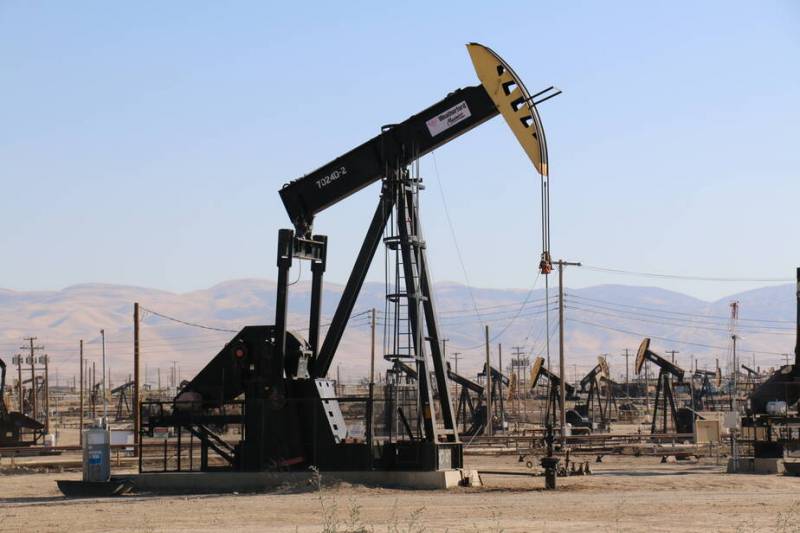
"caption": "The Cymric Oil Field, near Bakersfield, where pumpjacks stretch for miles, extracting heavy crude from thousands of feet below the Earth's surface.",
"description": "The Cymric Oil Field, near Bakersfield, where pumpjacks stretch for miles, extracting heavy crude from thousands of feet below the Earth's surface.",
"title": "cymric-oil-field_julia-kane",
"credit": "Julia Kane/InsideClimate News",
"status": "inherit",
"isLoading": false,
"fetchFailed": false
},
"science_1968065": {
"type": "attachments",
"id": "science_1968065",
"meta": {
"index": "attachments_1716263798",
"site": "science",
"id": "1968065",
"found": true
},
"parent": 1968038,
"imgSizes": {
"twentyfourteen-full-width": {
"file": "https://ww2.kqed.org/app/uploads/sites/35/2020/08/GettyImages-1209490986-1038x576.jpg",
"width": 1038,
"mimeType": "image/jpeg",
"height": 576
},
"thumbnail": {
"file": "https://ww2.kqed.org/app/uploads/sites/35/2020/08/GettyImages-1209490986-160x146.jpg",
"width": 160,
"mimeType": "image/jpeg",
"height": 146
},
"post-thumbnail": {
"file": "https://ww2.kqed.org/app/uploads/sites/35/2020/08/GettyImages-1209490986-672x372.jpg",
"width": 672,
"mimeType": "image/jpeg",
"height": 372
},
"kqedFullSize": {
"file": "https://ww2.kqed.org/app/uploads/sites/35/2020/08/GettyImages-1209490986-scaled.jpg",
"width": 2560,
"height": 2343
},
"2048x2048": {
"file": "https://ww2.kqed.org/app/uploads/sites/35/2020/08/GettyImages-1209490986-2048x1874.jpg",
"width": 2048,
"mimeType": "image/jpeg",
"height": 1874
},
"large": {
"file": "https://ww2.kqed.org/app/uploads/sites/35/2020/08/GettyImages-1209490986-1020x933.jpg",
"width": 1020,
"mimeType": "image/jpeg",
"height": 933
},
"1536x1536": {
"file": "https://ww2.kqed.org/app/uploads/sites/35/2020/08/GettyImages-1209490986-1536x1406.jpg",
"width": 1536,
"mimeType": "image/jpeg",
"height": 1406
},
"full-width": {
"file": "https://ww2.kqed.org/app/uploads/sites/35/2020/08/GettyImages-1209490986-1920x1757.jpg",
"width": 1920,
"mimeType": "image/jpeg",
"height": 1757
},
"medium": {
"file": "https://ww2.kqed.org/app/uploads/sites/35/2020/08/GettyImages-1209490986-800x732.jpg",
"width": 800,
"mimeType": "image/jpeg",
"height": 732
},
"medium_large": {
"file": "https://ww2.kqed.org/app/uploads/sites/35/2020/08/GettyImages-1209490986-768x703.jpg",
"width": 768,
"mimeType": "image/jpeg",
"height": 703
}
},
"publishDate": 1596668449,
"modified": 1596674405,
"caption": "Vials of the antiviral drug remdesivir, which has been shown in trials to effectively treat hospitalized COVID-19 patients.",
"description": null,
"title": "GERMANY-HEALTH-VIRUS",
"credit": "Ulrich Perrey/Pool/AFP via Getty Images",
"status": "inherit",
"isLoading": false,
"fetchFailed": false
},
"science_1968016": {
"type": "attachments",
"id": "science_1968016",
"meta": {
"index": "attachments_1716263798",
"site": "science",
"id": "1968016",
"found": true
},
"parent": 1968013,
"imgSizes": {
"twentyfourteen-full-width": {
"file": "https://ww2.kqed.org/app/uploads/sites/35/2020/08/RS44231_GettyImages-1248828505-qut-1038x576.jpg",
"width": 1038,
"mimeType": "image/jpeg",
"height": 576
},
"thumbnail": {
"file": "https://ww2.kqed.org/app/uploads/sites/35/2020/08/RS44231_GettyImages-1248828505-qut-160x107.jpg",
"width": 160,
"mimeType": "image/jpeg",
"height": 107
},
"post-thumbnail": {
"file": "https://ww2.kqed.org/app/uploads/sites/35/2020/08/RS44231_GettyImages-1248828505-qut-672x372.jpg",
"width": 672,
"mimeType": "image/jpeg",
"height": 372
},
"kqedFullSize": {
"file": "https://ww2.kqed.org/app/uploads/sites/35/2020/08/RS44231_GettyImages-1248828505-qut.jpg",
"width": 1920,
"height": 1280
},
"large": {
"file": "https://ww2.kqed.org/app/uploads/sites/35/2020/08/RS44231_GettyImages-1248828505-qut-1020x680.jpg",
"width": 1020,
"mimeType": "image/jpeg",
"height": 680
},
"1536x1536": {
"file": "https://ww2.kqed.org/app/uploads/sites/35/2020/08/RS44231_GettyImages-1248828505-qut-1536x1024.jpg",
"width": 1536,
"mimeType": "image/jpeg",
"height": 1024
},
"medium": {
"file": "https://ww2.kqed.org/app/uploads/sites/35/2020/08/RS44231_GettyImages-1248828505-qut-800x533.jpg",
"width": 800,
"mimeType": "image/jpeg",
"height": 533
},
"medium_large": {
"file": "https://ww2.kqed.org/app/uploads/sites/35/2020/08/RS44231_GettyImages-1248828505-qut-768x512.jpg",
"width": 768,
"mimeType": "image/jpeg",
"height": 512
}
},
"publishDate": 1596587203,
"modified": 1596655719,
"caption": "The Clemson campus remains open in a limited capacity due to the coronavirus pandemic. ",
"description": null,
"title": "Clemson University Operates In Limited Capacity Amid Coronavirus Pandemic",
"credit": "Maddie Meyer/Getty Images",
"status": "inherit",
"isLoading": false,
"fetchFailed": false
},
"science_1946768": {
"type": "attachments",
"id": "science_1946768",
"meta": {
"index": "attachments_1716263798",
"site": "science",
"id": "1946768",
"found": true
},
"parent": 1946766,
"imgSizes": {
"twentyfourteen-full-width": {
"file": "https://ww2.kqed.org/app/uploads/sites/35/2019/08/RS8259_IMG_4445-1038x576.jpg",
"width": 1038,
"mimeType": "image/jpeg",
"height": 576
},
"thumbnail": {
"file": "https://ww2.kqed.org/app/uploads/sites/35/2019/08/RS8259_IMG_4445-160x120.jpg",
"width": 160,
"mimeType": "image/jpeg",
"height": 120
},
"post-thumbnail": {
"file": "https://ww2.kqed.org/app/uploads/sites/35/2019/08/RS8259_IMG_4445-672x372.jpg",
"width": 672,
"mimeType": "image/jpeg",
"height": 372
},
"kqedFullSize": {
"file": "https://ww2.kqed.org/app/uploads/sites/35/2019/08/RS8259_IMG_4445-e1566606462465.jpg",
"width": 1925,
"height": 1444
},
"large": {
"file": "https://ww2.kqed.org/app/uploads/sites/35/2019/08/RS8259_IMG_4445-1020x765.jpg",
"width": 1020,
"mimeType": "image/jpeg",
"height": 765
},
"complete_open_graph": {
"file": "https://ww2.kqed.org/app/uploads/sites/35/2019/08/RS8259_IMG_4445-1200x900.jpg",
"width": 1200,
"mimeType": "image/jpeg",
"height": 900
},
"full-width": {
"file": "https://ww2.kqed.org/app/uploads/sites/35/2019/08/RS8259_IMG_4445-1920x1440.jpg",
"width": 1920,
"mimeType": "image/jpeg",
"height": 1440
},
"medium": {
"file": "https://ww2.kqed.org/app/uploads/sites/35/2019/08/RS8259_IMG_4445-800x600.jpg",
"width": 800,
"mimeType": "image/jpeg",
"height": 600
},
"medium_large": {
"file": "https://ww2.kqed.org/app/uploads/sites/35/2019/08/RS8259_IMG_4445-768x576.jpg",
"width": 768,
"mimeType": "image/jpeg",
"height": 576
}
},
"publishDate": 1566606443,
"modified": 1596665375,
"caption": "Poor air quality in December, 2013.",
"description": null,
"title": "RS8259_IMG_4445",
"credit": "Craig Miller/Vox Terra",
"status": "inherit",
"isLoading": false,
"fetchFailed": false
},
"science_1959770": {
"type": "attachments",
"id": "science_1959770",
"meta": {
"index": "attachments_1716263798",
"site": "science",
"id": "1959770",
"found": true
},
"parent": 1957877,
"imgSizes": {
"twentyfourteen-full-width": {
"file": "https://ww2.kqed.org/app/uploads/sites/35/2020/03/YOSE_0618-1038x576.jpeg",
"width": 1038,
"mimeType": "image/jpeg",
"height": 576
},
"thumbnail": {
"file": "https://ww2.kqed.org/app/uploads/sites/35/2020/03/YOSE_0618-160x120.jpeg",
"width": 160,
"mimeType": "image/jpeg",
"height": 120
},
"post-thumbnail": {
"file": "https://ww2.kqed.org/app/uploads/sites/35/2020/03/YOSE_0618-672x372.jpeg",
"width": 672,
"mimeType": "image/jpeg",
"height": 372
},
"kqedFullSize": {
"file": "https://ww2.kqed.org/app/uploads/sites/35/2020/03/YOSE_0618.jpeg",
"width": 1572,
"height": 1178
},
"large": {
"file": "https://ww2.kqed.org/app/uploads/sites/35/2020/03/YOSE_0618-1020x764.jpeg",
"width": 1020,
"mimeType": "image/jpeg",
"height": 764
},
"medium": {
"file": "https://ww2.kqed.org/app/uploads/sites/35/2020/03/YOSE_0618-800x599.jpeg",
"width": 800,
"mimeType": "image/jpeg",
"height": 599
},
"medium_large": {
"file": "https://ww2.kqed.org/app/uploads/sites/35/2020/03/YOSE_0618-768x576.jpeg",
"width": 768,
"mimeType": "image/jpeg",
"height": 576
}
},
"publishDate": 1584899565,
"modified": 1596575600,
"caption": "Yosemite is an iconic national park. ",
"description": null,
"title": "IMG_0618.JPG",
"credit": "Craig Miller/Vox Terra",
"status": "inherit",
"isLoading": false,
"fetchFailed": false
},
"science_1967975": {
"type": "attachments",
"id": "science_1967975",
"meta": {
"index": "attachments_1716263798",
"site": "science",
"id": "1967975",
"found": true
},
"parent": 1967970,
"imgSizes": {
"twentyfourteen-full-width": {
"file": "https://ww2.kqed.org/app/uploads/sites/35/2020/08/Screen-Shot-2020-08-03-at-11.37.12-AM-1038x576.png",
"width": 1038,
"mimeType": "image/png",
"height": 576
},
"thumbnail": {
"file": "https://ww2.kqed.org/app/uploads/sites/35/2020/08/Screen-Shot-2020-08-03-at-11.37.12-AM-160x82.png",
"width": 160,
"mimeType": "image/png",
"height": 82
},
"post-thumbnail": {
"file": "https://ww2.kqed.org/app/uploads/sites/35/2020/08/Screen-Shot-2020-08-03-at-11.37.12-AM-672x372.png",
"width": 672,
"mimeType": "image/png",
"height": 372
},
"kqedFullSize": {
"file": "https://ww2.kqed.org/app/uploads/sites/35/2020/08/Screen-Shot-2020-08-03-at-11.37.12-AM.png",
"width": 2880,
"height": 1474
},
"2048x2048": {
"file": "https://ww2.kqed.org/app/uploads/sites/35/2020/08/Screen-Shot-2020-08-03-at-11.37.12-AM-2048x1048.png",
"width": 2048,
"mimeType": "image/png",
"height": 1048
},
"large": {
"file": "https://ww2.kqed.org/app/uploads/sites/35/2020/08/Screen-Shot-2020-08-03-at-11.37.12-AM-1020x522.png",
"width": 1020,
"mimeType": "image/png",
"height": 522
},
"1536x1536": {
"file": "https://ww2.kqed.org/app/uploads/sites/35/2020/08/Screen-Shot-2020-08-03-at-11.37.12-AM-1536x786.png",
"width": 1536,
"mimeType": "image/png",
"height": 786
},
"full-width": {
"file": "https://ww2.kqed.org/app/uploads/sites/35/2020/08/Screen-Shot-2020-08-03-at-11.37.12-AM-1920x983.png",
"width": 1920,
"mimeType": "image/png",
"height": 983
},
"medium": {
"file": "https://ww2.kqed.org/app/uploads/sites/35/2020/08/Screen-Shot-2020-08-03-at-11.37.12-AM-800x409.png",
"width": 800,
"mimeType": "image/png",
"height": 409
},
"medium_large": {
"file": "https://ww2.kqed.org/app/uploads/sites/35/2020/08/Screen-Shot-2020-08-03-at-11.37.12-AM-768x393.png",
"width": 768,
"mimeType": "image/png",
"height": 393
}
},
"publishDate": 1596479972,
"modified": 1596480001,
"caption": null,
"description": null,
"title": "Screen-Shot-2020-08-03-at-11.37.12-AM",
"credit": "YouTube/Nicholas Braun",
"status": "inherit",
"isLoading": false,
"fetchFailed": false
}
},
"audioPlayerReducer": {
"postId": "stream_live",
"isPaused": true,
"isPlaying": false,
"pfsActive": false,
"pledgeModalIsOpen": true,
"playerDrawerIsOpen": false,
"liveAudioPlayStartedAt": 0,
"liveAudioPlayContext": ""
},
"authorsReducer": {
"byline_science_1968270": {
"type": "authors",
"id": "byline_science_1968270",
"meta": {
"override": true
},
"slug": "byline_science_1968270",
"name": " Kristoffer Tigue \u003cbr />InsideClimate News\u003cbr>",
"isLoading": false
},
"byline_science_1968259": {
"type": "authors",
"id": "byline_science_1968259",
"meta": {
"override": true
},
"slug": "byline_science_1968259",
"name": "Helen Branswell \u003cbr />STAT\u003cbr>",
"isLoading": false
},
"byline_science_1968076": {
"type": "authors",
"id": "byline_science_1968076",
"meta": {
"override": true
},
"slug": "byline_science_1968076",
"name": "Molly Peterson, Lisa Pickoff-White, April Dembosky and Danielle Venton",
"isLoading": false
},
"byline_science_1968174": {
"type": "authors",
"id": "byline_science_1968174",
"meta": {
"override": true
},
"slug": "byline_science_1968174",
"name": "\u003cstrong>\u003ca href=\"https://www.kqed.org/author/lisapickoffwhite-2\">Lisa Pickoff-White\u003c/a>\u003c/strong> and \u003cstrong>\u003ca href=\"https://www.kqed.org/author/mpeterson\">Molly Peterson\u003c/a>\u003c/strong> of KQED and \u003cstrong>\u003ca href=\"https://calmatters.org/author/lobenichou/\">Lo Bénichou\u003c/a>\u003c/strong> of CalMatters",
"isLoading": false
},
"byline_science_1968101": {
"type": "authors",
"id": "byline_science_1968101",
"meta": {
"override": true
},
"slug": "byline_science_1968101",
"name": "Julia Kane, InsideClimate News",
"isLoading": false
},
"byline_science_1968002": {
"type": "authors",
"id": "byline_science_1968002",
"meta": {
"override": true
},
"slug": "byline_science_1968002",
"name": "Darlene Superville\u003cbr />Associated Press",
"isLoading": false
},
"mpeterson": {
"type": "authors",
"id": "11223",
"meta": {
"index": "authors_1716337520",
"id": "11223",
"found": true
},
"name": "Molly Peterson",
"firstName": "Molly",
"lastName": "Peterson",
"slug": "mpeterson",
"email": "mpeterson@kqed.org",
"display_author_email": false,
"staff_mastheads": [],
"title": null,
"bio": "Molly Peterson reports for KQED science and news on climate change, catastrophe and risk. Previously she was environment correspondent at Southern California Public Radio. Her work has also appeared at The New York Times, The Guardian, on NPR, at High Country News, on Code Switch, and other national outlets. She has been honored with awards from Public Radio News Directors Incorporated, Investigative Reporters and Editors, the Society for Professional Journalists, the Los Angeles Press Club, and RTNDA Edward R. Murrow awards, among others.",
"avatar": "https://secure.gravatar.com/avatar/7908e2807131f776cc8165c649530b05?s=600&d=blank&r=g",
"twitter": "Mollydacious",
"facebook": null,
"instagram": "https://www.instagram.com/radiomolly/",
"linkedin": null,
"sites": [
{
"site": "news",
"roles": [
"subscriber"
]
},
{
"site": "futureofyou",
"roles": [
"editor"
]
},
{
"site": "science",
"roles": [
"editor"
]
}
],
"headData": {
"title": "Molly Peterson | KQED",
"description": null,
"ogImgSrc": "https://secure.gravatar.com/avatar/7908e2807131f776cc8165c649530b05?s=600&d=blank&r=g",
"twImgSrc": "https://secure.gravatar.com/avatar/7908e2807131f776cc8165c649530b05?s=600&d=blank&r=g"
},
"isLoading": false,
"link": "/author/mpeterson"
},
"parcuni": {
"type": "authors",
"id": "11368",
"meta": {
"index": "authors_1716337520",
"id": "11368",
"found": true
},
"name": "Peter Arcuni",
"firstName": "Peter",
"lastName": "Arcuni",
"slug": "parcuni",
"email": "parcuni@KQED.org",
"display_author_email": false,
"staff_mastheads": [
"science"
],
"title": "Reporter",
"bio": "Peter reports radio and online stories for \u003cem>KQED Science\u003c/em>. His work has also appeared on the \u003cem>The California Report\u003c/em> morning show and \u003cem>KQED News\u003c/em>. His production credits include \u003cem>The California Report, The California Report Magazine\u003c/em> and KQED's local news podcast \u003cem>The Bay\u003c/em>. Other credits include NPR's \u003cem>All Things Considered\u003c/em>, WNYC's \u003cem>Science Friday\u003c/em>, WBUR's \u003cem>Here & Now\u003c/em>, WIRED and SFGate. Peter graduated from Brown University and earned a master's degree in journalism from Stanford. He's covered everything from homelessness to wildfires, health, the environment, arts and Thanksgiving in San Quentin prison. In other lives, he played rock n roll music and studied neuroscience. You can email him at: parcuni@kqed.org",
"avatar": "https://secure.gravatar.com/avatar/d5032f6f27199d478af34ad2e1d98732?s=600&d=blank&r=g",
"twitter": "peterarcuni",
"facebook": null,
"instagram": null,
"linkedin": null,
"sites": [
{
"site": "news",
"roles": [
"editor"
]
},
{
"site": "science",
"roles": [
"editor"
]
}
],
"headData": {
"title": "Peter Arcuni | KQED",
"description": "Reporter",
"ogImgSrc": "https://secure.gravatar.com/avatar/d5032f6f27199d478af34ad2e1d98732?s=600&d=blank&r=g",
"twImgSrc": "https://secure.gravatar.com/avatar/d5032f6f27199d478af34ad2e1d98732?s=600&d=blank&r=g"
},
"isLoading": false,
"link": "/author/parcuni"
},
"jasminegarnett": {
"type": "authors",
"id": "11530",
"meta": {
"index": "authors_1716337520",
"id": "11530",
"found": true
},
"name": "Jasmine Garnett",
"firstName": "Jasmine",
"lastName": "Garnett",
"slug": "jasminegarnett",
"email": "JGarnett@KQED.org",
"display_author_email": false,
"staff_mastheads": [
"news"
],
"title": "Senior Engagement Platforms Producer",
"bio": "Jasmine is a Senior Engagement Platforms Producer on the KQED News team. She is also a freelance writer, with work appearing in KQED, Bitch Media, and Kotaku among others. Jasmine graduated from UC Berkeley with a degree in Media Studies, where she was also an Arts and Entertainment reporter at the Daily Californian.",
"avatar": "https://secure.gravatar.com/avatar/a6ea8b0641874311533b7401bee15c8e?s=600&d=blank&r=g",
"twitter": "JFLGarnett",
"facebook": null,
"instagram": null,
"linkedin": null,
"sites": [
{
"site": "arts",
"roles": [
"author"
]
},
{
"site": "news",
"roles": [
"editor"
]
},
{
"site": "about",
"roles": [
"editor"
]
},
{
"site": "science",
"roles": [
"editor"
]
},
{
"site": "forum",
"roles": [
"editor"
]
},
{
"site": "pressroom",
"roles": [
"editor"
]
}
],
"headData": {
"title": "Jasmine Garnett | KQED",
"description": "Senior Engagement Platforms Producer",
"ogImgSrc": "https://secure.gravatar.com/avatar/a6ea8b0641874311533b7401bee15c8e?s=600&d=blank&r=g",
"twImgSrc": "https://secure.gravatar.com/avatar/a6ea8b0641874311533b7401bee15c8e?s=600&d=blank&r=g"
},
"isLoading": false,
"link": "/author/jasminegarnett"
},
"kevinstark": {
"type": "authors",
"id": "11608",
"meta": {
"index": "authors_1716337520",
"id": "11608",
"found": true
},
"name": "Kevin Stark",
"firstName": "Kevin",
"lastName": "Stark",
"slug": "kevinstark",
"email": "kstark@kqed.org",
"display_author_email": true,
"staff_mastheads": [
"science"
],
"title": "Senior Editor",
"bio": "Kevin is a senior editor for KQED Science, managing the station's health and climate desks. His journalism career began in the Pacific Northwest, and he later became a lead reporter for the San Francisco Public Press. His work has appeared in Pacific Standard magazine, the Energy News Network, the Center for Investigative Reporting's Reveal and WBEZ in Chicago. Kevin joined KQED in 2019, and has covered issues related to energy, wildfire, climate change and the environment.",
"avatar": "https://secure.gravatar.com/avatar/365aaa4b597d3a8374f67504ff0facd323d7906e8eb4be0a7efd2427408e802c?s=600&d=blank&r=g",
"twitter": "starkkev",
"bluesky": null,
"facebook": null,
"instagram": null,
"linkedin": null,
"sites": [
{
"site": "",
"roles": [
"editor"
]
},
{
"site": "news",
"roles": [
"editor"
]
},
{
"site": "science",
"roles": [
"administrator"
]
}
],
"headData": {
"title": "Kevin Stark | KQED",
"description": "Senior Editor",
"ogImgSrc": "https://secure.gravatar.com/avatar/365aaa4b597d3a8374f67504ff0facd323d7906e8eb4be0a7efd2427408e802c?s=600&d=blank&r=g",
"twImgSrc": "https://secure.gravatar.com/avatar/365aaa4b597d3a8374f67504ff0facd323d7906e8eb4be0a7efd2427408e802c?s=600&d=blank&r=g"
},
"isLoading": false,
"link": "/author/kevinstark"
}
},
"pagesReducer": {
"science_category_news": {
"type": "terms",
"id": "science_40",
"meta": {
"index": "terms_1716263798",
"site": "science",
"id": "40",
"score": 10.814009
},
"featImg": null,
"name": "News",
"description": null,
"taxonomy": "category",
"headData": {
"twImgId": null,
"twTitle": null,
"ogTitle": null,
"ogImgId": null,
"twDescription": null,
"description": null,
"title": "News Archives | KQED Science",
"ogDescription": null
},
"ttid": 42,
"slug": "news",
"isLoading": false,
"title": "News",
"pageMeta": {
"site": "science",
"WpPageTemplate": "page-topic-editorial",
"currentPage": 92
},
"blocks": [
{
"blockName": "kqed/post-list",
"attrs": {
"layout": "cardArticle2",
"query": "posts/science?category=news",
"seeMore": false,
"paginated": true,
"page": 92
}
},
{
"blockName": "kqed/ad"
}
]
}
},
"pfsSessionReducer": {},
"postsReducer": {
"stream_live": {
"type": "live",
"id": "stream_live",
"audioUrl": "https://streams.kqed.org/kqedradio",
"title": "Live Stream",
"excerpt": "Live Stream information currently unavailable.",
"link": "/radio",
"featImg": "",
"label": {
"name": "KQED Live",
"link": "/"
}
},
"stream_kqedNewscast": {
"type": "posts",
"id": "stream_kqedNewscast",
"audioUrl": "https://www.kqed.org/.stream/anon/radio/RDnews/newscast.mp3?_=1",
"title": "KQED Newscast",
"featImg": "",
"label": {
"name": "88.5 FM",
"link": "/"
}
},
"science_1968352": {
"type": "posts",
"id": "science_1968352",
"meta": {
"index": "posts_1716263798",
"site": "science",
"id": "1968352",
"score": null,
"sort": [
1597256134000
]
},
"parent": 0,
"labelTerm": {},
"blocks": [],
"publishDate": 1597256134,
"format": "standard",
"title": "Android Phones Will Now Automatically Receive California Earthquake Warnings",
"headTitle": "Android Phones Will Now Automatically Receive California Earthquake Warnings | KQED",
"content": "\u003cp>Bay Area tech giant Google, working with a team of seismologists from UC Berkeley and the United States Geological Survey, unveiled a pair of new smartphone products this week, one which extends the reach of California’s earthquake early-warning system and another that expands quake detection capabilities to phones around the world.\u003c/p>\n\u003cp>Android phones in use in California will now automatically receive quake warnings from ShakeAlert, a system that uses a network of 700 seismometers installed across the state by USGS, UC Berkeley, the California Institute of Technology, and the Governor’s Office of Emergency Services to quickly identify earthquakes. The system became active Tuesday.\u003c/p>\n\u003cp>Now, anyone with an Android phone will potentially gain a few extra moments to protect themselves from an imminent quake, says Richard Allen, the director of the UC Berkeley Seismology Lab, who worked with Google as a visiting researcher to develop the new products.\u003c/p>\n\u003cp>“It’s a very exciting development, because we’re going to suddenly be able to get those alerts to far more people across California,” he said.\u003c/p>\n\u003cp>The second new capability that is part of the launch this week is earthquake detection using tiny accelerometers that can pick up seismic activity around the world.\u003c/p>\n\u003cp>[ad fullwidth]\u003c/p>\n\u003cp>Now, Android phone users can opt in to a network of mini seismometers “that are looking for earthquakes,” said Marc Stogaitis, a Google engineer who helped develop what the company is calling the Android Earthquake Alerts System.\u003c/p>\n\u003cp>As an earthquake starts to propagate out, Stogaitis said, the phones closest to the epicenter detect the location of the shaking and send a signal to a Google server. The system can then “aggregate data from many folks to determine if an earthquake is happening and how big it is,” he said.\u003c/p>\n\u003cp>The public can access that information through Google search. For example, if someone who feels shaking in Oakland and types in “earthquake near me,” Google will retrieve the quake data collected by the network of phones.\u003c/p>\n\u003cp>The phones aren’t as accurate as a network of seismometers monitored by professional earthquake scientists who can pinpoint a quake’s epicenter and exact magnitude, but the phone data is available in real time. Previously, although users could see information from the USGS, it wasn’t available until several minutes after the quake.\u003c/p>\n\u003cp>Stogaitis said the goal is to eventually send this global quake data straight to people’s phones through alerts, as is now the case for California quakes.\u003c/p>\n\u003cp>“We’re essentially racing the speed of light (which is roughly the speed at which signals from a phone travel) against the speed of an earthquake,” Stogaitis wrote in a \u003ca href=\"https://blog.google/products/android/earthquake-detection-and-alerts\">blog\u003c/a> \u003ca href=\"https://blog.google/products/android/earthquake-detection-and-alerts\">post\u003c/a> announcing the new product. “And lucky for us, the speed of light is much faster.”\u003c/p>\n\u003cp>\u003cstrong>ShakeAlert\u003c/strong>\u003c/p>\n\u003cp>First publicly available in 2018, ShakeAlert delivered earthquake warnings to transit agencies and municipalities, but it was not available to the public until last October, when California \u003ca href=\"https://www.kqed.org/science/1949333/download-californias-new-earthquake-early-warning-app\">introduced\u003c/a> the cellphone app MyShake, the nation’s first statewide early warning system for the public.\u003c/p>\n\u003cp>MyShake downloads have been available for \u003ca href=\"https://apps.apple.com/app/id1467058529\" target=\"_blank\" rel=\"noopener noreferrer\">IOS users\u003c/a> through iTunes and through \u003ca href=\"https://play.google.com/store/apps/details?id=edu.berkeley.bsl.myshake&hl=en_US\" target=\"_blank\" rel=\"noopener noreferrer\">GooglePlay\u003c/a> stores for Android phones since October 2019.\u003c/p>\n\u003cp>Allen said users have downloaded the app “about a million” times.\u003c/p>\n\u003cp>\u003c/p>\n\u003cp>Now, he said, because the system will automatically push the alerts to phones, a much larger fraction of the population in California will benefit.\u003c/p>\n\n",
"stats": {
"hasVideo": false,
"hasChartOrMap": false,
"hasAudio": false,
"hasPolis": false,
"wordCount": 583,
"hasGoogleForm": false,
"hasGallery": false,
"hasHearkenModule": false,
"iframeSrcs": [],
"paragraphCount": 18
},
"modified": 1704847102,
"excerpt": "Android phones in California will now automatically receive quake warnings from ShakeAlert, a system that uses a network of 700 seismometers installed across the state.",
"headData": {
"twImgId": "",
"twTitle": "",
"ogTitle": "",
"ogImgId": "",
"twDescription": "",
"description": "Android phones in California will now automatically receive quake warnings from ShakeAlert, a system that uses a network of 700 seismometers installed across the state.",
"title": "Android Phones Will Now Automatically Receive California Earthquake Warnings | KQED",
"ogDescription": "",
"schema": {
"@context": "https://schema.org",
"@type": "Article",
"headline": "Android Phones Will Now Automatically Receive California Earthquake Warnings",
"datePublished": "2020-08-12T11:15:34-07:00",
"dateModified": "2024-01-09T16:38:22-08:00",
"image": "https://cdn.kqed.org/wp-content/uploads/2020/02/KQED-OG-Image@1x.png"
}
},
"guestAuthors": [],
"slug": "android-phones-will-now-automatically-receive-california-earthquake-warnings",
"status": "publish",
"sticky": false,
"source": "Earthquakes",
"path": "/science/1968352/android-phones-will-now-automatically-receive-california-earthquake-warnings",
"audioTrackLength": null,
"parsedContent": [
{
"type": "contentString",
"content": "\u003cdiv class=\"post-body\">\u003cp>\u003cp>Bay Area tech giant Google, working with a team of seismologists from UC Berkeley and the United States Geological Survey, unveiled a pair of new smartphone products this week, one which extends the reach of California’s earthquake early-warning system and another that expands quake detection capabilities to phones around the world.\u003c/p>\n\u003cp>Android phones in use in California will now automatically receive quake warnings from ShakeAlert, a system that uses a network of 700 seismometers installed across the state by USGS, UC Berkeley, the California Institute of Technology, and the Governor’s Office of Emergency Services to quickly identify earthquakes. The system became active Tuesday.\u003c/p>\n\u003cp>Now, anyone with an Android phone will potentially gain a few extra moments to protect themselves from an imminent quake, says Richard Allen, the director of the UC Berkeley Seismology Lab, who worked with Google as a visiting researcher to develop the new products.\u003c/p>\n\u003cp>“It’s a very exciting development, because we’re going to suddenly be able to get those alerts to far more people across California,” he said.\u003c/p>\n\u003cp>The second new capability that is part of the launch this week is earthquake detection using tiny accelerometers that can pick up seismic activity around the world.\u003c/p>\n\u003cp>\u003c/p>\u003c/div>",
"attributes": {
"named": {},
"numeric": []
}
},
{
"type": "component",
"content": "",
"name": "ad",
"attributes": {
"named": {
"label": "fullwidth"
},
"numeric": [
"fullwidth"
]
}
},
{
"type": "contentString",
"content": "\u003cdiv class=\"post-body\">\u003cp>\u003c/p>\n\u003cp>Now, Android phone users can opt in to a network of mini seismometers “that are looking for earthquakes,” said Marc Stogaitis, a Google engineer who helped develop what the company is calling the Android Earthquake Alerts System.\u003c/p>\n\u003cp>As an earthquake starts to propagate out, Stogaitis said, the phones closest to the epicenter detect the location of the shaking and send a signal to a Google server. The system can then “aggregate data from many folks to determine if an earthquake is happening and how big it is,” he said.\u003c/p>\n\u003cp>The public can access that information through Google search. For example, if someone who feels shaking in Oakland and types in “earthquake near me,” Google will retrieve the quake data collected by the network of phones.\u003c/p>\n\u003cp>The phones aren’t as accurate as a network of seismometers monitored by professional earthquake scientists who can pinpoint a quake’s epicenter and exact magnitude, but the phone data is available in real time. Previously, although users could see information from the USGS, it wasn’t available until several minutes after the quake.\u003c/p>\n\u003cp>Stogaitis said the goal is to eventually send this global quake data straight to people’s phones through alerts, as is now the case for California quakes.\u003c/p>\n\u003cp>“We’re essentially racing the speed of light (which is roughly the speed at which signals from a phone travel) against the speed of an earthquake,” Stogaitis wrote in a \u003ca href=\"https://blog.google/products/android/earthquake-detection-and-alerts\">blog\u003c/a> \u003ca href=\"https://blog.google/products/android/earthquake-detection-and-alerts\">post\u003c/a> announcing the new product. “And lucky for us, the speed of light is much faster.”\u003c/p>\n\u003cp>\u003cstrong>ShakeAlert\u003c/strong>\u003c/p>\n\u003cp>First publicly available in 2018, ShakeAlert delivered earthquake warnings to transit agencies and municipalities, but it was not available to the public until last October, when California \u003ca href=\"https://www.kqed.org/science/1949333/download-californias-new-earthquake-early-warning-app\">introduced\u003c/a> the cellphone app MyShake, the nation’s first statewide early warning system for the public.\u003c/p>\n\u003cp>MyShake downloads have been available for \u003ca href=\"https://apps.apple.com/app/id1467058529\" target=\"_blank\" rel=\"noopener noreferrer\">IOS users\u003c/a> through iTunes and through \u003ca href=\"https://play.google.com/store/apps/details?id=edu.berkeley.bsl.myshake&hl=en_US\" target=\"_blank\" rel=\"noopener noreferrer\">GooglePlay\u003c/a> stores for Android phones since October 2019.\u003c/p>\n\u003cp>Allen said users have downloaded the app “about a million” times.\u003c/p>\n\u003cp>\u003c/p>\n\u003cp>Now, he said, because the system will automatically push the alerts to phones, a much larger fraction of the population in California will benefit.\u003c/p>\n\n\u003c/div>\u003c/p>",
"attributes": {
"named": {},
"numeric": []
}
}
],
"link": "/science/1968352/android-phones-will-now-automatically-receive-california-earthquake-warnings",
"authors": [
"11608"
],
"categories": [
"science_35",
"science_38",
"science_40",
"science_4450"
],
"tags": [
"science_427"
],
"featImg": "science_1968355",
"label": "source_science_1968352"
},
"science_1968270": {
"type": "posts",
"id": "science_1968270",
"meta": {
"index": "posts_1716263798",
"site": "science",
"id": "1968270",
"score": null,
"sort": [
1597086205000
]
},
"parent": 0,
"labelTerm": {},
"blocks": [],
"publishDate": 1597086205,
"format": "standard",
"title": "Pandemic Galvanizes Money Managers Who See Climate Changes as Next Global Financial Crisis",
"headTitle": "Pandemic Galvanizes Money Managers Who See Climate Changes as Next Global Financial Crisis | KQED",
"content": "\u003cp>\u003cem>\u003ca href=\"https://insideclimatenews.org/\" target=\"_blank\" rel=\"noopener noreferrer\">InsideClimate News\u003c/a> is a nonprofit, independent news organization that covers climate, energy and the environment. Sign up for the ICN newsletter \u003ca href=\"https://insideclimatenews.org/newsletter\" target=\"_blank\" rel=\"noopener noreferrer\">here\u003c/a>.\u003c/em>\u003c/p>\n\u003cp style=\"font-weight: 400\">It was only back in January when Larry Fink announced that the world’s largest asset manager was making the risks associated with climate change a central tenet of how it did business and suggested that the rest of the financial world do the same.\u003c/p>\n\u003cp style=\"font-weight: 400\">“Climate change has become a defining factor in companies’ long-term prospects,” wrote Fink, the founder and chief executive of BlackRock, which handles nearly $7 trillion in investments, in his \u003ca href=\"https://www.blackrock.com/corporate/investor-relations/larry-fink-ceo-letter\" target=\"_blank\" rel=\"noopener noreferrer\">annual letter to shareholders\u003c/a>. “Awareness is rapidly changing, and I believe we are on the edge of a fundamental reshaping of finance.”\u003c/p>\n\u003cp style=\"font-weight: 400\">For those who had long been pressing investment banks and other asset managers to address their funding of the fossil fuel industry and other industries warming the climate, BlackRock’s announcement was a long-awaited and hard-fought victory. It signaled, advocacy groups said, that Wall Street’s elite were finally taking climate change seriously after more than a decade of pressure to do so.\u003c/p>\n\u003cp dir=\"ltr\">So when the coronavirus pandemic hit less than two months later and all but derailed the global economy, many analysts expected the financial sector to walk back its newfound commitment to safeguarding the climate. Critics have long argued that the investment industry’s development of “socially responsible” funds — and particularly the ones tailored toward improving the environment — were simply marketing ploys meant to stir up business without making real changes. And in June, the Trump administration proposed a rule change that would make it harder for retirement plans to invest in those types of funds in the first place.\u003c/p>\n\u003cp>[ad fullwidth]\u003c/p>\n\u003cp dir=\"ltr\">But the pandemic hasn’t dissuaded investors from acting on climate change. And many analysts argue that the economic disaster caused by the virus has helped galvanize money managers — who now see climate change as the next global financial crisis — to more urgently protect their assets by transitioning away from high-carbon industries.\u003c/p>\n\u003cp dir=\"ltr\">Since February, some of the world’s largest financial institutions have stopped putting their money behind\u003ca href=\"https://insideclimatenews.org/news/04052020/oil-gas-banks-arctic-drilling-coronavirus\" target=\"_blank\" rel=\"noopener noreferrer\"> oil and gas drilling in the Arctic\u003c/a>, or into Canada’s particularly dirty\u003ca href=\"https://www.nytimes.com/2020/02/12/climate/blackrock-oil-sands-alberta-financing.html\" target=\"_blank\" rel=\"noopener noreferrer\"> tar sands operations\u003c/a>. Investment funds geared toward either excluding the fossil fuel industry entirely, or underweighting high-carbon companies in their mix, have exploded with\u003ca href=\"https://www.cnbc.com/2020/06/07/sustainable-investing-is-set-to-surge-in-the-wake-of-the-coronavirus-pandemic.html\" target=\"_blank\" rel=\"noopener noreferrer\"> record cash inflows\u003c/a>, despite the market turmoil.\u003c/p>\n\u003cp dir=\"ltr\">In July, several top U.S. banks\u003ca href=\"https://www.cnbc.com/2020/07/22/fed-gets-new-carbon-warning-will-never-be-a-vaccine-for-climate.html\" target=\"_blank\" rel=\"noopener noreferrer\"> funded the launch of a massive new climate initiative\u003c/a> aimed at spurring a quicker transition to a low-carbon economy, with Goldman Sachs pledging $750 billion through 2030 to address climate change in its operations, investments and financing. Morgan Stanley, too, made headlines when it announced, later that month, that it would become the first major U.S. bank to disclose how all of its investments and loans were contributing to global warming.\u003c/p>\n\u003cp dir=\"ltr\">“The kind of change we’ve seen over the past six months indicates, in a new way, how important this issue is,” said Kirsten Spalding, senior program director for the advocacy investor group Ceres. “If this could happen with one virus, what are we waiting for in terms of climate change?”\u003c/p>\n\u003cp dir=\"ltr\">\u003cstrong>Environmentalists Say Banks’ Pledges Are Good, But Only a Start\u003c/strong>\u003c/p>\n\u003cp dir=\"ltr\">Morgan Stanley’s decision to disclose how its investments contribute to climate change is comparable to “admitting you’ve got a problem,” said longtime analyst Lila Holzman.\u003c/p>\n\u003cp dir=\"ltr\">Holzman, who manages the energy program for the prominent advocacy investment group As You Sow, has for years been pressuring banks like Morgan Stanley to disclose their financials in regard to global warming, but to no avail. “Now,” she said, “the institutions themselves are going to, in a sense, come clean.”\u003c/p>\n\u003cp dir=\"ltr\">Still, environmentalists say that Morgan Stanley’s pledge, the latest in a slew of pledges from banks over the last six months, is only a start. Admitting you have a problem is a good first step, Holzman said, but there is still a lot more work ahead, including setting specific targets to phase out companies with heavy carbon emissions from portfolios and creating detailed plans for how to do that.\u003c/p>\n\u003cp dir=\"ltr\">The reality is that even with recent pledges from banks to withdraw financial support from certain areas of fossil fuel development — mainly coal, Arctic drilling and oil sands projects — money managers are still bankrolling new fossil fuel development elsewhere.\u003c/p>\n\u003cp dir=\"ltr\">Between 2016 and 2019, 35 banks doled out $2.7 trillion for fossil fuel projects, according to the environmental group\u003ca href=\"https://www.ran.org/wp-content/uploads/2020/05/BOCC__2020_Summary_vENG_spread.pdf\" target=\"_blank\" rel=\"noopener noreferrer\"> Rainforest Action Network\u003c/a>. Several U.S. banks accounted for a good chunk of that funding, with JPMorgan Chase having supplied $269 billion and Morgan Stanley having given $92 billion.\u003c/p>\n\u003cp dir=\"ltr\">Holzman said that’s exactly why banks should be more transparent about the impact and risks of their investments regarding climate change. If investors want to avoid funds that they believe exacerbate climate change, or puts their assets at risk from its effects, they currently don’t have good information to help them make that decision, she said.\u003c/p>\n\u003cp dir=\"ltr\">\u003cimg loading=\"lazy\" decoding=\"async\" class=\"size-full wp-image-1968272 alignright\" src=\"https://ww2.kqed.org/app/uploads/sites/35/2020/08/BankFossilFuelInvestChart529px_1.png\" alt=\"\" width=\"529\" height=\"429\" srcset=\"https://cdn.kqed.org/wp-content/uploads/sites/35/2020/08/BankFossilFuelInvestChart529px_1.png 529w, https://cdn.kqed.org/wp-content/uploads/sites/35/2020/08/BankFossilFuelInvestChart529px_1-160x130.png 160w\" sizes=\"(max-width: 529px) 100vw, 529px\">\u003c/p>\n\u003cp dir=\"ltr\">Holzman said that’s exactly why banks should be more transparent about the impact and risks of their investments regarding climate change. If investors want to avoid funds that they believe exacerbate climate change, or puts their assets at risk from its effects, they currently don’t have good information to help them make that decision, she said.\u003c/p>\n\u003cp dir=\"ltr\">Both Holzman and Ceres’ Spalding hope Morgan Stanley’s decision will encourage other banks to voluntarily disclose their own finances in relation to climate change. They both expect governments to implement laws that would require banks to do so in the coming decades — although those regulations will likely be passed in Europe long before being adopted in the United States.\u003c/p>\n\u003cp dir=\"ltr\">Banks and other asset managers have terrible track records in adopting measures to increase their transparency regarding climate-related risks to their finances. The boards of both BlackRock and Vanguard — another major investment firm — have voted overwhelmingly against shareholder resolutions meant to address global warming, including those requiring asset managers to disclose climate-related risks, according to\u003ca href=\"https://www.majorityaction.us/asset-manager-report\" target=\"_blank\" rel=\"noopener noreferrer\"> a report from the shareholder advocacy group Majority Action\u003c/a>.\u003c/p>\n\u003cp dir=\"ltr\">But analysts say banks are starting to come around when it comes to climate-related resolutions. In May, the board of JPMorgan Chase voted to remove former ExxonMobil CEO Lee Raymond as the board’s lead independent director, amid pressure from climate activists. And in June, at the behest of European bank BNP Paribas, Chevron’s board\u003ca href=\"https://www.ceres.org/news-center/press-releases/climate-action-100-investor-signatories-achieve-major-gains-during-2020\" target=\"_blank\" rel=\"noopener noreferrer\"> voted for the first time ever\u003c/a> to align the oil giant with the Paris climate accord.\u003c/p>\n\u003cp dir=\"ltr\">“They’ve really come a long way to recognize their role in contributing to climate change,” Holzman said.\u003c/p>\n\u003cp dir=\"ltr\">\u003cstrong>’Social Good’ Funds Growing Fast, But a Trump Proposal Could Stifle Them\u003c/strong>\u003c/p>\n\u003cp dir=\"ltr\">Growing investor demand to address climate change has also spurred an explosion in so-called ESG funds — investment funds that attempt to do “social good,” by taking environmental, societal and corporate governance factors into account, rather than looking at financials alone.\u003c/p>\n\u003cp dir=\"ltr\">Last year, there were a staggering 37,000 index funds worldwide that tracked companies according to their ESG risk and performance profiles,\u003ca href=\"https://www.ethicalcorp.com/csr-cheat-sheet-esg-investors-turn-heat-blackrock\" target=\"_blank\" rel=\"noopener noreferrer\"> Reuters reported\u003c/a>. That’s a 60% increase from a year earlier, with ESG indexes being the fastest growing segment of the market. And so far this year, ESG funds have seen a record inflow of cash — more than $45 billion — despite the pandemic, with U.S. funds exceeding $10 billion, according to\u003ca href=\"https://www.cnbc.com/2020/06/07/sustainable-investing-is-set-to-surge-in-the-wake-of-the-coronavirus-pandemic.html\" target=\"_blank\" rel=\"noopener noreferrer\"> a report from CNBC\u003c/a>.\u003c/p>\n\u003cp dir=\"ltr\">But a Trump administration \u003ca href=\"https://www.govinfo.gov/content/pkg/FR-2020-06-30/pdf/2020-13705.pdf\" target=\"_blank\" rel=\"noopener noreferrer\">proposal\u003c/a>, if finalized, could slow that growth by making it harder for pension plans to invest their money into such funds. In June, the Department of Labor proposed amendments to the investment duties regulation under the Employee Retirement Income Security Act, which if enacted, would reaffirm that fiduciaries must select investments based solely on monetary return factors.\u003c/p>\n\u003cp dir=\"ltr\">The proposal drew quick ire from advocacy and financial groups, including several state treasurers, who argued that taking climate change into account is a monetary factor. “The DOL proposal ignores the fact that funds that use ESG considerations have outperformed the market,” wrote Illinois State Treasurer Michael Frerichs in a press release. “As a fiduciary I believe it is my duty to consider material and systemic risks like those posed by the climate crisis, water scarcity and ineffective human capital management.”\u003c/p>\n\u003cp dir=\"ltr\">ESG funds aren’t without their faults, and most agree a green economy alone won’t solve the climate crisis. As a nascent market, ESG funds lack cohesive guidelines and methodologies for how to measure, report and enforce their environmental impact, said Gita Rao, a professor of finance at the MIT Sloan School of Management and a longtime investment consultant.\u003c/p>\n\u003cp dir=\"ltr\">“Part of the problem is we don’t have a set criteria,” Rao said. “We don’t have something that says, ‘If you are truly ESG, you should not be holding X, Y and Z.'”\u003c/p>\n\u003cp dir=\"ltr\">That ambiguity has allowed some funds to “greenwash,” she said, by claiming to be ESG while still holding companies with heavy carbon emissions. One BlackRock ESG index, for example, held\u003ca href=\"https://apnews.com/bf8b14cbffa5c3a1f10c6fd2702c7c38\" target=\"_blank\" rel=\"noopener noreferrer\"> a significant share of ExxonMobil\u003c/a> back in January.\u003c/p>\n\u003cp dir=\"ltr\">There has been some progress on that front, and several groups have emerged to help banks standardize how they track, report and enforce ESG metrics in their portfolios. In July, Morgan Stanley joined one of those groups, the Partnership for Carbon Accounting Financials. Several other banks, including Wells Fargo, Goldman Sachs, Bank of America and JPMorgan Chase, joined the Rocky Mountain Institute’s Center for Climate-Aligned Finance.\u003c/p>\n\u003cp dir=\"ltr\">While there are still issues to work out, ESG funds are still an effective way to transition to a cleaner economy, Rao said, especially if investor interest continues to grow.\u003c/p>\n\u003cp>[ad floatright]\u003c/p>\n\u003cp dir=\"ltr\">“Can we move money away from high-carbon companies? If the industry trend catches on in ESG the way it has in mainstream investment, absolutely — it will happen,” she said.\u003c/p>\n\n",
"stats": {
"hasVideo": false,
"hasChartOrMap": false,
"hasAudio": false,
"hasPolis": false,
"wordCount": 1738,
"hasGoogleForm": false,
"hasGallery": false,
"hasHearkenModule": false,
"iframeSrcs": [],
"paragraphCount": 3
},
"modified": 1704847103,
"excerpt": "The risks of climate change and pressure from investors is driving the finance industry to move away from fossil fuels and improve its transparency.",
"headData": {
"twImgId": "",
"twTitle": "",
"ogTitle": "",
"ogImgId": "",
"twDescription": "",
"description": "The risks of climate change and pressure from investors is driving the finance industry to move away from fossil fuels and improve its transparency.",
"title": "Pandemic Galvanizes Money Managers Who See Climate Changes as Next Global Financial Crisis | KQED",
"ogDescription": "",
"schema": {
"@context": "https://schema.org",
"@type": "Article",
"headline": "Pandemic Galvanizes Money Managers Who See Climate Changes as Next Global Financial Crisis",
"datePublished": "2020-08-10T12:03:25-07:00",
"dateModified": "2024-01-09T16:38:23-08:00",
"image": "https://cdn.kqed.org/wp-content/uploads/2020/02/KQED-OG-Image@1x.png"
}
},
"guestAuthors": [],
"slug": "pandemic-galvanizes-money-managers-who-see-climate-changes-as-next-global-financial-crisis",
"status": "publish",
"nprByline": " Kristoffer Tigue \u003cbr />InsideClimate News\u003cbr>",
"sticky": false,
"source": "InsideClimate News",
"path": "/science/1968270/pandemic-galvanizes-money-managers-who-see-climate-changes-as-next-global-financial-crisis",
"audioTrackLength": null,
"parsedContent": [
{
"type": "contentString",
"content": "\u003cdiv class=\"post-body\">\u003cp>\u003cp>\u003cem>\u003ca href=\"https://insideclimatenews.org/\" target=\"_blank\" rel=\"noopener noreferrer\">InsideClimate News\u003c/a> is a nonprofit, independent news organization that covers climate, energy and the environment. Sign up for the ICN newsletter \u003ca href=\"https://insideclimatenews.org/newsletter\" target=\"_blank\" rel=\"noopener noreferrer\">here\u003c/a>.\u003c/em>\u003c/p>\n\u003cp style=\"font-weight: 400\">It was only back in January when Larry Fink announced that the world’s largest asset manager was making the risks associated with climate change a central tenet of how it did business and suggested that the rest of the financial world do the same.\u003c/p>\n\u003cp style=\"font-weight: 400\">“Climate change has become a defining factor in companies’ long-term prospects,” wrote Fink, the founder and chief executive of BlackRock, which handles nearly $7 trillion in investments, in his \u003ca href=\"https://www.blackrock.com/corporate/investor-relations/larry-fink-ceo-letter\" target=\"_blank\" rel=\"noopener noreferrer\">annual letter to shareholders\u003c/a>. “Awareness is rapidly changing, and I believe we are on the edge of a fundamental reshaping of finance.”\u003c/p>\n\u003cp style=\"font-weight: 400\">For those who had long been pressing investment banks and other asset managers to address their funding of the fossil fuel industry and other industries warming the climate, BlackRock’s announcement was a long-awaited and hard-fought victory. It signaled, advocacy groups said, that Wall Street’s elite were finally taking climate change seriously after more than a decade of pressure to do so.\u003c/p>\n\u003cp dir=\"ltr\">So when the coronavirus pandemic hit less than two months later and all but derailed the global economy, many analysts expected the financial sector to walk back its newfound commitment to safeguarding the climate. Critics have long argued that the investment industry’s development of “socially responsible” funds — and particularly the ones tailored toward improving the environment — were simply marketing ploys meant to stir up business without making real changes. And in June, the Trump administration proposed a rule change that would make it harder for retirement plans to invest in those types of funds in the first place.\u003c/p>\n\u003cp>\u003c/p>\u003c/div>",
"attributes": {
"named": {},
"numeric": []
}
},
{
"type": "component",
"content": "",
"name": "ad",
"attributes": {
"named": {
"label": "fullwidth"
},
"numeric": [
"fullwidth"
]
}
},
{
"type": "contentString",
"content": "\u003cdiv class=\"post-body\">\u003cp>\u003c/p>\n\u003cp dir=\"ltr\">But the pandemic hasn’t dissuaded investors from acting on climate change. And many analysts argue that the economic disaster caused by the virus has helped galvanize money managers — who now see climate change as the next global financial crisis — to more urgently protect their assets by transitioning away from high-carbon industries.\u003c/p>\n\u003cp dir=\"ltr\">Since February, some of the world’s largest financial institutions have stopped putting their money behind\u003ca href=\"https://insideclimatenews.org/news/04052020/oil-gas-banks-arctic-drilling-coronavirus\" target=\"_blank\" rel=\"noopener noreferrer\"> oil and gas drilling in the Arctic\u003c/a>, or into Canada’s particularly dirty\u003ca href=\"https://www.nytimes.com/2020/02/12/climate/blackrock-oil-sands-alberta-financing.html\" target=\"_blank\" rel=\"noopener noreferrer\"> tar sands operations\u003c/a>. Investment funds geared toward either excluding the fossil fuel industry entirely, or underweighting high-carbon companies in their mix, have exploded with\u003ca href=\"https://www.cnbc.com/2020/06/07/sustainable-investing-is-set-to-surge-in-the-wake-of-the-coronavirus-pandemic.html\" target=\"_blank\" rel=\"noopener noreferrer\"> record cash inflows\u003c/a>, despite the market turmoil.\u003c/p>\n\u003cp dir=\"ltr\">In July, several top U.S. banks\u003ca href=\"https://www.cnbc.com/2020/07/22/fed-gets-new-carbon-warning-will-never-be-a-vaccine-for-climate.html\" target=\"_blank\" rel=\"noopener noreferrer\"> funded the launch of a massive new climate initiative\u003c/a> aimed at spurring a quicker transition to a low-carbon economy, with Goldman Sachs pledging $750 billion through 2030 to address climate change in its operations, investments and financing. Morgan Stanley, too, made headlines when it announced, later that month, that it would become the first major U.S. bank to disclose how all of its investments and loans were contributing to global warming.\u003c/p>\n\u003cp dir=\"ltr\">“The kind of change we’ve seen over the past six months indicates, in a new way, how important this issue is,” said Kirsten Spalding, senior program director for the advocacy investor group Ceres. “If this could happen with one virus, what are we waiting for in terms of climate change?”\u003c/p>\n\u003cp dir=\"ltr\">\u003cstrong>Environmentalists Say Banks’ Pledges Are Good, But Only a Start\u003c/strong>\u003c/p>\n\u003cp dir=\"ltr\">Morgan Stanley’s decision to disclose how its investments contribute to climate change is comparable to “admitting you’ve got a problem,” said longtime analyst Lila Holzman.\u003c/p>\n\u003cp dir=\"ltr\">Holzman, who manages the energy program for the prominent advocacy investment group As You Sow, has for years been pressuring banks like Morgan Stanley to disclose their financials in regard to global warming, but to no avail. “Now,” she said, “the institutions themselves are going to, in a sense, come clean.”\u003c/p>\n\u003cp dir=\"ltr\">Still, environmentalists say that Morgan Stanley’s pledge, the latest in a slew of pledges from banks over the last six months, is only a start. Admitting you have a problem is a good first step, Holzman said, but there is still a lot more work ahead, including setting specific targets to phase out companies with heavy carbon emissions from portfolios and creating detailed plans for how to do that.\u003c/p>\n\u003cp dir=\"ltr\">The reality is that even with recent pledges from banks to withdraw financial support from certain areas of fossil fuel development — mainly coal, Arctic drilling and oil sands projects — money managers are still bankrolling new fossil fuel development elsewhere.\u003c/p>\n\u003cp dir=\"ltr\">Between 2016 and 2019, 35 banks doled out $2.7 trillion for fossil fuel projects, according to the environmental group\u003ca href=\"https://www.ran.org/wp-content/uploads/2020/05/BOCC__2020_Summary_vENG_spread.pdf\" target=\"_blank\" rel=\"noopener noreferrer\"> Rainforest Action Network\u003c/a>. Several U.S. banks accounted for a good chunk of that funding, with JPMorgan Chase having supplied $269 billion and Morgan Stanley having given $92 billion.\u003c/p>\n\u003cp dir=\"ltr\">Holzman said that’s exactly why banks should be more transparent about the impact and risks of their investments regarding climate change. If investors want to avoid funds that they believe exacerbate climate change, or puts their assets at risk from its effects, they currently don’t have good information to help them make that decision, she said.\u003c/p>\n\u003cp dir=\"ltr\">\u003cimg loading=\"lazy\" decoding=\"async\" class=\"size-full wp-image-1968272 alignright\" src=\"https://ww2.kqed.org/app/uploads/sites/35/2020/08/BankFossilFuelInvestChart529px_1.png\" alt=\"\" width=\"529\" height=\"429\" srcset=\"https://cdn.kqed.org/wp-content/uploads/sites/35/2020/08/BankFossilFuelInvestChart529px_1.png 529w, https://cdn.kqed.org/wp-content/uploads/sites/35/2020/08/BankFossilFuelInvestChart529px_1-160x130.png 160w\" sizes=\"(max-width: 529px) 100vw, 529px\">\u003c/p>\n\u003cp dir=\"ltr\">Holzman said that’s exactly why banks should be more transparent about the impact and risks of their investments regarding climate change. If investors want to avoid funds that they believe exacerbate climate change, or puts their assets at risk from its effects, they currently don’t have good information to help them make that decision, she said.\u003c/p>\n\u003cp dir=\"ltr\">Both Holzman and Ceres’ Spalding hope Morgan Stanley’s decision will encourage other banks to voluntarily disclose their own finances in relation to climate change. They both expect governments to implement laws that would require banks to do so in the coming decades — although those regulations will likely be passed in Europe long before being adopted in the United States.\u003c/p>\n\u003cp dir=\"ltr\">Banks and other asset managers have terrible track records in adopting measures to increase their transparency regarding climate-related risks to their finances. The boards of both BlackRock and Vanguard — another major investment firm — have voted overwhelmingly against shareholder resolutions meant to address global warming, including those requiring asset managers to disclose climate-related risks, according to\u003ca href=\"https://www.majorityaction.us/asset-manager-report\" target=\"_blank\" rel=\"noopener noreferrer\"> a report from the shareholder advocacy group Majority Action\u003c/a>.\u003c/p>\n\u003cp dir=\"ltr\">But analysts say banks are starting to come around when it comes to climate-related resolutions. In May, the board of JPMorgan Chase voted to remove former ExxonMobil CEO Lee Raymond as the board’s lead independent director, amid pressure from climate activists. And in June, at the behest of European bank BNP Paribas, Chevron’s board\u003ca href=\"https://www.ceres.org/news-center/press-releases/climate-action-100-investor-signatories-achieve-major-gains-during-2020\" target=\"_blank\" rel=\"noopener noreferrer\"> voted for the first time ever\u003c/a> to align the oil giant with the Paris climate accord.\u003c/p>\n\u003cp dir=\"ltr\">“They’ve really come a long way to recognize their role in contributing to climate change,” Holzman said.\u003c/p>\n\u003cp dir=\"ltr\">\u003cstrong>’Social Good’ Funds Growing Fast, But a Trump Proposal Could Stifle Them\u003c/strong>\u003c/p>\n\u003cp dir=\"ltr\">Growing investor demand to address climate change has also spurred an explosion in so-called ESG funds — investment funds that attempt to do “social good,” by taking environmental, societal and corporate governance factors into account, rather than looking at financials alone.\u003c/p>\n\u003cp dir=\"ltr\">Last year, there were a staggering 37,000 index funds worldwide that tracked companies according to their ESG risk and performance profiles,\u003ca href=\"https://www.ethicalcorp.com/csr-cheat-sheet-esg-investors-turn-heat-blackrock\" target=\"_blank\" rel=\"noopener noreferrer\"> Reuters reported\u003c/a>. That’s a 60% increase from a year earlier, with ESG indexes being the fastest growing segment of the market. And so far this year, ESG funds have seen a record inflow of cash — more than $45 billion — despite the pandemic, with U.S. funds exceeding $10 billion, according to\u003ca href=\"https://www.cnbc.com/2020/06/07/sustainable-investing-is-set-to-surge-in-the-wake-of-the-coronavirus-pandemic.html\" target=\"_blank\" rel=\"noopener noreferrer\"> a report from CNBC\u003c/a>.\u003c/p>\n\u003cp dir=\"ltr\">But a Trump administration \u003ca href=\"https://www.govinfo.gov/content/pkg/FR-2020-06-30/pdf/2020-13705.pdf\" target=\"_blank\" rel=\"noopener noreferrer\">proposal\u003c/a>, if finalized, could slow that growth by making it harder for pension plans to invest their money into such funds. In June, the Department of Labor proposed amendments to the investment duties regulation under the Employee Retirement Income Security Act, which if enacted, would reaffirm that fiduciaries must select investments based solely on monetary return factors.\u003c/p>\n\u003cp dir=\"ltr\">The proposal drew quick ire from advocacy and financial groups, including several state treasurers, who argued that taking climate change into account is a monetary factor. “The DOL proposal ignores the fact that funds that use ESG considerations have outperformed the market,” wrote Illinois State Treasurer Michael Frerichs in a press release. “As a fiduciary I believe it is my duty to consider material and systemic risks like those posed by the climate crisis, water scarcity and ineffective human capital management.”\u003c/p>\n\u003cp dir=\"ltr\">ESG funds aren’t without their faults, and most agree a green economy alone won’t solve the climate crisis. As a nascent market, ESG funds lack cohesive guidelines and methodologies for how to measure, report and enforce their environmental impact, said Gita Rao, a professor of finance at the MIT Sloan School of Management and a longtime investment consultant.\u003c/p>\n\u003cp dir=\"ltr\">“Part of the problem is we don’t have a set criteria,” Rao said. “We don’t have something that says, ‘If you are truly ESG, you should not be holding X, Y and Z.'”\u003c/p>\n\u003cp dir=\"ltr\">That ambiguity has allowed some funds to “greenwash,” she said, by claiming to be ESG while still holding companies with heavy carbon emissions. One BlackRock ESG index, for example, held\u003ca href=\"https://apnews.com/bf8b14cbffa5c3a1f10c6fd2702c7c38\" target=\"_blank\" rel=\"noopener noreferrer\"> a significant share of ExxonMobil\u003c/a> back in January.\u003c/p>\n\u003cp dir=\"ltr\">There has been some progress on that front, and several groups have emerged to help banks standardize how they track, report and enforce ESG metrics in their portfolios. In July, Morgan Stanley joined one of those groups, the Partnership for Carbon Accounting Financials. Several other banks, including Wells Fargo, Goldman Sachs, Bank of America and JPMorgan Chase, joined the Rocky Mountain Institute’s Center for Climate-Aligned Finance.\u003c/p>\n\u003cp dir=\"ltr\">While there are still issues to work out, ESG funds are still an effective way to transition to a cleaner economy, Rao said, especially if investor interest continues to grow.\u003c/p>\n\u003cp>\u003c/p>\u003c/div>",
"attributes": {
"named": {},
"numeric": []
}
},
{
"type": "component",
"content": "",
"name": "ad",
"attributes": {
"named": {
"label": "floatright"
},
"numeric": [
"floatright"
]
}
},
{
"type": "contentString",
"content": "\u003cdiv class=\"post-body\">\u003cp>\u003c/p>\n\u003cp dir=\"ltr\">“Can we move money away from high-carbon companies? If the industry trend catches on in ESG the way it has in mainstream investment, absolutely — it will happen,” she said.\u003c/p>\n\n\u003c/div>\u003c/p>",
"attributes": {
"named": {},
"numeric": []
}
}
],
"link": "/science/1968270/pandemic-galvanizes-money-managers-who-see-climate-changes-as-next-global-financial-crisis",
"authors": [
"byline_science_1968270"
],
"categories": [
"science_31",
"science_33",
"science_40",
"science_4450"
],
"tags": [
"science_194",
"science_4329",
"science_4122"
],
"featImg": "science_1968274",
"label": "source_science_1968270"
},
"science_1968259": {
"type": "posts",
"id": "science_1968259",
"meta": {
"index": "posts_1716263798",
"site": "science",
"id": "1968259",
"score": null,
"sort": [
1597082540000
]
},
"parent": 0,
"labelTerm": {},
"blocks": [],
"publishDate": 1597082540,
"format": "standard",
"title": "The US Has a Dwindling Number of Months to Contain COVID-19 Before a Winter Surge",
"headTitle": "The US Has a Dwindling Number of Months to Contain COVID-19 Before a Winter Surge | KQED",
"content": "\u003cp>\u003cspan class=\"big-cap-wrap\">\u003cspan class=\"big-cap\">T\u003c/span>\u003c/span>he good news: The United States has a window of opportunity to beat back COVID-19 before things get much, much worse.\u003c/p>\n\u003cp>The bad news: That window is rapidly closing. And the country seems unwilling or unable to seize the moment.\u003c/p>\n\u003cp>Winter is coming. Winter means cold and flu season, which is all but sure to complicate the task of figuring out who is sick with COVID-19 and who is suffering from a less threatening respiratory tract infection. It also means that cherished outdoor freedoms that link us to pre-COVID life — pop-up restaurant patios, picnics in parks, trips to the beach — will soon be out of reach, at least in northern parts of the country.\u003c/p>\n\u003cp>Unless Americans use the dwindling weeks between now and the onset of “indoor weather” to tamp down transmission in the country, this winter could be Dickensianly bleak, public health experts warn.\u003c/p>\n\u003cp>“I think November, December, January, February are going to be tough months in this country without a vaccine,” said Michael Osterholm, director of the Center for Infectious Diseases Research and Policy at the University of Minnesota.\u003c/p>\n\u003cp>[ad fullwidth]\u003c/p>\n\u003cp>It is possible, of course, that some vaccines could be approved by then, thanks to \u003ca href=\"https://www.statnews.com/2020/07/30/a-huge-experiment-how-the-world-made-so-much-progress-on-a-covid-19-vaccine-so-fast/\" target=\"_blank\" rel=\"noopener noreferrer\">historically rapid scientific work\u003c/a>. But there is little prospect that vast numbers of Americans will be vaccinated in time to forestall the grim winter Osterholm and others foresee.\u003c/p>\n\u003cp>Human coronaviruses, the distant cold-causing cousins of the virus that causes COVID-19, circulate year-round. Now is typically the low season for transmission. But in this summer of America’s failed COVID-19 response, the SARS-CoV-2 virus is widespread across the country, and pandemic-weary Americans seem more interested in resuming pre-COVID lifestyles than in suppressing the virus to the point where schools can be reopened, and stay open, and restaurants, movie theaters, and gyms can function with some restrictions.\u003c/p>\n\u003cp>“We should be aiming for no transmission before we open the schools and we put kids in harm’s way — kids and teachers and their caregivers. And so, if that means no gym, no movie theaters, so be it,” said Caroline Buckee, associate director of the Center for Communicable Disease Dynamics at Harvard’s T.H. Chan School of Public Health.\u003c/p>\n\u003cp>“We seem to be choosing leisure activities now over children’s safety in a month’s time. And I cannot understand that trade-off.”\u003c/p>\n\u003cp>While many countries managed to suppress the spread of SARS-CoV-2, the United States has failed miserably. Countries in Europe and Asia are worrying about a second wave. Here, the first wave rages on, engulfing rural as well as urban parts of the country. Though there’s been a slight decline in cases in the past couple of weeks, more than 50,000 Americans a day are being diagnosed with COVID-19. And those are just the confirmed cases.\u003c/p>\n\u003cp>To put that in perspective, at this rate the U.S. is racking up more cases in a week than Britain has accumulated since the start of the pandemic.\u003c/p>\n\u003cp>Public health officials had hoped transmission of the virus would abate with the warm temperatures of summer and the tendency — heightened this year — of people to take their recreational activities outdoors. Experts do believe people are less likely to transmit the virus outside, especially if they are wearing face coverings and keeping a safe distance apart.\u003c/p>\n\u003cp>But in some places, people have been throwing COVID cautions to the wind, flouting public health orders in the process. Kristen Ehresmann, director of infectious disease epidemiology, prevention, and control for the Minnesota Department of Health, points to a \u003ca href=\"http://www.citypages.com/news/minnesota-sues-rodeo-for-flouting-coronavirus-rules/571995611\" target=\"_blank\" rel=\"noopener noreferrer\">large, three-day rodeo\u003c/a> that was held recently in her state. Organizers knew they were supposed to limit the number of attendees to 250 but refused; thousands attended. In Sturgis, South Dakota, an estimated quarter of a million motorcyclists were expected to descend on the city this past weekend for an annual rally that spans 10 days.\u003c/p>\n\u003cp>Even on smaller scales, public health authorities know some people are letting down their guard. Others have never embraced the need to try to prevent the spread of the virus. Ehresmann’s father was recently invited to visit some friends; he went, she said, but wore his mask, elbow bumping instead of shaking proffered hands. “And the people kind of acted like … ‘Oh, you drank that Kool-Aid,’ rather than, ‘We all need to be doing this.’”\u003c/p>\n\u003cp>Ehresmann and others in public health are flummoxed by the phenomenon of people refusing to acknowledge the risk the virus poses.\u003c/p>\n\u003cp>“Just this idea of, ‘I just don’t want to believe it so therefore it’s not going to be true’ — honestly, I have not really dealt with that as it relates to disease before,” she said.\u003c/p>\n\u003cp>Buckee, the Harvard expert, wonders if the \u003ca href=\"https://www.statnews.com/2020/04/20/the-months-of-magical-thinking-as-the-coronavirus-swept-over-china-some-experts-were-in-denial-about-what-was-to-come/\" target=\"_blank\" rel=\"noopener noreferrer\">magical thinking\u003c/a> that seems to have infected swaths of the country is due to the fact many of the people who have died were elderly. For many Americans, she said, the disease has not yet touched their lives — but the movement restrictions and other response measures have.\u003c/p>\n\u003cp>“I think if children were dying, this would be … a different situation, quite honestly,” she said.\u003c/p>\n\u003cp>Epidemiologist Michael Mina despairs that an important chance to wrestle the virus under control is being lost, as Americans ignore the realities of the pandemic in favor of trying to resume pre-COVID life.\u003c/p>\n\u003cp>“We just continue to squander every bit of opportunity we get with this epidemic to get it under control,’’ said Mina, an assistant professor at Harvard’s T.H. Chan School of Public Health and associate medical director of clinical microbiology at Boston’s Brigham and Women’s Hospital.\u003c/p>\n\u003cp>“The best time to squash a pandemic is when the environmental characteristics slow transmission. It’s your one opportunity in the year, really, to leverage that extra assistance and get transmission under control,” he said, his frustration audible.\u003c/p>\n\u003cp>Driving back transmission would require people to continue to make sacrifices, to accept the fact that life post-COVID cannot proceed as normal, not while so many people remain vulnerable to the virus. Instead, people are giddily throwing off the shackles of coronavirus suppression efforts, seemingly convinced that a few weeks of sacrifice during the spring was a one-time solution.\u003c/p>\n\u003cp>Osterholm has for months warned that people were being misled about how long the restrictions on daily life would need to be in place. He now thinks the time has come for \u003ca href=\"https://www.nytimes.com/2020/08/07/opinion/coronavirus-lockdown-unemployment-death.html?searchResultPosition=1\" target=\"_blank\" rel=\"noopener noreferrer\">another lockdown\u003c/a>. “What we did before and more,” he said.\u003c/p>\n\u003cp>The country has fallen into a dangerous pattern, Osterholm said, where a spike in cases in a location leads to some temporary restraint from people who eventually become alarmed enough to start to take precautions. But as soon as cases start to plateau or decline a little, victory over the virus is declared and people think it’s safe to resume normal life.\u003c/p>\n\u003cp>“It’s like an all or nothing phenomenon, right?” said Dr. Anthony Fauci, director of the National Institute for Allergy and Infectious Diseases. “You all locked down or you get so discouraged with being lockdown that you decide you’re going to be in crowded bars … you can have indoor parties with no masks. You can do all the things that are going to get you in trouble.”\u003c/p>\n\u003cp>Osterholm said with the K-12 school year resuming in some parts of the country or set to start — along with universities — in a few weeks, transmission will take off and cases will start to climb again. He predicted the next peaks will “exceed by far the peak we have just experienced. Winter is only going to reinforce that. Indoor air,” he said.\u003c/p>\n\u003cp>Buckee thinks that if the country doesn’t alter the trajectory it is on, more shutdowns are inevitable. “I can’t see a way that we’re going to have restaurants and bars open in the winter, frankly. We’ll have resurgence. Everything will get shut down again.”\u003c/p>\n\u003cp>Fauci favors a reset of the reopening measures, with a strong messaging component aimed at explaining to people why driving down transmission now will pay off later. Young people in particular need to understand that even if they are less likely to die from COVID-19, statistically speaking, transmission among 20-somethings will eventually lead to infections among their parents and grandparents, where the risk of severe infections and fatal outcomes is higher. (Young people can also develop long-term health problems as a result of the virus.)\u003c/p>\n\u003cp>“It’s not them alone in a vacuum,” Fauci said. “They are spreading it to the people who are going to wind up in the hospital.”\u003c/p>\n\u003cp>Everyone has to work together to get cases down to more manageable levels, if the country hopes to avoid “a disastrous winter,” he said.\u003c/p>\n\u003cp>“I think we can get it under much better control, between now and the mid-to-late fall when we get influenza or we get whatever it is we get in the fall and the winter. I’m not giving up,” Fauci said.\u003c/p>\n\u003cp>But without an all-in effort “the cases are not going to come down,” he warned. “They’re not. They’re just not.”\u003c/p>\n\u003cp>[ad floatright]\u003c/p>\n\u003cp>\u003cem>This story was originally published by \u003ca href=\"https://www.statnews.com/2020/08/10/winter-is-coming-as-flu-season-nears-americas-window-of-opportunity-to-beat-back-covid-19-is-narrowing/\" target=\"_blank\" rel=\"noopener noreferrer\">STAT\u003c/a>, an online publication of Boston Globe Media that covers health, medicine, and scientific discovery.\u003c/em>\u003c/p>\n\n",
"stats": {
"hasVideo": false,
"hasChartOrMap": false,
"hasAudio": false,
"hasPolis": false,
"wordCount": 1652,
"hasGoogleForm": false,
"hasGallery": false,
"hasHearkenModule": false,
"iframeSrcs": [],
"paragraphCount": 35
},
"modified": 1704847105,
"excerpt": "Americans must use the weeks between now and the onset of “indoor weather” to tamp down coronavirus transmission, experts warn. ",
"headData": {
"twImgId": "",
"twTitle": "",
"ogTitle": "",
"ogImgId": "",
"twDescription": "",
"description": "Americans must use the weeks between now and the onset of “indoor weather” to tamp down coronavirus transmission, experts warn. ",
"title": "The US Has a Dwindling Number of Months to Contain COVID-19 Before a Winter Surge | KQED",
"ogDescription": "",
"schema": {
"@context": "https://schema.org",
"@type": "Article",
"headline": "The US Has a Dwindling Number of Months to Contain COVID-19 Before a Winter Surge",
"datePublished": "2020-08-10T11:02:20-07:00",
"dateModified": "2024-01-09T16:38:25-08:00",
"image": "https://cdn.kqed.org/wp-content/uploads/2020/02/KQED-OG-Image@1x.png"
}
},
"guestAuthors": [],
"slug": "the-u-s-has-a-dwindling-number-of-months-to-contain-covid-19-before-a-winter-surge",
"status": "publish",
"nprByline": "Helen Branswell \u003cbr />STAT\u003cbr>",
"sticky": false,
"source": "STAT",
"path": "/science/1968259/the-u-s-has-a-dwindling-number-of-months-to-contain-covid-19-before-a-winter-surge",
"audioTrackLength": null,
"parsedContent": [
{
"type": "contentString",
"content": "\u003cdiv class=\"post-body\">\u003cp>\u003cp>\u003cspan class=\"big-cap-wrap\">\u003cspan class=\"big-cap\">T\u003c/span>\u003c/span>he good news: The United States has a window of opportunity to beat back COVID-19 before things get much, much worse.\u003c/p>\n\u003cp>The bad news: That window is rapidly closing. And the country seems unwilling or unable to seize the moment.\u003c/p>\n\u003cp>Winter is coming. Winter means cold and flu season, which is all but sure to complicate the task of figuring out who is sick with COVID-19 and who is suffering from a less threatening respiratory tract infection. It also means that cherished outdoor freedoms that link us to pre-COVID life — pop-up restaurant patios, picnics in parks, trips to the beach — will soon be out of reach, at least in northern parts of the country.\u003c/p>\n\u003cp>Unless Americans use the dwindling weeks between now and the onset of “indoor weather” to tamp down transmission in the country, this winter could be Dickensianly bleak, public health experts warn.\u003c/p>\n\u003cp>“I think November, December, January, February are going to be tough months in this country without a vaccine,” said Michael Osterholm, director of the Center for Infectious Diseases Research and Policy at the University of Minnesota.\u003c/p>\n\u003cp>\u003c/p>\u003c/div>",
"attributes": {
"named": {},
"numeric": []
}
},
{
"type": "component",
"content": "",
"name": "ad",
"attributes": {
"named": {
"label": "fullwidth"
},
"numeric": [
"fullwidth"
]
}
},
{
"type": "contentString",
"content": "\u003cdiv class=\"post-body\">\u003cp>\u003c/p>\n\u003cp>It is possible, of course, that some vaccines could be approved by then, thanks to \u003ca href=\"https://www.statnews.com/2020/07/30/a-huge-experiment-how-the-world-made-so-much-progress-on-a-covid-19-vaccine-so-fast/\" target=\"_blank\" rel=\"noopener noreferrer\">historically rapid scientific work\u003c/a>. But there is little prospect that vast numbers of Americans will be vaccinated in time to forestall the grim winter Osterholm and others foresee.\u003c/p>\n\u003cp>Human coronaviruses, the distant cold-causing cousins of the virus that causes COVID-19, circulate year-round. Now is typically the low season for transmission. But in this summer of America’s failed COVID-19 response, the SARS-CoV-2 virus is widespread across the country, and pandemic-weary Americans seem more interested in resuming pre-COVID lifestyles than in suppressing the virus to the point where schools can be reopened, and stay open, and restaurants, movie theaters, and gyms can function with some restrictions.\u003c/p>\n\u003cp>“We should be aiming for no transmission before we open the schools and we put kids in harm’s way — kids and teachers and their caregivers. And so, if that means no gym, no movie theaters, so be it,” said Caroline Buckee, associate director of the Center for Communicable Disease Dynamics at Harvard’s T.H. Chan School of Public Health.\u003c/p>\n\u003cp>“We seem to be choosing leisure activities now over children’s safety in a month’s time. And I cannot understand that trade-off.”\u003c/p>\n\u003cp>While many countries managed to suppress the spread of SARS-CoV-2, the United States has failed miserably. Countries in Europe and Asia are worrying about a second wave. Here, the first wave rages on, engulfing rural as well as urban parts of the country. Though there’s been a slight decline in cases in the past couple of weeks, more than 50,000 Americans a day are being diagnosed with COVID-19. And those are just the confirmed cases.\u003c/p>\n\u003cp>To put that in perspective, at this rate the U.S. is racking up more cases in a week than Britain has accumulated since the start of the pandemic.\u003c/p>\n\u003cp>Public health officials had hoped transmission of the virus would abate with the warm temperatures of summer and the tendency — heightened this year — of people to take their recreational activities outdoors. Experts do believe people are less likely to transmit the virus outside, especially if they are wearing face coverings and keeping a safe distance apart.\u003c/p>\n\u003cp>But in some places, people have been throwing COVID cautions to the wind, flouting public health orders in the process. Kristen Ehresmann, director of infectious disease epidemiology, prevention, and control for the Minnesota Department of Health, points to a \u003ca href=\"http://www.citypages.com/news/minnesota-sues-rodeo-for-flouting-coronavirus-rules/571995611\" target=\"_blank\" rel=\"noopener noreferrer\">large, three-day rodeo\u003c/a> that was held recently in her state. Organizers knew they were supposed to limit the number of attendees to 250 but refused; thousands attended. In Sturgis, South Dakota, an estimated quarter of a million motorcyclists were expected to descend on the city this past weekend for an annual rally that spans 10 days.\u003c/p>\n\u003cp>Even on smaller scales, public health authorities know some people are letting down their guard. Others have never embraced the need to try to prevent the spread of the virus. Ehresmann’s father was recently invited to visit some friends; he went, she said, but wore his mask, elbow bumping instead of shaking proffered hands. “And the people kind of acted like … ‘Oh, you drank that Kool-Aid,’ rather than, ‘We all need to be doing this.’”\u003c/p>\n\u003cp>Ehresmann and others in public health are flummoxed by the phenomenon of people refusing to acknowledge the risk the virus poses.\u003c/p>\n\u003cp>“Just this idea of, ‘I just don’t want to believe it so therefore it’s not going to be true’ — honestly, I have not really dealt with that as it relates to disease before,” she said.\u003c/p>\n\u003cp>Buckee, the Harvard expert, wonders if the \u003ca href=\"https://www.statnews.com/2020/04/20/the-months-of-magical-thinking-as-the-coronavirus-swept-over-china-some-experts-were-in-denial-about-what-was-to-come/\" target=\"_blank\" rel=\"noopener noreferrer\">magical thinking\u003c/a> that seems to have infected swaths of the country is due to the fact many of the people who have died were elderly. For many Americans, she said, the disease has not yet touched their lives — but the movement restrictions and other response measures have.\u003c/p>\n\u003cp>“I think if children were dying, this would be … a different situation, quite honestly,” she said.\u003c/p>\n\u003cp>Epidemiologist Michael Mina despairs that an important chance to wrestle the virus under control is being lost, as Americans ignore the realities of the pandemic in favor of trying to resume pre-COVID life.\u003c/p>\n\u003cp>“We just continue to squander every bit of opportunity we get with this epidemic to get it under control,’’ said Mina, an assistant professor at Harvard’s T.H. Chan School of Public Health and associate medical director of clinical microbiology at Boston’s Brigham and Women’s Hospital.\u003c/p>\n\u003cp>“The best time to squash a pandemic is when the environmental characteristics slow transmission. It’s your one opportunity in the year, really, to leverage that extra assistance and get transmission under control,” he said, his frustration audible.\u003c/p>\n\u003cp>Driving back transmission would require people to continue to make sacrifices, to accept the fact that life post-COVID cannot proceed as normal, not while so many people remain vulnerable to the virus. Instead, people are giddily throwing off the shackles of coronavirus suppression efforts, seemingly convinced that a few weeks of sacrifice during the spring was a one-time solution.\u003c/p>\n\u003cp>Osterholm has for months warned that people were being misled about how long the restrictions on daily life would need to be in place. He now thinks the time has come for \u003ca href=\"https://www.nytimes.com/2020/08/07/opinion/coronavirus-lockdown-unemployment-death.html?searchResultPosition=1\" target=\"_blank\" rel=\"noopener noreferrer\">another lockdown\u003c/a>. “What we did before and more,” he said.\u003c/p>\n\u003cp>The country has fallen into a dangerous pattern, Osterholm said, where a spike in cases in a location leads to some temporary restraint from people who eventually become alarmed enough to start to take precautions. But as soon as cases start to plateau or decline a little, victory over the virus is declared and people think it’s safe to resume normal life.\u003c/p>\n\u003cp>“It’s like an all or nothing phenomenon, right?” said Dr. Anthony Fauci, director of the National Institute for Allergy and Infectious Diseases. “You all locked down or you get so discouraged with being lockdown that you decide you’re going to be in crowded bars … you can have indoor parties with no masks. You can do all the things that are going to get you in trouble.”\u003c/p>\n\u003cp>Osterholm said with the K-12 school year resuming in some parts of the country or set to start — along with universities — in a few weeks, transmission will take off and cases will start to climb again. He predicted the next peaks will “exceed by far the peak we have just experienced. Winter is only going to reinforce that. Indoor air,” he said.\u003c/p>\n\u003cp>Buckee thinks that if the country doesn’t alter the trajectory it is on, more shutdowns are inevitable. “I can’t see a way that we’re going to have restaurants and bars open in the winter, frankly. We’ll have resurgence. Everything will get shut down again.”\u003c/p>\n\u003cp>Fauci favors a reset of the reopening measures, with a strong messaging component aimed at explaining to people why driving down transmission now will pay off later. Young people in particular need to understand that even if they are less likely to die from COVID-19, statistically speaking, transmission among 20-somethings will eventually lead to infections among their parents and grandparents, where the risk of severe infections and fatal outcomes is higher. (Young people can also develop long-term health problems as a result of the virus.)\u003c/p>\n\u003cp>“It’s not them alone in a vacuum,” Fauci said. “They are spreading it to the people who are going to wind up in the hospital.”\u003c/p>\n\u003cp>Everyone has to work together to get cases down to more manageable levels, if the country hopes to avoid “a disastrous winter,” he said.\u003c/p>\n\u003cp>“I think we can get it under much better control, between now and the mid-to-late fall when we get influenza or we get whatever it is we get in the fall and the winter. I’m not giving up,” Fauci said.\u003c/p>\n\u003cp>But without an all-in effort “the cases are not going to come down,” he warned. “They’re not. They’re just not.”\u003c/p>\n\u003cp>\u003c/p>\u003c/div>",
"attributes": {
"named": {},
"numeric": []
}
},
{
"type": "component",
"content": "",
"name": "ad",
"attributes": {
"named": {
"label": "floatright"
},
"numeric": [
"floatright"
]
}
},
{
"type": "contentString",
"content": "\u003cdiv class=\"post-body\">\u003cp>\u003c/p>\n\u003cp>\u003cem>This story was originally published by \u003ca href=\"https://www.statnews.com/2020/08/10/winter-is-coming-as-flu-season-nears-americas-window-of-opportunity-to-beat-back-covid-19-is-narrowing/\" target=\"_blank\" rel=\"noopener noreferrer\">STAT\u003c/a>, an online publication of Boston Globe Media that covers health, medicine, and scientific discovery.\u003c/em>\u003c/p>\n\n\u003c/div>\u003c/p>",
"attributes": {
"named": {},
"numeric": []
}
}
],
"link": "/science/1968259/the-u-s-has-a-dwindling-number-of-months-to-contain-covid-19-before-a-winter-surge",
"authors": [
"byline_science_1968259"
],
"categories": [
"science_39",
"science_3890",
"science_40",
"science_4450"
],
"tags": [
"science_4329",
"science_4414",
"science_3977"
],
"featImg": "science_1968265",
"label": "source_science_1968259"
},
"science_1968076": {
"type": "posts",
"id": "science_1968076",
"meta": {
"index": "posts_1716263798",
"site": "science",
"id": "1968076",
"score": null,
"sort": [
1597056654000
]
},
"parent": 0,
"labelTerm": {},
"blocks": [],
"publishDate": 1597056654,
"format": "image",
"title": "Even After Care Homes Abandoned Residents, California Still Isn’t Ready for Wildfires",
"headTitle": "Even After Care Homes Abandoned Residents, California Still Isn’t Ready for Wildfires | KQED",
"content": "\u003cp>\u003cstrong>California is getting older faster than the rest of the country and demand for care facilities is rising. Meanwhile, critics say the laws governing emergency preparedness are weak and enforcement is lax. A KQED investigation has found thousands of these facilities are at risk for wildfire. \u003c/strong>\u003c/p>\n\u003cp>\u003cspan style=\"font-size: 4.6875em; float: left; line-height: 0.733em; padding: 0.05em 0.1em 0 0; font-family: times, serif, georgia;\">W\u003c/span>hen the ominous beep of an emergency alert roused Mark and Kathy Allen out of bed in Sebastopol on Oct. 9, 2017, the Tubbs Fire was heading toward Santa Rosa.\u003c/p>\n\u003cp>So the Allens did too. They knew the assisted living facility where Mark’s mother lived was in the path of fast-moving flames. They sped toward the facility, called Villa Capri, the air smoky, the care home dark at two in the morning.\u003c/p>\n\u003cfigure id=\"attachment_1968080\" class=\"wp-caption alignright\" style=\"max-width: 640px\">\u003cimg loading=\"lazy\" decoding=\"async\" class=\"wp-image-1968080\" src=\"https://ww2.kqed.org/app/uploads/sites/35/2020/08/overlookedkathymark2.jpg\" alt=\"\" width=\"640\" height=\"427\" srcset=\"https://cdn.kqed.org/wp-content/uploads/sites/35/2020/08/overlookedkathymark2.jpg 1920w, https://cdn.kqed.org/wp-content/uploads/sites/35/2020/08/overlookedkathymark2-800x533.jpg 800w, https://cdn.kqed.org/wp-content/uploads/sites/35/2020/08/overlookedkathymark2-1020x680.jpg 1020w, https://cdn.kqed.org/wp-content/uploads/sites/35/2020/08/overlookedkathymark2-160x107.jpg 160w, https://cdn.kqed.org/wp-content/uploads/sites/35/2020/08/overlookedkathymark2-768x512.jpg 768w, https://cdn.kqed.org/wp-content/uploads/sites/35/2020/08/overlookedkathymark2-1536x1024.jpg 1536w\" sizes=\"(max-width: 640px) 100vw, 640px\">\u003cfigcaption class=\"wp-caption-text\">Kathy and Mark Allen at their home in Sebastopol on July 29, 2020. During the Tubbs Fire, the Allens helped save residents at a senior care facility after staff abandoned them. \u003ccite>(Beth LaBerge/KQED)\u003c/cite>\u003c/figcaption>\u003c/figure>\n\u003cp>The building had no power. Almost all of the 62 elderly residents were still in their rooms. The Allens found the few overnight staff still left in the building.\u003c/p>\n\u003cp>“We asked them if they had an evacuation plan, and they said, ‘No,’” Kathy remembers.\u003c/p>\n\u003cp>The couple hunted for residents, using cellphones as flashlights. Without power for the elevator, they bumped people in wheelchairs down stairs, through thickening smoke.\u003c/p>\n\u003cp>Many had dementia. “They just kept asking, ‘What’s happening? Are you a first responder?’” Kathy said. “I’d say no, and then they’d ask again in five minutes.”\u003c/p>\n\u003cp>The Allens began carrying people in wheelchairs and walkers down the stairs at Villa Capri, working long into the night. Police arrived in the early hours to help move the last residents out.\u003c/p>\n\u003cp>One hour later, Villa Capri burned to the ground.\u003c/p>\n\u003cp>Mark Allen’s mother died a few months later.\u003c/p>\n\u003cp>[aside label=\"Older and Overlooked\" hero=\"https://ww2.kqed.org/app/uploads/sites/35/2020/08/RS44306_GettyImages-1059345394-qut.jpg\" heroURL=\"https://www.kqed.org/science/1968076\" link1=\"https://data.kqed.org/olderandoverlooked/index.html,See How Wildfires Endanger Older Californians -- and Find Out If Your Address Is in a Fire-Prone Area\" link2=\"https://www.kqed.org/science/1968417/millions-of-older-californians-live-where-wildfire-threatens-mostly-theyre-on-their-own,Millions of Older Californians Live Where Wildfire Threatens. Mostly, They're on Their Own\" link3=\"https://www.kqed.org/science/1968093,The Questions to Ask Your Loved One's Facility\" link4=\"https://www.kqed.org/science/1968174/how-we-analyzed-where-older-californians-are-at-increased-risk-for-wildfire,How We Analyzed Where Older Californians Are at Increased Risk for Wildfire\"]“She died because of the fire,” he said. “She wasn’t killed by the fire, but because of the fire and the trauma that happened afterwards; it took all the will to live from her.”\u003c/p>\n\u003cp>The Tubbs Fire ate up swaths of Sonoma County where grass and oak woodlands meet urban sprawl. In recent decades, this sort of wildland-urban interface has attracted new development around the state even as fire risk has grown.\u003c/p>\n\u003cp>Built on a grassy hillside near rugged open areas, Villa Capri was always vulnerable. It remains so, along with Varenna, and thousands of facilities like it.\u003c/p>\n\u003cp>California regulates around 10,000 long-term care facilities, from small assisted living homes to large skilled-nursing centers. A KQED investigation has found that wildfire is a significant hazard at 35% of these facilities, in the wildland-urban interface, in state-designated fire hazard severity zones, or both.\u003c/p>\n\u003cp>A gray wave is crashing on California. The Golden State is aging faster than the rest of the country. In 10 years, the state projects the number of people 65 or older will be 8.6 million. And while demand for care facilities is curving up, critics say the laws governing emergency preparedness are weak and enforcement is lax. In addition, the pandemic is disrupting watchdog efforts and complicating urgent disaster planning even further.\u003c/p>\n\u003cp>As the coronavirus pandemic grinds on, this disaster planning is taking place against a backdrop of global heating, a dominant force shaping the fates of elderly people in long-term care.\u003c/p>\n\u003cp>“There is absolutely a colliding of the events of both population aging and climate change,” said Kathryn Hyer, a professor in the School of Aging Studies at the University of South Florida. “COVID-19 makes the already difficult situation of climate change and aging population worse.”\u003c/p>\n\u003cp>\u003cstrong>‘Like You’ve Really Been Abandoned’\u003c/strong>\u003c/p>\n\u003cp>Alice Eurotas, 87, is still haunted by the Tubbs Fire. She’s one of the people the Allens helped to escape three years ago. Rescuers took Eurotas to a Red Cross shelter, then a church. She has moved five times since that night. After a stroke, she’s now paralyzed on her left side.\u003c/p>\n\u003cp>“Leaving all of these elderly people, many of whom cannot walk, to fight the flames?” she said. “It felt terrible. Like you’ve really been abandoned.”\u003c/p>\n\u003cp>State and federal laws demand that long-term care facilities plan and train to keep residents safe in a disaster. At a Sequoia Living facility in Portola Valley, director of facilities and former fireman Ray Boudewyn has plans for fire, earthquakes, bombs and mountain lions, to name a few.\u003c/p>\n\u003cp>[emailsignup newslettername='science' align='right']He also prepares for the days when wildfire smoke thickens the air indoors, he says. The body’s defenses against smoke pollution decline with age, and Sequoia plans to bring in HEPA air filters or run HVAC systems if it needs to combat the effects of a fire.\u003c/p>\n\u003cp>“The residents may have compromised immune systems,” Boudewyn said. “They may have respiratory issues, cardiac issues.”\u003c/p>\n\u003cp>Those same problems make evacuations difficult.\u003c/p>\n\u003cp>“I’ve got to get them in a safe zone,” Boudewyn said.\u003c/p>\n\u003cp>Because of smoke, safety could be a hundred miles away.\u003c/p>\n\u003cp>Yet evacuations themselves may be riskier than sheltering in place, especially when older people move multiple times. Nationwide, at least half of nursing home patients have dementia, a condition that gerontologist Lisa Brown has found raises the risk of death in the months just after a disaster.\u003c/p>\n\u003cp>This underscores the critical need for planning, says Brown, who directs the Risk and Resilience Research Lab at Palo Alto University.\u003c/p>\n\u003cp>Brown says residents like Alice Eurotas may experience psychological trauma from losing relationships and networks they depend on.\u003c/p>\n\u003cp>Eurotas now lives at a nursing home in Petaluma. She is depressed and angry, says her daughter.\u003c/p>\n\u003cp>Beth Eurotas-Steffy is angry, too.\u003c/p>\n\u003cp>“I can’t even really put into words how angry I was and how disappointed in the state agency whose job it is to get up every morning and protect people like my mom living in a facility like that,” she said. “And they failed them.”\u003c/p>\n\u003cp>\u003cstrong>Consultants, Not Disciplinarians\u003c/strong>\u003c/p>\n\u003cp>Assisted living and nursing homes both have basic responsibilities for residents’ safety and well being. But they serve different purposes and follow different rules.\u003c/p>\n\u003cp>About 2,300 intermediate-level and skilled nursing homes in the state employ medical professionals to provide health care. These facilities are licensed by the California Department of Public Health. Because they accept Medicare patients, they’re subject to more demanding federal regulations.\u003c/p>\n\u003cp>A different state agency, the California Department of Social Services, oversees about 7,600 residential communities for the elderly; unlike nursing homes, they aren’t health care facilities. Instead, care workers simply assist with daily living activities like bathing and using the toilet.\u003c/p>\n\u003cdiv class=\"mobile-hide\">\n\u003cdiv style=\"grid-template-columns: 1fr 1fr;\">\n\u003cdiv>\n\u003ch2 style=\"height: 60px; margin-right: 20px;\">Fire Risk for All California Long-term Care Facilities\u003c/h2>\n\u003cp>\u003cimg decoding=\"async\" src=\"https://api.mapbox.com/styles/v1/kqedmaps/ckdjdbb2802d21iquyqeoupq1/static/-119.9473,37.1318,4.68,0/500x500@2x?access_token=pk.eyJ1Ijoia3FlZG1hcHMiLCJhIjoiY2s1cG04dmR1MXhqdDNkcDR3dnEwM3RzaSJ9.QasvWSAxsfqDZ6r2A_rdMQ\">\u003c/p>\n\u003c/div>\n\u003cdiv>\n\u003ch2 style=\"height: 60px;\">Only Facilities in Risky Areas\u003c/h2>\n\u003cp>\u003cimg decoding=\"async\" src=\"https://api.mapbox.com/styles/v1/kqedmaps/ckdhzhzkl03ie1inxenw5hou3/static/-119.9473,37.1318,4.68,0/500x500@2x?access_token=pk.eyJ1Ijoia3FlZG1hcHMiLCJhIjoiY2s1cG04dmR1MXhqdDNkcDR3dnEwM3RzaSJ9.QasvWSAxsfqDZ6r2A_rdMQ\">\u003c/p>\n\u003c/div>\n\u003c/div>\n\u003c/div>\n\u003cdiv class=\"desktop-hide\">\n\u003ch2>Fire Risk for All California Long-term Care Facilities\u003c/h2>\n\u003cp>\u003cimg decoding=\"async\" src=\"https://api.mapbox.com/styles/v1/kqedmaps/ckdjdbb2802d21iquyqeoupq1/static/-119.9473,37.1318,4.68,0/500x500@2x?access_token=pk.eyJ1Ijoia3FlZG1hcHMiLCJhIjoiY2s1cG04dmR1MXhqdDNkcDR3dnEwM3RzaSJ9.QasvWSAxsfqDZ6r2A_rdMQ\">\u003c/p>\n\u003ch2 style=\"height: 60px;\">Only Facilities in Risky Areas\u003c/h2>\n\u003cp>\u003cimg decoding=\"async\" src=\"https://api.mapbox.com/styles/v1/kqedmaps/ckdhzhzkl03ie1inxenw5hou3/static/-119.9473,37.1318,4.68,0/500x500@2x?access_token=pk.eyJ1Ijoia3FlZG1hcHMiLCJhIjoiY2s1cG04dmR1MXhqdDNkcDR3dnEwM3RzaSJ9.QasvWSAxsfqDZ6r2A_rdMQ\">\u003c/p>\n\u003c/div>\n\u003cp>\u003cspan style=\"font-size: 0.6255em;\">\u003cstrong>Credit:\u003c/strong> Lisa Pickoff-White/KQED and Lo Bénichou/CalMatters\u003cbr>\n\u003cstrong>Source:\u003c/strong> Cal Fire’s \u003ca href=\"https://gis.data.ca.gov/datasets/789d5286736248f69c4515c04f58f414\" target=\"_blank\" rel=\"noopener noreferrer\">Fire Hazard Severity Zones\u003c/a>, SILVIS lab at the University of Wisconsin \u003ca href=\"http://silvis.forest.wisc.edu/data/wui-change/\" target=\"_blank\" rel=\"noopener noreferrer\">Wildland Urban Interface\u003c/a>, \u003ca href=\"https://data.ca.gov/dataset/community-care-licensing-residential-elder-care-facility-locations\" target=\"_blank\" rel=\"noopener noreferrer\">California Department of Social Services\u003c/a> regulated facilities, \u003ca href=\"https://data.ca.gov/dataset/licensed-and-certified-healthcare-facility-listing\" target=\"_blank\" rel=\"noopener noreferrer\">California Department of Public Health\u003c/a> regulated long-term-care facilities, and \u003ca href=\"https://www.naturalearthdata.com/\">Natural Earth\u003c/a>\u003c/span>\u003c/p>\n\u003cp>By law, both types of care homes must do emergency planning, training and fire drills.\u003c/p>\n\u003cp>Villa Capri had an emergency plan. But one worker didn’t know about it. Three workers had never participated in a fire drill. According to \u003ca href=\"https://www.documentcloud.org/documents/7016766-CDSS-Accusation-Oakmont.html\">the state’s accusation\u003c/a> and \u003ca href=\"https://www.ccld.dss.ca.gov/transparencyapi/api/FacilityReports?facNum=496802026&inx=8\">a complaint investigation\u003c/a>, the workers couldn’t locate keys for buses that could have been used for evacuation.\u003c/p>\n\u003cp>In a proceeding against Oakmont Senior Living, the company responsible for Villa Capri and Varenna, the state accused administrators at both facilities of abandoning around 100 people that night almost three years ago.\u003c/p>\n\u003cp>“That was a real eye-opener for us, that staff weren’t trained,” said Pam Dickfoss, who oversees licensing of assisted living facilities at the California Department of Social Services.\u003c/p>\n\u003cp>At the time of the Tubbs Fire, state law required facilities to have evacuation procedures, transportation for residents and a plan for self-reliance for 72 hours in case of disaster.\u003c/p>\n\u003cp>But Dickfoss said facilities weren’t thinking about wildfire.\u003c/p>\n\u003cp>“They typically had plans for a fire within their facility, a fire in the kitchen,” she said. “But not plans to actually evacuate everyone out of the area. And so they weren’t prepared to make sure they had transportation. It’s a large facility. How are they going to get, you know, 200 residents out of a facility?”\u003c/p>\n\u003cp>Because of what happened during the Tubbs Fire, the Department of Social Services issued multiple citations to the care homes. Regulators moved to revoke their licenses and those of their administrators.\u003c/p>\n\u003cp>But after an appeal, the \u003ca href=\"https://www.documentcloud.org/documents/7016765-CDSS-Settlement-Oakmont.html\">state settled\u003c/a> and put the facilities on probation.\u003c/p>\n\u003cp>Oakmont has paid no fines; together, its two facilities have paid “monitoring fees” totaling $10,068. One month’s rent for one person at either of the homes can run up to that amount.\u003c/p>\n\u003cp>Oakmont Senior Living did not respond to requests for comment.\u003c/p>\n\u003cp>As a direct response to the abandonments, lawmakers passed \u003ca href=\"https://leginfo.legislature.ca.gov/faces/billTextClient.xhtml?bill_id=201720180AB3098\">AB 3098\u003c/a>, establishing stronger emergency planning rules.\u003c/p>\n\u003cp>That new law requires facilities to train and drill staff more often; make keys available; install evacuation chairs at stairwells; and designate two potential evacuation destinations, including one out of the area.\u003c/p>\n\u003cp>But regulators have rarely penalized homes over inadequate planning.\u003cbr>\n[aside label=\"Listen to the Radio Stories\" link1=\"https://traffic.omny.fm/d/clips/0af137ef-751e-4b19-a055-aaef00d2d578/ffca7e9f-6831-41c5-bcaf-aaef00f5a073/e9f46083-dca5-401f-bfc0-ac1301267592/audio.mp3,Part 1\" link2=\"https://traffic.omny.fm/d/clips/0af137ef-751e-4b19-a055-aaef00d2d578/ffca7e9f-6831-41c5-bcaf-aaef00f5a073/ffdd2660-a91e-422e-82a1-ac1401250101/audio.mp3,Part 2\" link3=\"https://traffic.omny.fm/d/clips/0af137ef-751e-4b19-a055-aaef00d2d578/ffca7e9f-6831-41c5-bcaf-aaef00f5a073/691a7f2b-278e-4030-b1ea-ac15012ca6f4/audio.mp3,Part 3\" link4=\"https://traffic.omny.fm/d/clips/0af137ef-751e-4b19-a055-aaef00d2d578/ffca7e9f-6831-41c5-bcaf-aaef00f5a073/bbebebe0-20ee-4e20-b5ab-ac160131db50/audio.mp3,Part 4\" link5=\"https://www.kqed.org/.stream/anon/radio/RDnews/2021/04/OlderandOverlookedPart5.mp3,Part 5\"]\u003cbr>\nIn 2018, state inspectors cited just 62 facilities for having an insufficient disaster plan or training. Last year, when the law took effect, they cited 239. A KQED analysis found that’s 3% of facilities statewide.\u003c/p>\n\u003cp>The department acknowledges regulators prefer to offer guidance and technical support rather than issue citations.\u003c/p>\n\u003cp>Dickfoss says inspectors see themselves more as consultants than disciplinarians.\u003c/p>\n\u003cp>“It’s really a collaborative effort across the state between the providers, between the advocates and the department,” she said.\u003c/p>\n\u003cp>Few beds are available for low-income seniors, Dickfoss says, leaving those residents “one step away from being homeless” if a facility closes. A 2017 \u003ca href=\"http://A%202017%20California%20Health%20Care%20Foundation%20report\">California Health Care Foundation report\u003c/a> projects that the demand for beds at assisted living facilities will double over the next 20 years, while supply will run out in about 10.\u003c/p>\n\u003cp>Dickfoss defended the ultimate decision not to close Villa Capri and Varenna by citing the delicate balancing act her department conducts between protecting residents from rising fire risk and ensuring enough beds to accommodate the growth of the state’s aging population.\u003c/p>\n\u003cp>Critics like advocate Chris Murphy argue the department’s approach to enforcement is wrong, absurd and dangerous.\u003c/p>\n\u003cp>The Department of Social Services “will rarely come down on the side of the consumer,” said Murphy, who directs the watchdog group Consumer Advocates for RCFE Reform. The department is functioning as “a provider protection agency, not a consumer protection agency,” she said.\u003c/p>\n\u003cp>\u003cstrong>Little Followup for Rule Violations\u003c/strong>\u003c/p>\n\u003cp>A generator chugs outside a beat-up brown-and-beige RV parked on a wide boulevard deep in the San Fernando Valley. Randy Odette lives here with a cat and a dog. The pavement shimmers with heat. Behind her, the hillside grass is brown, too.\u003c/p>\n\u003cp>“The mountain is pretty dry up there,” said Odette. “But that’s California.”\u003c/p>\n\u003cp>Over the last 12 years, \u003ca href=\"https://www.latimes.com/opinion/story/2019-10-12/sylmar-saddleridge-creek-sayre-fires\">three wildfires have threatened\u003c/a> this Sylmar neighborhood. Odette’s mother lives nearby at the Astoria Nursing and Rehabilitation Center.\u003c/p>\n\u003cp>Public records show the California Department of Public Health caught 78% of nursing homes violating fire safety and emergency planning standards over a two-year period.\u003c/p>\n\u003cp>\u003c!-- iframe plugin v.4.3 wordpress.org/plugins/iframe/ -->\u003cbr>\n\u003ciframe loading=\"lazy\" title=\"Regulators Fine Majority of Skilled Nursing Homes Deficient\" aria-label=\"Stacked Bars\" id=\"datawrapper-chart-lUYjb\" src=\"https://datawrapper.dwcdn.net/lUYjb/3/\" scrolling=\"no\" frameborder=\"0\" style=\"width: 0; min-width: 100% !important; border: none;\" height=\"185\" width=\"100%\" class=\"iframe-class\">\u003c/iframe>\u003c/p>\n\u003cp>Among them is Astoria, where Odette’s mother contracted COVID-19. Betty Odette is a tiny, 96-year-old woman in the late stages of Alzheimer’s. She is now recovering from her bout with the coronavirus.\u003c/p>\n\u003cp>COVID-19 outbreaks have struck California nursing homes with fatal frequency. Los Angeles County \u003ca href=\"http://www.ph.lacounty.gov/media/Coronavirus/locations.htm\">counts 25 coronavirus deaths\u003c/a> at Astoria. Since March, the facility has \u003ca href=\"https://www.cdph.ca.gov/Programs/CID/DCDC/Pages/COVID-19/SNFsCOVID_19.aspx\">reported more than 140 cases\u003c/a>, sickening residents and health care workers.\u003c/p>\n\u003cp>Emergency preparedness regulations are meant to safeguard residents of nursing homes against pandemics as well as disasters like wildfire.\u003c/p>\n\u003cp>Federal auditors spot-checked 20 nursing homes in late 2018 to monitor the state’s enforcement of emergency preparedness standards. (One of these homes burned to the ground in the Camp Fire after the visit: \u003ca href=\"https://www.documentcloud.org/documents/7016931-Deficiency-Report-for-Cypress-Meadows-from-2018.html\">Cypress Meadows\u003c/a>, in Paradise.)\u003c/p>\n\u003cp>Eighteen of the homes failed to meet some standards. When state surveyors followed up afterward, more than half of the facilities had similar problems.\u003c/p>\n\u003cp>The federal audit \u003ca href=\"https://oig.hhs.gov/oas/reports/region9/91802009.asp\">recommended\u003c/a> the state make more in-person inspections and offer training on life-safety codes to facilities. CDPH rejected those findings, saying it lacked staff and resources.\u003c/p>\n\u003cp>Examining the same rules federal auditors did, KQED found that in a two-year period, state health surveyors considered few emergency preparedness or fire safety deficiencies severe enough to require a follow-up visit: just 6%.\u003c/p>\n\u003cp>Those federal nursing home regulations were a long time coming. Four hurricanes crossed Florida’s panhandle in 2004, threatening hundreds of care homes. Then, after Hurricane Katrina, \u003ca href=\"https://www.npr.org/templates/story/story.php?storyId=6119325\">flooding swallowed\u003c/a> St. Rita’s nursing home south of New Orleans. Thirty-five people died.\u003c/p>\n\u003cfigure id=\"attachment_1968085\" class=\"wp-caption alignright\" style=\"max-width: 800px\">\u003ca href=\"https://ww2.kqed.org/app/uploads/sites/35/2020/08/overlookedMollyP.jpg\">\u003cimg loading=\"lazy\" decoding=\"async\" class=\"size-medium wp-image-1968085\" src=\"https://ww2.kqed.org/app/uploads/sites/35/2020/08/overlookedMollyP-800x1422.jpg\" alt=\"Photo: Betty Odette, 96, seen through a window at Astoria Nursing and Rehabilitation Center in the San Fernando Valley.\" width=\"800\" height=\"1422\" srcset=\"https://cdn.kqed.org/wp-content/uploads/sites/35/2020/08/overlookedMollyP-800x1422.jpg 800w, https://cdn.kqed.org/wp-content/uploads/sites/35/2020/08/overlookedMollyP-160x284.jpg 160w, https://cdn.kqed.org/wp-content/uploads/sites/35/2020/08/overlookedMollyP-768x1365.jpg 768w, https://cdn.kqed.org/wp-content/uploads/sites/35/2020/08/overlookedMollyP-864x1536.jpg 864w, https://cdn.kqed.org/wp-content/uploads/sites/35/2020/08/overlookedMollyP.jpg 900w\" sizes=\"(max-width: 800px) 100vw, 800px\">\u003c/a>\u003cfigcaption class=\"wp-caption-text\">Betty Odette, 96, at Astoria Nursing and Rehabilitation Center in the San Fernando Valley. \u003ccite>(Courtesy of Randy Odette)\u003c/cite>\u003c/figcaption>\u003c/figure>\n\u003cp>After that tragedy, federal watchdogs recommended better emergency preparedness. For a dozen years, industry lobbying groups fought to weaken and delay proposals even as natural disasters became more common. “New” emergency requirements only took effect late in 2017.\u003c/p>\n\u003cp>Facility managers say it’s rare to get through an inspection without a violation. They also say some failures are worse than others.\u003c/p>\n\u003cp>“I think that’s pretty serious, if you don’t have an emergency plan,” said Sequoia Living’s Boudewyn, who oversees nursing homes in Marin, Mendocino and San Mateo counties. “I don’t really understand how you could even get licensed.”\u003c/p>\n\u003cp>At the Astoria nursing home in Los Angeles County, Odette asked the administrator to see the facility’s emergency plan. He would tell her only that regulators had approved it. Then he pointed her to a map on the wall, showing where the emergency exits are.\u003c/p>\n\u003cp>Now Odette says she’s scared. And angry.\u003c/p>\n\u003cp>“The state has got to be responsible for these homes,” she said. “I mean, they can’t help themselves, the patients. And it’s really not up to the staff.”\u003c/p>\n\u003cp>Inadequate emergency preparedness should be considered an immediate harm, argues Pat McGinnis, executive director of California Advocates for Nursing Home Reform. That would result in more fines. She thinks regulators should prevent unsafe facilities from accepting new patients — and pocketing monthly fees.\u003c/p>\n\u003cp>“You need to be able to hit them where it hurts,” she said. “That’s not going to be in their hearts. That’s going to be in their wallets.”\u003c/p>\n\u003cp>Dr. Mike Wasserman of the California Association of Long Term Care Medicine says nursing home operators limit their financial liability with webs of corporations — different companies for property, for operations, for management. That makes fines just a small cost of doing business.\u003c/p>\n\u003cp>Wasserman calls nursing home real estate owners “slumlords” who absorb the cost of fines easily.\u003c/p>\n\u003cp>“You can just ask yourself where that’s going to end up from a quality perspective,” said Wasserman. “Where that will end up in a fire. Where that will end up in a pandemic.”\u003cbr>\n“We’re seeing the results.”\u003c/p>\n\u003cp>\u003cstrong>Pandemic Compounds the Risk\u003c/strong>\u003c/p>\n\u003cp>When a fire threatened San Luis Obispo in late June, half a dozen assisted living homes moved most residents to hotels under an evacuation order. Some family members came and took their loved ones home.\u003c/p>\n\u003cp>But when fire officials gave the all-clear, area ombudswoman Karen Jones says neither the state nor the county required facilities to separate residents who stayed with family from those who remained quarantined in hotels.\u003c/p>\n\u003cp>And that’s only one example of how evacuations are more difficult in the pandemic.\u003c/p>\n\u003cp>So far, federal and state authorities offer only general advice about disaster response in a pandemic, like recommending more shelters that can accommodate social distancing.\u003c/p>\n\u003cp>“We have to have it in our minds that grouping people together and shoving them off in a hurry to one location might present an equal if not greater life-threatening risk,” said Vance Taylor, part of the executive team at the California Governor’s Office of Emergency Services.\u003cbr>\nAt Cascades of Grass Valley, an assisted living center, director Pepsi Pittman has wildfire evacuation agreements with sister facilities out of the area, but when she tried to set up similar agreements with hotels in Sacramento, where residents could isolate in individual rooms, she struck out.\u003c/p>\n\u003cp>Hotel staff told her the rooms are filled with nurses “who aren’t going home because they’re treating COVID-19 patients.”\u003c/p>\n\u003cp>Pittman isn’t the only facility director in Grass Valley in need of robust evacuation plans. In Nevada County, much of which sits in Tahoe National Forest, every long-term care home faces a heightened risk of wildfire.\u003c/p>\n\u003cdiv class=\"mobile-hide\">\n\u003cdiv style=\"grid-template-columns: 1fr 1fr;\">\n\u003cdiv>\n\u003ch2>Fire Risk for Skilled Nursing Homes\u003c/h2>\n\u003cp>\u003cimg decoding=\"async\" src=\"https://api.mapbox.com/styles/v1/kqedmaps/ckdjdhekq02hj1iru170umsf1/static/-119.9473,37.1318,4.68,0/500x500@2x?access_token=pk.eyJ1Ijoia3FlZG1hcHMiLCJhIjoiY2s1cG04dmR1MXhqdDNkcDR3dnEwM3RzaSJ9.QasvWSAxsfqDZ6r2A_rdMQ\">\u003c/p>\n\u003c/div>\n\u003cdiv>\n\u003ch2>Skilled Nursing Homes With COVID-19 Outbreaks\u003c/h2>\n\u003cp>\u003cimg decoding=\"async\" src=\"https://api.mapbox.com/styles/v1/kqedmaps/ckdjdvnhs02ui1imrptsys37k/static/-119.9473,37.1318,4.68,0/500x500@2x?access_token=pk.eyJ1Ijoia3FlZG1hcHMiLCJhIjoiY2s1cG04dmR1MXhqdDNkcDR3dnEwM3RzaSJ9.QasvWSAxsfqDZ6r2A_rdMQ\">\u003c/p>\n\u003c/div>\n\u003c/div>\n\u003c/div>\n\u003cdiv class=\"desktop-hide\">\n\u003ch2>Fire Risk for Skilled Nursing Homes\u003c/h2>\n\u003cp>\u003cimg decoding=\"async\" src=\"https://api.mapbox.com/styles/v1/kqedmaps/ckdjdhekq02hj1iru170umsf1/static/-119.9473,37.1318,4.68,0/500x500@2x?access_token=pk.eyJ1Ijoia3FlZG1hcHMiLCJhIjoiY2s1cG04dmR1MXhqdDNkcDR3dnEwM3RzaSJ9.QasvWSAxsfqDZ6r2A_rdMQ\">\u003c/p>\n\u003ch2>Skilled Nursing Homes With COVID-19 Outbreaks\u003c/h2>\n\u003cp>\u003cimg decoding=\"async\" src=\"https://api.mapbox.com/styles/v1/kqedmaps/ckdjdvnhs02ui1imrptsys37k/static/-119.9473,37.1318,4.68,0/500x500@2x?access_token=pk.eyJ1Ijoia3FlZG1hcHMiLCJhIjoiY2s1cG04dmR1MXhqdDNkcDR3dnEwM3RzaSJ9.QasvWSAxsfqDZ6r2A_rdMQ\">\u003c/p>\n\u003c/div>\n\u003cp>\u003cspan style=\"font-size: 0.6255em;\">\u003cstrong>Credit:\u003c/strong> Lisa Pickoff-White/KQED and Lo Bénichou/CalMatters\u003cbr>\n\u003cstrong>Source:\u003c/strong> Cal Fire’s \u003ca href=\"https://gis.data.ca.gov/datasets/789d5286736248f69c4515c04f58f414\" target=\"_blank\" rel=\"noopener noreferrer\">Fire Hazard Severity Zones\u003c/a>, SILVIS lab at the University of Wisconsin \u003ca href=\"http://silvis.forest.wisc.edu/data/wui-change/\" target=\"_blank\" rel=\"noopener noreferrer\">Wildland Urban Interface\u003c/a>, \u003ca href=\"https://www.naturalearthdata.com/\">Natural Earth\u003c/a>, \u003ca href=\"https://data.ca.gov/dataset/licensed-and-certified-healthcare-facility-listing\" target=\"_blank\" rel=\"noopener noreferrer\">California Department of Public Health\u003c/a> regulated long-term-care facilities, and \u003ca href=\"https://www.cdph.ca.gov/Programs/CID/DCDC/Pages/COVID-19/SNFsCOVID_19.aspx\">nursing home outbreak data\u003c/a> accessed on August 2, 2020.\u003c/span>\u003c/p>\n\u003cp>At Sequoia Living, Ray Boudewyn is managing the overlapping risks of coronavirus and wildfire prep using the same emergency command structure police and firefighters do – one commander, with clear responsibilities for everyone below. None of his three facilities have reported any cases of COVID-19 among residents.\u003c/p>\n\u003cp>“You can see the body language from the staff,” he said. “They’re worn out. I mean, this has been an active situation since late February … it’s kind of like a war. “It doesn’t go away.”\u003c/p>\n\u003cp>\u003cstrong>What’s the Backup Plan? Call 911\u003c/strong>\u003c/p>\n\u003cp>One way to protect older and disabled people in care homes is to demand more scrutiny for their emergency plans. Kathryn Hyer, the gerontologist from the University of South Florida, says climate-driven storms have forced Florida to do just that.\u003c/p>\n\u003cp>“There’s a real effort to make sure that that communication occurs so that people can talk to each other during a local emergency,” Hyer said, “ask for help, ask for supplies, tell them that they need to evacuate or whatever needs to happen.”\u003c/p>\n\u003cp>Hyer says Florida law requires long-term care homes get approval for disaster plans from emergency officials and requires regulators to check up on them.\u003c/p>\n\u003cp>“And if they don’t find it, they fine either the assisted living or the nursing home for not having that plan,” she said.\u003c/p>\n\u003cp>But California doesn’t do that. No law requires CalOES or county emergency managers to look at the plans that care homes make for wildfires or any other threats.\u003c/p>\n\u003cp>In Sonoma County, KQED’s analysis found three-quarters of long-term care facilities are in fire-prone areas. Long-Term Care Ombudswoman Crista Barnett Nelson said she is “100% confident” that not all of the residences know how they will execute a plan in case of disaster.\u003c/p>\n\u003cp>The county regularly holds “table top” exercises to practice for disasters, says Director of Emergency Management Chris Godley, but they’re optional for long-term care homes.\u003cbr>\nGodley says he is “encouraging these facilities” to “develop realistic emergency plans, not just hypotheticals that sit in a binder on the nurse’s station.”\u003c/p>\n\u003cp>Sonoma has increased outreach and added more early-warning systems, but Godley worries that the backup plan for underprepared facilities is still just a 911 call.\u003c/p>\n\u003cp>“Technology is great, but it does not wheel a bed out of a home into an appropriate ambulance,” he said.\u003c/p>\n\u003cp>What’s needed long term, he believes, is a change of mindset: planning for disasters as a way of life, not a last-minute scramble.\u003cbr>\nIn California, public officials talk about “vulnerable populations” for whom the coronavirus is a greater threat.\u003c/p>\n\u003cp>Climatologist Katharine Mach questions the use of the word “vulnerable” to describe older people and residents of long-term care homes. She says it’s often used to suggest weakness.\u003c/p>\n\u003cp>Systems like health care, transportation and planning are essential, and like the people they serve, they’re vulnerable too.\u003c/p>\n\u003cp>Mach points out that people who have lived a long time have developed resilience.\u003c/p>\n\u003cp>“Those are individuals who have … overcome so many challenges and have persisted and helped shape the fabric of our society,” she said. “There’s a whole lot of resilience there that needs to be tapped as we all find solutions together.”\u003c/p>\n\u003cp>\u003cem>Older and Overlooked is an investigation by reporters in KQED Science and KQED News. KQED is the NPR and PBS member station for Northern California, serving audiences across the state on air and online with compelling stories that inform, inspire and involve.\u003c/em>\u003c/p>\n\u003cp>\u003cem>CalMatters contributed data analysis, editing and graphic design to this project. CalMatters.org is a nonprofit, nonpartisan media venture explaining California policies and politics.\u003c/em>\u003c/p>\n\u003cp>[ad fullwidth]\u003c/p>\n\u003cp>[ad floatright]\u003c/p>\n",
"stats": {
"hasVideo": false,
"hasChartOrMap": true,
"hasAudio": true,
"hasPolis": false,
"wordCount": 3942,
"hasGoogleForm": false,
"hasGallery": false,
"hasHearkenModule": false,
"iframeSrcs": [
"https://datawrapper.dwcdn.net/lUYjb/3/"
],
"paragraphCount": 121
},
"modified": 1704847109,
"excerpt": "Chaotic evacuations at long-term care facilities have brought into stark relief just how unprepared nursing homes and assisted living centers are for wildfires. Now, a KQED investigation has found thousands of these care homes are still at risk. ",
"headData": {
"twImgId": "",
"twTitle": "",
"ogTitle": "",
"ogImgId": "",
"twDescription": "",
"description": "Chaotic evacuations at long-term care facilities have brought into stark relief just how unprepared nursing homes and assisted living centers are for wildfires. Now, a KQED investigation has found thousands of these care homes are still at risk. ",
"title": "Even After Care Homes Abandoned Residents, California Still Isn’t Ready for Wildfires | KQED",
"ogDescription": "",
"schema": {
"@context": "https://schema.org",
"@type": "Article",
"headline": "Even After Care Homes Abandoned Residents, California Still Isn’t Ready for Wildfires",
"datePublished": "2020-08-10T03:50:54-07:00",
"dateModified": "2024-01-09T16:38:29-08:00",
"image": "https://cdn.kqed.org/wp-content/uploads/2020/02/KQED-OG-Image@1x.png"
}
},
"guestAuthors": [],
"slug": "even-after-care-homes-abandoned-residents-california-still-isnt-ready-for-wildfires",
"status": "publish",
"sourceUrl": "https://www.kqed.org/wildfires",
"nprByline": "Molly Peterson, Lisa Pickoff-White, April Dembosky and Danielle Venton",
"sticky": false,
"source": "Wildfire",
"path": "/science/1968076/even-after-care-homes-abandoned-residents-california-still-isnt-ready-for-wildfires",
"audioUrl": "https://traffic.omny.fm/d/clips/0af137ef-751e-4b19-a055-aaef00d2d578/ffca7e9f-6831-41c5-bcaf-aaef00f5a073/e9f46083-dca5-401f-bfc0-ac1301267592/audio.mp3",
"audioDuration": 429000,
"audioTrackLength": null,
"parsedContent": [
{
"type": "contentString",
"content": "\u003cdiv class=\"post-body\">\u003cp>\u003cp>\u003cstrong>California is getting older faster than the rest of the country and demand for care facilities is rising. Meanwhile, critics say the laws governing emergency preparedness are weak and enforcement is lax. A KQED investigation has found thousands of these facilities are at risk for wildfire. \u003c/strong>\u003c/p>\n\u003cp>\u003cspan style=\"font-size: 4.6875em; float: left; line-height: 0.733em; padding: 0.05em 0.1em 0 0; font-family: times, serif, georgia;\">W\u003c/span>hen the ominous beep of an emergency alert roused Mark and Kathy Allen out of bed in Sebastopol on Oct. 9, 2017, the Tubbs Fire was heading toward Santa Rosa.\u003c/p>\n\u003cp>So the Allens did too. They knew the assisted living facility where Mark’s mother lived was in the path of fast-moving flames. They sped toward the facility, called Villa Capri, the air smoky, the care home dark at two in the morning.\u003c/p>\n\u003cfigure id=\"attachment_1968080\" class=\"wp-caption alignright\" style=\"max-width: 640px\">\u003cimg loading=\"lazy\" decoding=\"async\" class=\"wp-image-1968080\" src=\"https://ww2.kqed.org/app/uploads/sites/35/2020/08/overlookedkathymark2.jpg\" alt=\"\" width=\"640\" height=\"427\" srcset=\"https://cdn.kqed.org/wp-content/uploads/sites/35/2020/08/overlookedkathymark2.jpg 1920w, https://cdn.kqed.org/wp-content/uploads/sites/35/2020/08/overlookedkathymark2-800x533.jpg 800w, https://cdn.kqed.org/wp-content/uploads/sites/35/2020/08/overlookedkathymark2-1020x680.jpg 1020w, https://cdn.kqed.org/wp-content/uploads/sites/35/2020/08/overlookedkathymark2-160x107.jpg 160w, https://cdn.kqed.org/wp-content/uploads/sites/35/2020/08/overlookedkathymark2-768x512.jpg 768w, https://cdn.kqed.org/wp-content/uploads/sites/35/2020/08/overlookedkathymark2-1536x1024.jpg 1536w\" sizes=\"(max-width: 640px) 100vw, 640px\">\u003cfigcaption class=\"wp-caption-text\">Kathy and Mark Allen at their home in Sebastopol on July 29, 2020. During the Tubbs Fire, the Allens helped save residents at a senior care facility after staff abandoned them. \u003ccite>(Beth LaBerge/KQED)\u003c/cite>\u003c/figcaption>\u003c/figure>\n\u003cp>The building had no power. Almost all of the 62 elderly residents were still in their rooms. The Allens found the few overnight staff still left in the building.\u003c/p>\n\u003cp>“We asked them if they had an evacuation plan, and they said, ‘No,’” Kathy remembers.\u003c/p>\n\u003cp>The couple hunted for residents, using cellphones as flashlights. Without power for the elevator, they bumped people in wheelchairs down stairs, through thickening smoke.\u003c/p>\n\u003cp>Many had dementia. “They just kept asking, ‘What’s happening? Are you a first responder?’” Kathy said. “I’d say no, and then they’d ask again in five minutes.”\u003c/p>\n\u003cp>The Allens began carrying people in wheelchairs and walkers down the stairs at Villa Capri, working long into the night. Police arrived in the early hours to help move the last residents out.\u003c/p>\n\u003cp>One hour later, Villa Capri burned to the ground.\u003c/p>\n\u003cp>Mark Allen’s mother died a few months later.\u003c/p>\n\u003cp>\u003c/p>\u003c/div>",
"attributes": {
"named": {},
"numeric": []
}
},
{
"type": "component",
"content": "",
"name": "aside",
"attributes": {
"named": {
"label": "Older and Overlooked ",
"hero": "https://ww2.kqed.org/app/uploads/sites/35/2020/08/RS44306_GettyImages-1059345394-qut.jpg",
"herourl": "https://www.kqed.org/science/1968076",
"link1": "https://data.kqed.org/olderandoverlooked/index.html,See How Wildfires Endanger Older Californians -- and Find Out If Your Address Is in a Fire-Prone Area",
"link2": "https://www.kqed.org/science/1968417/millions-of-older-californians-live-where-wildfire-threatens-mostly-theyre-on-their-own,Millions of Older Californians Live Where Wildfire Threatens. Mostly, They're on Their Own",
"link3": "https://www.kqed.org/science/1968093,The Questions to Ask Your Loved One's Facility",
"link4": "https://www.kqed.org/science/1968174/how-we-analyzed-where-older-californians-are-at-increased-risk-for-wildfire,How We Analyzed Where Older Californians Are at Increased Risk for Wildfire"
},
"numeric": []
}
},
{
"type": "contentString",
"content": "\u003cdiv class=\"post-body\">\u003cp>“She died because of the fire,” he said. “She wasn’t killed by the fire, but because of the fire and the trauma that happened afterwards; it took all the will to live from her.”\u003c/p>\n\u003cp>The Tubbs Fire ate up swaths of Sonoma County where grass and oak woodlands meet urban sprawl. In recent decades, this sort of wildland-urban interface has attracted new development around the state even as fire risk has grown.\u003c/p>\n\u003cp>Built on a grassy hillside near rugged open areas, Villa Capri was always vulnerable. It remains so, along with Varenna, and thousands of facilities like it.\u003c/p>\n\u003cp>California regulates around 10,000 long-term care facilities, from small assisted living homes to large skilled-nursing centers. A KQED investigation has found that wildfire is a significant hazard at 35% of these facilities, in the wildland-urban interface, in state-designated fire hazard severity zones, or both.\u003c/p>\n\u003cp>A gray wave is crashing on California. The Golden State is aging faster than the rest of the country. In 10 years, the state projects the number of people 65 or older will be 8.6 million. And while demand for care facilities is curving up, critics say the laws governing emergency preparedness are weak and enforcement is lax. In addition, the pandemic is disrupting watchdog efforts and complicating urgent disaster planning even further.\u003c/p>\n\u003cp>As the coronavirus pandemic grinds on, this disaster planning is taking place against a backdrop of global heating, a dominant force shaping the fates of elderly people in long-term care.\u003c/p>\n\u003cp>“There is absolutely a colliding of the events of both population aging and climate change,” said Kathryn Hyer, a professor in the School of Aging Studies at the University of South Florida. “COVID-19 makes the already difficult situation of climate change and aging population worse.”\u003c/p>\n\u003cp>\u003cstrong>‘Like You’ve Really Been Abandoned’\u003c/strong>\u003c/p>\n\u003cp>Alice Eurotas, 87, is still haunted by the Tubbs Fire. She’s one of the people the Allens helped to escape three years ago. Rescuers took Eurotas to a Red Cross shelter, then a church. She has moved five times since that night. After a stroke, she’s now paralyzed on her left side.\u003c/p>\n\u003cp>“Leaving all of these elderly people, many of whom cannot walk, to fight the flames?” she said. “It felt terrible. Like you’ve really been abandoned.”\u003c/p>\n\u003cp>State and federal laws demand that long-term care facilities plan and train to keep residents safe in a disaster. At a Sequoia Living facility in Portola Valley, director of facilities and former fireman Ray Boudewyn has plans for fire, earthquakes, bombs and mountain lions, to name a few.\u003c/p>\n\u003cp>\u003c/p>\u003c/div>",
"attributes": {
"named": {},
"numeric": []
}
},
{
"type": "component",
"content": "",
"name": "emailsignup",
"attributes": {
"named": {
"newslettername": "science",
"align": "right",
"label": ""
},
"numeric": []
}
},
{
"type": "contentString",
"content": "\u003cdiv class=\"post-body\">\u003cp>He also prepares for the days when wildfire smoke thickens the air indoors, he says. The body’s defenses against smoke pollution decline with age, and Sequoia plans to bring in HEPA air filters or run HVAC systems if it needs to combat the effects of a fire.\u003c/p>\n\u003cp>“The residents may have compromised immune systems,” Boudewyn said. “They may have respiratory issues, cardiac issues.”\u003c/p>\n\u003cp>Those same problems make evacuations difficult.\u003c/p>\n\u003cp>“I’ve got to get them in a safe zone,” Boudewyn said.\u003c/p>\n\u003cp>Because of smoke, safety could be a hundred miles away.\u003c/p>\n\u003cp>Yet evacuations themselves may be riskier than sheltering in place, especially when older people move multiple times. Nationwide, at least half of nursing home patients have dementia, a condition that gerontologist Lisa Brown has found raises the risk of death in the months just after a disaster.\u003c/p>\n\u003cp>This underscores the critical need for planning, says Brown, who directs the Risk and Resilience Research Lab at Palo Alto University.\u003c/p>\n\u003cp>Brown says residents like Alice Eurotas may experience psychological trauma from losing relationships and networks they depend on.\u003c/p>\n\u003cp>Eurotas now lives at a nursing home in Petaluma. She is depressed and angry, says her daughter.\u003c/p>\n\u003cp>Beth Eurotas-Steffy is angry, too.\u003c/p>\n\u003cp>“I can’t even really put into words how angry I was and how disappointed in the state agency whose job it is to get up every morning and protect people like my mom living in a facility like that,” she said. “And they failed them.”\u003c/p>\n\u003cp>\u003cstrong>Consultants, Not Disciplinarians\u003c/strong>\u003c/p>\n\u003cp>Assisted living and nursing homes both have basic responsibilities for residents’ safety and well being. But they serve different purposes and follow different rules.\u003c/p>\n\u003cp>About 2,300 intermediate-level and skilled nursing homes in the state employ medical professionals to provide health care. These facilities are licensed by the California Department of Public Health. Because they accept Medicare patients, they’re subject to more demanding federal regulations.\u003c/p>\n\u003cp>A different state agency, the California Department of Social Services, oversees about 7,600 residential communities for the elderly; unlike nursing homes, they aren’t health care facilities. Instead, care workers simply assist with daily living activities like bathing and using the toilet.\u003c/p>\n\u003cdiv class=\"mobile-hide\">\n\u003cdiv style=\"grid-template-columns: 1fr 1fr;\">\n\u003cdiv>\n\u003ch2 style=\"height: 60px; margin-right: 20px;\">Fire Risk for All California Long-term Care Facilities\u003c/h2>\n\u003cp>\u003cimg decoding=\"async\" src=\"https://api.mapbox.com/styles/v1/kqedmaps/ckdjdbb2802d21iquyqeoupq1/static/-119.9473,37.1318,4.68,0/500x500@2x?access_token=pk.eyJ1Ijoia3FlZG1hcHMiLCJhIjoiY2s1cG04dmR1MXhqdDNkcDR3dnEwM3RzaSJ9.QasvWSAxsfqDZ6r2A_rdMQ\">\u003c/p>\n\u003c/div>\n\u003cdiv>\n\u003ch2 style=\"height: 60px;\">Only Facilities in Risky Areas\u003c/h2>\n\u003cp>\u003cimg decoding=\"async\" src=\"https://api.mapbox.com/styles/v1/kqedmaps/ckdhzhzkl03ie1inxenw5hou3/static/-119.9473,37.1318,4.68,0/500x500@2x?access_token=pk.eyJ1Ijoia3FlZG1hcHMiLCJhIjoiY2s1cG04dmR1MXhqdDNkcDR3dnEwM3RzaSJ9.QasvWSAxsfqDZ6r2A_rdMQ\">\u003c/p>\n\u003c/div>\n\u003c/div>\n\u003c/div>\n\u003cdiv class=\"desktop-hide\">\n\u003ch2>Fire Risk for All California Long-term Care Facilities\u003c/h2>\n\u003cp>\u003cimg decoding=\"async\" src=\"https://api.mapbox.com/styles/v1/kqedmaps/ckdjdbb2802d21iquyqeoupq1/static/-119.9473,37.1318,4.68,0/500x500@2x?access_token=pk.eyJ1Ijoia3FlZG1hcHMiLCJhIjoiY2s1cG04dmR1MXhqdDNkcDR3dnEwM3RzaSJ9.QasvWSAxsfqDZ6r2A_rdMQ\">\u003c/p>\n\u003ch2 style=\"height: 60px;\">Only Facilities in Risky Areas\u003c/h2>\n\u003cp>\u003cimg decoding=\"async\" src=\"https://api.mapbox.com/styles/v1/kqedmaps/ckdhzhzkl03ie1inxenw5hou3/static/-119.9473,37.1318,4.68,0/500x500@2x?access_token=pk.eyJ1Ijoia3FlZG1hcHMiLCJhIjoiY2s1cG04dmR1MXhqdDNkcDR3dnEwM3RzaSJ9.QasvWSAxsfqDZ6r2A_rdMQ\">\u003c/p>\n\u003c/div>\n\u003cp>\u003cspan style=\"font-size: 0.6255em;\">\u003cstrong>Credit:\u003c/strong> Lisa Pickoff-White/KQED and Lo Bénichou/CalMatters\u003cbr>\n\u003cstrong>Source:\u003c/strong> Cal Fire’s \u003ca href=\"https://gis.data.ca.gov/datasets/789d5286736248f69c4515c04f58f414\" target=\"_blank\" rel=\"noopener noreferrer\">Fire Hazard Severity Zones\u003c/a>, SILVIS lab at the University of Wisconsin \u003ca href=\"http://silvis.forest.wisc.edu/data/wui-change/\" target=\"_blank\" rel=\"noopener noreferrer\">Wildland Urban Interface\u003c/a>, \u003ca href=\"https://data.ca.gov/dataset/community-care-licensing-residential-elder-care-facility-locations\" target=\"_blank\" rel=\"noopener noreferrer\">California Department of Social Services\u003c/a> regulated facilities, \u003ca href=\"https://data.ca.gov/dataset/licensed-and-certified-healthcare-facility-listing\" target=\"_blank\" rel=\"noopener noreferrer\">California Department of Public Health\u003c/a> regulated long-term-care facilities, and \u003ca href=\"https://www.naturalearthdata.com/\">Natural Earth\u003c/a>\u003c/span>\u003c/p>\n\u003cp>By law, both types of care homes must do emergency planning, training and fire drills.\u003c/p>\n\u003cp>Villa Capri had an emergency plan. But one worker didn’t know about it. Three workers had never participated in a fire drill. According to \u003ca href=\"https://www.documentcloud.org/documents/7016766-CDSS-Accusation-Oakmont.html\">the state’s accusation\u003c/a> and \u003ca href=\"https://www.ccld.dss.ca.gov/transparencyapi/api/FacilityReports?facNum=496802026&inx=8\">a complaint investigation\u003c/a>, the workers couldn’t locate keys for buses that could have been used for evacuation.\u003c/p>\n\u003cp>In a proceeding against Oakmont Senior Living, the company responsible for Villa Capri and Varenna, the state accused administrators at both facilities of abandoning around 100 people that night almost three years ago.\u003c/p>\n\u003cp>“That was a real eye-opener for us, that staff weren’t trained,” said Pam Dickfoss, who oversees licensing of assisted living facilities at the California Department of Social Services.\u003c/p>\n\u003cp>At the time of the Tubbs Fire, state law required facilities to have evacuation procedures, transportation for residents and a plan for self-reliance for 72 hours in case of disaster.\u003c/p>\n\u003cp>But Dickfoss said facilities weren’t thinking about wildfire.\u003c/p>\n\u003cp>“They typically had plans for a fire within their facility, a fire in the kitchen,” she said. “But not plans to actually evacuate everyone out of the area. And so they weren’t prepared to make sure they had transportation. It’s a large facility. How are they going to get, you know, 200 residents out of a facility?”\u003c/p>\n\u003cp>Because of what happened during the Tubbs Fire, the Department of Social Services issued multiple citations to the care homes. Regulators moved to revoke their licenses and those of their administrators.\u003c/p>\n\u003cp>But after an appeal, the \u003ca href=\"https://www.documentcloud.org/documents/7016765-CDSS-Settlement-Oakmont.html\">state settled\u003c/a> and put the facilities on probation.\u003c/p>\n\u003cp>Oakmont has paid no fines; together, its two facilities have paid “monitoring fees” totaling $10,068. One month’s rent for one person at either of the homes can run up to that amount.\u003c/p>\n\u003cp>Oakmont Senior Living did not respond to requests for comment.\u003c/p>\n\u003cp>As a direct response to the abandonments, lawmakers passed \u003ca href=\"https://leginfo.legislature.ca.gov/faces/billTextClient.xhtml?bill_id=201720180AB3098\">AB 3098\u003c/a>, establishing stronger emergency planning rules.\u003c/p>\n\u003cp>That new law requires facilities to train and drill staff more often; make keys available; install evacuation chairs at stairwells; and designate two potential evacuation destinations, including one out of the area.\u003c/p>\n\u003cp>But regulators have rarely penalized homes over inadequate planning.\u003cbr>\n\u003c/p>\u003c/div>",
"attributes": {
"named": {},
"numeric": []
}
},
{
"type": "component",
"content": "",
"name": "aside",
"attributes": {
"named": {
"label": "Listen to the Radio Stories ",
"link1": "https://traffic.omny.fm/d/clips/0af137ef-751e-4b19-a055-aaef00d2d578/ffca7e9f-6831-41c5-bcaf-aaef00f5a073/e9f46083-dca5-401f-bfc0-ac1301267592/audio.mp3,Part 1",
"link2": "https://traffic.omny.fm/d/clips/0af137ef-751e-4b19-a055-aaef00d2d578/ffca7e9f-6831-41c5-bcaf-aaef00f5a073/ffdd2660-a91e-422e-82a1-ac1401250101/audio.mp3,Part 2",
"link3": "https://traffic.omny.fm/d/clips/0af137ef-751e-4b19-a055-aaef00d2d578/ffca7e9f-6831-41c5-bcaf-aaef00f5a073/691a7f2b-278e-4030-b1ea-ac15012ca6f4/audio.mp3,Part 3",
"link4": "https://traffic.omny.fm/d/clips/0af137ef-751e-4b19-a055-aaef00d2d578/ffca7e9f-6831-41c5-bcaf-aaef00f5a073/bbebebe0-20ee-4e20-b5ab-ac160131db50/audio.mp3,Part 4",
"link5": "https://www.kqed.org/.stream/anon/radio/RDnews/2021/04/OlderandOverlookedPart5.mp3,Part 5"
},
"numeric": []
}
},
{
"type": "contentString",
"content": "\u003cdiv class=\"post-body\">\u003cp>\u003cbr>\nIn 2018, state inspectors cited just 62 facilities for having an insufficient disaster plan or training. Last year, when the law took effect, they cited 239. A KQED analysis found that’s 3% of facilities statewide.\u003c/p>\n\u003cp>The department acknowledges regulators prefer to offer guidance and technical support rather than issue citations.\u003c/p>\n\u003cp>Dickfoss says inspectors see themselves more as consultants than disciplinarians.\u003c/p>\n\u003cp>“It’s really a collaborative effort across the state between the providers, between the advocates and the department,” she said.\u003c/p>\n\u003cp>Few beds are available for low-income seniors, Dickfoss says, leaving those residents “one step away from being homeless” if a facility closes. A 2017 \u003ca href=\"http://A%202017%20California%20Health%20Care%20Foundation%20report\">California Health Care Foundation report\u003c/a> projects that the demand for beds at assisted living facilities will double over the next 20 years, while supply will run out in about 10.\u003c/p>\n\u003cp>Dickfoss defended the ultimate decision not to close Villa Capri and Varenna by citing the delicate balancing act her department conducts between protecting residents from rising fire risk and ensuring enough beds to accommodate the growth of the state’s aging population.\u003c/p>\n\u003cp>Critics like advocate Chris Murphy argue the department’s approach to enforcement is wrong, absurd and dangerous.\u003c/p>\n\u003cp>The Department of Social Services “will rarely come down on the side of the consumer,” said Murphy, who directs the watchdog group Consumer Advocates for RCFE Reform. The department is functioning as “a provider protection agency, not a consumer protection agency,” she said.\u003c/p>\n\u003cp>\u003cstrong>Little Followup for Rule Violations\u003c/strong>\u003c/p>\n\u003cp>A generator chugs outside a beat-up brown-and-beige RV parked on a wide boulevard deep in the San Fernando Valley. Randy Odette lives here with a cat and a dog. The pavement shimmers with heat. Behind her, the hillside grass is brown, too.\u003c/p>\n\u003cp>“The mountain is pretty dry up there,” said Odette. “But that’s California.”\u003c/p>\n\u003cp>Over the last 12 years, \u003ca href=\"https://www.latimes.com/opinion/story/2019-10-12/sylmar-saddleridge-creek-sayre-fires\">three wildfires have threatened\u003c/a> this Sylmar neighborhood. Odette’s mother lives nearby at the Astoria Nursing and Rehabilitation Center.\u003c/p>\n\u003cp>Public records show the California Department of Public Health caught 78% of nursing homes violating fire safety and emergency planning standards over a two-year period.\u003c/p>\n\u003cp>\u003c!-- iframe plugin v.4.3 wordpress.org/plugins/iframe/ -->\u003cbr>\n\u003ciframe loading=\"lazy\" title=\"Regulators Fine Majority of Skilled Nursing Homes Deficient\" aria-label=\"Stacked Bars\" id=\"datawrapper-chart-lUYjb\" src=\"https://datawrapper.dwcdn.net/lUYjb/3/\" scrolling=\"no\" frameborder=\"0\" style=\"width: 0; min-width: 100% !important; border: none;\" height=\"185\" width=\"100%\" class=\"iframe-class\">\u003c/iframe>\u003c/p>\n\u003cp>Among them is Astoria, where Odette’s mother contracted COVID-19. Betty Odette is a tiny, 96-year-old woman in the late stages of Alzheimer’s. She is now recovering from her bout with the coronavirus.\u003c/p>\n\u003cp>COVID-19 outbreaks have struck California nursing homes with fatal frequency. Los Angeles County \u003ca href=\"http://www.ph.lacounty.gov/media/Coronavirus/locations.htm\">counts 25 coronavirus deaths\u003c/a> at Astoria. Since March, the facility has \u003ca href=\"https://www.cdph.ca.gov/Programs/CID/DCDC/Pages/COVID-19/SNFsCOVID_19.aspx\">reported more than 140 cases\u003c/a>, sickening residents and health care workers.\u003c/p>\n\u003cp>Emergency preparedness regulations are meant to safeguard residents of nursing homes against pandemics as well as disasters like wildfire.\u003c/p>\n\u003cp>Federal auditors spot-checked 20 nursing homes in late 2018 to monitor the state’s enforcement of emergency preparedness standards. (One of these homes burned to the ground in the Camp Fire after the visit: \u003ca href=\"https://www.documentcloud.org/documents/7016931-Deficiency-Report-for-Cypress-Meadows-from-2018.html\">Cypress Meadows\u003c/a>, in Paradise.)\u003c/p>\n\u003cp>Eighteen of the homes failed to meet some standards. When state surveyors followed up afterward, more than half of the facilities had similar problems.\u003c/p>\n\u003cp>The federal audit \u003ca href=\"https://oig.hhs.gov/oas/reports/region9/91802009.asp\">recommended\u003c/a> the state make more in-person inspections and offer training on life-safety codes to facilities. CDPH rejected those findings, saying it lacked staff and resources.\u003c/p>\n\u003cp>Examining the same rules federal auditors did, KQED found that in a two-year period, state health surveyors considered few emergency preparedness or fire safety deficiencies severe enough to require a follow-up visit: just 6%.\u003c/p>\n\u003cp>Those federal nursing home regulations were a long time coming. Four hurricanes crossed Florida’s panhandle in 2004, threatening hundreds of care homes. Then, after Hurricane Katrina, \u003ca href=\"https://www.npr.org/templates/story/story.php?storyId=6119325\">flooding swallowed\u003c/a> St. Rita’s nursing home south of New Orleans. Thirty-five people died.\u003c/p>\n\u003cfigure id=\"attachment_1968085\" class=\"wp-caption alignright\" style=\"max-width: 800px\">\u003ca href=\"https://ww2.kqed.org/app/uploads/sites/35/2020/08/overlookedMollyP.jpg\">\u003cimg loading=\"lazy\" decoding=\"async\" class=\"size-medium wp-image-1968085\" src=\"https://ww2.kqed.org/app/uploads/sites/35/2020/08/overlookedMollyP-800x1422.jpg\" alt=\"Photo: Betty Odette, 96, seen through a window at Astoria Nursing and Rehabilitation Center in the San Fernando Valley.\" width=\"800\" height=\"1422\" srcset=\"https://cdn.kqed.org/wp-content/uploads/sites/35/2020/08/overlookedMollyP-800x1422.jpg 800w, https://cdn.kqed.org/wp-content/uploads/sites/35/2020/08/overlookedMollyP-160x284.jpg 160w, https://cdn.kqed.org/wp-content/uploads/sites/35/2020/08/overlookedMollyP-768x1365.jpg 768w, https://cdn.kqed.org/wp-content/uploads/sites/35/2020/08/overlookedMollyP-864x1536.jpg 864w, https://cdn.kqed.org/wp-content/uploads/sites/35/2020/08/overlookedMollyP.jpg 900w\" sizes=\"(max-width: 800px) 100vw, 800px\">\u003c/a>\u003cfigcaption class=\"wp-caption-text\">Betty Odette, 96, at Astoria Nursing and Rehabilitation Center in the San Fernando Valley. \u003ccite>(Courtesy of Randy Odette)\u003c/cite>\u003c/figcaption>\u003c/figure>\n\u003cp>After that tragedy, federal watchdogs recommended better emergency preparedness. For a dozen years, industry lobbying groups fought to weaken and delay proposals even as natural disasters became more common. “New” emergency requirements only took effect late in 2017.\u003c/p>\n\u003cp>Facility managers say it’s rare to get through an inspection without a violation. They also say some failures are worse than others.\u003c/p>\n\u003cp>“I think that’s pretty serious, if you don’t have an emergency plan,” said Sequoia Living’s Boudewyn, who oversees nursing homes in Marin, Mendocino and San Mateo counties. “I don’t really understand how you could even get licensed.”\u003c/p>\n\u003cp>At the Astoria nursing home in Los Angeles County, Odette asked the administrator to see the facility’s emergency plan. He would tell her only that regulators had approved it. Then he pointed her to a map on the wall, showing where the emergency exits are.\u003c/p>\n\u003cp>Now Odette says she’s scared. And angry.\u003c/p>\n\u003cp>“The state has got to be responsible for these homes,” she said. “I mean, they can’t help themselves, the patients. And it’s really not up to the staff.”\u003c/p>\n\u003cp>Inadequate emergency preparedness should be considered an immediate harm, argues Pat McGinnis, executive director of California Advocates for Nursing Home Reform. That would result in more fines. She thinks regulators should prevent unsafe facilities from accepting new patients — and pocketing monthly fees.\u003c/p>\n\u003cp>“You need to be able to hit them where it hurts,” she said. “That’s not going to be in their hearts. That’s going to be in their wallets.”\u003c/p>\n\u003cp>Dr. Mike Wasserman of the California Association of Long Term Care Medicine says nursing home operators limit their financial liability with webs of corporations — different companies for property, for operations, for management. That makes fines just a small cost of doing business.\u003c/p>\n\u003cp>Wasserman calls nursing home real estate owners “slumlords” who absorb the cost of fines easily.\u003c/p>\n\u003cp>“You can just ask yourself where that’s going to end up from a quality perspective,” said Wasserman. “Where that will end up in a fire. Where that will end up in a pandemic.”\u003cbr>\n“We’re seeing the results.”\u003c/p>\n\u003cp>\u003cstrong>Pandemic Compounds the Risk\u003c/strong>\u003c/p>\n\u003cp>When a fire threatened San Luis Obispo in late June, half a dozen assisted living homes moved most residents to hotels under an evacuation order. Some family members came and took their loved ones home.\u003c/p>\n\u003cp>But when fire officials gave the all-clear, area ombudswoman Karen Jones says neither the state nor the county required facilities to separate residents who stayed with family from those who remained quarantined in hotels.\u003c/p>\n\u003cp>And that’s only one example of how evacuations are more difficult in the pandemic.\u003c/p>\n\u003cp>So far, federal and state authorities offer only general advice about disaster response in a pandemic, like recommending more shelters that can accommodate social distancing.\u003c/p>\n\u003cp>“We have to have it in our minds that grouping people together and shoving them off in a hurry to one location might present an equal if not greater life-threatening risk,” said Vance Taylor, part of the executive team at the California Governor’s Office of Emergency Services.\u003cbr>\nAt Cascades of Grass Valley, an assisted living center, director Pepsi Pittman has wildfire evacuation agreements with sister facilities out of the area, but when she tried to set up similar agreements with hotels in Sacramento, where residents could isolate in individual rooms, she struck out.\u003c/p>\n\u003cp>Hotel staff told her the rooms are filled with nurses “who aren’t going home because they’re treating COVID-19 patients.”\u003c/p>\n\u003cp>Pittman isn’t the only facility director in Grass Valley in need of robust evacuation plans. In Nevada County, much of which sits in Tahoe National Forest, every long-term care home faces a heightened risk of wildfire.\u003c/p>\n\u003cdiv class=\"mobile-hide\">\n\u003cdiv style=\"grid-template-columns: 1fr 1fr;\">\n\u003cdiv>\n\u003ch2>Fire Risk for Skilled Nursing Homes\u003c/h2>\n\u003cp>\u003cimg decoding=\"async\" src=\"https://api.mapbox.com/styles/v1/kqedmaps/ckdjdhekq02hj1iru170umsf1/static/-119.9473,37.1318,4.68,0/500x500@2x?access_token=pk.eyJ1Ijoia3FlZG1hcHMiLCJhIjoiY2s1cG04dmR1MXhqdDNkcDR3dnEwM3RzaSJ9.QasvWSAxsfqDZ6r2A_rdMQ\">\u003c/p>\n\u003c/div>\n\u003cdiv>\n\u003ch2>Skilled Nursing Homes With COVID-19 Outbreaks\u003c/h2>\n\u003cp>\u003cimg decoding=\"async\" src=\"https://api.mapbox.com/styles/v1/kqedmaps/ckdjdvnhs02ui1imrptsys37k/static/-119.9473,37.1318,4.68,0/500x500@2x?access_token=pk.eyJ1Ijoia3FlZG1hcHMiLCJhIjoiY2s1cG04dmR1MXhqdDNkcDR3dnEwM3RzaSJ9.QasvWSAxsfqDZ6r2A_rdMQ\">\u003c/p>\n\u003c/div>\n\u003c/div>\n\u003c/div>\n\u003cdiv class=\"desktop-hide\">\n\u003ch2>Fire Risk for Skilled Nursing Homes\u003c/h2>\n\u003cp>\u003cimg decoding=\"async\" src=\"https://api.mapbox.com/styles/v1/kqedmaps/ckdjdhekq02hj1iru170umsf1/static/-119.9473,37.1318,4.68,0/500x500@2x?access_token=pk.eyJ1Ijoia3FlZG1hcHMiLCJhIjoiY2s1cG04dmR1MXhqdDNkcDR3dnEwM3RzaSJ9.QasvWSAxsfqDZ6r2A_rdMQ\">\u003c/p>\n\u003ch2>Skilled Nursing Homes With COVID-19 Outbreaks\u003c/h2>\n\u003cp>\u003cimg decoding=\"async\" src=\"https://api.mapbox.com/styles/v1/kqedmaps/ckdjdvnhs02ui1imrptsys37k/static/-119.9473,37.1318,4.68,0/500x500@2x?access_token=pk.eyJ1Ijoia3FlZG1hcHMiLCJhIjoiY2s1cG04dmR1MXhqdDNkcDR3dnEwM3RzaSJ9.QasvWSAxsfqDZ6r2A_rdMQ\">\u003c/p>\n\u003c/div>\n\u003cp>\u003cspan style=\"font-size: 0.6255em;\">\u003cstrong>Credit:\u003c/strong> Lisa Pickoff-White/KQED and Lo Bénichou/CalMatters\u003cbr>\n\u003cstrong>Source:\u003c/strong> Cal Fire’s \u003ca href=\"https://gis.data.ca.gov/datasets/789d5286736248f69c4515c04f58f414\" target=\"_blank\" rel=\"noopener noreferrer\">Fire Hazard Severity Zones\u003c/a>, SILVIS lab at the University of Wisconsin \u003ca href=\"http://silvis.forest.wisc.edu/data/wui-change/\" target=\"_blank\" rel=\"noopener noreferrer\">Wildland Urban Interface\u003c/a>, \u003ca href=\"https://www.naturalearthdata.com/\">Natural Earth\u003c/a>, \u003ca href=\"https://data.ca.gov/dataset/licensed-and-certified-healthcare-facility-listing\" target=\"_blank\" rel=\"noopener noreferrer\">California Department of Public Health\u003c/a> regulated long-term-care facilities, and \u003ca href=\"https://www.cdph.ca.gov/Programs/CID/DCDC/Pages/COVID-19/SNFsCOVID_19.aspx\">nursing home outbreak data\u003c/a> accessed on August 2, 2020.\u003c/span>\u003c/p>\n\u003cp>At Sequoia Living, Ray Boudewyn is managing the overlapping risks of coronavirus and wildfire prep using the same emergency command structure police and firefighters do – one commander, with clear responsibilities for everyone below. None of his three facilities have reported any cases of COVID-19 among residents.\u003c/p>\n\u003cp>“You can see the body language from the staff,” he said. “They’re worn out. I mean, this has been an active situation since late February … it’s kind of like a war. “It doesn’t go away.”\u003c/p>\n\u003cp>\u003cstrong>What’s the Backup Plan? Call 911\u003c/strong>\u003c/p>\n\u003cp>One way to protect older and disabled people in care homes is to demand more scrutiny for their emergency plans. Kathryn Hyer, the gerontologist from the University of South Florida, says climate-driven storms have forced Florida to do just that.\u003c/p>\n\u003cp>“There’s a real effort to make sure that that communication occurs so that people can talk to each other during a local emergency,” Hyer said, “ask for help, ask for supplies, tell them that they need to evacuate or whatever needs to happen.”\u003c/p>\n\u003cp>Hyer says Florida law requires long-term care homes get approval for disaster plans from emergency officials and requires regulators to check up on them.\u003c/p>\n\u003cp>“And if they don’t find it, they fine either the assisted living or the nursing home for not having that plan,” she said.\u003c/p>\n\u003cp>But California doesn’t do that. No law requires CalOES or county emergency managers to look at the plans that care homes make for wildfires or any other threats.\u003c/p>\n\u003cp>In Sonoma County, KQED’s analysis found three-quarters of long-term care facilities are in fire-prone areas. Long-Term Care Ombudswoman Crista Barnett Nelson said she is “100% confident” that not all of the residences know how they will execute a plan in case of disaster.\u003c/p>\n\u003cp>The county regularly holds “table top” exercises to practice for disasters, says Director of Emergency Management Chris Godley, but they’re optional for long-term care homes.\u003cbr>\nGodley says he is “encouraging these facilities” to “develop realistic emergency plans, not just hypotheticals that sit in a binder on the nurse’s station.”\u003c/p>\n\u003cp>Sonoma has increased outreach and added more early-warning systems, but Godley worries that the backup plan for underprepared facilities is still just a 911 call.\u003c/p>\n\u003cp>“Technology is great, but it does not wheel a bed out of a home into an appropriate ambulance,” he said.\u003c/p>\n\u003cp>What’s needed long term, he believes, is a change of mindset: planning for disasters as a way of life, not a last-minute scramble.\u003cbr>\nIn California, public officials talk about “vulnerable populations” for whom the coronavirus is a greater threat.\u003c/p>\n\u003cp>Climatologist Katharine Mach questions the use of the word “vulnerable” to describe older people and residents of long-term care homes. She says it’s often used to suggest weakness.\u003c/p>\n\u003cp>Systems like health care, transportation and planning are essential, and like the people they serve, they’re vulnerable too.\u003c/p>\n\u003cp>Mach points out that people who have lived a long time have developed resilience.\u003c/p>\n\u003cp>“Those are individuals who have … overcome so many challenges and have persisted and helped shape the fabric of our society,” she said. “There’s a whole lot of resilience there that needs to be tapped as we all find solutions together.”\u003c/p>\n\u003cp>\u003cem>Older and Overlooked is an investigation by reporters in KQED Science and KQED News. KQED is the NPR and PBS member station for Northern California, serving audiences across the state on air and online with compelling stories that inform, inspire and involve.\u003c/em>\u003c/p>\n\u003cp>\u003cem>CalMatters contributed data analysis, editing and graphic design to this project. CalMatters.org is a nonprofit, nonpartisan media venture explaining California policies and politics.\u003c/em>\u003c/p>\n\u003cp>\u003c/p>\u003c/div>",
"attributes": {
"named": {},
"numeric": []
}
},
{
"type": "component",
"content": "",
"name": "ad",
"attributes": {
"named": {
"label": "fullwidth"
},
"numeric": [
"fullwidth"
]
}
},
{
"type": "contentString",
"content": "\u003cdiv class=\"post-body\">\u003cp>\u003c/p>\n\u003cp>\u003c/p>\u003c/div>",
"attributes": {
"named": {},
"numeric": []
}
},
{
"type": "component",
"content": "",
"name": "ad",
"attributes": {
"named": {
"label": "floatright"
},
"numeric": [
"floatright"
]
}
},
{
"type": "contentString",
"content": "\u003cdiv class=\"post-body\">\u003cp>\u003c/p>\n\u003c/div>\u003c/p>",
"attributes": {
"named": {},
"numeric": []
}
}
],
"link": "/science/1968076/even-after-care-homes-abandoned-residents-california-still-isnt-ready-for-wildfires",
"authors": [
"byline_science_1968076"
],
"categories": [
"science_40",
"science_4450",
"science_3730"
],
"tags": [
"science_113"
],
"featImg": "science_1968167",
"label": "source_science_1968076"
},
"science_1968093": {
"type": "posts",
"id": "science_1968093",
"meta": {
"index": "posts_1716263798",
"site": "science",
"id": "1968093",
"score": null,
"sort": [
1597053702000
]
},
"parent": 0,
"labelTerm": {},
"blocks": [],
"publishDate": 1597053702,
"format": "image",
"title": "Disaster Planning in Nursing Homes: The Questions to Ask Your Loved One’s Facility",
"headTitle": "Disaster Planning in Nursing Homes: The Questions to Ask Your Loved One’s Facility | KQED",
"content": "\u003cp>\u003cstrong>This guide is part of our \u003ca href=\"https://www.kqed.org/wildfires\">Older and Overlooked\u003c/a> series on the danger wildfires pose to California’s older population, especially during COVID-19. \u003c/strong>\u003cstrong>Skip straight to:\u003c/strong>\u003c/p>\n\u003cul>\n\u003cli>\u003cstrong>\u003ca href=\"#questions\">The questions experts recommend asking\u003c/a>\u003c/strong>\u003c/li>\n\u003cli>\u003cstrong>\u003ca href=\"#research\">How to research a care home\u003c/a>\u003c/strong>\u003c/li>\n\u003c/ul>\n\u003cp>The coronavirus pandemic is a sudden, new threat to assisted living and skilled nursing homes — and those facilities already are under increasing threat from wildfire in California.\u003c/p>\n\u003cp>A \u003ca href=\"http://kqed.org/science/1968076\" target=\"_blank\" rel=\"noopener noreferrer\">KQED investigation\u003c/a> found thousands of long-term care homes at heightened risk for wildfire, and public records paint a murky picture about how well state agencies check that they’re ready for disasters.\u003c/p>\n\u003cp>“We are not at all prepared,” says state Sen. Hannah-Beth Jackson.\u003c/p>\n\u003cp>But there \u003cem>are\u003c/em> ways to help loved ones in a care home — or to advocate for them yourself, as their relative — during times of crisis.\u003c/p>\n\u003ch3>\u003ca id=\"research\">\u003c/a>Emergencies: Do Your Research, Know Your Rights\u003c/h3>\n\u003cp>Experts recommend staying involved when a loved one moves to a residential community for the elderly or a skilled nursing facility — and they say to know your rights.\u003c/p>\n\u003cp>\u003cspan style=\"font-weight: 400\">[pullquote size='medium' align='right' citation=\"Crista Barnett Nelson, long-term care ombudswoman in Sonoma County\"]‘We have an expectation that our family members are going to be cared for. That’s not always necessarily aligned with what’s really going to happen in an emergency.’[/pullquote]\u003c/span>\u003c/p>\n\u003cp>“We have an expectation that our family members are going to be cared for,” said Crista Barnett Nelson, the long-term care ombudswoman in Sonoma County. “That’s not always necessarily aligned with what’s really going to happen in an emergency.”\u003c/p>\n\u003cp>So where should you start? First, you can \u003ca href=\"https://data.kqed.org/olderandoverlooked/index.html\">use our map\u003c/a> to see whether the facility is in a fire zone, and what kind of risk that might pose.\u003c/p>\n\u003cp>You can also look up inspection records, complaints, and other enforcement actions for assisted living, with the \u003ca href=\"https://www.ccld.dss.ca.gov/carefacilitysearch/\">facility search\u003c/a> at the Department of Social Services. You can additionally use the Department of Public Health’s \u003ca href=\"https://www.cdph.ca.gov/Programs/CHCQ/LCP/CalHealthFind/Pages/SearchResult.aspx\">Cal Health Find tool\u003c/a> for nursing homes.\u003c/p>\n\u003cp>\u003cem>\u003cstrong>\u003ca href=\"#questions\">“What do I ask my loved one’s nursing home?” The questions experts recommend\u003c/a>\u003c/strong>\u003c/em>\u003c/p>\n\u003cp>\u003cspan style=\"font-weight: 400\">[aside label=\"Resources\" link1=\"http://www.canhr.org/,California Association for Nursing Home Reform\" link2=\"https://www.caltcm.org/,California Association for Long-Term Care Medicine\" link3=\"https://rcfereform.org/,Consumer Advocates for RCFE (Residential Care Facilities for the Elderly) Reform\"]\u003c/span>\u003c/p>\n\u003cp>Also, get to know resources and advocates in the area in which the facility’s located. Every county has a \u003ca href=\"https://www.aging.ca.gov/Find_Services_in_My_County/\" target=\"_blank\" rel=\"noopener noreferrer\">long-term care ombudsman\u003c/a> — a public advocate for residents and their families. You can contact them if you have specific concerns about a facility.\u003c/p>\n\u003cp>Trade associations representing long-term care homes lobby about legislation and share operating tips with members. Nursing home operators in California have created a \u003ca href=\"https://www.cahfdisasterprep.com/\" target=\"_blank\" rel=\"noopener noreferrer\">disaster preparedness program\u003c/a> including a boilerplate disaster plan that their members sometimes use. And assisted living operators have put together \u003ca href=\"http://caassistedliving.org/\" target=\"_blank\" rel=\"noopener noreferrer\">guides for dealing with the pandemic\u003c/a>.\u003c/p>\n\u003ch3>Could You Take Over?\u003c/h3>\n\u003cp>The people who run a care home may expect you to come get your family member during a disaster: whatever plan you make for your own family, consider whether you can take care of your loved one yourself.\u003c/p>\n\u003cp>\u003ca href=\"mailto:?subject=Check%20out%20this%20article%20from%20KQED&body=https%3A%2F%2Fwww.kqed.org%2Fscience%2F1968093%2Fdisaster-planning-in-nursing-homes-the-questions-to-ask-your-loved-ones-facility\">\u003cem>\u003cstrong>Email this post to a friend or family member\u003c/strong>\u003c/em>\u003c/a>\u003c/p>\n\u003cp>“The challenges of caring for an individual who is a full-sized body but has care needs for every single thing, activities of daily living, bathing and wiping themselves and all their personal care. … It’s so hard,” said Nelson. “That’s not something people prepare for.”\u003c/p>\n\u003ch3>\u003ca id=\"questions\">\u003c/a>The Questions to Ask a Loved One’s Care Facility\u003c/h3>\n\u003cp>It can sometimes be hard to know the “right” questions to ask. Copy and paste the prompts below onto your phone, or \u003ca href=\"https://ww2.kqed.org/app/uploads/sites/35/2020/08/Questions-to-Ask-a-Care-Facility-About-Disaster-Planning-KQED.pdf\">print this PDF version\u003c/a>.\u003c/p>\n\u003cp>\u003cstrong>Ask About: Staffing During the Pandemic\u003c/strong>\u003c/p>\n\u003cul>\n\u003cli>How many caregivers are available to your loved one, and how many residents or patients does the care home have?\u003c/li>\n\u003cli>How many people are on duty at night?\u003c/li>\n\u003cli>Many facilities are using temporary, transitional or newly hired staff due to the pandemic. How well-trained are these staff members to carry out the emergency preparedness plan?\u003c/li>\n\u003cli>If your loved one can’t walk on their own, how many people would need to help them out of the building, and how many other residents are in a similar situation?\u003c/li>\n\u003c/ul>\n\u003cfigure id=\"attachment_1968134\" class=\"wp-caption alignnone\" style=\"max-width: 1920px\">\u003cimg loading=\"lazy\" decoding=\"async\" class=\"wp-image-1968134 size-full\" src=\"https://ww2.kqed.org/app/uploads/sites/35/2020/08/RS44159_007_KQED_SantaRosa_OlderandOverlooked_07292020-qut-1.jpg\" alt=\"State regulators accused staff at the Villa Capri facility in Santa Rosa of abandoning residents during the 2017 Tubbs Fire, and placed the facility on probation.\" width=\"1920\" height=\"1280\" srcset=\"https://cdn.kqed.org/wp-content/uploads/sites/35/2020/08/RS44159_007_KQED_SantaRosa_OlderandOverlooked_07292020-qut-1.jpg 1920w, https://cdn.kqed.org/wp-content/uploads/sites/35/2020/08/RS44159_007_KQED_SantaRosa_OlderandOverlooked_07292020-qut-1-800x533.jpg 800w, https://cdn.kqed.org/wp-content/uploads/sites/35/2020/08/RS44159_007_KQED_SantaRosa_OlderandOverlooked_07292020-qut-1-1020x680.jpg 1020w, https://cdn.kqed.org/wp-content/uploads/sites/35/2020/08/RS44159_007_KQED_SantaRosa_OlderandOverlooked_07292020-qut-1-160x107.jpg 160w, https://cdn.kqed.org/wp-content/uploads/sites/35/2020/08/RS44159_007_KQED_SantaRosa_OlderandOverlooked_07292020-qut-1-768x512.jpg 768w, https://cdn.kqed.org/wp-content/uploads/sites/35/2020/08/RS44159_007_KQED_SantaRosa_OlderandOverlooked_07292020-qut-1-1536x1024.jpg 1536w\" sizes=\"(max-width: 1920px) 100vw, 1920px\">\u003cfigcaption class=\"wp-caption-text\">State regulators accused staff at the Villa Capri facility in Santa Rosa of abandoning residents during the 2017 Tubbs Fire, and placed the facility on probation. \u003ccite>(Beth LaBerge/KQED)\u003c/cite>\u003c/figcaption>\u003c/figure>\n\u003cp>\u003cstrong>Ask About: Their Emergency Plans\u003c/strong>\u003c/p>\n\u003cul>\n\u003cli>Does the care home have an emergency plan? Ask to see it. And do staffers train on it? “A plan that sits in a binder in a cabinet is very different from staff that’s trained and practiced on it,” said ombudsman Nelson.\u003c/li>\n\u003cli>How often do staffers train on the plan?\u003c/li>\n\u003cli>Is an emergency preparedness plan posted prominently in the facility, or on the website (so that loved ones can access it during the current lockdown)? How else does the facility tell residents and their representatives about it?\u003c/li>\n\u003cli>Are there identified, trained leaders available around the clock to immediately take action on the plan?\u003c/li>\n\u003cli>Have the facility’s administrator and other leaders updated emergency preparedness plans to account for the risk of outbreak and need for isolation from the pandemic — and do staffers know about the updates?\u003c/li>\n\u003cli>Does the facility know how to contact you 24/7? And do you know how to contact someone at the facility 24/7?\u003c/li>\n\u003c/ul>\n\u003cp>\u003cspan style=\"font-weight: 400\">[ad fullwidth]\u003c/span>\u003c/p>\n\u003cp>\u003cstrong>Ask About: Their Inspection Record Around Emergencies\u003c/strong>\u003c/p>\n\u003cul>\n\u003cli>What did state officials find the last time they inspected the facility for emergency preparedness? When was that?\u003c/li>\n\u003cli>How has the facility corrected the problems found?\u003c/li>\n\u003c/ul>\n\u003cp>\u003cstrong>Ask About: How They Prevent Evacuations\u003c/strong>\u003c/p>\n\u003cp>Evacuation raises health risks for many residents, including from COVID-19. And federal rules require nursing homes to provide at least 96 hours of backup power in an outage.\u003c/p>\n\u003cul>\n\u003cli>What have facility managers done to make sure they can shelter-in-place during blackouts or outages?\u003c/li>\n\u003cli>How will the facility generate backup power in an emergency?\u003c/li>\n\u003cli>If extreme weather causes a power outage, how long can the facility keep safe temperatures, protect oxygen and life support systems and refrigerate medication?\u003c/li>\n\u003c/ul>\n\u003cp>\u003cstrong>Ask About: Their Emergency Evacuation Plans\u003c/strong>\u003c/p>\n\u003cul>\n\u003cli>If the facility must evacuate from wildfire where would residents go? How would the facility keep the residents safe from COVID-19 during an evacuation?\u003c/li>\n\u003cli>Long-term care homes often have arrangements with “sister facilities,” in the event there’s a threat to the building itself. If an entire region is threatened by a wildfire or a flood, is there a plan to go further away?\u003c/li>\n\u003cli>Are there buses, trucks, or cars on-site, or do care home operators plan to get transportation support from somewhere else?\u003c/li>\n\u003c/ul>\n\u003cp>\u003ca href=\"https://www.kqed.org/wildfires\" target=\"_blank\" rel=\"noopener noreferrer\">\u003cstrong>Read other stories about nursing home safety in our Older and Overlooked series\u003c/strong>\u003c/a>.\u003c/p>\n\u003cp>[ad floatright]\u003c/p>\n",
"stats": {
"hasVideo": false,
"hasChartOrMap": false,
"hasAudio": false,
"hasPolis": false,
"wordCount": 1174,
"hasGoogleForm": false,
"hasGallery": false,
"hasHearkenModule": false,
"iframeSrcs": [],
"paragraphCount": 27
},
"modified": 1704847111,
"excerpt": "If your loved one is in a nursing home, how can you ensure they'll be safe in the event of an emergency or natural disaster like a wildfire?",
"headData": {
"twImgId": "",
"twTitle": "",
"ogTitle": "",
"ogImgId": "",
"twDescription": "",
"description": "If your loved one is in a nursing home, how can you ensure they'll be safe in the event of an emergency or natural disaster like a wildfire?",
"socialDescription": "If your loved one is in a nursing home, how can you ensure they'll be safe in the event of an emergency or natural disaster like a wildfire?",
"title": "Disaster Planning in Nursing Homes: The Questions to Ask Your Loved One’s Facility | KQED",
"ogDescription": "",
"schema": {
"@context": "https://schema.org",
"@type": "Article",
"headline": "Disaster Planning in Nursing Homes: The Questions to Ask Your Loved One’s Facility",
"datePublished": "2020-08-10T03:01:42-07:00",
"dateModified": "2024-01-09T16:38:31-08:00",
"image": "https://cdn.kqed.org/wp-content/uploads/2020/02/KQED-OG-Image@1x.png"
}
},
"guestAuthors": [],
"slug": "disaster-planning-in-nursing-homes-the-questions-to-ask-your-loved-ones-facility",
"status": "publish",
"sticky": false,
"source": "Wildfire",
"path": "/science/1968093/disaster-planning-in-nursing-homes-the-questions-to-ask-your-loved-ones-facility",
"audioTrackLength": null,
"parsedContent": [
{
"type": "contentString",
"content": "\u003cdiv class=\"post-body\">\u003cp>\u003cp>\u003cstrong>This guide is part of our \u003ca href=\"https://www.kqed.org/wildfires\">Older and Overlooked\u003c/a> series on the danger wildfires pose to California’s older population, especially during COVID-19. \u003c/strong>\u003cstrong>Skip straight to:\u003c/strong>\u003c/p>\n\u003cul>\n\u003cli>\u003cstrong>\u003ca href=\"#questions\">The questions experts recommend asking\u003c/a>\u003c/strong>\u003c/li>\n\u003cli>\u003cstrong>\u003ca href=\"#research\">How to research a care home\u003c/a>\u003c/strong>\u003c/li>\n\u003c/ul>\n\u003cp>The coronavirus pandemic is a sudden, new threat to assisted living and skilled nursing homes — and those facilities already are under increasing threat from wildfire in California.\u003c/p>\n\u003cp>A \u003ca href=\"http://kqed.org/science/1968076\" target=\"_blank\" rel=\"noopener noreferrer\">KQED investigation\u003c/a> found thousands of long-term care homes at heightened risk for wildfire, and public records paint a murky picture about how well state agencies check that they’re ready for disasters.\u003c/p>\n\u003cp>“We are not at all prepared,” says state Sen. Hannah-Beth Jackson.\u003c/p>\n\u003cp>But there \u003cem>are\u003c/em> ways to help loved ones in a care home — or to advocate for them yourself, as their relative — during times of crisis.\u003c/p>\n\u003ch3>\u003ca id=\"research\">\u003c/a>Emergencies: Do Your Research, Know Your Rights\u003c/h3>\n\u003cp>Experts recommend staying involved when a loved one moves to a residential community for the elderly or a skilled nursing facility — and they say to know your rights.\u003c/p>\n\u003cp>\u003cspan style=\"font-weight: 400\">\u003c/p>\u003c/div>",
"attributes": {
"named": {},
"numeric": []
}
},
{
"type": "component",
"content": "‘We have an expectation that our family members are going to be cared for. That’s not always necessarily aligned with what’s really going to happen in an emergency.’",
"name": "pullquote",
"attributes": {
"named": {
"size": "medium",
"align": "right",
"citation": "Crista Barnett Nelson, long-term care ombudswoman in Sonoma County",
"label": ""
},
"numeric": []
}
},
{
"type": "contentString",
"content": "\u003cdiv class=\"post-body\">\u003cp>\u003c/span>\u003c/p>\n\u003cp>“We have an expectation that our family members are going to be cared for,” said Crista Barnett Nelson, the long-term care ombudswoman in Sonoma County. “That’s not always necessarily aligned with what’s really going to happen in an emergency.”\u003c/p>\n\u003cp>So where should you start? First, you can \u003ca href=\"https://data.kqed.org/olderandoverlooked/index.html\">use our map\u003c/a> to see whether the facility is in a fire zone, and what kind of risk that might pose.\u003c/p>\n\u003cp>You can also look up inspection records, complaints, and other enforcement actions for assisted living, with the \u003ca href=\"https://www.ccld.dss.ca.gov/carefacilitysearch/\">facility search\u003c/a> at the Department of Social Services. You can additionally use the Department of Public Health’s \u003ca href=\"https://www.cdph.ca.gov/Programs/CHCQ/LCP/CalHealthFind/Pages/SearchResult.aspx\">Cal Health Find tool\u003c/a> for nursing homes.\u003c/p>\n\u003cp>\u003cem>\u003cstrong>\u003ca href=\"#questions\">“What do I ask my loved one’s nursing home?” The questions experts recommend\u003c/a>\u003c/strong>\u003c/em>\u003c/p>\n\u003cp>\u003cspan style=\"font-weight: 400\">\u003c/p>\u003c/div>",
"attributes": {
"named": {},
"numeric": []
}
},
{
"type": "component",
"content": "",
"name": "aside",
"attributes": {
"named": {
"label": "Resources ",
"link1": "http://www.canhr.org/,California Association for Nursing Home Reform",
"link2": "https://www.caltcm.org/,California Association for Long-Term Care Medicine",
"link3": "https://rcfereform.org/,Consumer Advocates for RCFE (Residential Care Facilities for the Elderly) Reform"
},
"numeric": []
}
},
{
"type": "contentString",
"content": "\u003cdiv class=\"post-body\">\u003cp>\u003c/span>\u003c/p>\n\u003cp>Also, get to know resources and advocates in the area in which the facility’s located. Every county has a \u003ca href=\"https://www.aging.ca.gov/Find_Services_in_My_County/\" target=\"_blank\" rel=\"noopener noreferrer\">long-term care ombudsman\u003c/a> — a public advocate for residents and their families. You can contact them if you have specific concerns about a facility.\u003c/p>\n\u003cp>Trade associations representing long-term care homes lobby about legislation and share operating tips with members. Nursing home operators in California have created a \u003ca href=\"https://www.cahfdisasterprep.com/\" target=\"_blank\" rel=\"noopener noreferrer\">disaster preparedness program\u003c/a> including a boilerplate disaster plan that their members sometimes use. And assisted living operators have put together \u003ca href=\"http://caassistedliving.org/\" target=\"_blank\" rel=\"noopener noreferrer\">guides for dealing with the pandemic\u003c/a>.\u003c/p>\n\u003ch3>Could You Take Over?\u003c/h3>\n\u003cp>The people who run a care home may expect you to come get your family member during a disaster: whatever plan you make for your own family, consider whether you can take care of your loved one yourself.\u003c/p>\n\u003cp>\u003ca href=\"mailto:?subject=Check%20out%20this%20article%20from%20KQED&body=https%3A%2F%2Fwww.kqed.org%2Fscience%2F1968093%2Fdisaster-planning-in-nursing-homes-the-questions-to-ask-your-loved-ones-facility\">\u003cem>\u003cstrong>Email this post to a friend or family member\u003c/strong>\u003c/em>\u003c/a>\u003c/p>\n\u003cp>“The challenges of caring for an individual who is a full-sized body but has care needs for every single thing, activities of daily living, bathing and wiping themselves and all their personal care. … It’s so hard,” said Nelson. “That’s not something people prepare for.”\u003c/p>\n\u003ch3>\u003ca id=\"questions\">\u003c/a>The Questions to Ask a Loved One’s Care Facility\u003c/h3>\n\u003cp>It can sometimes be hard to know the “right” questions to ask. Copy and paste the prompts below onto your phone, or \u003ca href=\"https://ww2.kqed.org/app/uploads/sites/35/2020/08/Questions-to-Ask-a-Care-Facility-About-Disaster-Planning-KQED.pdf\">print this PDF version\u003c/a>.\u003c/p>\n\u003cp>\u003cstrong>Ask About: Staffing During the Pandemic\u003c/strong>\u003c/p>\n\u003cul>\n\u003cli>How many caregivers are available to your loved one, and how many residents or patients does the care home have?\u003c/li>\n\u003cli>How many people are on duty at night?\u003c/li>\n\u003cli>Many facilities are using temporary, transitional or newly hired staff due to the pandemic. How well-trained are these staff members to carry out the emergency preparedness plan?\u003c/li>\n\u003cli>If your loved one can’t walk on their own, how many people would need to help them out of the building, and how many other residents are in a similar situation?\u003c/li>\n\u003c/ul>\n\u003cfigure id=\"attachment_1968134\" class=\"wp-caption alignnone\" style=\"max-width: 1920px\">\u003cimg loading=\"lazy\" decoding=\"async\" class=\"wp-image-1968134 size-full\" src=\"https://ww2.kqed.org/app/uploads/sites/35/2020/08/RS44159_007_KQED_SantaRosa_OlderandOverlooked_07292020-qut-1.jpg\" alt=\"State regulators accused staff at the Villa Capri facility in Santa Rosa of abandoning residents during the 2017 Tubbs Fire, and placed the facility on probation.\" width=\"1920\" height=\"1280\" srcset=\"https://cdn.kqed.org/wp-content/uploads/sites/35/2020/08/RS44159_007_KQED_SantaRosa_OlderandOverlooked_07292020-qut-1.jpg 1920w, https://cdn.kqed.org/wp-content/uploads/sites/35/2020/08/RS44159_007_KQED_SantaRosa_OlderandOverlooked_07292020-qut-1-800x533.jpg 800w, https://cdn.kqed.org/wp-content/uploads/sites/35/2020/08/RS44159_007_KQED_SantaRosa_OlderandOverlooked_07292020-qut-1-1020x680.jpg 1020w, https://cdn.kqed.org/wp-content/uploads/sites/35/2020/08/RS44159_007_KQED_SantaRosa_OlderandOverlooked_07292020-qut-1-160x107.jpg 160w, https://cdn.kqed.org/wp-content/uploads/sites/35/2020/08/RS44159_007_KQED_SantaRosa_OlderandOverlooked_07292020-qut-1-768x512.jpg 768w, https://cdn.kqed.org/wp-content/uploads/sites/35/2020/08/RS44159_007_KQED_SantaRosa_OlderandOverlooked_07292020-qut-1-1536x1024.jpg 1536w\" sizes=\"(max-width: 1920px) 100vw, 1920px\">\u003cfigcaption class=\"wp-caption-text\">State regulators accused staff at the Villa Capri facility in Santa Rosa of abandoning residents during the 2017 Tubbs Fire, and placed the facility on probation. \u003ccite>(Beth LaBerge/KQED)\u003c/cite>\u003c/figcaption>\u003c/figure>\n\u003cp>\u003cstrong>Ask About: Their Emergency Plans\u003c/strong>\u003c/p>\n\u003cul>\n\u003cli>Does the care home have an emergency plan? Ask to see it. And do staffers train on it? “A plan that sits in a binder in a cabinet is very different from staff that’s trained and practiced on it,” said ombudsman Nelson.\u003c/li>\n\u003cli>How often do staffers train on the plan?\u003c/li>\n\u003cli>Is an emergency preparedness plan posted prominently in the facility, or on the website (so that loved ones can access it during the current lockdown)? How else does the facility tell residents and their representatives about it?\u003c/li>\n\u003cli>Are there identified, trained leaders available around the clock to immediately take action on the plan?\u003c/li>\n\u003cli>Have the facility’s administrator and other leaders updated emergency preparedness plans to account for the risk of outbreak and need for isolation from the pandemic — and do staffers know about the updates?\u003c/li>\n\u003cli>Does the facility know how to contact you 24/7? And do you know how to contact someone at the facility 24/7?\u003c/li>\n\u003c/ul>\n\u003cp>\u003cspan style=\"font-weight: 400\">\u003c/p>\u003c/div>",
"attributes": {
"named": {},
"numeric": []
}
},
{
"type": "component",
"content": "",
"name": "ad",
"attributes": {
"named": {
"label": "fullwidth"
},
"numeric": [
"fullwidth"
]
}
},
{
"type": "contentString",
"content": "\u003cdiv class=\"post-body\">\u003cp>\u003c/span>\u003c/p>\n\u003cp>\u003cstrong>Ask About: Their Inspection Record Around Emergencies\u003c/strong>\u003c/p>\n\u003cul>\n\u003cli>What did state officials find the last time they inspected the facility for emergency preparedness? When was that?\u003c/li>\n\u003cli>How has the facility corrected the problems found?\u003c/li>\n\u003c/ul>\n\u003cp>\u003cstrong>Ask About: How They Prevent Evacuations\u003c/strong>\u003c/p>\n\u003cp>Evacuation raises health risks for many residents, including from COVID-19. And federal rules require nursing homes to provide at least 96 hours of backup power in an outage.\u003c/p>\n\u003cul>\n\u003cli>What have facility managers done to make sure they can shelter-in-place during blackouts or outages?\u003c/li>\n\u003cli>How will the facility generate backup power in an emergency?\u003c/li>\n\u003cli>If extreme weather causes a power outage, how long can the facility keep safe temperatures, protect oxygen and life support systems and refrigerate medication?\u003c/li>\n\u003c/ul>\n\u003cp>\u003cstrong>Ask About: Their Emergency Evacuation Plans\u003c/strong>\u003c/p>\n\u003cul>\n\u003cli>If the facility must evacuate from wildfire where would residents go? How would the facility keep the residents safe from COVID-19 during an evacuation?\u003c/li>\n\u003cli>Long-term care homes often have arrangements with “sister facilities,” in the event there’s a threat to the building itself. If an entire region is threatened by a wildfire or a flood, is there a plan to go further away?\u003c/li>\n\u003cli>Are there buses, trucks, or cars on-site, or do care home operators plan to get transportation support from somewhere else?\u003c/li>\n\u003c/ul>\n\u003cp>\u003ca href=\"https://www.kqed.org/wildfires\" target=\"_blank\" rel=\"noopener noreferrer\">\u003cstrong>Read other stories about nursing home safety in our Older and Overlooked series\u003c/strong>\u003c/a>.\u003c/p>\n\u003cp>\u003c/p>\u003c/div>",
"attributes": {
"named": {},
"numeric": []
}
},
{
"type": "component",
"content": "",
"name": "ad",
"attributes": {
"named": {
"label": "floatright"
},
"numeric": [
"floatright"
]
}
},
{
"type": "contentString",
"content": "\u003cdiv class=\"post-body\">\u003cp>\u003c/p>\n\u003c/div>\u003c/p>",
"attributes": {
"named": {},
"numeric": []
}
}
],
"link": "/science/1968093/disaster-planning-in-nursing-homes-the-questions-to-ask-your-loved-ones-facility",
"authors": [
"11223"
],
"categories": [
"science_40",
"science_4450"
],
"tags": [
"science_4417",
"science_113"
],
"featImg": "science_1968132",
"label": "source_science_1968093"
},
"science_1968174": {
"type": "posts",
"id": "science_1968174",
"meta": {
"index": "posts_1716263798",
"site": "science",
"id": "1968174",
"score": null,
"sort": [
1597053654000
]
},
"parent": 0,
"labelTerm": {},
"blocks": [],
"publishDate": 1597053654,
"format": "standard",
"title": "How We Analyzed Where Older Californians Are at Increased Risk for Wildfire",
"headTitle": "How We Analyzed Where Older Californians Are at Increased Risk for Wildfire | KQED",
"content": "\u003cp>The average age of those who died in the 2018 Camp Fire was 72. The average age of those who died in the fires that burned across Sonoma and Napa a year before: 73.\u003c/p>\n\u003cp>As wildfires grow more devastating in California, some of the most vulnerable are older people who live independently and who live in long-term care homes.\u003c/p>\n\u003cp>We wanted to examine the risk fire posed to older people because we know that California projects its population to grow grayer faster than the rest of the country.\u003c/p>\n\u003cp>There’s no comprehensive map of fire risk in California. Working with experts we created one for this analysis.\u003c/p>\n\u003cp>Risk analysis takes into account three qualities: a hazard, exposure to a hazard and a vulnerability to a hazard. To identify these qualities, we chose to analyze the geographic hazard of fire using two sets of shapefiles:\u003c/p>\n\u003cul>\n\u003cli>The \u003ca href=\"https://gis.data.ca.gov/datasets/789d5286736248f69c4515c04f58f414\">Fire Hazard Severity Zones\u003c/a> show the physical conditions, like steepness or vegetation, that make it more likely for an area to burn. These are created by the California Department of Forestry and Fire Protection.\u003c/li>\n\u003cli>\u003ca href=\"http://silvis.forest.wisc.edu/data/wui-change/\">Wildland Urban Interface\u003c/a> areas include where development, geography and natural land mix to create fire risks. These areas were created by a team of scientists at the SILVIS lab at the University of Wisconsin.\u003c/li>\n\u003c/ul>\n\u003cp>We used three data sets to map the exposure of older and disabled people to wildfire hazard in certain regulated facilities:\u003c/p>\n\u003cul>\n\u003cli>\u003ca href=\"https://data.ca.gov/dataset/community-care-licensing-residential-elder-care-facility-locations\">California Department of Social Services (CDSS) regulated facilities\u003c/a> that house older people, specifically residential care facilities.\u003c/li>\n\u003cli>\u003ca href=\"https://data.ca.gov/dataset/licensed-and-certi%20%5Dfied-healthcare-facility-listing\">California Department of Public Health (CDPH) regulated long-term-care facilities\u003c/a>, specifically skilled nursing homes, intermediate care facilities and congregate living health facilities.\u003c/li>\n\u003cli>\u003ca href=\"https://ipums.org/\">Census tract level data\u003c/a> from the 5-year 2018 American Community Survey showing how many people 65 and older live in each area.\u003c/li>\n\u003c/ul>\n\u003cp>To calculate the percentage of “risky” zones in each county, we used the “union” method to split the “risky” zones by county shapes and establish the percentage for each zone using the new shape’s area.\u003c/p>\n\u003cp>[ad fullwidth]\u003c/p>\n\u003cp>We also wanted to estimate how many people lived in those zones. To obtain the percentage of people 65 and older living in what we had established as “risky” zones, we filtered down both the \u003ca href=\"https://gis.data.ca.gov/datasets/789d5286736248f69c4515c04f58f414\">Fire Hazard Severity Zones\u003c/a> and \u003ca href=\"http://silvis.forest.wisc.edu/data/wui-change/\">Wildland Urban Interface\u003c/a> to the categories experts associated with heightened risk and then combined the two shapes into one polygon, covering most of California. We then used the “union” method on Census tracts containing the ACS 5-year estimates and the counties’ shapes, essentially breaking down the tracts per county. We then used the resulting shapefile and again used “union” to get the parts of the tracts that fall into the “risky” zone. We then used the area of each shape to weight the population.\u003c/p>\n\u003cp>We used these same “risk zones” to calculate when long-term care facilities are situated in fire-prone areas.\u003c/p>\n\u003cp>To analyze how care facilities are prepared to handle fires or other disasters we requested data for fire and emergency violations over a two-year period from CDPH and CDSS, as well as other public records.\u003c/p>\n\u003cp>[aside label=\"Older and Overlooked\" hero=\"https://ww2.kqed.org/app/uploads/sites/35/2020/08/RS44306_GettyImages-1059345394-qut.jpg\" heroURL=\"https://www.kqed.org/science/1968076\" link1=\"https://www.kqed.org/olderandoverlooked/,See How Wildfires Endanger Older Californians -- and it's Getting Worse\" link4=\"https://www.kqed.org/science/1968093,The Questions to Ask Your Loved One's Facility\" link2=\"https://www.kqed.org/science/1968076,Even After Care Homes Abandoned Residents, California Still Isn't Ready for Wildfires\" link3=\"https://www.kqed.org/science/1968417/millions-of-older-californians-live-where-wildfire-threatens-mostly-theyre-on-their-own,Millions of Older Californians Live Where Wildfire Threatens. Mostly, They're on Their Own\" ]\u003c/p>\n\u003cp>We picked the time period of November 15, 2017 through December 31, 2019 to account for federal regulations and a state law that expanded emergency preparedness requirements for long-term care facilities regulated by both agencies.\u003c/p>\n\u003cp>In November 2019, federal auditors from the Office of the Inspector General at the Department of Health and Human Services concluded that California should improve its oversight of skilled nursing facilities for wildfire emergency preparedness by looking at certain life safety code and emergency preparedness deficiencies.\u003c/p>\n\u003cp>Using the same “k-tags” and “e-tags” that federal auditors did for 20 facilities (including one that burned down in Paradise), we asked CDPH for deficiency records for more than 2,339 intermediate care and skilled nursing facilities. We made other public records requests for records related to that audit and for records related to individual facilities that have closed because they were destroyed or in areas that burned catastrophically.\u003c/p>\n\u003cp>For assisted living facilities, we requested records from CDSS related to \u003ca href=\"https://caassistedliving.org/pdf/implementationplans/18implementationplans.pdf\">new requirements \u003c/a>for planning, training, and preparedness for disasters — including wildfire — as well as existing disaster and mass casualty, and training requirements.\u003c/p>\n\u003cp>Because we wanted to examine future risk in California, we analyzed data only for long-term care facilities that are currently open. That excludes several facilities that have burned down, some of which were found deficient, including in Paradise.\u003c/p>\n\u003cp>Meanwhile, the novel coronavirus is tearing through long-term care facilities throughout California. CDPH erratically \u003ca href=\"https://www.cdph.ca.gov/Programs/CID/DCDC/Pages/COVID-19/SNFsCOVID_19.aspx\">provides data publicly\u003c/a> on confirmed COVID-19 cases among staff and patients in skilled nursing homes. We included this data in our analysis so we could see how many facilities are already affected. Because CDSS masks data for assisted living outbreaks, we were unable to include them in this analysis, though their \u003ca href=\"https://www.cdss.ca.gov/inforesources/community-care-licensing\">daily updated total deaths\u003c/a>, available as a document, informs analysis about the percentage of COVID-related deaths in long-term care homes.\u003c/p>\n\u003cp>\u003ci>Older and Overlooked is an investigation by reporters in \u003c/i>\u003ca href=\"https://www.kqed.org/science\">\u003ci>KQED Science\u003c/i>\u003c/a>\u003ci> and \u003c/i>\u003ca href=\"https://www.kqed.org/\">\u003ci>KQED News\u003c/i>\u003c/a>\u003ci>. KQED is the NPR and PBS member station for Northern California, serving audiences across the state on air and online with compelling stories that inform, inspire and involve. \u003c/i>\u003c/p>\n\u003cp>\u003ci>CalMatters’ Lo Bénichou contributed data analysis, editing and graphic design to this project. \u003c/i>\u003ca href=\"https://calmatters.org/\">\u003ci>CalMatters.org\u003c/i>\u003c/a>\u003ci> is a nonprofit, nonpartisan media venture explaining California policies and politics. \u003c/i>\u003c/p>\n\u003cp>\u003c/p>\n\u003cp>\u003ca href=\"https://www.capradio.org/\">\u003ci>Capital Public Radio\u003c/i>\u003c/a>\u003ci> contributed photos to this series. As the NPR member station based in Sacrament, CapRadio serves California’s Capital region, Central Valley and Sierra Nevada.\u003c/i>\u003c/p>\n\n",
"stats": {
"hasVideo": false,
"hasChartOrMap": false,
"hasAudio": false,
"hasPolis": false,
"wordCount": 1069,
"hasGoogleForm": false,
"hasGallery": false,
"hasHearkenModule": false,
"iframeSrcs": [],
"paragraphCount": 22
},
"modified": 1704847113,
"excerpt": "There is no comprehensive map of fire risk in California. Working with experts, we created one for this analysis.",
"headData": {
"twImgId": "",
"twTitle": "",
"ogTitle": "",
"ogImgId": "",
"twDescription": "",
"description": "There is no comprehensive map of fire risk in California. Working with experts, we created one for this analysis.",
"title": "How We Analyzed Where Older Californians Are at Increased Risk for Wildfire | KQED",
"ogDescription": "",
"schema": {
"@context": "https://schema.org",
"@type": "Article",
"headline": "How We Analyzed Where Older Californians Are at Increased Risk for Wildfire",
"datePublished": "2020-08-10T03:00:54-07:00",
"dateModified": "2024-01-09T16:38:33-08:00",
"image": "https://cdn.kqed.org/wp-content/uploads/2020/02/KQED-OG-Image@1x.png"
}
},
"guestAuthors": [],
"slug": "how-we-analyzed-where-older-californians-are-at-increased-risk-for-wildfire",
"status": "publish",
"sourceUrl": "https://www.kqed.org/wildfires",
"templateType": "standard",
"nprByline": "\u003cstrong>\u003ca href=\"https://www.kqed.org/author/lisapickoffwhite-2\">Lisa Pickoff-White\u003c/a>\u003c/strong> and \u003cstrong>\u003ca href=\"https://www.kqed.org/author/mpeterson\">Molly Peterson\u003c/a>\u003c/strong> of KQED and \u003cstrong>\u003ca href=\"https://calmatters.org/author/lobenichou/\">Lo Bénichou\u003c/a>\u003c/strong> of CalMatters",
"featuredImageType": "standard",
"sticky": false,
"source": "Wildfire",
"path": "/science/1968174/how-we-analyzed-where-older-californians-are-at-increased-risk-for-wildfire",
"audioTrackLength": null,
"parsedContent": [
{
"type": "contentString",
"content": "\u003cdiv class=\"post-body\">\u003cp>\u003cp>The average age of those who died in the 2018 Camp Fire was 72. The average age of those who died in the fires that burned across Sonoma and Napa a year before: 73.\u003c/p>\n\u003cp>As wildfires grow more devastating in California, some of the most vulnerable are older people who live independently and who live in long-term care homes.\u003c/p>\n\u003cp>We wanted to examine the risk fire posed to older people because we know that California projects its population to grow grayer faster than the rest of the country.\u003c/p>\n\u003cp>There’s no comprehensive map of fire risk in California. Working with experts we created one for this analysis.\u003c/p>\n\u003cp>Risk analysis takes into account three qualities: a hazard, exposure to a hazard and a vulnerability to a hazard. To identify these qualities, we chose to analyze the geographic hazard of fire using two sets of shapefiles:\u003c/p>\n\u003cul>\n\u003cli>The \u003ca href=\"https://gis.data.ca.gov/datasets/789d5286736248f69c4515c04f58f414\">Fire Hazard Severity Zones\u003c/a> show the physical conditions, like steepness or vegetation, that make it more likely for an area to burn. These are created by the California Department of Forestry and Fire Protection.\u003c/li>\n\u003cli>\u003ca href=\"http://silvis.forest.wisc.edu/data/wui-change/\">Wildland Urban Interface\u003c/a> areas include where development, geography and natural land mix to create fire risks. These areas were created by a team of scientists at the SILVIS lab at the University of Wisconsin.\u003c/li>\n\u003c/ul>\n\u003cp>We used three data sets to map the exposure of older and disabled people to wildfire hazard in certain regulated facilities:\u003c/p>\n\u003cul>\n\u003cli>\u003ca href=\"https://data.ca.gov/dataset/community-care-licensing-residential-elder-care-facility-locations\">California Department of Social Services (CDSS) regulated facilities\u003c/a> that house older people, specifically residential care facilities.\u003c/li>\n\u003cli>\u003ca href=\"https://data.ca.gov/dataset/licensed-and-certi%20%5Dfied-healthcare-facility-listing\">California Department of Public Health (CDPH) regulated long-term-care facilities\u003c/a>, specifically skilled nursing homes, intermediate care facilities and congregate living health facilities.\u003c/li>\n\u003cli>\u003ca href=\"https://ipums.org/\">Census tract level data\u003c/a> from the 5-year 2018 American Community Survey showing how many people 65 and older live in each area.\u003c/li>\n\u003c/ul>\n\u003cp>To calculate the percentage of “risky” zones in each county, we used the “union” method to split the “risky” zones by county shapes and establish the percentage for each zone using the new shape’s area.\u003c/p>\n\u003cp>\u003c/p>\u003c/div>",
"attributes": {
"named": {},
"numeric": []
}
},
{
"type": "component",
"content": "",
"name": "ad",
"attributes": {
"named": {
"label": "fullwidth"
},
"numeric": [
"fullwidth"
]
}
},
{
"type": "contentString",
"content": "\u003cdiv class=\"post-body\">\u003cp>\u003c/p>\n\u003cp>We also wanted to estimate how many people lived in those zones. To obtain the percentage of people 65 and older living in what we had established as “risky” zones, we filtered down both the \u003ca href=\"https://gis.data.ca.gov/datasets/789d5286736248f69c4515c04f58f414\">Fire Hazard Severity Zones\u003c/a> and \u003ca href=\"http://silvis.forest.wisc.edu/data/wui-change/\">Wildland Urban Interface\u003c/a> to the categories experts associated with heightened risk and then combined the two shapes into one polygon, covering most of California. We then used the “union” method on Census tracts containing the ACS 5-year estimates and the counties’ shapes, essentially breaking down the tracts per county. We then used the resulting shapefile and again used “union” to get the parts of the tracts that fall into the “risky” zone. We then used the area of each shape to weight the population.\u003c/p>\n\u003cp>We used these same “risk zones” to calculate when long-term care facilities are situated in fire-prone areas.\u003c/p>\n\u003cp>To analyze how care facilities are prepared to handle fires or other disasters we requested data for fire and emergency violations over a two-year period from CDPH and CDSS, as well as other public records.\u003c/p>\n\u003cp>\u003c/p>\u003c/div>",
"attributes": {
"named": {},
"numeric": []
}
},
{
"type": "component",
"content": "",
"name": "aside",
"attributes": {
"named": {
"label": "Older and Overlooked ",
"hero": "https://ww2.kqed.org/app/uploads/sites/35/2020/08/RS44306_GettyImages-1059345394-qut.jpg",
"herourl": "https://www.kqed.org/science/1968076",
"link1": "https://www.kqed.org/olderandoverlooked/,See How Wildfires Endanger Older Californians -- and it's Getting Worse",
"link4": "https://www.kqed.org/science/1968093,The Questions to Ask Your Loved One's Facility",
"link2": "https://www.kqed.org/science/1968076,Even After Care Homes Abandoned Residents, California Still Isn't Ready for Wildfires",
"link3": "https://www.kqed.org/science/1968417/millions-of-older-californians-live-where-wildfire-threatens-mostly-theyre-on-their-own,Millions of Older Californians Live Where Wildfire Threatens. Mostly, They're on Their Own"
},
"numeric": []
}
},
{
"type": "contentString",
"content": "\u003cdiv class=\"post-body\">\u003cp>\u003c/p>\n\u003cp>We picked the time period of November 15, 2017 through December 31, 2019 to account for federal regulations and a state law that expanded emergency preparedness requirements for long-term care facilities regulated by both agencies.\u003c/p>\n\u003cp>In November 2019, federal auditors from the Office of the Inspector General at the Department of Health and Human Services concluded that California should improve its oversight of skilled nursing facilities for wildfire emergency preparedness by looking at certain life safety code and emergency preparedness deficiencies.\u003c/p>\n\u003cp>Using the same “k-tags” and “e-tags” that federal auditors did for 20 facilities (including one that burned down in Paradise), we asked CDPH for deficiency records for more than 2,339 intermediate care and skilled nursing facilities. We made other public records requests for records related to that audit and for records related to individual facilities that have closed because they were destroyed or in areas that burned catastrophically.\u003c/p>\n\u003cp>For assisted living facilities, we requested records from CDSS related to \u003ca href=\"https://caassistedliving.org/pdf/implementationplans/18implementationplans.pdf\">new requirements \u003c/a>for planning, training, and preparedness for disasters — including wildfire — as well as existing disaster and mass casualty, and training requirements.\u003c/p>\n\u003cp>Because we wanted to examine future risk in California, we analyzed data only for long-term care facilities that are currently open. That excludes several facilities that have burned down, some of which were found deficient, including in Paradise.\u003c/p>\n\u003cp>Meanwhile, the novel coronavirus is tearing through long-term care facilities throughout California. CDPH erratically \u003ca href=\"https://www.cdph.ca.gov/Programs/CID/DCDC/Pages/COVID-19/SNFsCOVID_19.aspx\">provides data publicly\u003c/a> on confirmed COVID-19 cases among staff and patients in skilled nursing homes. We included this data in our analysis so we could see how many facilities are already affected. Because CDSS masks data for assisted living outbreaks, we were unable to include them in this analysis, though their \u003ca href=\"https://www.cdss.ca.gov/inforesources/community-care-licensing\">daily updated total deaths\u003c/a>, available as a document, informs analysis about the percentage of COVID-related deaths in long-term care homes.\u003c/p>\n\u003cp>\u003ci>Older and Overlooked is an investigation by reporters in \u003c/i>\u003ca href=\"https://www.kqed.org/science\">\u003ci>KQED Science\u003c/i>\u003c/a>\u003ci> and \u003c/i>\u003ca href=\"https://www.kqed.org/\">\u003ci>KQED News\u003c/i>\u003c/a>\u003ci>. KQED is the NPR and PBS member station for Northern California, serving audiences across the state on air and online with compelling stories that inform, inspire and involve. \u003c/i>\u003c/p>\n\u003cp>\u003ci>CalMatters’ Lo Bénichou contributed data analysis, editing and graphic design to this project. \u003c/i>\u003ca href=\"https://calmatters.org/\">\u003ci>CalMatters.org\u003c/i>\u003c/a>\u003ci> is a nonprofit, nonpartisan media venture explaining California policies and politics. \u003c/i>\u003c/p>\n\u003cp>\u003c/p>\n\u003cp>\u003ca href=\"https://www.capradio.org/\">\u003ci>Capital Public Radio\u003c/i>\u003c/a>\u003ci> contributed photos to this series. As the NPR member station based in Sacrament, CapRadio serves California’s Capital region, Central Valley and Sierra Nevada.\u003c/i>\u003c/p>\n\n\u003c/div>\u003c/p>",
"attributes": {
"named": {},
"numeric": []
}
}
],
"link": "/science/1968174/how-we-analyzed-where-older-californians-are-at-increased-risk-for-wildfire",
"authors": [
"byline_science_1968174"
],
"categories": [
"science_40",
"science_4450",
"science_3730"
],
"tags": [
"science_3820",
"science_113"
],
"featImg": "science_1968181",
"label": "source_science_1968174"
},
"science_1968101": {
"type": "posts",
"id": "science_1968101",
"meta": {
"index": "posts_1716263798",
"site": "science",
"id": "1968101",
"score": null,
"sort": [
1596815104000
]
},
"parent": 0,
"labelTerm": {},
"blocks": [],
"publishDate": 1596815104,
"format": "standard",
"title": "Tired of Wells Threatening Residents’ Health, a Small California Town Takes on Big Oil",
"headTitle": "Tired of Wells Threatening Residents’ Health, a Small California Town Takes on Big Oil | KQED",
"content": "\u003cp>In Arvin, a small, agricultural town at the southern tip of the San Joaquin Valley, pollution is a pervasive part of life. Pesticides sprayed on industrial-scale farms, fumes drifting from the region’s ubiquitous oil and gas wells, exhaust from the trucks barreling down Interstate 5 — it all gets trapped in the valley, creating a thick haze.\u003c/p>\n\u003cp>Arvin’s residents are especially concerned by the oil and gas wells sprinkled throughout their community. These wells, sometimes drilled and operated in close proximity to neighborhoods, schools, and health care centers, release a toxic mix of pollutants into the air.\u003c/p>\n\u003cp>Studies have linked proximity to oil and gas extraction to a wide range of adverse health effects, including increased risk of asthma, respiratory illnesses, preterm birth, low birthweight and cancer. Yet California has no statewide rule on setbacks — a regulatory gap that is rare among the nation’s top oil producers.\u003c/p>\n\u003cp>The oil and gas industry wields considerable power here, and has consistently attempted to thwart new regulations, including public health protections. The \u003ca href=\"https://www.wspa.org/\">Western States Petroleum Association\u003c/a> and Chevron are currently the two top lobbying groups in the state.\u003c/p>\n\u003cp>But in Arvin, a small group of mostly low-income Latino residents is taking on the big oil companies in a David-versus-Goliath fight to protect the environment and their health. Their struggle is unusual in Kern County, where pumpjacks sucking heavy crude from the parched floor of the San Joaquin Valley stretch for miles.\u003c/p>\n\u003cp>[ad fullwidth]\u003c/p>\n\u003cp>Fresh off several local victories, a small environmental justice group called the \u003ca href=\"https://www.facebook.com/betterarvin/\">Committee for a Better Arvin\u003c/a> has united with other front-line community groups — including many in Los Angeles, a hub for urban drilling — to press California to create a statewide setback rule. Their slogan: “No drilling where we are living.” The coalition is urging state lawmakers to vote for a proposed law on setbacks, which has had trouble gaining traction, but which supporters say still may reach the Senate floor if an amended version comes to a vote in the Senate Committee on Natural Resources and Water next week.\u003c/p>\n\u003cp>\u003cstrong>‘How Could This Have Been Allowed to Happen?’\u003c/strong>\u003c/p>\n\u003cp>When Estela Escoto, president of the Committee for a Better Arvin, moved from Los Angeles to Arvin with her husband and three children in 2006, they hoped that it would be “a nice, peaceful place to live, kind of like a small town in Mexico,” Escoto said, speaking through a Spanish interpreter.\u003c/p>\n\u003cp>They soon learned that Arvin residents deal with some of the worst pollution in the country. Escoto joined the Committee for a Better Arvin, a newly-formed group of community members who wanted a cleaner, healthier city. They tackled water quality issues, pesticide use, and the odor from a nearby chicken manure composting facility, but for many years\u003cstrong>, \u003c/strong>despite the pollution from the wells, they left the oil and gas industry alone.\u003c/p>\n\u003cfigure id=\"attachment_1968159\" class=\"wp-caption aligncenter\" style=\"max-width: 640px\">\u003ca href=\"https://ww2.kqed.org/app/uploads/sites/35/2020/08/IMG_5783.jpeg\">\u003cimg loading=\"lazy\" decoding=\"async\" class=\"size-full wp-image-1968159\" src=\"https://ww2.kqed.org/app/uploads/sites/35/2020/08/IMG_5783.jpeg\" alt=\"Photo: Arvin, CA with pumpjack in foreground\" width=\"640\" height=\"427\" srcset=\"https://cdn.kqed.org/wp-content/uploads/sites/35/2020/08/IMG_5783.jpeg 640w, https://cdn.kqed.org/wp-content/uploads/sites/35/2020/08/IMG_5783-160x107.jpeg 160w\" sizes=\"(max-width: 640px) 100vw, 640px\">\u003c/a>\u003cfigcaption class=\"wp-caption-text\">A pumpjack looms near Arvin’s high school. \u003ccite>(Julia Kane/InsideClimate News)\u003c/cite>\u003c/figcaption>\u003c/figure>\n\u003cp>Then, in 2014, people on a residential street not far from Arvin’s high school began feeling sick. They smelled gas and experienced nosebleeds, headaches, dizziness and nausea. Air sampling from inside homes on the street revealed levels of toxic gas 13 times higher than what was deemed safe by the Environmental Protection Agency. The cause: a leaky pipeline operated by \u003ca href=\"https://www.shalexp.com/petro-capital-resources-llc\">Petro Capital Resources\u003c/a> that was used to carry raw natural gas. Eight families were forced to evacuate their homes, unable to return for eight months.\u003c/p>\n\u003cp>It was, for many Arvin residents, a tipping point. They began demanding answers. How could this have been allowed to happen?\u003c/p>\n\u003cp>For Jose Gurrola Jr., the Petro Capital Resources gas leak “really brought the issue of environmental justice and environmental racism to the forefront,” he said. A self-described “homegrown kid,” he decided to run for mayor in 2016 after realizing that “these things aren’t normal for every community, for every race,” he said.\u003c/p>\n\u003cp>Just over a year into Gurrola’s term, Arvin unveiled proposed updates to its oil and gas ordinance, which had been written in the 1960s. The changes the city sought were modest — among other protective measures, the proposed ordinance would prohibit new oil and gas drilling in residential zones and create a 300-foot buffer between new drilling and homes, schools and hospitals.\u003c/p>\n\u003cp>Kern County’s Board of Supervisors weighed in, discouraging Arvin from creating its own regulations. They advised the town to rely on a county ordinance and environmental impact report instead.\u003c/p>\n\u003cp>\u003ca href=\"https://ww2.kqed.org/app/uploads/sites/35/2020/08/CalifFrackingRegions750px.png\">\u003cimg loading=\"lazy\" decoding=\"async\" class=\"aligncenter size-full wp-image-1968153\" src=\"https://ww2.kqed.org/app/uploads/sites/35/2020/08/CalifFrackingRegions750px.png\" alt=\"Map: CA Fracking Areas\" width=\"648\" height=\"820\" srcset=\"https://cdn.kqed.org/wp-content/uploads/sites/35/2020/08/CalifFrackingRegions750px.png 648w, https://cdn.kqed.org/wp-content/uploads/sites/35/2020/08/CalifFrackingRegions750px-160x202.png 160w\" sizes=\"(max-width: 648px) 100vw, 648px\">\u003c/a>\u003c/p>\n\u003cp>But Kern County’s ordinance had a major flaw: The result of a deal with three oil and gas trade associations — the Western States Petroleum Association, the California Independent Petroleum Association, and the Independent Oil Producers’ Agency — it allowed regulators to rubber stamp permits for new oil and gas extraction based on a single blanket environmental impact report.\u003c/p>\n\u003cp>The Committee for a Better Arvin and other community and environmental groups sued the county. Three years later, the courts would rule in favor of the committee, but in 2017, as Arvin was considering its own oil and gas ordinance, the outcome of the lawsuit was still uncertain. Despite pressure from the industry groups and the county Board of Supervisors, Arvin forged ahead.\u003c/p>\n\u003cp>Members of the Committee for a Better Arvin began a grassroots campaign in support of Arvin’s proposed ordinance. “We walked down all the streets. We visited many homes so that we could explain the problems that were going on,” Escoto said.\u003c/p>\n\u003cfigure id=\"attachment_1968115\" class=\"wp-caption alignright\" style=\"max-width: 800px\">\u003ca href=\"https://ww2.kqed.org/app/uploads/sites/35/2020/08/Estela_and_Robert-estela-escoto.jpg\">\u003cimg loading=\"lazy\" decoding=\"async\" class=\"wp-image-1968115 size-medium\" src=\"https://ww2.kqed.org/app/uploads/sites/35/2020/08/Estela_and_Robert-estela-escoto-800x1067.jpg\" alt=\"Photo: Estela & Roberto Escoto\" width=\"800\" height=\"1067\" srcset=\"https://cdn.kqed.org/wp-content/uploads/sites/35/2020/08/Estela_and_Robert-estela-escoto-800x1067.jpg 800w, https://cdn.kqed.org/wp-content/uploads/sites/35/2020/08/Estela_and_Robert-estela-escoto-160x213.jpg 160w, https://cdn.kqed.org/wp-content/uploads/sites/35/2020/08/Estela_and_Robert-estela-escoto-768x1024.jpg 768w, https://cdn.kqed.org/wp-content/uploads/sites/35/2020/08/Estela_and_Robert-estela-escoto.jpg 924w\" sizes=\"(max-width: 800px) 100vw, 800px\">\u003c/a>\u003cfigcaption class=\"wp-caption-text\">Estela Escoto, president of the Committee for a Better Arvin, and her husband, Roberto. \u003ccite>(Estela Escoto)\u003c/cite>\u003c/figcaption>\u003c/figure>\n\u003cp>She and other activists showed their neighbors videos filmed using optical gas imaging, which made the invisible air pollution spewing from the wells near their homes suddenly visible.\u003c/p>\n\u003cp>The oil and gas industry groups fought back, but on July 17, 2018, the council passed the ordinance — the first of its kind in Kern County.\u003c/p>\n\u003cp>“It might seem like it’s small, only 300 feet, but for us, it was a really big accomplishment,” Escoto said.\u003c/p>\n\u003cp>As Arvin’s environmental justice movement gained momentum, a similar story was also playing out in the greater Los Angeles area. In Los Angeles County alone, over 1.5 million people live within 2,500 feet of an operational well — a majority of them non-white. There, organizations like Stand Together Against Neighborhood Drilling (\u003ca href=\"https://www.stand.la/\">STAND-L.A.\u003c/a>) also had been advocating for local setbacks.\u003c/p>\n\u003cp>An environmental justice group called the \u003ca href=\"https://crpe-ej.org/\">Center on Race, Poverty & the Environment\u003c/a> (CRPE) realized that people in the San Joaquin Valley and people in the greater Los Angeles area had a shared interest.\u003c/p>\n\u003cp>“We decided that we wanted to come together to define a statewide strategy and lead the fight on a setback to protect the health of frontline communities,” said Ingrid Brostrom, assistant director of CRPE.\u003c/p>\n\u003cp>Together with several other organizations, they approached Democratic Assemblyman Al Muratsuchi. He authored Assembly Bill 345, or \u003ca href=\"https://leginfo.legislature.ca.gov/faces/billTextClient.xhtml?bill_id=201920200AB345\">AB 345\u003c/a>, which mandates that California create a setback based on health and science data and environmental justice concerns by July 2022, and that it consider a 2,500-foot setback for schools, playgrounds and other public places where children are present.\u003c/p>\n\u003cp>Before the pandemic struck, Escoto traveled from her home in Arvin to join a group of front-line community members as they walked the halls of Sacramento, encouraging legislators to support the bill. “It’s very important that this law passes,” she told them. “We have a lot of people in my community who are sick because of the pollution.”\u003c/p>\n\u003cp>AB 345 passed in the California Assembly in January, but the legislation was voted down during a hearing in the state Senate Committee on Natural Resources on Wednesday, during which many of the bill’s supporters say they were unable to call in to register their support.\u003c/p>\n\u003cp>The bill’s sponsors are amending the proposed law, which the committee will likely reconsider on Aug. 12.\u003c/p>\n\u003cp>In California, “We’re often talking about how we are leading the nation in the fight against climate change and the fight for our environment,” Muratsuchi said. “And yet on these common sense proposals to protect low-income communities of color from the well-documented, adverse health impacts of oil and gas developments in their backyards, we are behind many other states and communities across the country.”\u003c/p>\n\u003cp>Escoto said she remains hopeful. All the successes the Committee for a Better Arvin has had are proof that grassroots action works, she said.\u003c/p>\n\u003cp>“We all have the right to live a healthy life, without all of this contamination,” she said. “I believe we all have that right.”\u003c/p>\n\u003cp>[ad floatright]\u003c/p>\n\u003cp>\u003cem>Read Julia Kane’s \u003ca href=\"https://insideclimatenews.org/news/02082020/california-big-oil-environmental-health\">full story\u003c/a>, originally published on Aug. 3, by \u003ca href=\"https://insideclimatenews.org/\">InsideClimate News\u003c/a>, a nonprofit, independent news organization that covers climate, energy and the environment. Sign up for the ICN newsletter \u003ca href=\"https://insideclimatenews.org/newsletter/icn-weekly\">here\u003c/a>.\u003c/em>\u003c/p>\n\n",
"stats": {
"hasVideo": false,
"hasChartOrMap": false,
"hasAudio": false,
"hasPolis": false,
"wordCount": 1522,
"hasGoogleForm": false,
"hasGallery": false,
"hasHearkenModule": false,
"iframeSrcs": [],
"paragraphCount": 34
},
"modified": 1704847116,
"excerpt": "The mostly low-income, Latino residents of Arvin have joined with other communities to demand setbacks for wells. Their slogan: “No drilling where we are living.”",
"headData": {
"twImgId": "",
"twTitle": "",
"ogTitle": "",
"ogImgId": "",
"twDescription": "",
"description": "The mostly low-income, Latino residents of Arvin have joined with other communities to demand setbacks for wells. Their slogan: “No drilling where we are living.”",
"title": "Tired of Wells Threatening Residents’ Health, a Small California Town Takes on Big Oil | KQED",
"ogDescription": "",
"schema": {
"@context": "https://schema.org",
"@type": "Article",
"headline": "Tired of Wells Threatening Residents’ Health, a Small California Town Takes on Big Oil",
"datePublished": "2020-08-07T08:45:04-07:00",
"dateModified": "2024-01-09T16:38:36-08:00",
"image": "https://cdn.kqed.org/wp-content/uploads/2020/02/KQED-OG-Image@1x.png"
}
},
"guestAuthors": [],
"slug": "tired-of-wells-threatening-residents-health-a-small-california-town-takes-on-big-oil",
"status": "publish",
"nprByline": "Julia Kane, InsideClimate News",
"sticky": false,
"source": "Environmental Justice",
"path": "/science/1968101/tired-of-wells-threatening-residents-health-a-small-california-town-takes-on-big-oil",
"audioTrackLength": null,
"parsedContent": [
{
"type": "contentString",
"content": "\u003cdiv class=\"post-body\">\u003cp>\u003cp>In Arvin, a small, agricultural town at the southern tip of the San Joaquin Valley, pollution is a pervasive part of life. Pesticides sprayed on industrial-scale farms, fumes drifting from the region’s ubiquitous oil and gas wells, exhaust from the trucks barreling down Interstate 5 — it all gets trapped in the valley, creating a thick haze.\u003c/p>\n\u003cp>Arvin’s residents are especially concerned by the oil and gas wells sprinkled throughout their community. These wells, sometimes drilled and operated in close proximity to neighborhoods, schools, and health care centers, release a toxic mix of pollutants into the air.\u003c/p>\n\u003cp>Studies have linked proximity to oil and gas extraction to a wide range of adverse health effects, including increased risk of asthma, respiratory illnesses, preterm birth, low birthweight and cancer. Yet California has no statewide rule on setbacks — a regulatory gap that is rare among the nation’s top oil producers.\u003c/p>\n\u003cp>The oil and gas industry wields considerable power here, and has consistently attempted to thwart new regulations, including public health protections. The \u003ca href=\"https://www.wspa.org/\">Western States Petroleum Association\u003c/a> and Chevron are currently the two top lobbying groups in the state.\u003c/p>\n\u003cp>But in Arvin, a small group of mostly low-income Latino residents is taking on the big oil companies in a David-versus-Goliath fight to protect the environment and their health. Their struggle is unusual in Kern County, where pumpjacks sucking heavy crude from the parched floor of the San Joaquin Valley stretch for miles.\u003c/p>\n\u003cp>\u003c/p>\u003c/div>",
"attributes": {
"named": {},
"numeric": []
}
},
{
"type": "component",
"content": "",
"name": "ad",
"attributes": {
"named": {
"label": "fullwidth"
},
"numeric": [
"fullwidth"
]
}
},
{
"type": "contentString",
"content": "\u003cdiv class=\"post-body\">\u003cp>\u003c/p>\n\u003cp>Fresh off several local victories, a small environmental justice group called the \u003ca href=\"https://www.facebook.com/betterarvin/\">Committee for a Better Arvin\u003c/a> has united with other front-line community groups — including many in Los Angeles, a hub for urban drilling — to press California to create a statewide setback rule. Their slogan: “No drilling where we are living.” The coalition is urging state lawmakers to vote for a proposed law on setbacks, which has had trouble gaining traction, but which supporters say still may reach the Senate floor if an amended version comes to a vote in the Senate Committee on Natural Resources and Water next week.\u003c/p>\n\u003cp>\u003cstrong>‘How Could This Have Been Allowed to Happen?’\u003c/strong>\u003c/p>\n\u003cp>When Estela Escoto, president of the Committee for a Better Arvin, moved from Los Angeles to Arvin with her husband and three children in 2006, they hoped that it would be “a nice, peaceful place to live, kind of like a small town in Mexico,” Escoto said, speaking through a Spanish interpreter.\u003c/p>\n\u003cp>They soon learned that Arvin residents deal with some of the worst pollution in the country. Escoto joined the Committee for a Better Arvin, a newly-formed group of community members who wanted a cleaner, healthier city. They tackled water quality issues, pesticide use, and the odor from a nearby chicken manure composting facility, but for many years\u003cstrong>, \u003c/strong>despite the pollution from the wells, they left the oil and gas industry alone.\u003c/p>\n\u003cfigure id=\"attachment_1968159\" class=\"wp-caption aligncenter\" style=\"max-width: 640px\">\u003ca href=\"https://ww2.kqed.org/app/uploads/sites/35/2020/08/IMG_5783.jpeg\">\u003cimg loading=\"lazy\" decoding=\"async\" class=\"size-full wp-image-1968159\" src=\"https://ww2.kqed.org/app/uploads/sites/35/2020/08/IMG_5783.jpeg\" alt=\"Photo: Arvin, CA with pumpjack in foreground\" width=\"640\" height=\"427\" srcset=\"https://cdn.kqed.org/wp-content/uploads/sites/35/2020/08/IMG_5783.jpeg 640w, https://cdn.kqed.org/wp-content/uploads/sites/35/2020/08/IMG_5783-160x107.jpeg 160w\" sizes=\"(max-width: 640px) 100vw, 640px\">\u003c/a>\u003cfigcaption class=\"wp-caption-text\">A pumpjack looms near Arvin’s high school. \u003ccite>(Julia Kane/InsideClimate News)\u003c/cite>\u003c/figcaption>\u003c/figure>\n\u003cp>Then, in 2014, people on a residential street not far from Arvin’s high school began feeling sick. They smelled gas and experienced nosebleeds, headaches, dizziness and nausea. Air sampling from inside homes on the street revealed levels of toxic gas 13 times higher than what was deemed safe by the Environmental Protection Agency. The cause: a leaky pipeline operated by \u003ca href=\"https://www.shalexp.com/petro-capital-resources-llc\">Petro Capital Resources\u003c/a> that was used to carry raw natural gas. Eight families were forced to evacuate their homes, unable to return for eight months.\u003c/p>\n\u003cp>It was, for many Arvin residents, a tipping point. They began demanding answers. How could this have been allowed to happen?\u003c/p>\n\u003cp>For Jose Gurrola Jr., the Petro Capital Resources gas leak “really brought the issue of environmental justice and environmental racism to the forefront,” he said. A self-described “homegrown kid,” he decided to run for mayor in 2016 after realizing that “these things aren’t normal for every community, for every race,” he said.\u003c/p>\n\u003cp>Just over a year into Gurrola’s term, Arvin unveiled proposed updates to its oil and gas ordinance, which had been written in the 1960s. The changes the city sought were modest — among other protective measures, the proposed ordinance would prohibit new oil and gas drilling in residential zones and create a 300-foot buffer between new drilling and homes, schools and hospitals.\u003c/p>\n\u003cp>Kern County’s Board of Supervisors weighed in, discouraging Arvin from creating its own regulations. They advised the town to rely on a county ordinance and environmental impact report instead.\u003c/p>\n\u003cp>\u003ca href=\"https://ww2.kqed.org/app/uploads/sites/35/2020/08/CalifFrackingRegions750px.png\">\u003cimg loading=\"lazy\" decoding=\"async\" class=\"aligncenter size-full wp-image-1968153\" src=\"https://ww2.kqed.org/app/uploads/sites/35/2020/08/CalifFrackingRegions750px.png\" alt=\"Map: CA Fracking Areas\" width=\"648\" height=\"820\" srcset=\"https://cdn.kqed.org/wp-content/uploads/sites/35/2020/08/CalifFrackingRegions750px.png 648w, https://cdn.kqed.org/wp-content/uploads/sites/35/2020/08/CalifFrackingRegions750px-160x202.png 160w\" sizes=\"(max-width: 648px) 100vw, 648px\">\u003c/a>\u003c/p>\n\u003cp>But Kern County’s ordinance had a major flaw: The result of a deal with three oil and gas trade associations — the Western States Petroleum Association, the California Independent Petroleum Association, and the Independent Oil Producers’ Agency — it allowed regulators to rubber stamp permits for new oil and gas extraction based on a single blanket environmental impact report.\u003c/p>\n\u003cp>The Committee for a Better Arvin and other community and environmental groups sued the county. Three years later, the courts would rule in favor of the committee, but in 2017, as Arvin was considering its own oil and gas ordinance, the outcome of the lawsuit was still uncertain. Despite pressure from the industry groups and the county Board of Supervisors, Arvin forged ahead.\u003c/p>\n\u003cp>Members of the Committee for a Better Arvin began a grassroots campaign in support of Arvin’s proposed ordinance. “We walked down all the streets. We visited many homes so that we could explain the problems that were going on,” Escoto said.\u003c/p>\n\u003cfigure id=\"attachment_1968115\" class=\"wp-caption alignright\" style=\"max-width: 800px\">\u003ca href=\"https://ww2.kqed.org/app/uploads/sites/35/2020/08/Estela_and_Robert-estela-escoto.jpg\">\u003cimg loading=\"lazy\" decoding=\"async\" class=\"wp-image-1968115 size-medium\" src=\"https://ww2.kqed.org/app/uploads/sites/35/2020/08/Estela_and_Robert-estela-escoto-800x1067.jpg\" alt=\"Photo: Estela & Roberto Escoto\" width=\"800\" height=\"1067\" srcset=\"https://cdn.kqed.org/wp-content/uploads/sites/35/2020/08/Estela_and_Robert-estela-escoto-800x1067.jpg 800w, https://cdn.kqed.org/wp-content/uploads/sites/35/2020/08/Estela_and_Robert-estela-escoto-160x213.jpg 160w, https://cdn.kqed.org/wp-content/uploads/sites/35/2020/08/Estela_and_Robert-estela-escoto-768x1024.jpg 768w, https://cdn.kqed.org/wp-content/uploads/sites/35/2020/08/Estela_and_Robert-estela-escoto.jpg 924w\" sizes=\"(max-width: 800px) 100vw, 800px\">\u003c/a>\u003cfigcaption class=\"wp-caption-text\">Estela Escoto, president of the Committee for a Better Arvin, and her husband, Roberto. \u003ccite>(Estela Escoto)\u003c/cite>\u003c/figcaption>\u003c/figure>\n\u003cp>She and other activists showed their neighbors videos filmed using optical gas imaging, which made the invisible air pollution spewing from the wells near their homes suddenly visible.\u003c/p>\n\u003cp>The oil and gas industry groups fought back, but on July 17, 2018, the council passed the ordinance — the first of its kind in Kern County.\u003c/p>\n\u003cp>“It might seem like it’s small, only 300 feet, but for us, it was a really big accomplishment,” Escoto said.\u003c/p>\n\u003cp>As Arvin’s environmental justice movement gained momentum, a similar story was also playing out in the greater Los Angeles area. In Los Angeles County alone, over 1.5 million people live within 2,500 feet of an operational well — a majority of them non-white. There, organizations like Stand Together Against Neighborhood Drilling (\u003ca href=\"https://www.stand.la/\">STAND-L.A.\u003c/a>) also had been advocating for local setbacks.\u003c/p>\n\u003cp>An environmental justice group called the \u003ca href=\"https://crpe-ej.org/\">Center on Race, Poverty & the Environment\u003c/a> (CRPE) realized that people in the San Joaquin Valley and people in the greater Los Angeles area had a shared interest.\u003c/p>\n\u003cp>“We decided that we wanted to come together to define a statewide strategy and lead the fight on a setback to protect the health of frontline communities,” said Ingrid Brostrom, assistant director of CRPE.\u003c/p>\n\u003cp>Together with several other organizations, they approached Democratic Assemblyman Al Muratsuchi. He authored Assembly Bill 345, or \u003ca href=\"https://leginfo.legislature.ca.gov/faces/billTextClient.xhtml?bill_id=201920200AB345\">AB 345\u003c/a>, which mandates that California create a setback based on health and science data and environmental justice concerns by July 2022, and that it consider a 2,500-foot setback for schools, playgrounds and other public places where children are present.\u003c/p>\n\u003cp>Before the pandemic struck, Escoto traveled from her home in Arvin to join a group of front-line community members as they walked the halls of Sacramento, encouraging legislators to support the bill. “It’s very important that this law passes,” she told them. “We have a lot of people in my community who are sick because of the pollution.”\u003c/p>\n\u003cp>AB 345 passed in the California Assembly in January, but the legislation was voted down during a hearing in the state Senate Committee on Natural Resources on Wednesday, during which many of the bill’s supporters say they were unable to call in to register their support.\u003c/p>\n\u003cp>The bill’s sponsors are amending the proposed law, which the committee will likely reconsider on Aug. 12.\u003c/p>\n\u003cp>In California, “We’re often talking about how we are leading the nation in the fight against climate change and the fight for our environment,” Muratsuchi said. “And yet on these common sense proposals to protect low-income communities of color from the well-documented, adverse health impacts of oil and gas developments in their backyards, we are behind many other states and communities across the country.”\u003c/p>\n\u003cp>Escoto said she remains hopeful. All the successes the Committee for a Better Arvin has had are proof that grassroots action works, she said.\u003c/p>\n\u003cp>“We all have the right to live a healthy life, without all of this contamination,” she said. “I believe we all have that right.”\u003c/p>\n\u003cp>\u003c/p>\u003c/div>",
"attributes": {
"named": {},
"numeric": []
}
},
{
"type": "component",
"content": "",
"name": "ad",
"attributes": {
"named": {
"label": "floatright"
},
"numeric": [
"floatright"
]
}
},
{
"type": "contentString",
"content": "\u003cdiv class=\"post-body\">\u003cp>\u003c/p>\n\u003cp>\u003cem>Read Julia Kane’s \u003ca href=\"https://insideclimatenews.org/news/02082020/california-big-oil-environmental-health\">full story\u003c/a>, originally published on Aug. 3, by \u003ca href=\"https://insideclimatenews.org/\">InsideClimate News\u003c/a>, a nonprofit, independent news organization that covers climate, energy and the environment. Sign up for the ICN newsletter \u003ca href=\"https://insideclimatenews.org/newsletter/icn-weekly\">here\u003c/a>.\u003c/em>\u003c/p>\n\n\u003c/div>\u003c/p>",
"attributes": {
"named": {},
"numeric": []
}
}
],
"link": "/science/1968101/tired-of-wells-threatening-residents-health-a-small-california-town-takes-on-big-oil",
"authors": [
"byline_science_1968101"
],
"categories": [
"science_33",
"science_35",
"science_40",
"science_4450"
],
"tags": [
"science_4414",
"science_2541",
"science_1487"
],
"featImg": "science_1968105",
"label": "source_science_1968101"
},
"science_1968038": {
"type": "posts",
"id": "science_1968038",
"meta": {
"index": "posts_1716263798",
"site": "science",
"id": "1968038",
"score": null,
"sort": [
1596670146000
]
},
"guestAuthors": [],
"slug": "california-ag-wants-more-companies-to-be-able-to-make-covid-19-drug",
"title": "California AG Wants More Companies to Be Able to Make COVID-19 Drug",
"publishDate": 1596670146,
"format": "audio",
"headTitle": "California AG Wants More Companies to Be Able to Make COVID-19 Drug | KQED",
"labelTerm": {},
"content": "\u003cp>Doctors say the antiviral drug remdesivir is one of the few treatments that benefits patients hospitalized with COVID-19. But the drug, made by Gilead Sciences, can cost more than $3,000 for the full course of treatment, and some hospitals — including several in the Bay Area — say it’s in short supply.\u003c/p>\n\u003cp>\u003ca href=\"https://www.gilead.com/\" target=\"_blank\" rel=\"noopener noreferrer\">Foster City-based Gilead\u003c/a> is currently the only company making remdesivir, and \u003ca href=\"https://www.amerisourcebergen.com/\" target=\"_blank\" rel=\"noopener noreferrer\">AmerisourceBergen\u003c/a> is the sole distributor.\u003c/p>\n\u003cp>On Tuesday, California Attorney General Xavier Becerra \u003ca href=\"https://www.oag.ca.gov/system/files/attachments/press-docs/Remdesivir%20Letter%2020200804.pdf\" target=\"_blank\" rel=\"noopener noreferrer\">sent a letter\u003c/a> to federal health officials, urging them to allow other companies to manufacture and distribute the drug.\u003c/p>\n\u003cp>The letter, which was addressed to top officials at the U.S. Department of Health and Human Services, the National Institutes of Health, and the federal Food and Drug Administration, was endorsed by a bipartisan coalition of 34 state attorneys general.\u003c/p>\n\u003cp>Gilead has \u003ca href=\"https://www.gilead.com/purpose/advancing-global-health/covid-19/working-to-supply-remdesivir-for-covid-19\" target=\"_blank\" rel=\"noopener noreferrer\">announced plans\u003c/a> to make 2 million courses of remdesivir, which can be either six or 10 vials, by the end of the year. Becerra’s letter calls that amount “dangerously low” to handle current or future coronavirus outbreaks.\u003c/p>\n\u003cp>[ad fullwidth]\u003c/p>\n\u003cp>He says now is the time to produce more of the drug.\u003c/p>\n\u003cp>“If Gilead is not prepared to do it,” he said, “We have the right to say we’re going to try to do whatever we can, go wherever we must, to ramp up the supply.”\u003c/p>\n\u003cp>\u003cstrong>No ‘Secret Sauce’\u003c/strong>\u003c/p>\n\u003cp>Because the development of remdesivir was supported in part by federal tax dollars, including a $30 million NIH-funded clinical trial, Becerra says there are legal grounds for Washington to intervene.\u003c/p>\n\u003cp>“It’s not as if there’s a secret sauce here,” Becerra told KQED. “Folks know how to make this drug and the taxpayers helped make that drug possible. Let’s get it out there to folks.”\u003c/p>\n\u003cp>Under the \u003ca href=\"https://www.govinfo.gov/content/pkg/STATUTE-94/pdf/STATUTE-94-Pg3015.pdf\" target=\"_blank\" rel=\"noopener noreferrer\">Bayh-Dole Act\u003c/a>, the letter says, the federal government could make Gilead license its remdesivir patent to third party manufacturers.\u003c/p>\n\u003cp>An HHS spokesperson wrote in an email that because remdesivir wasn’t, “as a whole,” funded by the federal government, it doesn’t believe the Bayh-Dole Act applies in this case.\u003c/p>\n\u003cp>Gilead said in a statement it was “deeply disappointed” by the letter, and that it misrepresented the overall need for its drug:\u003c/p>\n\u003cblockquote>\u003cp>“One significant factual error is the assertion that all 3.5 million current COVID-19 patients should be treated with remdesivir. This assertion ignores the fact that not all COVID-19 patients are eligible to be treated with remdesivir and, thankfully, many will recover prior to hospitalization and never need the drug.”\u003c/p>\u003c/blockquote>\n\u003cp>Remdesivir was shown in one \u003ca href=\"https://www.kqed.org/science/1963229/government-study-shows-patients-responding-to-coronavirus-treatment-drugmaker-gilead-says\" target=\"_blank\" rel=\"noopener noreferrer\">controlled clinical trial\u003c/a> to reduce median COVID-19 hospital stays by about four days.\u003c/p>\n\u003cp>\u003cstrong>Desperate Hospitals\u003c/strong>\u003c/p>\n\u003cp>Dr. Peter Chin-Hong, an infectious disease specialist at UCSF, says that on Tuesday the hospital was down to two vials of remdesivir, with another shipment expected, but not guaranteed, to arrive soon.\u003c/p>\n\u003cp>Chin-Hong says local hospitals have sent each other vials of remdesivir, when able, so that their COVID-19 patients can get the treatment.\u003c/p>\n\u003cp>“We’re definitely desperate for the drug,” said Chin-Hong. “At the clinical end, health care providers currently in 2020 spend a disproportionate amount of time bartering [the] drug, sourcing the drug, trying to play remdesivir Tetris where we’re constantly figuring out, do we have enough?”\u003c/p>\n\u003cp>With the expectation of another coronavirus surge this winter, Chin-Hong says suppliers need to come together to make more remdesivir.\u003c/p>\n\u003cp>\u003c/p>\n\u003cp>“The timing of the attorney general’s letter is actually perfect,” he said, “because if we decide to do something now, we could have an impact on that winter surge.”\u003c/p>\n\n",
"blocks": [],
"excerpt": "The drug maker balks as 34 state attorneys general call on Washington to step in and authorize more manufacturers.",
"status": "publish",
"parent": 0,
"modified": 1727135462,
"stats": {
"hasAudio": false,
"hasVideo": false,
"hasChartOrMap": false,
"iframeSrcs": [],
"hasGoogleForm": false,
"hasGallery": false,
"hasHearkenModule": false,
"hasPolis": false,
"paragraphCount": 23,
"wordCount": 642
},
"headData": {
"title": "California AG Wants More Companies to Be Able to Make COVID-19 Drug | KQED",
"description": "The drug maker balks as 34 state attorneys general call on Washington to step in and authorize more manufacturers.",
"ogTitle": "",
"ogDescription": "",
"ogImgId": "",
"twTitle": "",
"twDescription": "",
"twImgId": "",
"schema": {
"@context": "https://schema.org",
"@type": "Article",
"headline": "California AG Wants More Companies to Be Able to Make COVID-19 Drug",
"datePublished": "2020-08-05T16:29:06-07:00",
"dateModified": "2024-09-23T16:51:02-07:00",
"image": "https://cdn.kqed.org/wp-content/uploads/2020/02/KQED-OG-Image@1x.png"
}
},
"source": "Coronavirus",
"audioUrl": "https://traffic.omny.fm/d/clips/0af137ef-751e-4b19-a055-aaef00d2d578/ffca7e9f-6831-41c5-bcaf-aaef00f5a073/75d5e816-e689-45d1-a90c-ac0e00ede99c/audio.mp3",
"sticky": false,
"templateType": "standard",
"featuredImageType": "standard",
"path": "/science/1968038/california-ag-wants-more-companies-to-be-able-to-make-covid-19-drug",
"audioDuration": 109000,
"audioTrackLength": null,
"parsedContent": [
{
"type": "contentString",
"content": "\u003cdiv class=\"post-body\">\u003cp>\u003cp>Doctors say the antiviral drug remdesivir is one of the few treatments that benefits patients hospitalized with COVID-19. But the drug, made by Gilead Sciences, can cost more than $3,000 for the full course of treatment, and some hospitals — including several in the Bay Area — say it’s in short supply.\u003c/p>\n\u003cp>\u003ca href=\"https://www.gilead.com/\" target=\"_blank\" rel=\"noopener noreferrer\">Foster City-based Gilead\u003c/a> is currently the only company making remdesivir, and \u003ca href=\"https://www.amerisourcebergen.com/\" target=\"_blank\" rel=\"noopener noreferrer\">AmerisourceBergen\u003c/a> is the sole distributor.\u003c/p>\n\u003cp>On Tuesday, California Attorney General Xavier Becerra \u003ca href=\"https://www.oag.ca.gov/system/files/attachments/press-docs/Remdesivir%20Letter%2020200804.pdf\" target=\"_blank\" rel=\"noopener noreferrer\">sent a letter\u003c/a> to federal health officials, urging them to allow other companies to manufacture and distribute the drug.\u003c/p>\n\u003cp>The letter, which was addressed to top officials at the U.S. Department of Health and Human Services, the National Institutes of Health, and the federal Food and Drug Administration, was endorsed by a bipartisan coalition of 34 state attorneys general.\u003c/p>\n\u003cp>Gilead has \u003ca href=\"https://www.gilead.com/purpose/advancing-global-health/covid-19/working-to-supply-remdesivir-for-covid-19\" target=\"_blank\" rel=\"noopener noreferrer\">announced plans\u003c/a> to make 2 million courses of remdesivir, which can be either six or 10 vials, by the end of the year. Becerra’s letter calls that amount “dangerously low” to handle current or future coronavirus outbreaks.\u003c/p>\n\u003cp>\u003c/p>\u003c/div>",
"attributes": {
"named": {},
"numeric": []
}
},
{
"type": "component",
"content": "",
"name": "ad",
"attributes": {
"named": {
"label": "fullwidth"
},
"numeric": [
"fullwidth"
]
}
},
{
"type": "contentString",
"content": "\u003cdiv class=\"post-body\">\u003cp>\u003c/p>\n\u003cp>He says now is the time to produce more of the drug.\u003c/p>\n\u003cp>“If Gilead is not prepared to do it,” he said, “We have the right to say we’re going to try to do whatever we can, go wherever we must, to ramp up the supply.”\u003c/p>\n\u003cp>\u003cstrong>No ‘Secret Sauce’\u003c/strong>\u003c/p>\n\u003cp>Because the development of remdesivir was supported in part by federal tax dollars, including a $30 million NIH-funded clinical trial, Becerra says there are legal grounds for Washington to intervene.\u003c/p>\n\u003cp>“It’s not as if there’s a secret sauce here,” Becerra told KQED. “Folks know how to make this drug and the taxpayers helped make that drug possible. Let’s get it out there to folks.”\u003c/p>\n\u003cp>Under the \u003ca href=\"https://www.govinfo.gov/content/pkg/STATUTE-94/pdf/STATUTE-94-Pg3015.pdf\" target=\"_blank\" rel=\"noopener noreferrer\">Bayh-Dole Act\u003c/a>, the letter says, the federal government could make Gilead license its remdesivir patent to third party manufacturers.\u003c/p>\n\u003cp>An HHS spokesperson wrote in an email that because remdesivir wasn’t, “as a whole,” funded by the federal government, it doesn’t believe the Bayh-Dole Act applies in this case.\u003c/p>\n\u003cp>Gilead said in a statement it was “deeply disappointed” by the letter, and that it misrepresented the overall need for its drug:\u003c/p>\n\u003cblockquote>\u003cp>“One significant factual error is the assertion that all 3.5 million current COVID-19 patients should be treated with remdesivir. This assertion ignores the fact that not all COVID-19 patients are eligible to be treated with remdesivir and, thankfully, many will recover prior to hospitalization and never need the drug.”\u003c/p>\u003c/blockquote>\n\u003cp>Remdesivir was shown in one \u003ca href=\"https://www.kqed.org/science/1963229/government-study-shows-patients-responding-to-coronavirus-treatment-drugmaker-gilead-says\" target=\"_blank\" rel=\"noopener noreferrer\">controlled clinical trial\u003c/a> to reduce median COVID-19 hospital stays by about four days.\u003c/p>\n\u003cp>\u003cstrong>Desperate Hospitals\u003c/strong>\u003c/p>\n\u003cp>Dr. Peter Chin-Hong, an infectious disease specialist at UCSF, says that on Tuesday the hospital was down to two vials of remdesivir, with another shipment expected, but not guaranteed, to arrive soon.\u003c/p>\n\u003cp>Chin-Hong says local hospitals have sent each other vials of remdesivir, when able, so that their COVID-19 patients can get the treatment.\u003c/p>\n\u003cp>“We’re definitely desperate for the drug,” said Chin-Hong. “At the clinical end, health care providers currently in 2020 spend a disproportionate amount of time bartering [the] drug, sourcing the drug, trying to play remdesivir Tetris where we’re constantly figuring out, do we have enough?”\u003c/p>\n\u003cp>With the expectation of another coronavirus surge this winter, Chin-Hong says suppliers need to come together to make more remdesivir.\u003c/p>\n\u003cp>\u003c/p>\n\u003cp>“The timing of the attorney general’s letter is actually perfect,” he said, “because if we decide to do something now, we could have an impact on that winter surge.”\u003c/p>\n\n\u003c/div>\u003c/p>",
"attributes": {
"named": {},
"numeric": []
}
}
],
"link": "/science/1968038/california-ag-wants-more-companies-to-be-able-to-make-covid-19-drug",
"authors": [
"11368"
],
"programs": [
"science_5376"
],
"categories": [
"science_39",
"science_3890",
"science_40",
"science_5141",
"science_4450",
"science_3423"
],
"tags": [
"science_4329",
"science_4368",
"science_4417",
"science_5181"
],
"featImg": "science_1968065",
"label": "source_science_1968038"
},
"science_1968013": {
"type": "posts",
"id": "science_1968013",
"meta": {
"index": "posts_1716263798",
"site": "science",
"id": "1968013",
"score": null,
"sort": [
1596665734000
]
},
"parent": 0,
"labelTerm": {},
"blocks": [],
"publishDate": 1596665734,
"format": "standard",
"title": "Here's Why Medical Experts Say College Football Should Be Sidelined During Pandemic",
"headTitle": "Here’s Why Medical Experts Say College Football Should Be Sidelined During Pandemic | KQED",
"content": "\u003cp>Experts say it’s possible for athletes to play football safely during the COVID-19 pandemic — with the right protective measures.\u003c/p>\n\u003cp>But college football poses its own risks. With athletes attending class and living the freewheeling campus lifestyle, it’s a much more challenging prospect, according to leading Bay Area doctors and epidemiologists.\u003c/p>\n\u003cp>“The players are supposed to go to school, too, the last time I checked,” said George Rutherford, an epidemiologist at UCSF. “Locker room, games, practices, weight training, all that can be made safe through testing, cleaning, wearing masks, improved ventilation in weight rooms.”\u003c/p>\n\u003cp>Even in a contact sport like football, the risk of transmission can be lowered if the game is played outside and helmets are outfitted with face-shields.\u003c/p>\n\u003cp>“But the wild card is what happens when they walk out into the general student body,” says Rutherford.\u003c/p>\n\u003cp>[ad fullwidth]\u003c/p>\n\u003cp>With confirmed coronavirus cases inside major football programs like \u003ca href=\"https://www.espn.com/college-football/story/_/id/29559800/rutgers-football-covid-19-outbreak-linked-campus-party\" target=\"_blank\" rel=\"noopener noreferrer\">\u003cspan class=\"s1\">Rutgers\u003c/span>\u003c/a> and \u003ca href=\"https://www.si.com/college/2020/06/20/lsu-football-players-quarantined-coronavirus\" target=\"_blank\" rel=\"noopener noreferrer\">\u003cspan class=\"s1\">LSU\u003c/span>\u003c/a>, athletes are growing increasingly concerned about catching and transmitting the virus. Some are accusing league officials of failing to meet calls for improving safety measures, while exploiting the athletes for the economic gain of the school.\u003c/p>\n\u003cp>\u003cstrong>Players Go Public\u003cbr>\n\u003c/strong>\u003c/p>\n\u003cp class=\"p1\">Dissatisfied with how their universities have handled the pandemic, a group of a dozen Pac-12 football players threatened to opt out of the season in an open \u003ca href=\"https://www.theplayerstribune.com/en-us/articles/pac-12-players-covid-19-statement-football-season\">\u003cspan class=\"s1\">letter\u003c/span>\u003c/a> to conference managers, published over the weekend and distributed on social media with the hashtag #WeAreUnited.\u003c/p>\n\u003cp>https://twitter.com/peneisewell58/status/1289974930155569153?s=20\u003c/p>\n\u003cp>“We are being asked to play college sports in a pandemic in a system without enforced health and safety standards, and without transparency about COVID cases on our teams, the risks to ourselves, our families, and our communities,” the letter reads.\u003c/p>\n\u003cp>The players say they’ve been communicating with more than 400 of their peers throughout the Pac-12, the Associated Press \u003ca href=\"https://apnews.com/f23c78cc8d09e6adc1797964d57bd40b\" target=\"_blank\" rel=\"noopener noreferrer\">reported\u003c/a>.\u003c/p>\n\u003cp class=\"p1\">The players tied the actions to what they describe as the league’s failure to meet a broader range of social justice commitments. They demand that universities distribute half of the revenue generated by each sport among the athletes, stop requiring athletes to sign coronavirus liability waivers, provide extended health insurance and develop a social justice task force. In recent years, \u003ca href=\"https://morningconsult.com/2019/03/20/racial-divides-persist-on-compensation-for-student-athletes/\" target=\"_blank\" rel=\"noopener noreferrer\">nearly half\u003c/a> of Division I men’s football players were Black.\u003c/p>\n\u003cp class=\"p3\">“The lack of regard for our health and safety is central to the systemic racial injustices imposed by NCAA sports that disproportionately exploits Black athletes physically, academically, and financially,” they wrote in an \u003ca href=\"https://www.si.com/college/2020/08/04/pac-12-responds-to-players-threatening-boycott-season\" target=\"_blank\" rel=\"noopener noreferrer\">\u003cspan class=\"s1\">email\u003c/span>\u003c/a> to league officials. \u003cspan class=\"s2\">\u003cbr>\n\u003c/span>\u003c/p>\n\u003cp>[pullquote align='right' citation='Brian Feeley, UCSF']‘As much as I love football, as much as I love college sports — my gut instinct is that we should hold off.’[/pullquote]\u003c/p>\n\u003cp class=\"p1\">In a two-page response letter, Pac-12 Commissioner Larry Scott, agreed to speak with the players, Sports Illustrated \u003ca href=\"https://www.si.com/college/2020/08/04/pac-12-responds-to-players-threatening-boycott-season\">\u003cspan class=\"s1\">reported\u003c/span>\u003c/a>.\u003c/p>\n\u003cp>In the letter, Scott said that player health is the league’s \u003cspan class=\"s3\">“No. 1 priority,” and “We support any student-athlete who chooses to opt out for health and safety reasons.” For players with pro football aspirations, opting out of a season could have enormous career consequences.\u003c/span>\u003c/p>\n\u003cp>The Mercury News \u003ca href=\"https://www.mercurynews.com/2020/08/04/pac-12-boycott-threat-examining-the-players-demands-and-commissioner-larry-scotts-response-item-by-item/\" target=\"_blank\" rel=\"noopener noreferrer\">reported\u003c/a> that players and the conference appear close on some matters and “galaxies apart on others.”\u003c/p>\n\u003cp>https://twitter.com/wilnerhotline/status/1290722923943100418?s=20\u003c/p>\n\u003cp>\u003cb>Long-Term Health Risks\u003c/b>\u003c/p>\n\u003cp>Brian Feeley, chief of sports medicine at UCSF, says the long-term health impacts of COVID-19 need to be better understood. By example he points to Eduardo Rodriguez, ace pitcher for the Boston Red Sox, who suffered only minor symptoms of COVID-19, only to be \u003ca href=\"https://www.washingtonpost.com/sports/2020/08/02/red-sox-ace-27-wont-pitch-this-season-because-heart-ailment-linked-covid-19/\">\u003cspan class=\"s1\">sidelined\u003c/span>\u003c/a> for the season due to inflammation around his heart linked to the virus.\u003c/p>\n\u003cp class=\"p1\">“To be honest — as much as I love football, as much as I love college sports — my gut instinct is that we should hold off until we know more about the disease process and potentially even have a vaccine,” Feeley tells KQED.\u003c/p>\n\u003cp>“Sports are important,” he says, adding, “They’re not as important as your livelihood and your life. Setting people up for long-term disability when they’re already inherently at risk from playing sports — it is not worth the risk at this time.”\u003c/p>\n\u003cp>Cassandra Lee, a physician and chief of sports service at UC Davis, agrees that with face shields, aggressive testing and other protective measures, the risk of coronavirus infection during the game is less. But she wonders if athletes kept up with their training during government-mandated shelter-in-place orders, and she worries about players getting hurt while competing in less than peak condition.\u003c/p>\n\u003cp class=\"p1\">“These high-level athletes are working out, training hard and then they get the rug pulled out from under them in early spring,” she says. “We joke that we’ve all gained the ‘COVID 20.'”\u003c/p>\n\u003cp class=\"p1\">Dean Winslow, an infectious disease specialist at Stanford, says the NBA has demonstrated that contact sports can be safer for players with aggressive testing and isolation. The league built a quarantine zone inside Disney World designed to shield players and staff from exposure to the coronavirus.\u003c/p>\n\u003cp>“The NBA did it right,” he says, but questioned whether that could be replicated at universities and state schools with fewer resources and where college athletes are free to eat at restaurants, attend parties and drink at bars.\u003c/p>\n\u003cp>\u003c/p>\n\u003cp>“In my mind, these are more significant factors for transmission than athletes acquiring infection from the actual sport,” Winslow says. \u003cspan class=\"s5\">\u003cbr>\n\u003c/span>\u003c/p>\n\n",
"stats": {
"hasVideo": false,
"hasChartOrMap": false,
"hasAudio": false,
"hasPolis": false,
"wordCount": 943,
"hasGoogleForm": false,
"hasGallery": false,
"hasHearkenModule": false,
"iframeSrcs": [],
"paragraphCount": 20
},
"modified": 1704847120,
"excerpt": "Public health and sports medicine experts say until long-term health impacts of COVID-19 are better understood, it's 'not worth the risk.' ",
"headData": {
"twImgId": "",
"twTitle": "",
"ogTitle": "",
"ogImgId": "",
"twDescription": "",
"description": "Public health and sports medicine experts say until long-term health impacts of COVID-19 are better understood, it's 'not worth the risk.' ",
"title": "Here's Why Medical Experts Say College Football Should Be Sidelined During Pandemic | KQED",
"ogDescription": "",
"schema": {
"@context": "https://schema.org",
"@type": "Article",
"headline": "Here's Why Medical Experts Say College Football Should Be Sidelined During Pandemic",
"datePublished": "2020-08-05T15:15:34-07:00",
"dateModified": "2024-01-09T16:38:40-08:00",
"image": "https://cdn.kqed.org/wp-content/uploads/2020/02/KQED-OG-Image@1x.png"
}
},
"guestAuthors": [],
"slug": "heres-why-medical-experts-say-college-football-should-be-sidelined-during-pandemic",
"status": "publish",
"sticky": false,
"source": "Coronavirus ",
"path": "/science/1968013/heres-why-medical-experts-say-college-football-should-be-sidelined-during-pandemic",
"audioTrackLength": null,
"parsedContent": [
{
"type": "contentString",
"content": "\u003cdiv class=\"post-body\">\u003cp>\u003cp>Experts say it’s possible for athletes to play football safely during the COVID-19 pandemic — with the right protective measures.\u003c/p>\n\u003cp>But college football poses its own risks. With athletes attending class and living the freewheeling campus lifestyle, it’s a much more challenging prospect, according to leading Bay Area doctors and epidemiologists.\u003c/p>\n\u003cp>“The players are supposed to go to school, too, the last time I checked,” said George Rutherford, an epidemiologist at UCSF. “Locker room, games, practices, weight training, all that can be made safe through testing, cleaning, wearing masks, improved ventilation in weight rooms.”\u003c/p>\n\u003cp>Even in a contact sport like football, the risk of transmission can be lowered if the game is played outside and helmets are outfitted with face-shields.\u003c/p>\n\u003cp>“But the wild card is what happens when they walk out into the general student body,” says Rutherford.\u003c/p>\n\u003cp>\u003c/p>\u003c/div>",
"attributes": {
"named": {},
"numeric": []
}
},
{
"type": "component",
"content": "",
"name": "ad",
"attributes": {
"named": {
"label": "fullwidth"
},
"numeric": [
"fullwidth"
]
}
},
{
"type": "contentString",
"content": "\u003cdiv class=\"post-body\">\u003cp>\u003c/p>\n\u003cp>With confirmed coronavirus cases inside major football programs like \u003ca href=\"https://www.espn.com/college-football/story/_/id/29559800/rutgers-football-covid-19-outbreak-linked-campus-party\" target=\"_blank\" rel=\"noopener noreferrer\">\u003cspan class=\"s1\">Rutgers\u003c/span>\u003c/a> and \u003ca href=\"https://www.si.com/college/2020/06/20/lsu-football-players-quarantined-coronavirus\" target=\"_blank\" rel=\"noopener noreferrer\">\u003cspan class=\"s1\">LSU\u003c/span>\u003c/a>, athletes are growing increasingly concerned about catching and transmitting the virus. Some are accusing league officials of failing to meet calls for improving safety measures, while exploiting the athletes for the economic gain of the school.\u003c/p>\n\u003cp>\u003cstrong>Players Go Public\u003cbr>\n\u003c/strong>\u003c/p>\n\u003cp class=\"p1\">Dissatisfied with how their universities have handled the pandemic, a group of a dozen Pac-12 football players threatened to opt out of the season in an open \u003ca href=\"https://www.theplayerstribune.com/en-us/articles/pac-12-players-covid-19-statement-football-season\">\u003cspan class=\"s1\">letter\u003c/span>\u003c/a> to conference managers, published over the weekend and distributed on social media with the hashtag #WeAreUnited.\u003c/p>\u003c/p>\u003c/div>",
"attributes": {
"named": {},
"numeric": []
}
},
{
"type": "component",
"content": "",
"name": "singleTwitterStatus",
"attributes": {
"named": {
"id": "1289974930155569153"
},
"numeric": []
}
},
{
"type": "contentString",
"content": "\u003cdiv class=\"post-body\">\u003cp>\n\u003cp>“We are being asked to play college sports in a pandemic in a system without enforced health and safety standards, and without transparency about COVID cases on our teams, the risks to ourselves, our families, and our communities,” the letter reads.\u003c/p>\n\u003cp>The players say they’ve been communicating with more than 400 of their peers throughout the Pac-12, the Associated Press \u003ca href=\"https://apnews.com/f23c78cc8d09e6adc1797964d57bd40b\" target=\"_blank\" rel=\"noopener noreferrer\">reported\u003c/a>.\u003c/p>\n\u003cp class=\"p1\">The players tied the actions to what they describe as the league’s failure to meet a broader range of social justice commitments. They demand that universities distribute half of the revenue generated by each sport among the athletes, stop requiring athletes to sign coronavirus liability waivers, provide extended health insurance and develop a social justice task force. In recent years, \u003ca href=\"https://morningconsult.com/2019/03/20/racial-divides-persist-on-compensation-for-student-athletes/\" target=\"_blank\" rel=\"noopener noreferrer\">nearly half\u003c/a> of Division I men’s football players were Black.\u003c/p>\n\u003cp class=\"p3\">“The lack of regard for our health and safety is central to the systemic racial injustices imposed by NCAA sports that disproportionately exploits Black athletes physically, academically, and financially,” they wrote in an \u003ca href=\"https://www.si.com/college/2020/08/04/pac-12-responds-to-players-threatening-boycott-season\" target=\"_blank\" rel=\"noopener noreferrer\">\u003cspan class=\"s1\">email\u003c/span>\u003c/a> to league officials. \u003cspan class=\"s2\">\u003cbr>\n\u003c/span>\u003c/p>\n\u003cp>\u003c/p>\u003c/div>",
"attributes": {
"named": {},
"numeric": []
}
},
{
"type": "component",
"content": "‘As much as I love football, as much as I love college sports — my gut instinct is that we should hold off.’",
"name": "pullquote",
"attributes": {
"named": {
"align": "right",
"citation": "Brian Feeley, UCSF",
"label": ""
},
"numeric": []
}
},
{
"type": "contentString",
"content": "\u003cdiv class=\"post-body\">\u003cp>\u003c/p>\n\u003cp class=\"p1\">In a two-page response letter, Pac-12 Commissioner Larry Scott, agreed to speak with the players, Sports Illustrated \u003ca href=\"https://www.si.com/college/2020/08/04/pac-12-responds-to-players-threatening-boycott-season\">\u003cspan class=\"s1\">reported\u003c/span>\u003c/a>.\u003c/p>\n\u003cp>In the letter, Scott said that player health is the league’s \u003cspan class=\"s3\">“No. 1 priority,” and “We support any student-athlete who chooses to opt out for health and safety reasons.” For players with pro football aspirations, opting out of a season could have enormous career consequences.\u003c/span>\u003c/p>\n\u003cp>The Mercury News \u003ca href=\"https://www.mercurynews.com/2020/08/04/pac-12-boycott-threat-examining-the-players-demands-and-commissioner-larry-scotts-response-item-by-item/\" target=\"_blank\" rel=\"noopener noreferrer\">reported\u003c/a> that players and the conference appear close on some matters and “galaxies apart on others.”\u003c/p>\u003c/p>\u003c/div>",
"attributes": {
"named": {},
"numeric": []
}
},
{
"type": "component",
"content": "",
"name": "singleTwitterStatus",
"attributes": {
"named": {
"id": "1290722923943100418"
},
"numeric": []
}
},
{
"type": "contentString",
"content": "\u003cdiv class=\"post-body\">\u003cp>\n\u003cp>\u003cb>Long-Term Health Risks\u003c/b>\u003c/p>\n\u003cp>Brian Feeley, chief of sports medicine at UCSF, says the long-term health impacts of COVID-19 need to be better understood. By example he points to Eduardo Rodriguez, ace pitcher for the Boston Red Sox, who suffered only minor symptoms of COVID-19, only to be \u003ca href=\"https://www.washingtonpost.com/sports/2020/08/02/red-sox-ace-27-wont-pitch-this-season-because-heart-ailment-linked-covid-19/\">\u003cspan class=\"s1\">sidelined\u003c/span>\u003c/a> for the season due to inflammation around his heart linked to the virus.\u003c/p>\n\u003cp class=\"p1\">“To be honest — as much as I love football, as much as I love college sports — my gut instinct is that we should hold off until we know more about the disease process and potentially even have a vaccine,” Feeley tells KQED.\u003c/p>\n\u003cp>“Sports are important,” he says, adding, “They’re not as important as your livelihood and your life. Setting people up for long-term disability when they’re already inherently at risk from playing sports — it is not worth the risk at this time.”\u003c/p>\n\u003cp>Cassandra Lee, a physician and chief of sports service at UC Davis, agrees that with face shields, aggressive testing and other protective measures, the risk of coronavirus infection during the game is less. But she wonders if athletes kept up with their training during government-mandated shelter-in-place orders, and she worries about players getting hurt while competing in less than peak condition.\u003c/p>\n\u003cp class=\"p1\">“These high-level athletes are working out, training hard and then they get the rug pulled out from under them in early spring,” she says. “We joke that we’ve all gained the ‘COVID 20.'”\u003c/p>\n\u003cp class=\"p1\">Dean Winslow, an infectious disease specialist at Stanford, says the NBA has demonstrated that contact sports can be safer for players with aggressive testing and isolation. The league built a quarantine zone inside Disney World designed to shield players and staff from exposure to the coronavirus.\u003c/p>\n\u003cp>“The NBA did it right,” he says, but questioned whether that could be replicated at universities and state schools with fewer resources and where college athletes are free to eat at restaurants, attend parties and drink at bars.\u003c/p>\n\u003cp>\u003c/p>\n\u003cp>“In my mind, these are more significant factors for transmission than athletes acquiring infection from the actual sport,” Winslow says. \u003cspan class=\"s5\">\u003cbr>\n\u003c/span>\u003c/p>\n\n\u003c/div>\u003c/p>",
"attributes": {
"named": {},
"numeric": []
}
}
],
"link": "/science/1968013/heres-why-medical-experts-say-college-football-should-be-sidelined-during-pandemic",
"authors": [
"11608"
],
"categories": [
"science_39",
"science_3890",
"science_40",
"science_4450"
],
"tags": [
"science_4329",
"science_4368",
"science_4414"
],
"featImg": "science_1968016",
"label": "source_science_1968013"
},
"science_1967987": {
"type": "posts",
"id": "science_1967987",
"meta": {
"index": "posts_1716263798",
"site": "science",
"id": "1967987",
"score": null,
"sort": [
1596636017000
]
},
"parent": 0,
"labelTerm": {},
"blocks": [],
"publishDate": 1596636017,
"format": "standard",
"title": "Cracking the Potentially Deadly Connection Between Air Quality and Coronavirus",
"headTitle": "Cracking the Potentially Deadly Connection Between Air Quality and Coronavirus | KQED",
"content": "\u003cp class=\"p1\">A possible link between air quality and the coronavirus is about to go under the microscope in a state-sponsored research effort.\u003c/p>\n\u003cp class=\"p1\">Since the early days of this pandemic, public health officials have suspected there is a direct link between dirty air and serious illness or even death from COVID-19.\u003c/p>\n\u003cp class=\"p1\">Air pollution damages the lungs and can cause inflammation and interfere with normal immune functions, two factors that could increase susceptibility to the virus.\u003c/p>\n\u003cp class=\"p1\">In April, researchers at Harvard released a \u003ca href=\"https://www.hsph.harvard.edu/news/hsph-in-the-news/air-pollution-linked-with-higher-covid-19-death-rates/\">\u003cspan class=\"s1\">nationwide study\u003c/span>\u003c/a> that found a large overlap between counties with long-term exposure to pollution and deaths from this coronavirus.\u003cspan class=\"Apple-converted-space\"> \u003c/span>\u003c/p>\n\u003cp>The research, published as a preprint study, concluded that COVID-19 patients in areas with high levels of air pollution before the pandemic are more likely to die from the virus than people who live in places with cleaner air.\u003c/p>\n\u003cp>[ad fullwidth]\u003c/p>\n\u003cp>In the months since the study was published, the virus has spread to all corners of California, which recently passed the grim milestone of being the first state in the nation with a half-million infections. Statistics \u003ca href=\"https://www.kqed.org/news/11813696/latinos-around-the-bay-area-are-disproportionately-affected-by-covid-19\">\u003cspan class=\"s1\">show\u003c/span>\u003c/a> the disease disproportionately affects communities of color.\u003c/p>\n\u003cp>Now, researchers with the \u003ca href=\"https://www.phi.org/\">\u003cspan class=\"s1\">Public Health Institute\u003c/span>\u003c/a>, an Oakland-based nonprofit health organization, and UCSF are launching a joint study funded by the California Air Resources Board to examine the link between dirty air and disparate health outcomes at the neighborhood level.\u003c/p>\n\u003cp>“It’s already evident that low-income communities of color in California are at disproportionate risk of getting COVID-19, and also at increased risk of hospitalization and death,” said \u003ca href=\"https://www.phi.org/experts/gina-solomon/\" target=\"_blank\" rel=\"noopener noreferrer\">Gina Solomon\u003c/a>, the lead researcher on the study.\u003cspan class=\"Apple-converted-space\"> \u003c/span>“That’s a stark and horrifying fact already from the data.”\u003c/p>\n\u003cp>An open question, she says, is the extent to which air pollution is contributing to these health impacts.\u003c/p>\n\u003cp>The Harvard study examined data at the county level, but research has shown that air quality can vary wildly among neighborhoods and even individual\u003ca href=\"https://www.kqed.org/science/1955755/a-fleet-of-cars-will-collect-bay-area-air-quality-data-block-by-block-24-7\">\u003cspan class=\"s1\"> city blocks\u003c/span>\u003c/a>.\u003c/p>\n\u003cp>Solomon says it’s important for researchers to examine the “differences in air quality and health vulnerabilities across the counties,” as well as to examine the impact of recent exposure to air pollution along with long-term exposure.\u003c/p>\n\u003cp class=\"p1\">Her team will be analyzing local air quality models and exposure to particulate matter, ozone, smog, nitrogen oxides from diesel trucks and other air pollutants.\u003c/p>\n\u003cp>“We’re already seeing higher rates of COVID in communities,” said Solomon. “For example, in the L.A. area, in Imperial County, Riverside County, where we see bad air locally.”\u003c/p>\n\u003cp class=\"p1\">The researchers will look closely at data in the neighborhoods of West Oakland, Bayview-Hunters Point, Richmond and other communities in the Bay Area with heavy diesel truck traffic and dirtier air.\u003c/p>\n\u003cp>\u003c/p>\n\u003cp>Solomon says the results of the study could be available as soon as the end of the year.\u003c/p>\n\n",
"stats": {
"hasVideo": false,
"hasChartOrMap": false,
"hasAudio": false,
"hasPolis": false,
"wordCount": 484,
"hasGoogleForm": false,
"hasGallery": false,
"hasHearkenModule": false,
"iframeSrcs": [],
"paragraphCount": 11
},
"modified": 1704847122,
"excerpt": "Researchers are launching a study to examine the link between dirty air and disparate health outcomes from COVID-19 in California. ",
"headData": {
"twImgId": "",
"twTitle": "",
"ogTitle": "",
"ogImgId": "",
"twDescription": "",
"description": "Researchers are launching a study to examine the link between dirty air and disparate health outcomes from COVID-19 in California. ",
"title": "Cracking the Potentially Deadly Connection Between Air Quality and Coronavirus | KQED",
"ogDescription": "",
"schema": {
"@context": "https://schema.org",
"@type": "Article",
"headline": "Cracking the Potentially Deadly Connection Between Air Quality and Coronavirus",
"datePublished": "2020-08-05T07:00:17-07:00",
"dateModified": "2024-01-09T16:38:42-08:00",
"image": "https://cdn.kqed.org/wp-content/uploads/2020/02/KQED-OG-Image@1x.png"
}
},
"guestAuthors": [],
"slug": "cracking-the-potentially-deadly-connection-between-air-quality-and-coronavirus",
"status": "publish",
"sticky": false,
"source": "Coronavirus",
"path": "/science/1967987/cracking-the-potentially-deadly-connection-between-air-quality-and-coronavirus",
"audioTrackLength": null,
"parsedContent": [
{
"type": "contentString",
"content": "\u003cdiv class=\"post-body\">\u003cp>\u003cp class=\"p1\">A possible link between air quality and the coronavirus is about to go under the microscope in a state-sponsored research effort.\u003c/p>\n\u003cp class=\"p1\">Since the early days of this pandemic, public health officials have suspected there is a direct link between dirty air and serious illness or even death from COVID-19.\u003c/p>\n\u003cp class=\"p1\">Air pollution damages the lungs and can cause inflammation and interfere with normal immune functions, two factors that could increase susceptibility to the virus.\u003c/p>\n\u003cp class=\"p1\">In April, researchers at Harvard released a \u003ca href=\"https://www.hsph.harvard.edu/news/hsph-in-the-news/air-pollution-linked-with-higher-covid-19-death-rates/\">\u003cspan class=\"s1\">nationwide study\u003c/span>\u003c/a> that found a large overlap between counties with long-term exposure to pollution and deaths from this coronavirus.\u003cspan class=\"Apple-converted-space\"> \u003c/span>\u003c/p>\n\u003cp>The research, published as a preprint study, concluded that COVID-19 patients in areas with high levels of air pollution before the pandemic are more likely to die from the virus than people who live in places with cleaner air.\u003c/p>\n\u003cp>\u003c/p>\u003c/div>",
"attributes": {
"named": {},
"numeric": []
}
},
{
"type": "component",
"content": "",
"name": "ad",
"attributes": {
"named": {
"label": "fullwidth"
},
"numeric": [
"fullwidth"
]
}
},
{
"type": "contentString",
"content": "\u003cdiv class=\"post-body\">\u003cp>\u003c/p>\n\u003cp>In the months since the study was published, the virus has spread to all corners of California, which recently passed the grim milestone of being the first state in the nation with a half-million infections. Statistics \u003ca href=\"https://www.kqed.org/news/11813696/latinos-around-the-bay-area-are-disproportionately-affected-by-covid-19\">\u003cspan class=\"s1\">show\u003c/span>\u003c/a> the disease disproportionately affects communities of color.\u003c/p>\n\u003cp>Now, researchers with the \u003ca href=\"https://www.phi.org/\">\u003cspan class=\"s1\">Public Health Institute\u003c/span>\u003c/a>, an Oakland-based nonprofit health organization, and UCSF are launching a joint study funded by the California Air Resources Board to examine the link between dirty air and disparate health outcomes at the neighborhood level.\u003c/p>\n\u003cp>“It’s already evident that low-income communities of color in California are at disproportionate risk of getting COVID-19, and also at increased risk of hospitalization and death,” said \u003ca href=\"https://www.phi.org/experts/gina-solomon/\" target=\"_blank\" rel=\"noopener noreferrer\">Gina Solomon\u003c/a>, the lead researcher on the study.\u003cspan class=\"Apple-converted-space\"> \u003c/span>“That’s a stark and horrifying fact already from the data.”\u003c/p>\n\u003cp>An open question, she says, is the extent to which air pollution is contributing to these health impacts.\u003c/p>\n\u003cp>The Harvard study examined data at the county level, but research has shown that air quality can vary wildly among neighborhoods and even individual\u003ca href=\"https://www.kqed.org/science/1955755/a-fleet-of-cars-will-collect-bay-area-air-quality-data-block-by-block-24-7\">\u003cspan class=\"s1\"> city blocks\u003c/span>\u003c/a>.\u003c/p>\n\u003cp>Solomon says it’s important for researchers to examine the “differences in air quality and health vulnerabilities across the counties,” as well as to examine the impact of recent exposure to air pollution along with long-term exposure.\u003c/p>\n\u003cp class=\"p1\">Her team will be analyzing local air quality models and exposure to particulate matter, ozone, smog, nitrogen oxides from diesel trucks and other air pollutants.\u003c/p>\n\u003cp>“We’re already seeing higher rates of COVID in communities,” said Solomon. “For example, in the L.A. area, in Imperial County, Riverside County, where we see bad air locally.”\u003c/p>\n\u003cp class=\"p1\">The researchers will look closely at data in the neighborhoods of West Oakland, Bayview-Hunters Point, Richmond and other communities in the Bay Area with heavy diesel truck traffic and dirtier air.\u003c/p>\n\u003cp>\u003c/p>\n\u003cp>Solomon says the results of the study could be available as soon as the end of the year.\u003c/p>\n\n\u003c/div>\u003c/p>",
"attributes": {
"named": {},
"numeric": []
}
}
],
"link": "/science/1967987/cracking-the-potentially-deadly-connection-between-air-quality-and-coronavirus",
"authors": [
"11608"
],
"categories": [
"science_35",
"science_39",
"science_3890",
"science_40",
"science_4450"
],
"tags": [
"science_505",
"science_4329",
"science_4414",
"science_5181"
],
"featImg": "science_1946768",
"label": "source_science_1967987"
},
"science_1968002": {
"type": "posts",
"id": "science_1968002",
"meta": {
"index": "posts_1716263798",
"site": "science",
"id": "1968002",
"score": null,
"sort": [
1596558977000
]
},
"parent": 0,
"labelTerm": {},
"blocks": [],
"publishDate": 1596558977,
"format": "standard",
"title": "Trump Signs Into Law $3 Billion Each Year for Conservation, Parks",
"headTitle": "Trump Signs Into Law $3 Billion Each Year for Conservation, Parks | KQED",
"content": "\u003cp>President Donald Trump on Tuesday signed into law legislation that will devote nearly $3 billion annually to conservation projects, outdoor recreation and maintenance of national parks and other public lands. The measure was overwhelmingly approved by Congress.\u003c/p>\n\u003cp>“There hasn’t been anything like this since Teddy Roosevelt, I suspect,” Trump said about the 26th president, who created many national parks, forests and monuments to preserve the nation’s natural resources.\u003c/p>\n\u003cp>Supporters say the Great American Outdoors Act is the most significant conservation legislation enacted in nearly half a century. Opponents counter that the money isn’t enough to cover the estimated $20 billion maintenance backlog on federally owned lands.\u003c/p>\n\u003cp>The law requires full, mandatory funding of the popular Land and Water Conservation Fund and addresses the maintenance backlog facing America’s national parks and public lands. The law would spend about $900 million a year — double current spending — on the conservation fund and another $1.9 billion per year on improvements at national parks, forests, wildlife refuges and range lands.\u003c/p>\n\u003cp>Supporters say the legislation will create at least 100,000 jobs, while restoring national parks and repairing trails and forest systems.\u003c/p>\n\u003cp>[ad fullwidth]\u003c/p>\n\u003cp>The park maintenance backlog has been a problem for decades, through Republican and Democratic administrations.\u003c/p>\n\u003cp>The House and the Senate cleared both bills by overwhelming bipartisan margins this summer.\u003c/p>\n\u003cp>Among the bills’ congressional champions are Republican Sens. Cory Gardner of Colorado and Steve Daines of Montana. Both are among the Senate’s most vulnerable incumbents, and each represents a state where the outdoor economy and tourism at sites such as the Rocky Mountain and Yellowstone national parks play an outsize role.\u003c/p>\n\u003cp>Daines and Gardner persuaded Trump to support the legislation at a White House meeting this year, even though Trump has repeatedly tried to slash spending for the Land and Water Conservation Fund in his budget proposals.\u003c/p>\n\u003cp>Ivanka Trump, the Republican president’s daughter and adviser, also supported the legislation.\u003c/p>\n\u003cp>The legislation’s opponents, mostly Republicans, complain it would not eliminate an estimated $20 billion maintenance backlog on 640 acres (259 hectares) of federally owned lands. The legislation authorizes $9.5 billion for maintenance over five years.\u003c/p>\n\u003cp>\u003c/p>\n\u003cp>Lawmakers from Gulf Coast states also complained that their states receive too small a share of revenue from offshore oil and gas drilling that is used to pay for the conservation fund.\u003c/p>\n\n",
"stats": {
"hasVideo": false,
"hasChartOrMap": false,
"hasAudio": false,
"hasPolis": false,
"wordCount": 404,
"hasGoogleForm": false,
"hasGallery": false,
"hasHearkenModule": false,
"iframeSrcs": [],
"paragraphCount": 14
},
"modified": 1704847125,
"excerpt": "Supporters say the Great American Outdoors Act is the most significant conservation legislation enacted in nearly half a century. Opponents counter that the money isn't enough to cover the estimated $20 billion maintenance backlog on federally owned lands.",
"headData": {
"twImgId": "",
"twTitle": "",
"ogTitle": "",
"ogImgId": "",
"twDescription": "",
"description": "Supporters say the Great American Outdoors Act is the most significant conservation legislation enacted in nearly half a century. Opponents counter that the money isn't enough to cover the estimated $20 billion maintenance backlog on federally owned lands.",
"title": "Trump Signs Into Law $3 Billion Each Year for Conservation, Parks | KQED",
"ogDescription": "",
"schema": {
"@context": "https://schema.org",
"@type": "Article",
"headline": "Trump Signs Into Law $3 Billion Each Year for Conservation, Parks",
"datePublished": "2020-08-04T09:36:17-07:00",
"dateModified": "2024-01-09T16:38:45-08:00",
"image": "https://cdn.kqed.org/wp-content/uploads/2020/02/KQED-OG-Image@1x.png"
}
},
"guestAuthors": [],
"slug": "trump-signs-into-law-annual-3-billion-for-conservation-parks",
"status": "publish",
"nprByline": "Darlene Superville\u003cbr />Associated Press",
"sticky": false,
"source": "Parks",
"path": "/science/1968002/trump-signs-into-law-annual-3-billion-for-conservation-parks",
"audioTrackLength": null,
"parsedContent": [
{
"type": "contentString",
"content": "\u003cdiv class=\"post-body\">\u003cp>\u003cp>President Donald Trump on Tuesday signed into law legislation that will devote nearly $3 billion annually to conservation projects, outdoor recreation and maintenance of national parks and other public lands. The measure was overwhelmingly approved by Congress.\u003c/p>\n\u003cp>“There hasn’t been anything like this since Teddy Roosevelt, I suspect,” Trump said about the 26th president, who created many national parks, forests and monuments to preserve the nation’s natural resources.\u003c/p>\n\u003cp>Supporters say the Great American Outdoors Act is the most significant conservation legislation enacted in nearly half a century. Opponents counter that the money isn’t enough to cover the estimated $20 billion maintenance backlog on federally owned lands.\u003c/p>\n\u003cp>The law requires full, mandatory funding of the popular Land and Water Conservation Fund and addresses the maintenance backlog facing America’s national parks and public lands. The law would spend about $900 million a year — double current spending — on the conservation fund and another $1.9 billion per year on improvements at national parks, forests, wildlife refuges and range lands.\u003c/p>\n\u003cp>Supporters say the legislation will create at least 100,000 jobs, while restoring national parks and repairing trails and forest systems.\u003c/p>\n\u003cp>\u003c/p>\u003c/div>",
"attributes": {
"named": {},
"numeric": []
}
},
{
"type": "component",
"content": "",
"name": "ad",
"attributes": {
"named": {
"label": "fullwidth"
},
"numeric": [
"fullwidth"
]
}
},
{
"type": "contentString",
"content": "\u003cdiv class=\"post-body\">\u003cp>\u003c/p>\n\u003cp>The park maintenance backlog has been a problem for decades, through Republican and Democratic administrations.\u003c/p>\n\u003cp>The House and the Senate cleared both bills by overwhelming bipartisan margins this summer.\u003c/p>\n\u003cp>Among the bills’ congressional champions are Republican Sens. Cory Gardner of Colorado and Steve Daines of Montana. Both are among the Senate’s most vulnerable incumbents, and each represents a state where the outdoor economy and tourism at sites such as the Rocky Mountain and Yellowstone national parks play an outsize role.\u003c/p>\n\u003cp>Daines and Gardner persuaded Trump to support the legislation at a White House meeting this year, even though Trump has repeatedly tried to slash spending for the Land and Water Conservation Fund in his budget proposals.\u003c/p>\n\u003cp>Ivanka Trump, the Republican president’s daughter and adviser, also supported the legislation.\u003c/p>\n\u003cp>The legislation’s opponents, mostly Republicans, complain it would not eliminate an estimated $20 billion maintenance backlog on 640 acres (259 hectares) of federally owned lands. The legislation authorizes $9.5 billion for maintenance over five years.\u003c/p>\n\u003cp>\u003c/p>\n\u003cp>Lawmakers from Gulf Coast states also complained that their states receive too small a share of revenue from offshore oil and gas drilling that is used to pay for the conservation fund.\u003c/p>\n\n\u003c/div>\u003c/p>",
"attributes": {
"named": {},
"numeric": []
}
}
],
"link": "/science/1968002/trump-signs-into-law-annual-3-billion-for-conservation-parks",
"authors": [
"byline_science_1968002"
],
"categories": [
"science_35",
"science_40",
"science_4450"
],
"tags": [
"science_4414"
],
"featImg": "science_1959770",
"label": "source_science_1968002"
},
"science_1967970": {
"type": "posts",
"id": "science_1967970",
"meta": {
"index": "posts_1716263798",
"site": "science",
"id": "1967970",
"score": null,
"sort": [
1596482216000
]
},
"parent": 0,
"labelTerm": {},
"blocks": [],
"publishDate": 1596482216,
"format": "aside",
"title": "Listen to the Pop-Punk Coronavirus Banger From Cousin Greg of 'Succession'",
"headTitle": "Listen to the Pop-Punk Coronavirus Banger From Cousin Greg of ‘Succession’ | KQED",
"content": "\u003cp>https://www.youtube.com/watch?v=wU_Fom02PIw\u003c/p>\n\u003cp>\u003cspan style=\"font-weight: 400;\">When shelter-in-place orders began in March, memes about how “\u003ca href=\"https://www.theguardian.com/stage/2020/mar/22/shakespeare-in-lockdown-did-he-write-king-lear-in-plague-quarantine\" target=\"_blank\" rel=\"noopener noreferrer\">Shakespeare wrote King Lear in quarantine\u003c/a>” were impossible to miss on the internet. It was a way for droves of suddenly homebound people to joke about how to use this unprecedented time to focus on creative projects.\u003c/span>\u003c/p>\n\u003cp>https://twitter.com/bobvulfov/status/1238896746689974280\u003c/p>\n\u003cp>\u003cspan style=\"font-weight: 400;\">Since then, we’ve seen countless coronavirus-inspired \u003c/span>\u003ca href=\"https://www.kqed.org/arts/13876781/surprisingly-good-coronavirus-songs-to-stream-while-youre-sheltering-in-place\">\u003cspan style=\"font-weight: 400;\">songs\u003c/span>\u003c/a>\u003cspan style=\"font-weight: 400;\">. Add to the list a music video from Nicholas Braun called “\u003c/span>\u003cspan style=\"font-weight: 400;\">Antibodies (Do You Have The),”\u003c/span>\u003cspan style=\"font-weight: 400;\"> a (very) of-the-moment hook-up song that’s as cautious as it is anthemic. \u003c/span>\u003c/p>\n\u003cp>\u003cspan style=\"font-weight: 400;\">Braun, who may be better known to “Succession” fans as Greg Hirsh (or to “Sky High” fans as Zach Springer) has actually been \u003c/span>\u003ca href=\"https://soundcloud.com/nicholasbraun\">\u003cspan style=\"font-weight: 400;\">making music for years\u003c/span>\u003c/a>\u003cspan style=\"font-weight: 400;\"> alongside his acting career. This latest single is a collaboration with PLUS1, and a portion of the proceeds from the \u003c/span>\u003ca href=\"https://www.doyouhavetheantibodies.com/\">\u003cspan style=\"font-weight: 400;\">single and merch\u003c/span>\u003c/a>\u003cspan style=\"font-weight: 400;\"> sales will go toward Partners In Health and the COPE Program. \u003c/span>\u003c/p>\n\u003cp>[ad fullwidth]\u003c/p>\n\u003cp>\u003cspan style=\"font-weight: 400;\">From the video’s website, “\u003c/span>\u003cspan style=\"font-weight: 400;\">This partnership will empower \u003c/span>\u003ca href=\"https://www.pih.org/\">\u003cspan style=\"font-weight: 400;\">Partners In Health\u003c/span>\u003c/a>\u003cspan style=\"font-weight: 400;\"> to control the spread of COVID-19 and ensure the most vulnerable people around the world receive access to dignified healthcare. The \u003c/span>\u003ca href=\"https://www.copeprogram.org/\">\u003cspan style=\"font-weight: 400;\">COPE Program\u003c/span>\u003c/a>\u003cspan style=\"font-weight: 400;\"> will work to bring equity of care and essential supplies and goods to the people of the Navajo Nation, the area that currently has the highest death rate from COVID-19 in the U.S.”\u003c/span>\u003c/p>\n\u003cp>\u003c/p>\n\u003cp>\u003cspan style=\"font-weight: 400;\">Check out the video for yourself, and watch for B-roll footage of Gov. Gavin Newsom with the lyrics, “I’ve been waiting patiently, I obeyed the rules / Now I’m ready to break them on you, no more sending nudes.” \u003c/span>\u003c/p>\n\n",
"stats": {
"hasVideo": true,
"hasChartOrMap": false,
"hasAudio": false,
"hasPolis": false,
"wordCount": 298,
"hasGoogleForm": false,
"hasGallery": false,
"hasHearkenModule": false,
"iframeSrcs": [],
"paragraphCount": 7
},
"modified": 1704847127,
"excerpt": "To the countless coronavirus-inspired songs, add a music video from Nicholas Braun called \"Antibodies (Do You Have The)\", a (very) of-the-moment hook-up song that’s as cautious as it is anthemic. ",
"headData": {
"twImgId": "",
"twTitle": "",
"ogTitle": "",
"ogImgId": "",
"twDescription": "",
"description": "To the countless coronavirus-inspired songs, add a music video from Nicholas Braun called "Antibodies (Do You Have The)", a (very) of-the-moment hook-up song that’s as cautious as it is anthemic. ",
"title": "Listen to the Pop-Punk Coronavirus Banger From Cousin Greg of 'Succession' | KQED",
"ogDescription": "",
"schema": {
"@context": "https://schema.org",
"@type": "Article",
"headline": "Listen to the Pop-Punk Coronavirus Banger From Cousin Greg of 'Succession'",
"datePublished": "2020-08-03T12:16:56-07:00",
"dateModified": "2024-01-09T16:38:47-08:00",
"image": "https://cdn.kqed.org/wp-content/uploads/2020/02/KQED-OG-Image@1x.png"
}
},
"guestAuthors": [],
"slug": "listen-to-the-pop-punk-coronavirus-banger-from-successions-cousin-greg",
"status": "publish",
"sticky": false,
"source": "Coronavirus",
"path": "/science/1967970/listen-to-the-pop-punk-coronavirus-banger-from-successions-cousin-greg",
"audioTrackLength": null,
"parsedContent": [
{
"type": "contentString",
"content": "\u003cdiv class=\"post-body\">\u003cp>\u003c/p>\u003cp>\u003cspan class='utils-parseShortcode-shortcodes-__youtubeShortcode__embedYoutube'>\n \u003cspan class='utils-parseShortcode-shortcodes-__youtubeShortcode__embedYoutubeInside'>\n \u003ciframe\n loading='lazy'\n class='utils-parseShortcode-shortcodes-__youtubeShortcode__youtubePlayer'\n type='text/html'\n src='//www.youtube.com/embed/wU_Fom02PIw'\n title='//www.youtube.com/embed/wU_Fom02PIw'\n allowfullscreen='true'\n style='border:0;'>\u003c/iframe>\n \u003c/span>\n \u003c/span>\u003c/p>\u003cp>\u003cp>\u003cspan style=\"font-weight: 400;\">When shelter-in-place orders began in March, memes about how “\u003ca href=\"https://www.theguardian.com/stage/2020/mar/22/shakespeare-in-lockdown-did-he-write-king-lear-in-plague-quarantine\" target=\"_blank\" rel=\"noopener noreferrer\">Shakespeare wrote King Lear in quarantine\u003c/a>” were impossible to miss on the internet. It was a way for droves of suddenly homebound people to joke about how to use this unprecedented time to focus on creative projects.\u003c/span>\u003c/p>\u003c/p>\u003c/div>",
"attributes": {
"named": {},
"numeric": []
}
},
{
"type": "component",
"content": "",
"name": "singleTwitterStatus",
"attributes": {
"named": {
"id": "1238896746689974280"
},
"numeric": []
}
},
{
"type": "contentString",
"content": "\u003cdiv class=\"post-body\">\u003cp>\n\u003cp>\u003cspan style=\"font-weight: 400;\">Since then, we’ve seen countless coronavirus-inspired \u003c/span>\u003ca href=\"https://www.kqed.org/arts/13876781/surprisingly-good-coronavirus-songs-to-stream-while-youre-sheltering-in-place\">\u003cspan style=\"font-weight: 400;\">songs\u003c/span>\u003c/a>\u003cspan style=\"font-weight: 400;\">. Add to the list a music video from Nicholas Braun called “\u003c/span>\u003cspan style=\"font-weight: 400;\">Antibodies (Do You Have The),”\u003c/span>\u003cspan style=\"font-weight: 400;\"> a (very) of-the-moment hook-up song that’s as cautious as it is anthemic. \u003c/span>\u003c/p>\n\u003cp>\u003cspan style=\"font-weight: 400;\">Braun, who may be better known to “Succession” fans as Greg Hirsh (or to “Sky High” fans as Zach Springer) has actually been \u003c/span>\u003ca href=\"https://soundcloud.com/nicholasbraun\">\u003cspan style=\"font-weight: 400;\">making music for years\u003c/span>\u003c/a>\u003cspan style=\"font-weight: 400;\"> alongside his acting career. This latest single is a collaboration with PLUS1, and a portion of the proceeds from the \u003c/span>\u003ca href=\"https://www.doyouhavetheantibodies.com/\">\u003cspan style=\"font-weight: 400;\">single and merch\u003c/span>\u003c/a>\u003cspan style=\"font-weight: 400;\"> sales will go toward Partners In Health and the COPE Program. \u003c/span>\u003c/p>\n\u003cp>\u003c/p>\u003c/div>",
"attributes": {
"named": {},
"numeric": []
}
},
{
"type": "component",
"content": "",
"name": "ad",
"attributes": {
"named": {
"label": "fullwidth"
},
"numeric": [
"fullwidth"
]
}
},
{
"type": "contentString",
"content": "\u003cdiv class=\"post-body\">\u003cp>\u003c/p>\n\u003cp>\u003cspan style=\"font-weight: 400;\">From the video’s website, “\u003c/span>\u003cspan style=\"font-weight: 400;\">This partnership will empower \u003c/span>\u003ca href=\"https://www.pih.org/\">\u003cspan style=\"font-weight: 400;\">Partners In Health\u003c/span>\u003c/a>\u003cspan style=\"font-weight: 400;\"> to control the spread of COVID-19 and ensure the most vulnerable people around the world receive access to dignified healthcare. The \u003c/span>\u003ca href=\"https://www.copeprogram.org/\">\u003cspan style=\"font-weight: 400;\">COPE Program\u003c/span>\u003c/a>\u003cspan style=\"font-weight: 400;\"> will work to bring equity of care and essential supplies and goods to the people of the Navajo Nation, the area that currently has the highest death rate from COVID-19 in the U.S.”\u003c/span>\u003c/p>\n\u003cp>\u003c/p>\n\u003cp>\u003cspan style=\"font-weight: 400;\">Check out the video for yourself, and watch for B-roll footage of Gov. Gavin Newsom with the lyrics, “I’ve been waiting patiently, I obeyed the rules / Now I’m ready to break them on you, no more sending nudes.” \u003c/span>\u003c/p>\n\n\u003c/div>\u003c/p>",
"attributes": {
"named": {},
"numeric": []
}
}
],
"link": "/science/1967970/listen-to-the-pop-punk-coronavirus-banger-from-successions-cousin-greg",
"authors": [
"11530"
],
"categories": [
"science_39",
"science_40",
"science_4450"
],
"tags": [
"science_5197",
"science_4329",
"science_5181"
],
"featImg": "science_1967975",
"label": "source_science_1967970"
}
},
"podcastsReducer": {
"isFetching": false,
"fetchFailed": false,
"hasFetched": false,
"podcasts": {}
},
"radioProgramsReducer": {
"isFetching": false,
"fetchFailed": false,
"hasFetched": false,
"radioPrograms": {}
},
"radioSearchSegmentsReducer": {},
"programsReducer": {
"all-things-considered": {
"id": "all-things-considered",
"title": "All Things Considered",
"info": "Every weekday, \u003cem>All Things Considered\u003c/em> hosts Robert Siegel, Audie Cornish, Ari Shapiro, and Kelly McEvers present the program's trademark mix of news, interviews, commentaries, reviews, and offbeat features. Michel Martin hosts on the weekends.",
"airtime": "MON-FRI 1pm-2pm, 4:30pm-6:30pm\u003cbr />SAT-SUN 5pm-6pm",
"imageSrc": "https://cdn.kqed.org/wp-content/uploads/2024/04/All-Things-Considered-Podcast-Tile-360x360-1.jpg",
"officialWebsiteLink": "https://www.npr.org/programs/all-things-considered/",
"meta": {
"site": "news",
"source": "npr"
},
"link": "/radio/program/all-things-considered"
},
"american-suburb-podcast": {
"id": "american-suburb-podcast",
"title": "American Suburb: The Podcast",
"tagline": "The flip side of gentrification, told through one town",
"info": "Gentrification is changing cities across America, forcing people from neighborhoods they have long called home. Call them the displaced. Now those priced out of the Bay Area are looking for a better life in an unlikely place. American Suburb follows this migration to one California town along the Delta, 45 miles from San Francisco. But is this once sleepy suburb ready for them?",
"imageSrc": "https://cdn.kqed.org/wp-content/uploads/2024/04/American-Suburb-Podcast-Tile-703x703-1.jpg",
"officialWebsiteLink": "/news/series/american-suburb-podcast",
"meta": {
"site": "news",
"source": "kqed",
"order": 19
},
"link": "/news/series/american-suburb-podcast/",
"subscribe": {
"npr": "https://rpb3r.app.goo.gl/RBrW",
"apple": "https://itunes.apple.com/WebObjects/MZStore.woa/wa/viewPodcast?mt=2&id=1287748328",
"tuneIn": "https://tunein.com/radio/American-Suburb-p1086805/",
"rss": "https://ww2.kqed.org/news/series/american-suburb-podcast/feed/podcast",
"google": "https://podcasts.google.com/feed/aHR0cHM6Ly9mZWVkcy5tZWdhcGhvbmUuZm0vS1FJTkMzMDExODgxNjA5"
}
},
"baycurious": {
"id": "baycurious",
"title": "Bay Curious",
"tagline": "Exploring the Bay Area, one question at a time",
"info": "KQED’s new podcast, Bay Curious, gets to the bottom of the mysteries — both profound and peculiar — that give the Bay Area its unique identity. And we’ll do it with your help! You ask the questions. You decide what Bay Curious investigates. And you join us on the journey to find the answers.",
"imageSrc": "https://cdn.kqed.org/wp-content/uploads/2024/04/Bay-Curious-Podcast-Tile-703x703-1.jpg",
"imageAlt": "KQED Bay Curious",
"officialWebsiteLink": "/news/series/baycurious",
"meta": {
"site": "news",
"source": "kqed",
"order": 3
},
"link": "/podcasts/baycurious",
"subscribe": {
"apple": "https://podcasts.apple.com/us/podcast/bay-curious/id1172473406",
"npr": "https://www.npr.org/podcasts/500557090/bay-curious",
"rss": "https://ww2.kqed.org/news/category/bay-curious-podcast/feed/podcast",
"amazon": "https://music.amazon.com/podcasts/9a90d476-aa04-455d-9a4c-0871ed6216d4/bay-curious",
"stitcher": "https://www.stitcher.com/podcast/kqed/bay-curious",
"spotify": "https://open.spotify.com/show/6O76IdmhixfijmhTZLIJ8k"
}
},
"bbc-world-service": {
"id": "bbc-world-service",
"title": "BBC World Service",
"info": "The day's top stories from BBC News compiled twice daily in the week, once at weekends.",
"airtime": "MON-FRI 9pm-10pm, TUE-FRI 1am-2am",
"imageSrc": "https://cdn.kqed.org/wp-content/uploads/2024/04/BBC-World-Service-Podcast-Tile-360x360-1.jpg",
"officialWebsiteLink": "https://www.bbc.co.uk/sounds/play/live:bbc_world_service",
"meta": {
"site": "news",
"source": "BBC World Service"
},
"link": "/radio/program/bbc-world-service",
"subscribe": {
"apple": "https://itunes.apple.com/us/podcast/global-news-podcast/id135067274?mt=2",
"tuneIn": "https://tunein.com/radio/BBC-World-Service-p455581/",
"rss": "https://podcasts.files.bbci.co.uk/p02nq0gn.rss"
}
},
"californiareport": {
"id": "californiareport",
"title": "The California Report",
"tagline": "California, day by day",
"info": "KQED’s statewide radio news program providing daily coverage of issues, trends and public policy decisions.",
"imageSrc": "https://cdn.kqed.org/wp-content/uploads/2024/04/The-California-Report-Podcast-Tile-703x703-1.jpg",
"imageAlt": "KQED The California Report",
"officialWebsiteLink": "/californiareport",
"meta": {
"site": "news",
"source": "kqed",
"order": 8
},
"link": "/californiareport",
"subscribe": {
"apple": "https://podcasts.apple.com/us/podcast/kqeds-the-california-report/id79681292",
"amazon": "https://music.amazon.com/podcasts/26099305-72af-4542-9dde-ac1807fe36d5/kqed-s-the-california-report",
"npr": "https://www.npr.org/podcasts/432285393/the-california-report",
"stitcher": "https://www.stitcher.com/podcast/kqedfm-kqeds-the-california-report-podcast-8838",
"rss": "https://ww2.kqed.org/news/tag/tcram/feed/podcast"
}
},
"californiareportmagazine": {
"id": "californiareportmagazine",
"title": "The California Report Magazine",
"tagline": "Your state, your stories",
"info": "Every week, The California Report Magazine takes you on a road trip for the ears: to visit the places and meet the people who make California unique. The in-depth storytelling podcast from the California Report.",
"airtime": "FRI 4:30pm-5pm, 6:30pm-7pm, 11pm-11:30pm",
"imageSrc": "https://cdn.kqed.org/wp-content/uploads/2024/04/The-California-Report-Magazine-Podcast-Tile-703x703-1.jpg",
"imageAlt": "KQED The California Report Magazine",
"officialWebsiteLink": "/californiareportmagazine",
"meta": {
"site": "news",
"source": "kqed",
"order": 10
},
"link": "/californiareportmagazine",
"subscribe": {
"apple": "https://podcasts.apple.com/us/podcast/the-california-report-magazine/id1314750545",
"google": "https://podcasts.google.com/feed/aHR0cHM6Ly9mZWVkcy5tZWdhcGhvbmUuZm0vS1FJTkM3NjkwNjk1OTAz",
"npr": "https://www.npr.org/podcasts/564733126/the-california-report-magazine",
"stitcher": "https://www.stitcher.com/podcast/kqed/the-california-report-magazine",
"rss": "https://ww2.kqed.org/news/tag/tcrmag/feed/podcast"
}
},
"city-arts": {
"id": "city-arts",
"title": "City Arts & Lectures",
"info": "A one-hour radio program to hear celebrated writers, artists and thinkers address contemporary ideas and values, often discussing the creative process. Please note: tapes or transcripts are not available",
"imageSrc": "https://ww2.kqed.org/radio/wp-content/uploads/sites/50/2018/05/cityartsandlecture-300x300.jpg",
"officialWebsiteLink": "https://www.cityarts.net/",
"airtime": "SUN 1pm-2pm, TUE 10pm, WED 1am",
"meta": {
"site": "news",
"source": "City Arts & Lectures"
},
"link": "https://www.cityarts.net",
"subscribe": {
"tuneIn": "https://tunein.com/radio/City-Arts-and-Lectures-p692/",
"rss": "https://www.cityarts.net/feed/"
}
},
"closealltabs": {
"id": "closealltabs",
"title": "Close All Tabs",
"tagline": "Your irreverent guide to the trends redefining our world",
"info": "Close All Tabs breaks down how digital culture shapes our world through thoughtful insights and irreverent humor.",
"imageSrc": "https://cdn.kqed.org/wp-content/uploads/2025/02/CAT_2_Tile-scaled.jpg",
"imageAlt": "KQED Close All Tabs",
"officialWebsiteLink": "/podcasts/closealltabs",
"meta": {
"site": "news",
"source": "kqed",
"order": 1
},
"link": "/podcasts/closealltabs",
"subscribe": {
"apple": "https://podcasts.apple.com/us/podcast/close-all-tabs/id214663465",
"rss": "https://feeds.megaphone.fm/KQINC6993880386",
"amazon": "https://music.amazon.com/podcasts/92d9d4ac-67a3-4eed-b10a-fb45d45b1ef2/close-all-tabs",
"spotify": "https://open.spotify.com/show/6LAJFHnGK1pYXYzv6SIol6?si=deb0cae19813417c"
}
},
"code-switch-life-kit": {
"id": "code-switch-life-kit",
"title": "Code Switch / Life Kit",
"info": "\u003cem>Code Switch\u003c/em>, which listeners will hear in the first part of the hour, has fearless and much-needed conversations about race. Hosted by journalists of color, the show tackles the subject of race head-on, exploring how it impacts every part of society — from politics and pop culture to history, sports and more.\u003cbr />\u003cbr />\u003cem>Life Kit\u003c/em>, which will be in the second part of the hour, guides you through spaces and feelings no one prepares you for — from finances to mental health, from workplace microaggressions to imposter syndrome, from relationships to parenting. The show features experts with real world experience and shares their knowledge. Because everyone needs a little help being human.\u003cbr />\u003cbr />\u003ca href=\"https://www.npr.org/podcasts/510312/codeswitch\">\u003cem>Code Switch\u003c/em> offical site and podcast\u003c/a>\u003cbr />\u003ca href=\"https://www.npr.org/lifekit\">\u003cem>Life Kit\u003c/em> offical site and podcast\u003c/a>\u003cbr />",
"airtime": "SUN 9pm-10pm",
"imageSrc": "https://cdn.kqed.org/wp-content/uploads/2024/04/Code-Switch-Life-Kit-Podcast-Tile-360x360-1.jpg",
"meta": {
"site": "radio",
"source": "npr"
},
"link": "/radio/program/code-switch-life-kit",
"subscribe": {
"apple": "https://podcasts.apple.com/podcast/1112190608?mt=2&at=11l79Y&ct=nprdirectory",
"google": "https://podcasts.google.com/feed/aHR0cHM6Ly93d3cubnByLm9yZy9yc3MvcG9kY2FzdC5waHA_aWQ9NTEwMzEy",
"spotify": "https://open.spotify.com/show/3bExJ9JQpkwNhoHvaIIuyV",
"rss": "https://feeds.npr.org/510312/podcast.xml"
}
},
"commonwealth-club": {
"id": "commonwealth-club",
"title": "Commonwealth Club of California Podcast",
"info": "The Commonwealth Club of California is the nation's oldest and largest public affairs forum. As a non-partisan forum, The Club brings to the public airwaves diverse viewpoints on important topics. The Club's weekly radio broadcast - the oldest in the U.S., dating back to 1924 - is carried across the nation on public radio stations and is now podcasting. Our website archive features audio of our recent programs, as well as selected speeches from our long and distinguished history. This podcast feed is usually updated twice a week and is always un-edited.",
"airtime": "THU 10pm, FRI 1am",
"imageSrc": "https://cdn.kqed.org/wp-content/uploads/2024/04/Commonwealth-Club-Podcast-Tile-360x360-1.jpg",
"officialWebsiteLink": "https://www.commonwealthclub.org/podcasts",
"meta": {
"site": "news",
"source": "Commonwealth Club of California"
},
"link": "/radio/program/commonwealth-club",
"subscribe": {
"apple": "https://itunes.apple.com/us/podcast/commonwealth-club-of-california-podcast/id976334034?mt=2",
"google": "https://podcasts.google.com/feed/aHR0cDovL3d3dy5jb21tb253ZWFsdGhjbHViLm9yZy9hdWRpby9wb2RjYXN0L3dlZWtseS54bWw",
"tuneIn": "https://tunein.com/radio/Commonwealth-Club-of-California-p1060/"
}
},
"forum": {
"id": "forum",
"title": "Forum",
"tagline": "The conversation starts here",
"info": "KQED’s live call-in program discussing local, state, national and international issues, as well as in-depth interviews.",
"airtime": "MON-FRI 9am-11am, 10pm-11pm",
"imageSrc": "https://cdn.kqed.org/wp-content/uploads/2024/04/Forum-Podcast-Tile-703x703-1.jpg",
"imageAlt": "KQED Forum with Mina Kim and Alexis Madrigal",
"officialWebsiteLink": "/forum",
"meta": {
"site": "news",
"source": "kqed",
"order": 9
},
"link": "/forum",
"subscribe": {
"apple": "https://podcasts.apple.com/us/podcast/kqeds-forum/id73329719",
"google": "https://podcasts.google.com/feed/aHR0cHM6Ly9mZWVkcy5tZWdhcGhvbmUuZm0vS1FJTkM5NTU3MzgxNjMz",
"npr": "https://www.npr.org/podcasts/432307980/forum",
"stitcher": "https://www.stitcher.com/podcast/kqedfm-kqeds-forum-podcast",
"rss": "https://feeds.megaphone.fm/KQINC9557381633"
}
},
"freakonomics-radio": {
"id": "freakonomics-radio",
"title": "Freakonomics Radio",
"info": "Freakonomics Radio is a one-hour award-winning podcast and public-radio project hosted by Stephen Dubner, with co-author Steve Levitt as a regular guest. It is produced in partnership with WNYC.",
"imageSrc": "https://ww2.kqed.org/news/wp-content/uploads/sites/10/2018/05/freakonomicsRadio.png",
"officialWebsiteLink": "http://freakonomics.com/",
"airtime": "SUN 1am-2am, SAT 3pm-4pm",
"meta": {
"site": "radio",
"source": "WNYC"
},
"link": "/radio/program/freakonomics-radio",
"subscribe": {
"npr": "https://rpb3r.app.goo.gl/4s8b",
"apple": "https://itunes.apple.com/us/podcast/freakonomics-radio/id354668519",
"tuneIn": "https://tunein.com/podcasts/WNYC-Podcasts/Freakonomics-Radio-p272293/",
"rss": "https://feeds.feedburner.com/freakonomicsradio"
}
},
"fresh-air": {
"id": "fresh-air",
"title": "Fresh Air",
"info": "Hosted by Terry Gross, \u003cem>Fresh Air from WHYY\u003c/em> is the Peabody Award-winning weekday magazine of contemporary arts and issues. One of public radio's most popular programs, Fresh Air features intimate conversations with today's biggest luminaries.",
"airtime": "MON-FRI 7pm-8pm",
"imageSrc": "https://cdn.kqed.org/wp-content/uploads/2024/04/Fresh-Air-Podcast-Tile-360x360-1.jpg",
"officialWebsiteLink": "https://www.npr.org/programs/fresh-air/",
"meta": {
"site": "radio",
"source": "npr"
},
"link": "/radio/program/fresh-air",
"subscribe": {
"npr": "https://rpb3r.app.goo.gl/4s8b",
"apple": "https://itunes.apple.com/WebObjects/MZStore.woa/wa/viewPodcast?s=143441&mt=2&id=214089682&at=11l79Y&ct=nprdirectory",
"tuneIn": "https://tunein.com/radio/Fresh-Air-p17/",
"rss": "https://feeds.npr.org/381444908/podcast.xml"
}
},
"here-and-now": {
"id": "here-and-now",
"title": "Here & Now",
"info": "A live production of NPR and WBUR Boston, in collaboration with stations across the country, Here & Now reflects the fluid world of news as it's happening in the middle of the day, with timely, in-depth news, interviews and conversation. Hosted by Robin Young, Jeremy Hobson and Tonya Mosley.",
"airtime": "MON-THU 11am-12pm",
"imageSrc": "https://cdn.kqed.org/wp-content/uploads/2024/04/Here-And-Now-Podcast-Tile-360x360-1.jpg",
"officialWebsiteLink": "http://www.wbur.org/hereandnow",
"meta": {
"site": "news",
"source": "npr"
},
"link": "/radio/program/here-and-now",
"subsdcribe": {
"apple": "https://itunes.apple.com/WebObjects/MZStore.woa/wa/viewPodcast?mt=2&id=426698661",
"tuneIn": "https://tunein.com/radio/Here--Now-p211/",
"rss": "https://feeds.npr.org/510051/podcast.xml"
}
},
"hidden-brain": {
"id": "hidden-brain",
"title": "Hidden Brain",
"info": "Shankar Vedantam uses science and storytelling to reveal the unconscious patterns that drive human behavior, shape our choices and direct our relationships.",
"imageSrc": "https://ww2.kqed.org/radio/wp-content/uploads/sites/50/2018/05/hiddenbrain.jpg",
"officialWebsiteLink": "https://www.npr.org/series/423302056/hidden-brain",
"airtime": "SUN 7pm-8pm",
"meta": {
"site": "news",
"source": "NPR"
},
"link": "/radio/program/hidden-brain",
"subscribe": {
"apple": "https://itunes.apple.com/us/podcast/hidden-brain/id1028908750?mt=2",
"tuneIn": "https://tunein.com/podcasts/Science-Podcasts/Hidden-Brain-p787503/",
"rss": "https://feeds.npr.org/510308/podcast.xml"
}
},
"how-i-built-this": {
"id": "how-i-built-this",
"title": "How I Built This with Guy Raz",
"info": "Guy Raz dives into the stories behind some of the world's best known companies. How I Built This weaves a narrative journey about innovators, entrepreneurs and idealists—and the movements they built.",
"imageSrc": "https://ww2.kqed.org/news/wp-content/uploads/sites/10/2018/05/howIBuiltThis.png",
"officialWebsiteLink": "https://www.npr.org/podcasts/510313/how-i-built-this",
"airtime": "SUN 7:30pm-8pm",
"meta": {
"site": "news",
"source": "npr"
},
"link": "/radio/program/how-i-built-this",
"subscribe": {
"npr": "https://rpb3r.app.goo.gl/3zxy",
"apple": "https://itunes.apple.com/us/podcast/how-i-built-this-with-guy-raz/id1150510297?mt=2",
"tuneIn": "https://tunein.com/podcasts/Arts--Culture-Podcasts/How-I-Built-This-p910896/",
"rss": "https://feeds.npr.org/510313/podcast.xml"
}
},
"hyphenacion": {
"id": "hyphenacion",
"title": "Hyphenación",
"tagline": "Where conversation and cultura meet",
"info": "What kind of no sabo word is Hyphenación? For us, it’s about living within a hyphenation. Like being a third-gen Mexican-American from the Texas border now living that Bay Area Chicano life. Like Xorje! Each week we bring together a couple of hyphenated Latinos to talk all about personal life choices: family, careers, relationships, belonging … everything is on the table. ",
"imageSrc": "https://cdn.kqed.org/wp-content/uploads/2025/03/Hyphenacion_FinalAssets_PodcastTile.png",
"imageAlt": "KQED Hyphenación",
"officialWebsiteLink": "/podcasts/hyphenacion",
"meta": {
"site": "news",
"source": "kqed",
"order": 15
},
"link": "/podcasts/hyphenacion",
"subscribe": {
"apple": "https://podcasts.apple.com/us/podcast/hyphenaci%C3%B3n/id1191591838",
"spotify": "https://open.spotify.com/show/2p3Fifq96nw9BPcmFdIq0o?si=39209f7b25774f38",
"youtube": "https://www.youtube.com/c/kqedarts",
"amazon": "https://music.amazon.com/podcasts/6c3dd23c-93fb-4aab-97ba-1725fa6315f1/hyphenaci%C3%B3n",
"rss": "https://feeds.megaphone.fm/KQINC2275451163"
}
},
"jerrybrown": {
"id": "jerrybrown",
"title": "The Political Mind of Jerry Brown",
"tagline": "Lessons from a lifetime in politics",
"info": "The Political Mind of Jerry Brown brings listeners the wisdom of the former Governor, Mayor, and presidential candidate. Scott Shafer interviewed Brown for more than 40 hours, covering the former governor's life and half-century in the political game – and Brown has some lessons he'd like to share. ",
"imageSrc": "https://cdn.kqed.org/wp-content/uploads/2024/04/The-Political-Mind-of-Jerry-Brown-Podcast-Tile-703x703-1.jpg",
"imageAlt": "KQED The Political Mind of Jerry Brown",
"officialWebsiteLink": "/podcasts/jerrybrown",
"meta": {
"site": "news",
"source": "kqed",
"order": 18
},
"link": "/podcasts/jerrybrown",
"subscribe": {
"npr": "https://www.npr.org/podcasts/790253322/the-political-mind-of-jerry-brown",
"apple": "https://itunes.apple.com/us/podcast/id1492194549",
"rss": "https://ww2.kqed.org/news/series/jerrybrown/feed/podcast/",
"tuneIn": "http://tun.in/pjGcK",
"stitcher": "https://www.stitcher.com/podcast/kqed/the-political-mind-of-jerry-brown",
"spotify": "https://open.spotify.com/show/54C1dmuyFyKMFttY6X2j6r?si=K8SgRCoISNK6ZbjpXrX5-w",
"amazon": "https://music.amazon.com/podcasts/44420f75-3b0e-4301-ab3b-16da6b09e543/the-political-mind-of-jerry-brown"
}
},
"latino-usa": {
"id": "latino-usa",
"title": "Latino USA",
"airtime": "MON 1am-2am, SUN 6pm-7pm",
"info": "Latino USA, the radio journal of news and culture, is the only national, English-language radio program produced from a Latino perspective.",
"imageSrc": "https://ww2.kqed.org/radio/wp-content/uploads/sites/50/2018/04/latinoUsa.jpg",
"officialWebsiteLink": "http://latinousa.org/",
"meta": {
"site": "news",
"source": "npr"
},
"link": "/radio/program/latino-usa",
"subscribe": {
"npr": "https://rpb3r.app.goo.gl/xtTd",
"apple": "https://itunes.apple.com/WebObjects/MZStore.woa/wa/viewPodcast?s=143441&mt=2&id=79681317&at=11l79Y&ct=nprdirectory",
"tuneIn": "https://tunein.com/radio/Latino-USA-p621/",
"rss": "https://feeds.npr.org/510016/podcast.xml"
}
},
"marketplace": {
"id": "marketplace",
"title": "Marketplace",
"info": "Our flagship program, helmed by Kai Ryssdal, examines what the day in money delivered, through stories, conversations, newsworthy numbers and more. Updated Monday through Friday at about 3:30 p.m. PT.",
"airtime": "MON-FRI 4pm-4:30pm, MON-WED 6:30pm-7pm",
"imageSrc": "https://cdn.kqed.org/wp-content/uploads/2024/04/Marketplace-Podcast-Tile-360x360-1.jpg",
"officialWebsiteLink": "https://www.marketplace.org/",
"meta": {
"site": "news",
"source": "American Public Media"
},
"link": "/radio/program/marketplace",
"subscribe": {
"apple": "https://itunes.apple.com/WebObjects/MZStore.woa/wa/viewPodcast?s=143441&mt=2&id=201853034&at=11l79Y&ct=nprdirectory",
"tuneIn": "https://tunein.com/radio/APM-Marketplace-p88/",
"rss": "https://feeds.publicradio.org/public_feeds/marketplace-pm/rss/rss"
}
},
"masters-of-scale": {
"id": "masters-of-scale",
"title": "Masters of Scale",
"info": "Masters of Scale is an original podcast in which LinkedIn co-founder and Greylock Partner Reid Hoffman sets out to describe and prove theories that explain how great entrepreneurs take their companies from zero to a gazillion in ingenious fashion.",
"airtime": "Every other Wednesday June 12 through October 16 at 8pm (repeats Thursdays at 2am)",
"imageSrc": "https://cdn.kqed.org/wp-content/uploads/2024/04/Masters-of-Scale-Podcast-Tile-360x360-1.jpg",
"officialWebsiteLink": "https://mastersofscale.com/",
"meta": {
"site": "radio",
"source": "WaitWhat"
},
"link": "/radio/program/masters-of-scale",
"subscribe": {
"apple": "http://mastersofscale.app.link/",
"rss": "https://rss.art19.com/masters-of-scale"
}
},
"mindshift": {
"id": "mindshift",
"title": "MindShift",
"tagline": "A podcast about the future of learning and how we raise our kids",
"info": "The MindShift podcast explores the innovations in education that are shaping how kids learn. Hosts Ki Sung and Katrina Schwartz introduce listeners to educators, researchers, parents and students who are developing effective ways to improve how kids learn. We cover topics like how fed-up administrators are developing surprising tactics to deal with classroom disruptions; how listening to podcasts are helping kids develop reading skills; the consequences of overparenting; and why interdisciplinary learning can engage students on all ends of the traditional achievement spectrum. This podcast is part of the MindShift education site, a division of KQED News. KQED is an NPR/PBS member station based in San Francisco. You can also visit the MindShift website for episodes and supplemental blog posts or tweet us \u003ca href=\"https://twitter.com/MindShiftKQED\">@MindShiftKQED\u003c/a> or visit us at \u003ca href=\"/mindshift\">MindShift.KQED.org\u003c/a>",
"imageSrc": "https://cdn.kqed.org/wp-content/uploads/2024/04/Mindshift-Podcast-Tile-703x703-1.jpg",
"imageAlt": "KQED MindShift: How We Will Learn",
"officialWebsiteLink": "/mindshift/",
"meta": {
"site": "news",
"source": "kqed",
"order": 12
},
"link": "/podcasts/mindshift",
"subscribe": {
"apple": "https://podcasts.apple.com/us/podcast/mindshift-podcast/id1078765985",
"google": "https://podcasts.google.com/feed/aHR0cHM6Ly9mZWVkcy5tZWdhcGhvbmUuZm0vS1FJTkM1NzY0NjAwNDI5",
"npr": "https://www.npr.org/podcasts/464615685/mind-shift-podcast",
"stitcher": "https://www.stitcher.com/podcast/kqed/stories-teachers-share",
"spotify": "https://open.spotify.com/show/0MxSpNYZKNprFLCl7eEtyx"
}
},
"morning-edition": {
"id": "morning-edition",
"title": "Morning Edition",
"info": "\u003cem>Morning Edition\u003c/em> takes listeners around the country and the world with multi-faceted stories and commentaries every weekday. Hosts Steve Inskeep, David Greene and Rachel Martin bring you the latest breaking news and features to prepare you for the day.",
"airtime": "MON-FRI 3am-9am",
"imageSrc": "https://cdn.kqed.org/wp-content/uploads/2024/04/Morning-Edition-Podcast-Tile-360x360-1.jpg",
"officialWebsiteLink": "https://www.npr.org/programs/morning-edition/",
"meta": {
"site": "news",
"source": "npr"
},
"link": "/radio/program/morning-edition"
},
"onourwatch": {
"id": "onourwatch",
"title": "On Our Watch",
"tagline": "Deeply-reported investigative journalism",
"info": "For decades, the process for how police police themselves has been inconsistent – if not opaque. In some states, like California, these proceedings were completely hidden. After a new police transparency law unsealed scores of internal affairs files, our reporters set out to examine these cases and the shadow world of police discipline. On Our Watch brings listeners into the rooms where officers are questioned and witnesses are interrogated to find out who this system is really protecting. Is it the officers, or the public they've sworn to serve?",
"imageSrc": "https://cdn.kqed.org/wp-content/uploads/2024/04/On-Our-Watch-Podcast-Tile-703x703-1.jpg",
"imageAlt": "On Our Watch from NPR and KQED",
"officialWebsiteLink": "/podcasts/onourwatch",
"meta": {
"site": "news",
"source": "kqed",
"order": 11
},
"link": "/podcasts/onourwatch",
"subscribe": {
"apple": "https://podcasts.apple.com/podcast/id1567098962",
"google": "https://podcasts.google.com/feed/aHR0cHM6Ly9mZWVkcy5ucHIub3JnLzUxMDM2MC9wb2RjYXN0LnhtbD9zYz1nb29nbGVwb2RjYXN0cw",
"npr": "https://rpb3r.app.goo.gl/onourwatch",
"spotify": "https://open.spotify.com/show/0OLWoyizopu6tY1XiuX70x",
"tuneIn": "https://tunein.com/radio/On-Our-Watch-p1436229/",
"stitcher": "https://www.stitcher.com/show/on-our-watch",
"rss": "https://feeds.npr.org/510360/podcast.xml"
}
},
"on-the-media": {
"id": "on-the-media",
"title": "On The Media",
"info": "Our weekly podcast explores how the media 'sausage' is made, casts an incisive eye on fluctuations in the marketplace of ideas, and examines threats to the freedom of information and expression in America and abroad. For one hour a week, the show tries to lift the veil from the process of \"making media,\" especially news media, because it's through that lens that we see the world and the world sees us",
"airtime": "SUN 2pm-3pm, MON 12am-1am",
"imageSrc": "https://ww2.kqed.org/radio/wp-content/uploads/sites/50/2018/04/onTheMedia.png",
"officialWebsiteLink": "https://www.wnycstudios.org/shows/otm",
"meta": {
"site": "news",
"source": "wnyc"
},
"link": "/radio/program/on-the-media",
"subscribe": {
"apple": "https://itunes.apple.com/us/podcast/on-the-media/id73330715?mt=2",
"tuneIn": "https://tunein.com/radio/On-the-Media-p69/",
"rss": "http://feeds.wnyc.org/onthemedia"
}
},
"pbs-newshour": {
"id": "pbs-newshour",
"title": "PBS NewsHour",
"info": "Analysis, background reports and updates from the PBS NewsHour putting today's news in context.",
"airtime": "MON-FRI 3pm-4pm",
"imageSrc": "https://cdn.kqed.org/wp-content/uploads/2024/04/PBS-News-Hour-Podcast-Tile-360x360-1.jpg",
"officialWebsiteLink": "https://www.pbs.org/newshour/",
"meta": {
"site": "news",
"source": "pbs"
},
"link": "/radio/program/pbs-newshour",
"subscribe": {
"apple": "https://itunes.apple.com/us/podcast/pbs-newshour-full-show/id394432287?mt=2",
"tuneIn": "https://tunein.com/radio/PBS-NewsHour---Full-Show-p425698/",
"rss": "https://www.pbs.org/newshour/feeds/rss/podcasts/show"
}
},
"perspectives": {
"id": "perspectives",
"title": "Perspectives",
"tagline": "KQED's series of daily listener commentaries since 1991",
"info": "KQED's series of daily listener commentaries since 1991.",
"imageSrc": "https://cdn.kqed.org/wp-content/uploads/2025/01/Perspectives_Tile_Final.jpg",
"imageAlt": "KQED Perspectives",
"officialWebsiteLink": "/perspectives/",
"meta": {
"site": "radio",
"source": "kqed",
"order": 14
},
"link": "/perspectives",
"subscribe": {
"apple": "https://podcasts.apple.com/us/podcast/id73801135",
"npr": "https://www.npr.org/podcasts/432309616/perspectives",
"rss": "https://ww2.kqed.org/perspectives/category/perspectives/feed/",
"google": "https://podcasts.google.com/feed/aHR0cHM6Ly93dzIua3FlZC5vcmcvcGVyc3BlY3RpdmVzL2NhdGVnb3J5L3BlcnNwZWN0aXZlcy9mZWVkLw"
}
},
"planet-money": {
"id": "planet-money",
"title": "Planet Money",
"info": "The economy explained. Imagine you could call up a friend and say, Meet me at the bar and tell me what's going on with the economy. Now imagine that's actually a fun evening.",
"airtime": "SUN 3pm-4pm",
"imageSrc": "https://ww2.kqed.org/radio/wp-content/uploads/sites/50/2018/04/planetmoney.jpg",
"officialWebsiteLink": "https://www.npr.org/sections/money/",
"meta": {
"site": "news",
"source": "npr"
},
"link": "/radio/program/planet-money",
"subscribe": {
"npr": "https://rpb3r.app.goo.gl/M4f5",
"apple": "https://itunes.apple.com/us/podcast/planet-money/id290783428?mt=2",
"tuneIn": "https://tunein.com/podcasts/Business--Economics-Podcasts/Planet-Money-p164680/",
"rss": "https://feeds.npr.org/510289/podcast.xml"
}
},
"politicalbreakdown": {
"id": "politicalbreakdown",
"title": "Political Breakdown",
"tagline": "Politics from a personal perspective",
"info": "Political Breakdown is a new series that explores the political intersection of California and the nation. Each week hosts Scott Shafer and Marisa Lagos are joined with a new special guest to unpack politics -- with personality — and offer an insider’s glimpse at how politics happens.",
"airtime": "THU 6:30pm-7pm",
"imageSrc": "https://cdn.kqed.org/wp-content/uploads/2024/04/Political-Breakdown-2024-Podcast-Tile-703x703-1.jpg",
"imageAlt": "KQED Political Breakdown",
"officialWebsiteLink": "/podcasts/politicalbreakdown",
"meta": {
"site": "radio",
"source": "kqed",
"order": 5
},
"link": "/podcasts/politicalbreakdown",
"subscribe": {
"apple": "https://podcasts.apple.com/us/podcast/political-breakdown/id1327641087",
"amazon": "https://music.amazon.com/podcasts/e0c2d153-ad36-4c8d-901d-f1da6a724824/political-breakdown",
"npr": "https://www.npr.org/podcasts/572155894/political-breakdown",
"stitcher": "https://www.stitcher.com/podcast/kqed/political-breakdown",
"spotify": "https://open.spotify.com/show/07RVyIjIdk2WDuVehvBMoN",
"rss": "https://ww2.kqed.org/news/tag/political-breakdown/feed/podcast"
}
},
"possible": {
"id": "possible",
"title": "Possible",
"info": "Possible is hosted by entrepreneur Reid Hoffman and writer Aria Finger. Together in Possible, Hoffman and Finger lead enlightening discussions about building a brighter collective future. The show features interviews with visionary guests like Trevor Noah, Sam Altman and Janette Sadik-Khan. Possible paints an optimistic portrait of the world we can create through science, policy, business, art and our shared humanity. It asks: What if everything goes right for once? How can we get there? Each episode also includes a short fiction story generated by advanced AI GPT-4, serving as a thought-provoking springboard to speculate how humanity could leverage technology for good.",
"airtime": "SUN 2pm",
"imageSrc": "https://cdn.kqed.org/wp-content/uploads/2024/04/Possible-Podcast-Tile-360x360-1.jpg",
"officialWebsiteLink": "https://www.possible.fm/",
"meta": {
"site": "news",
"source": "Possible"
},
"link": "/radio/program/possible",
"subscribe": {
"apple": "https://podcasts.apple.com/us/podcast/possible/id1677184070",
"spotify": "https://open.spotify.com/show/730YpdUSNlMyPQwNnyjp4k"
}
},
"pri-the-world": {
"id": "pri-the-world",
"title": "PRI's The World: Latest Edition",
"info": "Each weekday, host Marco Werman and his team of producers bring you the world's most interesting stories in an hour of radio that reminds us just how small our planet really is.",
"airtime": "MON-FRI 2pm-3pm",
"imageSrc": "https://cdn.kqed.org/wp-content/uploads/2024/04/The-World-Podcast-Tile-360x360-1.jpg",
"officialWebsiteLink": "https://www.pri.org/programs/the-world",
"meta": {
"site": "news",
"source": "PRI"
},
"link": "/radio/program/pri-the-world",
"subscribe": {
"apple": "https://itunes.apple.com/us/podcast/pris-the-world-latest-edition/id278196007?mt=2",
"tuneIn": "https://tunein.com/podcasts/News--Politics-Podcasts/PRIs-The-World-p24/",
"rss": "http://feeds.feedburner.com/pri/theworld"
}
},
"radiolab": {
"id": "radiolab",
"title": "Radiolab",
"info": "A two-time Peabody Award-winner, Radiolab is an investigation told through sounds and stories, and centered around one big idea. In the Radiolab world, information sounds like music and science and culture collide. Hosted by Jad Abumrad and Robert Krulwich, the show is designed for listeners who demand skepticism, but appreciate wonder. WNYC Studios is the producer of other leading podcasts including Freakonomics Radio, Death, Sex & Money, On the Media and many more.",
"airtime": "SUN 12am-1am, SAT 2pm-3pm",
"imageSrc": "https://ww2.kqed.org/radio/wp-content/uploads/sites/50/2018/04/radiolab1400.png",
"officialWebsiteLink": "https://www.wnycstudios.org/shows/radiolab/",
"meta": {
"site": "science",
"source": "WNYC"
},
"link": "/radio/program/radiolab",
"subscribe": {
"apple": "https://itunes.apple.com/us/podcast/radiolab/id152249110?mt=2",
"tuneIn": "https://tunein.com/radio/RadioLab-p68032/",
"rss": "https://feeds.wnyc.org/radiolab"
}
},
"reveal": {
"id": "reveal",
"title": "Reveal",
"info": "Created by The Center for Investigative Reporting and PRX, Reveal is public radios first one-hour weekly radio show and podcast dedicated to investigative reporting. Credible, fact based and without a partisan agenda, Reveal combines the power and artistry of driveway moment storytelling with data-rich reporting on critically important issues. The result is stories that inform and inspire, arming our listeners with information to right injustices, hold the powerful accountable and improve lives.Reveal is hosted by Al Letson and showcases the award-winning work of CIR and newsrooms large and small across the nation. In a radio and podcast market crowded with choices, Reveal focuses on important and often surprising stories that illuminate the world for our listeners.",
"airtime": "SAT 4pm-5pm",
"imageSrc": "https://ww2.kqed.org/radio/wp-content/uploads/sites/50/2018/04/reveal300px.png",
"officialWebsiteLink": "https://www.revealnews.org/episodes/",
"meta": {
"site": "news",
"source": "npr"
},
"link": "/radio/program/reveal",
"subscribe": {
"apple": "https://itunes.apple.com/us/podcast/reveal/id886009669",
"tuneIn": "https://tunein.com/radio/Reveal-p679597/",
"rss": "http://feeds.revealradio.org/revealpodcast"
}
},
"rightnowish": {
"id": "rightnowish",
"title": "Rightnowish",
"tagline": "Art is where you find it",
"info": "Rightnowish digs into life in the Bay Area right now… ish. Journalist Pendarvis Harshaw takes us to galleries painted on the sides of liquor stores in West Oakland. We'll dance in warehouses in the Bayview, make smoothies with kids in South Berkeley, and listen to classical music in a 1984 Cutlass Supreme in Richmond. Every week, Pen talks to movers and shakers about how the Bay Area shapes what they create, and how they shape the place we call home.",
"imageSrc": "https://cdn.kqed.org/wp-content/uploads/2024/04/Rightnowish-Podcast-Tile-500x500-1.jpg",
"imageAlt": "KQED Rightnowish with Pendarvis Harshaw",
"officialWebsiteLink": "/podcasts/rightnowish",
"meta": {
"site": "arts",
"source": "kqed",
"order": 16
},
"link": "/podcasts/rightnowish",
"subscribe": {
"npr": "https://www.npr.org/podcasts/721590300/rightnowish",
"rss": "https://ww2.kqed.org/arts/programs/rightnowish/feed/podcast",
"apple": "https://podcasts.apple.com/us/podcast/rightnowish/id1482187648",
"stitcher": "https://www.stitcher.com/podcast/kqed/rightnowish",
"google": "https://podcasts.google.com/feed/aHR0cHM6Ly9mZWVkcy5tZWdhcGhvbmUuZm0vS1FJTkMxMjU5MTY3NDc4",
"spotify": "https://open.spotify.com/show/7kEJuafTzTVan7B78ttz1I"
}
},
"science-friday": {
"id": "science-friday",
"title": "Science Friday",
"info": "Science Friday is a weekly science talk show, broadcast live over public radio stations nationwide. Each week, the show focuses on science topics that are in the news and tries to bring an educated, balanced discussion to bear on the scientific issues at hand. Panels of expert guests join host Ira Flatow, a veteran science journalist, to discuss science and to take questions from listeners during the call-in portion of the program.",
"airtime": "FRI 11am-1pm",
"imageSrc": "https://cdn.kqed.org/wp-content/uploads/2024/04/Science-Friday-Podcast-Tile-360x360-1.jpg",
"officialWebsiteLink": "https://www.wnycstudios.org/shows/science-friday",
"meta": {
"site": "news",
"source": "npr"
},
"link": "/radio/program/science-friday",
"subscribe": {
"apple": "https://itunes.apple.com/WebObjects/MZStore.woa/wa/viewPodcast?s=143441&mt=2&id=73329284&at=11l79Y&ct=nprdirectory",
"tuneIn": "https://tunein.com/radio/Science-Friday-p394/",
"rss": "http://feeds.wnyc.org/science-friday"
}
},
"snap-judgment": {
"id": "snap-judgment",
"title": "Snap Judgment",
"tagline": "Real stories with killer beats",
"info": "The Snap Judgment radio show and podcast mixes real stories with killer beats to produce cinematic, dramatic radio. Snap's musical brand of storytelling dares listeners to see the world through the eyes of another. This is storytelling... with a BEAT!! Snap first aired on public radio stations nationwide in July 2010. Today, Snap Judgment airs on over 450 public radio stations and is brought to the airwaves by KQED & PRX.",
"airtime": "SAT 1pm-2pm, 9pm-10pm",
"imageSrc": "https://cdn.kqed.org/wp-content/uploads/2024/05/Snap-Judgment-Podcast-Tile-703x703-1.jpg",
"imageAlt": "KQED Snap Judgment",
"officialWebsiteLink": "https://snapjudgment.org",
"meta": {
"site": "arts",
"source": "kqed",
"order": 4
},
"link": "https://snapjudgment.org",
"subscribe": {
"apple": "https://podcasts.apple.com/us/podcast/snap-judgment/id283657561",
"npr": "https://www.npr.org/podcasts/449018144/snap-judgment",
"stitcher": "https://www.pandora.com/podcast/snap-judgment/PC:241?source=stitcher-sunset",
"spotify": "https://open.spotify.com/show/3Cct7ZWmxHNAtLgBTqjC5v",
"rss": "https://snap.feed.snapjudgment.org/"
}
},
"soldout": {
"id": "soldout",
"title": "SOLD OUT: Rethinking Housing in America",
"tagline": "A new future for housing",
"info": "Sold Out: Rethinking Housing in America",
"imageSrc": "https://cdn.kqed.org/wp-content/uploads/2024/04/Sold-Out-Podcast-Tile-703x703-1.jpg",
"imageAlt": "KQED Sold Out: Rethinking Housing in America",
"officialWebsiteLink": "/podcasts/soldout",
"meta": {
"site": "news",
"source": "kqed",
"order": 13
},
"link": "/podcasts/soldout",
"subscribe": {
"npr": "https://www.npr.org/podcasts/911586047/s-o-l-d-o-u-t-a-new-future-for-housing",
"apple": "https://podcasts.apple.com/us/podcast/introducing-sold-out-rethinking-housing-in-america/id1531354937",
"rss": "https://feeds.megaphone.fm/soldout",
"spotify": "https://open.spotify.com/show/38dTBSk2ISFoPiyYNoKn1X",
"stitcher": "https://www.stitcher.com/podcast/kqed/sold-out-rethinking-housing-in-america",
"tunein": "https://tunein.com/radio/SOLD-OUT-Rethinking-Housing-in-America-p1365871/"
}
},
"spooked": {
"id": "spooked",
"title": "Spooked",
"tagline": "True-life supernatural stories",
"info": "",
"imageSrc": "https://cdn.kqed.org/wp-content/uploads/2024/10/Spooked-Podcast-Tile-703x703-1.jpg",
"imageAlt": "KQED Spooked",
"officialWebsiteLink": "https://spookedpodcast.org/",
"meta": {
"site": "news",
"source": "kqed",
"order": 7
},
"link": "https://spookedpodcast.org/",
"subscribe": {
"apple": "https://podcasts.apple.com/us/podcast/spooked/id1279361017",
"npr": "https://www.npr.org/podcasts/549547848/snap-judgment-presents-spooked",
"spotify": "https://open.spotify.com/show/76571Rfl3m7PLJQZKQIGCT",
"rss": "https://feeds.simplecast.com/TBotaapn"
}
},
"tech-nation": {
"id": "tech-nation",
"title": "Tech Nation Radio Podcast",
"info": "Tech Nation is a weekly public radio program, hosted by Dr. Moira Gunn. Founded in 1993, it has grown from a simple interview show to a multi-faceted production, featuring conversations with noted technology and science leaders, and a weekly science and technology-related commentary.",
"airtime": "FRI 10pm",
"imageSrc": "https://cdn.kqed.org/wp-content/uploads/2024/04/Tech-Nation-Radio-Podcast-Tile-360x360-1.jpg",
"officialWebsiteLink": "http://technation.podomatic.com/",
"meta": {
"site": "science",
"source": "Tech Nation Media"
},
"link": "/radio/program/tech-nation",
"subscribe": {
"rss": "https://technation.podomatic.com/rss2.xml"
}
},
"ted-radio-hour": {
"id": "ted-radio-hour",
"title": "TED Radio Hour",
"info": "The TED Radio Hour is a journey through fascinating ideas, astonishing inventions, fresh approaches to old problems, and new ways to think and create.",
"airtime": "SUN 3pm-4pm, SAT 10pm-11pm",
"imageSrc": "https://ww2.kqed.org/radio/wp-content/uploads/sites/50/2018/04/tedRadioHour.jpg",
"officialWebsiteLink": "https://www.npr.org/programs/ted-radio-hour/?showDate=2018-06-22",
"meta": {
"site": "news",
"source": "npr"
},
"link": "/radio/program/ted-radio-hour",
"subscribe": {
"npr": "https://rpb3r.app.goo.gl/8vsS",
"apple": "https://itunes.apple.com/WebObjects/MZStore.woa/wa/viewPodcast?s=143441&mt=2&id=523121474&at=11l79Y&ct=nprdirectory",
"tuneIn": "https://tunein.com/radio/TED-Radio-Hour-p418021/",
"rss": "https://feeds.npr.org/510298/podcast.xml"
}
},
"thebay": {
"id": "thebay",
"title": "The Bay",
"tagline": "Local news to keep you rooted",
"info": "Host Devin Katayama walks you through the biggest story of the day with reporters and newsmakers.",
"imageSrc": "https://cdn.kqed.org/wp-content/uploads/2024/04/The-Bay-Podcast-Tile-703x703-1.jpg",
"imageAlt": "KQED The Bay",
"officialWebsiteLink": "/podcasts/thebay",
"meta": {
"site": "radio",
"source": "kqed",
"order": 2
},
"link": "/podcasts/thebay",
"subscribe": {
"apple": "https://podcasts.apple.com/us/podcast/the-bay/id1350043452",
"amazon": "https://music.amazon.com/podcasts/d800ea4c-7a2c-42f2-b861-edaf78a5db0b/the-bay",
"npr": "https://www.npr.org/podcasts/586725995/the-bay",
"stitcher": "https://www.stitcher.com/podcast/kqed/the-bay",
"spotify": "https://open.spotify.com/show/4BIKBKIujizLHlIlBNaAqQ",
"rss": "https://feeds.megaphone.fm/KQINC8259786327"
}
},
"thelatest": {
"id": "thelatest",
"title": "The Latest",
"tagline": "Trusted local news in real time",
"info": "",
"imageSrc": "https://cdn.kqed.org/wp-content/uploads/2025/05/The-Latest-2025-Podcast-Tile-703x703-1.jpg",
"imageAlt": "KQED The Latest",
"officialWebsiteLink": "/thelatest",
"meta": {
"site": "news",
"source": "kqed",
"order": 6
},
"link": "/thelatest",
"subscribe": {
"apple": "https://podcasts.apple.com/us/podcast/the-latest-from-kqed/id1197721799",
"npr": "https://www.npr.org/podcasts/1257949365/the-latest-from-k-q-e-d",
"spotify": "https://open.spotify.com/show/5KIIXMgM9GTi5AepwOYvIZ?si=bd3053fec7244dba",
"rss": "https://feeds.megaphone.fm/KQINC9137121918"
}
},
"theleap": {
"id": "theleap",
"title": "The Leap",
"tagline": "What if you closed your eyes, and jumped?",
"info": "Stories about people making dramatic, risky changes, told by award-winning public radio reporter Judy Campbell.",
"imageSrc": "https://cdn.kqed.org/wp-content/uploads/2024/04/The-Leap-Podcast-Tile-703x703-1.jpg",
"imageAlt": "KQED The Leap",
"officialWebsiteLink": "/podcasts/theleap",
"meta": {
"site": "news",
"source": "kqed",
"order": 17
},
"link": "/podcasts/theleap",
"subscribe": {
"apple": "https://podcasts.apple.com/us/podcast/the-leap/id1046668171",
"npr": "https://www.npr.org/podcasts/447248267/the-leap",
"stitcher": "https://www.stitcher.com/podcast/kqed/the-leap",
"spotify": "https://open.spotify.com/show/3sSlVHHzU0ytLwuGs1SD1U",
"rss": "https://ww2.kqed.org/news/programs/the-leap/feed/podcast"
}
},
"the-moth-radio-hour": {
"id": "the-moth-radio-hour",
"title": "The Moth Radio Hour",
"info": "Since its launch in 1997, The Moth has presented thousands of true stories, told live and without notes, to standing-room-only crowds worldwide. Moth storytellers stand alone, under a spotlight, with only a microphone and a roomful of strangers. The storyteller and the audience embark on a high-wire act of shared experience which is both terrifying and exhilarating. Since 2008, The Moth podcast has featured many of our favorite stories told live on Moth stages around the country. For information on all of our programs and live events, visit themoth.org.",
"airtime": "SAT 8pm-9pm and SUN 11am-12pm",
"imageSrc": "https://ww2.kqed.org/radio/wp-content/uploads/sites/50/2018/04/theMoth.jpg",
"officialWebsiteLink": "https://themoth.org/",
"meta": {
"site": "arts",
"source": "prx"
},
"link": "/radio/program/the-moth-radio-hour",
"subscribe": {
"apple": "https://itunes.apple.com/us/podcast/the-moth-podcast/id275699983?mt=2",
"tuneIn": "https://tunein.com/radio/The-Moth-p273888/",
"rss": "http://feeds.themoth.org/themothpodcast"
}
},
"the-new-yorker-radio-hour": {
"id": "the-new-yorker-radio-hour",
"title": "The New Yorker Radio Hour",
"info": "The New Yorker Radio Hour is a weekly program presented by the magazine's editor, David Remnick, and produced by WNYC Studios and The New Yorker. Each episode features a diverse mix of interviews, profiles, storytelling, and an occasional burst of humor inspired by the magazine, and shaped by its writers, artists, and editors. This isn't a radio version of a magazine, but something all its own, reflecting the rich possibilities of audio storytelling and conversation. Theme music for the show was composed and performed by Merrill Garbus of tUnE-YArDs.",
"airtime": "SAT 10am-11am",
"imageSrc": "https://cdn.kqed.org/wp-content/uploads/2024/04/The-New-Yorker-Podcast-Tile-360x360-1.jpg",
"officialWebsiteLink": "https://www.wnycstudios.org/shows/tnyradiohour",
"meta": {
"site": "arts",
"source": "WNYC"
},
"link": "/radio/program/the-new-yorker-radio-hour",
"subscribe": {
"apple": "https://itunes.apple.com/us/podcast/id1050430296",
"tuneIn": "https://tunein.com/podcasts/WNYC-Podcasts/New-Yorker-Radio-Hour-p803804/",
"rss": "https://feeds.feedburner.com/newyorkerradiohour"
}
},
"the-sam-sanders-show": {
"id": "the-sam-sanders-show",
"title": "The Sam Sanders Show",
"info": "One of public radio's most dynamic voices, Sam Sanders helped launch The NPR Politics Podcast and hosted NPR's hit show It's Been A Minute. Now, the award-winning host returns with something brand new, The Sam Sanders Show. Every week, Sam Sanders and friends dig into the culture that shapes our lives: what's driving the biggest trends, how artists really think, and even the memes you can't stop scrolling past. Sam is beloved for his way of unpacking the world and bringing you up close to fresh currents and engaging conversations. The Sam Sanders Show is smart, funny and always a good time.",
"airtime": "FRI 12-1pm AND SAT 11am-12pm",
"imageSrc": "https://cdn.kqed.org/wp-content/uploads/2025/11/The-Sam-Sanders-Show-Podcast-Tile-400x400-1.jpg",
"officialWebsiteLink": "https://www.kcrw.com/shows/the-sam-sanders-show/latest",
"meta": {
"site": "arts",
"source": "KCRW"
},
"link": "https://www.kcrw.com/shows/the-sam-sanders-show/latest",
"subscribe": {
"rss": "https://feed.cdnstream1.com/zjb/feed/download/ac/28/59/ac28594c-e1d0-4231-8728-61865cdc80e8.xml"
}
},
"the-splendid-table": {
"id": "the-splendid-table",
"title": "The Splendid Table",
"info": "\u003cem>The Splendid Table\u003c/em> hosts our nation's conversations about cooking, sustainability and food culture.",
"imageSrc": "https://cdn.kqed.org/wp-content/uploads/2024/04/The-Splendid-Table-Podcast-Tile-360x360-1.jpg",
"officialWebsiteLink": "https://www.splendidtable.org/",
"airtime": "SUN 10-11 pm",
"meta": {
"site": "radio",
"source": "npr"
},
"link": "/radio/program/the-splendid-table"
},
"this-american-life": {
"id": "this-american-life",
"title": "This American Life",
"info": "This American Life is a weekly public radio show, heard by 2.2 million people on more than 500 stations. Another 2.5 million people download the weekly podcast. It is hosted by Ira Glass, produced in collaboration with Chicago Public Media, delivered to stations by PRX The Public Radio Exchange, and has won all of the major broadcasting awards.",
"airtime": "SAT 12pm-1pm, 7pm-8pm",
"imageSrc": "https://ww2.kqed.org/radio/wp-content/uploads/sites/50/2018/04/thisAmericanLife.png",
"officialWebsiteLink": "https://www.thisamericanlife.org/",
"meta": {
"site": "news",
"source": "wbez"
},
"link": "/radio/program/this-american-life",
"subscribe": {
"apple": "https://itunes.apple.com/WebObjects/MZStore.woa/wa/viewPodcast?s=143441&mt=2&id=201671138&at=11l79Y&ct=nprdirectory",
"rss": "https://www.thisamericanlife.org/podcast/rss.xml"
}
},
"tinydeskradio": {
"id": "tinydeskradio",
"title": "Tiny Desk Radio",
"info": "We're bringing the best of Tiny Desk to the airwaves, only on public radio.",
"airtime": "SUN 8pm and SAT 9pm",
"imageSrc": "https://cdn.kqed.org/wp-content/uploads/2025/04/300x300-For-Member-Station-Logo-Tiny-Desk-Radio-@2x.png",
"officialWebsiteLink": "https://www.npr.org/series/g-s1-52030/tiny-desk-radio",
"meta": {
"site": "news",
"source": "npr"
},
"link": "/radio/program/tinydeskradio",
"subscribe": {
"rss": "https://feeds.npr.org/g-s1-52030/rss.xml"
}
},
"wait-wait-dont-tell-me": {
"id": "wait-wait-dont-tell-me",
"title": "Wait Wait... Don't Tell Me!",
"info": "Peter Sagal and Bill Kurtis host the weekly NPR News quiz show alongside some of the best and brightest news and entertainment personalities.",
"airtime": "SUN 10am-11am, SAT 11am-12pm, SAT 6pm-7pm",
"imageSrc": "https://cdn.kqed.org/wp-content/uploads/2024/04/Wait-Wait-Podcast-Tile-300x300-1.jpg",
"officialWebsiteLink": "https://www.npr.org/programs/wait-wait-dont-tell-me/",
"meta": {
"site": "news",
"source": "npr"
},
"link": "/radio/program/wait-wait-dont-tell-me",
"subscribe": {
"npr": "https://rpb3r.app.goo.gl/Xogv",
"apple": "https://itunes.apple.com/WebObjects/MZStore.woa/wa/viewPodcast?s=143441&mt=2&id=121493804&at=11l79Y&ct=nprdirectory",
"tuneIn": "https://tunein.com/radio/Wait-Wait-Dont-Tell-Me-p46/",
"rss": "https://feeds.npr.org/344098539/podcast.xml"
}
},
"weekend-edition-saturday": {
"id": "weekend-edition-saturday",
"title": "Weekend Edition Saturday",
"info": "Weekend Edition Saturday wraps up the week's news and offers a mix of analysis and features on a wide range of topics, including arts, sports, entertainment, and human interest stories. The two-hour program is hosted by NPR's Peabody Award-winning Scott Simon.",
"airtime": "SAT 5am-10am",
"imageSrc": "https://cdn.kqed.org/wp-content/uploads/2024/04/Weekend-Edition-Podcast-Tile-360x360-1.jpg",
"officialWebsiteLink": "https://www.npr.org/programs/weekend-edition-saturday/",
"meta": {
"site": "news",
"source": "npr"
},
"link": "/radio/program/weekend-edition-saturday"
},
"weekend-edition-sunday": {
"id": "weekend-edition-sunday",
"title": "Weekend Edition Sunday",
"info": "Weekend Edition Sunday features interviews with newsmakers, artists, scientists, politicians, musicians, writers, theologians and historians. The program has covered news events from Nelson Mandela's 1990 release from a South African prison to the capture of Saddam Hussein.",
"airtime": "SUN 5am-10am",
"imageSrc": "https://cdn.kqed.org/wp-content/uploads/2024/04/Weekend-Edition-Podcast-Tile-360x360-1.jpg",
"officialWebsiteLink": "https://www.npr.org/programs/weekend-edition-sunday/",
"meta": {
"site": "news",
"source": "npr"
},
"link": "/radio/program/weekend-edition-sunday"
}
},
"racesReducer": {},
"racesGenElectionReducer": {},
"racesGenElection2026Reducer": {},
"racesGenElection2026PresidentialReducer": {},
"radioSchedulesReducer": {},
"listsReducer": {
"posts/science?category=news": {
"isFetching": false,
"latestQuery": {
"from": 1092,
"size": 12
},
"vitalsOnly": false,
"totalRequested": 12,
"isLoading": false,
"isLoadingMore": true,
"total": {
"value": 3379,
"relation": "eq"
},
"items": [
"science_1968352",
"science_1968270",
"science_1968259",
"science_1968076",
"science_1968093",
"science_1968174",
"science_1968101",
"science_1968038",
"science_1968013",
"science_1967987",
"science_1968002",
"science_1967970"
],
"complete": true
}
},
"recallGuideReducer": {
"intros": {},
"policy": {},
"candidates": {}
},
"savedArticleReducer": {
"articles": [],
"status": {}
},
"newslettersReducer": {
"isFetching": false,
"fetchFailed": false,
"hasFetched": false,
"newsletters": {},
"isSubscribing": false,
"isUnsubscribing": false,
"subscribedNewsletters": {}
},
"termsReducer": {
"about": {
"name": "About",
"type": "terms",
"id": "about",
"slug": "about",
"link": "/about",
"taxonomy": "site"
},
"arts": {
"name": "Arts & Culture",
"grouping": [
"arts",
"pop",
"trulyca"
],
"description": "KQED Arts provides daily in-depth coverage of the Bay Area's music, art, film, performing arts, literature and arts news, as well as cultural commentary and criticism.",
"type": "terms",
"id": "arts",
"slug": "arts",
"link": "/arts",
"taxonomy": "site"
},
"artschool": {
"name": "Art School",
"parent": "arts",
"type": "terms",
"id": "artschool",
"slug": "artschool",
"link": "/artschool",
"taxonomy": "site"
},
"bayareabites": {
"name": "KQED food",
"grouping": [
"food",
"bayareabites",
"checkplease"
],
"parent": "food",
"type": "terms",
"id": "bayareabites",
"slug": "bayareabites",
"link": "/food",
"taxonomy": "site"
},
"bayareahiphop": {
"name": "Bay Area Hiphop",
"type": "terms",
"id": "bayareahiphop",
"slug": "bayareahiphop",
"link": "/bayareahiphop",
"taxonomy": "site"
},
"campaign21": {
"name": "Campaign 21",
"type": "terms",
"id": "campaign21",
"slug": "campaign21",
"link": "/campaign21",
"taxonomy": "site"
},
"careers": {
"name": "Careers",
"type": "terms",
"id": "careers",
"slug": "careers",
"link": "/careers",
"taxonomy": "site"
},
"checkplease": {
"name": "KQED food",
"grouping": [
"food",
"bayareabites",
"checkplease"
],
"parent": "food",
"type": "terms",
"id": "checkplease",
"slug": "checkplease",
"link": "/food",
"taxonomy": "site"
},
"education": {
"name": "Education",
"grouping": [
"education"
],
"type": "terms",
"id": "education",
"slug": "education",
"link": "/education",
"taxonomy": "site"
},
"elections": {
"name": "Elections",
"type": "terms",
"id": "elections",
"slug": "elections",
"link": "/elections",
"taxonomy": "site"
},
"events": {
"name": "Events",
"type": "terms",
"id": "events",
"slug": "events",
"link": "/events",
"taxonomy": "site"
},
"event": {
"name": "Event",
"alias": "events",
"type": "terms",
"id": "event",
"slug": "event",
"link": "/event",
"taxonomy": "site"
},
"filmschoolshorts": {
"name": "Film School Shorts",
"type": "terms",
"id": "filmschoolshorts",
"slug": "filmschoolshorts",
"link": "/filmschoolshorts",
"taxonomy": "site"
},
"food": {
"name": "KQED food",
"grouping": [
"food",
"bayareabites",
"checkplease"
],
"type": "terms",
"id": "food",
"slug": "food",
"link": "/food",
"taxonomy": "site"
},
"forum": {
"name": "Forum",
"relatedContentQuery": "posts/forum?",
"parent": "news",
"type": "terms",
"id": "forum",
"slug": "forum",
"link": "/forum",
"taxonomy": "site"
},
"futureofyou": {
"name": "Future of You",
"grouping": [
"science",
"futureofyou"
],
"parent": "science",
"type": "terms",
"id": "futureofyou",
"slug": "futureofyou",
"link": "/futureofyou",
"taxonomy": "site"
},
"jpepinheart": {
"name": "KQED food",
"relatedContentQuery": "posts/food,bayareabites,checkplease",
"parent": "food",
"type": "terms",
"id": "jpepinheart",
"slug": "jpepinheart",
"link": "/food",
"taxonomy": "site"
},
"liveblog": {
"name": "Live Blog",
"type": "terms",
"id": "liveblog",
"slug": "liveblog",
"link": "/liveblog",
"taxonomy": "site"
},
"livetv": {
"name": "Live TV",
"parent": "tv",
"type": "terms",
"id": "livetv",
"slug": "livetv",
"link": "/livetv",
"taxonomy": "site"
},
"lowdown": {
"name": "The Lowdown",
"relatedContentQuery": "posts/lowdown?",
"parent": "news",
"type": "terms",
"id": "lowdown",
"slug": "lowdown",
"link": "/lowdown",
"taxonomy": "site"
},
"mindshift": {
"name": "Mindshift",
"parent": "news",
"description": "MindShift explores the future of education by highlighting the innovative – and sometimes counterintuitive – ways educators and parents are helping all children succeed.",
"type": "terms",
"id": "mindshift",
"slug": "mindshift",
"link": "/mindshift",
"taxonomy": "site"
},
"news": {
"name": "News",
"grouping": [
"news",
"forum"
],
"type": "terms",
"id": "news",
"slug": "news",
"link": "/news",
"taxonomy": "site"
},
"newsletters": {
"name": "newsletters",
"type": "terms",
"id": "newsletters",
"slug": "newsletters",
"link": "/newsletters",
"taxonomy": "site"
},
"perspectives": {
"name": "Perspectives",
"parent": "radio",
"type": "terms",
"id": "perspectives",
"slug": "perspectives",
"link": "/perspectives",
"taxonomy": "site"
},
"podcasts": {
"name": "Podcasts",
"type": "terms",
"id": "podcasts",
"slug": "podcasts",
"link": "/podcasts",
"taxonomy": "site"
},
"pop": {
"name": "Pop",
"parent": "arts",
"type": "terms",
"id": "pop",
"slug": "pop",
"link": "/pop",
"taxonomy": "site"
},
"pressroom": {
"name": "Pressroom",
"type": "terms",
"id": "pressroom",
"slug": "pressroom",
"link": "/pressroom",
"taxonomy": "site"
},
"quest": {
"name": "Quest",
"parent": "science",
"type": "terms",
"id": "quest",
"slug": "quest",
"link": "/quest",
"taxonomy": "site"
},
"radio": {
"name": "Radio",
"grouping": [
"forum",
"perspectives"
],
"description": "Listen to KQED Public Radio – home of Forum and The California Report – on 88.5 FM in San Francisco, 89.3 FM in Sacramento, 88.3 FM in Santa Rosa and 88.1 FM in Martinez.",
"type": "terms",
"id": "radio",
"slug": "radio",
"link": "/radio",
"taxonomy": "site"
},
"root": {
"name": "KQED",
"image": "https://ww2.kqed.org/app/uploads/2020/02/KQED-OG-Image@1x.png",
"imageWidth": 1200,
"imageHeight": 630,
"headData": {
"title": "KQED | News, Radio, Podcasts, TV | Public Media for Northern California",
"description": "KQED provides public radio, television, and independent reporting on issues that matter to the Bay Area. We’re the NPR and PBS member station for Northern California."
},
"type": "terms",
"id": "root",
"slug": "root",
"link": "/root",
"taxonomy": "site"
},
"science": {
"name": "Science",
"grouping": [
"science",
"futureofyou"
],
"description": "KQED Science brings you award-winning science and environment coverage from the Bay Area and beyond.",
"type": "terms",
"id": "science",
"slug": "science",
"link": "/science",
"taxonomy": "site"
},
"stateofhealth": {
"name": "State of Health",
"parent": "science",
"type": "terms",
"id": "stateofhealth",
"slug": "stateofhealth",
"link": "/stateofhealth",
"taxonomy": "site"
},
"support": {
"name": "Support",
"type": "terms",
"id": "support",
"slug": "support",
"link": "/support",
"taxonomy": "site"
},
"thedolist": {
"name": "The Do List",
"parent": "arts",
"type": "terms",
"id": "thedolist",
"slug": "thedolist",
"link": "/thedolist",
"taxonomy": "site"
},
"trulyca": {
"name": "Truly CA",
"grouping": [
"arts",
"pop",
"trulyca"
],
"parent": "arts",
"type": "terms",
"id": "trulyca",
"slug": "trulyca",
"link": "/trulyca",
"taxonomy": "site"
},
"tv": {
"name": "TV",
"type": "terms",
"id": "tv",
"slug": "tv",
"link": "/tv",
"taxonomy": "site"
},
"voterguide": {
"name": "Voter Guide",
"parent": "elections",
"alias": "elections",
"type": "terms",
"id": "voterguide",
"slug": "voterguide",
"link": "/voterguide",
"taxonomy": "site"
},
"guiaelectoral": {
"name": "Guia Electoral",
"parent": "elections",
"alias": "elections",
"type": "terms",
"id": "guiaelectoral",
"slug": "guiaelectoral",
"link": "/guiaelectoral",
"taxonomy": "site"
},
"science_category_news": {
"isLoading": true
},
"science_40": {
"type": "terms",
"id": "science_40",
"meta": {
"index": "terms_1716263798",
"site": "science",
"id": "40",
"found": true
},
"relationships": {},
"featImg": null,
"name": "News",
"description": null,
"taxonomy": "category",
"headData": {
"twImgId": null,
"twTitle": null,
"ogTitle": null,
"ogImgId": null,
"twDescription": null,
"description": null,
"title": "News Archives | KQED Science",
"ogDescription": null
},
"ttid": 42,
"slug": "news",
"isLoading": false,
"link": "/science/category/news"
},
"source_science_1968352": {
"type": "terms",
"id": "source_science_1968352",
"meta": {
"override": true
},
"name": "Earthquakes",
"isLoading": false
},
"source_science_1968270": {
"type": "terms",
"id": "source_science_1968270",
"meta": {
"override": true
},
"name": "InsideClimate News",
"isLoading": false
},
"source_science_1968259": {
"type": "terms",
"id": "source_science_1968259",
"meta": {
"override": true
},
"name": "STAT",
"isLoading": false
},
"source_science_1968076": {
"type": "terms",
"id": "source_science_1968076",
"meta": {
"override": true
},
"name": "Wildfire",
"link": "https://www.kqed.org/wildfires",
"isLoading": false
},
"source_science_1968093": {
"type": "terms",
"id": "source_science_1968093",
"meta": {
"override": true
},
"name": "Wildfire",
"isLoading": false
},
"source_science_1968174": {
"type": "terms",
"id": "source_science_1968174",
"meta": {
"override": true
},
"name": "Wildfire",
"link": "https://www.kqed.org/wildfires",
"isLoading": false
},
"source_science_1968101": {
"type": "terms",
"id": "source_science_1968101",
"meta": {
"override": true
},
"name": "Environmental Justice",
"isLoading": false
},
"source_science_1968038": {
"type": "terms",
"id": "source_science_1968038",
"meta": {
"override": true
},
"name": "Coronavirus",
"isLoading": false
},
"source_science_1968013": {
"type": "terms",
"id": "source_science_1968013",
"meta": {
"override": true
},
"name": "Coronavirus ",
"isLoading": false
},
"source_science_1967987": {
"type": "terms",
"id": "source_science_1967987",
"meta": {
"override": true
},
"name": "Coronavirus",
"isLoading": false
},
"source_science_1968002": {
"type": "terms",
"id": "source_science_1968002",
"meta": {
"override": true
},
"name": "Parks",
"isLoading": false
},
"source_science_1967970": {
"type": "terms",
"id": "source_science_1967970",
"meta": {
"override": true
},
"name": "Coronavirus",
"isLoading": false
},
"science_35": {
"type": "terms",
"id": "science_35",
"meta": {
"index": "terms_1716263798",
"site": "science",
"id": "35",
"found": true
},
"relationships": {},
"featImg": null,
"name": "Environment",
"description": null,
"taxonomy": "category",
"headData": {
"twImgId": null,
"twTitle": null,
"ogTitle": null,
"ogImgId": null,
"twDescription": null,
"description": null,
"title": "Environment Archives | KQED Science",
"ogDescription": null
},
"ttid": 37,
"slug": "environment",
"isLoading": false,
"link": "/science/category/environment"
},
"science_38": {
"type": "terms",
"id": "science_38",
"meta": {
"index": "terms_1716263798",
"site": "science",
"id": "38",
"found": true
},
"relationships": {},
"featImg": null,
"name": "Geology",
"description": null,
"taxonomy": "category",
"headData": {
"twImgId": null,
"twTitle": null,
"ogTitle": null,
"ogImgId": null,
"twDescription": null,
"description": null,
"title": "Geology Archives | KQED Science",
"ogDescription": null
},
"ttid": 40,
"slug": "geology",
"isLoading": false,
"link": "/science/category/geology"
},
"science_4450": {
"type": "terms",
"id": "science_4450",
"meta": {
"index": "terms_1716263798",
"site": "science",
"id": "4450",
"found": true
},
"relationships": {},
"featImg": null,
"name": "Science",
"description": null,
"taxonomy": "category",
"headData": {
"twImgId": null,
"twTitle": null,
"ogTitle": null,
"ogImgId": null,
"twDescription": null,
"description": null,
"title": "Science Archives | KQED Science",
"ogDescription": null
},
"ttid": 4450,
"slug": "science",
"isLoading": false,
"link": "/science/category/science"
},
"science_427": {
"type": "terms",
"id": "science_427",
"meta": {
"index": "terms_1716263798",
"site": "science",
"id": "427",
"found": true
},
"relationships": {},
"featImg": null,
"name": "earthquakes",
"description": null,
"taxonomy": "tag",
"headData": {
"twImgId": null,
"twTitle": null,
"ogTitle": null,
"ogImgId": null,
"twDescription": null,
"description": null,
"title": "earthquakes Archives | KQED Science",
"ogDescription": null
},
"ttid": 433,
"slug": "earthquakes",
"isLoading": false,
"link": "/science/tag/earthquakes"
},
"science_31": {
"type": "terms",
"id": "science_31",
"meta": {
"index": "terms_1716263798",
"site": "science",
"id": "31",
"found": true
},
"relationships": {},
"featImg": null,
"name": "Climate",
"description": null,
"taxonomy": "category",
"headData": {
"twImgId": null,
"twTitle": null,
"ogTitle": null,
"ogImgId": null,
"twDescription": null,
"description": null,
"title": "Climate Archives | KQED Science",
"ogDescription": null
},
"ttid": 33,
"slug": "climate",
"isLoading": false,
"link": "/science/category/climate"
},
"science_33": {
"type": "terms",
"id": "science_33",
"meta": {
"index": "terms_1716263798",
"site": "science",
"id": "33",
"found": true
},
"relationships": {},
"featImg": null,
"name": "Energy",
"description": null,
"taxonomy": "category",
"headData": {
"twImgId": null,
"twTitle": null,
"ogTitle": null,
"ogImgId": null,
"twDescription": null,
"description": null,
"title": "Energy Archives | KQED Science",
"ogDescription": null
},
"ttid": 35,
"slug": "energy",
"isLoading": false,
"link": "/science/category/energy"
},
"science_194": {
"type": "terms",
"id": "science_194",
"meta": {
"index": "terms_1716263798",
"site": "science",
"id": "194",
"found": true
},
"relationships": {},
"featImg": null,
"name": "climate change",
"description": null,
"taxonomy": "tag",
"headData": {
"twImgId": null,
"twTitle": null,
"ogTitle": null,
"ogImgId": null,
"twDescription": null,
"description": null,
"title": "climate change Archives | KQED Science",
"ogDescription": null
},
"ttid": 198,
"slug": "climate-change",
"isLoading": false,
"link": "/science/tag/climate-change"
},
"science_4329": {
"type": "terms",
"id": "science_4329",
"meta": {
"index": "terms_1716263798",
"site": "science",
"id": "4329",
"found": true
},
"relationships": {},
"featImg": null,
"name": "Coronavirus",
"description": null,
"taxonomy": "tag",
"headData": {
"twImgId": null,
"twTitle": null,
"ogTitle": null,
"ogImgId": null,
"twDescription": null,
"description": null,
"title": "Coronavirus Archives | KQED Science",
"ogDescription": null
},
"ttid": 4329,
"slug": "coronavirus",
"isLoading": false,
"link": "/science/tag/coronavirus"
},
"science_4122": {
"type": "terms",
"id": "science_4122",
"meta": {
"index": "terms_1716263798",
"site": "science",
"id": "4122",
"found": true
},
"relationships": {},
"featImg": null,
"name": "InsideClimate News",
"description": null,
"taxonomy": "tag",
"headData": {
"twImgId": null,
"twTitle": null,
"ogTitle": null,
"ogImgId": null,
"twDescription": null,
"description": null,
"title": "InsideClimate News Archives | KQED Science",
"ogDescription": null
},
"ttid": 4122,
"slug": "insideclimate-news",
"isLoading": false,
"link": "/science/tag/insideclimate-news"
},
"science_39": {
"type": "terms",
"id": "science_39",
"meta": {
"index": "terms_1716263798",
"site": "science",
"id": "39",
"found": true
},
"relationships": {},
"featImg": null,
"name": "Health",
"description": null,
"taxonomy": "category",
"headData": {
"twImgId": null,
"twTitle": null,
"ogTitle": null,
"ogImgId": null,
"twDescription": null,
"description": null,
"title": "Health Archives | KQED Science",
"ogDescription": null
},
"ttid": 41,
"slug": "health",
"isLoading": false,
"link": "/science/category/health"
},
"science_3890": {
"type": "terms",
"id": "science_3890",
"meta": {
"index": "terms_1716263798",
"site": "science",
"id": "3890",
"found": true
},
"relationships": {},
"featImg": null,
"name": "Medical Science",
"description": null,
"taxonomy": "category",
"headData": {
"twImgId": null,
"twTitle": null,
"ogTitle": null,
"ogImgId": null,
"twDescription": null,
"description": null,
"title": "Medical Science Archives | KQED Science",
"ogDescription": null
},
"ttid": 3890,
"slug": "medical-science",
"isLoading": false,
"link": "/science/category/medical-science"
},
"science_4414": {
"type": "terms",
"id": "science_4414",
"meta": {
"index": "terms_1716263798",
"site": "science",
"id": "4414",
"found": true
},
"relationships": {},
"featImg": null,
"name": "featured-science",
"description": null,
"taxonomy": "tag",
"headData": {
"twImgId": null,
"twTitle": null,
"ogTitle": null,
"ogImgId": null,
"twDescription": null,
"description": null,
"title": "featured-science Archives | KQED Science",
"ogDescription": null
},
"ttid": 4414,
"slug": "featured-science",
"isLoading": false,
"link": "/science/tag/featured-science"
},
"science_3977": {
"type": "terms",
"id": "science_3977",
"meta": {
"index": "terms_1716263798",
"site": "science",
"id": "3977",
"found": true
},
"relationships": {},
"featImg": null,
"name": "STAT",
"description": null,
"taxonomy": "tag",
"headData": {
"twImgId": null,
"twTitle": null,
"ogTitle": null,
"ogImgId": null,
"twDescription": null,
"description": null,
"title": "STAT Archives | KQED Science",
"ogDescription": null
},
"ttid": 3977,
"slug": "stat",
"isLoading": false,
"link": "/science/tag/stat"
},
"science_3730": {
"type": "terms",
"id": "science_3730",
"meta": {
"index": "terms_1716263798",
"site": "science",
"id": "3730",
"found": true
},
"relationships": {},
"featImg": null,
"name": "Wildfires",
"description": null,
"taxonomy": "category",
"headData": {
"twImgId": null,
"twTitle": null,
"ogTitle": null,
"ogImgId": null,
"twDescription": null,
"description": null,
"title": "Wildfires Archives | KQED Science",
"ogDescription": null
},
"ttid": 3730,
"slug": "wildfires",
"isLoading": false,
"link": "/science/category/wildfires"
},
"science_113": {
"type": "terms",
"id": "science_113",
"meta": {
"index": "terms_1716263798",
"site": "science",
"id": "113",
"found": true
},
"relationships": {},
"featImg": null,
"name": "wildfire",
"description": null,
"taxonomy": "tag",
"headData": {
"twImgId": null,
"twTitle": null,
"ogTitle": null,
"ogImgId": null,
"twDescription": null,
"description": null,
"title": "wildfire Archives | KQED Science",
"ogDescription": null
},
"ttid": 117,
"slug": "wildfire",
"isLoading": false,
"link": "/science/tag/wildfire"
},
"science_4417": {
"type": "terms",
"id": "science_4417",
"meta": {
"index": "terms_1716263798",
"site": "science",
"id": "4417",
"found": true
},
"relationships": {},
"featImg": null,
"name": "featured-news",
"description": null,
"taxonomy": "tag",
"headData": {
"twImgId": null,
"twTitle": null,
"ogTitle": null,
"ogImgId": null,
"twDescription": null,
"description": null,
"title": "featured-news Archives | KQED Science",
"ogDescription": null
},
"ttid": 4417,
"slug": "featured-news",
"isLoading": false,
"link": "/science/tag/featured-news"
},
"science_3820": {
"type": "terms",
"id": "science_3820",
"meta": {
"index": "terms_1716263798",
"site": "science",
"id": "3820",
"found": true
},
"relationships": {},
"featImg": null,
"name": "camp fire",
"description": null,
"taxonomy": "tag",
"headData": {
"twImgId": null,
"twTitle": null,
"ogTitle": null,
"ogImgId": null,
"twDescription": null,
"description": null,
"title": "camp fire Archives | KQED Science",
"ogDescription": null
},
"ttid": 3820,
"slug": "camp-fire",
"isLoading": false,
"link": "/science/tag/camp-fire"
},
"science_2541": {
"type": "terms",
"id": "science_2541",
"meta": {
"index": "terms_1716263798",
"site": "science",
"id": "2541",
"found": true
},
"relationships": {},
"featImg": null,
"name": "oil drilling",
"description": null,
"taxonomy": "tag",
"headData": {
"twImgId": null,
"twTitle": null,
"ogTitle": null,
"ogImgId": null,
"twDescription": null,
"description": null,
"title": "oil drilling Archives | KQED Science",
"ogDescription": null
},
"ttid": 2553,
"slug": "oil-drilling",
"isLoading": false,
"link": "/science/tag/oil-drilling"
},
"science_1487": {
"type": "terms",
"id": "science_1487",
"meta": {
"index": "terms_1716263798",
"site": "science",
"id": "1487",
"found": true
},
"relationships": {},
"featImg": null,
"name": "San Joaquin Valley",
"description": null,
"taxonomy": "tag",
"headData": {
"twImgId": null,
"twTitle": null,
"ogTitle": null,
"ogImgId": null,
"twDescription": null,
"description": null,
"title": "San Joaquin Valley Archives | KQED Science",
"ogDescription": null
},
"ttid": 1496,
"slug": "san-joaquin-valley",
"isLoading": false,
"link": "/science/tag/san-joaquin-valley"
},
"science_5376": {
"type": "terms",
"id": "science_5376",
"meta": {
"index": "terms_1716263798",
"site": "science",
"id": "5376",
"found": true
},
"relationships": {},
"name": "Science Podcast",
"slug": "science-podcast",
"taxonomy": "program",
"description": null,
"featImg": null,
"headData": {
"title": "Science Podcast | KQED Science",
"description": null,
"ogTitle": null,
"ogDescription": null,
"ogImgId": null,
"twTitle": null,
"twDescription": null,
"twImgId": null
},
"ttid": 5376,
"isLoading": false,
"link": "/science/program/science-podcast"
},
"science_5141": {
"type": "terms",
"id": "science_5141",
"meta": {
"index": "terms_1716263798",
"site": "science",
"id": "5141",
"found": true
},
"relationships": {},
"featImg": null,
"name": "Podcast",
"description": null,
"taxonomy": "category",
"headData": {
"twImgId": null,
"twTitle": null,
"ogTitle": null,
"ogImgId": null,
"twDescription": null,
"description": null,
"title": "Podcast Archives | KQED Science",
"ogDescription": null
},
"ttid": 5141,
"slug": "podcast",
"isLoading": false,
"link": "/science/category/podcast"
},
"science_3423": {
"type": "terms",
"id": "science_3423",
"meta": {
"index": "terms_1716263798",
"site": "science",
"id": "3423",
"found": true
},
"relationships": {},
"featImg": null,
"name": "Science Podcast",
"description": null,
"taxonomy": "category",
"headData": {
"twImgId": null,
"twTitle": null,
"socialTitle": "Bay Area Science: Stories & Insights with KQED's Science Podcasts",
"ogTitle": null,
"ogImgId": null,
"twDescription": null,
"description": "Our captivating podcasts take you on a journey through the Bay Area's vibrant scientific landscape. Discover groundbreaking research & hear expert insights.",
"title": "Bay Area Science: Stories & Insights with KQED's Science Podcasts",
"ogDescription": null
},
"ttid": 3423,
"slug": "science-podcast",
"isLoading": false,
"link": "/science/category/science-podcast"
},
"science_4368": {
"type": "terms",
"id": "science_4368",
"meta": {
"index": "terms_1716263798",
"site": "science",
"id": "4368",
"found": true
},
"relationships": {},
"featImg": null,
"name": "COVID-19",
"description": null,
"taxonomy": "tag",
"headData": {
"twImgId": null,
"twTitle": null,
"ogTitle": null,
"ogImgId": null,
"twDescription": null,
"description": null,
"title": "COVID-19 Archives | KQED Science",
"ogDescription": null
},
"ttid": 4368,
"slug": "covid-19",
"isLoading": false,
"link": "/science/tag/covid-19"
},
"science_5181": {
"type": "terms",
"id": "science_5181",
"meta": {
"index": "terms_1716263798",
"site": "science",
"id": "5181",
"found": true
},
"relationships": {},
"featImg": null,
"name": "health",
"description": null,
"taxonomy": "tag",
"headData": {
"twImgId": null,
"twTitle": null,
"ogTitle": null,
"ogImgId": null,
"twDescription": null,
"description": null,
"title": "health Archives | KQED Science",
"ogDescription": null
},
"ttid": 5181,
"slug": "health",
"isLoading": false,
"link": "/science/tag/health"
},
"science_505": {
"type": "terms",
"id": "science_505",
"meta": {
"index": "terms_1716263798",
"site": "science",
"id": "505",
"found": true
},
"relationships": {},
"featImg": null,
"name": "air pollution",
"description": null,
"taxonomy": "tag",
"headData": {
"twImgId": null,
"twTitle": null,
"ogTitle": null,
"ogImgId": null,
"twDescription": null,
"description": null,
"title": "air pollution Archives | KQED Science",
"ogDescription": null
},
"ttid": 511,
"slug": "air-pollution",
"isLoading": false,
"link": "/science/tag/air-pollution"
},
"science_5197": {
"type": "terms",
"id": "science_5197",
"meta": {
"index": "terms_1716263798",
"site": "science",
"id": "5197",
"found": true
},
"relationships": {},
"featImg": null,
"name": "arts",
"description": null,
"taxonomy": "tag",
"headData": {
"twImgId": null,
"twTitle": null,
"ogTitle": null,
"ogImgId": null,
"twDescription": null,
"description": null,
"title": "arts Archives | KQED Science",
"ogDescription": null
},
"ttid": 5197,
"slug": "arts",
"isLoading": false,
"link": "/science/tag/arts"
}
},
"userPermissionsReducer": {
"wpLoggedIn": false
},
"eventsReducer": {},
"fssReducer": {},
"tvDailyScheduleReducer": {},
"tvWeeklyScheduleReducer": {},
"tvPrimetimeScheduleReducer": {},
"tvMonthlyScheduleReducer": {},
"userAccountReducer": {
"user": {
"email": null,
"emailStatus": "EMAIL_UNVALIDATED",
"loggedStatus": "LOGGED_OUT",
"loggingChecked": false,
"articles": [],
"firstName": null,
"lastName": null,
"phoneNumber": null,
"fetchingMembership": false,
"membershipError": false,
"memberships": [
{
"id": null,
"startDate": null,
"firstName": null,
"lastName": null,
"familyNumber": null,
"memberNumber": null,
"memberSince": null,
"expirationDate": null,
"pfsEligible": false,
"isSustaining": false,
"membershipLevel": "Prospect",
"membershipStatus": "Non Member",
"lastGiftDate": null,
"renewalDate": null,
"lastDonationAmount": null
}
]
},
"authModal": {
"isOpen": false,
"view": "LANDING_VIEW"
},
"error": null
},
"youthMediaReducer": {},
"checkPleaseReducer": {
"filterData": {
"region": {
"key": "Restaurant Region",
"filters": [
"Any Region"
]
},
"cuisine": {
"key": "Restaurant Cuisine",
"filters": [
"Any Cuisine"
]
}
},
"restaurantDataById": {},
"restaurantIdsSorted": [],
"error": null
},
"userAgentReducer": {
"userAgent": "Mozilla/5.0 AppleWebKit/537.36 (KHTML, like Gecko; compatible; ClaudeBot/1.0; +claudebot@anthropic.com)",
"isBot": true
},
"requestOutcomesReducer": {
"notFound": []
}
}