window.__IS_SSR__=true
window.__INITIAL_STATE__={
"attachmentsReducer": {
"audio_0": {
"type": "attachments",
"id": "audio_0",
"imgSizes": {
"kqedFullSize": {
"file": "https://ww2.kqed.org/news/wp-content/themes/KQED-unified/img/audio_bgs/background0.jpg"
}
}
},
"audio_1": {
"type": "attachments",
"id": "audio_1",
"imgSizes": {
"kqedFullSize": {
"file": "https://ww2.kqed.org/news/wp-content/themes/KQED-unified/img/audio_bgs/background1.jpg"
}
}
},
"audio_2": {
"type": "attachments",
"id": "audio_2",
"imgSizes": {
"kqedFullSize": {
"file": "https://ww2.kqed.org/news/wp-content/themes/KQED-unified/img/audio_bgs/background2.jpg"
}
}
},
"audio_3": {
"type": "attachments",
"id": "audio_3",
"imgSizes": {
"kqedFullSize": {
"file": "https://ww2.kqed.org/news/wp-content/themes/KQED-unified/img/audio_bgs/background3.jpg"
}
}
},
"audio_4": {
"type": "attachments",
"id": "audio_4",
"imgSizes": {
"kqedFullSize": {
"file": "https://ww2.kqed.org/news/wp-content/themes/KQED-unified/img/audio_bgs/background4.jpg"
}
}
},
"placeholder": {
"type": "attachments",
"id": "placeholder",
"imgSizes": {
"thumbnail": {
"file": "https://cdn.kqed.org/wp-content/uploads/2024/12/KQED-Default-Image-816638274-2000x1333-1-160x107.jpg",
"width": 160,
"height": 107,
"mimeType": "image/jpeg"
},
"medium": {
"file": "https://cdn.kqed.org/wp-content/uploads/2024/12/KQED-Default-Image-816638274-2000x1333-1-800x533.jpg",
"width": 800,
"height": 533,
"mimeType": "image/jpeg"
},
"medium_large": {
"file": "https://cdn.kqed.org/wp-content/uploads/2024/12/KQED-Default-Image-816638274-2000x1333-1-768x512.jpg",
"width": 768,
"height": 512,
"mimeType": "image/jpeg"
},
"large": {
"file": "https://cdn.kqed.org/wp-content/uploads/2024/12/KQED-Default-Image-816638274-2000x1333-1-1020x680.jpg",
"width": 1020,
"height": 680,
"mimeType": "image/jpeg"
},
"1536x1536": {
"file": "https://cdn.kqed.org/wp-content/uploads/2024/12/KQED-Default-Image-816638274-2000x1333-1-1536x1024.jpg",
"width": 1536,
"height": 1024,
"mimeType": "image/jpeg"
},
"fd-lrg": {
"file": "https://cdn.kqed.org/wp-content/uploads/2024/12/KQED-Default-Image-816638274-2000x1333-1-1536x1024.jpg",
"width": 1536,
"height": 1024,
"mimeType": "image/jpeg"
},
"fd-med": {
"file": "https://cdn.kqed.org/wp-content/uploads/2024/12/KQED-Default-Image-816638274-2000x1333-1-1020x680.jpg",
"width": 1020,
"height": 680,
"mimeType": "image/jpeg"
},
"fd-sm": {
"file": "https://cdn.kqed.org/wp-content/uploads/2024/12/KQED-Default-Image-816638274-2000x1333-1-800x533.jpg",
"width": 800,
"height": 533,
"mimeType": "image/jpeg"
},
"post-thumbnail": {
"file": "https://cdn.kqed.org/wp-content/uploads/2024/12/KQED-Default-Image-816638274-2000x1333-1-672x372.jpg",
"width": 672,
"height": 372,
"mimeType": "image/jpeg"
},
"twentyfourteen-full-width": {
"file": "https://cdn.kqed.org/wp-content/uploads/2024/12/KQED-Default-Image-816638274-2000x1333-1-1038x576.jpg",
"width": 1038,
"height": 576,
"mimeType": "image/jpeg"
},
"xxsmall": {
"file": "https://cdn.kqed.org/wp-content/uploads/2024/12/KQED-Default-Image-816638274-2000x1333-1-160x107.jpg",
"width": 160,
"height": 107,
"mimeType": "image/jpeg"
},
"xsmall": {
"file": "https://cdn.kqed.org/wp-content/uploads/2024/12/KQED-Default-Image-816638274-2000x1333-1-672x372.jpg",
"width": 672,
"height": 372,
"mimeType": "image/jpeg"
},
"small": {
"file": "https://cdn.kqed.org/wp-content/uploads/2024/12/KQED-Default-Image-816638274-2000x1333-1-672x372.jpg",
"width": 672,
"height": 372,
"mimeType": "image/jpeg"
},
"xlarge": {
"file": "https://cdn.kqed.org/wp-content/uploads/2024/12/KQED-Default-Image-816638274-2000x1333-1-1020x680.jpg",
"width": 1020,
"height": 680,
"mimeType": "image/jpeg"
},
"full-width": {
"file": "https://cdn.kqed.org/wp-content/uploads/2024/12/KQED-Default-Image-816638274-2000x1333-1-1920x1280.jpg",
"width": 1920,
"height": 1280,
"mimeType": "image/jpeg"
},
"guest-author-32": {
"file": "https://cdn.kqed.org/wp-content/uploads/2025/01/KQED-Default-Image-816638274-1333x1333-1-160x160.jpg",
"width": 32,
"height": 32,
"mimeType": "image/jpeg"
},
"guest-author-50": {
"file": "https://cdn.kqed.org/wp-content/uploads/2025/01/KQED-Default-Image-816638274-1333x1333-1-160x160.jpg",
"width": 50,
"height": 50,
"mimeType": "image/jpeg"
},
"guest-author-64": {
"file": "https://cdn.kqed.org/wp-content/uploads/2025/01/KQED-Default-Image-816638274-1333x1333-1-160x160.jpg",
"width": 64,
"height": 64,
"mimeType": "image/jpeg"
},
"guest-author-96": {
"file": "https://cdn.kqed.org/wp-content/uploads/2025/01/KQED-Default-Image-816638274-1333x1333-1-160x160.jpg",
"width": 96,
"height": 96,
"mimeType": "image/jpeg"
},
"guest-author-128": {
"file": "https://cdn.kqed.org/wp-content/uploads/2025/01/KQED-Default-Image-816638274-1333x1333-1-160x160.jpg",
"width": 128,
"height": 128,
"mimeType": "image/jpeg"
},
"detail": {
"file": "https://cdn.kqed.org/wp-content/uploads/2025/01/KQED-Default-Image-816638274-1333x1333-1-160x160.jpg",
"width": 160,
"height": 160,
"mimeType": "image/jpeg"
},
"kqedFullSize": {
"file": "https://cdn.kqed.org/wp-content/uploads/2024/12/KQED-Default-Image-816638274-2000x1333-1.jpg",
"width": 2000,
"height": 1333
}
}
},
"science_1993500": {
"type": "attachments",
"id": "science_1993500",
"meta": {
"index": "attachments_1716263798",
"site": "science",
"id": "1993500",
"found": true
},
"title": "Oil pumpjack near homes in the Inglewood Oil Field.",
"publishDate": 1719519682,
"status": "inherit",
"parent": 0,
"modified": 1719524838,
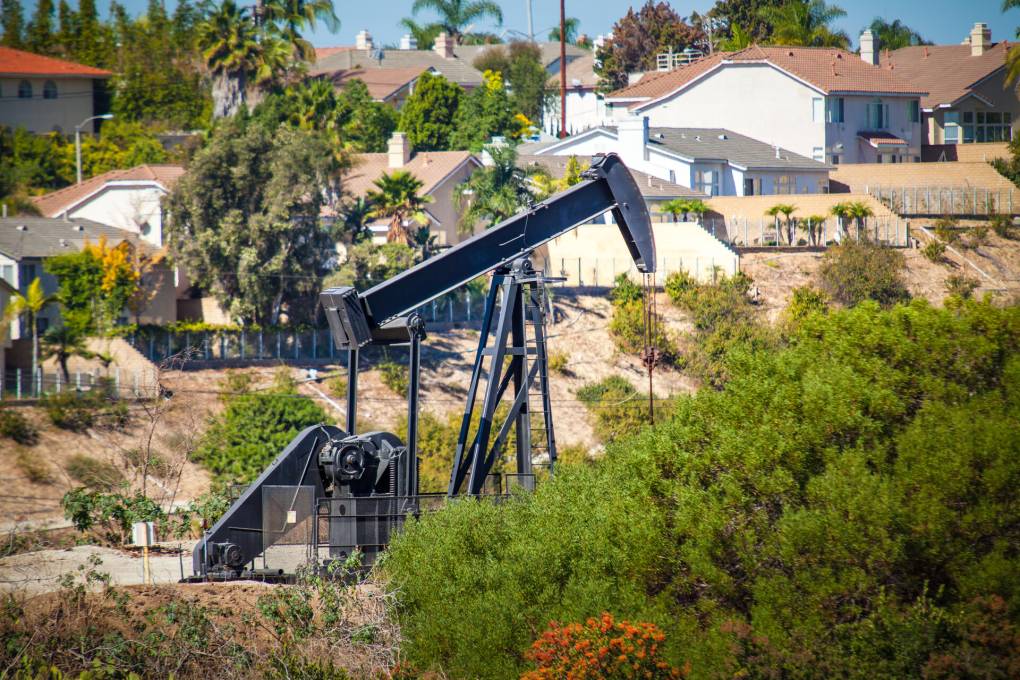
"caption": "An oil pumpjack near homes in the Inglewood Oil Field in Los Angeles. The California Independent Oil Association is pulling its referendum on the law banning new oil and gas wells near schools and parks.",
"credit": "Gary Kavanagh/Getty Images",
"altTag": null,
"description": null,
"imgSizes": {
"medium": {
"file": "https://cdn.kqed.org/wp-content/uploads/sites/35/2024/06/OilSetback01-800x533.jpg",
"width": 800,
"height": 533,
"mimeType": "image/jpeg"
},
"large": {
"file": "https://cdn.kqed.org/wp-content/uploads/sites/35/2024/06/OilSetback01-1020x680.jpg",
"width": 1020,
"height": 680,
"mimeType": "image/jpeg"
},
"thumbnail": {
"file": "https://cdn.kqed.org/wp-content/uploads/sites/35/2024/06/OilSetback01-160x107.jpg",
"width": 160,
"height": 107,
"mimeType": "image/jpeg"
},
"medium_large": {
"file": "https://cdn.kqed.org/wp-content/uploads/sites/35/2024/06/OilSetback01-768x512.jpg",
"width": 768,
"height": 512,
"mimeType": "image/jpeg"
},
"1536x1536": {
"file": "https://cdn.kqed.org/wp-content/uploads/sites/35/2024/06/OilSetback01-1536x1024.jpg",
"width": 1536,
"height": 1024,
"mimeType": "image/jpeg"
},
"post-thumbnail": {
"file": "https://cdn.kqed.org/wp-content/uploads/sites/35/2024/06/OilSetback01-672x372.jpg",
"width": 672,
"height": 372,
"mimeType": "image/jpeg"
},
"twentyfourteen-full-width": {
"file": "https://cdn.kqed.org/wp-content/uploads/sites/35/2024/06/OilSetback01-1038x576.jpg",
"width": 1038,
"height": 576,
"mimeType": "image/jpeg"
},
"kqedFullSize": {
"file": "https://cdn.kqed.org/wp-content/uploads/sites/35/2024/06/OilSetback01.jpg",
"width": 1920,
"height": 1280
}
},
"isLoading": false,
"fetchFailed": false
},
"science_1993475": {
"type": "attachments",
"id": "science_1993475",
"meta": {
"index": "attachments_1716263798",
"site": "science",
"id": "1993475",
"found": true
},
"title": "Fireboat Station 35",
"publishDate": 1719008378,
"status": "inherit",
"parent": 1993470,
"modified": 1719008428,
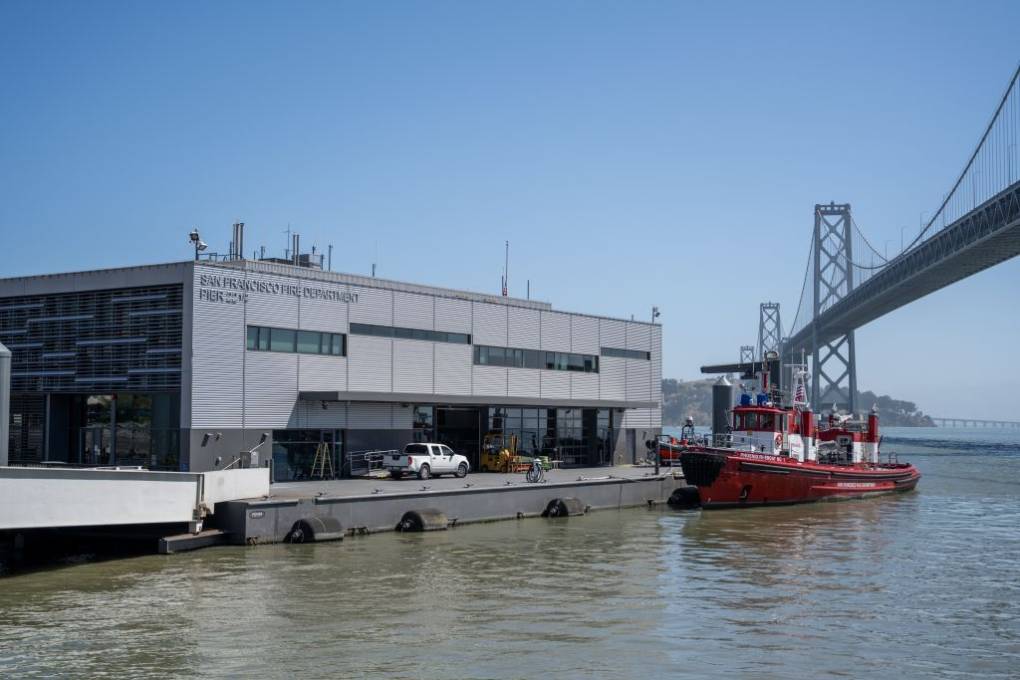
"caption": "San Francisco Fire Department building and boat docked nearby at Fireboat Station 35, with the Bay Bridge in the background on a clear day in San Francisco on June 7, 2024. ",
"credit": "Smith Collection/Gado/Getty Images",
"altTag": null,
"description": null,
"imgSizes": {
"medium": {
"file": "https://cdn.kqed.org/wp-content/uploads/sites/35/2024/06/GettyImages-2157160888-800x534.jpg",
"width": 800,
"height": 534,
"mimeType": "image/jpeg"
},
"large": {
"file": "https://cdn.kqed.org/wp-content/uploads/sites/35/2024/06/GettyImages-2157160888-1020x680.jpg",
"width": 1020,
"height": 680,
"mimeType": "image/jpeg"
},
"thumbnail": {
"file": "https://cdn.kqed.org/wp-content/uploads/sites/35/2024/06/GettyImages-2157160888-160x107.jpg",
"width": 160,
"height": 107,
"mimeType": "image/jpeg"
},
"medium_large": {
"file": "https://cdn.kqed.org/wp-content/uploads/sites/35/2024/06/GettyImages-2157160888-768x512.jpg",
"width": 768,
"height": 512,
"mimeType": "image/jpeg"
},
"post-thumbnail": {
"file": "https://cdn.kqed.org/wp-content/uploads/sites/35/2024/06/GettyImages-2157160888-672x372.jpg",
"width": 672,
"height": 372,
"mimeType": "image/jpeg"
},
"twentyfourteen-full-width": {
"file": "https://cdn.kqed.org/wp-content/uploads/sites/35/2024/06/GettyImages-2157160888-1024x576.jpg",
"width": 1024,
"height": 576,
"mimeType": "image/jpeg"
},
"kqedFullSize": {
"file": "https://cdn.kqed.org/wp-content/uploads/sites/35/2024/06/GettyImages-2157160888.jpg",
"width": 1024,
"height": 683
}
},
"isLoading": false,
"fetchFailed": false
},
"science_1993444": {
"type": "attachments",
"id": "science_1993444",
"meta": {
"index": "attachments_1716263798",
"site": "science",
"id": "1993444",
"found": true
},
"title": "Blackburnian Warblers",
"publishDate": 1718980552,
"status": "inherit",
"parent": 0,
"modified": 1718994074,
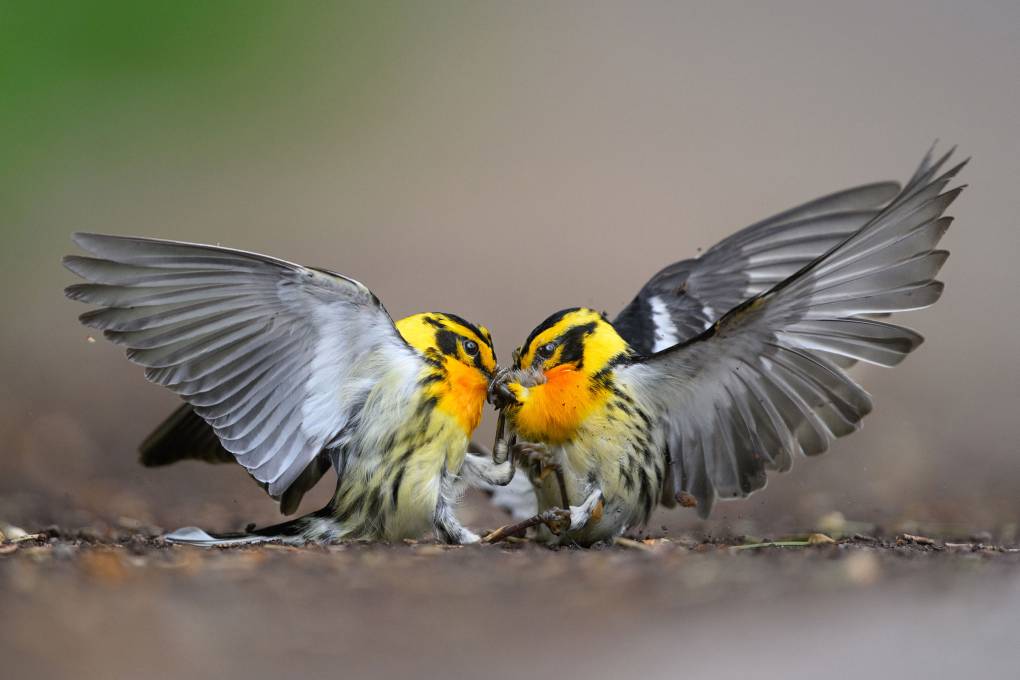
"caption": "On their South American wintering grounds on the slopes of the Andes, Blackburnians range through cool, moist forests and mix peacefully among flocks of resident tropical birds.",
"credit": "Mathew Malwitz/Audubon Photography Awards",
"altTag": null,
"description": null,
"imgSizes": {
"medium": {
"file": "https://cdn.kqed.org/wp-content/uploads/sites/35/2024/06/Aud_APA-2024_Blackburnian-Warbler_A1_31756-0_Photo-Mathew-Malwitz-800x533.jpg",
"width": 800,
"height": 533,
"mimeType": "image/jpeg"
},
"large": {
"file": "https://cdn.kqed.org/wp-content/uploads/sites/35/2024/06/Aud_APA-2024_Blackburnian-Warbler_A1_31756-0_Photo-Mathew-Malwitz-1020x680.jpg",
"width": 1020,
"height": 680,
"mimeType": "image/jpeg"
},
"thumbnail": {
"file": "https://cdn.kqed.org/wp-content/uploads/sites/35/2024/06/Aud_APA-2024_Blackburnian-Warbler_A1_31756-0_Photo-Mathew-Malwitz-160x107.jpg",
"width": 160,
"height": 107,
"mimeType": "image/jpeg"
},
"medium_large": {
"file": "https://cdn.kqed.org/wp-content/uploads/sites/35/2024/06/Aud_APA-2024_Blackburnian-Warbler_A1_31756-0_Photo-Mathew-Malwitz-768x512.jpg",
"width": 768,
"height": 512,
"mimeType": "image/jpeg"
},
"1536x1536": {
"file": "https://cdn.kqed.org/wp-content/uploads/sites/35/2024/06/Aud_APA-2024_Blackburnian-Warbler_A1_31756-0_Photo-Mathew-Malwitz-1536x1024.jpg",
"width": 1536,
"height": 1024,
"mimeType": "image/jpeg"
},
"2048x2048": {
"file": "https://cdn.kqed.org/wp-content/uploads/sites/35/2024/06/Aud_APA-2024_Blackburnian-Warbler_A1_31756-0_Photo-Mathew-Malwitz-2048x1365.jpg",
"width": 2048,
"height": 1365,
"mimeType": "image/jpeg"
},
"post-thumbnail": {
"file": "https://cdn.kqed.org/wp-content/uploads/sites/35/2024/06/Aud_APA-2024_Blackburnian-Warbler_A1_31756-0_Photo-Mathew-Malwitz-672x372.jpg",
"width": 672,
"height": 372,
"mimeType": "image/jpeg"
},
"twentyfourteen-full-width": {
"file": "https://cdn.kqed.org/wp-content/uploads/sites/35/2024/06/Aud_APA-2024_Blackburnian-Warbler_A1_31756-0_Photo-Mathew-Malwitz-1038x576.jpg",
"width": 1038,
"height": 576,
"mimeType": "image/jpeg"
},
"full-width": {
"file": "https://cdn.kqed.org/wp-content/uploads/sites/35/2024/06/Aud_APA-2024_Blackburnian-Warbler_A1_31756-0_Photo-Mathew-Malwitz-1920x1280.jpg",
"width": 1920,
"height": 1280,
"mimeType": "image/jpeg"
},
"kqedFullSize": {
"file": "https://cdn.kqed.org/wp-content/uploads/sites/35/2024/06/Aud_APA-2024_Blackburnian-Warbler_A1_31756-0_Photo-Mathew-Malwitz.jpg",
"width": 2400,
"height": 1600
}
},
"isLoading": false,
"fetchFailed": false
},
"science_1993415": {
"type": "attachments",
"id": "science_1993415",
"meta": {
"index": "attachments_1716263798",
"site": "science",
"id": "1993415",
"found": true
},
"title": "California Wildfires",
"publishDate": 1718655136,
"status": "inherit",
"parent": 1993411,
"modified": 1718655176,
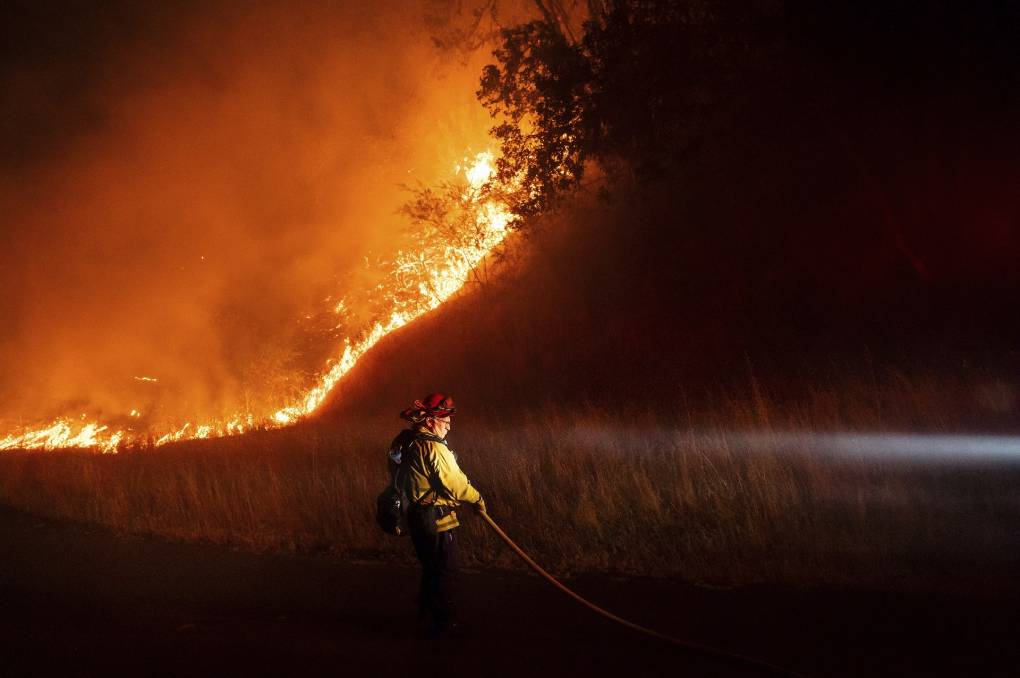
"caption": "A firefighter carries a hose while battling the Point Fire along West Dry Creek Road in Healdsburg, Calif. on Sunday, June 16, 2024.",
"credit": "Noah Berger/AP Photo",
"altTag": null,
"description": null,
"imgSizes": {
"medium": {
"file": "https://cdn.kqed.org/wp-content/uploads/sites/35/2024/06/SonomaCountyPointFire01-800x532.jpg",
"width": 800,
"height": 532,
"mimeType": "image/jpeg"
},
"large": {
"file": "https://cdn.kqed.org/wp-content/uploads/sites/35/2024/06/SonomaCountyPointFire01-1020x678.jpg",
"width": 1020,
"height": 678,
"mimeType": "image/jpeg"
},
"thumbnail": {
"file": "https://cdn.kqed.org/wp-content/uploads/sites/35/2024/06/SonomaCountyPointFire01-160x106.jpg",
"width": 160,
"height": 106,
"mimeType": "image/jpeg"
},
"medium_large": {
"file": "https://cdn.kqed.org/wp-content/uploads/sites/35/2024/06/SonomaCountyPointFire01-768x511.jpg",
"width": 768,
"height": 511,
"mimeType": "image/jpeg"
},
"1536x1536": {
"file": "https://cdn.kqed.org/wp-content/uploads/sites/35/2024/06/SonomaCountyPointFire01-1536x1022.jpg",
"width": 1536,
"height": 1022,
"mimeType": "image/jpeg"
},
"post-thumbnail": {
"file": "https://cdn.kqed.org/wp-content/uploads/sites/35/2024/06/SonomaCountyPointFire01-672x372.jpg",
"width": 672,
"height": 372,
"mimeType": "image/jpeg"
},
"twentyfourteen-full-width": {
"file": "https://cdn.kqed.org/wp-content/uploads/sites/35/2024/06/SonomaCountyPointFire01-1038x576.jpg",
"width": 1038,
"height": 576,
"mimeType": "image/jpeg"
},
"kqedFullSize": {
"file": "https://cdn.kqed.org/wp-content/uploads/sites/35/2024/06/SonomaCountyPointFire01.jpg",
"width": 1920,
"height": 1277
}
},
"isLoading": false,
"fetchFailed": false
},
"science_1993330": {
"type": "attachments",
"id": "science_1993330",
"meta": {
"index": "attachments_1716263798",
"site": "science",
"id": "1993330",
"found": true
},
"title": "image3",
"publishDate": 1718389948,
"status": "inherit",
"parent": 1993327,
"modified": 1718396830,
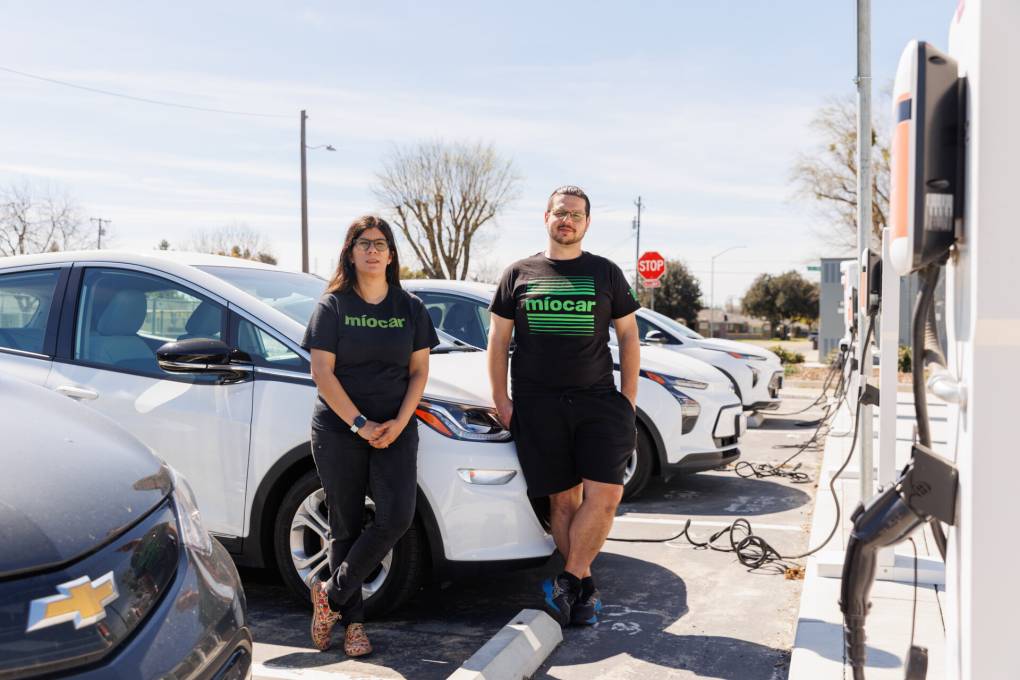
"caption": "Míocar Chief Operations Officer Gloria Huerta (left) and Operations Manager Alberto Rodriguez stand for a portrait by the fleet of cars at one of the charging stations in Stockton, San Joaquin County, on Wednesday, March 20, 2024. Míocar is an affordable electric car-sharing service based in Stockton, Richmond and Tulare/Kern County.",
"credit": "Juliana Yamada/KQED",
"altTag": null,
"description": null,
"imgSizes": {
"medium": {
"file": "https://cdn.kqed.org/wp-content/uploads/sites/35/2024/06/image3-800x533.jpg",
"width": 800,
"height": 533,
"mimeType": "image/jpeg"
},
"large": {
"file": "https://cdn.kqed.org/wp-content/uploads/sites/35/2024/06/image3-1020x680.jpg",
"width": 1020,
"height": 680,
"mimeType": "image/jpeg"
},
"thumbnail": {
"file": "https://cdn.kqed.org/wp-content/uploads/sites/35/2024/06/image3-160x107.jpg",
"width": 160,
"height": 107,
"mimeType": "image/jpeg"
},
"medium_large": {
"file": "https://cdn.kqed.org/wp-content/uploads/sites/35/2024/06/image3-768x512.jpg",
"width": 768,
"height": 512,
"mimeType": "image/jpeg"
},
"1536x1536": {
"file": "https://cdn.kqed.org/wp-content/uploads/sites/35/2024/06/image3-1536x1024.jpg",
"width": 1536,
"height": 1024,
"mimeType": "image/jpeg"
},
"post-thumbnail": {
"file": "https://cdn.kqed.org/wp-content/uploads/sites/35/2024/06/image3-672x372.jpg",
"width": 672,
"height": 372,
"mimeType": "image/jpeg"
},
"twentyfourteen-full-width": {
"file": "https://cdn.kqed.org/wp-content/uploads/sites/35/2024/06/image3-1038x576.jpg",
"width": 1038,
"height": 576,
"mimeType": "image/jpeg"
},
"kqedFullSize": {
"file": "https://cdn.kqed.org/wp-content/uploads/sites/35/2024/06/image3.jpg",
"width": 1920,
"height": 1280
}
},
"isLoading": false,
"fetchFailed": false
},
"science_1992973": {
"type": "attachments",
"id": "science_1992973",
"meta": {
"index": "attachments_1716263798",
"site": "science",
"id": "1992973",
"found": true
},
"title": "240522-ERPressure-14-BL_qut",
"publishDate": 1716501537,
"status": "inherit",
"parent": 0,
"modified": 1718485991,
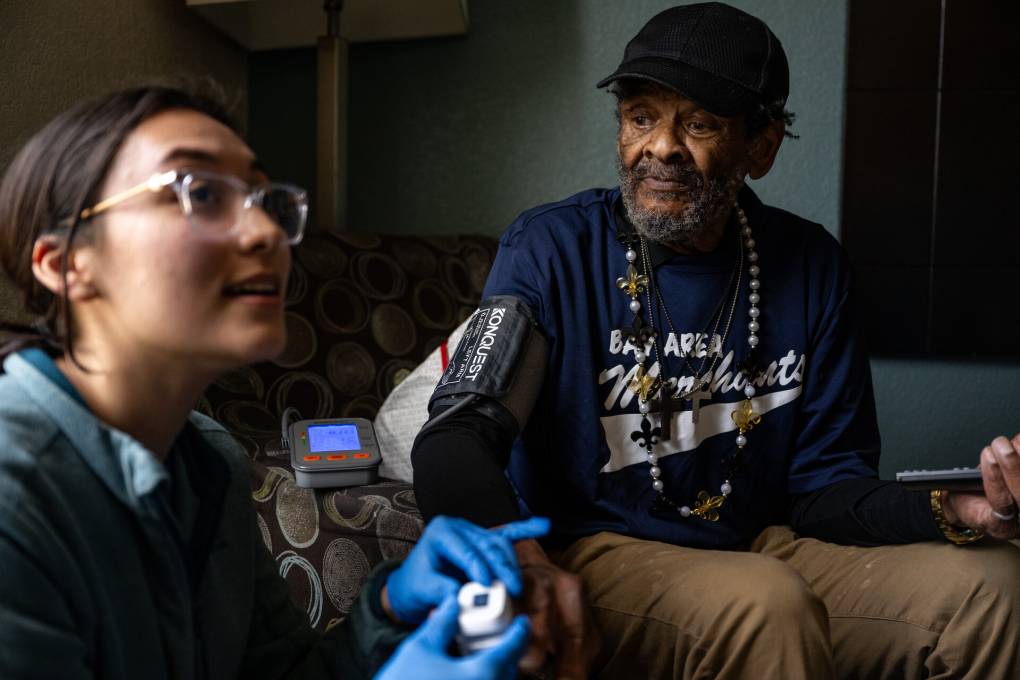
"caption": "Nurse Julianne Vidal takes vitals for Brandon Radford, 80, in his room at Oak Days, a permanent supportive housing program in a former hotel in Oakland, on May 22, 2024. The nonprofit Cardea Health provides care to residents with mental health and substance abuse needs as well as other medical care.",
"credit": "Beth LaBerge/KQED",
"altTag": "A woman smiling wearing blue protective nurse gloves sits in the foreground while an older man sits smiling at her while wearing a blood pressure monitor in the background",
"description": null,
"imgSizes": {
"medium": {
"file": "https://cdn.kqed.org/wp-content/uploads/sites/35/2024/05/240522-ERPressure-14-BL_qut-800x533.jpg",
"width": 800,
"height": 533,
"mimeType": "image/jpeg"
},
"large": {
"file": "https://cdn.kqed.org/wp-content/uploads/sites/35/2024/05/240522-ERPressure-14-BL_qut-1020x680.jpg",
"width": 1020,
"height": 680,
"mimeType": "image/jpeg"
},
"thumbnail": {
"file": "https://cdn.kqed.org/wp-content/uploads/sites/35/2024/05/240522-ERPressure-14-BL_qut-160x107.jpg",
"width": 160,
"height": 107,
"mimeType": "image/jpeg"
},
"medium_large": {
"file": "https://cdn.kqed.org/wp-content/uploads/sites/35/2024/05/240522-ERPressure-14-BL_qut-768x512.jpg",
"width": 768,
"height": 512,
"mimeType": "image/jpeg"
},
"1536x1536": {
"file": "https://cdn.kqed.org/wp-content/uploads/sites/35/2024/05/240522-ERPressure-14-BL_qut-1536x1024.jpg",
"width": 1536,
"height": 1024,
"mimeType": "image/jpeg"
},
"post-thumbnail": {
"file": "https://cdn.kqed.org/wp-content/uploads/sites/35/2024/05/240522-ERPressure-14-BL_qut-672x372.jpg",
"width": 672,
"height": 372,
"mimeType": "image/jpeg"
},
"twentyfourteen-full-width": {
"file": "https://cdn.kqed.org/wp-content/uploads/sites/35/2024/05/240522-ERPressure-14-BL_qut-1038x576.jpg",
"width": 1038,
"height": 576,
"mimeType": "image/jpeg"
},
"kqedFullSize": {
"file": "https://cdn.kqed.org/wp-content/uploads/sites/35/2024/05/240522-ERPressure-14-BL_qut.jpg",
"width": 1920,
"height": 1280
}
},
"isLoading": false,
"fetchFailed": false
},
"science_1993375": {
"type": "attachments",
"id": "science_1993375",
"meta": {
"index": "attachments_1716263798",
"site": "science",
"id": "1993375",
"found": true
},
"title": "Dairy Digesters Pollution",
"publishDate": 1718474743,
"status": "inherit",
"parent": 1993372,
"modified": 1718474825,
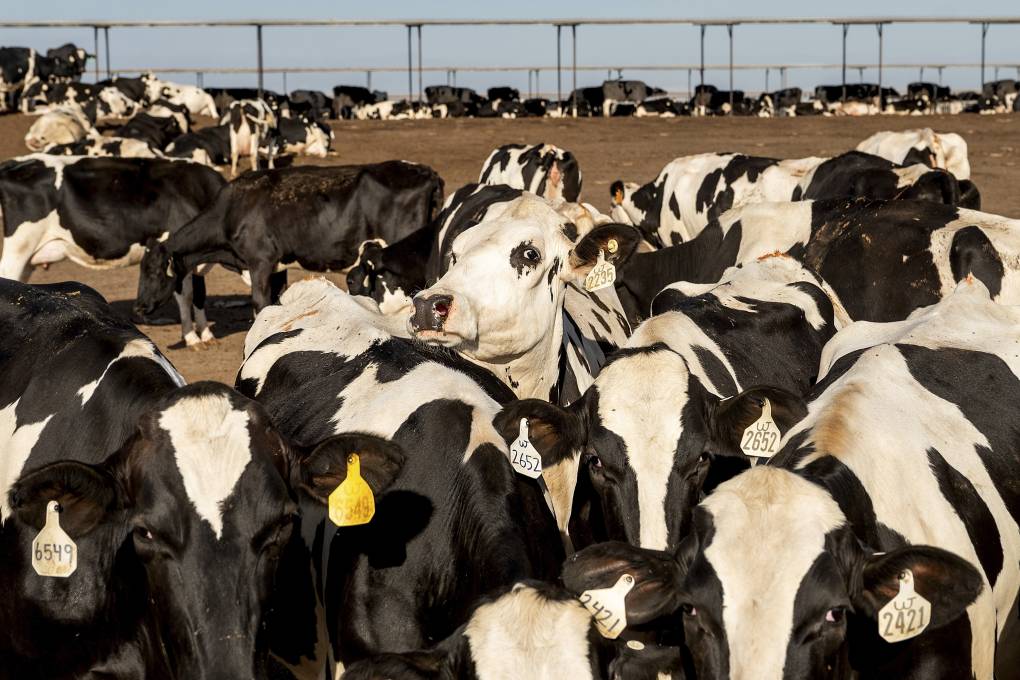
"caption": "Cows stand in a corral at a dairy farm in Pixley, Tulare County, on May 20, 2024. In recent decades, digesters that convert cow manure and other organic waste into biogas to create electricity or to fuel vehicles have spread nationally, and the number is expected to grow. ",
"credit": "Noah Berger/AP Photo",
"altTag": null,
"description": null,
"imgSizes": {
"medium": {
"file": "https://cdn.kqed.org/wp-content/uploads/sites/35/2024/06/AP24164554349822-800x533.jpg",
"width": 800,
"height": 533,
"mimeType": "image/jpeg"
},
"large": {
"file": "https://cdn.kqed.org/wp-content/uploads/sites/35/2024/06/AP24164554349822-1020x680.jpg",
"width": 1020,
"height": 680,
"mimeType": "image/jpeg"
},
"thumbnail": {
"file": "https://cdn.kqed.org/wp-content/uploads/sites/35/2024/06/AP24164554349822-160x107.jpg",
"width": 160,
"height": 107,
"mimeType": "image/jpeg"
},
"medium_large": {
"file": "https://cdn.kqed.org/wp-content/uploads/sites/35/2024/06/AP24164554349822-768x512.jpg",
"width": 768,
"height": 512,
"mimeType": "image/jpeg"
},
"1536x1536": {
"file": "https://cdn.kqed.org/wp-content/uploads/sites/35/2024/06/AP24164554349822-1536x1023.jpg",
"width": 1536,
"height": 1023,
"mimeType": "image/jpeg"
},
"2048x2048": {
"file": "https://cdn.kqed.org/wp-content/uploads/sites/35/2024/06/AP24164554349822-2048x1365.jpg",
"width": 2048,
"height": 1365,
"mimeType": "image/jpeg"
},
"post-thumbnail": {
"file": "https://cdn.kqed.org/wp-content/uploads/sites/35/2024/06/AP24164554349822-672x372.jpg",
"width": 672,
"height": 372,
"mimeType": "image/jpeg"
},
"twentyfourteen-full-width": {
"file": "https://cdn.kqed.org/wp-content/uploads/sites/35/2024/06/AP24164554349822-1038x576.jpg",
"width": 1038,
"height": 576,
"mimeType": "image/jpeg"
},
"full-width": {
"file": "https://cdn.kqed.org/wp-content/uploads/sites/35/2024/06/AP24164554349822-1920x1279.jpg",
"width": 1920,
"height": 1279,
"mimeType": "image/jpeg"
},
"kqedFullSize": {
"file": "https://cdn.kqed.org/wp-content/uploads/sites/35/2024/06/AP24164554349822-scaled.jpg",
"width": 2560,
"height": 1706
}
},
"isLoading": false,
"fetchFailed": false
},
"science_1980742": {
"type": "attachments",
"id": "science_1980742",
"meta": {
"index": "attachments_1716263798",
"site": "science",
"id": "1980742",
"found": true
},
"title": "US-FIRE-CALIFORNIA",
"publishDate": 1667848284,
"status": "inherit",
"parent": 1980720,
"modified": 1718225867,
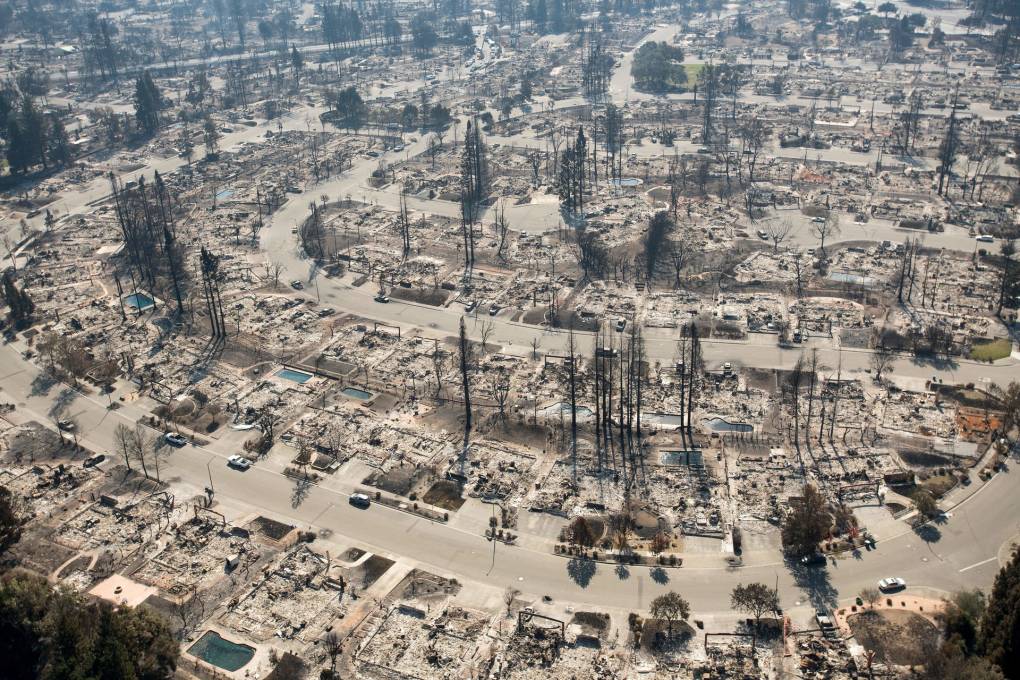
"caption": "An aerial view shows burned properties in Santa Rosa on Oct. 12, 2017, after a massive wildfire swept through.",
"credit": "Josh Edelson/AFP/Getty Images",
"altTag": "Row and after row of a suburban neighborhood lay in shambles. The homes are no longer intact. The plots are strewn about with debris and char from fire. Naked trees line each street.",
"description": null,
"imgSizes": {
"medium": {
"file": "https://cdn.kqed.org/wp-content/uploads/sites/35/2022/11/RS27514_GettyImages-860684916-qut-800x533.jpg",
"width": 800,
"height": 533,
"mimeType": "image/jpeg"
},
"large": {
"file": "https://cdn.kqed.org/wp-content/uploads/sites/35/2022/11/RS27514_GettyImages-860684916-qut-1020x680.jpg",
"width": 1020,
"height": 680,
"mimeType": "image/jpeg"
},
"thumbnail": {
"file": "https://cdn.kqed.org/wp-content/uploads/sites/35/2022/11/RS27514_GettyImages-860684916-qut-160x107.jpg",
"width": 160,
"height": 107,
"mimeType": "image/jpeg"
},
"medium_large": {
"file": "https://cdn.kqed.org/wp-content/uploads/sites/35/2022/11/RS27514_GettyImages-860684916-qut-768x512.jpg",
"width": 768,
"height": 512,
"mimeType": "image/jpeg"
},
"1536x1536": {
"file": "https://cdn.kqed.org/wp-content/uploads/sites/35/2022/11/RS27514_GettyImages-860684916-qut-1536x1024.jpg",
"width": 1536,
"height": 1024,
"mimeType": "image/jpeg"
},
"post-thumbnail": {
"file": "https://cdn.kqed.org/wp-content/uploads/sites/35/2022/11/RS27514_GettyImages-860684916-qut-672x372.jpg",
"width": 672,
"height": 372,
"mimeType": "image/jpeg"
},
"twentyfourteen-full-width": {
"file": "https://cdn.kqed.org/wp-content/uploads/sites/35/2022/11/RS27514_GettyImages-860684916-qut-1038x576.jpg",
"width": 1038,
"height": 576,
"mimeType": "image/jpeg"
},
"kqedFullSize": {
"file": "https://cdn.kqed.org/wp-content/uploads/sites/35/2022/11/RS27514_GettyImages-860684916-qut.jpg",
"width": 1920,
"height": 1280
}
},
"isLoading": false,
"fetchFailed": false
},
"science_1993303": {
"type": "attachments",
"id": "science_1993303",
"meta": {
"index": "attachments_1716263798",
"site": "science",
"id": "1993303",
"found": true
},
"title": "2Y2A5178",
"publishDate": 1718216830,
"status": "inherit",
"parent": 0,
"modified": 1718217066,
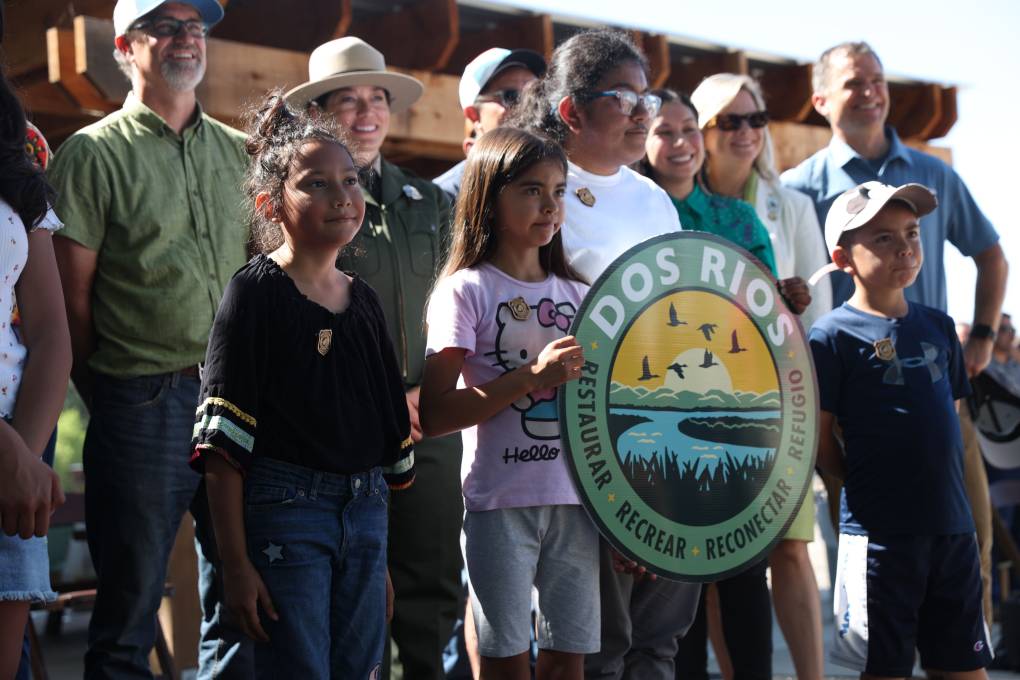
"caption": "Students hold a park emblem at Dos Rios, California’s newest state park, at the park's opening ceremony in Modesto on June 12, 2024. Dos Rios is California’s 281st state park and is the first park to open in over a decade. The students just completed the California State Parks Junior Ranger program.",
"credit": "Gina Castro/KQED",
"altTag": null,
"description": null,
"imgSizes": {
"medium": {
"file": "https://cdn.kqed.org/wp-content/uploads/sites/35/2024/06/2Y2A5178-800x533.jpg",
"width": 800,
"height": 533,
"mimeType": "image/jpeg"
},
"large": {
"file": "https://cdn.kqed.org/wp-content/uploads/sites/35/2024/06/2Y2A5178-1020x680.jpg",
"width": 1020,
"height": 680,
"mimeType": "image/jpeg"
},
"thumbnail": {
"file": "https://cdn.kqed.org/wp-content/uploads/sites/35/2024/06/2Y2A5178-160x107.jpg",
"width": 160,
"height": 107,
"mimeType": "image/jpeg"
},
"medium_large": {
"file": "https://cdn.kqed.org/wp-content/uploads/sites/35/2024/06/2Y2A5178-768x512.jpg",
"width": 768,
"height": 512,
"mimeType": "image/jpeg"
},
"1536x1536": {
"file": "https://cdn.kqed.org/wp-content/uploads/sites/35/2024/06/2Y2A5178-1536x1024.jpg",
"width": 1536,
"height": 1024,
"mimeType": "image/jpeg"
},
"2048x2048": {
"file": "https://cdn.kqed.org/wp-content/uploads/sites/35/2024/06/2Y2A5178-2048x1365.jpg",
"width": 2048,
"height": 1365,
"mimeType": "image/jpeg"
},
"post-thumbnail": {
"file": "https://cdn.kqed.org/wp-content/uploads/sites/35/2024/06/2Y2A5178-672x372.jpg",
"width": 672,
"height": 372,
"mimeType": "image/jpeg"
},
"twentyfourteen-full-width": {
"file": "https://cdn.kqed.org/wp-content/uploads/sites/35/2024/06/2Y2A5178-1038x576.jpg",
"width": 1038,
"height": 576,
"mimeType": "image/jpeg"
},
"full-width": {
"file": "https://cdn.kqed.org/wp-content/uploads/sites/35/2024/06/2Y2A5178-1920x1280.jpg",
"width": 1920,
"height": 1280,
"mimeType": "image/jpeg"
},
"kqedFullSize": {
"file": "https://cdn.kqed.org/wp-content/uploads/sites/35/2024/06/2Y2A5178-scaled.jpg",
"width": 2560,
"height": 1707
}
},
"isLoading": false,
"fetchFailed": false
},
"science_1993287": {
"type": "attachments",
"id": "science_1993287",
"meta": {
"index": "attachments_1716263798",
"site": "science",
"id": "1993287",
"found": true
},
"title": "SEALEVEL",
"publishDate": 1718143087,
"status": "inherit",
"parent": 1993278,
"modified": 1718143107,
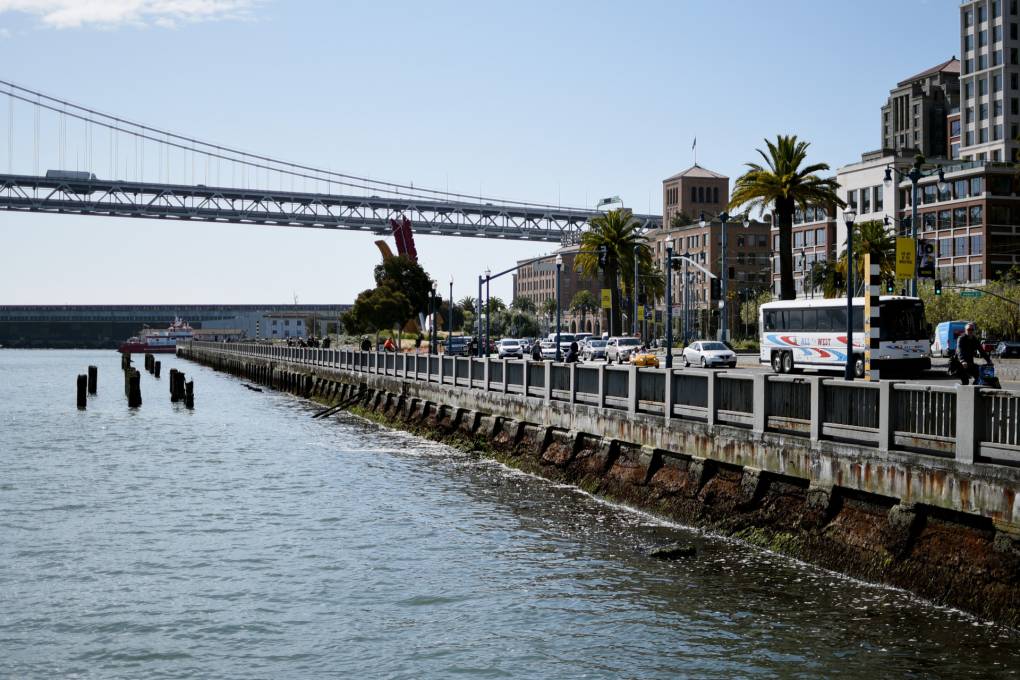
"caption": "The Embarcadero's seawall, in some areas, provide little to no separation between the cityscape and the sea in San Francisco, Calif., on Tuesday, May 1, 2018.",
"credit": "Lauren Hanussak/KQED",
"altTag": null,
"description": null,
"imgSizes": {
"medium": {
"file": "https://cdn.kqed.org/wp-content/uploads/sites/35/2024/06/SeaLevel_006_qut-800x533.jpg",
"width": 800,
"height": 533,
"mimeType": "image/jpeg"
},
"large": {
"file": "https://cdn.kqed.org/wp-content/uploads/sites/35/2024/06/SeaLevel_006_qut-1020x680.jpg",
"width": 1020,
"height": 680,
"mimeType": "image/jpeg"
},
"thumbnail": {
"file": "https://cdn.kqed.org/wp-content/uploads/sites/35/2024/06/SeaLevel_006_qut-160x107.jpg",
"width": 160,
"height": 107,
"mimeType": "image/jpeg"
},
"medium_large": {
"file": "https://cdn.kqed.org/wp-content/uploads/sites/35/2024/06/SeaLevel_006_qut-768x512.jpg",
"width": 768,
"height": 512,
"mimeType": "image/jpeg"
},
"1536x1536": {
"file": "https://cdn.kqed.org/wp-content/uploads/sites/35/2024/06/SeaLevel_006_qut-1536x1024.jpg",
"width": 1536,
"height": 1024,
"mimeType": "image/jpeg"
},
"post-thumbnail": {
"file": "https://cdn.kqed.org/wp-content/uploads/sites/35/2024/06/SeaLevel_006_qut-672x372.jpg",
"width": 672,
"height": 372,
"mimeType": "image/jpeg"
},
"twentyfourteen-full-width": {
"file": "https://cdn.kqed.org/wp-content/uploads/sites/35/2024/06/SeaLevel_006_qut-1038x576.jpg",
"width": 1038,
"height": 576,
"mimeType": "image/jpeg"
},
"kqedFullSize": {
"file": "https://cdn.kqed.org/wp-content/uploads/sites/35/2024/06/SeaLevel_006_qut.jpg",
"width": 1920,
"height": 1280
}
},
"isLoading": false,
"fetchFailed": false
},
"science_1993267": {
"type": "attachments",
"id": "science_1993267",
"meta": {
"index": "attachments_1716263798",
"site": "science",
"id": "1993267",
"found": true
},
"title": "IMG_2591",
"publishDate": 1718063407,
"status": "inherit",
"parent": 1993259,
"modified": 1718063443,
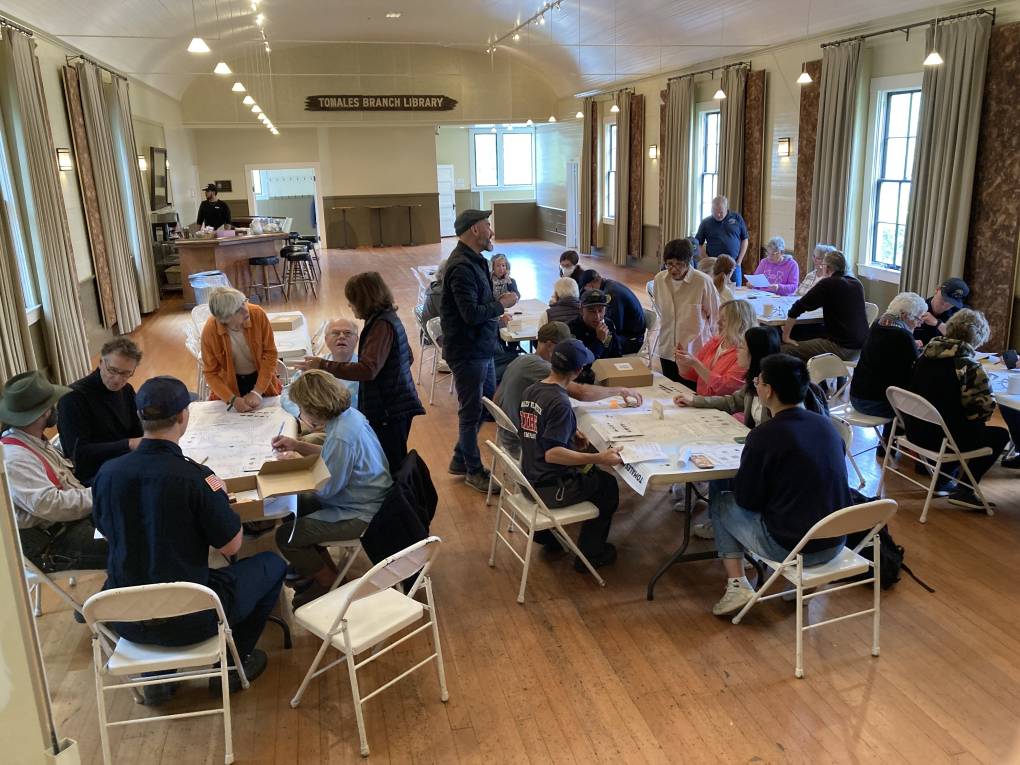
"caption": "Residents gathered in the Tomales town hall to play a game about wildfire evacuation.",
"credit": "Katherine Monahan/KQED",
"altTag": null,
"description": null,
"imgSizes": {
"medium": {
"file": "https://cdn.kqed.org/wp-content/uploads/sites/35/2024/06/IMG_2591-800x600.jpg",
"width": 800,
"height": 600,
"mimeType": "image/jpeg"
},
"large": {
"file": "https://cdn.kqed.org/wp-content/uploads/sites/35/2024/06/IMG_2591-1020x765.jpg",
"width": 1020,
"height": 765,
"mimeType": "image/jpeg"
},
"thumbnail": {
"file": "https://cdn.kqed.org/wp-content/uploads/sites/35/2024/06/IMG_2591-160x120.jpg",
"width": 160,
"height": 120,
"mimeType": "image/jpeg"
},
"medium_large": {
"file": "https://cdn.kqed.org/wp-content/uploads/sites/35/2024/06/IMG_2591-768x576.jpg",
"width": 768,
"height": 576,
"mimeType": "image/jpeg"
},
"1536x1536": {
"file": "https://cdn.kqed.org/wp-content/uploads/sites/35/2024/06/IMG_2591-1536x1152.jpg",
"width": 1536,
"height": 1152,
"mimeType": "image/jpeg"
},
"2048x2048": {
"file": "https://cdn.kqed.org/wp-content/uploads/sites/35/2024/06/IMG_2591-2048x1536.jpg",
"width": 2048,
"height": 1536,
"mimeType": "image/jpeg"
},
"post-thumbnail": {
"file": "https://cdn.kqed.org/wp-content/uploads/sites/35/2024/06/IMG_2591-672x372.jpg",
"width": 672,
"height": 372,
"mimeType": "image/jpeg"
},
"twentyfourteen-full-width": {
"file": "https://cdn.kqed.org/wp-content/uploads/sites/35/2024/06/IMG_2591-1038x576.jpg",
"width": 1038,
"height": 576,
"mimeType": "image/jpeg"
},
"full-width": {
"file": "https://cdn.kqed.org/wp-content/uploads/sites/35/2024/06/IMG_2591-1920x1440.jpg",
"width": 1920,
"height": 1440,
"mimeType": "image/jpeg"
},
"kqedFullSize": {
"file": "https://cdn.kqed.org/wp-content/uploads/sites/35/2024/06/IMG_2591-scaled.jpg",
"width": 2560,
"height": 1920
}
},
"isLoading": false,
"fetchFailed": false
},
"science_1985212": {
"type": "attachments",
"id": "science_1985212",
"meta": {
"index": "attachments_1716263798",
"site": "science",
"id": "1985212",
"found": true
},
"title": "231110-PRESCRIBED BURN_PENN VALLEY_NEVADA COUNTY10-EB-KQED",
"publishDate": 1699620650,
"status": "inherit",
"parent": 0,
"modified": 1718056791,
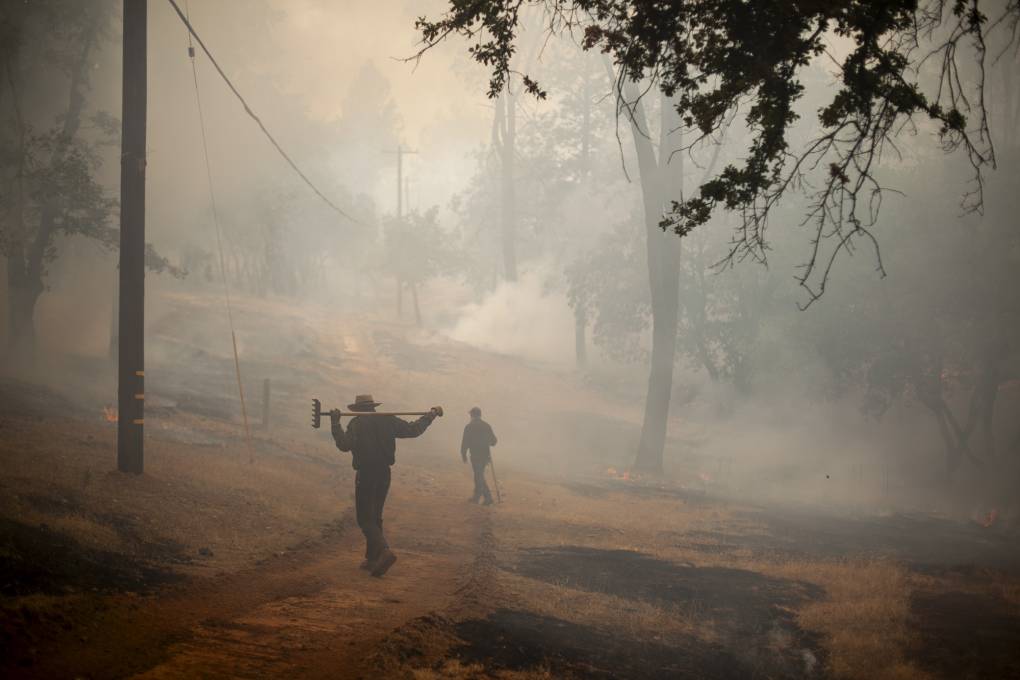
"caption": "Workers perform a prescribed burn on a private property in Penn Valley, a small, rural community in Nevada County, California, on June 22, 2023. The burn aims to reduce the brush and grasses that fuel megafires, while also helping to restore native plants to the region.",
"credit": "Erin Baldassari/KQED",
"altTag": "Two people walk through a smokey hillside.",
"description": null,
"imgSizes": {
"medium": {
"file": "https://cdn.kqed.org/wp-content/uploads/sites/35/2023/11/231110-PRESCRIBED-BURN_PENN-VALLEY_NEVADA-COUNTY10-EB-KQED-800x533.jpg",
"width": 800,
"height": 533,
"mimeType": "image/jpeg"
},
"large": {
"file": "https://cdn.kqed.org/wp-content/uploads/sites/35/2023/11/231110-PRESCRIBED-BURN_PENN-VALLEY_NEVADA-COUNTY10-EB-KQED-1020x680.jpg",
"width": 1020,
"height": 680,
"mimeType": "image/jpeg"
},
"thumbnail": {
"file": "https://cdn.kqed.org/wp-content/uploads/sites/35/2023/11/231110-PRESCRIBED-BURN_PENN-VALLEY_NEVADA-COUNTY10-EB-KQED-160x107.jpg",
"width": 160,
"height": 107,
"mimeType": "image/jpeg"
},
"medium_large": {
"file": "https://cdn.kqed.org/wp-content/uploads/sites/35/2023/11/231110-PRESCRIBED-BURN_PENN-VALLEY_NEVADA-COUNTY10-EB-KQED-768x512.jpg",
"width": 768,
"height": 512,
"mimeType": "image/jpeg"
},
"1536x1536": {
"file": "https://cdn.kqed.org/wp-content/uploads/sites/35/2023/11/231110-PRESCRIBED-BURN_PENN-VALLEY_NEVADA-COUNTY10-EB-KQED-1536x1024.jpg",
"width": 1536,
"height": 1024,
"mimeType": "image/jpeg"
},
"post-thumbnail": {
"file": "https://cdn.kqed.org/wp-content/uploads/sites/35/2023/11/231110-PRESCRIBED-BURN_PENN-VALLEY_NEVADA-COUNTY10-EB-KQED-672x372.jpg",
"width": 672,
"height": 372,
"mimeType": "image/jpeg"
},
"twentyfourteen-full-width": {
"file": "https://cdn.kqed.org/wp-content/uploads/sites/35/2023/11/231110-PRESCRIBED-BURN_PENN-VALLEY_NEVADA-COUNTY10-EB-KQED-1038x576.jpg",
"width": 1038,
"height": 576,
"mimeType": "image/jpeg"
},
"full-width": {
"file": "https://cdn.kqed.org/wp-content/uploads/sites/35/2023/11/231110-PRESCRIBED-BURN_PENN-VALLEY_NEVADA-COUNTY10-EB-KQED-1920x1280.jpg",
"width": 1920,
"height": 1280,
"mimeType": "image/jpeg"
},
"kqedFullSize": {
"file": "https://cdn.kqed.org/wp-content/uploads/sites/35/2023/11/231110-PRESCRIBED-BURN_PENN-VALLEY_NEVADA-COUNTY10-EB-KQED.jpg",
"width": 2000,
"height": 1333
}
},
"isLoading": false,
"fetchFailed": false
}
},
"audioPlayerReducer": {
"postId": "stream_live",
"isPaused": true,
"isPlaying": false,
"pfsActive": false,
"pledgeModalIsOpen": true,
"playerDrawerIsOpen": false,
"liveAudioPlayStartedAt": 0,
"liveAudioPlayContext": ""
},
"authorsReducer": {
"byline_science_1993372": {
"type": "authors",
"id": "byline_science_1993372",
"meta": {
"override": true
},
"slug": "byline_science_1993372",
"name": "Dorany Pineda and Terry Chea, Associated Press",
"isLoading": false
},
"mlagos": {
"type": "authors",
"id": "3239",
"meta": {
"index": "authors_1716337520",
"id": "3239",
"found": true
},
"name": "Marisa Lagos",
"firstName": "Marisa",
"lastName": "Lagos",
"slug": "mlagos",
"email": "mlagos@kqed.org",
"display_author_email": false,
"staff_mastheads": [
"news"
],
"title": "KQED Contributor",
"bio": "Marisa Lagos is a correspondent for KQED’s California Politics and Government Desk and co-hosts the award-winning show and podcast, Political Breakdown. At KQED, Lagos also conducts reporting, analysis and investigations into state, local and national politics for radio, TV, online and onstage. In 2022, she and co-host, Scott Shafer, moderated the only gubernatorial debate in California. In 2020, the \u003ci>Washington Post\u003c/i> named her one of the top political journalists in California; she was nominated for a Peabody and won several other awards for her work investigating the 2017 California wildfires. She has worked at the \u003ci>San Francisco Chronicle\u003c/i>, \u003ci>San Francisco Examiner\u003c/i> and \u003ci>Los Angeles Times\u003c/i>. A UC Santa Barbara graduate, she lives in San Francisco with her two sons and husband.",
"avatar": "https://secure.gravatar.com/avatar/a261a0d3696fc066871ef96b85b5e7d2?s=600&d=blank&r=g",
"twitter": "@mlagos",
"facebook": null,
"instagram": null,
"linkedin": null,
"sites": [
{
"site": "arts",
"roles": [
"author"
]
},
{
"site": "news",
"roles": [
"editor"
]
},
{
"site": "science",
"roles": [
"editor"
]
},
{
"site": "forum",
"roles": [
"author"
]
},
{
"site": "liveblog",
"roles": [
"author"
]
}
],
"headData": {
"title": "Marisa Lagos | KQED",
"description": "KQED Contributor",
"ogImgSrc": "https://secure.gravatar.com/avatar/a261a0d3696fc066871ef96b85b5e7d2?s=600&d=blank&r=g",
"twImgSrc": "https://secure.gravatar.com/avatar/a261a0d3696fc066871ef96b85b5e7d2?s=600&d=blank&r=g"
},
"isLoading": false,
"link": "/author/mlagos"
},
"lklivans": {
"type": "authors",
"id": "8648",
"meta": {
"index": "authors_1716337520",
"id": "8648",
"found": true
},
"name": "Laura Klivans",
"firstName": "Laura",
"lastName": "Klivans",
"slug": "lklivans",
"email": "lklivans@kqed.org",
"display_author_email": true,
"staff_mastheads": [
"news",
"science"
],
"title": "Reporter",
"bio": "Laura Klivans is an award-winning science reporter for KQED News, where she covers climate change with an eye on both groundbreaking progress and gaps in action. She is the former host of KQED's blockbuster video series about tiny, amazing animals, \u003cem>Deep Look\u003c/em>. Her work reaches national audiences through NPR, \u003cem>Here & Now, \u003c/em>PRI, and other major outlets. \r\n\r\nLaura’s won five Northern California Area Emmy Awards for Deep Look and First Place in the Greater Bay Area Journalism Awards for a podcast exploring how one Oakland neighborhood teamed up to reduce planet-heating pollution.\r\n\r\nBeyond her reporting, she hosts and moderates events. In the past, she taught audio storytelling at the UC Berkeley Graduate School of Journalism, led international education programs, worked with immigrants and refugees along the Thai-Burmese border, taught high schoolers sex ed, and was an actress. \r\n\r\nShe's a former UC Berkeley Human Rights Fellow, USC Center for Health Journalism's California Fellow and Coro Fellow in Public Affairs. Laura has a master’s in journalism from UC Berkeley, a master’s in education from Harvard, and an undergraduate degree from Northwestern University.\r\n\r\nShe loves trying to riddle the meaning out of vanity license plates.",
"avatar": "https://secure.gravatar.com/avatar/2d2ecd1550a494cc10ad4a503406965585902124739e775a9b3817eebf1d88be?s=600&d=blank&r=g",
"twitter": "lauraklivans",
"bluesky": null,
"facebook": null,
"instagram": null,
"linkedin": null,
"sites": [
{
"site": "news",
"roles": [
"editor"
]
},
{
"site": "stateofhealth",
"roles": [
"contributor",
"editor"
]
},
{
"site": "science",
"roles": [
"editor"
]
},
{
"site": "forum",
"roles": [
"editor"
]
}
],
"headData": {
"title": "Laura Klivans | KQED",
"description": "Reporter",
"ogImgSrc": "https://secure.gravatar.com/avatar/2d2ecd1550a494cc10ad4a503406965585902124739e775a9b3817eebf1d88be?s=600&d=blank&r=g",
"twImgSrc": "https://secure.gravatar.com/avatar/2d2ecd1550a494cc10ad4a503406965585902124739e775a9b3817eebf1d88be?s=600&d=blank&r=g"
},
"isLoading": false,
"link": "/author/lklivans"
},
"dventon": {
"type": "authors",
"id": "11088",
"meta": {
"index": "authors_1716337520",
"id": "11088",
"found": true
},
"name": "Danielle Venton",
"firstName": "Danielle",
"lastName": "Venton",
"slug": "dventon",
"email": "dventon@kqed.org",
"display_author_email": true,
"staff_mastheads": [
"science"
],
"title": "Science reporter",
"bio": "Danielle Venton is a reporter for KQED Science. She covers wildfires, space and oceans (though she is prone to sea sickness).\r\n\r\nBefore joining KQED in 2015, Danielle was a staff reporter at KRCB in Sonoma County and a freelancer. She studied science communication at UC Santa Cruz and formerly worked at CERN in Geneva, Switzerland where she wrote about computing. She lives in Sonoma County and enjoys backpacking.",
"avatar": "https://secure.gravatar.com/avatar/37b292b5c40c8d93959c4f48d73b5286f41b7abd8588277e941905a3ed4c801c?s=600&d=blank&r=g",
"twitter": "DanielleVenton",
"bluesky": null,
"facebook": null,
"instagram": null,
"linkedin": null,
"sites": [
{
"site": "arts",
"roles": [
"contributor"
]
},
{
"site": "news",
"roles": [
"editor"
]
},
{
"site": "futureofyou",
"roles": [
"editor"
]
},
{
"site": "science",
"roles": [
"editor"
]
},
{
"site": "liveblog",
"roles": [
"contributor"
]
}
],
"headData": {
"title": "Danielle Venton | KQED",
"description": "Science reporter",
"ogImgSrc": "https://secure.gravatar.com/avatar/37b292b5c40c8d93959c4f48d73b5286f41b7abd8588277e941905a3ed4c801c?s=600&d=blank&r=g",
"twImgSrc": "https://secure.gravatar.com/avatar/37b292b5c40c8d93959c4f48d73b5286f41b7abd8588277e941905a3ed4c801c?s=600&d=blank&r=g"
},
"isLoading": false,
"link": "/author/dventon"
},
"lesleymcclurg": {
"type": "authors",
"id": "11229",
"meta": {
"index": "authors_1716337520",
"id": "11229",
"found": true
},
"name": "Lesley McClurg",
"firstName": "Lesley",
"lastName": "McClurg",
"slug": "lesleymcclurg",
"email": "lmcclurg@KQED.org",
"display_author_email": false,
"staff_mastheads": [
"news",
"science"
],
"title": "KQED Health Correspondent",
"bio": "Lesley McClurg is a health correspondent and fill-in host whose work is regularly rebroadcast on NPR and PBS programs. She’s earned multiple regional Emmy awards, a national and a regional Edward R. Murrow award, and was named Best Beat Reporter by the Association of Health Care Journalists. The Society of Professional Journalists has recognized her work several times, and the Society of Environmental Journalists spotlighted her coverage of California’s historic drought.\r\n\r\nBefore joining KQED in 2016, Lesley covered food and sustainability for Capital Public Radio, environmental issues for Colorado Public Radio, and reported for KUOW and KCTS 9 in Seattle. Away from the newsroom, she loves skiing with her daughter, mountain biking with her partner, and playing with Ollie, the family’s goldendoodle. On deadline, she runs almost entirely on chocolate chips.\r\n\r\n ",
"avatar": "https://secure.gravatar.com/avatar/bab49e972ea10c774fe0f5e29dba1722b158f7c0d58a360923d1389d380b2978?s=600&d=blank&r=g",
"twitter": "lesleywmcclurg",
"bluesky": null,
"facebook": null,
"instagram": null,
"linkedin": null,
"sites": [
{
"site": "arts",
"roles": [
"author"
]
},
{
"site": "news",
"roles": [
"editor"
]
},
{
"site": "futureofyou",
"roles": [
"editor"
]
},
{
"site": "stateofhealth",
"roles": [
"author"
]
},
{
"site": "science",
"roles": [
"editor"
]
},
{
"site": "quest",
"roles": [
"subscriber"
]
},
{
"site": "forum",
"roles": [
"administrator"
]
},
{
"site": "liveblog",
"roles": [
"author"
]
}
],
"headData": {
"title": "Lesley McClurg | KQED",
"description": "KQED Health Correspondent",
"ogImgSrc": "https://secure.gravatar.com/avatar/bab49e972ea10c774fe0f5e29dba1722b158f7c0d58a360923d1389d380b2978?s=600&d=blank&r=g",
"twImgSrc": "https://secure.gravatar.com/avatar/bab49e972ea10c774fe0f5e29dba1722b158f7c0d58a360923d1389d380b2978?s=600&d=blank&r=g"
},
"isLoading": false,
"link": "/author/lesleymcclurg"
},
"kevinstark": {
"type": "authors",
"id": "11608",
"meta": {
"index": "authors_1716337520",
"id": "11608",
"found": true
},
"name": "Kevin Stark",
"firstName": "Kevin",
"lastName": "Stark",
"slug": "kevinstark",
"email": "kstark@kqed.org",
"display_author_email": true,
"staff_mastheads": [
"science"
],
"title": "Senior Editor",
"bio": "Kevin is a senior editor for KQED Science, managing the station's health and climate desks. His journalism career began in the Pacific Northwest, and he later became a lead reporter for the San Francisco Public Press. His work has appeared in Pacific Standard magazine, the Energy News Network, the Center for Investigative Reporting's Reveal and WBEZ in Chicago. Kevin joined KQED in 2019, and has covered issues related to energy, wildfire, climate change and the environment.",
"avatar": "https://secure.gravatar.com/avatar/365aaa4b597d3a8374f67504ff0facd323d7906e8eb4be0a7efd2427408e802c?s=600&d=blank&r=g",
"twitter": "starkkev",
"bluesky": null,
"facebook": null,
"instagram": null,
"linkedin": null,
"sites": [
{
"site": "",
"roles": [
"editor"
]
},
{
"site": "news",
"roles": [
"editor"
]
},
{
"site": "science",
"roles": [
"administrator"
]
}
],
"headData": {
"title": "Kevin Stark | KQED",
"description": "Senior Editor",
"ogImgSrc": "https://secure.gravatar.com/avatar/365aaa4b597d3a8374f67504ff0facd323d7906e8eb4be0a7efd2427408e802c?s=600&d=blank&r=g",
"twImgSrc": "https://secure.gravatar.com/avatar/365aaa4b597d3a8374f67504ff0facd323d7906e8eb4be0a7efd2427408e802c?s=600&d=blank&r=g"
},
"isLoading": false,
"link": "/author/kevinstark"
},
"smohamad": {
"type": "authors",
"id": "11631",
"meta": {
"index": "authors_1716337520",
"id": "11631",
"found": true
},
"name": "Sarah Mohamad",
"firstName": "Sarah",
"lastName": "Mohamad",
"slug": "smohamad",
"email": "smohamad@KQED.org",
"display_author_email": true,
"staff_mastheads": [],
"title": "Engagement Producer and Reporter, KQED Science",
"bio": "Sarah Mohamad is an audience engagement reporter and producer for KQED Science. She reports on audience-focused science and environment stories and manages the team's social media, newsletter, and engagement efforts. Prior to this role, she played a key role as project manager for NSF's \u003ca href=\"https://www.kqed.org/crackingthecode\">\u003cem>Cracking the Code: Influencing Millennial Science Engagement\u003c/em> \u003c/a>audience research.",
"avatar": "https://secure.gravatar.com/avatar/e6224957cd82d015183756ddde1f928013a563d7ca2e4565f8c4de1ec64886c5?s=600&d=blank&r=g",
"twitter": "sarahkmohamad",
"bluesky": null,
"facebook": null,
"instagram": null,
"linkedin": null,
"sites": [
{
"site": "",
"roles": [
"editor"
]
},
{
"site": "arts",
"roles": [
"editor"
]
},
{
"site": "news",
"roles": [
"editor"
]
},
{
"site": "about",
"roles": [
"editor"
]
},
{
"site": "science",
"roles": [
"editor"
]
}
],
"headData": {
"title": "Sarah Mohamad | KQED",
"description": "Engagement Producer and Reporter, KQED Science",
"ogImgSrc": "https://secure.gravatar.com/avatar/e6224957cd82d015183756ddde1f928013a563d7ca2e4565f8c4de1ec64886c5?s=600&d=blank&r=g",
"twImgSrc": "https://secure.gravatar.com/avatar/e6224957cd82d015183756ddde1f928013a563d7ca2e4565f8c4de1ec64886c5?s=600&d=blank&r=g"
},
"isLoading": false,
"link": "/author/smohamad"
},
"eromero": {
"type": "authors",
"id": "11746",
"meta": {
"index": "authors_1716337520",
"id": "11746",
"found": true
},
"name": "Ezra David Romero",
"firstName": "Ezra David",
"lastName": "Romero",
"slug": "eromero",
"email": "eromero@kqed.org",
"display_author_email": true,
"staff_mastheads": [
"news",
"science"
],
"title": "Climate Reporter",
"bio": "Ezra David Romero is a climate reporter for KQED News. He covers the absence and excess of water in the Bay Area — think sea level rise, flooding and drought. For nearly a decade he’s covered how warming temperatures are altering the lives of Californians. He’s reported on farmers worried their pistachio trees aren’t getting enough sleep, families desperate for water, scientists studying dying giant sequoias, and alongside firefighters containing wildfires. His work has appeared on local stations across California and nationally on public radio shows like Morning Edition, Here and Now, All Things Considered and Science Friday. ",
"avatar": "https://secure.gravatar.com/avatar/c76404d287c10ed40224227551ac36e24352c7306f106632caf6fead76f8801f?s=600&d=blank&r=g",
"twitter": "ezraromero",
"bluesky": null,
"facebook": null,
"instagram": null,
"linkedin": null,
"sites": [
{
"site": "arts",
"roles": [
"editor"
]
},
{
"site": "news",
"roles": [
"editor"
]
},
{
"site": "science",
"roles": [
"editor"
]
},
{
"site": "liveblog",
"roles": [
"author"
]
}
],
"headData": {
"title": "Ezra David Romero | KQED",
"description": "Climate Reporter",
"ogImgSrc": "https://secure.gravatar.com/avatar/c76404d287c10ed40224227551ac36e24352c7306f106632caf6fead76f8801f?s=600&d=blank&r=g",
"twImgSrc": "https://secure.gravatar.com/avatar/c76404d287c10ed40224227551ac36e24352c7306f106632caf6fead76f8801f?s=600&d=blank&r=g"
},
"isLoading": false,
"link": "/author/eromero"
},
"kmonahan": {
"type": "authors",
"id": "11842",
"meta": {
"index": "authors_1716337520",
"id": "11842",
"found": true
},
"name": "Katherine Monahan",
"firstName": "Katherine",
"lastName": "Monahan",
"slug": "kmonahan",
"email": "kmonahan@kqed.org",
"display_author_email": true,
"staff_mastheads": [],
"title": "Reporter / Sound Engineer",
"bio": "I cover state and local news. I’m also a sound engineer at the station, mixing stories and running live broadcasts. I link to source materials so that readers can draw their own conclusions, and seek comment from a range of perspectives, including from people directly affected by events. Awards received include from the Society of Professional Journalists, Northern California chapter and the Alaska Press Club. I speak multiple languages and have reported and engineered in the Bay Area, Alaska, West Africa and Latin America.",
"avatar": "https://secure.gravatar.com/avatar/ff257b3a5da88893781a3d3266904b2d2f91c7f0e1bbf728f61f5fb81b74a669?s=600&d=blank&r=g",
"twitter": null,
"bluesky": null,
"facebook": null,
"instagram": null,
"linkedin": null,
"sites": [
{
"site": "news",
"roles": [
"editor"
]
},
{
"site": "science",
"roles": [
"contributor"
]
}
],
"headData": {
"title": "Katherine Monahan | KQED",
"description": "Reporter / Sound Engineer",
"ogImgSrc": "https://secure.gravatar.com/avatar/ff257b3a5da88893781a3d3266904b2d2f91c7f0e1bbf728f61f5fb81b74a669?s=600&d=blank&r=g",
"twImgSrc": "https://secure.gravatar.com/avatar/ff257b3a5da88893781a3d3266904b2d2f91c7f0e1bbf728f61f5fb81b74a669?s=600&d=blank&r=g"
},
"isLoading": false,
"link": "/author/kmonahan"
},
"kdebenedetti": {
"type": "authors",
"id": "11913",
"meta": {
"index": "authors_1716337520",
"id": "11913",
"found": true
},
"name": "Katie DeBenedetti",
"firstName": "Katie",
"lastName": "DeBenedetti",
"slug": "kdebenedetti",
"email": "kdebenedetti@kqed.org",
"display_author_email": false,
"staff_mastheads": [
"news",
"science"
],
"title": "KQED Contributor",
"bio": "Katie DeBenedetti is a digital reporter covering daily news for the Express Desk. Prior to joining KQED as a culture reporting intern in January 2024, she covered education and city government for the Napa Valley Register.",
"avatar": "https://secure.gravatar.com/avatar/6e31073cb8f7e4214ab03f42771d0f45?s=600&d=blank&r=g",
"twitter": null,
"facebook": null,
"instagram": null,
"linkedin": null,
"sites": [
{
"site": "news",
"roles": [
"author"
]
},
{
"site": "science",
"roles": [
"author"
]
},
{
"site": "liveblog",
"roles": [
"author"
]
}
],
"headData": {
"title": "Katie DeBenedetti | KQED",
"description": "KQED Contributor",
"ogImgSrc": "https://secure.gravatar.com/avatar/6e31073cb8f7e4214ab03f42771d0f45?s=600&d=blank&r=g",
"twImgSrc": "https://secure.gravatar.com/avatar/6e31073cb8f7e4214ab03f42771d0f45?s=600&d=blank&r=g"
},
"isLoading": false,
"link": "/author/kdebenedetti"
}
},
"pagesReducer": {
"science_category_news": {
"type": "terms",
"id": "science_40",
"meta": {
"index": "terms_1716263798",
"site": "science",
"id": "40",
"score": 10.813291
},
"featImg": null,
"name": "News",
"description": null,
"taxonomy": "category",
"headData": {
"twImgId": null,
"twTitle": null,
"ogTitle": null,
"ogImgId": null,
"twDescription": null,
"description": null,
"title": "News Archives | KQED Science",
"ogDescription": null
},
"ttid": 42,
"slug": "news",
"isLoading": false,
"title": "News",
"pageMeta": {
"site": "science",
"WpPageTemplate": "page-topic-editorial",
"currentPage": 32
},
"blocks": [
{
"blockName": "kqed/post-list",
"attrs": {
"layout": "cardArticle2",
"query": "posts/science?category=news",
"seeMore": false,
"paginated": true,
"page": 32
}
},
{
"blockName": "kqed/ad"
}
]
}
},
"pfsSessionReducer": {},
"postsReducer": {
"stream_live": {
"type": "live",
"id": "stream_live",
"audioUrl": "https://streams.kqed.org/kqedradio",
"title": "Live Stream",
"excerpt": "Live Stream information currently unavailable.",
"link": "/radio",
"featImg": "",
"label": {
"name": "KQED Live",
"link": "/"
}
},
"stream_kqedNewscast": {
"type": "posts",
"id": "stream_kqedNewscast",
"audioUrl": "https://www.kqed.org/.stream/anon/radio/RDnews/newscast.mp3?_=1",
"title": "KQED Newscast",
"featImg": "",
"label": {
"name": "88.5 FM",
"link": "/"
}
},
"science_1993497": {
"type": "posts",
"id": "science_1993497",
"meta": {
"index": "posts_1716263798",
"site": "science",
"id": "1993497",
"score": null,
"sort": [
1719523333000
]
},
"guestAuthors": [],
"slug": "oil-industrys-referendum-on-california-drilling-law-is-pulled-from-ballot",
"title": "Oil Industry's Referendum on California Drilling Law Is Pulled From Ballot",
"publishDate": 1719523333,
"format": "standard",
"headTitle": "Oil Industry’s Referendum on California Drilling Law Is Pulled From Ballot | KQED",
"labelTerm": {
"site": "science"
},
"content": "\u003cp>One of California’s main oil industry groups is pulling its ballot referendum asking voters whether to keep the state’s oil well buffer law, which bans new oil and gas wells within 3,200 feet of schools, parks and other neighborhood locations.\u003c/p>\n\u003cp>The law, \u003ca href=\"https://leginfo.legislature.ca.gov/faces/billNavClient.xhtml?bill_id=202120220SB1137\">SB 1137\u003c/a>, was passed in 2022 but was put on hold after the California Independent Oil Association gathered enough signatures for a referendum vote.\u003c/p>\n\u003cp>Now that the industry group is abandoning its costly and time-consuming strategy, the law will take effect immediately. CIPA has vowed to sue, however, and could ask a court to put the law on hold while that case progresses.\u003c/p>\n\u003cp>[ad fullwidth]\u003c/p>\n\u003cp>Still, environmentalists and advocates celebrated the announcement as a victory and promised to challenge any litigation.\u003c/p>\n\u003cp>Philanthropist Wendy Schmidt, the top funder of the campaign in support of the buffer law, said in a statement that it is “time to move ahead and connect public health with the amazing growth industry of renewable energy in California.”\u003c/p>\n\u003cp>“Big Oil spent tens of millions of dollars trying to fool voters, using the profits made at the expense of community health, but it was no match for the groundswell of people power and community support we were able to unite all across California,” said Darryl Molina Sarmiento, executive director of Communities for a Better Environment.\u003c/p>\n\u003cp>Jonathan Gregory, CIPA’s chairman and CEO of well operator RMX Resources, said in a press release that the industry group was pulling its referendum and pursuing legal action instead because backers of the buffer law “can make unfounded claims in the press and paid advertisements, but they can’t make those claims in court without evidence.”\u003c/p>\n\u003cp>The law, Gregory said, would not only prevent the drilling of new wells but also limit the maintenance of thousands of existing ones.\u003c/p>\n\u003cp>He argued it is unconstitutional for California to “illegally take private property, particularly operations that were duly permitted by the government and all impacts mitigated.”\u003c/p>\n\u003cp>“Californians do not want to further increase our dependence on expensive foreign crude when California workers can create the energy locally under the strictest regulations in the world,” he said.\u003c/p>\n\u003cp>\u003cem>Editor’s Note: \u003c/em>\u003cem>The Eric and Wendy Schmidt Family Foundation is a supporter of KQED. KQED \u003c/em>\u003ca href=\"https://www.kqed.org/about/who-funds-kqed\">\u003cem>maintains editorial control of its coverage\u003c/em>\u003c/a>\u003cem> and our editorial judgments are made independently — not based on or influenced by donors or any revenue source.\u003c/em>\u003c/p>\n\u003cp>\u003c/p>\n",
"blocks": [],
"excerpt": "The California Independent Petroleum Association is dropping its referendum on the law that bans new oil and gas wells near schools and parks.",
"status": "publish",
"parent": 0,
"modified": 1719617245,
"stats": {
"hasAudio": false,
"hasVideo": false,
"hasChartOrMap": false,
"iframeSrcs": [],
"hasGoogleForm": false,
"hasGallery": false,
"hasHearkenModule": false,
"hasPolis": false,
"paragraphCount": 13,
"wordCount": 414
},
"headData": {
"title": "Oil Industry's Referendum on California Drilling Law Is Pulled From Ballot | KQED",
"description": "The California Independent Petroleum Association is dropping its referendum on the law that bans new oil and gas wells near schools and parks.",
"ogTitle": "",
"ogDescription": "",
"ogImgId": "",
"twTitle": "",
"twDescription": "",
"twImgId": "",
"schema": {
"@context": "https://schema.org",
"@type": "Article",
"headline": "Oil Industry's Referendum on California Drilling Law Is Pulled From Ballot",
"datePublished": "2024-06-27T14:22:13-07:00",
"dateModified": "2024-06-28T16:27:25-07:00",
"image": "https://cdn.kqed.org/wp-content/uploads/2020/02/KQED-OG-Image@1x.png"
}
},
"sticky": false,
"nprStoryId": "kqed-1993497",
"excludeFromSiteSearch": "Include",
"articleAge": "0",
"path": "/science/1993497/oil-industrys-referendum-on-california-drilling-law-is-pulled-from-ballot",
"audioTrackLength": null,
"parsedContent": [
{
"type": "contentString",
"content": "\u003cdiv class=\"post-body\">\u003cp>\u003cp>One of California’s main oil industry groups is pulling its ballot referendum asking voters whether to keep the state’s oil well buffer law, which bans new oil and gas wells within 3,200 feet of schools, parks and other neighborhood locations.\u003c/p>\n\u003cp>The law, \u003ca href=\"https://leginfo.legislature.ca.gov/faces/billNavClient.xhtml?bill_id=202120220SB1137\">SB 1137\u003c/a>, was passed in 2022 but was put on hold after the California Independent Oil Association gathered enough signatures for a referendum vote.\u003c/p>\n\u003cp>Now that the industry group is abandoning its costly and time-consuming strategy, the law will take effect immediately. CIPA has vowed to sue, however, and could ask a court to put the law on hold while that case progresses.\u003c/p>\n\u003cp>\u003c/p>\u003c/div>",
"attributes": {
"named": {},
"numeric": []
}
},
{
"type": "component",
"content": "",
"name": "ad",
"attributes": {
"named": {
"label": "fullwidth"
},
"numeric": [
"fullwidth"
]
}
},
{
"type": "contentString",
"content": "\u003cdiv class=\"post-body\">\u003cp>\u003c/p>\n\u003cp>Still, environmentalists and advocates celebrated the announcement as a victory and promised to challenge any litigation.\u003c/p>\n\u003cp>Philanthropist Wendy Schmidt, the top funder of the campaign in support of the buffer law, said in a statement that it is “time to move ahead and connect public health with the amazing growth industry of renewable energy in California.”\u003c/p>\n\u003cp>“Big Oil spent tens of millions of dollars trying to fool voters, using the profits made at the expense of community health, but it was no match for the groundswell of people power and community support we were able to unite all across California,” said Darryl Molina Sarmiento, executive director of Communities for a Better Environment.\u003c/p>\n\u003cp>Jonathan Gregory, CIPA’s chairman and CEO of well operator RMX Resources, said in a press release that the industry group was pulling its referendum and pursuing legal action instead because backers of the buffer law “can make unfounded claims in the press and paid advertisements, but they can’t make those claims in court without evidence.”\u003c/p>\n\u003cp>The law, Gregory said, would not only prevent the drilling of new wells but also limit the maintenance of thousands of existing ones.\u003c/p>\n\u003cp>He argued it is unconstitutional for California to “illegally take private property, particularly operations that were duly permitted by the government and all impacts mitigated.”\u003c/p>\n\u003cp>“Californians do not want to further increase our dependence on expensive foreign crude when California workers can create the energy locally under the strictest regulations in the world,” he said.\u003c/p>\n\u003cp>\u003cem>Editor’s Note: \u003c/em>\u003cem>The Eric and Wendy Schmidt Family Foundation is a supporter of KQED. KQED \u003c/em>\u003ca href=\"https://www.kqed.org/about/who-funds-kqed\">\u003cem>maintains editorial control of its coverage\u003c/em>\u003c/a>\u003cem> and our editorial judgments are made independently — not based on or influenced by donors or any revenue source.\u003c/em>\u003c/p>\n\u003cp>\u003c/p>\n\u003c/div>\u003c/p>",
"attributes": {
"named": {},
"numeric": []
}
}
],
"link": "/science/1993497/oil-industrys-referendum-on-california-drilling-law-is-pulled-from-ballot",
"authors": [
"11608",
"3239"
],
"categories": [
"science_40",
"science_4450"
],
"tags": [
"science_856",
"science_552",
"science_4414",
"science_952",
"science_4277"
],
"featImg": "science_1993500",
"label": "science"
},
"science_1993470": {
"type": "posts",
"id": "science_1993470",
"meta": {
"index": "posts_1716263798",
"site": "science",
"id": "1993470",
"score": null,
"sort": [
1719008644000
]
},
"guestAuthors": [],
"slug": "some-san-francisco-police-fire-stations-are-flawed-and-vulnerable-to-flooding-report-says",
"title": "Some San Francisco Police, Fire Stations Are Flawed and Vulnerable to Flooding, Report Says",
"publishDate": 1719008644,
"format": "standard",
"headTitle": "Some San Francisco Police, Fire Stations Are Flawed and Vulnerable to Flooding, Report Says | KQED",
"labelTerm": {
"site": "science"
},
"content": "\u003cp>A fire truck parked next to a floating station on San Francisco Bay sits in the path of rising seas. Floodwaters surround a police station during a massive atmospheric river. Motorcycle cops are trapped, unable to leave for hours.\u003c/p>\n\u003cp>These are not scenes from a Hollywood disaster flick but a stark reality laid out in the latest San Francisco Civil Grand Jury report, finding that a fractured approach to city infrastructure and a lack of fiscal transparency leave critical public safety assets vulnerable to climate change.\u003c/p>\n\u003cp>The report published Thursday, \u003ca href=\"https://www.sf.gov/resource/2024/civil-grand-jury-reports-2023-2024\">“Building San Francisco: Designing, Constructing, and Maintaining City Infrastructure\u003c/a>,” is the second within a month from the 19-person volunteer panel to \u003ca href=\"https://www.kqed.org/science/1993278/san-franciscos-aging-infrastructure-ill-prepared-for-future-flooding-report-warns\">address the effects of climate change\u003c/a>. The jury discovered a need for more transparency in how San Francisco agencies, primarily the Department of Public Works, prepare the city for a far wetter world.\u003c/p>\n\u003cp>[ad fullwidth]\u003c/p>\n\u003cp>“Many different groups view climate change as somebody else’s problem to address,” said Will McCaa, the report’s lead author.\u003c/p>\n\u003cp>The jury found design issues with some recently built DPW buildings, as well as high costs and instances of flooding. McCaa said the panel wants clarity from DPW on whether flooding from storms or future sea level rise was taken into account when the buildings were built and how the department plans to factor in future climate effects.\u003c/p>\n\u003cp>On New Year’s Eve 2022, storms caused the area around the newly built Police Department Traffic Company and Forensic Services Division to flood. The flooding prevented police motorcycles from entering or leaving the facility, “effectively taking the station out of service for several hours on one of the Police Department’s busiest nights of the year,” the jurors wrote.\u003c/p>\n\u003cp>For DPW to build a station in a flood-prone area but not consider the access to the building “seems like poor planning,” McCaa said. The flooding also damaged gate motors and a new Dodge Charger police cruiser, making it “no longer reliable enough for use as a patrol car.” The jury questioned whether DPW built the facility in the right place and how the city plans to fix the issue.\u003c/p>\n\u003cp>The report also lists two buildings and one fire truck that would be threatened by sea level rise: the newly constructed Office of the Medical Examiner on Newhall Street; a Mission Bay facility housing the Police Department Headquarters, SFPD Southern Station, and Fire Station 4; and an engine that the department can’t legally house on a floating fire station in the Embarcadero that was meant to help with rising waters.\u003c/p>\n\u003cp>[aside label=\"Related Stories\" postID=\"science_1993278,science_1993067,news_11985619\"]These areas are at risk of flooding from the rising bay unless the city and U.S. Army Corps of Engineers raise the sea wall, which will cost more than $7 billion. The Port of San Francisco and the Corps are working on \u003ca href=\"https://sfport.com/about/news/port-san-francisco-us-army-corps-engineers-release-draft-plan-build-citys-flood-defenses#:~:text=Today%2C%20the%20Port%20of%20San,Park%20to%20Heron's%20Head%20Park.\">a plan to adapt 7 1/2 miles of the shore to defend against future sea level rise\u003c/a>, but their latest report is still in draft form.\u003c/p>\n\u003cp>With the city facing financial constraints and the capital budget nearing its borrowing cap, McCaa said the city’s degraded assets are “not properly quantified or understood,” which results in a lack of understanding of how agencies spend millions of dollars.\u003c/p>\n\u003cp>The jury is calling for DPW to show how it has spent taxpayer dollars and how it plans to use future funds. The jury lists several recommendations, including strengthening the Public Works Commission’s “undefined” oversight responsibilities by holding DPW “accountable for the accuracy of capital project budgeting,” timeliness, and quality of construction. City officials have 60 calendar days to respond to the jury’s findings.\u003c/p>\n\u003cp>DPW spokesperson Rachel Gordon said the agency is taking the jury’s report seriously and will assess them to see “where we can do better.”\u003c/p>\n\u003cp>“We stand by our strong track record at Public Works in delivering complex capital projects, from award-winning fire stations to playgrounds to utility facilities,” she said in a statement.\u003c/p>\n\u003cp>\u003c/p>\n",
"blocks": [],
"excerpt": "A new San Francisco Civil Grand Jury report found degraded infrastructure prone to flooding and lacking transparency into how millions of dollars are spent.",
"status": "publish",
"parent": 0,
"modified": 1719011525,
"stats": {
"hasAudio": false,
"hasVideo": false,
"hasChartOrMap": false,
"iframeSrcs": [],
"hasGoogleForm": false,
"hasGallery": false,
"hasHearkenModule": false,
"hasPolis": false,
"paragraphCount": 15,
"wordCount": 697
},
"headData": {
"title": "Some San Francisco Police, Fire Stations Are Flawed and Vulnerable to Flooding, Report Says | KQED",
"description": "A new San Francisco Civil Grand Jury report found degraded infrastructure prone to flooding and lacking transparency into how millions of dollars are spent.",
"ogTitle": "",
"ogDescription": "",
"ogImgId": "",
"twTitle": "",
"twDescription": "",
"twImgId": "",
"schema": {
"@context": "https://schema.org",
"@type": "Article",
"headline": "Some San Francisco Police, Fire Stations Are Flawed and Vulnerable to Flooding, Report Says",
"datePublished": "2024-06-21T15:24:04-07:00",
"dateModified": "2024-06-21T16:12:05-07:00",
"image": "https://cdn.kqed.org/wp-content/uploads/2020/02/KQED-OG-Image@1x.png"
}
},
"sticky": false,
"nprStoryId": "kqed-1993470",
"excludeFromSiteSearch": "Include",
"articleAge": "0",
"path": "/science/1993470/some-san-francisco-police-fire-stations-are-flawed-and-vulnerable-to-flooding-report-says",
"audioTrackLength": null,
"parsedContent": [
{
"type": "contentString",
"content": "\u003cdiv class=\"post-body\">\u003cp>\u003cp>A fire truck parked next to a floating station on San Francisco Bay sits in the path of rising seas. Floodwaters surround a police station during a massive atmospheric river. Motorcycle cops are trapped, unable to leave for hours.\u003c/p>\n\u003cp>These are not scenes from a Hollywood disaster flick but a stark reality laid out in the latest San Francisco Civil Grand Jury report, finding that a fractured approach to city infrastructure and a lack of fiscal transparency leave critical public safety assets vulnerable to climate change.\u003c/p>\n\u003cp>The report published Thursday, \u003ca href=\"https://www.sf.gov/resource/2024/civil-grand-jury-reports-2023-2024\">“Building San Francisco: Designing, Constructing, and Maintaining City Infrastructure\u003c/a>,” is the second within a month from the 19-person volunteer panel to \u003ca href=\"https://www.kqed.org/science/1993278/san-franciscos-aging-infrastructure-ill-prepared-for-future-flooding-report-warns\">address the effects of climate change\u003c/a>. The jury discovered a need for more transparency in how San Francisco agencies, primarily the Department of Public Works, prepare the city for a far wetter world.\u003c/p>\n\u003cp>\u003c/p>\u003c/div>",
"attributes": {
"named": {},
"numeric": []
}
},
{
"type": "component",
"content": "",
"name": "ad",
"attributes": {
"named": {
"label": "fullwidth"
},
"numeric": [
"fullwidth"
]
}
},
{
"type": "contentString",
"content": "\u003cdiv class=\"post-body\">\u003cp>\u003c/p>\n\u003cp>“Many different groups view climate change as somebody else’s problem to address,” said Will McCaa, the report’s lead author.\u003c/p>\n\u003cp>The jury found design issues with some recently built DPW buildings, as well as high costs and instances of flooding. McCaa said the panel wants clarity from DPW on whether flooding from storms or future sea level rise was taken into account when the buildings were built and how the department plans to factor in future climate effects.\u003c/p>\n\u003cp>On New Year’s Eve 2022, storms caused the area around the newly built Police Department Traffic Company and Forensic Services Division to flood. The flooding prevented police motorcycles from entering or leaving the facility, “effectively taking the station out of service for several hours on one of the Police Department’s busiest nights of the year,” the jurors wrote.\u003c/p>\n\u003cp>For DPW to build a station in a flood-prone area but not consider the access to the building “seems like poor planning,” McCaa said. The flooding also damaged gate motors and a new Dodge Charger police cruiser, making it “no longer reliable enough for use as a patrol car.” The jury questioned whether DPW built the facility in the right place and how the city plans to fix the issue.\u003c/p>\n\u003cp>The report also lists two buildings and one fire truck that would be threatened by sea level rise: the newly constructed Office of the Medical Examiner on Newhall Street; a Mission Bay facility housing the Police Department Headquarters, SFPD Southern Station, and Fire Station 4; and an engine that the department can’t legally house on a floating fire station in the Embarcadero that was meant to help with rising waters.\u003c/p>\n\u003cp>\u003c/p>\u003c/div>",
"attributes": {
"named": {},
"numeric": []
}
},
{
"type": "component",
"content": "",
"name": "aside",
"attributes": {
"named": {
"label": "Related Stories ",
"postid": "science_1993278,science_1993067,news_11985619"
},
"numeric": []
}
},
{
"type": "contentString",
"content": "\u003cdiv class=\"post-body\">\u003cp>These areas are at risk of flooding from the rising bay unless the city and U.S. Army Corps of Engineers raise the sea wall, which will cost more than $7 billion. The Port of San Francisco and the Corps are working on \u003ca href=\"https://sfport.com/about/news/port-san-francisco-us-army-corps-engineers-release-draft-plan-build-citys-flood-defenses#:~:text=Today%2C%20the%20Port%20of%20San,Park%20to%20Heron's%20Head%20Park.\">a plan to adapt 7 1/2 miles of the shore to defend against future sea level rise\u003c/a>, but their latest report is still in draft form.\u003c/p>\n\u003cp>With the city facing financial constraints and the capital budget nearing its borrowing cap, McCaa said the city’s degraded assets are “not properly quantified or understood,” which results in a lack of understanding of how agencies spend millions of dollars.\u003c/p>\n\u003cp>The jury is calling for DPW to show how it has spent taxpayer dollars and how it plans to use future funds. The jury lists several recommendations, including strengthening the Public Works Commission’s “undefined” oversight responsibilities by holding DPW “accountable for the accuracy of capital project budgeting,” timeliness, and quality of construction. City officials have 60 calendar days to respond to the jury’s findings.\u003c/p>\n\u003cp>DPW spokesperson Rachel Gordon said the agency is taking the jury’s report seriously and will assess them to see “where we can do better.”\u003c/p>\n\u003cp>“We stand by our strong track record at Public Works in delivering complex capital projects, from award-winning fire stations to playgrounds to utility facilities,” she said in a statement.\u003c/p>\n\u003cp>\u003c/p>\n\u003c/div>\u003c/p>",
"attributes": {
"named": {},
"numeric": []
}
}
],
"link": "/science/1993470/some-san-francisco-police-fire-stations-are-flawed-and-vulnerable-to-flooding-report-says",
"authors": [
"11746"
],
"categories": [
"science_89",
"science_35",
"science_40",
"science_4450",
"science_98"
],
"tags": [
"science_2114",
"science_271",
"science_5183"
],
"featImg": "science_1993475",
"label": "science"
},
"science_1993447": {
"type": "posts",
"id": "science_1993447",
"meta": {
"index": "posts_1716263798",
"site": "science",
"id": "1993447",
"score": null,
"sort": [
1718996827000
]
},
"guestAuthors": [],
"slug": "see-the-bay-area-winners-of-the-2024-audubon-photography-awards",
"title": "See the Bay Area Winners of the 2024 Audubon Photography Awards",
"publishDate": 1718996827,
"format": "standard",
"headTitle": "See the Bay Area Winners of the 2024 Audubon Photography Awards | KQED",
"labelTerm": {
"site": "science"
},
"content": "\u003cp>Now in its fifteenth year, the Audubon Photography Awards features stunning shots by professionals, amateurs and young photographers that highlight the beauty of birds — and the joy of capturing them on camera.\u003c/p>\n\u003cp>Winning entries and honorable mentions were chosen from more than 2,300 entrants. Teen Bay Area photographer Parham Pourahmad, 14, was one of those talented winners, receiving the 2024 Audubon Photography Awards’ Youth Prize for his image of two American kestrels standing on a post at Calero County Park in San Jose.\u003c/p>\n\u003cp>In his winning photo, a female kestrel perches on a post while a male kestrel stands on her back with his wings extended behind him — a side view that makes the two birds look like extensions of each other.\u003c/p>\n\u003cfigure id=\"attachment_1993445\" class=\"wp-caption aligncenter\" style=\"max-width: 1920px\">\u003cimg loading=\"lazy\" decoding=\"async\" class=\"size-full wp-image-1993445\" src=\"https://cdn.kqed.org/wp-content/uploads/sites/35/2024/06/Aud_APA-2024_American-Kestrel_Y0_28731-12_Photo-Parham-Pourahmad-1.jpg\" alt=\"\" width=\"1920\" height=\"2400\" srcset=\"https://cdn.kqed.org/wp-content/uploads/sites/35/2024/06/Aud_APA-2024_American-Kestrel_Y0_28731-12_Photo-Parham-Pourahmad-1.jpg 1920w, https://cdn.kqed.org/wp-content/uploads/sites/35/2024/06/Aud_APA-2024_American-Kestrel_Y0_28731-12_Photo-Parham-Pourahmad-1-800x1000.jpg 800w, https://cdn.kqed.org/wp-content/uploads/sites/35/2024/06/Aud_APA-2024_American-Kestrel_Y0_28731-12_Photo-Parham-Pourahmad-1-1020x1275.jpg 1020w, https://cdn.kqed.org/wp-content/uploads/sites/35/2024/06/Aud_APA-2024_American-Kestrel_Y0_28731-12_Photo-Parham-Pourahmad-1-160x200.jpg 160w, https://cdn.kqed.org/wp-content/uploads/sites/35/2024/06/Aud_APA-2024_American-Kestrel_Y0_28731-12_Photo-Parham-Pourahmad-1-768x960.jpg 768w, https://cdn.kqed.org/wp-content/uploads/sites/35/2024/06/Aud_APA-2024_American-Kestrel_Y0_28731-12_Photo-Parham-Pourahmad-1-1229x1536.jpg 1229w, https://cdn.kqed.org/wp-content/uploads/sites/35/2024/06/Aud_APA-2024_American-Kestrel_Y0_28731-12_Photo-Parham-Pourahmad-1-1638x2048.jpg 1638w\" sizes=\"(max-width: 1920px) 100vw, 1920px\">\u003cfigcaption class=\"wp-caption-text\">Kestrels make up a group of more than a dozen falcon species, but the American Kestrel—widespread from Alaska to South America—is the only one in the Western Hemisphere. \u003ccite>(Parham Pourahmad/Audubon Photography Awards)\u003c/cite>\u003c/figcaption>\u003c/figure>\n\u003cp>Pourahmad captured this photo from a car in a local preserve’s parking lot to ensure he didn’t scare the birds away. And he had a partner in crime to help him do this — his mom.\u003c/p>\n\u003cp>“My mom drove us around the almost empty parking lot during sunrise,” Pourahmad said. “She positioned me perfectly for this moment when the male flew off to mate with the female. The lighting was perfect.”\u003c/p>\n\u003cp>\u003ca href=\"https://www.audubon.org/field-guide/bird/american-kestrel\">American kestrels\u003c/a>, formerly known as sparrowhawks, are the smallest and most common falcons in North America. The female kestrel nests in tree holes and other cavities, incubating most of the eggs while the male brings food for the hatchlings.[ad fullwidth]\u003c/p>\n\u003cp>The pair bonds between kestrels are strong and often permanent. The same birds typically pair up every breeding season (as long as both are alive) but often spend the winter separately, reuniting in spring.\u003c/p>\n\u003cp>As the Youth Prize winner, Pourahmad will receive six days at Audubon’s \u003ca href=\"https://hogisland.audubon.org/?_gl=1*veqbif*_gcl_au*MjAzMjM2MDI0OS4xNzE2NTg5NDIz*_ga*MTQxOTgzNDA4My4xNzE2NTg5NDIz*_ga_X2XNL2MWTT*MTcxODkyMTQzNS40LjEuMTcxODkyNDYwNy42MC4wLjA.\">Hog Island Audubon Camp for Teens\u003c/a> in Maine during the 2025 season.\u003c/p>\n\u003cp>“I really like the photo that won,” Pourahmad said. “Sometimes I win photo contests, and I feel like my photo didn’t really deserve it, but I think this photo took a lot of work, time and knowledge to get.”\u003c/p>\n\u003ch2>Birds — and their survival — in the spotlight\u003c/h2>\n\u003cp>Pourahmad is not the only Californian to win a prize in this national competition.\u003c/p>\n\u003cp>Kevin Lohman, a photographer from Santa Cruz, received the first-ever Birds in Landscapes prize for his photo of a California Quail perched on top of a small bush in a field in Santa Cruz. The Birds in Landscapes prize was introduced this year to focus on how birds connect with their broader surroundings.\u003c/p>\n\u003cfigure id=\"attachment_1993443\" class=\"wp-caption aligncenter\" style=\"max-width: 2400px\">\u003cimg loading=\"lazy\" decoding=\"async\" class=\"size-full wp-image-1993443\" src=\"https://cdn.kqed.org/wp-content/uploads/sites/35/2024/06/Aud_APA-2024_California-Quail_P1_29200-1_Photo-Kevin-Lohman-1.jpg\" alt=\"\" width=\"2400\" height=\"1200\" srcset=\"https://cdn.kqed.org/wp-content/uploads/sites/35/2024/06/Aud_APA-2024_California-Quail_P1_29200-1_Photo-Kevin-Lohman-1.jpg 2400w, https://cdn.kqed.org/wp-content/uploads/sites/35/2024/06/Aud_APA-2024_California-Quail_P1_29200-1_Photo-Kevin-Lohman-1-800x400.jpg 800w, https://cdn.kqed.org/wp-content/uploads/sites/35/2024/06/Aud_APA-2024_California-Quail_P1_29200-1_Photo-Kevin-Lohman-1-1020x510.jpg 1020w, https://cdn.kqed.org/wp-content/uploads/sites/35/2024/06/Aud_APA-2024_California-Quail_P1_29200-1_Photo-Kevin-Lohman-1-160x80.jpg 160w, https://cdn.kqed.org/wp-content/uploads/sites/35/2024/06/Aud_APA-2024_California-Quail_P1_29200-1_Photo-Kevin-Lohman-1-768x384.jpg 768w, https://cdn.kqed.org/wp-content/uploads/sites/35/2024/06/Aud_APA-2024_California-Quail_P1_29200-1_Photo-Kevin-Lohman-1-1536x768.jpg 1536w, https://cdn.kqed.org/wp-content/uploads/sites/35/2024/06/Aud_APA-2024_California-Quail_P1_29200-1_Photo-Kevin-Lohman-1-2048x1024.jpg 2048w, https://cdn.kqed.org/wp-content/uploads/sites/35/2024/06/Aud_APA-2024_California-Quail_P1_29200-1_Photo-Kevin-Lohman-1-1920x960.jpg 1920w\" sizes=\"(max-width: 2400px) 100vw, 2400px\">\u003cfigcaption class=\"wp-caption-text\">The well-named California Quail was originally native throughout most of the state, as well as the Baja California peninsula and small parts of Oregon and Nevada. \u003ccite>(Kevin Lohman/Audubon Photography Awards)\u003c/cite>\u003c/figcaption>\u003c/figure>\n\u003cp>Audubon’s recent climate science report \u003ca href=\"https://www.audubon.org/climate/survivalbydegrees?_gl=1*woli26*_gcl_au*MjAzMjM2MDI0OS4xNzE2NTg5NDIz*_ga*MTQxOTgzNDA4My4xNzE2NTg5NDIz*_ga_X2XNL2MWTT*MTcxODkyMTQzNS40LjAuMTcxODkyMTQzNS42MC4wLjA.\">Survival by Degrees\u003c/a> reveals that two-thirds of North American birds are threatened by extinction from climate change. These include several species featured in this year’s Audubon Photography Awards, such as the Blackburnian Warbler, California Quail and Sedge Wren.\u003c/p>\n\u003cfigure id=\"attachment_1993440\" class=\"wp-caption alignnone\" style=\"max-width: 2400px\">\u003cimg loading=\"lazy\" decoding=\"async\" class=\"size-full wp-image-1993440\" src=\"https://cdn.kqed.org/wp-content/uploads/sites/35/2024/06/Aud_APA-2024_Forsters-Tern_P1_29200-13_Photo-Kevin-Lohman.jpg\" alt=\"\" width=\"2400\" height=\"1600\" srcset=\"https://cdn.kqed.org/wp-content/uploads/sites/35/2024/06/Aud_APA-2024_Forsters-Tern_P1_29200-13_Photo-Kevin-Lohman.jpg 2400w, https://cdn.kqed.org/wp-content/uploads/sites/35/2024/06/Aud_APA-2024_Forsters-Tern_P1_29200-13_Photo-Kevin-Lohman-800x533.jpg 800w, https://cdn.kqed.org/wp-content/uploads/sites/35/2024/06/Aud_APA-2024_Forsters-Tern_P1_29200-13_Photo-Kevin-Lohman-1020x680.jpg 1020w, https://cdn.kqed.org/wp-content/uploads/sites/35/2024/06/Aud_APA-2024_Forsters-Tern_P1_29200-13_Photo-Kevin-Lohman-160x107.jpg 160w, https://cdn.kqed.org/wp-content/uploads/sites/35/2024/06/Aud_APA-2024_Forsters-Tern_P1_29200-13_Photo-Kevin-Lohman-768x512.jpg 768w, https://cdn.kqed.org/wp-content/uploads/sites/35/2024/06/Aud_APA-2024_Forsters-Tern_P1_29200-13_Photo-Kevin-Lohman-1536x1024.jpg 1536w, https://cdn.kqed.org/wp-content/uploads/sites/35/2024/06/Aud_APA-2024_Forsters-Tern_P1_29200-13_Photo-Kevin-Lohman-2048x1365.jpg 2048w, https://cdn.kqed.org/wp-content/uploads/sites/35/2024/06/Aud_APA-2024_Forsters-Tern_P1_29200-13_Photo-Kevin-Lohman-1920x1280.jpg 1920w\" sizes=\"(max-width: 2400px) 100vw, 2400px\">\u003cfigcaption class=\"wp-caption-text\">Four species of medium-sized terns—Forster’s, Common, Arctic, and Roseate—look confusingly similar. What’s more, they forage in similar ways, by plunging from the air to capture small fish just below the water’s surface. But they differ in breeding habits. \u003ccite>(Kevin Lohman/Audubon Photography Awards)\u003c/cite>\u003c/figcaption>\u003c/figure>\n\u003cp>Audubon California protects American Kestrels, California Quails and other birds through on-the-ground conservation and policy efforts across the state. They partner with \u003ca href=\"https://ca.audubon.org/conservation/working-lands\">working lands in the Central Valley\u003c/a> and steward California’s coastline to\u003ca href=\"https://ca.audubon.org/conservation/chuckwalla-national-monument\"> advocate for habitat protections\u003c/a> and engage local communities through \u003ca href=\"https://ca.audubon.org/centers-and-sanctuaries\">their centers and sanctuaries\u003c/a>.\u003c/p>\n\u003cdiv class=\"mceTemp\">\u003c/div>\n\u003cfigure id=\"attachment_1993441\" class=\"wp-caption alignnone\" style=\"max-width: 2400px\">\u003cimg loading=\"lazy\" decoding=\"async\" class=\"size-full wp-image-1993441\" src=\"https://cdn.kqed.org/wp-content/uploads/sites/35/2024/06/Aud_APA-2024_Willow-Ptarmigan_P0_31916-10_Photo-Liron-Gertsman.jpg\" alt=\"\" width=\"2400\" height=\"1600\" srcset=\"https://cdn.kqed.org/wp-content/uploads/sites/35/2024/06/Aud_APA-2024_Willow-Ptarmigan_P0_31916-10_Photo-Liron-Gertsman.jpg 2400w, https://cdn.kqed.org/wp-content/uploads/sites/35/2024/06/Aud_APA-2024_Willow-Ptarmigan_P0_31916-10_Photo-Liron-Gertsman-800x533.jpg 800w, https://cdn.kqed.org/wp-content/uploads/sites/35/2024/06/Aud_APA-2024_Willow-Ptarmigan_P0_31916-10_Photo-Liron-Gertsman-1020x680.jpg 1020w, https://cdn.kqed.org/wp-content/uploads/sites/35/2024/06/Aud_APA-2024_Willow-Ptarmigan_P0_31916-10_Photo-Liron-Gertsman-160x107.jpg 160w, https://cdn.kqed.org/wp-content/uploads/sites/35/2024/06/Aud_APA-2024_Willow-Ptarmigan_P0_31916-10_Photo-Liron-Gertsman-768x512.jpg 768w, https://cdn.kqed.org/wp-content/uploads/sites/35/2024/06/Aud_APA-2024_Willow-Ptarmigan_P0_31916-10_Photo-Liron-Gertsman-1536x1024.jpg 1536w, https://cdn.kqed.org/wp-content/uploads/sites/35/2024/06/Aud_APA-2024_Willow-Ptarmigan_P0_31916-10_Photo-Liron-Gertsman-2048x1365.jpg 2048w, https://cdn.kqed.org/wp-content/uploads/sites/35/2024/06/Aud_APA-2024_Willow-Ptarmigan_P0_31916-10_Photo-Liron-Gertsman-1920x1280.jpg 1920w\" sizes=\"(max-width: 2400px) 100vw, 2400px\">\u003cfigcaption class=\"wp-caption-text\">Ptarmigan are famous for changing their feathers to match either snow in winter or rocky surroundings in summer—a mastery of camouflage that makes them difficult to find all year. \u003ccite>(Liron Gertsman/Audubon Photography Awards)\u003c/cite>\u003c/figcaption>\u003c/figure>\n\u003cp>Sabine Meyer, photography director at the National Audubon Society and one of the contest judges, highlighted the “amazing bird behaviors, some of them rarely if ever seen” illustrated by this year’s submissions and the specific “painterly quality” of photographs capturing Willow Ptarmigans, Great-tailed Grackles and California Quail. “They look like tableaux with exquisite compositions,” Meyer said.\u003c/p>\n\u003cp>\u003ca href=\"https://www.audubon.org/magazine/2024-audubon-photography-awards-winners-and-honorable-mentions\">Visit the Audubon Society to see all the winning photos\u003c/a>.\u003c/p>\n\u003cfigure id=\"attachment_1993442\" class=\"wp-caption alignnone\" style=\"max-width: 2400px\">\u003cimg loading=\"lazy\" decoding=\"async\" class=\"size-full wp-image-1993442\" src=\"https://cdn.kqed.org/wp-content/uploads/sites/35/2024/06/Aud_APA-2024_Black-capped-Chickadee_Broad-leaf-Cattail_A1_28281-0_Photo-Linda-J-Scher.jpg\" alt=\"\" width=\"2400\" height=\"1714\" srcset=\"https://cdn.kqed.org/wp-content/uploads/sites/35/2024/06/Aud_APA-2024_Black-capped-Chickadee_Broad-leaf-Cattail_A1_28281-0_Photo-Linda-J-Scher.jpg 2400w, https://cdn.kqed.org/wp-content/uploads/sites/35/2024/06/Aud_APA-2024_Black-capped-Chickadee_Broad-leaf-Cattail_A1_28281-0_Photo-Linda-J-Scher-800x571.jpg 800w, https://cdn.kqed.org/wp-content/uploads/sites/35/2024/06/Aud_APA-2024_Black-capped-Chickadee_Broad-leaf-Cattail_A1_28281-0_Photo-Linda-J-Scher-1020x728.jpg 1020w, https://cdn.kqed.org/wp-content/uploads/sites/35/2024/06/Aud_APA-2024_Black-capped-Chickadee_Broad-leaf-Cattail_A1_28281-0_Photo-Linda-J-Scher-160x114.jpg 160w, https://cdn.kqed.org/wp-content/uploads/sites/35/2024/06/Aud_APA-2024_Black-capped-Chickadee_Broad-leaf-Cattail_A1_28281-0_Photo-Linda-J-Scher-768x548.jpg 768w, https://cdn.kqed.org/wp-content/uploads/sites/35/2024/06/Aud_APA-2024_Black-capped-Chickadee_Broad-leaf-Cattail_A1_28281-0_Photo-Linda-J-Scher-1536x1097.jpg 1536w, https://cdn.kqed.org/wp-content/uploads/sites/35/2024/06/Aud_APA-2024_Black-capped-Chickadee_Broad-leaf-Cattail_A1_28281-0_Photo-Linda-J-Scher-2048x1463.jpg 2048w, https://cdn.kqed.org/wp-content/uploads/sites/35/2024/06/Aud_APA-2024_Black-capped-Chickadee_Broad-leaf-Cattail_A1_28281-0_Photo-Linda-J-Scher-1920x1371.jpg 1920w\" sizes=\"(max-width: 2400px) 100vw, 2400px\">\u003cfigcaption class=\"wp-caption-text\">Because Black-capped Chickadees stay on their northern breeding grounds all year, they must adapt to the changing seasons. These tiny omnivores consume a wide variety of insects, seeds, small fruits, and other fare. \u003ccite>(Linda Scher/Audubon Photography Awards)\u003c/cite>\u003c/figcaption>\u003c/figure>\n\u003cp> \u003c/p>\n\u003cp>\u003c/p>\n",
"blocks": [],
"excerpt": "American kestrels and California quails — these are just some of the amazing birdlife captured by wildlife photographers that won the Audubon Photography Awards this year.",
"status": "publish",
"parent": 0,
"modified": 1718999049,
"stats": {
"hasAudio": false,
"hasVideo": false,
"hasChartOrMap": false,
"iframeSrcs": [],
"hasGoogleForm": false,
"hasGallery": false,
"hasHearkenModule": false,
"hasPolis": false,
"paragraphCount": 16,
"wordCount": 800
},
"headData": {
"title": "See the Bay Area Winners of the 2024 Audubon Photography Awards | KQED",
"description": "American kestrels and California quails — these are just some of the amazing birdlife captured by wildlife photographers that won the Audubon Photography Awards this year.",
"ogTitle": "",
"ogDescription": "",
"ogImgId": "",
"twTitle": "",
"twDescription": "",
"twImgId": "",
"schema": {
"@context": "https://schema.org",
"@type": "Article",
"headline": "See the Bay Area Winners of the 2024 Audubon Photography Awards",
"datePublished": "2024-06-21T12:07:07-07:00",
"dateModified": "2024-06-21T12:44:09-07:00",
"image": "https://cdn.kqed.org/wp-content/uploads/2020/02/KQED-OG-Image@1x.png"
}
},
"sticky": false,
"nprStoryId": "kqed-1993447",
"excludeFromSiteSearch": "Include",
"articleAge": "0",
"path": "/science/1993447/see-the-bay-area-winners-of-the-2024-audubon-photography-awards",
"audioTrackLength": null,
"parsedContent": [
{
"type": "contentString",
"content": "\u003cdiv class=\"post-body\">\u003cp>\u003cp>Now in its fifteenth year, the Audubon Photography Awards features stunning shots by professionals, amateurs and young photographers that highlight the beauty of birds — and the joy of capturing them on camera.\u003c/p>\n\u003cp>Winning entries and honorable mentions were chosen from more than 2,300 entrants. Teen Bay Area photographer Parham Pourahmad, 14, was one of those talented winners, receiving the 2024 Audubon Photography Awards’ Youth Prize for his image of two American kestrels standing on a post at Calero County Park in San Jose.\u003c/p>\n\u003cp>In his winning photo, a female kestrel perches on a post while a male kestrel stands on her back with his wings extended behind him — a side view that makes the two birds look like extensions of each other.\u003c/p>\n\u003cfigure id=\"attachment_1993445\" class=\"wp-caption aligncenter\" style=\"max-width: 1920px\">\u003cimg loading=\"lazy\" decoding=\"async\" class=\"size-full wp-image-1993445\" src=\"https://cdn.kqed.org/wp-content/uploads/sites/35/2024/06/Aud_APA-2024_American-Kestrel_Y0_28731-12_Photo-Parham-Pourahmad-1.jpg\" alt=\"\" width=\"1920\" height=\"2400\" srcset=\"https://cdn.kqed.org/wp-content/uploads/sites/35/2024/06/Aud_APA-2024_American-Kestrel_Y0_28731-12_Photo-Parham-Pourahmad-1.jpg 1920w, https://cdn.kqed.org/wp-content/uploads/sites/35/2024/06/Aud_APA-2024_American-Kestrel_Y0_28731-12_Photo-Parham-Pourahmad-1-800x1000.jpg 800w, https://cdn.kqed.org/wp-content/uploads/sites/35/2024/06/Aud_APA-2024_American-Kestrel_Y0_28731-12_Photo-Parham-Pourahmad-1-1020x1275.jpg 1020w, https://cdn.kqed.org/wp-content/uploads/sites/35/2024/06/Aud_APA-2024_American-Kestrel_Y0_28731-12_Photo-Parham-Pourahmad-1-160x200.jpg 160w, https://cdn.kqed.org/wp-content/uploads/sites/35/2024/06/Aud_APA-2024_American-Kestrel_Y0_28731-12_Photo-Parham-Pourahmad-1-768x960.jpg 768w, https://cdn.kqed.org/wp-content/uploads/sites/35/2024/06/Aud_APA-2024_American-Kestrel_Y0_28731-12_Photo-Parham-Pourahmad-1-1229x1536.jpg 1229w, https://cdn.kqed.org/wp-content/uploads/sites/35/2024/06/Aud_APA-2024_American-Kestrel_Y0_28731-12_Photo-Parham-Pourahmad-1-1638x2048.jpg 1638w\" sizes=\"(max-width: 1920px) 100vw, 1920px\">\u003cfigcaption class=\"wp-caption-text\">Kestrels make up a group of more than a dozen falcon species, but the American Kestrel—widespread from Alaska to South America—is the only one in the Western Hemisphere. \u003ccite>(Parham Pourahmad/Audubon Photography Awards)\u003c/cite>\u003c/figcaption>\u003c/figure>\n\u003cp>Pourahmad captured this photo from a car in a local preserve’s parking lot to ensure he didn’t scare the birds away. And he had a partner in crime to help him do this — his mom.\u003c/p>\n\u003cp>“My mom drove us around the almost empty parking lot during sunrise,” Pourahmad said. “She positioned me perfectly for this moment when the male flew off to mate with the female. The lighting was perfect.”\u003c/p>\n\u003cp>\u003ca href=\"https://www.audubon.org/field-guide/bird/american-kestrel\">American kestrels\u003c/a>, formerly known as sparrowhawks, are the smallest and most common falcons in North America. The female kestrel nests in tree holes and other cavities, incubating most of the eggs while the male brings food for the hatchlings.\u003c/p>\u003c/div>",
"attributes": {
"named": {},
"numeric": []
}
},
{
"type": "component",
"content": "",
"name": "ad",
"attributes": {
"named": {
"label": "fullwidth"
},
"numeric": [
"fullwidth"
]
}
},
{
"type": "contentString",
"content": "\u003cdiv class=\"post-body\">\u003cp>\u003c/p>\n\u003cp>The pair bonds between kestrels are strong and often permanent. The same birds typically pair up every breeding season (as long as both are alive) but often spend the winter separately, reuniting in spring.\u003c/p>\n\u003cp>As the Youth Prize winner, Pourahmad will receive six days at Audubon’s \u003ca href=\"https://hogisland.audubon.org/?_gl=1*veqbif*_gcl_au*MjAzMjM2MDI0OS4xNzE2NTg5NDIz*_ga*MTQxOTgzNDA4My4xNzE2NTg5NDIz*_ga_X2XNL2MWTT*MTcxODkyMTQzNS40LjEuMTcxODkyNDYwNy42MC4wLjA.\">Hog Island Audubon Camp for Teens\u003c/a> in Maine during the 2025 season.\u003c/p>\n\u003cp>“I really like the photo that won,” Pourahmad said. “Sometimes I win photo contests, and I feel like my photo didn’t really deserve it, but I think this photo took a lot of work, time and knowledge to get.”\u003c/p>\n\u003ch2>Birds — and their survival — in the spotlight\u003c/h2>\n\u003cp>Pourahmad is not the only Californian to win a prize in this national competition.\u003c/p>\n\u003cp>Kevin Lohman, a photographer from Santa Cruz, received the first-ever Birds in Landscapes prize for his photo of a California Quail perched on top of a small bush in a field in Santa Cruz. The Birds in Landscapes prize was introduced this year to focus on how birds connect with their broader surroundings.\u003c/p>\n\u003cfigure id=\"attachment_1993443\" class=\"wp-caption aligncenter\" style=\"max-width: 2400px\">\u003cimg loading=\"lazy\" decoding=\"async\" class=\"size-full wp-image-1993443\" src=\"https://cdn.kqed.org/wp-content/uploads/sites/35/2024/06/Aud_APA-2024_California-Quail_P1_29200-1_Photo-Kevin-Lohman-1.jpg\" alt=\"\" width=\"2400\" height=\"1200\" srcset=\"https://cdn.kqed.org/wp-content/uploads/sites/35/2024/06/Aud_APA-2024_California-Quail_P1_29200-1_Photo-Kevin-Lohman-1.jpg 2400w, https://cdn.kqed.org/wp-content/uploads/sites/35/2024/06/Aud_APA-2024_California-Quail_P1_29200-1_Photo-Kevin-Lohman-1-800x400.jpg 800w, https://cdn.kqed.org/wp-content/uploads/sites/35/2024/06/Aud_APA-2024_California-Quail_P1_29200-1_Photo-Kevin-Lohman-1-1020x510.jpg 1020w, https://cdn.kqed.org/wp-content/uploads/sites/35/2024/06/Aud_APA-2024_California-Quail_P1_29200-1_Photo-Kevin-Lohman-1-160x80.jpg 160w, https://cdn.kqed.org/wp-content/uploads/sites/35/2024/06/Aud_APA-2024_California-Quail_P1_29200-1_Photo-Kevin-Lohman-1-768x384.jpg 768w, https://cdn.kqed.org/wp-content/uploads/sites/35/2024/06/Aud_APA-2024_California-Quail_P1_29200-1_Photo-Kevin-Lohman-1-1536x768.jpg 1536w, https://cdn.kqed.org/wp-content/uploads/sites/35/2024/06/Aud_APA-2024_California-Quail_P1_29200-1_Photo-Kevin-Lohman-1-2048x1024.jpg 2048w, https://cdn.kqed.org/wp-content/uploads/sites/35/2024/06/Aud_APA-2024_California-Quail_P1_29200-1_Photo-Kevin-Lohman-1-1920x960.jpg 1920w\" sizes=\"(max-width: 2400px) 100vw, 2400px\">\u003cfigcaption class=\"wp-caption-text\">The well-named California Quail was originally native throughout most of the state, as well as the Baja California peninsula and small parts of Oregon and Nevada. \u003ccite>(Kevin Lohman/Audubon Photography Awards)\u003c/cite>\u003c/figcaption>\u003c/figure>\n\u003cp>Audubon’s recent climate science report \u003ca href=\"https://www.audubon.org/climate/survivalbydegrees?_gl=1*woli26*_gcl_au*MjAzMjM2MDI0OS4xNzE2NTg5NDIz*_ga*MTQxOTgzNDA4My4xNzE2NTg5NDIz*_ga_X2XNL2MWTT*MTcxODkyMTQzNS40LjAuMTcxODkyMTQzNS42MC4wLjA.\">Survival by Degrees\u003c/a> reveals that two-thirds of North American birds are threatened by extinction from climate change. These include several species featured in this year’s Audubon Photography Awards, such as the Blackburnian Warbler, California Quail and Sedge Wren.\u003c/p>\n\u003cfigure id=\"attachment_1993440\" class=\"wp-caption alignnone\" style=\"max-width: 2400px\">\u003cimg loading=\"lazy\" decoding=\"async\" class=\"size-full wp-image-1993440\" src=\"https://cdn.kqed.org/wp-content/uploads/sites/35/2024/06/Aud_APA-2024_Forsters-Tern_P1_29200-13_Photo-Kevin-Lohman.jpg\" alt=\"\" width=\"2400\" height=\"1600\" srcset=\"https://cdn.kqed.org/wp-content/uploads/sites/35/2024/06/Aud_APA-2024_Forsters-Tern_P1_29200-13_Photo-Kevin-Lohman.jpg 2400w, https://cdn.kqed.org/wp-content/uploads/sites/35/2024/06/Aud_APA-2024_Forsters-Tern_P1_29200-13_Photo-Kevin-Lohman-800x533.jpg 800w, https://cdn.kqed.org/wp-content/uploads/sites/35/2024/06/Aud_APA-2024_Forsters-Tern_P1_29200-13_Photo-Kevin-Lohman-1020x680.jpg 1020w, https://cdn.kqed.org/wp-content/uploads/sites/35/2024/06/Aud_APA-2024_Forsters-Tern_P1_29200-13_Photo-Kevin-Lohman-160x107.jpg 160w, https://cdn.kqed.org/wp-content/uploads/sites/35/2024/06/Aud_APA-2024_Forsters-Tern_P1_29200-13_Photo-Kevin-Lohman-768x512.jpg 768w, https://cdn.kqed.org/wp-content/uploads/sites/35/2024/06/Aud_APA-2024_Forsters-Tern_P1_29200-13_Photo-Kevin-Lohman-1536x1024.jpg 1536w, https://cdn.kqed.org/wp-content/uploads/sites/35/2024/06/Aud_APA-2024_Forsters-Tern_P1_29200-13_Photo-Kevin-Lohman-2048x1365.jpg 2048w, https://cdn.kqed.org/wp-content/uploads/sites/35/2024/06/Aud_APA-2024_Forsters-Tern_P1_29200-13_Photo-Kevin-Lohman-1920x1280.jpg 1920w\" sizes=\"(max-width: 2400px) 100vw, 2400px\">\u003cfigcaption class=\"wp-caption-text\">Four species of medium-sized terns—Forster’s, Common, Arctic, and Roseate—look confusingly similar. What’s more, they forage in similar ways, by plunging from the air to capture small fish just below the water’s surface. But they differ in breeding habits. \u003ccite>(Kevin Lohman/Audubon Photography Awards)\u003c/cite>\u003c/figcaption>\u003c/figure>\n\u003cp>Audubon California protects American Kestrels, California Quails and other birds through on-the-ground conservation and policy efforts across the state. They partner with \u003ca href=\"https://ca.audubon.org/conservation/working-lands\">working lands in the Central Valley\u003c/a> and steward California’s coastline to\u003ca href=\"https://ca.audubon.org/conservation/chuckwalla-national-monument\"> advocate for habitat protections\u003c/a> and engage local communities through \u003ca href=\"https://ca.audubon.org/centers-and-sanctuaries\">their centers and sanctuaries\u003c/a>.\u003c/p>\n\u003cdiv class=\"mceTemp\">\u003c/div>\n\u003cfigure id=\"attachment_1993441\" class=\"wp-caption alignnone\" style=\"max-width: 2400px\">\u003cimg loading=\"lazy\" decoding=\"async\" class=\"size-full wp-image-1993441\" src=\"https://cdn.kqed.org/wp-content/uploads/sites/35/2024/06/Aud_APA-2024_Willow-Ptarmigan_P0_31916-10_Photo-Liron-Gertsman.jpg\" alt=\"\" width=\"2400\" height=\"1600\" srcset=\"https://cdn.kqed.org/wp-content/uploads/sites/35/2024/06/Aud_APA-2024_Willow-Ptarmigan_P0_31916-10_Photo-Liron-Gertsman.jpg 2400w, https://cdn.kqed.org/wp-content/uploads/sites/35/2024/06/Aud_APA-2024_Willow-Ptarmigan_P0_31916-10_Photo-Liron-Gertsman-800x533.jpg 800w, https://cdn.kqed.org/wp-content/uploads/sites/35/2024/06/Aud_APA-2024_Willow-Ptarmigan_P0_31916-10_Photo-Liron-Gertsman-1020x680.jpg 1020w, https://cdn.kqed.org/wp-content/uploads/sites/35/2024/06/Aud_APA-2024_Willow-Ptarmigan_P0_31916-10_Photo-Liron-Gertsman-160x107.jpg 160w, https://cdn.kqed.org/wp-content/uploads/sites/35/2024/06/Aud_APA-2024_Willow-Ptarmigan_P0_31916-10_Photo-Liron-Gertsman-768x512.jpg 768w, https://cdn.kqed.org/wp-content/uploads/sites/35/2024/06/Aud_APA-2024_Willow-Ptarmigan_P0_31916-10_Photo-Liron-Gertsman-1536x1024.jpg 1536w, https://cdn.kqed.org/wp-content/uploads/sites/35/2024/06/Aud_APA-2024_Willow-Ptarmigan_P0_31916-10_Photo-Liron-Gertsman-2048x1365.jpg 2048w, https://cdn.kqed.org/wp-content/uploads/sites/35/2024/06/Aud_APA-2024_Willow-Ptarmigan_P0_31916-10_Photo-Liron-Gertsman-1920x1280.jpg 1920w\" sizes=\"(max-width: 2400px) 100vw, 2400px\">\u003cfigcaption class=\"wp-caption-text\">Ptarmigan are famous for changing their feathers to match either snow in winter or rocky surroundings in summer—a mastery of camouflage that makes them difficult to find all year. \u003ccite>(Liron Gertsman/Audubon Photography Awards)\u003c/cite>\u003c/figcaption>\u003c/figure>\n\u003cp>Sabine Meyer, photography director at the National Audubon Society and one of the contest judges, highlighted the “amazing bird behaviors, some of them rarely if ever seen” illustrated by this year’s submissions and the specific “painterly quality” of photographs capturing Willow Ptarmigans, Great-tailed Grackles and California Quail. “They look like tableaux with exquisite compositions,” Meyer said.\u003c/p>\n\u003cp>\u003ca href=\"https://www.audubon.org/magazine/2024-audubon-photography-awards-winners-and-honorable-mentions\">Visit the Audubon Society to see all the winning photos\u003c/a>.\u003c/p>\n\u003cfigure id=\"attachment_1993442\" class=\"wp-caption alignnone\" style=\"max-width: 2400px\">\u003cimg loading=\"lazy\" decoding=\"async\" class=\"size-full wp-image-1993442\" src=\"https://cdn.kqed.org/wp-content/uploads/sites/35/2024/06/Aud_APA-2024_Black-capped-Chickadee_Broad-leaf-Cattail_A1_28281-0_Photo-Linda-J-Scher.jpg\" alt=\"\" width=\"2400\" height=\"1714\" srcset=\"https://cdn.kqed.org/wp-content/uploads/sites/35/2024/06/Aud_APA-2024_Black-capped-Chickadee_Broad-leaf-Cattail_A1_28281-0_Photo-Linda-J-Scher.jpg 2400w, https://cdn.kqed.org/wp-content/uploads/sites/35/2024/06/Aud_APA-2024_Black-capped-Chickadee_Broad-leaf-Cattail_A1_28281-0_Photo-Linda-J-Scher-800x571.jpg 800w, https://cdn.kqed.org/wp-content/uploads/sites/35/2024/06/Aud_APA-2024_Black-capped-Chickadee_Broad-leaf-Cattail_A1_28281-0_Photo-Linda-J-Scher-1020x728.jpg 1020w, https://cdn.kqed.org/wp-content/uploads/sites/35/2024/06/Aud_APA-2024_Black-capped-Chickadee_Broad-leaf-Cattail_A1_28281-0_Photo-Linda-J-Scher-160x114.jpg 160w, https://cdn.kqed.org/wp-content/uploads/sites/35/2024/06/Aud_APA-2024_Black-capped-Chickadee_Broad-leaf-Cattail_A1_28281-0_Photo-Linda-J-Scher-768x548.jpg 768w, https://cdn.kqed.org/wp-content/uploads/sites/35/2024/06/Aud_APA-2024_Black-capped-Chickadee_Broad-leaf-Cattail_A1_28281-0_Photo-Linda-J-Scher-1536x1097.jpg 1536w, https://cdn.kqed.org/wp-content/uploads/sites/35/2024/06/Aud_APA-2024_Black-capped-Chickadee_Broad-leaf-Cattail_A1_28281-0_Photo-Linda-J-Scher-2048x1463.jpg 2048w, https://cdn.kqed.org/wp-content/uploads/sites/35/2024/06/Aud_APA-2024_Black-capped-Chickadee_Broad-leaf-Cattail_A1_28281-0_Photo-Linda-J-Scher-1920x1371.jpg 1920w\" sizes=\"(max-width: 2400px) 100vw, 2400px\">\u003cfigcaption class=\"wp-caption-text\">Because Black-capped Chickadees stay on their northern breeding grounds all year, they must adapt to the changing seasons. These tiny omnivores consume a wide variety of insects, seeds, small fruits, and other fare. \u003ccite>(Linda Scher/Audubon Photography Awards)\u003c/cite>\u003c/figcaption>\u003c/figure>\n\u003cp> \u003c/p>\n\u003cp>\u003c/p>\n\u003c/div>\u003c/p>",
"attributes": {
"named": {},
"numeric": []
}
}
],
"link": "/science/1993447/see-the-bay-area-winners-of-the-2024-audubon-photography-awards",
"authors": [
"11631"
],
"categories": [
"science_2874",
"science_40",
"science_4450"
],
"tags": [
"science_163",
"science_633"
],
"featImg": "science_1993444",
"label": "science"
},
"science_1993411": {
"type": "posts",
"id": "science_1993411",
"meta": {
"index": "posts_1716263798",
"site": "science",
"id": "1993411",
"score": null,
"sort": [
1718655430000
]
},
"guestAuthors": [],
"slug": "sonoma-county-point-fire-foreshadows-a-busy-summer-to-come-climate-expert-says",
"title": "Sonoma County Point Fire Foreshadows a Busy Summer to Come, Climate Expert Says",
"publishDate": 1718655430,
"format": "standard",
"headTitle": "Sonoma County Point Fire Foreshadows a Busy Summer to Come, Climate Expert Says | KQED",
"labelTerm": {
"site": "science"
},
"content": "\u003cp>Driven by gusty winds as it burns through dry brush, the Point Fire in \u003ca href=\"https://www.kqed.org/news/tag/sonoma-county\">Sonoma County\u003c/a> has grown to almost 1,200 acres amid a series of early-season wildfires as climate experts warn that California is likely to experience increased fire activity this year.\u003c/p>\n\u003cp>According to UCLA climate scientist Daniel Swain, the Sonoma County fire foreshadows a busy fire season throughout the state, fueled by heavy grass and brush that grew during back-to-back wet winters and will dry out during a prolonged warming trend anticipated this summer and fall.\u003c/p>\n\u003cp>“This is a season where I do expect to see a transition back to that really active fire regime across much of California and the West,” Swain said during his “Weather West” blog’s YouTube livestream on Monday.\u003c/p>\n\u003cp>[ad fullwidth]\u003c/p>\n\u003cp>Over the last two years, Swain said, brush and grass growth was heavier than average due to high winter precipitation, but it was kept fairly moist throughout mild summers, making for less combustible wildfire fuel.\u003c/p>\n\u003cp>However, California is expected to hit above-average temperatures this summer and fall, drying out the fire fuel. Coupled with low precipitation and summer winds, dry grass and brush make for great fire fodder, Swain said.[aside postID=news_11990619 hero='https://cdn.kqed.org/wp-content/uploads/sites/10/2024/06/AP24169207707642-KQED-1020x679.jpg']The Point Fire, which ignited near Lake Sonoma on Sunday afternoon and has caused orange, smoky skies to descend over much of Napa and Sonoma counties, offers a look at how similar fires could affect Northern California in the coming months.\u003c/p>\n\u003cp>As it pushed deeper into Sonoma County wine country on Sunday, staff at Quivira Vineyards northeast of Healdsburg were forced to stop production and head into town after fire officials announced an evacuation order.\u003c/p>\n\u003cp>Before Curtis McCullohs, the owner’s executive assistant, finished loading his truck, he sprayed fire retardant around buildings, storing giant steel tanks of wine and thousands of beverage cases. “That’s a lot of liquid,” he said.\u003c/p>\n\u003cp>The winery is one of about a dozen within the fire evacuation zone, and staff have yet to be able to check on the vineyard. As of Monday afternoon, McCullohs said the blaze was around three miles from the winery, so he’s not worried that the fire could destroy the 55 acres of grapes around the operation.\u003c/p>\n\u003cp>But he is nervous about thousands of gallons of chilled wine now cooling off in the winery’s buildings because the power went out around 6 p.m. Sunday. He said the wine could withstand about two more days without additional cooling. If the power remains out, the winery, known for wines like Grenache and Sauvignon Blanc, could suffer a significant blow.\u003c/p>\n\u003cp>“Even though it’s sealed up, it’ll become ambient temperature,” he said. “Wine can spoil at very high temperatures.”\u003c/p>\n\u003cp>McCullohs is also worried about another killer of wine that wildfires have on vineyards: smoke taint, which can infuse the aroma of a campfire into grapes, making them virtually unusable for winemaking.\u003c/p>\n\u003cp>“It’s not technically summer yet, so to have this happening now will continue to bring up the conversation of how weather patterns could be changing and if the winegrowing region might be shifting,” he said. “I think that’s what’s frightening.”\u003c/p>\n\u003cp>Fires are not uncommon in June in California. The Point Fire and others burning across the state have made it clear that “we are into fire season now,” said Craig Clements, director of the Wildfire Interdisciplinary Research Center at San José State University.\u003c/p>\n\u003cp>“Even though we’re getting into some slightly bigger fires right now, in general, it should be below normal for most of the summer,” Clements said. “In September and October, that should change. And we should be at higher risk for larger fires.”\u003c/p>\n\u003cp>Still, he cautioned that fires are a function of day-to-day weather, topography and the condition of vegetation. One extended heat wave could accelerate that timeline, for example.\u003c/p>\n\u003cp>Dry grass and brush are fueling much of the spread of the Sonoma County fire, which has even ignited oak woodlands and other trees that likely wouldn’t have burned this time of year on their own, Swain said. Winds of 30 to 40 mph drove the mixed vegetation fire south throughout Sunday afternoon before its spread slowed overnight as the wind and heat eased.\u003c/p>\n\u003cp>As the season progresses, Swain said, similar fires could be more dangerous because temperatures don’t drop as low and relative humidity increases less overnight in autumn.\u003c/p>\n\u003cp>“This is a different fire than if we had this fire, say, in September or October. The winds are not as strong as they would be, and more importantly, the grass is not as dry as it could be or will be later this season,” Swain said.\u003c/p>\n\u003cp>Winds in Sonoma County are expected to slow Monday, offering firefighters a chance to increase the Point Fire’s containment, Cal Fire spokesperson Will Powers told KQED.\u003c/p>\n\u003cp>Swain expects the fire to last for at least another few days. Evacuation orders are still in place for the areas closest to the fire, and the National Weather Service has issued \u003ca href=\"https://x.com/CAL_FIRE/status/1802753124282855465\">a red flag warning\u003c/a> for the North Bay until 8 a.m. Tuesday.\u003c/p>\n\u003cp>\u003c/p>\n",
"blocks": [],
"excerpt": "The Point Fire in Sonoma County is fueled by dry grass and brush, which is expected to drive increased fire activity during a warmer-than-average summer.",
"status": "publish",
"parent": 0,
"modified": 1719343146,
"stats": {
"hasAudio": false,
"hasVideo": false,
"hasChartOrMap": false,
"iframeSrcs": [],
"hasGoogleForm": false,
"hasGallery": false,
"hasHearkenModule": false,
"hasPolis": false,
"paragraphCount": 22,
"wordCount": 912
},
"headData": {
"title": "Sonoma County Point Fire Foreshadows a Busy Summer to Come, Climate Expert Says | KQED",
"description": "The Point Fire in Sonoma County is fueled by dry grass and brush, which is expected to drive increased fire activity during a warmer-than-average summer.",
"ogTitle": "",
"ogDescription": "",
"ogImgId": "",
"twTitle": "",
"twDescription": "",
"twImgId": "",
"schema": {
"@context": "https://schema.org",
"@type": "Article",
"headline": "Sonoma County Point Fire Foreshadows a Busy Summer to Come, Climate Expert Says",
"datePublished": "2024-06-17T13:17:10-07:00",
"dateModified": "2024-06-25T12:19:06-07:00",
"image": "https://cdn.kqed.org/wp-content/uploads/2020/02/KQED-OG-Image@1x.png"
}
},
"audioUrl": "https://traffic.omny.fm/d/clips/0af137ef-751e-4b19-a055-aaef00d2d578/ffca7e9f-6831-4[…]f-aaef00f5a073/aab7e5a7-f654-430c-83a7-b193010877e2/audio.mp3",
"sticky": false,
"nprStoryId": "kqed-1993411",
"excludeFromSiteSearch": "Include",
"showOnAuthorArchivePages": "No",
"articleAge": "0",
"path": "/science/1993411/sonoma-county-point-fire-foreshadows-a-busy-summer-to-come-climate-expert-says",
"audioTrackLength": null,
"parsedContent": [
{
"type": "contentString",
"content": "\u003cdiv class=\"post-body\">\u003cp>\u003cp>Driven by gusty winds as it burns through dry brush, the Point Fire in \u003ca href=\"https://www.kqed.org/news/tag/sonoma-county\">Sonoma County\u003c/a> has grown to almost 1,200 acres amid a series of early-season wildfires as climate experts warn that California is likely to experience increased fire activity this year.\u003c/p>\n\u003cp>According to UCLA climate scientist Daniel Swain, the Sonoma County fire foreshadows a busy fire season throughout the state, fueled by heavy grass and brush that grew during back-to-back wet winters and will dry out during a prolonged warming trend anticipated this summer and fall.\u003c/p>\n\u003cp>“This is a season where I do expect to see a transition back to that really active fire regime across much of California and the West,” Swain said during his “Weather West” blog’s YouTube livestream on Monday.\u003c/p>\n\u003cp>\u003c/p>\u003c/div>",
"attributes": {
"named": {},
"numeric": []
}
},
{
"type": "component",
"content": "",
"name": "ad",
"attributes": {
"named": {
"label": "fullwidth"
},
"numeric": [
"fullwidth"
]
}
},
{
"type": "contentString",
"content": "\u003cdiv class=\"post-body\">\u003cp>\u003c/p>\n\u003cp>Over the last two years, Swain said, brush and grass growth was heavier than average due to high winter precipitation, but it was kept fairly moist throughout mild summers, making for less combustible wildfire fuel.\u003c/p>\n\u003cp>However, California is expected to hit above-average temperatures this summer and fall, drying out the fire fuel. Coupled with low precipitation and summer winds, dry grass and brush make for great fire fodder, Swain said.\u003c/p>\u003c/div>",
"attributes": {
"named": {},
"numeric": []
}
},
{
"type": "component",
"content": "",
"name": "aside",
"attributes": {
"named": {
"postid": "news_11990619",
"hero": "https://cdn.kqed.org/wp-content/uploads/sites/10/2024/06/AP24169207707642-KQED-1020x679.jpg",
"label": ""
},
"numeric": []
}
},
{
"type": "contentString",
"content": "\u003cdiv class=\"post-body\">\u003cp>The Point Fire, which ignited near Lake Sonoma on Sunday afternoon and has caused orange, smoky skies to descend over much of Napa and Sonoma counties, offers a look at how similar fires could affect Northern California in the coming months.\u003c/p>\n\u003cp>As it pushed deeper into Sonoma County wine country on Sunday, staff at Quivira Vineyards northeast of Healdsburg were forced to stop production and head into town after fire officials announced an evacuation order.\u003c/p>\n\u003cp>Before Curtis McCullohs, the owner’s executive assistant, finished loading his truck, he sprayed fire retardant around buildings, storing giant steel tanks of wine and thousands of beverage cases. “That’s a lot of liquid,” he said.\u003c/p>\n\u003cp>The winery is one of about a dozen within the fire evacuation zone, and staff have yet to be able to check on the vineyard. As of Monday afternoon, McCullohs said the blaze was around three miles from the winery, so he’s not worried that the fire could destroy the 55 acres of grapes around the operation.\u003c/p>\n\u003cp>But he is nervous about thousands of gallons of chilled wine now cooling off in the winery’s buildings because the power went out around 6 p.m. Sunday. He said the wine could withstand about two more days without additional cooling. If the power remains out, the winery, known for wines like Grenache and Sauvignon Blanc, could suffer a significant blow.\u003c/p>\n\u003cp>“Even though it’s sealed up, it’ll become ambient temperature,” he said. “Wine can spoil at very high temperatures.”\u003c/p>\n\u003cp>McCullohs is also worried about another killer of wine that wildfires have on vineyards: smoke taint, which can infuse the aroma of a campfire into grapes, making them virtually unusable for winemaking.\u003c/p>\n\u003cp>“It’s not technically summer yet, so to have this happening now will continue to bring up the conversation of how weather patterns could be changing and if the winegrowing region might be shifting,” he said. “I think that’s what’s frightening.”\u003c/p>\n\u003cp>Fires are not uncommon in June in California. The Point Fire and others burning across the state have made it clear that “we are into fire season now,” said Craig Clements, director of the Wildfire Interdisciplinary Research Center at San José State University.\u003c/p>\n\u003cp>“Even though we’re getting into some slightly bigger fires right now, in general, it should be below normal for most of the summer,” Clements said. “In September and October, that should change. And we should be at higher risk for larger fires.”\u003c/p>\n\u003cp>Still, he cautioned that fires are a function of day-to-day weather, topography and the condition of vegetation. One extended heat wave could accelerate that timeline, for example.\u003c/p>\n\u003cp>Dry grass and brush are fueling much of the spread of the Sonoma County fire, which has even ignited oak woodlands and other trees that likely wouldn’t have burned this time of year on their own, Swain said. Winds of 30 to 40 mph drove the mixed vegetation fire south throughout Sunday afternoon before its spread slowed overnight as the wind and heat eased.\u003c/p>\n\u003cp>As the season progresses, Swain said, similar fires could be more dangerous because temperatures don’t drop as low and relative humidity increases less overnight in autumn.\u003c/p>\n\u003cp>“This is a different fire than if we had this fire, say, in September or October. The winds are not as strong as they would be, and more importantly, the grass is not as dry as it could be or will be later this season,” Swain said.\u003c/p>\n\u003cp>Winds in Sonoma County are expected to slow Monday, offering firefighters a chance to increase the Point Fire’s containment, Cal Fire spokesperson Will Powers told KQED.\u003c/p>\n\u003cp>Swain expects the fire to last for at least another few days. Evacuation orders are still in place for the areas closest to the fire, and the National Weather Service has issued \u003ca href=\"https://x.com/CAL_FIRE/status/1802753124282855465\">a red flag warning\u003c/a> for the North Bay until 8 a.m. Tuesday.\u003c/p>\n\u003cp>\u003c/p>\n\u003c/div>\u003c/p>",
"attributes": {
"named": {},
"numeric": []
}
}
],
"link": "/science/1993411/sonoma-county-point-fire-foreshadows-a-busy-summer-to-come-climate-expert-says",
"authors": [
"11746",
"11913"
],
"categories": [
"science_31",
"science_40",
"science_4450"
],
"tags": [
"science_4877",
"science_182",
"science_4417",
"science_4414",
"science_3464",
"science_5338",
"science_113"
],
"featImg": "science_1993415",
"label": "science"
},
"science_1993327": {
"type": "posts",
"id": "science_1993327",
"meta": {
"index": "posts_1716263798",
"site": "science",
"id": "1993327",
"score": null,
"sort": [
1718629217000
]
},
"guestAuthors": [],
"slug": "how-californians-with-low-income-can-buy-or-rent-an-electric-car",
"title": "How Californians With Lower Incomes Can Buy or Rent Electric Cars",
"publishDate": 1718629217,
"format": "audio",
"headTitle": "How Californians With Lower Incomes Can Buy or Rent Electric Cars | KQED",
"labelTerm": {
"site": "science"
},
"content": "\u003cp>On most afternoons, Savoeuth Hour drives his gas-powered car to a parking lot near the center of Stockton. He steps out, walks to a line of gleaming electric vehicles hooked up to chargers and taps his smartphone a few times. He gets into one and drives off.\u003c/p>\n\u003cp>He’ll use this electric car for work, navigating to an Amazon warehouse, filling this vehicle with packages, and then delivering them — he does this through a program allowing people to use their personal cars for deliveries.\u003c/p>\n\u003cp>Driving the electric car means he doesn’t have to rack up miles on his own Mazda 6. “It saves on gas and helps stop polluting the air,” Hour said. “The driving distance is really far.”\u003c/p>\n\u003cp>Plus, he likes how the gear shift on the Chevy Bolt EV he rents “is just pressing a button, it’s more modern.” The car is zippier than his own and helps him deliver packages faster.\u003c/p>\n\u003cfigure id=\"attachment_1993331\" class=\"wp-caption alignnone\" style=\"max-width: 1920px\">\u003cimg loading=\"lazy\" decoding=\"async\" class=\"size-full wp-image-1993331\" src=\"https://cdn.kqed.org/wp-content/uploads/sites/35/2024/06/image1.jpg\" alt=\"\" width=\"1920\" height=\"1280\" srcset=\"https://cdn.kqed.org/wp-content/uploads/sites/35/2024/06/image1.jpg 1920w, https://cdn.kqed.org/wp-content/uploads/sites/35/2024/06/image1-800x533.jpg 800w, https://cdn.kqed.org/wp-content/uploads/sites/35/2024/06/image1-1020x680.jpg 1020w, https://cdn.kqed.org/wp-content/uploads/sites/35/2024/06/image1-160x107.jpg 160w, https://cdn.kqed.org/wp-content/uploads/sites/35/2024/06/image1-768x512.jpg 768w, https://cdn.kqed.org/wp-content/uploads/sites/35/2024/06/image1-1536x1024.jpg 1536w\" sizes=\"(max-width: 1920px) 100vw, 1920px\">\u003cfigcaption class=\"wp-caption-text\">Savoeuth ‘Jey’ Hour poses for a portrait inside a Míocar in Stockton, California, on Wednesday, March 20, 2024. Hour uses the affordable electric car-sharing service for his job as an Amazon delivery driver. \u003ccite>(Juliana Yamada/KQED)\u003c/cite>\u003c/figcaption>\u003c/figure>\n\u003cp>Hour is a member of an electric car-sharing service called Míocar, which targets communities with low income that experience disproportionate health and environmental burdens, like high rates of asthma and air pollution.\u003c/p>\n\u003cp>While zero-emission car sales made up a quarter of all new vehicles sold in California last year, the transition to clean cars is \u003ca href=\"https://calmatters.org/environment/2023/03/california-electric-cars-demographics/\">rolling out unequally across the state\u003c/a>.\u003c/p>\n\u003cp>EVs are less common in rural, lower-income and Black and Latino communities due to \u003ca href=\"https://www.kbb.com/car-advice/how-much-electric-car-cost/\">upfront costs\u003c/a>, a \u003ca href=\"https://www.sciencedirect.com/science/article/pii/S0967070X20309021\">lack of access\u003c/a> \u003ca href=\"https://cdn.kqed.org/wp-content/uploads/sites/35/2024/06/EV-Pg44.pdf\">to chargers\u003c/a> and a young secondhand market.\u003c/p>\n\u003cp>[ad fullwidth]\u003c/p>\n\u003cp>So organizations and the state are targeting these places to level the playing field.\u003c/p>\n\u003cp>“Transportation is a human right, and everyone should have access to transportation,” said Gloria Huerta, Míocar’s chief operating officer.\u003c/p>\n\u003cp>Huerta sees her work — decreasing tailpipe emissions in polluted communities — as social justice.\u003c/p>\n\u003cp>“We let the communities that have historically been left behind have access to resources that normally wouldn’t be given to them,” Huerta said.\u003c/p>\n\u003cfigure id=\"attachment_1993333\" class=\"wp-caption alignnone\" style=\"max-width: 1920px\">\u003cimg loading=\"lazy\" decoding=\"async\" class=\"size-full wp-image-1993333\" src=\"https://cdn.kqed.org/wp-content/uploads/sites/35/2024/06/image2.jpg\" alt=\"\" width=\"1920\" height=\"1280\" srcset=\"https://cdn.kqed.org/wp-content/uploads/sites/35/2024/06/image2.jpg 1920w, https://cdn.kqed.org/wp-content/uploads/sites/35/2024/06/image2-800x533.jpg 800w, https://cdn.kqed.org/wp-content/uploads/sites/35/2024/06/image2-1020x680.jpg 1020w, https://cdn.kqed.org/wp-content/uploads/sites/35/2024/06/image2-160x107.jpg 160w, https://cdn.kqed.org/wp-content/uploads/sites/35/2024/06/image2-768x512.jpg 768w, https://cdn.kqed.org/wp-content/uploads/sites/35/2024/06/image2-1536x1024.jpg 1536w\" sizes=\"(max-width: 1920px) 100vw, 1920px\">\u003cfigcaption class=\"wp-caption-text\">Hour displays his Míocar booking in Stockton on Wednesday, March 20, 2024. \u003ccite>(Juliana Yamada/KQED)\u003c/cite>\u003c/figcaption>\u003c/figure>\n\u003cp>State officials are trying to address this problem through financial incentives to buy cars, funding charging infrastructure and community efforts like Míocar.\u003c/p>\n\u003cp>“Programs like Míocar are really important for educational purposes, in addition to the fact that folks get to ride in, potentially drive, get a feel for how these vehicles can work,” said Lisa Macumber, a branch chief at the California Air Resources Board who runs state incentive programs for clean cars.\u003c/p>\n\u003cp>David Reichmuth, an engineer at the Union of Concerned Scientists, along with the equity-focused Greenlining Institute, found that \u003ca href=\"https://greenlining.org/wp-content/uploads/2023/06/Cleaner-Cars-Cleaner-Air_report.pdf\">about 20% of cars on the road contribute more than 70% of dangerous smog\u003c/a>. They’re older cars powered by gas and diesel. Those cars and a greater portion of the pollution they make are more concentrated in communities with low income and places where Latino and Black people live.\u003c/p>\n\u003cp>“That’s where we can get the biggest impact in terms of both air pollution and climate change,” Reichmuth said. “Getting tailpipes out of low-income communities is the best way to reduce that pollution burden.”\u003c/p>\n\u003cp>Below are organizations and state programs working to do that.\u003c/p>\n\u003ch2>\u003cstrong>What California programs can help me buy or rent an EV?\u003c/strong>\u003c/h2>\n\u003ch3>\u003ca href=\"https://miocar.org/\">\u003cstrong>Míocar\u003c/strong>\u003c/a>\u003c/h3>\n\u003cp>\u003cstrong>\u003cem>What\u003c/em>\u003c/strong>: Míocar is a nonprofit electric vehicle car-sharing service.\u003c/p>\n\u003cp>\u003cstrong>\u003cem>Where\u003c/em>\u003c/strong>: Richmond, Stockton, Tulare and Kern counties, Escalon.\u003c/p>\n\u003cp>\u003cstrong>\u003cem>Requirements\u003c/em>\u003c/strong>: 21+, valid driver’s license (this includes AB60 license holders), relatively clean driving record and a valid credit, debit or bank card.\u003c/p>\n\u003cp>\u003cstrong>\u003cem>Cost\u003c/em>\u003c/strong>: $4/hour or $35/day, which includes charging, maintenance, insurance and 24-hour roadside assistance.\u003c/p>\n\u003ch3>\u003ca href=\"https://www.gobizwerx.com/ev-werx\">\u003cstrong>EV-Werx\u003c/strong>\u003c/a>\u003c/h3>\n\u003cp>\u003cem>\u003cstrong>What:\u003c/strong> \u003c/em>EV-Werx is a membership-based electric car-sharing service.\u003c/p>\n\u003cp>\u003cem>\u003cstrong>Where:\u003c/strong> \u003c/em>The southwest and downtown areas of Fresno.\u003c/p>\n\u003cp>\u003cem>\u003cstrong>Requirements:\u003c/strong> \u003c/em>21+, valid driver’s license (this includes AB60 license holders), relatively clean driving record and a valid credit, debit or bank card.\u003c/p>\n\u003cp>\u003cem>\u003cstrong>Cost:\u003c/strong> \u003c/em>$4/hour or $35/day, which includes charging, maintenance, insurance and roadside assistance.\u003c/p>\n\u003ch3>\u003ca href=\"https://blinkmobility.com/\">\u003cstrong>BlueLA powered by Blink Mobility\u003c/strong>\u003c/a>\u003c/h3>\n\u003cp>\u003cem>\u003cstrong>What:\u003c/strong> \u003c/em>BlueLA powered by Blink Mobility is an electric car-sharing company.\u003c/p>\n\u003cp>\u003cem>\u003cstrong>Where:\u003c/strong> \u003c/em>40 locations around Los Angeles, including Westlake, Koreatown, Pico-Union, Downtown, Echo Park, Boyle Heights, and Chinatown.\u003c/p>\n\u003cp>\u003cem>\u003cstrong>Requirements:\u003c/strong> \u003c/em>18+, valid driver’s license and a valid credit or debit card. Proof of low-income qualification for “community” membership, which has lower rates.\u003c/p>\n\u003cp>\u003cem>\u003cstrong>Cost:\u003c/strong> \u003c/em>Standard members is $5/month, $0.25/minute + tax. Community members: $1/month for community members, $0.20/minute + tax. Other rate packages \u003ca href=\"https://blinkmobility.com/rates/\">here\u003c/a>. Free charging at BlueLA powered by Blink Mobility chargers. Includes insurance.\u003c/p>\n\u003ch3>\u003ca href=\"https://evsforeveryone.org/\">\u003cstrong>EVs for Everyone | EVs Para Todos\u003c/strong>\u003c/a>\u003c/h3>\n\u003cp>\u003cstrong>\u003cem>What: \u003c/em>\u003c/strong>EVs for Everyone provides personal advisers who can coach people to find the right vehicle and identify which rebates they can apply for.\u003c/p>\n\u003cp>\u003cstrong>\u003cem>Where: \u003c/em>\u003c/strong>Santa Cruz, San Benito, Monterey, San Luis Obispo, Santa Barbara and Ventura counties.\u003c/p>\n\u003cp>\u003cstrong>\u003cem>Requirements: \u003c/em>\u003c/strong>EVs for Everyone prioritizes historically underserved communities.\u003c/p>\n\u003ch3>\u003ca href=\"https://app.accesscleanca.org/?invite=veloz\">\u003cstrong>Access Clean California\u003c/strong>\u003c/a>\u003c/h3>\n\u003cp>\u003cstrong>\u003cem>What: \u003c/em>\u003c/strong>Access Clean California helps people apply for clean energy benefits, including savings for vehicles and can provide case management to walk through the process.\u003c/p>\n\u003cp>\u003cstrong>\u003cem>Where:\u003c/em>\u003c/strong> Statewide.\u003c/p>\n\u003cp>\u003cstrong>\u003cem>Requirements: \u003c/em>\u003c/strong>Clients must have low- to moderate income.\u003c/p>\n\u003ch3>\u003ca href=\"https://ww2.arb.ca.gov/our-work/programs/clean-cars-4-all\">\u003cstrong>Clean Cars 4 All\u003c/strong>\u003c/a>\u003c/h3>\n\u003cp>\u003cstrong>\u003cem>What: \u003c/em>\u003c/strong>Californians can buy or lease a hybrid, plug-in hybrid or EV with a state program meant to replace older, highly polluting gas vehicles. People can also use credits to purchase an e-bike or public transit voucher. \u003cstrong>\u003cem>\u003cbr>\nWhere: \u003c/em>\u003c/strong>Currently available in these five air districts:\u003c/p>\n\u003cul>\n\u003cli>\u003ca href=\"https://xappprod.aqmd.gov/RYR/\">South Coast Air Quality Management District (AQMD)\u003c/a>\u003c/li>\n\u003cli>\u003ca href=\"https://ww2.valleyair.org/grants/drive-clean-in-the-san-joaquin/\">San Joaquin Valley Air Pollution Control District (APCD)\u003c/a>\u003c/li>\n\u003cli>\u003ca href=\"https://www.baaqmd.gov/funding-and-incentives/residents/clean-cars-for-all\">Bay Area AQMD\u003c/a>\u003c/li>\n\u003cli>\u003ca href=\"https://www.airquality.org/SacCleanCars4All/Pages/default.aspx\">Sacramento Metropolitan AQMD\u003c/a>\u003c/li>\n\u003cli>\u003ca href=\"https://www.sdapcd.org/content/sdapcd/grants/grants-equipment/passenger-vehicles.html\">San Diego APCD\u003c/a> (upcoming)\u003c/li>\n\u003c/ul>\n\u003cp>The program is set to expand and be offered statewide later this year and includes financing options.\u003c/p>\n\u003cp>\u003cstrong>\u003cem>Requirements:\u003c/em>\u003c/strong> Must be income-eligible (making at least 300% of the federal poverty level, which is $93,600 for a family of four in 2024), reside in a participating air district (for now) and have a vehicle to scrap. There may be more specific requirements depending on your air district.\u003c/p>\n\u003cp>\u003c/p>\n",
"blocks": [],
"excerpt": "While zero-emission car sales made up a quarter of all new vehicles sold in California last year, the transition to clean cars is rolling out unequally across the state. ",
"status": "publish",
"parent": 0,
"modified": 1718904001,
"stats": {
"hasAudio": false,
"hasVideo": false,
"hasChartOrMap": false,
"iframeSrcs": [],
"hasGoogleForm": false,
"hasGallery": false,
"hasHearkenModule": false,
"hasPolis": false,
"paragraphCount": 39,
"wordCount": 1065
},
"headData": {
"title": "How Californians With Lower Incomes Can Buy or Rent Electric Cars | KQED",
"description": "While zero-emission car sales made up a quarter of all new vehicles sold in California last year, the transition to clean cars is rolling out unequally across the state. ",
"ogTitle": "",
"ogDescription": "",
"ogImgId": "",
"twTitle": "",
"twDescription": "",
"twImgId": "",
"schema": {
"@context": "https://schema.org",
"@type": "Article",
"headline": "How Californians With Lower Incomes Can Buy or Rent Electric Cars",
"datePublished": "2024-06-17T06:00:17-07:00",
"dateModified": "2024-06-20T10:20:01-07:00",
"image": "https://cdn.kqed.org/wp-content/uploads/2020/02/KQED-OG-Image@1x.png"
}
},
"audioUrl": "https://traffic.omny.fm/d/clips/0af137ef-751e-4b19-a055-aaef00d2d578/ffca7e9f-6831-41c5-bcaf-aaef00f5a073/5584afa8-91ee-4b44-a40d-b1950107c663/audio.mp3",
"sticky": false,
"nprStoryId": "kqed-1993327",
"excludeFromSiteSearch": "Include",
"articleAge": "0",
"path": "/science/1993327/how-californians-with-low-income-can-buy-or-rent-an-electric-car",
"audioTrackLength": null,
"parsedContent": [
{
"type": "contentString",
"content": "\u003cdiv class=\"post-body\">\u003cp>\u003cp>On most afternoons, Savoeuth Hour drives his gas-powered car to a parking lot near the center of Stockton. He steps out, walks to a line of gleaming electric vehicles hooked up to chargers and taps his smartphone a few times. He gets into one and drives off.\u003c/p>\n\u003cp>He’ll use this electric car for work, navigating to an Amazon warehouse, filling this vehicle with packages, and then delivering them — he does this through a program allowing people to use their personal cars for deliveries.\u003c/p>\n\u003cp>Driving the electric car means he doesn’t have to rack up miles on his own Mazda 6. “It saves on gas and helps stop polluting the air,” Hour said. “The driving distance is really far.”\u003c/p>\n\u003cp>Plus, he likes how the gear shift on the Chevy Bolt EV he rents “is just pressing a button, it’s more modern.” The car is zippier than his own and helps him deliver packages faster.\u003c/p>\n\u003cfigure id=\"attachment_1993331\" class=\"wp-caption alignnone\" style=\"max-width: 1920px\">\u003cimg loading=\"lazy\" decoding=\"async\" class=\"size-full wp-image-1993331\" src=\"https://cdn.kqed.org/wp-content/uploads/sites/35/2024/06/image1.jpg\" alt=\"\" width=\"1920\" height=\"1280\" srcset=\"https://cdn.kqed.org/wp-content/uploads/sites/35/2024/06/image1.jpg 1920w, https://cdn.kqed.org/wp-content/uploads/sites/35/2024/06/image1-800x533.jpg 800w, https://cdn.kqed.org/wp-content/uploads/sites/35/2024/06/image1-1020x680.jpg 1020w, https://cdn.kqed.org/wp-content/uploads/sites/35/2024/06/image1-160x107.jpg 160w, https://cdn.kqed.org/wp-content/uploads/sites/35/2024/06/image1-768x512.jpg 768w, https://cdn.kqed.org/wp-content/uploads/sites/35/2024/06/image1-1536x1024.jpg 1536w\" sizes=\"(max-width: 1920px) 100vw, 1920px\">\u003cfigcaption class=\"wp-caption-text\">Savoeuth ‘Jey’ Hour poses for a portrait inside a Míocar in Stockton, California, on Wednesday, March 20, 2024. Hour uses the affordable electric car-sharing service for his job as an Amazon delivery driver. \u003ccite>(Juliana Yamada/KQED)\u003c/cite>\u003c/figcaption>\u003c/figure>\n\u003cp>Hour is a member of an electric car-sharing service called Míocar, which targets communities with low income that experience disproportionate health and environmental burdens, like high rates of asthma and air pollution.\u003c/p>\n\u003cp>While zero-emission car sales made up a quarter of all new vehicles sold in California last year, the transition to clean cars is \u003ca href=\"https://calmatters.org/environment/2023/03/california-electric-cars-demographics/\">rolling out unequally across the state\u003c/a>.\u003c/p>\n\u003cp>EVs are less common in rural, lower-income and Black and Latino communities due to \u003ca href=\"https://www.kbb.com/car-advice/how-much-electric-car-cost/\">upfront costs\u003c/a>, a \u003ca href=\"https://www.sciencedirect.com/science/article/pii/S0967070X20309021\">lack of access\u003c/a> \u003ca href=\"https://cdn.kqed.org/wp-content/uploads/sites/35/2024/06/EV-Pg44.pdf\">to chargers\u003c/a> and a young secondhand market.\u003c/p>\n\u003cp>\u003c/p>\u003c/div>",
"attributes": {
"named": {},
"numeric": []
}
},
{
"type": "component",
"content": "",
"name": "ad",
"attributes": {
"named": {
"label": "fullwidth"
},
"numeric": [
"fullwidth"
]
}
},
{
"type": "contentString",
"content": "\u003cdiv class=\"post-body\">\u003cp>\u003c/p>\n\u003cp>So organizations and the state are targeting these places to level the playing field.\u003c/p>\n\u003cp>“Transportation is a human right, and everyone should have access to transportation,” said Gloria Huerta, Míocar’s chief operating officer.\u003c/p>\n\u003cp>Huerta sees her work — decreasing tailpipe emissions in polluted communities — as social justice.\u003c/p>\n\u003cp>“We let the communities that have historically been left behind have access to resources that normally wouldn’t be given to them,” Huerta said.\u003c/p>\n\u003cfigure id=\"attachment_1993333\" class=\"wp-caption alignnone\" style=\"max-width: 1920px\">\u003cimg loading=\"lazy\" decoding=\"async\" class=\"size-full wp-image-1993333\" src=\"https://cdn.kqed.org/wp-content/uploads/sites/35/2024/06/image2.jpg\" alt=\"\" width=\"1920\" height=\"1280\" srcset=\"https://cdn.kqed.org/wp-content/uploads/sites/35/2024/06/image2.jpg 1920w, https://cdn.kqed.org/wp-content/uploads/sites/35/2024/06/image2-800x533.jpg 800w, https://cdn.kqed.org/wp-content/uploads/sites/35/2024/06/image2-1020x680.jpg 1020w, https://cdn.kqed.org/wp-content/uploads/sites/35/2024/06/image2-160x107.jpg 160w, https://cdn.kqed.org/wp-content/uploads/sites/35/2024/06/image2-768x512.jpg 768w, https://cdn.kqed.org/wp-content/uploads/sites/35/2024/06/image2-1536x1024.jpg 1536w\" sizes=\"(max-width: 1920px) 100vw, 1920px\">\u003cfigcaption class=\"wp-caption-text\">Hour displays his Míocar booking in Stockton on Wednesday, March 20, 2024. \u003ccite>(Juliana Yamada/KQED)\u003c/cite>\u003c/figcaption>\u003c/figure>\n\u003cp>State officials are trying to address this problem through financial incentives to buy cars, funding charging infrastructure and community efforts like Míocar.\u003c/p>\n\u003cp>“Programs like Míocar are really important for educational purposes, in addition to the fact that folks get to ride in, potentially drive, get a feel for how these vehicles can work,” said Lisa Macumber, a branch chief at the California Air Resources Board who runs state incentive programs for clean cars.\u003c/p>\n\u003cp>David Reichmuth, an engineer at the Union of Concerned Scientists, along with the equity-focused Greenlining Institute, found that \u003ca href=\"https://greenlining.org/wp-content/uploads/2023/06/Cleaner-Cars-Cleaner-Air_report.pdf\">about 20% of cars on the road contribute more than 70% of dangerous smog\u003c/a>. They’re older cars powered by gas and diesel. Those cars and a greater portion of the pollution they make are more concentrated in communities with low income and places where Latino and Black people live.\u003c/p>\n\u003cp>“That’s where we can get the biggest impact in terms of both air pollution and climate change,” Reichmuth said. “Getting tailpipes out of low-income communities is the best way to reduce that pollution burden.”\u003c/p>\n\u003cp>Below are organizations and state programs working to do that.\u003c/p>\n\u003ch2>\u003cstrong>What California programs can help me buy or rent an EV?\u003c/strong>\u003c/h2>\n\u003ch3>\u003ca href=\"https://miocar.org/\">\u003cstrong>Míocar\u003c/strong>\u003c/a>\u003c/h3>\n\u003cp>\u003cstrong>\u003cem>What\u003c/em>\u003c/strong>: Míocar is a nonprofit electric vehicle car-sharing service.\u003c/p>\n\u003cp>\u003cstrong>\u003cem>Where\u003c/em>\u003c/strong>: Richmond, Stockton, Tulare and Kern counties, Escalon.\u003c/p>\n\u003cp>\u003cstrong>\u003cem>Requirements\u003c/em>\u003c/strong>: 21+, valid driver’s license (this includes AB60 license holders), relatively clean driving record and a valid credit, debit or bank card.\u003c/p>\n\u003cp>\u003cstrong>\u003cem>Cost\u003c/em>\u003c/strong>: $4/hour or $35/day, which includes charging, maintenance, insurance and 24-hour roadside assistance.\u003c/p>\n\u003ch3>\u003ca href=\"https://www.gobizwerx.com/ev-werx\">\u003cstrong>EV-Werx\u003c/strong>\u003c/a>\u003c/h3>\n\u003cp>\u003cem>\u003cstrong>What:\u003c/strong> \u003c/em>EV-Werx is a membership-based electric car-sharing service.\u003c/p>\n\u003cp>\u003cem>\u003cstrong>Where:\u003c/strong> \u003c/em>The southwest and downtown areas of Fresno.\u003c/p>\n\u003cp>\u003cem>\u003cstrong>Requirements:\u003c/strong> \u003c/em>21+, valid driver’s license (this includes AB60 license holders), relatively clean driving record and a valid credit, debit or bank card.\u003c/p>\n\u003cp>\u003cem>\u003cstrong>Cost:\u003c/strong> \u003c/em>$4/hour or $35/day, which includes charging, maintenance, insurance and roadside assistance.\u003c/p>\n\u003ch3>\u003ca href=\"https://blinkmobility.com/\">\u003cstrong>BlueLA powered by Blink Mobility\u003c/strong>\u003c/a>\u003c/h3>\n\u003cp>\u003cem>\u003cstrong>What:\u003c/strong> \u003c/em>BlueLA powered by Blink Mobility is an electric car-sharing company.\u003c/p>\n\u003cp>\u003cem>\u003cstrong>Where:\u003c/strong> \u003c/em>40 locations around Los Angeles, including Westlake, Koreatown, Pico-Union, Downtown, Echo Park, Boyle Heights, and Chinatown.\u003c/p>\n\u003cp>\u003cem>\u003cstrong>Requirements:\u003c/strong> \u003c/em>18+, valid driver’s license and a valid credit or debit card. Proof of low-income qualification for “community” membership, which has lower rates.\u003c/p>\n\u003cp>\u003cem>\u003cstrong>Cost:\u003c/strong> \u003c/em>Standard members is $5/month, $0.25/minute + tax. Community members: $1/month for community members, $0.20/minute + tax. Other rate packages \u003ca href=\"https://blinkmobility.com/rates/\">here\u003c/a>. Free charging at BlueLA powered by Blink Mobility chargers. Includes insurance.\u003c/p>\n\u003ch3>\u003ca href=\"https://evsforeveryone.org/\">\u003cstrong>EVs for Everyone | EVs Para Todos\u003c/strong>\u003c/a>\u003c/h3>\n\u003cp>\u003cstrong>\u003cem>What: \u003c/em>\u003c/strong>EVs for Everyone provides personal advisers who can coach people to find the right vehicle and identify which rebates they can apply for.\u003c/p>\n\u003cp>\u003cstrong>\u003cem>Where: \u003c/em>\u003c/strong>Santa Cruz, San Benito, Monterey, San Luis Obispo, Santa Barbara and Ventura counties.\u003c/p>\n\u003cp>\u003cstrong>\u003cem>Requirements: \u003c/em>\u003c/strong>EVs for Everyone prioritizes historically underserved communities.\u003c/p>\n\u003ch3>\u003ca href=\"https://app.accesscleanca.org/?invite=veloz\">\u003cstrong>Access Clean California\u003c/strong>\u003c/a>\u003c/h3>\n\u003cp>\u003cstrong>\u003cem>What: \u003c/em>\u003c/strong>Access Clean California helps people apply for clean energy benefits, including savings for vehicles and can provide case management to walk through the process.\u003c/p>\n\u003cp>\u003cstrong>\u003cem>Where:\u003c/em>\u003c/strong> Statewide.\u003c/p>\n\u003cp>\u003cstrong>\u003cem>Requirements: \u003c/em>\u003c/strong>Clients must have low- to moderate income.\u003c/p>\n\u003ch3>\u003ca href=\"https://ww2.arb.ca.gov/our-work/programs/clean-cars-4-all\">\u003cstrong>Clean Cars 4 All\u003c/strong>\u003c/a>\u003c/h3>\n\u003cp>\u003cstrong>\u003cem>What: \u003c/em>\u003c/strong>Californians can buy or lease a hybrid, plug-in hybrid or EV with a state program meant to replace older, highly polluting gas vehicles. People can also use credits to purchase an e-bike or public transit voucher. \u003cstrong>\u003cem>\u003cbr>\nWhere: \u003c/em>\u003c/strong>Currently available in these five air districts:\u003c/p>\n\u003cul>\n\u003cli>\u003ca href=\"https://xappprod.aqmd.gov/RYR/\">South Coast Air Quality Management District (AQMD)\u003c/a>\u003c/li>\n\u003cli>\u003ca href=\"https://ww2.valleyair.org/grants/drive-clean-in-the-san-joaquin/\">San Joaquin Valley Air Pollution Control District (APCD)\u003c/a>\u003c/li>\n\u003cli>\u003ca href=\"https://www.baaqmd.gov/funding-and-incentives/residents/clean-cars-for-all\">Bay Area AQMD\u003c/a>\u003c/li>\n\u003cli>\u003ca href=\"https://www.airquality.org/SacCleanCars4All/Pages/default.aspx\">Sacramento Metropolitan AQMD\u003c/a>\u003c/li>\n\u003cli>\u003ca href=\"https://www.sdapcd.org/content/sdapcd/grants/grants-equipment/passenger-vehicles.html\">San Diego APCD\u003c/a> (upcoming)\u003c/li>\n\u003c/ul>\n\u003cp>The program is set to expand and be offered statewide later this year and includes financing options.\u003c/p>\n\u003cp>\u003cstrong>\u003cem>Requirements:\u003c/em>\u003c/strong> Must be income-eligible (making at least 300% of the federal poverty level, which is $93,600 for a family of four in 2024), reside in a participating air district (for now) and have a vehicle to scrap. There may be more specific requirements depending on your air district.\u003c/p>\n\u003cp>\u003c/p>\n\u003c/div>\u003c/p>",
"attributes": {
"named": {},
"numeric": []
}
}
],
"link": "/science/1993327/how-californians-with-low-income-can-buy-or-rent-an-electric-car",
"authors": [
"8648"
],
"categories": [
"science_40",
"science_4450"
],
"tags": [
"science_1133",
"science_5231",
"science_450"
],
"featImg": "science_1993330",
"label": "science"
},
"science_1993348": {
"type": "posts",
"id": "science_1993348",
"meta": {
"index": "posts_1716263798",
"site": "science",
"id": "1993348",
"score": null,
"sort": [
1718622042000
]
},
"guestAuthors": [],
"slug": "how-a-repurposed-oakland-hotel-is-saving-lives-and-easing-hospital-er-overcrowding",
"title": "How a Repurposed Oakland Hotel Is Saving Lives and Easing Hospital ER Overcrowding",
"publishDate": 1718622042,
"format": "audio",
"headTitle": "How a Repurposed Oakland Hotel Is Saving Lives and Easing Hospital ER Overcrowding | KQED",
"labelTerm": {
"site": "science"
},
"content": "\u003cp>Vera Salido nearly died on the streets in the Tenderloin at 46 years old.\u003c/p>\n\u003cp>To hear her tell it, she developed bed sores from the pressure of sitting in a wheelchair day and night. The injury progressed to \u003ca href=\"https://www.mayoclinic.org/diseases-conditions/sepsis/symptoms-causes/syc-20351214\">sepsis\u003c/a>, a life-threatening complication that led to poor organ function. She spent nearly a month recovering at Highland Hospital in Oakland.\u003c/p>\n\u003cp>When she was ready for discharge, staff at Highland connected her to OakDays, a former motel near the Oakland Coliseum that offers permanent housing to homeless individuals with disabilities or health conditions like terminal cancer.\u003c/p>\n\u003cp>The facility provides much more than a roof over one’s head, medical care is interwoven into daily life. That was a lifeline for Salido because she had stopped caring for herself.\u003c/p>\n\u003cp>“I often thought, ‘Maybe I’d be better off not being here.’ Without this place, I wouldn’t have made it,” Salido said as she stroked her straw yellow-colored pet bunny, Provolone.\u003c/p>\n\u003cp>[ad fullwidth]\u003c/p>\n\u003cp>Soon after residents arrive at OakDays, they receive a medical workup to determine what kind of care they need. Tenants can get help with everything from going to the toilet to daily insulin injections. Nurses make rounds to check vitals and socialize with the 60 residents.\u003c/p>\n\u003cp>“We’ve successfully housed many of those folks who had cycled previously, like out of the hospital, to the street, to a nursing home, to jail, back to a hospital, back to the street, back to a nursing home,” said Catherine Hayes, a nurse practitioner and cofounder of Cardea Health, one of the nonprofits that run OakDays.\u003c/p>\n\u003cp>Across the country, emergency departments have seen their homeless patient population \u003ca href=\"https://www.cdc.gov/mmwr/volumes/72/wr/mm7242a6.htm\">double over the last decade\u003c/a>. In California, about half of those patients go to the ER multiple times each year, or they’re like Salido, by the time she landed at Highland, her injuries were chronic and required a long-term hospital stay.\u003c/p>\n\u003cfigure id=\"attachment_1992974\" class=\"wp-caption aligncenter\" style=\"max-width: 1920px\">\u003cimg loading=\"lazy\" decoding=\"async\" class=\"size-full wp-image-1992974\" src=\"https://cdn.kqed.org/wp-content/uploads/sites/35/2024/05/240522-ERPressure-35-BL_qut.jpg\" alt=\"A woman seated in what appears to be a wheelchair in an apartment room with a bed in the background speaks to a woman facing away from the camera\" width=\"1920\" height=\"1280\" srcset=\"https://cdn.kqed.org/wp-content/uploads/sites/35/2024/05/240522-ERPressure-35-BL_qut.jpg 1920w, https://cdn.kqed.org/wp-content/uploads/sites/35/2024/05/240522-ERPressure-35-BL_qut-800x533.jpg 800w, https://cdn.kqed.org/wp-content/uploads/sites/35/2024/05/240522-ERPressure-35-BL_qut-1020x680.jpg 1020w, https://cdn.kqed.org/wp-content/uploads/sites/35/2024/05/240522-ERPressure-35-BL_qut-160x107.jpg 160w, https://cdn.kqed.org/wp-content/uploads/sites/35/2024/05/240522-ERPressure-35-BL_qut-768x512.jpg 768w, https://cdn.kqed.org/wp-content/uploads/sites/35/2024/05/240522-ERPressure-35-BL_qut-1536x1024.jpg 1536w\" sizes=\"(max-width: 1920px) 100vw, 1920px\">\u003cfigcaption class=\"wp-caption-text\">Resident Vera Salido speaks with Catherine Hayes, president and cofounder of OakDays, a permanent supportive housing program in a former hotel in Oakland, on May 22, 2024. \u003ccite>(Beth LaBerge/KQED)\u003c/cite>\u003c/figcaption>\u003c/figure>\n\u003cp>The ER has long acted as primary care for people experiencing homelessness for a variety of reasons. Sometimes, they can’t find a physician accepting new patients, they’ve allowed their insurance to expire, or they don’t have transportation to a clinic.\u003c/p>\n\u003cp>“If the only place that you can go is to an emergency department, then that’s where they will seek care,” said Dr. Renee Hsia, MD, a UCSF professor of emergency medicine. “Whether that’s for a medication refill or whether that’s for your heart attack.”\u003c/p>\n\u003cp>However, physicians said the problem was further exacerbated by a 2019 California law, \u003ca href=\"https://calhospital.org/wp-content/uploads/2019/01/afl-19-01.pdf\">SB 1152 (PDF)\u003c/a>. The policy requires hospitals to provide a meal, clothing and medical referrals to people who are unhoused.\u003c/p>\n\u003cp>“In a given shift, I’m dealing with multiple patients that are asking me for help with drug or alcohol detox or asking me for help with shelter or asking me for help with mental illness,” said Valerie Norton, emergency medicine physician at Scripps Mercy Hospital San Diego. “And we just have very limited resources to access for them.”\u003c/p>\n\u003cfigure id=\"attachment_1992969\" class=\"wp-caption aligncenter\" style=\"max-width: 1920px\">\u003cimg loading=\"lazy\" decoding=\"async\" class=\"size-full wp-image-1992969\" src=\"https://cdn.kqed.org/wp-content/uploads/sites/35/2024/05/240522-ERPressure-41-BL_qut.jpg\" alt=\"\" width=\"1920\" height=\"1280\" srcset=\"https://cdn.kqed.org/wp-content/uploads/sites/35/2024/05/240522-ERPressure-41-BL_qut.jpg 1920w, https://cdn.kqed.org/wp-content/uploads/sites/35/2024/05/240522-ERPressure-41-BL_qut-800x533.jpg 800w, https://cdn.kqed.org/wp-content/uploads/sites/35/2024/05/240522-ERPressure-41-BL_qut-1020x680.jpg 1020w, https://cdn.kqed.org/wp-content/uploads/sites/35/2024/05/240522-ERPressure-41-BL_qut-160x107.jpg 160w, https://cdn.kqed.org/wp-content/uploads/sites/35/2024/05/240522-ERPressure-41-BL_qut-768x512.jpg 768w, https://cdn.kqed.org/wp-content/uploads/sites/35/2024/05/240522-ERPressure-41-BL_qut-1536x1024.jpg 1536w\" sizes=\"(max-width: 1920px) 100vw, 1920px\">\u003cfigcaption class=\"wp-caption-text\">An exterior sign welcomes residents to OakDays, a permanent supportive housing program in a former hotel in Oakland, on May 22, 2024. \u003ccite>(Beth LaBerge/KQED)\u003c/cite>\u003c/figcaption>\u003c/figure>\n\u003cp>This issue is acute in urban centers in California, with San Francisco at the top. Every year, about a quarter of the patients inside the ER at Zuckerberg San Francisco General Hospital are patients who are unhoused, according to state data analyzed by the Public Policy Institute of California. That’s far higher than at the state level, where homeless patients are 3% of the total.\u003c/p>\n\u003cp>“There are limited resources in terms of the number of CT scanners or the number of X-ray machines. We are finite human beings,” Hsia said. “And so the more crowded we are, the less able we are to spread ourselves across that number of patients.”\u003c/p>\n\u003ch2>A distinctive funding model\u003c/h2>\n\u003cp>Combining housing and health care is not a new idea to address homelessness. But what’s unique is that OakDays takes advantage of a benefit already covered by Medi-Cal, the state’s public health insurance for people on disability or limited income.\u003c/p>\n\u003cp>If someone has complex medical issues, like daily dialysis or a chronic wound, they qualify to have a nurse come to their house. The state \u003ca href=\"https://www.dhcs.ca.gov/services/ltc/Pages/Home-and-Community-Based-(HCB)-Alternatives-Waiver.aspx\">program\u003c/a> intends to help medically fragile people stay at home rather than transfer to a hospital, nursing home or psychiatric institution. But, if you don’t have a permanent home, it’s impossible to access the benefit. Plus, it’s hard to enroll.\u003c/p>\n\u003cp>“You have to almost speak a different language to be able to navigate all of the paperwork and bureaucracy that it involves,” Hayes said.\u003c/p>\n\u003cp>OakDays provides housing and helps residents apply.\u003c/p>\n\u003cp>Hayes stressed that the program is not only good for the health care system, it’s also good for patients.\u003c/p>\n\u003cfigure id=\"attachment_1992975\" class=\"wp-caption aligncenter\" style=\"max-width: 1920px\">\u003cimg loading=\"lazy\" decoding=\"async\" class=\"size-full wp-image-1992975\" src=\"https://cdn.kqed.org/wp-content/uploads/sites/35/2024/05/240522-ERPressure-19-BL_qut.jpg\" alt=\"A man in a wheelchair enters a building from outside, seen in the distance backlit by daylight down a long, darkened hallway\" width=\"1920\" height=\"1280\" srcset=\"https://cdn.kqed.org/wp-content/uploads/sites/35/2024/05/240522-ERPressure-19-BL_qut.jpg 1920w, https://cdn.kqed.org/wp-content/uploads/sites/35/2024/05/240522-ERPressure-19-BL_qut-800x533.jpg 800w, https://cdn.kqed.org/wp-content/uploads/sites/35/2024/05/240522-ERPressure-19-BL_qut-1020x680.jpg 1020w, https://cdn.kqed.org/wp-content/uploads/sites/35/2024/05/240522-ERPressure-19-BL_qut-160x107.jpg 160w, https://cdn.kqed.org/wp-content/uploads/sites/35/2024/05/240522-ERPressure-19-BL_qut-768x512.jpg 768w, https://cdn.kqed.org/wp-content/uploads/sites/35/2024/05/240522-ERPressure-19-BL_qut-1536x1024.jpg 1536w\" sizes=\"(max-width: 1920px) 100vw, 1920px\">\u003cfigcaption class=\"wp-caption-text\">Charlie Griffin, 71, meets nurse Julianne Vidal at OakDays, a permanent supportive housing program in a former hotel in Oakland, on May 22, 2024. \u003ccite>(Beth LaBerge/KQED)\u003c/cite>\u003c/figcaption>\u003c/figure>\n\u003ch2>A streak of bad breaks\u003c/h2>\n\u003cp>In 2015, Salido slipped and fell backward on a slick floor, hitting the ground and damaging her spinal cord. The injury left her paralyzed from the waist down. At the time, she was working as a licensed vocational nurse. However, after the injury, the physical demands were too much for her to continue caring for people in their homes. Her mental health declined, stress rose at home, and before long, her marriage blew up. A nasty divorce followed. Suddenly, Salido found herself homeless.\u003c/p>\n\u003cp>“I never envisioned myself in a situation like this,” she said. “I always worked. I had my life together. But just one or two catastrophic events can lead to life on the streets that you never thought could happen.”\u003c/p>\n\u003cfigure id=\"attachment_1992970\" class=\"wp-caption aligncenter\" style=\"max-width: 1920px\">\u003cimg loading=\"lazy\" decoding=\"async\" class=\"size-full wp-image-1992970\" src=\"https://cdn.kqed.org/wp-content/uploads/sites/35/2024/05/240522-ERPressure-31-BL_qut.jpg\" alt=\"\" width=\"1920\" height=\"1280\" srcset=\"https://cdn.kqed.org/wp-content/uploads/sites/35/2024/05/240522-ERPressure-31-BL_qut.jpg 1920w, https://cdn.kqed.org/wp-content/uploads/sites/35/2024/05/240522-ERPressure-31-BL_qut-800x533.jpg 800w, https://cdn.kqed.org/wp-content/uploads/sites/35/2024/05/240522-ERPressure-31-BL_qut-1020x680.jpg 1020w, https://cdn.kqed.org/wp-content/uploads/sites/35/2024/05/240522-ERPressure-31-BL_qut-160x107.jpg 160w, https://cdn.kqed.org/wp-content/uploads/sites/35/2024/05/240522-ERPressure-31-BL_qut-768x512.jpg 768w, https://cdn.kqed.org/wp-content/uploads/sites/35/2024/05/240522-ERPressure-31-BL_qut-1536x1024.jpg 1536w\" sizes=\"(max-width: 1920px) 100vw, 1920px\">\u003cfigcaption class=\"wp-caption-text\">Catherine Hayes, president and cofounder, speaks with resident Vera Salido at Oak Days, a permanent supportive housing program in a former hotel in Oakland, on May 22, 2024. \u003ccite>(Beth LaBerge/KQED)\u003c/cite>\u003c/figcaption>\u003c/figure>\n\u003cp>She spent her days wheeling herself around the Tenderloin neighborhood of San Francisco. She slept upright in her chair inside churches during the day and tried to stay awake at night. “There’s no point in getting a tent because if I get on the ground, that’s a crisis. I can’t get back up in a chair,” she said.\u003c/p>\n\u003cp>Salido tried to stay in shelters, but she said they often turned her away as a “fall risk.”\u003c/p>\n\u003cp>“They’d tell me: ‘they’re not a hospital’ as they would wheel me out the door. And I’m like, but the hospital tells me: ‘They’re not a shelter.’ So, what the heck am I supposed to do?”\u003c/p>\n\u003cp>Soon after arriving at OakDays, the nurses on-site taught her how to move from her wheelchair to a bed. And the facility helps coordinate ongoing medical care and pain management for the wound that still plagues her today.\u003c/p>\n\u003ch2>Good news for overcrowded hospitals\u003c/h2>\n\u003cp>Cardea Health and Five Keys, the two nonprofits behind OakDays, estimated that the facility saved state health plans more than $3.5 million in its first six months of operation. It is a lot cheaper to provide regular home care than acute hospital care. \u003ca href=\"http://www.acgov.org/board/bos_calendar/documents/DocsAgendaReg_11_28_22/HEALTH%20CARE%20SERVICES/Regular%20Calendar/Item_1_3_Integrated_health_housing.pdf\">Inpatient stays, ER visits, ER psychiatric visits and nursing facility admissions declined by 78% (PDF)\u003c/a> in the first six months of operation among OakDays residents, they told the Alameda Board of Supervisors at a November meeting in 2022.\u003c/p>\n\u003cp>The founders of OakDays are trying to expand. They just started serving residents at the Kelly Cullen Community in the Tenderloin, which has 174 units. However, the model faces a critical obstacle to significant growth. More than 5,000 people are on the waiting list for the state program that provides its funding.\u003c/p>\n\u003cp>Salido knows she is one of the lucky ones.\u003c/p>\n\u003cp>[ad floatright]\u003c/p>\n\u003cp>“My physical and mental health are so much better,” she said as she picked up crochet needles to work on a multi-colored hat for her neighbor across the hall. “This place is like Disneyland. It’s just a huge difference. Feeling safe when you close your eyes is a big, big deal. I never felt safe on the streets.”\u003c/p>\n\n",
"blocks": [],
"excerpt": "With emergency departments across the nation facing a surge in homeless patients, OakDays in Oakland stands out. Its integration of medical services within permanent housing is a caring model that alleviates strain on overcrowded hospitals.",
"status": "publish",
"parent": 0,
"modified": 1731701452,
"stats": {
"hasAudio": false,
"hasVideo": false,
"hasChartOrMap": false,
"iframeSrcs": [],
"hasGoogleForm": false,
"hasGallery": false,
"hasHearkenModule": false,
"hasPolis": false,
"paragraphCount": 31,
"wordCount": 1453
},
"headData": {
"title": "How a Repurposed Oakland Hotel Is Saving Lives and Easing Hospital ER Overcrowding | KQED",
"description": "With emergency departments across the nation facing a surge in homeless patients, OakDays in Oakland stands out. Its integration of medical services within permanent housing is a caring model that alleviates strain on overcrowded hospitals.",
"ogTitle": "",
"ogDescription": "",
"ogImgId": "",
"twTitle": "",
"twDescription": "",
"twImgId": "",
"schema": {
"@context": "https://schema.org",
"@type": "Article",
"headline": "How a Repurposed Oakland Hotel Is Saving Lives and Easing Hospital ER Overcrowding",
"datePublished": "2024-06-17T04:00:42-07:00",
"dateModified": "2024-11-15T12:10:52-08:00",
"image": "https://cdn.kqed.org/wp-content/uploads/2020/02/KQED-OG-Image@1x.png"
}
},
"audioUrl": "https://traffic.omny.fm/d/clips/0af137ef-751e-4b19-a055-aaef00d2d578/ffca7e9f-6831-4[…]f-aaef00f5a073/c7b08930-0f81-472d-b35f-b18e0109ef5e/audio.mp3",
"sticky": false,
"nprStoryId": "kqed-1993348",
"excludeFromSiteSearch": "Include",
"articleAge": "0",
"path": "/science/1993348/how-a-repurposed-oakland-hotel-is-saving-lives-and-easing-hospital-er-overcrowding",
"audioTrackLength": null,
"parsedContent": [
{
"type": "contentString",
"content": "\u003cdiv class=\"post-body\">\u003cp>\u003cp>Vera Salido nearly died on the streets in the Tenderloin at 46 years old.\u003c/p>\n\u003cp>To hear her tell it, she developed bed sores from the pressure of sitting in a wheelchair day and night. The injury progressed to \u003ca href=\"https://www.mayoclinic.org/diseases-conditions/sepsis/symptoms-causes/syc-20351214\">sepsis\u003c/a>, a life-threatening complication that led to poor organ function. She spent nearly a month recovering at Highland Hospital in Oakland.\u003c/p>\n\u003cp>When she was ready for discharge, staff at Highland connected her to OakDays, a former motel near the Oakland Coliseum that offers permanent housing to homeless individuals with disabilities or health conditions like terminal cancer.\u003c/p>\n\u003cp>The facility provides much more than a roof over one’s head, medical care is interwoven into daily life. That was a lifeline for Salido because she had stopped caring for herself.\u003c/p>\n\u003cp>“I often thought, ‘Maybe I’d be better off not being here.’ Without this place, I wouldn’t have made it,” Salido said as she stroked her straw yellow-colored pet bunny, Provolone.\u003c/p>\n\u003cp>\u003c/p>\u003c/div>",
"attributes": {
"named": {},
"numeric": []
}
},
{
"type": "component",
"content": "",
"name": "ad",
"attributes": {
"named": {
"label": "fullwidth"
},
"numeric": [
"fullwidth"
]
}
},
{
"type": "contentString",
"content": "\u003cdiv class=\"post-body\">\u003cp>\u003c/p>\n\u003cp>Soon after residents arrive at OakDays, they receive a medical workup to determine what kind of care they need. Tenants can get help with everything from going to the toilet to daily insulin injections. Nurses make rounds to check vitals and socialize with the 60 residents.\u003c/p>\n\u003cp>“We’ve successfully housed many of those folks who had cycled previously, like out of the hospital, to the street, to a nursing home, to jail, back to a hospital, back to the street, back to a nursing home,” said Catherine Hayes, a nurse practitioner and cofounder of Cardea Health, one of the nonprofits that run OakDays.\u003c/p>\n\u003cp>Across the country, emergency departments have seen their homeless patient population \u003ca href=\"https://www.cdc.gov/mmwr/volumes/72/wr/mm7242a6.htm\">double over the last decade\u003c/a>. In California, about half of those patients go to the ER multiple times each year, or they’re like Salido, by the time she landed at Highland, her injuries were chronic and required a long-term hospital stay.\u003c/p>\n\u003cfigure id=\"attachment_1992974\" class=\"wp-caption aligncenter\" style=\"max-width: 1920px\">\u003cimg loading=\"lazy\" decoding=\"async\" class=\"size-full wp-image-1992974\" src=\"https://cdn.kqed.org/wp-content/uploads/sites/35/2024/05/240522-ERPressure-35-BL_qut.jpg\" alt=\"A woman seated in what appears to be a wheelchair in an apartment room with a bed in the background speaks to a woman facing away from the camera\" width=\"1920\" height=\"1280\" srcset=\"https://cdn.kqed.org/wp-content/uploads/sites/35/2024/05/240522-ERPressure-35-BL_qut.jpg 1920w, https://cdn.kqed.org/wp-content/uploads/sites/35/2024/05/240522-ERPressure-35-BL_qut-800x533.jpg 800w, https://cdn.kqed.org/wp-content/uploads/sites/35/2024/05/240522-ERPressure-35-BL_qut-1020x680.jpg 1020w, https://cdn.kqed.org/wp-content/uploads/sites/35/2024/05/240522-ERPressure-35-BL_qut-160x107.jpg 160w, https://cdn.kqed.org/wp-content/uploads/sites/35/2024/05/240522-ERPressure-35-BL_qut-768x512.jpg 768w, https://cdn.kqed.org/wp-content/uploads/sites/35/2024/05/240522-ERPressure-35-BL_qut-1536x1024.jpg 1536w\" sizes=\"(max-width: 1920px) 100vw, 1920px\">\u003cfigcaption class=\"wp-caption-text\">Resident Vera Salido speaks with Catherine Hayes, president and cofounder of OakDays, a permanent supportive housing program in a former hotel in Oakland, on May 22, 2024. \u003ccite>(Beth LaBerge/KQED)\u003c/cite>\u003c/figcaption>\u003c/figure>\n\u003cp>The ER has long acted as primary care for people experiencing homelessness for a variety of reasons. Sometimes, they can’t find a physician accepting new patients, they’ve allowed their insurance to expire, or they don’t have transportation to a clinic.\u003c/p>\n\u003cp>“If the only place that you can go is to an emergency department, then that’s where they will seek care,” said Dr. Renee Hsia, MD, a UCSF professor of emergency medicine. “Whether that’s for a medication refill or whether that’s for your heart attack.”\u003c/p>\n\u003cp>However, physicians said the problem was further exacerbated by a 2019 California law, \u003ca href=\"https://calhospital.org/wp-content/uploads/2019/01/afl-19-01.pdf\">SB 1152 (PDF)\u003c/a>. The policy requires hospitals to provide a meal, clothing and medical referrals to people who are unhoused.\u003c/p>\n\u003cp>“In a given shift, I’m dealing with multiple patients that are asking me for help with drug or alcohol detox or asking me for help with shelter or asking me for help with mental illness,” said Valerie Norton, emergency medicine physician at Scripps Mercy Hospital San Diego. “And we just have very limited resources to access for them.”\u003c/p>\n\u003cfigure id=\"attachment_1992969\" class=\"wp-caption aligncenter\" style=\"max-width: 1920px\">\u003cimg loading=\"lazy\" decoding=\"async\" class=\"size-full wp-image-1992969\" src=\"https://cdn.kqed.org/wp-content/uploads/sites/35/2024/05/240522-ERPressure-41-BL_qut.jpg\" alt=\"\" width=\"1920\" height=\"1280\" srcset=\"https://cdn.kqed.org/wp-content/uploads/sites/35/2024/05/240522-ERPressure-41-BL_qut.jpg 1920w, https://cdn.kqed.org/wp-content/uploads/sites/35/2024/05/240522-ERPressure-41-BL_qut-800x533.jpg 800w, https://cdn.kqed.org/wp-content/uploads/sites/35/2024/05/240522-ERPressure-41-BL_qut-1020x680.jpg 1020w, https://cdn.kqed.org/wp-content/uploads/sites/35/2024/05/240522-ERPressure-41-BL_qut-160x107.jpg 160w, https://cdn.kqed.org/wp-content/uploads/sites/35/2024/05/240522-ERPressure-41-BL_qut-768x512.jpg 768w, https://cdn.kqed.org/wp-content/uploads/sites/35/2024/05/240522-ERPressure-41-BL_qut-1536x1024.jpg 1536w\" sizes=\"(max-width: 1920px) 100vw, 1920px\">\u003cfigcaption class=\"wp-caption-text\">An exterior sign welcomes residents to OakDays, a permanent supportive housing program in a former hotel in Oakland, on May 22, 2024. \u003ccite>(Beth LaBerge/KQED)\u003c/cite>\u003c/figcaption>\u003c/figure>\n\u003cp>This issue is acute in urban centers in California, with San Francisco at the top. Every year, about a quarter of the patients inside the ER at Zuckerberg San Francisco General Hospital are patients who are unhoused, according to state data analyzed by the Public Policy Institute of California. That’s far higher than at the state level, where homeless patients are 3% of the total.\u003c/p>\n\u003cp>“There are limited resources in terms of the number of CT scanners or the number of X-ray machines. We are finite human beings,” Hsia said. “And so the more crowded we are, the less able we are to spread ourselves across that number of patients.”\u003c/p>\n\u003ch2>A distinctive funding model\u003c/h2>\n\u003cp>Combining housing and health care is not a new idea to address homelessness. But what’s unique is that OakDays takes advantage of a benefit already covered by Medi-Cal, the state’s public health insurance for people on disability or limited income.\u003c/p>\n\u003cp>If someone has complex medical issues, like daily dialysis or a chronic wound, they qualify to have a nurse come to their house. The state \u003ca href=\"https://www.dhcs.ca.gov/services/ltc/Pages/Home-and-Community-Based-(HCB)-Alternatives-Waiver.aspx\">program\u003c/a> intends to help medically fragile people stay at home rather than transfer to a hospital, nursing home or psychiatric institution. But, if you don’t have a permanent home, it’s impossible to access the benefit. Plus, it’s hard to enroll.\u003c/p>\n\u003cp>“You have to almost speak a different language to be able to navigate all of the paperwork and bureaucracy that it involves,” Hayes said.\u003c/p>\n\u003cp>OakDays provides housing and helps residents apply.\u003c/p>\n\u003cp>Hayes stressed that the program is not only good for the health care system, it’s also good for patients.\u003c/p>\n\u003cfigure id=\"attachment_1992975\" class=\"wp-caption aligncenter\" style=\"max-width: 1920px\">\u003cimg loading=\"lazy\" decoding=\"async\" class=\"size-full wp-image-1992975\" src=\"https://cdn.kqed.org/wp-content/uploads/sites/35/2024/05/240522-ERPressure-19-BL_qut.jpg\" alt=\"A man in a wheelchair enters a building from outside, seen in the distance backlit by daylight down a long, darkened hallway\" width=\"1920\" height=\"1280\" srcset=\"https://cdn.kqed.org/wp-content/uploads/sites/35/2024/05/240522-ERPressure-19-BL_qut.jpg 1920w, https://cdn.kqed.org/wp-content/uploads/sites/35/2024/05/240522-ERPressure-19-BL_qut-800x533.jpg 800w, https://cdn.kqed.org/wp-content/uploads/sites/35/2024/05/240522-ERPressure-19-BL_qut-1020x680.jpg 1020w, https://cdn.kqed.org/wp-content/uploads/sites/35/2024/05/240522-ERPressure-19-BL_qut-160x107.jpg 160w, https://cdn.kqed.org/wp-content/uploads/sites/35/2024/05/240522-ERPressure-19-BL_qut-768x512.jpg 768w, https://cdn.kqed.org/wp-content/uploads/sites/35/2024/05/240522-ERPressure-19-BL_qut-1536x1024.jpg 1536w\" sizes=\"(max-width: 1920px) 100vw, 1920px\">\u003cfigcaption class=\"wp-caption-text\">Charlie Griffin, 71, meets nurse Julianne Vidal at OakDays, a permanent supportive housing program in a former hotel in Oakland, on May 22, 2024. \u003ccite>(Beth LaBerge/KQED)\u003c/cite>\u003c/figcaption>\u003c/figure>\n\u003ch2>A streak of bad breaks\u003c/h2>\n\u003cp>In 2015, Salido slipped and fell backward on a slick floor, hitting the ground and damaging her spinal cord. The injury left her paralyzed from the waist down. At the time, she was working as a licensed vocational nurse. However, after the injury, the physical demands were too much for her to continue caring for people in their homes. Her mental health declined, stress rose at home, and before long, her marriage blew up. A nasty divorce followed. Suddenly, Salido found herself homeless.\u003c/p>\n\u003cp>“I never envisioned myself in a situation like this,” she said. “I always worked. I had my life together. But just one or two catastrophic events can lead to life on the streets that you never thought could happen.”\u003c/p>\n\u003cfigure id=\"attachment_1992970\" class=\"wp-caption aligncenter\" style=\"max-width: 1920px\">\u003cimg loading=\"lazy\" decoding=\"async\" class=\"size-full wp-image-1992970\" src=\"https://cdn.kqed.org/wp-content/uploads/sites/35/2024/05/240522-ERPressure-31-BL_qut.jpg\" alt=\"\" width=\"1920\" height=\"1280\" srcset=\"https://cdn.kqed.org/wp-content/uploads/sites/35/2024/05/240522-ERPressure-31-BL_qut.jpg 1920w, https://cdn.kqed.org/wp-content/uploads/sites/35/2024/05/240522-ERPressure-31-BL_qut-800x533.jpg 800w, https://cdn.kqed.org/wp-content/uploads/sites/35/2024/05/240522-ERPressure-31-BL_qut-1020x680.jpg 1020w, https://cdn.kqed.org/wp-content/uploads/sites/35/2024/05/240522-ERPressure-31-BL_qut-160x107.jpg 160w, https://cdn.kqed.org/wp-content/uploads/sites/35/2024/05/240522-ERPressure-31-BL_qut-768x512.jpg 768w, https://cdn.kqed.org/wp-content/uploads/sites/35/2024/05/240522-ERPressure-31-BL_qut-1536x1024.jpg 1536w\" sizes=\"(max-width: 1920px) 100vw, 1920px\">\u003cfigcaption class=\"wp-caption-text\">Catherine Hayes, president and cofounder, speaks with resident Vera Salido at Oak Days, a permanent supportive housing program in a former hotel in Oakland, on May 22, 2024. \u003ccite>(Beth LaBerge/KQED)\u003c/cite>\u003c/figcaption>\u003c/figure>\n\u003cp>She spent her days wheeling herself around the Tenderloin neighborhood of San Francisco. She slept upright in her chair inside churches during the day and tried to stay awake at night. “There’s no point in getting a tent because if I get on the ground, that’s a crisis. I can’t get back up in a chair,” she said.\u003c/p>\n\u003cp>Salido tried to stay in shelters, but she said they often turned her away as a “fall risk.”\u003c/p>\n\u003cp>“They’d tell me: ‘they’re not a hospital’ as they would wheel me out the door. And I’m like, but the hospital tells me: ‘They’re not a shelter.’ So, what the heck am I supposed to do?”\u003c/p>\n\u003cp>Soon after arriving at OakDays, the nurses on-site taught her how to move from her wheelchair to a bed. And the facility helps coordinate ongoing medical care and pain management for the wound that still plagues her today.\u003c/p>\n\u003ch2>Good news for overcrowded hospitals\u003c/h2>\n\u003cp>Cardea Health and Five Keys, the two nonprofits behind OakDays, estimated that the facility saved state health plans more than $3.5 million in its first six months of operation. It is a lot cheaper to provide regular home care than acute hospital care. \u003ca href=\"http://www.acgov.org/board/bos_calendar/documents/DocsAgendaReg_11_28_22/HEALTH%20CARE%20SERVICES/Regular%20Calendar/Item_1_3_Integrated_health_housing.pdf\">Inpatient stays, ER visits, ER psychiatric visits and nursing facility admissions declined by 78% (PDF)\u003c/a> in the first six months of operation among OakDays residents, they told the Alameda Board of Supervisors at a November meeting in 2022.\u003c/p>\n\u003cp>The founders of OakDays are trying to expand. They just started serving residents at the Kelly Cullen Community in the Tenderloin, which has 174 units. However, the model faces a critical obstacle to significant growth. More than 5,000 people are on the waiting list for the state program that provides its funding.\u003c/p>\n\u003cp>Salido knows she is one of the lucky ones.\u003c/p>\n\u003cp>\u003c/p>\u003c/div>",
"attributes": {
"named": {},
"numeric": []
}
},
{
"type": "component",
"content": "",
"name": "ad",
"attributes": {
"named": {
"label": "floatright"
},
"numeric": [
"floatright"
]
}
},
{
"type": "contentString",
"content": "\u003cdiv class=\"post-body\">\u003cp>\u003c/p>\n\u003cp>“My physical and mental health are so much better,” she said as she picked up crochet needles to work on a multi-colored hat for her neighbor across the hall. “This place is like Disneyland. It’s just a huge difference. Feeling safe when you close your eyes is a big, big deal. I never felt safe on the streets.”\u003c/p>\n\n\u003c/div>\u003c/p>",
"attributes": {
"named": {},
"numeric": []
}
}
],
"link": "/science/1993348/how-a-repurposed-oakland-hotel-is-saving-lives-and-easing-hospital-er-overcrowding",
"authors": [
"11229"
],
"categories": [
"science_39",
"science_40",
"science_4450"
],
"tags": [
"science_5337",
"science_4417",
"science_4414",
"science_5181",
"science_4277"
],
"featImg": "science_1992973",
"label": "science"
},
"science_1993372": {
"type": "posts",
"id": "science_1993372",
"meta": {
"index": "posts_1716263798",
"site": "science",
"id": "1993372",
"score": null,
"sort": [
1718535645000
]
},
"guestAuthors": [],
"slug": "fuel-from-cow-manure-is-a-growing-climate-solution-but-critics-say-communities-put-at-risk",
"title": "Fuel From Cow Manure Is a Growing Climate Solution, but Critics Say Communities Put at Risk",
"publishDate": 1718535645,
"format": "standard",
"headTitle": "Fuel From Cow Manure Is a Growing Climate Solution, but Critics Say Communities Put at Risk | KQED",
"labelTerm": {
"site": "science"
},
"content": "\u003cp>The stench of cow feces, urine and ammonia forces residents to keep windows and doors closed in parts of California’s farming country. Some people constantly run air purifiers at home to counter the smell and, they say, fight off air-related ailments.\u003c/p>\n\u003cp>“We have a lot of health problems going around in this community and most of them are respiratory problems,” said Beverly Whitfield amid dairies in Pixley, a small town in Tulare County. She believes her allergies, her adult son’s asthma and others’ breathing issues are linked to pollution from nearby dairies.\u003c/p>\n\u003cp>Industrial-scale dairy farms already are among the biggest polluters in the San Joaquin Valley, a premier U.S. agricultural region with poor air quality. Now residents like Whitfield worry methane digesters, which can turn manure into a biofuel that is cleaner than traditional fuels like gasoline, could exacerbate health issues. Biofuel experts say digesters can reduce air pollution.\u003c/p>\n\u003cfigure id=\"attachment_1993376\" class=\"wp-caption alignnone\" style=\"max-width: 2560px\">\u003cimg loading=\"lazy\" decoding=\"async\" class=\"size-full wp-image-1993376\" src=\"https://cdn.kqed.org/wp-content/uploads/sites/35/2024/06/AP24164554454110-scaled.jpg\" alt=\"\" width=\"2560\" height=\"1703\" srcset=\"https://cdn.kqed.org/wp-content/uploads/sites/35/2024/06/AP24164554454110-scaled.jpg 2560w, https://cdn.kqed.org/wp-content/uploads/sites/35/2024/06/AP24164554454110-800x532.jpg 800w, https://cdn.kqed.org/wp-content/uploads/sites/35/2024/06/AP24164554454110-1020x679.jpg 1020w, https://cdn.kqed.org/wp-content/uploads/sites/35/2024/06/AP24164554454110-160x106.jpg 160w, https://cdn.kqed.org/wp-content/uploads/sites/35/2024/06/AP24164554454110-768x511.jpg 768w, https://cdn.kqed.org/wp-content/uploads/sites/35/2024/06/AP24164554454110-1536x1022.jpg 1536w, https://cdn.kqed.org/wp-content/uploads/sites/35/2024/06/AP24164554454110-2048x1363.jpg 2048w, https://cdn.kqed.org/wp-content/uploads/sites/35/2024/06/AP24164554454110-1920x1277.jpg 1920w\" sizes=\"(max-width: 2560px) 100vw, 2560px\">\u003cfigcaption class=\"wp-caption-text\">A worker milks cows at Wickstrom Jersey Farms on May 9, 2024, in Hilmar, Merced County. The farm uses a diary digester to capture methane from cow manure which generates energy in an effort to reduce greenhouse gas emissions. \u003ccite>(Noah Berger/AP Photo)\u003c/cite>\u003c/figcaption>\u003c/figure>\n\u003ch2>Dairy and digester capital\u003c/h2>\n\u003cp>Home to about 1.7 million cows, California is the country’s leading dairy producer and a large contributor of methane. Cow burps and manure emit the potent planet-warming gas, which over a shorter period is much more powerful than carbon dioxide.\u003c/p>\n\u003cp>In recent decades, digesters that convert manure and other organic waste into biogas to create electricity or to power vehicles have spread across the country.\u003c/p>\n\u003cp>The number’s expected to grow since \u003ca href=\"https://www.nrcs.usda.gov/sites/default/files/2023-10/NRCS-CSAF-Mitigation-Activities-List.pdf\">waste management practices\u003c/a> such as digesters became eligible for funding from the Inflation Reduction Act — President Joe Biden’s law to combat climate change.\u003c/p>\n\u003cfigure id=\"attachment_1993377\" class=\"wp-caption alignnone\" style=\"max-width: 2560px\">\u003cimg loading=\"lazy\" decoding=\"async\" class=\"size-full wp-image-1993377\" src=\"https://cdn.kqed.org/wp-content/uploads/sites/35/2024/06/AP24164554296736-scaled.jpg\" alt=\"\" width=\"2560\" height=\"1438\" srcset=\"https://cdn.kqed.org/wp-content/uploads/sites/35/2024/06/AP24164554296736-scaled.jpg 2560w, https://cdn.kqed.org/wp-content/uploads/sites/35/2024/06/AP24164554296736-800x449.jpg 800w, https://cdn.kqed.org/wp-content/uploads/sites/35/2024/06/AP24164554296736-1020x573.jpg 1020w, https://cdn.kqed.org/wp-content/uploads/sites/35/2024/06/AP24164554296736-160x90.jpg 160w, https://cdn.kqed.org/wp-content/uploads/sites/35/2024/06/AP24164554296736-768x431.jpg 768w, https://cdn.kqed.org/wp-content/uploads/sites/35/2024/06/AP24164554296736-1536x863.jpg 1536w, https://cdn.kqed.org/wp-content/uploads/sites/35/2024/06/AP24164554296736-2048x1151.jpg 2048w, https://cdn.kqed.org/wp-content/uploads/sites/35/2024/06/AP24164554296736-1920x1079.jpg 1920w\" sizes=\"(max-width: 2560px) 100vw, 2560px\">\u003cfigcaption class=\"wp-caption-text\">Robbie Macias, Aemetis vice president of biogas, gestures while demonstrating the strength of a dairy digester with Wickstrom Jersey Farms manager Brent Wickstrom on May 9, 2024, in Hilmar, Merced County. The digester captures methane from cow manure which generates energy in an effort to reduce greenhouse gas emissions. \u003ccite>(Noah Berger/AP Photo)\u003c/cite>\u003c/figcaption>\u003c/figure>\n\u003cp>Most digesters are in dairies that capture methane from lagoons of cow manure and turn it into biofuel. Liquified cow manure commonly is stored in a covered digester where microbes from the animals’ digestive systems produce gas. The gas then is cleaned and compressed into a liquid fuel that can be used as an energy source.\u003c/p>\n\u003cp>In the last decade, about 120 digesters have cropped up across California and roughly 100 more are in the pipeline. But a technology hailed as a cost-effective way to help the state reach its methane reduction goals has become controversial.\u003c/p>\n\u003cp>[ad fullwidth]\u003c/p>\n\u003cp>Environmental justice organizations say mostly lower-income, Latino communities are dealing with pollution from nearby digesters, and they want California to stop providing financial incentives for more. Critics also say state policies favor industrial dairies, entrenching unsustainable animal agriculture.\u003c/p>\n\u003cp>Rebecca Wolf with the environmental group Food and Water Watch said the state is incentivizing dairies to keep running large operations that already pollute. “You’re never going to stop polluting” with this system in place, she said.\u003c/p>\n\u003cp>Dairies argue the state’s financial \u003ca href=\"https://afdc.energy.gov/laws/6308\">program\u003c/a> plays an important role. “There’s got to be some financial incentive there to give up some portion of your land to operate these systems,” said dairyman Brent Wickstrom, whose digester recently went online.\u003c/p>\n\u003cfigure id=\"attachment_1993378\" class=\"wp-caption alignnone\" style=\"max-width: 2560px\">\u003cimg loading=\"lazy\" decoding=\"async\" class=\"size-full wp-image-1993378\" src=\"https://cdn.kqed.org/wp-content/uploads/sites/35/2024/06/AP24164554342122-scaled.jpg\" alt=\"\" width=\"2560\" height=\"1703\" srcset=\"https://cdn.kqed.org/wp-content/uploads/sites/35/2024/06/AP24164554342122-scaled.jpg 2560w, https://cdn.kqed.org/wp-content/uploads/sites/35/2024/06/AP24164554342122-800x532.jpg 800w, https://cdn.kqed.org/wp-content/uploads/sites/35/2024/06/AP24164554342122-1020x679.jpg 1020w, https://cdn.kqed.org/wp-content/uploads/sites/35/2024/06/AP24164554342122-160x106.jpg 160w, https://cdn.kqed.org/wp-content/uploads/sites/35/2024/06/AP24164554342122-768x511.jpg 768w, https://cdn.kqed.org/wp-content/uploads/sites/35/2024/06/AP24164554342122-1536x1022.jpg 1536w, https://cdn.kqed.org/wp-content/uploads/sites/35/2024/06/AP24164554342122-2048x1363.jpg 2048w, https://cdn.kqed.org/wp-content/uploads/sites/35/2024/06/AP24164554342122-1920x1277.jpg 1920w\" sizes=\"(max-width: 2560px) 100vw, 2560px\">\u003cfigcaption class=\"wp-caption-text\">A separator removes solids from cow manure as Wickstrom Jersey Farms manager Brent Wickstrom discusses his farm’s dairy digester on May 9, 2024, in Hilmar. \u003ccite>(Noah Berger/AP Photo)\u003c/cite>\u003c/figcaption>\u003c/figure>\n\u003cp>Supporters point to the technology’s effectiveness at mitigating climate change. AgSTAR, sponsored by the Environmental Protection Agency and the U.S. Department of Agriculture, estimates manure-based digesters reduced greenhouse gas emissions by more than 10 million metric tons of carbon dioxide equivalent in 2022. That’s roughly the annual \u003ca href=\"https://www.epa.gov/greenvehicles/greenhouse-gas-emissions-typical-passenger-vehicle\">greenhouse gas emissions\u003c/a> from more than 2 million passenger vehicles.\u003c/p>\n\u003cp>Supporters note that biofuel from methane reduces pollution by replacing fossil fuels like gasoline with cleaner vehicle fuel.\u003c/p>\n\u003cp>“This technology reduces odors and some local air pollutants,” said Sam Wade, director of public policy for the Coalition for Renewable Natural Gas. “At the same time, it reduces greenhouse gas emissions.”\u003c/p>\n\u003cfigure id=\"attachment_1993380\" class=\"wp-caption alignnone\" style=\"max-width: 2560px\">\u003cimg loading=\"lazy\" decoding=\"async\" class=\"size-full wp-image-1993380\" src=\"https://cdn.kqed.org/wp-content/uploads/sites/35/2024/06/AP24164554390730-scaled.jpg\" alt=\"\" width=\"2560\" height=\"1707\" srcset=\"https://cdn.kqed.org/wp-content/uploads/sites/35/2024/06/AP24164554390730-scaled.jpg 2560w, https://cdn.kqed.org/wp-content/uploads/sites/35/2024/06/AP24164554390730-800x533.jpg 800w, https://cdn.kqed.org/wp-content/uploads/sites/35/2024/06/AP24164554390730-1020x680.jpg 1020w, https://cdn.kqed.org/wp-content/uploads/sites/35/2024/06/AP24164554390730-160x107.jpg 160w, https://cdn.kqed.org/wp-content/uploads/sites/35/2024/06/AP24164554390730-768x512.jpg 768w, https://cdn.kqed.org/wp-content/uploads/sites/35/2024/06/AP24164554390730-1536x1024.jpg 1536w, https://cdn.kqed.org/wp-content/uploads/sites/35/2024/06/AP24164554390730-2048x1365.jpg 2048w, https://cdn.kqed.org/wp-content/uploads/sites/35/2024/06/AP24164554390730-1920x1280.jpg 1920w\" sizes=\"(max-width: 2560px) 100vw, 2560px\">\u003cfigcaption class=\"wp-caption-text\">A man passes a building on Main St. in Pixley on May 21, 2024. Some residents say dairies located throughout the region produce air pollution that is hurting their community. \u003ccite>(Noah Berger/AP Photo)\u003c/cite>\u003c/figcaption>\u003c/figure>\n\u003ch2>Dairies, digesters and pollution\u003c/h2>\n\u003cp>Residents near dairies complain about flies and strong odors.\u003c/p>\n\u003cp>“You don’t want the doors open because you’re afraid of all the smells,” said Whitfield, whose family left doors open when they moved to Pixley in the 1970s. “Everything’s changed now with the dairies.”\u003c/p>\n\u003cp>Some dairies say digester tarps that cover manure reduce smells. “If anything, it should be keeping some of that odor in as opposed to making more,” said Wickstrom, the Merced County dairyman.\u003c/p>\n\u003cp>Studies have found people living near large dairies can experience fatigue, respiratory problems, burning eyes and runny noses if odors are concentrated enough. A 2017 University of Wisconsin \u003ca href=\"https://www.sciencedirect.com/science/article/pii/S0167880917300701\">study\u003c/a> found digesters can increase ammonia emissions by up to 81%. Ammonia may form fine particulate matter that can enter lungs and the bloodstream. Long-term exposure to particulates has been linked to heart and respiratory issues.\u003c/p>\n\u003cfigure id=\"attachment_1993382\" class=\"wp-caption alignnone\" style=\"max-width: 2560px\">\u003cimg loading=\"lazy\" decoding=\"async\" class=\"size-full wp-image-1993382\" src=\"https://cdn.kqed.org/wp-content/uploads/sites/35/2024/06/AP24164554294688-scaled.jpg\" alt=\"\" width=\"2560\" height=\"1703\" srcset=\"https://cdn.kqed.org/wp-content/uploads/sites/35/2024/06/AP24164554294688-scaled.jpg 2560w, https://cdn.kqed.org/wp-content/uploads/sites/35/2024/06/AP24164554294688-800x532.jpg 800w, https://cdn.kqed.org/wp-content/uploads/sites/35/2024/06/AP24164554294688-1020x679.jpg 1020w, https://cdn.kqed.org/wp-content/uploads/sites/35/2024/06/AP24164554294688-160x106.jpg 160w, https://cdn.kqed.org/wp-content/uploads/sites/35/2024/06/AP24164554294688-768x511.jpg 768w, https://cdn.kqed.org/wp-content/uploads/sites/35/2024/06/AP24164554294688-1536x1022.jpg 1536w, https://cdn.kqed.org/wp-content/uploads/sites/35/2024/06/AP24164554294688-2048x1363.jpg 2048w, https://cdn.kqed.org/wp-content/uploads/sites/35/2024/06/AP24164554294688-1920x1278.jpg 1920w\" sizes=\"(max-width: 2560px) 100vw, 2560px\">\u003cfigcaption class=\"wp-caption-text\">Andrew Zipser checks operations at an Aemetis biogas facility in Ceres, Stanislaus County, on May 9, 2024. Local dairies use digesters to capture methane from cow manure which is then piped to the facility for processing. \u003ccite>(Noah Berger/AP Photo)\u003c/cite>\u003c/figcaption>\u003c/figure>\n\u003cp>“Having a reduction in greenhouse gas emissions is good, but you also want to think about the human health impact,” said lead author Michael A. Holly, an associate professor at the Green Bay campus.\u003c/p>\n\u003cp>California air regulators said the Midwest study doesn’t necessarily apply to this state’s different meteorological conditions and types of digesters. They added that studies are underway to understand effects of digesters on ammonia emissions.\u003c/p>\n\u003cp>A \u003ca href=\"https://www.sciencedirect.com/science/article/pii/S1352231024002632\">recent study\u003c/a> funded by the California Air Resources Board found San Joaquin Valley dairy waste emissions contributed little to ozone and fine particulate matter concentrations.\u003c/p>\n\u003cfigure id=\"attachment_1993384\" class=\"wp-caption alignnone\" style=\"max-width: 2560px\">\u003cimg loading=\"lazy\" decoding=\"async\" class=\"size-full wp-image-1993384\" src=\"https://cdn.kqed.org/wp-content/uploads/sites/35/2024/06/AP24164554391800-scaled.jpg\" alt=\"\" width=\"2560\" height=\"1703\" srcset=\"https://cdn.kqed.org/wp-content/uploads/sites/35/2024/06/AP24164554391800-scaled.jpg 2560w, https://cdn.kqed.org/wp-content/uploads/sites/35/2024/06/AP24164554391800-800x532.jpg 800w, https://cdn.kqed.org/wp-content/uploads/sites/35/2024/06/AP24164554391800-1020x679.jpg 1020w, https://cdn.kqed.org/wp-content/uploads/sites/35/2024/06/AP24164554391800-160x106.jpg 160w, https://cdn.kqed.org/wp-content/uploads/sites/35/2024/06/AP24164554391800-768x511.jpg 768w, https://cdn.kqed.org/wp-content/uploads/sites/35/2024/06/AP24164554391800-1536x1022.jpg 1536w, https://cdn.kqed.org/wp-content/uploads/sites/35/2024/06/AP24164554391800-2048x1363.jpg 2048w, https://cdn.kqed.org/wp-content/uploads/sites/35/2024/06/AP24164554391800-1920x1277.jpg 1920w\" sizes=\"(max-width: 2560px) 100vw, 2560px\">\u003cfigcaption class=\"wp-caption-text\">Jersey cows stand in a stall at Wickstrom Jersey Farms on May 9, 2024, in Hilmar. The farm uses a diary digester to capture methane from cow manure which generates energy in an effort to reduce greenhouse gas emissions. \u003ccite>(Noah Berger/AP Photo)\u003c/cite>\u003c/figcaption>\u003c/figure>\n\u003cp>“The air quality implications are basically zero, and really we can make a decision about whether or not digesters should be adopted based on greenhouse gas emissions,” said Michael Kleeman, lead study researcher and a University of California, Davis professor. “There’s already so much excess ammonia in the agriculture-rich regions that (digesters) are not going to significantly influence the air quality.”\u003c/p>\n\u003cp>Maria Arevalo, a 74-year-old activist and former farmworker, believes her asthma and sleep apnea are linked to pollution from dairies near her home in Pixley. She sleeps with a machine to help her breathe. So do her son, 34, and grandson, 11.\u003c/p>\n\u003cp>Her neighborhood often smells of ammonia, she said, but many families can’t afford air conditioning and open windows to let breeze in. “These dairies shouldn’t be in areas where communities are.”\u003c/p>\n\u003cfigure id=\"attachment_1993381\" class=\"wp-caption alignnone\" style=\"max-width: 2560px\">\u003cimg loading=\"lazy\" decoding=\"async\" class=\"size-full wp-image-1993381\" src=\"https://cdn.kqed.org/wp-content/uploads/sites/35/2024/06/AP24164554260407-scaled.jpg\" alt=\"\" width=\"2560\" height=\"1707\" srcset=\"https://cdn.kqed.org/wp-content/uploads/sites/35/2024/06/AP24164554260407-scaled.jpg 2560w, https://cdn.kqed.org/wp-content/uploads/sites/35/2024/06/AP24164554260407-800x533.jpg 800w, https://cdn.kqed.org/wp-content/uploads/sites/35/2024/06/AP24164554260407-1020x680.jpg 1020w, https://cdn.kqed.org/wp-content/uploads/sites/35/2024/06/AP24164554260407-160x107.jpg 160w, https://cdn.kqed.org/wp-content/uploads/sites/35/2024/06/AP24164554260407-768x512.jpg 768w, https://cdn.kqed.org/wp-content/uploads/sites/35/2024/06/AP24164554260407-1536x1024.jpg 1536w, https://cdn.kqed.org/wp-content/uploads/sites/35/2024/06/AP24164554260407-2048x1365.jpg 2048w, https://cdn.kqed.org/wp-content/uploads/sites/35/2024/06/AP24164554260407-1920x1280.jpg 1920w\" sizes=\"(max-width: 2560px) 100vw, 2560px\">\u003cfigcaption class=\"wp-caption-text\">Environmental activist Maria Arevalo, 74, demonstrates the air machine she uses to treat sleep apnea on May 20, 2024, in Pixley. Arevalo said she believes her asthma and sleep apnea are linked to pollution from numerous dairies near her home. \u003ccite>(Noah Berger/AP Photo)\u003c/cite>\u003c/figcaption>\u003c/figure>\n\u003cp>In her town of about 4,000 there are more cows than people. According to the nonprofit Leadership Counsel for Justice and Accountability, Pixley’s 26 dairies house approximately 140,000 cows. Nine have digesters operating on farms with thousands of animals, according to AgSTAR.\u003c/p>\n\u003cp>Recently, 15 members of Congress \u003ca href=\"https://www.booker.senate.gov/imo/media/doc/Letter%20to%20Vilsack%20Re%20Factory%20Farm%20Practices%20Eligibility%20for%20IRA%20Conservation%20Funding.pdf\">wrote (PDF)\u003c/a> opposing USDA’s decision to make some large-scale farming practices, such as \u003ca href=\"https://www.nrcs.usda.gov/sites/default/files/2023-10/NRCS-CSAF-Mitigation-Activities-List.pdf\">roofs and covers (PDF)\u003c/a> for waste management facilities, eligible for federal funding.\u003c/p>\n\u003cp>“The storage of hundreds of thousands of gallons of liquid manure … pollutes the air and water of surrounding communities,” they said. “This inherently unsustainable manure storage system is only further entrenched by … digesters.”\u003c/p>\n\u003cfigure id=\"attachment_1993385\" class=\"wp-caption alignnone\" style=\"max-width: 2560px\">\u003cimg loading=\"lazy\" decoding=\"async\" class=\"size-full wp-image-1993385\" src=\"https://cdn.kqed.org/wp-content/uploads/sites/35/2024/06/AP24164554298311-scaled.jpg\" alt=\"\" width=\"2560\" height=\"1438\" srcset=\"https://cdn.kqed.org/wp-content/uploads/sites/35/2024/06/AP24164554298311-scaled.jpg 2560w, https://cdn.kqed.org/wp-content/uploads/sites/35/2024/06/AP24164554298311-800x449.jpg 800w, https://cdn.kqed.org/wp-content/uploads/sites/35/2024/06/AP24164554298311-1020x573.jpg 1020w, https://cdn.kqed.org/wp-content/uploads/sites/35/2024/06/AP24164554298311-160x90.jpg 160w, https://cdn.kqed.org/wp-content/uploads/sites/35/2024/06/AP24164554298311-768x431.jpg 768w, https://cdn.kqed.org/wp-content/uploads/sites/35/2024/06/AP24164554298311-1536x863.jpg 1536w, https://cdn.kqed.org/wp-content/uploads/sites/35/2024/06/AP24164554298311-2048x1150.jpg 2048w, https://cdn.kqed.org/wp-content/uploads/sites/35/2024/06/AP24164554298311-1920x1078.jpg 1920w\" sizes=\"(max-width: 2560px) 100vw, 2560px\">\u003cfigcaption class=\"wp-caption-text\">Tanks stand at California Dairies Inc. on Monday, May 20, 2024, in Pixley. Industrial-scale dairy farms already are among the biggest polluters in the San Joaquin Valley, a premier US agricultural region with poor air quality. \u003ccite>(Noah Berger/AP Photo)\u003c/cite>\u003c/figcaption>\u003c/figure>\n\u003ch2>Tradeoffs of a climate solution\u003c/h2>\n\u003cp>Researchers have found nearly 40% of methane emissions from human activity come from livestock and agriculture. EPA estimates each cow can produce 154 to 264 pounds of methane annually.\u003c/p>\n\u003cp>[aside label=\"Related Stories\" postID=\"news_11979516,news_11989505,science_1992348\"]In California, supporters view digesters as important in helping the state meet climate goals and as a source of renewable natural gas for vehicles.\u003c/p>\n\u003cp>Biomethane improves air in cities “because trucks don’t emit very much emission at all when they run on natural gas,” said Eric McAfee, CEO of the renewable fuels and biochemicals company Aemetis.\u003c/p>\n\u003cp>Joey Airoso, who’s had a digester on his 2,900-cow farm since 2018, found that odors declined and nitrogen-rich remnants could be used as crop fertilizer. “That’s a big deal environmentally because it alleviates extra nitrogen being put on,” he said.\u003c/p>\n\u003cp>Colin Murphy, from the Policy Institute for Energy, Environment and the Economy at UC Davis, said that while digesters have benefits, they don’t solve air pollution “and don’t make it any more pleasant to live near one.”\u003c/p>\n\u003cfigure id=\"attachment_1993383\" class=\"wp-caption alignnone\" style=\"max-width: 2560px\">\u003cimg loading=\"lazy\" decoding=\"async\" class=\"size-full wp-image-1993383\" src=\"https://cdn.kqed.org/wp-content/uploads/sites/35/2024/06/AP24164554340382-scaled.jpg\" alt=\"\" width=\"2560\" height=\"1438\" srcset=\"https://cdn.kqed.org/wp-content/uploads/sites/35/2024/06/AP24164554340382-scaled.jpg 2560w, https://cdn.kqed.org/wp-content/uploads/sites/35/2024/06/AP24164554340382-800x449.jpg 800w, https://cdn.kqed.org/wp-content/uploads/sites/35/2024/06/AP24164554340382-1020x573.jpg 1020w, https://cdn.kqed.org/wp-content/uploads/sites/35/2024/06/AP24164554340382-160x90.jpg 160w, https://cdn.kqed.org/wp-content/uploads/sites/35/2024/06/AP24164554340382-768x431.jpg 768w, https://cdn.kqed.org/wp-content/uploads/sites/35/2024/06/AP24164554340382-1536x863.jpg 1536w, https://cdn.kqed.org/wp-content/uploads/sites/35/2024/06/AP24164554340382-2048x1151.jpg 2048w, https://cdn.kqed.org/wp-content/uploads/sites/35/2024/06/AP24164554340382-1920x1079.jpg 1920w\" sizes=\"(max-width: 2560px) 100vw, 2560px\">\u003cfigcaption class=\"wp-caption-text\">Cows cast shadows on the ground at a Pixley, dairy farm on May 20, 2024. Some residents blame the region’s dairy farms for creating unhealthy air quality. \u003ccite>(Noah Berger/AP Photo)\u003c/cite>\u003c/figcaption>\u003c/figure>\n\u003cp>Some valley residents who have complained about odors and respiratory issues say they have been told to move. But many have lived in small, rural towns long before dairies arrived — and relocating is not always financially feasible.\u003c/p>\n\u003cp>“Where are you going to move at? You don’t have money to move,” said Whitfield, the Pixley resident with allergies.\u003c/p>\n\u003cp>\u003cem>The Associated Press receives support from the Walton Family Foundation for coverage of water and environmental policy. The AP is solely responsible for all content. \u003c/em>\u003c/p>\n\u003cp>[ad floatright]\u003c/p>\n",
"blocks": [],
"excerpt": "California dairy farms are curbing methane emissions by converting cow manure and other organic waste into biomethane for electricity — but environmental groups say it's harming vulnerable communities and entrenching unsustainable animal agriculture.",
"status": "publish",
"parent": 0,
"modified": 1718563966,
"stats": {
"hasAudio": false,
"hasVideo": false,
"hasChartOrMap": false,
"iframeSrcs": [],
"hasGoogleForm": false,
"hasGallery": false,
"hasHearkenModule": false,
"hasPolis": false,
"paragraphCount": 37,
"wordCount": 1790
},
"headData": {
"title": "Fuel From Cow Manure Is a Growing Climate Solution, but Critics Say Communities Put at Risk | KQED",
"description": "California dairy farms are curbing methane emissions by converting cow manure and other organic waste into biomethane for electricity — but environmental groups say it's harming vulnerable communities and entrenching unsustainable animal agriculture.",
"ogTitle": "",
"ogDescription": "",
"ogImgId": "",
"twTitle": "",
"twDescription": "",
"twImgId": "",
"schema": {
"@context": "https://schema.org",
"@type": "Article",
"headline": "Fuel From Cow Manure Is a Growing Climate Solution, but Critics Say Communities Put at Risk",
"datePublished": "2024-06-16T04:00:45-07:00",
"dateModified": "2024-06-16T11:52:46-07:00",
"image": "https://cdn.kqed.org/wp-content/uploads/2020/02/KQED-OG-Image@1x.png"
}
},
"sticky": false,
"nprByline": "Dorany Pineda and Terry Chea, Associated Press",
"nprStoryId": "kqed-1993372",
"excludeFromSiteSearch": "Include",
"showOnAuthorArchivePages": "No",
"articleAge": "0",
"path": "/science/1993372/fuel-from-cow-manure-is-a-growing-climate-solution-but-critics-say-communities-put-at-risk",
"audioTrackLength": null,
"parsedContent": [
{
"type": "contentString",
"content": "\u003cdiv class=\"post-body\">\u003cp>\u003cp>The stench of cow feces, urine and ammonia forces residents to keep windows and doors closed in parts of California’s farming country. Some people constantly run air purifiers at home to counter the smell and, they say, fight off air-related ailments.\u003c/p>\n\u003cp>“We have a lot of health problems going around in this community and most of them are respiratory problems,” said Beverly Whitfield amid dairies in Pixley, a small town in Tulare County. She believes her allergies, her adult son’s asthma and others’ breathing issues are linked to pollution from nearby dairies.\u003c/p>\n\u003cp>Industrial-scale dairy farms already are among the biggest polluters in the San Joaquin Valley, a premier U.S. agricultural region with poor air quality. Now residents like Whitfield worry methane digesters, which can turn manure into a biofuel that is cleaner than traditional fuels like gasoline, could exacerbate health issues. Biofuel experts say digesters can reduce air pollution.\u003c/p>\n\u003cfigure id=\"attachment_1993376\" class=\"wp-caption alignnone\" style=\"max-width: 2560px\">\u003cimg loading=\"lazy\" decoding=\"async\" class=\"size-full wp-image-1993376\" src=\"https://cdn.kqed.org/wp-content/uploads/sites/35/2024/06/AP24164554454110-scaled.jpg\" alt=\"\" width=\"2560\" height=\"1703\" srcset=\"https://cdn.kqed.org/wp-content/uploads/sites/35/2024/06/AP24164554454110-scaled.jpg 2560w, https://cdn.kqed.org/wp-content/uploads/sites/35/2024/06/AP24164554454110-800x532.jpg 800w, https://cdn.kqed.org/wp-content/uploads/sites/35/2024/06/AP24164554454110-1020x679.jpg 1020w, https://cdn.kqed.org/wp-content/uploads/sites/35/2024/06/AP24164554454110-160x106.jpg 160w, https://cdn.kqed.org/wp-content/uploads/sites/35/2024/06/AP24164554454110-768x511.jpg 768w, https://cdn.kqed.org/wp-content/uploads/sites/35/2024/06/AP24164554454110-1536x1022.jpg 1536w, https://cdn.kqed.org/wp-content/uploads/sites/35/2024/06/AP24164554454110-2048x1363.jpg 2048w, https://cdn.kqed.org/wp-content/uploads/sites/35/2024/06/AP24164554454110-1920x1277.jpg 1920w\" sizes=\"(max-width: 2560px) 100vw, 2560px\">\u003cfigcaption class=\"wp-caption-text\">A worker milks cows at Wickstrom Jersey Farms on May 9, 2024, in Hilmar, Merced County. The farm uses a diary digester to capture methane from cow manure which generates energy in an effort to reduce greenhouse gas emissions. \u003ccite>(Noah Berger/AP Photo)\u003c/cite>\u003c/figcaption>\u003c/figure>\n\u003ch2>Dairy and digester capital\u003c/h2>\n\u003cp>Home to about 1.7 million cows, California is the country’s leading dairy producer and a large contributor of methane. Cow burps and manure emit the potent planet-warming gas, which over a shorter period is much more powerful than carbon dioxide.\u003c/p>\n\u003cp>In recent decades, digesters that convert manure and other organic waste into biogas to create electricity or to power vehicles have spread across the country.\u003c/p>\n\u003cp>The number’s expected to grow since \u003ca href=\"https://www.nrcs.usda.gov/sites/default/files/2023-10/NRCS-CSAF-Mitigation-Activities-List.pdf\">waste management practices\u003c/a> such as digesters became eligible for funding from the Inflation Reduction Act — President Joe Biden’s law to combat climate change.\u003c/p>\n\u003cfigure id=\"attachment_1993377\" class=\"wp-caption alignnone\" style=\"max-width: 2560px\">\u003cimg loading=\"lazy\" decoding=\"async\" class=\"size-full wp-image-1993377\" src=\"https://cdn.kqed.org/wp-content/uploads/sites/35/2024/06/AP24164554296736-scaled.jpg\" alt=\"\" width=\"2560\" height=\"1438\" srcset=\"https://cdn.kqed.org/wp-content/uploads/sites/35/2024/06/AP24164554296736-scaled.jpg 2560w, https://cdn.kqed.org/wp-content/uploads/sites/35/2024/06/AP24164554296736-800x449.jpg 800w, https://cdn.kqed.org/wp-content/uploads/sites/35/2024/06/AP24164554296736-1020x573.jpg 1020w, https://cdn.kqed.org/wp-content/uploads/sites/35/2024/06/AP24164554296736-160x90.jpg 160w, https://cdn.kqed.org/wp-content/uploads/sites/35/2024/06/AP24164554296736-768x431.jpg 768w, https://cdn.kqed.org/wp-content/uploads/sites/35/2024/06/AP24164554296736-1536x863.jpg 1536w, https://cdn.kqed.org/wp-content/uploads/sites/35/2024/06/AP24164554296736-2048x1151.jpg 2048w, https://cdn.kqed.org/wp-content/uploads/sites/35/2024/06/AP24164554296736-1920x1079.jpg 1920w\" sizes=\"(max-width: 2560px) 100vw, 2560px\">\u003cfigcaption class=\"wp-caption-text\">Robbie Macias, Aemetis vice president of biogas, gestures while demonstrating the strength of a dairy digester with Wickstrom Jersey Farms manager Brent Wickstrom on May 9, 2024, in Hilmar, Merced County. The digester captures methane from cow manure which generates energy in an effort to reduce greenhouse gas emissions. \u003ccite>(Noah Berger/AP Photo)\u003c/cite>\u003c/figcaption>\u003c/figure>\n\u003cp>Most digesters are in dairies that capture methane from lagoons of cow manure and turn it into biofuel. Liquified cow manure commonly is stored in a covered digester where microbes from the animals’ digestive systems produce gas. The gas then is cleaned and compressed into a liquid fuel that can be used as an energy source.\u003c/p>\n\u003cp>In the last decade, about 120 digesters have cropped up across California and roughly 100 more are in the pipeline. But a technology hailed as a cost-effective way to help the state reach its methane reduction goals has become controversial.\u003c/p>\n\u003cp>\u003c/p>\u003c/div>",
"attributes": {
"named": {},
"numeric": []
}
},
{
"type": "component",
"content": "",
"name": "ad",
"attributes": {
"named": {
"label": "fullwidth"
},
"numeric": [
"fullwidth"
]
}
},
{
"type": "contentString",
"content": "\u003cdiv class=\"post-body\">\u003cp>\u003c/p>\n\u003cp>Environmental justice organizations say mostly lower-income, Latino communities are dealing with pollution from nearby digesters, and they want California to stop providing financial incentives for more. Critics also say state policies favor industrial dairies, entrenching unsustainable animal agriculture.\u003c/p>\n\u003cp>Rebecca Wolf with the environmental group Food and Water Watch said the state is incentivizing dairies to keep running large operations that already pollute. “You’re never going to stop polluting” with this system in place, she said.\u003c/p>\n\u003cp>Dairies argue the state’s financial \u003ca href=\"https://afdc.energy.gov/laws/6308\">program\u003c/a> plays an important role. “There’s got to be some financial incentive there to give up some portion of your land to operate these systems,” said dairyman Brent Wickstrom, whose digester recently went online.\u003c/p>\n\u003cfigure id=\"attachment_1993378\" class=\"wp-caption alignnone\" style=\"max-width: 2560px\">\u003cimg loading=\"lazy\" decoding=\"async\" class=\"size-full wp-image-1993378\" src=\"https://cdn.kqed.org/wp-content/uploads/sites/35/2024/06/AP24164554342122-scaled.jpg\" alt=\"\" width=\"2560\" height=\"1703\" srcset=\"https://cdn.kqed.org/wp-content/uploads/sites/35/2024/06/AP24164554342122-scaled.jpg 2560w, https://cdn.kqed.org/wp-content/uploads/sites/35/2024/06/AP24164554342122-800x532.jpg 800w, https://cdn.kqed.org/wp-content/uploads/sites/35/2024/06/AP24164554342122-1020x679.jpg 1020w, https://cdn.kqed.org/wp-content/uploads/sites/35/2024/06/AP24164554342122-160x106.jpg 160w, https://cdn.kqed.org/wp-content/uploads/sites/35/2024/06/AP24164554342122-768x511.jpg 768w, https://cdn.kqed.org/wp-content/uploads/sites/35/2024/06/AP24164554342122-1536x1022.jpg 1536w, https://cdn.kqed.org/wp-content/uploads/sites/35/2024/06/AP24164554342122-2048x1363.jpg 2048w, https://cdn.kqed.org/wp-content/uploads/sites/35/2024/06/AP24164554342122-1920x1277.jpg 1920w\" sizes=\"(max-width: 2560px) 100vw, 2560px\">\u003cfigcaption class=\"wp-caption-text\">A separator removes solids from cow manure as Wickstrom Jersey Farms manager Brent Wickstrom discusses his farm’s dairy digester on May 9, 2024, in Hilmar. \u003ccite>(Noah Berger/AP Photo)\u003c/cite>\u003c/figcaption>\u003c/figure>\n\u003cp>Supporters point to the technology’s effectiveness at mitigating climate change. AgSTAR, sponsored by the Environmental Protection Agency and the U.S. Department of Agriculture, estimates manure-based digesters reduced greenhouse gas emissions by more than 10 million metric tons of carbon dioxide equivalent in 2022. That’s roughly the annual \u003ca href=\"https://www.epa.gov/greenvehicles/greenhouse-gas-emissions-typical-passenger-vehicle\">greenhouse gas emissions\u003c/a> from more than 2 million passenger vehicles.\u003c/p>\n\u003cp>Supporters note that biofuel from methane reduces pollution by replacing fossil fuels like gasoline with cleaner vehicle fuel.\u003c/p>\n\u003cp>“This technology reduces odors and some local air pollutants,” said Sam Wade, director of public policy for the Coalition for Renewable Natural Gas. “At the same time, it reduces greenhouse gas emissions.”\u003c/p>\n\u003cfigure id=\"attachment_1993380\" class=\"wp-caption alignnone\" style=\"max-width: 2560px\">\u003cimg loading=\"lazy\" decoding=\"async\" class=\"size-full wp-image-1993380\" src=\"https://cdn.kqed.org/wp-content/uploads/sites/35/2024/06/AP24164554390730-scaled.jpg\" alt=\"\" width=\"2560\" height=\"1707\" srcset=\"https://cdn.kqed.org/wp-content/uploads/sites/35/2024/06/AP24164554390730-scaled.jpg 2560w, https://cdn.kqed.org/wp-content/uploads/sites/35/2024/06/AP24164554390730-800x533.jpg 800w, https://cdn.kqed.org/wp-content/uploads/sites/35/2024/06/AP24164554390730-1020x680.jpg 1020w, https://cdn.kqed.org/wp-content/uploads/sites/35/2024/06/AP24164554390730-160x107.jpg 160w, https://cdn.kqed.org/wp-content/uploads/sites/35/2024/06/AP24164554390730-768x512.jpg 768w, https://cdn.kqed.org/wp-content/uploads/sites/35/2024/06/AP24164554390730-1536x1024.jpg 1536w, https://cdn.kqed.org/wp-content/uploads/sites/35/2024/06/AP24164554390730-2048x1365.jpg 2048w, https://cdn.kqed.org/wp-content/uploads/sites/35/2024/06/AP24164554390730-1920x1280.jpg 1920w\" sizes=\"(max-width: 2560px) 100vw, 2560px\">\u003cfigcaption class=\"wp-caption-text\">A man passes a building on Main St. in Pixley on May 21, 2024. Some residents say dairies located throughout the region produce air pollution that is hurting their community. \u003ccite>(Noah Berger/AP Photo)\u003c/cite>\u003c/figcaption>\u003c/figure>\n\u003ch2>Dairies, digesters and pollution\u003c/h2>\n\u003cp>Residents near dairies complain about flies and strong odors.\u003c/p>\n\u003cp>“You don’t want the doors open because you’re afraid of all the smells,” said Whitfield, whose family left doors open when they moved to Pixley in the 1970s. “Everything’s changed now with the dairies.”\u003c/p>\n\u003cp>Some dairies say digester tarps that cover manure reduce smells. “If anything, it should be keeping some of that odor in as opposed to making more,” said Wickstrom, the Merced County dairyman.\u003c/p>\n\u003cp>Studies have found people living near large dairies can experience fatigue, respiratory problems, burning eyes and runny noses if odors are concentrated enough. A 2017 University of Wisconsin \u003ca href=\"https://www.sciencedirect.com/science/article/pii/S0167880917300701\">study\u003c/a> found digesters can increase ammonia emissions by up to 81%. Ammonia may form fine particulate matter that can enter lungs and the bloodstream. Long-term exposure to particulates has been linked to heart and respiratory issues.\u003c/p>\n\u003cfigure id=\"attachment_1993382\" class=\"wp-caption alignnone\" style=\"max-width: 2560px\">\u003cimg loading=\"lazy\" decoding=\"async\" class=\"size-full wp-image-1993382\" src=\"https://cdn.kqed.org/wp-content/uploads/sites/35/2024/06/AP24164554294688-scaled.jpg\" alt=\"\" width=\"2560\" height=\"1703\" srcset=\"https://cdn.kqed.org/wp-content/uploads/sites/35/2024/06/AP24164554294688-scaled.jpg 2560w, https://cdn.kqed.org/wp-content/uploads/sites/35/2024/06/AP24164554294688-800x532.jpg 800w, https://cdn.kqed.org/wp-content/uploads/sites/35/2024/06/AP24164554294688-1020x679.jpg 1020w, https://cdn.kqed.org/wp-content/uploads/sites/35/2024/06/AP24164554294688-160x106.jpg 160w, https://cdn.kqed.org/wp-content/uploads/sites/35/2024/06/AP24164554294688-768x511.jpg 768w, https://cdn.kqed.org/wp-content/uploads/sites/35/2024/06/AP24164554294688-1536x1022.jpg 1536w, https://cdn.kqed.org/wp-content/uploads/sites/35/2024/06/AP24164554294688-2048x1363.jpg 2048w, https://cdn.kqed.org/wp-content/uploads/sites/35/2024/06/AP24164554294688-1920x1278.jpg 1920w\" sizes=\"(max-width: 2560px) 100vw, 2560px\">\u003cfigcaption class=\"wp-caption-text\">Andrew Zipser checks operations at an Aemetis biogas facility in Ceres, Stanislaus County, on May 9, 2024. Local dairies use digesters to capture methane from cow manure which is then piped to the facility for processing. \u003ccite>(Noah Berger/AP Photo)\u003c/cite>\u003c/figcaption>\u003c/figure>\n\u003cp>“Having a reduction in greenhouse gas emissions is good, but you also want to think about the human health impact,” said lead author Michael A. Holly, an associate professor at the Green Bay campus.\u003c/p>\n\u003cp>California air regulators said the Midwest study doesn’t necessarily apply to this state’s different meteorological conditions and types of digesters. They added that studies are underway to understand effects of digesters on ammonia emissions.\u003c/p>\n\u003cp>A \u003ca href=\"https://www.sciencedirect.com/science/article/pii/S1352231024002632\">recent study\u003c/a> funded by the California Air Resources Board found San Joaquin Valley dairy waste emissions contributed little to ozone and fine particulate matter concentrations.\u003c/p>\n\u003cfigure id=\"attachment_1993384\" class=\"wp-caption alignnone\" style=\"max-width: 2560px\">\u003cimg loading=\"lazy\" decoding=\"async\" class=\"size-full wp-image-1993384\" src=\"https://cdn.kqed.org/wp-content/uploads/sites/35/2024/06/AP24164554391800-scaled.jpg\" alt=\"\" width=\"2560\" height=\"1703\" srcset=\"https://cdn.kqed.org/wp-content/uploads/sites/35/2024/06/AP24164554391800-scaled.jpg 2560w, https://cdn.kqed.org/wp-content/uploads/sites/35/2024/06/AP24164554391800-800x532.jpg 800w, https://cdn.kqed.org/wp-content/uploads/sites/35/2024/06/AP24164554391800-1020x679.jpg 1020w, https://cdn.kqed.org/wp-content/uploads/sites/35/2024/06/AP24164554391800-160x106.jpg 160w, https://cdn.kqed.org/wp-content/uploads/sites/35/2024/06/AP24164554391800-768x511.jpg 768w, https://cdn.kqed.org/wp-content/uploads/sites/35/2024/06/AP24164554391800-1536x1022.jpg 1536w, https://cdn.kqed.org/wp-content/uploads/sites/35/2024/06/AP24164554391800-2048x1363.jpg 2048w, https://cdn.kqed.org/wp-content/uploads/sites/35/2024/06/AP24164554391800-1920x1277.jpg 1920w\" sizes=\"(max-width: 2560px) 100vw, 2560px\">\u003cfigcaption class=\"wp-caption-text\">Jersey cows stand in a stall at Wickstrom Jersey Farms on May 9, 2024, in Hilmar. The farm uses a diary digester to capture methane from cow manure which generates energy in an effort to reduce greenhouse gas emissions. \u003ccite>(Noah Berger/AP Photo)\u003c/cite>\u003c/figcaption>\u003c/figure>\n\u003cp>“The air quality implications are basically zero, and really we can make a decision about whether or not digesters should be adopted based on greenhouse gas emissions,” said Michael Kleeman, lead study researcher and a University of California, Davis professor. “There’s already so much excess ammonia in the agriculture-rich regions that (digesters) are not going to significantly influence the air quality.”\u003c/p>\n\u003cp>Maria Arevalo, a 74-year-old activist and former farmworker, believes her asthma and sleep apnea are linked to pollution from dairies near her home in Pixley. She sleeps with a machine to help her breathe. So do her son, 34, and grandson, 11.\u003c/p>\n\u003cp>Her neighborhood often smells of ammonia, she said, but many families can’t afford air conditioning and open windows to let breeze in. “These dairies shouldn’t be in areas where communities are.”\u003c/p>\n\u003cfigure id=\"attachment_1993381\" class=\"wp-caption alignnone\" style=\"max-width: 2560px\">\u003cimg loading=\"lazy\" decoding=\"async\" class=\"size-full wp-image-1993381\" src=\"https://cdn.kqed.org/wp-content/uploads/sites/35/2024/06/AP24164554260407-scaled.jpg\" alt=\"\" width=\"2560\" height=\"1707\" srcset=\"https://cdn.kqed.org/wp-content/uploads/sites/35/2024/06/AP24164554260407-scaled.jpg 2560w, https://cdn.kqed.org/wp-content/uploads/sites/35/2024/06/AP24164554260407-800x533.jpg 800w, https://cdn.kqed.org/wp-content/uploads/sites/35/2024/06/AP24164554260407-1020x680.jpg 1020w, https://cdn.kqed.org/wp-content/uploads/sites/35/2024/06/AP24164554260407-160x107.jpg 160w, https://cdn.kqed.org/wp-content/uploads/sites/35/2024/06/AP24164554260407-768x512.jpg 768w, https://cdn.kqed.org/wp-content/uploads/sites/35/2024/06/AP24164554260407-1536x1024.jpg 1536w, https://cdn.kqed.org/wp-content/uploads/sites/35/2024/06/AP24164554260407-2048x1365.jpg 2048w, https://cdn.kqed.org/wp-content/uploads/sites/35/2024/06/AP24164554260407-1920x1280.jpg 1920w\" sizes=\"(max-width: 2560px) 100vw, 2560px\">\u003cfigcaption class=\"wp-caption-text\">Environmental activist Maria Arevalo, 74, demonstrates the air machine she uses to treat sleep apnea on May 20, 2024, in Pixley. Arevalo said she believes her asthma and sleep apnea are linked to pollution from numerous dairies near her home. \u003ccite>(Noah Berger/AP Photo)\u003c/cite>\u003c/figcaption>\u003c/figure>\n\u003cp>In her town of about 4,000 there are more cows than people. According to the nonprofit Leadership Counsel for Justice and Accountability, Pixley’s 26 dairies house approximately 140,000 cows. Nine have digesters operating on farms with thousands of animals, according to AgSTAR.\u003c/p>\n\u003cp>Recently, 15 members of Congress \u003ca href=\"https://www.booker.senate.gov/imo/media/doc/Letter%20to%20Vilsack%20Re%20Factory%20Farm%20Practices%20Eligibility%20for%20IRA%20Conservation%20Funding.pdf\">wrote (PDF)\u003c/a> opposing USDA’s decision to make some large-scale farming practices, such as \u003ca href=\"https://www.nrcs.usda.gov/sites/default/files/2023-10/NRCS-CSAF-Mitigation-Activities-List.pdf\">roofs and covers (PDF)\u003c/a> for waste management facilities, eligible for federal funding.\u003c/p>\n\u003cp>“The storage of hundreds of thousands of gallons of liquid manure … pollutes the air and water of surrounding communities,” they said. “This inherently unsustainable manure storage system is only further entrenched by … digesters.”\u003c/p>\n\u003cfigure id=\"attachment_1993385\" class=\"wp-caption alignnone\" style=\"max-width: 2560px\">\u003cimg loading=\"lazy\" decoding=\"async\" class=\"size-full wp-image-1993385\" src=\"https://cdn.kqed.org/wp-content/uploads/sites/35/2024/06/AP24164554298311-scaled.jpg\" alt=\"\" width=\"2560\" height=\"1438\" srcset=\"https://cdn.kqed.org/wp-content/uploads/sites/35/2024/06/AP24164554298311-scaled.jpg 2560w, https://cdn.kqed.org/wp-content/uploads/sites/35/2024/06/AP24164554298311-800x449.jpg 800w, https://cdn.kqed.org/wp-content/uploads/sites/35/2024/06/AP24164554298311-1020x573.jpg 1020w, https://cdn.kqed.org/wp-content/uploads/sites/35/2024/06/AP24164554298311-160x90.jpg 160w, https://cdn.kqed.org/wp-content/uploads/sites/35/2024/06/AP24164554298311-768x431.jpg 768w, https://cdn.kqed.org/wp-content/uploads/sites/35/2024/06/AP24164554298311-1536x863.jpg 1536w, https://cdn.kqed.org/wp-content/uploads/sites/35/2024/06/AP24164554298311-2048x1150.jpg 2048w, https://cdn.kqed.org/wp-content/uploads/sites/35/2024/06/AP24164554298311-1920x1078.jpg 1920w\" sizes=\"(max-width: 2560px) 100vw, 2560px\">\u003cfigcaption class=\"wp-caption-text\">Tanks stand at California Dairies Inc. on Monday, May 20, 2024, in Pixley. Industrial-scale dairy farms already are among the biggest polluters in the San Joaquin Valley, a premier US agricultural region with poor air quality. \u003ccite>(Noah Berger/AP Photo)\u003c/cite>\u003c/figcaption>\u003c/figure>\n\u003ch2>Tradeoffs of a climate solution\u003c/h2>\n\u003cp>Researchers have found nearly 40% of methane emissions from human activity come from livestock and agriculture. EPA estimates each cow can produce 154 to 264 pounds of methane annually.\u003c/p>\n\u003cp>\u003c/p>\u003c/div>",
"attributes": {
"named": {},
"numeric": []
}
},
{
"type": "component",
"content": "",
"name": "aside",
"attributes": {
"named": {
"label": "Related Stories ",
"postid": "news_11979516,news_11989505,science_1992348"
},
"numeric": []
}
},
{
"type": "contentString",
"content": "\u003cdiv class=\"post-body\">\u003cp>In California, supporters view digesters as important in helping the state meet climate goals and as a source of renewable natural gas for vehicles.\u003c/p>\n\u003cp>Biomethane improves air in cities “because trucks don’t emit very much emission at all when they run on natural gas,” said Eric McAfee, CEO of the renewable fuels and biochemicals company Aemetis.\u003c/p>\n\u003cp>Joey Airoso, who’s had a digester on his 2,900-cow farm since 2018, found that odors declined and nitrogen-rich remnants could be used as crop fertilizer. “That’s a big deal environmentally because it alleviates extra nitrogen being put on,” he said.\u003c/p>\n\u003cp>Colin Murphy, from the Policy Institute for Energy, Environment and the Economy at UC Davis, said that while digesters have benefits, they don’t solve air pollution “and don’t make it any more pleasant to live near one.”\u003c/p>\n\u003cfigure id=\"attachment_1993383\" class=\"wp-caption alignnone\" style=\"max-width: 2560px\">\u003cimg loading=\"lazy\" decoding=\"async\" class=\"size-full wp-image-1993383\" src=\"https://cdn.kqed.org/wp-content/uploads/sites/35/2024/06/AP24164554340382-scaled.jpg\" alt=\"\" width=\"2560\" height=\"1438\" srcset=\"https://cdn.kqed.org/wp-content/uploads/sites/35/2024/06/AP24164554340382-scaled.jpg 2560w, https://cdn.kqed.org/wp-content/uploads/sites/35/2024/06/AP24164554340382-800x449.jpg 800w, https://cdn.kqed.org/wp-content/uploads/sites/35/2024/06/AP24164554340382-1020x573.jpg 1020w, https://cdn.kqed.org/wp-content/uploads/sites/35/2024/06/AP24164554340382-160x90.jpg 160w, https://cdn.kqed.org/wp-content/uploads/sites/35/2024/06/AP24164554340382-768x431.jpg 768w, https://cdn.kqed.org/wp-content/uploads/sites/35/2024/06/AP24164554340382-1536x863.jpg 1536w, https://cdn.kqed.org/wp-content/uploads/sites/35/2024/06/AP24164554340382-2048x1151.jpg 2048w, https://cdn.kqed.org/wp-content/uploads/sites/35/2024/06/AP24164554340382-1920x1079.jpg 1920w\" sizes=\"(max-width: 2560px) 100vw, 2560px\">\u003cfigcaption class=\"wp-caption-text\">Cows cast shadows on the ground at a Pixley, dairy farm on May 20, 2024. Some residents blame the region’s dairy farms for creating unhealthy air quality. \u003ccite>(Noah Berger/AP Photo)\u003c/cite>\u003c/figcaption>\u003c/figure>\n\u003cp>Some valley residents who have complained about odors and respiratory issues say they have been told to move. But many have lived in small, rural towns long before dairies arrived — and relocating is not always financially feasible.\u003c/p>\n\u003cp>“Where are you going to move at? You don’t have money to move,” said Whitfield, the Pixley resident with allergies.\u003c/p>\n\u003cp>\u003cem>The Associated Press receives support from the Walton Family Foundation for coverage of water and environmental policy. The AP is solely responsible for all content. \u003c/em>\u003c/p>\n\u003cp>\u003c/p>\u003c/div>",
"attributes": {
"named": {},
"numeric": []
}
},
{
"type": "component",
"content": "",
"name": "ad",
"attributes": {
"named": {
"label": "floatright"
},
"numeric": [
"floatright"
]
}
},
{
"type": "contentString",
"content": "\u003cdiv class=\"post-body\">\u003cp>\u003c/p>\n\u003c/div>\u003c/p>",
"attributes": {
"named": {},
"numeric": []
}
}
],
"link": "/science/1993372/fuel-from-cow-manure-is-a-growing-climate-solution-but-critics-say-communities-put-at-risk",
"authors": [
"byline_science_1993372"
],
"categories": [
"science_2874",
"science_31",
"science_33",
"science_35",
"science_40",
"science_4450"
],
"tags": [
"science_182",
"science_134",
"science_192",
"science_1452",
"science_4417",
"science_4414",
"science_3329",
"science_784",
"science_5306",
"science_813"
],
"featImg": "science_1993375",
"label": "science"
},
"science_1993316": {
"type": "posts",
"id": "science_1993316",
"meta": {
"index": "posts_1716263798",
"site": "science",
"id": "1993316",
"score": null,
"sort": [
1718226296000
]
},
"guestAuthors": [],
"slug": "california-shows-where-insurers-would-need-to-boost-coverage-in-fire-prone-areas",
"title": "California Shows Where Insurers Would Need to Boost Coverage in Fire-Prone Areas",
"publishDate": 1718226296,
"format": "standard",
"headTitle": "California Shows Where Insurers Would Need to Boost Coverage in Fire-Prone Areas | KQED",
"labelTerm": {
"site": "science"
},
"content": "\u003cp>California insurance regulators on Wednesday released maps of the state’s most wildfire-distressed areas, where they aim to require insurance companies to write more policies, the next phase of their plan to address the ongoing \u003ca href=\"https://www.kqed.org/science/1992803/newsom-seeks-faster-track-for-home-insurance-rate-hikes-as-market-shrinks\">crisis in the state’s home insurance market\u003c/a>.\u003c/p>\n\u003cp>The new draft state regulations are a cornerstone of the California Department of Insurance’s strategy to make more insurance available for consumers, who have found it hard to find new property insurance as companies pull out of the market amid \u003ca href=\"https://www.kqed.org/science/1993253/what-to-know-about-landmark-wildfire-bills-led-by-california-congressman\">worsening wildfire risk\u003c/a>. Homeowners have been increasingly pushed toward the FAIR Plan, the state’s insurer of last resort, which offers expensive, low-quality coverage and is severely \u003ca href=\"https://www.kqed.org/science/1992401/homeowners-insurance-market-stretched-even-thinner-as-2-more-companies-leave-california\">financially overextended\u003c/a>.\u003c/p>\n\u003cp>To do this, the department floated draft regulations requiring companies to offer more coverage in wildfire-distressed areas of the state. As a concession, California will allow insurance providers to set rates using forward-looking catastrophe models that consider the effects of climate change on future disasters and also incorporate mitigation done to increase safety.\u003c/p>\n\u003cp>Wednesday’s maps are the second part of that regulatory focus, outlining the deal insurance companies must accept if they are going to use catastrophe models that, along with other proposed changes, are likely to lead to rate increases.\u003c/p>\n\u003cp>\u003c!-- iframe plugin v.4.3 wordpress.org/plugins/iframe/ -->\u003cbr>\n\u003ciframe loading=\"lazy\" title=\"Wildfire 'distressed' residential ZIP codes in California\" aria-label=\"Map\" id=\"datawrapper-chart-Fp8Ko\" src=\"https://datawrapper.dwcdn.net/Fp8Ko/2/\" scrolling=\"no\" frameborder=\"0\" style=\"border: none;\" width=\"1000\" height=\"898\" data-external=\"1\" class=\"iframe-class\">\u003c/iframe>\u003c/p>\n\u003cp>The maps show that about half of the state is in distressed areas: all of far northern California, nearly all of the Sierra Nevada, Napa and Marin counties in the Bay Area, along with most of the Central Coast and pockets in Southern California.\u003c/p>\n\u003cp>Insurance commission officials identified these areas by their fire hazard, considered either “high” or “very high” in the most recent \u003ca href=\"https://osfm.fire.ca.gov/what-we-do/community-wildfire-preparedness-and-mitigation/fire-hazard-severity-zones/fire-hazard-severity-zones-maps-2022\">Cal Fire hazard maps\u003c/a>. They also included counties where 20% or more of homes are considered high-risk. ZIP codes where the FAIR Plan covers 15% or more of insurance policies are additionally included, as are areas where insurance is extremely expensive relative to incomes in the area, as defined by a new department metric called the “affordability index.”\u003c/p>\n\u003cp>The regulations will require larger companies to cover 85% of their market share in wildfire-distressed areas (so, theoretically, if a single company held half of all homeowners policies in the state, that company would be required to offer coverage to 42.5% of properties in those areas). Smaller and regional insurance companies are not required to meet this standard, as the insurance department considers it may be an undue business burden on them. However, the state is asking these smaller companies to increase their existing market share of policies in wildfire-prone areas by 5% over the next two years.\u003c/p>\n\u003cp>[ad fullwidth]\u003c/p>\n\u003cp>“We’re creating targets that are achievable and will help consumers not in decades but absolutely now,” Insurance Commissioner Ricardo Lara said in a briefing. “As soon as our regulations are complete later this year, insurance companies that use catastrophic models will have to publicly detail their commitments in writing.”\u003c/p>\n\u003cp>“Technology is harming consumers, not helping them when it comes to making insurance more available and affordable. I commend the department for insisting that there be a tangible benefit for consumers,” said Amy Bach, executive director of United Policyholders, in a release.\u003c/p>\n\u003cp>Draft regulations and maps are available on the \u003ca href=\"https://www.insurance.ca.gov/0400-news/0100-press-releases/2024/release023-2024.cfm\">insurance department’s website\u003c/a>.\u003c/p>\n\u003cp>A public workshop to discuss the draft regulations is scheduled for June 26 at 2:30 p.m. Register \u003ca href=\"https://www.insurance.ca.gov/0250-insurers/0500-legal-info/0300-workshop-insurers/upload/Invitation-to-Workshop-Regarding-Catastrophe-Modeling-and-Ratemaking-Insurer-Commitments-to-Increase-Writing-of-Policies-in-High-Risk-Wildfire-Areas.pdf\">here\u003c/a> [PDF]. The public is invited to submit written comments by June 27 to \u003ca href=\"mailto:CDIRegulations@insurance.ca.gov\">CDIRegulations@insurance.ca.gov\u003c/a>.\u003c/p>\n\u003cp>\u003c/p>\n",
"blocks": [],
"excerpt": "New maps are part of California insurance regulators’ plan to address the ongoing crisis in the state’s home insurance market.",
"status": "publish",
"parent": 0,
"modified": 1718403230,
"stats": {
"hasAudio": false,
"hasVideo": false,
"hasChartOrMap": true,
"iframeSrcs": [
"https://datawrapper.dwcdn.net/Fp8Ko/2/"
],
"hasGoogleForm": false,
"hasGallery": false,
"hasHearkenModule": false,
"hasPolis": false,
"paragraphCount": 14,
"wordCount": 595
},
"headData": {
"title": "California Shows Where Insurers Would Need to Boost Coverage in Fire-Prone Areas | KQED",
"description": "New maps are part of California insurance regulators’ plan to address the ongoing crisis in the state’s home insurance market.",
"ogTitle": "",
"ogDescription": "",
"ogImgId": "",
"twTitle": "",
"twDescription": "",
"twImgId": "",
"schema": {
"@context": "https://schema.org",
"@type": "Article",
"headline": "California Shows Where Insurers Would Need to Boost Coverage in Fire-Prone Areas",
"datePublished": "2024-06-12T14:04:56-07:00",
"dateModified": "2024-06-14T15:13:50-07:00",
"image": "https://cdn.kqed.org/wp-content/uploads/2020/02/KQED-OG-Image@1x.png"
}
},
"sticky": false,
"nprStoryId": "kqed-1993316",
"excludeFromSiteSearch": "Include",
"articleAge": "0",
"path": "/science/1993316/california-shows-where-insurers-would-need-to-boost-coverage-in-fire-prone-areas",
"audioTrackLength": null,
"parsedContent": [
{
"type": "contentString",
"content": "\u003cdiv class=\"post-body\">\u003cp>\u003cp>California insurance regulators on Wednesday released maps of the state’s most wildfire-distressed areas, where they aim to require insurance companies to write more policies, the next phase of their plan to address the ongoing \u003ca href=\"https://www.kqed.org/science/1992803/newsom-seeks-faster-track-for-home-insurance-rate-hikes-as-market-shrinks\">crisis in the state’s home insurance market\u003c/a>.\u003c/p>\n\u003cp>The new draft state regulations are a cornerstone of the California Department of Insurance’s strategy to make more insurance available for consumers, who have found it hard to find new property insurance as companies pull out of the market amid \u003ca href=\"https://www.kqed.org/science/1993253/what-to-know-about-landmark-wildfire-bills-led-by-california-congressman\">worsening wildfire risk\u003c/a>. Homeowners have been increasingly pushed toward the FAIR Plan, the state’s insurer of last resort, which offers expensive, low-quality coverage and is severely \u003ca href=\"https://www.kqed.org/science/1992401/homeowners-insurance-market-stretched-even-thinner-as-2-more-companies-leave-california\">financially overextended\u003c/a>.\u003c/p>\n\u003cp>To do this, the department floated draft regulations requiring companies to offer more coverage in wildfire-distressed areas of the state. As a concession, California will allow insurance providers to set rates using forward-looking catastrophe models that consider the effects of climate change on future disasters and also incorporate mitigation done to increase safety.\u003c/p>\n\u003cp>Wednesday’s maps are the second part of that regulatory focus, outlining the deal insurance companies must accept if they are going to use catastrophe models that, along with other proposed changes, are likely to lead to rate increases.\u003c/p>\n\u003cp>\u003c!-- iframe plugin v.4.3 wordpress.org/plugins/iframe/ -->\u003cbr>\n\u003ciframe loading=\"lazy\" title=\"Wildfire 'distressed' residential ZIP codes in California\" aria-label=\"Map\" id=\"datawrapper-chart-Fp8Ko\" src=\"https://datawrapper.dwcdn.net/Fp8Ko/2/\" scrolling=\"no\" frameborder=\"0\" style=\"border: none;\" width=\"1000\" height=\"898\" data-external=\"1\" class=\"iframe-class\">\u003c/iframe>\u003c/p>\n\u003cp>The maps show that about half of the state is in distressed areas: all of far northern California, nearly all of the Sierra Nevada, Napa and Marin counties in the Bay Area, along with most of the Central Coast and pockets in Southern California.\u003c/p>\n\u003cp>Insurance commission officials identified these areas by their fire hazard, considered either “high” or “very high” in the most recent \u003ca href=\"https://osfm.fire.ca.gov/what-we-do/community-wildfire-preparedness-and-mitigation/fire-hazard-severity-zones/fire-hazard-severity-zones-maps-2022\">Cal Fire hazard maps\u003c/a>. They also included counties where 20% or more of homes are considered high-risk. ZIP codes where the FAIR Plan covers 15% or more of insurance policies are additionally included, as are areas where insurance is extremely expensive relative to incomes in the area, as defined by a new department metric called the “affordability index.”\u003c/p>\n\u003cp>The regulations will require larger companies to cover 85% of their market share in wildfire-distressed areas (so, theoretically, if a single company held half of all homeowners policies in the state, that company would be required to offer coverage to 42.5% of properties in those areas). Smaller and regional insurance companies are not required to meet this standard, as the insurance department considers it may be an undue business burden on them. However, the state is asking these smaller companies to increase their existing market share of policies in wildfire-prone areas by 5% over the next two years.\u003c/p>\n\u003cp>\u003c/p>\u003c/div>",
"attributes": {
"named": {},
"numeric": []
}
},
{
"type": "component",
"content": "",
"name": "ad",
"attributes": {
"named": {
"label": "fullwidth"
},
"numeric": [
"fullwidth"
]
}
},
{
"type": "contentString",
"content": "\u003cdiv class=\"post-body\">\u003cp>\u003c/p>\n\u003cp>“We’re creating targets that are achievable and will help consumers not in decades but absolutely now,” Insurance Commissioner Ricardo Lara said in a briefing. “As soon as our regulations are complete later this year, insurance companies that use catastrophic models will have to publicly detail their commitments in writing.”\u003c/p>\n\u003cp>“Technology is harming consumers, not helping them when it comes to making insurance more available and affordable. I commend the department for insisting that there be a tangible benefit for consumers,” said Amy Bach, executive director of United Policyholders, in a release.\u003c/p>\n\u003cp>Draft regulations and maps are available on the \u003ca href=\"https://www.insurance.ca.gov/0400-news/0100-press-releases/2024/release023-2024.cfm\">insurance department’s website\u003c/a>.\u003c/p>\n\u003cp>A public workshop to discuss the draft regulations is scheduled for June 26 at 2:30 p.m. Register \u003ca href=\"https://www.insurance.ca.gov/0250-insurers/0500-legal-info/0300-workshop-insurers/upload/Invitation-to-Workshop-Regarding-Catastrophe-Modeling-and-Ratemaking-Insurer-Commitments-to-Increase-Writing-of-Policies-in-High-Risk-Wildfire-Areas.pdf\">here\u003c/a> [PDF]. The public is invited to submit written comments by June 27 to \u003ca href=\"mailto:CDIRegulations@insurance.ca.gov\">CDIRegulations@insurance.ca.gov\u003c/a>.\u003c/p>\n\u003cp>\u003c/p>\n\u003c/div>\u003c/p>",
"attributes": {
"named": {},
"numeric": []
}
}
],
"link": "/science/1993316/california-shows-where-insurers-would-need-to-boost-coverage-in-fire-prone-areas",
"authors": [
"11088"
],
"categories": [
"science_31",
"science_35",
"science_40",
"science_4450"
],
"tags": [
"science_5275",
"science_112",
"science_5274",
"science_3779",
"science_5259",
"science_113"
],
"featImg": "science_1980742",
"label": "science"
},
"science_1993294": {
"type": "posts",
"id": "science_1993294",
"meta": {
"index": "posts_1716263798",
"site": "science",
"id": "1993294",
"score": null,
"sort": [
1718218733000
]
},
"guestAuthors": [],
"slug": "california-has-a-new-state-park-and-it-opens-today",
"title": "California Has a New State Park, and It Is Now Open",
"publishDate": 1718218733,
"format": "standard",
"headTitle": "California Has a New State Park, and It Is Now Open | KQED",
"labelTerm": {
"site": "science"
},
"content": "\u003cp>Located between the Tuolumne and San Joaquin rivers in the heart of Central Valley and about 90 minutes east of San Francisco, Dos Rios is the first state park to open in over a decade.\u003c/p>\n\u003cp>What makes the 1600-acre park unique is that it’s the largest floodplain restoration project in California, and that work is meant to help prevent destructive flooding in the San Joaquin Valley, according to Dos Rios park manager, Paige Haller.\u003c/p>\n\u003cfigure id=\"attachment_1993305\" class=\"wp-caption alignnone\" style=\"max-width: 2560px\">\u003cimg loading=\"lazy\" decoding=\"async\" class=\"size-full wp-image-1993305\" src=\"https://cdn.kqed.org/wp-content/uploads/sites/35/2024/06/2Y2A5193-scaled.jpg\" alt=\"\" width=\"2560\" height=\"1707\" srcset=\"https://cdn.kqed.org/wp-content/uploads/sites/35/2024/06/2Y2A5193-scaled.jpg 2560w, https://cdn.kqed.org/wp-content/uploads/sites/35/2024/06/2Y2A5193-800x533.jpg 800w, https://cdn.kqed.org/wp-content/uploads/sites/35/2024/06/2Y2A5193-1020x680.jpg 1020w, https://cdn.kqed.org/wp-content/uploads/sites/35/2024/06/2Y2A5193-160x107.jpg 160w, https://cdn.kqed.org/wp-content/uploads/sites/35/2024/06/2Y2A5193-768x512.jpg 768w, https://cdn.kqed.org/wp-content/uploads/sites/35/2024/06/2Y2A5193-1536x1024.jpg 1536w, https://cdn.kqed.org/wp-content/uploads/sites/35/2024/06/2Y2A5193-2048x1365.jpg 2048w, https://cdn.kqed.org/wp-content/uploads/sites/35/2024/06/2Y2A5193-1920x1280.jpg 1920w\" sizes=\"(max-width: 2560px) 100vw, 2560px\">\u003cfigcaption class=\"wp-caption-text\">Matt McDonnal, a California State Parks employee, leads a walking tour at Dos Rios, California’s newest state park, on the park’s opening day in Modesto on June 12. Dos Rios is California’s 281st state park and the first park to open in over a decade. \u003ccite>(Gina Castro/KQED)\u003c/cite>\u003c/figcaption>\u003c/figure>\n\u003cp>The preserve was once owned by farmers who grew tomatoes and almonds. However, after over a decade of restoration work, it’s home to riparian brush rabbit, Chinook salmon, the greater Sandhill crane, and many other endangered animals and migratory wildlife.\u003c/p>\n\u003cp>“The park itself is located on the Pacific Flyway, and we’re also adjacent to the San Joaquin River National Wildlife Refuge. So there are a lot of interesting birds and wildlife to see,” Haller said.\u003c/p>\n\u003cfigure id=\"attachment_1993308\" class=\"wp-caption alignnone\" style=\"max-width: 2560px\">\u003cimg loading=\"lazy\" decoding=\"async\" class=\"size-full wp-image-1993308\" src=\"https://cdn.kqed.org/wp-content/uploads/sites/35/2024/06/20240612_DosRios_GC-6-scaled.jpg\" alt=\"\" width=\"2560\" height=\"1706\" srcset=\"https://cdn.kqed.org/wp-content/uploads/sites/35/2024/06/20240612_DosRios_GC-6-scaled.jpg 2560w, https://cdn.kqed.org/wp-content/uploads/sites/35/2024/06/20240612_DosRios_GC-6-800x533.jpg 800w, https://cdn.kqed.org/wp-content/uploads/sites/35/2024/06/20240612_DosRios_GC-6-1020x680.jpg 1020w, https://cdn.kqed.org/wp-content/uploads/sites/35/2024/06/20240612_DosRios_GC-6-160x107.jpg 160w, https://cdn.kqed.org/wp-content/uploads/sites/35/2024/06/20240612_DosRios_GC-6-768x512.jpg 768w, https://cdn.kqed.org/wp-content/uploads/sites/35/2024/06/20240612_DosRios_GC-6-1536x1024.jpg 1536w, https://cdn.kqed.org/wp-content/uploads/sites/35/2024/06/20240612_DosRios_GC-6-2048x1365.jpg 2048w, https://cdn.kqed.org/wp-content/uploads/sites/35/2024/06/20240612_DosRios_GC-6-1920x1280.jpg 1920w\" sizes=\"(max-width: 2560px) 100vw, 2560px\">\u003cfigcaption class=\"wp-caption-text\">Paige Haller, park manager, speaks at the grand opening of Dos Rios, California’s newest state park, in Modesto on June 12. The 1,600-acre Dos Rios is California’s 281st state park and the first to open in over a decade. \u003ccite>(Gina Castro/KQED)\u003c/cite>\u003c/figcaption>\u003c/figure>\n\u003cp>The park is dog-friendly, and visitors can enjoy hikes, guided walks with an interpreter, picnics at one of the ramadas near the riverbanks, and wildlife and bird-watching.\u003c/p>\n\u003cp>“Not only will the new park provide critical habitat for plants and animals, it’s also creating opportunities for people to improve their mental and physical well-being by having more access to the outdoors,” Haller said.\u003c/p>\n\u003cfigure id=\"attachment_1993299\" class=\"wp-caption alignnone\" style=\"max-width: 2560px\">\u003cimg loading=\"lazy\" decoding=\"async\" class=\"size-full wp-image-1993299\" src=\"https://cdn.kqed.org/wp-content/uploads/sites/35/2024/06/2Y2A5274-scaled.jpg\" alt=\"\" width=\"2560\" height=\"1707\" srcset=\"https://cdn.kqed.org/wp-content/uploads/sites/35/2024/06/2Y2A5274-scaled.jpg 2560w, https://cdn.kqed.org/wp-content/uploads/sites/35/2024/06/2Y2A5274-800x533.jpg 800w, https://cdn.kqed.org/wp-content/uploads/sites/35/2024/06/2Y2A5274-1020x680.jpg 1020w, https://cdn.kqed.org/wp-content/uploads/sites/35/2024/06/2Y2A5274-160x107.jpg 160w, https://cdn.kqed.org/wp-content/uploads/sites/35/2024/06/2Y2A5274-768x512.jpg 768w, https://cdn.kqed.org/wp-content/uploads/sites/35/2024/06/2Y2A5274-1536x1024.jpg 1536w, https://cdn.kqed.org/wp-content/uploads/sites/35/2024/06/2Y2A5274-2048x1365.jpg 2048w, https://cdn.kqed.org/wp-content/uploads/sites/35/2024/06/2Y2A5274-1920x1280.jpg 1920w\" sizes=\"(max-width: 2560px) 100vw, 2560px\">\u003cfigcaption class=\"wp-caption-text\">Clara Yates, 3, reaches for a sticker at a booth in Dos Rios, California’s newest state park, on the park’s opening day in Modesto on June 12. \u003ccite>(Gina Castro/KQED)\u003c/cite>\u003c/figcaption>\u003c/figure>\n\u003cp>Officials hope to continue improving the park in the future. They plan to create better river access for swimming, fishing, boating and other water sports, along with trails for bicycling and other outdoor recreation activities. The vision is also to provide outdoor classroom space for kids.\u003c/p>\n\u003cp>There are also plans for several “park after dark” programs, including things like campfire nights, guided evening walks, and stargazing. For updates on these upcoming activities, \u003ca href=\"https://www.parks.ca.gov/?page_id=31363\">visit the park’s website\u003c/a> or follow \u003ca href=\"https://www.instagram.com/dosriossp/?hl=en\">its social media channels\u003c/a>.\u003c/p>\n\u003cfigure id=\"attachment_1993306\" class=\"wp-caption alignnone\" style=\"max-width: 2560px\">\u003cimg loading=\"lazy\" decoding=\"async\" class=\"size-full wp-image-1993306\" src=\"https://cdn.kqed.org/wp-content/uploads/sites/35/2024/06/2Y2A5248-scaled.jpg\" alt=\"\" width=\"2560\" height=\"1707\" srcset=\"https://cdn.kqed.org/wp-content/uploads/sites/35/2024/06/2Y2A5248-scaled.jpg 2560w, https://cdn.kqed.org/wp-content/uploads/sites/35/2024/06/2Y2A5248-800x533.jpg 800w, https://cdn.kqed.org/wp-content/uploads/sites/35/2024/06/2Y2A5248-1020x680.jpg 1020w, https://cdn.kqed.org/wp-content/uploads/sites/35/2024/06/2Y2A5248-160x107.jpg 160w, https://cdn.kqed.org/wp-content/uploads/sites/35/2024/06/2Y2A5248-768x512.jpg 768w, https://cdn.kqed.org/wp-content/uploads/sites/35/2024/06/2Y2A5248-1536x1024.jpg 1536w, https://cdn.kqed.org/wp-content/uploads/sites/35/2024/06/2Y2A5248-2048x1365.jpg 2048w, https://cdn.kqed.org/wp-content/uploads/sites/35/2024/06/2Y2A5248-1920x1280.jpg 1920w\" sizes=\"(max-width: 2560px) 100vw, 2560px\">\u003cfigcaption class=\"wp-caption-text\">Ali Manzo, a California State Parks interpreter, center, poses for a photo with students who just completed the California State Parks Junior Ranger program at Dos Rios, California’s newest state park, on the park’s opening day in Modesto on June 12. \u003ccite>(Gina Castro/KQED)\u003c/cite>\u003c/figcaption>\u003c/figure>\n\u003cp>To help build out the new park, the public is invited to participate in the \u003ca href=\"https://www.parks.ca.gov/?page_id=30626\">planning process\u003c/a> at Dos Rios. “We’re in a very unique position to be able to build this from the ground up and really build it with the community, for the community,” said Danielle Gerhart, Central Valley District superintendent.\u003c/p>\n\u003cp>The park will open in time for the third annual \u003ca href=\"https://castateparksweek.org/\">California State Parks Week, which will be held June 12–16\u003c/a>, during which it will be open to the public from 7 a.m. until 5 p.m.\u003c/p>\n\u003cfigure id=\"attachment_1993302\" class=\"wp-caption alignnone\" style=\"max-width: 2560px\">\u003cimg loading=\"lazy\" decoding=\"async\" class=\"size-full wp-image-1993302\" src=\"https://cdn.kqed.org/wp-content/uploads/sites/35/2024/06/2Y2A5261-scaled.jpg\" alt=\"\" width=\"2560\" height=\"1707\" srcset=\"https://cdn.kqed.org/wp-content/uploads/sites/35/2024/06/2Y2A5261-scaled.jpg 2560w, https://cdn.kqed.org/wp-content/uploads/sites/35/2024/06/2Y2A5261-800x533.jpg 800w, https://cdn.kqed.org/wp-content/uploads/sites/35/2024/06/2Y2A5261-1020x680.jpg 1020w, https://cdn.kqed.org/wp-content/uploads/sites/35/2024/06/2Y2A5261-160x107.jpg 160w, https://cdn.kqed.org/wp-content/uploads/sites/35/2024/06/2Y2A5261-768x512.jpg 768w, https://cdn.kqed.org/wp-content/uploads/sites/35/2024/06/2Y2A5261-1536x1024.jpg 1536w, https://cdn.kqed.org/wp-content/uploads/sites/35/2024/06/2Y2A5261-2048x1365.jpg 2048w, https://cdn.kqed.org/wp-content/uploads/sites/35/2024/06/2Y2A5261-1920x1280.jpg 1920w\" sizes=\"(max-width: 2560px) 100vw, 2560px\">\u003cfigcaption class=\"wp-caption-text\">Caitlin Jackson, right, interacts with the public at a booth in Dos Rios, California’s newest state park, at the park’s opening day in Modesto on June 12. \u003ccite>(Gina Castro/KQED)\u003c/cite>\u003c/figcaption>\u003c/figure>\n\u003cp>For the rest of the summer, Dos Rios is open to the public Fridays through Sundays from 7 a.m. until 5 p.m. Entrance is free during this initial opening phase.\u003c/p>\n\u003cp>Residents with a California Public Library pass can enjoy \u003ca href=\"https://www.library.ca.gov/grants/parks-pass/faq/\">free access\u003c/a> to select state parks.\u003c/p>\n\u003cp>[ad fullwidth]\u003c/p>\n\u003cp>\u003c/p>\n",
"blocks": [],
"excerpt": "Dos Rios, located in the heart of Central Valley, is the largest floodplain restoration project in California. Here's what to know about California's newest state park.",
"status": "publish",
"parent": 0,
"modified": 1718222690,
"stats": {
"hasAudio": false,
"hasVideo": false,
"hasChartOrMap": false,
"iframeSrcs": [],
"hasGoogleForm": false,
"hasGallery": false,
"hasHearkenModule": false,
"hasPolis": false,
"paragraphCount": 14,
"wordCount": 676
},
"headData": {
"title": "California Has a New State Park, and It Is Now Open | KQED",
"description": "Dos Rios, located in the heart of Central Valley, is the largest floodplain restoration project in California. Here's what to know about California's newest state park.",
"ogTitle": "",
"ogDescription": "",
"ogImgId": "",
"twTitle": "",
"twDescription": "",
"twImgId": "",
"schema": {
"@context": "https://schema.org",
"@type": "Article",
"headline": "California Has a New State Park, and It Is Now Open",
"datePublished": "2024-06-12T11:58:53-07:00",
"dateModified": "2024-06-12T13:04:50-07:00",
"image": "https://cdn.kqed.org/wp-content/uploads/2020/02/KQED-OG-Image@1x.png"
}
},
"sticky": false,
"nprStoryId": "kqed-1993294",
"excludeFromSiteSearch": "Include",
"articleAge": "0",
"path": "/science/1993294/california-has-a-new-state-park-and-it-opens-today",
"audioTrackLength": null,
"parsedContent": [
{
"type": "contentString",
"content": "\u003cdiv class=\"post-body\">\u003cp>\u003cp>Located between the Tuolumne and San Joaquin rivers in the heart of Central Valley and about 90 minutes east of San Francisco, Dos Rios is the first state park to open in over a decade.\u003c/p>\n\u003cp>What makes the 1600-acre park unique is that it’s the largest floodplain restoration project in California, and that work is meant to help prevent destructive flooding in the San Joaquin Valley, according to Dos Rios park manager, Paige Haller.\u003c/p>\n\u003cfigure id=\"attachment_1993305\" class=\"wp-caption alignnone\" style=\"max-width: 2560px\">\u003cimg loading=\"lazy\" decoding=\"async\" class=\"size-full wp-image-1993305\" src=\"https://cdn.kqed.org/wp-content/uploads/sites/35/2024/06/2Y2A5193-scaled.jpg\" alt=\"\" width=\"2560\" height=\"1707\" srcset=\"https://cdn.kqed.org/wp-content/uploads/sites/35/2024/06/2Y2A5193-scaled.jpg 2560w, https://cdn.kqed.org/wp-content/uploads/sites/35/2024/06/2Y2A5193-800x533.jpg 800w, https://cdn.kqed.org/wp-content/uploads/sites/35/2024/06/2Y2A5193-1020x680.jpg 1020w, https://cdn.kqed.org/wp-content/uploads/sites/35/2024/06/2Y2A5193-160x107.jpg 160w, https://cdn.kqed.org/wp-content/uploads/sites/35/2024/06/2Y2A5193-768x512.jpg 768w, https://cdn.kqed.org/wp-content/uploads/sites/35/2024/06/2Y2A5193-1536x1024.jpg 1536w, https://cdn.kqed.org/wp-content/uploads/sites/35/2024/06/2Y2A5193-2048x1365.jpg 2048w, https://cdn.kqed.org/wp-content/uploads/sites/35/2024/06/2Y2A5193-1920x1280.jpg 1920w\" sizes=\"(max-width: 2560px) 100vw, 2560px\">\u003cfigcaption class=\"wp-caption-text\">Matt McDonnal, a California State Parks employee, leads a walking tour at Dos Rios, California’s newest state park, on the park’s opening day in Modesto on June 12. Dos Rios is California’s 281st state park and the first park to open in over a decade. \u003ccite>(Gina Castro/KQED)\u003c/cite>\u003c/figcaption>\u003c/figure>\n\u003cp>The preserve was once owned by farmers who grew tomatoes and almonds. However, after over a decade of restoration work, it’s home to riparian brush rabbit, Chinook salmon, the greater Sandhill crane, and many other endangered animals and migratory wildlife.\u003c/p>\n\u003cp>“The park itself is located on the Pacific Flyway, and we’re also adjacent to the San Joaquin River National Wildlife Refuge. So there are a lot of interesting birds and wildlife to see,” Haller said.\u003c/p>\n\u003cfigure id=\"attachment_1993308\" class=\"wp-caption alignnone\" style=\"max-width: 2560px\">\u003cimg loading=\"lazy\" decoding=\"async\" class=\"size-full wp-image-1993308\" src=\"https://cdn.kqed.org/wp-content/uploads/sites/35/2024/06/20240612_DosRios_GC-6-scaled.jpg\" alt=\"\" width=\"2560\" height=\"1706\" srcset=\"https://cdn.kqed.org/wp-content/uploads/sites/35/2024/06/20240612_DosRios_GC-6-scaled.jpg 2560w, https://cdn.kqed.org/wp-content/uploads/sites/35/2024/06/20240612_DosRios_GC-6-800x533.jpg 800w, https://cdn.kqed.org/wp-content/uploads/sites/35/2024/06/20240612_DosRios_GC-6-1020x680.jpg 1020w, https://cdn.kqed.org/wp-content/uploads/sites/35/2024/06/20240612_DosRios_GC-6-160x107.jpg 160w, https://cdn.kqed.org/wp-content/uploads/sites/35/2024/06/20240612_DosRios_GC-6-768x512.jpg 768w, https://cdn.kqed.org/wp-content/uploads/sites/35/2024/06/20240612_DosRios_GC-6-1536x1024.jpg 1536w, https://cdn.kqed.org/wp-content/uploads/sites/35/2024/06/20240612_DosRios_GC-6-2048x1365.jpg 2048w, https://cdn.kqed.org/wp-content/uploads/sites/35/2024/06/20240612_DosRios_GC-6-1920x1280.jpg 1920w\" sizes=\"(max-width: 2560px) 100vw, 2560px\">\u003cfigcaption class=\"wp-caption-text\">Paige Haller, park manager, speaks at the grand opening of Dos Rios, California’s newest state park, in Modesto on June 12. The 1,600-acre Dos Rios is California’s 281st state park and the first to open in over a decade. \u003ccite>(Gina Castro/KQED)\u003c/cite>\u003c/figcaption>\u003c/figure>\n\u003cp>The park is dog-friendly, and visitors can enjoy hikes, guided walks with an interpreter, picnics at one of the ramadas near the riverbanks, and wildlife and bird-watching.\u003c/p>\n\u003cp>“Not only will the new park provide critical habitat for plants and animals, it’s also creating opportunities for people to improve their mental and physical well-being by having more access to the outdoors,” Haller said.\u003c/p>\n\u003cfigure id=\"attachment_1993299\" class=\"wp-caption alignnone\" style=\"max-width: 2560px\">\u003cimg loading=\"lazy\" decoding=\"async\" class=\"size-full wp-image-1993299\" src=\"https://cdn.kqed.org/wp-content/uploads/sites/35/2024/06/2Y2A5274-scaled.jpg\" alt=\"\" width=\"2560\" height=\"1707\" srcset=\"https://cdn.kqed.org/wp-content/uploads/sites/35/2024/06/2Y2A5274-scaled.jpg 2560w, https://cdn.kqed.org/wp-content/uploads/sites/35/2024/06/2Y2A5274-800x533.jpg 800w, https://cdn.kqed.org/wp-content/uploads/sites/35/2024/06/2Y2A5274-1020x680.jpg 1020w, https://cdn.kqed.org/wp-content/uploads/sites/35/2024/06/2Y2A5274-160x107.jpg 160w, https://cdn.kqed.org/wp-content/uploads/sites/35/2024/06/2Y2A5274-768x512.jpg 768w, https://cdn.kqed.org/wp-content/uploads/sites/35/2024/06/2Y2A5274-1536x1024.jpg 1536w, https://cdn.kqed.org/wp-content/uploads/sites/35/2024/06/2Y2A5274-2048x1365.jpg 2048w, https://cdn.kqed.org/wp-content/uploads/sites/35/2024/06/2Y2A5274-1920x1280.jpg 1920w\" sizes=\"(max-width: 2560px) 100vw, 2560px\">\u003cfigcaption class=\"wp-caption-text\">Clara Yates, 3, reaches for a sticker at a booth in Dos Rios, California’s newest state park, on the park’s opening day in Modesto on June 12. \u003ccite>(Gina Castro/KQED)\u003c/cite>\u003c/figcaption>\u003c/figure>\n\u003cp>Officials hope to continue improving the park in the future. They plan to create better river access for swimming, fishing, boating and other water sports, along with trails for bicycling and other outdoor recreation activities. The vision is also to provide outdoor classroom space for kids.\u003c/p>\n\u003cp>There are also plans for several “park after dark” programs, including things like campfire nights, guided evening walks, and stargazing. For updates on these upcoming activities, \u003ca href=\"https://www.parks.ca.gov/?page_id=31363\">visit the park’s website\u003c/a> or follow \u003ca href=\"https://www.instagram.com/dosriossp/?hl=en\">its social media channels\u003c/a>.\u003c/p>\n\u003cfigure id=\"attachment_1993306\" class=\"wp-caption alignnone\" style=\"max-width: 2560px\">\u003cimg loading=\"lazy\" decoding=\"async\" class=\"size-full wp-image-1993306\" src=\"https://cdn.kqed.org/wp-content/uploads/sites/35/2024/06/2Y2A5248-scaled.jpg\" alt=\"\" width=\"2560\" height=\"1707\" srcset=\"https://cdn.kqed.org/wp-content/uploads/sites/35/2024/06/2Y2A5248-scaled.jpg 2560w, https://cdn.kqed.org/wp-content/uploads/sites/35/2024/06/2Y2A5248-800x533.jpg 800w, https://cdn.kqed.org/wp-content/uploads/sites/35/2024/06/2Y2A5248-1020x680.jpg 1020w, https://cdn.kqed.org/wp-content/uploads/sites/35/2024/06/2Y2A5248-160x107.jpg 160w, https://cdn.kqed.org/wp-content/uploads/sites/35/2024/06/2Y2A5248-768x512.jpg 768w, https://cdn.kqed.org/wp-content/uploads/sites/35/2024/06/2Y2A5248-1536x1024.jpg 1536w, https://cdn.kqed.org/wp-content/uploads/sites/35/2024/06/2Y2A5248-2048x1365.jpg 2048w, https://cdn.kqed.org/wp-content/uploads/sites/35/2024/06/2Y2A5248-1920x1280.jpg 1920w\" sizes=\"(max-width: 2560px) 100vw, 2560px\">\u003cfigcaption class=\"wp-caption-text\">Ali Manzo, a California State Parks interpreter, center, poses for a photo with students who just completed the California State Parks Junior Ranger program at Dos Rios, California’s newest state park, on the park’s opening day in Modesto on June 12. \u003ccite>(Gina Castro/KQED)\u003c/cite>\u003c/figcaption>\u003c/figure>\n\u003cp>To help build out the new park, the public is invited to participate in the \u003ca href=\"https://www.parks.ca.gov/?page_id=30626\">planning process\u003c/a> at Dos Rios. “We’re in a very unique position to be able to build this from the ground up and really build it with the community, for the community,” said Danielle Gerhart, Central Valley District superintendent.\u003c/p>\n\u003cp>The park will open in time for the third annual \u003ca href=\"https://castateparksweek.org/\">California State Parks Week, which will be held June 12–16\u003c/a>, during which it will be open to the public from 7 a.m. until 5 p.m.\u003c/p>\n\u003cfigure id=\"attachment_1993302\" class=\"wp-caption alignnone\" style=\"max-width: 2560px\">\u003cimg loading=\"lazy\" decoding=\"async\" class=\"size-full wp-image-1993302\" src=\"https://cdn.kqed.org/wp-content/uploads/sites/35/2024/06/2Y2A5261-scaled.jpg\" alt=\"\" width=\"2560\" height=\"1707\" srcset=\"https://cdn.kqed.org/wp-content/uploads/sites/35/2024/06/2Y2A5261-scaled.jpg 2560w, https://cdn.kqed.org/wp-content/uploads/sites/35/2024/06/2Y2A5261-800x533.jpg 800w, https://cdn.kqed.org/wp-content/uploads/sites/35/2024/06/2Y2A5261-1020x680.jpg 1020w, https://cdn.kqed.org/wp-content/uploads/sites/35/2024/06/2Y2A5261-160x107.jpg 160w, https://cdn.kqed.org/wp-content/uploads/sites/35/2024/06/2Y2A5261-768x512.jpg 768w, https://cdn.kqed.org/wp-content/uploads/sites/35/2024/06/2Y2A5261-1536x1024.jpg 1536w, https://cdn.kqed.org/wp-content/uploads/sites/35/2024/06/2Y2A5261-2048x1365.jpg 2048w, https://cdn.kqed.org/wp-content/uploads/sites/35/2024/06/2Y2A5261-1920x1280.jpg 1920w\" sizes=\"(max-width: 2560px) 100vw, 2560px\">\u003cfigcaption class=\"wp-caption-text\">Caitlin Jackson, right, interacts with the public at a booth in Dos Rios, California’s newest state park, at the park’s opening day in Modesto on June 12. \u003ccite>(Gina Castro/KQED)\u003c/cite>\u003c/figcaption>\u003c/figure>\n\u003cp>For the rest of the summer, Dos Rios is open to the public Fridays through Sundays from 7 a.m. until 5 p.m. Entrance is free during this initial opening phase.\u003c/p>\n\u003cp>Residents with a California Public Library pass can enjoy \u003ca href=\"https://www.library.ca.gov/grants/parks-pass/faq/\">free access\u003c/a> to select state parks.\u003c/p>\n\u003cp>\u003c/p>\u003c/div>",
"attributes": {
"named": {},
"numeric": []
}
},
{
"type": "component",
"content": "",
"name": "ad",
"attributes": {
"named": {
"label": "fullwidth"
},
"numeric": [
"fullwidth"
]
}
},
{
"type": "contentString",
"content": "\u003cdiv class=\"post-body\">\u003cp>\u003c/p>\n\u003cp>\u003c/p>\n\u003c/div>\u003c/p>",
"attributes": {
"named": {},
"numeric": []
}
}
],
"link": "/science/1993294/california-has-a-new-state-park-and-it-opens-today",
"authors": [
"11631"
],
"categories": [
"science_35",
"science_40",
"science_4450"
],
"tags": [
"science_1942",
"science_4417",
"science_4414"
],
"featImg": "science_1993303",
"label": "science"
},
"science_1993278": {
"type": "posts",
"id": "science_1993278",
"meta": {
"index": "posts_1716263798",
"site": "science",
"id": "1993278",
"score": null,
"sort": [
1718143318000
]
},
"guestAuthors": [],
"slug": "san-franciscos-aging-infrastructure-ill-prepared-for-future-flooding-report-warns",
"title": "San Francisco's Aging Infrastructure Ill-Prepared for Future Flooding, Report Warns",
"publishDate": 1718143318,
"format": "standard",
"headTitle": "San Francisco’s Aging Infrastructure Ill-Prepared for Future Flooding, Report Warns | KQED",
"labelTerm": {
"site": "science"
},
"content": "\u003cp>San Francisco’s bureaucracy is hindering it from adapting to worsening flood risk due to human-caused climate change, according to a \u003ca href=\"https://www.sf.gov/resource/2024/civil-grand-jury-reports-2023-2024\">new report\u003c/a> from the San Francisco Civil Grand Jury.\u003c/p>\n\u003cp>Surrounded by water on three sides, the city is in danger as seas rise and flooding worsens from more intense storms — projected to grow \u003ca href=\"https://www.kqed.org/science/1983299/san-franciscos-aging-infrastructure-isnt-ready-for-its-wetter-future\">as much as 37% wetter by the end of the century\u003c/a> — and the sewer system as it stands now is incapable of handling it, the grand jury also found.\u003c/p>\n\u003cp>“The biggest finding we found was that this is a challenge that faces every department within the city,” said Michael Carboy, jury foreperson.\u003c/p>\n\u003cp>The jury’s study found that San Francisco “lacks a comprehensive funding plan” for adapting to climate change, which is made worse by siloed agency planning. It also found that the city’s debt policies prevent it from funding needed flooding projects.\u003c/p>\n\u003cp>[ad fullwidth]\u003c/p>\n\u003cp>These issues are “aggravated by a lack of transparency” about the city’s current adaptation efforts, hindering climate resilience, the report said.\u003c/p>\n\u003cp>“With at least 23,700 residents likely harmed by inland flooding, the city needs a more comprehensive and integrated plan to adapt to climate change,” Carboy said.\u003c/p>\n\u003cp>The jury listed five main recommendations: for San Francisco to reform the decision-making process in its Climate Resilience Program, be transparent in how it plans for climate effects, reassess funding shortfalls required to respond to climate change, improve interdepartmental coordination needed to address flooding, and better inform the public about flood insurance options and the areas of the city that scientists expect to flood.\u003c/p>\n\u003cp>The San Francisco Civil Grand Jury is a panel of 19 citizens who don’t work in government. They serve for a year to investigate and issue reports on significant local government actions or, as in this case, government lack of action.\u003c/p>\n\u003cp>“The public needs to know what is being currently done to adapt to climate change, as they will be the taxpayers, ratepayers, and floodplain dwellers affected by the success of the city’s resilience efforts,” the jury wrote.\u003c/p>\n\u003cp>Representatives of San Francisco’s Office of Resilience and Capital Planning acknowledged the importance of a cohesive citywide effort in planning for climate change. [aside postID=science_1993253 hero='https://cdn.kqed.org/wp-content/uploads/sites/35/2023/11/231110-PRESCRIBED-BURN_PENN-VALLEY_NEVADA-COUNTY10-EB-KQED-1020x680.jpg']“To meet our climate goals, climate resilience must be embedded into every department’s work,” officials said in a statement on Tuesday. “While there’s still work to be done, San Francisco has been a nationwide leader on climate resilience, making strides on flood management.”\u003c/p>\n\u003cp>The jury noted that in 2021, the mayor’s office created ClimateSF — an interdepartmental agency made up of the San Francisco Public Utilities Commission, the Port of San Francisco, the Planning Department, the San Francisco Environment Department, and the Office of Resilience and Capital Planning — to help the city adapt to flooding.\u003c/p>\n\u003cp>However, the jury found the agencies need more capacity for unexpected major capital projects that could address future flooding. The jury could not find a list of infrastructure projects devoted to climate change resilience or a line item in the capital budget showcasing investment, making it “difficult to determine how much the city is currently spending on climate change,” it said.\u003c/p>\n\u003cp>The jury also found that future stormwater will exceed the capacity of the city’s storm and wastewater infrastructure.\u003c/p>\n\u003cp>“Not only will our feet get wet from rising sea levels, but the city is on a hill, so we are going to get a double whammy from extreme precipitation and rising groundwater,” Carboy said.\u003c/p>\n\u003cp>The Public Utilities Commission released a study last July finding \u003ca href=\"https://sfpuc.org/about-us/reports/san-francisco-bay-area-precipitation-warmer-world\">that the agency needs to dramatically update its stormwater infrastructure\u003c/a> to handle future deluges. When reached for comment on Tuesday, the agency deferred to the statement from the Office of Resilience and Capital Planning.\u003c/p>\n\u003cp>Lastly, the jurors found that the city is paying out flood damage claims for “inadequate wastewater drainage” because flood insurance is only required for structures in particular flood hazard areas. The jury recommended that the city better communicate with homeowners and business owners about obtaining flood protection.\u003c/p>\n\u003cp>Eric Young, communications director for the Port of San Francisco, said the agency is reviewing the report and “looks forward to coordinating” with other city agencies in responding to the jury’s findings.\u003c/p>\n\u003cp>The port is also working with the U.S. Army Corps of Engineers \u003ca href=\"https://sfport.com/about/news/port-san-francisco-us-army-corps-engineers-release-draft-plan-build-citys-flood-defenses#:~:text=Today%2C%20the%20Port%20of%20San,Park%20to%20Heron's%20Head%20Park.\">on a plan to adapt 7 1/2 miles of the shore to defend against future sea level rise\u003c/a>. This could include raising the Ferry Building seven feet, some managed retreat and even re-envisioning the entire Embarcadero.\u003c/p>\n\u003cp>\u003c/p>\n",
"blocks": [],
"excerpt": "Bureaucracy is hindering San Francisco from adapting to worsening flood risk due to human-caused climate change, according to a new report from the San Francisco Civil Grand Jury.",
"status": "publish",
"parent": 0,
"modified": 1725576788,
"stats": {
"hasAudio": false,
"hasVideo": false,
"hasChartOrMap": false,
"iframeSrcs": [],
"hasGoogleForm": false,
"hasGallery": false,
"hasHearkenModule": false,
"hasPolis": false,
"paragraphCount": 20,
"wordCount": 818
},
"headData": {
"title": "San Francisco's Aging Infrastructure Ill-Prepared for Future Flooding, Report Warns | KQED",
"description": "Bureaucracy is hindering San Francisco from adapting to worsening flood risk due to human-caused climate change, according to a new report from the San Francisco Civil Grand Jury.",
"ogTitle": "",
"ogDescription": "",
"ogImgId": "",
"twTitle": "",
"twDescription": "",
"twImgId": "",
"schema": {
"@context": "https://schema.org",
"@type": "Article",
"headline": "San Francisco's Aging Infrastructure Ill-Prepared for Future Flooding, Report Warns",
"datePublished": "2024-06-11T15:01:58-07:00",
"dateModified": "2024-09-05T15:53:08-07:00",
"image": "https://cdn.kqed.org/wp-content/uploads/2020/02/KQED-OG-Image@1x.png"
}
},
"sticky": false,
"nprStoryId": "kqed-1993278",
"excludeFromSiteSearch": "Include",
"articleAge": "0",
"path": "/science/1993278/san-franciscos-aging-infrastructure-ill-prepared-for-future-flooding-report-warns",
"audioTrackLength": null,
"parsedContent": [
{
"type": "contentString",
"content": "\u003cdiv class=\"post-body\">\u003cp>\u003cp>San Francisco’s bureaucracy is hindering it from adapting to worsening flood risk due to human-caused climate change, according to a \u003ca href=\"https://www.sf.gov/resource/2024/civil-grand-jury-reports-2023-2024\">new report\u003c/a> from the San Francisco Civil Grand Jury.\u003c/p>\n\u003cp>Surrounded by water on three sides, the city is in danger as seas rise and flooding worsens from more intense storms — projected to grow \u003ca href=\"https://www.kqed.org/science/1983299/san-franciscos-aging-infrastructure-isnt-ready-for-its-wetter-future\">as much as 37% wetter by the end of the century\u003c/a> — and the sewer system as it stands now is incapable of handling it, the grand jury also found.\u003c/p>\n\u003cp>“The biggest finding we found was that this is a challenge that faces every department within the city,” said Michael Carboy, jury foreperson.\u003c/p>\n\u003cp>The jury’s study found that San Francisco “lacks a comprehensive funding plan” for adapting to climate change, which is made worse by siloed agency planning. It also found that the city’s debt policies prevent it from funding needed flooding projects.\u003c/p>\n\u003cp>\u003c/p>\u003c/div>",
"attributes": {
"named": {},
"numeric": []
}
},
{
"type": "component",
"content": "",
"name": "ad",
"attributes": {
"named": {
"label": "fullwidth"
},
"numeric": [
"fullwidth"
]
}
},
{
"type": "contentString",
"content": "\u003cdiv class=\"post-body\">\u003cp>\u003c/p>\n\u003cp>These issues are “aggravated by a lack of transparency” about the city’s current adaptation efforts, hindering climate resilience, the report said.\u003c/p>\n\u003cp>“With at least 23,700 residents likely harmed by inland flooding, the city needs a more comprehensive and integrated plan to adapt to climate change,” Carboy said.\u003c/p>\n\u003cp>The jury listed five main recommendations: for San Francisco to reform the decision-making process in its Climate Resilience Program, be transparent in how it plans for climate effects, reassess funding shortfalls required to respond to climate change, improve interdepartmental coordination needed to address flooding, and better inform the public about flood insurance options and the areas of the city that scientists expect to flood.\u003c/p>\n\u003cp>The San Francisco Civil Grand Jury is a panel of 19 citizens who don’t work in government. They serve for a year to investigate and issue reports on significant local government actions or, as in this case, government lack of action.\u003c/p>\n\u003cp>“The public needs to know what is being currently done to adapt to climate change, as they will be the taxpayers, ratepayers, and floodplain dwellers affected by the success of the city’s resilience efforts,” the jury wrote.\u003c/p>\n\u003cp>Representatives of San Francisco’s Office of Resilience and Capital Planning acknowledged the importance of a cohesive citywide effort in planning for climate change. \u003c/p>\u003c/div>",
"attributes": {
"named": {},
"numeric": []
}
},
{
"type": "component",
"content": "",
"name": "aside",
"attributes": {
"named": {
"postid": "science_1993253",
"hero": "https://cdn.kqed.org/wp-content/uploads/sites/35/2023/11/231110-PRESCRIBED-BURN_PENN-VALLEY_NEVADA-COUNTY10-EB-KQED-1020x680.jpg",
"label": ""
},
"numeric": []
}
},
{
"type": "contentString",
"content": "\u003cdiv class=\"post-body\">\u003cp>“To meet our climate goals, climate resilience must be embedded into every department’s work,” officials said in a statement on Tuesday. “While there’s still work to be done, San Francisco has been a nationwide leader on climate resilience, making strides on flood management.”\u003c/p>\n\u003cp>The jury noted that in 2021, the mayor’s office created ClimateSF — an interdepartmental agency made up of the San Francisco Public Utilities Commission, the Port of San Francisco, the Planning Department, the San Francisco Environment Department, and the Office of Resilience and Capital Planning — to help the city adapt to flooding.\u003c/p>\n\u003cp>However, the jury found the agencies need more capacity for unexpected major capital projects that could address future flooding. The jury could not find a list of infrastructure projects devoted to climate change resilience or a line item in the capital budget showcasing investment, making it “difficult to determine how much the city is currently spending on climate change,” it said.\u003c/p>\n\u003cp>The jury also found that future stormwater will exceed the capacity of the city’s storm and wastewater infrastructure.\u003c/p>\n\u003cp>“Not only will our feet get wet from rising sea levels, but the city is on a hill, so we are going to get a double whammy from extreme precipitation and rising groundwater,” Carboy said.\u003c/p>\n\u003cp>The Public Utilities Commission released a study last July finding \u003ca href=\"https://sfpuc.org/about-us/reports/san-francisco-bay-area-precipitation-warmer-world\">that the agency needs to dramatically update its stormwater infrastructure\u003c/a> to handle future deluges. When reached for comment on Tuesday, the agency deferred to the statement from the Office of Resilience and Capital Planning.\u003c/p>\n\u003cp>Lastly, the jurors found that the city is paying out flood damage claims for “inadequate wastewater drainage” because flood insurance is only required for structures in particular flood hazard areas. The jury recommended that the city better communicate with homeowners and business owners about obtaining flood protection.\u003c/p>\n\u003cp>Eric Young, communications director for the Port of San Francisco, said the agency is reviewing the report and “looks forward to coordinating” with other city agencies in responding to the jury’s findings.\u003c/p>\n\u003cp>The port is also working with the U.S. Army Corps of Engineers \u003ca href=\"https://sfport.com/about/news/port-san-francisco-us-army-corps-engineers-release-draft-plan-build-citys-flood-defenses#:~:text=Today%2C%20the%20Port%20of%20San,Park%20to%20Heron's%20Head%20Park.\">on a plan to adapt 7 1/2 miles of the shore to defend against future sea level rise\u003c/a>. This could include raising the Ferry Building seven feet, some managed retreat and even re-envisioning the entire Embarcadero.\u003c/p>\n\u003cp>\u003c/p>\n\u003c/div>\u003c/p>",
"attributes": {
"named": {},
"numeric": []
}
}
],
"link": "/science/1993278/san-franciscos-aging-infrastructure-ill-prepared-for-future-flooding-report-warns",
"authors": [
"11746"
],
"categories": [
"science_31",
"science_40",
"science_4450"
],
"tags": [
"science_182",
"science_194",
"science_4417",
"science_4414",
"science_2114",
"science_271",
"science_5183",
"science_206"
],
"featImg": "science_1993287",
"label": "science"
},
"science_1993259": {
"type": "posts",
"id": "science_1993259",
"meta": {
"index": "posts_1716263798",
"site": "science",
"id": "1993259",
"score": null,
"sort": [
1718116208000
]
},
"guestAuthors": [],
"slug": "california-researchers-develop-board-game-to-teach-wildfire-safety-can-it-save-lives",
"title": "California Researchers Develop Board Game to Teach Wildfire Safety. Can It Save Lives?",
"publishDate": 1718116208,
"format": "standard",
"headTitle": "California Researchers Develop Board Game to Teach Wildfire Safety. Can It Save Lives? | KQED",
"labelTerm": {
"site": "science"
},
"content": "\u003cp>Dozens of residents and firefighters gathered on Sunday in the tiny coastal town of Tomales. In the town hall, past a table of coffee and donut holes, they met around six folding tables covered with giant maps of Tomales and the surrounding agricultural region from Dillon Beach to Two Rock.\u003c/p>\n\u003cp>Each map was a game board for “Tomales Resilience,” an experimental game that simulates a real-life wildfire evacuation. People play as themselves.\u003c/p>\n\u003cp>First, residents calculated whether they would start with a bonus or a penalty. They added points for how prepared they are in real life, like by already having a go bag or a radio. They subtracted points for factors that could slow them down, like having multiple pets.\u003c/p>\n\u003cp>[ad fullwidth]\u003c/p>\n\u003cp>Then, a Tomales firefighter used a spinner to generate the characteristics of an imaginary fire, including which day and time the fire would break out. Residents put their game pieces — which represented their real-life modes of transportation — at the point on the map where they would be at that time.\u003c/p>\n\u003cfigure id=\"attachment_1993268\" class=\"wp-caption alignleft\" style=\"max-width: 1920px\">\u003cimg loading=\"lazy\" decoding=\"async\" class=\"size-full wp-image-1993268\" src=\"https://cdn.kqed.org/wp-content/uploads/sites/35/2024/06/IMG_2592-scaled.jpg\" alt=\"\" width=\"1920\" height=\"2560\" srcset=\"https://cdn.kqed.org/wp-content/uploads/sites/35/2024/06/IMG_2592-scaled.jpg 1920w, https://cdn.kqed.org/wp-content/uploads/sites/35/2024/06/IMG_2592-800x1067.jpg 800w, https://cdn.kqed.org/wp-content/uploads/sites/35/2024/06/IMG_2592-1020x1360.jpg 1020w, https://cdn.kqed.org/wp-content/uploads/sites/35/2024/06/IMG_2592-160x213.jpg 160w, https://cdn.kqed.org/wp-content/uploads/sites/35/2024/06/IMG_2592-768x1024.jpg 768w, https://cdn.kqed.org/wp-content/uploads/sites/35/2024/06/IMG_2592-1152x1536.jpg 1152w, https://cdn.kqed.org/wp-content/uploads/sites/35/2024/06/IMG_2592-1536x2048.jpg 1536w\" sizes=\"(max-width: 1920px) 100vw, 1920px\">\u003cfigcaption class=\"wp-caption-text\">Members of the Marin County Fire Department play alongside residents of Tomales and the surrounding area. \u003ccite>(Katherine Monahan/KQED)\u003c/cite>\u003c/figcaption>\u003c/figure>\n\u003cp>And the game was on. At each turn, players encountered new variables — a blocked road, an additional fire, a neighbor asking for help — as they tried to get to their destinations.\u003c/p>\n\u003cp>The game, called “Tomales Resistance,” is part of an experimental approach to wildfire preparedness. With climate change, California wildfires are expected to increase in frequency and severity. And communities are looking for effective ways to plan ahead.\u003c/p>\n\u003cp>“Games are a great way to explore complex things in a very low-stakes way,” said Tom Maiorana, a Professor of Design at UC Davis. He created the game with an interdisciplinary team of colleagues at UC Davis, UC Berkeley, and UC Santa Cruz. The National Science Foundation funded the project.\u003c/p>\n\u003cp>The science behind it, Maiorana said, comes from an academic discipline called serious games. Serious games are defined as being for learning rather than entertainment.\u003c/p>\n\u003cp>“Games help people to think in more creative ways,” Maiorana said, “and yet have a visceral experience that’s a hint at what might happen in the real thing, but still simulating some of the stress and elements that would come up in this situation.”\u003c/p>\n\u003cp>To make Tomales Resilience realistic, Maiorana met with community members to learn what factors could impact an evacuation attempt in their area. He then turned their feedback into chance cards that players drew at each turn.\u003c/p>\n\u003cp>Seafood festival in Point Reyes? Go back two spaces — but only if you’re evacuating to the south. Motorcycle rally on Highway 1? Skip a turn. Not sure how much gas is in your tank right now? Skip a turn.\u003c/p>\n\u003cp>Thinking about these factors ahead of time can be very helpful, Maiorana said — especially in tiny coastal Tomales, which has only three roads out of town and is 18 miles from the nearest gas station. “Getting to play through scenarios gets us to think about it and actually enhance the confidence of community members, so we’re better prepared in the future,” Maiorana said.[aside postID=news_11988682 hero='https://cdn.kqed.org/wp-content/uploads/sites/10/2024/06/240602-CorralFire-15-BL-1020x680.jpg']After the game, community members talked through what they’d learned. Elizabeth Bonini, who lives in Santa Rosa but has family and property in Tomales, said it made her think about how she would evacuate her mother. “All of a sudden, it became clear that if you have an elderly family member,” she said, “boy, you were at a time crunch.” She suggested that each block in town create a plan to look after its elderly or disabled members in an evacuation.\u003c/p>\n\u003cp>Other residents proposed getting more radios, using the church bells as an alarm, planning carshares, and creating a townwide phone directory.\u003c/p>\n\u003cp>They plan to meet again soon to start implementing their new ideas. “That’s the next step,” Marshall resident Frank Werblin said. “And it’s really important. A lot of planning could be so lifesaving if we can do it.”\u003c/p>\n\u003cp>Tomales Fire Captain Tom Nunes was impressed with the game and said it could be useful in other towns as well. “There’s some great fundamentals behind this,” he said, “and it’s a matter of tailoring it for each community’s needs.”\u003c/p>\n\u003cp>Maiorana and his team hope to expand the project and play with other areas. “Wildfires are this existential threat for so many Californians,” he said. “Yet it’s one of those things that so few of us actually get to practice how we respond.”\u003c/p>\n\u003cp>\u003c/p>\n",
"blocks": [],
"excerpt": "Tomales residents and a UC research team are trying a new approach to planning for wildfire evacuations through a board game.",
"status": "publish",
"parent": 0,
"modified": 1725576792,
"stats": {
"hasAudio": false,
"hasVideo": false,
"hasChartOrMap": false,
"iframeSrcs": [],
"hasGoogleForm": false,
"hasGallery": false,
"hasHearkenModule": false,
"hasPolis": false,
"paragraphCount": 18,
"wordCount": 817
},
"headData": {
"title": "California Researchers Develop Board Game to Teach Wildfire Safety. Can It Save Lives? | KQED",
"description": "Tomales residents and a UC research team are trying a new approach to planning for wildfire evacuations through a board game.",
"ogTitle": "",
"ogDescription": "",
"ogImgId": "",
"twTitle": "",
"twDescription": "",
"twImgId": "",
"schema": {
"@context": "https://schema.org",
"@type": "Article",
"headline": "California Researchers Develop Board Game to Teach Wildfire Safety. Can It Save Lives?",
"datePublished": "2024-06-11T07:30:08-07:00",
"dateModified": "2024-09-05T15:53:12-07:00",
"image": "https://cdn.kqed.org/wp-content/uploads/2020/02/KQED-OG-Image@1x.png"
}
},
"audioUrl": "https://traffic.omny.fm/d/clips/0af137ef-751e-4b19-a055-aaef00d2d578/ffca7e9f-6831-4[…]f-aaef00f5a073/34e90c30-1b16-439d-a0e8-b18b010c95fc/audio.mp3",
"sticky": false,
"nprStoryId": "kqed-1993259",
"excludeFromSiteSearch": "Include",
"showOnAuthorArchivePages": "No",
"articleAge": "0",
"path": "/science/1993259/california-researchers-develop-board-game-to-teach-wildfire-safety-can-it-save-lives",
"audioTrackLength": null,
"parsedContent": [
{
"type": "contentString",
"content": "\u003cdiv class=\"post-body\">\u003cp>\u003cp>Dozens of residents and firefighters gathered on Sunday in the tiny coastal town of Tomales. In the town hall, past a table of coffee and donut holes, they met around six folding tables covered with giant maps of Tomales and the surrounding agricultural region from Dillon Beach to Two Rock.\u003c/p>\n\u003cp>Each map was a game board for “Tomales Resilience,” an experimental game that simulates a real-life wildfire evacuation. People play as themselves.\u003c/p>\n\u003cp>First, residents calculated whether they would start with a bonus or a penalty. They added points for how prepared they are in real life, like by already having a go bag or a radio. They subtracted points for factors that could slow them down, like having multiple pets.\u003c/p>\n\u003cp>\u003c/p>\u003c/div>",
"attributes": {
"named": {},
"numeric": []
}
},
{
"type": "component",
"content": "",
"name": "ad",
"attributes": {
"named": {
"label": "fullwidth"
},
"numeric": [
"fullwidth"
]
}
},
{
"type": "contentString",
"content": "\u003cdiv class=\"post-body\">\u003cp>\u003c/p>\n\u003cp>Then, a Tomales firefighter used a spinner to generate the characteristics of an imaginary fire, including which day and time the fire would break out. Residents put their game pieces — which represented their real-life modes of transportation — at the point on the map where they would be at that time.\u003c/p>\n\u003cfigure id=\"attachment_1993268\" class=\"wp-caption alignleft\" style=\"max-width: 1920px\">\u003cimg loading=\"lazy\" decoding=\"async\" class=\"size-full wp-image-1993268\" src=\"https://cdn.kqed.org/wp-content/uploads/sites/35/2024/06/IMG_2592-scaled.jpg\" alt=\"\" width=\"1920\" height=\"2560\" srcset=\"https://cdn.kqed.org/wp-content/uploads/sites/35/2024/06/IMG_2592-scaled.jpg 1920w, https://cdn.kqed.org/wp-content/uploads/sites/35/2024/06/IMG_2592-800x1067.jpg 800w, https://cdn.kqed.org/wp-content/uploads/sites/35/2024/06/IMG_2592-1020x1360.jpg 1020w, https://cdn.kqed.org/wp-content/uploads/sites/35/2024/06/IMG_2592-160x213.jpg 160w, https://cdn.kqed.org/wp-content/uploads/sites/35/2024/06/IMG_2592-768x1024.jpg 768w, https://cdn.kqed.org/wp-content/uploads/sites/35/2024/06/IMG_2592-1152x1536.jpg 1152w, https://cdn.kqed.org/wp-content/uploads/sites/35/2024/06/IMG_2592-1536x2048.jpg 1536w\" sizes=\"(max-width: 1920px) 100vw, 1920px\">\u003cfigcaption class=\"wp-caption-text\">Members of the Marin County Fire Department play alongside residents of Tomales and the surrounding area. \u003ccite>(Katherine Monahan/KQED)\u003c/cite>\u003c/figcaption>\u003c/figure>\n\u003cp>And the game was on. At each turn, players encountered new variables — a blocked road, an additional fire, a neighbor asking for help — as they tried to get to their destinations.\u003c/p>\n\u003cp>The game, called “Tomales Resistance,” is part of an experimental approach to wildfire preparedness. With climate change, California wildfires are expected to increase in frequency and severity. And communities are looking for effective ways to plan ahead.\u003c/p>\n\u003cp>“Games are a great way to explore complex things in a very low-stakes way,” said Tom Maiorana, a Professor of Design at UC Davis. He created the game with an interdisciplinary team of colleagues at UC Davis, UC Berkeley, and UC Santa Cruz. The National Science Foundation funded the project.\u003c/p>\n\u003cp>The science behind it, Maiorana said, comes from an academic discipline called serious games. Serious games are defined as being for learning rather than entertainment.\u003c/p>\n\u003cp>“Games help people to think in more creative ways,” Maiorana said, “and yet have a visceral experience that’s a hint at what might happen in the real thing, but still simulating some of the stress and elements that would come up in this situation.”\u003c/p>\n\u003cp>To make Tomales Resilience realistic, Maiorana met with community members to learn what factors could impact an evacuation attempt in their area. He then turned their feedback into chance cards that players drew at each turn.\u003c/p>\n\u003cp>Seafood festival in Point Reyes? Go back two spaces — but only if you’re evacuating to the south. Motorcycle rally on Highway 1? Skip a turn. Not sure how much gas is in your tank right now? Skip a turn.\u003c/p>\n\u003cp>Thinking about these factors ahead of time can be very helpful, Maiorana said — especially in tiny coastal Tomales, which has only three roads out of town and is 18 miles from the nearest gas station. “Getting to play through scenarios gets us to think about it and actually enhance the confidence of community members, so we’re better prepared in the future,” Maiorana said.\u003c/p>\u003c/div>",
"attributes": {
"named": {},
"numeric": []
}
},
{
"type": "component",
"content": "",
"name": "aside",
"attributes": {
"named": {
"postid": "news_11988682",
"hero": "https://cdn.kqed.org/wp-content/uploads/sites/10/2024/06/240602-CorralFire-15-BL-1020x680.jpg",
"label": ""
},
"numeric": []
}
},
{
"type": "contentString",
"content": "\u003cdiv class=\"post-body\">\u003cp>After the game, community members talked through what they’d learned. Elizabeth Bonini, who lives in Santa Rosa but has family and property in Tomales, said it made her think about how she would evacuate her mother. “All of a sudden, it became clear that if you have an elderly family member,” she said, “boy, you were at a time crunch.” She suggested that each block in town create a plan to look after its elderly or disabled members in an evacuation.\u003c/p>\n\u003cp>Other residents proposed getting more radios, using the church bells as an alarm, planning carshares, and creating a townwide phone directory.\u003c/p>\n\u003cp>They plan to meet again soon to start implementing their new ideas. “That’s the next step,” Marshall resident Frank Werblin said. “And it’s really important. A lot of planning could be so lifesaving if we can do it.”\u003c/p>\n\u003cp>Tomales Fire Captain Tom Nunes was impressed with the game and said it could be useful in other towns as well. “There’s some great fundamentals behind this,” he said, “and it’s a matter of tailoring it for each community’s needs.”\u003c/p>\n\u003cp>Maiorana and his team hope to expand the project and play with other areas. “Wildfires are this existential threat for so many Californians,” he said. “Yet it’s one of those things that so few of us actually get to practice how we respond.”\u003c/p>\n\u003cp>\u003c/p>\n\u003c/div>\u003c/p>",
"attributes": {
"named": {},
"numeric": []
}
}
],
"link": "/science/1993259/california-researchers-develop-board-game-to-teach-wildfire-safety-can-it-save-lives",
"authors": [
"11842"
],
"categories": [
"science_31",
"science_40",
"science_4450"
],
"tags": [
"science_4877",
"science_182",
"science_194",
"science_4414",
"science_113"
],
"featImg": "science_1993267",
"label": "science"
},
"science_1993253": {
"type": "posts",
"id": "science_1993253",
"meta": {
"index": "posts_1716263798",
"site": "science",
"id": "1993253",
"score": null,
"sort": [
1718057039000
]
},
"guestAuthors": [],
"slug": "what-to-know-about-landmark-wildfire-bills-led-by-california-congressman",
"title": "What to Know About Landmark Wildfire Bills Led by California Congressman",
"publishDate": 1718057039,
"format": "standard",
"headTitle": "What to Know About Landmark Wildfire Bills Led by California Congressman | KQED",
"labelTerm": {
"site": "science"
},
"content": "\u003cp>On Monday, Central Valley Rep. Josh Harder announced a package of wildfire bills, promising a “once-in-a-generation,” “first-of-its-kind,” “all-the-above” approach to addressing the nation’s wildfire issue.\u003c/p>\n\u003cp>The package focuses on four main areas:\u003c/p>\n\u003cp>1) Hiring and training more firefighters,\u003cbr>\n2) Retaining more firefighters with better benefits and working conditions,\u003cbr>\n3) Updating technology to improve fire response time,\u003cbr>\n4) Establishing a nationwide monitoring and alert system for wildfire smoke.\u003c/p>\n\u003cp>While there’s a lot the legislation promises, its true effect — if passed — will be how it’s applied.\u003c/p>\n\u003cp>\u003cstrong>Why it matters:\u003c/strong> In an era of human-caused climate change following a century of fire suppression, wildfire season in California is growing longer and more destructive, threatening our quality of life, health and housing affordability. Wildfire destruction has \u003ca href=\"https://www.kqed.org/science/1985175/insurance-in-california-is-changing-heres-how-it-may-affect-you\">prompted a home insurance crisis\u003c/a> that is affecting the ability of residents to live here.\u003c/p>\n\u003cp>[ad fullwidth]\u003c/p>\n\u003cp>And it’s not just the fires themselves that are dangerous; the smoke they produce travels far and wide and causes unseen deaths — a hazard for which there is currently no national-level alert program. Firefighter recruitment and retention have become a major problem, particularly for \u003ca href=\"https://www.npr.org/2022/06/02/1102575243/federal-agencies-are-struggling-to-hire-and-retain-firefighters\">federal agencies like the U.S. Forest Service\u003c/a> because the base pay can be extremely low, working conditions are brutal, and the cost of living is exorbitant.\u003c/p>\n\u003cp>\u003cstrong>The catch:\u003c/strong> For years, experts have cautioned that we’ll never be able to one-more-crew-of-firefighters our way out of this problem. What’s needed is to proactively prepare the landscape and communities for fire instead of focusing on quick suppression. A commission of 50 wildfire experts convened by Congress emphasized this need for proactivity and less reactivity in \u003ca href=\"https://www.usda.gov/sites/default/files/documents/wfmmc-final-report-09-2023.pdf\">its final report\u003c/a> released last September.\u003c/p>\n\u003cp>Harder, who introduced this package of bills explicitly to respond to the commission’s recommendations, seems aware of this.\u003c/p>\n\u003cp>“The biggest impediment to us being more proactive is our staffing shortages,” Harder said. “And if you talk to most of our fire departments [and] to the U.S. Forest Service, they’ll tell you that they want to be more proactive in addressing the vegetation and the overgrowth that’s happening. And they don’t have the people to do it. They also don’t always have the technology, and there’s often far too much red tape.”\u003c/p>\n\u003cp>All three of those bottlenecks are addressed in the package of bills, he said.\u003c/p>\n\u003cp>[aside postID=science_1993130,news_11988682,science_1992803,news_11970558 label='related coverage']\u003cstrong>The bottom line:\u003c/strong> If wildfire managers use increased staffing to focus only on putting out fires, then the boost in funding for firefighters will be a repeat of already failed policies.\u003c/p>\n\u003cp>Wildfire experts are, however, sure to welcome the increased attention on wildfire smoke, which is almost shockingly dangerous. In 2018, for example, wildfires officially killed 106 people in California, but UC Irvine researchers later estimated the \u003ca href=\"https://www.kqed.org/science/1971666/california-wildfires-killed-106-people-two-years-ago-researchers-say-the-smoke-killed-3652\">true toll of wildfire smoke\u003c/a> that year: 3,652 additional deaths and $150 billion in economic losses. From 2008 to 2018, more than 50,000 Californians died prematurely due to wildfire smoke, according to \u003ca href=\"https://www.science.org/doi/10.1126/sciadv.adl1252\">a study published Friday in the journal \u003cem>Science\u003c/em>\u003c/a>.\u003c/p>\n\u003cp>\u003cstrong>What’s next:\u003c/strong> The package of bills has been endorsed by a bipartisan group of representatives from around the country. Reps. Scott Franklin (R-Fla.) and Joe Neguse (D-Colo.) are also primary authors. Reps. Greg Stanton (D-Ariz.), Mike Thompson (D-St. Helena), John Garamendi (D-Walnut Grove), and Val Hoyle (D-Ore.) are co-sponsoring the legislation.\u003c/p>\n\u003cp>Harder (D-Tracy), for his part, is optimistic about its chances:\u003c/p>\n\u003cp>“We took the recommendations that we thought could make it into law in a Republican House, a Democratic Senate with a Democratic president,” he said. “There were some things that some folks like that ended up on the cutting room floor because they weren’t supported by both parties.”\u003c/p>\n\u003cp>\u003c/p>\n\u003cp>The full bill text is available \u003ca href=\"https://drive.google.com/file/d/1Zsx8K1RD6p2mw0GI4nSdGAYsQM77byfL/view\">here\u003c/a>.\u003c/p>\n\n",
"blocks": [],
"excerpt": "Rep. Josh Harder’s legislation would focus on hiring, training and retaining firefighters; updating technology; and starting a nationwide wildfire smoke alert system.",
"status": "publish",
"parent": 0,
"modified": 1718060441,
"stats": {
"hasAudio": false,
"hasVideo": false,
"hasChartOrMap": false,
"iframeSrcs": [],
"hasGoogleForm": false,
"hasGallery": false,
"hasHearkenModule": false,
"hasPolis": false,
"paragraphCount": 18,
"wordCount": 680
},
"headData": {
"title": "What to Know About Landmark Wildfire Bills Led by California Congressman | KQED",
"description": "Rep. Josh Harder’s legislation would focus on hiring, training and retaining firefighters; updating technology; and starting a nationwide wildfire smoke alert system.",
"ogTitle": "",
"ogDescription": "",
"ogImgId": "",
"twTitle": "",
"twDescription": "",
"twImgId": "",
"schema": {
"@context": "https://schema.org",
"@type": "Article",
"headline": "What to Know About Landmark Wildfire Bills Led by California Congressman",
"datePublished": "2024-06-10T15:03:59-07:00",
"dateModified": "2024-06-10T16:00:41-07:00",
"image": "https://cdn.kqed.org/wp-content/uploads/2020/02/KQED-OG-Image@1x.png"
}
},
"sticky": false,
"nprStoryId": "kqed-1993253",
"excludeFromSiteSearch": "Include",
"articleAge": "0",
"path": "/science/1993253/what-to-know-about-landmark-wildfire-bills-led-by-california-congressman",
"audioTrackLength": null,
"parsedContent": [
{
"type": "contentString",
"content": "\u003cdiv class=\"post-body\">\u003cp>\u003cp>On Monday, Central Valley Rep. Josh Harder announced a package of wildfire bills, promising a “once-in-a-generation,” “first-of-its-kind,” “all-the-above” approach to addressing the nation’s wildfire issue.\u003c/p>\n\u003cp>The package focuses on four main areas:\u003c/p>\n\u003cp>1) Hiring and training more firefighters,\u003cbr>\n2) Retaining more firefighters with better benefits and working conditions,\u003cbr>\n3) Updating technology to improve fire response time,\u003cbr>\n4) Establishing a nationwide monitoring and alert system for wildfire smoke.\u003c/p>\n\u003cp>While there’s a lot the legislation promises, its true effect — if passed — will be how it’s applied.\u003c/p>\n\u003cp>\u003cstrong>Why it matters:\u003c/strong> In an era of human-caused climate change following a century of fire suppression, wildfire season in California is growing longer and more destructive, threatening our quality of life, health and housing affordability. Wildfire destruction has \u003ca href=\"https://www.kqed.org/science/1985175/insurance-in-california-is-changing-heres-how-it-may-affect-you\">prompted a home insurance crisis\u003c/a> that is affecting the ability of residents to live here.\u003c/p>\n\u003cp>\u003c/p>\u003c/div>",
"attributes": {
"named": {},
"numeric": []
}
},
{
"type": "component",
"content": "",
"name": "ad",
"attributes": {
"named": {
"label": "fullwidth"
},
"numeric": [
"fullwidth"
]
}
},
{
"type": "contentString",
"content": "\u003cdiv class=\"post-body\">\u003cp>\u003c/p>\n\u003cp>And it’s not just the fires themselves that are dangerous; the smoke they produce travels far and wide and causes unseen deaths — a hazard for which there is currently no national-level alert program. Firefighter recruitment and retention have become a major problem, particularly for \u003ca href=\"https://www.npr.org/2022/06/02/1102575243/federal-agencies-are-struggling-to-hire-and-retain-firefighters\">federal agencies like the U.S. Forest Service\u003c/a> because the base pay can be extremely low, working conditions are brutal, and the cost of living is exorbitant.\u003c/p>\n\u003cp>\u003cstrong>The catch:\u003c/strong> For years, experts have cautioned that we’ll never be able to one-more-crew-of-firefighters our way out of this problem. What’s needed is to proactively prepare the landscape and communities for fire instead of focusing on quick suppression. A commission of 50 wildfire experts convened by Congress emphasized this need for proactivity and less reactivity in \u003ca href=\"https://www.usda.gov/sites/default/files/documents/wfmmc-final-report-09-2023.pdf\">its final report\u003c/a> released last September.\u003c/p>\n\u003cp>Harder, who introduced this package of bills explicitly to respond to the commission’s recommendations, seems aware of this.\u003c/p>\n\u003cp>“The biggest impediment to us being more proactive is our staffing shortages,” Harder said. “And if you talk to most of our fire departments [and] to the U.S. Forest Service, they’ll tell you that they want to be more proactive in addressing the vegetation and the overgrowth that’s happening. And they don’t have the people to do it. They also don’t always have the technology, and there’s often far too much red tape.”\u003c/p>\n\u003cp>All three of those bottlenecks are addressed in the package of bills, he said.\u003c/p>\n\u003cp>\u003c/p>\u003c/div>",
"attributes": {
"named": {},
"numeric": []
}
},
{
"type": "component",
"content": "",
"name": "aside",
"attributes": {
"named": {
"postid": "science_1993130,news_11988682,science_1992803,news_11970558",
"label": "related coverage "
},
"numeric": []
}
},
{
"type": "contentString",
"content": "\u003cdiv class=\"post-body\">\u003cp>\u003cstrong>The bottom line:\u003c/strong> If wildfire managers use increased staffing to focus only on putting out fires, then the boost in funding for firefighters will be a repeat of already failed policies.\u003c/p>\n\u003cp>Wildfire experts are, however, sure to welcome the increased attention on wildfire smoke, which is almost shockingly dangerous. In 2018, for example, wildfires officially killed 106 people in California, but UC Irvine researchers later estimated the \u003ca href=\"https://www.kqed.org/science/1971666/california-wildfires-killed-106-people-two-years-ago-researchers-say-the-smoke-killed-3652\">true toll of wildfire smoke\u003c/a> that year: 3,652 additional deaths and $150 billion in economic losses. From 2008 to 2018, more than 50,000 Californians died prematurely due to wildfire smoke, according to \u003ca href=\"https://www.science.org/doi/10.1126/sciadv.adl1252\">a study published Friday in the journal \u003cem>Science\u003c/em>\u003c/a>.\u003c/p>\n\u003cp>\u003cstrong>What’s next:\u003c/strong> The package of bills has been endorsed by a bipartisan group of representatives from around the country. Reps. Scott Franklin (R-Fla.) and Joe Neguse (D-Colo.) are also primary authors. Reps. Greg Stanton (D-Ariz.), Mike Thompson (D-St. Helena), John Garamendi (D-Walnut Grove), and Val Hoyle (D-Ore.) are co-sponsoring the legislation.\u003c/p>\n\u003cp>Harder (D-Tracy), for his part, is optimistic about its chances:\u003c/p>\n\u003cp>“We took the recommendations that we thought could make it into law in a Republican House, a Democratic Senate with a Democratic president,” he said. “There were some things that some folks like that ended up on the cutting room floor because they weren’t supported by both parties.”\u003c/p>\n\u003cp>\u003c/p>\n\u003cp>The full bill text is available \u003ca href=\"https://drive.google.com/file/d/1Zsx8K1RD6p2mw0GI4nSdGAYsQM77byfL/view\">here\u003c/a>.\u003c/p>\n\n\u003c/div>\u003c/p>",
"attributes": {
"named": {},
"numeric": []
}
}
],
"link": "/science/1993253/what-to-know-about-landmark-wildfire-bills-led-by-california-congressman",
"authors": [
"11088"
],
"categories": [
"science_31",
"science_35",
"science_40",
"science_4450"
],
"tags": [
"science_4877",
"science_194",
"science_1596",
"science_113",
"science_3693"
],
"featImg": "science_1985212",
"label": "science"
}
},
"podcastsReducer": {
"isFetching": false,
"fetchFailed": false,
"hasFetched": false,
"podcasts": {}
},
"radioProgramsReducer": {
"isFetching": false,
"fetchFailed": false,
"hasFetched": false,
"radioPrograms": {}
},
"radioSearchSegmentsReducer": {},
"programsReducer": {
"all-things-considered": {
"id": "all-things-considered",
"title": "All Things Considered",
"info": "Every weekday, \u003cem>All Things Considered\u003c/em> hosts Robert Siegel, Audie Cornish, Ari Shapiro, and Kelly McEvers present the program's trademark mix of news, interviews, commentaries, reviews, and offbeat features. Michel Martin hosts on the weekends.",
"airtime": "MON-FRI 1pm-2pm, 4:30pm-6:30pm\u003cbr />SAT-SUN 5pm-6pm",
"imageSrc": "https://cdn.kqed.org/wp-content/uploads/2024/04/All-Things-Considered-Podcast-Tile-360x360-1.jpg",
"officialWebsiteLink": "https://www.npr.org/programs/all-things-considered/",
"meta": {
"site": "news",
"source": "npr"
},
"link": "/radio/program/all-things-considered"
},
"american-suburb-podcast": {
"id": "american-suburb-podcast",
"title": "American Suburb: The Podcast",
"tagline": "The flip side of gentrification, told through one town",
"info": "Gentrification is changing cities across America, forcing people from neighborhoods they have long called home. Call them the displaced. Now those priced out of the Bay Area are looking for a better life in an unlikely place. American Suburb follows this migration to one California town along the Delta, 45 miles from San Francisco. But is this once sleepy suburb ready for them?",
"imageSrc": "https://cdn.kqed.org/wp-content/uploads/2024/04/American-Suburb-Podcast-Tile-703x703-1.jpg",
"officialWebsiteLink": "/news/series/american-suburb-podcast",
"meta": {
"site": "news",
"source": "kqed",
"order": 19
},
"link": "/news/series/american-suburb-podcast/",
"subscribe": {
"npr": "https://rpb3r.app.goo.gl/RBrW",
"apple": "https://itunes.apple.com/WebObjects/MZStore.woa/wa/viewPodcast?mt=2&id=1287748328",
"tuneIn": "https://tunein.com/radio/American-Suburb-p1086805/",
"rss": "https://ww2.kqed.org/news/series/american-suburb-podcast/feed/podcast",
"google": "https://podcasts.google.com/feed/aHR0cHM6Ly9mZWVkcy5tZWdhcGhvbmUuZm0vS1FJTkMzMDExODgxNjA5"
}
},
"baycurious": {
"id": "baycurious",
"title": "Bay Curious",
"tagline": "Exploring the Bay Area, one question at a time",
"info": "KQED’s new podcast, Bay Curious, gets to the bottom of the mysteries — both profound and peculiar — that give the Bay Area its unique identity. And we’ll do it with your help! You ask the questions. You decide what Bay Curious investigates. And you join us on the journey to find the answers.",
"imageSrc": "https://cdn.kqed.org/wp-content/uploads/2024/04/Bay-Curious-Podcast-Tile-703x703-1.jpg",
"imageAlt": "KQED Bay Curious",
"officialWebsiteLink": "/news/series/baycurious",
"meta": {
"site": "news",
"source": "kqed",
"order": 3
},
"link": "/podcasts/baycurious",
"subscribe": {
"apple": "https://podcasts.apple.com/us/podcast/bay-curious/id1172473406",
"npr": "https://www.npr.org/podcasts/500557090/bay-curious",
"rss": "https://ww2.kqed.org/news/category/bay-curious-podcast/feed/podcast",
"amazon": "https://music.amazon.com/podcasts/9a90d476-aa04-455d-9a4c-0871ed6216d4/bay-curious",
"stitcher": "https://www.stitcher.com/podcast/kqed/bay-curious",
"spotify": "https://open.spotify.com/show/6O76IdmhixfijmhTZLIJ8k"
}
},
"bbc-world-service": {
"id": "bbc-world-service",
"title": "BBC World Service",
"info": "The day's top stories from BBC News compiled twice daily in the week, once at weekends.",
"airtime": "MON-FRI 9pm-10pm, TUE-FRI 1am-2am",
"imageSrc": "https://cdn.kqed.org/wp-content/uploads/2024/04/BBC-World-Service-Podcast-Tile-360x360-1.jpg",
"officialWebsiteLink": "https://www.bbc.co.uk/sounds/play/live:bbc_world_service",
"meta": {
"site": "news",
"source": "BBC World Service"
},
"link": "/radio/program/bbc-world-service",
"subscribe": {
"apple": "https://itunes.apple.com/us/podcast/global-news-podcast/id135067274?mt=2",
"tuneIn": "https://tunein.com/radio/BBC-World-Service-p455581/",
"rss": "https://podcasts.files.bbci.co.uk/p02nq0gn.rss"
}
},
"californiareport": {
"id": "californiareport",
"title": "The California Report",
"tagline": "California, day by day",
"info": "KQED’s statewide radio news program providing daily coverage of issues, trends and public policy decisions.",
"imageSrc": "https://cdn.kqed.org/wp-content/uploads/2024/04/The-California-Report-Podcast-Tile-703x703-1.jpg",
"imageAlt": "KQED The California Report",
"officialWebsiteLink": "/californiareport",
"meta": {
"site": "news",
"source": "kqed",
"order": 8
},
"link": "/californiareport",
"subscribe": {
"apple": "https://podcasts.apple.com/us/podcast/kqeds-the-california-report/id79681292",
"amazon": "https://music.amazon.com/podcasts/26099305-72af-4542-9dde-ac1807fe36d5/kqed-s-the-california-report",
"npr": "https://www.npr.org/podcasts/432285393/the-california-report",
"stitcher": "https://www.stitcher.com/podcast/kqedfm-kqeds-the-california-report-podcast-8838",
"rss": "https://ww2.kqed.org/news/tag/tcram/feed/podcast"
}
},
"californiareportmagazine": {
"id": "californiareportmagazine",
"title": "The California Report Magazine",
"tagline": "Your state, your stories",
"info": "Every week, The California Report Magazine takes you on a road trip for the ears: to visit the places and meet the people who make California unique. The in-depth storytelling podcast from the California Report.",
"airtime": "FRI 4:30pm-5pm, 6:30pm-7pm, 11pm-11:30pm",
"imageSrc": "https://cdn.kqed.org/wp-content/uploads/2024/04/The-California-Report-Magazine-Podcast-Tile-703x703-1.jpg",
"imageAlt": "KQED The California Report Magazine",
"officialWebsiteLink": "/californiareportmagazine",
"meta": {
"site": "news",
"source": "kqed",
"order": 10
},
"link": "/californiareportmagazine",
"subscribe": {
"apple": "https://podcasts.apple.com/us/podcast/the-california-report-magazine/id1314750545",
"google": "https://podcasts.google.com/feed/aHR0cHM6Ly9mZWVkcy5tZWdhcGhvbmUuZm0vS1FJTkM3NjkwNjk1OTAz",
"npr": "https://www.npr.org/podcasts/564733126/the-california-report-magazine",
"stitcher": "https://www.stitcher.com/podcast/kqed/the-california-report-magazine",
"rss": "https://ww2.kqed.org/news/tag/tcrmag/feed/podcast"
}
},
"city-arts": {
"id": "city-arts",
"title": "City Arts & Lectures",
"info": "A one-hour radio program to hear celebrated writers, artists and thinkers address contemporary ideas and values, often discussing the creative process. Please note: tapes or transcripts are not available",
"imageSrc": "https://ww2.kqed.org/radio/wp-content/uploads/sites/50/2018/05/cityartsandlecture-300x300.jpg",
"officialWebsiteLink": "https://www.cityarts.net/",
"airtime": "SUN 1pm-2pm, TUE 10pm, WED 1am",
"meta": {
"site": "news",
"source": "City Arts & Lectures"
},
"link": "https://www.cityarts.net",
"subscribe": {
"tuneIn": "https://tunein.com/radio/City-Arts-and-Lectures-p692/",
"rss": "https://www.cityarts.net/feed/"
}
},
"closealltabs": {
"id": "closealltabs",
"title": "Close All Tabs",
"tagline": "Your irreverent guide to the trends redefining our world",
"info": "Close All Tabs breaks down how digital culture shapes our world through thoughtful insights and irreverent humor.",
"imageSrc": "https://cdn.kqed.org/wp-content/uploads/2025/02/CAT_2_Tile-scaled.jpg",
"imageAlt": "KQED Close All Tabs",
"officialWebsiteLink": "/podcasts/closealltabs",
"meta": {
"site": "news",
"source": "kqed",
"order": 1
},
"link": "/podcasts/closealltabs",
"subscribe": {
"apple": "https://podcasts.apple.com/us/podcast/close-all-tabs/id214663465",
"rss": "https://feeds.megaphone.fm/KQINC6993880386",
"amazon": "https://music.amazon.com/podcasts/92d9d4ac-67a3-4eed-b10a-fb45d45b1ef2/close-all-tabs",
"spotify": "https://open.spotify.com/show/6LAJFHnGK1pYXYzv6SIol6?si=deb0cae19813417c"
}
},
"code-switch-life-kit": {
"id": "code-switch-life-kit",
"title": "Code Switch / Life Kit",
"info": "\u003cem>Code Switch\u003c/em>, which listeners will hear in the first part of the hour, has fearless and much-needed conversations about race. Hosted by journalists of color, the show tackles the subject of race head-on, exploring how it impacts every part of society — from politics and pop culture to history, sports and more.\u003cbr />\u003cbr />\u003cem>Life Kit\u003c/em>, which will be in the second part of the hour, guides you through spaces and feelings no one prepares you for — from finances to mental health, from workplace microaggressions to imposter syndrome, from relationships to parenting. The show features experts with real world experience and shares their knowledge. Because everyone needs a little help being human.\u003cbr />\u003cbr />\u003ca href=\"https://www.npr.org/podcasts/510312/codeswitch\">\u003cem>Code Switch\u003c/em> offical site and podcast\u003c/a>\u003cbr />\u003ca href=\"https://www.npr.org/lifekit\">\u003cem>Life Kit\u003c/em> offical site and podcast\u003c/a>\u003cbr />",
"airtime": "SUN 9pm-10pm",
"imageSrc": "https://cdn.kqed.org/wp-content/uploads/2024/04/Code-Switch-Life-Kit-Podcast-Tile-360x360-1.jpg",
"meta": {
"site": "radio",
"source": "npr"
},
"link": "/radio/program/code-switch-life-kit",
"subscribe": {
"apple": "https://podcasts.apple.com/podcast/1112190608?mt=2&at=11l79Y&ct=nprdirectory",
"google": "https://podcasts.google.com/feed/aHR0cHM6Ly93d3cubnByLm9yZy9yc3MvcG9kY2FzdC5waHA_aWQ9NTEwMzEy",
"spotify": "https://open.spotify.com/show/3bExJ9JQpkwNhoHvaIIuyV",
"rss": "https://feeds.npr.org/510312/podcast.xml"
}
},
"commonwealth-club": {
"id": "commonwealth-club",
"title": "Commonwealth Club of California Podcast",
"info": "The Commonwealth Club of California is the nation's oldest and largest public affairs forum. As a non-partisan forum, The Club brings to the public airwaves diverse viewpoints on important topics. The Club's weekly radio broadcast - the oldest in the U.S., dating back to 1924 - is carried across the nation on public radio stations and is now podcasting. Our website archive features audio of our recent programs, as well as selected speeches from our long and distinguished history. This podcast feed is usually updated twice a week and is always un-edited.",
"airtime": "THU 10pm, FRI 1am",
"imageSrc": "https://cdn.kqed.org/wp-content/uploads/2024/04/Commonwealth-Club-Podcast-Tile-360x360-1.jpg",
"officialWebsiteLink": "https://www.commonwealthclub.org/podcasts",
"meta": {
"site": "news",
"source": "Commonwealth Club of California"
},
"link": "/radio/program/commonwealth-club",
"subscribe": {
"apple": "https://itunes.apple.com/us/podcast/commonwealth-club-of-california-podcast/id976334034?mt=2",
"google": "https://podcasts.google.com/feed/aHR0cDovL3d3dy5jb21tb253ZWFsdGhjbHViLm9yZy9hdWRpby9wb2RjYXN0L3dlZWtseS54bWw",
"tuneIn": "https://tunein.com/radio/Commonwealth-Club-of-California-p1060/"
}
},
"forum": {
"id": "forum",
"title": "Forum",
"tagline": "The conversation starts here",
"info": "KQED’s live call-in program discussing local, state, national and international issues, as well as in-depth interviews.",
"airtime": "MON-FRI 9am-11am, 10pm-11pm",
"imageSrc": "https://cdn.kqed.org/wp-content/uploads/2024/04/Forum-Podcast-Tile-703x703-1.jpg",
"imageAlt": "KQED Forum with Mina Kim and Alexis Madrigal",
"officialWebsiteLink": "/forum",
"meta": {
"site": "news",
"source": "kqed",
"order": 9
},
"link": "/forum",
"subscribe": {
"apple": "https://podcasts.apple.com/us/podcast/kqeds-forum/id73329719",
"google": "https://podcasts.google.com/feed/aHR0cHM6Ly9mZWVkcy5tZWdhcGhvbmUuZm0vS1FJTkM5NTU3MzgxNjMz",
"npr": "https://www.npr.org/podcasts/432307980/forum",
"stitcher": "https://www.stitcher.com/podcast/kqedfm-kqeds-forum-podcast",
"rss": "https://feeds.megaphone.fm/KQINC9557381633"
}
},
"freakonomics-radio": {
"id": "freakonomics-radio",
"title": "Freakonomics Radio",
"info": "Freakonomics Radio is a one-hour award-winning podcast and public-radio project hosted by Stephen Dubner, with co-author Steve Levitt as a regular guest. It is produced in partnership with WNYC.",
"imageSrc": "https://ww2.kqed.org/news/wp-content/uploads/sites/10/2018/05/freakonomicsRadio.png",
"officialWebsiteLink": "http://freakonomics.com/",
"airtime": "SUN 1am-2am, SAT 3pm-4pm",
"meta": {
"site": "radio",
"source": "WNYC"
},
"link": "/radio/program/freakonomics-radio",
"subscribe": {
"npr": "https://rpb3r.app.goo.gl/4s8b",
"apple": "https://itunes.apple.com/us/podcast/freakonomics-radio/id354668519",
"tuneIn": "https://tunein.com/podcasts/WNYC-Podcasts/Freakonomics-Radio-p272293/",
"rss": "https://feeds.feedburner.com/freakonomicsradio"
}
},
"fresh-air": {
"id": "fresh-air",
"title": "Fresh Air",
"info": "Hosted by Terry Gross, \u003cem>Fresh Air from WHYY\u003c/em> is the Peabody Award-winning weekday magazine of contemporary arts and issues. One of public radio's most popular programs, Fresh Air features intimate conversations with today's biggest luminaries.",
"airtime": "MON-FRI 7pm-8pm",
"imageSrc": "https://cdn.kqed.org/wp-content/uploads/2024/04/Fresh-Air-Podcast-Tile-360x360-1.jpg",
"officialWebsiteLink": "https://www.npr.org/programs/fresh-air/",
"meta": {
"site": "radio",
"source": "npr"
},
"link": "/radio/program/fresh-air",
"subscribe": {
"npr": "https://rpb3r.app.goo.gl/4s8b",
"apple": "https://itunes.apple.com/WebObjects/MZStore.woa/wa/viewPodcast?s=143441&mt=2&id=214089682&at=11l79Y&ct=nprdirectory",
"tuneIn": "https://tunein.com/radio/Fresh-Air-p17/",
"rss": "https://feeds.npr.org/381444908/podcast.xml"
}
},
"here-and-now": {
"id": "here-and-now",
"title": "Here & Now",
"info": "A live production of NPR and WBUR Boston, in collaboration with stations across the country, Here & Now reflects the fluid world of news as it's happening in the middle of the day, with timely, in-depth news, interviews and conversation. Hosted by Robin Young, Jeremy Hobson and Tonya Mosley.",
"airtime": "MON-THU 11am-12pm",
"imageSrc": "https://cdn.kqed.org/wp-content/uploads/2024/04/Here-And-Now-Podcast-Tile-360x360-1.jpg",
"officialWebsiteLink": "http://www.wbur.org/hereandnow",
"meta": {
"site": "news",
"source": "npr"
},
"link": "/radio/program/here-and-now",
"subsdcribe": {
"apple": "https://itunes.apple.com/WebObjects/MZStore.woa/wa/viewPodcast?mt=2&id=426698661",
"tuneIn": "https://tunein.com/radio/Here--Now-p211/",
"rss": "https://feeds.npr.org/510051/podcast.xml"
}
},
"hidden-brain": {
"id": "hidden-brain",
"title": "Hidden Brain",
"info": "Shankar Vedantam uses science and storytelling to reveal the unconscious patterns that drive human behavior, shape our choices and direct our relationships.",
"imageSrc": "https://ww2.kqed.org/radio/wp-content/uploads/sites/50/2018/05/hiddenbrain.jpg",
"officialWebsiteLink": "https://www.npr.org/series/423302056/hidden-brain",
"airtime": "SUN 7pm-8pm",
"meta": {
"site": "news",
"source": "NPR"
},
"link": "/radio/program/hidden-brain",
"subscribe": {
"apple": "https://itunes.apple.com/us/podcast/hidden-brain/id1028908750?mt=2",
"tuneIn": "https://tunein.com/podcasts/Science-Podcasts/Hidden-Brain-p787503/",
"rss": "https://feeds.npr.org/510308/podcast.xml"
}
},
"how-i-built-this": {
"id": "how-i-built-this",
"title": "How I Built This with Guy Raz",
"info": "Guy Raz dives into the stories behind some of the world's best known companies. How I Built This weaves a narrative journey about innovators, entrepreneurs and idealists—and the movements they built.",
"imageSrc": "https://ww2.kqed.org/news/wp-content/uploads/sites/10/2018/05/howIBuiltThis.png",
"officialWebsiteLink": "https://www.npr.org/podcasts/510313/how-i-built-this",
"airtime": "SUN 7:30pm-8pm",
"meta": {
"site": "news",
"source": "npr"
},
"link": "/radio/program/how-i-built-this",
"subscribe": {
"npr": "https://rpb3r.app.goo.gl/3zxy",
"apple": "https://itunes.apple.com/us/podcast/how-i-built-this-with-guy-raz/id1150510297?mt=2",
"tuneIn": "https://tunein.com/podcasts/Arts--Culture-Podcasts/How-I-Built-This-p910896/",
"rss": "https://feeds.npr.org/510313/podcast.xml"
}
},
"hyphenacion": {
"id": "hyphenacion",
"title": "Hyphenación",
"tagline": "Where conversation and cultura meet",
"info": "What kind of no sabo word is Hyphenación? For us, it’s about living within a hyphenation. Like being a third-gen Mexican-American from the Texas border now living that Bay Area Chicano life. Like Xorje! Each week we bring together a couple of hyphenated Latinos to talk all about personal life choices: family, careers, relationships, belonging … everything is on the table. ",
"imageSrc": "https://cdn.kqed.org/wp-content/uploads/2025/03/Hyphenacion_FinalAssets_PodcastTile.png",
"imageAlt": "KQED Hyphenación",
"officialWebsiteLink": "/podcasts/hyphenacion",
"meta": {
"site": "news",
"source": "kqed",
"order": 15
},
"link": "/podcasts/hyphenacion",
"subscribe": {
"apple": "https://podcasts.apple.com/us/podcast/hyphenaci%C3%B3n/id1191591838",
"spotify": "https://open.spotify.com/show/2p3Fifq96nw9BPcmFdIq0o?si=39209f7b25774f38",
"youtube": "https://www.youtube.com/c/kqedarts",
"amazon": "https://music.amazon.com/podcasts/6c3dd23c-93fb-4aab-97ba-1725fa6315f1/hyphenaci%C3%B3n",
"rss": "https://feeds.megaphone.fm/KQINC2275451163"
}
},
"jerrybrown": {
"id": "jerrybrown",
"title": "The Political Mind of Jerry Brown",
"tagline": "Lessons from a lifetime in politics",
"info": "The Political Mind of Jerry Brown brings listeners the wisdom of the former Governor, Mayor, and presidential candidate. Scott Shafer interviewed Brown for more than 40 hours, covering the former governor's life and half-century in the political game – and Brown has some lessons he'd like to share. ",
"imageSrc": "https://cdn.kqed.org/wp-content/uploads/2024/04/The-Political-Mind-of-Jerry-Brown-Podcast-Tile-703x703-1.jpg",
"imageAlt": "KQED The Political Mind of Jerry Brown",
"officialWebsiteLink": "/podcasts/jerrybrown",
"meta": {
"site": "news",
"source": "kqed",
"order": 18
},
"link": "/podcasts/jerrybrown",
"subscribe": {
"npr": "https://www.npr.org/podcasts/790253322/the-political-mind-of-jerry-brown",
"apple": "https://itunes.apple.com/us/podcast/id1492194549",
"rss": "https://ww2.kqed.org/news/series/jerrybrown/feed/podcast/",
"tuneIn": "http://tun.in/pjGcK",
"stitcher": "https://www.stitcher.com/podcast/kqed/the-political-mind-of-jerry-brown",
"spotify": "https://open.spotify.com/show/54C1dmuyFyKMFttY6X2j6r?si=K8SgRCoISNK6ZbjpXrX5-w",
"amazon": "https://music.amazon.com/podcasts/44420f75-3b0e-4301-ab3b-16da6b09e543/the-political-mind-of-jerry-brown"
}
},
"latino-usa": {
"id": "latino-usa",
"title": "Latino USA",
"airtime": "MON 1am-2am, SUN 6pm-7pm",
"info": "Latino USA, the radio journal of news and culture, is the only national, English-language radio program produced from a Latino perspective.",
"imageSrc": "https://ww2.kqed.org/radio/wp-content/uploads/sites/50/2018/04/latinoUsa.jpg",
"officialWebsiteLink": "http://latinousa.org/",
"meta": {
"site": "news",
"source": "npr"
},
"link": "/radio/program/latino-usa",
"subscribe": {
"npr": "https://rpb3r.app.goo.gl/xtTd",
"apple": "https://itunes.apple.com/WebObjects/MZStore.woa/wa/viewPodcast?s=143441&mt=2&id=79681317&at=11l79Y&ct=nprdirectory",
"tuneIn": "https://tunein.com/radio/Latino-USA-p621/",
"rss": "https://feeds.npr.org/510016/podcast.xml"
}
},
"marketplace": {
"id": "marketplace",
"title": "Marketplace",
"info": "Our flagship program, helmed by Kai Ryssdal, examines what the day in money delivered, through stories, conversations, newsworthy numbers and more. Updated Monday through Friday at about 3:30 p.m. PT.",
"airtime": "MON-FRI 4pm-4:30pm, MON-WED 6:30pm-7pm",
"imageSrc": "https://cdn.kqed.org/wp-content/uploads/2024/04/Marketplace-Podcast-Tile-360x360-1.jpg",
"officialWebsiteLink": "https://www.marketplace.org/",
"meta": {
"site": "news",
"source": "American Public Media"
},
"link": "/radio/program/marketplace",
"subscribe": {
"apple": "https://itunes.apple.com/WebObjects/MZStore.woa/wa/viewPodcast?s=143441&mt=2&id=201853034&at=11l79Y&ct=nprdirectory",
"tuneIn": "https://tunein.com/radio/APM-Marketplace-p88/",
"rss": "https://feeds.publicradio.org/public_feeds/marketplace-pm/rss/rss"
}
},
"masters-of-scale": {
"id": "masters-of-scale",
"title": "Masters of Scale",
"info": "Masters of Scale is an original podcast in which LinkedIn co-founder and Greylock Partner Reid Hoffman sets out to describe and prove theories that explain how great entrepreneurs take their companies from zero to a gazillion in ingenious fashion.",
"airtime": "Every other Wednesday June 12 through October 16 at 8pm (repeats Thursdays at 2am)",
"imageSrc": "https://cdn.kqed.org/wp-content/uploads/2024/04/Masters-of-Scale-Podcast-Tile-360x360-1.jpg",
"officialWebsiteLink": "https://mastersofscale.com/",
"meta": {
"site": "radio",
"source": "WaitWhat"
},
"link": "/radio/program/masters-of-scale",
"subscribe": {
"apple": "http://mastersofscale.app.link/",
"rss": "https://rss.art19.com/masters-of-scale"
}
},
"mindshift": {
"id": "mindshift",
"title": "MindShift",
"tagline": "A podcast about the future of learning and how we raise our kids",
"info": "The MindShift podcast explores the innovations in education that are shaping how kids learn. Hosts Ki Sung and Katrina Schwartz introduce listeners to educators, researchers, parents and students who are developing effective ways to improve how kids learn. We cover topics like how fed-up administrators are developing surprising tactics to deal with classroom disruptions; how listening to podcasts are helping kids develop reading skills; the consequences of overparenting; and why interdisciplinary learning can engage students on all ends of the traditional achievement spectrum. This podcast is part of the MindShift education site, a division of KQED News. KQED is an NPR/PBS member station based in San Francisco. You can also visit the MindShift website for episodes and supplemental blog posts or tweet us \u003ca href=\"https://twitter.com/MindShiftKQED\">@MindShiftKQED\u003c/a> or visit us at \u003ca href=\"/mindshift\">MindShift.KQED.org\u003c/a>",
"imageSrc": "https://cdn.kqed.org/wp-content/uploads/2024/04/Mindshift-Podcast-Tile-703x703-1.jpg",
"imageAlt": "KQED MindShift: How We Will Learn",
"officialWebsiteLink": "/mindshift/",
"meta": {
"site": "news",
"source": "kqed",
"order": 12
},
"link": "/podcasts/mindshift",
"subscribe": {
"apple": "https://podcasts.apple.com/us/podcast/mindshift-podcast/id1078765985",
"google": "https://podcasts.google.com/feed/aHR0cHM6Ly9mZWVkcy5tZWdhcGhvbmUuZm0vS1FJTkM1NzY0NjAwNDI5",
"npr": "https://www.npr.org/podcasts/464615685/mind-shift-podcast",
"stitcher": "https://www.stitcher.com/podcast/kqed/stories-teachers-share",
"spotify": "https://open.spotify.com/show/0MxSpNYZKNprFLCl7eEtyx"
}
},
"morning-edition": {
"id": "morning-edition",
"title": "Morning Edition",
"info": "\u003cem>Morning Edition\u003c/em> takes listeners around the country and the world with multi-faceted stories and commentaries every weekday. Hosts Steve Inskeep, David Greene and Rachel Martin bring you the latest breaking news and features to prepare you for the day.",
"airtime": "MON-FRI 3am-9am",
"imageSrc": "https://cdn.kqed.org/wp-content/uploads/2024/04/Morning-Edition-Podcast-Tile-360x360-1.jpg",
"officialWebsiteLink": "https://www.npr.org/programs/morning-edition/",
"meta": {
"site": "news",
"source": "npr"
},
"link": "/radio/program/morning-edition"
},
"onourwatch": {
"id": "onourwatch",
"title": "On Our Watch",
"tagline": "Deeply-reported investigative journalism",
"info": "For decades, the process for how police police themselves has been inconsistent – if not opaque. In some states, like California, these proceedings were completely hidden. After a new police transparency law unsealed scores of internal affairs files, our reporters set out to examine these cases and the shadow world of police discipline. On Our Watch brings listeners into the rooms where officers are questioned and witnesses are interrogated to find out who this system is really protecting. Is it the officers, or the public they've sworn to serve?",
"imageSrc": "https://cdn.kqed.org/wp-content/uploads/2024/04/On-Our-Watch-Podcast-Tile-703x703-1.jpg",
"imageAlt": "On Our Watch from NPR and KQED",
"officialWebsiteLink": "/podcasts/onourwatch",
"meta": {
"site": "news",
"source": "kqed",
"order": 11
},
"link": "/podcasts/onourwatch",
"subscribe": {
"apple": "https://podcasts.apple.com/podcast/id1567098962",
"google": "https://podcasts.google.com/feed/aHR0cHM6Ly9mZWVkcy5ucHIub3JnLzUxMDM2MC9wb2RjYXN0LnhtbD9zYz1nb29nbGVwb2RjYXN0cw",
"npr": "https://rpb3r.app.goo.gl/onourwatch",
"spotify": "https://open.spotify.com/show/0OLWoyizopu6tY1XiuX70x",
"tuneIn": "https://tunein.com/radio/On-Our-Watch-p1436229/",
"stitcher": "https://www.stitcher.com/show/on-our-watch",
"rss": "https://feeds.npr.org/510360/podcast.xml"
}
},
"on-the-media": {
"id": "on-the-media",
"title": "On The Media",
"info": "Our weekly podcast explores how the media 'sausage' is made, casts an incisive eye on fluctuations in the marketplace of ideas, and examines threats to the freedom of information and expression in America and abroad. For one hour a week, the show tries to lift the veil from the process of \"making media,\" especially news media, because it's through that lens that we see the world and the world sees us",
"airtime": "SUN 2pm-3pm, MON 12am-1am",
"imageSrc": "https://ww2.kqed.org/radio/wp-content/uploads/sites/50/2018/04/onTheMedia.png",
"officialWebsiteLink": "https://www.wnycstudios.org/shows/otm",
"meta": {
"site": "news",
"source": "wnyc"
},
"link": "/radio/program/on-the-media",
"subscribe": {
"apple": "https://itunes.apple.com/us/podcast/on-the-media/id73330715?mt=2",
"tuneIn": "https://tunein.com/radio/On-the-Media-p69/",
"rss": "http://feeds.wnyc.org/onthemedia"
}
},
"pbs-newshour": {
"id": "pbs-newshour",
"title": "PBS NewsHour",
"info": "Analysis, background reports and updates from the PBS NewsHour putting today's news in context.",
"airtime": "MON-FRI 3pm-4pm",
"imageSrc": "https://cdn.kqed.org/wp-content/uploads/2024/04/PBS-News-Hour-Podcast-Tile-360x360-1.jpg",
"officialWebsiteLink": "https://www.pbs.org/newshour/",
"meta": {
"site": "news",
"source": "pbs"
},
"link": "/radio/program/pbs-newshour",
"subscribe": {
"apple": "https://itunes.apple.com/us/podcast/pbs-newshour-full-show/id394432287?mt=2",
"tuneIn": "https://tunein.com/radio/PBS-NewsHour---Full-Show-p425698/",
"rss": "https://www.pbs.org/newshour/feeds/rss/podcasts/show"
}
},
"perspectives": {
"id": "perspectives",
"title": "Perspectives",
"tagline": "KQED's series of daily listener commentaries since 1991",
"info": "KQED's series of daily listener commentaries since 1991.",
"imageSrc": "https://cdn.kqed.org/wp-content/uploads/2025/01/Perspectives_Tile_Final.jpg",
"imageAlt": "KQED Perspectives",
"officialWebsiteLink": "/perspectives/",
"meta": {
"site": "radio",
"source": "kqed",
"order": 14
},
"link": "/perspectives",
"subscribe": {
"apple": "https://podcasts.apple.com/us/podcast/id73801135",
"npr": "https://www.npr.org/podcasts/432309616/perspectives",
"rss": "https://ww2.kqed.org/perspectives/category/perspectives/feed/",
"google": "https://podcasts.google.com/feed/aHR0cHM6Ly93dzIua3FlZC5vcmcvcGVyc3BlY3RpdmVzL2NhdGVnb3J5L3BlcnNwZWN0aXZlcy9mZWVkLw"
}
},
"planet-money": {
"id": "planet-money",
"title": "Planet Money",
"info": "The economy explained. Imagine you could call up a friend and say, Meet me at the bar and tell me what's going on with the economy. Now imagine that's actually a fun evening.",
"airtime": "SUN 3pm-4pm",
"imageSrc": "https://ww2.kqed.org/radio/wp-content/uploads/sites/50/2018/04/planetmoney.jpg",
"officialWebsiteLink": "https://www.npr.org/sections/money/",
"meta": {
"site": "news",
"source": "npr"
},
"link": "/radio/program/planet-money",
"subscribe": {
"npr": "https://rpb3r.app.goo.gl/M4f5",
"apple": "https://itunes.apple.com/us/podcast/planet-money/id290783428?mt=2",
"tuneIn": "https://tunein.com/podcasts/Business--Economics-Podcasts/Planet-Money-p164680/",
"rss": "https://feeds.npr.org/510289/podcast.xml"
}
},
"politicalbreakdown": {
"id": "politicalbreakdown",
"title": "Political Breakdown",
"tagline": "Politics from a personal perspective",
"info": "Political Breakdown is a new series that explores the political intersection of California and the nation. Each week hosts Scott Shafer and Marisa Lagos are joined with a new special guest to unpack politics -- with personality — and offer an insider’s glimpse at how politics happens.",
"airtime": "THU 6:30pm-7pm",
"imageSrc": "https://cdn.kqed.org/wp-content/uploads/2024/04/Political-Breakdown-2024-Podcast-Tile-703x703-1.jpg",
"imageAlt": "KQED Political Breakdown",
"officialWebsiteLink": "/podcasts/politicalbreakdown",
"meta": {
"site": "radio",
"source": "kqed",
"order": 5
},
"link": "/podcasts/politicalbreakdown",
"subscribe": {
"apple": "https://podcasts.apple.com/us/podcast/political-breakdown/id1327641087",
"amazon": "https://music.amazon.com/podcasts/e0c2d153-ad36-4c8d-901d-f1da6a724824/political-breakdown",
"npr": "https://www.npr.org/podcasts/572155894/political-breakdown",
"stitcher": "https://www.stitcher.com/podcast/kqed/political-breakdown",
"spotify": "https://open.spotify.com/show/07RVyIjIdk2WDuVehvBMoN",
"rss": "https://ww2.kqed.org/news/tag/political-breakdown/feed/podcast"
}
},
"possible": {
"id": "possible",
"title": "Possible",
"info": "Possible is hosted by entrepreneur Reid Hoffman and writer Aria Finger. Together in Possible, Hoffman and Finger lead enlightening discussions about building a brighter collective future. The show features interviews with visionary guests like Trevor Noah, Sam Altman and Janette Sadik-Khan. Possible paints an optimistic portrait of the world we can create through science, policy, business, art and our shared humanity. It asks: What if everything goes right for once? How can we get there? Each episode also includes a short fiction story generated by advanced AI GPT-4, serving as a thought-provoking springboard to speculate how humanity could leverage technology for good.",
"airtime": "SUN 2pm",
"imageSrc": "https://cdn.kqed.org/wp-content/uploads/2024/04/Possible-Podcast-Tile-360x360-1.jpg",
"officialWebsiteLink": "https://www.possible.fm/",
"meta": {
"site": "news",
"source": "Possible"
},
"link": "/radio/program/possible",
"subscribe": {
"apple": "https://podcasts.apple.com/us/podcast/possible/id1677184070",
"spotify": "https://open.spotify.com/show/730YpdUSNlMyPQwNnyjp4k"
}
},
"pri-the-world": {
"id": "pri-the-world",
"title": "PRI's The World: Latest Edition",
"info": "Each weekday, host Marco Werman and his team of producers bring you the world's most interesting stories in an hour of radio that reminds us just how small our planet really is.",
"airtime": "MON-FRI 2pm-3pm",
"imageSrc": "https://cdn.kqed.org/wp-content/uploads/2024/04/The-World-Podcast-Tile-360x360-1.jpg",
"officialWebsiteLink": "https://www.pri.org/programs/the-world",
"meta": {
"site": "news",
"source": "PRI"
},
"link": "/radio/program/pri-the-world",
"subscribe": {
"apple": "https://itunes.apple.com/us/podcast/pris-the-world-latest-edition/id278196007?mt=2",
"tuneIn": "https://tunein.com/podcasts/News--Politics-Podcasts/PRIs-The-World-p24/",
"rss": "http://feeds.feedburner.com/pri/theworld"
}
},
"radiolab": {
"id": "radiolab",
"title": "Radiolab",
"info": "A two-time Peabody Award-winner, Radiolab is an investigation told through sounds and stories, and centered around one big idea. In the Radiolab world, information sounds like music and science and culture collide. Hosted by Jad Abumrad and Robert Krulwich, the show is designed for listeners who demand skepticism, but appreciate wonder. WNYC Studios is the producer of other leading podcasts including Freakonomics Radio, Death, Sex & Money, On the Media and many more.",
"airtime": "SUN 12am-1am, SAT 2pm-3pm",
"imageSrc": "https://ww2.kqed.org/radio/wp-content/uploads/sites/50/2018/04/radiolab1400.png",
"officialWebsiteLink": "https://www.wnycstudios.org/shows/radiolab/",
"meta": {
"site": "science",
"source": "WNYC"
},
"link": "/radio/program/radiolab",
"subscribe": {
"apple": "https://itunes.apple.com/us/podcast/radiolab/id152249110?mt=2",
"tuneIn": "https://tunein.com/radio/RadioLab-p68032/",
"rss": "https://feeds.wnyc.org/radiolab"
}
},
"reveal": {
"id": "reveal",
"title": "Reveal",
"info": "Created by The Center for Investigative Reporting and PRX, Reveal is public radios first one-hour weekly radio show and podcast dedicated to investigative reporting. Credible, fact based and without a partisan agenda, Reveal combines the power and artistry of driveway moment storytelling with data-rich reporting on critically important issues. The result is stories that inform and inspire, arming our listeners with information to right injustices, hold the powerful accountable and improve lives.Reveal is hosted by Al Letson and showcases the award-winning work of CIR and newsrooms large and small across the nation. In a radio and podcast market crowded with choices, Reveal focuses on important and often surprising stories that illuminate the world for our listeners.",
"airtime": "SAT 4pm-5pm",
"imageSrc": "https://ww2.kqed.org/radio/wp-content/uploads/sites/50/2018/04/reveal300px.png",
"officialWebsiteLink": "https://www.revealnews.org/episodes/",
"meta": {
"site": "news",
"source": "npr"
},
"link": "/radio/program/reveal",
"subscribe": {
"apple": "https://itunes.apple.com/us/podcast/reveal/id886009669",
"tuneIn": "https://tunein.com/radio/Reveal-p679597/",
"rss": "http://feeds.revealradio.org/revealpodcast"
}
},
"rightnowish": {
"id": "rightnowish",
"title": "Rightnowish",
"tagline": "Art is where you find it",
"info": "Rightnowish digs into life in the Bay Area right now… ish. Journalist Pendarvis Harshaw takes us to galleries painted on the sides of liquor stores in West Oakland. We'll dance in warehouses in the Bayview, make smoothies with kids in South Berkeley, and listen to classical music in a 1984 Cutlass Supreme in Richmond. Every week, Pen talks to movers and shakers about how the Bay Area shapes what they create, and how they shape the place we call home.",
"imageSrc": "https://cdn.kqed.org/wp-content/uploads/2024/04/Rightnowish-Podcast-Tile-500x500-1.jpg",
"imageAlt": "KQED Rightnowish with Pendarvis Harshaw",
"officialWebsiteLink": "/podcasts/rightnowish",
"meta": {
"site": "arts",
"source": "kqed",
"order": 16
},
"link": "/podcasts/rightnowish",
"subscribe": {
"npr": "https://www.npr.org/podcasts/721590300/rightnowish",
"rss": "https://ww2.kqed.org/arts/programs/rightnowish/feed/podcast",
"apple": "https://podcasts.apple.com/us/podcast/rightnowish/id1482187648",
"stitcher": "https://www.stitcher.com/podcast/kqed/rightnowish",
"google": "https://podcasts.google.com/feed/aHR0cHM6Ly9mZWVkcy5tZWdhcGhvbmUuZm0vS1FJTkMxMjU5MTY3NDc4",
"spotify": "https://open.spotify.com/show/7kEJuafTzTVan7B78ttz1I"
}
},
"science-friday": {
"id": "science-friday",
"title": "Science Friday",
"info": "Science Friday is a weekly science talk show, broadcast live over public radio stations nationwide. Each week, the show focuses on science topics that are in the news and tries to bring an educated, balanced discussion to bear on the scientific issues at hand. Panels of expert guests join host Ira Flatow, a veteran science journalist, to discuss science and to take questions from listeners during the call-in portion of the program.",
"airtime": "FRI 11am-1pm",
"imageSrc": "https://cdn.kqed.org/wp-content/uploads/2024/04/Science-Friday-Podcast-Tile-360x360-1.jpg",
"officialWebsiteLink": "https://www.wnycstudios.org/shows/science-friday",
"meta": {
"site": "news",
"source": "npr"
},
"link": "/radio/program/science-friday",
"subscribe": {
"apple": "https://itunes.apple.com/WebObjects/MZStore.woa/wa/viewPodcast?s=143441&mt=2&id=73329284&at=11l79Y&ct=nprdirectory",
"tuneIn": "https://tunein.com/radio/Science-Friday-p394/",
"rss": "http://feeds.wnyc.org/science-friday"
}
},
"snap-judgment": {
"id": "snap-judgment",
"title": "Snap Judgment",
"tagline": "Real stories with killer beats",
"info": "The Snap Judgment radio show and podcast mixes real stories with killer beats to produce cinematic, dramatic radio. Snap's musical brand of storytelling dares listeners to see the world through the eyes of another. This is storytelling... with a BEAT!! Snap first aired on public radio stations nationwide in July 2010. Today, Snap Judgment airs on over 450 public radio stations and is brought to the airwaves by KQED & PRX.",
"airtime": "SAT 1pm-2pm, 9pm-10pm",
"imageSrc": "https://cdn.kqed.org/wp-content/uploads/2024/05/Snap-Judgment-Podcast-Tile-703x703-1.jpg",
"imageAlt": "KQED Snap Judgment",
"officialWebsiteLink": "https://snapjudgment.org",
"meta": {
"site": "arts",
"source": "kqed",
"order": 4
},
"link": "https://snapjudgment.org",
"subscribe": {
"apple": "https://podcasts.apple.com/us/podcast/snap-judgment/id283657561",
"npr": "https://www.npr.org/podcasts/449018144/snap-judgment",
"stitcher": "https://www.pandora.com/podcast/snap-judgment/PC:241?source=stitcher-sunset",
"spotify": "https://open.spotify.com/show/3Cct7ZWmxHNAtLgBTqjC5v",
"rss": "https://snap.feed.snapjudgment.org/"
}
},
"soldout": {
"id": "soldout",
"title": "SOLD OUT: Rethinking Housing in America",
"tagline": "A new future for housing",
"info": "Sold Out: Rethinking Housing in America",
"imageSrc": "https://cdn.kqed.org/wp-content/uploads/2024/04/Sold-Out-Podcast-Tile-703x703-1.jpg",
"imageAlt": "KQED Sold Out: Rethinking Housing in America",
"officialWebsiteLink": "/podcasts/soldout",
"meta": {
"site": "news",
"source": "kqed",
"order": 13
},
"link": "/podcasts/soldout",
"subscribe": {
"npr": "https://www.npr.org/podcasts/911586047/s-o-l-d-o-u-t-a-new-future-for-housing",
"apple": "https://podcasts.apple.com/us/podcast/introducing-sold-out-rethinking-housing-in-america/id1531354937",
"rss": "https://feeds.megaphone.fm/soldout",
"spotify": "https://open.spotify.com/show/38dTBSk2ISFoPiyYNoKn1X",
"stitcher": "https://www.stitcher.com/podcast/kqed/sold-out-rethinking-housing-in-america",
"tunein": "https://tunein.com/radio/SOLD-OUT-Rethinking-Housing-in-America-p1365871/"
}
},
"spooked": {
"id": "spooked",
"title": "Spooked",
"tagline": "True-life supernatural stories",
"info": "",
"imageSrc": "https://cdn.kqed.org/wp-content/uploads/2024/10/Spooked-Podcast-Tile-703x703-1.jpg",
"imageAlt": "KQED Spooked",
"officialWebsiteLink": "https://spookedpodcast.org/",
"meta": {
"site": "news",
"source": "kqed",
"order": 7
},
"link": "https://spookedpodcast.org/",
"subscribe": {
"apple": "https://podcasts.apple.com/us/podcast/spooked/id1279361017",
"npr": "https://www.npr.org/podcasts/549547848/snap-judgment-presents-spooked",
"spotify": "https://open.spotify.com/show/76571Rfl3m7PLJQZKQIGCT",
"rss": "https://feeds.simplecast.com/TBotaapn"
}
},
"tech-nation": {
"id": "tech-nation",
"title": "Tech Nation Radio Podcast",
"info": "Tech Nation is a weekly public radio program, hosted by Dr. Moira Gunn. Founded in 1993, it has grown from a simple interview show to a multi-faceted production, featuring conversations with noted technology and science leaders, and a weekly science and technology-related commentary.",
"airtime": "FRI 10pm",
"imageSrc": "https://cdn.kqed.org/wp-content/uploads/2024/04/Tech-Nation-Radio-Podcast-Tile-360x360-1.jpg",
"officialWebsiteLink": "http://technation.podomatic.com/",
"meta": {
"site": "science",
"source": "Tech Nation Media"
},
"link": "/radio/program/tech-nation",
"subscribe": {
"rss": "https://technation.podomatic.com/rss2.xml"
}
},
"ted-radio-hour": {
"id": "ted-radio-hour",
"title": "TED Radio Hour",
"info": "The TED Radio Hour is a journey through fascinating ideas, astonishing inventions, fresh approaches to old problems, and new ways to think and create.",
"airtime": "SUN 3pm-4pm, SAT 10pm-11pm",
"imageSrc": "https://ww2.kqed.org/radio/wp-content/uploads/sites/50/2018/04/tedRadioHour.jpg",
"officialWebsiteLink": "https://www.npr.org/programs/ted-radio-hour/?showDate=2018-06-22",
"meta": {
"site": "news",
"source": "npr"
},
"link": "/radio/program/ted-radio-hour",
"subscribe": {
"npr": "https://rpb3r.app.goo.gl/8vsS",
"apple": "https://itunes.apple.com/WebObjects/MZStore.woa/wa/viewPodcast?s=143441&mt=2&id=523121474&at=11l79Y&ct=nprdirectory",
"tuneIn": "https://tunein.com/radio/TED-Radio-Hour-p418021/",
"rss": "https://feeds.npr.org/510298/podcast.xml"
}
},
"thebay": {
"id": "thebay",
"title": "The Bay",
"tagline": "Local news to keep you rooted",
"info": "Host Devin Katayama walks you through the biggest story of the day with reporters and newsmakers.",
"imageSrc": "https://cdn.kqed.org/wp-content/uploads/2024/04/The-Bay-Podcast-Tile-703x703-1.jpg",
"imageAlt": "KQED The Bay",
"officialWebsiteLink": "/podcasts/thebay",
"meta": {
"site": "radio",
"source": "kqed",
"order": 2
},
"link": "/podcasts/thebay",
"subscribe": {
"apple": "https://podcasts.apple.com/us/podcast/the-bay/id1350043452",
"amazon": "https://music.amazon.com/podcasts/d800ea4c-7a2c-42f2-b861-edaf78a5db0b/the-bay",
"npr": "https://www.npr.org/podcasts/586725995/the-bay",
"stitcher": "https://www.stitcher.com/podcast/kqed/the-bay",
"spotify": "https://open.spotify.com/show/4BIKBKIujizLHlIlBNaAqQ",
"rss": "https://feeds.megaphone.fm/KQINC8259786327"
}
},
"thelatest": {
"id": "thelatest",
"title": "The Latest",
"tagline": "Trusted local news in real time",
"info": "",
"imageSrc": "https://cdn.kqed.org/wp-content/uploads/2025/05/The-Latest-2025-Podcast-Tile-703x703-1.jpg",
"imageAlt": "KQED The Latest",
"officialWebsiteLink": "/thelatest",
"meta": {
"site": "news",
"source": "kqed",
"order": 6
},
"link": "/thelatest",
"subscribe": {
"apple": "https://podcasts.apple.com/us/podcast/the-latest-from-kqed/id1197721799",
"npr": "https://www.npr.org/podcasts/1257949365/the-latest-from-k-q-e-d",
"spotify": "https://open.spotify.com/show/5KIIXMgM9GTi5AepwOYvIZ?si=bd3053fec7244dba",
"rss": "https://feeds.megaphone.fm/KQINC9137121918"
}
},
"theleap": {
"id": "theleap",
"title": "The Leap",
"tagline": "What if you closed your eyes, and jumped?",
"info": "Stories about people making dramatic, risky changes, told by award-winning public radio reporter Judy Campbell.",
"imageSrc": "https://cdn.kqed.org/wp-content/uploads/2024/04/The-Leap-Podcast-Tile-703x703-1.jpg",
"imageAlt": "KQED The Leap",
"officialWebsiteLink": "/podcasts/theleap",
"meta": {
"site": "news",
"source": "kqed",
"order": 17
},
"link": "/podcasts/theleap",
"subscribe": {
"apple": "https://podcasts.apple.com/us/podcast/the-leap/id1046668171",
"npr": "https://www.npr.org/podcasts/447248267/the-leap",
"stitcher": "https://www.stitcher.com/podcast/kqed/the-leap",
"spotify": "https://open.spotify.com/show/3sSlVHHzU0ytLwuGs1SD1U",
"rss": "https://ww2.kqed.org/news/programs/the-leap/feed/podcast"
}
},
"the-moth-radio-hour": {
"id": "the-moth-radio-hour",
"title": "The Moth Radio Hour",
"info": "Since its launch in 1997, The Moth has presented thousands of true stories, told live and without notes, to standing-room-only crowds worldwide. Moth storytellers stand alone, under a spotlight, with only a microphone and a roomful of strangers. The storyteller and the audience embark on a high-wire act of shared experience which is both terrifying and exhilarating. Since 2008, The Moth podcast has featured many of our favorite stories told live on Moth stages around the country. For information on all of our programs and live events, visit themoth.org.",
"airtime": "SAT 8pm-9pm and SUN 11am-12pm",
"imageSrc": "https://ww2.kqed.org/radio/wp-content/uploads/sites/50/2018/04/theMoth.jpg",
"officialWebsiteLink": "https://themoth.org/",
"meta": {
"site": "arts",
"source": "prx"
},
"link": "/radio/program/the-moth-radio-hour",
"subscribe": {
"apple": "https://itunes.apple.com/us/podcast/the-moth-podcast/id275699983?mt=2",
"tuneIn": "https://tunein.com/radio/The-Moth-p273888/",
"rss": "http://feeds.themoth.org/themothpodcast"
}
},
"the-new-yorker-radio-hour": {
"id": "the-new-yorker-radio-hour",
"title": "The New Yorker Radio Hour",
"info": "The New Yorker Radio Hour is a weekly program presented by the magazine's editor, David Remnick, and produced by WNYC Studios and The New Yorker. Each episode features a diverse mix of interviews, profiles, storytelling, and an occasional burst of humor inspired by the magazine, and shaped by its writers, artists, and editors. This isn't a radio version of a magazine, but something all its own, reflecting the rich possibilities of audio storytelling and conversation. Theme music for the show was composed and performed by Merrill Garbus of tUnE-YArDs.",
"airtime": "SAT 10am-11am",
"imageSrc": "https://cdn.kqed.org/wp-content/uploads/2024/04/The-New-Yorker-Podcast-Tile-360x360-1.jpg",
"officialWebsiteLink": "https://www.wnycstudios.org/shows/tnyradiohour",
"meta": {
"site": "arts",
"source": "WNYC"
},
"link": "/radio/program/the-new-yorker-radio-hour",
"subscribe": {
"apple": "https://itunes.apple.com/us/podcast/id1050430296",
"tuneIn": "https://tunein.com/podcasts/WNYC-Podcasts/New-Yorker-Radio-Hour-p803804/",
"rss": "https://feeds.feedburner.com/newyorkerradiohour"
}
},
"the-sam-sanders-show": {
"id": "the-sam-sanders-show",
"title": "The Sam Sanders Show",
"info": "One of public radio's most dynamic voices, Sam Sanders helped launch The NPR Politics Podcast and hosted NPR's hit show It's Been A Minute. Now, the award-winning host returns with something brand new, The Sam Sanders Show. Every week, Sam Sanders and friends dig into the culture that shapes our lives: what's driving the biggest trends, how artists really think, and even the memes you can't stop scrolling past. Sam is beloved for his way of unpacking the world and bringing you up close to fresh currents and engaging conversations. The Sam Sanders Show is smart, funny and always a good time.",
"airtime": "FRI 12-1pm AND SAT 11am-12pm",
"imageSrc": "https://cdn.kqed.org/wp-content/uploads/2025/11/The-Sam-Sanders-Show-Podcast-Tile-400x400-1.jpg",
"officialWebsiteLink": "https://www.kcrw.com/shows/the-sam-sanders-show/latest",
"meta": {
"site": "arts",
"source": "KCRW"
},
"link": "https://www.kcrw.com/shows/the-sam-sanders-show/latest",
"subscribe": {
"rss": "https://feed.cdnstream1.com/zjb/feed/download/ac/28/59/ac28594c-e1d0-4231-8728-61865cdc80e8.xml"
}
},
"the-splendid-table": {
"id": "the-splendid-table",
"title": "The Splendid Table",
"info": "\u003cem>The Splendid Table\u003c/em> hosts our nation's conversations about cooking, sustainability and food culture.",
"imageSrc": "https://cdn.kqed.org/wp-content/uploads/2024/04/The-Splendid-Table-Podcast-Tile-360x360-1.jpg",
"officialWebsiteLink": "https://www.splendidtable.org/",
"airtime": "SUN 10-11 pm",
"meta": {
"site": "radio",
"source": "npr"
},
"link": "/radio/program/the-splendid-table"
},
"this-american-life": {
"id": "this-american-life",
"title": "This American Life",
"info": "This American Life is a weekly public radio show, heard by 2.2 million people on more than 500 stations. Another 2.5 million people download the weekly podcast. It is hosted by Ira Glass, produced in collaboration with Chicago Public Media, delivered to stations by PRX The Public Radio Exchange, and has won all of the major broadcasting awards.",
"airtime": "SAT 12pm-1pm, 7pm-8pm",
"imageSrc": "https://ww2.kqed.org/radio/wp-content/uploads/sites/50/2018/04/thisAmericanLife.png",
"officialWebsiteLink": "https://www.thisamericanlife.org/",
"meta": {
"site": "news",
"source": "wbez"
},
"link": "/radio/program/this-american-life",
"subscribe": {
"apple": "https://itunes.apple.com/WebObjects/MZStore.woa/wa/viewPodcast?s=143441&mt=2&id=201671138&at=11l79Y&ct=nprdirectory",
"rss": "https://www.thisamericanlife.org/podcast/rss.xml"
}
},
"tinydeskradio": {
"id": "tinydeskradio",
"title": "Tiny Desk Radio",
"info": "We're bringing the best of Tiny Desk to the airwaves, only on public radio.",
"airtime": "SUN 8pm and SAT 9pm",
"imageSrc": "https://cdn.kqed.org/wp-content/uploads/2025/04/300x300-For-Member-Station-Logo-Tiny-Desk-Radio-@2x.png",
"officialWebsiteLink": "https://www.npr.org/series/g-s1-52030/tiny-desk-radio",
"meta": {
"site": "news",
"source": "npr"
},
"link": "/radio/program/tinydeskradio",
"subscribe": {
"rss": "https://feeds.npr.org/g-s1-52030/rss.xml"
}
},
"wait-wait-dont-tell-me": {
"id": "wait-wait-dont-tell-me",
"title": "Wait Wait... Don't Tell Me!",
"info": "Peter Sagal and Bill Kurtis host the weekly NPR News quiz show alongside some of the best and brightest news and entertainment personalities.",
"airtime": "SUN 10am-11am, SAT 11am-12pm, SAT 6pm-7pm",
"imageSrc": "https://cdn.kqed.org/wp-content/uploads/2024/04/Wait-Wait-Podcast-Tile-300x300-1.jpg",
"officialWebsiteLink": "https://www.npr.org/programs/wait-wait-dont-tell-me/",
"meta": {
"site": "news",
"source": "npr"
},
"link": "/radio/program/wait-wait-dont-tell-me",
"subscribe": {
"npr": "https://rpb3r.app.goo.gl/Xogv",
"apple": "https://itunes.apple.com/WebObjects/MZStore.woa/wa/viewPodcast?s=143441&mt=2&id=121493804&at=11l79Y&ct=nprdirectory",
"tuneIn": "https://tunein.com/radio/Wait-Wait-Dont-Tell-Me-p46/",
"rss": "https://feeds.npr.org/344098539/podcast.xml"
}
},
"weekend-edition-saturday": {
"id": "weekend-edition-saturday",
"title": "Weekend Edition Saturday",
"info": "Weekend Edition Saturday wraps up the week's news and offers a mix of analysis and features on a wide range of topics, including arts, sports, entertainment, and human interest stories. The two-hour program is hosted by NPR's Peabody Award-winning Scott Simon.",
"airtime": "SAT 5am-10am",
"imageSrc": "https://cdn.kqed.org/wp-content/uploads/2024/04/Weekend-Edition-Podcast-Tile-360x360-1.jpg",
"officialWebsiteLink": "https://www.npr.org/programs/weekend-edition-saturday/",
"meta": {
"site": "news",
"source": "npr"
},
"link": "/radio/program/weekend-edition-saturday"
},
"weekend-edition-sunday": {
"id": "weekend-edition-sunday",
"title": "Weekend Edition Sunday",
"info": "Weekend Edition Sunday features interviews with newsmakers, artists, scientists, politicians, musicians, writers, theologians and historians. The program has covered news events from Nelson Mandela's 1990 release from a South African prison to the capture of Saddam Hussein.",
"airtime": "SUN 5am-10am",
"imageSrc": "https://cdn.kqed.org/wp-content/uploads/2024/04/Weekend-Edition-Podcast-Tile-360x360-1.jpg",
"officialWebsiteLink": "https://www.npr.org/programs/weekend-edition-sunday/",
"meta": {
"site": "news",
"source": "npr"
},
"link": "/radio/program/weekend-edition-sunday"
}
},
"racesReducer": {},
"racesGenElectionReducer": {},
"racesGenElection2026Reducer": {},
"radioSchedulesReducer": {},
"listsReducer": {
"posts/science?category=news": {
"isFetching": false,
"latestQuery": {
"from": 372,
"size": 12
},
"vitalsOnly": false,
"totalRequested": 12,
"isLoading": false,
"isLoadingMore": true,
"total": {
"value": 3378,
"relation": "eq"
},
"items": [
"science_1993497",
"science_1993470",
"science_1993447",
"science_1993411",
"science_1993327",
"science_1993348",
"science_1993372",
"science_1993316",
"science_1993294",
"science_1993278",
"science_1993259",
"science_1993253"
],
"complete": true
}
},
"recallGuideReducer": {
"intros": {},
"policy": {},
"candidates": {}
},
"savedArticleReducer": {
"articles": [],
"status": {}
},
"newslettersReducer": {
"isFetching": false,
"fetchFailed": false,
"hasFetched": false,
"newsletters": {},
"isSubscribing": false,
"isUnsubscribing": false,
"subscribedNewsletters": {}
},
"termsReducer": {
"about": {
"name": "About",
"type": "terms",
"id": "about",
"slug": "about",
"link": "/about",
"taxonomy": "site"
},
"arts": {
"name": "Arts & Culture",
"grouping": [
"arts",
"pop",
"trulyca"
],
"description": "KQED Arts provides daily in-depth coverage of the Bay Area's music, art, film, performing arts, literature and arts news, as well as cultural commentary and criticism.",
"type": "terms",
"id": "arts",
"slug": "arts",
"link": "/arts",
"taxonomy": "site"
},
"artschool": {
"name": "Art School",
"parent": "arts",
"type": "terms",
"id": "artschool",
"slug": "artschool",
"link": "/artschool",
"taxonomy": "site"
},
"bayareabites": {
"name": "KQED food",
"grouping": [
"food",
"bayareabites",
"checkplease"
],
"parent": "food",
"type": "terms",
"id": "bayareabites",
"slug": "bayareabites",
"link": "/food",
"taxonomy": "site"
},
"bayareahiphop": {
"name": "Bay Area Hiphop",
"type": "terms",
"id": "bayareahiphop",
"slug": "bayareahiphop",
"link": "/bayareahiphop",
"taxonomy": "site"
},
"campaign21": {
"name": "Campaign 21",
"type": "terms",
"id": "campaign21",
"slug": "campaign21",
"link": "/campaign21",
"taxonomy": "site"
},
"careers": {
"name": "Careers",
"type": "terms",
"id": "careers",
"slug": "careers",
"link": "/careers",
"taxonomy": "site"
},
"checkplease": {
"name": "KQED food",
"grouping": [
"food",
"bayareabites",
"checkplease"
],
"parent": "food",
"type": "terms",
"id": "checkplease",
"slug": "checkplease",
"link": "/food",
"taxonomy": "site"
},
"education": {
"name": "Education",
"grouping": [
"education"
],
"type": "terms",
"id": "education",
"slug": "education",
"link": "/education",
"taxonomy": "site"
},
"elections": {
"name": "Elections",
"type": "terms",
"id": "elections",
"slug": "elections",
"link": "/elections",
"taxonomy": "site"
},
"events": {
"name": "Events",
"type": "terms",
"id": "events",
"slug": "events",
"link": "/events",
"taxonomy": "site"
},
"event": {
"name": "Event",
"alias": "events",
"type": "terms",
"id": "event",
"slug": "event",
"link": "/event",
"taxonomy": "site"
},
"filmschoolshorts": {
"name": "Film School Shorts",
"type": "terms",
"id": "filmschoolshorts",
"slug": "filmschoolshorts",
"link": "/filmschoolshorts",
"taxonomy": "site"
},
"food": {
"name": "KQED food",
"grouping": [
"food",
"bayareabites",
"checkplease"
],
"type": "terms",
"id": "food",
"slug": "food",
"link": "/food",
"taxonomy": "site"
},
"forum": {
"name": "Forum",
"relatedContentQuery": "posts/forum?",
"parent": "news",
"type": "terms",
"id": "forum",
"slug": "forum",
"link": "/forum",
"taxonomy": "site"
},
"futureofyou": {
"name": "Future of You",
"grouping": [
"science",
"futureofyou"
],
"parent": "science",
"type": "terms",
"id": "futureofyou",
"slug": "futureofyou",
"link": "/futureofyou",
"taxonomy": "site"
},
"jpepinheart": {
"name": "KQED food",
"relatedContentQuery": "posts/food,bayareabites,checkplease",
"parent": "food",
"type": "terms",
"id": "jpepinheart",
"slug": "jpepinheart",
"link": "/food",
"taxonomy": "site"
},
"liveblog": {
"name": "Live Blog",
"type": "terms",
"id": "liveblog",
"slug": "liveblog",
"link": "/liveblog",
"taxonomy": "site"
},
"livetv": {
"name": "Live TV",
"parent": "tv",
"type": "terms",
"id": "livetv",
"slug": "livetv",
"link": "/livetv",
"taxonomy": "site"
},
"lowdown": {
"name": "The Lowdown",
"relatedContentQuery": "posts/lowdown?",
"parent": "news",
"type": "terms",
"id": "lowdown",
"slug": "lowdown",
"link": "/lowdown",
"taxonomy": "site"
},
"mindshift": {
"name": "Mindshift",
"parent": "news",
"description": "MindShift explores the future of education by highlighting the innovative – and sometimes counterintuitive – ways educators and parents are helping all children succeed.",
"type": "terms",
"id": "mindshift",
"slug": "mindshift",
"link": "/mindshift",
"taxonomy": "site"
},
"news": {
"name": "News",
"grouping": [
"news",
"forum"
],
"type": "terms",
"id": "news",
"slug": "news",
"link": "/news",
"taxonomy": "site"
},
"newsletters": {
"name": "newsletters",
"type": "terms",
"id": "newsletters",
"slug": "newsletters",
"link": "/newsletters",
"taxonomy": "site"
},
"perspectives": {
"name": "Perspectives",
"parent": "radio",
"type": "terms",
"id": "perspectives",
"slug": "perspectives",
"link": "/perspectives",
"taxonomy": "site"
},
"podcasts": {
"name": "Podcasts",
"type": "terms",
"id": "podcasts",
"slug": "podcasts",
"link": "/podcasts",
"taxonomy": "site"
},
"pop": {
"name": "Pop",
"parent": "arts",
"type": "terms",
"id": "pop",
"slug": "pop",
"link": "/pop",
"taxonomy": "site"
},
"pressroom": {
"name": "Pressroom",
"type": "terms",
"id": "pressroom",
"slug": "pressroom",
"link": "/pressroom",
"taxonomy": "site"
},
"quest": {
"name": "Quest",
"parent": "science",
"type": "terms",
"id": "quest",
"slug": "quest",
"link": "/quest",
"taxonomy": "site"
},
"radio": {
"name": "Radio",
"grouping": [
"forum",
"perspectives"
],
"description": "Listen to KQED Public Radio – home of Forum and The California Report – on 88.5 FM in San Francisco, 89.3 FM in Sacramento, 88.3 FM in Santa Rosa and 88.1 FM in Martinez.",
"type": "terms",
"id": "radio",
"slug": "radio",
"link": "/radio",
"taxonomy": "site"
},
"root": {
"name": "KQED",
"image": "https://ww2.kqed.org/app/uploads/2020/02/KQED-OG-Image@1x.png",
"imageWidth": 1200,
"imageHeight": 630,
"headData": {
"title": "KQED | News, Radio, Podcasts, TV | Public Media for Northern California",
"description": "KQED provides public radio, television, and independent reporting on issues that matter to the Bay Area. We’re the NPR and PBS member station for Northern California."
},
"type": "terms",
"id": "root",
"slug": "root",
"link": "/root",
"taxonomy": "site"
},
"science": {
"name": "Science",
"grouping": [
"science",
"futureofyou"
],
"description": "KQED Science brings you award-winning science and environment coverage from the Bay Area and beyond.",
"type": "terms",
"id": "science",
"slug": "science",
"link": "/science",
"taxonomy": "site"
},
"stateofhealth": {
"name": "State of Health",
"parent": "science",
"type": "terms",
"id": "stateofhealth",
"slug": "stateofhealth",
"link": "/stateofhealth",
"taxonomy": "site"
},
"support": {
"name": "Support",
"type": "terms",
"id": "support",
"slug": "support",
"link": "/support",
"taxonomy": "site"
},
"thedolist": {
"name": "The Do List",
"parent": "arts",
"type": "terms",
"id": "thedolist",
"slug": "thedolist",
"link": "/thedolist",
"taxonomy": "site"
},
"trulyca": {
"name": "Truly CA",
"grouping": [
"arts",
"pop",
"trulyca"
],
"parent": "arts",
"type": "terms",
"id": "trulyca",
"slug": "trulyca",
"link": "/trulyca",
"taxonomy": "site"
},
"tv": {
"name": "TV",
"type": "terms",
"id": "tv",
"slug": "tv",
"link": "/tv",
"taxonomy": "site"
},
"voterguide": {
"name": "Voter Guide",
"parent": "elections",
"alias": "elections",
"type": "terms",
"id": "voterguide",
"slug": "voterguide",
"link": "/voterguide",
"taxonomy": "site"
},
"guiaelectoral": {
"name": "Guia Electoral",
"parent": "elections",
"alias": "elections",
"type": "terms",
"id": "guiaelectoral",
"slug": "guiaelectoral",
"link": "/guiaelectoral",
"taxonomy": "site"
},
"science_category_news": {
"isLoading": true
},
"science_40": {
"type": "terms",
"id": "science_40",
"meta": {
"index": "terms_1716263798",
"site": "science",
"id": "40",
"found": true
},
"relationships": {},
"featImg": null,
"name": "News",
"description": null,
"taxonomy": "category",
"headData": {
"twImgId": null,
"twTitle": null,
"ogTitle": null,
"ogImgId": null,
"twDescription": null,
"description": null,
"title": "News Archives | KQED Science",
"ogDescription": null
},
"ttid": 42,
"slug": "news",
"isLoading": false,
"link": "/science/category/news"
},
"science_4450": {
"type": "terms",
"id": "science_4450",
"meta": {
"index": "terms_1716263798",
"site": "science",
"id": "4450",
"found": true
},
"relationships": {},
"featImg": null,
"name": "Science",
"description": null,
"taxonomy": "category",
"headData": {
"twImgId": null,
"twTitle": null,
"ogTitle": null,
"ogImgId": null,
"twDescription": null,
"description": null,
"title": "Science Archives | KQED Science",
"ogDescription": null
},
"ttid": 4450,
"slug": "science",
"isLoading": false,
"link": "/science/category/science"
},
"science_856": {
"type": "terms",
"id": "science_856",
"meta": {
"index": "terms_1716263798",
"site": "science",
"id": "856",
"found": true
},
"relationships": {},
"featImg": null,
"name": "bay area",
"description": null,
"taxonomy": "tag",
"headData": {
"twImgId": null,
"twTitle": null,
"ogTitle": null,
"ogImgId": null,
"twDescription": null,
"description": null,
"title": "bay area Archives | KQED Science",
"ogDescription": null
},
"ttid": 862,
"slug": "bay-area",
"isLoading": false,
"link": "/science/tag/bay-area"
},
"science_552": {
"type": "terms",
"id": "science_552",
"meta": {
"index": "terms_1716263798",
"site": "science",
"id": "552",
"found": true
},
"relationships": {},
"featImg": null,
"name": "crude oil",
"description": null,
"taxonomy": "tag",
"headData": {
"twImgId": null,
"twTitle": null,
"ogTitle": null,
"ogImgId": null,
"twDescription": null,
"description": null,
"title": "crude oil Archives | KQED Science",
"ogDescription": null
},
"ttid": 558,
"slug": "crude-oil",
"isLoading": false,
"link": "/science/tag/crude-oil"
},
"science_4414": {
"type": "terms",
"id": "science_4414",
"meta": {
"index": "terms_1716263798",
"site": "science",
"id": "4414",
"found": true
},
"relationships": {},
"featImg": null,
"name": "featured-science",
"description": null,
"taxonomy": "tag",
"headData": {
"twImgId": null,
"twTitle": null,
"ogTitle": null,
"ogImgId": null,
"twDescription": null,
"description": null,
"title": "featured-science Archives | KQED Science",
"ogDescription": null
},
"ttid": 4414,
"slug": "featured-science",
"isLoading": false,
"link": "/science/tag/featured-science"
},
"science_952": {
"type": "terms",
"id": "science_952",
"meta": {
"index": "terms_1716263798",
"site": "science",
"id": "952",
"found": true
},
"relationships": {},
"featImg": null,
"name": "oil",
"description": null,
"taxonomy": "tag",
"headData": {
"twImgId": null,
"twTitle": null,
"ogTitle": null,
"ogImgId": null,
"twDescription": null,
"description": null,
"title": "oil Archives | KQED Science",
"ogDescription": null
},
"ttid": 959,
"slug": "oil",
"isLoading": false,
"link": "/science/tag/oil"
},
"science_4277": {
"type": "terms",
"id": "science_4277",
"meta": {
"index": "terms_1716263798",
"site": "science",
"id": "4277",
"found": true
},
"relationships": {},
"featImg": null,
"name": "Public health",
"description": null,
"taxonomy": "tag",
"headData": {
"twImgId": null,
"twTitle": null,
"ogTitle": null,
"ogImgId": null,
"twDescription": null,
"description": null,
"title": "Public health Archives | KQED Science",
"ogDescription": null
},
"ttid": 4277,
"slug": "public-health",
"isLoading": false,
"link": "/science/tag/public-health"
},
"science_5226": {
"type": "terms",
"id": "science_5226",
"meta": {
"index": "terms_1716263798",
"site": "science",
"id": "5226",
"found": true
},
"relationships": {},
"featImg": null,
"name": "Health",
"description": null,
"taxonomy": "interest",
"headData": {
"twImgId": null,
"twTitle": null,
"ogTitle": null,
"ogImgId": null,
"twDescription": null,
"description": null,
"title": "Health Archives | KQED Science",
"ogDescription": null
},
"ttid": 5226,
"slug": "health",
"isLoading": false,
"link": "/science/interest/health"
},
"science_5212": {
"type": "terms",
"id": "science_5212",
"meta": {
"index": "terms_1716263798",
"site": "science",
"id": "5212",
"found": true
},
"relationships": {},
"featImg": null,
"name": "News",
"description": null,
"taxonomy": "interest",
"headData": {
"twImgId": null,
"twTitle": null,
"ogTitle": null,
"ogImgId": null,
"twDescription": null,
"description": null,
"title": "News Archives | KQED Science",
"ogDescription": null
},
"ttid": 5212,
"slug": "news",
"isLoading": false,
"link": "/science/interest/news"
},
"science_5216": {
"type": "terms",
"id": "science_5216",
"meta": {
"index": "terms_1716263798",
"site": "science",
"id": "5216",
"found": true
},
"relationships": {},
"featImg": null,
"name": "Science",
"description": null,
"taxonomy": "interest",
"headData": {
"twImgId": null,
"twTitle": null,
"ogTitle": null,
"ogImgId": null,
"twDescription": null,
"description": null,
"title": "Science Archives | KQED Science",
"ogDescription": null
},
"ttid": 5216,
"slug": "science",
"isLoading": false,
"link": "/science/interest/science"
},
"science_89": {
"type": "terms",
"id": "science_89",
"meta": {
"index": "terms_1716263798",
"site": "science",
"id": "89",
"found": true
},
"relationships": {},
"featImg": null,
"name": "Engineering",
"description": null,
"taxonomy": "category",
"headData": {
"twImgId": null,
"twTitle": null,
"ogTitle": null,
"ogImgId": null,
"twDescription": null,
"description": null,
"title": "Engineering Archives | KQED Science",
"ogDescription": null
},
"ttid": 92,
"slug": "engineering",
"isLoading": false,
"link": "/science/category/engineering"
},
"science_35": {
"type": "terms",
"id": "science_35",
"meta": {
"index": "terms_1716263798",
"site": "science",
"id": "35",
"found": true
},
"relationships": {},
"featImg": null,
"name": "Environment",
"description": null,
"taxonomy": "category",
"headData": {
"twImgId": null,
"twTitle": null,
"ogTitle": null,
"ogImgId": null,
"twDescription": null,
"description": null,
"title": "Environment Archives | KQED Science",
"ogDescription": null
},
"ttid": 37,
"slug": "environment",
"isLoading": false,
"link": "/science/category/environment"
},
"science_98": {
"type": "terms",
"id": "science_98",
"meta": {
"index": "terms_1716263798",
"site": "science",
"id": "98",
"found": true
},
"relationships": {},
"featImg": null,
"name": "Water",
"description": null,
"taxonomy": "category",
"headData": {
"twImgId": null,
"twTitle": null,
"ogTitle": null,
"ogImgId": null,
"twDescription": null,
"description": null,
"title": "Water Archives | KQED Science",
"ogDescription": null
},
"ttid": 102,
"slug": "water",
"isLoading": false,
"link": "/science/category/water"
},
"science_2114": {
"type": "terms",
"id": "science_2114",
"meta": {
"index": "terms_1716263798",
"site": "science",
"id": "2114",
"found": true
},
"relationships": {},
"featImg": null,
"name": "flooding",
"description": null,
"taxonomy": "tag",
"headData": {
"twImgId": null,
"twTitle": null,
"ogTitle": null,
"ogImgId": null,
"twDescription": null,
"description": null,
"title": "flooding Archives | KQED Science",
"ogDescription": null
},
"ttid": 2125,
"slug": "flooding",
"isLoading": false,
"link": "/science/tag/flooding"
},
"science_271": {
"type": "terms",
"id": "science_271",
"meta": {
"index": "terms_1716263798",
"site": "science",
"id": "271",
"found": true
},
"relationships": {},
"featImg": null,
"name": "infrastructure",
"description": null,
"taxonomy": "tag",
"headData": {
"twImgId": null,
"twTitle": null,
"ogTitle": null,
"ogImgId": null,
"twDescription": null,
"description": null,
"title": "infrastructure Archives | KQED Science",
"ogDescription": null
},
"ttid": 276,
"slug": "infrastructure",
"isLoading": false,
"link": "/science/tag/infrastructure"
},
"science_5183": {
"type": "terms",
"id": "science_5183",
"meta": {
"index": "terms_1716263798",
"site": "science",
"id": "5183",
"found": true
},
"relationships": {},
"featImg": null,
"name": "San Francisco",
"description": null,
"taxonomy": "tag",
"headData": {
"twImgId": null,
"twTitle": null,
"ogTitle": null,
"ogImgId": null,
"twDescription": null,
"description": null,
"title": "San Francisco Archives | KQED Science",
"ogDescription": null
},
"ttid": 5183,
"slug": "san-francisco",
"isLoading": false,
"link": "/science/tag/san-francisco"
},
"science_5208": {
"type": "terms",
"id": "science_5208",
"meta": {
"index": "terms_1716263798",
"site": "science",
"id": "5208",
"found": true
},
"relationships": {},
"featImg": null,
"name": "San Francisco",
"description": null,
"taxonomy": "interest",
"headData": {
"twImgId": null,
"twTitle": null,
"ogTitle": null,
"ogImgId": null,
"twDescription": null,
"description": null,
"title": "San Francisco Archives | KQED Science",
"ogDescription": null
},
"ttid": 5208,
"slug": "san-francisco",
"isLoading": false,
"link": "/science/interest/san-francisco"
},
"science_2874": {
"type": "terms",
"id": "science_2874",
"meta": {
"index": "terms_1716263798",
"site": "science",
"id": "2874",
"found": true
},
"relationships": {},
"featImg": null,
"name": "Animals",
"description": null,
"taxonomy": "category",
"headData": {
"twImgId": null,
"twTitle": null,
"ogTitle": null,
"ogImgId": null,
"twDescription": null,
"description": null,
"title": "Animals Archives | KQED Science",
"ogDescription": null
},
"ttid": 2874,
"slug": "animals",
"isLoading": false,
"link": "/science/category/animals"
},
"science_163": {
"type": "terms",
"id": "science_163",
"meta": {
"index": "terms_1716263798",
"site": "science",
"id": "163",
"found": true
},
"relationships": {},
"featImg": null,
"name": "birds",
"description": null,
"taxonomy": "tag",
"headData": {
"twImgId": null,
"twTitle": null,
"ogTitle": null,
"ogImgId": null,
"twDescription": null,
"description": null,
"title": "birds Archives | KQED Science",
"ogDescription": null
},
"ttid": 167,
"slug": "birds",
"isLoading": false,
"link": "/science/tag/birds"
},
"science_633": {
"type": "terms",
"id": "science_633",
"meta": {
"index": "terms_1716263798",
"site": "science",
"id": "633",
"found": true
},
"relationships": {},
"featImg": null,
"name": "photography",
"description": null,
"taxonomy": "tag",
"headData": {
"twImgId": null,
"twTitle": null,
"ogTitle": null,
"ogImgId": null,
"twDescription": null,
"description": null,
"title": "photography Archives | KQED Science",
"ogDescription": null
},
"ttid": 639,
"slug": "photography",
"isLoading": false,
"link": "/science/tag/photography"
},
"science_5217": {
"type": "terms",
"id": "science_5217",
"meta": {
"index": "terms_1716263798",
"site": "science",
"id": "5217",
"found": true
},
"relationships": {},
"featImg": null,
"name": "California",
"description": null,
"taxonomy": "interest",
"headData": {
"twImgId": null,
"twTitle": null,
"ogTitle": null,
"ogImgId": null,
"twDescription": null,
"description": null,
"title": "California Archives | KQED Science",
"ogDescription": null
},
"ttid": 5217,
"slug": "california",
"isLoading": false,
"link": "/science/interest/california"
},
"science_5229": {
"type": "terms",
"id": "science_5229",
"meta": {
"index": "terms_1716263798",
"site": "science",
"id": "5229",
"found": true
},
"relationships": {},
"featImg": null,
"name": "Climate",
"description": null,
"taxonomy": "interest",
"headData": {
"twImgId": null,
"twTitle": null,
"ogTitle": null,
"ogImgId": null,
"twDescription": null,
"description": null,
"title": "Climate Archives | KQED Science",
"ogDescription": null
},
"ttid": 5229,
"slug": "climate",
"isLoading": false,
"link": "/science/interest/climate"
},
"science_31": {
"type": "terms",
"id": "science_31",
"meta": {
"index": "terms_1716263798",
"site": "science",
"id": "31",
"found": true
},
"relationships": {},
"featImg": null,
"name": "Climate",
"description": null,
"taxonomy": "category",
"headData": {
"twImgId": null,
"twTitle": null,
"ogTitle": null,
"ogImgId": null,
"twDescription": null,
"description": null,
"title": "Climate Archives | KQED Science",
"ogDescription": null
},
"ttid": 33,
"slug": "climate",
"isLoading": false,
"link": "/science/category/climate"
},
"science_4877": {
"type": "terms",
"id": "science_4877",
"meta": {
"index": "terms_1716263798",
"site": "science",
"id": "4877",
"found": true
},
"relationships": {},
"featImg": null,
"name": "California Wildfire",
"description": null,
"taxonomy": "tag",
"headData": {
"twImgId": null,
"twTitle": null,
"ogTitle": null,
"ogImgId": null,
"twDescription": null,
"description": null,
"title": "California Wildfire Archives | KQED Science",
"ogDescription": null
},
"ttid": 4877,
"slug": "california-wildfire",
"isLoading": false,
"link": "/science/tag/california-wildfire"
},
"science_182": {
"type": "terms",
"id": "science_182",
"meta": {
"index": "terms_1716263798",
"site": "science",
"id": "182",
"found": true
},
"relationships": {},
"featImg": null,
"name": "climate",
"description": null,
"taxonomy": "tag",
"headData": {
"twImgId": null,
"twTitle": null,
"ogTitle": null,
"ogImgId": null,
"twDescription": null,
"description": null,
"title": "climate Archives | KQED Science",
"ogDescription": null
},
"ttid": 186,
"slug": "climate-2",
"isLoading": false,
"link": "/science/tag/climate-2"
},
"science_4417": {
"type": "terms",
"id": "science_4417",
"meta": {
"index": "terms_1716263798",
"site": "science",
"id": "4417",
"found": true
},
"relationships": {},
"featImg": null,
"name": "featured-news",
"description": null,
"taxonomy": "tag",
"headData": {
"twImgId": null,
"twTitle": null,
"ogTitle": null,
"ogImgId": null,
"twDescription": null,
"description": null,
"title": "featured-news Archives | KQED Science",
"ogDescription": null
},
"ttid": 4417,
"slug": "featured-news",
"isLoading": false,
"link": "/science/tag/featured-news"
},
"science_3464": {
"type": "terms",
"id": "science_3464",
"meta": {
"index": "terms_1716263798",
"site": "science",
"id": "3464",
"found": true
},
"relationships": {},
"featImg": null,
"name": "northern california wildfires",
"description": null,
"taxonomy": "tag",
"headData": {
"twImgId": null,
"twTitle": null,
"ogTitle": null,
"ogImgId": null,
"twDescription": null,
"description": null,
"title": "northern california wildfires Archives | KQED Science",
"ogDescription": null
},
"ttid": 3464,
"slug": "northern-california-wildfires",
"isLoading": false,
"link": "/science/tag/northern-california-wildfires"
},
"science_5338": {
"type": "terms",
"id": "science_5338",
"meta": {
"index": "terms_1716263798",
"site": "science",
"id": "5338",
"found": true
},
"relationships": {},
"name": "Sonoma County",
"slug": "sonoma-county",
"taxonomy": "tag",
"description": null,
"featImg": null,
"headData": {
"title": "Sonoma County Archives | KQED Science",
"description": null,
"ogTitle": null,
"ogDescription": null,
"ogImgId": null,
"twTitle": null,
"twDescription": null,
"twImgId": null
},
"ttid": 5338,
"isLoading": false,
"link": "/science/tag/sonoma-county"
},
"science_113": {
"type": "terms",
"id": "science_113",
"meta": {
"index": "terms_1716263798",
"site": "science",
"id": "113",
"found": true
},
"relationships": {},
"featImg": null,
"name": "wildfire",
"description": null,
"taxonomy": "tag",
"headData": {
"twImgId": null,
"twTitle": null,
"ogTitle": null,
"ogImgId": null,
"twDescription": null,
"description": null,
"title": "wildfire Archives | KQED Science",
"ogDescription": null
},
"ttid": 117,
"slug": "wildfire",
"isLoading": false,
"link": "/science/tag/wildfire"
},
"science_1133": {
"type": "terms",
"id": "science_1133",
"meta": {
"index": "terms_1716263798",
"site": "science",
"id": "1133",
"found": true
},
"relationships": {},
"featImg": null,
"name": "electric vehicles",
"description": null,
"taxonomy": "tag",
"headData": {
"twImgId": null,
"twTitle": null,
"ogTitle": null,
"ogImgId": null,
"twDescription": null,
"description": null,
"title": "electric vehicles Archives | KQED Science",
"ogDescription": null
},
"ttid": 1141,
"slug": "electric-vehicles",
"isLoading": false,
"link": "/science/tag/electric-vehicles"
},
"science_5231": {
"type": "terms",
"id": "science_5231",
"meta": {
"index": "terms_1716263798",
"site": "science",
"id": "5231",
"found": true
},
"relationships": {},
"featImg": null,
"name": "EV",
"description": null,
"taxonomy": "tag",
"headData": {
"twImgId": null,
"twTitle": null,
"ogTitle": null,
"ogImgId": null,
"twDescription": null,
"description": null,
"title": "EV Archives | KQED Science",
"ogDescription": null
},
"ttid": 5231,
"slug": "ev",
"isLoading": false,
"link": "/science/tag/ev"
},
"science_450": {
"type": "terms",
"id": "science_450",
"meta": {
"index": "terms_1716263798",
"site": "science",
"id": "450",
"found": true
},
"relationships": {},
"featImg": null,
"name": "transportation",
"description": null,
"taxonomy": "tag",
"headData": {
"twImgId": null,
"twTitle": null,
"ogTitle": null,
"ogImgId": null,
"twDescription": null,
"description": null,
"title": "transportation Archives | KQED Science",
"ogDescription": null
},
"ttid": 456,
"slug": "transportation",
"isLoading": false,
"link": "/science/tag/transportation"
},
"science_5211": {
"type": "terms",
"id": "science_5211",
"meta": {
"index": "terms_1716263798",
"site": "science",
"id": "5211",
"found": true
},
"relationships": {},
"featImg": null,
"name": "Technology",
"description": null,
"taxonomy": "interest",
"headData": {
"twImgId": null,
"twTitle": null,
"ogTitle": null,
"ogImgId": null,
"twDescription": null,
"description": null,
"title": "Technology Archives | KQED Science",
"ogDescription": null
},
"ttid": 5211,
"slug": "technology",
"isLoading": false,
"link": "/science/interest/technology"
},
"science_39": {
"type": "terms",
"id": "science_39",
"meta": {
"index": "terms_1716263798",
"site": "science",
"id": "39",
"found": true
},
"relationships": {},
"featImg": null,
"name": "Health",
"description": null,
"taxonomy": "category",
"headData": {
"twImgId": null,
"twTitle": null,
"ogTitle": null,
"ogImgId": null,
"twDescription": null,
"description": null,
"title": "Health Archives | KQED Science",
"ogDescription": null
},
"ttid": 41,
"slug": "health",
"isLoading": false,
"link": "/science/category/health"
},
"science_5337": {
"type": "terms",
"id": "science_5337",
"meta": {
"index": "terms_1716263798",
"site": "science",
"id": "5337",
"found": true
},
"relationships": {},
"name": "emergency room",
"slug": "emergency-room",
"taxonomy": "tag",
"description": null,
"featImg": null,
"headData": {
"title": "emergency room Archives | KQED Science",
"description": null,
"ogTitle": null,
"ogDescription": null,
"ogImgId": null,
"twTitle": null,
"twDescription": null,
"twImgId": null
},
"ttid": 5337,
"isLoading": false,
"link": "/science/tag/emergency-room"
},
"science_5181": {
"type": "terms",
"id": "science_5181",
"meta": {
"index": "terms_1716263798",
"site": "science",
"id": "5181",
"found": true
},
"relationships": {},
"featImg": null,
"name": "health",
"description": null,
"taxonomy": "tag",
"headData": {
"twImgId": null,
"twTitle": null,
"ogTitle": null,
"ogImgId": null,
"twDescription": null,
"description": null,
"title": "health Archives | KQED Science",
"ogDescription": null
},
"ttid": 5181,
"slug": "health",
"isLoading": false,
"link": "/science/tag/health"
},
"science_33": {
"type": "terms",
"id": "science_33",
"meta": {
"index": "terms_1716263798",
"site": "science",
"id": "33",
"found": true
},
"relationships": {},
"featImg": null,
"name": "Energy",
"description": null,
"taxonomy": "category",
"headData": {
"twImgId": null,
"twTitle": null,
"ogTitle": null,
"ogImgId": null,
"twDescription": null,
"description": null,
"title": "Energy Archives | KQED Science",
"ogDescription": null
},
"ttid": 35,
"slug": "energy",
"isLoading": false,
"link": "/science/category/energy"
},
"science_134": {
"type": "terms",
"id": "science_134",
"meta": {
"index": "terms_1716263798",
"site": "science",
"id": "134",
"found": true
},
"relationships": {},
"featImg": null,
"name": "energy",
"description": null,
"taxonomy": "tag",
"headData": {
"twImgId": null,
"twTitle": null,
"ogTitle": null,
"ogImgId": null,
"twDescription": null,
"description": null,
"title": "energy Archives | KQED Science",
"ogDescription": null
},
"ttid": 138,
"slug": "energy-2",
"isLoading": false,
"link": "/science/tag/energy-2"
},
"science_192": {
"type": "terms",
"id": "science_192",
"meta": {
"index": "terms_1716263798",
"site": "science",
"id": "192",
"found": true
},
"relationships": {},
"featImg": null,
"name": "environment",
"description": null,
"taxonomy": "tag",
"headData": {
"twImgId": null,
"twTitle": null,
"ogTitle": null,
"ogImgId": null,
"twDescription": null,
"description": null,
"title": "environment Archives | KQED Science",
"ogDescription": null
},
"ttid": 196,
"slug": "environment-2",
"isLoading": false,
"link": "/science/tag/environment-2"
},
"science_1452": {
"type": "terms",
"id": "science_1452",
"meta": {
"index": "terms_1716263798",
"site": "science",
"id": "1452",
"found": true
},
"relationships": {},
"featImg": null,
"name": "farming",
"description": null,
"taxonomy": "tag",
"headData": {
"twImgId": null,
"twTitle": null,
"ogTitle": null,
"ogImgId": null,
"twDescription": null,
"description": null,
"title": "farming Archives | KQED Science",
"ogDescription": null
},
"ttid": 1461,
"slug": "farming",
"isLoading": false,
"link": "/science/tag/farming"
},
"science_3329": {
"type": "terms",
"id": "science_3329",
"meta": {
"index": "terms_1716263798",
"site": "science",
"id": "3329",
"found": true
},
"relationships": {},
"featImg": null,
"name": "fuel efficiency",
"description": null,
"taxonomy": "tag",
"headData": {
"twImgId": null,
"twTitle": null,
"ogTitle": null,
"ogImgId": null,
"twDescription": null,
"description": null,
"title": "fuel efficiency Archives | KQED Science",
"ogDescription": null
},
"ttid": 3329,
"slug": "fuel-efficiency",
"isLoading": false,
"link": "/science/tag/fuel-efficiency"
},
"science_784": {
"type": "terms",
"id": "science_784",
"meta": {
"index": "terms_1716263798",
"site": "science",
"id": "784",
"found": true
},
"relationships": {},
"featImg": null,
"name": "methane",
"description": null,
"taxonomy": "tag",
"headData": {
"twImgId": null,
"twTitle": null,
"ogTitle": null,
"ogImgId": null,
"twDescription": null,
"description": null,
"title": "methane Archives | KQED Science",
"ogDescription": null
},
"ttid": 791,
"slug": "methane",
"isLoading": false,
"link": "/science/tag/methane"
},
"science_5306": {
"type": "terms",
"id": "science_5306",
"meta": {
"index": "terms_1716263798",
"site": "science",
"id": "5306",
"found": true
},
"relationships": {},
"featImg": null,
"name": "milk",
"description": null,
"taxonomy": "tag",
"headData": {
"twImgId": null,
"twTitle": null,
"ogTitle": null,
"ogImgId": null,
"twDescription": null,
"description": null,
"title": "milk Archives | KQED Science",
"ogDescription": null
},
"ttid": 5306,
"slug": "milk",
"isLoading": false,
"link": "/science/tag/milk"
},
"science_813": {
"type": "terms",
"id": "science_813",
"meta": {
"index": "terms_1716263798",
"site": "science",
"id": "813",
"found": true
},
"relationships": {},
"featImg": null,
"name": "news",
"description": null,
"taxonomy": "tag",
"headData": {
"twImgId": null,
"twTitle": null,
"ogTitle": null,
"ogImgId": null,
"twDescription": null,
"description": null,
"title": "news Archives | KQED Science",
"ogDescription": null
},
"ttid": 820,
"slug": "news-2",
"isLoading": false,
"link": "/science/tag/news-2"
},
"science_5275": {
"type": "terms",
"id": "science_5275",
"meta": {
"index": "terms_1716263798",
"site": "science",
"id": "5275",
"found": true
},
"relationships": {},
"featImg": null,
"name": "California insurance",
"description": null,
"taxonomy": "tag",
"headData": {
"twImgId": null,
"twTitle": null,
"ogTitle": null,
"ogImgId": null,
"twDescription": null,
"description": null,
"title": "California insurance Archives | KQED Science",
"ogDescription": null
},
"ttid": 5275,
"slug": "california-insurance",
"isLoading": false,
"link": "/science/tag/california-insurance"
},
"science_112": {
"type": "terms",
"id": "science_112",
"meta": {
"index": "terms_1716263798",
"site": "science",
"id": "112",
"found": true
},
"relationships": {},
"featImg": null,
"name": "fire",
"description": null,
"taxonomy": "tag",
"headData": {
"twImgId": null,
"twTitle": null,
"ogTitle": null,
"ogImgId": null,
"twDescription": null,
"description": null,
"title": "fire Archives | KQED Science",
"ogDescription": null
},
"ttid": 116,
"slug": "fire",
"isLoading": false,
"link": "/science/tag/fire"
},
"science_5274": {
"type": "terms",
"id": "science_5274",
"meta": {
"index": "terms_1716263798",
"site": "science",
"id": "5274",
"found": true
},
"relationships": {},
"featImg": null,
"name": "fire insurance",
"description": null,
"taxonomy": "tag",
"headData": {
"twImgId": null,
"twTitle": null,
"ogTitle": null,
"ogImgId": null,
"twDescription": null,
"description": null,
"title": "fire insurance Archives | KQED Science",
"ogDescription": null
},
"ttid": 5274,
"slug": "fire-insurance",
"isLoading": false,
"link": "/science/tag/fire-insurance"
},
"science_3779": {
"type": "terms",
"id": "science_3779",
"meta": {
"index": "terms_1716263798",
"site": "science",
"id": "3779",
"found": true
},
"relationships": {},
"featImg": null,
"name": "housing",
"description": null,
"taxonomy": "tag",
"headData": {
"twImgId": null,
"twTitle": null,
"ogTitle": null,
"ogImgId": null,
"twDescription": null,
"description": null,
"title": "housing Archives | KQED Science",
"ogDescription": null
},
"ttid": 3779,
"slug": "housing",
"isLoading": false,
"link": "/science/tag/housing"
},
"science_5259": {
"type": "terms",
"id": "science_5259",
"meta": {
"index": "terms_1716263798",
"site": "science",
"id": "5259",
"found": true
},
"relationships": {},
"featImg": null,
"name": "insurance",
"description": null,
"taxonomy": "tag",
"headData": {
"twImgId": null,
"twTitle": null,
"ogTitle": null,
"ogImgId": null,
"twDescription": null,
"description": null,
"title": "insurance Archives | KQED Science",
"ogDescription": null
},
"ttid": 5259,
"slug": "insurance",
"isLoading": false,
"link": "/science/tag/insurance"
},
"science_5218": {
"type": "terms",
"id": "science_5218",
"meta": {
"index": "terms_1716263798",
"site": "science",
"id": "5218",
"found": true
},
"relationships": {},
"featImg": null,
"name": "Housing",
"description": null,
"taxonomy": "interest",
"headData": {
"twImgId": null,
"twTitle": null,
"ogTitle": null,
"ogImgId": null,
"twDescription": null,
"description": null,
"title": "Housing Archives | KQED Science",
"ogDescription": null
},
"ttid": 5218,
"slug": "housing",
"isLoading": false,
"link": "/science/interest/housing"
},
"science_1942": {
"type": "terms",
"id": "science_1942",
"meta": {
"index": "terms_1716263798",
"site": "science",
"id": "1942",
"found": true
},
"relationships": {},
"featImg": null,
"name": "California State Parks",
"description": null,
"taxonomy": "tag",
"headData": {
"twImgId": null,
"twTitle": null,
"ogTitle": null,
"ogImgId": null,
"twDescription": null,
"description": null,
"title": "California State Parks Archives | KQED Science",
"ogDescription": null
},
"ttid": 1953,
"slug": "california-state-parks",
"isLoading": false,
"link": "/science/tag/california-state-parks"
},
"science_194": {
"type": "terms",
"id": "science_194",
"meta": {
"index": "terms_1716263798",
"site": "science",
"id": "194",
"found": true
},
"relationships": {},
"featImg": null,
"name": "climate change",
"description": null,
"taxonomy": "tag",
"headData": {
"twImgId": null,
"twTitle": null,
"ogTitle": null,
"ogImgId": null,
"twDescription": null,
"description": null,
"title": "climate change Archives | KQED Science",
"ogDescription": null
},
"ttid": 198,
"slug": "climate-change",
"isLoading": false,
"link": "/science/tag/climate-change"
},
"science_206": {
"type": "terms",
"id": "science_206",
"meta": {
"index": "terms_1716263798",
"site": "science",
"id": "206",
"found": true
},
"relationships": {},
"featImg": null,
"name": "sea level rise",
"description": null,
"taxonomy": "tag",
"headData": {
"twImgId": null,
"twTitle": null,
"ogTitle": null,
"ogImgId": null,
"twDescription": null,
"description": null,
"title": "sea level rise Archives | KQED Science",
"ogDescription": null
},
"ttid": 210,
"slug": "sea-level-rise",
"isLoading": false,
"link": "/science/tag/sea-level-rise"
},
"science_1596": {
"type": "terms",
"id": "science_1596",
"meta": {
"index": "terms_1716263798",
"site": "science",
"id": "1596",
"found": true
},
"relationships": {},
"featImg": null,
"name": "fire season",
"description": null,
"taxonomy": "tag",
"headData": {
"twImgId": null,
"twTitle": null,
"ogTitle": null,
"ogImgId": null,
"twDescription": null,
"description": null,
"title": "fire season Archives | KQED Science",
"ogDescription": null
},
"ttid": 1605,
"slug": "fire-season",
"isLoading": false,
"link": "/science/tag/fire-season"
},
"science_3693": {
"type": "terms",
"id": "science_3693",
"meta": {
"index": "terms_1716263798",
"site": "science",
"id": "3693",
"found": true
},
"relationships": {},
"featImg": null,
"name": "wildfire smoke",
"description": null,
"taxonomy": "tag",
"headData": {
"twImgId": null,
"twTitle": null,
"ogTitle": null,
"ogImgId": null,
"twDescription": null,
"description": null,
"title": "wildfire smoke Archives | KQED Science",
"ogDescription": null
},
"ttid": 3693,
"slug": "wildfire-smoke",
"isLoading": false,
"link": "/science/tag/wildfire-smoke"
}
},
"userPermissionsReducer": {
"wpLoggedIn": false
},
"eventsReducer": {},
"fssReducer": {},
"tvDailyScheduleReducer": {},
"tvWeeklyScheduleReducer": {},
"tvPrimetimeScheduleReducer": {},
"tvMonthlyScheduleReducer": {},
"userAccountReducer": {
"user": {
"email": null,
"emailStatus": "EMAIL_UNVALIDATED",
"loggedStatus": "LOGGED_OUT",
"loggingChecked": false,
"articles": [],
"firstName": null,
"lastName": null,
"phoneNumber": null,
"fetchingMembership": false,
"membershipError": false,
"memberships": [
{
"id": null,
"startDate": null,
"firstName": null,
"lastName": null,
"familyNumber": null,
"memberNumber": null,
"memberSince": null,
"expirationDate": null,
"pfsEligible": false,
"isSustaining": false,
"membershipLevel": "Prospect",
"membershipStatus": "Non Member",
"lastGiftDate": null,
"renewalDate": null,
"lastDonationAmount": null
}
]
},
"authModal": {
"isOpen": false,
"view": "LANDING_VIEW"
},
"error": null
},
"youthMediaReducer": {},
"checkPleaseReducer": {
"filterData": {
"region": {
"key": "Restaurant Region",
"filters": [
"Any Region"
]
},
"cuisine": {
"key": "Restaurant Cuisine",
"filters": [
"Any Cuisine"
]
}
},
"restaurantDataById": {},
"restaurantIdsSorted": [],
"error": null
},
"userAgentReducer": {
"userAgent": "Mozilla/5.0 AppleWebKit/537.36 (KHTML, like Gecko; compatible; ClaudeBot/1.0; +claudebot@anthropic.com)",
"isBot": true
},
"requestOutcomesReducer": {
"notFound": []
}
}