window.__IS_SSR__=true
window.__INITIAL_STATE__={
"attachmentsReducer": {
"audio_0": {
"type": "attachments",
"id": "audio_0",
"imgSizes": {
"kqedFullSize": {
"file": "https://ww2.kqed.org/news/wp-content/themes/KQED-unified/img/audio_bgs/background0.jpg"
}
}
},
"audio_1": {
"type": "attachments",
"id": "audio_1",
"imgSizes": {
"kqedFullSize": {
"file": "https://ww2.kqed.org/news/wp-content/themes/KQED-unified/img/audio_bgs/background1.jpg"
}
}
},
"audio_2": {
"type": "attachments",
"id": "audio_2",
"imgSizes": {
"kqedFullSize": {
"file": "https://ww2.kqed.org/news/wp-content/themes/KQED-unified/img/audio_bgs/background2.jpg"
}
}
},
"audio_3": {
"type": "attachments",
"id": "audio_3",
"imgSizes": {
"kqedFullSize": {
"file": "https://ww2.kqed.org/news/wp-content/themes/KQED-unified/img/audio_bgs/background3.jpg"
}
}
},
"audio_4": {
"type": "attachments",
"id": "audio_4",
"imgSizes": {
"kqedFullSize": {
"file": "https://ww2.kqed.org/news/wp-content/themes/KQED-unified/img/audio_bgs/background4.jpg"
}
}
},
"placeholder": {
"type": "attachments",
"id": "placeholder",
"imgSizes": {
"thumbnail": {
"file": "https://cdn.kqed.org/wp-content/uploads/2024/12/KQED-Default-Image-816638274-2000x1333-1-160x107.jpg",
"width": 160,
"height": 107,
"mimeType": "image/jpeg"
},
"medium": {
"file": "https://cdn.kqed.org/wp-content/uploads/2024/12/KQED-Default-Image-816638274-2000x1333-1-800x533.jpg",
"width": 800,
"height": 533,
"mimeType": "image/jpeg"
},
"medium_large": {
"file": "https://cdn.kqed.org/wp-content/uploads/2024/12/KQED-Default-Image-816638274-2000x1333-1-768x512.jpg",
"width": 768,
"height": 512,
"mimeType": "image/jpeg"
},
"large": {
"file": "https://cdn.kqed.org/wp-content/uploads/2024/12/KQED-Default-Image-816638274-2000x1333-1-1020x680.jpg",
"width": 1020,
"height": 680,
"mimeType": "image/jpeg"
},
"1536x1536": {
"file": "https://cdn.kqed.org/wp-content/uploads/2024/12/KQED-Default-Image-816638274-2000x1333-1-1536x1024.jpg",
"width": 1536,
"height": 1024,
"mimeType": "image/jpeg"
},
"fd-lrg": {
"file": "https://cdn.kqed.org/wp-content/uploads/2024/12/KQED-Default-Image-816638274-2000x1333-1-1536x1024.jpg",
"width": 1536,
"height": 1024,
"mimeType": "image/jpeg"
},
"fd-med": {
"file": "https://cdn.kqed.org/wp-content/uploads/2024/12/KQED-Default-Image-816638274-2000x1333-1-1020x680.jpg",
"width": 1020,
"height": 680,
"mimeType": "image/jpeg"
},
"fd-sm": {
"file": "https://cdn.kqed.org/wp-content/uploads/2024/12/KQED-Default-Image-816638274-2000x1333-1-800x533.jpg",
"width": 800,
"height": 533,
"mimeType": "image/jpeg"
},
"post-thumbnail": {
"file": "https://cdn.kqed.org/wp-content/uploads/2024/12/KQED-Default-Image-816638274-2000x1333-1-672x372.jpg",
"width": 672,
"height": 372,
"mimeType": "image/jpeg"
},
"twentyfourteen-full-width": {
"file": "https://cdn.kqed.org/wp-content/uploads/2024/12/KQED-Default-Image-816638274-2000x1333-1-1038x576.jpg",
"width": 1038,
"height": 576,
"mimeType": "image/jpeg"
},
"xxsmall": {
"file": "https://cdn.kqed.org/wp-content/uploads/2024/12/KQED-Default-Image-816638274-2000x1333-1-160x107.jpg",
"width": 160,
"height": 107,
"mimeType": "image/jpeg"
},
"xsmall": {
"file": "https://cdn.kqed.org/wp-content/uploads/2024/12/KQED-Default-Image-816638274-2000x1333-1-672x372.jpg",
"width": 672,
"height": 372,
"mimeType": "image/jpeg"
},
"small": {
"file": "https://cdn.kqed.org/wp-content/uploads/2024/12/KQED-Default-Image-816638274-2000x1333-1-672x372.jpg",
"width": 672,
"height": 372,
"mimeType": "image/jpeg"
},
"xlarge": {
"file": "https://cdn.kqed.org/wp-content/uploads/2024/12/KQED-Default-Image-816638274-2000x1333-1-1020x680.jpg",
"width": 1020,
"height": 680,
"mimeType": "image/jpeg"
},
"full-width": {
"file": "https://cdn.kqed.org/wp-content/uploads/2024/12/KQED-Default-Image-816638274-2000x1333-1-1920x1280.jpg",
"width": 1920,
"height": 1280,
"mimeType": "image/jpeg"
},
"guest-author-32": {
"file": "https://cdn.kqed.org/wp-content/uploads/2025/01/KQED-Default-Image-816638274-1333x1333-1-160x160.jpg",
"width": 32,
"height": 32,
"mimeType": "image/jpeg"
},
"guest-author-50": {
"file": "https://cdn.kqed.org/wp-content/uploads/2025/01/KQED-Default-Image-816638274-1333x1333-1-160x160.jpg",
"width": 50,
"height": 50,
"mimeType": "image/jpeg"
},
"guest-author-64": {
"file": "https://cdn.kqed.org/wp-content/uploads/2025/01/KQED-Default-Image-816638274-1333x1333-1-160x160.jpg",
"width": 64,
"height": 64,
"mimeType": "image/jpeg"
},
"guest-author-96": {
"file": "https://cdn.kqed.org/wp-content/uploads/2025/01/KQED-Default-Image-816638274-1333x1333-1-160x160.jpg",
"width": 96,
"height": 96,
"mimeType": "image/jpeg"
},
"guest-author-128": {
"file": "https://cdn.kqed.org/wp-content/uploads/2025/01/KQED-Default-Image-816638274-1333x1333-1-160x160.jpg",
"width": 128,
"height": 128,
"mimeType": "image/jpeg"
},
"detail": {
"file": "https://cdn.kqed.org/wp-content/uploads/2025/01/KQED-Default-Image-816638274-1333x1333-1-160x160.jpg",
"width": 160,
"height": 160,
"mimeType": "image/jpeg"
},
"kqedFullSize": {
"file": "https://cdn.kqed.org/wp-content/uploads/2024/12/KQED-Default-Image-816638274-2000x1333-1.jpg",
"width": 2000,
"height": 1333
}
}
},
"stateofhealth_36971": {
"type": "attachments",
"id": "stateofhealth_36971",
"meta": {
"index": "attachments_1716263798",
"site": "stateofhealth",
"id": "36971",
"found": true
},
"parent": 36970,
"imgSizes": {
"twentyfourteen-full-width": {
"file": "https://ww2.kqed.org/app/uploads/sites/27/2015/06/inside-out_wide-023d966aa5cc88687e7f3c4e75228c3cc79c7b62-1038x576.jpg",
"width": 1038,
"mimeType": "image/jpeg",
"height": 576
},
"thumbnail": {
"file": "https://ww2.kqed.org/app/uploads/sites/27/2015/06/inside-out_wide-023d966aa5cc88687e7f3c4e75228c3cc79c7b62-400x225.jpg",
"width": 400,
"mimeType": "image/jpeg",
"height": 225
},
"fd-sm": {
"file": "https://ww2.kqed.org/app/uploads/sites/27/2015/06/inside-out_wide-023d966aa5cc88687e7f3c4e75228c3cc79c7b62-960x540.jpg",
"width": 960,
"mimeType": "image/jpeg",
"height": 540
},
"post-thumbnail": {
"file": "https://ww2.kqed.org/app/uploads/sites/27/2015/06/inside-out_wide-023d966aa5cc88687e7f3c4e75228c3cc79c7b62-672x372.jpg",
"width": 672,
"mimeType": "image/jpeg",
"height": 372
},
"kqedFullSize": {
"file": "https://ww2.kqed.org/app/uploads/sites/27/2015/06/inside-out_wide-023d966aa5cc88687e7f3c4e75228c3cc79c7b62.jpg",
"width": 2994,
"height": 1684
},
"large": {
"file": "https://ww2.kqed.org/app/uploads/sites/27/2015/06/inside-out_wide-023d966aa5cc88687e7f3c4e75228c3cc79c7b62-1440x810.jpg",
"width": 1440,
"mimeType": "image/jpeg",
"height": 810
},
"guest-author-96": {
"file": "https://ww2.kqed.org/app/uploads/sites/27/2015/06/inside-out_wide-023d966aa5cc88687e7f3c4e75228c3cc79c7b62-96x96.jpg",
"width": 96,
"mimeType": "image/jpeg",
"height": 96
},
"medium": {
"file": "https://ww2.kqed.org/app/uploads/sites/27/2015/06/inside-out_wide-023d966aa5cc88687e7f3c4e75228c3cc79c7b62-800x450.jpg",
"width": 800,
"mimeType": "image/jpeg",
"height": 450
},
"guest-author-64": {
"file": "https://ww2.kqed.org/app/uploads/sites/27/2015/06/inside-out_wide-023d966aa5cc88687e7f3c4e75228c3cc79c7b62-64x64.jpg",
"width": 64,
"mimeType": "image/jpeg",
"height": 64
},
"guest-author-32": {
"file": "https://ww2.kqed.org/app/uploads/sites/27/2015/06/inside-out_wide-023d966aa5cc88687e7f3c4e75228c3cc79c7b62-32x32.jpg",
"width": 32,
"mimeType": "image/jpeg",
"height": 32
},
"fd-med": {
"file": "https://ww2.kqed.org/app/uploads/sites/27/2015/06/inside-out_wide-023d966aa5cc88687e7f3c4e75228c3cc79c7b62-1180x664.jpg",
"width": 1180,
"mimeType": "image/jpeg",
"height": 664
},
"detail": {
"file": "https://ww2.kqed.org/app/uploads/sites/27/2015/06/inside-out_wide-023d966aa5cc88687e7f3c4e75228c3cc79c7b62-75x75.jpg",
"width": 75,
"mimeType": "image/jpeg",
"height": 75
},
"guest-author-128": {
"file": "https://ww2.kqed.org/app/uploads/sites/27/2015/06/inside-out_wide-023d966aa5cc88687e7f3c4e75228c3cc79c7b62-128x128.jpg",
"width": 128,
"mimeType": "image/jpeg",
"height": 128
}
},
"publishDate": 1434386203,
"modified": 1434386203,
"caption": null,
"description": "Joy (left, voiced by Amy Poehler) and Sadness (voiced by Phyllis Smith) catch a ride on the Train of Thought in Pixar's \u003cem>Inside Out.\u003c/em> The movie opens in theaters nationwide June 19.",
"title": "Joy (left, voiced by Amy Poehler) and Sadness (voiced by Phyllis Smith) catch a ride on the Train of Thought in Pixar's Inside Out. The movie opens in theaters nationwide June 19.",
"credit": null,
"status": "inherit",
"isLoading": false,
"fetchFailed": false
},
"futureofyou_4700": {
"type": "attachments",
"id": "futureofyou_4700",
"meta": {
"index": "attachments_1716263798",
"site": "futureofyou",
"id": "4700",
"found": true
},
"parent": 4462,
"imgSizes": {
"twentyfourteen-full-width": {
"file": "https://ww2.kqed.org/app/uploads/sites/13/2015/06/DSC02777-1038x576.jpg",
"width": 1038,
"mimeType": "image/jpeg",
"height": 576
},
"thumbnail": {
"file": "https://ww2.kqed.org/app/uploads/sites/13/2015/06/DSC02777-400x267.jpg",
"width": 400,
"mimeType": "image/jpeg",
"height": 267
},
"fd-sm": {
"file": "https://ww2.kqed.org/app/uploads/sites/13/2015/06/DSC02777-960x640.jpg",
"width": 960,
"mimeType": "image/jpeg",
"height": 640
},
"post-thumbnail": {
"file": "https://ww2.kqed.org/app/uploads/sites/13/2015/06/DSC02777-672x372.jpg",
"width": 672,
"mimeType": "image/jpeg",
"height": 372
},
"kqedFullSize": {
"file": "https://ww2.kqed.org/app/uploads/sites/13/2015/06/DSC02777.jpg",
"width": 6048,
"height": 4032
},
"large": {
"file": "https://ww2.kqed.org/app/uploads/sites/13/2015/06/DSC02777-1180x787.jpg",
"width": 1180,
"mimeType": "image/jpeg",
"height": 787
},
"guest-author-96": {
"file": "https://ww2.kqed.org/app/uploads/sites/13/2015/06/DSC02777-96x96.jpg",
"width": 96,
"mimeType": "image/jpeg",
"height": 96
},
"medium": {
"file": "https://ww2.kqed.org/app/uploads/sites/13/2015/06/DSC02777-800x533.jpg",
"width": 800,
"mimeType": "image/jpeg",
"height": 533
},
"guest-author-64": {
"file": "https://ww2.kqed.org/app/uploads/sites/13/2015/06/DSC02777-64x64.jpg",
"width": 64,
"mimeType": "image/jpeg",
"height": 64
},
"guest-author-32": {
"file": "https://ww2.kqed.org/app/uploads/sites/13/2015/06/DSC02777-32x32.jpg",
"width": 32,
"mimeType": "image/jpeg",
"height": 32
},
"fd-med": {
"file": "https://ww2.kqed.org/app/uploads/sites/13/2015/06/DSC02777-1180x787.jpg",
"width": 1180,
"mimeType": "image/jpeg",
"height": 787
},
"detail": {
"file": "https://ww2.kqed.org/app/uploads/sites/13/2015/06/DSC02777-75x75.jpg",
"width": 75,
"mimeType": "image/jpeg",
"height": 75
},
"guest-author-128": {
"file": "https://ww2.kqed.org/app/uploads/sites/13/2015/06/DSC02777-128x128.jpg",
"width": 128,
"mimeType": "image/jpeg",
"height": 128
}
},
"publishDate": 1434650780,
"modified": 1435125002,
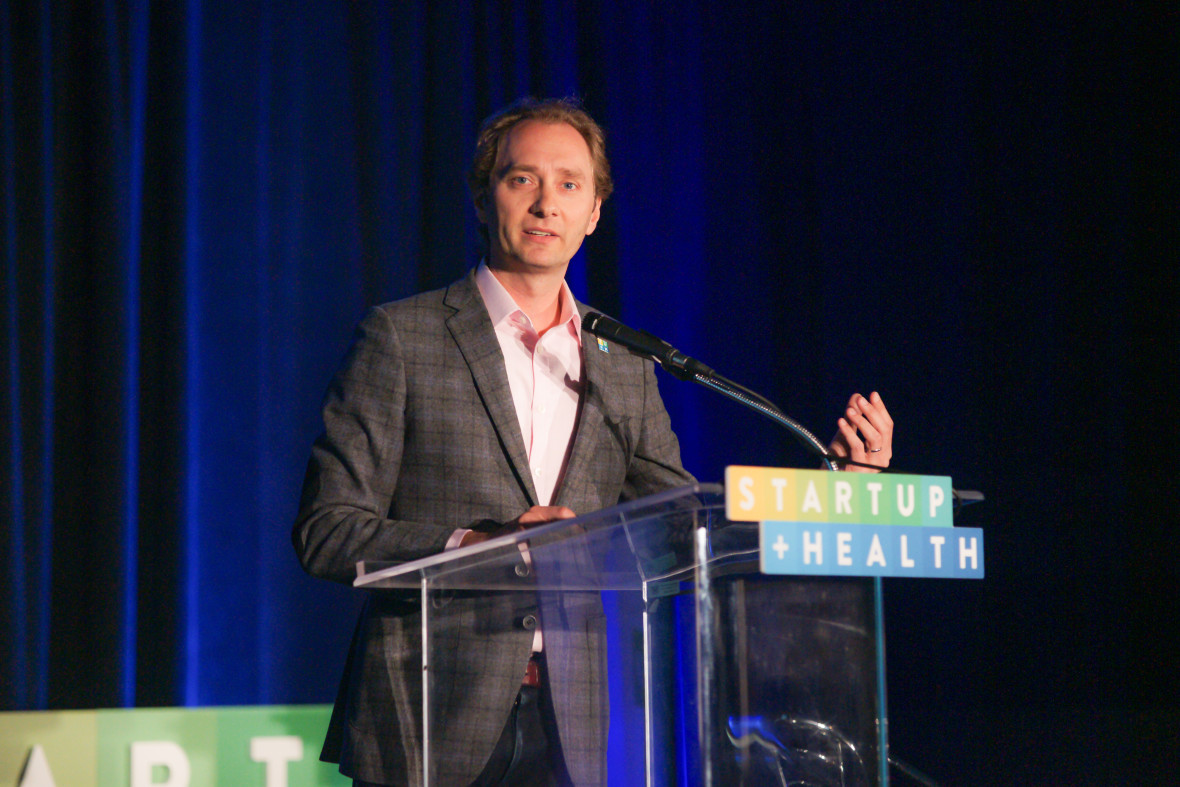
"caption": "StartUp Health cofounder Unity Stoakes, speaking in Washington D.C. at Health Datapalooza 2015. (StartUp Health)",
"description": "StartUp Health co-founder Unity Stoakes, speaking in Washington D.C. at Health Datapalooze 2015. (StartUp Health)",
"title": "StartUp Health",
"credit": null,
"status": "inherit",
"isLoading": false,
"fetchFailed": false
},
"futureofyou_4364": {
"type": "attachments",
"id": "futureofyou_4364",
"meta": {
"index": "attachments_1716263798",
"site": "futureofyou",
"id": "4364",
"found": true
},
"parent": 4352,
"imgSizes": {
"twentyfourteen-full-width": {
"file": "https://ww2.kqed.org/app/uploads/sites/13/2015/06/Healthvana-app-1038x576.jpg",
"width": 1038,
"mimeType": "image/jpeg",
"height": 576
},
"thumbnail": {
"file": "https://ww2.kqed.org/app/uploads/sites/13/2015/06/Healthvana-app-400x300.jpg",
"width": 400,
"mimeType": "image/jpeg",
"height": 300
},
"fd-sm": {
"file": "https://ww2.kqed.org/app/uploads/sites/13/2015/06/Healthvana-app-960x720.jpg",
"width": 960,
"mimeType": "image/jpeg",
"height": 720
},
"post-thumbnail": {
"file": "https://ww2.kqed.org/app/uploads/sites/13/2015/06/Healthvana-app-672x372.jpg",
"width": 672,
"mimeType": "image/jpeg",
"height": 372
},
"kqedFullSize": {
"file": "https://ww2.kqed.org/app/uploads/sites/13/2015/06/Healthvana-app.jpg",
"width": 3264,
"height": 2448
},
"large": {
"file": "https://ww2.kqed.org/app/uploads/sites/13/2015/06/Healthvana-app-1180x885.jpg",
"width": 1180,
"mimeType": "image/jpeg",
"height": 885
},
"guest-author-96": {
"file": "https://ww2.kqed.org/app/uploads/sites/13/2015/06/Healthvana-app-96x96.jpg",
"width": 96,
"mimeType": "image/jpeg",
"height": 96
},
"medium": {
"file": "https://ww2.kqed.org/app/uploads/sites/13/2015/06/Healthvana-app-800x600.jpg",
"width": 800,
"mimeType": "image/jpeg",
"height": 600
},
"guest-author-64": {
"file": "https://ww2.kqed.org/app/uploads/sites/13/2015/06/Healthvana-app-64x64.jpg",
"width": 64,
"mimeType": "image/jpeg",
"height": 64
},
"guest-author-32": {
"file": "https://ww2.kqed.org/app/uploads/sites/13/2015/06/Healthvana-app-32x32.jpg",
"width": 32,
"mimeType": "image/jpeg",
"height": 32
},
"fd-med": {
"file": "https://ww2.kqed.org/app/uploads/sites/13/2015/06/Healthvana-app-1180x885.jpg",
"width": 1180,
"mimeType": "image/jpeg",
"height": 885
},
"detail": {
"file": "https://ww2.kqed.org/app/uploads/sites/13/2015/06/Healthvana-app-75x75.jpg",
"width": 75,
"mimeType": "image/jpeg",
"height": 75
},
"guest-author-128": {
"file": "https://ww2.kqed.org/app/uploads/sites/13/2015/06/Healthvana-app-128x128.jpg",
"width": 128,
"mimeType": "image/jpeg",
"height": 128
}
},
"publishDate": 1434564379,
"modified": 1434565496,
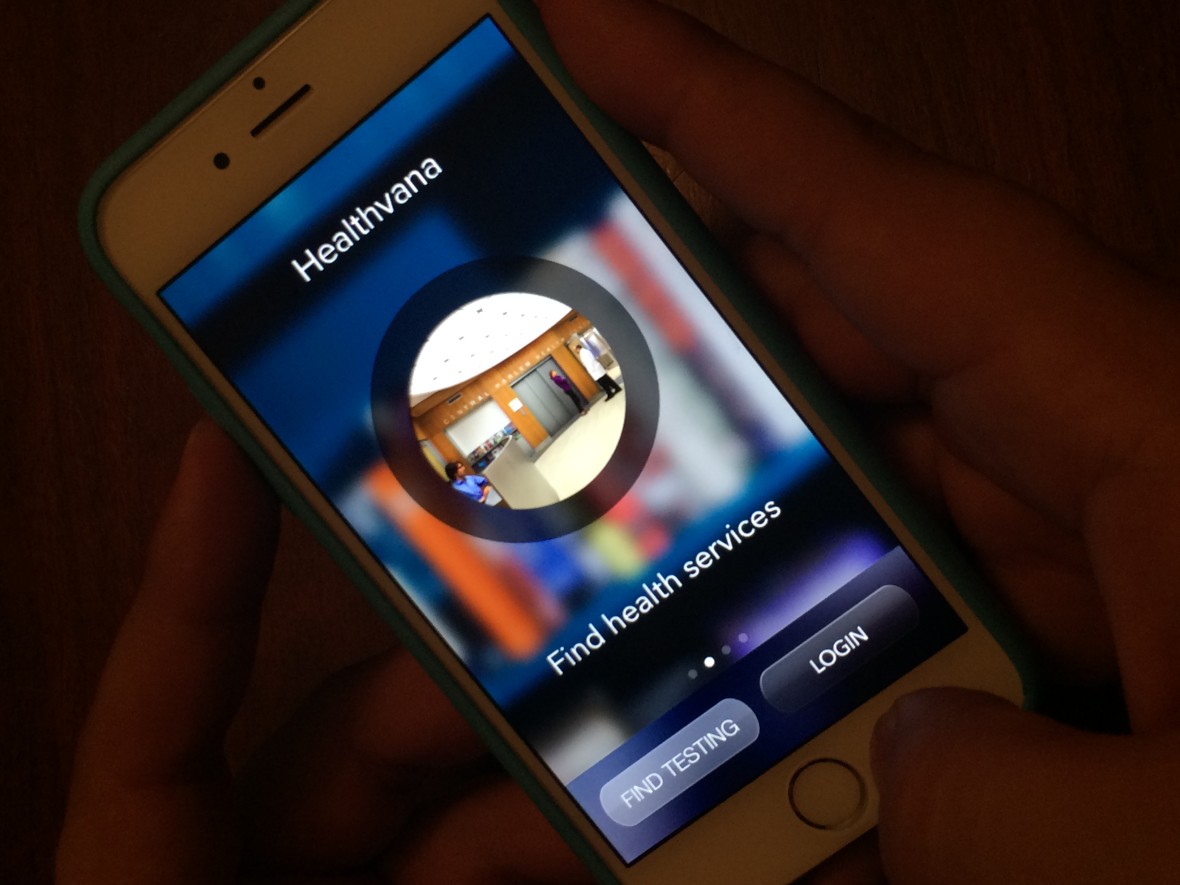
"caption": "(Healthvana)",
"description": null,
"title": "Healthvana app",
"credit": null,
"status": "inherit",
"isLoading": false,
"fetchFailed": false
},
"futureofyou_4311": {
"type": "attachments",
"id": "futureofyou_4311",
"meta": {
"index": "attachments_1716263798",
"site": "futureofyou",
"id": "4311",
"found": true
},
"parent": 4307,
"imgSizes": {
"twentyfourteen-full-width": {
"file": "https://ww2.kqed.org/app/uploads/sites/13/2015/06/PLM-advisors-1038x576.jpg",
"width": 1038,
"mimeType": "image/jpeg",
"height": 576
},
"thumbnail": {
"file": "https://ww2.kqed.org/app/uploads/sites/13/2015/06/PLM-advisors-400x227.jpg",
"width": 400,
"mimeType": "image/jpeg",
"height": 227
},
"fd-sm": {
"file": "https://ww2.kqed.org/app/uploads/sites/13/2015/06/PLM-advisors-960x544.jpg",
"width": 960,
"mimeType": "image/jpeg",
"height": 544
},
"post-thumbnail": {
"file": "https://ww2.kqed.org/app/uploads/sites/13/2015/06/PLM-advisors-672x372.jpg",
"width": 672,
"mimeType": "image/jpeg",
"height": 372
},
"kqedFullSize": {
"file": "https://ww2.kqed.org/app/uploads/sites/13/2015/06/PLM-advisors.jpg",
"width": 3129,
"height": 1773
},
"large": {
"file": "https://ww2.kqed.org/app/uploads/sites/13/2015/06/PLM-advisors-1180x669.jpg",
"width": 1180,
"mimeType": "image/jpeg",
"height": 669
},
"guest-author-96": {
"file": "https://ww2.kqed.org/app/uploads/sites/13/2015/06/PLM-advisors-96x96.jpg",
"width": 96,
"mimeType": "image/jpeg",
"height": 96
},
"medium": {
"file": "https://ww2.kqed.org/app/uploads/sites/13/2015/06/PLM-advisors-800x453.jpg",
"width": 800,
"mimeType": "image/jpeg",
"height": 453
},
"guest-author-64": {
"file": "https://ww2.kqed.org/app/uploads/sites/13/2015/06/PLM-advisors-64x64.jpg",
"width": 64,
"mimeType": "image/jpeg",
"height": 64
},
"guest-author-32": {
"file": "https://ww2.kqed.org/app/uploads/sites/13/2015/06/PLM-advisors-32x32.jpg",
"width": 32,
"mimeType": "image/jpeg",
"height": 32
},
"fd-med": {
"file": "https://ww2.kqed.org/app/uploads/sites/13/2015/06/PLM-advisors-1180x669.jpg",
"width": 1180,
"mimeType": "image/jpeg",
"height": 669
},
"detail": {
"file": "https://ww2.kqed.org/app/uploads/sites/13/2015/06/PLM-advisors-75x75.jpg",
"width": 75,
"mimeType": "image/jpeg",
"height": 75
},
"guest-author-128": {
"file": "https://ww2.kqed.org/app/uploads/sites/13/2015/06/PLM-advisors-128x128.jpg",
"width": 128,
"mimeType": "image/jpeg",
"height": 128
}
},
"publishDate": 1434479598,
"modified": 1434483859,
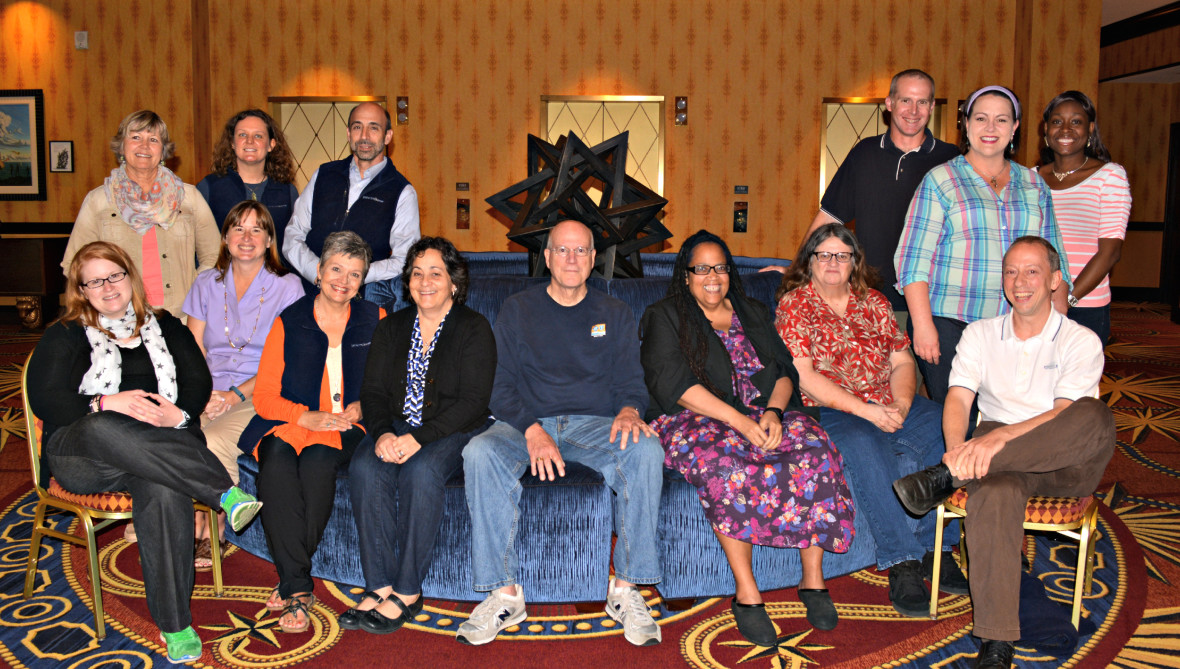
"caption": "Should these people be smiling? A group of patients who use and advise online health discussion forum PatientsLikeMe.",
"description": "Should these people be smiling? A group of patients who use and advise online health discussion forum PatientsLikeMe.",
"title": "PLM advisors",
"credit": "PatientsLikeMe",
"status": "inherit",
"isLoading": false,
"fetchFailed": false
},
"stateofhealth_37322": {
"type": "attachments",
"id": "stateofhealth_37322",
"meta": {
"index": "attachments_1716263798",
"site": "stateofhealth",
"id": "37322",
"found": true
},
"parent": 37288,
"imgSizes": {
"thumbnail": {
"file": "https://ww2.kqed.org/app/uploads/sites/27/2015/06/Screen-Shot-2015-06-16-at-11.52.20-AM-400x262.png",
"width": 400,
"mimeType": "image/png",
"height": 262
},
"post-thumbnail": {
"file": "https://ww2.kqed.org/app/uploads/sites/27/2015/06/Screen-Shot-2015-06-16-at-11.52.20-AM-672x372.png",
"width": 672,
"mimeType": "image/png",
"height": 372
},
"kqedFullSize": {
"file": "https://ww2.kqed.org/app/uploads/sites/27/2015/06/Screen-Shot-2015-06-16-at-11.52.20-AM.png",
"width": 695,
"height": 456
},
"guest-author-96": {
"file": "https://ww2.kqed.org/app/uploads/sites/27/2015/06/Screen-Shot-2015-06-16-at-11.52.20-AM-96x96.png",
"width": 96,
"mimeType": "image/png",
"height": 96
},
"guest-author-64": {
"file": "https://ww2.kqed.org/app/uploads/sites/27/2015/06/Screen-Shot-2015-06-16-at-11.52.20-AM-64x64.png",
"width": 64,
"mimeType": "image/png",
"height": 64
},
"detail": {
"file": "https://ww2.kqed.org/app/uploads/sites/27/2015/06/Screen-Shot-2015-06-16-at-11.52.20-AM-75x75.png",
"width": 75,
"mimeType": "image/png",
"height": 75
},
"guest-author-32": {
"file": "https://ww2.kqed.org/app/uploads/sites/27/2015/06/Screen-Shot-2015-06-16-at-11.52.20-AM-32x32.png",
"width": 32,
"mimeType": "image/png",
"height": 32
},
"guest-author-128": {
"file": "https://ww2.kqed.org/app/uploads/sites/27/2015/06/Screen-Shot-2015-06-16-at-11.52.20-AM-128x128.png",
"width": 128,
"mimeType": "image/png",
"height": 128
}
},
"publishDate": 1434480778,
"modified": 1434480931,
"caption": "1958 United States' National Malaria Eradication Program showing use of DDT for spraying of mosquitoes.",
"description": null,
"title": "Screen Shot 2015-06-16 at 11.52.20 AM",
"credit": "Centers for Disease Control",
"status": "inherit",
"isLoading": false,
"fetchFailed": false
},
"futureofyou_4268": {
"type": "attachments",
"id": "futureofyou_4268",
"meta": {
"index": "attachments_1716263798",
"site": "futureofyou",
"id": "4268",
"found": true
},
"parent": 4265,
"imgSizes": {
"twentyfourteen-full-width": {
"file": "https://ww2.kqed.org/app/uploads/sites/13/2015/06/Samples-in-80-C-freezer10_SCAN-960x720-960x576.jpg",
"width": 960,
"mimeType": "image/jpeg",
"height": 576
},
"thumbnail": {
"file": "https://ww2.kqed.org/app/uploads/sites/13/2015/06/Samples-in-80-C-freezer10_SCAN-960x720-400x300.jpg",
"width": 400,
"mimeType": "image/jpeg",
"height": 300
},
"fd-sm": {
"file": "https://ww2.kqed.org/app/uploads/sites/13/2015/06/Samples-in-80-C-freezer10_SCAN-960x720-960x720.jpg",
"width": 960,
"mimeType": "image/jpeg",
"height": 720
},
"post-thumbnail": {
"file": "https://ww2.kqed.org/app/uploads/sites/13/2015/06/Samples-in-80-C-freezer10_SCAN-960x720-672x372.jpg",
"width": 672,
"mimeType": "image/jpeg",
"height": 372
},
"kqedFullSize": {
"file": "https://ww2.kqed.org/app/uploads/sites/13/2015/06/Samples-in-80-C-freezer10_SCAN-960x720.jpg",
"width": 960,
"height": 720
},
"guest-author-96": {
"file": "https://ww2.kqed.org/app/uploads/sites/13/2015/06/Samples-in-80-C-freezer10_SCAN-960x720-96x96.jpg",
"width": 96,
"mimeType": "image/jpeg",
"height": 96
},
"medium": {
"file": "https://ww2.kqed.org/app/uploads/sites/13/2015/06/Samples-in-80-C-freezer10_SCAN-960x720-800x600.jpg",
"width": 800,
"mimeType": "image/jpeg",
"height": 600
},
"guest-author-64": {
"file": "https://ww2.kqed.org/app/uploads/sites/13/2015/06/Samples-in-80-C-freezer10_SCAN-960x720-64x64.jpg",
"width": 64,
"mimeType": "image/jpeg",
"height": 64
},
"detail": {
"file": "https://ww2.kqed.org/app/uploads/sites/13/2015/06/Samples-in-80-C-freezer10_SCAN-960x720-75x75.jpg",
"width": 75,
"mimeType": "image/jpeg",
"height": 75
},
"guest-author-32": {
"file": "https://ww2.kqed.org/app/uploads/sites/13/2015/06/Samples-in-80-C-freezer10_SCAN-960x720-32x32.jpg",
"width": 32,
"mimeType": "image/jpeg",
"height": 32
},
"guest-author-128": {
"file": "https://ww2.kqed.org/app/uploads/sites/13/2015/06/Samples-in-80-C-freezer10_SCAN-960x720-128x128.jpg",
"width": 128,
"mimeType": "image/jpeg",
"height": 128
}
},
"publishDate": 1434383049,
"modified": 1434383102,
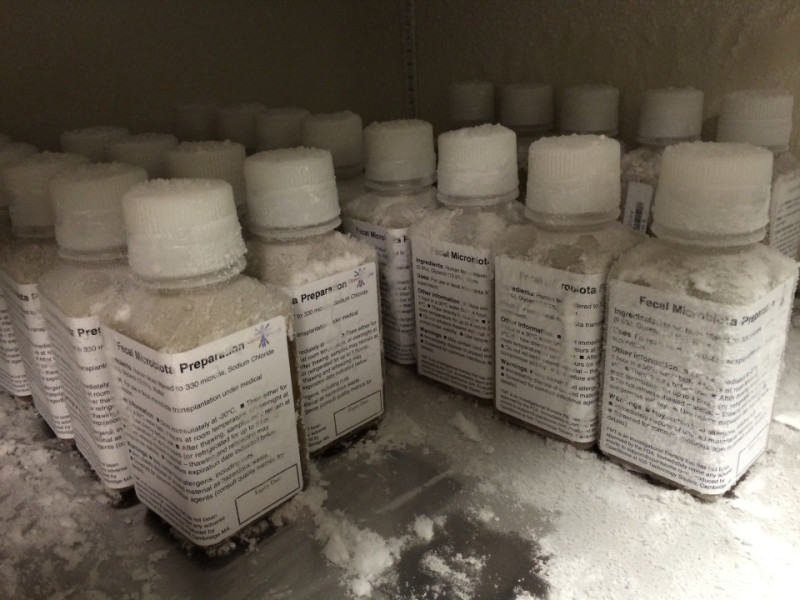
"caption": "Massachusetts-based Open Biome sells frozen poop to doctors performing fecal transplants. (Open Biome)",
"description": "Massachusetts-based Open Biome sells frozen poop to doctors performing fecal transplants. (Open Biome)",
"title": "Future of Fecal",
"credit": null,
"status": "inherit",
"isLoading": false,
"fetchFailed": false
},
"futureofyou_4093": {
"type": "attachments",
"id": "futureofyou_4093",
"meta": {
"index": "attachments_1716263798",
"site": "futureofyou",
"id": "4093",
"found": true
},
"parent": 4052,
"imgSizes": {
"thumbnail": {
"file": "https://ww2.kqed.org/app/uploads/sites/13/2015/06/Screen-Shot-2015-06-10-at-12.02.21-PM-400x211.png",
"width": 400,
"mimeType": "image/png",
"height": 211
},
"kqedFullSize": {
"file": "https://ww2.kqed.org/app/uploads/sites/13/2015/06/Screen-Shot-2015-06-10-at-12.02.21-PM.png",
"width": 662,
"height": 350
},
"guest-author-96": {
"file": "https://ww2.kqed.org/app/uploads/sites/13/2015/06/Screen-Shot-2015-06-10-at-12.02.21-PM-96x96.png",
"width": 96,
"mimeType": "image/png",
"height": 96
},
"guest-author-64": {
"file": "https://ww2.kqed.org/app/uploads/sites/13/2015/06/Screen-Shot-2015-06-10-at-12.02.21-PM-64x64.png",
"width": 64,
"mimeType": "image/png",
"height": 64
},
"detail": {
"file": "https://ww2.kqed.org/app/uploads/sites/13/2015/06/Screen-Shot-2015-06-10-at-12.02.21-PM-75x75.png",
"width": 75,
"mimeType": "image/png",
"height": 75
},
"guest-author-32": {
"file": "https://ww2.kqed.org/app/uploads/sites/13/2015/06/Screen-Shot-2015-06-10-at-12.02.21-PM-32x32.png",
"width": 32,
"mimeType": "image/png",
"height": 32
},
"guest-author-128": {
"file": "https://ww2.kqed.org/app/uploads/sites/13/2015/06/Screen-Shot-2015-06-10-at-12.02.21-PM-128x128.png",
"width": 128,
"mimeType": "image/png",
"height": 128
}
},
"publishDate": 1433962948,
"modified": 1433983873,
"caption": "Scanning foods using SCiO's device. (SCiO)",
"description": "Scanning foods using SCiO's device. (SCiO)",
"title": "Screen Shot 2015-06-10 at 12.02.21 PM",
"credit": null,
"status": "inherit",
"isLoading": false,
"fetchFailed": false
},
"stateofhealth_35624": {
"type": "attachments",
"id": "stateofhealth_35624",
"meta": {
"index": "attachments_1716263798",
"site": "stateofhealth",
"id": "35624",
"found": true
},
"parent": 35574,
"imgSizes": {
"twentyfourteen-full-width": {
"file": "https://ww2.kqed.org/app/uploads/sites/27/2015/06/iStock_000017435404_Large-1038x576.jpg",
"width": 1038,
"mimeType": "image/jpeg",
"height": 576
},
"thumbnail": {
"file": "https://ww2.kqed.org/app/uploads/sites/27/2015/06/iStock_000017435404_Large-400x293.jpg",
"width": 400,
"mimeType": "image/jpeg",
"height": 293
},
"fd-sm": {
"file": "https://ww2.kqed.org/app/uploads/sites/27/2015/06/iStock_000017435404_Large-960x703.jpg",
"width": 960,
"mimeType": "image/jpeg",
"height": 703
},
"post-thumbnail": {
"file": "https://ww2.kqed.org/app/uploads/sites/27/2015/06/iStock_000017435404_Large-672x372.jpg",
"width": 672,
"mimeType": "image/jpeg",
"height": 372
},
"kqedFullSize": {
"file": "https://ww2.kqed.org/app/uploads/sites/27/2015/06/iStock_000017435404_Large.jpg",
"width": 2591,
"height": 1897
},
"large": {
"file": "https://ww2.kqed.org/app/uploads/sites/27/2015/06/iStock_000017435404_Large-1440x1054.jpg",
"width": 1440,
"mimeType": "image/jpeg",
"height": 1054
},
"guest-author-96": {
"file": "https://ww2.kqed.org/app/uploads/sites/27/2015/06/iStock_000017435404_Large-96x96.jpg",
"width": 96,
"mimeType": "image/jpeg",
"height": 96
},
"medium": {
"file": "https://ww2.kqed.org/app/uploads/sites/27/2015/06/iStock_000017435404_Large-800x586.jpg",
"width": 800,
"mimeType": "image/jpeg",
"height": 586
},
"guest-author-64": {
"file": "https://ww2.kqed.org/app/uploads/sites/27/2015/06/iStock_000017435404_Large-64x64.jpg",
"width": 64,
"mimeType": "image/jpeg",
"height": 64
},
"guest-author-32": {
"file": "https://ww2.kqed.org/app/uploads/sites/27/2015/06/iStock_000017435404_Large-32x32.jpg",
"width": 32,
"mimeType": "image/jpeg",
"height": 32
},
"fd-med": {
"file": "https://ww2.kqed.org/app/uploads/sites/27/2015/06/iStock_000017435404_Large-1180x864.jpg",
"width": 1180,
"mimeType": "image/jpeg",
"height": 864
},
"detail": {
"file": "https://ww2.kqed.org/app/uploads/sites/27/2015/06/iStock_000017435404_Large-75x75.jpg",
"width": 75,
"mimeType": "image/jpeg",
"height": 75
},
"guest-author-128": {
"file": "https://ww2.kqed.org/app/uploads/sites/27/2015/06/iStock_000017435404_Large-128x128.jpg",
"width": 128,
"mimeType": "image/jpeg",
"height": 128
}
},
"publishDate": 1433969935,
"modified": 1433978237,
"caption": "Prilosec is one of several medications in a class of drugs called proton pump inhibitors associated with an increased risk of heart attack.",
"description": "One of the drugs in question is Prilosec, which is available over the counter. ",
"title": "Prilosec OTC on white background",
"credit": "Getty Images",
"status": "inherit",
"isLoading": false,
"fetchFailed": false
},
"futureofyou_4083": {
"type": "attachments",
"id": "futureofyou_4083",
"meta": {
"index": "attachments_1716263798",
"site": "futureofyou",
"id": "4083",
"found": true
},
"parent": 4079,
"imgSizes": {
"twentyfourteen-full-width": {
"file": "https://ww2.kqed.org/app/uploads/sites/13/2015/06/medical-search-1038x576.jpg",
"width": 1038,
"mimeType": "image/jpeg",
"height": 576
},
"thumbnail": {
"file": "https://ww2.kqed.org/app/uploads/sites/13/2015/06/medical-search-400x247.jpg",
"width": 400,
"mimeType": "image/jpeg",
"height": 247
},
"fd-sm": {
"file": "https://ww2.kqed.org/app/uploads/sites/13/2015/06/medical-search-960x593.jpg",
"width": 960,
"mimeType": "image/jpeg",
"height": 593
},
"post-thumbnail": {
"file": "https://ww2.kqed.org/app/uploads/sites/13/2015/06/medical-search-672x372.jpg",
"width": 672,
"mimeType": "image/jpeg",
"height": 372
},
"kqedFullSize": {
"file": "https://ww2.kqed.org/app/uploads/sites/13/2015/06/medical-search.jpg",
"width": 2075,
"height": 1281
},
"large": {
"file": "https://ww2.kqed.org/app/uploads/sites/13/2015/06/medical-search-1180x728.jpg",
"width": 1180,
"mimeType": "image/jpeg",
"height": 728
},
"guest-author-96": {
"file": "https://ww2.kqed.org/app/uploads/sites/13/2015/06/medical-search-96x96.jpg",
"width": 96,
"mimeType": "image/jpeg",
"height": 96
},
"medium": {
"file": "https://ww2.kqed.org/app/uploads/sites/13/2015/06/medical-search-800x494.jpg",
"width": 800,
"mimeType": "image/jpeg",
"height": 494
},
"guest-author-64": {
"file": "https://ww2.kqed.org/app/uploads/sites/13/2015/06/medical-search-64x64.jpg",
"width": 64,
"mimeType": "image/jpeg",
"height": 64
},
"guest-author-32": {
"file": "https://ww2.kqed.org/app/uploads/sites/13/2015/06/medical-search-32x32.jpg",
"width": 32,
"mimeType": "image/jpeg",
"height": 32
},
"fd-med": {
"file": "https://ww2.kqed.org/app/uploads/sites/13/2015/06/medical-search-1180x728.jpg",
"width": 1180,
"mimeType": "image/jpeg",
"height": 728
},
"detail": {
"file": "https://ww2.kqed.org/app/uploads/sites/13/2015/06/medical-search-75x75.jpg",
"width": 75,
"mimeType": "image/jpeg",
"height": 75
},
"guest-author-128": {
"file": "https://ww2.kqed.org/app/uploads/sites/13/2015/06/medical-search-128x128.jpg",
"width": 128,
"mimeType": "image/jpeg",
"height": 128
}
},
"publishDate": 1433954987,
"modified": 1433955020,
"caption": "Online medical searches may be seen by hidden parties, and the data sold for profit.",
"description": null,
"title": "medical search",
"credit": "bark / Flickr ",
"status": "inherit",
"isLoading": false,
"fetchFailed": false
},
"stateofhealth_35374": {
"type": "attachments",
"id": "stateofhealth_35374",
"meta": {
"index": "attachments_1716263798",
"site": "stateofhealth",
"id": "35374",
"found": true
},
"parent": 35327,
"imgSizes": {
"twentyfourteen-full-width": {
"file": "https://ww2.kqed.org/app/uploads/sites/27/2015/06/RS15431_IMG_3353.JPG-qut-1038x576.jpg",
"width": 1038,
"mimeType": "image/jpeg",
"height": 576
},
"thumbnail": {
"file": "https://ww2.kqed.org/app/uploads/sites/27/2015/06/RS15431_IMG_3353.JPG-qut-400x300.jpg",
"width": 400,
"mimeType": "image/jpeg",
"height": 300
},
"fd-sm": {
"file": "https://ww2.kqed.org/app/uploads/sites/27/2015/06/RS15431_IMG_3353.JPG-qut-960x720.jpg",
"width": 960,
"mimeType": "image/jpeg",
"height": 720
},
"post-thumbnail": {
"file": "https://ww2.kqed.org/app/uploads/sites/27/2015/06/RS15431_IMG_3353.JPG-qut-672x372.jpg",
"width": 672,
"mimeType": "image/jpeg",
"height": 372
},
"kqedFullSize": {
"file": "https://ww2.kqed.org/app/uploads/sites/27/2015/06/RS15431_IMG_3353.JPG-qut.jpg",
"width": 1920,
"height": 1440
},
"large": {
"file": "https://ww2.kqed.org/app/uploads/sites/27/2015/06/RS15431_IMG_3353.JPG-qut-1440x1080.jpg",
"width": 1440,
"mimeType": "image/jpeg",
"height": 1080
},
"guest-author-96": {
"file": "https://ww2.kqed.org/app/uploads/sites/27/2015/06/RS15431_IMG_3353.JPG-qut-96x96.jpg",
"width": 96,
"mimeType": "image/jpeg",
"height": 96
},
"medium": {
"file": "https://ww2.kqed.org/app/uploads/sites/27/2015/06/RS15431_IMG_3353.JPG-qut-800x600.jpg",
"width": 800,
"mimeType": "image/jpeg",
"height": 600
},
"guest-author-64": {
"file": "https://ww2.kqed.org/app/uploads/sites/27/2015/06/RS15431_IMG_3353.JPG-qut-64x64.jpg",
"width": 64,
"mimeType": "image/jpeg",
"height": 64
},
"guest-author-32": {
"file": "https://ww2.kqed.org/app/uploads/sites/27/2015/06/RS15431_IMG_3353.JPG-qut-32x32.jpg",
"width": 32,
"mimeType": "image/jpeg",
"height": 32
},
"fd-med": {
"file": "https://ww2.kqed.org/app/uploads/sites/27/2015/06/RS15431_IMG_3353.JPG-qut-1180x885.jpg",
"width": 1180,
"mimeType": "image/jpeg",
"height": 885
},
"detail": {
"file": "https://ww2.kqed.org/app/uploads/sites/27/2015/06/RS15431_IMG_3353.JPG-qut-75x75.jpg",
"width": 75,
"mimeType": "image/jpeg",
"height": 75
},
"guest-author-128": {
"file": "https://ww2.kqed.org/app/uploads/sites/27/2015/06/RS15431_IMG_3353.JPG-qut-128x128.jpg",
"width": 128,
"mimeType": "image/jpeg",
"height": 128
}
},
"publishDate": 1433902546,
"modified": 1444172396,
"caption": "Protesters demonstrated at the state Capitol in June against Senate Bill 277 which would require nearly all California school children to be vaccinated.",
"description": "SB277 vaccine",
"title": "RS15431_IMG_3353.JPG-qut",
"credit": "John Myers/KQED",
"status": "inherit",
"isLoading": false,
"fetchFailed": false
},
"futureofyou_4046": {
"type": "attachments",
"id": "futureofyou_4046",
"meta": {
"index": "attachments_1716263798",
"site": "futureofyou",
"id": "4046",
"found": true
},
"parent": 4045,
"imgSizes": {
"twentyfourteen-full-width": {
"file": "https://ww2.kqed.org/app/uploads/sites/13/2015/06/bookman_john-and-carol-iovine_enl-9bc52cdb5f410c1ed779021c48d3548a8dabf324-1038x576.jpg",
"width": 1038,
"mimeType": "image/jpeg",
"height": 576
},
"thumbnail": {
"file": "https://ww2.kqed.org/app/uploads/sites/13/2015/06/bookman_john-and-carol-iovine_enl-9bc52cdb5f410c1ed779021c48d3548a8dabf324-400x225.jpg",
"width": 400,
"mimeType": "image/jpeg",
"height": 225
},
"fd-sm": {
"file": "https://ww2.kqed.org/app/uploads/sites/13/2015/06/bookman_john-and-carol-iovine_enl-9bc52cdb5f410c1ed779021c48d3548a8dabf324-960x539.jpg",
"width": 960,
"mimeType": "image/jpeg",
"height": 539
},
"post-thumbnail": {
"file": "https://ww2.kqed.org/app/uploads/sites/13/2015/06/bookman_john-and-carol-iovine_enl-9bc52cdb5f410c1ed779021c48d3548a8dabf324-672x372.jpg",
"width": 672,
"mimeType": "image/jpeg",
"height": 372
},
"kqedFullSize": {
"file": "https://ww2.kqed.org/app/uploads/sites/13/2015/06/bookman_john-and-carol-iovine_enl-9bc52cdb5f410c1ed779021c48d3548a8dabf324.jpg",
"width": 1200,
"height": 674
},
"large": {
"file": "https://ww2.kqed.org/app/uploads/sites/13/2015/06/bookman_john-and-carol-iovine_enl-9bc52cdb5f410c1ed779021c48d3548a8dabf324-1180x663.jpg",
"width": 1180,
"mimeType": "image/jpeg",
"height": 663
},
"guest-author-96": {
"file": "https://ww2.kqed.org/app/uploads/sites/13/2015/06/bookman_john-and-carol-iovine_enl-9bc52cdb5f410c1ed779021c48d3548a8dabf324-96x96.jpg",
"width": 96,
"mimeType": "image/jpeg",
"height": 96
},
"medium": {
"file": "https://ww2.kqed.org/app/uploads/sites/13/2015/06/bookman_john-and-carol-iovine_enl-9bc52cdb5f410c1ed779021c48d3548a8dabf324-800x449.jpg",
"width": 800,
"mimeType": "image/jpeg",
"height": 449
},
"guest-author-64": {
"file": "https://ww2.kqed.org/app/uploads/sites/13/2015/06/bookman_john-and-carol-iovine_enl-9bc52cdb5f410c1ed779021c48d3548a8dabf324-64x64.jpg",
"width": 64,
"mimeType": "image/jpeg",
"height": 64
},
"guest-author-32": {
"file": "https://ww2.kqed.org/app/uploads/sites/13/2015/06/bookman_john-and-carol-iovine_enl-9bc52cdb5f410c1ed779021c48d3548a8dabf324-32x32.jpg",
"width": 32,
"mimeType": "image/jpeg",
"height": 32
},
"fd-med": {
"file": "https://ww2.kqed.org/app/uploads/sites/13/2015/06/bookman_john-and-carol-iovine_enl-9bc52cdb5f410c1ed779021c48d3548a8dabf324-1180x663.jpg",
"width": 1180,
"mimeType": "image/jpeg",
"height": 663
},
"detail": {
"file": "https://ww2.kqed.org/app/uploads/sites/13/2015/06/bookman_john-and-carol-iovine_enl-9bc52cdb5f410c1ed779021c48d3548a8dabf324-75x75.jpg",
"width": 75,
"mimeType": "image/jpeg",
"height": 75
},
"guest-author-128": {
"file": "https://ww2.kqed.org/app/uploads/sites/13/2015/06/bookman_john-and-carol-iovine_enl-9bc52cdb5f410c1ed779021c48d3548a8dabf324-128x128.jpg",
"width": 128,
"mimeType": "image/jpeg",
"height": 128
}
},
"publishDate": 1433869761,
"modified": 1433869901,
"caption": null,
"description": "Carol and John Iovine say the health coach their insurer assigned John after he had a torrent of grave health problems in 2014 has helped them get the medical care he still needs. And it's helped keep him out of the hospital.",
"title": "Carol and John Iovine say the health coach their insurer assigned John after he had a torrent of grave health problems in 2014 has helped them get the medical care he still needs. And it's helped keep him out of the hospital.",
"credit": "Todd Bookman/WHYY",
"status": "inherit",
"isLoading": false,
"fetchFailed": false
},
"stateofhealth_34968": {
"type": "attachments",
"id": "stateofhealth_34968",
"meta": {
"index": "attachments_1716263798",
"site": "stateofhealth",
"id": "34968",
"found": true
},
"parent": 34965,
"imgSizes": {
"twentyfourteen-full-width": {
"file": "https://ww2.kqed.org/app/uploads/sites/27/2015/06/iStock_000020174658_Large-1038x576.jpg",
"width": 1038,
"mimeType": "image/jpeg",
"height": 576
},
"thumbnail": {
"file": "https://ww2.kqed.org/app/uploads/sites/27/2015/06/iStock_000020174658_Large-400x267.jpg",
"width": 400,
"mimeType": "image/jpeg",
"height": 267
},
"fd-sm": {
"file": "https://ww2.kqed.org/app/uploads/sites/27/2015/06/iStock_000020174658_Large-960x640.jpg",
"width": 960,
"mimeType": "image/jpeg",
"height": 640
},
"post-thumbnail": {
"file": "https://ww2.kqed.org/app/uploads/sites/27/2015/06/iStock_000020174658_Large-672x372.jpg",
"width": 672,
"mimeType": "image/jpeg",
"height": 372
},
"kqedFullSize": {
"file": "https://ww2.kqed.org/app/uploads/sites/27/2015/06/iStock_000020174658_Large-e1433797001574.jpg",
"width": 1921,
"height": 1280
},
"large": {
"file": "https://ww2.kqed.org/app/uploads/sites/27/2015/06/iStock_000020174658_Large-1440x960.jpg",
"width": 1440,
"mimeType": "image/jpeg",
"height": 960
},
"guest-author-96": {
"file": "https://ww2.kqed.org/app/uploads/sites/27/2015/06/iStock_000020174658_Large-96x96.jpg",
"width": 96,
"mimeType": "image/jpeg",
"height": 96
},
"medium": {
"file": "https://ww2.kqed.org/app/uploads/sites/27/2015/06/iStock_000020174658_Large-800x533.jpg",
"width": 800,
"mimeType": "image/jpeg",
"height": 533
},
"guest-author-64": {
"file": "https://ww2.kqed.org/app/uploads/sites/27/2015/06/iStock_000020174658_Large-64x64.jpg",
"width": 64,
"mimeType": "image/jpeg",
"height": 64
},
"guest-author-32": {
"file": "https://ww2.kqed.org/app/uploads/sites/27/2015/06/iStock_000020174658_Large-32x32.jpg",
"width": 32,
"mimeType": "image/jpeg",
"height": 32
},
"fd-med": {
"file": "https://ww2.kqed.org/app/uploads/sites/27/2015/06/iStock_000020174658_Large-1180x786.jpg",
"width": 1180,
"mimeType": "image/jpeg",
"height": 786
},
"detail": {
"file": "https://ww2.kqed.org/app/uploads/sites/27/2015/06/iStock_000020174658_Large-75x75.jpg",
"width": 75,
"mimeType": "image/jpeg",
"height": 75
},
"guest-author-128": {
"file": "https://ww2.kqed.org/app/uploads/sites/27/2015/06/iStock_000020174658_Large-128x128.jpg",
"width": 128,
"mimeType": "image/jpeg",
"height": 128
}
},
"publishDate": 1433796980,
"modified": 1433796997,
"caption": null,
"description": "Alarm clock in the middle of the night isolated on black concept for insomnia",
"title": "Alarm clock insomnia",
"credit": "Getty Images",
"status": "inherit",
"isLoading": false,
"fetchFailed": false
}
},
"audioPlayerReducer": {
"postId": "stream_live",
"isPaused": true,
"isPlaying": false,
"pfsActive": false,
"pledgeModalIsOpen": true,
"playerDrawerIsOpen": false,
"liveAudioPlayStartedAt": 0,
"liveAudioPlayContext": ""
},
"authorsReducer": {
"byline_stateofhealth_36970": {
"type": "authors",
"id": "byline_stateofhealth_36970",
"meta": {
"override": true
},
"slug": "byline_stateofhealth_36970",
"name": "Jon Hamilton and Neda Ulaby, NPR",
"isLoading": false
},
"byline_futureofyou_4462": {
"type": "authors",
"id": "byline_futureofyou_4462",
"meta": {
"override": true
},
"slug": "byline_futureofyou_4462",
"name": "Unity Stoakes",
"isLoading": false
},
"byline_futureofyou_4352": {
"type": "authors",
"id": "byline_futureofyou_4352",
"meta": {
"override": true
},
"slug": "byline_futureofyou_4352",
"name": "Daniel Gaitan",
"isLoading": false
},
"byline_futureofyou_4079": {
"type": "authors",
"id": "byline_futureofyou_4079",
"meta": {
"override": true
},
"slug": "byline_futureofyou_4079",
"name": "NPR Staff",
"isLoading": false
},
"byline_futureofyou_4045": {
"type": "authors",
"id": "byline_futureofyou_4045",
"meta": {
"override": true
},
"slug": "byline_futureofyou_4045",
"name": "Todd Bookman",
"isLoading": false
},
"byline_stateofhealth_34965": {
"type": "authors",
"id": "byline_stateofhealth_34965",
"meta": {
"override": true
},
"slug": "byline_stateofhealth_34965",
"name": "Liza Gross",
"isLoading": false
},
"amystanden": {
"type": "authors",
"id": "210",
"meta": {
"index": "authors_1716337520",
"id": "210",
"found": true
},
"name": "Amy Standen",
"firstName": "Amy",
"lastName": "Standen",
"slug": "amystanden",
"email": "astanden@kqed.org",
"display_author_email": false,
"staff_mastheads": [],
"title": "KQED Contributor",
"bio": "Amy Standen (@amystanden) is co-host of #\u003ca href=\"https://ww2.kqed.org/news/programs/the-leap\">TheLeapPodcast\u003c/a> (subscribe on iTunes or Stitcher!) and host of KQED and PBSDigital Studios' science video series, \u003ca href=\"https://www.youtube.com/user/KQEDDeepLook\">Deep Look\u003c/a>. Her science radio stories appear on KQED and NPR.\r\n\r\nEmail her at astanden@kqed.org",
"avatar": "https://secure.gravatar.com/avatar/3d021b72de685a788b0487b059d0a6a1?s=600&d=blank&r=g",
"twitter": null,
"facebook": null,
"instagram": null,
"linkedin": null,
"sites": [
{
"site": "news",
"roles": [
"subscriber"
]
},
{
"site": "futureofyou",
"roles": [
"subscriber"
]
},
{
"site": "stateofhealth",
"roles": [
"subscriber"
]
},
{
"site": "science",
"roles": []
},
{
"site": "quest",
"roles": [
"subscriber"
]
}
],
"headData": {
"title": "Amy Standen | KQED",
"description": "KQED Contributor",
"ogImgSrc": "https://secure.gravatar.com/avatar/3d021b72de685a788b0487b059d0a6a1?s=600&d=blank&r=g",
"twImgSrc": "https://secure.gravatar.com/avatar/3d021b72de685a788b0487b059d0a6a1?s=600&d=blank&r=g"
},
"isLoading": false,
"link": "/author/amystanden"
},
"lisaaliferis": {
"type": "authors",
"id": "240",
"meta": {
"index": "authors_1716337520",
"id": "240",
"found": true
},
"name": "Lisa Aliferis",
"firstName": "Lisa",
"lastName": "Aliferis",
"slug": "lisaaliferis",
"email": "laliferis@kqed.org",
"display_author_email": false,
"staff_mastheads": [],
"title": "KQED Contributor",
"bio": "Lisa Aliferis is the founding editor of KQED's \u003cem>State of Health\u003c/em> blog. Since 2011, she's been writing and editing stories for the site. Before taking up blogging, she toiled for many years (more than we can count) producing health stories for television, including\u003cem> Dateline NBC\u003c/em> and San Francisco's CBS affiliate, KPIX-TV. She also wrote up a \u003ca title=\"http://www.kqed.org/news/health/obamacare/obamacare-guide.jsp\" href=\"http://www.kqed.org/news/health/obamacare/obamacare-guide.jsp\">handy guide to the Affordable Care Act\u003c/a>, especially for Californians. Her work has been honored for many awards. Most recently she was a finalist for \"Best Topical Reporting\" from the Online News Association. You can follow her on Twitter: \u003ca title=\"https://twitter.com/laliferis\" href=\"https://twitter.com/laliferis\">@laliferis\u003c/a>",
"avatar": "https://secure.gravatar.com/avatar/86c339d5cdcb0dcd2b6cf5d7c3f5886b?s=600&d=mm&r=g",
"twitter": "laliferis",
"facebook": null,
"instagram": null,
"linkedin": null,
"sites": [
{
"site": "news",
"roles": [
"subscriber"
]
},
{
"site": "futureofyou",
"roles": [
"subscriber"
]
},
{
"site": "stateofhealth",
"roles": [
"subscriber"
]
},
{
"site": "science",
"roles": [
"subscriber"
]
},
{
"site": "food",
"roles": []
}
],
"headData": {
"title": "Lisa Aliferis | KQED",
"description": "KQED Contributor",
"ogImgSrc": "https://secure.gravatar.com/avatar/86c339d5cdcb0dcd2b6cf5d7c3f5886b?s=600&d=mm&r=g",
"twImgSrc": "https://secure.gravatar.com/avatar/86c339d5cdcb0dcd2b6cf5d7c3f5886b?s=600&d=mm&r=g"
},
"isLoading": false,
"link": "/author/lisaaliferis"
},
"cfarr": {
"type": "authors",
"id": "3252",
"meta": {
"index": "authors_1716337520",
"id": "3252",
"found": true
},
"name": "Christina Farr",
"firstName": "Christina",
"lastName": "Farr",
"slug": "cfarr",
"email": "cfarr@kqed.org",
"display_author_email": false,
"staff_mastheads": [],
"title": "KQED Contributor",
"bio": "Christina Farr (\u003ca href=\"https://twitter.com/chrissyfarr\">@chrissyfarr\u003c/a>) is the former editor and host of Future of You. She was previously with Reuters, covering digital health and Apple and before that, she reported for Venture Beat. Christina was born and raised in London and has graduate degrees from University of London and the Stanford School of Journalism. Farr’s work has appeared in a variety of publications, including the New York Times, the Daily Telegraph, the Bay Citizen and SFGate.com. She has appeared as a featured expert on NBC, ABC and Reuters TV, among others, and frequently speaks at health and technology conferences. She is also co-founder of Ladies Who Vino, a networking group for women in technology and business.",
"avatar": "https://secure.gravatar.com/avatar/22c63869a7901c61c15e204391c1261d?s=600&d=blank&r=g",
"twitter": null,
"facebook": null,
"instagram": null,
"linkedin": null,
"sites": [
{
"site": "futureofyou",
"roles": [
"administrator"
]
},
{
"site": "stateofhealth",
"roles": [
"author"
]
},
{
"site": "science",
"roles": []
}
],
"headData": {
"title": "Christina Farr | KQED",
"description": "KQED Contributor",
"ogImgSrc": "https://secure.gravatar.com/avatar/22c63869a7901c61c15e204391c1261d?s=600&d=blank&r=g",
"twImgSrc": "https://secure.gravatar.com/avatar/22c63869a7901c61c15e204391c1261d?s=600&d=blank&r=g"
},
"isLoading": false,
"link": "/author/cfarr"
}
},
"pagesReducer": {
"science_category_health": {
"type": "terms",
"id": "science_39",
"meta": {
"index": "terms_1716263798",
"site": "science",
"id": "39",
"score": 10.889561
},
"featImg": null,
"name": "Health",
"description": null,
"taxonomy": "category",
"headData": {
"twImgId": null,
"twTitle": null,
"ogTitle": null,
"ogImgId": null,
"twDescription": null,
"description": null,
"title": "Health Archives | KQED Science",
"ogDescription": null
},
"ttid": 41,
"slug": "health",
"isLoading": false,
"title": "Health",
"pageMeta": {
"site": "science",
"WpPageTemplate": "page-topic-editorial",
"currentPage": 81
},
"blocks": [
{
"blockName": "kqed/post-list",
"attrs": {
"layout": "cardArticle2",
"query": "posts/science?category=health",
"seeMore": false,
"paginated": true,
"page": 81
}
},
{
"blockName": "kqed/ad"
}
]
}
},
"pfsSessionReducer": {},
"postsReducer": {
"stream_live": {
"type": "live",
"id": "stream_live",
"audioUrl": "https://streams.kqed.org/kqedradio",
"title": "Live Stream",
"excerpt": "Live Stream information currently unavailable.",
"link": "/radio",
"featImg": "",
"label": {
"name": "KQED Live",
"link": "/"
}
},
"stream_kqedNewscast": {
"type": "posts",
"id": "stream_kqedNewscast",
"audioUrl": "https://www.kqed.org/.stream/anon/radio/RDnews/newscast.mp3?_=1",
"title": "KQED Newscast",
"featImg": "",
"label": {
"name": "88.5 FM",
"link": "/"
}
},
"stateofhealth_36970": {
"type": "posts",
"id": "stateofhealth_36970",
"meta": {
"index": "posts_1716263798",
"site": "stateofhealth",
"id": "36970",
"score": null,
"sort": [
1434728205000
]
},
"parent": 0,
"labelTerm": {
"site": "stateofhealth"
},
"blocks": [],
"publishDate": 1434728205,
"format": "standard",
"disqusTitle": "Science Of Sadness And Joy: 'Inside Out' Gets Childhood Emotions Right",
"title": "Science Of Sadness And Joy: 'Inside Out' Gets Childhood Emotions Right",
"headTitle": "State of Health | KQED News",
"content": "\u003cp>Hollywood's version of science often asks us to believe that dinosaurs can be cloned from ancient DNA (they can't), or that the next ice age could develop in just a few days (it couldn't).\u003c/p>\n\u003cp>But \u003ca href=\"http://movies.disney.com/inside-out/\" target=\"_blank\">Pixar's film\u003c/a> \u003cem>Inside Out\u003c/em> is an animated fantasy that remains remarkably true to what scientists have learned about the mind, emotion and memory.\u003c/p>\n\u003cp>The film is about an 11-year-old girl named Riley who moves from her happy home in Minnesota to the West Coast, where she has no friends and pizza is made with broccoli. Much of the film is spent inside Riley's mind, which features a control center manned by five personified emotions: Joy, Sadness, Fear, Anger and Disgust.\u003c/p>\n\u003cp>\"I think they really nailed it,\" says \u003ca href=\"http://psychology.berkeley.edu/people/dacher-keltner\" target=\"_blank\">Dacher Keltner\u003c/a>, a professor of psychology at UC Berkeley who worked as a consultant to the filmmakers.\u003c/p>\n\u003cp>The movie does a really good job of portraying what it's like to be 11, Keltner says. \"It zeroes in on one of the most poignant times in an individual's life, which is the transition to the preteen and early teen years, where kids — and, I think, in particular girls — start to really powerfully feel the loss of childhood,\" he says.\u003c/p>\n\u003cp>[ad fullwidth]\u003c/p>\n\u003cp>As the filmmakers were working, they would fire off emails to Keltner and to \u003ca href=\"http://www.paulekman.com/paul-ekman/\" target=\"_blank\">Paul Ekman\u003c/a>, a pioneer in the study of emotions. The process helped create a movie that's true to the underlying science when it shows things like how emotions tend to color Riley's perception of the world.\u003c/p>\n\u003cp>\"When you are in a fearful state, everything is imbued with threat and uncertainty and peril,\" Keltner says. And when Riley is sad, he says, even her happy memories take on a bluish hue.\u003c/p>\n\u003cp>The filmmakers get a lot of other scientific details right. Inside Riley's head, you see memories get locked in during sleep, experiences transformed into abstractions, and guards protecting the subconscious.\u003c/p>\n\u003cp>There \u003cem>are\u003c/em> a few departures from the scientific norm. Long-term memories are portrayed as immutable snow globes, though scientists know these memories actually tend to change over time. And Riley gets five basic emotions instead of the six often described in textbooks. (\u003ca href=\"/www.npr.org/2015/06/09/413273007/its-all-in-your-head-director-pete-docter-gets-emotional-in-inside-out?live=1\" target=\"_blank\">\"Surprise,\" apparently, didn't make the cut\u003c/a>.)\u003c/p>\n\u003cp>Also disgust is present in a pretty mild form — the reaction a child has to eating broccoli. The film plays down a more powerful version of disgust, \"like if you suddenly eat a piece of food and it has a worm in it, or it's rotting, Keltner says.\u003c/p>\n\u003cp>One of the film's high points, though, is its depiction of sadness, Keltner says. In many books and movies for kids, he says, sadness is dismissed as a negative emotion with no important role.\u003c/p>\n\u003cp>In \u003cem>Inside Out, \u003c/em>star-shaped Joy gets more screen time. But when the emotions are in danger of getting lost in the endless corridors of long-term memory, it is Sadness, downcast and shaped like a blue teardrop, who emerges as an unlikely heroine.\u003c/p>\n\u003cp>For kids, Keltner says, that makes \"a nice statement about how important sadness is to our understanding of who we are.\"\u003c/p>\n\u003cdiv class=\"fullattribution\">Copyright 2015 NPR. To see more, visit http://www.npr.org/.\u003cimg src=\"http://www.google-analytics.com/__utm.gif?utmac=UA-5828686-4&utmdt=Science+Of+Sadness+And+Joy%3A+%27Inside+Out%27+Gets+Childhood+Emotions+Right&utme=8(APIKey)9(MDAxOTAwOTE4MDEyMTkxMDAzNjczZDljZA004)\" alt=\"\">\u003c/div>\n\u003cp>\u003c/p>\n\u003cp> \u003c/p>\n\n",
"disqusIdentifier": "36970 http://ww2.kqed.org/stateofhealth/?p=36970",
"disqusUrl": "https://ww2.kqed.org/stateofhealth/2015/06/19/science-of-sadness-and-joy-inside-out-gets-childhood-emotions-right/",
"stats": {
"hasVideo": false,
"hasChartOrMap": false,
"hasAudio": false,
"hasPolis": false,
"wordCount": 542,
"hasGoogleForm": false,
"hasGallery": false,
"hasHearkenModule": false,
"iframeSrcs": [],
"paragraphCount": 15
},
"modified": 1434670671,
"excerpt": "Psychologists say the film offers an accurate picture of how emotions and memories help make us who we are.",
"headData": {
"twImgId": "",
"twTitle": "",
"ogTitle": "",
"ogImgId": "",
"twDescription": "",
"description": "Psychologists say the film offers an accurate picture of how emotions and memories help make us who we are.",
"title": "Science Of Sadness And Joy: 'Inside Out' Gets Childhood Emotions Right | KQED",
"ogDescription": "",
"schema": {
"@context": "https://schema.org",
"@type": "Article",
"headline": "Science Of Sadness And Joy: 'Inside Out' Gets Childhood Emotions Right",
"datePublished": "2015-06-19T08:36:45-07:00",
"dateModified": "2015-06-18T16:37:51-07:00",
"image": "https://cdn.kqed.org/wp-content/uploads/2020/02/KQED-OG-Image@1x.png"
}
},
"guestAuthors": [],
"slug": "science-of-sadness-and-joy-inside-out-gets-childhood-emotions-right",
"status": "publish",
"nprApiLink": "http://api.npr.org/query?id=413980258&apiKey=MDAxOTAwOTE4MDEyMTkxMDAzNjczZDljZA004",
"nprByline": "Jon Hamilton and Neda Ulaby, NPR",
"nprStoryDate": "Sat, 13 Jun 2015 04:51:00 -0400",
"nprLastModifiedDate": "Sat, 13 Jun 2015 08:52:33 -0400",
"nprHtmlLink": "http://www.npr.org/sections/health-shots/2015/06/13/413980258/science-of-sadness-and-joy-inside-out-gets-childhood-emotions-right?ft=nprml&f=413980258",
"nprAudio": "http://pd.npr.org/anon.npr-mp3/npr/wesat/2015/06/20150613_wesat_science_of_sadness_and_joy_inside_out_gets_childhood_emotions_right.mp3?orgId=1&topicId=1128&d=358&p=7&story=413980258&t=progseg&e=414149625&seg=17&ft=nprml&f=413980258",
"nprAudioM3u": "http://api.npr.org/m3u/1414149726-deb249.m3u?orgId=1&topicId=1128&d=358&p=7&story=413980258&t=progseg&e=414149625&seg=17&ft=nprml&f=413980258",
"nprStoryId": "413980258",
"nprRetrievedStory": "1",
"nprPubDate": "Mon, 15 Jun 2015 11:46:00 -0400",
"path": "/stateofhealth/36970/science-of-sadness-and-joy-inside-out-gets-childhood-emotions-right",
"audioUrl": "http://pd.npr.org/anon.npr-mp3/npr/wesat/2015/06/20150613_wesat_science_of_sadness_and_joy_inside_out_gets_childhood_emotions_right.mp3?orgId=1&topicId=1128&d=358&p=7&story=413980258&t=progseg&e=414149625&seg=17&ft=nprml&f=413980258",
"audioTrackLength": null,
"parsedContent": [
{
"type": "contentString",
"content": "\u003cdiv class=\"post-body\">\u003cp>\u003cp>Hollywood's version of science often asks us to believe that dinosaurs can be cloned from ancient DNA (they can't), or that the next ice age could develop in just a few days (it couldn't).\u003c/p>\n\u003cp>But \u003ca href=\"http://movies.disney.com/inside-out/\" target=\"_blank\">Pixar's film\u003c/a> \u003cem>Inside Out\u003c/em> is an animated fantasy that remains remarkably true to what scientists have learned about the mind, emotion and memory.\u003c/p>\n\u003cp>The film is about an 11-year-old girl named Riley who moves from her happy home in Minnesota to the West Coast, where she has no friends and pizza is made with broccoli. Much of the film is spent inside Riley's mind, which features a control center manned by five personified emotions: Joy, Sadness, Fear, Anger and Disgust.\u003c/p>\n\u003cp>\"I think they really nailed it,\" says \u003ca href=\"http://psychology.berkeley.edu/people/dacher-keltner\" target=\"_blank\">Dacher Keltner\u003c/a>, a professor of psychology at UC Berkeley who worked as a consultant to the filmmakers.\u003c/p>\n\u003cp>The movie does a really good job of portraying what it's like to be 11, Keltner says. \"It zeroes in on one of the most poignant times in an individual's life, which is the transition to the preteen and early teen years, where kids — and, I think, in particular girls — start to really powerfully feel the loss of childhood,\" he says.\u003c/p>\n\u003cp>\u003c/p>\u003c/div>",
"attributes": {
"named": {},
"numeric": []
}
},
{
"type": "component",
"content": "",
"name": "ad",
"attributes": {
"named": {
"label": "fullwidth"
},
"numeric": [
"fullwidth"
]
}
},
{
"type": "contentString",
"content": "\u003cdiv class=\"post-body\">\u003cp>\u003c/p>\n\u003cp>As the filmmakers were working, they would fire off emails to Keltner and to \u003ca href=\"http://www.paulekman.com/paul-ekman/\" target=\"_blank\">Paul Ekman\u003c/a>, a pioneer in the study of emotions. The process helped create a movie that's true to the underlying science when it shows things like how emotions tend to color Riley's perception of the world.\u003c/p>\n\u003cp>\"When you are in a fearful state, everything is imbued with threat and uncertainty and peril,\" Keltner says. And when Riley is sad, he says, even her happy memories take on a bluish hue.\u003c/p>\n\u003cp>The filmmakers get a lot of other scientific details right. Inside Riley's head, you see memories get locked in during sleep, experiences transformed into abstractions, and guards protecting the subconscious.\u003c/p>\n\u003cp>There \u003cem>are\u003c/em> a few departures from the scientific norm. Long-term memories are portrayed as immutable snow globes, though scientists know these memories actually tend to change over time. And Riley gets five basic emotions instead of the six often described in textbooks. (\u003ca href=\"/www.npr.org/2015/06/09/413273007/its-all-in-your-head-director-pete-docter-gets-emotional-in-inside-out?live=1\" target=\"_blank\">\"Surprise,\" apparently, didn't make the cut\u003c/a>.)\u003c/p>\n\u003cp>Also disgust is present in a pretty mild form — the reaction a child has to eating broccoli. The film plays down a more powerful version of disgust, \"like if you suddenly eat a piece of food and it has a worm in it, or it's rotting, Keltner says.\u003c/p>\n\u003cp>One of the film's high points, though, is its depiction of sadness, Keltner says. In many books and movies for kids, he says, sadness is dismissed as a negative emotion with no important role.\u003c/p>\n\u003cp>In \u003cem>Inside Out, \u003c/em>star-shaped Joy gets more screen time. But when the emotions are in danger of getting lost in the endless corridors of long-term memory, it is Sadness, downcast and shaped like a blue teardrop, who emerges as an unlikely heroine.\u003c/p>\n\u003cp>For kids, Keltner says, that makes \"a nice statement about how important sadness is to our understanding of who we are.\"\u003c/p>\n\u003cdiv class=\"fullattribution\">Copyright 2015 NPR. To see more, visit http://www.npr.org/.\u003cimg src=\"http://www.google-analytics.com/__utm.gif?utmac=UA-5828686-4&utmdt=Science+Of+Sadness+And+Joy%3A+%27Inside+Out%27+Gets+Childhood+Emotions+Right&utme=8(APIKey)9(MDAxOTAwOTE4MDEyMTkxMDAzNjczZDljZA004)\" alt=\"\">\u003c/div>\n\u003cp>\u003c/p>\n\u003cp> \u003c/p>\n\n\u003c/div>\u003c/p>",
"attributes": {
"named": {},
"numeric": []
}
}
],
"link": "/stateofhealth/36970/science-of-sadness-and-joy-inside-out-gets-childhood-emotions-right",
"authors": [
"byline_stateofhealth_36970"
],
"categories": [
"stateofhealth_12"
],
"tags": [
"stateofhealth_96",
"stateofhealth_68",
"stateofhealth_461"
],
"featImg": "stateofhealth_36971",
"label": "stateofhealth"
},
"futureofyou_4462": {
"type": "posts",
"id": "futureofyou_4462",
"meta": {
"index": "posts_1716263798",
"site": "futureofyou",
"id": "4462",
"score": null,
"sort": [
1434652374000
]
},
"parent": 0,
"labelTerm": {
"site": "futureofyou",
"term": 110
},
"blocks": [],
"publishDate": 1434652374,
"format": "standard",
"disqusTitle": "Five Health Technologies I Wish I Could Invest In Today",
"title": "Five Health Technologies I Wish I Could Invest In Today",
"headTitle": "Startup Culture | KQED Future of You | KQED Science",
"content": "\u003cp>Far too often, radically transformative ideas get stuck on the starting block, never able to truly take off. These innovations languish because a series of roadblocks make success seem impossible. In the U.S. healthcare system, radical change is often held up by regulatory hurdles, lack of resources and inadequate funding. Sometimes, the new technology just seems too futuristic for the general public to embrace.\u003c/p>\n\u003cp>At \u003ca href=\"http://www.startuphealth.com\">StartUp Health\u003c/a>, I am often confronted by the tug-of-war between a brilliantly innovative solution, and the harsh reality of a system that isn’t ready for it. Hundreds of pioneering digital health companies are paving the way, but many find themselves tangled in bureaucracy, stalled by lack of funding and challenged by the fear of doing things differently.\u003c/p>\n\u003caside class=\"pullquote alignright\">There are dozens of digital health concepts I wish I could fund now, yet many of these would not be accepted by today’s market.\u003c/aside>\n\u003cp>Just look at consumer genomics company \u003ca href=\"https://www.23andme.com/\">23andMe\u003c/a>, which was \u003ca href=\"http://ww2.kqed.org/science/2014/05/05/consumer-gene-tests-whats-the-future/\">soundly rebuffed by the FDA\u003c/a> over its personalized genomic health product. The company started off as a popular ancestry service, making use of a DNA spit test to map personal genomes.\u003c/p>\n\u003cp>Realizing potential, 23andMe moved swiftly into the medical arena, offering patients customized health reports that predicted risk of heritable diseases. The FDA’s 2013 order to pull the health product until 23andMe could prove it was interpreting the results correctly had a chilling effect on a burgeoning industry of consumer genomics offered by the private sector.\u003c/p>\n\u003cfigure id=\"attachment_4667\" class=\"wp-caption alignleft\" style=\"max-width: 323px\">\u003ca href=\"http://ww2.kqed.org/futureofyou/wp-content/uploads/sites/13/2015/06/SUH-2.jpg\">\u003cimg class=\" wp-image-4667\" src=\"http://ww2.kqed.org/futureofyou/wp-content/uploads/sites/13/2015/06/SUH-2-800x533.jpg\" alt=\"StartUp Health entrepreneurs at the company's quarterly summit in New York, in April 2015. (StartUp Health)\" width=\"323\" height=\"215\" srcset=\"https://ww2.kqed.org/app/uploads/sites/13/2015/06/SUH-2-800x533.jpg 800w, https://ww2.kqed.org/app/uploads/sites/13/2015/06/SUH-2-400x267.jpg 400w, https://ww2.kqed.org/app/uploads/sites/13/2015/06/SUH-2-1180x787.jpg 1180w, https://ww2.kqed.org/app/uploads/sites/13/2015/06/SUH-2-960x640.jpg 960w\" sizes=\"(max-width: 323px) 100vw, 323px\">\u003c/a>\u003cfigcaption class=\"wp-caption-text\">StartUp Health entrepreneurs at the company's quarterly summit in New York, in April 2015. (StartUp Health)\u003c/figcaption>\u003c/figure>\n\u003cp>There are dozens of digital health concepts I wish I could fund now, yet many of these would not be accepted by today’s market. If regulators, more investors and the general public were willing to embrace these concepts, here are five technologies that could radically improve human health.\u003c/p>\n\u003cp>[ad fullwidth]\u003c/p>\n\u003cp>\u003cstrong>Embeddable Consumer Devices \u003c/strong>\u003c/p>\n\u003cp>The concept of embeddable consumer devices moves way beyond wearable sensors. An embeddable in this context isn’t a traditional medical device like a pacemaker or a stent. It’s a tiny sensor swallowed or embedded to constantly monitor biometrics. Consumers would be able to track the effect of a new diet on blood pressure, or the effect of a new medication on sleep patterns.\u003c/p>\n\u003cp>A company called \u003ca href=\"http://www.proteus.com/\">Proteus Digital Health\u003c/a> is taking the first steps with its \u003ca href=\"http://mobihealthnews.com/39612/proteus-oracle-launch-integrated-software-ingestible-sensors-for-clinical-trials/\">ingestible sensor\u003c/a> that sends a signal to a battery-operated patch worn on the skin. At this stage, Proteus seems focused on improving medication compliance. If privacy and safety concerns can be appropriately addressed, embeddable consumer devices could be used outside the healthcare setting to focus more broadly on daily health and wellness.\u003c/p>\n\u003caside class=\"pullquote alignright\">What’s needed is a consumer-friendly dashboard that operates as simply as Google Analytics — with consolidated, easy-to-use visualization of data in real time.\u003c/aside>\n\u003cp>\u003cstrong>Consolidated Health Dashboard\u003c/strong>\u003c/p>\n\u003cp>Diagnostic tools are becoming more sophisticated and cloud storage of health data will soon be universal. With these developments, each patient should be able to access his or her own \u003ca href=\"https://www.tictrac.com/business/\">health dashboard\u003c/a> the same way we can for our Web sites or automobiles. And I’m not referring to what the medical industry refers to as an electronic health record. What’s needed is a consumer-friendly dashboard that operates as simply as Google Analytics -- with consolidated, easy-to-use visualization of data in real time.\u003c/p>\n\u003cp>A similar concept would be a dashboard for employers and businesses to track the wellness of their teams the same way we do their productivity metrics. An employer dashboard could track healthcare decisions of each employee, identifying preferences and trends over time.\u003c/p>\n\u003cp>One big roadblock to a health dashboard is data fragmentation. Many small companies already offer their own dashboards, but there is no one consolidated provider to streamline the experience across different datasets that impact our health and wellness on a real-time basis. In addition, the data we collect today is catalogued in different ways, making it difficult to synchronize.\u003c/p>\n\u003caside class=\"pullquote alignright\">Every patient has a unique medical history and physiology, so why shouldn’t treatments be personalized?\u003c/aside>\n\u003cp>\u003cstrong>Microbiome-Based Consumer Goods\u003c/strong>\u003c/p>\n\u003cp>The concept of personalized medicine is intuitive. Every patient has a unique medical history and physiology, so why shouldn’t treatments be personalized? In addition to personalized medicine, we should have personalized consumer products. Consumer goods like toothpaste, shampoo, lotion and cosmetics could be tailored to suit each person’s microbiome.\u003c/p>\n\u003cp>We are \u003ca href=\"http://ww2.kqed.org/futureofyou/2015/06/15/in-future-fecal-transplants-the-tool-wont-be-stool/\">learning more about the essential role of the microbiome\u003c/a> - the billions of bacterial cells that comprise between one and three percent of our body mass. One person’s oral microbiome, for example, could be paired with a complimentary toothpaste, the ingredients designed just for that individual, potentially saving millions in healthcare spending for minor infections and other issues.\u003c/p>\n\u003cfigure id=\"attachment_4714\" class=\"wp-caption alignleft\" style=\"max-width: 368px\">\u003ca href=\"http://ww2.kqed.org/futureofyou/wp-content/uploads/sites/13/2015/06/8146322408_5312e9deb2_c.jpg\">\u003cimg class=\" wp-image-4714\" src=\"http://ww2.kqed.org/futureofyou/wp-content/uploads/sites/13/2015/06/8146322408_5312e9deb2_c-677x600.jpg\" alt=\"A colorized model composed of three-dimensional human intestinal cells cultured with specific gut bacteria. (Pacific Northwest National Laboratory/Flickr)\" width=\"368\" height=\"326\" srcset=\"https://ww2.kqed.org/app/uploads/sites/13/2015/06/8146322408_5312e9deb2_c-677x600.jpg 677w, https://ww2.kqed.org/app/uploads/sites/13/2015/06/8146322408_5312e9deb2_c-400x355.jpg 400w, https://ww2.kqed.org/app/uploads/sites/13/2015/06/8146322408_5312e9deb2_c.jpg 800w\" sizes=\"(max-width: 368px) 100vw, 368px\">\u003c/a>\u003cfigcaption class=\"wp-caption-text\">A colorized model composed of three-dimensional human intestinal cells cultured with specific gut bacteria. (Pacific Northwest National Laboratory/Flickr)\u003c/figcaption>\u003c/figure>\n\u003cp>For this concept to become a reality, consumer product companies and healthcare companies would have to collaborate in an unprecedented way. The medical community is also still in the early stages of microbiome research. The FDA is unlikely to support personalized consumer goods just yet, as they rely on a system of rigorous batch testing to guarantee products are safe for everyone. Personalized products might be perfect for one person but unsafe for another, presenting a unique challenge in the era of 3-D printing and personalized everything.\u003c/p>\n\u003cp>\u003cstrong>$100 \"RobotDoc\"\u003c/strong>\u003c/p>\n\u003cp>Today’s autonomous devices can perform many of the same tasks performed during a regular checkup. It’s unlikely that a robot will replace a family practitioner any time soon, but in some remote regions of the world, a machine equipped with the basic diagnostic technology could identify common medical ailments that would otherwise go undiagnosed. I call this concept \"RobotDoc.\"\u003c/p>\n\u003cp>Today, a \u003ca href=\"http://astounde.com/first-medical-tricorder-scans-analyzes-and-shares-all-your-core-vitals/\">tiny handheld device\u003c/a> made by a company called \u003ca href=\"https://www.scanadu.com/\">Scanadu\u003c/a> can check blood pressure, temperature and heart rate. The company is also developing a urine test kit. The technology exists today, but it’s too expensive to be practical around the globe.\u003c/p>\n\u003cp>Ethical and cultural considerations for RobotDoc would need to be navigated, as will the many regulatory hurdles, but the benefits could be astounding. For this concept to fly, the RobotDoc would have to be inexpensive, perhaps $100. That’s an attractive price point for agencies looking to fund healthcare solutions in developing nations.\u003c/p>\n\u003caside class=\"pullquote alignleft\">The big challenge is creating an affordable solution that is not only accurate, but also fits seamlessly and unobtrusively into our everyday lives, so people will actually stick with it.\u003c/aside>\n\u003cp>\u003cstrong>Digital Nutritionist\u003c/strong>\u003c/p>\n\u003cp>Today, it’s often a mystery what you are ingesting. Food labels aren’t very helpful and chances are high if it requires a food label it’s not very good for you anyway. Some people hire nutritionists to evaluate their medical history and make personalized diet recommendations. That’s too expensive to be practical. There’s a bigger opportunity in leveraging wand-like sensors, or even a small portable assay, to take the guesswork out of the equation.\u003c/p>\n\u003cp>Armed with the patient’s complete medical history, a \u003ca href=\"http://ww2.kqed.org/futureofyou/2015/06/11/6-technology-trends-that-are-changing-how-we-eat/\">food analysis technology\u003c/a> could help consumers determine the foods that are best for them to eat and understand the health value of each food item in real time. This would encourage smarter eating habits and more precise information about the stress felt when trying to make the “healthy” choice based on a nutrition label. In addition, this type of technology could immediately flag allergens, perhaps preventing hospitalizations.\u003c/p>\n\u003cp>The big challenge is creating an affordable solution that is not only accurate, but also fits seamlessly and unobtrusively into our everyday lives, so people will actually stick with it.\u003c/p>\n\u003cp>[ad floatright]\u003c/p>\n\u003cp>\u003cem>Unity Stoakes is cofounder and president of \u003ca href=\"http://www.startuphealth.com\">StartUp Health\u003c/a>, a health innovation company with more than 100 digital health and wellness companies in its portfolio. \u003c/em>\u003c/p>\n\n",
"disqusIdentifier": "4462 http://ww2.kqed.org/futureofyou/?p=4462",
"disqusUrl": "https://ww2.kqed.org/futureofyou/2015/06/18/five-health-technologies-i-wish-i-could-invest-in-today/",
"stats": {
"hasVideo": false,
"hasChartOrMap": false,
"hasAudio": false,
"hasPolis": false,
"wordCount": 1334,
"hasGoogleForm": false,
"hasGallery": false,
"hasHearkenModule": false,
"iframeSrcs": [],
"paragraphCount": 27
},
"modified": 1477281521,
"excerpt": "Radically transformative ideas that could improve human health, if people were ready to embrace them. ",
"headData": {
"twImgId": "",
"twTitle": "",
"ogTitle": "",
"ogImgId": "",
"twDescription": "",
"description": "Radically transformative ideas that could improve human health, if people were ready to embrace them. ",
"title": "Five Health Technologies I Wish I Could Invest In Today | KQED",
"ogDescription": "",
"schema": {
"@context": "https://schema.org",
"@type": "Article",
"headline": "Five Health Technologies I Wish I Could Invest In Today",
"datePublished": "2015-06-18T11:32:54-07:00",
"dateModified": "2016-10-23T20:58:41-07:00",
"image": "https://cdn.kqed.org/wp-content/uploads/2020/02/KQED-OG-Image@1x.png"
}
},
"guestAuthors": [],
"slug": "five-health-technologies-i-wish-i-could-invest-in-today",
"status": "publish",
"nprByline": "Unity Stoakes",
"path": "/futureofyou/4462/five-health-technologies-i-wish-i-could-invest-in-today",
"audioTrackLength": null,
"parsedContent": [
{
"type": "contentString",
"content": "\u003cdiv class=\"post-body\">\u003cp>\u003cp>Far too often, radically transformative ideas get stuck on the starting block, never able to truly take off. These innovations languish because a series of roadblocks make success seem impossible. In the U.S. healthcare system, radical change is often held up by regulatory hurdles, lack of resources and inadequate funding. Sometimes, the new technology just seems too futuristic for the general public to embrace.\u003c/p>\n\u003cp>At \u003ca href=\"http://www.startuphealth.com\">StartUp Health\u003c/a>, I am often confronted by the tug-of-war between a brilliantly innovative solution, and the harsh reality of a system that isn’t ready for it. Hundreds of pioneering digital health companies are paving the way, but many find themselves tangled in bureaucracy, stalled by lack of funding and challenged by the fear of doing things differently.\u003c/p>\n\u003caside class=\"pullquote alignright\">There are dozens of digital health concepts I wish I could fund now, yet many of these would not be accepted by today’s market.\u003c/aside>\n\u003cp>Just look at consumer genomics company \u003ca href=\"https://www.23andme.com/\">23andMe\u003c/a>, which was \u003ca href=\"http://ww2.kqed.org/science/2014/05/05/consumer-gene-tests-whats-the-future/\">soundly rebuffed by the FDA\u003c/a> over its personalized genomic health product. The company started off as a popular ancestry service, making use of a DNA spit test to map personal genomes.\u003c/p>\n\u003cp>Realizing potential, 23andMe moved swiftly into the medical arena, offering patients customized health reports that predicted risk of heritable diseases. The FDA’s 2013 order to pull the health product until 23andMe could prove it was interpreting the results correctly had a chilling effect on a burgeoning industry of consumer genomics offered by the private sector.\u003c/p>\n\u003cfigure id=\"attachment_4667\" class=\"wp-caption alignleft\" style=\"max-width: 323px\">\u003ca href=\"http://ww2.kqed.org/futureofyou/wp-content/uploads/sites/13/2015/06/SUH-2.jpg\">\u003cimg class=\" wp-image-4667\" src=\"http://ww2.kqed.org/futureofyou/wp-content/uploads/sites/13/2015/06/SUH-2-800x533.jpg\" alt=\"StartUp Health entrepreneurs at the company's quarterly summit in New York, in April 2015. (StartUp Health)\" width=\"323\" height=\"215\" srcset=\"https://ww2.kqed.org/app/uploads/sites/13/2015/06/SUH-2-800x533.jpg 800w, https://ww2.kqed.org/app/uploads/sites/13/2015/06/SUH-2-400x267.jpg 400w, https://ww2.kqed.org/app/uploads/sites/13/2015/06/SUH-2-1180x787.jpg 1180w, https://ww2.kqed.org/app/uploads/sites/13/2015/06/SUH-2-960x640.jpg 960w\" sizes=\"(max-width: 323px) 100vw, 323px\">\u003c/a>\u003cfigcaption class=\"wp-caption-text\">StartUp Health entrepreneurs at the company's quarterly summit in New York, in April 2015. (StartUp Health)\u003c/figcaption>\u003c/figure>\n\u003cp>There are dozens of digital health concepts I wish I could fund now, yet many of these would not be accepted by today’s market. If regulators, more investors and the general public were willing to embrace these concepts, here are five technologies that could radically improve human health.\u003c/p>\n\u003cp>\u003c/p>\u003c/div>",
"attributes": {
"named": {},
"numeric": []
}
},
{
"type": "component",
"content": "",
"name": "ad",
"attributes": {
"named": {
"label": "fullwidth"
},
"numeric": [
"fullwidth"
]
}
},
{
"type": "contentString",
"content": "\u003cdiv class=\"post-body\">\u003cp>\u003c/p>\n\u003cp>\u003cstrong>Embeddable Consumer Devices \u003c/strong>\u003c/p>\n\u003cp>The concept of embeddable consumer devices moves way beyond wearable sensors. An embeddable in this context isn’t a traditional medical device like a pacemaker or a stent. It’s a tiny sensor swallowed or embedded to constantly monitor biometrics. Consumers would be able to track the effect of a new diet on blood pressure, or the effect of a new medication on sleep patterns.\u003c/p>\n\u003cp>A company called \u003ca href=\"http://www.proteus.com/\">Proteus Digital Health\u003c/a> is taking the first steps with its \u003ca href=\"http://mobihealthnews.com/39612/proteus-oracle-launch-integrated-software-ingestible-sensors-for-clinical-trials/\">ingestible sensor\u003c/a> that sends a signal to a battery-operated patch worn on the skin. At this stage, Proteus seems focused on improving medication compliance. If privacy and safety concerns can be appropriately addressed, embeddable consumer devices could be used outside the healthcare setting to focus more broadly on daily health and wellness.\u003c/p>\n\u003caside class=\"pullquote alignright\">What’s needed is a consumer-friendly dashboard that operates as simply as Google Analytics — with consolidated, easy-to-use visualization of data in real time.\u003c/aside>\n\u003cp>\u003cstrong>Consolidated Health Dashboard\u003c/strong>\u003c/p>\n\u003cp>Diagnostic tools are becoming more sophisticated and cloud storage of health data will soon be universal. With these developments, each patient should be able to access his or her own \u003ca href=\"https://www.tictrac.com/business/\">health dashboard\u003c/a> the same way we can for our Web sites or automobiles. And I’m not referring to what the medical industry refers to as an electronic health record. What’s needed is a consumer-friendly dashboard that operates as simply as Google Analytics -- with consolidated, easy-to-use visualization of data in real time.\u003c/p>\n\u003cp>A similar concept would be a dashboard for employers and businesses to track the wellness of their teams the same way we do their productivity metrics. An employer dashboard could track healthcare decisions of each employee, identifying preferences and trends over time.\u003c/p>\n\u003cp>One big roadblock to a health dashboard is data fragmentation. Many small companies already offer their own dashboards, but there is no one consolidated provider to streamline the experience across different datasets that impact our health and wellness on a real-time basis. In addition, the data we collect today is catalogued in different ways, making it difficult to synchronize.\u003c/p>\n\u003caside class=\"pullquote alignright\">Every patient has a unique medical history and physiology, so why shouldn’t treatments be personalized?\u003c/aside>\n\u003cp>\u003cstrong>Microbiome-Based Consumer Goods\u003c/strong>\u003c/p>\n\u003cp>The concept of personalized medicine is intuitive. Every patient has a unique medical history and physiology, so why shouldn’t treatments be personalized? In addition to personalized medicine, we should have personalized consumer products. Consumer goods like toothpaste, shampoo, lotion and cosmetics could be tailored to suit each person’s microbiome.\u003c/p>\n\u003cp>We are \u003ca href=\"http://ww2.kqed.org/futureofyou/2015/06/15/in-future-fecal-transplants-the-tool-wont-be-stool/\">learning more about the essential role of the microbiome\u003c/a> - the billions of bacterial cells that comprise between one and three percent of our body mass. One person’s oral microbiome, for example, could be paired with a complimentary toothpaste, the ingredients designed just for that individual, potentially saving millions in healthcare spending for minor infections and other issues.\u003c/p>\n\u003cfigure id=\"attachment_4714\" class=\"wp-caption alignleft\" style=\"max-width: 368px\">\u003ca href=\"http://ww2.kqed.org/futureofyou/wp-content/uploads/sites/13/2015/06/8146322408_5312e9deb2_c.jpg\">\u003cimg class=\" wp-image-4714\" src=\"http://ww2.kqed.org/futureofyou/wp-content/uploads/sites/13/2015/06/8146322408_5312e9deb2_c-677x600.jpg\" alt=\"A colorized model composed of three-dimensional human intestinal cells cultured with specific gut bacteria. (Pacific Northwest National Laboratory/Flickr)\" width=\"368\" height=\"326\" srcset=\"https://ww2.kqed.org/app/uploads/sites/13/2015/06/8146322408_5312e9deb2_c-677x600.jpg 677w, https://ww2.kqed.org/app/uploads/sites/13/2015/06/8146322408_5312e9deb2_c-400x355.jpg 400w, https://ww2.kqed.org/app/uploads/sites/13/2015/06/8146322408_5312e9deb2_c.jpg 800w\" sizes=\"(max-width: 368px) 100vw, 368px\">\u003c/a>\u003cfigcaption class=\"wp-caption-text\">A colorized model composed of three-dimensional human intestinal cells cultured with specific gut bacteria. (Pacific Northwest National Laboratory/Flickr)\u003c/figcaption>\u003c/figure>\n\u003cp>For this concept to become a reality, consumer product companies and healthcare companies would have to collaborate in an unprecedented way. The medical community is also still in the early stages of microbiome research. The FDA is unlikely to support personalized consumer goods just yet, as they rely on a system of rigorous batch testing to guarantee products are safe for everyone. Personalized products might be perfect for one person but unsafe for another, presenting a unique challenge in the era of 3-D printing and personalized everything.\u003c/p>\n\u003cp>\u003cstrong>$100 \"RobotDoc\"\u003c/strong>\u003c/p>\n\u003cp>Today’s autonomous devices can perform many of the same tasks performed during a regular checkup. It’s unlikely that a robot will replace a family practitioner any time soon, but in some remote regions of the world, a machine equipped with the basic diagnostic technology could identify common medical ailments that would otherwise go undiagnosed. I call this concept \"RobotDoc.\"\u003c/p>\n\u003cp>Today, a \u003ca href=\"http://astounde.com/first-medical-tricorder-scans-analyzes-and-shares-all-your-core-vitals/\">tiny handheld device\u003c/a> made by a company called \u003ca href=\"https://www.scanadu.com/\">Scanadu\u003c/a> can check blood pressure, temperature and heart rate. The company is also developing a urine test kit. The technology exists today, but it’s too expensive to be practical around the globe.\u003c/p>\n\u003cp>Ethical and cultural considerations for RobotDoc would need to be navigated, as will the many regulatory hurdles, but the benefits could be astounding. For this concept to fly, the RobotDoc would have to be inexpensive, perhaps $100. That’s an attractive price point for agencies looking to fund healthcare solutions in developing nations.\u003c/p>\n\u003caside class=\"pullquote alignleft\">The big challenge is creating an affordable solution that is not only accurate, but also fits seamlessly and unobtrusively into our everyday lives, so people will actually stick with it.\u003c/aside>\n\u003cp>\u003cstrong>Digital Nutritionist\u003c/strong>\u003c/p>\n\u003cp>Today, it’s often a mystery what you are ingesting. Food labels aren’t very helpful and chances are high if it requires a food label it’s not very good for you anyway. Some people hire nutritionists to evaluate their medical history and make personalized diet recommendations. That’s too expensive to be practical. There’s a bigger opportunity in leveraging wand-like sensors, or even a small portable assay, to take the guesswork out of the equation.\u003c/p>\n\u003cp>Armed with the patient’s complete medical history, a \u003ca href=\"http://ww2.kqed.org/futureofyou/2015/06/11/6-technology-trends-that-are-changing-how-we-eat/\">food analysis technology\u003c/a> could help consumers determine the foods that are best for them to eat and understand the health value of each food item in real time. This would encourage smarter eating habits and more precise information about the stress felt when trying to make the “healthy” choice based on a nutrition label. In addition, this type of technology could immediately flag allergens, perhaps preventing hospitalizations.\u003c/p>\n\u003cp>The big challenge is creating an affordable solution that is not only accurate, but also fits seamlessly and unobtrusively into our everyday lives, so people will actually stick with it.\u003c/p>\n\u003cp>\u003c/p>\u003c/div>",
"attributes": {
"named": {},
"numeric": []
}
},
{
"type": "component",
"content": "",
"name": "ad",
"attributes": {
"named": {
"label": "floatright"
},
"numeric": [
"floatright"
]
}
},
{
"type": "contentString",
"content": "\u003cdiv class=\"post-body\">\u003cp>\u003c/p>\n\u003cp>\u003cem>Unity Stoakes is cofounder and president of \u003ca href=\"http://www.startuphealth.com\">StartUp Health\u003c/a>, a health innovation company with more than 100 digital health and wellness companies in its portfolio. \u003c/em>\u003c/p>\n\n\u003c/div>\u003c/p>",
"attributes": {
"named": {},
"numeric": []
}
}
],
"link": "/futureofyou/4462/five-health-technologies-i-wish-i-could-invest-in-today",
"authors": [
"byline_futureofyou_4462"
],
"series": [
"futureofyou_110"
],
"categories": [
"futureofyou_1060"
],
"tags": [
"futureofyou_232",
"futureofyou_80",
"futureofyou_35",
"futureofyou_457"
],
"featImg": "futureofyou_4700",
"label": "futureofyou_110"
},
"futureofyou_4352": {
"type": "posts",
"id": "futureofyou_4352",
"meta": {
"index": "posts_1716263798",
"site": "futureofyou",
"id": "4352",
"score": null,
"sort": [
1434566023000
]
},
"parent": 0,
"labelTerm": {
"site": "futureofyou",
"term": 172
},
"blocks": [],
"publishDate": 1434566023,
"format": "standard",
"disqusTitle": "New App Helps You Learn Your STD Status Faster",
"title": "New App Helps You Learn Your STD Status Faster",
"headTitle": "Contributor | KQED Future of You | KQED Science",
"content": "\u003cp>\u003cem>Update, June 17, 2015:\u003c/em>\u003c/p>\n\u003cp>Planned Parenthood has launched a new app that allows California users to order confidential chlamydia and gonorrhea home test kits. \u003c/p>\n\u003cp>Once ordered, the test kit is sent to users by mail in discreet packaging with simple, step-by-step instructions. Users send a urine sample directly to Planned Parenthood labs and get test results privately through the app. If test results are positive, users are informed how to obtain treatment.\u003c/p>\n\u003cp>\u003ca href=\"http://www.plannedparenthood.org/get-care/online-std-testing/california?utm_source=affiliatehp&utm_medium=weblink&utm_term=ppac&utm_content=homeslide&utm_campaign=ppdirect\">Planned Parenthood Direct\u003c/a> is available for free through the Android or Apple app stores, but to order the test kit costs $149. \u003c/p>\n\u003cp>\u003cem>Original Post:\u003cbr>\n\u003c/em>\u003cbr>\nRamin Bastani wants to reduce the anxiety and hassle of testing for common sexually transmitted diseases.\u003c/p>\n\u003cp>[ad fullwidth]\u003c/p>\n\u003cp>After being tested more than 50 times for various STDs, and often waiting weeks for results, the 39-year-old entrepreneur decided to devote himself to making the experience less awkward and easier. In 2010, he launched Los Angeles-based Healthvana, a service that gives patients immediate access to their lab results.\u003c/p>\n\u003cp>Patients who opt to receive their results via \u003ca href=\"https://www.healthvana.com\">Healthvana\u003c/a> receive an email instructing them to log in to the secure online portal. The time-stamped results can also be viewed through the official iPhone app or online (there is no Android or Windows mobile app).\u003c/p>\n\u003caside class=\"pullquote alignleft\">“STD rates continue to be highest in young people 15-24 years of age, especially for females.\"\u003ccite>California Dept. of Public Health Study\u003c/cite>\u003c/aside>\n\u003cp>“So many people never get their results,” Bastani says. “Ninety-nine percent of the time that I’ve been tested for STDs and HIV—and I’ve been tested a lot—after you go to the visit they say, ‘Thanks so much for coming in today, and if you don’t hear from us within 10 days, no news is good news.’ That’s how they leave you, that’s how test results are delivered.”\u003c/p>\n\u003cp>Bastani says it’s critical for patients to get access to information in real time. “No news is not good news,” he says.\u003c/p>\n\u003cp>Healthvana is integrated with laboratories, so as soon as lab results are done, they are sent to the patient through the Healthvana portal. Ideally, partners will share their results with each other before sex. The app, Bastani says, is the easiest way to view a prospective partner’s verified STD negative or positive status, because very few people carry paper results with them to clubs or bars.\u003c/p>\n\u003cp>The service can be used by people being tested for a variety of STDs, including chlamydia, gonorrhea and syphilis. The service also provides next-step options for treatments. Those seeking their HIV-status will receive negative results through the app, but will not receive positive results via Healthvana; Bastani hopes to soon allow HIV-positive patients to have their viral load verified.\u003c/p>\n\u003cp>“Healthvana empowers you to make better health care decisions,” he says.\u003c/p>\n\u003cfigure id=\"attachment_4371\" class=\"wp-caption alignright\" style=\"max-width: 449px\">\u003ca href=\"http://ww2.kqed.org/futureofyou/wp-content/uploads/sites/13/2015/06/Healthvana-People2.jpg\">\u003cimg class=\" wp-image-4371\" src=\"http://ww2.kqed.org/futureofyou/wp-content/uploads/sites/13/2015/06/Healthvana-People2-1180x885.jpg\" alt=\"CEO Ramin Bastani, looking at Healthvana app, with Operations Associate Ishani Winston and COO Sean Crockett, in the company's Los Angeles office. (Adil Chamakh/Healthvana) \" width=\"449\" height=\"336\" srcset=\"https://ww2.kqed.org/app/uploads/sites/13/2015/06/Healthvana-People2-1180x885.jpg 1180w, https://ww2.kqed.org/app/uploads/sites/13/2015/06/Healthvana-People2-400x300.jpg 400w, https://ww2.kqed.org/app/uploads/sites/13/2015/06/Healthvana-People2-800x600.jpg 800w, https://ww2.kqed.org/app/uploads/sites/13/2015/06/Healthvana-People2-960x720.jpg 960w\" sizes=\"(max-width: 449px) 100vw, 449px\">\u003c/a>\u003cfigcaption class=\"wp-caption-text\">CEO Ramin Bastani, L, with Operations Associate Ishani Winston and COO Sean Crockett, in the company's Los Angeles office. (Adil Chamakh/Healthvana)\u003c/figcaption>\u003c/figure>\n\u003cp>A \u003ca href=\"http://www.cdph.ca.gov/Pages/NR14-061.aspx\">widely circulated 2014 report\u003c/a> from the California Department of Public Health found that in 2013 STD rates spiked; rates of newly reported gonorrhea cases rose 13 percent, and syphilis rose 18 percent, compared to 2012 levels.\u003c/p>\n\u003cp>“STD rates continue to be highest in young people 15-24 years of age, especially for females, with over 66 percent of female chlamydia cases and over 54 percent of female gonorrhea cases being in this narrow age group,” according to the study.\u003c/p>\n\u003cp>Dr. Jeffrey Klausner, a professor of medicine in the division of infectious diseases at the \u003ca href=\"http://healthsciences.ucla.edu/\">David Geffen School of Medicine at UCLA\u003c/a>, says young people under age 25 are most at risk for sexually transmitted diseases, partly because they use \"hookup\" apps like Tinder and Grindr. \u003c/p>\n\u003cp>“In the U.S. among young people, 90 percent of them get most of their information from smartphones,” Klausner says. “This is the way of the future for sexual health, because it’s private, people can be anonymous, it’s convenient.”\u003c/p>\n\u003cp>Klausner serves as a medical advisor to Healthvana and recommends people 25 and under get tested at least once each year. People with same-sex partners should be tested four times each year.\u003c/p>\n\u003cp>“It’s critical with the epidemics in the U.S. with chlamydia in young adults, HIV in men who have sex with men, that we de-stigmatize testing and make it easier,” he says.\u003c/p>\n\u003caside class=\"pullquote alignright\">\"We are already seeing stunning results in folks accessing their STD results and accessing treatment more quickly as a result.\"\u003ccite>Whitney Engeran-Cordova, AIDS Healthcare Foundation\u003c/cite>\u003c/aside>\n\u003cp>To help stem the tide, especially among young people, Healthvana recently partnered with the Los Angeles-based \u003ca href=\"http://www.aidshealth.org/#/\">AIDS Healthcare Foundation\u003c/a> (AHF) to allow their patients real-time access to their test results on their mobile phones.\u003c/p>\n\u003cp>“We’re removing the stigma and barriers to getting tested. Everyone thinks about this, everybody knows the right things to do, but this makes the conversation easier,” Bastani says. “Show me your results, I’ll show you mine.”\u003c/p>\n\u003cp>In 2015, nearly 10,000 AIDS Healthcare Foundation patients received their test results through Healthvana; 70 percent of them accessed their records within four hours of the results being available.\u003c/p>\n\u003cp>“We are excited about our collaboration with Healthvana and are already seeing stunning results in folks accessing their STD results and accessing treatment more quickly as a result,” said Whitney Engeran-Cordova, senior director of the Public Health Division at AHF, in a statement.\u003c/p>\n\u003cp>Mike McKany, director of Public Health Division at the \u003ca href=\"https://www.aidshealth.org/archives/countries/us\">AIDS Healthcare Foundation Southern Bureau\u003c/a>, says most users are comfortable with the service and appreciate the convenience.\u003c/p>\n\u003cp>“I’m quite pleasantly pleased on how well it’s been received and how excited people are about it,” he says. “We’re looking at the way of the future. People will walk around with their health records on their phones, just like they have their financial data on their phones. I’m so pleased.”\u003c/p>\n\u003cp>Dr. Adam M. Rubinstein, an Illinois-based primary care physician specializing in internal medicine and psychopharmacology, says he often treats patients suffering from anxiety and sexually transmitted diseases.\u003c/p>\n\u003cp>“I think that the major benefit of the app is the immediate results back to the patient,” Rubinstein says, “because one of the major problems with STD testing is the fear and anxiety the patient experiences while waiting for their results. Getting results immediately will help to allay their fears or give them important information for seeking treatment, which is a good public health measure.”\u003c/p>\n\u003cp>However, he is concerned about patient privacy and the potential for hackers to get at the information, because the results, especially if positive, are incredibly sensitive.\u003c/p>\n\u003cp>“As long as they can overcome the issues of privacy, I think it’s great, Rubenstein says. “Patients are becoming consumers. I fully commend them. Unfortunately, fear and anxiety cause a lot of suffering and increased health care costs. This will enable patients to move forward in their day.” Rubinstein is not associated with Healthvana.\u003c/p>\n\u003cp>The service remains free to patients, because it is purchased by clinics and health care providers. There are dozens of participating clinics in seven states and the District of Colombia. Low-income patients without access to working phones benefit from Healthvana because they can view results online, even at public libraries.\u003c/p>\n\u003cp>[ad floatright]\u003c/p>\n\u003cp>\u003cem>Daniel Gaitan is the multimedia content producer and reporter for Life Matters Media, a nonprofit providing news and information about end of life-related issues. He's a contributor to Reuters Health and also serves as a general assignment reporter for the Kenosha News in Wisconsin. In 2013, he earned his M.A. from DePaul University in Chicago. Daniel also earned his B.A. in journalism from DePaul. In 2012, he was the proud recipient of the Carlos Hernandez Award in Meritorious Journalism.\u003c/em>\u003c/p>\n\n",
"disqusIdentifier": "4352 http://ww2.kqed.org/futureofyou/?p=4352",
"disqusUrl": "https://ww2.kqed.org/futureofyou/2015/06/17/new-app-helps-you-learn-std-status-faster/",
"stats": {
"hasVideo": false,
"hasChartOrMap": false,
"hasAudio": false,
"hasPolis": false,
"wordCount": 1351,
"hasGoogleForm": false,
"hasGallery": false,
"hasHearkenModule": false,
"iframeSrcs": [],
"paragraphCount": 32
},
"modified": 1477281546,
"excerpt": "Los Angeles developer hopes app will help people make healthier decisions.",
"headData": {
"twImgId": "",
"twTitle": "",
"ogTitle": "",
"ogImgId": "",
"twDescription": "",
"description": "Los Angeles developer hopes app will help people make healthier decisions.",
"title": "New App Helps You Learn Your STD Status Faster | KQED",
"ogDescription": "",
"schema": {
"@context": "https://schema.org",
"@type": "Article",
"headline": "New App Helps You Learn Your STD Status Faster",
"datePublished": "2015-06-17T11:33:43-07:00",
"dateModified": "2016-10-23T20:59:06-07:00",
"image": "https://cdn.kqed.org/wp-content/uploads/2020/02/KQED-OG-Image@1x.png"
}
},
"guestAuthors": [],
"slug": "new-app-helps-you-learn-std-status-faster",
"status": "publish",
"nprByline": "Daniel Gaitan",
"path": "/futureofyou/4352/new-app-helps-you-learn-std-status-faster",
"audioTrackLength": null,
"parsedContent": [
{
"type": "contentString",
"content": "\u003cdiv class=\"post-body\">\u003cp>\u003cp>\u003cem>Update, June 17, 2015:\u003c/em>\u003c/p>\n\u003cp>Planned Parenthood has launched a new app that allows California users to order confidential chlamydia and gonorrhea home test kits. \u003c/p>\n\u003cp>Once ordered, the test kit is sent to users by mail in discreet packaging with simple, step-by-step instructions. Users send a urine sample directly to Planned Parenthood labs and get test results privately through the app. If test results are positive, users are informed how to obtain treatment.\u003c/p>\n\u003cp>\u003ca href=\"http://www.plannedparenthood.org/get-care/online-std-testing/california?utm_source=affiliatehp&utm_medium=weblink&utm_term=ppac&utm_content=homeslide&utm_campaign=ppdirect\">Planned Parenthood Direct\u003c/a> is available for free through the Android or Apple app stores, but to order the test kit costs $149. \u003c/p>\n\u003cp>\u003cem>Original Post:\u003cbr>\n\u003c/em>\u003cbr>\nRamin Bastani wants to reduce the anxiety and hassle of testing for common sexually transmitted diseases.\u003c/p>\n\u003cp>\u003c/p>\u003c/div>",
"attributes": {
"named": {},
"numeric": []
}
},
{
"type": "component",
"content": "",
"name": "ad",
"attributes": {
"named": {
"label": "fullwidth"
},
"numeric": [
"fullwidth"
]
}
},
{
"type": "contentString",
"content": "\u003cdiv class=\"post-body\">\u003cp>\u003c/p>\n\u003cp>After being tested more than 50 times for various STDs, and often waiting weeks for results, the 39-year-old entrepreneur decided to devote himself to making the experience less awkward and easier. In 2010, he launched Los Angeles-based Healthvana, a service that gives patients immediate access to their lab results.\u003c/p>\n\u003cp>Patients who opt to receive their results via \u003ca href=\"https://www.healthvana.com\">Healthvana\u003c/a> receive an email instructing them to log in to the secure online portal. The time-stamped results can also be viewed through the official iPhone app or online (there is no Android or Windows mobile app).\u003c/p>\n\u003caside class=\"pullquote alignleft\">“STD rates continue to be highest in young people 15-24 years of age, especially for females.\"\u003ccite>California Dept. of Public Health Study\u003c/cite>\u003c/aside>\n\u003cp>“So many people never get their results,” Bastani says. “Ninety-nine percent of the time that I’ve been tested for STDs and HIV—and I’ve been tested a lot—after you go to the visit they say, ‘Thanks so much for coming in today, and if you don’t hear from us within 10 days, no news is good news.’ That’s how they leave you, that’s how test results are delivered.”\u003c/p>\n\u003cp>Bastani says it’s critical for patients to get access to information in real time. “No news is not good news,” he says.\u003c/p>\n\u003cp>Healthvana is integrated with laboratories, so as soon as lab results are done, they are sent to the patient through the Healthvana portal. Ideally, partners will share their results with each other before sex. The app, Bastani says, is the easiest way to view a prospective partner’s verified STD negative or positive status, because very few people carry paper results with them to clubs or bars.\u003c/p>\n\u003cp>The service can be used by people being tested for a variety of STDs, including chlamydia, gonorrhea and syphilis. The service also provides next-step options for treatments. Those seeking their HIV-status will receive negative results through the app, but will not receive positive results via Healthvana; Bastani hopes to soon allow HIV-positive patients to have their viral load verified.\u003c/p>\n\u003cp>“Healthvana empowers you to make better health care decisions,” he says.\u003c/p>\n\u003cfigure id=\"attachment_4371\" class=\"wp-caption alignright\" style=\"max-width: 449px\">\u003ca href=\"http://ww2.kqed.org/futureofyou/wp-content/uploads/sites/13/2015/06/Healthvana-People2.jpg\">\u003cimg class=\" wp-image-4371\" src=\"http://ww2.kqed.org/futureofyou/wp-content/uploads/sites/13/2015/06/Healthvana-People2-1180x885.jpg\" alt=\"CEO Ramin Bastani, looking at Healthvana app, with Operations Associate Ishani Winston and COO Sean Crockett, in the company's Los Angeles office. (Adil Chamakh/Healthvana) \" width=\"449\" height=\"336\" srcset=\"https://ww2.kqed.org/app/uploads/sites/13/2015/06/Healthvana-People2-1180x885.jpg 1180w, https://ww2.kqed.org/app/uploads/sites/13/2015/06/Healthvana-People2-400x300.jpg 400w, https://ww2.kqed.org/app/uploads/sites/13/2015/06/Healthvana-People2-800x600.jpg 800w, https://ww2.kqed.org/app/uploads/sites/13/2015/06/Healthvana-People2-960x720.jpg 960w\" sizes=\"(max-width: 449px) 100vw, 449px\">\u003c/a>\u003cfigcaption class=\"wp-caption-text\">CEO Ramin Bastani, L, with Operations Associate Ishani Winston and COO Sean Crockett, in the company's Los Angeles office. (Adil Chamakh/Healthvana)\u003c/figcaption>\u003c/figure>\n\u003cp>A \u003ca href=\"http://www.cdph.ca.gov/Pages/NR14-061.aspx\">widely circulated 2014 report\u003c/a> from the California Department of Public Health found that in 2013 STD rates spiked; rates of newly reported gonorrhea cases rose 13 percent, and syphilis rose 18 percent, compared to 2012 levels.\u003c/p>\n\u003cp>“STD rates continue to be highest in young people 15-24 years of age, especially for females, with over 66 percent of female chlamydia cases and over 54 percent of female gonorrhea cases being in this narrow age group,” according to the study.\u003c/p>\n\u003cp>Dr. Jeffrey Klausner, a professor of medicine in the division of infectious diseases at the \u003ca href=\"http://healthsciences.ucla.edu/\">David Geffen School of Medicine at UCLA\u003c/a>, says young people under age 25 are most at risk for sexually transmitted diseases, partly because they use \"hookup\" apps like Tinder and Grindr. \u003c/p>\n\u003cp>“In the U.S. among young people, 90 percent of them get most of their information from smartphones,” Klausner says. “This is the way of the future for sexual health, because it’s private, people can be anonymous, it’s convenient.”\u003c/p>\n\u003cp>Klausner serves as a medical advisor to Healthvana and recommends people 25 and under get tested at least once each year. People with same-sex partners should be tested four times each year.\u003c/p>\n\u003cp>“It’s critical with the epidemics in the U.S. with chlamydia in young adults, HIV in men who have sex with men, that we de-stigmatize testing and make it easier,” he says.\u003c/p>\n\u003caside class=\"pullquote alignright\">\"We are already seeing stunning results in folks accessing their STD results and accessing treatment more quickly as a result.\"\u003ccite>Whitney Engeran-Cordova, AIDS Healthcare Foundation\u003c/cite>\u003c/aside>\n\u003cp>To help stem the tide, especially among young people, Healthvana recently partnered with the Los Angeles-based \u003ca href=\"http://www.aidshealth.org/#/\">AIDS Healthcare Foundation\u003c/a> (AHF) to allow their patients real-time access to their test results on their mobile phones.\u003c/p>\n\u003cp>“We’re removing the stigma and barriers to getting tested. Everyone thinks about this, everybody knows the right things to do, but this makes the conversation easier,” Bastani says. “Show me your results, I’ll show you mine.”\u003c/p>\n\u003cp>In 2015, nearly 10,000 AIDS Healthcare Foundation patients received their test results through Healthvana; 70 percent of them accessed their records within four hours of the results being available.\u003c/p>\n\u003cp>“We are excited about our collaboration with Healthvana and are already seeing stunning results in folks accessing their STD results and accessing treatment more quickly as a result,” said Whitney Engeran-Cordova, senior director of the Public Health Division at AHF, in a statement.\u003c/p>\n\u003cp>Mike McKany, director of Public Health Division at the \u003ca href=\"https://www.aidshealth.org/archives/countries/us\">AIDS Healthcare Foundation Southern Bureau\u003c/a>, says most users are comfortable with the service and appreciate the convenience.\u003c/p>\n\u003cp>“I’m quite pleasantly pleased on how well it’s been received and how excited people are about it,” he says. “We’re looking at the way of the future. People will walk around with their health records on their phones, just like they have their financial data on their phones. I’m so pleased.”\u003c/p>\n\u003cp>Dr. Adam M. Rubinstein, an Illinois-based primary care physician specializing in internal medicine and psychopharmacology, says he often treats patients suffering from anxiety and sexually transmitted diseases.\u003c/p>\n\u003cp>“I think that the major benefit of the app is the immediate results back to the patient,” Rubinstein says, “because one of the major problems with STD testing is the fear and anxiety the patient experiences while waiting for their results. Getting results immediately will help to allay their fears or give them important information for seeking treatment, which is a good public health measure.”\u003c/p>\n\u003cp>However, he is concerned about patient privacy and the potential for hackers to get at the information, because the results, especially if positive, are incredibly sensitive.\u003c/p>\n\u003cp>“As long as they can overcome the issues of privacy, I think it’s great, Rubenstein says. “Patients are becoming consumers. I fully commend them. Unfortunately, fear and anxiety cause a lot of suffering and increased health care costs. This will enable patients to move forward in their day.” Rubinstein is not associated with Healthvana.\u003c/p>\n\u003cp>The service remains free to patients, because it is purchased by clinics and health care providers. There are dozens of participating clinics in seven states and the District of Colombia. Low-income patients without access to working phones benefit from Healthvana because they can view results online, even at public libraries.\u003c/p>\n\u003cp>\u003c/p>\u003c/div>",
"attributes": {
"named": {},
"numeric": []
}
},
{
"type": "component",
"content": "",
"name": "ad",
"attributes": {
"named": {
"label": "floatright"
},
"numeric": [
"floatright"
]
}
},
{
"type": "contentString",
"content": "\u003cdiv class=\"post-body\">\u003cp>\u003c/p>\n\u003cp>\u003cem>Daniel Gaitan is the multimedia content producer and reporter for Life Matters Media, a nonprofit providing news and information about end of life-related issues. He's a contributor to Reuters Health and also serves as a general assignment reporter for the Kenosha News in Wisconsin. In 2013, he earned his M.A. from DePaul University in Chicago. Daniel also earned his B.A. in journalism from DePaul. In 2012, he was the proud recipient of the Carlos Hernandez Award in Meritorious Journalism.\u003c/em>\u003c/p>\n\n\u003c/div>\u003c/p>",
"attributes": {
"named": {},
"numeric": []
}
}
],
"link": "/futureofyou/4352/new-app-helps-you-learn-std-status-faster",
"authors": [
"byline_futureofyou_4352"
],
"series": [
"futureofyou_172"
],
"categories": [
"futureofyou_1060"
],
"tags": [
"futureofyou_450",
"futureofyou_453",
"futureofyou_446",
"futureofyou_80",
"futureofyou_448",
"futureofyou_447",
"futureofyou_449"
],
"featImg": "futureofyou_4364",
"label": "futureofyou_172"
},
"futureofyou_4307": {
"type": "posts",
"id": "futureofyou_4307",
"meta": {
"index": "posts_1716263798",
"site": "futureofyou",
"id": "4307",
"score": null,
"sort": [
1434483945000
]
},
"parent": 0,
"labelTerm": {
"site": "futureofyou"
},
"blocks": [],
"publishDate": 1434483945,
"format": "standard",
"disqusTitle": "This Company Wants to Mine Your Data to Monitor Drug Safety in the 'Real World'",
"title": "This Company Wants to Mine Your Data to Monitor Drug Safety in the 'Real World'",
"headTitle": "KQED Future of You | KQED Science",
"content": "\u003cp>Each day, thousands of people turn to online discussion forums to share their health care experiences.\u003c/p>\n\u003cp>One site alone, \u003ca href=\"https://www.patientslikeme.com/\">PatientsLikeMe\u003c/a>, counts 350,000 patients worldwide who are using its service to compare symptoms, describe side effects to medications, and track the progress of their disease.\u003c/p>\n\u003cp>For PatientsLikeMe, all that personal health information is a potential gold-mine. It's not only attractive to large pharmaceutical vendors and clinical researchers, who will pay to eavesdrop on patient chats, but also government agencies.\u003c/p>\n\u003cp>This week, PatientsLikeMe signed a research agreement with the U.S. Food and Drug Administration, the government agency that is responsible for public health. The agency will assess whether the data will boost its drug safety surveillance efforts.\u003c/p>\n\u003cp>PatientsLikeMe has agreed to share the data with the FDA at no cost.\u003c/p>\n\u003cp>[ad fullwidth]\u003c/p>\n\u003cp>\"\u003cspan class=\"s1\">FDA is interested in the patient's voice,\" said FDA spokeswoman Sandy Walsh in an email interview with KQED\u003cem>. \u003c/em>\u003c/span>\u003c/p>\n\u003cp>\"\u003cspan class=\"s1\">By design, this research collaboration agreement is intended to be exploratory,\" she explained. \"We have very little, if any, experience with data of this type.\"\u003cbr>\n\u003c/span>\u003c/p>\n\u003cp>\u003cspan class=\"s1\">This is the first time that \u003c/span>\u003cspan class=\"s1\">\u003ca href=\"http://www.fda.gov/AboutFDA/CentersOffices/OfficeofMedicalProductsandTobacco/CDER/\">FDA's Center for Drug Evaluation and Research\u003c/a> has explored using a continuous source of patient data for drug safety, said Walsh. But going forward, the agency sees opportunities to tap into patient-generated health information on popular social media sites. \u003c/span>\u003c/p>\n\u003cp>That presents new opportunities for understanding the patient perspective -- but also raises privacy questions.\u003c/p>\n\u003cp>\u003cstrong>Should you be Concerned About Your Privacy?\u003c/strong>\u003c/p>\n\u003cp>Some privacy rights groups fear that patients have not been adequately informed that their intimate data could be shared with third parties.\u003c/p>\n\u003cp>The data that PatientsLikeMe collects won't include \"identifying\" information, like a patient's name and email, Heywood said. Partners and customers are \"contractually obligated\" to avoid \"re-identifying the data\" to connect symptoms to a specific patient.\u003c/p>\n\u003cp>The \u003ca href=\"https://www.eff.org/\">Electronic Frontier Foundation\u003c/a>'s Lee Tien said he still harbors concerns about the type of data that is being collected and that patients haven't been adequately informed about where it's going. Tien is a senior staff attorney for the San Francisco-based foundation, which specializes in protecting people's civil liberties.\u003c/p>\n\u003cp>In its privacy policy, PatientsLikeMe states that it will not share personal information as part of the registration process. But if a patient shares it in a \"free text\" field like their biography or as part of a survey, PatientsLikeMe may share this information with its partners.\u003c/p>\n\u003cp>The company's privacy policy also \"reserves the right\" for regulatory bodies, like the FDA, to contact patients for follow-up information at the agency's request.\u003c/p>\n\u003cp>\"PatientsLikeMe is fairly well known as a 'sharing' site, so it's not a place for those who are strongly concerned about their own medical privacy,\" said Tien.\u003c/p>\n\u003cp>\u003cstrong>Understanding How Patients Respond to Drugs in the Real World\u003c/strong>\u003c/p>\n\u003cp>Some people may delight in handing over their data to a government agency like the FDA. This massive store of information may help future generations of patients avoid drugs that do more harm than good.\u003c/p>\n\u003cp>\"Clinical trials help us understand the effects of drugs, but it's very difficult to keep track of that once the drug hits the market,\" said Ben Heywood, co-founder and president of PatientsLikeMe.\u003c/p>\n\u003cp>Drug makers are flocking to PatientsLikeMe for those real-world insights. The company's pharmaceutical customers include Janssen Pharmaceuticals and Roche-owned Genentech.\u003c/p>\n\u003cp>Pharma companies are well-aware of the limitations of clinical trials. These studies involve a very small number of patients -- in the hundreds or low thousands, depending on the research phase. They are also skewed to favor certain demographics: the majority of participants are male, for instance. This is problematic as men and women often respond to drugs differently.\u003c/p>\n\u003cp>But on sites like PatientsLikeMe, patients share information about their medication use with each other in ways that can be documented and tracked. This data is stored in a structured format, and includes rows and columns about treatment, side effects, outcomes and symptomology.\u003c/p>\n\u003cp>\"Unlike clinical trials, we tend to bias a little bit towards women and our average age is in the mid-40s,\" said Heywood. The most popular patient communities on PatientsLikeMe are dedicated to fibromyalgia and multiple sclerosis.\u003c/p>\n\u003cp>[\u003ca href=\"http://ww2.kqed.org/futureofyou/2015/05/15/womens-health-is-too-often-overlooked-will-digital-health-be-the-exception/\">Related: Women’s Health is Too Often Overlooked; Will Digital Health be the Exception.\u003c/a>]\u003c/p>\n\u003cp>In the future, PatientsLikeMe plans to supplement this database with data from mobile apps and sensors that patients use, such as an \u003ca href=\"http://www.alivecor.com/home\">AliveCor\u003c/a> heart health tracker.\u003c/p>\n\u003cp>Heywood has some ambitious plans for the research, which won't necessarily involve the FDA. He points out that not all side-effects are negative. He hopes that PatientsLikeMe can help uncover new uses for existing drugs. If\u003cspan style=\"line-height: 1.5\"> a large cohort of patients complain about an allergy medication that causes dry mouth, that same drug could help patients with ALS who routinely struggle with excess saliva. \u003c/span>\u003c/p>\n\u003cp>\u003c/p>\n\u003cp>\"In general, we're not trying to get drugs off the market,\" he said. \"We're trying to help individual patients find the right intervention.\"\u003c/p>\n\n",
"disqusIdentifier": "4307 http://ww2.kqed.org/futureofyou/?p=4307",
"disqusUrl": "https://ww2.kqed.org/futureofyou/2015/06/16/this-company-wants-to-mine-your-data-to-monitor-drug-safety-in-the-real-world/",
"stats": {
"hasVideo": false,
"hasChartOrMap": false,
"hasAudio": false,
"hasPolis": false,
"wordCount": 885,
"hasGoogleForm": false,
"hasGallery": false,
"hasHearkenModule": false,
"iframeSrcs": [],
"paragraphCount": 29
},
"modified": 1434575943,
"excerpt": "For the first time, the Food and Drug Administration's drug safety division is partnering with a startup to tap patient-generated health information. ",
"headData": {
"twImgId": "",
"twTitle": "",
"ogTitle": "",
"ogImgId": "",
"twDescription": "",
"description": "For the first time, the Food and Drug Administration's drug safety division is partnering with a startup to tap patient-generated health information. ",
"title": "This Company Wants to Mine Your Data to Monitor Drug Safety in the 'Real World' | KQED",
"ogDescription": "",
"schema": {
"@context": "https://schema.org",
"@type": "Article",
"headline": "This Company Wants to Mine Your Data to Monitor Drug Safety in the 'Real World'",
"datePublished": "2015-06-16T12:45:45-07:00",
"dateModified": "2015-06-17T14:19:03-07:00",
"image": "https://cdn.kqed.org/wp-content/uploads/2020/02/KQED-OG-Image@1x.png"
}
},
"guestAuthors": [],
"slug": "this-company-wants-to-mine-your-data-to-monitor-drug-safety-in-the-real-world",
"status": "publish",
"path": "/futureofyou/4307/this-company-wants-to-mine-your-data-to-monitor-drug-safety-in-the-real-world",
"audioTrackLength": null,
"parsedContent": [
{
"type": "contentString",
"content": "\u003cdiv class=\"post-body\">\u003cp>\u003cp>Each day, thousands of people turn to online discussion forums to share their health care experiences.\u003c/p>\n\u003cp>One site alone, \u003ca href=\"https://www.patientslikeme.com/\">PatientsLikeMe\u003c/a>, counts 350,000 patients worldwide who are using its service to compare symptoms, describe side effects to medications, and track the progress of their disease.\u003c/p>\n\u003cp>For PatientsLikeMe, all that personal health information is a potential gold-mine. It's not only attractive to large pharmaceutical vendors and clinical researchers, who will pay to eavesdrop on patient chats, but also government agencies.\u003c/p>\n\u003cp>This week, PatientsLikeMe signed a research agreement with the U.S. Food and Drug Administration, the government agency that is responsible for public health. The agency will assess whether the data will boost its drug safety surveillance efforts.\u003c/p>\n\u003cp>PatientsLikeMe has agreed to share the data with the FDA at no cost.\u003c/p>\n\u003cp>\u003c/p>\u003c/div>",
"attributes": {
"named": {},
"numeric": []
}
},
{
"type": "component",
"content": "",
"name": "ad",
"attributes": {
"named": {
"label": "fullwidth"
},
"numeric": [
"fullwidth"
]
}
},
{
"type": "contentString",
"content": "\u003cdiv class=\"post-body\">\u003cp>\u003c/p>\n\u003cp>\"\u003cspan class=\"s1\">FDA is interested in the patient's voice,\" said FDA spokeswoman Sandy Walsh in an email interview with KQED\u003cem>. \u003c/em>\u003c/span>\u003c/p>\n\u003cp>\"\u003cspan class=\"s1\">By design, this research collaboration agreement is intended to be exploratory,\" she explained. \"We have very little, if any, experience with data of this type.\"\u003cbr>\n\u003c/span>\u003c/p>\n\u003cp>\u003cspan class=\"s1\">This is the first time that \u003c/span>\u003cspan class=\"s1\">\u003ca href=\"http://www.fda.gov/AboutFDA/CentersOffices/OfficeofMedicalProductsandTobacco/CDER/\">FDA's Center for Drug Evaluation and Research\u003c/a> has explored using a continuous source of patient data for drug safety, said Walsh. But going forward, the agency sees opportunities to tap into patient-generated health information on popular social media sites. \u003c/span>\u003c/p>\n\u003cp>That presents new opportunities for understanding the patient perspective -- but also raises privacy questions.\u003c/p>\n\u003cp>\u003cstrong>Should you be Concerned About Your Privacy?\u003c/strong>\u003c/p>\n\u003cp>Some privacy rights groups fear that patients have not been adequately informed that their intimate data could be shared with third parties.\u003c/p>\n\u003cp>The data that PatientsLikeMe collects won't include \"identifying\" information, like a patient's name and email, Heywood said. Partners and customers are \"contractually obligated\" to avoid \"re-identifying the data\" to connect symptoms to a specific patient.\u003c/p>\n\u003cp>The \u003ca href=\"https://www.eff.org/\">Electronic Frontier Foundation\u003c/a>'s Lee Tien said he still harbors concerns about the type of data that is being collected and that patients haven't been adequately informed about where it's going. Tien is a senior staff attorney for the San Francisco-based foundation, which specializes in protecting people's civil liberties.\u003c/p>\n\u003cp>In its privacy policy, PatientsLikeMe states that it will not share personal information as part of the registration process. But if a patient shares it in a \"free text\" field like their biography or as part of a survey, PatientsLikeMe may share this information with its partners.\u003c/p>\n\u003cp>The company's privacy policy also \"reserves the right\" for regulatory bodies, like the FDA, to contact patients for follow-up information at the agency's request.\u003c/p>\n\u003cp>\"PatientsLikeMe is fairly well known as a 'sharing' site, so it's not a place for those who are strongly concerned about their own medical privacy,\" said Tien.\u003c/p>\n\u003cp>\u003cstrong>Understanding How Patients Respond to Drugs in the Real World\u003c/strong>\u003c/p>\n\u003cp>Some people may delight in handing over their data to a government agency like the FDA. This massive store of information may help future generations of patients avoid drugs that do more harm than good.\u003c/p>\n\u003cp>\"Clinical trials help us understand the effects of drugs, but it's very difficult to keep track of that once the drug hits the market,\" said Ben Heywood, co-founder and president of PatientsLikeMe.\u003c/p>\n\u003cp>Drug makers are flocking to PatientsLikeMe for those real-world insights. The company's pharmaceutical customers include Janssen Pharmaceuticals and Roche-owned Genentech.\u003c/p>\n\u003cp>Pharma companies are well-aware of the limitations of clinical trials. These studies involve a very small number of patients -- in the hundreds or low thousands, depending on the research phase. They are also skewed to favor certain demographics: the majority of participants are male, for instance. This is problematic as men and women often respond to drugs differently.\u003c/p>\n\u003cp>But on sites like PatientsLikeMe, patients share information about their medication use with each other in ways that can be documented and tracked. This data is stored in a structured format, and includes rows and columns about treatment, side effects, outcomes and symptomology.\u003c/p>\n\u003cp>\"Unlike clinical trials, we tend to bias a little bit towards women and our average age is in the mid-40s,\" said Heywood. The most popular patient communities on PatientsLikeMe are dedicated to fibromyalgia and multiple sclerosis.\u003c/p>\n\u003cp>[\u003ca href=\"http://ww2.kqed.org/futureofyou/2015/05/15/womens-health-is-too-often-overlooked-will-digital-health-be-the-exception/\">Related: Women’s Health is Too Often Overlooked; Will Digital Health be the Exception.\u003c/a>]\u003c/p>\n\u003cp>In the future, PatientsLikeMe plans to supplement this database with data from mobile apps and sensors that patients use, such as an \u003ca href=\"http://www.alivecor.com/home\">AliveCor\u003c/a> heart health tracker.\u003c/p>\n\u003cp>Heywood has some ambitious plans for the research, which won't necessarily involve the FDA. He points out that not all side-effects are negative. He hopes that PatientsLikeMe can help uncover new uses for existing drugs. If\u003cspan style=\"line-height: 1.5\"> a large cohort of patients complain about an allergy medication that causes dry mouth, that same drug could help patients with ALS who routinely struggle with excess saliva. \u003c/span>\u003c/p>\n\u003cp>\u003c/p>\n\u003cp>\"In general, we're not trying to get drugs off the market,\" he said. \"We're trying to help individual patients find the right intervention.\"\u003c/p>\n\n\u003c/div>\u003c/p>",
"attributes": {
"named": {},
"numeric": []
}
}
],
"link": "/futureofyou/4307/this-company-wants-to-mine-your-data-to-monitor-drug-safety-in-the-real-world",
"authors": [
"3252"
],
"categories": [
"futureofyou_452"
],
"tags": [
"futureofyou_445",
"futureofyou_38",
"futureofyou_422",
"futureofyou_453",
"futureofyou_270",
"futureofyou_80",
"futureofyou_443",
"futureofyou_441",
"futureofyou_442",
"futureofyou_451",
"futureofyou_444",
"futureofyou_174"
],
"featImg": "futureofyou_4311",
"label": "futureofyou"
},
"stateofhealth_37288": {
"type": "posts",
"id": "stateofhealth_37288",
"meta": {
"index": "posts_1716263798",
"site": "stateofhealth",
"id": "37288",
"score": null,
"sort": [
1434480951000
]
},
"parent": 0,
"labelTerm": {
"site": "stateofhealth"
},
"blocks": [],
"publishDate": 1434480951,
"format": "standard",
"disqusTitle": "Oakland Researchers Link Prenatal Exposure to DDT to Higher Breast Cancer Risk Decades Later",
"title": "Oakland Researchers Link Prenatal Exposure to DDT to Higher Breast Cancer Risk Decades Later",
"headTitle": "State of Health | KQED News",
"content": "\u003cp>Women who were exposed to higher amounts of the pesticide DDT while they were in utero are linked to having a nearly four-fold increased risk of breast cancer decades later than women who were exposed to lower levels prenatally, according to a study led by researchers at Oakland's Public Health Institute.\u003c/p>\n\u003cp>The association was made through analysis of an extraordinary data set of more than 20,000 pregnant women who enrolled in a study between 1959-1967. The women, members of (what was then called) Kaiser Foundation Health Plan in and around Oakland, gave blood samples when they were pregnant or in the days following delivery. Now, decades later, the daughters of those women are reaching an age where breast cancer cases would start to be seen in greater numbers.\u003c/p>\n\u003cp>Because of other evidence, researchers had theorized that in utero DDT exposure could increase a woman's breast cancer risk. Of the 9,000 girls born to mothers in the study, researchers ultimately identified 103 cases of women with breast cancer today. They compared each case against three others who did not have cancer and found higher levels of DDT.\u003c/p>\n\u003cp>\u003cstrong>\"Sizeable Association Compared With Other Risks\"\u003c/strong>\u003c/p>\n\u003cp>\"What we found is that women highly exposed in utero had four times the chance of getting diagnosed with breast cancer by the age of 52,\" said lead author Barbara Cohn, Ph.D. of the Public Health Institute in an interview. \"This is a sizeable association compared with other risks that we know.\"\u003c/p>\n\u003cp>[ad fullwidth]\u003c/p>\n\u003cp>Cohn noted that a four-fold increased risk is 400 percent. Another risk, twice-a-day alcohol consumption, is associated with a 40 percent increased risk. Benign breast disease is associated with a 53 percent increased risk.\u003c/p>\n\u003cp>The study was published in the \u003ca href=\"http://press.endocrine.org/doi/10.1210/jc.2015-1841\" target=\"_blank\">Journal of Clinical Endocrinology and Metabolism\u003c/a> and was done in conjunction with researchers at UC Davis and the California Department of Toxic Substances Control.\u003c/p>\n\u003cp>DDT was banned in the U.S. in 1972 and is seen as the issue that launched the modern environmental movement. It was used widely in the 1950s and 1960s.\u003c/p>\n\u003cp>\"It was nearly a ubiquitous exposure, and the levels were high, not just in California, but worldwide,\" Cohn said. \"During that time most, or nearly most, of all humans of that generation were exposed to DDT.\"\u003c/p>\n\u003cp>It was used broadly in consumer products including \"wallpaper impregnated with DDT to control flies,\" Cohn said, as well as bug sprays and sprays on crops.\u003c/p>\n\u003cp>\u003cstrong>Apparent First\u003c/strong>\u003c/p>\n\u003cp>Still, Cohn said more research is needed to confirm this analysis. \"The point of this study is not to be alarmist,\" she said.\u003c/p>\n\u003cp>The breast cancer risk for a 50-year-old woman of being diagnosed with breast cancer in the next 10 years is \u003ca href=\"http://www.cancer.gov/types/breast/risk-fact-sheet\" target=\"_blank\">1 in 42\u003c/a>, according to the National Cancer Institute.\u003c/p>\n\u003cp>In a statement, Elizabeth Ward, Ph.D., and a senior vice president with the American Cancer Society, referred to the \"unique resource\" the researchers had analyzed and noted that the review of in utero exposure to DDT \"appears to be a first.\"\u003c/p>\n\u003cp>Still, Ward added, \"Unfortunately, there may be few opportunities to replicate these findings, and because of the small sample size of the study –- with only 103 breast cancer cases -- the results should be interpreted cautiously.”\u003c/p>\n\u003cp>The gold standard of clinical research is the randomized control trial, but it's not possible ethically to give DDT to people, because of its known risks. Instead, Cohn said, the next step would be animal studies to confirm what was seen in humans is also seen in animals.\u003c/p>\n\u003cp>Many animals go through their life cycles faster than humans, she said. \"Those are the studies that would then be able to discover and better address causation and perhaps find the mechanisms for these effects.\" That would be the first step toward prevention, Cohn said.\u003c/p>\n\u003cp>Previous studies have found that DDT is a hormone disruptor, that it interferes with estrogen's function. Karuna Jaggar, executive director of Breast Cancer Action, an advocacy group, said this study was an important addition to the body of research that \"points firmly in the direction\" of identifying causes of breast cancer.\u003c/p>\n\u003cp>\"DDT is not the only chemical that acts in this way, and if we are concerned about DDT's effect on breast cancer, we should be concerned about many other hormone disruptors' effects on breast cancer,\" Jaggar said. \u003c/p>\n\u003cp>She specifically mentioned bisphenol A (BPA), used in many plastics, and phthalates, commonly used in beauty products, as examples.\u003c/p>\n\u003cp>A meta-analysis -- a \"study of studies\" -- in 2014 found \u003ca href=\"https://www.ncbi.nlm.nih.gov/pmc/articles/PMC4064641/\" target=\"_blank\">no association \u003c/a>between DDT exposure and breast cancer risk for women who were directly exposed. But Cohn said it's likely both are true -- that the critical exposure is in utero, that there is no evidence of risk if exposed later in life.\u003c/p>\n\u003cp>DDT is still used in other parts of the world, especially in Africa and Asia, to control the spread of malaria. Cohn says she is \"not an anti-DDT person,\" but does believe that policymakers should be aware of this potential additional harm of DDT.\u003c/p>\n\u003cp>\u003c/p>\n\u003cp>Meanwhile, Cohn says that additional research using the 50-year-old samples are underway, including looking at the third generation of women -- age of start of menstruation, for example, as well as a study of the impact of stress on breast cancer risk.\u003c/p>\n\n",
"disqusIdentifier": "37288 http://ww2.kqed.org/stateofhealth/?p=37288",
"disqusUrl": "https://ww2.kqed.org/stateofhealth/2015/06/16/oakland-researchers-link-prenatal-exposure-to-ddt-to-higher-breast-cancer-risk-decades-later/",
"stats": {
"hasVideo": false,
"hasChartOrMap": false,
"hasAudio": false,
"hasPolis": false,
"wordCount": 898,
"hasGoogleForm": false,
"hasGallery": false,
"hasHearkenModule": false,
"iframeSrcs": [],
"paragraphCount": 25
},
"modified": 1434490760,
"excerpt": "Researchers reviewed blood samples from pregnant women given decades ago. ",
"headData": {
"twImgId": "",
"twTitle": "",
"ogTitle": "",
"ogImgId": "",
"twDescription": "",
"description": "Researchers reviewed blood samples from pregnant women given decades ago. ",
"title": "Oakland Researchers Link Prenatal Exposure to DDT to Higher Breast Cancer Risk Decades Later | KQED",
"ogDescription": "",
"schema": {
"@context": "https://schema.org",
"@type": "Article",
"headline": "Oakland Researchers Link Prenatal Exposure to DDT to Higher Breast Cancer Risk Decades Later",
"datePublished": "2015-06-16T11:55:51-07:00",
"dateModified": "2015-06-16T14:39:20-07:00",
"image": "https://cdn.kqed.org/wp-content/uploads/2020/02/KQED-OG-Image@1x.png"
}
},
"guestAuthors": [],
"slug": "oakland-researchers-link-prenatal-exposure-to-ddt-to-higher-breast-cancer-risk-decades-later",
"status": "publish",
"path": "/stateofhealth/37288/oakland-researchers-link-prenatal-exposure-to-ddt-to-higher-breast-cancer-risk-decades-later",
"audioTrackLength": null,
"parsedContent": [
{
"type": "contentString",
"content": "\u003cdiv class=\"post-body\">\u003cp>\u003cp>Women who were exposed to higher amounts of the pesticide DDT while they were in utero are linked to having a nearly four-fold increased risk of breast cancer decades later than women who were exposed to lower levels prenatally, according to a study led by researchers at Oakland's Public Health Institute.\u003c/p>\n\u003cp>The association was made through analysis of an extraordinary data set of more than 20,000 pregnant women who enrolled in a study between 1959-1967. The women, members of (what was then called) Kaiser Foundation Health Plan in and around Oakland, gave blood samples when they were pregnant or in the days following delivery. Now, decades later, the daughters of those women are reaching an age where breast cancer cases would start to be seen in greater numbers.\u003c/p>\n\u003cp>Because of other evidence, researchers had theorized that in utero DDT exposure could increase a woman's breast cancer risk. Of the 9,000 girls born to mothers in the study, researchers ultimately identified 103 cases of women with breast cancer today. They compared each case against three others who did not have cancer and found higher levels of DDT.\u003c/p>\n\u003cp>\u003cstrong>\"Sizeable Association Compared With Other Risks\"\u003c/strong>\u003c/p>\n\u003cp>\"What we found is that women highly exposed in utero had four times the chance of getting diagnosed with breast cancer by the age of 52,\" said lead author Barbara Cohn, Ph.D. of the Public Health Institute in an interview. \"This is a sizeable association compared with other risks that we know.\"\u003c/p>\n\u003cp>\u003c/p>\u003c/div>",
"attributes": {
"named": {},
"numeric": []
}
},
{
"type": "component",
"content": "",
"name": "ad",
"attributes": {
"named": {
"label": "fullwidth"
},
"numeric": [
"fullwidth"
]
}
},
{
"type": "contentString",
"content": "\u003cdiv class=\"post-body\">\u003cp>\u003c/p>\n\u003cp>Cohn noted that a four-fold increased risk is 400 percent. Another risk, twice-a-day alcohol consumption, is associated with a 40 percent increased risk. Benign breast disease is associated with a 53 percent increased risk.\u003c/p>\n\u003cp>The study was published in the \u003ca href=\"http://press.endocrine.org/doi/10.1210/jc.2015-1841\" target=\"_blank\">Journal of Clinical Endocrinology and Metabolism\u003c/a> and was done in conjunction with researchers at UC Davis and the California Department of Toxic Substances Control.\u003c/p>\n\u003cp>DDT was banned in the U.S. in 1972 and is seen as the issue that launched the modern environmental movement. It was used widely in the 1950s and 1960s.\u003c/p>\n\u003cp>\"It was nearly a ubiquitous exposure, and the levels were high, not just in California, but worldwide,\" Cohn said. \"During that time most, or nearly most, of all humans of that generation were exposed to DDT.\"\u003c/p>\n\u003cp>It was used broadly in consumer products including \"wallpaper impregnated with DDT to control flies,\" Cohn said, as well as bug sprays and sprays on crops.\u003c/p>\n\u003cp>\u003cstrong>Apparent First\u003c/strong>\u003c/p>\n\u003cp>Still, Cohn said more research is needed to confirm this analysis. \"The point of this study is not to be alarmist,\" she said.\u003c/p>\n\u003cp>The breast cancer risk for a 50-year-old woman of being diagnosed with breast cancer in the next 10 years is \u003ca href=\"http://www.cancer.gov/types/breast/risk-fact-sheet\" target=\"_blank\">1 in 42\u003c/a>, according to the National Cancer Institute.\u003c/p>\n\u003cp>In a statement, Elizabeth Ward, Ph.D., and a senior vice president with the American Cancer Society, referred to the \"unique resource\" the researchers had analyzed and noted that the review of in utero exposure to DDT \"appears to be a first.\"\u003c/p>\n\u003cp>Still, Ward added, \"Unfortunately, there may be few opportunities to replicate these findings, and because of the small sample size of the study –- with only 103 breast cancer cases -- the results should be interpreted cautiously.”\u003c/p>\n\u003cp>The gold standard of clinical research is the randomized control trial, but it's not possible ethically to give DDT to people, because of its known risks. Instead, Cohn said, the next step would be animal studies to confirm what was seen in humans is also seen in animals.\u003c/p>\n\u003cp>Many animals go through their life cycles faster than humans, she said. \"Those are the studies that would then be able to discover and better address causation and perhaps find the mechanisms for these effects.\" That would be the first step toward prevention, Cohn said.\u003c/p>\n\u003cp>Previous studies have found that DDT is a hormone disruptor, that it interferes with estrogen's function. Karuna Jaggar, executive director of Breast Cancer Action, an advocacy group, said this study was an important addition to the body of research that \"points firmly in the direction\" of identifying causes of breast cancer.\u003c/p>\n\u003cp>\"DDT is not the only chemical that acts in this way, and if we are concerned about DDT's effect on breast cancer, we should be concerned about many other hormone disruptors' effects on breast cancer,\" Jaggar said. \u003c/p>\n\u003cp>She specifically mentioned bisphenol A (BPA), used in many plastics, and phthalates, commonly used in beauty products, as examples.\u003c/p>\n\u003cp>A meta-analysis -- a \"study of studies\" -- in 2014 found \u003ca href=\"https://www.ncbi.nlm.nih.gov/pmc/articles/PMC4064641/\" target=\"_blank\">no association \u003c/a>between DDT exposure and breast cancer risk for women who were directly exposed. But Cohn said it's likely both are true -- that the critical exposure is in utero, that there is no evidence of risk if exposed later in life.\u003c/p>\n\u003cp>DDT is still used in other parts of the world, especially in Africa and Asia, to control the spread of malaria. Cohn says she is \"not an anti-DDT person,\" but does believe that policymakers should be aware of this potential additional harm of DDT.\u003c/p>\n\u003cp>\u003c/p>\n\u003cp>Meanwhile, Cohn says that additional research using the 50-year-old samples are underway, including looking at the third generation of women -- age of start of menstruation, for example, as well as a study of the impact of stress on breast cancer risk.\u003c/p>\n\n\u003c/div>\u003c/p>",
"attributes": {
"named": {},
"numeric": []
}
}
],
"link": "/stateofhealth/37288/oakland-researchers-link-prenatal-exposure-to-ddt-to-higher-breast-cancer-risk-decades-later",
"authors": [
"240"
],
"categories": [
"stateofhealth_11",
"stateofhealth_12"
],
"tags": [
"stateofhealth_46",
"stateofhealth_461"
],
"featImg": "stateofhealth_37322",
"label": "stateofhealth"
},
"futureofyou_4265": {
"type": "posts",
"id": "futureofyou_4265",
"meta": {
"index": "posts_1716263798",
"site": "futureofyou",
"id": "4265",
"score": null,
"sort": [
1434383370000
]
},
"parent": 0,
"labelTerm": {
"site": "futureofyou",
"term": 54
},
"blocks": [],
"publishDate": 1434383370,
"format": "audio",
"disqusTitle": "In Future Fecal Transplants, \"The Tool Won't Be Stool\"",
"title": "In Future Fecal Transplants, \"The Tool Won't Be Stool\"",
"headTitle": "Future of You | KQED Future of You | KQED Science",
"content": "\u003cp>http://www.kqed.org/.stream/anon/radio/science/2015/06/Science_fecal_transplants.mp3\u003cbr>\nSeven years ago, a patient asked Neil Stollman, a gastroenterologist in Oakland, to do something so “absurd,” he says, he was tempted to turn her down immediately: to transplant feces from one person to another, using a colonoscopy tube.\u003c/p>\n\u003cp>“I said, 'No. What, are you crazy? I’m not putting poop in someone’s tush,'” recalls Stollman.\u003c/p>\n\u003cp>Still, Stollman had to admit it wasn’t an \u003cem>entirely\u003c/em> crazy idea.\u003c/p>\n\u003cp>The patient had C. diff, a disabling intestinal infection that kills about 15,000 people a year. C. diff is often picked up in hospitals or after heavy rounds of antibiotics.\u003c/p>\n\u003cfigure id=\"attachment_45978\" class=\"wp-caption alignleft\" style=\"max-width: 200px\">\u003ca href=\"http://ww2.kqed.org/science/wp-content/uploads/sites/35/2015/06/Neil-head-shot-new-better.jpg\">\u003cimg class=\" wp-image-45978\" src=\"http://ww2.kqed.org/science/wp-content/uploads/sites/35/2015/06/Neil-head-shot-new-better-800x1200.jpg\" alt=\"Neil Stollman, an Oakland-based gastroenterologist, was one of the first doctors to perform fecal transplants. (Neil Stollman)\" width=\"200\" height=\"300\">\u003c/a>\u003cfigcaption class=\"wp-caption-text\">Neil Stollman, an Oakland-based gastroenterologist, was one of the first doctors in the Bay Area to perform fecal transplants. (Neil Stollman)\u003c/figcaption>\u003c/figure>\n\u003cp>C. diff is caused by bad bacteria in the gut. So, Stollman says, once he \"got over the absolute ick-ness of it,\" it seemed logical that you might cure C. diff with good bacteria donated from a healthy person. The easiest place to find millions of live human gut bacteria? Poop.\u003c/p>\n\u003cp>[ad fullwidth]\u003c/p>\n\u003cp>The transplant worked. Stollman’s patient was cured.\u003c/p>\n\u003cp>Today, fecal transplants are widely accepted as an effective therapy for C. diff.\u003c/p>\n\u003cp>A handful of companies, including the Massachusetts-based \u003ca href=\"http://www.openbiome.org/\">Open Biome\u003c/a>, have sprung up to try and make the procedure more palatable, by providing pre-screened donor poop, or frozen poop pills that obviate the need for the tube. Meanwhile, about 70 clinical trials are in process to see what else fecal transplants might cure, but researchers say they haven’t seen the kind of slam dunk effect they do with C. diff.\u003c/p>\n\u003caside class=\"pullquote alignright\">“You have no idea what the life span of this microbe is going to be in that person's gut. It may be there for the rest of their life.”\u003ccite>Justin Sonnenburg, Stanford University\u003c/cite>\u003c/aside>\n\u003cp>And some researchers -- including Stollman -- say there’s got to be a better method, even for C. diff.\u003c/p>\n\u003cp>“This is a community of hundreds to thousands of species of microorganisms, so there’s just so much about it that we don’t understand,” says Justin Sonnenburg, a Stanford researcher and author of \u003cem>The Good Gut: Taking Control of Your Weight, Your Mood, and your Long Term Health\u003c/em>.\u003c/p>\n\u003cp>Sonnenburg calls fecal transplants a kitchen-sink approach. Rather than pinpointing specific bacteria in the patient’s gut, the transplant largely replaces it with trillions of live bacteria, many of whose functions are still unknown. They could make the patient sicker.\u003c/p>\n\u003cp>And remember, they’re alive. The whole idea of dosage kind of flies out the window.\u003c/p>\n\u003cp>“You have no idea what the life span of this microbe is going to be in that person's gut,” says Sonnenburg. “It may be there for the rest of their life.”\u003c/p>\n\u003cfigure id=\"attachment_45981\" class=\"wp-caption alignleft\" style=\"max-width: 395px\">\u003ca href=\"http://ww2.kqed.org/science/wp-content/uploads/sites/35/2015/06/IMG_0089.jpg\">\u003cimg class=\" wp-image-45981\" src=\"http://ww2.kqed.org/science/wp-content/uploads/sites/35/2015/06/IMG_0089-800x600.jpg\" alt=\"Peter DiLaura is CEO of Second Genome in South Francisco.\" width=\"395\" height=\"296\">\u003c/a>\u003cfigcaption class=\"wp-caption-text\">Peter DiLaura is CEO of Second Genome in South Francisco.\u003c/figcaption>\u003c/figure>\n\u003cp>In South San Francisco, a company called \u003ca href=\"http://www.secondgenome.com/\">Second Genome\u003c/a> is looking for a way around that problem.\u003c/p>\n\u003cp>CEO Peter DiLaura opens a freezer full of glass vials. They’re samples of poop, naturally, but also samples from other microbial communities, such as the bacteria and other organisms that live on our skin.\u003c/p>\n\u003cp>Second Genome collects samples from hundreds of people with specific diseases, like for example, inflammatory bowel disease, or IBD.\u003c/p>\n\u003cp>Using $100,000 Illumina gene sequencers, researchers scan the patients' microbiota to look for commonalities. Perhaps some bacteria are more prevalent, or conspicuously absent, in people who have the disease.\u003c/p>\n\u003cp>The next question, says DiLaura, is what those specific bacteria are doing.\u003c/p>\n\u003cp>“What are they secreting? And how do the things that they secrete affect the human biology of that disease?”\u003c/p>\n\u003cfigure id=\"attachment_45983\" class=\"wp-caption alignright\" style=\"max-width: 479px\">\u003ca href=\"http://ww2.kqed.org/science/wp-content/uploads/sites/35/2015/06/IMG_0071.jpg\">\u003cimg class=\" wp-image-45983\" src=\"http://ww2.kqed.org/science/wp-content/uploads/sites/35/2015/06/IMG_0071.jpg\" alt=\"At Second Genome, hundreds of stool samples from patients with IBD and other diseases are stored in freezers. (Amy Standen/KQED)\" width=\"479\" height=\"359\">\u003c/a>\u003cfigcaption class=\"wp-caption-text\">At Second Genome, hundreds of stool samples from patients with IBD and other diseases are stored in freezers. (Amy Standen/KQED)\u003c/figcaption>\u003c/figure>\n\u003cp>Maybe there are chemicals out there that could target -- actually zero in on -- those specific bacteria.\u003c/p>\n\u003cp>The goal is a drug that blocks the damaging effects of the microbiome in inflammatory bowel disease. Second Genome's first drug is currently in Phase 1 clinical trials, which are designed to show whether a product is safe. Subsequent phases, in a process that could take several years or longer, test for efficacy.\u003c/p>\n\u003cp>Unlike antibiotics, which kill bacteria largely indiscriminately, these drugs would feed certain bacteria and starve others. And because there’s no actual, live bacteria involved, there’s less of a concern about dosage.\u003c/p>\n\u003cp>If it works, says Dr. Neil Stollman, in Oakland, one day in the not-so-distant future, “the tool won’t be stool.”\u003c/p>\n\u003cp>That is, live poop might eventually be replaced with something a lot more like a pill. Inert. Odorless. Something the FDA could regulate and doctors could prescribe.\u003c/p>\n\u003cp>\u003c/p>\n\u003cp>Of course that’d put Stollman out of the fecal transplant business. He says that is fine with him.\u003c/p>\n\n",
"disqusIdentifier": "4265 http://ww2.kqed.org/futureofyou/?p=4265",
"disqusUrl": "https://ww2.kqed.org/futureofyou/2015/06/15/in-future-fecal-transplants-the-tool-wont-be-stool/",
"stats": {
"hasVideo": false,
"hasChartOrMap": false,
"hasAudio": true,
"hasPolis": false,
"wordCount": 838,
"hasGoogleForm": false,
"hasGallery": false,
"hasHearkenModule": false,
"iframeSrcs": [],
"paragraphCount": 26
},
"modified": 1477281685,
"excerpt": "Researchers are seeking a treatment a bit less yucky, and more targeted, than the live bacteria in poop.",
"headData": {
"twImgId": "",
"twTitle": "",
"ogTitle": "",
"ogImgId": "",
"twDescription": "",
"description": "Researchers are seeking a treatment a bit less yucky, and more targeted, than the live bacteria in poop.",
"title": "In Future Fecal Transplants, \"The Tool Won't Be Stool\" | KQED",
"ogDescription": "",
"schema": {
"@context": "https://schema.org",
"@type": "Article",
"headline": "In Future Fecal Transplants, \"The Tool Won't Be Stool\"",
"datePublished": "2015-06-15T08:49:30-07:00",
"dateModified": "2016-10-23T21:01:25-07:00",
"image": "https://cdn.kqed.org/wp-content/uploads/2020/02/KQED-OG-Image@1x.png"
}
},
"guestAuthors": [],
"slug": "in-future-fecal-transplants-the-tool-wont-be-stool",
"status": "publish",
"path": "/futureofyou/4265/in-future-fecal-transplants-the-tool-wont-be-stool",
"audioUrl": "http://www.kqed.org/.stream/anon/radio/science/2015/06/Science_fecal_transplants.mp3",
"audioDuration": null,
"audioTrackLength": null,
"parsedContent": [
{
"type": "contentString",
"content": "\u003cdiv class=\"post-body\">\u003cp>\u003cp>http://www.kqed.org/.stream/anon/radio/science/2015/06/Science_fecal_transplants.mp3\u003cbr>\nSeven years ago, a patient asked Neil Stollman, a gastroenterologist in Oakland, to do something so “absurd,” he says, he was tempted to turn her down immediately: to transplant feces from one person to another, using a colonoscopy tube.\u003c/p>\n\u003cp>“I said, 'No. What, are you crazy? I’m not putting poop in someone’s tush,'” recalls Stollman.\u003c/p>\n\u003cp>Still, Stollman had to admit it wasn’t an \u003cem>entirely\u003c/em> crazy idea.\u003c/p>\n\u003cp>The patient had C. diff, a disabling intestinal infection that kills about 15,000 people a year. C. diff is often picked up in hospitals or after heavy rounds of antibiotics.\u003c/p>\n\u003cfigure id=\"attachment_45978\" class=\"wp-caption alignleft\" style=\"max-width: 200px\">\u003ca href=\"http://ww2.kqed.org/science/wp-content/uploads/sites/35/2015/06/Neil-head-shot-new-better.jpg\">\u003cimg class=\" wp-image-45978\" src=\"http://ww2.kqed.org/science/wp-content/uploads/sites/35/2015/06/Neil-head-shot-new-better-800x1200.jpg\" alt=\"Neil Stollman, an Oakland-based gastroenterologist, was one of the first doctors to perform fecal transplants. (Neil Stollman)\" width=\"200\" height=\"300\">\u003c/a>\u003cfigcaption class=\"wp-caption-text\">Neil Stollman, an Oakland-based gastroenterologist, was one of the first doctors in the Bay Area to perform fecal transplants. (Neil Stollman)\u003c/figcaption>\u003c/figure>\n\u003cp>C. diff is caused by bad bacteria in the gut. So, Stollman says, once he \"got over the absolute ick-ness of it,\" it seemed logical that you might cure C. diff with good bacteria donated from a healthy person. The easiest place to find millions of live human gut bacteria? Poop.\u003c/p>\n\u003cp>\u003c/p>\u003c/div>",
"attributes": {
"named": {},
"numeric": []
}
},
{
"type": "component",
"content": "",
"name": "ad",
"attributes": {
"named": {
"label": "fullwidth"
},
"numeric": [
"fullwidth"
]
}
},
{
"type": "contentString",
"content": "\u003cdiv class=\"post-body\">\u003cp>\u003c/p>\n\u003cp>The transplant worked. Stollman’s patient was cured.\u003c/p>\n\u003cp>Today, fecal transplants are widely accepted as an effective therapy for C. diff.\u003c/p>\n\u003cp>A handful of companies, including the Massachusetts-based \u003ca href=\"http://www.openbiome.org/\">Open Biome\u003c/a>, have sprung up to try and make the procedure more palatable, by providing pre-screened donor poop, or frozen poop pills that obviate the need for the tube. Meanwhile, about 70 clinical trials are in process to see what else fecal transplants might cure, but researchers say they haven’t seen the kind of slam dunk effect they do with C. diff.\u003c/p>\n\u003caside class=\"pullquote alignright\">“You have no idea what the life span of this microbe is going to be in that person's gut. It may be there for the rest of their life.”\u003ccite>Justin Sonnenburg, Stanford University\u003c/cite>\u003c/aside>\n\u003cp>And some researchers -- including Stollman -- say there’s got to be a better method, even for C. diff.\u003c/p>\n\u003cp>“This is a community of hundreds to thousands of species of microorganisms, so there’s just so much about it that we don’t understand,” says Justin Sonnenburg, a Stanford researcher and author of \u003cem>The Good Gut: Taking Control of Your Weight, Your Mood, and your Long Term Health\u003c/em>.\u003c/p>\n\u003cp>Sonnenburg calls fecal transplants a kitchen-sink approach. Rather than pinpointing specific bacteria in the patient’s gut, the transplant largely replaces it with trillions of live bacteria, many of whose functions are still unknown. They could make the patient sicker.\u003c/p>\n\u003cp>And remember, they’re alive. The whole idea of dosage kind of flies out the window.\u003c/p>\n\u003cp>“You have no idea what the life span of this microbe is going to be in that person's gut,” says Sonnenburg. “It may be there for the rest of their life.”\u003c/p>\n\u003cfigure id=\"attachment_45981\" class=\"wp-caption alignleft\" style=\"max-width: 395px\">\u003ca href=\"http://ww2.kqed.org/science/wp-content/uploads/sites/35/2015/06/IMG_0089.jpg\">\u003cimg class=\" wp-image-45981\" src=\"http://ww2.kqed.org/science/wp-content/uploads/sites/35/2015/06/IMG_0089-800x600.jpg\" alt=\"Peter DiLaura is CEO of Second Genome in South Francisco.\" width=\"395\" height=\"296\">\u003c/a>\u003cfigcaption class=\"wp-caption-text\">Peter DiLaura is CEO of Second Genome in South Francisco.\u003c/figcaption>\u003c/figure>\n\u003cp>In South San Francisco, a company called \u003ca href=\"http://www.secondgenome.com/\">Second Genome\u003c/a> is looking for a way around that problem.\u003c/p>\n\u003cp>CEO Peter DiLaura opens a freezer full of glass vials. They’re samples of poop, naturally, but also samples from other microbial communities, such as the bacteria and other organisms that live on our skin.\u003c/p>\n\u003cp>Second Genome collects samples from hundreds of people with specific diseases, like for example, inflammatory bowel disease, or IBD.\u003c/p>\n\u003cp>Using $100,000 Illumina gene sequencers, researchers scan the patients' microbiota to look for commonalities. Perhaps some bacteria are more prevalent, or conspicuously absent, in people who have the disease.\u003c/p>\n\u003cp>The next question, says DiLaura, is what those specific bacteria are doing.\u003c/p>\n\u003cp>“What are they secreting? And how do the things that they secrete affect the human biology of that disease?”\u003c/p>\n\u003cfigure id=\"attachment_45983\" class=\"wp-caption alignright\" style=\"max-width: 479px\">\u003ca href=\"http://ww2.kqed.org/science/wp-content/uploads/sites/35/2015/06/IMG_0071.jpg\">\u003cimg class=\" wp-image-45983\" src=\"http://ww2.kqed.org/science/wp-content/uploads/sites/35/2015/06/IMG_0071.jpg\" alt=\"At Second Genome, hundreds of stool samples from patients with IBD and other diseases are stored in freezers. (Amy Standen/KQED)\" width=\"479\" height=\"359\">\u003c/a>\u003cfigcaption class=\"wp-caption-text\">At Second Genome, hundreds of stool samples from patients with IBD and other diseases are stored in freezers. (Amy Standen/KQED)\u003c/figcaption>\u003c/figure>\n\u003cp>Maybe there are chemicals out there that could target -- actually zero in on -- those specific bacteria.\u003c/p>\n\u003cp>The goal is a drug that blocks the damaging effects of the microbiome in inflammatory bowel disease. Second Genome's first drug is currently in Phase 1 clinical trials, which are designed to show whether a product is safe. Subsequent phases, in a process that could take several years or longer, test for efficacy.\u003c/p>\n\u003cp>Unlike antibiotics, which kill bacteria largely indiscriminately, these drugs would feed certain bacteria and starve others. And because there’s no actual, live bacteria involved, there’s less of a concern about dosage.\u003c/p>\n\u003cp>If it works, says Dr. Neil Stollman, in Oakland, one day in the not-so-distant future, “the tool won’t be stool.”\u003c/p>\n\u003cp>That is, live poop might eventually be replaced with something a lot more like a pill. Inert. Odorless. Something the FDA could regulate and doctors could prescribe.\u003c/p>\n\u003cp>\u003c/p>\n\u003cp>Of course that’d put Stollman out of the fecal transplant business. He says that is fine with him.\u003c/p>\n\n\u003c/div>\u003c/p>",
"attributes": {
"named": {},
"numeric": []
}
}
],
"link": "/futureofyou/4265/in-future-fecal-transplants-the-tool-wont-be-stool",
"authors": [
"210"
],
"programs": [
"futureofyou_54"
],
"categories": [
"futureofyou_1062",
"futureofyou_1064"
],
"tags": [
"futureofyou_440",
"futureofyou_439",
"futureofyou_80"
],
"featImg": "futureofyou_4268",
"label": "futureofyou_54"
},
"futureofyou_4052": {
"type": "posts",
"id": "futureofyou_4052",
"meta": {
"index": "posts_1716263798",
"site": "futureofyou",
"id": "4052",
"score": null,
"sort": [
1434038278000
]
},
"parent": 0,
"labelTerm": {
"site": "futureofyou"
},
"blocks": [],
"publishDate": 1434038278,
"format": "standard",
"disqusTitle": "6 Technology Trends That are Changing How We Eat",
"title": "6 Technology Trends That are Changing How We Eat",
"headTitle": "KQED Future of You | KQED Science",
"content": "\u003cp>\u003ca href=\"http://www.cdc.gov/obesity/data/adult.html\">More than one-third\u003c/a> of U.S. adults are obese, according to the CDC, but \u003ca href=\"http://www.washingtonpost.com/news/to-your-health/wp/2014/06/23/your-doctor-says-he-doesnt-know-enough-about-nutrition-or-exercise/\">polls have shown\u003c/a> that most doctors do not educate their patients about nutrition.\u003c/p>\n\u003cp>In fact, the number of hours that future physicians spend in medical school learning about healthy eating \u003ca href=\"http://www.washingtonpost.com/news/to-your-health/wp/2014/06/23/your-doctor-says-he-doesnt-know-enough-about-nutrition-or-exercise/\">has declined\u003c/a> in recent years.\u003c/p>\n\u003cp>[contextly_sidebar id=\"lYKnFUC6j9PqXbHNDEppHhRLmfTERRwq\"]But now, more resources are available than ever before to help people choose healthier, and affordable, food options. A small but growing group of food-technology startups are tackling the obesity epidemic by leveraging widely-available tools, like smartphones. Their products include mobile apps to connect users to virtual nutritionists, and devices that screen food for known allergens.\u003c/p>\n\u003cp>Many of these startups are developing food products, too -- hiring biomedical researchers and chefs to come up with vegan, eco-friendly alternatives to traditional foods.\u003c/p>\n\u003cp>\"More conscientious eating -- meaning organic, sustainable and healthy food -- is a huge trend, much bigger than many people realize,\" said Ali Partovi, an investor in food companies. He says 91 percent of Walmart shoppers \u003ca href=\"http://www.cnbc.com/id/101569379\">said in a 2014 survey\u003c/a> that they would consider buying affordable organic food.\u003c/p>\n\u003cp>[ad fullwidth]\u003c/p>\n\u003cp>Here are some of the most intriguing technologies that are -- or soon could be -- changing how we eat:\u003c/p>\n\u003ch3>What's in your food?\u003c/h3>\n\u003cp>\u003cem>Companies to watch: \u003ca href=\"http://6sensorlabs.com/#about\">6SensorLabs\u003c/a> (for people with gluten intolerance), \u003ca href=\"https://www.consumerphysics.com/myscio/\">SCiO\u003c/a>, \u003ca href=\"http://tellspec.com/\">Tellspec\u003c/a> \u003c/em>\u003c/p>\n\u003cfigure id=\"attachment_49325\" class=\"wp-caption alignright\" style=\"max-width: 438px\">\u003ca href=\"http://ww2.kqed.org/futureofyou/wp-content/uploads/sites/13/2015/10/nima2.jpg\">\u003cimg class=\" wp-image-49325\" src=\"http://ww2.kqed.org/futureofyou/wp-content/uploads/sites/13/2015/10/nima2-800x600.jpg\" alt=\"The Nima device hunts for traces of gluten in food. \" width=\"438\" height=\"329\" srcset=\"https://ww2.kqed.org/app/uploads/sites/13/2015/10/nima2-800x600.jpg 800w, https://ww2.kqed.org/app/uploads/sites/13/2015/10/nima2-400x300.jpg 400w, https://ww2.kqed.org/app/uploads/sites/13/2015/10/nima2-1180x885.jpg 1180w, https://ww2.kqed.org/app/uploads/sites/13/2015/10/nima2-1920x1440.jpg 1920w, https://ww2.kqed.org/app/uploads/sites/13/2015/10/nima2-960x720.jpg 960w\" sizes=\"(max-width: 438px) 100vw, 438px\">\u003c/a>\u003cfigcaption class=\"wp-caption-text\">The Nima device hunts for traces of gluten in food. \u003ccite>(Christina Farr/KQED)\u003c/cite>\u003c/figcaption>\u003c/figure>\n\u003cp>Many of us will purchase food from the grocery store without stopping to think about its ingredients. For those health-conscious shoppers who do check labels, it can be time-consuming or confusing to sort through the mass of information.\u003c/p>\n\u003cp>A handful of device makers are developing sophisticated sensors to analyze what's in your food. San Francisco-based 6SensorLabs hopes to bring to market a portable allergic sensor, which can detect the presence of gluten. This is designed to benefit millions of people with gluten intolerance or the more serious Celiac disease.\u003c/p>\n\u003cp>A company called TellSpec claims to have unique technology that can determine exactly what's in your food, including allergens, chemicals and calories. It remains to be seen whether TellSpec can deliver on its goals (\u003ca href=\"http://pando.com/2014/10/20/tellspecs-recent-pr-offensive-only-highlights-just-how-great-a-scam-it-really-was/\">more on that in this \u003cem>PandoDaily\u003c/em> article\u003c/a>), but it isn't the only horse in the race. SCiO, a similar company based in Israel, also raised crowdfunding dollars last year.\u003c/p>\n\u003ch3>Boosting Your Food Knowledge\u003c/h3>\n\u003cp>\u003cem>Companies to watch: \u003ca href=\"http://www.healthiq.com/\">Health IQ\u003c/a>, \u003ca href=\"http://www.fooducate.com/\">Fooducate\u003c/a>, \u003ca href=\"https://itunes.apple.com/us/app/humane-eating-project/id870798612?mt=8\">Humane Eating Project\u003c/a> (for animal lovers), \u003ca href=\"https://www.rise.us/\">Rise\u003c/a> (virtual health coaching). \u003c/em>\u003c/p>\n\u003cfigure id=\"attachment_4058\" class=\"wp-caption alignright\" style=\"max-width: 400px\">\u003ca href=\"http://ww2.kqed.org/futureofyou/wp-content/uploads/sites/13/2015/06/Screen-Shot-2015-06-09-at-2.57.31-PM.png\">\u003cimg class=\" wp-image-4058\" src=\"http://ww2.kqed.org/futureofyou/wp-content/uploads/sites/13/2015/06/Screen-Shot-2015-06-09-at-2.57.31-PM.png\" alt=\"The Fooducate app gives a detailed breakdown of food products. (Christina Farr/KQED)\" width=\"400\" height=\"392\" srcset=\"https://ww2.kqed.org/app/uploads/sites/13/2015/06/Screen-Shot-2015-06-09-at-2.57.31-PM.png 730w, https://ww2.kqed.org/app/uploads/sites/13/2015/06/Screen-Shot-2015-06-09-at-2.57.31-PM-400x392.png 400w, https://ww2.kqed.org/app/uploads/sites/13/2015/06/Screen-Shot-2015-06-09-at-2.57.31-PM-613x600.png 613w, https://ww2.kqed.org/app/uploads/sites/13/2015/06/Screen-Shot-2015-06-09-at-2.57.31-PM-32x32.png 32w, https://ww2.kqed.org/app/uploads/sites/13/2015/06/Screen-Shot-2015-06-09-at-2.57.31-PM-64x64.png 64w, https://ww2.kqed.org/app/uploads/sites/13/2015/06/Screen-Shot-2015-06-09-at-2.57.31-PM-75x75.png 75w\" sizes=\"(max-width: 400px) 100vw, 400px\">\u003c/a>\u003cfigcaption class=\"wp-caption-text\">The Fooducate app gives a detailed breakdown of food products. (Christina Farr/KQED)\u003c/figcaption>\u003c/figure>\n\u003cp>It seems like every week, we see headlines declaring that a food group causes cancer or prevents it. Then there are the controversies, as over coffee and red wine. Who has time to sort through this onslaught of information?\u003c/p>\n\u003cp>A new group of mobile apps are doing the tough job of sorting through all that data and presenting it in an accessible way.\u003c/p>\n\u003cp>Shoppers can use Fooducate at the grocery store to scan any item for a \"grade\" from D to A, a breakdown of the ingredients, a calorie count, and a list of healthier alternatives.\u003c/p>\n\u003cp>People who want to test their health knowledge can give Health IQ a shot. Download the app to dive into a massive store of 10,000 medical questions on hundreds of topics, such as food allergies, childhood health, and portion control.\u003c/p>\n\u003cp>A personal favorite of mine is Rise, an app that connects you to a virtual nutritionist. I track all my food consumption daily and receive helpful tips and suggestions. The only downside is that you need to be comfortable photographing all your food.\u003c/p>\n\u003ch3>New Food Products\u003c/h3>\n\u003cp>\u003cem>Companies to watch: \u003ca href=\"http://bittyfoods.com/\">Bitty Foods\u003c/a> (cricket-based flour), \u003ca href=\"http://www.hamptoncreek.com/\">Hampton Creek \u003c/a>(vegan products), \u003ca href=\"http://www.clarafoods.com/\">Clara Foods\u003c/a> (egg-free egg whites), \u003ca href=\"https://www.soylent.com/\">Soylent \u003c/a>(liquid meal replacement) \u003c/em>\u003c/p>\n\u003cfigure id=\"attachment_4088\" class=\"wp-caption alignright\" style=\"max-width: 822px\">\u003ca href=\"http://ww2.kqed.org/futureofyou/wp-content/uploads/sites/13/2015/06/PsBj3aSAhMxG761NwmVifq_gKYNZ0q_XsvdR6aSO9d8.png\">\u003cimg class=\"size-full wp-image-4088\" src=\"http://ww2.kqed.org/futureofyou/wp-content/uploads/sites/13/2015/06/PsBj3aSAhMxG761NwmVifq_gKYNZ0q_XsvdR6aSO9d8.png\" alt=\"Hampton Creek makes vegan cookie dough, among other products. (Hampton Creek) \" width=\"822\" height=\"768\" srcset=\"https://ww2.kqed.org/app/uploads/sites/13/2015/06/PsBj3aSAhMxG761NwmVifq_gKYNZ0q_XsvdR6aSO9d8.png 822w, https://ww2.kqed.org/app/uploads/sites/13/2015/06/PsBj3aSAhMxG761NwmVifq_gKYNZ0q_XsvdR6aSO9d8-400x374.png 400w, https://ww2.kqed.org/app/uploads/sites/13/2015/06/PsBj3aSAhMxG761NwmVifq_gKYNZ0q_XsvdR6aSO9d8-642x600.png 642w\" sizes=\"(max-width: 822px) 100vw, 822px\">\u003c/a>\u003cfigcaption class=\"wp-caption-text\">Hampton Creek makes vegan cookie dough, among other products. (Hampton Creek)\u003c/figcaption>\u003c/figure>\n\u003cp>In Silicon Valley, entrepreneurs are making big bets on food science, and experimenting with healthier and more inexpensive methods.\u003c/p>\n\u003cp>Some of these companies are developing alternatives to animal products, like Hampton Creek and Clara Foods. Both these companies have substituted other products for eggs, as they're high in cholesterol and fat. Meanwhile, other companies are going one step further to create highly nutritious, if bland-tasting, liquid meal replacement products for busy tech workers who don't have time to eat.\u003c/p>\n\u003cp>One group is even finding new ways to cook your favorite foods with edible insects. It may take a strong stomach to try it, but \u003ca href=\"http://www.nytimes.com/2014/08/03/business/jiminy-cricket-bugs-could-be-next-food-craze.html\">cricket flour in particular is increasingly popular.\u003c/a> It's both gluten-free and high in protein. Bitty Foods is banking on a growing demand for cricket flour, which can replace wheat flour in everything from pasta to cakes.\u003c/p>\n\u003ch3>Helping You Cook\u003c/h3>\n\u003cp>\u003cem>Companies to watch: \u003ca href=\"https://juneoven.com/\">June\u003c/a>, \u003ca href=\"http://www.nomiku.com/\">Nomiku\u003c/a> (\"smart\" sous vide),\u003ca href=\"http://picobrew.com/\"> Picobrew\u003c/a> (connected beer brewing) \u003c/em>\u003c/p>\n\u003cfigure id=\"attachment_4091\" class=\"wp-caption alignright\" style=\"max-width: 400px\">\u003cimg class=\"wp-image-4091\" src=\"http://ww2.kqed.org/futureofyou/wp-content/uploads/sites/13/2015/06/giE_fCfELj4xt7sE1-y1JoE6-0WokDCGDxsxZStaxnA-798x600.jpg\" alt=\"giE_fCfELj4xt7sE1-y1JoE6-0WokDCGDxsxZStaxnA\" width=\"400\" height=\"301\" srcset=\"https://ww2.kqed.org/app/uploads/sites/13/2015/06/giE_fCfELj4xt7sE1-y1JoE6-0WokDCGDxsxZStaxnA-798x600.jpg 798w, https://ww2.kqed.org/app/uploads/sites/13/2015/06/giE_fCfELj4xt7sE1-y1JoE6-0WokDCGDxsxZStaxnA-400x301.jpg 400w, https://ww2.kqed.org/app/uploads/sites/13/2015/06/giE_fCfELj4xt7sE1-y1JoE6-0WokDCGDxsxZStaxnA-960x721.jpg 960w, https://ww2.kqed.org/app/uploads/sites/13/2015/06/giE_fCfELj4xt7sE1-y1JoE6-0WokDCGDxsxZStaxnA.jpg 1022w\" sizes=\"(max-width: 400px) 100vw, 400px\">\u003cfigcaption class=\"wp-caption-text\">Meet June, a new \"smart\" countertop oven\u003c/figcaption>\u003c/figure>\n\u003cp>For those who want to lose weight, one of the oldest tricks in the book is to cook more meals at home. When we cook, we think more about the ingredients and monitor how much oil, salt and sweeteners we're using.\u003c/p>\n\u003cp>But many people consider cooking to be a major time investment. Silicon Valley's solution? \"Smart\" appliances like Nomiku, a Wi-Fi connected, sous-vide and June, a new countertop oven, are taking much of the pain out of food preparation. Among other things, June notifies you via an SMS message when your steak is cooked to perfection and you can monitor your food via a live video stream.\u003c/p>\n\u003cp>Sous-vide is a method of cooking food in a vacuum-sealed bag in temperature-controlled water -- it takes a long time, but many chefs say it's worth it. Nomiku's design is Internet-connected, but it's also smaller and easier to use than most of the sous-vides in the market today.\u003c/p>\n\u003cp>As June's founders \u003cspan class=\"s1\">Matt Van Horn and Nikhil Bhogal put it: \u003c/span> \"There hasn't been much innovation in the kitchen since the microwave.\" But that's all beginning to change.\u003c/p>\n\u003ch3>Food Delivery\u003c/h3>\n\u003cp>\u003cem>Companies to watch: \u003ca href=\"https://www.thistle.co/\">Thistle\u003c/a>, \u003ca href=\"https://www.sprig.com/#/\">Sprig\u003c/a>, \u003ca href=\"http://www.goodeggs.com\">GoodEggs\u003c/a>, \u003ca href=\"http://www.farmigo.com/\">Farmigo\u003c/a>\u003c/em>\u003c/p>\n\u003cfigure id=\"attachment_4094\" class=\"wp-caption alignright\" style=\"max-width: 401px\">\u003cimg class=\" wp-image-4094\" src=\"http://ww2.kqed.org/futureofyou/wp-content/uploads/sites/13/2015/06/delfina-800x533.jpg\" alt=\"Using the Postmates app, you can order food from your favorite restaurants \" width=\"401\" height=\"268\" srcset=\"https://ww2.kqed.org/app/uploads/sites/13/2015/06/delfina-800x533.jpg 800w, https://ww2.kqed.org/app/uploads/sites/13/2015/06/delfina-400x267.jpg 400w, https://ww2.kqed.org/app/uploads/sites/13/2015/06/delfina-1180x787.jpg 1180w, https://ww2.kqed.org/app/uploads/sites/13/2015/06/delfina-960x640.jpg 960w\" sizes=\"(max-width: 401px) 100vw, 401px\">\u003cfigcaption class=\"wp-caption-text\">Using the Postmates app, you can order food from your favorite restaurants \u003ccite>(Delfina / Postmates )\u003c/cite>\u003c/figcaption>\u003c/figure>\n\u003cp>There has been a veritable explosion of food delivery apps in recent years. If you believe the headlines, \u003ca href=\"http://www.eater.com/2015/3/18/8227077/food-delivery-apps-san-francisco-tech\">these apps have taken over\u003c/a> San Francisco.\u003c/p>\n\u003cp>I find it useful to sort these apps into three distinct categories: apps and websites that deliver food from your favorite restaurants (\u003ca href=\"https://labs.grubhub.com/\">Grubhub\u003c/a>, \u003ca href=\"https://postmates.com/\">Postmates\u003c/a>, \u003ca href=\"https://www.trycaviar.com/san-francisco?gclid=CjwKEAjwndqrBRC16IyeqPicp3ASJAB-vB-cH7audcgBjGw8f4lgDPGFs14EZ7xEim2GF4iONuDFnBoC9hPw_wcB&mkwid=ssXOErk9Y&pcrid=58037924216&pdv=c&pkw=caviar&pmt=e&utm_campaign=brand&utm_content=58037924216&utm_matchtype=e&utm_medium=search&utm_mobile=n&utm_network=g&utm_placement=&utm_source=adw&utm_term=caviar\">Caviar\u003c/a> and others); services that deliver healthy meals (Thistle, \u003ca href=\"https://www.munchery.com\">Munchery\u003c/a>, Sprig); websites that let you order farm-fresh food on a one-off or regular basis. (GoodEggs).\u003c/p>\n\u003cp>But the jury is still out on whether these services are helping San Franciscans get healthy. Many of the apps focus on convenience and accessibility, rather than high-quality ingredients. The founders of on-demand food startup \u003ca href=\"https://www.spoonrocket.com\">Spoonrocket\u003c/a>, for instance, \u003ca href=\"http://www.eater.com/2015/3/18/8227077/food-delivery-apps-san-francisco-tech\">reportedly set out\u003c/a> to answer the question: \"Why can't you press a button and get food?\"\u003c/p>\n\u003cp>That said, a minority of these companies are prioritizing health, even if it means charging higher prices than their competitors.\u003c/p>\n\u003ch3>Food and farming processes\u003c/h3>\n\u003cp>\u003cem>Companies to watch: \u003ca href=\"http://brightfarms.com/s/\">Bright Farms\u003c/a>, \u003ca href=\"http://www.bluerivert.com/\">Blue River\u003c/a>, \u003ca href=\"http://diagenetix.com/\">Diagenetix\u003c/a>, \u003ca href=\"http://www.agbot.org/\">Agbot\u003c/a> (agricultural robot), \u003ca href=\"http://diydrones.com/\">DIY Drones\u003c/a> \u003c/em>\u003c/p>\n\u003cfigure id=\"attachment_4095\" class=\"wp-caption alignright\" style=\"max-width: 864px\">\u003ca href=\"http://ww2.kqed.org/futureofyou/wp-content/uploads/sites/13/2015/06/farming.jpg\">\u003cimg class=\"size-full wp-image-4095\" src=\"http://ww2.kqed.org/futureofyou/wp-content/uploads/sites/13/2015/06/farming.jpg\" alt=\"Drones can be used in the field to optimize growing conditions for your food. (Koshy Koshy/Flickr)\" width=\"864\" height=\"648\" srcset=\"https://ww2.kqed.org/app/uploads/sites/13/2015/06/farming.jpg 864w, https://ww2.kqed.org/app/uploads/sites/13/2015/06/farming-400x300.jpg 400w, https://ww2.kqed.org/app/uploads/sites/13/2015/06/farming-800x600.jpg 800w\" sizes=\"(max-width: 864px) 100vw, 864px\">\u003c/a>\u003cfigcaption class=\"wp-caption-text\">Drones can be used in the field to optimize growing conditions for your food. (Koshy Koshy/Flickr)\u003c/figcaption>\u003c/figure>\n\u003cp>Farmers and ranchers are using a variety of new software and hardware to regulate the use of water, fertilizer and chemicals on their fields.\u003c/p>\n\u003cp>Companies like \u003ca href=\"http://www.climate.com/\">Climate Corp\u003c/a>\u003cstrong> \u003c/strong>(acquired by Monsanto in 2013) are analyzing a vast trove of data to help farmers cope with fluctuations in the weather and optimize their yields.\u003c/p>\n\u003cp>In the near future, farmers will routinely use agricultural drones to optimize growing conditions, said Austin Kiessig, a vice president at Equilibrium Capital and a food technology expert.\u003c/p>\n\u003cp>[ad floatright]\u003c/p>\n\u003cp>\"Sensors and bio-amendments are also being used to increase the health of the soil, which can change the chemical and nutritional makeup of your food,\" Kiessig added. \"Even the technology used in seeds and plant breeding is advancing rapidly.\"\u003c/p>\n\n",
"disqusIdentifier": "4052 http://ww2.kqed.org/futureofyou/?p=4052",
"disqusUrl": "https://ww2.kqed.org/futureofyou/2015/06/11/6-technology-trends-that-are-changing-how-we-eat/",
"stats": {
"hasVideo": false,
"hasChartOrMap": false,
"hasAudio": false,
"hasPolis": false,
"wordCount": 1422,
"hasGoogleForm": false,
"hasGallery": false,
"hasHearkenModule": false,
"iframeSrcs": [],
"paragraphCount": 37
},
"modified": 1483140410,
"excerpt": "A small but growing group of food-technology startups are tackling the obesity epidemic by leveraging widely-available tools, like smartphones. ",
"headData": {
"twImgId": "",
"twTitle": "",
"ogTitle": "",
"ogImgId": "",
"twDescription": "",
"description": "A small but growing group of food-technology startups are tackling the obesity epidemic by leveraging widely-available tools, like smartphones. ",
"title": "6 Technology Trends That are Changing How We Eat | KQED",
"ogDescription": "",
"schema": {
"@context": "https://schema.org",
"@type": "Article",
"headline": "6 Technology Trends That are Changing How We Eat",
"datePublished": "2015-06-11T08:57:58-07:00",
"dateModified": "2016-12-30T15:26:50-08:00",
"image": "https://cdn.kqed.org/wp-content/uploads/2020/02/KQED-OG-Image@1x.png"
}
},
"guestAuthors": [],
"slug": "6-technology-trends-that-are-changing-how-we-eat",
"status": "publish",
"path": "/futureofyou/4052/6-technology-trends-that-are-changing-how-we-eat",
"audioTrackLength": null,
"parsedContent": [
{
"type": "contentString",
"content": "\u003cdiv class=\"post-body\">\u003cp>\u003cp>\u003ca href=\"http://www.cdc.gov/obesity/data/adult.html\">More than one-third\u003c/a> of U.S. adults are obese, according to the CDC, but \u003ca href=\"http://www.washingtonpost.com/news/to-your-health/wp/2014/06/23/your-doctor-says-he-doesnt-know-enough-about-nutrition-or-exercise/\">polls have shown\u003c/a> that most doctors do not educate their patients about nutrition.\u003c/p>\n\u003cp>In fact, the number of hours that future physicians spend in medical school learning about healthy eating \u003ca href=\"http://www.washingtonpost.com/news/to-your-health/wp/2014/06/23/your-doctor-says-he-doesnt-know-enough-about-nutrition-or-exercise/\">has declined\u003c/a> in recent years.\u003c/p>\n\u003cp>\u003c/p>\u003cp>\u003c/p>\u003cp>But now, more resources are available than ever before to help people choose healthier, and affordable, food options. A small but growing group of food-technology startups are tackling the obesity epidemic by leveraging widely-available tools, like smartphones. Their products include mobile apps to connect users to virtual nutritionists, and devices that screen food for known allergens.\u003c/p>\n\u003cp>Many of these startups are developing food products, too -- hiring biomedical researchers and chefs to come up with vegan, eco-friendly alternatives to traditional foods.\u003c/p>\n\u003cp>\"More conscientious eating -- meaning organic, sustainable and healthy food -- is a huge trend, much bigger than many people realize,\" said Ali Partovi, an investor in food companies. He says 91 percent of Walmart shoppers \u003ca href=\"http://www.cnbc.com/id/101569379\">said in a 2014 survey\u003c/a> that they would consider buying affordable organic food.\u003c/p>\n\u003cp>\u003c/p>\u003c/div>",
"attributes": {
"named": {},
"numeric": []
}
},
{
"type": "component",
"content": "",
"name": "ad",
"attributes": {
"named": {
"label": "fullwidth"
},
"numeric": [
"fullwidth"
]
}
},
{
"type": "contentString",
"content": "\u003cdiv class=\"post-body\">\u003cp>\u003c/p>\n\u003cp>Here are some of the most intriguing technologies that are -- or soon could be -- changing how we eat:\u003c/p>\n\u003ch3>What's in your food?\u003c/h3>\n\u003cp>\u003cem>Companies to watch: \u003ca href=\"http://6sensorlabs.com/#about\">6SensorLabs\u003c/a> (for people with gluten intolerance), \u003ca href=\"https://www.consumerphysics.com/myscio/\">SCiO\u003c/a>, \u003ca href=\"http://tellspec.com/\">Tellspec\u003c/a> \u003c/em>\u003c/p>\n\u003cfigure id=\"attachment_49325\" class=\"wp-caption alignright\" style=\"max-width: 438px\">\u003ca href=\"http://ww2.kqed.org/futureofyou/wp-content/uploads/sites/13/2015/10/nima2.jpg\">\u003cimg class=\" wp-image-49325\" src=\"http://ww2.kqed.org/futureofyou/wp-content/uploads/sites/13/2015/10/nima2-800x600.jpg\" alt=\"The Nima device hunts for traces of gluten in food. \" width=\"438\" height=\"329\" srcset=\"https://ww2.kqed.org/app/uploads/sites/13/2015/10/nima2-800x600.jpg 800w, https://ww2.kqed.org/app/uploads/sites/13/2015/10/nima2-400x300.jpg 400w, https://ww2.kqed.org/app/uploads/sites/13/2015/10/nima2-1180x885.jpg 1180w, https://ww2.kqed.org/app/uploads/sites/13/2015/10/nima2-1920x1440.jpg 1920w, https://ww2.kqed.org/app/uploads/sites/13/2015/10/nima2-960x720.jpg 960w\" sizes=\"(max-width: 438px) 100vw, 438px\">\u003c/a>\u003cfigcaption class=\"wp-caption-text\">The Nima device hunts for traces of gluten in food. \u003ccite>(Christina Farr/KQED)\u003c/cite>\u003c/figcaption>\u003c/figure>\n\u003cp>Many of us will purchase food from the grocery store without stopping to think about its ingredients. For those health-conscious shoppers who do check labels, it can be time-consuming or confusing to sort through the mass of information.\u003c/p>\n\u003cp>A handful of device makers are developing sophisticated sensors to analyze what's in your food. San Francisco-based 6SensorLabs hopes to bring to market a portable allergic sensor, which can detect the presence of gluten. This is designed to benefit millions of people with gluten intolerance or the more serious Celiac disease.\u003c/p>\n\u003cp>A company called TellSpec claims to have unique technology that can determine exactly what's in your food, including allergens, chemicals and calories. It remains to be seen whether TellSpec can deliver on its goals (\u003ca href=\"http://pando.com/2014/10/20/tellspecs-recent-pr-offensive-only-highlights-just-how-great-a-scam-it-really-was/\">more on that in this \u003cem>PandoDaily\u003c/em> article\u003c/a>), but it isn't the only horse in the race. SCiO, a similar company based in Israel, also raised crowdfunding dollars last year.\u003c/p>\n\u003ch3>Boosting Your Food Knowledge\u003c/h3>\n\u003cp>\u003cem>Companies to watch: \u003ca href=\"http://www.healthiq.com/\">Health IQ\u003c/a>, \u003ca href=\"http://www.fooducate.com/\">Fooducate\u003c/a>, \u003ca href=\"https://itunes.apple.com/us/app/humane-eating-project/id870798612?mt=8\">Humane Eating Project\u003c/a> (for animal lovers), \u003ca href=\"https://www.rise.us/\">Rise\u003c/a> (virtual health coaching). \u003c/em>\u003c/p>\n\u003cfigure id=\"attachment_4058\" class=\"wp-caption alignright\" style=\"max-width: 400px\">\u003ca href=\"http://ww2.kqed.org/futureofyou/wp-content/uploads/sites/13/2015/06/Screen-Shot-2015-06-09-at-2.57.31-PM.png\">\u003cimg class=\" wp-image-4058\" src=\"http://ww2.kqed.org/futureofyou/wp-content/uploads/sites/13/2015/06/Screen-Shot-2015-06-09-at-2.57.31-PM.png\" alt=\"The Fooducate app gives a detailed breakdown of food products. (Christina Farr/KQED)\" width=\"400\" height=\"392\" srcset=\"https://ww2.kqed.org/app/uploads/sites/13/2015/06/Screen-Shot-2015-06-09-at-2.57.31-PM.png 730w, https://ww2.kqed.org/app/uploads/sites/13/2015/06/Screen-Shot-2015-06-09-at-2.57.31-PM-400x392.png 400w, https://ww2.kqed.org/app/uploads/sites/13/2015/06/Screen-Shot-2015-06-09-at-2.57.31-PM-613x600.png 613w, https://ww2.kqed.org/app/uploads/sites/13/2015/06/Screen-Shot-2015-06-09-at-2.57.31-PM-32x32.png 32w, https://ww2.kqed.org/app/uploads/sites/13/2015/06/Screen-Shot-2015-06-09-at-2.57.31-PM-64x64.png 64w, https://ww2.kqed.org/app/uploads/sites/13/2015/06/Screen-Shot-2015-06-09-at-2.57.31-PM-75x75.png 75w\" sizes=\"(max-width: 400px) 100vw, 400px\">\u003c/a>\u003cfigcaption class=\"wp-caption-text\">The Fooducate app gives a detailed breakdown of food products. (Christina Farr/KQED)\u003c/figcaption>\u003c/figure>\n\u003cp>It seems like every week, we see headlines declaring that a food group causes cancer or prevents it. Then there are the controversies, as over coffee and red wine. Who has time to sort through this onslaught of information?\u003c/p>\n\u003cp>A new group of mobile apps are doing the tough job of sorting through all that data and presenting it in an accessible way.\u003c/p>\n\u003cp>Shoppers can use Fooducate at the grocery store to scan any item for a \"grade\" from D to A, a breakdown of the ingredients, a calorie count, and a list of healthier alternatives.\u003c/p>\n\u003cp>People who want to test their health knowledge can give Health IQ a shot. Download the app to dive into a massive store of 10,000 medical questions on hundreds of topics, such as food allergies, childhood health, and portion control.\u003c/p>\n\u003cp>A personal favorite of mine is Rise, an app that connects you to a virtual nutritionist. I track all my food consumption daily and receive helpful tips and suggestions. The only downside is that you need to be comfortable photographing all your food.\u003c/p>\n\u003ch3>New Food Products\u003c/h3>\n\u003cp>\u003cem>Companies to watch: \u003ca href=\"http://bittyfoods.com/\">Bitty Foods\u003c/a> (cricket-based flour), \u003ca href=\"http://www.hamptoncreek.com/\">Hampton Creek \u003c/a>(vegan products), \u003ca href=\"http://www.clarafoods.com/\">Clara Foods\u003c/a> (egg-free egg whites), \u003ca href=\"https://www.soylent.com/\">Soylent \u003c/a>(liquid meal replacement) \u003c/em>\u003c/p>\n\u003cfigure id=\"attachment_4088\" class=\"wp-caption alignright\" style=\"max-width: 822px\">\u003ca href=\"http://ww2.kqed.org/futureofyou/wp-content/uploads/sites/13/2015/06/PsBj3aSAhMxG761NwmVifq_gKYNZ0q_XsvdR6aSO9d8.png\">\u003cimg class=\"size-full wp-image-4088\" src=\"http://ww2.kqed.org/futureofyou/wp-content/uploads/sites/13/2015/06/PsBj3aSAhMxG761NwmVifq_gKYNZ0q_XsvdR6aSO9d8.png\" alt=\"Hampton Creek makes vegan cookie dough, among other products. (Hampton Creek) \" width=\"822\" height=\"768\" srcset=\"https://ww2.kqed.org/app/uploads/sites/13/2015/06/PsBj3aSAhMxG761NwmVifq_gKYNZ0q_XsvdR6aSO9d8.png 822w, https://ww2.kqed.org/app/uploads/sites/13/2015/06/PsBj3aSAhMxG761NwmVifq_gKYNZ0q_XsvdR6aSO9d8-400x374.png 400w, https://ww2.kqed.org/app/uploads/sites/13/2015/06/PsBj3aSAhMxG761NwmVifq_gKYNZ0q_XsvdR6aSO9d8-642x600.png 642w\" sizes=\"(max-width: 822px) 100vw, 822px\">\u003c/a>\u003cfigcaption class=\"wp-caption-text\">Hampton Creek makes vegan cookie dough, among other products. (Hampton Creek)\u003c/figcaption>\u003c/figure>\n\u003cp>In Silicon Valley, entrepreneurs are making big bets on food science, and experimenting with healthier and more inexpensive methods.\u003c/p>\n\u003cp>Some of these companies are developing alternatives to animal products, like Hampton Creek and Clara Foods. Both these companies have substituted other products for eggs, as they're high in cholesterol and fat. Meanwhile, other companies are going one step further to create highly nutritious, if bland-tasting, liquid meal replacement products for busy tech workers who don't have time to eat.\u003c/p>\n\u003cp>One group is even finding new ways to cook your favorite foods with edible insects. It may take a strong stomach to try it, but \u003ca href=\"http://www.nytimes.com/2014/08/03/business/jiminy-cricket-bugs-could-be-next-food-craze.html\">cricket flour in particular is increasingly popular.\u003c/a> It's both gluten-free and high in protein. Bitty Foods is banking on a growing demand for cricket flour, which can replace wheat flour in everything from pasta to cakes.\u003c/p>\n\u003ch3>Helping You Cook\u003c/h3>\n\u003cp>\u003cem>Companies to watch: \u003ca href=\"https://juneoven.com/\">June\u003c/a>, \u003ca href=\"http://www.nomiku.com/\">Nomiku\u003c/a> (\"smart\" sous vide),\u003ca href=\"http://picobrew.com/\"> Picobrew\u003c/a> (connected beer brewing) \u003c/em>\u003c/p>\n\u003cfigure id=\"attachment_4091\" class=\"wp-caption alignright\" style=\"max-width: 400px\">\u003cimg class=\"wp-image-4091\" src=\"http://ww2.kqed.org/futureofyou/wp-content/uploads/sites/13/2015/06/giE_fCfELj4xt7sE1-y1JoE6-0WokDCGDxsxZStaxnA-798x600.jpg\" alt=\"giE_fCfELj4xt7sE1-y1JoE6-0WokDCGDxsxZStaxnA\" width=\"400\" height=\"301\" srcset=\"https://ww2.kqed.org/app/uploads/sites/13/2015/06/giE_fCfELj4xt7sE1-y1JoE6-0WokDCGDxsxZStaxnA-798x600.jpg 798w, https://ww2.kqed.org/app/uploads/sites/13/2015/06/giE_fCfELj4xt7sE1-y1JoE6-0WokDCGDxsxZStaxnA-400x301.jpg 400w, https://ww2.kqed.org/app/uploads/sites/13/2015/06/giE_fCfELj4xt7sE1-y1JoE6-0WokDCGDxsxZStaxnA-960x721.jpg 960w, https://ww2.kqed.org/app/uploads/sites/13/2015/06/giE_fCfELj4xt7sE1-y1JoE6-0WokDCGDxsxZStaxnA.jpg 1022w\" sizes=\"(max-width: 400px) 100vw, 400px\">\u003cfigcaption class=\"wp-caption-text\">Meet June, a new \"smart\" countertop oven\u003c/figcaption>\u003c/figure>\n\u003cp>For those who want to lose weight, one of the oldest tricks in the book is to cook more meals at home. When we cook, we think more about the ingredients and monitor how much oil, salt and sweeteners we're using.\u003c/p>\n\u003cp>But many people consider cooking to be a major time investment. Silicon Valley's solution? \"Smart\" appliances like Nomiku, a Wi-Fi connected, sous-vide and June, a new countertop oven, are taking much of the pain out of food preparation. Among other things, June notifies you via an SMS message when your steak is cooked to perfection and you can monitor your food via a live video stream.\u003c/p>\n\u003cp>Sous-vide is a method of cooking food in a vacuum-sealed bag in temperature-controlled water -- it takes a long time, but many chefs say it's worth it. Nomiku's design is Internet-connected, but it's also smaller and easier to use than most of the sous-vides in the market today.\u003c/p>\n\u003cp>As June's founders \u003cspan class=\"s1\">Matt Van Horn and Nikhil Bhogal put it: \u003c/span> \"There hasn't been much innovation in the kitchen since the microwave.\" But that's all beginning to change.\u003c/p>\n\u003ch3>Food Delivery\u003c/h3>\n\u003cp>\u003cem>Companies to watch: \u003ca href=\"https://www.thistle.co/\">Thistle\u003c/a>, \u003ca href=\"https://www.sprig.com/#/\">Sprig\u003c/a>, \u003ca href=\"http://www.goodeggs.com\">GoodEggs\u003c/a>, \u003ca href=\"http://www.farmigo.com/\">Farmigo\u003c/a>\u003c/em>\u003c/p>\n\u003cfigure id=\"attachment_4094\" class=\"wp-caption alignright\" style=\"max-width: 401px\">\u003cimg class=\" wp-image-4094\" src=\"http://ww2.kqed.org/futureofyou/wp-content/uploads/sites/13/2015/06/delfina-800x533.jpg\" alt=\"Using the Postmates app, you can order food from your favorite restaurants \" width=\"401\" height=\"268\" srcset=\"https://ww2.kqed.org/app/uploads/sites/13/2015/06/delfina-800x533.jpg 800w, https://ww2.kqed.org/app/uploads/sites/13/2015/06/delfina-400x267.jpg 400w, https://ww2.kqed.org/app/uploads/sites/13/2015/06/delfina-1180x787.jpg 1180w, https://ww2.kqed.org/app/uploads/sites/13/2015/06/delfina-960x640.jpg 960w\" sizes=\"(max-width: 401px) 100vw, 401px\">\u003cfigcaption class=\"wp-caption-text\">Using the Postmates app, you can order food from your favorite restaurants \u003ccite>(Delfina / Postmates )\u003c/cite>\u003c/figcaption>\u003c/figure>\n\u003cp>There has been a veritable explosion of food delivery apps in recent years. If you believe the headlines, \u003ca href=\"http://www.eater.com/2015/3/18/8227077/food-delivery-apps-san-francisco-tech\">these apps have taken over\u003c/a> San Francisco.\u003c/p>\n\u003cp>I find it useful to sort these apps into three distinct categories: apps and websites that deliver food from your favorite restaurants (\u003ca href=\"https://labs.grubhub.com/\">Grubhub\u003c/a>, \u003ca href=\"https://postmates.com/\">Postmates\u003c/a>, \u003ca href=\"https://www.trycaviar.com/san-francisco?gclid=CjwKEAjwndqrBRC16IyeqPicp3ASJAB-vB-cH7audcgBjGw8f4lgDPGFs14EZ7xEim2GF4iONuDFnBoC9hPw_wcB&mkwid=ssXOErk9Y&pcrid=58037924216&pdv=c&pkw=caviar&pmt=e&utm_campaign=brand&utm_content=58037924216&utm_matchtype=e&utm_medium=search&utm_mobile=n&utm_network=g&utm_placement=&utm_source=adw&utm_term=caviar\">Caviar\u003c/a> and others); services that deliver healthy meals (Thistle, \u003ca href=\"https://www.munchery.com\">Munchery\u003c/a>, Sprig); websites that let you order farm-fresh food on a one-off or regular basis. (GoodEggs).\u003c/p>\n\u003cp>But the jury is still out on whether these services are helping San Franciscans get healthy. Many of the apps focus on convenience and accessibility, rather than high-quality ingredients. The founders of on-demand food startup \u003ca href=\"https://www.spoonrocket.com\">Spoonrocket\u003c/a>, for instance, \u003ca href=\"http://www.eater.com/2015/3/18/8227077/food-delivery-apps-san-francisco-tech\">reportedly set out\u003c/a> to answer the question: \"Why can't you press a button and get food?\"\u003c/p>\n\u003cp>That said, a minority of these companies are prioritizing health, even if it means charging higher prices than their competitors.\u003c/p>\n\u003ch3>Food and farming processes\u003c/h3>\n\u003cp>\u003cem>Companies to watch: \u003ca href=\"http://brightfarms.com/s/\">Bright Farms\u003c/a>, \u003ca href=\"http://www.bluerivert.com/\">Blue River\u003c/a>, \u003ca href=\"http://diagenetix.com/\">Diagenetix\u003c/a>, \u003ca href=\"http://www.agbot.org/\">Agbot\u003c/a> (agricultural robot), \u003ca href=\"http://diydrones.com/\">DIY Drones\u003c/a> \u003c/em>\u003c/p>\n\u003cfigure id=\"attachment_4095\" class=\"wp-caption alignright\" style=\"max-width: 864px\">\u003ca href=\"http://ww2.kqed.org/futureofyou/wp-content/uploads/sites/13/2015/06/farming.jpg\">\u003cimg class=\"size-full wp-image-4095\" src=\"http://ww2.kqed.org/futureofyou/wp-content/uploads/sites/13/2015/06/farming.jpg\" alt=\"Drones can be used in the field to optimize growing conditions for your food. (Koshy Koshy/Flickr)\" width=\"864\" height=\"648\" srcset=\"https://ww2.kqed.org/app/uploads/sites/13/2015/06/farming.jpg 864w, https://ww2.kqed.org/app/uploads/sites/13/2015/06/farming-400x300.jpg 400w, https://ww2.kqed.org/app/uploads/sites/13/2015/06/farming-800x600.jpg 800w\" sizes=\"(max-width: 864px) 100vw, 864px\">\u003c/a>\u003cfigcaption class=\"wp-caption-text\">Drones can be used in the field to optimize growing conditions for your food. (Koshy Koshy/Flickr)\u003c/figcaption>\u003c/figure>\n\u003cp>Farmers and ranchers are using a variety of new software and hardware to regulate the use of water, fertilizer and chemicals on their fields.\u003c/p>\n\u003cp>Companies like \u003ca href=\"http://www.climate.com/\">Climate Corp\u003c/a>\u003cstrong> \u003c/strong>(acquired by Monsanto in 2013) are analyzing a vast trove of data to help farmers cope with fluctuations in the weather and optimize their yields.\u003c/p>\n\u003cp>In the near future, farmers will routinely use agricultural drones to optimize growing conditions, said Austin Kiessig, a vice president at Equilibrium Capital and a food technology expert.\u003c/p>\n\u003cp>\u003c/p>\u003c/div>",
"attributes": {
"named": {},
"numeric": []
}
},
{
"type": "component",
"content": "",
"name": "ad",
"attributes": {
"named": {
"label": "floatright"
},
"numeric": [
"floatright"
]
}
},
{
"type": "contentString",
"content": "\u003cdiv class=\"post-body\">\u003cp>\u003c/p>\n\u003cp>\"Sensors and bio-amendments are also being used to increase the health of the soil, which can change the chemical and nutritional makeup of your food,\" Kiessig added. \"Even the technology used in seeds and plant breeding is advancing rapidly.\"\u003c/p>\n\n\u003c/div>\u003c/p>",
"attributes": {
"named": {},
"numeric": []
}
}
],
"link": "/futureofyou/4052/6-technology-trends-that-are-changing-how-we-eat",
"authors": [
"3252"
],
"categories": [
"futureofyou_1060"
],
"tags": [
"futureofyou_432",
"futureofyou_138",
"futureofyou_80"
],
"featImg": "futureofyou_4093",
"label": "futureofyou"
},
"stateofhealth_35574": {
"type": "posts",
"id": "stateofhealth_35574",
"meta": {
"index": "posts_1716263798",
"site": "stateofhealth",
"id": "35574",
"score": null,
"sort": [
1433970553000
]
},
"parent": 0,
"labelTerm": {
"site": "stateofhealth"
},
"blocks": [],
"publishDate": 1433970553,
"format": "standard",
"disqusTitle": "Stanford 'Big Data' Study Links Common Heartburn Drugs with Heart Attack Risk",
"title": "Stanford 'Big Data' Study Links Common Heartburn Drugs with Heart Attack Risk",
"headTitle": "State of Health | KQED News",
"content": "\u003cp>Some of the most commonly used drugs in the world to treat heartburn are associated with a 16 to 20 percent increased risk of heart attack, a large data mining study of electronic health records from Stanford researchers shows.\u003c/p>\n\u003cp>The class of drugs, called proton pump inhibitors or PPIs, are sold under the name Prilosec and Nexium, among others. These drugs are available by prescription as well as over the counter and generate an estimated $13 billion in annual sales globally.\u003c/p>\n\u003cp>More than 20 million Americans use a PPI, according to the study, which was published online in \u003ca href=\"http://journals.plos.org/plosone/article?id=10.1371/journal.pone.0124653\" target=\"_blank\">Plos One. \u003c/a>\u003c/p>\n\u003cp>Dr. Nick Leeper, a cardiologist at Stanford and senior author of the study, stressed the research could not prove causation, \"but I will say the association looks to be fairly compelling. What we have seen in this study is that PPI usage is very clearly associated with increased risk of heart attack.\" He said that only a randomized control trial, where patients either get the drug or a placebo, could prove causation.\u003c/p>\n\u003cp>Still, the increased risk is \"above baseline\" Leeper said. So if your personal risk is low -- let's use 1 in 1,000 as an example -- then increasing that risk 20 percent now makes your risk 1.2 in 1,000. The concern is that when that increased risk is multiplied across the millions of people taking the drug, some of whom are likely to be at higher risk of a heart attack.\u003c/p>\n\u003cp>[ad fullwidth]\u003c/p>\n\u003cp>\u003cstrong>Combing Through Doctors' Notes\u003c/strong>\u003c/p>\n\u003cp>The researchers used a novel research technique. They designed algorithms to comb through the electronic health records (EHRs) of 3 million people across different data sets. This analysis looked beyond checked boxes that doctors often complain about when discussing EHRs.\u003c/p>\n\u003cp>\"We figured out a way to analyze the notes that doctors write about their patients during the course of care,\" said Nigam Shah, a study author and professor of bioinformatics at Stanford, \"and created a data structure which we (could) then analyze for associations that may have clinical significance.\"\u003c/p>\n\u003cp>Doctors have known that people who take a PPI and also take the anti-platelet drug clopidogrel, known commercially as Plavix, are at increased risk of heart attack. This study excluded those patients and found the association among people not taking the second drug. The study did not show increased risk of heart attack in people taking a drug that fights heartburn in a different way, called an H2 blocker. That drug is sold under the name Zantac or Pepcid, among others.\u003c/p>\n\u003cp>The authors theorize that PPIs alter the metabolism of nitric oxide, which helps to regulate blood vessel function. \"It's widely accepted that having reduced levels of nitric oxide is a bad thing and is associated with risks for cardiovascular events,\" Leeper said.\u003c/p>\n\u003cp>Still, he cautioned that the research can only generate a hypothesis, which needs to be confirmed through additional studies.\u003c/p>\n\u003cp>Barb Kochanowski is vice president of regulatory and scientific affairs with the Consumer Healthcare Products Association, a trade group for over-the-counter drug manufacturers. In a statement, she said that millions of consumers use these drugs. As with all over-the-counter medications, she said, \"consumers should read the label and follow directions closely to understand what the medicine is used for, to ensure appropriate dosing and to avoid drug interactions.\"\u003c/p>\n\u003cp>AstraZeneca, maker of Nexium, also issued a statement noting that all its medicines \"are generally safe and effective when used in accordance with the label. ... AstraZeneca was not consulted during the research and we cannot comment further on this data.\"\u003c/p>\n\u003cp>\u003cstrong>New Tool for Drug Safety Surveillance\u003c/strong>\u003c/p>\n\u003cp>Leeper stressed that this study should not be seen as critical of pharmaceutical companies, which \"simply can't identify every harm,\" he said. \"That's why we think these new approaches, where you can have post-approval surveillance, pharmacovigilance, this is where we really have the potential to figure out who's at risk, who's not, who's going to have an adverse outcome, who should be on different medicines.\"\u003c/p>\n\u003cp>Other industries such as banking and airlines have been \"learning from the behavior and response of their customers\" for years, Shah said.\u003c/p>\n\u003cp>\"Health care is one of the few areas of the economy where we don't learn from routine (visits). You go in with acid reflux. I go in with acid reflux, 50,000 people go in with acid reflux, but the evidence on which doctors are making decisions are based on the 500 or 1,000 people who were enrolled in the randomized control trial. Why would we not learn from the collective record of what patients had and what doctors did to them that we're already collecting in the electronic health record?\"\u003c/p>\n\u003cp>Dr. Bob Wachter is chief of the division of hospital medicine at UC San Francisco Medical Center and author of \"\u003ca href=\"http://www.amazon.com/The-Digital-Doctor-Medicines-Computer/dp/0071849467\" target=\"_blank\">The Digital Doctor\u003c/a>.\" He was not involved in the research.\u003c/p>\n\u003cp>He said the study \"is a big deal clinically\" and provides \"reasonably strong evidence\" that PPIs can cause harm.\u003c/p>\n\u003cp>He also had praise for the methods used -- sifting through doctors' actual notes from millions of patient encounters. \"It's a little surprising that this is novel in health care, when you think about Google's ability to read text or plagiarism detectors. It's now commonplace to sift through natural language and analyze it in the rest of our lives, but it's new in medicine.\"\u003c/p>\n\u003cp>Six years ago just 10 percent of doctors and hospitals used electronic health records, he said. Today, that number has shot up to 75 percent, after the federal government's stimulus package included $30 billion to incentivize providers to adapt electronic health records systems.\u003c/p>\n\u003cp>Wachter said the implementation of health records has \"been somewhat maligned.\" But, \"it's clear that the promise of computerization is real.\"\u003c/p>\n\u003cp>\u003cstrong>Check With Your Doctor\u003c/strong>\u003c/p>\n\u003cp>Yet Dr. Alan Go, director of the Comprehensive Clinical Research Unit at Kaiser's Division of Research in Oakland, found the association between PPIs and heart attack risk to be \"very weak overall\" in the study.\u003c/p>\n\u003cp>\"More rigorous data are needed before we make a clinical recommendation to stop using these medications,\" he said.\u003c/p>\n\u003cp>He cautioned that the study did not look at the full range of variables that could affect the result -- what researchers call \"confounders.\" For example, behavior and lifestyle of individual patients were not accounted for.\u003c/p>\n\u003cp>Still, all the doctors interviewed for this article agreed that this news provides a reminder that patients should check with their doctor about whether the need for a PPI is really there.\u003c/p>\n\u003cp>Study authors Shah and Leeper say that if this technology -- electronic health records combined with data-combing algorithms -- had been developed sooner, the association between PPIs and heart attack risk would have been identified in the year 2000.\u003c/p>\n\u003cp>[ad floatright]\u003c/p>\n\u003cp>\"And so we could have started a prospective study back then to figure out the truth,\" Leeper said.\u003c/p>\n\n",
"disqusIdentifier": "35574 http://ww2.kqed.org/stateofhealth/?p=35574",
"disqusUrl": "https://ww2.kqed.org/stateofhealth/2015/06/10/stanford-big-data-study-links-common-heartburn-drugs-with-heart-attack-risk/",
"stats": {
"hasVideo": false,
"hasChartOrMap": false,
"hasAudio": false,
"hasPolis": false,
"wordCount": 1171,
"hasGoogleForm": false,
"hasGallery": false,
"hasHearkenModule": false,
"iframeSrcs": [],
"paragraphCount": 31
},
"modified": 1434576035,
"excerpt": "The drugs include some of the most commonly prescribed medications, such as Prilosec and Nexium.",
"headData": {
"twImgId": "",
"twTitle": "",
"ogTitle": "",
"ogImgId": "",
"twDescription": "",
"description": "The drugs include some of the most commonly prescribed medications, such as Prilosec and Nexium.",
"title": "Stanford 'Big Data' Study Links Common Heartburn Drugs with Heart Attack Risk | KQED",
"ogDescription": "",
"schema": {
"@context": "https://schema.org",
"@type": "Article",
"headline": "Stanford 'Big Data' Study Links Common Heartburn Drugs with Heart Attack Risk",
"datePublished": "2015-06-10T14:09:13-07:00",
"dateModified": "2015-06-17T14:20:35-07:00",
"image": "https://cdn.kqed.org/wp-content/uploads/2020/02/KQED-OG-Image@1x.png"
}
},
"guestAuthors": [],
"slug": "stanford-big-data-study-links-common-heartburn-drugs-with-heart-attack-risk",
"status": "publish",
"path": "/stateofhealth/35574/stanford-big-data-study-links-common-heartburn-drugs-with-heart-attack-risk",
"audioTrackLength": null,
"parsedContent": [
{
"type": "contentString",
"content": "\u003cdiv class=\"post-body\">\u003cp>\u003cp>Some of the most commonly used drugs in the world to treat heartburn are associated with a 16 to 20 percent increased risk of heart attack, a large data mining study of electronic health records from Stanford researchers shows.\u003c/p>\n\u003cp>The class of drugs, called proton pump inhibitors or PPIs, are sold under the name Prilosec and Nexium, among others. These drugs are available by prescription as well as over the counter and generate an estimated $13 billion in annual sales globally.\u003c/p>\n\u003cp>More than 20 million Americans use a PPI, according to the study, which was published online in \u003ca href=\"http://journals.plos.org/plosone/article?id=10.1371/journal.pone.0124653\" target=\"_blank\">Plos One. \u003c/a>\u003c/p>\n\u003cp>Dr. Nick Leeper, a cardiologist at Stanford and senior author of the study, stressed the research could not prove causation, \"but I will say the association looks to be fairly compelling. What we have seen in this study is that PPI usage is very clearly associated with increased risk of heart attack.\" He said that only a randomized control trial, where patients either get the drug or a placebo, could prove causation.\u003c/p>\n\u003cp>Still, the increased risk is \"above baseline\" Leeper said. So if your personal risk is low -- let's use 1 in 1,000 as an example -- then increasing that risk 20 percent now makes your risk 1.2 in 1,000. The concern is that when that increased risk is multiplied across the millions of people taking the drug, some of whom are likely to be at higher risk of a heart attack.\u003c/p>\n\u003cp>\u003c/p>\u003c/div>",
"attributes": {
"named": {},
"numeric": []
}
},
{
"type": "component",
"content": "",
"name": "ad",
"attributes": {
"named": {
"label": "fullwidth"
},
"numeric": [
"fullwidth"
]
}
},
{
"type": "contentString",
"content": "\u003cdiv class=\"post-body\">\u003cp>\u003c/p>\n\u003cp>\u003cstrong>Combing Through Doctors' Notes\u003c/strong>\u003c/p>\n\u003cp>The researchers used a novel research technique. They designed algorithms to comb through the electronic health records (EHRs) of 3 million people across different data sets. This analysis looked beyond checked boxes that doctors often complain about when discussing EHRs.\u003c/p>\n\u003cp>\"We figured out a way to analyze the notes that doctors write about their patients during the course of care,\" said Nigam Shah, a study author and professor of bioinformatics at Stanford, \"and created a data structure which we (could) then analyze for associations that may have clinical significance.\"\u003c/p>\n\u003cp>Doctors have known that people who take a PPI and also take the anti-platelet drug clopidogrel, known commercially as Plavix, are at increased risk of heart attack. This study excluded those patients and found the association among people not taking the second drug. The study did not show increased risk of heart attack in people taking a drug that fights heartburn in a different way, called an H2 blocker. That drug is sold under the name Zantac or Pepcid, among others.\u003c/p>\n\u003cp>The authors theorize that PPIs alter the metabolism of nitric oxide, which helps to regulate blood vessel function. \"It's widely accepted that having reduced levels of nitric oxide is a bad thing and is associated with risks for cardiovascular events,\" Leeper said.\u003c/p>\n\u003cp>Still, he cautioned that the research can only generate a hypothesis, which needs to be confirmed through additional studies.\u003c/p>\n\u003cp>Barb Kochanowski is vice president of regulatory and scientific affairs with the Consumer Healthcare Products Association, a trade group for over-the-counter drug manufacturers. In a statement, she said that millions of consumers use these drugs. As with all over-the-counter medications, she said, \"consumers should read the label and follow directions closely to understand what the medicine is used for, to ensure appropriate dosing and to avoid drug interactions.\"\u003c/p>\n\u003cp>AstraZeneca, maker of Nexium, also issued a statement noting that all its medicines \"are generally safe and effective when used in accordance with the label. ... AstraZeneca was not consulted during the research and we cannot comment further on this data.\"\u003c/p>\n\u003cp>\u003cstrong>New Tool for Drug Safety Surveillance\u003c/strong>\u003c/p>\n\u003cp>Leeper stressed that this study should not be seen as critical of pharmaceutical companies, which \"simply can't identify every harm,\" he said. \"That's why we think these new approaches, where you can have post-approval surveillance, pharmacovigilance, this is where we really have the potential to figure out who's at risk, who's not, who's going to have an adverse outcome, who should be on different medicines.\"\u003c/p>\n\u003cp>Other industries such as banking and airlines have been \"learning from the behavior and response of their customers\" for years, Shah said.\u003c/p>\n\u003cp>\"Health care is one of the few areas of the economy where we don't learn from routine (visits). You go in with acid reflux. I go in with acid reflux, 50,000 people go in with acid reflux, but the evidence on which doctors are making decisions are based on the 500 or 1,000 people who were enrolled in the randomized control trial. Why would we not learn from the collective record of what patients had and what doctors did to them that we're already collecting in the electronic health record?\"\u003c/p>\n\u003cp>Dr. Bob Wachter is chief of the division of hospital medicine at UC San Francisco Medical Center and author of \"\u003ca href=\"http://www.amazon.com/The-Digital-Doctor-Medicines-Computer/dp/0071849467\" target=\"_blank\">The Digital Doctor\u003c/a>.\" He was not involved in the research.\u003c/p>\n\u003cp>He said the study \"is a big deal clinically\" and provides \"reasonably strong evidence\" that PPIs can cause harm.\u003c/p>\n\u003cp>He also had praise for the methods used -- sifting through doctors' actual notes from millions of patient encounters. \"It's a little surprising that this is novel in health care, when you think about Google's ability to read text or plagiarism detectors. It's now commonplace to sift through natural language and analyze it in the rest of our lives, but it's new in medicine.\"\u003c/p>\n\u003cp>Six years ago just 10 percent of doctors and hospitals used electronic health records, he said. Today, that number has shot up to 75 percent, after the federal government's stimulus package included $30 billion to incentivize providers to adapt electronic health records systems.\u003c/p>\n\u003cp>Wachter said the implementation of health records has \"been somewhat maligned.\" But, \"it's clear that the promise of computerization is real.\"\u003c/p>\n\u003cp>\u003cstrong>Check With Your Doctor\u003c/strong>\u003c/p>\n\u003cp>Yet Dr. Alan Go, director of the Comprehensive Clinical Research Unit at Kaiser's Division of Research in Oakland, found the association between PPIs and heart attack risk to be \"very weak overall\" in the study.\u003c/p>\n\u003cp>\"More rigorous data are needed before we make a clinical recommendation to stop using these medications,\" he said.\u003c/p>\n\u003cp>He cautioned that the study did not look at the full range of variables that could affect the result -- what researchers call \"confounders.\" For example, behavior and lifestyle of individual patients were not accounted for.\u003c/p>\n\u003cp>Still, all the doctors interviewed for this article agreed that this news provides a reminder that patients should check with their doctor about whether the need for a PPI is really there.\u003c/p>\n\u003cp>Study authors Shah and Leeper say that if this technology -- electronic health records combined with data-combing algorithms -- had been developed sooner, the association between PPIs and heart attack risk would have been identified in the year 2000.\u003c/p>\n\u003cp>\u003c/p>\u003c/div>",
"attributes": {
"named": {},
"numeric": []
}
},
{
"type": "component",
"content": "",
"name": "ad",
"attributes": {
"named": {
"label": "floatright"
},
"numeric": [
"floatright"
]
}
},
{
"type": "contentString",
"content": "\u003cdiv class=\"post-body\">\u003cp>\u003c/p>\n\u003cp>\"And so we could have started a prospective study back then to figure out the truth,\" Leeper said.\u003c/p>\n\n\u003c/div>\u003c/p>",
"attributes": {
"named": {},
"numeric": []
}
}
],
"link": "/stateofhealth/35574/stanford-big-data-study-links-common-heartburn-drugs-with-heart-attack-risk",
"authors": [
"240"
],
"categories": [
"stateofhealth_2407",
"stateofhealth_13"
],
"tags": [
"stateofhealth_461"
],
"featImg": "stateofhealth_35624",
"label": "stateofhealth"
},
"futureofyou_4079": {
"type": "posts",
"id": "futureofyou_4079",
"meta": {
"index": "posts_1716263798",
"site": "futureofyou",
"id": "4079",
"score": null,
"sort": [
1433955032000
]
},
"parent": 0,
"labelTerm": {
"site": "futureofyou"
},
"blocks": [],
"publishDate": 1433955032,
"format": "standard",
"disqusTitle": "Online Health Searches Aren't Always Confidential",
"title": "Online Health Searches Aren't Always Confidential",
"headTitle": "KQED Future of You | KQED Science",
"content": "\u003cp>In the privacy of a doctor's office, a patient can ask any question and have it be covered under doctor-patient confidentiality. But what happens when patients want to search possible symptoms of a disease or ailment online?\u003c/p>\n\u003cp>It's common to search for treatments for a migraine or stomach pain on WebMD, or a flu strain on the Centers for Disease Control and Prevention website. But there's no way to know who else may be privy to that search information. So where do the data go when a patient presses enter?\u003c/p>\n\u003cp>That's what Tim Libert, a doctoral student at the University of Pennsylvania, wanted to know. He has been \u003ca href=\"https://timlibert.me/pdf/Libert-2015-Health_Privacy_on_Web.pdf\">researching what happens with information\u003c/a> that people search online and spoke with NPR's Robert Siegel about the privacy implications.\u003c/p>\n\u003chr>\n\u003ch3>\u003cstrong>Interview Highlights\u003c/strong>\u003c/h3>\n\u003cp>\u003cstrong>On what happens when someone searches a health issue\u003c/strong>\u003c/p>\n\u003cp>I took a list of 2,000 common disease names — I mean everything from migraines to breast cancer. I ran those through a search engine and I found about 80,000 pages that were related to those terms. I looked at those pages and I found about 90 percent of those, when you load the page on your computer, it tells hidden parties the address of the page you're looking at. In cases where that address has the name of the disease or something, these hidden parties get to find out what it is you're interested in.\u003c/p>\n\u003cp>[ad fullwidth]\u003c/p>\n\u003cp>\u003cstrong>On who these hidden parties are, and why they're interested\u003c/strong>\u003c/p>\n\u003cp>Most of the times it's advertisers — so these are your marquee names, your Googles and Facebooks. But I also found kind of further down there a fair amount of tracking going on by data brokers. So these are companies like Experian and Acxiom. And their core business model is not advertising per se, but selling information about you to whoever wants to buy it.\u003c/p>\n\u003cp>\u003cstrong>On what they would do with this search information\u003c/strong>\u003c/p>\n\u003cp>There's actually companies that sell lists of people who have different diseases or symptoms. There's been some kind of chilling cases: [There were] companies selling lists of people who had been raped or people who had AIDS. So there's a market for this stuff.\u003c/p>\n\u003cp>\u003cstrong>On the \u003c/strong>\u003cstrong>Health Insurance Portability and Accountability Act of 1996 [HIPAA]\u003c/strong>\u003cstrong> and its relation to online data privacy\u003c/strong>\u003c/p>\n\u003cp>HIPAA's a pretty good law, but HIPAA was made long before the Web was really in everybody's home and very well before smartphones existed.\u003c/p>\n\u003cp>Anything that is happening on the Web today is pretty much completely unregulated. There's really no oversight and there's no real standards either. Companies aren't required to encrypt the information to keep it in a secure place. And we've also been seeing a lot lately that this is of interest to criminals, so there is additional kind of worry that not only is it not protected by HIPAA — it's not really protected at all.\u003c/p>\n\u003chr>\n\u003cp>The CDC pointed us to \u003ca href=\"http://www.cdc.gov/other/privacy.html\">its online privacy policy\u003c/a>, which says the data it sends to Google Analytics, for instance, are anonymized. But Libert says that's \"not nearly sufficient.\" He says that doesn't provide the kind of protection that federal law requires for doctors' visits.\u003c/p>\n\u003cp>In a statement, WebMD says that it \"may collect data about our users' online browsing and use that data to deliver advertisements to our users. WebMD's collection and use of data is described in greater detail in our Privacy Policy. The policy also describes how we protect user information and the choices we offer users for opting out of behavioral advertising by WebMD.\"\u003c/p>\n\u003cdiv class=\"fullattribution\">\u003cem>Copyright 2015 NPR. To see more, visit http://www.npr.org/.\u003cimg src=\"http://www.google-analytics.com/__utm.gif?utmac=UA-5828686-4&utmdt=Online+Health+Searches+Aren%27t+Always+Confidential+&utme=8(APIKey)9(MDAxOTAwOTE4MDEyMTkxMDAzNjczZDljZA004)\" alt=\"\">\u003c/em>\u003c/div>\n\u003cp>\u003c/p>\n\u003cp> \u003c/p>\n\n",
"disqusIdentifier": "4079 http://ww2.kqed.org/futureofyou/?p=4079",
"disqusUrl": "https://ww2.kqed.org/futureofyou/2015/06/10/online-health-searches-arent-always-confidential/",
"stats": {
"hasVideo": false,
"hasChartOrMap": false,
"hasAudio": false,
"hasPolis": false,
"wordCount": 626,
"hasGoogleForm": false,
"hasGallery": false,
"hasHearkenModule": false,
"iframeSrcs": [],
"paragraphCount": 16
},
"modified": 1477281741,
"excerpt": "Searching a medical issue on the Internet seems harmless enough, but one researcher found that online medical searches may be seen by hidden parties, and the data even sold for profit.",
"headData": {
"twImgId": "",
"twTitle": "",
"ogTitle": "",
"ogImgId": "",
"twDescription": "",
"description": "Searching a medical issue on the Internet seems harmless enough, but one researcher found that online medical searches may be seen by hidden parties, and the data even sold for profit.",
"title": "Online Health Searches Aren't Always Confidential | KQED",
"ogDescription": "",
"schema": {
"@context": "https://schema.org",
"@type": "Article",
"headline": "Online Health Searches Aren't Always Confidential",
"datePublished": "2015-06-10T09:50:32-07:00",
"dateModified": "2016-10-23T21:02:21-07:00",
"image": "https://cdn.kqed.org/wp-content/uploads/2020/02/KQED-OG-Image@1x.png"
}
},
"guestAuthors": [],
"slug": "online-health-searches-arent-always-confidential",
"status": "publish",
"nprApiLink": "http://api.npr.org/query?id=412893469&apiKey=MDAxOTAwOTE4MDEyMTkxMDAzNjczZDljZA004",
"nprByline": "NPR Staff",
"nprStoryDate": "Mon, 08 Jun 2015 16:41:00 -0400",
"nprLastModifiedDate": "Tue, 09 Jun 2015 15:57:46 -0400",
"nprHtmlLink": "http://www.npr.org/sections/alltechconsidered/2015/06/08/412893469/online-health-searches-arent-always-confidential?ft=nprml&f=412893469",
"nprAudio": "http://pd.npr.org/anon.npr-mp3/npr/atc/2015/06/20150608_atc_online_health_searches_arent_always_confidential_.mp3?orgId=1&topicId=1019&d=215&p=2&story=412893469&t=progseg&e=412923703&seg=17&ft=nprml&f=412893469",
"nprAudioM3u": "http://api.npr.org/m3u/1412942738-c60b3e.m3u?orgId=1&topicId=1019&d=215&p=2&story=412893469&t=progseg&e=412923703&seg=17&ft=nprml&f=412893469",
"nprStoryId": "412893469",
"nprRetrievedStory": "1",
"nprPubDate": "Tue, 09 Jun 2015 15:57:00 -0400",
"path": "/futureofyou/4079/online-health-searches-arent-always-confidential",
"audioUrl": "http://pd.npr.org/anon.npr-mp3/npr/atc/2015/06/20150608_atc_online_health_searches_arent_always_confidential_.mp3?orgId=1&topicId=1019&d=215&p=2&story=412893469&t=progseg&e=412923703&seg=17&ft=nprml&f=412893469",
"audioTrackLength": null,
"parsedContent": [
{
"type": "contentString",
"content": "\u003cdiv class=\"post-body\">\u003cp>\u003cp>In the privacy of a doctor's office, a patient can ask any question and have it be covered under doctor-patient confidentiality. But what happens when patients want to search possible symptoms of a disease or ailment online?\u003c/p>\n\u003cp>It's common to search for treatments for a migraine or stomach pain on WebMD, or a flu strain on the Centers for Disease Control and Prevention website. But there's no way to know who else may be privy to that search information. So where do the data go when a patient presses enter?\u003c/p>\n\u003cp>That's what Tim Libert, a doctoral student at the University of Pennsylvania, wanted to know. He has been \u003ca href=\"https://timlibert.me/pdf/Libert-2015-Health_Privacy_on_Web.pdf\">researching what happens with information\u003c/a> that people search online and spoke with NPR's Robert Siegel about the privacy implications.\u003c/p>\n\u003chr>\n\u003ch3>\u003cstrong>Interview Highlights\u003c/strong>\u003c/h3>\n\u003cp>\u003cstrong>On what happens when someone searches a health issue\u003c/strong>\u003c/p>\n\u003cp>I took a list of 2,000 common disease names — I mean everything from migraines to breast cancer. I ran those through a search engine and I found about 80,000 pages that were related to those terms. I looked at those pages and I found about 90 percent of those, when you load the page on your computer, it tells hidden parties the address of the page you're looking at. In cases where that address has the name of the disease or something, these hidden parties get to find out what it is you're interested in.\u003c/p>\n\u003cp>\u003c/p>\u003c/div>",
"attributes": {
"named": {},
"numeric": []
}
},
{
"type": "component",
"content": "",
"name": "ad",
"attributes": {
"named": {
"label": "fullwidth"
},
"numeric": [
"fullwidth"
]
}
},
{
"type": "contentString",
"content": "\u003cdiv class=\"post-body\">\u003cp>\u003c/p>\n\u003cp>\u003cstrong>On who these hidden parties are, and why they're interested\u003c/strong>\u003c/p>\n\u003cp>Most of the times it's advertisers — so these are your marquee names, your Googles and Facebooks. But I also found kind of further down there a fair amount of tracking going on by data brokers. So these are companies like Experian and Acxiom. And their core business model is not advertising per se, but selling information about you to whoever wants to buy it.\u003c/p>\n\u003cp>\u003cstrong>On what they would do with this search information\u003c/strong>\u003c/p>\n\u003cp>There's actually companies that sell lists of people who have different diseases or symptoms. There's been some kind of chilling cases: [There were] companies selling lists of people who had been raped or people who had AIDS. So there's a market for this stuff.\u003c/p>\n\u003cp>\u003cstrong>On the \u003c/strong>\u003cstrong>Health Insurance Portability and Accountability Act of 1996 [HIPAA]\u003c/strong>\u003cstrong> and its relation to online data privacy\u003c/strong>\u003c/p>\n\u003cp>HIPAA's a pretty good law, but HIPAA was made long before the Web was really in everybody's home and very well before smartphones existed.\u003c/p>\n\u003cp>Anything that is happening on the Web today is pretty much completely unregulated. There's really no oversight and there's no real standards either. Companies aren't required to encrypt the information to keep it in a secure place. And we've also been seeing a lot lately that this is of interest to criminals, so there is additional kind of worry that not only is it not protected by HIPAA — it's not really protected at all.\u003c/p>\n\u003chr>\n\u003cp>The CDC pointed us to \u003ca href=\"http://www.cdc.gov/other/privacy.html\">its online privacy policy\u003c/a>, which says the data it sends to Google Analytics, for instance, are anonymized. But Libert says that's \"not nearly sufficient.\" He says that doesn't provide the kind of protection that federal law requires for doctors' visits.\u003c/p>\n\u003cp>In a statement, WebMD says that it \"may collect data about our users' online browsing and use that data to deliver advertisements to our users. WebMD's collection and use of data is described in greater detail in our Privacy Policy. The policy also describes how we protect user information and the choices we offer users for opting out of behavioral advertising by WebMD.\"\u003c/p>\n\u003cdiv class=\"fullattribution\">\u003cem>Copyright 2015 NPR. To see more, visit http://www.npr.org/.\u003cimg src=\"http://www.google-analytics.com/__utm.gif?utmac=UA-5828686-4&utmdt=Online+Health+Searches+Aren%27t+Always+Confidential+&utme=8(APIKey)9(MDAxOTAwOTE4MDEyMTkxMDAzNjczZDljZA004)\" alt=\"\">\u003c/em>\u003c/div>\n\u003cp>\u003c/p>\n\u003cp> \u003c/p>\n\n\u003c/div>\u003c/p>",
"attributes": {
"named": {},
"numeric": []
}
}
],
"link": "/futureofyou/4079/online-health-searches-arent-always-confidential",
"authors": [
"byline_futureofyou_4079"
],
"categories": [
"futureofyou_1060"
],
"tags": [
"futureofyou_425",
"futureofyou_138",
"futureofyou_423",
"futureofyou_307",
"futureofyou_102",
"futureofyou_80",
"futureofyou_424"
],
"featImg": "futureofyou_4083",
"label": "futureofyou"
},
"stateofhealth_35327": {
"type": "posts",
"id": "stateofhealth_35327",
"meta": {
"index": "posts_1716263798",
"site": "stateofhealth",
"id": "35327",
"score": null,
"sort": [
1433902760000
]
},
"parent": 0,
"labelTerm": {
"site": "stateofhealth"
},
"blocks": [],
"publishDate": 1433902760,
"format": "standard",
"disqusTitle": "Bill That Would End Vaccine 'Personal Belief Exemption' Advances",
"title": "Bill That Would End Vaccine 'Personal Belief Exemption' Advances",
"headTitle": "State of Health | KQED News",
"content": "\u003cp>A contentious bill that would require all California children to be vaccinated in order to attend school -- public or private -- was passed by the Assembly Health Committee Tuesday night.\u003c/p>\n\u003cp>The vote was 12-6 and included often-emotional testimony. Hundreds of people lined up to state their opposition to the bill, and the hearing stretched to five hours.\u003c/p>\n\u003cp>\u003ca href=\"http://www.leginfo.ca.gov/pub/15-16/bill/sen/sb_0251-0300/sb_277_bill_20150219_introduced.html\" target=\"_blank\">SB277\u003c/a> would end the \"personal belief exemption,\" which allows parents to send their children to school missing some or all vaccines.\u003c/p>\n\u003cp>The bill was introduced with minor amendments to clarify some language in the bill. Just before voting, one of the bill's authors, Sen. Richard Pan (D-Sacramento) agreed to add another amendment further clarifying that doctors may consider family history in granting a medical exemption.\u003c/p>\n\u003cp>Testimony included a statement from Dr. Catherine Forest, a family physician who is medical director of the Stanford primary care clinic in Los Altos.\u003c/p>\n\u003cp>[ad fullwidth]\u003c/p>\n\u003cp>She is currently treating a 4-year-old boy who has been entered into hospice care. The boy contracted measles as a baby when he was too young to be vaccinated. At first, he seemed to recover fully, but then a year ago, he started to decline and was diagnosed with a rare complication of measles, subacute sclerosing panencephalitis or \u003ca href=\"http://www.cdc.gov/measles/about/complications.html\" target=\"_blank\">SSPE\u003c/a>, which is thought to be caused by persistent measles virus infection in the brain.\u003c/p>\n\u003cp>Forest said the boy's death \"will be due to a failure of our herd immunity.\" In a later interview, she added, \"This child will die just because we don't all get immunized. Period.\"\u003c/p>\n\u003cp>Barbara Loe Fisher of the Virginia-based National Vaccine Information Center, is an outspoken skeptic of vaccine safety. \"No doctor in California, or public health official at the CDC in Atlanta, can accurately predict whether or not a child will suffer brain inflammation, injury or death after vaccination,\" she said at the hearing.\u003c/p>\n\u003cp>\u003c/p>\n\u003cp>The bill heads next to the Assembly floor. If it becomes law, California would join Mississippi and West Virginia as states with the most strict vaccine laws in the country.\u003c/p>\n\n",
"disqusIdentifier": "35327 http://ww2.kqed.org/stateofhealth/?p=35327",
"disqusUrl": "https://ww2.kqed.org/stateofhealth/2015/06/09/bill-that-would-end-vaccine-personal-belief-exemption-advances/",
"stats": {
"hasVideo": false,
"hasChartOrMap": false,
"hasAudio": false,
"hasPolis": false,
"wordCount": 350,
"hasGoogleForm": false,
"hasGallery": false,
"hasHearkenModule": false,
"iframeSrcs": [],
"paragraphCount": 11
},
"modified": 1433902760,
"excerpt": "Testimony included a statement from a Stanford doctor treating a boy terminally ill with a rare measles complication.",
"headData": {
"twImgId": "",
"twTitle": "",
"ogTitle": "",
"ogImgId": "",
"twDescription": "",
"description": "Testimony included a statement from a Stanford doctor treating a boy terminally ill with a rare measles complication.",
"title": "Bill That Would End Vaccine 'Personal Belief Exemption' Advances | KQED",
"ogDescription": "",
"schema": {
"@context": "https://schema.org",
"@type": "Article",
"headline": "Bill That Would End Vaccine 'Personal Belief Exemption' Advances",
"datePublished": "2015-06-09T19:19:20-07:00",
"dateModified": "2015-06-09T19:19:20-07:00",
"image": "https://cdn.kqed.org/wp-content/uploads/2020/02/KQED-OG-Image@1x.png"
}
},
"guestAuthors": [],
"slug": "bill-that-would-end-vaccine-personal-belief-exemption-advances",
"status": "publish",
"path": "/stateofhealth/35327/bill-that-would-end-vaccine-personal-belief-exemption-advances",
"audioTrackLength": null,
"parsedContent": [
{
"type": "contentString",
"content": "\u003cdiv class=\"post-body\">\u003cp>\u003cp>A contentious bill that would require all California children to be vaccinated in order to attend school -- public or private -- was passed by the Assembly Health Committee Tuesday night.\u003c/p>\n\u003cp>The vote was 12-6 and included often-emotional testimony. Hundreds of people lined up to state their opposition to the bill, and the hearing stretched to five hours.\u003c/p>\n\u003cp>\u003ca href=\"http://www.leginfo.ca.gov/pub/15-16/bill/sen/sb_0251-0300/sb_277_bill_20150219_introduced.html\" target=\"_blank\">SB277\u003c/a> would end the \"personal belief exemption,\" which allows parents to send their children to school missing some or all vaccines.\u003c/p>\n\u003cp>The bill was introduced with minor amendments to clarify some language in the bill. Just before voting, one of the bill's authors, Sen. Richard Pan (D-Sacramento) agreed to add another amendment further clarifying that doctors may consider family history in granting a medical exemption.\u003c/p>\n\u003cp>Testimony included a statement from Dr. Catherine Forest, a family physician who is medical director of the Stanford primary care clinic in Los Altos.\u003c/p>\n\u003cp>\u003c/p>\u003c/div>",
"attributes": {
"named": {},
"numeric": []
}
},
{
"type": "component",
"content": "",
"name": "ad",
"attributes": {
"named": {
"label": "fullwidth"
},
"numeric": [
"fullwidth"
]
}
},
{
"type": "contentString",
"content": "\u003cdiv class=\"post-body\">\u003cp>\u003c/p>\n\u003cp>She is currently treating a 4-year-old boy who has been entered into hospice care. The boy contracted measles as a baby when he was too young to be vaccinated. At first, he seemed to recover fully, but then a year ago, he started to decline and was diagnosed with a rare complication of measles, subacute sclerosing panencephalitis or \u003ca href=\"http://www.cdc.gov/measles/about/complications.html\" target=\"_blank\">SSPE\u003c/a>, which is thought to be caused by persistent measles virus infection in the brain.\u003c/p>\n\u003cp>Forest said the boy's death \"will be due to a failure of our herd immunity.\" In a later interview, she added, \"This child will die just because we don't all get immunized. Period.\"\u003c/p>\n\u003cp>Barbara Loe Fisher of the Virginia-based National Vaccine Information Center, is an outspoken skeptic of vaccine safety. \"No doctor in California, or public health official at the CDC in Atlanta, can accurately predict whether or not a child will suffer brain inflammation, injury or death after vaccination,\" she said at the hearing.\u003c/p>\n\u003cp>\u003c/p>\n\u003cp>The bill heads next to the Assembly floor. If it becomes law, California would join Mississippi and West Virginia as states with the most strict vaccine laws in the country.\u003c/p>\n\n\u003c/div>\u003c/p>",
"attributes": {
"named": {},
"numeric": []
}
}
],
"link": "/stateofhealth/35327/bill-that-would-end-vaccine-personal-belief-exemption-advances",
"authors": [
"240"
],
"categories": [
"stateofhealth_14"
],
"tags": [
"stateofhealth_2400",
"stateofhealth_461",
"stateofhealth_31"
],
"featImg": "stateofhealth_35374",
"label": "stateofhealth"
},
"futureofyou_4045": {
"type": "posts",
"id": "futureofyou_4045",
"meta": {
"index": "posts_1716263798",
"site": "futureofyou",
"id": "4045",
"score": null,
"sort": [
1433869968000
]
},
"parent": 0,
"labelTerm": {
"site": "futureofyou"
},
"blocks": [],
"publishDate": 1433869968,
"format": "standard",
"disqusTitle": "Insurer Uses Personal Data to Predict Who Will Get Sick",
"title": "Insurer Uses Personal Data to Predict Who Will Get Sick",
"headTitle": "KQED Future of You | KQED Science",
"content": "\u003cp>The first thing out of John Iovine's mouth is an apology.\u003c/p>\n\u003cp>\"You got to forgive me if I don't remember too much,\" he says. \"I had a stroke.\"\u003c/p>\n\u003cp>Signs of that stroke are everywhere — the bed in the dining room, a shower installed in the pantry. John is thin, and sits in blue pajama pants in the wheelchair he uses to get around.\u003c/p>\n\u003cp>He may, however, have overstated his memory problems.\u003c/p>\n\u003cp>\"We went to Harding ... that's the school right up here,\" he says. It was 1952, and that's where he saw the woman who would become his wife — \"this girl, in this long red sweater, and her red hair. And I said, 'That's the girl for me,' \" he says of Carol Iovine.\u003c/p>\n\u003cp>[ad fullwidth]\u003c/p>\n\u003cp>\"I came out on top,\" he says, laughing.\u003c/p>\n\u003cp>Carol, who is sitting next to her husband, explains that John's stroke came in the middle of a bad run of health. First, he developed an ulcer, she says. Then he needed a bowel resection. After that came the stroke — and more.\u003c/p>\n\u003cp>\"He had pneumonia, jaundice, sepsis; clot in the right lung,\" she adds. All of that hit between October 2013 and January 2014.\u003c/p>\n\u003cp>John, a former house painter, spent 79 days in the hospital — some of that unconscious, and nearly all of it stuck in a bed.\u003c/p>\n\u003cp>\"Aw, man — it was hell,\" he says.\u003c/p>\n\u003cp>\u003cstrong>Sink or Swim \u003c/strong>\u003c/p>\n\u003cp>John Iovine finally went home in April of last year, after several months in a rehab facility.\u003c/p>\n\u003cp>And this point in patients' recovery — when they've been discharged and have to sink or swim on their own — is the stage that everyone in the health system is paying special attention to right now. For too long, too many people like John Iovine would take a dive at this stage, and end up back in the hospital again.\u003c/p>\n\u003cp>The industry calls these returns to the hospital \u003ca href=\"http://khn.org/news/medicare-readmissions-penalties-2015/\">preventable readmissions\u003c/a>, and they are a huge drain on finances, costing Medicare alone $15 billion annually. That's why Medicare launched an initiative a few years ago that penalizes hospitals that see too many patients readmitted too soon. And in turn, that spurred many hospitals to pay more attention to the problem.\u003c/p>\n\u003cp>Now insurance companies are also taking a stab at a solution.\u003c/p>\n\u003cp>\"We are trying to identify which patients are likely to be hospitalized in the next three months — so that's our target,\" says \u003ca href=\"http://www.ibx.com/company_info/news/press_releases/2014/09_30_IBC_s_Chief_Informatics_.html\">Somesh Nigam\u003c/a>. He's the chief informatics officer for Independence Blue Cross, a Philadelphia-based insurance firm.\u003c/p>\n\u003cp>Independence Blue Cross, he says, is working to identify all those among its customers who are sick or frail enough to be on the edge of hospitalization.\u003c/p>\n\u003cp>To do so, the company runs algorithms on the huge amounts of health data at its disposal: billing claims, lab readings, medications, height, weight and family history. It also throws in information about the client's neighborhood, including poverty rates.\u003c/p>\n\u003cp>\"The health care data we provided to build these algorithms is equivalent, I think, to five Wikipedias,\" says Nigam.\u003c/p>\n\u003cp>The computer algorithm sifts through all that information and pops out a score for each individual patient, identifying those it deems at highest risk.\u003c/p>\n\u003cp>Independence Blue Cross then assigns each high scorer a staff member — what it calls a \"health coach,\" who will work at no charge to the client to see what extra services may be helpful.\u003c/p>\n\u003cp>\"This coordinated effort then works for the patient,\" Nigam says. The coach may assemble health information tailored to the patient's needs; make medical appointments; resolve medication issues, or maybe help arrange transportation to the doctor's office. Sometimes the coach helps arrange for a home care nurse.\u003c/p>\n\u003cp>\"And all of that,\" Nigam says, \"is beginning to show a pretty significant drop in hospitalization rates in our region.\"\u003c/p>\n\u003cp>Independence Blue Cross has identified 18,000 clients for this sort of extra attention and, as just one sign of success, has already seen a 40 to 50 percent reduction in expected hospital admission rates for people with congestive heart failure.\u003c/p>\n\u003cp>Early successes include the Iovines.\u003c/p>\n\u003cp>Carol Iovine's life changed, too, after her husband's stroke: She's having to manage his new medications, and help John shower and get to the toilet. They need to hire a wheelchair-accessible van for each appointment and therapy session, of which there are many.\u003c/p>\n\u003cp>She says having the support of John's health coach has made a big difference in helping her manage her husband's needs.\u003c/p>\n\u003cp>\"He was supposed to get blood work, and they wanted me to take him to the ER to get blood work,\" Carol remembers. \" 'Uh-uh,' I said. 'No way.' \"\u003c/p>\n\u003cp>She called their health coach, Donna Crockett, and told her the problem. \"And the next thing,\" Carol Iovine says, \"a nurse was here taking blood.\"\u003c/p>\n\u003cp>Big picture: The money the health insurance plan spends on having Crockett arrange a visiting nurse, or streamline appointments is nothing compared to the cost of a hospital admission.\u003c/p>\n\u003cp>\u003cstrong>Writing the Rules \u003c/strong>\u003c/p>\n\u003cp>That promise of savings has a lot of health care specialists taking a harder look at the useful potential — and possible drawbacks — of these predictive computer formulas.\u003c/p>\n\u003cp>\"There is a lot of interest in the area right now,\" says \u003ca href=\"http://hls.harvard.edu/faculty/directory/10176/Cohen\">Glenn Cohen\u003c/a>, a professor at Harvard's law school, who has written about the legal and ethical concerns raised by the collision of health care and big data. \"It is a great coming together of the health care world and the computer science world, as well as the patient experience world.\"\u003c/p>\n\u003cp>Still, he has some qualms.\u003c/p>\n\u003cp>\"There are questions of whether people whose data is going to be used to build the engine have the right to opt out,\" Cohen says. \"Do they have to affirmatively opt in? Do they have to even be notified it's being used?\" These are still grey areas, he says.\u003c/p>\n\u003cp>The field is so new it doesn't yet have established standards for how this information should be handled, Cohen says.\u003c/p>\n\u003cp>Independence Blue Cross says it follows \u003ca href=\"http://www.hhs.gov/ocr/privacy/hipaa/understanding/\">federal health privacy guidelines\u003c/a> regarding anonymity, and is only using the information to better serve its members. But it doesn't ask the clients who subscribe to its health plans if they want to opt in.\u003c/p>\n\u003cp>\"The data is only used to improve or coordinate care,\" Nigam says. \"And that is something that you would agree is our role.\"\u003c/p>\n\u003cp>Health-wise, coordinated care seems to have made all the difference for John Iovine. He hasn't been hospitalized in the year since Independence Blue Cross assigned him a health coach.\u003c/p>\n\u003cp>The insurer says the early results are so promising that the company is expanding its efforts. The firm is partnering with New York University's Langone Medical Center on a next target — Type 2 diabetes. The goal is to spot people who are most at risk of getting diabetes before they start showing symptoms — and then intervene, in hopes of preventing the illness.\u003c/p>\n\u003cp>[ad floatright]\u003c/p>\n\u003cp>\u003cem>This story is part of NPR's reporting partnership with WHYY and \u003c/em>\u003ca href=\"http://www.kaiserhealthnews.org\">Kaiser Health News\u003cem>.\u003c/em>\u003c/a> \u003cem>Copyright 2015 WHYY, Inc.. To see more, visit \u003ca href=\"http://www.whyy.org\">http://www.whyy.org\u003c/a>.\u003cimg src=\"http://www.google-analytics.com/__utm.gif?utmac=UA-5828686-4&utmdt=Insurer+Uses+Personal+Data+To+Predict+Who+Will+Get+Sick&utme=8(APIKey)9(MDAxOTAwOTE4MDEyMTkxMDAzNjczZDljZA004)\" alt=\"\">\u003c/em>\u003c/p>\n\n",
"disqusIdentifier": "4045 http://ww2.kqed.org/futureofyou/?p=4045",
"disqusUrl": "https://ww2.kqed.org/futureofyou/2015/06/09/insurer-uses-personal-data-to-predict-who-will-get-sick/",
"stats": {
"hasVideo": false,
"hasChartOrMap": false,
"hasAudio": false,
"hasPolis": false,
"wordCount": 1206,
"hasGoogleForm": false,
"hasGallery": false,
"hasHearkenModule": false,
"iframeSrcs": [],
"paragraphCount": 43
},
"modified": 1434047687,
"excerpt": "A Philadelphia health insurance company analyzes its clients' health data and other factors to find the frailest and assign them health coaches. That may improve health, but is it a breach of privacy?",
"headData": {
"twImgId": "",
"twTitle": "",
"ogTitle": "",
"ogImgId": "",
"twDescription": "",
"description": "A Philadelphia health insurance company analyzes its clients' health data and other factors to find the frailest and assign them health coaches. That may improve health, but is it a breach of privacy?",
"title": "Insurer Uses Personal Data to Predict Who Will Get Sick | KQED",
"ogDescription": "",
"schema": {
"@context": "https://schema.org",
"@type": "Article",
"headline": "Insurer Uses Personal Data to Predict Who Will Get Sick",
"datePublished": "2015-06-09T10:12:48-07:00",
"dateModified": "2015-06-11T11:34:47-07:00",
"image": "https://cdn.kqed.org/wp-content/uploads/2020/02/KQED-OG-Image@1x.png"
}
},
"guestAuthors": [],
"slug": "insurer-uses-personal-data-to-predict-who-will-get-sick",
"status": "publish",
"nprApiLink": "http://api.npr.org/query?id=408190121&apiKey=MDAxOTAwOTE4MDEyMTkxMDAzNjczZDljZA004",
"nprByline": "Todd Bookman",
"nprStoryDate": "Mon, 08 Jun 2015 15:08:00 -0400",
"nprLastModifiedDate": "Mon, 08 Jun 2015 18:18:02 -0400",
"nprHtmlLink": "http://www.npr.org/sections/health-shots/2015/06/08/408190121/insurer-uses-personal-data-to-predict-who-will-get-sick?ft=nprml&f=408190121",
"nprAudio": "http://pd.npr.org/anon.npr-mp3/npr/atc/2015/06/20150608_atc_insurer_uses_personal_data_to_predict_who_will_get_sick.mp3?orgId=432&topicId=1128&d=258&p=2&story=408190121&t=progseg&e=412923703&seg=16&ft=nprml&f=408190121",
"nprAudioM3u": "http://api.npr.org/m3u/1412942732-949696.m3u?orgId=432&topicId=1128&d=258&p=2&story=408190121&t=progseg&e=412923703&seg=16&ft=nprml&f=408190121",
"nprStoryId": "408190121",
"nprRetrievedStory": "1",
"nprPubDate": "Mon, 08 Jun 2015 18:56:00 -0400",
"path": "/futureofyou/4045/insurer-uses-personal-data-to-predict-who-will-get-sick",
"audioUrl": "http://pd.npr.org/anon.npr-mp3/npr/atc/2015/06/20150608_atc_insurer_uses_personal_data_to_predict_who_will_get_sick.mp3?orgId=432&topicId=1128&d=258&p=2&story=408190121&t=progseg&e=412923703&seg=16&ft=nprml&f=408190121",
"audioTrackLength": null,
"parsedContent": [
{
"type": "contentString",
"content": "\u003cdiv class=\"post-body\">\u003cp>\u003cp>The first thing out of John Iovine's mouth is an apology.\u003c/p>\n\u003cp>\"You got to forgive me if I don't remember too much,\" he says. \"I had a stroke.\"\u003c/p>\n\u003cp>Signs of that stroke are everywhere — the bed in the dining room, a shower installed in the pantry. John is thin, and sits in blue pajama pants in the wheelchair he uses to get around.\u003c/p>\n\u003cp>He may, however, have overstated his memory problems.\u003c/p>\n\u003cp>\"We went to Harding ... that's the school right up here,\" he says. It was 1952, and that's where he saw the woman who would become his wife — \"this girl, in this long red sweater, and her red hair. And I said, 'That's the girl for me,' \" he says of Carol Iovine.\u003c/p>\n\u003cp>\u003c/p>\u003c/div>",
"attributes": {
"named": {},
"numeric": []
}
},
{
"type": "component",
"content": "",
"name": "ad",
"attributes": {
"named": {
"label": "fullwidth"
},
"numeric": [
"fullwidth"
]
}
},
{
"type": "contentString",
"content": "\u003cdiv class=\"post-body\">\u003cp>\u003c/p>\n\u003cp>\"I came out on top,\" he says, laughing.\u003c/p>\n\u003cp>Carol, who is sitting next to her husband, explains that John's stroke came in the middle of a bad run of health. First, he developed an ulcer, she says. Then he needed a bowel resection. After that came the stroke — and more.\u003c/p>\n\u003cp>\"He had pneumonia, jaundice, sepsis; clot in the right lung,\" she adds. All of that hit between October 2013 and January 2014.\u003c/p>\n\u003cp>John, a former house painter, spent 79 days in the hospital — some of that unconscious, and nearly all of it stuck in a bed.\u003c/p>\n\u003cp>\"Aw, man — it was hell,\" he says.\u003c/p>\n\u003cp>\u003cstrong>Sink or Swim \u003c/strong>\u003c/p>\n\u003cp>John Iovine finally went home in April of last year, after several months in a rehab facility.\u003c/p>\n\u003cp>And this point in patients' recovery — when they've been discharged and have to sink or swim on their own — is the stage that everyone in the health system is paying special attention to right now. For too long, too many people like John Iovine would take a dive at this stage, and end up back in the hospital again.\u003c/p>\n\u003cp>The industry calls these returns to the hospital \u003ca href=\"http://khn.org/news/medicare-readmissions-penalties-2015/\">preventable readmissions\u003c/a>, and they are a huge drain on finances, costing Medicare alone $15 billion annually. That's why Medicare launched an initiative a few years ago that penalizes hospitals that see too many patients readmitted too soon. And in turn, that spurred many hospitals to pay more attention to the problem.\u003c/p>\n\u003cp>Now insurance companies are also taking a stab at a solution.\u003c/p>\n\u003cp>\"We are trying to identify which patients are likely to be hospitalized in the next three months — so that's our target,\" says \u003ca href=\"http://www.ibx.com/company_info/news/press_releases/2014/09_30_IBC_s_Chief_Informatics_.html\">Somesh Nigam\u003c/a>. He's the chief informatics officer for Independence Blue Cross, a Philadelphia-based insurance firm.\u003c/p>\n\u003cp>Independence Blue Cross, he says, is working to identify all those among its customers who are sick or frail enough to be on the edge of hospitalization.\u003c/p>\n\u003cp>To do so, the company runs algorithms on the huge amounts of health data at its disposal: billing claims, lab readings, medications, height, weight and family history. It also throws in information about the client's neighborhood, including poverty rates.\u003c/p>\n\u003cp>\"The health care data we provided to build these algorithms is equivalent, I think, to five Wikipedias,\" says Nigam.\u003c/p>\n\u003cp>The computer algorithm sifts through all that information and pops out a score for each individual patient, identifying those it deems at highest risk.\u003c/p>\n\u003cp>Independence Blue Cross then assigns each high scorer a staff member — what it calls a \"health coach,\" who will work at no charge to the client to see what extra services may be helpful.\u003c/p>\n\u003cp>\"This coordinated effort then works for the patient,\" Nigam says. The coach may assemble health information tailored to the patient's needs; make medical appointments; resolve medication issues, or maybe help arrange transportation to the doctor's office. Sometimes the coach helps arrange for a home care nurse.\u003c/p>\n\u003cp>\"And all of that,\" Nigam says, \"is beginning to show a pretty significant drop in hospitalization rates in our region.\"\u003c/p>\n\u003cp>Independence Blue Cross has identified 18,000 clients for this sort of extra attention and, as just one sign of success, has already seen a 40 to 50 percent reduction in expected hospital admission rates for people with congestive heart failure.\u003c/p>\n\u003cp>Early successes include the Iovines.\u003c/p>\n\u003cp>Carol Iovine's life changed, too, after her husband's stroke: She's having to manage his new medications, and help John shower and get to the toilet. They need to hire a wheelchair-accessible van for each appointment and therapy session, of which there are many.\u003c/p>\n\u003cp>She says having the support of John's health coach has made a big difference in helping her manage her husband's needs.\u003c/p>\n\u003cp>\"He was supposed to get blood work, and they wanted me to take him to the ER to get blood work,\" Carol remembers. \" 'Uh-uh,' I said. 'No way.' \"\u003c/p>\n\u003cp>She called their health coach, Donna Crockett, and told her the problem. \"And the next thing,\" Carol Iovine says, \"a nurse was here taking blood.\"\u003c/p>\n\u003cp>Big picture: The money the health insurance plan spends on having Crockett arrange a visiting nurse, or streamline appointments is nothing compared to the cost of a hospital admission.\u003c/p>\n\u003cp>\u003cstrong>Writing the Rules \u003c/strong>\u003c/p>\n\u003cp>That promise of savings has a lot of health care specialists taking a harder look at the useful potential — and possible drawbacks — of these predictive computer formulas.\u003c/p>\n\u003cp>\"There is a lot of interest in the area right now,\" says \u003ca href=\"http://hls.harvard.edu/faculty/directory/10176/Cohen\">Glenn Cohen\u003c/a>, a professor at Harvard's law school, who has written about the legal and ethical concerns raised by the collision of health care and big data. \"It is a great coming together of the health care world and the computer science world, as well as the patient experience world.\"\u003c/p>\n\u003cp>Still, he has some qualms.\u003c/p>\n\u003cp>\"There are questions of whether people whose data is going to be used to build the engine have the right to opt out,\" Cohen says. \"Do they have to affirmatively opt in? Do they have to even be notified it's being used?\" These are still grey areas, he says.\u003c/p>\n\u003cp>The field is so new it doesn't yet have established standards for how this information should be handled, Cohen says.\u003c/p>\n\u003cp>Independence Blue Cross says it follows \u003ca href=\"http://www.hhs.gov/ocr/privacy/hipaa/understanding/\">federal health privacy guidelines\u003c/a> regarding anonymity, and is only using the information to better serve its members. But it doesn't ask the clients who subscribe to its health plans if they want to opt in.\u003c/p>\n\u003cp>\"The data is only used to improve or coordinate care,\" Nigam says. \"And that is something that you would agree is our role.\"\u003c/p>\n\u003cp>Health-wise, coordinated care seems to have made all the difference for John Iovine. He hasn't been hospitalized in the year since Independence Blue Cross assigned him a health coach.\u003c/p>\n\u003cp>The insurer says the early results are so promising that the company is expanding its efforts. The firm is partnering with New York University's Langone Medical Center on a next target — Type 2 diabetes. The goal is to spot people who are most at risk of getting diabetes before they start showing symptoms — and then intervene, in hopes of preventing the illness.\u003c/p>\n\u003cp>\u003c/p>\u003c/div>",
"attributes": {
"named": {},
"numeric": []
}
},
{
"type": "component",
"content": "",
"name": "ad",
"attributes": {
"named": {
"label": "floatright"
},
"numeric": [
"floatright"
]
}
},
{
"type": "contentString",
"content": "\u003cdiv class=\"post-body\">\u003cp>\u003c/p>\n\u003cp>\u003cem>This story is part of NPR's reporting partnership with WHYY and \u003c/em>\u003ca href=\"http://www.kaiserhealthnews.org\">Kaiser Health News\u003cem>.\u003c/em>\u003c/a> \u003cem>Copyright 2015 WHYY, Inc.. To see more, visit \u003ca href=\"http://www.whyy.org\">http://www.whyy.org\u003c/a>.\u003cimg src=\"http://www.google-analytics.com/__utm.gif?utmac=UA-5828686-4&utmdt=Insurer+Uses+Personal+Data+To+Predict+Who+Will+Get+Sick&utme=8(APIKey)9(MDAxOTAwOTE4MDEyMTkxMDAzNjczZDljZA004)\" alt=\"\">\u003c/em>\u003c/p>\n\n\u003c/div>\u003c/p>",
"attributes": {
"named": {},
"numeric": []
}
}
],
"link": "/futureofyou/4045/insurer-uses-personal-data-to-predict-who-will-get-sick",
"authors": [
"byline_futureofyou_4045"
],
"categories": [
"futureofyou_1"
],
"tags": [
"futureofyou_138",
"futureofyou_422",
"futureofyou_419",
"futureofyou_418",
"futureofyou_80",
"futureofyou_125",
"futureofyou_420",
"futureofyou_421"
],
"featImg": "futureofyou_4046",
"label": "futureofyou"
},
"stateofhealth_34965": {
"type": "posts",
"id": "stateofhealth_34965",
"meta": {
"index": "posts_1716263798",
"site": "stateofhealth",
"id": "34965",
"score": null,
"sort": [
1433798002000
]
},
"parent": 0,
"labelTerm": {
"site": "stateofhealth"
},
"blocks": [],
"publishDate": 1433798002,
"format": "standard",
"disqusTitle": "To Cure Insomnia, Skip the Drugs and Retrain Your Brain",
"title": "To Cure Insomnia, Skip the Drugs and Retrain Your Brain",
"headTitle": "State of Health | KQED News",
"content": "\u003cp>Most everyone has trouble sleeping from time to time. But missing the occasional night’s sleep bears little relation to chronic insomnia, when worries real and imagined rob rest from the night and dog the day as exhausted minds fixate on the haunted hours when sleep never comes.\u003c/p>\n\u003cp>Chronic insomnia affects \u003ca href=\"http://www.ncbi.nlm.nih.gov/pubmed/21652083\">10 to 15 percent of Americans\u003c/a>, \u003ca href=\"http://www.sciencedirect.com/science/article/pii/S0165032711002606\" target=\"_blank\">as many as 36 million adults\u003c/a>. Most people who seek treatment receive a prescription for sleeping pills. Medication can bring temporary relief but often at the cost of a \u003ca href=\"http://www.webmd.com/sleep-disorders/guide/understanding-the-side-effects-of-sleeping-pills\" target=\"_blank\">long list of side effects\u003c/a>, including a hangover that impairs judgment and coordination. The hangover associated with Ambien and other sleeping pills made with the medication zolpidem is so severe that the FDA required lower recommended doses for the pills in 2013, citing \u003ca href=\"http://www.fda.gov/Drugs/DrugSafety/ucm334041.htm\" target=\"_blank\">increased risk of car accidents\u003c/a>.\u003c/p>\n\u003cp>But, as a systematic analysis of multiple sleep studies \u003ca href=\"http://annals.org/article.aspx?articleid=2301405\" target=\"_blank\">published Monday in the Annals of Internal Medicine\u003c/a> shows, there’s a better way to help insomniacs tame those nighttime demons and get a good night’s sleep: retrain the mind and body to embrace sleep again. The treatment is based on cognitive behavioral therapy (CBT), a type of psychotherapy that has long been used to treat depression and other mental disorders by correcting self-destructive thoughts, feelings and behaviors. Cognitive behavioral therapy for insomnia (or CBTi) applies this approach while also drawing on the science of sleep to improve sleep patterns without drugs.\u003c/p>\n\u003cp>“People with chronic insomnia become very focused on sleep and fearful of the consequences of poor sleep,” says David Cunnington, director of the Melbourne Sleep Disorders Centre in Australia, who led the study.\u003c/p>\n\u003cp>Pills simply mask these anxieties, which can return with a vengeance when people stop taking medication. But CBTi targets the core problem of chronic insomnia, Cunnington says. “It’s the changed thinking and behavior around sleep that needs to be addressed to settle down symptoms.”\u003c/p>\n\u003cp>[ad fullwidth]\u003c/p>\n\u003cp>And because the therapy corrects the habits and thoughts that promote insomnia, he says, it helps people retain healthy sleep habits without the need for ongoing treatment.\u003c/p>\n\u003cp>According to the researchers, key elements of CBT-i include:\u003c/p>\n\u003cul>\n\u003cli>\u003cstrong>Cognitive therapy:\u003c/strong> Identify and replace dysfunctional beliefs and attitudes about sleep and insomnia.\u003c/li>\n\u003cli>\u003cstrong>Stimulus control\u003c/strong>: Strengthen the association between bed and sleep and instead of stimulating activities. For example, going to bed only when sleepy and getting up when awake for 15-20 minutes.\u003c/li>\n\u003cli>\u003cstrong>Sleep restriction\u003c/strong>: Limit time in bed to match perceived sleep duration in order to increase sleep drive and further reduce time awake in bed. Start by restricting allowed time in bed to the average time perceived as sleep per night, then adjust to reach over 85 percent sleep efficiency.\u003c/li>\n\u003cli>\u003cstrong>Sleep hygiene:\u003c/strong> Avoid visual access to a clock; set and keep a regular sleep schedule and avoid long daytime naps. Limit alcohol, caffeine, and nicotine intake, especially before bed.\u003c/li>\n\u003cli>\u003cstrong>Relaxation\u003c/strong>: Practice any technique that is relaxing including meditation, mindfulness, guided imagery, and breathing techniques.\u003c/li>\n\u003c/ul>\n\u003cp>The \u003ca href=\"http://www.nih.gov/news/pr/jun2005/od-15.htm%5d\" target=\"_blank\">National Institutes of Health recommended\u003c/a> the broader use of cognitive and behavioral therapies to treat chronic insomnia 10 years ago, but a gap still exists between the guidelines and clinical practice, partly due to a \u003ca href=\"http://www.ncbi.nlm.nih.gov/pubmed/22505869\" target=\"_blank\">lack of qualified therapists\u003c/a>.\u003c/p>\n\u003cp>Individual studies show that cognitive behavioral therapy works for chronic insomnia. But it’s tough to draw general conclusions from studies conducted in different countries by different health care professionals using slightly different treatments. Cunnington and his colleagues applied statistical methods to control for these differences in a meta-analysis of 20 published studies to provide a clearer picture of the true effect of treatments, and perhaps boost uptake of \u003ca href=\"http://www.medscape.com/viewarticle/727935\" target=\"_blank\">evidence-based guidelines\u003c/a>.\u003c/p>\n\u003cp>The studies used a combination of sleep diaries and polysomnography (a diagnostic machine that monitors brain and physiological activity during sleep) to assess patients’ sleep patterns. Overall, they showed that patients who underwent a short course of cognitive behavioral therapy – at least four face-to-face sessions -- fell sleep about 20 minutes faster and stayed awake about half an hour less throughout the night. Patients maintained these improvements after the treatments ended.\u003c/p>\n\u003cp>The findings support the “already strong evidence” that CBT-i is an effective treatment for chronic insomnia, notes Charles Morin, a sleep disorders expert who was not involved in the study, in an accompanying editorial.\u003c/p>\n\u003cp>Yet despite “robust scientific evidence” and “strong professional endorsements” of cognitive behavioral therapy’s value in treating chronic insomnia, Morin wrote, “a major gap exists between the current state of the science and actual clinical practice.”\u003c/p>\n\u003cp>Morin, who heads the Center for the Study of Sleep Disorders at Laval University in Quebec, acknowledged that CBT-i requires more time and effort for both clinician and patient than taking a pill. “Although we lack an easy-to-swallow ‘CBT pill’ for insomnia, the reality is that drug therapy alone does not address the underlying psychological and behavioral factors that perpetuate insomnia.”\u003c/p>\n\u003cp>Untreated insomnia can cause long-term health problems, including major depression and hypertension, though more research is needed to evaluate whether improved sleep alters the risk of later health problems.\u003c/p>\n\u003cp>What’s clear is that CBT-i can help patients regain control over their sleep and quality of life.\u003c/p>\n\u003cp>Over the past few months, Cunnington has been treating a 25-year-old veterinary surgeon whose sleep deteriorated as she worked long hours, often on-call, throughout the past year. She rearranged her schedule but it didn’t help. Her increasing anxiety about sleep soon bled into other aspects of her life until she found herself having panic attacks.\u003c/p>\n\u003cp>\u003c/p>\n\u003cp>“She came to me after being so distressed one night that she called an ambulance to take her to the ER to just get ‘something to sleep,’ ” Cunnington recalls. “We’ve used CBT-i with her over the last few months, and she’s now back at work, feeling and sleeping reasonably well. She’s getting on with life.”\u003c/p>\n\n",
"disqusIdentifier": "34965 http://ww2.kqed.org/stateofhealth/?p=34965",
"disqusUrl": "https://ww2.kqed.org/stateofhealth/2015/06/08/to-cure-insomnia-skip-the-drugs-and-retrain-your-mind/",
"stats": {
"hasVideo": false,
"hasChartOrMap": false,
"hasAudio": false,
"hasPolis": false,
"wordCount": 1018,
"hasGoogleForm": false,
"hasGallery": false,
"hasHearkenModule": false,
"iframeSrcs": [],
"paragraphCount": 19
},
"modified": 1433798110,
"excerpt": "Because this therapy corrects the habits and thoughts that promote insomnia, people retain healthy sleep habits.",
"headData": {
"twImgId": "",
"twTitle": "",
"ogTitle": "",
"ogImgId": "",
"twDescription": "",
"description": "Because this therapy corrects the habits and thoughts that promote insomnia, people retain healthy sleep habits.",
"title": "To Cure Insomnia, Skip the Drugs and Retrain Your Brain | KQED",
"ogDescription": "",
"schema": {
"@context": "https://schema.org",
"@type": "Article",
"headline": "To Cure Insomnia, Skip the Drugs and Retrain Your Brain",
"datePublished": "2015-06-08T14:13:22-07:00",
"dateModified": "2015-06-08T14:15:10-07:00",
"image": "https://cdn.kqed.org/wp-content/uploads/2020/02/KQED-OG-Image@1x.png"
}
},
"guestAuthors": [],
"slug": "to-cure-insomnia-skip-the-drugs-and-retrain-your-mind",
"status": "publish",
"nprByline": "Liza Gross",
"path": "/stateofhealth/34965/to-cure-insomnia-skip-the-drugs-and-retrain-your-mind",
"audioTrackLength": null,
"parsedContent": [
{
"type": "contentString",
"content": "\u003cdiv class=\"post-body\">\u003cp>\u003cp>Most everyone has trouble sleeping from time to time. But missing the occasional night’s sleep bears little relation to chronic insomnia, when worries real and imagined rob rest from the night and dog the day as exhausted minds fixate on the haunted hours when sleep never comes.\u003c/p>\n\u003cp>Chronic insomnia affects \u003ca href=\"http://www.ncbi.nlm.nih.gov/pubmed/21652083\">10 to 15 percent of Americans\u003c/a>, \u003ca href=\"http://www.sciencedirect.com/science/article/pii/S0165032711002606\" target=\"_blank\">as many as 36 million adults\u003c/a>. Most people who seek treatment receive a prescription for sleeping pills. Medication can bring temporary relief but often at the cost of a \u003ca href=\"http://www.webmd.com/sleep-disorders/guide/understanding-the-side-effects-of-sleeping-pills\" target=\"_blank\">long list of side effects\u003c/a>, including a hangover that impairs judgment and coordination. The hangover associated with Ambien and other sleeping pills made with the medication zolpidem is so severe that the FDA required lower recommended doses for the pills in 2013, citing \u003ca href=\"http://www.fda.gov/Drugs/DrugSafety/ucm334041.htm\" target=\"_blank\">increased risk of car accidents\u003c/a>.\u003c/p>\n\u003cp>But, as a systematic analysis of multiple sleep studies \u003ca href=\"http://annals.org/article.aspx?articleid=2301405\" target=\"_blank\">published Monday in the Annals of Internal Medicine\u003c/a> shows, there’s a better way to help insomniacs tame those nighttime demons and get a good night’s sleep: retrain the mind and body to embrace sleep again. The treatment is based on cognitive behavioral therapy (CBT), a type of psychotherapy that has long been used to treat depression and other mental disorders by correcting self-destructive thoughts, feelings and behaviors. Cognitive behavioral therapy for insomnia (or CBTi) applies this approach while also drawing on the science of sleep to improve sleep patterns without drugs.\u003c/p>\n\u003cp>“People with chronic insomnia become very focused on sleep and fearful of the consequences of poor sleep,” says David Cunnington, director of the Melbourne Sleep Disorders Centre in Australia, who led the study.\u003c/p>\n\u003cp>Pills simply mask these anxieties, which can return with a vengeance when people stop taking medication. But CBTi targets the core problem of chronic insomnia, Cunnington says. “It’s the changed thinking and behavior around sleep that needs to be addressed to settle down symptoms.”\u003c/p>\n\u003cp>\u003c/p>\u003c/div>",
"attributes": {
"named": {},
"numeric": []
}
},
{
"type": "component",
"content": "",
"name": "ad",
"attributes": {
"named": {
"label": "fullwidth"
},
"numeric": [
"fullwidth"
]
}
},
{
"type": "contentString",
"content": "\u003cdiv class=\"post-body\">\u003cp>\u003c/p>\n\u003cp>And because the therapy corrects the habits and thoughts that promote insomnia, he says, it helps people retain healthy sleep habits without the need for ongoing treatment.\u003c/p>\n\u003cp>According to the researchers, key elements of CBT-i include:\u003c/p>\n\u003cul>\n\u003cli>\u003cstrong>Cognitive therapy:\u003c/strong> Identify and replace dysfunctional beliefs and attitudes about sleep and insomnia.\u003c/li>\n\u003cli>\u003cstrong>Stimulus control\u003c/strong>: Strengthen the association between bed and sleep and instead of stimulating activities. For example, going to bed only when sleepy and getting up when awake for 15-20 minutes.\u003c/li>\n\u003cli>\u003cstrong>Sleep restriction\u003c/strong>: Limit time in bed to match perceived sleep duration in order to increase sleep drive and further reduce time awake in bed. Start by restricting allowed time in bed to the average time perceived as sleep per night, then adjust to reach over 85 percent sleep efficiency.\u003c/li>\n\u003cli>\u003cstrong>Sleep hygiene:\u003c/strong> Avoid visual access to a clock; set and keep a regular sleep schedule and avoid long daytime naps. Limit alcohol, caffeine, and nicotine intake, especially before bed.\u003c/li>\n\u003cli>\u003cstrong>Relaxation\u003c/strong>: Practice any technique that is relaxing including meditation, mindfulness, guided imagery, and breathing techniques.\u003c/li>\n\u003c/ul>\n\u003cp>The \u003ca href=\"http://www.nih.gov/news/pr/jun2005/od-15.htm%5d\" target=\"_blank\">National Institutes of Health recommended\u003c/a> the broader use of cognitive and behavioral therapies to treat chronic insomnia 10 years ago, but a gap still exists between the guidelines and clinical practice, partly due to a \u003ca href=\"http://www.ncbi.nlm.nih.gov/pubmed/22505869\" target=\"_blank\">lack of qualified therapists\u003c/a>.\u003c/p>\n\u003cp>Individual studies show that cognitive behavioral therapy works for chronic insomnia. But it’s tough to draw general conclusions from studies conducted in different countries by different health care professionals using slightly different treatments. Cunnington and his colleagues applied statistical methods to control for these differences in a meta-analysis of 20 published studies to provide a clearer picture of the true effect of treatments, and perhaps boost uptake of \u003ca href=\"http://www.medscape.com/viewarticle/727935\" target=\"_blank\">evidence-based guidelines\u003c/a>.\u003c/p>\n\u003cp>The studies used a combination of sleep diaries and polysomnography (a diagnostic machine that monitors brain and physiological activity during sleep) to assess patients’ sleep patterns. Overall, they showed that patients who underwent a short course of cognitive behavioral therapy – at least four face-to-face sessions -- fell sleep about 20 minutes faster and stayed awake about half an hour less throughout the night. Patients maintained these improvements after the treatments ended.\u003c/p>\n\u003cp>The findings support the “already strong evidence” that CBT-i is an effective treatment for chronic insomnia, notes Charles Morin, a sleep disorders expert who was not involved in the study, in an accompanying editorial.\u003c/p>\n\u003cp>Yet despite “robust scientific evidence” and “strong professional endorsements” of cognitive behavioral therapy’s value in treating chronic insomnia, Morin wrote, “a major gap exists between the current state of the science and actual clinical practice.”\u003c/p>\n\u003cp>Morin, who heads the Center for the Study of Sleep Disorders at Laval University in Quebec, acknowledged that CBT-i requires more time and effort for both clinician and patient than taking a pill. “Although we lack an easy-to-swallow ‘CBT pill’ for insomnia, the reality is that drug therapy alone does not address the underlying psychological and behavioral factors that perpetuate insomnia.”\u003c/p>\n\u003cp>Untreated insomnia can cause long-term health problems, including major depression and hypertension, though more research is needed to evaluate whether improved sleep alters the risk of later health problems.\u003c/p>\n\u003cp>What’s clear is that CBT-i can help patients regain control over their sleep and quality of life.\u003c/p>\n\u003cp>Over the past few months, Cunnington has been treating a 25-year-old veterinary surgeon whose sleep deteriorated as she worked long hours, often on-call, throughout the past year. She rearranged her schedule but it didn’t help. Her increasing anxiety about sleep soon bled into other aspects of her life until she found herself having panic attacks.\u003c/p>\n\u003cp>\u003c/p>\n\u003cp>“She came to me after being so distressed one night that she called an ambulance to take her to the ER to just get ‘something to sleep,’ ” Cunnington recalls. “We’ve used CBT-i with her over the last few months, and she’s now back at work, feeling and sleeping reasonably well. She’s getting on with life.”\u003c/p>\n\n\u003c/div>\u003c/p>",
"attributes": {
"named": {},
"numeric": []
}
}
],
"link": "/stateofhealth/34965/to-cure-insomnia-skip-the-drugs-and-retrain-your-mind",
"authors": [
"byline_stateofhealth_34965"
],
"categories": [
"stateofhealth_12",
"stateofhealth_13"
],
"tags": [
"stateofhealth_461"
],
"featImg": "stateofhealth_34968",
"label": "stateofhealth"
}
},
"podcastsReducer": {
"isFetching": false,
"fetchFailed": false,
"hasFetched": false,
"podcasts": {}
},
"radioProgramsReducer": {
"isFetching": false,
"fetchFailed": false,
"hasFetched": false,
"radioPrograms": {}
},
"radioSearchSegmentsReducer": {},
"programsReducer": {
"all-things-considered": {
"id": "all-things-considered",
"title": "All Things Considered",
"info": "Every weekday, \u003cem>All Things Considered\u003c/em> hosts Robert Siegel, Audie Cornish, Ari Shapiro, and Kelly McEvers present the program's trademark mix of news, interviews, commentaries, reviews, and offbeat features. Michel Martin hosts on the weekends.",
"airtime": "MON-FRI 1pm-2pm, 4:30pm-6:30pm\u003cbr />SAT-SUN 5pm-6pm",
"imageSrc": "https://cdn.kqed.org/wp-content/uploads/2024/04/All-Things-Considered-Podcast-Tile-360x360-1.jpg",
"officialWebsiteLink": "https://www.npr.org/programs/all-things-considered/",
"meta": {
"site": "news",
"source": "npr"
},
"link": "/radio/program/all-things-considered"
},
"american-suburb-podcast": {
"id": "american-suburb-podcast",
"title": "American Suburb: The Podcast",
"tagline": "The flip side of gentrification, told through one town",
"info": "Gentrification is changing cities across America, forcing people from neighborhoods they have long called home. Call them the displaced. Now those priced out of the Bay Area are looking for a better life in an unlikely place. American Suburb follows this migration to one California town along the Delta, 45 miles from San Francisco. But is this once sleepy suburb ready for them?",
"imageSrc": "https://cdn.kqed.org/wp-content/uploads/2024/04/American-Suburb-Podcast-Tile-703x703-1.jpg",
"officialWebsiteLink": "/news/series/american-suburb-podcast",
"meta": {
"site": "news",
"source": "kqed",
"order": 19
},
"link": "/news/series/american-suburb-podcast/",
"subscribe": {
"npr": "https://rpb3r.app.goo.gl/RBrW",
"apple": "https://itunes.apple.com/WebObjects/MZStore.woa/wa/viewPodcast?mt=2&id=1287748328",
"tuneIn": "https://tunein.com/radio/American-Suburb-p1086805/",
"rss": "https://ww2.kqed.org/news/series/american-suburb-podcast/feed/podcast",
"google": "https://podcasts.google.com/feed/aHR0cHM6Ly9mZWVkcy5tZWdhcGhvbmUuZm0vS1FJTkMzMDExODgxNjA5"
}
},
"baycurious": {
"id": "baycurious",
"title": "Bay Curious",
"tagline": "Exploring the Bay Area, one question at a time",
"info": "KQED’s new podcast, Bay Curious, gets to the bottom of the mysteries — both profound and peculiar — that give the Bay Area its unique identity. And we’ll do it with your help! You ask the questions. You decide what Bay Curious investigates. And you join us on the journey to find the answers.",
"imageSrc": "https://cdn.kqed.org/wp-content/uploads/2024/04/Bay-Curious-Podcast-Tile-703x703-1.jpg",
"imageAlt": "KQED Bay Curious",
"officialWebsiteLink": "/news/series/baycurious",
"meta": {
"site": "news",
"source": "kqed",
"order": 3
},
"link": "/podcasts/baycurious",
"subscribe": {
"apple": "https://podcasts.apple.com/us/podcast/bay-curious/id1172473406",
"npr": "https://www.npr.org/podcasts/500557090/bay-curious",
"rss": "https://ww2.kqed.org/news/category/bay-curious-podcast/feed/podcast",
"amazon": "https://music.amazon.com/podcasts/9a90d476-aa04-455d-9a4c-0871ed6216d4/bay-curious",
"stitcher": "https://www.stitcher.com/podcast/kqed/bay-curious",
"spotify": "https://open.spotify.com/show/6O76IdmhixfijmhTZLIJ8k"
}
},
"bbc-world-service": {
"id": "bbc-world-service",
"title": "BBC World Service",
"info": "The day's top stories from BBC News compiled twice daily in the week, once at weekends.",
"airtime": "MON-FRI 9pm-10pm, TUE-FRI 1am-2am",
"imageSrc": "https://cdn.kqed.org/wp-content/uploads/2024/04/BBC-World-Service-Podcast-Tile-360x360-1.jpg",
"officialWebsiteLink": "https://www.bbc.co.uk/sounds/play/live:bbc_world_service",
"meta": {
"site": "news",
"source": "BBC World Service"
},
"link": "/radio/program/bbc-world-service",
"subscribe": {
"apple": "https://itunes.apple.com/us/podcast/global-news-podcast/id135067274?mt=2",
"tuneIn": "https://tunein.com/radio/BBC-World-Service-p455581/",
"rss": "https://podcasts.files.bbci.co.uk/p02nq0gn.rss"
}
},
"californiareport": {
"id": "californiareport",
"title": "The California Report",
"tagline": "California, day by day",
"info": "KQED’s statewide radio news program providing daily coverage of issues, trends and public policy decisions.",
"imageSrc": "https://cdn.kqed.org/wp-content/uploads/2024/04/The-California-Report-Podcast-Tile-703x703-1.jpg",
"imageAlt": "KQED The California Report",
"officialWebsiteLink": "/californiareport",
"meta": {
"site": "news",
"source": "kqed",
"order": 8
},
"link": "/californiareport",
"subscribe": {
"apple": "https://podcasts.apple.com/us/podcast/kqeds-the-california-report/id79681292",
"amazon": "https://music.amazon.com/podcasts/26099305-72af-4542-9dde-ac1807fe36d5/kqed-s-the-california-report",
"npr": "https://www.npr.org/podcasts/432285393/the-california-report",
"stitcher": "https://www.stitcher.com/podcast/kqedfm-kqeds-the-california-report-podcast-8838",
"rss": "https://ww2.kqed.org/news/tag/tcram/feed/podcast"
}
},
"californiareportmagazine": {
"id": "californiareportmagazine",
"title": "The California Report Magazine",
"tagline": "Your state, your stories",
"info": "Every week, The California Report Magazine takes you on a road trip for the ears: to visit the places and meet the people who make California unique. The in-depth storytelling podcast from the California Report.",
"airtime": "FRI 4:30pm-5pm, 6:30pm-7pm, 11pm-11:30pm",
"imageSrc": "https://cdn.kqed.org/wp-content/uploads/2024/04/The-California-Report-Magazine-Podcast-Tile-703x703-1.jpg",
"imageAlt": "KQED The California Report Magazine",
"officialWebsiteLink": "/californiareportmagazine",
"meta": {
"site": "news",
"source": "kqed",
"order": 10
},
"link": "/californiareportmagazine",
"subscribe": {
"apple": "https://podcasts.apple.com/us/podcast/the-california-report-magazine/id1314750545",
"google": "https://podcasts.google.com/feed/aHR0cHM6Ly9mZWVkcy5tZWdhcGhvbmUuZm0vS1FJTkM3NjkwNjk1OTAz",
"npr": "https://www.npr.org/podcasts/564733126/the-california-report-magazine",
"stitcher": "https://www.stitcher.com/podcast/kqed/the-california-report-magazine",
"rss": "https://ww2.kqed.org/news/tag/tcrmag/feed/podcast"
}
},
"city-arts": {
"id": "city-arts",
"title": "City Arts & Lectures",
"info": "A one-hour radio program to hear celebrated writers, artists and thinkers address contemporary ideas and values, often discussing the creative process. Please note: tapes or transcripts are not available",
"imageSrc": "https://ww2.kqed.org/radio/wp-content/uploads/sites/50/2018/05/cityartsandlecture-300x300.jpg",
"officialWebsiteLink": "https://www.cityarts.net/",
"airtime": "SUN 1pm-2pm, TUE 10pm, WED 1am",
"meta": {
"site": "news",
"source": "City Arts & Lectures"
},
"link": "https://www.cityarts.net",
"subscribe": {
"tuneIn": "https://tunein.com/radio/City-Arts-and-Lectures-p692/",
"rss": "https://www.cityarts.net/feed/"
}
},
"closealltabs": {
"id": "closealltabs",
"title": "Close All Tabs",
"tagline": "Your irreverent guide to the trends redefining our world",
"info": "Close All Tabs breaks down how digital culture shapes our world through thoughtful insights and irreverent humor.",
"imageSrc": "https://cdn.kqed.org/wp-content/uploads/2025/02/CAT_2_Tile-scaled.jpg",
"imageAlt": "KQED Close All Tabs",
"officialWebsiteLink": "/podcasts/closealltabs",
"meta": {
"site": "news",
"source": "kqed",
"order": 1
},
"link": "/podcasts/closealltabs",
"subscribe": {
"apple": "https://podcasts.apple.com/us/podcast/close-all-tabs/id214663465",
"rss": "https://feeds.megaphone.fm/KQINC6993880386",
"amazon": "https://music.amazon.com/podcasts/92d9d4ac-67a3-4eed-b10a-fb45d45b1ef2/close-all-tabs",
"spotify": "https://open.spotify.com/show/6LAJFHnGK1pYXYzv6SIol6?si=deb0cae19813417c"
}
},
"code-switch-life-kit": {
"id": "code-switch-life-kit",
"title": "Code Switch / Life Kit",
"info": "\u003cem>Code Switch\u003c/em>, which listeners will hear in the first part of the hour, has fearless and much-needed conversations about race. Hosted by journalists of color, the show tackles the subject of race head-on, exploring how it impacts every part of society — from politics and pop culture to history, sports and more.\u003cbr />\u003cbr />\u003cem>Life Kit\u003c/em>, which will be in the second part of the hour, guides you through spaces and feelings no one prepares you for — from finances to mental health, from workplace microaggressions to imposter syndrome, from relationships to parenting. The show features experts with real world experience and shares their knowledge. Because everyone needs a little help being human.\u003cbr />\u003cbr />\u003ca href=\"https://www.npr.org/podcasts/510312/codeswitch\">\u003cem>Code Switch\u003c/em> offical site and podcast\u003c/a>\u003cbr />\u003ca href=\"https://www.npr.org/lifekit\">\u003cem>Life Kit\u003c/em> offical site and podcast\u003c/a>\u003cbr />",
"airtime": "SUN 9pm-10pm",
"imageSrc": "https://cdn.kqed.org/wp-content/uploads/2024/04/Code-Switch-Life-Kit-Podcast-Tile-360x360-1.jpg",
"meta": {
"site": "radio",
"source": "npr"
},
"link": "/radio/program/code-switch-life-kit",
"subscribe": {
"apple": "https://podcasts.apple.com/podcast/1112190608?mt=2&at=11l79Y&ct=nprdirectory",
"google": "https://podcasts.google.com/feed/aHR0cHM6Ly93d3cubnByLm9yZy9yc3MvcG9kY2FzdC5waHA_aWQ9NTEwMzEy",
"spotify": "https://open.spotify.com/show/3bExJ9JQpkwNhoHvaIIuyV",
"rss": "https://feeds.npr.org/510312/podcast.xml"
}
},
"commonwealth-club": {
"id": "commonwealth-club",
"title": "Commonwealth Club of California Podcast",
"info": "The Commonwealth Club of California is the nation's oldest and largest public affairs forum. As a non-partisan forum, The Club brings to the public airwaves diverse viewpoints on important topics. The Club's weekly radio broadcast - the oldest in the U.S., dating back to 1924 - is carried across the nation on public radio stations and is now podcasting. Our website archive features audio of our recent programs, as well as selected speeches from our long and distinguished history. This podcast feed is usually updated twice a week and is always un-edited.",
"airtime": "THU 10pm, FRI 1am",
"imageSrc": "https://cdn.kqed.org/wp-content/uploads/2024/04/Commonwealth-Club-Podcast-Tile-360x360-1.jpg",
"officialWebsiteLink": "https://www.commonwealthclub.org/podcasts",
"meta": {
"site": "news",
"source": "Commonwealth Club of California"
},
"link": "/radio/program/commonwealth-club",
"subscribe": {
"apple": "https://itunes.apple.com/us/podcast/commonwealth-club-of-california-podcast/id976334034?mt=2",
"google": "https://podcasts.google.com/feed/aHR0cDovL3d3dy5jb21tb253ZWFsdGhjbHViLm9yZy9hdWRpby9wb2RjYXN0L3dlZWtseS54bWw",
"tuneIn": "https://tunein.com/radio/Commonwealth-Club-of-California-p1060/"
}
},
"forum": {
"id": "forum",
"title": "Forum",
"tagline": "The conversation starts here",
"info": "KQED’s live call-in program discussing local, state, national and international issues, as well as in-depth interviews.",
"airtime": "MON-FRI 9am-11am, 10pm-11pm",
"imageSrc": "https://cdn.kqed.org/wp-content/uploads/2024/04/Forum-Podcast-Tile-703x703-1.jpg",
"imageAlt": "KQED Forum with Mina Kim and Alexis Madrigal",
"officialWebsiteLink": "/forum",
"meta": {
"site": "news",
"source": "kqed",
"order": 9
},
"link": "/forum",
"subscribe": {
"apple": "https://podcasts.apple.com/us/podcast/kqeds-forum/id73329719",
"google": "https://podcasts.google.com/feed/aHR0cHM6Ly9mZWVkcy5tZWdhcGhvbmUuZm0vS1FJTkM5NTU3MzgxNjMz",
"npr": "https://www.npr.org/podcasts/432307980/forum",
"stitcher": "https://www.stitcher.com/podcast/kqedfm-kqeds-forum-podcast",
"rss": "https://feeds.megaphone.fm/KQINC9557381633"
}
},
"freakonomics-radio": {
"id": "freakonomics-radio",
"title": "Freakonomics Radio",
"info": "Freakonomics Radio is a one-hour award-winning podcast and public-radio project hosted by Stephen Dubner, with co-author Steve Levitt as a regular guest. It is produced in partnership with WNYC.",
"imageSrc": "https://ww2.kqed.org/news/wp-content/uploads/sites/10/2018/05/freakonomicsRadio.png",
"officialWebsiteLink": "http://freakonomics.com/",
"airtime": "SUN 1am-2am, SAT 3pm-4pm",
"meta": {
"site": "radio",
"source": "WNYC"
},
"link": "/radio/program/freakonomics-radio",
"subscribe": {
"npr": "https://rpb3r.app.goo.gl/4s8b",
"apple": "https://itunes.apple.com/us/podcast/freakonomics-radio/id354668519",
"tuneIn": "https://tunein.com/podcasts/WNYC-Podcasts/Freakonomics-Radio-p272293/",
"rss": "https://feeds.feedburner.com/freakonomicsradio"
}
},
"fresh-air": {
"id": "fresh-air",
"title": "Fresh Air",
"info": "Hosted by Terry Gross, \u003cem>Fresh Air from WHYY\u003c/em> is the Peabody Award-winning weekday magazine of contemporary arts and issues. One of public radio's most popular programs, Fresh Air features intimate conversations with today's biggest luminaries.",
"airtime": "MON-FRI 7pm-8pm",
"imageSrc": "https://cdn.kqed.org/wp-content/uploads/2024/04/Fresh-Air-Podcast-Tile-360x360-1.jpg",
"officialWebsiteLink": "https://www.npr.org/programs/fresh-air/",
"meta": {
"site": "radio",
"source": "npr"
},
"link": "/radio/program/fresh-air",
"subscribe": {
"npr": "https://rpb3r.app.goo.gl/4s8b",
"apple": "https://itunes.apple.com/WebObjects/MZStore.woa/wa/viewPodcast?s=143441&mt=2&id=214089682&at=11l79Y&ct=nprdirectory",
"tuneIn": "https://tunein.com/radio/Fresh-Air-p17/",
"rss": "https://feeds.npr.org/381444908/podcast.xml"
}
},
"here-and-now": {
"id": "here-and-now",
"title": "Here & Now",
"info": "A live production of NPR and WBUR Boston, in collaboration with stations across the country, Here & Now reflects the fluid world of news as it's happening in the middle of the day, with timely, in-depth news, interviews and conversation. Hosted by Robin Young, Jeremy Hobson and Tonya Mosley.",
"airtime": "MON-THU 11am-12pm",
"imageSrc": "https://cdn.kqed.org/wp-content/uploads/2024/04/Here-And-Now-Podcast-Tile-360x360-1.jpg",
"officialWebsiteLink": "http://www.wbur.org/hereandnow",
"meta": {
"site": "news",
"source": "npr"
},
"link": "/radio/program/here-and-now",
"subsdcribe": {
"apple": "https://itunes.apple.com/WebObjects/MZStore.woa/wa/viewPodcast?mt=2&id=426698661",
"tuneIn": "https://tunein.com/radio/Here--Now-p211/",
"rss": "https://feeds.npr.org/510051/podcast.xml"
}
},
"hidden-brain": {
"id": "hidden-brain",
"title": "Hidden Brain",
"info": "Shankar Vedantam uses science and storytelling to reveal the unconscious patterns that drive human behavior, shape our choices and direct our relationships.",
"imageSrc": "https://ww2.kqed.org/radio/wp-content/uploads/sites/50/2018/05/hiddenbrain.jpg",
"officialWebsiteLink": "https://www.npr.org/series/423302056/hidden-brain",
"airtime": "SUN 7pm-8pm",
"meta": {
"site": "news",
"source": "NPR"
},
"link": "/radio/program/hidden-brain",
"subscribe": {
"apple": "https://itunes.apple.com/us/podcast/hidden-brain/id1028908750?mt=2",
"tuneIn": "https://tunein.com/podcasts/Science-Podcasts/Hidden-Brain-p787503/",
"rss": "https://feeds.npr.org/510308/podcast.xml"
}
},
"how-i-built-this": {
"id": "how-i-built-this",
"title": "How I Built This with Guy Raz",
"info": "Guy Raz dives into the stories behind some of the world's best known companies. How I Built This weaves a narrative journey about innovators, entrepreneurs and idealists—and the movements they built.",
"imageSrc": "https://ww2.kqed.org/news/wp-content/uploads/sites/10/2018/05/howIBuiltThis.png",
"officialWebsiteLink": "https://www.npr.org/podcasts/510313/how-i-built-this",
"airtime": "SUN 7:30pm-8pm",
"meta": {
"site": "news",
"source": "npr"
},
"link": "/radio/program/how-i-built-this",
"subscribe": {
"npr": "https://rpb3r.app.goo.gl/3zxy",
"apple": "https://itunes.apple.com/us/podcast/how-i-built-this-with-guy-raz/id1150510297?mt=2",
"tuneIn": "https://tunein.com/podcasts/Arts--Culture-Podcasts/How-I-Built-This-p910896/",
"rss": "https://feeds.npr.org/510313/podcast.xml"
}
},
"hyphenacion": {
"id": "hyphenacion",
"title": "Hyphenación",
"tagline": "Where conversation and cultura meet",
"info": "What kind of no sabo word is Hyphenación? For us, it’s about living within a hyphenation. Like being a third-gen Mexican-American from the Texas border now living that Bay Area Chicano life. Like Xorje! Each week we bring together a couple of hyphenated Latinos to talk all about personal life choices: family, careers, relationships, belonging … everything is on the table. ",
"imageSrc": "https://cdn.kqed.org/wp-content/uploads/2025/03/Hyphenacion_FinalAssets_PodcastTile.png",
"imageAlt": "KQED Hyphenación",
"officialWebsiteLink": "/podcasts/hyphenacion",
"meta": {
"site": "news",
"source": "kqed",
"order": 15
},
"link": "/podcasts/hyphenacion",
"subscribe": {
"apple": "https://podcasts.apple.com/us/podcast/hyphenaci%C3%B3n/id1191591838",
"spotify": "https://open.spotify.com/show/2p3Fifq96nw9BPcmFdIq0o?si=39209f7b25774f38",
"youtube": "https://www.youtube.com/c/kqedarts",
"amazon": "https://music.amazon.com/podcasts/6c3dd23c-93fb-4aab-97ba-1725fa6315f1/hyphenaci%C3%B3n",
"rss": "https://feeds.megaphone.fm/KQINC2275451163"
}
},
"jerrybrown": {
"id": "jerrybrown",
"title": "The Political Mind of Jerry Brown",
"tagline": "Lessons from a lifetime in politics",
"info": "The Political Mind of Jerry Brown brings listeners the wisdom of the former Governor, Mayor, and presidential candidate. Scott Shafer interviewed Brown for more than 40 hours, covering the former governor's life and half-century in the political game – and Brown has some lessons he'd like to share. ",
"imageSrc": "https://cdn.kqed.org/wp-content/uploads/2024/04/The-Political-Mind-of-Jerry-Brown-Podcast-Tile-703x703-1.jpg",
"imageAlt": "KQED The Political Mind of Jerry Brown",
"officialWebsiteLink": "/podcasts/jerrybrown",
"meta": {
"site": "news",
"source": "kqed",
"order": 18
},
"link": "/podcasts/jerrybrown",
"subscribe": {
"npr": "https://www.npr.org/podcasts/790253322/the-political-mind-of-jerry-brown",
"apple": "https://itunes.apple.com/us/podcast/id1492194549",
"rss": "https://ww2.kqed.org/news/series/jerrybrown/feed/podcast/",
"tuneIn": "http://tun.in/pjGcK",
"stitcher": "https://www.stitcher.com/podcast/kqed/the-political-mind-of-jerry-brown",
"spotify": "https://open.spotify.com/show/54C1dmuyFyKMFttY6X2j6r?si=K8SgRCoISNK6ZbjpXrX5-w",
"amazon": "https://music.amazon.com/podcasts/44420f75-3b0e-4301-ab3b-16da6b09e543/the-political-mind-of-jerry-brown"
}
},
"latino-usa": {
"id": "latino-usa",
"title": "Latino USA",
"airtime": "MON 1am-2am, SUN 6pm-7pm",
"info": "Latino USA, the radio journal of news and culture, is the only national, English-language radio program produced from a Latino perspective.",
"imageSrc": "https://ww2.kqed.org/radio/wp-content/uploads/sites/50/2018/04/latinoUsa.jpg",
"officialWebsiteLink": "http://latinousa.org/",
"meta": {
"site": "news",
"source": "npr"
},
"link": "/radio/program/latino-usa",
"subscribe": {
"npr": "https://rpb3r.app.goo.gl/xtTd",
"apple": "https://itunes.apple.com/WebObjects/MZStore.woa/wa/viewPodcast?s=143441&mt=2&id=79681317&at=11l79Y&ct=nprdirectory",
"tuneIn": "https://tunein.com/radio/Latino-USA-p621/",
"rss": "https://feeds.npr.org/510016/podcast.xml"
}
},
"marketplace": {
"id": "marketplace",
"title": "Marketplace",
"info": "Our flagship program, helmed by Kai Ryssdal, examines what the day in money delivered, through stories, conversations, newsworthy numbers and more. Updated Monday through Friday at about 3:30 p.m. PT.",
"airtime": "MON-FRI 4pm-4:30pm, MON-WED 6:30pm-7pm",
"imageSrc": "https://cdn.kqed.org/wp-content/uploads/2024/04/Marketplace-Podcast-Tile-360x360-1.jpg",
"officialWebsiteLink": "https://www.marketplace.org/",
"meta": {
"site": "news",
"source": "American Public Media"
},
"link": "/radio/program/marketplace",
"subscribe": {
"apple": "https://itunes.apple.com/WebObjects/MZStore.woa/wa/viewPodcast?s=143441&mt=2&id=201853034&at=11l79Y&ct=nprdirectory",
"tuneIn": "https://tunein.com/radio/APM-Marketplace-p88/",
"rss": "https://feeds.publicradio.org/public_feeds/marketplace-pm/rss/rss"
}
},
"masters-of-scale": {
"id": "masters-of-scale",
"title": "Masters of Scale",
"info": "Masters of Scale is an original podcast in which LinkedIn co-founder and Greylock Partner Reid Hoffman sets out to describe and prove theories that explain how great entrepreneurs take their companies from zero to a gazillion in ingenious fashion.",
"airtime": "Every other Wednesday June 12 through October 16 at 8pm (repeats Thursdays at 2am)",
"imageSrc": "https://cdn.kqed.org/wp-content/uploads/2024/04/Masters-of-Scale-Podcast-Tile-360x360-1.jpg",
"officialWebsiteLink": "https://mastersofscale.com/",
"meta": {
"site": "radio",
"source": "WaitWhat"
},
"link": "/radio/program/masters-of-scale",
"subscribe": {
"apple": "http://mastersofscale.app.link/",
"rss": "https://rss.art19.com/masters-of-scale"
}
},
"mindshift": {
"id": "mindshift",
"title": "MindShift",
"tagline": "A podcast about the future of learning and how we raise our kids",
"info": "The MindShift podcast explores the innovations in education that are shaping how kids learn. Hosts Ki Sung and Katrina Schwartz introduce listeners to educators, researchers, parents and students who are developing effective ways to improve how kids learn. We cover topics like how fed-up administrators are developing surprising tactics to deal with classroom disruptions; how listening to podcasts are helping kids develop reading skills; the consequences of overparenting; and why interdisciplinary learning can engage students on all ends of the traditional achievement spectrum. This podcast is part of the MindShift education site, a division of KQED News. KQED is an NPR/PBS member station based in San Francisco. You can also visit the MindShift website for episodes and supplemental blog posts or tweet us \u003ca href=\"https://twitter.com/MindShiftKQED\">@MindShiftKQED\u003c/a> or visit us at \u003ca href=\"/mindshift\">MindShift.KQED.org\u003c/a>",
"imageSrc": "https://cdn.kqed.org/wp-content/uploads/2024/04/Mindshift-Podcast-Tile-703x703-1.jpg",
"imageAlt": "KQED MindShift: How We Will Learn",
"officialWebsiteLink": "/mindshift/",
"meta": {
"site": "news",
"source": "kqed",
"order": 12
},
"link": "/podcasts/mindshift",
"subscribe": {
"apple": "https://podcasts.apple.com/us/podcast/mindshift-podcast/id1078765985",
"google": "https://podcasts.google.com/feed/aHR0cHM6Ly9mZWVkcy5tZWdhcGhvbmUuZm0vS1FJTkM1NzY0NjAwNDI5",
"npr": "https://www.npr.org/podcasts/464615685/mind-shift-podcast",
"stitcher": "https://www.stitcher.com/podcast/kqed/stories-teachers-share",
"spotify": "https://open.spotify.com/show/0MxSpNYZKNprFLCl7eEtyx"
}
},
"morning-edition": {
"id": "morning-edition",
"title": "Morning Edition",
"info": "\u003cem>Morning Edition\u003c/em> takes listeners around the country and the world with multi-faceted stories and commentaries every weekday. Hosts Steve Inskeep, David Greene and Rachel Martin bring you the latest breaking news and features to prepare you for the day.",
"airtime": "MON-FRI 3am-9am",
"imageSrc": "https://cdn.kqed.org/wp-content/uploads/2024/04/Morning-Edition-Podcast-Tile-360x360-1.jpg",
"officialWebsiteLink": "https://www.npr.org/programs/morning-edition/",
"meta": {
"site": "news",
"source": "npr"
},
"link": "/radio/program/morning-edition"
},
"onourwatch": {
"id": "onourwatch",
"title": "On Our Watch",
"tagline": "Deeply-reported investigative journalism",
"info": "For decades, the process for how police police themselves has been inconsistent – if not opaque. In some states, like California, these proceedings were completely hidden. After a new police transparency law unsealed scores of internal affairs files, our reporters set out to examine these cases and the shadow world of police discipline. On Our Watch brings listeners into the rooms where officers are questioned and witnesses are interrogated to find out who this system is really protecting. Is it the officers, or the public they've sworn to serve?",
"imageSrc": "https://cdn.kqed.org/wp-content/uploads/2024/04/On-Our-Watch-Podcast-Tile-703x703-1.jpg",
"imageAlt": "On Our Watch from NPR and KQED",
"officialWebsiteLink": "/podcasts/onourwatch",
"meta": {
"site": "news",
"source": "kqed",
"order": 11
},
"link": "/podcasts/onourwatch",
"subscribe": {
"apple": "https://podcasts.apple.com/podcast/id1567098962",
"google": "https://podcasts.google.com/feed/aHR0cHM6Ly9mZWVkcy5ucHIub3JnLzUxMDM2MC9wb2RjYXN0LnhtbD9zYz1nb29nbGVwb2RjYXN0cw",
"npr": "https://rpb3r.app.goo.gl/onourwatch",
"spotify": "https://open.spotify.com/show/0OLWoyizopu6tY1XiuX70x",
"tuneIn": "https://tunein.com/radio/On-Our-Watch-p1436229/",
"stitcher": "https://www.stitcher.com/show/on-our-watch",
"rss": "https://feeds.npr.org/510360/podcast.xml"
}
},
"on-the-media": {
"id": "on-the-media",
"title": "On The Media",
"info": "Our weekly podcast explores how the media 'sausage' is made, casts an incisive eye on fluctuations in the marketplace of ideas, and examines threats to the freedom of information and expression in America and abroad. For one hour a week, the show tries to lift the veil from the process of \"making media,\" especially news media, because it's through that lens that we see the world and the world sees us",
"airtime": "SUN 2pm-3pm, MON 12am-1am",
"imageSrc": "https://ww2.kqed.org/radio/wp-content/uploads/sites/50/2018/04/onTheMedia.png",
"officialWebsiteLink": "https://www.wnycstudios.org/shows/otm",
"meta": {
"site": "news",
"source": "wnyc"
},
"link": "/radio/program/on-the-media",
"subscribe": {
"apple": "https://itunes.apple.com/us/podcast/on-the-media/id73330715?mt=2",
"tuneIn": "https://tunein.com/radio/On-the-Media-p69/",
"rss": "http://feeds.wnyc.org/onthemedia"
}
},
"pbs-newshour": {
"id": "pbs-newshour",
"title": "PBS NewsHour",
"info": "Analysis, background reports and updates from the PBS NewsHour putting today's news in context.",
"airtime": "MON-FRI 3pm-4pm",
"imageSrc": "https://cdn.kqed.org/wp-content/uploads/2024/04/PBS-News-Hour-Podcast-Tile-360x360-1.jpg",
"officialWebsiteLink": "https://www.pbs.org/newshour/",
"meta": {
"site": "news",
"source": "pbs"
},
"link": "/radio/program/pbs-newshour",
"subscribe": {
"apple": "https://itunes.apple.com/us/podcast/pbs-newshour-full-show/id394432287?mt=2",
"tuneIn": "https://tunein.com/radio/PBS-NewsHour---Full-Show-p425698/",
"rss": "https://www.pbs.org/newshour/feeds/rss/podcasts/show"
}
},
"perspectives": {
"id": "perspectives",
"title": "Perspectives",
"tagline": "KQED's series of daily listener commentaries since 1991",
"info": "KQED's series of daily listener commentaries since 1991.",
"imageSrc": "https://cdn.kqed.org/wp-content/uploads/2025/01/Perspectives_Tile_Final.jpg",
"imageAlt": "KQED Perspectives",
"officialWebsiteLink": "/perspectives/",
"meta": {
"site": "radio",
"source": "kqed",
"order": 14
},
"link": "/perspectives",
"subscribe": {
"apple": "https://podcasts.apple.com/us/podcast/id73801135",
"npr": "https://www.npr.org/podcasts/432309616/perspectives",
"rss": "https://ww2.kqed.org/perspectives/category/perspectives/feed/",
"google": "https://podcasts.google.com/feed/aHR0cHM6Ly93dzIua3FlZC5vcmcvcGVyc3BlY3RpdmVzL2NhdGVnb3J5L3BlcnNwZWN0aXZlcy9mZWVkLw"
}
},
"planet-money": {
"id": "planet-money",
"title": "Planet Money",
"info": "The economy explained. Imagine you could call up a friend and say, Meet me at the bar and tell me what's going on with the economy. Now imagine that's actually a fun evening.",
"airtime": "SUN 3pm-4pm",
"imageSrc": "https://ww2.kqed.org/radio/wp-content/uploads/sites/50/2018/04/planetmoney.jpg",
"officialWebsiteLink": "https://www.npr.org/sections/money/",
"meta": {
"site": "news",
"source": "npr"
},
"link": "/radio/program/planet-money",
"subscribe": {
"npr": "https://rpb3r.app.goo.gl/M4f5",
"apple": "https://itunes.apple.com/us/podcast/planet-money/id290783428?mt=2",
"tuneIn": "https://tunein.com/podcasts/Business--Economics-Podcasts/Planet-Money-p164680/",
"rss": "https://feeds.npr.org/510289/podcast.xml"
}
},
"politicalbreakdown": {
"id": "politicalbreakdown",
"title": "Political Breakdown",
"tagline": "Politics from a personal perspective",
"info": "Political Breakdown is a new series that explores the political intersection of California and the nation. Each week hosts Scott Shafer and Marisa Lagos are joined with a new special guest to unpack politics -- with personality — and offer an insider’s glimpse at how politics happens.",
"airtime": "THU 6:30pm-7pm",
"imageSrc": "https://cdn.kqed.org/wp-content/uploads/2024/04/Political-Breakdown-2024-Podcast-Tile-703x703-1.jpg",
"imageAlt": "KQED Political Breakdown",
"officialWebsiteLink": "/podcasts/politicalbreakdown",
"meta": {
"site": "radio",
"source": "kqed",
"order": 5
},
"link": "/podcasts/politicalbreakdown",
"subscribe": {
"apple": "https://podcasts.apple.com/us/podcast/political-breakdown/id1327641087",
"amazon": "https://music.amazon.com/podcasts/e0c2d153-ad36-4c8d-901d-f1da6a724824/political-breakdown",
"npr": "https://www.npr.org/podcasts/572155894/political-breakdown",
"stitcher": "https://www.stitcher.com/podcast/kqed/political-breakdown",
"spotify": "https://open.spotify.com/show/07RVyIjIdk2WDuVehvBMoN",
"rss": "https://ww2.kqed.org/news/tag/political-breakdown/feed/podcast"
}
},
"possible": {
"id": "possible",
"title": "Possible",
"info": "Possible is hosted by entrepreneur Reid Hoffman and writer Aria Finger. Together in Possible, Hoffman and Finger lead enlightening discussions about building a brighter collective future. The show features interviews with visionary guests like Trevor Noah, Sam Altman and Janette Sadik-Khan. Possible paints an optimistic portrait of the world we can create through science, policy, business, art and our shared humanity. It asks: What if everything goes right for once? How can we get there? Each episode also includes a short fiction story generated by advanced AI GPT-4, serving as a thought-provoking springboard to speculate how humanity could leverage technology for good.",
"airtime": "SUN 2pm",
"imageSrc": "https://cdn.kqed.org/wp-content/uploads/2024/04/Possible-Podcast-Tile-360x360-1.jpg",
"officialWebsiteLink": "https://www.possible.fm/",
"meta": {
"site": "news",
"source": "Possible"
},
"link": "/radio/program/possible",
"subscribe": {
"apple": "https://podcasts.apple.com/us/podcast/possible/id1677184070",
"spotify": "https://open.spotify.com/show/730YpdUSNlMyPQwNnyjp4k"
}
},
"pri-the-world": {
"id": "pri-the-world",
"title": "PRI's The World: Latest Edition",
"info": "Each weekday, host Marco Werman and his team of producers bring you the world's most interesting stories in an hour of radio that reminds us just how small our planet really is.",
"airtime": "MON-FRI 2pm-3pm",
"imageSrc": "https://cdn.kqed.org/wp-content/uploads/2024/04/The-World-Podcast-Tile-360x360-1.jpg",
"officialWebsiteLink": "https://www.pri.org/programs/the-world",
"meta": {
"site": "news",
"source": "PRI"
},
"link": "/radio/program/pri-the-world",
"subscribe": {
"apple": "https://itunes.apple.com/us/podcast/pris-the-world-latest-edition/id278196007?mt=2",
"tuneIn": "https://tunein.com/podcasts/News--Politics-Podcasts/PRIs-The-World-p24/",
"rss": "http://feeds.feedburner.com/pri/theworld"
}
},
"radiolab": {
"id": "radiolab",
"title": "Radiolab",
"info": "A two-time Peabody Award-winner, Radiolab is an investigation told through sounds and stories, and centered around one big idea. In the Radiolab world, information sounds like music and science and culture collide. Hosted by Jad Abumrad and Robert Krulwich, the show is designed for listeners who demand skepticism, but appreciate wonder. WNYC Studios is the producer of other leading podcasts including Freakonomics Radio, Death, Sex & Money, On the Media and many more.",
"airtime": "SUN 12am-1am, SAT 2pm-3pm",
"imageSrc": "https://ww2.kqed.org/radio/wp-content/uploads/sites/50/2018/04/radiolab1400.png",
"officialWebsiteLink": "https://www.wnycstudios.org/shows/radiolab/",
"meta": {
"site": "science",
"source": "WNYC"
},
"link": "/radio/program/radiolab",
"subscribe": {
"apple": "https://itunes.apple.com/us/podcast/radiolab/id152249110?mt=2",
"tuneIn": "https://tunein.com/radio/RadioLab-p68032/",
"rss": "https://feeds.wnyc.org/radiolab"
}
},
"reveal": {
"id": "reveal",
"title": "Reveal",
"info": "Created by The Center for Investigative Reporting and PRX, Reveal is public radios first one-hour weekly radio show and podcast dedicated to investigative reporting. Credible, fact based and without a partisan agenda, Reveal combines the power and artistry of driveway moment storytelling with data-rich reporting on critically important issues. The result is stories that inform and inspire, arming our listeners with information to right injustices, hold the powerful accountable and improve lives.Reveal is hosted by Al Letson and showcases the award-winning work of CIR and newsrooms large and small across the nation. In a radio and podcast market crowded with choices, Reveal focuses on important and often surprising stories that illuminate the world for our listeners.",
"airtime": "SAT 4pm-5pm",
"imageSrc": "https://ww2.kqed.org/radio/wp-content/uploads/sites/50/2018/04/reveal300px.png",
"officialWebsiteLink": "https://www.revealnews.org/episodes/",
"meta": {
"site": "news",
"source": "npr"
},
"link": "/radio/program/reveal",
"subscribe": {
"apple": "https://itunes.apple.com/us/podcast/reveal/id886009669",
"tuneIn": "https://tunein.com/radio/Reveal-p679597/",
"rss": "http://feeds.revealradio.org/revealpodcast"
}
},
"rightnowish": {
"id": "rightnowish",
"title": "Rightnowish",
"tagline": "Art is where you find it",
"info": "Rightnowish digs into life in the Bay Area right now… ish. Journalist Pendarvis Harshaw takes us to galleries painted on the sides of liquor stores in West Oakland. We'll dance in warehouses in the Bayview, make smoothies with kids in South Berkeley, and listen to classical music in a 1984 Cutlass Supreme in Richmond. Every week, Pen talks to movers and shakers about how the Bay Area shapes what they create, and how they shape the place we call home.",
"imageSrc": "https://cdn.kqed.org/wp-content/uploads/2024/04/Rightnowish-Podcast-Tile-500x500-1.jpg",
"imageAlt": "KQED Rightnowish with Pendarvis Harshaw",
"officialWebsiteLink": "/podcasts/rightnowish",
"meta": {
"site": "arts",
"source": "kqed",
"order": 16
},
"link": "/podcasts/rightnowish",
"subscribe": {
"npr": "https://www.npr.org/podcasts/721590300/rightnowish",
"rss": "https://ww2.kqed.org/arts/programs/rightnowish/feed/podcast",
"apple": "https://podcasts.apple.com/us/podcast/rightnowish/id1482187648",
"stitcher": "https://www.stitcher.com/podcast/kqed/rightnowish",
"google": "https://podcasts.google.com/feed/aHR0cHM6Ly9mZWVkcy5tZWdhcGhvbmUuZm0vS1FJTkMxMjU5MTY3NDc4",
"spotify": "https://open.spotify.com/show/7kEJuafTzTVan7B78ttz1I"
}
},
"science-friday": {
"id": "science-friday",
"title": "Science Friday",
"info": "Science Friday is a weekly science talk show, broadcast live over public radio stations nationwide. Each week, the show focuses on science topics that are in the news and tries to bring an educated, balanced discussion to bear on the scientific issues at hand. Panels of expert guests join host Ira Flatow, a veteran science journalist, to discuss science and to take questions from listeners during the call-in portion of the program.",
"airtime": "FRI 11am-1pm",
"imageSrc": "https://cdn.kqed.org/wp-content/uploads/2024/04/Science-Friday-Podcast-Tile-360x360-1.jpg",
"officialWebsiteLink": "https://www.wnycstudios.org/shows/science-friday",
"meta": {
"site": "news",
"source": "npr"
},
"link": "/radio/program/science-friday",
"subscribe": {
"apple": "https://itunes.apple.com/WebObjects/MZStore.woa/wa/viewPodcast?s=143441&mt=2&id=73329284&at=11l79Y&ct=nprdirectory",
"tuneIn": "https://tunein.com/radio/Science-Friday-p394/",
"rss": "http://feeds.wnyc.org/science-friday"
}
},
"snap-judgment": {
"id": "snap-judgment",
"title": "Snap Judgment",
"tagline": "Real stories with killer beats",
"info": "The Snap Judgment radio show and podcast mixes real stories with killer beats to produce cinematic, dramatic radio. Snap's musical brand of storytelling dares listeners to see the world through the eyes of another. This is storytelling... with a BEAT!! Snap first aired on public radio stations nationwide in July 2010. Today, Snap Judgment airs on over 450 public radio stations and is brought to the airwaves by KQED & PRX.",
"airtime": "SAT 1pm-2pm, 9pm-10pm",
"imageSrc": "https://cdn.kqed.org/wp-content/uploads/2024/05/Snap-Judgment-Podcast-Tile-703x703-1.jpg",
"imageAlt": "KQED Snap Judgment",
"officialWebsiteLink": "https://snapjudgment.org",
"meta": {
"site": "arts",
"source": "kqed",
"order": 4
},
"link": "https://snapjudgment.org",
"subscribe": {
"apple": "https://podcasts.apple.com/us/podcast/snap-judgment/id283657561",
"npr": "https://www.npr.org/podcasts/449018144/snap-judgment",
"stitcher": "https://www.pandora.com/podcast/snap-judgment/PC:241?source=stitcher-sunset",
"spotify": "https://open.spotify.com/show/3Cct7ZWmxHNAtLgBTqjC5v",
"rss": "https://snap.feed.snapjudgment.org/"
}
},
"soldout": {
"id": "soldout",
"title": "SOLD OUT: Rethinking Housing in America",
"tagline": "A new future for housing",
"info": "Sold Out: Rethinking Housing in America",
"imageSrc": "https://cdn.kqed.org/wp-content/uploads/2024/04/Sold-Out-Podcast-Tile-703x703-1.jpg",
"imageAlt": "KQED Sold Out: Rethinking Housing in America",
"officialWebsiteLink": "/podcasts/soldout",
"meta": {
"site": "news",
"source": "kqed",
"order": 13
},
"link": "/podcasts/soldout",
"subscribe": {
"npr": "https://www.npr.org/podcasts/911586047/s-o-l-d-o-u-t-a-new-future-for-housing",
"apple": "https://podcasts.apple.com/us/podcast/introducing-sold-out-rethinking-housing-in-america/id1531354937",
"rss": "https://feeds.megaphone.fm/soldout",
"spotify": "https://open.spotify.com/show/38dTBSk2ISFoPiyYNoKn1X",
"stitcher": "https://www.stitcher.com/podcast/kqed/sold-out-rethinking-housing-in-america",
"tunein": "https://tunein.com/radio/SOLD-OUT-Rethinking-Housing-in-America-p1365871/"
}
},
"spooked": {
"id": "spooked",
"title": "Spooked",
"tagline": "True-life supernatural stories",
"info": "",
"imageSrc": "https://cdn.kqed.org/wp-content/uploads/2024/10/Spooked-Podcast-Tile-703x703-1.jpg",
"imageAlt": "KQED Spooked",
"officialWebsiteLink": "https://spookedpodcast.org/",
"meta": {
"site": "news",
"source": "kqed",
"order": 7
},
"link": "https://spookedpodcast.org/",
"subscribe": {
"apple": "https://podcasts.apple.com/us/podcast/spooked/id1279361017",
"npr": "https://www.npr.org/podcasts/549547848/snap-judgment-presents-spooked",
"spotify": "https://open.spotify.com/show/76571Rfl3m7PLJQZKQIGCT",
"rss": "https://feeds.simplecast.com/TBotaapn"
}
},
"tech-nation": {
"id": "tech-nation",
"title": "Tech Nation Radio Podcast",
"info": "Tech Nation is a weekly public radio program, hosted by Dr. Moira Gunn. Founded in 1993, it has grown from a simple interview show to a multi-faceted production, featuring conversations with noted technology and science leaders, and a weekly science and technology-related commentary.",
"airtime": "FRI 10pm",
"imageSrc": "https://cdn.kqed.org/wp-content/uploads/2024/04/Tech-Nation-Radio-Podcast-Tile-360x360-1.jpg",
"officialWebsiteLink": "http://technation.podomatic.com/",
"meta": {
"site": "science",
"source": "Tech Nation Media"
},
"link": "/radio/program/tech-nation",
"subscribe": {
"rss": "https://technation.podomatic.com/rss2.xml"
}
},
"ted-radio-hour": {
"id": "ted-radio-hour",
"title": "TED Radio Hour",
"info": "The TED Radio Hour is a journey through fascinating ideas, astonishing inventions, fresh approaches to old problems, and new ways to think and create.",
"airtime": "SUN 3pm-4pm, SAT 10pm-11pm",
"imageSrc": "https://ww2.kqed.org/radio/wp-content/uploads/sites/50/2018/04/tedRadioHour.jpg",
"officialWebsiteLink": "https://www.npr.org/programs/ted-radio-hour/?showDate=2018-06-22",
"meta": {
"site": "news",
"source": "npr"
},
"link": "/radio/program/ted-radio-hour",
"subscribe": {
"npr": "https://rpb3r.app.goo.gl/8vsS",
"apple": "https://itunes.apple.com/WebObjects/MZStore.woa/wa/viewPodcast?s=143441&mt=2&id=523121474&at=11l79Y&ct=nprdirectory",
"tuneIn": "https://tunein.com/radio/TED-Radio-Hour-p418021/",
"rss": "https://feeds.npr.org/510298/podcast.xml"
}
},
"thebay": {
"id": "thebay",
"title": "The Bay",
"tagline": "Local news to keep you rooted",
"info": "Host Devin Katayama walks you through the biggest story of the day with reporters and newsmakers.",
"imageSrc": "https://cdn.kqed.org/wp-content/uploads/2024/04/The-Bay-Podcast-Tile-703x703-1.jpg",
"imageAlt": "KQED The Bay",
"officialWebsiteLink": "/podcasts/thebay",
"meta": {
"site": "radio",
"source": "kqed",
"order": 2
},
"link": "/podcasts/thebay",
"subscribe": {
"apple": "https://podcasts.apple.com/us/podcast/the-bay/id1350043452",
"amazon": "https://music.amazon.com/podcasts/d800ea4c-7a2c-42f2-b861-edaf78a5db0b/the-bay",
"npr": "https://www.npr.org/podcasts/586725995/the-bay",
"stitcher": "https://www.stitcher.com/podcast/kqed/the-bay",
"spotify": "https://open.spotify.com/show/4BIKBKIujizLHlIlBNaAqQ",
"rss": "https://feeds.megaphone.fm/KQINC8259786327"
}
},
"thelatest": {
"id": "thelatest",
"title": "The Latest",
"tagline": "Trusted local news in real time",
"info": "",
"imageSrc": "https://cdn.kqed.org/wp-content/uploads/2025/05/The-Latest-2025-Podcast-Tile-703x703-1.jpg",
"imageAlt": "KQED The Latest",
"officialWebsiteLink": "/thelatest",
"meta": {
"site": "news",
"source": "kqed",
"order": 6
},
"link": "/thelatest",
"subscribe": {
"apple": "https://podcasts.apple.com/us/podcast/the-latest-from-kqed/id1197721799",
"npr": "https://www.npr.org/podcasts/1257949365/the-latest-from-k-q-e-d",
"spotify": "https://open.spotify.com/show/5KIIXMgM9GTi5AepwOYvIZ?si=bd3053fec7244dba",
"rss": "https://feeds.megaphone.fm/KQINC9137121918"
}
},
"theleap": {
"id": "theleap",
"title": "The Leap",
"tagline": "What if you closed your eyes, and jumped?",
"info": "Stories about people making dramatic, risky changes, told by award-winning public radio reporter Judy Campbell.",
"imageSrc": "https://cdn.kqed.org/wp-content/uploads/2024/04/The-Leap-Podcast-Tile-703x703-1.jpg",
"imageAlt": "KQED The Leap",
"officialWebsiteLink": "/podcasts/theleap",
"meta": {
"site": "news",
"source": "kqed",
"order": 17
},
"link": "/podcasts/theleap",
"subscribe": {
"apple": "https://podcasts.apple.com/us/podcast/the-leap/id1046668171",
"npr": "https://www.npr.org/podcasts/447248267/the-leap",
"stitcher": "https://www.stitcher.com/podcast/kqed/the-leap",
"spotify": "https://open.spotify.com/show/3sSlVHHzU0ytLwuGs1SD1U",
"rss": "https://ww2.kqed.org/news/programs/the-leap/feed/podcast"
}
},
"the-moth-radio-hour": {
"id": "the-moth-radio-hour",
"title": "The Moth Radio Hour",
"info": "Since its launch in 1997, The Moth has presented thousands of true stories, told live and without notes, to standing-room-only crowds worldwide. Moth storytellers stand alone, under a spotlight, with only a microphone and a roomful of strangers. The storyteller and the audience embark on a high-wire act of shared experience which is both terrifying and exhilarating. Since 2008, The Moth podcast has featured many of our favorite stories told live on Moth stages around the country. For information on all of our programs and live events, visit themoth.org.",
"airtime": "SAT 8pm-9pm and SUN 11am-12pm",
"imageSrc": "https://ww2.kqed.org/radio/wp-content/uploads/sites/50/2018/04/theMoth.jpg",
"officialWebsiteLink": "https://themoth.org/",
"meta": {
"site": "arts",
"source": "prx"
},
"link": "/radio/program/the-moth-radio-hour",
"subscribe": {
"apple": "https://itunes.apple.com/us/podcast/the-moth-podcast/id275699983?mt=2",
"tuneIn": "https://tunein.com/radio/The-Moth-p273888/",
"rss": "http://feeds.themoth.org/themothpodcast"
}
},
"the-new-yorker-radio-hour": {
"id": "the-new-yorker-radio-hour",
"title": "The New Yorker Radio Hour",
"info": "The New Yorker Radio Hour is a weekly program presented by the magazine's editor, David Remnick, and produced by WNYC Studios and The New Yorker. Each episode features a diverse mix of interviews, profiles, storytelling, and an occasional burst of humor inspired by the magazine, and shaped by its writers, artists, and editors. This isn't a radio version of a magazine, but something all its own, reflecting the rich possibilities of audio storytelling and conversation. Theme music for the show was composed and performed by Merrill Garbus of tUnE-YArDs.",
"airtime": "SAT 10am-11am",
"imageSrc": "https://cdn.kqed.org/wp-content/uploads/2024/04/The-New-Yorker-Podcast-Tile-360x360-1.jpg",
"officialWebsiteLink": "https://www.wnycstudios.org/shows/tnyradiohour",
"meta": {
"site": "arts",
"source": "WNYC"
},
"link": "/radio/program/the-new-yorker-radio-hour",
"subscribe": {
"apple": "https://itunes.apple.com/us/podcast/id1050430296",
"tuneIn": "https://tunein.com/podcasts/WNYC-Podcasts/New-Yorker-Radio-Hour-p803804/",
"rss": "https://feeds.feedburner.com/newyorkerradiohour"
}
},
"the-sam-sanders-show": {
"id": "the-sam-sanders-show",
"title": "The Sam Sanders Show",
"info": "One of public radio's most dynamic voices, Sam Sanders helped launch The NPR Politics Podcast and hosted NPR's hit show It's Been A Minute. Now, the award-winning host returns with something brand new, The Sam Sanders Show. Every week, Sam Sanders and friends dig into the culture that shapes our lives: what's driving the biggest trends, how artists really think, and even the memes you can't stop scrolling past. Sam is beloved for his way of unpacking the world and bringing you up close to fresh currents and engaging conversations. The Sam Sanders Show is smart, funny and always a good time.",
"airtime": "FRI 12-1pm AND SAT 11am-12pm",
"imageSrc": "https://cdn.kqed.org/wp-content/uploads/2025/11/The-Sam-Sanders-Show-Podcast-Tile-400x400-1.jpg",
"officialWebsiteLink": "https://www.kcrw.com/shows/the-sam-sanders-show/latest",
"meta": {
"site": "arts",
"source": "KCRW"
},
"link": "https://www.kcrw.com/shows/the-sam-sanders-show/latest",
"subscribe": {
"rss": "https://feed.cdnstream1.com/zjb/feed/download/ac/28/59/ac28594c-e1d0-4231-8728-61865cdc80e8.xml"
}
},
"the-splendid-table": {
"id": "the-splendid-table",
"title": "The Splendid Table",
"info": "\u003cem>The Splendid Table\u003c/em> hosts our nation's conversations about cooking, sustainability and food culture.",
"imageSrc": "https://cdn.kqed.org/wp-content/uploads/2024/04/The-Splendid-Table-Podcast-Tile-360x360-1.jpg",
"officialWebsiteLink": "https://www.splendidtable.org/",
"airtime": "SUN 10-11 pm",
"meta": {
"site": "radio",
"source": "npr"
},
"link": "/radio/program/the-splendid-table"
},
"this-american-life": {
"id": "this-american-life",
"title": "This American Life",
"info": "This American Life is a weekly public radio show, heard by 2.2 million people on more than 500 stations. Another 2.5 million people download the weekly podcast. It is hosted by Ira Glass, produced in collaboration with Chicago Public Media, delivered to stations by PRX The Public Radio Exchange, and has won all of the major broadcasting awards.",
"airtime": "SAT 12pm-1pm, 7pm-8pm",
"imageSrc": "https://ww2.kqed.org/radio/wp-content/uploads/sites/50/2018/04/thisAmericanLife.png",
"officialWebsiteLink": "https://www.thisamericanlife.org/",
"meta": {
"site": "news",
"source": "wbez"
},
"link": "/radio/program/this-american-life",
"subscribe": {
"apple": "https://itunes.apple.com/WebObjects/MZStore.woa/wa/viewPodcast?s=143441&mt=2&id=201671138&at=11l79Y&ct=nprdirectory",
"rss": "https://www.thisamericanlife.org/podcast/rss.xml"
}
},
"tinydeskradio": {
"id": "tinydeskradio",
"title": "Tiny Desk Radio",
"info": "We're bringing the best of Tiny Desk to the airwaves, only on public radio.",
"airtime": "SUN 8pm and SAT 9pm",
"imageSrc": "https://cdn.kqed.org/wp-content/uploads/2025/04/300x300-For-Member-Station-Logo-Tiny-Desk-Radio-@2x.png",
"officialWebsiteLink": "https://www.npr.org/series/g-s1-52030/tiny-desk-radio",
"meta": {
"site": "news",
"source": "npr"
},
"link": "/radio/program/tinydeskradio",
"subscribe": {
"rss": "https://feeds.npr.org/g-s1-52030/rss.xml"
}
},
"wait-wait-dont-tell-me": {
"id": "wait-wait-dont-tell-me",
"title": "Wait Wait... Don't Tell Me!",
"info": "Peter Sagal and Bill Kurtis host the weekly NPR News quiz show alongside some of the best and brightest news and entertainment personalities.",
"airtime": "SUN 10am-11am, SAT 11am-12pm, SAT 6pm-7pm",
"imageSrc": "https://cdn.kqed.org/wp-content/uploads/2024/04/Wait-Wait-Podcast-Tile-300x300-1.jpg",
"officialWebsiteLink": "https://www.npr.org/programs/wait-wait-dont-tell-me/",
"meta": {
"site": "news",
"source": "npr"
},
"link": "/radio/program/wait-wait-dont-tell-me",
"subscribe": {
"npr": "https://rpb3r.app.goo.gl/Xogv",
"apple": "https://itunes.apple.com/WebObjects/MZStore.woa/wa/viewPodcast?s=143441&mt=2&id=121493804&at=11l79Y&ct=nprdirectory",
"tuneIn": "https://tunein.com/radio/Wait-Wait-Dont-Tell-Me-p46/",
"rss": "https://feeds.npr.org/344098539/podcast.xml"
}
},
"weekend-edition-saturday": {
"id": "weekend-edition-saturday",
"title": "Weekend Edition Saturday",
"info": "Weekend Edition Saturday wraps up the week's news and offers a mix of analysis and features on a wide range of topics, including arts, sports, entertainment, and human interest stories. The two-hour program is hosted by NPR's Peabody Award-winning Scott Simon.",
"airtime": "SAT 5am-10am",
"imageSrc": "https://cdn.kqed.org/wp-content/uploads/2024/04/Weekend-Edition-Podcast-Tile-360x360-1.jpg",
"officialWebsiteLink": "https://www.npr.org/programs/weekend-edition-saturday/",
"meta": {
"site": "news",
"source": "npr"
},
"link": "/radio/program/weekend-edition-saturday"
},
"weekend-edition-sunday": {
"id": "weekend-edition-sunday",
"title": "Weekend Edition Sunday",
"info": "Weekend Edition Sunday features interviews with newsmakers, artists, scientists, politicians, musicians, writers, theologians and historians. The program has covered news events from Nelson Mandela's 1990 release from a South African prison to the capture of Saddam Hussein.",
"airtime": "SUN 5am-10am",
"imageSrc": "https://cdn.kqed.org/wp-content/uploads/2024/04/Weekend-Edition-Podcast-Tile-360x360-1.jpg",
"officialWebsiteLink": "https://www.npr.org/programs/weekend-edition-sunday/",
"meta": {
"site": "news",
"source": "npr"
},
"link": "/radio/program/weekend-edition-sunday"
}
},
"racesReducer": {},
"racesGenElectionReducer": {},
"racesGenElection2026Reducer": {},
"radioSchedulesReducer": {},
"listsReducer": {
"posts/science?category=health": {
"isFetching": false,
"latestQuery": {
"from": 960,
"size": 12
},
"vitalsOnly": false,
"totalRequested": 12,
"isLoading": false,
"isLoadingMore": true,
"total": {
"value": 1299,
"relation": "eq"
},
"items": [
"stateofhealth_36970",
"futureofyou_4462",
"futureofyou_4352",
"futureofyou_4307",
"stateofhealth_37288",
"futureofyou_4265",
"futureofyou_4052",
"stateofhealth_35574",
"futureofyou_4079",
"stateofhealth_35327",
"futureofyou_4045",
"stateofhealth_34965"
],
"complete": true
}
},
"recallGuideReducer": {
"intros": {},
"policy": {},
"candidates": {}
},
"savedArticleReducer": {
"articles": [],
"status": {}
},
"newslettersReducer": {
"isFetching": false,
"fetchFailed": false,
"hasFetched": false,
"newsletters": {},
"isSubscribing": false,
"isUnsubscribing": false,
"subscribedNewsletters": {}
},
"termsReducer": {
"about": {
"name": "About",
"type": "terms",
"id": "about",
"slug": "about",
"link": "/about",
"taxonomy": "site"
},
"arts": {
"name": "Arts & Culture",
"grouping": [
"arts",
"pop",
"trulyca"
],
"description": "KQED Arts provides daily in-depth coverage of the Bay Area's music, art, film, performing arts, literature and arts news, as well as cultural commentary and criticism.",
"type": "terms",
"id": "arts",
"slug": "arts",
"link": "/arts",
"taxonomy": "site"
},
"artschool": {
"name": "Art School",
"parent": "arts",
"type": "terms",
"id": "artschool",
"slug": "artschool",
"link": "/artschool",
"taxonomy": "site"
},
"bayareabites": {
"name": "KQED food",
"grouping": [
"food",
"bayareabites",
"checkplease"
],
"parent": "food",
"type": "terms",
"id": "bayareabites",
"slug": "bayareabites",
"link": "/food",
"taxonomy": "site"
},
"bayareahiphop": {
"name": "Bay Area Hiphop",
"type": "terms",
"id": "bayareahiphop",
"slug": "bayareahiphop",
"link": "/bayareahiphop",
"taxonomy": "site"
},
"campaign21": {
"name": "Campaign 21",
"type": "terms",
"id": "campaign21",
"slug": "campaign21",
"link": "/campaign21",
"taxonomy": "site"
},
"careers": {
"name": "Careers",
"type": "terms",
"id": "careers",
"slug": "careers",
"link": "/careers",
"taxonomy": "site"
},
"checkplease": {
"name": "KQED food",
"grouping": [
"food",
"bayareabites",
"checkplease"
],
"parent": "food",
"type": "terms",
"id": "checkplease",
"slug": "checkplease",
"link": "/food",
"taxonomy": "site"
},
"education": {
"name": "Education",
"grouping": [
"education"
],
"type": "terms",
"id": "education",
"slug": "education",
"link": "/education",
"taxonomy": "site"
},
"elections": {
"name": "Elections",
"type": "terms",
"id": "elections",
"slug": "elections",
"link": "/elections",
"taxonomy": "site"
},
"events": {
"name": "Events",
"type": "terms",
"id": "events",
"slug": "events",
"link": "/events",
"taxonomy": "site"
},
"event": {
"name": "Event",
"alias": "events",
"type": "terms",
"id": "event",
"slug": "event",
"link": "/event",
"taxonomy": "site"
},
"filmschoolshorts": {
"name": "Film School Shorts",
"type": "terms",
"id": "filmschoolshorts",
"slug": "filmschoolshorts",
"link": "/filmschoolshorts",
"taxonomy": "site"
},
"food": {
"name": "KQED food",
"grouping": [
"food",
"bayareabites",
"checkplease"
],
"type": "terms",
"id": "food",
"slug": "food",
"link": "/food",
"taxonomy": "site"
},
"forum": {
"name": "Forum",
"relatedContentQuery": "posts/forum?",
"parent": "news",
"type": "terms",
"id": "forum",
"slug": "forum",
"link": "/forum",
"taxonomy": "site"
},
"futureofyou": {
"name": "Future of You",
"grouping": [
"science",
"futureofyou"
],
"parent": "science",
"type": "terms",
"id": "futureofyou",
"slug": "futureofyou",
"link": "/futureofyou",
"taxonomy": "site"
},
"jpepinheart": {
"name": "KQED food",
"relatedContentQuery": "posts/food,bayareabites,checkplease",
"parent": "food",
"type": "terms",
"id": "jpepinheart",
"slug": "jpepinheart",
"link": "/food",
"taxonomy": "site"
},
"liveblog": {
"name": "Live Blog",
"type": "terms",
"id": "liveblog",
"slug": "liveblog",
"link": "/liveblog",
"taxonomy": "site"
},
"livetv": {
"name": "Live TV",
"parent": "tv",
"type": "terms",
"id": "livetv",
"slug": "livetv",
"link": "/livetv",
"taxonomy": "site"
},
"lowdown": {
"name": "The Lowdown",
"relatedContentQuery": "posts/lowdown?",
"parent": "news",
"type": "terms",
"id": "lowdown",
"slug": "lowdown",
"link": "/lowdown",
"taxonomy": "site"
},
"mindshift": {
"name": "Mindshift",
"parent": "news",
"description": "MindShift explores the future of education by highlighting the innovative – and sometimes counterintuitive – ways educators and parents are helping all children succeed.",
"type": "terms",
"id": "mindshift",
"slug": "mindshift",
"link": "/mindshift",
"taxonomy": "site"
},
"news": {
"name": "News",
"grouping": [
"news",
"forum"
],
"type": "terms",
"id": "news",
"slug": "news",
"link": "/news",
"taxonomy": "site"
},
"newsletters": {
"name": "newsletters",
"type": "terms",
"id": "newsletters",
"slug": "newsletters",
"link": "/newsletters",
"taxonomy": "site"
},
"perspectives": {
"name": "Perspectives",
"parent": "radio",
"type": "terms",
"id": "perspectives",
"slug": "perspectives",
"link": "/perspectives",
"taxonomy": "site"
},
"podcasts": {
"name": "Podcasts",
"type": "terms",
"id": "podcasts",
"slug": "podcasts",
"link": "/podcasts",
"taxonomy": "site"
},
"pop": {
"name": "Pop",
"parent": "arts",
"type": "terms",
"id": "pop",
"slug": "pop",
"link": "/pop",
"taxonomy": "site"
},
"pressroom": {
"name": "Pressroom",
"type": "terms",
"id": "pressroom",
"slug": "pressroom",
"link": "/pressroom",
"taxonomy": "site"
},
"quest": {
"name": "Quest",
"parent": "science",
"type": "terms",
"id": "quest",
"slug": "quest",
"link": "/quest",
"taxonomy": "site"
},
"radio": {
"name": "Radio",
"grouping": [
"forum",
"perspectives"
],
"description": "Listen to KQED Public Radio – home of Forum and The California Report – on 88.5 FM in San Francisco, 89.3 FM in Sacramento, 88.3 FM in Santa Rosa and 88.1 FM in Martinez.",
"type": "terms",
"id": "radio",
"slug": "radio",
"link": "/radio",
"taxonomy": "site"
},
"root": {
"name": "KQED",
"image": "https://ww2.kqed.org/app/uploads/2020/02/KQED-OG-Image@1x.png",
"imageWidth": 1200,
"imageHeight": 630,
"headData": {
"title": "KQED | News, Radio, Podcasts, TV | Public Media for Northern California",
"description": "KQED provides public radio, television, and independent reporting on issues that matter to the Bay Area. We’re the NPR and PBS member station for Northern California."
},
"type": "terms",
"id": "root",
"slug": "root",
"link": "/root",
"taxonomy": "site"
},
"science": {
"name": "Science",
"grouping": [
"science",
"futureofyou"
],
"description": "KQED Science brings you award-winning science and environment coverage from the Bay Area and beyond.",
"type": "terms",
"id": "science",
"slug": "science",
"link": "/science",
"taxonomy": "site"
},
"stateofhealth": {
"name": "State of Health",
"parent": "science",
"type": "terms",
"id": "stateofhealth",
"slug": "stateofhealth",
"link": "/stateofhealth",
"taxonomy": "site"
},
"support": {
"name": "Support",
"type": "terms",
"id": "support",
"slug": "support",
"link": "/support",
"taxonomy": "site"
},
"thedolist": {
"name": "The Do List",
"parent": "arts",
"type": "terms",
"id": "thedolist",
"slug": "thedolist",
"link": "/thedolist",
"taxonomy": "site"
},
"trulyca": {
"name": "Truly CA",
"grouping": [
"arts",
"pop",
"trulyca"
],
"parent": "arts",
"type": "terms",
"id": "trulyca",
"slug": "trulyca",
"link": "/trulyca",
"taxonomy": "site"
},
"tv": {
"name": "TV",
"type": "terms",
"id": "tv",
"slug": "tv",
"link": "/tv",
"taxonomy": "site"
},
"voterguide": {
"name": "Voter Guide",
"parent": "elections",
"alias": "elections",
"type": "terms",
"id": "voterguide",
"slug": "voterguide",
"link": "/voterguide",
"taxonomy": "site"
},
"guiaelectoral": {
"name": "Guia Electoral",
"parent": "elections",
"alias": "elections",
"type": "terms",
"id": "guiaelectoral",
"slug": "guiaelectoral",
"link": "/guiaelectoral",
"taxonomy": "site"
},
"science_category_health": {
"isLoading": true
},
"science_39": {
"type": "terms",
"id": "science_39",
"meta": "[Circular]",
"relationships": {},
"featImg": null,
"name": "Health",
"description": null,
"taxonomy": "category",
"headData": {
"twImgId": null,
"twTitle": null,
"ogTitle": null,
"ogImgId": null,
"twDescription": null,
"description": null,
"title": "Health Archives | KQED Science",
"ogDescription": null
},
"ttid": 41,
"slug": "health",
"isLoading": false,
"link": "/science/category/health"
},
"stateofhealth_12": {
"type": "terms",
"id": "stateofhealth_12",
"meta": {
"index": "terms_1716263798",
"site": "stateofhealth",
"id": "12",
"found": true
},
"relationships": {},
"featImg": null,
"name": "Living Healthy",
"description": "Health is about much more than medicine. We show you what's new to help you attain and maintain a healthy life",
"taxonomy": "category",
"headData": {
"twImgId": null,
"twTitle": null,
"ogTitle": null,
"ogImgId": null,
"twDescription": null,
"description": "Health is about much more than medicine. We show you what's new to help you attain and maintain a healthy life",
"title": "Living Healthy Archives | KQED Arts",
"ogDescription": null
},
"ttid": 12,
"slug": "living-healthy",
"isLoading": false,
"link": "/stateofhealth/category/living-healthy"
},
"stateofhealth_96": {
"type": "terms",
"id": "stateofhealth_96",
"meta": {
"index": "terms_1716263798",
"site": "stateofhealth",
"id": "96",
"found": true
},
"relationships": {},
"featImg": null,
"name": "Children's Health",
"description": null,
"taxonomy": "tag",
"headData": {
"twImgId": null,
"twTitle": null,
"ogTitle": null,
"ogImgId": null,
"twDescription": null,
"description": null,
"title": "Children's Health Archives | KQED Arts",
"ogDescription": null
},
"ttid": 96,
"slug": "childrens-health",
"isLoading": false,
"link": "/stateofhealth/tag/childrens-health"
},
"stateofhealth_68": {
"type": "terms",
"id": "stateofhealth_68",
"meta": {
"index": "terms_1716263798",
"site": "stateofhealth",
"id": "68",
"found": true
},
"relationships": {},
"featImg": null,
"name": "Mental Health",
"description": null,
"taxonomy": "tag",
"headData": {
"twImgId": null,
"twTitle": null,
"ogTitle": null,
"ogImgId": null,
"twDescription": null,
"description": null,
"title": "Mental Health Archives | KQED Arts",
"ogDescription": null
},
"ttid": 68,
"slug": "mental-health",
"isLoading": false,
"link": "/stateofhealth/tag/mental-health"
},
"stateofhealth_461": {
"type": "terms",
"id": "stateofhealth_461",
"meta": {
"index": "terms_1716263798",
"site": "stateofhealth",
"id": "461",
"found": true
},
"relationships": {},
"featImg": null,
"name": "Science",
"description": null,
"taxonomy": "tag",
"headData": {
"twImgId": null,
"twTitle": null,
"ogTitle": null,
"ogImgId": null,
"twDescription": null,
"description": null,
"title": "Science Archives | KQED Arts",
"ogDescription": null
},
"ttid": 462,
"slug": "science",
"isLoading": false,
"link": "/stateofhealth/tag/science"
},
"futureofyou_110": {
"type": "terms",
"id": "futureofyou_110",
"meta": {
"index": "terms_1716263798",
"site": "futureofyou",
"id": "110",
"found": true
},
"relationships": {},
"featImg": null,
"name": "Startup Culture",
"description": null,
"taxonomy": "series",
"headData": {
"twImgId": null,
"twTitle": null,
"ogTitle": null,
"ogImgId": null,
"twDescription": null,
"description": null,
"title": "Startup Culture Archives | KQED Arts",
"ogDescription": null
},
"ttid": 110,
"slug": "startup-culture",
"isLoading": false,
"link": "/futureofyou/series/startup-culture"
},
"futureofyou_1060": {
"type": "terms",
"id": "futureofyou_1060",
"meta": {
"index": "terms_1716263798",
"site": "futureofyou",
"id": "1060",
"found": true
},
"relationships": {},
"featImg": null,
"name": "DIY Health",
"description": null,
"taxonomy": "category",
"headData": {
"twImgId": null,
"twTitle": null,
"ogTitle": null,
"ogImgId": null,
"twDescription": null,
"description": null,
"title": "DIY Health Archives | KQED Arts",
"ogDescription": null
},
"ttid": 1060,
"slug": "diy-health",
"isLoading": false,
"link": "/futureofyou/category/diy-health"
},
"futureofyou_232": {
"type": "terms",
"id": "futureofyou_232",
"meta": {
"index": "terms_1716263798",
"site": "futureofyou",
"id": "232",
"found": true
},
"relationships": {},
"featImg": null,
"name": "health care",
"description": null,
"taxonomy": "tag",
"headData": {
"twImgId": null,
"twTitle": null,
"ogTitle": null,
"ogImgId": null,
"twDescription": null,
"description": null,
"title": "health care Archives | KQED Arts",
"ogDescription": null
},
"ttid": 232,
"slug": "health-care",
"isLoading": false,
"link": "/futureofyou/tag/health-care"
},
"futureofyou_80": {
"type": "terms",
"id": "futureofyou_80",
"meta": {
"index": "terms_1716263798",
"site": "futureofyou",
"id": "80",
"found": true
},
"relationships": {},
"featImg": null,
"name": "kqedscience",
"description": null,
"taxonomy": "tag",
"headData": {
"twImgId": null,
"twTitle": null,
"ogTitle": null,
"ogImgId": null,
"twDescription": null,
"description": null,
"title": "kqedscience Archives | KQED Arts",
"ogDescription": null
},
"ttid": 80,
"slug": "kqedscience",
"isLoading": false,
"link": "/futureofyou/tag/kqedscience"
},
"futureofyou_35": {
"type": "terms",
"id": "futureofyou_35",
"meta": {
"index": "terms_1716263798",
"site": "futureofyou",
"id": "35",
"found": true
},
"relationships": {},
"featImg": null,
"name": "technology",
"description": null,
"taxonomy": "tag",
"headData": {
"twImgId": null,
"twTitle": null,
"ogTitle": null,
"ogImgId": null,
"twDescription": null,
"description": null,
"title": "technology Archives | KQED Arts",
"ogDescription": null
},
"ttid": 35,
"slug": "technology",
"isLoading": false,
"link": "/futureofyou/tag/technology"
},
"futureofyou_457": {
"type": "terms",
"id": "futureofyou_457",
"meta": {
"index": "terms_1716263798",
"site": "futureofyou",
"id": "457",
"found": true
},
"relationships": {},
"featImg": null,
"name": "Unity Stoakes",
"description": null,
"taxonomy": "tag",
"headData": {
"twImgId": null,
"twTitle": null,
"ogTitle": null,
"ogImgId": null,
"twDescription": null,
"description": null,
"title": "Unity Stoakes Archives | KQED Arts",
"ogDescription": null
},
"ttid": 457,
"slug": "unity-stoakes",
"isLoading": false,
"link": "/futureofyou/tag/unity-stoakes"
},
"futureofyou_172": {
"type": "terms",
"id": "futureofyou_172",
"meta": {
"index": "terms_1716263798",
"site": "futureofyou",
"id": "172",
"found": true
},
"relationships": {},
"featImg": null,
"name": "Contributor",
"description": null,
"taxonomy": "series",
"headData": {
"twImgId": null,
"twTitle": null,
"ogTitle": null,
"ogImgId": null,
"twDescription": null,
"description": null,
"title": "Contributor Archives | KQED Arts",
"ogDescription": null
},
"ttid": 172,
"slug": "contributor",
"isLoading": false,
"link": "/futureofyou/series/contributor"
},
"futureofyou_450": {
"type": "terms",
"id": "futureofyou_450",
"meta": {
"index": "terms_1716263798",
"site": "futureofyou",
"id": "450",
"found": true
},
"relationships": {},
"featImg": null,
"name": "dating",
"description": null,
"taxonomy": "tag",
"headData": {
"twImgId": null,
"twTitle": null,
"ogTitle": null,
"ogImgId": null,
"twDescription": null,
"description": null,
"title": "dating Archives | KQED Arts",
"ogDescription": null
},
"ttid": 450,
"slug": "dating",
"isLoading": false,
"link": "/futureofyou/tag/dating"
},
"futureofyou_453": {
"type": "terms",
"id": "futureofyou_453",
"meta": {
"index": "terms_1716263798",
"site": "futureofyou",
"id": "453",
"found": true
},
"relationships": {},
"featImg": null,
"name": "healthpolicy",
"description": null,
"taxonomy": "tag",
"headData": {
"twImgId": null,
"twTitle": null,
"ogTitle": null,
"ogImgId": null,
"twDescription": null,
"description": null,
"title": "healthpolicy Archives | KQED Arts",
"ogDescription": null
},
"ttid": 453,
"slug": "healthpolicy",
"isLoading": false,
"link": "/futureofyou/tag/healthpolicy"
},
"futureofyou_446": {
"type": "terms",
"id": "futureofyou_446",
"meta": {
"index": "terms_1716263798",
"site": "futureofyou",
"id": "446",
"found": true
},
"relationships": {},
"featImg": null,
"name": "Healthvana",
"description": null,
"taxonomy": "tag",
"headData": {
"twImgId": null,
"twTitle": null,
"ogTitle": null,
"ogImgId": null,
"twDescription": null,
"description": null,
"title": "Healthvana Archives | KQED Arts",
"ogDescription": null
},
"ttid": 446,
"slug": "healthvana",
"isLoading": false,
"link": "/futureofyou/tag/healthvana"
},
"futureofyou_448": {
"type": "terms",
"id": "futureofyou_448",
"meta": {
"index": "terms_1716263798",
"site": "futureofyou",
"id": "448",
"found": true
},
"relationships": {},
"featImg": null,
"name": "sexually transmitted diseases",
"description": null,
"taxonomy": "tag",
"headData": {
"twImgId": null,
"twTitle": null,
"ogTitle": null,
"ogImgId": null,
"twDescription": null,
"description": null,
"title": "sexually transmitted diseases Archives | KQED Arts",
"ogDescription": null
},
"ttid": 448,
"slug": "sexually-transmitted-diseases",
"isLoading": false,
"link": "/futureofyou/tag/sexually-transmitted-diseases"
},
"futureofyou_447": {
"type": "terms",
"id": "futureofyou_447",
"meta": {
"index": "terms_1716263798",
"site": "futureofyou",
"id": "447",
"found": true
},
"relationships": {},
"featImg": null,
"name": "STDs",
"description": null,
"taxonomy": "tag",
"headData": {
"twImgId": null,
"twTitle": null,
"ogTitle": null,
"ogImgId": null,
"twDescription": null,
"description": null,
"title": "STDs Archives | KQED Arts",
"ogDescription": null
},
"ttid": 447,
"slug": "stds",
"isLoading": false,
"link": "/futureofyou/tag/stds"
},
"futureofyou_449": {
"type": "terms",
"id": "futureofyou_449",
"meta": {
"index": "terms_1716263798",
"site": "futureofyou",
"id": "449",
"found": true
},
"relationships": {},
"featImg": null,
"name": "tech",
"description": null,
"taxonomy": "tag",
"headData": {
"twImgId": null,
"twTitle": null,
"ogTitle": null,
"ogImgId": null,
"twDescription": null,
"description": null,
"title": "tech Archives | KQED Arts",
"ogDescription": null
},
"ttid": 449,
"slug": "tech",
"isLoading": false,
"link": "/futureofyou/tag/tech"
},
"futureofyou_452": {
"type": "terms",
"id": "futureofyou_452",
"meta": {
"index": "terms_1716263798",
"site": "futureofyou",
"id": "452",
"found": true
},
"relationships": {},
"featImg": null,
"name": "Health Policy",
"description": null,
"taxonomy": "category",
"headData": {
"twImgId": null,
"twTitle": null,
"ogTitle": null,
"ogImgId": null,
"twDescription": null,
"description": null,
"title": "Health Policy Archives | KQED Arts",
"ogDescription": null
},
"ttid": 452,
"slug": "health-policy",
"isLoading": false,
"link": "/futureofyou/category/health-policy"
},
"futureofyou_445": {
"type": "terms",
"id": "futureofyou_445",
"meta": {
"index": "terms_1716263798",
"site": "futureofyou",
"id": "445",
"found": true
},
"relationships": {},
"featImg": null,
"name": "EFF",
"description": null,
"taxonomy": "tag",
"headData": {
"twImgId": null,
"twTitle": null,
"ogTitle": null,
"ogImgId": null,
"twDescription": null,
"description": null,
"title": "EFF Archives | KQED Arts",
"ogDescription": null
},
"ttid": 445,
"slug": "eff",
"isLoading": false,
"link": "/futureofyou/tag/eff"
},
"futureofyou_38": {
"type": "terms",
"id": "futureofyou_38",
"meta": {
"index": "terms_1716263798",
"site": "futureofyou",
"id": "38",
"found": true
},
"relationships": {},
"featImg": null,
"name": "FDA",
"description": null,
"taxonomy": "tag",
"headData": {
"twImgId": null,
"twTitle": null,
"ogTitle": null,
"ogImgId": null,
"twDescription": null,
"description": null,
"title": "FDA Archives | KQED Arts",
"ogDescription": null
},
"ttid": 38,
"slug": "fda",
"isLoading": false,
"link": "/futureofyou/tag/fda"
},
"futureofyou_422": {
"type": "terms",
"id": "futureofyou_422",
"meta": {
"index": "terms_1716263798",
"site": "futureofyou",
"id": "422",
"found": true
},
"relationships": {},
"featImg": null,
"name": "health data",
"description": null,
"taxonomy": "tag",
"headData": {
"twImgId": null,
"twTitle": null,
"ogTitle": null,
"ogImgId": null,
"twDescription": null,
"description": null,
"title": "health data Archives | KQED Arts",
"ogDescription": null
},
"ttid": 422,
"slug": "health-data",
"isLoading": false,
"link": "/futureofyou/tag/health-data"
},
"futureofyou_270": {
"type": "terms",
"id": "futureofyou_270",
"meta": {
"index": "terms_1716263798",
"site": "futureofyou",
"id": "270",
"found": true
},
"relationships": {},
"featImg": null,
"name": "kqednews",
"description": null,
"taxonomy": "tag",
"headData": {
"twImgId": null,
"twTitle": null,
"ogTitle": null,
"ogImgId": null,
"twDescription": null,
"description": null,
"title": "kqednews Archives | KQED Arts",
"ogDescription": null
},
"ttid": 270,
"slug": "kqednews",
"isLoading": false,
"link": "/futureofyou/tag/kqednews"
},
"futureofyou_443": {
"type": "terms",
"id": "futureofyou_443",
"meta": {
"index": "terms_1716263798",
"site": "futureofyou",
"id": "443",
"found": true
},
"relationships": {},
"featImg": null,
"name": "mining",
"description": null,
"taxonomy": "tag",
"headData": {
"twImgId": null,
"twTitle": null,
"ogTitle": null,
"ogImgId": null,
"twDescription": null,
"description": null,
"title": "mining Archives | KQED Arts",
"ogDescription": null
},
"ttid": 443,
"slug": "mining",
"isLoading": false,
"link": "/futureofyou/tag/mining"
},
"futureofyou_441": {
"type": "terms",
"id": "futureofyou_441",
"meta": {
"index": "terms_1716263798",
"site": "futureofyou",
"id": "441",
"found": true
},
"relationships": {},
"featImg": null,
"name": "patientslikeme",
"description": null,
"taxonomy": "tag",
"headData": {
"twImgId": null,
"twTitle": null,
"ogTitle": null,
"ogImgId": null,
"twDescription": null,
"description": null,
"title": "patientslikeme Archives | KQED Arts",
"ogDescription": null
},
"ttid": 441,
"slug": "patientslikeme",
"isLoading": false,
"link": "/futureofyou/tag/patientslikeme"
},
"futureofyou_442": {
"type": "terms",
"id": "futureofyou_442",
"meta": {
"index": "terms_1716263798",
"site": "futureofyou",
"id": "442",
"found": true
},
"relationships": {},
"featImg": null,
"name": "pharma",
"description": null,
"taxonomy": "tag",
"headData": {
"twImgId": null,
"twTitle": null,
"ogTitle": null,
"ogImgId": null,
"twDescription": null,
"description": null,
"title": "pharma Archives | KQED Arts",
"ogDescription": null
},
"ttid": 442,
"slug": "pharma",
"isLoading": false,
"link": "/futureofyou/tag/pharma"
},
"futureofyou_451": {
"type": "terms",
"id": "futureofyou_451",
"meta": {
"index": "terms_1716263798",
"site": "futureofyou",
"id": "451",
"found": true
},
"relationships": {},
"featImg": null,
"name": "policy",
"description": null,
"taxonomy": "tag",
"headData": {
"twImgId": null,
"twTitle": null,
"ogTitle": null,
"ogImgId": null,
"twDescription": null,
"description": null,
"title": "policy Archives | KQED Arts",
"ogDescription": null
},
"ttid": 451,
"slug": "policy",
"isLoading": false,
"link": "/futureofyou/tag/policy"
},
"futureofyou_444": {
"type": "terms",
"id": "futureofyou_444",
"meta": {
"index": "terms_1716263798",
"site": "futureofyou",
"id": "444",
"found": true
},
"relationships": {},
"featImg": null,
"name": "privacy policy",
"description": null,
"taxonomy": "tag",
"headData": {
"twImgId": null,
"twTitle": null,
"ogTitle": null,
"ogImgId": null,
"twDescription": null,
"description": null,
"title": "privacy policy Archives | KQED Arts",
"ogDescription": null
},
"ttid": 444,
"slug": "privacy-policy",
"isLoading": false,
"link": "/futureofyou/tag/privacy-policy"
},
"futureofyou_174": {
"type": "terms",
"id": "futureofyou_174",
"meta": {
"index": "terms_1716263798",
"site": "futureofyou",
"id": "174",
"found": true
},
"relationships": {},
"featImg": null,
"name": "social media",
"description": null,
"taxonomy": "tag",
"headData": {
"twImgId": null,
"twTitle": null,
"ogTitle": null,
"ogImgId": null,
"twDescription": null,
"description": null,
"title": "social media Archives | KQED Arts",
"ogDescription": null
},
"ttid": 174,
"slug": "social-media",
"isLoading": false,
"link": "/futureofyou/tag/social-media"
},
"stateofhealth_11": {
"type": "terms",
"id": "stateofhealth_11",
"meta": {
"index": "terms_1716263798",
"site": "stateofhealth",
"id": "11",
"found": true
},
"relationships": {},
"featImg": null,
"name": "Community Health",
"description": "\r\n\r\nFrom rural California to urban neighborhoods, where you live affects your health",
"taxonomy": "category",
"headData": {
"twImgId": null,
"twTitle": null,
"ogTitle": null,
"ogImgId": null,
"twDescription": null,
"description": "From rural California to urban neighborhoods, where you live affects your health",
"title": "Community Health Archives | KQED Arts",
"ogDescription": null
},
"ttid": 11,
"slug": "place-matters",
"isLoading": false,
"link": "/stateofhealth/category/place-matters"
},
"stateofhealth_46": {
"type": "terms",
"id": "stateofhealth_46",
"meta": {
"index": "terms_1716263798",
"site": "stateofhealth",
"id": "46",
"found": true
},
"relationships": {},
"featImg": null,
"name": "Breast Cancer",
"description": null,
"taxonomy": "tag",
"headData": {
"twImgId": null,
"twTitle": null,
"ogTitle": null,
"ogImgId": null,
"twDescription": null,
"description": null,
"title": "Breast Cancer Archives | KQED Arts",
"ogDescription": null
},
"ttid": 46,
"slug": "breast-cancer",
"isLoading": false,
"link": "/stateofhealth/tag/breast-cancer"
},
"futureofyou_54": {
"type": "terms",
"id": "futureofyou_54",
"meta": {
"index": "terms_1716263798",
"site": "futureofyou",
"id": "54",
"found": true
},
"relationships": {},
"featImg": null,
"name": "Future of You",
"description": null,
"taxonomy": "program",
"headData": {
"twImgId": null,
"twTitle": null,
"ogTitle": null,
"ogImgId": null,
"twDescription": null,
"description": null,
"title": "Future of You Archives | KQED Arts",
"ogDescription": null
},
"ttid": 54,
"slug": "future-of-you",
"isLoading": false,
"link": "/futureofyou/program/future-of-you"
},
"futureofyou_1062": {
"type": "terms",
"id": "futureofyou_1062",
"meta": {
"index": "terms_1716263798",
"site": "futureofyou",
"id": "1062",
"found": true
},
"relationships": {},
"featImg": null,
"name": "Hope/Hype",
"description": null,
"taxonomy": "category",
"headData": {
"twImgId": null,
"twTitle": null,
"ogTitle": null,
"ogImgId": null,
"twDescription": null,
"description": null,
"title": "Hope/Hype Archives | KQED Arts",
"ogDescription": null
},
"ttid": 1062,
"slug": "hopehype",
"isLoading": false,
"link": "/futureofyou/category/hopehype"
},
"futureofyou_1064": {
"type": "terms",
"id": "futureofyou_1064",
"meta": {
"index": "terms_1716263798",
"site": "futureofyou",
"id": "1064",
"found": true
},
"relationships": {},
"featImg": null,
"name": "Your Genes",
"description": null,
"taxonomy": "category",
"headData": {
"twImgId": null,
"twTitle": null,
"ogTitle": null,
"ogImgId": null,
"twDescription": null,
"description": null,
"title": "Your Genes Archives | KQED Arts",
"ogDescription": null
},
"ttid": 1064,
"slug": "your-genes",
"isLoading": false,
"link": "/futureofyou/category/your-genes"
},
"futureofyou_440": {
"type": "terms",
"id": "futureofyou_440",
"meta": {
"index": "terms_1716263798",
"site": "futureofyou",
"id": "440",
"found": true
},
"relationships": {},
"featImg": null,
"name": "c. diff",
"description": null,
"taxonomy": "tag",
"headData": {
"twImgId": null,
"twTitle": null,
"ogTitle": null,
"ogImgId": null,
"twDescription": null,
"description": null,
"title": "c. diff Archives | KQED Arts",
"ogDescription": null
},
"ttid": 440,
"slug": "c-diff",
"isLoading": false,
"link": "/futureofyou/tag/c-diff"
},
"futureofyou_439": {
"type": "terms",
"id": "futureofyou_439",
"meta": {
"index": "terms_1716263798",
"site": "futureofyou",
"id": "439",
"found": true
},
"relationships": {},
"featImg": null,
"name": "fecal transplant",
"description": null,
"taxonomy": "tag",
"headData": {
"twImgId": null,
"twTitle": null,
"ogTitle": null,
"ogImgId": null,
"twDescription": null,
"description": null,
"title": "fecal transplant Archives | KQED Arts",
"ogDescription": null
},
"ttid": 439,
"slug": "fecal-transplant",
"isLoading": false,
"link": "/futureofyou/tag/fecal-transplant"
},
"futureofyou_432": {
"type": "terms",
"id": "futureofyou_432",
"meta": {
"index": "terms_1716263798",
"site": "futureofyou",
"id": "432",
"found": true
},
"relationships": {},
"featImg": null,
"name": "food science",
"description": null,
"taxonomy": "tag",
"headData": {
"twImgId": null,
"twTitle": null,
"ogTitle": null,
"ogImgId": null,
"twDescription": null,
"description": null,
"title": "food science Archives | KQED Arts",
"ogDescription": null
},
"ttid": 432,
"slug": "food-science",
"isLoading": false,
"link": "/futureofyou/tag/food-science"
},
"futureofyou_138": {
"type": "terms",
"id": "futureofyou_138",
"meta": {
"index": "terms_1716263798",
"site": "futureofyou",
"id": "138",
"found": true
},
"relationships": {},
"featImg": null,
"name": "futureofyou",
"description": null,
"taxonomy": "tag",
"headData": {
"twImgId": null,
"twTitle": null,
"ogTitle": null,
"ogImgId": null,
"twDescription": null,
"description": null,
"title": "futureofyou Archives | KQED Arts",
"ogDescription": null
},
"ttid": 138,
"slug": "futureofyou",
"isLoading": false,
"link": "/futureofyou/tag/futureofyou"
},
"stateofhealth_2407": {
"type": "terms",
"id": "stateofhealth_2407",
"meta": {
"index": "terms_1716263798",
"site": "stateofhealth",
"id": "2407",
"found": true
},
"relationships": {},
"featImg": null,
"name": "Digital Health",
"description": null,
"taxonomy": "category",
"headData": {
"twImgId": null,
"twTitle": null,
"ogTitle": null,
"ogImgId": null,
"twDescription": null,
"description": null,
"title": "Digital Health Archives | KQED Arts",
"ogDescription": null
},
"ttid": 2418,
"slug": "digital-health",
"isLoading": false,
"link": "/stateofhealth/category/digital-health"
},
"stateofhealth_13": {
"type": "terms",
"id": "stateofhealth_13",
"meta": {
"index": "terms_1716263798",
"site": "stateofhealth",
"id": "13",
"found": true
},
"relationships": {},
"featImg": null,
"name": "Tests & Treatments",
"description": "Information and new research about advances in discovering and treating diseases and conditions.",
"taxonomy": "category",
"headData": {
"twImgId": null,
"twTitle": null,
"ogTitle": null,
"ogImgId": null,
"twDescription": null,
"description": "Information and new research about advances in discovering and treating diseases and conditions.",
"title": "Tests & Treatments Archives | KQED Arts",
"ogDescription": null
},
"ttid": 13,
"slug": "tests-treatments",
"isLoading": false,
"link": "/stateofhealth/category/tests-treatments"
},
"futureofyou_425": {
"type": "terms",
"id": "futureofyou_425",
"meta": {
"index": "terms_1716263798",
"site": "futureofyou",
"id": "425",
"found": true
},
"relationships": {},
"featImg": null,
"name": "confidential",
"description": null,
"taxonomy": "tag",
"headData": {
"twImgId": null,
"twTitle": null,
"ogTitle": null,
"ogImgId": null,
"twDescription": null,
"description": null,
"title": "confidential Archives | KQED Arts",
"ogDescription": null
},
"ttid": 425,
"slug": "confidential",
"isLoading": false,
"link": "/futureofyou/tag/confidential"
},
"futureofyou_423": {
"type": "terms",
"id": "futureofyou_423",
"meta": {
"index": "terms_1716263798",
"site": "futureofyou",
"id": "423",
"found": true
},
"relationships": {},
"featImg": null,
"name": "health searches",
"description": null,
"taxonomy": "tag",
"headData": {
"twImgId": null,
"twTitle": null,
"ogTitle": null,
"ogImgId": null,
"twDescription": null,
"description": null,
"title": "health searches Archives | KQED Arts",
"ogDescription": null
},
"ttid": 423,
"slug": "health-searches",
"isLoading": false,
"link": "/futureofyou/tag/health-searches"
},
"futureofyou_307": {
"type": "terms",
"id": "futureofyou_307",
"meta": {
"index": "terms_1716263798",
"site": "futureofyou",
"id": "307",
"found": true
},
"relationships": {},
"featImg": null,
"name": "HIPAA",
"description": null,
"taxonomy": "tag",
"headData": {
"twImgId": null,
"twTitle": null,
"ogTitle": null,
"ogImgId": null,
"twDescription": null,
"description": null,
"title": "HIPAA Archives | KQED Arts",
"ogDescription": null
},
"ttid": 307,
"slug": "hipaa",
"isLoading": false,
"link": "/futureofyou/tag/hipaa"
},
"futureofyou_102": {
"type": "terms",
"id": "futureofyou_102",
"meta": {
"index": "terms_1716263798",
"site": "futureofyou",
"id": "102",
"found": true
},
"relationships": {},
"featImg": null,
"name": "kqed science",
"description": null,
"taxonomy": "tag",
"headData": {
"twImgId": null,
"twTitle": null,
"ogTitle": null,
"ogImgId": null,
"twDescription": null,
"description": null,
"title": "kqed science Archives | KQED Arts",
"ogDescription": null
},
"ttid": 102,
"slug": "kqed-science",
"isLoading": false,
"link": "/futureofyou/tag/kqed-science"
},
"futureofyou_424": {
"type": "terms",
"id": "futureofyou_424",
"meta": {
"index": "terms_1716263798",
"site": "futureofyou",
"id": "424",
"found": true
},
"relationships": {},
"featImg": null,
"name": "privacy",
"description": null,
"taxonomy": "tag",
"headData": {
"twImgId": null,
"twTitle": null,
"ogTitle": null,
"ogImgId": null,
"twDescription": null,
"description": null,
"title": "privacy Archives | KQED Arts",
"ogDescription": null
},
"ttid": 424,
"slug": "privacy",
"isLoading": false,
"link": "/futureofyou/tag/privacy"
},
"stateofhealth_14": {
"type": "terms",
"id": "stateofhealth_14",
"meta": {
"index": "terms_1716263798",
"site": "stateofhealth",
"id": "14",
"found": true
},
"relationships": {},
"featImg": null,
"name": "Policy",
"description": "Actions by people in power – lawmakers, regulators and the like – can make a difference to your health, for better or for worse. We keep you informed",
"taxonomy": "category",
"headData": {
"twImgId": null,
"twTitle": null,
"ogTitle": null,
"ogImgId": null,
"twDescription": null,
"description": "Actions by people in power – lawmakers, regulators and the like – can make a difference to your health, for better or for worse. We keep you informed",
"title": "Policy Archives | KQED Arts",
"ogDescription": null
},
"ttid": 14,
"slug": "policy",
"isLoading": false,
"link": "/stateofhealth/category/policy"
},
"stateofhealth_2400": {
"type": "terms",
"id": "stateofhealth_2400",
"meta": {
"index": "terms_1716263798",
"site": "stateofhealth",
"id": "2400",
"found": true
},
"relationships": {},
"featImg": null,
"name": "SB277",
"description": null,
"taxonomy": "tag",
"headData": {
"twImgId": null,
"twTitle": null,
"ogTitle": null,
"ogImgId": null,
"twDescription": null,
"description": null,
"title": "SB277 Archives | KQED Arts",
"ogDescription": null
},
"ttid": 2411,
"slug": "sb277",
"isLoading": false,
"link": "/stateofhealth/tag/sb277"
},
"stateofhealth_31": {
"type": "terms",
"id": "stateofhealth_31",
"meta": {
"index": "terms_1716263798",
"site": "stateofhealth",
"id": "31",
"found": true
},
"relationships": {},
"featImg": null,
"name": "Vaccines",
"description": null,
"taxonomy": "tag",
"headData": {
"twImgId": null,
"twTitle": null,
"ogTitle": null,
"ogImgId": null,
"twDescription": null,
"description": null,
"title": "Vaccines Archives | KQED Arts",
"ogDescription": null
},
"ttid": 31,
"slug": "vaccines",
"isLoading": false,
"link": "/stateofhealth/tag/vaccines"
},
"futureofyou_1": {
"type": "terms",
"id": "futureofyou_1",
"meta": {
"index": "terms_1716263798",
"site": "futureofyou",
"id": "1",
"found": true
},
"relationships": {},
"featImg": null,
"name": "KQED Future Of You",
"description": null,
"taxonomy": "category",
"headData": {
"twImgId": null,
"twTitle": null,
"ogTitle": null,
"ogImgId": null,
"twDescription": null,
"description": null,
"title": "KQED Future Of You Archives | KQED Arts",
"ogDescription": null
},
"ttid": 1,
"slug": "future-of-you",
"isLoading": false,
"link": "/futureofyou/category/future-of-you"
},
"futureofyou_419": {
"type": "terms",
"id": "futureofyou_419",
"meta": {
"index": "terms_1716263798",
"site": "futureofyou",
"id": "419",
"found": true
},
"relationships": {},
"featImg": null,
"name": "health insurance",
"description": null,
"taxonomy": "tag",
"headData": {
"twImgId": null,
"twTitle": null,
"ogTitle": null,
"ogImgId": null,
"twDescription": null,
"description": null,
"title": "health insurance Archives | KQED Arts",
"ogDescription": null
},
"ttid": 419,
"slug": "health-insurance",
"isLoading": false,
"link": "/futureofyou/tag/health-insurance"
},
"futureofyou_418": {
"type": "terms",
"id": "futureofyou_418",
"meta": {
"index": "terms_1716263798",
"site": "futureofyou",
"id": "418",
"found": true
},
"relationships": {},
"featImg": null,
"name": "insurer",
"description": null,
"taxonomy": "tag",
"headData": {
"twImgId": null,
"twTitle": null,
"ogTitle": null,
"ogImgId": null,
"twDescription": null,
"description": null,
"title": "insurer Archives | KQED Arts",
"ogDescription": null
},
"ttid": 418,
"slug": "insurer",
"isLoading": false,
"link": "/futureofyou/tag/insurer"
},
"futureofyou_125": {
"type": "terms",
"id": "futureofyou_125",
"meta": {
"index": "terms_1716263798",
"site": "futureofyou",
"id": "125",
"found": true
},
"relationships": {},
"featImg": null,
"name": "NPR",
"description": null,
"taxonomy": "tag",
"headData": {
"twImgId": null,
"twTitle": null,
"ogTitle": null,
"ogImgId": null,
"twDescription": null,
"description": null,
"title": "NPR Archives | KQED Arts",
"ogDescription": null
},
"ttid": 125,
"slug": "npr",
"isLoading": false,
"link": "/futureofyou/tag/npr"
},
"futureofyou_420": {
"type": "terms",
"id": "futureofyou_420",
"meta": {
"index": "terms_1716263798",
"site": "futureofyou",
"id": "420",
"found": true
},
"relationships": {},
"featImg": null,
"name": "todd bookmann",
"description": null,
"taxonomy": "tag",
"headData": {
"twImgId": null,
"twTitle": null,
"ogTitle": null,
"ogImgId": null,
"twDescription": null,
"description": null,
"title": "todd bookmann Archives | KQED Arts",
"ogDescription": null
},
"ttid": 420,
"slug": "todd-bookmann",
"isLoading": false,
"link": "/futureofyou/tag/todd-bookmann"
},
"futureofyou_421": {
"type": "terms",
"id": "futureofyou_421",
"meta": {
"index": "terms_1716263798",
"site": "futureofyou",
"id": "421",
"found": true
},
"relationships": {},
"featImg": null,
"name": "WHYY",
"description": null,
"taxonomy": "tag",
"headData": {
"twImgId": null,
"twTitle": null,
"ogTitle": null,
"ogImgId": null,
"twDescription": null,
"description": null,
"title": "WHYY Archives | KQED Arts",
"ogDescription": null
},
"ttid": 421,
"slug": "whyy",
"isLoading": false,
"link": "/futureofyou/tag/whyy"
}
},
"userPermissionsReducer": {
"wpLoggedIn": false
},
"eventsReducer": {},
"fssReducer": {},
"tvDailyScheduleReducer": {},
"tvWeeklyScheduleReducer": {},
"tvPrimetimeScheduleReducer": {},
"tvMonthlyScheduleReducer": {},
"userAccountReducer": {
"user": {
"email": null,
"emailStatus": "EMAIL_UNVALIDATED",
"loggedStatus": "LOGGED_OUT",
"loggingChecked": false,
"articles": [],
"firstName": null,
"lastName": null,
"phoneNumber": null,
"fetchingMembership": false,
"membershipError": false,
"memberships": [
{
"id": null,
"startDate": null,
"firstName": null,
"lastName": null,
"familyNumber": null,
"memberNumber": null,
"memberSince": null,
"expirationDate": null,
"pfsEligible": false,
"isSustaining": false,
"membershipLevel": "Prospect",
"membershipStatus": "Non Member",
"lastGiftDate": null,
"renewalDate": null,
"lastDonationAmount": null
}
]
},
"authModal": {
"isOpen": false,
"view": "LANDING_VIEW"
},
"error": null
},
"youthMediaReducer": {},
"checkPleaseReducer": {
"filterData": {
"region": {
"key": "Restaurant Region",
"filters": [
"Any Region"
]
},
"cuisine": {
"key": "Restaurant Cuisine",
"filters": [
"Any Cuisine"
]
}
},
"restaurantDataById": {},
"restaurantIdsSorted": [],
"error": null
},
"userAgentReducer": {
"userAgent": "Mozilla/5.0 AppleWebKit/537.36 (KHTML, like Gecko; compatible; ClaudeBot/1.0; +claudebot@anthropic.com)",
"isBot": true
},
"requestOutcomesReducer": {
"notFound": []
}
}