window.__IS_SSR__=true
window.__INITIAL_STATE__={
"attachmentsReducer": {
"audio_0": {
"type": "attachments",
"id": "audio_0",
"imgSizes": {
"kqedFullSize": {
"file": "https://ww2.kqed.org/news/wp-content/themes/KQED-unified/img/audio_bgs/background0.jpg"
}
}
},
"audio_1": {
"type": "attachments",
"id": "audio_1",
"imgSizes": {
"kqedFullSize": {
"file": "https://ww2.kqed.org/news/wp-content/themes/KQED-unified/img/audio_bgs/background1.jpg"
}
}
},
"audio_2": {
"type": "attachments",
"id": "audio_2",
"imgSizes": {
"kqedFullSize": {
"file": "https://ww2.kqed.org/news/wp-content/themes/KQED-unified/img/audio_bgs/background2.jpg"
}
}
},
"audio_3": {
"type": "attachments",
"id": "audio_3",
"imgSizes": {
"kqedFullSize": {
"file": "https://ww2.kqed.org/news/wp-content/themes/KQED-unified/img/audio_bgs/background3.jpg"
}
}
},
"audio_4": {
"type": "attachments",
"id": "audio_4",
"imgSizes": {
"kqedFullSize": {
"file": "https://ww2.kqed.org/news/wp-content/themes/KQED-unified/img/audio_bgs/background4.jpg"
}
}
},
"placeholder": {
"type": "attachments",
"id": "placeholder",
"imgSizes": {
"thumbnail": {
"file": "https://cdn.kqed.org/wp-content/uploads/2024/12/KQED-Default-Image-816638274-2000x1333-1-160x107.jpg",
"width": 160,
"height": 107,
"mimeType": "image/jpeg"
},
"medium": {
"file": "https://cdn.kqed.org/wp-content/uploads/2024/12/KQED-Default-Image-816638274-2000x1333-1-800x533.jpg",
"width": 800,
"height": 533,
"mimeType": "image/jpeg"
},
"medium_large": {
"file": "https://cdn.kqed.org/wp-content/uploads/2024/12/KQED-Default-Image-816638274-2000x1333-1-768x512.jpg",
"width": 768,
"height": 512,
"mimeType": "image/jpeg"
},
"large": {
"file": "https://cdn.kqed.org/wp-content/uploads/2024/12/KQED-Default-Image-816638274-2000x1333-1-1020x680.jpg",
"width": 1020,
"height": 680,
"mimeType": "image/jpeg"
},
"1536x1536": {
"file": "https://cdn.kqed.org/wp-content/uploads/2024/12/KQED-Default-Image-816638274-2000x1333-1-1536x1024.jpg",
"width": 1536,
"height": 1024,
"mimeType": "image/jpeg"
},
"fd-lrg": {
"file": "https://cdn.kqed.org/wp-content/uploads/2024/12/KQED-Default-Image-816638274-2000x1333-1-1536x1024.jpg",
"width": 1536,
"height": 1024,
"mimeType": "image/jpeg"
},
"fd-med": {
"file": "https://cdn.kqed.org/wp-content/uploads/2024/12/KQED-Default-Image-816638274-2000x1333-1-1020x680.jpg",
"width": 1020,
"height": 680,
"mimeType": "image/jpeg"
},
"fd-sm": {
"file": "https://cdn.kqed.org/wp-content/uploads/2024/12/KQED-Default-Image-816638274-2000x1333-1-800x533.jpg",
"width": 800,
"height": 533,
"mimeType": "image/jpeg"
},
"post-thumbnail": {
"file": "https://cdn.kqed.org/wp-content/uploads/2024/12/KQED-Default-Image-816638274-2000x1333-1-672x372.jpg",
"width": 672,
"height": 372,
"mimeType": "image/jpeg"
},
"twentyfourteen-full-width": {
"file": "https://cdn.kqed.org/wp-content/uploads/2024/12/KQED-Default-Image-816638274-2000x1333-1-1038x576.jpg",
"width": 1038,
"height": 576,
"mimeType": "image/jpeg"
},
"xxsmall": {
"file": "https://cdn.kqed.org/wp-content/uploads/2024/12/KQED-Default-Image-816638274-2000x1333-1-160x107.jpg",
"width": 160,
"height": 107,
"mimeType": "image/jpeg"
},
"xsmall": {
"file": "https://cdn.kqed.org/wp-content/uploads/2024/12/KQED-Default-Image-816638274-2000x1333-1-672x372.jpg",
"width": 672,
"height": 372,
"mimeType": "image/jpeg"
},
"small": {
"file": "https://cdn.kqed.org/wp-content/uploads/2024/12/KQED-Default-Image-816638274-2000x1333-1-672x372.jpg",
"width": 672,
"height": 372,
"mimeType": "image/jpeg"
},
"xlarge": {
"file": "https://cdn.kqed.org/wp-content/uploads/2024/12/KQED-Default-Image-816638274-2000x1333-1-1020x680.jpg",
"width": 1020,
"height": 680,
"mimeType": "image/jpeg"
},
"full-width": {
"file": "https://cdn.kqed.org/wp-content/uploads/2024/12/KQED-Default-Image-816638274-2000x1333-1-1920x1280.jpg",
"width": 1920,
"height": 1280,
"mimeType": "image/jpeg"
},
"guest-author-32": {
"file": "https://cdn.kqed.org/wp-content/uploads/2025/01/KQED-Default-Image-816638274-1333x1333-1-160x160.jpg",
"width": 32,
"height": 32,
"mimeType": "image/jpeg"
},
"guest-author-50": {
"file": "https://cdn.kqed.org/wp-content/uploads/2025/01/KQED-Default-Image-816638274-1333x1333-1-160x160.jpg",
"width": 50,
"height": 50,
"mimeType": "image/jpeg"
},
"guest-author-64": {
"file": "https://cdn.kqed.org/wp-content/uploads/2025/01/KQED-Default-Image-816638274-1333x1333-1-160x160.jpg",
"width": 64,
"height": 64,
"mimeType": "image/jpeg"
},
"guest-author-96": {
"file": "https://cdn.kqed.org/wp-content/uploads/2025/01/KQED-Default-Image-816638274-1333x1333-1-160x160.jpg",
"width": 96,
"height": 96,
"mimeType": "image/jpeg"
},
"guest-author-128": {
"file": "https://cdn.kqed.org/wp-content/uploads/2025/01/KQED-Default-Image-816638274-1333x1333-1-160x160.jpg",
"width": 128,
"height": 128,
"mimeType": "image/jpeg"
},
"detail": {
"file": "https://cdn.kqed.org/wp-content/uploads/2025/01/KQED-Default-Image-816638274-1333x1333-1-160x160.jpg",
"width": 160,
"height": 160,
"mimeType": "image/jpeg"
},
"kqedFullSize": {
"file": "https://cdn.kqed.org/wp-content/uploads/2024/12/KQED-Default-Image-816638274-2000x1333-1.jpg",
"width": 2000,
"height": 1333
}
}
},
"science_1112762": {
"type": "attachments",
"id": "science_1112762",
"meta": {
"index": "attachments_1716263798",
"site": "science",
"id": "1112762",
"found": true
},
"parent": 1112761,
"imgSizes": {
"small": {
"file": "https://ww2.kqed.org/app/uploads/sites/35/2016/10/sequoias-1_enl-9d831bf09949d38d3d16746b895b30fc2bfa786a-520x345.jpg",
"width": 520,
"mimeType": "image/jpeg",
"height": 345
},
"twentyfourteen-full-width": {
"file": "https://ww2.kqed.org/app/uploads/sites/35/2016/10/sequoias-1_enl-9d831bf09949d38d3d16746b895b30fc2bfa786a-1024x576.jpg",
"width": 1024,
"mimeType": "image/jpeg",
"height": 576
},
"thumbnail": {
"file": "https://ww2.kqed.org/app/uploads/sites/35/2016/10/sequoias-1_enl-9d831bf09949d38d3d16746b895b30fc2bfa786a-160x106.jpg",
"width": 160,
"mimeType": "image/jpeg",
"height": 106
},
"fd-sm": {
"file": "https://ww2.kqed.org/app/uploads/sites/35/2016/10/sequoias-1_enl-9d831bf09949d38d3d16746b895b30fc2bfa786a-960x638.jpg",
"width": 960,
"mimeType": "image/jpeg",
"height": 638
},
"post-thumbnail": {
"file": "https://ww2.kqed.org/app/uploads/sites/35/2016/10/sequoias-1_enl-9d831bf09949d38d3d16746b895b30fc2bfa786a-672x372.jpg",
"width": 672,
"mimeType": "image/jpeg",
"height": 372
},
"xsmall": {
"file": "https://ww2.kqed.org/app/uploads/sites/35/2016/10/sequoias-1_enl-9d831bf09949d38d3d16746b895b30fc2bfa786a-375x249.jpg",
"width": 375,
"mimeType": "image/jpeg",
"height": 249
},
"kqedFullSize": {
"file": "https://ww2.kqed.org/app/uploads/sites/35/2016/10/sequoias-1_enl-9d831bf09949d38d3d16746b895b30fc2bfa786a.jpg",
"width": 1024,
"height": 680
},
"large": {
"file": "https://ww2.kqed.org/app/uploads/sites/35/2016/10/sequoias-1_enl-9d831bf09949d38d3d16746b895b30fc2bfa786a-1020x677.jpg",
"width": 1020,
"mimeType": "image/jpeg",
"height": 677
},
"guest-author-50": {
"file": "https://ww2.kqed.org/app/uploads/sites/35/2016/10/sequoias-1_enl-9d831bf09949d38d3d16746b895b30fc2bfa786a-50x50.jpg",
"width": 50,
"mimeType": "image/jpeg",
"height": 50
},
"guest-author-96": {
"file": "https://ww2.kqed.org/app/uploads/sites/35/2016/10/sequoias-1_enl-9d831bf09949d38d3d16746b895b30fc2bfa786a-96x96.jpg",
"width": 96,
"mimeType": "image/jpeg",
"height": 96
},
"medium": {
"file": "https://ww2.kqed.org/app/uploads/sites/35/2016/10/sequoias-1_enl-9d831bf09949d38d3d16746b895b30fc2bfa786a-800x531.jpg",
"width": 800,
"mimeType": "image/jpeg",
"height": 531
},
"guest-author-64": {
"file": "https://ww2.kqed.org/app/uploads/sites/35/2016/10/sequoias-1_enl-9d831bf09949d38d3d16746b895b30fc2bfa786a-64x64.jpg",
"width": 64,
"mimeType": "image/jpeg",
"height": 64
},
"guest-author-32": {
"file": "https://ww2.kqed.org/app/uploads/sites/35/2016/10/sequoias-1_enl-9d831bf09949d38d3d16746b895b30fc2bfa786a-32x32.jpg",
"width": 32,
"mimeType": "image/jpeg",
"height": 32
},
"detail": {
"file": "https://ww2.kqed.org/app/uploads/sites/35/2016/10/sequoias-1_enl-9d831bf09949d38d3d16746b895b30fc2bfa786a-150x150.jpg",
"width": 150,
"mimeType": "image/jpeg",
"height": 150
},
"medium_large": {
"file": "https://ww2.kqed.org/app/uploads/sites/35/2016/10/sequoias-1_enl-9d831bf09949d38d3d16746b895b30fc2bfa786a-768x510.jpg",
"width": 768,
"mimeType": "image/jpeg",
"height": 510
},
"guest-author-128": {
"file": "https://ww2.kqed.org/app/uploads/sites/35/2016/10/sequoias-1_enl-9d831bf09949d38d3d16746b895b30fc2bfa786a-128x128.jpg",
"width": 128,
"mimeType": "image/jpeg",
"height": 128
},
"xxsmall": {
"file": "https://ww2.kqed.org/app/uploads/sites/35/2016/10/sequoias-1_enl-9d831bf09949d38d3d16746b895b30fc2bfa786a-240x159.jpg",
"width": 240,
"mimeType": "image/jpeg",
"height": 159
}
},
"publishDate": 1477607836,
"modified": 1503611682,
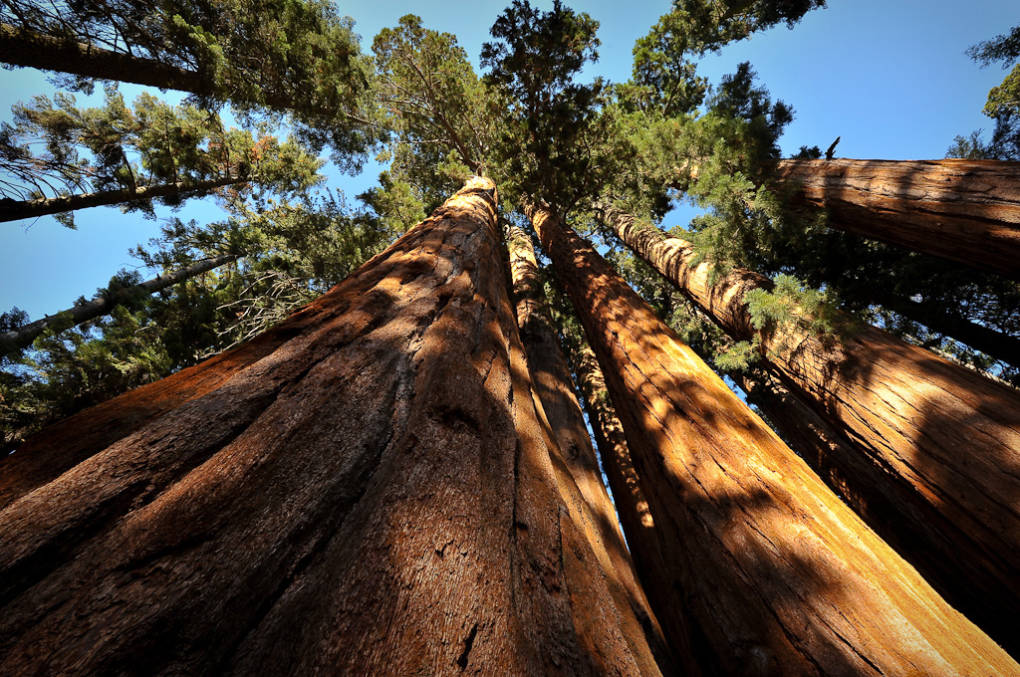
"caption": "Giant trees in Giant Sequoia National Monument.",
"description": null,
"title": "Giant sequoias in the Sierra Nevada range can grow to be 250 feet tall — or more.",
"credit": "John Buie/Flickr",
"status": "inherit",
"isLoading": false,
"fetchFailed": false
},
"science_1716366": {
"type": "attachments",
"id": "science_1716366",
"meta": {
"index": "attachments_1716263798",
"site": "science",
"id": "1716366",
"found": true
},
"parent": 1716365,
"imgSizes": {
"small": {
"file": "https://ww2.kqed.org/app/uploads/sites/35/2017/06/gettyimages-682630142_wide-d65b773648b875cd37532bda6132d0313a92a8a3-520x292.jpg",
"width": 520,
"mimeType": "image/jpeg",
"height": 292
},
"twentyfourteen-full-width": {
"file": "https://ww2.kqed.org/app/uploads/sites/35/2017/06/gettyimages-682630142_wide-d65b773648b875cd37532bda6132d0313a92a8a3-1038x576.jpg",
"width": 1038,
"mimeType": "image/jpeg",
"height": 576
},
"thumbnail": {
"file": "https://ww2.kqed.org/app/uploads/sites/35/2017/06/gettyimages-682630142_wide-d65b773648b875cd37532bda6132d0313a92a8a3-160x90.jpg",
"width": 160,
"mimeType": "image/jpeg",
"height": 90
},
"fd-sm": {
"file": "https://ww2.kqed.org/app/uploads/sites/35/2017/06/gettyimages-682630142_wide-d65b773648b875cd37532bda6132d0313a92a8a3-960x540.jpg",
"width": 960,
"mimeType": "image/jpeg",
"height": 540
},
"post-thumbnail": {
"file": "https://ww2.kqed.org/app/uploads/sites/35/2017/06/gettyimages-682630142_wide-d65b773648b875cd37532bda6132d0313a92a8a3-672x372.jpg",
"width": 672,
"mimeType": "image/jpeg",
"height": 372
},
"xsmall": {
"file": "https://ww2.kqed.org/app/uploads/sites/35/2017/06/gettyimages-682630142_wide-d65b773648b875cd37532bda6132d0313a92a8a3-375x211.jpg",
"width": 375,
"mimeType": "image/jpeg",
"height": 211
},
"kqedFullSize": {
"file": "https://ww2.kqed.org/app/uploads/sites/35/2017/06/gettyimages-682630142_wide-d65b773648b875cd37532bda6132d0313a92a8a3.jpg",
"width": 5363,
"height": 3016
},
"large": {
"file": "https://ww2.kqed.org/app/uploads/sites/35/2017/06/gettyimages-682630142_wide-d65b773648b875cd37532bda6132d0313a92a8a3-1020x574.jpg",
"width": 1020,
"mimeType": "image/jpeg",
"height": 574
},
"xlarge": {
"file": "https://ww2.kqed.org/app/uploads/sites/35/2017/06/gettyimages-682630142_wide-d65b773648b875cd37532bda6132d0313a92a8a3-1180x664.jpg",
"width": 1180,
"mimeType": "image/jpeg",
"height": 664
},
"guest-author-50": {
"file": "https://ww2.kqed.org/app/uploads/sites/35/2017/06/gettyimages-682630142_wide-d65b773648b875cd37532bda6132d0313a92a8a3-50x50.jpg",
"width": 50,
"mimeType": "image/jpeg",
"height": 50
},
"guest-author-96": {
"file": "https://ww2.kqed.org/app/uploads/sites/35/2017/06/gettyimages-682630142_wide-d65b773648b875cd37532bda6132d0313a92a8a3-96x96.jpg",
"width": 96,
"mimeType": "image/jpeg",
"height": 96
},
"medium": {
"file": "https://ww2.kqed.org/app/uploads/sites/35/2017/06/gettyimages-682630142_wide-d65b773648b875cd37532bda6132d0313a92a8a3-800x450.jpg",
"width": 800,
"mimeType": "image/jpeg",
"height": 450
},
"guest-author-64": {
"file": "https://ww2.kqed.org/app/uploads/sites/35/2017/06/gettyimages-682630142_wide-d65b773648b875cd37532bda6132d0313a92a8a3-64x64.jpg",
"width": 64,
"mimeType": "image/jpeg",
"height": 64
},
"guest-author-32": {
"file": "https://ww2.kqed.org/app/uploads/sites/35/2017/06/gettyimages-682630142_wide-d65b773648b875cd37532bda6132d0313a92a8a3-32x32.jpg",
"width": 32,
"mimeType": "image/jpeg",
"height": 32
},
"fd-lrg": {
"file": "https://ww2.kqed.org/app/uploads/sites/35/2017/06/gettyimages-682630142_wide-d65b773648b875cd37532bda6132d0313a92a8a3-1920x1080.jpg",
"width": 1920,
"mimeType": "image/jpeg",
"height": 1080
},
"fd-med": {
"file": "https://ww2.kqed.org/app/uploads/sites/35/2017/06/gettyimages-682630142_wide-d65b773648b875cd37532bda6132d0313a92a8a3-1180x664.jpg",
"width": 1180,
"mimeType": "image/jpeg",
"height": 664
},
"full-width": {
"file": "https://ww2.kqed.org/app/uploads/sites/35/2017/06/gettyimages-682630142_wide-d65b773648b875cd37532bda6132d0313a92a8a3-1920x1080.jpg",
"width": 1920,
"mimeType": "image/jpeg",
"height": 1080
},
"detail": {
"file": "https://ww2.kqed.org/app/uploads/sites/35/2017/06/gettyimages-682630142_wide-d65b773648b875cd37532bda6132d0313a92a8a3-150x150.jpg",
"width": 150,
"mimeType": "image/jpeg",
"height": 150
},
"medium_large": {
"file": "https://ww2.kqed.org/app/uploads/sites/35/2017/06/gettyimages-682630142_wide-d65b773648b875cd37532bda6132d0313a92a8a3-768x432.jpg",
"width": 768,
"mimeType": "image/jpeg",
"height": 432
},
"guest-author-128": {
"file": "https://ww2.kqed.org/app/uploads/sites/35/2017/06/gettyimages-682630142_wide-d65b773648b875cd37532bda6132d0313a92a8a3-128x128.jpg",
"width": 128,
"mimeType": "image/jpeg",
"height": 128
},
"xxsmall": {
"file": "https://ww2.kqed.org/app/uploads/sites/35/2017/06/gettyimages-682630142_wide-d65b773648b875cd37532bda6132d0313a92a8a3-240x135.jpg",
"width": 240,
"mimeType": "image/jpeg",
"height": 135
}
},
"publishDate": 1497333860,
"modified": 1503590331,
"caption": "Ancient granaries, part of the House on Fire ruins, are shown here in the South Fork of Mule Canyon in the Bears Ears National Monument outside Blanding, Utah. Bears Ears is expected to be changed with the White House announcement today.",
"description": null,
"title": "Ancient granaries, part of the House on Fire ruins, are shown here in the South Fork of Mule Canyon in the Bears Ears National Monument outside Blanding, Utah.",
"credit": "George Frey/Getty Images",
"status": "inherit",
"isLoading": false,
"fetchFailed": false
},
"science_1914640": {
"type": "attachments",
"id": "science_1914640",
"meta": {
"index": "attachments_1716263798",
"site": "science",
"id": "1914640",
"found": true
},
"parent": 1914629,
"imgSizes": {
"small": {
"file": "https://ww2.kqed.org/app/uploads/sites/35/2017/08/2013-Tem-BGA-520x389.jpg",
"width": 520,
"mimeType": "image/jpeg",
"height": 389
},
"twentyfourteen-full-width": {
"file": "https://ww2.kqed.org/app/uploads/sites/35/2017/08/2013-Tem-BGA-1038x576.jpg",
"width": 1038,
"mimeType": "image/jpeg",
"height": 576
},
"thumbnail": {
"file": "https://ww2.kqed.org/app/uploads/sites/35/2017/08/2013-Tem-BGA-160x120.jpg",
"width": 160,
"mimeType": "image/jpeg",
"height": 120
},
"fd-sm": {
"file": "https://ww2.kqed.org/app/uploads/sites/35/2017/08/2013-Tem-BGA-960x718.jpg",
"width": 960,
"mimeType": "image/jpeg",
"height": 718
},
"post-thumbnail": {
"file": "https://ww2.kqed.org/app/uploads/sites/35/2017/08/2013-Tem-BGA-672x372.jpg",
"width": 672,
"mimeType": "image/jpeg",
"height": 372
},
"xsmall": {
"file": "https://ww2.kqed.org/app/uploads/sites/35/2017/08/2013-Tem-BGA-375x280.jpg",
"width": 375,
"mimeType": "image/jpeg",
"height": 280
},
"kqedFullSize": {
"file": "https://ww2.kqed.org/app/uploads/sites/35/2017/08/2013-Tem-BGA.jpg",
"width": 1561,
"height": 1167
},
"large": {
"file": "https://ww2.kqed.org/app/uploads/sites/35/2017/08/2013-Tem-BGA-1020x763.jpg",
"width": 1020,
"mimeType": "image/jpeg",
"height": 763
},
"xlarge": {
"file": "https://ww2.kqed.org/app/uploads/sites/35/2017/08/2013-Tem-BGA-1180x882.jpg",
"width": 1180,
"mimeType": "image/jpeg",
"height": 882
},
"guest-author-50": {
"file": "https://ww2.kqed.org/app/uploads/sites/35/2017/08/2013-Tem-BGA-50x50.jpg",
"width": 50,
"mimeType": "image/jpeg",
"height": 50
},
"guest-author-96": {
"file": "https://ww2.kqed.org/app/uploads/sites/35/2017/08/2013-Tem-BGA-96x96.jpg",
"width": 96,
"mimeType": "image/jpeg",
"height": 96
},
"medium": {
"file": "https://ww2.kqed.org/app/uploads/sites/35/2017/08/2013-Tem-BGA-800x598.jpg",
"width": 800,
"mimeType": "image/jpeg",
"height": 598
},
"guest-author-64": {
"file": "https://ww2.kqed.org/app/uploads/sites/35/2017/08/2013-Tem-BGA-64x64.jpg",
"width": 64,
"mimeType": "image/jpeg",
"height": 64
},
"guest-author-32": {
"file": "https://ww2.kqed.org/app/uploads/sites/35/2017/08/2013-Tem-BGA-32x32.jpg",
"width": 32,
"mimeType": "image/jpeg",
"height": 32
},
"fd-med": {
"file": "https://ww2.kqed.org/app/uploads/sites/35/2017/08/2013-Tem-BGA-1180x882.jpg",
"width": 1180,
"mimeType": "image/jpeg",
"height": 882
},
"detail": {
"file": "https://ww2.kqed.org/app/uploads/sites/35/2017/08/2013-Tem-BGA-150x150.jpg",
"width": 150,
"mimeType": "image/jpeg",
"height": 150
},
"medium_large": {
"file": "https://ww2.kqed.org/app/uploads/sites/35/2017/08/2013-Tem-BGA-768x574.jpg",
"width": 768,
"mimeType": "image/jpeg",
"height": 574
},
"guest-author-128": {
"file": "https://ww2.kqed.org/app/uploads/sites/35/2017/08/2013-Tem-BGA-128x128.jpg",
"width": 128,
"mimeType": "image/jpeg",
"height": 128
},
"xxsmall": {
"file": "https://ww2.kqed.org/app/uploads/sites/35/2017/08/2013-Tem-BGA-240x179.jpg",
"width": 240,
"mimeType": "image/jpeg",
"height": 179
}
},
"publishDate": 1502914411,
"modified": 1502914541,
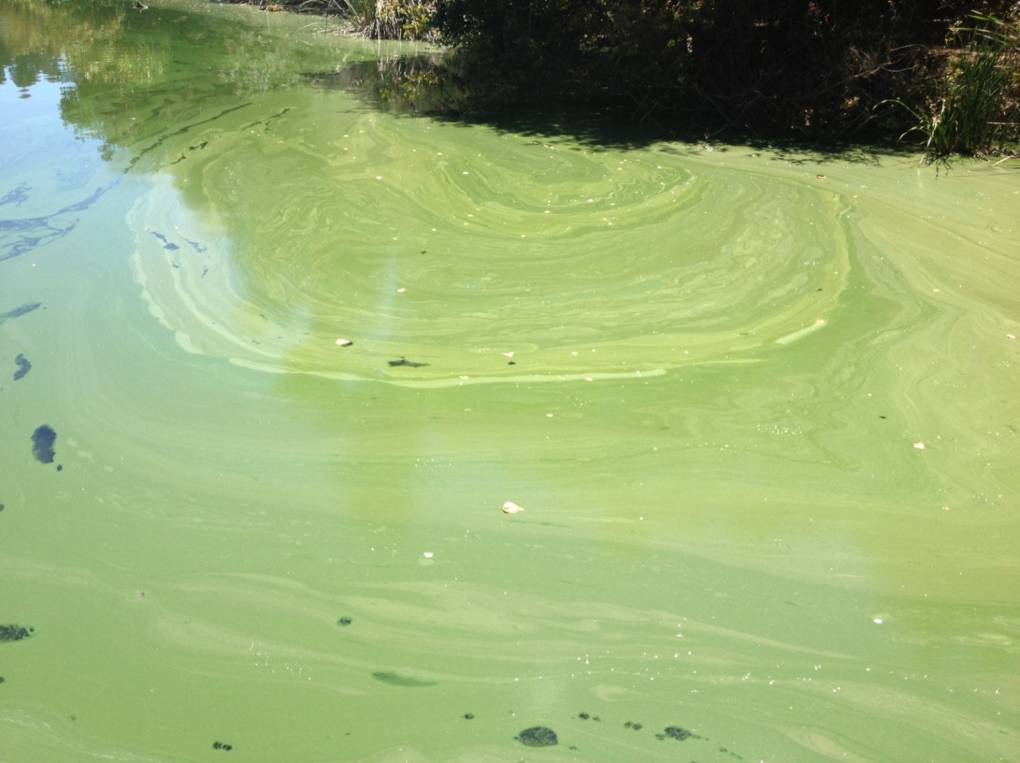
"caption": "Toxic algae blooms make lakes look like pea soup.\nLake Temescal in Oakland in 2016. ",
"description": null,
"title": "2013 Tem BGA",
"credit": "East Bay Regional Parks",
"status": "inherit",
"isLoading": false,
"fetchFailed": false
},
"science_1914736": {
"type": "attachments",
"id": "science_1914736",
"meta": {
"index": "attachments_1716263798",
"site": "science",
"id": "1914736",
"found": true
},
"parent": 1914732,
"imgSizes": {
"small": {
"file": "https://ww2.kqed.org/app/uploads/sites/35/2017/08/Mark-Bender-1-e1502830282688-520x424.jpg",
"width": 520,
"mimeType": "image/jpeg",
"height": 424
},
"thumbnail": {
"file": "https://ww2.kqed.org/app/uploads/sites/35/2017/08/Mark-Bender-1-e1502830282688-160x130.jpg",
"width": 160,
"mimeType": "image/jpeg",
"height": 130
},
"post-thumbnail": {
"file": "https://ww2.kqed.org/app/uploads/sites/35/2017/08/Mark-Bender-1-e1502830282688-582x372.jpg",
"width": 582,
"mimeType": "image/jpeg",
"height": 372
},
"xsmall": {
"file": "https://ww2.kqed.org/app/uploads/sites/35/2017/08/Mark-Bender-1-e1502830282688-375x305.jpg",
"width": 375,
"mimeType": "image/jpeg",
"height": 305
},
"kqedFullSize": {
"file": "https://ww2.kqed.org/app/uploads/sites/35/2017/08/Mark-Bender-1-e1502830282688.jpg",
"width": 582,
"height": 474
},
"guest-author-50": {
"file": "https://ww2.kqed.org/app/uploads/sites/35/2017/08/Mark-Bender-1-e1502830282688-50x50.jpg",
"width": 50,
"mimeType": "image/jpeg",
"height": 50
},
"guest-author-96": {
"file": "https://ww2.kqed.org/app/uploads/sites/35/2017/08/Mark-Bender-1-e1502830282688-96x96.jpg",
"width": 96,
"mimeType": "image/jpeg",
"height": 96
},
"guest-author-64": {
"file": "https://ww2.kqed.org/app/uploads/sites/35/2017/08/Mark-Bender-1-e1502830282688-64x64.jpg",
"width": 64,
"mimeType": "image/jpeg",
"height": 64
},
"detail": {
"file": "https://ww2.kqed.org/app/uploads/sites/35/2017/08/Mark-Bender-1-e1502830282688-150x150.jpg",
"width": 150,
"mimeType": "image/jpeg",
"height": 150
},
"guest-author-32": {
"file": "https://ww2.kqed.org/app/uploads/sites/35/2017/08/Mark-Bender-1-e1502830282688-32x32.jpg",
"width": 32,
"mimeType": "image/jpeg",
"height": 32
},
"guest-author-128": {
"file": "https://ww2.kqed.org/app/uploads/sites/35/2017/08/Mark-Bender-1-e1502830282688-128x128.jpg",
"width": 128,
"mimeType": "image/jpeg",
"height": 128
},
"xxsmall": {
"file": "https://ww2.kqed.org/app/uploads/sites/35/2017/08/Mark-Bender-1-e1502830282688-240x195.jpg",
"width": 240,
"mimeType": "image/jpeg",
"height": 195
}
},
"publishDate": 1502996493,
"modified": 1502996542,
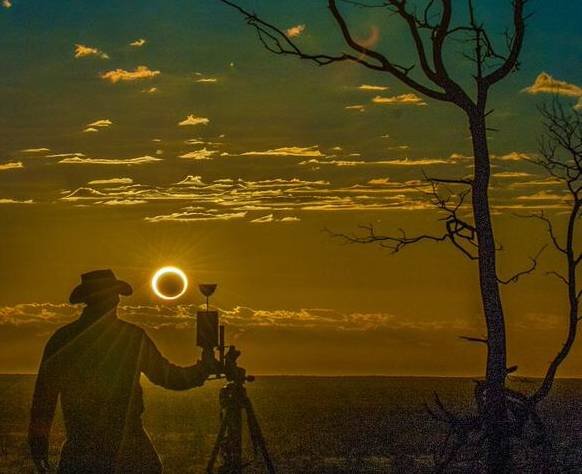
"caption": "Mark Bender at an annular eclipse in western Australia on May 10, 2013. An annular eclipse is like a total eclipse but the moon is slightly further away from the Earth, so it appears slightly smaller.",
"description": "Mark Bender at an annular eclipse in western Australia on May 10, 2013. An annular eclipse is like a total eclipse but the moon is slightly further away from the Earth, so it appears slightly smaller.",
"title": "Mark-Bender-1-e1502830282688",
"credit": "James McClean",
"status": "inherit",
"isLoading": false,
"fetchFailed": false
},
"science_1914603": {
"type": "attachments",
"id": "science_1914603",
"meta": {
"index": "attachments_1716263798",
"site": "science",
"id": "1914603",
"found": true
},
"parent": 1914580,
"imgSizes": {
"small": {
"file": "https://ww2.kqed.org/app/uploads/sites/35/2017/08/JG1_0172-520x347.jpg",
"width": 520,
"mimeType": "image/jpeg",
"height": 347
},
"twentyfourteen-full-width": {
"file": "https://ww2.kqed.org/app/uploads/sites/35/2017/08/JG1_0172-1038x576.jpg",
"width": 1038,
"mimeType": "image/jpeg",
"height": 576
},
"thumbnail": {
"file": "https://ww2.kqed.org/app/uploads/sites/35/2017/08/JG1_0172-160x107.jpg",
"width": 160,
"mimeType": "image/jpeg",
"height": 107
},
"fd-sm": {
"file": "https://ww2.kqed.org/app/uploads/sites/35/2017/08/JG1_0172-960x640.jpg",
"width": 960,
"mimeType": "image/jpeg",
"height": 640
},
"post-thumbnail": {
"file": "https://ww2.kqed.org/app/uploads/sites/35/2017/08/JG1_0172-672x372.jpg",
"width": 672,
"mimeType": "image/jpeg",
"height": 372
},
"xsmall": {
"file": "https://ww2.kqed.org/app/uploads/sites/35/2017/08/JG1_0172-375x250.jpg",
"width": 375,
"mimeType": "image/jpeg",
"height": 250
},
"kqedFullSize": {
"file": "https://ww2.kqed.org/app/uploads/sites/35/2017/08/JG1_0172.jpg",
"width": 3936,
"height": 2624
},
"large": {
"file": "https://ww2.kqed.org/app/uploads/sites/35/2017/08/JG1_0172-1020x680.jpg",
"width": 1020,
"mimeType": "image/jpeg",
"height": 680
},
"xlarge": {
"file": "https://ww2.kqed.org/app/uploads/sites/35/2017/08/JG1_0172-1180x787.jpg",
"width": 1180,
"mimeType": "image/jpeg",
"height": 787
},
"guest-author-50": {
"file": "https://ww2.kqed.org/app/uploads/sites/35/2017/08/JG1_0172-50x50.jpg",
"width": 50,
"mimeType": "image/jpeg",
"height": 50
},
"guest-author-96": {
"file": "https://ww2.kqed.org/app/uploads/sites/35/2017/08/JG1_0172-96x96.jpg",
"width": 96,
"mimeType": "image/jpeg",
"height": 96
},
"medium": {
"file": "https://ww2.kqed.org/app/uploads/sites/35/2017/08/JG1_0172-800x533.jpg",
"width": 800,
"mimeType": "image/jpeg",
"height": 533
},
"guest-author-64": {
"file": "https://ww2.kqed.org/app/uploads/sites/35/2017/08/JG1_0172-64x64.jpg",
"width": 64,
"mimeType": "image/jpeg",
"height": 64
},
"guest-author-32": {
"file": "https://ww2.kqed.org/app/uploads/sites/35/2017/08/JG1_0172-32x32.jpg",
"width": 32,
"mimeType": "image/jpeg",
"height": 32
},
"fd-lrg": {
"file": "https://ww2.kqed.org/app/uploads/sites/35/2017/08/JG1_0172-1920x1280.jpg",
"width": 1920,
"mimeType": "image/jpeg",
"height": 1280
},
"fd-med": {
"file": "https://ww2.kqed.org/app/uploads/sites/35/2017/08/JG1_0172-1180x787.jpg",
"width": 1180,
"mimeType": "image/jpeg",
"height": 787
},
"full-width": {
"file": "https://ww2.kqed.org/app/uploads/sites/35/2017/08/JG1_0172-1920x1280.jpg",
"width": 1920,
"mimeType": "image/jpeg",
"height": 1280
},
"detail": {
"file": "https://ww2.kqed.org/app/uploads/sites/35/2017/08/JG1_0172-150x150.jpg",
"width": 150,
"mimeType": "image/jpeg",
"height": 150
},
"medium_large": {
"file": "https://ww2.kqed.org/app/uploads/sites/35/2017/08/JG1_0172-768x512.jpg",
"width": 768,
"mimeType": "image/jpeg",
"height": 512
},
"guest-author-128": {
"file": "https://ww2.kqed.org/app/uploads/sites/35/2017/08/JG1_0172-128x128.jpg",
"width": 128,
"mimeType": "image/jpeg",
"height": 128
},
"xxsmall": {
"file": "https://ww2.kqed.org/app/uploads/sites/35/2017/08/JG1_0172-240x160.jpg",
"width": 240,
"mimeType": "image/jpeg",
"height": 160
}
},
"publishDate": 1502846218,
"modified": 1502846333,
"caption": "Northern anchovy like these are found off the Northern California coast.",
"description": null,
"title": "JG1_0172",
"credit": "Matthew Savoca",
"status": "inherit",
"isLoading": false,
"fetchFailed": false
},
"science_1914131": {
"type": "attachments",
"id": "science_1914131",
"meta": {
"index": "attachments_1716263798",
"site": "science",
"id": "1914131",
"found": true
},
"parent": 1914130,
"imgSizes": {
"small": {
"file": "https://ww2.kqed.org/app/uploads/sites/35/2017/08/Aera-Belridge_field-web-520x290.jpg",
"width": 520,
"mimeType": "image/jpeg",
"height": 290
},
"twentyfourteen-full-width": {
"file": "https://ww2.kqed.org/app/uploads/sites/35/2017/08/Aera-Belridge_field-web-1038x576.jpg",
"width": 1038,
"mimeType": "image/jpeg",
"height": 576
},
"thumbnail": {
"file": "https://ww2.kqed.org/app/uploads/sites/35/2017/08/Aera-Belridge_field-web-160x89.jpg",
"width": 160,
"mimeType": "image/jpeg",
"height": 89
},
"fd-sm": {
"file": "https://ww2.kqed.org/app/uploads/sites/35/2017/08/Aera-Belridge_field-web-960x535.jpg",
"width": 960,
"mimeType": "image/jpeg",
"height": 535
},
"post-thumbnail": {
"file": "https://ww2.kqed.org/app/uploads/sites/35/2017/08/Aera-Belridge_field-web-672x372.jpg",
"width": 672,
"mimeType": "image/jpeg",
"height": 372
},
"xsmall": {
"file": "https://ww2.kqed.org/app/uploads/sites/35/2017/08/Aera-Belridge_field-web-375x209.jpg",
"width": 375,
"mimeType": "image/jpeg",
"height": 209
},
"kqedFullSize": {
"file": "https://ww2.kqed.org/app/uploads/sites/35/2017/08/Aera-Belridge_field-web.jpg",
"width": 1920,
"height": 1070
},
"large": {
"file": "https://ww2.kqed.org/app/uploads/sites/35/2017/08/Aera-Belridge_field-web-1020x568.jpg",
"width": 1020,
"mimeType": "image/jpeg",
"height": 568
},
"xlarge": {
"file": "https://ww2.kqed.org/app/uploads/sites/35/2017/08/Aera-Belridge_field-web-1180x658.jpg",
"width": 1180,
"mimeType": "image/jpeg",
"height": 658
},
"guest-author-50": {
"file": "https://ww2.kqed.org/app/uploads/sites/35/2017/08/Aera-Belridge_field-web-50x50.jpg",
"width": 50,
"mimeType": "image/jpeg",
"height": 50
},
"guest-author-96": {
"file": "https://ww2.kqed.org/app/uploads/sites/35/2017/08/Aera-Belridge_field-web-96x96.jpg",
"width": 96,
"mimeType": "image/jpeg",
"height": 96
},
"medium": {
"file": "https://ww2.kqed.org/app/uploads/sites/35/2017/08/Aera-Belridge_field-web-800x446.jpg",
"width": 800,
"mimeType": "image/jpeg",
"height": 446
},
"guest-author-64": {
"file": "https://ww2.kqed.org/app/uploads/sites/35/2017/08/Aera-Belridge_field-web-64x64.jpg",
"width": 64,
"mimeType": "image/jpeg",
"height": 64
},
"guest-author-32": {
"file": "https://ww2.kqed.org/app/uploads/sites/35/2017/08/Aera-Belridge_field-web-32x32.jpg",
"width": 32,
"mimeType": "image/jpeg",
"height": 32
},
"fd-lrg": {
"file": "https://ww2.kqed.org/app/uploads/sites/35/2017/08/Aera-Belridge_field-web-1920x1070.jpg",
"width": 1920,
"mimeType": "image/jpeg",
"height": 1070
},
"fd-med": {
"file": "https://ww2.kqed.org/app/uploads/sites/35/2017/08/Aera-Belridge_field-web-1180x658.jpg",
"width": 1180,
"mimeType": "image/jpeg",
"height": 658
},
"full-width": {
"file": "https://ww2.kqed.org/app/uploads/sites/35/2017/08/Aera-Belridge_field-web-1920x1070.jpg",
"width": 1920,
"mimeType": "image/jpeg",
"height": 1070
},
"detail": {
"file": "https://ww2.kqed.org/app/uploads/sites/35/2017/08/Aera-Belridge_field-web-150x150.jpg",
"width": 150,
"mimeType": "image/jpeg",
"height": 150
},
"medium_large": {
"file": "https://ww2.kqed.org/app/uploads/sites/35/2017/08/Aera-Belridge_field-web-768x428.jpg",
"width": 768,
"mimeType": "image/jpeg",
"height": 428
},
"guest-author-128": {
"file": "https://ww2.kqed.org/app/uploads/sites/35/2017/08/Aera-Belridge_field-web-128x128.jpg",
"width": 128,
"mimeType": "image/jpeg",
"height": 128
},
"xxsmall": {
"file": "https://ww2.kqed.org/app/uploads/sites/35/2017/08/Aera-Belridge_field-web-240x134.jpg",
"width": 240,
"mimeType": "image/jpeg",
"height": 134
}
},
"publishDate": 1501708834,
"modified": 1501708907,
"caption": null,
"description": null,
"title": "Aera-Belridge_field-web",
"credit": "Aera Energy",
"status": "inherit",
"isLoading": false,
"fetchFailed": false
},
"science_1910927": {
"type": "attachments",
"id": "science_1910927",
"meta": {
"index": "attachments_1716263798",
"site": "science",
"id": "1910927",
"found": true
},
"parent": 1910886,
"imgSizes": {
"small": {
"file": "https://ww2.kqed.org/app/uploads/sites/35/2017/08/30353919862_0091e00e42_k-520x326.jpg",
"width": 520,
"mimeType": "image/jpeg",
"height": 326
},
"twentyfourteen-full-width": {
"file": "https://ww2.kqed.org/app/uploads/sites/35/2017/08/30353919862_0091e00e42_k-1038x576.jpg",
"width": 1038,
"mimeType": "image/jpeg",
"height": 576
},
"thumbnail": {
"file": "https://ww2.kqed.org/app/uploads/sites/35/2017/08/30353919862_0091e00e42_k-160x100.jpg",
"width": 160,
"mimeType": "image/jpeg",
"height": 100
},
"fd-sm": {
"file": "https://ww2.kqed.org/app/uploads/sites/35/2017/08/30353919862_0091e00e42_k-960x602.jpg",
"width": 960,
"mimeType": "image/jpeg",
"height": 602
},
"post-thumbnail": {
"file": "https://ww2.kqed.org/app/uploads/sites/35/2017/08/30353919862_0091e00e42_k-672x372.jpg",
"width": 672,
"mimeType": "image/jpeg",
"height": 372
},
"xsmall": {
"file": "https://ww2.kqed.org/app/uploads/sites/35/2017/08/30353919862_0091e00e42_k-375x235.jpg",
"width": 375,
"mimeType": "image/jpeg",
"height": 235
},
"kqedFullSize": {
"file": "https://ww2.kqed.org/app/uploads/sites/35/2017/08/30353919862_0091e00e42_k.jpg",
"width": 2048,
"height": 1285
},
"large": {
"file": "https://ww2.kqed.org/app/uploads/sites/35/2017/08/30353919862_0091e00e42_k-1020x640.jpg",
"width": 1020,
"mimeType": "image/jpeg",
"height": 640
},
"xlarge": {
"file": "https://ww2.kqed.org/app/uploads/sites/35/2017/08/30353919862_0091e00e42_k-1180x740.jpg",
"width": 1180,
"mimeType": "image/jpeg",
"height": 740
},
"guest-author-50": {
"file": "https://ww2.kqed.org/app/uploads/sites/35/2017/08/30353919862_0091e00e42_k-50x50.jpg",
"width": 50,
"mimeType": "image/jpeg",
"height": 50
},
"guest-author-96": {
"file": "https://ww2.kqed.org/app/uploads/sites/35/2017/08/30353919862_0091e00e42_k-96x96.jpg",
"width": 96,
"mimeType": "image/jpeg",
"height": 96
},
"medium": {
"file": "https://ww2.kqed.org/app/uploads/sites/35/2017/08/30353919862_0091e00e42_k-800x502.jpg",
"width": 800,
"mimeType": "image/jpeg",
"height": 502
},
"guest-author-64": {
"file": "https://ww2.kqed.org/app/uploads/sites/35/2017/08/30353919862_0091e00e42_k-64x64.jpg",
"width": 64,
"mimeType": "image/jpeg",
"height": 64
},
"guest-author-32": {
"file": "https://ww2.kqed.org/app/uploads/sites/35/2017/08/30353919862_0091e00e42_k-32x32.jpg",
"width": 32,
"mimeType": "image/jpeg",
"height": 32
},
"fd-lrg": {
"file": "https://ww2.kqed.org/app/uploads/sites/35/2017/08/30353919862_0091e00e42_k-1920x1205.jpg",
"width": 1920,
"mimeType": "image/jpeg",
"height": 1205
},
"fd-med": {
"file": "https://ww2.kqed.org/app/uploads/sites/35/2017/08/30353919862_0091e00e42_k-1180x740.jpg",
"width": 1180,
"mimeType": "image/jpeg",
"height": 740
},
"full-width": {
"file": "https://ww2.kqed.org/app/uploads/sites/35/2017/08/30353919862_0091e00e42_k-1920x1205.jpg",
"width": 1920,
"mimeType": "image/jpeg",
"height": 1205
},
"detail": {
"file": "https://ww2.kqed.org/app/uploads/sites/35/2017/08/30353919862_0091e00e42_k-150x150.jpg",
"width": 150,
"mimeType": "image/jpeg",
"height": 150
},
"medium_large": {
"file": "https://ww2.kqed.org/app/uploads/sites/35/2017/08/30353919862_0091e00e42_k-768x482.jpg",
"width": 768,
"mimeType": "image/jpeg",
"height": 482
},
"guest-author-128": {
"file": "https://ww2.kqed.org/app/uploads/sites/35/2017/08/30353919862_0091e00e42_k-128x128.jpg",
"width": 128,
"mimeType": "image/jpeg",
"height": 128
},
"xxsmall": {
"file": "https://ww2.kqed.org/app/uploads/sites/35/2017/08/30353919862_0091e00e42_k-240x151.jpg",
"width": 240,
"mimeType": "image/jpeg",
"height": 151
}
},
"publishDate": 1501626038,
"modified": 1501626094,
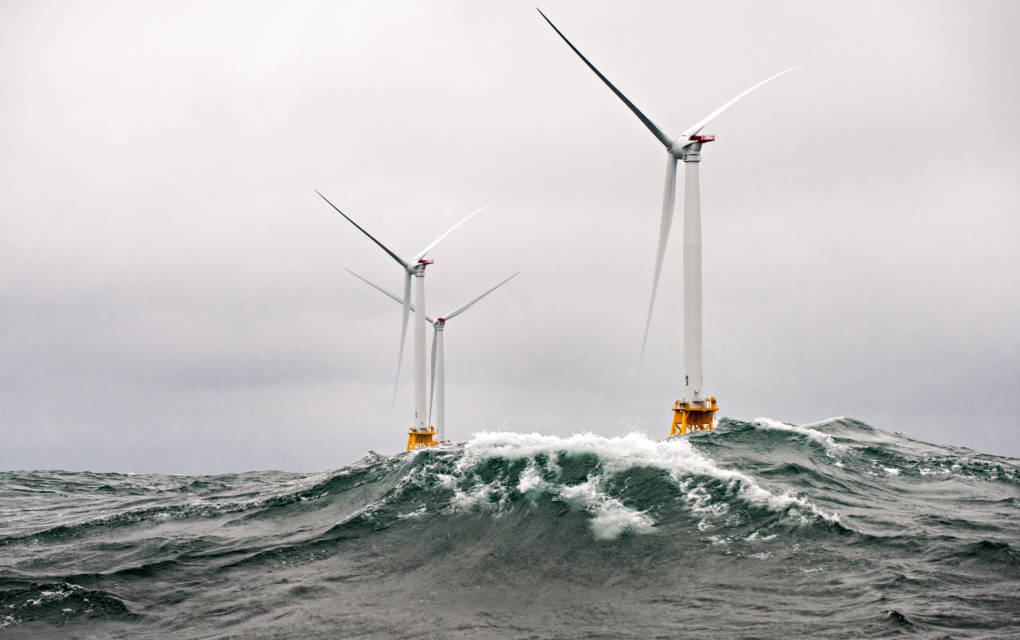
"caption": "The Block Island Wind Farm, America's first offshore wind farm, was built by Deepwater Wind and began operating in 2016.",
"description": null,
"title": "30353919862_0091e00e42_k",
"credit": "\u003ca href=\"https://www.flickr.com/photos/nrel/30353919862/in/photolist-NfgLRU-NqCGVD-NhY3ZH-ru8Ccz-NqCDhr-MsTFd5-fkdCvD-7niitk-7vsbp3-7mW9MZ-rQ1Z9-7bkKwH-75RaVy-9UHw8J-ffn7Ms-7nndF1-6EzbkB-7nfNXM-4nLdM4-2HZyo6-id9vH-ptagEB-5BoQXp-2ixwgw-hkdEBE-oxyXQ-FQEZwi-F2j4D2-FUh589-mCJEG-mCJq1-FWyTMn-FWyVVv-FQH2Ci-F2j86n-F28ht3-FQH3ED-FUeX5f-F2hwzF-F28equ-F2j2NP-F2hw9a-FWyUfB-HiBV4s-F2hwNB-FUh2NQ-FNnrts-F28i6A-FwsnC5-FQFv4K\" target=\"_blank\" rel=\"noopener noreferrer\">NREL\u003c/a>/flickr",
"status": "inherit",
"isLoading": false,
"fetchFailed": false
},
"news_11606426": {
"type": "attachments",
"id": "news_11606426",
"meta": {
"index": "attachments_1716263798",
"site": "news",
"id": "11606426",
"found": true
},
"parent": 11606182,
"imgSizes": {
"small": {
"file": "https://ww2.kqed.org/app/uploads/sites/10/2017/08/GreenSpotFiore-520x520.jpg",
"width": 520,
"mimeType": "image/jpeg",
"height": 520
},
"twentyfourteen-full-width": {
"file": "https://ww2.kqed.org/app/uploads/sites/10/2017/08/GreenSpotFiore-800x576.jpg",
"width": 800,
"mimeType": "image/jpeg",
"height": 576
},
"thumbnail": {
"file": "https://ww2.kqed.org/app/uploads/sites/10/2017/08/GreenSpotFiore-160x160.jpg",
"width": 160,
"mimeType": "image/jpeg",
"height": 160
},
"post-thumbnail": {
"file": "https://ww2.kqed.org/app/uploads/sites/10/2017/08/GreenSpotFiore-672x372.jpg",
"width": 672,
"mimeType": "image/jpeg",
"height": 372
},
"xsmall": {
"file": "https://ww2.kqed.org/app/uploads/sites/10/2017/08/GreenSpotFiore-375x375.jpg",
"width": 375,
"mimeType": "image/jpeg",
"height": 375
},
"kqedFullSize": {
"file": "https://ww2.kqed.org/app/uploads/sites/10/2017/08/GreenSpotFiore.jpg",
"width": 800,
"height": 800
},
"guest-author-50": {
"file": "https://ww2.kqed.org/app/uploads/sites/10/2017/08/GreenSpotFiore-50x50.jpg",
"width": 50,
"mimeType": "image/jpeg",
"height": 50
},
"guest-author-96": {
"file": "https://ww2.kqed.org/app/uploads/sites/10/2017/08/GreenSpotFiore-96x96.jpg",
"width": 96,
"mimeType": "image/jpeg",
"height": 96
},
"medium": {
"file": "https://ww2.kqed.org/app/uploads/sites/10/2017/08/GreenSpotFiore-800x800.jpg",
"width": 800,
"mimeType": "image/jpeg",
"height": 800
},
"guest-author-64": {
"file": "https://ww2.kqed.org/app/uploads/sites/10/2017/08/GreenSpotFiore-64x64.jpg",
"width": 64,
"mimeType": "image/jpeg",
"height": 64
},
"guest-author-32": {
"file": "https://ww2.kqed.org/app/uploads/sites/10/2017/08/GreenSpotFiore-32x32.jpg",
"width": 32,
"mimeType": "image/jpeg",
"height": 32
},
"detail": {
"file": "https://ww2.kqed.org/app/uploads/sites/10/2017/08/GreenSpotFiore-150x150.jpg",
"width": 150,
"mimeType": "image/jpeg",
"height": 150
},
"guest-author-128": {
"file": "https://ww2.kqed.org/app/uploads/sites/10/2017/08/GreenSpotFiore-128x128.jpg",
"width": 128,
"mimeType": "image/jpeg",
"height": 128
},
"xxsmall": {
"file": "https://ww2.kqed.org/app/uploads/sites/10/2017/08/GreenSpotFiore-240x240.jpg",
"width": 240,
"mimeType": "image/jpeg",
"height": 240
}
},
"publishDate": 1501621100,
"modified": 1501621100,
"caption": null,
"description": null,
"title": "GreenSpotFiore",
"credit": null,
"status": "inherit",
"isLoading": false,
"fetchFailed": false
},
"news_11541311": {
"type": "attachments",
"id": "news_11541311",
"meta": {
"index": "attachments_1716263798",
"site": "news",
"id": "11541311",
"found": true
},
"parent": 11540965,
"imgSizes": {
"small": {
"file": "https://ww2.kqed.org/app/uploads/sites/10/2017/06/RS4606_alt_587-520x347.jpg",
"width": 520,
"mimeType": "image/jpeg",
"height": 347
},
"twentyfourteen-full-width": {
"file": "https://ww2.kqed.org/app/uploads/sites/10/2017/06/RS4606_alt_587-1038x576.jpg",
"width": 1038,
"mimeType": "image/jpeg",
"height": 576
},
"thumbnail": {
"file": "https://ww2.kqed.org/app/uploads/sites/10/2017/06/RS4606_alt_587-160x107.jpg",
"width": 160,
"mimeType": "image/jpeg",
"height": 107
},
"fd-sm": {
"file": "https://ww2.kqed.org/app/uploads/sites/10/2017/06/RS4606_alt_587-960x640.jpg",
"width": 960,
"mimeType": "image/jpeg",
"height": 640
},
"post-thumbnail": {
"file": "https://ww2.kqed.org/app/uploads/sites/10/2017/06/RS4606_alt_587-672x372.jpg",
"width": 672,
"mimeType": "image/jpeg",
"height": 372
},
"xsmall": {
"file": "https://ww2.kqed.org/app/uploads/sites/10/2017/06/RS4606_alt_587-375x250.jpg",
"width": 375,
"mimeType": "image/jpeg",
"height": 250
},
"kqedFullSize": {
"file": "https://ww2.kqed.org/app/uploads/sites/10/2017/06/RS4606_alt_587.jpg",
"width": 1920,
"height": 1280
},
"large": {
"file": "https://ww2.kqed.org/app/uploads/sites/10/2017/06/RS4606_alt_587-1020x680.jpg",
"width": 1020,
"mimeType": "image/jpeg",
"height": 680
},
"xlarge": {
"file": "https://ww2.kqed.org/app/uploads/sites/10/2017/06/RS4606_alt_587-1180x787.jpg",
"width": 1180,
"mimeType": "image/jpeg",
"height": 787
},
"guest-author-50": {
"file": "https://ww2.kqed.org/app/uploads/sites/10/2017/06/RS4606_alt_587-50x50.jpg",
"width": 50,
"mimeType": "image/jpeg",
"height": 50
},
"guest-author-96": {
"file": "https://ww2.kqed.org/app/uploads/sites/10/2017/06/RS4606_alt_587-96x96.jpg",
"width": 96,
"mimeType": "image/jpeg",
"height": 96
},
"medium": {
"file": "https://ww2.kqed.org/app/uploads/sites/10/2017/06/RS4606_alt_587-800x533.jpg",
"width": 800,
"mimeType": "image/jpeg",
"height": 533
},
"guest-author-64": {
"file": "https://ww2.kqed.org/app/uploads/sites/10/2017/06/RS4606_alt_587-64x64.jpg",
"width": 64,
"mimeType": "image/jpeg",
"height": 64
},
"guest-author-32": {
"file": "https://ww2.kqed.org/app/uploads/sites/10/2017/06/RS4606_alt_587-32x32.jpg",
"width": 32,
"mimeType": "image/jpeg",
"height": 32
},
"fd-lrg": {
"file": "https://ww2.kqed.org/app/uploads/sites/10/2017/06/RS4606_alt_587-1920x1280.jpg",
"width": 1920,
"mimeType": "image/jpeg",
"height": 1280
},
"fd-med": {
"file": "https://ww2.kqed.org/app/uploads/sites/10/2017/06/RS4606_alt_587-1180x787.jpg",
"width": 1180,
"mimeType": "image/jpeg",
"height": 787
},
"full-width": {
"file": "https://ww2.kqed.org/app/uploads/sites/10/2017/06/RS4606_alt_587-1920x1280.jpg",
"width": 1920,
"mimeType": "image/jpeg",
"height": 1280
},
"detail": {
"file": "https://ww2.kqed.org/app/uploads/sites/10/2017/06/RS4606_alt_587-150x150.jpg",
"width": 150,
"mimeType": "image/jpeg",
"height": 150
},
"guest-author-128": {
"file": "https://ww2.kqed.org/app/uploads/sites/10/2017/06/RS4606_alt_587-128x128.jpg",
"width": 128,
"mimeType": "image/jpeg",
"height": 128
},
"xxsmall": {
"file": "https://ww2.kqed.org/app/uploads/sites/10/2017/06/RS4606_alt_587-240x160.jpg",
"width": 240,
"mimeType": "image/jpeg",
"height": 160
}
},
"publishDate": 1498864280,
"modified": 1498864332,
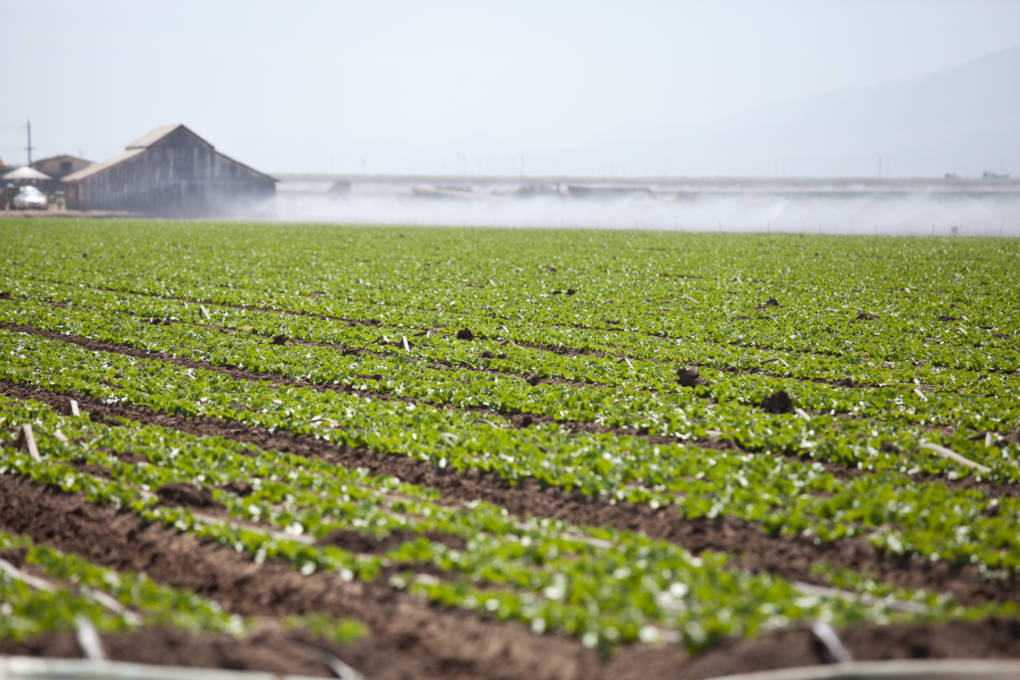
"caption": "Farm fields in Salinas.",
"description": "Farm fields in Salinas.",
"title": "RS4606_alt_587",
"credit": "Deborah Svoboda/KQED",
"status": "inherit",
"isLoading": false,
"fetchFailed": false
},
"science_1892352": {
"type": "attachments",
"id": "science_1892352",
"meta": {
"index": "attachments_1716263798",
"site": "science",
"id": "1892352",
"found": true
},
"parent": 1871155,
"imgSizes": {
"thumbnail": {
"file": "https://ww2.kqed.org/app/uploads/sites/35/2017/08/DL414-Striders-row-slow-160x90.gif",
"width": 160,
"mimeType": "image/gif",
"height": 90
},
"xsmall": {
"file": "https://ww2.kqed.org/app/uploads/sites/35/2017/08/DL414-Striders-row-slow-375x211.gif",
"width": 375,
"mimeType": "image/gif",
"height": 211
},
"kqedFullSize": {
"file": "https://ww2.kqed.org/app/uploads/sites/35/2017/08/DL414-Striders-row-slow.gif",
"width": 500,
"height": 281
},
"guest-author-50": {
"file": "https://ww2.kqed.org/app/uploads/sites/35/2017/08/DL414-Striders-row-slow-50x50.gif",
"width": 50,
"mimeType": "image/gif",
"height": 50
},
"guest-author-96": {
"file": "https://ww2.kqed.org/app/uploads/sites/35/2017/08/DL414-Striders-row-slow-96x96.gif",
"width": 96,
"mimeType": "image/gif",
"height": 96
},
"guest-author-64": {
"file": "https://ww2.kqed.org/app/uploads/sites/35/2017/08/DL414-Striders-row-slow-64x64.gif",
"width": 64,
"mimeType": "image/gif",
"height": 64
},
"detail": {
"file": "https://ww2.kqed.org/app/uploads/sites/35/2017/08/DL414-Striders-row-slow-150x150.gif",
"width": 150,
"mimeType": "image/gif",
"height": 150
},
"guest-author-32": {
"file": "https://ww2.kqed.org/app/uploads/sites/35/2017/08/DL414-Striders-row-slow-32x32.gif",
"width": 32,
"mimeType": "image/gif",
"height": 32
},
"guest-author-128": {
"file": "https://ww2.kqed.org/app/uploads/sites/35/2017/08/DL414-Striders-row-slow-128x128.gif",
"width": 128,
"mimeType": "image/gif",
"height": 128
},
"xxsmall": {
"file": "https://ww2.kqed.org/app/uploads/sites/35/2017/08/DL414-Striders-row-slow-240x135.gif",
"width": 240,
"mimeType": "image/gif",
"height": 135
}
},
"publishDate": 1501180614,
"modified": 1501180657,
"caption": "Water striders use their center pair of legs to push against dimples in the water.",
"description": null,
"title": "DL414 Striders row slow",
"credit": "Josh Cassidy/KQED",
"status": "inherit",
"isLoading": false,
"fetchFailed": false
},
"news_11604375": {
"type": "attachments",
"id": "news_11604375",
"meta": {
"index": "attachments_1716263798",
"site": "news",
"id": "11604375",
"found": true
},
"parent": 11598951,
"imgSizes": {
"small": {
"file": "https://ww2.kqed.org/app/uploads/sites/10/2017/07/ElectricBusMain-520x335.jpg",
"width": 520,
"mimeType": "image/jpeg",
"height": 335
},
"twentyfourteen-full-width": {
"file": "https://ww2.kqed.org/app/uploads/sites/10/2017/07/ElectricBusMain-1038x576.jpg",
"width": 1038,
"mimeType": "image/jpeg",
"height": 576
},
"thumbnail": {
"file": "https://ww2.kqed.org/app/uploads/sites/10/2017/07/ElectricBusMain-160x103.jpg",
"width": 160,
"mimeType": "image/jpeg",
"height": 103
},
"fd-sm": {
"file": "https://ww2.kqed.org/app/uploads/sites/10/2017/07/ElectricBusMain-960x619.jpg",
"width": 960,
"mimeType": "image/jpeg",
"height": 619
},
"post-thumbnail": {
"file": "https://ww2.kqed.org/app/uploads/sites/10/2017/07/ElectricBusMain-672x372.jpg",
"width": 672,
"mimeType": "image/jpeg",
"height": 372
},
"xsmall": {
"file": "https://ww2.kqed.org/app/uploads/sites/10/2017/07/ElectricBusMain-375x242.jpg",
"width": 375,
"mimeType": "image/jpeg",
"height": 242
},
"kqedFullSize": {
"file": "https://ww2.kqed.org/app/uploads/sites/10/2017/07/ElectricBusMain.jpg",
"width": 1920,
"height": 1238
},
"large": {
"file": "https://ww2.kqed.org/app/uploads/sites/10/2017/07/ElectricBusMain-1020x658.jpg",
"width": 1020,
"mimeType": "image/jpeg",
"height": 658
},
"xlarge": {
"file": "https://ww2.kqed.org/app/uploads/sites/10/2017/07/ElectricBusMain-1180x761.jpg",
"width": 1180,
"mimeType": "image/jpeg",
"height": 761
},
"guest-author-50": {
"file": "https://ww2.kqed.org/app/uploads/sites/10/2017/07/ElectricBusMain-50x50.jpg",
"width": 50,
"mimeType": "image/jpeg",
"height": 50
},
"guest-author-96": {
"file": "https://ww2.kqed.org/app/uploads/sites/10/2017/07/ElectricBusMain-96x96.jpg",
"width": 96,
"mimeType": "image/jpeg",
"height": 96
},
"medium": {
"file": "https://ww2.kqed.org/app/uploads/sites/10/2017/07/ElectricBusMain-800x516.jpg",
"width": 800,
"mimeType": "image/jpeg",
"height": 516
},
"guest-author-64": {
"file": "https://ww2.kqed.org/app/uploads/sites/10/2017/07/ElectricBusMain-64x64.jpg",
"width": 64,
"mimeType": "image/jpeg",
"height": 64
},
"guest-author-32": {
"file": "https://ww2.kqed.org/app/uploads/sites/10/2017/07/ElectricBusMain-32x32.jpg",
"width": 32,
"mimeType": "image/jpeg",
"height": 32
},
"fd-lrg": {
"file": "https://ww2.kqed.org/app/uploads/sites/10/2017/07/ElectricBusMain-1920x1238.jpg",
"width": 1920,
"mimeType": "image/jpeg",
"height": 1238
},
"fd-med": {
"file": "https://ww2.kqed.org/app/uploads/sites/10/2017/07/ElectricBusMain-1180x761.jpg",
"width": 1180,
"mimeType": "image/jpeg",
"height": 761
},
"full-width": {
"file": "https://ww2.kqed.org/app/uploads/sites/10/2017/07/ElectricBusMain-1920x1238.jpg",
"width": 1920,
"mimeType": "image/jpeg",
"height": 1238
},
"detail": {
"file": "https://ww2.kqed.org/app/uploads/sites/10/2017/07/ElectricBusMain-150x150.jpg",
"width": 150,
"mimeType": "image/jpeg",
"height": 150
},
"guest-author-128": {
"file": "https://ww2.kqed.org/app/uploads/sites/10/2017/07/ElectricBusMain-128x128.jpg",
"width": 128,
"mimeType": "image/jpeg",
"height": 128
},
"xxsmall": {
"file": "https://ww2.kqed.org/app/uploads/sites/10/2017/07/ElectricBusMain-240x155.jpg",
"width": 240,
"mimeType": "image/jpeg",
"height": 155
}
},
"publishDate": 1501530084,
"modified": 1501530127,
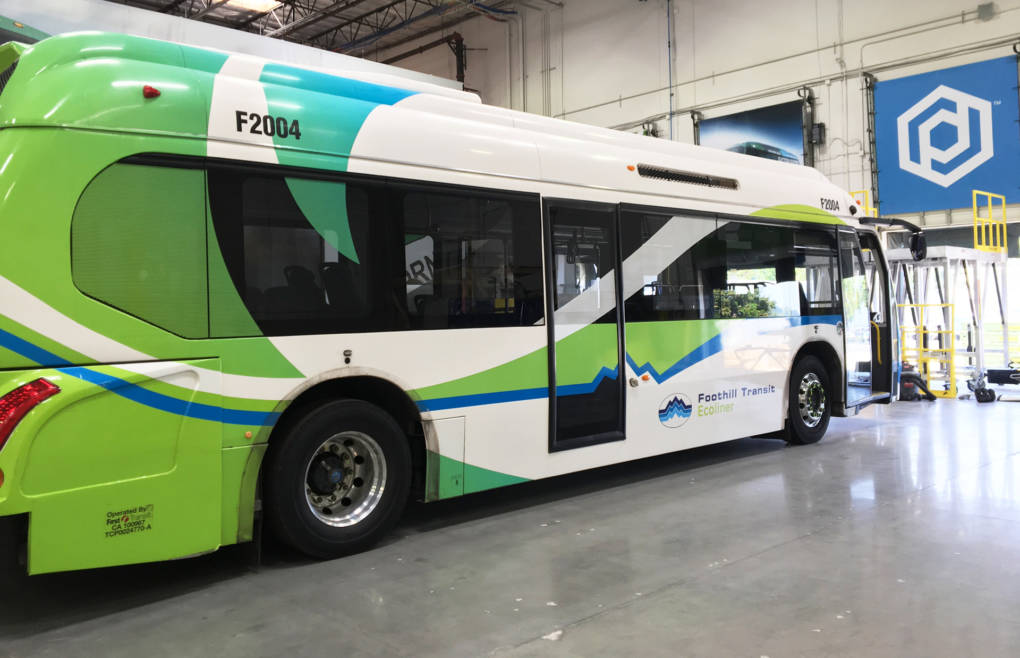
"caption": "An electric bus at the new Proterra factory in L.A.'s City of Industry.",
"description": "An electric bus at the new Proterra factory in L.A.'s City of Industry.",
"title": "ElectricBusMain",
"credit": "Avishay Artsy/KQED",
"status": "inherit",
"isLoading": false,
"fetchFailed": false
},
"news_11598769": {
"type": "attachments",
"id": "news_11598769",
"meta": {
"index": "attachments_1716263798",
"site": "news",
"id": "11598769",
"found": true
},
"parent": 11589367,
"imgSizes": {
"small": {
"file": "https://ww2.kqed.org/app/uploads/sites/10/2017/07/Screenshot-2017-07-28-10.16.38-e1501267213800-520x385.png",
"width": 520,
"mimeType": "image/png",
"height": 385
},
"thumbnail": {
"file": "https://ww2.kqed.org/app/uploads/sites/10/2017/07/Screenshot-2017-07-28-10.16.38-e1501267213800-160x119.png",
"width": 160,
"mimeType": "image/png",
"height": 119
},
"post-thumbnail": {
"file": "https://ww2.kqed.org/app/uploads/sites/10/2017/07/Screenshot-2017-07-28-10.16.38-e1501267213800-664x372.png",
"width": 664,
"mimeType": "image/png",
"height": 372
},
"xsmall": {
"file": "https://ww2.kqed.org/app/uploads/sites/10/2017/07/Screenshot-2017-07-28-10.16.38-e1501267213800-375x278.png",
"width": 375,
"mimeType": "image/png",
"height": 278
},
"kqedFullSize": {
"file": "https://ww2.kqed.org/app/uploads/sites/10/2017/07/Screenshot-2017-07-28-10.16.38-e1501267213800.png",
"width": 664,
"height": 492
},
"guest-author-50": {
"file": "https://ww2.kqed.org/app/uploads/sites/10/2017/07/Screenshot-2017-07-28-10.16.38-e1501267213800-50x50.png",
"width": 50,
"mimeType": "image/png",
"height": 50
},
"guest-author-96": {
"file": "https://ww2.kqed.org/app/uploads/sites/10/2017/07/Screenshot-2017-07-28-10.16.38-e1501267213800-96x96.png",
"width": 96,
"mimeType": "image/png",
"height": 96
},
"medium": {
"file": "https://ww2.kqed.org/app/uploads/sites/10/2017/07/Screenshot-2017-07-28-10.16.38-800x541.png",
"width": 800,
"mimeType": "image/png",
"height": 541
},
"guest-author-64": {
"file": "https://ww2.kqed.org/app/uploads/sites/10/2017/07/Screenshot-2017-07-28-10.16.38-e1501267213800-64x64.png",
"width": 64,
"mimeType": "image/png",
"height": 64
},
"guest-author-32": {
"file": "https://ww2.kqed.org/app/uploads/sites/10/2017/07/Screenshot-2017-07-28-10.16.38-e1501267213800-32x32.png",
"width": 32,
"mimeType": "image/png",
"height": 32
},
"detail": {
"file": "https://ww2.kqed.org/app/uploads/sites/10/2017/07/Screenshot-2017-07-28-10.16.38-e1501267213800-150x150.png",
"width": 150,
"mimeType": "image/png",
"height": 150
},
"guest-author-128": {
"file": "https://ww2.kqed.org/app/uploads/sites/10/2017/07/Screenshot-2017-07-28-10.16.38-e1501267213800-128x128.png",
"width": 128,
"mimeType": "image/png",
"height": 128
},
"xxsmall": {
"file": "https://ww2.kqed.org/app/uploads/sites/10/2017/07/Screenshot-2017-07-28-10.16.38-e1501267213800-240x178.png",
"width": 240,
"mimeType": "image/png",
"height": 178
}
},
"publishDate": 1501267155,
"modified": 1504142481,
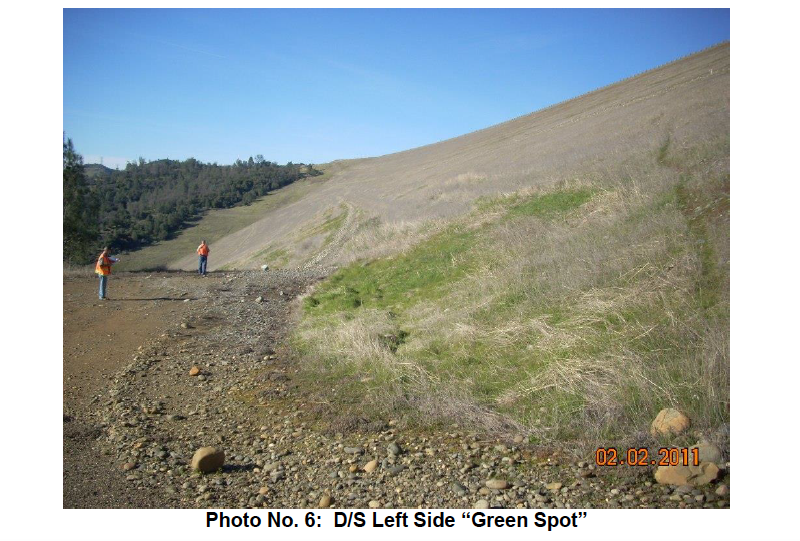
"caption": "An inspection team views seepage at Oroville Dam's green spot in February 2011. The California Department of Water Resources says moisture in the area is due to rainfall and poses no threat to dam's integrity. ",
"description": null,
"title": "Oroville Dam-Green Spot",
"credit": "California Department of Water Resources",
"status": "inherit",
"isLoading": false,
"fetchFailed": false
}
},
"audioPlayerReducer": {
"postId": "stream_live",
"isPaused": true,
"isPlaying": false,
"pfsActive": false,
"pledgeModalIsOpen": true,
"playerDrawerIsOpen": false,
"liveAudioPlayStartedAt": 0,
"liveAudioPlayContext": ""
},
"authorsReducer": {
"byline_science_1915013": {
"type": "authors",
"id": "byline_science_1915013",
"meta": {
"override": true
},
"slug": "byline_science_1915013",
"name": "\u003cstrong>Lesley McClurg and Associated Press\u003c/strong>",
"isLoading": false
},
"byline_science_1914991": {
"type": "authors",
"id": "byline_science_1914991",
"meta": {
"override": true
},
"slug": "byline_science_1914991",
"name": "\u003cstrong>Associated Press\u003c/strong>",
"isLoading": false
},
"byline_science_1914732": {
"type": "authors",
"id": "byline_science_1914732",
"meta": {
"override": true
},
"slug": "byline_science_1914732",
"name": "Lesley McClurg",
"isLoading": false
},
"byline_science_1910886": {
"type": "authors",
"id": "byline_science_1910886",
"meta": {
"override": true
},
"slug": "byline_science_1910886",
"name": "Bobby Magill\u003c/br>Climate Central",
"isLoading": false
},
"byline_news_11598951": {
"type": "authors",
"id": "byline_news_11598951",
"meta": {
"override": true
},
"slug": "byline_news_11598951",
"name": "Avishay Artsy ",
"isLoading": false
},
"danbrekke": {
"type": "authors",
"id": "222",
"meta": {
"index": "authors_1716337520",
"id": "222",
"found": true
},
"name": "Dan Brekke",
"firstName": "Dan",
"lastName": "Brekke",
"slug": "danbrekke",
"email": "dbrekke@kqed.org",
"display_author_email": true,
"staff_mastheads": [
"news",
"science"
],
"title": "KQED Editor and Reporter",
"bio": "Dan Brekke is a reporter and editor for KQED News, responsible for coverage of topics ranging from California water issues to the Bay Area's transportation challenges. In a newsroom career that began in Chicago in 1972, Dan has worked for \u003cem>The San Francisco Examiner,\u003c/em> Wired and TechTV and has been published in The New York Times, The New York Times Magazine, Business 2.0, Salon and elsewhere.\r\n\r\nSince joining KQED in 2007, Dan has reported, edited and produced both radio and online features and breaking news pieces. He has shared as both editor and reporter in four Society of Professional Journalists Norcal Excellence in Journalism awards and one Edward R. Murrow regional award. He was chosen for a spring 2017 residency at the Mesa Refuge to advance his research on California salmon.\r\n\r\nEmail Dan at: \u003ca href=\"mailto:dbrekke@kqed.org\">dbrekke@kqed.org\u003c/a>\r\n\r\n\u003cstrong>Twitter:\u003c/strong> \u003ca href=\"https://twitter.com/danbrekke\" rel=\"noopener noreferrer\">twitter.com/danbrekke\u003c/a>\r\n\u003cstrong>Facebook:\u003c/strong> \u003ca href=\"https://www.facebook.com/danbrekke\" rel=\"noopener noreferrer\">www.facebook.com/danbrekke\u003c/a>\r\n\u003cstrong>LinkedIn:\u003c/strong> \u003ca href=\"https://www.linkedin.com/in/danbrekke\" rel=\"noopener noreferrer\">www.linkedin.com/in/danbrekke\u003c/a>",
"avatar": "https://secure.gravatar.com/avatar/8f1f0d2a978fb3b23426c922c7e2af558fa36905b49c4ce76a97dc3c72d27226?s=600&d=mm&r=g",
"twitter": "danbrekke",
"bluesky": null,
"facebook": null,
"instagram": "https://www.instagram.com/dan.brekke/",
"linkedin": "https://www.linkedin.com/in/danbrekke/",
"sites": [
{
"site": "news",
"roles": [
"administrator",
"create_posts"
]
},
{
"site": "stateofhealth",
"roles": [
"editor"
]
},
{
"site": "science",
"roles": [
"editor"
]
},
{
"site": "quest",
"roles": [
"contributor"
]
},
{
"site": "food",
"roles": [
"contributor"
]
},
{
"site": "forum",
"roles": [
"contributor"
]
},
{
"site": "elections",
"roles": [
"editor"
]
},
{
"site": "liveblog",
"roles": [
"editor"
]
}
],
"headData": {
"title": "Dan Brekke | KQED",
"description": "KQED Editor and Reporter",
"ogImgSrc": "https://secure.gravatar.com/avatar/8f1f0d2a978fb3b23426c922c7e2af558fa36905b49c4ce76a97dc3c72d27226?s=600&d=mm&r=g",
"twImgSrc": "https://secure.gravatar.com/avatar/8f1f0d2a978fb3b23426c922c7e2af558fa36905b49c4ce76a97dc3c72d27226?s=600&d=mm&r=g"
},
"isLoading": false,
"link": "/author/danbrekke"
},
"laurensommer": {
"type": "authors",
"id": "239",
"meta": {
"index": "authors_1716337520",
"id": "239",
"found": true
},
"name": "Lauren Sommer",
"firstName": "Lauren",
"lastName": "Sommer",
"slug": "laurensommer",
"email": "lsommer@kqed.org",
"display_author_email": false,
"staff_mastheads": [],
"title": "KQED Contributor",
"bio": "Lauren is a radio reporter formerly covering environment, water, and energy for KQED Science. As part of her day job, she has scaled Sierra Nevada peaks, run from charging elephant seals, and desperately tried to get her sea legs - all in pursuit of good radio. Her work has appeared on Marketplace, Living on Earth, Science Friday and NPR's Morning Edition and All Things Considered. You can find her on Twitter at \u003ca href=\"https://twitter.com/lesommer\">@lesommer\u003c/a>.",
"avatar": "https://secure.gravatar.com/avatar/33aa3772bb86c6ad45b8aca6a238bbdf?s=600&d=blank&r=g",
"twitter": null,
"facebook": null,
"instagram": null,
"linkedin": null,
"sites": [
{
"site": "news",
"roles": [
"author"
]
},
{
"site": "science",
"roles": [
"editor",
"manage_content_types",
"manage_taxonomies"
]
},
{
"site": "quest",
"roles": [
"editor"
]
}
],
"headData": {
"title": "Lauren Sommer | KQED",
"description": "KQED Contributor",
"ogImgSrc": "https://secure.gravatar.com/avatar/33aa3772bb86c6ad45b8aca6a238bbdf?s=600&d=blank&r=g",
"twImgSrc": "https://secure.gravatar.com/avatar/33aa3772bb86c6ad45b8aca6a238bbdf?s=600&d=blank&r=g"
},
"isLoading": false,
"link": "/author/laurensommer"
},
"tgoldberg": {
"type": "authors",
"id": "258",
"meta": {
"index": "authors_1716337520",
"id": "258",
"found": true
},
"name": "Ted Goldberg",
"firstName": "Ted",
"lastName": "Goldberg",
"slug": "tgoldberg",
"email": "tgoldberg@kqed.org",
"display_author_email": true,
"staff_mastheads": [
"news"
],
"title": "KQED Managing Editor, News and Newscasts",
"bio": "Ted Goldberg is Managing Editor of News and Newscasts at KQED. His main reporting beat is the Bay Area's oil refining industry.\r\n\r\nPrior to joining KQED in 2014, Ted worked at CBS News and WCBS AM in New York and Bay City News and KCBS Radio in San Francisco. He graduated from Oberlin College in Ohio in 1998.",
"avatar": "https://secure.gravatar.com/avatar/30ce2e4fe89135e104f89be2394d16225b9d36c121b5b3cb7651ce642978b96f?s=600&d=blank&r=g",
"twitter": "TedrickG",
"bluesky": null,
"facebook": null,
"instagram": null,
"linkedin": null,
"sites": [
{
"site": "news",
"roles": [
"editor"
]
},
{
"site": "science",
"roles": [
"editor"
]
}
],
"headData": {
"title": "Ted Goldberg | KQED",
"description": "KQED Managing Editor, News and Newscasts",
"ogImgSrc": "https://secure.gravatar.com/avatar/30ce2e4fe89135e104f89be2394d16225b9d36c121b5b3cb7651ce642978b96f?s=600&d=blank&r=g",
"twImgSrc": "https://secure.gravatar.com/avatar/30ce2e4fe89135e104f89be2394d16225b9d36c121b5b3cb7651ce642978b96f?s=600&d=blank&r=g"
},
"isLoading": false,
"link": "/author/tgoldberg"
},
"markfiore": {
"type": "authors",
"id": "3236",
"meta": {
"index": "authors_1716337520",
"id": "3236",
"found": true
},
"name": "Mark Fiore",
"firstName": "Mark",
"lastName": "Fiore",
"slug": "markfiore",
"email": "mark@markfiore.com",
"display_author_email": false,
"staff_mastheads": [
"news"
],
"title": "KQED News Cartoonist",
"bio": "\u003ca href=\"http://www.MarkFiore.com\">MarkFiore.com\u003c/a> | \u003ca href=\"https://twitter.com/markfiore\">Follow on Twitter\u003c/a> | \u003ca href=\"https://www.facebook.com/pages/Mark-Fiore-Animated-Political-Cartoons/94451707396?ref=bookmarks\">Facebook\u003c/a> | \u003ca href=\"mailto:mark@markfiore.com\">email\u003c/a>\r\n\r\nPulitzer Prize-winner, Mark Fiore, who the Wall Street Journal has called “the undisputed guru of the form,” creates animated political cartoons in San Francisco, where his work has been featured regularly on the San Francisco Chronicle’s web site, SFGate.com. His work has appeared on Newsweek.com, Slate.com, CBSNews.com, MotherJones.com, DailyKos.com and NPR’s web site. Fiore’s political animation has appeared on CNN, Frontline, Bill Moyers Journal, Salon.com and cable and broadcast outlets across the globe.\r\n\r\nBeginning his professional life by drawing traditional political cartoons for newspapers, Fiore’s work appeared in publications ranging from the Washington Post to the Los Angeles Times. In the late 1990s, he began to experiment with animating political cartoons and, after a short stint at the San Jose Mercury News as their staff cartoonist, Fiore devoted all his energies to animation.\r\nGrowing up in California, Fiore also spent a good portion of his life in the backwoods of Idaho. It was this combination that shaped him politically. Mark majored in political science at Colorado College, where, in a perfect send-off for a cartoonist, he received his diploma in 1991 as commencement speaker Dick Cheney smiled approvingly.\r\nMark Fiore was awarded the Pulitzer Prize for political cartooning in 2010, a Robert F. Kennedy Journalism Award in 2004 and has twice received an Online Journalism Award for commentary from the Online News Association (2002, 2008). Fiore has received two awards for his work in new media from the National Cartoonists Society (2001, 2002), and in 2006 received The James Madison Freedom of Information Award from The Society of Professional Journalists.",
"avatar": "https://secure.gravatar.com/avatar/fc4e2a612b15b67bad0c6f0e1db4ca9b?s=600&d=blank&r=g",
"twitter": "MarkFiore",
"facebook": null,
"instagram": "https://www.instagram.com/markfiore/?hl=en",
"linkedin": null,
"sites": [
{
"site": "arts",
"roles": [
"contributor"
]
},
{
"site": "news",
"roles": [
"editor"
]
},
{
"site": "futureofyou",
"roles": [
"editor"
]
},
{
"site": "science",
"roles": [
"editor"
]
}
],
"headData": {
"title": "Mark Fiore | KQED",
"description": "KQED News Cartoonist",
"ogImgSrc": "https://secure.gravatar.com/avatar/fc4e2a612b15b67bad0c6f0e1db4ca9b?s=600&d=blank&r=g",
"twImgSrc": "https://secure.gravatar.com/avatar/fc4e2a612b15b67bad0c6f0e1db4ca9b?s=600&d=blank&r=g"
},
"isLoading": false,
"link": "/author/markfiore"
},
"lindseyhoshaw": {
"type": "authors",
"id": "5432",
"meta": {
"index": "authors_1716337520",
"id": "5432",
"found": true
},
"name": "Lindsey Hoshaw",
"firstName": "Lindsey",
"lastName": "Hoshaw",
"slug": "lindseyhoshaw",
"email": "lhoshaw@kqed.org",
"display_author_email": false,
"staff_mastheads": [],
"title": "KQED Contributor",
"bio": "Lindsey Hoshaw is a former interactive producer for KQED Science. Before joining KQED, Lindsey was a science correspondent for The New York Times, The Boston Globe, Forbes and Scientific American. On Twitter @lindseyhoshaw",
"avatar": "https://secure.gravatar.com/avatar/274b07694c998eaa8f26cfabaa941186?s=600&d=mm&r=g",
"twitter": "lindseyhoshaw",
"facebook": "lindsey.hoshaw.9",
"instagram": null,
"linkedin": null,
"sites": [
{
"site": "arts",
"roles": [
"author"
]
},
{
"site": "news",
"roles": [
"subscriber"
]
},
{
"site": "futureofyou",
"roles": [
"editor"
]
},
{
"site": "bayareabites",
"roles": [
"contributor"
]
},
{
"site": "stateofhealth",
"roles": [
"author"
]
},
{
"site": "science",
"roles": [
"edit_theme_options",
"subscriber"
]
},
{
"site": "quest",
"roles": [
"edit_post_subscriptions",
"edit_usergroups",
"unfiltered_html",
"unfiltered_upload",
"leadcoordinator",
"editor"
]
},
{
"site": "food",
"roles": []
}
],
"headData": {
"title": "Lindsey Hoshaw | KQED",
"description": "KQED Contributor",
"ogImgSrc": "https://secure.gravatar.com/avatar/274b07694c998eaa8f26cfabaa941186?s=600&d=mm&r=g",
"twImgSrc": "https://secure.gravatar.com/avatar/274b07694c998eaa8f26cfabaa941186?s=600&d=mm&r=g"
},
"isLoading": false,
"link": "/author/lindseyhoshaw"
},
"joshua-cassidy": {
"type": "authors",
"id": "6219",
"meta": {
"index": "authors_1716337520",
"id": "6219",
"found": true
},
"name": "Josh Cassidy",
"firstName": "Josh",
"lastName": "Cassidy",
"slug": "joshua-cassidy",
"email": "jcassidy@kqed.org",
"display_author_email": false,
"staff_mastheads": [
"science"
],
"title": "Digital Video Producer",
"bio": "Josh is a Senior Video Producer for KQED Science, and the Lead Producer and Cinematographer for Deep Look. After receiving his BS in Wildlife Biology from Ohio University, he went on to participate in marine mammal research for NOAA, USGS and the Intersea Foundation. He also served as the president of The Pacific Cetacean Group, a nonprofit organization dedicated to teaching students K-6 about whales. Josh studied science and natural history filmmaking at San Francisco State University and Montana State University.",
"avatar": "https://secure.gravatar.com/avatar/f2582a0801a35af53b734d56bcac2bbe?s=600&d=blank&r=g",
"twitter": null,
"facebook": null,
"instagram": null,
"linkedin": null,
"sites": [
{
"site": "science",
"roles": [
"editor"
]
},
{
"site": "quest",
"roles": [
"author",
"edit_others_posts"
]
}
],
"headData": {
"title": "Josh Cassidy | KQED",
"description": "Digital Video Producer",
"ogImgSrc": "https://secure.gravatar.com/avatar/f2582a0801a35af53b734d56bcac2bbe?s=600&d=blank&r=g",
"twImgSrc": "https://secure.gravatar.com/avatar/f2582a0801a35af53b734d56bcac2bbe?s=600&d=blank&r=g"
},
"isLoading": false,
"link": "/author/joshua-cassidy"
},
"akusmer": {
"type": "authors",
"id": "11361",
"meta": {
"index": "authors_1716337520",
"id": "11361",
"found": true
},
"name": "Anna Kusmer",
"firstName": "Anna",
"lastName": "Kusmer",
"slug": "akusmer",
"email": "akusmer@kqed.org",
"display_author_email": false,
"staff_mastheads": [],
"title": "News Intern",
"bio": "Anna Kusmer was a 2018 KQED News intern. She has worked as an ecologist and a hamburger flipper. She is also a freelance writer with stories appearing in NPR and PBS.",
"avatar": "https://secure.gravatar.com/avatar/307ee2fc39d2a9dffeaad0482e616c80?s=600&d=blank&r=g",
"twitter": "askusmer",
"facebook": null,
"instagram": null,
"linkedin": null,
"sites": [
{
"site": "news",
"roles": [
"subscriber"
]
},
{
"site": "futureofyou",
"roles": [
"editor"
]
},
{
"site": "science",
"roles": []
}
],
"headData": {
"title": "Anna Kusmer | KQED",
"description": "News Intern",
"ogImgSrc": "https://secure.gravatar.com/avatar/307ee2fc39d2a9dffeaad0482e616c80?s=600&d=blank&r=g",
"twImgSrc": "https://secure.gravatar.com/avatar/307ee2fc39d2a9dffeaad0482e616c80?s=600&d=blank&r=g"
},
"isLoading": false,
"link": "/author/akusmer"
}
},
"pagesReducer": {
"science_category_environment": {
"type": "terms",
"id": "science_35",
"meta": {
"index": "terms_1716263798",
"site": "science",
"id": "35",
"score": 12.138525
},
"featImg": null,
"name": "Environment",
"description": null,
"taxonomy": "category",
"headData": {
"twImgId": null,
"twTitle": null,
"ogTitle": null,
"ogImgId": null,
"twDescription": null,
"description": null,
"title": "Environment Archives | KQED Science",
"ogDescription": null
},
"ttid": 37,
"slug": "environment",
"isLoading": false,
"title": "Environment",
"pageMeta": {
"site": "science",
"WpPageTemplate": "page-topic-editorial",
"currentPage": 99
},
"blocks": [
{
"blockName": "kqed/post-list",
"attrs": {
"layout": "cardArticle2",
"query": "posts/science?category=environment",
"seeMore": false,
"paginated": true,
"page": 99
}
},
{
"blockName": "kqed/ad"
}
]
}
},
"pfsSessionReducer": {},
"postsReducer": {
"stream_live": {
"type": "live",
"id": "stream_live",
"audioUrl": "https://streams.kqed.org/kqedradio",
"title": "Live Stream",
"excerpt": "Live Stream information currently unavailable.",
"link": "/radio",
"featImg": "",
"label": {
"name": "KQED Live",
"link": "/"
}
},
"stream_kqedNewscast": {
"type": "posts",
"id": "stream_kqedNewscast",
"audioUrl": "https://www.kqed.org/.stream/anon/radio/RDnews/newscast.mp3?_=1",
"title": "KQED Newscast",
"featImg": "",
"label": {
"name": "88.5 FM",
"link": "/"
}
},
"science_1915013": {
"type": "posts",
"id": "science_1915013",
"meta": {
"index": "posts_1716263798",
"site": "science",
"id": "1915013",
"score": null,
"sort": [
1503619294000
]
},
"parent": 0,
"labelTerm": {},
"blocks": [],
"publishDate": 1503619294,
"format": "standard",
"title": "Interior Secretary Recommendations on National Monuments Remain Secret",
"headTitle": "Interior Secretary Recommendations on National Monuments Remain Secret | KQED",
"content": "\u003cp>Interior Secretary Ryan Zinke is recommending that none of 27 national monuments under review by the Trump administration should be eliminated, but is not releasing publicly his recommendations for how many acres should be removed from protection.\u003c/p>\n\u003cp>The agency released a \u003ca href=\"https://www.doi.gov/sites/doi.gov/files/uploads/monument-report-summary.pdf\">draft summary \u003c/a>today that gave no information about which monuments would be affected or how extensively they might be changed, but did say that in some monuments, “boundaries could not be supported by science or reasons of practical resource management.”\u003c/p>\n\u003cp>Zinke told The Associated Press there would be changes to a “handful” of national monuments. He said he will recommend adjusting the boundaries of some monuments though none of the sites would revert to new ownership.\u003c/p>\n\u003cp>In a \u003ca href=\"https://www.doi.gov/pressreleases/secretary-zinke-sends-monument-report-white-house\">press release\u003c/a> Thursday, Zinke said his review “provides a much needed change for the local communities who border and rely on these lands for hunting and fishing, economic development, traditional uses, and recreation.”\u003c/p>\n\u003cp>He also spoke of protecting tribal interests and historical land grants, pointing to monuments in New Mexico, where Hispanic ranchers have opposed two monuments proclaimed by President Barack Obama.\u003c/p>\n\u003cp>[ad fullwidth]\u003c/p>\n\u003cp>More concrete details are not available. The White House told KQED a final report will be released in coming weeks.\u003c/p>\n\u003cp>\u003cstrong>Environmentalists Aghast at Lack of Transparency\u003c/strong>\u003c/p>\n\u003cp>“This is further evidence that this bogus review was all along a front for a much more ominous and well-orchestrated agenda to dismantle America’s natural treasures for the benefit of private profiteers,” said Dan Rossman of the Wilderness Society. “Sacred places like Bears Ears and other public lands are not commodities to be given away in sweetheart business deals for the fossil fuel and logging industries.”\u003c/p>\n\u003cp>Significant reductions in the size of the monuments, especially those created by Obama, would mark the latest in a string of actions where Trump has sought to erode his Democratic predecessor’s legacy.\u003c/p>\n\u003cp>In February, Trump directed Zinke to review national monuments that protect more than 100,000 acres and were established after 1996. There are 27 monuments that fall within that category, including six in California. Since that time, Zinke has recommended no changes be made to Sand and Snow National Monument or to five monuments in other states.\u003c/p>\n\u003cp>\u003cstrong>What’s at Stake\u003c/strong>\u003c/p>\n\u003cp>Zinke conducted an unprecedented four-month review fueled by the belief that the century-old Antiquities Act had been misused by past presidents to create oversized monuments that hinder energy development, grazing and recreational uses.\u003c/p>\n\u003cp>The review raised alarm among conservationists concerned by the possible loss of ancient cliff dwellings, towering sequoia trees, deep canyons and ocean habitats. Rossman emphasized that more than 90 percent of the public comments were opposed to altering any public land protections.\u003c/p>\n\u003cp>“This review continues to be run like a bad reality TV show. The American public — particularly the 2.8 million Americans who took the time to express opposition to changing protections for our natural wonders — are left wondering just what Secretary Zinke is recommending,” said Rossman.\u003c/p>\n\u003cp>Zinke declined to reveal details on his recommendations for individual sites in an interview with the The Associated Press.\u003c/p>\n\u003cp>He also struck back against conservationists who had warned of impending mass selloffs of public lands by the Trump administration.\u003c/p>\n\u003cp>“I’ve heard this narrative that somehow the land is going to be sold or transferred,” Zinke said. “That narrative is patently false and shameful. The land was public before and it will be public after.”\u003c/p>\n\u003cp>\u003cstrong>Impending Legal Battle\u003cbr>\n\u003c/strong>\u003c/p>\n\u003cp>National monument designations add protections for lands revered for their natural beauty and historical significance with the goal of preserving them for future generations. The restrictions aren’t as stringent as national parks, but some policies include limits on mining, timber cutting and recreational activities such as riding off-road vehicles.\u003c/p>\n\u003cp>The Wilderness Society says any efforts to reduce national monuments are unacceptable, unprecedented and likely to be overturned in court.\u003c/p>\n\u003cp>Senator Dianne Feinstein has pledged that California will fight any attempt to eliminate protected land. In a press release today she said, “Unfortunately, he’s [Zinke] keeping the details of that decision secret, providing nothing more than a brief report summary that fails to name the monuments he suggests cutting. The American people have the right to see his entire report. A proposal to strip protections from public lands should be made public immediately.”\u003c/p>\n\u003cp>\u003cstrong>The History of National Monuments\u003c/strong>\u003c/p>\n\u003cp>The monuments under review were designated by four presidents over the last two decades. Several are about the size of the state of Delaware, including Mojave Trails in California, and Utah’s Grand-Staircase Escalante National Monument and Bears Ears, which is on sacred tribal land.\u003c/p>\n\u003cp>Many national monuments were later declared national parks. Among them were Zion National Park in Utah and Grand Canyon National Park in Arizona.\u003c/p>\n\u003cp>No other president has tried to eliminate a monument, but the National Park Service says presidents have trimmed and redrawn boundaries 18 times.\u003c/p>\n\u003cp>Many times, presidents reduced monuments only slightly, as when Franklin Roosevelt removed about 52 acres from Arizona’s Wupatki National Monument in 1941 to make way for a dam. But occasionally the changes were drastic, like President Woodrow Wilson’s move in 1915 to cut Mount Olympus National Monument roughly in half to open more land for logging.\u003c/p>\n\u003cp>Environmental groups said the 1906 Antiquities Act is intended to shield significant historical and archaeological sites, and that it allows presidents to create the monuments, but gives only Congress the power to modify them.\u003c/p>\n\u003cp>\u003c/p>\n\u003cp> \u003c/p>\n\n",
"stats": {
"hasVideo": false,
"hasChartOrMap": false,
"hasAudio": false,
"hasPolis": false,
"wordCount": 947,
"hasGoogleForm": false,
"hasGallery": false,
"hasHearkenModule": false,
"iframeSrcs": [],
"paragraphCount": 29
},
"modified": 1704928411,
"excerpt": "The Interior Secretary released vague recommendations to shrink national monuments. ",
"headData": {
"twImgId": "",
"twTitle": "",
"ogTitle": "",
"ogImgId": "",
"twDescription": "",
"description": "The Interior Secretary released vague recommendations to shrink national monuments. ",
"title": "Interior Secretary Recommendations on National Monuments Remain Secret | KQED",
"ogDescription": "",
"schema": {
"@context": "https://schema.org",
"@type": "Article",
"headline": "Interior Secretary Recommendations on National Monuments Remain Secret",
"datePublished": "2017-08-24T17:01:34-07:00",
"dateModified": "2024-01-10T15:13:31-08:00",
"image": "https://cdn.kqed.org/wp-content/uploads/2020/02/KQED-OG-Image@1x.png"
}
},
"guestAuthors": [],
"slug": "interior-secretary-recommendations-on-national-monuments-remain-secret",
"status": "publish",
"nprByline": "\u003cstrong>Lesley McClurg and Associated Press\u003c/strong>",
"sticky": false,
"source": "News",
"path": "/science/1915013/interior-secretary-recommendations-on-national-monuments-remain-secret",
"audioTrackLength": null,
"parsedContent": [
{
"type": "contentString",
"content": "\u003cdiv class=\"post-body\">\u003cp>\u003cp>Interior Secretary Ryan Zinke is recommending that none of 27 national monuments under review by the Trump administration should be eliminated, but is not releasing publicly his recommendations for how many acres should be removed from protection.\u003c/p>\n\u003cp>The agency released a \u003ca href=\"https://www.doi.gov/sites/doi.gov/files/uploads/monument-report-summary.pdf\">draft summary \u003c/a>today that gave no information about which monuments would be affected or how extensively they might be changed, but did say that in some monuments, “boundaries could not be supported by science or reasons of practical resource management.”\u003c/p>\n\u003cp>Zinke told The Associated Press there would be changes to a “handful” of national monuments. He said he will recommend adjusting the boundaries of some monuments though none of the sites would revert to new ownership.\u003c/p>\n\u003cp>In a \u003ca href=\"https://www.doi.gov/pressreleases/secretary-zinke-sends-monument-report-white-house\">press release\u003c/a> Thursday, Zinke said his review “provides a much needed change for the local communities who border and rely on these lands for hunting and fishing, economic development, traditional uses, and recreation.”\u003c/p>\n\u003cp>He also spoke of protecting tribal interests and historical land grants, pointing to monuments in New Mexico, where Hispanic ranchers have opposed two monuments proclaimed by President Barack Obama.\u003c/p>\n\u003cp>\u003c/p>\u003c/div>",
"attributes": {
"named": {},
"numeric": []
}
},
{
"type": "component",
"content": "",
"name": "ad",
"attributes": {
"named": {
"label": "fullwidth"
},
"numeric": [
"fullwidth"
]
}
},
{
"type": "contentString",
"content": "\u003cdiv class=\"post-body\">\u003cp>\u003c/p>\n\u003cp>More concrete details are not available. The White House told KQED a final report will be released in coming weeks.\u003c/p>\n\u003cp>\u003cstrong>Environmentalists Aghast at Lack of Transparency\u003c/strong>\u003c/p>\n\u003cp>“This is further evidence that this bogus review was all along a front for a much more ominous and well-orchestrated agenda to dismantle America’s natural treasures for the benefit of private profiteers,” said Dan Rossman of the Wilderness Society. “Sacred places like Bears Ears and other public lands are not commodities to be given away in sweetheart business deals for the fossil fuel and logging industries.”\u003c/p>\n\u003cp>Significant reductions in the size of the monuments, especially those created by Obama, would mark the latest in a string of actions where Trump has sought to erode his Democratic predecessor’s legacy.\u003c/p>\n\u003cp>In February, Trump directed Zinke to review national monuments that protect more than 100,000 acres and were established after 1996. There are 27 monuments that fall within that category, including six in California. Since that time, Zinke has recommended no changes be made to Sand and Snow National Monument or to five monuments in other states.\u003c/p>\n\u003cp>\u003cstrong>What’s at Stake\u003c/strong>\u003c/p>\n\u003cp>Zinke conducted an unprecedented four-month review fueled by the belief that the century-old Antiquities Act had been misused by past presidents to create oversized monuments that hinder energy development, grazing and recreational uses.\u003c/p>\n\u003cp>The review raised alarm among conservationists concerned by the possible loss of ancient cliff dwellings, towering sequoia trees, deep canyons and ocean habitats. Rossman emphasized that more than 90 percent of the public comments were opposed to altering any public land protections.\u003c/p>\n\u003cp>“This review continues to be run like a bad reality TV show. The American public — particularly the 2.8 million Americans who took the time to express opposition to changing protections for our natural wonders — are left wondering just what Secretary Zinke is recommending,” said Rossman.\u003c/p>\n\u003cp>Zinke declined to reveal details on his recommendations for individual sites in an interview with the The Associated Press.\u003c/p>\n\u003cp>He also struck back against conservationists who had warned of impending mass selloffs of public lands by the Trump administration.\u003c/p>\n\u003cp>“I’ve heard this narrative that somehow the land is going to be sold or transferred,” Zinke said. “That narrative is patently false and shameful. The land was public before and it will be public after.”\u003c/p>\n\u003cp>\u003cstrong>Impending Legal Battle\u003cbr>\n\u003c/strong>\u003c/p>\n\u003cp>National monument designations add protections for lands revered for their natural beauty and historical significance with the goal of preserving them for future generations. The restrictions aren’t as stringent as national parks, but some policies include limits on mining, timber cutting and recreational activities such as riding off-road vehicles.\u003c/p>\n\u003cp>The Wilderness Society says any efforts to reduce national monuments are unacceptable, unprecedented and likely to be overturned in court.\u003c/p>\n\u003cp>Senator Dianne Feinstein has pledged that California will fight any attempt to eliminate protected land. In a press release today she said, “Unfortunately, he’s [Zinke] keeping the details of that decision secret, providing nothing more than a brief report summary that fails to name the monuments he suggests cutting. The American people have the right to see his entire report. A proposal to strip protections from public lands should be made public immediately.”\u003c/p>\n\u003cp>\u003cstrong>The History of National Monuments\u003c/strong>\u003c/p>\n\u003cp>The monuments under review were designated by four presidents over the last two decades. Several are about the size of the state of Delaware, including Mojave Trails in California, and Utah’s Grand-Staircase Escalante National Monument and Bears Ears, which is on sacred tribal land.\u003c/p>\n\u003cp>Many national monuments were later declared national parks. Among them were Zion National Park in Utah and Grand Canyon National Park in Arizona.\u003c/p>\n\u003cp>No other president has tried to eliminate a monument, but the National Park Service says presidents have trimmed and redrawn boundaries 18 times.\u003c/p>\n\u003cp>Many times, presidents reduced monuments only slightly, as when Franklin Roosevelt removed about 52 acres from Arizona’s Wupatki National Monument in 1941 to make way for a dam. But occasionally the changes were drastic, like President Woodrow Wilson’s move in 1915 to cut Mount Olympus National Monument roughly in half to open more land for logging.\u003c/p>\n\u003cp>Environmental groups said the 1906 Antiquities Act is intended to shield significant historical and archaeological sites, and that it allows presidents to create the monuments, but gives only Congress the power to modify them.\u003c/p>\n\u003cp>\u003c/p>\n\u003cp> \u003c/p>\n\n\u003c/div>\u003c/p>",
"attributes": {
"named": {},
"numeric": []
}
}
],
"link": "/science/1915013/interior-secretary-recommendations-on-national-monuments-remain-secret",
"authors": [
"byline_science_1915013"
],
"categories": [
"science_35",
"science_40"
],
"tags": [
"science_3370",
"science_2170",
"science_3322"
],
"featImg": "science_1112762",
"label": "source_science_1915013"
},
"science_1914991": {
"type": "posts",
"id": "science_1914991",
"meta": {
"index": "posts_1716263798",
"site": "science",
"id": "1914991",
"score": null,
"sort": [
1503590350000
]
},
"parent": 0,
"labelTerm": {},
"blocks": [],
"publishDate": 1503590350,
"format": "standard",
"title": "Zinke Expected to Release Details on Future of National Monuments Today",
"headTitle": "Zinke Expected to Release Details on Future of National Monuments Today | KQED",
"content": "\u003cp>BILLINGS, Mont. (AP) — Interior Secretary Ryan Zinke said he’s recommending that none of 27 national monuments carved from wilderness and ocean and under review by the Trump administration be eliminated.\u003c/p>\n\u003cp>But there would be changes to a “handful,” he said.\u003c/p>\n\u003cp>Zinke told The Associated Press that unspecified boundary adjustments for some monuments designated over the past four decades will be included in the recommendations he planned to give President Donald Trump on Thursday. None of the sites would revert to new ownership, he said, while public access for uses such as hunting, fishing or grazing would be maintained or restored.\u003c/p>\n\u003cp>He also spoke of protecting tribal interests and historical land grants, pointing to monuments in New Mexico, where Hispanic ranchers have opposed two monuments proclaimed by President Barack Obama.\u003c/p>\n\u003cp>Zinke declined to say whether portions of the monuments would be opened up to oil and gas drilling, mining, logging and other industries for which Trump has advocated.\u003c/p>\n\u003cp>[ad fullwidth]\u003c/p>\n\u003cp>There was no immediate comment from the White House.\u003c/p>\n\u003cp>If Trump adopts the recommendations, it would quiet some of the worst fears of his opponents, who warned that vast public lands and marine areas could be lost to states or private interests.\u003c/p>\n\u003cp>But significant reductions in the size of the monuments, especially those created by Obama, would mark the latest in a string of actions where Trump has sought to erode his Democratic predecessor’s legacy.\u003c/p>\n\u003cp>“There’s an expectation we need to look out 100 years from now to keep the public land experience alive in this country,” Zinke said. “You can protect the monument by keeping public access to traditional uses.”\u003c/p>\n\u003cp>The recommendations cap an unprecedented four-month review based on a belief that the century-old Antiquities Act had been misused by past presidents to create oversized monuments that hinder energy development, grazing and other uses.\u003c/p>\n\u003cp>The review raised alarm among conservationists who said protections could be lost for areas that are home to ancient cliff dwellings, towering sequoia trees, deep canyons and ocean habitats. They’ve vowed to file lawsuits if Trump attempts any changes that would reduce the size of monuments or rescind their designations.\u003c/p>\n\u003cp>Zinke had previously announced that no changes would be made at six national monuments — in Montana, Colorado, Idaho, California, Arizona and Washington. He’s also said that Bears Ears monument in Utah should be downsized.\u003c/p>\n\u003cp>The former Montana congressman declined to reveal specifics on individual sites in an interview with the AP. He offered no further details on his recommendations for the two New Mexico monuments — Organ Mountains-Desert Peaks National Monument and the Rio Grande del Norte National Monument.\u003c/p>\n\u003cp>He also struck back against conservationists who had warned of impending mass selloffs of public lands by the Trump administration.\u003c/p>\n\u003cp>“I’ve heard this narrative that somehow the land is going to be sold or transferred,” Zinke said. “That narrative is patently false and shameful. The land was public before and it will be public after.”\u003c/p>\n\u003cp>National monument designations add protections for lands revered for their natural beauty and historical significance with the goal of preserving them for future generations. The restrictions aren’t as stringent as national parks, but some policies include limits on mining, timber cutting and recreational activities such as riding off-road vehicles.\u003c/p>\n\u003cp>The monuments under review were designated by four presidents over the last two decades. Several are about the size of the state of Delaware, including Mojave Trails in California, Grand-Staircase Escalante in Utah and Bears Ears, which is on sacred tribal land.\u003c/p>\n\u003cp>Many national monuments were later declared national parks. Among them were Zion National Park in Utah and Grand Canyon National Park in Arizona.\u003c/p>\n\u003cp>No other president has tried to eliminate a monument, but some have trimmed and redrawn boundaries 18 times, according to the National Park Service.\u003c/p>\n\u003cp>Many times, presidents reduced monuments only slightly, like when Franklin Roosevelt removed about 52 acres from Arizona’s Wupatki National Monument in 1941 to make way for a dam. But occasionally the changes were drastic, like President Woodrow Wilson’s move in 1915 to cut Mount Olympus National Monument roughly in half to open more land for logging.\u003c/p>\n\u003cp>\u003c/p>\n\u003cp>Environmental groups said the 1906 Antiquities Act is intended to shield significant historical and archaeological sites, and that it allows presidents to create the monuments, but only gives Congress the power to modify them.\u003c/p>\n\n",
"stats": {
"hasVideo": false,
"hasChartOrMap": false,
"hasAudio": false,
"hasPolis": false,
"wordCount": 751,
"hasGoogleForm": false,
"hasGallery": false,
"hasHearkenModule": false,
"iframeSrcs": [],
"paragraphCount": 23
},
"modified": 1704928413,
"excerpt": "Zinke declined to say whether portions of the monuments would be opened up to oil and gas drilling, mining, or logging.",
"headData": {
"twImgId": "",
"twTitle": "",
"ogTitle": "",
"ogImgId": "",
"twDescription": "",
"description": "Zinke declined to say whether portions of the monuments would be opened up to oil and gas drilling, mining, or logging.",
"title": "Zinke Expected to Release Details on Future of National Monuments Today | KQED",
"ogDescription": "",
"schema": {
"@context": "https://schema.org",
"@type": "Article",
"headline": "Zinke Expected to Release Details on Future of National Monuments Today",
"datePublished": "2017-08-24T08:59:10-07:00",
"dateModified": "2024-01-10T15:13:33-08:00",
"image": "https://cdn.kqed.org/wp-content/uploads/2020/02/KQED-OG-Image@1x.png"
}
},
"guestAuthors": [],
"slug": "a-handful-of-monuments-will-be-changed-zinke-says",
"status": "publish",
"nprByline": "\u003cstrong>Associated Press\u003c/strong>",
"sticky": false,
"source": "News",
"path": "/science/1914991/a-handful-of-monuments-will-be-changed-zinke-says",
"audioTrackLength": null,
"parsedContent": [
{
"type": "contentString",
"content": "\u003cdiv class=\"post-body\">\u003cp>\u003cp>BILLINGS, Mont. (AP) — Interior Secretary Ryan Zinke said he’s recommending that none of 27 national monuments carved from wilderness and ocean and under review by the Trump administration be eliminated.\u003c/p>\n\u003cp>But there would be changes to a “handful,” he said.\u003c/p>\n\u003cp>Zinke told The Associated Press that unspecified boundary adjustments for some monuments designated over the past four decades will be included in the recommendations he planned to give President Donald Trump on Thursday. None of the sites would revert to new ownership, he said, while public access for uses such as hunting, fishing or grazing would be maintained or restored.\u003c/p>\n\u003cp>He also spoke of protecting tribal interests and historical land grants, pointing to monuments in New Mexico, where Hispanic ranchers have opposed two monuments proclaimed by President Barack Obama.\u003c/p>\n\u003cp>Zinke declined to say whether portions of the monuments would be opened up to oil and gas drilling, mining, logging and other industries for which Trump has advocated.\u003c/p>\n\u003cp>\u003c/p>\u003c/div>",
"attributes": {
"named": {},
"numeric": []
}
},
{
"type": "component",
"content": "",
"name": "ad",
"attributes": {
"named": {
"label": "fullwidth"
},
"numeric": [
"fullwidth"
]
}
},
{
"type": "contentString",
"content": "\u003cdiv class=\"post-body\">\u003cp>\u003c/p>\n\u003cp>There was no immediate comment from the White House.\u003c/p>\n\u003cp>If Trump adopts the recommendations, it would quiet some of the worst fears of his opponents, who warned that vast public lands and marine areas could be lost to states or private interests.\u003c/p>\n\u003cp>But significant reductions in the size of the monuments, especially those created by Obama, would mark the latest in a string of actions where Trump has sought to erode his Democratic predecessor’s legacy.\u003c/p>\n\u003cp>“There’s an expectation we need to look out 100 years from now to keep the public land experience alive in this country,” Zinke said. “You can protect the monument by keeping public access to traditional uses.”\u003c/p>\n\u003cp>The recommendations cap an unprecedented four-month review based on a belief that the century-old Antiquities Act had been misused by past presidents to create oversized monuments that hinder energy development, grazing and other uses.\u003c/p>\n\u003cp>The review raised alarm among conservationists who said protections could be lost for areas that are home to ancient cliff dwellings, towering sequoia trees, deep canyons and ocean habitats. They’ve vowed to file lawsuits if Trump attempts any changes that would reduce the size of monuments or rescind their designations.\u003c/p>\n\u003cp>Zinke had previously announced that no changes would be made at six national monuments — in Montana, Colorado, Idaho, California, Arizona and Washington. He’s also said that Bears Ears monument in Utah should be downsized.\u003c/p>\n\u003cp>The former Montana congressman declined to reveal specifics on individual sites in an interview with the AP. He offered no further details on his recommendations for the two New Mexico monuments — Organ Mountains-Desert Peaks National Monument and the Rio Grande del Norte National Monument.\u003c/p>\n\u003cp>He also struck back against conservationists who had warned of impending mass selloffs of public lands by the Trump administration.\u003c/p>\n\u003cp>“I’ve heard this narrative that somehow the land is going to be sold or transferred,” Zinke said. “That narrative is patently false and shameful. The land was public before and it will be public after.”\u003c/p>\n\u003cp>National monument designations add protections for lands revered for their natural beauty and historical significance with the goal of preserving them for future generations. The restrictions aren’t as stringent as national parks, but some policies include limits on mining, timber cutting and recreational activities such as riding off-road vehicles.\u003c/p>\n\u003cp>The monuments under review were designated by four presidents over the last two decades. Several are about the size of the state of Delaware, including Mojave Trails in California, Grand-Staircase Escalante in Utah and Bears Ears, which is on sacred tribal land.\u003c/p>\n\u003cp>Many national monuments were later declared national parks. Among them were Zion National Park in Utah and Grand Canyon National Park in Arizona.\u003c/p>\n\u003cp>No other president has tried to eliminate a monument, but some have trimmed and redrawn boundaries 18 times, according to the National Park Service.\u003c/p>\n\u003cp>Many times, presidents reduced monuments only slightly, like when Franklin Roosevelt removed about 52 acres from Arizona’s Wupatki National Monument in 1941 to make way for a dam. But occasionally the changes were drastic, like President Woodrow Wilson’s move in 1915 to cut Mount Olympus National Monument roughly in half to open more land for logging.\u003c/p>\n\u003cp>\u003c/p>\n\u003cp>Environmental groups said the 1906 Antiquities Act is intended to shield significant historical and archaeological sites, and that it allows presidents to create the monuments, but only gives Congress the power to modify them.\u003c/p>\n\n\u003c/div>\u003c/p>",
"attributes": {
"named": {},
"numeric": []
}
}
],
"link": "/science/1914991/a-handful-of-monuments-will-be-changed-zinke-says",
"authors": [
"byline_science_1914991"
],
"categories": [
"science_35",
"science_40"
],
"tags": [
"science_3370"
],
"featImg": "science_1716366",
"label": "source_science_1914991"
},
"science_1914629": {
"type": "posts",
"id": "science_1914629",
"meta": {
"index": "posts_1716263798",
"site": "science",
"id": "1914629",
"score": null,
"sort": [
1503471679000
]
},
"parent": 0,
"labelTerm": {
"site": "science"
},
"blocks": [],
"publishDate": 1503471679,
"format": "standard",
"title": "Lakes Reopened in Bay Area, but Risks of Algae Blooms Persist",
"headTitle": "Lakes Reopened in Bay Area, but Risks of Algae Blooms Persist | KQED",
"content": "\u003cp>Swimmers can now return to bodies of water that were closed in the Bay Area for most of the summer due to toxic algae blooms. Noxious green blooms were first reported in popular swimming areas in spring, and park officials have been working since then to reduce the risk and reopen the lakes.\u003c/p>\n\u003cp>“We’re thrilled to be able to re-open Lake Temescal and Quarry Lakes,” said Dave Mason of the East Bay Regional Park District. “We’ve been working hard to reduce the risk.”\u003c/p>\n\u003cp>\u003ca href=\"https://www.sanjoseca.gov/Facilities/Facility/Details/Lake-Cunningham-Park-179\">Lake Cunningham\u003c/a> in San Jose has been closed since January and has yet to reopen.\u003c/p>\n\u003cp>Closures due to toxic blooms have become increasingly common in California and are a rising concern for park managers and public health officers. Local and state officials in charge of addressing the problem algae are finding their work cut out for them, both during the summer season as well as in the long-term.\u003c/p>\n\u003cfigure id=\"attachment_1914642\" class=\"wp-caption aligncenter\" style=\"max-width: 1722px\">\u003cimg loading=\"lazy\" decoding=\"async\" class=\"size-full wp-image-1914642\" src=\"https://ww2.kqed.org/science/wp-content/uploads/sites/35/2017/08/2014-Tem-BGA2.jpg\" alt=\"\" width=\"1722\" height=\"1313\" srcset=\"https://cdn.kqed.org/wp-content/uploads/sites/35/2017/08/2014-Tem-BGA2.jpg 1722w, https://cdn.kqed.org/wp-content/uploads/sites/35/2017/08/2014-Tem-BGA2-160x122.jpg 160w, https://cdn.kqed.org/wp-content/uploads/sites/35/2017/08/2014-Tem-BGA2-800x610.jpg 800w, https://cdn.kqed.org/wp-content/uploads/sites/35/2017/08/2014-Tem-BGA2-768x586.jpg 768w, https://cdn.kqed.org/wp-content/uploads/sites/35/2017/08/2014-Tem-BGA2-1020x778.jpg 1020w, https://cdn.kqed.org/wp-content/uploads/sites/35/2017/08/2014-Tem-BGA2-1180x900.jpg 1180w, https://cdn.kqed.org/wp-content/uploads/sites/35/2017/08/2014-Tem-BGA2-960x732.jpg 960w, https://cdn.kqed.org/wp-content/uploads/sites/35/2017/08/2014-Tem-BGA2-240x183.jpg 240w, https://cdn.kqed.org/wp-content/uploads/sites/35/2017/08/2014-Tem-BGA2-375x286.jpg 375w, https://cdn.kqed.org/wp-content/uploads/sites/35/2017/08/2014-Tem-BGA2-520x396.jpg 520w\" sizes=\"(max-width: 1722px) 100vw, 1722px\">\u003cfigcaption class=\"wp-caption-text\">Not all algae blooms create toxins, but public health officials recommend staying away from all blooms, to be safe. \u003ccite>(East Bay Regional Parks)\u003c/cite>\u003c/figcaption>\u003c/figure>\n\u003cp>“Each water body is going to be its own unique animal” says Ali Dunn at the \u003ca href=\"https://www.waterboards.ca.gov/\">California State Water Board\u003c/a>. “There are no silver bullet solutions for harmful algae blooms.”\u003c/p>\n\u003cp>[ad fullwidth]\u003c/p>\n\u003cp>The prevalence of algae blooms in the Bay Area this summer jumped dramatically compared to last year. This year nine have been reported, last year it was six. Statewide, the number of blooms has almost doubled: 46 have been noticed so far this year, compared to only 23 last year.\u003c/p>\n\u003cp>The most common way that authorities deal with this issue is to treat lakes with chemicals, in hopes of opening them as soon as possible. But some officials and communities are also experimenting with long-term solutions. Jackie McCloud, a water manager in Watsonville, believes a “slow culture shift” is needed to encourage communities to act on local water issues.\u003c/p>\n\u003caside class=\"pullquote alignright\">‘We’re in this together, we all want the same thing –we want a healthy lake. The community needs to feel like they are a part of the solution’\u003ccite>Jackie McCloud, water manager in Watsonville\u003c/cite>\u003c/aside>\n\u003cp>The proliferation of blue-green algae in water is a direct result of pollution. Technically, the species commonly referred to as ‘algae’ are photosynthesizing bacteria known as ‘cyanobacteria.’\u003c/p>\n\u003cp>“It can look like a lot of different things,” says Hal McClean, water specialist for the East Bay Regional Parks District. The algae is primarily recognized by its bright green color and its apparent shapelessness.\u003c/p>\n\u003cp>“In general it looks like little green specks in the water, and when it starts to bloom it can turn into swaths of green matter, but when you try to pick it up, it goes right through your fingers.”\u003c/p>\n\u003cp>Nutrients, such as phosphorus and nitrogen, are essential for life in lakes, but when they are too abundant the whole system becomes unbalanced, and populations of cyanobacteria can explode –- or ‘bloom.’[contextly_sidebar id=”90YROkrluNOYrDOIOehTvAwIKPr8Cqni”]\u003c/p>\n\u003cp>Phosphorus is the main nutrient that causes these blooms, and even though it’s common and naturally occurring, massive amounts enter landscapes and water due to human activities. It can enter the landscape as fertilizer for lawns, or in manure for farms, and embedded in the food we eat, which can end up in septic systems underground.\u003c/p>\n\u003cp>Phosphorus on land then travels into the water by hitching a ride on pieces of soil that get dislodged and move downhill. In California, a majority of this runoff happens during the winter rains, where big storms move massive amounts of soil.\u003c/p>\n\u003cp>According to Dunn, this year’s rainy winter could be responsible for the swift uptick in blooms this summer.\u003c/p>\n\u003cp>“We just had five years of drought,” she said. “Some scientists are saying that nutrient loads have been held up in sediments, and this last year’s rain could have resulted in a large pulse in sediment.”\u003c/p>\n\u003cp>McCloud remembers the winter rains vividly at Pinto Lake north of Monterey, which she manages. “We had so much sediment,” she says. “It looked like rivers of chocolate milk.”\u003c/p>\n\u003cfigure id=\"attachment_1914643\" class=\"wp-caption alignright\" style=\"max-width: 802px\">\u003cimg loading=\"lazy\" decoding=\"async\" class=\"size-full wp-image-1914643\" src=\"https://ww2.kqed.org/science/wp-content/uploads/sites/35/2017/08/lake-temescal-5-800w-2.jpg\" alt=\"\" width=\"802\" height=\"535\" srcset=\"https://cdn.kqed.org/wp-content/uploads/sites/35/2017/08/lake-temescal-5-800w-2.jpg 802w, https://cdn.kqed.org/wp-content/uploads/sites/35/2017/08/lake-temescal-5-800w-2-160x107.jpg 160w, https://cdn.kqed.org/wp-content/uploads/sites/35/2017/08/lake-temescal-5-800w-2-800x534.jpg 800w, https://cdn.kqed.org/wp-content/uploads/sites/35/2017/08/lake-temescal-5-800w-2-768x512.jpg 768w, https://cdn.kqed.org/wp-content/uploads/sites/35/2017/08/lake-temescal-5-800w-2-240x160.jpg 240w, https://cdn.kqed.org/wp-content/uploads/sites/35/2017/08/lake-temescal-5-800w-2-375x250.jpg 375w, https://cdn.kqed.org/wp-content/uploads/sites/35/2017/08/lake-temescal-5-800w-2-520x347.jpg 520w\" sizes=\"(max-width: 802px) 100vw, 802px\">\u003cfigcaption class=\"wp-caption-text\">Lake Temescal reopened to swimmers on August 12, but park managers are keeping a close eye on blooms. \u003ccite>(East Bay Regional Parks)\u003c/cite>\u003c/figcaption>\u003c/figure>\n\u003cp>Solving the problem of algae blooms is difficult because once large volumes of phosphorus enter the water, it is practically impossible to get it out. Once blooms occur, park managers play whack-a-mole, killing blooms as them pop-up but rarely addressing the root of the problem.\u003c/p>\n\u003cp>Blue-green algae is fairly common, though not all varieties produce toxins. A benign bloom can turn noxious at any point, and no one knows exactly why. To deal with this, McClean says he tests the waters twice a week –- minimum.\u003c/p>\n\u003cp>The harmful strains of toxins can produce neuro- and liver toxins. If they touch the skin, they can cause rashes, lesions, or blisters. If swallowed, expect headaches, nausea and stomach pain. In California, there are yearly cases of animals dying from swallowing the water. \u003ca href=\"http://www.sfgate.com/bayarea/article/Toxic-algae-kills-2-dogs-after-swim-in-Napa-11260421.php\">Reports suggest\u003c/a> that two dogs died soon after swallowing water in an algae-ridden pond in Napa County earlier this summer.\u003c/p>\n\u003cp>The State Water Resources Control Board has a website that keeps track of blooms sighted in the state called the \u003ca href=\"http://www.mywaterquality.ca.gov/habs/\">Harmful Algae Bloom Portal\u003c/a>. The map allows the public to see the status of their local lakes and report blooms.\u003cbr>\n[habportal]\u003c/p>\n\u003cp>\u003cstrong>Quick Fixes to Keep Lakes Open \u003c/strong>\u003c/p>\n\u003cp>Current ways of dealing with algae blooms fall into two categories: the easy way and the and hard way.\u003c/p>\n\u003cp>The former involves adding things to the lake to try to either kill algae directly or trap nutrients and send them to the bottom. Algaecides (such as hydrogen peroxide or copper sulfate) are used to kill algae cells directly.\u003c/p>\n\u003cp>Another option involves adding chemicals to the water (such as alum and \u003ca href=\"http://www.sepro.com/phoslock/\">Phoslock\u003c/a>) which bind with bioavailable phosphorus atoms and sink them the bottom of the lake as sediment. That’s called “the coagulant approach.”\u003c/p>\n\u003cp>These are considered “end-of-the-pipe solutions” — treatments that don’t get to the heart of the problem. Nutrients continue to build up in the lake and it’s very difficult to get them out.\u003c/p>\n\u003cfigure id=\"attachment_1914656\" class=\"wp-caption alignnone\" style=\"max-width: 805px\">\u003cimg loading=\"lazy\" decoding=\"async\" class=\"size-full wp-image-1914656\" src=\"https://ww2.kqed.org/science/wp-content/uploads/sites/35/2017/08/Pinto-Lake-algal-bloom.jpg\" alt=\"\" width=\"805\" height=\"368\" srcset=\"https://cdn.kqed.org/wp-content/uploads/sites/35/2017/08/Pinto-Lake-algal-bloom.jpg 805w, https://cdn.kqed.org/wp-content/uploads/sites/35/2017/08/Pinto-Lake-algal-bloom-160x73.jpg 160w, https://cdn.kqed.org/wp-content/uploads/sites/35/2017/08/Pinto-Lake-algal-bloom-800x366.jpg 800w, https://cdn.kqed.org/wp-content/uploads/sites/35/2017/08/Pinto-Lake-algal-bloom-768x351.jpg 768w, https://cdn.kqed.org/wp-content/uploads/sites/35/2017/08/Pinto-Lake-algal-bloom-240x110.jpg 240w, https://cdn.kqed.org/wp-content/uploads/sites/35/2017/08/Pinto-Lake-algal-bloom-375x171.jpg 375w, https://cdn.kqed.org/wp-content/uploads/sites/35/2017/08/Pinto-Lake-algal-bloom-520x238.jpg 520w\" sizes=\"(max-width: 805px) 100vw, 805px\">\u003cfigcaption class=\"wp-caption-text\">Pinto Lake in Watsonville has had toxic algae blooms for decades. \u003ccite>(Jackie McCloud and Emma Pickering)\u003c/cite>\u003c/figcaption>\u003c/figure>\n\u003cp>“The vast majority of the mitigation strategies that are being used now are still in the ‘quick fix’ category,” says \u003ca href=\"https://dornsife.usc.edu/labs/caron/\">Dave Caron\u003c/a>, aquatic microbiologist at the University of Southern California.\u003c/p>\n\u003cp>Algaecides are applied as spot treatments to algae blooms in order to suppress them, but some bacterial strains inevitably remain alive in the water.\u003c/p>\n\u003cp>The number of microbes in a lake are “astronomically high,” Caron says. “If you think about trying to kill every single one of those microbes, you’re dreaming.”\u003c/p>\n\u003cp>This was the approach used by McClean on Lake Temescal and Quarry Lakes, which re-opened last week. However, even if things are looking good, noxious strains can come back within days or weeks.\u003c/p>\n\u003cfigure id=\"attachment_1914644\" class=\"wp-caption alignright\" style=\"max-width: 609px\">\u003cimg loading=\"lazy\" decoding=\"async\" class=\"size-full wp-image-1914644\" src=\"https://ww2.kqed.org/science/wp-content/uploads/sites/35/2017/08/Picture1.jpg\" alt=\"\" width=\"609\" height=\"703\" srcset=\"https://cdn.kqed.org/wp-content/uploads/sites/35/2017/08/Picture1.jpg 609w, https://cdn.kqed.org/wp-content/uploads/sites/35/2017/08/Picture1-160x185.jpg 160w, https://cdn.kqed.org/wp-content/uploads/sites/35/2017/08/Picture1-240x277.jpg 240w, https://cdn.kqed.org/wp-content/uploads/sites/35/2017/08/Picture1-375x433.jpg 375w, https://cdn.kqed.org/wp-content/uploads/sites/35/2017/08/Picture1-520x600.jpg 520w\" sizes=\"(max-width: 609px) 100vw, 609px\">\u003cfigcaption class=\"wp-caption-text\">Caution signs generally mean that algae blooms have been spotted, but no toxins have been detected. \u003ccite>(East Bay Regional Parks)\u003c/cite>\u003c/figcaption>\u003c/figure>\n\u003cp>“If we’re testing the blue-green algae, and we’re not getting toxins, things could change tomorrow, or the next day,” says McClean.\u003c/p>\n\u003cp>These short-term solutions are commonly used by managers throughout the state, but Caron and others believe they need to consider more holistic options.\u003c/p>\n\u003cp>“If it’s your go-to every time for every lake,” says Caron, “you’re making a bad decision.”\u003c/p>\n\u003cp>\u003cstrong>Long-term Solutions for “\u003c/strong>\u003cstrong>Sick Lakes”\u003c/strong>\u003c/p>\n\u003cp>Removing excess nutrients from the waterways, and preventing them from re-entering, is the only long-term approach to prevent future blooms. The process, however, can be slow and expensive.\u003c/p>\n\u003cp>Some communities have begun experimenting with removing excess phosphorus by providing places for plants and bacteria to grow. Once artificial islands–anchored on pallets or hay bales–have sucked up nutrients from the system, they can be removed, thereby cleaning the water.\u003c/p>\n\u003cp>Granted, the most obvious solution is to keep phosphorus from getting into water bodies in the first place.\u003c/p>\n\u003cp>This is tough, however, because nutrients come in from the surrounding landscape and not from a single point. It’s impossible to know exactly where they come from. It could be from farms, residential lawns, sewage treatment plants or stormwater.\u003c/p>\n\u003cfigure id=\"attachment_1914669\" class=\"wp-caption aligncenter\" style=\"max-width: 2048px\">\u003cimg loading=\"lazy\" decoding=\"async\" class=\"size-full wp-image-1914669\" src=\"https://ww2.kqed.org/science/wp-content/uploads/sites/35/2017/08/floatingislandsinternationa.jpg\" alt=\"\" width=\"2048\" height=\"1536\" srcset=\"https://cdn.kqed.org/wp-content/uploads/sites/35/2017/08/floatingislandsinternationa.jpg 2048w, https://cdn.kqed.org/wp-content/uploads/sites/35/2017/08/floatingislandsinternationa-160x120.jpg 160w, https://cdn.kqed.org/wp-content/uploads/sites/35/2017/08/floatingislandsinternationa-800x600.jpg 800w, https://cdn.kqed.org/wp-content/uploads/sites/35/2017/08/floatingislandsinternationa-768x576.jpg 768w, https://cdn.kqed.org/wp-content/uploads/sites/35/2017/08/floatingislandsinternationa-1020x765.jpg 1020w, https://cdn.kqed.org/wp-content/uploads/sites/35/2017/08/floatingislandsinternationa-1920x1440.jpg 1920w, https://cdn.kqed.org/wp-content/uploads/sites/35/2017/08/floatingislandsinternationa-1180x885.jpg 1180w, https://cdn.kqed.org/wp-content/uploads/sites/35/2017/08/floatingislandsinternationa-960x720.jpg 960w, https://cdn.kqed.org/wp-content/uploads/sites/35/2017/08/floatingislandsinternationa-240x180.jpg 240w, https://cdn.kqed.org/wp-content/uploads/sites/35/2017/08/floatingislandsinternationa-375x281.jpg 375w, https://cdn.kqed.org/wp-content/uploads/sites/35/2017/08/floatingislandsinternationa-520x390.jpg 520w\" sizes=\"(max-width: 2048px) 100vw, 2048px\">\u003cfigcaption class=\"wp-caption-text\">Some communities have experimented with ‘floating’ or artificial islands to decrease lake nutrient concentrations. \u003ccite>(Floating Islands International)\u003c/cite>\u003c/figcaption>\u003c/figure>\n\u003cp>The diversity of sources of pollution means that a lasting solution requires bringing lots of different stakeholders to the table.\u003c/p>\n\u003cp>This is what water managers in Watsonville are trying in their efforts to save \u003ca href=\"https://www.cityofwatsonville.org/715/Pinto-Lake\">Pinto Lake\u003c/a>, which has been suffering from toxic algae blooms for decades.\u003c/p>\n\u003cp>“Pinto is kind of a sick lake” said McCloud, a water quality specialist tasked with rehabilitating the health of Pinto.\u003c/p>\n\u003cp>Their key approach is to inform and encourage community members to consider how their activities may contribute to the pollution.\u003c/p>\n\u003cp>“We didn’t just attack the algae,” says McCloud. “We knew we wanted to get to the source of the problem.”\u003c/p>\n\u003cp>She estimates that around 20 percent of Pinto’s yearly phosphorus load comes from runoff of surrounding land. The rest comes from inside the lake, a product of years of buildup in the sediments — highlighting the daunting task of remediation.\u003c/p>\n\u003cfigure id=\"attachment_1914654\" class=\"wp-caption aligncenter\" style=\"max-width: 1320px\">\u003cimg loading=\"lazy\" decoding=\"async\" class=\"size-full wp-image-1914654\" src=\"https://ww2.kqed.org/science/wp-content/uploads/sites/35/2017/08/FOPL.jpg\" alt=\"\" width=\"1320\" height=\"872\" srcset=\"https://cdn.kqed.org/wp-content/uploads/sites/35/2017/08/FOPL.jpg 1320w, https://cdn.kqed.org/wp-content/uploads/sites/35/2017/08/FOPL-160x106.jpg 160w, https://cdn.kqed.org/wp-content/uploads/sites/35/2017/08/FOPL-800x528.jpg 800w, https://cdn.kqed.org/wp-content/uploads/sites/35/2017/08/FOPL-768x507.jpg 768w, https://cdn.kqed.org/wp-content/uploads/sites/35/2017/08/FOPL-1020x674.jpg 1020w, https://cdn.kqed.org/wp-content/uploads/sites/35/2017/08/FOPL-1180x780.jpg 1180w, https://cdn.kqed.org/wp-content/uploads/sites/35/2017/08/FOPL-960x634.jpg 960w, https://cdn.kqed.org/wp-content/uploads/sites/35/2017/08/FOPL-240x159.jpg 240w, https://cdn.kqed.org/wp-content/uploads/sites/35/2017/08/FOPL-375x248.jpg 375w, https://cdn.kqed.org/wp-content/uploads/sites/35/2017/08/FOPL-520x344.jpg 520w\" sizes=\"(max-width: 1320px) 100vw, 1320px\">\u003cfigcaption class=\"wp-caption-text\">“Friends of Pinto Lake” is a group formed in Watsonville to create a collective vision for the future of the lake. \u003ccite>(Jackie McCloud and Emma Pickering)\u003c/cite>\u003c/figcaption>\u003c/figure>\n\u003cp>McCloud collaborates with the \u003ca href=\"http://www.rcdsantacruz.org/\">Resource Conservation District of Santa Cruz County\u003c/a> to hold workshops, community meetings and public information campaigns. One recent workshop encouraged homeowners to use less fertilizer or get rid of lawns altogether, replacing them with native plants that don’t need water or fertilizer to thrive.\u003c/p>\n\u003cp>They also hold farming workshops to promote techniques, such as cover cropping, that can protect soil and avoid erosion. Another target group has been septic system owners – who can learn how to inspect their systems and prevent leaching.\u003c/p>\n\u003cp>Around four years ago a group called “Friends of Pinto Lake” formed to create a shared vision of the lake’s future, based on the community’s desires, drawing from residents, indigenous groups and business owners.\u003c/p>\n\u003cp>[ad floatright]\u003c/p>\n\u003cp>“I try to make our community realize that we’re not going to solve the problem by pointing fingers,” says McCloud. “We’re in this together, we all want the same thing –we want a healthy lake. The community needs to feel like they are a part of the solution.”\u003c/p>\n\n",
"stats": {
"hasVideo": false,
"hasChartOrMap": false,
"hasAudio": false,
"hasPolis": false,
"wordCount": 1847,
"hasGoogleForm": false,
"hasGallery": false,
"hasHearkenModule": false,
"iframeSrcs": [],
"paragraphCount": 49
},
"modified": 1704928414,
"excerpt": "There are two approaches for getting rid of toxic algae blooms: they easy way and the hard way.",
"headData": {
"twImgId": "",
"twTitle": "",
"ogTitle": "",
"ogImgId": "",
"twDescription": "",
"description": "There are two approaches for getting rid of toxic algae blooms: they easy way and the hard way.",
"title": "Lakes Reopened in Bay Area, but Risks of Algae Blooms Persist | KQED",
"ogDescription": "",
"schema": {
"@context": "https://schema.org",
"@type": "Article",
"headline": "Lakes Reopened in Bay Area, but Risks of Algae Blooms Persist",
"datePublished": "2017-08-23T00:01:19-07:00",
"dateModified": "2024-01-10T15:13:34-08:00",
"image": "https://cdn.kqed.org/wp-content/uploads/2020/02/KQED-OG-Image@1x.png"
}
},
"guestAuthors": [],
"slug": "lakes-reopened-in-bay-area-but-risks-of-algae-blooms-persist",
"status": "publish",
"sticky": false,
"path": "/science/1914629/lakes-reopened-in-bay-area-but-risks-of-algae-blooms-persist",
"audioTrackLength": null,
"parsedContent": [
{
"type": "contentString",
"content": "\u003cdiv class=\"post-body\">\u003cp>\u003cp>Swimmers can now return to bodies of water that were closed in the Bay Area for most of the summer due to toxic algae blooms. Noxious green blooms were first reported in popular swimming areas in spring, and park officials have been working since then to reduce the risk and reopen the lakes.\u003c/p>\n\u003cp>“We’re thrilled to be able to re-open Lake Temescal and Quarry Lakes,” said Dave Mason of the East Bay Regional Park District. “We’ve been working hard to reduce the risk.”\u003c/p>\n\u003cp>\u003ca href=\"https://www.sanjoseca.gov/Facilities/Facility/Details/Lake-Cunningham-Park-179\">Lake Cunningham\u003c/a> in San Jose has been closed since January and has yet to reopen.\u003c/p>\n\u003cp>Closures due to toxic blooms have become increasingly common in California and are a rising concern for park managers and public health officers. Local and state officials in charge of addressing the problem algae are finding their work cut out for them, both during the summer season as well as in the long-term.\u003c/p>\n\u003cfigure id=\"attachment_1914642\" class=\"wp-caption aligncenter\" style=\"max-width: 1722px\">\u003cimg loading=\"lazy\" decoding=\"async\" class=\"size-full wp-image-1914642\" src=\"https://ww2.kqed.org/science/wp-content/uploads/sites/35/2017/08/2014-Tem-BGA2.jpg\" alt=\"\" width=\"1722\" height=\"1313\" srcset=\"https://cdn.kqed.org/wp-content/uploads/sites/35/2017/08/2014-Tem-BGA2.jpg 1722w, https://cdn.kqed.org/wp-content/uploads/sites/35/2017/08/2014-Tem-BGA2-160x122.jpg 160w, https://cdn.kqed.org/wp-content/uploads/sites/35/2017/08/2014-Tem-BGA2-800x610.jpg 800w, https://cdn.kqed.org/wp-content/uploads/sites/35/2017/08/2014-Tem-BGA2-768x586.jpg 768w, https://cdn.kqed.org/wp-content/uploads/sites/35/2017/08/2014-Tem-BGA2-1020x778.jpg 1020w, https://cdn.kqed.org/wp-content/uploads/sites/35/2017/08/2014-Tem-BGA2-1180x900.jpg 1180w, https://cdn.kqed.org/wp-content/uploads/sites/35/2017/08/2014-Tem-BGA2-960x732.jpg 960w, https://cdn.kqed.org/wp-content/uploads/sites/35/2017/08/2014-Tem-BGA2-240x183.jpg 240w, https://cdn.kqed.org/wp-content/uploads/sites/35/2017/08/2014-Tem-BGA2-375x286.jpg 375w, https://cdn.kqed.org/wp-content/uploads/sites/35/2017/08/2014-Tem-BGA2-520x396.jpg 520w\" sizes=\"(max-width: 1722px) 100vw, 1722px\">\u003cfigcaption class=\"wp-caption-text\">Not all algae blooms create toxins, but public health officials recommend staying away from all blooms, to be safe. \u003ccite>(East Bay Regional Parks)\u003c/cite>\u003c/figcaption>\u003c/figure>\n\u003cp>“Each water body is going to be its own unique animal” says Ali Dunn at the \u003ca href=\"https://www.waterboards.ca.gov/\">California State Water Board\u003c/a>. “There are no silver bullet solutions for harmful algae blooms.”\u003c/p>\n\u003cp>\u003c/p>\u003c/div>",
"attributes": {
"named": {},
"numeric": []
}
},
{
"type": "component",
"content": "",
"name": "ad",
"attributes": {
"named": {
"label": "fullwidth"
},
"numeric": [
"fullwidth"
]
}
},
{
"type": "contentString",
"content": "\u003cdiv class=\"post-body\">\u003cp>\u003c/p>\n\u003cp>The prevalence of algae blooms in the Bay Area this summer jumped dramatically compared to last year. This year nine have been reported, last year it was six. Statewide, the number of blooms has almost doubled: 46 have been noticed so far this year, compared to only 23 last year.\u003c/p>\n\u003cp>The most common way that authorities deal with this issue is to treat lakes with chemicals, in hopes of opening them as soon as possible. But some officials and communities are also experimenting with long-term solutions. Jackie McCloud, a water manager in Watsonville, believes a “slow culture shift” is needed to encourage communities to act on local water issues.\u003c/p>\n\u003caside class=\"pullquote alignright\">‘We’re in this together, we all want the same thing –we want a healthy lake. The community needs to feel like they are a part of the solution’\u003ccite>Jackie McCloud, water manager in Watsonville\u003c/cite>\u003c/aside>\n\u003cp>The proliferation of blue-green algae in water is a direct result of pollution. Technically, the species commonly referred to as ‘algae’ are photosynthesizing bacteria known as ‘cyanobacteria.’\u003c/p>\n\u003cp>“It can look like a lot of different things,” says Hal McClean, water specialist for the East Bay Regional Parks District. The algae is primarily recognized by its bright green color and its apparent shapelessness.\u003c/p>\n\u003cp>“In general it looks like little green specks in the water, and when it starts to bloom it can turn into swaths of green matter, but when you try to pick it up, it goes right through your fingers.”\u003c/p>\n\u003cp>Nutrients, such as phosphorus and nitrogen, are essential for life in lakes, but when they are too abundant the whole system becomes unbalanced, and populations of cyanobacteria can explode –- or ‘bloom.’\u003c/p>\u003cp>\u003c/p>\u003cp>\u003c/p>\n\u003cp>Phosphorus is the main nutrient that causes these blooms, and even though it’s common and naturally occurring, massive amounts enter landscapes and water due to human activities. It can enter the landscape as fertilizer for lawns, or in manure for farms, and embedded in the food we eat, which can end up in septic systems underground.\u003c/p>\n\u003cp>Phosphorus on land then travels into the water by hitching a ride on pieces of soil that get dislodged and move downhill. In California, a majority of this runoff happens during the winter rains, where big storms move massive amounts of soil.\u003c/p>\n\u003cp>According to Dunn, this year’s rainy winter could be responsible for the swift uptick in blooms this summer.\u003c/p>\n\u003cp>“We just had five years of drought,” she said. “Some scientists are saying that nutrient loads have been held up in sediments, and this last year’s rain could have resulted in a large pulse in sediment.”\u003c/p>\n\u003cp>McCloud remembers the winter rains vividly at Pinto Lake north of Monterey, which she manages. “We had so much sediment,” she says. “It looked like rivers of chocolate milk.”\u003c/p>\n\u003cfigure id=\"attachment_1914643\" class=\"wp-caption alignright\" style=\"max-width: 802px\">\u003cimg loading=\"lazy\" decoding=\"async\" class=\"size-full wp-image-1914643\" src=\"https://ww2.kqed.org/science/wp-content/uploads/sites/35/2017/08/lake-temescal-5-800w-2.jpg\" alt=\"\" width=\"802\" height=\"535\" srcset=\"https://cdn.kqed.org/wp-content/uploads/sites/35/2017/08/lake-temescal-5-800w-2.jpg 802w, https://cdn.kqed.org/wp-content/uploads/sites/35/2017/08/lake-temescal-5-800w-2-160x107.jpg 160w, https://cdn.kqed.org/wp-content/uploads/sites/35/2017/08/lake-temescal-5-800w-2-800x534.jpg 800w, https://cdn.kqed.org/wp-content/uploads/sites/35/2017/08/lake-temescal-5-800w-2-768x512.jpg 768w, https://cdn.kqed.org/wp-content/uploads/sites/35/2017/08/lake-temescal-5-800w-2-240x160.jpg 240w, https://cdn.kqed.org/wp-content/uploads/sites/35/2017/08/lake-temescal-5-800w-2-375x250.jpg 375w, https://cdn.kqed.org/wp-content/uploads/sites/35/2017/08/lake-temescal-5-800w-2-520x347.jpg 520w\" sizes=\"(max-width: 802px) 100vw, 802px\">\u003cfigcaption class=\"wp-caption-text\">Lake Temescal reopened to swimmers on August 12, but park managers are keeping a close eye on blooms. \u003ccite>(East Bay Regional Parks)\u003c/cite>\u003c/figcaption>\u003c/figure>\n\u003cp>Solving the problem of algae blooms is difficult because once large volumes of phosphorus enter the water, it is practically impossible to get it out. Once blooms occur, park managers play whack-a-mole, killing blooms as them pop-up but rarely addressing the root of the problem.\u003c/p>\n\u003cp>Blue-green algae is fairly common, though not all varieties produce toxins. A benign bloom can turn noxious at any point, and no one knows exactly why. To deal with this, McClean says he tests the waters twice a week –- minimum.\u003c/p>\n\u003cp>The harmful strains of toxins can produce neuro- and liver toxins. If they touch the skin, they can cause rashes, lesions, or blisters. If swallowed, expect headaches, nausea and stomach pain. In California, there are yearly cases of animals dying from swallowing the water. \u003ca href=\"http://www.sfgate.com/bayarea/article/Toxic-algae-kills-2-dogs-after-swim-in-Napa-11260421.php\">Reports suggest\u003c/a> that two dogs died soon after swallowing water in an algae-ridden pond in Napa County earlier this summer.\u003c/p>\n\u003cp>The State Water Resources Control Board has a website that keeps track of blooms sighted in the state called the \u003ca href=\"http://www.mywaterquality.ca.gov/habs/\">Harmful Algae Bloom Portal\u003c/a>. The map allows the public to see the status of their local lakes and report blooms.\u003cbr>\n[habportal]\u003c/p>\n\u003cp>\u003cstrong>Quick Fixes to Keep Lakes Open \u003c/strong>\u003c/p>\n\u003cp>Current ways of dealing with algae blooms fall into two categories: the easy way and the and hard way.\u003c/p>\n\u003cp>The former involves adding things to the lake to try to either kill algae directly or trap nutrients and send them to the bottom. Algaecides (such as hydrogen peroxide or copper sulfate) are used to kill algae cells directly.\u003c/p>\n\u003cp>Another option involves adding chemicals to the water (such as alum and \u003ca href=\"http://www.sepro.com/phoslock/\">Phoslock\u003c/a>) which bind with bioavailable phosphorus atoms and sink them the bottom of the lake as sediment. That’s called “the coagulant approach.”\u003c/p>\n\u003cp>These are considered “end-of-the-pipe solutions” — treatments that don’t get to the heart of the problem. Nutrients continue to build up in the lake and it’s very difficult to get them out.\u003c/p>\n\u003cfigure id=\"attachment_1914656\" class=\"wp-caption alignnone\" style=\"max-width: 805px\">\u003cimg loading=\"lazy\" decoding=\"async\" class=\"size-full wp-image-1914656\" src=\"https://ww2.kqed.org/science/wp-content/uploads/sites/35/2017/08/Pinto-Lake-algal-bloom.jpg\" alt=\"\" width=\"805\" height=\"368\" srcset=\"https://cdn.kqed.org/wp-content/uploads/sites/35/2017/08/Pinto-Lake-algal-bloom.jpg 805w, https://cdn.kqed.org/wp-content/uploads/sites/35/2017/08/Pinto-Lake-algal-bloom-160x73.jpg 160w, https://cdn.kqed.org/wp-content/uploads/sites/35/2017/08/Pinto-Lake-algal-bloom-800x366.jpg 800w, https://cdn.kqed.org/wp-content/uploads/sites/35/2017/08/Pinto-Lake-algal-bloom-768x351.jpg 768w, https://cdn.kqed.org/wp-content/uploads/sites/35/2017/08/Pinto-Lake-algal-bloom-240x110.jpg 240w, https://cdn.kqed.org/wp-content/uploads/sites/35/2017/08/Pinto-Lake-algal-bloom-375x171.jpg 375w, https://cdn.kqed.org/wp-content/uploads/sites/35/2017/08/Pinto-Lake-algal-bloom-520x238.jpg 520w\" sizes=\"(max-width: 805px) 100vw, 805px\">\u003cfigcaption class=\"wp-caption-text\">Pinto Lake in Watsonville has had toxic algae blooms for decades. \u003ccite>(Jackie McCloud and Emma Pickering)\u003c/cite>\u003c/figcaption>\u003c/figure>\n\u003cp>“The vast majority of the mitigation strategies that are being used now are still in the ‘quick fix’ category,” says \u003ca href=\"https://dornsife.usc.edu/labs/caron/\">Dave Caron\u003c/a>, aquatic microbiologist at the University of Southern California.\u003c/p>\n\u003cp>Algaecides are applied as spot treatments to algae blooms in order to suppress them, but some bacterial strains inevitably remain alive in the water.\u003c/p>\n\u003cp>The number of microbes in a lake are “astronomically high,” Caron says. “If you think about trying to kill every single one of those microbes, you’re dreaming.”\u003c/p>\n\u003cp>This was the approach used by McClean on Lake Temescal and Quarry Lakes, which re-opened last week. However, even if things are looking good, noxious strains can come back within days or weeks.\u003c/p>\n\u003cfigure id=\"attachment_1914644\" class=\"wp-caption alignright\" style=\"max-width: 609px\">\u003cimg loading=\"lazy\" decoding=\"async\" class=\"size-full wp-image-1914644\" src=\"https://ww2.kqed.org/science/wp-content/uploads/sites/35/2017/08/Picture1.jpg\" alt=\"\" width=\"609\" height=\"703\" srcset=\"https://cdn.kqed.org/wp-content/uploads/sites/35/2017/08/Picture1.jpg 609w, https://cdn.kqed.org/wp-content/uploads/sites/35/2017/08/Picture1-160x185.jpg 160w, https://cdn.kqed.org/wp-content/uploads/sites/35/2017/08/Picture1-240x277.jpg 240w, https://cdn.kqed.org/wp-content/uploads/sites/35/2017/08/Picture1-375x433.jpg 375w, https://cdn.kqed.org/wp-content/uploads/sites/35/2017/08/Picture1-520x600.jpg 520w\" sizes=\"(max-width: 609px) 100vw, 609px\">\u003cfigcaption class=\"wp-caption-text\">Caution signs generally mean that algae blooms have been spotted, but no toxins have been detected. \u003ccite>(East Bay Regional Parks)\u003c/cite>\u003c/figcaption>\u003c/figure>\n\u003cp>“If we’re testing the blue-green algae, and we’re not getting toxins, things could change tomorrow, or the next day,” says McClean.\u003c/p>\n\u003cp>These short-term solutions are commonly used by managers throughout the state, but Caron and others believe they need to consider more holistic options.\u003c/p>\n\u003cp>“If it’s your go-to every time for every lake,” says Caron, “you’re making a bad decision.”\u003c/p>\n\u003cp>\u003cstrong>Long-term Solutions for “\u003c/strong>\u003cstrong>Sick Lakes”\u003c/strong>\u003c/p>\n\u003cp>Removing excess nutrients from the waterways, and preventing them from re-entering, is the only long-term approach to prevent future blooms. The process, however, can be slow and expensive.\u003c/p>\n\u003cp>Some communities have begun experimenting with removing excess phosphorus by providing places for plants and bacteria to grow. Once artificial islands–anchored on pallets or hay bales–have sucked up nutrients from the system, they can be removed, thereby cleaning the water.\u003c/p>\n\u003cp>Granted, the most obvious solution is to keep phosphorus from getting into water bodies in the first place.\u003c/p>\n\u003cp>This is tough, however, because nutrients come in from the surrounding landscape and not from a single point. It’s impossible to know exactly where they come from. It could be from farms, residential lawns, sewage treatment plants or stormwater.\u003c/p>\n\u003cfigure id=\"attachment_1914669\" class=\"wp-caption aligncenter\" style=\"max-width: 2048px\">\u003cimg loading=\"lazy\" decoding=\"async\" class=\"size-full wp-image-1914669\" src=\"https://ww2.kqed.org/science/wp-content/uploads/sites/35/2017/08/floatingislandsinternationa.jpg\" alt=\"\" width=\"2048\" height=\"1536\" srcset=\"https://cdn.kqed.org/wp-content/uploads/sites/35/2017/08/floatingislandsinternationa.jpg 2048w, https://cdn.kqed.org/wp-content/uploads/sites/35/2017/08/floatingislandsinternationa-160x120.jpg 160w, https://cdn.kqed.org/wp-content/uploads/sites/35/2017/08/floatingislandsinternationa-800x600.jpg 800w, https://cdn.kqed.org/wp-content/uploads/sites/35/2017/08/floatingislandsinternationa-768x576.jpg 768w, https://cdn.kqed.org/wp-content/uploads/sites/35/2017/08/floatingislandsinternationa-1020x765.jpg 1020w, https://cdn.kqed.org/wp-content/uploads/sites/35/2017/08/floatingislandsinternationa-1920x1440.jpg 1920w, https://cdn.kqed.org/wp-content/uploads/sites/35/2017/08/floatingislandsinternationa-1180x885.jpg 1180w, https://cdn.kqed.org/wp-content/uploads/sites/35/2017/08/floatingislandsinternationa-960x720.jpg 960w, https://cdn.kqed.org/wp-content/uploads/sites/35/2017/08/floatingislandsinternationa-240x180.jpg 240w, https://cdn.kqed.org/wp-content/uploads/sites/35/2017/08/floatingislandsinternationa-375x281.jpg 375w, https://cdn.kqed.org/wp-content/uploads/sites/35/2017/08/floatingislandsinternationa-520x390.jpg 520w\" sizes=\"(max-width: 2048px) 100vw, 2048px\">\u003cfigcaption class=\"wp-caption-text\">Some communities have experimented with ‘floating’ or artificial islands to decrease lake nutrient concentrations. \u003ccite>(Floating Islands International)\u003c/cite>\u003c/figcaption>\u003c/figure>\n\u003cp>The diversity of sources of pollution means that a lasting solution requires bringing lots of different stakeholders to the table.\u003c/p>\n\u003cp>This is what water managers in Watsonville are trying in their efforts to save \u003ca href=\"https://www.cityofwatsonville.org/715/Pinto-Lake\">Pinto Lake\u003c/a>, which has been suffering from toxic algae blooms for decades.\u003c/p>\n\u003cp>“Pinto is kind of a sick lake” said McCloud, a water quality specialist tasked with rehabilitating the health of Pinto.\u003c/p>\n\u003cp>Their key approach is to inform and encourage community members to consider how their activities may contribute to the pollution.\u003c/p>\n\u003cp>“We didn’t just attack the algae,” says McCloud. “We knew we wanted to get to the source of the problem.”\u003c/p>\n\u003cp>She estimates that around 20 percent of Pinto’s yearly phosphorus load comes from runoff of surrounding land. The rest comes from inside the lake, a product of years of buildup in the sediments — highlighting the daunting task of remediation.\u003c/p>\n\u003cfigure id=\"attachment_1914654\" class=\"wp-caption aligncenter\" style=\"max-width: 1320px\">\u003cimg loading=\"lazy\" decoding=\"async\" class=\"size-full wp-image-1914654\" src=\"https://ww2.kqed.org/science/wp-content/uploads/sites/35/2017/08/FOPL.jpg\" alt=\"\" width=\"1320\" height=\"872\" srcset=\"https://cdn.kqed.org/wp-content/uploads/sites/35/2017/08/FOPL.jpg 1320w, https://cdn.kqed.org/wp-content/uploads/sites/35/2017/08/FOPL-160x106.jpg 160w, https://cdn.kqed.org/wp-content/uploads/sites/35/2017/08/FOPL-800x528.jpg 800w, https://cdn.kqed.org/wp-content/uploads/sites/35/2017/08/FOPL-768x507.jpg 768w, https://cdn.kqed.org/wp-content/uploads/sites/35/2017/08/FOPL-1020x674.jpg 1020w, https://cdn.kqed.org/wp-content/uploads/sites/35/2017/08/FOPL-1180x780.jpg 1180w, https://cdn.kqed.org/wp-content/uploads/sites/35/2017/08/FOPL-960x634.jpg 960w, https://cdn.kqed.org/wp-content/uploads/sites/35/2017/08/FOPL-240x159.jpg 240w, https://cdn.kqed.org/wp-content/uploads/sites/35/2017/08/FOPL-375x248.jpg 375w, https://cdn.kqed.org/wp-content/uploads/sites/35/2017/08/FOPL-520x344.jpg 520w\" sizes=\"(max-width: 1320px) 100vw, 1320px\">\u003cfigcaption class=\"wp-caption-text\">“Friends of Pinto Lake” is a group formed in Watsonville to create a collective vision for the future of the lake. \u003ccite>(Jackie McCloud and Emma Pickering)\u003c/cite>\u003c/figcaption>\u003c/figure>\n\u003cp>McCloud collaborates with the \u003ca href=\"http://www.rcdsantacruz.org/\">Resource Conservation District of Santa Cruz County\u003c/a> to hold workshops, community meetings and public information campaigns. One recent workshop encouraged homeowners to use less fertilizer or get rid of lawns altogether, replacing them with native plants that don’t need water or fertilizer to thrive.\u003c/p>\n\u003cp>They also hold farming workshops to promote techniques, such as cover cropping, that can protect soil and avoid erosion. Another target group has been septic system owners – who can learn how to inspect their systems and prevent leaching.\u003c/p>\n\u003cp>Around four years ago a group called “Friends of Pinto Lake” formed to create a shared vision of the lake’s future, based on the community’s desires, drawing from residents, indigenous groups and business owners.\u003c/p>\n\u003cp>\u003c/p>\u003c/div>",
"attributes": {
"named": {},
"numeric": []
}
},
{
"type": "component",
"content": "",
"name": "ad",
"attributes": {
"named": {
"label": "floatright"
},
"numeric": [
"floatright"
]
}
},
{
"type": "contentString",
"content": "\u003cdiv class=\"post-body\">\u003cp>\u003c/p>\n\u003cp>“I try to make our community realize that we’re not going to solve the problem by pointing fingers,” says McCloud. “We’re in this together, we all want the same thing –we want a healthy lake. The community needs to feel like they are a part of the solution.”\u003c/p>\n\n\u003c/div>\u003c/p>",
"attributes": {
"named": {},
"numeric": []
}
}
],
"link": "/science/1914629/lakes-reopened-in-bay-area-but-risks-of-algae-blooms-persist",
"authors": [
"11361"
],
"categories": [
"science_35",
"science_98"
],
"tags": [
"science_1413",
"science_3370",
"science_179",
"science_3243"
],
"featImg": "science_1914640",
"label": "science"
},
"science_1914732": {
"type": "posts",
"id": "science_1914732",
"meta": {
"index": "posts_1716263798",
"site": "science",
"id": "1914732",
"score": null,
"sort": [
1503039682000
]
},
"parent": 0,
"labelTerm": {
"site": "science",
"term": 3390
},
"blocks": [],
"publishDate": 1503039682,
"format": "aside",
"title": "An Eclipse Made This Atheist Filmmaker Find God",
"headTitle": "An Eclipse Made This Atheist Filmmaker Find God | KQED",
"content": "\u003cp>[audio src=http://www.kqed.org/.stream/anon/radio/science/2017/08/McClurgEclipseChasers.mp3 program=\"KQED Science\" title=\"An Eclipse Made This Atheist Photographer Find God\" image=\"https://ww2.kqed.org/science/wp-content/uploads/sites/35/2017/08/Mark-Bender-1-e1502830282688.jpg\"]\u003c/p>\n\u003cp>With this summer’s total solar eclipse only days away, thousands of Californians are probably already on the road north to Oregon to get ready for Monday’s celestial spectacle.\u003c/p>\n\u003cp>But don’t fret if you can’t make the trip, because UC Berkeley and Google are producing a 90-minute film of the rare event. Citizen scientists and professional photographers will be staged all along the eclipse’s \u003ca href=\"https://eclipse2017.nasa.gov/2017-path-totality\">path of totality\u003c/a> to capture footage, which will be stitched together into the \u003ca href=\"https://eclipsemega.movie/\">Eclipse Megamovie\u003c/a>.\u003c/p>\n\u003caside class=\"pullquote alignright\">‘Oh! I now suddenly believe in God, completely believe in God.’\u003ccite>Mark Bender, eclipse chaser\u003c/cite>\u003c/aside>\n\u003cp>The project is a dream come true for chief field photographer Mark Bender. He divides his life into two chapters: the one he lived before his first total eclipse, and the one he’s lived since.\u003c/p>\n\u003cp>“You’ve never experienced awesome until you see a total solar eclipse!” he exclaimed.\u003c/p>\n\u003cp>[ad fullwidth]\u003c/p>\n\u003cp>Bender’s passion was initially sparked in 1999. He was living in Scotland at the time as a filmmaker. That summer, a total solar eclipse was due in southern England — but not surprisingly, the forecast called for dreary conditions.\u003c/p>\n\u003cp>“There was probably only a 5 percent chance of seeing it because of bad weather,” said Bender.\u003c/p>\n\u003cp>But he and a friend decided to hit the road anyway. The night before the eclipse they were optimistic they’d made the right decision. They camped under a clear, starry sky near the beach.\u003c/p>\n\u003cp>But it didn’t last.\u003c/p>\n\u003cp>“When we woke up at 6 a.m., it was completely pea soup,” said Bender. “You could not see your hand in front of your face because of the fog.”\u003c/p>\n\u003cp>[contextly_sidebar id=”IOoTgUCUBJGlvK3ippKADjgEfrTgIioK”]\u003c/p>\n\u003cp>All morning they drove up and down the coast searching for a clearing. Eventually they slumped in their seats as they pulled into a socked-in parking lot.\u003c/p>\n\u003cfigure id=\"attachment_1914747\" class=\"wp-caption aligncenter\" style=\"max-width: 800px\">\u003cimg loading=\"lazy\" decoding=\"async\" class=\"size-medium wp-image-1914747\" src=\"https://ww2.kqed.org/science/wp-content/uploads/sites/35/2017/08/IMG_8264-800x1200.jpg\" alt=\"\" width=\"800\" height=\"1200\" srcset=\"https://cdn.kqed.org/wp-content/uploads/sites/35/2017/08/IMG_8264-800x1200.jpg 800w, https://cdn.kqed.org/wp-content/uploads/sites/35/2017/08/IMG_8264-160x240.jpg 160w, https://cdn.kqed.org/wp-content/uploads/sites/35/2017/08/IMG_8264-768x1152.jpg 768w, https://cdn.kqed.org/wp-content/uploads/sites/35/2017/08/IMG_8264-1020x1530.jpg 1020w, https://cdn.kqed.org/wp-content/uploads/sites/35/2017/08/IMG_8264-1920x2880.jpg 1920w, https://cdn.kqed.org/wp-content/uploads/sites/35/2017/08/IMG_8264-1180x1770.jpg 1180w, https://cdn.kqed.org/wp-content/uploads/sites/35/2017/08/IMG_8264-960x1440.jpg 960w, https://cdn.kqed.org/wp-content/uploads/sites/35/2017/08/IMG_8264-240x360.jpg 240w, https://cdn.kqed.org/wp-content/uploads/sites/35/2017/08/IMG_8264-375x563.jpg 375w, https://cdn.kqed.org/wp-content/uploads/sites/35/2017/08/IMG_8264-520x780.jpg 520w\" sizes=\"(max-width: 800px) 100vw, 800px\">\u003cfigcaption class=\"wp-caption-text\">Total solar eclipse seen on Easter Island, July 11, 2010. \u003ccite>(Mark Bender)\u003c/cite>\u003c/figcaption>\u003c/figure>\n\u003cp>Then the temperature suddenly dropped. Shadows sharpened. The winds picked up.\u003c/p>\n\u003cp>“The clouds literally started to part as if like the Red Sea!” said Bender.\u003c/p>\n\u003cp>The sky opened just like the bible story where Moses parts the Red Sea for the Israelites. Bender’s jaw dropped.\u003c/p>\n\u003cp>“It was almost like graphic art,” he said. “There was this perfect kind of jet black pearl surrounded by this \u003ca href=\"https://www.google.com/search?q=Dictionary#dobs=corona\">corona\u003c/a>.”\u003c/p>\n\u003cp>Then he was struck with an epiphany.\u003c/p>\n\u003cp>“Oh!” said Bender. “I now suddenly believe in God, completely believe in God.”\u003c/p>\n\u003cp>The atheist suddenly turned Christian was an instant umbraphile, or shadow lover.\u003c/p>\n\u003cp>“I’m what’s known in the vernacular as an eclipse chaser,” said Bender. He now schedules his life around eclipses. For nearly 20 years he’s crisscrossed the globe to countries like Indonesia, Argentina, Norway and Bermuda.\u003c/p>\n\u003cp>\u003c!-- iframe plugin v.4.3 wordpress.org/plugins/iframe/ -->\u003cbr>\n\u003ciframe loading=\"lazy\" src=\"https://player.vimeo.com/video/218898410\" width=\"800\" height=\"480\" frameborder=\"0\" scrolling=\"yes\" class=\"iframe-class\">\u003c/iframe>\u003c/p>\n\u003cp>\u003ca href=\"http://space.rice.edu/reiff/\">Patricia Reiff\u003c/a> is also a self-confessed umbraphile. She’s an astronomy professor at Rice University in Texas. She says there’s really only one word that describes the experience: orgasm.\u003c/p>\n\u003cp>“But it is a lot like that!” laughed Reiff. “It’s just — it’s just that kind of a whole body reaction.”\u003c/p>\n\u003cp>[contextly_sidebar id=”uNG3szL4kmydKkIiF7ii68GNbymsPk2n”]\u003c/p>\n\u003cp>Reiff has seen many eclipses, and she says she loses her breath every time. Just like Bender, she says a viewing is spiritual.\u003c/p>\n\u003cp>“In the distance it kind of looks like a tornado,” said Reiff. “But then zoom! It washes over you and as it washes over you — you look up and there is the eclipsed sun in the sky. Like the eye of God staring down at you, it is one of the most dramatic things you’ll ever experience.”\u003c/p>\n\u003cp>Bender has tried to capture that sentiment for the last 18 years chasing eclipses. He’s tried over and over to make a documentary about the transcendental nature of an eclipse. But the quest has been excruciating because images and words don’t do it justice.\u003c/p>\n\u003cp>“It’s so beautiful,” said Bender. “It’s so overwhelming. It’s so transformative. It’s such an important moment. It’s it’s like blah blah blah. I’ve heard it a thousand times. People cannot describe the experience.”\u003c/p>\n\u003cp>He hopes his team will have better luck this summer during the creation of the Eclipse Megamovie. Bender will have his camera rolling in Alliance, Nebraska.\u003c/p>\n\u003cfigure id=\"attachment_1914748\" class=\"wp-caption aligncenter\" style=\"max-width: 800px\">\u003cimg loading=\"lazy\" decoding=\"async\" class=\"size-medium wp-image-1914748\" src=\"https://ww2.kqed.org/science/wp-content/uploads/sites/35/2017/08/4057526268_46239d3485_o-800x600-800x600.jpg\" alt=\"Carhenge in Alliance, Nebraska.\" width=\"800\" height=\"600\" srcset=\"https://cdn.kqed.org/wp-content/uploads/sites/35/2017/08/4057526268_46239d3485_o-800x600.jpg 800w, https://cdn.kqed.org/wp-content/uploads/sites/35/2017/08/4057526268_46239d3485_o-800x600-160x120.jpg 160w, https://cdn.kqed.org/wp-content/uploads/sites/35/2017/08/4057526268_46239d3485_o-800x600-768x576.jpg 768w, https://cdn.kqed.org/wp-content/uploads/sites/35/2017/08/4057526268_46239d3485_o-800x600-240x180.jpg 240w, https://cdn.kqed.org/wp-content/uploads/sites/35/2017/08/4057526268_46239d3485_o-800x600-375x281.jpg 375w, https://cdn.kqed.org/wp-content/uploads/sites/35/2017/08/4057526268_46239d3485_o-800x600-520x390.jpg 520w\" sizes=\"(max-width: 800px) 100vw, 800px\">\u003cfigcaption class=\"wp-caption-text\">Carhenge in Alliance, Nebraska. \u003ccite>(Chris M. Morris/ Flickr)\u003c/cite>\u003c/figcaption>\u003c/figure>\n\u003cp>The lure is a clear forecast and a very unique tourist site called Carhenge.\u003c/p>\n\u003cp>“The only place that really struck me as complete Americana was Carhenge,” said Bender.\u003c/p>\n\u003cp>It’s modeled after Stonehenge. In the middle of dry cornfields, rusty automobiles spray-painted grey are stacked on top of each other just like the ancient rocks in England. Bender joked that there’s no better way to watch an American eclipse than through the silhouette of an automobile.\u003c/p>\n\u003cp>On a more serious note, Bender said, “I’ve realized that the story I’ve been trying to capture all these years is actually about the spiritual journey I’ve been on since the sky parted in Cornwall nearly 20 years ago.”\u003c/p>\n\u003cp>\u003c/p>\n\u003cp>Bender now hopes to show audiences this summer that when the moon slides in front the sun, it awakens something inside. Something that just might change their lives.\u003c/p>\n\n",
"stats": {
"hasVideo": true,
"hasChartOrMap": false,
"hasAudio": true,
"hasPolis": false,
"wordCount": 986,
"hasGoogleForm": false,
"hasGallery": false,
"hasHearkenModule": false,
"iframeSrcs": [],
"paragraphCount": 35
},
"modified": 1704928427,
"excerpt": "Self-described 'shadow lovers' -- like photographer Mark Bender -- chase eclipses all over the globe, in part because they say the awe-inspiring experience is spiritual.",
"headData": {
"twImgId": "",
"twTitle": "",
"ogTitle": "",
"ogImgId": "",
"twDescription": "",
"description": "Self-described 'shadow lovers' -- like photographer Mark Bender -- chase eclipses all over the globe, in part because they say the awe-inspiring experience is spiritual.",
"title": "An Eclipse Made This Atheist Filmmaker Find God | KQED",
"ogDescription": "",
"schema": {
"@context": "https://schema.org",
"@type": "Article",
"headline": "An Eclipse Made This Atheist Filmmaker Find God",
"datePublished": "2017-08-18T00:01:22-07:00",
"dateModified": "2024-01-10T15:13:47-08:00",
"image": "https://cdn.kqed.org/wp-content/uploads/2020/02/KQED-OG-Image@1x.png"
}
},
"guestAuthors": [],
"slug": "an-eclipse-made-this-atheist-photographer-find-god",
"status": "publish",
"nprByline": "Lesley McClurg",
"sticky": false,
"path": "/science/1914732/an-eclipse-made-this-atheist-photographer-find-god",
"audioTrackLength": null,
"parsedContent": [
{
"type": "contentString",
"content": "\u003cdiv class=\"post-body\">\u003cp>\u003cp>\u003c/p>\u003c/div>",
"attributes": {
"named": {},
"numeric": []
}
},
{
"type": "component",
"content": "",
"name": "audio",
"attributes": {
"named": {
"src": "http://www.kqed.org/.stream/anon/radio/science/2017/08/McClurgEclipseChasers.mp3",
"program": "KQED Science",
"title": "An Eclipse Made This Atheist Photographer Find God",
"image": "https://ww2.kqed.org/science/wp-content/uploads/sites/35/2017/08/Mark-Bender-1-e1502830282688.jpg",
"label": ""
},
"numeric": []
}
},
{
"type": "contentString",
"content": "\u003cdiv class=\"post-body\">\u003cp>\u003c/p>\n\u003cp>With this summer’s total solar eclipse only days away, thousands of Californians are probably already on the road north to Oregon to get ready for Monday’s celestial spectacle.\u003c/p>\n\u003cp>But don’t fret if you can’t make the trip, because UC Berkeley and Google are producing a 90-minute film of the rare event. Citizen scientists and professional photographers will be staged all along the eclipse’s \u003ca href=\"https://eclipse2017.nasa.gov/2017-path-totality\">path of totality\u003c/a> to capture footage, which will be stitched together into the \u003ca href=\"https://eclipsemega.movie/\">Eclipse Megamovie\u003c/a>.\u003c/p>\n\u003caside class=\"pullquote alignright\">‘Oh! I now suddenly believe in God, completely believe in God.’\u003ccite>Mark Bender, eclipse chaser\u003c/cite>\u003c/aside>\n\u003cp>The project is a dream come true for chief field photographer Mark Bender. He divides his life into two chapters: the one he lived before his first total eclipse, and the one he’s lived since.\u003c/p>\n\u003cp>“You’ve never experienced awesome until you see a total solar eclipse!” he exclaimed.\u003c/p>\n\u003cp>\u003c/p>\u003c/div>",
"attributes": {
"named": {},
"numeric": []
}
},
{
"type": "component",
"content": "",
"name": "ad",
"attributes": {
"named": {
"label": "fullwidth"
},
"numeric": [
"fullwidth"
]
}
},
{
"type": "contentString",
"content": "\u003cdiv class=\"post-body\">\u003cp>\u003c/p>\n\u003cp>Bender’s passion was initially sparked in 1999. He was living in Scotland at the time as a filmmaker. That summer, a total solar eclipse was due in southern England — but not surprisingly, the forecast called for dreary conditions.\u003c/p>\n\u003cp>“There was probably only a 5 percent chance of seeing it because of bad weather,” said Bender.\u003c/p>\n\u003cp>But he and a friend decided to hit the road anyway. The night before the eclipse they were optimistic they’d made the right decision. They camped under a clear, starry sky near the beach.\u003c/p>\n\u003cp>But it didn’t last.\u003c/p>\n\u003cp>“When we woke up at 6 a.m., it was completely pea soup,” said Bender. “You could not see your hand in front of your face because of the fog.”\u003c/p>\n\u003cp>\u003c/p>\u003cp>\u003c/p>\u003cp>\u003c/p>\n\u003cp>All morning they drove up and down the coast searching for a clearing. Eventually they slumped in their seats as they pulled into a socked-in parking lot.\u003c/p>\n\u003cfigure id=\"attachment_1914747\" class=\"wp-caption aligncenter\" style=\"max-width: 800px\">\u003cimg loading=\"lazy\" decoding=\"async\" class=\"size-medium wp-image-1914747\" src=\"https://ww2.kqed.org/science/wp-content/uploads/sites/35/2017/08/IMG_8264-800x1200.jpg\" alt=\"\" width=\"800\" height=\"1200\" srcset=\"https://cdn.kqed.org/wp-content/uploads/sites/35/2017/08/IMG_8264-800x1200.jpg 800w, https://cdn.kqed.org/wp-content/uploads/sites/35/2017/08/IMG_8264-160x240.jpg 160w, https://cdn.kqed.org/wp-content/uploads/sites/35/2017/08/IMG_8264-768x1152.jpg 768w, https://cdn.kqed.org/wp-content/uploads/sites/35/2017/08/IMG_8264-1020x1530.jpg 1020w, https://cdn.kqed.org/wp-content/uploads/sites/35/2017/08/IMG_8264-1920x2880.jpg 1920w, https://cdn.kqed.org/wp-content/uploads/sites/35/2017/08/IMG_8264-1180x1770.jpg 1180w, https://cdn.kqed.org/wp-content/uploads/sites/35/2017/08/IMG_8264-960x1440.jpg 960w, https://cdn.kqed.org/wp-content/uploads/sites/35/2017/08/IMG_8264-240x360.jpg 240w, https://cdn.kqed.org/wp-content/uploads/sites/35/2017/08/IMG_8264-375x563.jpg 375w, https://cdn.kqed.org/wp-content/uploads/sites/35/2017/08/IMG_8264-520x780.jpg 520w\" sizes=\"(max-width: 800px) 100vw, 800px\">\u003cfigcaption class=\"wp-caption-text\">Total solar eclipse seen on Easter Island, July 11, 2010. \u003ccite>(Mark Bender)\u003c/cite>\u003c/figcaption>\u003c/figure>\n\u003cp>Then the temperature suddenly dropped. Shadows sharpened. The winds picked up.\u003c/p>\n\u003cp>“The clouds literally started to part as if like the Red Sea!” said Bender.\u003c/p>\n\u003cp>The sky opened just like the bible story where Moses parts the Red Sea for the Israelites. Bender’s jaw dropped.\u003c/p>\n\u003cp>“It was almost like graphic art,” he said. “There was this perfect kind of jet black pearl surrounded by this \u003ca href=\"https://www.google.com/search?q=Dictionary#dobs=corona\">corona\u003c/a>.”\u003c/p>\n\u003cp>Then he was struck with an epiphany.\u003c/p>\n\u003cp>“Oh!” said Bender. “I now suddenly believe in God, completely believe in God.”\u003c/p>\n\u003cp>The atheist suddenly turned Christian was an instant umbraphile, or shadow lover.\u003c/p>\n\u003cp>“I’m what’s known in the vernacular as an eclipse chaser,” said Bender. He now schedules his life around eclipses. For nearly 20 years he’s crisscrossed the globe to countries like Indonesia, Argentina, Norway and Bermuda.\u003c/p>\n\u003cp>\u003c!-- iframe plugin v.4.3 wordpress.org/plugins/iframe/ -->\u003cbr>\n\u003ciframe loading=\"lazy\" src=\"https://player.vimeo.com/video/218898410\" width=\"800\" height=\"480\" frameborder=\"0\" scrolling=\"yes\" class=\"iframe-class\">\u003c/iframe>\u003c/p>\n\u003cp>\u003ca href=\"http://space.rice.edu/reiff/\">Patricia Reiff\u003c/a> is also a self-confessed umbraphile. She’s an astronomy professor at Rice University in Texas. She says there’s really only one word that describes the experience: orgasm.\u003c/p>\n\u003cp>“But it is a lot like that!” laughed Reiff. “It’s just — it’s just that kind of a whole body reaction.”\u003c/p>\n\u003cp>\u003c/p>\u003cp>\u003c/p>\u003cp>\u003c/p>\n\u003cp>Reiff has seen many eclipses, and she says she loses her breath every time. Just like Bender, she says a viewing is spiritual.\u003c/p>\n\u003cp>“In the distance it kind of looks like a tornado,” said Reiff. “But then zoom! It washes over you and as it washes over you — you look up and there is the eclipsed sun in the sky. Like the eye of God staring down at you, it is one of the most dramatic things you’ll ever experience.”\u003c/p>\n\u003cp>Bender has tried to capture that sentiment for the last 18 years chasing eclipses. He’s tried over and over to make a documentary about the transcendental nature of an eclipse. But the quest has been excruciating because images and words don’t do it justice.\u003c/p>\n\u003cp>“It’s so beautiful,” said Bender. “It’s so overwhelming. It’s so transformative. It’s such an important moment. It’s it’s like blah blah blah. I’ve heard it a thousand times. People cannot describe the experience.”\u003c/p>\n\u003cp>He hopes his team will have better luck this summer during the creation of the Eclipse Megamovie. Bender will have his camera rolling in Alliance, Nebraska.\u003c/p>\n\u003cfigure id=\"attachment_1914748\" class=\"wp-caption aligncenter\" style=\"max-width: 800px\">\u003cimg loading=\"lazy\" decoding=\"async\" class=\"size-medium wp-image-1914748\" src=\"https://ww2.kqed.org/science/wp-content/uploads/sites/35/2017/08/4057526268_46239d3485_o-800x600-800x600.jpg\" alt=\"Carhenge in Alliance, Nebraska.\" width=\"800\" height=\"600\" srcset=\"https://cdn.kqed.org/wp-content/uploads/sites/35/2017/08/4057526268_46239d3485_o-800x600.jpg 800w, https://cdn.kqed.org/wp-content/uploads/sites/35/2017/08/4057526268_46239d3485_o-800x600-160x120.jpg 160w, https://cdn.kqed.org/wp-content/uploads/sites/35/2017/08/4057526268_46239d3485_o-800x600-768x576.jpg 768w, https://cdn.kqed.org/wp-content/uploads/sites/35/2017/08/4057526268_46239d3485_o-800x600-240x180.jpg 240w, https://cdn.kqed.org/wp-content/uploads/sites/35/2017/08/4057526268_46239d3485_o-800x600-375x281.jpg 375w, https://cdn.kqed.org/wp-content/uploads/sites/35/2017/08/4057526268_46239d3485_o-800x600-520x390.jpg 520w\" sizes=\"(max-width: 800px) 100vw, 800px\">\u003cfigcaption class=\"wp-caption-text\">Carhenge in Alliance, Nebraska. \u003ccite>(Chris M. Morris/ Flickr)\u003c/cite>\u003c/figcaption>\u003c/figure>\n\u003cp>The lure is a clear forecast and a very unique tourist site called Carhenge.\u003c/p>\n\u003cp>“The only place that really struck me as complete Americana was Carhenge,” said Bender.\u003c/p>\n\u003cp>It’s modeled after Stonehenge. In the middle of dry cornfields, rusty automobiles spray-painted grey are stacked on top of each other just like the ancient rocks in England. Bender joked that there’s no better way to watch an American eclipse than through the silhouette of an automobile.\u003c/p>\n\u003cp>On a more serious note, Bender said, “I’ve realized that the story I’ve been trying to capture all these years is actually about the spiritual journey I’ve been on since the sky parted in Cornwall nearly 20 years ago.”\u003c/p>\n\u003cp>\u003c/p>\n\u003cp>Bender now hopes to show audiences this summer that when the moon slides in front the sun, it awakens something inside. Something that just might change their lives.\u003c/p>\n\n\u003c/div>\u003c/p>",
"attributes": {
"named": {},
"numeric": []
}
}
],
"link": "/science/1914732/an-eclipse-made-this-atheist-photographer-find-god",
"authors": [
"byline_science_1914732"
],
"series": [
"science_3390"
],
"categories": [
"science_28",
"science_35",
"science_40"
],
"tags": [
"science_192",
"science_3370",
"science_813",
"science_309",
"science_1975"
],
"featImg": "science_1914736",
"label": "science_3390"
},
"science_1914580": {
"type": "posts",
"id": "science_1914580",
"meta": {
"index": "posts_1716263798",
"site": "science",
"id": "1914580",
"score": null,
"sort": [
1502997908000
]
},
"parent": 0,
"labelTerm": {
"site": "science"
},
"blocks": [],
"publishDate": 1502997908,
"format": "audio",
"title": "Why Do Fish Eat Our Trash? Because It Smells Yummy",
"headTitle": "Why Do Fish Eat Our Trash? Because It Smells Yummy | KQED",
"content": "\u003cp>Scientists have been trying to figure out why fish that normally eat algae are eating the plastic particles that float in the ocean. Those tiny fragments absorb chemicals like PCBs and DDT, and the average person in the U.S. eats about \u003ca href=\"http://www.nmfs.noaa.gov/aquaculture/faqs/faq_aq_101.html#6howmuch\" target=\"_blank\" rel=\"noopener noreferrer\">15.8 pounds of fish and shellfish\u003c/a> a year.\u003c/p>\n\u003cp>Researchers are trying to determine whether humans are eating fish contaminated with toxic chemicals, and are looking at the feeding behavior of fish as part of that work.\u003c/p>\n\u003cp>In a \u003ca href=\"http://rspb.royalsocietypublishing.org/content/284/1860/20171000\" target=\"_blank\" rel=\"noopener noreferrer\">new study\u003c/a> from \u003ca href=\"https://www.ucdavis.edu/\" target=\"_blank\" rel=\"noopener noreferrer\">UC Davis\u003c/a>, researchers tested wild-caught anchovies and discovered the fish actually use smell to find food. Published recently in \u003ca href=\"http://rspb.royalsocietypublishing.org/content/284/1860/20171000\" target=\"_blank\" rel=\"noopener noreferrer\">Proceedings of the Royal Society B: Biological Sciences\u003c/a>, the study is the first to document this foraging behavior in anchovies.\u003c/p>\n\u003cfigure id=\"attachment_1914610\" class=\"wp-caption aligncenter\" style=\"max-width: 1920px\">\u003ca href=\"https://ww2.kqed.org/science/wp-content/uploads/sites/35/2017/08/Anchovy-after-plastic-debris-odor.jpg\">\u003cimg loading=\"lazy\" decoding=\"async\" class=\"size-full wp-image-1914610\" src=\"https://ww2.kqed.org/science/wp-content/uploads/sites/35/2017/08/Anchovy-after-plastic-debris-odor.jpg\" alt=\"\" width=\"1920\" height=\"1080\" srcset=\"https://cdn.kqed.org/wp-content/uploads/sites/35/2017/08/Anchovy-after-plastic-debris-odor.jpg 1920w, https://cdn.kqed.org/wp-content/uploads/sites/35/2017/08/Anchovy-after-plastic-debris-odor-160x90.jpg 160w, https://cdn.kqed.org/wp-content/uploads/sites/35/2017/08/Anchovy-after-plastic-debris-odor-800x450.jpg 800w, https://cdn.kqed.org/wp-content/uploads/sites/35/2017/08/Anchovy-after-plastic-debris-odor-768x432.jpg 768w, https://cdn.kqed.org/wp-content/uploads/sites/35/2017/08/Anchovy-after-plastic-debris-odor-1020x574.jpg 1020w, https://cdn.kqed.org/wp-content/uploads/sites/35/2017/08/Anchovy-after-plastic-debris-odor-1180x664.jpg 1180w, https://cdn.kqed.org/wp-content/uploads/sites/35/2017/08/Anchovy-after-plastic-debris-odor-960x540.jpg 960w, https://cdn.kqed.org/wp-content/uploads/sites/35/2017/08/Anchovy-after-plastic-debris-odor-240x135.jpg 240w, https://cdn.kqed.org/wp-content/uploads/sites/35/2017/08/Anchovy-after-plastic-debris-odor-375x211.jpg 375w, https://cdn.kqed.org/wp-content/uploads/sites/35/2017/08/Anchovy-after-plastic-debris-odor-520x293.jpg 520w\" sizes=\"(max-width: 1920px) 100vw, 1920px\">\u003c/a>\u003cfigcaption class=\"wp-caption-text\">Anchovy cluster toward the side of a research tank after smelling plastic trash. \u003ccite>(Matthew Savoca)\u003c/cite>\u003c/figcaption>\u003c/figure>\n\u003cp>Study author and ecologist Matthew Savoca, who is now at the \u003ca href=\"http://www.noaa.gov/\" target=\"_blank\" rel=\"noopener noreferrer\">National Oceanic and Atmospheric Administration\u003c/a>, says the fish didn’t mistake clean plastic for food, only plastic covered in algae. The algae makes the trash smell like something to eat.\u003c/p>\n\u003cp>“This plastic probably looks attractive to these animals as well as potentially smelling attractive,” Savoca says. “Animals like anchovy or sea birds aren’t the only animals that make decisions based off multiple senses; I mean, \u003cem>we\u003c/em> do this all the time, right?”\u003c/p>\n\u003cp>[ad fullwidth]\u003c/p>\n\u003cp>The former UC Davis grad student says the animals’ reactions to algae-covered plastic were quick and pronounced.\u003c/p>\n\u003cp>\u003cspan style=\"font-weight: 400\">“When the fish were responding—both to the odors of their food and the odors of marine plastic—their response was so obvious, that was kind of surprising,” says Savoca.\u003c/span>\u003c/p>\n\u003cp>In both cases, the fish changed their swimming behavior and moved toward the algal smell.\u003c/p>\n\u003cp>Savoca says scientists don’t yet know how much plastic or how much toxic exposure humans might get from eating fish. But he says the reason for concern is that chemicals get more concentrated as they move up the food chain.\u003c/p>\n\u003cp>The study follows two other UC Davis reports revealing that sea birds \u003ca href=\"https://www.ucdavis.edu/news/why-do-seabirds-eat-plastic-answer-stinks/\" target=\"_blank\" rel=\"noopener noreferrer\">eat plastic because it smells good\u003c/a> and that \u003ca href=\"https://www.ucdavis.edu/news/plastic-dinner-quarter-fish-sold-markets-contain-human-made-debris\" target=\"_blank\" rel=\"noopener noreferrer\">a quarter of fish sampled\u003c/a> from California and Indonesian markets contained trash in their intestines.\u003c/p>\n\u003cp>\u003c/p>\n\u003cp>There’s no proven way to completely rid the ocean of plastic debris (although \u003ca href=\"https://www.youtube.com/watch?v=du5d5PUrH0I\" target=\"_blank\" rel=\"noopener noreferrer\">one man is trying\u003c/a>). So the best way to reduce plastic in fish is to stop it from polluting the ocean in the first place.\u003c/p>\n\n",
"stats": {
"hasVideo": false,
"hasChartOrMap": false,
"hasAudio": false,
"hasPolis": false,
"wordCount": 430,
"hasGoogleForm": false,
"hasGallery": false,
"hasHearkenModule": false,
"iframeSrcs": [],
"paragraphCount": 13
},
"modified": 1704928430,
"excerpt": "About 100 fish species eat plastic. Determining why could help reveal the impact it has on people who eat seafood.",
"headData": {
"twImgId": "",
"twTitle": "",
"ogTitle": "",
"ogImgId": "",
"twDescription": "",
"description": "About 100 fish species eat plastic. Determining why could help reveal the impact it has on people who eat seafood.",
"title": "Why Do Fish Eat Our Trash? Because It Smells Yummy | KQED",
"ogDescription": "",
"schema": {
"@context": "https://schema.org",
"@type": "Article",
"headline": "Why Do Fish Eat Our Trash? Because It Smells Yummy",
"datePublished": "2017-08-17T12:25:08-07:00",
"dateModified": "2024-01-10T15:13:50-08:00",
"image": "https://cdn.kqed.org/wp-content/uploads/2020/02/KQED-OG-Image@1x.png"
}
},
"guestAuthors": [],
"slug": "why-do-fish-eat-our-trash-because-it-smells-yummy",
"status": "publish",
"audioUrl": "http://www.kqed.org/.stream/anon/radio/science/2017/08/20170816Anchovies.mp3",
"sticky": false,
"path": "/science/1914580/why-do-fish-eat-our-trash-because-it-smells-yummy",
"audioTrackLength": null,
"parsedContent": [
{
"type": "contentString",
"content": "\u003cdiv class=\"post-body\">\u003cp>\u003cp>Scientists have been trying to figure out why fish that normally eat algae are eating the plastic particles that float in the ocean. Those tiny fragments absorb chemicals like PCBs and DDT, and the average person in the U.S. eats about \u003ca href=\"http://www.nmfs.noaa.gov/aquaculture/faqs/faq_aq_101.html#6howmuch\" target=\"_blank\" rel=\"noopener noreferrer\">15.8 pounds of fish and shellfish\u003c/a> a year.\u003c/p>\n\u003cp>Researchers are trying to determine whether humans are eating fish contaminated with toxic chemicals, and are looking at the feeding behavior of fish as part of that work.\u003c/p>\n\u003cp>In a \u003ca href=\"http://rspb.royalsocietypublishing.org/content/284/1860/20171000\" target=\"_blank\" rel=\"noopener noreferrer\">new study\u003c/a> from \u003ca href=\"https://www.ucdavis.edu/\" target=\"_blank\" rel=\"noopener noreferrer\">UC Davis\u003c/a>, researchers tested wild-caught anchovies and discovered the fish actually use smell to find food. Published recently in \u003ca href=\"http://rspb.royalsocietypublishing.org/content/284/1860/20171000\" target=\"_blank\" rel=\"noopener noreferrer\">Proceedings of the Royal Society B: Biological Sciences\u003c/a>, the study is the first to document this foraging behavior in anchovies.\u003c/p>\n\u003cfigure id=\"attachment_1914610\" class=\"wp-caption aligncenter\" style=\"max-width: 1920px\">\u003ca href=\"https://ww2.kqed.org/science/wp-content/uploads/sites/35/2017/08/Anchovy-after-plastic-debris-odor.jpg\">\u003cimg loading=\"lazy\" decoding=\"async\" class=\"size-full wp-image-1914610\" src=\"https://ww2.kqed.org/science/wp-content/uploads/sites/35/2017/08/Anchovy-after-plastic-debris-odor.jpg\" alt=\"\" width=\"1920\" height=\"1080\" srcset=\"https://cdn.kqed.org/wp-content/uploads/sites/35/2017/08/Anchovy-after-plastic-debris-odor.jpg 1920w, https://cdn.kqed.org/wp-content/uploads/sites/35/2017/08/Anchovy-after-plastic-debris-odor-160x90.jpg 160w, https://cdn.kqed.org/wp-content/uploads/sites/35/2017/08/Anchovy-after-plastic-debris-odor-800x450.jpg 800w, https://cdn.kqed.org/wp-content/uploads/sites/35/2017/08/Anchovy-after-plastic-debris-odor-768x432.jpg 768w, https://cdn.kqed.org/wp-content/uploads/sites/35/2017/08/Anchovy-after-plastic-debris-odor-1020x574.jpg 1020w, https://cdn.kqed.org/wp-content/uploads/sites/35/2017/08/Anchovy-after-plastic-debris-odor-1180x664.jpg 1180w, https://cdn.kqed.org/wp-content/uploads/sites/35/2017/08/Anchovy-after-plastic-debris-odor-960x540.jpg 960w, https://cdn.kqed.org/wp-content/uploads/sites/35/2017/08/Anchovy-after-plastic-debris-odor-240x135.jpg 240w, https://cdn.kqed.org/wp-content/uploads/sites/35/2017/08/Anchovy-after-plastic-debris-odor-375x211.jpg 375w, https://cdn.kqed.org/wp-content/uploads/sites/35/2017/08/Anchovy-after-plastic-debris-odor-520x293.jpg 520w\" sizes=\"(max-width: 1920px) 100vw, 1920px\">\u003c/a>\u003cfigcaption class=\"wp-caption-text\">Anchovy cluster toward the side of a research tank after smelling plastic trash. \u003ccite>(Matthew Savoca)\u003c/cite>\u003c/figcaption>\u003c/figure>\n\u003cp>Study author and ecologist Matthew Savoca, who is now at the \u003ca href=\"http://www.noaa.gov/\" target=\"_blank\" rel=\"noopener noreferrer\">National Oceanic and Atmospheric Administration\u003c/a>, says the fish didn’t mistake clean plastic for food, only plastic covered in algae. The algae makes the trash smell like something to eat.\u003c/p>\n\u003cp>“This plastic probably looks attractive to these animals as well as potentially smelling attractive,” Savoca says. “Animals like anchovy or sea birds aren’t the only animals that make decisions based off multiple senses; I mean, \u003cem>we\u003c/em> do this all the time, right?”\u003c/p>\n\u003cp>\u003c/p>\u003c/div>",
"attributes": {
"named": {},
"numeric": []
}
},
{
"type": "component",
"content": "",
"name": "ad",
"attributes": {
"named": {
"label": "fullwidth"
},
"numeric": [
"fullwidth"
]
}
},
{
"type": "contentString",
"content": "\u003cdiv class=\"post-body\">\u003cp>\u003c/p>\n\u003cp>The former UC Davis grad student says the animals’ reactions to algae-covered plastic were quick and pronounced.\u003c/p>\n\u003cp>\u003cspan style=\"font-weight: 400\">“When the fish were responding—both to the odors of their food and the odors of marine plastic—their response was so obvious, that was kind of surprising,” says Savoca.\u003c/span>\u003c/p>\n\u003cp>In both cases, the fish changed their swimming behavior and moved toward the algal smell.\u003c/p>\n\u003cp>Savoca says scientists don’t yet know how much plastic or how much toxic exposure humans might get from eating fish. But he says the reason for concern is that chemicals get more concentrated as they move up the food chain.\u003c/p>\n\u003cp>The study follows two other UC Davis reports revealing that sea birds \u003ca href=\"https://www.ucdavis.edu/news/why-do-seabirds-eat-plastic-answer-stinks/\" target=\"_blank\" rel=\"noopener noreferrer\">eat plastic because it smells good\u003c/a> and that \u003ca href=\"https://www.ucdavis.edu/news/plastic-dinner-quarter-fish-sold-markets-contain-human-made-debris\" target=\"_blank\" rel=\"noopener noreferrer\">a quarter of fish sampled\u003c/a> from California and Indonesian markets contained trash in their intestines.\u003c/p>\n\u003cp>\u003c/p>\n\u003cp>There’s no proven way to completely rid the ocean of plastic debris (although \u003ca href=\"https://www.youtube.com/watch?v=du5d5PUrH0I\" target=\"_blank\" rel=\"noopener noreferrer\">one man is trying\u003c/a>). So the best way to reduce plastic in fish is to stop it from polluting the ocean in the first place.\u003c/p>\n\n\u003c/div>\u003c/p>",
"attributes": {
"named": {},
"numeric": []
}
}
],
"link": "/science/1914580/why-do-fish-eat-our-trash-because-it-smells-yummy",
"authors": [
"5432"
],
"categories": [
"science_2874",
"science_29",
"science_35",
"science_40",
"science_2873"
],
"featImg": "science_1914603",
"label": "science"
},
"science_1914130": {
"type": "posts",
"id": "science_1914130",
"meta": {
"index": "posts_1716263798",
"site": "science",
"id": "1914130",
"score": null,
"sort": [
1501770628000
]
},
"guestAuthors": [],
"slug": "how-much-drinking-water-has-california-lost-to-oil-industry-waste-no-one-knows",
"title": "How Much Drinking Water Has California Lost to Oil Industry Waste? No One Knows",
"publishDate": 1501770628,
"format": "image",
"headTitle": "How Much Drinking Water Has California Lost to Oil Industry Waste? No One Knows | KQED",
"labelTerm": {
"term": 5376,
"site": "science"
},
"content": "\u003cp>California survived its historic drought, in large part by using groundwater. It was a lifeline in the Central Valley, where it was the only source of water for many farmers.\u003c/p>\n\u003cp>California regulators are charged with protecting that groundwater, but for years they failed to do so. Through a series of mistakes and miscommunication, they allowed oil companies to put wastewater into drinking water aquifers that were supposed to be safeguarded.\u003c/p>\n\u003cp>Now, a KQED investigation reveals that regulators still know little about the actual impact on the state’s groundwater reserves.\u003c/p>\n\u003cp>One of those errors was discovered by an unlikely person: Bill Samarin, a farmer in California’s San Joaquin Valley.\u003c/p>\n\u003cp>Oil and agriculture are the big employers in Tulare County, where Samarin lives. Among the citrus and almond orchards, you see steel pumpjacks bobbing above the treetops. So criticizing either of those industries doesn’t make you popular.\u003c/p>\n\u003cp>[ad fullwidth]\u003c/p>\n\u003cp>“That doesn’t set well with people around here,” Samarin said. “You’re some kind of environmentalist, which isn’t a very accepted thing to be if you’re a farmer out in this area.”\u003c/p>\n\u003cp>Samarin is not an environmentalist. He describes himself as a “pretty conservative guy.” So what he discovered about the oil industry put him in unfamiliar territory, straining relationships in this tight-knit community.\u003c/p>\n\u003cp>\u003cstrong>The Biggest Issue\u003c/strong>\u003c/p>\n\u003cp>It started with the oil field not far from his orchard.\u003c/p>\n\u003caside class=\"pullquote alignright\">‘Is this even possible that they could be taking wastewater and injecting it into drinking water?’\u003ccite>Bill Samarin, farmer\u003c/cite>\u003c/aside>\n\u003cp>“From our house, we could look across and it’s probably about three-quarters of a mile,” he said.\u003c/p>\n\u003cp>County officials had received an application to expand that oil field and allow more drilling. Given how close it was to his property, Samarin started doing some homework.\u003c/p>\n\u003cp>“When I looked into it further, I found out actually that the biggest issue out here isn’t the things you see on top of the ground,” he said. “The biggest issue out here is the wastewater and how they’re getting rid of it.”\u003c/p>\n\u003cp>Oil companies in California produce tons of wastewater. On average, for every barrel of oil, a California oil well produces 19 barrels of water, often laden with salts, trace metals and chemicals like benzene.\u003c/p>\n\u003cp>“They have to get rid of it somehow and in this area here, they pump it into the ground,” he said.\u003c/p>\n\u003cp>\u003cimg loading=\"lazy\" decoding=\"async\" class=\"alignright size-full wp-image-1914135\" src=\"https://ww2.kqed.org/science/wp-content/uploads/sites/35/2017/08/KQED_CAOilWstwtr.gif\" alt=\"\" width=\"400\" height=\"711\">It’s the standard way in which oil companies dispose of wastewater in California: using injection wells, which are not much more than a pipe going into the ground with a gauge to monitor water pressure.\u003c/p>\n\u003cp>Generally, the wastewater is deposited pretty deep, below the usable groundwater, into aquifers that are already too salty to be drinkable.\u003c/p>\n\u003cp>Samarin decided to look up all the wells near his orchard, to see where the wastewater was going. He couldn’t believe what he found.\u003c/p>\n\u003cp>“I was just stunned, stunned by how close it was to groundwater,” Samarin said. He uses groundwater on his crops, along with a lot of other farmers in the area.\u003c/p>\n\u003cp>“I just drilled a well here,” he said. “We drilled down to 740 feet. The injection wells in this area are injecting at similar depths.”\u003c/p>\n\u003cp>Alarmed, Samarin went to the local water regulators, the Central Valley Regional Water Quality Control Board. They told him how a water law, known as the Safe Drinking Water Act, works. Groundwater that’s potentially drinkable is automatically off limits for oil companies for wastewater disposal.\u003c/p>\n\u003cp>But if groundwater quality is already tainted by oil or salts, then companies can get permission from state agencies and the federal Environmental Protection Agency to put wastewater there.\u003c/p>\n\u003cp>The regulators gave Samarin a map of the land around his orchard that had been approved for wastewater disposal, as well as the areas that were protected.\u003c/p>\n\u003cp>Most people probably would have stopped there, but not Samarin. He wanted to know how close those injection wells were to his protected aquifer.\u003c/p>\n\u003cp>\u003cstrong>Digging Through the Maps\u003c/strong>\u003c/p>\n\u003cp>Samarin didn’t have to turn very far for help. His son, Alex, works with maps for a living.\u003c/p>\n\u003cp>“I think we’re both curious people,” said the younger Samarin. “Once the question is asked, we want to see what the answer is.”\u003c/p>\n\u003cp>He plotted coordinates for all the wastewater wells on top of the land approved for wastewater.\u003c/p>\n\u003cp>“Six out of the seven did fall within the allowable aquifer,” he said. “One was completely outside of it.”\u003c/p>\n\u003cp>That meant an oil company was putting its wastewater into a protected aquifer that was supposed to be off-limits.\u003c/p>\n\u003cp>“We were just stunned,” recalls Bill. “It was like: is this even possible that they could be taking wastewater and injecting it into drinking water? Can you imagine that that actually occurs in California in this day and age?”\u003c/p>\n\u003cfigure id=\"attachment_1914133\" class=\"wp-caption aligncenter\" style=\"max-width: 1920px\">\u003cimg loading=\"lazy\" decoding=\"async\" class=\"size-full wp-image-1914133\" src=\"https://ww2.kqed.org/science/wp-content/uploads/sites/35/2017/08/injection-well-web.jpg\" alt=\"\" width=\"1920\" height=\"1077\" srcset=\"https://cdn.kqed.org/wp-content/uploads/sites/35/2017/08/injection-well-web.jpg 1920w, https://cdn.kqed.org/wp-content/uploads/sites/35/2017/08/injection-well-web-160x90.jpg 160w, https://cdn.kqed.org/wp-content/uploads/sites/35/2017/08/injection-well-web-800x449.jpg 800w, https://cdn.kqed.org/wp-content/uploads/sites/35/2017/08/injection-well-web-768x431.jpg 768w, https://cdn.kqed.org/wp-content/uploads/sites/35/2017/08/injection-well-web-1020x572.jpg 1020w, https://cdn.kqed.org/wp-content/uploads/sites/35/2017/08/injection-well-web-1180x662.jpg 1180w, https://cdn.kqed.org/wp-content/uploads/sites/35/2017/08/injection-well-web-960x539.jpg 960w, https://cdn.kqed.org/wp-content/uploads/sites/35/2017/08/injection-well-web-240x135.jpg 240w, https://cdn.kqed.org/wp-content/uploads/sites/35/2017/08/injection-well-web-375x210.jpg 375w, https://cdn.kqed.org/wp-content/uploads/sites/35/2017/08/injection-well-web-520x292.jpg 520w\" sizes=\"(max-width: 1920px) 100vw, 1920px\">\u003cfigcaption class=\"wp-caption-text\">A wastewater injection well in San Joaquin County. \u003ccite>(Lauren Sommer/KQED)\u003c/cite>\u003c/figcaption>\u003c/figure>\n\u003cp>He decided to take it to county officials.\u003c/p>\n\u003cp>In 2014, Tulare County held hearings about whether to allow the oil operation near Samarin’s orchard to expand, and he filed an appeal against it.\u003c/p>\n\u003cp>He wanted the county to know about the mistake: that regulators with the state’s \u003ca href=\"http://www.conservation.ca.gov/dog\" target=\"_blank\" rel=\"noopener noreferrer\">Division of Oil, Gas, and Geothermal Resources\u003c/a> had permitted a wastewater well that it shouldn’t have. Over a decade, it had pumped 80 million gallons of wastewater into the aquifer.\u003c/p>\n\u003cp>At the hearing, Samarin presented his report, going over everything he and his son had found.\u003c/p>\n\u003cp>“Produced water associated with oil production can contain many constituents that may endanger the environment or the public health,” he testified.\u003c/p>\n\u003cp>When the meeting was opened for comments, Burton Ellison, a recently-retired regulator with DOGGR, challenged Samarin’s findings, calling them untrue. “Every one of those wells went through a rigorous review,” Ellison told the hearing. “As a matter of fact, I reviewed some of them back in 2008.”\u003c/p>\n\u003cp>In the end, county supervisors denied Samarin’s appeal, stating that regulating wastewater was the state’s job, not theirs.\u003c/p>\n\u003cp>Samarin let it drop for the time being. “I left it to other contacts,” he said. “The state water board knew about it.”\u003c/p>\n\u003caside class=\"pullquote alignright\">‘It looks like a completely broken system.’\u003ccite>Briana Mordick, Natural Resources Defense Council\u003c/cite>\u003c/aside>\n\u003cp>Six months later, those state water regulators reviewing wastewater wells discovered that Samarin had been right.\u003c/p>\n\u003cp>They ordered the errant injection well that Samarin had found be shut down. The oil company, Modus, Inc., responded that its wastewater didn’t contaminate the aquifer because it had the same salt level as the aquifer it was going into.\u003c/p>\n\u003cp>What Samarin didn’t know was that his wasn’t an isolated case. It was happening all over California.\u003c/p>\n\u003cp>\u003cstrong>“Broken System”\u003c/strong>\u003c/p>\n\u003cp>“There are thousands of wells spread all across the state that are potentially impacting clean drinking water,” says Briana Mordick of the Natural Resources Defense Council.\u003c/p>\n\u003cp>State oil regulators grant permits for wastewater injection wells, so knowing the boundaries between protected and unprotected aquifers is crucial. But for decades, Mordick says, state regulators confused those boundaries.\u003c/p>\n\u003cp>“It’s just a pretty shocking state of affairs,” says Mordick. “Just poor communication, poor record-keeping. It looks like a completely broken system.”\u003c/p>\n\u003cp>“Our records weren’t solid,” admits Teresa Schilling, a spokesperson for the division of oil and gas. “They were missing in many cases and it’s essential that we have accurate records.”\u003c/p>\n\u003cp>[audio src=https://www.kqed.org/.stream/anon/radio/science/2017/08/ScienceOilWastewaterISommer170802.mp3 program=\"KQED Science\" title=\"Oil and Groundwater – Part 1\" image=\"https://ww2.kqed.org/science/wp-content/uploads/sites/35/2017/03/Pumpjack1.jpg\"]\u003cbr>\nIn some cases, the aquifer maps were decades old with fuzzy boundaries. In other cases, the records regulators used to make decisions were mixed up 30 years ago. The Environmental Protection Agency had a complete list of the protected aquifers, but for unknown reasons, California oil regulators were working from an incomplete list that didn’t include 11 protected aquifers.\u003c/p>\n\u003cp>“We understand that the public has concern about what’s at stake with their drinking water,” says Schilling. “We all know we have a right to clean drinking water and we have a right to expect that our government will take care of that for us.”\u003c/p>\n\u003cp>What regulators are doing now, Schilling says, is reviewing records for thousands of wastewater injection wells, looking for mistakes. So far, about 175 wells have been shut down.\u003c/p>\n\u003cp>But six years after the problems emerged, there are still hundreds of wastewater wells operating in protected aquifers, mostly in Kern and Tulare counties. Schilling says these aquifers aren’t drinking-water quality and the state is going through the process of approving them for wastewater disposal. That was supposed to happen by February, but \u003ca href=\"https://ww2.kqed.org/science/2017/01/17/california-says-oil-companies-can-keep-dumping-wastewater-during-state-review/\" target=\"_blank\" rel=\"noopener noreferrer\">the process is still unfinished\u003c/a>.\u003c/p>\n\u003cp>[contextly_sidebar id=”15pcTtN87lI8MC5yd6uoTZdzBsD7cLTU”]“It’s very hard as a government entity to move fast but this has been a top priority at the Department of Conservation,” she says.\u003c/p>\n\u003cp>\u003cstrong>Minimal Testing\u003c/strong>\u003c/p>\n\u003cp>Still not fully understood is what impact all this has had on the quality of California’s drinking-water aquifers.\u003c/p>\n\u003cp>“The testing that has been performed has been minimal, I would say,” says John Borkovich of the State Water Resources Control Board.\u003c/p>\n\u003cp>The agency has tested some of the drinking water wells within a mile of the wastewater wells that were wrongly permitted. The tests looked at the quality of the drinking water.\u003c/p>\n\u003cp>Borkovich says officials have found no correlation between wastewater injection and “anything we’re finding in the water supply wells.” So far.\u003c/p>\n\u003cp>“Just because we haven’t seen anything, doesn’t mean there isn’t an issue out there,” he said.\u003c/p>\n\u003cp>The next, bigger challenge is determining what the long-term impact of wastewater has been on the larger aquifers. Some wastewater wells have been operating for decades.\u003c/p>\n\u003cp>[audio src=https://www.kqed.org/.stream/anon/radio/science/2017/08/oilwastewaterpt2.mp3 program=\"KQED Science\" title=\"Oil and Groundwater – Part 2\" image=\"https://ww2.kqed.org/science/wp-content/uploads/sites/35/2017/01/Oil-CentralValley.jpg\"]\u003c/p>\n\u003cp>KQED asked oil regulators for records showing contamination levels of the wastewater that oil companies put into the cleanest aquifers. Officials say they can’t produce those records for KQED, because the information is in stacks of paperwork, spread across several regional offices. They also say the division of oil and gas isn’t looking at that question.\u003c/p>\n\u003cp>Given how far back the permitting problems go, it could be a challenge for the state to reconstruct what’s happened underground.\u003c/p>\n\u003cp>“We don’t necessarily have good records of what the quality of that water would have been 20 years ago when they started doing this,” said NRDC’s Mordick. “So trying to figure out whether their actions have impacted the water is really difficult at this point.”\u003c/p>\n\u003cp>Mordick adds that the state may be overlooking certain chemicals in their testing.\u003c/p>\n\u003cp>“One of the complicating things is that the state doesn’t require disclosure of most of the stuff that oil and gas operators use,” Mordick says. “Things like drilling fluids, or maintenance fluids, enhanced oil recovery operations, so really, we wouldn’t know what to test for.”\u003c/p>\n\u003cp>The aquifers in question may not contain groundwater that California needs right now, but future droughts are inevitable.\u003c/p>\n\u003cp>“Those resources are becoming more and more valuable over time,” says Mordick. “Protecting our groundwater is really important. They need to follow the rules and California needs to step up and take this seriously because they haven’t been for a long time.”\u003c/p>\n\u003cp>[ad floatright]\u003c/p>\n\u003cp>State water regulators say they hope to figure out what the larger impacts have been in the years ahead, but have no set timeline. The risk is that they’ve allowed oil companies to contaminate drinking water aquifers to such an extent that Californians may have permanently lost those sources of fresh water.\u003c/p>\n\n",
"blocks": [],
"excerpt": "For years, California regulators mistakenly allowed oil companies to put their wastewater in protected aquifers.",
"status": "publish",
"parent": 0,
"modified": 1727135828,
"stats": {
"hasAudio": true,
"hasVideo": false,
"hasChartOrMap": false,
"iframeSrcs": [],
"hasGoogleForm": false,
"hasGallery": false,
"hasHearkenModule": false,
"hasPolis": false,
"paragraphCount": 67,
"wordCount": 2102
},
"headData": {
"title": "How Much Drinking Water Has California Lost to Oil Industry Waste? No One Knows | KQED",
"description": "For years, California regulators mistakenly allowed oil companies to put their wastewater in protected aquifers.",
"ogTitle": "",
"ogDescription": "",
"ogImgId": "",
"twTitle": "",
"twDescription": "",
"twImgId": "",
"schema": {
"@context": "https://schema.org",
"@type": "Article",
"headline": "How Much Drinking Water Has California Lost to Oil Industry Waste? No One Knows",
"datePublished": "2017-08-03T07:30:28-07:00",
"dateModified": "2024-09-23T16:57:08-07:00",
"image": "https://cdn.kqed.org/wp-content/uploads/2020/02/KQED-OG-Image@1x.png"
}
},
"sticky": false,
"path": "/science/1914130/how-much-drinking-water-has-california-lost-to-oil-industry-waste-no-one-knows",
"audioUrl": "https://www.kqed.org/.stream/anon/radio/science/2017/08/ScienceOilWastewaterISommer170802.mp3",
"audioDuration": 405000,
"audioTrackLength": null,
"parsedContent": [
{
"type": "contentString",
"content": "\u003cdiv class=\"post-body\">\u003cp>\u003cp>California survived its historic drought, in large part by using groundwater. It was a lifeline in the Central Valley, where it was the only source of water for many farmers.\u003c/p>\n\u003cp>California regulators are charged with protecting that groundwater, but for years they failed to do so. Through a series of mistakes and miscommunication, they allowed oil companies to put wastewater into drinking water aquifers that were supposed to be safeguarded.\u003c/p>\n\u003cp>Now, a KQED investigation reveals that regulators still know little about the actual impact on the state’s groundwater reserves.\u003c/p>\n\u003cp>One of those errors was discovered by an unlikely person: Bill Samarin, a farmer in California’s San Joaquin Valley.\u003c/p>\n\u003cp>Oil and agriculture are the big employers in Tulare County, where Samarin lives. Among the citrus and almond orchards, you see steel pumpjacks bobbing above the treetops. So criticizing either of those industries doesn’t make you popular.\u003c/p>\n\u003cp>\u003c/p>\u003c/div>",
"attributes": {
"named": {},
"numeric": []
}
},
{
"type": "component",
"content": "",
"name": "ad",
"attributes": {
"named": {
"label": "fullwidth"
},
"numeric": [
"fullwidth"
]
}
},
{
"type": "contentString",
"content": "\u003cdiv class=\"post-body\">\u003cp>\u003c/p>\n\u003cp>“That doesn’t set well with people around here,” Samarin said. “You’re some kind of environmentalist, which isn’t a very accepted thing to be if you’re a farmer out in this area.”\u003c/p>\n\u003cp>Samarin is not an environmentalist. He describes himself as a “pretty conservative guy.” So what he discovered about the oil industry put him in unfamiliar territory, straining relationships in this tight-knit community.\u003c/p>\n\u003cp>\u003cstrong>The Biggest Issue\u003c/strong>\u003c/p>\n\u003cp>It started with the oil field not far from his orchard.\u003c/p>\n\u003caside class=\"pullquote alignright\">‘Is this even possible that they could be taking wastewater and injecting it into drinking water?’\u003ccite>Bill Samarin, farmer\u003c/cite>\u003c/aside>\n\u003cp>“From our house, we could look across and it’s probably about three-quarters of a mile,” he said.\u003c/p>\n\u003cp>County officials had received an application to expand that oil field and allow more drilling. Given how close it was to his property, Samarin started doing some homework.\u003c/p>\n\u003cp>“When I looked into it further, I found out actually that the biggest issue out here isn’t the things you see on top of the ground,” he said. “The biggest issue out here is the wastewater and how they’re getting rid of it.”\u003c/p>\n\u003cp>Oil companies in California produce tons of wastewater. On average, for every barrel of oil, a California oil well produces 19 barrels of water, often laden with salts, trace metals and chemicals like benzene.\u003c/p>\n\u003cp>“They have to get rid of it somehow and in this area here, they pump it into the ground,” he said.\u003c/p>\n\u003cp>\u003cimg loading=\"lazy\" decoding=\"async\" class=\"alignright size-full wp-image-1914135\" src=\"https://ww2.kqed.org/science/wp-content/uploads/sites/35/2017/08/KQED_CAOilWstwtr.gif\" alt=\"\" width=\"400\" height=\"711\">It’s the standard way in which oil companies dispose of wastewater in California: using injection wells, which are not much more than a pipe going into the ground with a gauge to monitor water pressure.\u003c/p>\n\u003cp>Generally, the wastewater is deposited pretty deep, below the usable groundwater, into aquifers that are already too salty to be drinkable.\u003c/p>\n\u003cp>Samarin decided to look up all the wells near his orchard, to see where the wastewater was going. He couldn’t believe what he found.\u003c/p>\n\u003cp>“I was just stunned, stunned by how close it was to groundwater,” Samarin said. He uses groundwater on his crops, along with a lot of other farmers in the area.\u003c/p>\n\u003cp>“I just drilled a well here,” he said. “We drilled down to 740 feet. The injection wells in this area are injecting at similar depths.”\u003c/p>\n\u003cp>Alarmed, Samarin went to the local water regulators, the Central Valley Regional Water Quality Control Board. They told him how a water law, known as the Safe Drinking Water Act, works. Groundwater that’s potentially drinkable is automatically off limits for oil companies for wastewater disposal.\u003c/p>\n\u003cp>But if groundwater quality is already tainted by oil or salts, then companies can get permission from state agencies and the federal Environmental Protection Agency to put wastewater there.\u003c/p>\n\u003cp>The regulators gave Samarin a map of the land around his orchard that had been approved for wastewater disposal, as well as the areas that were protected.\u003c/p>\n\u003cp>Most people probably would have stopped there, but not Samarin. He wanted to know how close those injection wells were to his protected aquifer.\u003c/p>\n\u003cp>\u003cstrong>Digging Through the Maps\u003c/strong>\u003c/p>\n\u003cp>Samarin didn’t have to turn very far for help. His son, Alex, works with maps for a living.\u003c/p>\n\u003cp>“I think we’re both curious people,” said the younger Samarin. “Once the question is asked, we want to see what the answer is.”\u003c/p>\n\u003cp>He plotted coordinates for all the wastewater wells on top of the land approved for wastewater.\u003c/p>\n\u003cp>“Six out of the seven did fall within the allowable aquifer,” he said. “One was completely outside of it.”\u003c/p>\n\u003cp>That meant an oil company was putting its wastewater into a protected aquifer that was supposed to be off-limits.\u003c/p>\n\u003cp>“We were just stunned,” recalls Bill. “It was like: is this even possible that they could be taking wastewater and injecting it into drinking water? Can you imagine that that actually occurs in California in this day and age?”\u003c/p>\n\u003cfigure id=\"attachment_1914133\" class=\"wp-caption aligncenter\" style=\"max-width: 1920px\">\u003cimg loading=\"lazy\" decoding=\"async\" class=\"size-full wp-image-1914133\" src=\"https://ww2.kqed.org/science/wp-content/uploads/sites/35/2017/08/injection-well-web.jpg\" alt=\"\" width=\"1920\" height=\"1077\" srcset=\"https://cdn.kqed.org/wp-content/uploads/sites/35/2017/08/injection-well-web.jpg 1920w, https://cdn.kqed.org/wp-content/uploads/sites/35/2017/08/injection-well-web-160x90.jpg 160w, https://cdn.kqed.org/wp-content/uploads/sites/35/2017/08/injection-well-web-800x449.jpg 800w, https://cdn.kqed.org/wp-content/uploads/sites/35/2017/08/injection-well-web-768x431.jpg 768w, https://cdn.kqed.org/wp-content/uploads/sites/35/2017/08/injection-well-web-1020x572.jpg 1020w, https://cdn.kqed.org/wp-content/uploads/sites/35/2017/08/injection-well-web-1180x662.jpg 1180w, https://cdn.kqed.org/wp-content/uploads/sites/35/2017/08/injection-well-web-960x539.jpg 960w, https://cdn.kqed.org/wp-content/uploads/sites/35/2017/08/injection-well-web-240x135.jpg 240w, https://cdn.kqed.org/wp-content/uploads/sites/35/2017/08/injection-well-web-375x210.jpg 375w, https://cdn.kqed.org/wp-content/uploads/sites/35/2017/08/injection-well-web-520x292.jpg 520w\" sizes=\"(max-width: 1920px) 100vw, 1920px\">\u003cfigcaption class=\"wp-caption-text\">A wastewater injection well in San Joaquin County. \u003ccite>(Lauren Sommer/KQED)\u003c/cite>\u003c/figcaption>\u003c/figure>\n\u003cp>He decided to take it to county officials.\u003c/p>\n\u003cp>In 2014, Tulare County held hearings about whether to allow the oil operation near Samarin’s orchard to expand, and he filed an appeal against it.\u003c/p>\n\u003cp>He wanted the county to know about the mistake: that regulators with the state’s \u003ca href=\"http://www.conservation.ca.gov/dog\" target=\"_blank\" rel=\"noopener noreferrer\">Division of Oil, Gas, and Geothermal Resources\u003c/a> had permitted a wastewater well that it shouldn’t have. Over a decade, it had pumped 80 million gallons of wastewater into the aquifer.\u003c/p>\n\u003cp>At the hearing, Samarin presented his report, going over everything he and his son had found.\u003c/p>\n\u003cp>“Produced water associated with oil production can contain many constituents that may endanger the environment or the public health,” he testified.\u003c/p>\n\u003cp>When the meeting was opened for comments, Burton Ellison, a recently-retired regulator with DOGGR, challenged Samarin’s findings, calling them untrue. “Every one of those wells went through a rigorous review,” Ellison told the hearing. “As a matter of fact, I reviewed some of them back in 2008.”\u003c/p>\n\u003cp>In the end, county supervisors denied Samarin’s appeal, stating that regulating wastewater was the state’s job, not theirs.\u003c/p>\n\u003cp>Samarin let it drop for the time being. “I left it to other contacts,” he said. “The state water board knew about it.”\u003c/p>\n\u003caside class=\"pullquote alignright\">‘It looks like a completely broken system.’\u003ccite>Briana Mordick, Natural Resources Defense Council\u003c/cite>\u003c/aside>\n\u003cp>Six months later, those state water regulators reviewing wastewater wells discovered that Samarin had been right.\u003c/p>\n\u003cp>They ordered the errant injection well that Samarin had found be shut down. The oil company, Modus, Inc., responded that its wastewater didn’t contaminate the aquifer because it had the same salt level as the aquifer it was going into.\u003c/p>\n\u003cp>What Samarin didn’t know was that his wasn’t an isolated case. It was happening all over California.\u003c/p>\n\u003cp>\u003cstrong>“Broken System”\u003c/strong>\u003c/p>\n\u003cp>“There are thousands of wells spread all across the state that are potentially impacting clean drinking water,” says Briana Mordick of the Natural Resources Defense Council.\u003c/p>\n\u003cp>State oil regulators grant permits for wastewater injection wells, so knowing the boundaries between protected and unprotected aquifers is crucial. But for decades, Mordick says, state regulators confused those boundaries.\u003c/p>\n\u003cp>“It’s just a pretty shocking state of affairs,” says Mordick. “Just poor communication, poor record-keeping. It looks like a completely broken system.”\u003c/p>\n\u003cp>“Our records weren’t solid,” admits Teresa Schilling, a spokesperson for the division of oil and gas. “They were missing in many cases and it’s essential that we have accurate records.”\u003c/p>\n\u003cp>\u003c/p>\u003c/div>",
"attributes": {
"named": {},
"numeric": []
}
},
{
"type": "component",
"content": "",
"name": "audio",
"attributes": {
"named": {
"src": "https://www.kqed.org/.stream/anon/radio/science/2017/08/ScienceOilWastewaterISommer170802.mp3",
"program": "KQED Science",
"title": "Oil and Groundwater – Part 1",
"image": "https://ww2.kqed.org/science/wp-content/uploads/sites/35/2017/03/Pumpjack1.jpg",
"label": ""
},
"numeric": []
}
},
{
"type": "contentString",
"content": "\u003cdiv class=\"post-body\">\u003cp>\u003cbr>\nIn some cases, the aquifer maps were decades old with fuzzy boundaries. In other cases, the records regulators used to make decisions were mixed up 30 years ago. The Environmental Protection Agency had a complete list of the protected aquifers, but for unknown reasons, California oil regulators were working from an incomplete list that didn’t include 11 protected aquifers.\u003c/p>\n\u003cp>“We understand that the public has concern about what’s at stake with their drinking water,” says Schilling. “We all know we have a right to clean drinking water and we have a right to expect that our government will take care of that for us.”\u003c/p>\n\u003cp>What regulators are doing now, Schilling says, is reviewing records for thousands of wastewater injection wells, looking for mistakes. So far, about 175 wells have been shut down.\u003c/p>\n\u003cp>But six years after the problems emerged, there are still hundreds of wastewater wells operating in protected aquifers, mostly in Kern and Tulare counties. Schilling says these aquifers aren’t drinking-water quality and the state is going through the process of approving them for wastewater disposal. That was supposed to happen by February, but \u003ca href=\"https://ww2.kqed.org/science/2017/01/17/california-says-oil-companies-can-keep-dumping-wastewater-during-state-review/\" target=\"_blank\" rel=\"noopener noreferrer\">the process is still unfinished\u003c/a>.\u003c/p>\n\u003cp>\u003c/p>\u003cp>\u003c/p>\u003cp>“It’s very hard as a government entity to move fast but this has been a top priority at the Department of Conservation,” she says.\u003c/p>\n\u003cp>\u003cstrong>Minimal Testing\u003c/strong>\u003c/p>\n\u003cp>Still not fully understood is what impact all this has had on the quality of California’s drinking-water aquifers.\u003c/p>\n\u003cp>“The testing that has been performed has been minimal, I would say,” says John Borkovich of the State Water Resources Control Board.\u003c/p>\n\u003cp>The agency has tested some of the drinking water wells within a mile of the wastewater wells that were wrongly permitted. The tests looked at the quality of the drinking water.\u003c/p>\n\u003cp>Borkovich says officials have found no correlation between wastewater injection and “anything we’re finding in the water supply wells.” So far.\u003c/p>\n\u003cp>“Just because we haven’t seen anything, doesn’t mean there isn’t an issue out there,” he said.\u003c/p>\n\u003cp>The next, bigger challenge is determining what the long-term impact of wastewater has been on the larger aquifers. Some wastewater wells have been operating for decades.\u003c/p>\n\u003cp>\u003c/p>\u003c/div>",
"attributes": {
"named": {},
"numeric": []
}
},
{
"type": "component",
"content": "",
"name": "audio",
"attributes": {
"named": {
"src": "https://www.kqed.org/.stream/anon/radio/science/2017/08/oilwastewaterpt2.mp3",
"program": "KQED Science",
"title": "Oil and Groundwater – Part 2",
"image": "https://ww2.kqed.org/science/wp-content/uploads/sites/35/2017/01/Oil-CentralValley.jpg",
"label": ""
},
"numeric": []
}
},
{
"type": "contentString",
"content": "\u003cdiv class=\"post-body\">\u003cp>\u003c/p>\n\u003cp>KQED asked oil regulators for records showing contamination levels of the wastewater that oil companies put into the cleanest aquifers. Officials say they can’t produce those records for KQED, because the information is in stacks of paperwork, spread across several regional offices. They also say the division of oil and gas isn’t looking at that question.\u003c/p>\n\u003cp>Given how far back the permitting problems go, it could be a challenge for the state to reconstruct what’s happened underground.\u003c/p>\n\u003cp>“We don’t necessarily have good records of what the quality of that water would have been 20 years ago when they started doing this,” said NRDC’s Mordick. “So trying to figure out whether their actions have impacted the water is really difficult at this point.”\u003c/p>\n\u003cp>Mordick adds that the state may be overlooking certain chemicals in their testing.\u003c/p>\n\u003cp>“One of the complicating things is that the state doesn’t require disclosure of most of the stuff that oil and gas operators use,” Mordick says. “Things like drilling fluids, or maintenance fluids, enhanced oil recovery operations, so really, we wouldn’t know what to test for.”\u003c/p>\n\u003cp>The aquifers in question may not contain groundwater that California needs right now, but future droughts are inevitable.\u003c/p>\n\u003cp>“Those resources are becoming more and more valuable over time,” says Mordick. “Protecting our groundwater is really important. They need to follow the rules and California needs to step up and take this seriously because they haven’t been for a long time.”\u003c/p>\n\u003cp>\u003c/p>\u003c/div>",
"attributes": {
"named": {},
"numeric": []
}
},
{
"type": "component",
"content": "",
"name": "ad",
"attributes": {
"named": {
"label": "floatright"
},
"numeric": [
"floatright"
]
}
},
{
"type": "contentString",
"content": "\u003cdiv class=\"post-body\">\u003cp>\u003c/p>\n\u003cp>State water regulators say they hope to figure out what the larger impacts have been in the years ahead, but have no set timeline. The risk is that they’ve allowed oil companies to contaminate drinking water aquifers to such an extent that Californians may have permanently lost those sources of fresh water.\u003c/p>\n\n\u003c/div>\u003c/p>",
"attributes": {
"named": {},
"numeric": []
}
}
],
"link": "/science/1914130/how-much-drinking-water-has-california-lost-to-oil-industry-waste-no-one-knows",
"authors": [
"239"
],
"programs": [
"science_5376"
],
"categories": [
"science_33",
"science_35",
"science_40",
"science_5141",
"science_3423",
"science_98"
],
"tags": [
"science_1273",
"science_3370",
"science_490",
"science_952",
"science_2541",
"science_2581"
],
"featImg": "science_1914131",
"label": "science_5376"
},
"science_1910886": {
"type": "posts",
"id": "science_1910886",
"meta": {
"index": "posts_1716263798",
"site": "science",
"id": "1910886",
"score": null,
"sort": [
1501627180000
]
},
"parent": 0,
"labelTerm": {},
"blocks": [],
"publishDate": 1501627180,
"format": "image",
"title": "Tesla to Ramp Up Energy Storage by Investing in Offshore Wind",
"headTitle": "Tesla to Ramp Up Energy Storage by Investing in Offshore Wind | KQED",
"content": "\u003cp>Tesla and wind farm developer \u003ca href=\"http://dwwind.com/\" target=\"_blank\" rel=\"noopener noreferrer\">Deepwater Wind\u003c/a> are planning to team up to create the largest project in the world that combines an offshore wind farm with large-scale electricity storage, the companies announced Tuesday.\u003c/p>\n\u003cp>The project, called the Revolution Wind Farm, would generate electricity about 12 miles off the shore of Martha’s Vineyard, Mass., and store some of it in large batteries built by Tesla. The project would have the capacity to generate 144 megawatts of wind power, or enough electricity to power 80,000 homes, according to Deepwater Wind.\u003c/p>\n\u003cp>If approved by the state, the wind farm would begin operating in 2023. It is expected to be built next to another wind farm proposed by Deepwater Wind called the South Fork Wind Project. That project would serve Long Island, N.Y.\u003c/p>\n\u003cp>The companies proposed Revolution Wind as part of \u003ca href=\"https://macleanenergy.files.wordpress.com/2017/03/83d-rfp-and-appendices-final.pdf\">a call in Massachusetts\u003c/a> for new sources of renewable energy across the state. The state hopes to generate more clean energy to meet its climate goals by cutting the state’s greenhouse gas emissions. Electric power plants running on coal and natural gas have historically been America’s largest source of carbon pollution contributing to climate change.\u003c/p>\n\u003caside class=\"pullquote alignright\">This is the first time Tesla will use its batteries to store wind power.\u003c/aside>\n\u003cp>Revolution Wind brings together two new industries in the U.S. — offshore wind and \u003ca href=\"http://www.climatecentral.org/news/states-batteries-cut-carbon-21573\">electricity storage\u003c/a>. The expansion and scalability of renewables depends in part on new ways to store wind and solar power, which today can only be used when the wind is blowing and the sun is shining. Big batteries are seen as a solution to that problem because they allow renewable energy to be used whenever it’s needed.\u003c/p>\n\u003cp>[ad fullwidth]\u003c/p>\n\u003cp>So far, batteries are most often used to store solar power. Tesla has \u003ca href=\"http://www.climatecentral.org/news/states-batteries-cut-carbon-21573\">teamed up with\u003c/a> electric companies in California to build batteries to help them use more solar, but it has not used the batteries for offshore wind power anywhere in the U.S.\u003c/p>\n\u003cp>Tesla has not said what kind of batteries it plans to use for Revolution Wind, but the large batteries it currently builds, including the \u003ca href=\"https://www.tesla.com/powerpack\">Tesla PowerPack\u003c/a>, are \u003ca href=\"http://www.businessinsider.com/tesla-powerpack-2-commercial-battery-facts-features-2016-11/#like-the-powerwall-the-powerpack-draws-energy-from-grid-when-utility-rates-are-low-and-can-function-as-a-backup-generator-it-can-also-store-solar-energy-2\">composed of\u003c/a> 16 pods that together weigh more than 3 tons and are 7 feet tall. The pods are daisy-chained together and provide hundreds of kilowatts of power. Tesla declined to comment.\u003c/p>\n\u003cp>If approved, the Revolution Wind Farm will be built by Deepwater Wind, which switched on America’s first offshore wind farm in Rhode Island last year. That farm \u003ca href=\"http://www.climatecentral.org/news/offshore-wind-farm-shutters-power-plant-21407\">lead to the shutdown\u003c/a> of a diesel-fired power plant on Block Island.\u003c/p>\n\u003cp>In a statement, Deepwater Wind said the offshore wind-battery storage pairing will provide clean energy during the times of highest electricity demand. The project will prevent the need for new power plants that operate only when power demand is at its daily peak.\u003c/p>\n\u003cp>A spokesperson for the Massachusetts Department of Energy Resources said he had not seen the proposal and was unable to comment.\u003c/p>\n\u003cp>\u003c/p>\n\u003cp>\u003ca href=\"http://www.climatecentral.org/\">\u003cspan style=\"font-weight: 400\">Climate Central\u003c/span>\u003c/a> \u003ci>\u003cspan style=\"font-weight: 400\">is an independent organization that researches and reports on climate change.\u003c/span>\u003c/i>\u003c/p>\n\n",
"stats": {
"hasVideo": false,
"hasChartOrMap": false,
"hasAudio": false,
"hasPolis": false,
"wordCount": 527,
"hasGoogleForm": false,
"hasGallery": false,
"hasHearkenModule": false,
"iframeSrcs": [],
"paragraphCount": 13
},
"modified": 1704928457,
"excerpt": "Tesla and Deepwater Wind plan to create the largest project in the world that combines offshore wind with large-scale electricity storage.",
"headData": {
"twImgId": "",
"twTitle": "",
"ogTitle": "",
"ogImgId": "",
"twDescription": "",
"description": "Tesla and Deepwater Wind plan to create the largest project in the world that combines offshore wind with large-scale electricity storage.",
"title": "Tesla to Ramp Up Energy Storage by Investing in Offshore Wind | KQED",
"ogDescription": "",
"schema": {
"@context": "https://schema.org",
"@type": "Article",
"headline": "Tesla to Ramp Up Energy Storage by Investing in Offshore Wind",
"datePublished": "2017-08-01T15:39:40-07:00",
"dateModified": "2024-01-10T15:14:17-08:00",
"image": "https://cdn.kqed.org/wp-content/uploads/2020/02/KQED-OG-Image@1x.png"
}
},
"guestAuthors": [],
"slug": "tesla-to-ramp-up-energy-storage-by-investing-in-offshore-wind",
"status": "publish",
"nprByline": "Bobby Magill\u003c/br>Climate Central",
"sticky": false,
"source": "Climate Central",
"path": "/science/1910886/tesla-to-ramp-up-energy-storage-by-investing-in-offshore-wind",
"audioTrackLength": null,
"parsedContent": [
{
"type": "contentString",
"content": "\u003cdiv class=\"post-body\">\u003cp>\u003cp>Tesla and wind farm developer \u003ca href=\"http://dwwind.com/\" target=\"_blank\" rel=\"noopener noreferrer\">Deepwater Wind\u003c/a> are planning to team up to create the largest project in the world that combines an offshore wind farm with large-scale electricity storage, the companies announced Tuesday.\u003c/p>\n\u003cp>The project, called the Revolution Wind Farm, would generate electricity about 12 miles off the shore of Martha’s Vineyard, Mass., and store some of it in large batteries built by Tesla. The project would have the capacity to generate 144 megawatts of wind power, or enough electricity to power 80,000 homes, according to Deepwater Wind.\u003c/p>\n\u003cp>If approved by the state, the wind farm would begin operating in 2023. It is expected to be built next to another wind farm proposed by Deepwater Wind called the South Fork Wind Project. That project would serve Long Island, N.Y.\u003c/p>\n\u003cp>The companies proposed Revolution Wind as part of \u003ca href=\"https://macleanenergy.files.wordpress.com/2017/03/83d-rfp-and-appendices-final.pdf\">a call in Massachusetts\u003c/a> for new sources of renewable energy across the state. The state hopes to generate more clean energy to meet its climate goals by cutting the state’s greenhouse gas emissions. Electric power plants running on coal and natural gas have historically been America’s largest source of carbon pollution contributing to climate change.\u003c/p>\n\u003caside class=\"pullquote alignright\">This is the first time Tesla will use its batteries to store wind power.\u003c/aside>\n\u003cp>Revolution Wind brings together two new industries in the U.S. — offshore wind and \u003ca href=\"http://www.climatecentral.org/news/states-batteries-cut-carbon-21573\">electricity storage\u003c/a>. The expansion and scalability of renewables depends in part on new ways to store wind and solar power, which today can only be used when the wind is blowing and the sun is shining. Big batteries are seen as a solution to that problem because they allow renewable energy to be used whenever it’s needed.\u003c/p>\n\u003cp>\u003c/p>\u003c/div>",
"attributes": {
"named": {},
"numeric": []
}
},
{
"type": "component",
"content": "",
"name": "ad",
"attributes": {
"named": {
"label": "fullwidth"
},
"numeric": [
"fullwidth"
]
}
},
{
"type": "contentString",
"content": "\u003cdiv class=\"post-body\">\u003cp>\u003c/p>\n\u003cp>So far, batteries are most often used to store solar power. Tesla has \u003ca href=\"http://www.climatecentral.org/news/states-batteries-cut-carbon-21573\">teamed up with\u003c/a> electric companies in California to build batteries to help them use more solar, but it has not used the batteries for offshore wind power anywhere in the U.S.\u003c/p>\n\u003cp>Tesla has not said what kind of batteries it plans to use for Revolution Wind, but the large batteries it currently builds, including the \u003ca href=\"https://www.tesla.com/powerpack\">Tesla PowerPack\u003c/a>, are \u003ca href=\"http://www.businessinsider.com/tesla-powerpack-2-commercial-battery-facts-features-2016-11/#like-the-powerwall-the-powerpack-draws-energy-from-grid-when-utility-rates-are-low-and-can-function-as-a-backup-generator-it-can-also-store-solar-energy-2\">composed of\u003c/a> 16 pods that together weigh more than 3 tons and are 7 feet tall. The pods are daisy-chained together and provide hundreds of kilowatts of power. Tesla declined to comment.\u003c/p>\n\u003cp>If approved, the Revolution Wind Farm will be built by Deepwater Wind, which switched on America’s first offshore wind farm in Rhode Island last year. That farm \u003ca href=\"http://www.climatecentral.org/news/offshore-wind-farm-shutters-power-plant-21407\">lead to the shutdown\u003c/a> of a diesel-fired power plant on Block Island.\u003c/p>\n\u003cp>In a statement, Deepwater Wind said the offshore wind-battery storage pairing will provide clean energy during the times of highest electricity demand. The project will prevent the need for new power plants that operate only when power demand is at its daily peak.\u003c/p>\n\u003cp>A spokesperson for the Massachusetts Department of Energy Resources said he had not seen the proposal and was unable to comment.\u003c/p>\n\u003cp>\u003c/p>\n\u003cp>\u003ca href=\"http://www.climatecentral.org/\">\u003cspan style=\"font-weight: 400\">Climate Central\u003c/span>\u003c/a> \u003ci>\u003cspan style=\"font-weight: 400\">is an independent organization that researches and reports on climate change.\u003c/span>\u003c/i>\u003c/p>\n\n\u003c/div>\u003c/p>",
"attributes": {
"named": {},
"numeric": []
}
}
],
"link": "/science/1910886/tesla-to-ramp-up-energy-storage-by-investing-in-offshore-wind",
"authors": [
"byline_science_1910886"
],
"categories": [
"science_31",
"science_33",
"science_89",
"science_35",
"science_40"
],
"featImg": "science_1910927",
"label": "source_science_1910886"
},
"news_11606182": {
"type": "posts",
"id": "news_11606182",
"meta": {
"index": "posts_1716263798",
"site": "news",
"id": "11606182",
"score": null,
"sort": [
1501615992000
]
},
"parent": 0,
"labelTerm": {
"site": "news",
"term": 18515
},
"blocks": [],
"publishDate": 1501615992,
"format": "standard",
"disqusTitle": "Tuesday News Quiz: What is the 'Green Spot?'",
"title": "Tuesday News Quiz: What is the 'Green Spot?'",
"headTitle": "Mark Fiore: Drawn to the Bay | KQED News",
"content": "\u003cp>What is the \"\u003ca href=\"https://ww2.kqed.org/news/2017/07/28/oroville-dam-green-spot-department-of-water-resources/\">Green Spot\u003c/a>?\" (Hint: It might be more trouble than it looks.) \u003c/p>\n\u003cp>After a record-breaking wet winter and the catastrophic failure of the Oroville Dam spillway, engineers and state regulators are paying a lot more attention to the green spot on California's huge earthen dam.\u003c/p>\n\u003cp>[ad fullwidth]\u003c/p>\u003cp>\u003c/p>\n",
"disqusIdentifier": "11606182 https://ww2.kqed.org/news/?p=11606182",
"disqusUrl": "https://ww2.kqed.org/news/2017/08/01/tuesday-news-quiz-what-is-the-green-spot/",
"stats": {
"hasVideo": false,
"hasChartOrMap": false,
"hasAudio": false,
"hasPolis": false,
"wordCount": 51,
"hasGoogleForm": false,
"hasGallery": false,
"hasHearkenModule": false,
"iframeSrcs": [],
"paragraphCount": 4
},
"modified": 1501621142,
"excerpt": "Tuesday News Quiz: What is the \"Green Spot?\" (Hint: It might be more trouble than it looks.)",
"headData": {
"twImgId": "",
"twTitle": "",
"ogTitle": "",
"ogImgId": "",
"twDescription": "",
"description": "Tuesday News Quiz: What is the "Green Spot?" (Hint: It might be more trouble than it looks.)",
"title": "Tuesday News Quiz: What is the 'Green Spot?' | KQED",
"ogDescription": "",
"schema": {
"@context": "https://schema.org",
"@type": "NewsArticle",
"headline": "Tuesday News Quiz: What is the 'Green Spot?'",
"datePublished": "2017-08-01T12:33:12-07:00",
"dateModified": "2017-08-01T13:59:02-07:00",
"image": "https://cdn.kqed.org/wp-content/uploads/2020/02/KQED-OG-Image@1x.png",
"isAccessibleForFree": "True",
"publisher": {
"@type": "NewsMediaOrganization",
"@id": "https://www.kqed.org/#organization",
"name": "KQED",
"logo": "https://cdn.kqed.org/wp-content/uploads/2020/02/KQED-OG-Image@1x.png",
"url": "https://www.kqed.org",
"sameAs": [
"https://www.facebook.com/KQED",
"https://twitter.com/KQED",
"https://www.instagram.com/kqed/",
"https://www.tiktok.com/@kqedofficial",
"https://www.linkedin.com/company/kqed",
"https://www.youtube.com/channel/UCeC0IOo7i1P_61zVUWbJ4nw"
]
}
}
},
"guestAuthors": [],
"slug": "tuesday-news-quiz-what-is-the-green-spot",
"status": "publish",
"path": "/news/11606182/tuesday-news-quiz-what-is-the-green-spot",
"audioTrackLength": null,
"parsedContent": [
{
"type": "contentString",
"content": "\u003cdiv class=\"post-body\">\u003cp>\u003cp>What is the \"\u003ca href=\"https://ww2.kqed.org/news/2017/07/28/oroville-dam-green-spot-department-of-water-resources/\">Green Spot\u003c/a>?\" (Hint: It might be more trouble than it looks.) \u003c/p>\n\u003cp>After a record-breaking wet winter and the catastrophic failure of the Oroville Dam spillway, engineers and state regulators are paying a lot more attention to the green spot on California's huge earthen dam.\u003c/p>\n\u003cp>\u003c/p>\u003c/div>",
"attributes": {
"named": {},
"numeric": []
}
},
{
"type": "component",
"content": "",
"name": "ad",
"attributes": {
"named": {
"label": "fullwidth"
},
"numeric": [
"fullwidth"
]
}
},
{
"type": "contentString",
"content": "\u003cdiv class=\"post-body\">\u003cp>\u003c/p>\u003cp>\u003c/p>\n\u003c/div>\u003c/p>",
"attributes": {
"named": {},
"numeric": []
}
}
],
"link": "/news/11606182/tuesday-news-quiz-what-is-the-green-spot",
"authors": [
"3236"
],
"series": [
"news_18515"
],
"categories": [
"news_19906",
"news_8",
"news_13",
"news_356"
],
"tags": [
"news_20150",
"news_1730",
"news_20949",
"news_20509",
"news_20559"
],
"featImg": "news_11606426",
"label": "news_18515"
},
"news_11598859": {
"type": "posts",
"id": "news_11598859",
"meta": {
"index": "posts_1716263798",
"site": "news",
"id": "11598859",
"score": null,
"sort": [
1501592750000
]
},
"parent": 0,
"labelTerm": {
"site": "news",
"term": 72
},
"blocks": [],
"publishDate": 1501592750,
"format": "image",
"disqusTitle": "Dole, Driscoll’s Tied to Watsonville Chemical Incident That Sickened Farmworkers",
"title": "Dole, Driscoll’s Tied to Watsonville Chemical Incident That Sickened Farmworkers",
"headTitle": "The California Report | KQED News",
"content": "\u003cp>\u003cstrong>\u003cem>Updated 1 p.m. Aug. 1, 2017\u003c/em>\u003c/strong>\u003c/p>\n\u003cp>Two firms affiliated with the Dole Food Co. and another tied to Driscoll's, a major berry distributor, are under investigation in connection with a release of insecticides, fungicides and other chemicals believed to have sickened raspberry workers in Watsonville in late June.\u003c/p>\n\u003cp>A Santa Cruz County official released the names after a California Public Records Act request by KQED following several refusals by the county's agricultural commissioner to identify the firms tied to the June 29 incident near Highway 152, which caused some of the workers to vomit.\u003c/p>\n\u003cp>The agricultural commissioner is investigating Coastal Berry North, Garrett Farms, FMG Farm Contracting and Los Amigos Harvesting, according to Jason Hoppin, a Santa Cruz County spokesman, who stressed that the companies' inclusion in the investigation does not imply guilt.\u003c/p>\n\u003cp>Coastal Berry was bought by Dole in 2004 and operates under the name Dole Berry Co., according to Dole spokesman William Goldfield. Dole Berry uses FMG as a farm labor contractor, said Goldfield.\u003c/p>\n\u003cp>[ad fullwidth]\u003c/p>\n\u003cp>Garrett Farms does work for Driscoll's.\u003c/p>\n\u003cp>Word that major produce firms were tied to a local investigation into potential pesticide illnesses prompted a strong response from farmworker advocates.\u003c/p>\n\u003cp>\"It's really concerning and it's really disappointing that large-scale growers put the health of farmworkers and even the communities surrounding agricultural fields at risk in order to grow the large amount of berries that they grow,\" said Lucia Calderon, an organizer for \u003ca href=\"http://safeagsafeschools.org/home\" target=\"_blank\" rel=\"noopener noreferrer\">Safe Ag Safe Schools\u003c/a>, a coalition of groups that aims to reduce the use of dangerous pesticides in the Monterey Bay area.\u003c/p>\n\u003cp>[contextly_sidebar id=\"UtBi2ZiJi6bRaL6LD3Vur08e0JfFvKym\"]\u003c/p>\n\u003cp>The owner of Garrett Farms, the firm that works for Driscoll's, was not happy his company's name was identified in connection with farmworker illnesses.\u003c/p>\n\u003cp>\"We're disappointed in the decision to name Garrett Farms as part of this ongoing investigation, as formal conclusions have not been reached,\" Steve Garrett said in an email.\u003c/p>\n\u003cp>The company is cooperating with the investigation into the incident that took place in a field near his farm, Garrett said.\u003c/p>\n\u003cp>\"We greatly respect all agricultural workers, and value their contribution to the Watsonville community. Our thoughts are with those workers involved in the incident, and we hope for their quick recovery,\" Garrett said. He added that the farm is family-owned and a long-standing member of the area's agricultural community that strives to make safety a \"number one priority.\"\u003c/p>\n\u003cp>Driscoll's issued a similar statement.\u003c/p>\n\u003cp>\"Our thoughts are with those farmworkers who became ill, and we hope for a quick recovery,\" the company said in an email.\u003c/p>\n\u003cp>\"We do know that the incident occurred in a field near one of our independent growers. We have been in contact with the involved operations to understand the circumstances behind the incident and to provide any needed support,\" the statement reads. \"Driscoll's is committed to working with independent growers who not only adhere to all applicable local laws but also strive to make safety a number one priority.\"\u003c/p>\n\u003cp>Goldfield, the Dole spokesman, said in an email Tuesday the six workers taken to the hospital all worked for FMG.\u003c/p>\n\u003cp>While the FMG workers were picking raspberries, Goldfield said, an employee from another company working on a neighboring block began to spray a pesticide mixture.\u003c/p>\n\u003cp>The Watsonville incident was one of \u003ca href=\"https://ww2.kqed.org/news/2017/06/30/chemicals-sicken-two-dozen-central-coast-farm-workers-in-one-week/\" target=\"_blank\" rel=\"noopener noreferrer\">two apparent chemical-drift cases\u003c/a> in Santa Cruz and Monterey counties in June that sent a total of 24 agricultural employees to the hospital, \u003ca href=\"https://ww2.kqed.org/news/2017/07/06/advocates-concerned-about-chemical-drifts-that-sickened-central-coast-farmworkers/\" target=\"_blank\" rel=\"noopener noreferrer\">alarming labor experts and advocates\u003c/a> for farmworkers.\u003c/p>\n\u003cp>Monterey County's agricultural commissioner is investigating a release that may be responsible for sending 18 celery workers to the Salinas Valley Memorial Healthcare System's emergency room after some of them became ill on June 22.\u003c/p>\n\u003cp>The county identified Tanimura & Antle as the company it’s investigating in connection with that incident.\u003c/p>\n\u003cp>Santa Cruz County agricultural commissioner Juan Hidalgo refused several times to release the names in the Watsonville case.\u003c/p>\n\u003cp>Hidalgo initially said that the growers his agency would interview might not feel comfortable talking to investigators if they were publicly identified.\u003c/p>\n\u003cp>On July 5 Hidalgo said he would release the names after those interviews.\u003c/p>\n\u003cp>\"We hope to conclude interviews late next week at which point I would be able to release the name of the operation under investigation,\" Hidalgo wrote in an email that day.\u003c/p>\n\u003cp>However, when asked to identify the growers close to two weeks later, he refused again. \"The names of the companies involved as well as conclusions reached in this case will be available once the investigation is complete,\" he wrote on July 17.\u003c/p>\n\u003cp>When KQED reminded him of his email, suggesting he would release the names after interviews, Hildago again refused. \"I feel it is essential to maintain the integrity of the investigation,\" he wrote July 18.\u003c/p>\n\u003cp>That lack of disclosure has bothered farmworker advocates.\u003c/p>\n\u003cp>\"We believe that it's the public's right to know what growers are hurting our farmworkers and our communities,\" said Calderon from Safe Ag Safe Schools. \"We are really concerned that it took so much effort just to get that simple information out. By not releasing the information of the growers, they were protecting identity of ... Driscoll's.\"\u003c/p>\n\u003cp>\u003c/p>\n\u003cp>\u003cem>Story updated to include new information about the two companies tied to the Dole Food Co. that were involved in the June incident near Watsonville.\u003c/em>\u003c/p>\n\n",
"disqusIdentifier": "11598859 https://ww2.kqed.org/news/?p=11598859",
"disqusUrl": "https://ww2.kqed.org/news/2017/08/01/driscolls-tied-to-central-coast-chemical-incident-that-sickened-farmworkers/",
"stats": {
"hasVideo": false,
"hasChartOrMap": false,
"hasAudio": false,
"hasPolis": false,
"wordCount": 901,
"hasGoogleForm": false,
"hasGallery": false,
"hasHearkenModule": false,
"iframeSrcs": [],
"paragraphCount": 32
},
"modified": 1501627801,
"excerpt": "Santa Cruz County identifies growers being investigated in connection with release believed to have sickened raspberry pickers in Watsonville in late June.",
"headData": {
"twImgId": "",
"twTitle": "",
"ogTitle": "",
"ogImgId": "",
"twDescription": "",
"description": "Santa Cruz County identifies growers being investigated in connection with release believed to have sickened raspberry pickers in Watsonville in late June.",
"title": "Dole, Driscoll’s Tied to Watsonville Chemical Incident That Sickened Farmworkers | KQED",
"ogDescription": "",
"schema": {
"@context": "https://schema.org",
"@type": "NewsArticle",
"headline": "Dole, Driscoll’s Tied to Watsonville Chemical Incident That Sickened Farmworkers",
"datePublished": "2017-08-01T06:05:50-07:00",
"dateModified": "2017-08-01T15:50:01-07:00",
"image": "https://cdn.kqed.org/wp-content/uploads/2020/02/KQED-OG-Image@1x.png",
"isAccessibleForFree": "True",
"publisher": {
"@type": "NewsMediaOrganization",
"@id": "https://www.kqed.org/#organization",
"name": "KQED",
"logo": "https://cdn.kqed.org/wp-content/uploads/2020/02/KQED-OG-Image@1x.png",
"url": "https://www.kqed.org",
"sameAs": [
"https://www.facebook.com/KQED",
"https://twitter.com/KQED",
"https://www.instagram.com/kqed/",
"https://www.tiktok.com/@kqedofficial",
"https://www.linkedin.com/company/kqed",
"https://www.youtube.com/channel/UCeC0IOo7i1P_61zVUWbJ4nw"
]
}
}
},
"guestAuthors": [],
"slug": "driscolls-tied-to-central-coast-chemical-incident-that-sickened-farmworkers",
"status": "publish",
"path": "/news/11598859/driscolls-tied-to-central-coast-chemical-incident-that-sickened-farmworkers",
"audioTrackLength": null,
"parsedContent": [
{
"type": "contentString",
"content": "\u003cdiv class=\"post-body\">\u003cp>\u003cp>\u003cstrong>\u003cem>Updated 1 p.m. Aug. 1, 2017\u003c/em>\u003c/strong>\u003c/p>\n\u003cp>Two firms affiliated with the Dole Food Co. and another tied to Driscoll's, a major berry distributor, are under investigation in connection with a release of insecticides, fungicides and other chemicals believed to have sickened raspberry workers in Watsonville in late June.\u003c/p>\n\u003cp>A Santa Cruz County official released the names after a California Public Records Act request by KQED following several refusals by the county's agricultural commissioner to identify the firms tied to the June 29 incident near Highway 152, which caused some of the workers to vomit.\u003c/p>\n\u003cp>The agricultural commissioner is investigating Coastal Berry North, Garrett Farms, FMG Farm Contracting and Los Amigos Harvesting, according to Jason Hoppin, a Santa Cruz County spokesman, who stressed that the companies' inclusion in the investigation does not imply guilt.\u003c/p>\n\u003cp>Coastal Berry was bought by Dole in 2004 and operates under the name Dole Berry Co., according to Dole spokesman William Goldfield. Dole Berry uses FMG as a farm labor contractor, said Goldfield.\u003c/p>\n\u003cp>\u003c/p>\u003c/div>",
"attributes": {
"named": {},
"numeric": []
}
},
{
"type": "component",
"content": "",
"name": "ad",
"attributes": {
"named": {
"label": "fullwidth"
},
"numeric": [
"fullwidth"
]
}
},
{
"type": "contentString",
"content": "\u003cdiv class=\"post-body\">\u003cp>\u003c/p>\n\u003cp>Garrett Farms does work for Driscoll's.\u003c/p>\n\u003cp>Word that major produce firms were tied to a local investigation into potential pesticide illnesses prompted a strong response from farmworker advocates.\u003c/p>\n\u003cp>\"It's really concerning and it's really disappointing that large-scale growers put the health of farmworkers and even the communities surrounding agricultural fields at risk in order to grow the large amount of berries that they grow,\" said Lucia Calderon, an organizer for \u003ca href=\"http://safeagsafeschools.org/home\" target=\"_blank\" rel=\"noopener noreferrer\">Safe Ag Safe Schools\u003c/a>, a coalition of groups that aims to reduce the use of dangerous pesticides in the Monterey Bay area.\u003c/p>\n\u003cp>\u003c/p>\u003cp>\u003c/p>\u003cp>\u003c/p>\n\u003cp>The owner of Garrett Farms, the firm that works for Driscoll's, was not happy his company's name was identified in connection with farmworker illnesses.\u003c/p>\n\u003cp>\"We're disappointed in the decision to name Garrett Farms as part of this ongoing investigation, as formal conclusions have not been reached,\" Steve Garrett said in an email.\u003c/p>\n\u003cp>The company is cooperating with the investigation into the incident that took place in a field near his farm, Garrett said.\u003c/p>\n\u003cp>\"We greatly respect all agricultural workers, and value their contribution to the Watsonville community. Our thoughts are with those workers involved in the incident, and we hope for their quick recovery,\" Garrett said. He added that the farm is family-owned and a long-standing member of the area's agricultural community that strives to make safety a \"number one priority.\"\u003c/p>\n\u003cp>Driscoll's issued a similar statement.\u003c/p>\n\u003cp>\"Our thoughts are with those farmworkers who became ill, and we hope for a quick recovery,\" the company said in an email.\u003c/p>\n\u003cp>\"We do know that the incident occurred in a field near one of our independent growers. We have been in contact with the involved operations to understand the circumstances behind the incident and to provide any needed support,\" the statement reads. \"Driscoll's is committed to working with independent growers who not only adhere to all applicable local laws but also strive to make safety a number one priority.\"\u003c/p>\n\u003cp>Goldfield, the Dole spokesman, said in an email Tuesday the six workers taken to the hospital all worked for FMG.\u003c/p>\n\u003cp>While the FMG workers were picking raspberries, Goldfield said, an employee from another company working on a neighboring block began to spray a pesticide mixture.\u003c/p>\n\u003cp>The Watsonville incident was one of \u003ca href=\"https://ww2.kqed.org/news/2017/06/30/chemicals-sicken-two-dozen-central-coast-farm-workers-in-one-week/\" target=\"_blank\" rel=\"noopener noreferrer\">two apparent chemical-drift cases\u003c/a> in Santa Cruz and Monterey counties in June that sent a total of 24 agricultural employees to the hospital, \u003ca href=\"https://ww2.kqed.org/news/2017/07/06/advocates-concerned-about-chemical-drifts-that-sickened-central-coast-farmworkers/\" target=\"_blank\" rel=\"noopener noreferrer\">alarming labor experts and advocates\u003c/a> for farmworkers.\u003c/p>\n\u003cp>Monterey County's agricultural commissioner is investigating a release that may be responsible for sending 18 celery workers to the Salinas Valley Memorial Healthcare System's emergency room after some of them became ill on June 22.\u003c/p>\n\u003cp>The county identified Tanimura & Antle as the company it’s investigating in connection with that incident.\u003c/p>\n\u003cp>Santa Cruz County agricultural commissioner Juan Hidalgo refused several times to release the names in the Watsonville case.\u003c/p>\n\u003cp>Hidalgo initially said that the growers his agency would interview might not feel comfortable talking to investigators if they were publicly identified.\u003c/p>\n\u003cp>On July 5 Hidalgo said he would release the names after those interviews.\u003c/p>\n\u003cp>\"We hope to conclude interviews late next week at which point I would be able to release the name of the operation under investigation,\" Hidalgo wrote in an email that day.\u003c/p>\n\u003cp>However, when asked to identify the growers close to two weeks later, he refused again. \"The names of the companies involved as well as conclusions reached in this case will be available once the investigation is complete,\" he wrote on July 17.\u003c/p>\n\u003cp>When KQED reminded him of his email, suggesting he would release the names after interviews, Hildago again refused. \"I feel it is essential to maintain the integrity of the investigation,\" he wrote July 18.\u003c/p>\n\u003cp>That lack of disclosure has bothered farmworker advocates.\u003c/p>\n\u003cp>\"We believe that it's the public's right to know what growers are hurting our farmworkers and our communities,\" said Calderon from Safe Ag Safe Schools. \"We are really concerned that it took so much effort just to get that simple information out. By not releasing the information of the growers, they were protecting identity of ... Driscoll's.\"\u003c/p>\n\u003cp>\u003c/p>\n\u003cp>\u003cem>Story updated to include new information about the two companies tied to the Dole Food Co. that were involved in the June incident near Watsonville.\u003c/em>\u003c/p>\n\n\u003c/div>\u003c/p>",
"attributes": {
"named": {},
"numeric": []
}
}
],
"link": "/news/11598859/driscolls-tied-to-central-coast-chemical-incident-that-sickened-farmworkers",
"authors": [
"258"
],
"programs": [
"news_6944",
"news_72"
],
"categories": [
"news_1758",
"news_19906",
"news_457",
"news_8",
"news_356"
],
"tags": [
"news_18269",
"news_19542",
"news_19904",
"news_17041"
],
"featImg": "news_11541311",
"label": "news_72"
},
"science_1871155": {
"type": "posts",
"id": "science_1871155",
"meta": {
"index": "posts_1716263798",
"site": "science",
"id": "1871155",
"score": null,
"sort": [
1501592406000
]
},
"guestAuthors": [],
"slug": "this-is-why-water-striders-make-terrible-lifeguards",
"title": "This Is Why Water Striders Make Terrible Lifeguards",
"publishDate": 1501592406,
"format": "video",
"headTitle": "This Is Why Water Striders Make Terrible Lifeguards | KQED",
"labelTerm": {
"term": 1935,
"site": "science"
},
"content": "\u003cp>[dl_subscribe]With the drought officially over and the summer heat upon us, people all across California are heading outdoors. For many, that means a day on the river or relaxing by the lake. The wet winter means there’s plenty of habitat for one of nature’s most curious creatures.\u003c/p>\n\u003cp>Water striders, also called pond skaters, seem to defy gravity. You’ve probably seen them flittering across the water’s surface, dodging ripples as they patrol streams and quiet backwater eddies.\u003c/p>\n\u003cp>Scientists like David \u003ca href=\"http://www.hu.gatech.edu/\">Hu\u003c/a> at Georgia Institute of Technology study how water striders move and how they make their living as predators lurking on the water’s surface. It’s an amazing combination of biology and physics best understood by looking up close. Very close.\u003c/p>\n\u003cfigure id=\"attachment_1892350\" class=\"wp-caption aligncenter\" style=\"max-width: 500px\">\u003ca href=\"https://ww2.kqed.org/science/wp-content/uploads/sites/35/2017/08/DL414-Striders-wide.gif\">\u003cimg loading=\"lazy\" decoding=\"async\" class=\"size-full wp-image-1892350\" src=\"https://ww2.kqed.org/science/wp-content/uploads/sites/35/2017/08/DL414-Striders-wide.gif\" alt=\"\" width=\"500\" height=\"281\">\u003c/a>\u003cfigcaption class=\"wp-caption-text\">Water striders create circular waves when they move. The waves announce the water strider’s presences to their peers. \u003ccite>(Josh Cassidy/KQED)\u003c/cite>\u003c/figcaption>\u003c/figure>\n\u003cp>Water striders are insects with six legs. They use the front and back legs to hold themselves up and the middle pair to row.\u003c/p>\n\u003cp>“They’re basically like little rowboats,” said Hu.\u003c/p>\n\u003cp>[ad fullwidth]\u003c/p>\n\u003cp>But unlike the oars of a rowboat, water striders’ legs don’t penetrate the surface of the water.\u003c/p>\n\u003cfigure id=\"attachment_1892352\" class=\"wp-caption aligncenter\" style=\"max-width: 500px\">\u003ca href=\"https://ww2.kqed.org/science/wp-content/uploads/sites/35/2017/08/DL414-Striders-row-slow.gif\">\u003cimg loading=\"lazy\" decoding=\"async\" class=\"size-full wp-image-1892352\" src=\"https://ww2.kqed.org/science/wp-content/uploads/sites/35/2017/08/DL414-Striders-row-slow.gif\" alt=\"\" width=\"500\" height=\"281\">\u003c/a>\u003cfigcaption class=\"wp-caption-text\">Water striders use their center pair of legs to push against dimples in the water. \u003ccite>(Josh Cassidy/KQED)\u003c/cite>\u003c/figcaption>\u003c/figure>\n\u003cp>That’s because water striders are covered with tiny hairs that repel water, trapping a layer of air next to the strider’s legs and body.\u003c/p>\n\u003cp>That buoyant air keeps the legs from breaking the water’s surface and makes the striders bob back up if they get swamped by a tiny wave.\u003c/p>\n\u003cp>The weight of the strider pushing down on the water causes the surface to deform—but not so much that it breaks. Instead, the water dimples.\u003c/p>\n\u003cp>“It like standing on a trampoline for them,” said Hu. “Their legs are actually under the water line but surrounded by air.”\u003c/p>\n\u003cp>Hu has studied the way striders move by filming them in dishes of water in his lab at Georgia Tech. The researchers dyed water with food coloring to reveal how striders disturb the water as they row.\u003c/p>\n\u003cp>Hu found that striders move by pushing against the walls of the dimples of water. “They use the water to push on more water,” he said.\u003c/p>\n\u003cp>That’s how striders scramble across the nearly frictionless surface of the water. They can even leap off the water in order to dodge attacks from below.\u003c/p>\n\u003cfigure id=\"attachment_1892354\" class=\"wp-caption aligncenter\" style=\"max-width: 640px\">\u003ca href=\"https://ww2.kqed.org/science/wp-content/uploads/sites/35/2017/08/DL414-WaterStriders-furry-leg.jpg\">\u003cimg loading=\"lazy\" decoding=\"async\" class=\"size-large wp-image-1892354\" src=\"https://ww2.kqed.org/science/wp-content/uploads/sites/35/2017/08/DL414-WaterStriders-furry-leg-1020x574.jpg\" alt=\"\" width=\"640\" height=\"360\" srcset=\"https://cdn.kqed.org/wp-content/uploads/sites/35/2017/08/DL414-WaterStriders-furry-leg-1020x574.jpg 1020w, https://cdn.kqed.org/wp-content/uploads/sites/35/2017/08/DL414-WaterStriders-furry-leg-160x90.jpg 160w, https://cdn.kqed.org/wp-content/uploads/sites/35/2017/08/DL414-WaterStriders-furry-leg-800x450.jpg 800w, https://cdn.kqed.org/wp-content/uploads/sites/35/2017/08/DL414-WaterStriders-furry-leg-768x432.jpg 768w, https://cdn.kqed.org/wp-content/uploads/sites/35/2017/08/DL414-WaterStriders-furry-leg.jpg 1920w, https://cdn.kqed.org/wp-content/uploads/sites/35/2017/08/DL414-WaterStriders-furry-leg-1180x664.jpg 1180w, https://cdn.kqed.org/wp-content/uploads/sites/35/2017/08/DL414-WaterStriders-furry-leg-960x540.jpg 960w, https://cdn.kqed.org/wp-content/uploads/sites/35/2017/08/DL414-WaterStriders-furry-leg-240x135.jpg 240w, https://cdn.kqed.org/wp-content/uploads/sites/35/2017/08/DL414-WaterStriders-furry-leg-375x211.jpg 375w, https://cdn.kqed.org/wp-content/uploads/sites/35/2017/08/DL414-WaterStriders-furry-leg-520x293.jpg 520w\" sizes=\"auto, (max-width: 640px) 100vw, 640px\">\u003c/a>\u003cfigcaption class=\"wp-caption-text\">Water strider legs are covered in a layer of tiny hairs that repel water. \u003ccite>(Josh Cassidy/KQED)\u003c/cite>\u003c/figcaption>\u003c/figure>\n\u003cp>The hairs create so much buoyancy that it’s very difficult for water striders to dive. That’s important because the females protect their eggs by laying them under submerged rocks or tree branches.\u003c/p>\n\u003cfigure id=\"attachment_1907156\" class=\"wp-caption aligncenter\" style=\"max-width: 500px\">\u003ca href=\"https://ww2.kqed.org/science/wp-content/uploads/sites/35/2017/08/DL414-Striders-leaf-floating-.gif\">\u003cimg loading=\"lazy\" decoding=\"async\" class=\"size-full wp-image-1907156\" src=\"https://ww2.kqed.org/science/wp-content/uploads/sites/35/2017/08/DL414-Striders-leaf-floating-.gif\" alt=\"\" width=\"500\" height=\"281\">\u003c/a>\u003cfigcaption class=\"wp-caption-text\">The weight of a leaf deforms the surface of the water but not enough to break it. \u003ccite>(Josh Cassidy/KQED)\u003c/cite>\u003c/figcaption>\u003c/figure>\n\u003cp>This ability to “walk” on water gives striders an incredible advantage over creatures that can’t.\u003c/p>\n\u003cp>What looks like a gently babbling brook to us is a deathtrap to most insects. For something the size of a fly, water is very sticky. Those that can’t free themselves from the grip of the surface tension quickly become exhausted by the struggle.\u003c/p>\n\u003cp>That’s exactly what what water striders look for.\u003c/p>\n\u003cp>“They live in a world of waves,” said Hu. “Water striders hear by feeling vibrations in the water’s surface.”\u003c/p>\n\u003cp>And to them, the vibrations caused by a cricket or moth struggling to swim sound like a dinner bell.\u003c/p>\n\u003cp>The striders wait for their prey to float by and then bolt out from the stream’s edge to collect their prize.\u003c/p>\n\u003cp>They grab hold with their front legs and use their piercing needle-like mouth to stab into their victim and squirt in digestive enzymes that pre-digest the meal.\u003c/p>\n\u003cfigure id=\"attachment_1892356\" class=\"wp-caption aligncenter\" style=\"max-width: 500px\">\u003ca href=\"https://ww2.kqed.org/science/wp-content/uploads/sites/35/2017/08/DL414-Striders-eat-cricket2.gif\">\u003cimg loading=\"lazy\" decoding=\"async\" class=\"size-full wp-image-1892356\" src=\"https://ww2.kqed.org/science/wp-content/uploads/sites/35/2017/08/DL414-Striders-eat-cricket2.gif\" alt=\"\" width=\"500\" height=\"281\">\u003c/a>\u003cfigcaption class=\"wp-caption-text\">A water strider feeds on a young cricket. \u003ccite>(Josh Cassidy/KQED)\u003c/cite>\u003c/figcaption>\u003c/figure>\n\u003cp>Moving across the stream requires agility and effort, so striders typically hang onto the side of the riverbank to rest between meals or when they feel threatened.\u003c/p>\n\u003cp>\u003c/p>\n\u003cp>For water striders, keeping their feet dry certainly gives them the upper hand.\u003c/p>\n\n",
"blocks": [],
"excerpt": "Water striders take advantage of water's physical properties to prey upon those that can't.",
"status": "publish",
"parent": 0,
"modified": 1738875275,
"stats": {
"hasAudio": false,
"hasVideo": false,
"hasChartOrMap": false,
"iframeSrcs": [],
"hasGoogleForm": false,
"hasGallery": false,
"hasHearkenModule": false,
"hasPolis": false,
"paragraphCount": 25,
"wordCount": 727
},
"headData": {
"title": "This Is Why Water Striders Make Terrible Lifeguards | KQED",
"description": "Water striders take advantage of water's physical properties to prey upon those that can't.",
"ogTitle": "",
"ogDescription": "",
"ogImgId": "",
"twTitle": "",
"twDescription": "",
"twImgId": "",
"schema": {
"@context": "https://schema.org",
"@type": "Article",
"headline": "This Is Why Water Striders Make Terrible Lifeguards",
"datePublished": "2017-08-01T06:00:06-07:00",
"dateModified": "2025-02-06T12:54:35-08:00",
"image": "https://cdn.kqed.org/wp-content/uploads/2020/02/KQED-OG-Image@1x.png"
}
},
"videoEmbed": "https://youtu.be/E2unnSK7WTE",
"pbsMediaId": "3004004739",
"sticky": false,
"excludeFromSiteSearch": "Include",
"articleAge": "0",
"path": "/science/1871155/this-is-why-water-striders-make-terrible-lifeguards",
"audioTrackLength": null,
"parsedContent": [
{
"type": "contentString",
"content": "\u003cdiv class=\"post-body\">\u003cp>\u003cp>\u003c/p>\u003c/div>",
"attributes": {
"named": {},
"numeric": []
}
},
{
"type": "component",
"content": "",
"name": "dl_subscribe",
"attributes": {
"named": {
"label": ""
},
"numeric": []
}
},
{
"type": "contentString",
"content": "\u003cdiv class=\"post-body\">\u003cp>With the drought officially over and the summer heat upon us, people all across California are heading outdoors. For many, that means a day on the river or relaxing by the lake. The wet winter means there’s plenty of habitat for one of nature’s most curious creatures.\u003c/p>\n\u003cp>Water striders, also called pond skaters, seem to defy gravity. You’ve probably seen them flittering across the water’s surface, dodging ripples as they patrol streams and quiet backwater eddies.\u003c/p>\n\u003cp>Scientists like David \u003ca href=\"http://www.hu.gatech.edu/\">Hu\u003c/a> at Georgia Institute of Technology study how water striders move and how they make their living as predators lurking on the water’s surface. It’s an amazing combination of biology and physics best understood by looking up close. Very close.\u003c/p>\n\u003cfigure id=\"attachment_1892350\" class=\"wp-caption aligncenter\" style=\"max-width: 500px\">\u003ca href=\"https://ww2.kqed.org/science/wp-content/uploads/sites/35/2017/08/DL414-Striders-wide.gif\">\u003cimg loading=\"lazy\" decoding=\"async\" class=\"size-full wp-image-1892350\" src=\"https://ww2.kqed.org/science/wp-content/uploads/sites/35/2017/08/DL414-Striders-wide.gif\" alt=\"\" width=\"500\" height=\"281\">\u003c/a>\u003cfigcaption class=\"wp-caption-text\">Water striders create circular waves when they move. The waves announce the water strider’s presences to their peers. \u003ccite>(Josh Cassidy/KQED)\u003c/cite>\u003c/figcaption>\u003c/figure>\n\u003cp>Water striders are insects with six legs. They use the front and back legs to hold themselves up and the middle pair to row.\u003c/p>\n\u003cp>“They’re basically like little rowboats,” said Hu.\u003c/p>\n\u003cp>\u003c/p>\u003c/div>",
"attributes": {
"named": {},
"numeric": []
}
},
{
"type": "component",
"content": "",
"name": "ad",
"attributes": {
"named": {
"label": "fullwidth"
},
"numeric": [
"fullwidth"
]
}
},
{
"type": "contentString",
"content": "\u003cdiv class=\"post-body\">\u003cp>\u003c/p>\n\u003cp>But unlike the oars of a rowboat, water striders’ legs don’t penetrate the surface of the water.\u003c/p>\n\u003cfigure id=\"attachment_1892352\" class=\"wp-caption aligncenter\" style=\"max-width: 500px\">\u003ca href=\"https://ww2.kqed.org/science/wp-content/uploads/sites/35/2017/08/DL414-Striders-row-slow.gif\">\u003cimg loading=\"lazy\" decoding=\"async\" class=\"size-full wp-image-1892352\" src=\"https://ww2.kqed.org/science/wp-content/uploads/sites/35/2017/08/DL414-Striders-row-slow.gif\" alt=\"\" width=\"500\" height=\"281\">\u003c/a>\u003cfigcaption class=\"wp-caption-text\">Water striders use their center pair of legs to push against dimples in the water. \u003ccite>(Josh Cassidy/KQED)\u003c/cite>\u003c/figcaption>\u003c/figure>\n\u003cp>That’s because water striders are covered with tiny hairs that repel water, trapping a layer of air next to the strider’s legs and body.\u003c/p>\n\u003cp>That buoyant air keeps the legs from breaking the water’s surface and makes the striders bob back up if they get swamped by a tiny wave.\u003c/p>\n\u003cp>The weight of the strider pushing down on the water causes the surface to deform—but not so much that it breaks. Instead, the water dimples.\u003c/p>\n\u003cp>“It like standing on a trampoline for them,” said Hu. “Their legs are actually under the water line but surrounded by air.”\u003c/p>\n\u003cp>Hu has studied the way striders move by filming them in dishes of water in his lab at Georgia Tech. The researchers dyed water with food coloring to reveal how striders disturb the water as they row.\u003c/p>\n\u003cp>Hu found that striders move by pushing against the walls of the dimples of water. “They use the water to push on more water,” he said.\u003c/p>\n\u003cp>That’s how striders scramble across the nearly frictionless surface of the water. They can even leap off the water in order to dodge attacks from below.\u003c/p>\n\u003cfigure id=\"attachment_1892354\" class=\"wp-caption aligncenter\" style=\"max-width: 640px\">\u003ca href=\"https://ww2.kqed.org/science/wp-content/uploads/sites/35/2017/08/DL414-WaterStriders-furry-leg.jpg\">\u003cimg loading=\"lazy\" decoding=\"async\" class=\"size-large wp-image-1892354\" src=\"https://ww2.kqed.org/science/wp-content/uploads/sites/35/2017/08/DL414-WaterStriders-furry-leg-1020x574.jpg\" alt=\"\" width=\"640\" height=\"360\" srcset=\"https://cdn.kqed.org/wp-content/uploads/sites/35/2017/08/DL414-WaterStriders-furry-leg-1020x574.jpg 1020w, https://cdn.kqed.org/wp-content/uploads/sites/35/2017/08/DL414-WaterStriders-furry-leg-160x90.jpg 160w, https://cdn.kqed.org/wp-content/uploads/sites/35/2017/08/DL414-WaterStriders-furry-leg-800x450.jpg 800w, https://cdn.kqed.org/wp-content/uploads/sites/35/2017/08/DL414-WaterStriders-furry-leg-768x432.jpg 768w, https://cdn.kqed.org/wp-content/uploads/sites/35/2017/08/DL414-WaterStriders-furry-leg.jpg 1920w, https://cdn.kqed.org/wp-content/uploads/sites/35/2017/08/DL414-WaterStriders-furry-leg-1180x664.jpg 1180w, https://cdn.kqed.org/wp-content/uploads/sites/35/2017/08/DL414-WaterStriders-furry-leg-960x540.jpg 960w, https://cdn.kqed.org/wp-content/uploads/sites/35/2017/08/DL414-WaterStriders-furry-leg-240x135.jpg 240w, https://cdn.kqed.org/wp-content/uploads/sites/35/2017/08/DL414-WaterStriders-furry-leg-375x211.jpg 375w, https://cdn.kqed.org/wp-content/uploads/sites/35/2017/08/DL414-WaterStriders-furry-leg-520x293.jpg 520w\" sizes=\"auto, (max-width: 640px) 100vw, 640px\">\u003c/a>\u003cfigcaption class=\"wp-caption-text\">Water strider legs are covered in a layer of tiny hairs that repel water. \u003ccite>(Josh Cassidy/KQED)\u003c/cite>\u003c/figcaption>\u003c/figure>\n\u003cp>The hairs create so much buoyancy that it’s very difficult for water striders to dive. That’s important because the females protect their eggs by laying them under submerged rocks or tree branches.\u003c/p>\n\u003cfigure id=\"attachment_1907156\" class=\"wp-caption aligncenter\" style=\"max-width: 500px\">\u003ca href=\"https://ww2.kqed.org/science/wp-content/uploads/sites/35/2017/08/DL414-Striders-leaf-floating-.gif\">\u003cimg loading=\"lazy\" decoding=\"async\" class=\"size-full wp-image-1907156\" src=\"https://ww2.kqed.org/science/wp-content/uploads/sites/35/2017/08/DL414-Striders-leaf-floating-.gif\" alt=\"\" width=\"500\" height=\"281\">\u003c/a>\u003cfigcaption class=\"wp-caption-text\">The weight of a leaf deforms the surface of the water but not enough to break it. \u003ccite>(Josh Cassidy/KQED)\u003c/cite>\u003c/figcaption>\u003c/figure>\n\u003cp>This ability to “walk” on water gives striders an incredible advantage over creatures that can’t.\u003c/p>\n\u003cp>What looks like a gently babbling brook to us is a deathtrap to most insects. For something the size of a fly, water is very sticky. Those that can’t free themselves from the grip of the surface tension quickly become exhausted by the struggle.\u003c/p>\n\u003cp>That’s exactly what what water striders look for.\u003c/p>\n\u003cp>“They live in a world of waves,” said Hu. “Water striders hear by feeling vibrations in the water’s surface.”\u003c/p>\n\u003cp>And to them, the vibrations caused by a cricket or moth struggling to swim sound like a dinner bell.\u003c/p>\n\u003cp>The striders wait for their prey to float by and then bolt out from the stream’s edge to collect their prize.\u003c/p>\n\u003cp>They grab hold with their front legs and use their piercing needle-like mouth to stab into their victim and squirt in digestive enzymes that pre-digest the meal.\u003c/p>\n\u003cfigure id=\"attachment_1892356\" class=\"wp-caption aligncenter\" style=\"max-width: 500px\">\u003ca href=\"https://ww2.kqed.org/science/wp-content/uploads/sites/35/2017/08/DL414-Striders-eat-cricket2.gif\">\u003cimg loading=\"lazy\" decoding=\"async\" class=\"size-full wp-image-1892356\" src=\"https://ww2.kqed.org/science/wp-content/uploads/sites/35/2017/08/DL414-Striders-eat-cricket2.gif\" alt=\"\" width=\"500\" height=\"281\">\u003c/a>\u003cfigcaption class=\"wp-caption-text\">A water strider feeds on a young cricket. \u003ccite>(Josh Cassidy/KQED)\u003c/cite>\u003c/figcaption>\u003c/figure>\n\u003cp>Moving across the stream requires agility and effort, so striders typically hang onto the side of the riverbank to rest between meals or when they feel threatened.\u003c/p>\n\u003cp>\u003c/p>\n\u003cp>For water striders, keeping their feet dry certainly gives them the upper hand.\u003c/p>\n\n\u003c/div>\u003c/p>",
"attributes": {
"named": {},
"numeric": []
}
}
],
"link": "/science/1871155/this-is-why-water-striders-make-terrible-lifeguards",
"authors": [
"6219"
],
"series": [
"science_1935"
],
"categories": [
"science_2874",
"science_30",
"science_35",
"science_40",
"science_86"
],
"tags": [
"science_3370"
],
"featImg": "science_1892352",
"label": "science_1935"
},
"news_11598951": {
"type": "posts",
"id": "news_11598951",
"meta": {
"index": "posts_1716263798",
"site": "news",
"id": "11598951",
"score": null,
"sort": [
1501541156000
]
},
"parent": 0,
"labelTerm": {
"site": "news",
"term": 72
},
"blocks": [],
"publishDate": 1501541156,
"format": "image",
"disqusTitle": "Electric Bus Makers Poised for an L.A. Gold Rush",
"title": "Electric Bus Makers Poised for an L.A. Gold Rush",
"headTitle": "The California Report | KQED News",
"content": "\u003cp>There's a highly charged competition going on in Los Angeles right now, and it’s between manufacturers of electric buses. Transit agencies around the country are going electric. San Francisco has been buying biodiesel hybrid buses and electric trolleys for years.\u003c/p>\n\u003cp>Los Angeles wants to go electric, too.\u003c/p>\n\u003cp>L.A.'s transit agency, \u003ca href=\"https://www.metro.net/\">Metro\u003c/a>, has a goal of converting its bus fleet to 100 percent electric by 2030. The agency says it will spend around $100 million a year in contracts.\u003c/p>\n\u003cp>There are at least 10 companies in Southern California making and selling battery electric buses. The biggest is the Chinese company \u003ca href=\"http://www.byd.com/usa/bus/\">BYD\u003c/a>, which has a factory in Lancaster employing over 500 people, and \u003ca href=\"http://ebus.com/\">Ebus\u003c/a> in Downey. The Silicon Valley startup \u003ca href=\"https://www.proterra.com/\">Proterra\u003c/a>, with a new assembly plant in City of Industry, likens itself to the Tesla of electric buses.\u003c/p>\n\u003cp>But is it possible the capital of car culture is advancing the art of the humble bus, even as Metro currently grapples with a fall in bus ridership?\u003c/p>\n\u003cp>[ad fullwidth]\u003c/p>\n\u003cp>“We’re basically becoming the Detroit of electric transportation,” says Jeff Joyner, co-chair of the \u003ca href=\"http://laedc.org/our-services/initiatives/e4-mobility-alliance/\">E4 Mobility Alliance\u003c/a>, an industry council working to bring advanced transportation to the Southland.\u003c/p>\n\u003cp>“We had the supply chain from the aerospace industry … so those same engineers and those same companies that were supplying motors and various capacitors and technologies related to batteries are now supplying this advanced transportation industry,” according to Joyner.\u003c/p>\n\u003ch3>Metro Prepares to Go Electric\u003c/h3>\n\u003cp>To get an idea of what’s at stake here, consider a contract the Metro board approved on July 27. The agency agreed to spend more than $138 million for \u003ca href=\"http://www.latimes.com/local/lanow/la-me-ln-metro-electric-buses-20170727-story.html\">95 buses\u003c/a> from the Canadian company \u003ca href=\"https://www.newflyer.com/\">New Flyer\u003c/a>, which has a service center in Ontario, California, and the Chinese-owned BYD.\u003c/p>\n\u003cp>These buses will run on Metro’s Orange Line busway in the San Fernando Valley and in the Silver Line carpool lane along the Harbor and San Bernardino freeways. It’s the agency’s cautious first step toward its 2030 zero-emission bus goal.\u003c/p>\n\u003cp>In 2011, Metro fully replaced its diesel buses with compressed natural gas (CNG) buses that are nearly as clean as their electric counterparts. It is still buying CNG buses, even as it moves toward converting its entire fleet of 2,300 buses to all-electric.\u003c/p>\n\u003cp>Metro’s goal of going all-electric by 2030 fits with the state’s clean energy goals. Lawmakers recently \u003ca href=\"https://ww2.kqed.org/news/2017/07/25/brown-schwarzenegger-celebrate-extension-of-cap-and-trade/\" target=\"_blank\" rel=\"noopener noreferrer\">extended the state’s cap-and-trade program\u003c/a> -- a market-based system to limit emissions -- and state utilities are moving toward generating 60 percent renewable energy by 2030.\u003c/p>\n\u003ch3>Proterra’s New Factory\u003c/h3>\n\u003cp>One of the electric bus companies that hopes to win future contracts with the agency just got to work in Los Angeles' City of Industry. Proterra’s $20 million West Coast facility opened there officially with a big party on July 26, which Gov. Jerry Brown attended.\u003c/p>\n\u003cp>“I’m really impressed with people who invent stuff, who make stuff, who use their hands,\" Brown said at the ceremony. \"In my business we only use our mouths -- that’s our big expertise.”\u003c/p>\n\u003cfigure id=\"attachment_11604382\" class=\"wp-caption aligncenter\" style=\"max-width: 800px\">\u003cimg class=\"size-medium wp-image-11604382\" src=\"https://ww2.kqed.org/news/wp-content/uploads/sites/10/2017/07/ProterraGuys-800x643.jpg\" alt=\"Paul Mottram (L), plant manager, and T.J. Nass, customer program manager at Proterra's City of Industry facility.\" width=\"800\" height=\"643\" srcset=\"https://ww2.kqed.org/app/uploads/sites/10/2017/07/ProterraGuys-800x643.jpg 800w, https://ww2.kqed.org/app/uploads/sites/10/2017/07/ProterraGuys-160x129.jpg 160w, https://ww2.kqed.org/app/uploads/sites/10/2017/07/ProterraGuys-1020x820.jpg 1020w, https://ww2.kqed.org/app/uploads/sites/10/2017/07/ProterraGuys.jpg 1920w, https://ww2.kqed.org/app/uploads/sites/10/2017/07/ProterraGuys-1180x948.jpg 1180w, https://ww2.kqed.org/app/uploads/sites/10/2017/07/ProterraGuys-960x772.jpg 960w, https://ww2.kqed.org/app/uploads/sites/10/2017/07/ProterraGuys-240x193.jpg 240w, https://ww2.kqed.org/app/uploads/sites/10/2017/07/ProterraGuys-375x301.jpg 375w, https://ww2.kqed.org/app/uploads/sites/10/2017/07/ProterraGuys-520x418.jpg 520w\" sizes=\"(max-width: 800px) 100vw, 800px\">\u003cfigcaption class=\"wp-caption-text\">Paul Mottram (L), plant manager, and T.J. Nass, customer program manager, at Proterra's City of Industry facility. \u003ccite>(Avishay Artsy/KQED)\u003c/cite>\u003c/figcaption>\u003c/figure>\n\u003cp>Proterra has sold about 400 buses to transit agencies all over the country, including in the Central Valley. Their buses are already on the roads in Seattle, San Antonio, Stockton and Reno. And, they make up the entire fleet for nearby Foothill Transit in the San Gabriel Valley.\u003c/p>\n\u003cp>“I’m hoping to get to the point where Tesla is called the Proterra of carmakers, but we’re not quite there yet,” said Proterra CEO and president Ryan Popple. He previously served as the senior director of finance for Tesla.\u003c/p>\n\u003cp>\u003c/p>\n\u003cp>Proterra was founded in 2004 and began assembling their electric buses in Greenville, South Carolina. Their new facility in City of Industry is meant to serve West Coast transit agencies. The company’s headquarters in Burlingame is also the location of its battery testing facility.\u003c/p>\n\n",
"disqusIdentifier": "11598951 https://ww2.kqed.org/news/?p=11598951",
"disqusUrl": "https://ww2.kqed.org/news/2017/07/31/electric-bus-makers-poised-for-an-l-a-gold-rush/",
"stats": {
"hasVideo": false,
"hasChartOrMap": false,
"hasAudio": false,
"hasPolis": false,
"wordCount": 698,
"hasGoogleForm": false,
"hasGallery": false,
"hasHearkenModule": false,
"iframeSrcs": [],
"paragraphCount": 18
},
"modified": 1501542489,
"excerpt": "L.A. plans to convert its bus fleet to 100 percent electric by 2030. And it says it will spend around $100 million a year in contracts.",
"headData": {
"twImgId": "",
"twTitle": "",
"ogTitle": "",
"ogImgId": "",
"twDescription": "",
"description": "L.A. plans to convert its bus fleet to 100 percent electric by 2030. And it says it will spend around $100 million a year in contracts.",
"title": "Electric Bus Makers Poised for an L.A. Gold Rush | KQED",
"ogDescription": "",
"schema": {
"@context": "https://schema.org",
"@type": "NewsArticle",
"headline": "Electric Bus Makers Poised for an L.A. Gold Rush",
"datePublished": "2017-07-31T15:45:56-07:00",
"dateModified": "2017-07-31T16:08:09-07:00",
"image": "https://cdn.kqed.org/wp-content/uploads/2020/02/KQED-OG-Image@1x.png",
"isAccessibleForFree": "True",
"publisher": {
"@type": "NewsMediaOrganization",
"@id": "https://www.kqed.org/#organization",
"name": "KQED",
"logo": "https://cdn.kqed.org/wp-content/uploads/2020/02/KQED-OG-Image@1x.png",
"url": "https://www.kqed.org",
"sameAs": [
"https://www.facebook.com/KQED",
"https://twitter.com/KQED",
"https://www.instagram.com/kqed/",
"https://www.tiktok.com/@kqedofficial",
"https://www.linkedin.com/company/kqed",
"https://www.youtube.com/channel/UCeC0IOo7i1P_61zVUWbJ4nw"
]
}
}
},
"guestAuthors": [],
"slug": "electric-bus-makers-poised-for-an-l-a-gold-rush",
"status": "publish",
"nprByline": "Avishay Artsy ",
"path": "/news/11598951/electric-bus-makers-poised-for-an-l-a-gold-rush",
"audioTrackLength": null,
"parsedContent": [
{
"type": "contentString",
"content": "\u003cdiv class=\"post-body\">\u003cp>\u003cp>There's a highly charged competition going on in Los Angeles right now, and it’s between manufacturers of electric buses. Transit agencies around the country are going electric. San Francisco has been buying biodiesel hybrid buses and electric trolleys for years.\u003c/p>\n\u003cp>Los Angeles wants to go electric, too.\u003c/p>\n\u003cp>L.A.'s transit agency, \u003ca href=\"https://www.metro.net/\">Metro\u003c/a>, has a goal of converting its bus fleet to 100 percent electric by 2030. The agency says it will spend around $100 million a year in contracts.\u003c/p>\n\u003cp>There are at least 10 companies in Southern California making and selling battery electric buses. The biggest is the Chinese company \u003ca href=\"http://www.byd.com/usa/bus/\">BYD\u003c/a>, which has a factory in Lancaster employing over 500 people, and \u003ca href=\"http://ebus.com/\">Ebus\u003c/a> in Downey. The Silicon Valley startup \u003ca href=\"https://www.proterra.com/\">Proterra\u003c/a>, with a new assembly plant in City of Industry, likens itself to the Tesla of electric buses.\u003c/p>\n\u003cp>But is it possible the capital of car culture is advancing the art of the humble bus, even as Metro currently grapples with a fall in bus ridership?\u003c/p>\n\u003cp>\u003c/p>\u003c/div>",
"attributes": {
"named": {},
"numeric": []
}
},
{
"type": "component",
"content": "",
"name": "ad",
"attributes": {
"named": {
"label": "fullwidth"
},
"numeric": [
"fullwidth"
]
}
},
{
"type": "contentString",
"content": "\u003cdiv class=\"post-body\">\u003cp>\u003c/p>\n\u003cp>“We’re basically becoming the Detroit of electric transportation,” says Jeff Joyner, co-chair of the \u003ca href=\"http://laedc.org/our-services/initiatives/e4-mobility-alliance/\">E4 Mobility Alliance\u003c/a>, an industry council working to bring advanced transportation to the Southland.\u003c/p>\n\u003cp>“We had the supply chain from the aerospace industry … so those same engineers and those same companies that were supplying motors and various capacitors and technologies related to batteries are now supplying this advanced transportation industry,” according to Joyner.\u003c/p>\n\u003ch3>Metro Prepares to Go Electric\u003c/h3>\n\u003cp>To get an idea of what’s at stake here, consider a contract the Metro board approved on July 27. The agency agreed to spend more than $138 million for \u003ca href=\"http://www.latimes.com/local/lanow/la-me-ln-metro-electric-buses-20170727-story.html\">95 buses\u003c/a> from the Canadian company \u003ca href=\"https://www.newflyer.com/\">New Flyer\u003c/a>, which has a service center in Ontario, California, and the Chinese-owned BYD.\u003c/p>\n\u003cp>These buses will run on Metro’s Orange Line busway in the San Fernando Valley and in the Silver Line carpool lane along the Harbor and San Bernardino freeways. It’s the agency’s cautious first step toward its 2030 zero-emission bus goal.\u003c/p>\n\u003cp>In 2011, Metro fully replaced its diesel buses with compressed natural gas (CNG) buses that are nearly as clean as their electric counterparts. It is still buying CNG buses, even as it moves toward converting its entire fleet of 2,300 buses to all-electric.\u003c/p>\n\u003cp>Metro’s goal of going all-electric by 2030 fits with the state’s clean energy goals. Lawmakers recently \u003ca href=\"https://ww2.kqed.org/news/2017/07/25/brown-schwarzenegger-celebrate-extension-of-cap-and-trade/\" target=\"_blank\" rel=\"noopener noreferrer\">extended the state’s cap-and-trade program\u003c/a> -- a market-based system to limit emissions -- and state utilities are moving toward generating 60 percent renewable energy by 2030.\u003c/p>\n\u003ch3>Proterra’s New Factory\u003c/h3>\n\u003cp>One of the electric bus companies that hopes to win future contracts with the agency just got to work in Los Angeles' City of Industry. Proterra’s $20 million West Coast facility opened there officially with a big party on July 26, which Gov. Jerry Brown attended.\u003c/p>\n\u003cp>“I’m really impressed with people who invent stuff, who make stuff, who use their hands,\" Brown said at the ceremony. \"In my business we only use our mouths -- that’s our big expertise.”\u003c/p>\n\u003cfigure id=\"attachment_11604382\" class=\"wp-caption aligncenter\" style=\"max-width: 800px\">\u003cimg class=\"size-medium wp-image-11604382\" src=\"https://ww2.kqed.org/news/wp-content/uploads/sites/10/2017/07/ProterraGuys-800x643.jpg\" alt=\"Paul Mottram (L), plant manager, and T.J. Nass, customer program manager at Proterra's City of Industry facility.\" width=\"800\" height=\"643\" srcset=\"https://ww2.kqed.org/app/uploads/sites/10/2017/07/ProterraGuys-800x643.jpg 800w, https://ww2.kqed.org/app/uploads/sites/10/2017/07/ProterraGuys-160x129.jpg 160w, https://ww2.kqed.org/app/uploads/sites/10/2017/07/ProterraGuys-1020x820.jpg 1020w, https://ww2.kqed.org/app/uploads/sites/10/2017/07/ProterraGuys.jpg 1920w, https://ww2.kqed.org/app/uploads/sites/10/2017/07/ProterraGuys-1180x948.jpg 1180w, https://ww2.kqed.org/app/uploads/sites/10/2017/07/ProterraGuys-960x772.jpg 960w, https://ww2.kqed.org/app/uploads/sites/10/2017/07/ProterraGuys-240x193.jpg 240w, https://ww2.kqed.org/app/uploads/sites/10/2017/07/ProterraGuys-375x301.jpg 375w, https://ww2.kqed.org/app/uploads/sites/10/2017/07/ProterraGuys-520x418.jpg 520w\" sizes=\"(max-width: 800px) 100vw, 800px\">\u003cfigcaption class=\"wp-caption-text\">Paul Mottram (L), plant manager, and T.J. Nass, customer program manager, at Proterra's City of Industry facility. \u003ccite>(Avishay Artsy/KQED)\u003c/cite>\u003c/figcaption>\u003c/figure>\n\u003cp>Proterra has sold about 400 buses to transit agencies all over the country, including in the Central Valley. Their buses are already on the roads in Seattle, San Antonio, Stockton and Reno. And, they make up the entire fleet for nearby Foothill Transit in the San Gabriel Valley.\u003c/p>\n\u003cp>“I’m hoping to get to the point where Tesla is called the Proterra of carmakers, but we’re not quite there yet,” said Proterra CEO and president Ryan Popple. He previously served as the senior director of finance for Tesla.\u003c/p>\n\u003cp>\u003c/p>\n\u003cp>Proterra was founded in 2004 and began assembling their electric buses in Greenville, South Carolina. Their new facility in City of Industry is meant to serve West Coast transit agencies. The company’s headquarters in Burlingame is also the location of its battery testing facility.\u003c/p>\n\n\u003c/div>\u003c/p>",
"attributes": {
"named": {},
"numeric": []
}
}
],
"link": "/news/11598951/electric-bus-makers-poised-for-an-l-a-gold-rush",
"authors": [
"byline_news_11598951"
],
"programs": [
"news_72"
],
"categories": [
"news_1758",
"news_19906",
"news_8",
"news_356",
"news_1397"
],
"tags": [
"news_2036",
"news_21349",
"news_255",
"news_4",
"news_3167",
"news_1764",
"news_17286"
],
"featImg": "news_11604375",
"label": "news_72"
},
"news_11589367": {
"type": "posts",
"id": "news_11589367",
"meta": {
"index": "posts_1716263798",
"site": "news",
"id": "11589367",
"score": null,
"sort": [
1501270612000
]
},
"parent": 0,
"labelTerm": {
"site": "news",
"term": 72
},
"blocks": [],
"publishDate": 1501270612,
"format": "standard",
"disqusTitle": "Is 'Green Spot' a Sign of More Trouble for Oroville Dam?",
"title": "Is 'Green Spot' a Sign of More Trouble for Oroville Dam?",
"headTitle": "The California Report | KQED News",
"content": "\u003cp>\u003cem>Updated 5:35 p.m. Friday\u003c/em>\u003c/p>\n\u003cp>[dropcap]F[/dropcap]rom Day 1 of the Oroville spillway crisis in February, the California Department of Water Resources has never wavered in its declarations that, despite the disintegration of the massive concrete flood control outlet and a near-disaster caused by uncontrolled emergency reservoir flows down a rapidly eroding hillside, the stability of the massive dam itself was not and has never been threatened.\u003c/p>\n\u003cp>Despite those oft-repeated assurances, public questions about the dam's integrity have persisted -- in internet forums, in community meetings and, most recently, in \u003ca href=\"https://ww2.kqed.org/news/2017/07/21/oroville-dam-spillway-report-alleges-dwr-ferc-negligence/\" target=\"_blank\" rel=\"noopener noreferrer\">a report\u003c/a> released last week under the auspices of UC Berkeley's Center for Catastrophic Risk Management.\u003c/p>\n\u003cp>That's in part a reflection of \u003ca href=\"http://www.sfchronicle.com/bayarea/article/Oroville-Dam-repair-is-huge-but-so-is-11227869.php\" target=\"_blank\" rel=\"noopener noreferrer\">public distrust of DWR\u003c/a> after the spillway incident and in part a recognition that anything that seriously compromises the 770-foot-tall dam could endanger tens of thousands of lives, cripple a key element of California's water-supply network and put the state's entire economy at risk.\u003c/p>\n\u003cp>Specifically, the questions have focused on an extensive area of moisture on the left side of the dam's downstream face that's known, even to the Department of Water Resources, as \"the green spot.\"\u003c/p>\n\u003cp>[ad fullwidth]\u003c/p>\n\u003cp>The spot, characterized by what state inspectors have termed \"lush\" vegetation during wet seasons that turns into dense thickets of dry weeds by late summer, is clearly visible on satellite images and measures about 700 feet long by 130 feet wide. That's roughly the size of two football fields.\u003c/p>\n\u003cfigure id=\"attachment_11598862\" class=\"wp-caption aligncenter\" style=\"max-width: 800px\">\u003ca href=\"https://ww2.kqed.org/news/wp-content/uploads/sites/10/2017/07/Screenshot-2017-07-28-11.28.22.png\">\u003cimg class=\"size-medium wp-image-11598862\" src=\"https://ww2.kqed.org/news/wp-content/uploads/sites/10/2017/07/Screenshot-2017-07-28-11.28.22-800x485.png\" alt=\"\" width=\"800\" height=\"485\" srcset=\"https://ww2.kqed.org/app/uploads/sites/10/2017/07/Screenshot-2017-07-28-11.28.22-800x485.png 800w, https://ww2.kqed.org/app/uploads/sites/10/2017/07/Screenshot-2017-07-28-11.28.22-160x97.png 160w, https://ww2.kqed.org/app/uploads/sites/10/2017/07/Screenshot-2017-07-28-11.28.22-240x146.png 240w, https://ww2.kqed.org/app/uploads/sites/10/2017/07/Screenshot-2017-07-28-11.28.22-375x227.png 375w, https://ww2.kqed.org/app/uploads/sites/10/2017/07/Screenshot-2017-07-28-11.28.22-520x315.png 520w, https://ww2.kqed.org/app/uploads/sites/10/2017/07/Screenshot-2017-07-28-11.28.22.png 846w\" sizes=\"(max-width: 800px) 100vw, 800px\">\u003c/a>\u003cfigcaption class=\"wp-caption-text\">A satellite image shows Oroville Dam's green spot on April 14, 2015. \u003ccite>(Google Earth)\u003c/cite>\u003c/figcaption>\u003c/figure>\n\u003cp>Last week's \u003ca href=\"https://assets.documentcloud.org/documents/3898834/Bea-and-Johnson-ROOT-CAUSES-REPORT.pdf\" target=\"_blank\" rel=\"noopener noreferrer\">study\u003c/a>, led by internationally known civil engineer and risk management analyst \u003ca href=\"http://www.mensjournal.com/magazine/bob-bea-the-master-of-disaster-20130225\" target=\"_blank\" rel=\"noopener noreferrer\">Robert Bea\u003c/a>, included several subreports asking whether the moisture at the green spot is a sign that water is leaking through the dam and weakening its inner structure.\u003c/p>\n\u003cp>Publicly, DWR officials have tended to dismiss those concerns. In response to questions at community meetings in \u003ca href=\"http://www.water.ca.gov/oroville-spillway/pdf/2017/summaries/Oro%20Community%20Mtg%20Sum_Oroville_20170502.pdf\" target=\"_blank\" rel=\"noopener noreferrer\">Oroville\u003c/a> and \u003ca href=\"http://www.water.ca.gov/oroville-spillway/pdf/2017/summaries/Oro%20Community%20Mtg%20Sum_YubaCity_20170509.pdf\" target=\"_blank\" rel=\"noopener noreferrer\">Yuba City\u003c/a> in May, for instance, the agency said the green area is due to rainfall, that it first appeared while the dam was under construction, and that it poses no risk to the dam.\u003c/p>\n\u003cp>[dropcap]B[/dropcap]ut outside public view, documents KQED obtained under the California Public Records Act show the Department of Water Resources has puzzled for years over the source of the seepage feeding the \"green spot\" and has been slow to act on a 2014 recommendation from independent experts to investigate the issue.\u003c/p>\n\u003cp>DWR's uncertainty is reflected in a series of dam inspections between February and July 2011 -- Northern California's last wet winter before the five-year drought -- that produced contradictory conclusions about the issue and whether it was a chronic condition or something that appeared only seasonally.\u003c/p>\n\u003cp>On Feb. 2, 2011, a DWR inspection party hiked to the green spot -- about 200 vertical feet below the top of the massive structure -- and found extensive moisture.\u003c/p>\n\u003cp>\"The cause of the seepage has yet to be determined,\" wrote Bill Pennington of DWR's Division of Safety of Dams (DSOD).\u003c/p>\n\u003cfigure id=\"attachment_11598656\" class=\"wp-caption aligncenter\" style=\"max-width: 800px\">\u003ca href=\"https://ww2.kqed.org/news/wp-content/uploads/sites/10/2017/07/Screenshot-2017-07-28-10.13.55.png\">\u003cimg class=\"size-medium wp-image-11598656\" src=\"https://ww2.kqed.org/news/wp-content/uploads/sites/10/2017/07/Screenshot-2017-07-28-10.13.55-800x528.png\" alt=\"\" width=\"800\" height=\"528\" srcset=\"https://ww2.kqed.org/app/uploads/sites/10/2017/07/Screenshot-2017-07-28-10.13.55.png 800w, https://ww2.kqed.org/app/uploads/sites/10/2017/07/Screenshot-2017-07-28-10.13.55-160x106.png 160w, https://ww2.kqed.org/app/uploads/sites/10/2017/07/Screenshot-2017-07-28-10.13.55-240x158.png 240w, https://ww2.kqed.org/app/uploads/sites/10/2017/07/Screenshot-2017-07-28-10.13.55-375x248.png 375w, https://ww2.kqed.org/app/uploads/sites/10/2017/07/Screenshot-2017-07-28-10.13.55-520x343.png 520w\" sizes=\"(max-width: 800px) 100vw, 800px\">\u003c/a>\u003cfigcaption class=\"wp-caption-text\">An April 2014 inspection photograph of the Oroville Dam green spot. State officials say moisture has been observed in this area of the dam's downstream face since before Lake Oroville filled in the late 1960s, but they've never determined the source. \u003ccite>(California Department of Water Resources)\u003c/cite>\u003c/figcaption>\u003c/figure>\n\u003cp>One possibility, he said, was rainwater may have collected -- or become \"perched,\" in engineering parlance -- within the dam's embankment. Another possible source: an area of seepage that had been noted in the dam's abutment during construction in the 1960s.\u003c/p>\n\u003cp>Pennington suggested that the area should be monitored and \"unexpected changes should be reported to DSOD.\" In a field notebook, Pennington wrote that Paul Dunlap of DWR's Dam Safety Branch was \"thinking of mapping the area.\"\u003c/p>\n\u003cp>After a May 2011 inspection visit, Pennington wrote that \"the long-established wet area at mid-slope on the left end of the dam remains active\" and recommended continued monitoring.\u003c/p>\n\u003cp>In July 2011, with the lake level unseasonably high -- less than 2 feet below the edge of the dam's emergency weir -- DWR's Paul Dunlap returned to check out the green spot. He found it had \"essentially dried up.\"\u003c/p>\n\u003cp>\"The drying out of the green spot (especially under high reservoir conditions) provides further evidence that the green spot phenomena on the dam is associated with precipitation or abutment seasonal spring activity and not seepage through the dam,\" Dunlap wrote in a report on his findings.\u003c/p>\n\u003cfigure id=\"attachment_11598651\" class=\"wp-caption aligncenter\" style=\"max-width: 800px\">\u003ca href=\"https://ww2.kqed.org/news/wp-content/uploads/sites/10/2017/07/Screenshot-2017-07-28-09.58.30.png\">\u003cimg class=\"size-medium wp-image-11598651\" src=\"https://ww2.kqed.org/news/wp-content/uploads/sites/10/2017/07/Screenshot-2017-07-28-09.58.30-800x422.png\" alt=\"\" width=\"800\" height=\"422\" srcset=\"https://ww2.kqed.org/app/uploads/sites/10/2017/07/Screenshot-2017-07-28-09.58.30-800x422.png 800w, https://ww2.kqed.org/app/uploads/sites/10/2017/07/Screenshot-2017-07-28-09.58.30-160x84.png 160w, https://ww2.kqed.org/app/uploads/sites/10/2017/07/Screenshot-2017-07-28-09.58.30-240x127.png 240w, https://ww2.kqed.org/app/uploads/sites/10/2017/07/Screenshot-2017-07-28-09.58.30-375x198.png 375w, https://ww2.kqed.org/app/uploads/sites/10/2017/07/Screenshot-2017-07-28-09.58.30-520x274.png 520w, https://ww2.kqed.org/app/uploads/sites/10/2017/07/Screenshot-2017-07-28-09.58.30.png 956w\" sizes=\"(max-width: 800px) 100vw, 800px\">\u003c/a>\u003cfigcaption class=\"wp-caption-text\">An image from a 2013 Oroville Dam inspection report noting the effects of moisture from the dam's \"green spot.\" \u003ccite>(California Department of Water Resources)\u003c/cite>\u003c/figcaption>\u003c/figure>\n\u003cp>[dropcap]T[/dropcap]hose periodic observations continued -- sometimes the green spot was wet, sometimes dry -- along with Pennington's repeated recommendation that dam managers figure out how to monitor the area \"so that year to year changes can be recorded.\"\u003c/p>\n\u003cp>In August 2014, an independent board met to perform the dam's five-year federal safety review. The board's recommendations, released in December, called on DWR officials to investigate the green spot and try to determine whether it posed a threat to the dam.\u003c/p>\n\u003cp>\"This issue has a high historical profile that needs to be conclusively addressed,\" the consultants commented in one section of the Federal Energy Regulatory Commission's 2014 Part 12D report.\u003c/p>\n\u003cp>The board said that while much of the dam's behavior was understood, \"one issue that seems to not have been addressed by previous stability analyses is that associated with the green spot on the downstream face of the dam.\"\u003c/p>\n\u003cp>The consultants' report noted that the final construction report for the dam, which went into service in 1968, indicated that the green spot area was observed even before Lake Oroville began rising behind the structure.\u003c/p>\n\u003cp>\"The green spot is believed to be associated with pre-existing natural springs in the downstream left abutment area of the dam foundation,\" the Part 12D report says. The concentration of moisture, the document speculates, could be due to the composition of the rock and earth used to build the dam's downstream embankment. The fill, which may contain excessive volumes of very fine, dense material, \"may prevent free drainage of flows from those underlying springs.\"\u003c/p>\n\u003cp>The four consultants said that although there was no evidence of movement or instability in the green spot area, they recommended the Department of Water Resources investigate to see whether the persistent moisture could pose a risk to the dam, especially in the event an earthquake occurred during a period of particularly wet conditions.\u003c/p>\n\u003cp>[dropcap]I[/dropcap]n response, the Department of Water Resources has told the Federal Energy Regulatory Commission it intends to answer questions raised in the 2014 safety board report by September 2018.\u003c/p>\n\u003cp>The department last year got approval to bore a hole as deep as 150 feet in the dam's left abutment, adjacent to the green spot area. The drilling was to pursue a separate issue raised by the safety board -- the seismic vulnerability of Oroville Dam and nearby facilities. As part of that work, DWR told FERC, it planned to install an instrument for \"monitoring groundwater levels in proximity (to) the historic 'green spot' within the dam embankment. Data collected may provide beneficial in understanding the origin of seepage within the left abutment.\"\u003c/p>\n\u003cp>After a wave of questions raised by the UC Berkeley Center for Catastrophic Risk Management report issued last week, DWR says it's preparing a preliminary report on the green spot as well as a longer-term study of the issue. The report is due out next week, DWR spokeswoman Erin Mellon said Friday.\u003c/p>\n\u003cp>In response to questions about DWR's response to the safety board recommendations or suggestions for monitoring made in the department's own inspection reports, Mellon said regular monitoring was ongoing and that \"to date, no issues of concern have been noted.\" \u003c/p>\n\u003cp>Bea, the leader of the UC Berkeley study, says that DWR has been complacent in its response to a host of issues related to the dam, including the green spot.\u003c/p>\n\u003cp>\"I think these people are looking at these pieces of evidence and using their logic, 'Well, this dam's been here for 50 years. We've seen these wet spots before, and it's performed satisfactorily,' \" Bea said. \"What they're then concluding is that as you move forward into the future it will continue to perform satisfactorily. That conclusion is premised on a belief there won't be any changes as you move into the future.\"\u003c/p>\n\u003cp>Bea says that posture is similar to the one the department took to the dam's spillway. The imposing concrete structure had undergone several rounds of extensive repairs before it failed in February. Despite that history of recurring problems, there's no evidence that the department considered the possibility that the spillway might need to be rebuilt, and DWR inspections through last August consistently declared the structure fit for continued use.\u003c/p>\n\u003cp>[ad floatright]\u003c/p>\n\u003cp>\"They kept thinking (that despite) these early warning signs -- 'Yeah, they're unusual, we've got to put concrete patches on those cracks. And yeah, there are voids under the concrete that we'll fill with concrete' -- it's going to remain stable,\" Bea said. \"That proved to be disastrously wrong.\"\u003c/p>\n\n",
"disqusIdentifier": "11589367 https://ww2.kqed.org/news/?p=11589367",
"disqusUrl": "https://ww2.kqed.org/news/2017/07/28/oroville-dam-green-spot-department-of-water-resources/",
"stats": {
"hasVideo": false,
"hasChartOrMap": false,
"hasAudio": false,
"hasPolis": false,
"wordCount": 1555,
"hasGoogleForm": false,
"hasGallery": false,
"hasHearkenModule": false,
"iframeSrcs": [],
"paragraphCount": 34
},
"modified": 1501289658,
"excerpt": "Documents show water officials have puzzled for years over seepage and have been slow to determine whether it poses a risk to dam's stability. ",
"headData": {
"twImgId": "",
"twTitle": "",
"ogTitle": "",
"ogImgId": "",
"twDescription": "",
"description": "Documents show water officials have puzzled for years over seepage and have been slow to determine whether it poses a risk to dam's stability. ",
"title": "Is 'Green Spot' a Sign of More Trouble for Oroville Dam? | KQED",
"ogDescription": "",
"schema": {
"@context": "https://schema.org",
"@type": "NewsArticle",
"headline": "Is 'Green Spot' a Sign of More Trouble for Oroville Dam?",
"datePublished": "2017-07-28T12:36:52-07:00",
"dateModified": "2017-07-28T17:54:18-07:00",
"image": "https://cdn.kqed.org/wp-content/uploads/2020/02/KQED-OG-Image@1x.png",
"isAccessibleForFree": "True",
"publisher": {
"@type": "NewsMediaOrganization",
"@id": "https://www.kqed.org/#organization",
"name": "KQED",
"logo": "https://cdn.kqed.org/wp-content/uploads/2020/02/KQED-OG-Image@1x.png",
"url": "https://www.kqed.org",
"sameAs": [
"https://www.facebook.com/KQED",
"https://twitter.com/KQED",
"https://www.instagram.com/kqed/",
"https://www.tiktok.com/@kqedofficial",
"https://www.linkedin.com/company/kqed",
"https://www.youtube.com/channel/UCeC0IOo7i1P_61zVUWbJ4nw"
]
}
}
},
"guestAuthors": [],
"slug": "oroville-dam-green-spot-department-of-water-resources",
"status": "publish",
"WpOldSlug": "is-green-spot-a-sign-of-more-trouble-for-oroville-dam",
"path": "/news/11589367/oroville-dam-green-spot-department-of-water-resources",
"audioTrackLength": null,
"parsedContent": [
{
"type": "contentString",
"content": "\u003cdiv class=\"post-body\">\u003cp>\u003cp>\u003cem>Updated 5:35 p.m. Friday\u003c/em>\u003c/p>\n\u003cp>\u003c/p>\u003cp>\u003cspan class=\"utils-parseShortcode-shortcodes-__dropcapShortcode__dropcap\">F\u003c/span>\u003c/p>\u003cp>rom Day 1 of the Oroville spillway crisis in February, the California Department of Water Resources has never wavered in its declarations that, despite the disintegration of the massive concrete flood control outlet and a near-disaster caused by uncontrolled emergency reservoir flows down a rapidly eroding hillside, the stability of the massive dam itself was not and has never been threatened.\u003c/p>\n\u003cp>Despite those oft-repeated assurances, public questions about the dam's integrity have persisted -- in internet forums, in community meetings and, most recently, in \u003ca href=\"https://ww2.kqed.org/news/2017/07/21/oroville-dam-spillway-report-alleges-dwr-ferc-negligence/\" target=\"_blank\" rel=\"noopener noreferrer\">a report\u003c/a> released last week under the auspices of UC Berkeley's Center for Catastrophic Risk Management.\u003c/p>\n\u003cp>That's in part a reflection of \u003ca href=\"http://www.sfchronicle.com/bayarea/article/Oroville-Dam-repair-is-huge-but-so-is-11227869.php\" target=\"_blank\" rel=\"noopener noreferrer\">public distrust of DWR\u003c/a> after the spillway incident and in part a recognition that anything that seriously compromises the 770-foot-tall dam could endanger tens of thousands of lives, cripple a key element of California's water-supply network and put the state's entire economy at risk.\u003c/p>\n\u003cp>Specifically, the questions have focused on an extensive area of moisture on the left side of the dam's downstream face that's known, even to the Department of Water Resources, as \"the green spot.\"\u003c/p>\n\u003cp>\u003c/p>\u003c/div>",
"attributes": {
"named": {},
"numeric": []
}
},
{
"type": "component",
"content": "",
"name": "ad",
"attributes": {
"named": {
"label": "fullwidth"
},
"numeric": [
"fullwidth"
]
}
},
{
"type": "contentString",
"content": "\u003cdiv class=\"post-body\">\u003cp>\u003c/p>\n\u003cp>The spot, characterized by what state inspectors have termed \"lush\" vegetation during wet seasons that turns into dense thickets of dry weeds by late summer, is clearly visible on satellite images and measures about 700 feet long by 130 feet wide. That's roughly the size of two football fields.\u003c/p>\n\u003cfigure id=\"attachment_11598862\" class=\"wp-caption aligncenter\" style=\"max-width: 800px\">\u003ca href=\"https://ww2.kqed.org/news/wp-content/uploads/sites/10/2017/07/Screenshot-2017-07-28-11.28.22.png\">\u003cimg class=\"size-medium wp-image-11598862\" src=\"https://ww2.kqed.org/news/wp-content/uploads/sites/10/2017/07/Screenshot-2017-07-28-11.28.22-800x485.png\" alt=\"\" width=\"800\" height=\"485\" srcset=\"https://ww2.kqed.org/app/uploads/sites/10/2017/07/Screenshot-2017-07-28-11.28.22-800x485.png 800w, https://ww2.kqed.org/app/uploads/sites/10/2017/07/Screenshot-2017-07-28-11.28.22-160x97.png 160w, https://ww2.kqed.org/app/uploads/sites/10/2017/07/Screenshot-2017-07-28-11.28.22-240x146.png 240w, https://ww2.kqed.org/app/uploads/sites/10/2017/07/Screenshot-2017-07-28-11.28.22-375x227.png 375w, https://ww2.kqed.org/app/uploads/sites/10/2017/07/Screenshot-2017-07-28-11.28.22-520x315.png 520w, https://ww2.kqed.org/app/uploads/sites/10/2017/07/Screenshot-2017-07-28-11.28.22.png 846w\" sizes=\"(max-width: 800px) 100vw, 800px\">\u003c/a>\u003cfigcaption class=\"wp-caption-text\">A satellite image shows Oroville Dam's green spot on April 14, 2015. \u003ccite>(Google Earth)\u003c/cite>\u003c/figcaption>\u003c/figure>\n\u003cp>Last week's \u003ca href=\"https://assets.documentcloud.org/documents/3898834/Bea-and-Johnson-ROOT-CAUSES-REPORT.pdf\" target=\"_blank\" rel=\"noopener noreferrer\">study\u003c/a>, led by internationally known civil engineer and risk management analyst \u003ca href=\"http://www.mensjournal.com/magazine/bob-bea-the-master-of-disaster-20130225\" target=\"_blank\" rel=\"noopener noreferrer\">Robert Bea\u003c/a>, included several subreports asking whether the moisture at the green spot is a sign that water is leaking through the dam and weakening its inner structure.\u003c/p>\n\u003cp>Publicly, DWR officials have tended to dismiss those concerns. In response to questions at community meetings in \u003ca href=\"http://www.water.ca.gov/oroville-spillway/pdf/2017/summaries/Oro%20Community%20Mtg%20Sum_Oroville_20170502.pdf\" target=\"_blank\" rel=\"noopener noreferrer\">Oroville\u003c/a> and \u003ca href=\"http://www.water.ca.gov/oroville-spillway/pdf/2017/summaries/Oro%20Community%20Mtg%20Sum_YubaCity_20170509.pdf\" target=\"_blank\" rel=\"noopener noreferrer\">Yuba City\u003c/a> in May, for instance, the agency said the green area is due to rainfall, that it first appeared while the dam was under construction, and that it poses no risk to the dam.\u003c/p>\n\u003cp>\u003c/p>\u003cp>\u003cspan class=\"utils-parseShortcode-shortcodes-__dropcapShortcode__dropcap\">B\u003c/span>\u003c/p>\u003cp>ut outside public view, documents KQED obtained under the California Public Records Act show the Department of Water Resources has puzzled for years over the source of the seepage feeding the \"green spot\" and has been slow to act on a 2014 recommendation from independent experts to investigate the issue.\u003c/p>\n\u003cp>DWR's uncertainty is reflected in a series of dam inspections between February and July 2011 -- Northern California's last wet winter before the five-year drought -- that produced contradictory conclusions about the issue and whether it was a chronic condition or something that appeared only seasonally.\u003c/p>\n\u003cp>On Feb. 2, 2011, a DWR inspection party hiked to the green spot -- about 200 vertical feet below the top of the massive structure -- and found extensive moisture.\u003c/p>\n\u003cp>\"The cause of the seepage has yet to be determined,\" wrote Bill Pennington of DWR's Division of Safety of Dams (DSOD).\u003c/p>\n\u003cfigure id=\"attachment_11598656\" class=\"wp-caption aligncenter\" style=\"max-width: 800px\">\u003ca href=\"https://ww2.kqed.org/news/wp-content/uploads/sites/10/2017/07/Screenshot-2017-07-28-10.13.55.png\">\u003cimg class=\"size-medium wp-image-11598656\" src=\"https://ww2.kqed.org/news/wp-content/uploads/sites/10/2017/07/Screenshot-2017-07-28-10.13.55-800x528.png\" alt=\"\" width=\"800\" height=\"528\" srcset=\"https://ww2.kqed.org/app/uploads/sites/10/2017/07/Screenshot-2017-07-28-10.13.55.png 800w, https://ww2.kqed.org/app/uploads/sites/10/2017/07/Screenshot-2017-07-28-10.13.55-160x106.png 160w, https://ww2.kqed.org/app/uploads/sites/10/2017/07/Screenshot-2017-07-28-10.13.55-240x158.png 240w, https://ww2.kqed.org/app/uploads/sites/10/2017/07/Screenshot-2017-07-28-10.13.55-375x248.png 375w, https://ww2.kqed.org/app/uploads/sites/10/2017/07/Screenshot-2017-07-28-10.13.55-520x343.png 520w\" sizes=\"(max-width: 800px) 100vw, 800px\">\u003c/a>\u003cfigcaption class=\"wp-caption-text\">An April 2014 inspection photograph of the Oroville Dam green spot. State officials say moisture has been observed in this area of the dam's downstream face since before Lake Oroville filled in the late 1960s, but they've never determined the source. \u003ccite>(California Department of Water Resources)\u003c/cite>\u003c/figcaption>\u003c/figure>\n\u003cp>One possibility, he said, was rainwater may have collected -- or become \"perched,\" in engineering parlance -- within the dam's embankment. Another possible source: an area of seepage that had been noted in the dam's abutment during construction in the 1960s.\u003c/p>\n\u003cp>Pennington suggested that the area should be monitored and \"unexpected changes should be reported to DSOD.\" In a field notebook, Pennington wrote that Paul Dunlap of DWR's Dam Safety Branch was \"thinking of mapping the area.\"\u003c/p>\n\u003cp>After a May 2011 inspection visit, Pennington wrote that \"the long-established wet area at mid-slope on the left end of the dam remains active\" and recommended continued monitoring.\u003c/p>\n\u003cp>In July 2011, with the lake level unseasonably high -- less than 2 feet below the edge of the dam's emergency weir -- DWR's Paul Dunlap returned to check out the green spot. He found it had \"essentially dried up.\"\u003c/p>\n\u003cp>\"The drying out of the green spot (especially under high reservoir conditions) provides further evidence that the green spot phenomena on the dam is associated with precipitation or abutment seasonal spring activity and not seepage through the dam,\" Dunlap wrote in a report on his findings.\u003c/p>\n\u003cfigure id=\"attachment_11598651\" class=\"wp-caption aligncenter\" style=\"max-width: 800px\">\u003ca href=\"https://ww2.kqed.org/news/wp-content/uploads/sites/10/2017/07/Screenshot-2017-07-28-09.58.30.png\">\u003cimg class=\"size-medium wp-image-11598651\" src=\"https://ww2.kqed.org/news/wp-content/uploads/sites/10/2017/07/Screenshot-2017-07-28-09.58.30-800x422.png\" alt=\"\" width=\"800\" height=\"422\" srcset=\"https://ww2.kqed.org/app/uploads/sites/10/2017/07/Screenshot-2017-07-28-09.58.30-800x422.png 800w, https://ww2.kqed.org/app/uploads/sites/10/2017/07/Screenshot-2017-07-28-09.58.30-160x84.png 160w, https://ww2.kqed.org/app/uploads/sites/10/2017/07/Screenshot-2017-07-28-09.58.30-240x127.png 240w, https://ww2.kqed.org/app/uploads/sites/10/2017/07/Screenshot-2017-07-28-09.58.30-375x198.png 375w, https://ww2.kqed.org/app/uploads/sites/10/2017/07/Screenshot-2017-07-28-09.58.30-520x274.png 520w, https://ww2.kqed.org/app/uploads/sites/10/2017/07/Screenshot-2017-07-28-09.58.30.png 956w\" sizes=\"(max-width: 800px) 100vw, 800px\">\u003c/a>\u003cfigcaption class=\"wp-caption-text\">An image from a 2013 Oroville Dam inspection report noting the effects of moisture from the dam's \"green spot.\" \u003ccite>(California Department of Water Resources)\u003c/cite>\u003c/figcaption>\u003c/figure>\n\u003cp>\u003c/p>\u003cp>\u003cspan class=\"utils-parseShortcode-shortcodes-__dropcapShortcode__dropcap\">T\u003c/span>\u003c/p>\u003cp>hose periodic observations continued -- sometimes the green spot was wet, sometimes dry -- along with Pennington's repeated recommendation that dam managers figure out how to monitor the area \"so that year to year changes can be recorded.\"\u003c/p>\n\u003cp>In August 2014, an independent board met to perform the dam's five-year federal safety review. The board's recommendations, released in December, called on DWR officials to investigate the green spot and try to determine whether it posed a threat to the dam.\u003c/p>\n\u003cp>\"This issue has a high historical profile that needs to be conclusively addressed,\" the consultants commented in one section of the Federal Energy Regulatory Commission's 2014 Part 12D report.\u003c/p>\n\u003cp>The board said that while much of the dam's behavior was understood, \"one issue that seems to not have been addressed by previous stability analyses is that associated with the green spot on the downstream face of the dam.\"\u003c/p>\n\u003cp>The consultants' report noted that the final construction report for the dam, which went into service in 1968, indicated that the green spot area was observed even before Lake Oroville began rising behind the structure.\u003c/p>\n\u003cp>\"The green spot is believed to be associated with pre-existing natural springs in the downstream left abutment area of the dam foundation,\" the Part 12D report says. The concentration of moisture, the document speculates, could be due to the composition of the rock and earth used to build the dam's downstream embankment. The fill, which may contain excessive volumes of very fine, dense material, \"may prevent free drainage of flows from those underlying springs.\"\u003c/p>\n\u003cp>The four consultants said that although there was no evidence of movement or instability in the green spot area, they recommended the Department of Water Resources investigate to see whether the persistent moisture could pose a risk to the dam, especially in the event an earthquake occurred during a period of particularly wet conditions.\u003c/p>\n\u003cp>\u003c/p>\u003cp>\u003cspan class=\"utils-parseShortcode-shortcodes-__dropcapShortcode__dropcap\">I\u003c/span>\u003c/p>\u003cp>n response, the Department of Water Resources has told the Federal Energy Regulatory Commission it intends to answer questions raised in the 2014 safety board report by September 2018.\u003c/p>\n\u003cp>The department last year got approval to bore a hole as deep as 150 feet in the dam's left abutment, adjacent to the green spot area. The drilling was to pursue a separate issue raised by the safety board -- the seismic vulnerability of Oroville Dam and nearby facilities. As part of that work, DWR told FERC, it planned to install an instrument for \"monitoring groundwater levels in proximity (to) the historic 'green spot' within the dam embankment. Data collected may provide beneficial in understanding the origin of seepage within the left abutment.\"\u003c/p>\n\u003cp>After a wave of questions raised by the UC Berkeley Center for Catastrophic Risk Management report issued last week, DWR says it's preparing a preliminary report on the green spot as well as a longer-term study of the issue. The report is due out next week, DWR spokeswoman Erin Mellon said Friday.\u003c/p>\n\u003cp>In response to questions about DWR's response to the safety board recommendations or suggestions for monitoring made in the department's own inspection reports, Mellon said regular monitoring was ongoing and that \"to date, no issues of concern have been noted.\" \u003c/p>\n\u003cp>Bea, the leader of the UC Berkeley study, says that DWR has been complacent in its response to a host of issues related to the dam, including the green spot.\u003c/p>\n\u003cp>\"I think these people are looking at these pieces of evidence and using their logic, 'Well, this dam's been here for 50 years. We've seen these wet spots before, and it's performed satisfactorily,' \" Bea said. \"What they're then concluding is that as you move forward into the future it will continue to perform satisfactorily. That conclusion is premised on a belief there won't be any changes as you move into the future.\"\u003c/p>\n\u003cp>Bea says that posture is similar to the one the department took to the dam's spillway. The imposing concrete structure had undergone several rounds of extensive repairs before it failed in February. Despite that history of recurring problems, there's no evidence that the department considered the possibility that the spillway might need to be rebuilt, and DWR inspections through last August consistently declared the structure fit for continued use.\u003c/p>\n\u003cp>\u003c/p>\u003c/div>",
"attributes": {
"named": {},
"numeric": []
}
},
{
"type": "component",
"content": "",
"name": "ad",
"attributes": {
"named": {
"label": "floatright"
},
"numeric": [
"floatright"
]
}
},
{
"type": "contentString",
"content": "\u003cdiv class=\"post-body\">\u003cp>\u003c/p>\n\u003cp>\"They kept thinking (that despite) these early warning signs -- 'Yeah, they're unusual, we've got to put concrete patches on those cracks. And yeah, there are voids under the concrete that we'll fill with concrete' -- it's going to remain stable,\" Bea said. \"That proved to be disastrously wrong.\"\u003c/p>\n\n\u003c/div>\u003c/p>",
"attributes": {
"named": {},
"numeric": []
}
}
],
"link": "/news/11589367/oroville-dam-green-spot-department-of-water-resources",
"authors": [
"222"
],
"programs": [
"news_6944",
"news_72"
],
"categories": [
"news_19906",
"news_8",
"news_356"
],
"tags": [
"news_5428",
"news_20509",
"news_17286",
"news_17041"
],
"featImg": "news_11598769",
"label": "news_72"
}
},
"podcastsReducer": {
"isFetching": false,
"fetchFailed": false,
"hasFetched": false,
"podcasts": {}
},
"radioProgramsReducer": {
"isFetching": false,
"fetchFailed": false,
"hasFetched": false,
"radioPrograms": {}
},
"radioSearchSegmentsReducer": {},
"programsReducer": {
"all-things-considered": {
"id": "all-things-considered",
"title": "All Things Considered",
"info": "Every weekday, \u003cem>All Things Considered\u003c/em> hosts Robert Siegel, Audie Cornish, Ari Shapiro, and Kelly McEvers present the program's trademark mix of news, interviews, commentaries, reviews, and offbeat features. Michel Martin hosts on the weekends.",
"airtime": "MON-FRI 1pm-2pm, 4:30pm-6:30pm\u003cbr />SAT-SUN 5pm-6pm",
"imageSrc": "https://cdn.kqed.org/wp-content/uploads/2024/04/All-Things-Considered-Podcast-Tile-360x360-1.jpg",
"officialWebsiteLink": "https://www.npr.org/programs/all-things-considered/",
"meta": {
"site": "news",
"source": "npr"
},
"link": "/radio/program/all-things-considered"
},
"american-suburb-podcast": {
"id": "american-suburb-podcast",
"title": "American Suburb: The Podcast",
"tagline": "The flip side of gentrification, told through one town",
"info": "Gentrification is changing cities across America, forcing people from neighborhoods they have long called home. Call them the displaced. Now those priced out of the Bay Area are looking for a better life in an unlikely place. American Suburb follows this migration to one California town along the Delta, 45 miles from San Francisco. But is this once sleepy suburb ready for them?",
"imageSrc": "https://cdn.kqed.org/wp-content/uploads/2024/04/American-Suburb-Podcast-Tile-703x703-1.jpg",
"officialWebsiteLink": "/news/series/american-suburb-podcast",
"meta": {
"site": "news",
"source": "kqed",
"order": 19
},
"link": "/news/series/american-suburb-podcast/",
"subscribe": {
"npr": "https://rpb3r.app.goo.gl/RBrW",
"apple": "https://itunes.apple.com/WebObjects/MZStore.woa/wa/viewPodcast?mt=2&id=1287748328",
"tuneIn": "https://tunein.com/radio/American-Suburb-p1086805/",
"rss": "https://ww2.kqed.org/news/series/american-suburb-podcast/feed/podcast",
"google": "https://podcasts.google.com/feed/aHR0cHM6Ly9mZWVkcy5tZWdhcGhvbmUuZm0vS1FJTkMzMDExODgxNjA5"
}
},
"baycurious": {
"id": "baycurious",
"title": "Bay Curious",
"tagline": "Exploring the Bay Area, one question at a time",
"info": "KQED’s new podcast, Bay Curious, gets to the bottom of the mysteries — both profound and peculiar — that give the Bay Area its unique identity. And we’ll do it with your help! You ask the questions. You decide what Bay Curious investigates. And you join us on the journey to find the answers.",
"imageSrc": "https://cdn.kqed.org/wp-content/uploads/2024/04/Bay-Curious-Podcast-Tile-703x703-1.jpg",
"imageAlt": "KQED Bay Curious",
"officialWebsiteLink": "/news/series/baycurious",
"meta": {
"site": "news",
"source": "kqed",
"order": 3
},
"link": "/podcasts/baycurious",
"subscribe": {
"apple": "https://podcasts.apple.com/us/podcast/bay-curious/id1172473406",
"npr": "https://www.npr.org/podcasts/500557090/bay-curious",
"rss": "https://ww2.kqed.org/news/category/bay-curious-podcast/feed/podcast",
"amazon": "https://music.amazon.com/podcasts/9a90d476-aa04-455d-9a4c-0871ed6216d4/bay-curious",
"stitcher": "https://www.stitcher.com/podcast/kqed/bay-curious",
"spotify": "https://open.spotify.com/show/6O76IdmhixfijmhTZLIJ8k"
}
},
"bbc-world-service": {
"id": "bbc-world-service",
"title": "BBC World Service",
"info": "The day's top stories from BBC News compiled twice daily in the week, once at weekends.",
"airtime": "MON-FRI 9pm-10pm, TUE-FRI 1am-2am",
"imageSrc": "https://cdn.kqed.org/wp-content/uploads/2024/04/BBC-World-Service-Podcast-Tile-360x360-1.jpg",
"officialWebsiteLink": "https://www.bbc.co.uk/sounds/play/live:bbc_world_service",
"meta": {
"site": "news",
"source": "BBC World Service"
},
"link": "/radio/program/bbc-world-service",
"subscribe": {
"apple": "https://itunes.apple.com/us/podcast/global-news-podcast/id135067274?mt=2",
"tuneIn": "https://tunein.com/radio/BBC-World-Service-p455581/",
"rss": "https://podcasts.files.bbci.co.uk/p02nq0gn.rss"
}
},
"californiareport": {
"id": "californiareport",
"title": "The California Report",
"tagline": "California, day by day",
"info": "KQED’s statewide radio news program providing daily coverage of issues, trends and public policy decisions.",
"imageSrc": "https://cdn.kqed.org/wp-content/uploads/2024/04/The-California-Report-Podcast-Tile-703x703-1.jpg",
"imageAlt": "KQED The California Report",
"officialWebsiteLink": "/californiareport",
"meta": {
"site": "news",
"source": "kqed",
"order": 8
},
"link": "/californiareport",
"subscribe": {
"apple": "https://podcasts.apple.com/us/podcast/kqeds-the-california-report/id79681292",
"amazon": "https://music.amazon.com/podcasts/26099305-72af-4542-9dde-ac1807fe36d5/kqed-s-the-california-report",
"npr": "https://www.npr.org/podcasts/432285393/the-california-report",
"stitcher": "https://www.stitcher.com/podcast/kqedfm-kqeds-the-california-report-podcast-8838",
"rss": "https://ww2.kqed.org/news/tag/tcram/feed/podcast"
}
},
"californiareportmagazine": {
"id": "californiareportmagazine",
"title": "The California Report Magazine",
"tagline": "Your state, your stories",
"info": "Every week, The California Report Magazine takes you on a road trip for the ears: to visit the places and meet the people who make California unique. The in-depth storytelling podcast from the California Report.",
"airtime": "FRI 4:30pm-5pm, 6:30pm-7pm, 11pm-11:30pm",
"imageSrc": "https://cdn.kqed.org/wp-content/uploads/2024/04/The-California-Report-Magazine-Podcast-Tile-703x703-1.jpg",
"imageAlt": "KQED The California Report Magazine",
"officialWebsiteLink": "/californiareportmagazine",
"meta": {
"site": "news",
"source": "kqed",
"order": 10
},
"link": "/californiareportmagazine",
"subscribe": {
"apple": "https://podcasts.apple.com/us/podcast/the-california-report-magazine/id1314750545",
"google": "https://podcasts.google.com/feed/aHR0cHM6Ly9mZWVkcy5tZWdhcGhvbmUuZm0vS1FJTkM3NjkwNjk1OTAz",
"npr": "https://www.npr.org/podcasts/564733126/the-california-report-magazine",
"stitcher": "https://www.stitcher.com/podcast/kqed/the-california-report-magazine",
"rss": "https://ww2.kqed.org/news/tag/tcrmag/feed/podcast"
}
},
"city-arts": {
"id": "city-arts",
"title": "City Arts & Lectures",
"info": "A one-hour radio program to hear celebrated writers, artists and thinkers address contemporary ideas and values, often discussing the creative process. Please note: tapes or transcripts are not available",
"imageSrc": "https://ww2.kqed.org/radio/wp-content/uploads/sites/50/2018/05/cityartsandlecture-300x300.jpg",
"officialWebsiteLink": "https://www.cityarts.net/",
"airtime": "SUN 1pm-2pm, TUE 10pm, WED 1am",
"meta": {
"site": "news",
"source": "City Arts & Lectures"
},
"link": "https://www.cityarts.net",
"subscribe": {
"tuneIn": "https://tunein.com/radio/City-Arts-and-Lectures-p692/",
"rss": "https://www.cityarts.net/feed/"
}
},
"closealltabs": {
"id": "closealltabs",
"title": "Close All Tabs",
"tagline": "Your irreverent guide to the trends redefining our world",
"info": "Close All Tabs breaks down how digital culture shapes our world through thoughtful insights and irreverent humor.",
"imageSrc": "https://cdn.kqed.org/wp-content/uploads/2025/02/CAT_2_Tile-scaled.jpg",
"imageAlt": "KQED Close All Tabs",
"officialWebsiteLink": "/podcasts/closealltabs",
"meta": {
"site": "news",
"source": "kqed",
"order": 1
},
"link": "/podcasts/closealltabs",
"subscribe": {
"apple": "https://podcasts.apple.com/us/podcast/close-all-tabs/id214663465",
"rss": "https://feeds.megaphone.fm/KQINC6993880386",
"amazon": "https://music.amazon.com/podcasts/92d9d4ac-67a3-4eed-b10a-fb45d45b1ef2/close-all-tabs",
"spotify": "https://open.spotify.com/show/6LAJFHnGK1pYXYzv6SIol6?si=deb0cae19813417c"
}
},
"code-switch-life-kit": {
"id": "code-switch-life-kit",
"title": "Code Switch / Life Kit",
"info": "\u003cem>Code Switch\u003c/em>, which listeners will hear in the first part of the hour, has fearless and much-needed conversations about race. Hosted by journalists of color, the show tackles the subject of race head-on, exploring how it impacts every part of society — from politics and pop culture to history, sports and more.\u003cbr />\u003cbr />\u003cem>Life Kit\u003c/em>, which will be in the second part of the hour, guides you through spaces and feelings no one prepares you for — from finances to mental health, from workplace microaggressions to imposter syndrome, from relationships to parenting. The show features experts with real world experience and shares their knowledge. Because everyone needs a little help being human.\u003cbr />\u003cbr />\u003ca href=\"https://www.npr.org/podcasts/510312/codeswitch\">\u003cem>Code Switch\u003c/em> offical site and podcast\u003c/a>\u003cbr />\u003ca href=\"https://www.npr.org/lifekit\">\u003cem>Life Kit\u003c/em> offical site and podcast\u003c/a>\u003cbr />",
"airtime": "SUN 9pm-10pm",
"imageSrc": "https://cdn.kqed.org/wp-content/uploads/2024/04/Code-Switch-Life-Kit-Podcast-Tile-360x360-1.jpg",
"meta": {
"site": "radio",
"source": "npr"
},
"link": "/radio/program/code-switch-life-kit",
"subscribe": {
"apple": "https://podcasts.apple.com/podcast/1112190608?mt=2&at=11l79Y&ct=nprdirectory",
"google": "https://podcasts.google.com/feed/aHR0cHM6Ly93d3cubnByLm9yZy9yc3MvcG9kY2FzdC5waHA_aWQ9NTEwMzEy",
"spotify": "https://open.spotify.com/show/3bExJ9JQpkwNhoHvaIIuyV",
"rss": "https://feeds.npr.org/510312/podcast.xml"
}
},
"commonwealth-club": {
"id": "commonwealth-club",
"title": "Commonwealth Club of California Podcast",
"info": "The Commonwealth Club of California is the nation's oldest and largest public affairs forum. As a non-partisan forum, The Club brings to the public airwaves diverse viewpoints on important topics. The Club's weekly radio broadcast - the oldest in the U.S., dating back to 1924 - is carried across the nation on public radio stations and is now podcasting. Our website archive features audio of our recent programs, as well as selected speeches from our long and distinguished history. This podcast feed is usually updated twice a week and is always un-edited.",
"airtime": "THU 10pm, FRI 1am",
"imageSrc": "https://cdn.kqed.org/wp-content/uploads/2024/04/Commonwealth-Club-Podcast-Tile-360x360-1.jpg",
"officialWebsiteLink": "https://www.commonwealthclub.org/podcasts",
"meta": {
"site": "news",
"source": "Commonwealth Club of California"
},
"link": "/radio/program/commonwealth-club",
"subscribe": {
"apple": "https://itunes.apple.com/us/podcast/commonwealth-club-of-california-podcast/id976334034?mt=2",
"google": "https://podcasts.google.com/feed/aHR0cDovL3d3dy5jb21tb253ZWFsdGhjbHViLm9yZy9hdWRpby9wb2RjYXN0L3dlZWtseS54bWw",
"tuneIn": "https://tunein.com/radio/Commonwealth-Club-of-California-p1060/"
}
},
"forum": {
"id": "forum",
"title": "Forum",
"tagline": "The conversation starts here",
"info": "KQED’s live call-in program discussing local, state, national and international issues, as well as in-depth interviews.",
"airtime": "MON-FRI 9am-11am, 10pm-11pm",
"imageSrc": "https://cdn.kqed.org/wp-content/uploads/2024/04/Forum-Podcast-Tile-703x703-1.jpg",
"imageAlt": "KQED Forum with Mina Kim and Alexis Madrigal",
"officialWebsiteLink": "/forum",
"meta": {
"site": "news",
"source": "kqed",
"order": 9
},
"link": "/forum",
"subscribe": {
"apple": "https://podcasts.apple.com/us/podcast/kqeds-forum/id73329719",
"google": "https://podcasts.google.com/feed/aHR0cHM6Ly9mZWVkcy5tZWdhcGhvbmUuZm0vS1FJTkM5NTU3MzgxNjMz",
"npr": "https://www.npr.org/podcasts/432307980/forum",
"stitcher": "https://www.stitcher.com/podcast/kqedfm-kqeds-forum-podcast",
"rss": "https://feeds.megaphone.fm/KQINC9557381633"
}
},
"freakonomics-radio": {
"id": "freakonomics-radio",
"title": "Freakonomics Radio",
"info": "Freakonomics Radio is a one-hour award-winning podcast and public-radio project hosted by Stephen Dubner, with co-author Steve Levitt as a regular guest. It is produced in partnership with WNYC.",
"imageSrc": "https://ww2.kqed.org/news/wp-content/uploads/sites/10/2018/05/freakonomicsRadio.png",
"officialWebsiteLink": "http://freakonomics.com/",
"airtime": "SUN 1am-2am, SAT 3pm-4pm",
"meta": {
"site": "radio",
"source": "WNYC"
},
"link": "/radio/program/freakonomics-radio",
"subscribe": {
"npr": "https://rpb3r.app.goo.gl/4s8b",
"apple": "https://itunes.apple.com/us/podcast/freakonomics-radio/id354668519",
"tuneIn": "https://tunein.com/podcasts/WNYC-Podcasts/Freakonomics-Radio-p272293/",
"rss": "https://feeds.feedburner.com/freakonomicsradio"
}
},
"fresh-air": {
"id": "fresh-air",
"title": "Fresh Air",
"info": "Hosted by Terry Gross, \u003cem>Fresh Air from WHYY\u003c/em> is the Peabody Award-winning weekday magazine of contemporary arts and issues. One of public radio's most popular programs, Fresh Air features intimate conversations with today's biggest luminaries.",
"airtime": "MON-FRI 7pm-8pm",
"imageSrc": "https://cdn.kqed.org/wp-content/uploads/2024/04/Fresh-Air-Podcast-Tile-360x360-1.jpg",
"officialWebsiteLink": "https://www.npr.org/programs/fresh-air/",
"meta": {
"site": "radio",
"source": "npr"
},
"link": "/radio/program/fresh-air",
"subscribe": {
"npr": "https://rpb3r.app.goo.gl/4s8b",
"apple": "https://itunes.apple.com/WebObjects/MZStore.woa/wa/viewPodcast?s=143441&mt=2&id=214089682&at=11l79Y&ct=nprdirectory",
"tuneIn": "https://tunein.com/radio/Fresh-Air-p17/",
"rss": "https://feeds.npr.org/381444908/podcast.xml"
}
},
"here-and-now": {
"id": "here-and-now",
"title": "Here & Now",
"info": "A live production of NPR and WBUR Boston, in collaboration with stations across the country, Here & Now reflects the fluid world of news as it's happening in the middle of the day, with timely, in-depth news, interviews and conversation. Hosted by Robin Young, Jeremy Hobson and Tonya Mosley.",
"airtime": "MON-THU 11am-12pm",
"imageSrc": "https://cdn.kqed.org/wp-content/uploads/2024/04/Here-And-Now-Podcast-Tile-360x360-1.jpg",
"officialWebsiteLink": "http://www.wbur.org/hereandnow",
"meta": {
"site": "news",
"source": "npr"
},
"link": "/radio/program/here-and-now",
"subsdcribe": {
"apple": "https://itunes.apple.com/WebObjects/MZStore.woa/wa/viewPodcast?mt=2&id=426698661",
"tuneIn": "https://tunein.com/radio/Here--Now-p211/",
"rss": "https://feeds.npr.org/510051/podcast.xml"
}
},
"hidden-brain": {
"id": "hidden-brain",
"title": "Hidden Brain",
"info": "Shankar Vedantam uses science and storytelling to reveal the unconscious patterns that drive human behavior, shape our choices and direct our relationships.",
"imageSrc": "https://ww2.kqed.org/radio/wp-content/uploads/sites/50/2018/05/hiddenbrain.jpg",
"officialWebsiteLink": "https://www.npr.org/series/423302056/hidden-brain",
"airtime": "SUN 7pm-8pm",
"meta": {
"site": "news",
"source": "NPR"
},
"link": "/radio/program/hidden-brain",
"subscribe": {
"apple": "https://itunes.apple.com/us/podcast/hidden-brain/id1028908750?mt=2",
"tuneIn": "https://tunein.com/podcasts/Science-Podcasts/Hidden-Brain-p787503/",
"rss": "https://feeds.npr.org/510308/podcast.xml"
}
},
"how-i-built-this": {
"id": "how-i-built-this",
"title": "How I Built This with Guy Raz",
"info": "Guy Raz dives into the stories behind some of the world's best known companies. How I Built This weaves a narrative journey about innovators, entrepreneurs and idealists—and the movements they built.",
"imageSrc": "https://ww2.kqed.org/news/wp-content/uploads/sites/10/2018/05/howIBuiltThis.png",
"officialWebsiteLink": "https://www.npr.org/podcasts/510313/how-i-built-this",
"airtime": "SUN 7:30pm-8pm",
"meta": {
"site": "news",
"source": "npr"
},
"link": "/radio/program/how-i-built-this",
"subscribe": {
"npr": "https://rpb3r.app.goo.gl/3zxy",
"apple": "https://itunes.apple.com/us/podcast/how-i-built-this-with-guy-raz/id1150510297?mt=2",
"tuneIn": "https://tunein.com/podcasts/Arts--Culture-Podcasts/How-I-Built-This-p910896/",
"rss": "https://feeds.npr.org/510313/podcast.xml"
}
},
"hyphenacion": {
"id": "hyphenacion",
"title": "Hyphenación",
"tagline": "Where conversation and cultura meet",
"info": "What kind of no sabo word is Hyphenación? For us, it’s about living within a hyphenation. Like being a third-gen Mexican-American from the Texas border now living that Bay Area Chicano life. Like Xorje! Each week we bring together a couple of hyphenated Latinos to talk all about personal life choices: family, careers, relationships, belonging … everything is on the table. ",
"imageSrc": "https://cdn.kqed.org/wp-content/uploads/2025/03/Hyphenacion_FinalAssets_PodcastTile.png",
"imageAlt": "KQED Hyphenación",
"officialWebsiteLink": "/podcasts/hyphenacion",
"meta": {
"site": "news",
"source": "kqed",
"order": 15
},
"link": "/podcasts/hyphenacion",
"subscribe": {
"apple": "https://podcasts.apple.com/us/podcast/hyphenaci%C3%B3n/id1191591838",
"spotify": "https://open.spotify.com/show/2p3Fifq96nw9BPcmFdIq0o?si=39209f7b25774f38",
"youtube": "https://www.youtube.com/c/kqedarts",
"amazon": "https://music.amazon.com/podcasts/6c3dd23c-93fb-4aab-97ba-1725fa6315f1/hyphenaci%C3%B3n",
"rss": "https://feeds.megaphone.fm/KQINC2275451163"
}
},
"jerrybrown": {
"id": "jerrybrown",
"title": "The Political Mind of Jerry Brown",
"tagline": "Lessons from a lifetime in politics",
"info": "The Political Mind of Jerry Brown brings listeners the wisdom of the former Governor, Mayor, and presidential candidate. Scott Shafer interviewed Brown for more than 40 hours, covering the former governor's life and half-century in the political game – and Brown has some lessons he'd like to share. ",
"imageSrc": "https://cdn.kqed.org/wp-content/uploads/2024/04/The-Political-Mind-of-Jerry-Brown-Podcast-Tile-703x703-1.jpg",
"imageAlt": "KQED The Political Mind of Jerry Brown",
"officialWebsiteLink": "/podcasts/jerrybrown",
"meta": {
"site": "news",
"source": "kqed",
"order": 18
},
"link": "/podcasts/jerrybrown",
"subscribe": {
"npr": "https://www.npr.org/podcasts/790253322/the-political-mind-of-jerry-brown",
"apple": "https://itunes.apple.com/us/podcast/id1492194549",
"rss": "https://ww2.kqed.org/news/series/jerrybrown/feed/podcast/",
"tuneIn": "http://tun.in/pjGcK",
"stitcher": "https://www.stitcher.com/podcast/kqed/the-political-mind-of-jerry-brown",
"spotify": "https://open.spotify.com/show/54C1dmuyFyKMFttY6X2j6r?si=K8SgRCoISNK6ZbjpXrX5-w",
"amazon": "https://music.amazon.com/podcasts/44420f75-3b0e-4301-ab3b-16da6b09e543/the-political-mind-of-jerry-brown"
}
},
"latino-usa": {
"id": "latino-usa",
"title": "Latino USA",
"airtime": "MON 1am-2am, SUN 6pm-7pm",
"info": "Latino USA, the radio journal of news and culture, is the only national, English-language radio program produced from a Latino perspective.",
"imageSrc": "https://ww2.kqed.org/radio/wp-content/uploads/sites/50/2018/04/latinoUsa.jpg",
"officialWebsiteLink": "http://latinousa.org/",
"meta": {
"site": "news",
"source": "npr"
},
"link": "/radio/program/latino-usa",
"subscribe": {
"npr": "https://rpb3r.app.goo.gl/xtTd",
"apple": "https://itunes.apple.com/WebObjects/MZStore.woa/wa/viewPodcast?s=143441&mt=2&id=79681317&at=11l79Y&ct=nprdirectory",
"tuneIn": "https://tunein.com/radio/Latino-USA-p621/",
"rss": "https://feeds.npr.org/510016/podcast.xml"
}
},
"marketplace": {
"id": "marketplace",
"title": "Marketplace",
"info": "Our flagship program, helmed by Kai Ryssdal, examines what the day in money delivered, through stories, conversations, newsworthy numbers and more. Updated Monday through Friday at about 3:30 p.m. PT.",
"airtime": "MON-FRI 4pm-4:30pm, MON-WED 6:30pm-7pm",
"imageSrc": "https://cdn.kqed.org/wp-content/uploads/2024/04/Marketplace-Podcast-Tile-360x360-1.jpg",
"officialWebsiteLink": "https://www.marketplace.org/",
"meta": {
"site": "news",
"source": "American Public Media"
},
"link": "/radio/program/marketplace",
"subscribe": {
"apple": "https://itunes.apple.com/WebObjects/MZStore.woa/wa/viewPodcast?s=143441&mt=2&id=201853034&at=11l79Y&ct=nprdirectory",
"tuneIn": "https://tunein.com/radio/APM-Marketplace-p88/",
"rss": "https://feeds.publicradio.org/public_feeds/marketplace-pm/rss/rss"
}
},
"masters-of-scale": {
"id": "masters-of-scale",
"title": "Masters of Scale",
"info": "Masters of Scale is an original podcast in which LinkedIn co-founder and Greylock Partner Reid Hoffman sets out to describe and prove theories that explain how great entrepreneurs take their companies from zero to a gazillion in ingenious fashion.",
"airtime": "Every other Wednesday June 12 through October 16 at 8pm (repeats Thursdays at 2am)",
"imageSrc": "https://cdn.kqed.org/wp-content/uploads/2024/04/Masters-of-Scale-Podcast-Tile-360x360-1.jpg",
"officialWebsiteLink": "https://mastersofscale.com/",
"meta": {
"site": "radio",
"source": "WaitWhat"
},
"link": "/radio/program/masters-of-scale",
"subscribe": {
"apple": "http://mastersofscale.app.link/",
"rss": "https://rss.art19.com/masters-of-scale"
}
},
"mindshift": {
"id": "mindshift",
"title": "MindShift",
"tagline": "A podcast about the future of learning and how we raise our kids",
"info": "The MindShift podcast explores the innovations in education that are shaping how kids learn. Hosts Ki Sung and Katrina Schwartz introduce listeners to educators, researchers, parents and students who are developing effective ways to improve how kids learn. We cover topics like how fed-up administrators are developing surprising tactics to deal with classroom disruptions; how listening to podcasts are helping kids develop reading skills; the consequences of overparenting; and why interdisciplinary learning can engage students on all ends of the traditional achievement spectrum. This podcast is part of the MindShift education site, a division of KQED News. KQED is an NPR/PBS member station based in San Francisco. You can also visit the MindShift website for episodes and supplemental blog posts or tweet us \u003ca href=\"https://twitter.com/MindShiftKQED\">@MindShiftKQED\u003c/a> or visit us at \u003ca href=\"/mindshift\">MindShift.KQED.org\u003c/a>",
"imageSrc": "https://cdn.kqed.org/wp-content/uploads/2024/04/Mindshift-Podcast-Tile-703x703-1.jpg",
"imageAlt": "KQED MindShift: How We Will Learn",
"officialWebsiteLink": "/mindshift/",
"meta": {
"site": "news",
"source": "kqed",
"order": 12
},
"link": "/podcasts/mindshift",
"subscribe": {
"apple": "https://podcasts.apple.com/us/podcast/mindshift-podcast/id1078765985",
"google": "https://podcasts.google.com/feed/aHR0cHM6Ly9mZWVkcy5tZWdhcGhvbmUuZm0vS1FJTkM1NzY0NjAwNDI5",
"npr": "https://www.npr.org/podcasts/464615685/mind-shift-podcast",
"stitcher": "https://www.stitcher.com/podcast/kqed/stories-teachers-share",
"spotify": "https://open.spotify.com/show/0MxSpNYZKNprFLCl7eEtyx"
}
},
"morning-edition": {
"id": "morning-edition",
"title": "Morning Edition",
"info": "\u003cem>Morning Edition\u003c/em> takes listeners around the country and the world with multi-faceted stories and commentaries every weekday. Hosts Steve Inskeep, David Greene and Rachel Martin bring you the latest breaking news and features to prepare you for the day.",
"airtime": "MON-FRI 3am-9am",
"imageSrc": "https://cdn.kqed.org/wp-content/uploads/2024/04/Morning-Edition-Podcast-Tile-360x360-1.jpg",
"officialWebsiteLink": "https://www.npr.org/programs/morning-edition/",
"meta": {
"site": "news",
"source": "npr"
},
"link": "/radio/program/morning-edition"
},
"onourwatch": {
"id": "onourwatch",
"title": "On Our Watch",
"tagline": "Deeply-reported investigative journalism",
"info": "For decades, the process for how police police themselves has been inconsistent – if not opaque. In some states, like California, these proceedings were completely hidden. After a new police transparency law unsealed scores of internal affairs files, our reporters set out to examine these cases and the shadow world of police discipline. On Our Watch brings listeners into the rooms where officers are questioned and witnesses are interrogated to find out who this system is really protecting. Is it the officers, or the public they've sworn to serve?",
"imageSrc": "https://cdn.kqed.org/wp-content/uploads/2024/04/On-Our-Watch-Podcast-Tile-703x703-1.jpg",
"imageAlt": "On Our Watch from NPR and KQED",
"officialWebsiteLink": "/podcasts/onourwatch",
"meta": {
"site": "news",
"source": "kqed",
"order": 11
},
"link": "/podcasts/onourwatch",
"subscribe": {
"apple": "https://podcasts.apple.com/podcast/id1567098962",
"google": "https://podcasts.google.com/feed/aHR0cHM6Ly9mZWVkcy5ucHIub3JnLzUxMDM2MC9wb2RjYXN0LnhtbD9zYz1nb29nbGVwb2RjYXN0cw",
"npr": "https://rpb3r.app.goo.gl/onourwatch",
"spotify": "https://open.spotify.com/show/0OLWoyizopu6tY1XiuX70x",
"tuneIn": "https://tunein.com/radio/On-Our-Watch-p1436229/",
"stitcher": "https://www.stitcher.com/show/on-our-watch",
"rss": "https://feeds.npr.org/510360/podcast.xml"
}
},
"on-the-media": {
"id": "on-the-media",
"title": "On The Media",
"info": "Our weekly podcast explores how the media 'sausage' is made, casts an incisive eye on fluctuations in the marketplace of ideas, and examines threats to the freedom of information and expression in America and abroad. For one hour a week, the show tries to lift the veil from the process of \"making media,\" especially news media, because it's through that lens that we see the world and the world sees us",
"airtime": "SUN 2pm-3pm, MON 12am-1am",
"imageSrc": "https://ww2.kqed.org/radio/wp-content/uploads/sites/50/2018/04/onTheMedia.png",
"officialWebsiteLink": "https://www.wnycstudios.org/shows/otm",
"meta": {
"site": "news",
"source": "wnyc"
},
"link": "/radio/program/on-the-media",
"subscribe": {
"apple": "https://itunes.apple.com/us/podcast/on-the-media/id73330715?mt=2",
"tuneIn": "https://tunein.com/radio/On-the-Media-p69/",
"rss": "http://feeds.wnyc.org/onthemedia"
}
},
"pbs-newshour": {
"id": "pbs-newshour",
"title": "PBS NewsHour",
"info": "Analysis, background reports and updates from the PBS NewsHour putting today's news in context.",
"airtime": "MON-FRI 3pm-4pm",
"imageSrc": "https://cdn.kqed.org/wp-content/uploads/2024/04/PBS-News-Hour-Podcast-Tile-360x360-1.jpg",
"officialWebsiteLink": "https://www.pbs.org/newshour/",
"meta": {
"site": "news",
"source": "pbs"
},
"link": "/radio/program/pbs-newshour",
"subscribe": {
"apple": "https://itunes.apple.com/us/podcast/pbs-newshour-full-show/id394432287?mt=2",
"tuneIn": "https://tunein.com/radio/PBS-NewsHour---Full-Show-p425698/",
"rss": "https://www.pbs.org/newshour/feeds/rss/podcasts/show"
}
},
"perspectives": {
"id": "perspectives",
"title": "Perspectives",
"tagline": "KQED's series of daily listener commentaries since 1991",
"info": "KQED's series of daily listener commentaries since 1991.",
"imageSrc": "https://cdn.kqed.org/wp-content/uploads/2025/01/Perspectives_Tile_Final.jpg",
"imageAlt": "KQED Perspectives",
"officialWebsiteLink": "/perspectives/",
"meta": {
"site": "radio",
"source": "kqed",
"order": 14
},
"link": "/perspectives",
"subscribe": {
"apple": "https://podcasts.apple.com/us/podcast/id73801135",
"npr": "https://www.npr.org/podcasts/432309616/perspectives",
"rss": "https://ww2.kqed.org/perspectives/category/perspectives/feed/",
"google": "https://podcasts.google.com/feed/aHR0cHM6Ly93dzIua3FlZC5vcmcvcGVyc3BlY3RpdmVzL2NhdGVnb3J5L3BlcnNwZWN0aXZlcy9mZWVkLw"
}
},
"planet-money": {
"id": "planet-money",
"title": "Planet Money",
"info": "The economy explained. Imagine you could call up a friend and say, Meet me at the bar and tell me what's going on with the economy. Now imagine that's actually a fun evening.",
"airtime": "SUN 3pm-4pm",
"imageSrc": "https://ww2.kqed.org/radio/wp-content/uploads/sites/50/2018/04/planetmoney.jpg",
"officialWebsiteLink": "https://www.npr.org/sections/money/",
"meta": {
"site": "news",
"source": "npr"
},
"link": "/radio/program/planet-money",
"subscribe": {
"npr": "https://rpb3r.app.goo.gl/M4f5",
"apple": "https://itunes.apple.com/us/podcast/planet-money/id290783428?mt=2",
"tuneIn": "https://tunein.com/podcasts/Business--Economics-Podcasts/Planet-Money-p164680/",
"rss": "https://feeds.npr.org/510289/podcast.xml"
}
},
"politicalbreakdown": {
"id": "politicalbreakdown",
"title": "Political Breakdown",
"tagline": "Politics from a personal perspective",
"info": "Political Breakdown is a new series that explores the political intersection of California and the nation. Each week hosts Scott Shafer and Marisa Lagos are joined with a new special guest to unpack politics -- with personality — and offer an insider’s glimpse at how politics happens.",
"airtime": "THU 6:30pm-7pm",
"imageSrc": "https://cdn.kqed.org/wp-content/uploads/2024/04/Political-Breakdown-2024-Podcast-Tile-703x703-1.jpg",
"imageAlt": "KQED Political Breakdown",
"officialWebsiteLink": "/podcasts/politicalbreakdown",
"meta": {
"site": "radio",
"source": "kqed",
"order": 5
},
"link": "/podcasts/politicalbreakdown",
"subscribe": {
"apple": "https://podcasts.apple.com/us/podcast/political-breakdown/id1327641087",
"amazon": "https://music.amazon.com/podcasts/e0c2d153-ad36-4c8d-901d-f1da6a724824/political-breakdown",
"npr": "https://www.npr.org/podcasts/572155894/political-breakdown",
"stitcher": "https://www.stitcher.com/podcast/kqed/political-breakdown",
"spotify": "https://open.spotify.com/show/07RVyIjIdk2WDuVehvBMoN",
"rss": "https://ww2.kqed.org/news/tag/political-breakdown/feed/podcast"
}
},
"possible": {
"id": "possible",
"title": "Possible",
"info": "Possible is hosted by entrepreneur Reid Hoffman and writer Aria Finger. Together in Possible, Hoffman and Finger lead enlightening discussions about building a brighter collective future. The show features interviews with visionary guests like Trevor Noah, Sam Altman and Janette Sadik-Khan. Possible paints an optimistic portrait of the world we can create through science, policy, business, art and our shared humanity. It asks: What if everything goes right for once? How can we get there? Each episode also includes a short fiction story generated by advanced AI GPT-4, serving as a thought-provoking springboard to speculate how humanity could leverage technology for good.",
"airtime": "SUN 2pm",
"imageSrc": "https://cdn.kqed.org/wp-content/uploads/2024/04/Possible-Podcast-Tile-360x360-1.jpg",
"officialWebsiteLink": "https://www.possible.fm/",
"meta": {
"site": "news",
"source": "Possible"
},
"link": "/radio/program/possible",
"subscribe": {
"apple": "https://podcasts.apple.com/us/podcast/possible/id1677184070",
"spotify": "https://open.spotify.com/show/730YpdUSNlMyPQwNnyjp4k"
}
},
"pri-the-world": {
"id": "pri-the-world",
"title": "PRI's The World: Latest Edition",
"info": "Each weekday, host Marco Werman and his team of producers bring you the world's most interesting stories in an hour of radio that reminds us just how small our planet really is.",
"airtime": "MON-FRI 2pm-3pm",
"imageSrc": "https://cdn.kqed.org/wp-content/uploads/2024/04/The-World-Podcast-Tile-360x360-1.jpg",
"officialWebsiteLink": "https://www.pri.org/programs/the-world",
"meta": {
"site": "news",
"source": "PRI"
},
"link": "/radio/program/pri-the-world",
"subscribe": {
"apple": "https://itunes.apple.com/us/podcast/pris-the-world-latest-edition/id278196007?mt=2",
"tuneIn": "https://tunein.com/podcasts/News--Politics-Podcasts/PRIs-The-World-p24/",
"rss": "http://feeds.feedburner.com/pri/theworld"
}
},
"radiolab": {
"id": "radiolab",
"title": "Radiolab",
"info": "A two-time Peabody Award-winner, Radiolab is an investigation told through sounds and stories, and centered around one big idea. In the Radiolab world, information sounds like music and science and culture collide. Hosted by Jad Abumrad and Robert Krulwich, the show is designed for listeners who demand skepticism, but appreciate wonder. WNYC Studios is the producer of other leading podcasts including Freakonomics Radio, Death, Sex & Money, On the Media and many more.",
"airtime": "SUN 12am-1am, SAT 2pm-3pm",
"imageSrc": "https://ww2.kqed.org/radio/wp-content/uploads/sites/50/2018/04/radiolab1400.png",
"officialWebsiteLink": "https://www.wnycstudios.org/shows/radiolab/",
"meta": {
"site": "science",
"source": "WNYC"
},
"link": "/radio/program/radiolab",
"subscribe": {
"apple": "https://itunes.apple.com/us/podcast/radiolab/id152249110?mt=2",
"tuneIn": "https://tunein.com/radio/RadioLab-p68032/",
"rss": "https://feeds.wnyc.org/radiolab"
}
},
"reveal": {
"id": "reveal",
"title": "Reveal",
"info": "Created by The Center for Investigative Reporting and PRX, Reveal is public radios first one-hour weekly radio show and podcast dedicated to investigative reporting. Credible, fact based and without a partisan agenda, Reveal combines the power and artistry of driveway moment storytelling with data-rich reporting on critically important issues. The result is stories that inform and inspire, arming our listeners with information to right injustices, hold the powerful accountable and improve lives.Reveal is hosted by Al Letson and showcases the award-winning work of CIR and newsrooms large and small across the nation. In a radio and podcast market crowded with choices, Reveal focuses on important and often surprising stories that illuminate the world for our listeners.",
"airtime": "SAT 4pm-5pm",
"imageSrc": "https://ww2.kqed.org/radio/wp-content/uploads/sites/50/2018/04/reveal300px.png",
"officialWebsiteLink": "https://www.revealnews.org/episodes/",
"meta": {
"site": "news",
"source": "npr"
},
"link": "/radio/program/reveal",
"subscribe": {
"apple": "https://itunes.apple.com/us/podcast/reveal/id886009669",
"tuneIn": "https://tunein.com/radio/Reveal-p679597/",
"rss": "http://feeds.revealradio.org/revealpodcast"
}
},
"rightnowish": {
"id": "rightnowish",
"title": "Rightnowish",
"tagline": "Art is where you find it",
"info": "Rightnowish digs into life in the Bay Area right now… ish. Journalist Pendarvis Harshaw takes us to galleries painted on the sides of liquor stores in West Oakland. We'll dance in warehouses in the Bayview, make smoothies with kids in South Berkeley, and listen to classical music in a 1984 Cutlass Supreme in Richmond. Every week, Pen talks to movers and shakers about how the Bay Area shapes what they create, and how they shape the place we call home.",
"imageSrc": "https://cdn.kqed.org/wp-content/uploads/2024/04/Rightnowish-Podcast-Tile-500x500-1.jpg",
"imageAlt": "KQED Rightnowish with Pendarvis Harshaw",
"officialWebsiteLink": "/podcasts/rightnowish",
"meta": {
"site": "arts",
"source": "kqed",
"order": 16
},
"link": "/podcasts/rightnowish",
"subscribe": {
"npr": "https://www.npr.org/podcasts/721590300/rightnowish",
"rss": "https://ww2.kqed.org/arts/programs/rightnowish/feed/podcast",
"apple": "https://podcasts.apple.com/us/podcast/rightnowish/id1482187648",
"stitcher": "https://www.stitcher.com/podcast/kqed/rightnowish",
"google": "https://podcasts.google.com/feed/aHR0cHM6Ly9mZWVkcy5tZWdhcGhvbmUuZm0vS1FJTkMxMjU5MTY3NDc4",
"spotify": "https://open.spotify.com/show/7kEJuafTzTVan7B78ttz1I"
}
},
"science-friday": {
"id": "science-friday",
"title": "Science Friday",
"info": "Science Friday is a weekly science talk show, broadcast live over public radio stations nationwide. Each week, the show focuses on science topics that are in the news and tries to bring an educated, balanced discussion to bear on the scientific issues at hand. Panels of expert guests join host Ira Flatow, a veteran science journalist, to discuss science and to take questions from listeners during the call-in portion of the program.",
"airtime": "FRI 11am-1pm",
"imageSrc": "https://cdn.kqed.org/wp-content/uploads/2024/04/Science-Friday-Podcast-Tile-360x360-1.jpg",
"officialWebsiteLink": "https://www.wnycstudios.org/shows/science-friday",
"meta": {
"site": "news",
"source": "npr"
},
"link": "/radio/program/science-friday",
"subscribe": {
"apple": "https://itunes.apple.com/WebObjects/MZStore.woa/wa/viewPodcast?s=143441&mt=2&id=73329284&at=11l79Y&ct=nprdirectory",
"tuneIn": "https://tunein.com/radio/Science-Friday-p394/",
"rss": "http://feeds.wnyc.org/science-friday"
}
},
"snap-judgment": {
"id": "snap-judgment",
"title": "Snap Judgment",
"tagline": "Real stories with killer beats",
"info": "The Snap Judgment radio show and podcast mixes real stories with killer beats to produce cinematic, dramatic radio. Snap's musical brand of storytelling dares listeners to see the world through the eyes of another. This is storytelling... with a BEAT!! Snap first aired on public radio stations nationwide in July 2010. Today, Snap Judgment airs on over 450 public radio stations and is brought to the airwaves by KQED & PRX.",
"airtime": "SAT 1pm-2pm, 9pm-10pm",
"imageSrc": "https://cdn.kqed.org/wp-content/uploads/2024/05/Snap-Judgment-Podcast-Tile-703x703-1.jpg",
"imageAlt": "KQED Snap Judgment",
"officialWebsiteLink": "https://snapjudgment.org",
"meta": {
"site": "arts",
"source": "kqed",
"order": 4
},
"link": "https://snapjudgment.org",
"subscribe": {
"apple": "https://podcasts.apple.com/us/podcast/snap-judgment/id283657561",
"npr": "https://www.npr.org/podcasts/449018144/snap-judgment",
"stitcher": "https://www.pandora.com/podcast/snap-judgment/PC:241?source=stitcher-sunset",
"spotify": "https://open.spotify.com/show/3Cct7ZWmxHNAtLgBTqjC5v",
"rss": "https://snap.feed.snapjudgment.org/"
}
},
"soldout": {
"id": "soldout",
"title": "SOLD OUT: Rethinking Housing in America",
"tagline": "A new future for housing",
"info": "Sold Out: Rethinking Housing in America",
"imageSrc": "https://cdn.kqed.org/wp-content/uploads/2024/04/Sold-Out-Podcast-Tile-703x703-1.jpg",
"imageAlt": "KQED Sold Out: Rethinking Housing in America",
"officialWebsiteLink": "/podcasts/soldout",
"meta": {
"site": "news",
"source": "kqed",
"order": 13
},
"link": "/podcasts/soldout",
"subscribe": {
"npr": "https://www.npr.org/podcasts/911586047/s-o-l-d-o-u-t-a-new-future-for-housing",
"apple": "https://podcasts.apple.com/us/podcast/introducing-sold-out-rethinking-housing-in-america/id1531354937",
"rss": "https://feeds.megaphone.fm/soldout",
"spotify": "https://open.spotify.com/show/38dTBSk2ISFoPiyYNoKn1X",
"stitcher": "https://www.stitcher.com/podcast/kqed/sold-out-rethinking-housing-in-america",
"tunein": "https://tunein.com/radio/SOLD-OUT-Rethinking-Housing-in-America-p1365871/"
}
},
"spooked": {
"id": "spooked",
"title": "Spooked",
"tagline": "True-life supernatural stories",
"info": "",
"imageSrc": "https://cdn.kqed.org/wp-content/uploads/2024/10/Spooked-Podcast-Tile-703x703-1.jpg",
"imageAlt": "KQED Spooked",
"officialWebsiteLink": "https://spookedpodcast.org/",
"meta": {
"site": "news",
"source": "kqed",
"order": 7
},
"link": "https://spookedpodcast.org/",
"subscribe": {
"apple": "https://podcasts.apple.com/us/podcast/spooked/id1279361017",
"npr": "https://www.npr.org/podcasts/549547848/snap-judgment-presents-spooked",
"spotify": "https://open.spotify.com/show/76571Rfl3m7PLJQZKQIGCT",
"rss": "https://feeds.simplecast.com/TBotaapn"
}
},
"tech-nation": {
"id": "tech-nation",
"title": "Tech Nation Radio Podcast",
"info": "Tech Nation is a weekly public radio program, hosted by Dr. Moira Gunn. Founded in 1993, it has grown from a simple interview show to a multi-faceted production, featuring conversations with noted technology and science leaders, and a weekly science and technology-related commentary.",
"airtime": "FRI 10pm",
"imageSrc": "https://cdn.kqed.org/wp-content/uploads/2024/04/Tech-Nation-Radio-Podcast-Tile-360x360-1.jpg",
"officialWebsiteLink": "http://technation.podomatic.com/",
"meta": {
"site": "science",
"source": "Tech Nation Media"
},
"link": "/radio/program/tech-nation",
"subscribe": {
"rss": "https://technation.podomatic.com/rss2.xml"
}
},
"ted-radio-hour": {
"id": "ted-radio-hour",
"title": "TED Radio Hour",
"info": "The TED Radio Hour is a journey through fascinating ideas, astonishing inventions, fresh approaches to old problems, and new ways to think and create.",
"airtime": "SUN 3pm-4pm, SAT 10pm-11pm",
"imageSrc": "https://ww2.kqed.org/radio/wp-content/uploads/sites/50/2018/04/tedRadioHour.jpg",
"officialWebsiteLink": "https://www.npr.org/programs/ted-radio-hour/?showDate=2018-06-22",
"meta": {
"site": "news",
"source": "npr"
},
"link": "/radio/program/ted-radio-hour",
"subscribe": {
"npr": "https://rpb3r.app.goo.gl/8vsS",
"apple": "https://itunes.apple.com/WebObjects/MZStore.woa/wa/viewPodcast?s=143441&mt=2&id=523121474&at=11l79Y&ct=nprdirectory",
"tuneIn": "https://tunein.com/radio/TED-Radio-Hour-p418021/",
"rss": "https://feeds.npr.org/510298/podcast.xml"
}
},
"thebay": {
"id": "thebay",
"title": "The Bay",
"tagline": "Local news to keep you rooted",
"info": "Host Devin Katayama walks you through the biggest story of the day with reporters and newsmakers.",
"imageSrc": "https://cdn.kqed.org/wp-content/uploads/2024/04/The-Bay-Podcast-Tile-703x703-1.jpg",
"imageAlt": "KQED The Bay",
"officialWebsiteLink": "/podcasts/thebay",
"meta": {
"site": "radio",
"source": "kqed",
"order": 2
},
"link": "/podcasts/thebay",
"subscribe": {
"apple": "https://podcasts.apple.com/us/podcast/the-bay/id1350043452",
"amazon": "https://music.amazon.com/podcasts/d800ea4c-7a2c-42f2-b861-edaf78a5db0b/the-bay",
"npr": "https://www.npr.org/podcasts/586725995/the-bay",
"stitcher": "https://www.stitcher.com/podcast/kqed/the-bay",
"spotify": "https://open.spotify.com/show/4BIKBKIujizLHlIlBNaAqQ",
"rss": "https://feeds.megaphone.fm/KQINC8259786327"
}
},
"thelatest": {
"id": "thelatest",
"title": "The Latest",
"tagline": "Trusted local news in real time",
"info": "",
"imageSrc": "https://cdn.kqed.org/wp-content/uploads/2025/05/The-Latest-2025-Podcast-Tile-703x703-1.jpg",
"imageAlt": "KQED The Latest",
"officialWebsiteLink": "/thelatest",
"meta": {
"site": "news",
"source": "kqed",
"order": 6
},
"link": "/thelatest",
"subscribe": {
"apple": "https://podcasts.apple.com/us/podcast/the-latest-from-kqed/id1197721799",
"npr": "https://www.npr.org/podcasts/1257949365/the-latest-from-k-q-e-d",
"spotify": "https://open.spotify.com/show/5KIIXMgM9GTi5AepwOYvIZ?si=bd3053fec7244dba",
"rss": "https://feeds.megaphone.fm/KQINC9137121918"
}
},
"theleap": {
"id": "theleap",
"title": "The Leap",
"tagline": "What if you closed your eyes, and jumped?",
"info": "Stories about people making dramatic, risky changes, told by award-winning public radio reporter Judy Campbell.",
"imageSrc": "https://cdn.kqed.org/wp-content/uploads/2024/04/The-Leap-Podcast-Tile-703x703-1.jpg",
"imageAlt": "KQED The Leap",
"officialWebsiteLink": "/podcasts/theleap",
"meta": {
"site": "news",
"source": "kqed",
"order": 17
},
"link": "/podcasts/theleap",
"subscribe": {
"apple": "https://podcasts.apple.com/us/podcast/the-leap/id1046668171",
"npr": "https://www.npr.org/podcasts/447248267/the-leap",
"stitcher": "https://www.stitcher.com/podcast/kqed/the-leap",
"spotify": "https://open.spotify.com/show/3sSlVHHzU0ytLwuGs1SD1U",
"rss": "https://ww2.kqed.org/news/programs/the-leap/feed/podcast"
}
},
"the-moth-radio-hour": {
"id": "the-moth-radio-hour",
"title": "The Moth Radio Hour",
"info": "Since its launch in 1997, The Moth has presented thousands of true stories, told live and without notes, to standing-room-only crowds worldwide. Moth storytellers stand alone, under a spotlight, with only a microphone and a roomful of strangers. The storyteller and the audience embark on a high-wire act of shared experience which is both terrifying and exhilarating. Since 2008, The Moth podcast has featured many of our favorite stories told live on Moth stages around the country. For information on all of our programs and live events, visit themoth.org.",
"airtime": "SAT 8pm-9pm and SUN 11am-12pm",
"imageSrc": "https://ww2.kqed.org/radio/wp-content/uploads/sites/50/2018/04/theMoth.jpg",
"officialWebsiteLink": "https://themoth.org/",
"meta": {
"site": "arts",
"source": "prx"
},
"link": "/radio/program/the-moth-radio-hour",
"subscribe": {
"apple": "https://itunes.apple.com/us/podcast/the-moth-podcast/id275699983?mt=2",
"tuneIn": "https://tunein.com/radio/The-Moth-p273888/",
"rss": "http://feeds.themoth.org/themothpodcast"
}
},
"the-new-yorker-radio-hour": {
"id": "the-new-yorker-radio-hour",
"title": "The New Yorker Radio Hour",
"info": "The New Yorker Radio Hour is a weekly program presented by the magazine's editor, David Remnick, and produced by WNYC Studios and The New Yorker. Each episode features a diverse mix of interviews, profiles, storytelling, and an occasional burst of humor inspired by the magazine, and shaped by its writers, artists, and editors. This isn't a radio version of a magazine, but something all its own, reflecting the rich possibilities of audio storytelling and conversation. Theme music for the show was composed and performed by Merrill Garbus of tUnE-YArDs.",
"airtime": "SAT 10am-11am",
"imageSrc": "https://cdn.kqed.org/wp-content/uploads/2024/04/The-New-Yorker-Podcast-Tile-360x360-1.jpg",
"officialWebsiteLink": "https://www.wnycstudios.org/shows/tnyradiohour",
"meta": {
"site": "arts",
"source": "WNYC"
},
"link": "/radio/program/the-new-yorker-radio-hour",
"subscribe": {
"apple": "https://itunes.apple.com/us/podcast/id1050430296",
"tuneIn": "https://tunein.com/podcasts/WNYC-Podcasts/New-Yorker-Radio-Hour-p803804/",
"rss": "https://feeds.feedburner.com/newyorkerradiohour"
}
},
"the-sam-sanders-show": {
"id": "the-sam-sanders-show",
"title": "The Sam Sanders Show",
"info": "One of public radio's most dynamic voices, Sam Sanders helped launch The NPR Politics Podcast and hosted NPR's hit show It's Been A Minute. Now, the award-winning host returns with something brand new, The Sam Sanders Show. Every week, Sam Sanders and friends dig into the culture that shapes our lives: what's driving the biggest trends, how artists really think, and even the memes you can't stop scrolling past. Sam is beloved for his way of unpacking the world and bringing you up close to fresh currents and engaging conversations. The Sam Sanders Show is smart, funny and always a good time.",
"airtime": "FRI 12-1pm AND SAT 11am-12pm",
"imageSrc": "https://cdn.kqed.org/wp-content/uploads/2025/11/The-Sam-Sanders-Show-Podcast-Tile-400x400-1.jpg",
"officialWebsiteLink": "https://www.kcrw.com/shows/the-sam-sanders-show/latest",
"meta": {
"site": "arts",
"source": "KCRW"
},
"link": "https://www.kcrw.com/shows/the-sam-sanders-show/latest",
"subscribe": {
"rss": "https://feed.cdnstream1.com/zjb/feed/download/ac/28/59/ac28594c-e1d0-4231-8728-61865cdc80e8.xml"
}
},
"the-splendid-table": {
"id": "the-splendid-table",
"title": "The Splendid Table",
"info": "\u003cem>The Splendid Table\u003c/em> hosts our nation's conversations about cooking, sustainability and food culture.",
"imageSrc": "https://cdn.kqed.org/wp-content/uploads/2024/04/The-Splendid-Table-Podcast-Tile-360x360-1.jpg",
"officialWebsiteLink": "https://www.splendidtable.org/",
"airtime": "SUN 10-11 pm",
"meta": {
"site": "radio",
"source": "npr"
},
"link": "/radio/program/the-splendid-table"
},
"this-american-life": {
"id": "this-american-life",
"title": "This American Life",
"info": "This American Life is a weekly public radio show, heard by 2.2 million people on more than 500 stations. Another 2.5 million people download the weekly podcast. It is hosted by Ira Glass, produced in collaboration with Chicago Public Media, delivered to stations by PRX The Public Radio Exchange, and has won all of the major broadcasting awards.",
"airtime": "SAT 12pm-1pm, 7pm-8pm",
"imageSrc": "https://ww2.kqed.org/radio/wp-content/uploads/sites/50/2018/04/thisAmericanLife.png",
"officialWebsiteLink": "https://www.thisamericanlife.org/",
"meta": {
"site": "news",
"source": "wbez"
},
"link": "/radio/program/this-american-life",
"subscribe": {
"apple": "https://itunes.apple.com/WebObjects/MZStore.woa/wa/viewPodcast?s=143441&mt=2&id=201671138&at=11l79Y&ct=nprdirectory",
"rss": "https://www.thisamericanlife.org/podcast/rss.xml"
}
},
"tinydeskradio": {
"id": "tinydeskradio",
"title": "Tiny Desk Radio",
"info": "We're bringing the best of Tiny Desk to the airwaves, only on public radio.",
"airtime": "SUN 8pm and SAT 9pm",
"imageSrc": "https://cdn.kqed.org/wp-content/uploads/2025/04/300x300-For-Member-Station-Logo-Tiny-Desk-Radio-@2x.png",
"officialWebsiteLink": "https://www.npr.org/series/g-s1-52030/tiny-desk-radio",
"meta": {
"site": "news",
"source": "npr"
},
"link": "/radio/program/tinydeskradio",
"subscribe": {
"rss": "https://feeds.npr.org/g-s1-52030/rss.xml"
}
},
"wait-wait-dont-tell-me": {
"id": "wait-wait-dont-tell-me",
"title": "Wait Wait... Don't Tell Me!",
"info": "Peter Sagal and Bill Kurtis host the weekly NPR News quiz show alongside some of the best and brightest news and entertainment personalities.",
"airtime": "SUN 10am-11am, SAT 11am-12pm, SAT 6pm-7pm",
"imageSrc": "https://cdn.kqed.org/wp-content/uploads/2024/04/Wait-Wait-Podcast-Tile-300x300-1.jpg",
"officialWebsiteLink": "https://www.npr.org/programs/wait-wait-dont-tell-me/",
"meta": {
"site": "news",
"source": "npr"
},
"link": "/radio/program/wait-wait-dont-tell-me",
"subscribe": {
"npr": "https://rpb3r.app.goo.gl/Xogv",
"apple": "https://itunes.apple.com/WebObjects/MZStore.woa/wa/viewPodcast?s=143441&mt=2&id=121493804&at=11l79Y&ct=nprdirectory",
"tuneIn": "https://tunein.com/radio/Wait-Wait-Dont-Tell-Me-p46/",
"rss": "https://feeds.npr.org/344098539/podcast.xml"
}
},
"weekend-edition-saturday": {
"id": "weekend-edition-saturday",
"title": "Weekend Edition Saturday",
"info": "Weekend Edition Saturday wraps up the week's news and offers a mix of analysis and features on a wide range of topics, including arts, sports, entertainment, and human interest stories. The two-hour program is hosted by NPR's Peabody Award-winning Scott Simon.",
"airtime": "SAT 5am-10am",
"imageSrc": "https://cdn.kqed.org/wp-content/uploads/2024/04/Weekend-Edition-Podcast-Tile-360x360-1.jpg",
"officialWebsiteLink": "https://www.npr.org/programs/weekend-edition-saturday/",
"meta": {
"site": "news",
"source": "npr"
},
"link": "/radio/program/weekend-edition-saturday"
},
"weekend-edition-sunday": {
"id": "weekend-edition-sunday",
"title": "Weekend Edition Sunday",
"info": "Weekend Edition Sunday features interviews with newsmakers, artists, scientists, politicians, musicians, writers, theologians and historians. The program has covered news events from Nelson Mandela's 1990 release from a South African prison to the capture of Saddam Hussein.",
"airtime": "SUN 5am-10am",
"imageSrc": "https://cdn.kqed.org/wp-content/uploads/2024/04/Weekend-Edition-Podcast-Tile-360x360-1.jpg",
"officialWebsiteLink": "https://www.npr.org/programs/weekend-edition-sunday/",
"meta": {
"site": "news",
"source": "npr"
},
"link": "/radio/program/weekend-edition-sunday"
}
},
"racesReducer": {},
"racesGenElectionReducer": {},
"racesGenElection2026Reducer": {},
"racesGenElection2026PresidentialReducer": {},
"radioSchedulesReducer": {},
"listsReducer": {
"posts/science?category=environment": {
"isFetching": false,
"latestQuery": {
"from": 1176,
"size": 12
},
"vitalsOnly": false,
"totalRequested": 12,
"isLoading": false,
"isLoadingMore": true,
"total": {
"value": 2655,
"relation": "eq"
},
"items": [
"science_1915013",
"science_1914991",
"science_1914629",
"science_1914732",
"science_1914580",
"science_1914130",
"science_1910886",
"news_11606182",
"news_11598859",
"science_1871155",
"news_11598951",
"news_11589367"
],
"complete": true
}
},
"recallGuideReducer": {
"intros": {},
"policy": {},
"candidates": {}
},
"savedArticleReducer": {
"articles": [],
"status": {}
},
"newslettersReducer": {
"isFetching": false,
"fetchFailed": false,
"hasFetched": false,
"newsletters": {},
"isSubscribing": false,
"isUnsubscribing": false,
"subscribedNewsletters": {}
},
"termsReducer": {
"about": {
"name": "About",
"type": "terms",
"id": "about",
"slug": "about",
"link": "/about",
"taxonomy": "site"
},
"arts": {
"name": "Arts & Culture",
"grouping": [
"arts",
"pop",
"trulyca"
],
"description": "KQED Arts provides daily in-depth coverage of the Bay Area's music, art, film, performing arts, literature and arts news, as well as cultural commentary and criticism.",
"type": "terms",
"id": "arts",
"slug": "arts",
"link": "/arts",
"taxonomy": "site"
},
"artschool": {
"name": "Art School",
"parent": "arts",
"type": "terms",
"id": "artschool",
"slug": "artschool",
"link": "/artschool",
"taxonomy": "site"
},
"bayareabites": {
"name": "KQED food",
"grouping": [
"food",
"bayareabites",
"checkplease"
],
"parent": "food",
"type": "terms",
"id": "bayareabites",
"slug": "bayareabites",
"link": "/food",
"taxonomy": "site"
},
"bayareahiphop": {
"name": "Bay Area Hiphop",
"type": "terms",
"id": "bayareahiphop",
"slug": "bayareahiphop",
"link": "/bayareahiphop",
"taxonomy": "site"
},
"campaign21": {
"name": "Campaign 21",
"type": "terms",
"id": "campaign21",
"slug": "campaign21",
"link": "/campaign21",
"taxonomy": "site"
},
"careers": {
"name": "Careers",
"type": "terms",
"id": "careers",
"slug": "careers",
"link": "/careers",
"taxonomy": "site"
},
"checkplease": {
"name": "KQED food",
"grouping": [
"food",
"bayareabites",
"checkplease"
],
"parent": "food",
"type": "terms",
"id": "checkplease",
"slug": "checkplease",
"link": "/food",
"taxonomy": "site"
},
"education": {
"name": "Education",
"grouping": [
"education"
],
"type": "terms",
"id": "education",
"slug": "education",
"link": "/education",
"taxonomy": "site"
},
"elections": {
"name": "Elections",
"type": "terms",
"id": "elections",
"slug": "elections",
"link": "/elections",
"taxonomy": "site"
},
"events": {
"name": "Events",
"type": "terms",
"id": "events",
"slug": "events",
"link": "/events",
"taxonomy": "site"
},
"event": {
"name": "Event",
"alias": "events",
"type": "terms",
"id": "event",
"slug": "event",
"link": "/event",
"taxonomy": "site"
},
"filmschoolshorts": {
"name": "Film School Shorts",
"type": "terms",
"id": "filmschoolshorts",
"slug": "filmschoolshorts",
"link": "/filmschoolshorts",
"taxonomy": "site"
},
"food": {
"name": "KQED food",
"grouping": [
"food",
"bayareabites",
"checkplease"
],
"type": "terms",
"id": "food",
"slug": "food",
"link": "/food",
"taxonomy": "site"
},
"forum": {
"name": "Forum",
"relatedContentQuery": "posts/forum?",
"parent": "news",
"type": "terms",
"id": "forum",
"slug": "forum",
"link": "/forum",
"taxonomy": "site"
},
"futureofyou": {
"name": "Future of You",
"grouping": [
"science",
"futureofyou"
],
"parent": "science",
"type": "terms",
"id": "futureofyou",
"slug": "futureofyou",
"link": "/futureofyou",
"taxonomy": "site"
},
"jpepinheart": {
"name": "KQED food",
"relatedContentQuery": "posts/food,bayareabites,checkplease",
"parent": "food",
"type": "terms",
"id": "jpepinheart",
"slug": "jpepinheart",
"link": "/food",
"taxonomy": "site"
},
"liveblog": {
"name": "Live Blog",
"type": "terms",
"id": "liveblog",
"slug": "liveblog",
"link": "/liveblog",
"taxonomy": "site"
},
"livetv": {
"name": "Live TV",
"parent": "tv",
"type": "terms",
"id": "livetv",
"slug": "livetv",
"link": "/livetv",
"taxonomy": "site"
},
"lowdown": {
"name": "The Lowdown",
"relatedContentQuery": "posts/lowdown?",
"parent": "news",
"type": "terms",
"id": "lowdown",
"slug": "lowdown",
"link": "/lowdown",
"taxonomy": "site"
},
"mindshift": {
"name": "Mindshift",
"parent": "news",
"description": "MindShift explores the future of education by highlighting the innovative – and sometimes counterintuitive – ways educators and parents are helping all children succeed.",
"type": "terms",
"id": "mindshift",
"slug": "mindshift",
"link": "/mindshift",
"taxonomy": "site"
},
"news": {
"name": "News",
"grouping": [
"news",
"forum"
],
"type": "terms",
"id": "news",
"slug": "news",
"link": "/news",
"taxonomy": "site"
},
"newsletters": {
"name": "newsletters",
"type": "terms",
"id": "newsletters",
"slug": "newsletters",
"link": "/newsletters",
"taxonomy": "site"
},
"perspectives": {
"name": "Perspectives",
"parent": "radio",
"type": "terms",
"id": "perspectives",
"slug": "perspectives",
"link": "/perspectives",
"taxonomy": "site"
},
"podcasts": {
"name": "Podcasts",
"type": "terms",
"id": "podcasts",
"slug": "podcasts",
"link": "/podcasts",
"taxonomy": "site"
},
"pop": {
"name": "Pop",
"parent": "arts",
"type": "terms",
"id": "pop",
"slug": "pop",
"link": "/pop",
"taxonomy": "site"
},
"pressroom": {
"name": "Pressroom",
"type": "terms",
"id": "pressroom",
"slug": "pressroom",
"link": "/pressroom",
"taxonomy": "site"
},
"quest": {
"name": "Quest",
"parent": "science",
"type": "terms",
"id": "quest",
"slug": "quest",
"link": "/quest",
"taxonomy": "site"
},
"radio": {
"name": "Radio",
"grouping": [
"forum",
"perspectives"
],
"description": "Listen to KQED Public Radio – home of Forum and The California Report – on 88.5 FM in San Francisco, 89.3 FM in Sacramento, 88.3 FM in Santa Rosa and 88.1 FM in Martinez.",
"type": "terms",
"id": "radio",
"slug": "radio",
"link": "/radio",
"taxonomy": "site"
},
"root": {
"name": "KQED",
"image": "https://ww2.kqed.org/app/uploads/2020/02/KQED-OG-Image@1x.png",
"imageWidth": 1200,
"imageHeight": 630,
"headData": {
"title": "KQED | News, Radio, Podcasts, TV | Public Media for Northern California",
"description": "KQED provides public radio, television, and independent reporting on issues that matter to the Bay Area. We’re the NPR and PBS member station for Northern California."
},
"type": "terms",
"id": "root",
"slug": "root",
"link": "/root",
"taxonomy": "site"
},
"science": {
"name": "Science",
"grouping": [
"science",
"futureofyou"
],
"description": "KQED Science brings you award-winning science and environment coverage from the Bay Area and beyond.",
"type": "terms",
"id": "science",
"slug": "science",
"link": "/science",
"taxonomy": "site"
},
"stateofhealth": {
"name": "State of Health",
"parent": "science",
"type": "terms",
"id": "stateofhealth",
"slug": "stateofhealth",
"link": "/stateofhealth",
"taxonomy": "site"
},
"support": {
"name": "Support",
"type": "terms",
"id": "support",
"slug": "support",
"link": "/support",
"taxonomy": "site"
},
"thedolist": {
"name": "The Do List",
"parent": "arts",
"type": "terms",
"id": "thedolist",
"slug": "thedolist",
"link": "/thedolist",
"taxonomy": "site"
},
"trulyca": {
"name": "Truly CA",
"grouping": [
"arts",
"pop",
"trulyca"
],
"parent": "arts",
"type": "terms",
"id": "trulyca",
"slug": "trulyca",
"link": "/trulyca",
"taxonomy": "site"
},
"tv": {
"name": "TV",
"type": "terms",
"id": "tv",
"slug": "tv",
"link": "/tv",
"taxonomy": "site"
},
"voterguide": {
"name": "Voter Guide",
"parent": "elections",
"alias": "elections",
"type": "terms",
"id": "voterguide",
"slug": "voterguide",
"link": "/voterguide",
"taxonomy": "site"
},
"guiaelectoral": {
"name": "Guia Electoral",
"parent": "elections",
"alias": "elections",
"type": "terms",
"id": "guiaelectoral",
"slug": "guiaelectoral",
"link": "/guiaelectoral",
"taxonomy": "site"
},
"science_category_environment": {
"isLoading": true
},
"science_35": {
"type": "terms",
"id": "science_35",
"meta": {
"index": "terms_1716263798",
"site": "science",
"id": "35",
"found": true
},
"relationships": {},
"featImg": null,
"name": "Environment",
"description": null,
"taxonomy": "category",
"headData": {
"twImgId": null,
"twTitle": null,
"ogTitle": null,
"ogImgId": null,
"twDescription": null,
"description": null,
"title": "Environment Archives | KQED Science",
"ogDescription": null
},
"ttid": 37,
"slug": "environment",
"isLoading": false,
"link": "/science/category/environment"
},
"source_science_1915013": {
"type": "terms",
"id": "source_science_1915013",
"meta": {
"override": true
},
"name": "News",
"isLoading": false
},
"source_science_1914991": {
"type": "terms",
"id": "source_science_1914991",
"meta": {
"override": true
},
"name": "News",
"isLoading": false
},
"source_science_1910886": {
"type": "terms",
"id": "source_science_1910886",
"meta": {
"override": true
},
"name": "Climate Central",
"isLoading": false
},
"science_40": {
"type": "terms",
"id": "science_40",
"meta": {
"index": "terms_1716263798",
"site": "science",
"id": "40",
"found": true
},
"relationships": {},
"featImg": null,
"name": "News",
"description": null,
"taxonomy": "category",
"headData": {
"twImgId": null,
"twTitle": null,
"ogTitle": null,
"ogImgId": null,
"twDescription": null,
"description": null,
"title": "News Archives | KQED Science",
"ogDescription": null
},
"ttid": 42,
"slug": "news",
"isLoading": false,
"link": "/science/category/news"
},
"science_3370": {
"type": "terms",
"id": "science_3370",
"meta": {
"index": "terms_1716263798",
"site": "science",
"id": "3370",
"found": true
},
"relationships": {},
"featImg": null,
"name": "featured",
"description": null,
"taxonomy": "tag",
"headData": {
"twImgId": null,
"twTitle": null,
"ogTitle": null,
"ogImgId": null,
"twDescription": null,
"description": null,
"title": "featured Archives | KQED Science",
"ogDescription": null
},
"ttid": 3370,
"slug": "featured",
"isLoading": false,
"link": "/science/tag/featured"
},
"science_2170": {
"type": "terms",
"id": "science_2170",
"meta": {
"index": "terms_1716263798",
"site": "science",
"id": "2170",
"found": true
},
"relationships": {},
"featImg": null,
"name": "national monument",
"description": null,
"taxonomy": "tag",
"headData": {
"twImgId": null,
"twTitle": null,
"ogTitle": null,
"ogImgId": null,
"twDescription": null,
"description": null,
"title": "national monument Archives | KQED Science",
"ogDescription": null
},
"ttid": 2181,
"slug": "national-monument",
"isLoading": false,
"link": "/science/tag/national-monument"
},
"science_3322": {
"type": "terms",
"id": "science_3322",
"meta": {
"index": "terms_1716263798",
"site": "science",
"id": "3322",
"found": true
},
"relationships": {},
"featImg": null,
"name": "Trump",
"description": null,
"taxonomy": "tag",
"headData": {
"twImgId": null,
"twTitle": null,
"ogTitle": null,
"ogImgId": null,
"twDescription": null,
"description": null,
"title": "Trump Archives | KQED Science",
"ogDescription": null
},
"ttid": 3322,
"slug": "trump",
"isLoading": false,
"link": "/science/tag/trump"
},
"science_98": {
"type": "terms",
"id": "science_98",
"meta": {
"index": "terms_1716263798",
"site": "science",
"id": "98",
"found": true
},
"relationships": {},
"featImg": null,
"name": "Water",
"description": null,
"taxonomy": "category",
"headData": {
"twImgId": null,
"twTitle": null,
"ogTitle": null,
"ogImgId": null,
"twDescription": null,
"description": null,
"title": "Water Archives | KQED Science",
"ogDescription": null
},
"ttid": 102,
"slug": "water",
"isLoading": false,
"link": "/science/category/water"
},
"science_1413": {
"type": "terms",
"id": "science_1413",
"meta": {
"index": "terms_1716263798",
"site": "science",
"id": "1413",
"found": true
},
"relationships": {},
"featImg": null,
"name": "algae bloom",
"description": null,
"taxonomy": "tag",
"headData": {
"twImgId": null,
"twTitle": null,
"ogTitle": null,
"ogImgId": null,
"twDescription": null,
"description": null,
"title": "algae bloom Archives | KQED Science",
"ogDescription": null
},
"ttid": 1422,
"slug": "algae-bloom",
"isLoading": false,
"link": "/science/tag/algae-bloom"
},
"science_179": {
"type": "terms",
"id": "science_179",
"meta": {
"index": "terms_1716263798",
"site": "science",
"id": "179",
"found": true
},
"relationships": {},
"featImg": null,
"name": "nature",
"description": null,
"taxonomy": "tag",
"headData": {
"twImgId": null,
"twTitle": null,
"ogTitle": null,
"ogImgId": null,
"twDescription": null,
"description": null,
"title": "nature Archives | KQED Science",
"ogDescription": null
},
"ttid": 183,
"slug": "nature",
"isLoading": false,
"link": "/science/tag/nature"
},
"science_3243": {
"type": "terms",
"id": "science_3243",
"meta": {
"index": "terms_1716263798",
"site": "science",
"id": "3243",
"found": true
},
"relationships": {},
"featImg": null,
"name": "toxic algae",
"description": null,
"taxonomy": "tag",
"headData": {
"twImgId": null,
"twTitle": null,
"ogTitle": null,
"ogImgId": null,
"twDescription": null,
"description": null,
"title": "toxic algae Archives | KQED Science",
"ogDescription": null
},
"ttid": 3243,
"slug": "toxic-algae",
"isLoading": false,
"link": "/science/tag/toxic-algae"
},
"science_3390": {
"type": "terms",
"id": "science_3390",
"meta": {
"index": "terms_1716263798",
"site": "science",
"id": "3390",
"found": true
},
"relationships": {},
"featImg": null,
"name": "The Great American Solar Eclipse",
"description": "On Monday, August 21, Americans will celebrate the first total solar eclipse in 99 years to cross the U.S. from coast to coast. Don’t miss KQED’s live blog coverage, plus live radio reports at 6:22 AM and 8:22 AM from Oregon and Idaho, right here! ",
"taxonomy": "series",
"headData": {
"twImgId": null,
"twTitle": null,
"ogTitle": null,
"ogImgId": null,
"twDescription": null,
"description": "On Monday, August 21, Americans will celebrate the first total solar eclipse in 99 years to cross the U.S. from coast to coast. Don’t miss KQED’s live blog coverage, plus live radio reports at 6:22 AM and 8:22 AM from Oregon and Idaho, right here!",
"title": "The Great American Solar Eclipse Archives | KQED Science",
"ogDescription": null
},
"ttid": 3390,
"slug": "eclipse",
"isLoading": false,
"link": "/science/series/eclipse"
},
"science_28": {
"type": "terms",
"id": "science_28",
"meta": {
"index": "terms_1716263798",
"site": "science",
"id": "28",
"found": true
},
"relationships": {},
"featImg": null,
"name": "Astronomy",
"description": "Explore the universe with KQED Science! Dive into the latest astronomy news, discover celestial events, and unravel the mysteries of outer space.",
"taxonomy": "category",
"headData": {
"twImgId": null,
"twTitle": null,
"ogTitle": null,
"ogImgId": null,
"twDescription": null,
"description": "Explore the universe with KQED Science! Dive into the latest astronomy news, discover celestial events, and unravel the mysteries of outer space.",
"title": "Astronomy Articles | KQED Science",
"ogDescription": null
},
"ttid": 30,
"slug": "astronomy",
"isLoading": false,
"link": "/science/category/astronomy"
},
"science_192": {
"type": "terms",
"id": "science_192",
"meta": {
"index": "terms_1716263798",
"site": "science",
"id": "192",
"found": true
},
"relationships": {},
"featImg": null,
"name": "environment",
"description": null,
"taxonomy": "tag",
"headData": {
"twImgId": null,
"twTitle": null,
"ogTitle": null,
"ogImgId": null,
"twDescription": null,
"description": null,
"title": "environment Archives | KQED Science",
"ogDescription": null
},
"ttid": 196,
"slug": "environment-2",
"isLoading": false,
"link": "/science/tag/environment-2"
},
"science_813": {
"type": "terms",
"id": "science_813",
"meta": {
"index": "terms_1716263798",
"site": "science",
"id": "813",
"found": true
},
"relationships": {},
"featImg": null,
"name": "news",
"description": null,
"taxonomy": "tag",
"headData": {
"twImgId": null,
"twTitle": null,
"ogTitle": null,
"ogImgId": null,
"twDescription": null,
"description": null,
"title": "news Archives | KQED Science",
"ogDescription": null
},
"ttid": 820,
"slug": "news-2",
"isLoading": false,
"link": "/science/tag/news-2"
},
"science_309": {
"type": "terms",
"id": "science_309",
"meta": {
"index": "terms_1716263798",
"site": "science",
"id": "309",
"found": true
},
"relationships": {},
"featImg": null,
"name": "science",
"description": null,
"taxonomy": "tag",
"headData": {
"twImgId": null,
"twTitle": null,
"ogTitle": null,
"ogImgId": null,
"twDescription": null,
"description": null,
"title": "science Archives | KQED Science",
"ogDescription": null
},
"ttid": 314,
"slug": "science",
"isLoading": false,
"link": "/science/tag/science"
},
"science_1975": {
"type": "terms",
"id": "science_1975",
"meta": {
"index": "terms_1716263798",
"site": "science",
"id": "1975",
"found": true
},
"relationships": {},
"featImg": null,
"name": "solar eclipse",
"description": null,
"taxonomy": "tag",
"headData": {
"twImgId": null,
"twTitle": null,
"ogTitle": null,
"ogImgId": null,
"twDescription": null,
"description": null,
"title": "solar eclipse Archives | KQED Science",
"ogDescription": null
},
"ttid": 1986,
"slug": "solar-eclipse",
"isLoading": false,
"link": "/science/tag/solar-eclipse"
},
"science_2874": {
"type": "terms",
"id": "science_2874",
"meta": {
"index": "terms_1716263798",
"site": "science",
"id": "2874",
"found": true
},
"relationships": {},
"featImg": null,
"name": "Animals",
"description": null,
"taxonomy": "category",
"headData": {
"twImgId": null,
"twTitle": null,
"ogTitle": null,
"ogImgId": null,
"twDescription": null,
"description": null,
"title": "Animals Archives | KQED Science",
"ogDescription": null
},
"ttid": 2874,
"slug": "animals",
"isLoading": false,
"link": "/science/category/animals"
},
"science_29": {
"type": "terms",
"id": "science_29",
"meta": {
"index": "terms_1716263798",
"site": "science",
"id": "29",
"found": true
},
"relationships": {},
"featImg": null,
"name": "Chemistry",
"description": null,
"taxonomy": "category",
"headData": {
"twImgId": null,
"twTitle": null,
"ogTitle": null,
"ogImgId": null,
"twDescription": null,
"description": null,
"title": "Chemistry Archives | KQED Science",
"ogDescription": null
},
"ttid": 31,
"slug": "chemistry",
"isLoading": false,
"link": "/science/category/chemistry"
},
"science_2873": {
"type": "terms",
"id": "science_2873",
"meta": {
"index": "terms_1716263798",
"site": "science",
"id": "2873",
"found": true
},
"relationships": {},
"featImg": null,
"name": "Oceans",
"description": null,
"taxonomy": "category",
"headData": {
"twImgId": null,
"twTitle": null,
"ogTitle": null,
"ogImgId": null,
"twDescription": null,
"description": null,
"title": "Oceans Archives | KQED Science",
"ogDescription": null
},
"ttid": 2873,
"slug": "oceans",
"isLoading": false,
"link": "/science/category/oceans"
},
"science_5376": {
"type": "terms",
"id": "science_5376",
"meta": {
"index": "terms_1716263798",
"site": "science",
"id": "5376",
"found": true
},
"relationships": {},
"name": "Science Podcast",
"slug": "science-podcast",
"taxonomy": "program",
"description": null,
"featImg": null,
"headData": {
"title": "Science Podcast | KQED Science",
"description": null,
"ogTitle": null,
"ogDescription": null,
"ogImgId": null,
"twTitle": null,
"twDescription": null,
"twImgId": null
},
"ttid": 5376,
"isLoading": false,
"link": "/science/program/science-podcast"
},
"science_33": {
"type": "terms",
"id": "science_33",
"meta": {
"index": "terms_1716263798",
"site": "science",
"id": "33",
"found": true
},
"relationships": {},
"featImg": null,
"name": "Energy",
"description": null,
"taxonomy": "category",
"headData": {
"twImgId": null,
"twTitle": null,
"ogTitle": null,
"ogImgId": null,
"twDescription": null,
"description": null,
"title": "Energy Archives | KQED Science",
"ogDescription": null
},
"ttid": 35,
"slug": "energy",
"isLoading": false,
"link": "/science/category/energy"
},
"science_5141": {
"type": "terms",
"id": "science_5141",
"meta": {
"index": "terms_1716263798",
"site": "science",
"id": "5141",
"found": true
},
"relationships": {},
"featImg": null,
"name": "Podcast",
"description": null,
"taxonomy": "category",
"headData": {
"twImgId": null,
"twTitle": null,
"ogTitle": null,
"ogImgId": null,
"twDescription": null,
"description": null,
"title": "Podcast Archives | KQED Science",
"ogDescription": null
},
"ttid": 5141,
"slug": "podcast",
"isLoading": false,
"link": "/science/category/podcast"
},
"science_3423": {
"type": "terms",
"id": "science_3423",
"meta": {
"index": "terms_1716263798",
"site": "science",
"id": "3423",
"found": true
},
"relationships": {},
"featImg": null,
"name": "Science Podcast",
"description": null,
"taxonomy": "category",
"headData": {
"twImgId": null,
"twTitle": null,
"socialTitle": "Bay Area Science: Stories & Insights with KQED's Science Podcasts",
"ogTitle": null,
"ogImgId": null,
"twDescription": null,
"description": "Our captivating podcasts take you on a journey through the Bay Area's vibrant scientific landscape. Discover groundbreaking research & hear expert insights.",
"title": "Bay Area Science: Stories & Insights with KQED's Science Podcasts",
"ogDescription": null
},
"ttid": 3423,
"slug": "science-podcast",
"isLoading": false,
"link": "/science/category/science-podcast"
},
"science_1273": {
"type": "terms",
"id": "science_1273",
"meta": {
"index": "terms_1716263798",
"site": "science",
"id": "1273",
"found": true
},
"relationships": {},
"featImg": null,
"name": "drinking water",
"description": null,
"taxonomy": "tag",
"headData": {
"twImgId": null,
"twTitle": null,
"ogTitle": null,
"ogImgId": null,
"twDescription": null,
"description": null,
"title": "drinking water Archives | KQED Science",
"ogDescription": null
},
"ttid": 1282,
"slug": "drinking-water",
"isLoading": false,
"link": "/science/tag/drinking-water"
},
"science_490": {
"type": "terms",
"id": "science_490",
"meta": {
"index": "terms_1716263798",
"site": "science",
"id": "490",
"found": true
},
"relationships": {},
"featImg": null,
"name": "groundwater",
"description": null,
"taxonomy": "tag",
"headData": {
"twImgId": null,
"twTitle": null,
"ogTitle": null,
"ogImgId": null,
"twDescription": null,
"description": null,
"title": "groundwater Archives | KQED Science",
"ogDescription": null
},
"ttid": 496,
"slug": "groundwater",
"isLoading": false,
"link": "/science/tag/groundwater"
},
"science_952": {
"type": "terms",
"id": "science_952",
"meta": {
"index": "terms_1716263798",
"site": "science",
"id": "952",
"found": true
},
"relationships": {},
"featImg": null,
"name": "oil",
"description": null,
"taxonomy": "tag",
"headData": {
"twImgId": null,
"twTitle": null,
"ogTitle": null,
"ogImgId": null,
"twDescription": null,
"description": null,
"title": "oil Archives | KQED Science",
"ogDescription": null
},
"ttid": 959,
"slug": "oil",
"isLoading": false,
"link": "/science/tag/oil"
},
"science_2541": {
"type": "terms",
"id": "science_2541",
"meta": {
"index": "terms_1716263798",
"site": "science",
"id": "2541",
"found": true
},
"relationships": {},
"featImg": null,
"name": "oil drilling",
"description": null,
"taxonomy": "tag",
"headData": {
"twImgId": null,
"twTitle": null,
"ogTitle": null,
"ogImgId": null,
"twDescription": null,
"description": null,
"title": "oil drilling Archives | KQED Science",
"ogDescription": null
},
"ttid": 2553,
"slug": "oil-drilling",
"isLoading": false,
"link": "/science/tag/oil-drilling"
},
"science_2581": {
"type": "terms",
"id": "science_2581",
"meta": {
"index": "terms_1716263798",
"site": "science",
"id": "2581",
"found": true
},
"relationships": {},
"featImg": null,
"name": "wastewater",
"description": null,
"taxonomy": "tag",
"headData": {
"twImgId": null,
"twTitle": null,
"ogTitle": null,
"ogImgId": null,
"twDescription": null,
"description": null,
"title": "wastewater Archives | KQED Science",
"ogDescription": null
},
"ttid": 2593,
"slug": "wastewater",
"isLoading": false,
"link": "/science/tag/wastewater"
},
"science_31": {
"type": "terms",
"id": "science_31",
"meta": {
"index": "terms_1716263798",
"site": "science",
"id": "31",
"found": true
},
"relationships": {},
"featImg": null,
"name": "Climate",
"description": null,
"taxonomy": "category",
"headData": {
"twImgId": null,
"twTitle": null,
"ogTitle": null,
"ogImgId": null,
"twDescription": null,
"description": null,
"title": "Climate Archives | KQED Science",
"ogDescription": null
},
"ttid": 33,
"slug": "climate",
"isLoading": false,
"link": "/science/category/climate"
},
"science_89": {
"type": "terms",
"id": "science_89",
"meta": {
"index": "terms_1716263798",
"site": "science",
"id": "89",
"found": true
},
"relationships": {},
"featImg": null,
"name": "Engineering",
"description": null,
"taxonomy": "category",
"headData": {
"twImgId": null,
"twTitle": null,
"ogTitle": null,
"ogImgId": null,
"twDescription": null,
"description": null,
"title": "Engineering Archives | KQED Science",
"ogDescription": null
},
"ttid": 92,
"slug": "engineering",
"isLoading": false,
"link": "/science/category/engineering"
},
"news_18515": {
"type": "terms",
"id": "news_18515",
"meta": {
"index": "terms_1716263798",
"site": "news",
"id": "18515",
"found": true
},
"relationships": {},
"featImg": "https://ww2.kqed.org/app/uploads/sites/10/2015/09/DrawnBayHeader.jpg",
"name": "Mark Fiore: Drawn to the Bay",
"description": "\"Mark Fiore: Drawn to the Bay\" is a look at the Bay Area through the eyes of a longtime local cartoonist. Sometimes current, sometimes quirky, always interesting and engaging, you can find Drawn to the Bay here and on KQED’s Facebook, Twitter and Instagram feeds Monday through Friday. Mark Fiore is a Pulitzer Prize-winning political animator and cartoonist who hatched in California before the Intertubes were even invented.\r\n",
"taxonomy": "series",
"headData": {
"twImgId": null,
"twTitle": null,
"ogTitle": null,
"ogImgId": null,
"twDescription": null,
"description": "\"Mark Fiore: Drawn to the Bay\" is a look at the Bay Area through the eyes of a longtime local cartoonist. Sometimes current, sometimes quirky, always interesting and engaging, you can find Drawn to the Bay here and on KQED’s Facebook, Twitter and Instagram feeds Monday through Friday. Mark Fiore is a Pulitzer Prize-winning political animator and cartoonist who hatched in California before the Intertubes were even invented.",
"title": "Mark Fiore: Drawn to the Bay Archives | KQED News",
"ogDescription": null
},
"ttid": 18549,
"slug": "mark-fiore-drawn-to-the-bay",
"isLoading": false,
"link": "/news/series/mark-fiore-drawn-to-the-bay"
},
"news_19906": {
"type": "terms",
"id": "news_19906",
"meta": {
"index": "terms_1716263798",
"site": "news",
"id": "19906",
"found": true
},
"relationships": {},
"featImg": null,
"name": "Environment",
"description": null,
"taxonomy": "category",
"headData": {
"twImgId": null,
"twTitle": null,
"ogTitle": null,
"ogImgId": null,
"twDescription": null,
"description": null,
"title": "Environment Archives | KQED News",
"ogDescription": null
},
"ttid": 19923,
"slug": "environment",
"isLoading": false,
"link": "/news/category/environment"
},
"news_8": {
"type": "terms",
"id": "news_8",
"meta": {
"index": "terms_1716263798",
"site": "news",
"id": "8",
"found": true
},
"relationships": {},
"featImg": null,
"name": "News",
"description": null,
"taxonomy": "category",
"headData": {
"twImgId": null,
"twTitle": null,
"ogTitle": null,
"ogImgId": null,
"twDescription": null,
"description": null,
"title": "News Archives | KQED News",
"ogDescription": null
},
"ttid": 8,
"slug": "news",
"isLoading": false,
"link": "/news/category/news"
},
"news_13": {
"type": "terms",
"id": "news_13",
"meta": {
"index": "terms_1716263798",
"site": "news",
"id": "13",
"found": true
},
"relationships": {},
"name": "Politics",
"slug": "politics",
"taxonomy": "category",
"description": null,
"featImg": null,
"headData": {
"title": "Politics | KQED News",
"description": null,
"ogTitle": null,
"ogDescription": null,
"ogImgId": null,
"twTitle": null,
"twDescription": null,
"twImgId": null
},
"ttid": 13,
"isLoading": false,
"link": "/news/category/politics"
},
"news_356": {
"type": "terms",
"id": "news_356",
"meta": {
"index": "terms_1716263798",
"site": "news",
"id": "356",
"found": true
},
"relationships": {},
"featImg": null,
"name": "Science",
"description": null,
"taxonomy": "category",
"headData": {
"twImgId": null,
"twTitle": null,
"ogTitle": null,
"ogImgId": null,
"twDescription": null,
"description": null,
"title": "Science Archives | KQED News",
"ogDescription": null
},
"ttid": 364,
"slug": "science",
"isLoading": false,
"link": "/news/category/science"
},
"news_20150": {
"type": "terms",
"id": "news_20150",
"meta": {
"index": "terms_1716263798",
"site": "news",
"id": "20150",
"found": true
},
"relationships": {},
"featImg": null,
"name": "exclude",
"description": null,
"taxonomy": "tag",
"headData": {
"twImgId": null,
"twTitle": null,
"ogTitle": null,
"ogImgId": null,
"twDescription": null,
"description": null,
"title": "exclude Archives | KQED News",
"ogDescription": null
},
"ttid": 20167,
"slug": "exclude",
"isLoading": false,
"link": "/news/tag/exclude"
},
"news_1730": {
"type": "terms",
"id": "news_1730",
"meta": {
"index": "terms_1716263798",
"site": "news",
"id": "1730",
"found": true
},
"relationships": {},
"featImg": null,
"name": "infrastructure",
"description": null,
"taxonomy": "tag",
"headData": {
"twImgId": null,
"twTitle": null,
"ogTitle": null,
"ogImgId": null,
"twDescription": null,
"description": null,
"title": "infrastructure Archives | KQED News",
"ogDescription": null
},
"ttid": 1742,
"slug": "infrastructure",
"isLoading": false,
"link": "/news/tag/infrastructure"
},
"news_20949": {
"type": "terms",
"id": "news_20949",
"meta": {
"index": "terms_1716263798",
"site": "news",
"id": "20949",
"found": true
},
"relationships": {},
"featImg": null,
"name": "mark-fiore-drawn-to-the-bay-featured",
"description": null,
"taxonomy": "tag",
"headData": {
"twImgId": null,
"twTitle": null,
"ogTitle": null,
"ogImgId": null,
"twDescription": null,
"description": null,
"title": "mark-fiore-drawn-to-the-bay-featured Archives | KQED News",
"ogDescription": null
},
"ttid": 20966,
"slug": "mark-fiore-drawn-to-the-bay-featured",
"isLoading": false,
"link": "/news/tag/mark-fiore-drawn-to-the-bay-featured"
},
"news_20509": {
"type": "terms",
"id": "news_20509",
"meta": {
"index": "terms_1716263798",
"site": "news",
"id": "20509",
"found": true
},
"relationships": {},
"featImg": null,
"name": "Oroville Dam",
"description": null,
"taxonomy": "tag",
"headData": {
"twImgId": null,
"twTitle": null,
"ogTitle": null,
"ogImgId": null,
"twDescription": null,
"description": null,
"title": "Oroville Dam Archives | KQED News",
"ogDescription": null
},
"ttid": 20526,
"slug": "oroville-dam",
"isLoading": false,
"link": "/news/tag/oroville-dam"
},
"news_20559": {
"type": "terms",
"id": "news_20559",
"meta": {
"index": "terms_1716263798",
"site": "news",
"id": "20559",
"found": true
},
"relationships": {},
"featImg": null,
"name": "Oroville spillway",
"description": null,
"taxonomy": "tag",
"headData": {
"twImgId": null,
"twTitle": null,
"ogTitle": null,
"ogImgId": null,
"twDescription": null,
"description": null,
"title": "Oroville spillway Archives | KQED News",
"ogDescription": null
},
"ttid": 20576,
"slug": "oroville-spillway",
"isLoading": false,
"link": "/news/tag/oroville-spillway"
},
"news_6944": {
"type": "terms",
"id": "news_6944",
"meta": {
"index": "terms_1716263798",
"site": "news",
"id": "6944",
"found": true
},
"relationships": {},
"featImg": "https://ww2.kqed.org/app/uploads/sites/10/2014/10/News-Fix-Logo-Web-Banners-04.png",
"name": "News Fix",
"description": null,
"taxonomy": "program",
"headData": {
"twImgId": null,
"twTitle": null,
"ogTitle": null,
"ogImgId": null,
"twDescription": null,
"description": "The News Fix is a daily news podcast from KQED that breaks down the latest headlines and provides in-depth analysis of the stories that matter to the Bay Area.",
"title": "News Fix - Daily Dose of Bay Area News | KQED",
"ogDescription": null
},
"ttid": 6968,
"slug": "news-fix",
"isLoading": false,
"link": "/news/program/news-fix"
},
"news_72": {
"type": "terms",
"id": "news_72",
"meta": {
"index": "terms_1716263798",
"site": "news",
"id": "72",
"found": true
},
"relationships": {},
"featImg": "https://ww2.kqed.org/app/uploads/sites/10/2014/10/TCR-2-Logo-Web-Banners-03.png",
"name": "The California Report",
"description": null,
"taxonomy": "program",
"headData": {
"twImgId": null,
"twTitle": null,
"ogTitle": null,
"ogImgId": null,
"twDescription": null,
"description": null,
"title": "The California Report Archives | KQED News",
"ogDescription": null
},
"ttid": 6969,
"slug": "the-california-report",
"isLoading": false,
"link": "/news/program/the-california-report"
},
"news_1758": {
"type": "terms",
"id": "news_1758",
"meta": {
"index": "terms_1716263798",
"site": "news",
"id": "1758",
"found": true
},
"relationships": {},
"featImg": null,
"name": "Economy",
"description": null,
"taxonomy": "category",
"headData": {
"twImgId": null,
"twTitle": null,
"ogTitle": null,
"ogImgId": null,
"twDescription": null,
"description": "Full coverage of the economy",
"title": "Economy Archives | KQED News",
"ogDescription": null
},
"ttid": 2648,
"slug": "economy",
"isLoading": false,
"link": "/news/category/economy"
},
"news_457": {
"type": "terms",
"id": "news_457",
"meta": {
"index": "terms_1716263798",
"site": "news",
"id": "457",
"found": true
},
"relationships": {},
"featImg": null,
"name": "Health",
"description": null,
"taxonomy": "category",
"headData": {
"twImgId": null,
"twTitle": null,
"ogTitle": null,
"ogImgId": null,
"twDescription": null,
"description": null,
"title": "Health Archives | KQED News",
"ogDescription": null
},
"ttid": 16998,
"slug": "health",
"isLoading": false,
"link": "/news/category/health"
},
"news_18269": {
"type": "terms",
"id": "news_18269",
"meta": {
"index": "terms_1716263798",
"site": "news",
"id": "18269",
"found": true
},
"relationships": {},
"featImg": null,
"name": "farmworkers",
"description": null,
"taxonomy": "tag",
"headData": {
"twImgId": null,
"twTitle": null,
"ogTitle": null,
"ogImgId": null,
"twDescription": null,
"description": null,
"title": "farmworkers Archives | KQED News",
"ogDescription": null
},
"ttid": 18303,
"slug": "farmworkers",
"isLoading": false,
"link": "/news/tag/farmworkers"
},
"news_19542": {
"type": "terms",
"id": "news_19542",
"meta": {
"index": "terms_1716263798",
"site": "news",
"id": "19542",
"found": true
},
"relationships": {},
"featImg": null,
"name": "featured",
"description": null,
"taxonomy": "tag",
"headData": {
"twImgId": null,
"twTitle": null,
"ogTitle": null,
"ogImgId": null,
"twDescription": null,
"description": null,
"title": "featured Archives | KQED News",
"ogDescription": null
},
"ttid": 19559,
"slug": "featured",
"isLoading": false,
"link": "/news/tag/featured"
},
"news_19904": {
"type": "terms",
"id": "news_19904",
"meta": {
"index": "terms_1716263798",
"site": "news",
"id": "19904",
"found": true
},
"relationships": {},
"name": "Labor",
"slug": "labor",
"taxonomy": "tag",
"description": null,
"featImg": null,
"headData": {
"title": "Labor | KQED News",
"description": null,
"ogTitle": null,
"ogDescription": null,
"ogImgId": null,
"twTitle": null,
"twDescription": null,
"twImgId": null
},
"ttid": 19921,
"isLoading": false,
"link": "/news/tag/labor"
},
"news_17041": {
"type": "terms",
"id": "news_17041",
"meta": {
"index": "terms_1716263798",
"site": "news",
"id": "17041",
"found": true
},
"relationships": {},
"featImg": null,
"name": "the-california-report-featured",
"description": null,
"taxonomy": "tag",
"headData": {
"twImgId": null,
"twTitle": null,
"ogTitle": null,
"ogImgId": null,
"twDescription": null,
"description": null,
"title": "the-california-report-featured Archives | KQED News",
"ogDescription": null
},
"ttid": 17067,
"slug": "the-california-report-featured",
"isLoading": false,
"link": "/news/tag/the-california-report-featured"
},
"science_1935": {
"type": "terms",
"id": "science_1935",
"meta": {
"index": "terms_1716263798",
"site": "science",
"id": "1935",
"found": true
},
"relationships": {},
"featImg": null,
"name": "Deep Look",
"description": "[youtube https://www.youtube.com/watch?v=mpAc7SyETD4?rel=0&w=640&h=360]\r\n\r\n\u003cbr/>\r\n\r\n\u003ch2>About Deep Look\u003c/h2>\r\n\r\n[dl_subscribe]\r\n\r\n\u003cp>See the unseen at the very edge of our visible world. Get a new perspective on our place in the universe and meet extraordinary new friends. Explore big scientific mysteries by going incredibly small with Deep Look, a new ultra-HD (4K) short video series created by KQED San Francisco and presented by PBS Digital Studios.\u003c/p>\r\n\r\n\u003cp>Don't miss an episode! \u003ca href=\"http://goo.gl/8NwXqt\">SUBSCRIBE to Deep Look on YouTube.\u003c/a>\u003c/p>\r\n",
"taxonomy": "series",
"headData": {
"twImgId": null,
"twTitle": null,
"ogTitle": null,
"ogImgId": null,
"twDescription": null,
"description": "[youtube https://www.youtube.com/watch?v=mpAc7SyETD4?rel=0&w=640&h=360] About Deep Look [dl_subscribe] See the unseen at the very edge of our visible world. Get a new perspective on our place in the universe and meet extraordinary new friends. Explore big scientific mysteries by going incredibly small with Deep Look, a new ultra-HD (4K) short video series created by KQED San Francisco and presented by PBS Digital Studios. Don't miss an episode! SUBSCRIBE to Deep Look on YouTube.",
"title": "Deep Look Archives | KQED Science",
"ogDescription": null
},
"ttid": 1946,
"slug": "deep-look",
"isLoading": false,
"link": "/science/series/deep-look"
},
"science_30": {
"type": "terms",
"id": "science_30",
"meta": {
"index": "terms_1716263798",
"site": "science",
"id": "30",
"found": true
},
"relationships": {},
"featImg": null,
"name": "Biology",
"description": null,
"taxonomy": "category",
"headData": {
"twImgId": null,
"twTitle": null,
"ogTitle": null,
"ogImgId": null,
"twDescription": null,
"description": null,
"title": "Biology Archives | KQED Science",
"ogDescription": null
},
"ttid": 32,
"slug": "biology",
"isLoading": false,
"link": "/science/category/biology"
},
"science_86": {
"type": "terms",
"id": "science_86",
"meta": {
"index": "terms_1716263798",
"site": "science",
"id": "86",
"found": true
},
"relationships": {},
"featImg": null,
"name": "Video",
"description": null,
"taxonomy": "category",
"headData": {
"twImgId": null,
"twTitle": null,
"ogTitle": null,
"ogImgId": null,
"twDescription": null,
"description": null,
"title": "Video Archives | KQED Science",
"ogDescription": null
},
"ttid": 89,
"slug": "video",
"isLoading": false,
"link": "/science/category/video"
},
"news_1397": {
"type": "terms",
"id": "news_1397",
"meta": {
"index": "terms_1716263798",
"site": "news",
"id": "1397",
"found": true
},
"relationships": {},
"featImg": null,
"name": "Transportation",
"description": null,
"taxonomy": "category",
"headData": {
"twImgId": null,
"twTitle": null,
"ogTitle": null,
"ogImgId": null,
"twDescription": null,
"description": null,
"title": "Transportation Archives | KQED News",
"ogDescription": null
},
"ttid": 1409,
"slug": "transportation",
"isLoading": false,
"link": "/news/category/transportation"
},
"news_2036": {
"type": "terms",
"id": "news_2036",
"meta": {
"index": "terms_1716263798",
"site": "news",
"id": "2036",
"found": true
},
"relationships": {},
"featImg": null,
"name": "air pollution",
"description": null,
"taxonomy": "tag",
"headData": {
"twImgId": null,
"twTitle": null,
"ogTitle": null,
"ogImgId": null,
"twDescription": null,
"description": null,
"title": "air pollution Archives | KQED News",
"ogDescription": null
},
"ttid": 2051,
"slug": "air-pollution",
"isLoading": false,
"link": "/news/tag/air-pollution"
},
"news_21349": {
"type": "terms",
"id": "news_21349",
"meta": {
"index": "terms_1716263798",
"site": "news",
"id": "21349",
"found": true
},
"relationships": {},
"featImg": null,
"name": "clean energy",
"description": null,
"taxonomy": "tag",
"headData": {
"twImgId": null,
"twTitle": null,
"ogTitle": null,
"ogImgId": null,
"twDescription": null,
"description": null,
"title": "clean energy Archives | KQED News",
"ogDescription": null
},
"ttid": 21366,
"slug": "clean-energy",
"isLoading": false,
"link": "/news/tag/clean-energy"
},
"news_255": {
"type": "terms",
"id": "news_255",
"meta": {
"index": "terms_1716263798",
"site": "news",
"id": "255",
"found": true
},
"relationships": {},
"featImg": null,
"name": "climate change",
"description": null,
"taxonomy": "tag",
"headData": {
"twImgId": null,
"twTitle": null,
"ogTitle": null,
"ogImgId": null,
"twDescription": null,
"description": null,
"title": "climate change Archives | KQED News",
"ogDescription": null
},
"ttid": 263,
"slug": "climate-change",
"isLoading": false,
"link": "/news/tag/climate-change"
},
"news_4": {
"type": "terms",
"id": "news_4",
"meta": {
"index": "terms_1716263798",
"site": "news",
"id": "4",
"found": true
},
"relationships": {},
"featImg": null,
"name": "los angeles",
"description": null,
"taxonomy": "tag",
"headData": {
"twImgId": null,
"twTitle": null,
"ogTitle": null,
"ogImgId": null,
"twDescription": null,
"description": null,
"title": "los angeles Archives | KQED News",
"ogDescription": null
},
"ttid": 4,
"slug": "los-angeles",
"isLoading": false,
"link": "/news/tag/los-angeles"
},
"news_3167": {
"type": "terms",
"id": "news_3167",
"meta": {
"index": "terms_1716263798",
"site": "news",
"id": "3167",
"found": true
},
"relationships": {},
"featImg": null,
"name": "manufacturing",
"description": null,
"taxonomy": "tag",
"headData": {
"twImgId": null,
"twTitle": null,
"ogTitle": null,
"ogImgId": null,
"twDescription": null,
"description": null,
"title": "manufacturing Archives | KQED News",
"ogDescription": null
},
"ttid": 3185,
"slug": "manufacturing",
"isLoading": false,
"link": "/news/tag/manufacturing"
},
"news_1764": {
"type": "terms",
"id": "news_1764",
"meta": {
"index": "terms_1716263798",
"site": "news",
"id": "1764",
"found": true
},
"relationships": {},
"featImg": null,
"name": "public transit",
"description": null,
"taxonomy": "tag",
"headData": {
"twImgId": null,
"twTitle": null,
"ogTitle": null,
"ogImgId": null,
"twDescription": null,
"description": null,
"title": "public transit Archives | KQED News",
"ogDescription": null
},
"ttid": 1777,
"slug": "public-transit",
"isLoading": false,
"link": "/news/tag/public-transit"
},
"news_17286": {
"type": "terms",
"id": "news_17286",
"meta": {
"index": "terms_1716263798",
"site": "news",
"id": "17286",
"found": true
},
"relationships": {},
"featImg": null,
"name": "tcr",
"description": null,
"taxonomy": "tag",
"headData": {
"twImgId": null,
"twTitle": null,
"ogTitle": null,
"ogImgId": null,
"twDescription": null,
"description": null,
"title": "tcr Archives | KQED News",
"ogDescription": null
},
"ttid": 17318,
"slug": "tcr",
"isLoading": false,
"link": "/news/tag/tcr"
},
"news_5428": {
"type": "terms",
"id": "news_5428",
"meta": {
"index": "terms_1716263798",
"site": "news",
"id": "5428",
"found": true
},
"relationships": {},
"featImg": null,
"name": "Department of Water Resources",
"description": null,
"taxonomy": "tag",
"headData": {
"twImgId": null,
"twTitle": null,
"ogTitle": null,
"ogImgId": null,
"twDescription": null,
"description": null,
"title": "Department of Water Resources Archives | KQED News",
"ogDescription": null
},
"ttid": 5451,
"slug": "department-of-water-resources",
"isLoading": false,
"link": "/news/tag/department-of-water-resources"
}
},
"userPermissionsReducer": {
"wpLoggedIn": false
},
"eventsReducer": {},
"fssReducer": {},
"tvDailyScheduleReducer": {},
"tvWeeklyScheduleReducer": {},
"tvPrimetimeScheduleReducer": {},
"tvMonthlyScheduleReducer": {},
"userAccountReducer": {
"user": {
"email": null,
"emailStatus": "EMAIL_UNVALIDATED",
"loggedStatus": "LOGGED_OUT",
"loggingChecked": false,
"articles": [],
"firstName": null,
"lastName": null,
"phoneNumber": null,
"fetchingMembership": false,
"membershipError": false,
"memberships": [
{
"id": null,
"startDate": null,
"firstName": null,
"lastName": null,
"familyNumber": null,
"memberNumber": null,
"memberSince": null,
"expirationDate": null,
"pfsEligible": false,
"isSustaining": false,
"membershipLevel": "Prospect",
"membershipStatus": "Non Member",
"lastGiftDate": null,
"renewalDate": null,
"lastDonationAmount": null
}
]
},
"authModal": {
"isOpen": false,
"view": "LANDING_VIEW"
},
"error": null
},
"youthMediaReducer": {},
"checkPleaseReducer": {
"filterData": {
"region": {
"key": "Restaurant Region",
"filters": [
"Any Region"
]
},
"cuisine": {
"key": "Restaurant Cuisine",
"filters": [
"Any Cuisine"
]
}
},
"restaurantDataById": {},
"restaurantIdsSorted": [],
"error": null
},
"userAgentReducer": {
"userAgent": "Mozilla/5.0 AppleWebKit/537.36 (KHTML, like Gecko; compatible; ClaudeBot/1.0; +claudebot@anthropic.com)",
"isBot": true
},
"requestOutcomesReducer": {
"notFound": []
}
}