window.__IS_SSR__=true
window.__INITIAL_STATE__={
"attachmentsReducer": {
"audio_0": {
"type": "attachments",
"id": "audio_0",
"imgSizes": {
"kqedFullSize": {
"file": "https://ww2.kqed.org/news/wp-content/themes/KQED-unified/img/audio_bgs/background0.jpg"
}
}
},
"audio_1": {
"type": "attachments",
"id": "audio_1",
"imgSizes": {
"kqedFullSize": {
"file": "https://ww2.kqed.org/news/wp-content/themes/KQED-unified/img/audio_bgs/background1.jpg"
}
}
},
"audio_2": {
"type": "attachments",
"id": "audio_2",
"imgSizes": {
"kqedFullSize": {
"file": "https://ww2.kqed.org/news/wp-content/themes/KQED-unified/img/audio_bgs/background2.jpg"
}
}
},
"audio_3": {
"type": "attachments",
"id": "audio_3",
"imgSizes": {
"kqedFullSize": {
"file": "https://ww2.kqed.org/news/wp-content/themes/KQED-unified/img/audio_bgs/background3.jpg"
}
}
},
"audio_4": {
"type": "attachments",
"id": "audio_4",
"imgSizes": {
"kqedFullSize": {
"file": "https://ww2.kqed.org/news/wp-content/themes/KQED-unified/img/audio_bgs/background4.jpg"
}
}
},
"placeholder": {
"type": "attachments",
"id": "placeholder",
"imgSizes": {
"thumbnail": {
"file": "https://cdn.kqed.org/wp-content/uploads/2024/12/KQED-Default-Image-816638274-2000x1333-1-160x107.jpg",
"width": 160,
"height": 107,
"mimeType": "image/jpeg"
},
"medium": {
"file": "https://cdn.kqed.org/wp-content/uploads/2024/12/KQED-Default-Image-816638274-2000x1333-1-800x533.jpg",
"width": 800,
"height": 533,
"mimeType": "image/jpeg"
},
"medium_large": {
"file": "https://cdn.kqed.org/wp-content/uploads/2024/12/KQED-Default-Image-816638274-2000x1333-1-768x512.jpg",
"width": 768,
"height": 512,
"mimeType": "image/jpeg"
},
"large": {
"file": "https://cdn.kqed.org/wp-content/uploads/2024/12/KQED-Default-Image-816638274-2000x1333-1-1020x680.jpg",
"width": 1020,
"height": 680,
"mimeType": "image/jpeg"
},
"1536x1536": {
"file": "https://cdn.kqed.org/wp-content/uploads/2024/12/KQED-Default-Image-816638274-2000x1333-1-1536x1024.jpg",
"width": 1536,
"height": 1024,
"mimeType": "image/jpeg"
},
"fd-lrg": {
"file": "https://cdn.kqed.org/wp-content/uploads/2024/12/KQED-Default-Image-816638274-2000x1333-1-1536x1024.jpg",
"width": 1536,
"height": 1024,
"mimeType": "image/jpeg"
},
"fd-med": {
"file": "https://cdn.kqed.org/wp-content/uploads/2024/12/KQED-Default-Image-816638274-2000x1333-1-1020x680.jpg",
"width": 1020,
"height": 680,
"mimeType": "image/jpeg"
},
"fd-sm": {
"file": "https://cdn.kqed.org/wp-content/uploads/2024/12/KQED-Default-Image-816638274-2000x1333-1-800x533.jpg",
"width": 800,
"height": 533,
"mimeType": "image/jpeg"
},
"post-thumbnail": {
"file": "https://cdn.kqed.org/wp-content/uploads/2024/12/KQED-Default-Image-816638274-2000x1333-1-672x372.jpg",
"width": 672,
"height": 372,
"mimeType": "image/jpeg"
},
"twentyfourteen-full-width": {
"file": "https://cdn.kqed.org/wp-content/uploads/2024/12/KQED-Default-Image-816638274-2000x1333-1-1038x576.jpg",
"width": 1038,
"height": 576,
"mimeType": "image/jpeg"
},
"xxsmall": {
"file": "https://cdn.kqed.org/wp-content/uploads/2024/12/KQED-Default-Image-816638274-2000x1333-1-160x107.jpg",
"width": 160,
"height": 107,
"mimeType": "image/jpeg"
},
"xsmall": {
"file": "https://cdn.kqed.org/wp-content/uploads/2024/12/KQED-Default-Image-816638274-2000x1333-1-672x372.jpg",
"width": 672,
"height": 372,
"mimeType": "image/jpeg"
},
"small": {
"file": "https://cdn.kqed.org/wp-content/uploads/2024/12/KQED-Default-Image-816638274-2000x1333-1-672x372.jpg",
"width": 672,
"height": 372,
"mimeType": "image/jpeg"
},
"xlarge": {
"file": "https://cdn.kqed.org/wp-content/uploads/2024/12/KQED-Default-Image-816638274-2000x1333-1-1020x680.jpg",
"width": 1020,
"height": 680,
"mimeType": "image/jpeg"
},
"full-width": {
"file": "https://cdn.kqed.org/wp-content/uploads/2024/12/KQED-Default-Image-816638274-2000x1333-1-1920x1280.jpg",
"width": 1920,
"height": 1280,
"mimeType": "image/jpeg"
},
"guest-author-32": {
"file": "https://cdn.kqed.org/wp-content/uploads/2025/01/KQED-Default-Image-816638274-1333x1333-1-160x160.jpg",
"width": 32,
"height": 32,
"mimeType": "image/jpeg"
},
"guest-author-50": {
"file": "https://cdn.kqed.org/wp-content/uploads/2025/01/KQED-Default-Image-816638274-1333x1333-1-160x160.jpg",
"width": 50,
"height": 50,
"mimeType": "image/jpeg"
},
"guest-author-64": {
"file": "https://cdn.kqed.org/wp-content/uploads/2025/01/KQED-Default-Image-816638274-1333x1333-1-160x160.jpg",
"width": 64,
"height": 64,
"mimeType": "image/jpeg"
},
"guest-author-96": {
"file": "https://cdn.kqed.org/wp-content/uploads/2025/01/KQED-Default-Image-816638274-1333x1333-1-160x160.jpg",
"width": 96,
"height": 96,
"mimeType": "image/jpeg"
},
"guest-author-128": {
"file": "https://cdn.kqed.org/wp-content/uploads/2025/01/KQED-Default-Image-816638274-1333x1333-1-160x160.jpg",
"width": 128,
"height": 128,
"mimeType": "image/jpeg"
},
"detail": {
"file": "https://cdn.kqed.org/wp-content/uploads/2025/01/KQED-Default-Image-816638274-1333x1333-1-160x160.jpg",
"width": 160,
"height": 160,
"mimeType": "image/jpeg"
},
"kqedFullSize": {
"file": "https://cdn.kqed.org/wp-content/uploads/2024/12/KQED-Default-Image-816638274-2000x1333-1.jpg",
"width": 2000,
"height": 1333
}
}
},
"news_10619524": {
"type": "attachments",
"id": "news_10619524",
"meta": {
"index": "attachments_1716263798",
"site": "news",
"id": "10619524",
"found": true
},
"parent": 10619522,
"imgSizes": {
"twentyfourteen-full-width": {
"file": "https://ww2.kqed.org/app/uploads/sites/10/2015/07/img_1634_wide-6c16c9457f49c53a8ee47000c0bb041ea237cfc2-1038x576.jpg",
"width": 1038,
"mimeType": "image/jpeg",
"height": 576
},
"thumbnail": {
"file": "https://ww2.kqed.org/app/uploads/sites/10/2015/07/img_1634_wide-6c16c9457f49c53a8ee47000c0bb041ea237cfc2-400x225.jpg",
"width": 400,
"mimeType": "image/jpeg",
"height": 225
},
"fd-sm": {
"file": "https://ww2.kqed.org/app/uploads/sites/10/2015/07/img_1634_wide-6c16c9457f49c53a8ee47000c0bb041ea237cfc2-960x540.jpg",
"width": 960,
"mimeType": "image/jpeg",
"height": 540
},
"post-thumbnail": {
"file": "https://ww2.kqed.org/app/uploads/sites/10/2015/07/img_1634_wide-6c16c9457f49c53a8ee47000c0bb041ea237cfc2-672x372.jpg",
"width": 672,
"mimeType": "image/jpeg",
"height": 372
},
"kqedFullSize": {
"file": "https://ww2.kqed.org/app/uploads/sites/10/2015/07/img_1634_wide-6c16c9457f49c53a8ee47000c0bb041ea237cfc2-e1438097978276.jpg",
"width": 1920,
"height": 1080
},
"large": {
"file": "https://ww2.kqed.org/app/uploads/sites/10/2015/07/img_1634_wide-6c16c9457f49c53a8ee47000c0bb041ea237cfc2-1440x810.jpg",
"width": 1440,
"mimeType": "image/jpeg",
"height": 810
},
"guest-author-96": {
"file": "https://ww2.kqed.org/app/uploads/sites/10/2015/07/img_1634_wide-6c16c9457f49c53a8ee47000c0bb041ea237cfc2-96x96.jpg",
"width": 96,
"mimeType": "image/jpeg",
"height": 96
},
"medium": {
"file": "https://ww2.kqed.org/app/uploads/sites/10/2015/07/img_1634_wide-6c16c9457f49c53a8ee47000c0bb041ea237cfc2-800x450.jpg",
"width": 800,
"mimeType": "image/jpeg",
"height": 450
},
"guest-author-64": {
"file": "https://ww2.kqed.org/app/uploads/sites/10/2015/07/img_1634_wide-6c16c9457f49c53a8ee47000c0bb041ea237cfc2-64x64.jpg",
"width": 64,
"mimeType": "image/jpeg",
"height": 64
},
"guest-author-32": {
"file": "https://ww2.kqed.org/app/uploads/sites/10/2015/07/img_1634_wide-6c16c9457f49c53a8ee47000c0bb041ea237cfc2-32x32.jpg",
"width": 32,
"mimeType": "image/jpeg",
"height": 32
},
"jmtc-small-thumb": {
"file": "https://ww2.kqed.org/app/uploads/sites/10/2015/07/img_1634_wide-6c16c9457f49c53a8ee47000c0bb041ea237cfc2-280x150.jpg",
"width": 280,
"mimeType": "image/jpeg",
"height": 150
},
"fd-lrg": {
"file": "https://ww2.kqed.org/app/uploads/sites/10/2015/07/img_1634_wide-6c16c9457f49c53a8ee47000c0bb041ea237cfc2-1400x787.jpg",
"width": 1400,
"mimeType": "image/jpeg",
"height": 787
},
"fd-med": {
"file": "https://ww2.kqed.org/app/uploads/sites/10/2015/07/img_1634_wide-6c16c9457f49c53a8ee47000c0bb041ea237cfc2-1180x664.jpg",
"width": 1180,
"mimeType": "image/jpeg",
"height": 664
},
"detail": {
"file": "https://ww2.kqed.org/app/uploads/sites/10/2015/07/img_1634_wide-6c16c9457f49c53a8ee47000c0bb041ea237cfc2-75x75.jpg",
"width": 75,
"mimeType": "image/jpeg",
"height": 75
},
"guest-author-128": {
"file": "https://ww2.kqed.org/app/uploads/sites/10/2015/07/img_1634_wide-6c16c9457f49c53a8ee47000c0bb041ea237cfc2-128x128.jpg",
"width": 128,
"mimeType": "image/jpeg",
"height": 128
}
},
"publishDate": 1438097841,
"modified": 1438097927,
"caption": "The price of water in San Diego County has more than doubled lately. But vineyards require 25 percent less water than citrus. As a result, the number of wineries in the county has tripled in recent years.",
"description": null,
"title": "Drought-Crops",
"credit": "Lesley McClurg/Capital Public Radio",
"status": "inherit",
"isLoading": false,
"fetchFailed": false
},
"science_139914": {
"type": "attachments",
"id": "science_139914",
"meta": {
"index": "attachments_1716263798",
"site": "science",
"id": "139914",
"found": true
},
"parent": 139910,
"imgSizes": {
"twentyfourteen-full-width": {
"file": "https://ww2.kqed.org/app/uploads/sites/35/2015/07/leaf1-1038x576.jpg",
"width": 1038,
"mimeType": "image/jpeg",
"height": 576
},
"thumbnail": {
"file": "https://ww2.kqed.org/app/uploads/sites/35/2015/07/leaf1-400x225.jpg",
"width": 400,
"mimeType": "image/jpeg",
"height": 225
},
"fd-sm": {
"file": "https://ww2.kqed.org/app/uploads/sites/35/2015/07/leaf1-960x540.jpg",
"width": 960,
"mimeType": "image/jpeg",
"height": 540
},
"post-thumbnail": {
"file": "https://ww2.kqed.org/app/uploads/sites/35/2015/07/leaf1-672x372.jpg",
"width": 672,
"mimeType": "image/jpeg",
"height": 372
},
"kqedFullSize": {
"file": "https://ww2.kqed.org/app/uploads/sites/35/2015/07/leaf1.jpg",
"width": 1920,
"height": 1080
},
"large": {
"file": "https://ww2.kqed.org/app/uploads/sites/35/2015/07/leaf1-1440x810.jpg",
"width": 1440,
"mimeType": "image/jpeg",
"height": 810
},
"guest-author-96": {
"file": "https://ww2.kqed.org/app/uploads/sites/35/2015/07/leaf1-96x96.jpg",
"width": 96,
"mimeType": "image/jpeg",
"height": 96
},
"medium": {
"file": "https://ww2.kqed.org/app/uploads/sites/35/2015/07/leaf1-800x450.jpg",
"width": 800,
"mimeType": "image/jpeg",
"height": 450
},
"guest-author-64": {
"file": "https://ww2.kqed.org/app/uploads/sites/35/2015/07/leaf1-64x64.jpg",
"width": 64,
"mimeType": "image/jpeg",
"height": 64
},
"guest-author-32": {
"file": "https://ww2.kqed.org/app/uploads/sites/35/2015/07/leaf1-32x32.jpg",
"width": 32,
"mimeType": "image/jpeg",
"height": 32
},
"fd-lrg": {
"file": "https://ww2.kqed.org/app/uploads/sites/35/2015/07/leaf1-1400x788.jpg",
"width": 1400,
"mimeType": "image/jpeg",
"height": 788
},
"fd-med": {
"file": "https://ww2.kqed.org/app/uploads/sites/35/2015/07/leaf1-1180x664.jpg",
"width": 1180,
"mimeType": "image/jpeg",
"height": 664
},
"detail": {
"file": "https://ww2.kqed.org/app/uploads/sites/35/2015/07/leaf1-75x75.jpg",
"width": 75,
"mimeType": "image/jpeg",
"height": 75
},
"guest-author-128": {
"file": "https://ww2.kqed.org/app/uploads/sites/35/2015/07/leaf1-128x128.jpg",
"width": 128,
"mimeType": "image/jpeg",
"height": 128
}
},
"publishDate": 1437766908,
"modified": 1437767102,
"caption": "Scientists are trying to create renewable fuels by copying what plants do.",
"description": null,
"title": "leaf1",
"credit": "Lauren Sommer/KQED",
"status": "inherit",
"isLoading": false,
"fetchFailed": false
},
"news_10614433": {
"type": "attachments",
"id": "news_10614433",
"meta": {
"index": "attachments_1716263798",
"site": "news",
"id": "10614433",
"found": true
},
"parent": 10614426,
"imgSizes": {
"twentyfourteen-full-width": {
"file": "https://ww2.kqed.org/app/uploads/sites/10/2015/07/berryessafire-1038x576.png",
"width": 1038,
"mimeType": "image/png",
"height": 576
},
"thumbnail": {
"file": "https://ww2.kqed.org/app/uploads/sites/10/2015/07/berryessafire-400x247.png",
"width": 400,
"mimeType": "image/png",
"height": 247
},
"fd-sm": {
"file": "https://ww2.kqed.org/app/uploads/sites/10/2015/07/berryessafire-960x594.png",
"width": 960,
"mimeType": "image/png",
"height": 594
},
"post-thumbnail": {
"file": "https://ww2.kqed.org/app/uploads/sites/10/2015/07/berryessafire-672x372.png",
"width": 672,
"mimeType": "image/png",
"height": 372
},
"kqedFullSize": {
"file": "https://ww2.kqed.org/app/uploads/sites/10/2015/07/berryessafire.png",
"width": 1744,
"height": 1079
},
"large": {
"file": "https://ww2.kqed.org/app/uploads/sites/10/2015/07/berryessafire-1440x891.png",
"width": 1440,
"mimeType": "image/png",
"height": 891
},
"guest-author-96": {
"file": "https://ww2.kqed.org/app/uploads/sites/10/2015/07/berryessafire-96x96.png",
"width": 96,
"mimeType": "image/png",
"height": 96
},
"medium": {
"file": "https://ww2.kqed.org/app/uploads/sites/10/2015/07/berryessafire-800x495.png",
"width": 800,
"mimeType": "image/png",
"height": 495
},
"guest-author-64": {
"file": "https://ww2.kqed.org/app/uploads/sites/10/2015/07/berryessafire-64x64.png",
"width": 64,
"mimeType": "image/png",
"height": 64
},
"guest-author-32": {
"file": "https://ww2.kqed.org/app/uploads/sites/10/2015/07/berryessafire-32x32.png",
"width": 32,
"mimeType": "image/png",
"height": 32
},
"jmtc-small-thumb": {
"file": "https://ww2.kqed.org/app/uploads/sites/10/2015/07/berryessafire-280x150.png",
"width": 280,
"mimeType": "image/png",
"height": 150
},
"fd-lrg": {
"file": "https://ww2.kqed.org/app/uploads/sites/10/2015/07/berryessafire-1400x866.png",
"width": 1400,
"mimeType": "image/png",
"height": 866
},
"fd-med": {
"file": "https://ww2.kqed.org/app/uploads/sites/10/2015/07/berryessafire-1180x730.png",
"width": 1180,
"mimeType": "image/png",
"height": 730
},
"detail": {
"file": "https://ww2.kqed.org/app/uploads/sites/10/2015/07/berryessafire-75x75.png",
"width": 75,
"mimeType": "image/png",
"height": 75
},
"guest-author-128": {
"file": "https://ww2.kqed.org/app/uploads/sites/10/2015/07/berryessafire-128x128.png",
"width": 128,
"mimeType": "image/png",
"height": 128
}
},
"publishDate": 1437772631,
"modified": 1437772746,
"caption": "The title image for Justin Majeczky's timelapse of the Wragg Fire, near Lake Berryessa. ",
"description": null,
"title": "Berryessa-Wragg Fire",
"credit": "\u003ca href=\"https://vimeo.com/134351601\" target=\"_blank\">Varient3.com\u003c/a>",
"status": "inherit",
"isLoading": false,
"fetchFailed": false
},
"science_135193": {
"type": "attachments",
"id": "science_135193",
"meta": {
"index": "attachments_1716263798",
"site": "science",
"id": "135193",
"found": true
},
"parent": 135190,
"imgSizes": {
"thumbnail": {
"file": "https://ww2.kqed.org/app/uploads/sites/35/2015/07/lioncreek-400x284.jpg",
"width": 400,
"mimeType": "image/jpeg",
"height": 284
},
"post-thumbnail": {
"file": "https://ww2.kqed.org/app/uploads/sites/35/2015/07/lioncreek-672x372.jpg",
"width": 672,
"mimeType": "image/jpeg",
"height": 372
},
"kqedFullSize": {
"file": "https://ww2.kqed.org/app/uploads/sites/35/2015/07/lioncreek.jpg",
"width": 800,
"height": 568
},
"guest-author-96": {
"file": "https://ww2.kqed.org/app/uploads/sites/35/2015/07/lioncreek-96x96.jpg",
"width": 96,
"mimeType": "image/jpeg",
"height": 96
},
"medium": {
"file": "https://ww2.kqed.org/app/uploads/sites/35/2015/07/lioncreek-800x568.jpg",
"width": 800,
"mimeType": "image/jpeg",
"height": 568
},
"guest-author-64": {
"file": "https://ww2.kqed.org/app/uploads/sites/35/2015/07/lioncreek-64x64.jpg",
"width": 64,
"mimeType": "image/jpeg",
"height": 64
},
"detail": {
"file": "https://ww2.kqed.org/app/uploads/sites/35/2015/07/lioncreek-75x75.jpg",
"width": 75,
"mimeType": "image/jpeg",
"height": 75
},
"guest-author-32": {
"file": "https://ww2.kqed.org/app/uploads/sites/35/2015/07/lioncreek-32x32.jpg",
"width": 32,
"mimeType": "image/jpeg",
"height": 32
},
"guest-author-128": {
"file": "https://ww2.kqed.org/app/uploads/sites/35/2015/07/lioncreek-128x128.jpg",
"width": 128,
"mimeType": "image/jpeg",
"height": 128
}
},
"publishDate": 1437588691,
"modified": 1437612307,
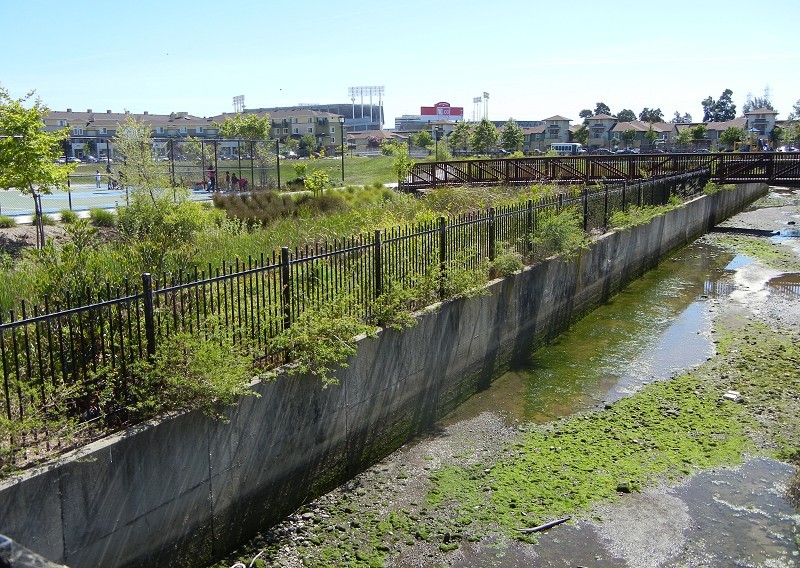
"caption": "The Lion Creek Restoration Project, near the Oakland Coliseum, moved the stream out of a concrete culvert (right) and into a new vegetated stream bed (left).",
"description": null,
"title": "lioncreek",
"credit": "Andrew Alden/KQED",
"status": "inherit",
"isLoading": false,
"fetchFailed": false
},
"science_30065": {
"type": "attachments",
"id": "science_30065",
"meta": {
"index": "attachments_1716263798",
"site": "science",
"id": "30065",
"found": true
},
"parent": 30055,
"imgSizes": {
"kqedFullSize": {
"file": "https://ww2.kqed.org/app/uploads/sites/35/2015/05/IMG_2956-e1437601885625.jpg",
"width": 1440,
"height": 1080
}
},
"publishDate": 1430960382,
"modified": 1437597038,
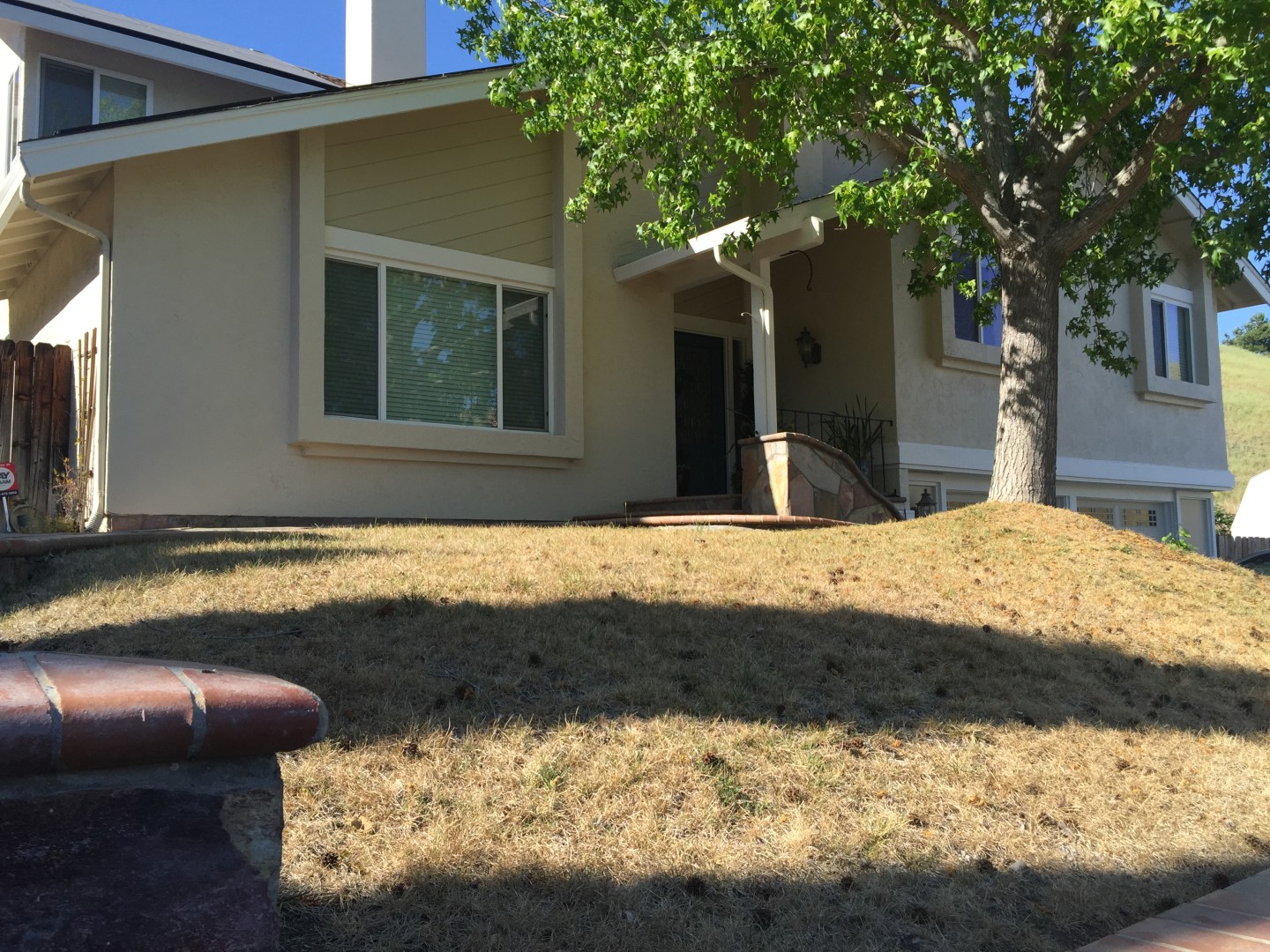
"caption": "\"Brown is the new green\" is the rallying cry for fighting the current drought. But does it have to mean letting your trees go, too? ",
"description": "\"Brown is the new green\" is the rallying cry for fighting the current drought. But will Californians take up the cause? (Craig Miller/KQED)",
"title": "IMG_2956",
"credit": "Craig Miller/KQED",
"status": "inherit",
"isLoading": false,
"fetchFailed": false
},
"science_102459": {
"type": "attachments",
"id": "science_102459",
"meta": {
"index": "attachments_1716263798",
"site": "science",
"id": "102459",
"found": true
},
"parent": 99572,
"imgSizes": {
"twentyfourteen-full-width": {
"file": "https://ww2.kqed.org/app/uploads/sites/35/2015/07/journal.pntd_.0003813.g0041-983x576.png",
"width": 983,
"mimeType": "image/png",
"height": 576
},
"thumbnail": {
"file": "https://ww2.kqed.org/app/uploads/sites/35/2015/07/journal.pntd_.0003813.g0041-400x417.png",
"width": 400,
"mimeType": "image/png",
"height": 417
},
"fd-sm": {
"file": "https://ww2.kqed.org/app/uploads/sites/35/2015/07/journal.pntd_.0003813.g0041-960x1000.png",
"width": 960,
"mimeType": "image/png",
"height": 1000
},
"post-thumbnail": {
"file": "https://ww2.kqed.org/app/uploads/sites/35/2015/07/journal.pntd_.0003813.g0041-672x372.png",
"width": 672,
"mimeType": "image/png",
"height": 372
},
"kqedFullSize": {
"file": "https://ww2.kqed.org/app/uploads/sites/35/2015/07/journal.pntd_.0003813.g0041-e1436332290348.png",
"width": 800,
"height": 833
},
"guest-author-96": {
"file": "https://ww2.kqed.org/app/uploads/sites/35/2015/07/journal.pntd_.0003813.g0041-96x96.png",
"width": 96,
"mimeType": "image/png",
"height": 96
},
"medium": {
"file": "https://ww2.kqed.org/app/uploads/sites/35/2015/07/journal.pntd_.0003813.g0041-800x833.png",
"width": 800,
"mimeType": "image/png",
"height": 833
},
"guest-author-64": {
"file": "https://ww2.kqed.org/app/uploads/sites/35/2015/07/journal.pntd_.0003813.g0041-64x64.png",
"width": 64,
"mimeType": "image/png",
"height": 64
},
"detail": {
"file": "https://ww2.kqed.org/app/uploads/sites/35/2015/07/journal.pntd_.0003813.g0041-75x75.png",
"width": 75,
"mimeType": "image/png",
"height": 75
},
"guest-author-32": {
"file": "https://ww2.kqed.org/app/uploads/sites/35/2015/07/journal.pntd_.0003813.g0041-32x32.png",
"width": 32,
"mimeType": "image/png",
"height": 32
},
"guest-author-128": {
"file": "https://ww2.kqed.org/app/uploads/sites/35/2015/07/journal.pntd_.0003813.g0041-128x128.png",
"width": 128,
"mimeType": "image/png",
"height": 128
}
},
"publishDate": 1436306565,
"modified": 1437176540,
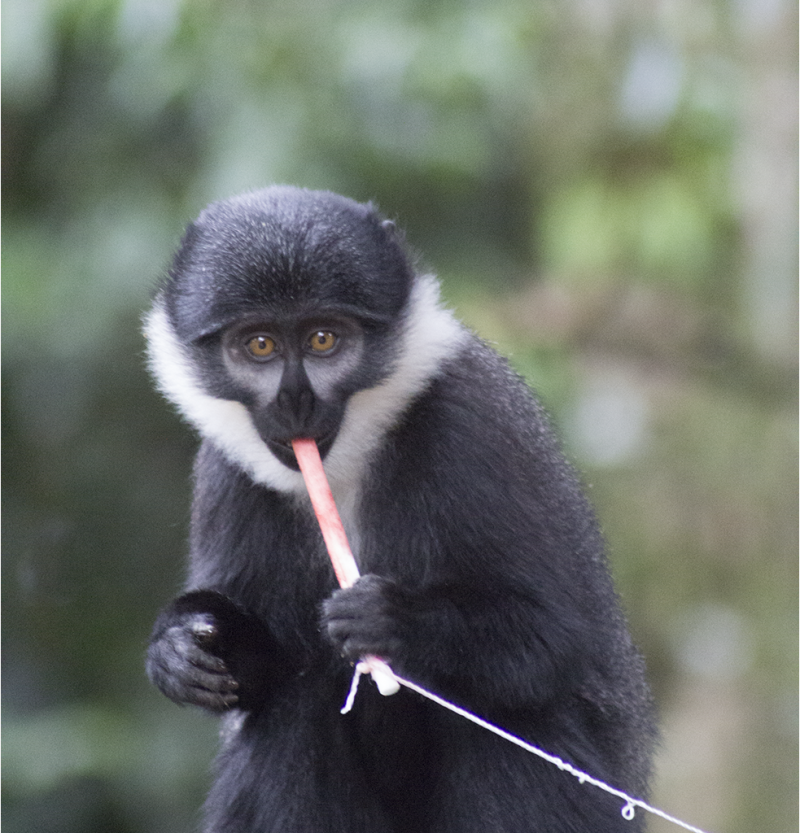
"caption": "L’hoest’s monkey in Bwindi Impenetrable Forest region, Uganda. ",
"description": null,
"title": "Monkey Chewing Rope",
"credit": "T. Smiley Evans/U.C. Davis",
"status": "inherit",
"isLoading": false,
"fetchFailed": false
},
"science_130822": {
"type": "attachments",
"id": "science_130822",
"meta": {
"index": "attachments_1716263798",
"site": "science",
"id": "130822",
"found": true
},
"parent": 130821,
"imgSizes": {
"thumbnail": {
"file": "https://ww2.kqed.org/app/uploads/sites/35/2015/07/130821-thumb-400x293.jpg",
"width": 400,
"mimeType": "image/jpeg",
"height": 293
},
"kqedFullSize": {
"file": "https://ww2.kqed.org/app/uploads/sites/35/2015/07/130821-thumb.jpg",
"width": 400,
"height": 293
},
"guest-author-96": {
"file": "https://ww2.kqed.org/app/uploads/sites/35/2015/07/130821-thumb-96x96.jpg",
"width": 96,
"mimeType": "image/jpeg",
"height": 96
},
"guest-author-64": {
"file": "https://ww2.kqed.org/app/uploads/sites/35/2015/07/130821-thumb-64x64.jpg",
"width": 64,
"mimeType": "image/jpeg",
"height": 64
},
"detail": {
"file": "https://ww2.kqed.org/app/uploads/sites/35/2015/07/130821-thumb-75x75.jpg",
"width": 75,
"mimeType": "image/jpeg",
"height": 75
},
"guest-author-32": {
"file": "https://ww2.kqed.org/app/uploads/sites/35/2015/07/130821-thumb-32x32.jpg",
"width": 32,
"mimeType": "image/jpeg",
"height": 32
},
"guest-author-128": {
"file": "https://ww2.kqed.org/app/uploads/sites/35/2015/07/130821-thumb-128x128.jpg",
"width": 128,
"mimeType": "image/jpeg",
"height": 128
}
},
"publishDate": 1437422533,
"modified": 1437422533,
"caption": null,
"description": null,
"title": "Thumbnail for 130821",
"credit": null,
"status": "inherit",
"isLoading": false,
"fetchFailed": false
},
"news_10602347": {
"type": "attachments",
"id": "news_10602347",
"meta": {
"index": "attachments_1716263798",
"site": "news",
"id": "10602347",
"found": true
},
"parent": 10602288,
"imgSizes": {
"twentyfourteen-full-width": {
"file": "https://ww2.kqed.org/app/uploads/sites/10/2015/07/calmatters_cap_trade_solar-461-1038x576.jpg",
"width": 1038,
"mimeType": "image/jpeg",
"height": 576
},
"thumbnail": {
"file": "https://ww2.kqed.org/app/uploads/sites/10/2015/07/calmatters_cap_trade_solar-461-400x267.jpg",
"width": 400,
"mimeType": "image/jpeg",
"height": 267
},
"fd-sm": {
"file": "https://ww2.kqed.org/app/uploads/sites/10/2015/07/calmatters_cap_trade_solar-461-960x640.jpg",
"width": 960,
"mimeType": "image/jpeg",
"height": 640
},
"post-thumbnail": {
"file": "https://ww2.kqed.org/app/uploads/sites/10/2015/07/calmatters_cap_trade_solar-461-672x372.jpg",
"width": 672,
"mimeType": "image/jpeg",
"height": 372
},
"kqedFullSize": {
"file": "https://ww2.kqed.org/app/uploads/sites/10/2015/07/calmatters_cap_trade_solar-461-e1437007616210.jpg",
"width": 1920,
"height": 1280
},
"large": {
"file": "https://ww2.kqed.org/app/uploads/sites/10/2015/07/calmatters_cap_trade_solar-461-1440x960.jpg",
"width": 1440,
"mimeType": "image/jpeg",
"height": 960
},
"guest-author-96": {
"file": "https://ww2.kqed.org/app/uploads/sites/10/2015/07/calmatters_cap_trade_solar-461-96x96.jpg",
"width": 96,
"mimeType": "image/jpeg",
"height": 96
},
"medium": {
"file": "https://ww2.kqed.org/app/uploads/sites/10/2015/07/calmatters_cap_trade_solar-461-800x533.jpg",
"width": 800,
"mimeType": "image/jpeg",
"height": 533
},
"guest-author-64": {
"file": "https://ww2.kqed.org/app/uploads/sites/10/2015/07/calmatters_cap_trade_solar-461-64x64.jpg",
"width": 64,
"mimeType": "image/jpeg",
"height": 64
},
"guest-author-32": {
"file": "https://ww2.kqed.org/app/uploads/sites/10/2015/07/calmatters_cap_trade_solar-461-32x32.jpg",
"width": 32,
"mimeType": "image/jpeg",
"height": 32
},
"jmtc-small-thumb": {
"file": "https://ww2.kqed.org/app/uploads/sites/10/2015/07/calmatters_cap_trade_solar-461-280x150.jpg",
"width": 280,
"mimeType": "image/jpeg",
"height": 150
},
"fd-lrg": {
"file": "https://ww2.kqed.org/app/uploads/sites/10/2015/07/calmatters_cap_trade_solar-461-1400x933.jpg",
"width": 1400,
"mimeType": "image/jpeg",
"height": 933
},
"fd-med": {
"file": "https://ww2.kqed.org/app/uploads/sites/10/2015/07/calmatters_cap_trade_solar-461-1180x787.jpg",
"width": 1180,
"mimeType": "image/jpeg",
"height": 787
},
"detail": {
"file": "https://ww2.kqed.org/app/uploads/sites/10/2015/07/calmatters_cap_trade_solar-461-75x75.jpg",
"width": 75,
"mimeType": "image/jpeg",
"height": 75
},
"guest-author-128": {
"file": "https://ww2.kqed.org/app/uploads/sites/10/2015/07/calmatters_cap_trade_solar-461-128x128.jpg",
"width": 128,
"mimeType": "image/jpeg",
"height": 128
}
},
"publishDate": 1437007598,
"modified": 1437007642,
"caption": "California Senate leader Kevin de León addresses the media Monday, May 18, 2015 during the installation of solar panels on the roor of a South Sacramento home.",
"description": "California Senate leader Kevin de León addresses the media Monday, May 18, 2015 during the installation of solar panels on the roor of a South Sacramento home.",
"title": "calmatters_cap_trade_solar-461",
"credit": "Carl Costas/CALmatters.",
"status": "inherit",
"isLoading": false,
"fetchFailed": false
},
"news_10604897": {
"type": "attachments",
"id": "news_10604897",
"meta": {
"index": "attachments_1716263798",
"site": "news",
"id": "10604897",
"found": true
},
"parent": 10602225,
"imgSizes": {
"twentyfourteen-full-width": {
"file": "https://ww2.kqed.org/app/uploads/sites/10/2015/07/PearsBig-1038x576.jpg",
"width": 1038,
"mimeType": "image/jpeg",
"height": 576
},
"thumbnail": {
"file": "https://ww2.kqed.org/app/uploads/sites/10/2015/07/PearsBig-400x266.jpg",
"width": 400,
"mimeType": "image/jpeg",
"height": 266
},
"fd-sm": {
"file": "https://ww2.kqed.org/app/uploads/sites/10/2015/07/PearsBig-960x639.jpg",
"width": 960,
"mimeType": "image/jpeg",
"height": 639
},
"post-thumbnail": {
"file": "https://ww2.kqed.org/app/uploads/sites/10/2015/07/PearsBig-672x372.jpg",
"width": 672,
"mimeType": "image/jpeg",
"height": 372
},
"kqedFullSize": {
"file": "https://ww2.kqed.org/app/uploads/sites/10/2015/07/PearsBig.jpg",
"width": 1920,
"height": 1278
},
"large": {
"file": "https://ww2.kqed.org/app/uploads/sites/10/2015/07/PearsBig-1440x959.jpg",
"width": 1440,
"mimeType": "image/jpeg",
"height": 959
},
"guest-author-96": {
"file": "https://ww2.kqed.org/app/uploads/sites/10/2015/07/PearsBig-96x96.jpg",
"width": 96,
"mimeType": "image/jpeg",
"height": 96
},
"medium": {
"file": "https://ww2.kqed.org/app/uploads/sites/10/2015/07/PearsBig-800x533.jpg",
"width": 800,
"mimeType": "image/jpeg",
"height": 533
},
"guest-author-64": {
"file": "https://ww2.kqed.org/app/uploads/sites/10/2015/07/PearsBig-64x64.jpg",
"width": 64,
"mimeType": "image/jpeg",
"height": 64
},
"guest-author-32": {
"file": "https://ww2.kqed.org/app/uploads/sites/10/2015/07/PearsBig-32x32.jpg",
"width": 32,
"mimeType": "image/jpeg",
"height": 32
},
"jmtc-small-thumb": {
"file": "https://ww2.kqed.org/app/uploads/sites/10/2015/07/PearsBig-280x150.jpg",
"width": 280,
"mimeType": "image/jpeg",
"height": 150
},
"fd-lrg": {
"file": "https://ww2.kqed.org/app/uploads/sites/10/2015/07/PearsBig-1400x932.jpg",
"width": 1400,
"mimeType": "image/jpeg",
"height": 932
},
"fd-med": {
"file": "https://ww2.kqed.org/app/uploads/sites/10/2015/07/PearsBig-1180x785.jpg",
"width": 1180,
"mimeType": "image/jpeg",
"height": 785
},
"detail": {
"file": "https://ww2.kqed.org/app/uploads/sites/10/2015/07/PearsBig-75x75.jpg",
"width": 75,
"mimeType": "image/jpeg",
"height": 75
},
"guest-author-128": {
"file": "https://ww2.kqed.org/app/uploads/sites/10/2015/07/PearsBig-128x128.jpg",
"width": 128,
"mimeType": "image/jpeg",
"height": 128
}
},
"publishDate": 1437173851,
"modified": 1437174238,
"caption": "Pears with cosmetic blemishes such as \"limb rub\" -- surface imperfections that have nothing to do with quality or taste -- wind up in a different market category.",
"description": "Pears with cosmetic blemishes such as \"limb rub\" -- surface imperfections that have nothing to do with quality or taste -- wind up in a different market category.",
"title": "PearsBig",
"credit": "Cynthia E. Wood/KQED",
"status": "inherit",
"isLoading": false,
"fetchFailed": false
},
"news_10600647": {
"type": "attachments",
"id": "news_10600647",
"meta": {
"index": "attachments_1716263798",
"site": "news",
"id": "10600647",
"found": true
},
"parent": 10600642,
"imgSizes": {
"twentyfourteen-full-width": {
"file": "https://ww2.kqed.org/app/uploads/sites/10/2015/07/IMG_3435-1038x576.jpg",
"width": 1038,
"mimeType": "image/jpeg",
"height": 576
},
"thumbnail": {
"file": "https://ww2.kqed.org/app/uploads/sites/10/2015/07/IMG_3435-400x300.jpg",
"width": 400,
"mimeType": "image/jpeg",
"height": 300
},
"fd-sm": {
"file": "https://ww2.kqed.org/app/uploads/sites/10/2015/07/IMG_3435-960x720.jpg",
"width": 960,
"mimeType": "image/jpeg",
"height": 720
},
"post-thumbnail": {
"file": "https://ww2.kqed.org/app/uploads/sites/10/2015/07/IMG_3435-672x372.jpg",
"width": 672,
"mimeType": "image/jpeg",
"height": 372
},
"kqedFullSize": {
"file": "https://ww2.kqed.org/app/uploads/sites/10/2015/07/IMG_3435.jpg",
"width": 3264,
"height": 2448
},
"large": {
"file": "https://ww2.kqed.org/app/uploads/sites/10/2015/07/IMG_3435-1440x1080.jpg",
"width": 1440,
"mimeType": "image/jpeg",
"height": 1080
},
"guest-author-96": {
"file": "https://ww2.kqed.org/app/uploads/sites/10/2015/07/IMG_3435-96x96.jpg",
"width": 96,
"mimeType": "image/jpeg",
"height": 96
},
"medium": {
"file": "https://ww2.kqed.org/app/uploads/sites/10/2015/07/IMG_3435-800x600.jpg",
"width": 800,
"mimeType": "image/jpeg",
"height": 600
},
"guest-author-64": {
"file": "https://ww2.kqed.org/app/uploads/sites/10/2015/07/IMG_3435-64x64.jpg",
"width": 64,
"mimeType": "image/jpeg",
"height": 64
},
"guest-author-32": {
"file": "https://ww2.kqed.org/app/uploads/sites/10/2015/07/IMG_3435-32x32.jpg",
"width": 32,
"mimeType": "image/jpeg",
"height": 32
},
"jmtc-small-thumb": {
"file": "https://ww2.kqed.org/app/uploads/sites/10/2015/07/IMG_3435-280x150.jpg",
"width": 280,
"mimeType": "image/jpeg",
"height": 150
},
"fd-med": {
"file": "https://ww2.kqed.org/app/uploads/sites/10/2015/07/IMG_3435-1180x885.jpg",
"width": 1180,
"mimeType": "image/jpeg",
"height": 885
},
"detail": {
"file": "https://ww2.kqed.org/app/uploads/sites/10/2015/07/IMG_3435-75x75.jpg",
"width": 75,
"mimeType": "image/jpeg",
"height": 75
},
"guest-author-128": {
"file": "https://ww2.kqed.org/app/uploads/sites/10/2015/07/IMG_3435-128x128.jpg",
"width": 128,
"mimeType": "image/jpeg",
"height": 128
}
},
"publishDate": 1436899682,
"modified": 1436913387,
"caption": "Jon Dolieslager auctions off cattle at the Tulare County Stockyard.",
"description": "Jon Dolieslager auctions off cattle at the Tulare County Stockyard.",
"title": "IMG_3435",
"credit": "Alice Daniel/KQED",
"status": "inherit",
"isLoading": false,
"fetchFailed": false
},
"news_10640698": {
"type": "attachments",
"id": "news_10640698",
"meta": {
"index": "attachments_1716263798",
"site": "news",
"id": "10640698",
"found": true
},
"parent": 10599195,
"imgSizes": {
"twentyfourteen-full-width": {
"file": "https://ww2.kqed.org/app/uploads/sites/10/2015/07/tianjinblast-1038x576.png",
"width": 1038,
"mimeType": "image/png",
"height": 576
},
"thumbnail": {
"file": "https://ww2.kqed.org/app/uploads/sites/10/2015/07/tianjinblast-400x261.png",
"width": 400,
"mimeType": "image/png",
"height": 261
},
"fd-sm": {
"file": "https://ww2.kqed.org/app/uploads/sites/10/2015/07/tianjinblast-960x627.png",
"width": 960,
"mimeType": "image/png",
"height": 627
},
"post-thumbnail": {
"file": "https://ww2.kqed.org/app/uploads/sites/10/2015/07/tianjinblast-672x372.png",
"width": 672,
"mimeType": "image/png",
"height": 372
},
"kqedFullSize": {
"file": "https://ww2.kqed.org/app/uploads/sites/10/2015/07/tianjinblast.png",
"width": 1241,
"height": 810
},
"guest-author-96": {
"file": "https://ww2.kqed.org/app/uploads/sites/10/2015/07/tianjinblast-96x96.png",
"width": 96,
"mimeType": "image/png",
"height": 96
},
"medium": {
"file": "https://ww2.kqed.org/app/uploads/sites/10/2015/07/tianjinblast-800x522.png",
"width": 800,
"mimeType": "image/png",
"height": 522
},
"guest-author-64": {
"file": "https://ww2.kqed.org/app/uploads/sites/10/2015/07/tianjinblast-64x64.png",
"width": 64,
"mimeType": "image/png",
"height": 64
},
"guest-author-32": {
"file": "https://ww2.kqed.org/app/uploads/sites/10/2015/07/tianjinblast-32x32.png",
"width": 32,
"mimeType": "image/png",
"height": 32
},
"jmtc-small-thumb": {
"file": "https://ww2.kqed.org/app/uploads/sites/10/2015/07/tianjinblast-280x150.png",
"width": 280,
"mimeType": "image/png",
"height": 150
},
"fd-med": {
"file": "https://ww2.kqed.org/app/uploads/sites/10/2015/07/tianjinblast-1180x770.png",
"width": 1180,
"mimeType": "image/png",
"height": 770
},
"detail": {
"file": "https://ww2.kqed.org/app/uploads/sites/10/2015/07/tianjinblast-75x75.png",
"width": 75,
"mimeType": "image/png",
"height": 75
},
"guest-author-128": {
"file": "https://ww2.kqed.org/app/uploads/sites/10/2015/07/tianjinblast-128x128.png",
"width": 128,
"mimeType": "image/png",
"height": 128
}
},
"publishDate": 1439413563,
"modified": 1439413651,
"caption": "Sensor image from the Himawari-8 weather satellite. The bright dot near the center emanated from the site of Wednesday's deadly explosion in the port city of Tianjin, China. ",
"description": null,
"title": "Tianjin-Himawari",
"credit": "Dan Lindsey-Japan Meteorological Agency via Twitter",
"status": "inherit",
"isLoading": false,
"fetchFailed": false
},
"news_10599437": {
"type": "attachments",
"id": "news_10599437",
"meta": {
"index": "attachments_1716263798",
"site": "news",
"id": "10599437",
"found": true
},
"parent": 10599339,
"imgSizes": {
"twentyfourteen-full-width": {
"file": "https://ww2.kqed.org/app/uploads/sites/10/2015/07/RS15997_Gage-Canal-1.JPG-qut-1038x576.jpg",
"width": 1038,
"mimeType": "image/jpeg",
"height": 576
},
"thumbnail": {
"file": "https://ww2.kqed.org/app/uploads/sites/10/2015/07/RS15997_Gage-Canal-1.JPG-qut-400x266.jpg",
"width": 400,
"mimeType": "image/jpeg",
"height": 266
},
"fd-sm": {
"file": "https://ww2.kqed.org/app/uploads/sites/10/2015/07/RS15997_Gage-Canal-1.JPG-qut-960x639.jpg",
"width": 960,
"mimeType": "image/jpeg",
"height": 639
},
"post-thumbnail": {
"file": "https://ww2.kqed.org/app/uploads/sites/10/2015/07/RS15997_Gage-Canal-1.JPG-qut-672x372.jpg",
"width": 672,
"mimeType": "image/jpeg",
"height": 372
},
"kqedFullSize": {
"file": "https://ww2.kqed.org/app/uploads/sites/10/2015/07/RS15997_Gage-Canal-1.JPG-qut.jpg",
"width": 1920,
"height": 1278
},
"large": {
"file": "https://ww2.kqed.org/app/uploads/sites/10/2015/07/RS15997_Gage-Canal-1.JPG-qut-1440x959.jpg",
"width": 1440,
"mimeType": "image/jpeg",
"height": 959
},
"guest-author-96": {
"file": "https://ww2.kqed.org/app/uploads/sites/10/2015/07/RS15997_Gage-Canal-1.JPG-qut-96x96.jpg",
"width": 96,
"mimeType": "image/jpeg",
"height": 96
},
"medium": {
"file": "https://ww2.kqed.org/app/uploads/sites/10/2015/07/RS15997_Gage-Canal-1.JPG-qut-800x533.jpg",
"width": 800,
"mimeType": "image/jpeg",
"height": 533
},
"guest-author-64": {
"file": "https://ww2.kqed.org/app/uploads/sites/10/2015/07/RS15997_Gage-Canal-1.JPG-qut-64x64.jpg",
"width": 64,
"mimeType": "image/jpeg",
"height": 64
},
"guest-author-32": {
"file": "https://ww2.kqed.org/app/uploads/sites/10/2015/07/RS15997_Gage-Canal-1.JPG-qut-32x32.jpg",
"width": 32,
"mimeType": "image/jpeg",
"height": 32
},
"jmtc-small-thumb": {
"file": "https://ww2.kqed.org/app/uploads/sites/10/2015/07/RS15997_Gage-Canal-1.JPG-qut-280x150.jpg",
"width": 280,
"mimeType": "image/jpeg",
"height": 150
},
"fd-med": {
"file": "https://ww2.kqed.org/app/uploads/sites/10/2015/07/RS15997_Gage-Canal-1.JPG-qut-1180x785.jpg",
"width": 1180,
"mimeType": "image/jpeg",
"height": 785
},
"detail": {
"file": "https://ww2.kqed.org/app/uploads/sites/10/2015/07/RS15997_Gage-Canal-1.JPG-qut-75x75.jpg",
"width": 75,
"mimeType": "image/jpeg",
"height": 75
},
"guest-author-128": {
"file": "https://ww2.kqed.org/app/uploads/sites/10/2015/07/RS15997_Gage-Canal-1.JPG-qut-128x128.jpg",
"width": 128,
"mimeType": "image/jpeg",
"height": 128
}
},
"publishDate": 1436819877,
"modified": 1436819942,
"caption": "The Gage Canal in Riverside delivers water pumped from a local aquifer to a reservoir in the city. ",
"description": null,
"title": "Riverside-Drought-Gage Canal",
"credit": "Blair Wells/KQED",
"status": "inherit",
"isLoading": false,
"fetchFailed": false
}
},
"audioPlayerReducer": {
"postId": "stream_live",
"isPaused": true,
"isPlaying": false,
"pfsActive": false,
"pledgeModalIsOpen": true,
"playerDrawerIsOpen": false,
"liveAudioPlayStartedAt": 0,
"liveAudioPlayContext": ""
},
"authorsReducer": {
"byline_news_10619522": {
"type": "authors",
"id": "byline_news_10619522",
"meta": {
"override": true
},
"slug": "byline_news_10619522",
"name": "\u003cstrong>\u003ca href=\"http://www.capradio.org/about/bios/lesley-mcclurg/\">Lesley McClurg\u003c/a>\u003cbr />NPR/Capital Public Radio\u003c/strong>",
"isLoading": false
},
"byline_news_10602288": {
"type": "authors",
"id": "byline_news_10602288",
"meta": {
"override": true
},
"slug": "byline_news_10602288",
"name": "\u003cstrong>Kate Galbraith\u003cbr />CALmatters\u003c/strong>",
"isLoading": false
},
"byline_news_10599339": {
"type": "authors",
"id": "byline_news_10599339",
"meta": {
"override": true
},
"slug": "byline_news_10599339",
"name": "\u003cstrong>Tena Rubio\u003c/strong>",
"isLoading": false
},
"aliceldaniel": {
"type": "authors",
"id": "208",
"meta": {
"index": "authors_1716337520",
"id": "208",
"found": true
},
"name": "Alice Daniel",
"firstName": "Alice",
"lastName": "Daniel",
"slug": "aliceldaniel",
"email": "adaniel@kqed.org",
"display_author_email": false,
"staff_mastheads": [],
"title": null,
"bio": "Alice Daniel loves the listening aspect of reporting because she gets to briefly walk in other people’s shoes. She has rappelled down into caves and gone up in helicopters for KQED’s The California Report but her favorite place to pursue a story is the High Sierra or any family-run bakery, of course. Alice has a masters in journalism from Columbia University and teaches at Fresno State. She is a California Healthline Regional Correspondent and a frequent contributor to Success magazine. In her free time, she skis and hikes, throws pottery, practices piano and looks out the window.",
"avatar": "https://secure.gravatar.com/avatar/e611aa06593b114a67f9f123a8e875ad?s=600&d=blank&r=g",
"twitter": null,
"facebook": null,
"instagram": null,
"linkedin": null,
"sites": [
{
"site": "news",
"roles": [
"author"
]
},
{
"site": "stateofhealth",
"roles": [
"author"
]
}
],
"headData": {
"title": "Alice Daniel | KQED",
"description": null,
"ogImgSrc": "https://secure.gravatar.com/avatar/e611aa06593b114a67f9f123a8e875ad?s=600&d=blank&r=g",
"twImgSrc": "https://secure.gravatar.com/avatar/e611aa06593b114a67f9f123a8e875ad?s=600&d=blank&r=g"
},
"isLoading": false,
"link": "/author/aliceldaniel"
},
"danbrekke": {
"type": "authors",
"id": "222",
"meta": {
"index": "authors_1716337520",
"id": "222",
"found": true
},
"name": "Dan Brekke",
"firstName": "Dan",
"lastName": "Brekke",
"slug": "danbrekke",
"email": "dbrekke@kqed.org",
"display_author_email": true,
"staff_mastheads": [
"news",
"science"
],
"title": "KQED Editor and Reporter",
"bio": "Dan Brekke is a reporter and editor for KQED News, responsible for coverage of topics ranging from California water issues to the Bay Area's transportation challenges. In a newsroom career that began in Chicago in 1972, Dan has worked for \u003cem>The San Francisco Examiner,\u003c/em> Wired and TechTV and has been published in The New York Times, The New York Times Magazine, Business 2.0, Salon and elsewhere.\r\n\r\nSince joining KQED in 2007, Dan has reported, edited and produced both radio and online features and breaking news pieces. He has shared as both editor and reporter in four Society of Professional Journalists Norcal Excellence in Journalism awards and one Edward R. Murrow regional award. He was chosen for a spring 2017 residency at the Mesa Refuge to advance his research on California salmon.\r\n\r\nEmail Dan at: \u003ca href=\"mailto:dbrekke@kqed.org\">dbrekke@kqed.org\u003c/a>\r\n\r\n\u003cstrong>Twitter:\u003c/strong> \u003ca href=\"https://twitter.com/danbrekke\" rel=\"noopener noreferrer\">twitter.com/danbrekke\u003c/a>\r\n\u003cstrong>Facebook:\u003c/strong> \u003ca href=\"https://www.facebook.com/danbrekke\" rel=\"noopener noreferrer\">www.facebook.com/danbrekke\u003c/a>\r\n\u003cstrong>LinkedIn:\u003c/strong> \u003ca href=\"https://www.linkedin.com/in/danbrekke\" rel=\"noopener noreferrer\">www.linkedin.com/in/danbrekke\u003c/a>",
"avatar": "https://secure.gravatar.com/avatar/8f1f0d2a978fb3b23426c922c7e2af558fa36905b49c4ce76a97dc3c72d27226?s=600&d=mm&r=g",
"twitter": "danbrekke",
"bluesky": null,
"facebook": null,
"instagram": "https://www.instagram.com/dan.brekke/",
"linkedin": "https://www.linkedin.com/in/danbrekke/",
"sites": [
{
"site": "news",
"roles": [
"administrator",
"create_posts"
]
},
{
"site": "stateofhealth",
"roles": [
"editor"
]
},
{
"site": "science",
"roles": [
"editor"
]
},
{
"site": "quest",
"roles": [
"contributor"
]
},
{
"site": "food",
"roles": [
"contributor"
]
},
{
"site": "forum",
"roles": [
"contributor"
]
},
{
"site": "elections",
"roles": [
"editor"
]
},
{
"site": "liveblog",
"roles": [
"editor"
]
}
],
"headData": {
"title": "Dan Brekke | KQED",
"description": "KQED Editor and Reporter",
"ogImgSrc": "https://secure.gravatar.com/avatar/8f1f0d2a978fb3b23426c922c7e2af558fa36905b49c4ce76a97dc3c72d27226?s=600&d=mm&r=g",
"twImgSrc": "https://secure.gravatar.com/avatar/8f1f0d2a978fb3b23426c922c7e2af558fa36905b49c4ce76a97dc3c72d27226?s=600&d=mm&r=g"
},
"isLoading": false,
"link": "/author/danbrekke"
},
"laurensommer": {
"type": "authors",
"id": "239",
"meta": {
"index": "authors_1716337520",
"id": "239",
"found": true
},
"name": "Lauren Sommer",
"firstName": "Lauren",
"lastName": "Sommer",
"slug": "laurensommer",
"email": "lsommer@kqed.org",
"display_author_email": false,
"staff_mastheads": [],
"title": "KQED Contributor",
"bio": "Lauren is a radio reporter formerly covering environment, water, and energy for KQED Science. As part of her day job, she has scaled Sierra Nevada peaks, run from charging elephant seals, and desperately tried to get her sea legs - all in pursuit of good radio. Her work has appeared on Marketplace, Living on Earth, Science Friday and NPR's Morning Edition and All Things Considered. You can find her on Twitter at \u003ca href=\"https://twitter.com/lesommer\">@lesommer\u003c/a>.",
"avatar": "https://secure.gravatar.com/avatar/33aa3772bb86c6ad45b8aca6a238bbdf?s=600&d=blank&r=g",
"twitter": null,
"facebook": null,
"instagram": null,
"linkedin": null,
"sites": [
{
"site": "news",
"roles": [
"author"
]
},
{
"site": "science",
"roles": [
"editor",
"manage_content_types",
"manage_taxonomies"
]
},
{
"site": "quest",
"roles": [
"editor"
]
}
],
"headData": {
"title": "Lauren Sommer | KQED",
"description": "KQED Contributor",
"ogImgSrc": "https://secure.gravatar.com/avatar/33aa3772bb86c6ad45b8aca6a238bbdf?s=600&d=blank&r=g",
"twImgSrc": "https://secure.gravatar.com/avatar/33aa3772bb86c6ad45b8aca6a238bbdf?s=600&d=blank&r=g"
},
"isLoading": false,
"link": "/author/laurensommer"
},
"lmorehouse": {
"type": "authors",
"id": "3229",
"meta": {
"index": "authors_1716337520",
"id": "3229",
"found": true
},
"name": "Lisa Morehouse",
"firstName": "Lisa",
"lastName": "Morehouse",
"slug": "lmorehouse",
"email": "morehouse.lisa@gmail.com",
"display_author_email": false,
"staff_mastheads": [],
"title": "KQED Contributor",
"bio": "Lisa Morehouse is an award-winning public radio and print journalist, who has filed for National Public Radio, American Public Media, KQED Public Radio, Edutopia, and McSweeney’s. Her reporting has taken her from Samoan traveling circuses to Mississippi Delta classrooms to the homes of Lao refugees in rural Iowa. In addition to reporting, she teaches radio production to at-risk youth in the Bay Area. Her series \u003ca href=\"http://afterthegoldrushradio.com/\">After the Gold Rush\u003c/a> featured the changing industries, populations and identities of rural towns throughout California. She’s now producing \u003ca href=\"http://www.californiafoodways.com/\">California Foodways\u003c/a>, a series exploring the intersections of food, culture, economics, history and labor. Follow along on the \u003ca href=\"https://www.facebook.com/californiafoodways?ref=hl\">Facebook page\u003c/a> or on Twitter @cafoodways.",
"avatar": "https://secure.gravatar.com/avatar/dae74b002a6e256f39abb19d6f5acaea?s=600&d=blank&r=g",
"twitter": null,
"facebook": null,
"instagram": null,
"linkedin": null,
"sites": [
{
"site": "",
"roles": [
"editor"
]
},
{
"site": "news",
"roles": [
"author"
]
}
],
"headData": {
"title": "Lisa Morehouse | KQED",
"description": "KQED Contributor",
"ogImgSrc": "https://secure.gravatar.com/avatar/dae74b002a6e256f39abb19d6f5acaea?s=600&d=blank&r=g",
"twImgSrc": "https://secure.gravatar.com/avatar/dae74b002a6e256f39abb19d6f5acaea?s=600&d=blank&r=g"
},
"isLoading": false,
"link": "/author/lmorehouse"
},
"andrew-alden": {
"type": "authors",
"id": "6228",
"meta": {
"index": "authors_1716337520",
"id": "6228",
"found": true
},
"name": "Andrew Alden",
"firstName": "Andrew",
"lastName": "Alden",
"slug": "andrew-alden",
"email": "alden@andrew-alden.com",
"display_author_email": false,
"staff_mastheads": [],
"title": null,
"bio": "Andrew Alden earned his geology degree at the University of New Hampshire and moved back to the Bay Area to work at the U.S. Geological Survey for six years. He has \u003ca href=\"http://geology.about.com/\">written on geology for About.com\u003c/a> since its founding in 1997. In 2007, he started the Oakland Geology blog, which won recognition as \"Best of the East Bay\" from the \u003ci>East Bay Express\u003c/i> in 2010. In writing about geology in the Bay Area and surroundings, he hopes to share some of the useful and pleasurable insights that geologists give us—not just facts about the deep past, but an attitude that might be called the \u003ci>deep present\u003c/i>.\r\n\r\nRead his \u003ca href=\"http://science.kqed.org/quest/author/andrew-alden/\">previous contributions\u003c/a> to \u003ca href=\"http://http://science.kqed.org/quest/\">QUEST\u003c/a>, a project dedicated to exploring the Science of Sustainability.",
"avatar": "https://secure.gravatar.com/avatar/9eaa0afc32f98c5fc7ce634437334a64?s=600&d=blank&r=g",
"twitter": null,
"facebook": null,
"instagram": null,
"linkedin": null,
"sites": [
{
"site": "science",
"roles": [
"author"
]
},
{
"site": "quest",
"roles": [
"subscriber"
]
}
],
"headData": {
"title": "Andrew Alden | KQED",
"description": null,
"ogImgSrc": "https://secure.gravatar.com/avatar/9eaa0afc32f98c5fc7ce634437334a64?s=600&d=blank&r=g",
"twImgSrc": "https://secure.gravatar.com/avatar/9eaa0afc32f98c5fc7ce634437334a64?s=600&d=blank&r=g"
},
"isLoading": false,
"link": "/author/andrew-alden"
},
"kqedscience": {
"type": "authors",
"id": "6387",
"meta": {
"index": "authors_1716337520",
"id": "6387",
"found": true
},
"name": "KQED Science",
"firstName": "KQED",
"lastName": "Science",
"slug": "kqedscience",
"email": "kqedscience@gmail.com",
"display_author_email": false,
"staff_mastheads": [],
"title": null,
"bio": "KQED Science brings you award-winning science and environment coverage from the Bay Area and beyond by the flagship Northern California PBS and NPR affiliate.",
"avatar": "https://secure.gravatar.com/avatar/5a295ff49cf82a8c0f30937d3f788b2f?s=600&d=blank&r=g",
"twitter": null,
"facebook": null,
"instagram": null,
"linkedin": null,
"sites": [
{
"site": "science",
"roles": [
"contributor"
]
},
{
"site": "quest",
"roles": [
"editor"
]
},
{
"site": "food",
"roles": [
"contributor"
]
}
],
"headData": {
"title": "KQED Science | KQED",
"description": null,
"ogImgSrc": "https://secure.gravatar.com/avatar/5a295ff49cf82a8c0f30937d3f788b2f?s=600&d=blank&r=g",
"twImgSrc": "https://secure.gravatar.com/avatar/5a295ff49cf82a8c0f30937d3f788b2f?s=600&d=blank&r=g"
},
"isLoading": false,
"link": "/author/kqedscience"
},
"gsinger": {
"type": "authors",
"id": "8640",
"meta": {
"index": "authors_1716337520",
"id": "8640",
"found": true
},
"name": "Grace Singer",
"firstName": "Grace",
"lastName": "Singer",
"slug": "gsinger",
"email": "gsinger@kqed.org",
"display_author_email": false,
"staff_mastheads": [],
"title": "KQED Contributor",
"bio": "Grace is the winner of the new Dr. Allen Fuhs science communication scholarship and summer internship at KQED in San Francisco. She is a student of Ecology, Evolution, and Organismal Biology at California State University, Monterey Bay. As a California native and a longtime resident of the Monterey Peninsula, she first developed her passion for nature by exploring tide pools as a child. Grace loves kayaking, paddle-boarding, yoga, music, painting, and animals of all shapes and sizes. Follow her on Twitter @gracestarbird\r\n\r\n ",
"avatar": "https://secure.gravatar.com/avatar/62b86f828fc43ca84074452dd5c1749db3b79f889110496e8983d0081ee42331?s=600&d=blank&r=g",
"twitter": null,
"bluesky": null,
"facebook": null,
"instagram": null,
"linkedin": null,
"sites": [
{
"site": "science",
"roles": [
"subscriber"
]
}
],
"headData": {
"title": "Grace Singer | KQED",
"description": "KQED Contributor",
"ogImgSrc": "https://secure.gravatar.com/avatar/62b86f828fc43ca84074452dd5c1749db3b79f889110496e8983d0081ee42331?s=600&d=blank&r=g",
"twImgSrc": "https://secure.gravatar.com/avatar/62b86f828fc43ca84074452dd5c1749db3b79f889110496e8983d0081ee42331?s=600&d=blank&r=g"
},
"isLoading": false,
"link": "/author/gsinger"
}
},
"pagesReducer": {
"science_category_environment": {
"type": "terms",
"id": "science_35",
"meta": {
"index": "terms_1716263798",
"site": "science",
"id": "35",
"score": 12.138525
},
"featImg": null,
"name": "Environment",
"description": null,
"taxonomy": "category",
"headData": {
"twImgId": null,
"twTitle": null,
"ogTitle": null,
"ogImgId": null,
"twDescription": null,
"description": null,
"title": "Environment Archives | KQED Science",
"ogDescription": null
},
"ttid": 37,
"slug": "environment",
"isLoading": false,
"title": "Environment",
"pageMeta": {
"site": "science",
"WpPageTemplate": "page-topic-editorial",
"currentPage": 171
},
"blocks": [
{
"blockName": "kqed/post-list",
"attrs": {
"layout": "cardArticle2",
"query": "posts/science?category=environment",
"seeMore": false,
"paginated": true,
"page": 171
}
},
{
"blockName": "kqed/ad"
}
]
}
},
"pfsSessionReducer": {},
"postsReducer": {
"stream_live": {
"type": "live",
"id": "stream_live",
"audioUrl": "https://streams.kqed.org/kqedradio",
"title": "Live Stream",
"excerpt": "Live Stream information currently unavailable.",
"link": "/radio",
"featImg": "",
"label": {
"name": "KQED Live",
"link": "/"
}
},
"stream_kqedNewscast": {
"type": "posts",
"id": "stream_kqedNewscast",
"audioUrl": "https://www.kqed.org/.stream/anon/radio/RDnews/newscast.mp3?_=1",
"title": "KQED Newscast",
"featImg": "",
"label": {
"name": "88.5 FM",
"link": "/"
}
},
"news_10619522": {
"type": "posts",
"id": "news_10619522",
"meta": {
"index": "posts_1716263798",
"site": "news",
"id": "10619522",
"score": null,
"sort": [
1438098152000
]
},
"parent": 0,
"labelTerm": {
"site": "news",
"term": 72
},
"blocks": [],
"publishDate": 1438098152,
"format": "standard",
"disqusTitle": "Squeezed by Drought, Some California Farmers Switch to Less Thirsty Crops",
"title": "Squeezed by Drought, Some California Farmers Switch to Less Thirsty Crops",
"headTitle": "The California Report | KQED News",
"content": "\u003cp>Water scarcity is driving California farmers to plant different crops. Growers are switching to more profitable, less thirsty fruits, vegetables and nuts.\u003c/p>\n\u003cp>Nowhere is this truer than San Diego County, where water prices are some of the highest in the state.\u003c/p>\n\u003cp>Grapefruit trees shade the entrance to Triple B Ranches winery in northern San Diego County. The tasting room is a converted kitchen festooned with country knickknacks.\u003c/p>\n\u003cp>Debbie Broomell runs the boutique winery with her father, Gary. Their quaint vineyard is only a few years old. For three generations, the Broomells have grown citrus. But it's been hard to stay in the black growing oranges.\u003c/p>\n\u003cp>\"With the water problems and all the things that are going on, we're looking for something that takes a little less water, and grapes seem to be it,\" says Gary Broomell.\u003c/p>\n\u003cp>[ad fullwidth]\u003c/p>\n\u003cp>\u003c!-- iframe plugin v.4.3 wordpress.org/plugins/iframe/ -->\u003cbr>\n\u003ciframe src=\"http://www.npr.org/player/embed/426886645/427018754\" width=\"100%\" height=\"290\" frameborder=\"0\" scrolling=\"no\" class=\"iframe-class\">\u003c/iframe>\u003c/p>\n\u003cp>Adds Debbie, \"It's all trying to just kind of keep farming. How do you keep farming?\"\u003c/p>\n\u003cp>The price of water in the area has more than doubled in recent years. But vineyards require 25 percent less water than citrus. As a result, the number of wineries in San Diego County has tripled during the same time period.\u003c/p>\n\u003cp>But the savings might not be enough to ensure survival for the Broomells.\u003c/p>\n\u003cp>Debbie points to a shallow well in the middle of some grapevines.\u003c/p>\n\u003cp>\"Dad's been cranking it down,\" she says, \"because the water table's been dropping. We're keeping our fingers crossed that [the wells] can kind of keep producing through the summer.\"\u003c/p>\n\u003cp>Gary throws up his hands to the sky.\u003c/p>\n\u003cp>\"We still got July, August, September, October. You know?\" he says.\u003c/p>\n\u003cp>If the drought doesn't end soon, Gary says they'll likely have to pull out of citrus altogether. He says he's looking into persimmons as another alternative.\u003c/p>\n\u003cp>Eric Larson from the \u003ca href=\"http://www.sdfarmbureau.org/Contact/ContactUs.php\">San Diego County Farm Bureau\u003c/a> takes me on a drive nearby through the San Pasqual Valley. Historically, citrus and avocados have been the two leading crops in north San Diego County. But several thousand acres of citrus and more than 10,000 acres of avocados have been taken out of production.\u003c/p>\n\u003cp>\"You end up driving by these 400-acre citrus groves that are just abandoned,\" Larson says. Abandoned, he says, because \"they've turned the water off.\"\u003c/p>\n\u003cp>But, like the Broomells, not all farmers are giving up.\u003c/p>\n\u003cp>Farmers are switching to nurseries or planting unusual crops like pomegranates. Larson points to a field of dragonfruit -- it \"uses very, very little water,\" says Larson. \"I guess I could best describe it as a cactus with fruit on it. [Farmers] are getting a lot of money per pound.\"\u003c/p>\n\u003cp>He says it's important to remember that not long ago, avocados were a specialty crop.\u003c/p>\n\u003cp>\"And it was hard to sell those things. They were called alligator pears. People didn't know what they were,\" explains Larson. \"They got two to three cents a pound for them.\" But, he says, the avocado's popularity exploded as the country's Latino population grew, and more and more Mexican restaurants opened.\u003c/p>\n\u003cp>\u003ca href=\"http://are.ucdavis.edu/en/people/faculty/daniel-sumner/#pk_campaign=short-name-redirect&pk_kwd=sumner\">Daniel Sumner\u003c/a>, an economist at the University of California, Davis, says the drought is intensifying a trend that was already unfolding.\u003c/p>\n\u003cp>\"The context is that what we produce in California has been changing for 200 years,\" Sumner says. \"You go back 140 years ago, California was the second-biggest wheat state in the country. The Central Valley was dry land, wheat farming. We were second to Kansas.\"\u003c/p>\n\u003cp>As late as the 1980s, California was a leading cotton producer at 1.5 million acres. This year's cotton crop is expected to be about a tenth of that. Sumner says in today's market, cotton farmers can't make ends meet, so they're switching to almonds, pistachios or wine grapes.\u003c/p>\n\u003cp>\u003c/p>\n\u003cp>But even though water-thirsty crops like almonds are under scrutiny, Sumner expects dry times and high water prices to continue to push California's farmland away from row crops and pasture, and toward higher-value orchards and vineyards.\u003c/p>\n\u003cdiv class=\"fullattribution\">Copyright 2015 Capital Public Radio. To see more, visit \u003ca href=\"http://www.capradio.org\">http://www.capradio.org\u003c/a>.\u003cimg src=\"http://www.google-analytics.com/__utm.gif?utmac=UA-5828686-4&utmdt=Squeezed+By+Drought%2C+California+Farmers+Switch+To+Less+Thirsty+Crops&utme=8(APIKey)9(MDAxOTAwOTE4MDEyMTkxMDAzNjczZDljZA004)\" alt=\"\">\u003c/div>\n\n",
"disqusIdentifier": "10619522 http://ww2.kqed.org/news/?p=10619522",
"disqusUrl": "https://ww2.kqed.org/news/2015/07/28/squeezed-by-drought-some-california-farmers-switch-to-less-thirsty-crops/",
"stats": {
"hasVideo": false,
"hasChartOrMap": false,
"hasAudio": false,
"hasPolis": false,
"wordCount": 685,
"hasGoogleForm": false,
"hasGallery": false,
"hasHearkenModule": false,
"iframeSrcs": [],
"paragraphCount": 26
},
"modified": 1438125796,
"excerpt": "Water scarcity is leading farmers away from planting staples and toward higher-value, lower-water specialty crops. ",
"headData": {
"twImgId": "",
"twTitle": "",
"ogTitle": "",
"ogImgId": "",
"twDescription": "",
"description": "Water scarcity is leading farmers away from planting staples and toward higher-value, lower-water specialty crops. ",
"title": "Squeezed by Drought, Some California Farmers Switch to Less Thirsty Crops | KQED",
"ogDescription": "",
"schema": {
"@context": "https://schema.org",
"@type": "NewsArticle",
"headline": "Squeezed by Drought, Some California Farmers Switch to Less Thirsty Crops",
"datePublished": "2015-07-28T08:42:32-07:00",
"dateModified": "2015-07-28T16:23:16-07:00",
"image": "https://cdn.kqed.org/wp-content/uploads/2020/02/KQED-OG-Image@1x.png",
"isAccessibleForFree": "True",
"publisher": {
"@type": "NewsMediaOrganization",
"@id": "https://www.kqed.org/#organization",
"name": "KQED",
"logo": "https://cdn.kqed.org/wp-content/uploads/2020/02/KQED-OG-Image@1x.png",
"url": "https://www.kqed.org",
"sameAs": [
"https://www.facebook.com/KQED",
"https://twitter.com/KQED",
"https://www.instagram.com/kqed/",
"https://www.tiktok.com/@kqedofficial",
"https://www.linkedin.com/company/kqed",
"https://www.youtube.com/channel/UCeC0IOo7i1P_61zVUWbJ4nw"
]
}
}
},
"guestAuthors": [],
"slug": "squeezed-by-drought-some-california-farmers-switch-to-less-thirsty-crops",
"status": "publish",
"nprApiLink": "http://api.npr.org/query?id=426886645&apiKey=MDAxOTAwOTE4MDEyMTkxMDAzNjczZDljZA004",
"nprByline": "\u003cstrong>\u003ca href=\"http://www.capradio.org/about/bios/lesley-mcclurg/\">Lesley McClurg\u003c/a>\u003cbr />NPR/Capital Public Radio\u003c/strong>",
"nprStoryDate": "Tue, 28 Jul 2015 05:05:00 -0400",
"nprLastModifiedDate": "Tue, 28 Jul 2015 07:16:15 -0400",
"nprHtmlLink": "http://www.npr.org/sections/thesalt/2015/07/28/426886645/squeezed-by-drought-california-farmers-switch-to-less-thirsty-crops?ft=nprml&f=426886645",
"nprAudio": "http://pd.npr.org/anon.npr-mp3/npr/me/2015/07/20150728_me_squeezed_by_drought_california_farmers_switch_to_less_thirsty_crops.mp3?orgId=285&topicId=1053&d=233&p=3&story=426886645&t=progseg&e=427016353&seg=9&ft=nprml&f=426886645",
"nprAudioM3u": "http://api.npr.org/m3u/1427018754-2919a5.m3u?orgId=285&topicId=1053&d=233&p=3&story=426886645&t=progseg&e=427016353&seg=9&ft=nprml&f=426886645",
"nprStoryId": "426886645",
"nprRetrievedStory": "1",
"nprPubDate": "Tue, 28 Jul 2015 07:41:00 -0400",
"path": "/news/10619522/squeezed-by-drought-some-california-farmers-switch-to-less-thirsty-crops",
"audioUrl": "http://pd.npr.org/anon.npr-mp3/npr/me/2015/07/20150728_me_squeezed_by_drought_california_farmers_switch_to_less_thirsty_crops.mp3?orgId=285&topicId=1053&d=233&p=3&story=426886645&t=progseg&e=427016353&seg=9&ft=nprml&f=426886645",
"audioTrackLength": null,
"parsedContent": [
{
"type": "contentString",
"content": "\u003cdiv class=\"post-body\">\u003cp>\u003cp>Water scarcity is driving California farmers to plant different crops. Growers are switching to more profitable, less thirsty fruits, vegetables and nuts.\u003c/p>\n\u003cp>Nowhere is this truer than San Diego County, where water prices are some of the highest in the state.\u003c/p>\n\u003cp>Grapefruit trees shade the entrance to Triple B Ranches winery in northern San Diego County. The tasting room is a converted kitchen festooned with country knickknacks.\u003c/p>\n\u003cp>Debbie Broomell runs the boutique winery with her father, Gary. Their quaint vineyard is only a few years old. For three generations, the Broomells have grown citrus. But it's been hard to stay in the black growing oranges.\u003c/p>\n\u003cp>\"With the water problems and all the things that are going on, we're looking for something that takes a little less water, and grapes seem to be it,\" says Gary Broomell.\u003c/p>\n\u003cp>\u003c/p>\u003c/div>",
"attributes": {
"named": {},
"numeric": []
}
},
{
"type": "component",
"content": "",
"name": "ad",
"attributes": {
"named": {
"label": "fullwidth"
},
"numeric": [
"fullwidth"
]
}
},
{
"type": "contentString",
"content": "\u003cdiv class=\"post-body\">\u003cp>\u003c/p>\n\u003cp>\u003c!-- iframe plugin v.4.3 wordpress.org/plugins/iframe/ -->\u003cbr>\n\u003ciframe src=\"http://www.npr.org/player/embed/426886645/427018754\" width=\"100%\" height=\"290\" frameborder=\"0\" scrolling=\"no\" class=\"iframe-class\">\u003c/iframe>\u003c/p>\n\u003cp>Adds Debbie, \"It's all trying to just kind of keep farming. How do you keep farming?\"\u003c/p>\n\u003cp>The price of water in the area has more than doubled in recent years. But vineyards require 25 percent less water than citrus. As a result, the number of wineries in San Diego County has tripled during the same time period.\u003c/p>\n\u003cp>But the savings might not be enough to ensure survival for the Broomells.\u003c/p>\n\u003cp>Debbie points to a shallow well in the middle of some grapevines.\u003c/p>\n\u003cp>\"Dad's been cranking it down,\" she says, \"because the water table's been dropping. We're keeping our fingers crossed that [the wells] can kind of keep producing through the summer.\"\u003c/p>\n\u003cp>Gary throws up his hands to the sky.\u003c/p>\n\u003cp>\"We still got July, August, September, October. You know?\" he says.\u003c/p>\n\u003cp>If the drought doesn't end soon, Gary says they'll likely have to pull out of citrus altogether. He says he's looking into persimmons as another alternative.\u003c/p>\n\u003cp>Eric Larson from the \u003ca href=\"http://www.sdfarmbureau.org/Contact/ContactUs.php\">San Diego County Farm Bureau\u003c/a> takes me on a drive nearby through the San Pasqual Valley. Historically, citrus and avocados have been the two leading crops in north San Diego County. But several thousand acres of citrus and more than 10,000 acres of avocados have been taken out of production.\u003c/p>\n\u003cp>\"You end up driving by these 400-acre citrus groves that are just abandoned,\" Larson says. Abandoned, he says, because \"they've turned the water off.\"\u003c/p>\n\u003cp>But, like the Broomells, not all farmers are giving up.\u003c/p>\n\u003cp>Farmers are switching to nurseries or planting unusual crops like pomegranates. Larson points to a field of dragonfruit -- it \"uses very, very little water,\" says Larson. \"I guess I could best describe it as a cactus with fruit on it. [Farmers] are getting a lot of money per pound.\"\u003c/p>\n\u003cp>He says it's important to remember that not long ago, avocados were a specialty crop.\u003c/p>\n\u003cp>\"And it was hard to sell those things. They were called alligator pears. People didn't know what they were,\" explains Larson. \"They got two to three cents a pound for them.\" But, he says, the avocado's popularity exploded as the country's Latino population grew, and more and more Mexican restaurants opened.\u003c/p>\n\u003cp>\u003ca href=\"http://are.ucdavis.edu/en/people/faculty/daniel-sumner/#pk_campaign=short-name-redirect&pk_kwd=sumner\">Daniel Sumner\u003c/a>, an economist at the University of California, Davis, says the drought is intensifying a trend that was already unfolding.\u003c/p>\n\u003cp>\"The context is that what we produce in California has been changing for 200 years,\" Sumner says. \"You go back 140 years ago, California was the second-biggest wheat state in the country. The Central Valley was dry land, wheat farming. We were second to Kansas.\"\u003c/p>\n\u003cp>As late as the 1980s, California was a leading cotton producer at 1.5 million acres. This year's cotton crop is expected to be about a tenth of that. Sumner says in today's market, cotton farmers can't make ends meet, so they're switching to almonds, pistachios or wine grapes.\u003c/p>\n\u003cp>\u003c/p>\n\u003cp>But even though water-thirsty crops like almonds are under scrutiny, Sumner expects dry times and high water prices to continue to push California's farmland away from row crops and pasture, and toward higher-value orchards and vineyards.\u003c/p>\n\u003cdiv class=\"fullattribution\">Copyright 2015 Capital Public Radio. To see more, visit \u003ca href=\"http://www.capradio.org\">http://www.capradio.org\u003c/a>.\u003cimg src=\"http://www.google-analytics.com/__utm.gif?utmac=UA-5828686-4&utmdt=Squeezed+By+Drought%2C+California+Farmers+Switch+To+Less+Thirsty+Crops&utme=8(APIKey)9(MDAxOTAwOTE4MDEyMTkxMDAzNjczZDljZA004)\" alt=\"\">\u003c/div>\n\n\u003c/div>\u003c/p>",
"attributes": {
"named": {},
"numeric": []
}
}
],
"link": "/news/10619522/squeezed-by-drought-some-california-farmers-switch-to-less-thirsty-crops",
"authors": [
"byline_news_10619522"
],
"programs": [
"news_6944",
"news_72"
],
"categories": [
"news_356"
],
"tags": [
"news_4092",
"news_17618",
"news_17041",
"news_483"
],
"affiliates": [
"news_253"
],
"featImg": "news_10619524",
"label": "news_72"
},
"science_139910": {
"type": "posts",
"id": "science_139910",
"meta": {
"index": "posts_1716263798",
"site": "science",
"id": "139910",
"score": null,
"sort": [
1438002027000
]
},
"parent": 0,
"labelTerm": {
"site": "science"
},
"blocks": [],
"publishDate": 1438002027,
"format": "audio",
"title": "How Do You Make Greener Fuel? Copy a Leaf",
"headTitle": "How Do You Make Greener Fuel? Copy a Leaf | KQED",
"content": "\u003cp>http://www.kqed.org/.stream/anon/radio/science/2015/07/20150727ScienceFrankenLeaf.mp3\u003cbr>\nThe fuel Californians burn getting around in cars and trucks is a big driver of climate change, accounting for more than a third of the carbon pollution the state puts out.\u003c/p>\n\u003cp>Researchers in Berkeley are hoping to reverse that trend that by making fuel that doesn’t come from oil or other fossil fuels. Instead, they’re turning to renewable and abundant materials, like sunlight and carbon dioxide.\u003c/p>\n\u003cp>Sound familiar? Green plants have already cracked the code of how to survive on light, carbon dioxide and water, through the process of photosynthesis.\u003c/p>\n\u003cp>“Nature has really given us a lot of things to be wowed and amazed by,” says \u003ca href=\"http://chemistry.berkeley.edu/faculty/chem/chris-chang\">Chris Chang\u003c/a>, a professor at the \u003ca href=\"http://www.berkeley.edu/\">University of California, Berkeley\u003c/a> and \u003ca href=\"http://www.lbl.gov/\">Lawrence Berkeley National Laboratory\u003c/a>. Even the lowly weeds growing outside his chemistry lab are an inspiration for this work.\u003c/p>\n\u003cfigure id=\"attachment_139911\" class=\"wp-caption alignright\" style=\"max-width: 640px\">\u003ca href=\"http://ww2.kqed.org/science/wp-content/uploads/sites/35/2015/07/chang.jpg\">\u003cimg loading=\"lazy\" decoding=\"async\" class=\"size-large wp-image-139911\" src=\"http://ww2.kqed.org/science/wp-content/uploads/sites/35/2015/07/chang-1440x1031.jpg\" alt='UC Berkeley scientist Chris Chang demonstrates his \"artificial leaf\" - living microbes that absorb energy from a solar panel.' width=\"640\" height=\"458\" srcset=\"https://cdn.kqed.org/wp-content/uploads/sites/35/2015/07/chang-1440x1031.jpg 1440w, https://cdn.kqed.org/wp-content/uploads/sites/35/2015/07/chang-400x286.jpg 400w, https://cdn.kqed.org/wp-content/uploads/sites/35/2015/07/chang-800x573.jpg 800w, https://cdn.kqed.org/wp-content/uploads/sites/35/2015/07/chang-1400x1003.jpg 1400w, https://cdn.kqed.org/wp-content/uploads/sites/35/2015/07/chang-1180x845.jpg 1180w, https://cdn.kqed.org/wp-content/uploads/sites/35/2015/07/chang-960x688.jpg 960w, https://cdn.kqed.org/wp-content/uploads/sites/35/2015/07/chang.jpg 1920w\" sizes=\"(max-width: 640px) 100vw, 640px\">\u003c/a>\u003cfigcaption class=\"wp-caption-text\">U.C. Berkeley scientist Chris Chang demonstrates his “artificial leaf” — living microbes that absorb energy from a solar panel. \u003ccite>(Lauren Sommer/KQED)\u003c/cite>\u003c/figcaption>\u003c/figure>\n\u003cp>“What we want to do is take that idea,” he says, “the idea of making something useful from water, carbon dioxide and light — things that are freely abundant, freely sustainable.”\u003c/p>\n\u003cp>[ad fullwidth]\u003c/p>\n\u003cp>It sounds simple, but scientists have spent decades trying to understand photosynthesis and copy it in the lab, in the hope that “artificial leaves” could one day make fuel for our cars, using carbon dioxide from the atmosphere.\u003c/p>\n\u003cp>Chang, along with his colleagues Peidong Yang and Michelle Chang, have come up with their \u003ca href=\"http://newscenter.lbl.gov/2015/04/16/major-advance-in-artificial-photosynthesis/\">own prototype\u003c/a>, but it looks nothing like a leaf.\u003c/p>\n\u003cp>“It’s essentially like a fancy cup,” he says, “and we have a broth, a soup, which has got bacteria or yeast.”\u003c/p>\n\u003cp>Microbes are good at making complex substances, Chang says. In your kitchen, they help make yogurt or \u003ca href=\"http://ww2.kqed.org/science/2014/02/11/science-of-beer-tapping-the-power-of-brewers-yeast/\">beer\u003c/a>. He and his colleagues bioengineered microbes, changing their DNA to make other things — like biodiesel or the chemicals that make up plastics.\u003c/p>\n\u003cp>“The first thing we ended up making was actually natural gas,” he says.\u003c/p>\n\u003cp>But the microbes don’t normally run on sunlight, like a plant does. Chang could capture sunlight with a small solar panel, but the bacteria wouldn’t be able to harvest the energy and use it on their own.\u003c/p>\n\u003caside class=\"pullquote alignright\">“This is sort of our Frankenstein-type of experiment, but if Frankenstein was solar-powered.”\u003cbr>\n\u003ccite>Chris Chang, U.C. Berkeley\u003c/cite>\u003c/aside>\n\u003cp>So, Chang and his colleagues built something that can transfer the energy to the microbes; they built it using nanotechnology. “Something that’s way too small to see,” he says. “Orders of magnitude thinner than a human hair.”\u003c/p>\n\u003cp>As small as the bacteria themselves — designed just for them.\u003c/p>\n\u003cp>“The bacteria are like Easter-egg shaped,” he says, “and then we have nanomaterials that sit like blades of grass, sort of sticking up.”\u003c/p>\n\u003cp>The bacteria sit within that “nanotech grass” and absorb the energy from the solar panel.\u003c/p>\n\u003cp>Essentially, Chang and his team electrified life.\u003c/p>\n\u003cp>“This is sort of our Frankenstein-type of experiment, but if Frankenstein was solar-powered,” he says.\u003c/p>\n\u003cp>The team’s Frankenstein solution was no simple feat. It took several labs of chemists and biologists, who don’t normally work together, to marry a living system with a man-made one. In early versions of the prototype, the nano-materials killed off the microbes.\u003c/p>\n\u003cfigure id=\"attachment_139913\" class=\"wp-caption alignleft\" style=\"max-width: 400px\">\u003ca href=\"http://ww2.kqed.org/science/wp-content/uploads/sites/35/2015/07/Peidong-Yang-figure-2-web.jpg\">\u003cimg loading=\"lazy\" decoding=\"async\" class=\"size-thumbnail wp-image-139913\" src=\"http://ww2.kqed.org/science/wp-content/uploads/sites/35/2015/07/Peidong-Yang-figure-2-web-400x434.jpg\" alt='Microbes absorb energy from a field of \"nanotech grass.\"' width=\"400\" height=\"434\" srcset=\"https://cdn.kqed.org/wp-content/uploads/sites/35/2015/07/Peidong-Yang-figure-2-web-400x434.jpg 400w, https://cdn.kqed.org/wp-content/uploads/sites/35/2015/07/Peidong-Yang-figure-2-web.jpg 666w\" sizes=\"(max-width: 400px) 100vw, 400px\">\u003c/a>\u003cfigcaption class=\"wp-caption-text\">Microbes absorb energy from a field of “nanotech grass.” \u003ccite>(Lawrence Berkeley National Lab)\u003c/cite>\u003c/figcaption>\u003c/figure>\n\u003cp>The research is still in the early stages and Chang says they’re working to double the efficiency of the system.\u003c/p>\n\u003cp>Ultimately, looking decades ahead, the hope is that jugs of these solar-powered microbes could sit in our garages, pumping out biodiesel for our cars.\u003c/p>\n\u003cp>“Photosynthesis is just an absolute marvel of nature,” says \u003ca href=\"http://solarfuelshub.org/personnel/harry-atwater.html\">Harry Atwater\u003c/a>, director of the \u003ca href=\"http://solarfuelshub.org/\">Joint Center for Artificial Photosynthesis\u003c/a> (JCAP). “So it offers a really powerful template and example for us to follow.”\u003c/p>\n\u003cp>JCAP is a collaboration of four California institutions, including Lawrence Berkeley National Lab, and was launched five years ago with $120 million from the federal Department of Energy. The goal is to use sunlight to make liquid fuels, which are used by the transportation industry because they’re more easily stored than electricity is.\u003c/p>\n\u003cp>“It’s very unlikely that anytime soon either you or I are going to take a flight on an electric-powered airplane,” he says.\u003c/p>\n\u003cp>The center is working on creating “artificial leaves” purely through man-made chemistry, unlike Chang’s system that uses living microbes. What it’ll cost to make the fuel, and what people will pay for it are both unknown. But Atwater hopes to create usable fuels at a large scale within a generation, a pace that would mirror the success of rooftop solar panels.\u003c/p>\n\u003cp>“I remember when I was a kid, the idea of a photovoltaic industry that would produce significant power seemed like a far-fetched idea,” he says. “So that’s the sort of thing that gives me ultimate and profound optimism.”\u003c/p>\n\u003cp>\u003c/p>\n\u003cp>And he says, copying green plants and turning carbon dioxide into fuel source, instead of a pollutant, would be a much-needed climate change solution.\u003c/p>\n\n",
"stats": {
"hasVideo": false,
"hasChartOrMap": false,
"hasAudio": true,
"hasPolis": false,
"wordCount": 918,
"hasGoogleForm": false,
"hasGallery": false,
"hasHearkenModule": false,
"iframeSrcs": [],
"paragraphCount": 27
},
"modified": 1704931520,
"excerpt": "For millennia, plants have made fuel out of sunlight and carbon dioxide. But it's not so easy to do in the lab.\r\n",
"headData": {
"twImgId": "",
"twTitle": "",
"ogTitle": "",
"ogImgId": "",
"twDescription": "",
"description": "For millennia, plants have made fuel out of sunlight and carbon dioxide. But it's not so easy to do in the lab.\r\n",
"title": "How Do You Make Greener Fuel? Copy a Leaf | KQED",
"ogDescription": "",
"schema": {
"@context": "https://schema.org",
"@type": "Article",
"headline": "How Do You Make Greener Fuel? Copy a Leaf",
"datePublished": "2015-07-27T06:00:27-07:00",
"dateModified": "2024-01-10T16:05:20-08:00",
"image": "https://cdn.kqed.org/wp-content/uploads/2020/02/KQED-OG-Image@1x.png"
}
},
"guestAuthors": [],
"slug": "how-do-you-make-greener-fuel-copy-a-leaf",
"status": "publish",
"sticky": false,
"path": "/science/139910/how-do-you-make-greener-fuel-copy-a-leaf",
"audioUrl": "http://www.kqed.org/.stream/anon/radio/science/2015/07/20150727ScienceFrankenLeaf.mp3",
"audioDuration": null,
"audioTrackLength": null,
"parsedContent": [
{
"type": "contentString",
"content": "\u003cdiv class=\"post-body\">\u003cp>\u003cp>http://www.kqed.org/.stream/anon/radio/science/2015/07/20150727ScienceFrankenLeaf.mp3\u003cbr>\nThe fuel Californians burn getting around in cars and trucks is a big driver of climate change, accounting for more than a third of the carbon pollution the state puts out.\u003c/p>\n\u003cp>Researchers in Berkeley are hoping to reverse that trend that by making fuel that doesn’t come from oil or other fossil fuels. Instead, they’re turning to renewable and abundant materials, like sunlight and carbon dioxide.\u003c/p>\n\u003cp>Sound familiar? Green plants have already cracked the code of how to survive on light, carbon dioxide and water, through the process of photosynthesis.\u003c/p>\n\u003cp>“Nature has really given us a lot of things to be wowed and amazed by,” says \u003ca href=\"http://chemistry.berkeley.edu/faculty/chem/chris-chang\">Chris Chang\u003c/a>, a professor at the \u003ca href=\"http://www.berkeley.edu/\">University of California, Berkeley\u003c/a> and \u003ca href=\"http://www.lbl.gov/\">Lawrence Berkeley National Laboratory\u003c/a>. Even the lowly weeds growing outside his chemistry lab are an inspiration for this work.\u003c/p>\n\u003cfigure id=\"attachment_139911\" class=\"wp-caption alignright\" style=\"max-width: 640px\">\u003ca href=\"http://ww2.kqed.org/science/wp-content/uploads/sites/35/2015/07/chang.jpg\">\u003cimg loading=\"lazy\" decoding=\"async\" class=\"size-large wp-image-139911\" src=\"http://ww2.kqed.org/science/wp-content/uploads/sites/35/2015/07/chang-1440x1031.jpg\" alt='UC Berkeley scientist Chris Chang demonstrates his \"artificial leaf\" - living microbes that absorb energy from a solar panel.' width=\"640\" height=\"458\" srcset=\"https://cdn.kqed.org/wp-content/uploads/sites/35/2015/07/chang-1440x1031.jpg 1440w, https://cdn.kqed.org/wp-content/uploads/sites/35/2015/07/chang-400x286.jpg 400w, https://cdn.kqed.org/wp-content/uploads/sites/35/2015/07/chang-800x573.jpg 800w, https://cdn.kqed.org/wp-content/uploads/sites/35/2015/07/chang-1400x1003.jpg 1400w, https://cdn.kqed.org/wp-content/uploads/sites/35/2015/07/chang-1180x845.jpg 1180w, https://cdn.kqed.org/wp-content/uploads/sites/35/2015/07/chang-960x688.jpg 960w, https://cdn.kqed.org/wp-content/uploads/sites/35/2015/07/chang.jpg 1920w\" sizes=\"(max-width: 640px) 100vw, 640px\">\u003c/a>\u003cfigcaption class=\"wp-caption-text\">U.C. Berkeley scientist Chris Chang demonstrates his “artificial leaf” — living microbes that absorb energy from a solar panel. \u003ccite>(Lauren Sommer/KQED)\u003c/cite>\u003c/figcaption>\u003c/figure>\n\u003cp>“What we want to do is take that idea,” he says, “the idea of making something useful from water, carbon dioxide and light — things that are freely abundant, freely sustainable.”\u003c/p>\n\u003cp>\u003c/p>\u003c/div>",
"attributes": {
"named": {},
"numeric": []
}
},
{
"type": "component",
"content": "",
"name": "ad",
"attributes": {
"named": {
"label": "fullwidth"
},
"numeric": [
"fullwidth"
]
}
},
{
"type": "contentString",
"content": "\u003cdiv class=\"post-body\">\u003cp>\u003c/p>\n\u003cp>It sounds simple, but scientists have spent decades trying to understand photosynthesis and copy it in the lab, in the hope that “artificial leaves” could one day make fuel for our cars, using carbon dioxide from the atmosphere.\u003c/p>\n\u003cp>Chang, along with his colleagues Peidong Yang and Michelle Chang, have come up with their \u003ca href=\"http://newscenter.lbl.gov/2015/04/16/major-advance-in-artificial-photosynthesis/\">own prototype\u003c/a>, but it looks nothing like a leaf.\u003c/p>\n\u003cp>“It’s essentially like a fancy cup,” he says, “and we have a broth, a soup, which has got bacteria or yeast.”\u003c/p>\n\u003cp>Microbes are good at making complex substances, Chang says. In your kitchen, they help make yogurt or \u003ca href=\"http://ww2.kqed.org/science/2014/02/11/science-of-beer-tapping-the-power-of-brewers-yeast/\">beer\u003c/a>. He and his colleagues bioengineered microbes, changing their DNA to make other things — like biodiesel or the chemicals that make up plastics.\u003c/p>\n\u003cp>“The first thing we ended up making was actually natural gas,” he says.\u003c/p>\n\u003cp>But the microbes don’t normally run on sunlight, like a plant does. Chang could capture sunlight with a small solar panel, but the bacteria wouldn’t be able to harvest the energy and use it on their own.\u003c/p>\n\u003caside class=\"pullquote alignright\">“This is sort of our Frankenstein-type of experiment, but if Frankenstein was solar-powered.”\u003cbr>\n\u003ccite>Chris Chang, U.C. Berkeley\u003c/cite>\u003c/aside>\n\u003cp>So, Chang and his colleagues built something that can transfer the energy to the microbes; they built it using nanotechnology. “Something that’s way too small to see,” he says. “Orders of magnitude thinner than a human hair.”\u003c/p>\n\u003cp>As small as the bacteria themselves — designed just for them.\u003c/p>\n\u003cp>“The bacteria are like Easter-egg shaped,” he says, “and then we have nanomaterials that sit like blades of grass, sort of sticking up.”\u003c/p>\n\u003cp>The bacteria sit within that “nanotech grass” and absorb the energy from the solar panel.\u003c/p>\n\u003cp>Essentially, Chang and his team electrified life.\u003c/p>\n\u003cp>“This is sort of our Frankenstein-type of experiment, but if Frankenstein was solar-powered,” he says.\u003c/p>\n\u003cp>The team’s Frankenstein solution was no simple feat. It took several labs of chemists and biologists, who don’t normally work together, to marry a living system with a man-made one. In early versions of the prototype, the nano-materials killed off the microbes.\u003c/p>\n\u003cfigure id=\"attachment_139913\" class=\"wp-caption alignleft\" style=\"max-width: 400px\">\u003ca href=\"http://ww2.kqed.org/science/wp-content/uploads/sites/35/2015/07/Peidong-Yang-figure-2-web.jpg\">\u003cimg loading=\"lazy\" decoding=\"async\" class=\"size-thumbnail wp-image-139913\" src=\"http://ww2.kqed.org/science/wp-content/uploads/sites/35/2015/07/Peidong-Yang-figure-2-web-400x434.jpg\" alt='Microbes absorb energy from a field of \"nanotech grass.\"' width=\"400\" height=\"434\" srcset=\"https://cdn.kqed.org/wp-content/uploads/sites/35/2015/07/Peidong-Yang-figure-2-web-400x434.jpg 400w, https://cdn.kqed.org/wp-content/uploads/sites/35/2015/07/Peidong-Yang-figure-2-web.jpg 666w\" sizes=\"(max-width: 400px) 100vw, 400px\">\u003c/a>\u003cfigcaption class=\"wp-caption-text\">Microbes absorb energy from a field of “nanotech grass.” \u003ccite>(Lawrence Berkeley National Lab)\u003c/cite>\u003c/figcaption>\u003c/figure>\n\u003cp>The research is still in the early stages and Chang says they’re working to double the efficiency of the system.\u003c/p>\n\u003cp>Ultimately, looking decades ahead, the hope is that jugs of these solar-powered microbes could sit in our garages, pumping out biodiesel for our cars.\u003c/p>\n\u003cp>“Photosynthesis is just an absolute marvel of nature,” says \u003ca href=\"http://solarfuelshub.org/personnel/harry-atwater.html\">Harry Atwater\u003c/a>, director of the \u003ca href=\"http://solarfuelshub.org/\">Joint Center for Artificial Photosynthesis\u003c/a> (JCAP). “So it offers a really powerful template and example for us to follow.”\u003c/p>\n\u003cp>JCAP is a collaboration of four California institutions, including Lawrence Berkeley National Lab, and was launched five years ago with $120 million from the federal Department of Energy. The goal is to use sunlight to make liquid fuels, which are used by the transportation industry because they’re more easily stored than electricity is.\u003c/p>\n\u003cp>“It’s very unlikely that anytime soon either you or I are going to take a flight on an electric-powered airplane,” he says.\u003c/p>\n\u003cp>The center is working on creating “artificial leaves” purely through man-made chemistry, unlike Chang’s system that uses living microbes. What it’ll cost to make the fuel, and what people will pay for it are both unknown. But Atwater hopes to create usable fuels at a large scale within a generation, a pace that would mirror the success of rooftop solar panels.\u003c/p>\n\u003cp>“I remember when I was a kid, the idea of a photovoltaic industry that would produce significant power seemed like a far-fetched idea,” he says. “So that’s the sort of thing that gives me ultimate and profound optimism.”\u003c/p>\n\u003cp>\u003c/p>\n\u003cp>And he says, copying green plants and turning carbon dioxide into fuel source, instead of a pollutant, would be a much-needed climate change solution.\u003c/p>\n\n\u003c/div>\u003c/p>",
"attributes": {
"named": {},
"numeric": []
}
}
],
"link": "/science/139910/how-do-you-make-greener-fuel-copy-a-leaf",
"authors": [
"239"
],
"categories": [
"science_46",
"science_30",
"science_29",
"science_31",
"science_33",
"science_89",
"science_35",
"science_40",
"science_43"
],
"tags": [
"science_1404",
"science_194",
"science_134"
],
"featImg": "science_139914",
"label": "science"
},
"news_10614426": {
"type": "posts",
"id": "news_10614426",
"meta": {
"index": "posts_1716263798",
"site": "news",
"id": "10614426",
"score": null,
"sort": [
1437773409000
]
},
"parent": 0,
"labelTerm": {
"site": "news",
"term": 6944
},
"blocks": [],
"publishDate": 1437773409,
"format": "aside",
"disqusTitle": "Lake Berryessa Fire Timelapse: Poetry of Smoke and Light",
"title": "Lake Berryessa Fire Timelapse: Poetry of Smoke and Light",
"headTitle": "News Fix | KQED News",
"content": "\u003cp>\u003c!-- iframe plugin v.4.3 wordpress.org/plugins/iframe/ -->\u003cbr>\n\u003ciframe src=\"https://player.vimeo.com/video/134351601\" width=\"800\" height=\"449\" frameborder=\"0\" scrolling=\"yes\" class=\"iframe-class\">\u003c/iframe>\u003c/p>\n\u003cp>Justin Majeczky, a photographer who specializes in timelapses, was at home in the Yolo County town of Woodland on Wednesday when he saw smoke to the west. He was seeing the early stages of the Wragg Fire, which has burned nearly 7,000 acres at the southeast end of Lake Berryessa.\u003c/p>\n\u003cp>Majeczky, 27, grabbed his timelapse equipment -- two Sony cameras and a pair of tripods -- and headed across the western edge of the Sacramento Valley toward the mountains where the fire was burning. What he captured was, well, poetic. The video, above, speaks for itself.\u003c/p>\n\u003cp>The images also illustrate a less poetic reality: In its early hours especially, the fire was generating large volumes of smoke and ash that caused air-quality concerns east into Winters, Davis, Sacramento and north as far as Redding.\u003c/p>\n\u003cp>Majeczky says he began putting timelapses together when he was 16. \"I started shooting when I was 13, and then the timelapses were something fun to do,\" he says.\u003c/p>\n\u003cp>[ad fullwidth]\u003c/p>\n\u003cp>\u003c/p>\n\u003cp>He's now in the timelapse business. His small production company, Varient3.com, took off after he posted a piece on Sacramento last year, and he's done work for commercial clients, including camera maker Canon and Home and Garden Television.\u003c/p>\n\n",
"disqusIdentifier": "10614426 http://ww2.kqed.org/news/?p=10614426",
"disqusUrl": "https://ww2.kqed.org/news/2015/07/24/lake-berryessa-fire-timelapse-poetry-of-smoke-and-light/",
"stats": {
"hasVideo": true,
"hasChartOrMap": false,
"hasAudio": false,
"hasPolis": false,
"wordCount": 206,
"hasGoogleForm": false,
"hasGallery": false,
"hasHearkenModule": false,
"iframeSrcs": [],
"paragraphCount": 8
},
"modified": 1437784283,
"excerpt": "Woodland-based photographer scrambled to capture early hours of fire in mountains north of Vacaville. ",
"headData": {
"twImgId": "",
"twTitle": "",
"ogTitle": "",
"ogImgId": "",
"twDescription": "",
"description": "Woodland-based photographer scrambled to capture early hours of fire in mountains north of Vacaville. ",
"title": "Lake Berryessa Fire Timelapse: Poetry of Smoke and Light | KQED",
"ogDescription": "",
"schema": {
"@context": "https://schema.org",
"@type": "NewsArticle",
"headline": "Lake Berryessa Fire Timelapse: Poetry of Smoke and Light",
"datePublished": "2015-07-24T14:30:09-07:00",
"dateModified": "2015-07-24T17:31:23-07:00",
"image": "https://cdn.kqed.org/wp-content/uploads/2020/02/KQED-OG-Image@1x.png",
"isAccessibleForFree": "True",
"publisher": {
"@type": "NewsMediaOrganization",
"@id": "https://www.kqed.org/#organization",
"name": "KQED",
"logo": "https://cdn.kqed.org/wp-content/uploads/2020/02/KQED-OG-Image@1x.png",
"url": "https://www.kqed.org",
"sameAs": [
"https://www.facebook.com/KQED",
"https://twitter.com/KQED",
"https://www.instagram.com/kqed/",
"https://www.tiktok.com/@kqedofficial",
"https://www.linkedin.com/company/kqed",
"https://www.youtube.com/channel/UCeC0IOo7i1P_61zVUWbJ4nw"
]
}
}
},
"guestAuthors": [],
"slug": "lake-berryessa-fire-timelapse-poetry-of-smoke-and-light",
"status": "publish",
"path": "/news/10614426/lake-berryessa-fire-timelapse-poetry-of-smoke-and-light",
"audioTrackLength": null,
"parsedContent": [
{
"type": "contentString",
"content": "\u003cdiv class=\"post-body\">\u003cp>\u003cp>\u003c!-- iframe plugin v.4.3 wordpress.org/plugins/iframe/ -->\u003cbr>\n\u003ciframe src=\"https://player.vimeo.com/video/134351601\" width=\"800\" height=\"449\" frameborder=\"0\" scrolling=\"yes\" class=\"iframe-class\">\u003c/iframe>\u003c/p>\n\u003cp>Justin Majeczky, a photographer who specializes in timelapses, was at home in the Yolo County town of Woodland on Wednesday when he saw smoke to the west. He was seeing the early stages of the Wragg Fire, which has burned nearly 7,000 acres at the southeast end of Lake Berryessa.\u003c/p>\n\u003cp>Majeczky, 27, grabbed his timelapse equipment -- two Sony cameras and a pair of tripods -- and headed across the western edge of the Sacramento Valley toward the mountains where the fire was burning. What he captured was, well, poetic. The video, above, speaks for itself.\u003c/p>\n\u003cp>The images also illustrate a less poetic reality: In its early hours especially, the fire was generating large volumes of smoke and ash that caused air-quality concerns east into Winters, Davis, Sacramento and north as far as Redding.\u003c/p>\n\u003cp>Majeczky says he began putting timelapses together when he was 16. \"I started shooting when I was 13, and then the timelapses were something fun to do,\" he says.\u003c/p>\n\u003cp>\u003c/p>\u003c/div>",
"attributes": {
"named": {},
"numeric": []
}
},
{
"type": "component",
"content": "",
"name": "ad",
"attributes": {
"named": {
"label": "fullwidth"
},
"numeric": [
"fullwidth"
]
}
},
{
"type": "contentString",
"content": "\u003cdiv class=\"post-body\">\u003cp>\u003c/p>\n\u003cp>\u003c/p>\n\u003cp>He's now in the timelapse business. His small production company, Varient3.com, took off after he posted a piece on Sacramento last year, and he's done work for commercial clients, including camera maker Canon and Home and Garden Television.\u003c/p>\n\n\u003c/div>\u003c/p>",
"attributes": {
"named": {},
"numeric": []
}
}
],
"link": "/news/10614426/lake-berryessa-fire-timelapse-poetry-of-smoke-and-light",
"authors": [
"222"
],
"programs": [
"news_6944"
],
"categories": [
"news_223",
"news_356"
],
"tags": [
"news_4463",
"news_18363"
],
"featImg": "news_10614433",
"label": "news_6944"
},
"science_135190": {
"type": "posts",
"id": "science_135190",
"meta": {
"index": "posts_1716263798",
"site": "science",
"id": "135190",
"score": null,
"sort": [
1437656440000
]
},
"parent": 0,
"labelTerm": {
"site": "science"
},
"blocks": [],
"publishDate": 1437656440,
"format": "standard",
"title": "Plants Really Do Clean Pollution From Stormwater",
"headTitle": "Plants Really Do Clean Pollution From Stormwater | KQED",
"content": "\u003cp>You might have seen them around new buildings and roadways: little basins and ditches, planted with various small growing things. They’re designed to stop crud from washing into the gutters and down the storm drains.\u003c/p>\n\u003cp>Now, \u003ca href=\"http://pubs.usgs.gov/sir/2015/5069/\">a new report\u003c/a> from the U.S. Geological Survey shows this idea is working.\u003c/p>\n\u003cp>The report analyzed a project done in Rapid City, South Dakota, the gateway to Mount Rushmore. The river that runs through it from the Black Hills, Rapid Creek, offers \u003ca href=\"http://rapidcityjournal.com/sports/great-outdoors/feature/urban-angling-five-trout-hot-spots-within-rapid-city-limits/article_bb326db8-140e-5efa-9bf7-f92f44c78cde.html\">excellent trout fishing\u003c/a> and serves as a city water source for part of the year.\u003c/p>\n\u003cp>Rapid City made special arrangements for its river after 1972, when a massive flood killed hundreds of people and wiped out 1,335 homes. The city withdrew from the river’s floodplain and now allows only compatible uses there, like parks and golf courses.\u003c/p>\n\u003cfigure id=\"attachment_135782\" class=\"wp-caption alignright\" style=\"max-width: 501px\">\u003ca href=\"http://ww2.kqed.org/science/wp-content/uploads/sites/35/2015/07/rapid-city-channels.jpg\">\u003cimg loading=\"lazy\" decoding=\"async\" class=\" wp-image-135782\" src=\"http://ww2.kqed.org/science/wp-content/uploads/sites/35/2015/07/rapid-city-channels-800x449.jpg\" alt=\"Vegetated channels in Rapid City, SD\" width=\"501\" height=\"281\" srcset=\"https://cdn.kqed.org/wp-content/uploads/sites/35/2015/07/rapid-city-channels-800x449.jpg 800w, https://cdn.kqed.org/wp-content/uploads/sites/35/2015/07/rapid-city-channels-400x224.jpg 400w, https://cdn.kqed.org/wp-content/uploads/sites/35/2015/07/rapid-city-channels.jpg 820w\" sizes=\"(max-width: 501px) 100vw, 501px\">\u003c/a>\u003cfigcaption class=\"wp-caption-text\">Storm runoff flowing from downtown Rapid City (bottom) into Rapid Creek (top) is diverted to the right through three vegetated runoff channels, seen here in winter. (Google Earth/KQED)\u003c/figcaption>\u003c/figure>\n\u003cp>In 2005, the city started taking steps to keep pollution out of Rapid Creek by controlling stormwater runoff: rainwater that’s carried away through gutter grates and storm drains. Stormwater flushes out a wide range of toxic metals, dissolved chemicals and germs. It’s not as bad as sewage and it doesn’t need to be treated as aggressively, but its effects on rivers and lakes can be serious.\u003c/p>\n\u003cp>[ad fullwidth]\u003c/p>\n\u003cp>The dirtiest runoff in Rapid City came from its downtown area, where the ground is mostly pavement and concrete. The urban street grit washing off this area went straight into the river, and the runoff exceeded the state of South Dakota’s water-quality limits for suspended sediment and germs. Germ levels are based how much E. coli and fecal coliform bacteria are found in the water; both are associated with human waste.\u003c/p>\n\u003cp>In 2011, Rapid City installed several vegetated channels along the downtown drainage route, a “best-management practice” recommended to cleanse urban runoff. \u003c/p>\n\u003cfigure id=\"attachment_135387\" class=\"wp-caption alignleft\" style=\"max-width: 407px\">\u003ca href=\"http://ww2.kqed.org/science/wp-content/uploads/sites/35/2015/07/3d-St-channel.jpg\">\u003cimg loading=\"lazy\" decoding=\"async\" class=\" wp-image-135387\" src=\"http://ww2.kqed.org/science/wp-content/uploads/sites/35/2015/07/3d-St-channel.jpg\" alt=\"Rapid City wetland channel\" width=\"407\" height=\"291\" srcset=\"https://cdn.kqed.org/wp-content/uploads/sites/35/2015/07/3d-St-channel.jpg 600w, https://cdn.kqed.org/wp-content/uploads/sites/35/2015/07/3d-St-channel-400x286.jpg 400w\" sizes=\"(max-width: 407px) 100vw, 407px\">\u003c/a>\u003cfigcaption class=\"wp-caption-text\">The 3rd Street wetland channel in Rapid City, at work after a runoff event on August 8, 2014. (Galen Hoogestraat/USGS)\u003c/figcaption>\u003c/figure>\n\u003cp>Vegetated channels are little artificial wetlands, engineered and planted to slow the flow of stormwater runoff. The goal is to give the dirty water some face time with plants and soil, which absorb toxic metals, filter out water-clouding sediment and neutralize noxious germs.\u003c/p>\n\u003cp>In its study, the USGS took water samples from three vegetated channels, each about 300 feet long and 30 feet wide. The tests showed the channels cut the average levels of suspended sediment by nearly half. Germ levels were reduced by as much as 36 percent. All it took to do this was slowing down the runoff by at least 8 minutes.\u003c/p>\n\u003cp>The channels also improved other water-quality measures that were already below the standard limits. Nutrient levels (phosphorus and nitrogen) were lowered by about one-third. So were concentrations of metals like lead, zinc and copper. All these benefits were just what the city’s water department had predicted in its official analysis.\u003c/p>\n\u003cfigure id=\"attachment_135192\" class=\"wp-caption alignright\" style=\"max-width: 600px\">\u003ca href=\"http://ww2.kqed.org/science/wp-content/uploads/sites/35/2015/07/hegenberger-lioncreek.jpg\">\u003cimg loading=\"lazy\" decoding=\"async\" class=\"size-full wp-image-135192\" src=\"http://ww2.kqed.org/science/wp-content/uploads/sites/35/2015/07/hegenberger-lioncreek.jpg\" alt=\"Old-school flood control channel\" width=\"600\" height=\"493\" srcset=\"https://cdn.kqed.org/wp-content/uploads/sites/35/2015/07/hegenberger-lioncreek.jpg 600w, https://cdn.kqed.org/wp-content/uploads/sites/35/2015/07/hegenberger-lioncreek-400x329.jpg 400w\" sizes=\"(max-width: 600px) 100vw, 600px\">\u003c/a>\u003cfigcaption class=\"wp-caption-text\">Hegenberger Road in Oakland, with Arroyo Viejo running in a culvert down its median, shows the traditional approach to controlling urban streams. (Andrew Alden/KQED)\u003c/figcaption>\u003c/figure>\n\u003cp>Stormwater systems are a way to restore, at least in part, what was lost when cities moved streams into concrete culverts. Originally, the idea was to contain the natural messiness — floods, wildlife, mosquitoes, soft property lines — and keep it out of the built environment. But, in important ways, culverts are overkill. \u003c/p>\n\u003cp>And you don’t have to lose the flood control benefits of the culvert when you route water through vegetation instead, as one large Oakland project demonstrates. For the \u003ca href=\"http://www2.oaklandnet.com/Government/o/PWA/o/FE/s/ID/OAK024752\">Lion Creek Restoration Project\u003c/a>, crews dug and planted a new stream bed next to the existing culvert. They planted more than 9,000 creek and wetland plants to create an acre-and-a-half wetland, with a pedestrian path, near the Oakland Coliseum. Now the stream runs through the reeds and grasses like it used to, while the culvert is still there to handle floods.\u003c/p>\n\u003cp>The project cost more than $4 million, contributed by a range of sources, including the state, taxpayers and the Alameda County Flood Control and Water Conservation District. \u003c/p>\n\u003cp>\u003c/p>\n\u003cp>Stormwater systems are essential for the managed landscapes of the Anthropocene world. Where cities have turned the landscape unnatural, these systems serve the same functions as natural stream beds and floodplains. They require human skills in design, construction and maintenance, but we can provide that.\u003c/p>\n\n",
"stats": {
"hasVideo": false,
"hasChartOrMap": false,
"hasAudio": false,
"hasPolis": false,
"wordCount": 768,
"hasGoogleForm": false,
"hasGallery": false,
"hasHearkenModule": false,
"iframeSrcs": [],
"paragraphCount": 16
},
"modified": 1704931528,
"excerpt": "Installing vegetated ditches in the right place can cut pollution in stormwater runoff by as much as half.",
"headData": {
"twImgId": "",
"twTitle": "",
"ogTitle": "",
"ogImgId": "",
"twDescription": "",
"description": "Installing vegetated ditches in the right place can cut pollution in stormwater runoff by as much as half.",
"title": "Plants Really Do Clean Pollution From Stormwater | KQED",
"ogDescription": "",
"schema": {
"@context": "https://schema.org",
"@type": "Article",
"headline": "Plants Really Do Clean Pollution From Stormwater",
"datePublished": "2015-07-23T06:00:40-07:00",
"dateModified": "2024-01-10T16:05:28-08:00",
"image": "https://cdn.kqed.org/wp-content/uploads/2020/02/KQED-OG-Image@1x.png"
}
},
"guestAuthors": [],
"slug": "plants-really-do-clean-pollution-from-stormwater",
"status": "publish",
"sticky": false,
"path": "/science/135190/plants-really-do-clean-pollution-from-stormwater",
"audioTrackLength": null,
"parsedContent": [
{
"type": "contentString",
"content": "\u003cdiv class=\"post-body\">\u003cp>\u003cp>You might have seen them around new buildings and roadways: little basins and ditches, planted with various small growing things. They’re designed to stop crud from washing into the gutters and down the storm drains.\u003c/p>\n\u003cp>Now, \u003ca href=\"http://pubs.usgs.gov/sir/2015/5069/\">a new report\u003c/a> from the U.S. Geological Survey shows this idea is working.\u003c/p>\n\u003cp>The report analyzed a project done in Rapid City, South Dakota, the gateway to Mount Rushmore. The river that runs through it from the Black Hills, Rapid Creek, offers \u003ca href=\"http://rapidcityjournal.com/sports/great-outdoors/feature/urban-angling-five-trout-hot-spots-within-rapid-city-limits/article_bb326db8-140e-5efa-9bf7-f92f44c78cde.html\">excellent trout fishing\u003c/a> and serves as a city water source for part of the year.\u003c/p>\n\u003cp>Rapid City made special arrangements for its river after 1972, when a massive flood killed hundreds of people and wiped out 1,335 homes. The city withdrew from the river’s floodplain and now allows only compatible uses there, like parks and golf courses.\u003c/p>\n\u003cfigure id=\"attachment_135782\" class=\"wp-caption alignright\" style=\"max-width: 501px\">\u003ca href=\"http://ww2.kqed.org/science/wp-content/uploads/sites/35/2015/07/rapid-city-channels.jpg\">\u003cimg loading=\"lazy\" decoding=\"async\" class=\" wp-image-135782\" src=\"http://ww2.kqed.org/science/wp-content/uploads/sites/35/2015/07/rapid-city-channels-800x449.jpg\" alt=\"Vegetated channels in Rapid City, SD\" width=\"501\" height=\"281\" srcset=\"https://cdn.kqed.org/wp-content/uploads/sites/35/2015/07/rapid-city-channels-800x449.jpg 800w, https://cdn.kqed.org/wp-content/uploads/sites/35/2015/07/rapid-city-channels-400x224.jpg 400w, https://cdn.kqed.org/wp-content/uploads/sites/35/2015/07/rapid-city-channels.jpg 820w\" sizes=\"(max-width: 501px) 100vw, 501px\">\u003c/a>\u003cfigcaption class=\"wp-caption-text\">Storm runoff flowing from downtown Rapid City (bottom) into Rapid Creek (top) is diverted to the right through three vegetated runoff channels, seen here in winter. (Google Earth/KQED)\u003c/figcaption>\u003c/figure>\n\u003cp>In 2005, the city started taking steps to keep pollution out of Rapid Creek by controlling stormwater runoff: rainwater that’s carried away through gutter grates and storm drains. Stormwater flushes out a wide range of toxic metals, dissolved chemicals and germs. It’s not as bad as sewage and it doesn’t need to be treated as aggressively, but its effects on rivers and lakes can be serious.\u003c/p>\n\u003cp>\u003c/p>\u003c/div>",
"attributes": {
"named": {},
"numeric": []
}
},
{
"type": "component",
"content": "",
"name": "ad",
"attributes": {
"named": {
"label": "fullwidth"
},
"numeric": [
"fullwidth"
]
}
},
{
"type": "contentString",
"content": "\u003cdiv class=\"post-body\">\u003cp>\u003c/p>\n\u003cp>The dirtiest runoff in Rapid City came from its downtown area, where the ground is mostly pavement and concrete. The urban street grit washing off this area went straight into the river, and the runoff exceeded the state of South Dakota’s water-quality limits for suspended sediment and germs. Germ levels are based how much E. coli and fecal coliform bacteria are found in the water; both are associated with human waste.\u003c/p>\n\u003cp>In 2011, Rapid City installed several vegetated channels along the downtown drainage route, a “best-management practice” recommended to cleanse urban runoff. \u003c/p>\n\u003cfigure id=\"attachment_135387\" class=\"wp-caption alignleft\" style=\"max-width: 407px\">\u003ca href=\"http://ww2.kqed.org/science/wp-content/uploads/sites/35/2015/07/3d-St-channel.jpg\">\u003cimg loading=\"lazy\" decoding=\"async\" class=\" wp-image-135387\" src=\"http://ww2.kqed.org/science/wp-content/uploads/sites/35/2015/07/3d-St-channel.jpg\" alt=\"Rapid City wetland channel\" width=\"407\" height=\"291\" srcset=\"https://cdn.kqed.org/wp-content/uploads/sites/35/2015/07/3d-St-channel.jpg 600w, https://cdn.kqed.org/wp-content/uploads/sites/35/2015/07/3d-St-channel-400x286.jpg 400w\" sizes=\"(max-width: 407px) 100vw, 407px\">\u003c/a>\u003cfigcaption class=\"wp-caption-text\">The 3rd Street wetland channel in Rapid City, at work after a runoff event on August 8, 2014. (Galen Hoogestraat/USGS)\u003c/figcaption>\u003c/figure>\n\u003cp>Vegetated channels are little artificial wetlands, engineered and planted to slow the flow of stormwater runoff. The goal is to give the dirty water some face time with plants and soil, which absorb toxic metals, filter out water-clouding sediment and neutralize noxious germs.\u003c/p>\n\u003cp>In its study, the USGS took water samples from three vegetated channels, each about 300 feet long and 30 feet wide. The tests showed the channels cut the average levels of suspended sediment by nearly half. Germ levels were reduced by as much as 36 percent. All it took to do this was slowing down the runoff by at least 8 minutes.\u003c/p>\n\u003cp>The channels also improved other water-quality measures that were already below the standard limits. Nutrient levels (phosphorus and nitrogen) were lowered by about one-third. So were concentrations of metals like lead, zinc and copper. All these benefits were just what the city’s water department had predicted in its official analysis.\u003c/p>\n\u003cfigure id=\"attachment_135192\" class=\"wp-caption alignright\" style=\"max-width: 600px\">\u003ca href=\"http://ww2.kqed.org/science/wp-content/uploads/sites/35/2015/07/hegenberger-lioncreek.jpg\">\u003cimg loading=\"lazy\" decoding=\"async\" class=\"size-full wp-image-135192\" src=\"http://ww2.kqed.org/science/wp-content/uploads/sites/35/2015/07/hegenberger-lioncreek.jpg\" alt=\"Old-school flood control channel\" width=\"600\" height=\"493\" srcset=\"https://cdn.kqed.org/wp-content/uploads/sites/35/2015/07/hegenberger-lioncreek.jpg 600w, https://cdn.kqed.org/wp-content/uploads/sites/35/2015/07/hegenberger-lioncreek-400x329.jpg 400w\" sizes=\"(max-width: 600px) 100vw, 600px\">\u003c/a>\u003cfigcaption class=\"wp-caption-text\">Hegenberger Road in Oakland, with Arroyo Viejo running in a culvert down its median, shows the traditional approach to controlling urban streams. (Andrew Alden/KQED)\u003c/figcaption>\u003c/figure>\n\u003cp>Stormwater systems are a way to restore, at least in part, what was lost when cities moved streams into concrete culverts. Originally, the idea was to contain the natural messiness — floods, wildlife, mosquitoes, soft property lines — and keep it out of the built environment. But, in important ways, culverts are overkill. \u003c/p>\n\u003cp>And you don’t have to lose the flood control benefits of the culvert when you route water through vegetation instead, as one large Oakland project demonstrates. For the \u003ca href=\"http://www2.oaklandnet.com/Government/o/PWA/o/FE/s/ID/OAK024752\">Lion Creek Restoration Project\u003c/a>, crews dug and planted a new stream bed next to the existing culvert. They planted more than 9,000 creek and wetland plants to create an acre-and-a-half wetland, with a pedestrian path, near the Oakland Coliseum. Now the stream runs through the reeds and grasses like it used to, while the culvert is still there to handle floods.\u003c/p>\n\u003cp>The project cost more than $4 million, contributed by a range of sources, including the state, taxpayers and the Alameda County Flood Control and Water Conservation District. \u003c/p>\n\u003cp>\u003c/p>\n\u003cp>Stormwater systems are essential for the managed landscapes of the Anthropocene world. Where cities have turned the landscape unnatural, these systems serve the same functions as natural stream beds and floodplains. They require human skills in design, construction and maintenance, but we can provide that.\u003c/p>\n\n\u003c/div>\u003c/p>",
"attributes": {
"named": {},
"numeric": []
}
}
],
"link": "/science/135190/plants-really-do-clean-pollution-from-stormwater",
"authors": [
"6228"
],
"categories": [
"science_35",
"science_98"
],
"tags": [
"science_554"
],
"featImg": "science_135193",
"label": "science"
},
"science_133575": {
"type": "posts",
"id": "science_133575",
"meta": {
"index": "posts_1716263798",
"site": "science",
"id": "133575",
"score": null,
"sort": [
1437598046000
]
},
"parent": 0,
"labelTerm": {
"site": "science"
},
"blocks": [],
"publishDate": 1437598046,
"format": "standard",
"title": "California Drought Toll: First Your Lawn, Now Your Trees",
"headTitle": "California Drought Toll: First Your Lawn, Now Your Trees | KQED",
"content": "\u003cp>By now, most Californians have gotten the message: let the lawn go. There’s a drought on. Many have turned off their sprinkler systems all together.\u003c/p>\n\u003cp>That has meant some collateral damage, however; along with the grass, trees are dying, too, and those are valuable in lots of ways lawns are not.\u003c/p>\n\u003cp>KQED’s Rachael Myrow talks with Igor Laćan, an urban forestry advisor with UC’s Cooperative Extension, about the implications of losing our trees, and how to prevent it.\u003c/p>\n\u003cp>Trees that are obviously dead and dying are a safety hazard, a fire hazard, and potentially a lawsuit waiting to happen. Laćan raises some compelling reasons to rescue struggling trees, though, like the boost they give to property values. Healthy trees also provide shade, filter the air, and generally make cities more “livable.”\u003c/p>\n\u003cp>Other questions Laćan takes on:\u003c/p>\n\u003cul>\n\u003cli>Does it matter if the tree on your lawn is native?\u003c/li>\n\u003cli>If you’re letting your lawn die, how do you keep your trees alive without attracting the attention of neighborhood drought-shamers?\u003c/li>\n\u003cli>There’s a big, brewing El Nino out in the Pacific that could portend a punishing storm season this winter. What’s that’s likely to do to drought-weakened trees?\u003c/li>\n\u003cli>What are Bay Area cities and counties doing to avoid becoming bleak, sun-baked deserts?\u003c/li>\n\u003c/ul>\n\u003cp>[soundcloud url=”https://api.soundcloud.com/tracks/215772659″]\u003c/p>\n\u003cp>[ad fullwidth]\u003c/p>\u003cp>\u003c/p>\n",
"stats": {
"hasVideo": false,
"hasChartOrMap": false,
"hasAudio": false,
"hasPolis": false,
"wordCount": 245,
"hasGoogleForm": false,
"hasGallery": false,
"hasHearkenModule": false,
"iframeSrcs": [],
"paragraphCount": 8
},
"modified": 1704931530,
"excerpt": "The prolonged drought is starting to take its toll on urban trees. We talk to an expert on what that means -- and what to do about it.",
"headData": {
"twImgId": "",
"twTitle": "",
"ogTitle": "",
"ogImgId": "",
"twDescription": "",
"description": "The prolonged drought is starting to take its toll on urban trees. We talk to an expert on what that means -- and what to do about it.",
"title": "California Drought Toll: First Your Lawn, Now Your Trees | KQED",
"ogDescription": "",
"schema": {
"@context": "https://schema.org",
"@type": "Article",
"headline": "California Drought Toll: First Your Lawn, Now Your Trees",
"datePublished": "2015-07-22T13:47:26-07:00",
"dateModified": "2024-01-10T16:05:30-08:00",
"image": "https://cdn.kqed.org/wp-content/uploads/2020/02/KQED-OG-Image@1x.png"
}
},
"guestAuthors": [],
"slug": "california-drought-toll-first-your-lawn-now-your-trees",
"status": "publish",
"sticky": false,
"path": "/science/133575/california-drought-toll-first-your-lawn-now-your-trees",
"audioTrackLength": null,
"parsedContent": [
{
"type": "contentString",
"content": "\u003cdiv class=\"post-body\">\u003cp>\u003cp>By now, most Californians have gotten the message: let the lawn go. There’s a drought on. Many have turned off their sprinkler systems all together.\u003c/p>\n\u003cp>That has meant some collateral damage, however; along with the grass, trees are dying, too, and those are valuable in lots of ways lawns are not.\u003c/p>\n\u003cp>KQED’s Rachael Myrow talks with Igor Laćan, an urban forestry advisor with UC’s Cooperative Extension, about the implications of losing our trees, and how to prevent it.\u003c/p>\n\u003cp>Trees that are obviously dead and dying are a safety hazard, a fire hazard, and potentially a lawsuit waiting to happen. Laćan raises some compelling reasons to rescue struggling trees, though, like the boost they give to property values. Healthy trees also provide shade, filter the air, and generally make cities more “livable.”\u003c/p>\n\u003cp>Other questions Laćan takes on:\u003c/p>\n\u003cul>\n\u003cli>Does it matter if the tree on your lawn is native?\u003c/li>\n\u003cli>If you’re letting your lawn die, how do you keep your trees alive without attracting the attention of neighborhood drought-shamers?\u003c/li>\n\u003cli>There’s a big, brewing El Nino out in the Pacific that could portend a punishing storm season this winter. What’s that’s likely to do to drought-weakened trees?\u003c/li>\n\u003cli>What are Bay Area cities and counties doing to avoid becoming bleak, sun-baked deserts?\u003c/li>\n\u003c/ul>\n\u003cp>\u003c/p>\u003cp>\u003cdiv class='utils-parseShortcode-shortcodes-__shortcodes__shortcodeWrapper'>\n \u003ciframe width='undefined' height='undefined'\n scrolling='no' frameborder='no'\n src='https://w.soundcloud.com/player/?url=”https://api.soundcloud.com/tracks/215772659″&visual=true&undefined'\n title='”https://api.soundcloud.com/tracks/215772659″'>\n \u003c/iframe>\n \u003c/div>\u003c/p>\u003cp>\u003c/p>\n\u003cp>\u003c/p>\u003c/div>",
"attributes": {
"named": {},
"numeric": []
}
},
{
"type": "component",
"content": "",
"name": "ad",
"attributes": {
"named": {
"label": "fullwidth"
},
"numeric": [
"fullwidth"
]
}
},
{
"type": "contentString",
"content": "\u003cdiv class=\"post-body\">\u003cp>\u003c/p>\u003cp>\u003c/p>\n\u003c/div>\u003c/p>",
"attributes": {
"named": {},
"numeric": []
}
}
],
"link": "/science/133575/california-drought-toll-first-your-lawn-now-your-trees",
"authors": [
"6387"
],
"categories": [
"science_30",
"science_31",
"science_35",
"science_40",
"science_43"
],
"featImg": "science_30065",
"label": "science"
},
"science_99572": {
"type": "posts",
"id": "science_99572",
"meta": {
"index": "posts_1716263798",
"site": "science",
"id": "99572",
"score": null,
"sort": [
1437490812000
]
},
"parent": 0,
"labelTerm": {
"site": "science"
},
"blocks": [],
"publishDate": 1437490812,
"format": "standard",
"title": "Monkey Viruses: Predicting Pandemics With Strawberry Jam",
"headTitle": "Monkey Viruses: Predicting Pandemics With Strawberry Jam | KQED",
"content": "\u003cp>In Africa or Asia, monkeys thrive in urban settings. They roam freely in villages and temples. They raid the local food sources, rummage through garbage, and scrounge for any goodies tourists may be keeping in their bags. And in all this activity, they can pass their germs to humans, raising serious health concerns.\u003c/p>\n\u003cp>Tierra Smiley Evans, a graduate student at the University of California, Davis, is implementing a new technique to address viral sharing between humans and primates. She works for a project called \u003ca href=\"http://www.vetmed.ucdavis.edu/ohi/predict/\">PREDICT\u003c/a> that aims to prevent diseases that travel from animals to people. Using only nylon rope and strawberry jam, she has figured out a way to get monkeys to happily offer their spit to be screened for contagious viruses.\u003c/p>\n\u003cp>“This is the first time that saliva has been able to be collected non-invasively from wild primates for virus detection,” Smiley says. “This opens up a lot of doors for sampling primate populations that it has not been feasible to sample in the past.”\u003c/p>\n\u003cfigure id=\"attachment_99788\" class=\"wp-caption alignright\" style=\"max-width: 367px\">\u003ca href=\"http://ww2.kqed.org/science/wp-content/uploads/sites/35/2015/07/journal.pntd_.0003813.g003.png\">\u003cimg loading=\"lazy\" decoding=\"async\" class=\" wp-image-99788\" src=\"http://ww2.kqed.org/science/wp-content/uploads/sites/35/2015/07/journal.pntd_.0003813.g003.png\" alt=\"Red-tailed guenon in Bwindi Impenetrable Forest, Uganda. (T. Smiley Evans/UC Davis)\" width=\"367\" height=\"550\">\u003c/a>\u003cfigcaption class=\"wp-caption-text\">Red-tailed guenon in Bwindi Impenetrable Forest, Uganda. \u003ccite>( T. Smiley Evans/U.C. Davis)\u003c/cite>\u003c/figcaption>\u003c/figure>\n\u003cp>Smiley tried a similar technique for the first time in 2007, with captive mountain gorillas in Rwanda. But she couldn’t test the technique with wild gorillas because of strict laws against distributing man-made devices (like ropes) to endangered primate species.\u003c/p>\n\u003cp>“I could see then, however, that it could have very useful applications with other types of primates,” she says, “in particular those that are living in close proximity to humans and are already behaviorally accustomed to foraging among garbage and other human materials.”\u003c/p>\n\u003cp>[ad fullwidth]\u003c/p>\n\u003cp>Older methods of collecting samples from monkeys are not very efficient and require anesthetization. Techniques such as drawing blood or using oral swabs put both the monkeys and the handlers at bodily risk. To complicate matters, the monkeys’ innate intelligence enables them to evade capture when threatened. For a long time now, there has been a need for a better way to safely screen these animals for the harmful pathogens they may carry.\u003c/p>\n\u003cp>\u003cstrong>How Do Viruses Get From Monkeys to Humans?\u003c/strong>\u003c/p>\n\u003cp>Between 1940 and 2004, \u003ca href=\"http://www.vetmed.ucdavis.edu/ohi/local_resources/pdfs/chapters/3_predict_introduction.pdf\">greater than 70 percent\u003c/a> of emerging zoonotic diseases in humans originated in wild animals. And, over time, the incidence of emerging infectious diseases caused by wildlife pathogens has increased.\u003c/p>\n\u003cfigure id=\"attachment_103186\" class=\"wp-caption alignleft\" style=\"max-width: 364px\">\u003ca href=\"http://ww2.kqed.org/science/wp-content/uploads/sites/35/2015/07/Rhesus-macaque.png\">\u003cimg loading=\"lazy\" decoding=\"async\" class=\" wp-image-103186\" src=\"http://ww2.kqed.org/science/wp-content/uploads/sites/35/2015/07/Rhesus-macaque.png\" alt=\"Rhesus macaque in Kathmandu Nepal's Thapatali temple complex. (T. Smiley Evans/UC Davis)\" width=\"364\" height=\"518\" srcset=\"https://cdn.kqed.org/wp-content/uploads/sites/35/2015/07/Rhesus-macaque.png 983w, https://cdn.kqed.org/wp-content/uploads/sites/35/2015/07/Rhesus-macaque-400x569.png 400w, https://cdn.kqed.org/wp-content/uploads/sites/35/2015/07/Rhesus-macaque-800x1138.png 800w, https://cdn.kqed.org/wp-content/uploads/sites/35/2015/07/Rhesus-macaque-960x1365.png 960w\" sizes=\"(max-width: 364px) 100vw, 364px\">\u003c/a>\u003cfigcaption class=\"wp-caption-text\">Rhesus macaques in Kathmandu, Nepal’s Thapathali temple complex. \u003ccite>( T. Smiley Evans/U.C. Davis)\u003c/cite>\u003c/figcaption>\u003c/figure>\n\u003cp>Some pathogens, such as \u003ca href=\"http://www.cdc.gov/herpesbvirus/\">herpes B\u003c/a>, are ubiquitous among certain species of primates and can be contracted by humans through direct contact with saliva–most commonly, through a monkey bite. But a virus can only be passed to humans if the monkey is actively shedding a contagion in their oral cavity. To put it simply, someone bit by a monkey infected with herpes B would not contract the virus if it wasn’t present in the monkey’s mouth during the transgression.\u003c/p>\n\u003cp>Other viruses, like \u003ca href=\"http://www.cdc.gov/yellowfever/transmission/\">yellow fever\u003c/a>, can be passed indirectly among human and non-human primates through mosquito bites.\u003c/p>\n\u003cp>The new, non-invasive technique for screening wild primates is now being established as part of a global plan to keep pandemic diseases at bay. Last year, \u003ca href=\"http://www.usaid.gov/\">The United States Agency for International Development\u003c/a> awarded \u003ca href=\"http://news.ucdavis.edu/search/news_detail.lasso?id=11096\">100 million dollars\u003c/a> to initiate this next stage of the PREDICT project, led by the U.C. Davis \u003ca href=\"http://globalhealth.ucdavis.edu/initiatives/one_health.html\">One Health Institute\u003c/a>.\u003c/p>\n\u003cp>\u003cstrong>It All Starts in the Lab\u003c/strong>\u003c/p>\n\u003cp>At the \u003ca href=\"http://www.cnprc.ucdavis.edu\">California National Primate Research Center\u003c/a>, captive-bred rhesus macaques were given various lengths of jam-covered rope. Many of the ropes were equipped with retrieval strings to make them easier to collect after the monkeys were done chewing on them. After recovering the ropes, the \u003ca href=\"http://www.ncbi.nlm.nih.gov/probe/docs/techpcr/\">saliva could be tested\u003c/a> for primate DNA and RNA viruses.\u003c/p>\n\u003cfigure id=\"attachment_102571\" class=\"wp-caption alignright\" style=\"max-width: 409px\">\u003ca href=\"http://ww2.kqed.org/science/wp-content/uploads/sites/35/2015/07/Chewing-rope.png\">\u003cimg loading=\"lazy\" decoding=\"async\" class=\" wp-image-102571\" src=\"http://ww2.kqed.org/science/wp-content/uploads/sites/35/2015/07/Chewing-rope.png\" alt=\"Researchers tried three different rope materials. Left: nylon oral swab rope, middle: cotton rope, right: nylon rope. Nylon rope works best because RNA viruses degrade very quickly in the environment and cotton does not hold on to them long enough to be sampled. (N. Walker/UC Davis)\" width=\"409\" height=\"274\" srcset=\"https://cdn.kqed.org/wp-content/uploads/sites/35/2015/07/Chewing-rope.png 983w, https://cdn.kqed.org/wp-content/uploads/sites/35/2015/07/Chewing-rope-400x268.png 400w, https://cdn.kqed.org/wp-content/uploads/sites/35/2015/07/Chewing-rope-800x536.png 800w, https://cdn.kqed.org/wp-content/uploads/sites/35/2015/07/Chewing-rope-960x644.png 960w\" sizes=\"(max-width: 409px) 100vw, 409px\">\u003c/a>\u003cfigcaption class=\"wp-caption-text\">Researchers tried three different rope materials. Left: nylon oral swab rope, middle: cotton rope, right: nylon rope. Nylon rope works best because RNA viruses degrade very quickly in the environment and cotton does not hold on to them long enough to be sampled. \u003ccite>(N. Walker/U.C. Davis)\u003c/cite>\u003c/figcaption>\u003c/figure>\n\u003cp>“We tried different kinds of ropes for a couple reasons,” Smiley says. “One was to see if, at first, monkeys had a preference, like for some reason the texture was different, or there was something about it that they didn’t like. Just to see if one was logistically easier to use versus another.”\u003c/p>\n\u003cp>It turns out monkeys do have some preferences.\u003c/p>\n\u003cp>“The length of the rope made a huge difference in captivity,” Smiley says, “which was really interesting because these monkeys at the primate center, they were born there, they’ve never been in the wild, they’ve never encountered anything looking like a snake. But all of the really long ropes, they were really scared of and they didn’t want anything to do with it.”\u003c/p>\n\u003cp>The theory is that monkeys have an ingrained, evolutionary fear of anything resembling a snake.\u003c/p>\n\u003cfigure id=\"attachment_104484\" class=\"wp-caption alignleft\" style=\"max-width: 363px\">\u003ca href=\"http://ww2.kqed.org/science/wp-content/uploads/sites/35/2015/07/bananarope.png\">\u003cimg loading=\"lazy\" decoding=\"async\" class=\" wp-image-104484\" src=\"http://ww2.kqed.org/science/wp-content/uploads/sites/35/2015/07/bananarope.png\" alt=\"Nylon rope disguised inside a banana for the baboons in Queen Elizabeth National Park, Uganda. (O.R. Okello/UC Davis)\" width=\"363\" height=\"243\" srcset=\"https://cdn.kqed.org/wp-content/uploads/sites/35/2015/07/bananarope.png 983w, https://cdn.kqed.org/wp-content/uploads/sites/35/2015/07/bananarope-400x267.png 400w, https://cdn.kqed.org/wp-content/uploads/sites/35/2015/07/bananarope-800x535.png 800w, https://cdn.kqed.org/wp-content/uploads/sites/35/2015/07/bananarope-960x642.png 960w\" sizes=\"(max-width: 363px) 100vw, 363px\">\u003c/a>\u003cfigcaption class=\"wp-caption-text\">Nylon rope disguised inside a banana for the baboons in Queen Elizabeth National Park, Uganda. (O.R. Okello/UC Davis) \u003ccite>(O.R. Okello/U.C. Davis)\u003c/cite>\u003c/figcaption>\u003c/figure>\n\u003cp>And why strawberry jam?\u003c/p>\n\u003cp>The answer is simple. Because it is affordable, easy to get anywhere in the world, and the monkeys can’t seem to get enough of it.\u003c/p>\n\u003cp>\u003cstrong>Bringing the Rope to the Wild\u003c/strong>\u003c/p>\n\u003cp>With successful results at the primate center, the PREDICT team can now use the same techniques on the free-ranging olive baboons, red-tailed guenons, rhesus macaques, and l’hoest monkeys that populate the villages of Uganda and sacred temples of Nepal.\u003c/p>\n\u003cfigure id=\"attachment_104486\" class=\"wp-caption alignright\" style=\"max-width: 385px\">\u003ca href=\"http://ww2.kqed.org/science/wp-content/uploads/sites/35/2015/07/baboon.png\">\u003cimg loading=\"lazy\" decoding=\"async\" class=\" wp-image-104486\" src=\"http://ww2.kqed.org/science/wp-content/uploads/sites/35/2015/07/baboon.png\" alt=\"Olive baboon in Queen Elizabeth National Park, Uganda chewing on nylon rope disguised inside a banana. (T. Smiley Evans/UC Davis)\" width=\"385\" height=\"576\" srcset=\"https://cdn.kqed.org/wp-content/uploads/sites/35/2015/07/baboon.png 977w, https://cdn.kqed.org/wp-content/uploads/sites/35/2015/07/baboon-400x599.png 400w, https://cdn.kqed.org/wp-content/uploads/sites/35/2015/07/baboon-800x1198.png 800w, https://cdn.kqed.org/wp-content/uploads/sites/35/2015/07/baboon-960x1438.png 960w\" sizes=\"(max-width: 385px) 100vw, 385px\">\u003c/a>\u003cfigcaption class=\"wp-caption-text\">Olive baboon in Queen Elizabeth National Park, Uganda chewing on nylon rope disguised inside a banana. \u003ccite>( T. Smiley Evans/U.C. Davis)\u003c/cite>\u003c/figcaption>\u003c/figure>\n\u003cp>“All species accepted the ropes with fruit jam applied as an attractant except baboons,” Smiley says in her \u003ca href=\"http://journals.plos.org/plosntds/article?id=10.1371/journal.pntd.0003813\">recent study\u003c/a>. “The rope had to be completely disguised inside a banana in order for them to chew on it.”\u003c/p>\n\u003cp>Baboons are also wary of the retrieval strings. Team members have to collect the actual chewed rope, which presents a whole new obstacle in making this method commonplace.\u003c/p>\n\u003cp>“It is important to be able to sample more groups of primates that may be challenging to collect samples from. But on the other hand,” Smiley says, “we want to make sure it’s done very discreetly and that there is no way you attract more human-primate interaction.”\u003c/p>\n\u003cp>Smiley’s methods keep evolving. She is currently working on a non-invasive sampling technique which involves gathering chewed plants to test for primate viruses.\u003c/p>\n\u003cp>[ad floatright]\u003c/p>\n\u003cp>“This is an even more non-invasive method,” she says, “because it can be used with endangered species in which ropes can’t be used.”\u003c/p>\n\n",
"stats": {
"hasVideo": false,
"hasChartOrMap": false,
"hasAudio": false,
"hasPolis": false,
"wordCount": 1173,
"hasGoogleForm": false,
"hasGallery": false,
"hasHearkenModule": false,
"iframeSrcs": [],
"paragraphCount": 28
},
"modified": 1704931539,
"excerpt": "A sweet new technique used on primates shows promise in predicting viral outbreaks. ",
"headData": {
"twImgId": "",
"twTitle": "",
"ogTitle": "",
"ogImgId": "",
"twDescription": "",
"description": "A sweet new technique used on primates shows promise in predicting viral outbreaks. ",
"title": "Monkey Viruses: Predicting Pandemics With Strawberry Jam | KQED",
"ogDescription": "",
"schema": {
"@context": "https://schema.org",
"@type": "Article",
"headline": "Monkey Viruses: Predicting Pandemics With Strawberry Jam",
"datePublished": "2015-07-21T08:00:12-07:00",
"dateModified": "2024-01-10T16:05:39-08:00",
"image": "https://cdn.kqed.org/wp-content/uploads/2020/02/KQED-OG-Image@1x.png"
}
},
"guestAuthors": [],
"slug": "monkey-viruses-predicting-pandemics-with-strawberry-jam",
"status": "publish",
"sticky": false,
"path": "/science/99572/monkey-viruses-predicting-pandemics-with-strawberry-jam",
"audioTrackLength": null,
"parsedContent": [
{
"type": "contentString",
"content": "\u003cdiv class=\"post-body\">\u003cp>\u003cp>In Africa or Asia, monkeys thrive in urban settings. They roam freely in villages and temples. They raid the local food sources, rummage through garbage, and scrounge for any goodies tourists may be keeping in their bags. And in all this activity, they can pass their germs to humans, raising serious health concerns.\u003c/p>\n\u003cp>Tierra Smiley Evans, a graduate student at the University of California, Davis, is implementing a new technique to address viral sharing between humans and primates. She works for a project called \u003ca href=\"http://www.vetmed.ucdavis.edu/ohi/predict/\">PREDICT\u003c/a> that aims to prevent diseases that travel from animals to people. Using only nylon rope and strawberry jam, she has figured out a way to get monkeys to happily offer their spit to be screened for contagious viruses.\u003c/p>\n\u003cp>“This is the first time that saliva has been able to be collected non-invasively from wild primates for virus detection,” Smiley says. “This opens up a lot of doors for sampling primate populations that it has not been feasible to sample in the past.”\u003c/p>\n\u003cfigure id=\"attachment_99788\" class=\"wp-caption alignright\" style=\"max-width: 367px\">\u003ca href=\"http://ww2.kqed.org/science/wp-content/uploads/sites/35/2015/07/journal.pntd_.0003813.g003.png\">\u003cimg loading=\"lazy\" decoding=\"async\" class=\" wp-image-99788\" src=\"http://ww2.kqed.org/science/wp-content/uploads/sites/35/2015/07/journal.pntd_.0003813.g003.png\" alt=\"Red-tailed guenon in Bwindi Impenetrable Forest, Uganda. (T. Smiley Evans/UC Davis)\" width=\"367\" height=\"550\">\u003c/a>\u003cfigcaption class=\"wp-caption-text\">Red-tailed guenon in Bwindi Impenetrable Forest, Uganda. \u003ccite>( T. Smiley Evans/U.C. Davis)\u003c/cite>\u003c/figcaption>\u003c/figure>\n\u003cp>Smiley tried a similar technique for the first time in 2007, with captive mountain gorillas in Rwanda. But she couldn’t test the technique with wild gorillas because of strict laws against distributing man-made devices (like ropes) to endangered primate species.\u003c/p>\n\u003cp>“I could see then, however, that it could have very useful applications with other types of primates,” she says, “in particular those that are living in close proximity to humans and are already behaviorally accustomed to foraging among garbage and other human materials.”\u003c/p>\n\u003cp>\u003c/p>\u003c/div>",
"attributes": {
"named": {},
"numeric": []
}
},
{
"type": "component",
"content": "",
"name": "ad",
"attributes": {
"named": {
"label": "fullwidth"
},
"numeric": [
"fullwidth"
]
}
},
{
"type": "contentString",
"content": "\u003cdiv class=\"post-body\">\u003cp>\u003c/p>\n\u003cp>Older methods of collecting samples from monkeys are not very efficient and require anesthetization. Techniques such as drawing blood or using oral swabs put both the monkeys and the handlers at bodily risk. To complicate matters, the monkeys’ innate intelligence enables them to evade capture when threatened. For a long time now, there has been a need for a better way to safely screen these animals for the harmful pathogens they may carry.\u003c/p>\n\u003cp>\u003cstrong>How Do Viruses Get From Monkeys to Humans?\u003c/strong>\u003c/p>\n\u003cp>Between 1940 and 2004, \u003ca href=\"http://www.vetmed.ucdavis.edu/ohi/local_resources/pdfs/chapters/3_predict_introduction.pdf\">greater than 70 percent\u003c/a> of emerging zoonotic diseases in humans originated in wild animals. And, over time, the incidence of emerging infectious diseases caused by wildlife pathogens has increased.\u003c/p>\n\u003cfigure id=\"attachment_103186\" class=\"wp-caption alignleft\" style=\"max-width: 364px\">\u003ca href=\"http://ww2.kqed.org/science/wp-content/uploads/sites/35/2015/07/Rhesus-macaque.png\">\u003cimg loading=\"lazy\" decoding=\"async\" class=\" wp-image-103186\" src=\"http://ww2.kqed.org/science/wp-content/uploads/sites/35/2015/07/Rhesus-macaque.png\" alt=\"Rhesus macaque in Kathmandu Nepal's Thapatali temple complex. (T. Smiley Evans/UC Davis)\" width=\"364\" height=\"518\" srcset=\"https://cdn.kqed.org/wp-content/uploads/sites/35/2015/07/Rhesus-macaque.png 983w, https://cdn.kqed.org/wp-content/uploads/sites/35/2015/07/Rhesus-macaque-400x569.png 400w, https://cdn.kqed.org/wp-content/uploads/sites/35/2015/07/Rhesus-macaque-800x1138.png 800w, https://cdn.kqed.org/wp-content/uploads/sites/35/2015/07/Rhesus-macaque-960x1365.png 960w\" sizes=\"(max-width: 364px) 100vw, 364px\">\u003c/a>\u003cfigcaption class=\"wp-caption-text\">Rhesus macaques in Kathmandu, Nepal’s Thapathali temple complex. \u003ccite>( T. Smiley Evans/U.C. Davis)\u003c/cite>\u003c/figcaption>\u003c/figure>\n\u003cp>Some pathogens, such as \u003ca href=\"http://www.cdc.gov/herpesbvirus/\">herpes B\u003c/a>, are ubiquitous among certain species of primates and can be contracted by humans through direct contact with saliva–most commonly, through a monkey bite. But a virus can only be passed to humans if the monkey is actively shedding a contagion in their oral cavity. To put it simply, someone bit by a monkey infected with herpes B would not contract the virus if it wasn’t present in the monkey’s mouth during the transgression.\u003c/p>\n\u003cp>Other viruses, like \u003ca href=\"http://www.cdc.gov/yellowfever/transmission/\">yellow fever\u003c/a>, can be passed indirectly among human and non-human primates through mosquito bites.\u003c/p>\n\u003cp>The new, non-invasive technique for screening wild primates is now being established as part of a global plan to keep pandemic diseases at bay. Last year, \u003ca href=\"http://www.usaid.gov/\">The United States Agency for International Development\u003c/a> awarded \u003ca href=\"http://news.ucdavis.edu/search/news_detail.lasso?id=11096\">100 million dollars\u003c/a> to initiate this next stage of the PREDICT project, led by the U.C. Davis \u003ca href=\"http://globalhealth.ucdavis.edu/initiatives/one_health.html\">One Health Institute\u003c/a>.\u003c/p>\n\u003cp>\u003cstrong>It All Starts in the Lab\u003c/strong>\u003c/p>\n\u003cp>At the \u003ca href=\"http://www.cnprc.ucdavis.edu\">California National Primate Research Center\u003c/a>, captive-bred rhesus macaques were given various lengths of jam-covered rope. Many of the ropes were equipped with retrieval strings to make them easier to collect after the monkeys were done chewing on them. After recovering the ropes, the \u003ca href=\"http://www.ncbi.nlm.nih.gov/probe/docs/techpcr/\">saliva could be tested\u003c/a> for primate DNA and RNA viruses.\u003c/p>\n\u003cfigure id=\"attachment_102571\" class=\"wp-caption alignright\" style=\"max-width: 409px\">\u003ca href=\"http://ww2.kqed.org/science/wp-content/uploads/sites/35/2015/07/Chewing-rope.png\">\u003cimg loading=\"lazy\" decoding=\"async\" class=\" wp-image-102571\" src=\"http://ww2.kqed.org/science/wp-content/uploads/sites/35/2015/07/Chewing-rope.png\" alt=\"Researchers tried three different rope materials. Left: nylon oral swab rope, middle: cotton rope, right: nylon rope. Nylon rope works best because RNA viruses degrade very quickly in the environment and cotton does not hold on to them long enough to be sampled. (N. Walker/UC Davis)\" width=\"409\" height=\"274\" srcset=\"https://cdn.kqed.org/wp-content/uploads/sites/35/2015/07/Chewing-rope.png 983w, https://cdn.kqed.org/wp-content/uploads/sites/35/2015/07/Chewing-rope-400x268.png 400w, https://cdn.kqed.org/wp-content/uploads/sites/35/2015/07/Chewing-rope-800x536.png 800w, https://cdn.kqed.org/wp-content/uploads/sites/35/2015/07/Chewing-rope-960x644.png 960w\" sizes=\"(max-width: 409px) 100vw, 409px\">\u003c/a>\u003cfigcaption class=\"wp-caption-text\">Researchers tried three different rope materials. Left: nylon oral swab rope, middle: cotton rope, right: nylon rope. Nylon rope works best because RNA viruses degrade very quickly in the environment and cotton does not hold on to them long enough to be sampled. \u003ccite>(N. Walker/U.C. Davis)\u003c/cite>\u003c/figcaption>\u003c/figure>\n\u003cp>“We tried different kinds of ropes for a couple reasons,” Smiley says. “One was to see if, at first, monkeys had a preference, like for some reason the texture was different, or there was something about it that they didn’t like. Just to see if one was logistically easier to use versus another.”\u003c/p>\n\u003cp>It turns out monkeys do have some preferences.\u003c/p>\n\u003cp>“The length of the rope made a huge difference in captivity,” Smiley says, “which was really interesting because these monkeys at the primate center, they were born there, they’ve never been in the wild, they’ve never encountered anything looking like a snake. But all of the really long ropes, they were really scared of and they didn’t want anything to do with it.”\u003c/p>\n\u003cp>The theory is that monkeys have an ingrained, evolutionary fear of anything resembling a snake.\u003c/p>\n\u003cfigure id=\"attachment_104484\" class=\"wp-caption alignleft\" style=\"max-width: 363px\">\u003ca href=\"http://ww2.kqed.org/science/wp-content/uploads/sites/35/2015/07/bananarope.png\">\u003cimg loading=\"lazy\" decoding=\"async\" class=\" wp-image-104484\" src=\"http://ww2.kqed.org/science/wp-content/uploads/sites/35/2015/07/bananarope.png\" alt=\"Nylon rope disguised inside a banana for the baboons in Queen Elizabeth National Park, Uganda. (O.R. Okello/UC Davis)\" width=\"363\" height=\"243\" srcset=\"https://cdn.kqed.org/wp-content/uploads/sites/35/2015/07/bananarope.png 983w, https://cdn.kqed.org/wp-content/uploads/sites/35/2015/07/bananarope-400x267.png 400w, https://cdn.kqed.org/wp-content/uploads/sites/35/2015/07/bananarope-800x535.png 800w, https://cdn.kqed.org/wp-content/uploads/sites/35/2015/07/bananarope-960x642.png 960w\" sizes=\"(max-width: 363px) 100vw, 363px\">\u003c/a>\u003cfigcaption class=\"wp-caption-text\">Nylon rope disguised inside a banana for the baboons in Queen Elizabeth National Park, Uganda. (O.R. Okello/UC Davis) \u003ccite>(O.R. Okello/U.C. Davis)\u003c/cite>\u003c/figcaption>\u003c/figure>\n\u003cp>And why strawberry jam?\u003c/p>\n\u003cp>The answer is simple. Because it is affordable, easy to get anywhere in the world, and the monkeys can’t seem to get enough of it.\u003c/p>\n\u003cp>\u003cstrong>Bringing the Rope to the Wild\u003c/strong>\u003c/p>\n\u003cp>With successful results at the primate center, the PREDICT team can now use the same techniques on the free-ranging olive baboons, red-tailed guenons, rhesus macaques, and l’hoest monkeys that populate the villages of Uganda and sacred temples of Nepal.\u003c/p>\n\u003cfigure id=\"attachment_104486\" class=\"wp-caption alignright\" style=\"max-width: 385px\">\u003ca href=\"http://ww2.kqed.org/science/wp-content/uploads/sites/35/2015/07/baboon.png\">\u003cimg loading=\"lazy\" decoding=\"async\" class=\" wp-image-104486\" src=\"http://ww2.kqed.org/science/wp-content/uploads/sites/35/2015/07/baboon.png\" alt=\"Olive baboon in Queen Elizabeth National Park, Uganda chewing on nylon rope disguised inside a banana. (T. Smiley Evans/UC Davis)\" width=\"385\" height=\"576\" srcset=\"https://cdn.kqed.org/wp-content/uploads/sites/35/2015/07/baboon.png 977w, https://cdn.kqed.org/wp-content/uploads/sites/35/2015/07/baboon-400x599.png 400w, https://cdn.kqed.org/wp-content/uploads/sites/35/2015/07/baboon-800x1198.png 800w, https://cdn.kqed.org/wp-content/uploads/sites/35/2015/07/baboon-960x1438.png 960w\" sizes=\"(max-width: 385px) 100vw, 385px\">\u003c/a>\u003cfigcaption class=\"wp-caption-text\">Olive baboon in Queen Elizabeth National Park, Uganda chewing on nylon rope disguised inside a banana. \u003ccite>( T. Smiley Evans/U.C. Davis)\u003c/cite>\u003c/figcaption>\u003c/figure>\n\u003cp>“All species accepted the ropes with fruit jam applied as an attractant except baboons,” Smiley says in her \u003ca href=\"http://journals.plos.org/plosntds/article?id=10.1371/journal.pntd.0003813\">recent study\u003c/a>. “The rope had to be completely disguised inside a banana in order for them to chew on it.”\u003c/p>\n\u003cp>Baboons are also wary of the retrieval strings. Team members have to collect the actual chewed rope, which presents a whole new obstacle in making this method commonplace.\u003c/p>\n\u003cp>“It is important to be able to sample more groups of primates that may be challenging to collect samples from. But on the other hand,” Smiley says, “we want to make sure it’s done very discreetly and that there is no way you attract more human-primate interaction.”\u003c/p>\n\u003cp>Smiley’s methods keep evolving. She is currently working on a non-invasive sampling technique which involves gathering chewed plants to test for primate viruses.\u003c/p>\n\u003cp>\u003c/p>\u003c/div>",
"attributes": {
"named": {},
"numeric": []
}
},
{
"type": "component",
"content": "",
"name": "ad",
"attributes": {
"named": {
"label": "floatright"
},
"numeric": [
"floatright"
]
}
},
{
"type": "contentString",
"content": "\u003cdiv class=\"post-body\">\u003cp>\u003c/p>\n\u003cp>“This is an even more non-invasive method,” she says, “because it can be used with endangered species in which ropes can’t be used.”\u003c/p>\n\n\u003c/div>\u003c/p>",
"attributes": {
"named": {},
"numeric": []
}
}
],
"link": "/science/99572/monkey-viruses-predicting-pandemics-with-strawberry-jam",
"authors": [
"8640"
],
"categories": [
"science_30",
"science_35",
"science_39"
],
"tags": [
"science_664",
"science_314"
],
"featImg": "science_102459",
"label": "science"
},
"science_130821": {
"type": "posts",
"id": "science_130821",
"meta": {
"index": "posts_1716263798",
"site": "science",
"id": "130821",
"score": null,
"sort": [
1437391927000
]
},
"parent": 0,
"labelTerm": {
"site": "news"
},
"blocks": [],
"publishDate": 1437391927,
"format": "standard",
"title": "Firefighters Could Destroy Nearby Drones Under Proposed State Law",
"headTitle": "Firefighters Could Destroy Nearby Drones Under Proposed State Law | KQED",
"content": "\u003cp>It’s a simple message from two state legislators to anyone who decides to fly a drone aircraft above a fire or other major emergency scene in California: Rescue crews should be able to destroy your remote controlled device.\u003c/p>\n\u003cp>“We don’t imagine someone shooting it out of the sky,” said Assemblyman Mike \u003ca id=\"rssmi_more\" href=\"http://ww2.kqed.org/news/2015/07/20/firefighters-could-destroy-drones-under-proposed-california-law/\" target=\"_self\" rel=\"noopener\"> …read more\u003c/a>\u003c/p>\n\u003cp>Source:: \u003ca title=\"Firefighters Could Destroy Nearby Drones Under Proposed State Law\" href=\"http://ww2.kqed.org/news/2015/07/20/firefighters-could-destroy-drones-under-proposed-california-law/\" target=\"_self\" rel=\"noopener\">Newsfix – Science\u003c/a>\u003c/p>\n\u003cp>[ad fullwidth]\u003c/p>\u003cp>\u003c/p>\n",
"stats": {
"hasVideo": false,
"hasChartOrMap": false,
"hasAudio": false,
"hasPolis": false,
"wordCount": 66,
"hasGoogleForm": false,
"hasGallery": false,
"hasHearkenModule": false,
"iframeSrcs": [],
"paragraphCount": 5
},
"modified": 1704931544,
"excerpt": "\u003cp>It's a simple message from two state legislators to anyone who decides to fly a drone aircraft above a fire or other major emergency scene in California: Rescue crews should be able to destroy your remote controlled device.\u003c/p>",
"headData": {
"twImgId": "",
"twTitle": "",
"ogTitle": "",
"ogImgId": "",
"twDescription": "",
"description": "It's a simple message from two state legislators to anyone who decides to fly a drone aircraft above a fire or other major emergency scene in California: Rescue crews should be able to destroy your remote controlled device.",
"title": "Firefighters Could Destroy Nearby Drones Under Proposed State Law | KQED",
"ogDescription": "",
"schema": {
"@context": "https://schema.org",
"@type": "Article",
"headline": "Firefighters Could Destroy Nearby Drones Under Proposed State Law",
"datePublished": "2015-07-20T04:32:07-07:00",
"dateModified": "2024-01-10T16:05:44-08:00",
"image": "https://cdn.kqed.org/wp-content/uploads/2020/02/KQED-OG-Image@1x.png"
}
},
"guestAuthors": [],
"slug": "firefighters-could-destroy-nearby-drones-under-proposed-state-law",
"status": "publish",
"redirect": {
"type": "external",
"url": "http://ww2.kqed.org/news/2015/07/20/firefighters-could-destroy-drones-under-proposed-california-law/"
},
"rssmiSourceLink": "http://ww2.kqed.org/news/2015/07/20/firefighters-could-destroy-drones-under-proposed-california-law/",
"sticky": false,
"path": "/science/130821/firefighters-could-destroy-nearby-drones-under-proposed-state-law",
"audioTrackLength": null,
"parsedContent": [
{
"type": "contentString",
"content": "\u003cdiv class=\"post-body\">\u003cp>\u003cp>It’s a simple message from two state legislators to anyone who decides to fly a drone aircraft above a fire or other major emergency scene in California: Rescue crews should be able to destroy your remote controlled device.\u003c/p>\n\u003cp>“We don’t imagine someone shooting it out of the sky,” said Assemblyman Mike \u003ca id=\"rssmi_more\" href=\"http://ww2.kqed.org/news/2015/07/20/firefighters-could-destroy-drones-under-proposed-california-law/\" target=\"_self\" rel=\"noopener\"> …read more\u003c/a>\u003c/p>\n\u003cp>Source:: \u003ca title=\"Firefighters Could Destroy Nearby Drones Under Proposed State Law\" href=\"http://ww2.kqed.org/news/2015/07/20/firefighters-could-destroy-drones-under-proposed-california-law/\" target=\"_self\" rel=\"noopener\">Newsfix – Science\u003c/a>\u003c/p>\n\u003cp>\u003c/p>\u003c/div>",
"attributes": {
"named": {},
"numeric": []
}
},
{
"type": "component",
"content": "",
"name": "ad",
"attributes": {
"named": {
"label": "fullwidth"
},
"numeric": [
"fullwidth"
]
}
},
{
"type": "contentString",
"content": "\u003cdiv class=\"post-body\">\u003cp>\u003c/p>\u003cp>\u003c/p>\n\u003c/div>\u003c/p>",
"attributes": {
"named": {},
"numeric": []
}
}
],
"link": "http://ww2.kqed.org/news/2015/07/20/firefighters-could-destroy-drones-under-proposed-california-law/",
"authors": [
"6387"
],
"categories": [
"science_35"
],
"featImg": "science_130822",
"label": "science"
},
"news_10602288": {
"type": "posts",
"id": "news_10602288",
"meta": {
"index": "posts_1716263798",
"site": "news",
"id": "10602288",
"score": null,
"sort": [
1437289280000
]
},
"guestAuthors": [],
"slug": "on-climate-a-rough-road-ahead-for-california",
"title": "On Climate, a Rough Road Ahead for California",
"publishDate": 1437289280,
"format": "standard",
"headTitle": "On Climate, a Rough Road Ahead for California | KQED",
"labelTerm": {
"term": 72,
"site": "news"
},
"content": "\u003cp>\u003cspan style=\"font-size: 4.6875em;float: left;line-height: 0.733em;padding: 0.05em 0.1em 0 0;font-family: times, serif, georgia\">N\u003c/span>early a decade ago, California policymakers, facing a frightening future of shriveling snow packs and rising seas, created the nation’s most aggressive program to combat global warming.\u003c/p>\n\u003cp>The 2006 law mandated broad reductions of greenhouse gas emissions by 2020. Now, as the deadline approaches, Gov. Jerry Brown and Democratic lawmakers are intensifying their efforts. They are crafting emissions-reduction targets for 2030 and 2050 that will be far more difficult to meet. One bill seeks to slash petroleum use in vehicles to levels not seen since Lyndon Johnson’s presidency.\u003c/p>\n\u003caside class=\"alignright\">\u003cstrong>Listen to the story\u003c/strong>\u003cbr>\n[soundcloud url=”https://api.soundcloud.com/tracks/215553879″ params=”color=ff5500&auto_play=false&hide_related=false&show_comments=true&show_user=true&show_reposts=false” width=”100%” height=”166″ iframe=”true” /]\u003c/aside>\n\u003cp>Yet as the debate continues, a number of questions remain unanswered. Among them: Will other states or nations follow California in pursuing deep emissions cuts? Will California be able to meet the new targets, and if so, how? What are the total costs and benefits of the programs? How much will the price of gasoline and electricity increase?\u003c/p>\n\u003cp>Here’s some of what we do know:\u003c/p>\n\u003cp>• The state has emerged as a global leader in fighting climate change, despite producing only about one percent of the world’s greenhouse gas emissions. It has created a dizzying array of programs to cut pollution, from reducing the carbon content of motor fuels to capping emissions at large factories.\u003c/p>\n\u003cp>[ad fullwidth]\u003c/p>\n\u003cp>• The 2006 law, Assembly Bill 32, established a goal of cutting the state’s greenhouse gas emission to 1990 levels by 2020. To meet that goal, emissions need to fall by six percent between 2013 (the latest year for which figures are available) and 2020. Brown and other political leaders expect that to happen. However, emissions have fallen only slightly since 2009, when the recession ended.\u003c/p>\n\u003cp>• An executive order issued by Brown this spring would \u003ca href=\"http://gov.ca.gov/news.php?id=18938\" target=\"_blank\" rel=\"noopener\">reduce greenhouse gas emissions to 40 percent below 1990 levels by 2030\u003c/a>.\u003c/p>\n\u003cp>That will be much harder to achieve. Over the 10 years leading up to Brown’s deadline, emissions must fall up to seven times as fast as during the preceding decade. And emissions would have to fall another 40 percentage points by 2050 if a \u003ca href=\"http://www.leginfo.ca.gov/cgi-bin/postquery?bill_number=sb_32&sess=CUR&house=B&author=pavley_%3Cpavley%3E\" target=\"_blank\" rel=\"noopener\">bill\u003c/a> currently before the Assembly passes.\u003c/p>\n\u003cp>• Cutting emissions brings costs. To date, consumers in the state have seen an estimated three to five percent rise in electricity rates, and are paying about an extra dime per gallon of gasoline, due to specific climate-related programs. Going forward, a \u003ca href=\"https://ethree.com/documents/E3_PATHWAYS_GHG_Scenarios_Updated_April2015.pdf\" target=\"_blank\" rel=\"noopener\">study\u003c/a> by a San Francisco consulting group found that deep emissions cuts by 2030 could carry costs of up to $23 billion yearly. That figure could go higher by 2050, according to the group, which did not tally the health benefits of cleaner air or the climate benefits of lower emissions.\u003c/p>\n\u003cp>• Despite the pioneering policies, emissions have fallen more slowly in the state than in the rest of the nation. Greenhouse gas emissions in California dropped by 7 percent from their peak in 2004 to 2013, compared to\u003ca href=\"http://www.epa.gov/climatechange/ghgemissions/inventoryexplorer/#allsectors/allgas/gas/all\" target=\"_blank\" rel=\"noopener\"> 9 percent nationwide over the same period\u003c/a>. Reducing emissions is harder here because the state’s economy is already relatively energy-frugal.\u003c/p>\n\u003cdiv style=\"width: 100%; max-width: 100%; position: relative; padding-top: 75%;\">\n\u003c!-- iframe plugin v.4.3 wordpress.org/plugins/iframe/ -->\u003cbr>\n\u003ciframe loading=\"lazy\" src=\"http://calmatters.org/iframes/20150709_greenhouse/\" style=\"position: absolute; top: 0px; left: 0px; width: 100%; height: 100%;\" width=\"100%\" height=\"500\" scrolling=\"yes\" class=\"iframe-class\" frameborder=\"0\">\u003c/iframe>\n \u003c/div>\n\u003cp>When AB 32 passed, establishing the nation’s first broad plan for cutting greenhouse gas emissions, environmentalists hoped the action would touch off a revolution. The target established by the law was ambitious, especially considering the continuing population and economic growth. It built on an earlier groundbreaking \u003ca href=\"http://www.arb.ca.gov/cc/ccms/ccms.htm\" target=\"_blank\" rel=\"noopener\">bill\u003c/a> to reduce the greenhouse gases in car exhaust.\u003c/p>\n\u003cp>“We realized under AB 32 and the car bill, we’re not just talking about polar bears and arctic ice caps but this was real impacts to California,” said Sen. Fran Pavley, D-Agoura Hills, an author of both bills. Melting mountain snows, rising seas, and poor health resulting from warmer temperatures — all resonated with Californians, she said.\u003c/p>\n\u003cp>At a \u003ca href=\"https://www.youtube.com/watch?v=hxddSAFOyxI\" target=\"_blank\" rel=\"noopener\">signing ceremony\u003c/a> for AB 32 on San Francisco’s Treasure Island, then-Governor Arnold Schwarzenegger predicted that major nations like Mexico, Brazil, China and India would join the fight against climate change. So would the federal government.\u003c/p>\n\u003cp>“Trust me,” Schwarzenegger said to applause, as international flags fluttered behind him in the breeze. “I am convinced of that, that this will happen, because nothing is more important than protecting our planet.”\u003c/p>\n\u003cp>Change did not come as swiftly as Pavley and Schwarzenegger had hoped. Democrats and some Republicans in Congress tried to pass a bill that would cap greenhouse gas emissions nationally, but it failed. Pavley’s effort to clean up cars’ tailpipes did eventually \u003ca href=\"http://sd27.senate.ca.gov/news/2010-03-31-senator-fran-pavley-s-landmark-clean-cars-law-becomes-national-standard\" target=\"_blank\" rel=\"noopener\">become the basis of a national policy\u003c/a>. But federal rules on climate change still lack the breadth of California’s. Nations like China and Brazil have also moved slowly, at least until recently.\u003c/p>\n\u003cp>But the state has forged ahead, still hoping to sow inspiration beyond its borders. To stop climate change, the whole world — not just California — must participate. As Brown travels to the Vatican this week and to a major United Nations climate change summit in Paris in December, he will surely argue that if one of the world’s largest economies can slash emissions, others can too.\u003c/p>\n\u003cp>A kaleidoscope of programs has arisen to accelerate California’s shift to a clean economy. The broadest and perhaps most controversial of these is a cap-and-trade policy, which subjects the state’s most-polluting companies to a cap on their greenhouse gas emissions and allows them to trade credits to pollute. The California Chamber of Commerce has challenged the legality of a key feature of the program. The state has prevailed so far, but the lawsuit is working its way through an appeal.\u003c/p>\n\u003cp>Other policies for cutting greenhouse gas emissions include a requirement for most electricity providers to get 33 percent of their energy from renewable source, such as wind farms and solar arrays by 2020, and a low-carbon fuel standard that requires producers of fuels like gasoline and diesel to make their products 10 percent less carbon-\u003cbr>\nintensive by 2020.\u003c/p>\n\u003cp>Many other programs also exist, including goals making buildings more energy efficient, increasing the number of electric vehicles and maximizing the use of public transportation.\u003c/p>\n\u003cdiv style=\"width: 100%; max-width: 100%; position: relative; padding-top: 75%;\">\n\u003cp>\u003c!-- iframe plugin v.4.3 wordpress.org/plugins/iframe/ -->\u003cbr>\n\u003ciframe loading=\"lazy\" src=\"http://calmatters.org/iframes/20150708_greenhouse-policies/\" style=\"position: absolute; top: 0px; left: 0px; width: 100%; height: 100%;\" width=\"100%\" height=\"500\" scrolling=\"yes\" class=\"iframe-class\" frameborder=\"0\">\u003c/iframe>\n\u003c/p>\u003c/div>\n\u003cp>These rules, arcane and complex, remain largely invisible to Californians. But they result in slightly increased prices, notably at the gas pump, where economists say the cap-and-trade program has added roughly a dime to each gallon since the beginning of this year. Electric bills are also rising. The state’s Public Utilities Commission estimates that electric power rates have increased by three to five percent due to the renewable energy requirements.\u003c/p>\n\u003cp>“I wish we could mark on a nice spreadsheet the incremental cost for every regulation,” said Tupper Hull, vice-president of the Western States Petroleum Association.\u003c/p>\n\u003cp>It is difficult to find companies that have left the state specifically because of climate policies, as opposed to California’s broad basket of regulations. But industry groups and their advocates predict this will happen in the future, as policies grow stricter.\u003c/p>\n\u003cp>“Energy cost in the state will necessarily rise, and that will create challenges for retaining employment,” said Robert Wyman, Jr., a Los Angeles-based partner at the firm Latham & Watkins, who represents many business clients. He argues that California’s system of interlocking policies has made compliance more expensive than it would be under a single, market-oriented system, like cap-and-trade.\u003c/p>\n\u003cp>California officials do not know how much their climate rules have cost or saved. The Air Resources Board, the state regulatory body that oversees the greenhouse gas reductions, stated in a key \u003ca href=\"http://www.arb.ca.gov/cc/scopingplan/2013_update/first_update_climate_change_scoping_plan.pdf\" target=\"_blank\" rel=\"noopener\">document\u003c/a> last year that the law’s impact on economic growth remains unknown. Some years earlier, a knot of studies estimated that California’s gross state product could see anywhere from a 1 percent gain to a 2.2 percent decline as a result of AB 32. The models differed in their assumptions, such as how they forecast the pace of technological change.\u003c/p>\n\u003cp>Proponents of AB 32 say that in addition to cleaning the air, the law has contributed to a vibrant clean-energy industry that is innovating with startling speed. A \u003ca href=\"http://info.aee.net/hs-fs/hub/211732/file-2173902479-pdf/PDF/aeei-california-advanced-energy-employment-survey-fnl.pdf\" target=\"_blank\" rel=\"noopener\">survey\u003c/a> released in December by the Advanced Energy Economy Institute, an environmental organization co-founded by the billionaire and clean-energy activist Tom Steyer, found that employment in the state’s clean-energy sectors like solar and wind, along with nuclear and natural gas electricity generation, rose by five percent over the prior year. Another \u003ca href=\"http://www.next10.org/sites/next10.huang.radicaldesigns.org/files/FINAL%20Climate%20Pathways%202015.pdf\" target=\"_blank\" rel=\"noopener\">recent study\u003c/a>, funded by the environmental innovation nonprofit Next 10, argues that using less gasoline (as electric and hybrid cars make possible) should free up spending and create jobs.\u003c/p>\n\u003cfigure id=\"attachment_10604970\" class=\"wp-caption alignright\" style=\"max-width: 800px\">\u003ca href=\"http://ww2.kqed.org/news/wp-content/uploads/sites/10/2015/07/windmill-e1437176751200.jpg\">\u003cimg loading=\"lazy\" decoding=\"async\" src=\"http://ww2.kqed.org/news/wp-content/uploads/sites/10/2015/07/windmill-800x533.jpg\" alt=\"Wind power is an important part of California's energy plan.\" width=\"800\" height=\"533\" class=\"size-medium wp-image-10604970\">\u003c/a>\u003cfigcaption class=\"wp-caption-text\">Wind power is an important part of California’s energy plan. \u003ccite>(Carl Costas/CALmatters.)\u003c/cite>\u003c/figcaption>\u003c/figure>\n\u003cp>Mary Nichols, chair of the Air Resources Board, noted in an interview that jobs and investment are increasing in California. “We look at that happening at the same time that the cap and trade program has been in effect and we say, “‘What’s the problem?’” she said.\u003c/p>\n\u003cp>The long-term future of California’s greenhouse gas programs lies in two bills that have passed the state Senate and are being evaluated this summer by the Assembly.\u003c/p>\n\u003cp>Senate Bill 350 aims at three pieces of the energy puzzle — petroleum, electricity and buildings. It seeks to cut petroleum use in motor vehicles by 50 percent (a very difficult target, analysts agree), boost electric utilities’ reliance on renewable energy to 50 percent, and double the energy efficiency in buildings – all by the year 2030.\u003c/p>\n\u003cp>Senate Bill 32 would require the state to reduce greenhouse gas emissions to 80 percent below 1990 levels by mid-century. It would codify into law an executive order issued by Schwarzenegger, a step that helps ensure that the goal is binding. The long-term targets are drawn from international climate science: If large nations cut their emissions that sharply, scientists believe it can limit the world’s warming.\u003c/p>\n\u003cp>What programs California will use to meet these tougher targets remains uncertain, though Democratic political leaders stress that they will bring more green jobs to the state and reduce unhealthy air pollution.\u003c/p>\n\u003cp>“Unless we do something, our economy will be severely damaged,” said state Senate leader Kevin de Leon, D-Los Angeles, who co-authored SB 350. “The public health of our children will be severely impaired.”\u003c/p>\n\u003cp>An illuminating view came from a \u003ca href=\"https://ethree.com/documents/E3_PATHWAYS_GHG_Scenarios_Updated_April2015.pdf\" target=\"_blank\" rel=\"noopener\">study\u003c/a> this spring by Energy and Environmental Economics (E3), a San Francisco-based consulting group hired by the state to evaluate future greenhouse gas reductions. To reduce emissions by 26 to 38 percent below 1990 levels by 2030 — a level not quite as ambitious as the 40 percent reduction recently ordered by Brown — the group forecast a range of results, from savings of $8 billion to costs of $23 billion per year. (E3’s projections are in 2012 dollars.) A cut of 33 percent by 2030 could cost about $50 per Californian per year, the study found.\u003c/p>\n\u003cp>To meet those future goals, the model incorporated some technologies only minimally in use today, such as increased reliance on renewable diesel, according to Amber Mahone, director of climate policy analysis at E3. It also assumed that new or expanded regulations would be needed. For example, the analysis factored in more capture of the potent greenhouse gas methane from manure at California’s dairy farms, a sector that, for now, largely falls outside mandatory regulations.\u003c/p>\n\u003cp>The impact of reaching the tougher targets of slashing greenhouse gas emissions to 80 percent below 1990 levels, the E3 study found, could range from a savings of around $15 billion to costs of almost $100 billion yearly, under a scenario in which emissions fall at a steady rate. This projection is highly uncertain, Mahone emphasized.\u003c/p>\n\u003cp>On the human level, modeling by Bloomberg New Energy Finance, an analysis firm, found that the cap-and-trade program could raise gasoline prices by 22 cents a gallon by 2025, though there is an outside chance of prices increasing by as much as 50 cents a gallon, according to Colleen Regan, a senior analyst with the firm for North American power and environmental markets. However, Californians should need less gas as cars become more fuel-efficient or electric.\u003c/p>\n\u003cp>Many of these numbers are hazy predictions. What is clear is that meeting long-term targets will be difficult.\u003c/p>\n\u003cp>In the words of a \u003ca href=\"http://www.arb.ca.gov/cc/scopingplan/2013_update/first_update_climate_change_scoping_plan.pdf\" target=\"_blank\" rel=\"noopener\">state plan\u003c/a> on climate change released last year, “Progressing toward California’s long-term climate goals will require that greenhouse gas reduction rates be significantly accelerated.”\u003c/p>\n\u003cp>Not only must the emissions reductions come faster in the future, but the reductions may also be harder. That is evident already. California has not been able to bring down its greenhouse gas emissions as quickly as the nation in recent years, as a comparison between state and federal inventories shows. Indeed, the data hint at difficulties ahead. \u003ca href=\"http://www.boe.ca.gov/sptaxprog/reports/MVF_10_Year_Report.pdf\" target=\"_blank\" rel=\"noopener\">Gasoline sales\u003c/a> are ticking up. Emissions have been largely flat since falling steeply in 2008-9 as the recession hit, though state officials and outside analysts expect that future reductions, brought about by programs just starting to have an impact, will be sufficient to meet or exceed the 2020 goals.\u003c/p>\n\u003cp>“On greenhouse gas emissions, California has always been an A student,” said Ashley Lawson, a senior carbon analyst at Thomson Reuters. “So to perform any better, you have to work really, really hard to go from an A to an A plus.” The rest of the country, which is replacing coal-fired power plants with less-polluting natural gas plants, “was able to go from a C to a B, with almost no effort at all,” she said.\u003c/p>\n\u003cp>Critics like the Chamber of Commerce say that the drastic emissions measures planned for the future could harm the economy and take away jobs. Supporters counter that past sky-is-falling projections have not come to pass, and that technological innovation is speeding up.\u003c/p>\n\u003cp>When Schwarzenegger signed AB 32, above the howls of industry groups, electric cars had barely begun to hit the roadways, and a rooftop’s worth of solar panels cost more than a year at a private college. Prices have fallen rapidly since then, and California is getting cleaner. The question for the future is whether it can get clean enough.\u003c/p>\n\u003cp>[ad floatright]\u003c/p>\n\u003cp>\u003cem>\u003ca href=\"http://www.calmatters.org/\" target=\"_blank\" rel=\"noopener\">CALmatters\u003c/a> is a non-profit journalism venture dedicated to explaining California policies ands politics.\u003c/em>\u003c/p>\n\n",
"blocks": [],
"excerpt": "Nearly a decade ago, California policymakers created the nation’s most aggressive program to combat global warming. ",
"status": "publish",
"parent": 0,
"modified": 1726001974,
"stats": {
"hasAudio": false,
"hasVideo": false,
"hasChartOrMap": true,
"iframeSrcs": [
"http://calmatters.org/iframes/20150709_greenhouse/",
"http://calmatters.org/iframes/20150708_greenhouse-policies/"
],
"hasGoogleForm": false,
"hasGallery": false,
"hasHearkenModule": false,
"hasPolis": false,
"paragraphCount": 45,
"wordCount": 2476
},
"headData": {
"title": "On Climate, a Rough Road Ahead for California | KQED",
"description": "Nearly a decade ago, California policymakers created the nation’s most aggressive program to combat global warming. ",
"ogTitle": "",
"ogDescription": "",
"ogImgId": "",
"twTitle": "",
"twDescription": "",
"twImgId": "",
"schema": {
"@context": "https://schema.org",
"@type": "NewsArticle",
"headline": "On Climate, a Rough Road Ahead for California",
"datePublished": "2015-07-19T00:01:20-07:00",
"dateModified": "2024-09-10T13:59:34-07:00",
"image": "https://cdn.kqed.org/wp-content/uploads/2020/02/KQED-OG-Image@1x.png",
"isAccessibleForFree": "True",
"publisher": {
"@type": "NewsMediaOrganization",
"@id": "https://www.kqed.org/#organization",
"name": "KQED",
"logo": "https://cdn.kqed.org/wp-content/uploads/2020/02/KQED-OG-Image@1x.png",
"url": "https://www.kqed.org",
"sameAs": [
"https://www.facebook.com/KQED",
"https://twitter.com/KQED",
"https://www.instagram.com/kqed/",
"https://www.tiktok.com/@kqedofficial",
"https://www.linkedin.com/company/kqed",
"https://www.youtube.com/channel/UCeC0IOo7i1P_61zVUWbJ4nw"
]
}
}
},
"sticky": false,
"nprByline": "\u003cstrong>Kate Galbraith\u003cbr />CALmatters\u003c/strong>",
"path": "/news/10602288/on-climate-a-rough-road-ahead-for-california",
"audioTrackLength": null,
"parsedContent": [
{
"type": "contentString",
"content": "\u003cdiv class=\"post-body\">\u003cp>\u003cp>\u003cspan style=\"font-size: 4.6875em;float: left;line-height: 0.733em;padding: 0.05em 0.1em 0 0;font-family: times, serif, georgia\">N\u003c/span>early a decade ago, California policymakers, facing a frightening future of shriveling snow packs and rising seas, created the nation’s most aggressive program to combat global warming.\u003c/p>\n\u003cp>The 2006 law mandated broad reductions of greenhouse gas emissions by 2020. Now, as the deadline approaches, Gov. Jerry Brown and Democratic lawmakers are intensifying their efforts. They are crafting emissions-reduction targets for 2030 and 2050 that will be far more difficult to meet. One bill seeks to slash petroleum use in vehicles to levels not seen since Lyndon Johnson’s presidency.\u003c/p>\n\u003caside class=\"alignright\">\u003cstrong>Listen to the story\u003c/strong>\u003cbr>\n\u003c/p>\u003cp>\u003cdiv class='utils-parseShortcode-shortcodes-__shortcodes__shortcodeWrapper'>\n \u003ciframe width='”100%”' height='”166″'\n scrolling='no' frameborder='no'\n src='https://w.soundcloud.com/player/?url=”https://api.soundcloud.com/tracks/215553879″&visual=true&”color=ff5500&auto_play=false&hide_related=false&show_comments=true&show_user=true&show_reposts=false”'\n title='”https://api.soundcloud.com/tracks/215553879″'>\n \u003c/iframe>\n \u003c/div>\u003c/p>\u003cp>\u003c/aside>\n\u003cp>Yet as the debate continues, a number of questions remain unanswered. Among them: Will other states or nations follow California in pursuing deep emissions cuts? Will California be able to meet the new targets, and if so, how? What are the total costs and benefits of the programs? How much will the price of gasoline and electricity increase?\u003c/p>\n\u003cp>Here’s some of what we do know:\u003c/p>\n\u003cp>• The state has emerged as a global leader in fighting climate change, despite producing only about one percent of the world’s greenhouse gas emissions. It has created a dizzying array of programs to cut pollution, from reducing the carbon content of motor fuels to capping emissions at large factories.\u003c/p>\n\u003cp>\u003c/p>\u003c/div>",
"attributes": {
"named": {},
"numeric": []
}
},
{
"type": "component",
"content": "",
"name": "ad",
"attributes": {
"named": {
"label": "fullwidth"
},
"numeric": [
"fullwidth"
]
}
},
{
"type": "contentString",
"content": "\u003cdiv class=\"post-body\">\u003cp>\u003c/p>\n\u003cp>• The 2006 law, Assembly Bill 32, established a goal of cutting the state’s greenhouse gas emission to 1990 levels by 2020. To meet that goal, emissions need to fall by six percent between 2013 (the latest year for which figures are available) and 2020. Brown and other political leaders expect that to happen. However, emissions have fallen only slightly since 2009, when the recession ended.\u003c/p>\n\u003cp>• An executive order issued by Brown this spring would \u003ca href=\"http://gov.ca.gov/news.php?id=18938\" target=\"_blank\" rel=\"noopener\">reduce greenhouse gas emissions to 40 percent below 1990 levels by 2030\u003c/a>.\u003c/p>\n\u003cp>That will be much harder to achieve. Over the 10 years leading up to Brown’s deadline, emissions must fall up to seven times as fast as during the preceding decade. And emissions would have to fall another 40 percentage points by 2050 if a \u003ca href=\"http://www.leginfo.ca.gov/cgi-bin/postquery?bill_number=sb_32&sess=CUR&house=B&author=pavley_%3Cpavley%3E\" target=\"_blank\" rel=\"noopener\">bill\u003c/a> currently before the Assembly passes.\u003c/p>\n\u003cp>• Cutting emissions brings costs. To date, consumers in the state have seen an estimated three to five percent rise in electricity rates, and are paying about an extra dime per gallon of gasoline, due to specific climate-related programs. Going forward, a \u003ca href=\"https://ethree.com/documents/E3_PATHWAYS_GHG_Scenarios_Updated_April2015.pdf\" target=\"_blank\" rel=\"noopener\">study\u003c/a> by a San Francisco consulting group found that deep emissions cuts by 2030 could carry costs of up to $23 billion yearly. That figure could go higher by 2050, according to the group, which did not tally the health benefits of cleaner air or the climate benefits of lower emissions.\u003c/p>\n\u003cp>• Despite the pioneering policies, emissions have fallen more slowly in the state than in the rest of the nation. Greenhouse gas emissions in California dropped by 7 percent from their peak in 2004 to 2013, compared to\u003ca href=\"http://www.epa.gov/climatechange/ghgemissions/inventoryexplorer/#allsectors/allgas/gas/all\" target=\"_blank\" rel=\"noopener\"> 9 percent nationwide over the same period\u003c/a>. Reducing emissions is harder here because the state’s economy is already relatively energy-frugal.\u003c/p>\n\u003cdiv style=\"width: 100%; max-width: 100%; position: relative; padding-top: 75%;\">\n\u003c!-- iframe plugin v.4.3 wordpress.org/plugins/iframe/ -->\u003cbr>\n\u003ciframe loading=\"lazy\" src=\"http://calmatters.org/iframes/20150709_greenhouse/\" style=\"position: absolute; top: 0px; left: 0px; width: 100%; height: 100%;\" width=\"100%\" height=\"500\" scrolling=\"yes\" class=\"iframe-class\" frameborder=\"0\">\u003c/iframe>\n \u003c/div>\n\u003cp>When AB 32 passed, establishing the nation’s first broad plan for cutting greenhouse gas emissions, environmentalists hoped the action would touch off a revolution. The target established by the law was ambitious, especially considering the continuing population and economic growth. It built on an earlier groundbreaking \u003ca href=\"http://www.arb.ca.gov/cc/ccms/ccms.htm\" target=\"_blank\" rel=\"noopener\">bill\u003c/a> to reduce the greenhouse gases in car exhaust.\u003c/p>\n\u003cp>“We realized under AB 32 and the car bill, we’re not just talking about polar bears and arctic ice caps but this was real impacts to California,” said Sen. Fran Pavley, D-Agoura Hills, an author of both bills. Melting mountain snows, rising seas, and poor health resulting from warmer temperatures — all resonated with Californians, she said.\u003c/p>\n\u003cp>At a \u003ca href=\"https://www.youtube.com/watch?v=hxddSAFOyxI\" target=\"_blank\" rel=\"noopener\">signing ceremony\u003c/a> for AB 32 on San Francisco’s Treasure Island, then-Governor Arnold Schwarzenegger predicted that major nations like Mexico, Brazil, China and India would join the fight against climate change. So would the federal government.\u003c/p>\n\u003cp>“Trust me,” Schwarzenegger said to applause, as international flags fluttered behind him in the breeze. “I am convinced of that, that this will happen, because nothing is more important than protecting our planet.”\u003c/p>\n\u003cp>Change did not come as swiftly as Pavley and Schwarzenegger had hoped. Democrats and some Republicans in Congress tried to pass a bill that would cap greenhouse gas emissions nationally, but it failed. Pavley’s effort to clean up cars’ tailpipes did eventually \u003ca href=\"http://sd27.senate.ca.gov/news/2010-03-31-senator-fran-pavley-s-landmark-clean-cars-law-becomes-national-standard\" target=\"_blank\" rel=\"noopener\">become the basis of a national policy\u003c/a>. But federal rules on climate change still lack the breadth of California’s. Nations like China and Brazil have also moved slowly, at least until recently.\u003c/p>\n\u003cp>But the state has forged ahead, still hoping to sow inspiration beyond its borders. To stop climate change, the whole world — not just California — must participate. As Brown travels to the Vatican this week and to a major United Nations climate change summit in Paris in December, he will surely argue that if one of the world’s largest economies can slash emissions, others can too.\u003c/p>\n\u003cp>A kaleidoscope of programs has arisen to accelerate California’s shift to a clean economy. The broadest and perhaps most controversial of these is a cap-and-trade policy, which subjects the state’s most-polluting companies to a cap on their greenhouse gas emissions and allows them to trade credits to pollute. The California Chamber of Commerce has challenged the legality of a key feature of the program. The state has prevailed so far, but the lawsuit is working its way through an appeal.\u003c/p>\n\u003cp>Other policies for cutting greenhouse gas emissions include a requirement for most electricity providers to get 33 percent of their energy from renewable source, such as wind farms and solar arrays by 2020, and a low-carbon fuel standard that requires producers of fuels like gasoline and diesel to make their products 10 percent less carbon-\u003cbr>\nintensive by 2020.\u003c/p>\n\u003cp>Many other programs also exist, including goals making buildings more energy efficient, increasing the number of electric vehicles and maximizing the use of public transportation.\u003c/p>\n\u003cdiv style=\"width: 100%; max-width: 100%; position: relative; padding-top: 75%;\">\n\u003cp>\u003c!-- iframe plugin v.4.3 wordpress.org/plugins/iframe/ -->\u003cbr>\n\u003ciframe loading=\"lazy\" src=\"http://calmatters.org/iframes/20150708_greenhouse-policies/\" style=\"position: absolute; top: 0px; left: 0px; width: 100%; height: 100%;\" width=\"100%\" height=\"500\" scrolling=\"yes\" class=\"iframe-class\" frameborder=\"0\">\u003c/iframe>\n\u003c/p>\u003c/div>\n\u003cp>These rules, arcane and complex, remain largely invisible to Californians. But they result in slightly increased prices, notably at the gas pump, where economists say the cap-and-trade program has added roughly a dime to each gallon since the beginning of this year. Electric bills are also rising. The state’s Public Utilities Commission estimates that electric power rates have increased by three to five percent due to the renewable energy requirements.\u003c/p>\n\u003cp>“I wish we could mark on a nice spreadsheet the incremental cost for every regulation,” said Tupper Hull, vice-president of the Western States Petroleum Association.\u003c/p>\n\u003cp>It is difficult to find companies that have left the state specifically because of climate policies, as opposed to California’s broad basket of regulations. But industry groups and their advocates predict this will happen in the future, as policies grow stricter.\u003c/p>\n\u003cp>“Energy cost in the state will necessarily rise, and that will create challenges for retaining employment,” said Robert Wyman, Jr., a Los Angeles-based partner at the firm Latham & Watkins, who represents many business clients. He argues that California’s system of interlocking policies has made compliance more expensive than it would be under a single, market-oriented system, like cap-and-trade.\u003c/p>\n\u003cp>California officials do not know how much their climate rules have cost or saved. The Air Resources Board, the state regulatory body that oversees the greenhouse gas reductions, stated in a key \u003ca href=\"http://www.arb.ca.gov/cc/scopingplan/2013_update/first_update_climate_change_scoping_plan.pdf\" target=\"_blank\" rel=\"noopener\">document\u003c/a> last year that the law’s impact on economic growth remains unknown. Some years earlier, a knot of studies estimated that California’s gross state product could see anywhere from a 1 percent gain to a 2.2 percent decline as a result of AB 32. The models differed in their assumptions, such as how they forecast the pace of technological change.\u003c/p>\n\u003cp>Proponents of AB 32 say that in addition to cleaning the air, the law has contributed to a vibrant clean-energy industry that is innovating with startling speed. A \u003ca href=\"http://info.aee.net/hs-fs/hub/211732/file-2173902479-pdf/PDF/aeei-california-advanced-energy-employment-survey-fnl.pdf\" target=\"_blank\" rel=\"noopener\">survey\u003c/a> released in December by the Advanced Energy Economy Institute, an environmental organization co-founded by the billionaire and clean-energy activist Tom Steyer, found that employment in the state’s clean-energy sectors like solar and wind, along with nuclear and natural gas electricity generation, rose by five percent over the prior year. Another \u003ca href=\"http://www.next10.org/sites/next10.huang.radicaldesigns.org/files/FINAL%20Climate%20Pathways%202015.pdf\" target=\"_blank\" rel=\"noopener\">recent study\u003c/a>, funded by the environmental innovation nonprofit Next 10, argues that using less gasoline (as electric and hybrid cars make possible) should free up spending and create jobs.\u003c/p>\n\u003cfigure id=\"attachment_10604970\" class=\"wp-caption alignright\" style=\"max-width: 800px\">\u003ca href=\"http://ww2.kqed.org/news/wp-content/uploads/sites/10/2015/07/windmill-e1437176751200.jpg\">\u003cimg loading=\"lazy\" decoding=\"async\" src=\"http://ww2.kqed.org/news/wp-content/uploads/sites/10/2015/07/windmill-800x533.jpg\" alt=\"Wind power is an important part of California's energy plan.\" width=\"800\" height=\"533\" class=\"size-medium wp-image-10604970\">\u003c/a>\u003cfigcaption class=\"wp-caption-text\">Wind power is an important part of California’s energy plan. \u003ccite>(Carl Costas/CALmatters.)\u003c/cite>\u003c/figcaption>\u003c/figure>\n\u003cp>Mary Nichols, chair of the Air Resources Board, noted in an interview that jobs and investment are increasing in California. “We look at that happening at the same time that the cap and trade program has been in effect and we say, “‘What’s the problem?’” she said.\u003c/p>\n\u003cp>The long-term future of California’s greenhouse gas programs lies in two bills that have passed the state Senate and are being evaluated this summer by the Assembly.\u003c/p>\n\u003cp>Senate Bill 350 aims at three pieces of the energy puzzle — petroleum, electricity and buildings. It seeks to cut petroleum use in motor vehicles by 50 percent (a very difficult target, analysts agree), boost electric utilities’ reliance on renewable energy to 50 percent, and double the energy efficiency in buildings – all by the year 2030.\u003c/p>\n\u003cp>Senate Bill 32 would require the state to reduce greenhouse gas emissions to 80 percent below 1990 levels by mid-century. It would codify into law an executive order issued by Schwarzenegger, a step that helps ensure that the goal is binding. The long-term targets are drawn from international climate science: If large nations cut their emissions that sharply, scientists believe it can limit the world’s warming.\u003c/p>\n\u003cp>What programs California will use to meet these tougher targets remains uncertain, though Democratic political leaders stress that they will bring more green jobs to the state and reduce unhealthy air pollution.\u003c/p>\n\u003cp>“Unless we do something, our economy will be severely damaged,” said state Senate leader Kevin de Leon, D-Los Angeles, who co-authored SB 350. “The public health of our children will be severely impaired.”\u003c/p>\n\u003cp>An illuminating view came from a \u003ca href=\"https://ethree.com/documents/E3_PATHWAYS_GHG_Scenarios_Updated_April2015.pdf\" target=\"_blank\" rel=\"noopener\">study\u003c/a> this spring by Energy and Environmental Economics (E3), a San Francisco-based consulting group hired by the state to evaluate future greenhouse gas reductions. To reduce emissions by 26 to 38 percent below 1990 levels by 2030 — a level not quite as ambitious as the 40 percent reduction recently ordered by Brown — the group forecast a range of results, from savings of $8 billion to costs of $23 billion per year. (E3’s projections are in 2012 dollars.) A cut of 33 percent by 2030 could cost about $50 per Californian per year, the study found.\u003c/p>\n\u003cp>To meet those future goals, the model incorporated some technologies only minimally in use today, such as increased reliance on renewable diesel, according to Amber Mahone, director of climate policy analysis at E3. It also assumed that new or expanded regulations would be needed. For example, the analysis factored in more capture of the potent greenhouse gas methane from manure at California’s dairy farms, a sector that, for now, largely falls outside mandatory regulations.\u003c/p>\n\u003cp>The impact of reaching the tougher targets of slashing greenhouse gas emissions to 80 percent below 1990 levels, the E3 study found, could range from a savings of around $15 billion to costs of almost $100 billion yearly, under a scenario in which emissions fall at a steady rate. This projection is highly uncertain, Mahone emphasized.\u003c/p>\n\u003cp>On the human level, modeling by Bloomberg New Energy Finance, an analysis firm, found that the cap-and-trade program could raise gasoline prices by 22 cents a gallon by 2025, though there is an outside chance of prices increasing by as much as 50 cents a gallon, according to Colleen Regan, a senior analyst with the firm for North American power and environmental markets. However, Californians should need less gas as cars become more fuel-efficient or electric.\u003c/p>\n\u003cp>Many of these numbers are hazy predictions. What is clear is that meeting long-term targets will be difficult.\u003c/p>\n\u003cp>In the words of a \u003ca href=\"http://www.arb.ca.gov/cc/scopingplan/2013_update/first_update_climate_change_scoping_plan.pdf\" target=\"_blank\" rel=\"noopener\">state plan\u003c/a> on climate change released last year, “Progressing toward California’s long-term climate goals will require that greenhouse gas reduction rates be significantly accelerated.”\u003c/p>\n\u003cp>Not only must the emissions reductions come faster in the future, but the reductions may also be harder. That is evident already. California has not been able to bring down its greenhouse gas emissions as quickly as the nation in recent years, as a comparison between state and federal inventories shows. Indeed, the data hint at difficulties ahead. \u003ca href=\"http://www.boe.ca.gov/sptaxprog/reports/MVF_10_Year_Report.pdf\" target=\"_blank\" rel=\"noopener\">Gasoline sales\u003c/a> are ticking up. Emissions have been largely flat since falling steeply in 2008-9 as the recession hit, though state officials and outside analysts expect that future reductions, brought about by programs just starting to have an impact, will be sufficient to meet or exceed the 2020 goals.\u003c/p>\n\u003cp>“On greenhouse gas emissions, California has always been an A student,” said Ashley Lawson, a senior carbon analyst at Thomson Reuters. “So to perform any better, you have to work really, really hard to go from an A to an A plus.” The rest of the country, which is replacing coal-fired power plants with less-polluting natural gas plants, “was able to go from a C to a B, with almost no effort at all,” she said.\u003c/p>\n\u003cp>Critics like the Chamber of Commerce say that the drastic emissions measures planned for the future could harm the economy and take away jobs. Supporters counter that past sky-is-falling projections have not come to pass, and that technological innovation is speeding up.\u003c/p>\n\u003cp>When Schwarzenegger signed AB 32, above the howls of industry groups, electric cars had barely begun to hit the roadways, and a rooftop’s worth of solar panels cost more than a year at a private college. Prices have fallen rapidly since then, and California is getting cleaner. The question for the future is whether it can get clean enough.\u003c/p>\n\u003cp>\u003c/p>\u003c/div>",
"attributes": {
"named": {},
"numeric": []
}
},
{
"type": "component",
"content": "",
"name": "ad",
"attributes": {
"named": {
"label": "floatright"
},
"numeric": [
"floatright"
]
}
},
{
"type": "contentString",
"content": "\u003cdiv class=\"post-body\">\u003cp>\u003c/p>\n\u003cp>\u003cem>\u003ca href=\"http://www.calmatters.org/\" target=\"_blank\" rel=\"noopener\">CALmatters\u003c/a> is a non-profit journalism venture dedicated to explaining California policies ands politics.\u003c/em>\u003c/p>\n\n\u003c/div>\u003c/p>",
"attributes": {
"named": {},
"numeric": []
}
}
],
"link": "/news/10602288/on-climate-a-rough-road-ahead-for-california",
"authors": [
"byline_news_10602288"
],
"programs": [
"news_72"
],
"categories": [
"news_34165",
"news_19906",
"news_8",
"news_13",
"news_356"
],
"tags": [
"news_255",
"news_4695",
"news_17286",
"news_17041"
],
"featImg": "news_10602347",
"label": "news_72"
},
"news_10602225": {
"type": "posts",
"id": "news_10602225",
"meta": {
"index": "posts_1716263798",
"site": "news",
"id": "10602225",
"score": null,
"sort": [
1437224405000
]
},
"guestAuthors": [],
"slug": "fighting-food-waste-at-the-grocery-store",
"title": "Fighting Climate Change and Food Waste With 'Imperfect Produce'",
"publishDate": 1437224405,
"format": "image",
"headTitle": "Fighting Climate Change and Food Waste With ‘Imperfect Produce’ | KQED",
"labelTerm": {
"term": 72,
"site": "news"
},
"content": "\u003cp>If you fit the public media stereotype, you probably pride yourself on caring about the environment, right? Maybe you’re letting your lawn go brown, or trying to drive less. Some experts say there’s another way you can be environmentally friendly: Stop wasting food.\u003c/p>\n\u003cp>From the farm to the fridge, it’s estimated that 40 percent of what could be eaten just isn’t, and that can impact climate change.\u003c/p>\n\u003cp>To find out more, I go to the Sacramento Delta, where pear season has just begun. I’m talking to Chuck Baker, a lifelong pear farmer who manages a ranch for \u003ca href=\"http://www.rivermaid.com/\">Rivermaid Trading Co\u003c/a>., and I’m trying to stay out of the way of workers literally running from tree to tree with ladders picking the biggest pears.\u003c/p>\n\u003cp>[soundcloud url=”https://api.soundcloud.com/tracks/215210476″ params=”color=ff5500&auto_play=false&hide_related=false&show_comments=true&show_user=true&show_reposts=false” width=”100%” height=”166″ iframe=”true” /]\u003c/p>\n\u003cp>“We have a lot of wind in the delta,” Baker says. “That’s why we have very good fruit, because of those cool delta breezes at night.”\u003c/p>\n\u003cp>[ad fullwidth]\u003c/p>\n\u003cp>However, he says that helpful wind can also cause what’s called limb rub. He points out a fat pear, with small marks on the skin.\u003c/p>\n\u003cfigure id=\"attachment_10605055\" class=\"wp-caption alignright\" style=\"max-width: 800px\">\u003cimg loading=\"lazy\" decoding=\"async\" class=\"size-medium wp-image-10605055\" src=\"http://ww2.kqed.org/news/wp-content/uploads/sites/10/2015/07/LimbRub-800x523.jpg\" alt='An example of \"limb rub\" on an otherwise perfect pear.' width=\"800\" height=\"523\" srcset=\"https://cdn.kqed.org/wp-content/uploads/sites/10/2015/07/LimbRub-800x523.jpg 800w, https://cdn.kqed.org/wp-content/uploads/sites/10/2015/07/LimbRub-400x261.jpg 400w, https://cdn.kqed.org/wp-content/uploads/sites/10/2015/07/LimbRub-1440x941.jpg 1440w, https://cdn.kqed.org/wp-content/uploads/sites/10/2015/07/LimbRub-1400x914.jpg 1400w, https://cdn.kqed.org/wp-content/uploads/sites/10/2015/07/LimbRub-1180x771.jpg 1180w, https://cdn.kqed.org/wp-content/uploads/sites/10/2015/07/LimbRub-960x627.jpg 960w, https://cdn.kqed.org/wp-content/uploads/sites/10/2015/07/LimbRub.jpg 1920w\" sizes=\"(max-width: 800px) 100vw, 800px\">\u003cfigcaption class=\"wp-caption-text\">An example of “limb rub” on an otherwise perfect pear. \u003ccite>(Cynthia E. Wood/KQED)\u003c/cite>\u003c/figcaption>\u003c/figure>\n\u003cp>“This is just from the wind swinging the pear against another pear or limb, and it makes a mark,” he explains. “The industry in the past has set standards very high, where they don’t allow those marks. A lot of that fruit has good value, there’s nothing wrong with it. It’s just a little cosmetically challenged, like all of us.”\u003c/p>\n\u003cp>As workers dump loads of pears into bins on a tractor, produce broker Ron Clark laments these standards.\u003c/p>\n\u003cp>“It’s not just in our food, it’s in our lives,” he says. “We have a lot of images sent to us of thin models, perfect-looking Hollywood faces. But that’s not reality, is it?”\u003c/p>\n\u003caside class=\"pullquote alignleft\">‘There’s nothing wrong with it. It’s just a little cosmetically challenged, like all of us.’\u003ccite>Chuck Baker\u003c/cite>\u003c/aside>\n\u003cp>Clark is co-founder of a new startup called \u003ca href=\"http://www.imperfectproduce.com/home.php\">Imperfect Produce\u003c/a>, which is working to change consumers’ perceptions and find homes for “cosmetically challenged” produce. They’re starting with low-cost CSA boxes and a grocery store partnership (more about that at the end of this story). He takes me to a nearby packing shed, where the fruit gets washed and then sorted by lines of women quickly separating imperfect pears from marketable ones, which get hand-wrapped and packaged.\u003c/p>\n\u003cfigure id=\"attachment_10604908\" class=\"wp-caption alignright\" style=\"max-width: 800px\">\u003cimg loading=\"lazy\" decoding=\"async\" class=\"size-medium wp-image-10604908\" src=\"http://ww2.kqed.org/news/wp-content/uploads/sites/10/2015/07/SortingPears-800x533.jpg\" alt=\"Workers sort pears at the Rivermaid Trading Company packing shed in Lodi.\" width=\"800\" height=\"533\" srcset=\"https://cdn.kqed.org/wp-content/uploads/sites/10/2015/07/SortingPears-800x533.jpg 800w, https://cdn.kqed.org/wp-content/uploads/sites/10/2015/07/SortingPears-400x266.jpg 400w, https://cdn.kqed.org/wp-content/uploads/sites/10/2015/07/SortingPears-1440x959.jpg 1440w, https://cdn.kqed.org/wp-content/uploads/sites/10/2015/07/SortingPears-1400x932.jpg 1400w, https://cdn.kqed.org/wp-content/uploads/sites/10/2015/07/SortingPears-1180x785.jpg 1180w, https://cdn.kqed.org/wp-content/uploads/sites/10/2015/07/SortingPears-960x639.jpg 960w, https://cdn.kqed.org/wp-content/uploads/sites/10/2015/07/SortingPears.jpg 1920w\" sizes=\"(max-width: 800px) 100vw, 800px\">\u003cfigcaption class=\"wp-caption-text\">Workers sort pears at the Rivermaid Trading Company packing shed in Lodi. \u003ccite>(Cynthia E. Wood/KQED)\u003c/cite>\u003c/figcaption>\u003c/figure>\n\u003cp>“Twenty percent of fresh produce that’s grown for the fresh market never makes it to human consumption,” Clark says. That means it doesn’t make it onto grocery shelves, or in canned products, or even juices. “It either gets plowed back into the field, composted or ends up in landfill.”\u003c/p>\n\u003cp>So, what’s the big deal about food waste? Jonathan Bloom, author of “\u003ca href=\"http://www.wastedfood.com/\">American Wasteland\u003c/a>,” says, “We’re basically aiding climate change from the food we throw away.” First, there’s water, certainly among the hottest topics in California. “About one-quarter of fresh water usage is embedded in food that is ultimately thrown out,” he says.\u003c/p>\n\u003cp>Then there’s oil. “There’s a tremendous amount of oil that goes into producing our food,” Bloom says. The best estimates he’s seen are that 4 percent of all U.S. energy consumption is used to produce food we don’t use — energy for on-farm tractors, transportation and refrigeration.\u003c/p>\n\u003cp>All the wasted food goes to the landfill, and it decomposes without air, creating methane, says Bloom. While there are lots of questions about how to definitively and consistently collect data relating to food waste, Bloom says, “What we do know is that the two largest creators of waste are farms and households.”\u003c/p>\n\u003cfigure id=\"attachment_10605194\" class=\"wp-caption alignright\" style=\"max-width: 800px\">\u003cimg loading=\"lazy\" decoding=\"async\" class=\"size-medium wp-image-10605194\" src=\"http://ww2.kqed.org/news/wp-content/uploads/sites/10/2015/07/Meg-800x533.jpg\" alt=\"Meg Burritt, director of wellness and sustainability at Raley's.\" width=\"800\" height=\"533\" srcset=\"https://cdn.kqed.org/wp-content/uploads/sites/10/2015/07/Meg-800x533.jpg 800w, https://cdn.kqed.org/wp-content/uploads/sites/10/2015/07/Meg-400x266.jpg 400w, https://cdn.kqed.org/wp-content/uploads/sites/10/2015/07/Meg-1440x959.jpg 1440w, https://cdn.kqed.org/wp-content/uploads/sites/10/2015/07/Meg-1400x932.jpg 1400w, https://cdn.kqed.org/wp-content/uploads/sites/10/2015/07/Meg-1180x785.jpg 1180w, https://cdn.kqed.org/wp-content/uploads/sites/10/2015/07/Meg-960x639.jpg 960w, https://cdn.kqed.org/wp-content/uploads/sites/10/2015/07/Meg.jpg 1920w\" sizes=\"(max-width: 800px) 100vw, 800px\">\u003cfigcaption class=\"wp-caption-text\">Meg Burritt, director of wellness and sustainability at Raley’s. \u003ccite>(Cynthia E. Wood/KQED)\u003c/cite>\u003c/figcaption>\u003c/figure>\n\u003cp>Enter Meg Burritt. She’s the director of wellness and sustainability for the grocery store chain \u003ca href=\"http://www.raleys.com/www/\">Raley’s\u003c/a>, which has over 100 stores in Northern California and Nevada.\u003c/p>\n\u003cp>“There are a couple of problems that I think we as grocers haven’t addressed in our history as an institution. One of them is food waste,” she says.\u003c/p>\n\u003cp>Another is helping people on a budget access enough nutritious produce. She didn’t know exactly what part Raley’s could play, until last fall when she saw a \u003ca href=\"https://vimeo.com/98441820\">catchy video \u003c/a>produced by French grocer \u003cspan class=\"st\">Intermarché\u003c/span>, in which the store specifically marketed “ugly produce.” The video went viral, and \u003cspan class=\"st\">Intermarché\u003c/span> reported spectacular sales. A similar program started in a huge Canadian chain.\u003c/p>\n\u003cp>“I’m an optimist, so I thought: Well, they’re doing it in France, they’re doing it in Canada, we can definitely do it here in the States,” says Burritt.\u003c/p>\n\u003caside class=\"pullquote alignright\">Four percent of all U.S. energy consumption is used to produce food we don’t use\u003c/aside>\n\u003cp>Raley’s has partnered with \u003ca href=\"http://www.imperfectproduce.com/home.php\">Imperfect\u003c/a>, and just last weekend they launched a pilot program in 10 California stores. They targeted neighborhoods where customers may have tighter budgets, or where there aren’t a lot of options for buying produce.\u003c/p>\n\u003cp>I visit a Raley’s in the Gold Country town of Auburn. The display of what they’re calling \u003ca href=\"http://www.raleysseasons.com/newsroom/lightening-the-landfill-load-raleys-launches-real-good-produce-program/\">Real Good produce\u003c/a> is just steps from the door, and it’s piled high with pears and bell peppers. Regular customer Rich Purdom gravitates toward the bright red elongated peppers.\u003c/p>\n\u003cfigure id=\"attachment_10605196\" class=\"wp-caption alignleft\" style=\"max-width: 800px\">\u003cimg loading=\"lazy\" decoding=\"async\" class=\"size-medium wp-image-10605196\" src=\"http://ww2.kqed.org/news/wp-content/uploads/sites/10/2015/07/Peppers-800x533.jpg\" alt=\"Mike Selepec, produce team leader at Raley's, holds a $2 "perfect" red pepper next to "imperfect" peppers, which sell for $1.19 per pound.\" width=\"800\" height=\"533\" srcset=\"https://cdn.kqed.org/wp-content/uploads/sites/10/2015/07/Peppers-800x533.jpg 800w, https://cdn.kqed.org/wp-content/uploads/sites/10/2015/07/Peppers-400x266.jpg 400w, https://cdn.kqed.org/wp-content/uploads/sites/10/2015/07/Peppers-1440x959.jpg 1440w, https://cdn.kqed.org/wp-content/uploads/sites/10/2015/07/Peppers-1400x932.jpg 1400w, https://cdn.kqed.org/wp-content/uploads/sites/10/2015/07/Peppers-1180x785.jpg 1180w, https://cdn.kqed.org/wp-content/uploads/sites/10/2015/07/Peppers-960x639.jpg 960w, https://cdn.kqed.org/wp-content/uploads/sites/10/2015/07/Peppers.jpg 1920w\" sizes=\"(max-width: 800px) 100vw, 800px\">\u003cfigcaption class=\"wp-caption-text\">Mike Selepec, produce team leader at Raley’s, holds a $2 “perfect” red pepper next to two “imperfect” peppers, which sell for $1.19 per pound. \u003ccite>(Cynthia E. Wood/KQED)\u003c/cite>\u003c/figcaption>\u003c/figure>\n\u003cp>“I go by color when I buy vegetables,” he says.\u003c/p>\n\u003cp>I point out that the prices are lower — about 75 cents each, compared with $2 for a regular pepper — because of how they look.\u003c/p>\n\u003cp>“Funny-looking? That doesn’t bother me,” he says. “They’re going to get chopped up in fajitas. It all ends up in the same spot, right?”\u003c/p>\n\u003cp>Kate Johnson makes a beeline for the pears, which she’s loading into a paper bag. She’s been shopping here 35 years, and read about the Real Good produce program in the newspaper.\u003c/p>\n\u003cp>“They mentioned they’re going to use fruit you may not usually buy because it’s a little smaller or a little blemished,” she says, “but we know it’s perfectly all right.”\u003c/p>\n\u003cp>When I say that not everyone knows that, she laughs. “Well, they should be a little more informed!”\u003c/p>\n\u003cp>The pilot program will last about 90 days, starting with pears, plums and red and green peppers and then moving to other produce. If the Auburn store is any indication, it’s going well so far. It has sold more imperfect produce than expected in the first week.\u003c/p>\n\u003cp>[ad floatright]\u003c/p>\n\u003cp>\u003cem>This piece is part of the series \u003ca href=\"http://www.californiafoodways.com\" target=\"_blank\" rel=\"noopener\">California Foodways\u003c/a>. Stories in the series about food and climate change are funded by a grant from Invoking the Pause.\u003c/em>\u003c/p>\n\n",
"blocks": [],
"excerpt": "Major grocery chain pilots program selling imperfect produce, at a discount.",
"status": "publish",
"parent": 0,
"modified": 1726001977,
"stats": {
"hasAudio": false,
"hasVideo": false,
"hasChartOrMap": false,
"iframeSrcs": [],
"hasGoogleForm": false,
"hasGallery": false,
"hasHearkenModule": false,
"hasPolis": false,
"paragraphCount": 30,
"wordCount": 1319
},
"headData": {
"title": "Fighting Climate Change and Food Waste With 'Imperfect Produce' | KQED",
"description": "Major grocery chain pilots program selling imperfect produce, at a discount.",
"ogTitle": "",
"ogDescription": "",
"ogImgId": "",
"twTitle": "",
"twDescription": "",
"twImgId": "",
"schema": {
"@context": "https://schema.org",
"@type": "NewsArticle",
"headline": "Fighting Climate Change and Food Waste With 'Imperfect Produce'",
"datePublished": "2015-07-18T06:00:05-07:00",
"dateModified": "2024-09-10T13:59:37-07:00",
"image": "https://cdn.kqed.org/wp-content/uploads/2020/02/KQED-OG-Image@1x.png",
"isAccessibleForFree": "True",
"publisher": {
"@type": "NewsMediaOrganization",
"@id": "https://www.kqed.org/#organization",
"name": "KQED",
"logo": "https://cdn.kqed.org/wp-content/uploads/2020/02/KQED-OG-Image@1x.png",
"url": "https://www.kqed.org",
"sameAs": [
"https://www.facebook.com/KQED",
"https://twitter.com/KQED",
"https://www.instagram.com/kqed/",
"https://www.tiktok.com/@kqedofficial",
"https://www.linkedin.com/company/kqed",
"https://www.youtube.com/channel/UCeC0IOo7i1P_61zVUWbJ4nw"
]
}
}
},
"sticky": false,
"path": "/news/10602225/fighting-food-waste-at-the-grocery-store",
"audioTrackLength": null,
"parsedContent": [
{
"type": "contentString",
"content": "\u003cdiv class=\"post-body\">\u003cp>\u003cp>If you fit the public media stereotype, you probably pride yourself on caring about the environment, right? Maybe you’re letting your lawn go brown, or trying to drive less. Some experts say there’s another way you can be environmentally friendly: Stop wasting food.\u003c/p>\n\u003cp>From the farm to the fridge, it’s estimated that 40 percent of what could be eaten just isn’t, and that can impact climate change.\u003c/p>\n\u003cp>To find out more, I go to the Sacramento Delta, where pear season has just begun. I’m talking to Chuck Baker, a lifelong pear farmer who manages a ranch for \u003ca href=\"http://www.rivermaid.com/\">Rivermaid Trading Co\u003c/a>., and I’m trying to stay out of the way of workers literally running from tree to tree with ladders picking the biggest pears.\u003c/p>\n\u003cp>\u003c/p>\u003cp>\u003cdiv class='utils-parseShortcode-shortcodes-__shortcodes__shortcodeWrapper'>\n \u003ciframe width='”100%”' height='”166″'\n scrolling='no' frameborder='no'\n src='https://w.soundcloud.com/player/?url=”https://api.soundcloud.com/tracks/215210476″&visual=true&”color=ff5500&auto_play=false&hide_related=false&show_comments=true&show_user=true&show_reposts=false”'\n title='”https://api.soundcloud.com/tracks/215210476″'>\n \u003c/iframe>\n \u003c/div>\u003c/p>\u003cp>\u003c/p>\n\u003cp>“We have a lot of wind in the delta,” Baker says. “That’s why we have very good fruit, because of those cool delta breezes at night.”\u003c/p>\n\u003cp>\u003c/p>\u003c/div>",
"attributes": {
"named": {},
"numeric": []
}
},
{
"type": "component",
"content": "",
"name": "ad",
"attributes": {
"named": {
"label": "fullwidth"
},
"numeric": [
"fullwidth"
]
}
},
{
"type": "contentString",
"content": "\u003cdiv class=\"post-body\">\u003cp>\u003c/p>\n\u003cp>However, he says that helpful wind can also cause what’s called limb rub. He points out a fat pear, with small marks on the skin.\u003c/p>\n\u003cfigure id=\"attachment_10605055\" class=\"wp-caption alignright\" style=\"max-width: 800px\">\u003cimg loading=\"lazy\" decoding=\"async\" class=\"size-medium wp-image-10605055\" src=\"http://ww2.kqed.org/news/wp-content/uploads/sites/10/2015/07/LimbRub-800x523.jpg\" alt='An example of \"limb rub\" on an otherwise perfect pear.' width=\"800\" height=\"523\" srcset=\"https://cdn.kqed.org/wp-content/uploads/sites/10/2015/07/LimbRub-800x523.jpg 800w, https://cdn.kqed.org/wp-content/uploads/sites/10/2015/07/LimbRub-400x261.jpg 400w, https://cdn.kqed.org/wp-content/uploads/sites/10/2015/07/LimbRub-1440x941.jpg 1440w, https://cdn.kqed.org/wp-content/uploads/sites/10/2015/07/LimbRub-1400x914.jpg 1400w, https://cdn.kqed.org/wp-content/uploads/sites/10/2015/07/LimbRub-1180x771.jpg 1180w, https://cdn.kqed.org/wp-content/uploads/sites/10/2015/07/LimbRub-960x627.jpg 960w, https://cdn.kqed.org/wp-content/uploads/sites/10/2015/07/LimbRub.jpg 1920w\" sizes=\"(max-width: 800px) 100vw, 800px\">\u003cfigcaption class=\"wp-caption-text\">An example of “limb rub” on an otherwise perfect pear. \u003ccite>(Cynthia E. Wood/KQED)\u003c/cite>\u003c/figcaption>\u003c/figure>\n\u003cp>“This is just from the wind swinging the pear against another pear or limb, and it makes a mark,” he explains. “The industry in the past has set standards very high, where they don’t allow those marks. A lot of that fruit has good value, there’s nothing wrong with it. It’s just a little cosmetically challenged, like all of us.”\u003c/p>\n\u003cp>As workers dump loads of pears into bins on a tractor, produce broker Ron Clark laments these standards.\u003c/p>\n\u003cp>“It’s not just in our food, it’s in our lives,” he says. “We have a lot of images sent to us of thin models, perfect-looking Hollywood faces. But that’s not reality, is it?”\u003c/p>\n\u003caside class=\"pullquote alignleft\">‘There’s nothing wrong with it. It’s just a little cosmetically challenged, like all of us.’\u003ccite>Chuck Baker\u003c/cite>\u003c/aside>\n\u003cp>Clark is co-founder of a new startup called \u003ca href=\"http://www.imperfectproduce.com/home.php\">Imperfect Produce\u003c/a>, which is working to change consumers’ perceptions and find homes for “cosmetically challenged” produce. They’re starting with low-cost CSA boxes and a grocery store partnership (more about that at the end of this story). He takes me to a nearby packing shed, where the fruit gets washed and then sorted by lines of women quickly separating imperfect pears from marketable ones, which get hand-wrapped and packaged.\u003c/p>\n\u003cfigure id=\"attachment_10604908\" class=\"wp-caption alignright\" style=\"max-width: 800px\">\u003cimg loading=\"lazy\" decoding=\"async\" class=\"size-medium wp-image-10604908\" src=\"http://ww2.kqed.org/news/wp-content/uploads/sites/10/2015/07/SortingPears-800x533.jpg\" alt=\"Workers sort pears at the Rivermaid Trading Company packing shed in Lodi.\" width=\"800\" height=\"533\" srcset=\"https://cdn.kqed.org/wp-content/uploads/sites/10/2015/07/SortingPears-800x533.jpg 800w, https://cdn.kqed.org/wp-content/uploads/sites/10/2015/07/SortingPears-400x266.jpg 400w, https://cdn.kqed.org/wp-content/uploads/sites/10/2015/07/SortingPears-1440x959.jpg 1440w, https://cdn.kqed.org/wp-content/uploads/sites/10/2015/07/SortingPears-1400x932.jpg 1400w, https://cdn.kqed.org/wp-content/uploads/sites/10/2015/07/SortingPears-1180x785.jpg 1180w, https://cdn.kqed.org/wp-content/uploads/sites/10/2015/07/SortingPears-960x639.jpg 960w, https://cdn.kqed.org/wp-content/uploads/sites/10/2015/07/SortingPears.jpg 1920w\" sizes=\"(max-width: 800px) 100vw, 800px\">\u003cfigcaption class=\"wp-caption-text\">Workers sort pears at the Rivermaid Trading Company packing shed in Lodi. \u003ccite>(Cynthia E. Wood/KQED)\u003c/cite>\u003c/figcaption>\u003c/figure>\n\u003cp>“Twenty percent of fresh produce that’s grown for the fresh market never makes it to human consumption,” Clark says. That means it doesn’t make it onto grocery shelves, or in canned products, or even juices. “It either gets plowed back into the field, composted or ends up in landfill.”\u003c/p>\n\u003cp>So, what’s the big deal about food waste? Jonathan Bloom, author of “\u003ca href=\"http://www.wastedfood.com/\">American Wasteland\u003c/a>,” says, “We’re basically aiding climate change from the food we throw away.” First, there’s water, certainly among the hottest topics in California. “About one-quarter of fresh water usage is embedded in food that is ultimately thrown out,” he says.\u003c/p>\n\u003cp>Then there’s oil. “There’s a tremendous amount of oil that goes into producing our food,” Bloom says. The best estimates he’s seen are that 4 percent of all U.S. energy consumption is used to produce food we don’t use — energy for on-farm tractors, transportation and refrigeration.\u003c/p>\n\u003cp>All the wasted food goes to the landfill, and it decomposes without air, creating methane, says Bloom. While there are lots of questions about how to definitively and consistently collect data relating to food waste, Bloom says, “What we do know is that the two largest creators of waste are farms and households.”\u003c/p>\n\u003cfigure id=\"attachment_10605194\" class=\"wp-caption alignright\" style=\"max-width: 800px\">\u003cimg loading=\"lazy\" decoding=\"async\" class=\"size-medium wp-image-10605194\" src=\"http://ww2.kqed.org/news/wp-content/uploads/sites/10/2015/07/Meg-800x533.jpg\" alt=\"Meg Burritt, director of wellness and sustainability at Raley's.\" width=\"800\" height=\"533\" srcset=\"https://cdn.kqed.org/wp-content/uploads/sites/10/2015/07/Meg-800x533.jpg 800w, https://cdn.kqed.org/wp-content/uploads/sites/10/2015/07/Meg-400x266.jpg 400w, https://cdn.kqed.org/wp-content/uploads/sites/10/2015/07/Meg-1440x959.jpg 1440w, https://cdn.kqed.org/wp-content/uploads/sites/10/2015/07/Meg-1400x932.jpg 1400w, https://cdn.kqed.org/wp-content/uploads/sites/10/2015/07/Meg-1180x785.jpg 1180w, https://cdn.kqed.org/wp-content/uploads/sites/10/2015/07/Meg-960x639.jpg 960w, https://cdn.kqed.org/wp-content/uploads/sites/10/2015/07/Meg.jpg 1920w\" sizes=\"(max-width: 800px) 100vw, 800px\">\u003cfigcaption class=\"wp-caption-text\">Meg Burritt, director of wellness and sustainability at Raley’s. \u003ccite>(Cynthia E. Wood/KQED)\u003c/cite>\u003c/figcaption>\u003c/figure>\n\u003cp>Enter Meg Burritt. She’s the director of wellness and sustainability for the grocery store chain \u003ca href=\"http://www.raleys.com/www/\">Raley’s\u003c/a>, which has over 100 stores in Northern California and Nevada.\u003c/p>\n\u003cp>“There are a couple of problems that I think we as grocers haven’t addressed in our history as an institution. One of them is food waste,” she says.\u003c/p>\n\u003cp>Another is helping people on a budget access enough nutritious produce. She didn’t know exactly what part Raley’s could play, until last fall when she saw a \u003ca href=\"https://vimeo.com/98441820\">catchy video \u003c/a>produced by French grocer \u003cspan class=\"st\">Intermarché\u003c/span>, in which the store specifically marketed “ugly produce.” The video went viral, and \u003cspan class=\"st\">Intermarché\u003c/span> reported spectacular sales. A similar program started in a huge Canadian chain.\u003c/p>\n\u003cp>“I’m an optimist, so I thought: Well, they’re doing it in France, they’re doing it in Canada, we can definitely do it here in the States,” says Burritt.\u003c/p>\n\u003caside class=\"pullquote alignright\">Four percent of all U.S. energy consumption is used to produce food we don’t use\u003c/aside>\n\u003cp>Raley’s has partnered with \u003ca href=\"http://www.imperfectproduce.com/home.php\">Imperfect\u003c/a>, and just last weekend they launched a pilot program in 10 California stores. They targeted neighborhoods where customers may have tighter budgets, or where there aren’t a lot of options for buying produce.\u003c/p>\n\u003cp>I visit a Raley’s in the Gold Country town of Auburn. The display of what they’re calling \u003ca href=\"http://www.raleysseasons.com/newsroom/lightening-the-landfill-load-raleys-launches-real-good-produce-program/\">Real Good produce\u003c/a> is just steps from the door, and it’s piled high with pears and bell peppers. Regular customer Rich Purdom gravitates toward the bright red elongated peppers.\u003c/p>\n\u003cfigure id=\"attachment_10605196\" class=\"wp-caption alignleft\" style=\"max-width: 800px\">\u003cimg loading=\"lazy\" decoding=\"async\" class=\"size-medium wp-image-10605196\" src=\"http://ww2.kqed.org/news/wp-content/uploads/sites/10/2015/07/Peppers-800x533.jpg\" alt=\"Mike Selepec, produce team leader at Raley's, holds a $2 "perfect" red pepper next to "imperfect" peppers, which sell for $1.19 per pound.\" width=\"800\" height=\"533\" srcset=\"https://cdn.kqed.org/wp-content/uploads/sites/10/2015/07/Peppers-800x533.jpg 800w, https://cdn.kqed.org/wp-content/uploads/sites/10/2015/07/Peppers-400x266.jpg 400w, https://cdn.kqed.org/wp-content/uploads/sites/10/2015/07/Peppers-1440x959.jpg 1440w, https://cdn.kqed.org/wp-content/uploads/sites/10/2015/07/Peppers-1400x932.jpg 1400w, https://cdn.kqed.org/wp-content/uploads/sites/10/2015/07/Peppers-1180x785.jpg 1180w, https://cdn.kqed.org/wp-content/uploads/sites/10/2015/07/Peppers-960x639.jpg 960w, https://cdn.kqed.org/wp-content/uploads/sites/10/2015/07/Peppers.jpg 1920w\" sizes=\"(max-width: 800px) 100vw, 800px\">\u003cfigcaption class=\"wp-caption-text\">Mike Selepec, produce team leader at Raley’s, holds a $2 “perfect” red pepper next to two “imperfect” peppers, which sell for $1.19 per pound. \u003ccite>(Cynthia E. Wood/KQED)\u003c/cite>\u003c/figcaption>\u003c/figure>\n\u003cp>“I go by color when I buy vegetables,” he says.\u003c/p>\n\u003cp>I point out that the prices are lower — about 75 cents each, compared with $2 for a regular pepper — because of how they look.\u003c/p>\n\u003cp>“Funny-looking? That doesn’t bother me,” he says. “They’re going to get chopped up in fajitas. It all ends up in the same spot, right?”\u003c/p>\n\u003cp>Kate Johnson makes a beeline for the pears, which she’s loading into a paper bag. She’s been shopping here 35 years, and read about the Real Good produce program in the newspaper.\u003c/p>\n\u003cp>“They mentioned they’re going to use fruit you may not usually buy because it’s a little smaller or a little blemished,” she says, “but we know it’s perfectly all right.”\u003c/p>\n\u003cp>When I say that not everyone knows that, she laughs. “Well, they should be a little more informed!”\u003c/p>\n\u003cp>The pilot program will last about 90 days, starting with pears, plums and red and green peppers and then moving to other produce. If the Auburn store is any indication, it’s going well so far. It has sold more imperfect produce than expected in the first week.\u003c/p>\n\u003cp>\u003c/p>\u003c/div>",
"attributes": {
"named": {},
"numeric": []
}
},
{
"type": "component",
"content": "",
"name": "ad",
"attributes": {
"named": {
"label": "floatright"
},
"numeric": [
"floatright"
]
}
},
{
"type": "contentString",
"content": "\u003cdiv class=\"post-body\">\u003cp>\u003c/p>\n\u003cp>\u003cem>This piece is part of the series \u003ca href=\"http://www.californiafoodways.com\" target=\"_blank\" rel=\"noopener\">California Foodways\u003c/a>. Stories in the series about food and climate change are funded by a grant from Invoking the Pause.\u003c/em>\u003c/p>\n\n\u003c/div>\u003c/p>",
"attributes": {
"named": {},
"numeric": []
}
}
],
"link": "/news/10602225/fighting-food-waste-at-the-grocery-store",
"authors": [
"3229"
],
"programs": [
"news_72"
],
"series": [
"news_17045"
],
"categories": [
"news_34165",
"news_1758",
"news_19906",
"news_457",
"news_356"
],
"tags": [
"news_255",
"news_333",
"news_18351",
"news_17286",
"news_17041"
],
"featImg": "news_10604897",
"label": "news_72"
},
"news_10600642": {
"type": "posts",
"id": "news_10600642",
"meta": {
"index": "posts_1716263798",
"site": "news",
"id": "10600642",
"score": null,
"sort": [
1436912575000
]
},
"parent": 0,
"labelTerm": {
"site": "news",
"term": 72
},
"blocks": [],
"publishDate": 1436912575,
"format": "standard",
"disqusTitle": "'No Water Here': Drought Drives California Ranchers to Thin Herds",
"title": "'No Water Here': Drought Drives California Ranchers to Thin Herds",
"headTitle": "The California Report | KQED News",
"content": "\u003cp>Rancher Gary Tarbell stands in the sale barn at the Tulare County Stockyard watching as cattle pass through a gate, into a ring and, one by one, are sold to the highest bidder.\u003c/p>\n\u003cp>“They’re going out of state, all these cattle,” Tarbell says. “There’s no water here.”\u003c/p>\n\u003cp>Just as farmers in the Central Valley are fallowing thousands of acres because of the drought, cattle ranchers are also cutting production. In fact, herd numbers nationwide are at their lowest since the 1950s, due in part to the Texas and California droughts.\u003c/p>\n\u003cp>“We had to cut way back,” Tarbell says. “I sold over half of my herd already because there’s no water on the ranch.”\u003c/p>\n\u003cp>\u003c!-- iframe plugin v.4.3 wordpress.org/plugins/iframe/ -->\u003cbr>\n\u003ciframe width=\"100%\" height=\"166\" scrolling=\"no\" frameborder=\"no\" src=\"https://w.soundcloud.com/player/?url=https%3A//api.soundcloud.com/tracks/214694279&color=ff5500&auto_play=false&hide_related=false&show_comments=true&show_user=true&show_reposts=false\" class=\"iframe-class\">\u003c/iframe>\u003c/p>\n\u003cp>[ad fullwidth]\u003c/p>\n\u003cp>That’s not atypical, says Jon Dolieslager, owner of the \u003ca href=\"http://tularecountystockyard.com/\">Tulare County Stockyard\u003c/a>. “Everybody here is selling, you know, probably double of what they would normally do just because they’re out of feed.”\u003c/p>\n\u003cp>Dolieslager is also the auctioneer. He takes a quick break from doing his auction cry -- or, as some say, \"cattle rattle\" -- and points to the pen behind him.\u003c/p>\n\u003cp>“We’ve probably got close to a thousand head of feeder cattle out there today that we have to sell,” he says. Those are drought numbers. On a sale day in a wet year, he would be selling anywhere from 300 to 500 feeder cattle -- steers and heifers destined to go to feedlots.\u003c/p>\n\u003cfigure id=\"attachment_10600944\" class=\"wp-caption alignright\" style=\"max-width: 800px\">\u003cimg class=\"size-medium wp-image-10600944\" src=\"http://ww2.kqed.org/news/wp-content/uploads/sites/10/2015/07/RanchersChat-800x599.jpg\" alt=\"Cattle ranchers talk business at the Tulare County Stockyard.\" width=\"800\" height=\"599\" srcset=\"https://ww2.kqed.org/app/uploads/sites/10/2015/07/RanchersChat-800x599.jpg 800w, https://ww2.kqed.org/app/uploads/sites/10/2015/07/RanchersChat-400x299.jpg 400w, https://ww2.kqed.org/app/uploads/sites/10/2015/07/RanchersChat-1440x1078.jpg 1440w, https://ww2.kqed.org/app/uploads/sites/10/2015/07/RanchersChat-1180x883.jpg 1180w, https://ww2.kqed.org/app/uploads/sites/10/2015/07/RanchersChat-960x719.jpg 960w, https://ww2.kqed.org/app/uploads/sites/10/2015/07/RanchersChat.jpg 1920w\" sizes=\"(max-width: 800px) 100vw, 800px\">\u003cfigcaption class=\"wp-caption-text\">Cattle ranchers talk business at the Tulare County Stockyard. \u003ccite>(Alice Daniel/KQED)\u003c/cite>\u003c/figcaption>\u003c/figure>\n\u003cp>Dolieslager says about a quarter of his customers, who come mostly from the San Joaquin Valley and the Central Coast, have quit ranching for now because their springs and wells have dried up and there’s no forage.\u003c/p>\n\u003cp>“They’re all completely out of feed and do not want to have to buy alfalfa because of the high cost of alfalfa, because of the high cost of water\" to grow alfalfa, he says.\u003c/p>\n\u003cp>Outside the barn, Kyle Loveall is waiting his turn to sell off some yearling cattle. He’s the ranch manager for Elliott Land and Cattle.\u003c/p>\n\u003cp>“Typically, we wean our calves in early summer, run them over another year and sell them as yearlings,” he says. “Last year, we weaned them right away and sold them instead of keeping them because we didn’t have enough feed and water.”\u003c/p>\n\u003cp>He’s been a cowboy for 44 years, since the age of 14, and he’s never seen a drought like this.\u003c/p>\n\u003cp>“Last year, we fed almost all year-round,” he says. “It was a huge expense.” Just buying hay cost the ranch around $140,000, he says.\u003c/p>\n\u003cp>So far, he says, the water is holding on the ranch he manages. But he bought a water truck just in case the creek beds and wells go dry and he needs to haul in water. But that would be pricy. Cows drink a lot.\u003c/p>\n\u003cp>“Twenty-five to 35, 40 gallons a day,” he says. “Yeah, that’s a lot of water, times 400, that’s a lot of water.”\u003c/p>\n\u003cp>The ranch has reduced its breeding herd in the past three years by 60 percent, down to about 440 cows. And that means Loveall brought fewer calves to the auction this time.\u003c/p>\n\u003cp>“This is it,” he says. “This is basically our income for the year. Instead of 600 calves, we’re gonna sell 120 calves.”\u003c/p>\n\u003cp>Fortunately, beef prices are high.\u003c/p>\n\u003cp>“These cattle will bring a lot of money but it’d be nice if we had a thousand cows and the market was like this,” Loveall says.\u003c/p>\n\u003cp>Ranchers who are forced to sell will at least get a good price on their cattle, says Justin Oldfield, vice president of government affairs for the \u003ca href=\"http://www.calcattlemen.org/\">California Cattlemen’s Association\u003c/a>. But, he adds, there’s a lot more to running a ranch than just buying and selling cattle.\u003c/p>\n\u003cp>It takes a lot of time to build up a herd, Oldfield says. Ranchers look for certain traits, including disposition.\u003c/p>\n\u003cp>“A lot of that work that you’ve put in, to putting together a cow herd that works for your ranch, goes out the window,” says Oldfield.\u003c/p>\n\u003cfigure id=\"attachment_10600650\" class=\"wp-caption alignleft\" style=\"max-width: 400px\">\u003ca href=\"http://ww2.kqed.org/news/wp-content/uploads/sites/10/2015/07/IMG_3467.jpg\">\u003cimg class=\"size-thumbnail wp-image-10600650\" src=\"http://ww2.kqed.org/news/wp-content/uploads/sites/10/2015/07/IMG_3467-400x533.jpg\" alt=\"Sally Baker is a fourth-generation rancher dealing with the drought.\" width=\"400\" height=\"533\" srcset=\"https://ww2.kqed.org/app/uploads/sites/10/2015/07/IMG_3467-400x533.jpg 400w, https://ww2.kqed.org/app/uploads/sites/10/2015/07/IMG_3467-800x1067.jpg 800w, https://ww2.kqed.org/app/uploads/sites/10/2015/07/IMG_3467-1440x1920.jpg 1440w, https://ww2.kqed.org/app/uploads/sites/10/2015/07/IMG_3467-1180x1573.jpg 1180w, https://ww2.kqed.org/app/uploads/sites/10/2015/07/IMG_3467-960x1280.jpg 960w\" sizes=\"(max-width: 400px) 100vw, 400px\">\u003c/a>\u003cfigcaption class=\"wp-caption-text\">Sally Baker is a fourth-generation rancher dealing with the drought. \u003ccite>(Alice Daniel/KQED)\u003c/cite>\u003c/figcaption>\u003c/figure>\n\u003cp>About 30 minutes east of the Tulare County Stockyard, Sally Baker looks out at her ranch in the Sierra foothills directly below Sequoia National Park. She points to an empty streambed where her cattle used to drink. It’s not the only place on the ranch that’s dry, she says.\u003c/p>\n\u003cp>“Our springs have all dried up on the west side of our ranch, and we had a well on the north end of the ranch also go dry,” says Baker, a fourth-generation rancher.\u003c/p>\n\u003cp>When Baker’s dad died 20 years ago, she and her mom took over the ranch. Last year was particularly tough.\u003c/p>\n\u003cp>“We unfortunately had to sell about 50 cows, which broke my heart,” she says.\u003c/p>\n\u003cp>And they had to buy hay twice. But Baker says her mom grew up in the Depression, so she knows how to plan for the future.\u003c/p>\n\u003cp>“And so we were fortunate,” she says. “We had the means to do that. Unfortunately, a lot of ranchers didn’t have a reserve and had to sell off a lot of their stock.”\u003c/p>\n\u003cp>Her mom, Sally Dudley, can see their cattle from her living-room window. Dudley has lived on the ranch for more than 60 years and is worried about the drought.\u003c/p>\n\u003cp>“If it continues it’s really going to be disastrous, because you know the water table is dropping and that’s going to affect all of us,” she says.\u003c/p>\n\u003cp>She doesn’t do much of the physical labor anymore, but she still keeps the ranch's books.\u003c/p>\n\u003cp>“You try to be frugal,” she says. “You know, you just save for a rainy day.”\u003c/p>\n\u003cp>\u003c/p>\n\u003cp>Or, in her case, a really long drought.\u003c/p>\n\n",
"disqusIdentifier": "10600642 http://ww2.kqed.org/news/?p=10600642",
"disqusUrl": "https://ww2.kqed.org/news/2015/07/14/no-water-here-drought-drives-california-ranchers-to-thin-herds/",
"stats": {
"hasVideo": false,
"hasChartOrMap": false,
"hasAudio": true,
"hasPolis": false,
"wordCount": 1059,
"hasGoogleForm": false,
"hasGallery": false,
"hasHearkenModule": false,
"iframeSrcs": [],
"paragraphCount": 36
},
"modified": 1436918722,
"excerpt": "Ranchers are selling off their herds because the cattle don't have enough water or forage. ",
"headData": {
"twImgId": "",
"twTitle": "",
"ogTitle": "",
"ogImgId": "",
"twDescription": "",
"description": "Ranchers are selling off their herds because the cattle don't have enough water or forage. ",
"title": "'No Water Here': Drought Drives California Ranchers to Thin Herds | KQED",
"ogDescription": "",
"schema": {
"@context": "https://schema.org",
"@type": "NewsArticle",
"headline": "'No Water Here': Drought Drives California Ranchers to Thin Herds",
"datePublished": "2015-07-14T15:22:55-07:00",
"dateModified": "2015-07-14T17:05:22-07:00",
"image": "https://cdn.kqed.org/wp-content/uploads/2020/02/KQED-OG-Image@1x.png",
"isAccessibleForFree": "True",
"publisher": {
"@type": "NewsMediaOrganization",
"@id": "https://www.kqed.org/#organization",
"name": "KQED",
"logo": "https://cdn.kqed.org/wp-content/uploads/2020/02/KQED-OG-Image@1x.png",
"url": "https://www.kqed.org",
"sameAs": [
"https://www.facebook.com/KQED",
"https://twitter.com/KQED",
"https://www.instagram.com/kqed/",
"https://www.tiktok.com/@kqedofficial",
"https://www.linkedin.com/company/kqed",
"https://www.youtube.com/channel/UCeC0IOo7i1P_61zVUWbJ4nw"
]
}
}
},
"guestAuthors": [],
"slug": "no-water-here-drought-drives-california-ranchers-to-thin-herds",
"status": "publish",
"path": "/news/10600642/no-water-here-drought-drives-california-ranchers-to-thin-herds",
"audioTrackLength": null,
"parsedContent": [
{
"type": "contentString",
"content": "\u003cdiv class=\"post-body\">\u003cp>\u003cp>Rancher Gary Tarbell stands in the sale barn at the Tulare County Stockyard watching as cattle pass through a gate, into a ring and, one by one, are sold to the highest bidder.\u003c/p>\n\u003cp>“They’re going out of state, all these cattle,” Tarbell says. “There’s no water here.”\u003c/p>\n\u003cp>Just as farmers in the Central Valley are fallowing thousands of acres because of the drought, cattle ranchers are also cutting production. In fact, herd numbers nationwide are at their lowest since the 1950s, due in part to the Texas and California droughts.\u003c/p>\n\u003cp>“We had to cut way back,” Tarbell says. “I sold over half of my herd already because there’s no water on the ranch.”\u003c/p>\n\u003cp>\u003c!-- iframe plugin v.4.3 wordpress.org/plugins/iframe/ -->\u003cbr>\n\u003ciframe width=\"100%\" height=\"166\" scrolling=\"no\" frameborder=\"no\" src=\"https://w.soundcloud.com/player/?url=https%3A//api.soundcloud.com/tracks/214694279&color=ff5500&auto_play=false&hide_related=false&show_comments=true&show_user=true&show_reposts=false\" class=\"iframe-class\">\u003c/iframe>\u003c/p>\n\u003cp>\u003c/p>\u003c/div>",
"attributes": {
"named": {},
"numeric": []
}
},
{
"type": "component",
"content": "",
"name": "ad",
"attributes": {
"named": {
"label": "fullwidth"
},
"numeric": [
"fullwidth"
]
}
},
{
"type": "contentString",
"content": "\u003cdiv class=\"post-body\">\u003cp>\u003c/p>\n\u003cp>That’s not atypical, says Jon Dolieslager, owner of the \u003ca href=\"http://tularecountystockyard.com/\">Tulare County Stockyard\u003c/a>. “Everybody here is selling, you know, probably double of what they would normally do just because they’re out of feed.”\u003c/p>\n\u003cp>Dolieslager is also the auctioneer. He takes a quick break from doing his auction cry -- or, as some say, \"cattle rattle\" -- and points to the pen behind him.\u003c/p>\n\u003cp>“We’ve probably got close to a thousand head of feeder cattle out there today that we have to sell,” he says. Those are drought numbers. On a sale day in a wet year, he would be selling anywhere from 300 to 500 feeder cattle -- steers and heifers destined to go to feedlots.\u003c/p>\n\u003cfigure id=\"attachment_10600944\" class=\"wp-caption alignright\" style=\"max-width: 800px\">\u003cimg class=\"size-medium wp-image-10600944\" src=\"http://ww2.kqed.org/news/wp-content/uploads/sites/10/2015/07/RanchersChat-800x599.jpg\" alt=\"Cattle ranchers talk business at the Tulare County Stockyard.\" width=\"800\" height=\"599\" srcset=\"https://ww2.kqed.org/app/uploads/sites/10/2015/07/RanchersChat-800x599.jpg 800w, https://ww2.kqed.org/app/uploads/sites/10/2015/07/RanchersChat-400x299.jpg 400w, https://ww2.kqed.org/app/uploads/sites/10/2015/07/RanchersChat-1440x1078.jpg 1440w, https://ww2.kqed.org/app/uploads/sites/10/2015/07/RanchersChat-1180x883.jpg 1180w, https://ww2.kqed.org/app/uploads/sites/10/2015/07/RanchersChat-960x719.jpg 960w, https://ww2.kqed.org/app/uploads/sites/10/2015/07/RanchersChat.jpg 1920w\" sizes=\"(max-width: 800px) 100vw, 800px\">\u003cfigcaption class=\"wp-caption-text\">Cattle ranchers talk business at the Tulare County Stockyard. \u003ccite>(Alice Daniel/KQED)\u003c/cite>\u003c/figcaption>\u003c/figure>\n\u003cp>Dolieslager says about a quarter of his customers, who come mostly from the San Joaquin Valley and the Central Coast, have quit ranching for now because their springs and wells have dried up and there’s no forage.\u003c/p>\n\u003cp>“They’re all completely out of feed and do not want to have to buy alfalfa because of the high cost of alfalfa, because of the high cost of water\" to grow alfalfa, he says.\u003c/p>\n\u003cp>Outside the barn, Kyle Loveall is waiting his turn to sell off some yearling cattle. He’s the ranch manager for Elliott Land and Cattle.\u003c/p>\n\u003cp>“Typically, we wean our calves in early summer, run them over another year and sell them as yearlings,” he says. “Last year, we weaned them right away and sold them instead of keeping them because we didn’t have enough feed and water.”\u003c/p>\n\u003cp>He’s been a cowboy for 44 years, since the age of 14, and he’s never seen a drought like this.\u003c/p>\n\u003cp>“Last year, we fed almost all year-round,” he says. “It was a huge expense.” Just buying hay cost the ranch around $140,000, he says.\u003c/p>\n\u003cp>So far, he says, the water is holding on the ranch he manages. But he bought a water truck just in case the creek beds and wells go dry and he needs to haul in water. But that would be pricy. Cows drink a lot.\u003c/p>\n\u003cp>“Twenty-five to 35, 40 gallons a day,” he says. “Yeah, that’s a lot of water, times 400, that’s a lot of water.”\u003c/p>\n\u003cp>The ranch has reduced its breeding herd in the past three years by 60 percent, down to about 440 cows. And that means Loveall brought fewer calves to the auction this time.\u003c/p>\n\u003cp>“This is it,” he says. “This is basically our income for the year. Instead of 600 calves, we’re gonna sell 120 calves.”\u003c/p>\n\u003cp>Fortunately, beef prices are high.\u003c/p>\n\u003cp>“These cattle will bring a lot of money but it’d be nice if we had a thousand cows and the market was like this,” Loveall says.\u003c/p>\n\u003cp>Ranchers who are forced to sell will at least get a good price on their cattle, says Justin Oldfield, vice president of government affairs for the \u003ca href=\"http://www.calcattlemen.org/\">California Cattlemen’s Association\u003c/a>. But, he adds, there’s a lot more to running a ranch than just buying and selling cattle.\u003c/p>\n\u003cp>It takes a lot of time to build up a herd, Oldfield says. Ranchers look for certain traits, including disposition.\u003c/p>\n\u003cp>“A lot of that work that you’ve put in, to putting together a cow herd that works for your ranch, goes out the window,” says Oldfield.\u003c/p>\n\u003cfigure id=\"attachment_10600650\" class=\"wp-caption alignleft\" style=\"max-width: 400px\">\u003ca href=\"http://ww2.kqed.org/news/wp-content/uploads/sites/10/2015/07/IMG_3467.jpg\">\u003cimg class=\"size-thumbnail wp-image-10600650\" src=\"http://ww2.kqed.org/news/wp-content/uploads/sites/10/2015/07/IMG_3467-400x533.jpg\" alt=\"Sally Baker is a fourth-generation rancher dealing with the drought.\" width=\"400\" height=\"533\" srcset=\"https://ww2.kqed.org/app/uploads/sites/10/2015/07/IMG_3467-400x533.jpg 400w, https://ww2.kqed.org/app/uploads/sites/10/2015/07/IMG_3467-800x1067.jpg 800w, https://ww2.kqed.org/app/uploads/sites/10/2015/07/IMG_3467-1440x1920.jpg 1440w, https://ww2.kqed.org/app/uploads/sites/10/2015/07/IMG_3467-1180x1573.jpg 1180w, https://ww2.kqed.org/app/uploads/sites/10/2015/07/IMG_3467-960x1280.jpg 960w\" sizes=\"(max-width: 400px) 100vw, 400px\">\u003c/a>\u003cfigcaption class=\"wp-caption-text\">Sally Baker is a fourth-generation rancher dealing with the drought. \u003ccite>(Alice Daniel/KQED)\u003c/cite>\u003c/figcaption>\u003c/figure>\n\u003cp>About 30 minutes east of the Tulare County Stockyard, Sally Baker looks out at her ranch in the Sierra foothills directly below Sequoia National Park. She points to an empty streambed where her cattle used to drink. It’s not the only place on the ranch that’s dry, she says.\u003c/p>\n\u003cp>“Our springs have all dried up on the west side of our ranch, and we had a well on the north end of the ranch also go dry,” says Baker, a fourth-generation rancher.\u003c/p>\n\u003cp>When Baker’s dad died 20 years ago, she and her mom took over the ranch. Last year was particularly tough.\u003c/p>\n\u003cp>“We unfortunately had to sell about 50 cows, which broke my heart,” she says.\u003c/p>\n\u003cp>And they had to buy hay twice. But Baker says her mom grew up in the Depression, so she knows how to plan for the future.\u003c/p>\n\u003cp>“And so we were fortunate,” she says. “We had the means to do that. Unfortunately, a lot of ranchers didn’t have a reserve and had to sell off a lot of their stock.”\u003c/p>\n\u003cp>Her mom, Sally Dudley, can see their cattle from her living-room window. Dudley has lived on the ranch for more than 60 years and is worried about the drought.\u003c/p>\n\u003cp>“If it continues it’s really going to be disastrous, because you know the water table is dropping and that’s going to affect all of us,” she says.\u003c/p>\n\u003cp>She doesn’t do much of the physical labor anymore, but she still keeps the ranch's books.\u003c/p>\n\u003cp>“You try to be frugal,” she says. “You know, you just save for a rainy day.”\u003c/p>\n\u003cp>\u003c/p>\n\u003cp>Or, in her case, a really long drought.\u003c/p>\n\n\u003c/div>\u003c/p>",
"attributes": {
"named": {},
"numeric": []
}
}
],
"link": "/news/10600642/no-water-here-drought-drives-california-ranchers-to-thin-herds",
"authors": [
"208"
],
"programs": [
"news_72"
],
"categories": [
"news_1758",
"news_356"
],
"tags": [
"news_18334",
"news_17618",
"news_17286",
"news_17041"
],
"featImg": "news_10600647",
"label": "news_72"
},
"news_10599195": {
"type": "posts",
"id": "news_10599195",
"meta": {
"index": "posts_1716263798",
"site": "news",
"id": "10599195",
"score": null,
"sort": [
1439413254000
]
},
"parent": 0,
"labelTerm": {
"site": "news",
"term": 6944
},
"blocks": [],
"publishDate": 1439413254,
"format": "aside",
"disqusTitle": "Weather Satellite Captures Image of Deadly Blast in China",
"title": "Weather Satellite Captures Image of Deadly Blast in China",
"headTitle": "News Fix | KQED News",
"content": "\u003cp>\u003c!-- iframe plugin v.4.3 wordpress.org/plugins/iframe/ -->\u003cbr>\n\u003ciframe src=\"http://rammb.cira.colostate.edu/templates/loop_directory.asp?data_folder=dev/lindsey/loops/12aug15_ahi_band7&image_width=100%&image_height=720\" width=\"100%\" height=\"500\" scrolling=\"yes\" class=\"iframe-class\" frameborder=\"0\">\u003c/iframe>\u003c/p>\n\u003cp>\u003cstrong>Update, 2 p.m., Aug. 12, 2015:\u003c/strong> We originally published a post celebrating the Japan Meteorological Agency's new Himawari-8 satellite because of the stunningly beautiful images it captures day in and day out. \u003c/p>\n\u003cp>Wednesday, it captured something quite different: Evidence of \u003ca href=\"http://www.theguardian.com/world/2015/aug/12/explosion-chinese-port-city-tianjin\" target=\"_blank\">a massive explosion\u003c/a> in the port city of Tianjin, China, that has \u003ca href=\"http://www.bbc.com/news/world-asia-33900268\" target=\"_blank\">injured hundreds and killed dozens\u003c/a>. \u003c/p>\n\u003cp>Dan Lindsey, a NOAA atmospheric scientist at Colorado State University, tweeted an image from a Himawari sensor that he says shows the deadly blast. His tweet also included a link to a video that depicts a 3-hour, 40-minute sequence beginning at 7:50 a.m. PDT Wednesday (11:50 p.m. Wednesday in Tianjin).\u003c/p>\n\u003cp>https://twitter.com/DanLindsey77/status/631539458664312832\u003c/p>\n\u003cp>[ad fullwidth]\u003c/p>\n\u003cp>\u003cstrong>Original post, July 14, 2015: \u003c/strong>\u003c/p>\n\u003cp>https://youtu.be/3RPj1LegY-E\u003c/p>\n\u003cp>Growing up in what used to be called the Space Age, I got to see lots of cool stuff that previous generations hadn't dreamed of. Televised rocket launches. Televised splashdowns. Televised images of \u003ca href=\"https://www.youtube.com/watch?v=7K5DiKsZhTk\" target=\"_blank\">astronauts doing spacewalks\u003c/a>. Televised pictures of the moon's surface gliding beneath a spacecraft \u003ca href=\"https://youtu.be/ToHhQUhdyBY\" target=\"_blank\">as voices read passages\u003c/a> from the Book of Genesis. And then, yeah, the biggest televised moment of them all: \"\u003ca href=\"https://www.nasa.gov/mission_pages/apollo/apollo11.html\" target=\"_blank\">That's one small step ...\u003c/a>\"\u003c/p>\n\u003cp>Anyway -- that's all ancient history. But scientists and engineers the world 'round are still doing cool space stuff. \u003ca href=\"http://pluto.jhuapl.edu/\" target=\"_blank\">That probe\u003c/a> that just went racing by Pluto, for instance.\u003c/p>\n\u003cp>For my money, the coolest Space Age phenomenon of all was (and is) the discovery (and continual rediscovery) of how beautiful the Earth is from out there. Down here on the surface, sure, the planet has its moments. Sunrise, sunset, dawn and dusk, and anytime you see Yosemite Valley, to name a few. All that's almost enough to make you forget about things like Chernobyl, mountaintop removal and the Pacific Garbage Patch.\u003c/p>\n\u003cp>But from orbital outposts, the place looks perfect, a poet's dreamscape. No one could have guessed that the mere happenstance of our weather -- from the deadliest tropical storm to the most innocuous clear sky -- could be imbued with such grace or could inspire such awe.\u003c/p>\n\u003cp>The latest reminder of the majesty of the home planet -- gee, I guess I might be a little bit of an Earth chauvinist -- comes from the \u003ca href=\"http://www.jma.go.jp/en/gms/\" target=\"_blank\">Japan Meteorological Agency's Himawari-8 weather satellite\u003c/a>. Like \u003ca href=\"http://goes.gsfc.nasa.gov/\" target=\"_blank\">the U.S. GOES satellites\u003c/a> and dozens of communications satellites, Himawari-8 is in a geostationary orbit. That means it's stationed at such a great distance over the equator -- about 22,200 miles -- that it orbits at the same speed the Earth rotates. Thus it appears to stay in place over a single spot on the surface.\u003c/p>\n\u003cp>Himawari-8 has better imaging equipment than previous weather satellites and makes a new image every 10 minutes -- a relatively rapid-fire rate for a weather satellite. The resulting images are, like the headline says, the best Earth selfies you'll see today. The movie above was put together by my colleague, Olivia Allen-Price, from a series of 48 images taken every half-hour on Sunday and Monday San Francisco time.\u003c/p>\n\u003cp>If you want to see more, the Japan Meteorological Agency posts \u003ca href=\"http://www.jma.go.jp/en/gms/\" target=\"_blank\">current Himawari-8\u003c/a> images every half-hour.\u003c/p>\n\u003cp>\u003c/p>\n\u003cp>And to see the full magnificence of the Himawari imagery, check out this post from the New York Times last Friday: \u003ca href=\"http://www.nytimes.com/interactive/2015/07/10/science/An-Image-of-Earth-Every-Ten-Minutes.html?_r=0\" target=\"_blank\">Japan's New Satellite Captures an Image of Earth Every 10 Minutes\u003c/a>. To use a term that arose during the Space Age, the movie and pictures in the Times post are mind-blowing.\u003c/p>\n\n",
"disqusIdentifier": "10599195 http://ww2.kqed.org/news/?p=10599195",
"disqusUrl": "https://ww2.kqed.org/news/2015/08/12/pacific-rapture-the-most-beautiful-earth-selfie-youll-see-today/",
"stats": {
"hasVideo": false,
"hasChartOrMap": false,
"hasAudio": false,
"hasPolis": false,
"wordCount": 591,
"hasGoogleForm": false,
"hasGallery": false,
"hasHearkenModule": false,
"iframeSrcs": [],
"paragraphCount": 15
},
"modified": 1439474479,
"excerpt": "Colorado meteorologist detects evidence of massive explosion in Tianjin that injured hundreds and killed dozens.",
"headData": {
"twImgId": "",
"twTitle": "",
"ogTitle": "",
"ogImgId": "",
"twDescription": "",
"description": "Colorado meteorologist detects evidence of massive explosion in Tianjin that injured hundreds and killed dozens.",
"title": "Weather Satellite Captures Image of Deadly Blast in China | KQED",
"ogDescription": "",
"schema": {
"@context": "https://schema.org",
"@type": "NewsArticle",
"headline": "Weather Satellite Captures Image of Deadly Blast in China",
"datePublished": "2015-08-12T14:00:54-07:00",
"dateModified": "2015-08-13T07:01:19-07:00",
"image": "https://cdn.kqed.org/wp-content/uploads/2020/02/KQED-OG-Image@1x.png",
"isAccessibleForFree": "True",
"publisher": {
"@type": "NewsMediaOrganization",
"@id": "https://www.kqed.org/#organization",
"name": "KQED",
"logo": "https://cdn.kqed.org/wp-content/uploads/2020/02/KQED-OG-Image@1x.png",
"url": "https://www.kqed.org",
"sameAs": [
"https://www.facebook.com/KQED",
"https://twitter.com/KQED",
"https://www.instagram.com/kqed/",
"https://www.tiktok.com/@kqedofficial",
"https://www.linkedin.com/company/kqed",
"https://www.youtube.com/channel/UCeC0IOo7i1P_61zVUWbJ4nw"
]
}
}
},
"guestAuthors": [],
"slug": "pacific-rapture-the-most-beautiful-earth-selfie-youll-see-today",
"status": "publish",
"customPermalink": "2015/07/14/pacific-rapture-the-most-beautiful-earth-selfie-youll-see-today/",
"path": "/news/10599195/pacific-rapture-the-most-beautiful-earth-selfie-youll-see-today",
"audioTrackLength": null,
"parsedContent": [
{
"type": "contentString",
"content": "\u003cdiv class=\"post-body\">\u003cp>\u003cp>\u003c!-- iframe plugin v.4.3 wordpress.org/plugins/iframe/ -->\u003cbr>\n\u003ciframe src=\"http://rammb.cira.colostate.edu/templates/loop_directory.asp?data_folder=dev/lindsey/loops/12aug15_ahi_band7&image_width=100%&image_height=720\" width=\"100%\" height=\"500\" scrolling=\"yes\" class=\"iframe-class\" frameborder=\"0\">\u003c/iframe>\u003c/p>\n\u003cp>\u003cstrong>Update, 2 p.m., Aug. 12, 2015:\u003c/strong> We originally published a post celebrating the Japan Meteorological Agency's new Himawari-8 satellite because of the stunningly beautiful images it captures day in and day out. \u003c/p>\n\u003cp>Wednesday, it captured something quite different: Evidence of \u003ca href=\"http://www.theguardian.com/world/2015/aug/12/explosion-chinese-port-city-tianjin\" target=\"_blank\">a massive explosion\u003c/a> in the port city of Tianjin, China, that has \u003ca href=\"http://www.bbc.com/news/world-asia-33900268\" target=\"_blank\">injured hundreds and killed dozens\u003c/a>. \u003c/p>\n\u003cp>Dan Lindsey, a NOAA atmospheric scientist at Colorado State University, tweeted an image from a Himawari sensor that he says shows the deadly blast. His tweet also included a link to a video that depicts a 3-hour, 40-minute sequence beginning at 7:50 a.m. PDT Wednesday (11:50 p.m. Wednesday in Tianjin).\u003c/p>\u003c/p>\u003c/div>",
"attributes": {
"named": {},
"numeric": []
}
},
{
"type": "component",
"content": "",
"name": "singleTwitterStatus",
"attributes": {
"named": {
"id": "631539458664312832"
},
"numeric": []
}
},
{
"type": "contentString",
"content": "\u003cdiv class=\"post-body\">\u003cp>\n\u003cp>\u003c/p>\u003c/div>",
"attributes": {
"named": {},
"numeric": []
}
},
{
"type": "component",
"content": "",
"name": "ad",
"attributes": {
"named": {
"label": "fullwidth"
},
"numeric": [
"fullwidth"
]
}
},
{
"type": "contentString",
"content": "\u003cdiv class=\"post-body\">\u003cp>\u003c/p>\n\u003cp>\u003cstrong>Original post, July 14, 2015: \u003c/strong>\u003c/p>\u003c/p>\u003cp>\u003cspan class='utils-parseShortcode-shortcodes-__youtubeShortcode__embedYoutube'>\n \u003cspan class='utils-parseShortcode-shortcodes-__youtubeShortcode__embedYoutubeInside'>\n \u003ciframe\n loading='lazy'\n class='utils-parseShortcode-shortcodes-__youtubeShortcode__youtubePlayer'\n type='text/html'\n src='//www.youtube.com/embed/3RPj1LegY-E'\n title='//www.youtube.com/embed/3RPj1LegY-E'\n allowfullscreen='true'\n style='border:0;'>\u003c/iframe>\n \u003c/span>\n \u003c/span>\u003c/p>\u003cp>\u003cp>Growing up in what used to be called the Space Age, I got to see lots of cool stuff that previous generations hadn't dreamed of. Televised rocket launches. Televised splashdowns. Televised images of \u003ca href=\"https://www.youtube.com/watch?v=7K5DiKsZhTk\" target=\"_blank\">astronauts doing spacewalks\u003c/a>. Televised pictures of the moon's surface gliding beneath a spacecraft \u003ca href=\"https://youtu.be/ToHhQUhdyBY\" target=\"_blank\">as voices read passages\u003c/a> from the Book of Genesis. And then, yeah, the biggest televised moment of them all: \"\u003ca href=\"https://www.nasa.gov/mission_pages/apollo/apollo11.html\" target=\"_blank\">That's one small step ...\u003c/a>\"\u003c/p>\n\u003cp>Anyway -- that's all ancient history. But scientists and engineers the world 'round are still doing cool space stuff. \u003ca href=\"http://pluto.jhuapl.edu/\" target=\"_blank\">That probe\u003c/a> that just went racing by Pluto, for instance.\u003c/p>\n\u003cp>For my money, the coolest Space Age phenomenon of all was (and is) the discovery (and continual rediscovery) of how beautiful the Earth is from out there. Down here on the surface, sure, the planet has its moments. Sunrise, sunset, dawn and dusk, and anytime you see Yosemite Valley, to name a few. All that's almost enough to make you forget about things like Chernobyl, mountaintop removal and the Pacific Garbage Patch.\u003c/p>\n\u003cp>But from orbital outposts, the place looks perfect, a poet's dreamscape. No one could have guessed that the mere happenstance of our weather -- from the deadliest tropical storm to the most innocuous clear sky -- could be imbued with such grace or could inspire such awe.\u003c/p>\n\u003cp>The latest reminder of the majesty of the home planet -- gee, I guess I might be a little bit of an Earth chauvinist -- comes from the \u003ca href=\"http://www.jma.go.jp/en/gms/\" target=\"_blank\">Japan Meteorological Agency's Himawari-8 weather satellite\u003c/a>. Like \u003ca href=\"http://goes.gsfc.nasa.gov/\" target=\"_blank\">the U.S. GOES satellites\u003c/a> and dozens of communications satellites, Himawari-8 is in a geostationary orbit. That means it's stationed at such a great distance over the equator -- about 22,200 miles -- that it orbits at the same speed the Earth rotates. Thus it appears to stay in place over a single spot on the surface.\u003c/p>\n\u003cp>Himawari-8 has better imaging equipment than previous weather satellites and makes a new image every 10 minutes -- a relatively rapid-fire rate for a weather satellite. The resulting images are, like the headline says, the best Earth selfies you'll see today. The movie above was put together by my colleague, Olivia Allen-Price, from a series of 48 images taken every half-hour on Sunday and Monday San Francisco time.\u003c/p>\n\u003cp>If you want to see more, the Japan Meteorological Agency posts \u003ca href=\"http://www.jma.go.jp/en/gms/\" target=\"_blank\">current Himawari-8\u003c/a> images every half-hour.\u003c/p>\n\u003cp>\u003c/p>\n\u003cp>And to see the full magnificence of the Himawari imagery, check out this post from the New York Times last Friday: \u003ca href=\"http://www.nytimes.com/interactive/2015/07/10/science/An-Image-of-Earth-Every-Ten-Minutes.html?_r=0\" target=\"_blank\">Japan's New Satellite Captures an Image of Earth Every 10 Minutes\u003c/a>. To use a term that arose during the Space Age, the movie and pictures in the Times post are mind-blowing.\u003c/p>\n\n\u003c/div>\u003c/p>",
"attributes": {
"named": {},
"numeric": []
}
}
],
"link": "/news/10599195/pacific-rapture-the-most-beautiful-earth-selfie-youll-see-today",
"authors": [
"222"
],
"programs": [
"news_6944"
],
"categories": [
"news_19906",
"news_356"
],
"tags": [
"news_1770"
],
"featImg": "news_10640698",
"label": "news_6944"
},
"news_10599339": {
"type": "posts",
"id": "news_10599339",
"meta": {
"index": "posts_1716263798",
"site": "news",
"id": "10599339",
"score": null,
"sort": [
1436824223000
]
},
"parent": 0,
"labelTerm": {
"site": "news",
"term": 72
},
"blocks": [],
"publishDate": 1436824223,
"format": "standard",
"title": "Riverside Pushes Back Against State Water Restrictions",
"headTitle": "Riverside Pushes Back Against State Water Restrictions | KQED",
"content": "\u003cp>Earlier this year, Gov. Jerry Brown made good on a threat that had been hanging in the air for months. He ordered the state’s first-ever mandatory cuts in water use. \u003ca href=\"http://gov.ca.gov/docs/4.1.15_Executive_Order.pdf\" target=\"_blank\" rel=\"noopener\">Executive Order B-29-15\u003c/a> gave the State Water Resources Control Board authority to establish and enforce conservation targets for every water district serving residential and commercial customers. The goal: A 25 percent reduction in statewide residential/commercial water use.\u003c/p>\n\u003cp>To comply with Brown’s order, the water board set conservation levels for each water district. Those targets \u003ca href=\"http://www.waterboards.ca.gov/water_issues/programs/conservation_portal/docs/supplier_tiers.pdf\" target=\"_blank\" rel=\"noopener\">are broken down into tiers\u003c/a>: Communities that use relatively little water and have done a good job conserving may need to cut use by only 8 percent from 2013 levels; districts that have lagged in conservation need to cut use by 36 percent compared with 2013.\u003c/p>\n\u003cp>However, not every water district has accepted its water-savings tier. Some, including the Humboldt County cities of Eureka and Arcata, have persuaded the water board to grant less stringent conservation goals.\u003c/p>\n\u003cp>And then there’s the city of Riverside, which was ordered to cut use by 28 percent — even though the city says it’s not dependent on outside supplies of water, has stored a four-year emergency supply and has invested more than $100 million in conservation and other measures.\u003c/p>\n\u003cp>The city argues it should be placed in a special 4 percent reduction tier for districts that have implemented effective conservation and supply measures — and it’s eager to avoid the $10,000-a-day fine the water board could levy for not cutting use by the mandated 28 percent. So last month, the city filed a lawsuit (\u003ca href=\"#riversidesuit\">embedded below\u003c/a>) in Fresno Superior Court that requests a review of the\u003ca href=\"http://www.waterboards.ca.gov/waterrights/water_issues/programs/drought/docs/emergency_regulations/rs2015_0032_with_adopted_regs.pdf\" target=\"_blank\" rel=\"noopener\"> tier structure\u003c/a> in which Riverside was placed.\u003c/p>\n\u003cp>[ad fullwidth]\u003c/p>\n\u003cp>To see what Riverside is basing its case on, it’s helpful to visit the Gage Canal.\u003c/p>\n\u003cp>The canal carries water pumped from a local aquifer past century-old citrus groves, homes and businesses, ending in a central reservoir that sustains the city.\u003c/p>\n\u003cp>“In 2008, we turned our tap off to the statewide water project,” says Kevin Milligan, deputy general manager of Riverside Public Utilities (RPU). “We said we’re on our own. We’ll manage.”\u003c/p>\n\u003cp>Riverside gets all its water from four groundwater basins, and says it’s done more than its fair share to prepare for drought.\u003c/p>\n\u003cp>“Our argument with the state is less about conservation numbers and more about what we have done to become drought-resilient,” says Milligan. “We knew this day would come, and our citizens chose to invest $100 million in being ready for today. And now the state is saying that investment doesn’t count.”\u003c/p>\n\u003cp>That investment includes a new water treatment plant, turf removal programs and educational outreach.\u003c/p>\n\u003cfigure id=\"attachment_10599580\" class=\"wp-caption alignright\" style=\"max-width: 800px\">\u003cimg loading=\"lazy\" decoding=\"async\" class=\"size-medium wp-image-10599580\" src=\"http://ww2.kqed.org/news/wp-content/uploads/sites/10/2015/07/GageTreatmentPlant-800x635.jpg\" alt=\"A worker at the Gage Canal Treatment Plant in Riverside.\" width=\"800\" height=\"635\" srcset=\"https://cdn.kqed.org/wp-content/uploads/sites/10/2015/07/GageTreatmentPlant-800x635.jpg 800w, https://cdn.kqed.org/wp-content/uploads/sites/10/2015/07/GageTreatmentPlant-400x318.jpg 400w, https://cdn.kqed.org/wp-content/uploads/sites/10/2015/07/GageTreatmentPlant-1440x1143.jpg 1440w, https://cdn.kqed.org/wp-content/uploads/sites/10/2015/07/GageTreatmentPlant-1180x937.jpg 1180w, https://cdn.kqed.org/wp-content/uploads/sites/10/2015/07/GageTreatmentPlant-960x762.jpg 960w, https://cdn.kqed.org/wp-content/uploads/sites/10/2015/07/GageTreatmentPlant.jpg 1920w\" sizes=\"(max-width: 800px) 100vw, 800px\">\u003cfigcaption class=\"wp-caption-text\">A worker at the Gage Canal Treatment Plant in Riverside. \u003ccite>(Blair Wells/KQED)\u003c/cite>\u003c/figcaption>\u003c/figure>\n\u003cp>The city says that preparation has allowed it to store a four-year supply of groundwater. That’s why, Milligan says, Riverside should have been put into the 4 percent conservation tier instead of the 28 percent tier.\u003c/p>\n\u003cp>But that position is up against the hard reality of the four-year drought and dwindling water supplies across most of the state.\u003c/p>\n\u003cp>“This is a statewide drought of historic proportions,” says Caren Trgovcich, the water board’s deputy director. “And so there are no exemptions in the regulations.”\u003c/p>\n\u003cp>The water board’s tiers focused on per capita residential water use. Riverside consumers used 135 gallons a day per capita last summer, the period used to set the tiers, and it’s that level of consumption that landed the city in the 28 percent conservation tier.\u003c/p>\n\u003cp>The board’s \u003ca href=\"http://www.waterboards.ca.gov/waterrights/water_issues/programs/drought/docs/emergency_regulations/rs2015_0032_with_adopted_regs.pdf\" target=\"_blank\" rel=\"noopener\">emergency regulation\u003c/a> does include some wiggle room — for water districts that have a four-year supply of water on hand and do \u003cem>not\u003c/em> rely on water imports or groundwater.\u003c/p>\n\u003cp>Riverside says it’s got a four-year supply in storage. But even though the city insists its groundwater supplies make it “water independent,” the state board excludes that very supply from its conservation calculations.\u003c/p>\n\u003cp>John Rossi, general manager of the Western Municipal Water District, says the city’s groundwater should count with the state.\u003c/p>\n\u003cp>“That is part of their water supply,” says Rossi, whose agency oversees one of the groundwater basins that Riverside taps. “They have those rights. Those rights are severable like property rights. So they’re very rock-solid.”\u003c/p>\n\u003cp>If Riverside does not comply with its 28 percent reduction mandate, it could be slapped with fines of up to $10,000 a day. But Trgovcich says the state is not focused on fines.\u003c/p>\n\u003cp>“Our goal is conservation, not enforcement,” she says. “We plan to take a progressive approach to enforcement, and our goal is really to help the suppliers to meet their conservation requirements. ”\u003c/p>\n\u003cp>Riverside utility officials say the agency has spoken to other water districts that may want to join its suit. Meanwhile, the city continues to work toward a compromise with the state in the hopes of avoiding a costly court battle.\u003c/p>\n\u003cp>\u003c/p>\n\u003cp>\u003c!-- iframe plugin v.4.3 wordpress.org/plugins/iframe/ -->\u003cbr>\n\u003ciframe loading=\"lazy\" class=\"scribd_iframe_embed\" src=\"https://www.scribd.com/embeds/271483796/content?start_page=1&view_mode=scroll&show_recommendations=true\" data-auto-height=\"false\" data-aspect-ratio=\"undefined\" scrolling=\"no\" id=\"doc_99754\" width=\"100%\" height=\"600\" frameborder=\"0\">\u003c/iframe>\u003c/p>\n\n",
"stats": {
"hasVideo": false,
"hasChartOrMap": true,
"hasAudio": false,
"hasPolis": false,
"wordCount": 884,
"hasGoogleForm": false,
"hasGallery": false,
"hasHearkenModule": false,
"iframeSrcs": [
"https://www.scribd.com/embeds/271483796/content"
],
"paragraphCount": 25
},
"modified": 1710800292,
"excerpt": "City argues in lawsuit that it's 'water independent' and has already done enough to deal with drought.",
"headData": {
"twImgId": "",
"twTitle": "",
"ogTitle": "",
"ogImgId": "",
"twDescription": "",
"description": "City argues in lawsuit that it's 'water independent' and has already done enough to deal with drought.",
"title": "Riverside Pushes Back Against State Water Restrictions | KQED",
"ogDescription": "",
"schema": {
"@context": "https://schema.org",
"@type": "NewsArticle",
"headline": "Riverside Pushes Back Against State Water Restrictions",
"datePublished": "2015-07-13T14:50:23-07:00",
"dateModified": "2024-03-18T15:18:12-07:00",
"image": "https://cdn.kqed.org/wp-content/uploads/2020/02/KQED-OG-Image@1x.png",
"isAccessibleForFree": "True",
"publisher": {
"@type": "NewsMediaOrganization",
"@id": "https://www.kqed.org/#organization",
"name": "KQED",
"logo": "https://cdn.kqed.org/wp-content/uploads/2020/02/KQED-OG-Image@1x.png",
"url": "https://www.kqed.org",
"sameAs": [
"https://www.facebook.com/KQED",
"https://twitter.com/KQED",
"https://www.instagram.com/kqed/",
"https://www.tiktok.com/@kqedofficial",
"https://www.linkedin.com/company/kqed",
"https://www.youtube.com/channel/UCeC0IOo7i1P_61zVUWbJ4nw"
]
}
}
},
"guestAuthors": [],
"slug": "riverside-pushes-back-against-state-water-restrictions",
"status": "publish",
"audioUrl": "https://traffic.omny.fm/d/clips/0af137ef-751e-4b19-a055-aaef00d2d578/ffca7e9f-6831-41c5-bcaf-aaef00f5a073/a7eaac79-dc75-4c5a-a2bd-b137016f18df/audio.mp3",
"nprByline": "\u003cstrong>Tena Rubio\u003c/strong>",
"excludeFromSiteSearch": "Include",
"sticky": false,
"showOnAuthorArchivePages": "No",
"articleAge": "0",
"path": "/news/10599339/riverside-pushes-back-against-state-water-restrictions",
"audioTrackLength": null,
"parsedContent": [
{
"type": "contentString",
"content": "\u003cdiv class=\"post-body\">\u003cp>\u003cp>Earlier this year, Gov. Jerry Brown made good on a threat that had been hanging in the air for months. He ordered the state’s first-ever mandatory cuts in water use. \u003ca href=\"http://gov.ca.gov/docs/4.1.15_Executive_Order.pdf\" target=\"_blank\" rel=\"noopener\">Executive Order B-29-15\u003c/a> gave the State Water Resources Control Board authority to establish and enforce conservation targets for every water district serving residential and commercial customers. The goal: A 25 percent reduction in statewide residential/commercial water use.\u003c/p>\n\u003cp>To comply with Brown’s order, the water board set conservation levels for each water district. Those targets \u003ca href=\"http://www.waterboards.ca.gov/water_issues/programs/conservation_portal/docs/supplier_tiers.pdf\" target=\"_blank\" rel=\"noopener\">are broken down into tiers\u003c/a>: Communities that use relatively little water and have done a good job conserving may need to cut use by only 8 percent from 2013 levels; districts that have lagged in conservation need to cut use by 36 percent compared with 2013.\u003c/p>\n\u003cp>However, not every water district has accepted its water-savings tier. Some, including the Humboldt County cities of Eureka and Arcata, have persuaded the water board to grant less stringent conservation goals.\u003c/p>\n\u003cp>And then there’s the city of Riverside, which was ordered to cut use by 28 percent — even though the city says it’s not dependent on outside supplies of water, has stored a four-year emergency supply and has invested more than $100 million in conservation and other measures.\u003c/p>\n\u003cp>The city argues it should be placed in a special 4 percent reduction tier for districts that have implemented effective conservation and supply measures — and it’s eager to avoid the $10,000-a-day fine the water board could levy for not cutting use by the mandated 28 percent. So last month, the city filed a lawsuit (\u003ca href=\"#riversidesuit\">embedded below\u003c/a>) in Fresno Superior Court that requests a review of the\u003ca href=\"http://www.waterboards.ca.gov/waterrights/water_issues/programs/drought/docs/emergency_regulations/rs2015_0032_with_adopted_regs.pdf\" target=\"_blank\" rel=\"noopener\"> tier structure\u003c/a> in which Riverside was placed.\u003c/p>\n\u003cp>\u003c/p>\u003c/div>",
"attributes": {
"named": {},
"numeric": []
}
},
{
"type": "component",
"content": "",
"name": "ad",
"attributes": {
"named": {
"label": "fullwidth"
},
"numeric": [
"fullwidth"
]
}
},
{
"type": "contentString",
"content": "\u003cdiv class=\"post-body\">\u003cp>\u003c/p>\n\u003cp>To see what Riverside is basing its case on, it’s helpful to visit the Gage Canal.\u003c/p>\n\u003cp>The canal carries water pumped from a local aquifer past century-old citrus groves, homes and businesses, ending in a central reservoir that sustains the city.\u003c/p>\n\u003cp>“In 2008, we turned our tap off to the statewide water project,” says Kevin Milligan, deputy general manager of Riverside Public Utilities (RPU). “We said we’re on our own. We’ll manage.”\u003c/p>\n\u003cp>Riverside gets all its water from four groundwater basins, and says it’s done more than its fair share to prepare for drought.\u003c/p>\n\u003cp>“Our argument with the state is less about conservation numbers and more about what we have done to become drought-resilient,” says Milligan. “We knew this day would come, and our citizens chose to invest $100 million in being ready for today. And now the state is saying that investment doesn’t count.”\u003c/p>\n\u003cp>That investment includes a new water treatment plant, turf removal programs and educational outreach.\u003c/p>\n\u003cfigure id=\"attachment_10599580\" class=\"wp-caption alignright\" style=\"max-width: 800px\">\u003cimg loading=\"lazy\" decoding=\"async\" class=\"size-medium wp-image-10599580\" src=\"http://ww2.kqed.org/news/wp-content/uploads/sites/10/2015/07/GageTreatmentPlant-800x635.jpg\" alt=\"A worker at the Gage Canal Treatment Plant in Riverside.\" width=\"800\" height=\"635\" srcset=\"https://cdn.kqed.org/wp-content/uploads/sites/10/2015/07/GageTreatmentPlant-800x635.jpg 800w, https://cdn.kqed.org/wp-content/uploads/sites/10/2015/07/GageTreatmentPlant-400x318.jpg 400w, https://cdn.kqed.org/wp-content/uploads/sites/10/2015/07/GageTreatmentPlant-1440x1143.jpg 1440w, https://cdn.kqed.org/wp-content/uploads/sites/10/2015/07/GageTreatmentPlant-1180x937.jpg 1180w, https://cdn.kqed.org/wp-content/uploads/sites/10/2015/07/GageTreatmentPlant-960x762.jpg 960w, https://cdn.kqed.org/wp-content/uploads/sites/10/2015/07/GageTreatmentPlant.jpg 1920w\" sizes=\"(max-width: 800px) 100vw, 800px\">\u003cfigcaption class=\"wp-caption-text\">A worker at the Gage Canal Treatment Plant in Riverside. \u003ccite>(Blair Wells/KQED)\u003c/cite>\u003c/figcaption>\u003c/figure>\n\u003cp>The city says that preparation has allowed it to store a four-year supply of groundwater. That’s why, Milligan says, Riverside should have been put into the 4 percent conservation tier instead of the 28 percent tier.\u003c/p>\n\u003cp>But that position is up against the hard reality of the four-year drought and dwindling water supplies across most of the state.\u003c/p>\n\u003cp>“This is a statewide drought of historic proportions,” says Caren Trgovcich, the water board’s deputy director. “And so there are no exemptions in the regulations.”\u003c/p>\n\u003cp>The water board’s tiers focused on per capita residential water use. Riverside consumers used 135 gallons a day per capita last summer, the period used to set the tiers, and it’s that level of consumption that landed the city in the 28 percent conservation tier.\u003c/p>\n\u003cp>The board’s \u003ca href=\"http://www.waterboards.ca.gov/waterrights/water_issues/programs/drought/docs/emergency_regulations/rs2015_0032_with_adopted_regs.pdf\" target=\"_blank\" rel=\"noopener\">emergency regulation\u003c/a> does include some wiggle room — for water districts that have a four-year supply of water on hand and do \u003cem>not\u003c/em> rely on water imports or groundwater.\u003c/p>\n\u003cp>Riverside says it’s got a four-year supply in storage. But even though the city insists its groundwater supplies make it “water independent,” the state board excludes that very supply from its conservation calculations.\u003c/p>\n\u003cp>John Rossi, general manager of the Western Municipal Water District, says the city’s groundwater should count with the state.\u003c/p>\n\u003cp>“That is part of their water supply,” says Rossi, whose agency oversees one of the groundwater basins that Riverside taps. “They have those rights. Those rights are severable like property rights. So they’re very rock-solid.”\u003c/p>\n\u003cp>If Riverside does not comply with its 28 percent reduction mandate, it could be slapped with fines of up to $10,000 a day. But Trgovcich says the state is not focused on fines.\u003c/p>\n\u003cp>“Our goal is conservation, not enforcement,” she says. “We plan to take a progressive approach to enforcement, and our goal is really to help the suppliers to meet their conservation requirements. ”\u003c/p>\n\u003cp>Riverside utility officials say the agency has spoken to other water districts that may want to join its suit. Meanwhile, the city continues to work toward a compromise with the state in the hopes of avoiding a costly court battle.\u003c/p>\n\u003cp>\u003c/p>\n\u003cp>\u003c!-- iframe plugin v.4.3 wordpress.org/plugins/iframe/ -->\u003cbr>\n\u003ciframe loading=\"lazy\" class=\"scribd_iframe_embed\" src=\"https://www.scribd.com/embeds/271483796/content?start_page=1&view_mode=scroll&show_recommendations=true\" data-auto-height=\"false\" data-aspect-ratio=\"undefined\" scrolling=\"no\" id=\"doc_99754\" width=\"100%\" height=\"600\" frameborder=\"0\">\u003c/iframe>\u003c/p>\n\n\u003c/div>\u003c/p>",
"attributes": {
"named": {},
"numeric": []
}
}
],
"link": "/news/10599339/riverside-pushes-back-against-state-water-restrictions",
"authors": [
"byline_news_10599339"
],
"programs": [
"news_72"
],
"categories": [
"news_19906",
"news_356"
],
"tags": [
"news_17618",
"news_17286",
"news_17041",
"news_483"
],
"featImg": "news_10599437",
"label": "news_72"
}
},
"podcastsReducer": {
"isFetching": false,
"fetchFailed": false,
"hasFetched": false,
"podcasts": {}
},
"radioProgramsReducer": {
"isFetching": false,
"fetchFailed": false,
"hasFetched": false,
"radioPrograms": {}
},
"radioSearchSegmentsReducer": {},
"programsReducer": {
"all-things-considered": {
"id": "all-things-considered",
"title": "All Things Considered",
"info": "Every weekday, \u003cem>All Things Considered\u003c/em> hosts Robert Siegel, Audie Cornish, Ari Shapiro, and Kelly McEvers present the program's trademark mix of news, interviews, commentaries, reviews, and offbeat features. Michel Martin hosts on the weekends.",
"airtime": "MON-FRI 1pm-2pm, 4:30pm-6:30pm\u003cbr />SAT-SUN 5pm-6pm",
"imageSrc": "https://cdn.kqed.org/wp-content/uploads/2024/04/All-Things-Considered-Podcast-Tile-360x360-1.jpg",
"officialWebsiteLink": "https://www.npr.org/programs/all-things-considered/",
"meta": {
"site": "news",
"source": "npr"
},
"link": "/radio/program/all-things-considered"
},
"american-suburb-podcast": {
"id": "american-suburb-podcast",
"title": "American Suburb: The Podcast",
"tagline": "The flip side of gentrification, told through one town",
"info": "Gentrification is changing cities across America, forcing people from neighborhoods they have long called home. Call them the displaced. Now those priced out of the Bay Area are looking for a better life in an unlikely place. American Suburb follows this migration to one California town along the Delta, 45 miles from San Francisco. But is this once sleepy suburb ready for them?",
"imageSrc": "https://cdn.kqed.org/wp-content/uploads/2024/04/American-Suburb-Podcast-Tile-703x703-1.jpg",
"officialWebsiteLink": "/news/series/american-suburb-podcast",
"meta": {
"site": "news",
"source": "kqed",
"order": 19
},
"link": "/news/series/american-suburb-podcast/",
"subscribe": {
"npr": "https://rpb3r.app.goo.gl/RBrW",
"apple": "https://itunes.apple.com/WebObjects/MZStore.woa/wa/viewPodcast?mt=2&id=1287748328",
"tuneIn": "https://tunein.com/radio/American-Suburb-p1086805/",
"rss": "https://ww2.kqed.org/news/series/american-suburb-podcast/feed/podcast",
"google": "https://podcasts.google.com/feed/aHR0cHM6Ly9mZWVkcy5tZWdhcGhvbmUuZm0vS1FJTkMzMDExODgxNjA5"
}
},
"baycurious": {
"id": "baycurious",
"title": "Bay Curious",
"tagline": "Exploring the Bay Area, one question at a time",
"info": "KQED’s new podcast, Bay Curious, gets to the bottom of the mysteries — both profound and peculiar — that give the Bay Area its unique identity. And we’ll do it with your help! You ask the questions. You decide what Bay Curious investigates. And you join us on the journey to find the answers.",
"imageSrc": "https://cdn.kqed.org/wp-content/uploads/2024/04/Bay-Curious-Podcast-Tile-703x703-1.jpg",
"imageAlt": "KQED Bay Curious",
"officialWebsiteLink": "/news/series/baycurious",
"meta": {
"site": "news",
"source": "kqed",
"order": 3
},
"link": "/podcasts/baycurious",
"subscribe": {
"apple": "https://podcasts.apple.com/us/podcast/bay-curious/id1172473406",
"npr": "https://www.npr.org/podcasts/500557090/bay-curious",
"rss": "https://ww2.kqed.org/news/category/bay-curious-podcast/feed/podcast",
"amazon": "https://music.amazon.com/podcasts/9a90d476-aa04-455d-9a4c-0871ed6216d4/bay-curious",
"stitcher": "https://www.stitcher.com/podcast/kqed/bay-curious",
"spotify": "https://open.spotify.com/show/6O76IdmhixfijmhTZLIJ8k"
}
},
"bbc-world-service": {
"id": "bbc-world-service",
"title": "BBC World Service",
"info": "The day's top stories from BBC News compiled twice daily in the week, once at weekends.",
"airtime": "MON-FRI 9pm-10pm, TUE-FRI 1am-2am",
"imageSrc": "https://cdn.kqed.org/wp-content/uploads/2024/04/BBC-World-Service-Podcast-Tile-360x360-1.jpg",
"officialWebsiteLink": "https://www.bbc.co.uk/sounds/play/live:bbc_world_service",
"meta": {
"site": "news",
"source": "BBC World Service"
},
"link": "/radio/program/bbc-world-service",
"subscribe": {
"apple": "https://itunes.apple.com/us/podcast/global-news-podcast/id135067274?mt=2",
"tuneIn": "https://tunein.com/radio/BBC-World-Service-p455581/",
"rss": "https://podcasts.files.bbci.co.uk/p02nq0gn.rss"
}
},
"californiareport": {
"id": "californiareport",
"title": "The California Report",
"tagline": "California, day by day",
"info": "KQED’s statewide radio news program providing daily coverage of issues, trends and public policy decisions.",
"imageSrc": "https://cdn.kqed.org/wp-content/uploads/2024/04/The-California-Report-Podcast-Tile-703x703-1.jpg",
"imageAlt": "KQED The California Report",
"officialWebsiteLink": "/californiareport",
"meta": {
"site": "news",
"source": "kqed",
"order": 8
},
"link": "/californiareport",
"subscribe": {
"apple": "https://podcasts.apple.com/us/podcast/kqeds-the-california-report/id79681292",
"amazon": "https://music.amazon.com/podcasts/26099305-72af-4542-9dde-ac1807fe36d5/kqed-s-the-california-report",
"npr": "https://www.npr.org/podcasts/432285393/the-california-report",
"stitcher": "https://www.stitcher.com/podcast/kqedfm-kqeds-the-california-report-podcast-8838",
"rss": "https://ww2.kqed.org/news/tag/tcram/feed/podcast"
}
},
"californiareportmagazine": {
"id": "californiareportmagazine",
"title": "The California Report Magazine",
"tagline": "Your state, your stories",
"info": "Every week, The California Report Magazine takes you on a road trip for the ears: to visit the places and meet the people who make California unique. The in-depth storytelling podcast from the California Report.",
"airtime": "FRI 4:30pm-5pm, 6:30pm-7pm, 11pm-11:30pm",
"imageSrc": "https://cdn.kqed.org/wp-content/uploads/2024/04/The-California-Report-Magazine-Podcast-Tile-703x703-1.jpg",
"imageAlt": "KQED The California Report Magazine",
"officialWebsiteLink": "/californiareportmagazine",
"meta": {
"site": "news",
"source": "kqed",
"order": 10
},
"link": "/californiareportmagazine",
"subscribe": {
"apple": "https://podcasts.apple.com/us/podcast/the-california-report-magazine/id1314750545",
"google": "https://podcasts.google.com/feed/aHR0cHM6Ly9mZWVkcy5tZWdhcGhvbmUuZm0vS1FJTkM3NjkwNjk1OTAz",
"npr": "https://www.npr.org/podcasts/564733126/the-california-report-magazine",
"stitcher": "https://www.stitcher.com/podcast/kqed/the-california-report-magazine",
"rss": "https://ww2.kqed.org/news/tag/tcrmag/feed/podcast"
}
},
"city-arts": {
"id": "city-arts",
"title": "City Arts & Lectures",
"info": "A one-hour radio program to hear celebrated writers, artists and thinkers address contemporary ideas and values, often discussing the creative process. Please note: tapes or transcripts are not available",
"imageSrc": "https://ww2.kqed.org/radio/wp-content/uploads/sites/50/2018/05/cityartsandlecture-300x300.jpg",
"officialWebsiteLink": "https://www.cityarts.net/",
"airtime": "SUN 1pm-2pm, TUE 10pm, WED 1am",
"meta": {
"site": "news",
"source": "City Arts & Lectures"
},
"link": "https://www.cityarts.net",
"subscribe": {
"tuneIn": "https://tunein.com/radio/City-Arts-and-Lectures-p692/",
"rss": "https://www.cityarts.net/feed/"
}
},
"closealltabs": {
"id": "closealltabs",
"title": "Close All Tabs",
"tagline": "Your irreverent guide to the trends redefining our world",
"info": "Close All Tabs breaks down how digital culture shapes our world through thoughtful insights and irreverent humor.",
"imageSrc": "https://cdn.kqed.org/wp-content/uploads/2025/02/CAT_2_Tile-scaled.jpg",
"imageAlt": "KQED Close All Tabs",
"officialWebsiteLink": "/podcasts/closealltabs",
"meta": {
"site": "news",
"source": "kqed",
"order": 1
},
"link": "/podcasts/closealltabs",
"subscribe": {
"apple": "https://podcasts.apple.com/us/podcast/close-all-tabs/id214663465",
"rss": "https://feeds.megaphone.fm/KQINC6993880386",
"amazon": "https://music.amazon.com/podcasts/92d9d4ac-67a3-4eed-b10a-fb45d45b1ef2/close-all-tabs",
"spotify": "https://open.spotify.com/show/6LAJFHnGK1pYXYzv6SIol6?si=deb0cae19813417c"
}
},
"code-switch-life-kit": {
"id": "code-switch-life-kit",
"title": "Code Switch / Life Kit",
"info": "\u003cem>Code Switch\u003c/em>, which listeners will hear in the first part of the hour, has fearless and much-needed conversations about race. Hosted by journalists of color, the show tackles the subject of race head-on, exploring how it impacts every part of society — from politics and pop culture to history, sports and more.\u003cbr />\u003cbr />\u003cem>Life Kit\u003c/em>, which will be in the second part of the hour, guides you through spaces and feelings no one prepares you for — from finances to mental health, from workplace microaggressions to imposter syndrome, from relationships to parenting. The show features experts with real world experience and shares their knowledge. Because everyone needs a little help being human.\u003cbr />\u003cbr />\u003ca href=\"https://www.npr.org/podcasts/510312/codeswitch\">\u003cem>Code Switch\u003c/em> offical site and podcast\u003c/a>\u003cbr />\u003ca href=\"https://www.npr.org/lifekit\">\u003cem>Life Kit\u003c/em> offical site and podcast\u003c/a>\u003cbr />",
"airtime": "SUN 9pm-10pm",
"imageSrc": "https://cdn.kqed.org/wp-content/uploads/2024/04/Code-Switch-Life-Kit-Podcast-Tile-360x360-1.jpg",
"meta": {
"site": "radio",
"source": "npr"
},
"link": "/radio/program/code-switch-life-kit",
"subscribe": {
"apple": "https://podcasts.apple.com/podcast/1112190608?mt=2&at=11l79Y&ct=nprdirectory",
"google": "https://podcasts.google.com/feed/aHR0cHM6Ly93d3cubnByLm9yZy9yc3MvcG9kY2FzdC5waHA_aWQ9NTEwMzEy",
"spotify": "https://open.spotify.com/show/3bExJ9JQpkwNhoHvaIIuyV",
"rss": "https://feeds.npr.org/510312/podcast.xml"
}
},
"commonwealth-club": {
"id": "commonwealth-club",
"title": "Commonwealth Club of California Podcast",
"info": "The Commonwealth Club of California is the nation's oldest and largest public affairs forum. As a non-partisan forum, The Club brings to the public airwaves diverse viewpoints on important topics. The Club's weekly radio broadcast - the oldest in the U.S., dating back to 1924 - is carried across the nation on public radio stations and is now podcasting. Our website archive features audio of our recent programs, as well as selected speeches from our long and distinguished history. This podcast feed is usually updated twice a week and is always un-edited.",
"airtime": "THU 10pm, FRI 1am",
"imageSrc": "https://cdn.kqed.org/wp-content/uploads/2024/04/Commonwealth-Club-Podcast-Tile-360x360-1.jpg",
"officialWebsiteLink": "https://www.commonwealthclub.org/podcasts",
"meta": {
"site": "news",
"source": "Commonwealth Club of California"
},
"link": "/radio/program/commonwealth-club",
"subscribe": {
"apple": "https://itunes.apple.com/us/podcast/commonwealth-club-of-california-podcast/id976334034?mt=2",
"google": "https://podcasts.google.com/feed/aHR0cDovL3d3dy5jb21tb253ZWFsdGhjbHViLm9yZy9hdWRpby9wb2RjYXN0L3dlZWtseS54bWw",
"tuneIn": "https://tunein.com/radio/Commonwealth-Club-of-California-p1060/"
}
},
"forum": {
"id": "forum",
"title": "Forum",
"tagline": "The conversation starts here",
"info": "KQED’s live call-in program discussing local, state, national and international issues, as well as in-depth interviews.",
"airtime": "MON-FRI 9am-11am, 10pm-11pm",
"imageSrc": "https://cdn.kqed.org/wp-content/uploads/2024/04/Forum-Podcast-Tile-703x703-1.jpg",
"imageAlt": "KQED Forum with Mina Kim and Alexis Madrigal",
"officialWebsiteLink": "/forum",
"meta": {
"site": "news",
"source": "kqed",
"order": 9
},
"link": "/forum",
"subscribe": {
"apple": "https://podcasts.apple.com/us/podcast/kqeds-forum/id73329719",
"google": "https://podcasts.google.com/feed/aHR0cHM6Ly9mZWVkcy5tZWdhcGhvbmUuZm0vS1FJTkM5NTU3MzgxNjMz",
"npr": "https://www.npr.org/podcasts/432307980/forum",
"stitcher": "https://www.stitcher.com/podcast/kqedfm-kqeds-forum-podcast",
"rss": "https://feeds.megaphone.fm/KQINC9557381633"
}
},
"freakonomics-radio": {
"id": "freakonomics-radio",
"title": "Freakonomics Radio",
"info": "Freakonomics Radio is a one-hour award-winning podcast and public-radio project hosted by Stephen Dubner, with co-author Steve Levitt as a regular guest. It is produced in partnership with WNYC.",
"imageSrc": "https://ww2.kqed.org/news/wp-content/uploads/sites/10/2018/05/freakonomicsRadio.png",
"officialWebsiteLink": "http://freakonomics.com/",
"airtime": "SUN 1am-2am, SAT 3pm-4pm",
"meta": {
"site": "radio",
"source": "WNYC"
},
"link": "/radio/program/freakonomics-radio",
"subscribe": {
"npr": "https://rpb3r.app.goo.gl/4s8b",
"apple": "https://itunes.apple.com/us/podcast/freakonomics-radio/id354668519",
"tuneIn": "https://tunein.com/podcasts/WNYC-Podcasts/Freakonomics-Radio-p272293/",
"rss": "https://feeds.feedburner.com/freakonomicsradio"
}
},
"fresh-air": {
"id": "fresh-air",
"title": "Fresh Air",
"info": "Hosted by Terry Gross, \u003cem>Fresh Air from WHYY\u003c/em> is the Peabody Award-winning weekday magazine of contemporary arts and issues. One of public radio's most popular programs, Fresh Air features intimate conversations with today's biggest luminaries.",
"airtime": "MON-FRI 7pm-8pm",
"imageSrc": "https://cdn.kqed.org/wp-content/uploads/2024/04/Fresh-Air-Podcast-Tile-360x360-1.jpg",
"officialWebsiteLink": "https://www.npr.org/programs/fresh-air/",
"meta": {
"site": "radio",
"source": "npr"
},
"link": "/radio/program/fresh-air",
"subscribe": {
"npr": "https://rpb3r.app.goo.gl/4s8b",
"apple": "https://itunes.apple.com/WebObjects/MZStore.woa/wa/viewPodcast?s=143441&mt=2&id=214089682&at=11l79Y&ct=nprdirectory",
"tuneIn": "https://tunein.com/radio/Fresh-Air-p17/",
"rss": "https://feeds.npr.org/381444908/podcast.xml"
}
},
"here-and-now": {
"id": "here-and-now",
"title": "Here & Now",
"info": "A live production of NPR and WBUR Boston, in collaboration with stations across the country, Here & Now reflects the fluid world of news as it's happening in the middle of the day, with timely, in-depth news, interviews and conversation. Hosted by Robin Young, Jeremy Hobson and Tonya Mosley.",
"airtime": "MON-THU 11am-12pm",
"imageSrc": "https://cdn.kqed.org/wp-content/uploads/2024/04/Here-And-Now-Podcast-Tile-360x360-1.jpg",
"officialWebsiteLink": "http://www.wbur.org/hereandnow",
"meta": {
"site": "news",
"source": "npr"
},
"link": "/radio/program/here-and-now",
"subsdcribe": {
"apple": "https://itunes.apple.com/WebObjects/MZStore.woa/wa/viewPodcast?mt=2&id=426698661",
"tuneIn": "https://tunein.com/radio/Here--Now-p211/",
"rss": "https://feeds.npr.org/510051/podcast.xml"
}
},
"hidden-brain": {
"id": "hidden-brain",
"title": "Hidden Brain",
"info": "Shankar Vedantam uses science and storytelling to reveal the unconscious patterns that drive human behavior, shape our choices and direct our relationships.",
"imageSrc": "https://ww2.kqed.org/radio/wp-content/uploads/sites/50/2018/05/hiddenbrain.jpg",
"officialWebsiteLink": "https://www.npr.org/series/423302056/hidden-brain",
"airtime": "SUN 7pm-8pm",
"meta": {
"site": "news",
"source": "NPR"
},
"link": "/radio/program/hidden-brain",
"subscribe": {
"apple": "https://itunes.apple.com/us/podcast/hidden-brain/id1028908750?mt=2",
"tuneIn": "https://tunein.com/podcasts/Science-Podcasts/Hidden-Brain-p787503/",
"rss": "https://feeds.npr.org/510308/podcast.xml"
}
},
"how-i-built-this": {
"id": "how-i-built-this",
"title": "How I Built This with Guy Raz",
"info": "Guy Raz dives into the stories behind some of the world's best known companies. How I Built This weaves a narrative journey about innovators, entrepreneurs and idealists—and the movements they built.",
"imageSrc": "https://ww2.kqed.org/news/wp-content/uploads/sites/10/2018/05/howIBuiltThis.png",
"officialWebsiteLink": "https://www.npr.org/podcasts/510313/how-i-built-this",
"airtime": "SUN 7:30pm-8pm",
"meta": {
"site": "news",
"source": "npr"
},
"link": "/radio/program/how-i-built-this",
"subscribe": {
"npr": "https://rpb3r.app.goo.gl/3zxy",
"apple": "https://itunes.apple.com/us/podcast/how-i-built-this-with-guy-raz/id1150510297?mt=2",
"tuneIn": "https://tunein.com/podcasts/Arts--Culture-Podcasts/How-I-Built-This-p910896/",
"rss": "https://feeds.npr.org/510313/podcast.xml"
}
},
"hyphenacion": {
"id": "hyphenacion",
"title": "Hyphenación",
"tagline": "Where conversation and cultura meet",
"info": "What kind of no sabo word is Hyphenación? For us, it’s about living within a hyphenation. Like being a third-gen Mexican-American from the Texas border now living that Bay Area Chicano life. Like Xorje! Each week we bring together a couple of hyphenated Latinos to talk all about personal life choices: family, careers, relationships, belonging … everything is on the table. ",
"imageSrc": "https://cdn.kqed.org/wp-content/uploads/2025/03/Hyphenacion_FinalAssets_PodcastTile.png",
"imageAlt": "KQED Hyphenación",
"officialWebsiteLink": "/podcasts/hyphenacion",
"meta": {
"site": "news",
"source": "kqed",
"order": 15
},
"link": "/podcasts/hyphenacion",
"subscribe": {
"apple": "https://podcasts.apple.com/us/podcast/hyphenaci%C3%B3n/id1191591838",
"spotify": "https://open.spotify.com/show/2p3Fifq96nw9BPcmFdIq0o?si=39209f7b25774f38",
"youtube": "https://www.youtube.com/c/kqedarts",
"amazon": "https://music.amazon.com/podcasts/6c3dd23c-93fb-4aab-97ba-1725fa6315f1/hyphenaci%C3%B3n",
"rss": "https://feeds.megaphone.fm/KQINC2275451163"
}
},
"jerrybrown": {
"id": "jerrybrown",
"title": "The Political Mind of Jerry Brown",
"tagline": "Lessons from a lifetime in politics",
"info": "The Political Mind of Jerry Brown brings listeners the wisdom of the former Governor, Mayor, and presidential candidate. Scott Shafer interviewed Brown for more than 40 hours, covering the former governor's life and half-century in the political game – and Brown has some lessons he'd like to share. ",
"imageSrc": "https://cdn.kqed.org/wp-content/uploads/2024/04/The-Political-Mind-of-Jerry-Brown-Podcast-Tile-703x703-1.jpg",
"imageAlt": "KQED The Political Mind of Jerry Brown",
"officialWebsiteLink": "/podcasts/jerrybrown",
"meta": {
"site": "news",
"source": "kqed",
"order": 18
},
"link": "/podcasts/jerrybrown",
"subscribe": {
"npr": "https://www.npr.org/podcasts/790253322/the-political-mind-of-jerry-brown",
"apple": "https://itunes.apple.com/us/podcast/id1492194549",
"rss": "https://ww2.kqed.org/news/series/jerrybrown/feed/podcast/",
"tuneIn": "http://tun.in/pjGcK",
"stitcher": "https://www.stitcher.com/podcast/kqed/the-political-mind-of-jerry-brown",
"spotify": "https://open.spotify.com/show/54C1dmuyFyKMFttY6X2j6r?si=K8SgRCoISNK6ZbjpXrX5-w",
"amazon": "https://music.amazon.com/podcasts/44420f75-3b0e-4301-ab3b-16da6b09e543/the-political-mind-of-jerry-brown"
}
},
"latino-usa": {
"id": "latino-usa",
"title": "Latino USA",
"airtime": "MON 1am-2am, SUN 6pm-7pm",
"info": "Latino USA, the radio journal of news and culture, is the only national, English-language radio program produced from a Latino perspective.",
"imageSrc": "https://ww2.kqed.org/radio/wp-content/uploads/sites/50/2018/04/latinoUsa.jpg",
"officialWebsiteLink": "http://latinousa.org/",
"meta": {
"site": "news",
"source": "npr"
},
"link": "/radio/program/latino-usa",
"subscribe": {
"npr": "https://rpb3r.app.goo.gl/xtTd",
"apple": "https://itunes.apple.com/WebObjects/MZStore.woa/wa/viewPodcast?s=143441&mt=2&id=79681317&at=11l79Y&ct=nprdirectory",
"tuneIn": "https://tunein.com/radio/Latino-USA-p621/",
"rss": "https://feeds.npr.org/510016/podcast.xml"
}
},
"marketplace": {
"id": "marketplace",
"title": "Marketplace",
"info": "Our flagship program, helmed by Kai Ryssdal, examines what the day in money delivered, through stories, conversations, newsworthy numbers and more. Updated Monday through Friday at about 3:30 p.m. PT.",
"airtime": "MON-FRI 4pm-4:30pm, MON-WED 6:30pm-7pm",
"imageSrc": "https://cdn.kqed.org/wp-content/uploads/2024/04/Marketplace-Podcast-Tile-360x360-1.jpg",
"officialWebsiteLink": "https://www.marketplace.org/",
"meta": {
"site": "news",
"source": "American Public Media"
},
"link": "/radio/program/marketplace",
"subscribe": {
"apple": "https://itunes.apple.com/WebObjects/MZStore.woa/wa/viewPodcast?s=143441&mt=2&id=201853034&at=11l79Y&ct=nprdirectory",
"tuneIn": "https://tunein.com/radio/APM-Marketplace-p88/",
"rss": "https://feeds.publicradio.org/public_feeds/marketplace-pm/rss/rss"
}
},
"masters-of-scale": {
"id": "masters-of-scale",
"title": "Masters of Scale",
"info": "Masters of Scale is an original podcast in which LinkedIn co-founder and Greylock Partner Reid Hoffman sets out to describe and prove theories that explain how great entrepreneurs take their companies from zero to a gazillion in ingenious fashion.",
"airtime": "Every other Wednesday June 12 through October 16 at 8pm (repeats Thursdays at 2am)",
"imageSrc": "https://cdn.kqed.org/wp-content/uploads/2024/04/Masters-of-Scale-Podcast-Tile-360x360-1.jpg",
"officialWebsiteLink": "https://mastersofscale.com/",
"meta": {
"site": "radio",
"source": "WaitWhat"
},
"link": "/radio/program/masters-of-scale",
"subscribe": {
"apple": "http://mastersofscale.app.link/",
"rss": "https://rss.art19.com/masters-of-scale"
}
},
"mindshift": {
"id": "mindshift",
"title": "MindShift",
"tagline": "A podcast about the future of learning and how we raise our kids",
"info": "The MindShift podcast explores the innovations in education that are shaping how kids learn. Hosts Ki Sung and Katrina Schwartz introduce listeners to educators, researchers, parents and students who are developing effective ways to improve how kids learn. We cover topics like how fed-up administrators are developing surprising tactics to deal with classroom disruptions; how listening to podcasts are helping kids develop reading skills; the consequences of overparenting; and why interdisciplinary learning can engage students on all ends of the traditional achievement spectrum. This podcast is part of the MindShift education site, a division of KQED News. KQED is an NPR/PBS member station based in San Francisco. You can also visit the MindShift website for episodes and supplemental blog posts or tweet us \u003ca href=\"https://twitter.com/MindShiftKQED\">@MindShiftKQED\u003c/a> or visit us at \u003ca href=\"/mindshift\">MindShift.KQED.org\u003c/a>",
"imageSrc": "https://cdn.kqed.org/wp-content/uploads/2024/04/Mindshift-Podcast-Tile-703x703-1.jpg",
"imageAlt": "KQED MindShift: How We Will Learn",
"officialWebsiteLink": "/mindshift/",
"meta": {
"site": "news",
"source": "kqed",
"order": 12
},
"link": "/podcasts/mindshift",
"subscribe": {
"apple": "https://podcasts.apple.com/us/podcast/mindshift-podcast/id1078765985",
"google": "https://podcasts.google.com/feed/aHR0cHM6Ly9mZWVkcy5tZWdhcGhvbmUuZm0vS1FJTkM1NzY0NjAwNDI5",
"npr": "https://www.npr.org/podcasts/464615685/mind-shift-podcast",
"stitcher": "https://www.stitcher.com/podcast/kqed/stories-teachers-share",
"spotify": "https://open.spotify.com/show/0MxSpNYZKNprFLCl7eEtyx"
}
},
"morning-edition": {
"id": "morning-edition",
"title": "Morning Edition",
"info": "\u003cem>Morning Edition\u003c/em> takes listeners around the country and the world with multi-faceted stories and commentaries every weekday. Hosts Steve Inskeep, David Greene and Rachel Martin bring you the latest breaking news and features to prepare you for the day.",
"airtime": "MON-FRI 3am-9am",
"imageSrc": "https://cdn.kqed.org/wp-content/uploads/2024/04/Morning-Edition-Podcast-Tile-360x360-1.jpg",
"officialWebsiteLink": "https://www.npr.org/programs/morning-edition/",
"meta": {
"site": "news",
"source": "npr"
},
"link": "/radio/program/morning-edition"
},
"onourwatch": {
"id": "onourwatch",
"title": "On Our Watch",
"tagline": "Deeply-reported investigative journalism",
"info": "For decades, the process for how police police themselves has been inconsistent – if not opaque. In some states, like California, these proceedings were completely hidden. After a new police transparency law unsealed scores of internal affairs files, our reporters set out to examine these cases and the shadow world of police discipline. On Our Watch brings listeners into the rooms where officers are questioned and witnesses are interrogated to find out who this system is really protecting. Is it the officers, or the public they've sworn to serve?",
"imageSrc": "https://cdn.kqed.org/wp-content/uploads/2024/04/On-Our-Watch-Podcast-Tile-703x703-1.jpg",
"imageAlt": "On Our Watch from NPR and KQED",
"officialWebsiteLink": "/podcasts/onourwatch",
"meta": {
"site": "news",
"source": "kqed",
"order": 11
},
"link": "/podcasts/onourwatch",
"subscribe": {
"apple": "https://podcasts.apple.com/podcast/id1567098962",
"google": "https://podcasts.google.com/feed/aHR0cHM6Ly9mZWVkcy5ucHIub3JnLzUxMDM2MC9wb2RjYXN0LnhtbD9zYz1nb29nbGVwb2RjYXN0cw",
"npr": "https://rpb3r.app.goo.gl/onourwatch",
"spotify": "https://open.spotify.com/show/0OLWoyizopu6tY1XiuX70x",
"tuneIn": "https://tunein.com/radio/On-Our-Watch-p1436229/",
"stitcher": "https://www.stitcher.com/show/on-our-watch",
"rss": "https://feeds.npr.org/510360/podcast.xml"
}
},
"on-the-media": {
"id": "on-the-media",
"title": "On The Media",
"info": "Our weekly podcast explores how the media 'sausage' is made, casts an incisive eye on fluctuations in the marketplace of ideas, and examines threats to the freedom of information and expression in America and abroad. For one hour a week, the show tries to lift the veil from the process of \"making media,\" especially news media, because it's through that lens that we see the world and the world sees us",
"airtime": "SUN 2pm-3pm, MON 12am-1am",
"imageSrc": "https://ww2.kqed.org/radio/wp-content/uploads/sites/50/2018/04/onTheMedia.png",
"officialWebsiteLink": "https://www.wnycstudios.org/shows/otm",
"meta": {
"site": "news",
"source": "wnyc"
},
"link": "/radio/program/on-the-media",
"subscribe": {
"apple": "https://itunes.apple.com/us/podcast/on-the-media/id73330715?mt=2",
"tuneIn": "https://tunein.com/radio/On-the-Media-p69/",
"rss": "http://feeds.wnyc.org/onthemedia"
}
},
"pbs-newshour": {
"id": "pbs-newshour",
"title": "PBS NewsHour",
"info": "Analysis, background reports and updates from the PBS NewsHour putting today's news in context.",
"airtime": "MON-FRI 3pm-4pm",
"imageSrc": "https://cdn.kqed.org/wp-content/uploads/2024/04/PBS-News-Hour-Podcast-Tile-360x360-1.jpg",
"officialWebsiteLink": "https://www.pbs.org/newshour/",
"meta": {
"site": "news",
"source": "pbs"
},
"link": "/radio/program/pbs-newshour",
"subscribe": {
"apple": "https://itunes.apple.com/us/podcast/pbs-newshour-full-show/id394432287?mt=2",
"tuneIn": "https://tunein.com/radio/PBS-NewsHour---Full-Show-p425698/",
"rss": "https://www.pbs.org/newshour/feeds/rss/podcasts/show"
}
},
"perspectives": {
"id": "perspectives",
"title": "Perspectives",
"tagline": "KQED's series of daily listener commentaries since 1991",
"info": "KQED's series of daily listener commentaries since 1991.",
"imageSrc": "https://cdn.kqed.org/wp-content/uploads/2025/01/Perspectives_Tile_Final.jpg",
"imageAlt": "KQED Perspectives",
"officialWebsiteLink": "/perspectives/",
"meta": {
"site": "radio",
"source": "kqed",
"order": 14
},
"link": "/perspectives",
"subscribe": {
"apple": "https://podcasts.apple.com/us/podcast/id73801135",
"npr": "https://www.npr.org/podcasts/432309616/perspectives",
"rss": "https://ww2.kqed.org/perspectives/category/perspectives/feed/",
"google": "https://podcasts.google.com/feed/aHR0cHM6Ly93dzIua3FlZC5vcmcvcGVyc3BlY3RpdmVzL2NhdGVnb3J5L3BlcnNwZWN0aXZlcy9mZWVkLw"
}
},
"planet-money": {
"id": "planet-money",
"title": "Planet Money",
"info": "The economy explained. Imagine you could call up a friend and say, Meet me at the bar and tell me what's going on with the economy. Now imagine that's actually a fun evening.",
"airtime": "SUN 3pm-4pm",
"imageSrc": "https://ww2.kqed.org/radio/wp-content/uploads/sites/50/2018/04/planetmoney.jpg",
"officialWebsiteLink": "https://www.npr.org/sections/money/",
"meta": {
"site": "news",
"source": "npr"
},
"link": "/radio/program/planet-money",
"subscribe": {
"npr": "https://rpb3r.app.goo.gl/M4f5",
"apple": "https://itunes.apple.com/us/podcast/planet-money/id290783428?mt=2",
"tuneIn": "https://tunein.com/podcasts/Business--Economics-Podcasts/Planet-Money-p164680/",
"rss": "https://feeds.npr.org/510289/podcast.xml"
}
},
"politicalbreakdown": {
"id": "politicalbreakdown",
"title": "Political Breakdown",
"tagline": "Politics from a personal perspective",
"info": "Political Breakdown is a new series that explores the political intersection of California and the nation. Each week hosts Scott Shafer and Marisa Lagos are joined with a new special guest to unpack politics -- with personality — and offer an insider’s glimpse at how politics happens.",
"airtime": "THU 6:30pm-7pm",
"imageSrc": "https://cdn.kqed.org/wp-content/uploads/2024/04/Political-Breakdown-2024-Podcast-Tile-703x703-1.jpg",
"imageAlt": "KQED Political Breakdown",
"officialWebsiteLink": "/podcasts/politicalbreakdown",
"meta": {
"site": "radio",
"source": "kqed",
"order": 5
},
"link": "/podcasts/politicalbreakdown",
"subscribe": {
"apple": "https://podcasts.apple.com/us/podcast/political-breakdown/id1327641087",
"amazon": "https://music.amazon.com/podcasts/e0c2d153-ad36-4c8d-901d-f1da6a724824/political-breakdown",
"npr": "https://www.npr.org/podcasts/572155894/political-breakdown",
"stitcher": "https://www.stitcher.com/podcast/kqed/political-breakdown",
"spotify": "https://open.spotify.com/show/07RVyIjIdk2WDuVehvBMoN",
"rss": "https://ww2.kqed.org/news/tag/political-breakdown/feed/podcast"
}
},
"possible": {
"id": "possible",
"title": "Possible",
"info": "Possible is hosted by entrepreneur Reid Hoffman and writer Aria Finger. Together in Possible, Hoffman and Finger lead enlightening discussions about building a brighter collective future. The show features interviews with visionary guests like Trevor Noah, Sam Altman and Janette Sadik-Khan. Possible paints an optimistic portrait of the world we can create through science, policy, business, art and our shared humanity. It asks: What if everything goes right for once? How can we get there? Each episode also includes a short fiction story generated by advanced AI GPT-4, serving as a thought-provoking springboard to speculate how humanity could leverage technology for good.",
"airtime": "SUN 2pm",
"imageSrc": "https://cdn.kqed.org/wp-content/uploads/2024/04/Possible-Podcast-Tile-360x360-1.jpg",
"officialWebsiteLink": "https://www.possible.fm/",
"meta": {
"site": "news",
"source": "Possible"
},
"link": "/radio/program/possible",
"subscribe": {
"apple": "https://podcasts.apple.com/us/podcast/possible/id1677184070",
"spotify": "https://open.spotify.com/show/730YpdUSNlMyPQwNnyjp4k"
}
},
"pri-the-world": {
"id": "pri-the-world",
"title": "PRI's The World: Latest Edition",
"info": "Each weekday, host Marco Werman and his team of producers bring you the world's most interesting stories in an hour of radio that reminds us just how small our planet really is.",
"airtime": "MON-FRI 2pm-3pm",
"imageSrc": "https://cdn.kqed.org/wp-content/uploads/2024/04/The-World-Podcast-Tile-360x360-1.jpg",
"officialWebsiteLink": "https://www.pri.org/programs/the-world",
"meta": {
"site": "news",
"source": "PRI"
},
"link": "/radio/program/pri-the-world",
"subscribe": {
"apple": "https://itunes.apple.com/us/podcast/pris-the-world-latest-edition/id278196007?mt=2",
"tuneIn": "https://tunein.com/podcasts/News--Politics-Podcasts/PRIs-The-World-p24/",
"rss": "http://feeds.feedburner.com/pri/theworld"
}
},
"radiolab": {
"id": "radiolab",
"title": "Radiolab",
"info": "A two-time Peabody Award-winner, Radiolab is an investigation told through sounds and stories, and centered around one big idea. In the Radiolab world, information sounds like music and science and culture collide. Hosted by Jad Abumrad and Robert Krulwich, the show is designed for listeners who demand skepticism, but appreciate wonder. WNYC Studios is the producer of other leading podcasts including Freakonomics Radio, Death, Sex & Money, On the Media and many more.",
"airtime": "SUN 12am-1am, SAT 2pm-3pm",
"imageSrc": "https://ww2.kqed.org/radio/wp-content/uploads/sites/50/2018/04/radiolab1400.png",
"officialWebsiteLink": "https://www.wnycstudios.org/shows/radiolab/",
"meta": {
"site": "science",
"source": "WNYC"
},
"link": "/radio/program/radiolab",
"subscribe": {
"apple": "https://itunes.apple.com/us/podcast/radiolab/id152249110?mt=2",
"tuneIn": "https://tunein.com/radio/RadioLab-p68032/",
"rss": "https://feeds.wnyc.org/radiolab"
}
},
"reveal": {
"id": "reveal",
"title": "Reveal",
"info": "Created by The Center for Investigative Reporting and PRX, Reveal is public radios first one-hour weekly radio show and podcast dedicated to investigative reporting. Credible, fact based and without a partisan agenda, Reveal combines the power and artistry of driveway moment storytelling with data-rich reporting on critically important issues. The result is stories that inform and inspire, arming our listeners with information to right injustices, hold the powerful accountable and improve lives.Reveal is hosted by Al Letson and showcases the award-winning work of CIR and newsrooms large and small across the nation. In a radio and podcast market crowded with choices, Reveal focuses on important and often surprising stories that illuminate the world for our listeners.",
"airtime": "SAT 4pm-5pm",
"imageSrc": "https://ww2.kqed.org/radio/wp-content/uploads/sites/50/2018/04/reveal300px.png",
"officialWebsiteLink": "https://www.revealnews.org/episodes/",
"meta": {
"site": "news",
"source": "npr"
},
"link": "/radio/program/reveal",
"subscribe": {
"apple": "https://itunes.apple.com/us/podcast/reveal/id886009669",
"tuneIn": "https://tunein.com/radio/Reveal-p679597/",
"rss": "http://feeds.revealradio.org/revealpodcast"
}
},
"rightnowish": {
"id": "rightnowish",
"title": "Rightnowish",
"tagline": "Art is where you find it",
"info": "Rightnowish digs into life in the Bay Area right now… ish. Journalist Pendarvis Harshaw takes us to galleries painted on the sides of liquor stores in West Oakland. We'll dance in warehouses in the Bayview, make smoothies with kids in South Berkeley, and listen to classical music in a 1984 Cutlass Supreme in Richmond. Every week, Pen talks to movers and shakers about how the Bay Area shapes what they create, and how they shape the place we call home.",
"imageSrc": "https://cdn.kqed.org/wp-content/uploads/2024/04/Rightnowish-Podcast-Tile-500x500-1.jpg",
"imageAlt": "KQED Rightnowish with Pendarvis Harshaw",
"officialWebsiteLink": "/podcasts/rightnowish",
"meta": {
"site": "arts",
"source": "kqed",
"order": 16
},
"link": "/podcasts/rightnowish",
"subscribe": {
"npr": "https://www.npr.org/podcasts/721590300/rightnowish",
"rss": "https://ww2.kqed.org/arts/programs/rightnowish/feed/podcast",
"apple": "https://podcasts.apple.com/us/podcast/rightnowish/id1482187648",
"stitcher": "https://www.stitcher.com/podcast/kqed/rightnowish",
"google": "https://podcasts.google.com/feed/aHR0cHM6Ly9mZWVkcy5tZWdhcGhvbmUuZm0vS1FJTkMxMjU5MTY3NDc4",
"spotify": "https://open.spotify.com/show/7kEJuafTzTVan7B78ttz1I"
}
},
"science-friday": {
"id": "science-friday",
"title": "Science Friday",
"info": "Science Friday is a weekly science talk show, broadcast live over public radio stations nationwide. Each week, the show focuses on science topics that are in the news and tries to bring an educated, balanced discussion to bear on the scientific issues at hand. Panels of expert guests join host Ira Flatow, a veteran science journalist, to discuss science and to take questions from listeners during the call-in portion of the program.",
"airtime": "FRI 11am-1pm",
"imageSrc": "https://cdn.kqed.org/wp-content/uploads/2024/04/Science-Friday-Podcast-Tile-360x360-1.jpg",
"officialWebsiteLink": "https://www.wnycstudios.org/shows/science-friday",
"meta": {
"site": "news",
"source": "npr"
},
"link": "/radio/program/science-friday",
"subscribe": {
"apple": "https://itunes.apple.com/WebObjects/MZStore.woa/wa/viewPodcast?s=143441&mt=2&id=73329284&at=11l79Y&ct=nprdirectory",
"tuneIn": "https://tunein.com/radio/Science-Friday-p394/",
"rss": "http://feeds.wnyc.org/science-friday"
}
},
"snap-judgment": {
"id": "snap-judgment",
"title": "Snap Judgment",
"tagline": "Real stories with killer beats",
"info": "The Snap Judgment radio show and podcast mixes real stories with killer beats to produce cinematic, dramatic radio. Snap's musical brand of storytelling dares listeners to see the world through the eyes of another. This is storytelling... with a BEAT!! Snap first aired on public radio stations nationwide in July 2010. Today, Snap Judgment airs on over 450 public radio stations and is brought to the airwaves by KQED & PRX.",
"airtime": "SAT 1pm-2pm, 9pm-10pm",
"imageSrc": "https://cdn.kqed.org/wp-content/uploads/2024/05/Snap-Judgment-Podcast-Tile-703x703-1.jpg",
"imageAlt": "KQED Snap Judgment",
"officialWebsiteLink": "https://snapjudgment.org",
"meta": {
"site": "arts",
"source": "kqed",
"order": 4
},
"link": "https://snapjudgment.org",
"subscribe": {
"apple": "https://podcasts.apple.com/us/podcast/snap-judgment/id283657561",
"npr": "https://www.npr.org/podcasts/449018144/snap-judgment",
"stitcher": "https://www.pandora.com/podcast/snap-judgment/PC:241?source=stitcher-sunset",
"spotify": "https://open.spotify.com/show/3Cct7ZWmxHNAtLgBTqjC5v",
"rss": "https://snap.feed.snapjudgment.org/"
}
},
"soldout": {
"id": "soldout",
"title": "SOLD OUT: Rethinking Housing in America",
"tagline": "A new future for housing",
"info": "Sold Out: Rethinking Housing in America",
"imageSrc": "https://cdn.kqed.org/wp-content/uploads/2024/04/Sold-Out-Podcast-Tile-703x703-1.jpg",
"imageAlt": "KQED Sold Out: Rethinking Housing in America",
"officialWebsiteLink": "/podcasts/soldout",
"meta": {
"site": "news",
"source": "kqed",
"order": 13
},
"link": "/podcasts/soldout",
"subscribe": {
"npr": "https://www.npr.org/podcasts/911586047/s-o-l-d-o-u-t-a-new-future-for-housing",
"apple": "https://podcasts.apple.com/us/podcast/introducing-sold-out-rethinking-housing-in-america/id1531354937",
"rss": "https://feeds.megaphone.fm/soldout",
"spotify": "https://open.spotify.com/show/38dTBSk2ISFoPiyYNoKn1X",
"stitcher": "https://www.stitcher.com/podcast/kqed/sold-out-rethinking-housing-in-america",
"tunein": "https://tunein.com/radio/SOLD-OUT-Rethinking-Housing-in-America-p1365871/"
}
},
"spooked": {
"id": "spooked",
"title": "Spooked",
"tagline": "True-life supernatural stories",
"info": "",
"imageSrc": "https://cdn.kqed.org/wp-content/uploads/2024/10/Spooked-Podcast-Tile-703x703-1.jpg",
"imageAlt": "KQED Spooked",
"officialWebsiteLink": "https://spookedpodcast.org/",
"meta": {
"site": "news",
"source": "kqed",
"order": 7
},
"link": "https://spookedpodcast.org/",
"subscribe": {
"apple": "https://podcasts.apple.com/us/podcast/spooked/id1279361017",
"npr": "https://www.npr.org/podcasts/549547848/snap-judgment-presents-spooked",
"spotify": "https://open.spotify.com/show/76571Rfl3m7PLJQZKQIGCT",
"rss": "https://feeds.simplecast.com/TBotaapn"
}
},
"tech-nation": {
"id": "tech-nation",
"title": "Tech Nation Radio Podcast",
"info": "Tech Nation is a weekly public radio program, hosted by Dr. Moira Gunn. Founded in 1993, it has grown from a simple interview show to a multi-faceted production, featuring conversations with noted technology and science leaders, and a weekly science and technology-related commentary.",
"airtime": "FRI 10pm",
"imageSrc": "https://cdn.kqed.org/wp-content/uploads/2024/04/Tech-Nation-Radio-Podcast-Tile-360x360-1.jpg",
"officialWebsiteLink": "http://technation.podomatic.com/",
"meta": {
"site": "science",
"source": "Tech Nation Media"
},
"link": "/radio/program/tech-nation",
"subscribe": {
"rss": "https://technation.podomatic.com/rss2.xml"
}
},
"ted-radio-hour": {
"id": "ted-radio-hour",
"title": "TED Radio Hour",
"info": "The TED Radio Hour is a journey through fascinating ideas, astonishing inventions, fresh approaches to old problems, and new ways to think and create.",
"airtime": "SUN 3pm-4pm, SAT 10pm-11pm",
"imageSrc": "https://ww2.kqed.org/radio/wp-content/uploads/sites/50/2018/04/tedRadioHour.jpg",
"officialWebsiteLink": "https://www.npr.org/programs/ted-radio-hour/?showDate=2018-06-22",
"meta": {
"site": "news",
"source": "npr"
},
"link": "/radio/program/ted-radio-hour",
"subscribe": {
"npr": "https://rpb3r.app.goo.gl/8vsS",
"apple": "https://itunes.apple.com/WebObjects/MZStore.woa/wa/viewPodcast?s=143441&mt=2&id=523121474&at=11l79Y&ct=nprdirectory",
"tuneIn": "https://tunein.com/radio/TED-Radio-Hour-p418021/",
"rss": "https://feeds.npr.org/510298/podcast.xml"
}
},
"thebay": {
"id": "thebay",
"title": "The Bay",
"tagline": "Local news to keep you rooted",
"info": "Host Devin Katayama walks you through the biggest story of the day with reporters and newsmakers.",
"imageSrc": "https://cdn.kqed.org/wp-content/uploads/2024/04/The-Bay-Podcast-Tile-703x703-1.jpg",
"imageAlt": "KQED The Bay",
"officialWebsiteLink": "/podcasts/thebay",
"meta": {
"site": "radio",
"source": "kqed",
"order": 2
},
"link": "/podcasts/thebay",
"subscribe": {
"apple": "https://podcasts.apple.com/us/podcast/the-bay/id1350043452",
"amazon": "https://music.amazon.com/podcasts/d800ea4c-7a2c-42f2-b861-edaf78a5db0b/the-bay",
"npr": "https://www.npr.org/podcasts/586725995/the-bay",
"stitcher": "https://www.stitcher.com/podcast/kqed/the-bay",
"spotify": "https://open.spotify.com/show/4BIKBKIujizLHlIlBNaAqQ",
"rss": "https://feeds.megaphone.fm/KQINC8259786327"
}
},
"thelatest": {
"id": "thelatest",
"title": "The Latest",
"tagline": "Trusted local news in real time",
"info": "",
"imageSrc": "https://cdn.kqed.org/wp-content/uploads/2025/05/The-Latest-2025-Podcast-Tile-703x703-1.jpg",
"imageAlt": "KQED The Latest",
"officialWebsiteLink": "/thelatest",
"meta": {
"site": "news",
"source": "kqed",
"order": 6
},
"link": "/thelatest",
"subscribe": {
"apple": "https://podcasts.apple.com/us/podcast/the-latest-from-kqed/id1197721799",
"npr": "https://www.npr.org/podcasts/1257949365/the-latest-from-k-q-e-d",
"spotify": "https://open.spotify.com/show/5KIIXMgM9GTi5AepwOYvIZ?si=bd3053fec7244dba",
"rss": "https://feeds.megaphone.fm/KQINC9137121918"
}
},
"theleap": {
"id": "theleap",
"title": "The Leap",
"tagline": "What if you closed your eyes, and jumped?",
"info": "Stories about people making dramatic, risky changes, told by award-winning public radio reporter Judy Campbell.",
"imageSrc": "https://cdn.kqed.org/wp-content/uploads/2024/04/The-Leap-Podcast-Tile-703x703-1.jpg",
"imageAlt": "KQED The Leap",
"officialWebsiteLink": "/podcasts/theleap",
"meta": {
"site": "news",
"source": "kqed",
"order": 17
},
"link": "/podcasts/theleap",
"subscribe": {
"apple": "https://podcasts.apple.com/us/podcast/the-leap/id1046668171",
"npr": "https://www.npr.org/podcasts/447248267/the-leap",
"stitcher": "https://www.stitcher.com/podcast/kqed/the-leap",
"spotify": "https://open.spotify.com/show/3sSlVHHzU0ytLwuGs1SD1U",
"rss": "https://ww2.kqed.org/news/programs/the-leap/feed/podcast"
}
},
"the-moth-radio-hour": {
"id": "the-moth-radio-hour",
"title": "The Moth Radio Hour",
"info": "Since its launch in 1997, The Moth has presented thousands of true stories, told live and without notes, to standing-room-only crowds worldwide. Moth storytellers stand alone, under a spotlight, with only a microphone and a roomful of strangers. The storyteller and the audience embark on a high-wire act of shared experience which is both terrifying and exhilarating. Since 2008, The Moth podcast has featured many of our favorite stories told live on Moth stages around the country. For information on all of our programs and live events, visit themoth.org.",
"airtime": "SAT 8pm-9pm and SUN 11am-12pm",
"imageSrc": "https://ww2.kqed.org/radio/wp-content/uploads/sites/50/2018/04/theMoth.jpg",
"officialWebsiteLink": "https://themoth.org/",
"meta": {
"site": "arts",
"source": "prx"
},
"link": "/radio/program/the-moth-radio-hour",
"subscribe": {
"apple": "https://itunes.apple.com/us/podcast/the-moth-podcast/id275699983?mt=2",
"tuneIn": "https://tunein.com/radio/The-Moth-p273888/",
"rss": "http://feeds.themoth.org/themothpodcast"
}
},
"the-new-yorker-radio-hour": {
"id": "the-new-yorker-radio-hour",
"title": "The New Yorker Radio Hour",
"info": "The New Yorker Radio Hour is a weekly program presented by the magazine's editor, David Remnick, and produced by WNYC Studios and The New Yorker. Each episode features a diverse mix of interviews, profiles, storytelling, and an occasional burst of humor inspired by the magazine, and shaped by its writers, artists, and editors. This isn't a radio version of a magazine, but something all its own, reflecting the rich possibilities of audio storytelling and conversation. Theme music for the show was composed and performed by Merrill Garbus of tUnE-YArDs.",
"airtime": "SAT 10am-11am",
"imageSrc": "https://cdn.kqed.org/wp-content/uploads/2024/04/The-New-Yorker-Podcast-Tile-360x360-1.jpg",
"officialWebsiteLink": "https://www.wnycstudios.org/shows/tnyradiohour",
"meta": {
"site": "arts",
"source": "WNYC"
},
"link": "/radio/program/the-new-yorker-radio-hour",
"subscribe": {
"apple": "https://itunes.apple.com/us/podcast/id1050430296",
"tuneIn": "https://tunein.com/podcasts/WNYC-Podcasts/New-Yorker-Radio-Hour-p803804/",
"rss": "https://feeds.feedburner.com/newyorkerradiohour"
}
},
"the-sam-sanders-show": {
"id": "the-sam-sanders-show",
"title": "The Sam Sanders Show",
"info": "One of public radio's most dynamic voices, Sam Sanders helped launch The NPR Politics Podcast and hosted NPR's hit show It's Been A Minute. Now, the award-winning host returns with something brand new, The Sam Sanders Show. Every week, Sam Sanders and friends dig into the culture that shapes our lives: what's driving the biggest trends, how artists really think, and even the memes you can't stop scrolling past. Sam is beloved for his way of unpacking the world and bringing you up close to fresh currents and engaging conversations. The Sam Sanders Show is smart, funny and always a good time.",
"airtime": "FRI 12-1pm AND SAT 11am-12pm",
"imageSrc": "https://cdn.kqed.org/wp-content/uploads/2025/11/The-Sam-Sanders-Show-Podcast-Tile-400x400-1.jpg",
"officialWebsiteLink": "https://www.kcrw.com/shows/the-sam-sanders-show/latest",
"meta": {
"site": "arts",
"source": "KCRW"
},
"link": "https://www.kcrw.com/shows/the-sam-sanders-show/latest",
"subscribe": {
"rss": "https://feed.cdnstream1.com/zjb/feed/download/ac/28/59/ac28594c-e1d0-4231-8728-61865cdc80e8.xml"
}
},
"the-splendid-table": {
"id": "the-splendid-table",
"title": "The Splendid Table",
"info": "\u003cem>The Splendid Table\u003c/em> hosts our nation's conversations about cooking, sustainability and food culture.",
"imageSrc": "https://cdn.kqed.org/wp-content/uploads/2024/04/The-Splendid-Table-Podcast-Tile-360x360-1.jpg",
"officialWebsiteLink": "https://www.splendidtable.org/",
"airtime": "SUN 10-11 pm",
"meta": {
"site": "radio",
"source": "npr"
},
"link": "/radio/program/the-splendid-table"
},
"this-american-life": {
"id": "this-american-life",
"title": "This American Life",
"info": "This American Life is a weekly public radio show, heard by 2.2 million people on more than 500 stations. Another 2.5 million people download the weekly podcast. It is hosted by Ira Glass, produced in collaboration with Chicago Public Media, delivered to stations by PRX The Public Radio Exchange, and has won all of the major broadcasting awards.",
"airtime": "SAT 12pm-1pm, 7pm-8pm",
"imageSrc": "https://ww2.kqed.org/radio/wp-content/uploads/sites/50/2018/04/thisAmericanLife.png",
"officialWebsiteLink": "https://www.thisamericanlife.org/",
"meta": {
"site": "news",
"source": "wbez"
},
"link": "/radio/program/this-american-life",
"subscribe": {
"apple": "https://itunes.apple.com/WebObjects/MZStore.woa/wa/viewPodcast?s=143441&mt=2&id=201671138&at=11l79Y&ct=nprdirectory",
"rss": "https://www.thisamericanlife.org/podcast/rss.xml"
}
},
"tinydeskradio": {
"id": "tinydeskradio",
"title": "Tiny Desk Radio",
"info": "We're bringing the best of Tiny Desk to the airwaves, only on public radio.",
"airtime": "SUN 8pm and SAT 9pm",
"imageSrc": "https://cdn.kqed.org/wp-content/uploads/2025/04/300x300-For-Member-Station-Logo-Tiny-Desk-Radio-@2x.png",
"officialWebsiteLink": "https://www.npr.org/series/g-s1-52030/tiny-desk-radio",
"meta": {
"site": "news",
"source": "npr"
},
"link": "/radio/program/tinydeskradio",
"subscribe": {
"rss": "https://feeds.npr.org/g-s1-52030/rss.xml"
}
},
"wait-wait-dont-tell-me": {
"id": "wait-wait-dont-tell-me",
"title": "Wait Wait... Don't Tell Me!",
"info": "Peter Sagal and Bill Kurtis host the weekly NPR News quiz show alongside some of the best and brightest news and entertainment personalities.",
"airtime": "SUN 10am-11am, SAT 11am-12pm, SAT 6pm-7pm",
"imageSrc": "https://cdn.kqed.org/wp-content/uploads/2024/04/Wait-Wait-Podcast-Tile-300x300-1.jpg",
"officialWebsiteLink": "https://www.npr.org/programs/wait-wait-dont-tell-me/",
"meta": {
"site": "news",
"source": "npr"
},
"link": "/radio/program/wait-wait-dont-tell-me",
"subscribe": {
"npr": "https://rpb3r.app.goo.gl/Xogv",
"apple": "https://itunes.apple.com/WebObjects/MZStore.woa/wa/viewPodcast?s=143441&mt=2&id=121493804&at=11l79Y&ct=nprdirectory",
"tuneIn": "https://tunein.com/radio/Wait-Wait-Dont-Tell-Me-p46/",
"rss": "https://feeds.npr.org/344098539/podcast.xml"
}
},
"weekend-edition-saturday": {
"id": "weekend-edition-saturday",
"title": "Weekend Edition Saturday",
"info": "Weekend Edition Saturday wraps up the week's news and offers a mix of analysis and features on a wide range of topics, including arts, sports, entertainment, and human interest stories. The two-hour program is hosted by NPR's Peabody Award-winning Scott Simon.",
"airtime": "SAT 5am-10am",
"imageSrc": "https://cdn.kqed.org/wp-content/uploads/2024/04/Weekend-Edition-Podcast-Tile-360x360-1.jpg",
"officialWebsiteLink": "https://www.npr.org/programs/weekend-edition-saturday/",
"meta": {
"site": "news",
"source": "npr"
},
"link": "/radio/program/weekend-edition-saturday"
},
"weekend-edition-sunday": {
"id": "weekend-edition-sunday",
"title": "Weekend Edition Sunday",
"info": "Weekend Edition Sunday features interviews with newsmakers, artists, scientists, politicians, musicians, writers, theologians and historians. The program has covered news events from Nelson Mandela's 1990 release from a South African prison to the capture of Saddam Hussein.",
"airtime": "SUN 5am-10am",
"imageSrc": "https://cdn.kqed.org/wp-content/uploads/2024/04/Weekend-Edition-Podcast-Tile-360x360-1.jpg",
"officialWebsiteLink": "https://www.npr.org/programs/weekend-edition-sunday/",
"meta": {
"site": "news",
"source": "npr"
},
"link": "/radio/program/weekend-edition-sunday"
}
},
"racesReducer": {},
"racesGenElectionReducer": {},
"racesGenElection2026Reducer": {},
"racesGenElection2026PresidentialReducer": {},
"radioSchedulesReducer": {},
"listsReducer": {
"posts/science?category=environment": {
"isFetching": false,
"latestQuery": {
"from": 2040,
"size": 12
},
"vitalsOnly": false,
"totalRequested": 12,
"isLoading": false,
"isLoadingMore": true,
"total": {
"value": 2655,
"relation": "eq"
},
"items": [
"news_10619522",
"science_139910",
"news_10614426",
"science_135190",
"science_133575",
"science_99572",
"science_130821",
"news_10602288",
"news_10602225",
"news_10600642",
"news_10599195",
"news_10599339"
],
"complete": true
}
},
"recallGuideReducer": {
"intros": {},
"policy": {},
"candidates": {}
},
"savedArticleReducer": {
"articles": [],
"status": {}
},
"newslettersReducer": {
"isFetching": false,
"fetchFailed": false,
"hasFetched": false,
"newsletters": {},
"isSubscribing": false,
"isUnsubscribing": false,
"subscribedNewsletters": {}
},
"termsReducer": {
"about": {
"name": "About",
"type": "terms",
"id": "about",
"slug": "about",
"link": "/about",
"taxonomy": "site"
},
"arts": {
"name": "Arts & Culture",
"grouping": [
"arts",
"pop",
"trulyca"
],
"description": "KQED Arts provides daily in-depth coverage of the Bay Area's music, art, film, performing arts, literature and arts news, as well as cultural commentary and criticism.",
"type": "terms",
"id": "arts",
"slug": "arts",
"link": "/arts",
"taxonomy": "site"
},
"artschool": {
"name": "Art School",
"parent": "arts",
"type": "terms",
"id": "artschool",
"slug": "artschool",
"link": "/artschool",
"taxonomy": "site"
},
"bayareabites": {
"name": "KQED food",
"grouping": [
"food",
"bayareabites",
"checkplease"
],
"parent": "food",
"type": "terms",
"id": "bayareabites",
"slug": "bayareabites",
"link": "/food",
"taxonomy": "site"
},
"bayareahiphop": {
"name": "Bay Area Hiphop",
"type": "terms",
"id": "bayareahiphop",
"slug": "bayareahiphop",
"link": "/bayareahiphop",
"taxonomy": "site"
},
"campaign21": {
"name": "Campaign 21",
"type": "terms",
"id": "campaign21",
"slug": "campaign21",
"link": "/campaign21",
"taxonomy": "site"
},
"careers": {
"name": "Careers",
"type": "terms",
"id": "careers",
"slug": "careers",
"link": "/careers",
"taxonomy": "site"
},
"checkplease": {
"name": "KQED food",
"grouping": [
"food",
"bayareabites",
"checkplease"
],
"parent": "food",
"type": "terms",
"id": "checkplease",
"slug": "checkplease",
"link": "/food",
"taxonomy": "site"
},
"education": {
"name": "Education",
"grouping": [
"education"
],
"type": "terms",
"id": "education",
"slug": "education",
"link": "/education",
"taxonomy": "site"
},
"elections": {
"name": "Elections",
"type": "terms",
"id": "elections",
"slug": "elections",
"link": "/elections",
"taxonomy": "site"
},
"events": {
"name": "Events",
"type": "terms",
"id": "events",
"slug": "events",
"link": "/events",
"taxonomy": "site"
},
"event": {
"name": "Event",
"alias": "events",
"type": "terms",
"id": "event",
"slug": "event",
"link": "/event",
"taxonomy": "site"
},
"filmschoolshorts": {
"name": "Film School Shorts",
"type": "terms",
"id": "filmschoolshorts",
"slug": "filmschoolshorts",
"link": "/filmschoolshorts",
"taxonomy": "site"
},
"food": {
"name": "KQED food",
"grouping": [
"food",
"bayareabites",
"checkplease"
],
"type": "terms",
"id": "food",
"slug": "food",
"link": "/food",
"taxonomy": "site"
},
"forum": {
"name": "Forum",
"relatedContentQuery": "posts/forum?",
"parent": "news",
"type": "terms",
"id": "forum",
"slug": "forum",
"link": "/forum",
"taxonomy": "site"
},
"futureofyou": {
"name": "Future of You",
"grouping": [
"science",
"futureofyou"
],
"parent": "science",
"type": "terms",
"id": "futureofyou",
"slug": "futureofyou",
"link": "/futureofyou",
"taxonomy": "site"
},
"jpepinheart": {
"name": "KQED food",
"relatedContentQuery": "posts/food,bayareabites,checkplease",
"parent": "food",
"type": "terms",
"id": "jpepinheart",
"slug": "jpepinheart",
"link": "/food",
"taxonomy": "site"
},
"liveblog": {
"name": "Live Blog",
"type": "terms",
"id": "liveblog",
"slug": "liveblog",
"link": "/liveblog",
"taxonomy": "site"
},
"livetv": {
"name": "Live TV",
"parent": "tv",
"type": "terms",
"id": "livetv",
"slug": "livetv",
"link": "/livetv",
"taxonomy": "site"
},
"lowdown": {
"name": "The Lowdown",
"relatedContentQuery": "posts/lowdown?",
"parent": "news",
"type": "terms",
"id": "lowdown",
"slug": "lowdown",
"link": "/lowdown",
"taxonomy": "site"
},
"mindshift": {
"name": "Mindshift",
"parent": "news",
"description": "MindShift explores the future of education by highlighting the innovative – and sometimes counterintuitive – ways educators and parents are helping all children succeed.",
"type": "terms",
"id": "mindshift",
"slug": "mindshift",
"link": "/mindshift",
"taxonomy": "site"
},
"news": {
"name": "News",
"grouping": [
"news",
"forum"
],
"type": "terms",
"id": "news",
"slug": "news",
"link": "/news",
"taxonomy": "site"
},
"newsletters": {
"name": "newsletters",
"type": "terms",
"id": "newsletters",
"slug": "newsletters",
"link": "/newsletters",
"taxonomy": "site"
},
"perspectives": {
"name": "Perspectives",
"parent": "radio",
"type": "terms",
"id": "perspectives",
"slug": "perspectives",
"link": "/perspectives",
"taxonomy": "site"
},
"podcasts": {
"name": "Podcasts",
"type": "terms",
"id": "podcasts",
"slug": "podcasts",
"link": "/podcasts",
"taxonomy": "site"
},
"pop": {
"name": "Pop",
"parent": "arts",
"type": "terms",
"id": "pop",
"slug": "pop",
"link": "/pop",
"taxonomy": "site"
},
"pressroom": {
"name": "Pressroom",
"type": "terms",
"id": "pressroom",
"slug": "pressroom",
"link": "/pressroom",
"taxonomy": "site"
},
"quest": {
"name": "Quest",
"parent": "science",
"type": "terms",
"id": "quest",
"slug": "quest",
"link": "/quest",
"taxonomy": "site"
},
"radio": {
"name": "Radio",
"grouping": [
"forum",
"perspectives"
],
"description": "Listen to KQED Public Radio – home of Forum and The California Report – on 88.5 FM in San Francisco, 89.3 FM in Sacramento, 88.3 FM in Santa Rosa and 88.1 FM in Martinez.",
"type": "terms",
"id": "radio",
"slug": "radio",
"link": "/radio",
"taxonomy": "site"
},
"root": {
"name": "KQED",
"image": "https://ww2.kqed.org/app/uploads/2020/02/KQED-OG-Image@1x.png",
"imageWidth": 1200,
"imageHeight": 630,
"headData": {
"title": "KQED | News, Radio, Podcasts, TV | Public Media for Northern California",
"description": "KQED provides public radio, television, and independent reporting on issues that matter to the Bay Area. We’re the NPR and PBS member station for Northern California."
},
"type": "terms",
"id": "root",
"slug": "root",
"link": "/root",
"taxonomy": "site"
},
"science": {
"name": "Science",
"grouping": [
"science",
"futureofyou"
],
"description": "KQED Science brings you award-winning science and environment coverage from the Bay Area and beyond.",
"type": "terms",
"id": "science",
"slug": "science",
"link": "/science",
"taxonomy": "site"
},
"stateofhealth": {
"name": "State of Health",
"parent": "science",
"type": "terms",
"id": "stateofhealth",
"slug": "stateofhealth",
"link": "/stateofhealth",
"taxonomy": "site"
},
"support": {
"name": "Support",
"type": "terms",
"id": "support",
"slug": "support",
"link": "/support",
"taxonomy": "site"
},
"thedolist": {
"name": "The Do List",
"parent": "arts",
"type": "terms",
"id": "thedolist",
"slug": "thedolist",
"link": "/thedolist",
"taxonomy": "site"
},
"trulyca": {
"name": "Truly CA",
"grouping": [
"arts",
"pop",
"trulyca"
],
"parent": "arts",
"type": "terms",
"id": "trulyca",
"slug": "trulyca",
"link": "/trulyca",
"taxonomy": "site"
},
"tv": {
"name": "TV",
"type": "terms",
"id": "tv",
"slug": "tv",
"link": "/tv",
"taxonomy": "site"
},
"voterguide": {
"name": "Voter Guide",
"parent": "elections",
"alias": "elections",
"type": "terms",
"id": "voterguide",
"slug": "voterguide",
"link": "/voterguide",
"taxonomy": "site"
},
"guiaelectoral": {
"name": "Guia Electoral",
"parent": "elections",
"alias": "elections",
"type": "terms",
"id": "guiaelectoral",
"slug": "guiaelectoral",
"link": "/guiaelectoral",
"taxonomy": "site"
},
"science_category_environment": {
"isLoading": true
},
"science_35": {
"type": "terms",
"id": "science_35",
"meta": {
"index": "terms_1716263798",
"site": "science",
"id": "35",
"found": true
},
"relationships": {},
"featImg": null,
"name": "Environment",
"description": null,
"taxonomy": "category",
"headData": {
"twImgId": null,
"twTitle": null,
"ogTitle": null,
"ogImgId": null,
"twDescription": null,
"description": null,
"title": "Environment Archives | KQED Science",
"ogDescription": null
},
"ttid": 37,
"slug": "environment",
"isLoading": false,
"link": "/science/category/environment"
},
"news_6944": {
"type": "terms",
"id": "news_6944",
"meta": {
"index": "terms_1716263798",
"site": "news",
"id": "6944",
"found": true
},
"relationships": {},
"featImg": "https://ww2.kqed.org/app/uploads/sites/10/2014/10/News-Fix-Logo-Web-Banners-04.png",
"name": "News Fix",
"description": null,
"taxonomy": "program",
"headData": {
"twImgId": null,
"twTitle": null,
"ogTitle": null,
"ogImgId": null,
"twDescription": null,
"description": "The News Fix is a daily news podcast from KQED that breaks down the latest headlines and provides in-depth analysis of the stories that matter to the Bay Area.",
"title": "News Fix - Daily Dose of Bay Area News | KQED",
"ogDescription": null
},
"ttid": 6968,
"slug": "news-fix",
"isLoading": false,
"link": "/news/program/news-fix"
},
"news_72": {
"type": "terms",
"id": "news_72",
"meta": {
"index": "terms_1716263798",
"site": "news",
"id": "72",
"found": true
},
"relationships": {},
"featImg": "https://ww2.kqed.org/app/uploads/sites/10/2014/10/TCR-2-Logo-Web-Banners-03.png",
"name": "The California Report",
"description": null,
"taxonomy": "program",
"headData": {
"twImgId": null,
"twTitle": null,
"ogTitle": null,
"ogImgId": null,
"twDescription": null,
"description": null,
"title": "The California Report Archives | KQED News",
"ogDescription": null
},
"ttid": 6969,
"slug": "the-california-report",
"isLoading": false,
"link": "/news/program/the-california-report"
},
"news_356": {
"type": "terms",
"id": "news_356",
"meta": {
"index": "terms_1716263798",
"site": "news",
"id": "356",
"found": true
},
"relationships": {},
"featImg": null,
"name": "Science",
"description": null,
"taxonomy": "category",
"headData": {
"twImgId": null,
"twTitle": null,
"ogTitle": null,
"ogImgId": null,
"twDescription": null,
"description": null,
"title": "Science Archives | KQED News",
"ogDescription": null
},
"ttid": 364,
"slug": "science",
"isLoading": false,
"link": "/news/category/science"
},
"news_4092": {
"type": "terms",
"id": "news_4092",
"meta": {
"index": "terms_1716263798",
"site": "news",
"id": "4092",
"found": true
},
"relationships": {},
"featImg": null,
"name": "agriculture",
"description": null,
"taxonomy": "tag",
"headData": {
"twImgId": null,
"twTitle": null,
"ogTitle": null,
"ogImgId": null,
"twDescription": null,
"description": null,
"title": "agriculture Archives | KQED News",
"ogDescription": null
},
"ttid": 4111,
"slug": "agriculture-2",
"isLoading": false,
"link": "/news/tag/agriculture-2"
},
"news_17618": {
"type": "terms",
"id": "news_17618",
"meta": {
"index": "terms_1716263798",
"site": "news",
"id": "17618",
"found": true
},
"relationships": {},
"featImg": null,
"name": "Drought Watch 2015",
"description": null,
"taxonomy": "tag",
"headData": {
"twImgId": null,
"twTitle": null,
"ogTitle": null,
"ogImgId": null,
"twDescription": null,
"description": null,
"title": "Drought Watch 2015 Archives | KQED News",
"ogDescription": null
},
"ttid": 17652,
"slug": "drought-watch-2015",
"isLoading": false,
"link": "/news/tag/drought-watch-2015"
},
"news_17041": {
"type": "terms",
"id": "news_17041",
"meta": {
"index": "terms_1716263798",
"site": "news",
"id": "17041",
"found": true
},
"relationships": {},
"featImg": null,
"name": "the-california-report-featured",
"description": null,
"taxonomy": "tag",
"headData": {
"twImgId": null,
"twTitle": null,
"ogTitle": null,
"ogImgId": null,
"twDescription": null,
"description": null,
"title": "the-california-report-featured Archives | KQED News",
"ogDescription": null
},
"ttid": 17067,
"slug": "the-california-report-featured",
"isLoading": false,
"link": "/news/tag/the-california-report-featured"
},
"news_483": {
"type": "terms",
"id": "news_483",
"meta": {
"index": "terms_1716263798",
"site": "news",
"id": "483",
"found": true
},
"relationships": {},
"featImg": null,
"name": "water",
"description": null,
"taxonomy": "tag",
"headData": {
"twImgId": null,
"twTitle": null,
"ogTitle": null,
"ogImgId": null,
"twDescription": null,
"description": null,
"title": "water Archives | KQED News",
"ogDescription": null
},
"ttid": 492,
"slug": "water-2",
"isLoading": false,
"link": "/news/tag/water-2"
},
"news_253": {
"type": "terms",
"id": "news_253",
"meta": {
"index": "terms_1716263798",
"site": "news",
"id": "253",
"found": true
},
"relationships": {},
"featImg": null,
"name": "NPR",
"description": null,
"taxonomy": "affiliate",
"headData": {
"twImgId": null,
"twTitle": null,
"ogTitle": null,
"ogImgId": null,
"twDescription": null,
"description": "KQED is the NPR station for the Bay Area, providing award-winning news, programming, and community engagement.",
"title": "NPR Archives - Get the Latest News and Reports from California | KQED",
"ogDescription": null
},
"ttid": 7083,
"slug": "npr",
"isLoading": false,
"link": "/news/affiliate/npr"
},
"science_46": {
"type": "terms",
"id": "science_46",
"meta": {
"index": "terms_1716263798",
"site": "science",
"id": "46",
"found": true
},
"relationships": {},
"featImg": null,
"name": "Audio",
"description": null,
"taxonomy": "category",
"headData": {
"twImgId": null,
"twTitle": null,
"ogTitle": null,
"ogImgId": null,
"twDescription": null,
"description": null,
"title": "Audio Archives | KQED Science",
"ogDescription": null
},
"ttid": 48,
"slug": "audio",
"isLoading": false,
"link": "/science/category/audio"
},
"science_30": {
"type": "terms",
"id": "science_30",
"meta": {
"index": "terms_1716263798",
"site": "science",
"id": "30",
"found": true
},
"relationships": {},
"featImg": null,
"name": "Biology",
"description": null,
"taxonomy": "category",
"headData": {
"twImgId": null,
"twTitle": null,
"ogTitle": null,
"ogImgId": null,
"twDescription": null,
"description": null,
"title": "Biology Archives | KQED Science",
"ogDescription": null
},
"ttid": 32,
"slug": "biology",
"isLoading": false,
"link": "/science/category/biology"
},
"science_29": {
"type": "terms",
"id": "science_29",
"meta": {
"index": "terms_1716263798",
"site": "science",
"id": "29",
"found": true
},
"relationships": {},
"featImg": null,
"name": "Chemistry",
"description": null,
"taxonomy": "category",
"headData": {
"twImgId": null,
"twTitle": null,
"ogTitle": null,
"ogImgId": null,
"twDescription": null,
"description": null,
"title": "Chemistry Archives | KQED Science",
"ogDescription": null
},
"ttid": 31,
"slug": "chemistry",
"isLoading": false,
"link": "/science/category/chemistry"
},
"science_31": {
"type": "terms",
"id": "science_31",
"meta": {
"index": "terms_1716263798",
"site": "science",
"id": "31",
"found": true
},
"relationships": {},
"featImg": null,
"name": "Climate",
"description": null,
"taxonomy": "category",
"headData": {
"twImgId": null,
"twTitle": null,
"ogTitle": null,
"ogImgId": null,
"twDescription": null,
"description": null,
"title": "Climate Archives | KQED Science",
"ogDescription": null
},
"ttid": 33,
"slug": "climate",
"isLoading": false,
"link": "/science/category/climate"
},
"science_33": {
"type": "terms",
"id": "science_33",
"meta": {
"index": "terms_1716263798",
"site": "science",
"id": "33",
"found": true
},
"relationships": {},
"featImg": null,
"name": "Energy",
"description": null,
"taxonomy": "category",
"headData": {
"twImgId": null,
"twTitle": null,
"ogTitle": null,
"ogImgId": null,
"twDescription": null,
"description": null,
"title": "Energy Archives | KQED Science",
"ogDescription": null
},
"ttid": 35,
"slug": "energy",
"isLoading": false,
"link": "/science/category/energy"
},
"science_89": {
"type": "terms",
"id": "science_89",
"meta": {
"index": "terms_1716263798",
"site": "science",
"id": "89",
"found": true
},
"relationships": {},
"featImg": null,
"name": "Engineering",
"description": null,
"taxonomy": "category",
"headData": {
"twImgId": null,
"twTitle": null,
"ogTitle": null,
"ogImgId": null,
"twDescription": null,
"description": null,
"title": "Engineering Archives | KQED Science",
"ogDescription": null
},
"ttid": 92,
"slug": "engineering",
"isLoading": false,
"link": "/science/category/engineering"
},
"science_40": {
"type": "terms",
"id": "science_40",
"meta": {
"index": "terms_1716263798",
"site": "science",
"id": "40",
"found": true
},
"relationships": {},
"featImg": null,
"name": "News",
"description": null,
"taxonomy": "category",
"headData": {
"twImgId": null,
"twTitle": null,
"ogTitle": null,
"ogImgId": null,
"twDescription": null,
"description": null,
"title": "News Archives | KQED Science",
"ogDescription": null
},
"ttid": 42,
"slug": "news",
"isLoading": false,
"link": "/science/category/news"
},
"science_43": {
"type": "terms",
"id": "science_43",
"meta": {
"index": "terms_1716263798",
"site": "science",
"id": "43",
"found": true
},
"relationships": {},
"featImg": null,
"name": "Radio",
"description": null,
"taxonomy": "category",
"headData": {
"twImgId": null,
"twTitle": null,
"ogTitle": null,
"ogImgId": null,
"twDescription": null,
"description": null,
"title": "Radio Archives | KQED Science",
"ogDescription": null
},
"ttid": 45,
"slug": "radio",
"isLoading": false,
"link": "/science/category/radio"
},
"science_1404": {
"type": "terms",
"id": "science_1404",
"meta": {
"index": "terms_1716263798",
"site": "science",
"id": "1404",
"found": true
},
"relationships": {},
"featImg": null,
"name": "carbon dioxide",
"description": null,
"taxonomy": "tag",
"headData": {
"twImgId": null,
"twTitle": null,
"ogTitle": null,
"ogImgId": null,
"twDescription": null,
"description": null,
"title": "carbon dioxide Archives | KQED Science",
"ogDescription": null
},
"ttid": 1413,
"slug": "carbon-dioxide",
"isLoading": false,
"link": "/science/tag/carbon-dioxide"
},
"science_194": {
"type": "terms",
"id": "science_194",
"meta": {
"index": "terms_1716263798",
"site": "science",
"id": "194",
"found": true
},
"relationships": {},
"featImg": null,
"name": "climate change",
"description": null,
"taxonomy": "tag",
"headData": {
"twImgId": null,
"twTitle": null,
"ogTitle": null,
"ogImgId": null,
"twDescription": null,
"description": null,
"title": "climate change Archives | KQED Science",
"ogDescription": null
},
"ttid": 198,
"slug": "climate-change",
"isLoading": false,
"link": "/science/tag/climate-change"
},
"science_134": {
"type": "terms",
"id": "science_134",
"meta": {
"index": "terms_1716263798",
"site": "science",
"id": "134",
"found": true
},
"relationships": {},
"featImg": null,
"name": "energy",
"description": null,
"taxonomy": "tag",
"headData": {
"twImgId": null,
"twTitle": null,
"ogTitle": null,
"ogImgId": null,
"twDescription": null,
"description": null,
"title": "energy Archives | KQED Science",
"ogDescription": null
},
"ttid": 138,
"slug": "energy-2",
"isLoading": false,
"link": "/science/tag/energy-2"
},
"news_223": {
"type": "terms",
"id": "news_223",
"meta": {
"index": "terms_1716263798",
"site": "news",
"id": "223",
"found": true
},
"relationships": {},
"featImg": null,
"name": "Arts and Culture",
"description": null,
"taxonomy": "category",
"headData": {
"twImgId": null,
"twTitle": null,
"ogTitle": null,
"ogImgId": null,
"twDescription": null,
"description": null,
"title": "Arts and Culture Archives | KQED News",
"ogDescription": null
},
"ttid": 231,
"slug": "arts-and-culture",
"isLoading": false,
"link": "/news/category/arts-and-culture"
},
"news_4463": {
"type": "terms",
"id": "news_4463",
"meta": {
"index": "terms_1716263798",
"site": "news",
"id": "4463",
"found": true
},
"relationships": {},
"featImg": null,
"name": "wildfires",
"description": null,
"taxonomy": "tag",
"headData": {
"twImgId": null,
"twTitle": null,
"ogTitle": null,
"ogImgId": null,
"twDescription": null,
"description": null,
"title": "wildfires Archives | KQED News",
"ogDescription": null
},
"ttid": 4482,
"slug": "wildfires",
"isLoading": false,
"link": "/news/tag/wildfires"
},
"news_18363": {
"type": "terms",
"id": "news_18363",
"meta": {
"index": "terms_1716263798",
"site": "news",
"id": "18363",
"found": true
},
"relationships": {},
"name": "Wragg Fire",
"slug": "wragg-fire",
"taxonomy": "tag",
"description": null,
"featImg": null,
"headData": {
"title": "Wragg Fire | KQED News",
"description": null,
"ogTitle": null,
"ogDescription": null,
"ogImgId": null,
"twTitle": null,
"twDescription": null,
"twImgId": null,
"metaRobotsNoIndex": "noindex"
},
"ttid": 18397,
"isLoading": false,
"link": "/news/tag/wragg-fire"
},
"science_98": {
"type": "terms",
"id": "science_98",
"meta": {
"index": "terms_1716263798",
"site": "science",
"id": "98",
"found": true
},
"relationships": {},
"featImg": null,
"name": "Water",
"description": null,
"taxonomy": "category",
"headData": {
"twImgId": null,
"twTitle": null,
"ogTitle": null,
"ogImgId": null,
"twDescription": null,
"description": null,
"title": "Water Archives | KQED Science",
"ogDescription": null
},
"ttid": 102,
"slug": "water",
"isLoading": false,
"link": "/science/category/water"
},
"science_554": {
"type": "terms",
"id": "science_554",
"meta": {
"index": "terms_1716263798",
"site": "science",
"id": "554",
"found": true
},
"relationships": {},
"featImg": null,
"name": "pollution",
"description": null,
"taxonomy": "tag",
"headData": {
"twImgId": null,
"twTitle": null,
"ogTitle": null,
"ogImgId": null,
"twDescription": null,
"description": null,
"title": "pollution Archives | KQED Science",
"ogDescription": null
},
"ttid": 560,
"slug": "pollution",
"isLoading": false,
"link": "/science/tag/pollution"
},
"science_39": {
"type": "terms",
"id": "science_39",
"meta": {
"index": "terms_1716263798",
"site": "science",
"id": "39",
"found": true
},
"relationships": {},
"featImg": null,
"name": "Health",
"description": null,
"taxonomy": "category",
"headData": {
"twImgId": null,
"twTitle": null,
"ogTitle": null,
"ogImgId": null,
"twDescription": null,
"description": null,
"title": "Health Archives | KQED Science",
"ogDescription": null
},
"ttid": 41,
"slug": "health",
"isLoading": false,
"link": "/science/category/health"
},
"science_664": {
"type": "terms",
"id": "science_664",
"meta": {
"index": "terms_1716263798",
"site": "science",
"id": "664",
"found": true
},
"relationships": {},
"featImg": null,
"name": "disease",
"description": null,
"taxonomy": "tag",
"headData": {
"twImgId": null,
"twTitle": null,
"ogTitle": null,
"ogImgId": null,
"twDescription": null,
"description": null,
"title": "disease Archives | KQED Science",
"ogDescription": null
},
"ttid": 670,
"slug": "disease",
"isLoading": false,
"link": "/science/tag/disease"
},
"science_314": {
"type": "terms",
"id": "science_314",
"meta": {
"index": "terms_1716263798",
"site": "science",
"id": "314",
"found": true
},
"relationships": {},
"featImg": null,
"name": "ecology",
"description": null,
"taxonomy": "tag",
"headData": {
"twImgId": null,
"twTitle": null,
"ogTitle": null,
"ogImgId": null,
"twDescription": null,
"description": null,
"title": "ecology Archives | KQED Science",
"ogDescription": null
},
"ttid": 320,
"slug": "ecology",
"isLoading": false,
"link": "/science/tag/ecology"
},
"news_34165": {
"type": "terms",
"id": "news_34165",
"meta": {
"index": "terms_1716263798",
"site": "news",
"id": "34165",
"found": true
},
"relationships": {},
"name": "Climate",
"slug": "climate",
"taxonomy": "category",
"description": null,
"featImg": null,
"headData": {
"title": "Climate Archives | KQED News",
"description": null,
"ogTitle": null,
"ogDescription": null,
"ogImgId": null,
"twTitle": null,
"twDescription": null,
"twImgId": null
},
"ttid": 34182,
"isLoading": false,
"link": "/news/category/climate"
},
"news_19906": {
"type": "terms",
"id": "news_19906",
"meta": {
"index": "terms_1716263798",
"site": "news",
"id": "19906",
"found": true
},
"relationships": {},
"featImg": null,
"name": "Environment",
"description": null,
"taxonomy": "category",
"headData": {
"twImgId": null,
"twTitle": null,
"ogTitle": null,
"ogImgId": null,
"twDescription": null,
"description": null,
"title": "Environment Archives | KQED News",
"ogDescription": null
},
"ttid": 19923,
"slug": "environment",
"isLoading": false,
"link": "/news/category/environment"
},
"news_8": {
"type": "terms",
"id": "news_8",
"meta": {
"index": "terms_1716263798",
"site": "news",
"id": "8",
"found": true
},
"relationships": {},
"featImg": null,
"name": "News",
"description": null,
"taxonomy": "category",
"headData": {
"twImgId": null,
"twTitle": null,
"ogTitle": null,
"ogImgId": null,
"twDescription": null,
"description": null,
"title": "News Archives | KQED News",
"ogDescription": null
},
"ttid": 8,
"slug": "news",
"isLoading": false,
"link": "/news/category/news"
},
"news_13": {
"type": "terms",
"id": "news_13",
"meta": {
"index": "terms_1716263798",
"site": "news",
"id": "13",
"found": true
},
"relationships": {},
"name": "Politics",
"slug": "politics",
"taxonomy": "category",
"description": null,
"featImg": null,
"headData": {
"title": "Politics | KQED News",
"description": null,
"ogTitle": null,
"ogDescription": null,
"ogImgId": null,
"twTitle": null,
"twDescription": null,
"twImgId": null
},
"ttid": 13,
"isLoading": false,
"link": "/news/category/politics"
},
"news_255": {
"type": "terms",
"id": "news_255",
"meta": {
"index": "terms_1716263798",
"site": "news",
"id": "255",
"found": true
},
"relationships": {},
"featImg": null,
"name": "climate change",
"description": null,
"taxonomy": "tag",
"headData": {
"twImgId": null,
"twTitle": null,
"ogTitle": null,
"ogImgId": null,
"twDescription": null,
"description": null,
"title": "climate change Archives | KQED News",
"ogDescription": null
},
"ttid": 263,
"slug": "climate-change",
"isLoading": false,
"link": "/news/tag/climate-change"
},
"news_4695": {
"type": "terms",
"id": "news_4695",
"meta": {
"index": "terms_1716263798",
"site": "news",
"id": "4695",
"found": true
},
"relationships": {},
"featImg": null,
"name": "solar energy",
"description": null,
"taxonomy": "tag",
"headData": {
"twImgId": null,
"twTitle": null,
"ogTitle": null,
"ogImgId": null,
"twDescription": null,
"description": null,
"title": "solar energy Archives | KQED News",
"ogDescription": null
},
"ttid": 4714,
"slug": "solar-energy",
"isLoading": false,
"link": "/news/tag/solar-energy"
},
"news_17286": {
"type": "terms",
"id": "news_17286",
"meta": {
"index": "terms_1716263798",
"site": "news",
"id": "17286",
"found": true
},
"relationships": {},
"featImg": null,
"name": "tcr",
"description": null,
"taxonomy": "tag",
"headData": {
"twImgId": null,
"twTitle": null,
"ogTitle": null,
"ogImgId": null,
"twDescription": null,
"description": null,
"title": "tcr Archives | KQED News",
"ogDescription": null
},
"ttid": 17318,
"slug": "tcr",
"isLoading": false,
"link": "/news/tag/tcr"
},
"news_17045": {
"type": "terms",
"id": "news_17045",
"meta": {
"index": "terms_1716263798",
"site": "news",
"id": "17045",
"found": true
},
"relationships": {},
"featImg": null,
"name": "California Foodways",
"description": "\u003ca href=\"http://www.californiafoodways.com/\" target=\"_blank\">California Foodways\u003c/a> is a series by independent producer Lisa Morehouse. She's traveling county by county reporting on people and places at the intersection of food, culture, history and economy.\r\n\r\nFollow the series on \u003ca href=\"https://www.facebook.com/californiafoodways\">Facebook\u003c/a> and Twitter \u003ca href=\"https://twitter.com/cafoodways\">@cafoodways.\r\n\u003c/a>\r\n\u003cem>Funded in part by \u003ca href=\"http://www.calhum.org/\">Cal Humanities\u003c/a>.\u003c/em>",
"taxonomy": "series",
"headData": {
"twImgId": null,
"twTitle": null,
"ogTitle": null,
"ogImgId": null,
"twDescription": null,
"description": "California Foodways is a series by independent producer Lisa Morehouse. She's traveling county by county reporting on people and places at the intersection of food, culture, history and economy. Follow the series on Facebook and Twitter @cafoodways. Funded in part by Cal Humanities.",
"title": "California Foodways Archives | KQED News",
"ogDescription": null
},
"ttid": 17073,
"slug": "california-foodways",
"isLoading": false,
"link": "/news/series/california-foodways"
},
"news_1758": {
"type": "terms",
"id": "news_1758",
"meta": {
"index": "terms_1716263798",
"site": "news",
"id": "1758",
"found": true
},
"relationships": {},
"featImg": null,
"name": "Economy",
"description": null,
"taxonomy": "category",
"headData": {
"twImgId": null,
"twTitle": null,
"ogTitle": null,
"ogImgId": null,
"twDescription": null,
"description": "Full coverage of the economy",
"title": "Economy Archives | KQED News",
"ogDescription": null
},
"ttid": 2648,
"slug": "economy",
"isLoading": false,
"link": "/news/category/economy"
},
"news_457": {
"type": "terms",
"id": "news_457",
"meta": {
"index": "terms_1716263798",
"site": "news",
"id": "457",
"found": true
},
"relationships": {},
"featImg": null,
"name": "Health",
"description": null,
"taxonomy": "category",
"headData": {
"twImgId": null,
"twTitle": null,
"ogTitle": null,
"ogImgId": null,
"twDescription": null,
"description": null,
"title": "Health Archives | KQED News",
"ogDescription": null
},
"ttid": 16998,
"slug": "health",
"isLoading": false,
"link": "/news/category/health"
},
"news_333": {
"type": "terms",
"id": "news_333",
"meta": {
"index": "terms_1716263798",
"site": "news",
"id": "333",
"found": true
},
"relationships": {},
"featImg": null,
"name": "Food",
"description": null,
"taxonomy": "tag",
"headData": {
"twImgId": null,
"twTitle": null,
"ogTitle": null,
"ogImgId": null,
"twDescription": null,
"description": null,
"title": "Food Archives | KQED News",
"ogDescription": null
},
"ttid": 341,
"slug": "food",
"isLoading": false,
"link": "/news/tag/food"
},
"news_18351": {
"type": "terms",
"id": "news_18351",
"meta": {
"index": "terms_1716263798",
"site": "news",
"id": "18351",
"found": true
},
"relationships": {},
"name": "food waste",
"slug": "food-waste",
"taxonomy": "tag",
"description": null,
"featImg": null,
"headData": {
"title": "food waste | KQED News",
"description": null,
"ogTitle": null,
"ogDescription": null,
"ogImgId": null,
"twTitle": null,
"twDescription": null,
"twImgId": null,
"metaRobotsNoIndex": "noindex"
},
"ttid": 18385,
"isLoading": false,
"link": "/news/tag/food-waste"
},
"news_18334": {
"type": "terms",
"id": "news_18334",
"meta": {
"index": "terms_1716263798",
"site": "news",
"id": "18334",
"found": true
},
"relationships": {},
"featImg": null,
"name": "cattle ranchers",
"description": null,
"taxonomy": "tag",
"headData": {
"twImgId": null,
"twTitle": null,
"ogTitle": null,
"ogImgId": null,
"twDescription": null,
"description": null,
"title": "cattle ranchers Archives | KQED News",
"ogDescription": null
},
"ttid": 18368,
"slug": "cattle-ranchers",
"isLoading": false,
"link": "/news/tag/cattle-ranchers"
},
"news_1770": {
"type": "terms",
"id": "news_1770",
"meta": {
"index": "terms_1716263798",
"site": "news",
"id": "1770",
"found": true
},
"relationships": {},
"featImg": null,
"name": "space",
"description": null,
"taxonomy": "tag",
"headData": {
"twImgId": null,
"twTitle": null,
"ogTitle": null,
"ogImgId": null,
"twDescription": null,
"description": null,
"title": "space Archives | KQED News",
"ogDescription": null
},
"ttid": 1785,
"slug": "space",
"isLoading": false,
"link": "/news/tag/space"
}
},
"userPermissionsReducer": {
"wpLoggedIn": false
},
"eventsReducer": {},
"fssReducer": {},
"tvDailyScheduleReducer": {},
"tvWeeklyScheduleReducer": {},
"tvPrimetimeScheduleReducer": {},
"tvMonthlyScheduleReducer": {},
"userAccountReducer": {
"user": {
"email": null,
"emailStatus": "EMAIL_UNVALIDATED",
"loggedStatus": "LOGGED_OUT",
"loggingChecked": false,
"articles": [],
"firstName": null,
"lastName": null,
"phoneNumber": null,
"fetchingMembership": false,
"membershipError": false,
"memberships": [
{
"id": null,
"startDate": null,
"firstName": null,
"lastName": null,
"familyNumber": null,
"memberNumber": null,
"memberSince": null,
"expirationDate": null,
"pfsEligible": false,
"isSustaining": false,
"membershipLevel": "Prospect",
"membershipStatus": "Non Member",
"lastGiftDate": null,
"renewalDate": null,
"lastDonationAmount": null
}
]
},
"authModal": {
"isOpen": false,
"view": "LANDING_VIEW"
},
"error": null
},
"youthMediaReducer": {},
"checkPleaseReducer": {
"filterData": {
"region": {
"key": "Restaurant Region",
"filters": [
"Any Region"
]
},
"cuisine": {
"key": "Restaurant Cuisine",
"filters": [
"Any Cuisine"
]
}
},
"restaurantDataById": {},
"restaurantIdsSorted": [],
"error": null
},
"userAgentReducer": {
"userAgent": "Mozilla/5.0 AppleWebKit/537.36 (KHTML, like Gecko; compatible; ClaudeBot/1.0; +claudebot@anthropic.com)",
"isBot": true
},
"requestOutcomesReducer": {
"notFound": []
}
}