window.__IS_SSR__=true
window.__INITIAL_STATE__={
"attachmentsReducer": {
"audio_0": {
"type": "attachments",
"id": "audio_0",
"imgSizes": {
"kqedFullSize": {
"file": "https://ww2.kqed.org/news/wp-content/themes/KQED-unified/img/audio_bgs/background0.jpg"
}
}
},
"audio_1": {
"type": "attachments",
"id": "audio_1",
"imgSizes": {
"kqedFullSize": {
"file": "https://ww2.kqed.org/news/wp-content/themes/KQED-unified/img/audio_bgs/background1.jpg"
}
}
},
"audio_2": {
"type": "attachments",
"id": "audio_2",
"imgSizes": {
"kqedFullSize": {
"file": "https://ww2.kqed.org/news/wp-content/themes/KQED-unified/img/audio_bgs/background2.jpg"
}
}
},
"audio_3": {
"type": "attachments",
"id": "audio_3",
"imgSizes": {
"kqedFullSize": {
"file": "https://ww2.kqed.org/news/wp-content/themes/KQED-unified/img/audio_bgs/background3.jpg"
}
}
},
"audio_4": {
"type": "attachments",
"id": "audio_4",
"imgSizes": {
"kqedFullSize": {
"file": "https://ww2.kqed.org/news/wp-content/themes/KQED-unified/img/audio_bgs/background4.jpg"
}
}
},
"placeholder": {
"type": "attachments",
"id": "placeholder",
"imgSizes": {
"thumbnail": {
"file": "https://cdn.kqed.org/wp-content/uploads/2024/12/KQED-Default-Image-816638274-2000x1333-1-160x107.jpg",
"width": 160,
"height": 107,
"mimeType": "image/jpeg"
},
"medium": {
"file": "https://cdn.kqed.org/wp-content/uploads/2024/12/KQED-Default-Image-816638274-2000x1333-1-800x533.jpg",
"width": 800,
"height": 533,
"mimeType": "image/jpeg"
},
"medium_large": {
"file": "https://cdn.kqed.org/wp-content/uploads/2024/12/KQED-Default-Image-816638274-2000x1333-1-768x512.jpg",
"width": 768,
"height": 512,
"mimeType": "image/jpeg"
},
"large": {
"file": "https://cdn.kqed.org/wp-content/uploads/2024/12/KQED-Default-Image-816638274-2000x1333-1-1020x680.jpg",
"width": 1020,
"height": 680,
"mimeType": "image/jpeg"
},
"1536x1536": {
"file": "https://cdn.kqed.org/wp-content/uploads/2024/12/KQED-Default-Image-816638274-2000x1333-1-1536x1024.jpg",
"width": 1536,
"height": 1024,
"mimeType": "image/jpeg"
},
"fd-lrg": {
"file": "https://cdn.kqed.org/wp-content/uploads/2024/12/KQED-Default-Image-816638274-2000x1333-1-1536x1024.jpg",
"width": 1536,
"height": 1024,
"mimeType": "image/jpeg"
},
"fd-med": {
"file": "https://cdn.kqed.org/wp-content/uploads/2024/12/KQED-Default-Image-816638274-2000x1333-1-1020x680.jpg",
"width": 1020,
"height": 680,
"mimeType": "image/jpeg"
},
"fd-sm": {
"file": "https://cdn.kqed.org/wp-content/uploads/2024/12/KQED-Default-Image-816638274-2000x1333-1-800x533.jpg",
"width": 800,
"height": 533,
"mimeType": "image/jpeg"
},
"post-thumbnail": {
"file": "https://cdn.kqed.org/wp-content/uploads/2024/12/KQED-Default-Image-816638274-2000x1333-1-672x372.jpg",
"width": 672,
"height": 372,
"mimeType": "image/jpeg"
},
"twentyfourteen-full-width": {
"file": "https://cdn.kqed.org/wp-content/uploads/2024/12/KQED-Default-Image-816638274-2000x1333-1-1038x576.jpg",
"width": 1038,
"height": 576,
"mimeType": "image/jpeg"
},
"xxsmall": {
"file": "https://cdn.kqed.org/wp-content/uploads/2024/12/KQED-Default-Image-816638274-2000x1333-1-160x107.jpg",
"width": 160,
"height": 107,
"mimeType": "image/jpeg"
},
"xsmall": {
"file": "https://cdn.kqed.org/wp-content/uploads/2024/12/KQED-Default-Image-816638274-2000x1333-1-672x372.jpg",
"width": 672,
"height": 372,
"mimeType": "image/jpeg"
},
"small": {
"file": "https://cdn.kqed.org/wp-content/uploads/2024/12/KQED-Default-Image-816638274-2000x1333-1-672x372.jpg",
"width": 672,
"height": 372,
"mimeType": "image/jpeg"
},
"xlarge": {
"file": "https://cdn.kqed.org/wp-content/uploads/2024/12/KQED-Default-Image-816638274-2000x1333-1-1020x680.jpg",
"width": 1020,
"height": 680,
"mimeType": "image/jpeg"
},
"full-width": {
"file": "https://cdn.kqed.org/wp-content/uploads/2024/12/KQED-Default-Image-816638274-2000x1333-1-1920x1280.jpg",
"width": 1920,
"height": 1280,
"mimeType": "image/jpeg"
},
"guest-author-32": {
"file": "https://cdn.kqed.org/wp-content/uploads/2025/01/KQED-Default-Image-816638274-1333x1333-1-160x160.jpg",
"width": 32,
"height": 32,
"mimeType": "image/jpeg"
},
"guest-author-50": {
"file": "https://cdn.kqed.org/wp-content/uploads/2025/01/KQED-Default-Image-816638274-1333x1333-1-160x160.jpg",
"width": 50,
"height": 50,
"mimeType": "image/jpeg"
},
"guest-author-64": {
"file": "https://cdn.kqed.org/wp-content/uploads/2025/01/KQED-Default-Image-816638274-1333x1333-1-160x160.jpg",
"width": 64,
"height": 64,
"mimeType": "image/jpeg"
},
"guest-author-96": {
"file": "https://cdn.kqed.org/wp-content/uploads/2025/01/KQED-Default-Image-816638274-1333x1333-1-160x160.jpg",
"width": 96,
"height": 96,
"mimeType": "image/jpeg"
},
"guest-author-128": {
"file": "https://cdn.kqed.org/wp-content/uploads/2025/01/KQED-Default-Image-816638274-1333x1333-1-160x160.jpg",
"width": 128,
"height": 128,
"mimeType": "image/jpeg"
},
"detail": {
"file": "https://cdn.kqed.org/wp-content/uploads/2025/01/KQED-Default-Image-816638274-1333x1333-1-160x160.jpg",
"width": 160,
"height": 160,
"mimeType": "image/jpeg"
},
"kqedFullSize": {
"file": "https://cdn.kqed.org/wp-content/uploads/2024/12/KQED-Default-Image-816638274-2000x1333-1.jpg",
"width": 2000,
"height": 1333
}
}
},
"news_11428575": {
"type": "attachments",
"id": "news_11428575",
"meta": {
"index": "attachments_1716263798",
"site": "news",
"id": "11428575",
"found": true
},
"parent": 11428476,
"imgSizes": {
"small": {
"file": "https://ww2.kqed.org/app/uploads/sites/10/2017/04/TrumpHead-520x352.jpg",
"width": 520,
"mimeType": "image/jpeg",
"height": 352
},
"twentyfourteen-full-width": {
"file": "https://ww2.kqed.org/app/uploads/sites/10/2017/04/TrumpHead-1038x576.jpg",
"width": 1038,
"mimeType": "image/jpeg",
"height": 576
},
"thumbnail": {
"file": "https://ww2.kqed.org/app/uploads/sites/10/2017/04/TrumpHead-160x108.jpg",
"width": 160,
"mimeType": "image/jpeg",
"height": 108
},
"fd-sm": {
"file": "https://ww2.kqed.org/app/uploads/sites/10/2017/04/TrumpHead-960x650.jpg",
"width": 960,
"mimeType": "image/jpeg",
"height": 650
},
"post-thumbnail": {
"file": "https://ww2.kqed.org/app/uploads/sites/10/2017/04/TrumpHead-672x372.jpg",
"width": 672,
"mimeType": "image/jpeg",
"height": 372
},
"xsmall": {
"file": "https://ww2.kqed.org/app/uploads/sites/10/2017/04/TrumpHead-375x254.jpg",
"width": 375,
"mimeType": "image/jpeg",
"height": 254
},
"kqedFullSize": {
"file": "https://ww2.kqed.org/app/uploads/sites/10/2017/04/TrumpHead.jpg",
"width": 1920,
"height": 1299
},
"large": {
"file": "https://ww2.kqed.org/app/uploads/sites/10/2017/04/TrumpHead-1020x690.jpg",
"width": 1020,
"mimeType": "image/jpeg",
"height": 690
},
"xlarge": {
"file": "https://ww2.kqed.org/app/uploads/sites/10/2017/04/TrumpHead-1180x798.jpg",
"width": 1180,
"mimeType": "image/jpeg",
"height": 798
},
"guest-author-50": {
"file": "https://ww2.kqed.org/app/uploads/sites/10/2017/04/TrumpHead-50x50.jpg",
"width": 50,
"mimeType": "image/jpeg",
"height": 50
},
"guest-author-96": {
"file": "https://ww2.kqed.org/app/uploads/sites/10/2017/04/TrumpHead-96x96.jpg",
"width": 96,
"mimeType": "image/jpeg",
"height": 96
},
"medium": {
"file": "https://ww2.kqed.org/app/uploads/sites/10/2017/04/TrumpHead-800x541.jpg",
"width": 800,
"mimeType": "image/jpeg",
"height": 541
},
"guest-author-64": {
"file": "https://ww2.kqed.org/app/uploads/sites/10/2017/04/TrumpHead-64x64.jpg",
"width": 64,
"mimeType": "image/jpeg",
"height": 64
},
"guest-author-32": {
"file": "https://ww2.kqed.org/app/uploads/sites/10/2017/04/TrumpHead-32x32.jpg",
"width": 32,
"mimeType": "image/jpeg",
"height": 32
},
"fd-lrg": {
"file": "https://ww2.kqed.org/app/uploads/sites/10/2017/04/TrumpHead-1920x1299.jpg",
"width": 1920,
"mimeType": "image/jpeg",
"height": 1299
},
"fd-med": {
"file": "https://ww2.kqed.org/app/uploads/sites/10/2017/04/TrumpHead-1180x798.jpg",
"width": 1180,
"mimeType": "image/jpeg",
"height": 798
},
"full-width": {
"file": "https://ww2.kqed.org/app/uploads/sites/10/2017/04/TrumpHead-1920x1299.jpg",
"width": 1920,
"mimeType": "image/jpeg",
"height": 1299
},
"detail": {
"file": "https://ww2.kqed.org/app/uploads/sites/10/2017/04/TrumpHead-150x150.jpg",
"width": 150,
"mimeType": "image/jpeg",
"height": 150
},
"guest-author-128": {
"file": "https://ww2.kqed.org/app/uploads/sites/10/2017/04/TrumpHead-128x128.jpg",
"width": 128,
"mimeType": "image/jpeg",
"height": 128
},
"xxsmall": {
"file": "https://ww2.kqed.org/app/uploads/sites/10/2017/04/TrumpHead-240x162.jpg",
"width": 240,
"mimeType": "image/jpeg",
"height": 162
}
},
"publishDate": 1493254027,
"modified": 1493338086,
"caption": "President Trump speaks before signing an executive order to review the Antiquities Act at the U.S. Department of the Interior April 26, 2017.",
"description": "President Donald Trump speaks before signing an executive order to review the Antiquities Act at the U.S. Department of the Interior April 26, 2017.",
"title": "TrumpHead",
"credit": "BRENDAN SMIALOWSKI/AFP/Getty Images",
"status": "inherit",
"isLoading": false,
"fetchFailed": false
},
"news_11428079": {
"type": "attachments",
"id": "news_11428079",
"meta": {
"index": "attachments_1716263798",
"site": "news",
"id": "11428079",
"found": true
},
"parent": 11428068,
"imgSizes": {
"small": {
"file": "https://ww2.kqed.org/app/uploads/sites/10/2017/04/RisingSeasFeatured-520x341.jpg",
"width": 520,
"mimeType": "image/jpeg",
"height": 341
},
"twentyfourteen-full-width": {
"file": "https://ww2.kqed.org/app/uploads/sites/10/2017/04/RisingSeasFeatured-1038x576.jpg",
"width": 1038,
"mimeType": "image/jpeg",
"height": 576
},
"thumbnail": {
"file": "https://ww2.kqed.org/app/uploads/sites/10/2017/04/RisingSeasFeatured-160x105.jpg",
"width": 160,
"mimeType": "image/jpeg",
"height": 105
},
"fd-sm": {
"file": "https://ww2.kqed.org/app/uploads/sites/10/2017/04/RisingSeasFeatured-960x630.jpg",
"width": 960,
"mimeType": "image/jpeg",
"height": 630
},
"post-thumbnail": {
"file": "https://ww2.kqed.org/app/uploads/sites/10/2017/04/RisingSeasFeatured-672x372.jpg",
"width": 672,
"mimeType": "image/jpeg",
"height": 372
},
"xsmall": {
"file": "https://ww2.kqed.org/app/uploads/sites/10/2017/04/RisingSeasFeatured-375x246.jpg",
"width": 375,
"mimeType": "image/jpeg",
"height": 246
},
"kqedFullSize": {
"file": "https://ww2.kqed.org/app/uploads/sites/10/2017/04/RisingSeasFeatured.jpg",
"width": 1920,
"height": 1259
},
"large": {
"file": "https://ww2.kqed.org/app/uploads/sites/10/2017/04/RisingSeasFeatured-1020x669.jpg",
"width": 1020,
"mimeType": "image/jpeg",
"height": 669
},
"xlarge": {
"file": "https://ww2.kqed.org/app/uploads/sites/10/2017/04/RisingSeasFeatured-1180x774.jpg",
"width": 1180,
"mimeType": "image/jpeg",
"height": 774
},
"guest-author-50": {
"file": "https://ww2.kqed.org/app/uploads/sites/10/2017/04/RisingSeasFeatured-50x50.jpg",
"width": 50,
"mimeType": "image/jpeg",
"height": 50
},
"guest-author-96": {
"file": "https://ww2.kqed.org/app/uploads/sites/10/2017/04/RisingSeasFeatured-96x96.jpg",
"width": 96,
"mimeType": "image/jpeg",
"height": 96
},
"medium": {
"file": "https://ww2.kqed.org/app/uploads/sites/10/2017/04/RisingSeasFeatured-800x525.jpg",
"width": 800,
"mimeType": "image/jpeg",
"height": 525
},
"guest-author-64": {
"file": "https://ww2.kqed.org/app/uploads/sites/10/2017/04/RisingSeasFeatured-64x64.jpg",
"width": 64,
"mimeType": "image/jpeg",
"height": 64
},
"guest-author-32": {
"file": "https://ww2.kqed.org/app/uploads/sites/10/2017/04/RisingSeasFeatured-32x32.jpg",
"width": 32,
"mimeType": "image/jpeg",
"height": 32
},
"fd-lrg": {
"file": "https://ww2.kqed.org/app/uploads/sites/10/2017/04/RisingSeasFeatured-1920x1259.jpg",
"width": 1920,
"mimeType": "image/jpeg",
"height": 1259
},
"fd-med": {
"file": "https://ww2.kqed.org/app/uploads/sites/10/2017/04/RisingSeasFeatured-1180x774.jpg",
"width": 1180,
"mimeType": "image/jpeg",
"height": 774
},
"full-width": {
"file": "https://ww2.kqed.org/app/uploads/sites/10/2017/04/RisingSeasFeatured-1920x1259.jpg",
"width": 1920,
"mimeType": "image/jpeg",
"height": 1259
},
"detail": {
"file": "https://ww2.kqed.org/app/uploads/sites/10/2017/04/RisingSeasFeatured-150x150.jpg",
"width": 150,
"mimeType": "image/jpeg",
"height": 150
},
"guest-author-128": {
"file": "https://ww2.kqed.org/app/uploads/sites/10/2017/04/RisingSeasFeatured-128x128.jpg",
"width": 128,
"mimeType": "image/jpeg",
"height": 128
},
"xxsmall": {
"file": "https://ww2.kqed.org/app/uploads/sites/10/2017/04/RisingSeasFeatured-240x157.jpg",
"width": 240,
"mimeType": "image/jpeg",
"height": 157
}
},
"publishDate": 1493232577,
"modified": 1493235218,
"caption": "A large wave crashes against a seawall near Pacifica.",
"description": "A large wave crashes against a seawall near Pacifica.",
"title": "RisingSeasFeatured",
"credit": "Brocken Inaglory/Wikimedia Commons",
"status": "inherit",
"isLoading": false,
"fetchFailed": false
},
"news_11427985": {
"type": "attachments",
"id": "news_11427985",
"meta": {
"index": "attachments_1716263798",
"site": "news",
"id": "11427985",
"found": true
},
"parent": 11427984,
"imgSizes": {
"small": {
"file": "https://ww2.kqed.org/app/uploads/sites/10/2017/04/early-americans-1_wide-cad8f572ea98627b0b85ae621ddef38f15c8f2a6-520x293.jpg",
"width": 520,
"mimeType": "image/jpeg",
"height": 293
},
"twentyfourteen-full-width": {
"file": "https://ww2.kqed.org/app/uploads/sites/10/2017/04/early-americans-1_wide-cad8f572ea98627b0b85ae621ddef38f15c8f2a6-1038x576.jpg",
"width": 1038,
"mimeType": "image/jpeg",
"height": 576
},
"thumbnail": {
"file": "https://ww2.kqed.org/app/uploads/sites/10/2017/04/early-americans-1_wide-cad8f572ea98627b0b85ae621ddef38f15c8f2a6-160x90.jpg",
"width": 160,
"mimeType": "image/jpeg",
"height": 90
},
"fd-sm": {
"file": "https://ww2.kqed.org/app/uploads/sites/10/2017/04/early-americans-1_wide-cad8f572ea98627b0b85ae621ddef38f15c8f2a6-960x540.jpg",
"width": 960,
"mimeType": "image/jpeg",
"height": 540
},
"post-thumbnail": {
"file": "https://ww2.kqed.org/app/uploads/sites/10/2017/04/early-americans-1_wide-cad8f572ea98627b0b85ae621ddef38f15c8f2a6-672x372.jpg",
"width": 672,
"mimeType": "image/jpeg",
"height": 372
},
"xsmall": {
"file": "https://ww2.kqed.org/app/uploads/sites/10/2017/04/early-americans-1_wide-cad8f572ea98627b0b85ae621ddef38f15c8f2a6-375x211.jpg",
"width": 375,
"mimeType": "image/jpeg",
"height": 211
},
"kqedFullSize": {
"file": "https://ww2.kqed.org/app/uploads/sites/10/2017/04/early-americans-1_wide-cad8f572ea98627b0b85ae621ddef38f15c8f2a6.jpg",
"width": 1152,
"height": 648
},
"large": {
"file": "https://ww2.kqed.org/app/uploads/sites/10/2017/04/early-americans-1_wide-cad8f572ea98627b0b85ae621ddef38f15c8f2a6-1020x574.jpg",
"width": 1020,
"mimeType": "image/jpeg",
"height": 574
},
"guest-author-50": {
"file": "https://ww2.kqed.org/app/uploads/sites/10/2017/04/early-americans-1_wide-cad8f572ea98627b0b85ae621ddef38f15c8f2a6-50x50.jpg",
"width": 50,
"mimeType": "image/jpeg",
"height": 50
},
"guest-author-96": {
"file": "https://ww2.kqed.org/app/uploads/sites/10/2017/04/early-americans-1_wide-cad8f572ea98627b0b85ae621ddef38f15c8f2a6-96x96.jpg",
"width": 96,
"mimeType": "image/jpeg",
"height": 96
},
"medium": {
"file": "https://ww2.kqed.org/app/uploads/sites/10/2017/04/early-americans-1_wide-cad8f572ea98627b0b85ae621ddef38f15c8f2a6-800x450.jpg",
"width": 800,
"mimeType": "image/jpeg",
"height": 450
},
"guest-author-64": {
"file": "https://ww2.kqed.org/app/uploads/sites/10/2017/04/early-americans-1_wide-cad8f572ea98627b0b85ae621ddef38f15c8f2a6-64x64.jpg",
"width": 64,
"mimeType": "image/jpeg",
"height": 64
},
"guest-author-32": {
"file": "https://ww2.kqed.org/app/uploads/sites/10/2017/04/early-americans-1_wide-cad8f572ea98627b0b85ae621ddef38f15c8f2a6-32x32.jpg",
"width": 32,
"mimeType": "image/jpeg",
"height": 32
},
"detail": {
"file": "https://ww2.kqed.org/app/uploads/sites/10/2017/04/early-americans-1_wide-cad8f572ea98627b0b85ae621ddef38f15c8f2a6-150x150.jpg",
"width": 150,
"mimeType": "image/jpeg",
"height": 150
},
"guest-author-128": {
"file": "https://ww2.kqed.org/app/uploads/sites/10/2017/04/early-americans-1_wide-cad8f572ea98627b0b85ae621ddef38f15c8f2a6-128x128.jpg",
"width": 128,
"mimeType": "image/jpeg",
"height": 128
},
"xxsmall": {
"file": "https://ww2.kqed.org/app/uploads/sites/10/2017/04/early-americans-1_wide-cad8f572ea98627b0b85ae621ddef38f15c8f2a6-240x135.jpg",
"width": 240,
"mimeType": "image/jpeg",
"height": 135
}
},
"publishDate": 1493228955,
"modified": 1493229058,
"caption": "(Left) A close-up view of a spirally fractured mastodon femur bone. (Right) A boulder discovered at the Cerutti Mastodon site in San Diego County thought to have been used by early humans as a hammerstone.",
"description": "(Left) A close-up view of a spirally fractured mastodon femur bone. (Right) A boulder discovered at the Cerutti Mastodon site in San Diego County thought to have been used by early humans as a hammerstone.",
"title": "(Left) A close-up view of a spirally fractured mastodon femur bone. (Right) A boulder discovered at the Cerutti Mastodon site in San Diego County thought to have been used by early humans as a hammerstone.",
"credit": "Tom Demere/San Diego Natural History Museum",
"status": "inherit",
"isLoading": false,
"fetchFailed": false
},
"science_1588945": {
"type": "attachments",
"id": "science_1588945",
"meta": {
"index": "attachments_1716263798",
"site": "science",
"id": "1588945",
"found": true
},
"parent": 1588944,
"imgSizes": {
"small": {
"file": "https://ww2.kqed.org/app/uploads/sites/35/2017/04/1kirkimg_1971_wide-09b0f04477ac875e6fab3a865bc865de62d151d1-520x293.jpg",
"width": 520,
"mimeType": "image/jpeg",
"height": 293
},
"twentyfourteen-full-width": {
"file": "https://ww2.kqed.org/app/uploads/sites/35/2017/04/1kirkimg_1971_wide-09b0f04477ac875e6fab3a865bc865de62d151d1-1038x576.jpg",
"width": 1038,
"mimeType": "image/jpeg",
"height": 576
},
"thumbnail": {
"file": "https://ww2.kqed.org/app/uploads/sites/35/2017/04/1kirkimg_1971_wide-09b0f04477ac875e6fab3a865bc865de62d151d1-160x90.jpg",
"width": 160,
"mimeType": "image/jpeg",
"height": 90
},
"fd-sm": {
"file": "https://ww2.kqed.org/app/uploads/sites/35/2017/04/1kirkimg_1971_wide-09b0f04477ac875e6fab3a865bc865de62d151d1-960x540.jpg",
"width": 960,
"mimeType": "image/jpeg",
"height": 540
},
"post-thumbnail": {
"file": "https://ww2.kqed.org/app/uploads/sites/35/2017/04/1kirkimg_1971_wide-09b0f04477ac875e6fab3a865bc865de62d151d1-672x372.jpg",
"width": 672,
"mimeType": "image/jpeg",
"height": 372
},
"xsmall": {
"file": "https://ww2.kqed.org/app/uploads/sites/35/2017/04/1kirkimg_1971_wide-09b0f04477ac875e6fab3a865bc865de62d151d1-375x211.jpg",
"width": 375,
"mimeType": "image/jpeg",
"height": 211
},
"kqedFullSize": {
"file": "https://ww2.kqed.org/app/uploads/sites/35/2017/04/1kirkimg_1971_wide-09b0f04477ac875e6fab3a865bc865de62d151d1.jpg",
"width": 4024,
"height": 2264
},
"large": {
"file": "https://ww2.kqed.org/app/uploads/sites/35/2017/04/1kirkimg_1971_wide-09b0f04477ac875e6fab3a865bc865de62d151d1-1020x574.jpg",
"width": 1020,
"mimeType": "image/jpeg",
"height": 574
},
"xlarge": {
"file": "https://ww2.kqed.org/app/uploads/sites/35/2017/04/1kirkimg_1971_wide-09b0f04477ac875e6fab3a865bc865de62d151d1-1180x664.jpg",
"width": 1180,
"mimeType": "image/jpeg",
"height": 664
},
"guest-author-50": {
"file": "https://ww2.kqed.org/app/uploads/sites/35/2017/04/1kirkimg_1971_wide-09b0f04477ac875e6fab3a865bc865de62d151d1-50x50.jpg",
"width": 50,
"mimeType": "image/jpeg",
"height": 50
},
"guest-author-96": {
"file": "https://ww2.kqed.org/app/uploads/sites/35/2017/04/1kirkimg_1971_wide-09b0f04477ac875e6fab3a865bc865de62d151d1-96x96.jpg",
"width": 96,
"mimeType": "image/jpeg",
"height": 96
},
"medium": {
"file": "https://ww2.kqed.org/app/uploads/sites/35/2017/04/1kirkimg_1971_wide-09b0f04477ac875e6fab3a865bc865de62d151d1-800x450.jpg",
"width": 800,
"mimeType": "image/jpeg",
"height": 450
},
"guest-author-64": {
"file": "https://ww2.kqed.org/app/uploads/sites/35/2017/04/1kirkimg_1971_wide-09b0f04477ac875e6fab3a865bc865de62d151d1-64x64.jpg",
"width": 64,
"mimeType": "image/jpeg",
"height": 64
},
"guest-author-32": {
"file": "https://ww2.kqed.org/app/uploads/sites/35/2017/04/1kirkimg_1971_wide-09b0f04477ac875e6fab3a865bc865de62d151d1-32x32.jpg",
"width": 32,
"mimeType": "image/jpeg",
"height": 32
},
"fd-lrg": {
"file": "https://ww2.kqed.org/app/uploads/sites/35/2017/04/1kirkimg_1971_wide-09b0f04477ac875e6fab3a865bc865de62d151d1-1920x1080.jpg",
"width": 1920,
"mimeType": "image/jpeg",
"height": 1080
},
"fd-med": {
"file": "https://ww2.kqed.org/app/uploads/sites/35/2017/04/1kirkimg_1971_wide-09b0f04477ac875e6fab3a865bc865de62d151d1-1180x664.jpg",
"width": 1180,
"mimeType": "image/jpeg",
"height": 664
},
"full-width": {
"file": "https://ww2.kqed.org/app/uploads/sites/35/2017/04/1kirkimg_1971_wide-09b0f04477ac875e6fab3a865bc865de62d151d1-1920x1080.jpg",
"width": 1920,
"mimeType": "image/jpeg",
"height": 1080
},
"detail": {
"file": "https://ww2.kqed.org/app/uploads/sites/35/2017/04/1kirkimg_1971_wide-09b0f04477ac875e6fab3a865bc865de62d151d1-150x150.jpg",
"width": 150,
"mimeType": "image/jpeg",
"height": 150
},
"medium_large": {
"file": "https://ww2.kqed.org/app/uploads/sites/35/2017/04/1kirkimg_1971_wide-09b0f04477ac875e6fab3a865bc865de62d151d1-768x432.jpg",
"width": 768,
"mimeType": "image/jpeg",
"height": 432
},
"guest-author-128": {
"file": "https://ww2.kqed.org/app/uploads/sites/35/2017/04/1kirkimg_1971_wide-09b0f04477ac875e6fab3a865bc865de62d151d1-128x128.jpg",
"width": 128,
"mimeType": "image/jpeg",
"height": 128
},
"xxsmall": {
"file": "https://ww2.kqed.org/app/uploads/sites/35/2017/04/1kirkimg_1971_wide-09b0f04477ac875e6fab3a865bc865de62d151d1-240x135.jpg",
"width": 240,
"mimeType": "image/jpeg",
"height": 135
}
},
"publishDate": 1493227634,
"modified": 1493255096,
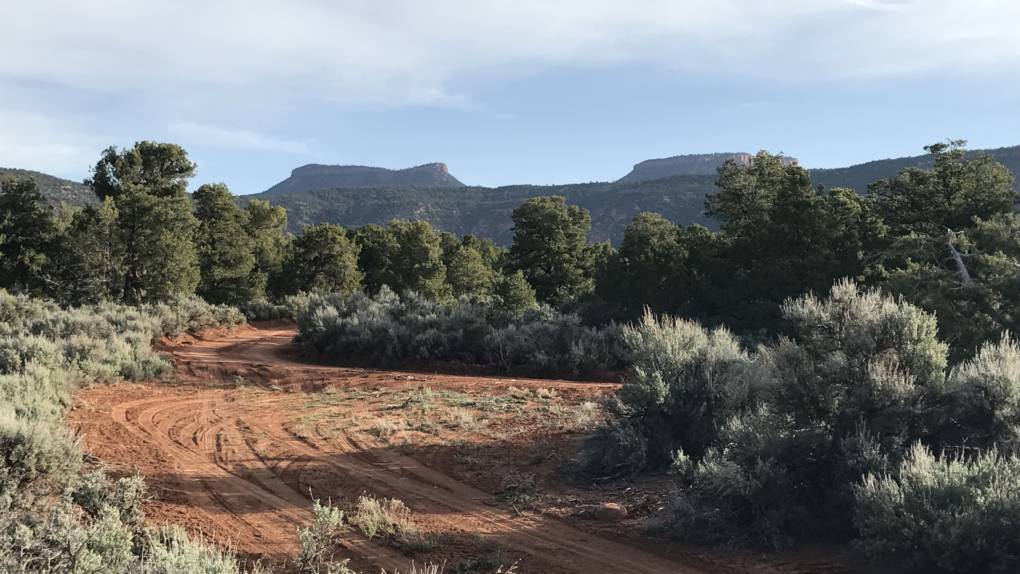
"caption": "President Obama designated the Bears Ears National Monument in December. Here, the namesake \"bears ears\" are pictured from Cedar Mesa, in the southeast Utah high desert.",
"description": "President Obama designated the Bears Ears National Monument in December. Here, the namesake \"bears ears\" are pictured from Cedar Mesa, in the southeast Utah high desert.",
"title": "President Obama designated the Bears Ears National Monument in December. Here, the namesake \"bears ears\" are pictured from Cedar Mesa, in the southeast Utah high desert.",
"credit": "Kirk Siegler/NPR",
"status": "inherit",
"isLoading": false,
"fetchFailed": false
},
"news_11415123": {
"type": "attachments",
"id": "news_11415123",
"meta": {
"index": "attachments_1716263798",
"site": "news",
"id": "11415123",
"found": true
},
"parent": 11415122,
"imgSizes": {
"small": {
"file": "https://ww2.kqed.org/app/uploads/sites/10/2017/04/gettyimages-657484976-4a1c2d36894c85196d8f88cd2bd2f43fc9c46d2e-520x390.jpg",
"width": 520,
"mimeType": "image/jpeg",
"height": 390
},
"twentyfourteen-full-width": {
"file": "https://ww2.kqed.org/app/uploads/sites/10/2017/04/gettyimages-657484976-4a1c2d36894c85196d8f88cd2bd2f43fc9c46d2e-1038x576.jpg",
"width": 1038,
"mimeType": "image/jpeg",
"height": 576
},
"thumbnail": {
"file": "https://ww2.kqed.org/app/uploads/sites/10/2017/04/gettyimages-657484976-4a1c2d36894c85196d8f88cd2bd2f43fc9c46d2e-160x120.jpg",
"width": 160,
"mimeType": "image/jpeg",
"height": 120
},
"fd-sm": {
"file": "https://ww2.kqed.org/app/uploads/sites/10/2017/04/gettyimages-657484976-4a1c2d36894c85196d8f88cd2bd2f43fc9c46d2e-960x720.jpg",
"width": 960,
"mimeType": "image/jpeg",
"height": 720
},
"post-thumbnail": {
"file": "https://ww2.kqed.org/app/uploads/sites/10/2017/04/gettyimages-657484976-4a1c2d36894c85196d8f88cd2bd2f43fc9c46d2e-672x372.jpg",
"width": 672,
"mimeType": "image/jpeg",
"height": 372
},
"xsmall": {
"file": "https://ww2.kqed.org/app/uploads/sites/10/2017/04/gettyimages-657484976-4a1c2d36894c85196d8f88cd2bd2f43fc9c46d2e-375x281.jpg",
"width": 375,
"mimeType": "image/jpeg",
"height": 281
},
"kqedFullSize": {
"file": "https://ww2.kqed.org/app/uploads/sites/10/2017/04/gettyimages-657484976-4a1c2d36894c85196d8f88cd2bd2f43fc9c46d2e-e1492544068340.jpg",
"width": 1920,
"height": 1440
},
"large": {
"file": "https://ww2.kqed.org/app/uploads/sites/10/2017/04/gettyimages-657484976-4a1c2d36894c85196d8f88cd2bd2f43fc9c46d2e-1020x765.jpg",
"width": 1020,
"mimeType": "image/jpeg",
"height": 765
},
"xlarge": {
"file": "https://ww2.kqed.org/app/uploads/sites/10/2017/04/gettyimages-657484976-4a1c2d36894c85196d8f88cd2bd2f43fc9c46d2e-1180x885.jpg",
"width": 1180,
"mimeType": "image/jpeg",
"height": 885
},
"guest-author-50": {
"file": "https://ww2.kqed.org/app/uploads/sites/10/2017/04/gettyimages-657484976-4a1c2d36894c85196d8f88cd2bd2f43fc9c46d2e-50x50.jpg",
"width": 50,
"mimeType": "image/jpeg",
"height": 50
},
"guest-author-96": {
"file": "https://ww2.kqed.org/app/uploads/sites/10/2017/04/gettyimages-657484976-4a1c2d36894c85196d8f88cd2bd2f43fc9c46d2e-96x96.jpg",
"width": 96,
"mimeType": "image/jpeg",
"height": 96
},
"medium": {
"file": "https://ww2.kqed.org/app/uploads/sites/10/2017/04/gettyimages-657484976-4a1c2d36894c85196d8f88cd2bd2f43fc9c46d2e-800x600.jpg",
"width": 800,
"mimeType": "image/jpeg",
"height": 600
},
"guest-author-64": {
"file": "https://ww2.kqed.org/app/uploads/sites/10/2017/04/gettyimages-657484976-4a1c2d36894c85196d8f88cd2bd2f43fc9c46d2e-64x64.jpg",
"width": 64,
"mimeType": "image/jpeg",
"height": 64
},
"guest-author-32": {
"file": "https://ww2.kqed.org/app/uploads/sites/10/2017/04/gettyimages-657484976-4a1c2d36894c85196d8f88cd2bd2f43fc9c46d2e-32x32.jpg",
"width": 32,
"mimeType": "image/jpeg",
"height": 32
},
"fd-lrg": {
"file": "https://ww2.kqed.org/app/uploads/sites/10/2017/04/gettyimages-657484976-4a1c2d36894c85196d8f88cd2bd2f43fc9c46d2e-1920x1440.jpg",
"width": 1920,
"mimeType": "image/jpeg",
"height": 1440
},
"fd-med": {
"file": "https://ww2.kqed.org/app/uploads/sites/10/2017/04/gettyimages-657484976-4a1c2d36894c85196d8f88cd2bd2f43fc9c46d2e-1180x885.jpg",
"width": 1180,
"mimeType": "image/jpeg",
"height": 885
},
"full-width": {
"file": "https://ww2.kqed.org/app/uploads/sites/10/2017/04/gettyimages-657484976-4a1c2d36894c85196d8f88cd2bd2f43fc9c46d2e-1920x1440.jpg",
"width": 1920,
"mimeType": "image/jpeg",
"height": 1440
},
"detail": {
"file": "https://ww2.kqed.org/app/uploads/sites/10/2017/04/gettyimages-657484976-4a1c2d36894c85196d8f88cd2bd2f43fc9c46d2e-150x150.jpg",
"width": 150,
"mimeType": "image/jpeg",
"height": 150
},
"guest-author-128": {
"file": "https://ww2.kqed.org/app/uploads/sites/10/2017/04/gettyimages-657484976-4a1c2d36894c85196d8f88cd2bd2f43fc9c46d2e-128x128.jpg",
"width": 128,
"mimeType": "image/jpeg",
"height": 128
},
"xxsmall": {
"file": "https://ww2.kqed.org/app/uploads/sites/10/2017/04/gettyimages-657484976-4a1c2d36894c85196d8f88cd2bd2f43fc9c46d2e-240x180.jpg",
"width": 240,
"mimeType": "image/jpeg",
"height": 180
}
},
"publishDate": 1492542933,
"modified": 1493164929,
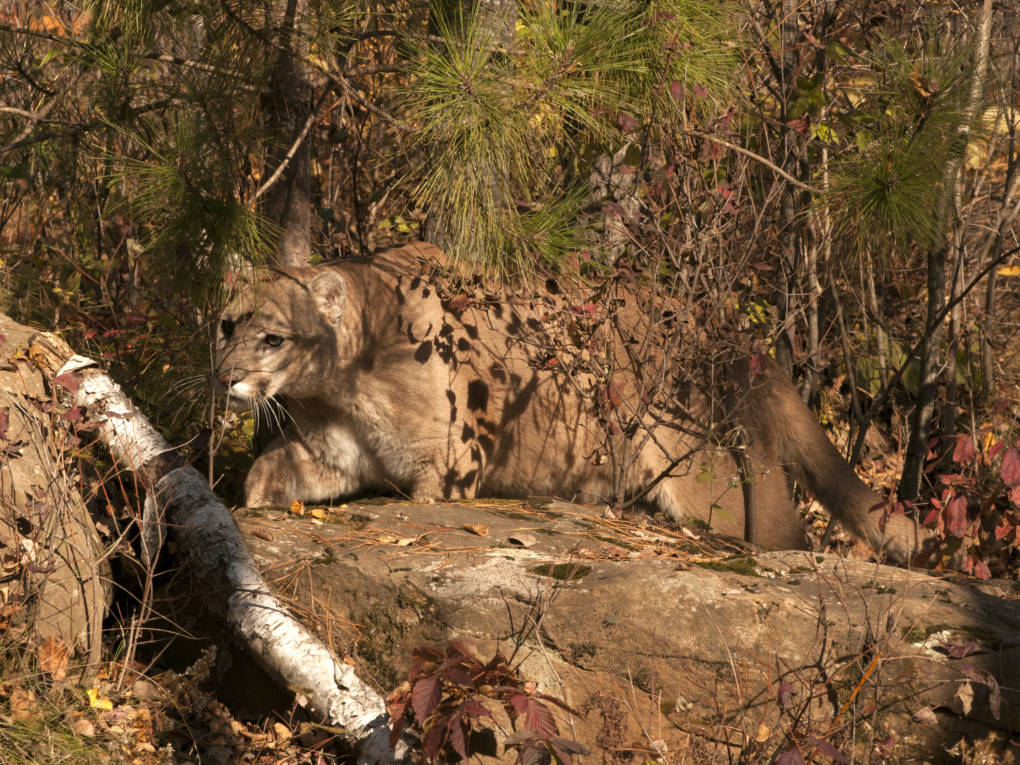
"caption": "A mountain lion -- not this one -- made off with a 15-pound Portuguese Podengo in the middle of the night in Pescadero, California.",
"description": "A mountain lion -- not this one -- is suspected of making off with a 15-pound Portuguese Podengo in the middle of the night in Pescadero, Calif.",
"title": "A mountain lion — not this one — made off with a 15-pound Portuguese Podengo in the middle of the night in Pescadero, Calif.",
"credit": "S.J. Krasemann/Getty Images",
"status": "inherit",
"isLoading": false,
"fetchFailed": false
},
"news_11420112": {
"type": "attachments",
"id": "news_11420112",
"meta": {
"index": "attachments_1716263798",
"site": "news",
"id": "11420112",
"found": true
},
"parent": 11359491,
"imgSizes": {
"small": {
"file": "https://ww2.kqed.org/app/uploads/sites/10/2017/04/RS24643_ExideLead2-qut-520x348.jpg",
"width": 520,
"mimeType": "image/jpeg",
"height": 348
},
"twentyfourteen-full-width": {
"file": "https://ww2.kqed.org/app/uploads/sites/10/2017/04/RS24643_ExideLead2-qut-1038x576.jpg",
"width": 1038,
"mimeType": "image/jpeg",
"height": 576
},
"thumbnail": {
"file": "https://ww2.kqed.org/app/uploads/sites/10/2017/04/RS24643_ExideLead2-qut-160x107.jpg",
"width": 160,
"mimeType": "image/jpeg",
"height": 107
},
"fd-sm": {
"file": "https://ww2.kqed.org/app/uploads/sites/10/2017/04/RS24643_ExideLead2-qut-960x643.jpg",
"width": 960,
"mimeType": "image/jpeg",
"height": 643
},
"post-thumbnail": {
"file": "https://ww2.kqed.org/app/uploads/sites/10/2017/04/RS24643_ExideLead2-qut-672x372.jpg",
"width": 672,
"mimeType": "image/jpeg",
"height": 372
},
"xsmall": {
"file": "https://ww2.kqed.org/app/uploads/sites/10/2017/04/RS24643_ExideLead2-qut-375x251.jpg",
"width": 375,
"mimeType": "image/jpeg",
"height": 251
},
"kqedFullSize": {
"file": "https://ww2.kqed.org/app/uploads/sites/10/2017/04/RS24643_ExideLead2-qut.jpg",
"width": 1920,
"height": 1285
},
"large": {
"file": "https://ww2.kqed.org/app/uploads/sites/10/2017/04/RS24643_ExideLead2-qut-1020x683.jpg",
"width": 1020,
"mimeType": "image/jpeg",
"height": 683
},
"xlarge": {
"file": "https://ww2.kqed.org/app/uploads/sites/10/2017/04/RS24643_ExideLead2-qut-1180x790.jpg",
"width": 1180,
"mimeType": "image/jpeg",
"height": 790
},
"guest-author-50": {
"file": "https://ww2.kqed.org/app/uploads/sites/10/2017/04/RS24643_ExideLead2-qut-50x50.jpg",
"width": 50,
"mimeType": "image/jpeg",
"height": 50
},
"guest-author-96": {
"file": "https://ww2.kqed.org/app/uploads/sites/10/2017/04/RS24643_ExideLead2-qut-96x96.jpg",
"width": 96,
"mimeType": "image/jpeg",
"height": 96
},
"medium": {
"file": "https://ww2.kqed.org/app/uploads/sites/10/2017/04/RS24643_ExideLead2-qut-800x535.jpg",
"width": 800,
"mimeType": "image/jpeg",
"height": 535
},
"guest-author-64": {
"file": "https://ww2.kqed.org/app/uploads/sites/10/2017/04/RS24643_ExideLead2-qut-64x64.jpg",
"width": 64,
"mimeType": "image/jpeg",
"height": 64
},
"guest-author-32": {
"file": "https://ww2.kqed.org/app/uploads/sites/10/2017/04/RS24643_ExideLead2-qut-32x32.jpg",
"width": 32,
"mimeType": "image/jpeg",
"height": 32
},
"fd-lrg": {
"file": "https://ww2.kqed.org/app/uploads/sites/10/2017/04/RS24643_ExideLead2-qut-1920x1285.jpg",
"width": 1920,
"mimeType": "image/jpeg",
"height": 1285
},
"fd-med": {
"file": "https://ww2.kqed.org/app/uploads/sites/10/2017/04/RS24643_ExideLead2-qut-1180x790.jpg",
"width": 1180,
"mimeType": "image/jpeg",
"height": 790
},
"full-width": {
"file": "https://ww2.kqed.org/app/uploads/sites/10/2017/04/RS24643_ExideLead2-qut-1920x1285.jpg",
"width": 1920,
"mimeType": "image/jpeg",
"height": 1285
},
"detail": {
"file": "https://ww2.kqed.org/app/uploads/sites/10/2017/04/RS24643_ExideLead2-qut-150x150.jpg",
"width": 150,
"mimeType": "image/jpeg",
"height": 150
},
"guest-author-128": {
"file": "https://ww2.kqed.org/app/uploads/sites/10/2017/04/RS24643_ExideLead2-qut-128x128.jpg",
"width": 128,
"mimeType": "image/jpeg",
"height": 128
},
"xxsmall": {
"file": "https://ww2.kqed.org/app/uploads/sites/10/2017/04/RS24643_ExideLead2-qut-240x161.jpg",
"width": 240,
"mimeType": "image/jpeg",
"height": 161
}
},
"publishDate": 1492798039,
"modified": 1493068997,
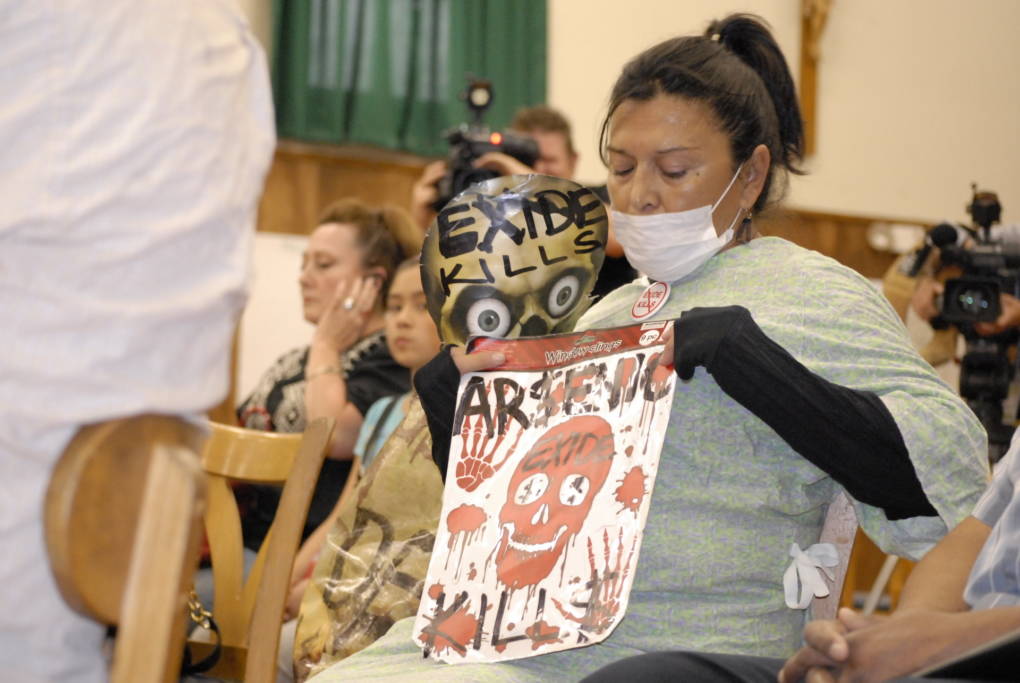
"caption": "Dolores Mejia is a frequent protester at public meetings when DTSC officials describe their cleanup plans for houses surrounding the Exide Technologies recycling plant.",
"description": "Dolores Mejia is a frequent protester at public meetings when DTSC officials describe their cleanup plans for houses surrounding the Exide Technologies recycling plant.",
"title": "RS24643_ExideLead2-qut",
"credit": "Chris Richard/KQED",
"status": "inherit",
"isLoading": false,
"fetchFailed": false
},
"science_1576808": {
"type": "attachments",
"id": "science_1576808",
"meta": {
"index": "attachments_1716263798",
"site": "science",
"id": "1576808",
"found": true
},
"parent": 1576345,
"imgSizes": {
"small": {
"file": "https://ww2.kqed.org/app/uploads/sites/35/2017/04/6777623279_ecf351c2c6_o-520x98.jpg",
"width": 520,
"mimeType": "image/jpeg",
"height": 98
},
"twentyfourteen-full-width": {
"file": "https://ww2.kqed.org/app/uploads/sites/35/2017/04/6777623279_ecf351c2c6_o-1038x576.jpg",
"width": 1038,
"mimeType": "image/jpeg",
"height": 576
},
"thumbnail": {
"file": "https://ww2.kqed.org/app/uploads/sites/35/2017/04/6777623279_ecf351c2c6_o-160x30.jpg",
"width": 160,
"mimeType": "image/jpeg",
"height": 30
},
"fd-sm": {
"file": "https://ww2.kqed.org/app/uploads/sites/35/2017/04/6777623279_ecf351c2c6_o-960x180.jpg",
"width": 960,
"mimeType": "image/jpeg",
"height": 180
},
"post-thumbnail": {
"file": "https://ww2.kqed.org/app/uploads/sites/35/2017/04/6777623279_ecf351c2c6_o-672x372.jpg",
"width": 672,
"mimeType": "image/jpeg",
"height": 372
},
"xsmall": {
"file": "https://ww2.kqed.org/app/uploads/sites/35/2017/04/6777623279_ecf351c2c6_o-375x70.jpg",
"width": 375,
"mimeType": "image/jpeg",
"height": 70
},
"kqedFullSize": {
"file": "https://ww2.kqed.org/app/uploads/sites/35/2017/04/6777623279_ecf351c2c6_o.jpg",
"width": 5760,
"height": 1080
},
"large": {
"file": "https://ww2.kqed.org/app/uploads/sites/35/2017/04/6777623279_ecf351c2c6_o-1020x191.jpg",
"width": 1020,
"mimeType": "image/jpeg",
"height": 191
},
"xlarge": {
"file": "https://ww2.kqed.org/app/uploads/sites/35/2017/04/6777623279_ecf351c2c6_o-1180x221.jpg",
"width": 1180,
"mimeType": "image/jpeg",
"height": 221
},
"guest-author-50": {
"file": "https://ww2.kqed.org/app/uploads/sites/35/2017/04/6777623279_ecf351c2c6_o-50x50.jpg",
"width": 50,
"mimeType": "image/jpeg",
"height": 50
},
"guest-author-96": {
"file": "https://ww2.kqed.org/app/uploads/sites/35/2017/04/6777623279_ecf351c2c6_o-96x96.jpg",
"width": 96,
"mimeType": "image/jpeg",
"height": 96
},
"medium": {
"file": "https://ww2.kqed.org/app/uploads/sites/35/2017/04/6777623279_ecf351c2c6_o-800x150.jpg",
"width": 800,
"mimeType": "image/jpeg",
"height": 150
},
"guest-author-64": {
"file": "https://ww2.kqed.org/app/uploads/sites/35/2017/04/6777623279_ecf351c2c6_o-64x64.jpg",
"width": 64,
"mimeType": "image/jpeg",
"height": 64
},
"guest-author-32": {
"file": "https://ww2.kqed.org/app/uploads/sites/35/2017/04/6777623279_ecf351c2c6_o-32x32.jpg",
"width": 32,
"mimeType": "image/jpeg",
"height": 32
},
"fd-lrg": {
"file": "https://ww2.kqed.org/app/uploads/sites/35/2017/04/6777623279_ecf351c2c6_o-1920x360.jpg",
"width": 1920,
"mimeType": "image/jpeg",
"height": 360
},
"fd-med": {
"file": "https://ww2.kqed.org/app/uploads/sites/35/2017/04/6777623279_ecf351c2c6_o-1180x221.jpg",
"width": 1180,
"mimeType": "image/jpeg",
"height": 221
},
"full-width": {
"file": "https://ww2.kqed.org/app/uploads/sites/35/2017/04/6777623279_ecf351c2c6_o-1920x360.jpg",
"width": 1920,
"mimeType": "image/jpeg",
"height": 360
},
"detail": {
"file": "https://ww2.kqed.org/app/uploads/sites/35/2017/04/6777623279_ecf351c2c6_o-150x150.jpg",
"width": 150,
"mimeType": "image/jpeg",
"height": 150
},
"medium_large": {
"file": "https://ww2.kqed.org/app/uploads/sites/35/2017/04/6777623279_ecf351c2c6_o-768x144.jpg",
"width": 768,
"mimeType": "image/jpeg",
"height": 144
},
"guest-author-128": {
"file": "https://ww2.kqed.org/app/uploads/sites/35/2017/04/6777623279_ecf351c2c6_o-128x128.jpg",
"width": 128,
"mimeType": "image/jpeg",
"height": 128
},
"xxsmall": {
"file": "https://ww2.kqed.org/app/uploads/sites/35/2017/04/6777623279_ecf351c2c6_o-240x45.jpg",
"width": 240,
"mimeType": "image/jpeg",
"height": 45
}
},
"publishDate": 1492820177,
"modified": 1492820227,
"caption": "Planet Earth",
"description": "Planet Earth",
"title": "6777623279_ecf351c2c6_o",
"credit": "NASA",
"status": "inherit",
"isLoading": false,
"fetchFailed": false
},
"news_11422128": {
"type": "attachments",
"id": "news_11422128",
"meta": {
"index": "attachments_1716263798",
"site": "news",
"id": "11422128",
"found": true
},
"parent": 11421750,
"imgSizes": {
"small": {
"file": "https://ww2.kqed.org/app/uploads/sites/10/2017/04/GettyImages-671618308-1-520x378.jpg",
"width": 520,
"mimeType": "image/jpeg",
"height": 378
},
"twentyfourteen-full-width": {
"file": "https://ww2.kqed.org/app/uploads/sites/10/2017/04/GettyImages-671618308-1-1038x576.jpg",
"width": 1038,
"mimeType": "image/jpeg",
"height": 576
},
"thumbnail": {
"file": "https://ww2.kqed.org/app/uploads/sites/10/2017/04/GettyImages-671618308-1-160x116.jpg",
"width": 160,
"mimeType": "image/jpeg",
"height": 116
},
"fd-sm": {
"file": "https://ww2.kqed.org/app/uploads/sites/10/2017/04/GettyImages-671618308-1-960x698.jpg",
"width": 960,
"mimeType": "image/jpeg",
"height": 698
},
"post-thumbnail": {
"file": "https://ww2.kqed.org/app/uploads/sites/10/2017/04/GettyImages-671618308-1-672x372.jpg",
"width": 672,
"mimeType": "image/jpeg",
"height": 372
},
"xsmall": {
"file": "https://ww2.kqed.org/app/uploads/sites/10/2017/04/GettyImages-671618308-1-375x273.jpg",
"width": 375,
"mimeType": "image/jpeg",
"height": 273
},
"kqedFullSize": {
"file": "https://ww2.kqed.org/app/uploads/sites/10/2017/04/GettyImages-671618308-1-e1492901762725.jpg",
"width": 1920,
"height": 1397
},
"large": {
"file": "https://ww2.kqed.org/app/uploads/sites/10/2017/04/GettyImages-671618308-1-1020x742.jpg",
"width": 1020,
"mimeType": "image/jpeg",
"height": 742
},
"xlarge": {
"file": "https://ww2.kqed.org/app/uploads/sites/10/2017/04/GettyImages-671618308-1-1180x859.jpg",
"width": 1180,
"mimeType": "image/jpeg",
"height": 859
},
"guest-author-50": {
"file": "https://ww2.kqed.org/app/uploads/sites/10/2017/04/GettyImages-671618308-1-50x50.jpg",
"width": 50,
"mimeType": "image/jpeg",
"height": 50
},
"guest-author-96": {
"file": "https://ww2.kqed.org/app/uploads/sites/10/2017/04/GettyImages-671618308-1-96x96.jpg",
"width": 96,
"mimeType": "image/jpeg",
"height": 96
},
"medium": {
"file": "https://ww2.kqed.org/app/uploads/sites/10/2017/04/GettyImages-671618308-1-800x582.jpg",
"width": 800,
"mimeType": "image/jpeg",
"height": 582
},
"guest-author-64": {
"file": "https://ww2.kqed.org/app/uploads/sites/10/2017/04/GettyImages-671618308-1-64x64.jpg",
"width": 64,
"mimeType": "image/jpeg",
"height": 64
},
"guest-author-32": {
"file": "https://ww2.kqed.org/app/uploads/sites/10/2017/04/GettyImages-671618308-1-32x32.jpg",
"width": 32,
"mimeType": "image/jpeg",
"height": 32
},
"fd-lrg": {
"file": "https://ww2.kqed.org/app/uploads/sites/10/2017/04/GettyImages-671618308-1-1920x1397.jpg",
"width": 1920,
"mimeType": "image/jpeg",
"height": 1397
},
"fd-med": {
"file": "https://ww2.kqed.org/app/uploads/sites/10/2017/04/GettyImages-671618308-1-1180x859.jpg",
"width": 1180,
"mimeType": "image/jpeg",
"height": 859
},
"full-width": {
"file": "https://ww2.kqed.org/app/uploads/sites/10/2017/04/GettyImages-671618308-1-1920x1397.jpg",
"width": 1920,
"mimeType": "image/jpeg",
"height": 1397
},
"detail": {
"file": "https://ww2.kqed.org/app/uploads/sites/10/2017/04/GettyImages-671618308-1-150x150.jpg",
"width": 150,
"mimeType": "image/jpeg",
"height": 150
},
"guest-author-128": {
"file": "https://ww2.kqed.org/app/uploads/sites/10/2017/04/GettyImages-671618308-1-128x128.jpg",
"width": 128,
"mimeType": "image/jpeg",
"height": 128
},
"xxsmall": {
"file": "https://ww2.kqed.org/app/uploads/sites/10/2017/04/GettyImages-671618308-1-240x175.jpg",
"width": 240,
"mimeType": "image/jpeg",
"height": 175
}
},
"publishDate": 1492901746,
"modified": 1493079491,
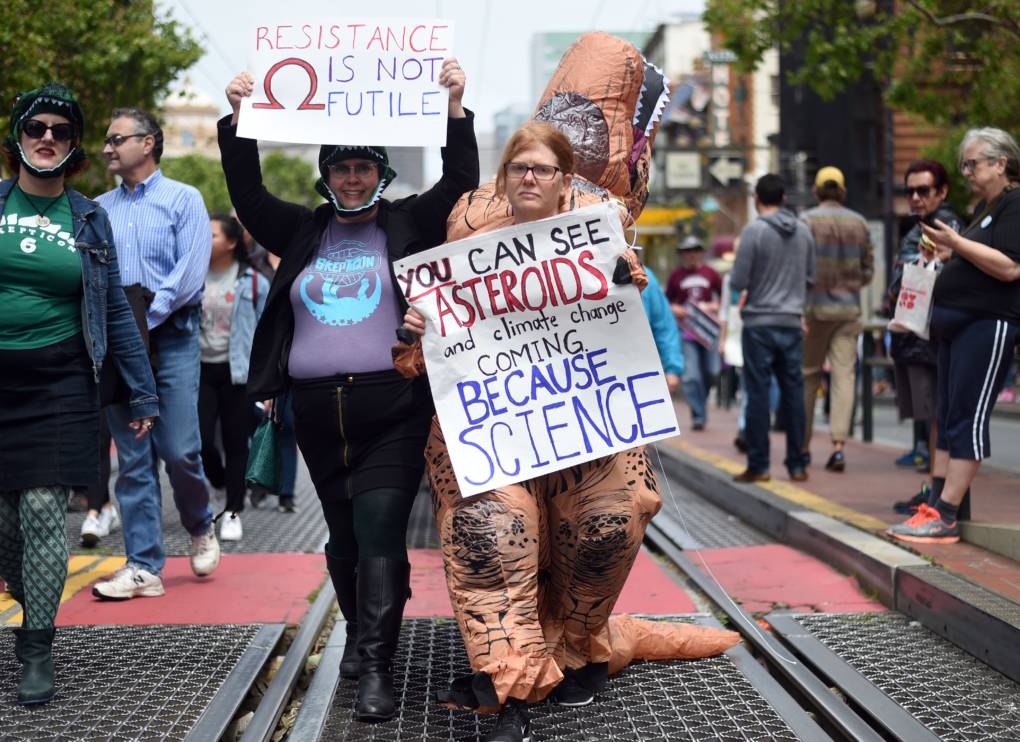
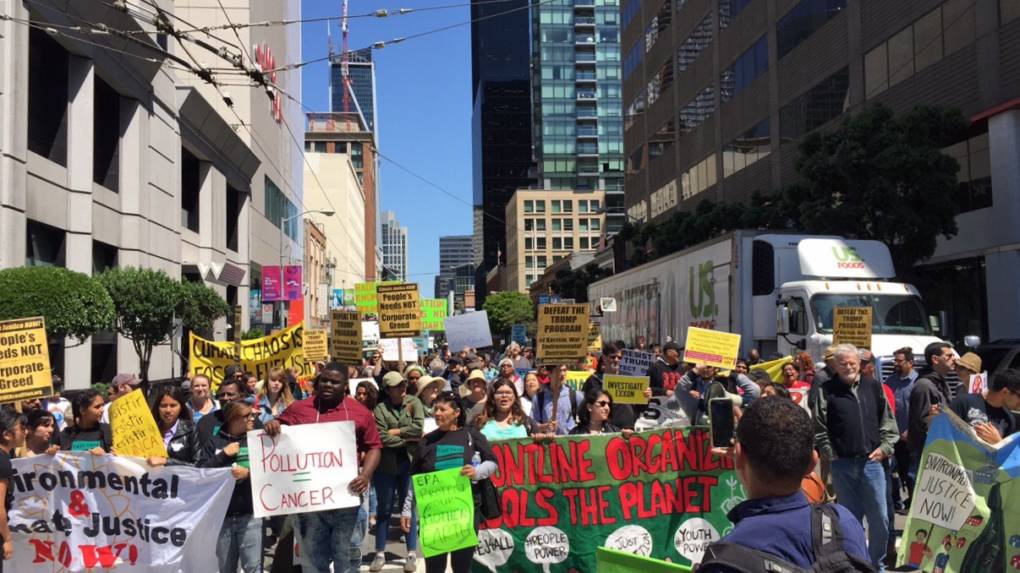
"caption": "People hold up signs as thousands participate in the March for Science in San Francisco.",
"description": null,
"title": "US-ENVIRONMENT-SCIENCE-PEOPLE-POLITICS",
"credit": "Josh Edelson/AFP/Getty Images",
"status": "inherit",
"isLoading": false,
"fetchFailed": false
},
"science_1579300": {
"type": "attachments",
"id": "science_1579300",
"meta": {
"index": "attachments_1716263798",
"site": "science",
"id": "1579300",
"found": true
},
"parent": 1573523,
"imgSizes": {
"small": {
"file": "https://ww2.kqed.org/app/uploads/sites/35/2017/04/RS25024_RS25023_GettyImages-671619990-qut-qut-520x351.jpg",
"width": 520,
"mimeType": "image/jpeg",
"height": 351
},
"twentyfourteen-full-width": {
"file": "https://ww2.kqed.org/app/uploads/sites/35/2017/04/RS25024_RS25023_GettyImages-671619990-qut-qut-1038x576.jpg",
"width": 1038,
"mimeType": "image/jpeg",
"height": 576
},
"thumbnail": {
"file": "https://ww2.kqed.org/app/uploads/sites/35/2017/04/RS25024_RS25023_GettyImages-671619990-qut-qut-160x108.jpg",
"width": 160,
"mimeType": "image/jpeg",
"height": 108
},
"fd-sm": {
"file": "https://ww2.kqed.org/app/uploads/sites/35/2017/04/RS25024_RS25023_GettyImages-671619990-qut-qut-960x648.jpg",
"width": 960,
"mimeType": "image/jpeg",
"height": 648
},
"post-thumbnail": {
"file": "https://ww2.kqed.org/app/uploads/sites/35/2017/04/RS25024_RS25023_GettyImages-671619990-qut-qut-672x372.jpg",
"width": 672,
"mimeType": "image/jpeg",
"height": 372
},
"xsmall": {
"file": "https://ww2.kqed.org/app/uploads/sites/35/2017/04/RS25024_RS25023_GettyImages-671619990-qut-qut-375x253.jpg",
"width": 375,
"mimeType": "image/jpeg",
"height": 253
},
"kqedFullSize": {
"file": "https://ww2.kqed.org/app/uploads/sites/35/2017/04/RS25024_RS25023_GettyImages-671619990-qut-qut.jpg",
"width": 1920,
"height": 1296
},
"large": {
"file": "https://ww2.kqed.org/app/uploads/sites/35/2017/04/RS25024_RS25023_GettyImages-671619990-qut-qut-1020x689.jpg",
"width": 1020,
"mimeType": "image/jpeg",
"height": 689
},
"xlarge": {
"file": "https://ww2.kqed.org/app/uploads/sites/35/2017/04/RS25024_RS25023_GettyImages-671619990-qut-qut-1180x797.jpg",
"width": 1180,
"mimeType": "image/jpeg",
"height": 797
},
"guest-author-50": {
"file": "https://ww2.kqed.org/app/uploads/sites/35/2017/04/RS25024_RS25023_GettyImages-671619990-qut-qut-50x50.jpg",
"width": 50,
"mimeType": "image/jpeg",
"height": 50
},
"guest-author-96": {
"file": "https://ww2.kqed.org/app/uploads/sites/35/2017/04/RS25024_RS25023_GettyImages-671619990-qut-qut-96x96.jpg",
"width": 96,
"mimeType": "image/jpeg",
"height": 96
},
"medium": {
"file": "https://ww2.kqed.org/app/uploads/sites/35/2017/04/RS25024_RS25023_GettyImages-671619990-qut-qut-800x540.jpg",
"width": 800,
"mimeType": "image/jpeg",
"height": 540
},
"guest-author-64": {
"file": "https://ww2.kqed.org/app/uploads/sites/35/2017/04/RS25024_RS25023_GettyImages-671619990-qut-qut-64x64.jpg",
"width": 64,
"mimeType": "image/jpeg",
"height": 64
},
"guest-author-32": {
"file": "https://ww2.kqed.org/app/uploads/sites/35/2017/04/RS25024_RS25023_GettyImages-671619990-qut-qut-32x32.jpg",
"width": 32,
"mimeType": "image/jpeg",
"height": 32
},
"fd-lrg": {
"file": "https://ww2.kqed.org/app/uploads/sites/35/2017/04/RS25024_RS25023_GettyImages-671619990-qut-qut-1920x1296.jpg",
"width": 1920,
"mimeType": "image/jpeg",
"height": 1296
},
"fd-med": {
"file": "https://ww2.kqed.org/app/uploads/sites/35/2017/04/RS25024_RS25023_GettyImages-671619990-qut-qut-1180x797.jpg",
"width": 1180,
"mimeType": "image/jpeg",
"height": 797
},
"full-width": {
"file": "https://ww2.kqed.org/app/uploads/sites/35/2017/04/RS25024_RS25023_GettyImages-671619990-qut-qut-1920x1296.jpg",
"width": 1920,
"mimeType": "image/jpeg",
"height": 1296
},
"detail": {
"file": "https://ww2.kqed.org/app/uploads/sites/35/2017/04/RS25024_RS25023_GettyImages-671619990-qut-qut-150x150.jpg",
"width": 150,
"mimeType": "image/jpeg",
"height": 150
},
"medium_large": {
"file": "https://ww2.kqed.org/app/uploads/sites/35/2017/04/RS25024_RS25023_GettyImages-671619990-qut-qut-768x518.jpg",
"width": 768,
"mimeType": "image/jpeg",
"height": 518
},
"guest-author-128": {
"file": "https://ww2.kqed.org/app/uploads/sites/35/2017/04/RS25024_RS25023_GettyImages-671619990-qut-qut-128x128.jpg",
"width": 128,
"mimeType": "image/jpeg",
"height": 128
},
"xxsmall": {
"file": "https://ww2.kqed.org/app/uploads/sites/35/2017/04/RS25024_RS25023_GettyImages-671619990-qut-qut-240x162.jpg",
"width": 240,
"mimeType": "image/jpeg",
"height": 162
}
},
"publishDate": 1492902999,
"modified": 1492903049,
"caption": "People holds up signs during the March for Science in San Francisco, California on April 22, 2017. \nThousands of people joined a global March for Science to fight back against what many see as an \"assault on facts\" by populist politicians. ",
"description": null,
"title": "US-ENVIRONMENT-SCIENCE-PEOPLE-POLITICS",
"credit": "JOSH EDELSON/AFP/Getty Images",
"status": "inherit",
"isLoading": false,
"fetchFailed": false
},
"news_11419825": {
"type": "attachments",
"id": "news_11419825",
"meta": {
"index": "attachments_1716263798",
"site": "news",
"id": "11419825",
"found": true
},
"parent": 11418778,
"imgSizes": {
"small": {
"file": "https://ww2.kqed.org/app/uploads/sites/10/2017/04/FL_Oroville-0616_04_12_2017-520x347.jpg",
"width": 520,
"mimeType": "image/jpeg",
"height": 347
},
"twentyfourteen-full-width": {
"file": "https://ww2.kqed.org/app/uploads/sites/10/2017/04/FL_Oroville-0616_04_12_2017-1038x576.jpg",
"width": 1038,
"mimeType": "image/jpeg",
"height": 576
},
"thumbnail": {
"file": "https://ww2.kqed.org/app/uploads/sites/10/2017/04/FL_Oroville-0616_04_12_2017-160x107.jpg",
"width": 160,
"mimeType": "image/jpeg",
"height": 107
},
"fd-sm": {
"file": "https://ww2.kqed.org/app/uploads/sites/10/2017/04/FL_Oroville-0616_04_12_2017-960x641.jpg",
"width": 960,
"mimeType": "image/jpeg",
"height": 641
},
"post-thumbnail": {
"file": "https://ww2.kqed.org/app/uploads/sites/10/2017/04/FL_Oroville-0616_04_12_2017-672x372.jpg",
"width": 672,
"mimeType": "image/jpeg",
"height": 372
},
"xsmall": {
"file": "https://ww2.kqed.org/app/uploads/sites/10/2017/04/FL_Oroville-0616_04_12_2017-375x250.jpg",
"width": 375,
"mimeType": "image/jpeg",
"height": 250
},
"kqedFullSize": {
"file": "https://ww2.kqed.org/app/uploads/sites/10/2017/04/FL_Oroville-0616_04_12_2017-e1492784552781.jpg",
"width": 1920,
"height": 1282
},
"large": {
"file": "https://ww2.kqed.org/app/uploads/sites/10/2017/04/FL_Oroville-0616_04_12_2017-1020x681.jpg",
"width": 1020,
"mimeType": "image/jpeg",
"height": 681
},
"xlarge": {
"file": "https://ww2.kqed.org/app/uploads/sites/10/2017/04/FL_Oroville-0616_04_12_2017-1180x788.jpg",
"width": 1180,
"mimeType": "image/jpeg",
"height": 788
},
"guest-author-50": {
"file": "https://ww2.kqed.org/app/uploads/sites/10/2017/04/FL_Oroville-0616_04_12_2017-50x50.jpg",
"width": 50,
"mimeType": "image/jpeg",
"height": 50
},
"guest-author-96": {
"file": "https://ww2.kqed.org/app/uploads/sites/10/2017/04/FL_Oroville-0616_04_12_2017-96x96.jpg",
"width": 96,
"mimeType": "image/jpeg",
"height": 96
},
"medium": {
"file": "https://ww2.kqed.org/app/uploads/sites/10/2017/04/FL_Oroville-0616_04_12_2017-800x534.jpg",
"width": 800,
"mimeType": "image/jpeg",
"height": 534
},
"guest-author-64": {
"file": "https://ww2.kqed.org/app/uploads/sites/10/2017/04/FL_Oroville-0616_04_12_2017-64x64.jpg",
"width": 64,
"mimeType": "image/jpeg",
"height": 64
},
"guest-author-32": {
"file": "https://ww2.kqed.org/app/uploads/sites/10/2017/04/FL_Oroville-0616_04_12_2017-32x32.jpg",
"width": 32,
"mimeType": "image/jpeg",
"height": 32
},
"fd-lrg": {
"file": "https://ww2.kqed.org/app/uploads/sites/10/2017/04/FL_Oroville-0616_04_12_2017-1920x1282.jpg",
"width": 1920,
"mimeType": "image/jpeg",
"height": 1282
},
"fd-med": {
"file": "https://ww2.kqed.org/app/uploads/sites/10/2017/04/FL_Oroville-0616_04_12_2017-1180x788.jpg",
"width": 1180,
"mimeType": "image/jpeg",
"height": 788
},
"full-width": {
"file": "https://ww2.kqed.org/app/uploads/sites/10/2017/04/FL_Oroville-0616_04_12_2017-1920x1282.jpg",
"width": 1920,
"mimeType": "image/jpeg",
"height": 1282
},
"detail": {
"file": "https://ww2.kqed.org/app/uploads/sites/10/2017/04/FL_Oroville-0616_04_12_2017-150x150.jpg",
"width": 150,
"mimeType": "image/jpeg",
"height": 150
},
"guest-author-128": {
"file": "https://ww2.kqed.org/app/uploads/sites/10/2017/04/FL_Oroville-0616_04_12_2017-128x128.jpg",
"width": 128,
"mimeType": "image/jpeg",
"height": 128
},
"xxsmall": {
"file": "https://ww2.kqed.org/app/uploads/sites/10/2017/04/FL_Oroville-0616_04_12_2017-240x160.jpg",
"width": 240,
"mimeType": "image/jpeg",
"height": 160
}
},
"publishDate": 1492784439,
"modified": 1492810842,
"caption": "A hole in the side of the 'training wall' of Oroville Dam's crippled main spillway. ",
"description": null,
"title": "Oroville Dam-Spillway",
"credit": "Florence Low / California Department of Water Resources",
"status": "inherit",
"isLoading": false,
"fetchFailed": false
},
"news_11420775": {
"type": "attachments",
"id": "news_11420775",
"meta": {
"index": "attachments_1716263798",
"site": "news",
"id": "11420775",
"found": true
},
"parent": 11420768,
"imgSizes": {
"small": {
"file": "https://ww2.kqed.org/app/uploads/sites/10/2017/04/EPA-Rally-4-520x292.jpeg",
"width": 520,
"mimeType": "image/jpeg",
"height": 292
},
"twentyfourteen-full-width": {
"file": "https://ww2.kqed.org/app/uploads/sites/10/2017/04/EPA-Rally-4-1038x576.jpeg",
"width": 1038,
"mimeType": "image/jpeg",
"height": 576
},
"thumbnail": {
"file": "https://ww2.kqed.org/app/uploads/sites/10/2017/04/EPA-Rally-4-160x90.jpeg",
"width": 160,
"mimeType": "image/jpeg",
"height": 90
},
"fd-sm": {
"file": "https://ww2.kqed.org/app/uploads/sites/10/2017/04/EPA-Rally-4-960x540.jpeg",
"width": 960,
"mimeType": "image/jpeg",
"height": 540
},
"post-thumbnail": {
"file": "https://ww2.kqed.org/app/uploads/sites/10/2017/04/EPA-Rally-4-672x372.jpeg",
"width": 672,
"mimeType": "image/jpeg",
"height": 372
},
"xsmall": {
"file": "https://ww2.kqed.org/app/uploads/sites/10/2017/04/EPA-Rally-4-375x211.jpeg",
"width": 375,
"mimeType": "image/jpeg",
"height": 211
},
"kqedFullSize": {
"file": "https://ww2.kqed.org/app/uploads/sites/10/2017/04/EPA-Rally-4.jpeg",
"width": 1206,
"height": 678
},
"large": {
"file": "https://ww2.kqed.org/app/uploads/sites/10/2017/04/EPA-Rally-4-1020x573.jpeg",
"width": 1020,
"mimeType": "image/jpeg",
"height": 573
},
"xlarge": {
"file": "https://ww2.kqed.org/app/uploads/sites/10/2017/04/EPA-Rally-4-1180x663.jpeg",
"width": 1180,
"mimeType": "image/jpeg",
"height": 663
},
"guest-author-50": {
"file": "https://ww2.kqed.org/app/uploads/sites/10/2017/04/EPA-Rally-4-50x50.jpeg",
"width": 50,
"mimeType": "image/jpeg",
"height": 50
},
"guest-author-96": {
"file": "https://ww2.kqed.org/app/uploads/sites/10/2017/04/EPA-Rally-4-96x96.jpeg",
"width": 96,
"mimeType": "image/jpeg",
"height": 96
},
"medium": {
"file": "https://ww2.kqed.org/app/uploads/sites/10/2017/04/EPA-Rally-4-800x450.jpeg",
"width": 800,
"mimeType": "image/jpeg",
"height": 450
},
"guest-author-64": {
"file": "https://ww2.kqed.org/app/uploads/sites/10/2017/04/EPA-Rally-4-64x64.jpeg",
"width": 64,
"mimeType": "image/jpeg",
"height": 64
},
"guest-author-32": {
"file": "https://ww2.kqed.org/app/uploads/sites/10/2017/04/EPA-Rally-4-32x32.jpeg",
"width": 32,
"mimeType": "image/jpeg",
"height": 32
},
"fd-med": {
"file": "https://ww2.kqed.org/app/uploads/sites/10/2017/04/EPA-Rally-4-1180x663.jpeg",
"width": 1180,
"mimeType": "image/jpeg",
"height": 663
},
"detail": {
"file": "https://ww2.kqed.org/app/uploads/sites/10/2017/04/EPA-Rally-4-150x150.jpeg",
"width": 150,
"mimeType": "image/jpeg",
"height": 150
},
"guest-author-128": {
"file": "https://ww2.kqed.org/app/uploads/sites/10/2017/04/EPA-Rally-4-128x128.jpeg",
"width": 128,
"mimeType": "image/jpeg",
"height": 128
},
"xxsmall": {
"file": "https://ww2.kqed.org/app/uploads/sites/10/2017/04/EPA-Rally-4-240x135.jpeg",
"width": 240,
"mimeType": "image/jpeg",
"height": 135
}
},
"publishDate": 1492824091,
"modified": 1492824091,
"caption": null,
"description": null,
"title": "EPA Rally 4",
"credit": null,
"status": "inherit",
"isLoading": false,
"fetchFailed": false
},
"news_139823": {
"type": "attachments",
"id": "news_139823",
"meta": {
"index": "attachments_1716263798",
"site": "news",
"id": "139823",
"found": true
},
"parent": 139819,
"imgSizes": {
"kqedFullSize": {
"file": "https://ww2.kqed.org/app/uploads/sites/10/2014/06/RS243_SunsetSanPabloBay_120118-lpr-e1492802811184.jpg",
"width": 1920,
"height": 1440
}
},
"publishDate": 1403281578,
"modified": 1492730940,
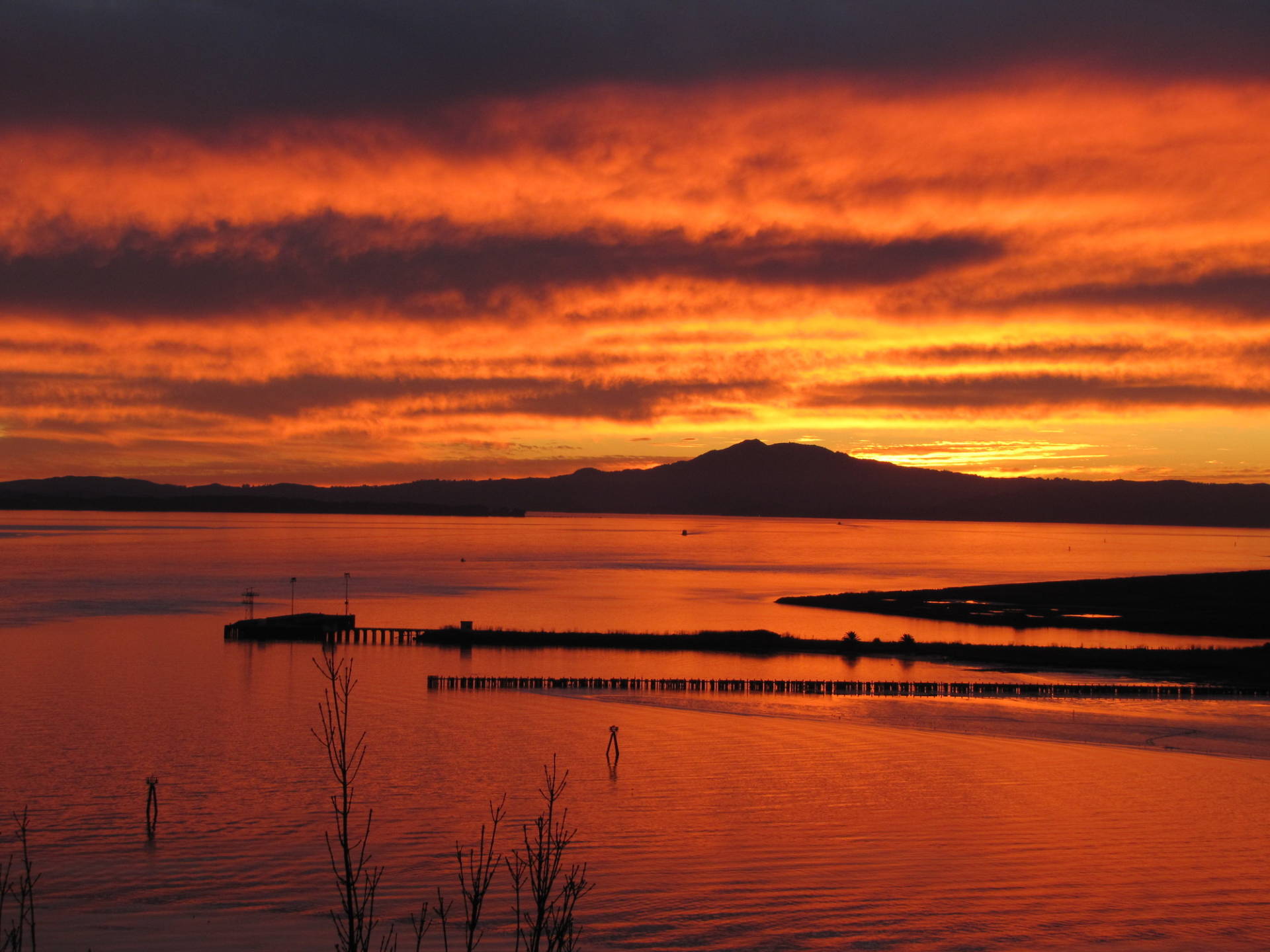
"caption": "The beauty of Bay Area landscapes inspired the creator of the original Earth Day. ",
"description": null,
"title": "Mount Tamalpais-San Pablo Bay",
"credit": null,
"status": "inherit",
"isLoading": false,
"fetchFailed": false
}
},
"audioPlayerReducer": {
"postId": "stream_live",
"isPaused": true,
"isPlaying": false,
"pfsActive": false,
"pledgeModalIsOpen": true,
"playerDrawerIsOpen": false,
"liveAudioPlayStartedAt": 0,
"liveAudioPlayContext": ""
},
"authorsReducer": {
"byline_news_11428068": {
"type": "authors",
"id": "byline_news_11428068",
"meta": {
"override": true
},
"slug": "byline_news_11428068",
"name": "\u003cstrong>\u003ca href=\"https://calmatters.org/articles/author/julie-cart/\">Julie Cart\u003c/a>\u003c/strong>",
"isLoading": false
},
"byline_news_11427984": {
"type": "authors",
"id": "byline_news_11427984",
"meta": {
"override": true
},
"slug": "byline_news_11427984",
"name": "Christopher Joyce",
"isLoading": false
},
"byline_science_1588944": {
"type": "authors",
"id": "byline_science_1588944",
"meta": {
"override": true
},
"slug": "byline_science_1588944",
"name": "Kirk Siegler\u003c/br>NPR",
"isLoading": false
},
"chrisrichard": {
"type": "authors",
"id": "219",
"meta": {
"index": "authors_1716337520",
"id": "219",
"found": true
},
"name": "Chris Richard",
"firstName": "Chris",
"lastName": "Richard",
"slug": "chrisrichard",
"email": "chris@chrisrichard.org",
"display_author_email": false,
"staff_mastheads": [],
"title": null,
"bio": null,
"avatar": "https://secure.gravatar.com/avatar/0a5aab2628cba861c36f5f2142bf3e9c?s=600&d=blank&r=g",
"twitter": null,
"facebook": null,
"instagram": null,
"linkedin": null,
"sites": [
{
"site": "news",
"roles": [
"author"
]
},
{
"site": "stateofhealth",
"roles": [
"author"
]
}
],
"headData": {
"title": "Chris Richard | KQED",
"description": null,
"ogImgSrc": "https://secure.gravatar.com/avatar/0a5aab2628cba861c36f5f2142bf3e9c?s=600&d=blank&r=g",
"twImgSrc": "https://secure.gravatar.com/avatar/0a5aab2628cba861c36f5f2142bf3e9c?s=600&d=blank&r=g"
},
"isLoading": false,
"link": "/author/chrisrichard"
},
"danbrekke": {
"type": "authors",
"id": "222",
"meta": {
"index": "authors_1716337520",
"id": "222",
"found": true
},
"name": "Dan Brekke",
"firstName": "Dan",
"lastName": "Brekke",
"slug": "danbrekke",
"email": "dbrekke@kqed.org",
"display_author_email": true,
"staff_mastheads": [
"news",
"science"
],
"title": "KQED Editor and Reporter",
"bio": "Dan Brekke is a reporter and editor for KQED News, responsible for coverage of topics ranging from California water issues to the Bay Area's transportation challenges. In a newsroom career that began in Chicago in 1972, Dan has worked for \u003cem>The San Francisco Examiner,\u003c/em> Wired and TechTV and has been published in The New York Times, The New York Times Magazine, Business 2.0, Salon and elsewhere.\r\n\r\nSince joining KQED in 2007, Dan has reported, edited and produced both radio and online features and breaking news pieces. He has shared as both editor and reporter in four Society of Professional Journalists Norcal Excellence in Journalism awards and one Edward R. Murrow regional award. He was chosen for a spring 2017 residency at the Mesa Refuge to advance his research on California salmon.\r\n\r\nEmail Dan at: \u003ca href=\"mailto:dbrekke@kqed.org\">dbrekke@kqed.org\u003c/a>\r\n\r\n\u003cstrong>Twitter:\u003c/strong> \u003ca href=\"https://twitter.com/danbrekke\" rel=\"noopener noreferrer\">twitter.com/danbrekke\u003c/a>\r\n\u003cstrong>Facebook:\u003c/strong> \u003ca href=\"https://www.facebook.com/danbrekke\" rel=\"noopener noreferrer\">www.facebook.com/danbrekke\u003c/a>\r\n\u003cstrong>LinkedIn:\u003c/strong> \u003ca href=\"https://www.linkedin.com/in/danbrekke\" rel=\"noopener noreferrer\">www.linkedin.com/in/danbrekke\u003c/a>",
"avatar": "https://secure.gravatar.com/avatar/8f1f0d2a978fb3b23426c922c7e2af558fa36905b49c4ce76a97dc3c72d27226?s=600&d=mm&r=g",
"twitter": "danbrekke",
"bluesky": null,
"facebook": null,
"instagram": "https://www.instagram.com/dan.brekke/",
"linkedin": "https://www.linkedin.com/in/danbrekke/",
"sites": [
{
"site": "news",
"roles": [
"administrator",
"create_posts"
]
},
{
"site": "stateofhealth",
"roles": [
"editor"
]
},
{
"site": "science",
"roles": [
"editor"
]
},
{
"site": "quest",
"roles": [
"contributor"
]
},
{
"site": "food",
"roles": [
"contributor"
]
},
{
"site": "forum",
"roles": [
"contributor"
]
},
{
"site": "elections",
"roles": [
"editor"
]
},
{
"site": "liveblog",
"roles": [
"editor"
]
}
],
"headData": {
"title": "Dan Brekke | KQED",
"description": "KQED Editor and Reporter",
"ogImgSrc": "https://secure.gravatar.com/avatar/8f1f0d2a978fb3b23426c922c7e2af558fa36905b49c4ce76a97dc3c72d27226?s=600&d=mm&r=g",
"twImgSrc": "https://secure.gravatar.com/avatar/8f1f0d2a978fb3b23426c922c7e2af558fa36905b49c4ce76a97dc3c72d27226?s=600&d=mm&r=g"
},
"isLoading": false,
"link": "/author/danbrekke"
},
"kqed": {
"type": "authors",
"id": "236",
"meta": {
"index": "authors_1716337520",
"id": "236",
"found": true
},
"name": "KQED News Staff",
"firstName": "KQED News Staff",
"lastName": null,
"slug": "kqed",
"email": "faq@kqed.org",
"display_author_email": false,
"staff_mastheads": [],
"title": null,
"bio": null,
"avatar": "https://secure.gravatar.com/avatar/ef0e801a68c4c54afa9180db14084167?s=600&d=blank&r=g",
"twitter": null,
"facebook": null,
"instagram": null,
"linkedin": null,
"sites": [
{
"site": "arts",
"roles": [
"contributor"
]
},
{
"site": "news",
"roles": [
"editor"
]
},
{
"site": "futureofyou",
"roles": [
"author"
]
}
],
"headData": {
"title": "KQED News Staff | KQED",
"description": null,
"ogImgSrc": "https://secure.gravatar.com/avatar/ef0e801a68c4c54afa9180db14084167?s=600&d=blank&r=g",
"twImgSrc": "https://secure.gravatar.com/avatar/ef0e801a68c4c54afa9180db14084167?s=600&d=blank&r=g"
},
"isLoading": false,
"link": "/author/kqed"
},
"ninathorsen": {
"type": "authors",
"id": "246",
"meta": {
"index": "authors_1716337520",
"id": "246",
"found": true
},
"name": "Nina Thorsen",
"firstName": "Nina",
"lastName": "Thorsen",
"slug": "ninathorsen",
"email": "nthorsen@kqed.org",
"display_author_email": false,
"staff_mastheads": [
"news"
],
"title": "Producer, Radio",
"bio": "\u003cspan style=\"color: #000000;\">Nina Thorsen is a KQED radio producer, and frequently reports on sports and culture. \u003c/span>\u003cspan style=\"color: #000000;\">She co-created and produced KQED's \u003cem>Pacific Time, \u003c/em> a weekly radio program on Asian and Asian American issues that aired from 2000 to 2007. Before coming to KQED, Thorsen was the deputy foreign editor for \u003cem>Marketplace, \u003c/em>and in her home state of Minnesota, worked for \u003cem>A Prairie Home Companion\u003c/em> and for Public Radio International. \u003c/span>",
"avatar": "https://secure.gravatar.com/avatar/e13dc7282cec33c15d973ebb56d57ead?s=600&d=blank&r=g",
"twitter": "NinaKQED",
"facebook": null,
"instagram": null,
"linkedin": null,
"sites": [
{
"site": "news",
"roles": [
"editor"
]
},
{
"site": "podcasts",
"roles": [
"editor"
]
}
],
"headData": {
"title": "Nina Thorsen | KQED",
"description": "Producer, Radio",
"ogImgSrc": "https://secure.gravatar.com/avatar/e13dc7282cec33c15d973ebb56d57ead?s=600&d=blank&r=g",
"twImgSrc": "https://secure.gravatar.com/avatar/e13dc7282cec33c15d973ebb56d57ead?s=600&d=blank&r=g"
},
"isLoading": false,
"link": "/author/ninathorsen"
},
"kqedscience": {
"type": "authors",
"id": "6387",
"meta": {
"index": "authors_1716337520",
"id": "6387",
"found": true
},
"name": "KQED Science",
"firstName": "KQED",
"lastName": "Science",
"slug": "kqedscience",
"email": "kqedscience@gmail.com",
"display_author_email": false,
"staff_mastheads": [],
"title": null,
"bio": "KQED Science brings you award-winning science and environment coverage from the Bay Area and beyond by the flagship Northern California PBS and NPR affiliate.",
"avatar": "https://secure.gravatar.com/avatar/5a295ff49cf82a8c0f30937d3f788b2f?s=600&d=blank&r=g",
"twitter": null,
"facebook": null,
"instagram": null,
"linkedin": null,
"sites": [
{
"site": "science",
"roles": [
"contributor"
]
},
{
"site": "quest",
"roles": [
"editor"
]
},
{
"site": "food",
"roles": [
"contributor"
]
}
],
"headData": {
"title": "KQED Science | KQED",
"description": null,
"ogImgSrc": "https://secure.gravatar.com/avatar/5a295ff49cf82a8c0f30937d3f788b2f?s=600&d=blank&r=g",
"twImgSrc": "https://secure.gravatar.com/avatar/5a295ff49cf82a8c0f30937d3f788b2f?s=600&d=blank&r=g"
},
"isLoading": false,
"link": "/author/kqedscience"
},
"dventon": {
"type": "authors",
"id": "11088",
"meta": {
"index": "authors_1716337520",
"id": "11088",
"found": true
},
"name": "Danielle Venton",
"firstName": "Danielle",
"lastName": "Venton",
"slug": "dventon",
"email": "dventon@kqed.org",
"display_author_email": true,
"staff_mastheads": [
"science"
],
"title": "Science reporter",
"bio": "Danielle Venton is a reporter for KQED Science. She covers wildfires, space and oceans (though she is prone to sea sickness).\r\n\r\nBefore joining KQED in 2015, Danielle was a staff reporter at KRCB in Sonoma County and a freelancer. She studied science communication at UC Santa Cruz and formerly worked at CERN in Geneva, Switzerland where she wrote about computing. She lives in Sonoma County and enjoys backpacking.",
"avatar": "https://secure.gravatar.com/avatar/37b292b5c40c8d93959c4f48d73b5286f41b7abd8588277e941905a3ed4c801c?s=600&d=blank&r=g",
"twitter": "DanielleVenton",
"bluesky": null,
"facebook": null,
"instagram": null,
"linkedin": null,
"sites": [
{
"site": "arts",
"roles": [
"contributor"
]
},
{
"site": "news",
"roles": [
"editor"
]
},
{
"site": "futureofyou",
"roles": [
"editor"
]
},
{
"site": "science",
"roles": [
"editor"
]
},
{
"site": "liveblog",
"roles": [
"contributor"
]
}
],
"headData": {
"title": "Danielle Venton | KQED",
"description": "Science reporter",
"ogImgSrc": "https://secure.gravatar.com/avatar/37b292b5c40c8d93959c4f48d73b5286f41b7abd8588277e941905a3ed4c801c?s=600&d=blank&r=g",
"twImgSrc": "https://secure.gravatar.com/avatar/37b292b5c40c8d93959c4f48d73b5286f41b7abd8588277e941905a3ed4c801c?s=600&d=blank&r=g"
},
"isLoading": false,
"link": "/author/dventon"
},
"jsepulvado": {
"type": "authors",
"id": "11298",
"meta": {
"index": "authors_1716337520",
"id": "11298",
"found": true
},
"name": "John Sepulvado",
"firstName": "John",
"lastName": "Sepulvado",
"slug": "jsepulvado",
"email": "jsepulvado@KQED.org",
"display_author_email": false,
"staff_mastheads": [],
"title": null,
"bio": "John Sepulvado is a former morning host of \u003cem>The California Report\u003c/em>. Prior to joining KQED in September 2016, John was the local host of NPR’s \u003cem>Weekend Edition\u003c/em> at Oregon Public Broadcasting (OPB). He has also served as a producer for America Public Media’s \u003cem>Marketplace Weekend\u003c/em> and worked as a national correspondent for CNN and as news director at WUSF in Tampa, Florida. John has earned prestigious RTDNA Murrow and PRNDI awards for investigative reporting, and helped CNN take home a Peabody Award for coverage of the 2010 Gulf oil spill. John attended Florida A&M in Tallahassee and is also a member of Phi Theta Kappa. He left KQED in 2019.",
"avatar": "https://secure.gravatar.com/avatar/b976d3c4cf11750a793b670e5acb7a1c?s=600&d=blank&r=g",
"twitter": null,
"facebook": null,
"instagram": null,
"linkedin": null,
"sites": [
{
"site": "news",
"roles": [
"author",
"edit_others_posts"
]
}
],
"headData": {
"title": "John Sepulvado | KQED",
"description": null,
"ogImgSrc": "https://secure.gravatar.com/avatar/b976d3c4cf11750a793b670e5acb7a1c?s=600&d=blank&r=g",
"twImgSrc": "https://secure.gravatar.com/avatar/b976d3c4cf11750a793b670e5acb7a1c?s=600&d=blank&r=g"
},
"isLoading": false,
"link": "/author/jsepulvado"
},
"csaldana": {
"type": "authors",
"id": "11301",
"meta": {
"index": "authors_1716337520",
"id": "11301",
"found": true
},
"name": "Cesar Saldaña",
"firstName": "Cesar",
"lastName": "Saldaña",
"slug": "csaldana",
"email": "csaldana@kqed.org",
"display_author_email": false,
"staff_mastheads": [
"news"
],
"title": "KQED Contributor",
"bio": null,
"avatar": "https://secure.gravatar.com/avatar/04e89425007fe7102f750c79e76274bc?s=600&d=mm&r=g",
"twitter": null,
"facebook": null,
"instagram": null,
"linkedin": null,
"sites": [
{
"site": "news",
"roles": []
},
{
"site": "perspectives",
"roles": []
}
],
"headData": {
"title": "Cesar Saldaña | KQED",
"description": "KQED Contributor",
"ogImgSrc": "https://secure.gravatar.com/avatar/04e89425007fe7102f750c79e76274bc?s=600&d=mm&r=g",
"twImgSrc": "https://secure.gravatar.com/avatar/04e89425007fe7102f750c79e76274bc?s=600&d=mm&r=g"
},
"isLoading": false,
"link": "/author/csaldana"
},
"mleitsinger": {
"type": "authors",
"id": "11310",
"meta": {
"index": "authors_1716337520",
"id": "11310",
"found": true
},
"name": "Miranda Leitsinger",
"firstName": "Miranda",
"lastName": "Leitsinger",
"slug": "mleitsinger",
"email": "mleitsinger@KQED.org",
"display_author_email": false,
"staff_mastheads": [
"news"
],
"title": "KQED Contributor",
"bio": "Miranda Leitsinger has worked in journalism as a reporter and editor since 2000, including seven years at The Associated Press in locales such as Cambodia and Puerto Rico, four years at NBC News Digital in New York and 2.5 years at CNN.com International in Hong Kong. Major stories she has covered included sexual abuse in the yoga community, the rise of women in local politics post-2016 election, the struggle over LGBTQ inclusion in the Boy Scouts, aftermath of the 2004 and 2011 tsunamis, the Aurora movie theater attack, the Newtown school shooting, Superstorm Sandy and the Boston Marathon bombing.",
"avatar": "https://secure.gravatar.com/avatar/cdd00de7be92aab3b7fd3d915e02033d?s=600&d=blank&r=g",
"twitter": "mimileitsinger",
"facebook": null,
"instagram": null,
"linkedin": null,
"sites": [
{
"site": "arts",
"roles": [
"author"
]
},
{
"site": "news",
"roles": [
"subscriber"
]
},
{
"site": "futureofyou",
"roles": [
"editor"
]
},
{
"site": "stateofhealth",
"roles": [
"editor"
]
}
],
"headData": {
"title": "Miranda Leitsinger | KQED",
"description": "KQED Contributor",
"ogImgSrc": "https://secure.gravatar.com/avatar/cdd00de7be92aab3b7fd3d915e02033d?s=600&d=blank&r=g",
"twImgSrc": "https://secure.gravatar.com/avatar/cdd00de7be92aab3b7fd3d915e02033d?s=600&d=blank&r=g"
},
"isLoading": false,
"link": "/author/mleitsinger"
}
},
"pagesReducer": {
"science_category_environment": {
"type": "terms",
"id": "science_35",
"meta": {
"index": "terms_1716263798",
"site": "science",
"id": "35",
"score": 12.138568
},
"featImg": null,
"name": "Environment",
"description": null,
"taxonomy": "category",
"headData": {
"twImgId": null,
"twTitle": null,
"ogTitle": null,
"ogImgId": null,
"twDescription": null,
"description": null,
"title": "Environment Archives | KQED Science",
"ogDescription": null
},
"ttid": 37,
"slug": "environment",
"isLoading": false,
"title": "Environment",
"pageMeta": {
"site": "science",
"WpPageTemplate": "page-topic-editorial",
"currentPage": 111
},
"blocks": [
{
"blockName": "kqed/post-list",
"attrs": {
"layout": "cardArticle2",
"query": "posts/science?category=environment",
"seeMore": false,
"paginated": true,
"page": 111
}
},
{
"blockName": "kqed/ad"
}
]
}
},
"pfsSessionReducer": {},
"postsReducer": {
"stream_live": {
"type": "live",
"id": "stream_live",
"audioUrl": "https://streams.kqed.org/kqedradio",
"title": "Live Stream",
"excerpt": "Live Stream information currently unavailable.",
"link": "/radio",
"featImg": "",
"label": {
"name": "KQED Live",
"link": "/"
}
},
"stream_kqedNewscast": {
"type": "posts",
"id": "stream_kqedNewscast",
"audioUrl": "https://www.kqed.org/.stream/anon/radio/RDnews/newscast.mp3?_=1",
"title": "KQED Newscast",
"featImg": "",
"label": {
"name": "88.5 FM",
"link": "/"
}
},
"news_11428476": {
"type": "posts",
"id": "news_11428476",
"meta": {
"index": "posts_1716263798",
"site": "news",
"id": "11428476",
"score": null,
"sort": [
1493276757000
]
},
"parent": 0,
"labelTerm": {
"site": "news",
"term": 72
},
"blocks": [],
"publishDate": 1493276757,
"format": "standard",
"disqusTitle": "Will Trump's Frenzied 100-Day Dash Trip Up California?",
"title": "Will Trump's Frenzied 100-Day Dash Trip Up California?",
"headTitle": "The California Report | KQED News",
"content": "\u003cp>President Trump is both dismissing his first 100 days in office as a \"\u003ca href=\"https://twitter.com/realDonaldTrump/status/855373184861962240\" target=\"_blank\">ridiculous standard\u003c/a>\" and doing everything he can to convince the public that he \"\u003ca href=\"https://www.washingtonpost.com/news/fact-checker/wp/2017/04/25/the-white-house-boo-boo-in-counting-roosevelts-executive-orders/?utm_term=.9848cf2f84fd\" target=\"_blank\">has accomplished more in his first 100 days than any other president since Franklin Roosevelt\u003c/a>.\"\u003c/p>\n\u003cp>To help make that case before April 29, the businessman-turned-president is tapping into his inner salesman, pushing out a slew of executive orders and other plans that are generating massive amounts of headlines. In essence, like so many other rollouts by this unconventional president, he appears to be treating campaign issues like the proverbial cooked spaghetti, throwing a host of issues to the wall and seeing what sticks with the public.\u003c/p>\n\u003cp>Yet, if enacted, these plans could create significant financial, economic and environmental changes in California.\u003c/p>\n\u003ch3>Education\u003c/h3>\n\u003cp>\u003cstrong>Issue\u003c/strong>: Many Republican lawmakers believe federal interference reached a high point under the Obama administration, which was notably aggressive on civil rights. Trump \u003ca href=\"https://www.whitehouse.gov/the-press-office/2017/04/26/presidential-executive-order-enforcing-statutory-prohibitions-federal\" target=\"_blank\">signed an executive order\u003c/a> that allows his team to study whether the federal government has overstepped its authority in public education, including on issues of civil rights.\u003c/p>\n\u003cp>\u003cstrong>Potential Impact\u003c/strong>: In California, a number of reforms have already been adopted, returning control to local schools. But some education leaders, like State Board of Education President Michael Kirst, worry this federal study will be too subjective.\u003c/p>\n\u003cp>[ad fullwidth]\u003c/p>\n\u003cp>[contextly_sidebar id=\"U4CqPkP2TBhE5XimFf4wL0PrOxk9L7Nt\"]\u003c/p>\n\u003cp>“Local schools know best on lots of things, and I think what we’ve been trying to do is strike the proper balance,” Kirst said. “There is no one right way, and often people’s philosophies get tangled up in what the legal rules should be and are.”\u003c/p>\n\u003cp>\u003cstrong>What's Next\u003c/strong>: The study is considered one way for the Trump administration to make it clear it supports local control. The inquiry will be conducted by Education Secretary Betsy DeVos -- a strong supporter of school choice programs like vouchers. She has 300 days to conduct the review.\u003c/p>\n\u003ch3>Environment\u003c/h3>\n\u003cp>\u003cstrong>Issue\u003c/strong>: In \u003ca href=\"https://ww2.kqed.org/science/2017/04/26/trump-to-sign-executive-order-that-could-shrink-national-monuments/\" target=\"_blank\">another executive order\u003c/a>, Trump ordered the U.S. Department of Interior to examine all U.S. national monument designations since 1996 that are over 100,000 acres. This comes after a decades-long campaign by conservative groups -- many funded by the Koch Brothers and other natural resource industries -- to loosen environmental regulations that make it more difficult to extract those resources.\u003c/p>\n\u003cp>[contextly_sidebar id=\"i1JGTMOqVL4OHIN7QSKYaRdfxcxNU3S3\"]\u003c/p>\n\u003cp>\u003cstrong>Potential Impact\u003c/strong>: The review will include six national monuments in California. The San Gabriel Mountains, Mojave Trails, Carrizo Plain, Giant Sequoia and Berryessa Snow Mountain National Monuments will have their designations reviewed. The entire California coast is also a national monument, meaning offshore environmental protections enacted by President Bill Clinton and expanded by President Barack Obama could be reversed.\u003c/p>\n\u003cp>That potential reversal comes as \u003ca href=\"https://www.bloomberg.com/politics/articles/2017-04-25/trump-said-to-order-review-of-oil-drilling-off-california-coast\">Bloomberg reports\u003c/a> the Trump administration is planning to open up studies on the feasibility of offshore oil and gas drilling on California's coast. That has environmental activists like Marce Gutierrez-Graudins, founder of Azul in San Francisco, concerned the Trump administration is rapidly moving toward opening offshore drilling.\u003c/p>\n\u003cp>\"We in California are very familiar with both the environmental and economic havoc that is caused by spills,\" Gutierrez-Graudins says. \"And it is something we do not want to revisit again.\"\u003c/p>\n\u003cp>[audio src=\"http://www.kqed.org/.stream/anon/radio/tcr/2017/04/2017-04-27d-tcr.mp3\" Image=\"https://ww2.kqed.org/news/wp-content/uploads/sites/10/2017/04/OilPlatform-800x533.jpg\" Title=\"Trump Administration Looking Into Offshore Drilling In California\" program=\"The California Report\"]\u003c/p>\n\u003cp>Stanford environmental law professor Deborah Sivas says while it's unlikely that new oil platforms will be built in the near future, it's clear the two actions by the Trump administration signal a willingness to drill off the coast.\u003c/p>\n\u003cp>\"If the Trump administration really wanting to open up offshore oil drilling, I think they need to get rid of or somehow undermine the monument status,\" Sivas says.\u003c/p>\n\u003cp>[contextly_sidebar id=\"95hirIxHzGsxVw6KOyXqoSkgYRV8lUcq\"]\u003c/p>\n\u003cp>Western States Petroleum Association represents the oil industry, and a spokeswoman tells KQED that no oil companies want to drill offshore in California.\u003c/p>\n\u003cp>\u003cstrong>What's Next\u003c/strong>\u003cem>:\u003c/em> We are expecting the order to study offshore drilling near California to come as early as Friday, April 28.\u003c/p>\n\u003ch3>Taxes\u003c/h3>\n\u003cp>\u003cstrong>Issue\u003c/strong>: The Trump administration also \u003ca href=\"http://www.npr.org/2017/04/26/525683530/4-questions-about-trumps-tax-plan?ft=nprml&f=1003,1004,1007,1013,1014,1017,1019,1128\" target=\"_blank\">rolled out a massive tax cut proposal\u003c/a> on Wednesday, highlighted by big cuts in the corporate tax rate. Under the plan, corporations would be taxed at a 15 percent rate, down from the current 35 percent mark.\u003c/p>\n\u003cp>The blueprint offers few details to assuage concerns that big tax cuts would create a massive hole in the federal budget.\u003c/p>\n\u003cp>[audio src=\"http://www.kqed.org/.stream/anon/radio/tcr/2017/04/2017-04-27c-tcr.mp3\" Image=\"https://ww2.kqed.org/news/wp-content/uploads/sites/10/2017/04/1040Form-375x240.jpg\" Title=\"How President Trump's Tax Plan Might Trip Up California\" program=\"The California Report\"]\u003c/p>\n\u003cp>One of the few deductions on the chopping block would place an outsized burden on California taxpayers. The Trump administration wants to end the practice of allowing taxpayers to deduct local and state taxes from federal filings.\u003c/p>\n\u003cp>[contextly_sidebar id=\"tzpmc88aHITxPTvpHiEXSLIM7fQ0SuEn\"]\u003c/p>\n\u003cp>\u003cstrong>Potential Impact\u003c/strong>: In a high-tax state like California, taxpayers could be left on the hook for tens of millions of dollars more in taxes.\u003c/p>\n\u003cp>“If you want to pay for cuts, it’s not a crazy way to do it,” says Joseph Bankman, professor of law and business at Stanford Law School. “It’s a little bit unfair because we’re being taxed on a different portion of our income than our counterparts in red states.”\u003c/p>\n\u003cp>\u003cstrong>What's Next\u003c/strong>: The president's plan would have to be introduced as legislation in the U.S. House of Representatives. Speaker Paul Ryan (R-WI) says Trump's plan is \"along the same lines\" of what the House wants.\u003c/p>\n\u003cp>\u003c/p>\n\u003cp>\u003cem>KQED's Ana Tintocalis, Guy Marzorati and Julia Scott contributed to this report. \u003c/em>\u003c/p>\n\n",
"disqusIdentifier": "11428476 https://ww2.kqed.org/news/?p=11428476",
"disqusUrl": "https://ww2.kqed.org/news/2017/04/27/will-trumps-frenzied-100-day-dash-trip-up-california/",
"stats": {
"hasVideo": false,
"hasChartOrMap": false,
"hasAudio": true,
"hasPolis": false,
"wordCount": 988,
"hasGoogleForm": false,
"hasGallery": false,
"hasHearkenModule": false,
"iframeSrcs": [],
"paragraphCount": 28
},
"modified": 1493338298,
"excerpt": "A slew of executive orders could have big impacts on California, from offshore oil drilling to an increased burden on the state’s taxpayers.",
"headData": {
"twImgId": "",
"twTitle": "",
"ogTitle": "",
"ogImgId": "",
"twDescription": "",
"description": "A slew of executive orders could have big impacts on California, from offshore oil drilling to an increased burden on the state’s taxpayers.",
"title": "Will Trump's Frenzied 100-Day Dash Trip Up California? | KQED",
"ogDescription": "",
"schema": {
"@context": "https://schema.org",
"@type": "NewsArticle",
"headline": "Will Trump's Frenzied 100-Day Dash Trip Up California?",
"datePublished": "2017-04-27T00:05:57-07:00",
"dateModified": "2017-04-27T17:11:38-07:00",
"image": "https://cdn.kqed.org/wp-content/uploads/2020/02/KQED-OG-Image@1x.png",
"isAccessibleForFree": "True",
"publisher": {
"@type": "NewsMediaOrganization",
"@id": "https://www.kqed.org/#organization",
"name": "KQED",
"logo": "https://cdn.kqed.org/wp-content/uploads/2020/02/KQED-OG-Image@1x.png",
"url": "https://www.kqed.org",
"sameAs": [
"https://www.facebook.com/KQED",
"https://twitter.com/KQED",
"https://www.instagram.com/kqed/",
"https://www.tiktok.com/@kqedofficial",
"https://www.linkedin.com/company/kqed",
"https://www.youtube.com/channel/UCeC0IOo7i1P_61zVUWbJ4nw"
]
}
}
},
"guestAuthors": [],
"slug": "will-trumps-frenzied-100-day-dash-trip-up-california",
"status": "publish",
"path": "/news/11428476/will-trumps-frenzied-100-day-dash-trip-up-california",
"audioTrackLength": null,
"parsedContent": [
{
"type": "contentString",
"content": "\u003cdiv class=\"post-body\">\u003cp>\u003cp>President Trump is both dismissing his first 100 days in office as a \"\u003ca href=\"https://twitter.com/realDonaldTrump/status/855373184861962240\" target=\"_blank\">ridiculous standard\u003c/a>\" and doing everything he can to convince the public that he \"\u003ca href=\"https://www.washingtonpost.com/news/fact-checker/wp/2017/04/25/the-white-house-boo-boo-in-counting-roosevelts-executive-orders/?utm_term=.9848cf2f84fd\" target=\"_blank\">has accomplished more in his first 100 days than any other president since Franklin Roosevelt\u003c/a>.\"\u003c/p>\n\u003cp>To help make that case before April 29, the businessman-turned-president is tapping into his inner salesman, pushing out a slew of executive orders and other plans that are generating massive amounts of headlines. In essence, like so many other rollouts by this unconventional president, he appears to be treating campaign issues like the proverbial cooked spaghetti, throwing a host of issues to the wall and seeing what sticks with the public.\u003c/p>\n\u003cp>Yet, if enacted, these plans could create significant financial, economic and environmental changes in California.\u003c/p>\n\u003ch3>Education\u003c/h3>\n\u003cp>\u003cstrong>Issue\u003c/strong>: Many Republican lawmakers believe federal interference reached a high point under the Obama administration, which was notably aggressive on civil rights. Trump \u003ca href=\"https://www.whitehouse.gov/the-press-office/2017/04/26/presidential-executive-order-enforcing-statutory-prohibitions-federal\" target=\"_blank\">signed an executive order\u003c/a> that allows his team to study whether the federal government has overstepped its authority in public education, including on issues of civil rights.\u003c/p>\n\u003cp>\u003cstrong>Potential Impact\u003c/strong>: In California, a number of reforms have already been adopted, returning control to local schools. But some education leaders, like State Board of Education President Michael Kirst, worry this federal study will be too subjective.\u003c/p>\n\u003cp>\u003c/p>\u003c/div>",
"attributes": {
"named": {},
"numeric": []
}
},
{
"type": "component",
"content": "",
"name": "ad",
"attributes": {
"named": {
"label": "fullwidth"
},
"numeric": [
"fullwidth"
]
}
},
{
"type": "contentString",
"content": "\u003cdiv class=\"post-body\">\u003cp>\u003c/p>\n\u003cp>\u003c/p>\u003cp>\u003c/p>\u003cp>\u003c/p>\n\u003cp>“Local schools know best on lots of things, and I think what we’ve been trying to do is strike the proper balance,” Kirst said. “There is no one right way, and often people’s philosophies get tangled up in what the legal rules should be and are.”\u003c/p>\n\u003cp>\u003cstrong>What's Next\u003c/strong>: The study is considered one way for the Trump administration to make it clear it supports local control. The inquiry will be conducted by Education Secretary Betsy DeVos -- a strong supporter of school choice programs like vouchers. She has 300 days to conduct the review.\u003c/p>\n\u003ch3>Environment\u003c/h3>\n\u003cp>\u003cstrong>Issue\u003c/strong>: In \u003ca href=\"https://ww2.kqed.org/science/2017/04/26/trump-to-sign-executive-order-that-could-shrink-national-monuments/\" target=\"_blank\">another executive order\u003c/a>, Trump ordered the U.S. Department of Interior to examine all U.S. national monument designations since 1996 that are over 100,000 acres. This comes after a decades-long campaign by conservative groups -- many funded by the Koch Brothers and other natural resource industries -- to loosen environmental regulations that make it more difficult to extract those resources.\u003c/p>\n\u003cp>\u003c/p>\u003cp>\u003c/p>\u003cp>\u003c/p>\n\u003cp>\u003cstrong>Potential Impact\u003c/strong>: The review will include six national monuments in California. The San Gabriel Mountains, Mojave Trails, Carrizo Plain, Giant Sequoia and Berryessa Snow Mountain National Monuments will have their designations reviewed. The entire California coast is also a national monument, meaning offshore environmental protections enacted by President Bill Clinton and expanded by President Barack Obama could be reversed.\u003c/p>\n\u003cp>That potential reversal comes as \u003ca href=\"https://www.bloomberg.com/politics/articles/2017-04-25/trump-said-to-order-review-of-oil-drilling-off-california-coast\">Bloomberg reports\u003c/a> the Trump administration is planning to open up studies on the feasibility of offshore oil and gas drilling on California's coast. That has environmental activists like Marce Gutierrez-Graudins, founder of Azul in San Francisco, concerned the Trump administration is rapidly moving toward opening offshore drilling.\u003c/p>\n\u003cp>\"We in California are very familiar with both the environmental and economic havoc that is caused by spills,\" Gutierrez-Graudins says. \"And it is something we do not want to revisit again.\"\u003c/p>\n\u003cp>\u003c/p>\u003c/div>",
"attributes": {
"named": {},
"numeric": []
}
},
{
"type": "component",
"content": "",
"name": "audio",
"attributes": {
"named": {
"src": "http://www.kqed.org/.stream/anon/radio/tcr/2017/04/2017-04-27d-tcr.mp3",
"image": "https://ww2.kqed.org/news/wp-content/uploads/sites/10/2017/04/OilPlatform-800x533.jpg",
"title": "Trump Administration Looking Into Offshore Drilling In California",
"program": "The California Report",
"label": ""
},
"numeric": []
}
},
{
"type": "contentString",
"content": "\u003cdiv class=\"post-body\">\u003cp>\u003c/p>\n\u003cp>Stanford environmental law professor Deborah Sivas says while it's unlikely that new oil platforms will be built in the near future, it's clear the two actions by the Trump administration signal a willingness to drill off the coast.\u003c/p>\n\u003cp>\"If the Trump administration really wanting to open up offshore oil drilling, I think they need to get rid of or somehow undermine the monument status,\" Sivas says.\u003c/p>\n\u003cp>\u003c/p>\u003cp>\u003c/p>\u003cp>\u003c/p>\n\u003cp>Western States Petroleum Association represents the oil industry, and a spokeswoman tells KQED that no oil companies want to drill offshore in California.\u003c/p>\n\u003cp>\u003cstrong>What's Next\u003c/strong>\u003cem>:\u003c/em> We are expecting the order to study offshore drilling near California to come as early as Friday, April 28.\u003c/p>\n\u003ch3>Taxes\u003c/h3>\n\u003cp>\u003cstrong>Issue\u003c/strong>: The Trump administration also \u003ca href=\"http://www.npr.org/2017/04/26/525683530/4-questions-about-trumps-tax-plan?ft=nprml&f=1003,1004,1007,1013,1014,1017,1019,1128\" target=\"_blank\">rolled out a massive tax cut proposal\u003c/a> on Wednesday, highlighted by big cuts in the corporate tax rate. Under the plan, corporations would be taxed at a 15 percent rate, down from the current 35 percent mark.\u003c/p>\n\u003cp>The blueprint offers few details to assuage concerns that big tax cuts would create a massive hole in the federal budget.\u003c/p>\n\u003cp>\u003c/p>\u003c/div>",
"attributes": {
"named": {},
"numeric": []
}
},
{
"type": "component",
"content": "",
"name": "audio",
"attributes": {
"named": {
"src": "http://www.kqed.org/.stream/anon/radio/tcr/2017/04/2017-04-27c-tcr.mp3",
"image": "https://ww2.kqed.org/news/wp-content/uploads/sites/10/2017/04/1040Form-375x240.jpg",
"title": "How President Trump's Tax Plan Might Trip Up California",
"program": "The California Report",
"label": ""
},
"numeric": []
}
},
{
"type": "contentString",
"content": "\u003cdiv class=\"post-body\">\u003cp>\u003c/p>\n\u003cp>One of the few deductions on the chopping block would place an outsized burden on California taxpayers. The Trump administration wants to end the practice of allowing taxpayers to deduct local and state taxes from federal filings.\u003c/p>\n\u003cp>\u003c/p>\u003cp>\u003c/p>\u003cp>\u003c/p>\n\u003cp>\u003cstrong>Potential Impact\u003c/strong>: In a high-tax state like California, taxpayers could be left on the hook for tens of millions of dollars more in taxes.\u003c/p>\n\u003cp>“If you want to pay for cuts, it’s not a crazy way to do it,” says Joseph Bankman, professor of law and business at Stanford Law School. “It’s a little bit unfair because we’re being taxed on a different portion of our income than our counterparts in red states.”\u003c/p>\n\u003cp>\u003cstrong>What's Next\u003c/strong>: The president's plan would have to be introduced as legislation in the U.S. House of Representatives. Speaker Paul Ryan (R-WI) says Trump's plan is \"along the same lines\" of what the House wants.\u003c/p>\n\u003cp>\u003c/p>\n\u003cp>\u003cem>KQED's Ana Tintocalis, Guy Marzorati and Julia Scott contributed to this report. \u003c/em>\u003c/p>\n\n\u003c/div>\u003c/p>",
"attributes": {
"named": {},
"numeric": []
}
}
],
"link": "/news/11428476/will-trumps-frenzied-100-day-dash-trip-up-california",
"authors": [
"11298"
],
"programs": [
"news_6944",
"news_72"
],
"categories": [
"news_1758",
"news_18540",
"news_19906",
"news_8",
"news_13",
"news_356"
],
"tags": [
"news_1323",
"news_19542",
"news_17286",
"news_17041"
],
"featImg": "news_11428575",
"label": "news_72"
},
"news_11428068": {
"type": "posts",
"id": "news_11428068",
"meta": {
"index": "posts_1716263798",
"site": "news",
"id": "11428068",
"score": null,
"sort": [
1493243119000
]
},
"guestAuthors": [],
"slug": "rising-seas-claiming-californias-coast-faster-than-scientists-imagined",
"title": "Rising Seas Claiming California's Coast Faster Than Scientists Imagined",
"publishDate": 1493243119,
"format": "image",
"headTitle": "Rising Seas Claiming California’s Coast Faster Than Scientists Imagined | KQED",
"labelTerm": {},
"content": "\u003cp>\u003cspan style=\"font-size: 4.6875em;float: left;line-height: 0.733em;padding: 0.05em 0.1em 0 0;font-family: times, serif, georgia\">A\u003c/span> slow-moving emergency is lapping at California’s shores — climate-driven sea-level rise that experts now predict could elevate the water in coastal areas up to 10 feet in just 70 years, gobbling up beachfront and overwhelming low-lying cities.\u003c/p>\n\u003cp>The speed with which polar ice is melting and glacier shelves are cracking off indicates to some scientists that once-unthinkable outer-range projections of sea rise may turn out to be too conservative. A knee-buckling new \u003ca href=\"https://calmatters.org/wp-content/uploads/rising-seas-in-california-an-update-on-sea-level-rise-science-1.pdf?x35230\">state-commissioned report\u003c/a> warns that if nothing changes, California’s coastal waters will rise at a rate 30 to 40 times faster than in the last century.\u003c/p>\n\u003cp>The potential result: crippled economies, compromised public safety, submerged infrastructure and a forced retreat from our iconic Pacific coast.\u003c/p>\n\u003cp>No state has done more than California to curb greenhouse gas emissions that contribute to climate change and sea-level rise. But experts say that even if carbon reductions continue, residual warming of the ocean will continue unchecked, breeding surges that will impact the state’s coast and Sacramento-San Joaquin Delta.\u003c/p>\n\u003cp>Last month the U.S. Geological Survey \u003ca href=\"https://www.usgs.gov/news/disappearing-beaches-modeling-shoreline-change-southern-california\">estimated\u003c/a> that without concerted intervention, as much as 67 percent of Southern California’s beaches could be lost to rising seas by the end of the century.\u003c/p>\n\u003cp>[ad fullwidth]\u003c/p>\n\u003cp>A consensus of scientific research makes catastrophic projections that, in the worst case, will be reality by the end of this century:\u003c/p>\n\u003cul>\n\u003cli>International airports in San Francisco and Oakland will face flooding, rendering them unusable.\u003c/li>\n\u003cli>Housing perched on fast-eroding coastal bluffs in Pacifica and elsewhere will continue to crash into the sea.\u003c/li>\n\u003cli>Malibu’s Broad Beach will dwindle into a seldom-seen slice of sand, its name an oxymoron.\u003c/li>\n\u003cli>Flooding in the Delta will overwhelm rivers and strain levees critical to California’s water supply.\u003c/li>\n\u003cli>Power plants, nuclear waste sites and other sensitive waterside sites need to be fortified or will be lost.\u003c/li>\n\u003cli>Roads, bridges and railways along the coast from Mendocino to San Diego will be abandoned and relocated inland.\u003c/li>\n\u003cli>San Francisco’s Embarcadero and low-lying cities such as Huntington Beach will flood more frequently and more severely.\u003c/li>\n\u003cli>More than 42,000 homes in California will be under water — not merely flooded, but with seawater over roofs.\u003c/li>\n\u003c/ul>\n\u003cp>The grim outlook is mirrored in the latest report, which is being presented April 26 for adoption by the state’s Ocean Protection Council. Its sea-level rise projections will assist state agencies and local governments with planning.\u003c/p>\n\u003cp>No stretch of the state’s \u003ca href=\"https://coast.noaa.gov/data/docs/states/shorelines.pdf\">3,400 miles\u003c/a> of coast, bays, inlets and islands will be spared. Addressing sea-level rise will cost a staggering amount of public and private money, and will particularly impact the poor and vulnerable. The problem becomes more urgent with much of California’s wealth huddled along the coast, supporting an ocean-dependent $44 billion economy.\u003c/p>\n\u003cp>In the end, state and local officials may come to the gut-wrenching conclusion that some coastal land should be simply abandoned.\u003c/p>\n\u003cp>“We’re not doing well at all,” said Democratic Assemblyman Mark Stone, chairman of the Select Committee on Coastal Protection and Access to Natural Resources. “We have yet to really start to answer the hard questions and make policy — saying, ‘No, we are not going to put public money here.’ Eventually we should get to the point that we are not going to do any public investment in those places any more.”\u003c/p>\n\u003cp>Most scientists tread lightly in the policy realm, providing the information for others to craft into regulations. Not Bill Patzert, who has for years sounded the alarm about rising oceans.\u003c/p>\n\u003cp>“It’s not an existential threat. It’s real. It’s gonna happen,” said Patzert, a climatologist at NASA’s Jet Propulsion Laboratory. “Here’s the bigger issue: If you’re in the tunnel and you see the train coming at you, what do you do? Do you race towards it or do you back out? It’s just common sense. As a society, why aren’t we doing that?”\u003c/p>\n\u003cp>https://calmatters.org/wp-content/uploads/regional-rs-opt.gif\u003c/p>\n\u003cp>\u003cem>\u003cstrong>How high will it go? \u003ca href=\"#anchor\">Check sea level rise near your neighborhood\u003c/a>\u003c/strong>\u003cbr>\nScientists use maps such as this to help state and local officials plan for sea level rise and associated flooding. This interactive graphic shows potential flood zones with water up to 10 feet, the outer range of current projections. (Map by Climate Central)\u003c/em>\u003c/p>\n\u003cp>\u003cspan style=\"font-size: 4.6875em;float: left;line-height: 0.733em;padding: 0.05em 0.1em 0 0;font-family: times, serif, georgia\">F\u003c/span>rom deep in the hive of large brains at the Jet Propulsion Laboratory in Pasadena, set hard against the San Gabriel Mountains, an intense group of scientists from Caltech and the NASA are harnessing satellites that for decades have been peering into space and are now directing their gaze to Earth.\u003c/p>\n\u003cp>The researchers — with advanced degrees in physics, mathematics and oceanography — are engaged in what many consider to be the critical research of our time.\u003c/p>\n\u003cp>They are watching ice melt.\u003c/p>\n\u003cp>Sitting alone in a cubicle, bathed in the glow of a computer screen or staring down the barrel of a telescope, can be a balm for scientists. Concerning themselves with one finite slice of a planet-wide catastrophe allows them to compartmentalize and disengage from the entire sobering picture.\u003c/p>\n\u003cp>But even professional detachment fails against the unfolding horror show depicted in the cold display of satellite imagery.\u003c/p>\n\u003cp>“We are in the process of watching the ice sheet in Greenland disappear,” said the lab’s oceanographer Josh Willis, who leads a team studying Greenland. “This is the first time humans have been able to measure it. The last time it was shrinking at this rate was tens of thousands of years ago.”\u003c/p>\n\u003cp>https://www.youtube.com/watch?v=swHW80EWIk0\u003c/p>\n\u003cp>The diminishment of Greenland’s ice mass has been accelerating alarmingly, losing a trillion tons in the last four years. The rapid melting is getting the attention of scientists because locked away in the Greenland ice sheet is the possibility to raise global sea levels by 24 feet. The Antarctic holds 187 feet of potential ice melt. Polar ice loss on that scale would have unfathomable consequences for continued life on Earth.\u003c/p>\n\u003cp>Willis uses satellites to measure the warmth of the waters around Greenland. Because he has a sense of humor, his project is known to all as OMG: Oceans Melting Greenland. (He preferred calling it Water Temperature Fjords, but couldn’t get the acronym past government sensibilities.)\u003c/p>\n\u003cp>“As scientists, we’re witnessing these huge events, and it’s telling us how the Earth is changing,” Willis said. “Of course, I’m also a citizen, I live on this planet, and it is worrying that it’s happening. It’s sometimes profoundly shocking to wake up and realize we’re reshaping our entire planet.”\u003c/p>\n\u003cp>\u003cspan style=\"font-size: 4.6875em;float: left;line-height: 0.733em;padding: 0.05em 0.1em 0 0;font-family: times, serif, georgia\">U\u003c/span>nderstanding the threat of sea-level rise in California depends to some extent on where you are standing: Boots in the dust of the Central Valley and you might curse the lateness of a rail shipment held up by flooding at the port of Oakland; bare feet in the sand at Huntington Beach and you may have to consider relocating your family, your home and all your possessions.\u003c/p>\n\u003cp>Some simple math: Every inch of sea-level rise equates to an 8- to 10-feet loss of beach. So, using the conservative projection of a 4-foot rise, and the lower-end 8-foot-per inch formula, that equates to 384 feet of coastal beach loss in the next 70 years.\u003c/p>\n\u003cp>The 10-foot rise scenario, which scientists peg as the new worst-case, would cause a land loss of 800 feet — the length of two-and-a-half football fields. The sea will not rise the same amount in every place; scientists say each discrete elevation is dependent on factors such as the shape of the sea floor and the slope of the landfall.\u003c/p>\n\u003cp>[contextly_sidebar id=”MOJVPynj3hoY0QFxBoHsTER6Y383wdd2″]\u003c/p>\n\u003cp>Considering the scope of this coming catastrophe, it does not appear to be front-of-mind to many in the state. But that doesn’t mean it’s gone unstudied. California has a peerless capacity to turn over problems until they are smooth and shiny. Understanding comes first, with action often a distant and expensive second.\u003c/p>\n\u003cp>A tour through recent scientific analyses:\u003c/p>\n\u003cp>A \u003ca href=\"http://pacinst.org/publication/the-impacts-of-sea-level-rise-on-the-california-coast/\">2009 report\u003c/a> on sea-level rise commissioned by the state paints worst-case scenarios that are the stuff of disaster movies: A half-million Californians at risk of flooding and more than $100 billion worth of infrastructure. More than two dozen coastal power plants flooded, along with hundreds of hazardous waste facilities, as well as schools, hospitals, police stations, ports and major airports.\u003c/p>\n\u003cp>A 2012 \u003ca href=\"http://www.pacinst.org/app/uploads/2013/02/sea_level_rise_sf_bay_cec3.pdf\">report\u003c/a> prepared for the California Energy Commission focused just on the San Francisco Bay and its 1,000 miles of shoreline, concluding: “Rising sea levels will overwhelm the existing protection structures, putting the 140,000 people currently living in vulnerable areas at increased risk.” The authors cautioned their findings did not reflect worst-case scenarios. And, if no action is taken to address the vulnerabilities, the risk projections should be considered “substantially low.”\u003c/p>\n\u003cp>The California Assembly weighed in with a \u003ca href=\"http://lafco.smcgov.org/sites/lafco.smcgov.org/files/documents/files/Select%20Committee%20Sea-Level%20Rise%20Report.pdf\">report\u003c/a> in 2014, and the next year the Senate chimed in with its own \u003ca href=\"http://senv.senate.ca.gov/sites/senv.senate.ca.gov/files/Climate%20Change%20Adaptation_California%20State%20Senate_2015.pdf\">review\u003c/a>, amping it up a bit: “With current projections, rising seas combined with a 100-year flood event would close over 2,000 miles of roadway, the Oakland and San Francisco airports, and the Port of Oakland.”\u003c/p>\n\u003cp>The sobering fact of those state-of-the-art reports, recent though they are, is that they are already out of date and not nearly comprehensive enough in describing the scope of what currently faces California. Nor remotely scary enough. What scientists are observing now is, they say, a rapid and steep change that, even as it unfolds over comparatively long periods of time, is nonetheless occurring at a breathtaking pace.\u003c/p>\n\u003cfigure id=\"attachment_11428170\" class=\"wp-caption aligncenter\" style=\"max-width: 800px\">\u003cimg loading=\"lazy\" decoding=\"async\" src=\"https://ww2.kqed.org/news/wp-content/uploads/sites/10/2017/04/GlacierCalving-800x487.jpg\" alt=\"A melting glacier calving.\" width=\"800\" height=\"487\" class=\"size-medium wp-image-11428170\" srcset=\"https://cdn.kqed.org/wp-content/uploads/sites/10/2017/04/GlacierCalving-800x487.jpg 800w, https://cdn.kqed.org/wp-content/uploads/sites/10/2017/04/GlacierCalving-160x97.jpg 160w, https://cdn.kqed.org/wp-content/uploads/sites/10/2017/04/GlacierCalving-1020x621.jpg 1020w, https://cdn.kqed.org/wp-content/uploads/sites/10/2017/04/GlacierCalving.jpg 1920w, https://cdn.kqed.org/wp-content/uploads/sites/10/2017/04/GlacierCalving-1180x718.jpg 1180w, https://cdn.kqed.org/wp-content/uploads/sites/10/2017/04/GlacierCalving-960x584.jpg 960w, https://cdn.kqed.org/wp-content/uploads/sites/10/2017/04/GlacierCalving-240x146.jpg 240w, https://cdn.kqed.org/wp-content/uploads/sites/10/2017/04/GlacierCalving-375x228.jpg 375w, https://cdn.kqed.org/wp-content/uploads/sites/10/2017/04/GlacierCalving-520x316.jpg 520w\" sizes=\"(max-width: 800px) 100vw, 800px\">\u003cfigcaption class=\"wp-caption-text\">A melting glacier calving. \u003ccite>(National Oceanic and Atmospheric Administration)\u003c/cite>\u003c/figcaption>\u003c/figure>\n\u003cp>\u003cspan style=\"font-size: 4.6875em;float: left;line-height: 0.733em;padding: 0.05em 0.1em 0 0;font-family: times, serif, georgia\">S\u003c/span>ea-level rise is caused primarily by two factors related to global warming: the expansion of seawater as it heats up and the added water volume from melting ice. Researchers focused on glacial melt in Greenland and Antarctica see the process as an action-packed cataclysm marked by heaving ice shelves collapsing into the sea and sheets of decaying ice sloughing off the end of a continent.\u003c/p>\n\u003cp>The power unleashed by that tide of ice is awesome to contemplate. Water has always been one of the most destructive and transformative forces in nature. With warmer waters creating more energy that incubates more powerful storms, some see a near future in which seas assault our coast more frequently and with greater force. Exhibit A: California’s past winter, when repeated storms lashed the state, resulting in a preliminary price tag of $569 million and a \u003ca href=\"https://www.fema.gov/news-release/2017/02/14/president-trump-approves-major-disaster-declaration-california\">federal disaster declaration\u003c/a>.\u003c/p>\n\u003cp>[contextly_sidebar id=”8KyRocF3RKw0FoMkxWYmIMHzH54c6CW7″]\u003c/p>\n\u003cp>Scientists warn that intensified\u003ca href=\"http://research.noaa.gov/News/NewsArchive/LatestNews/TabId/684/ArtMID/1768/ArticleID/11723/Leftover-warm-water-in-Pacific-Ocean-fueled-massive-El-Ni241o.aspx\"> El Nino \u003c/a>events, coupled with higher seas, will bring about unprecedented flooding. What civil engineers refer to as nuisance flooding — overwhelmed storm sewers and street flooding — is already more common. \u003ca href=\"http://california.kingtides.net/\">King Tides\u003c/a> are getting worse. Commuting times, the ability of first-responders to get to an accident scene, and the transportation of goods by road will be severely compromised, researchers say.\u003c/p>\n\u003cp>That risk, too, can be observed at its point of origin. The National Oceanic and Atmospheric Administration (NOAA) maintains tide gauges that bob and float in U.S. waters, sentinels sending out a stream of data measuring current sea levels. The information feeds tidal forecasts used by surfers and mariners, and is also monitored by emergency services.\u003c/p>\n\u003cp>The \u003ca href=\"https://tidesandcurrents.noaa.gov/sltrends/sltrends.html\">tide and currents map\u003c/a> is both colorful and alarming. The maps depict the North American continent ringed by arrows pointing straight up, denoting trending rising sea levels, like pickets defending the coast.\u003c/p>\n\u003cp>It turns out the coast is all-but defenseless.\u003c/p>\n\u003cp>Brett Sanders, a civil and environmental engineer at UC Irvine, is using a grant from the National Science Foundation to help inform communities along the California and northern Mexican coast about the risk of rising waters. Most people are thrilled that they’ve managed to fulfill a dream of living near the beach, Sanders said, and are unaware of what they should do to protect themselves.\u003c/p>\n\u003cp>“We have done a bad job of mapping flood risk. It’s awful,” Sanders said.\u003c/p>\n\u003cp>Zillow, the website that calculates residential real estate values, recently took its maps of coastal property and overlaid NOAA’s sea-level projections. Using what are now thought to be conservative projections, the company estimated 2 million coastal homes in the United States would be underwater by the end of the century. Not as in being upside down on a mortgage, but as in fish swimming through the den. The total value of those homes? Nearly $1 trillion, in California, $49 billion.\u003c/p>\n\u003cp>Zillow’s chief economist, Svenja Gudell, said she was surprised that when the company shared its\u003ca href=\"https://www.zillow.com/research/climate-change-underwater-homes-12890/\"> information\u003c/a> with mayors or city planners, officials saw it as an event that would take place far in the future. “For some of these places the time horizon is not 100 years, it’s happening now,” she said. “It’s not as top of mind as it should be or you would like it to be. People are underinsured when it comes to flood insurance. The system is broken.”\u003c/p>\n\u003cp>Gudell said that her research showed that homeowners living in high-risk areas are not getting market cues —real estate values in beach areas destroyed by Hurricane Sandy are now higher than before the superstorm that played out on national television in the fall of 2012.\u003c/p>\n\u003cp>“We were not able to explain that rationally,” Gudell said. “We will see in the future, if you are on a cliff and that cliff is further eroding and if you put a piece of property on that land, it won’t be safe anymore. For now, the benefit of living in these homes clearly outweighs the current and future cost of living there.”\u003c/p>\n\u003cfigure id=\"attachment_11428176\" class=\"wp-caption aligncenter\" style=\"max-width: 800px\">\u003cimg loading=\"lazy\" decoding=\"async\" src=\"https://ww2.kqed.org/news/wp-content/uploads/sites/10/2017/04/PacificaCoast-800x599.jpg\" alt=\"Apartment buildings hang perilously over an increasingly eroded bluff in Pacifica.\" width=\"800\" height=\"599\" class=\"size-medium wp-image-11428176\" srcset=\"https://cdn.kqed.org/wp-content/uploads/sites/10/2017/04/PacificaCoast-800x599.jpg 800w, https://cdn.kqed.org/wp-content/uploads/sites/10/2017/04/PacificaCoast-160x120.jpg 160w, https://cdn.kqed.org/wp-content/uploads/sites/10/2017/04/PacificaCoast-1020x764.jpg 1020w, https://cdn.kqed.org/wp-content/uploads/sites/10/2017/04/PacificaCoast.jpg 1920w, https://cdn.kqed.org/wp-content/uploads/sites/10/2017/04/PacificaCoast-1180x884.jpg 1180w, https://cdn.kqed.org/wp-content/uploads/sites/10/2017/04/PacificaCoast-960x719.jpg 960w, https://cdn.kqed.org/wp-content/uploads/sites/10/2017/04/PacificaCoast-240x180.jpg 240w, https://cdn.kqed.org/wp-content/uploads/sites/10/2017/04/PacificaCoast-375x281.jpg 375w, https://cdn.kqed.org/wp-content/uploads/sites/10/2017/04/PacificaCoast-520x389.jpg 520w\" sizes=\"(max-width: 800px) 100vw, 800px\">\u003cfigcaption class=\"wp-caption-text\">Apartment buildings hang perilously over an increasingly eroded bluff in Pacifica. \u003ccite>(Eric Cheng/The Nature Conservancy)\u003c/cite>\u003c/figcaption>\u003c/figure>\n\u003cp>Which leaves us with the \u003ca href=\"https://www.fema.gov/national-flood-insurance-program\">National Flood Insurance Program\u003c/a>, a troubled and debt-ridden program operated by the Federal Emergency Management Agency. The flood insurance covers millions of Americans living in flood zones, based on maps that are decades out of date. The program is currently $24 billion in debt and requires reauthorization from Congress.\u003c/p>\n\u003cp>Critics of the federal insurance say the rates don’t reflect current risks, leaving taxpayers on the hook for someone else’s folly.\u003c/p>\n\u003cp>Democratic state Sen. Henry Stern represents a coastal district that includes Malibu and a string of state beaches. A lifelong surfer, he understands the attraction.\u003c/p>\n\u003cp>“It’s so alluring,” he said of living by the beach. “But my whole thing is to make the market tell the truth about it. We know where sea level rise is going to happen. What I don’t want to happen is for all of us to bear the bill afterwards.”\u003c/p>\n\u003cp>Even with the horrific projections scientists have repeatedly shared about public health and safety associated with rising seas, it might be the economic cost that spurs action. A 2016 \u003ca href=\"https://www.nature.com/articles/nclimate2961.epdf?referrer_access_token=cgJFXWlBrOrbB2rhtzQ-w9RgN0jAjWel9jnR3ZoTv0NW5dzPCV1LQTM2JMQvXgeVn3tMRlxMKqplqdO2K8lMw-F6rujRXhG6lI8cdfGPsASvKqsv2kvbbX_NlaMAWQY4uy470S-qmZZAuPl9Bj3JzEiJ6pR7Mqt1NXJcMNys_U_M_ZuC\">paper\u003c/a> published in the journal Nature estimated the annual global cost for sea-level rise adaptation measures at about $421 billion per year.\u003c/p>\n\u003cp>The authors of the study argue that the figure doesn’t take into account population growth and clustering around coasts. By the year 2100, the report warns, the price tag for mass relocations could exceed $14 trillion. Given California’s coastal population clusters — 75 percent of the state’s residents live in a coastal county — the figure here will be enormous.\u003c/p>\n\u003cp>\u003cspan style=\"font-size: 4.6875em;float: left;line-height: 0.733em;padding: 0.05em 0.1em 0 0;font-family: times, serif, georgia\">T\u003c/span>he Ocean Protection Council receiving the new science report is a state agency whose mission, as its name implies, is to look after the welfare of California’s piece of the Pacific Ocean. It’s an almost laughably large responsibility, and one that the members approach thoughtfully.\u003c/p>\n\u003cp>The report placed the scientific findings at the forefront, said Liz Whiteman, the science and strategy director for the Ocean Science Trust, which was a partner in the study. That means the analysis does not entertain the question of whether climate change is altering the behavior of the Pacific. Nor does it belabor stale arguments about how weather has always changed. It is, rather, an unsparing document that presents the best projections about the range of sea rise, and, for the first time, assigns a probability and risk to those numbers.\u003c/p>\n\u003cp>“California is in a great place for being willing to call the hard question and not shying away,” Whiteman said. “There is no doubt that there is some scary information contained in a report looking at sea-level rise and our future.”\u003c/p>\n\u003cp>Dan Cayan, one of seven scientists who contributed to the newest report, is a researcher at Scripps Institution of Oceanography, investigating how climate affects changes in oceans. Viewed from his office window in La Jolla, the Pacific Ocean appears benign and soothing. But a glimpse into the updated information he’s assembling paints a different, darker picture.\u003c/p>\n\u003cp>\u003ca name=\"anchor\">\u003c/a>\u003c/p>\n\u003cp>New data and more sophisticated modeling, he said, coupled with more extreme climate warming, “Is going to be pushing the amount of sea-level rise above what was thought to be reasonable.”\u003c/p>\n\u003cp>\u003c!-- iframe plugin v.4.3 wordpress.org/plugins/iframe/ -->\u003cbr>\n\u003ciframe loading=\"lazy\" style=\"border:0px;scrolling:no;width:100%;height:530px\" src=\"https://ss2.climatecentral.org/widget.html?utm_source=David%20Marks%20KQED&utm_medium=embed&utm_campaign=SS2-Map#6/36.880/-119.443?show=satellite&projections=1-RCP85-SLR&level=10&unit=feet&pois=hide&contentTitle=Check%20sea%20level%20rise%20near%20your%20neighborhood\" width=\"100%\" height=\"500\" scrolling=\"yes\" class=\"iframe-class\" frameborder=\"0\">\u003c/iframe>\u003c/p>\n\u003cp>Comparing previous projections to current ones, he said, is no longer useful. “We’re actually off this scale,” he said.\u003c/p>\n\u003cp>Cayan pulls out the 2012 report from the National Research Council, which is the basis for California’s current sea-level rise assumptions and the predicate for the state’s coastal policies. The mid-range of its projections envisions about 3 feet of rise by 2100.\u003c/p>\n\u003cp>Then he carefully takes out a sheet with the new data. Cayan points at the the elaborate graphs to the updated mid-range projection— 8½ feet. Cayan and his colleagues shrug off questions about how to apply their science—that’s the job of the politicians. But the report does counsel state officials to consider the worst-case scenario in their deliberations, and cautions: “Waiting for scientific certainty is neither a safe nor prudent option.”\u003c/p>\n\u003cp>So what now? California planners and policymakers will pore over the latest report. Their deliberations will result, at some point, in “updated guidance” to use the parlance of the bureaucracy. The final document will help local officials incorporate the sea-level rise projections into their future plans for building and safety, in some cases altering zoning and building codes.\u003c/p>\n\u003cp>Meanwhile, Greenland’s summer ice melt season begins, and the 2-mile deep ice sheet that was created in the last Ice Age continues to shrink. Researchers drilling ice cores have been astounded to find more and more streams of water rushing below the sheet—a river of water scything through ice. The proliferation of these ‘melt streams’ is leading scientists to consider that the loss of Greenland’s ice may be set on an unstoppable trajectory.\u003c/p>\n\u003cp>No longer a matter of if, but only of when.\u003c/p>\n\u003cp>[ad floatright]\u003c/p>\n\u003cp>\u003cem>This is the first in a series: Next up — how is California planning for the seemingly inevitable. CALmatters.org is a nonprofit, nonpartisan media venture explaining California policies and politics.\u003c/em>\u003c/p>\n\n",
"blocks": [],
"excerpt": "A knee-buckling new report warns that if nothing changes, California’s coastal waters will rise at a rate 30 to 40 times faster than in the last century.",
"status": "publish",
"parent": 0,
"modified": 1726001742,
"stats": {
"hasAudio": false,
"hasVideo": true,
"hasChartOrMap": true,
"iframeSrcs": [
"https://ss2.climatecentral.org/widget.html"
],
"hasGoogleForm": false,
"hasGallery": false,
"hasHearkenModule": false,
"hasPolis": false,
"paragraphCount": 67,
"wordCount": 3312
},
"headData": {
"title": "Rising Seas Claiming California's Coast Faster Than Scientists Imagined | KQED",
"description": "A knee-buckling new report warns that if nothing changes, California’s coastal waters will rise at a rate 30 to 40 times faster than in the last century.",
"ogTitle": "",
"ogDescription": "",
"ogImgId": "",
"twTitle": "",
"twDescription": "",
"twImgId": "",
"schema": {
"@context": "https://schema.org",
"@type": "NewsArticle",
"headline": "Rising Seas Claiming California's Coast Faster Than Scientists Imagined",
"datePublished": "2017-04-26T14:45:19-07:00",
"dateModified": "2024-09-10T13:55:42-07:00",
"image": "https://cdn.kqed.org/wp-content/uploads/2020/02/KQED-OG-Image@1x.png",
"isAccessibleForFree": "True",
"publisher": {
"@type": "NewsMediaOrganization",
"@id": "https://www.kqed.org/#organization",
"name": "KQED",
"logo": "https://cdn.kqed.org/wp-content/uploads/2020/02/KQED-OG-Image@1x.png",
"url": "https://www.kqed.org",
"sameAs": [
"https://www.facebook.com/KQED",
"https://twitter.com/KQED",
"https://www.instagram.com/kqed/",
"https://www.tiktok.com/@kqedofficial",
"https://www.linkedin.com/company/kqed",
"https://www.youtube.com/channel/UCeC0IOo7i1P_61zVUWbJ4nw"
]
}
}
},
"source": "CALmatters",
"sourceUrl": "https://calmatters.org/",
"sticky": false,
"nprByline": "\u003cstrong>\u003ca href=\"https://calmatters.org/articles/author/julie-cart/\">Julie Cart\u003c/a>\u003c/strong>",
"path": "/news/11428068/rising-seas-claiming-californias-coast-faster-than-scientists-imagined",
"audioTrackLength": null,
"parsedContent": [
{
"type": "contentString",
"content": "\u003cdiv class=\"post-body\">\u003cp>\u003cp>\u003cspan style=\"font-size: 4.6875em;float: left;line-height: 0.733em;padding: 0.05em 0.1em 0 0;font-family: times, serif, georgia\">A\u003c/span> slow-moving emergency is lapping at California’s shores — climate-driven sea-level rise that experts now predict could elevate the water in coastal areas up to 10 feet in just 70 years, gobbling up beachfront and overwhelming low-lying cities.\u003c/p>\n\u003cp>The speed with which polar ice is melting and glacier shelves are cracking off indicates to some scientists that once-unthinkable outer-range projections of sea rise may turn out to be too conservative. A knee-buckling new \u003ca href=\"https://calmatters.org/wp-content/uploads/rising-seas-in-california-an-update-on-sea-level-rise-science-1.pdf?x35230\">state-commissioned report\u003c/a> warns that if nothing changes, California’s coastal waters will rise at a rate 30 to 40 times faster than in the last century.\u003c/p>\n\u003cp>The potential result: crippled economies, compromised public safety, submerged infrastructure and a forced retreat from our iconic Pacific coast.\u003c/p>\n\u003cp>No state has done more than California to curb greenhouse gas emissions that contribute to climate change and sea-level rise. But experts say that even if carbon reductions continue, residual warming of the ocean will continue unchecked, breeding surges that will impact the state’s coast and Sacramento-San Joaquin Delta.\u003c/p>\n\u003cp>Last month the U.S. Geological Survey \u003ca href=\"https://www.usgs.gov/news/disappearing-beaches-modeling-shoreline-change-southern-california\">estimated\u003c/a> that without concerted intervention, as much as 67 percent of Southern California’s beaches could be lost to rising seas by the end of the century.\u003c/p>\n\u003cp>\u003c/p>\u003c/div>",
"attributes": {
"named": {},
"numeric": []
}
},
{
"type": "component",
"content": "",
"name": "ad",
"attributes": {
"named": {
"label": "fullwidth"
},
"numeric": [
"fullwidth"
]
}
},
{
"type": "contentString",
"content": "\u003cdiv class=\"post-body\">\u003cp>\u003c/p>\n\u003cp>A consensus of scientific research makes catastrophic projections that, in the worst case, will be reality by the end of this century:\u003c/p>\n\u003cul>\n\u003cli>International airports in San Francisco and Oakland will face flooding, rendering them unusable.\u003c/li>\n\u003cli>Housing perched on fast-eroding coastal bluffs in Pacifica and elsewhere will continue to crash into the sea.\u003c/li>\n\u003cli>Malibu’s Broad Beach will dwindle into a seldom-seen slice of sand, its name an oxymoron.\u003c/li>\n\u003cli>Flooding in the Delta will overwhelm rivers and strain levees critical to California’s water supply.\u003c/li>\n\u003cli>Power plants, nuclear waste sites and other sensitive waterside sites need to be fortified or will be lost.\u003c/li>\n\u003cli>Roads, bridges and railways along the coast from Mendocino to San Diego will be abandoned and relocated inland.\u003c/li>\n\u003cli>San Francisco’s Embarcadero and low-lying cities such as Huntington Beach will flood more frequently and more severely.\u003c/li>\n\u003cli>More than 42,000 homes in California will be under water — not merely flooded, but with seawater over roofs.\u003c/li>\n\u003c/ul>\n\u003cp>The grim outlook is mirrored in the latest report, which is being presented April 26 for adoption by the state’s Ocean Protection Council. Its sea-level rise projections will assist state agencies and local governments with planning.\u003c/p>\n\u003cp>No stretch of the state’s \u003ca href=\"https://coast.noaa.gov/data/docs/states/shorelines.pdf\">3,400 miles\u003c/a> of coast, bays, inlets and islands will be spared. Addressing sea-level rise will cost a staggering amount of public and private money, and will particularly impact the poor and vulnerable. The problem becomes more urgent with much of California’s wealth huddled along the coast, supporting an ocean-dependent $44 billion economy.\u003c/p>\n\u003cp>In the end, state and local officials may come to the gut-wrenching conclusion that some coastal land should be simply abandoned.\u003c/p>\n\u003cp>“We’re not doing well at all,” said Democratic Assemblyman Mark Stone, chairman of the Select Committee on Coastal Protection and Access to Natural Resources. “We have yet to really start to answer the hard questions and make policy — saying, ‘No, we are not going to put public money here.’ Eventually we should get to the point that we are not going to do any public investment in those places any more.”\u003c/p>\n\u003cp>Most scientists tread lightly in the policy realm, providing the information for others to craft into regulations. Not Bill Patzert, who has for years sounded the alarm about rising oceans.\u003c/p>\n\u003cp>“It’s not an existential threat. It’s real. It’s gonna happen,” said Patzert, a climatologist at NASA’s Jet Propulsion Laboratory. “Here’s the bigger issue: If you’re in the tunnel and you see the train coming at you, what do you do? Do you race towards it or do you back out? It’s just common sense. As a society, why aren’t we doing that?”\u003c/p>\n\u003cp>https://calmatters.org/wp-content/uploads/regional-rs-opt.gif\u003c/p>\n\u003cp>\u003cem>\u003cstrong>How high will it go? \u003ca href=\"#anchor\">Check sea level rise near your neighborhood\u003c/a>\u003c/strong>\u003cbr>\nScientists use maps such as this to help state and local officials plan for sea level rise and associated flooding. This interactive graphic shows potential flood zones with water up to 10 feet, the outer range of current projections. (Map by Climate Central)\u003c/em>\u003c/p>\n\u003cp>\u003cspan style=\"font-size: 4.6875em;float: left;line-height: 0.733em;padding: 0.05em 0.1em 0 0;font-family: times, serif, georgia\">F\u003c/span>rom deep in the hive of large brains at the Jet Propulsion Laboratory in Pasadena, set hard against the San Gabriel Mountains, an intense group of scientists from Caltech and the NASA are harnessing satellites that for decades have been peering into space and are now directing their gaze to Earth.\u003c/p>\n\u003cp>The researchers — with advanced degrees in physics, mathematics and oceanography — are engaged in what many consider to be the critical research of our time.\u003c/p>\n\u003cp>They are watching ice melt.\u003c/p>\n\u003cp>Sitting alone in a cubicle, bathed in the glow of a computer screen or staring down the barrel of a telescope, can be a balm for scientists. Concerning themselves with one finite slice of a planet-wide catastrophe allows them to compartmentalize and disengage from the entire sobering picture.\u003c/p>\n\u003cp>But even professional detachment fails against the unfolding horror show depicted in the cold display of satellite imagery.\u003c/p>\n\u003cp>“We are in the process of watching the ice sheet in Greenland disappear,” said the lab’s oceanographer Josh Willis, who leads a team studying Greenland. “This is the first time humans have been able to measure it. The last time it was shrinking at this rate was tens of thousands of years ago.”\u003c/p>\u003c/p>\u003cp>\u003cspan class='utils-parseShortcode-shortcodes-__youtubeShortcode__embedYoutube'>\n \u003cspan class='utils-parseShortcode-shortcodes-__youtubeShortcode__embedYoutubeInside'>\n \u003ciframe\n loading='lazy'\n class='utils-parseShortcode-shortcodes-__youtubeShortcode__youtubePlayer'\n type='text/html'\n src='//www.youtube.com/embed/swHW80EWIk0'\n title='//www.youtube.com/embed/swHW80EWIk0'\n allowfullscreen='true'\n style='border:0;'>\u003c/iframe>\n \u003c/span>\n \u003c/span>\u003c/p>\u003cp>\u003cp>The diminishment of Greenland’s ice mass has been accelerating alarmingly, losing a trillion tons in the last four years. The rapid melting is getting the attention of scientists because locked away in the Greenland ice sheet is the possibility to raise global sea levels by 24 feet. The Antarctic holds 187 feet of potential ice melt. Polar ice loss on that scale would have unfathomable consequences for continued life on Earth.\u003c/p>\n\u003cp>Willis uses satellites to measure the warmth of the waters around Greenland. Because he has a sense of humor, his project is known to all as OMG: Oceans Melting Greenland. (He preferred calling it Water Temperature Fjords, but couldn’t get the acronym past government sensibilities.)\u003c/p>\n\u003cp>“As scientists, we’re witnessing these huge events, and it’s telling us how the Earth is changing,” Willis said. “Of course, I’m also a citizen, I live on this planet, and it is worrying that it’s happening. It’s sometimes profoundly shocking to wake up and realize we’re reshaping our entire planet.”\u003c/p>\n\u003cp>\u003cspan style=\"font-size: 4.6875em;float: left;line-height: 0.733em;padding: 0.05em 0.1em 0 0;font-family: times, serif, georgia\">U\u003c/span>nderstanding the threat of sea-level rise in California depends to some extent on where you are standing: Boots in the dust of the Central Valley and you might curse the lateness of a rail shipment held up by flooding at the port of Oakland; bare feet in the sand at Huntington Beach and you may have to consider relocating your family, your home and all your possessions.\u003c/p>\n\u003cp>Some simple math: Every inch of sea-level rise equates to an 8- to 10-feet loss of beach. So, using the conservative projection of a 4-foot rise, and the lower-end 8-foot-per inch formula, that equates to 384 feet of coastal beach loss in the next 70 years.\u003c/p>\n\u003cp>The 10-foot rise scenario, which scientists peg as the new worst-case, would cause a land loss of 800 feet — the length of two-and-a-half football fields. The sea will not rise the same amount in every place; scientists say each discrete elevation is dependent on factors such as the shape of the sea floor and the slope of the landfall.\u003c/p>\n\u003cp>\u003c/p>\u003cp>\u003c/p>\u003cp>\u003c/p>\n\u003cp>Considering the scope of this coming catastrophe, it does not appear to be front-of-mind to many in the state. But that doesn’t mean it’s gone unstudied. California has a peerless capacity to turn over problems until they are smooth and shiny. Understanding comes first, with action often a distant and expensive second.\u003c/p>\n\u003cp>A tour through recent scientific analyses:\u003c/p>\n\u003cp>A \u003ca href=\"http://pacinst.org/publication/the-impacts-of-sea-level-rise-on-the-california-coast/\">2009 report\u003c/a> on sea-level rise commissioned by the state paints worst-case scenarios that are the stuff of disaster movies: A half-million Californians at risk of flooding and more than $100 billion worth of infrastructure. More than two dozen coastal power plants flooded, along with hundreds of hazardous waste facilities, as well as schools, hospitals, police stations, ports and major airports.\u003c/p>\n\u003cp>A 2012 \u003ca href=\"http://www.pacinst.org/app/uploads/2013/02/sea_level_rise_sf_bay_cec3.pdf\">report\u003c/a> prepared for the California Energy Commission focused just on the San Francisco Bay and its 1,000 miles of shoreline, concluding: “Rising sea levels will overwhelm the existing protection structures, putting the 140,000 people currently living in vulnerable areas at increased risk.” The authors cautioned their findings did not reflect worst-case scenarios. And, if no action is taken to address the vulnerabilities, the risk projections should be considered “substantially low.”\u003c/p>\n\u003cp>The California Assembly weighed in with a \u003ca href=\"http://lafco.smcgov.org/sites/lafco.smcgov.org/files/documents/files/Select%20Committee%20Sea-Level%20Rise%20Report.pdf\">report\u003c/a> in 2014, and the next year the Senate chimed in with its own \u003ca href=\"http://senv.senate.ca.gov/sites/senv.senate.ca.gov/files/Climate%20Change%20Adaptation_California%20State%20Senate_2015.pdf\">review\u003c/a>, amping it up a bit: “With current projections, rising seas combined with a 100-year flood event would close over 2,000 miles of roadway, the Oakland and San Francisco airports, and the Port of Oakland.”\u003c/p>\n\u003cp>The sobering fact of those state-of-the-art reports, recent though they are, is that they are already out of date and not nearly comprehensive enough in describing the scope of what currently faces California. Nor remotely scary enough. What scientists are observing now is, they say, a rapid and steep change that, even as it unfolds over comparatively long periods of time, is nonetheless occurring at a breathtaking pace.\u003c/p>\n\u003cfigure id=\"attachment_11428170\" class=\"wp-caption aligncenter\" style=\"max-width: 800px\">\u003cimg loading=\"lazy\" decoding=\"async\" src=\"https://ww2.kqed.org/news/wp-content/uploads/sites/10/2017/04/GlacierCalving-800x487.jpg\" alt=\"A melting glacier calving.\" width=\"800\" height=\"487\" class=\"size-medium wp-image-11428170\" srcset=\"https://cdn.kqed.org/wp-content/uploads/sites/10/2017/04/GlacierCalving-800x487.jpg 800w, https://cdn.kqed.org/wp-content/uploads/sites/10/2017/04/GlacierCalving-160x97.jpg 160w, https://cdn.kqed.org/wp-content/uploads/sites/10/2017/04/GlacierCalving-1020x621.jpg 1020w, https://cdn.kqed.org/wp-content/uploads/sites/10/2017/04/GlacierCalving.jpg 1920w, https://cdn.kqed.org/wp-content/uploads/sites/10/2017/04/GlacierCalving-1180x718.jpg 1180w, https://cdn.kqed.org/wp-content/uploads/sites/10/2017/04/GlacierCalving-960x584.jpg 960w, https://cdn.kqed.org/wp-content/uploads/sites/10/2017/04/GlacierCalving-240x146.jpg 240w, https://cdn.kqed.org/wp-content/uploads/sites/10/2017/04/GlacierCalving-375x228.jpg 375w, https://cdn.kqed.org/wp-content/uploads/sites/10/2017/04/GlacierCalving-520x316.jpg 520w\" sizes=\"(max-width: 800px) 100vw, 800px\">\u003cfigcaption class=\"wp-caption-text\">A melting glacier calving. \u003ccite>(National Oceanic and Atmospheric Administration)\u003c/cite>\u003c/figcaption>\u003c/figure>\n\u003cp>\u003cspan style=\"font-size: 4.6875em;float: left;line-height: 0.733em;padding: 0.05em 0.1em 0 0;font-family: times, serif, georgia\">S\u003c/span>ea-level rise is caused primarily by two factors related to global warming: the expansion of seawater as it heats up and the added water volume from melting ice. Researchers focused on glacial melt in Greenland and Antarctica see the process as an action-packed cataclysm marked by heaving ice shelves collapsing into the sea and sheets of decaying ice sloughing off the end of a continent.\u003c/p>\n\u003cp>The power unleashed by that tide of ice is awesome to contemplate. Water has always been one of the most destructive and transformative forces in nature. With warmer waters creating more energy that incubates more powerful storms, some see a near future in which seas assault our coast more frequently and with greater force. Exhibit A: California’s past winter, when repeated storms lashed the state, resulting in a preliminary price tag of $569 million and a \u003ca href=\"https://www.fema.gov/news-release/2017/02/14/president-trump-approves-major-disaster-declaration-california\">federal disaster declaration\u003c/a>.\u003c/p>\n\u003cp>\u003c/p>\u003cp>\u003c/p>\u003cp>\u003c/p>\n\u003cp>Scientists warn that intensified\u003ca href=\"http://research.noaa.gov/News/NewsArchive/LatestNews/TabId/684/ArtMID/1768/ArticleID/11723/Leftover-warm-water-in-Pacific-Ocean-fueled-massive-El-Ni241o.aspx\"> El Nino \u003c/a>events, coupled with higher seas, will bring about unprecedented flooding. What civil engineers refer to as nuisance flooding — overwhelmed storm sewers and street flooding — is already more common. \u003ca href=\"http://california.kingtides.net/\">King Tides\u003c/a> are getting worse. Commuting times, the ability of first-responders to get to an accident scene, and the transportation of goods by road will be severely compromised, researchers say.\u003c/p>\n\u003cp>That risk, too, can be observed at its point of origin. The National Oceanic and Atmospheric Administration (NOAA) maintains tide gauges that bob and float in U.S. waters, sentinels sending out a stream of data measuring current sea levels. The information feeds tidal forecasts used by surfers and mariners, and is also monitored by emergency services.\u003c/p>\n\u003cp>The \u003ca href=\"https://tidesandcurrents.noaa.gov/sltrends/sltrends.html\">tide and currents map\u003c/a> is both colorful and alarming. The maps depict the North American continent ringed by arrows pointing straight up, denoting trending rising sea levels, like pickets defending the coast.\u003c/p>\n\u003cp>It turns out the coast is all-but defenseless.\u003c/p>\n\u003cp>Brett Sanders, a civil and environmental engineer at UC Irvine, is using a grant from the National Science Foundation to help inform communities along the California and northern Mexican coast about the risk of rising waters. Most people are thrilled that they’ve managed to fulfill a dream of living near the beach, Sanders said, and are unaware of what they should do to protect themselves.\u003c/p>\n\u003cp>“We have done a bad job of mapping flood risk. It’s awful,” Sanders said.\u003c/p>\n\u003cp>Zillow, the website that calculates residential real estate values, recently took its maps of coastal property and overlaid NOAA’s sea-level projections. Using what are now thought to be conservative projections, the company estimated 2 million coastal homes in the United States would be underwater by the end of the century. Not as in being upside down on a mortgage, but as in fish swimming through the den. The total value of those homes? Nearly $1 trillion, in California, $49 billion.\u003c/p>\n\u003cp>Zillow’s chief economist, Svenja Gudell, said she was surprised that when the company shared its\u003ca href=\"https://www.zillow.com/research/climate-change-underwater-homes-12890/\"> information\u003c/a> with mayors or city planners, officials saw it as an event that would take place far in the future. “For some of these places the time horizon is not 100 years, it’s happening now,” she said. “It’s not as top of mind as it should be or you would like it to be. People are underinsured when it comes to flood insurance. The system is broken.”\u003c/p>\n\u003cp>Gudell said that her research showed that homeowners living in high-risk areas are not getting market cues —real estate values in beach areas destroyed by Hurricane Sandy are now higher than before the superstorm that played out on national television in the fall of 2012.\u003c/p>\n\u003cp>“We were not able to explain that rationally,” Gudell said. “We will see in the future, if you are on a cliff and that cliff is further eroding and if you put a piece of property on that land, it won’t be safe anymore. For now, the benefit of living in these homes clearly outweighs the current and future cost of living there.”\u003c/p>\n\u003cfigure id=\"attachment_11428176\" class=\"wp-caption aligncenter\" style=\"max-width: 800px\">\u003cimg loading=\"lazy\" decoding=\"async\" src=\"https://ww2.kqed.org/news/wp-content/uploads/sites/10/2017/04/PacificaCoast-800x599.jpg\" alt=\"Apartment buildings hang perilously over an increasingly eroded bluff in Pacifica.\" width=\"800\" height=\"599\" class=\"size-medium wp-image-11428176\" srcset=\"https://cdn.kqed.org/wp-content/uploads/sites/10/2017/04/PacificaCoast-800x599.jpg 800w, https://cdn.kqed.org/wp-content/uploads/sites/10/2017/04/PacificaCoast-160x120.jpg 160w, https://cdn.kqed.org/wp-content/uploads/sites/10/2017/04/PacificaCoast-1020x764.jpg 1020w, https://cdn.kqed.org/wp-content/uploads/sites/10/2017/04/PacificaCoast.jpg 1920w, https://cdn.kqed.org/wp-content/uploads/sites/10/2017/04/PacificaCoast-1180x884.jpg 1180w, https://cdn.kqed.org/wp-content/uploads/sites/10/2017/04/PacificaCoast-960x719.jpg 960w, https://cdn.kqed.org/wp-content/uploads/sites/10/2017/04/PacificaCoast-240x180.jpg 240w, https://cdn.kqed.org/wp-content/uploads/sites/10/2017/04/PacificaCoast-375x281.jpg 375w, https://cdn.kqed.org/wp-content/uploads/sites/10/2017/04/PacificaCoast-520x389.jpg 520w\" sizes=\"(max-width: 800px) 100vw, 800px\">\u003cfigcaption class=\"wp-caption-text\">Apartment buildings hang perilously over an increasingly eroded bluff in Pacifica. \u003ccite>(Eric Cheng/The Nature Conservancy)\u003c/cite>\u003c/figcaption>\u003c/figure>\n\u003cp>Which leaves us with the \u003ca href=\"https://www.fema.gov/national-flood-insurance-program\">National Flood Insurance Program\u003c/a>, a troubled and debt-ridden program operated by the Federal Emergency Management Agency. The flood insurance covers millions of Americans living in flood zones, based on maps that are decades out of date. The program is currently $24 billion in debt and requires reauthorization from Congress.\u003c/p>\n\u003cp>Critics of the federal insurance say the rates don’t reflect current risks, leaving taxpayers on the hook for someone else’s folly.\u003c/p>\n\u003cp>Democratic state Sen. Henry Stern represents a coastal district that includes Malibu and a string of state beaches. A lifelong surfer, he understands the attraction.\u003c/p>\n\u003cp>“It’s so alluring,” he said of living by the beach. “But my whole thing is to make the market tell the truth about it. We know where sea level rise is going to happen. What I don’t want to happen is for all of us to bear the bill afterwards.”\u003c/p>\n\u003cp>Even with the horrific projections scientists have repeatedly shared about public health and safety associated with rising seas, it might be the economic cost that spurs action. A 2016 \u003ca href=\"https://www.nature.com/articles/nclimate2961.epdf?referrer_access_token=cgJFXWlBrOrbB2rhtzQ-w9RgN0jAjWel9jnR3ZoTv0NW5dzPCV1LQTM2JMQvXgeVn3tMRlxMKqplqdO2K8lMw-F6rujRXhG6lI8cdfGPsASvKqsv2kvbbX_NlaMAWQY4uy470S-qmZZAuPl9Bj3JzEiJ6pR7Mqt1NXJcMNys_U_M_ZuC\">paper\u003c/a> published in the journal Nature estimated the annual global cost for sea-level rise adaptation measures at about $421 billion per year.\u003c/p>\n\u003cp>The authors of the study argue that the figure doesn’t take into account population growth and clustering around coasts. By the year 2100, the report warns, the price tag for mass relocations could exceed $14 trillion. Given California’s coastal population clusters — 75 percent of the state’s residents live in a coastal county — the figure here will be enormous.\u003c/p>\n\u003cp>\u003cspan style=\"font-size: 4.6875em;float: left;line-height: 0.733em;padding: 0.05em 0.1em 0 0;font-family: times, serif, georgia\">T\u003c/span>he Ocean Protection Council receiving the new science report is a state agency whose mission, as its name implies, is to look after the welfare of California’s piece of the Pacific Ocean. It’s an almost laughably large responsibility, and one that the members approach thoughtfully.\u003c/p>\n\u003cp>The report placed the scientific findings at the forefront, said Liz Whiteman, the science and strategy director for the Ocean Science Trust, which was a partner in the study. That means the analysis does not entertain the question of whether climate change is altering the behavior of the Pacific. Nor does it belabor stale arguments about how weather has always changed. It is, rather, an unsparing document that presents the best projections about the range of sea rise, and, for the first time, assigns a probability and risk to those numbers.\u003c/p>\n\u003cp>“California is in a great place for being willing to call the hard question and not shying away,” Whiteman said. “There is no doubt that there is some scary information contained in a report looking at sea-level rise and our future.”\u003c/p>\n\u003cp>Dan Cayan, one of seven scientists who contributed to the newest report, is a researcher at Scripps Institution of Oceanography, investigating how climate affects changes in oceans. Viewed from his office window in La Jolla, the Pacific Ocean appears benign and soothing. But a glimpse into the updated information he’s assembling paints a different, darker picture.\u003c/p>\n\u003cp>\u003ca name=\"anchor\">\u003c/a>\u003c/p>\n\u003cp>New data and more sophisticated modeling, he said, coupled with more extreme climate warming, “Is going to be pushing the amount of sea-level rise above what was thought to be reasonable.”\u003c/p>\n\u003cp>\u003c!-- iframe plugin v.4.3 wordpress.org/plugins/iframe/ -->\u003cbr>\n\u003ciframe loading=\"lazy\" style=\"border:0px;scrolling:no;width:100%;height:530px\" src=\"https://ss2.climatecentral.org/widget.html?utm_source=David%20Marks%20KQED&utm_medium=embed&utm_campaign=SS2-Map#6/36.880/-119.443?show=satellite&projections=1-RCP85-SLR&level=10&unit=feet&pois=hide&contentTitle=Check%20sea%20level%20rise%20near%20your%20neighborhood\" width=\"100%\" height=\"500\" scrolling=\"yes\" class=\"iframe-class\" frameborder=\"0\">\u003c/iframe>\u003c/p>\n\u003cp>Comparing previous projections to current ones, he said, is no longer useful. “We’re actually off this scale,” he said.\u003c/p>\n\u003cp>Cayan pulls out the 2012 report from the National Research Council, which is the basis for California’s current sea-level rise assumptions and the predicate for the state’s coastal policies. The mid-range of its projections envisions about 3 feet of rise by 2100.\u003c/p>\n\u003cp>Then he carefully takes out a sheet with the new data. Cayan points at the the elaborate graphs to the updated mid-range projection— 8½ feet. Cayan and his colleagues shrug off questions about how to apply their science—that’s the job of the politicians. But the report does counsel state officials to consider the worst-case scenario in their deliberations, and cautions: “Waiting for scientific certainty is neither a safe nor prudent option.”\u003c/p>\n\u003cp>So what now? California planners and policymakers will pore over the latest report. Their deliberations will result, at some point, in “updated guidance” to use the parlance of the bureaucracy. The final document will help local officials incorporate the sea-level rise projections into their future plans for building and safety, in some cases altering zoning and building codes.\u003c/p>\n\u003cp>Meanwhile, Greenland’s summer ice melt season begins, and the 2-mile deep ice sheet that was created in the last Ice Age continues to shrink. Researchers drilling ice cores have been astounded to find more and more streams of water rushing below the sheet—a river of water scything through ice. The proliferation of these ‘melt streams’ is leading scientists to consider that the loss of Greenland’s ice may be set on an unstoppable trajectory.\u003c/p>\n\u003cp>No longer a matter of if, but only of when.\u003c/p>\n\u003cp>\u003c/p>\u003c/div>",
"attributes": {
"named": {},
"numeric": []
}
},
{
"type": "component",
"content": "",
"name": "ad",
"attributes": {
"named": {
"label": "floatright"
},
"numeric": [
"floatright"
]
}
},
{
"type": "contentString",
"content": "\u003cdiv class=\"post-body\">\u003cp>\u003c/p>\n\u003cp>\u003cem>This is the first in a series: Next up — how is California planning for the seemingly inevitable. CALmatters.org is a nonprofit, nonpartisan media venture explaining California policies and politics.\u003c/em>\u003c/p>\n\n\u003c/div>\u003c/p>",
"attributes": {
"named": {},
"numeric": []
}
}
],
"link": "/news/11428068/rising-seas-claiming-californias-coast-faster-than-scientists-imagined",
"authors": [
"byline_news_11428068"
],
"programs": [
"news_6944",
"news_72"
],
"categories": [
"news_34165",
"news_19906",
"news_8",
"news_356"
],
"tags": [
"news_255",
"news_3430",
"news_17286",
"news_17041"
],
"affiliates": [
"news_18481"
],
"featImg": "news_11428079",
"label": "source_news_11428068"
},
"news_11427984": {
"type": "posts",
"id": "news_11427984",
"meta": {
"index": "posts_1716263798",
"site": "news",
"id": "11427984",
"score": null,
"sort": [
1493229876000
]
},
"parent": 0,
"labelTerm": {},
"blocks": [],
"publishDate": 1493229876,
"format": "standard",
"disqusTitle": "New Evidence Puts Ancient Humans in California Far Earlier Than Thought",
"title": "New Evidence Puts Ancient Humans in California Far Earlier Than Thought",
"headTitle": "The California Report | KQED News",
"content": "\u003cp>Researchers in Southern California say they've uncovered evidence that humans lived there 130,000 years ago.\u003c/p>\n\u003cp>If it's true, it would be the oldest sign of humans in the Americas ever — predating the best evidence up to now by about 115,000 years. And the claim has scientists wondering whether to believe it or not.\u003c/p>\n\u003cp>In 1992, archaeologists working a highway construction site in San Diego County found the partial skeleton of a mastodon, an elephant-like animal now extinct. Mastodon skeletons aren't so unusual, but there was other strange stuff with it.\u003c/p>\n\u003cp>\"The remains were in association with a number of sharply broken rocks and broken bones,\" says \u003ca href=\"http://www.sdnhm.org/consulting-services/paleo-services/about-us/staff/\">Tom Deméré\u003c/a>, a paleontologist at the San Diego Natural History Museum. He says the rocks showed clear marks of having been used as hammers and an anvil. And some of the mastodon bones as well as a tooth showed fractures characteristic of being whacked, apparently with those stones.\u003c/p>\n\u003cp>It looked like the work of humans. Yet there were no cut marks on the bones showing that the animal was butchered for meat. Deméré thinks these people were after something else. \"The suggestion is that this site is strictly for breaking bone,\" Deméré says, \"to produce blank material, raw material to make bone tools or to extract marrow.\" Marrow is a rich source of fatty calories.\u003c/p>\n\u003cfigure id=\"attachment_11427986\" class=\"wp-caption aligncenter\" style=\"max-width: 800px\">\u003cimg src=\"https://ww2.kqed.org/news/wp-content/uploads/sites/10/2017/04/excavation-site-1_enl-fa3d58b167fbe1047c597ffcc3239d174efa35bc-800x533.jpg\" alt=\"Don Swanson, a paleontologist with the San Diego Natural History Museum, points at a rock fragment near a large horizontal mastodon tusk fragment.\" width=\"800\" height=\"533\" class=\"size-medium wp-image-11427986\">\u003cfigcaption class=\"wp-caption-text\">Don Swanson, a paleontologist with the San Diego Natural History Museum, points at a rock fragment near a large horizontal mastodon tusk fragment. \u003ccite>(San Diego Natural History Museum/Nature)\u003c/cite>\u003c/figcaption>\u003c/figure>\n\u003cp>The scientists knew they'd uncovered something rare. But they didn't realize just how rare for years, until they got a reliable date on how old the bones were by using a uranium-thorium dating technology that didn't exist in the 1990s.\u003c/p>\n\u003cp>[ad fullwidth]\u003c/p>\n\u003cp>The bones were 130,000 years old. That's a jaw-dropping date, as other evidence shows that the earliest humans got to the Americas about 15,000 to 20,000 years ago.\u003c/p>\n\u003cp>\"That is an order of magnitude difference. Wow,\" says \u003ca href=\"http://www.stonybrook.edu/experts/profile.php?name=john-shea\">John Shea\u003c/a>, an archaeologist at New York's Stony Brook University who specializes in studying ancient tool-making. \"If it's correct, then there's an extraordinarily ancient dispersal to the New World that has a very different archaeological signature from anything left behind by recent humans.\"\u003c/p>\n\u003cp>Shea says it's different because Stone Age toolmakers usually leave behind stone flakes — sharp pieces broken or \"knapped\" from certain kinds of rock that serve as cutting implements. There were none at the California site. Another odd thing: no signs that the mastodon was butchered for the meat.\u003c/p>\n\u003cp>\"This is weird,\" Shea says. \"It's an outlier in terms of what archaeological sites from that time range look like everywhere else on the planet.\" He suggests these bones might have been broken up by natural causes — by a mudflow, perhaps, or by the trampling of animals sometime after the mastodon died.\u003c/p>\n\u003cp>Another skeptic is \u003ca href=\"http://www.southampton.ac.uk/archaeology/about/staff/scarab.page\">John McNabb\u003c/a>, an archeologist at the University of Southampton in England. His question: How did those people get to California?\u003c/p>\n\u003cp>Twenty thousand years ago, archaeologists agree, people \u003cem>did\u003c/em> cross over to Alaska from Siberia, perhaps more than once. Sea levels were lower then and there was a land bridge connecting the continents. In an interview with the journal Nature, which \u003ca href=\"http://nature.com/articles/doi:10.1038/nature22065\">published the California research\u003c/a>, McNabb says that land bridge wasn't there 130,000 years ago. \"The sea lane in between the two continents [was] wider [then],\" he says, \"so that's one problem with this, how do we get humans across?\"\u003c/p>\n\u003cp>https://www.youtube.com/watch?v=HyfSsgCrjb0\u003c/p>\n\u003cp>McNabb says what's needed to really prove that this is truly an archaeological site are bones from the people who got there.\u003c/p>\n\u003cp>The California team counters that they've spent over 20 years examining the evidence. Team member and archaeologist \u003ca href=\"http://www.capr.tdcart.com/\">Steve Holen\u003c/a> is with the Center for American Paleolithic Research. \"I know people will be skeptical with this because it is so surprising,\" he says, \"and I was skeptical when I first looked at the material myself. But it's definitely an archaeological site.\"\u003c/p>\n\u003cp>Holen says these early people could have come across in boats. As for the broken bones, he says the type of fracture isn't accidental. And the way the hammerstones and bones were distributed in the ground doesn't look natural.\u003c/p>\n\u003cp>\u003c/p>\n\u003cp>One question the team can't answer is who these people were. A genetic technique that uses mutations in a population's genome as a sort of \"clock\" says the first common ancestor of Native Americans lived about 20,000 years ago. So if there were indeed earlier settlers, it could be they made an arduous migration from Siberia, only to die out without leaving any descendants. \u003c/p>\n\u003cdiv class=\"fullattribution\">Copyright 2017 NPR. To see more, visit http://www.npr.org/.\u003cimg src=\"https://www.google-analytics.com/__utm.gif?utmac=UA-5828686-4&utmdt=New+Evidence+Suggests+Humans+Arrived+In+The+Americas+Far+Earlier+Than+Thought&utme=8(APIKey)9(MDAxOTAwOTE4MDEyMTkxMDAzNjczZDljZA004)\">\u003c/div>\n\n",
"disqusIdentifier": "11427984 https://ww2.kqed.org/news/?p=11427984",
"disqusUrl": "https://ww2.kqed.org/news/2017/04/26/new-evidence-puts-ancient-humans-in-california-far-earlier-than-thought/",
"stats": {
"hasVideo": true,
"hasChartOrMap": false,
"hasAudio": false,
"hasPolis": false,
"wordCount": 821,
"hasGoogleForm": false,
"hasGallery": false,
"hasHearkenModule": false,
"iframeSrcs": [],
"paragraphCount": 18
},
"modified": 1493229876,
"excerpt": "Until now, the earliest signs of humans in the Americas dated back about 15,000 years. But new research puts humans in California 130,000 years ago.",
"headData": {
"twImgId": "",
"twTitle": "",
"ogTitle": "",
"ogImgId": "",
"twDescription": "",
"description": "Until now, the earliest signs of humans in the Americas dated back about 15,000 years. But new research puts humans in California 130,000 years ago.",
"title": "New Evidence Puts Ancient Humans in California Far Earlier Than Thought | KQED",
"ogDescription": "",
"schema": {
"@context": "https://schema.org",
"@type": "NewsArticle",
"headline": "New Evidence Puts Ancient Humans in California Far Earlier Than Thought",
"datePublished": "2017-04-26T11:04:36-07:00",
"dateModified": "2017-04-26T11:04:36-07:00",
"image": "https://cdn.kqed.org/wp-content/uploads/2020/02/KQED-OG-Image@1x.png",
"isAccessibleForFree": "True",
"publisher": {
"@type": "NewsMediaOrganization",
"@id": "https://www.kqed.org/#organization",
"name": "KQED",
"logo": "https://cdn.kqed.org/wp-content/uploads/2020/02/KQED-OG-Image@1x.png",
"url": "https://www.kqed.org",
"sameAs": [
"https://www.facebook.com/KQED",
"https://twitter.com/KQED",
"https://www.instagram.com/kqed/",
"https://www.tiktok.com/@kqedofficial",
"https://www.linkedin.com/company/kqed",
"https://www.youtube.com/channel/UCeC0IOo7i1P_61zVUWbJ4nw"
]
}
}
},
"guestAuthors": [],
"slug": "new-evidence-puts-ancient-humans-in-california-far-earlier-than-thought",
"status": "publish",
"sourceUrl": "http://www.npr.org/",
"nprApiLink": "http://api.npr.org/query?id=525628056&apiKey=MDAxOTAwOTE4MDEyMTkxMDAzNjczZDljZA004",
"nprByline": "Christopher Joyce",
"nprStoryDate": "Wed, 26 Apr 2017 13:00:59 -0400",
"nprLastModifiedDate": "Wed, 26 Apr 2017 13:00:59 -0400",
"nprHtmlLink": "http://www.npr.org/sections/thetwo-way/2017/04/26/525628056/new-evidence-suggests-humans-arrived-in-the-americas-far-earlier-than-thought?ft=nprml&f=525628056",
"nprImageAgency": "Tom Demere/San Diego Natural History Museum",
"source": "NPR",
"nprStoryId": "525628056",
"nprRetrievedStory": "1",
"nprPubDate": "Wed, 26 Apr 2017 13:00:00 -0400",
"path": "/news/11427984/new-evidence-puts-ancient-humans-in-california-far-earlier-than-thought",
"audioTrackLength": null,
"parsedContent": [
{
"type": "contentString",
"content": "\u003cdiv class=\"post-body\">\u003cp>\u003cp>Researchers in Southern California say they've uncovered evidence that humans lived there 130,000 years ago.\u003c/p>\n\u003cp>If it's true, it would be the oldest sign of humans in the Americas ever — predating the best evidence up to now by about 115,000 years. And the claim has scientists wondering whether to believe it or not.\u003c/p>\n\u003cp>In 1992, archaeologists working a highway construction site in San Diego County found the partial skeleton of a mastodon, an elephant-like animal now extinct. Mastodon skeletons aren't so unusual, but there was other strange stuff with it.\u003c/p>\n\u003cp>\"The remains were in association with a number of sharply broken rocks and broken bones,\" says \u003ca href=\"http://www.sdnhm.org/consulting-services/paleo-services/about-us/staff/\">Tom Deméré\u003c/a>, a paleontologist at the San Diego Natural History Museum. He says the rocks showed clear marks of having been used as hammers and an anvil. And some of the mastodon bones as well as a tooth showed fractures characteristic of being whacked, apparently with those stones.\u003c/p>\n\u003cp>It looked like the work of humans. Yet there were no cut marks on the bones showing that the animal was butchered for meat. Deméré thinks these people were after something else. \"The suggestion is that this site is strictly for breaking bone,\" Deméré says, \"to produce blank material, raw material to make bone tools or to extract marrow.\" Marrow is a rich source of fatty calories.\u003c/p>\n\u003cfigure id=\"attachment_11427986\" class=\"wp-caption aligncenter\" style=\"max-width: 800px\">\u003cimg src=\"https://ww2.kqed.org/news/wp-content/uploads/sites/10/2017/04/excavation-site-1_enl-fa3d58b167fbe1047c597ffcc3239d174efa35bc-800x533.jpg\" alt=\"Don Swanson, a paleontologist with the San Diego Natural History Museum, points at a rock fragment near a large horizontal mastodon tusk fragment.\" width=\"800\" height=\"533\" class=\"size-medium wp-image-11427986\">\u003cfigcaption class=\"wp-caption-text\">Don Swanson, a paleontologist with the San Diego Natural History Museum, points at a rock fragment near a large horizontal mastodon tusk fragment. \u003ccite>(San Diego Natural History Museum/Nature)\u003c/cite>\u003c/figcaption>\u003c/figure>\n\u003cp>The scientists knew they'd uncovered something rare. But they didn't realize just how rare for years, until they got a reliable date on how old the bones were by using a uranium-thorium dating technology that didn't exist in the 1990s.\u003c/p>\n\u003cp>\u003c/p>\u003c/div>",
"attributes": {
"named": {},
"numeric": []
}
},
{
"type": "component",
"content": "",
"name": "ad",
"attributes": {
"named": {
"label": "fullwidth"
},
"numeric": [
"fullwidth"
]
}
},
{
"type": "contentString",
"content": "\u003cdiv class=\"post-body\">\u003cp>\u003c/p>\n\u003cp>The bones were 130,000 years old. That's a jaw-dropping date, as other evidence shows that the earliest humans got to the Americas about 15,000 to 20,000 years ago.\u003c/p>\n\u003cp>\"That is an order of magnitude difference. Wow,\" says \u003ca href=\"http://www.stonybrook.edu/experts/profile.php?name=john-shea\">John Shea\u003c/a>, an archaeologist at New York's Stony Brook University who specializes in studying ancient tool-making. \"If it's correct, then there's an extraordinarily ancient dispersal to the New World that has a very different archaeological signature from anything left behind by recent humans.\"\u003c/p>\n\u003cp>Shea says it's different because Stone Age toolmakers usually leave behind stone flakes — sharp pieces broken or \"knapped\" from certain kinds of rock that serve as cutting implements. There were none at the California site. Another odd thing: no signs that the mastodon was butchered for the meat.\u003c/p>\n\u003cp>\"This is weird,\" Shea says. \"It's an outlier in terms of what archaeological sites from that time range look like everywhere else on the planet.\" He suggests these bones might have been broken up by natural causes — by a mudflow, perhaps, or by the trampling of animals sometime after the mastodon died.\u003c/p>\n\u003cp>Another skeptic is \u003ca href=\"http://www.southampton.ac.uk/archaeology/about/staff/scarab.page\">John McNabb\u003c/a>, an archeologist at the University of Southampton in England. His question: How did those people get to California?\u003c/p>\n\u003cp>Twenty thousand years ago, archaeologists agree, people \u003cem>did\u003c/em> cross over to Alaska from Siberia, perhaps more than once. Sea levels were lower then and there was a land bridge connecting the continents. In an interview with the journal Nature, which \u003ca href=\"http://nature.com/articles/doi:10.1038/nature22065\">published the California research\u003c/a>, McNabb says that land bridge wasn't there 130,000 years ago. \"The sea lane in between the two continents [was] wider [then],\" he says, \"so that's one problem with this, how do we get humans across?\"\u003c/p>\u003c/p>\u003cp>\u003cspan class='utils-parseShortcode-shortcodes-__youtubeShortcode__embedYoutube'>\n \u003cspan class='utils-parseShortcode-shortcodes-__youtubeShortcode__embedYoutubeInside'>\n \u003ciframe\n loading='lazy'\n class='utils-parseShortcode-shortcodes-__youtubeShortcode__youtubePlayer'\n type='text/html'\n src='//www.youtube.com/embed/HyfSsgCrjb0'\n title='//www.youtube.com/embed/HyfSsgCrjb0'\n allowfullscreen='true'\n style='border:0;'>\u003c/iframe>\n \u003c/span>\n \u003c/span>\u003c/p>\u003cp>\u003cp>McNabb says what's needed to really prove that this is truly an archaeological site are bones from the people who got there.\u003c/p>\n\u003cp>The California team counters that they've spent over 20 years examining the evidence. Team member and archaeologist \u003ca href=\"http://www.capr.tdcart.com/\">Steve Holen\u003c/a> is with the Center for American Paleolithic Research. \"I know people will be skeptical with this because it is so surprising,\" he says, \"and I was skeptical when I first looked at the material myself. But it's definitely an archaeological site.\"\u003c/p>\n\u003cp>Holen says these early people could have come across in boats. As for the broken bones, he says the type of fracture isn't accidental. And the way the hammerstones and bones were distributed in the ground doesn't look natural.\u003c/p>\n\u003cp>\u003c/p>\n\u003cp>One question the team can't answer is who these people were. A genetic technique that uses mutations in a population's genome as a sort of \"clock\" says the first common ancestor of Native Americans lived about 20,000 years ago. So if there were indeed earlier settlers, it could be they made an arduous migration from Siberia, only to die out without leaving any descendants. \u003c/p>\n\u003cdiv class=\"fullattribution\">Copyright 2017 NPR. To see more, visit http://www.npr.org/.\u003cimg src=\"https://www.google-analytics.com/__utm.gif?utmac=UA-5828686-4&utmdt=New+Evidence+Suggests+Humans+Arrived+In+The+Americas+Far+Earlier+Than+Thought&utme=8(APIKey)9(MDAxOTAwOTE4MDEyMTkxMDAzNjczZDljZA004)\">\u003c/div>\n\n\u003c/div>\u003c/p>",
"attributes": {
"named": {},
"numeric": []
}
}
],
"link": "/news/11427984/new-evidence-puts-ancient-humans-in-california-far-earlier-than-thought",
"authors": [
"byline_news_11427984"
],
"programs": [
"news_6944",
"news_72"
],
"categories": [
"news_8",
"news_356"
],
"tags": [
"news_160",
"news_17286"
],
"affiliates": [
"news_253"
],
"featImg": "news_11427985",
"label": "source_news_11427984"
},
"science_1588944": {
"type": "posts",
"id": "science_1588944",
"meta": {
"index": "posts_1716263798",
"site": "science",
"id": "1588944",
"score": null,
"sort": [
1493227883000
]
},
"parent": 0,
"labelTerm": {
"site": "science"
},
"blocks": [],
"publishDate": 1493227883,
"format": "standard",
"title": "Trump to Sign Executive Order That Could Shrink National Monuments",
"headTitle": "Trump to Sign Executive Order That Could Shrink National Monuments | KQED",
"content": "\u003cp>President Trump is expected to sign an executive order Wednesday that could end up shrinking — or even nullifying — some large federal national monuments on protected public lands, as established since the Clinton administration.\u003c/p>\n\u003cp>The move is largely seen as a response by the new administration to two controversial, sweeping national monument designations made late in the Obama administration: the new \u003ca href=\"http://www.npr.org/2016/12/29/507359496/obama-designates-2-national-monuments-critics-want-trump-to-undo-it\">Bears Ears National Monument in Utah\u003c/a> considered sacred to Native American tribes and the \u003ca href=\"http://www.npr.org/sections/codeswitch/2016/08/18/490498442/in-nevada-tribes-push-to-protect-land-at-the-heart-of-bundy-ranch-standoff\">Gold Butte National Monument in Nevada\u003c/a> near the Bundy Ranch, site of the 2014 armed standoff over cattle grazing on public land.\u003c/p>\n\u003cp>In a briefing with reporters at the White House Tuesday night, Interior Secretary Ryan Zinke said the order will direct his department to review all national monument designations on federal public land since 1996 that are 100,000 acres or more in size. The secretary didn’t say whether he would recommend that Bears Ears be shrunk or abolished, only that a review of the designations was long overdue.\u003c/p>\n\u003cp>“The executive order does not strip any monument of a designation,” Zinke said. “The executive order does not loosen any environmental or conservation regulation on any land or marine areas.”\u003c/p>\n\u003cp>Zinke added that he expected the review to look at the boundaries of these monuments and whether sacred sites like cliff dwellings or other important national treasures, as he put it, could still be protected if the monuments were smaller.\u003c/p>\n\u003cp>[ad fullwidth]\u003c/p>\n\u003cp>Republican and Democratic presidents including George W. Bush and Barack Obama have used the 1906 Antiquities Act to protect large swaths of federal public lands, mostly in the West. \u003ca href=\"http://www.npr.org/2017/02/05/513492389/utah-representative-wants-bears-ears-gone-and-he-wants-trump-to-do-it\">Under the Act\u003c/a>, only Congress, not the president, has the clear authority to reduce or nullify a monument designation. If the Trump Administration presses forward on its own, it’s widely thought the matter will swiftly land in court.\u003c/p>\n\u003cp>“It’s untested,” Zinke noted Tuesday.\u003c/p>\n\u003cp>Designations like the recent Bears Ears often protect large amounts of public land, while grandfathering in certain historical uses like existing cattle grazing leases and mining claims. But new development is largely restricted, which is the source of heated controversy in rural towns surrounded by federal land where many residents make their living from natural resources.\u003c/p>\n\u003cp>On the other hand, sportsmen groups, conservationists and tribes in some of these same rural areas point to big job gains and tourist revenue where federal land get protection.\u003c/p>\n\u003cp>Many of these groups aren’t mincing words either over the president’s expected order tomorrow.\u003c/p>\n\u003cp>Shawn Chapoose, chairman of the Ute Tribe in Fort Duchesne, Utah, called it an attack on Indian Country.\u003c/p>\n\u003cp>“Once you destroy these types of resources, these habitats, these areas that are untouched, you can never go back,” he said.\u003c/p>\n\u003cp>\u003c/p>\n\u003cp>Under the order, the Interior Department is expected to review up to 40 monuments, dating back to the Grand Staircase Escalante National Monument in Utah, first protected by the Clinton administration. Trump has ordered a preliminary report from the agency within 45 days.\u003c/p>\n\u003cdiv class=\"fullattribution\">Copyright 2017 NPR. To see more, visit http://www.npr.org/.\u003cimg decoding=\"async\" src=\"https://www.google-analytics.com/__utm.gif?utmac=UA-5828686-4&utmdt=Trump+To+Sign+Executive+Order+That+Could+Shrink+National+Monuments+&utme=8(APIKey)9(MDAxOTAwOTE4MDEyMTkxMDAzNjczZDljZA004)\">\u003c/div>\n\n",
"stats": {
"hasVideo": false,
"hasChartOrMap": false,
"hasAudio": false,
"hasPolis": false,
"wordCount": 520,
"hasGoogleForm": false,
"hasGallery": false,
"hasHearkenModule": false,
"iframeSrcs": [],
"paragraphCount": 15
},
"modified": 1704928809,
"excerpt": "The Interior Secretary says, under the policy, his department will review protective designations since 1996 of 100,000 acres or more, particularly their size.",
"headData": {
"twImgId": "",
"twTitle": "",
"ogTitle": "",
"ogImgId": "",
"twDescription": "",
"description": "The Interior Secretary says, under the policy, his department will review protective designations since 1996 of 100,000 acres or more, particularly their size.",
"title": "Trump to Sign Executive Order That Could Shrink National Monuments | KQED",
"ogDescription": "",
"schema": {
"@context": "https://schema.org",
"@type": "Article",
"headline": "Trump to Sign Executive Order That Could Shrink National Monuments",
"datePublished": "2017-04-26T10:31:23-07:00",
"dateModified": "2024-01-10T15:20:09-08:00",
"image": "https://cdn.kqed.org/wp-content/uploads/2020/02/KQED-OG-Image@1x.png"
}
},
"guestAuthors": [],
"slug": "trump-to-sign-executive-order-that-could-shrink-national-monuments",
"status": "publish",
"nprApiLink": "http://api.npr.org/query?id=525639393&apiKey=MDAxOTAwOTE4MDEyMTkxMDAzNjczZDljZA004",
"nprStoryDate": "Tue, 25 Apr 2017 19:50:00 -0400",
"nprLastModifiedDate": "Tue, 25 Apr 2017 22:22:42 -0400",
"nprHtmlLink": "http://www.npr.org/2017/04/25/525639393/trump-to-sign-executive-order-taking-aim-at-national-monuments?ft=nprml&f=525639393",
"nprAudio": "https://ondemand.npr.org/anon.npr-mp3/npr/atc/2017/04/20170425_atc_siegler.mp3?orgId=1&topicId=1014&d=178&p=2&story=525639393&t=progseg&e=525516911&seg=19&ft=nprml&f=525639393",
"nprImageAgency": "NPR",
"nprAudioM3u": "http://api.npr.org/m3u/1525652550-c4296d.m3u?orgId=1&topicId=1014&d=178&p=2&story=525639393&t=progseg&e=525516911&seg=19&ft=nprml&f=525639393",
"nprStoryId": "525639393",
"nprByline": "Kirk Siegler\u003c/br>NPR",
"sticky": false,
"nprImageCredit": "Kirk Siegler",
"nprRetrievedStory": "1",
"nprPubDate": "Tue, 25 Apr 2017 22:22:00 -0400",
"path": "/science/1588944/trump-to-sign-executive-order-that-could-shrink-national-monuments",
"audioUrl": "https://ondemand.npr.org/anon.npr-mp3/npr/atc/2017/04/20170425_atc_siegler.mp3?orgId=1&topicId=1014&d=178&p=2&story=525639393&t=progseg&e=525516911&seg=19&ft=nprml&f=525639393",
"audioTrackLength": null,
"parsedContent": [
{
"type": "contentString",
"content": "\u003cdiv class=\"post-body\">\u003cp>\u003cp>President Trump is expected to sign an executive order Wednesday that could end up shrinking — or even nullifying — some large federal national monuments on protected public lands, as established since the Clinton administration.\u003c/p>\n\u003cp>The move is largely seen as a response by the new administration to two controversial, sweeping national monument designations made late in the Obama administration: the new \u003ca href=\"http://www.npr.org/2016/12/29/507359496/obama-designates-2-national-monuments-critics-want-trump-to-undo-it\">Bears Ears National Monument in Utah\u003c/a> considered sacred to Native American tribes and the \u003ca href=\"http://www.npr.org/sections/codeswitch/2016/08/18/490498442/in-nevada-tribes-push-to-protect-land-at-the-heart-of-bundy-ranch-standoff\">Gold Butte National Monument in Nevada\u003c/a> near the Bundy Ranch, site of the 2014 armed standoff over cattle grazing on public land.\u003c/p>\n\u003cp>In a briefing with reporters at the White House Tuesday night, Interior Secretary Ryan Zinke said the order will direct his department to review all national monument designations on federal public land since 1996 that are 100,000 acres or more in size. The secretary didn’t say whether he would recommend that Bears Ears be shrunk or abolished, only that a review of the designations was long overdue.\u003c/p>\n\u003cp>“The executive order does not strip any monument of a designation,” Zinke said. “The executive order does not loosen any environmental or conservation regulation on any land or marine areas.”\u003c/p>\n\u003cp>Zinke added that he expected the review to look at the boundaries of these monuments and whether sacred sites like cliff dwellings or other important national treasures, as he put it, could still be protected if the monuments were smaller.\u003c/p>\n\u003cp>\u003c/p>\u003c/div>",
"attributes": {
"named": {},
"numeric": []
}
},
{
"type": "component",
"content": "",
"name": "ad",
"attributes": {
"named": {
"label": "fullwidth"
},
"numeric": [
"fullwidth"
]
}
},
{
"type": "contentString",
"content": "\u003cdiv class=\"post-body\">\u003cp>\u003c/p>\n\u003cp>Republican and Democratic presidents including George W. Bush and Barack Obama have used the 1906 Antiquities Act to protect large swaths of federal public lands, mostly in the West. \u003ca href=\"http://www.npr.org/2017/02/05/513492389/utah-representative-wants-bears-ears-gone-and-he-wants-trump-to-do-it\">Under the Act\u003c/a>, only Congress, not the president, has the clear authority to reduce or nullify a monument designation. If the Trump Administration presses forward on its own, it’s widely thought the matter will swiftly land in court.\u003c/p>\n\u003cp>“It’s untested,” Zinke noted Tuesday.\u003c/p>\n\u003cp>Designations like the recent Bears Ears often protect large amounts of public land, while grandfathering in certain historical uses like existing cattle grazing leases and mining claims. But new development is largely restricted, which is the source of heated controversy in rural towns surrounded by federal land where many residents make their living from natural resources.\u003c/p>\n\u003cp>On the other hand, sportsmen groups, conservationists and tribes in some of these same rural areas point to big job gains and tourist revenue where federal land get protection.\u003c/p>\n\u003cp>Many of these groups aren’t mincing words either over the president’s expected order tomorrow.\u003c/p>\n\u003cp>Shawn Chapoose, chairman of the Ute Tribe in Fort Duchesne, Utah, called it an attack on Indian Country.\u003c/p>\n\u003cp>“Once you destroy these types of resources, these habitats, these areas that are untouched, you can never go back,” he said.\u003c/p>\n\u003cp>\u003c/p>\n\u003cp>Under the order, the Interior Department is expected to review up to 40 monuments, dating back to the Grand Staircase Escalante National Monument in Utah, first protected by the Clinton administration. Trump has ordered a preliminary report from the agency within 45 days.\u003c/p>\n\u003cdiv class=\"fullattribution\">Copyright 2017 NPR. To see more, visit http://www.npr.org/.\u003cimg decoding=\"async\" src=\"https://www.google-analytics.com/__utm.gif?utmac=UA-5828686-4&utmdt=Trump+To+Sign+Executive+Order+That+Could+Shrink+National+Monuments+&utme=8(APIKey)9(MDAxOTAwOTE4MDEyMTkxMDAzNjczZDljZA004)\">\u003c/div>\n\n\u003c/div>\u003c/p>",
"attributes": {
"named": {},
"numeric": []
}
}
],
"link": "/science/1588944/trump-to-sign-executive-order-that-could-shrink-national-monuments",
"authors": [
"byline_science_1588944"
],
"categories": [
"science_35"
],
"tags": [
"science_3221",
"science_2170"
],
"featImg": "science_1588945",
"label": "science"
},
"news_11426440": {
"type": "posts",
"id": "news_11426440",
"meta": {
"index": "posts_1716263798",
"site": "news",
"id": "11426440",
"score": null,
"sort": [
1493160451000
]
},
"parent": 0,
"labelTerm": {
"site": "news",
"term": 72
},
"blocks": [],
"publishDate": 1493160451,
"format": "standard",
"disqusTitle": "Confirmed: Mountain Lion Snatched Dog From Inside Pescadero Home",
"title": "Confirmed: Mountain Lion Snatched Dog From Inside Pescadero Home",
"headTitle": "The California Report | KQED News",
"content": "\u003cp>A trace of mountain lion DNA was found in a blood sample taken from inside a Pescadero home where a dog was snatched last week, the California Department of Fish and Wildlife said.\u003c/p>\n\u003cp>The finding confirms reports that a mountain lion entered the home and took a dog off the end of the bed where the homeowner was sleeping, CDFW \u003ca href=\"https://cdfgnews.wordpress.com/2017/04/24/mountain-lion-dna-found-inside-pescadero-home/\">said\u003c/a> Monday.\u003c/p>\n\u003cp>The homeowner contacted authorities at 3 a.m. on April 17, reporting that she had seen \"a shadow of an animal\" enter the room through the open French doors before her 15-pound Portuguese Podengo was snatched from the foot of the bed where she was sleeping with her child, according to \u003ca href=\"http://smcsheriff.com/sites/default/files/articles/17-3887%20Mountain%20Lion.pdf\">the San Mateo County Sheriff’s Office\u003c/a>.\u003c/p>\n\u003cp>Responding sheriff’s deputies reported seeing wet paw prints at the bedroom's entrance; they didn't find the dog.\u003c/p>\n\u003cp>[contextly_sidebar id=\"fzXJlrIMhaeNvXxtIctPiibAOF8vajE5\"]\u003c/p>\n\u003cp>A CDFW wildlife officer later sent to investigate the incident found a small drop of blood on the door, which he took to the department's Wildlife Forensics Laboratory in Sacramento for analysis.\u003c/p>\n\u003cp>[ad fullwidth]\u003c/p>\n\u003cp>\"Forensic analysis confirmed the blood found in the home was predominantly domestic dog, with trace amounts of mountain lion DNA, confirming a mountain lion had entered the home and taken the dog,\" the department said in the statement.\u003c/p>\n\u003cp>The officer didn't find any other obvious signs of a mountain lion in the home; the prints spotted by sheriff's deputies had dried and were no longer visible.\u003c/p>\n\u003cp>The department said it would take no further action and said that \"this lion’s behavior is extremely rare. Most mountain lions are elusive in nature and rarely seen.\"\u003c/p>\n\u003cp>Wildlife sightings are not uncommon in the area around Pescadero and the Santa Cruz Mountains. CDFW has \u003ca href=\"http://www.wildlife.ca.gov/Keep-Me-Wild\">guidance\u003c/a> on what residents can do to secure their properties and domestic pets to better coexist with mountain lions and other wildlife.\u003c/p>\n\u003cp>Mountain lions have the greatest range of any living mammal in the Americas, inhabiting mountains, forests, deserts and even wetlands, according to the \u003ca href=\"https://www.nwf.org/Wildlife/Wildlife-Library/Mammals/Mountain-Lion.aspx\">National Wildlife Federation\u003c/a>.\u003c/p>\n\u003cp>\u003c/p>\n\u003cp>More than half of the state is mountain lion habitat. The animals are generally found where deer — a favorite food — are found, said the \u003ca href=\"https://www.wildlife.ca.gov/Keep-Me-Wild/Lion\">CDFW\u003c/a>. And while it is in their nature to avoid humans, mountain lions will go after pets, livestock and, in rare cases, people.\u003c/p>\n\n",
"disqusIdentifier": "11426440 https://ww2.kqed.org/news/?p=11426440",
"disqusUrl": "https://ww2.kqed.org/news/2017/04/25/confirmed-mountain-lion-snatched-dog-from-inside-pescadero-home/",
"stats": {
"hasVideo": false,
"hasChartOrMap": false,
"hasAudio": false,
"hasPolis": false,
"wordCount": 401,
"hasGoogleForm": false,
"hasGallery": false,
"hasHearkenModule": false,
"iframeSrcs": [],
"paragraphCount": 14
},
"modified": 1493169384,
"excerpt": "Forensic analysis confirmed blood found in the home was predominantly domestic dog, with trace amounts of mountain lion DNA.",
"headData": {
"twImgId": "",
"twTitle": "",
"ogTitle": "",
"ogImgId": "",
"twDescription": "",
"description": "Forensic analysis confirmed blood found in the home was predominantly domestic dog, with trace amounts of mountain lion DNA.",
"title": "Confirmed: Mountain Lion Snatched Dog From Inside Pescadero Home | KQED",
"ogDescription": "",
"schema": {
"@context": "https://schema.org",
"@type": "NewsArticle",
"headline": "Confirmed: Mountain Lion Snatched Dog From Inside Pescadero Home",
"datePublished": "2017-04-25T15:47:31-07:00",
"dateModified": "2017-04-25T18:16:24-07:00",
"image": "https://cdn.kqed.org/wp-content/uploads/2020/02/KQED-OG-Image@1x.png",
"isAccessibleForFree": "True",
"publisher": {
"@type": "NewsMediaOrganization",
"@id": "https://www.kqed.org/#organization",
"name": "KQED",
"logo": "https://cdn.kqed.org/wp-content/uploads/2020/02/KQED-OG-Image@1x.png",
"url": "https://www.kqed.org",
"sameAs": [
"https://www.facebook.com/KQED",
"https://twitter.com/KQED",
"https://www.instagram.com/kqed/",
"https://www.tiktok.com/@kqedofficial",
"https://www.linkedin.com/company/kqed",
"https://www.youtube.com/channel/UCeC0IOo7i1P_61zVUWbJ4nw"
]
}
}
},
"guestAuthors": [],
"slug": "confirmed-mountain-lion-snatched-dog-from-inside-pescadero-home",
"status": "publish",
"path": "/news/11426440/confirmed-mountain-lion-snatched-dog-from-inside-pescadero-home",
"audioTrackLength": null,
"parsedContent": [
{
"type": "contentString",
"content": "\u003cdiv class=\"post-body\">\u003cp>\u003cp>A trace of mountain lion DNA was found in a blood sample taken from inside a Pescadero home where a dog was snatched last week, the California Department of Fish and Wildlife said.\u003c/p>\n\u003cp>The finding confirms reports that a mountain lion entered the home and took a dog off the end of the bed where the homeowner was sleeping, CDFW \u003ca href=\"https://cdfgnews.wordpress.com/2017/04/24/mountain-lion-dna-found-inside-pescadero-home/\">said\u003c/a> Monday.\u003c/p>\n\u003cp>The homeowner contacted authorities at 3 a.m. on April 17, reporting that she had seen \"a shadow of an animal\" enter the room through the open French doors before her 15-pound Portuguese Podengo was snatched from the foot of the bed where she was sleeping with her child, according to \u003ca href=\"http://smcsheriff.com/sites/default/files/articles/17-3887%20Mountain%20Lion.pdf\">the San Mateo County Sheriff’s Office\u003c/a>.\u003c/p>\n\u003cp>Responding sheriff’s deputies reported seeing wet paw prints at the bedroom's entrance; they didn't find the dog.\u003c/p>\n\u003cp>\u003c/p>\u003cp>\u003c/p>\u003cp>\u003c/p>\n\u003cp>A CDFW wildlife officer later sent to investigate the incident found a small drop of blood on the door, which he took to the department's Wildlife Forensics Laboratory in Sacramento for analysis.\u003c/p>\n\u003cp>\u003c/p>\u003c/div>",
"attributes": {
"named": {},
"numeric": []
}
},
{
"type": "component",
"content": "",
"name": "ad",
"attributes": {
"named": {
"label": "fullwidth"
},
"numeric": [
"fullwidth"
]
}
},
{
"type": "contentString",
"content": "\u003cdiv class=\"post-body\">\u003cp>\u003c/p>\n\u003cp>\"Forensic analysis confirmed the blood found in the home was predominantly domestic dog, with trace amounts of mountain lion DNA, confirming a mountain lion had entered the home and taken the dog,\" the department said in the statement.\u003c/p>\n\u003cp>The officer didn't find any other obvious signs of a mountain lion in the home; the prints spotted by sheriff's deputies had dried and were no longer visible.\u003c/p>\n\u003cp>The department said it would take no further action and said that \"this lion’s behavior is extremely rare. Most mountain lions are elusive in nature and rarely seen.\"\u003c/p>\n\u003cp>Wildlife sightings are not uncommon in the area around Pescadero and the Santa Cruz Mountains. CDFW has \u003ca href=\"http://www.wildlife.ca.gov/Keep-Me-Wild\">guidance\u003c/a> on what residents can do to secure their properties and domestic pets to better coexist with mountain lions and other wildlife.\u003c/p>\n\u003cp>Mountain lions have the greatest range of any living mammal in the Americas, inhabiting mountains, forests, deserts and even wetlands, according to the \u003ca href=\"https://www.nwf.org/Wildlife/Wildlife-Library/Mammals/Mountain-Lion.aspx\">National Wildlife Federation\u003c/a>.\u003c/p>\n\u003cp>\u003c/p>\n\u003cp>More than half of the state is mountain lion habitat. The animals are generally found where deer — a favorite food — are found, said the \u003ca href=\"https://www.wildlife.ca.gov/Keep-Me-Wild/Lion\">CDFW\u003c/a>. And while it is in their nature to avoid humans, mountain lions will go after pets, livestock and, in rare cases, people.\u003c/p>\n\n\u003c/div>\u003c/p>",
"attributes": {
"named": {},
"numeric": []
}
}
],
"link": "/news/11426440/confirmed-mountain-lion-snatched-dog-from-inside-pescadero-home",
"authors": [
"11310"
],
"programs": [
"news_6944",
"news_72"
],
"categories": [
"news_8",
"news_356"
],
"tags": [
"news_20767",
"news_1838",
"news_20845",
"news_20846"
],
"featImg": "news_11415123",
"label": "news_72"
},
"news_11359491": {
"type": "posts",
"id": "news_11359491",
"meta": {
"index": "posts_1716263798",
"site": "news",
"id": "11359491",
"score": null,
"sort": [
1493073024000
]
},
"guestAuthors": [],
"slug": "is-californias-toxic-waste-regulator-letting-enforcement-slide",
"title": "Is California’s Toxic Waste Regulator Letting Oversight Slide?",
"publishDate": 1493073024,
"format": "audio",
"headTitle": "Is California’s Toxic Waste Regulator Letting Oversight Slide? | KQED",
"labelTerm": {
"term": 72,
"site": "news"
},
"content": "\u003cp>\u003cem>Reporting for this series of stories received financial support from the \u003ca href=\"http://www.fij.org\">Fund for Investigative Journalism\u003c/a>.\u003c/em>\u003c/p>\n\u003cp>California generates an \u003ca href=\"https://www.documentcloud.org/documents/3469186-Kettleman-FAQ-Final-5-20-14.html#document/p8/a339164\" target=\"_blank\" rel=\"noopener\">average of 1.7 million tons\u003c/a> of hazardous waste each year. That ranges from industrial pollution to discarded household products. It includes liquids, solid, or gases that science has determined \u003ca href=\"https://www.documentcloud.org/documents/3469185-Hwmp-defininghw111.html#document/p1/a339165\" target=\"_blank\" rel=\"noopener\">pose a threat\u003c/a> to human or other life.\u003c/p>\n\u003cp>The state agency charged with protecting California’s people and environment by making sure these substances are handled safely is the \u003ca href=\"http://www.dtsc.ca.gov/InformationResources/DTSC_Overview.cfm\" target=\"_blank\" rel=\"noopener\">Department of Toxic Substances Control (DTSC).\u003c/a> The DTSC regulates thousands of businesses and institutions and \u003ca href=\"http://www.dtsc.ca.gov/sitecleanup/\" target=\"_blank\" rel=\"noopener\">completes some 125 cleanups\u003c/a> a year.\u003c/p>\n\u003cp>[contextly_sidebar id=”6QfGDFTtTQRDemAtpql54frXzk5eVwbd”]\u003c/p>\n\u003cp>In recent years the department has faced criticism from environmentalists, neighbors of industrial sites and state legislators. They accuse the department of allowing some cleanup projects to drag on, \u003ca href=\"https://ww2.kqed.org/news/2017/04/21/decades-later-industry-and-regulators-fail-to-clean-up-former-rocket-test-site/\" target=\"_blank\" rel=\"noopener\">sometimes for decades\u003c/a>. They point to fiscal mismanagement, sloppy record keeping and an opaque institutional culture that makes it hard to find out when the public is in danger or what’s being done about it. Some of these critics say state regulators have been indifferent to the public, cozy with polluters and slow in enforcing regulations.\u003c/p>\n\u003cp>[ad fullwidth]\u003c/p>\n\u003cp>Responding to the critiques, DTSC executives published a reform plan five years ago called \u003ca href=\"https://www.documentcloud.org/documents/3468895-Fixing-the-Foundation-WP.html\">Fixing the Foundation: Restoring Public Trust in the DTSC\u003c/a>. The plan called for improving communication with the public and identified ways to shift cleanup costs from taxpayers to polluters. It also laid out strategies to make enforcement actions more consistent and transparent.\u003c/p>\n\u003cp>More recently, the department has set up a branch specifically assigned to investigate and correct environmental problems in poor minority communities plagued with the worst pollution.\u003c/p>\n\u003cfigure id=\"attachment_11420398\" class=\"wp-caption aligncenter\" style=\"max-width: 800px\">\u003cimg loading=\"lazy\" decoding=\"async\" class=\"wp-image-11420398 size-medium\" src=\"https://ww2.kqed.org/news/wp-content/uploads/sites/10/2017/04/RS24999_BLeeAMascarenas-qut-800x606.jpg\" alt=\"Barbara Lee, director of the state Department of Toxic Substances Control, left, swears in Ana Mascareñas, right, as the department's first assistant director for environmental justice.\" width=\"800\" height=\"606\" srcset=\"https://cdn.kqed.org/wp-content/uploads/sites/10/2017/04/RS24999_BLeeAMascarenas-qut-800x606.jpg 800w, https://cdn.kqed.org/wp-content/uploads/sites/10/2017/04/RS24999_BLeeAMascarenas-qut-160x121.jpg 160w, https://cdn.kqed.org/wp-content/uploads/sites/10/2017/04/RS24999_BLeeAMascarenas-qut-960x728.jpg 960w, https://cdn.kqed.org/wp-content/uploads/sites/10/2017/04/RS24999_BLeeAMascarenas-qut-240x182.jpg 240w, https://cdn.kqed.org/wp-content/uploads/sites/10/2017/04/RS24999_BLeeAMascarenas-qut-375x284.jpg 375w, https://cdn.kqed.org/wp-content/uploads/sites/10/2017/04/RS24999_BLeeAMascarenas-qut-520x394.jpg 520w, https://cdn.kqed.org/wp-content/uploads/sites/10/2017/04/RS24999_BLeeAMascarenas-qut.jpg 1000w\" sizes=\"(max-width: 800px) 100vw, 800px\">\u003cfigcaption class=\"wp-caption-text\">Barbara Lee, director of the state Department of Toxic Substances Control, swears in Ana Mascareñas, right, as the department’s first assistant director for environmental justice. \u003ccite>(Source: California Department of Toxic Substances Control)\u003c/cite>\u003c/figcaption>\u003c/figure>\n\u003cp>To encourage progress, state lawmakers established an \u003ca href=\"https://www.dtsc.ca.gov/GetInvolved/ReviewPanel/Independent-Review-Panel.cfm\" target=\"_blank\" rel=\"noopener\">Independent Review Panel \u003c/a> — currently consisting of an environmental \u003ca href=\"http://www.dtsc.ca.gov/GetInvolved/ReviewPanel/Kracov.cfm\" target=\"_blank\" rel=\"noopener\">attorney\u003c/a>, a former San Diego County environmental \u003ca href=\"http://www.dtsc.ca.gov/GetInvolved/ReviewPanel/Vizzier.cfm\">regulator \u003c/a>and a \u003ca href=\"http://www.dtsc.ca.gov/GetInvolved/ReviewPanel/Campbell.cfm\" target=\"_blank\" rel=\"noopener\">toxicologist \u003c/a> — to make recommendations on the department’s performance.\u003c/p>\n\u003cp>The panel’s suggestions have ranged from bookkeeping improvements to better public notice on how a factory’s emissions might threaten neighbors’ health.\u003c/p>\n\u003cp>The DTSC director, Barbara Lee, says she’s committed to transforming her department.\u003c/p>\n\u003cp>Lee’s staff turned down requests over two years for an interview. But in a letter to the review panel last September, Lee \u003ca href=\"https://www.documentcloud.org/documents/3675305-DTSC-Report-on-People-S-Senate-2015-Site.html#document/p2/a349571\">described \u003c/a>actions the department has taken to improve its programs and policies. These include including hiring seven new executive leaders over the past year; giving the department’s public participation office more authority and resources; creating the Office of Environmental Justice and Tribal Affairs; and starting an Organizational Excellence Initiative to make the DTSC more diverse and inclusive.\u003c/p>\n\u003cp>Lee also said she’s changing the permitting process for hazardous waste sites so they will be more protective, more enforceable and better explained to the public. The letter included a site-by-site \u003ca href=\"https://www.documentcloud.org/documents/3675305-DTSC-Report-on-People-S-Senate-2015-Site.html#document/p5/a349572\">description \u003c/a>of DTSC actions and how the department has responded to neighbors’ and environmentalists’ concerns.\u003c/p>\n\u003cp>Department executives point to the department’s oversight at the Chemical Waste Management \u003ca href=\"http://www.dtsc.ca.gov/HazardousWaste/Projects/CWMI_Kettleman.cfm\" target=\"_blank\" rel=\"noopener\">landfill in Kettleman Hills\u003c/a> as an example of the DTSC’s new focus on environmental justice.\u003c/p>\n\u003cp>Kettleman Hills neighbors have long fought for tougher regulation. They blame the landfill’s polychlorinated biphenyls, or PCBs, for serious illnesses and birth defects in the surrounding communities.\u003c/p>\n\u003cp>In August, the DTSC settled a federal civil rights complaint filed by Kettleman Hills neighbors after the department gave permission for the landfill to expand.\u003c/p>\n\u003caside class=\"pullquote alignright\">‘We have access to agency heads that we’ve never had before.’\u003ccite>Kettleman Hills neighbor Maricela Mares-Alatorre\u003c/cite>\u003c/aside>\n\u003cp>The agreement includes the department’s promise to \u003ca href=\"https://www.documentcloud.org/documents/3675334-Kettleman-TitleVI-Settlement.html#document/p5/a349589\">support a health assessment\u003c/a> that analyzes the health effects in Kettleman City from exposure to pollution, including air pollution, hazardous waste and other contaminants. It sets \u003ca href=\"https://www.documentcloud.org/documents/3675334-Kettleman-TitleVI-Settlement.html#document/p4/a349588\">standards \u003c/a>for air monitoring.\u003c/p>\n\u003cp>For the next three years, the agreement requires the DTSC to consider \u003ca href=\"https://www.documentcloud.org/documents/3675334-Kettleman-TitleVI-Settlement.html#document/p4/a349587\">a list of factors\u003c/a> related to environmental justice in reviewing applications to expand the landfill or renew its operating permit.\u003c/p>\n\u003cp>“The settlement is groundbreaking,” said Maricela Mares-Alatorre, a Kettleman Hills neighbor and community organizer for the environmental group \u003ca href=\"http://greenaction.org/?page_id=183\">Greenaction\u003c/a>.\u003c/p>\n\u003cp>“Before this, it wasn’t in (the department’s) nature to respond to civil rights complaints,” she said. “We’ve filed complaints where it took them 18 years to respond. But this agreement is court-enforceable. We have access to agency heads that we’ve never had before. We’re hoping this will be a model not only for our community, but throughout the state.”\u003c/p>\n\u003cp>Environmental activists say the DTSC’s recent record elsewhere in California is far less promising.\u003c/p>\n\u003cp>Responding to Lee’s reports of progress on DTSC improvements, a coalition of activists from hazardous waste sites throughout the state \u003ca href=\"https://www.documentcloud.org/documents/3468930-Groundtruthing-Report-Final-Draft.html#document/p1/a339161\">reported last October \u003c/a>that the department has neglected its promises to reform. In January, \u003ca href=\"https://www.documentcloud.org/documents/3468931-CEJA-AgencyAssessment-2016-FINAL.html#document/p5/a339162\">a follow-up report from the Environmental Justice Alliance \u003c/a>gave the department poor marks for meeting principles of environmental justice such as communication. In some cases DTSC decisions taken behind closed doors have made situations worse, the report states.\u003c/p>\n\u003cp>Gideon Kracov is chairman of the Independent Review Panel. In his \u003ca href=\"http://calchannel.granicus.com/MediaPlayer.php?view_id=7&clip_id=4113\"> annual report to state legislators\u003c/a> in February, he, too, described some of the reform efforts as falling short.\u003c/p>\n\u003ch3>Backlogged Permitting Process Weakens Enforcement Efforts\u003c/h3>\n\u003cp>Permitting facilities is an area where the department struggles.\u003c/p>\n\u003cp>Regulators at the DTSC are responsible for issuing what’s called “Tier 1” \u003ca href=\"https://www.dtsc.ca.gov/HazardousWaste/upload/hazwaste_facility_permits.pdf\" target=\"_blank\" rel=\"noopener\">permits \u003c/a>to the 118 facilities that store or handle the most hazardous waste. These permits are like company-specific regulation books, issued for 10-year terms, with operators required to seek renewal six months before their permits expire.\u003c/p>\n\u003cp>If an operator meets that deadline, the facility may continue to operate under a “continued” permit. While the original conditions still apply, there’s no way to require improved safeguards, technologies and practices that may have been developed since the original one was issued. Further, the old permit won’t address changes that have occurred near the facility, such as new housing construction.\u003c/p>\n\u003cp>In his legislative report, Kracov said the DTSC continues to let some companies operate for years on expired permits. Seven years from now, in 2024, the department still expects to have \u003ca href=\"https://www.documentcloud.org/documents/3462861-April-21-2016-57014-F-Letter-Report-1.html#document/p5/a344874\">30 of the facilities it oversees\u003c/a> operating on permits that are more than five years past their expiration dates.\u003c/p>\n\u003cfigure id=\"attachment_11368502\" class=\"wp-caption aligncenter\" style=\"max-width: 1920px\">\u003ca href=\"https://ww2.kqed.org/news/wp-content/uploads/sites/10/2017/03/RS24673_April-21-2016-IRP-qut.jpg\">\u003cimg loading=\"lazy\" decoding=\"async\" class=\"wp-image-11368502 size-full\" src=\"https://ww2.kqed.org/news/wp-content/uploads/sites/10/2017/03/RS24673_April-21-2016-IRP-qut.jpg\" alt=\"The Department of Toxic Substances Control let Exide Technologies, an East Los Angeles battery recycling plant, operate for more than 30 years on an "interim" hazardous waste permit. Such permits are vital tools to regulate companies that store and handle the most dangerous pollution. Failing to keep a permit up to date impedes the DTSC in regulating the company. Revelations about out-of-date licenses at Exide and other companies prompted a wave of public outrage. The DTSC promised to catch up. This table from a report by the department's Independent Review Panel shows that the department doesn't expect to have all licenses up to date anytime soon.\" width=\"1920\" height=\"1460\" srcset=\"https://cdn.kqed.org/wp-content/uploads/sites/10/2017/03/RS24673_April-21-2016-IRP-qut.jpg 1920w, https://cdn.kqed.org/wp-content/uploads/sites/10/2017/03/RS24673_April-21-2016-IRP-qut-160x122.jpg 160w, https://cdn.kqed.org/wp-content/uploads/sites/10/2017/03/RS24673_April-21-2016-IRP-qut-800x608.jpg 800w, https://cdn.kqed.org/wp-content/uploads/sites/10/2017/03/RS24673_April-21-2016-IRP-qut-1020x776.jpg 1020w, https://cdn.kqed.org/wp-content/uploads/sites/10/2017/03/RS24673_April-21-2016-IRP-qut-1180x897.jpg 1180w, https://cdn.kqed.org/wp-content/uploads/sites/10/2017/03/RS24673_April-21-2016-IRP-qut-960x730.jpg 960w, https://cdn.kqed.org/wp-content/uploads/sites/10/2017/03/RS24673_April-21-2016-IRP-qut-240x183.jpg 240w, https://cdn.kqed.org/wp-content/uploads/sites/10/2017/03/RS24673_April-21-2016-IRP-qut-375x285.jpg 375w, https://cdn.kqed.org/wp-content/uploads/sites/10/2017/03/RS24673_April-21-2016-IRP-qut-520x395.jpg 520w\" sizes=\"(max-width: 1920px) 100vw, 1920px\">\u003c/a>\u003cfigcaption class=\"wp-caption-text\">The Department of Toxic Substances Control let Exide Technologies, an East Los Angeles battery recycling plant, operate for more than 30 years on an interim hazardous waste permit. Such permits are vital tools to regulate companies that store and handle the most dangerous pollution. Revelations about out-of-date licenses at Exide and other companies prompted a wave of public outrage. The DTSC promised to catch up. This table from a report by the department’s Independent Review Panel shows that the department doesn’t expect to have all licenses up to date anytime soon. \u003ccite>(Source: DTSC Independent Review Panel)\u003c/cite>\u003c/figcaption>\u003c/figure>\n\u003cp>A legislative hearing included several exchanges about the funding the department might need to process permits faster. But Shawn Martin, an analyst at the nonpartisan Legislative Analyst’s Office, noted that the DTSC had failed to provide a scheduled report on its funding needs.\u003c/p>\n\u003cp>The department’s grasp on its own finances has sometimes been weak. In August 2014, the state auditor issued a withering report on the DTSC’s failure to collect an estimated \u003ca href=\"https://www.documentcloud.org/documents/3461892-2013-122.html#document/p3/a338491\">$194 million in cleanup costs from polluters since 1987\u003c/a>. The department failed to send out nearly $142 million in bills. For $52 million in assessments the DTSC did mail, it never collected, the report found.\u003c/p>\n\u003cp>During his presentation to the Legislature, Kracov said the department originally thought it should be able to collect $90 million in unpaid costs. With data corrections, write-offs and settlement agreements, it actually took in $7 million, Kracov said.\u003c/p>\n\u003ch3>Changing the Department’s Culture Isn’t Easy\u003c/h3>\n\u003cp>Such lapses have drawn criticism from legislators, neighbors of contaminated sites and environmental activists.\u003c/p>\n\u003cp>Phil Chandler, a veteran DTSC engineering geologist, says he’s seen several reform programs like the current one come to nothing over the years.\u003c/p>\n\u003cp>He says his superiors have sometimes taken him to task for criticizing department decisions or policies, telling him that such public comments by a DTSC employee might make it appear that he’s speaking for the department. Today, when he questions something the DTSC does, he stresses that he’s speaking as a private citizen.\u003c/p>\n\u003cp>“I’ve worked for some bright people,” he says. “I didn’t like the way we did business, but that didn’t stop them from having a high IQ.”\u003c/p>\n\u003cp>He describes what he sees as a disconnect. “I’d sit in these (reform program) classes and listen to them answer the questions perfectly. Then I’d watch them come back in the office and do exactly the opposite, in everyday practice, to what we’d just been taught.”\u003c/p>\n\u003cp>Chandler acknowledges that Lee has made a number of appointments from outside the DTSC, trying to bring in fresh ideas. Still, he says the department’s entrenched culture is very difficult to change.\u003c/p>\n\u003cp>Chandler appears to be a rarity in his willingness to be publicly identified as a department critic.\u003c/p>\n\u003cp>Other DTSC employees, who asked not to be named for fear they could face retaliation at work, describe a department long demoralized by inadequate budgets, tripped up by its own bureaucracy and confused by frequent changes in leadership and mandate.\u003c/p>\n\u003cp>The official designation for project directors, Career Executive Assignment positions (CEA), has a parody title: Career Ends Abruptly, reportedly because it’s easy to be stripped of authority for antagonizing influential people.\u003c/p>\n\u003cp>One longtime employee has published a satire, \u003ca href=\"https://www.amazon.com/Toxic-Mismanagement-Freedonia-fartificatory-self-absorbed-ebook/dp/B01EPCX2WQ/ref=sr_1_1?ie=UTF8&qid=1492810824&sr=8-1&keywords=toxic+mismanagement\">“The Toxic Mismanagement of Freedonia,”\u003c/a> that pokes fun at regulators bowing to corporate pressure.\u003c/p>\n\u003cfigure id=\"attachment_11420688\" class=\"wp-caption aligncenter\" style=\"max-width: 1920px\">\u003cimg loading=\"lazy\" decoding=\"async\" class=\"wp-image-11420688 size-full\" src=\"https://ww2.kqed.org/news/wp-content/uploads/sites/10/2017/04/RS25000_FreedoniaCover-qut.jpg\" alt=\"The Toxic Mismanagement of Freedonia, written under a pen name by a long-time Department of Toxic Substances Control employee, pokes fun atregulators bowing to corporate pressure.\" width=\"1920\" height=\"2560\" srcset=\"https://cdn.kqed.org/wp-content/uploads/sites/10/2017/04/RS25000_FreedoniaCover-qut.jpg 1920w, https://cdn.kqed.org/wp-content/uploads/sites/10/2017/04/RS25000_FreedoniaCover-qut-160x213.jpg 160w, https://cdn.kqed.org/wp-content/uploads/sites/10/2017/04/RS25000_FreedoniaCover-qut-800x1067.jpg 800w, https://cdn.kqed.org/wp-content/uploads/sites/10/2017/04/RS25000_FreedoniaCover-qut-1020x1360.jpg 1020w, https://cdn.kqed.org/wp-content/uploads/sites/10/2017/04/RS25000_FreedoniaCover-qut-1180x1573.jpg 1180w, https://cdn.kqed.org/wp-content/uploads/sites/10/2017/04/RS25000_FreedoniaCover-qut-960x1280.jpg 960w, https://cdn.kqed.org/wp-content/uploads/sites/10/2017/04/RS25000_FreedoniaCover-qut-240x320.jpg 240w, https://cdn.kqed.org/wp-content/uploads/sites/10/2017/04/RS25000_FreedoniaCover-qut-375x500.jpg 375w, https://cdn.kqed.org/wp-content/uploads/sites/10/2017/04/RS25000_FreedoniaCover-qut-520x693.jpg 520w\" sizes=\"(max-width: 1920px) 100vw, 1920px\">\u003cfigcaption class=\"wp-caption-text\">A book called “The Toxic Mismanagement of Freedonia” was written under a pen name by a longtime Department of Toxic Substances Control employee. \u003ccite>(Lucretius Jones )\u003c/cite>\u003c/figcaption>\u003c/figure>\n\u003cp>Concerns about the DTSC’s culture — and its commitment to change — were redoubled late in 2015 after an advocacy group published departmental \u003ca href=\"https://www.documentcloud.org/documents/2804447-RacistJokes.html\">emails\u003c/a> in which a pair of high-ranking regulators exchanged crudely racist jokes, sometimes about the communities they were assigned to protect. Lee has told lawmakers she disciplined and reassigned the offenders and plans extensive training in issues of environmental justice, race and cultural sensitivity.\u003c/p>\n\u003cp>Gale Filter, the former deputy director for enforcement and emergency response at the department, remembers running into a colleague at the grocery store.\u003c/p>\n\u003caside class=\"pullquote alignright\">‘When you have a department that has 10 new directors in the last 20 years, that speaks volumes of the internal dysfunction.’\u003ccite>State Senate President pro Tem Kevin de León\u003c/cite>\u003c/aside>\n\u003cp>“And she says, ‘You know, your environmental justice program that you started while you were there, Gale, do you realize how hard it is to work with these people?’ ” Filter recalled.\u003c/p>\n\u003cp>“And what was going through my mind, ‘Well, how could it be any harder working with those people than the industries that have captured you?’ ”\u003c/p>\n\u003cp>Filter believes the problems are pervasive.\u003c/p>\n\u003cp>“This organization has a lot of pathologies. And one of those pathologies is a culture that is antagonistic or at least removed from those people that it’s supposed to serve, i.e., the public,” he said\u003c/p>\n\u003cp>State Senate President pro Tempore Kevin de León also sees a broad failure.\u003c/p>\n\u003cp>“When you have a department that has 10 new directors in the last 20 years, that speaks volumes of the internal dysfunction of this department,” he said.\u003c/p>\n\u003cp>Filter pointed out that in such an uncertain atmosphere, what often counts most is friendship. Where the public is seen as a demanding stranger, the lobbyists of industries subject to DTSC regulation often have plenty of friends at the department.\u003c/p>\n\u003cp>“Isn’t it easier to work with people that you know?” Filter asks.\u003c/p>\n\u003ch3>Auto Recycling Methods Under New Scrutiny\u003c/h3>\n\u003cp>Filter points to California’s long-standing policy regarding the disposal of auto shredder waste as an example of industry getting too much of a say in decisions.\u003c/p>\n\u003cfigure id=\"attachment_11420132\" class=\"wp-caption aligncenter\" style=\"max-width: 1920px\">\u003cimg loading=\"lazy\" decoding=\"async\" class=\"wp-image-11420132 size-full\" src=\"https://ww2.kqed.org/news/wp-content/uploads/sites/10/2017/04/RS24672_DTSC_ASW1-qut.jpg\" alt=\"An auto shredder at work.\" width=\"1920\" height=\"3120\" srcset=\"https://cdn.kqed.org/wp-content/uploads/sites/10/2017/04/RS24672_DTSC_ASW1-qut.jpg 1920w, https://cdn.kqed.org/wp-content/uploads/sites/10/2017/04/RS24672_DTSC_ASW1-qut-160x260.jpg 160w, https://cdn.kqed.org/wp-content/uploads/sites/10/2017/04/RS24672_DTSC_ASW1-qut-800x1300.jpg 800w, https://cdn.kqed.org/wp-content/uploads/sites/10/2017/04/RS24672_DTSC_ASW1-qut-1020x1658.jpg 1020w, https://cdn.kqed.org/wp-content/uploads/sites/10/2017/04/RS24672_DTSC_ASW1-qut-1180x1918.jpg 1180w, https://cdn.kqed.org/wp-content/uploads/sites/10/2017/04/RS24672_DTSC_ASW1-qut-960x1560.jpg 960w, https://cdn.kqed.org/wp-content/uploads/sites/10/2017/04/RS24672_DTSC_ASW1-qut-240x390.jpg 240w, https://cdn.kqed.org/wp-content/uploads/sites/10/2017/04/RS24672_DTSC_ASW1-qut-375x609.jpg 375w, https://cdn.kqed.org/wp-content/uploads/sites/10/2017/04/RS24672_DTSC_ASW1-qut-520x845.jpg 520w\" sizes=\"(max-width: 1920px) 100vw, 1920px\">\u003cfigcaption class=\"wp-caption-text\">An auto shredder at work at a recycling plant. Safe disposal standards for this waste are currently being reviewed by the state. \u003ccite>(Source: Department of Toxic Substances Control)\u003c/cite>\u003c/figcaption>\u003c/figure>\n\u003cp>When auto recyclers recover metals from wrecked cars, they also have to figure out what to do with leftover engine fluids, rubber, plastics and dirt. The material is toxic and hard to dispose of safely.\u003c/p>\n\u003cp>Ordinarily, such waste, known as “auto fluff,” would be buried in landfills that are specially lined to contain any poisons and protect underground aquifers from contamination. That could be a big problem for the auto recycling industry, because it produces a lot of waste and these lined landfills charge high disposal fees.\u003c/p>\n\u003cp>In 1988, state regulators quietly approved a recycling industry solution: coat beads of waste with a concrete sealant, kind of like heavy metal M&Ms.\u003c/p>\n\u003cp>\u003ca href=\"https://www.documentcloud.org/documents/2484273-policy-and-procedure-88-6.html#document/p4/a254564\">Policy and Procedure 88-6\u003c/a> declared auto fluff safe and regulators granted recyclers special exemptions, called “\u003ca href=\"https://www.documentcloud.org/documents/2484982-a-sample-f-letter.html#document/p2/a254628\">F Letters\u003c/a>,” that gave them permission to send their waste to less protected — and, therefore, less expensive — landfills.\u003c/p>\n\u003cp>Even better for the auto recyclers, landfill operators often discount their disposal fees for industrial materials approved for use as “\u003ca href=\"https://www.google.com/url?sa=t&rct=j&q=&esrc=s&source=web&cd=3&cad=rja&uact=8&ved=0ahUKEwjQ182Zn5DSAhUijFQKHahTArAQFggnMAI&url=http%3A%2F%2Fwww.calrecycle.ca.gov%2Flaws%2Fregulations%2Ftitle27%2Fch3sb4a.htm&usg=AFQjCNElQFkw5JG7fQp5JLOiXzcJuseMZQ&sig2=2tIOPvCLILgogRHYik3ttA\">alternative daily cover\u003c/a>,” used to bury rotting garbage.\u003c/p>\n\u003cp>In 2001, the department’s own legal department \u003ca href=\"https://www.documentcloud.org/documents/2777064-2001-Ruling.html#document/p17/a285571\">declared\u003c/a> the F Letters “outdated and legally incorrect” because they were enacted in violation of the state’s \u003ca href=\"http://www.oal.ca.gov/rulemaking_process/regular_rulemaking_process/\">Administrative Procedures Act\u003c/a>, which mandates public participation when a state agency seeks to implement a new regulation.\u003c/p>\n\u003cp>It labeled the DTSC policy \u003ca href=\"https://www.documentcloud.org/documents/2777064-2001-Ruling.html#document/p17/a338856\">an illegal “underground regulation.”\u003c/a>\u003c/p>\n\u003cp>The following year, senior DTSC scientist Peter Wood filed a \u003ca href=\"https://www.documentcloud.org/documents/2488800-draft-dtsc-study-on-shredder-waste.html#document/p8/a255846\">report\u003c/a> that said both the treated and untreated shredder waste exceeded state regulatory thresholds for lead, zinc and cadmium.\u003c/p>\n\u003cp>Wood’s laboratory model cast doubt on how well the auto fluff’s industrial lime coating could withstand the highly corrosive sludge found inside landfills. Since most landfills accepting municipal garbage are either unlined or have only a clay liner, the concern is that toxic waste could leach into local water supplies. Wood urged that, pending further investigation, the department rescind Policy and Procedure 88-6 and revoke the F letters.\u003c/p>\n\u003cp>Instead, the DTSC shelved the report.\u003c/p>\n\u003cfigure id=\"attachment_11368430\" class=\"wp-caption aligncenter\" style=\"max-width: 1920px\">\u003cimg loading=\"lazy\" decoding=\"async\" class=\"wp-image-11368430 size-full\" src=\"https://ww2.kqed.org/news/wp-content/uploads/sites/10/2017/03/RS24669_DTSC_ASW2-qut.jpg\" alt='A page from a DTSC presentation on auto recycling. The TASR portrayed in the bottom column is \"treated auto shredder residue,\" or auto fluff. Special exemptions granted by the DTSC give auto shredders permission to send this material to landfills for use in covering rotting garbage. In 2002, a DTSC report pointed to risks of environmental and public health threats from the treated waste. The DTSC shelved the report.' width=\"1920\" height=\"1440\" srcset=\"https://cdn.kqed.org/wp-content/uploads/sites/10/2017/03/RS24669_DTSC_ASW2-qut.jpg 1920w, https://cdn.kqed.org/wp-content/uploads/sites/10/2017/03/RS24669_DTSC_ASW2-qut-160x120.jpg 160w, https://cdn.kqed.org/wp-content/uploads/sites/10/2017/03/RS24669_DTSC_ASW2-qut-800x600.jpg 800w, https://cdn.kqed.org/wp-content/uploads/sites/10/2017/03/RS24669_DTSC_ASW2-qut-1020x765.jpg 1020w, https://cdn.kqed.org/wp-content/uploads/sites/10/2017/03/RS24669_DTSC_ASW2-qut-1180x885.jpg 1180w, https://cdn.kqed.org/wp-content/uploads/sites/10/2017/03/RS24669_DTSC_ASW2-qut-960x720.jpg 960w, https://cdn.kqed.org/wp-content/uploads/sites/10/2017/03/RS24669_DTSC_ASW2-qut-240x180.jpg 240w, https://cdn.kqed.org/wp-content/uploads/sites/10/2017/03/RS24669_DTSC_ASW2-qut-375x281.jpg 375w, https://cdn.kqed.org/wp-content/uploads/sites/10/2017/03/RS24669_DTSC_ASW2-qut-520x390.jpg 520w\" sizes=\"(max-width: 1920px) 100vw, 1920px\">\u003cfigcaption class=\"wp-caption-text\">A page from a DTSC presentation on auto recycling. Special exemptions granted by the DTSC give auto shredders permission to send shredded auto waste to landfills for use in covering rotting garbage. \u003ccite>(Source: California Department of Toxic Substances Control)\u003c/cite>\u003c/figcaption>\u003c/figure>\n\u003cp>Department spokesman Russ Edmondson refused repeated requests for an interview with Wood. The scientist’s report has remained a subject of contention in the DTSC and the auto recycling industry.\u003c/p>\n\u003cp>In 2008, then-department director Maureen Gorsen revived the issue, \u003ca href=\"https://www.documentcloud.org/documents/2488858-gorsen-letter.html#document/p1/a255943\">notifying\u003c/a> recyclers that she planned to carry out Wood’s recommendations.\u003c/p>\n\u003cp>Margaret Rosegay, whose legal and lobbying firm \u003ca href=\"http://cal-access.sos.ca.gov/Lobbying/Firms/Detail.aspx?id=1147279&view=activity&session=2015\">represents\u003c/a> the West Coast Chapter of the Institute of Scrap Recycling Industries, \u003ca href=\"https://www.documentcloud.org/documents/3676337-Metalshredderletterto-C-Heck.html#document/p2/a349734\">wrote back fast\u003c/a>, saying that removing the auto fluff exemptions would severely injure auto recycling companies.\u003c/p>\n\u003cp>Filter says what came next was an intense lobbying campaign, with Rosegay and Robert Hoffman, the former chief counsel for the DTSC, pressing legislators to keep the exemptions in place until the state Environmental Protection Agency had reported on the issue. At the time, Hoffman’s firm \u003ca href=\"http://cal-access.sos.ca.gov/Lobbying/Firms/Detail.aspx?id=1223535&session=2007\">represented\u003c/a> several recycling businesses, as well as an industry trade group. Neither Rosegay nor Hoffman responded to interview requests.\u003c/p>\n\u003cp>The DTSC extended the deadline three times. In September 2009, six months after Gorsen resigned, the department \u003ca href=\"https://www.documentcloud.org/documents/2804329-Dropping-F-Letter-Initiative.html#document/p1/a289651\">relented\u003c/a> on steps to revoke the special permits. But they would stay in place until the department approved some substitute for the existing formula that was safer.\u003c/p>\n\u003cp>The department had quietly reversed course. And no new standards for a safer substitute were forthcoming.\u003c/p>\n\u003cp>To this day, the DTSC continues to let the recyclers send \u003ca href=\"https://www.dtsc.ca.gov/HazardousWaste/MSRCleanmetals.cfm\">at least 400,000 tons of treated auto fluff\u003c/a> to landfills annually, where it is used as an acceptable material to bury trash.\u003c/p>\n\u003cp>State legislators intervened, and in 2014 the governor signed a \u003ca href=\"https://www.documentcloud.org/documents/2489411-sb-1249-bill-20140928-chaptered.html\">state law\u003c/a> aimed at making the disposal safer. It calls on the DTSC to set standards by next year that will ensure the shredder waste is not harmful.\u003c/p>\n\u003cfigure id=\"attachment_11363914\" class=\"wp-caption aligncenter\" style=\"max-width: 800px\">\u003cimg loading=\"lazy\" decoding=\"async\" class=\"size-medium wp-image-11363914\" src=\"https://ww2.kqed.org/news/wp-content/uploads/sites/10/2017/03/DSC0047-800x536.jpg\" alt=\"Ten years ago, Alice Sterling started compiling public records on auto fluff as part of her research into a proposed landfill expansion near her Simi Valley home. She’s developed a reputation among DTSC whistleblowers as a relentless investigator on shredder waste.\" width=\"800\" height=\"536\" srcset=\"https://cdn.kqed.org/wp-content/uploads/sites/10/2017/03/DSC0047-800x536.jpg 800w, https://cdn.kqed.org/wp-content/uploads/sites/10/2017/03/DSC0047-160x107.jpg 160w, https://cdn.kqed.org/wp-content/uploads/sites/10/2017/03/DSC0047-1020x683.jpg 1020w, https://cdn.kqed.org/wp-content/uploads/sites/10/2017/03/DSC0047-1920x1285.jpg 1920w, https://cdn.kqed.org/wp-content/uploads/sites/10/2017/03/DSC0047-1180x790.jpg 1180w, https://cdn.kqed.org/wp-content/uploads/sites/10/2017/03/DSC0047-960x643.jpg 960w, https://cdn.kqed.org/wp-content/uploads/sites/10/2017/03/DSC0047-240x161.jpg 240w, https://cdn.kqed.org/wp-content/uploads/sites/10/2017/03/DSC0047-375x251.jpg 375w, https://cdn.kqed.org/wp-content/uploads/sites/10/2017/03/DSC0047-520x348.jpg 520w\" sizes=\"(max-width: 800px) 100vw, 800px\">\u003cfigcaption class=\"wp-caption-text\">Ten years ago, Alice Sterling started compiling public records on auto fluff as part of her research into a proposed landfill expansion near her Simi Valley home. She’s developed a reputation among DTSC whistleblowers as a relentless investigator on shredder waste. \u003ccite>(Chris Richard/KQED)\u003c/cite>\u003c/figcaption>\u003c/figure>\n\u003cp>Alice Sterling says the department waited far too long to act.\u003c/p>\n\u003cp>Ten years ago, Sterling started compiling public records on auto fluff as part of her research into a proposed landfill expansion near her Simi Valley home. She’s developed a reputation among DTSC whistleblowers as a relentless investigator on shredder waste.\u003c/p>\n\u003cp>“I’m not a scientist, but I would think any armchair scientist would be able to look at this and think, ‘Here’s a lot of questions that haven’t been answered, but that can be answered. How much lead is in this stuff? What are the components? Is it safe to breathe? Can it migrate offsite? Does it leach?’ And we have these horrific winds in Simi Valley, and day after day, year after year of this stuff circulating in our air. It’s landing on things,” Sterling said.\u003c/p>\n\u003cp>“They don’t seem to run the department like a tight ship.”\u003c/p>\n\u003cp>Sterling believes that if DTSC would only get the answers to the questions about auto fluff, it would be logically compelled to enforce appropriate regulation.\u003c/p>\n\u003cp>Records show when the department has such detailed information — even when its own investigators log allegedly criminal actions by a polluter — it sometimes fails to act.\u003c/p>\n\u003ch3>Lead From Battery Recyclers Contaminates Homes\u003c/h3>\n\u003cp>In March 2015, as public protests mounted against the East Los Angeles battery recycler Exide Technologies for poisoning its neighbors with lead and arsenic, the company struck a deal with the federal Justice Department \u003ca href=\"https://www.documentcloud.org/documents/2804657-Exide-Agreement.html#document/p1/a289739\">to avoid felony prosecution\u003c/a>. In the agreement, Exide admitted that for two decades, it regularly violated federal law by illegally storing and transporting lead and acid in leaky truck trailers, and that those actions could have been treated as felonies.\u003c/p>\n\u003caside class=\"pullquote alignright\">‘I made [my kids] go outside and play in dirt. And now they’re sick.’\u003ccite>Exide neighbor Terry Cano\u003c/cite>\u003c/aside>\n\u003cp>The company agreed to close, level and clean up its plant, and to remove lead contamination from surrounding homes.\u003c/p>\n\u003cp>Records show that well before the period covered by the federal agreement, regulators knew Exide was operating illegally.\u003c/p>\n\u003cp>For instance, in 1990, an inspection report alleged that plant operators were using an unregistered trucking company to ship hazardous plastic waste to a recycler that didn’t have the proper permit.\u003c/p>\n\u003cp>“(DTSC’s predecessor agency, the Department of Health Services) has twice sampled polypropylene loads en route and have found hazardous levels of lead leaking on to Interstate 5,” the \u003ca href=\"https://www.documentcloud.org/documents/2491555-gnb-inc-rcra-facility-assessment-10-1990-pages-1.html#document/p6/a256858\">report states.\u003c/a>\u003c/p>\n\u003cp>Twenty-three years later, another inspector added a \u003ca href=\"https://www.documentcloud.org/documents/2494149-exide-fci2013-sov081613.html#document/p3/a256865\">handwritten note\u003c/a> to a “notice of violations” following a plant visit.\u003c/p>\n\u003cp>“DTSC is concerned that leaking from the containers while on public roads is an on-going problem, and this issue needs to be addressed immediately. Leaking of hazardous waste is considered illegal disposal,” the note warns.\u003c/p>\n\u003cfigure id=\"attachment_11420104\" class=\"wp-caption aligncenter\" style=\"max-width: 1920px\">\u003cimg loading=\"lazy\" decoding=\"async\" class=\"wp-image-11420104 size-full\" src=\"https://ww2.kqed.org/news/wp-content/uploads/sites/10/2017/04/RS24641_ExideLead3-qut.jpg\" alt=\"Boyle Heights resident Claudia Gonzalez says she tries to keep her seven-month-old daughter Perla’s hands very clean, for fear that the baby might be poisoned by lead contamination in the neighborhood.\" width=\"1920\" height=\"1285\" srcset=\"https://cdn.kqed.org/wp-content/uploads/sites/10/2017/04/RS24641_ExideLead3-qut.jpg 1920w, https://cdn.kqed.org/wp-content/uploads/sites/10/2017/04/RS24641_ExideLead3-qut-160x107.jpg 160w, https://cdn.kqed.org/wp-content/uploads/sites/10/2017/04/RS24641_ExideLead3-qut-800x535.jpg 800w, https://cdn.kqed.org/wp-content/uploads/sites/10/2017/04/RS24641_ExideLead3-qut-1020x683.jpg 1020w, https://cdn.kqed.org/wp-content/uploads/sites/10/2017/04/RS24641_ExideLead3-qut-1180x790.jpg 1180w, https://cdn.kqed.org/wp-content/uploads/sites/10/2017/04/RS24641_ExideLead3-qut-960x643.jpg 960w, https://cdn.kqed.org/wp-content/uploads/sites/10/2017/04/RS24641_ExideLead3-qut-240x161.jpg 240w, https://cdn.kqed.org/wp-content/uploads/sites/10/2017/04/RS24641_ExideLead3-qut-375x251.jpg 375w, https://cdn.kqed.org/wp-content/uploads/sites/10/2017/04/RS24641_ExideLead3-qut-520x348.jpg 520w\" sizes=\"(max-width: 1920px) 100vw, 1920px\">\u003cfigcaption class=\"wp-caption-text\">Boyle Heights resident Claudia Gonzalez says she tries to keep her 7-month-old daughter Perla’s hands very clean, for fear that the baby might be poisoned by lead contamination in the neighborhood. \u003ccite>(Chris Richard/KQED)\u003c/cite>\u003c/figcaption>\u003c/figure>\n\u003cp>The department \u003ca href=\"https://www.documentcloud.org/documents/2492399-exides-interim-permit.html#document/p1/a256852\">let the Exide plant operate\u003c/a> without a fully approved hazardous waste permit for 33 years.\u003c/p>\n\u003cp>In all that time, Exide didn’t satisfy regulators that it fully met California’s rules for the safe operation of such toxic sites.\u003c/p>\n\u003cp>In 2014, the department issued its third \u003ca href=\"https://www.documentcloud.org/documents/2804686-2014-06-17-Exide-3rd-NOD-Complete-1.html#document/p1/a289752\">“notice of deficiency”\u003c/a> on Exide’s permit application, acknowledging that the DTSC didn’t have complete information about how much lead-contaminated waste was on the factory site. In a press release, DTSC officials \u003ca href=\"https://www.documentcloud.org/documents/2804687-News-Release-T-13-14-Exide-NOD.html#document/p1/a289751\">pointed out\u003c/a> that Exide’s three deficient applications required them to start proceedings for denying the company a hazardous waste permit.\u003c/p>\n\u003cp>It never came to that. Exide, which had operated for so long on what was supposed to be a temporary permit, capitulated to federal prosecutors nine months later.\u003c/p>\n\u003cp>Today, the department is \u003ca href=\"https://www.documentcloud.org/documents/3467015-News-Release-T-20-16.html\">working on a plan\u003c/a> to clean up some 10,000 lead-contaminated homes near the Exide plant. Yet \u003ca href=\"https://www.documentcloud.org/documents/3467016-Exide-TCRA-Guidance.html\">all but the most severely polluted\u003c/a> will have to wait until after the department finishes an environmental review this summer.\u003c/p>\n\u003cp>In an email, DTSC spokeswoman Rosanna Westmoreland writes that the department needs to assess health risks for each house. The analysis will consider factors such as the amount of contamination on a property and how it is distributed, whether it is exposed in bare dirt, and whether there are pregnant women and children there, the email states.\u003c/p>\n\u003cp>Exide neighbor Terry Cano is frightened and doesn’t want to wait. She says soil tests at her home already show high lead levels.\u003c/p>\n\u003cp>“I had a flashback of me playing with the kids. ‘Get some fresh air. Get some exercise,’ ” she recalled recently, sobbing and gasping for breath.\u003c/p>\n\u003cp>[ad floatright]\u003c/p>\n\u003cp>“And I made them go outside and play in dirt. And now they’re sick.”\u003c/p>\n\n",
"blocks": [],
"excerpt": "Critics accuse the state's Department of Toxic Substances Control of being indifferent to the public, cozy with polluters and slow in enforcing regulations.\r\n",
"status": "publish",
"parent": 0,
"modified": 1721152603,
"stats": {
"hasAudio": false,
"hasVideo": false,
"hasChartOrMap": false,
"iframeSrcs": [],
"hasGoogleForm": false,
"hasGallery": false,
"hasHearkenModule": false,
"hasPolis": false,
"paragraphCount": 92,
"wordCount": 3716
},
"headData": {
"title": "Is California’s Toxic Waste Regulator Letting Oversight Slide? | KQED",
"description": "Critics accuse the state's Department of Toxic Substances Control of being indifferent to the public, cozy with polluters and slow in enforcing regulations.\r\n",
"ogTitle": "",
"ogDescription": "",
"ogImgId": "",
"twTitle": "",
"twDescription": "",
"twImgId": "",
"schema": {
"@context": "https://schema.org",
"@type": "NewsArticle",
"headline": "Is California’s Toxic Waste Regulator Letting Oversight Slide?",
"datePublished": "2017-04-24T15:30:24-07:00",
"dateModified": "2024-07-16T10:56:43-07:00",
"image": "https://cdn.kqed.org/wp-content/uploads/2020/02/KQED-OG-Image@1x.png",
"isAccessibleForFree": "True",
"publisher": {
"@type": "NewsMediaOrganization",
"@id": "https://www.kqed.org/#organization",
"name": "KQED",
"logo": "https://cdn.kqed.org/wp-content/uploads/2020/02/KQED-OG-Image@1x.png",
"url": "https://www.kqed.org",
"sameAs": [
"https://www.facebook.com/KQED",
"https://twitter.com/KQED",
"https://www.instagram.com/kqed/",
"https://www.tiktok.com/@kqedofficial",
"https://www.linkedin.com/company/kqed",
"https://www.youtube.com/channel/UCeC0IOo7i1P_61zVUWbJ4nw"
]
}
}
},
"audioUrl": "http://www.kqed.org/.stream/anon/radio/tcr/2017/04/2017-04-24a-tcr.mp3",
"guestFields": "0",
"sticky": false,
"path": "/news/11359491/is-californias-toxic-waste-regulator-letting-enforcement-slide",
"audioTrackLength": null,
"parsedContent": [
{
"type": "contentString",
"content": "\u003cdiv class=\"post-body\">\u003cp>\u003cp>\u003cem>Reporting for this series of stories received financial support from the \u003ca href=\"http://www.fij.org\">Fund for Investigative Journalism\u003c/a>.\u003c/em>\u003c/p>\n\u003cp>California generates an \u003ca href=\"https://www.documentcloud.org/documents/3469186-Kettleman-FAQ-Final-5-20-14.html#document/p8/a339164\" target=\"_blank\" rel=\"noopener\">average of 1.7 million tons\u003c/a> of hazardous waste each year. That ranges from industrial pollution to discarded household products. It includes liquids, solid, or gases that science has determined \u003ca href=\"https://www.documentcloud.org/documents/3469185-Hwmp-defininghw111.html#document/p1/a339165\" target=\"_blank\" rel=\"noopener\">pose a threat\u003c/a> to human or other life.\u003c/p>\n\u003cp>The state agency charged with protecting California’s people and environment by making sure these substances are handled safely is the \u003ca href=\"http://www.dtsc.ca.gov/InformationResources/DTSC_Overview.cfm\" target=\"_blank\" rel=\"noopener\">Department of Toxic Substances Control (DTSC).\u003c/a> The DTSC regulates thousands of businesses and institutions and \u003ca href=\"http://www.dtsc.ca.gov/sitecleanup/\" target=\"_blank\" rel=\"noopener\">completes some 125 cleanups\u003c/a> a year.\u003c/p>\n\u003cp>\u003c/p>\u003cp>\u003c/p>\u003cp>\u003c/p>\n\u003cp>In recent years the department has faced criticism from environmentalists, neighbors of industrial sites and state legislators. They accuse the department of allowing some cleanup projects to drag on, \u003ca href=\"https://ww2.kqed.org/news/2017/04/21/decades-later-industry-and-regulators-fail-to-clean-up-former-rocket-test-site/\" target=\"_blank\" rel=\"noopener\">sometimes for decades\u003c/a>. They point to fiscal mismanagement, sloppy record keeping and an opaque institutional culture that makes it hard to find out when the public is in danger or what’s being done about it. Some of these critics say state regulators have been indifferent to the public, cozy with polluters and slow in enforcing regulations.\u003c/p>\n\u003cp>\u003c/p>\u003c/div>",
"attributes": {
"named": {},
"numeric": []
}
},
{
"type": "component",
"content": "",
"name": "ad",
"attributes": {
"named": {
"label": "fullwidth"
},
"numeric": [
"fullwidth"
]
}
},
{
"type": "contentString",
"content": "\u003cdiv class=\"post-body\">\u003cp>\u003c/p>\n\u003cp>Responding to the critiques, DTSC executives published a reform plan five years ago called \u003ca href=\"https://www.documentcloud.org/documents/3468895-Fixing-the-Foundation-WP.html\">Fixing the Foundation: Restoring Public Trust in the DTSC\u003c/a>. The plan called for improving communication with the public and identified ways to shift cleanup costs from taxpayers to polluters. It also laid out strategies to make enforcement actions more consistent and transparent.\u003c/p>\n\u003cp>More recently, the department has set up a branch specifically assigned to investigate and correct environmental problems in poor minority communities plagued with the worst pollution.\u003c/p>\n\u003cfigure id=\"attachment_11420398\" class=\"wp-caption aligncenter\" style=\"max-width: 800px\">\u003cimg loading=\"lazy\" decoding=\"async\" class=\"wp-image-11420398 size-medium\" src=\"https://ww2.kqed.org/news/wp-content/uploads/sites/10/2017/04/RS24999_BLeeAMascarenas-qut-800x606.jpg\" alt=\"Barbara Lee, director of the state Department of Toxic Substances Control, left, swears in Ana Mascareñas, right, as the department's first assistant director for environmental justice.\" width=\"800\" height=\"606\" srcset=\"https://cdn.kqed.org/wp-content/uploads/sites/10/2017/04/RS24999_BLeeAMascarenas-qut-800x606.jpg 800w, https://cdn.kqed.org/wp-content/uploads/sites/10/2017/04/RS24999_BLeeAMascarenas-qut-160x121.jpg 160w, https://cdn.kqed.org/wp-content/uploads/sites/10/2017/04/RS24999_BLeeAMascarenas-qut-960x728.jpg 960w, https://cdn.kqed.org/wp-content/uploads/sites/10/2017/04/RS24999_BLeeAMascarenas-qut-240x182.jpg 240w, https://cdn.kqed.org/wp-content/uploads/sites/10/2017/04/RS24999_BLeeAMascarenas-qut-375x284.jpg 375w, https://cdn.kqed.org/wp-content/uploads/sites/10/2017/04/RS24999_BLeeAMascarenas-qut-520x394.jpg 520w, https://cdn.kqed.org/wp-content/uploads/sites/10/2017/04/RS24999_BLeeAMascarenas-qut.jpg 1000w\" sizes=\"(max-width: 800px) 100vw, 800px\">\u003cfigcaption class=\"wp-caption-text\">Barbara Lee, director of the state Department of Toxic Substances Control, swears in Ana Mascareñas, right, as the department’s first assistant director for environmental justice. \u003ccite>(Source: California Department of Toxic Substances Control)\u003c/cite>\u003c/figcaption>\u003c/figure>\n\u003cp>To encourage progress, state lawmakers established an \u003ca href=\"https://www.dtsc.ca.gov/GetInvolved/ReviewPanel/Independent-Review-Panel.cfm\" target=\"_blank\" rel=\"noopener\">Independent Review Panel \u003c/a> — currently consisting of an environmental \u003ca href=\"http://www.dtsc.ca.gov/GetInvolved/ReviewPanel/Kracov.cfm\" target=\"_blank\" rel=\"noopener\">attorney\u003c/a>, a former San Diego County environmental \u003ca href=\"http://www.dtsc.ca.gov/GetInvolved/ReviewPanel/Vizzier.cfm\">regulator \u003c/a>and a \u003ca href=\"http://www.dtsc.ca.gov/GetInvolved/ReviewPanel/Campbell.cfm\" target=\"_blank\" rel=\"noopener\">toxicologist \u003c/a> — to make recommendations on the department’s performance.\u003c/p>\n\u003cp>The panel’s suggestions have ranged from bookkeeping improvements to better public notice on how a factory’s emissions might threaten neighbors’ health.\u003c/p>\n\u003cp>The DTSC director, Barbara Lee, says she’s committed to transforming her department.\u003c/p>\n\u003cp>Lee’s staff turned down requests over two years for an interview. But in a letter to the review panel last September, Lee \u003ca href=\"https://www.documentcloud.org/documents/3675305-DTSC-Report-on-People-S-Senate-2015-Site.html#document/p2/a349571\">described \u003c/a>actions the department has taken to improve its programs and policies. These include including hiring seven new executive leaders over the past year; giving the department’s public participation office more authority and resources; creating the Office of Environmental Justice and Tribal Affairs; and starting an Organizational Excellence Initiative to make the DTSC more diverse and inclusive.\u003c/p>\n\u003cp>Lee also said she’s changing the permitting process for hazardous waste sites so they will be more protective, more enforceable and better explained to the public. The letter included a site-by-site \u003ca href=\"https://www.documentcloud.org/documents/3675305-DTSC-Report-on-People-S-Senate-2015-Site.html#document/p5/a349572\">description \u003c/a>of DTSC actions and how the department has responded to neighbors’ and environmentalists’ concerns.\u003c/p>\n\u003cp>Department executives point to the department’s oversight at the Chemical Waste Management \u003ca href=\"http://www.dtsc.ca.gov/HazardousWaste/Projects/CWMI_Kettleman.cfm\" target=\"_blank\" rel=\"noopener\">landfill in Kettleman Hills\u003c/a> as an example of the DTSC’s new focus on environmental justice.\u003c/p>\n\u003cp>Kettleman Hills neighbors have long fought for tougher regulation. They blame the landfill’s polychlorinated biphenyls, or PCBs, for serious illnesses and birth defects in the surrounding communities.\u003c/p>\n\u003cp>In August, the DTSC settled a federal civil rights complaint filed by Kettleman Hills neighbors after the department gave permission for the landfill to expand.\u003c/p>\n\u003caside class=\"pullquote alignright\">‘We have access to agency heads that we’ve never had before.’\u003ccite>Kettleman Hills neighbor Maricela Mares-Alatorre\u003c/cite>\u003c/aside>\n\u003cp>The agreement includes the department’s promise to \u003ca href=\"https://www.documentcloud.org/documents/3675334-Kettleman-TitleVI-Settlement.html#document/p5/a349589\">support a health assessment\u003c/a> that analyzes the health effects in Kettleman City from exposure to pollution, including air pollution, hazardous waste and other contaminants. It sets \u003ca href=\"https://www.documentcloud.org/documents/3675334-Kettleman-TitleVI-Settlement.html#document/p4/a349588\">standards \u003c/a>for air monitoring.\u003c/p>\n\u003cp>For the next three years, the agreement requires the DTSC to consider \u003ca href=\"https://www.documentcloud.org/documents/3675334-Kettleman-TitleVI-Settlement.html#document/p4/a349587\">a list of factors\u003c/a> related to environmental justice in reviewing applications to expand the landfill or renew its operating permit.\u003c/p>\n\u003cp>“The settlement is groundbreaking,” said Maricela Mares-Alatorre, a Kettleman Hills neighbor and community organizer for the environmental group \u003ca href=\"http://greenaction.org/?page_id=183\">Greenaction\u003c/a>.\u003c/p>\n\u003cp>“Before this, it wasn’t in (the department’s) nature to respond to civil rights complaints,” she said. “We’ve filed complaints where it took them 18 years to respond. But this agreement is court-enforceable. We have access to agency heads that we’ve never had before. We’re hoping this will be a model not only for our community, but throughout the state.”\u003c/p>\n\u003cp>Environmental activists say the DTSC’s recent record elsewhere in California is far less promising.\u003c/p>\n\u003cp>Responding to Lee’s reports of progress on DTSC improvements, a coalition of activists from hazardous waste sites throughout the state \u003ca href=\"https://www.documentcloud.org/documents/3468930-Groundtruthing-Report-Final-Draft.html#document/p1/a339161\">reported last October \u003c/a>that the department has neglected its promises to reform. In January, \u003ca href=\"https://www.documentcloud.org/documents/3468931-CEJA-AgencyAssessment-2016-FINAL.html#document/p5/a339162\">a follow-up report from the Environmental Justice Alliance \u003c/a>gave the department poor marks for meeting principles of environmental justice such as communication. In some cases DTSC decisions taken behind closed doors have made situations worse, the report states.\u003c/p>\n\u003cp>Gideon Kracov is chairman of the Independent Review Panel. In his \u003ca href=\"http://calchannel.granicus.com/MediaPlayer.php?view_id=7&clip_id=4113\"> annual report to state legislators\u003c/a> in February, he, too, described some of the reform efforts as falling short.\u003c/p>\n\u003ch3>Backlogged Permitting Process Weakens Enforcement Efforts\u003c/h3>\n\u003cp>Permitting facilities is an area where the department struggles.\u003c/p>\n\u003cp>Regulators at the DTSC are responsible for issuing what’s called “Tier 1” \u003ca href=\"https://www.dtsc.ca.gov/HazardousWaste/upload/hazwaste_facility_permits.pdf\" target=\"_blank\" rel=\"noopener\">permits \u003c/a>to the 118 facilities that store or handle the most hazardous waste. These permits are like company-specific regulation books, issued for 10-year terms, with operators required to seek renewal six months before their permits expire.\u003c/p>\n\u003cp>If an operator meets that deadline, the facility may continue to operate under a “continued” permit. While the original conditions still apply, there’s no way to require improved safeguards, technologies and practices that may have been developed since the original one was issued. Further, the old permit won’t address changes that have occurred near the facility, such as new housing construction.\u003c/p>\n\u003cp>In his legislative report, Kracov said the DTSC continues to let some companies operate for years on expired permits. Seven years from now, in 2024, the department still expects to have \u003ca href=\"https://www.documentcloud.org/documents/3462861-April-21-2016-57014-F-Letter-Report-1.html#document/p5/a344874\">30 of the facilities it oversees\u003c/a> operating on permits that are more than five years past their expiration dates.\u003c/p>\n\u003cfigure id=\"attachment_11368502\" class=\"wp-caption aligncenter\" style=\"max-width: 1920px\">\u003ca href=\"https://ww2.kqed.org/news/wp-content/uploads/sites/10/2017/03/RS24673_April-21-2016-IRP-qut.jpg\">\u003cimg loading=\"lazy\" decoding=\"async\" class=\"wp-image-11368502 size-full\" src=\"https://ww2.kqed.org/news/wp-content/uploads/sites/10/2017/03/RS24673_April-21-2016-IRP-qut.jpg\" alt=\"The Department of Toxic Substances Control let Exide Technologies, an East Los Angeles battery recycling plant, operate for more than 30 years on an "interim" hazardous waste permit. Such permits are vital tools to regulate companies that store and handle the most dangerous pollution. Failing to keep a permit up to date impedes the DTSC in regulating the company. Revelations about out-of-date licenses at Exide and other companies prompted a wave of public outrage. The DTSC promised to catch up. This table from a report by the department's Independent Review Panel shows that the department doesn't expect to have all licenses up to date anytime soon.\" width=\"1920\" height=\"1460\" srcset=\"https://cdn.kqed.org/wp-content/uploads/sites/10/2017/03/RS24673_April-21-2016-IRP-qut.jpg 1920w, https://cdn.kqed.org/wp-content/uploads/sites/10/2017/03/RS24673_April-21-2016-IRP-qut-160x122.jpg 160w, https://cdn.kqed.org/wp-content/uploads/sites/10/2017/03/RS24673_April-21-2016-IRP-qut-800x608.jpg 800w, https://cdn.kqed.org/wp-content/uploads/sites/10/2017/03/RS24673_April-21-2016-IRP-qut-1020x776.jpg 1020w, https://cdn.kqed.org/wp-content/uploads/sites/10/2017/03/RS24673_April-21-2016-IRP-qut-1180x897.jpg 1180w, https://cdn.kqed.org/wp-content/uploads/sites/10/2017/03/RS24673_April-21-2016-IRP-qut-960x730.jpg 960w, https://cdn.kqed.org/wp-content/uploads/sites/10/2017/03/RS24673_April-21-2016-IRP-qut-240x183.jpg 240w, https://cdn.kqed.org/wp-content/uploads/sites/10/2017/03/RS24673_April-21-2016-IRP-qut-375x285.jpg 375w, https://cdn.kqed.org/wp-content/uploads/sites/10/2017/03/RS24673_April-21-2016-IRP-qut-520x395.jpg 520w\" sizes=\"(max-width: 1920px) 100vw, 1920px\">\u003c/a>\u003cfigcaption class=\"wp-caption-text\">The Department of Toxic Substances Control let Exide Technologies, an East Los Angeles battery recycling plant, operate for more than 30 years on an interim hazardous waste permit. Such permits are vital tools to regulate companies that store and handle the most dangerous pollution. Revelations about out-of-date licenses at Exide and other companies prompted a wave of public outrage. The DTSC promised to catch up. This table from a report by the department’s Independent Review Panel shows that the department doesn’t expect to have all licenses up to date anytime soon. \u003ccite>(Source: DTSC Independent Review Panel)\u003c/cite>\u003c/figcaption>\u003c/figure>\n\u003cp>A legislative hearing included several exchanges about the funding the department might need to process permits faster. But Shawn Martin, an analyst at the nonpartisan Legislative Analyst’s Office, noted that the DTSC had failed to provide a scheduled report on its funding needs.\u003c/p>\n\u003cp>The department’s grasp on its own finances has sometimes been weak. In August 2014, the state auditor issued a withering report on the DTSC’s failure to collect an estimated \u003ca href=\"https://www.documentcloud.org/documents/3461892-2013-122.html#document/p3/a338491\">$194 million in cleanup costs from polluters since 1987\u003c/a>. The department failed to send out nearly $142 million in bills. For $52 million in assessments the DTSC did mail, it never collected, the report found.\u003c/p>\n\u003cp>During his presentation to the Legislature, Kracov said the department originally thought it should be able to collect $90 million in unpaid costs. With data corrections, write-offs and settlement agreements, it actually took in $7 million, Kracov said.\u003c/p>\n\u003ch3>Changing the Department’s Culture Isn’t Easy\u003c/h3>\n\u003cp>Such lapses have drawn criticism from legislators, neighbors of contaminated sites and environmental activists.\u003c/p>\n\u003cp>Phil Chandler, a veteran DTSC engineering geologist, says he’s seen several reform programs like the current one come to nothing over the years.\u003c/p>\n\u003cp>He says his superiors have sometimes taken him to task for criticizing department decisions or policies, telling him that such public comments by a DTSC employee might make it appear that he’s speaking for the department. Today, when he questions something the DTSC does, he stresses that he’s speaking as a private citizen.\u003c/p>\n\u003cp>“I’ve worked for some bright people,” he says. “I didn’t like the way we did business, but that didn’t stop them from having a high IQ.”\u003c/p>\n\u003cp>He describes what he sees as a disconnect. “I’d sit in these (reform program) classes and listen to them answer the questions perfectly. Then I’d watch them come back in the office and do exactly the opposite, in everyday practice, to what we’d just been taught.”\u003c/p>\n\u003cp>Chandler acknowledges that Lee has made a number of appointments from outside the DTSC, trying to bring in fresh ideas. Still, he says the department’s entrenched culture is very difficult to change.\u003c/p>\n\u003cp>Chandler appears to be a rarity in his willingness to be publicly identified as a department critic.\u003c/p>\n\u003cp>Other DTSC employees, who asked not to be named for fear they could face retaliation at work, describe a department long demoralized by inadequate budgets, tripped up by its own bureaucracy and confused by frequent changes in leadership and mandate.\u003c/p>\n\u003cp>The official designation for project directors, Career Executive Assignment positions (CEA), has a parody title: Career Ends Abruptly, reportedly because it’s easy to be stripped of authority for antagonizing influential people.\u003c/p>\n\u003cp>One longtime employee has published a satire, \u003ca href=\"https://www.amazon.com/Toxic-Mismanagement-Freedonia-fartificatory-self-absorbed-ebook/dp/B01EPCX2WQ/ref=sr_1_1?ie=UTF8&qid=1492810824&sr=8-1&keywords=toxic+mismanagement\">“The Toxic Mismanagement of Freedonia,”\u003c/a> that pokes fun at regulators bowing to corporate pressure.\u003c/p>\n\u003cfigure id=\"attachment_11420688\" class=\"wp-caption aligncenter\" style=\"max-width: 1920px\">\u003cimg loading=\"lazy\" decoding=\"async\" class=\"wp-image-11420688 size-full\" src=\"https://ww2.kqed.org/news/wp-content/uploads/sites/10/2017/04/RS25000_FreedoniaCover-qut.jpg\" alt=\"The Toxic Mismanagement of Freedonia, written under a pen name by a long-time Department of Toxic Substances Control employee, pokes fun atregulators bowing to corporate pressure.\" width=\"1920\" height=\"2560\" srcset=\"https://cdn.kqed.org/wp-content/uploads/sites/10/2017/04/RS25000_FreedoniaCover-qut.jpg 1920w, https://cdn.kqed.org/wp-content/uploads/sites/10/2017/04/RS25000_FreedoniaCover-qut-160x213.jpg 160w, https://cdn.kqed.org/wp-content/uploads/sites/10/2017/04/RS25000_FreedoniaCover-qut-800x1067.jpg 800w, https://cdn.kqed.org/wp-content/uploads/sites/10/2017/04/RS25000_FreedoniaCover-qut-1020x1360.jpg 1020w, https://cdn.kqed.org/wp-content/uploads/sites/10/2017/04/RS25000_FreedoniaCover-qut-1180x1573.jpg 1180w, https://cdn.kqed.org/wp-content/uploads/sites/10/2017/04/RS25000_FreedoniaCover-qut-960x1280.jpg 960w, https://cdn.kqed.org/wp-content/uploads/sites/10/2017/04/RS25000_FreedoniaCover-qut-240x320.jpg 240w, https://cdn.kqed.org/wp-content/uploads/sites/10/2017/04/RS25000_FreedoniaCover-qut-375x500.jpg 375w, https://cdn.kqed.org/wp-content/uploads/sites/10/2017/04/RS25000_FreedoniaCover-qut-520x693.jpg 520w\" sizes=\"(max-width: 1920px) 100vw, 1920px\">\u003cfigcaption class=\"wp-caption-text\">A book called “The Toxic Mismanagement of Freedonia” was written under a pen name by a longtime Department of Toxic Substances Control employee. \u003ccite>(Lucretius Jones )\u003c/cite>\u003c/figcaption>\u003c/figure>\n\u003cp>Concerns about the DTSC’s culture — and its commitment to change — were redoubled late in 2015 after an advocacy group published departmental \u003ca href=\"https://www.documentcloud.org/documents/2804447-RacistJokes.html\">emails\u003c/a> in which a pair of high-ranking regulators exchanged crudely racist jokes, sometimes about the communities they were assigned to protect. Lee has told lawmakers she disciplined and reassigned the offenders and plans extensive training in issues of environmental justice, race and cultural sensitivity.\u003c/p>\n\u003cp>Gale Filter, the former deputy director for enforcement and emergency response at the department, remembers running into a colleague at the grocery store.\u003c/p>\n\u003caside class=\"pullquote alignright\">‘When you have a department that has 10 new directors in the last 20 years, that speaks volumes of the internal dysfunction.’\u003ccite>State Senate President pro Tem Kevin de León\u003c/cite>\u003c/aside>\n\u003cp>“And she says, ‘You know, your environmental justice program that you started while you were there, Gale, do you realize how hard it is to work with these people?’ ” Filter recalled.\u003c/p>\n\u003cp>“And what was going through my mind, ‘Well, how could it be any harder working with those people than the industries that have captured you?’ ”\u003c/p>\n\u003cp>Filter believes the problems are pervasive.\u003c/p>\n\u003cp>“This organization has a lot of pathologies. And one of those pathologies is a culture that is antagonistic or at least removed from those people that it’s supposed to serve, i.e., the public,” he said\u003c/p>\n\u003cp>State Senate President pro Tempore Kevin de León also sees a broad failure.\u003c/p>\n\u003cp>“When you have a department that has 10 new directors in the last 20 years, that speaks volumes of the internal dysfunction of this department,” he said.\u003c/p>\n\u003cp>Filter pointed out that in such an uncertain atmosphere, what often counts most is friendship. Where the public is seen as a demanding stranger, the lobbyists of industries subject to DTSC regulation often have plenty of friends at the department.\u003c/p>\n\u003cp>“Isn’t it easier to work with people that you know?” Filter asks.\u003c/p>\n\u003ch3>Auto Recycling Methods Under New Scrutiny\u003c/h3>\n\u003cp>Filter points to California’s long-standing policy regarding the disposal of auto shredder waste as an example of industry getting too much of a say in decisions.\u003c/p>\n\u003cfigure id=\"attachment_11420132\" class=\"wp-caption aligncenter\" style=\"max-width: 1920px\">\u003cimg loading=\"lazy\" decoding=\"async\" class=\"wp-image-11420132 size-full\" src=\"https://ww2.kqed.org/news/wp-content/uploads/sites/10/2017/04/RS24672_DTSC_ASW1-qut.jpg\" alt=\"An auto shredder at work.\" width=\"1920\" height=\"3120\" srcset=\"https://cdn.kqed.org/wp-content/uploads/sites/10/2017/04/RS24672_DTSC_ASW1-qut.jpg 1920w, https://cdn.kqed.org/wp-content/uploads/sites/10/2017/04/RS24672_DTSC_ASW1-qut-160x260.jpg 160w, https://cdn.kqed.org/wp-content/uploads/sites/10/2017/04/RS24672_DTSC_ASW1-qut-800x1300.jpg 800w, https://cdn.kqed.org/wp-content/uploads/sites/10/2017/04/RS24672_DTSC_ASW1-qut-1020x1658.jpg 1020w, https://cdn.kqed.org/wp-content/uploads/sites/10/2017/04/RS24672_DTSC_ASW1-qut-1180x1918.jpg 1180w, https://cdn.kqed.org/wp-content/uploads/sites/10/2017/04/RS24672_DTSC_ASW1-qut-960x1560.jpg 960w, https://cdn.kqed.org/wp-content/uploads/sites/10/2017/04/RS24672_DTSC_ASW1-qut-240x390.jpg 240w, https://cdn.kqed.org/wp-content/uploads/sites/10/2017/04/RS24672_DTSC_ASW1-qut-375x609.jpg 375w, https://cdn.kqed.org/wp-content/uploads/sites/10/2017/04/RS24672_DTSC_ASW1-qut-520x845.jpg 520w\" sizes=\"(max-width: 1920px) 100vw, 1920px\">\u003cfigcaption class=\"wp-caption-text\">An auto shredder at work at a recycling plant. Safe disposal standards for this waste are currently being reviewed by the state. \u003ccite>(Source: Department of Toxic Substances Control)\u003c/cite>\u003c/figcaption>\u003c/figure>\n\u003cp>When auto recyclers recover metals from wrecked cars, they also have to figure out what to do with leftover engine fluids, rubber, plastics and dirt. The material is toxic and hard to dispose of safely.\u003c/p>\n\u003cp>Ordinarily, such waste, known as “auto fluff,” would be buried in landfills that are specially lined to contain any poisons and protect underground aquifers from contamination. That could be a big problem for the auto recycling industry, because it produces a lot of waste and these lined landfills charge high disposal fees.\u003c/p>\n\u003cp>In 1988, state regulators quietly approved a recycling industry solution: coat beads of waste with a concrete sealant, kind of like heavy metal M&Ms.\u003c/p>\n\u003cp>\u003ca href=\"https://www.documentcloud.org/documents/2484273-policy-and-procedure-88-6.html#document/p4/a254564\">Policy and Procedure 88-6\u003c/a> declared auto fluff safe and regulators granted recyclers special exemptions, called “\u003ca href=\"https://www.documentcloud.org/documents/2484982-a-sample-f-letter.html#document/p2/a254628\">F Letters\u003c/a>,” that gave them permission to send their waste to less protected — and, therefore, less expensive — landfills.\u003c/p>\n\u003cp>Even better for the auto recyclers, landfill operators often discount their disposal fees for industrial materials approved for use as “\u003ca href=\"https://www.google.com/url?sa=t&rct=j&q=&esrc=s&source=web&cd=3&cad=rja&uact=8&ved=0ahUKEwjQ182Zn5DSAhUijFQKHahTArAQFggnMAI&url=http%3A%2F%2Fwww.calrecycle.ca.gov%2Flaws%2Fregulations%2Ftitle27%2Fch3sb4a.htm&usg=AFQjCNElQFkw5JG7fQp5JLOiXzcJuseMZQ&sig2=2tIOPvCLILgogRHYik3ttA\">alternative daily cover\u003c/a>,” used to bury rotting garbage.\u003c/p>\n\u003cp>In 2001, the department’s own legal department \u003ca href=\"https://www.documentcloud.org/documents/2777064-2001-Ruling.html#document/p17/a285571\">declared\u003c/a> the F Letters “outdated and legally incorrect” because they were enacted in violation of the state’s \u003ca href=\"http://www.oal.ca.gov/rulemaking_process/regular_rulemaking_process/\">Administrative Procedures Act\u003c/a>, which mandates public participation when a state agency seeks to implement a new regulation.\u003c/p>\n\u003cp>It labeled the DTSC policy \u003ca href=\"https://www.documentcloud.org/documents/2777064-2001-Ruling.html#document/p17/a338856\">an illegal “underground regulation.”\u003c/a>\u003c/p>\n\u003cp>The following year, senior DTSC scientist Peter Wood filed a \u003ca href=\"https://www.documentcloud.org/documents/2488800-draft-dtsc-study-on-shredder-waste.html#document/p8/a255846\">report\u003c/a> that said both the treated and untreated shredder waste exceeded state regulatory thresholds for lead, zinc and cadmium.\u003c/p>\n\u003cp>Wood’s laboratory model cast doubt on how well the auto fluff’s industrial lime coating could withstand the highly corrosive sludge found inside landfills. Since most landfills accepting municipal garbage are either unlined or have only a clay liner, the concern is that toxic waste could leach into local water supplies. Wood urged that, pending further investigation, the department rescind Policy and Procedure 88-6 and revoke the F letters.\u003c/p>\n\u003cp>Instead, the DTSC shelved the report.\u003c/p>\n\u003cfigure id=\"attachment_11368430\" class=\"wp-caption aligncenter\" style=\"max-width: 1920px\">\u003cimg loading=\"lazy\" decoding=\"async\" class=\"wp-image-11368430 size-full\" src=\"https://ww2.kqed.org/news/wp-content/uploads/sites/10/2017/03/RS24669_DTSC_ASW2-qut.jpg\" alt='A page from a DTSC presentation on auto recycling. The TASR portrayed in the bottom column is \"treated auto shredder residue,\" or auto fluff. Special exemptions granted by the DTSC give auto shredders permission to send this material to landfills for use in covering rotting garbage. In 2002, a DTSC report pointed to risks of environmental and public health threats from the treated waste. The DTSC shelved the report.' width=\"1920\" height=\"1440\" srcset=\"https://cdn.kqed.org/wp-content/uploads/sites/10/2017/03/RS24669_DTSC_ASW2-qut.jpg 1920w, https://cdn.kqed.org/wp-content/uploads/sites/10/2017/03/RS24669_DTSC_ASW2-qut-160x120.jpg 160w, https://cdn.kqed.org/wp-content/uploads/sites/10/2017/03/RS24669_DTSC_ASW2-qut-800x600.jpg 800w, https://cdn.kqed.org/wp-content/uploads/sites/10/2017/03/RS24669_DTSC_ASW2-qut-1020x765.jpg 1020w, https://cdn.kqed.org/wp-content/uploads/sites/10/2017/03/RS24669_DTSC_ASW2-qut-1180x885.jpg 1180w, https://cdn.kqed.org/wp-content/uploads/sites/10/2017/03/RS24669_DTSC_ASW2-qut-960x720.jpg 960w, https://cdn.kqed.org/wp-content/uploads/sites/10/2017/03/RS24669_DTSC_ASW2-qut-240x180.jpg 240w, https://cdn.kqed.org/wp-content/uploads/sites/10/2017/03/RS24669_DTSC_ASW2-qut-375x281.jpg 375w, https://cdn.kqed.org/wp-content/uploads/sites/10/2017/03/RS24669_DTSC_ASW2-qut-520x390.jpg 520w\" sizes=\"(max-width: 1920px) 100vw, 1920px\">\u003cfigcaption class=\"wp-caption-text\">A page from a DTSC presentation on auto recycling. Special exemptions granted by the DTSC give auto shredders permission to send shredded auto waste to landfills for use in covering rotting garbage. \u003ccite>(Source: California Department of Toxic Substances Control)\u003c/cite>\u003c/figcaption>\u003c/figure>\n\u003cp>Department spokesman Russ Edmondson refused repeated requests for an interview with Wood. The scientist’s report has remained a subject of contention in the DTSC and the auto recycling industry.\u003c/p>\n\u003cp>In 2008, then-department director Maureen Gorsen revived the issue, \u003ca href=\"https://www.documentcloud.org/documents/2488858-gorsen-letter.html#document/p1/a255943\">notifying\u003c/a> recyclers that she planned to carry out Wood’s recommendations.\u003c/p>\n\u003cp>Margaret Rosegay, whose legal and lobbying firm \u003ca href=\"http://cal-access.sos.ca.gov/Lobbying/Firms/Detail.aspx?id=1147279&view=activity&session=2015\">represents\u003c/a> the West Coast Chapter of the Institute of Scrap Recycling Industries, \u003ca href=\"https://www.documentcloud.org/documents/3676337-Metalshredderletterto-C-Heck.html#document/p2/a349734\">wrote back fast\u003c/a>, saying that removing the auto fluff exemptions would severely injure auto recycling companies.\u003c/p>\n\u003cp>Filter says what came next was an intense lobbying campaign, with Rosegay and Robert Hoffman, the former chief counsel for the DTSC, pressing legislators to keep the exemptions in place until the state Environmental Protection Agency had reported on the issue. At the time, Hoffman’s firm \u003ca href=\"http://cal-access.sos.ca.gov/Lobbying/Firms/Detail.aspx?id=1223535&session=2007\">represented\u003c/a> several recycling businesses, as well as an industry trade group. Neither Rosegay nor Hoffman responded to interview requests.\u003c/p>\n\u003cp>The DTSC extended the deadline three times. In September 2009, six months after Gorsen resigned, the department \u003ca href=\"https://www.documentcloud.org/documents/2804329-Dropping-F-Letter-Initiative.html#document/p1/a289651\">relented\u003c/a> on steps to revoke the special permits. But they would stay in place until the department approved some substitute for the existing formula that was safer.\u003c/p>\n\u003cp>The department had quietly reversed course. And no new standards for a safer substitute were forthcoming.\u003c/p>\n\u003cp>To this day, the DTSC continues to let the recyclers send \u003ca href=\"https://www.dtsc.ca.gov/HazardousWaste/MSRCleanmetals.cfm\">at least 400,000 tons of treated auto fluff\u003c/a> to landfills annually, where it is used as an acceptable material to bury trash.\u003c/p>\n\u003cp>State legislators intervened, and in 2014 the governor signed a \u003ca href=\"https://www.documentcloud.org/documents/2489411-sb-1249-bill-20140928-chaptered.html\">state law\u003c/a> aimed at making the disposal safer. It calls on the DTSC to set standards by next year that will ensure the shredder waste is not harmful.\u003c/p>\n\u003cfigure id=\"attachment_11363914\" class=\"wp-caption aligncenter\" style=\"max-width: 800px\">\u003cimg loading=\"lazy\" decoding=\"async\" class=\"size-medium wp-image-11363914\" src=\"https://ww2.kqed.org/news/wp-content/uploads/sites/10/2017/03/DSC0047-800x536.jpg\" alt=\"Ten years ago, Alice Sterling started compiling public records on auto fluff as part of her research into a proposed landfill expansion near her Simi Valley home. She’s developed a reputation among DTSC whistleblowers as a relentless investigator on shredder waste.\" width=\"800\" height=\"536\" srcset=\"https://cdn.kqed.org/wp-content/uploads/sites/10/2017/03/DSC0047-800x536.jpg 800w, https://cdn.kqed.org/wp-content/uploads/sites/10/2017/03/DSC0047-160x107.jpg 160w, https://cdn.kqed.org/wp-content/uploads/sites/10/2017/03/DSC0047-1020x683.jpg 1020w, https://cdn.kqed.org/wp-content/uploads/sites/10/2017/03/DSC0047-1920x1285.jpg 1920w, https://cdn.kqed.org/wp-content/uploads/sites/10/2017/03/DSC0047-1180x790.jpg 1180w, https://cdn.kqed.org/wp-content/uploads/sites/10/2017/03/DSC0047-960x643.jpg 960w, https://cdn.kqed.org/wp-content/uploads/sites/10/2017/03/DSC0047-240x161.jpg 240w, https://cdn.kqed.org/wp-content/uploads/sites/10/2017/03/DSC0047-375x251.jpg 375w, https://cdn.kqed.org/wp-content/uploads/sites/10/2017/03/DSC0047-520x348.jpg 520w\" sizes=\"(max-width: 800px) 100vw, 800px\">\u003cfigcaption class=\"wp-caption-text\">Ten years ago, Alice Sterling started compiling public records on auto fluff as part of her research into a proposed landfill expansion near her Simi Valley home. She’s developed a reputation among DTSC whistleblowers as a relentless investigator on shredder waste. \u003ccite>(Chris Richard/KQED)\u003c/cite>\u003c/figcaption>\u003c/figure>\n\u003cp>Alice Sterling says the department waited far too long to act.\u003c/p>\n\u003cp>Ten years ago, Sterling started compiling public records on auto fluff as part of her research into a proposed landfill expansion near her Simi Valley home. She’s developed a reputation among DTSC whistleblowers as a relentless investigator on shredder waste.\u003c/p>\n\u003cp>“I’m not a scientist, but I would think any armchair scientist would be able to look at this and think, ‘Here’s a lot of questions that haven’t been answered, but that can be answered. How much lead is in this stuff? What are the components? Is it safe to breathe? Can it migrate offsite? Does it leach?’ And we have these horrific winds in Simi Valley, and day after day, year after year of this stuff circulating in our air. It’s landing on things,” Sterling said.\u003c/p>\n\u003cp>“They don’t seem to run the department like a tight ship.”\u003c/p>\n\u003cp>Sterling believes that if DTSC would only get the answers to the questions about auto fluff, it would be logically compelled to enforce appropriate regulation.\u003c/p>\n\u003cp>Records show when the department has such detailed information — even when its own investigators log allegedly criminal actions by a polluter — it sometimes fails to act.\u003c/p>\n\u003ch3>Lead From Battery Recyclers Contaminates Homes\u003c/h3>\n\u003cp>In March 2015, as public protests mounted against the East Los Angeles battery recycler Exide Technologies for poisoning its neighbors with lead and arsenic, the company struck a deal with the federal Justice Department \u003ca href=\"https://www.documentcloud.org/documents/2804657-Exide-Agreement.html#document/p1/a289739\">to avoid felony prosecution\u003c/a>. In the agreement, Exide admitted that for two decades, it regularly violated federal law by illegally storing and transporting lead and acid in leaky truck trailers, and that those actions could have been treated as felonies.\u003c/p>\n\u003caside class=\"pullquote alignright\">‘I made [my kids] go outside and play in dirt. And now they’re sick.’\u003ccite>Exide neighbor Terry Cano\u003c/cite>\u003c/aside>\n\u003cp>The company agreed to close, level and clean up its plant, and to remove lead contamination from surrounding homes.\u003c/p>\n\u003cp>Records show that well before the period covered by the federal agreement, regulators knew Exide was operating illegally.\u003c/p>\n\u003cp>For instance, in 1990, an inspection report alleged that plant operators were using an unregistered trucking company to ship hazardous plastic waste to a recycler that didn’t have the proper permit.\u003c/p>\n\u003cp>“(DTSC’s predecessor agency, the Department of Health Services) has twice sampled polypropylene loads en route and have found hazardous levels of lead leaking on to Interstate 5,” the \u003ca href=\"https://www.documentcloud.org/documents/2491555-gnb-inc-rcra-facility-assessment-10-1990-pages-1.html#document/p6/a256858\">report states.\u003c/a>\u003c/p>\n\u003cp>Twenty-three years later, another inspector added a \u003ca href=\"https://www.documentcloud.org/documents/2494149-exide-fci2013-sov081613.html#document/p3/a256865\">handwritten note\u003c/a> to a “notice of violations” following a plant visit.\u003c/p>\n\u003cp>“DTSC is concerned that leaking from the containers while on public roads is an on-going problem, and this issue needs to be addressed immediately. Leaking of hazardous waste is considered illegal disposal,” the note warns.\u003c/p>\n\u003cfigure id=\"attachment_11420104\" class=\"wp-caption aligncenter\" style=\"max-width: 1920px\">\u003cimg loading=\"lazy\" decoding=\"async\" class=\"wp-image-11420104 size-full\" src=\"https://ww2.kqed.org/news/wp-content/uploads/sites/10/2017/04/RS24641_ExideLead3-qut.jpg\" alt=\"Boyle Heights resident Claudia Gonzalez says she tries to keep her seven-month-old daughter Perla’s hands very clean, for fear that the baby might be poisoned by lead contamination in the neighborhood.\" width=\"1920\" height=\"1285\" srcset=\"https://cdn.kqed.org/wp-content/uploads/sites/10/2017/04/RS24641_ExideLead3-qut.jpg 1920w, https://cdn.kqed.org/wp-content/uploads/sites/10/2017/04/RS24641_ExideLead3-qut-160x107.jpg 160w, https://cdn.kqed.org/wp-content/uploads/sites/10/2017/04/RS24641_ExideLead3-qut-800x535.jpg 800w, https://cdn.kqed.org/wp-content/uploads/sites/10/2017/04/RS24641_ExideLead3-qut-1020x683.jpg 1020w, https://cdn.kqed.org/wp-content/uploads/sites/10/2017/04/RS24641_ExideLead3-qut-1180x790.jpg 1180w, https://cdn.kqed.org/wp-content/uploads/sites/10/2017/04/RS24641_ExideLead3-qut-960x643.jpg 960w, https://cdn.kqed.org/wp-content/uploads/sites/10/2017/04/RS24641_ExideLead3-qut-240x161.jpg 240w, https://cdn.kqed.org/wp-content/uploads/sites/10/2017/04/RS24641_ExideLead3-qut-375x251.jpg 375w, https://cdn.kqed.org/wp-content/uploads/sites/10/2017/04/RS24641_ExideLead3-qut-520x348.jpg 520w\" sizes=\"(max-width: 1920px) 100vw, 1920px\">\u003cfigcaption class=\"wp-caption-text\">Boyle Heights resident Claudia Gonzalez says she tries to keep her 7-month-old daughter Perla’s hands very clean, for fear that the baby might be poisoned by lead contamination in the neighborhood. \u003ccite>(Chris Richard/KQED)\u003c/cite>\u003c/figcaption>\u003c/figure>\n\u003cp>The department \u003ca href=\"https://www.documentcloud.org/documents/2492399-exides-interim-permit.html#document/p1/a256852\">let the Exide plant operate\u003c/a> without a fully approved hazardous waste permit for 33 years.\u003c/p>\n\u003cp>In all that time, Exide didn’t satisfy regulators that it fully met California’s rules for the safe operation of such toxic sites.\u003c/p>\n\u003cp>In 2014, the department issued its third \u003ca href=\"https://www.documentcloud.org/documents/2804686-2014-06-17-Exide-3rd-NOD-Complete-1.html#document/p1/a289752\">“notice of deficiency”\u003c/a> on Exide’s permit application, acknowledging that the DTSC didn’t have complete information about how much lead-contaminated waste was on the factory site. In a press release, DTSC officials \u003ca href=\"https://www.documentcloud.org/documents/2804687-News-Release-T-13-14-Exide-NOD.html#document/p1/a289751\">pointed out\u003c/a> that Exide’s three deficient applications required them to start proceedings for denying the company a hazardous waste permit.\u003c/p>\n\u003cp>It never came to that. Exide, which had operated for so long on what was supposed to be a temporary permit, capitulated to federal prosecutors nine months later.\u003c/p>\n\u003cp>Today, the department is \u003ca href=\"https://www.documentcloud.org/documents/3467015-News-Release-T-20-16.html\">working on a plan\u003c/a> to clean up some 10,000 lead-contaminated homes near the Exide plant. Yet \u003ca href=\"https://www.documentcloud.org/documents/3467016-Exide-TCRA-Guidance.html\">all but the most severely polluted\u003c/a> will have to wait until after the department finishes an environmental review this summer.\u003c/p>\n\u003cp>In an email, DTSC spokeswoman Rosanna Westmoreland writes that the department needs to assess health risks for each house. The analysis will consider factors such as the amount of contamination on a property and how it is distributed, whether it is exposed in bare dirt, and whether there are pregnant women and children there, the email states.\u003c/p>\n\u003cp>Exide neighbor Terry Cano is frightened and doesn’t want to wait. She says soil tests at her home already show high lead levels.\u003c/p>\n\u003cp>“I had a flashback of me playing with the kids. ‘Get some fresh air. Get some exercise,’ ” she recalled recently, sobbing and gasping for breath.\u003c/p>\n\u003cp>\u003c/p>\u003c/div>",
"attributes": {
"named": {},
"numeric": []
}
},
{
"type": "component",
"content": "",
"name": "ad",
"attributes": {
"named": {
"label": "floatright"
},
"numeric": [
"floatright"
]
}
},
{
"type": "contentString",
"content": "\u003cdiv class=\"post-body\">\u003cp>\u003c/p>\n\u003cp>“And I made them go outside and play in dirt. And now they’re sick.”\u003c/p>\n\n\u003c/div>\u003c/p>",
"attributes": {
"named": {},
"numeric": []
}
}
],
"link": "/news/11359491/is-californias-toxic-waste-regulator-letting-enforcement-slide",
"authors": [
"219"
],
"programs": [
"news_72"
],
"categories": [
"news_19906",
"news_8",
"news_13",
"news_356"
],
"tags": [
"news_20023",
"news_382",
"news_3195",
"news_17286",
"news_17041"
],
"featImg": "news_11420112",
"label": "news_72"
},
"science_1576345": {
"type": "posts",
"id": "science_1576345",
"meta": {
"index": "posts_1716263798",
"site": "science",
"id": "1576345",
"score": null,
"sort": [
1492909827000
]
},
"parent": 0,
"labelTerm": {
"site": "science"
},
"blocks": [],
"publishDate": 1492909827,
"format": "standard",
"title": "Speaking of Science, How About Solving Our Biggest Problems With Data?",
"headTitle": "Speaking of Science, How About Solving Our Biggest Problems With Data? | KQED",
"content": "\u003cp>Many scientists — and members of the science-interested public — will be taking to the streets Saturday. The \u003ca href=\"https://ww2.kqed.org/science/2017/04/19/scientists-take-to-california-streets-this-saturday-and-ask-you-to-join-them/\" target=\"_blank\" rel=\"noopener\">March for Science\u003c/a> is a vote for policies based on scientific evidence. While organizers are careful to keep the event nonpartisan, they’ve acknowledged there’s an urgency to the message in face of the Trump administration’s stand on climate change and other environmental issues.\u003c/p>\n\u003caside class=\"pullquote alignright\">‘It’s never been more important for us to make our case for science.’\u003ccite>Marcia McNutt, President of the National Academy of Sciences\u003c/cite>\u003c/aside>\n\u003cp>\u003cspan class=\"s1\">Some of the scientists who will be out in force this weekend quietly participated this week in a different kind of pro-data gathering at UC Berkeley, organized by the \u003ca href=\"http://beci.berkeley.edu/\" target=\"_blank\" rel=\"noopener\">Berkeley Energy and Climate Institute.\u003c/a> \u003c/span>\u003cspan class=\"s1\"> \u003c/span>\u003c/p>\n\u003cp>The \u003ca href=\"http://beci.berkeley.edu/philomathia-forum/2017-philomathia-forum/\" target=\"_blank\" rel=\"noopener\">data scientists who attended\u003c/a> ranged from people who monitor air pollution, to those who model where it’s best to put wind turbines, to those who want to make electricity grids more stable.\u003c/p>\n\u003cp class=\"p2\">\u003cspan class=\"s1\">The meeting could hardly have been more timely\u003c/span>\u003cspan class=\"s2\">. \u003c/span>\u003cspan class=\"s1\">And it’s an example of the kind of exchange of ideas and information that could be hampered if, say, NASA’s climate satellites are turned off. \u003c/span>This could happen under President Trump’s current budget blueprint, which \u003ca href=\"https://www.nytimes.com/2017/04/10/climate/trump-nasa-satellites-global-warming-data.html?_r=0\" target=\"_blank\" rel=\"noopener\">proposes killing four of NASA’s climate science missions\u003c/a>.\u003c/p>\n\u003cp>“It’s never been more important for us to make our case for science,” said \u003ca href=\"http://www.nasonline.org/about-nas/leadership/president.html?referrer=https://duckduckgo.com/\" target=\"_blank\" rel=\"noopener\">Marcia McNutt\u003c/a>, president of the National Academy of Sciences, during her keynote on Thursday. McNutt said she will not be marching, but will be at a National Academy open house.\u003c/p>\n\u003cp>[ad fullwidth]\u003c/p>\n\u003cp>[contextly_sidebar id=”szIcnHb5WcF3fWWiz3yr7DV5sf34u4WY”]She pointed to several bills currently before Congress, such as the \u003ca href=\"https://science.house.gov/news/press-releases/sst-committee-members-introduce-honest-and-open-new-epa-science-treatment-act-0\" target=\"_blank\" rel=\"noopener\">Honest and Open New EPA Science Treatment Act\u003c/a>. That’s a re-branded form of the failed \u003ca href=\"https://www.govtrack.us/congress/bills/114/hr1030\" target=\"_blank\" rel=\"noopener\">Secret Science Reform Act\u003c/a>. It would effectively prevent the Environmental Protection Agency from using the weight of scientific evidence to pass policy protecting public health and the environment.\u003c/p>\n\u003cp>“I’m worried that if we as a community can’t assure lawmakers and policymakers that we have our act together,” said McNutt, “there will be other mechanisms imposed on us that may not be in the best interest of good science.”\u003c/p>\n\u003cp>\u003cstrong>A Thousand Possibilities\u003c/strong>\u003c/p>\n\u003cp>Featured speakers in the data conference showed some of the newest, most innovative ways large data sets and computing power can be used in service of environmental sustainability.\u003c/p>\n\u003cp>Among the highlights:\u003c/p>\n\u003cul>\n\u003cul>\n\u003cli>Several academic researchers–from as far afield as Hong Kong, China and the University of Wisconsin–spoke about tracking and monitoring air pollution through satellites (such as those funded by NASA) or ground-based monitors.\u003c/li>\n\u003cli>Google’s Joel Conkling gave a particularly impressive presentation about Project Sunroof. Sunroof is a map of much of the U.S. that calculates the potential for solar power generation and homeowner savings if solar panels are installed. \u003ca href=\"https://www.google.com/get/sunroof#p=0\" target=\"_blank\" rel=\"noopener\">Check it out by entering your home address\u003c/a>.\u003c/li>\n\u003c/ul>\n\u003c/ul>\n\u003cfigure id=\"attachment_1576458\" class=\"wp-caption aligncenter\" style=\"max-width: 2662px\">\u003cimg loading=\"lazy\" decoding=\"async\" class=\"wp-image-1576458 size-full\" src=\"https://ww2.kqed.org/science/wp-content/uploads/sites/35/2017/04/Screen-Shot-2017-04-21-at-2.31.03-PM.png\" alt=\"An screenshot from Project Sunroof, which estimates the solar potential on individual roofs.\" width=\"2662\" height=\"990\" srcset=\"https://cdn.kqed.org/wp-content/uploads/sites/35/2017/04/Screen-Shot-2017-04-21-at-2.31.03-PM.png 2662w, https://cdn.kqed.org/wp-content/uploads/sites/35/2017/04/Screen-Shot-2017-04-21-at-2.31.03-PM-160x60.png 160w, https://cdn.kqed.org/wp-content/uploads/sites/35/2017/04/Screen-Shot-2017-04-21-at-2.31.03-PM-800x298.png 800w, https://cdn.kqed.org/wp-content/uploads/sites/35/2017/04/Screen-Shot-2017-04-21-at-2.31.03-PM-768x286.png 768w, https://cdn.kqed.org/wp-content/uploads/sites/35/2017/04/Screen-Shot-2017-04-21-at-2.31.03-PM-1020x379.png 1020w, https://cdn.kqed.org/wp-content/uploads/sites/35/2017/04/Screen-Shot-2017-04-21-at-2.31.03-PM-1920x714.png 1920w, https://cdn.kqed.org/wp-content/uploads/sites/35/2017/04/Screen-Shot-2017-04-21-at-2.31.03-PM-1180x439.png 1180w, https://cdn.kqed.org/wp-content/uploads/sites/35/2017/04/Screen-Shot-2017-04-21-at-2.31.03-PM-960x357.png 960w, https://cdn.kqed.org/wp-content/uploads/sites/35/2017/04/Screen-Shot-2017-04-21-at-2.31.03-PM-240x89.png 240w, https://cdn.kqed.org/wp-content/uploads/sites/35/2017/04/Screen-Shot-2017-04-21-at-2.31.03-PM-375x139.png 375w, https://cdn.kqed.org/wp-content/uploads/sites/35/2017/04/Screen-Shot-2017-04-21-at-2.31.03-PM-520x193.png 520w\" sizes=\"(max-width: 2662px) 100vw, 2662px\">\u003cfigcaption class=\"wp-caption-text\">A screenshot from Project Sunroof, which estimates the solar potential on individual roofs. \u003ccite>(Project Sunroof/Google)\u003c/cite>\u003c/figcaption>\u003c/figure>\n\u003cul>\n\u003cli>\u003ca href=\"http://ced.berkeley.edu/ced/faculty-staff/paul-waddell\" target=\"_blank\" rel=\"noopener\">Paul Waddell\u003c/a>, professor of City & Regional Planning at UC Berkeley spoke about using data-enhanced maps to improve the habitability and health of neighborhoods.\u003c/li>\n\u003cli>Startup companies, including \u003ca href=\"https://www.comfyapp.com/\" target=\"_blank\" rel=\"noopener\">Comfy\u003c/a>, \u003ca href=\"https://www.valorwater.com/\" target=\"_blank\" rel=\"noopener\">Valor\u003c/a> and \u003ca href=\"https://utilityapi.com/\" target=\"_blank\" rel=\"noopener\">UtilityAPI\u003c/a>, shared their vision for saving water or energy through innovative software platforms that automatically optimize the workings of buildings, public utilities or electrical storage batteries.\u003c/li>\n\u003cli>Tesla’s Brinda Thomas spoke about how Tesla hopes to make electric grids more reliable by providing \u003ca href=\"https://www.tesla.com/utilities\" target=\"_blank\" rel=\"noopener\">on-demand electricity storage\u003c/a>.\u003c/li>\n\u003c/ul>\n\u003cp>\u003cstrong>Science Saves the Day? Sometimes\u003c/strong>\u003c/p>\n\u003cp>In her closing remarks, McNutt argued that science has entered a new phase, fueled by cheap and abundant computing power and the enormous new capacity for data storage. The potential applications are theoretically endless, she said.\u003c/p>\n\u003cp>She also stressed that scientific data is only useful if it’s accurate and applied properly. When it is, said McNutt, science is an indispensable aid to good decision making. By way of illustration, she offered an event at her daughter’s wedding, which was “saved” by satellite-generated weather data.\u003c/p>\n\u003cp>When a disagreement arose between mother and daughter over whether guests should sit under a tent to protect them from rain, McNutt recalls her daughter breaking into tears.\u003c/p>\n\u003cp>“Here we were at a beautiful winery, not a cloud in the sky, and my daughter said, ‘It’s been my dream to have my guests looking out over the winery.’ I said, ‘You have to have them set up the tent. I know it’s going to rain.'”\u003c/p>\n\u003cp>Her daughter protested until she pulled up doppler radar weather data on her mobile phone. It showed a nasty mass of wet clouds just about to come over the horizon.\u003c/p>\n\u003cp>So the chairs were set up under the tent. McNutt recalls that just as the bride walked down the aisle and the officiant said, ‘Dearly beloved,’ “Kaboom! Rain starts falling down! Fortunately we were all under the tent. Her wedding was saved thanks to NEXRAD [\u003ca href=\"https://www.ncdc.noaa.gov/data-access/radar-data/nexrad\" target=\"_blank\" rel=\"noopener\">or Next-Generation Radar\u003c/a>] data all available online and \u003ca href=\"http://www.noaa.gov/\" target=\"_blank\" rel=\"noopener\">NOAA\u003c/a> made that possible.”\u003c/p>\n\u003cp>\u003c/p>\n\u003cp>McNutt’s point was clear: If weather and climate research is unfunded owing to the current administration’s skepticism about scientific data, the nation stands to lose a lot more than the perfect wedding picture.\u003c/p>\n\n",
"stats": {
"hasVideo": false,
"hasChartOrMap": false,
"hasAudio": false,
"hasPolis": false,
"wordCount": 925,
"hasGoogleForm": false,
"hasGallery": false,
"hasHearkenModule": false,
"iframeSrcs": [],
"paragraphCount": 19
},
"modified": 1704928817,
"excerpt": null,
"headData": {
"twImgId": "",
"twTitle": "",
"ogTitle": "",
"ogImgId": "",
"twDescription": "",
"description": "Many scientists -- and members of the science-interested public -- will be taking to the streets Saturday. The March for Science is a vote for policies based on scientific evidence. While organizers are careful to keep the event nonpartisan, they've acknowledged there's an urgency to the message in face of the Trump administration's stand on",
"title": "Speaking of Science, How About Solving Our Biggest Problems With Data? | KQED",
"ogDescription": "",
"schema": {
"@context": "https://schema.org",
"@type": "Article",
"headline": "Speaking of Science, How About Solving Our Biggest Problems With Data?",
"datePublished": "2017-04-22T18:10:27-07:00",
"dateModified": "2024-01-10T15:20:17-08:00",
"image": "https://cdn.kqed.org/wp-content/uploads/2020/02/KQED-OG-Image@1x.png"
}
},
"guestAuthors": [],
"slug": "ahead-of-the-science-march-innovative-ways-to-use-big-data",
"status": "publish",
"sticky": false,
"path": "/science/1576345/ahead-of-the-science-march-innovative-ways-to-use-big-data",
"audioTrackLength": null,
"parsedContent": [
{
"type": "contentString",
"content": "\u003cdiv class=\"post-body\">\u003cp>\u003cp>Many scientists — and members of the science-interested public — will be taking to the streets Saturday. The \u003ca href=\"https://ww2.kqed.org/science/2017/04/19/scientists-take-to-california-streets-this-saturday-and-ask-you-to-join-them/\" target=\"_blank\" rel=\"noopener\">March for Science\u003c/a> is a vote for policies based on scientific evidence. While organizers are careful to keep the event nonpartisan, they’ve acknowledged there’s an urgency to the message in face of the Trump administration’s stand on climate change and other environmental issues.\u003c/p>\n\u003caside class=\"pullquote alignright\">‘It’s never been more important for us to make our case for science.’\u003ccite>Marcia McNutt, President of the National Academy of Sciences\u003c/cite>\u003c/aside>\n\u003cp>\u003cspan class=\"s1\">Some of the scientists who will be out in force this weekend quietly participated this week in a different kind of pro-data gathering at UC Berkeley, organized by the \u003ca href=\"http://beci.berkeley.edu/\" target=\"_blank\" rel=\"noopener\">Berkeley Energy and Climate Institute.\u003c/a> \u003c/span>\u003cspan class=\"s1\"> \u003c/span>\u003c/p>\n\u003cp>The \u003ca href=\"http://beci.berkeley.edu/philomathia-forum/2017-philomathia-forum/\" target=\"_blank\" rel=\"noopener\">data scientists who attended\u003c/a> ranged from people who monitor air pollution, to those who model where it’s best to put wind turbines, to those who want to make electricity grids more stable.\u003c/p>\n\u003cp class=\"p2\">\u003cspan class=\"s1\">The meeting could hardly have been more timely\u003c/span>\u003cspan class=\"s2\">. \u003c/span>\u003cspan class=\"s1\">And it’s an example of the kind of exchange of ideas and information that could be hampered if, say, NASA’s climate satellites are turned off. \u003c/span>This could happen under President Trump’s current budget blueprint, which \u003ca href=\"https://www.nytimes.com/2017/04/10/climate/trump-nasa-satellites-global-warming-data.html?_r=0\" target=\"_blank\" rel=\"noopener\">proposes killing four of NASA’s climate science missions\u003c/a>.\u003c/p>\n\u003cp>“It’s never been more important for us to make our case for science,” said \u003ca href=\"http://www.nasonline.org/about-nas/leadership/president.html?referrer=https://duckduckgo.com/\" target=\"_blank\" rel=\"noopener\">Marcia McNutt\u003c/a>, president of the National Academy of Sciences, during her keynote on Thursday. McNutt said she will not be marching, but will be at a National Academy open house.\u003c/p>\n\u003cp>\u003c/p>\u003c/div>",
"attributes": {
"named": {},
"numeric": []
}
},
{
"type": "component",
"content": "",
"name": "ad",
"attributes": {
"named": {
"label": "fullwidth"
},
"numeric": [
"fullwidth"
]
}
},
{
"type": "contentString",
"content": "\u003cdiv class=\"post-body\">\u003cp>\u003c/p>\n\u003cp>\u003c/p>\u003cp>\u003c/p>\u003cp>She pointed to several bills currently before Congress, such as the \u003ca href=\"https://science.house.gov/news/press-releases/sst-committee-members-introduce-honest-and-open-new-epa-science-treatment-act-0\" target=\"_blank\" rel=\"noopener\">Honest and Open New EPA Science Treatment Act\u003c/a>. That’s a re-branded form of the failed \u003ca href=\"https://www.govtrack.us/congress/bills/114/hr1030\" target=\"_blank\" rel=\"noopener\">Secret Science Reform Act\u003c/a>. It would effectively prevent the Environmental Protection Agency from using the weight of scientific evidence to pass policy protecting public health and the environment.\u003c/p>\n\u003cp>“I’m worried that if we as a community can’t assure lawmakers and policymakers that we have our act together,” said McNutt, “there will be other mechanisms imposed on us that may not be in the best interest of good science.”\u003c/p>\n\u003cp>\u003cstrong>A Thousand Possibilities\u003c/strong>\u003c/p>\n\u003cp>Featured speakers in the data conference showed some of the newest, most innovative ways large data sets and computing power can be used in service of environmental sustainability.\u003c/p>\n\u003cp>Among the highlights:\u003c/p>\n\u003cul>\n\u003cul>\n\u003cli>Several academic researchers–from as far afield as Hong Kong, China and the University of Wisconsin–spoke about tracking and monitoring air pollution through satellites (such as those funded by NASA) or ground-based monitors.\u003c/li>\n\u003cli>Google’s Joel Conkling gave a particularly impressive presentation about Project Sunroof. Sunroof is a map of much of the U.S. that calculates the potential for solar power generation and homeowner savings if solar panels are installed. \u003ca href=\"https://www.google.com/get/sunroof#p=0\" target=\"_blank\" rel=\"noopener\">Check it out by entering your home address\u003c/a>.\u003c/li>\n\u003c/ul>\n\u003c/ul>\n\u003cfigure id=\"attachment_1576458\" class=\"wp-caption aligncenter\" style=\"max-width: 2662px\">\u003cimg loading=\"lazy\" decoding=\"async\" class=\"wp-image-1576458 size-full\" src=\"https://ww2.kqed.org/science/wp-content/uploads/sites/35/2017/04/Screen-Shot-2017-04-21-at-2.31.03-PM.png\" alt=\"An screenshot from Project Sunroof, which estimates the solar potential on individual roofs.\" width=\"2662\" height=\"990\" srcset=\"https://cdn.kqed.org/wp-content/uploads/sites/35/2017/04/Screen-Shot-2017-04-21-at-2.31.03-PM.png 2662w, https://cdn.kqed.org/wp-content/uploads/sites/35/2017/04/Screen-Shot-2017-04-21-at-2.31.03-PM-160x60.png 160w, https://cdn.kqed.org/wp-content/uploads/sites/35/2017/04/Screen-Shot-2017-04-21-at-2.31.03-PM-800x298.png 800w, https://cdn.kqed.org/wp-content/uploads/sites/35/2017/04/Screen-Shot-2017-04-21-at-2.31.03-PM-768x286.png 768w, https://cdn.kqed.org/wp-content/uploads/sites/35/2017/04/Screen-Shot-2017-04-21-at-2.31.03-PM-1020x379.png 1020w, https://cdn.kqed.org/wp-content/uploads/sites/35/2017/04/Screen-Shot-2017-04-21-at-2.31.03-PM-1920x714.png 1920w, https://cdn.kqed.org/wp-content/uploads/sites/35/2017/04/Screen-Shot-2017-04-21-at-2.31.03-PM-1180x439.png 1180w, https://cdn.kqed.org/wp-content/uploads/sites/35/2017/04/Screen-Shot-2017-04-21-at-2.31.03-PM-960x357.png 960w, https://cdn.kqed.org/wp-content/uploads/sites/35/2017/04/Screen-Shot-2017-04-21-at-2.31.03-PM-240x89.png 240w, https://cdn.kqed.org/wp-content/uploads/sites/35/2017/04/Screen-Shot-2017-04-21-at-2.31.03-PM-375x139.png 375w, https://cdn.kqed.org/wp-content/uploads/sites/35/2017/04/Screen-Shot-2017-04-21-at-2.31.03-PM-520x193.png 520w\" sizes=\"(max-width: 2662px) 100vw, 2662px\">\u003cfigcaption class=\"wp-caption-text\">A screenshot from Project Sunroof, which estimates the solar potential on individual roofs. \u003ccite>(Project Sunroof/Google)\u003c/cite>\u003c/figcaption>\u003c/figure>\n\u003cul>\n\u003cli>\u003ca href=\"http://ced.berkeley.edu/ced/faculty-staff/paul-waddell\" target=\"_blank\" rel=\"noopener\">Paul Waddell\u003c/a>, professor of City & Regional Planning at UC Berkeley spoke about using data-enhanced maps to improve the habitability and health of neighborhoods.\u003c/li>\n\u003cli>Startup companies, including \u003ca href=\"https://www.comfyapp.com/\" target=\"_blank\" rel=\"noopener\">Comfy\u003c/a>, \u003ca href=\"https://www.valorwater.com/\" target=\"_blank\" rel=\"noopener\">Valor\u003c/a> and \u003ca href=\"https://utilityapi.com/\" target=\"_blank\" rel=\"noopener\">UtilityAPI\u003c/a>, shared their vision for saving water or energy through innovative software platforms that automatically optimize the workings of buildings, public utilities or electrical storage batteries.\u003c/li>\n\u003cli>Tesla’s Brinda Thomas spoke about how Tesla hopes to make electric grids more reliable by providing \u003ca href=\"https://www.tesla.com/utilities\" target=\"_blank\" rel=\"noopener\">on-demand electricity storage\u003c/a>.\u003c/li>\n\u003c/ul>\n\u003cp>\u003cstrong>Science Saves the Day? Sometimes\u003c/strong>\u003c/p>\n\u003cp>In her closing remarks, McNutt argued that science has entered a new phase, fueled by cheap and abundant computing power and the enormous new capacity for data storage. The potential applications are theoretically endless, she said.\u003c/p>\n\u003cp>She also stressed that scientific data is only useful if it’s accurate and applied properly. When it is, said McNutt, science is an indispensable aid to good decision making. By way of illustration, she offered an event at her daughter’s wedding, which was “saved” by satellite-generated weather data.\u003c/p>\n\u003cp>When a disagreement arose between mother and daughter over whether guests should sit under a tent to protect them from rain, McNutt recalls her daughter breaking into tears.\u003c/p>\n\u003cp>“Here we were at a beautiful winery, not a cloud in the sky, and my daughter said, ‘It’s been my dream to have my guests looking out over the winery.’ I said, ‘You have to have them set up the tent. I know it’s going to rain.'”\u003c/p>\n\u003cp>Her daughter protested until she pulled up doppler radar weather data on her mobile phone. It showed a nasty mass of wet clouds just about to come over the horizon.\u003c/p>\n\u003cp>So the chairs were set up under the tent. McNutt recalls that just as the bride walked down the aisle and the officiant said, ‘Dearly beloved,’ “Kaboom! Rain starts falling down! Fortunately we were all under the tent. Her wedding was saved thanks to NEXRAD [\u003ca href=\"https://www.ncdc.noaa.gov/data-access/radar-data/nexrad\" target=\"_blank\" rel=\"noopener\">or Next-Generation Radar\u003c/a>] data all available online and \u003ca href=\"http://www.noaa.gov/\" target=\"_blank\" rel=\"noopener\">NOAA\u003c/a> made that possible.”\u003c/p>\n\u003cp>\u003c/p>\n\u003cp>McNutt’s point was clear: If weather and climate research is unfunded owing to the current administration’s skepticism about scientific data, the nation stands to lose a lot more than the perfect wedding picture.\u003c/p>\n\n\u003c/div>\u003c/p>",
"attributes": {
"named": {},
"numeric": []
}
}
],
"link": "/science/1576345/ahead-of-the-science-march-innovative-ways-to-use-big-data",
"authors": [
"11088"
],
"categories": [
"science_31",
"science_35"
],
"tags": [
"science_182",
"science_192"
],
"featImg": "science_1576808",
"label": "science"
},
"news_11421750": {
"type": "posts",
"id": "news_11421750",
"meta": {
"index": "posts_1716263798",
"site": "news",
"id": "11421750",
"score": null,
"sort": [
1492887030000
]
},
"guestAuthors": [],
"slug": "photos-marchforscience-takes-off-in-san-francisco",
"title": "PHOTOS: #MarchForScience Takes Off in San Francisco",
"publishDate": 1492887030,
"format": "image",
"headTitle": "PHOTOS: #MarchForScience Takes Off in San Francisco | KQED",
"labelTerm": {
"term": 72,
"site": "news"
},
"content": "\u003cp>Scientists, teachers, students — even preschool kids — are joining in on the \u003ca href=\"https://www.marchforscience.com/satellite-marches/\">March for Science\u003c/a> in San Francisco and across the nation Saturday.\u003c/p>\n\u003cp>More than 1,000 people have gathered at Justin Herman Plaza across from the Ferry Building, where several speakers are scheduled to talk before the march moves up Market Street and ends at Civic Center. At one point, the crowd could be heard yelling, “Science not silence!”\u003c/p>\n\u003cp>Organizers say the purpose of the march is to celebrate and stand up for scientific research and promote the use of evidence-based science in public policy.\u003c/p>\n\u003cp>Marches are also planned in Berkeley, San Jose, Fresno, Sacramento, San Diego and Palm Springs, among dozens of other cities.\u003c/p>\n\u003cp>More than 500 have been planned across the country.\u003c/p>\n\u003cp>[ad fullwidth]\u003c/p>\n\u003cp>\u003ca href=\"http://kqed.org/science\">KQED Science\u003c/a> will be live-blogging the march in San Francisco, and you can follow along \u003ca href=\"https://ww2.kqed.org/science/2017/04/22/live-san-francisco-march-for-science/\">here.\u003c/a>\u003c/p>\n\u003cp>Here are photos from the march taking place in San Francisco.\u003c/p>\n\u003cp> \u003c/p>\n\u003cfigure id=\"attachment_11422189\" class=\"wp-caption aligncenter\" style=\"max-width: 640px\">\u003cimg loading=\"lazy\" decoding=\"async\" class=\"size-large wp-image-11422189\" src=\"https://ww2.kqed.org/news/wp-content/uploads/sites/10/2017/04/GettyImages-671617294-1020x689.jpg\" alt=\"Raul Tores (C) holds up a sign during the March for Science in San Francisco, \" width=\"640\" height=\"432\" srcset=\"https://cdn.kqed.org/wp-content/uploads/sites/10/2017/04/GettyImages-671617294-1020x689.jpg 1020w, https://cdn.kqed.org/wp-content/uploads/sites/10/2017/04/GettyImages-671617294-160x108.jpg 160w, https://cdn.kqed.org/wp-content/uploads/sites/10/2017/04/GettyImages-671617294-800x541.jpg 800w, https://cdn.kqed.org/wp-content/uploads/sites/10/2017/04/GettyImages-671617294-1920x1298.jpg 1920w, https://cdn.kqed.org/wp-content/uploads/sites/10/2017/04/GettyImages-671617294-1180x798.jpg 1180w, https://cdn.kqed.org/wp-content/uploads/sites/10/2017/04/GettyImages-671617294-960x649.jpg 960w, https://cdn.kqed.org/wp-content/uploads/sites/10/2017/04/GettyImages-671617294-240x162.jpg 240w, https://cdn.kqed.org/wp-content/uploads/sites/10/2017/04/GettyImages-671617294-375x253.jpg 375w, https://cdn.kqed.org/wp-content/uploads/sites/10/2017/04/GettyImages-671617294-520x351.jpg 520w\" sizes=\"(max-width: 640px) 100vw, 640px\">\u003cfigcaption class=\"wp-caption-text\">Raul Tores (C) holds up a sign during the March for Science in San Francisco, \u003ccite>(Josh Edelson/AFP/Getty Images)\u003c/cite>\u003c/figcaption>\u003c/figure>\n\u003cfigure id=\"attachment_11422196\" class=\"wp-caption aligncenter\" style=\"max-width: 640px\">\u003cimg loading=\"lazy\" decoding=\"async\" class=\"size-large wp-image-11422196\" src=\"https://ww2.kqed.org/news/wp-content/uploads/sites/10/2017/04/GettyImages-671624704-1020x685.jpg\" alt=\"Thousands joined the March for Science in San Francisco, including many kids.\" width=\"640\" height=\"430\" srcset=\"https://cdn.kqed.org/wp-content/uploads/sites/10/2017/04/GettyImages-671624704-1020x685.jpg 1020w, https://cdn.kqed.org/wp-content/uploads/sites/10/2017/04/GettyImages-671624704-160x107.jpg 160w, https://cdn.kqed.org/wp-content/uploads/sites/10/2017/04/GettyImages-671624704-800x537.jpg 800w, https://cdn.kqed.org/wp-content/uploads/sites/10/2017/04/GettyImages-671624704-1920x1290.jpg 1920w, https://cdn.kqed.org/wp-content/uploads/sites/10/2017/04/GettyImages-671624704-1180x793.jpg 1180w, https://cdn.kqed.org/wp-content/uploads/sites/10/2017/04/GettyImages-671624704-960x645.jpg 960w, https://cdn.kqed.org/wp-content/uploads/sites/10/2017/04/GettyImages-671624704-240x161.jpg 240w, https://cdn.kqed.org/wp-content/uploads/sites/10/2017/04/GettyImages-671624704-375x252.jpg 375w, https://cdn.kqed.org/wp-content/uploads/sites/10/2017/04/GettyImages-671624704-520x349.jpg 520w\" sizes=\"(max-width: 640px) 100vw, 640px\">\u003cfigcaption class=\"wp-caption-text\">Thousands joined the March for Science in San Francisco, including many kids. \u003ccite>(Josh Edelson/AFP/Getty Images)\u003c/cite>\u003c/figcaption>\u003c/figure>\n\u003cfigure id=\"attachment_11422191\" class=\"wp-caption aligncenter\" style=\"max-width: 640px\">\u003cimg loading=\"lazy\" decoding=\"async\" class=\"size-large wp-image-11422191\" src=\"https://ww2.kqed.org/news/wp-content/uploads/sites/10/2017/04/GettyImages-671617742-1020x650.jpg\" alt=\"A man holds up a sign while participating in the March for Science in San Francisco.\" width=\"640\" height=\"408\" srcset=\"https://cdn.kqed.org/wp-content/uploads/sites/10/2017/04/GettyImages-671617742-1020x650.jpg 1020w, https://cdn.kqed.org/wp-content/uploads/sites/10/2017/04/GettyImages-671617742-160x102.jpg 160w, https://cdn.kqed.org/wp-content/uploads/sites/10/2017/04/GettyImages-671617742-800x510.jpg 800w, https://cdn.kqed.org/wp-content/uploads/sites/10/2017/04/GettyImages-671617742-1920x1224.jpg 1920w, https://cdn.kqed.org/wp-content/uploads/sites/10/2017/04/GettyImages-671617742-1180x752.jpg 1180w, https://cdn.kqed.org/wp-content/uploads/sites/10/2017/04/GettyImages-671617742-960x612.jpg 960w, https://cdn.kqed.org/wp-content/uploads/sites/10/2017/04/GettyImages-671617742-240x153.jpg 240w, https://cdn.kqed.org/wp-content/uploads/sites/10/2017/04/GettyImages-671617742-375x239.jpg 375w, https://cdn.kqed.org/wp-content/uploads/sites/10/2017/04/GettyImages-671617742-520x332.jpg 520w\" sizes=\"(max-width: 640px) 100vw, 640px\">\u003cfigcaption class=\"wp-caption-text\">A man holds up a sign while participating in the March for Science in San Francisco. \u003ccite>(Josh Edelson/AFP/Getty Images)\u003c/cite>\u003c/figcaption>\u003c/figure>\n\u003cfigure id=\"attachment_11422190\" class=\"wp-caption aligncenter\" style=\"max-width: 640px\">\u003cimg loading=\"lazy\" decoding=\"async\" class=\"size-large wp-image-11422190\" src=\"https://ww2.kqed.org/news/wp-content/uploads/sites/10/2017/04/GettyImages-671617320-1020x695.jpg\" alt=\"Liz Darner holds up a sign while participating in the March.\" width=\"640\" height=\"436\">\u003cfigcaption class=\"wp-caption-text\">Liz Darner holds up a sign while participating in the March. \u003ccite>(Josh Edelson/AFP/Getty Images)\u003c/cite>\u003c/figcaption>\u003c/figure>\n\u003cfigure id=\"attachment_11422194\" class=\"wp-caption aligncenter\" style=\"max-width: 640px\">\u003cimg loading=\"lazy\" decoding=\"async\" class=\"size-large wp-image-11422194\" src=\"https://ww2.kqed.org/news/wp-content/uploads/sites/10/2017/04/GettyImages-671621428-1020x1400.jpg\" alt=\"A woman marches down Market Street in San Francisco.\" width=\"640\" height=\"878\" srcset=\"https://cdn.kqed.org/wp-content/uploads/sites/10/2017/04/GettyImages-671621428-1020x1400.jpg 1020w, https://cdn.kqed.org/wp-content/uploads/sites/10/2017/04/GettyImages-671621428-160x220.jpg 160w, https://cdn.kqed.org/wp-content/uploads/sites/10/2017/04/GettyImages-671621428-800x1098.jpg 800w, https://cdn.kqed.org/wp-content/uploads/sites/10/2017/04/GettyImages-671621428-1920x2636.jpg 1920w, https://cdn.kqed.org/wp-content/uploads/sites/10/2017/04/GettyImages-671621428-1180x1620.jpg 1180w, https://cdn.kqed.org/wp-content/uploads/sites/10/2017/04/GettyImages-671621428-960x1318.jpg 960w, https://cdn.kqed.org/wp-content/uploads/sites/10/2017/04/GettyImages-671621428-240x329.jpg 240w, https://cdn.kqed.org/wp-content/uploads/sites/10/2017/04/GettyImages-671621428-375x515.jpg 375w, https://cdn.kqed.org/wp-content/uploads/sites/10/2017/04/GettyImages-671621428-520x714.jpg 520w\" sizes=\"(max-width: 640px) 100vw, 640px\">\u003cfigcaption class=\"wp-caption-text\">A woman marches up Market Street in San Francisco. \u003ccite>(Josh Edelson/AFP/Getty Images)\u003c/cite>\u003c/figcaption>\u003c/figure>\n\u003cfigure id=\"attachment_11422192\" class=\"wp-caption aligncenter\" style=\"max-width: 640px\">\u003cimg loading=\"lazy\" decoding=\"async\" class=\"size-large wp-image-11422192\" src=\"https://ww2.kqed.org/news/wp-content/uploads/sites/10/2017/04/GettyImages-671618332-1020x674.jpg\" alt=\"Dan Stofle holds up a sign while participating in the March for Science in San Francisco.\" width=\"640\" height=\"423\" srcset=\"https://cdn.kqed.org/wp-content/uploads/sites/10/2017/04/GettyImages-671618332-1020x674.jpg 1020w, https://cdn.kqed.org/wp-content/uploads/sites/10/2017/04/GettyImages-671618332-160x106.jpg 160w, https://cdn.kqed.org/wp-content/uploads/sites/10/2017/04/GettyImages-671618332-800x529.jpg 800w, https://cdn.kqed.org/wp-content/uploads/sites/10/2017/04/GettyImages-671618332-1920x1269.jpg 1920w, https://cdn.kqed.org/wp-content/uploads/sites/10/2017/04/GettyImages-671618332-1180x780.jpg 1180w, https://cdn.kqed.org/wp-content/uploads/sites/10/2017/04/GettyImages-671618332-960x634.jpg 960w, https://cdn.kqed.org/wp-content/uploads/sites/10/2017/04/GettyImages-671618332-240x159.jpg 240w, https://cdn.kqed.org/wp-content/uploads/sites/10/2017/04/GettyImages-671618332-375x248.jpg 375w, https://cdn.kqed.org/wp-content/uploads/sites/10/2017/04/GettyImages-671618332-520x344.jpg 520w\" sizes=\"(max-width: 640px) 100vw, 640px\">\u003cfigcaption class=\"wp-caption-text\">Dan Stofle holds up a sign while participating in the March for Science in San Francisco. \u003ccite>(Josh Edelson/AFP/Getty Images)\u003c/cite>\u003c/figcaption>\u003c/figure>\n\u003cfigure id=\"attachment_11421975\" class=\"wp-caption aligncenter\" style=\"max-width: 640px\">\u003cimg loading=\"lazy\" decoding=\"async\" class=\"size-large wp-image-11421975\" src=\"https://ww2.kqed.org/news/wp-content/uploads/sites/10/2017/04/image2-1020x765.jpg\" alt=\"A view of the crowd at Justin Herman Plaza in San Francisco.\" width=\"640\" height=\"480\" srcset=\"https://cdn.kqed.org/wp-content/uploads/sites/10/2017/04/image2-1020x765.jpg 1020w, https://cdn.kqed.org/wp-content/uploads/sites/10/2017/04/image2-160x120.jpg 160w, https://cdn.kqed.org/wp-content/uploads/sites/10/2017/04/image2-800x600.jpg 800w, https://cdn.kqed.org/wp-content/uploads/sites/10/2017/04/image2-1180x885.jpg 1180w, https://cdn.kqed.org/wp-content/uploads/sites/10/2017/04/image2-960x720.jpg 960w, https://cdn.kqed.org/wp-content/uploads/sites/10/2017/04/image2-240x180.jpg 240w, https://cdn.kqed.org/wp-content/uploads/sites/10/2017/04/image2-375x281.jpg 375w, https://cdn.kqed.org/wp-content/uploads/sites/10/2017/04/image2-520x390.jpg 520w, https://cdn.kqed.org/wp-content/uploads/sites/10/2017/04/image2.jpg 1632w\" sizes=\"(max-width: 640px) 100vw, 640px\">\u003cfigcaption class=\"wp-caption-text\">A view of the crowd at Justin Herman Plaza in San Francisco. \u003ccite>(Lindsey Hoshaw/KQED)\u003c/cite>\u003c/figcaption>\u003c/figure>\n\u003cfigure id=\"attachment_11422048\" class=\"wp-caption aligncenter\" style=\"max-width: 640px\">\u003cimg loading=\"lazy\" decoding=\"async\" class=\"size-large wp-image-11422048\" src=\"https://ww2.kqed.org/news/wp-content/uploads/sites/10/2017/04/IMG_5365-e1492895381846-1020x1360.jpg\" alt='A man holds a sign in Downtown San Francisco that says \"More mitosis less division.\"' width=\"640\" height=\"853\" srcset=\"https://cdn.kqed.org/wp-content/uploads/sites/10/2017/04/IMG_5365-e1492895381846-1020x1360.jpg 1020w, https://cdn.kqed.org/wp-content/uploads/sites/10/2017/04/IMG_5365-e1492895381846-160x213.jpg 160w, https://cdn.kqed.org/wp-content/uploads/sites/10/2017/04/IMG_5365-e1492895381846-800x1067.jpg 800w, https://cdn.kqed.org/wp-content/uploads/sites/10/2017/04/IMG_5365-e1492895381846-1180x1573.jpg 1180w, https://cdn.kqed.org/wp-content/uploads/sites/10/2017/04/IMG_5365-e1492895381846-960x1280.jpg 960w, https://cdn.kqed.org/wp-content/uploads/sites/10/2017/04/IMG_5365-e1492895381846-240x320.jpg 240w, https://cdn.kqed.org/wp-content/uploads/sites/10/2017/04/IMG_5365-e1492895381846-375x500.jpg 375w, https://cdn.kqed.org/wp-content/uploads/sites/10/2017/04/IMG_5365-e1492895381846-520x693.jpg 520w, https://cdn.kqed.org/wp-content/uploads/sites/10/2017/04/IMG_5365-e1492895381846.jpg 1224w\" sizes=\"(max-width: 640px) 100vw, 640px\">\u003cfigcaption class=\"wp-caption-text\">A man holds a sign in downtown San Francisco that says “More mitosis less division.” \u003ccite>(Lindsey Hoshaw/KQED)\u003c/cite>\u003c/figcaption>\u003c/figure>\n\u003cfigure id=\"attachment_11422117\" class=\"wp-caption aligncenter\" style=\"max-width: 640px\">\u003cimg loading=\"lazy\" decoding=\"async\" class=\"size-large wp-image-11422117\" src=\"https://ww2.kqed.org/news/wp-content/uploads/sites/10/2017/04/IMG_5420-1020x765.jpg\" alt=\"Left to right: Jonah Mansky, 9, Axel Hansen, 10, and Miles cook,10. They all live in San Francisco. \" width=\"640\" height=\"480\" srcset=\"https://cdn.kqed.org/wp-content/uploads/sites/10/2017/04/IMG_5420-1020x765.jpg 1020w, https://cdn.kqed.org/wp-content/uploads/sites/10/2017/04/IMG_5420-160x120.jpg 160w, https://cdn.kqed.org/wp-content/uploads/sites/10/2017/04/IMG_5420-800x600.jpg 800w, https://cdn.kqed.org/wp-content/uploads/sites/10/2017/04/IMG_5420-1180x885.jpg 1180w, https://cdn.kqed.org/wp-content/uploads/sites/10/2017/04/IMG_5420-960x720.jpg 960w, https://cdn.kqed.org/wp-content/uploads/sites/10/2017/04/IMG_5420-240x180.jpg 240w, https://cdn.kqed.org/wp-content/uploads/sites/10/2017/04/IMG_5420-375x281.jpg 375w, https://cdn.kqed.org/wp-content/uploads/sites/10/2017/04/IMG_5420-520x390.jpg 520w, https://cdn.kqed.org/wp-content/uploads/sites/10/2017/04/IMG_5420.jpg 1632w\" sizes=\"(max-width: 640px) 100vw, 640px\">\u003cfigcaption class=\"wp-caption-text\">Left to right: Jonah Mansky, 9, Axel Hansen, 10, and Miles Cook,10. They all live in San Francisco. \u003ccite>(Lindsey Hoshaw/KQED)\u003c/cite>\u003c/figcaption>\u003c/figure>\n\u003cfigure id=\"attachment_11421979\" class=\"wp-caption aligncenter\" style=\"max-width: 640px\">\u003cimg loading=\"lazy\" decoding=\"async\" class=\"size-large wp-image-11421979\" src=\"https://ww2.kqed.org/news/wp-content/uploads/sites/10/2017/04/IMG_5321-1020x765.jpg\" alt=\"Marchers on Market Street in San Francisco make their way from Justin Herman Plaza to Civic Center.\" width=\"640\" height=\"480\" srcset=\"https://cdn.kqed.org/wp-content/uploads/sites/10/2017/04/IMG_5321-1020x765.jpg 1020w, https://cdn.kqed.org/wp-content/uploads/sites/10/2017/04/IMG_5321-160x120.jpg 160w, https://cdn.kqed.org/wp-content/uploads/sites/10/2017/04/IMG_5321-800x600.jpg 800w, https://cdn.kqed.org/wp-content/uploads/sites/10/2017/04/IMG_5321-1180x885.jpg 1180w, https://cdn.kqed.org/wp-content/uploads/sites/10/2017/04/IMG_5321-960x720.jpg 960w, https://cdn.kqed.org/wp-content/uploads/sites/10/2017/04/IMG_5321-240x180.jpg 240w, https://cdn.kqed.org/wp-content/uploads/sites/10/2017/04/IMG_5321-375x281.jpg 375w, https://cdn.kqed.org/wp-content/uploads/sites/10/2017/04/IMG_5321-520x390.jpg 520w, https://cdn.kqed.org/wp-content/uploads/sites/10/2017/04/IMG_5321.jpg 1632w\" sizes=\"(max-width: 640px) 100vw, 640px\">\u003cfigcaption class=\"wp-caption-text\">Marchers on Market Street in San Francisco make their way from Justin Herman Plaza to Civic Center. \u003ccite>(Lindsey Hoshaw/KQED)\u003c/cite>\u003c/figcaption>\u003c/figure>\n\u003cfigure id=\"attachment_11422044\" class=\"wp-caption aligncenter\" style=\"max-width: 640px\">\u003cimg loading=\"lazy\" decoding=\"async\" class=\"wp-image-11422044 size-large\" src=\"https://ww2.kqed.org/news/wp-content/uploads/sites/10/2017/04/IMG_5361-1020x765.jpg\" alt=\"IMG_5361\" width=\"640\" height=\"480\" srcset=\"https://cdn.kqed.org/wp-content/uploads/sites/10/2017/04/IMG_5361-1020x765.jpg 1020w, https://cdn.kqed.org/wp-content/uploads/sites/10/2017/04/IMG_5361-160x120.jpg 160w, https://cdn.kqed.org/wp-content/uploads/sites/10/2017/04/IMG_5361-800x600.jpg 800w, https://cdn.kqed.org/wp-content/uploads/sites/10/2017/04/IMG_5361-1180x885.jpg 1180w, https://cdn.kqed.org/wp-content/uploads/sites/10/2017/04/IMG_5361-960x720.jpg 960w, https://cdn.kqed.org/wp-content/uploads/sites/10/2017/04/IMG_5361-240x180.jpg 240w, https://cdn.kqed.org/wp-content/uploads/sites/10/2017/04/IMG_5361-375x281.jpg 375w, https://cdn.kqed.org/wp-content/uploads/sites/10/2017/04/IMG_5361-520x390.jpg 520w, https://cdn.kqed.org/wp-content/uploads/sites/10/2017/04/IMG_5361.jpg 1632w\" sizes=\"(max-width: 640px) 100vw, 640px\">\u003cfigcaption class=\"wp-caption-text\">Mountain View resident James Balkite with his daughter, Parker Balkite. James says his daughter sees burrowing owls where they live and likes them. “I’m hopeful that the current administration will take science more seriously, more seriously than it has so far,” he said. \u003ccite>(Lindsey Hoshaw/KQED)\u003c/cite>\u003c/figcaption>\u003c/figure>\n\u003cfigure id=\"attachment_11421829\" class=\"wp-caption aligncenter\" style=\"max-width: 640px\">\u003cimg loading=\"lazy\" decoding=\"async\" class=\"size-large wp-image-11421829\" src=\"https://ww2.kqed.org/news/wp-content/uploads/sites/10/2017/04/IMG_5226-e1492885133797-1020x1360.jpg\" alt=\"People stand with signs at the March for Science in San Francisco.\" width=\"640\" height=\"853\" srcset=\"https://cdn.kqed.org/wp-content/uploads/sites/10/2017/04/IMG_5226-e1492885133797-1020x1360.jpg 1020w, https://cdn.kqed.org/wp-content/uploads/sites/10/2017/04/IMG_5226-e1492885133797-160x213.jpg 160w, https://cdn.kqed.org/wp-content/uploads/sites/10/2017/04/IMG_5226-e1492885133797-800x1067.jpg 800w, https://cdn.kqed.org/wp-content/uploads/sites/10/2017/04/IMG_5226-e1492885133797-1180x1573.jpg 1180w, https://cdn.kqed.org/wp-content/uploads/sites/10/2017/04/IMG_5226-e1492885133797-960x1280.jpg 960w, https://cdn.kqed.org/wp-content/uploads/sites/10/2017/04/IMG_5226-e1492885133797-240x320.jpg 240w, https://cdn.kqed.org/wp-content/uploads/sites/10/2017/04/IMG_5226-e1492885133797-375x500.jpg 375w, https://cdn.kqed.org/wp-content/uploads/sites/10/2017/04/IMG_5226-e1492885133797-520x693.jpg 520w, https://cdn.kqed.org/wp-content/uploads/sites/10/2017/04/IMG_5226-e1492885133797.jpg 1224w\" sizes=\"(max-width: 640px) 100vw, 640px\">\u003cfigcaption class=\"wp-caption-text\">People stand with signs at the March for Science in San Francisco. \u003ccite>(Lindsey Hoshaw/KQED)\u003c/cite>\u003c/figcaption>\u003c/figure>\n\u003cfigure id=\"attachment_11421830\" class=\"wp-caption aligncenter\" style=\"max-width: 640px\">\u003cimg loading=\"lazy\" decoding=\"async\" class=\"size-large wp-image-11421830\" src=\"https://ww2.kqed.org/news/wp-content/uploads/sites/10/2017/04/IMG_5236-1020x765.jpg\" alt=\"A view of the crowd at the March for Science in San Francisco. \" width=\"640\" height=\"480\" srcset=\"https://cdn.kqed.org/wp-content/uploads/sites/10/2017/04/IMG_5236-1020x765.jpg 1020w, https://cdn.kqed.org/wp-content/uploads/sites/10/2017/04/IMG_5236-160x120.jpg 160w, https://cdn.kqed.org/wp-content/uploads/sites/10/2017/04/IMG_5236-800x600.jpg 800w, https://cdn.kqed.org/wp-content/uploads/sites/10/2017/04/IMG_5236-1180x885.jpg 1180w, https://cdn.kqed.org/wp-content/uploads/sites/10/2017/04/IMG_5236-960x720.jpg 960w, https://cdn.kqed.org/wp-content/uploads/sites/10/2017/04/IMG_5236-240x180.jpg 240w, https://cdn.kqed.org/wp-content/uploads/sites/10/2017/04/IMG_5236-375x281.jpg 375w, https://cdn.kqed.org/wp-content/uploads/sites/10/2017/04/IMG_5236-520x390.jpg 520w, https://cdn.kqed.org/wp-content/uploads/sites/10/2017/04/IMG_5236.jpg 1632w\" sizes=\"(max-width: 640px) 100vw, 640px\">\u003cfigcaption class=\"wp-caption-text\">A view of the crowd at the March for Science in San Francisco. \u003ccite>(Lindsey Hoshaw/KQED)\u003c/cite>\u003c/figcaption>\u003c/figure>\n\u003cfigure id=\"attachment_11421759\" class=\"wp-caption aligncenter\" style=\"max-width: 640px\">\u003cimg loading=\"lazy\" decoding=\"async\" class=\"size-large wp-image-11421759\" src=\"https://ww2.kqed.org/news/wp-content/uploads/sites/10/2017/04/IMG_5196-1-1020x765.jpg\" alt=\"Crowds gather near Pier 39 for the March for Science demonstration in San Francisco.\" width=\"640\" height=\"480\">\u003cfigcaption class=\"wp-caption-text\">Crowds gather near Pier 39 for the March for Science demonstration in San Francisco. \u003ccite>(Lindsey Hoshaw/KQED)\u003c/cite>\u003c/figcaption>\u003c/figure>\n\u003cfigure id=\"attachment_11421828\" class=\"wp-caption aligncenter\" style=\"max-width: 640px\">\u003cimg loading=\"lazy\" decoding=\"async\" class=\"wp-image-11421828 size-large\" src=\"https://ww2.kqed.org/news/wp-content/uploads/sites/10/2017/04/IMG_5203-1020x765.jpg\" alt='A woman holds a sign that says \"Deny Science=Wookie Mistake\" at the March for Science in San Francisco.' width=\"640\" height=\"480\" srcset=\"https://cdn.kqed.org/wp-content/uploads/sites/10/2017/04/IMG_5203-1020x765.jpg 1020w, https://cdn.kqed.org/wp-content/uploads/sites/10/2017/04/IMG_5203-160x120.jpg 160w, https://cdn.kqed.org/wp-content/uploads/sites/10/2017/04/IMG_5203-800x600.jpg 800w, https://cdn.kqed.org/wp-content/uploads/sites/10/2017/04/IMG_5203-1180x885.jpg 1180w, https://cdn.kqed.org/wp-content/uploads/sites/10/2017/04/IMG_5203-960x720.jpg 960w, https://cdn.kqed.org/wp-content/uploads/sites/10/2017/04/IMG_5203-240x180.jpg 240w, https://cdn.kqed.org/wp-content/uploads/sites/10/2017/04/IMG_5203-375x281.jpg 375w, https://cdn.kqed.org/wp-content/uploads/sites/10/2017/04/IMG_5203-520x390.jpg 520w, https://cdn.kqed.org/wp-content/uploads/sites/10/2017/04/IMG_5203.jpg 1632w\" sizes=\"(max-width: 640px) 100vw, 640px\">\u003cfigcaption class=\"wp-caption-text\">A woman holds a sign that says “Deny Science=Wookie Mistake.” \u003ccite>(Lindsey Hoshaw/KQED)\u003c/cite>\u003c/figcaption>\u003c/figure>\n\u003cfigure id=\"attachment_11421756\" class=\"wp-caption aligncenter\" style=\"max-width: 640px\">\u003cimg loading=\"lazy\" decoding=\"async\" class=\"size-large wp-image-11421756\" src=\"https://ww2.kqed.org/news/wp-content/uploads/sites/10/2017/04/image1-2-1020x765.jpg\" alt=\"Desiree Labeaud, a pediatric infectious disease physician at Stanford, with her husband, Aleksey Lavery, a neurosurgeon at Kaiser and their three kids.\" width=\"640\" height=\"480\">\u003cfigcaption class=\"wp-caption-text\">Desiree Labeaud, a pediatric infectious disease physician at Stanford, with her husband, Aleksey Lavery, a neurosurgeon at Kaiser, and their three kids. \u003ccite>(Lindsey Hoshaw/KQED)\u003c/cite>\u003c/figcaption>\u003c/figure>\n\u003cfigure id=\"attachment_11421831\" class=\"wp-caption aligncenter\" style=\"max-width: 640px\">\u003cimg loading=\"lazy\" decoding=\"async\" class=\"size-large wp-image-11421831\" src=\"https://ww2.kqed.org/news/wp-content/uploads/sites/10/2017/04/IMG_5244-1020x765.jpg\" alt=\"Many hold signs at the March for Science in San Francisco\" width=\"640\" height=\"480\" srcset=\"https://cdn.kqed.org/wp-content/uploads/sites/10/2017/04/IMG_5244-1020x765.jpg 1020w, https://cdn.kqed.org/wp-content/uploads/sites/10/2017/04/IMG_5244-160x120.jpg 160w, https://cdn.kqed.org/wp-content/uploads/sites/10/2017/04/IMG_5244-800x600.jpg 800w, https://cdn.kqed.org/wp-content/uploads/sites/10/2017/04/IMG_5244-1180x885.jpg 1180w, https://cdn.kqed.org/wp-content/uploads/sites/10/2017/04/IMG_5244-960x720.jpg 960w, https://cdn.kqed.org/wp-content/uploads/sites/10/2017/04/IMG_5244-240x180.jpg 240w, https://cdn.kqed.org/wp-content/uploads/sites/10/2017/04/IMG_5244-375x281.jpg 375w, https://cdn.kqed.org/wp-content/uploads/sites/10/2017/04/IMG_5244-520x390.jpg 520w, https://cdn.kqed.org/wp-content/uploads/sites/10/2017/04/IMG_5244.jpg 1632w\" sizes=\"(max-width: 640px) 100vw, 640px\">\u003cfigcaption class=\"wp-caption-text\">A sign in the middle of the crowd reads “Science is not fake news.” \u003ccite>(Lindsey Hoshaw/KQED)\u003c/cite>\u003c/figcaption>\u003c/figure>\n\u003cp>\u003c/p>\n\u003cp>\u003cem>The Associated Press contributed to this report.\u003c/em>\u003c/p>\n\n",
"blocks": [],
"excerpt": "Marches are planned in San Francisco, Berkeley, San Jose, Fresno, Sacramento, San Diego and Palm Springs, among dozens of other cities.",
"status": "publish",
"parent": 0,
"modified": 1721152585,
"stats": {
"hasAudio": false,
"hasVideo": false,
"hasChartOrMap": false,
"iframeSrcs": [],
"hasGoogleForm": false,
"hasGallery": false,
"hasHearkenModule": false,
"hasPolis": false,
"paragraphCount": 10,
"wordCount": 518
},
"headData": {
"title": "PHOTOS: #MarchForScience Takes Off in San Francisco | KQED",
"description": "Marches are planned in San Francisco, Berkeley, San Jose, Fresno, Sacramento, San Diego and Palm Springs, among dozens of other cities.",
"ogTitle": "",
"ogDescription": "",
"ogImgId": "",
"twTitle": "",
"twDescription": "",
"twImgId": "",
"schema": {
"@context": "https://schema.org",
"@type": "NewsArticle",
"headline": "PHOTOS: #MarchForScience Takes Off in San Francisco",
"datePublished": "2017-04-22T11:50:30-07:00",
"dateModified": "2024-07-16T10:56:25-07:00",
"image": "https://cdn.kqed.org/wp-content/uploads/2020/02/KQED-OG-Image@1x.png",
"isAccessibleForFree": "True",
"publisher": {
"@type": "NewsMediaOrganization",
"@id": "https://www.kqed.org/#organization",
"name": "KQED",
"logo": "https://cdn.kqed.org/wp-content/uploads/2020/02/KQED-OG-Image@1x.png",
"url": "https://www.kqed.org",
"sameAs": [
"https://www.facebook.com/KQED",
"https://twitter.com/KQED",
"https://www.instagram.com/kqed/",
"https://www.tiktok.com/@kqedofficial",
"https://www.linkedin.com/company/kqed",
"https://www.youtube.com/channel/UCeC0IOo7i1P_61zVUWbJ4nw"
]
}
}
},
"sticky": false,
"path": "/news/11421750/photos-marchforscience-takes-off-in-san-francisco",
"audioTrackLength": null,
"parsedContent": [
{
"type": "contentString",
"content": "\u003cdiv class=\"post-body\">\u003cp>\u003cp>Scientists, teachers, students — even preschool kids — are joining in on the \u003ca href=\"https://www.marchforscience.com/satellite-marches/\">March for Science\u003c/a> in San Francisco and across the nation Saturday.\u003c/p>\n\u003cp>More than 1,000 people have gathered at Justin Herman Plaza across from the Ferry Building, where several speakers are scheduled to talk before the march moves up Market Street and ends at Civic Center. At one point, the crowd could be heard yelling, “Science not silence!”\u003c/p>\n\u003cp>Organizers say the purpose of the march is to celebrate and stand up for scientific research and promote the use of evidence-based science in public policy.\u003c/p>\n\u003cp>Marches are also planned in Berkeley, San Jose, Fresno, Sacramento, San Diego and Palm Springs, among dozens of other cities.\u003c/p>\n\u003cp>More than 500 have been planned across the country.\u003c/p>\n\u003cp>\u003c/p>\u003c/div>",
"attributes": {
"named": {},
"numeric": []
}
},
{
"type": "component",
"content": "",
"name": "ad",
"attributes": {
"named": {
"label": "fullwidth"
},
"numeric": [
"fullwidth"
]
}
},
{
"type": "contentString",
"content": "\u003cdiv class=\"post-body\">\u003cp>\u003c/p>\n\u003cp>\u003ca href=\"http://kqed.org/science\">KQED Science\u003c/a> will be live-blogging the march in San Francisco, and you can follow along \u003ca href=\"https://ww2.kqed.org/science/2017/04/22/live-san-francisco-march-for-science/\">here.\u003c/a>\u003c/p>\n\u003cp>Here are photos from the march taking place in San Francisco.\u003c/p>\n\u003cp> \u003c/p>\n\u003cfigure id=\"attachment_11422189\" class=\"wp-caption aligncenter\" style=\"max-width: 640px\">\u003cimg loading=\"lazy\" decoding=\"async\" class=\"size-large wp-image-11422189\" src=\"https://ww2.kqed.org/news/wp-content/uploads/sites/10/2017/04/GettyImages-671617294-1020x689.jpg\" alt=\"Raul Tores (C) holds up a sign during the March for Science in San Francisco, \" width=\"640\" height=\"432\" srcset=\"https://cdn.kqed.org/wp-content/uploads/sites/10/2017/04/GettyImages-671617294-1020x689.jpg 1020w, https://cdn.kqed.org/wp-content/uploads/sites/10/2017/04/GettyImages-671617294-160x108.jpg 160w, https://cdn.kqed.org/wp-content/uploads/sites/10/2017/04/GettyImages-671617294-800x541.jpg 800w, https://cdn.kqed.org/wp-content/uploads/sites/10/2017/04/GettyImages-671617294-1920x1298.jpg 1920w, https://cdn.kqed.org/wp-content/uploads/sites/10/2017/04/GettyImages-671617294-1180x798.jpg 1180w, https://cdn.kqed.org/wp-content/uploads/sites/10/2017/04/GettyImages-671617294-960x649.jpg 960w, https://cdn.kqed.org/wp-content/uploads/sites/10/2017/04/GettyImages-671617294-240x162.jpg 240w, https://cdn.kqed.org/wp-content/uploads/sites/10/2017/04/GettyImages-671617294-375x253.jpg 375w, https://cdn.kqed.org/wp-content/uploads/sites/10/2017/04/GettyImages-671617294-520x351.jpg 520w\" sizes=\"(max-width: 640px) 100vw, 640px\">\u003cfigcaption class=\"wp-caption-text\">Raul Tores (C) holds up a sign during the March for Science in San Francisco, \u003ccite>(Josh Edelson/AFP/Getty Images)\u003c/cite>\u003c/figcaption>\u003c/figure>\n\u003cfigure id=\"attachment_11422196\" class=\"wp-caption aligncenter\" style=\"max-width: 640px\">\u003cimg loading=\"lazy\" decoding=\"async\" class=\"size-large wp-image-11422196\" src=\"https://ww2.kqed.org/news/wp-content/uploads/sites/10/2017/04/GettyImages-671624704-1020x685.jpg\" alt=\"Thousands joined the March for Science in San Francisco, including many kids.\" width=\"640\" height=\"430\" srcset=\"https://cdn.kqed.org/wp-content/uploads/sites/10/2017/04/GettyImages-671624704-1020x685.jpg 1020w, https://cdn.kqed.org/wp-content/uploads/sites/10/2017/04/GettyImages-671624704-160x107.jpg 160w, https://cdn.kqed.org/wp-content/uploads/sites/10/2017/04/GettyImages-671624704-800x537.jpg 800w, https://cdn.kqed.org/wp-content/uploads/sites/10/2017/04/GettyImages-671624704-1920x1290.jpg 1920w, https://cdn.kqed.org/wp-content/uploads/sites/10/2017/04/GettyImages-671624704-1180x793.jpg 1180w, https://cdn.kqed.org/wp-content/uploads/sites/10/2017/04/GettyImages-671624704-960x645.jpg 960w, https://cdn.kqed.org/wp-content/uploads/sites/10/2017/04/GettyImages-671624704-240x161.jpg 240w, https://cdn.kqed.org/wp-content/uploads/sites/10/2017/04/GettyImages-671624704-375x252.jpg 375w, https://cdn.kqed.org/wp-content/uploads/sites/10/2017/04/GettyImages-671624704-520x349.jpg 520w\" sizes=\"(max-width: 640px) 100vw, 640px\">\u003cfigcaption class=\"wp-caption-text\">Thousands joined the March for Science in San Francisco, including many kids. \u003ccite>(Josh Edelson/AFP/Getty Images)\u003c/cite>\u003c/figcaption>\u003c/figure>\n\u003cfigure id=\"attachment_11422191\" class=\"wp-caption aligncenter\" style=\"max-width: 640px\">\u003cimg loading=\"lazy\" decoding=\"async\" class=\"size-large wp-image-11422191\" src=\"https://ww2.kqed.org/news/wp-content/uploads/sites/10/2017/04/GettyImages-671617742-1020x650.jpg\" alt=\"A man holds up a sign while participating in the March for Science in San Francisco.\" width=\"640\" height=\"408\" srcset=\"https://cdn.kqed.org/wp-content/uploads/sites/10/2017/04/GettyImages-671617742-1020x650.jpg 1020w, https://cdn.kqed.org/wp-content/uploads/sites/10/2017/04/GettyImages-671617742-160x102.jpg 160w, https://cdn.kqed.org/wp-content/uploads/sites/10/2017/04/GettyImages-671617742-800x510.jpg 800w, https://cdn.kqed.org/wp-content/uploads/sites/10/2017/04/GettyImages-671617742-1920x1224.jpg 1920w, https://cdn.kqed.org/wp-content/uploads/sites/10/2017/04/GettyImages-671617742-1180x752.jpg 1180w, https://cdn.kqed.org/wp-content/uploads/sites/10/2017/04/GettyImages-671617742-960x612.jpg 960w, https://cdn.kqed.org/wp-content/uploads/sites/10/2017/04/GettyImages-671617742-240x153.jpg 240w, https://cdn.kqed.org/wp-content/uploads/sites/10/2017/04/GettyImages-671617742-375x239.jpg 375w, https://cdn.kqed.org/wp-content/uploads/sites/10/2017/04/GettyImages-671617742-520x332.jpg 520w\" sizes=\"(max-width: 640px) 100vw, 640px\">\u003cfigcaption class=\"wp-caption-text\">A man holds up a sign while participating in the March for Science in San Francisco. \u003ccite>(Josh Edelson/AFP/Getty Images)\u003c/cite>\u003c/figcaption>\u003c/figure>\n\u003cfigure id=\"attachment_11422190\" class=\"wp-caption aligncenter\" style=\"max-width: 640px\">\u003cimg loading=\"lazy\" decoding=\"async\" class=\"size-large wp-image-11422190\" src=\"https://ww2.kqed.org/news/wp-content/uploads/sites/10/2017/04/GettyImages-671617320-1020x695.jpg\" alt=\"Liz Darner holds up a sign while participating in the March.\" width=\"640\" height=\"436\">\u003cfigcaption class=\"wp-caption-text\">Liz Darner holds up a sign while participating in the March. \u003ccite>(Josh Edelson/AFP/Getty Images)\u003c/cite>\u003c/figcaption>\u003c/figure>\n\u003cfigure id=\"attachment_11422194\" class=\"wp-caption aligncenter\" style=\"max-width: 640px\">\u003cimg loading=\"lazy\" decoding=\"async\" class=\"size-large wp-image-11422194\" src=\"https://ww2.kqed.org/news/wp-content/uploads/sites/10/2017/04/GettyImages-671621428-1020x1400.jpg\" alt=\"A woman marches down Market Street in San Francisco.\" width=\"640\" height=\"878\" srcset=\"https://cdn.kqed.org/wp-content/uploads/sites/10/2017/04/GettyImages-671621428-1020x1400.jpg 1020w, https://cdn.kqed.org/wp-content/uploads/sites/10/2017/04/GettyImages-671621428-160x220.jpg 160w, https://cdn.kqed.org/wp-content/uploads/sites/10/2017/04/GettyImages-671621428-800x1098.jpg 800w, https://cdn.kqed.org/wp-content/uploads/sites/10/2017/04/GettyImages-671621428-1920x2636.jpg 1920w, https://cdn.kqed.org/wp-content/uploads/sites/10/2017/04/GettyImages-671621428-1180x1620.jpg 1180w, https://cdn.kqed.org/wp-content/uploads/sites/10/2017/04/GettyImages-671621428-960x1318.jpg 960w, https://cdn.kqed.org/wp-content/uploads/sites/10/2017/04/GettyImages-671621428-240x329.jpg 240w, https://cdn.kqed.org/wp-content/uploads/sites/10/2017/04/GettyImages-671621428-375x515.jpg 375w, https://cdn.kqed.org/wp-content/uploads/sites/10/2017/04/GettyImages-671621428-520x714.jpg 520w\" sizes=\"(max-width: 640px) 100vw, 640px\">\u003cfigcaption class=\"wp-caption-text\">A woman marches up Market Street in San Francisco. \u003ccite>(Josh Edelson/AFP/Getty Images)\u003c/cite>\u003c/figcaption>\u003c/figure>\n\u003cfigure id=\"attachment_11422192\" class=\"wp-caption aligncenter\" style=\"max-width: 640px\">\u003cimg loading=\"lazy\" decoding=\"async\" class=\"size-large wp-image-11422192\" src=\"https://ww2.kqed.org/news/wp-content/uploads/sites/10/2017/04/GettyImages-671618332-1020x674.jpg\" alt=\"Dan Stofle holds up a sign while participating in the March for Science in San Francisco.\" width=\"640\" height=\"423\" srcset=\"https://cdn.kqed.org/wp-content/uploads/sites/10/2017/04/GettyImages-671618332-1020x674.jpg 1020w, https://cdn.kqed.org/wp-content/uploads/sites/10/2017/04/GettyImages-671618332-160x106.jpg 160w, https://cdn.kqed.org/wp-content/uploads/sites/10/2017/04/GettyImages-671618332-800x529.jpg 800w, https://cdn.kqed.org/wp-content/uploads/sites/10/2017/04/GettyImages-671618332-1920x1269.jpg 1920w, https://cdn.kqed.org/wp-content/uploads/sites/10/2017/04/GettyImages-671618332-1180x780.jpg 1180w, https://cdn.kqed.org/wp-content/uploads/sites/10/2017/04/GettyImages-671618332-960x634.jpg 960w, https://cdn.kqed.org/wp-content/uploads/sites/10/2017/04/GettyImages-671618332-240x159.jpg 240w, https://cdn.kqed.org/wp-content/uploads/sites/10/2017/04/GettyImages-671618332-375x248.jpg 375w, https://cdn.kqed.org/wp-content/uploads/sites/10/2017/04/GettyImages-671618332-520x344.jpg 520w\" sizes=\"(max-width: 640px) 100vw, 640px\">\u003cfigcaption class=\"wp-caption-text\">Dan Stofle holds up a sign while participating in the March for Science in San Francisco. \u003ccite>(Josh Edelson/AFP/Getty Images)\u003c/cite>\u003c/figcaption>\u003c/figure>\n\u003cfigure id=\"attachment_11421975\" class=\"wp-caption aligncenter\" style=\"max-width: 640px\">\u003cimg loading=\"lazy\" decoding=\"async\" class=\"size-large wp-image-11421975\" src=\"https://ww2.kqed.org/news/wp-content/uploads/sites/10/2017/04/image2-1020x765.jpg\" alt=\"A view of the crowd at Justin Herman Plaza in San Francisco.\" width=\"640\" height=\"480\" srcset=\"https://cdn.kqed.org/wp-content/uploads/sites/10/2017/04/image2-1020x765.jpg 1020w, https://cdn.kqed.org/wp-content/uploads/sites/10/2017/04/image2-160x120.jpg 160w, https://cdn.kqed.org/wp-content/uploads/sites/10/2017/04/image2-800x600.jpg 800w, https://cdn.kqed.org/wp-content/uploads/sites/10/2017/04/image2-1180x885.jpg 1180w, https://cdn.kqed.org/wp-content/uploads/sites/10/2017/04/image2-960x720.jpg 960w, https://cdn.kqed.org/wp-content/uploads/sites/10/2017/04/image2-240x180.jpg 240w, https://cdn.kqed.org/wp-content/uploads/sites/10/2017/04/image2-375x281.jpg 375w, https://cdn.kqed.org/wp-content/uploads/sites/10/2017/04/image2-520x390.jpg 520w, https://cdn.kqed.org/wp-content/uploads/sites/10/2017/04/image2.jpg 1632w\" sizes=\"(max-width: 640px) 100vw, 640px\">\u003cfigcaption class=\"wp-caption-text\">A view of the crowd at Justin Herman Plaza in San Francisco. \u003ccite>(Lindsey Hoshaw/KQED)\u003c/cite>\u003c/figcaption>\u003c/figure>\n\u003cfigure id=\"attachment_11422048\" class=\"wp-caption aligncenter\" style=\"max-width: 640px\">\u003cimg loading=\"lazy\" decoding=\"async\" class=\"size-large wp-image-11422048\" src=\"https://ww2.kqed.org/news/wp-content/uploads/sites/10/2017/04/IMG_5365-e1492895381846-1020x1360.jpg\" alt='A man holds a sign in Downtown San Francisco that says \"More mitosis less division.\"' width=\"640\" height=\"853\" srcset=\"https://cdn.kqed.org/wp-content/uploads/sites/10/2017/04/IMG_5365-e1492895381846-1020x1360.jpg 1020w, https://cdn.kqed.org/wp-content/uploads/sites/10/2017/04/IMG_5365-e1492895381846-160x213.jpg 160w, https://cdn.kqed.org/wp-content/uploads/sites/10/2017/04/IMG_5365-e1492895381846-800x1067.jpg 800w, https://cdn.kqed.org/wp-content/uploads/sites/10/2017/04/IMG_5365-e1492895381846-1180x1573.jpg 1180w, https://cdn.kqed.org/wp-content/uploads/sites/10/2017/04/IMG_5365-e1492895381846-960x1280.jpg 960w, https://cdn.kqed.org/wp-content/uploads/sites/10/2017/04/IMG_5365-e1492895381846-240x320.jpg 240w, https://cdn.kqed.org/wp-content/uploads/sites/10/2017/04/IMG_5365-e1492895381846-375x500.jpg 375w, https://cdn.kqed.org/wp-content/uploads/sites/10/2017/04/IMG_5365-e1492895381846-520x693.jpg 520w, https://cdn.kqed.org/wp-content/uploads/sites/10/2017/04/IMG_5365-e1492895381846.jpg 1224w\" sizes=\"(max-width: 640px) 100vw, 640px\">\u003cfigcaption class=\"wp-caption-text\">A man holds a sign in downtown San Francisco that says “More mitosis less division.” \u003ccite>(Lindsey Hoshaw/KQED)\u003c/cite>\u003c/figcaption>\u003c/figure>\n\u003cfigure id=\"attachment_11422117\" class=\"wp-caption aligncenter\" style=\"max-width: 640px\">\u003cimg loading=\"lazy\" decoding=\"async\" class=\"size-large wp-image-11422117\" src=\"https://ww2.kqed.org/news/wp-content/uploads/sites/10/2017/04/IMG_5420-1020x765.jpg\" alt=\"Left to right: Jonah Mansky, 9, Axel Hansen, 10, and Miles cook,10. They all live in San Francisco. \" width=\"640\" height=\"480\" srcset=\"https://cdn.kqed.org/wp-content/uploads/sites/10/2017/04/IMG_5420-1020x765.jpg 1020w, https://cdn.kqed.org/wp-content/uploads/sites/10/2017/04/IMG_5420-160x120.jpg 160w, https://cdn.kqed.org/wp-content/uploads/sites/10/2017/04/IMG_5420-800x600.jpg 800w, https://cdn.kqed.org/wp-content/uploads/sites/10/2017/04/IMG_5420-1180x885.jpg 1180w, https://cdn.kqed.org/wp-content/uploads/sites/10/2017/04/IMG_5420-960x720.jpg 960w, https://cdn.kqed.org/wp-content/uploads/sites/10/2017/04/IMG_5420-240x180.jpg 240w, https://cdn.kqed.org/wp-content/uploads/sites/10/2017/04/IMG_5420-375x281.jpg 375w, https://cdn.kqed.org/wp-content/uploads/sites/10/2017/04/IMG_5420-520x390.jpg 520w, https://cdn.kqed.org/wp-content/uploads/sites/10/2017/04/IMG_5420.jpg 1632w\" sizes=\"(max-width: 640px) 100vw, 640px\">\u003cfigcaption class=\"wp-caption-text\">Left to right: Jonah Mansky, 9, Axel Hansen, 10, and Miles Cook,10. They all live in San Francisco. \u003ccite>(Lindsey Hoshaw/KQED)\u003c/cite>\u003c/figcaption>\u003c/figure>\n\u003cfigure id=\"attachment_11421979\" class=\"wp-caption aligncenter\" style=\"max-width: 640px\">\u003cimg loading=\"lazy\" decoding=\"async\" class=\"size-large wp-image-11421979\" src=\"https://ww2.kqed.org/news/wp-content/uploads/sites/10/2017/04/IMG_5321-1020x765.jpg\" alt=\"Marchers on Market Street in San Francisco make their way from Justin Herman Plaza to Civic Center.\" width=\"640\" height=\"480\" srcset=\"https://cdn.kqed.org/wp-content/uploads/sites/10/2017/04/IMG_5321-1020x765.jpg 1020w, https://cdn.kqed.org/wp-content/uploads/sites/10/2017/04/IMG_5321-160x120.jpg 160w, https://cdn.kqed.org/wp-content/uploads/sites/10/2017/04/IMG_5321-800x600.jpg 800w, https://cdn.kqed.org/wp-content/uploads/sites/10/2017/04/IMG_5321-1180x885.jpg 1180w, https://cdn.kqed.org/wp-content/uploads/sites/10/2017/04/IMG_5321-960x720.jpg 960w, https://cdn.kqed.org/wp-content/uploads/sites/10/2017/04/IMG_5321-240x180.jpg 240w, https://cdn.kqed.org/wp-content/uploads/sites/10/2017/04/IMG_5321-375x281.jpg 375w, https://cdn.kqed.org/wp-content/uploads/sites/10/2017/04/IMG_5321-520x390.jpg 520w, https://cdn.kqed.org/wp-content/uploads/sites/10/2017/04/IMG_5321.jpg 1632w\" sizes=\"(max-width: 640px) 100vw, 640px\">\u003cfigcaption class=\"wp-caption-text\">Marchers on Market Street in San Francisco make their way from Justin Herman Plaza to Civic Center. \u003ccite>(Lindsey Hoshaw/KQED)\u003c/cite>\u003c/figcaption>\u003c/figure>\n\u003cfigure id=\"attachment_11422044\" class=\"wp-caption aligncenter\" style=\"max-width: 640px\">\u003cimg loading=\"lazy\" decoding=\"async\" class=\"wp-image-11422044 size-large\" src=\"https://ww2.kqed.org/news/wp-content/uploads/sites/10/2017/04/IMG_5361-1020x765.jpg\" alt=\"IMG_5361\" width=\"640\" height=\"480\" srcset=\"https://cdn.kqed.org/wp-content/uploads/sites/10/2017/04/IMG_5361-1020x765.jpg 1020w, https://cdn.kqed.org/wp-content/uploads/sites/10/2017/04/IMG_5361-160x120.jpg 160w, https://cdn.kqed.org/wp-content/uploads/sites/10/2017/04/IMG_5361-800x600.jpg 800w, https://cdn.kqed.org/wp-content/uploads/sites/10/2017/04/IMG_5361-1180x885.jpg 1180w, https://cdn.kqed.org/wp-content/uploads/sites/10/2017/04/IMG_5361-960x720.jpg 960w, https://cdn.kqed.org/wp-content/uploads/sites/10/2017/04/IMG_5361-240x180.jpg 240w, https://cdn.kqed.org/wp-content/uploads/sites/10/2017/04/IMG_5361-375x281.jpg 375w, https://cdn.kqed.org/wp-content/uploads/sites/10/2017/04/IMG_5361-520x390.jpg 520w, https://cdn.kqed.org/wp-content/uploads/sites/10/2017/04/IMG_5361.jpg 1632w\" sizes=\"(max-width: 640px) 100vw, 640px\">\u003cfigcaption class=\"wp-caption-text\">Mountain View resident James Balkite with his daughter, Parker Balkite. James says his daughter sees burrowing owls where they live and likes them. “I’m hopeful that the current administration will take science more seriously, more seriously than it has so far,” he said. \u003ccite>(Lindsey Hoshaw/KQED)\u003c/cite>\u003c/figcaption>\u003c/figure>\n\u003cfigure id=\"attachment_11421829\" class=\"wp-caption aligncenter\" style=\"max-width: 640px\">\u003cimg loading=\"lazy\" decoding=\"async\" class=\"size-large wp-image-11421829\" src=\"https://ww2.kqed.org/news/wp-content/uploads/sites/10/2017/04/IMG_5226-e1492885133797-1020x1360.jpg\" alt=\"People stand with signs at the March for Science in San Francisco.\" width=\"640\" height=\"853\" srcset=\"https://cdn.kqed.org/wp-content/uploads/sites/10/2017/04/IMG_5226-e1492885133797-1020x1360.jpg 1020w, https://cdn.kqed.org/wp-content/uploads/sites/10/2017/04/IMG_5226-e1492885133797-160x213.jpg 160w, https://cdn.kqed.org/wp-content/uploads/sites/10/2017/04/IMG_5226-e1492885133797-800x1067.jpg 800w, https://cdn.kqed.org/wp-content/uploads/sites/10/2017/04/IMG_5226-e1492885133797-1180x1573.jpg 1180w, https://cdn.kqed.org/wp-content/uploads/sites/10/2017/04/IMG_5226-e1492885133797-960x1280.jpg 960w, https://cdn.kqed.org/wp-content/uploads/sites/10/2017/04/IMG_5226-e1492885133797-240x320.jpg 240w, https://cdn.kqed.org/wp-content/uploads/sites/10/2017/04/IMG_5226-e1492885133797-375x500.jpg 375w, https://cdn.kqed.org/wp-content/uploads/sites/10/2017/04/IMG_5226-e1492885133797-520x693.jpg 520w, https://cdn.kqed.org/wp-content/uploads/sites/10/2017/04/IMG_5226-e1492885133797.jpg 1224w\" sizes=\"(max-width: 640px) 100vw, 640px\">\u003cfigcaption class=\"wp-caption-text\">People stand with signs at the March for Science in San Francisco. \u003ccite>(Lindsey Hoshaw/KQED)\u003c/cite>\u003c/figcaption>\u003c/figure>\n\u003cfigure id=\"attachment_11421830\" class=\"wp-caption aligncenter\" style=\"max-width: 640px\">\u003cimg loading=\"lazy\" decoding=\"async\" class=\"size-large wp-image-11421830\" src=\"https://ww2.kqed.org/news/wp-content/uploads/sites/10/2017/04/IMG_5236-1020x765.jpg\" alt=\"A view of the crowd at the March for Science in San Francisco. \" width=\"640\" height=\"480\" srcset=\"https://cdn.kqed.org/wp-content/uploads/sites/10/2017/04/IMG_5236-1020x765.jpg 1020w, https://cdn.kqed.org/wp-content/uploads/sites/10/2017/04/IMG_5236-160x120.jpg 160w, https://cdn.kqed.org/wp-content/uploads/sites/10/2017/04/IMG_5236-800x600.jpg 800w, https://cdn.kqed.org/wp-content/uploads/sites/10/2017/04/IMG_5236-1180x885.jpg 1180w, https://cdn.kqed.org/wp-content/uploads/sites/10/2017/04/IMG_5236-960x720.jpg 960w, https://cdn.kqed.org/wp-content/uploads/sites/10/2017/04/IMG_5236-240x180.jpg 240w, https://cdn.kqed.org/wp-content/uploads/sites/10/2017/04/IMG_5236-375x281.jpg 375w, https://cdn.kqed.org/wp-content/uploads/sites/10/2017/04/IMG_5236-520x390.jpg 520w, https://cdn.kqed.org/wp-content/uploads/sites/10/2017/04/IMG_5236.jpg 1632w\" sizes=\"(max-width: 640px) 100vw, 640px\">\u003cfigcaption class=\"wp-caption-text\">A view of the crowd at the March for Science in San Francisco. \u003ccite>(Lindsey Hoshaw/KQED)\u003c/cite>\u003c/figcaption>\u003c/figure>\n\u003cfigure id=\"attachment_11421759\" class=\"wp-caption aligncenter\" style=\"max-width: 640px\">\u003cimg loading=\"lazy\" decoding=\"async\" class=\"size-large wp-image-11421759\" src=\"https://ww2.kqed.org/news/wp-content/uploads/sites/10/2017/04/IMG_5196-1-1020x765.jpg\" alt=\"Crowds gather near Pier 39 for the March for Science demonstration in San Francisco.\" width=\"640\" height=\"480\">\u003cfigcaption class=\"wp-caption-text\">Crowds gather near Pier 39 for the March for Science demonstration in San Francisco. \u003ccite>(Lindsey Hoshaw/KQED)\u003c/cite>\u003c/figcaption>\u003c/figure>\n\u003cfigure id=\"attachment_11421828\" class=\"wp-caption aligncenter\" style=\"max-width: 640px\">\u003cimg loading=\"lazy\" decoding=\"async\" class=\"wp-image-11421828 size-large\" src=\"https://ww2.kqed.org/news/wp-content/uploads/sites/10/2017/04/IMG_5203-1020x765.jpg\" alt='A woman holds a sign that says \"Deny Science=Wookie Mistake\" at the March for Science in San Francisco.' width=\"640\" height=\"480\" srcset=\"https://cdn.kqed.org/wp-content/uploads/sites/10/2017/04/IMG_5203-1020x765.jpg 1020w, https://cdn.kqed.org/wp-content/uploads/sites/10/2017/04/IMG_5203-160x120.jpg 160w, https://cdn.kqed.org/wp-content/uploads/sites/10/2017/04/IMG_5203-800x600.jpg 800w, https://cdn.kqed.org/wp-content/uploads/sites/10/2017/04/IMG_5203-1180x885.jpg 1180w, https://cdn.kqed.org/wp-content/uploads/sites/10/2017/04/IMG_5203-960x720.jpg 960w, https://cdn.kqed.org/wp-content/uploads/sites/10/2017/04/IMG_5203-240x180.jpg 240w, https://cdn.kqed.org/wp-content/uploads/sites/10/2017/04/IMG_5203-375x281.jpg 375w, https://cdn.kqed.org/wp-content/uploads/sites/10/2017/04/IMG_5203-520x390.jpg 520w, https://cdn.kqed.org/wp-content/uploads/sites/10/2017/04/IMG_5203.jpg 1632w\" sizes=\"(max-width: 640px) 100vw, 640px\">\u003cfigcaption class=\"wp-caption-text\">A woman holds a sign that says “Deny Science=Wookie Mistake.” \u003ccite>(Lindsey Hoshaw/KQED)\u003c/cite>\u003c/figcaption>\u003c/figure>\n\u003cfigure id=\"attachment_11421756\" class=\"wp-caption aligncenter\" style=\"max-width: 640px\">\u003cimg loading=\"lazy\" decoding=\"async\" class=\"size-large wp-image-11421756\" src=\"https://ww2.kqed.org/news/wp-content/uploads/sites/10/2017/04/image1-2-1020x765.jpg\" alt=\"Desiree Labeaud, a pediatric infectious disease physician at Stanford, with her husband, Aleksey Lavery, a neurosurgeon at Kaiser and their three kids.\" width=\"640\" height=\"480\">\u003cfigcaption class=\"wp-caption-text\">Desiree Labeaud, a pediatric infectious disease physician at Stanford, with her husband, Aleksey Lavery, a neurosurgeon at Kaiser, and their three kids. \u003ccite>(Lindsey Hoshaw/KQED)\u003c/cite>\u003c/figcaption>\u003c/figure>\n\u003cfigure id=\"attachment_11421831\" class=\"wp-caption aligncenter\" style=\"max-width: 640px\">\u003cimg loading=\"lazy\" decoding=\"async\" class=\"size-large wp-image-11421831\" src=\"https://ww2.kqed.org/news/wp-content/uploads/sites/10/2017/04/IMG_5244-1020x765.jpg\" alt=\"Many hold signs at the March for Science in San Francisco\" width=\"640\" height=\"480\" srcset=\"https://cdn.kqed.org/wp-content/uploads/sites/10/2017/04/IMG_5244-1020x765.jpg 1020w, https://cdn.kqed.org/wp-content/uploads/sites/10/2017/04/IMG_5244-160x120.jpg 160w, https://cdn.kqed.org/wp-content/uploads/sites/10/2017/04/IMG_5244-800x600.jpg 800w, https://cdn.kqed.org/wp-content/uploads/sites/10/2017/04/IMG_5244-1180x885.jpg 1180w, https://cdn.kqed.org/wp-content/uploads/sites/10/2017/04/IMG_5244-960x720.jpg 960w, https://cdn.kqed.org/wp-content/uploads/sites/10/2017/04/IMG_5244-240x180.jpg 240w, https://cdn.kqed.org/wp-content/uploads/sites/10/2017/04/IMG_5244-375x281.jpg 375w, https://cdn.kqed.org/wp-content/uploads/sites/10/2017/04/IMG_5244-520x390.jpg 520w, https://cdn.kqed.org/wp-content/uploads/sites/10/2017/04/IMG_5244.jpg 1632w\" sizes=\"(max-width: 640px) 100vw, 640px\">\u003cfigcaption class=\"wp-caption-text\">A sign in the middle of the crowd reads “Science is not fake news.” \u003ccite>(Lindsey Hoshaw/KQED)\u003c/cite>\u003c/figcaption>\u003c/figure>\n\u003cp>\u003c/p>\n\u003cp>\u003cem>The Associated Press contributed to this report.\u003c/em>\u003c/p>\n\n\u003c/div>\u003c/p>",
"attributes": {
"named": {},
"numeric": []
}
}
],
"link": "/news/11421750/photos-marchforscience-takes-off-in-san-francisco",
"authors": [
"236"
],
"programs": [
"news_6944",
"news_72"
],
"categories": [
"news_19906",
"news_356"
],
"featImg": "news_11422128",
"label": "news_72"
},
"science_1573523": {
"type": "posts",
"id": "science_1573523",
"meta": {
"index": "posts_1716263798",
"site": "science",
"id": "1573523",
"score": null,
"sort": [
1492883630000
]
},
"parent": 0,
"labelTerm": {
"site": "science"
},
"blocks": [],
"publishDate": 1492883630,
"format": "standard",
"title": "Voices From Science Marches in California and the Nation",
"headTitle": "Voices From Science Marches in California and the Nation | KQED",
"content": "\u003cp>\u003cstrong>Update, 4 p.m.:\u003c/strong> We’re signing off of our live coverage of the San Francisco March for Science and other marches around the state and country. \u003c/p>\n\u003cp>If you missed our live one-hour radio special, you can listen below. Hosts Scott Shafer and Craig Miller talked with reporters and scientists in California and across the country to capture the feeling of today’s marches.\u003cbr>\n[audio src=\"http://www.kqed.org/.stream/anon/radio/RDnews/2017/04/TCRScienceMarchSpecial.mp3\" Image=\"https://ww2.kqed.org/science/wp-content/uploads/sites/35/2017/04/IMG_5203.jpg\" Title=\"March for Science Special\" program=\"KQED Science\"]\u003c/p>\n\u003cp>And check out the best photos and \u003ca href=\"https://ww2.kqed.org/news/2017/04/22/photos-marchforscience-takes-off-in-san-francisco/\" target=\"_blank\" rel=\"noopener\">most creative signs\u003c/a> from today’s march in San Francisco.\u003c/p>\n\u003cp>\u003cstrong>Update, 3:45 p.m.:\u003c/strong> Thousands of people of all ages are taking part in marches for science across the state today.\u003c/p>\n\u003cp>James Balkite brought his daughter Parker to the San Francisco march. He is one of many people who’s worried about the federal government’s attitude toward science.\u003c/p>\n\u003cp>[ad fullwidth]\u003c/p>\n\u003cp>“I’m hopeful that the current administration will take science more seriously, more seriously than it has so far,” he said.\u003c/p>\n\u003cfigure id=\"attachment_1579070\" class=\"wp-caption aligncenter\" style=\"max-width: 800px\">\u003cimg loading=\"lazy\" decoding=\"async\" class=\"size-medium wp-image-1579070\" src=\"https://ww2.kqed.org/science/wp-content/uploads/sites/35/2017/04/RS25017_IMG_5361-1-qut-800x600.jpg\" alt=\"James Balkite and his daughter Parker at the San Francisco March for Science.\" width=\"800\" height=\"600\" srcset=\"https://cdn.kqed.org/wp-content/uploads/sites/35/2017/04/RS25017_IMG_5361-1-qut-800x600.jpg 800w, https://cdn.kqed.org/wp-content/uploads/sites/35/2017/04/RS25017_IMG_5361-1-qut-160x120.jpg 160w, https://cdn.kqed.org/wp-content/uploads/sites/35/2017/04/RS25017_IMG_5361-1-qut-768x576.jpg 768w, https://cdn.kqed.org/wp-content/uploads/sites/35/2017/04/RS25017_IMG_5361-1-qut-1020x765.jpg 1020w, https://cdn.kqed.org/wp-content/uploads/sites/35/2017/04/RS25017_IMG_5361-1-qut-1180x885.jpg 1180w, https://cdn.kqed.org/wp-content/uploads/sites/35/2017/04/RS25017_IMG_5361-1-qut-960x720.jpg 960w, https://cdn.kqed.org/wp-content/uploads/sites/35/2017/04/RS25017_IMG_5361-1-qut-240x180.jpg 240w, https://cdn.kqed.org/wp-content/uploads/sites/35/2017/04/RS25017_IMG_5361-1-qut-375x281.jpg 375w, https://cdn.kqed.org/wp-content/uploads/sites/35/2017/04/RS25017_IMG_5361-1-qut-520x390.jpg 520w, https://cdn.kqed.org/wp-content/uploads/sites/35/2017/04/RS25017_IMG_5361-1-qut.jpg 1632w\" sizes=\"(max-width: 800px) 100vw, 800px\">\u003cfigcaption class=\"wp-caption-text\">James Balkite and his daughter Parker at the San Francisco March for Science. \u003ccite>(Lindsey Hoshaw/KQED Science)\u003c/cite>\u003c/figcaption>\u003c/figure>\n\u003cp>Parker wants to make sure the burrowing owls she sees at home in Mountain View are protected.\u003c/p>\n\u003cp>Christina Nosek is one of many educators taking part in marches. She teaches fifth grade in Palo Alto, and she says she and other teachers are worried about the impact this could have on their students.\u003c/p>\n\u003cp>“Being teachers it’s kind of personal because we’re teaching kids to make decisions based on evidence, not talk,” Nosek says.\u003c/p>\n\u003cfigure id=\"attachment_1579071\" class=\"wp-caption aligncenter\" style=\"max-width: 800px\">\u003cimg loading=\"lazy\" decoding=\"async\" class=\"size-medium wp-image-1579071\" src=\"https://ww2.kqed.org/science/wp-content/uploads/sites/35/2017/04/RS25018_Photo-Apr-222c-11-01-04-AM-1-qut-800x600.jpg\" alt=\"Christina Nosek (left), Chloe Coponen (center) and Marie Legrand at the March for Science in San Jose. Nosek and Legrand teach in Palo Alto and Coponen is a 2nd grader in Palo Alto.\" width=\"800\" height=\"600\" srcset=\"https://cdn.kqed.org/wp-content/uploads/sites/35/2017/04/RS25018_Photo-Apr-222c-11-01-04-AM-1-qut-800x600.jpg 800w, https://cdn.kqed.org/wp-content/uploads/sites/35/2017/04/RS25018_Photo-Apr-222c-11-01-04-AM-1-qut-160x120.jpg 160w, https://cdn.kqed.org/wp-content/uploads/sites/35/2017/04/RS25018_Photo-Apr-222c-11-01-04-AM-1-qut-768x576.jpg 768w, https://cdn.kqed.org/wp-content/uploads/sites/35/2017/04/RS25018_Photo-Apr-222c-11-01-04-AM-1-qut-1020x765.jpg 1020w, https://cdn.kqed.org/wp-content/uploads/sites/35/2017/04/RS25018_Photo-Apr-222c-11-01-04-AM-1-qut.jpg 1920w, https://cdn.kqed.org/wp-content/uploads/sites/35/2017/04/RS25018_Photo-Apr-222c-11-01-04-AM-1-qut-1180x885.jpg 1180w, https://cdn.kqed.org/wp-content/uploads/sites/35/2017/04/RS25018_Photo-Apr-222c-11-01-04-AM-1-qut-960x720.jpg 960w, https://cdn.kqed.org/wp-content/uploads/sites/35/2017/04/RS25018_Photo-Apr-222c-11-01-04-AM-1-qut-240x180.jpg 240w, https://cdn.kqed.org/wp-content/uploads/sites/35/2017/04/RS25018_Photo-Apr-222c-11-01-04-AM-1-qut-375x281.jpg 375w, https://cdn.kqed.org/wp-content/uploads/sites/35/2017/04/RS25018_Photo-Apr-222c-11-01-04-AM-1-qut-520x390.jpg 520w\" sizes=\"(max-width: 800px) 100vw, 800px\">\u003cfigcaption class=\"wp-caption-text\">Christina Nosek (left), Chloe Coponen (center) and Marie Legrand at the March for Science in San Jose. Nosek and Legrand teach in Palo Alto and Coponen is a 2nd grader in Palo Alto. \u003ccite>(Rachael Myrow/KQED)\u003c/cite>\u003c/figcaption>\u003c/figure>\n\u003cp>KQED Learning’s \u003ca href=\"https://ww2.kqed.org/learning/collections/above-the-noise/\" target=\"_blank\" rel=\"noopener\">Above the Noise\u003c/a> team was also at the march in San Francisco talking to young people about what science means to them and why they felt the drive to come out and march.\u003c/p>\n\u003cp>“I’m here because I like science experiments and support science,” said Jadyn Washington of Parkway Heights Middle School.\u003c/p>\n\u003cfigure id=\"attachment_1579189\" class=\"wp-caption aligncenter\" style=\"max-width: 800px\">\u003cimg loading=\"lazy\" decoding=\"async\" src=\"https://ww2.kqed.org/science/wp-content/uploads/sites/35/2017/04/image1-5-800x797.jpg\" alt=\"Above the Noise host Myles Bess (right) talks to middle schooler Jadyn Washington.\" width=\"800\" height=\"797\" class=\"size-medium wp-image-1579189\" srcset=\"https://cdn.kqed.org/wp-content/uploads/sites/35/2017/04/image1-5-800x797.jpg 800w, https://cdn.kqed.org/wp-content/uploads/sites/35/2017/04/image1-5-160x159.jpg 160w, https://cdn.kqed.org/wp-content/uploads/sites/35/2017/04/image1-5-768x765.jpg 768w, https://cdn.kqed.org/wp-content/uploads/sites/35/2017/04/image1-5-1020x1016.jpg 1020w, https://cdn.kqed.org/wp-content/uploads/sites/35/2017/04/image1-5-1180x1175.jpg 1180w, https://cdn.kqed.org/wp-content/uploads/sites/35/2017/04/image1-5-960x956.jpg 960w, https://cdn.kqed.org/wp-content/uploads/sites/35/2017/04/image1-5-240x239.jpg 240w, https://cdn.kqed.org/wp-content/uploads/sites/35/2017/04/image1-5-375x374.jpg 375w, https://cdn.kqed.org/wp-content/uploads/sites/35/2017/04/image1-5-520x518.jpg 520w, https://cdn.kqed.org/wp-content/uploads/sites/35/2017/04/image1-5-32x32.jpg 32w, https://cdn.kqed.org/wp-content/uploads/sites/35/2017/04/image1-5-50x50.jpg 50w, https://cdn.kqed.org/wp-content/uploads/sites/35/2017/04/image1-5-64x64.jpg 64w, https://cdn.kqed.org/wp-content/uploads/sites/35/2017/04/image1-5-96x96.jpg 96w, https://cdn.kqed.org/wp-content/uploads/sites/35/2017/04/image1-5-128x128.jpg 128w, https://cdn.kqed.org/wp-content/uploads/sites/35/2017/04/image1-5-150x150.jpg 150w, https://cdn.kqed.org/wp-content/uploads/sites/35/2017/04/image1-5.jpg 1517w\" sizes=\"(max-width: 800px) 100vw, 800px\">\u003cfigcaption class=\"wp-caption-text\">Above the Noise host Myles Bess (right) talks to middle schooler Jadyn Washington. \u003ccite>(Annelise Wunderlich/KQED Learning)\u003c/cite>\u003c/figcaption>\u003c/figure>\n\u003cp>John Barron showed up to the march in San Francisco in his United States Geological Survey (USGS) t-shirt. He recently retired after working for the USGS for 40 years working on historical records of climate change. He’s worried that the work he’s dedicated his life to will be under threat and funding could be cut off to the scientists continuing his research.\u003c/p>\n\u003cfigure id=\"attachment_1579072\" class=\"wp-caption alignleft\" style=\"max-width: 800px\">\u003cimg loading=\"lazy\" decoding=\"async\" class=\"size-medium wp-image-1579072\" src=\"https://ww2.kqed.org/science/wp-content/uploads/sites/35/2017/04/RS25019_alt_575-800x1067.jpg\" alt=\"Larnie Fox, an artist who lives in Benicia, at the March for Science in San Francisco.\" width=\"800\" height=\"1067\" srcset=\"https://cdn.kqed.org/wp-content/uploads/sites/35/2017/04/RS25019_alt_575-800x1067.jpg 800w, https://cdn.kqed.org/wp-content/uploads/sites/35/2017/04/RS25019_alt_575-160x213.jpg 160w, https://cdn.kqed.org/wp-content/uploads/sites/35/2017/04/RS25019_alt_575-768x1024.jpg 768w, https://cdn.kqed.org/wp-content/uploads/sites/35/2017/04/RS25019_alt_575-1020x1360.jpg 1020w, https://cdn.kqed.org/wp-content/uploads/sites/35/2017/04/RS25019_alt_575-1180x1573.jpg 1180w, https://cdn.kqed.org/wp-content/uploads/sites/35/2017/04/RS25019_alt_575-960x1280.jpg 960w, https://cdn.kqed.org/wp-content/uploads/sites/35/2017/04/RS25019_alt_575-240x320.jpg 240w, https://cdn.kqed.org/wp-content/uploads/sites/35/2017/04/RS25019_alt_575-375x500.jpg 375w, https://cdn.kqed.org/wp-content/uploads/sites/35/2017/04/RS25019_alt_575-520x693.jpg 520w, https://cdn.kqed.org/wp-content/uploads/sites/35/2017/04/RS25019_alt_575.jpg 1224w\" sizes=\"(max-width: 800px) 100vw, 800px\">\u003cfigcaption class=\"wp-caption-text\">Larnie Fox, an artist who lives in Benicia, at the March for Science in San Francisco. \u003ccite>(Lindsey Hoshaw/KQED Science)\u003c/cite>\u003c/figcaption>\u003c/figure>\n\u003cp>“Science is very clear that there is a human effect on climate warming,” Barron said.\u003c/p>\n\u003cp>The Comic Con fans in San Jose weren’t the only ones getting dressed up for the marches today. Larnie Fox, an artist from Benicia, says he came to the San Francisco march to defend human rights.\u003c/p>\n\u003cp>“Information is precious and anyone who tries to deny it is messing with one of humankind’s basic rights,” Fox said.\u003c/p>\n\u003cp>Many of those taking to the streets are doing so because of the direct impact science has had on their lives. Lori Mandell is a lawyer and cancer survivor from Alameda.\u003c/p>\n\u003cp>“I wouldn’t be alive without science,” she says.\u003c/p>\n\u003cfigure id=\"attachment_1579185\" class=\"wp-caption aligncenter\" style=\"max-width: 800px\">\u003cimg loading=\"lazy\" decoding=\"async\" class=\"wp-image-1579185 size-medium\" src=\"https://ww2.kqed.org/science/wp-content/uploads/sites/35/2017/04/RS25020_alt_576-800x1067.jpg\" alt=\"Cancer survivor Lori Mandell at the San Francisco March for Science.\" width=\"800\" height=\"1067\" srcset=\"https://cdn.kqed.org/wp-content/uploads/sites/35/2017/04/RS25020_alt_576-800x1067.jpg 800w, https://cdn.kqed.org/wp-content/uploads/sites/35/2017/04/RS25020_alt_576-160x213.jpg 160w, https://cdn.kqed.org/wp-content/uploads/sites/35/2017/04/RS25020_alt_576-768x1024.jpg 768w, https://cdn.kqed.org/wp-content/uploads/sites/35/2017/04/RS25020_alt_576-1020x1360.jpg 1020w, https://cdn.kqed.org/wp-content/uploads/sites/35/2017/04/RS25020_alt_576-1180x1573.jpg 1180w, https://cdn.kqed.org/wp-content/uploads/sites/35/2017/04/RS25020_alt_576-960x1280.jpg 960w, https://cdn.kqed.org/wp-content/uploads/sites/35/2017/04/RS25020_alt_576-240x320.jpg 240w, https://cdn.kqed.org/wp-content/uploads/sites/35/2017/04/RS25020_alt_576-375x500.jpg 375w, https://cdn.kqed.org/wp-content/uploads/sites/35/2017/04/RS25020_alt_576-520x693.jpg 520w, https://cdn.kqed.org/wp-content/uploads/sites/35/2017/04/RS25020_alt_576.jpg 1224w\" sizes=\"(max-width: 800px) 100vw, 800px\">\u003cfigcaption class=\"wp-caption-text\">Cancer survivor Lori Mandell at the San Francisco March for Science. \u003ccite>(Lindsey Hoshaw/KQED Science)\u003c/cite>\u003c/figcaption>\u003c/figure>\n\u003cp>\u003cstrong>Update, 3:30 p.m.:\u003c/strong> Also in Washington D.C. today, scientists gathered at the Smithsonian Institution’s Earth Optimism Summit, to share stories about where science is working to solve problems around the planet.\u003c/p>\n\u003cp>One of the speakers was Steve Palumbi, director of the Hopkins Marine Station in Pacific Grove, who shared the story of the recovery of Monterey Bay. One of his favorite stories from the day is an effort called Pristine Seas to protect some of the last wild places in the oceans.\u003c/p>\n\u003cp>“Fabulously wonderful places full of corals and kelp and fish and mammals,” he says.\u003c/p>\n\u003cp>A National Geographic crew conducts research and makes documentary films of these locations, then shows them to the governments that have jurisdiction over them. So far, Pristine Seas has protected 4.5 million square kilometers of ocean.\u003c/p>\n\u003cfigure id=\"attachment_1579192\" class=\"wp-caption aligncenter\" style=\"max-width: 800px\">\u003cimg loading=\"lazy\" decoding=\"async\" src=\"https://ww2.kqed.org/science/wp-content/uploads/sites/35/2017/04/GettyImages-671574736-800x533.jpg\" alt=\"Bill Nye the Science Guy arrives to lead scientists and supporters down Constitution Avenue during the March for Science on April 22, 2017 in Washington, DC. The event is being described as a call to support and safeguard the scientific community. \" width=\"800\" height=\"533\" class=\"size-medium wp-image-1579192\" srcset=\"https://cdn.kqed.org/wp-content/uploads/sites/35/2017/04/GettyImages-671574736-800x533.jpg 800w, https://cdn.kqed.org/wp-content/uploads/sites/35/2017/04/GettyImages-671574736-160x107.jpg 160w, https://cdn.kqed.org/wp-content/uploads/sites/35/2017/04/GettyImages-671574736-768x512.jpg 768w, https://cdn.kqed.org/wp-content/uploads/sites/35/2017/04/GettyImages-671574736-1020x680.jpg 1020w, https://cdn.kqed.org/wp-content/uploads/sites/35/2017/04/GettyImages-671574736-1920x1280.jpg 1920w, https://cdn.kqed.org/wp-content/uploads/sites/35/2017/04/GettyImages-671574736-1180x787.jpg 1180w, https://cdn.kqed.org/wp-content/uploads/sites/35/2017/04/GettyImages-671574736-960x640.jpg 960w, https://cdn.kqed.org/wp-content/uploads/sites/35/2017/04/GettyImages-671574736-240x160.jpg 240w, https://cdn.kqed.org/wp-content/uploads/sites/35/2017/04/GettyImages-671574736-375x250.jpg 375w, https://cdn.kqed.org/wp-content/uploads/sites/35/2017/04/GettyImages-671574736-520x347.jpg 520w\" sizes=\"(max-width: 800px) 100vw, 800px\">\u003cfigcaption class=\"wp-caption-text\">Bill Nye the Science Guy arrives to lead scientists and supporters down Constitution Avenue during the March for Science on April 22, 2017 in Washington, DC. The event is being described as a call to support and safeguard the scientific community. \u003ccite>(Photo by Jessica Kourkounis/Getty Images)\u003c/cite>\u003c/figcaption>\u003c/figure>\n\u003cp>“Bit by bit by bit,” Palumbi says “they’re racking up these successes just by showing people what they already have.”\u003c/p>\n\u003cp>He says one reason people don’t seem to value environmental science is that scientists haven’t done a good job explaining why it’s helpful.\u003c/p>\n\u003cp>“No one thinks of a cancer scientist and says, well you’re just doing it in order to get grants,” he says. “Everybody understands that when it comes to biomedical breakthroughs, that science is working for all of us.”\u003c/p>\n\u003cp>By contrast, he says, in a lot of cases environmental science is used to define the problem.\u003c/p>\n\u003cp>“What’s really the problem is that environmental science doesn’t take that next step to show what the solution is and how everybody gets better because of it,” he says. “I think that’s what people are imagining when they’re saying, ‘Well, you’re doing this for our good but we don’t feel like you’re helping.’”\u003c/p>\n\u003cp>That’s where scientists have to do a better job at communicating solutions, Palumbi says.\u003c/p>\n\u003cp>\u003cstrong>Update, 2:30 p.m.:\u003c/strong> Outside of San Francisco, other marches in support of science are also happening across the state, country and \u003ca href=\"https://www.pri.org/stories/2017-04-22/photos-march-science-truly-global-affair\" target=\"_blank\" rel=\"noopener\">world\u003c/a>.\u003c/p>\n\u003cp>In San Jose, the March for Science Silicon Valley is taking place right next door to Silicon Valley’s Comic Con. Organizers say more the crowd totals more than 5,000 people.\u003c/p>\n\u003cfigure id=\"attachment_1578852\" class=\"wp-caption aligncenter\" style=\"max-width: 800px\">\u003cimg loading=\"lazy\" decoding=\"async\" class=\"size-medium wp-image-1578852\" src=\"https://ww2.kqed.org/science/wp-content/uploads/sites/35/2017/04/SJ-Photo-One-800x549.jpg\" alt=\"Science fiction and science mix freely on signs at the March for Science Silicon Valley which took place next door to Silicon Valley Comic Con.\" width=\"800\" height=\"549\" srcset=\"https://cdn.kqed.org/wp-content/uploads/sites/35/2017/04/SJ-Photo-One-800x549.jpg 800w, https://cdn.kqed.org/wp-content/uploads/sites/35/2017/04/SJ-Photo-One-160x110.jpg 160w, https://cdn.kqed.org/wp-content/uploads/sites/35/2017/04/SJ-Photo-One-768x527.jpg 768w, https://cdn.kqed.org/wp-content/uploads/sites/35/2017/04/SJ-Photo-One-1020x700.jpg 1020w, https://cdn.kqed.org/wp-content/uploads/sites/35/2017/04/SJ-Photo-One-1920x1318.jpg 1920w, https://cdn.kqed.org/wp-content/uploads/sites/35/2017/04/SJ-Photo-One-1180x810.jpg 1180w, https://cdn.kqed.org/wp-content/uploads/sites/35/2017/04/SJ-Photo-One-960x659.jpg 960w, https://cdn.kqed.org/wp-content/uploads/sites/35/2017/04/SJ-Photo-One-240x165.jpg 240w, https://cdn.kqed.org/wp-content/uploads/sites/35/2017/04/SJ-Photo-One-375x258.jpg 375w, https://cdn.kqed.org/wp-content/uploads/sites/35/2017/04/SJ-Photo-One-520x357.jpg 520w\" sizes=\"(max-width: 800px) 100vw, 800px\">\u003cfigcaption class=\"wp-caption-text\">Science fiction and science mix freely on signs at the March for Science Silicon Valley which took place next door to Silicon Valley Comic Con. \u003ccite>(Photo by Alison van Diggelen)\u003c/cite>\u003c/figcaption>\u003c/figure>\n\u003cp>“It’s a wonderful scene,” said Tim Ritchie, founder and CEO of The Tech Museum of Innovation in San Jose, as he walked through crowds of people in March for Science shirts and Star Trek uniforms. “It’s a real celebration of all things geeky.”\u003c/p>\n\u003cp>Ritchie echoed other speakers from across the state today on the dangers that face society like pandemics, natural disasters and climate change that he says can only be tackled by scientists from around the world working together. He said Silicon Valley, a community built upon and around science technology, needs to lead the way in defending science and using technology for “the global good.”\u003c/p>\n\u003cp>“I think we need to turn to our technologies that benefit humanity and that are globally good,” he said. “There’s lots of talent here that might be turned to more superficial and ephemeral things, but there’s a whole world that needs the brilliance of Silicon Valley to use technologies to create economic opportunity to alleviate suffering as opposed to building the next music app.”\u003c/p>\n\u003cp>There’s even some science-themed musical performances entertaining marchers in San Jose:\u003c/p>\n\u003cp>https://www.youtube.com/watch?v=pj-YdFQ4hRc\u003c/p>\n\u003cp>Michelle Duennes, an organizer of today’s march in Riverside, says she’s coming down from her research site in Yosemite National Park to demonstrate how science matters for people everyday. Duennes tracks native bumblebees around Sierra meadows, to find out whether they’re getting the nutrition they need from local flowers. These are the bumblebees that pollinate tomatoes, blueberries, and many of the fruits and vegetables on Americans’ dinner tables.\u003c/p>\n\u003cp>“Does that plant have all the protein and fats the bees need?” Duennes asks. “Maybe it doesn’t. That’s not really great if it’s the only plant for them.”\u003c/p>\n\u003cp>The main March for Science is taking place in Washington D.C. where Jonathan Foley, the executive director of the California Academy of Science was one of the featured speakers. He said thousands of people brought a positive energy to the rain-soaked streets of Washington D.C. to defend science.\u003c/p>\n\u003cp>https://twitter.com/GlobalEcoGuy/status/855872838330458113/photo/1\u003c/p>\n\u003cp>“This is something different,” Foley said of the Trump administration’s attitude towards science. “What we’re seeing now is a deliberate attack on the science that keeps us from harm: science that deals with our health, our safety and the environment. And that’s really dangerous for all Americans.”\u003c/p>\n\u003cp>He said it’s taken this striking attitude toward science that’s made scientists — a group Foley called “a pretty introverted bunch of folks” — stand up and take to the streets. He had strong words for the scientists who feel that marches like the one’s taking place today are a mistake and risk politicizing science.\u003c/p>\n\u003cp>“I have no patience for scientists who are saying, ‘No, we shouldn’t get political, let’s hide out in our laboratories.’ Well, give up your damn research grants, then, because you aren’t serving the Americans who are paying your salary. You aren’t doing your job,” Foley said.\u003c/p>\n\u003cp>While he was participating in the main march in Washington D.C., he said people are looking to California and the Bay Area in particular to lead on science issues.\u003c/p>\n\u003cp>“I think people are looking less at Washington as a leader but more as an obstacle,” Foley said, “and the Bay Area as a true leader with a clarion call for science serving the world.”\u003c/p>\n\u003cp>Check out our \u003ca href=\"https://ww2.kqed.org/news/2017/04/22/photos-marchforscience-takes-off-in-san-francisco/\" target=\"_blank\" rel=\"noopener\">photo essay\u003c/a> of images from the San Francisco march. Here are some more photos from marches across the state and country:\u003c/p>\n\u003cfigure id=\"attachment_1579067\" class=\"wp-caption aligncenter\" style=\"max-width: 800px\">\u003cimg loading=\"lazy\" decoding=\"async\" class=\"size-medium wp-image-1579067\" src=\"https://ww2.kqed.org/science/wp-content/uploads/sites/35/2017/04/RS25016_IMG_0773-1-qut-800x600.jpg\" alt=\"Two women show off their sciences as they march in Cambria, California.\" width=\"800\" height=\"600\" srcset=\"https://cdn.kqed.org/wp-content/uploads/sites/35/2017/04/RS25016_IMG_0773-1-qut-800x600.jpg 800w, https://cdn.kqed.org/wp-content/uploads/sites/35/2017/04/RS25016_IMG_0773-1-qut-160x120.jpg 160w, https://cdn.kqed.org/wp-content/uploads/sites/35/2017/04/RS25016_IMG_0773-1-qut-768x576.jpg 768w, https://cdn.kqed.org/wp-content/uploads/sites/35/2017/04/RS25016_IMG_0773-1-qut-1020x765.jpg 1020w, https://cdn.kqed.org/wp-content/uploads/sites/35/2017/04/RS25016_IMG_0773-1-qut.jpg 1920w, https://cdn.kqed.org/wp-content/uploads/sites/35/2017/04/RS25016_IMG_0773-1-qut-1180x885.jpg 1180w, https://cdn.kqed.org/wp-content/uploads/sites/35/2017/04/RS25016_IMG_0773-1-qut-960x720.jpg 960w, https://cdn.kqed.org/wp-content/uploads/sites/35/2017/04/RS25016_IMG_0773-1-qut-240x180.jpg 240w, https://cdn.kqed.org/wp-content/uploads/sites/35/2017/04/RS25016_IMG_0773-1-qut-375x281.jpg 375w, https://cdn.kqed.org/wp-content/uploads/sites/35/2017/04/RS25016_IMG_0773-1-qut-520x390.jpg 520w\" sizes=\"(max-width: 800px) 100vw, 800px\">\u003cfigcaption class=\"wp-caption-text\">Two women show off their sciences as they march in Cambria, California. \u003ccite>(Photo by Greta Mart)\u003c/cite>\u003c/figcaption>\u003c/figure>\n\u003cfigure id=\"attachment_1579066\" class=\"wp-caption aligncenter\" style=\"max-width: 777px\">\u003cimg loading=\"lazy\" decoding=\"async\" class=\"size-full wp-image-1579066\" src=\"https://ww2.kqed.org/science/wp-content/uploads/sites/35/2017/04/RS25014_8march_for_science-qut.jpg\" alt=\"Carnegie Mellon University mechanical engineering graduate student Bereket Abraham, 25, says his entire life has been inspired by science.\" width=\"777\" height=\"583\" srcset=\"https://cdn.kqed.org/wp-content/uploads/sites/35/2017/04/RS25014_8march_for_science-qut.jpg 777w, https://cdn.kqed.org/wp-content/uploads/sites/35/2017/04/RS25014_8march_for_science-qut-160x120.jpg 160w, https://cdn.kqed.org/wp-content/uploads/sites/35/2017/04/RS25014_8march_for_science-qut-768x576.jpg 768w, https://cdn.kqed.org/wp-content/uploads/sites/35/2017/04/RS25014_8march_for_science-qut-240x180.jpg 240w, https://cdn.kqed.org/wp-content/uploads/sites/35/2017/04/RS25014_8march_for_science-qut-375x281.jpg 375w, https://cdn.kqed.org/wp-content/uploads/sites/35/2017/04/RS25014_8march_for_science-qut-520x390.jpg 520w\" sizes=\"(max-width: 777px) 100vw, 777px\">\u003cfigcaption class=\"wp-caption-text\">Carnegie Mellon University mechanical engineering graduate student Bereket Abraham, 25, says his entire life has been inspired by science. \u003ccite>(Photo by Liz Reid)\u003c/cite>\u003c/figcaption>\u003c/figure>\n\u003cfigure id=\"attachment_1579065\" class=\"wp-caption aligncenter\" style=\"max-width: 777px\">\u003cimg loading=\"lazy\" decoding=\"async\" class=\"size-full wp-image-1579065\" src=\"https://ww2.kqed.org/science/wp-content/uploads/sites/35/2017/04/RS25015_12march_for_science-qut.jpg\" alt=\"Mary Connell (left), 9, and Mia Coriolan, 9, at the March for Science in Pittsburgh, Pennsylvania.\" width=\"777\" height=\"583\" srcset=\"https://cdn.kqed.org/wp-content/uploads/sites/35/2017/04/RS25015_12march_for_science-qut.jpg 777w, https://cdn.kqed.org/wp-content/uploads/sites/35/2017/04/RS25015_12march_for_science-qut-160x120.jpg 160w, https://cdn.kqed.org/wp-content/uploads/sites/35/2017/04/RS25015_12march_for_science-qut-768x576.jpg 768w, https://cdn.kqed.org/wp-content/uploads/sites/35/2017/04/RS25015_12march_for_science-qut-240x180.jpg 240w, https://cdn.kqed.org/wp-content/uploads/sites/35/2017/04/RS25015_12march_for_science-qut-375x281.jpg 375w, https://cdn.kqed.org/wp-content/uploads/sites/35/2017/04/RS25015_12march_for_science-qut-520x390.jpg 520w\" sizes=\"(max-width: 777px) 100vw, 777px\">\u003cfigcaption class=\"wp-caption-text\">Mary Connell (left), 9, and Mia Coriolan, 9, at the March for Science in Pittsburgh, Pennsylvania. \u003ccite>(Photo by Liz Reid)\u003c/cite>\u003c/figcaption>\u003c/figure>\n\u003cfigure id=\"attachment_1579306\" class=\"wp-caption aligncenter\" style=\"max-width: 800px\">\u003cimg loading=\"lazy\" decoding=\"async\" src=\"https://ww2.kqed.org/science/wp-content/uploads/sites/35/2017/04/RS25021_IMG_2783-qut-800x600.jpg\" alt=\"Two women stand along the side of the route of the Atlanta March for Science.\" width=\"800\" height=\"600\" class=\"size-medium wp-image-1579306\" srcset=\"https://cdn.kqed.org/wp-content/uploads/sites/35/2017/04/RS25021_IMG_2783-qut-800x600.jpg 800w, https://cdn.kqed.org/wp-content/uploads/sites/35/2017/04/RS25021_IMG_2783-qut-160x120.jpg 160w, https://cdn.kqed.org/wp-content/uploads/sites/35/2017/04/RS25021_IMG_2783-qut-768x576.jpg 768w, https://cdn.kqed.org/wp-content/uploads/sites/35/2017/04/RS25021_IMG_2783-qut-1020x765.jpg 1020w, https://cdn.kqed.org/wp-content/uploads/sites/35/2017/04/RS25021_IMG_2783-qut.jpg 1920w, https://cdn.kqed.org/wp-content/uploads/sites/35/2017/04/RS25021_IMG_2783-qut-1180x885.jpg 1180w, https://cdn.kqed.org/wp-content/uploads/sites/35/2017/04/RS25021_IMG_2783-qut-960x720.jpg 960w, https://cdn.kqed.org/wp-content/uploads/sites/35/2017/04/RS25021_IMG_2783-qut-240x180.jpg 240w, https://cdn.kqed.org/wp-content/uploads/sites/35/2017/04/RS25021_IMG_2783-qut-375x281.jpg 375w, https://cdn.kqed.org/wp-content/uploads/sites/35/2017/04/RS25021_IMG_2783-qut-520x390.jpg 520w\" sizes=\"(max-width: 800px) 100vw, 800px\">\u003cfigcaption class=\"wp-caption-text\">Two women along the side of the route of the Atlanta March for Science. \u003ccite>(Photo by Lisa Hagen)\u003c/cite>\u003c/figcaption>\u003c/figure>\n\u003cp>\u003cstrong>Update, 1 p.m.:\u003c/strong> Tune in now as The California Report and KQED host a \u003ca href=\"http://www.kqed.org/radio/listen/\" target=\"_blank\" rel=\"noopener\">live statewide radio special\u003c/a> on 88.5 FM. Hosts \u003ca href=\"https://ww2.kqed.org/news/author/scottshafer/\" target=\"_blank\" rel=\"noopener\">Scott Shafer\u003c/a> and \u003ca href=\"https://ww2.kqed.org/science/author/cmiller/\" target=\"_blank\" rel=\"noopener\">Craig Miller\u003c/a> will check in with reporters and scientists around the state and in Washington D.C. on what’s happening and why scientists are marching.\u003c/p>\n\u003cp>\u003cstrong>Update, 12:30 p.m.:\u003c/strong> Speeches are underway at the San Francisco March for Science. MythBusters host Adam Savage has just taken the stage to speak to the thousands assembled at Justin Herman Plaza.\u003c/p>\n\u003cp>His first words to the crowd?\u003c/p>\n\u003cp>“Seriously, I can’t believe we have to do this.”\u003c/p>\n\u003cp>Speakers have focused on the threats that the scientific community — and American society as a whole — face if fact-based science is disregarded.\u003c/p>\n\u003cp>“Rare diseases don’t wait,” said DJ Patil, former U.S. chief data scientist. “Finding cures requires investments in all science.”\u003c/p>\n\u003cp>https://twitter.com/ScienceMarchSF/status/855855190100004865/photo/1\u003c/p>\n\u003cp>Kathy Setian, a retired project manager at the Environmental Protection Agency (EPA), warned the crowd about what she says are the dangers of politicians and corporate interests having an undue influence on science, specifically calling out current EPA administrator Scott Pruitt.\u003c/p>\n\u003cp>“We are marching to defend and expand our hard won protections and in solidarity with others who remain resolved and organized against these threats,” Setian says.\u003c/p>\n\u003cp>In response, the crowd took up a chant of, “Science, not silence!”\u003c/p>\n\u003cp>https://twitter.com/KQEDscience/status/855869257850265602/photo/1\u003c/p>\n\u003cp>Chris Field is the director of the Woods Institute at Stanford University, but he’s attending the march as a private citizen concerned about what will happen if the world stops seeking out and relying on fact-based evidence.\u003c/p>\n\u003cp>“If we have a society that’s based on a careful evaluation on the information that’s available, we’re going to be a better society,” Field says. “We’re going to make better decisions and better choices about the issues of our era.”\u003c/p>\n\u003cp>https://twitter.com/lindseyhoshaw/status/855850325122490368/photo/1\u003c/p>\n\u003cp>\u003cstrong>Update, 11 a.m.:\u003c/strong> More than 1,000 people have made their way to Justin Herman Plaza in San Francisco for the city’s \u003ca href=\"https://marchforsciencesf.com/\" target=\"_blank\" rel=\"noopener\">March for Science\u003c/a>. You can watch a live feed of the speeches taking place on our \u003ca href=\"https://www.facebook.com/kqedscience/?hc_ref=PAGES_TIMELINE\" target=\"_blank\" rel=\"noopener\">Facebook page\u003c/a>.\u003c/p>\n\u003cp>Many of them are toting creative signs that display their motivations for taking to the streets to support science today.\u003c/p>\n\u003cp>https://www.instagram.com/p/BTMRmUNDFod/?tagged=sciencemarchsf\u003c/p>\n\u003cp>https://www.instagram.com/p/BTMiIE3A8th/?tagged=sciencemarchsf\u003c/p>\n\u003cp>https://www.instagram.com/p/BTMdwHwFlhU/?tagged=sciencemarchsf\u003c/p>\n\u003cp>People of all ages are out in force preparing to defend science.\u003c/p>\n\u003cp>https://twitter.com/lesommer/status/855845831131320320\u003c/p>\n\u003cp>\u003cstrong>Original post:\u003c/strong>\u003c/p>\n\u003cp>By 10 a.m. this morning, several hundred people were already gathered in San Francisco’s \u003ca href=\"https://www.google.com/maps/place/Justin+Herman+Plaza/@37.7951195,-122.3952007,15z/data=!4m5!3m4!1s0x0:0xf2d161dc05b7c8ad!8m2!3d37.7951195!4d-122.3952007\" target=\"_blank\" rel=\"noopener\">Justin Herman Plaza\u003c/a> in solidarity with the nationwide \u003ca href=\"https://www.marchforscience.com/\" target=\"_blank\" rel=\"noopener\">March for Science\u003c/a>. More than 40 rallies are expected throughout California today.\u003c/p>\n\u003cp>The San Francisco march officially starts at 11 a.m. and KQED will be live blogging the event on this page, broadcasting via \u003ca href=\"https://www.facebook.com/kqedscience/\" target=\"_blank\" rel=\"noopener\">Facebook\u003c/a> live and creating an \u003ca href=\"https://www.instagram.com/kqedscience/\" target=\"_blank\" rel=\"noopener\">Instragram story\u003c/a> live from the march. You can also follow our coverage on Twitter at \u003ca href=\"https://twitter.com/KQEDScience\">@KQEDScience\u003c/a>.\u003c/p>\n\u003cp>Keep checking this page as we post photos, quotes and more.\u003c/p>\n\u003cp>[ad floatright]\u003c/p>\n\u003cp>From 1 p.m. to 2 p.m. you can also find our \u003ca href=\"http://www.kqed.org/radio/listen/\" target=\"_blank\" rel=\"noopener\">live radio coverage\u003c/a> on 88.5 FM as KQED hosts \u003ca href=\"https://ww2.kqed.org/news/author/scottshafer/\" target=\"_blank\" rel=\"noopener\">Scott Shafer\u003c/a> and \u003ca href=\"https://ww2.kqed.org/science/author/cmiller/\" target=\"_blank\" rel=\"noopener\">Craig Miller\u003c/a> check in with reporters and scientists around the state and in Washington D.C. on what’s happening and why scientists are marching.\u003c/p>\n\n",
"stats": {
"hasVideo": true,
"hasChartOrMap": false,
"hasAudio": true,
"hasPolis": false,
"wordCount": 2455,
"hasGoogleForm": false,
"hasGallery": false,
"hasHearkenModule": false,
"iframeSrcs": [],
"paragraphCount": 63
},
"modified": 1704928822,
"excerpt": "Scientists and defenders of fact-based policies took to the streets with some wacky signs and passionate opinions.",
"headData": {
"twImgId": "",
"twTitle": "",
"ogTitle": "",
"ogImgId": "",
"twDescription": "",
"description": "Scientists and defenders of fact-based policies took to the streets with some wacky signs and passionate opinions.",
"title": "Voices From Science Marches in California and the Nation | KQED",
"ogDescription": "",
"schema": {
"@context": "https://schema.org",
"@type": "Article",
"headline": "Voices From Science Marches in California and the Nation",
"datePublished": "2017-04-22T10:53:50-07:00",
"dateModified": "2024-01-10T15:20:22-08:00",
"image": "https://cdn.kqed.org/wp-content/uploads/2020/02/KQED-OG-Image@1x.png"
}
},
"guestAuthors": [],
"slug": "live-san-francisco-march-for-science",
"status": "publish",
"sticky": false,
"path": "/science/1573523/live-san-francisco-march-for-science",
"audioTrackLength": null,
"parsedContent": [
{
"type": "contentString",
"content": "\u003cdiv class=\"post-body\">\u003cp>\u003cp>\u003cstrong>Update, 4 p.m.:\u003c/strong> We’re signing off of our live coverage of the San Francisco March for Science and other marches around the state and country. \u003c/p>\n\u003cp>If you missed our live one-hour radio special, you can listen below. Hosts Scott Shafer and Craig Miller talked with reporters and scientists in California and across the country to capture the feeling of today’s marches.\u003cbr>\n\u003c/p>\u003c/div>",
"attributes": {
"named": {},
"numeric": []
}
},
{
"type": "component",
"content": "",
"name": "audio",
"attributes": {
"named": {
"src": "http://www.kqed.org/.stream/anon/radio/RDnews/2017/04/TCRScienceMarchSpecial.mp3",
"image": "https://ww2.kqed.org/science/wp-content/uploads/sites/35/2017/04/IMG_5203.jpg",
"title": "March for Science Special",
"program": "KQED Science",
"label": ""
},
"numeric": []
}
},
{
"type": "contentString",
"content": "\u003cdiv class=\"post-body\">\u003cp>\u003c/p>\n\u003cp>And check out the best photos and \u003ca href=\"https://ww2.kqed.org/news/2017/04/22/photos-marchforscience-takes-off-in-san-francisco/\" target=\"_blank\" rel=\"noopener\">most creative signs\u003c/a> from today’s march in San Francisco.\u003c/p>\n\u003cp>\u003cstrong>Update, 3:45 p.m.:\u003c/strong> Thousands of people of all ages are taking part in marches for science across the state today.\u003c/p>\n\u003cp>James Balkite brought his daughter Parker to the San Francisco march. He is one of many people who’s worried about the federal government’s attitude toward science.\u003c/p>\n\u003cp>\u003c/p>\u003c/div>",
"attributes": {
"named": {},
"numeric": []
}
},
{
"type": "component",
"content": "",
"name": "ad",
"attributes": {
"named": {
"label": "fullwidth"
},
"numeric": [
"fullwidth"
]
}
},
{
"type": "contentString",
"content": "\u003cdiv class=\"post-body\">\u003cp>\u003c/p>\n\u003cp>“I’m hopeful that the current administration will take science more seriously, more seriously than it has so far,” he said.\u003c/p>\n\u003cfigure id=\"attachment_1579070\" class=\"wp-caption aligncenter\" style=\"max-width: 800px\">\u003cimg loading=\"lazy\" decoding=\"async\" class=\"size-medium wp-image-1579070\" src=\"https://ww2.kqed.org/science/wp-content/uploads/sites/35/2017/04/RS25017_IMG_5361-1-qut-800x600.jpg\" alt=\"James Balkite and his daughter Parker at the San Francisco March for Science.\" width=\"800\" height=\"600\" srcset=\"https://cdn.kqed.org/wp-content/uploads/sites/35/2017/04/RS25017_IMG_5361-1-qut-800x600.jpg 800w, https://cdn.kqed.org/wp-content/uploads/sites/35/2017/04/RS25017_IMG_5361-1-qut-160x120.jpg 160w, https://cdn.kqed.org/wp-content/uploads/sites/35/2017/04/RS25017_IMG_5361-1-qut-768x576.jpg 768w, https://cdn.kqed.org/wp-content/uploads/sites/35/2017/04/RS25017_IMG_5361-1-qut-1020x765.jpg 1020w, https://cdn.kqed.org/wp-content/uploads/sites/35/2017/04/RS25017_IMG_5361-1-qut-1180x885.jpg 1180w, https://cdn.kqed.org/wp-content/uploads/sites/35/2017/04/RS25017_IMG_5361-1-qut-960x720.jpg 960w, https://cdn.kqed.org/wp-content/uploads/sites/35/2017/04/RS25017_IMG_5361-1-qut-240x180.jpg 240w, https://cdn.kqed.org/wp-content/uploads/sites/35/2017/04/RS25017_IMG_5361-1-qut-375x281.jpg 375w, https://cdn.kqed.org/wp-content/uploads/sites/35/2017/04/RS25017_IMG_5361-1-qut-520x390.jpg 520w, https://cdn.kqed.org/wp-content/uploads/sites/35/2017/04/RS25017_IMG_5361-1-qut.jpg 1632w\" sizes=\"(max-width: 800px) 100vw, 800px\">\u003cfigcaption class=\"wp-caption-text\">James Balkite and his daughter Parker at the San Francisco March for Science. \u003ccite>(Lindsey Hoshaw/KQED Science)\u003c/cite>\u003c/figcaption>\u003c/figure>\n\u003cp>Parker wants to make sure the burrowing owls she sees at home in Mountain View are protected.\u003c/p>\n\u003cp>Christina Nosek is one of many educators taking part in marches. She teaches fifth grade in Palo Alto, and she says she and other teachers are worried about the impact this could have on their students.\u003c/p>\n\u003cp>“Being teachers it’s kind of personal because we’re teaching kids to make decisions based on evidence, not talk,” Nosek says.\u003c/p>\n\u003cfigure id=\"attachment_1579071\" class=\"wp-caption aligncenter\" style=\"max-width: 800px\">\u003cimg loading=\"lazy\" decoding=\"async\" class=\"size-medium wp-image-1579071\" src=\"https://ww2.kqed.org/science/wp-content/uploads/sites/35/2017/04/RS25018_Photo-Apr-222c-11-01-04-AM-1-qut-800x600.jpg\" alt=\"Christina Nosek (left), Chloe Coponen (center) and Marie Legrand at the March for Science in San Jose. Nosek and Legrand teach in Palo Alto and Coponen is a 2nd grader in Palo Alto.\" width=\"800\" height=\"600\" srcset=\"https://cdn.kqed.org/wp-content/uploads/sites/35/2017/04/RS25018_Photo-Apr-222c-11-01-04-AM-1-qut-800x600.jpg 800w, https://cdn.kqed.org/wp-content/uploads/sites/35/2017/04/RS25018_Photo-Apr-222c-11-01-04-AM-1-qut-160x120.jpg 160w, https://cdn.kqed.org/wp-content/uploads/sites/35/2017/04/RS25018_Photo-Apr-222c-11-01-04-AM-1-qut-768x576.jpg 768w, https://cdn.kqed.org/wp-content/uploads/sites/35/2017/04/RS25018_Photo-Apr-222c-11-01-04-AM-1-qut-1020x765.jpg 1020w, https://cdn.kqed.org/wp-content/uploads/sites/35/2017/04/RS25018_Photo-Apr-222c-11-01-04-AM-1-qut.jpg 1920w, https://cdn.kqed.org/wp-content/uploads/sites/35/2017/04/RS25018_Photo-Apr-222c-11-01-04-AM-1-qut-1180x885.jpg 1180w, https://cdn.kqed.org/wp-content/uploads/sites/35/2017/04/RS25018_Photo-Apr-222c-11-01-04-AM-1-qut-960x720.jpg 960w, https://cdn.kqed.org/wp-content/uploads/sites/35/2017/04/RS25018_Photo-Apr-222c-11-01-04-AM-1-qut-240x180.jpg 240w, https://cdn.kqed.org/wp-content/uploads/sites/35/2017/04/RS25018_Photo-Apr-222c-11-01-04-AM-1-qut-375x281.jpg 375w, https://cdn.kqed.org/wp-content/uploads/sites/35/2017/04/RS25018_Photo-Apr-222c-11-01-04-AM-1-qut-520x390.jpg 520w\" sizes=\"(max-width: 800px) 100vw, 800px\">\u003cfigcaption class=\"wp-caption-text\">Christina Nosek (left), Chloe Coponen (center) and Marie Legrand at the March for Science in San Jose. Nosek and Legrand teach in Palo Alto and Coponen is a 2nd grader in Palo Alto. \u003ccite>(Rachael Myrow/KQED)\u003c/cite>\u003c/figcaption>\u003c/figure>\n\u003cp>KQED Learning’s \u003ca href=\"https://ww2.kqed.org/learning/collections/above-the-noise/\" target=\"_blank\" rel=\"noopener\">Above the Noise\u003c/a> team was also at the march in San Francisco talking to young people about what science means to them and why they felt the drive to come out and march.\u003c/p>\n\u003cp>“I’m here because I like science experiments and support science,” said Jadyn Washington of Parkway Heights Middle School.\u003c/p>\n\u003cfigure id=\"attachment_1579189\" class=\"wp-caption aligncenter\" style=\"max-width: 800px\">\u003cimg loading=\"lazy\" decoding=\"async\" src=\"https://ww2.kqed.org/science/wp-content/uploads/sites/35/2017/04/image1-5-800x797.jpg\" alt=\"Above the Noise host Myles Bess (right) talks to middle schooler Jadyn Washington.\" width=\"800\" height=\"797\" class=\"size-medium wp-image-1579189\" srcset=\"https://cdn.kqed.org/wp-content/uploads/sites/35/2017/04/image1-5-800x797.jpg 800w, https://cdn.kqed.org/wp-content/uploads/sites/35/2017/04/image1-5-160x159.jpg 160w, https://cdn.kqed.org/wp-content/uploads/sites/35/2017/04/image1-5-768x765.jpg 768w, https://cdn.kqed.org/wp-content/uploads/sites/35/2017/04/image1-5-1020x1016.jpg 1020w, https://cdn.kqed.org/wp-content/uploads/sites/35/2017/04/image1-5-1180x1175.jpg 1180w, https://cdn.kqed.org/wp-content/uploads/sites/35/2017/04/image1-5-960x956.jpg 960w, https://cdn.kqed.org/wp-content/uploads/sites/35/2017/04/image1-5-240x239.jpg 240w, https://cdn.kqed.org/wp-content/uploads/sites/35/2017/04/image1-5-375x374.jpg 375w, https://cdn.kqed.org/wp-content/uploads/sites/35/2017/04/image1-5-520x518.jpg 520w, https://cdn.kqed.org/wp-content/uploads/sites/35/2017/04/image1-5-32x32.jpg 32w, https://cdn.kqed.org/wp-content/uploads/sites/35/2017/04/image1-5-50x50.jpg 50w, https://cdn.kqed.org/wp-content/uploads/sites/35/2017/04/image1-5-64x64.jpg 64w, https://cdn.kqed.org/wp-content/uploads/sites/35/2017/04/image1-5-96x96.jpg 96w, https://cdn.kqed.org/wp-content/uploads/sites/35/2017/04/image1-5-128x128.jpg 128w, https://cdn.kqed.org/wp-content/uploads/sites/35/2017/04/image1-5-150x150.jpg 150w, https://cdn.kqed.org/wp-content/uploads/sites/35/2017/04/image1-5.jpg 1517w\" sizes=\"(max-width: 800px) 100vw, 800px\">\u003cfigcaption class=\"wp-caption-text\">Above the Noise host Myles Bess (right) talks to middle schooler Jadyn Washington. \u003ccite>(Annelise Wunderlich/KQED Learning)\u003c/cite>\u003c/figcaption>\u003c/figure>\n\u003cp>John Barron showed up to the march in San Francisco in his United States Geological Survey (USGS) t-shirt. He recently retired after working for the USGS for 40 years working on historical records of climate change. He’s worried that the work he’s dedicated his life to will be under threat and funding could be cut off to the scientists continuing his research.\u003c/p>\n\u003cfigure id=\"attachment_1579072\" class=\"wp-caption alignleft\" style=\"max-width: 800px\">\u003cimg loading=\"lazy\" decoding=\"async\" class=\"size-medium wp-image-1579072\" src=\"https://ww2.kqed.org/science/wp-content/uploads/sites/35/2017/04/RS25019_alt_575-800x1067.jpg\" alt=\"Larnie Fox, an artist who lives in Benicia, at the March for Science in San Francisco.\" width=\"800\" height=\"1067\" srcset=\"https://cdn.kqed.org/wp-content/uploads/sites/35/2017/04/RS25019_alt_575-800x1067.jpg 800w, https://cdn.kqed.org/wp-content/uploads/sites/35/2017/04/RS25019_alt_575-160x213.jpg 160w, https://cdn.kqed.org/wp-content/uploads/sites/35/2017/04/RS25019_alt_575-768x1024.jpg 768w, https://cdn.kqed.org/wp-content/uploads/sites/35/2017/04/RS25019_alt_575-1020x1360.jpg 1020w, https://cdn.kqed.org/wp-content/uploads/sites/35/2017/04/RS25019_alt_575-1180x1573.jpg 1180w, https://cdn.kqed.org/wp-content/uploads/sites/35/2017/04/RS25019_alt_575-960x1280.jpg 960w, https://cdn.kqed.org/wp-content/uploads/sites/35/2017/04/RS25019_alt_575-240x320.jpg 240w, https://cdn.kqed.org/wp-content/uploads/sites/35/2017/04/RS25019_alt_575-375x500.jpg 375w, https://cdn.kqed.org/wp-content/uploads/sites/35/2017/04/RS25019_alt_575-520x693.jpg 520w, https://cdn.kqed.org/wp-content/uploads/sites/35/2017/04/RS25019_alt_575.jpg 1224w\" sizes=\"(max-width: 800px) 100vw, 800px\">\u003cfigcaption class=\"wp-caption-text\">Larnie Fox, an artist who lives in Benicia, at the March for Science in San Francisco. \u003ccite>(Lindsey Hoshaw/KQED Science)\u003c/cite>\u003c/figcaption>\u003c/figure>\n\u003cp>“Science is very clear that there is a human effect on climate warming,” Barron said.\u003c/p>\n\u003cp>The Comic Con fans in San Jose weren’t the only ones getting dressed up for the marches today. Larnie Fox, an artist from Benicia, says he came to the San Francisco march to defend human rights.\u003c/p>\n\u003cp>“Information is precious and anyone who tries to deny it is messing with one of humankind’s basic rights,” Fox said.\u003c/p>\n\u003cp>Many of those taking to the streets are doing so because of the direct impact science has had on their lives. Lori Mandell is a lawyer and cancer survivor from Alameda.\u003c/p>\n\u003cp>“I wouldn’t be alive without science,” she says.\u003c/p>\n\u003cfigure id=\"attachment_1579185\" class=\"wp-caption aligncenter\" style=\"max-width: 800px\">\u003cimg loading=\"lazy\" decoding=\"async\" class=\"wp-image-1579185 size-medium\" src=\"https://ww2.kqed.org/science/wp-content/uploads/sites/35/2017/04/RS25020_alt_576-800x1067.jpg\" alt=\"Cancer survivor Lori Mandell at the San Francisco March for Science.\" width=\"800\" height=\"1067\" srcset=\"https://cdn.kqed.org/wp-content/uploads/sites/35/2017/04/RS25020_alt_576-800x1067.jpg 800w, https://cdn.kqed.org/wp-content/uploads/sites/35/2017/04/RS25020_alt_576-160x213.jpg 160w, https://cdn.kqed.org/wp-content/uploads/sites/35/2017/04/RS25020_alt_576-768x1024.jpg 768w, https://cdn.kqed.org/wp-content/uploads/sites/35/2017/04/RS25020_alt_576-1020x1360.jpg 1020w, https://cdn.kqed.org/wp-content/uploads/sites/35/2017/04/RS25020_alt_576-1180x1573.jpg 1180w, https://cdn.kqed.org/wp-content/uploads/sites/35/2017/04/RS25020_alt_576-960x1280.jpg 960w, https://cdn.kqed.org/wp-content/uploads/sites/35/2017/04/RS25020_alt_576-240x320.jpg 240w, https://cdn.kqed.org/wp-content/uploads/sites/35/2017/04/RS25020_alt_576-375x500.jpg 375w, https://cdn.kqed.org/wp-content/uploads/sites/35/2017/04/RS25020_alt_576-520x693.jpg 520w, https://cdn.kqed.org/wp-content/uploads/sites/35/2017/04/RS25020_alt_576.jpg 1224w\" sizes=\"(max-width: 800px) 100vw, 800px\">\u003cfigcaption class=\"wp-caption-text\">Cancer survivor Lori Mandell at the San Francisco March for Science. \u003ccite>(Lindsey Hoshaw/KQED Science)\u003c/cite>\u003c/figcaption>\u003c/figure>\n\u003cp>\u003cstrong>Update, 3:30 p.m.:\u003c/strong> Also in Washington D.C. today, scientists gathered at the Smithsonian Institution’s Earth Optimism Summit, to share stories about where science is working to solve problems around the planet.\u003c/p>\n\u003cp>One of the speakers was Steve Palumbi, director of the Hopkins Marine Station in Pacific Grove, who shared the story of the recovery of Monterey Bay. One of his favorite stories from the day is an effort called Pristine Seas to protect some of the last wild places in the oceans.\u003c/p>\n\u003cp>“Fabulously wonderful places full of corals and kelp and fish and mammals,” he says.\u003c/p>\n\u003cp>A National Geographic crew conducts research and makes documentary films of these locations, then shows them to the governments that have jurisdiction over them. So far, Pristine Seas has protected 4.5 million square kilometers of ocean.\u003c/p>\n\u003cfigure id=\"attachment_1579192\" class=\"wp-caption aligncenter\" style=\"max-width: 800px\">\u003cimg loading=\"lazy\" decoding=\"async\" src=\"https://ww2.kqed.org/science/wp-content/uploads/sites/35/2017/04/GettyImages-671574736-800x533.jpg\" alt=\"Bill Nye the Science Guy arrives to lead scientists and supporters down Constitution Avenue during the March for Science on April 22, 2017 in Washington, DC. The event is being described as a call to support and safeguard the scientific community. \" width=\"800\" height=\"533\" class=\"size-medium wp-image-1579192\" srcset=\"https://cdn.kqed.org/wp-content/uploads/sites/35/2017/04/GettyImages-671574736-800x533.jpg 800w, https://cdn.kqed.org/wp-content/uploads/sites/35/2017/04/GettyImages-671574736-160x107.jpg 160w, https://cdn.kqed.org/wp-content/uploads/sites/35/2017/04/GettyImages-671574736-768x512.jpg 768w, https://cdn.kqed.org/wp-content/uploads/sites/35/2017/04/GettyImages-671574736-1020x680.jpg 1020w, https://cdn.kqed.org/wp-content/uploads/sites/35/2017/04/GettyImages-671574736-1920x1280.jpg 1920w, https://cdn.kqed.org/wp-content/uploads/sites/35/2017/04/GettyImages-671574736-1180x787.jpg 1180w, https://cdn.kqed.org/wp-content/uploads/sites/35/2017/04/GettyImages-671574736-960x640.jpg 960w, https://cdn.kqed.org/wp-content/uploads/sites/35/2017/04/GettyImages-671574736-240x160.jpg 240w, https://cdn.kqed.org/wp-content/uploads/sites/35/2017/04/GettyImages-671574736-375x250.jpg 375w, https://cdn.kqed.org/wp-content/uploads/sites/35/2017/04/GettyImages-671574736-520x347.jpg 520w\" sizes=\"(max-width: 800px) 100vw, 800px\">\u003cfigcaption class=\"wp-caption-text\">Bill Nye the Science Guy arrives to lead scientists and supporters down Constitution Avenue during the March for Science on April 22, 2017 in Washington, DC. The event is being described as a call to support and safeguard the scientific community. \u003ccite>(Photo by Jessica Kourkounis/Getty Images)\u003c/cite>\u003c/figcaption>\u003c/figure>\n\u003cp>“Bit by bit by bit,” Palumbi says “they’re racking up these successes just by showing people what they already have.”\u003c/p>\n\u003cp>He says one reason people don’t seem to value environmental science is that scientists haven’t done a good job explaining why it’s helpful.\u003c/p>\n\u003cp>“No one thinks of a cancer scientist and says, well you’re just doing it in order to get grants,” he says. “Everybody understands that when it comes to biomedical breakthroughs, that science is working for all of us.”\u003c/p>\n\u003cp>By contrast, he says, in a lot of cases environmental science is used to define the problem.\u003c/p>\n\u003cp>“What’s really the problem is that environmental science doesn’t take that next step to show what the solution is and how everybody gets better because of it,” he says. “I think that’s what people are imagining when they’re saying, ‘Well, you’re doing this for our good but we don’t feel like you’re helping.’”\u003c/p>\n\u003cp>That’s where scientists have to do a better job at communicating solutions, Palumbi says.\u003c/p>\n\u003cp>\u003cstrong>Update, 2:30 p.m.:\u003c/strong> Outside of San Francisco, other marches in support of science are also happening across the state, country and \u003ca href=\"https://www.pri.org/stories/2017-04-22/photos-march-science-truly-global-affair\" target=\"_blank\" rel=\"noopener\">world\u003c/a>.\u003c/p>\n\u003cp>In San Jose, the March for Science Silicon Valley is taking place right next door to Silicon Valley’s Comic Con. Organizers say more the crowd totals more than 5,000 people.\u003c/p>\n\u003cfigure id=\"attachment_1578852\" class=\"wp-caption aligncenter\" style=\"max-width: 800px\">\u003cimg loading=\"lazy\" decoding=\"async\" class=\"size-medium wp-image-1578852\" src=\"https://ww2.kqed.org/science/wp-content/uploads/sites/35/2017/04/SJ-Photo-One-800x549.jpg\" alt=\"Science fiction and science mix freely on signs at the March for Science Silicon Valley which took place next door to Silicon Valley Comic Con.\" width=\"800\" height=\"549\" srcset=\"https://cdn.kqed.org/wp-content/uploads/sites/35/2017/04/SJ-Photo-One-800x549.jpg 800w, https://cdn.kqed.org/wp-content/uploads/sites/35/2017/04/SJ-Photo-One-160x110.jpg 160w, https://cdn.kqed.org/wp-content/uploads/sites/35/2017/04/SJ-Photo-One-768x527.jpg 768w, https://cdn.kqed.org/wp-content/uploads/sites/35/2017/04/SJ-Photo-One-1020x700.jpg 1020w, https://cdn.kqed.org/wp-content/uploads/sites/35/2017/04/SJ-Photo-One-1920x1318.jpg 1920w, https://cdn.kqed.org/wp-content/uploads/sites/35/2017/04/SJ-Photo-One-1180x810.jpg 1180w, https://cdn.kqed.org/wp-content/uploads/sites/35/2017/04/SJ-Photo-One-960x659.jpg 960w, https://cdn.kqed.org/wp-content/uploads/sites/35/2017/04/SJ-Photo-One-240x165.jpg 240w, https://cdn.kqed.org/wp-content/uploads/sites/35/2017/04/SJ-Photo-One-375x258.jpg 375w, https://cdn.kqed.org/wp-content/uploads/sites/35/2017/04/SJ-Photo-One-520x357.jpg 520w\" sizes=\"(max-width: 800px) 100vw, 800px\">\u003cfigcaption class=\"wp-caption-text\">Science fiction and science mix freely on signs at the March for Science Silicon Valley which took place next door to Silicon Valley Comic Con. \u003ccite>(Photo by Alison van Diggelen)\u003c/cite>\u003c/figcaption>\u003c/figure>\n\u003cp>“It’s a wonderful scene,” said Tim Ritchie, founder and CEO of The Tech Museum of Innovation in San Jose, as he walked through crowds of people in March for Science shirts and Star Trek uniforms. “It’s a real celebration of all things geeky.”\u003c/p>\n\u003cp>Ritchie echoed other speakers from across the state today on the dangers that face society like pandemics, natural disasters and climate change that he says can only be tackled by scientists from around the world working together. He said Silicon Valley, a community built upon and around science technology, needs to lead the way in defending science and using technology for “the global good.”\u003c/p>\n\u003cp>“I think we need to turn to our technologies that benefit humanity and that are globally good,” he said. “There’s lots of talent here that might be turned to more superficial and ephemeral things, but there’s a whole world that needs the brilliance of Silicon Valley to use technologies to create economic opportunity to alleviate suffering as opposed to building the next music app.”\u003c/p>\n\u003cp>There’s even some science-themed musical performances entertaining marchers in San Jose:\u003c/p>\u003c/p>\u003cp>\u003cspan class='utils-parseShortcode-shortcodes-__youtubeShortcode__embedYoutube'>\n \u003cspan class='utils-parseShortcode-shortcodes-__youtubeShortcode__embedYoutubeInside'>\n \u003ciframe\n loading='lazy'\n class='utils-parseShortcode-shortcodes-__youtubeShortcode__youtubePlayer'\n type='text/html'\n src='//www.youtube.com/embed/pj-YdFQ4hRc'\n title='//www.youtube.com/embed/pj-YdFQ4hRc'\n allowfullscreen='true'\n style='border:0;'>\u003c/iframe>\n \u003c/span>\n \u003c/span>\u003c/p>\u003cp>\u003cp>Michelle Duennes, an organizer of today’s march in Riverside, says she’s coming down from her research site in Yosemite National Park to demonstrate how science matters for people everyday. Duennes tracks native bumblebees around Sierra meadows, to find out whether they’re getting the nutrition they need from local flowers. These are the bumblebees that pollinate tomatoes, blueberries, and many of the fruits and vegetables on Americans’ dinner tables.\u003c/p>\n\u003cp>“Does that plant have all the protein and fats the bees need?” Duennes asks. “Maybe it doesn’t. That’s not really great if it’s the only plant for them.”\u003c/p>\n\u003cp>The main March for Science is taking place in Washington D.C. where Jonathan Foley, the executive director of the California Academy of Science was one of the featured speakers. He said thousands of people brought a positive energy to the rain-soaked streets of Washington D.C. to defend science.\u003c/p>\u003c/p>\u003c/div>",
"attributes": {
"named": {},
"numeric": []
}
},
{
"type": "component",
"content": "",
"name": "singleTwitterStatus",
"attributes": {
"named": {
"id": "855872838330458113"
},
"numeric": []
}
},
{
"type": "contentString",
"content": "\u003cdiv class=\"post-body\">\u003cp>/photo/1\u003c/p>\n\u003cp>“This is something different,” Foley said of the Trump administration’s attitude towards science. “What we’re seeing now is a deliberate attack on the science that keeps us from harm: science that deals with our health, our safety and the environment. And that’s really dangerous for all Americans.”\u003c/p>\n\u003cp>He said it’s taken this striking attitude toward science that’s made scientists — a group Foley called “a pretty introverted bunch of folks” — stand up and take to the streets. He had strong words for the scientists who feel that marches like the one’s taking place today are a mistake and risk politicizing science.\u003c/p>\n\u003cp>“I have no patience for scientists who are saying, ‘No, we shouldn’t get political, let’s hide out in our laboratories.’ Well, give up your damn research grants, then, because you aren’t serving the Americans who are paying your salary. You aren’t doing your job,” Foley said.\u003c/p>\n\u003cp>While he was participating in the main march in Washington D.C., he said people are looking to California and the Bay Area in particular to lead on science issues.\u003c/p>\n\u003cp>“I think people are looking less at Washington as a leader but more as an obstacle,” Foley said, “and the Bay Area as a true leader with a clarion call for science serving the world.”\u003c/p>\n\u003cp>Check out our \u003ca href=\"https://ww2.kqed.org/news/2017/04/22/photos-marchforscience-takes-off-in-san-francisco/\" target=\"_blank\" rel=\"noopener\">photo essay\u003c/a> of images from the San Francisco march. Here are some more photos from marches across the state and country:\u003c/p>\n\u003cfigure id=\"attachment_1579067\" class=\"wp-caption aligncenter\" style=\"max-width: 800px\">\u003cimg loading=\"lazy\" decoding=\"async\" class=\"size-medium wp-image-1579067\" src=\"https://ww2.kqed.org/science/wp-content/uploads/sites/35/2017/04/RS25016_IMG_0773-1-qut-800x600.jpg\" alt=\"Two women show off their sciences as they march in Cambria, California.\" width=\"800\" height=\"600\" srcset=\"https://cdn.kqed.org/wp-content/uploads/sites/35/2017/04/RS25016_IMG_0773-1-qut-800x600.jpg 800w, https://cdn.kqed.org/wp-content/uploads/sites/35/2017/04/RS25016_IMG_0773-1-qut-160x120.jpg 160w, https://cdn.kqed.org/wp-content/uploads/sites/35/2017/04/RS25016_IMG_0773-1-qut-768x576.jpg 768w, https://cdn.kqed.org/wp-content/uploads/sites/35/2017/04/RS25016_IMG_0773-1-qut-1020x765.jpg 1020w, https://cdn.kqed.org/wp-content/uploads/sites/35/2017/04/RS25016_IMG_0773-1-qut.jpg 1920w, https://cdn.kqed.org/wp-content/uploads/sites/35/2017/04/RS25016_IMG_0773-1-qut-1180x885.jpg 1180w, https://cdn.kqed.org/wp-content/uploads/sites/35/2017/04/RS25016_IMG_0773-1-qut-960x720.jpg 960w, https://cdn.kqed.org/wp-content/uploads/sites/35/2017/04/RS25016_IMG_0773-1-qut-240x180.jpg 240w, https://cdn.kqed.org/wp-content/uploads/sites/35/2017/04/RS25016_IMG_0773-1-qut-375x281.jpg 375w, https://cdn.kqed.org/wp-content/uploads/sites/35/2017/04/RS25016_IMG_0773-1-qut-520x390.jpg 520w\" sizes=\"(max-width: 800px) 100vw, 800px\">\u003cfigcaption class=\"wp-caption-text\">Two women show off their sciences as they march in Cambria, California. \u003ccite>(Photo by Greta Mart)\u003c/cite>\u003c/figcaption>\u003c/figure>\n\u003cfigure id=\"attachment_1579066\" class=\"wp-caption aligncenter\" style=\"max-width: 777px\">\u003cimg loading=\"lazy\" decoding=\"async\" class=\"size-full wp-image-1579066\" src=\"https://ww2.kqed.org/science/wp-content/uploads/sites/35/2017/04/RS25014_8march_for_science-qut.jpg\" alt=\"Carnegie Mellon University mechanical engineering graduate student Bereket Abraham, 25, says his entire life has been inspired by science.\" width=\"777\" height=\"583\" srcset=\"https://cdn.kqed.org/wp-content/uploads/sites/35/2017/04/RS25014_8march_for_science-qut.jpg 777w, https://cdn.kqed.org/wp-content/uploads/sites/35/2017/04/RS25014_8march_for_science-qut-160x120.jpg 160w, https://cdn.kqed.org/wp-content/uploads/sites/35/2017/04/RS25014_8march_for_science-qut-768x576.jpg 768w, https://cdn.kqed.org/wp-content/uploads/sites/35/2017/04/RS25014_8march_for_science-qut-240x180.jpg 240w, https://cdn.kqed.org/wp-content/uploads/sites/35/2017/04/RS25014_8march_for_science-qut-375x281.jpg 375w, https://cdn.kqed.org/wp-content/uploads/sites/35/2017/04/RS25014_8march_for_science-qut-520x390.jpg 520w\" sizes=\"(max-width: 777px) 100vw, 777px\">\u003cfigcaption class=\"wp-caption-text\">Carnegie Mellon University mechanical engineering graduate student Bereket Abraham, 25, says his entire life has been inspired by science. \u003ccite>(Photo by Liz Reid)\u003c/cite>\u003c/figcaption>\u003c/figure>\n\u003cfigure id=\"attachment_1579065\" class=\"wp-caption aligncenter\" style=\"max-width: 777px\">\u003cimg loading=\"lazy\" decoding=\"async\" class=\"size-full wp-image-1579065\" src=\"https://ww2.kqed.org/science/wp-content/uploads/sites/35/2017/04/RS25015_12march_for_science-qut.jpg\" alt=\"Mary Connell (left), 9, and Mia Coriolan, 9, at the March for Science in Pittsburgh, Pennsylvania.\" width=\"777\" height=\"583\" srcset=\"https://cdn.kqed.org/wp-content/uploads/sites/35/2017/04/RS25015_12march_for_science-qut.jpg 777w, https://cdn.kqed.org/wp-content/uploads/sites/35/2017/04/RS25015_12march_for_science-qut-160x120.jpg 160w, https://cdn.kqed.org/wp-content/uploads/sites/35/2017/04/RS25015_12march_for_science-qut-768x576.jpg 768w, https://cdn.kqed.org/wp-content/uploads/sites/35/2017/04/RS25015_12march_for_science-qut-240x180.jpg 240w, https://cdn.kqed.org/wp-content/uploads/sites/35/2017/04/RS25015_12march_for_science-qut-375x281.jpg 375w, https://cdn.kqed.org/wp-content/uploads/sites/35/2017/04/RS25015_12march_for_science-qut-520x390.jpg 520w\" sizes=\"(max-width: 777px) 100vw, 777px\">\u003cfigcaption class=\"wp-caption-text\">Mary Connell (left), 9, and Mia Coriolan, 9, at the March for Science in Pittsburgh, Pennsylvania. \u003ccite>(Photo by Liz Reid)\u003c/cite>\u003c/figcaption>\u003c/figure>\n\u003cfigure id=\"attachment_1579306\" class=\"wp-caption aligncenter\" style=\"max-width: 800px\">\u003cimg loading=\"lazy\" decoding=\"async\" src=\"https://ww2.kqed.org/science/wp-content/uploads/sites/35/2017/04/RS25021_IMG_2783-qut-800x600.jpg\" alt=\"Two women stand along the side of the route of the Atlanta March for Science.\" width=\"800\" height=\"600\" class=\"size-medium wp-image-1579306\" srcset=\"https://cdn.kqed.org/wp-content/uploads/sites/35/2017/04/RS25021_IMG_2783-qut-800x600.jpg 800w, https://cdn.kqed.org/wp-content/uploads/sites/35/2017/04/RS25021_IMG_2783-qut-160x120.jpg 160w, https://cdn.kqed.org/wp-content/uploads/sites/35/2017/04/RS25021_IMG_2783-qut-768x576.jpg 768w, https://cdn.kqed.org/wp-content/uploads/sites/35/2017/04/RS25021_IMG_2783-qut-1020x765.jpg 1020w, https://cdn.kqed.org/wp-content/uploads/sites/35/2017/04/RS25021_IMG_2783-qut.jpg 1920w, https://cdn.kqed.org/wp-content/uploads/sites/35/2017/04/RS25021_IMG_2783-qut-1180x885.jpg 1180w, https://cdn.kqed.org/wp-content/uploads/sites/35/2017/04/RS25021_IMG_2783-qut-960x720.jpg 960w, https://cdn.kqed.org/wp-content/uploads/sites/35/2017/04/RS25021_IMG_2783-qut-240x180.jpg 240w, https://cdn.kqed.org/wp-content/uploads/sites/35/2017/04/RS25021_IMG_2783-qut-375x281.jpg 375w, https://cdn.kqed.org/wp-content/uploads/sites/35/2017/04/RS25021_IMG_2783-qut-520x390.jpg 520w\" sizes=\"(max-width: 800px) 100vw, 800px\">\u003cfigcaption class=\"wp-caption-text\">Two women along the side of the route of the Atlanta March for Science. \u003ccite>(Photo by Lisa Hagen)\u003c/cite>\u003c/figcaption>\u003c/figure>\n\u003cp>\u003cstrong>Update, 1 p.m.:\u003c/strong> Tune in now as The California Report and KQED host a \u003ca href=\"http://www.kqed.org/radio/listen/\" target=\"_blank\" rel=\"noopener\">live statewide radio special\u003c/a> on 88.5 FM. Hosts \u003ca href=\"https://ww2.kqed.org/news/author/scottshafer/\" target=\"_blank\" rel=\"noopener\">Scott Shafer\u003c/a> and \u003ca href=\"https://ww2.kqed.org/science/author/cmiller/\" target=\"_blank\" rel=\"noopener\">Craig Miller\u003c/a> will check in with reporters and scientists around the state and in Washington D.C. on what’s happening and why scientists are marching.\u003c/p>\n\u003cp>\u003cstrong>Update, 12:30 p.m.:\u003c/strong> Speeches are underway at the San Francisco March for Science. MythBusters host Adam Savage has just taken the stage to speak to the thousands assembled at Justin Herman Plaza.\u003c/p>\n\u003cp>His first words to the crowd?\u003c/p>\n\u003cp>“Seriously, I can’t believe we have to do this.”\u003c/p>\n\u003cp>Speakers have focused on the threats that the scientific community — and American society as a whole — face if fact-based science is disregarded.\u003c/p>\n\u003cp>“Rare diseases don’t wait,” said DJ Patil, former U.S. chief data scientist. “Finding cures requires investments in all science.”\u003c/p>\u003c/p>\u003c/div>",
"attributes": {
"named": {},
"numeric": []
}
},
{
"type": "component",
"content": "",
"name": "singleTwitterStatus",
"attributes": {
"named": {
"id": "855855190100004865"
},
"numeric": []
}
},
{
"type": "contentString",
"content": "\u003cdiv class=\"post-body\">\u003cp>/photo/1\u003c/p>\n\u003cp>Kathy Setian, a retired project manager at the Environmental Protection Agency (EPA), warned the crowd about what she says are the dangers of politicians and corporate interests having an undue influence on science, specifically calling out current EPA administrator Scott Pruitt.\u003c/p>\n\u003cp>“We are marching to defend and expand our hard won protections and in solidarity with others who remain resolved and organized against these threats,” Setian says.\u003c/p>\n\u003cp>In response, the crowd took up a chant of, “Science, not silence!”\u003c/p>\u003c/p>\u003c/div>",
"attributes": {
"named": {},
"numeric": []
}
},
{
"type": "component",
"content": "",
"name": "singleTwitterStatus",
"attributes": {
"named": {
"id": "855869257850265602"
},
"numeric": []
}
},
{
"type": "contentString",
"content": "\u003cdiv class=\"post-body\">\u003cp>/photo/1\u003c/p>\n\u003cp>Chris Field is the director of the Woods Institute at Stanford University, but he’s attending the march as a private citizen concerned about what will happen if the world stops seeking out and relying on fact-based evidence.\u003c/p>\n\u003cp>“If we have a society that’s based on a careful evaluation on the information that’s available, we’re going to be a better society,” Field says. “We’re going to make better decisions and better choices about the issues of our era.”\u003c/p>\u003c/p>\u003c/div>",
"attributes": {
"named": {},
"numeric": []
}
},
{
"type": "component",
"content": "",
"name": "singleTwitterStatus",
"attributes": {
"named": {
"id": "855850325122490368"
},
"numeric": []
}
},
{
"type": "contentString",
"content": "\u003cdiv class=\"post-body\">\u003cp>/photo/1\u003c/p>\n\u003cp>\u003cstrong>Update, 11 a.m.:\u003c/strong> More than 1,000 people have made their way to Justin Herman Plaza in San Francisco for the city’s \u003ca href=\"https://marchforsciencesf.com/\" target=\"_blank\" rel=\"noopener\">March for Science\u003c/a>. You can watch a live feed of the speeches taking place on our \u003ca href=\"https://www.facebook.com/kqedscience/?hc_ref=PAGES_TIMELINE\" target=\"_blank\" rel=\"noopener\">Facebook page\u003c/a>.\u003c/p>\n\u003cp>Many of them are toting creative signs that display their motivations for taking to the streets to support science today.\u003c/p>\u003c/p>\u003c/div>",
"attributes": {
"named": {},
"numeric": []
}
},
{
"type": "component",
"content": "",
"name": "instagramLink",
"attributes": {
"named": {
"instagramUrl": "https://www.instagram.com/p/BTMRmUNDFod/?tagged=sciencemarchsf"
},
"numeric": []
}
},
{
"type": "contentString",
"content": "\u003cdiv class=\"post-body\">\u003cp>\u003cp>https://www.instagram.com/p/BTMiIE3A8th/?tagged=sciencemarchsf\u003c/p>\u003c/p>\u003c/div>",
"attributes": {
"named": {},
"numeric": []
}
},
{
"type": "component",
"content": "",
"name": "instagramLink",
"attributes": {
"named": {
"instagramUrl": "https://www.instagram.com/p/BTMdwHwFlhU/?tagged=sciencemarchsf"
},
"numeric": []
}
},
{
"type": "contentString",
"content": "\u003cdiv class=\"post-body\">\u003cp>\u003cp>People of all ages are out in force preparing to defend science.\u003c/p>\u003c/p>\u003c/div>",
"attributes": {
"named": {},
"numeric": []
}
},
{
"type": "component",
"content": "",
"name": "singleTwitterStatus",
"attributes": {
"named": {
"id": "855845831131320320"
},
"numeric": []
}
},
{
"type": "contentString",
"content": "\u003cdiv class=\"post-body\">\u003cp>\n\u003cp>\u003cstrong>Original post:\u003c/strong>\u003c/p>\n\u003cp>By 10 a.m. this morning, several hundred people were already gathered in San Francisco’s \u003ca href=\"https://www.google.com/maps/place/Justin+Herman+Plaza/@37.7951195,-122.3952007,15z/data=!4m5!3m4!1s0x0:0xf2d161dc05b7c8ad!8m2!3d37.7951195!4d-122.3952007\" target=\"_blank\" rel=\"noopener\">Justin Herman Plaza\u003c/a> in solidarity with the nationwide \u003ca href=\"https://www.marchforscience.com/\" target=\"_blank\" rel=\"noopener\">March for Science\u003c/a>. More than 40 rallies are expected throughout California today.\u003c/p>\n\u003cp>The San Francisco march officially starts at 11 a.m. and KQED will be live blogging the event on this page, broadcasting via \u003ca href=\"https://www.facebook.com/kqedscience/\" target=\"_blank\" rel=\"noopener\">Facebook\u003c/a> live and creating an \u003ca href=\"https://www.instagram.com/kqedscience/\" target=\"_blank\" rel=\"noopener\">Instragram story\u003c/a> live from the march. You can also follow our coverage on Twitter at \u003ca href=\"https://twitter.com/KQEDScience\">@KQEDScience\u003c/a>.\u003c/p>\n\u003cp>Keep checking this page as we post photos, quotes and more.\u003c/p>\n\u003cp>\u003c/p>\u003c/div>",
"attributes": {
"named": {},
"numeric": []
}
},
{
"type": "component",
"content": "",
"name": "ad",
"attributes": {
"named": {
"label": "floatright"
},
"numeric": [
"floatright"
]
}
},
{
"type": "contentString",
"content": "\u003cdiv class=\"post-body\">\u003cp>\u003c/p>\n\u003cp>From 1 p.m. to 2 p.m. you can also find our \u003ca href=\"http://www.kqed.org/radio/listen/\" target=\"_blank\" rel=\"noopener\">live radio coverage\u003c/a> on 88.5 FM as KQED hosts \u003ca href=\"https://ww2.kqed.org/news/author/scottshafer/\" target=\"_blank\" rel=\"noopener\">Scott Shafer\u003c/a> and \u003ca href=\"https://ww2.kqed.org/science/author/cmiller/\" target=\"_blank\" rel=\"noopener\">Craig Miller\u003c/a> check in with reporters and scientists around the state and in Washington D.C. on what’s happening and why scientists are marching.\u003c/p>\n\n\u003c/div>\u003c/p>",
"attributes": {
"named": {},
"numeric": []
}
}
],
"link": "/science/1573523/live-san-francisco-march-for-science",
"authors": [
"6387"
],
"categories": [
"science_31",
"science_35",
"science_37",
"science_40"
],
"tags": [
"science_194"
],
"featImg": "science_1579300",
"label": "science"
},
"news_11418778": {
"type": "posts",
"id": "news_11418778",
"meta": {
"index": "posts_1716263798",
"site": "news",
"id": "11418778",
"score": null,
"sort": [
1492787059000
]
},
"parent": 0,
"labelTerm": {
"site": "news",
"term": 72
},
"blocks": [],
"publishDate": 1492787059,
"format": "audio",
"disqusTitle": "Coalition Asks Feds to Lift Secrecy Shrouding Oroville Spillway Project",
"title": "Coalition Asks Feds to Lift Secrecy Shrouding Oroville Spillway Project",
"headTitle": "The California Report | KQED News",
"content": "\u003cp>\u003cem>Updated 1:55 p.m. \u003c/em>\u003c/p>\n\u003cp>With state water officials withholding key details about plans for the reconstruction of Oroville Dam's shattered spillway, a coalition of environmental groups has filed an extraordinary request with federal regulators to open up details of the project for public review and input.\u003c/p>\n\u003cp>Five Northern California groups filed the \u003ca href=\"https://www.documentcloud.org/documents/3674632-Friends-of-the-River-FERC-Request.html\" target=\"_blank\">13-page \"request for clarification and public process\"\u003c/a> with the Federal Energy Regulatory Commission on Wednesday.\u003c/p>\n\u003cp>The filing says the organizations recognize the need to move quickly to rebuild the Oroville spillways, but challenges the California Department of Water Resources' assertion that details of the reconstruction project must be withheld to protect the dam from terrorist sabotage.\u003c/p>\n\u003cp>\"These rocks and concrete are not now nor are they likely to be as reconstruction proceeds a terrorist target,\" the document says.\u003c/p>\n\u003cp>[ad fullwidth]\u003c/p>\n\u003cp>[contextly_sidebar id=\"Ig08ufcDgAqlOuWH1uJJGBwltkOaKCy7\"]\u003c/p>\n\u003cp>The coalition filing the request includes Friends of the River, the Sierra Club, the South Yuba River Citizens League, California Sportfishing Protection Alliance and American Whitewater.\u003c/p>\n\u003cp>\"We're asking the commission to recognize that this is an extraordinary circumstance,\" Ron Stork, executive policy advocate with Friends of the River, said in an interview Thursday. \"They've got to invent a proceeding that allows information to be transparent for the interested and informed public to participate real time while expeditiously doing a reconstruction project that is a good one.\"\u003c/p>\n\u003cp>State water officials have yet to respond to requests for comment.\u003c/p>\n\u003cp>All of the groups were involved in an unsuccessful attempt more than a decade ago to persuade FERC and the California Department of Water Resources to consider strengthening the emergency spillway system that was at the center of the near-catastrophe at the dam in February.\u003c/p>\n\u003cp>[contextly_sidebar id=\"tQaoGLZq753TFZ3rs8x31IsX11mJgXlz\"]\u003c/p>\n\u003cp>On Feb. 7, with a series of warm winter storms triggering a surge of runoff into Lake Oroville, a large crater appeared in the dam's 3,000-foot-long concrete spillway. Several days later, that led to the first-ever overflow of the dam's ungated emergency weir and down the adjacent unpaved hillside. Extensive erosion threatened to undermine the emergency weir and release a wall of water down the Feather River, prompting authorities to order the evacuation of more than 180,000 people.\u003c/p>\n\u003cp>The central issue in the request filed with federal regulators on Wednesday is the secrecy surrounding plans to rebuild the damaged main spillway and improve the emergency spillway system. State water officials have placed details of the plans, including contractors' bids to do the work, beyond public view by classifying them as critical electric infrastructure information.\u003c/p>\n\u003cp>That designation, made under a federal law first passed after the 9/11 attacks, is meant to deny terrorists information they could use to sabotage the nation's electrical infrastructure. State officials have not disclosed what aspects of the spillway project might prove useful to potential saboteurs, but they have said they are relying on consultations with Butte County Sheriff Kory Honea to decide whether redacted versions of project documents \u003ca href=\"http://www.sacbee.com/news/state/california/water-and-drought/article143990719.html\" target=\"_blank\">might be released\u003c/a> in the future.\u003c/p>\n\u003cp>Among the documents the DWR is withholding are reports from the board of consultants hired to review the department's spillway reconstruction plans. The board, in \u003ca href=\"https://www.documentcloud.org/documents/3523667-20170317-5113-32037979.html\" target=\"_blank\">an initial report\u003c/a> FERC released last month, raised questions about the damaged structure's construction and repair history. DWR Acting Director Bill Croyle said later the report should not have been made public.\u003c/p>\n\u003cp>The DWR's stance has drawn criticism from the two state legislators who represent the area, state Sen. Jim Nielsen, R-Tehama, and Assemblyman James Gallagher, who earlier this week \u003ca href=\"https://www.documentcloud.org/documents/3675578-20170421-0007-32122633.html\" target=\"_blank\">sent a letter\u003c/a> to Gov. Jerry Brown urging release of redacted versions of the board of consultants' reports and other information.\u003c/p>\n\u003cp>[contextly_sidebar id=\"Ssl4AB29Iu692ZCmmghiRnp7uc0wQQCi\"]\u003c/p>\n\u003cp>Stork, the Friends of the River senior policy advocate, said that FERC's traditional processes for assessing and certifying dam safety and for relicensing facilities are ill-suited to the situation at Oroville.\u003c/p>\n\u003cp>Relicensing takes years, he said, and FERC's dam-safety process \"does not allow for any kind of public participation, at least any informed participation, because all of the information is secret.\"\u003c/p>\n\u003cp>Meantime, work has already begun on the dam's spillway, and a contract has been awarded even before final decisions have been made on the design and scope of the project.\u003c/p>\n\u003cp>\u003c/p>\n\u003cp>\"They're making decisions that bear on how safe Oroville Dam will be in the future, how well it can perform its various functions, including its flood-control functions,\" Stork said. \"These flood-control issues are really critical to downstream communities, and for them not to have a say in this matter is inappropriate. It's wrong.\"\u003c/p>\n\n",
"disqusIdentifier": "11418778 https://ww2.kqed.org/news/?p=11418778",
"disqusUrl": "https://ww2.kqed.org/news/2017/04/21/coalition-asks-feds-to-lift-secrecy-shrouding-oroville-spillway-project/",
"stats": {
"hasVideo": false,
"hasChartOrMap": false,
"hasAudio": false,
"hasPolis": false,
"wordCount": 770,
"hasGoogleForm": false,
"hasGallery": false,
"hasHearkenModule": false,
"iframeSrcs": [],
"paragraphCount": 23
},
"modified": 1493056833,
"excerpt": "Coalition asks regulators to 'invent' process to allow public input and release of information currently withheld under anti-terrorism law. ",
"headData": {
"twImgId": "",
"twTitle": "",
"ogTitle": "",
"ogImgId": "",
"twDescription": "",
"description": "Coalition asks regulators to 'invent' process to allow public input and release of information currently withheld under anti-terrorism law. ",
"title": "Coalition Asks Feds to Lift Secrecy Shrouding Oroville Spillway Project | KQED",
"ogDescription": "",
"schema": {
"@context": "https://schema.org",
"@type": "NewsArticle",
"headline": "Coalition Asks Feds to Lift Secrecy Shrouding Oroville Spillway Project",
"datePublished": "2017-04-21T08:04:19-07:00",
"dateModified": "2017-04-24T11:00:33-07:00",
"image": "https://cdn.kqed.org/wp-content/uploads/2020/02/KQED-OG-Image@1x.png",
"isAccessibleForFree": "True",
"publisher": {
"@type": "NewsMediaOrganization",
"@id": "https://www.kqed.org/#organization",
"name": "KQED",
"logo": "https://cdn.kqed.org/wp-content/uploads/2020/02/KQED-OG-Image@1x.png",
"url": "https://www.kqed.org",
"sameAs": [
"https://www.facebook.com/KQED",
"https://twitter.com/KQED",
"https://www.instagram.com/kqed/",
"https://www.tiktok.com/@kqedofficial",
"https://www.linkedin.com/company/kqed",
"https://www.youtube.com/channel/UCeC0IOo7i1P_61zVUWbJ4nw"
]
}
}
},
"guestAuthors": [],
"slug": "coalition-asks-feds-to-lift-secrecy-shrouding-oroville-spillway-project",
"status": "publish",
"audioUrl": "http://www.kqed.org/.stream/anon/radio/tcr/2017/04/2017-04-24b-tcr.mp3",
"guestFields": "0",
"path": "/news/11418778/coalition-asks-feds-to-lift-secrecy-shrouding-oroville-spillway-project",
"audioTrackLength": null,
"parsedContent": [
{
"type": "contentString",
"content": "\u003cdiv class=\"post-body\">\u003cp>\u003cp>\u003cem>Updated 1:55 p.m. \u003c/em>\u003c/p>\n\u003cp>With state water officials withholding key details about plans for the reconstruction of Oroville Dam's shattered spillway, a coalition of environmental groups has filed an extraordinary request with federal regulators to open up details of the project for public review and input.\u003c/p>\n\u003cp>Five Northern California groups filed the \u003ca href=\"https://www.documentcloud.org/documents/3674632-Friends-of-the-River-FERC-Request.html\" target=\"_blank\">13-page \"request for clarification and public process\"\u003c/a> with the Federal Energy Regulatory Commission on Wednesday.\u003c/p>\n\u003cp>The filing says the organizations recognize the need to move quickly to rebuild the Oroville spillways, but challenges the California Department of Water Resources' assertion that details of the reconstruction project must be withheld to protect the dam from terrorist sabotage.\u003c/p>\n\u003cp>\"These rocks and concrete are not now nor are they likely to be as reconstruction proceeds a terrorist target,\" the document says.\u003c/p>\n\u003cp>\u003c/p>\u003c/div>",
"attributes": {
"named": {},
"numeric": []
}
},
{
"type": "component",
"content": "",
"name": "ad",
"attributes": {
"named": {
"label": "fullwidth"
},
"numeric": [
"fullwidth"
]
}
},
{
"type": "contentString",
"content": "\u003cdiv class=\"post-body\">\u003cp>\u003c/p>\n\u003cp>\u003c/p>\u003cp>\u003c/p>\u003cp>\u003c/p>\n\u003cp>The coalition filing the request includes Friends of the River, the Sierra Club, the South Yuba River Citizens League, California Sportfishing Protection Alliance and American Whitewater.\u003c/p>\n\u003cp>\"We're asking the commission to recognize that this is an extraordinary circumstance,\" Ron Stork, executive policy advocate with Friends of the River, said in an interview Thursday. \"They've got to invent a proceeding that allows information to be transparent for the interested and informed public to participate real time while expeditiously doing a reconstruction project that is a good one.\"\u003c/p>\n\u003cp>State water officials have yet to respond to requests for comment.\u003c/p>\n\u003cp>All of the groups were involved in an unsuccessful attempt more than a decade ago to persuade FERC and the California Department of Water Resources to consider strengthening the emergency spillway system that was at the center of the near-catastrophe at the dam in February.\u003c/p>\n\u003cp>\u003c/p>\u003cp>\u003c/p>\u003cp>\u003c/p>\n\u003cp>On Feb. 7, with a series of warm winter storms triggering a surge of runoff into Lake Oroville, a large crater appeared in the dam's 3,000-foot-long concrete spillway. Several days later, that led to the first-ever overflow of the dam's ungated emergency weir and down the adjacent unpaved hillside. Extensive erosion threatened to undermine the emergency weir and release a wall of water down the Feather River, prompting authorities to order the evacuation of more than 180,000 people.\u003c/p>\n\u003cp>The central issue in the request filed with federal regulators on Wednesday is the secrecy surrounding plans to rebuild the damaged main spillway and improve the emergency spillway system. State water officials have placed details of the plans, including contractors' bids to do the work, beyond public view by classifying them as critical electric infrastructure information.\u003c/p>\n\u003cp>That designation, made under a federal law first passed after the 9/11 attacks, is meant to deny terrorists information they could use to sabotage the nation's electrical infrastructure. State officials have not disclosed what aspects of the spillway project might prove useful to potential saboteurs, but they have said they are relying on consultations with Butte County Sheriff Kory Honea to decide whether redacted versions of project documents \u003ca href=\"http://www.sacbee.com/news/state/california/water-and-drought/article143990719.html\" target=\"_blank\">might be released\u003c/a> in the future.\u003c/p>\n\u003cp>Among the documents the DWR is withholding are reports from the board of consultants hired to review the department's spillway reconstruction plans. The board, in \u003ca href=\"https://www.documentcloud.org/documents/3523667-20170317-5113-32037979.html\" target=\"_blank\">an initial report\u003c/a> FERC released last month, raised questions about the damaged structure's construction and repair history. DWR Acting Director Bill Croyle said later the report should not have been made public.\u003c/p>\n\u003cp>The DWR's stance has drawn criticism from the two state legislators who represent the area, state Sen. Jim Nielsen, R-Tehama, and Assemblyman James Gallagher, who earlier this week \u003ca href=\"https://www.documentcloud.org/documents/3675578-20170421-0007-32122633.html\" target=\"_blank\">sent a letter\u003c/a> to Gov. Jerry Brown urging release of redacted versions of the board of consultants' reports and other information.\u003c/p>\n\u003cp>\u003c/p>\u003cp>\u003c/p>\u003cp>\u003c/p>\n\u003cp>Stork, the Friends of the River senior policy advocate, said that FERC's traditional processes for assessing and certifying dam safety and for relicensing facilities are ill-suited to the situation at Oroville.\u003c/p>\n\u003cp>Relicensing takes years, he said, and FERC's dam-safety process \"does not allow for any kind of public participation, at least any informed participation, because all of the information is secret.\"\u003c/p>\n\u003cp>Meantime, work has already begun on the dam's spillway, and a contract has been awarded even before final decisions have been made on the design and scope of the project.\u003c/p>\n\u003cp>\u003c/p>\n\u003cp>\"They're making decisions that bear on how safe Oroville Dam will be in the future, how well it can perform its various functions, including its flood-control functions,\" Stork said. \"These flood-control issues are really critical to downstream communities, and for them not to have a say in this matter is inappropriate. It's wrong.\"\u003c/p>\n\n\u003c/div>\u003c/p>",
"attributes": {
"named": {},
"numeric": []
}
}
],
"link": "/news/11418778/coalition-asks-feds-to-lift-secrecy-shrouding-oroville-spillway-project",
"authors": [
"222"
],
"programs": [
"news_6944",
"news_72"
],
"categories": [
"news_19906",
"news_13",
"news_356"
],
"tags": [
"news_20699",
"news_20509",
"news_17286"
],
"featImg": "news_11419825",
"label": "news_72"
},
"news_11420768": {
"type": "posts",
"id": "news_11420768",
"meta": {
"index": "posts_1716263798",
"site": "news",
"id": "11420768",
"score": null,
"sort": [
1492824588000
]
},
"parent": 0,
"labelTerm": {
"site": "news",
"term": 6944
},
"blocks": [],
"publishDate": 1492824588,
"format": "standard",
"disqusTitle": "Environmental Groups Rally and March in S.F. to Demand Action from EPA",
"title": "Environmental Groups Rally and March in S.F. to Demand Action from EPA",
"headTitle": "News Fix | KQED News",
"content": "\u003cp>Dozens of environmental groups from California and Arizona rallied in front of the Environmental Protection Agency’s San Francisco office a day before the city's Earth Day celebration and March for Science.\u003c/p>\n\u003cp>The groups' leaders met with Alexis Strauss, the EPA’s regional administrator for the Pacific Southwest, to express their concerns about climate change and its impact on low-income communities and communities of color.\u003c/p>\n\u003cp>They're also demanding that EPA Administrator Scott Pruitt step down.\u003c/p>\n\u003cp>Bradley Angel, the executive director of Greenaction, a health and environmental justice group, helped organize the march.\u003c/p>\n\u003cp>“The purpose is for the people most affected to say, ‘We're already dumped on and sick, and our people are dying. We need more protections, not less.’ This is resistance against Trump and his policies,” he said.\u003c/p>\n\u003cp>[ad fullwidth]\u003c/p>\n\u003cp>Indigenous rights groups also participated in the protest, including the Colorado River Indian Tribes, a coalition that represents the Mohave, Chemehuevi, Hopi and Navajo people.\u003c/p>\n\u003cp>David Harper, the coalition's spokesman, spoke at the rally. He said that the people he represents are dealing with the effects of climate change in their communities and are fearful of it getting worse under Trump.\u003c/p>\n\u003cp>“We have an expectation that the U.S. EPA continues to monitor, regulate and enforce and protect the Colorado River. We’re here today to protect our river and our natural resources,” Harper said. “We can no longer be that type of Indian that sits back and waits. We have to stand up and have our voices heard.”\u003c/p>\n\u003cp>Many of the organizations at the event were promoting causes beyond environmental justice.\u003c/p>\n\u003cp>Laura Gracia, the youth organizer for Communities for a Better Environment, said acknowledging intersectionality -- the overlapping of minority statuses -- is vital in fighting climate change.\u003c/p>\n\u003cp>“All my young people, all my women of color, all my queer people and gender-nonconforming people, all my indigenous people, all of us, we are here. We are at the front lines, and we will continue to be at the front lines. We are not victims, we are warriors, and we will keep fighting,” Gracia said to rally the crowd.\u003c/p>\n\u003cp>\u003c/p>\n\u003cp>After the demonstration, the protesters marched -- accompanied by police escorts -- through streets downtown and South of Market, briefly shutting down traffic. Many of the demonstrators said they would also join the March for Science on Saturday.\u003c/p>\n\n",
"disqusIdentifier": "11420768 https://ww2.kqed.org/news/?p=11420768",
"disqusUrl": "https://ww2.kqed.org/news/2017/04/21/environmental-organizations-protest-in-san-francisco-to-celebrate-earth-day/",
"stats": {
"hasVideo": false,
"hasChartOrMap": false,
"hasAudio": false,
"hasPolis": false,
"wordCount": 403,
"hasGoogleForm": false,
"hasGallery": false,
"hasHearkenModule": false,
"iframeSrcs": [],
"paragraphCount": 14
},
"modified": 1492830816,
"excerpt": "Dozens of organizations, including representatives from native tribes, gather to demand EPA action on climate change ",
"headData": {
"twImgId": "",
"twTitle": "",
"ogTitle": "",
"ogImgId": "",
"twDescription": "",
"description": "Dozens of organizations, including representatives from native tribes, gather to demand EPA action on climate change ",
"title": "Environmental Groups Rally and March in S.F. to Demand Action from EPA | KQED",
"ogDescription": "",
"schema": {
"@context": "https://schema.org",
"@type": "NewsArticle",
"headline": "Environmental Groups Rally and March in S.F. to Demand Action from EPA",
"datePublished": "2017-04-21T18:29:48-07:00",
"dateModified": "2017-04-21T20:13:36-07:00",
"image": "https://cdn.kqed.org/wp-content/uploads/2020/02/KQED-OG-Image@1x.png",
"isAccessibleForFree": "True",
"publisher": {
"@type": "NewsMediaOrganization",
"@id": "https://www.kqed.org/#organization",
"name": "KQED",
"logo": "https://cdn.kqed.org/wp-content/uploads/2020/02/KQED-OG-Image@1x.png",
"url": "https://www.kqed.org",
"sameAs": [
"https://www.facebook.com/KQED",
"https://twitter.com/KQED",
"https://www.instagram.com/kqed/",
"https://www.tiktok.com/@kqedofficial",
"https://www.linkedin.com/company/kqed",
"https://www.youtube.com/channel/UCeC0IOo7i1P_61zVUWbJ4nw"
]
}
}
},
"guestAuthors": [],
"slug": "environmental-organizations-protest-in-san-francisco-to-celebrate-earth-day",
"status": "publish",
"path": "/news/11420768/environmental-organizations-protest-in-san-francisco-to-celebrate-earth-day",
"audioTrackLength": null,
"parsedContent": [
{
"type": "contentString",
"content": "\u003cdiv class=\"post-body\">\u003cp>\u003cp>Dozens of environmental groups from California and Arizona rallied in front of the Environmental Protection Agency’s San Francisco office a day before the city's Earth Day celebration and March for Science.\u003c/p>\n\u003cp>The groups' leaders met with Alexis Strauss, the EPA’s regional administrator for the Pacific Southwest, to express their concerns about climate change and its impact on low-income communities and communities of color.\u003c/p>\n\u003cp>They're also demanding that EPA Administrator Scott Pruitt step down.\u003c/p>\n\u003cp>Bradley Angel, the executive director of Greenaction, a health and environmental justice group, helped organize the march.\u003c/p>\n\u003cp>“The purpose is for the people most affected to say, ‘We're already dumped on and sick, and our people are dying. We need more protections, not less.’ This is resistance against Trump and his policies,” he said.\u003c/p>\n\u003cp>\u003c/p>\u003c/div>",
"attributes": {
"named": {},
"numeric": []
}
},
{
"type": "component",
"content": "",
"name": "ad",
"attributes": {
"named": {
"label": "fullwidth"
},
"numeric": [
"fullwidth"
]
}
},
{
"type": "contentString",
"content": "\u003cdiv class=\"post-body\">\u003cp>\u003c/p>\n\u003cp>Indigenous rights groups also participated in the protest, including the Colorado River Indian Tribes, a coalition that represents the Mohave, Chemehuevi, Hopi and Navajo people.\u003c/p>\n\u003cp>David Harper, the coalition's spokesman, spoke at the rally. He said that the people he represents are dealing with the effects of climate change in their communities and are fearful of it getting worse under Trump.\u003c/p>\n\u003cp>“We have an expectation that the U.S. EPA continues to monitor, regulate and enforce and protect the Colorado River. We’re here today to protect our river and our natural resources,” Harper said. “We can no longer be that type of Indian that sits back and waits. We have to stand up and have our voices heard.”\u003c/p>\n\u003cp>Many of the organizations at the event were promoting causes beyond environmental justice.\u003c/p>\n\u003cp>Laura Gracia, the youth organizer for Communities for a Better Environment, said acknowledging intersectionality -- the overlapping of minority statuses -- is vital in fighting climate change.\u003c/p>\n\u003cp>“All my young people, all my women of color, all my queer people and gender-nonconforming people, all my indigenous people, all of us, we are here. We are at the front lines, and we will continue to be at the front lines. We are not victims, we are warriors, and we will keep fighting,” Gracia said to rally the crowd.\u003c/p>\n\u003cp>\u003c/p>\n\u003cp>After the demonstration, the protesters marched -- accompanied by police escorts -- through streets downtown and South of Market, briefly shutting down traffic. Many of the demonstrators said they would also join the March for Science on Saturday.\u003c/p>\n\n\u003c/div>\u003c/p>",
"attributes": {
"named": {},
"numeric": []
}
}
],
"link": "/news/11420768/environmental-organizations-protest-in-san-francisco-to-celebrate-earth-day",
"authors": [
"11301"
],
"programs": [
"news_6944"
],
"categories": [
"news_19906",
"news_8",
"news_356"
],
"tags": [
"news_19367",
"news_18299",
"news_1262"
],
"featImg": "news_11420775",
"label": "news_6944"
},
"news_11418769": {
"type": "posts",
"id": "news_11418769",
"meta": {
"index": "posts_1716263798",
"site": "news",
"id": "11418769",
"score": null,
"sort": [
1492810573000
]
},
"guestAuthors": [],
"slug": "co-sponsor-of-first-earth-day-hopes-to-repeat-its-political-impact",
"title": "Co-Sponsor of First Earth Day Hopes to Repeat Its Political Impact",
"publishDate": 1492810573,
"format": "standard",
"headTitle": "Co-Sponsor of First Earth Day Hopes to Repeat Its Political Impact | KQED",
"labelTerm": {
"term": 72,
"site": "news"
},
"content": "\u003cp>The very first Earth Day took place on April 22, 1970. According to one of the original sponsors of the legislation that established it, former Rep. Pete McCloskey, the day was inspired by a visit to San Francisco by Sen. Gaylord Nelson of Wisconsin.\u003c/p>\n\u003cp>Nelson had developed a love for California’s natural wonders while a student at what would become San Jose State University, and he returned to the state often.\u003c/p>\n\u003cp>“And around Christmas of 1969 he was talking with a friend here in San Francisco, and he said, ‘You know, we ought to have an Earth Day to celebrate the beauty of California and what it means to the peace and tranquillity of the Earth,'” McCloskey said.\u003c/p>\n\u003cp>[contextly_sidebar id=”LJ7Kem40VY3VDadl77p6c2jQXjffijFC”]\u003c/p>\n\u003cp>Nelson wanted it to be a bipartisan and bicameral effort, so he enlisted McCloskey, a San Mateo Republican, to sponsor the bill in the House.\u003c/p>\n\u003cp>[ad fullwidth]\u003c/p>\n\u003cp>Nelson originally envisioned \u003ca href=\"https://archive.epa.gov/epa/aboutepa/earth-day-70-what-it-meant.html\">a one-time celebration and teach-in\u003c/a>, but young activists led by then-Stanford student body president Denis Hayes decided to keep the momentum going after April 22.\u003c/p>\n\u003cp>“About two weeks later, the kids put an ad in the paper,” McCloskey recalled. “And they said, ‘We are listing the Dirty Dozen, 12 members of the House of Representatives, and we are going to defeat them in the elections.’ And everyone laughed and said, ‘Well, that’s a bunch of kids.'”\u003c/p>\n\u003cp>The laughter was muted by November, when seven of those 12 representatives — two Democrats and five Republicans — had lost their seats. McCloskey said it was the beginning of a green wave in American government.\u003c/p>\n\u003cp>“In those next four years, 1971 through 1974, we enacted all the great landmark legislation. The Clean Water Act, the Clean Air Act, Endangered Species Act, marine mammals, coastal zone, estuaries protection,” McCloskey said.\u003c/p>\n\u003cp>“It was a great heyday for environmental legislation, and it was all bipartisan. We had a Republican president (Richard Nixon), he created the Environmental Protection Agency. A wonderful Wall Street guy named Dan Lufkin helped raise the money for Earth Day, along with Sid Howe, head of the Conservation Foundation,” he said.\u003c/p>\n\u003cp>“These were business leaders who recognized that the enjoyment of the environment and the earth was part of having a successful business,” he added.\u003c/p>\n\u003cp>McCloskey, who is now 89 years old, left Congress in 1983 to return to the practice of law. In 2007, he left the Republican Party.\u003c/p>\n\u003cp>This \u003ca href=\"https://ww2.kqed.org/science/2017/04/19/scientists-take-to-california-streets-this-saturday-and-ask-you-to-join-them/\">Earth Day\u003c/a>, he’s made a new list of legislators whose voting record on the environment he thinks qualifies them for a new Dirty Dozen — California congressmen Kevin McCarthy, Devin Nunes, Tom McClintock, Doug LaMalfa, Jeff Denham and David Valadao.\u003c/p>\n\u003cp>\u003c/p>\n\u003cp>“I hope I can live long enough to see a Democratic majority in the House,” he said. “And I say that as a fourth-generation California Republican.”\u003c/p>\n\n",
"blocks": [],
"excerpt": "Former Sen. Gaylord Nelson originally envisioned a one-time celebration and teach-in, but young activists led by then-Stanford student body president Denis Hayes decided to keep the momentum going after April 22.",
"status": "publish",
"parent": 0,
"modified": 1721152589,
"stats": {
"hasAudio": false,
"hasVideo": false,
"hasChartOrMap": false,
"iframeSrcs": [],
"hasGoogleForm": false,
"hasGallery": false,
"hasHearkenModule": false,
"hasPolis": false,
"paragraphCount": 16,
"wordCount": 500
},
"headData": {
"title": "Co-Sponsor of First Earth Day Hopes to Repeat Its Political Impact | KQED",
"description": "Former Sen. Gaylord Nelson originally envisioned a one-time celebration and teach-in, but young activists led by then-Stanford student body president Denis Hayes decided to keep the momentum going after April 22.",
"ogTitle": "",
"ogDescription": "",
"ogImgId": "",
"twTitle": "",
"twDescription": "",
"twImgId": "",
"schema": {
"@context": "https://schema.org",
"@type": "NewsArticle",
"headline": "Co-Sponsor of First Earth Day Hopes to Repeat Its Political Impact",
"datePublished": "2017-04-21T14:36:13-07:00",
"dateModified": "2024-07-16T10:56:29-07:00",
"image": "https://cdn.kqed.org/wp-content/uploads/2020/02/KQED-OG-Image@1x.png",
"isAccessibleForFree": "True",
"publisher": {
"@type": "NewsMediaOrganization",
"@id": "https://www.kqed.org/#organization",
"name": "KQED",
"logo": "https://cdn.kqed.org/wp-content/uploads/2020/02/KQED-OG-Image@1x.png",
"url": "https://www.kqed.org",
"sameAs": [
"https://www.facebook.com/KQED",
"https://twitter.com/KQED",
"https://www.instagram.com/kqed/",
"https://www.tiktok.com/@kqedofficial",
"https://www.linkedin.com/company/kqed",
"https://www.youtube.com/channel/UCeC0IOo7i1P_61zVUWbJ4nw"
]
}
}
},
"sticky": false,
"path": "/news/11418769/co-sponsor-of-first-earth-day-hopes-to-repeat-its-political-impact",
"audioTrackLength": null,
"parsedContent": [
{
"type": "contentString",
"content": "\u003cdiv class=\"post-body\">\u003cp>\u003cp>The very first Earth Day took place on April 22, 1970. According to one of the original sponsors of the legislation that established it, former Rep. Pete McCloskey, the day was inspired by a visit to San Francisco by Sen. Gaylord Nelson of Wisconsin.\u003c/p>\n\u003cp>Nelson had developed a love for California’s natural wonders while a student at what would become San Jose State University, and he returned to the state often.\u003c/p>\n\u003cp>“And around Christmas of 1969 he was talking with a friend here in San Francisco, and he said, ‘You know, we ought to have an Earth Day to celebrate the beauty of California and what it means to the peace and tranquillity of the Earth,'” McCloskey said.\u003c/p>\n\u003cp>\u003c/p>\u003cp>\u003c/p>\u003cp>\u003c/p>\n\u003cp>Nelson wanted it to be a bipartisan and bicameral effort, so he enlisted McCloskey, a San Mateo Republican, to sponsor the bill in the House.\u003c/p>\n\u003cp>\u003c/p>\u003c/div>",
"attributes": {
"named": {},
"numeric": []
}
},
{
"type": "component",
"content": "",
"name": "ad",
"attributes": {
"named": {
"label": "fullwidth"
},
"numeric": [
"fullwidth"
]
}
},
{
"type": "contentString",
"content": "\u003cdiv class=\"post-body\">\u003cp>\u003c/p>\n\u003cp>Nelson originally envisioned \u003ca href=\"https://archive.epa.gov/epa/aboutepa/earth-day-70-what-it-meant.html\">a one-time celebration and teach-in\u003c/a>, but young activists led by then-Stanford student body president Denis Hayes decided to keep the momentum going after April 22.\u003c/p>\n\u003cp>“About two weeks later, the kids put an ad in the paper,” McCloskey recalled. “And they said, ‘We are listing the Dirty Dozen, 12 members of the House of Representatives, and we are going to defeat them in the elections.’ And everyone laughed and said, ‘Well, that’s a bunch of kids.'”\u003c/p>\n\u003cp>The laughter was muted by November, when seven of those 12 representatives — two Democrats and five Republicans — had lost their seats. McCloskey said it was the beginning of a green wave in American government.\u003c/p>\n\u003cp>“In those next four years, 1971 through 1974, we enacted all the great landmark legislation. The Clean Water Act, the Clean Air Act, Endangered Species Act, marine mammals, coastal zone, estuaries protection,” McCloskey said.\u003c/p>\n\u003cp>“It was a great heyday for environmental legislation, and it was all bipartisan. We had a Republican president (Richard Nixon), he created the Environmental Protection Agency. A wonderful Wall Street guy named Dan Lufkin helped raise the money for Earth Day, along with Sid Howe, head of the Conservation Foundation,” he said.\u003c/p>\n\u003cp>“These were business leaders who recognized that the enjoyment of the environment and the earth was part of having a successful business,” he added.\u003c/p>\n\u003cp>McCloskey, who is now 89 years old, left Congress in 1983 to return to the practice of law. In 2007, he left the Republican Party.\u003c/p>\n\u003cp>This \u003ca href=\"https://ww2.kqed.org/science/2017/04/19/scientists-take-to-california-streets-this-saturday-and-ask-you-to-join-them/\">Earth Day\u003c/a>, he’s made a new list of legislators whose voting record on the environment he thinks qualifies them for a new Dirty Dozen — California congressmen Kevin McCarthy, Devin Nunes, Tom McClintock, Doug LaMalfa, Jeff Denham and David Valadao.\u003c/p>\n\u003cp>\u003c/p>\n\u003cp>“I hope I can live long enough to see a Democratic majority in the House,” he said. “And I say that as a fourth-generation California Republican.”\u003c/p>\n\n\u003c/div>\u003c/p>",
"attributes": {
"named": {},
"numeric": []
}
}
],
"link": "/news/11418769/co-sponsor-of-first-earth-day-hopes-to-repeat-its-political-impact",
"authors": [
"246"
],
"programs": [
"news_6944",
"news_72"
],
"categories": [
"news_19906",
"news_8",
"news_13",
"news_356"
],
"tags": [
"news_19367"
],
"featImg": "news_139823",
"label": "news_72"
}
},
"podcastsReducer": {
"isFetching": false,
"fetchFailed": false,
"hasFetched": false,
"podcasts": {}
},
"radioProgramsReducer": {
"isFetching": false,
"fetchFailed": false,
"hasFetched": false,
"radioPrograms": {}
},
"radioSearchSegmentsReducer": {},
"programsReducer": {
"all-things-considered": {
"id": "all-things-considered",
"title": "All Things Considered",
"info": "Every weekday, \u003cem>All Things Considered\u003c/em> hosts Robert Siegel, Audie Cornish, Ari Shapiro, and Kelly McEvers present the program's trademark mix of news, interviews, commentaries, reviews, and offbeat features. Michel Martin hosts on the weekends.",
"airtime": "MON-FRI 1pm-2pm, 4:30pm-6:30pm\u003cbr />SAT-SUN 5pm-6pm",
"imageSrc": "https://cdn.kqed.org/wp-content/uploads/2024/04/All-Things-Considered-Podcast-Tile-360x360-1.jpg",
"officialWebsiteLink": "https://www.npr.org/programs/all-things-considered/",
"meta": {
"site": "news",
"source": "npr"
},
"link": "/radio/program/all-things-considered"
},
"american-suburb-podcast": {
"id": "american-suburb-podcast",
"title": "American Suburb: The Podcast",
"tagline": "The flip side of gentrification, told through one town",
"info": "Gentrification is changing cities across America, forcing people from neighborhoods they have long called home. Call them the displaced. Now those priced out of the Bay Area are looking for a better life in an unlikely place. American Suburb follows this migration to one California town along the Delta, 45 miles from San Francisco. But is this once sleepy suburb ready for them?",
"imageSrc": "https://cdn.kqed.org/wp-content/uploads/2024/04/American-Suburb-Podcast-Tile-703x703-1.jpg",
"officialWebsiteLink": "/news/series/american-suburb-podcast",
"meta": {
"site": "news",
"source": "kqed",
"order": 19
},
"link": "/news/series/american-suburb-podcast/",
"subscribe": {
"npr": "https://rpb3r.app.goo.gl/RBrW",
"apple": "https://itunes.apple.com/WebObjects/MZStore.woa/wa/viewPodcast?mt=2&id=1287748328",
"tuneIn": "https://tunein.com/radio/American-Suburb-p1086805/",
"rss": "https://ww2.kqed.org/news/series/american-suburb-podcast/feed/podcast",
"google": "https://podcasts.google.com/feed/aHR0cHM6Ly9mZWVkcy5tZWdhcGhvbmUuZm0vS1FJTkMzMDExODgxNjA5"
}
},
"baycurious": {
"id": "baycurious",
"title": "Bay Curious",
"tagline": "Exploring the Bay Area, one question at a time",
"info": "KQED’s new podcast, Bay Curious, gets to the bottom of the mysteries — both profound and peculiar — that give the Bay Area its unique identity. And we’ll do it with your help! You ask the questions. You decide what Bay Curious investigates. And you join us on the journey to find the answers.",
"imageSrc": "https://cdn.kqed.org/wp-content/uploads/2024/04/Bay-Curious-Podcast-Tile-703x703-1.jpg",
"imageAlt": "KQED Bay Curious",
"officialWebsiteLink": "/news/series/baycurious",
"meta": {
"site": "news",
"source": "kqed",
"order": 3
},
"link": "/podcasts/baycurious",
"subscribe": {
"apple": "https://podcasts.apple.com/us/podcast/bay-curious/id1172473406",
"npr": "https://www.npr.org/podcasts/500557090/bay-curious",
"rss": "https://ww2.kqed.org/news/category/bay-curious-podcast/feed/podcast",
"amazon": "https://music.amazon.com/podcasts/9a90d476-aa04-455d-9a4c-0871ed6216d4/bay-curious",
"stitcher": "https://www.stitcher.com/podcast/kqed/bay-curious",
"spotify": "https://open.spotify.com/show/6O76IdmhixfijmhTZLIJ8k"
}
},
"bbc-world-service": {
"id": "bbc-world-service",
"title": "BBC World Service",
"info": "The day's top stories from BBC News compiled twice daily in the week, once at weekends.",
"airtime": "MON-FRI 9pm-10pm, TUE-FRI 1am-2am",
"imageSrc": "https://cdn.kqed.org/wp-content/uploads/2024/04/BBC-World-Service-Podcast-Tile-360x360-1.jpg",
"officialWebsiteLink": "https://www.bbc.co.uk/sounds/play/live:bbc_world_service",
"meta": {
"site": "news",
"source": "BBC World Service"
},
"link": "/radio/program/bbc-world-service",
"subscribe": {
"apple": "https://itunes.apple.com/us/podcast/global-news-podcast/id135067274?mt=2",
"tuneIn": "https://tunein.com/radio/BBC-World-Service-p455581/",
"rss": "https://podcasts.files.bbci.co.uk/p02nq0gn.rss"
}
},
"californiareport": {
"id": "californiareport",
"title": "The California Report",
"tagline": "California, day by day",
"info": "KQED’s statewide radio news program providing daily coverage of issues, trends and public policy decisions.",
"imageSrc": "https://cdn.kqed.org/wp-content/uploads/2024/04/The-California-Report-Podcast-Tile-703x703-1.jpg",
"imageAlt": "KQED The California Report",
"officialWebsiteLink": "/californiareport",
"meta": {
"site": "news",
"source": "kqed",
"order": 8
},
"link": "/californiareport",
"subscribe": {
"apple": "https://podcasts.apple.com/us/podcast/kqeds-the-california-report/id79681292",
"amazon": "https://music.amazon.com/podcasts/26099305-72af-4542-9dde-ac1807fe36d5/kqed-s-the-california-report",
"npr": "https://www.npr.org/podcasts/432285393/the-california-report",
"stitcher": "https://www.stitcher.com/podcast/kqedfm-kqeds-the-california-report-podcast-8838",
"rss": "https://ww2.kqed.org/news/tag/tcram/feed/podcast"
}
},
"californiareportmagazine": {
"id": "californiareportmagazine",
"title": "The California Report Magazine",
"tagline": "Your state, your stories",
"info": "Every week, The California Report Magazine takes you on a road trip for the ears: to visit the places and meet the people who make California unique. The in-depth storytelling podcast from the California Report.",
"airtime": "FRI 4:30pm-5pm, 6:30pm-7pm, 11pm-11:30pm",
"imageSrc": "https://cdn.kqed.org/wp-content/uploads/2024/04/The-California-Report-Magazine-Podcast-Tile-703x703-1.jpg",
"imageAlt": "KQED The California Report Magazine",
"officialWebsiteLink": "/californiareportmagazine",
"meta": {
"site": "news",
"source": "kqed",
"order": 10
},
"link": "/californiareportmagazine",
"subscribe": {
"apple": "https://podcasts.apple.com/us/podcast/the-california-report-magazine/id1314750545",
"google": "https://podcasts.google.com/feed/aHR0cHM6Ly9mZWVkcy5tZWdhcGhvbmUuZm0vS1FJTkM3NjkwNjk1OTAz",
"npr": "https://www.npr.org/podcasts/564733126/the-california-report-magazine",
"stitcher": "https://www.stitcher.com/podcast/kqed/the-california-report-magazine",
"rss": "https://ww2.kqed.org/news/tag/tcrmag/feed/podcast"
}
},
"city-arts": {
"id": "city-arts",
"title": "City Arts & Lectures",
"info": "A one-hour radio program to hear celebrated writers, artists and thinkers address contemporary ideas and values, often discussing the creative process. Please note: tapes or transcripts are not available",
"imageSrc": "https://ww2.kqed.org/radio/wp-content/uploads/sites/50/2018/05/cityartsandlecture-300x300.jpg",
"officialWebsiteLink": "https://www.cityarts.net/",
"airtime": "SUN 1pm-2pm, TUE 10pm, WED 1am",
"meta": {
"site": "news",
"source": "City Arts & Lectures"
},
"link": "https://www.cityarts.net",
"subscribe": {
"tuneIn": "https://tunein.com/radio/City-Arts-and-Lectures-p692/",
"rss": "https://www.cityarts.net/feed/"
}
},
"closealltabs": {
"id": "closealltabs",
"title": "Close All Tabs",
"tagline": "Your irreverent guide to the trends redefining our world",
"info": "Close All Tabs breaks down how digital culture shapes our world through thoughtful insights and irreverent humor.",
"imageSrc": "https://cdn.kqed.org/wp-content/uploads/2025/02/CAT_2_Tile-scaled.jpg",
"imageAlt": "KQED Close All Tabs",
"officialWebsiteLink": "/podcasts/closealltabs",
"meta": {
"site": "news",
"source": "kqed",
"order": 1
},
"link": "/podcasts/closealltabs",
"subscribe": {
"apple": "https://podcasts.apple.com/us/podcast/close-all-tabs/id214663465",
"rss": "https://feeds.megaphone.fm/KQINC6993880386",
"amazon": "https://music.amazon.com/podcasts/92d9d4ac-67a3-4eed-b10a-fb45d45b1ef2/close-all-tabs",
"spotify": "https://open.spotify.com/show/6LAJFHnGK1pYXYzv6SIol6?si=deb0cae19813417c"
}
},
"code-switch-life-kit": {
"id": "code-switch-life-kit",
"title": "Code Switch / Life Kit",
"info": "\u003cem>Code Switch\u003c/em>, which listeners will hear in the first part of the hour, has fearless and much-needed conversations about race. Hosted by journalists of color, the show tackles the subject of race head-on, exploring how it impacts every part of society — from politics and pop culture to history, sports and more.\u003cbr />\u003cbr />\u003cem>Life Kit\u003c/em>, which will be in the second part of the hour, guides you through spaces and feelings no one prepares you for — from finances to mental health, from workplace microaggressions to imposter syndrome, from relationships to parenting. The show features experts with real world experience and shares their knowledge. Because everyone needs a little help being human.\u003cbr />\u003cbr />\u003ca href=\"https://www.npr.org/podcasts/510312/codeswitch\">\u003cem>Code Switch\u003c/em> offical site and podcast\u003c/a>\u003cbr />\u003ca href=\"https://www.npr.org/lifekit\">\u003cem>Life Kit\u003c/em> offical site and podcast\u003c/a>\u003cbr />",
"airtime": "SUN 9pm-10pm",
"imageSrc": "https://cdn.kqed.org/wp-content/uploads/2024/04/Code-Switch-Life-Kit-Podcast-Tile-360x360-1.jpg",
"meta": {
"site": "radio",
"source": "npr"
},
"link": "/radio/program/code-switch-life-kit",
"subscribe": {
"apple": "https://podcasts.apple.com/podcast/1112190608?mt=2&at=11l79Y&ct=nprdirectory",
"google": "https://podcasts.google.com/feed/aHR0cHM6Ly93d3cubnByLm9yZy9yc3MvcG9kY2FzdC5waHA_aWQ9NTEwMzEy",
"spotify": "https://open.spotify.com/show/3bExJ9JQpkwNhoHvaIIuyV",
"rss": "https://feeds.npr.org/510312/podcast.xml"
}
},
"commonwealth-club": {
"id": "commonwealth-club",
"title": "Commonwealth Club of California Podcast",
"info": "The Commonwealth Club of California is the nation's oldest and largest public affairs forum. As a non-partisan forum, The Club brings to the public airwaves diverse viewpoints on important topics. The Club's weekly radio broadcast - the oldest in the U.S., dating back to 1924 - is carried across the nation on public radio stations and is now podcasting. Our website archive features audio of our recent programs, as well as selected speeches from our long and distinguished history. This podcast feed is usually updated twice a week and is always un-edited.",
"airtime": "THU 10pm, FRI 1am",
"imageSrc": "https://cdn.kqed.org/wp-content/uploads/2024/04/Commonwealth-Club-Podcast-Tile-360x360-1.jpg",
"officialWebsiteLink": "https://www.commonwealthclub.org/podcasts",
"meta": {
"site": "news",
"source": "Commonwealth Club of California"
},
"link": "/radio/program/commonwealth-club",
"subscribe": {
"apple": "https://itunes.apple.com/us/podcast/commonwealth-club-of-california-podcast/id976334034?mt=2",
"google": "https://podcasts.google.com/feed/aHR0cDovL3d3dy5jb21tb253ZWFsdGhjbHViLm9yZy9hdWRpby9wb2RjYXN0L3dlZWtseS54bWw",
"tuneIn": "https://tunein.com/radio/Commonwealth-Club-of-California-p1060/"
}
},
"forum": {
"id": "forum",
"title": "Forum",
"tagline": "The conversation starts here",
"info": "KQED’s live call-in program discussing local, state, national and international issues, as well as in-depth interviews.",
"airtime": "MON-FRI 9am-11am, 10pm-11pm",
"imageSrc": "https://cdn.kqed.org/wp-content/uploads/2024/04/Forum-Podcast-Tile-703x703-1.jpg",
"imageAlt": "KQED Forum with Mina Kim and Alexis Madrigal",
"officialWebsiteLink": "/forum",
"meta": {
"site": "news",
"source": "kqed",
"order": 9
},
"link": "/forum",
"subscribe": {
"apple": "https://podcasts.apple.com/us/podcast/kqeds-forum/id73329719",
"google": "https://podcasts.google.com/feed/aHR0cHM6Ly9mZWVkcy5tZWdhcGhvbmUuZm0vS1FJTkM5NTU3MzgxNjMz",
"npr": "https://www.npr.org/podcasts/432307980/forum",
"stitcher": "https://www.stitcher.com/podcast/kqedfm-kqeds-forum-podcast",
"rss": "https://feeds.megaphone.fm/KQINC9557381633"
}
},
"freakonomics-radio": {
"id": "freakonomics-radio",
"title": "Freakonomics Radio",
"info": "Freakonomics Radio is a one-hour award-winning podcast and public-radio project hosted by Stephen Dubner, with co-author Steve Levitt as a regular guest. It is produced in partnership with WNYC.",
"imageSrc": "https://ww2.kqed.org/news/wp-content/uploads/sites/10/2018/05/freakonomicsRadio.png",
"officialWebsiteLink": "http://freakonomics.com/",
"airtime": "SUN 1am-2am, SAT 3pm-4pm",
"meta": {
"site": "radio",
"source": "WNYC"
},
"link": "/radio/program/freakonomics-radio",
"subscribe": {
"npr": "https://rpb3r.app.goo.gl/4s8b",
"apple": "https://itunes.apple.com/us/podcast/freakonomics-radio/id354668519",
"tuneIn": "https://tunein.com/podcasts/WNYC-Podcasts/Freakonomics-Radio-p272293/",
"rss": "https://feeds.feedburner.com/freakonomicsradio"
}
},
"fresh-air": {
"id": "fresh-air",
"title": "Fresh Air",
"info": "Hosted by Terry Gross, \u003cem>Fresh Air from WHYY\u003c/em> is the Peabody Award-winning weekday magazine of contemporary arts and issues. One of public radio's most popular programs, Fresh Air features intimate conversations with today's biggest luminaries.",
"airtime": "MON-FRI 7pm-8pm",
"imageSrc": "https://cdn.kqed.org/wp-content/uploads/2024/04/Fresh-Air-Podcast-Tile-360x360-1.jpg",
"officialWebsiteLink": "https://www.npr.org/programs/fresh-air/",
"meta": {
"site": "radio",
"source": "npr"
},
"link": "/radio/program/fresh-air",
"subscribe": {
"npr": "https://rpb3r.app.goo.gl/4s8b",
"apple": "https://itunes.apple.com/WebObjects/MZStore.woa/wa/viewPodcast?s=143441&mt=2&id=214089682&at=11l79Y&ct=nprdirectory",
"tuneIn": "https://tunein.com/radio/Fresh-Air-p17/",
"rss": "https://feeds.npr.org/381444908/podcast.xml"
}
},
"here-and-now": {
"id": "here-and-now",
"title": "Here & Now",
"info": "A live production of NPR and WBUR Boston, in collaboration with stations across the country, Here & Now reflects the fluid world of news as it's happening in the middle of the day, with timely, in-depth news, interviews and conversation. Hosted by Robin Young, Jeremy Hobson and Tonya Mosley.",
"airtime": "MON-THU 11am-12pm",
"imageSrc": "https://cdn.kqed.org/wp-content/uploads/2024/04/Here-And-Now-Podcast-Tile-360x360-1.jpg",
"officialWebsiteLink": "http://www.wbur.org/hereandnow",
"meta": {
"site": "news",
"source": "npr"
},
"link": "/radio/program/here-and-now",
"subsdcribe": {
"apple": "https://itunes.apple.com/WebObjects/MZStore.woa/wa/viewPodcast?mt=2&id=426698661",
"tuneIn": "https://tunein.com/radio/Here--Now-p211/",
"rss": "https://feeds.npr.org/510051/podcast.xml"
}
},
"hidden-brain": {
"id": "hidden-brain",
"title": "Hidden Brain",
"info": "Shankar Vedantam uses science and storytelling to reveal the unconscious patterns that drive human behavior, shape our choices and direct our relationships.",
"imageSrc": "https://ww2.kqed.org/radio/wp-content/uploads/sites/50/2018/05/hiddenbrain.jpg",
"officialWebsiteLink": "https://www.npr.org/series/423302056/hidden-brain",
"airtime": "SUN 7pm-8pm",
"meta": {
"site": "news",
"source": "NPR"
},
"link": "/radio/program/hidden-brain",
"subscribe": {
"apple": "https://itunes.apple.com/us/podcast/hidden-brain/id1028908750?mt=2",
"tuneIn": "https://tunein.com/podcasts/Science-Podcasts/Hidden-Brain-p787503/",
"rss": "https://feeds.npr.org/510308/podcast.xml"
}
},
"how-i-built-this": {
"id": "how-i-built-this",
"title": "How I Built This with Guy Raz",
"info": "Guy Raz dives into the stories behind some of the world's best known companies. How I Built This weaves a narrative journey about innovators, entrepreneurs and idealists—and the movements they built.",
"imageSrc": "https://ww2.kqed.org/news/wp-content/uploads/sites/10/2018/05/howIBuiltThis.png",
"officialWebsiteLink": "https://www.npr.org/podcasts/510313/how-i-built-this",
"airtime": "SUN 7:30pm-8pm",
"meta": {
"site": "news",
"source": "npr"
},
"link": "/radio/program/how-i-built-this",
"subscribe": {
"npr": "https://rpb3r.app.goo.gl/3zxy",
"apple": "https://itunes.apple.com/us/podcast/how-i-built-this-with-guy-raz/id1150510297?mt=2",
"tuneIn": "https://tunein.com/podcasts/Arts--Culture-Podcasts/How-I-Built-This-p910896/",
"rss": "https://feeds.npr.org/510313/podcast.xml"
}
},
"hyphenacion": {
"id": "hyphenacion",
"title": "Hyphenación",
"tagline": "Where conversation and cultura meet",
"info": "What kind of no sabo word is Hyphenación? For us, it’s about living within a hyphenation. Like being a third-gen Mexican-American from the Texas border now living that Bay Area Chicano life. Like Xorje! Each week we bring together a couple of hyphenated Latinos to talk all about personal life choices: family, careers, relationships, belonging … everything is on the table. ",
"imageSrc": "https://cdn.kqed.org/wp-content/uploads/2025/03/Hyphenacion_FinalAssets_PodcastTile.png",
"imageAlt": "KQED Hyphenación",
"officialWebsiteLink": "/podcasts/hyphenacion",
"meta": {
"site": "news",
"source": "kqed",
"order": 15
},
"link": "/podcasts/hyphenacion",
"subscribe": {
"apple": "https://podcasts.apple.com/us/podcast/hyphenaci%C3%B3n/id1191591838",
"spotify": "https://open.spotify.com/show/2p3Fifq96nw9BPcmFdIq0o?si=39209f7b25774f38",
"youtube": "https://www.youtube.com/c/kqedarts",
"amazon": "https://music.amazon.com/podcasts/6c3dd23c-93fb-4aab-97ba-1725fa6315f1/hyphenaci%C3%B3n",
"rss": "https://feeds.megaphone.fm/KQINC2275451163"
}
},
"jerrybrown": {
"id": "jerrybrown",
"title": "The Political Mind of Jerry Brown",
"tagline": "Lessons from a lifetime in politics",
"info": "The Political Mind of Jerry Brown brings listeners the wisdom of the former Governor, Mayor, and presidential candidate. Scott Shafer interviewed Brown for more than 40 hours, covering the former governor's life and half-century in the political game – and Brown has some lessons he'd like to share. ",
"imageSrc": "https://cdn.kqed.org/wp-content/uploads/2024/04/The-Political-Mind-of-Jerry-Brown-Podcast-Tile-703x703-1.jpg",
"imageAlt": "KQED The Political Mind of Jerry Brown",
"officialWebsiteLink": "/podcasts/jerrybrown",
"meta": {
"site": "news",
"source": "kqed",
"order": 18
},
"link": "/podcasts/jerrybrown",
"subscribe": {
"npr": "https://www.npr.org/podcasts/790253322/the-political-mind-of-jerry-brown",
"apple": "https://itunes.apple.com/us/podcast/id1492194549",
"rss": "https://ww2.kqed.org/news/series/jerrybrown/feed/podcast/",
"tuneIn": "http://tun.in/pjGcK",
"stitcher": "https://www.stitcher.com/podcast/kqed/the-political-mind-of-jerry-brown",
"spotify": "https://open.spotify.com/show/54C1dmuyFyKMFttY6X2j6r?si=K8SgRCoISNK6ZbjpXrX5-w",
"amazon": "https://music.amazon.com/podcasts/44420f75-3b0e-4301-ab3b-16da6b09e543/the-political-mind-of-jerry-brown"
}
},
"latino-usa": {
"id": "latino-usa",
"title": "Latino USA",
"airtime": "MON 1am-2am, SUN 6pm-7pm",
"info": "Latino USA, the radio journal of news and culture, is the only national, English-language radio program produced from a Latino perspective.",
"imageSrc": "https://ww2.kqed.org/radio/wp-content/uploads/sites/50/2018/04/latinoUsa.jpg",
"officialWebsiteLink": "http://latinousa.org/",
"meta": {
"site": "news",
"source": "npr"
},
"link": "/radio/program/latino-usa",
"subscribe": {
"npr": "https://rpb3r.app.goo.gl/xtTd",
"apple": "https://itunes.apple.com/WebObjects/MZStore.woa/wa/viewPodcast?s=143441&mt=2&id=79681317&at=11l79Y&ct=nprdirectory",
"tuneIn": "https://tunein.com/radio/Latino-USA-p621/",
"rss": "https://feeds.npr.org/510016/podcast.xml"
}
},
"marketplace": {
"id": "marketplace",
"title": "Marketplace",
"info": "Our flagship program, helmed by Kai Ryssdal, examines what the day in money delivered, through stories, conversations, newsworthy numbers and more. Updated Monday through Friday at about 3:30 p.m. PT.",
"airtime": "MON-FRI 4pm-4:30pm, MON-WED 6:30pm-7pm",
"imageSrc": "https://cdn.kqed.org/wp-content/uploads/2024/04/Marketplace-Podcast-Tile-360x360-1.jpg",
"officialWebsiteLink": "https://www.marketplace.org/",
"meta": {
"site": "news",
"source": "American Public Media"
},
"link": "/radio/program/marketplace",
"subscribe": {
"apple": "https://itunes.apple.com/WebObjects/MZStore.woa/wa/viewPodcast?s=143441&mt=2&id=201853034&at=11l79Y&ct=nprdirectory",
"tuneIn": "https://tunein.com/radio/APM-Marketplace-p88/",
"rss": "https://feeds.publicradio.org/public_feeds/marketplace-pm/rss/rss"
}
},
"masters-of-scale": {
"id": "masters-of-scale",
"title": "Masters of Scale",
"info": "Masters of Scale is an original podcast in which LinkedIn co-founder and Greylock Partner Reid Hoffman sets out to describe and prove theories that explain how great entrepreneurs take their companies from zero to a gazillion in ingenious fashion.",
"airtime": "Every other Wednesday June 12 through October 16 at 8pm (repeats Thursdays at 2am)",
"imageSrc": "https://cdn.kqed.org/wp-content/uploads/2024/04/Masters-of-Scale-Podcast-Tile-360x360-1.jpg",
"officialWebsiteLink": "https://mastersofscale.com/",
"meta": {
"site": "radio",
"source": "WaitWhat"
},
"link": "/radio/program/masters-of-scale",
"subscribe": {
"apple": "http://mastersofscale.app.link/",
"rss": "https://rss.art19.com/masters-of-scale"
}
},
"mindshift": {
"id": "mindshift",
"title": "MindShift",
"tagline": "A podcast about the future of learning and how we raise our kids",
"info": "The MindShift podcast explores the innovations in education that are shaping how kids learn. Hosts Ki Sung and Katrina Schwartz introduce listeners to educators, researchers, parents and students who are developing effective ways to improve how kids learn. We cover topics like how fed-up administrators are developing surprising tactics to deal with classroom disruptions; how listening to podcasts are helping kids develop reading skills; the consequences of overparenting; and why interdisciplinary learning can engage students on all ends of the traditional achievement spectrum. This podcast is part of the MindShift education site, a division of KQED News. KQED is an NPR/PBS member station based in San Francisco. You can also visit the MindShift website for episodes and supplemental blog posts or tweet us \u003ca href=\"https://twitter.com/MindShiftKQED\">@MindShiftKQED\u003c/a> or visit us at \u003ca href=\"/mindshift\">MindShift.KQED.org\u003c/a>",
"imageSrc": "https://cdn.kqed.org/wp-content/uploads/2024/04/Mindshift-Podcast-Tile-703x703-1.jpg",
"imageAlt": "KQED MindShift: How We Will Learn",
"officialWebsiteLink": "/mindshift/",
"meta": {
"site": "news",
"source": "kqed",
"order": 12
},
"link": "/podcasts/mindshift",
"subscribe": {
"apple": "https://podcasts.apple.com/us/podcast/mindshift-podcast/id1078765985",
"google": "https://podcasts.google.com/feed/aHR0cHM6Ly9mZWVkcy5tZWdhcGhvbmUuZm0vS1FJTkM1NzY0NjAwNDI5",
"npr": "https://www.npr.org/podcasts/464615685/mind-shift-podcast",
"stitcher": "https://www.stitcher.com/podcast/kqed/stories-teachers-share",
"spotify": "https://open.spotify.com/show/0MxSpNYZKNprFLCl7eEtyx"
}
},
"morning-edition": {
"id": "morning-edition",
"title": "Morning Edition",
"info": "\u003cem>Morning Edition\u003c/em> takes listeners around the country and the world with multi-faceted stories and commentaries every weekday. Hosts Steve Inskeep, David Greene and Rachel Martin bring you the latest breaking news and features to prepare you for the day.",
"airtime": "MON-FRI 3am-9am",
"imageSrc": "https://cdn.kqed.org/wp-content/uploads/2024/04/Morning-Edition-Podcast-Tile-360x360-1.jpg",
"officialWebsiteLink": "https://www.npr.org/programs/morning-edition/",
"meta": {
"site": "news",
"source": "npr"
},
"link": "/radio/program/morning-edition"
},
"onourwatch": {
"id": "onourwatch",
"title": "On Our Watch",
"tagline": "Deeply-reported investigative journalism",
"info": "For decades, the process for how police police themselves has been inconsistent – if not opaque. In some states, like California, these proceedings were completely hidden. After a new police transparency law unsealed scores of internal affairs files, our reporters set out to examine these cases and the shadow world of police discipline. On Our Watch brings listeners into the rooms where officers are questioned and witnesses are interrogated to find out who this system is really protecting. Is it the officers, or the public they've sworn to serve?",
"imageSrc": "https://cdn.kqed.org/wp-content/uploads/2024/04/On-Our-Watch-Podcast-Tile-703x703-1.jpg",
"imageAlt": "On Our Watch from NPR and KQED",
"officialWebsiteLink": "/podcasts/onourwatch",
"meta": {
"site": "news",
"source": "kqed",
"order": 11
},
"link": "/podcasts/onourwatch",
"subscribe": {
"apple": "https://podcasts.apple.com/podcast/id1567098962",
"google": "https://podcasts.google.com/feed/aHR0cHM6Ly9mZWVkcy5ucHIub3JnLzUxMDM2MC9wb2RjYXN0LnhtbD9zYz1nb29nbGVwb2RjYXN0cw",
"npr": "https://rpb3r.app.goo.gl/onourwatch",
"spotify": "https://open.spotify.com/show/0OLWoyizopu6tY1XiuX70x",
"tuneIn": "https://tunein.com/radio/On-Our-Watch-p1436229/",
"stitcher": "https://www.stitcher.com/show/on-our-watch",
"rss": "https://feeds.npr.org/510360/podcast.xml"
}
},
"on-the-media": {
"id": "on-the-media",
"title": "On The Media",
"info": "Our weekly podcast explores how the media 'sausage' is made, casts an incisive eye on fluctuations in the marketplace of ideas, and examines threats to the freedom of information and expression in America and abroad. For one hour a week, the show tries to lift the veil from the process of \"making media,\" especially news media, because it's through that lens that we see the world and the world sees us",
"airtime": "SUN 2pm-3pm, MON 12am-1am",
"imageSrc": "https://ww2.kqed.org/radio/wp-content/uploads/sites/50/2018/04/onTheMedia.png",
"officialWebsiteLink": "https://www.wnycstudios.org/shows/otm",
"meta": {
"site": "news",
"source": "wnyc"
},
"link": "/radio/program/on-the-media",
"subscribe": {
"apple": "https://itunes.apple.com/us/podcast/on-the-media/id73330715?mt=2",
"tuneIn": "https://tunein.com/radio/On-the-Media-p69/",
"rss": "http://feeds.wnyc.org/onthemedia"
}
},
"pbs-newshour": {
"id": "pbs-newshour",
"title": "PBS NewsHour",
"info": "Analysis, background reports and updates from the PBS NewsHour putting today's news in context.",
"airtime": "MON-FRI 3pm-4pm",
"imageSrc": "https://cdn.kqed.org/wp-content/uploads/2024/04/PBS-News-Hour-Podcast-Tile-360x360-1.jpg",
"officialWebsiteLink": "https://www.pbs.org/newshour/",
"meta": {
"site": "news",
"source": "pbs"
},
"link": "/radio/program/pbs-newshour",
"subscribe": {
"apple": "https://itunes.apple.com/us/podcast/pbs-newshour-full-show/id394432287?mt=2",
"tuneIn": "https://tunein.com/radio/PBS-NewsHour---Full-Show-p425698/",
"rss": "https://www.pbs.org/newshour/feeds/rss/podcasts/show"
}
},
"perspectives": {
"id": "perspectives",
"title": "Perspectives",
"tagline": "KQED's series of daily listener commentaries since 1991",
"info": "KQED's series of daily listener commentaries since 1991.",
"imageSrc": "https://cdn.kqed.org/wp-content/uploads/2025/01/Perspectives_Tile_Final.jpg",
"imageAlt": "KQED Perspectives",
"officialWebsiteLink": "/perspectives/",
"meta": {
"site": "radio",
"source": "kqed",
"order": 14
},
"link": "/perspectives",
"subscribe": {
"apple": "https://podcasts.apple.com/us/podcast/id73801135",
"npr": "https://www.npr.org/podcasts/432309616/perspectives",
"rss": "https://ww2.kqed.org/perspectives/category/perspectives/feed/",
"google": "https://podcasts.google.com/feed/aHR0cHM6Ly93dzIua3FlZC5vcmcvcGVyc3BlY3RpdmVzL2NhdGVnb3J5L3BlcnNwZWN0aXZlcy9mZWVkLw"
}
},
"planet-money": {
"id": "planet-money",
"title": "Planet Money",
"info": "The economy explained. Imagine you could call up a friend and say, Meet me at the bar and tell me what's going on with the economy. Now imagine that's actually a fun evening.",
"airtime": "SUN 3pm-4pm",
"imageSrc": "https://ww2.kqed.org/radio/wp-content/uploads/sites/50/2018/04/planetmoney.jpg",
"officialWebsiteLink": "https://www.npr.org/sections/money/",
"meta": {
"site": "news",
"source": "npr"
},
"link": "/radio/program/planet-money",
"subscribe": {
"npr": "https://rpb3r.app.goo.gl/M4f5",
"apple": "https://itunes.apple.com/us/podcast/planet-money/id290783428?mt=2",
"tuneIn": "https://tunein.com/podcasts/Business--Economics-Podcasts/Planet-Money-p164680/",
"rss": "https://feeds.npr.org/510289/podcast.xml"
}
},
"politicalbreakdown": {
"id": "politicalbreakdown",
"title": "Political Breakdown",
"tagline": "Politics from a personal perspective",
"info": "Political Breakdown is a new series that explores the political intersection of California and the nation. Each week hosts Scott Shafer and Marisa Lagos are joined with a new special guest to unpack politics -- with personality — and offer an insider’s glimpse at how politics happens.",
"airtime": "THU 6:30pm-7pm",
"imageSrc": "https://cdn.kqed.org/wp-content/uploads/2024/04/Political-Breakdown-2024-Podcast-Tile-703x703-1.jpg",
"imageAlt": "KQED Political Breakdown",
"officialWebsiteLink": "/podcasts/politicalbreakdown",
"meta": {
"site": "radio",
"source": "kqed",
"order": 5
},
"link": "/podcasts/politicalbreakdown",
"subscribe": {
"apple": "https://podcasts.apple.com/us/podcast/political-breakdown/id1327641087",
"amazon": "https://music.amazon.com/podcasts/e0c2d153-ad36-4c8d-901d-f1da6a724824/political-breakdown",
"npr": "https://www.npr.org/podcasts/572155894/political-breakdown",
"stitcher": "https://www.stitcher.com/podcast/kqed/political-breakdown",
"spotify": "https://open.spotify.com/show/07RVyIjIdk2WDuVehvBMoN",
"rss": "https://ww2.kqed.org/news/tag/political-breakdown/feed/podcast"
}
},
"possible": {
"id": "possible",
"title": "Possible",
"info": "Possible is hosted by entrepreneur Reid Hoffman and writer Aria Finger. Together in Possible, Hoffman and Finger lead enlightening discussions about building a brighter collective future. The show features interviews with visionary guests like Trevor Noah, Sam Altman and Janette Sadik-Khan. Possible paints an optimistic portrait of the world we can create through science, policy, business, art and our shared humanity. It asks: What if everything goes right for once? How can we get there? Each episode also includes a short fiction story generated by advanced AI GPT-4, serving as a thought-provoking springboard to speculate how humanity could leverage technology for good.",
"airtime": "SUN 2pm",
"imageSrc": "https://cdn.kqed.org/wp-content/uploads/2024/04/Possible-Podcast-Tile-360x360-1.jpg",
"officialWebsiteLink": "https://www.possible.fm/",
"meta": {
"site": "news",
"source": "Possible"
},
"link": "/radio/program/possible",
"subscribe": {
"apple": "https://podcasts.apple.com/us/podcast/possible/id1677184070",
"spotify": "https://open.spotify.com/show/730YpdUSNlMyPQwNnyjp4k"
}
},
"pri-the-world": {
"id": "pri-the-world",
"title": "PRI's The World: Latest Edition",
"info": "Each weekday, host Marco Werman and his team of producers bring you the world's most interesting stories in an hour of radio that reminds us just how small our planet really is.",
"airtime": "MON-FRI 2pm-3pm",
"imageSrc": "https://cdn.kqed.org/wp-content/uploads/2024/04/The-World-Podcast-Tile-360x360-1.jpg",
"officialWebsiteLink": "https://www.pri.org/programs/the-world",
"meta": {
"site": "news",
"source": "PRI"
},
"link": "/radio/program/pri-the-world",
"subscribe": {
"apple": "https://itunes.apple.com/us/podcast/pris-the-world-latest-edition/id278196007?mt=2",
"tuneIn": "https://tunein.com/podcasts/News--Politics-Podcasts/PRIs-The-World-p24/",
"rss": "http://feeds.feedburner.com/pri/theworld"
}
},
"radiolab": {
"id": "radiolab",
"title": "Radiolab",
"info": "A two-time Peabody Award-winner, Radiolab is an investigation told through sounds and stories, and centered around one big idea. In the Radiolab world, information sounds like music and science and culture collide. Hosted by Jad Abumrad and Robert Krulwich, the show is designed for listeners who demand skepticism, but appreciate wonder. WNYC Studios is the producer of other leading podcasts including Freakonomics Radio, Death, Sex & Money, On the Media and many more.",
"airtime": "SUN 12am-1am, SAT 2pm-3pm",
"imageSrc": "https://ww2.kqed.org/radio/wp-content/uploads/sites/50/2018/04/radiolab1400.png",
"officialWebsiteLink": "https://www.wnycstudios.org/shows/radiolab/",
"meta": {
"site": "science",
"source": "WNYC"
},
"link": "/radio/program/radiolab",
"subscribe": {
"apple": "https://itunes.apple.com/us/podcast/radiolab/id152249110?mt=2",
"tuneIn": "https://tunein.com/radio/RadioLab-p68032/",
"rss": "https://feeds.wnyc.org/radiolab"
}
},
"reveal": {
"id": "reveal",
"title": "Reveal",
"info": "Created by The Center for Investigative Reporting and PRX, Reveal is public radios first one-hour weekly radio show and podcast dedicated to investigative reporting. Credible, fact based and without a partisan agenda, Reveal combines the power and artistry of driveway moment storytelling with data-rich reporting on critically important issues. The result is stories that inform and inspire, arming our listeners with information to right injustices, hold the powerful accountable and improve lives.Reveal is hosted by Al Letson and showcases the award-winning work of CIR and newsrooms large and small across the nation. In a radio and podcast market crowded with choices, Reveal focuses on important and often surprising stories that illuminate the world for our listeners.",
"airtime": "SAT 4pm-5pm",
"imageSrc": "https://ww2.kqed.org/radio/wp-content/uploads/sites/50/2018/04/reveal300px.png",
"officialWebsiteLink": "https://www.revealnews.org/episodes/",
"meta": {
"site": "news",
"source": "npr"
},
"link": "/radio/program/reveal",
"subscribe": {
"apple": "https://itunes.apple.com/us/podcast/reveal/id886009669",
"tuneIn": "https://tunein.com/radio/Reveal-p679597/",
"rss": "http://feeds.revealradio.org/revealpodcast"
}
},
"rightnowish": {
"id": "rightnowish",
"title": "Rightnowish",
"tagline": "Art is where you find it",
"info": "Rightnowish digs into life in the Bay Area right now… ish. Journalist Pendarvis Harshaw takes us to galleries painted on the sides of liquor stores in West Oakland. We'll dance in warehouses in the Bayview, make smoothies with kids in South Berkeley, and listen to classical music in a 1984 Cutlass Supreme in Richmond. Every week, Pen talks to movers and shakers about how the Bay Area shapes what they create, and how they shape the place we call home.",
"imageSrc": "https://cdn.kqed.org/wp-content/uploads/2024/04/Rightnowish-Podcast-Tile-500x500-1.jpg",
"imageAlt": "KQED Rightnowish with Pendarvis Harshaw",
"officialWebsiteLink": "/podcasts/rightnowish",
"meta": {
"site": "arts",
"source": "kqed",
"order": 16
},
"link": "/podcasts/rightnowish",
"subscribe": {
"npr": "https://www.npr.org/podcasts/721590300/rightnowish",
"rss": "https://ww2.kqed.org/arts/programs/rightnowish/feed/podcast",
"apple": "https://podcasts.apple.com/us/podcast/rightnowish/id1482187648",
"stitcher": "https://www.stitcher.com/podcast/kqed/rightnowish",
"google": "https://podcasts.google.com/feed/aHR0cHM6Ly9mZWVkcy5tZWdhcGhvbmUuZm0vS1FJTkMxMjU5MTY3NDc4",
"spotify": "https://open.spotify.com/show/7kEJuafTzTVan7B78ttz1I"
}
},
"science-friday": {
"id": "science-friday",
"title": "Science Friday",
"info": "Science Friday is a weekly science talk show, broadcast live over public radio stations nationwide. Each week, the show focuses on science topics that are in the news and tries to bring an educated, balanced discussion to bear on the scientific issues at hand. Panels of expert guests join host Ira Flatow, a veteran science journalist, to discuss science and to take questions from listeners during the call-in portion of the program.",
"airtime": "FRI 11am-1pm",
"imageSrc": "https://cdn.kqed.org/wp-content/uploads/2024/04/Science-Friday-Podcast-Tile-360x360-1.jpg",
"officialWebsiteLink": "https://www.wnycstudios.org/shows/science-friday",
"meta": {
"site": "news",
"source": "npr"
},
"link": "/radio/program/science-friday",
"subscribe": {
"apple": "https://itunes.apple.com/WebObjects/MZStore.woa/wa/viewPodcast?s=143441&mt=2&id=73329284&at=11l79Y&ct=nprdirectory",
"tuneIn": "https://tunein.com/radio/Science-Friday-p394/",
"rss": "http://feeds.wnyc.org/science-friday"
}
},
"snap-judgment": {
"id": "snap-judgment",
"title": "Snap Judgment",
"tagline": "Real stories with killer beats",
"info": "The Snap Judgment radio show and podcast mixes real stories with killer beats to produce cinematic, dramatic radio. Snap's musical brand of storytelling dares listeners to see the world through the eyes of another. This is storytelling... with a BEAT!! Snap first aired on public radio stations nationwide in July 2010. Today, Snap Judgment airs on over 450 public radio stations and is brought to the airwaves by KQED & PRX.",
"airtime": "SAT 1pm-2pm, 9pm-10pm",
"imageSrc": "https://cdn.kqed.org/wp-content/uploads/2024/05/Snap-Judgment-Podcast-Tile-703x703-1.jpg",
"imageAlt": "KQED Snap Judgment",
"officialWebsiteLink": "https://snapjudgment.org",
"meta": {
"site": "arts",
"source": "kqed",
"order": 4
},
"link": "https://snapjudgment.org",
"subscribe": {
"apple": "https://podcasts.apple.com/us/podcast/snap-judgment/id283657561",
"npr": "https://www.npr.org/podcasts/449018144/snap-judgment",
"stitcher": "https://www.pandora.com/podcast/snap-judgment/PC:241?source=stitcher-sunset",
"spotify": "https://open.spotify.com/show/3Cct7ZWmxHNAtLgBTqjC5v",
"rss": "https://snap.feed.snapjudgment.org/"
}
},
"soldout": {
"id": "soldout",
"title": "SOLD OUT: Rethinking Housing in America",
"tagline": "A new future for housing",
"info": "Sold Out: Rethinking Housing in America",
"imageSrc": "https://cdn.kqed.org/wp-content/uploads/2024/04/Sold-Out-Podcast-Tile-703x703-1.jpg",
"imageAlt": "KQED Sold Out: Rethinking Housing in America",
"officialWebsiteLink": "/podcasts/soldout",
"meta": {
"site": "news",
"source": "kqed",
"order": 13
},
"link": "/podcasts/soldout",
"subscribe": {
"npr": "https://www.npr.org/podcasts/911586047/s-o-l-d-o-u-t-a-new-future-for-housing",
"apple": "https://podcasts.apple.com/us/podcast/introducing-sold-out-rethinking-housing-in-america/id1531354937",
"rss": "https://feeds.megaphone.fm/soldout",
"spotify": "https://open.spotify.com/show/38dTBSk2ISFoPiyYNoKn1X",
"stitcher": "https://www.stitcher.com/podcast/kqed/sold-out-rethinking-housing-in-america",
"tunein": "https://tunein.com/radio/SOLD-OUT-Rethinking-Housing-in-America-p1365871/"
}
},
"spooked": {
"id": "spooked",
"title": "Spooked",
"tagline": "True-life supernatural stories",
"info": "",
"imageSrc": "https://cdn.kqed.org/wp-content/uploads/2024/10/Spooked-Podcast-Tile-703x703-1.jpg",
"imageAlt": "KQED Spooked",
"officialWebsiteLink": "https://spookedpodcast.org/",
"meta": {
"site": "news",
"source": "kqed",
"order": 7
},
"link": "https://spookedpodcast.org/",
"subscribe": {
"apple": "https://podcasts.apple.com/us/podcast/spooked/id1279361017",
"npr": "https://www.npr.org/podcasts/549547848/snap-judgment-presents-spooked",
"spotify": "https://open.spotify.com/show/76571Rfl3m7PLJQZKQIGCT",
"rss": "https://feeds.simplecast.com/TBotaapn"
}
},
"tech-nation": {
"id": "tech-nation",
"title": "Tech Nation Radio Podcast",
"info": "Tech Nation is a weekly public radio program, hosted by Dr. Moira Gunn. Founded in 1993, it has grown from a simple interview show to a multi-faceted production, featuring conversations with noted technology and science leaders, and a weekly science and technology-related commentary.",
"airtime": "FRI 10pm",
"imageSrc": "https://cdn.kqed.org/wp-content/uploads/2024/04/Tech-Nation-Radio-Podcast-Tile-360x360-1.jpg",
"officialWebsiteLink": "http://technation.podomatic.com/",
"meta": {
"site": "science",
"source": "Tech Nation Media"
},
"link": "/radio/program/tech-nation",
"subscribe": {
"rss": "https://technation.podomatic.com/rss2.xml"
}
},
"ted-radio-hour": {
"id": "ted-radio-hour",
"title": "TED Radio Hour",
"info": "The TED Radio Hour is a journey through fascinating ideas, astonishing inventions, fresh approaches to old problems, and new ways to think and create.",
"airtime": "SUN 3pm-4pm, SAT 10pm-11pm",
"imageSrc": "https://ww2.kqed.org/radio/wp-content/uploads/sites/50/2018/04/tedRadioHour.jpg",
"officialWebsiteLink": "https://www.npr.org/programs/ted-radio-hour/?showDate=2018-06-22",
"meta": {
"site": "news",
"source": "npr"
},
"link": "/radio/program/ted-radio-hour",
"subscribe": {
"npr": "https://rpb3r.app.goo.gl/8vsS",
"apple": "https://itunes.apple.com/WebObjects/MZStore.woa/wa/viewPodcast?s=143441&mt=2&id=523121474&at=11l79Y&ct=nprdirectory",
"tuneIn": "https://tunein.com/radio/TED-Radio-Hour-p418021/",
"rss": "https://feeds.npr.org/510298/podcast.xml"
}
},
"thebay": {
"id": "thebay",
"title": "The Bay",
"tagline": "Local news to keep you rooted",
"info": "Host Devin Katayama walks you through the biggest story of the day with reporters and newsmakers.",
"imageSrc": "https://cdn.kqed.org/wp-content/uploads/2024/04/The-Bay-Podcast-Tile-703x703-1.jpg",
"imageAlt": "KQED The Bay",
"officialWebsiteLink": "/podcasts/thebay",
"meta": {
"site": "radio",
"source": "kqed",
"order": 2
},
"link": "/podcasts/thebay",
"subscribe": {
"apple": "https://podcasts.apple.com/us/podcast/the-bay/id1350043452",
"amazon": "https://music.amazon.com/podcasts/d800ea4c-7a2c-42f2-b861-edaf78a5db0b/the-bay",
"npr": "https://www.npr.org/podcasts/586725995/the-bay",
"stitcher": "https://www.stitcher.com/podcast/kqed/the-bay",
"spotify": "https://open.spotify.com/show/4BIKBKIujizLHlIlBNaAqQ",
"rss": "https://feeds.megaphone.fm/KQINC8259786327"
}
},
"thelatest": {
"id": "thelatest",
"title": "The Latest",
"tagline": "Trusted local news in real time",
"info": "",
"imageSrc": "https://cdn.kqed.org/wp-content/uploads/2025/05/The-Latest-2025-Podcast-Tile-703x703-1.jpg",
"imageAlt": "KQED The Latest",
"officialWebsiteLink": "/thelatest",
"meta": {
"site": "news",
"source": "kqed",
"order": 6
},
"link": "/thelatest",
"subscribe": {
"apple": "https://podcasts.apple.com/us/podcast/the-latest-from-kqed/id1197721799",
"npr": "https://www.npr.org/podcasts/1257949365/the-latest-from-k-q-e-d",
"spotify": "https://open.spotify.com/show/5KIIXMgM9GTi5AepwOYvIZ?si=bd3053fec7244dba",
"rss": "https://feeds.megaphone.fm/KQINC9137121918"
}
},
"theleap": {
"id": "theleap",
"title": "The Leap",
"tagline": "What if you closed your eyes, and jumped?",
"info": "Stories about people making dramatic, risky changes, told by award-winning public radio reporter Judy Campbell.",
"imageSrc": "https://cdn.kqed.org/wp-content/uploads/2024/04/The-Leap-Podcast-Tile-703x703-1.jpg",
"imageAlt": "KQED The Leap",
"officialWebsiteLink": "/podcasts/theleap",
"meta": {
"site": "news",
"source": "kqed",
"order": 17
},
"link": "/podcasts/theleap",
"subscribe": {
"apple": "https://podcasts.apple.com/us/podcast/the-leap/id1046668171",
"npr": "https://www.npr.org/podcasts/447248267/the-leap",
"stitcher": "https://www.stitcher.com/podcast/kqed/the-leap",
"spotify": "https://open.spotify.com/show/3sSlVHHzU0ytLwuGs1SD1U",
"rss": "https://ww2.kqed.org/news/programs/the-leap/feed/podcast"
}
},
"the-moth-radio-hour": {
"id": "the-moth-radio-hour",
"title": "The Moth Radio Hour",
"info": "Since its launch in 1997, The Moth has presented thousands of true stories, told live and without notes, to standing-room-only crowds worldwide. Moth storytellers stand alone, under a spotlight, with only a microphone and a roomful of strangers. The storyteller and the audience embark on a high-wire act of shared experience which is both terrifying and exhilarating. Since 2008, The Moth podcast has featured many of our favorite stories told live on Moth stages around the country. For information on all of our programs and live events, visit themoth.org.",
"airtime": "SAT 8pm-9pm and SUN 11am-12pm",
"imageSrc": "https://ww2.kqed.org/radio/wp-content/uploads/sites/50/2018/04/theMoth.jpg",
"officialWebsiteLink": "https://themoth.org/",
"meta": {
"site": "arts",
"source": "prx"
},
"link": "/radio/program/the-moth-radio-hour",
"subscribe": {
"apple": "https://itunes.apple.com/us/podcast/the-moth-podcast/id275699983?mt=2",
"tuneIn": "https://tunein.com/radio/The-Moth-p273888/",
"rss": "http://feeds.themoth.org/themothpodcast"
}
},
"the-new-yorker-radio-hour": {
"id": "the-new-yorker-radio-hour",
"title": "The New Yorker Radio Hour",
"info": "The New Yorker Radio Hour is a weekly program presented by the magazine's editor, David Remnick, and produced by WNYC Studios and The New Yorker. Each episode features a diverse mix of interviews, profiles, storytelling, and an occasional burst of humor inspired by the magazine, and shaped by its writers, artists, and editors. This isn't a radio version of a magazine, but something all its own, reflecting the rich possibilities of audio storytelling and conversation. Theme music for the show was composed and performed by Merrill Garbus of tUnE-YArDs.",
"airtime": "SAT 10am-11am",
"imageSrc": "https://cdn.kqed.org/wp-content/uploads/2024/04/The-New-Yorker-Podcast-Tile-360x360-1.jpg",
"officialWebsiteLink": "https://www.wnycstudios.org/shows/tnyradiohour",
"meta": {
"site": "arts",
"source": "WNYC"
},
"link": "/radio/program/the-new-yorker-radio-hour",
"subscribe": {
"apple": "https://itunes.apple.com/us/podcast/id1050430296",
"tuneIn": "https://tunein.com/podcasts/WNYC-Podcasts/New-Yorker-Radio-Hour-p803804/",
"rss": "https://feeds.feedburner.com/newyorkerradiohour"
}
},
"the-sam-sanders-show": {
"id": "the-sam-sanders-show",
"title": "The Sam Sanders Show",
"info": "One of public radio's most dynamic voices, Sam Sanders helped launch The NPR Politics Podcast and hosted NPR's hit show It's Been A Minute. Now, the award-winning host returns with something brand new, The Sam Sanders Show. Every week, Sam Sanders and friends dig into the culture that shapes our lives: what's driving the biggest trends, how artists really think, and even the memes you can't stop scrolling past. Sam is beloved for his way of unpacking the world and bringing you up close to fresh currents and engaging conversations. The Sam Sanders Show is smart, funny and always a good time.",
"airtime": "FRI 12-1pm AND SAT 11am-12pm",
"imageSrc": "https://cdn.kqed.org/wp-content/uploads/2025/11/The-Sam-Sanders-Show-Podcast-Tile-400x400-1.jpg",
"officialWebsiteLink": "https://www.kcrw.com/shows/the-sam-sanders-show/latest",
"meta": {
"site": "arts",
"source": "KCRW"
},
"link": "https://www.kcrw.com/shows/the-sam-sanders-show/latest",
"subscribe": {
"rss": "https://feed.cdnstream1.com/zjb/feed/download/ac/28/59/ac28594c-e1d0-4231-8728-61865cdc80e8.xml"
}
},
"the-splendid-table": {
"id": "the-splendid-table",
"title": "The Splendid Table",
"info": "\u003cem>The Splendid Table\u003c/em> hosts our nation's conversations about cooking, sustainability and food culture.",
"imageSrc": "https://cdn.kqed.org/wp-content/uploads/2024/04/The-Splendid-Table-Podcast-Tile-360x360-1.jpg",
"officialWebsiteLink": "https://www.splendidtable.org/",
"airtime": "SUN 10-11 pm",
"meta": {
"site": "radio",
"source": "npr"
},
"link": "/radio/program/the-splendid-table"
},
"this-american-life": {
"id": "this-american-life",
"title": "This American Life",
"info": "This American Life is a weekly public radio show, heard by 2.2 million people on more than 500 stations. Another 2.5 million people download the weekly podcast. It is hosted by Ira Glass, produced in collaboration with Chicago Public Media, delivered to stations by PRX The Public Radio Exchange, and has won all of the major broadcasting awards.",
"airtime": "SAT 12pm-1pm, 7pm-8pm",
"imageSrc": "https://ww2.kqed.org/radio/wp-content/uploads/sites/50/2018/04/thisAmericanLife.png",
"officialWebsiteLink": "https://www.thisamericanlife.org/",
"meta": {
"site": "news",
"source": "wbez"
},
"link": "/radio/program/this-american-life",
"subscribe": {
"apple": "https://itunes.apple.com/WebObjects/MZStore.woa/wa/viewPodcast?s=143441&mt=2&id=201671138&at=11l79Y&ct=nprdirectory",
"rss": "https://www.thisamericanlife.org/podcast/rss.xml"
}
},
"tinydeskradio": {
"id": "tinydeskradio",
"title": "Tiny Desk Radio",
"info": "We're bringing the best of Tiny Desk to the airwaves, only on public radio.",
"airtime": "SUN 8pm and SAT 9pm",
"imageSrc": "https://cdn.kqed.org/wp-content/uploads/2025/04/300x300-For-Member-Station-Logo-Tiny-Desk-Radio-@2x.png",
"officialWebsiteLink": "https://www.npr.org/series/g-s1-52030/tiny-desk-radio",
"meta": {
"site": "news",
"source": "npr"
},
"link": "/radio/program/tinydeskradio",
"subscribe": {
"rss": "https://feeds.npr.org/g-s1-52030/rss.xml"
}
},
"wait-wait-dont-tell-me": {
"id": "wait-wait-dont-tell-me",
"title": "Wait Wait... Don't Tell Me!",
"info": "Peter Sagal and Bill Kurtis host the weekly NPR News quiz show alongside some of the best and brightest news and entertainment personalities.",
"airtime": "SUN 10am-11am, SAT 11am-12pm, SAT 6pm-7pm",
"imageSrc": "https://cdn.kqed.org/wp-content/uploads/2024/04/Wait-Wait-Podcast-Tile-300x300-1.jpg",
"officialWebsiteLink": "https://www.npr.org/programs/wait-wait-dont-tell-me/",
"meta": {
"site": "news",
"source": "npr"
},
"link": "/radio/program/wait-wait-dont-tell-me",
"subscribe": {
"npr": "https://rpb3r.app.goo.gl/Xogv",
"apple": "https://itunes.apple.com/WebObjects/MZStore.woa/wa/viewPodcast?s=143441&mt=2&id=121493804&at=11l79Y&ct=nprdirectory",
"tuneIn": "https://tunein.com/radio/Wait-Wait-Dont-Tell-Me-p46/",
"rss": "https://feeds.npr.org/344098539/podcast.xml"
}
},
"weekend-edition-saturday": {
"id": "weekend-edition-saturday",
"title": "Weekend Edition Saturday",
"info": "Weekend Edition Saturday wraps up the week's news and offers a mix of analysis and features on a wide range of topics, including arts, sports, entertainment, and human interest stories. The two-hour program is hosted by NPR's Peabody Award-winning Scott Simon.",
"airtime": "SAT 5am-10am",
"imageSrc": "https://cdn.kqed.org/wp-content/uploads/2024/04/Weekend-Edition-Podcast-Tile-360x360-1.jpg",
"officialWebsiteLink": "https://www.npr.org/programs/weekend-edition-saturday/",
"meta": {
"site": "news",
"source": "npr"
},
"link": "/radio/program/weekend-edition-saturday"
},
"weekend-edition-sunday": {
"id": "weekend-edition-sunday",
"title": "Weekend Edition Sunday",
"info": "Weekend Edition Sunday features interviews with newsmakers, artists, scientists, politicians, musicians, writers, theologians and historians. The program has covered news events from Nelson Mandela's 1990 release from a South African prison to the capture of Saddam Hussein.",
"airtime": "SUN 5am-10am",
"imageSrc": "https://cdn.kqed.org/wp-content/uploads/2024/04/Weekend-Edition-Podcast-Tile-360x360-1.jpg",
"officialWebsiteLink": "https://www.npr.org/programs/weekend-edition-sunday/",
"meta": {
"site": "news",
"source": "npr"
},
"link": "/radio/program/weekend-edition-sunday"
}
},
"racesReducer": {},
"racesGenElectionReducer": {},
"racesGenElection2026Reducer": {},
"racesGenElection2026PresidentialReducer": {},
"radioSchedulesReducer": {},
"listsReducer": {
"posts/science?category=environment": {
"isFetching": false,
"latestQuery": {
"from": 1320,
"size": 12
},
"vitalsOnly": false,
"totalRequested": 12,
"isLoading": false,
"isLoadingMore": true,
"total": {
"value": 2655,
"relation": "eq"
},
"items": [
"news_11428476",
"news_11428068",
"news_11427984",
"science_1588944",
"news_11426440",
"news_11359491",
"science_1576345",
"news_11421750",
"science_1573523",
"news_11418778",
"news_11420768",
"news_11418769"
],
"complete": true
}
},
"recallGuideReducer": {
"intros": {},
"policy": {},
"candidates": {}
},
"savedArticleReducer": {
"articles": [],
"status": {}
},
"newslettersReducer": {
"isFetching": false,
"fetchFailed": false,
"hasFetched": false,
"newsletters": {},
"isSubscribing": false,
"isUnsubscribing": false,
"subscribedNewsletters": {}
},
"termsReducer": {
"about": {
"name": "About",
"type": "terms",
"id": "about",
"slug": "about",
"link": "/about",
"taxonomy": "site"
},
"arts": {
"name": "Arts & Culture",
"grouping": [
"arts",
"pop",
"trulyca"
],
"description": "KQED Arts provides daily in-depth coverage of the Bay Area's music, art, film, performing arts, literature and arts news, as well as cultural commentary and criticism.",
"type": "terms",
"id": "arts",
"slug": "arts",
"link": "/arts",
"taxonomy": "site"
},
"artschool": {
"name": "Art School",
"parent": "arts",
"type": "terms",
"id": "artschool",
"slug": "artschool",
"link": "/artschool",
"taxonomy": "site"
},
"bayareabites": {
"name": "KQED food",
"grouping": [
"food",
"bayareabites",
"checkplease"
],
"parent": "food",
"type": "terms",
"id": "bayareabites",
"slug": "bayareabites",
"link": "/food",
"taxonomy": "site"
},
"bayareahiphop": {
"name": "Bay Area Hiphop",
"type": "terms",
"id": "bayareahiphop",
"slug": "bayareahiphop",
"link": "/bayareahiphop",
"taxonomy": "site"
},
"campaign21": {
"name": "Campaign 21",
"type": "terms",
"id": "campaign21",
"slug": "campaign21",
"link": "/campaign21",
"taxonomy": "site"
},
"careers": {
"name": "Careers",
"type": "terms",
"id": "careers",
"slug": "careers",
"link": "/careers",
"taxonomy": "site"
},
"checkplease": {
"name": "KQED food",
"grouping": [
"food",
"bayareabites",
"checkplease"
],
"parent": "food",
"type": "terms",
"id": "checkplease",
"slug": "checkplease",
"link": "/food",
"taxonomy": "site"
},
"education": {
"name": "Education",
"grouping": [
"education"
],
"type": "terms",
"id": "education",
"slug": "education",
"link": "/education",
"taxonomy": "site"
},
"elections": {
"name": "Elections",
"type": "terms",
"id": "elections",
"slug": "elections",
"link": "/elections",
"taxonomy": "site"
},
"events": {
"name": "Events",
"type": "terms",
"id": "events",
"slug": "events",
"link": "/events",
"taxonomy": "site"
},
"event": {
"name": "Event",
"alias": "events",
"type": "terms",
"id": "event",
"slug": "event",
"link": "/event",
"taxonomy": "site"
},
"filmschoolshorts": {
"name": "Film School Shorts",
"type": "terms",
"id": "filmschoolshorts",
"slug": "filmschoolshorts",
"link": "/filmschoolshorts",
"taxonomy": "site"
},
"food": {
"name": "KQED food",
"grouping": [
"food",
"bayareabites",
"checkplease"
],
"type": "terms",
"id": "food",
"slug": "food",
"link": "/food",
"taxonomy": "site"
},
"forum": {
"name": "Forum",
"relatedContentQuery": "posts/forum?",
"parent": "news",
"type": "terms",
"id": "forum",
"slug": "forum",
"link": "/forum",
"taxonomy": "site"
},
"futureofyou": {
"name": "Future of You",
"grouping": [
"science",
"futureofyou"
],
"parent": "science",
"type": "terms",
"id": "futureofyou",
"slug": "futureofyou",
"link": "/futureofyou",
"taxonomy": "site"
},
"jpepinheart": {
"name": "KQED food",
"relatedContentQuery": "posts/food,bayareabites,checkplease",
"parent": "food",
"type": "terms",
"id": "jpepinheart",
"slug": "jpepinheart",
"link": "/food",
"taxonomy": "site"
},
"liveblog": {
"name": "Live Blog",
"type": "terms",
"id": "liveblog",
"slug": "liveblog",
"link": "/liveblog",
"taxonomy": "site"
},
"livetv": {
"name": "Live TV",
"parent": "tv",
"type": "terms",
"id": "livetv",
"slug": "livetv",
"link": "/livetv",
"taxonomy": "site"
},
"lowdown": {
"name": "The Lowdown",
"relatedContentQuery": "posts/lowdown?",
"parent": "news",
"type": "terms",
"id": "lowdown",
"slug": "lowdown",
"link": "/lowdown",
"taxonomy": "site"
},
"mindshift": {
"name": "Mindshift",
"parent": "news",
"description": "MindShift explores the future of education by highlighting the innovative – and sometimes counterintuitive – ways educators and parents are helping all children succeed.",
"type": "terms",
"id": "mindshift",
"slug": "mindshift",
"link": "/mindshift",
"taxonomy": "site"
},
"news": {
"name": "News",
"grouping": [
"news",
"forum"
],
"type": "terms",
"id": "news",
"slug": "news",
"link": "/news",
"taxonomy": "site"
},
"newsletters": {
"name": "newsletters",
"type": "terms",
"id": "newsletters",
"slug": "newsletters",
"link": "/newsletters",
"taxonomy": "site"
},
"perspectives": {
"name": "Perspectives",
"parent": "radio",
"type": "terms",
"id": "perspectives",
"slug": "perspectives",
"link": "/perspectives",
"taxonomy": "site"
},
"podcasts": {
"name": "Podcasts",
"type": "terms",
"id": "podcasts",
"slug": "podcasts",
"link": "/podcasts",
"taxonomy": "site"
},
"pop": {
"name": "Pop",
"parent": "arts",
"type": "terms",
"id": "pop",
"slug": "pop",
"link": "/pop",
"taxonomy": "site"
},
"pressroom": {
"name": "Pressroom",
"type": "terms",
"id": "pressroom",
"slug": "pressroom",
"link": "/pressroom",
"taxonomy": "site"
},
"quest": {
"name": "Quest",
"parent": "science",
"type": "terms",
"id": "quest",
"slug": "quest",
"link": "/quest",
"taxonomy": "site"
},
"radio": {
"name": "Radio",
"grouping": [
"forum",
"perspectives"
],
"description": "Listen to KQED Public Radio – home of Forum and The California Report – on 88.5 FM in San Francisco, 89.3 FM in Sacramento, 88.3 FM in Santa Rosa and 88.1 FM in Martinez.",
"type": "terms",
"id": "radio",
"slug": "radio",
"link": "/radio",
"taxonomy": "site"
},
"root": {
"name": "KQED",
"image": "https://ww2.kqed.org/app/uploads/2020/02/KQED-OG-Image@1x.png",
"imageWidth": 1200,
"imageHeight": 630,
"headData": {
"title": "KQED | News, Radio, Podcasts, TV | Public Media for Northern California",
"description": "KQED provides public radio, television, and independent reporting on issues that matter to the Bay Area. We’re the NPR and PBS member station for Northern California."
},
"type": "terms",
"id": "root",
"slug": "root",
"link": "/root",
"taxonomy": "site"
},
"science": {
"name": "Science",
"grouping": [
"science",
"futureofyou"
],
"description": "KQED Science brings you award-winning science and environment coverage from the Bay Area and beyond.",
"type": "terms",
"id": "science",
"slug": "science",
"link": "/science",
"taxonomy": "site"
},
"stateofhealth": {
"name": "State of Health",
"parent": "science",
"type": "terms",
"id": "stateofhealth",
"slug": "stateofhealth",
"link": "/stateofhealth",
"taxonomy": "site"
},
"support": {
"name": "Support",
"type": "terms",
"id": "support",
"slug": "support",
"link": "/support",
"taxonomy": "site"
},
"thedolist": {
"name": "The Do List",
"parent": "arts",
"type": "terms",
"id": "thedolist",
"slug": "thedolist",
"link": "/thedolist",
"taxonomy": "site"
},
"trulyca": {
"name": "Truly CA",
"grouping": [
"arts",
"pop",
"trulyca"
],
"parent": "arts",
"type": "terms",
"id": "trulyca",
"slug": "trulyca",
"link": "/trulyca",
"taxonomy": "site"
},
"tv": {
"name": "TV",
"type": "terms",
"id": "tv",
"slug": "tv",
"link": "/tv",
"taxonomy": "site"
},
"voterguide": {
"name": "Voter Guide",
"parent": "elections",
"alias": "elections",
"type": "terms",
"id": "voterguide",
"slug": "voterguide",
"link": "/voterguide",
"taxonomy": "site"
},
"guiaelectoral": {
"name": "Guia Electoral",
"parent": "elections",
"alias": "elections",
"type": "terms",
"id": "guiaelectoral",
"slug": "guiaelectoral",
"link": "/guiaelectoral",
"taxonomy": "site"
},
"science_category_environment": {
"isLoading": true
},
"science_35": {
"type": "terms",
"id": "science_35",
"meta": {
"index": "terms_1716263798",
"site": "science",
"id": "35",
"found": true
},
"relationships": {},
"featImg": null,
"name": "Environment",
"description": null,
"taxonomy": "category",
"headData": {
"twImgId": null,
"twTitle": null,
"ogTitle": null,
"ogImgId": null,
"twDescription": null,
"description": null,
"title": "Environment Archives | KQED Science",
"ogDescription": null
},
"ttid": 37,
"slug": "environment",
"isLoading": false,
"link": "/science/category/environment"
},
"source_news_11428068": {
"type": "terms",
"id": "source_news_11428068",
"meta": {
"override": true
},
"name": "CALmatters",
"link": "https://calmatters.org/",
"isLoading": false
},
"source_news_11427984": {
"type": "terms",
"id": "source_news_11427984",
"meta": {
"override": true
},
"name": "NPR",
"link": "http://www.npr.org/",
"isLoading": false
},
"news_6944": {
"type": "terms",
"id": "news_6944",
"meta": {
"index": "terms_1716263798",
"site": "news",
"id": "6944",
"found": true
},
"relationships": {},
"featImg": "https://ww2.kqed.org/app/uploads/sites/10/2014/10/News-Fix-Logo-Web-Banners-04.png",
"name": "News Fix",
"description": null,
"taxonomy": "program",
"headData": {
"twImgId": null,
"twTitle": null,
"ogTitle": null,
"ogImgId": null,
"twDescription": null,
"description": "The News Fix is a daily news podcast from KQED that breaks down the latest headlines and provides in-depth analysis of the stories that matter to the Bay Area.",
"title": "News Fix - Daily Dose of Bay Area News | KQED",
"ogDescription": null
},
"ttid": 6968,
"slug": "news-fix",
"isLoading": false,
"link": "/news/program/news-fix"
},
"news_72": {
"type": "terms",
"id": "news_72",
"meta": {
"index": "terms_1716263798",
"site": "news",
"id": "72",
"found": true
},
"relationships": {},
"featImg": "https://ww2.kqed.org/app/uploads/sites/10/2014/10/TCR-2-Logo-Web-Banners-03.png",
"name": "The California Report",
"description": null,
"taxonomy": "program",
"headData": {
"twImgId": null,
"twTitle": null,
"ogTitle": null,
"ogImgId": null,
"twDescription": null,
"description": null,
"title": "The California Report Archives | KQED News",
"ogDescription": null
},
"ttid": 6969,
"slug": "the-california-report",
"isLoading": false,
"link": "/news/program/the-california-report"
},
"news_1758": {
"type": "terms",
"id": "news_1758",
"meta": {
"index": "terms_1716263798",
"site": "news",
"id": "1758",
"found": true
},
"relationships": {},
"featImg": null,
"name": "Economy",
"description": null,
"taxonomy": "category",
"headData": {
"twImgId": null,
"twTitle": null,
"ogTitle": null,
"ogImgId": null,
"twDescription": null,
"description": "Full coverage of the economy",
"title": "Economy Archives | KQED News",
"ogDescription": null
},
"ttid": 2648,
"slug": "economy",
"isLoading": false,
"link": "/news/category/economy"
},
"news_18540": {
"type": "terms",
"id": "news_18540",
"meta": {
"index": "terms_1716263798",
"site": "news",
"id": "18540",
"found": true
},
"relationships": {},
"featImg": null,
"name": "Education",
"description": null,
"taxonomy": "category",
"headData": {
"twImgId": null,
"twTitle": null,
"ogTitle": null,
"ogImgId": null,
"twDescription": null,
"description": null,
"title": "Education Archives | KQED News",
"ogDescription": null
},
"ttid": 2595,
"slug": "education",
"isLoading": false,
"link": "/news/category/education"
},
"news_19906": {
"type": "terms",
"id": "news_19906",
"meta": {
"index": "terms_1716263798",
"site": "news",
"id": "19906",
"found": true
},
"relationships": {},
"featImg": null,
"name": "Environment",
"description": null,
"taxonomy": "category",
"headData": {
"twImgId": null,
"twTitle": null,
"ogTitle": null,
"ogImgId": null,
"twDescription": null,
"description": null,
"title": "Environment Archives | KQED News",
"ogDescription": null
},
"ttid": 19923,
"slug": "environment",
"isLoading": false,
"link": "/news/category/environment"
},
"news_8": {
"type": "terms",
"id": "news_8",
"meta": {
"index": "terms_1716263798",
"site": "news",
"id": "8",
"found": true
},
"relationships": {},
"featImg": null,
"name": "News",
"description": null,
"taxonomy": "category",
"headData": {
"twImgId": null,
"twTitle": null,
"ogTitle": null,
"ogImgId": null,
"twDescription": null,
"description": null,
"title": "News Archives | KQED News",
"ogDescription": null
},
"ttid": 8,
"slug": "news",
"isLoading": false,
"link": "/news/category/news"
},
"news_13": {
"type": "terms",
"id": "news_13",
"meta": {
"index": "terms_1716263798",
"site": "news",
"id": "13",
"found": true
},
"relationships": {},
"name": "Politics",
"slug": "politics",
"taxonomy": "category",
"description": null,
"featImg": null,
"headData": {
"title": "Politics | KQED News",
"description": null,
"ogTitle": null,
"ogDescription": null,
"ogImgId": null,
"twTitle": null,
"twDescription": null,
"twImgId": null
},
"ttid": 13,
"isLoading": false,
"link": "/news/category/politics"
},
"news_356": {
"type": "terms",
"id": "news_356",
"meta": {
"index": "terms_1716263798",
"site": "news",
"id": "356",
"found": true
},
"relationships": {},
"featImg": null,
"name": "Science",
"description": null,
"taxonomy": "category",
"headData": {
"twImgId": null,
"twTitle": null,
"ogTitle": null,
"ogImgId": null,
"twDescription": null,
"description": null,
"title": "Science Archives | KQED News",
"ogDescription": null
},
"ttid": 364,
"slug": "science",
"isLoading": false,
"link": "/news/category/science"
},
"news_1323": {
"type": "terms",
"id": "news_1323",
"meta": {
"index": "terms_1716263798",
"site": "news",
"id": "1323",
"found": true
},
"relationships": {},
"featImg": null,
"name": "Donald Trump",
"description": null,
"taxonomy": "tag",
"headData": {
"twImgId": null,
"twTitle": null,
"ogTitle": null,
"ogImgId": null,
"twDescription": null,
"description": null,
"title": "Donald Trump Archives | KQED News",
"ogDescription": null
},
"ttid": 1335,
"slug": "donald-trump",
"isLoading": false,
"link": "/news/tag/donald-trump"
},
"news_19542": {
"type": "terms",
"id": "news_19542",
"meta": {
"index": "terms_1716263798",
"site": "news",
"id": "19542",
"found": true
},
"relationships": {},
"featImg": null,
"name": "featured",
"description": null,
"taxonomy": "tag",
"headData": {
"twImgId": null,
"twTitle": null,
"ogTitle": null,
"ogImgId": null,
"twDescription": null,
"description": null,
"title": "featured Archives | KQED News",
"ogDescription": null
},
"ttid": 19559,
"slug": "featured",
"isLoading": false,
"link": "/news/tag/featured"
},
"news_17286": {
"type": "terms",
"id": "news_17286",
"meta": {
"index": "terms_1716263798",
"site": "news",
"id": "17286",
"found": true
},
"relationships": {},
"featImg": null,
"name": "tcr",
"description": null,
"taxonomy": "tag",
"headData": {
"twImgId": null,
"twTitle": null,
"ogTitle": null,
"ogImgId": null,
"twDescription": null,
"description": null,
"title": "tcr Archives | KQED News",
"ogDescription": null
},
"ttid": 17318,
"slug": "tcr",
"isLoading": false,
"link": "/news/tag/tcr"
},
"news_17041": {
"type": "terms",
"id": "news_17041",
"meta": {
"index": "terms_1716263798",
"site": "news",
"id": "17041",
"found": true
},
"relationships": {},
"featImg": null,
"name": "the-california-report-featured",
"description": null,
"taxonomy": "tag",
"headData": {
"twImgId": null,
"twTitle": null,
"ogTitle": null,
"ogImgId": null,
"twDescription": null,
"description": null,
"title": "the-california-report-featured Archives | KQED News",
"ogDescription": null
},
"ttid": 17067,
"slug": "the-california-report-featured",
"isLoading": false,
"link": "/news/tag/the-california-report-featured"
},
"news_34165": {
"type": "terms",
"id": "news_34165",
"meta": {
"index": "terms_1716263798",
"site": "news",
"id": "34165",
"found": true
},
"relationships": {},
"name": "Climate",
"slug": "climate",
"taxonomy": "category",
"description": null,
"featImg": null,
"headData": {
"title": "Climate Archives | KQED News",
"description": null,
"ogTitle": null,
"ogDescription": null,
"ogImgId": null,
"twTitle": null,
"twDescription": null,
"twImgId": null
},
"ttid": 34182,
"isLoading": false,
"link": "/news/category/climate"
},
"news_255": {
"type": "terms",
"id": "news_255",
"meta": {
"index": "terms_1716263798",
"site": "news",
"id": "255",
"found": true
},
"relationships": {},
"featImg": null,
"name": "climate change",
"description": null,
"taxonomy": "tag",
"headData": {
"twImgId": null,
"twTitle": null,
"ogTitle": null,
"ogImgId": null,
"twDescription": null,
"description": null,
"title": "climate change Archives | KQED News",
"ogDescription": null
},
"ttid": 263,
"slug": "climate-change",
"isLoading": false,
"link": "/news/tag/climate-change"
},
"news_3430": {
"type": "terms",
"id": "news_3430",
"meta": {
"index": "terms_1716263798",
"site": "news",
"id": "3430",
"found": true
},
"relationships": {},
"featImg": null,
"name": "sea levels",
"description": null,
"taxonomy": "tag",
"headData": {
"twImgId": null,
"twTitle": null,
"ogTitle": null,
"ogImgId": null,
"twDescription": null,
"description": null,
"title": "sea levels Archives | KQED News",
"ogDescription": null
},
"ttid": 3448,
"slug": "sea-levels",
"isLoading": false,
"link": "/news/tag/sea-levels"
},
"news_18481": {
"type": "terms",
"id": "news_18481",
"meta": {
"index": "terms_1716263798",
"site": "news",
"id": "18481",
"found": true
},
"relationships": {},
"featImg": null,
"name": "CALmatters",
"description": null,
"taxonomy": "affiliate",
"headData": {
"twImgId": null,
"twTitle": null,
"ogTitle": null,
"ogImgId": null,
"twDescription": null,
"description": null,
"title": "CALmatters Archives | KQED Arts",
"ogDescription": null
},
"ttid": 18515,
"slug": "calmatters",
"isLoading": false,
"link": "/news/affiliate/calmatters"
},
"news_160": {
"type": "terms",
"id": "news_160",
"meta": {
"index": "terms_1716263798",
"site": "news",
"id": "160",
"found": true
},
"relationships": {},
"featImg": null,
"name": "history",
"description": null,
"taxonomy": "tag",
"headData": {
"twImgId": null,
"twTitle": null,
"ogTitle": null,
"ogImgId": null,
"twDescription": null,
"description": null,
"title": "history Archives | KQED News",
"ogDescription": null
},
"ttid": 167,
"slug": "history",
"isLoading": false,
"link": "/news/tag/history"
},
"news_253": {
"type": "terms",
"id": "news_253",
"meta": {
"index": "terms_1716263798",
"site": "news",
"id": "253",
"found": true
},
"relationships": {},
"featImg": null,
"name": "NPR",
"description": null,
"taxonomy": "affiliate",
"headData": {
"twImgId": null,
"twTitle": null,
"ogTitle": null,
"ogImgId": null,
"twDescription": null,
"description": "KQED is the NPR station for the Bay Area, providing award-winning news, programming, and community engagement.",
"title": "NPR Archives - Get the Latest News and Reports from California | KQED",
"ogDescription": null
},
"ttid": 7083,
"slug": "npr",
"isLoading": false,
"link": "/news/affiliate/npr"
},
"science_3221": {
"type": "terms",
"id": "science_3221",
"meta": {
"index": "terms_1716263798",
"site": "science",
"id": "3221",
"found": true
},
"relationships": {},
"featImg": null,
"name": "Donald Trump",
"description": null,
"taxonomy": "tag",
"headData": {
"twImgId": null,
"twTitle": null,
"ogTitle": null,
"ogImgId": null,
"twDescription": null,
"description": null,
"title": "Donald Trump Archives | KQED Science",
"ogDescription": null
},
"ttid": 3221,
"slug": "donald-trump",
"isLoading": false,
"link": "/science/tag/donald-trump"
},
"science_2170": {
"type": "terms",
"id": "science_2170",
"meta": {
"index": "terms_1716263798",
"site": "science",
"id": "2170",
"found": true
},
"relationships": {},
"featImg": null,
"name": "national monument",
"description": null,
"taxonomy": "tag",
"headData": {
"twImgId": null,
"twTitle": null,
"ogTitle": null,
"ogImgId": null,
"twDescription": null,
"description": null,
"title": "national monument Archives | KQED Science",
"ogDescription": null
},
"ttid": 2181,
"slug": "national-monument",
"isLoading": false,
"link": "/science/tag/national-monument"
},
"news_20767": {
"type": "terms",
"id": "news_20767",
"meta": {
"index": "terms_1716263798",
"site": "news",
"id": "20767",
"found": true
},
"relationships": {},
"featImg": null,
"name": "california department of fish and wildlife",
"description": null,
"taxonomy": "tag",
"headData": {
"twImgId": null,
"twTitle": null,
"ogTitle": null,
"ogImgId": null,
"twDescription": null,
"description": null,
"title": "california department of fish and wildlife Archives | KQED News",
"ogDescription": null
},
"ttid": 20784,
"slug": "california-department-of-fish-and-wildlife",
"isLoading": false,
"link": "/news/tag/california-department-of-fish-and-wildlife"
},
"news_1838": {
"type": "terms",
"id": "news_1838",
"meta": {
"index": "terms_1716263798",
"site": "news",
"id": "1838",
"found": true
},
"relationships": {},
"featImg": null,
"name": "mountain lions",
"description": null,
"taxonomy": "tag",
"headData": {
"twImgId": null,
"twTitle": null,
"ogTitle": null,
"ogImgId": null,
"twDescription": null,
"description": null,
"title": "mountain lions Archives | KQED News",
"ogDescription": null
},
"ttid": 1853,
"slug": "mountain-lions",
"isLoading": false,
"link": "/news/tag/mountain-lions"
},
"news_20845": {
"type": "terms",
"id": "news_20845",
"meta": {
"index": "terms_1716263798",
"site": "news",
"id": "20845",
"found": true
},
"relationships": {},
"name": "Pescadero",
"slug": "pescadero",
"taxonomy": "tag",
"description": null,
"featImg": null,
"headData": {
"title": "Pescadero | KQED News",
"description": null,
"ogTitle": null,
"ogDescription": null,
"ogImgId": null,
"twTitle": null,
"twDescription": null,
"twImgId": null,
"metaRobotsNoIndex": "noindex"
},
"ttid": 20862,
"isLoading": false,
"link": "/news/tag/pescadero"
},
"news_20846": {
"type": "terms",
"id": "news_20846",
"meta": {
"index": "terms_1716263798",
"site": "news",
"id": "20846",
"found": true
},
"relationships": {},
"featImg": null,
"name": "San Mateo County Sheriff's Office",
"description": null,
"taxonomy": "tag",
"headData": {
"twImgId": null,
"twTitle": null,
"ogTitle": null,
"ogImgId": null,
"twDescription": null,
"description": null,
"title": "San Mateo County Sheriff's Office Archives | KQED News",
"ogDescription": null
},
"ttid": 20863,
"slug": "san-mateo-county-sheriffs-office",
"isLoading": false,
"link": "/news/tag/san-mateo-county-sheriffs-office"
},
"news_20023": {
"type": "terms",
"id": "news_20023",
"meta": {
"index": "terms_1716263798",
"site": "news",
"id": "20023",
"found": true
},
"relationships": {},
"featImg": null,
"name": "environment",
"description": null,
"taxonomy": "tag",
"headData": {
"twImgId": null,
"twTitle": null,
"ogTitle": null,
"ogImgId": null,
"twDescription": null,
"description": null,
"title": "environment Archives | KQED News",
"ogDescription": null
},
"ttid": 20040,
"slug": "environment",
"isLoading": false,
"link": "/news/tag/environment"
},
"news_382": {
"type": "terms",
"id": "news_382",
"meta": {
"index": "terms_1716263798",
"site": "news",
"id": "382",
"found": true
},
"relationships": {},
"featImg": null,
"name": "recycling",
"description": null,
"taxonomy": "tag",
"headData": {
"twImgId": null,
"twTitle": null,
"ogTitle": null,
"ogImgId": null,
"twDescription": null,
"description": null,
"title": "recycling Archives | KQED News",
"ogDescription": null
},
"ttid": 390,
"slug": "recycling",
"isLoading": false,
"link": "/news/tag/recycling"
},
"news_3195": {
"type": "terms",
"id": "news_3195",
"meta": {
"index": "terms_1716263798",
"site": "news",
"id": "3195",
"found": true
},
"relationships": {},
"featImg": null,
"name": "regulation",
"description": null,
"taxonomy": "tag",
"headData": {
"twImgId": null,
"twTitle": null,
"ogTitle": null,
"ogImgId": null,
"twDescription": null,
"description": null,
"title": "regulation Archives | KQED News",
"ogDescription": null
},
"ttid": 3213,
"slug": "regulation",
"isLoading": false,
"link": "/news/tag/regulation"
},
"science_31": {
"type": "terms",
"id": "science_31",
"meta": {
"index": "terms_1716263798",
"site": "science",
"id": "31",
"found": true
},
"relationships": {},
"featImg": null,
"name": "Climate",
"description": null,
"taxonomy": "category",
"headData": {
"twImgId": null,
"twTitle": null,
"ogTitle": null,
"ogImgId": null,
"twDescription": null,
"description": null,
"title": "Climate Archives | KQED Science",
"ogDescription": null
},
"ttid": 33,
"slug": "climate",
"isLoading": false,
"link": "/science/category/climate"
},
"science_182": {
"type": "terms",
"id": "science_182",
"meta": {
"index": "terms_1716263798",
"site": "science",
"id": "182",
"found": true
},
"relationships": {},
"featImg": null,
"name": "climate",
"description": null,
"taxonomy": "tag",
"headData": {
"twImgId": null,
"twTitle": null,
"ogTitle": null,
"ogImgId": null,
"twDescription": null,
"description": null,
"title": "climate Archives | KQED Science",
"ogDescription": null
},
"ttid": 186,
"slug": "climate-2",
"isLoading": false,
"link": "/science/tag/climate-2"
},
"science_192": {
"type": "terms",
"id": "science_192",
"meta": {
"index": "terms_1716263798",
"site": "science",
"id": "192",
"found": true
},
"relationships": {},
"featImg": null,
"name": "environment",
"description": null,
"taxonomy": "tag",
"headData": {
"twImgId": null,
"twTitle": null,
"ogTitle": null,
"ogImgId": null,
"twDescription": null,
"description": null,
"title": "environment Archives | KQED Science",
"ogDescription": null
},
"ttid": 196,
"slug": "environment-2",
"isLoading": false,
"link": "/science/tag/environment-2"
},
"science_37": {
"type": "terms",
"id": "science_37",
"meta": {
"index": "terms_1716263798",
"site": "science",
"id": "37",
"found": true
},
"relationships": {},
"featImg": null,
"name": "Events",
"description": null,
"taxonomy": "category",
"headData": {
"twImgId": null,
"twTitle": null,
"ogTitle": null,
"ogImgId": null,
"twDescription": null,
"description": null,
"title": "Events Archives | KQED Science",
"ogDescription": null
},
"ttid": 39,
"slug": "events",
"isLoading": false,
"link": "/science/category/events"
},
"science_40": {
"type": "terms",
"id": "science_40",
"meta": {
"index": "terms_1716263798",
"site": "science",
"id": "40",
"found": true
},
"relationships": {},
"featImg": null,
"name": "News",
"description": null,
"taxonomy": "category",
"headData": {
"twImgId": null,
"twTitle": null,
"ogTitle": null,
"ogImgId": null,
"twDescription": null,
"description": null,
"title": "News Archives | KQED Science",
"ogDescription": null
},
"ttid": 42,
"slug": "news",
"isLoading": false,
"link": "/science/category/news"
},
"science_194": {
"type": "terms",
"id": "science_194",
"meta": {
"index": "terms_1716263798",
"site": "science",
"id": "194",
"found": true
},
"relationships": {},
"featImg": null,
"name": "climate change",
"description": null,
"taxonomy": "tag",
"headData": {
"twImgId": null,
"twTitle": null,
"ogTitle": null,
"ogImgId": null,
"twDescription": null,
"description": null,
"title": "climate change Archives | KQED Science",
"ogDescription": null
},
"ttid": 198,
"slug": "climate-change",
"isLoading": false,
"link": "/science/tag/climate-change"
},
"news_20509": {
"type": "terms",
"id": "news_20509",
"meta": {
"index": "terms_1716263798",
"site": "news",
"id": "20509",
"found": true
},
"relationships": {},
"featImg": null,
"name": "Oroville Dam",
"description": null,
"taxonomy": "tag",
"headData": {
"twImgId": null,
"twTitle": null,
"ogTitle": null,
"ogImgId": null,
"twDescription": null,
"description": null,
"title": "Oroville Dam Archives | KQED News",
"ogDescription": null
},
"ttid": 20526,
"slug": "oroville-dam",
"isLoading": false,
"link": "/news/tag/oroville-dam"
},
"news_19367": {
"type": "terms",
"id": "news_19367",
"meta": {
"index": "terms_1716263798",
"site": "news",
"id": "19367",
"found": true
},
"relationships": {},
"featImg": null,
"name": "Earth Day",
"description": null,
"taxonomy": "tag",
"headData": {
"twImgId": null,
"twTitle": null,
"ogTitle": null,
"ogImgId": null,
"twDescription": null,
"description": null,
"title": "Earth Day Archives | KQED News",
"ogDescription": null
},
"ttid": 19384,
"slug": "earth-day",
"isLoading": false,
"link": "/news/tag/earth-day"
},
"news_18299": {
"type": "terms",
"id": "news_18299",
"meta": {
"index": "terms_1716263798",
"site": "news",
"id": "18299",
"found": true
},
"relationships": {},
"featImg": null,
"name": "environmental justice",
"description": null,
"taxonomy": "tag",
"headData": {
"twImgId": null,
"twTitle": null,
"ogTitle": null,
"ogImgId": null,
"twDescription": null,
"description": null,
"title": "environmental justice Archives | KQED News",
"ogDescription": null
},
"ttid": 18333,
"slug": "environmental-justice",
"isLoading": false,
"link": "/news/tag/environmental-justice"
},
"news_1262": {
"type": "terms",
"id": "news_1262",
"meta": {
"index": "terms_1716263798",
"site": "news",
"id": "1262",
"found": true
},
"relationships": {},
"featImg": null,
"name": "native americans",
"description": null,
"taxonomy": "tag",
"headData": {
"twImgId": null,
"twTitle": null,
"ogTitle": null,
"ogImgId": null,
"twDescription": null,
"description": null,
"title": "native americans Archives | KQED News",
"ogDescription": null
},
"ttid": 1274,
"slug": "native-americans",
"isLoading": false,
"link": "/news/tag/native-americans"
}
},
"userPermissionsReducer": {
"wpLoggedIn": false
},
"eventsReducer": {},
"fssReducer": {},
"tvDailyScheduleReducer": {},
"tvWeeklyScheduleReducer": {},
"tvPrimetimeScheduleReducer": {},
"tvMonthlyScheduleReducer": {},
"userAccountReducer": {
"user": {
"email": null,
"emailStatus": "EMAIL_UNVALIDATED",
"loggedStatus": "LOGGED_OUT",
"loggingChecked": false,
"articles": [],
"firstName": null,
"lastName": null,
"phoneNumber": null,
"fetchingMembership": false,
"membershipError": false,
"memberships": [
{
"id": null,
"startDate": null,
"firstName": null,
"lastName": null,
"familyNumber": null,
"memberNumber": null,
"memberSince": null,
"expirationDate": null,
"pfsEligible": false,
"isSustaining": false,
"membershipLevel": "Prospect",
"membershipStatus": "Non Member",
"lastGiftDate": null,
"renewalDate": null,
"lastDonationAmount": null
}
]
},
"authModal": {
"isOpen": false,
"view": "LANDING_VIEW"
},
"error": null
},
"youthMediaReducer": {},
"checkPleaseReducer": {
"filterData": {
"region": {
"key": "Restaurant Region",
"filters": [
"Any Region"
]
},
"cuisine": {
"key": "Restaurant Cuisine",
"filters": [
"Any Cuisine"
]
}
},
"restaurantDataById": {},
"restaurantIdsSorted": [],
"error": null
},
"userAgentReducer": {
"userAgent": "Mozilla/5.0 AppleWebKit/537.36 (KHTML, like Gecko; compatible; ClaudeBot/1.0; +claudebot@anthropic.com)",
"isBot": true
},
"requestOutcomesReducer": {
"notFound": []
}
}